Skip to content

Posts tagged ‘Tourism’

The Colours of Marrakech, Part 3: Palaces of Gold

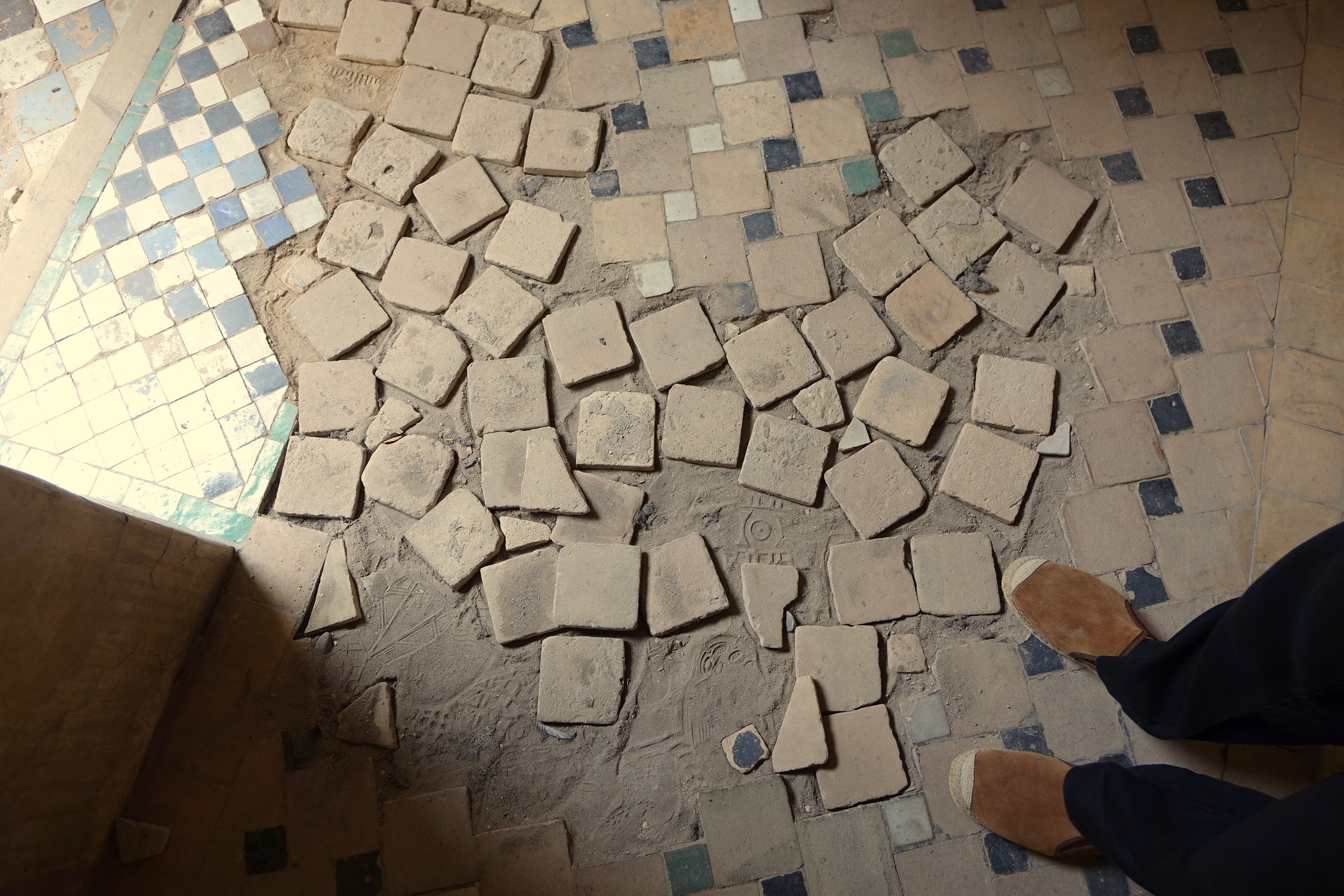
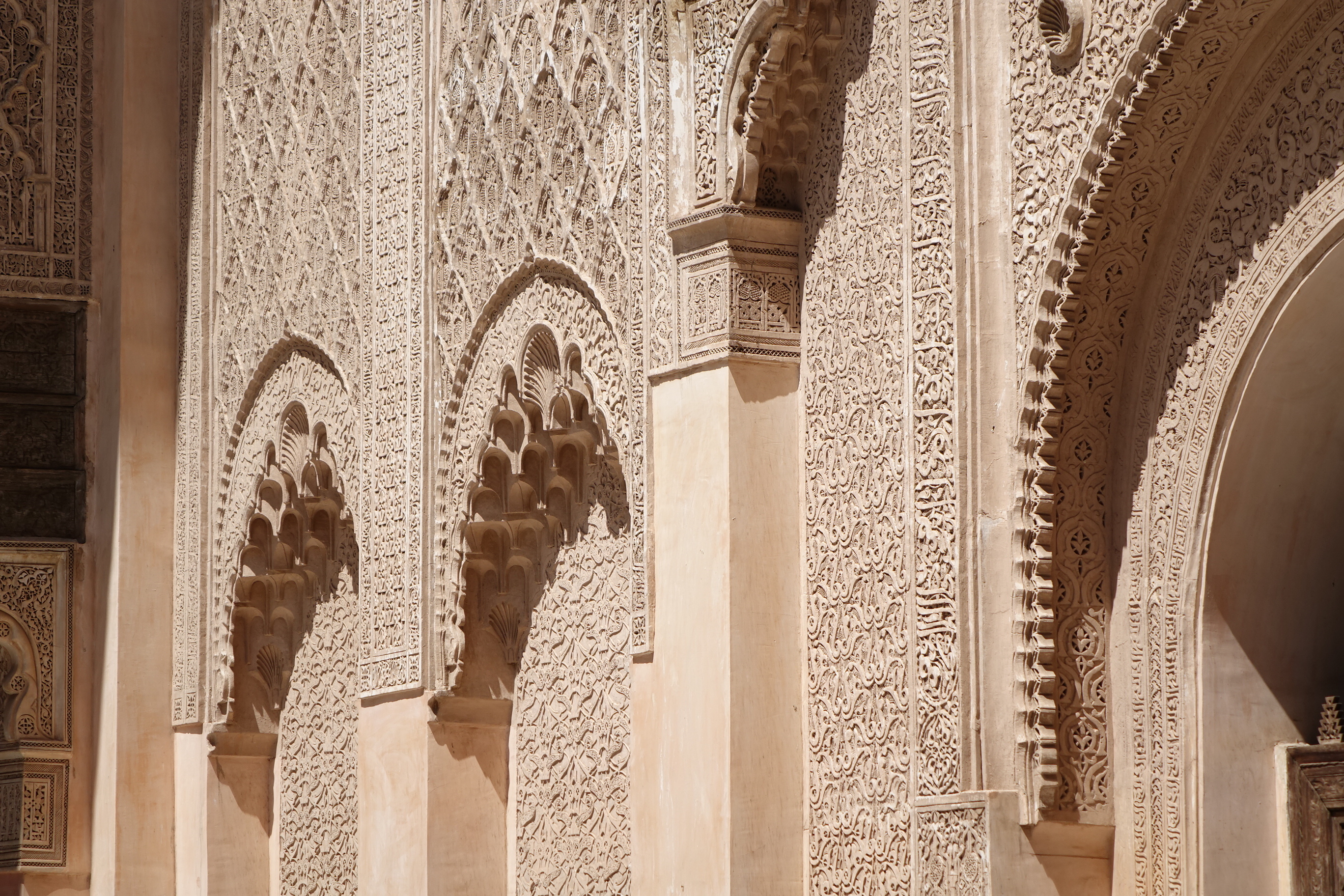
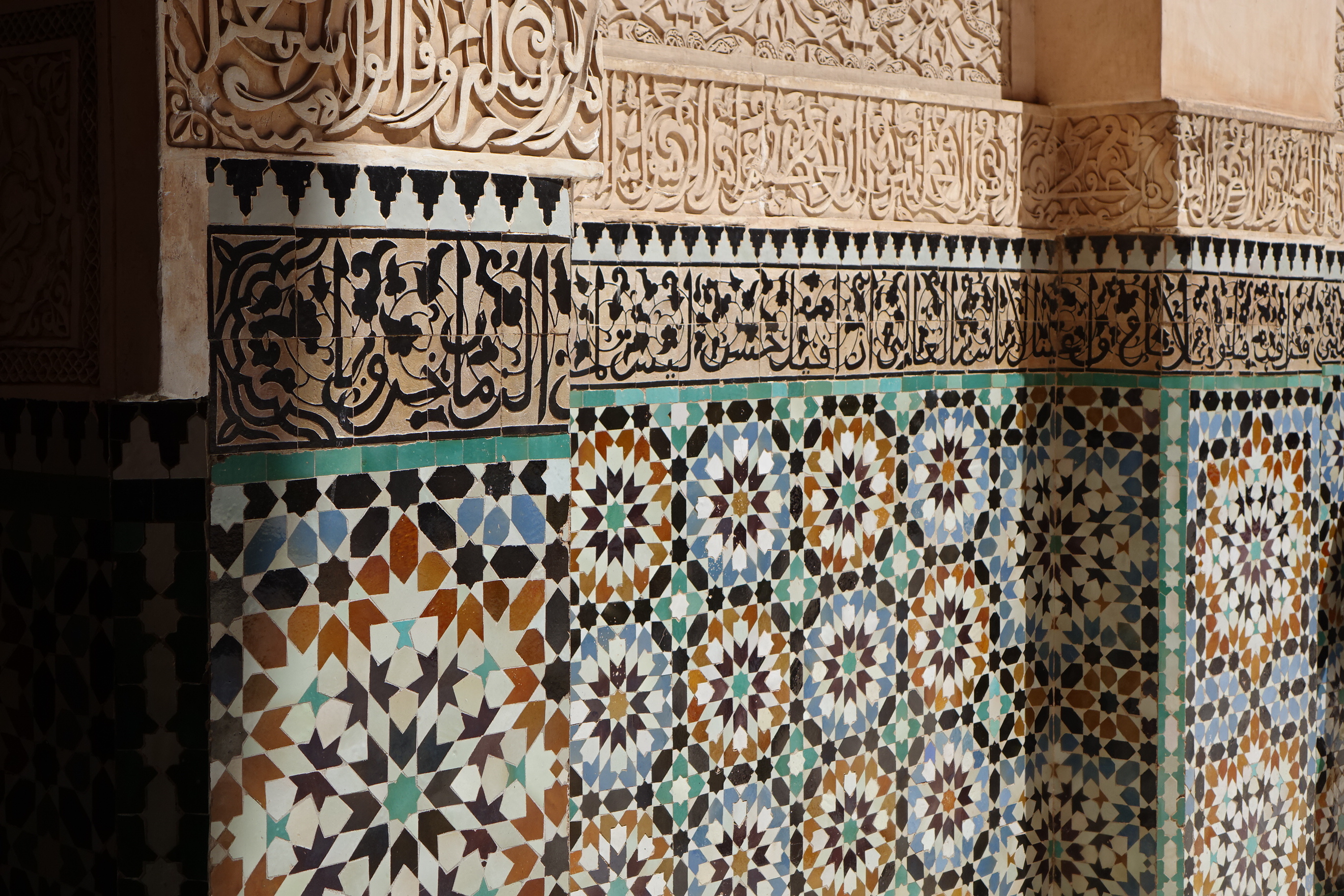
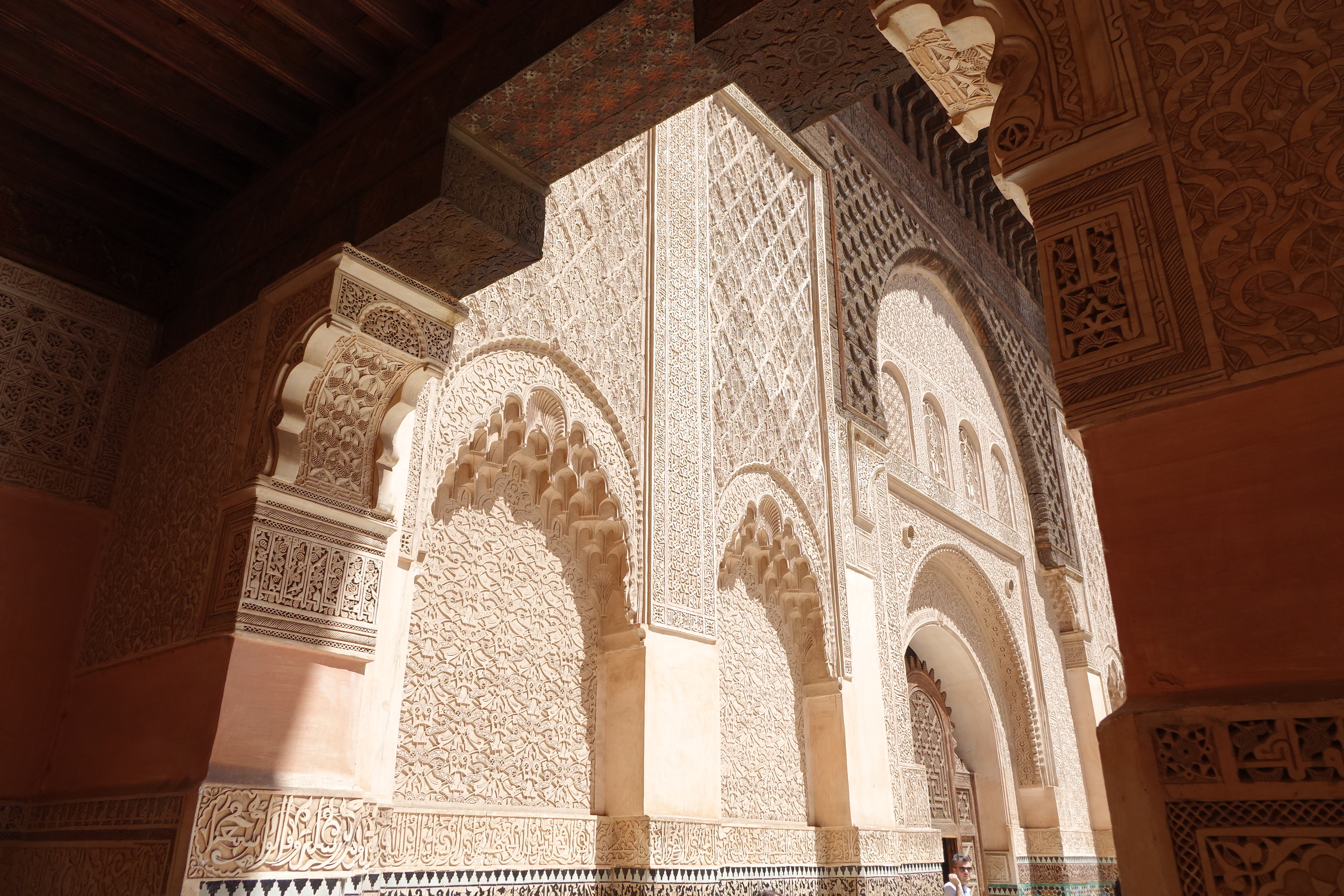
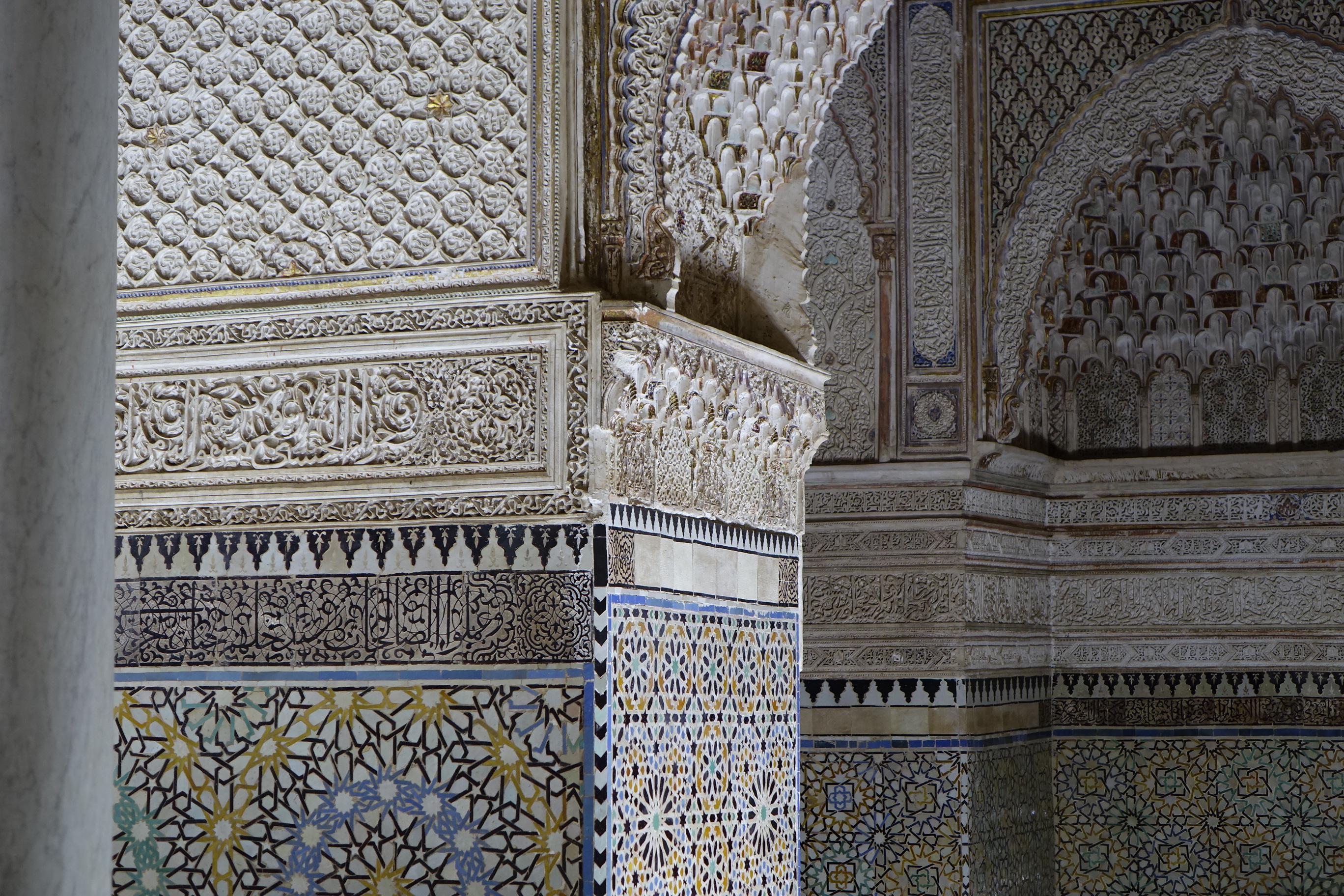
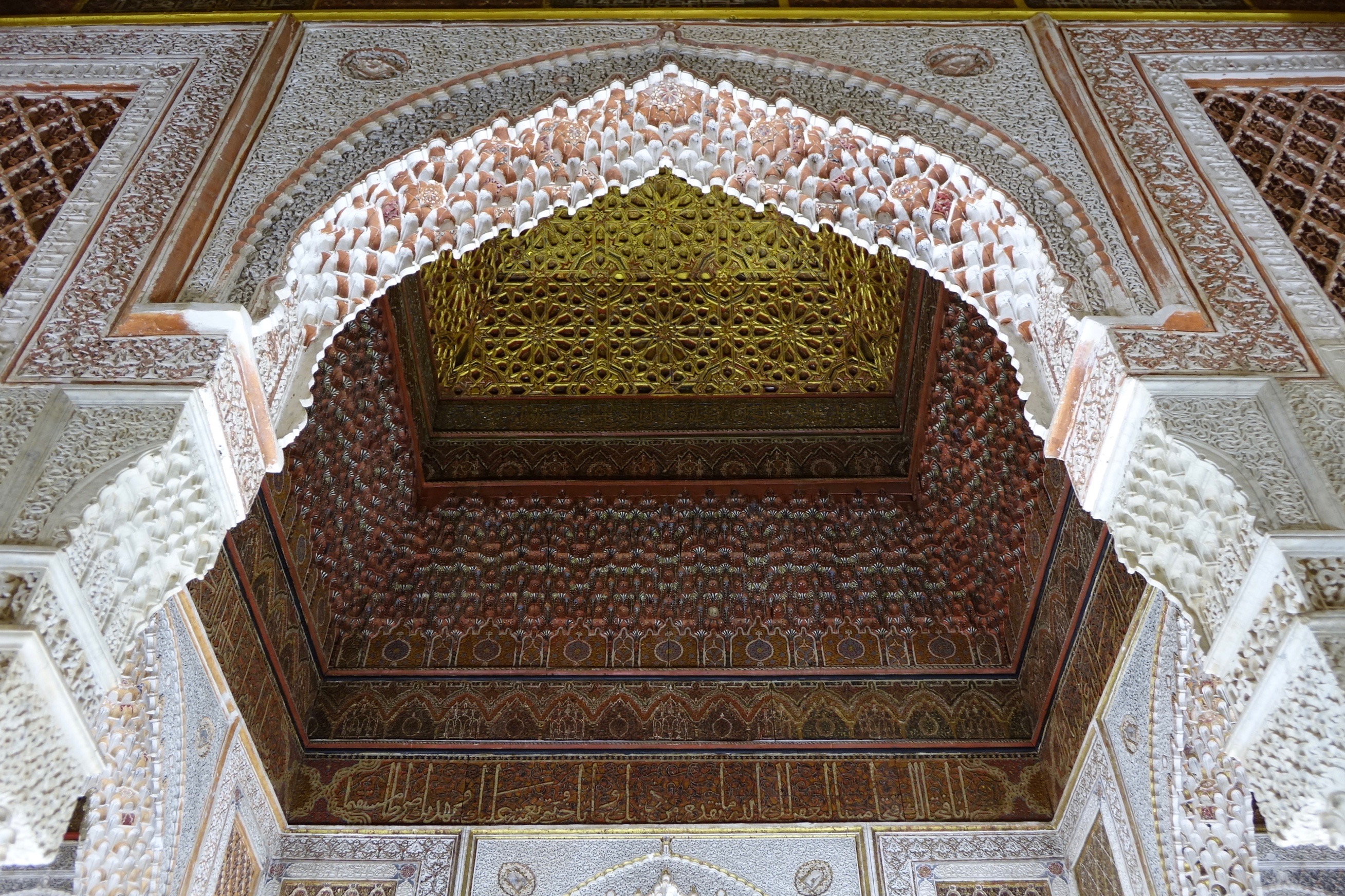
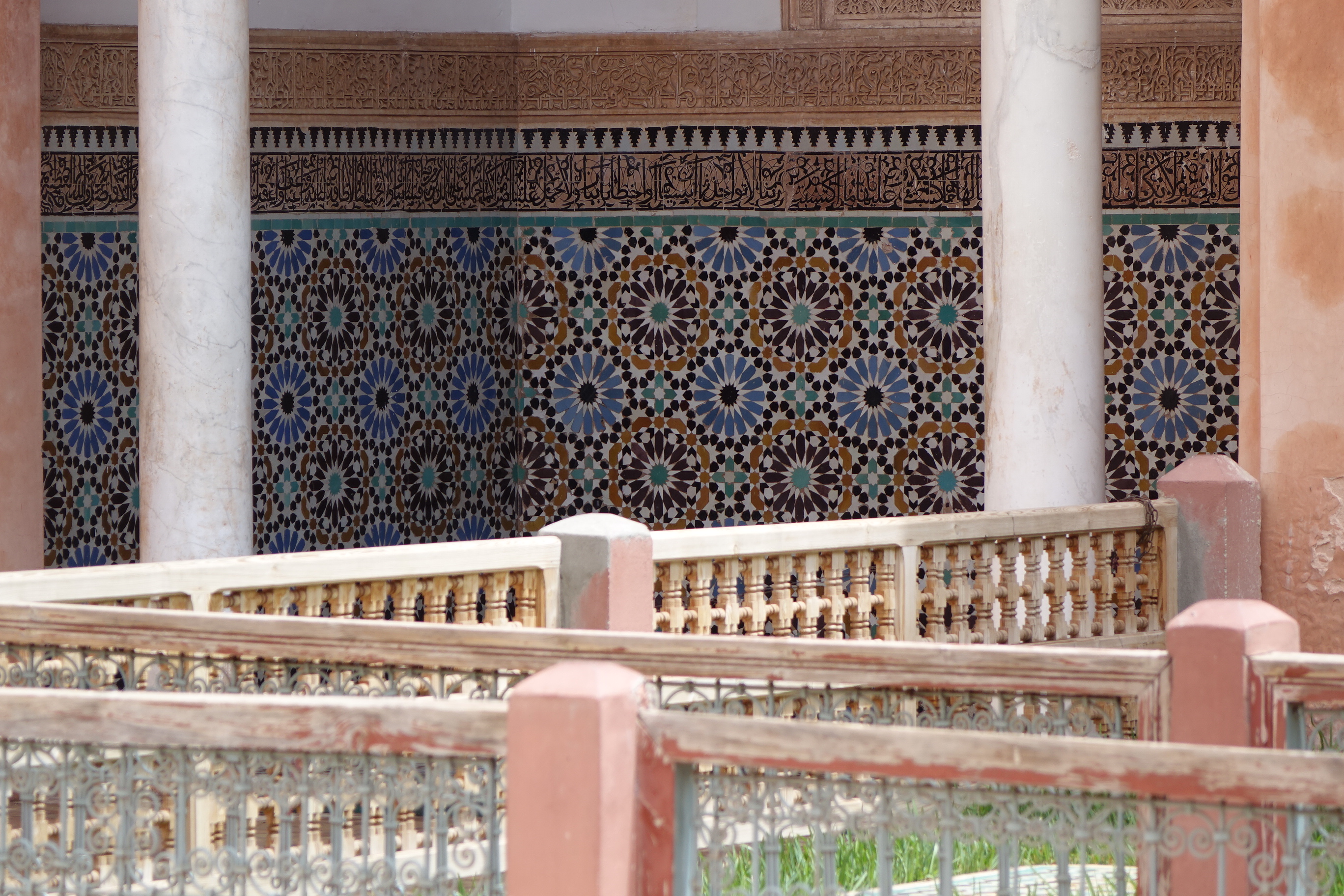
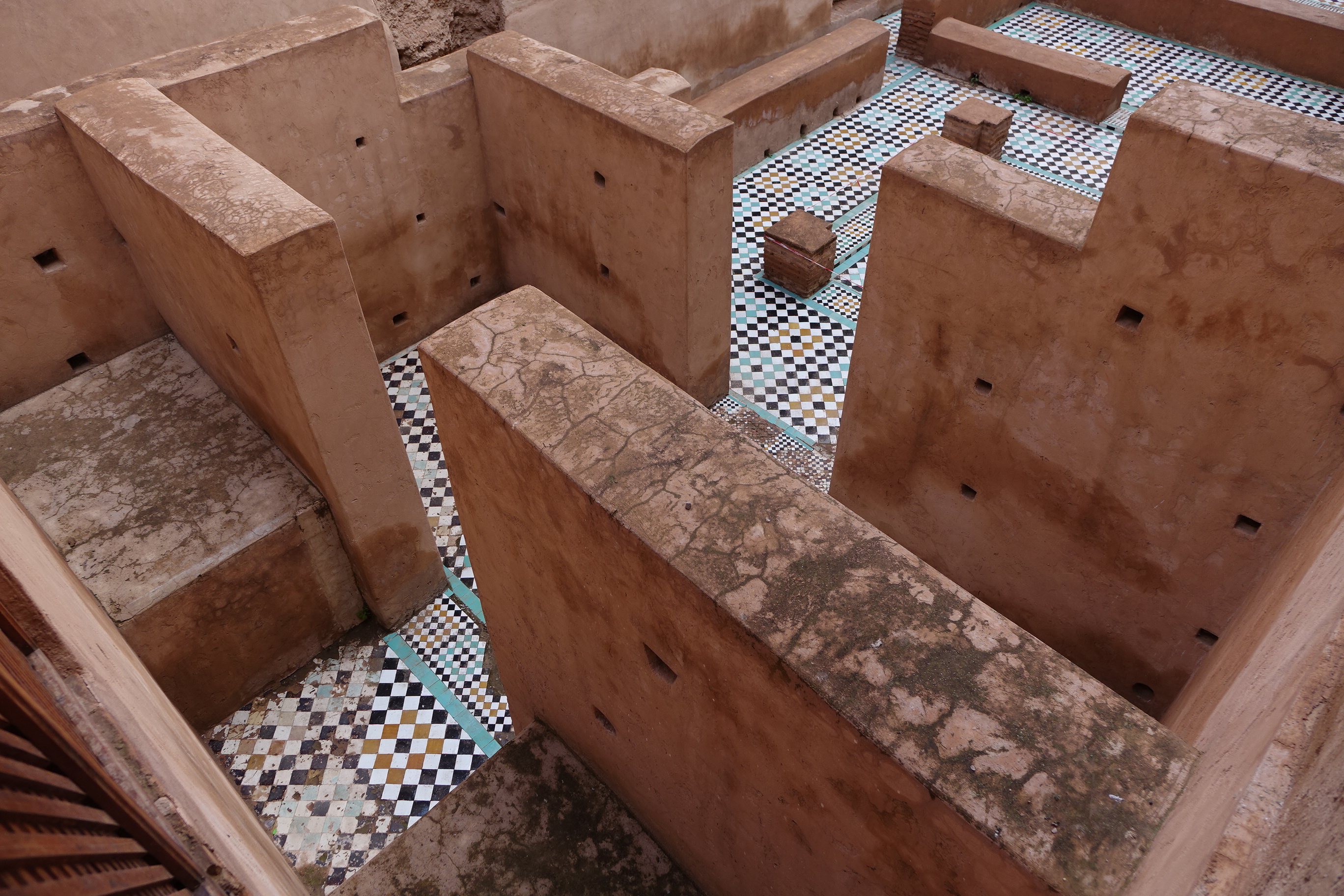
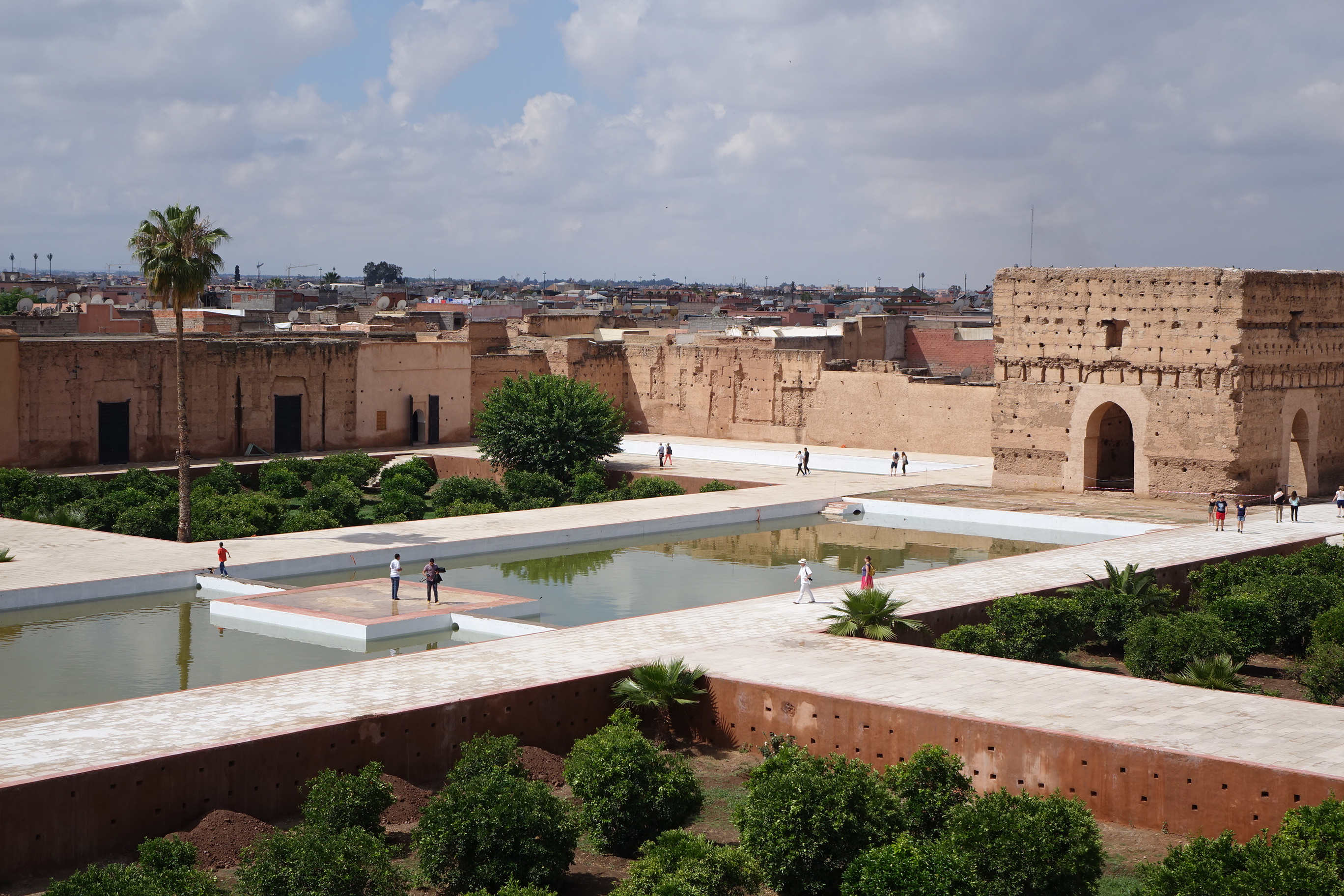
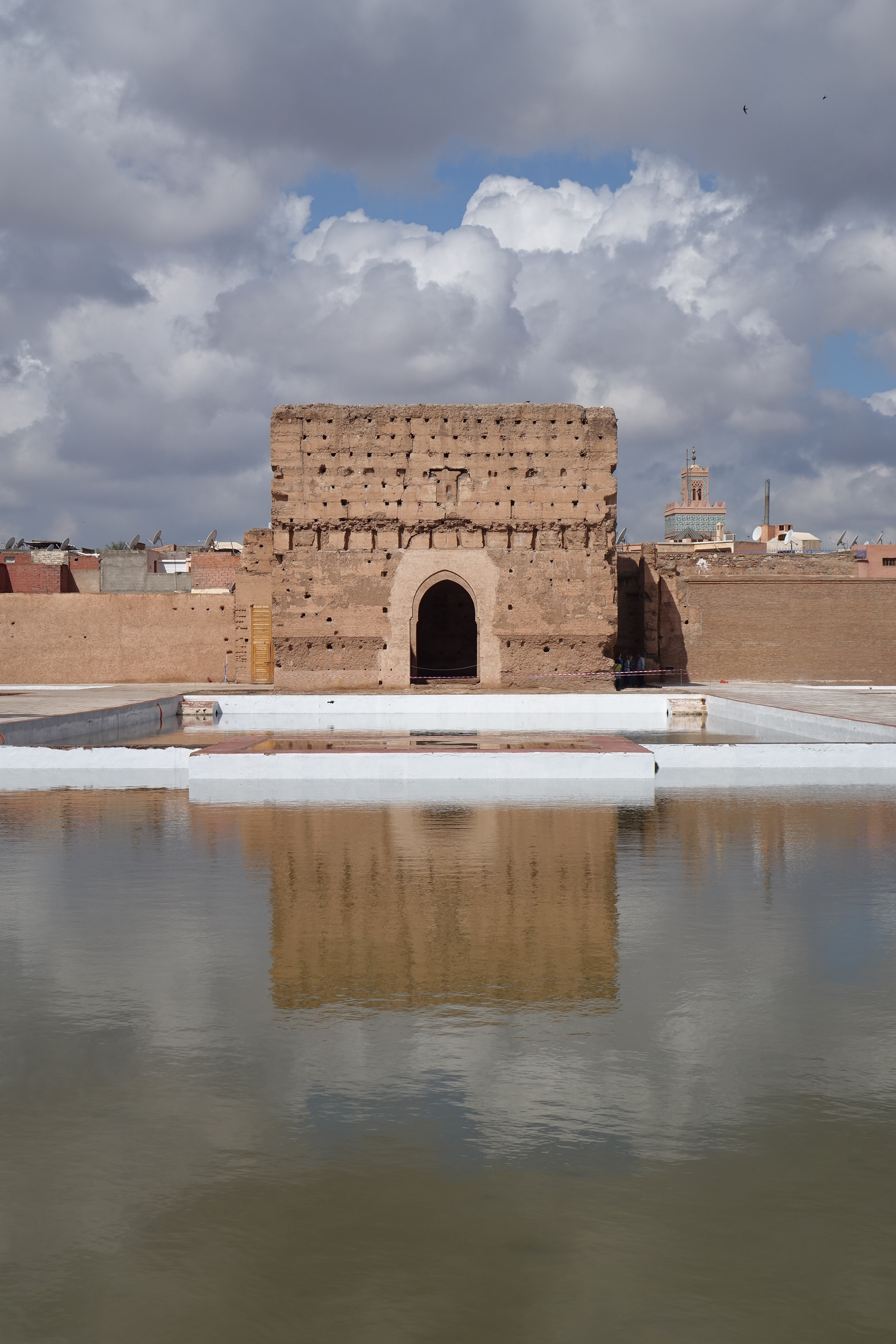
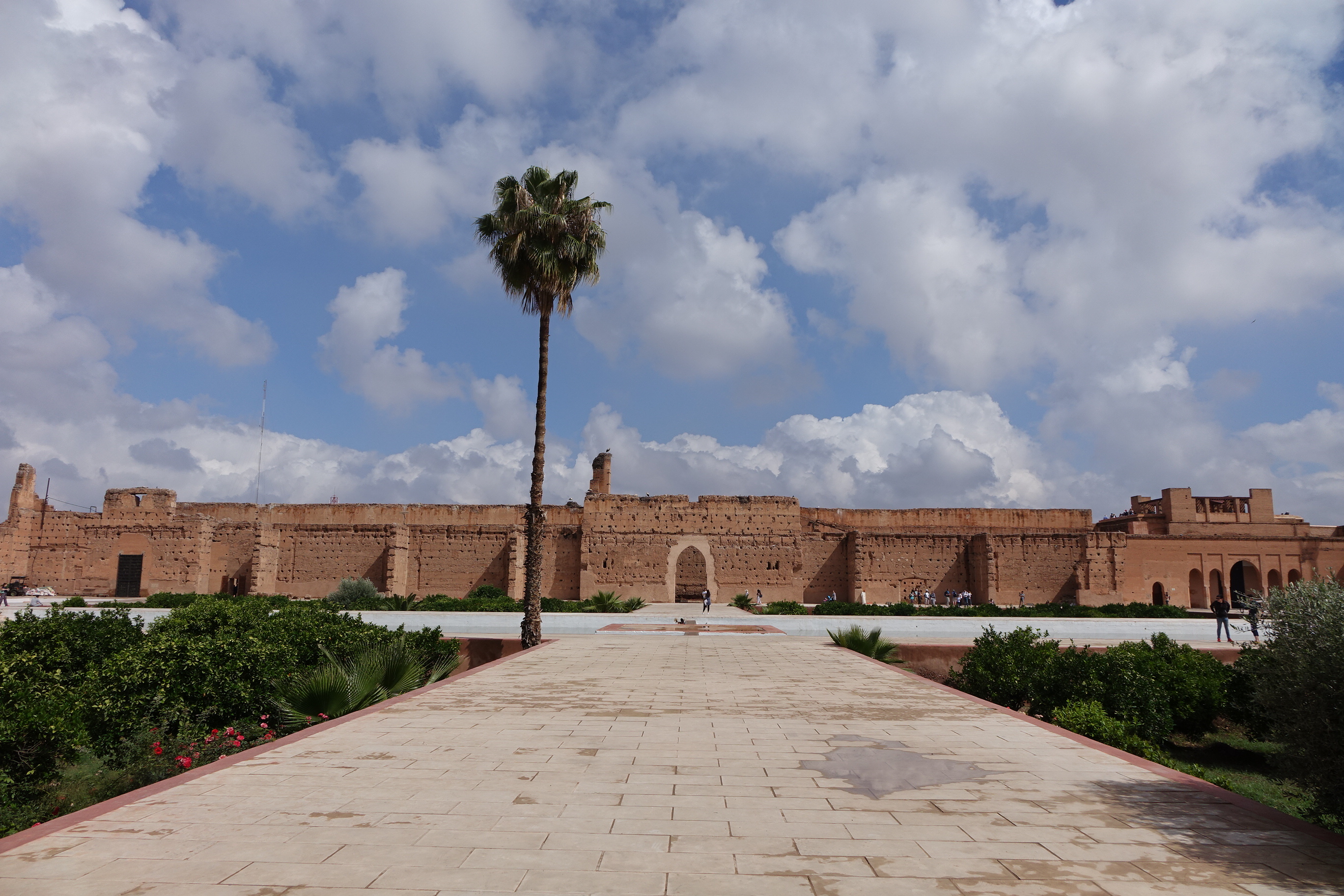
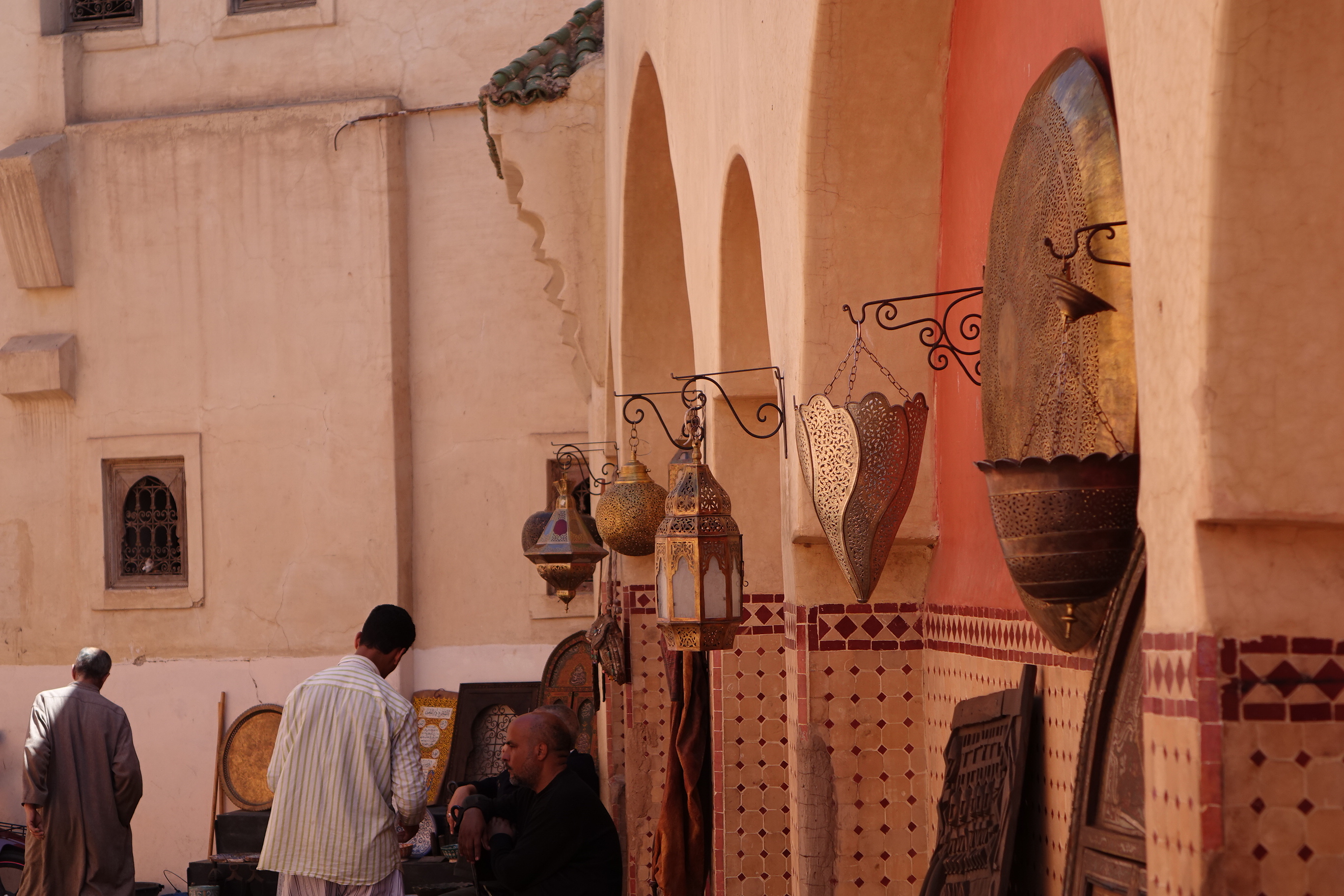
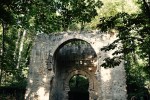
Not everything in Marrakech is pink. Masterpieces are carved out of a rich ochre stone with such intricate geometric embellishment that the stone itself seems to resemble sparkling, resplendent gold. This is the side of Marrakech from Sultans past, when the excesses of power and wealth produced some of the masterpieces of the world’s historical architecture.  The Daily Norm is no stranger to some of Islam’s most stunning architectural inventions, having indulged last summer in the jaw-droopingly extravagant craftsmanship of the Alhambra Palace in Granada, Spain. But in Marrakech, the journey continued, as ancient masterpieces unveiled themselves within narrow doorways in the crowded Souk, and from amongst the crumbling remains of former palaces. These are places both preceding and inspired by Granada’s famous gem, and no less beautiful in their masterful conception. Some are now in a very bad state indeed. The Badii Palace is a mere shadow of its former self. But across them all one common thread remains: the colour of ochre, butterscotch, Gold.

The Medersa Ben Youssef

DSC00404DSC00399DSC00396DSC00378DSC00393DSC00389DSC00390DSC00379DSC00381

The photos on this page are dedicated to three such buildings which we explored during our trip to Marrakech. The Medersa Ben Youssef is perhaps the most extensively and impressively decorated, especially when you consider that it was an Islamic College rather than a palace. Its walls literally weep with honeycomb-like carvings and elaborated horseshoe arches, while perfection in symmetry imbues the space with a finessed tranquility spoilt only by the tourist hoards which inevitably occupy the space.

The Saadian Tombs
DSC00842DSC00838DSC00847DSC00837DSC00854DSC00830DSC00839

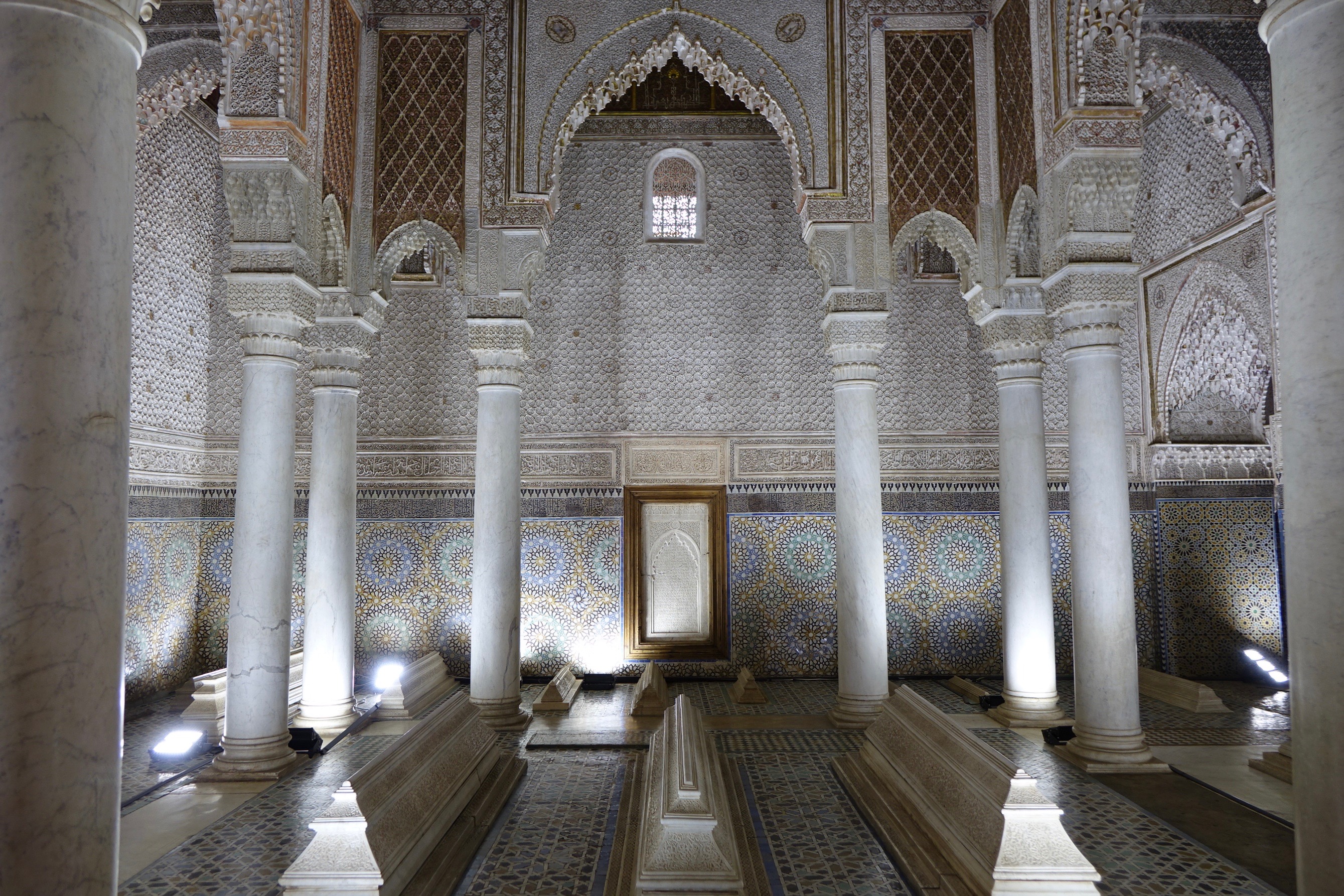
Packed with tourists was likewise the trend exhibited by the Saadian Tombs, a complex of some 66 royal tombs which sounded like it was going to be substantial in the guidebook, but was actually little more than a single room preceded by a huge queue and whose entrance was forbidden. Rather tourists were granted a brief glimpse at the tomb room through a very narrow roped off doorway, and the brevity of their indulgence was kept carefully in check by a security guard who looked none too pleased by any such attempt to linger beyond a couple of photographs hastily composed. But it was worth the ill treatment: the tombs were stunning. I have never seen such a highly decorated space so compacted within a small area.

The Badii Palace 

DSC00636DSC00674DSC00755DSC00671DSC00731DSC00630DSC00633DSC00661DSC00619

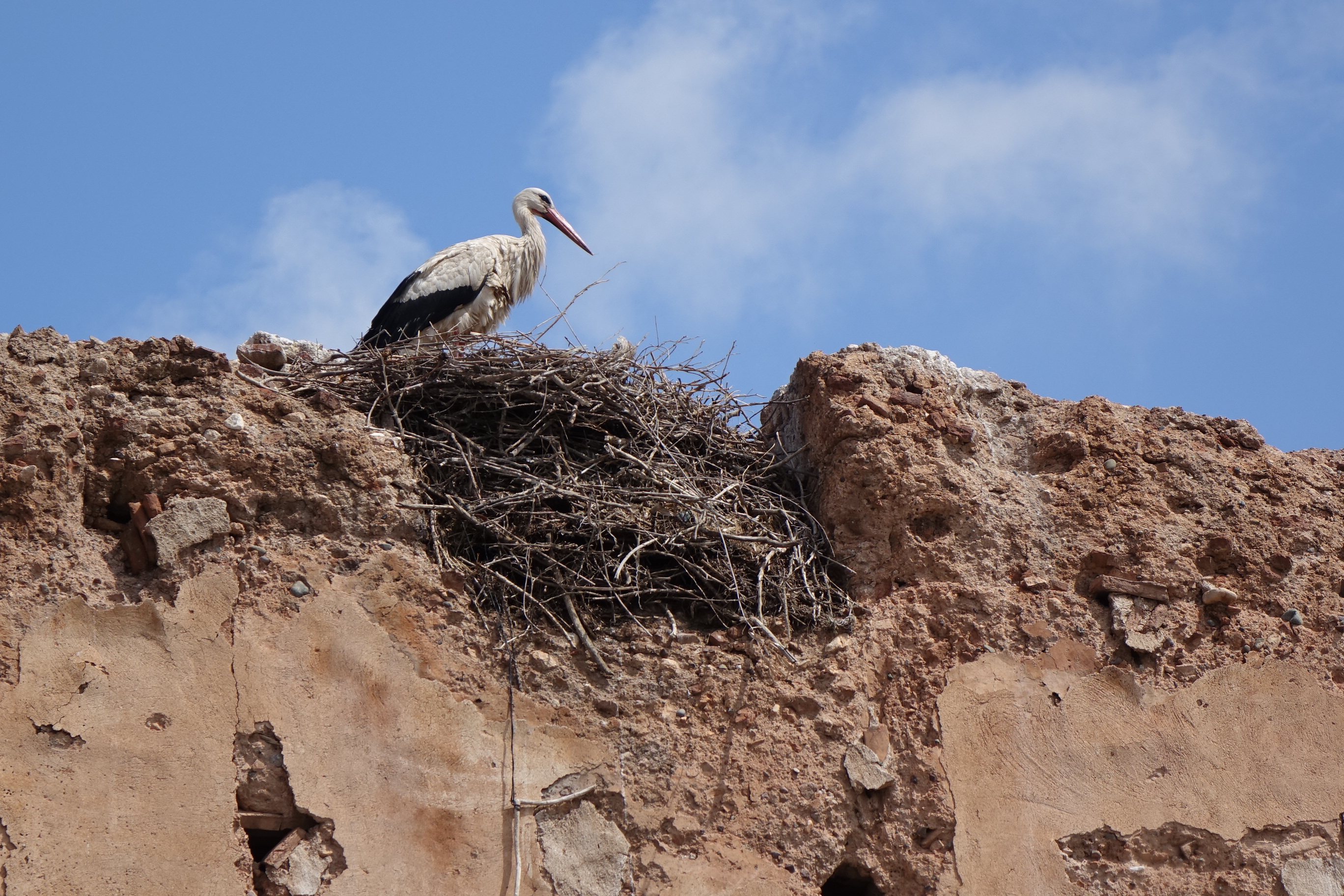
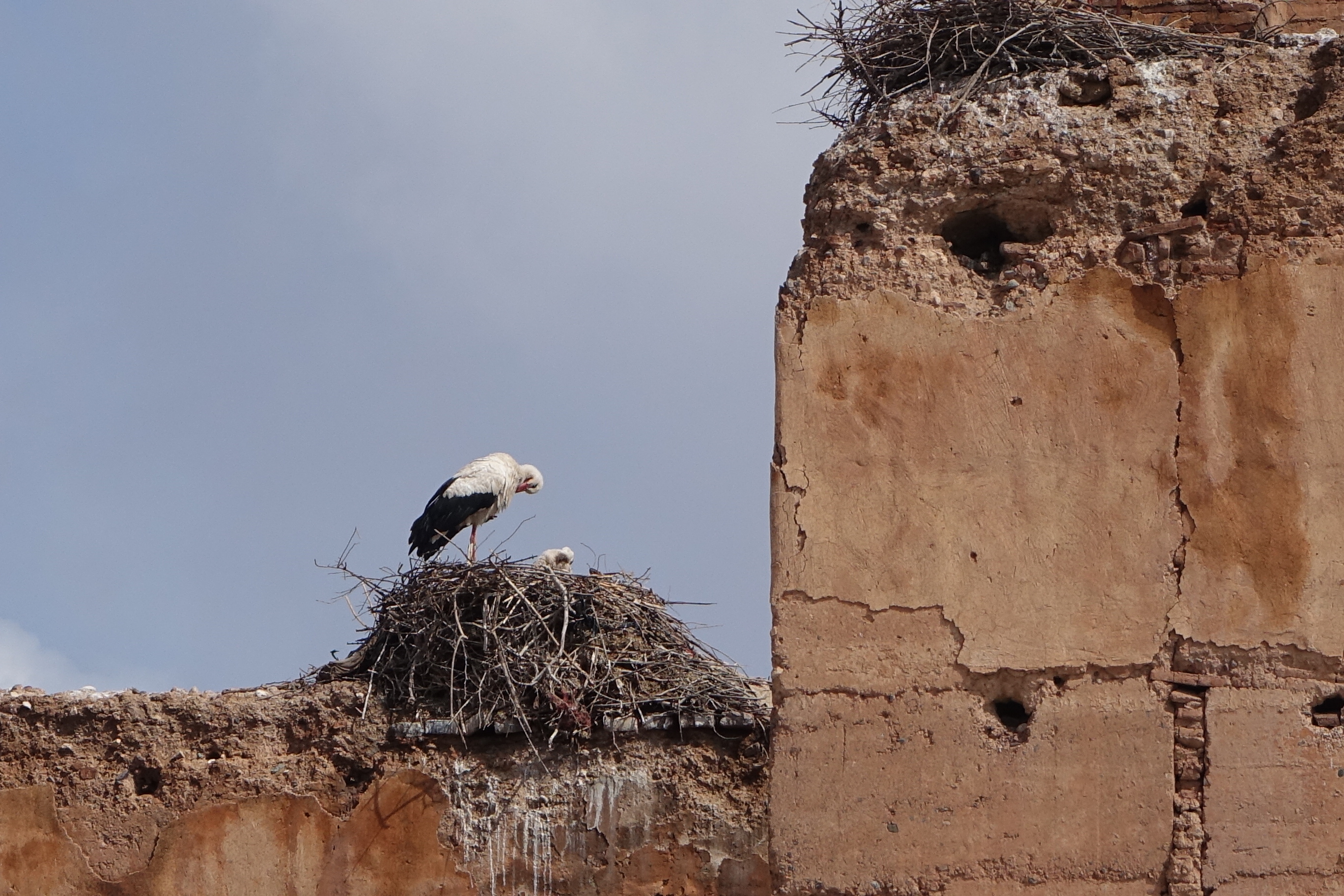
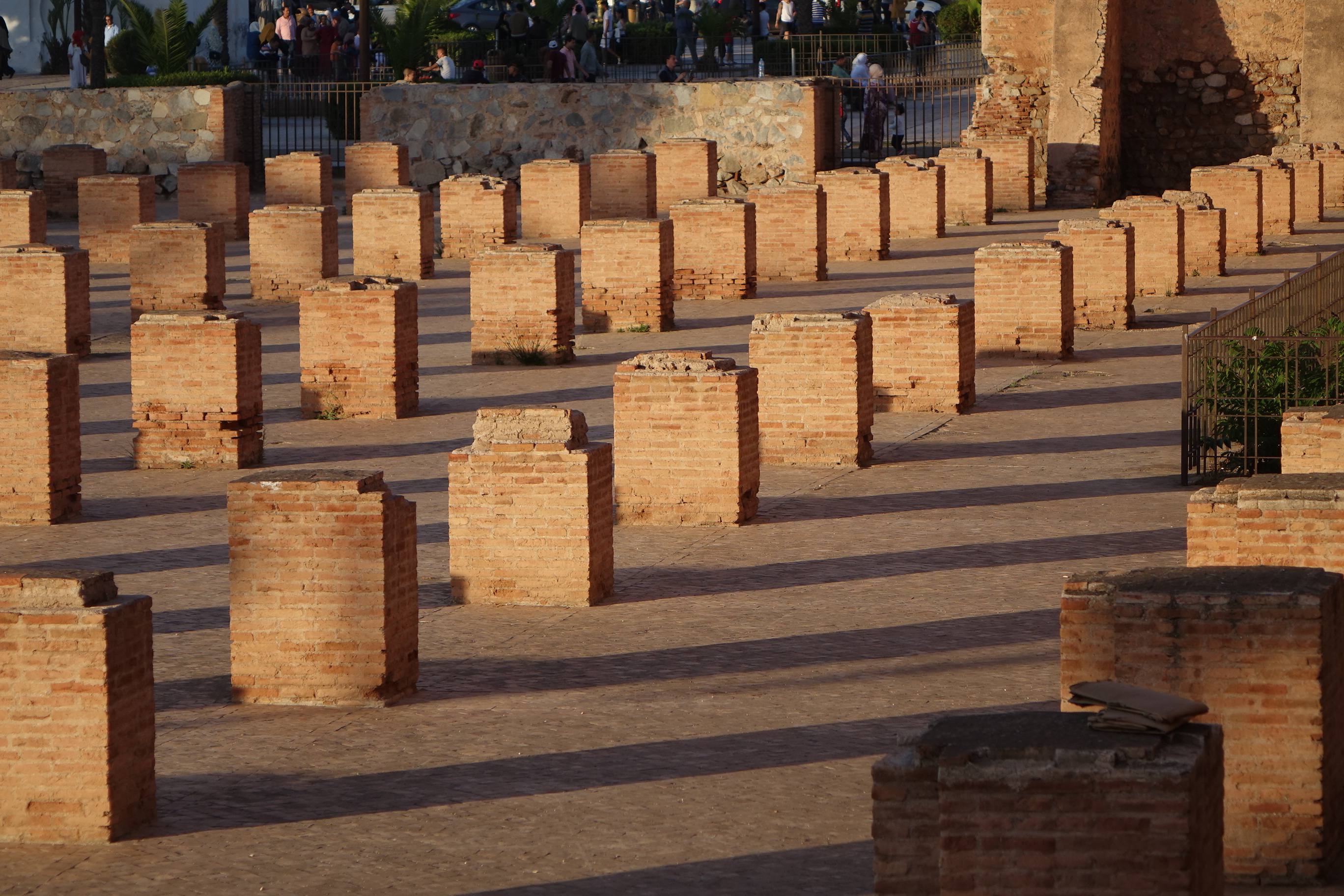
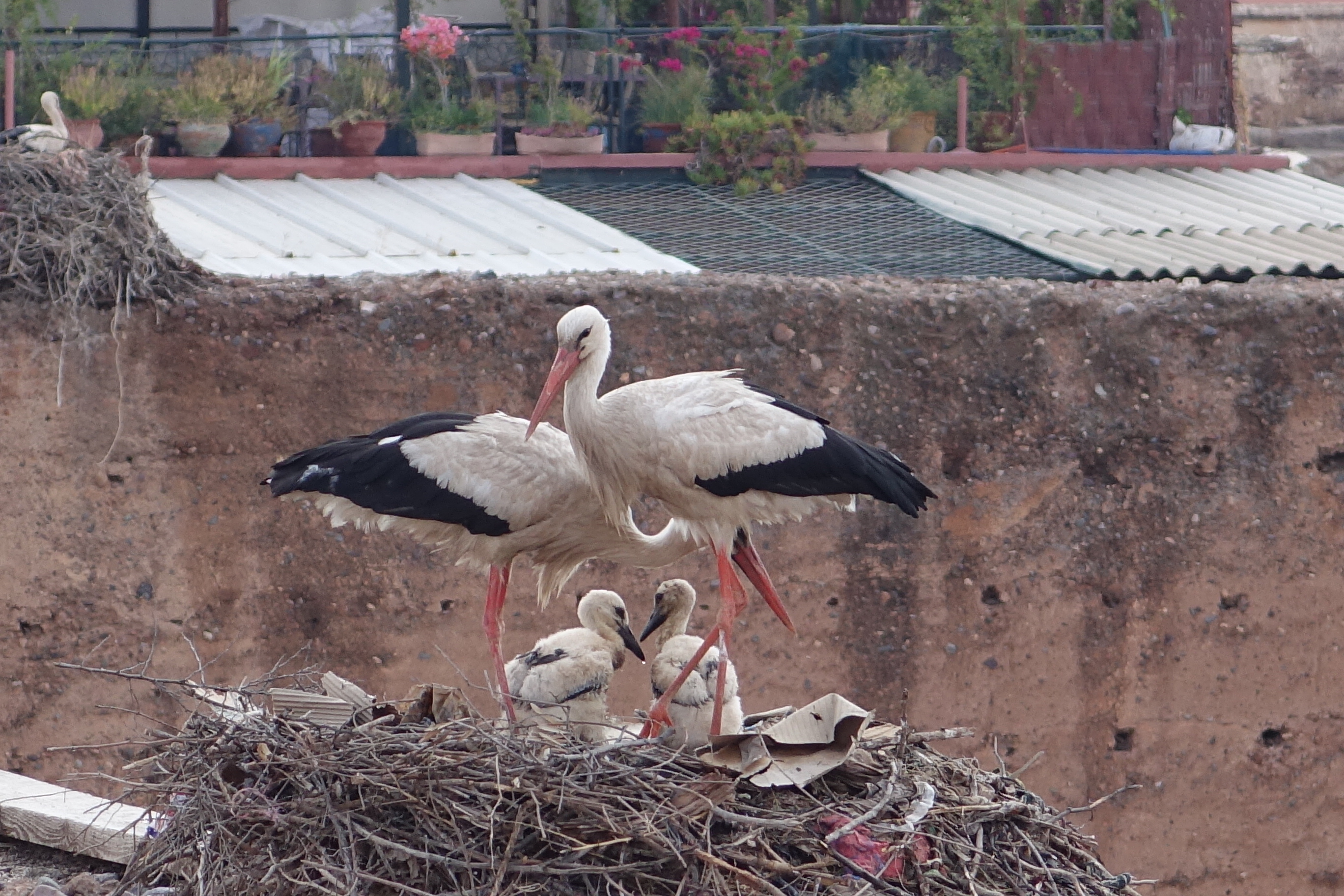
But perhaps our favourite of these golden palaces was the Badii Palace, which is funny really since it was also the least attractive in terms of decoration or embellishment. What took some 25 years to complete and was said to have been one of the most magnificent palaces ever constructed is today a mere skeleton of its former self, having had its riches brutally scrapped by a conquering sultan when he decided to move his centre of power elsewhere. Nonetheless there is a definite poetry in what remains, and an impressive sense of the scale of the original gauged from what is left behind. Best of all are the elegant storks who love to nest on the crumbling site, and probably made for the best photos of them all.

The Badii Storks 
DSC00708DSC00763DSC00717DSC00650DSC00714DSC00624

© Nicholas de Lacy-Brown and The Daily Norm, 2001-2017. Unauthorized use and/or duplication of the material, whether written work, photography or artwork, included within The Daily Norm without express and written permission from The Daily Norm’s author and/or owner is strictly prohibited.

Marrakech Moments: Tea at the Café de France

Every city has an iconic café. It’s not always the fanciest, or the most expensive or the most beautiful, but it will be the place with history, with a notorious clientele, and a spot beloved by locals and tourists alike. In Marrakech, that place is the Café de France. Located at the bustling heart of the Jemaa El Fna, the iconic market square at the centre of Marrakech, it is simply the perfect ambience to take a Moroccan mint tea and watch the world go by.

DSC01008DSC01020DSC01027DSC01007DSC01018

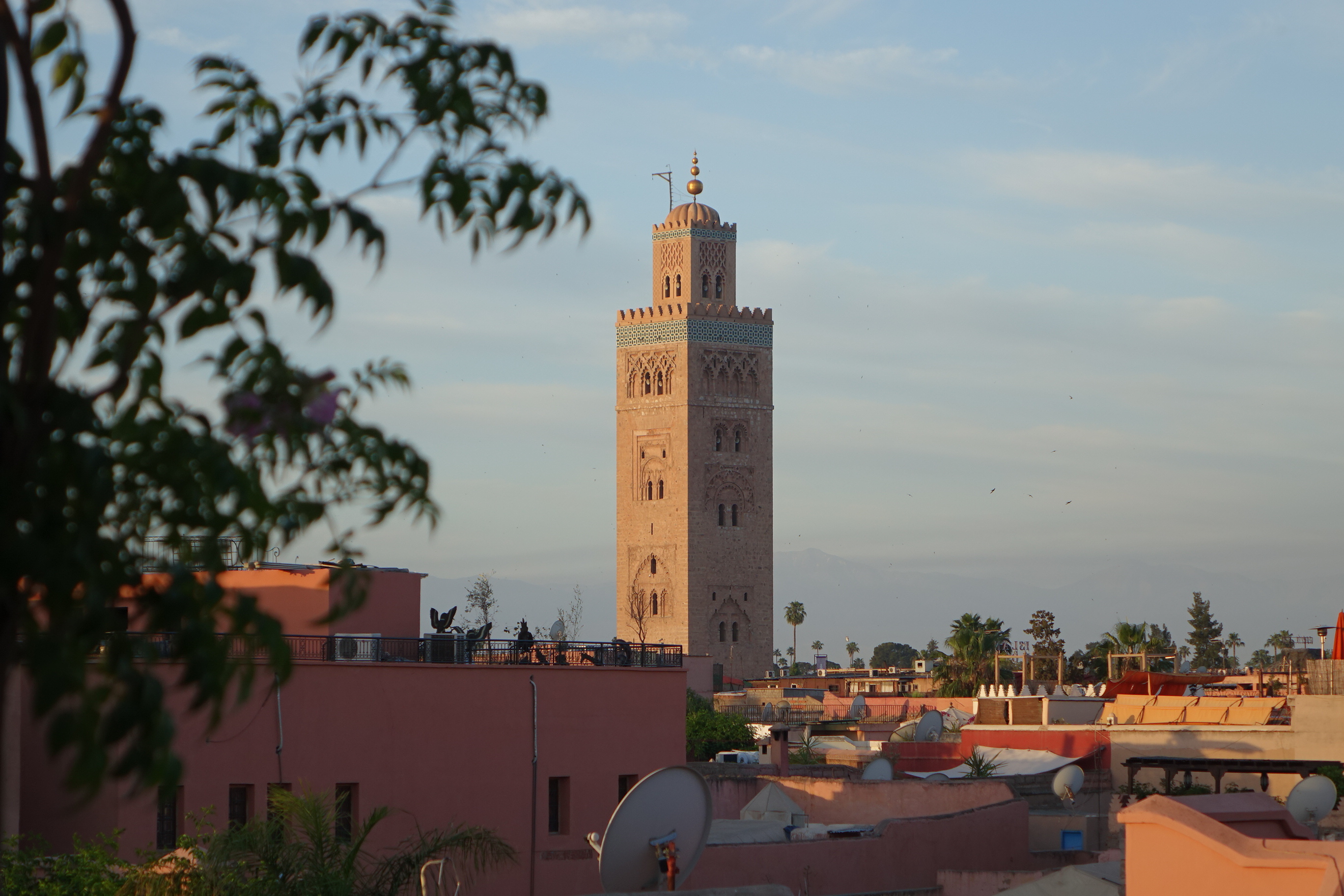
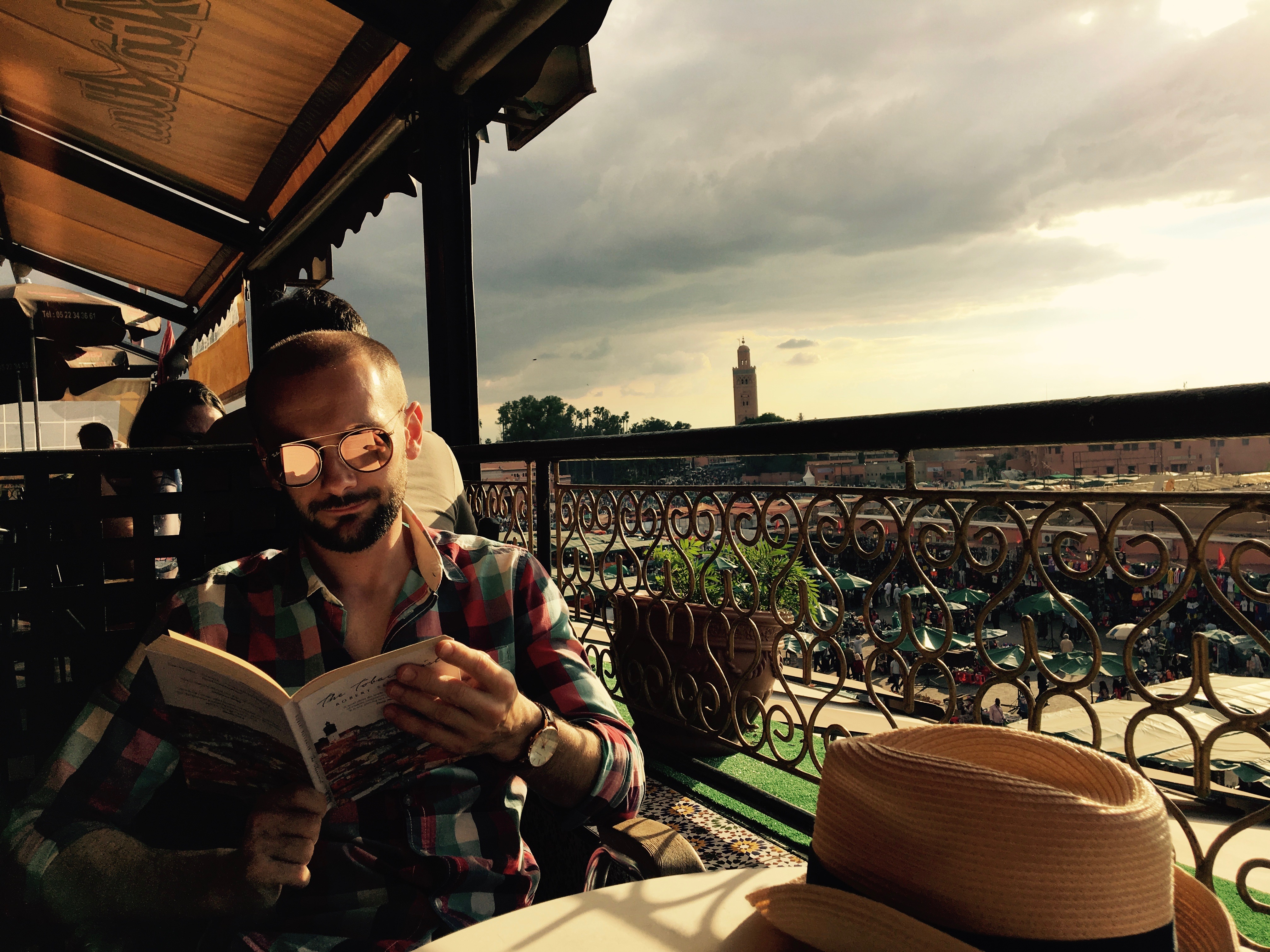
But as with all such iconic places – we’re talking the level of Florian’s in the Piazza San Marco in Venice, Caffé Greco in Rome – the best tables are hard to get. When we arrived in Marrakech, a very friendly steward in our Riad told us that the most sought after table was the one up on the first floor terrace of the Café in the most south western corner, with a perfect view of the Koutoubia Mosque at sunset. When we arrived at the Café de France, it was so crowded that we would have been lucky to get a table at all, let alone get the table most coveted of all. But suddenly, as if by magic, and at the precise moment when the lingering clouds of the afternoon cleared and sun rays flooded the terrace of the café, the very same corner table became free and we swiftly occupied it, and soaked in its very enticing view.

DSC00995DSC01017DSC00997

The recommendation was correct. It really was the best table. From there we could enjoy the sunset, the Koutoubia tower, and the bustling Jemaa El Fna square at this time when it transformed from day time market place to a huge open air eatery and evening performance venue. There is where the stories of ancient sand dunes and shifting deserts are told, where serpents uncoil out of baskets and monkeys are trained to dance. This exotic space is the centre of the city for a reason, and we had the very best view of it, from above.  Determined to enjoy the table, we took endless photos, reflected upon the ever changing view, sat back, read, and enjoyed a perfectly fresh mint tea. An iconic moment fit only for the café of all Marrakech cafés.

IMG_0229DSC01035IMG_0249

© Nicholas de Lacy-Brown and The Daily Norm, 2001-2017. Unauthorized use and/or duplication of the material, whether written work, photography or artwork, included within The Daily Norm without express and written permission from The Daily Norm’s author and/or owner is strictly prohibited.

The Colours of Marrakech, Part 1: Rose City

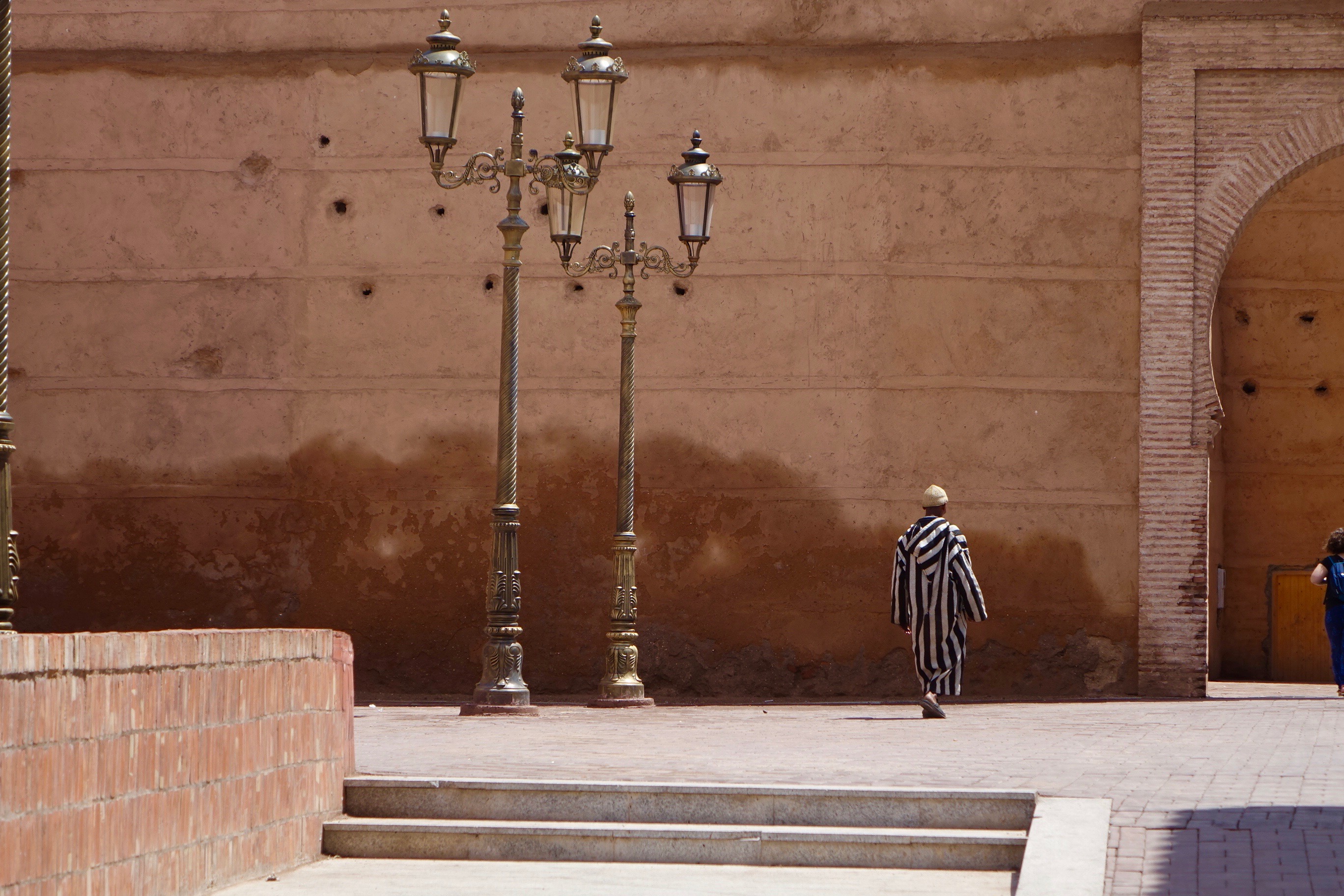
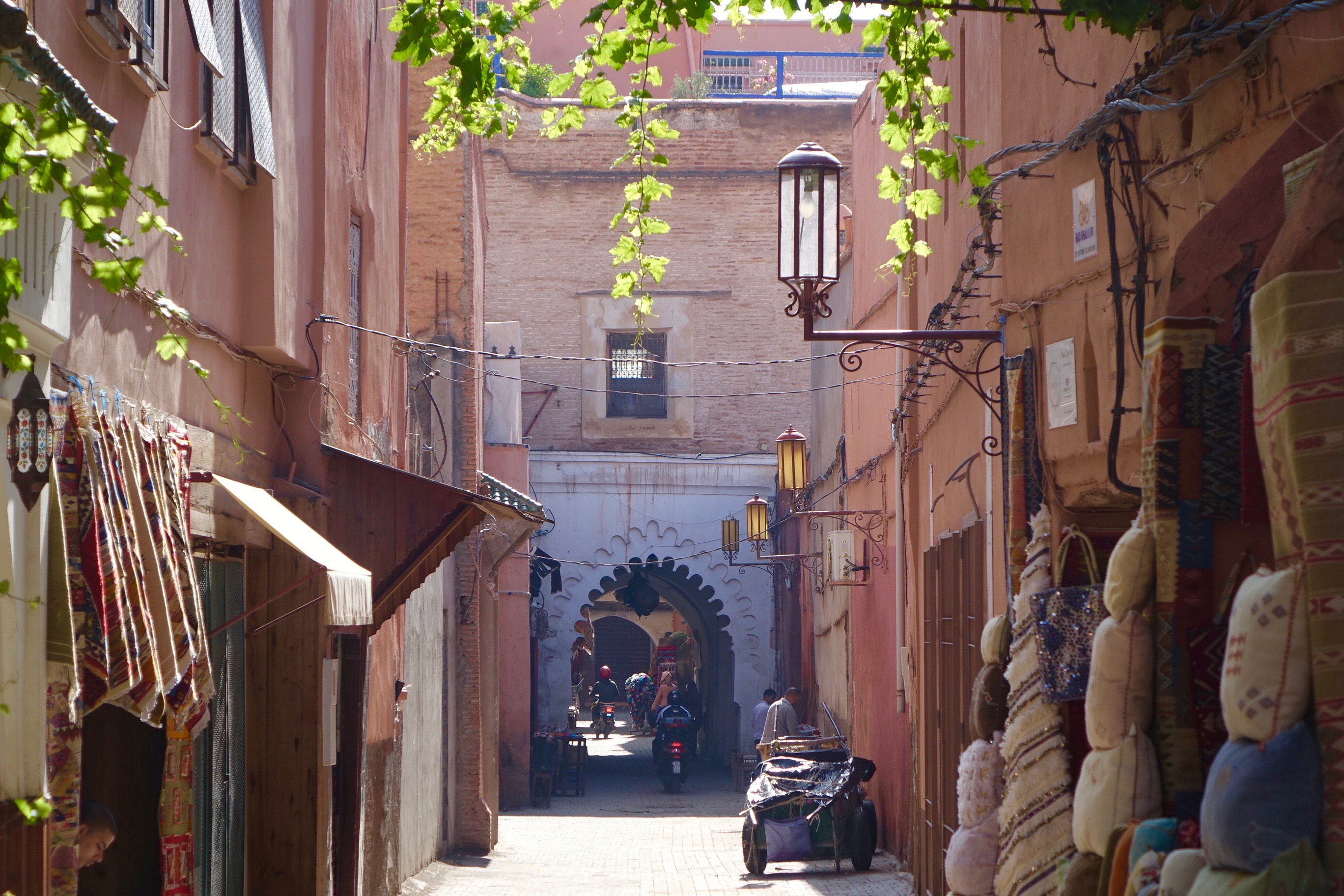
Colour, smell, thunder, stares, snakes, spices, the sound of birdsong, the call to prayer. Morocco is a country of extremes and its dazzling city of Marrakech all the more so. Those extremes began as soon as we entered its airspace, as desert planes and mighty big African clouds overhead gave way to one of the most sparkling fancy airports I have ever set foot in. A further transformation manifested as we took a taxi into town. On the left, a modern city, its roads neatly paved and lined with illuminated orange trees. On the right an old city crumbling, smelly, loud, maze like. Children begged around our legs, women enveloped in veils eyed us suspiciously and the use of donkeys in the place of vehicles marked a return to centuries past. Marrakech is different from any place I have ever visited before, and the next few weeks on The Daily Norm will bear testament to our time there; a trip which tantalised each of the senses and engendered the thrill of the different and astonishment at everything we saw.

DSC00887DSC00461DSC01440DSC01403DSC00907DSC01390DSC01360DSC00868DSC00817DSC00176DSC00372DSC01082DSC00809

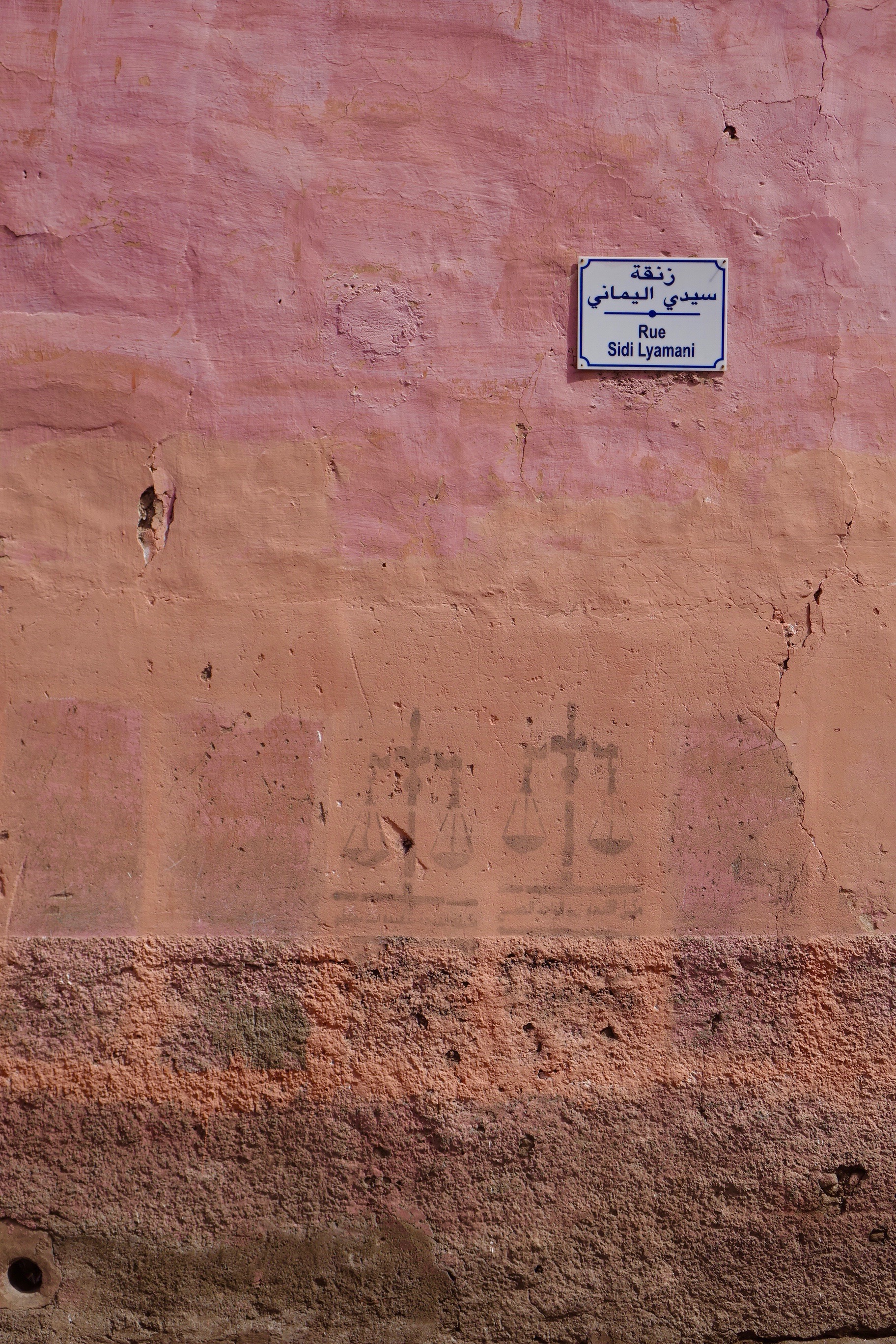
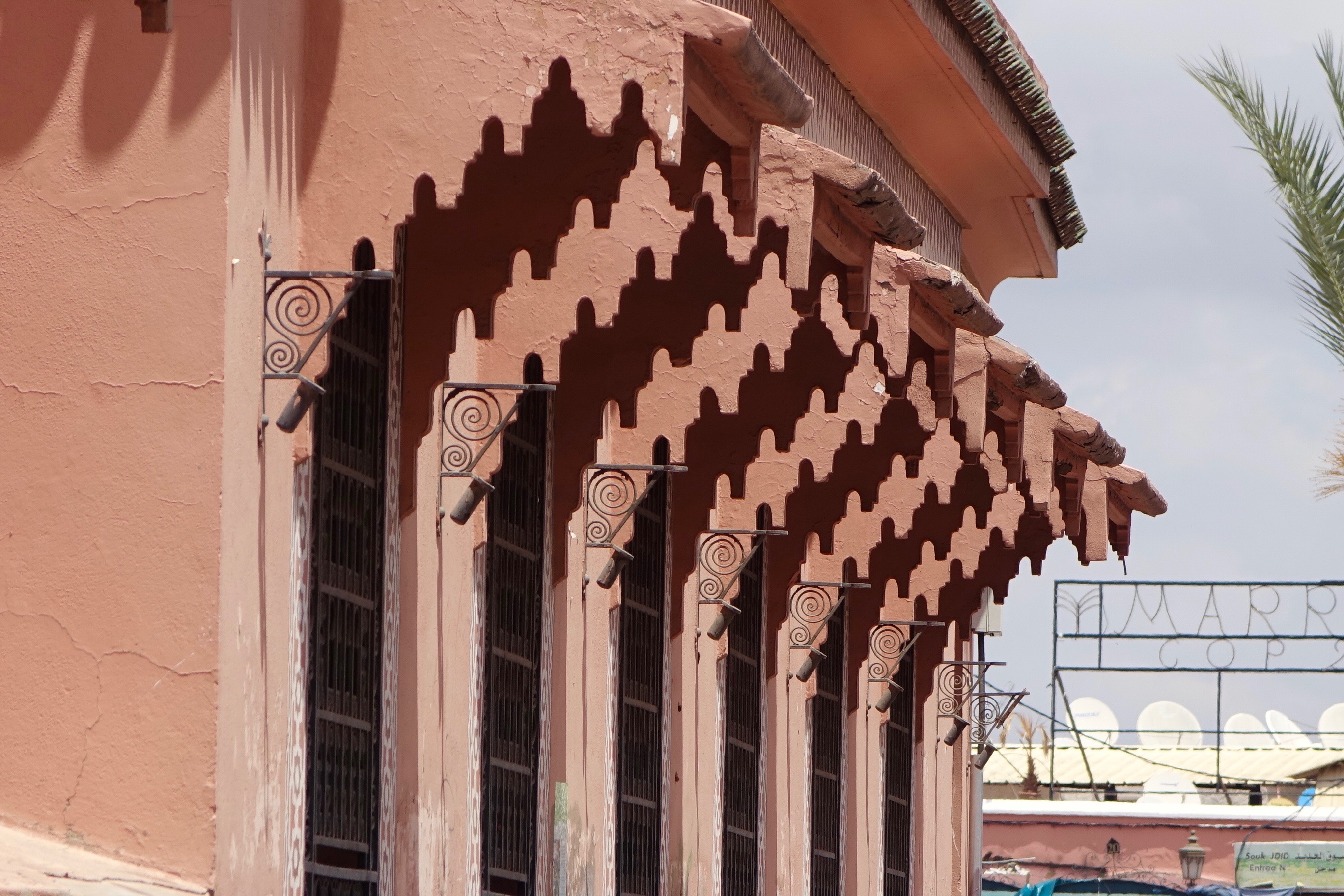
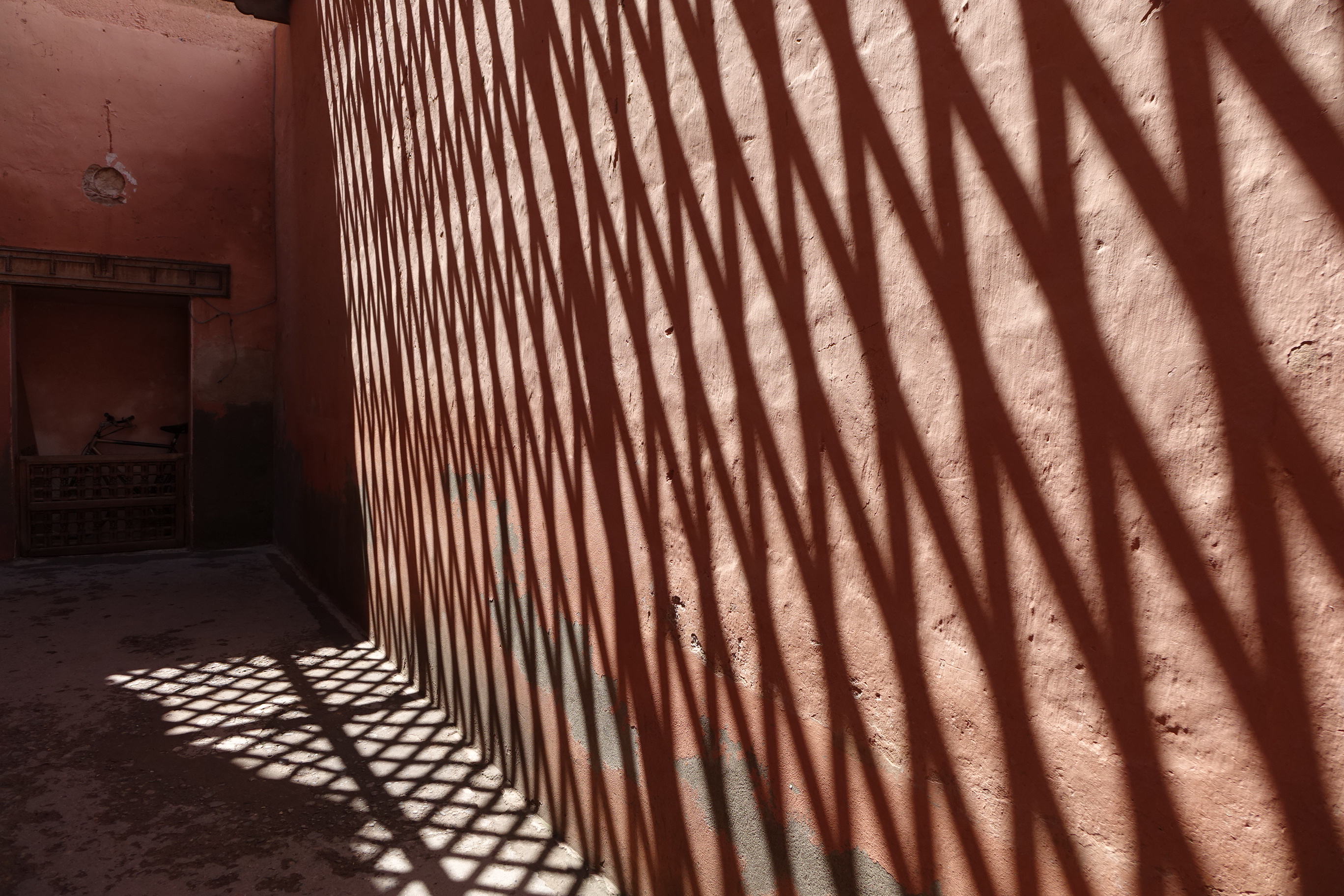
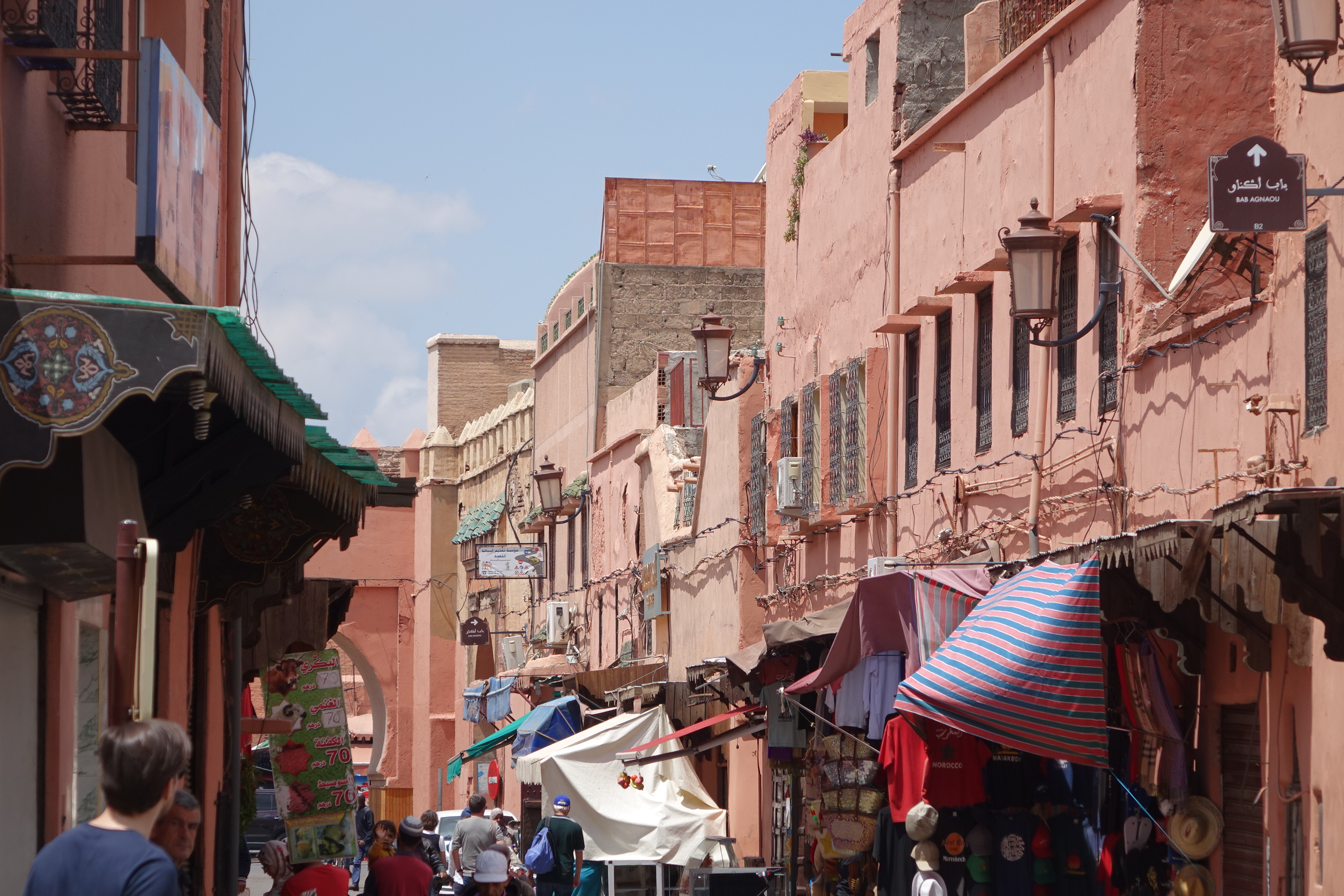
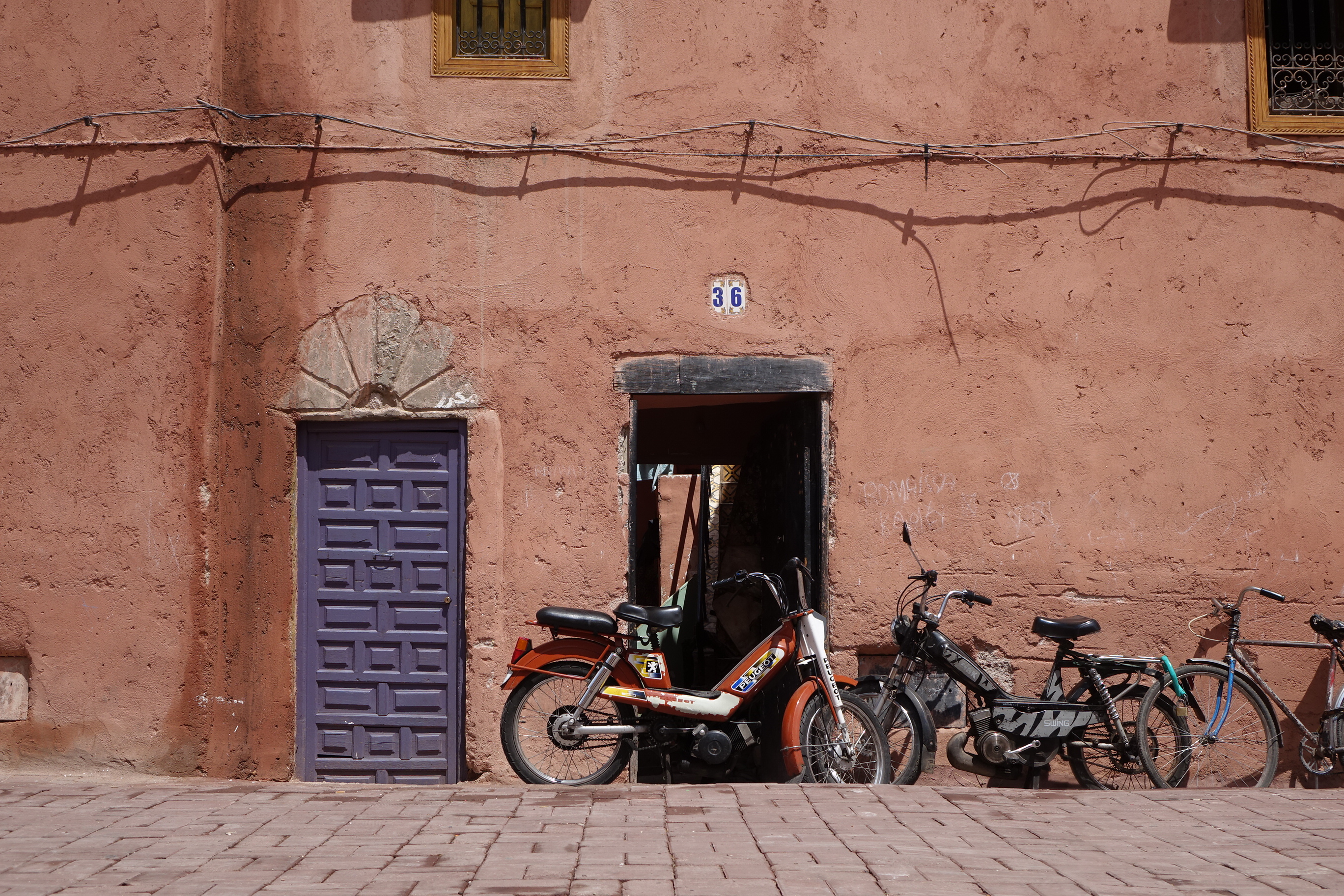
A focus on the visual is what will shape my tale of Marrakech, as I take inspiration from the colours which were visible in such extremes across the city. Known as Rose City, by far its most prominent colour is the peachy shade of soft terracotta which characterises its ancient Medina. Stemming from the red tint of local stone and mud, the colour is a naturally occurring bi-product of the city’s quasi-desert location. In fact the rosy hue became so synonymous with the city that when in modern times concrete started to replace traditional mud construction methods, the former French rulers decreed that all such buildings must be painted in the same colour of pink.

IMG_0197DSC01461DSC00908DSC00860DSC00801DSC00750DSC00583DSC00370DSC00354DSC00180DSC00096

The result is a city almost universally sculpted from rose, a place where nature itself provides the rose-tinted glasses through whose sheen Marrakech can be seen to glow a warm shade at all times of the day. But as we will see from later posts, the city’s characteristic hue changes as it reflects the light, and when an intense sunset reigns in the skies, the resulting reflected pink is like nothing I have ever seen before.

But for today, and by way of introducing to this incredible Moroccan city, I give you photos of Marrakech in its most iconic warm terracotta glow, ranging from sunrise in the morning to full sun as the baking semi-desert conditions almost cooked the city streets below. This is Marrakech, Rose City, Daughter of the Desert, and it’s going to be a wonderful Daily Norm ride…

DSC00787DSC00558DSC00575DSC00570DSC00197DSC00574DSC00429DSC00148DSC00177DSC00268

© Nicholas de Lacy-Brown and The Daily Norm, 2001-2017. Unauthorized use and/or duplication of the material, whether written work, photography or artwork, included within The Daily Norm without express and written permission from The Daily Norm’s author and/or owner is strictly prohibited.

Siena: Doing the Duomo

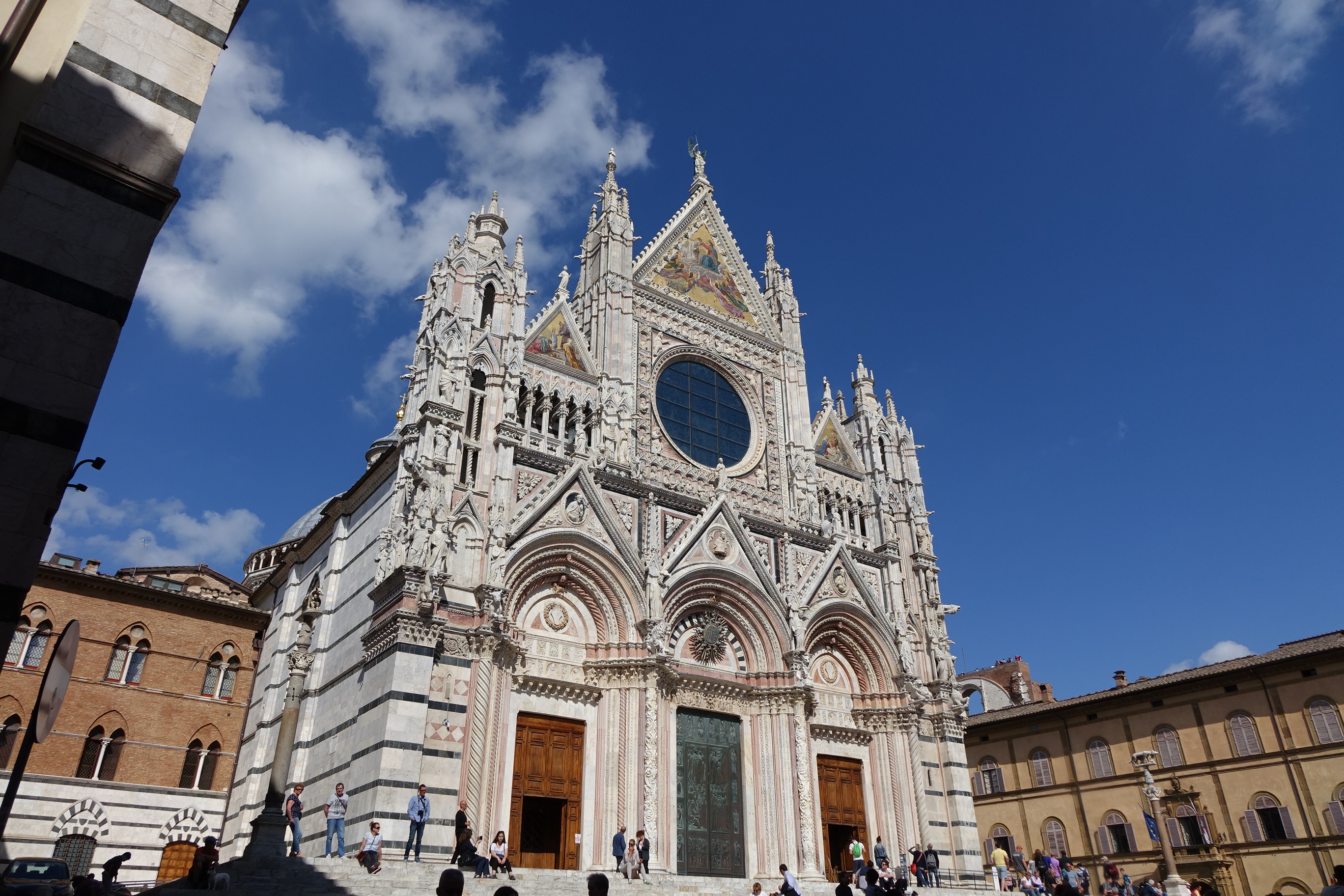
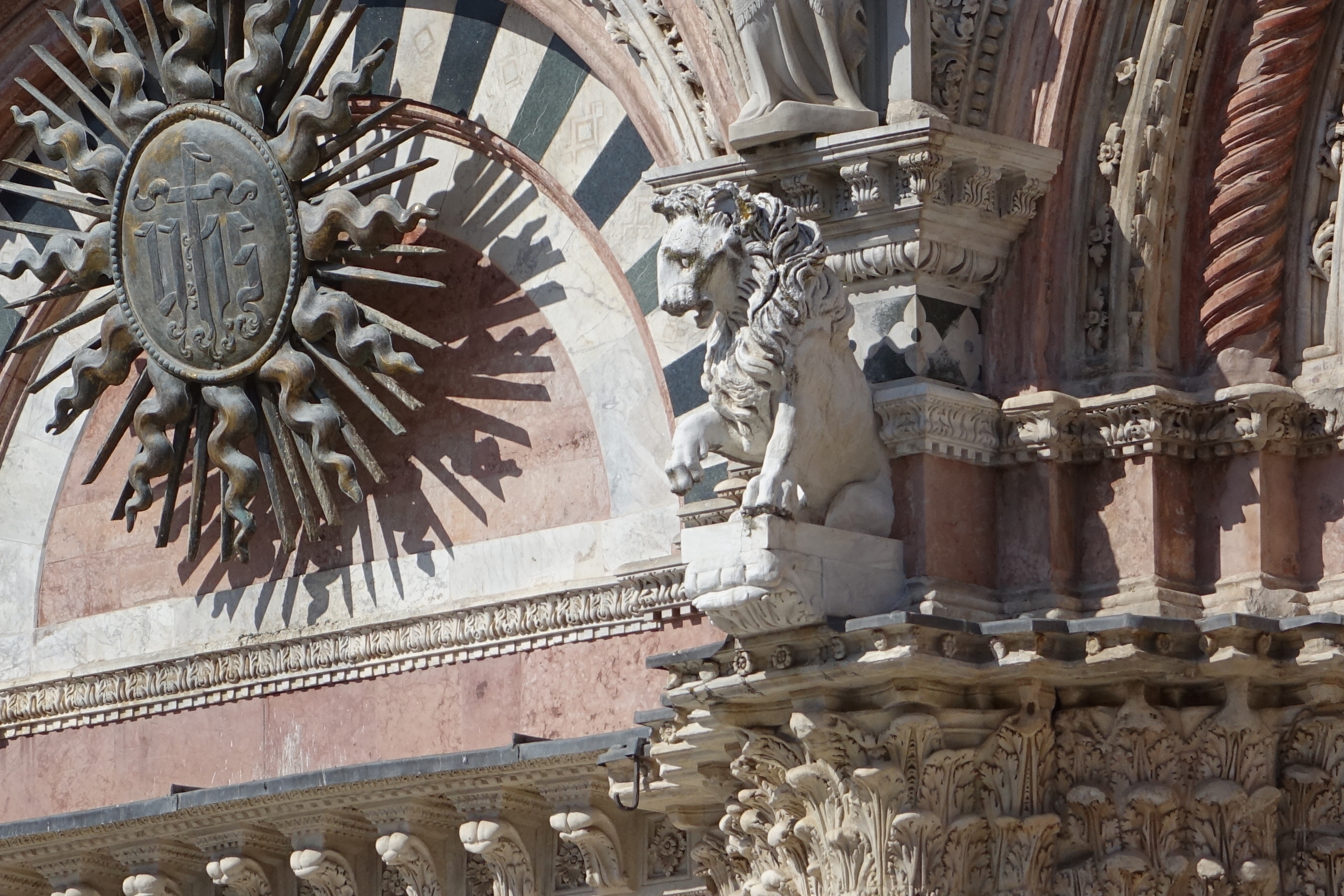
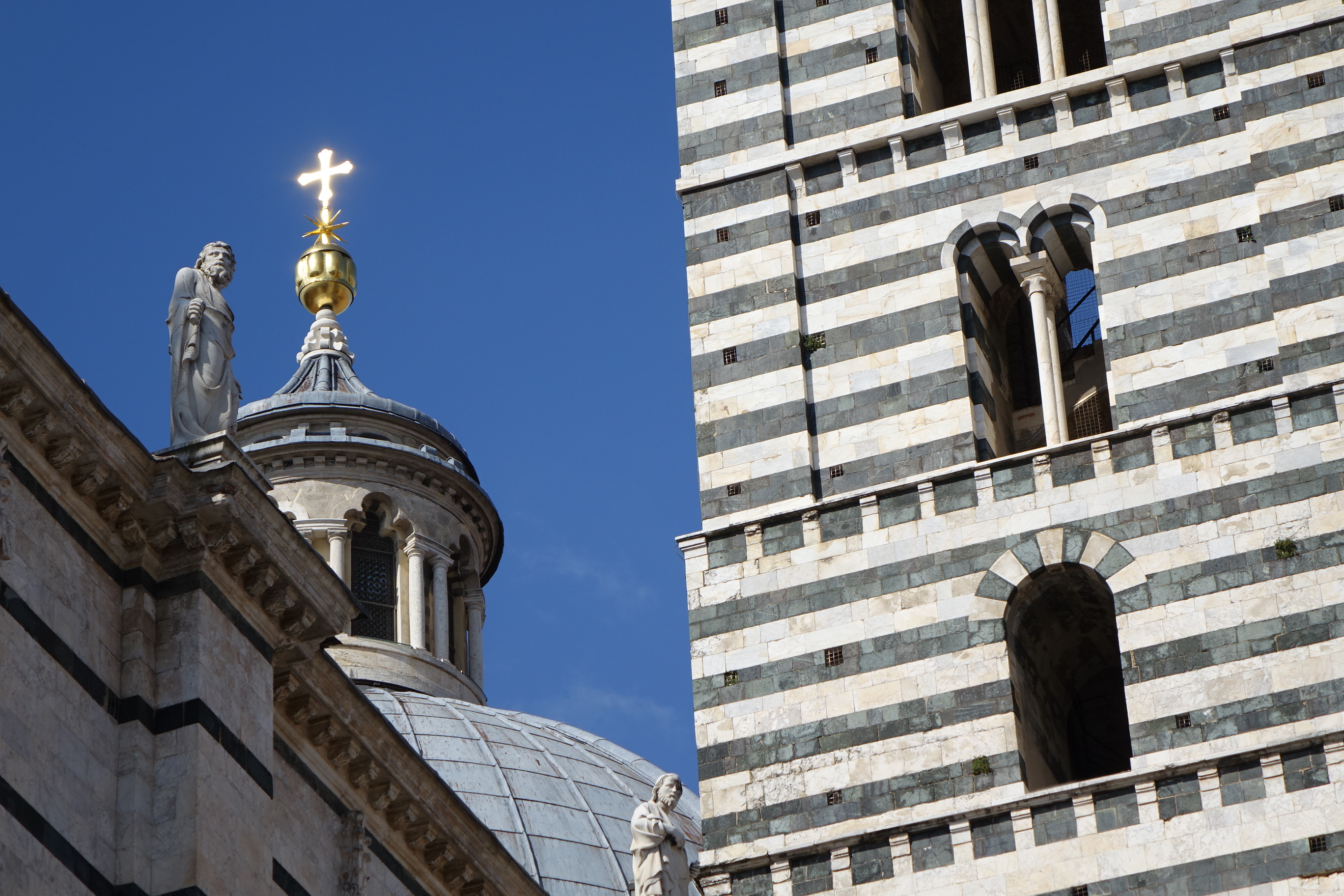
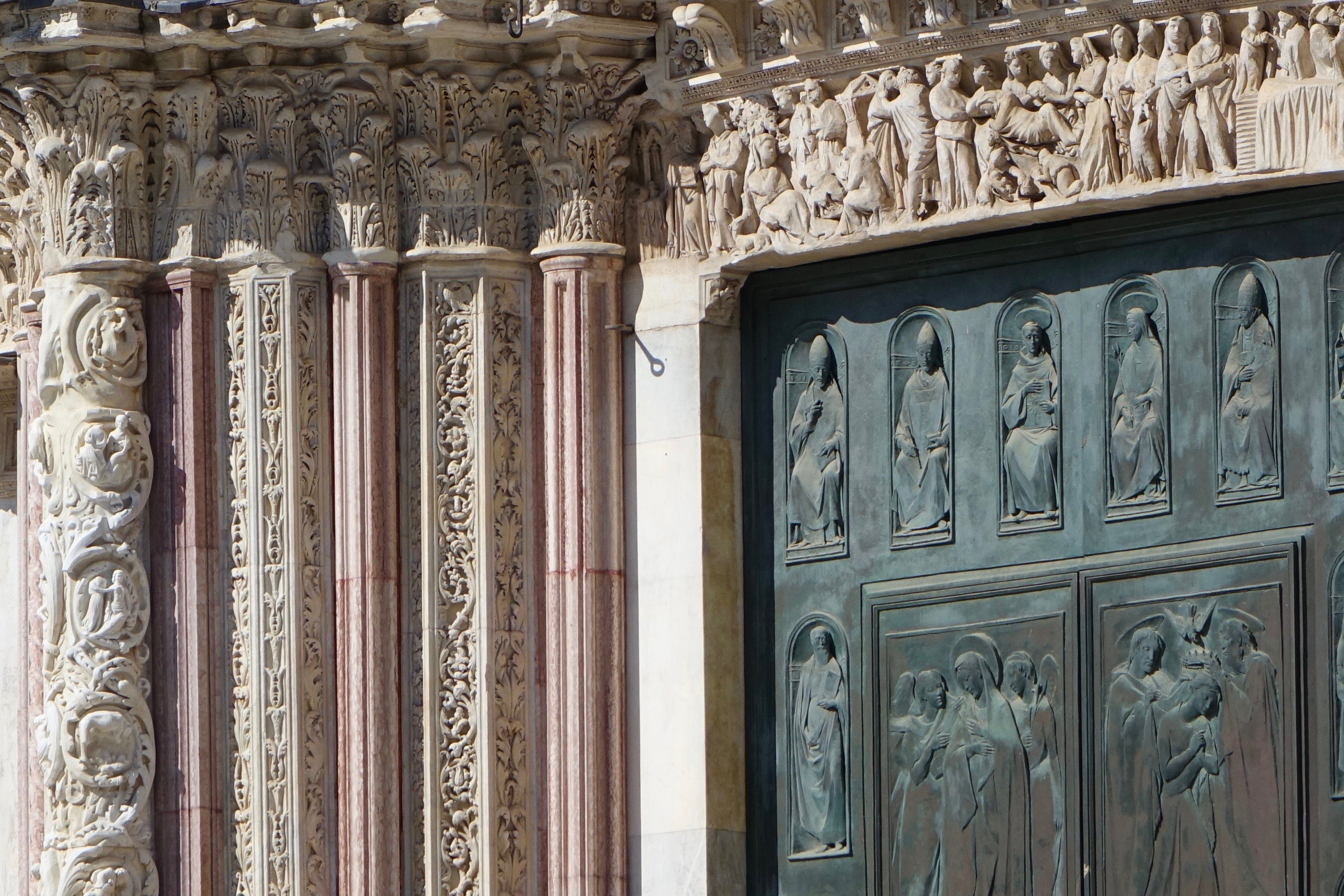
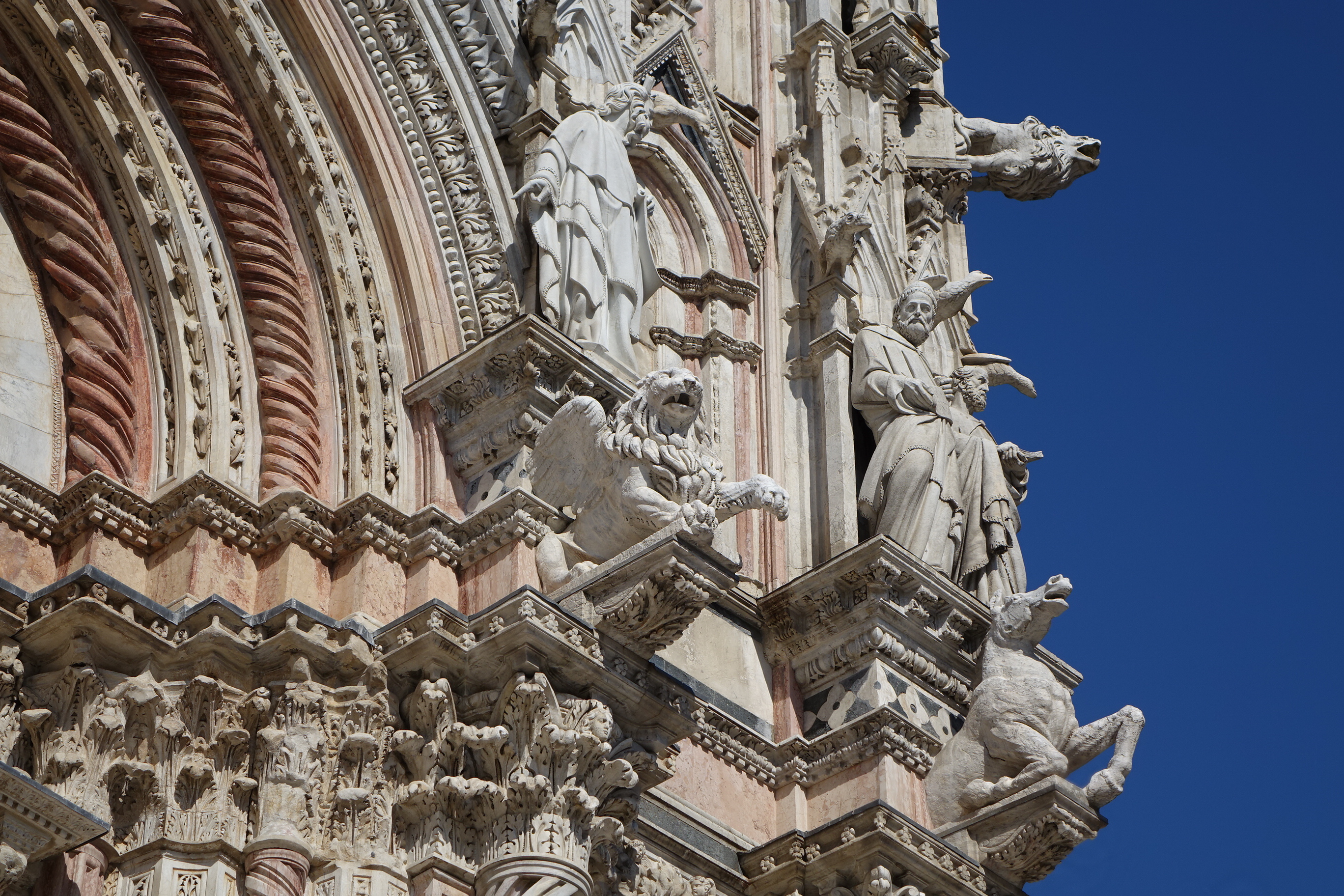
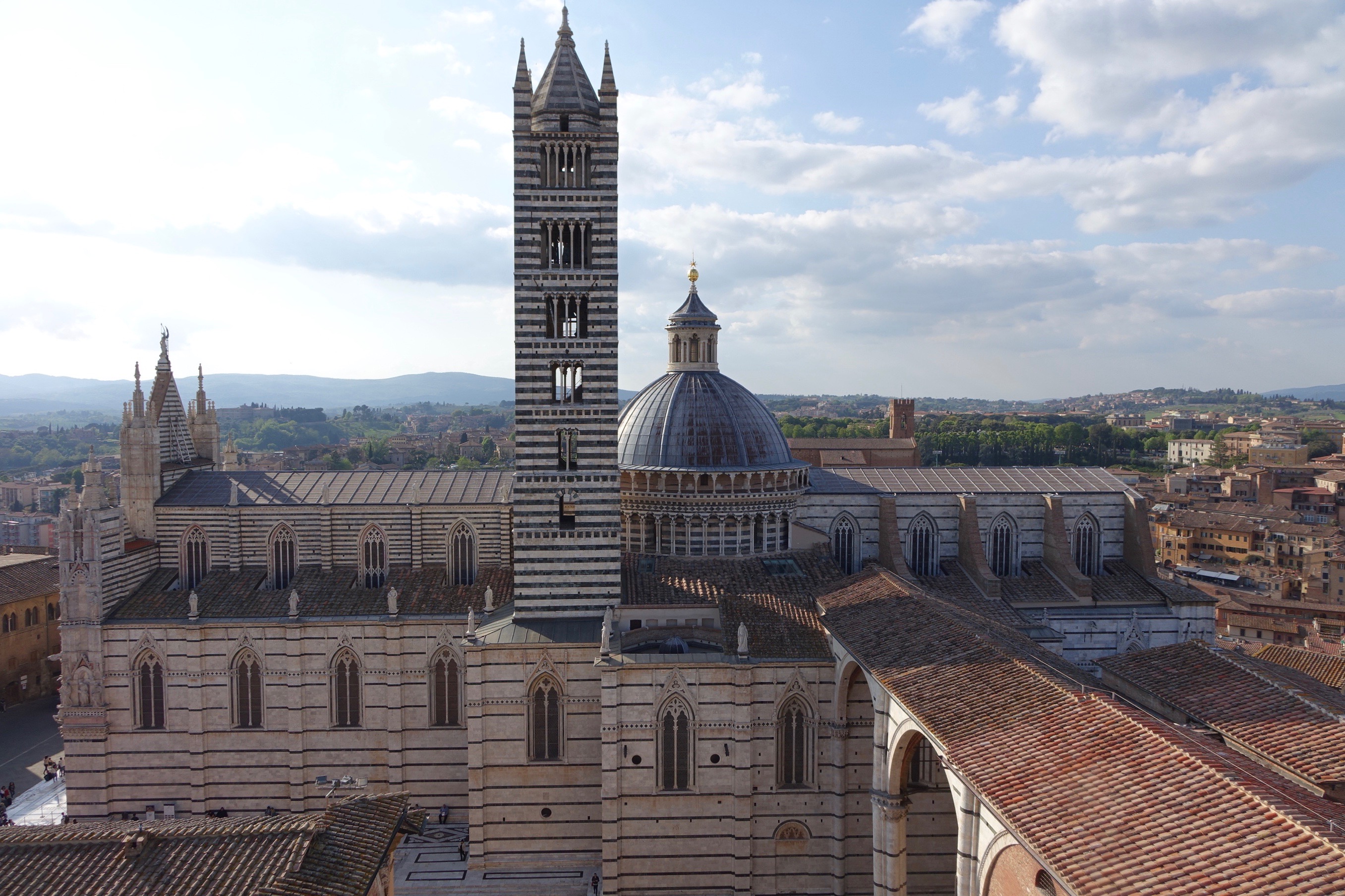
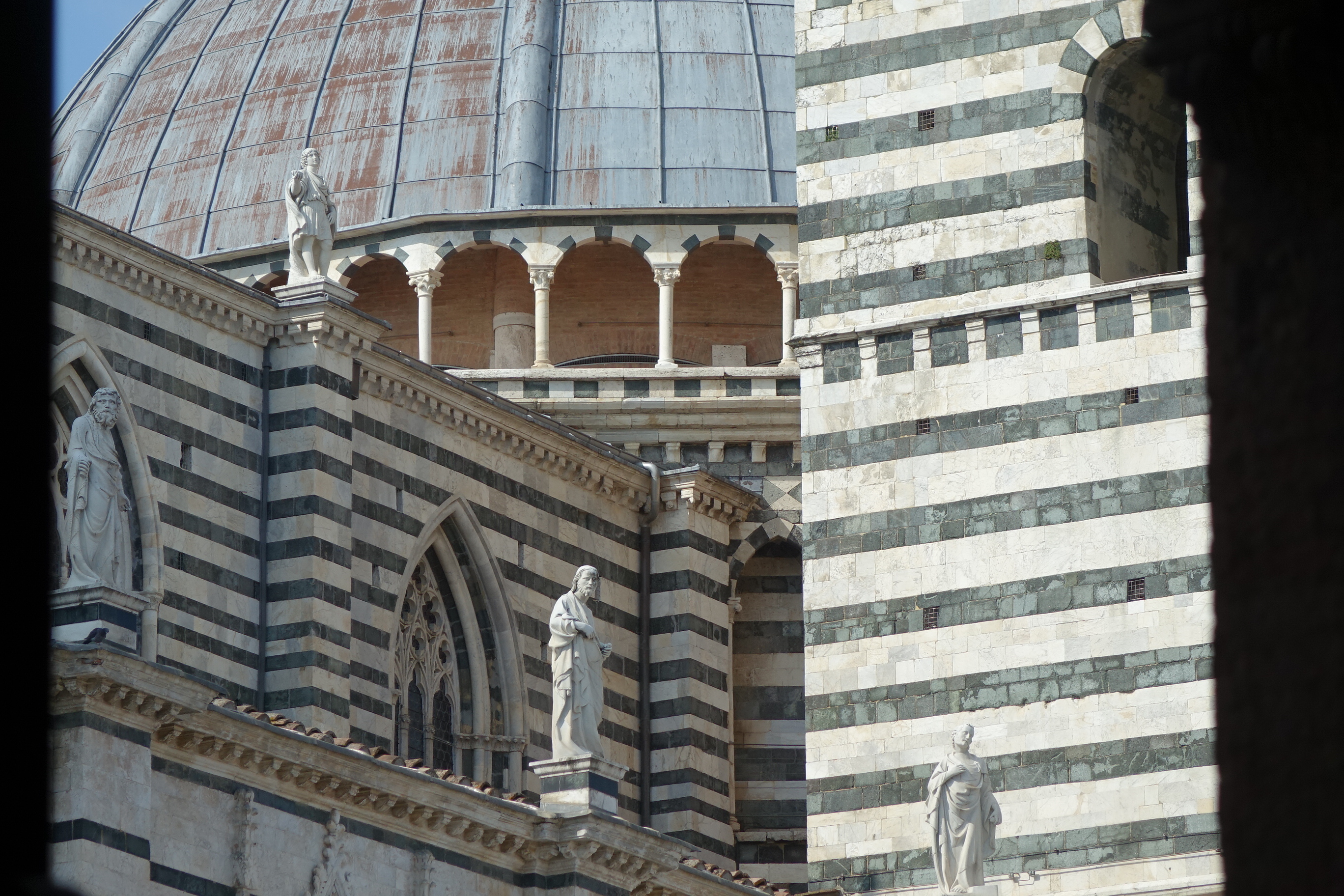
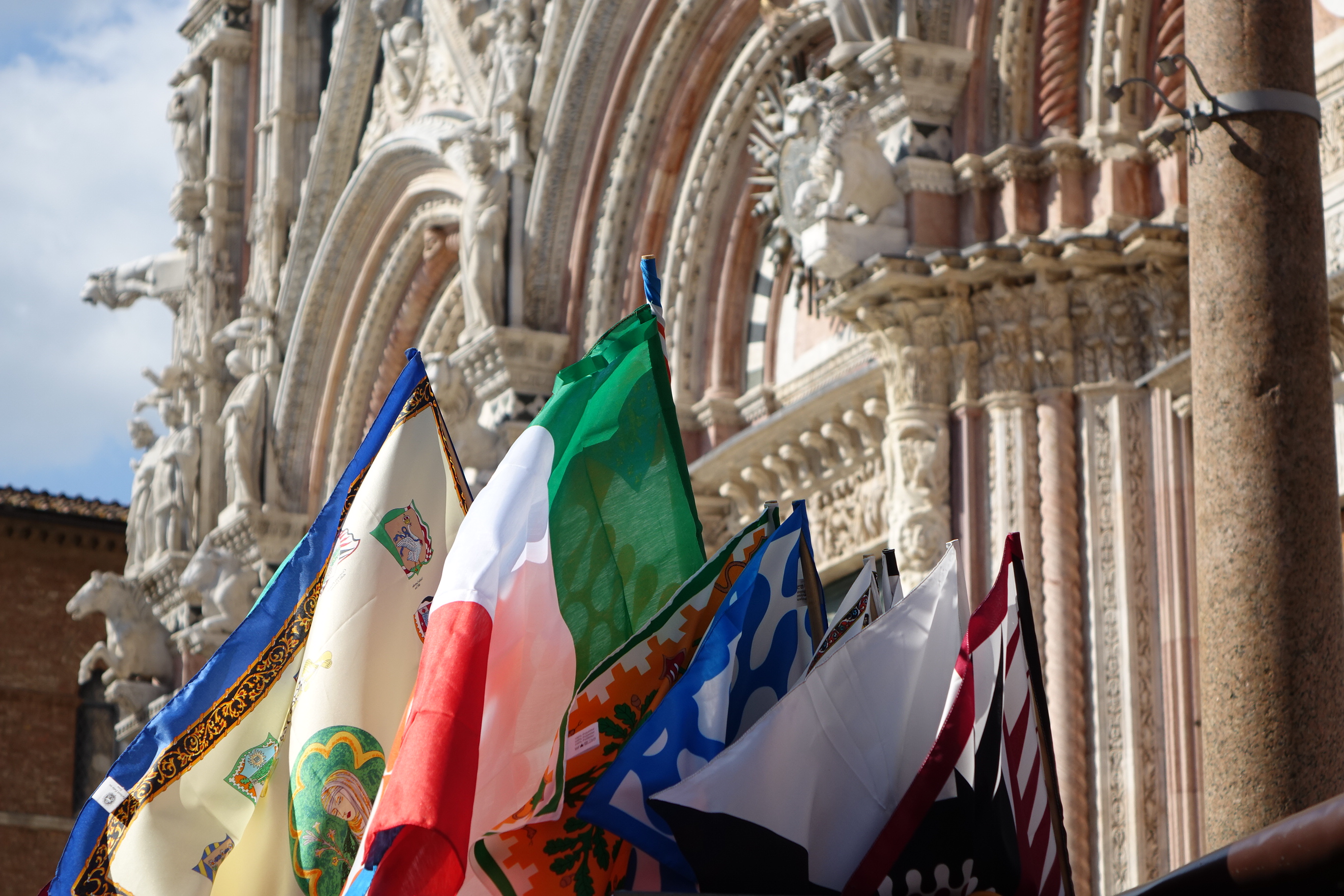
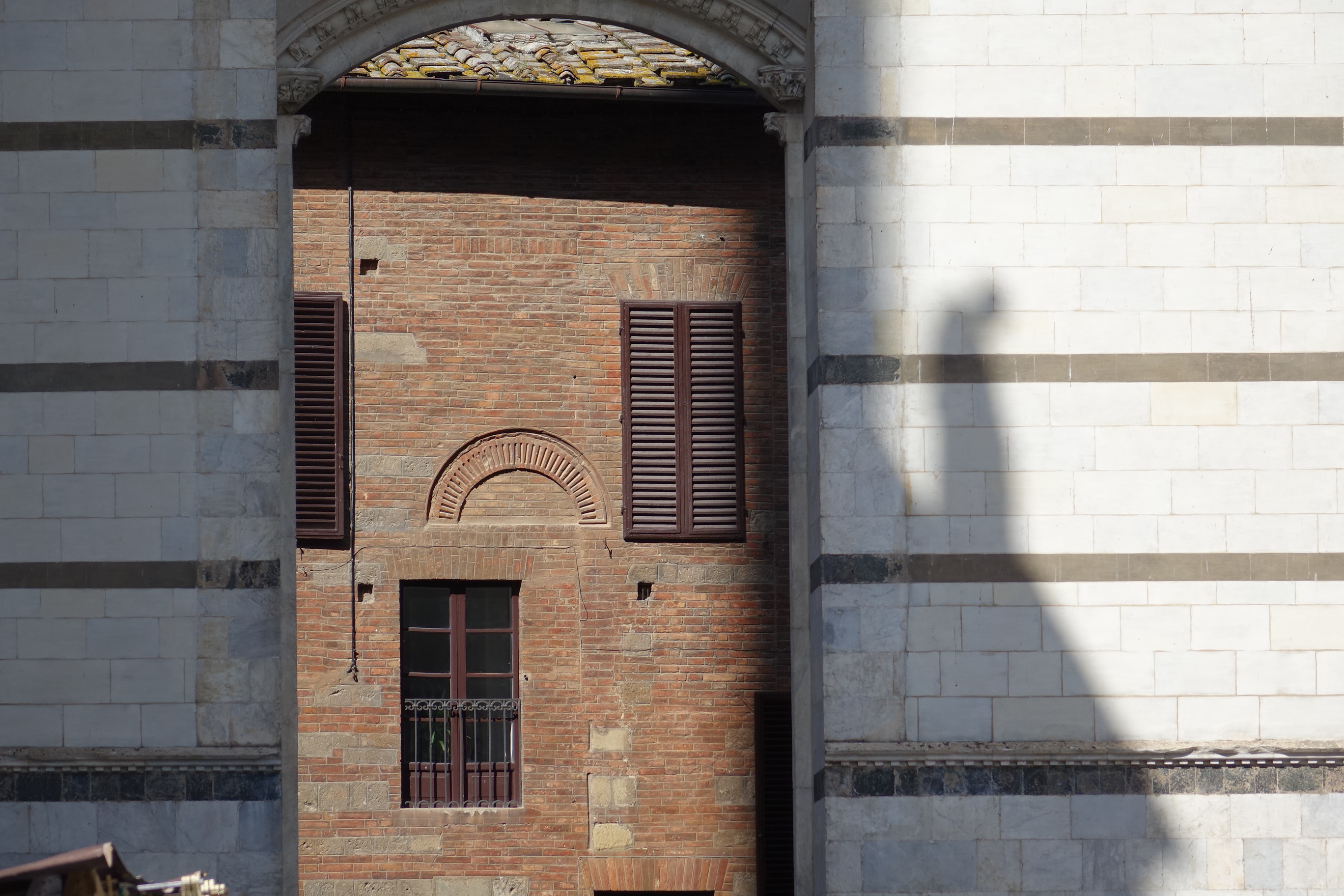
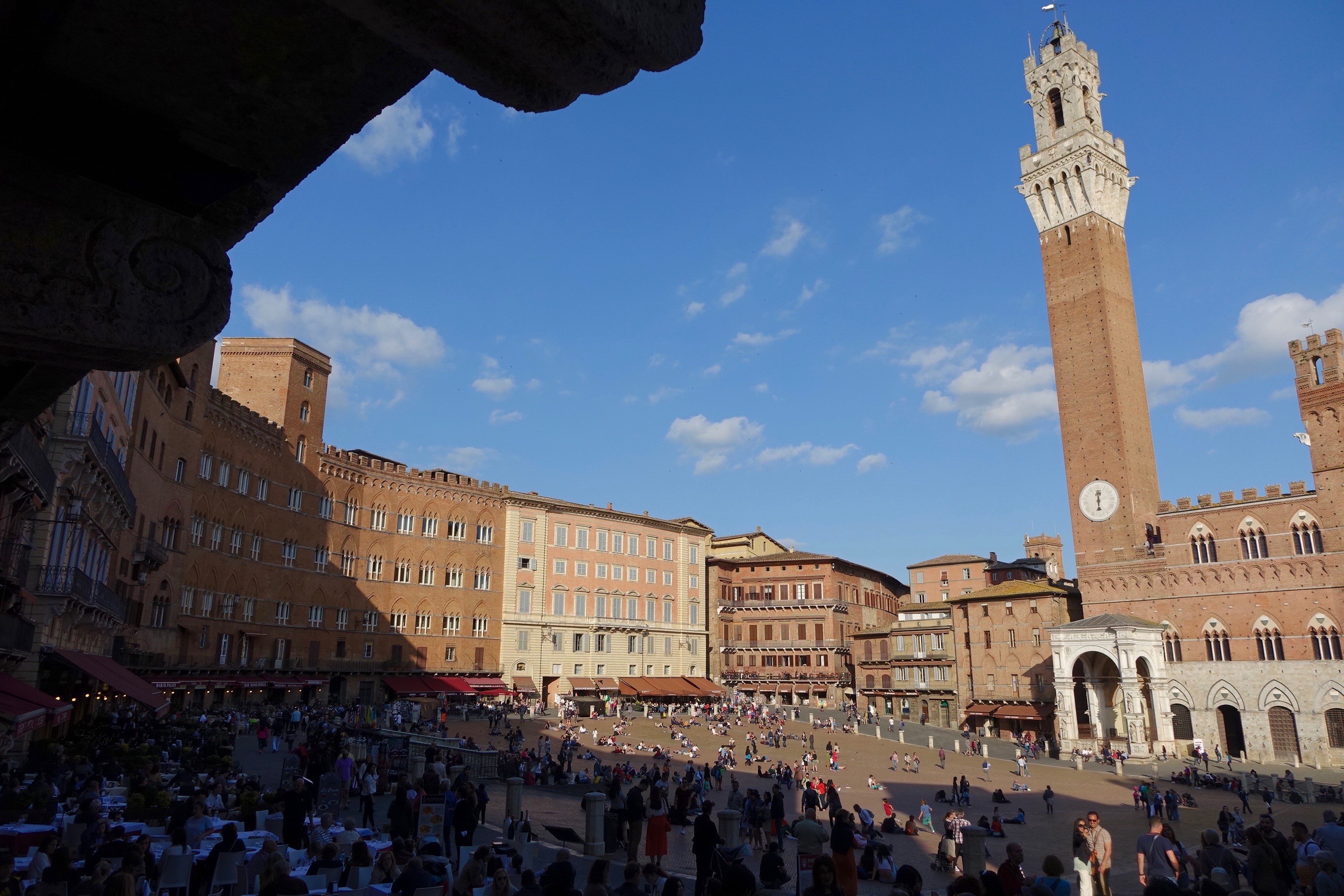
In choosing Siena’s most iconic building, there are two clear contenders. Sat at the pithy core of the citrus-sliced semi circle of the Piazza del Campo, the Palazzo Pubblico is a clear contender. With its soaring bell tower of red brick characterised by medieval power status and the objective to outdo rival Florence, the Palazzo is in every way iconic as a symbol of Sienese politics and ambition. But while for me the Palazzo and surrounding Piazza may be the brains of Siena, its beating heart and most charismatic structure of all is its Duomo. With a lavishly intricate facade made of blackish green, coral pink and creamy white marble, together with a multitude of gold enhanced mosaics and relief sculptures, the Duomo looks good enough to eat – a minty humbug and a prize wedding cake al rolled into one.

The Duomo and its facade

DSC08856DSC08833DSC08859DSC08868DSC08860DSC08843DSC08894DSC08862DSC08881DSC08880

But to focus on Siena’s exterior would be to miss the treasures on the inside, which range from Michaelangelo’s treasured sculpture of Saint Paul, Nicola Pisano’s impressively intricate Carrara marble pulpit, Donatello’s bronze relief, The Feast of Herod, Bernini’s sunburst lantern atop the dome, and an incredible marble floor depicting a series of biblical tales with pristinely cut delicately interlaced pieces of multicoloured stone which was the life work of some 40 artists across 200 years. What’s more, in the Piccolomini Library off to one side of the main nave, there is the staggering feat of Bernadino di Betti’s ceiling and wall frescos whose multiple areas of gold embellish the room with a lavishness equal only to a jewellery shop.

The Piccolomini Library

DSC08967DSC08969DSC08970DSC08978DSC08972

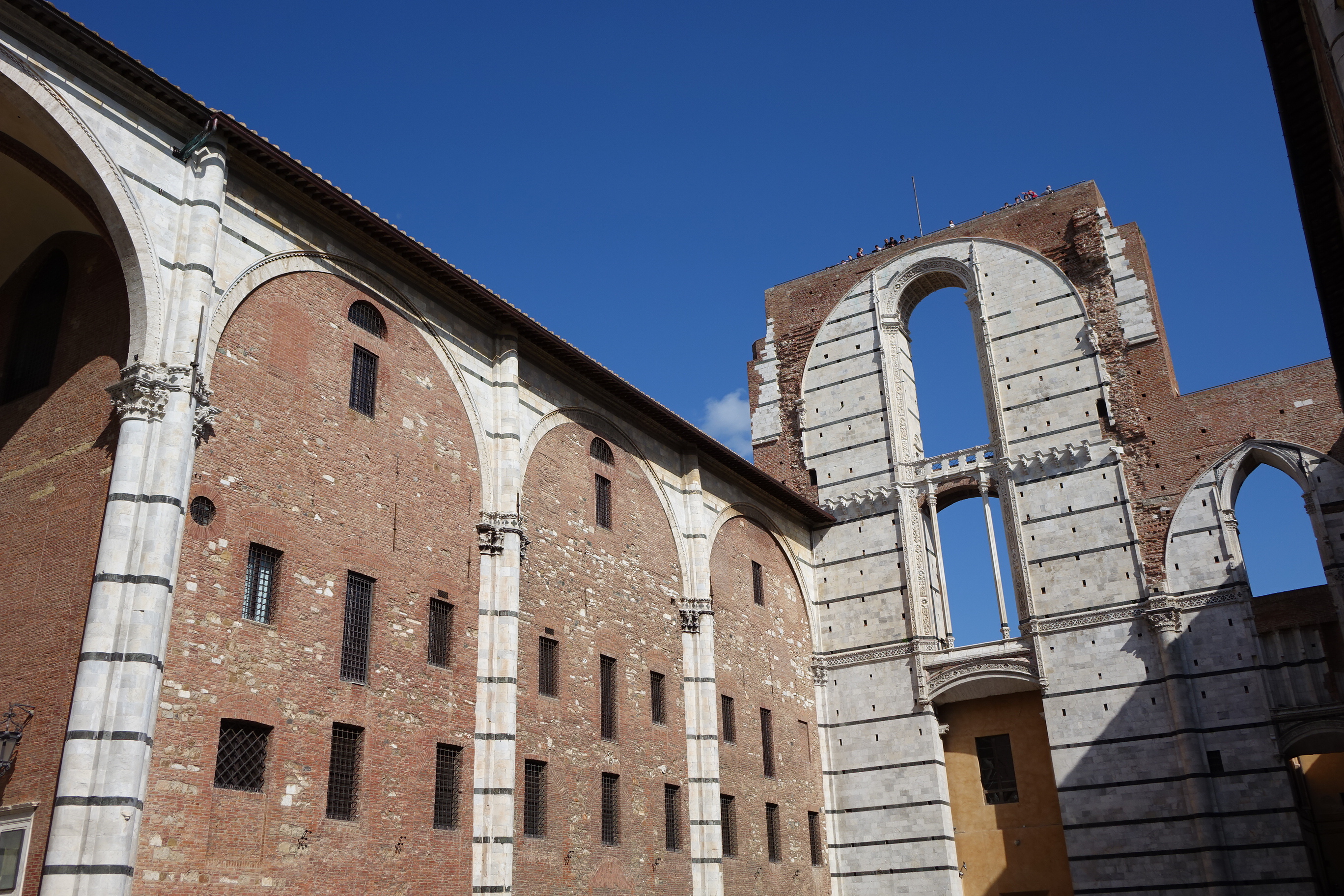
Interestingly however, the Cathedral might well have been far greater and even more exorbitantly lavish had a planned (and commenced) extension in the 14th century, intended to more than double its size, been completed. Sadly owing to the onset of the Black Death in 1348, the work was ceased, and the evidence of errors in the construction meant that it was never continued. All that remains of the plans today is a the large outer shell which helps to illustrate the scale to which the Duomo extenders aspired and the power and ambition of the city.

The interior and the incredible pictorial floors

DSC08922DSC08947DSC08936DSC08956DSC08914DSC08938DSC08909

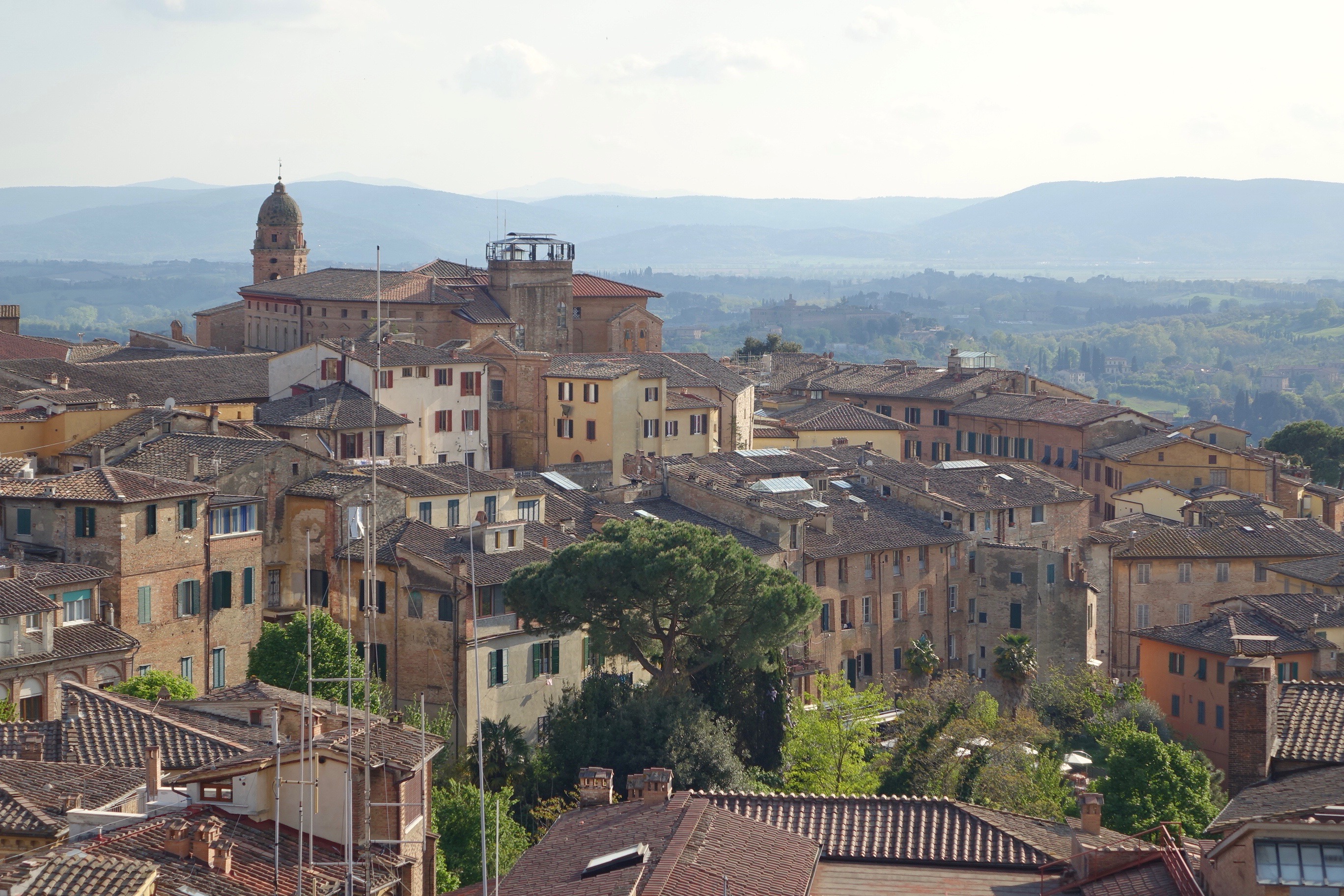
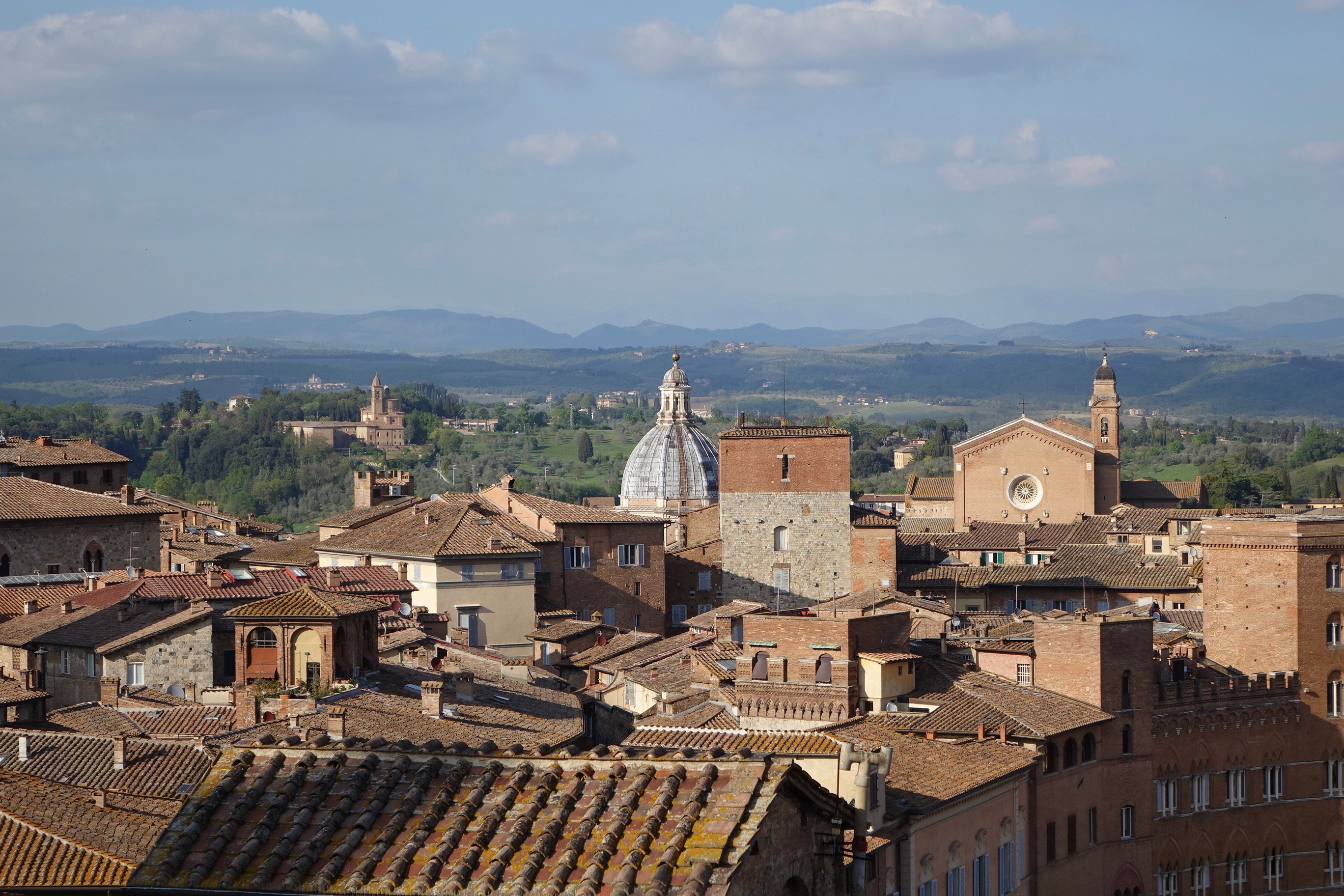
So with those unbeatable views I’m brining this Siena and Tuscany series of posts to a close. They’re photos which capture a region of outstanding natural beauty, and hold the memories of adventures which I will long cherish… until the next time I’m lucky enough to visit the home of my in laws.

Up in the gods… and the views of Siena from the top

DSC09031DSC08902DSC09020DSC09042DSC09000DSC09024DSC09046DSC09017DSC09023

© Nicholas de Lacy-Brown and The Daily Norm, 2001-2017. Unauthorized use and/or duplication of the material, whether written work, photography or artwork, included within The Daily Norm without express and written permission from The Daily Norm’s author and/or owner is strictly prohibited.

Tuscan Towns #5 – Siena

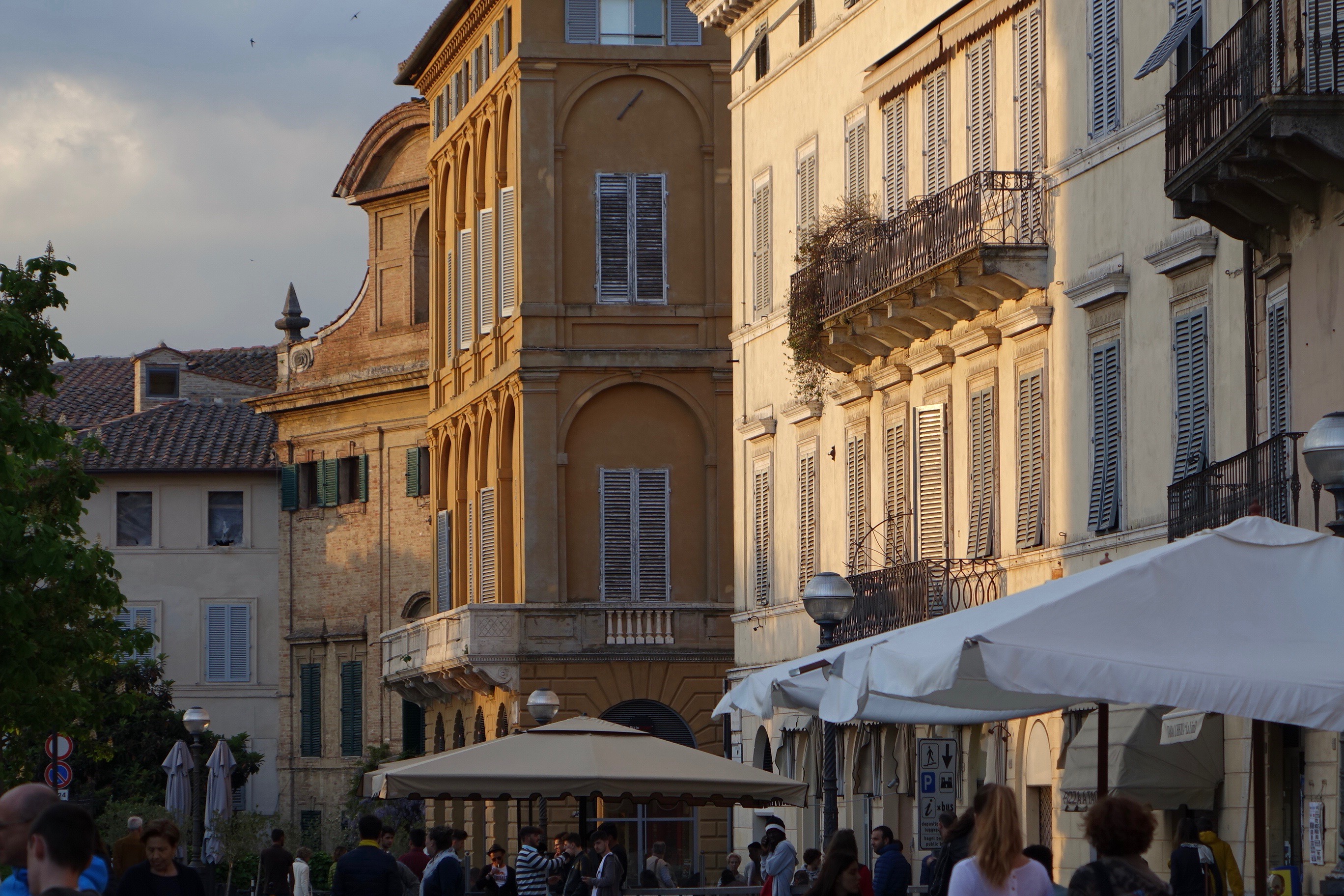
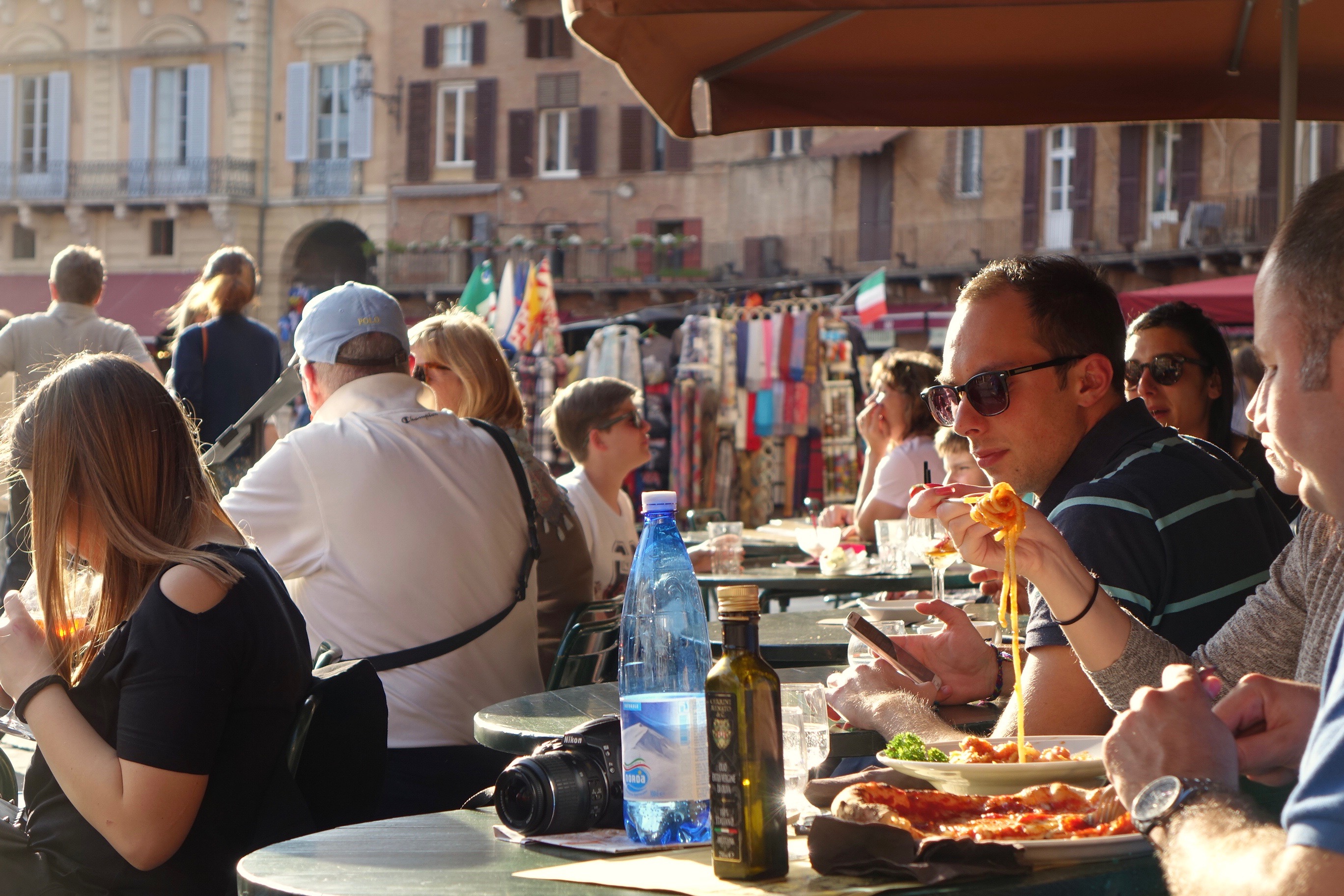
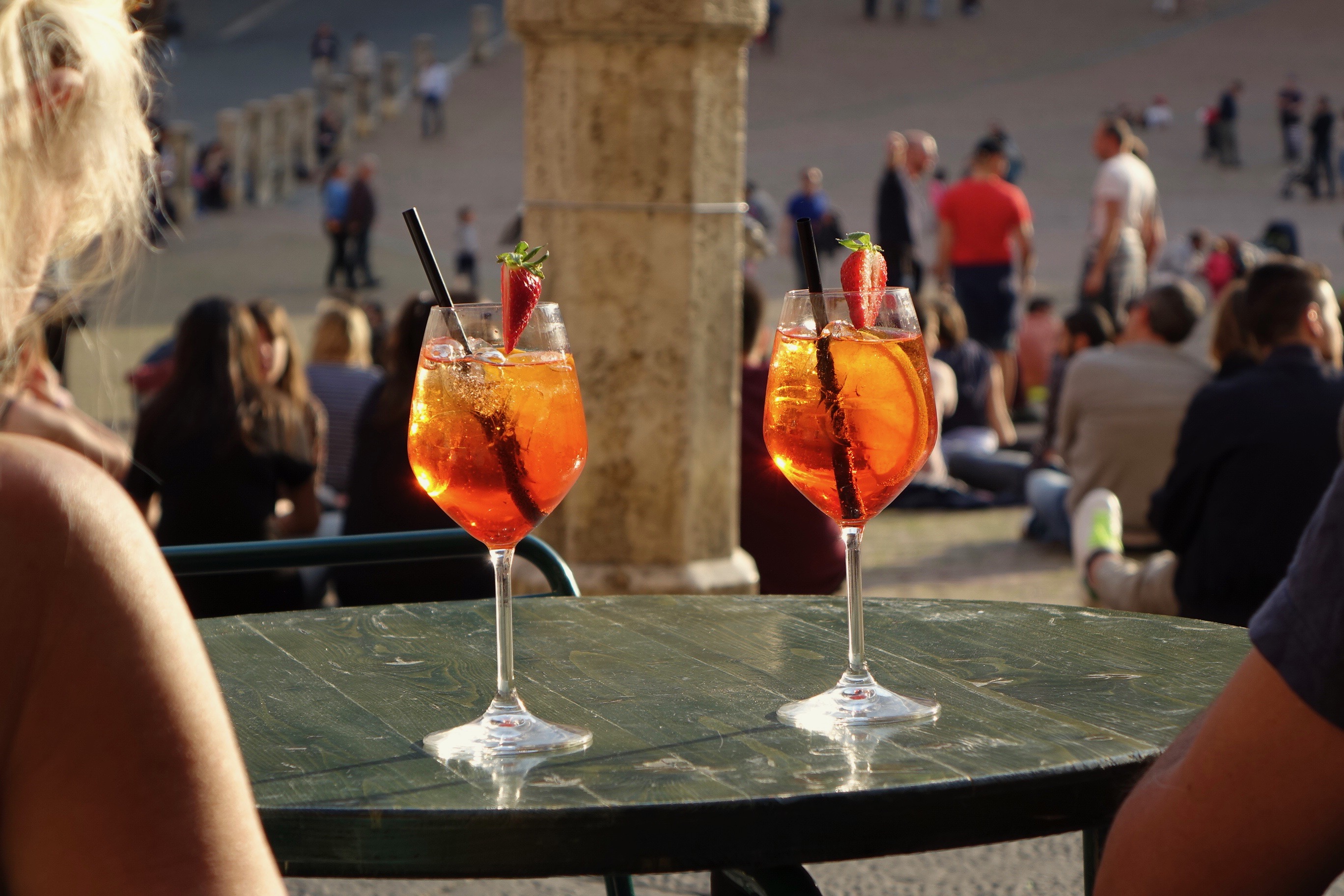
Of all the towns we visited during our last trip Tuscany, with Siena I have saved the best till last. More of a city really, this glorious product of the golden age of Renaissance is disproportionately heavy on art historical treasures, elegant shopping streets and stunning piazzas culminating in the most magnificent of them all – the Piazza del Campo. Siena’s geographical position, up on a steep hill and surrounded by verdant rolling countryside, is no doubt both the reason for its untouched beauty and for its prowess as a self-defended city. Today the city is almost intact in its historical architecture, with barely a modern blemish staining its golden walled, silver cobbled streets. The only embrace of modernity has been the emergence of super chic boutique shops and cocktail bars serving plate upon plate of tempting aperitifs, best enjoyed with an Aperol Spritz amidst the bustling atmosphere of locals filling out these packed social hang-outs.  Siena is a place of vespas and La Bella Vita, of large sunglasses and shopping bags, of that irrefutable union between seductive Italian passion and the innate elegance which can be found in every street. It is Italy at its urban best, surrounded by the most beautiful rural landscapes imaginable.

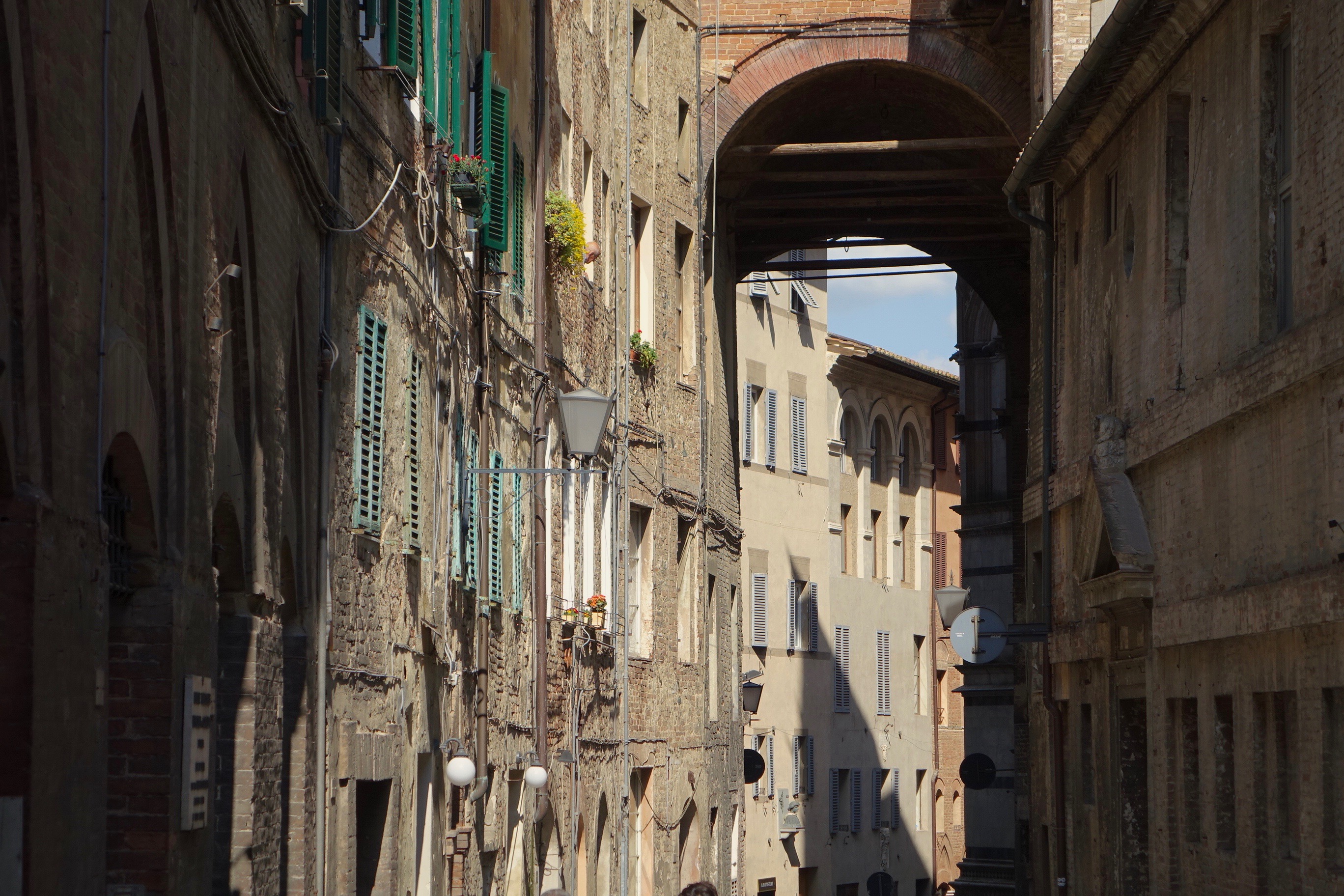
The seductive streets of Siena

DSC08831DSC08908DSC08825DSC08905DSC08906DSC09078DSC09051DSC09176

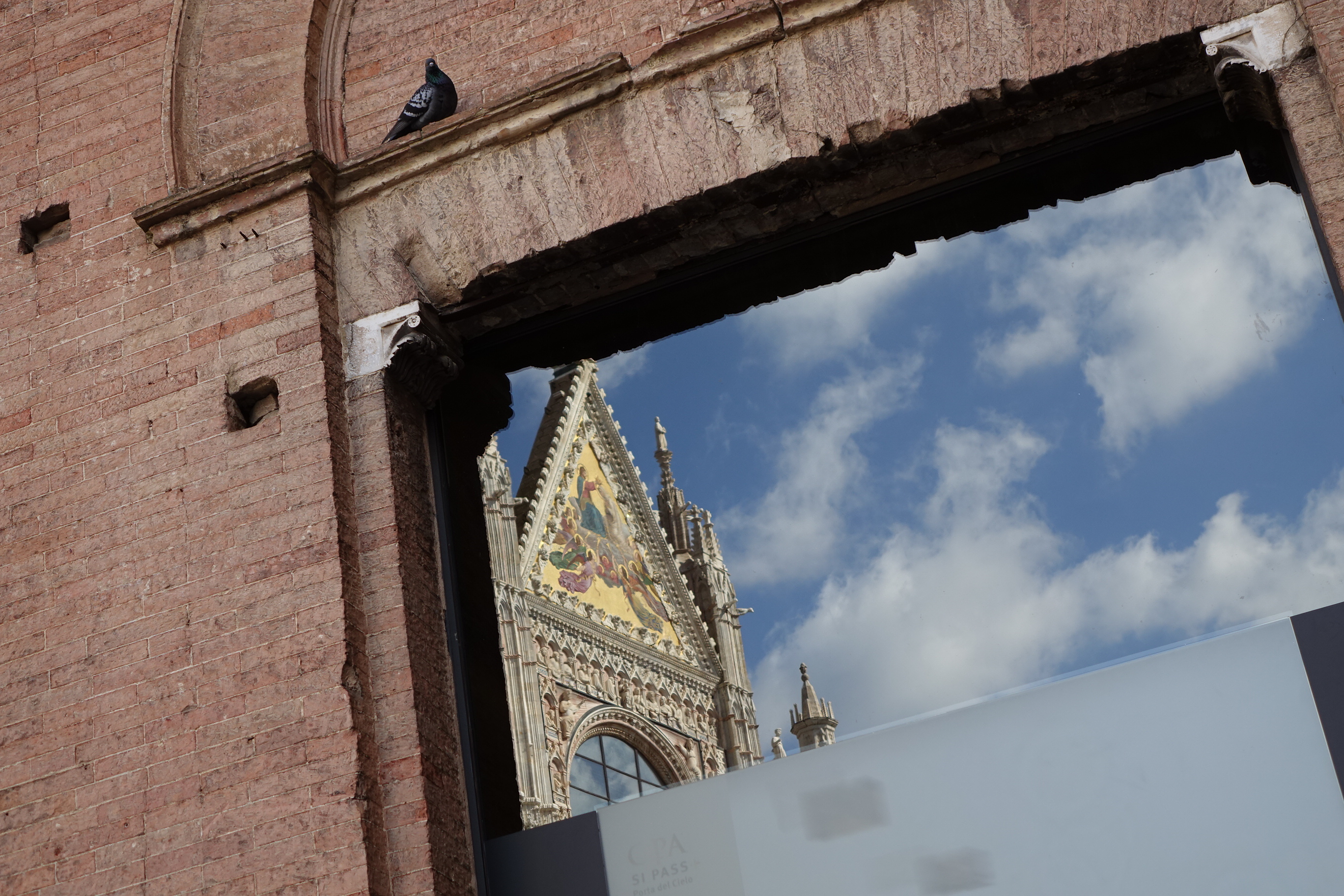
We entered Siena up a set of steep staircases, arising, blinded by the light, as though from a cellar onto the reflected glory of the Duomo, its black and white stripy façade literally glimmering as the sunshine hit the golden details of its external mosaics. What an entrance to a city! It was the ultimate precursor to a place whose treasures fill the senses like tree blossom swept liberally into the wind. A stunning mosaic here, a mighty altarpiece there. Cafes that dazzled, sculptures to inspire, street corners whose tangible charm roused the soul and inspired the mind. We went, of course, into the heart of the Duomo, but that adventure I will leave for the second part of this article. Rather today I want to concentrate on the soul of this ravishing city which, quite justifiably, has been declared a UNESCO world heritage site and is one of the most visited in all Italy.

DSC09183DSC09173DSC08895DSC09171DSC09087DSC09169DSC09071DSC08897DSC08896

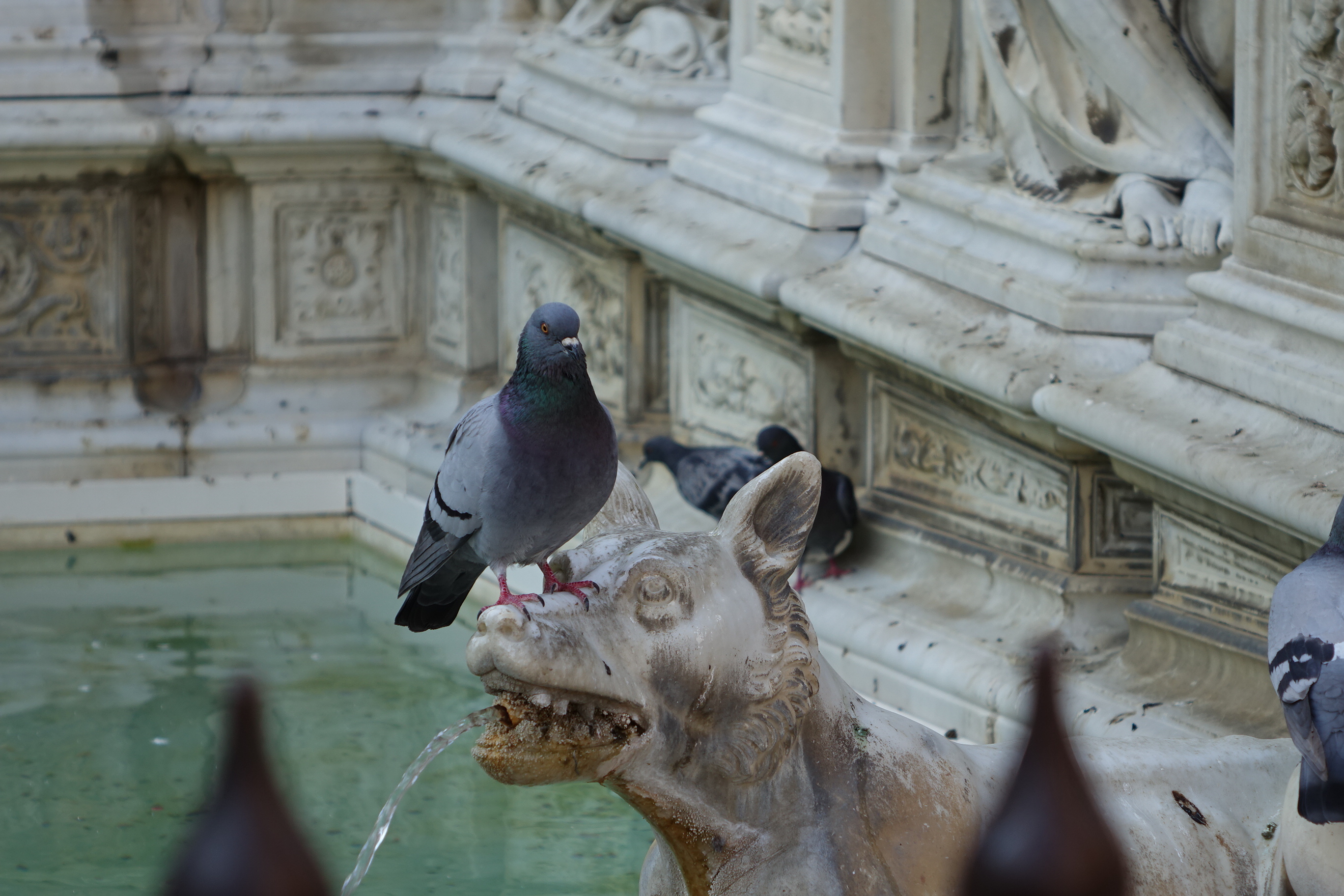
Getting lost in Siena’s uniquely sloping cobbled side streets is one of the greatest joys that Tuscany can offer, but after a time, the idea of being lost here becomes something of a fiction. For just as all roads in Italy may lead to Rome, as though in defiance of the expression, all roads in Siena lead to the magnificent Piazza del Campo, whose enormous semi-circular construct more or less dictates the layout of the remainder of the city.

The Piazza del Campo

DSC09133DSC09073DSC09059DSC09065DSC09061DSC09090

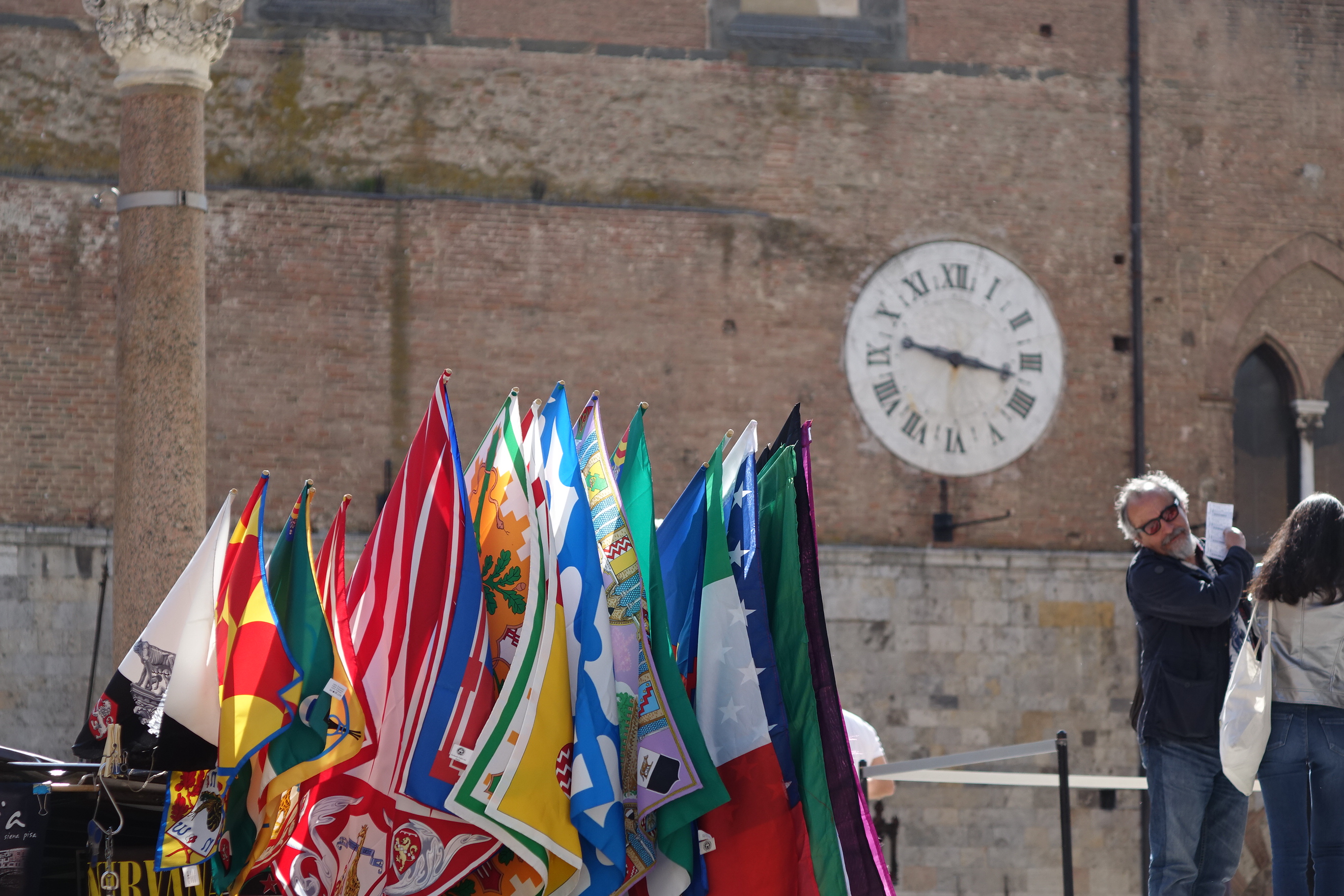
It was in that delightful main square that our visit concluded. As we approached, the atmosphere of a thousand visitors lying out on the sloping pavements to enjoy the sun, or sipping upon spritz and bubbles in one of the many cafes which line the square was highly tangible. It was like human electricity, building up in the semi-circular square before finding occasional release as it leaked into the side streets through the Piazza’s odd openings. Once in, the space literally dazzled as before us the enormous scale of the campanile of the Palazzo Pubblico unveiled itself and the Piazza, which is famous for the annual Il Palio horserace which plays out around the square, glowed as sun rays met red and ochre brick. There we sat, at one such café, as the sun swept a shadow across the curve of the Piazza much like the effect of a sun-dial. Soaking in the last of the rays, as golden sunlight reflected against the prosecco and gelato on our table, we people watched and soaked in the atmosphere, and observed a city which seemed to exude contentment. We were certainly contented in turn. It was a visit which would provide the highlight of our year so far. I wouldn’t be surprised if we were return again, before the year is even out.

The highpoint: Prosecco on the Piazza

DSC09114DSC09142DSC09119DSC09106DSC09112DSC09130

© Nicholas de Lacy-Brown and The Daily Norm, 2001-2017. Unauthorized use and/or duplication of the material, whether written work, photography or artwork, included within The Daily Norm without express and written permission from The Daily Norm’s author and/or owner is strictly prohibited.

Tuscan Towns #4 – Castagneto Carducci

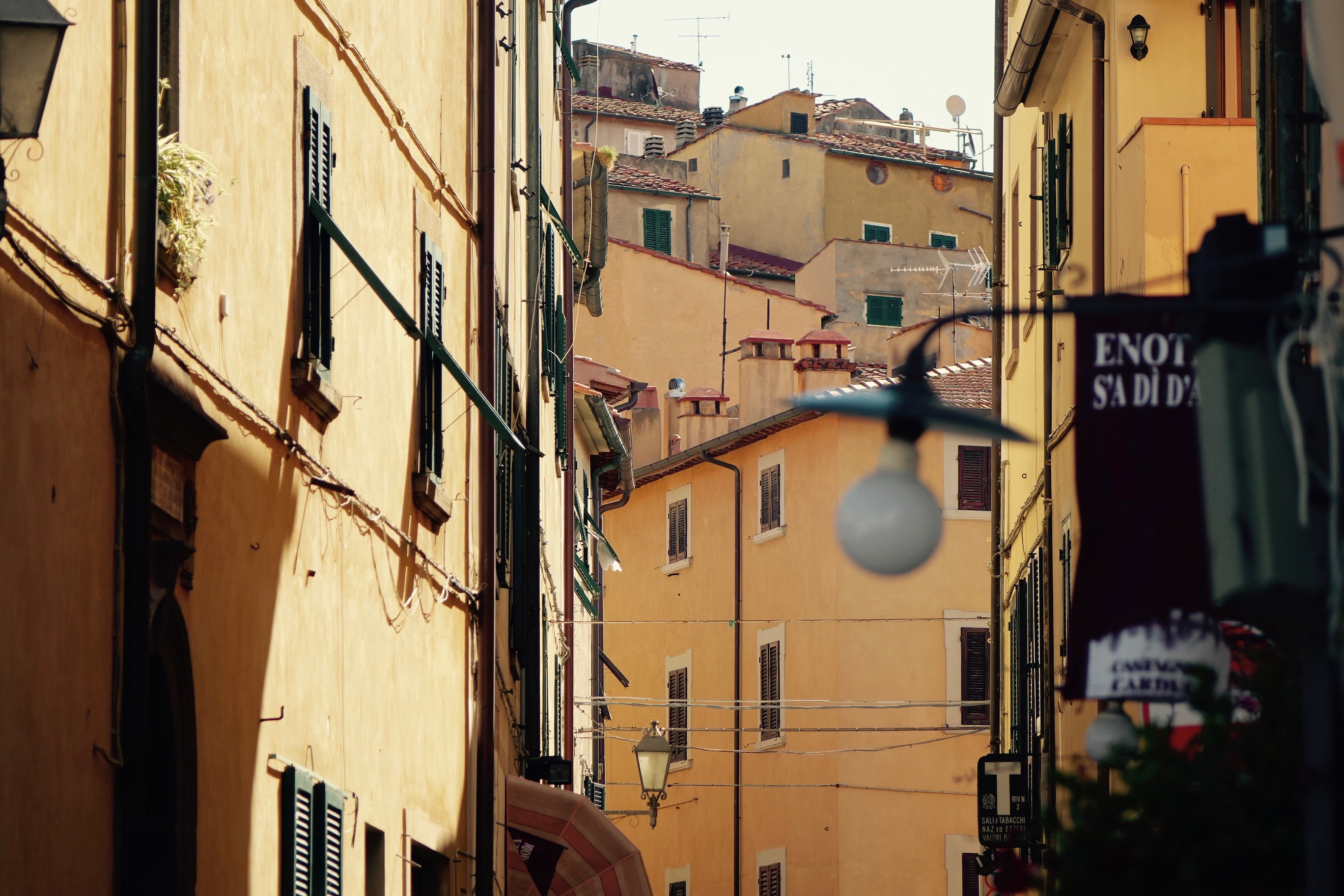
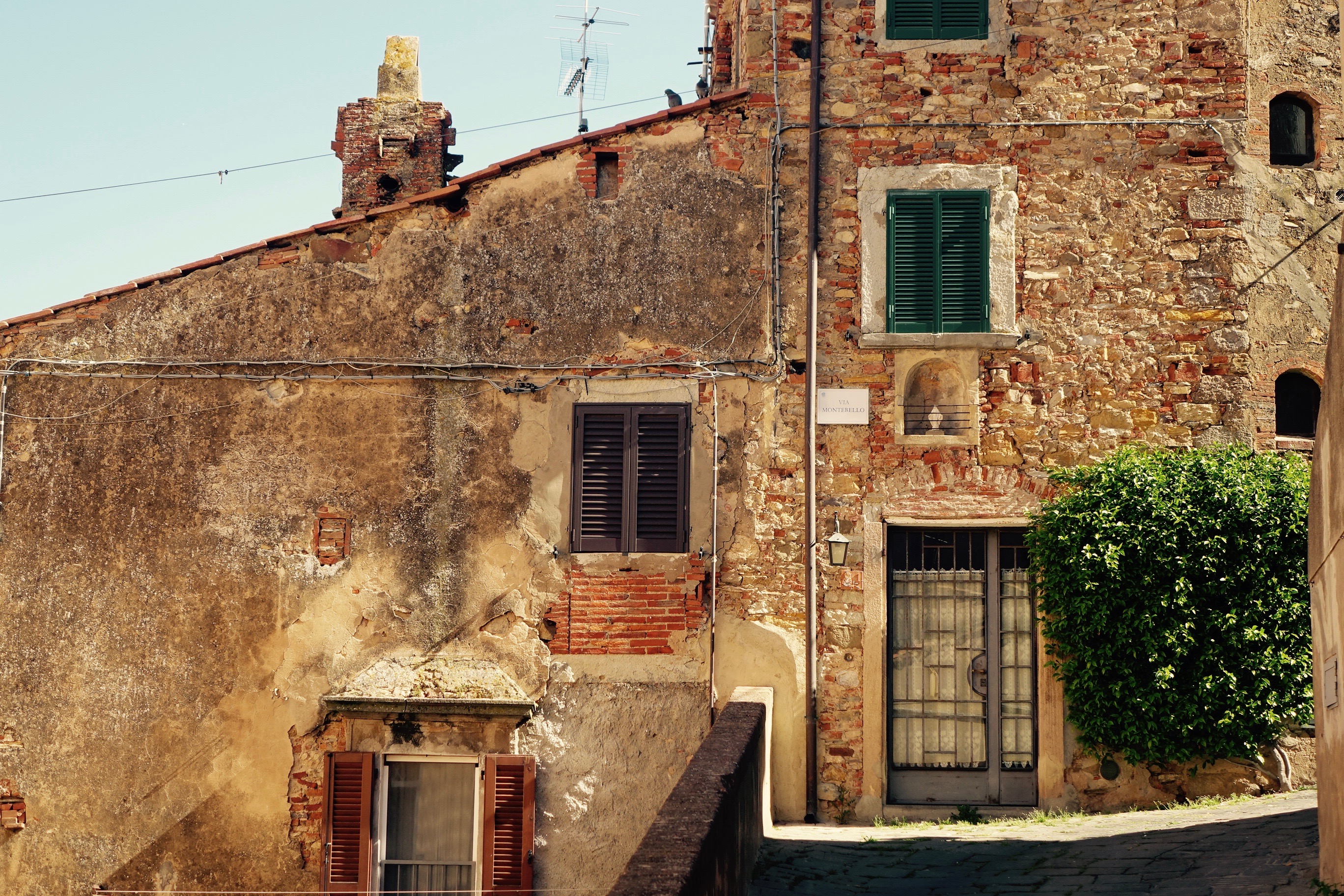
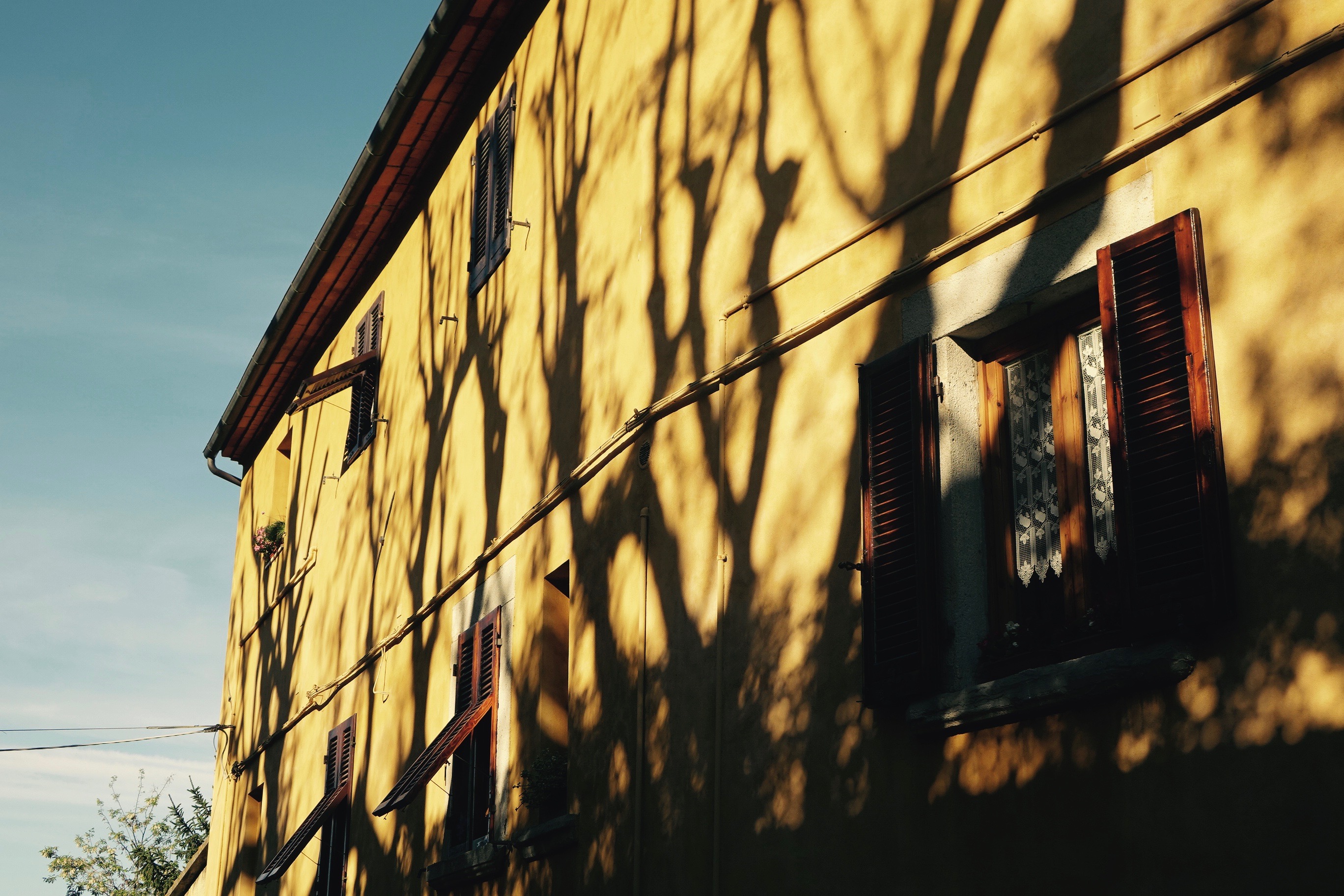
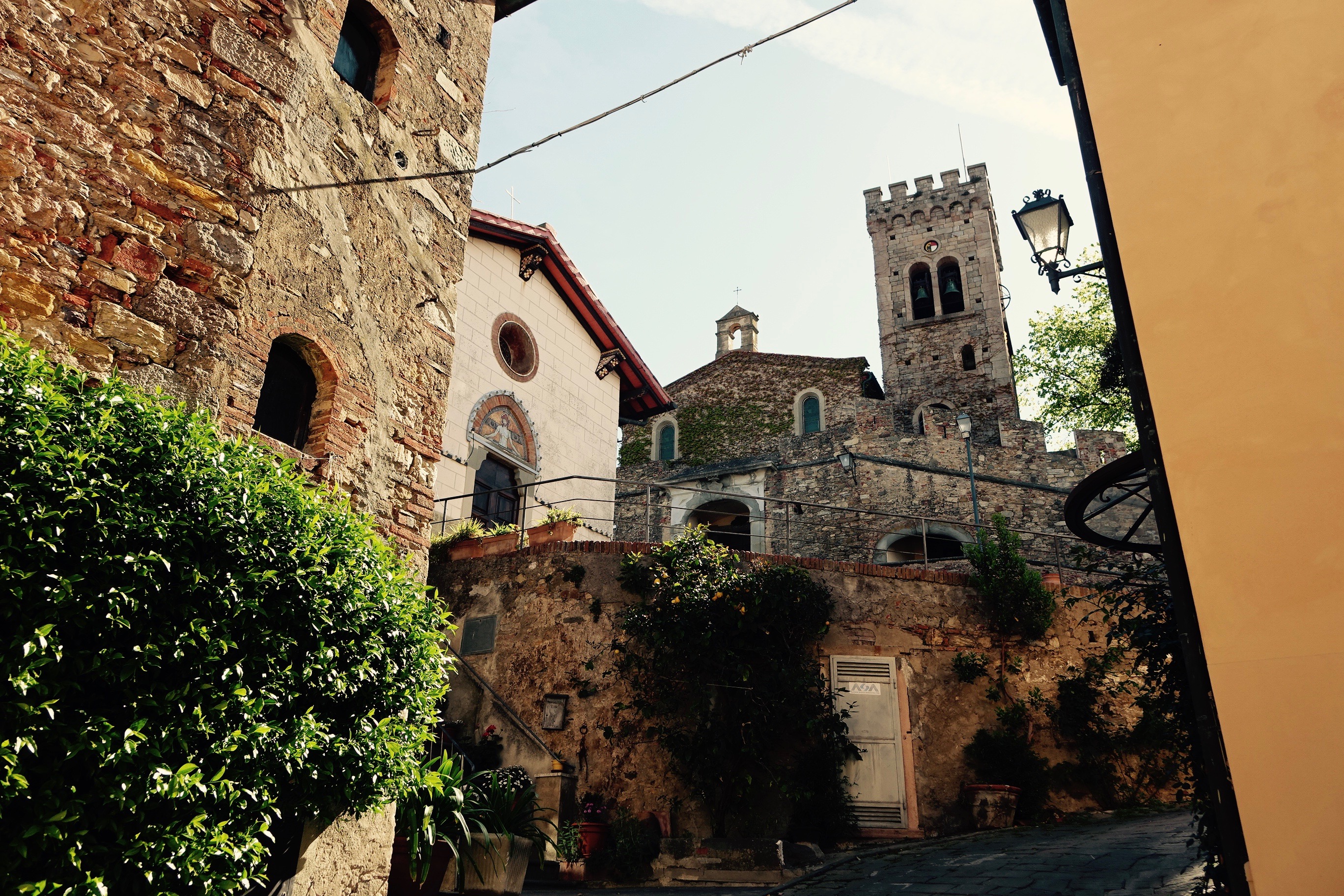
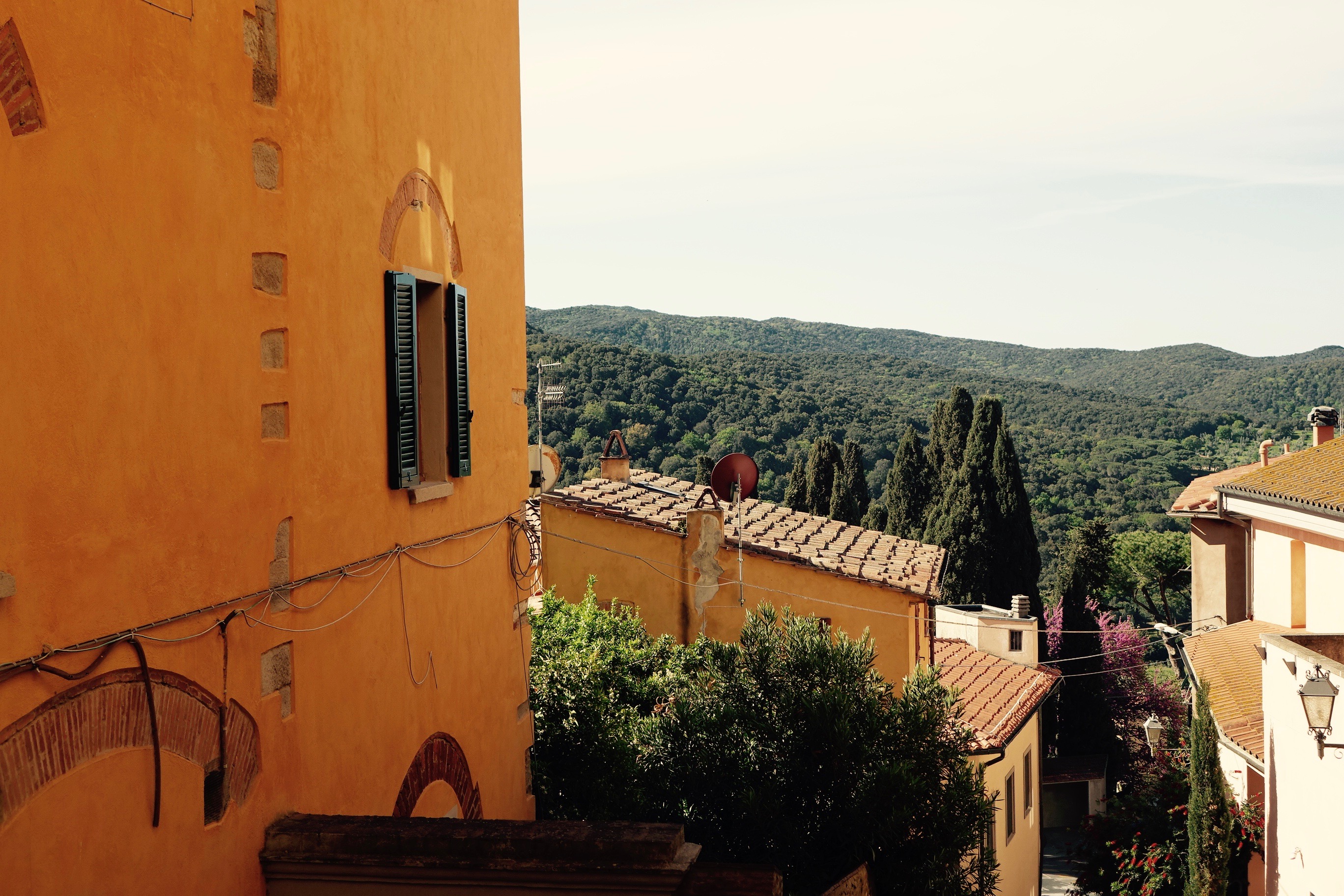
For a town with a mouthful of a name, Castagneto Carducci, just uphill from the sandy beaches of Donoratico, is paradoxically small. Distinctive for its coloured houses painted, unlike so many of the stone villages of Tuscany, in sunny shades of pink, yellow and other pastel tones, Castagneto contrasts perfectly with its surroundings of green hills and perfectly regulated striped vineyards. This is not the first time the village has featured on   The Daily Norm, since it is the closest little Tuscan town to my in laws’ home. In fact as we proved on this occasion, a brisk 40 minute walk through the vineyards of Donoratico followed by an uphill climb will see you arrive on foot at the church topped-summit of the town in no time. From there, it is views a plenty, not only of the surrounding countryside but of the quaint streets spilling out across the hilltop.

DSC09934DSC09961DSC09916DSC09938DSC09907DSC09930DSC09950DSC09948DSC09978DSC09966DSC09947

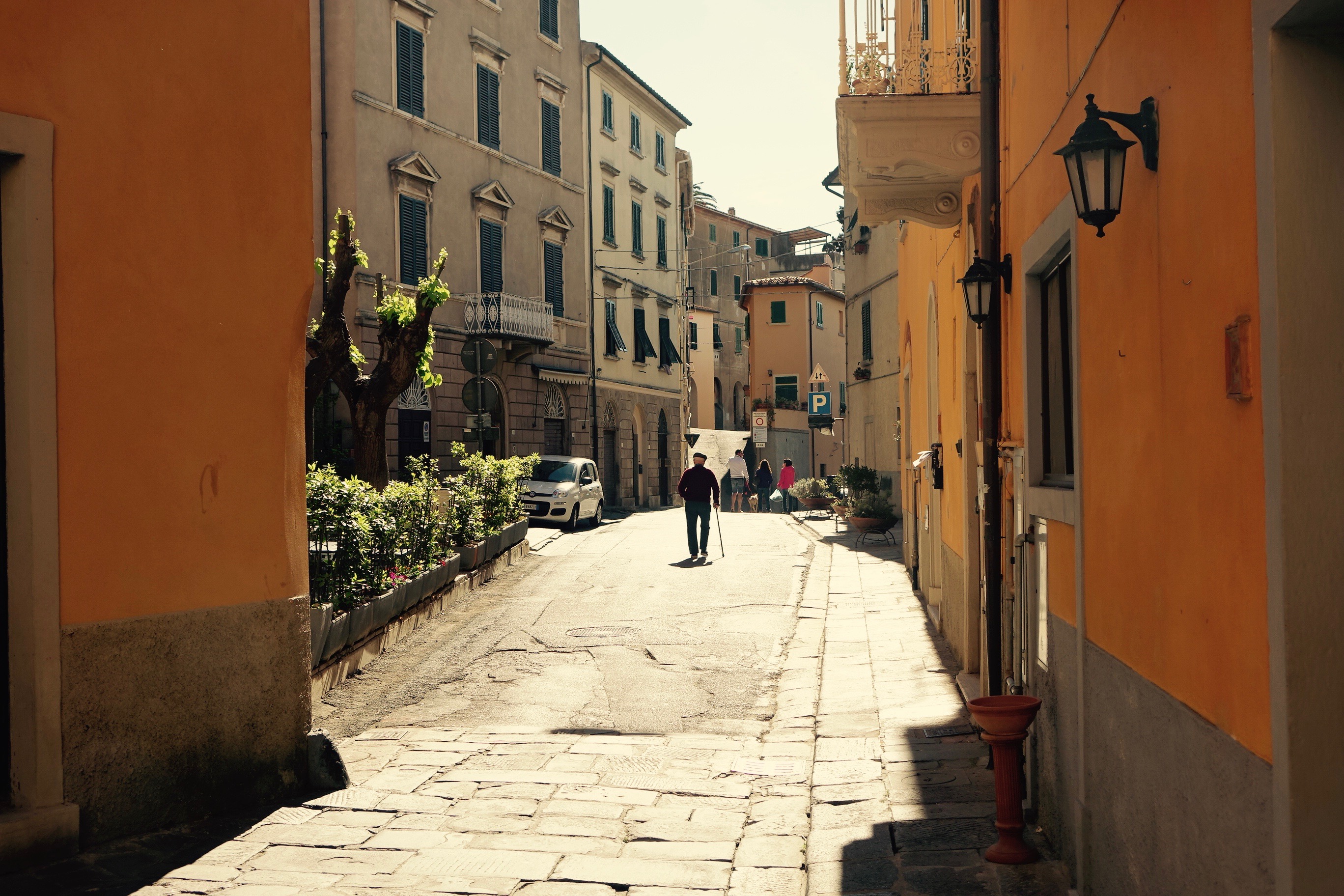
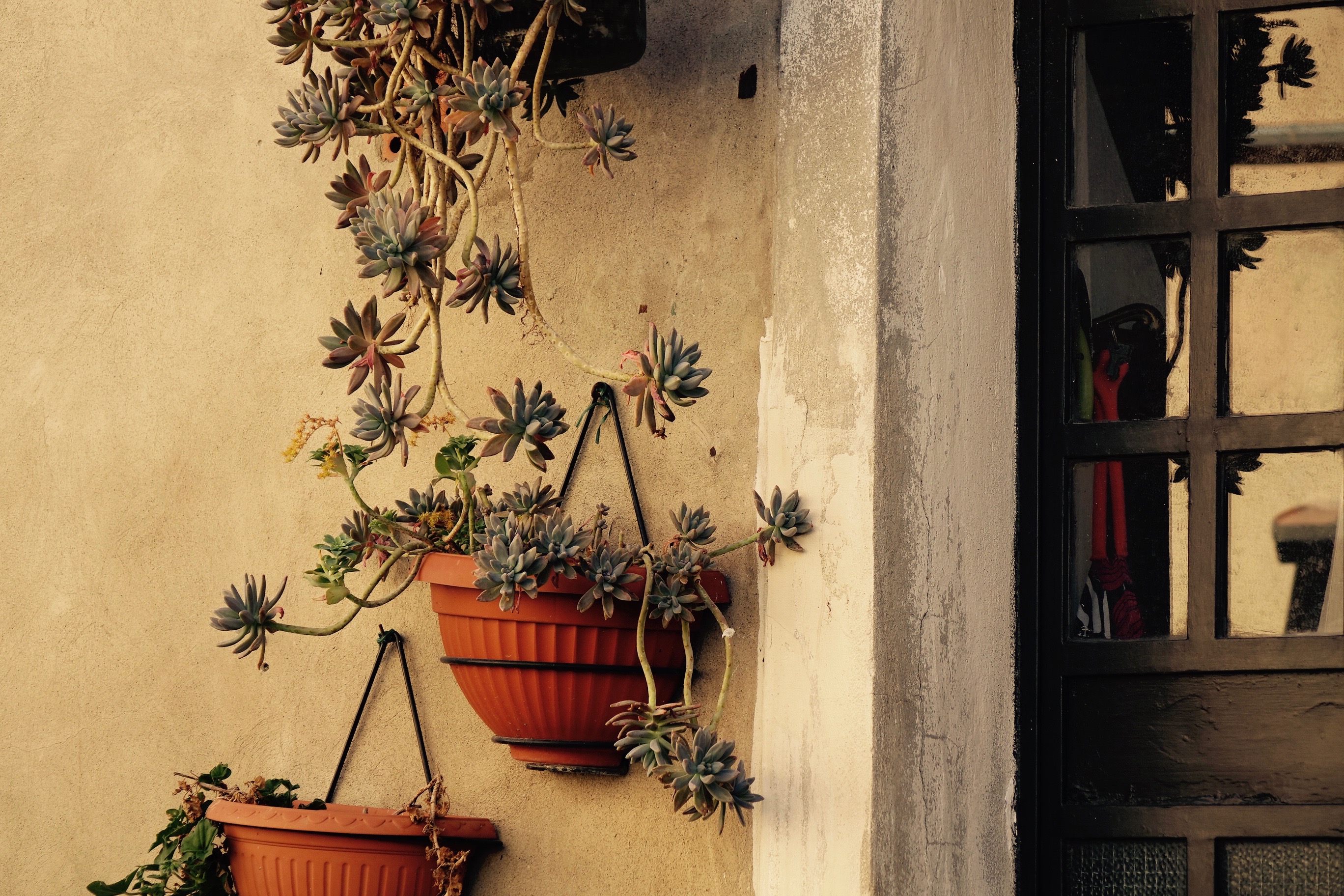
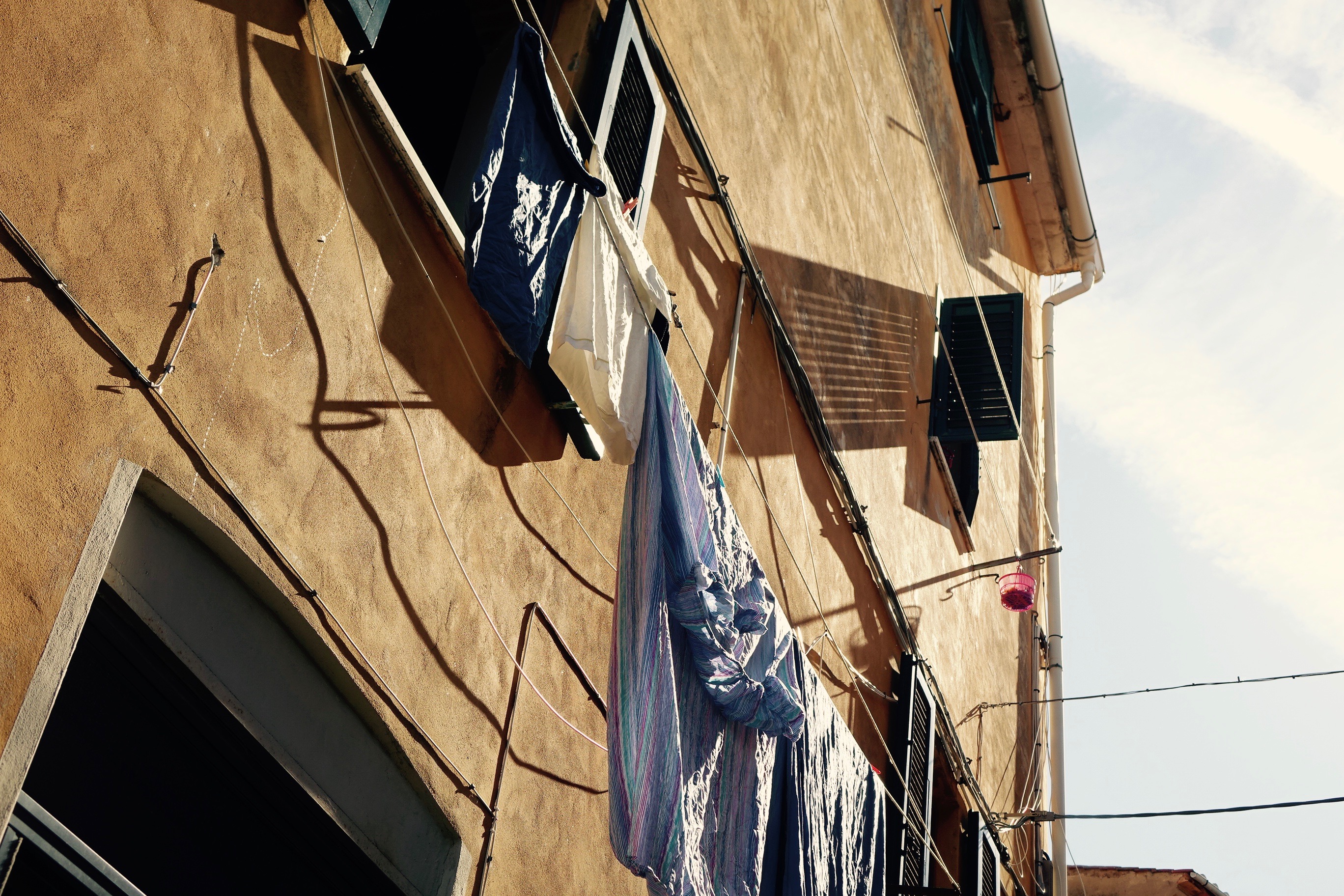
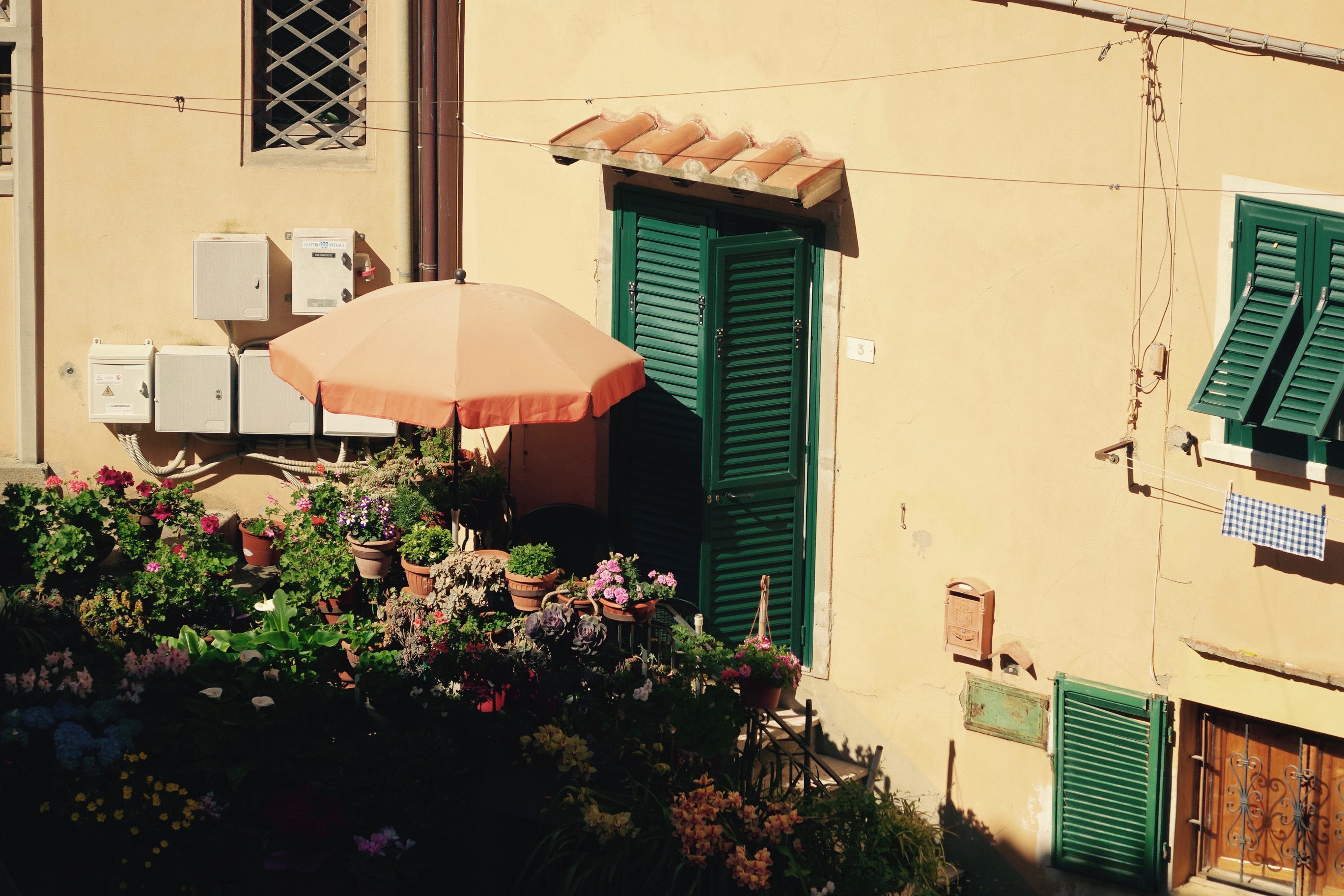
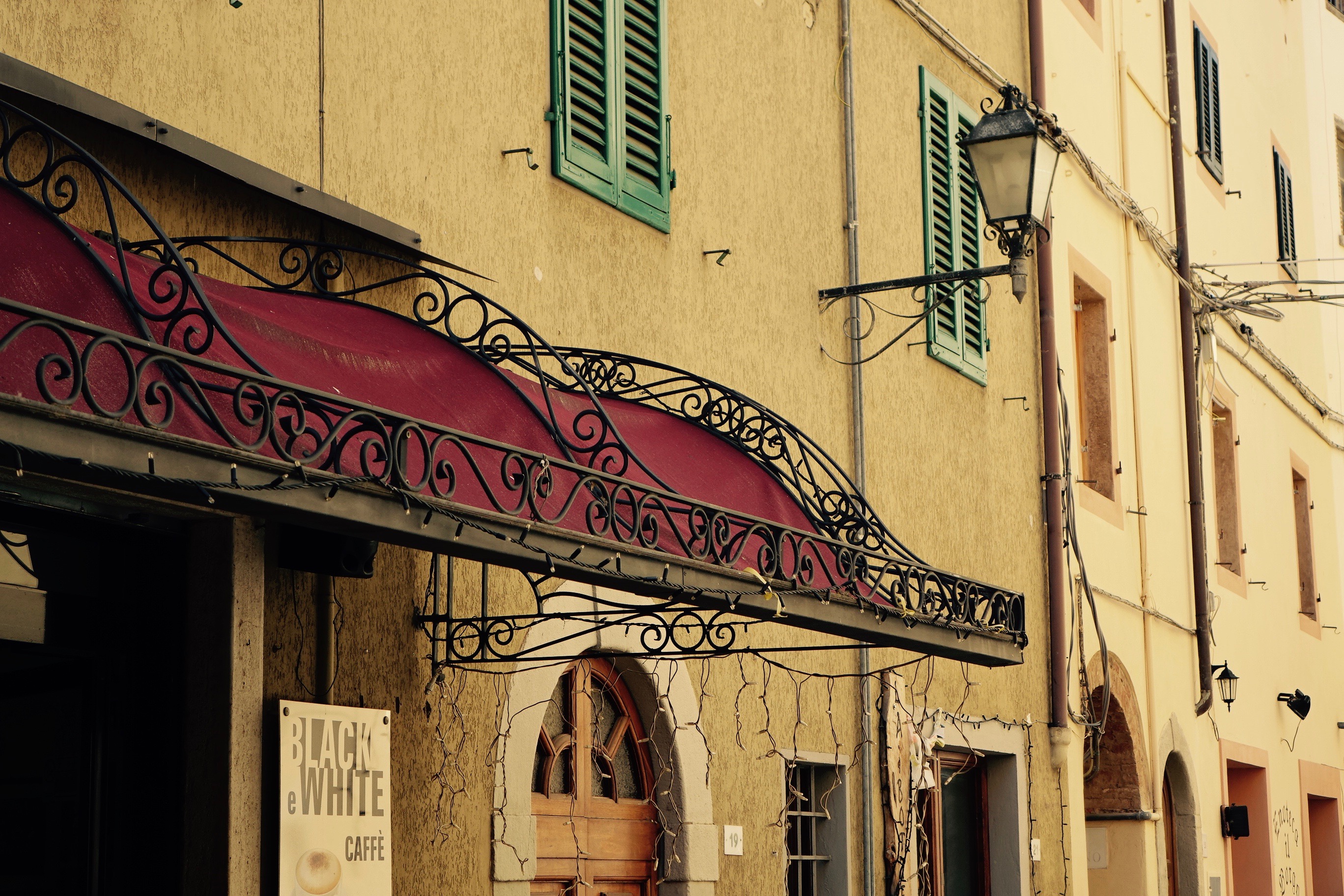
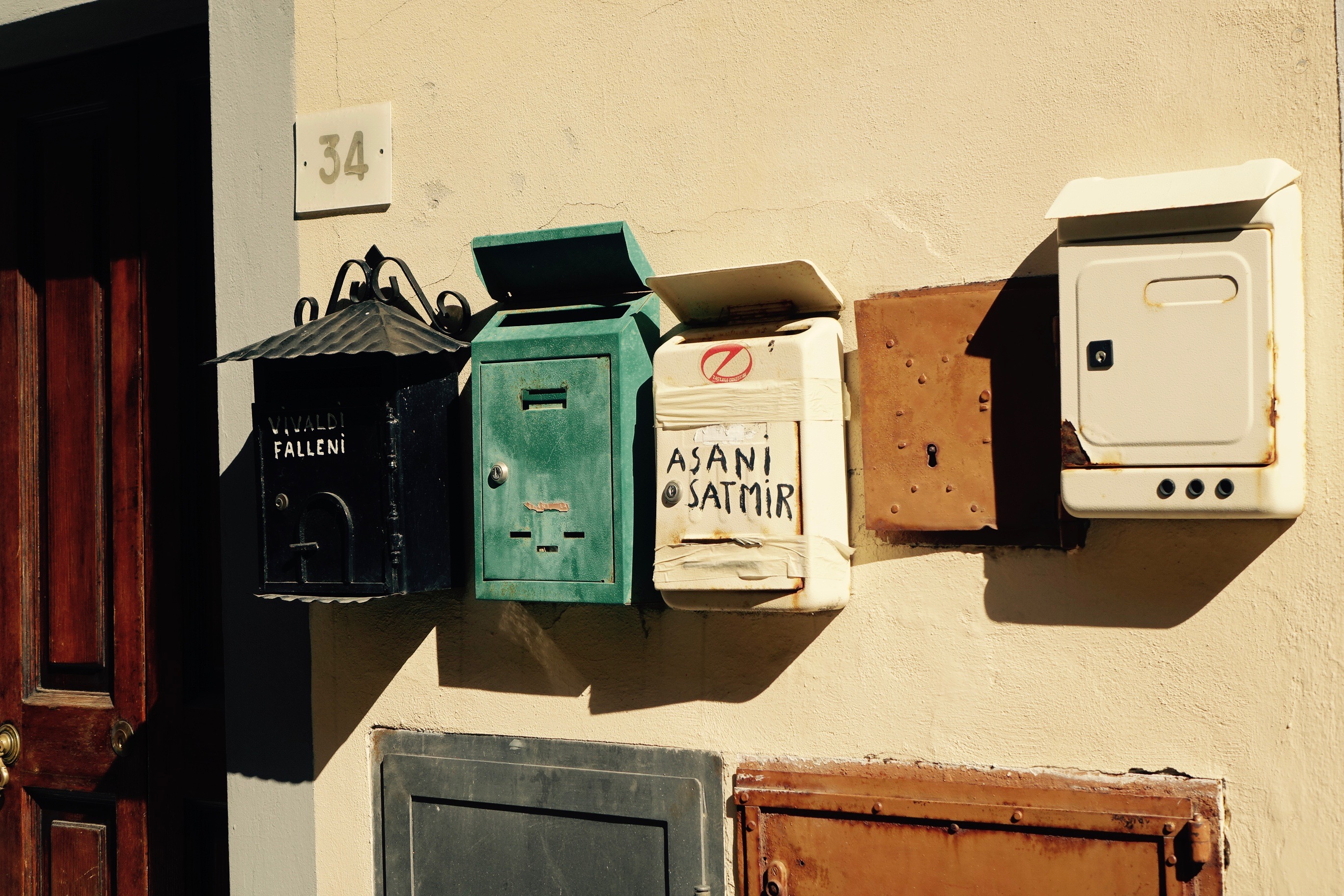
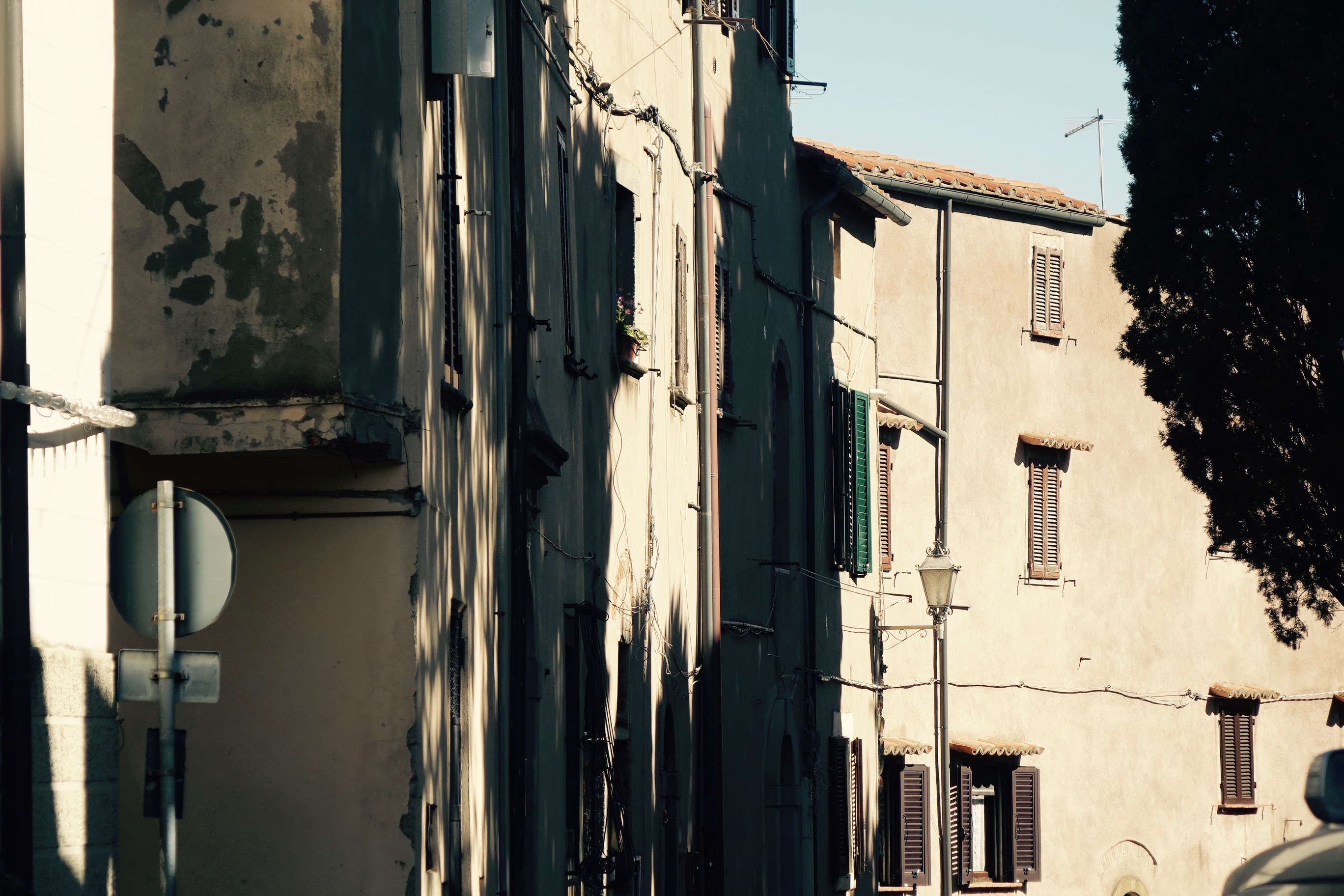
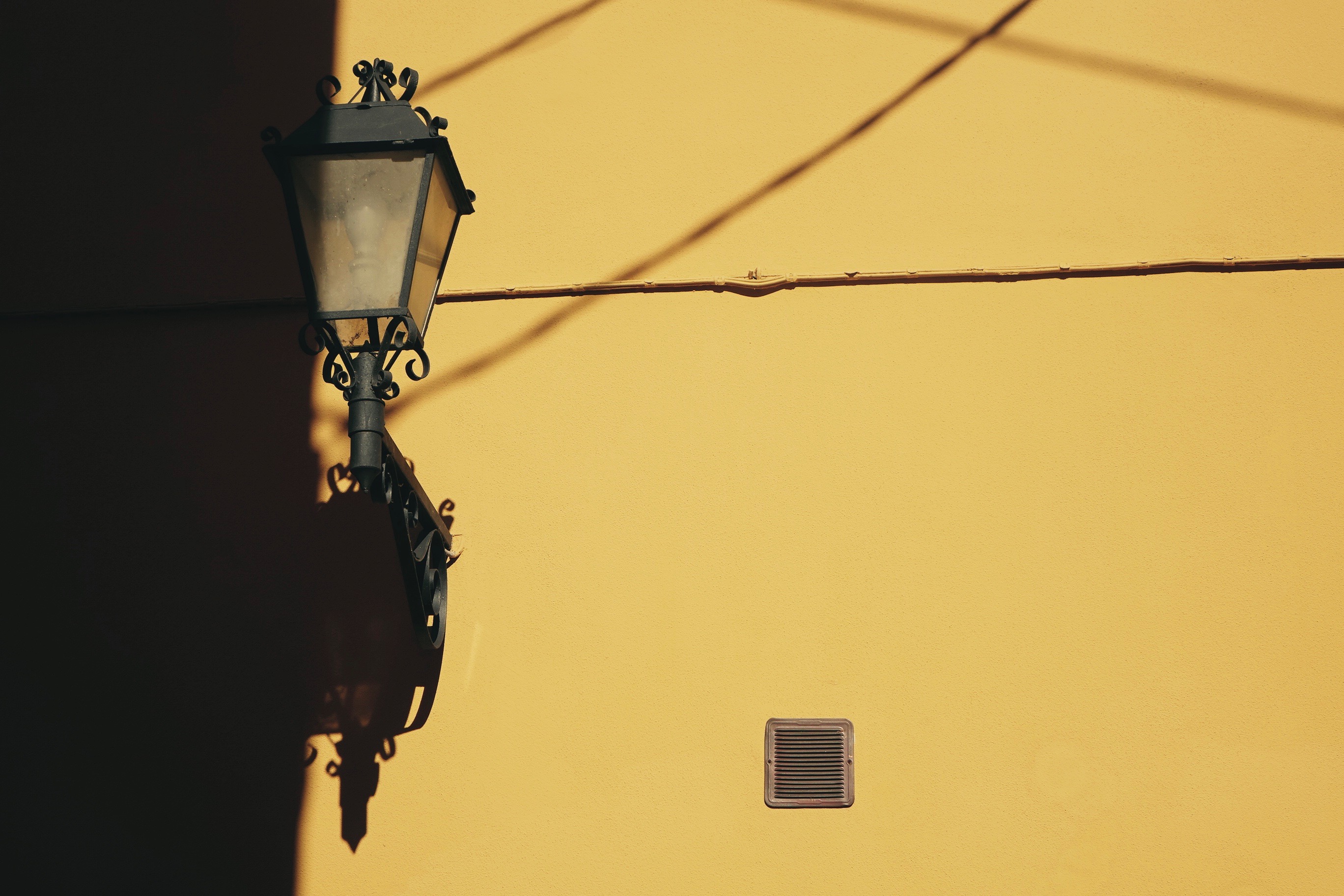
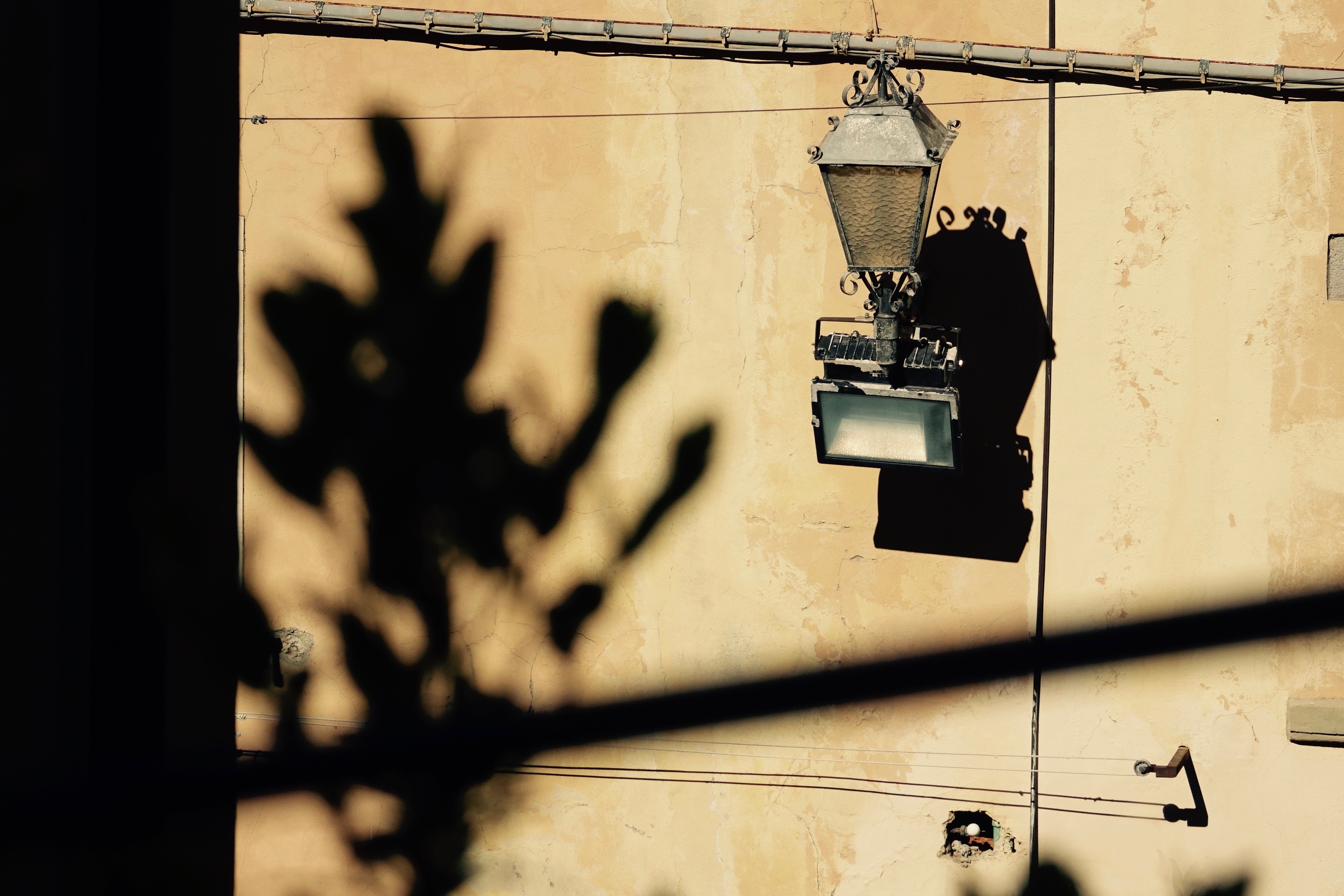
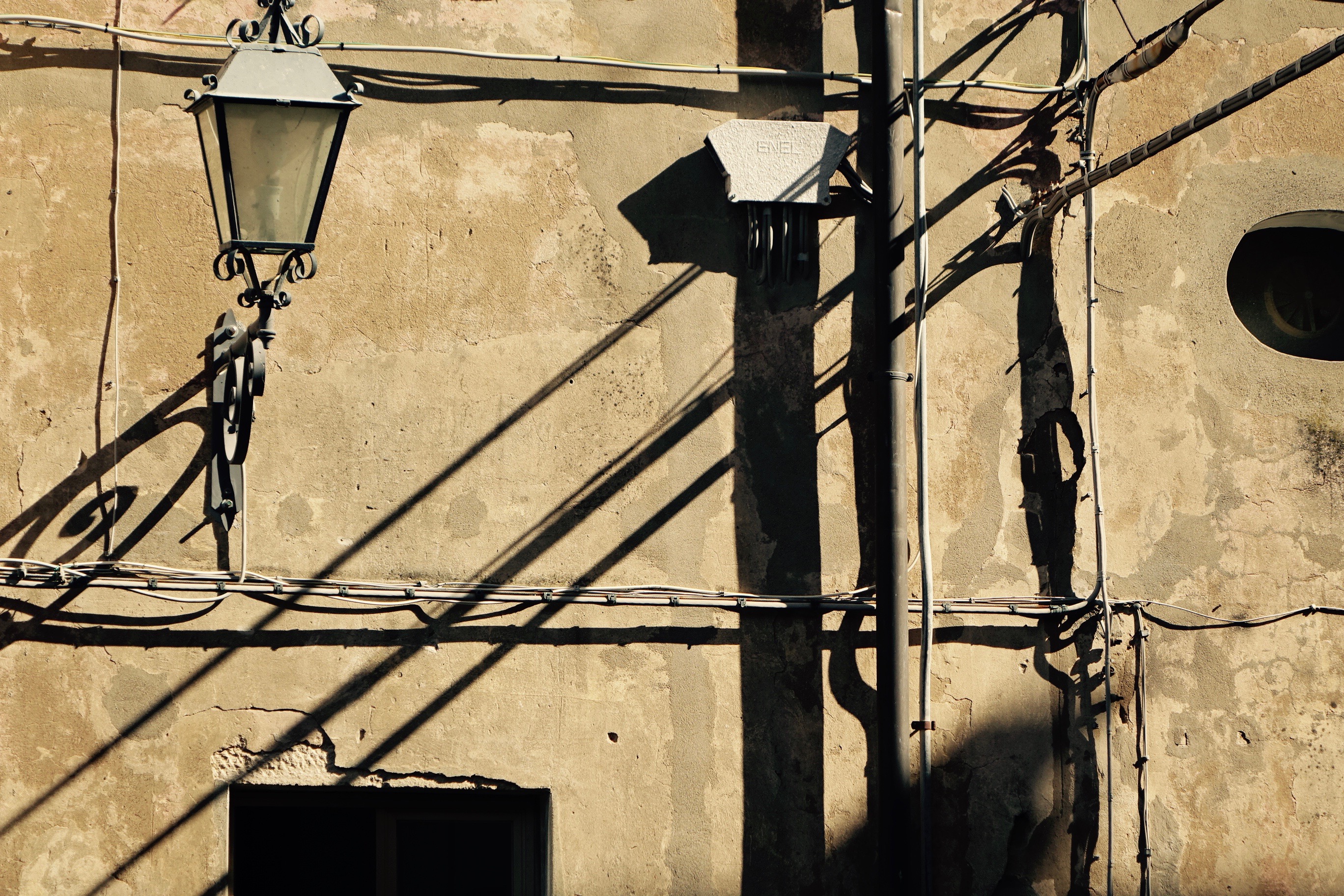
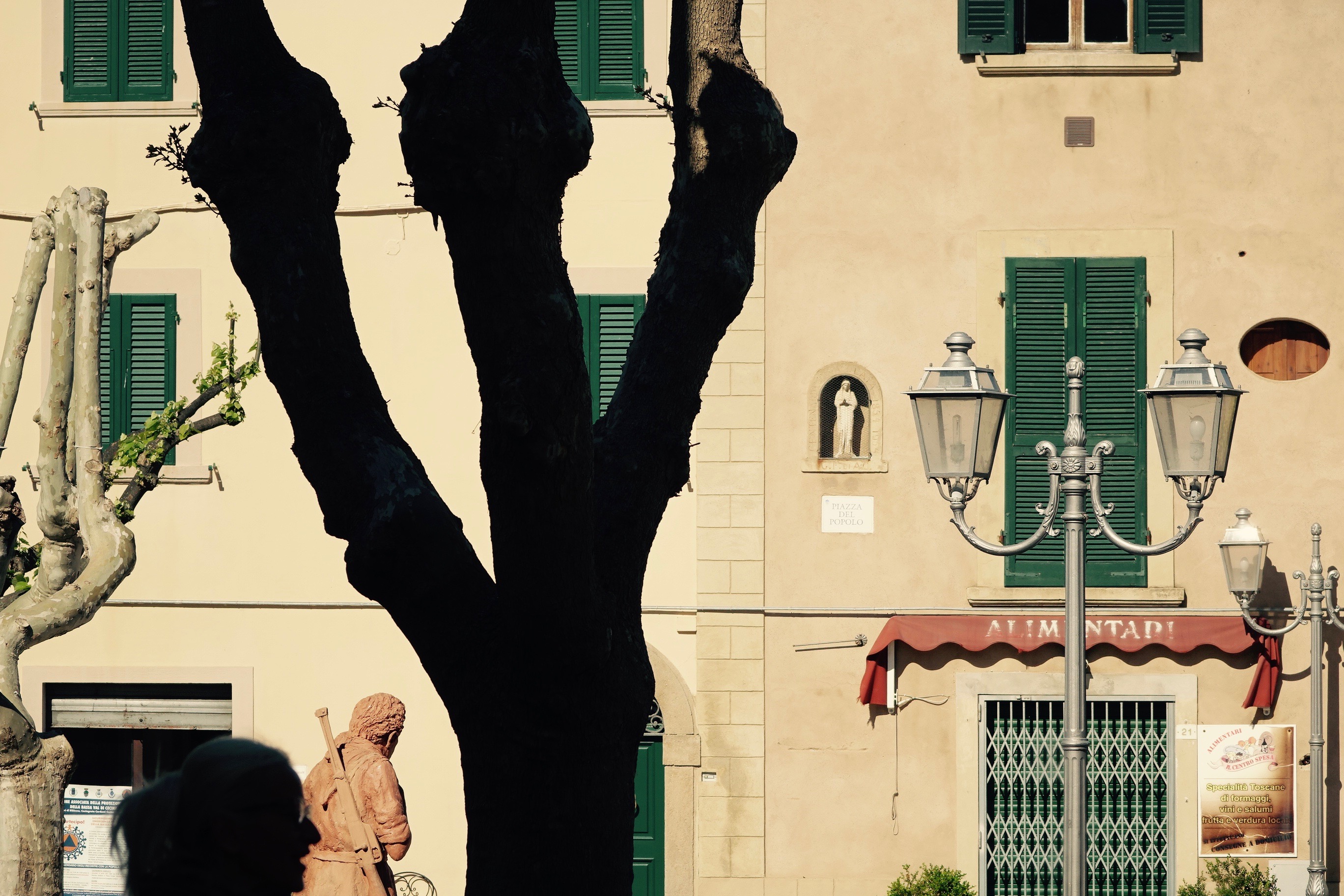
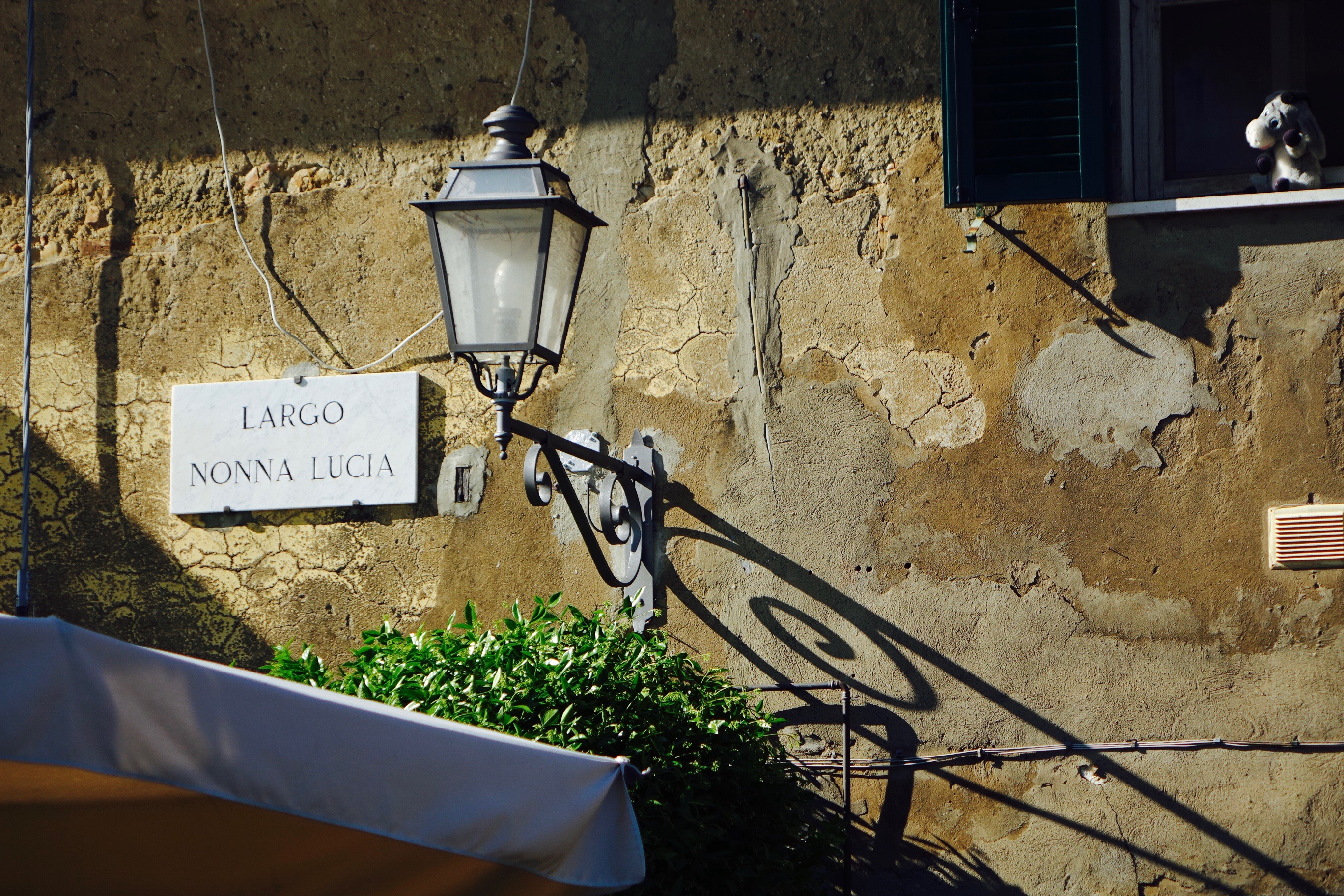
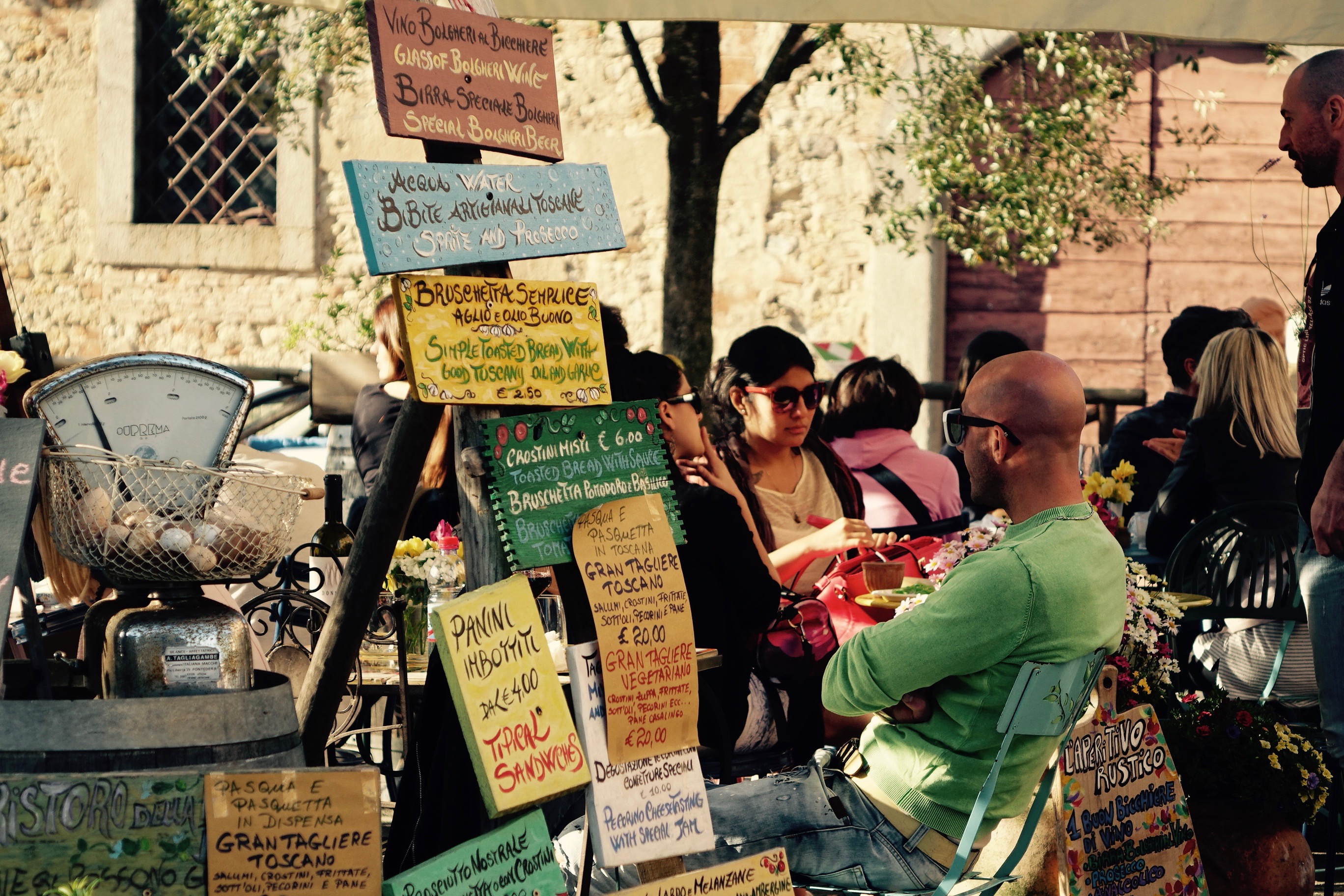
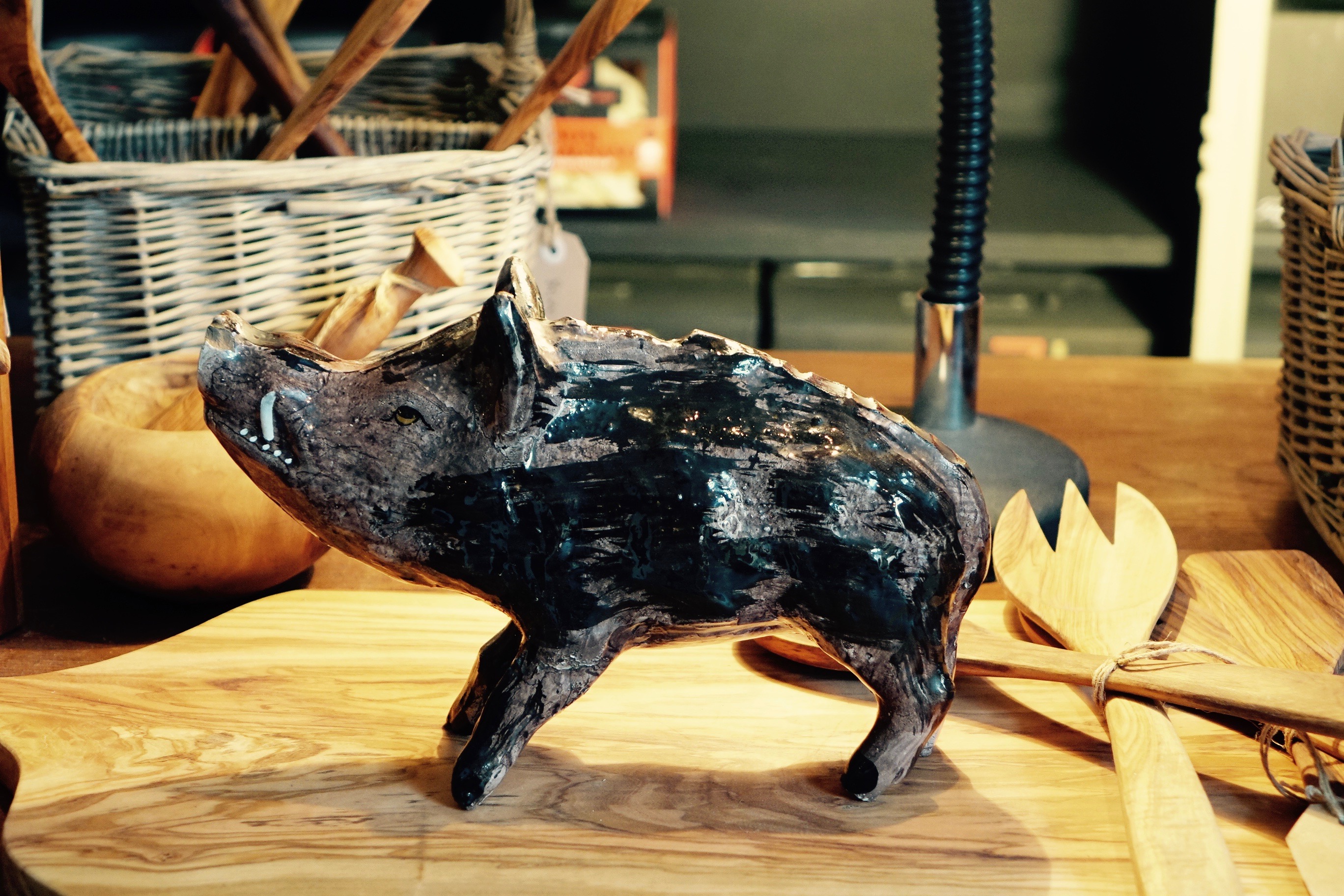
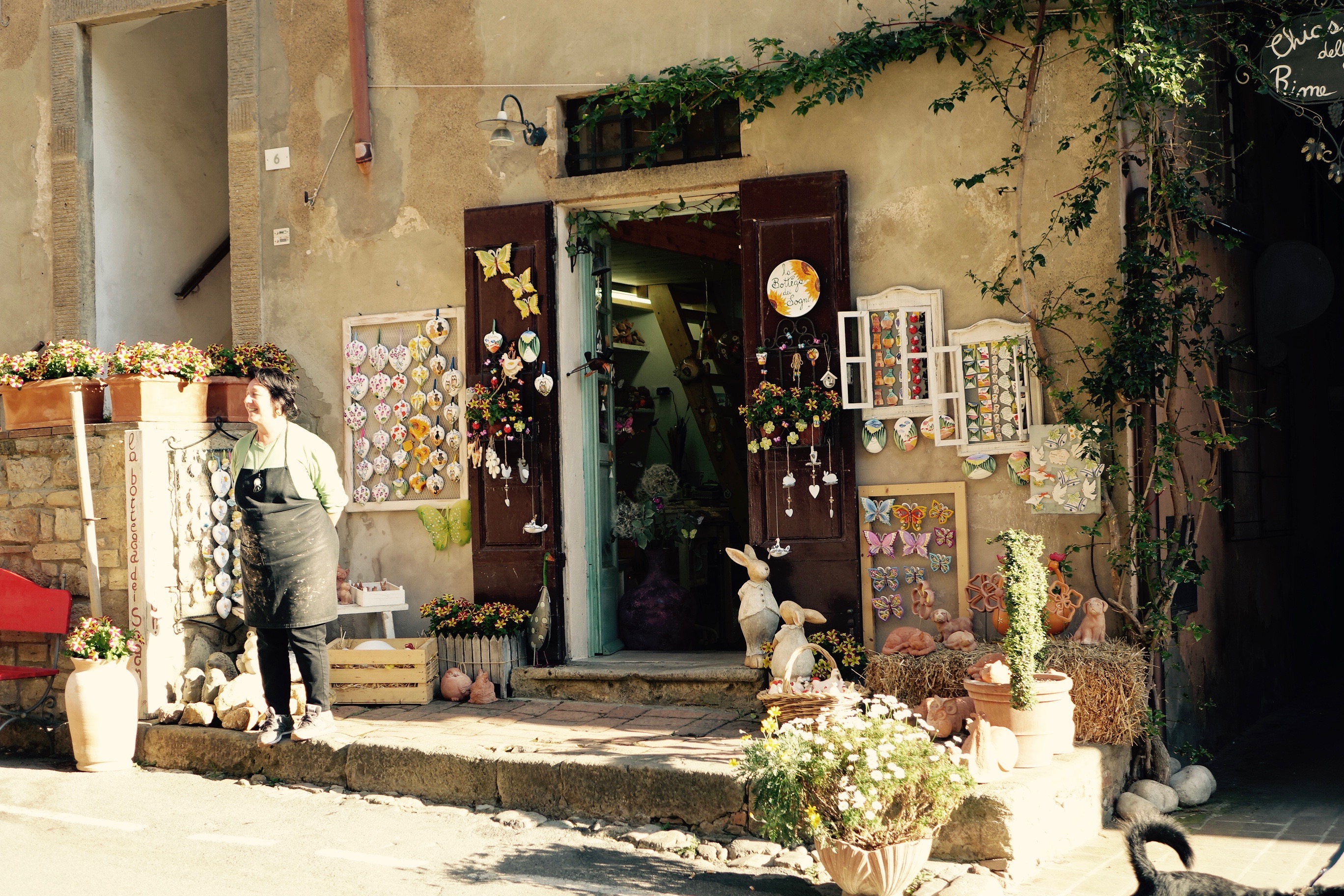
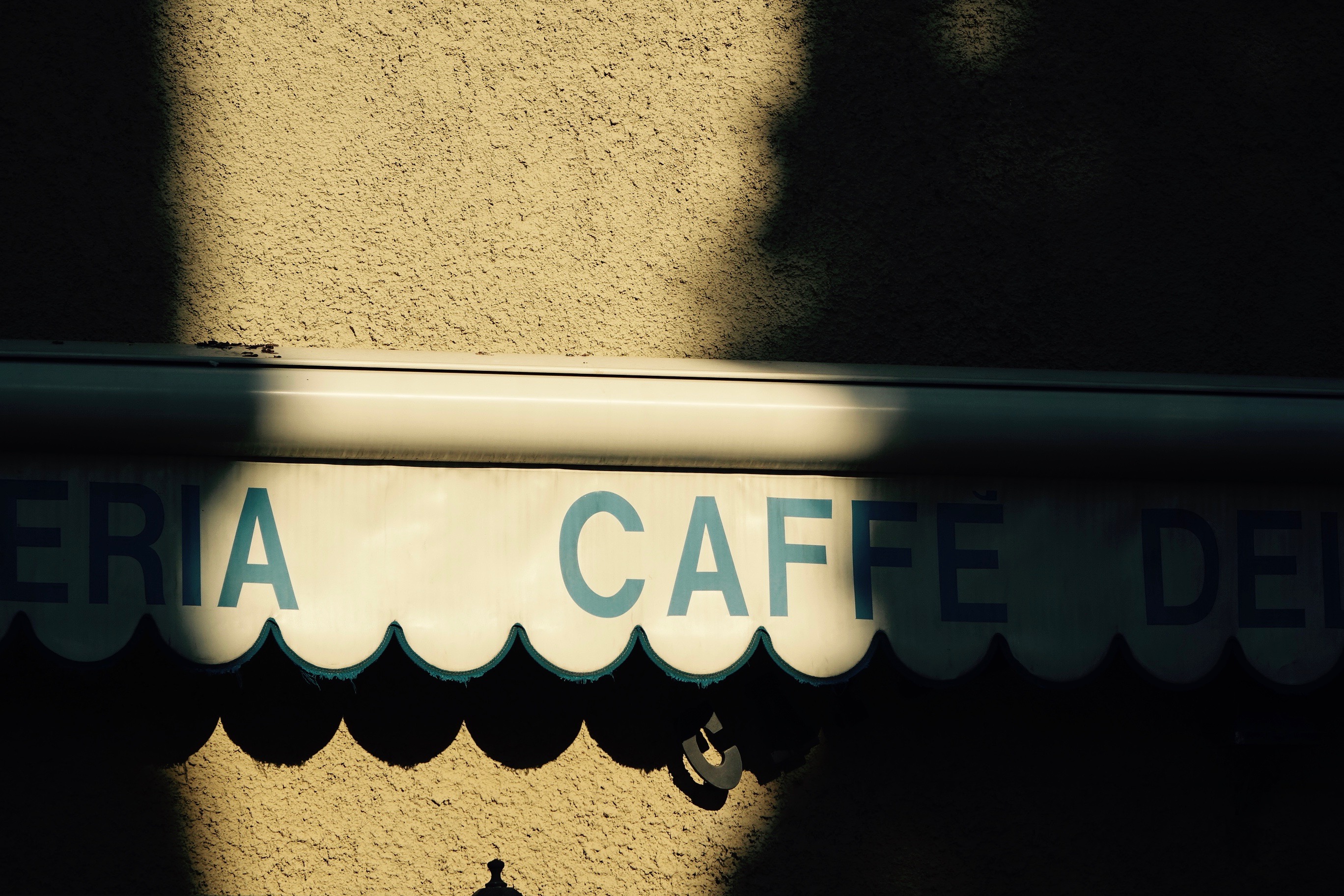
Like so many of the Tuscan Towns I am featuring on this blog, Castagneto is a town which oozes idyllic charm. While the tourist trade has made sure to embellish the town’s best features and offer visitors boutique shops selling local produce, cuddly wild boars and hand-painted ceramics, my favourite places to visit are those which are the preserves of the locals – the small little cafes where locals prop up the bar to drink an espresso and a brioche; the hilly side streets whose pot plants and strung out washing are just as picturesque as the countryside views over which the tourists ogle; and the little passages where a simple parked vespa or a decorative street lamp look like works of Italian art.

DSC09937DSC09958DSC09912DSC09897DSC09893 2DSC09919DSC09955DSC09951DSC09929DSC09917DSC09906DSC09902

If you can only get to tour one or two of Tuscany’s quaint little towns, Castagneto is a perfect choice. With its various cafes and small up-scale shops, several restaurants making the most of the views and a perfect winding route around town which will take in the small church and iconic town hall, Castagneto has all the ingredients to afford the visitor a satisfying stroll. And if I were to recommend Bolgheri at around 5pm for a cocktail or afternoon coffee, Castagneto is a perfect choice for a morning coffee. Our sun drenched cup accompanied by brioche and croissants stuffed with frutti di bosco and cream was the best breakfast experience of my trip, and should not be missed, especially with views as fine as this.

DSC09956DSC09949DSC09900DSC09946DSC09939DSC09924DSC09885DSC09918DSC09910DSC09911DSC09921DSC09783

© Nicholas de Lacy-Brown and The Daily Norm, 2001-2017. Unauthorized use and/or duplication of the material, whether written work, photography or artwork, included within The Daily Norm without express and written permission from The Daily Norm’s author and/or owner is strictly prohibited. 

Another walk one early Tuscan morning: Corn fields and pine trees

I love walking, perhaps you’ve noticed. I trace the passion back to my 2008 accident and the two years of limited movement which resulted. When finally I lost my crutches, I realised for the first time the very simple joy of being able to walk. What a liberty to be able to walk wherever your feet may take you, one that most take for granted but which we all should cherish, especially when those legs take you somewhere as beautiful as the Tuscan countryside.

On the way to the pine tree forest

DSC09425DSC09509DSC09531DSC09486DSC09433DSC09460DSC09501DSC09443DSC09536DSC09532DSC09468DSC09448DSC09469

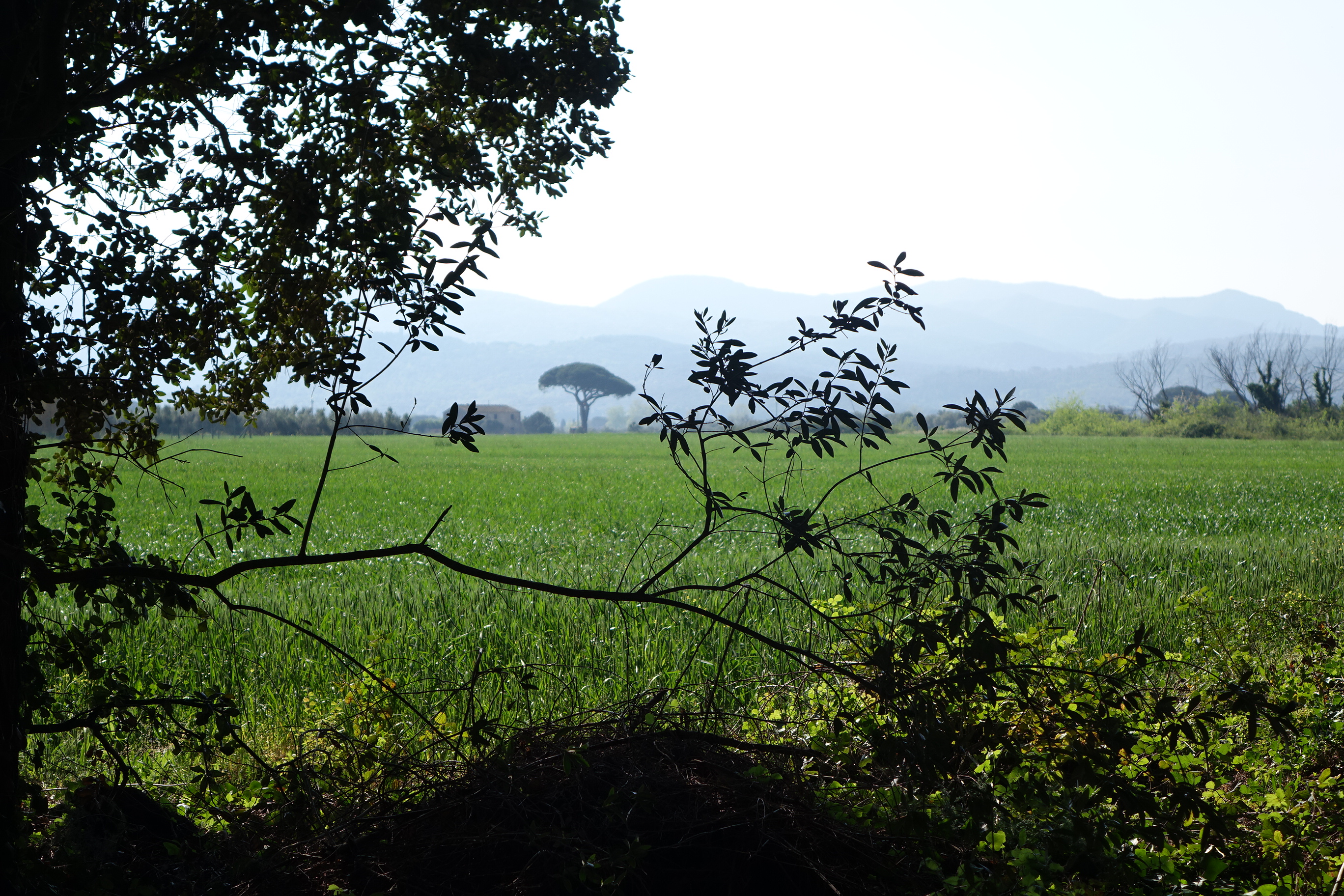
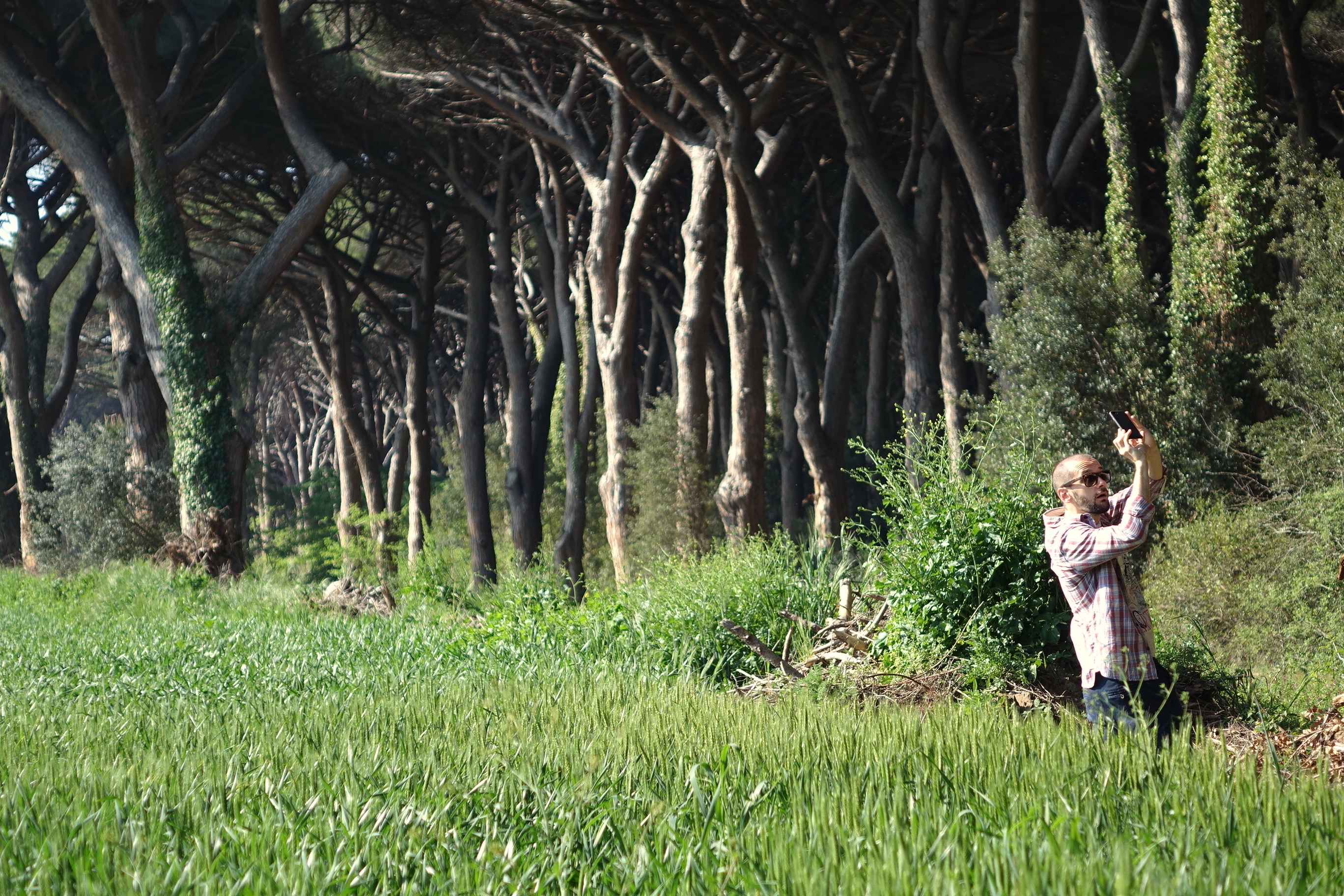
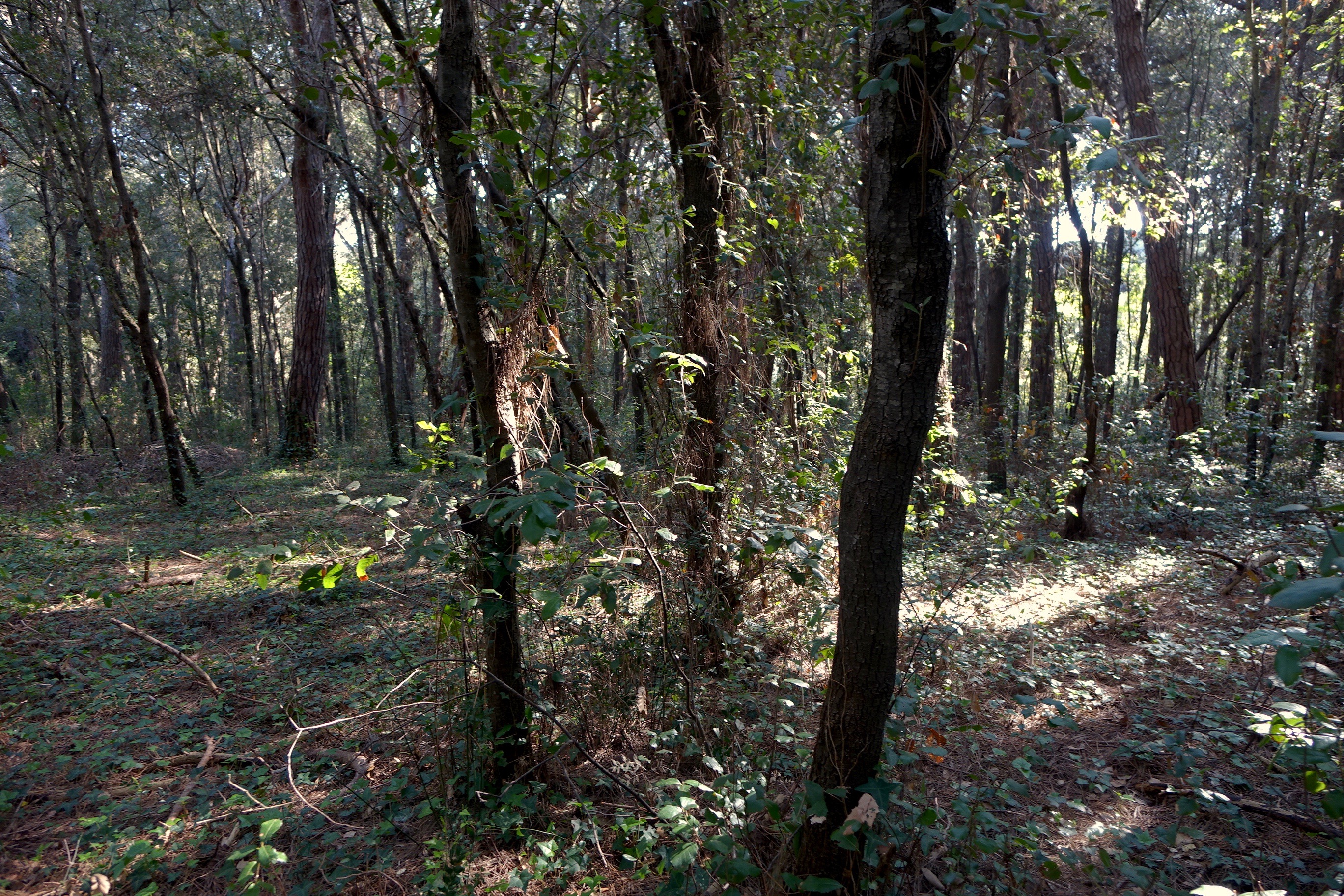
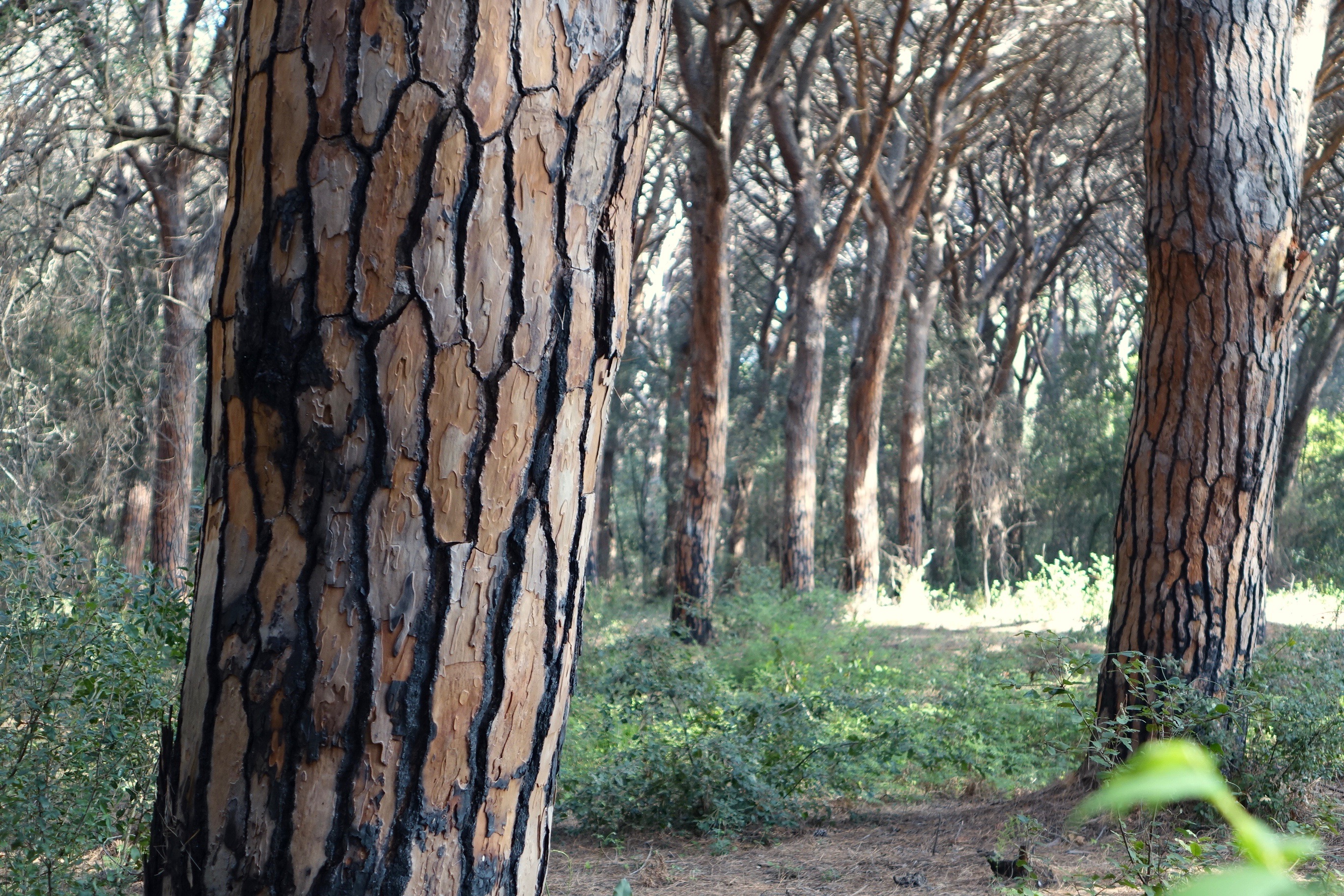
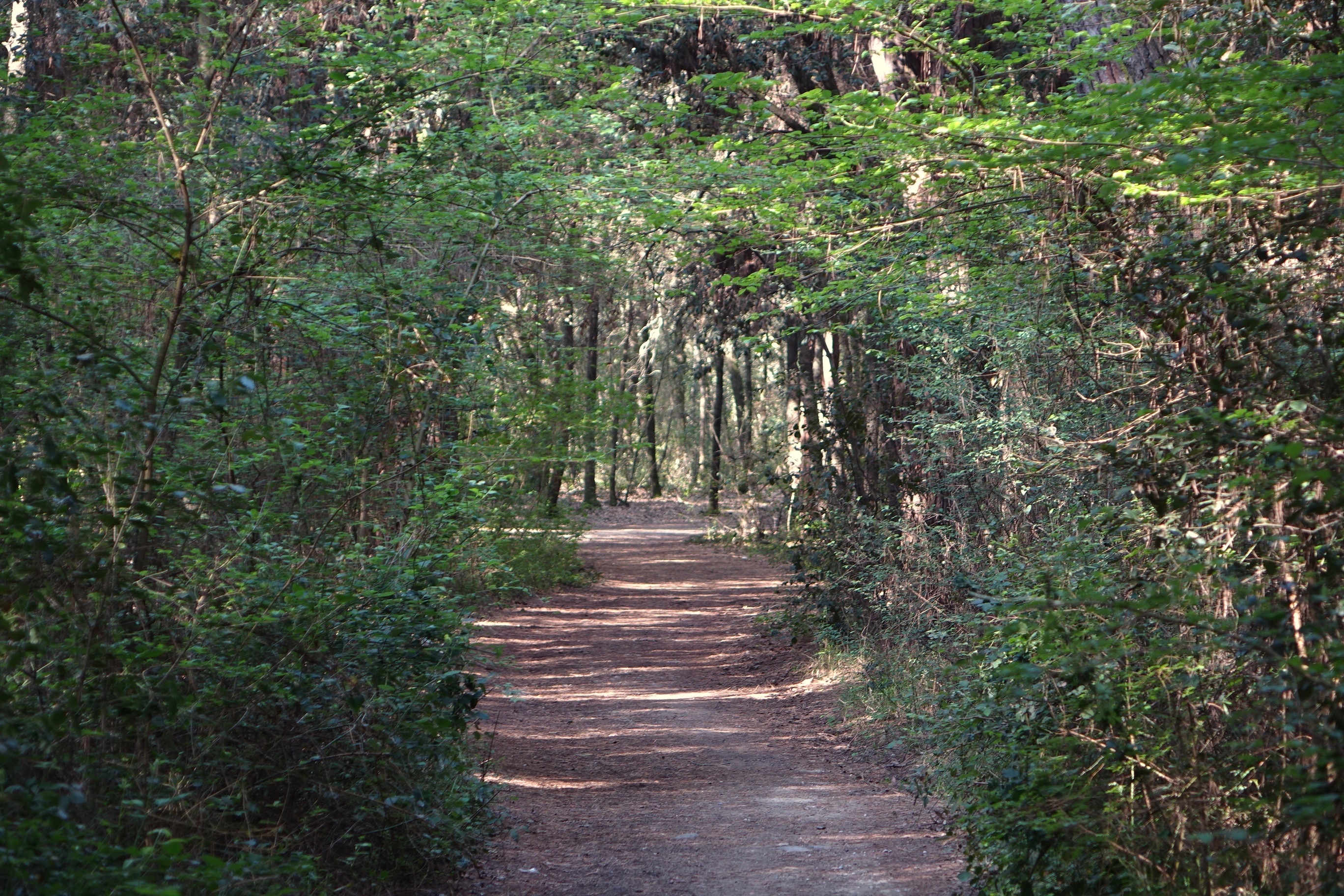
The last walk I described passed through the ravishing local vineyards whose striped embodiment of leafy lanes roll leisurely over the nearby hills. But turn the other way, and a landscape of equal enticement spreads out for the offering, one of corn fields and olive trees which back onto what in the coastal town of Donoratico is a locally iconic wood of pine trees running all the way long the sea. This dense collection of the umbrella pines which are an iconic element of the Tuscan landscape make for an incredible sight, not least from within where a glance upwards unveils a ceiling of semi-transparent pine needles punctuated with light. Meanwhile and endless collection of pine tree columns is like a cathedral of wood which apparently spreads forwards for an eternity.

Within the woods

DSC09560DSC09548DSC09599DSC09541DSC09591DSC09569DSC09550DSC09577DSC09553DSC09549DSC09554DSC09579DSC09537DSC09558DSC09572

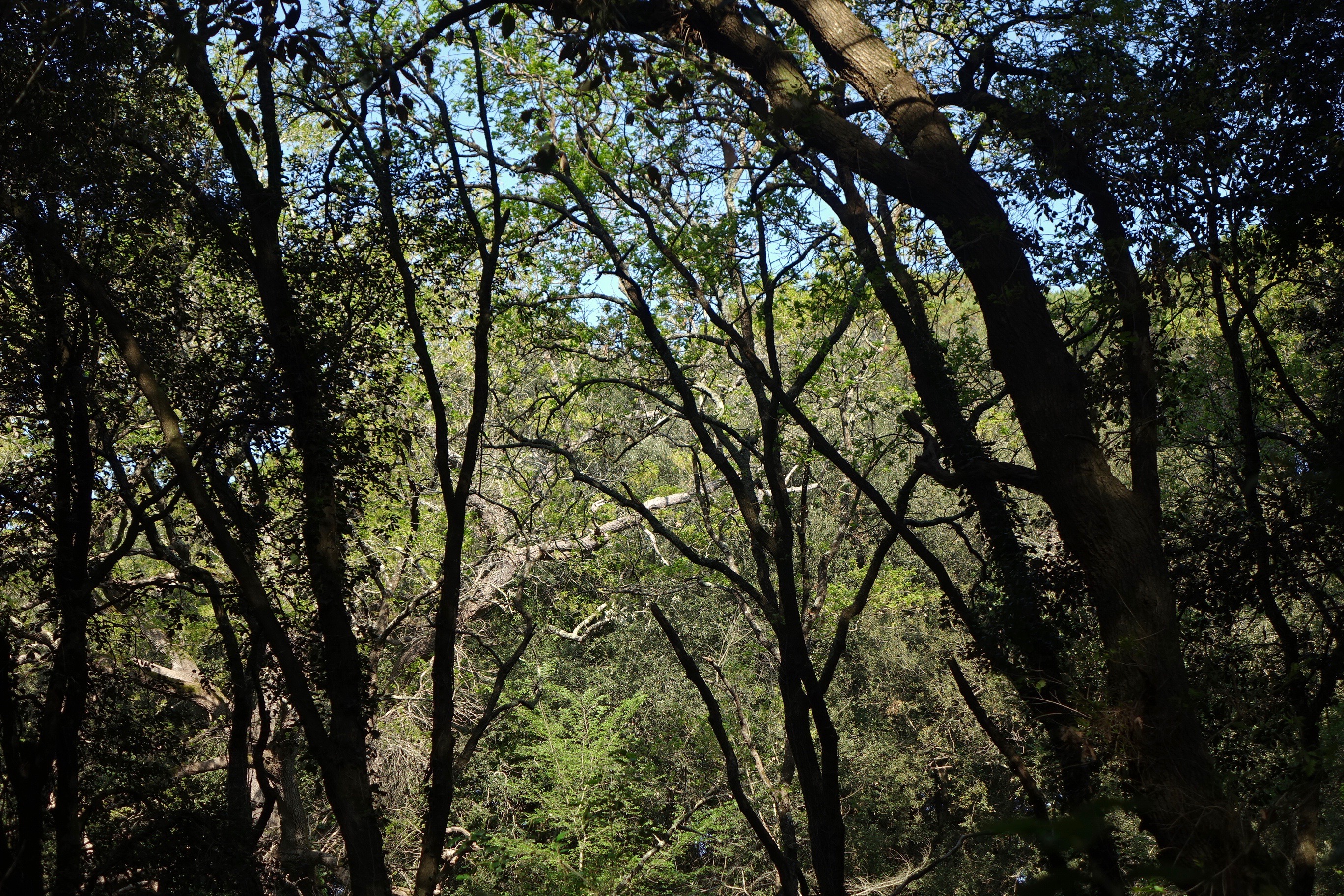
There is something about a wood which is deeply, sensuously mysterious, drawing you in, albeit with some trepidation as to what lies within. We adored our time wandering through this lofty space, where we stumbled upon crazily shaped fallen trees and shards of light breaking through the pine tree canopy. But best of all things was the treat at the end, as the final archway of trees led directly onto a wide sandy beach and the turquoise sea beyond.

Breaking out 

DSC09604

© Nicholas de Lacy-Brown and The Daily Norm, 2001-2017. Unauthorized use and/or duplication of the material, whether written work, photography or artwork, included within The Daily Norm without express and written permission from The Daily Norm’s author and/or owner is strictly prohibited. 

Tuscan Towns #2 – Bolgheri

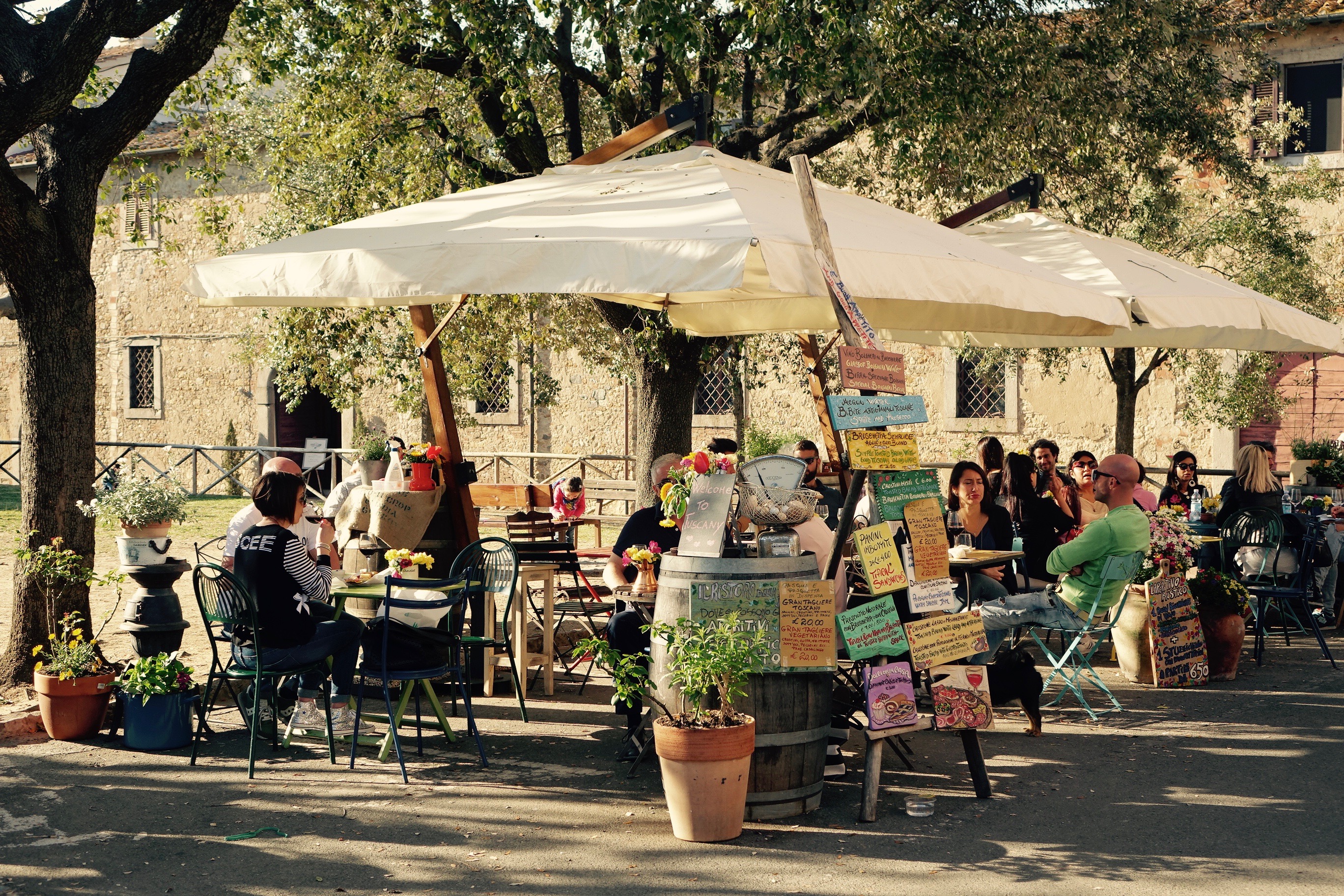
Bolgheri is a tiny town, more of a hamlet really, based as it is along one main street which latterly converges into two, a sunny square and a row of delightful little houses and restaurants precipitating the divide. For the majority, the closest they will come to knowing Bolgheri will be to read its name upon one of the plethora of nectarean bottles of wine produced by the region every year. Yet for the lucky few, who are led, magnetised, down the perfectly straight cypress-lined Roman road to the tiny little village, finding Bolgheri will feel like stumbling upon a hidden jewel.

DSC09719DSC09726DSC09666DSC09721DSC09711DSC09665DSC09664DSC09695DSC09697DSC09692DSC09677DSC09722DSC09709DSC09712DSC09714

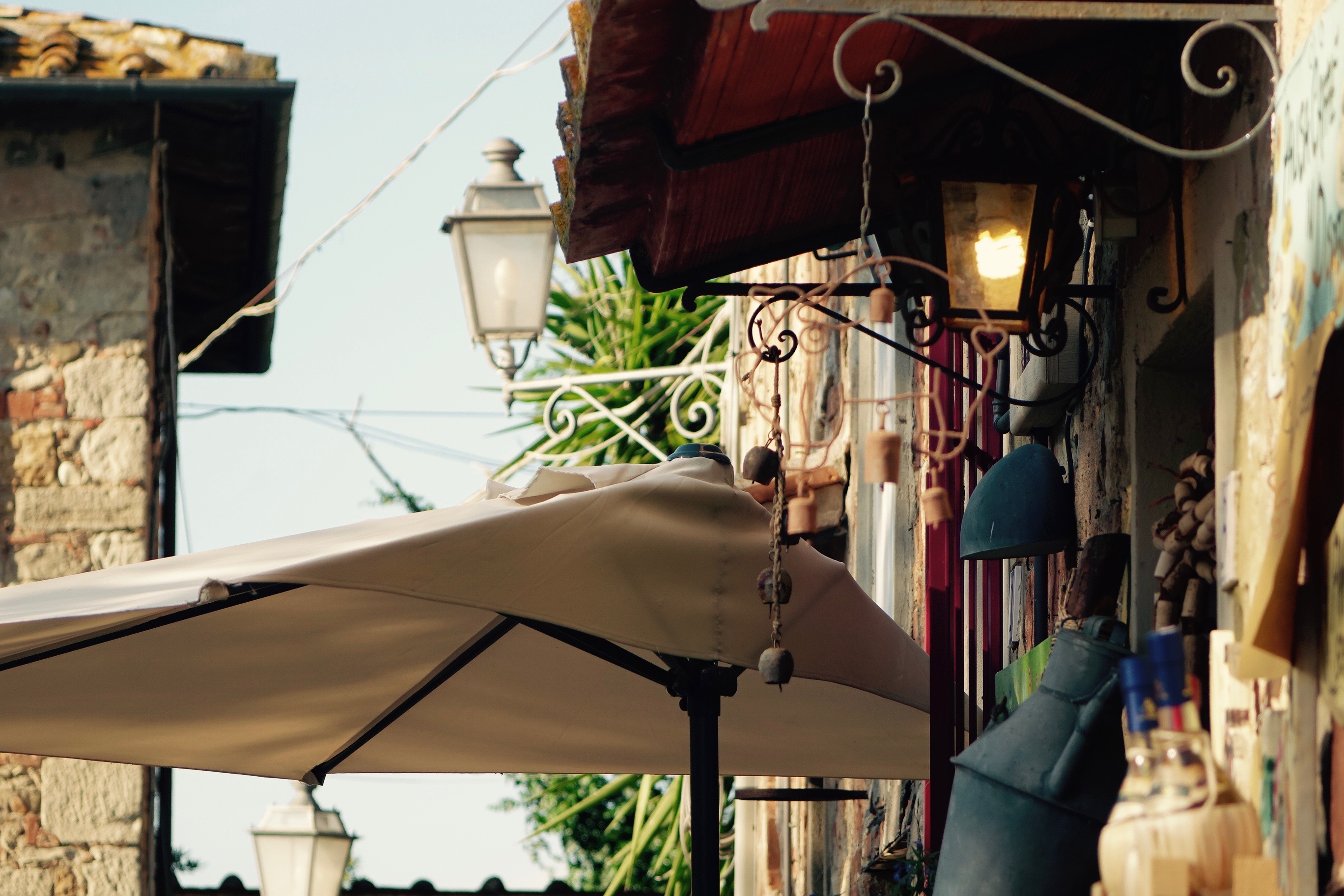
While Bolgheri has a castle, it is as proportionately small as the village. It is not a place for museums, nor a city for those wishing to stroll endlessly from one new corner to another. No, the real attraction of Bolgheri is its atmosphere. It is enchanting. While a visit at any time of the day will be enthralling enough, there is a poetic grace about Bolgheri in the late afternoon, as the sun starts to set over the vineyards and rolling hills to the West, and every cafe and shop and house seems to fling open its shutters greedily urging the peach coloured light to spill into its small little terracotta buildings.

DSC09710DSC09672DSC09703DSC09716DSC09728DSC09690DSC09699DSC09675DSC09729DSC09733DSC09702DSC09694DSC09693DSC09688DSC09687DSC09676

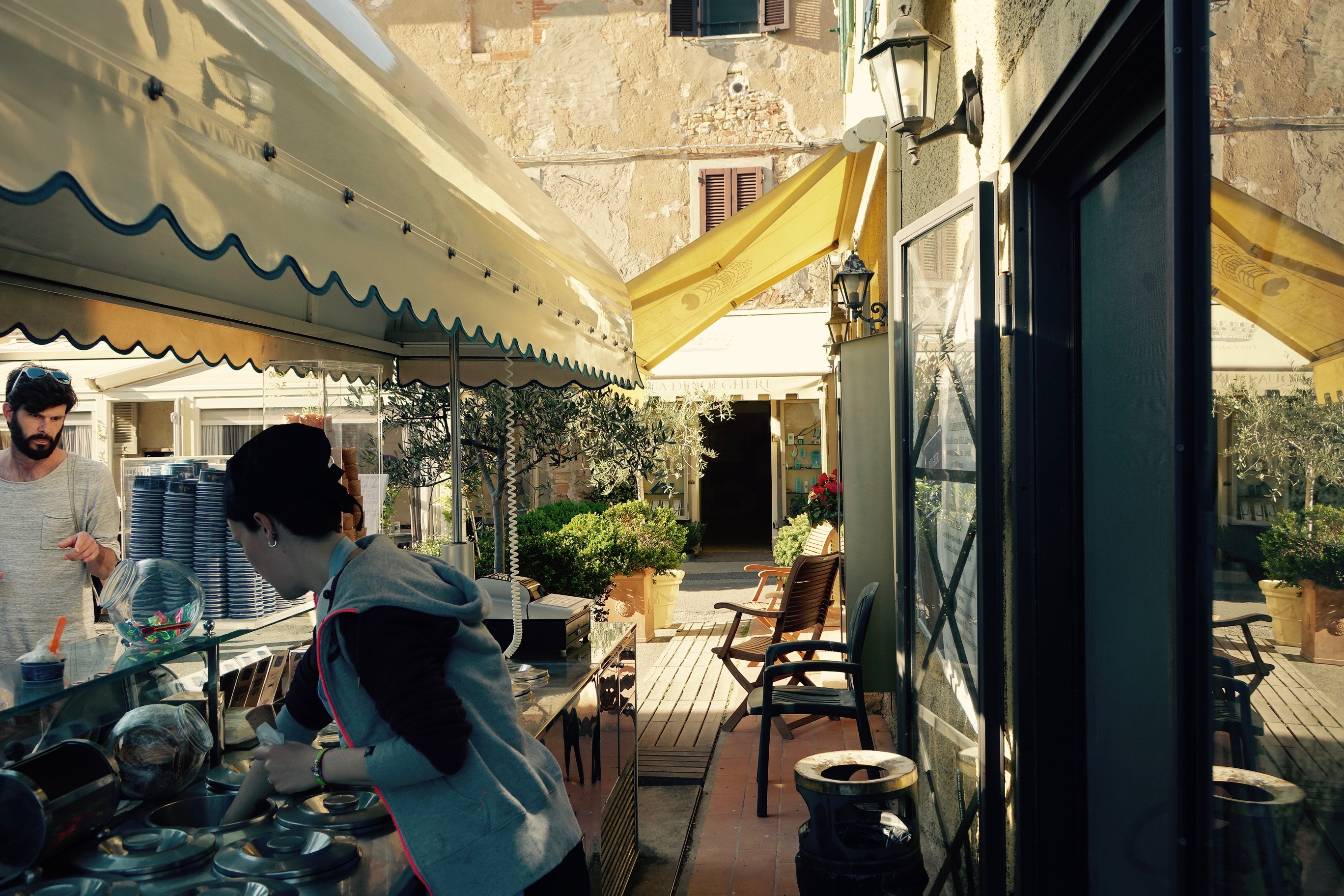
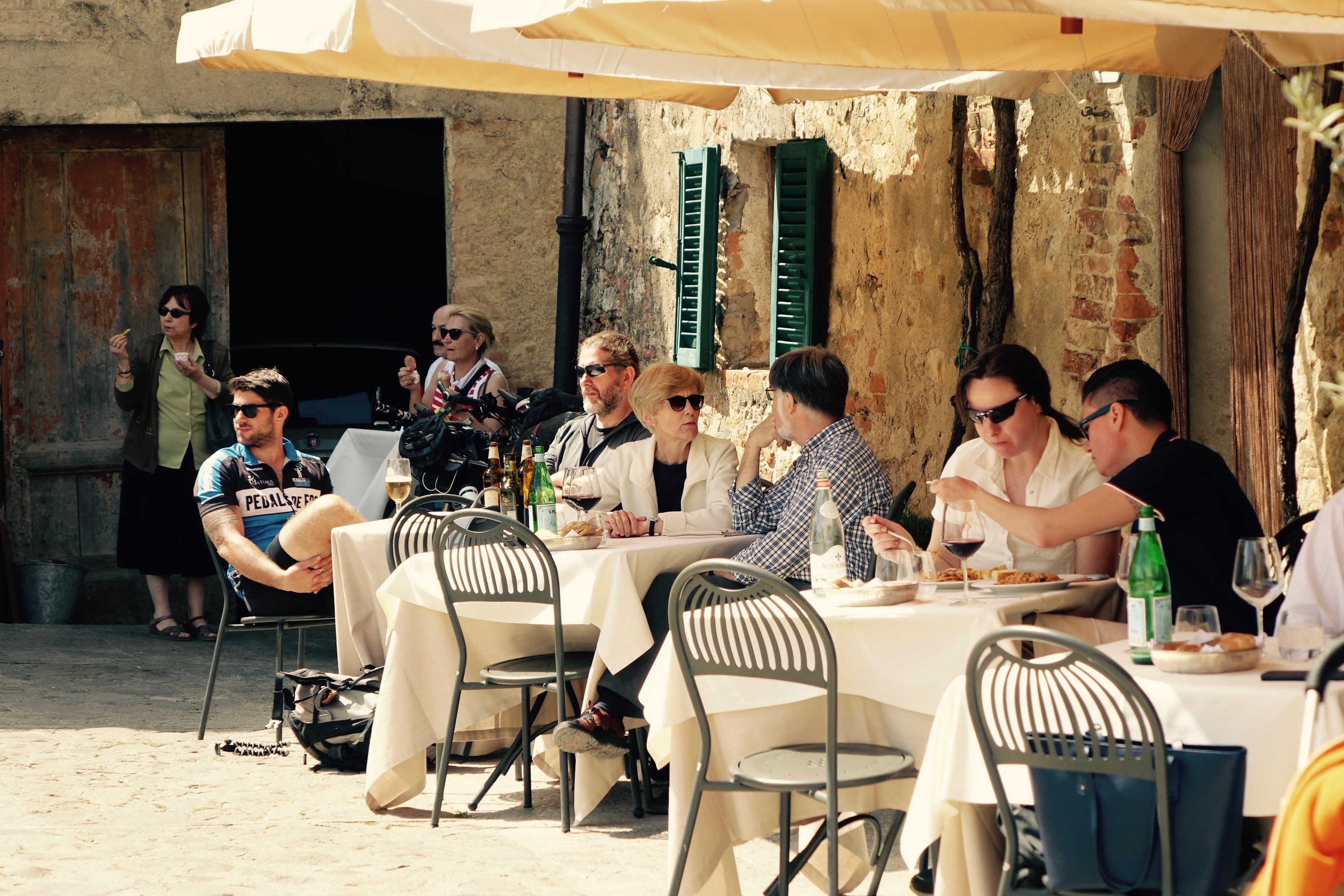
Bolgheri in the afternoon is a place in which to sit and close your eyes, feeling the sunlight spill across your face. It is a village where sipping upon an aperol spritz takes on new majesty, and where an ice cream glimmers with a precious golden aura. It is a time which is all about relaxing, chatting, strolling, thinking, and if I wanted to do anything when I set out to take these photos, it was to capture this time of utopia. So apologies in advance to the fellow visitors who ended up in the photos on this post, but without the look of sheer pleasure and relaxation written all over their faces, I don’t think I could ever have properly expressed the blissful experience of an afternoon in Bolgheri.

© Nicholas de Lacy-Brown and The Daily Norm, 2001-2017. Unauthorized use and/or duplication of the material, whether written work, photography or artwork, included within The Daily Norm without express and written permission from The Daily Norm’s author and/or owner is strictly prohibited. 

Tuscan Towns #1 – Monteriggioni

There is nothing like a period drama to stir the soul, not least when an exotic location enables escapism, both historical and geographical. Such is the enduring magnetism of a film like A Room With a View. Starting a young Helena Bonham-Carter and the endlessly successful partnership of Judy Dench and Maggie Smith, it is the very essence of period delicacy, all set against a stunning Tuscan backdrop. Having become hooked on the film last year, it has gained a near gospel status in our household, and when a trip to see relatives in Tuscany beckoned this Easter, the film was omnipresent in our preparations. As we looked at the map and planned towns and cities to visit, the voice of Judy Dench as Eleanor Lavish pervaded. Recommending Monteriggioni to her fellow diners as a must-do destination, we felt persuaded to follow suit. Many years have past since the novel (on which the film is based) was written, but Tuscany is a richly historical land, steeped in the past, and we were sure it’s charm would not have disappeared with the period.

Charming Monteriggioni

DSC08697DSC08773DSC08772DSC08740DSC08721DSC08757DSC08731DSC08736DSC08728DSC08723DSC08720DSC08715DSC08708

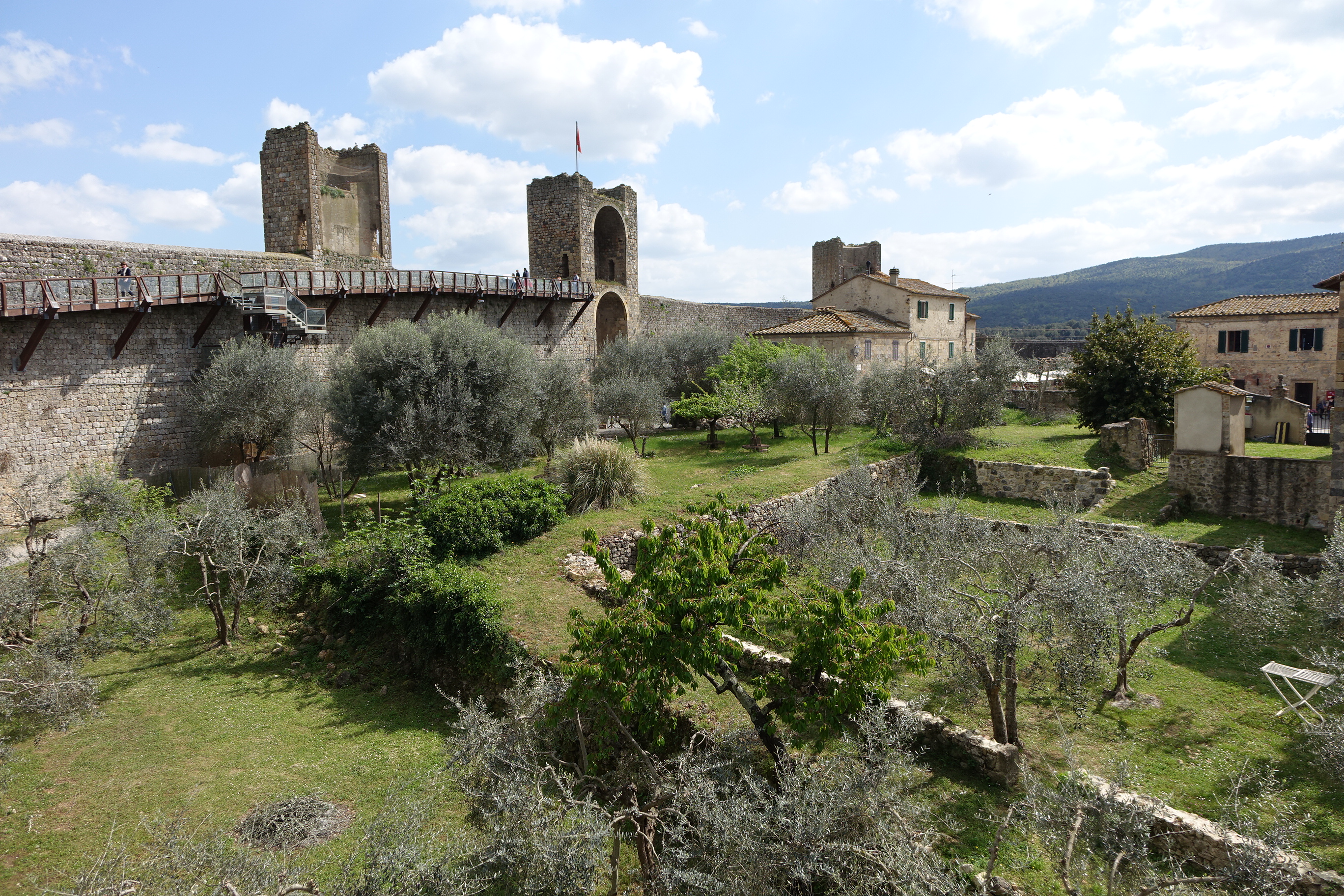
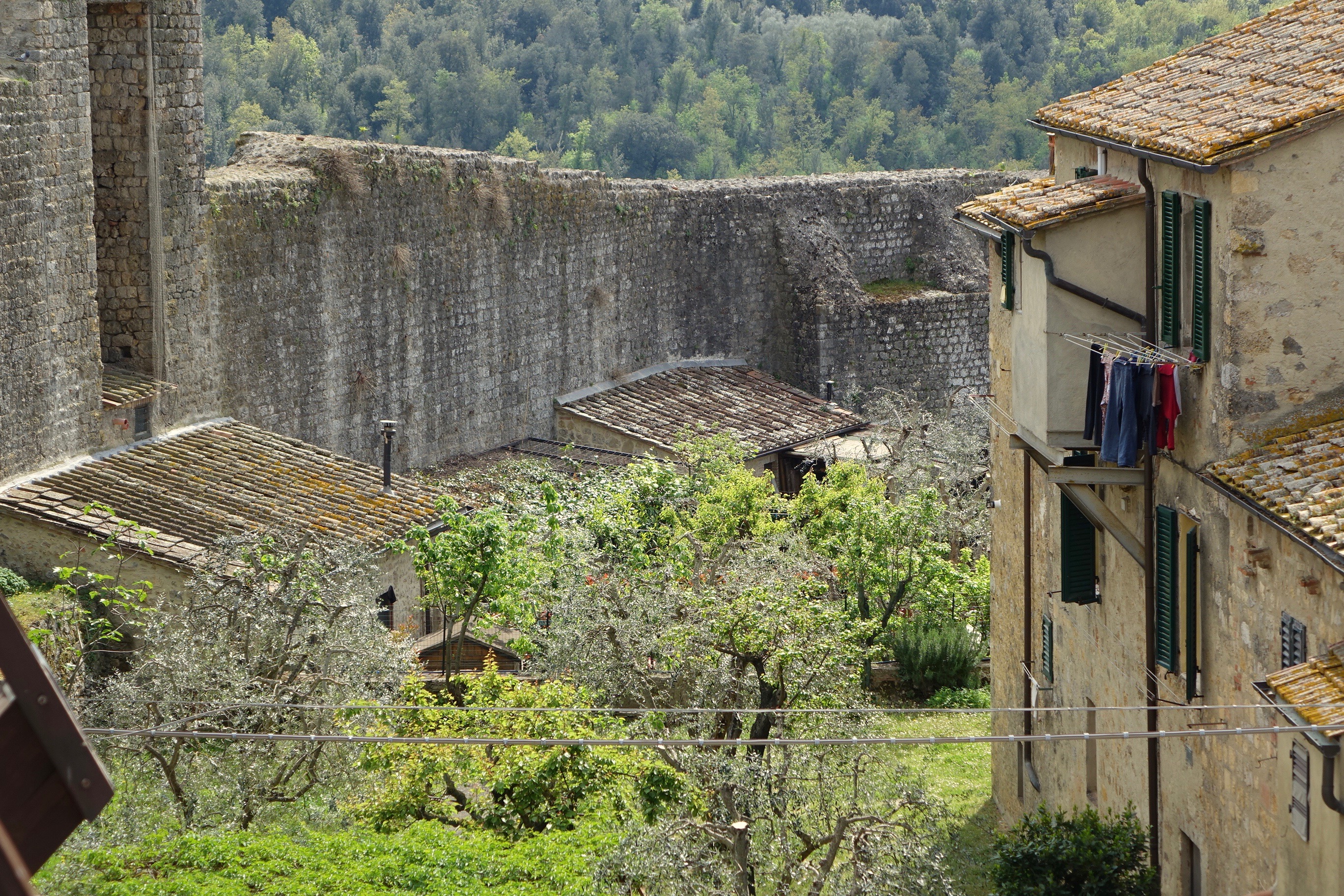
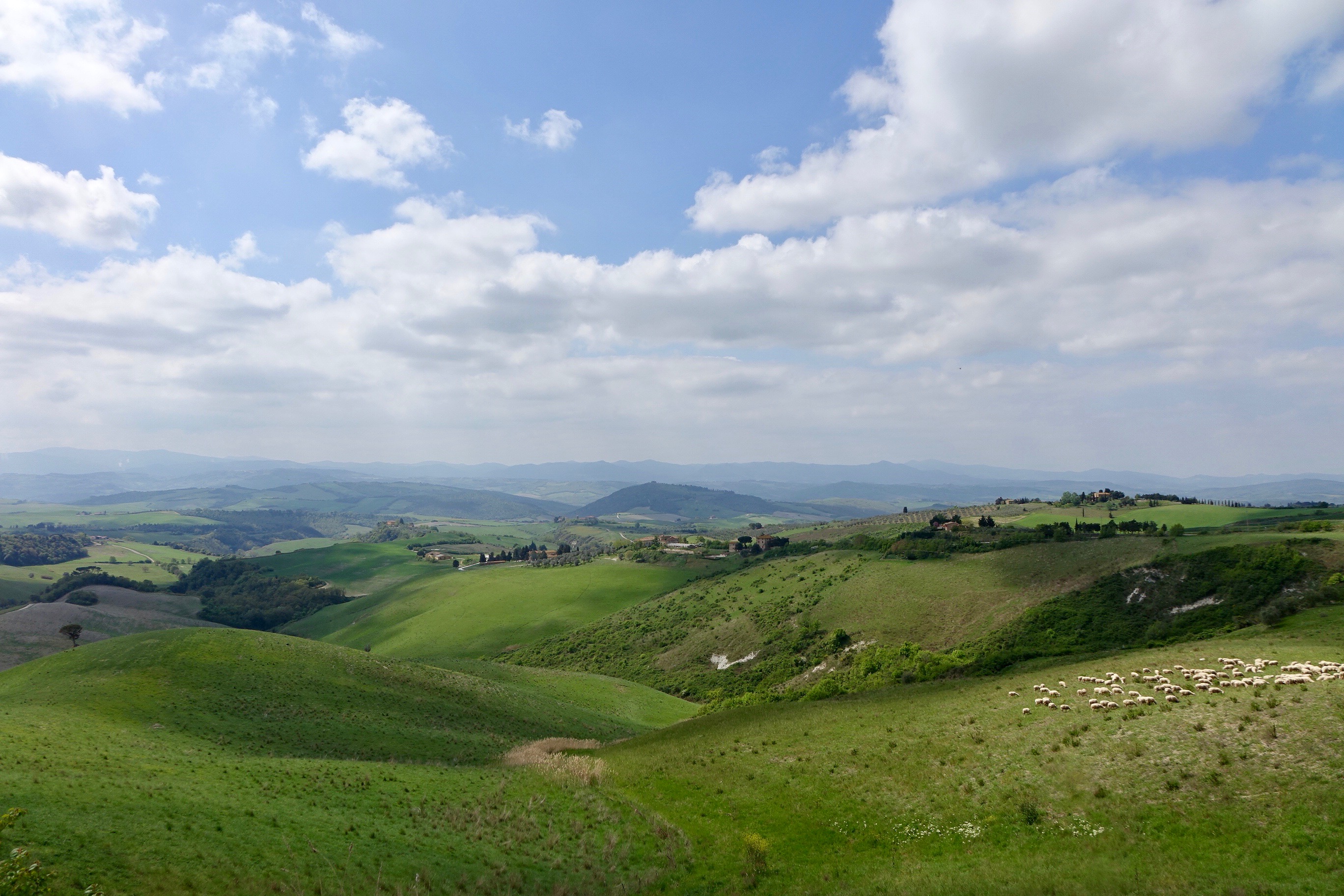
Charm we found in buckets when eventually we made it to this idyllic Tuscan village, whose miniature scale is tightly contained within the impressive and historically unbreachable castle walls that encircle it. Located within the gently undulating hilly green landscape which has put Tuscany on the tourist map for centuries, the castle town is practically untouched by the passage of time, with a historical core which has escaped the sullying of modern expansion.

The Great Walls of Monteriggioni

DSC08801DSC08805DSC08799DSC08796DSC08791DSC08767DSC08768DSC08784DSC08781DSC08752DSC08745

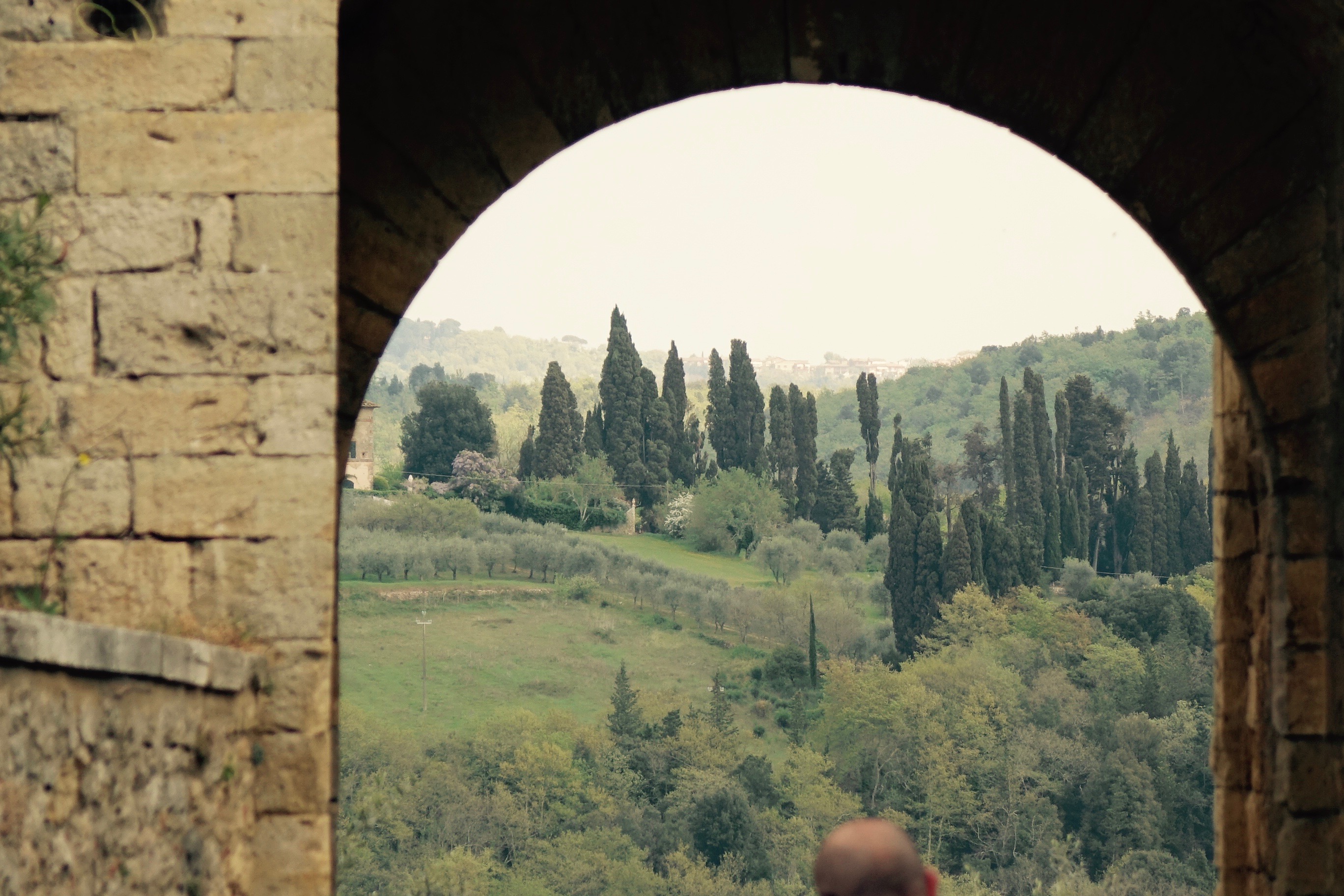
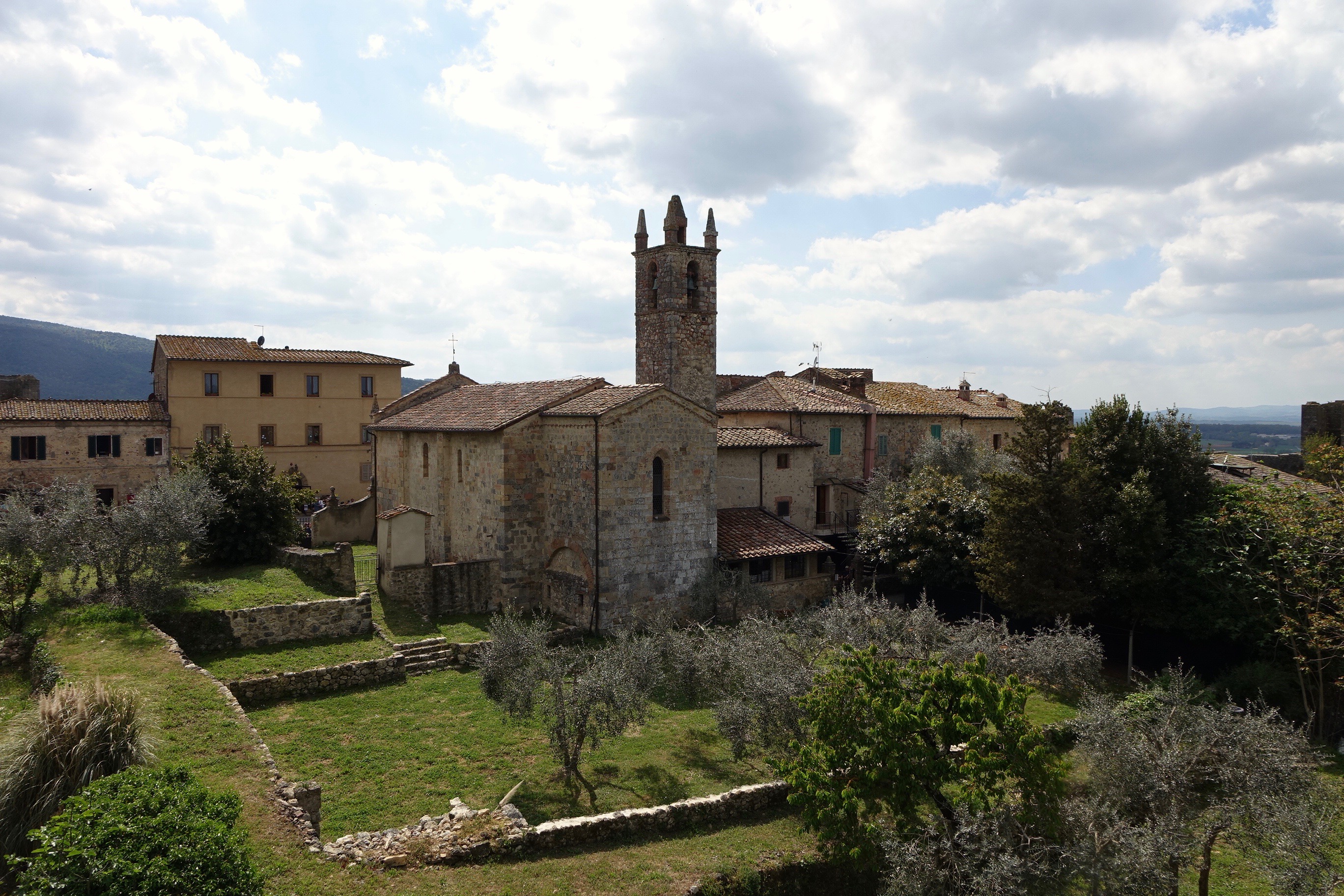
Based around a tidy little Square whose central stone fountain is partnered by a rustic stone church, everything in Monteriggioni is rendered in miniature albeit with a distinctive flavour of power reflected by the imposing walls which encircle it. A walk around those walls was a clear highlight of the visit, not least for the Tuscan views punctuated by cypress trees and sun dappled hillsides.

No wonder Monteriggioni was on the wish list of visitors making their way to Tuscany in the late 19th century. Happily for we romantics of the 21st, very little has changed, enabling a level of escapism which only a carefully staged period drama might otherwise provide.

The rolling Tuscan landscape surrounding Monteriggioni

DSC08677DSC08690DSC08668DSC08663DSC08658DSC08656DSC08649DSC08651DSC08648

© Nicholas de Lacy-Brown and The Daily Norm, 2001-2017. Unauthorized use and/or duplication of the material, whether written work, photography or artwork, included within The Daily Norm without express and written permission from The Daily Norm’s author and/or owner is strictly prohibited. 
The Greatness of Granada, Part 3: The Generalife

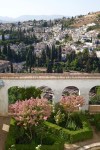
Of all the treasures that the Alhambra complex holds within its vast stone and green boarders, the Generalife gardens are without a doubt my favourite gem. Set apart, across a ravine which was once linked via a covered walkway to the Nasrid palace, the Generalife was once the summer palace of the Nasrid Emirs of the Emirate of Granada. Today it is preserved as a garden paradise which seems a world apart from the ancient and modern sprawling city which spreads out across the Andalucian planes all around it.

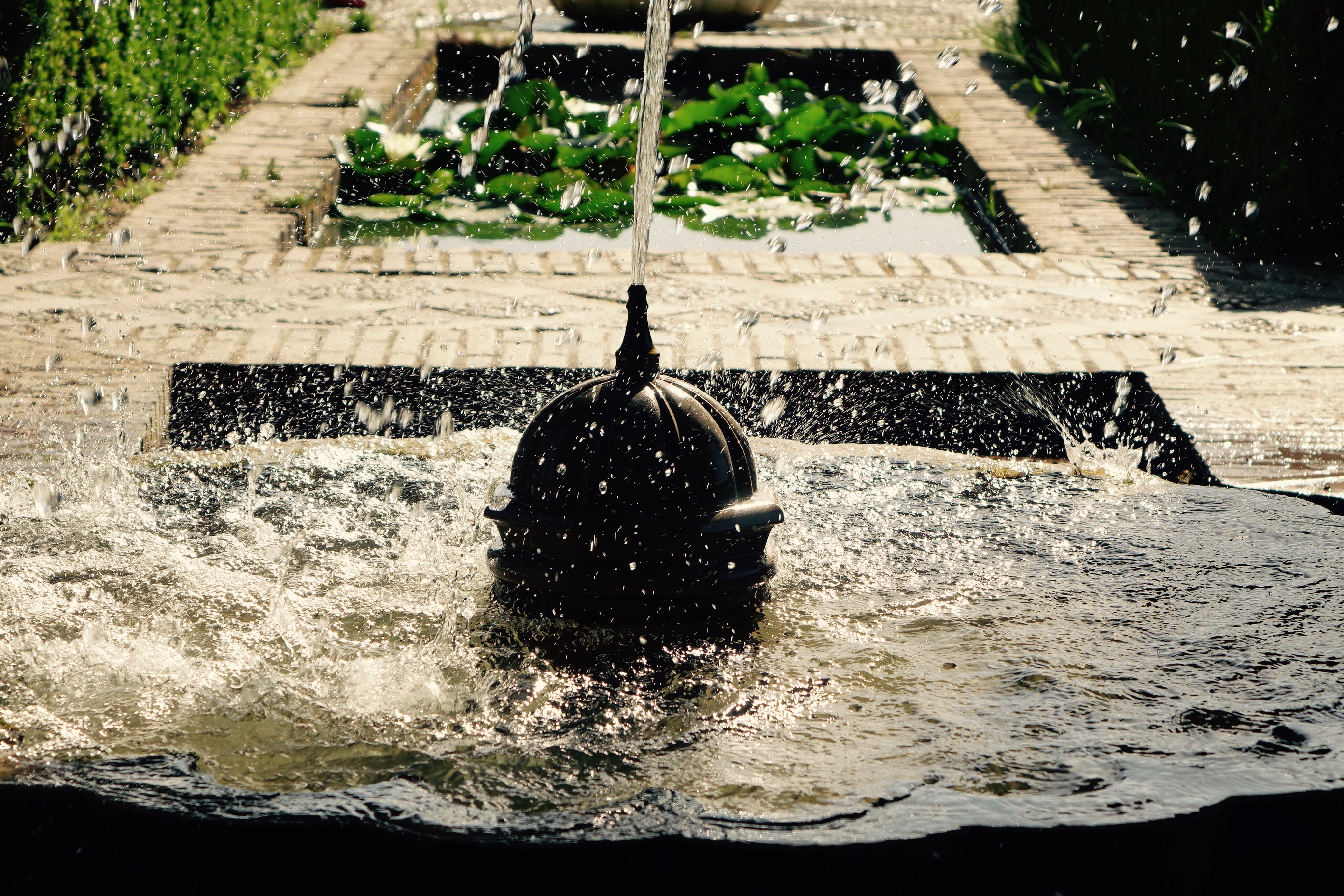
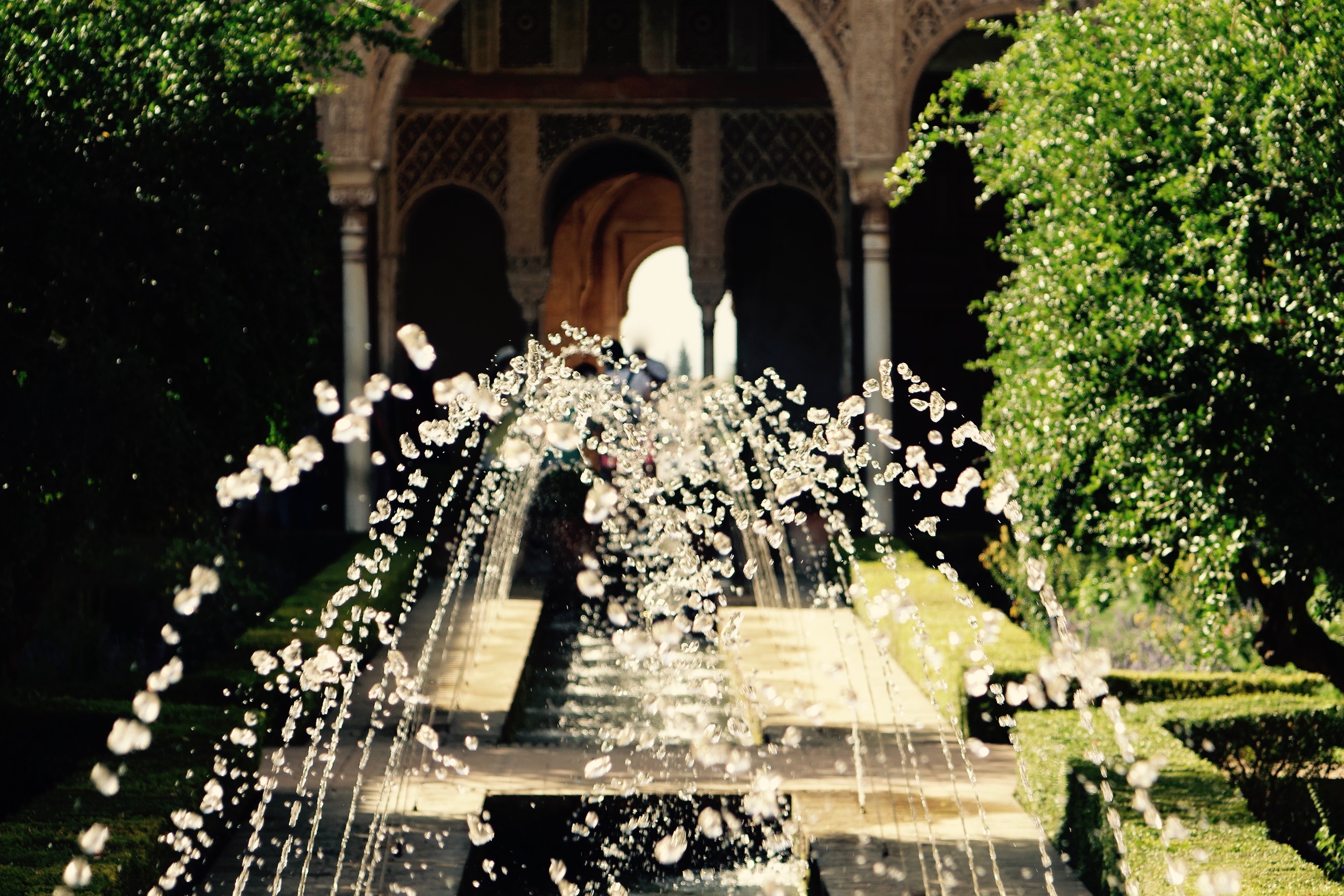
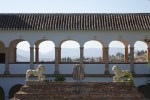
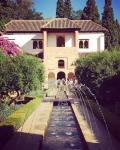
With a multiply arched white palace at its heart, the likes of which appears to have informed all of the most typical Andalucian buildings which have developed in its likeness, as well as a long narrow pool over which arched fountains meet like lovers reaching across a mountain spring, the gardens of the Generalife are the most romantic place of natural contemplation imaginable.

DSC04722DSC04640DSC04781DSC04826DSC04618DSC04773DSC04783

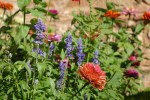
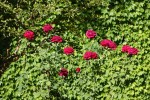
Strolling between trimmed boxed hedges and flowerbeds abundant with fragrant roses and vivid bourganvilla, a walk around the Generalife is like being lost in the gardens of the Queen of Hearts in Alice’s wonderland. There, the many examples of arabic craftsmanship carved deep into the palace walls are overshadowed by the work of tended nature manifest in the multiply-layered gardens. And even on the hottest of days, there is a cool calm which reflects off the surface of mountain-fed water springs which make a visit to the gardens the most pleasant of contemplative activities.

This was my second visit to the Generalife palace and gardens, and the place is as much of a paradise as I remember. Perambulating through the verdant passages during a late afternoon, when the sun over the Albayzín was turning a caramelised yellow, proved to be the most perfect time to enjoy this reflective space. Not even my photos are able to capture the utmost tranquility of those all too brief moments in paradise. But they surely go someway in reflecting the mood of soulful restfulness which the atmosphere of the Generalife creates.

All photos and written content are strictly the copyright of Nicholas de Lacy-Brown © 2016 and The Daily Norm. All rights are reserved. Unauthorized use and/or duplication of the material, whether written work, photography or artwork, included within The Daily Norm without express and written permission from The Daily Norm’s author and/or owner is strictly prohibited.