Skip to content

Posts tagged ‘Tourism’

The Greatness of Granada, Part 2: The Alhambra

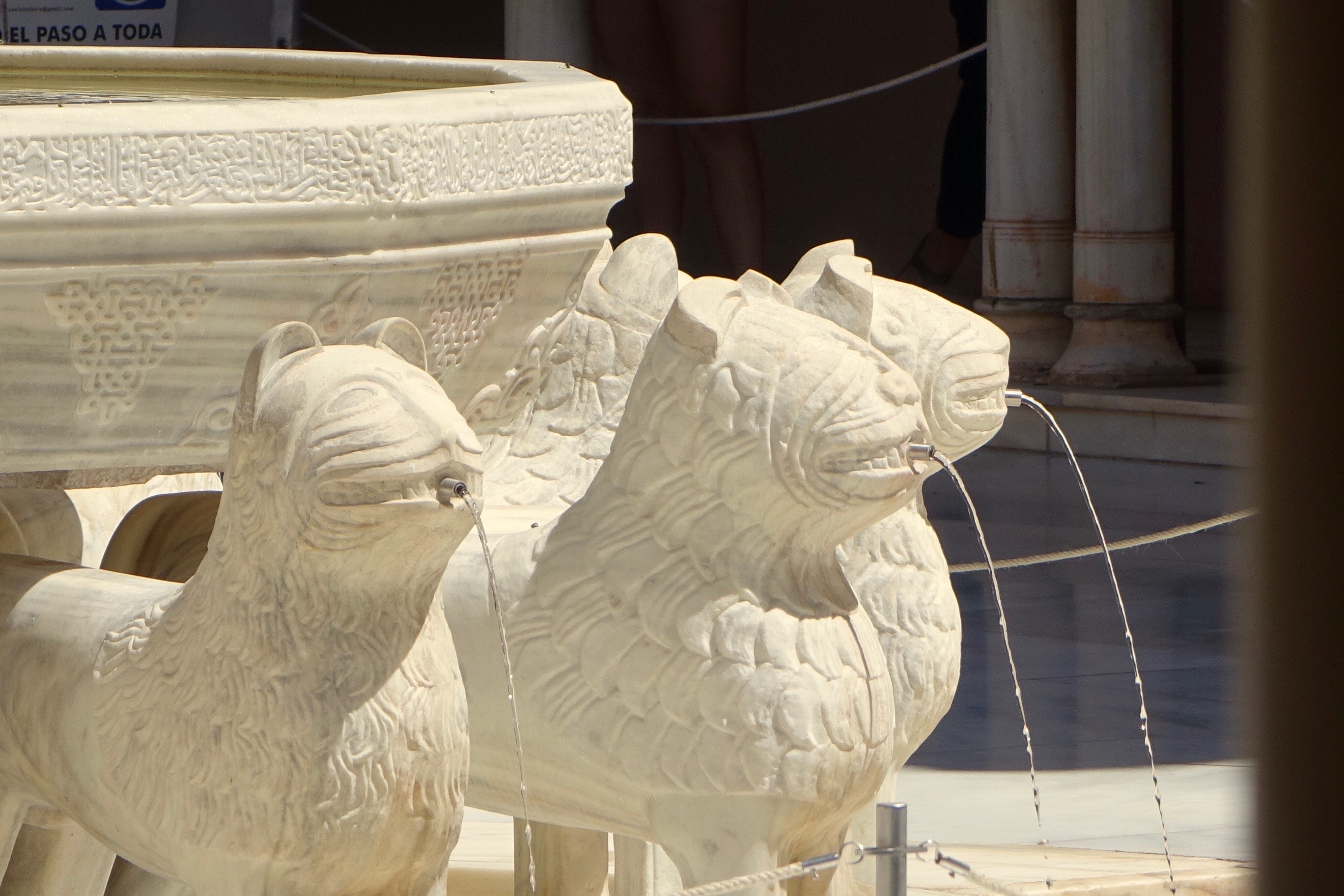
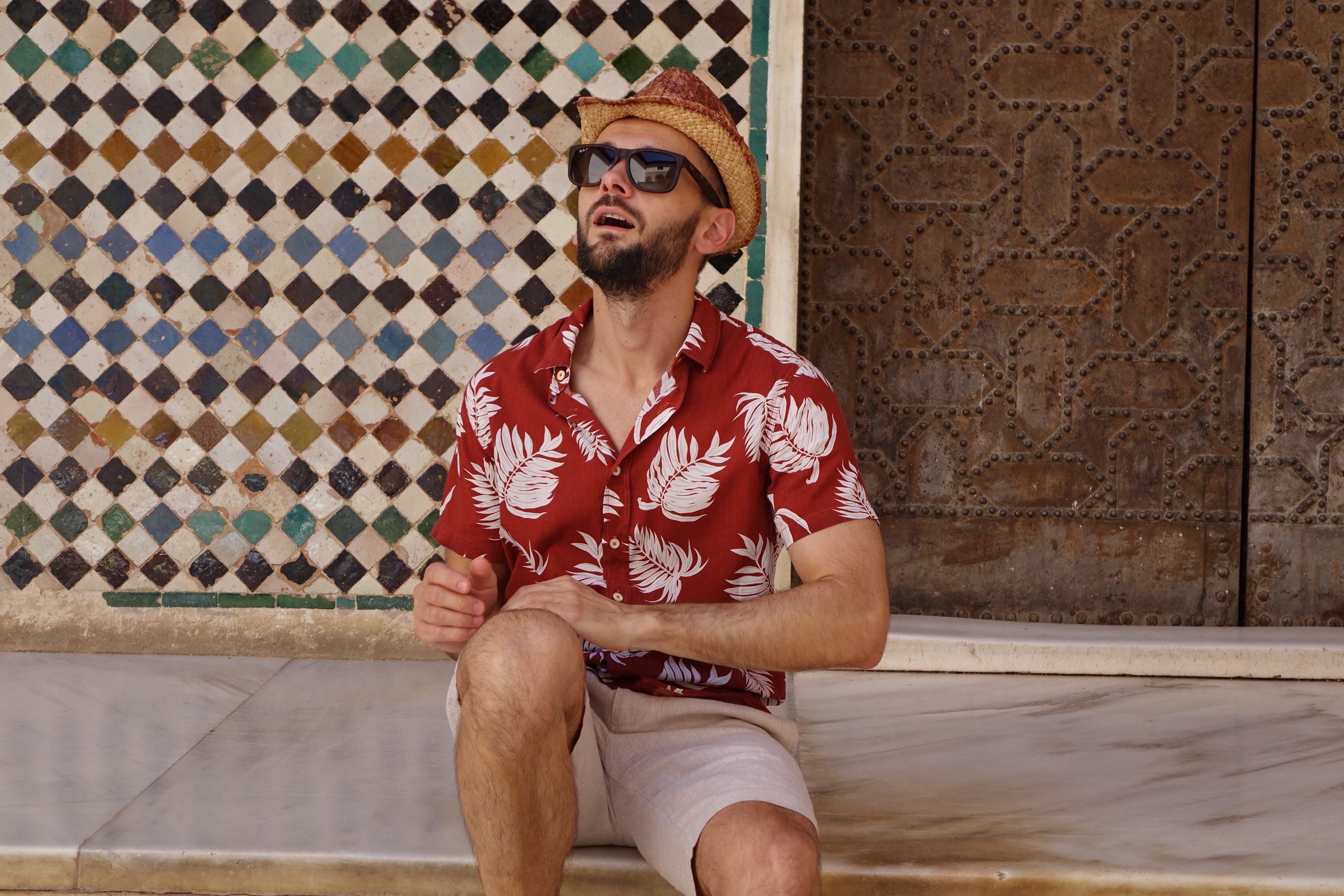
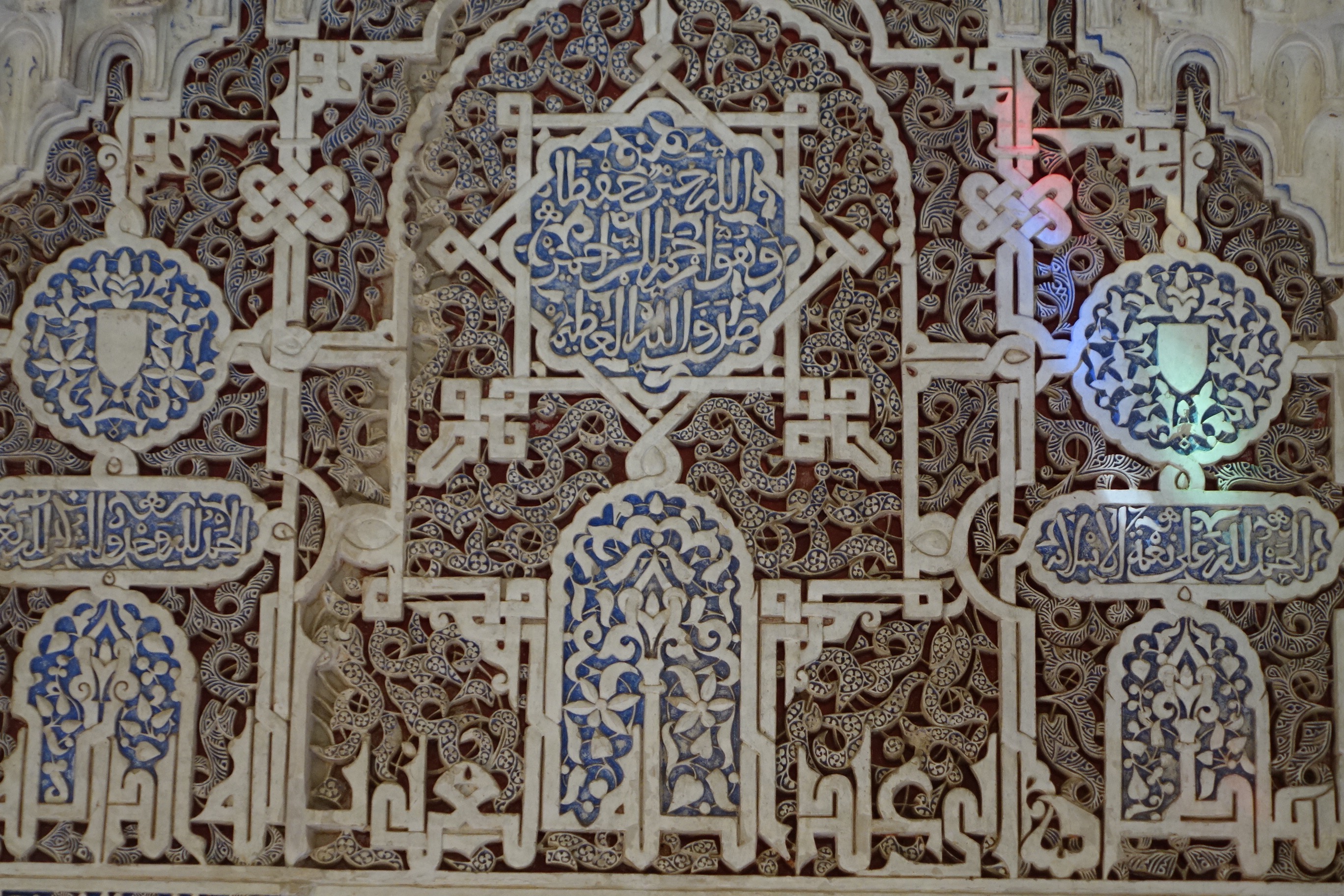
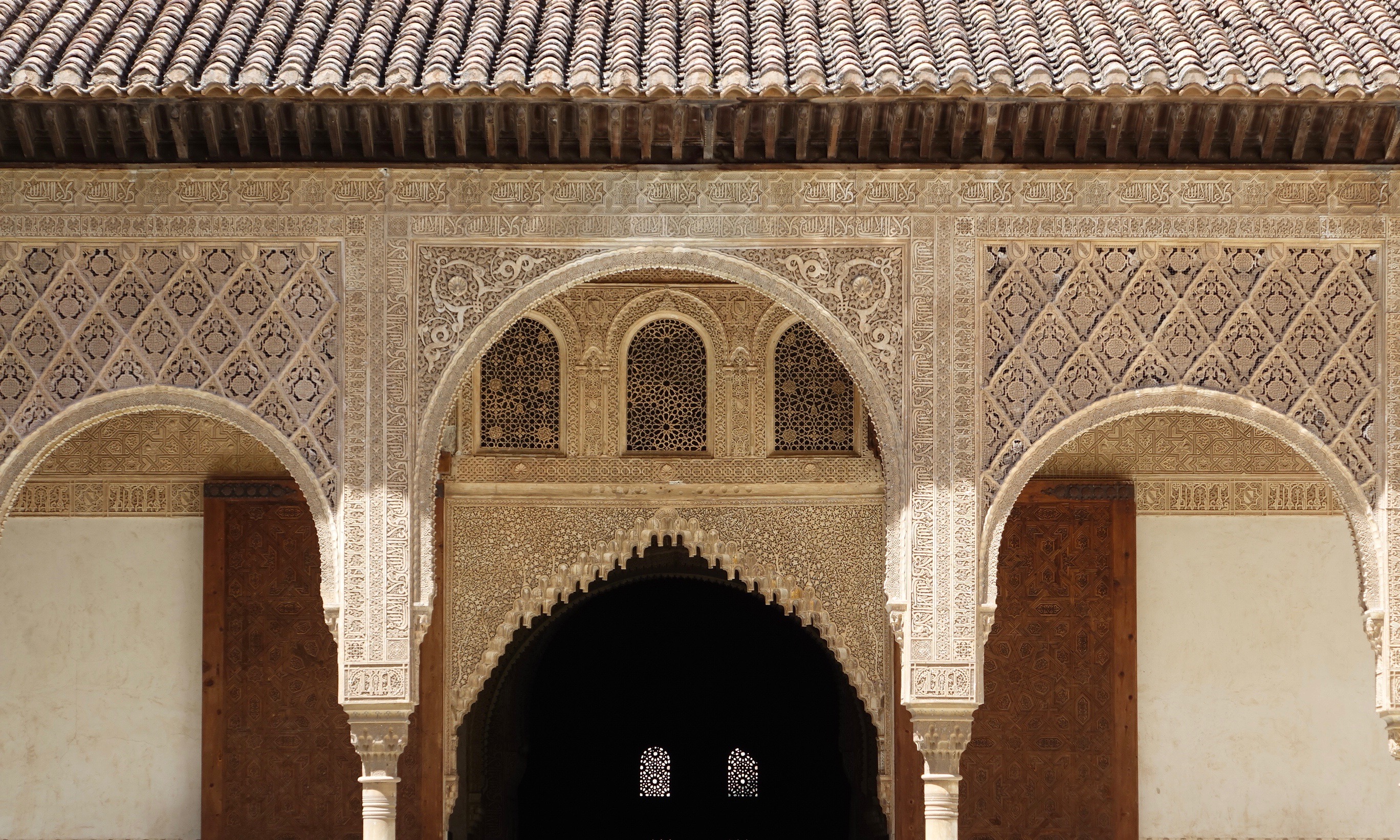
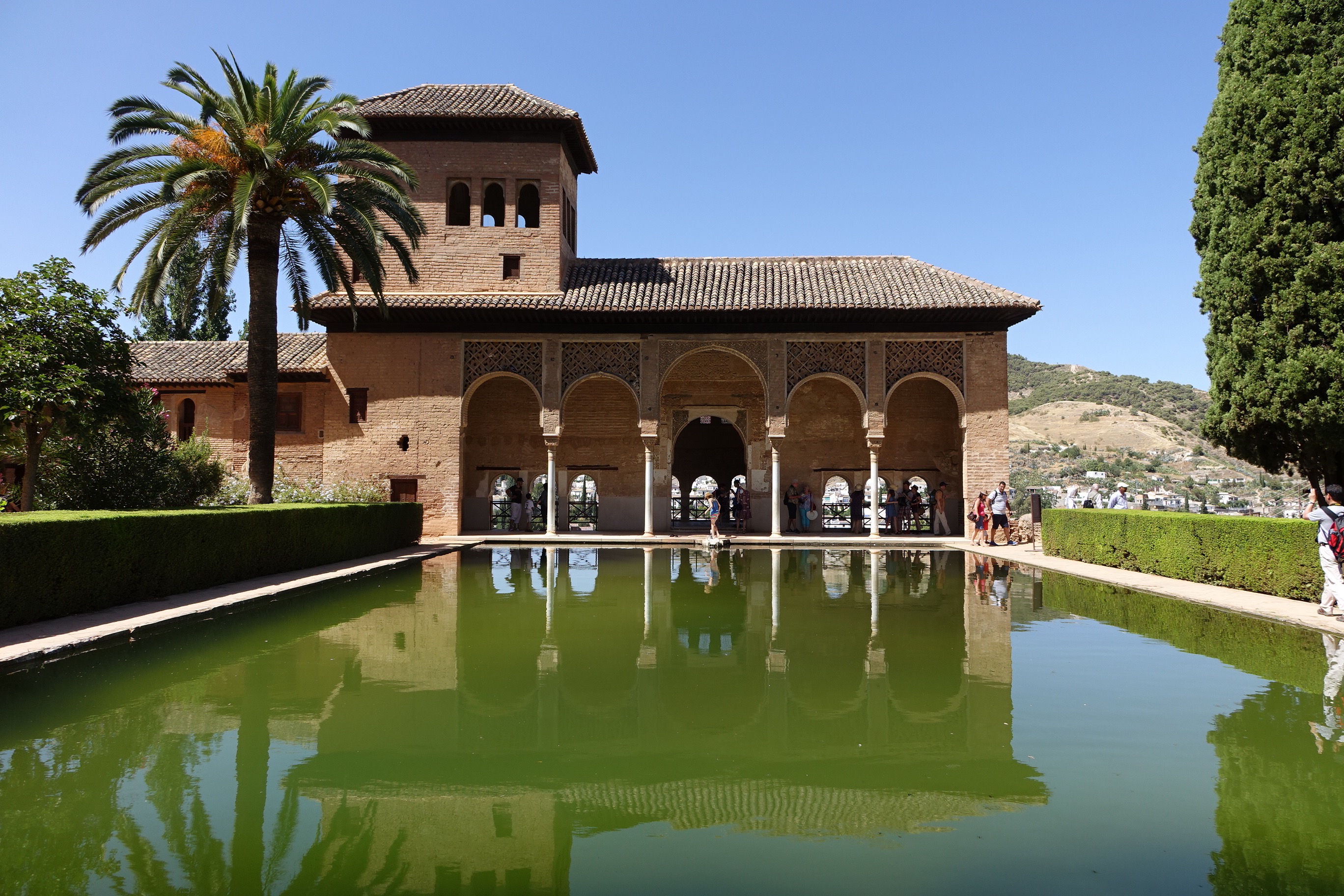
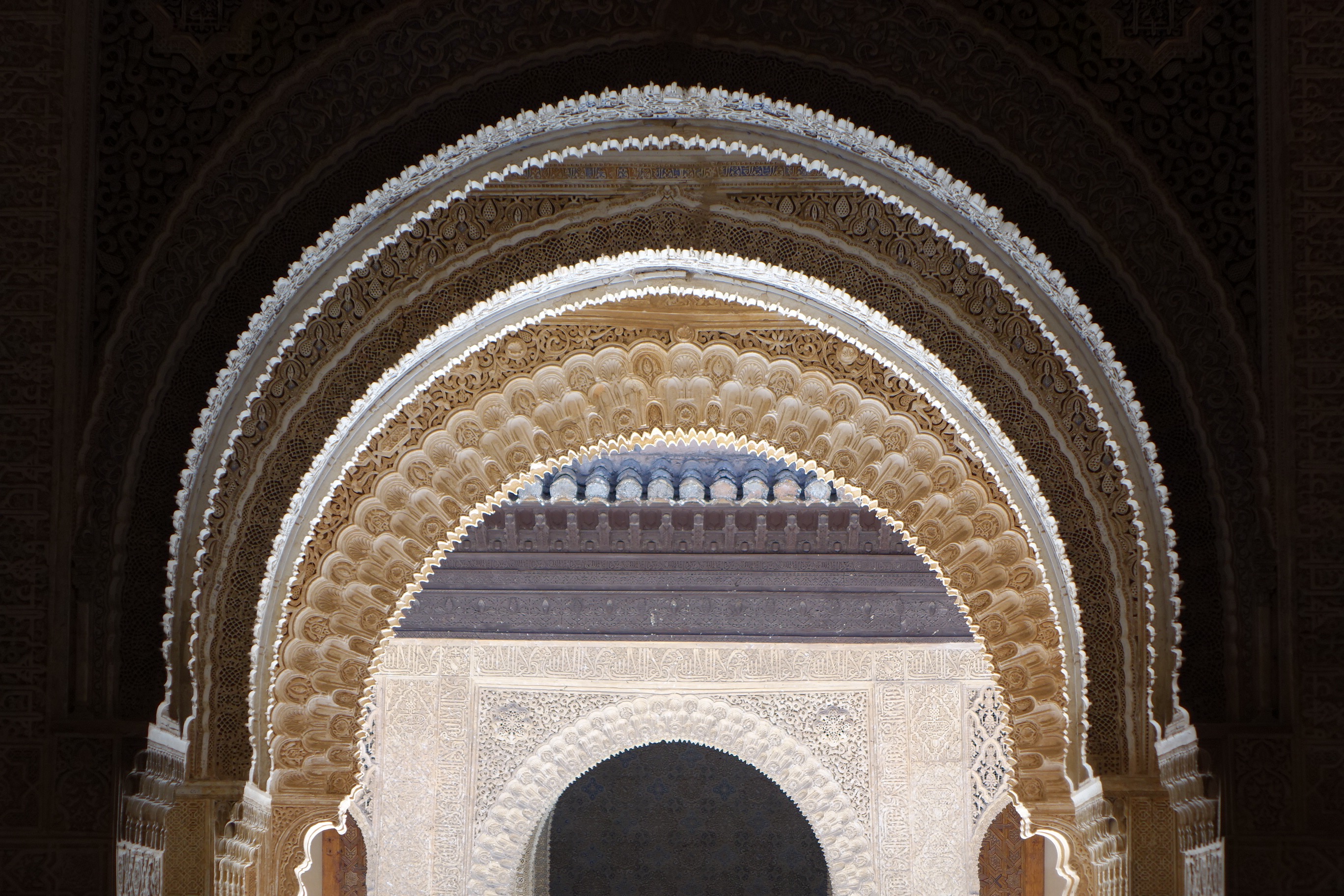
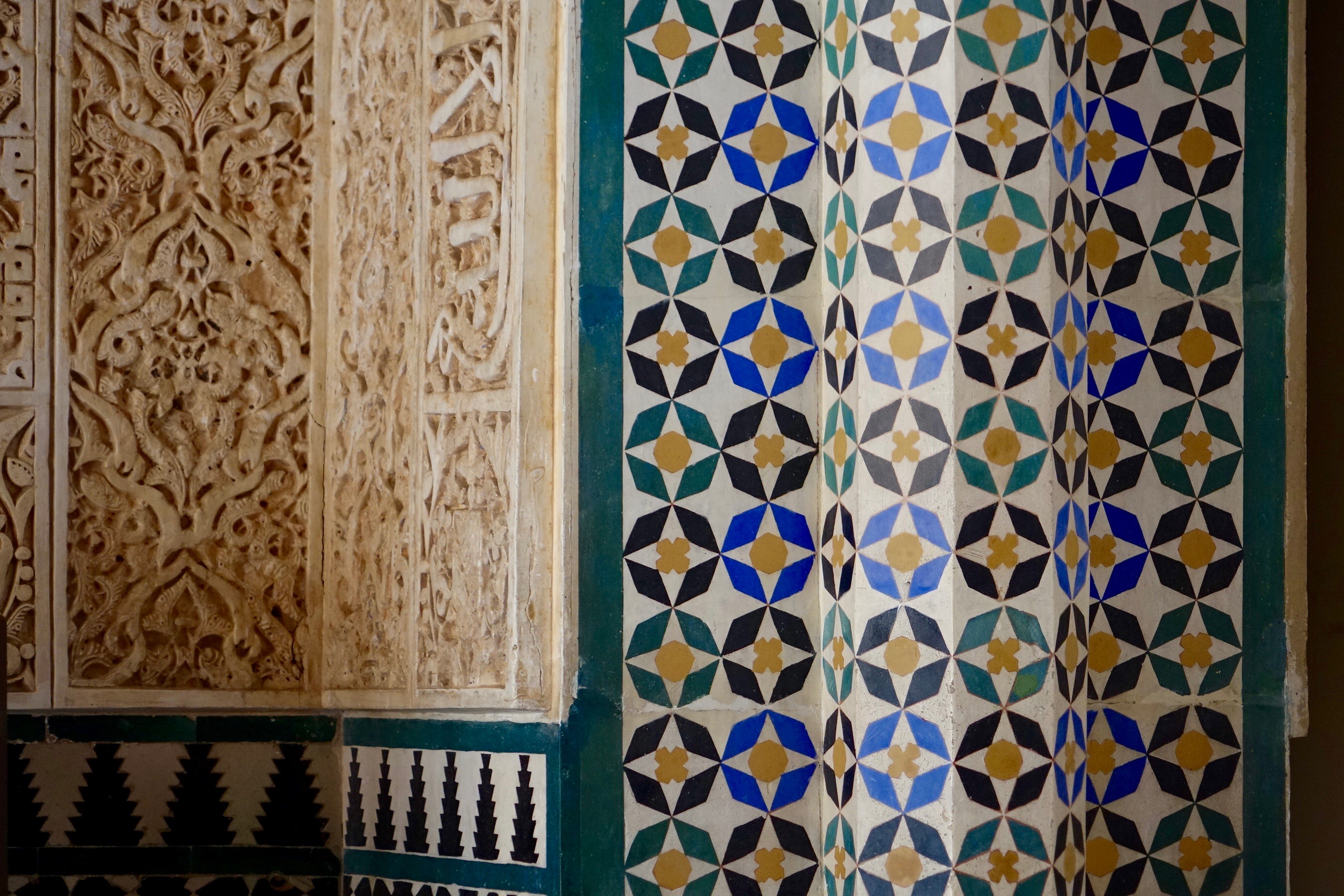
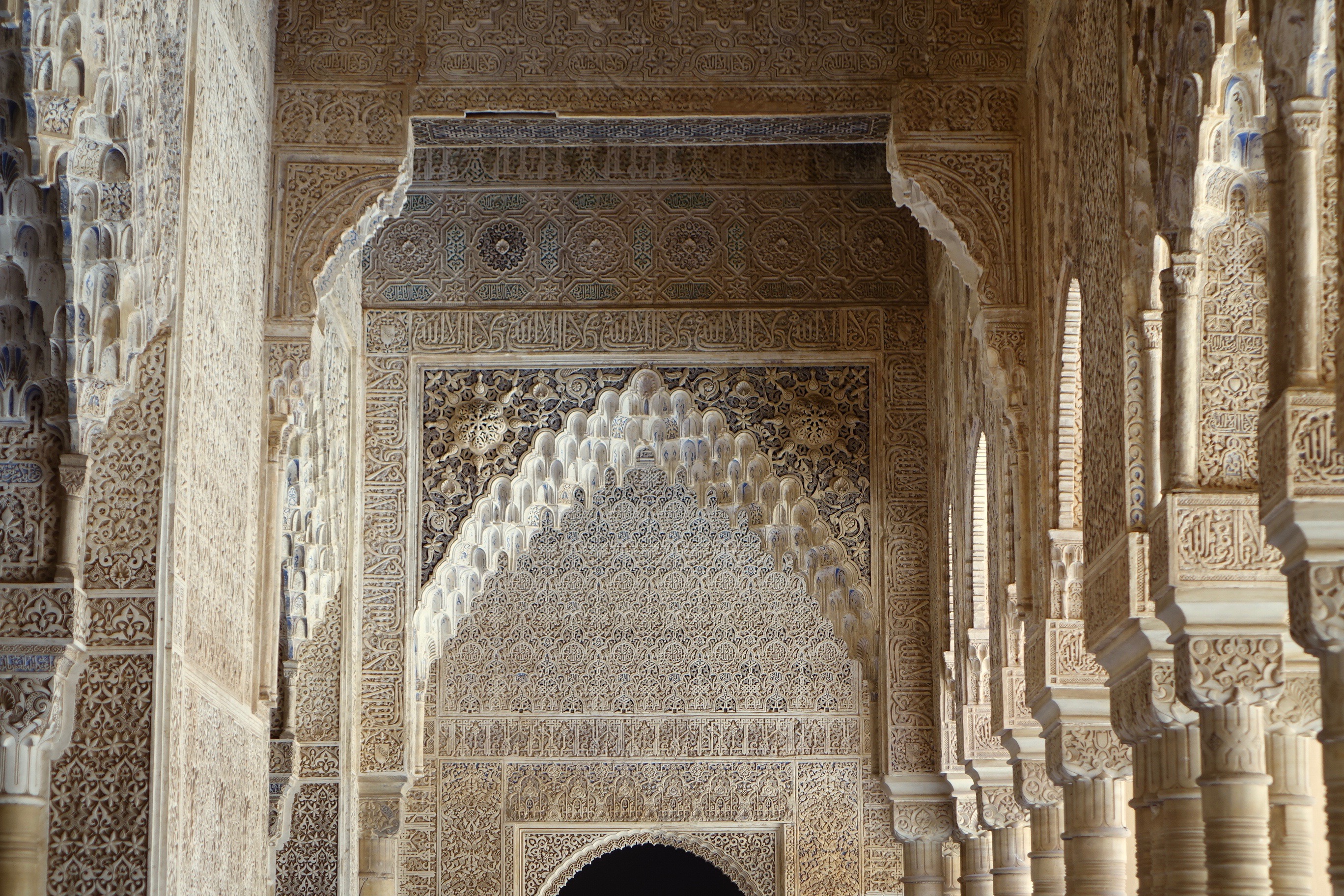
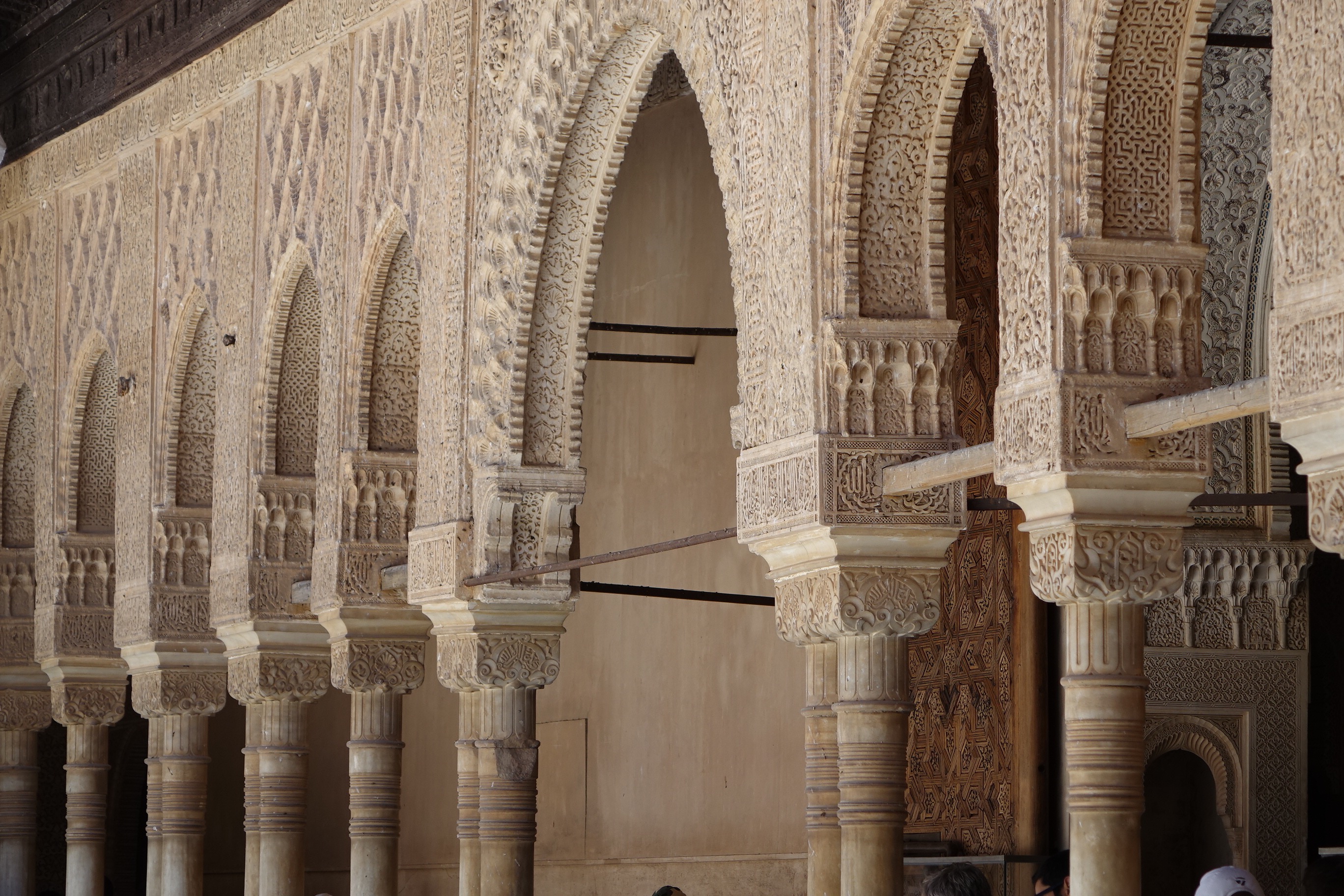
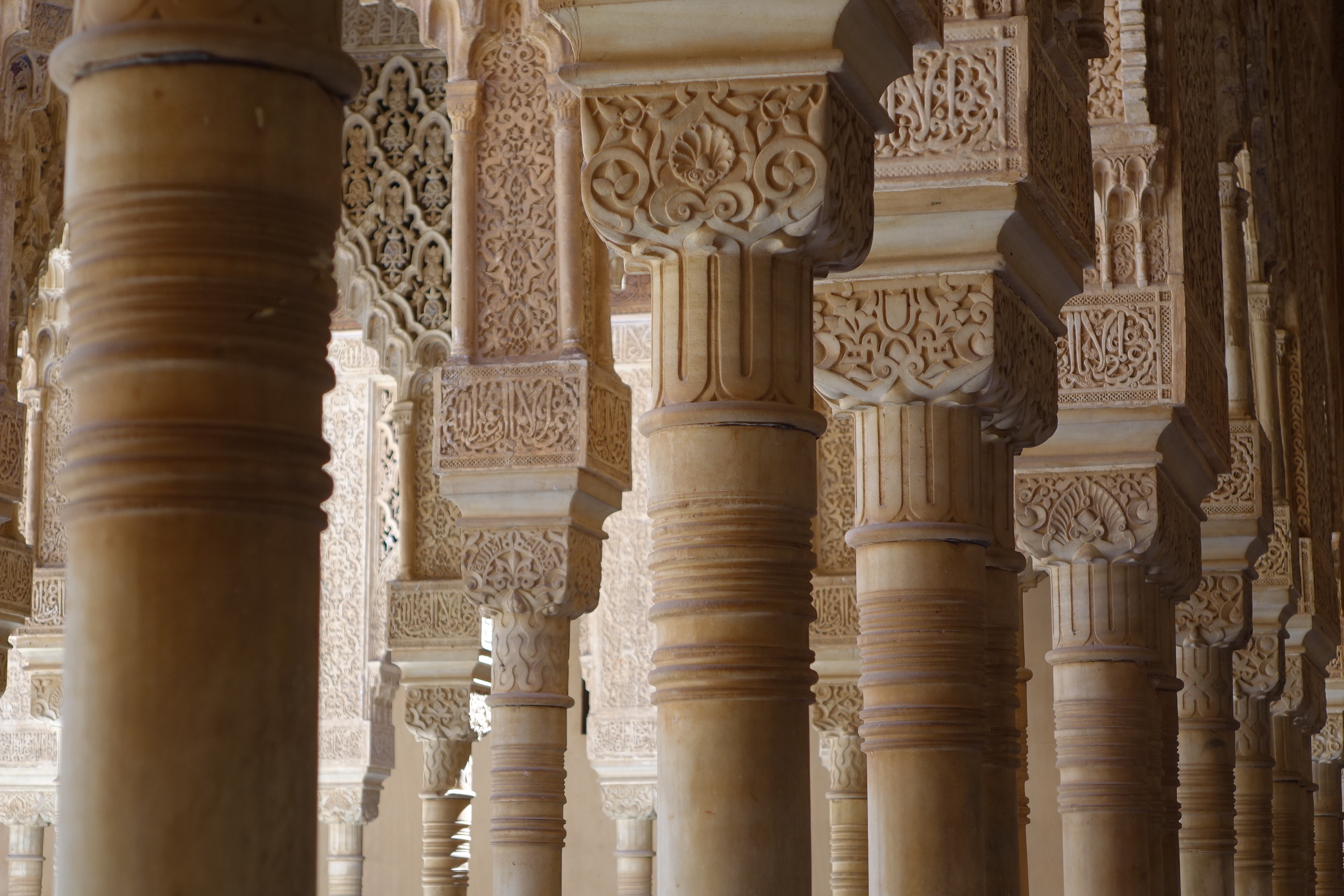
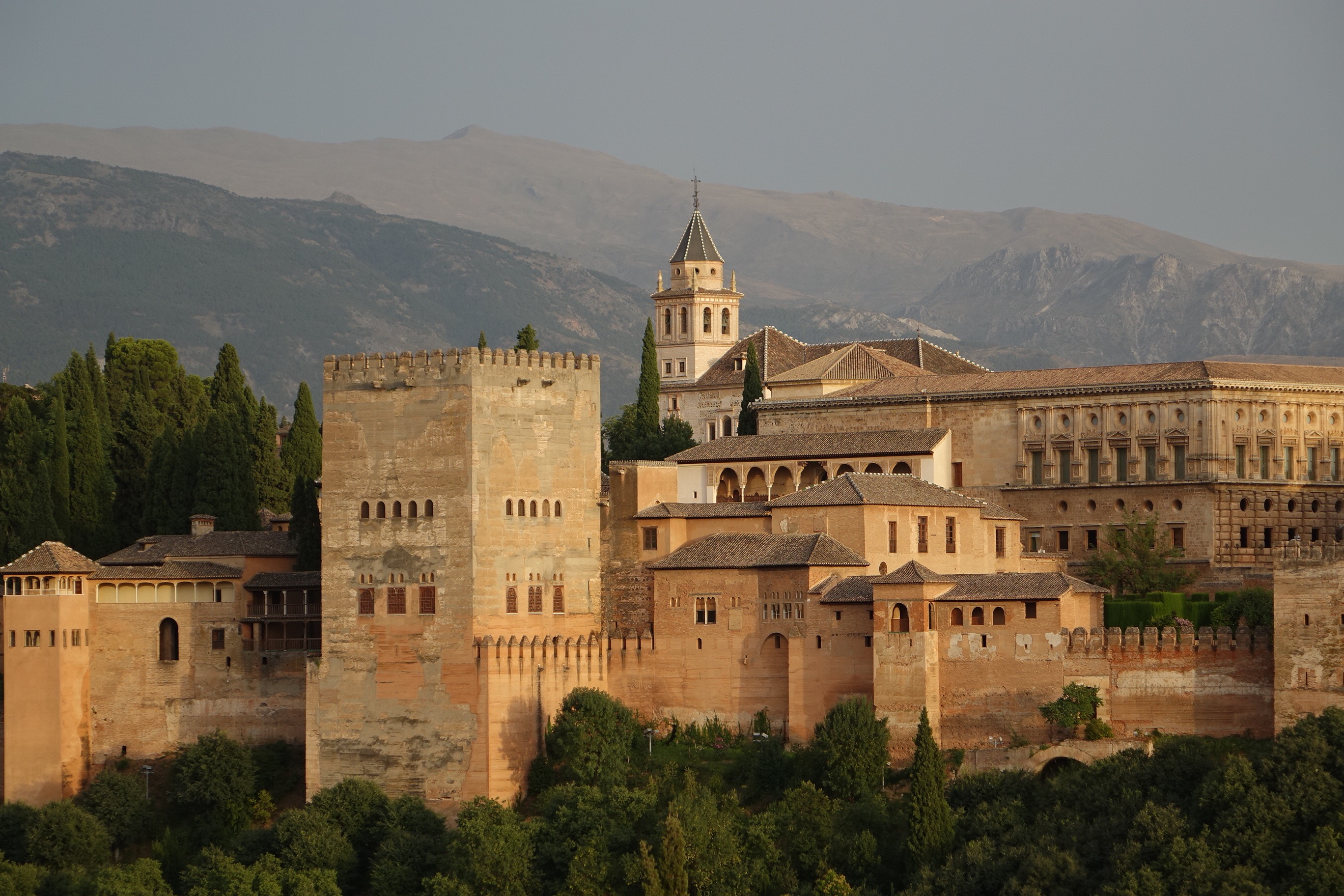
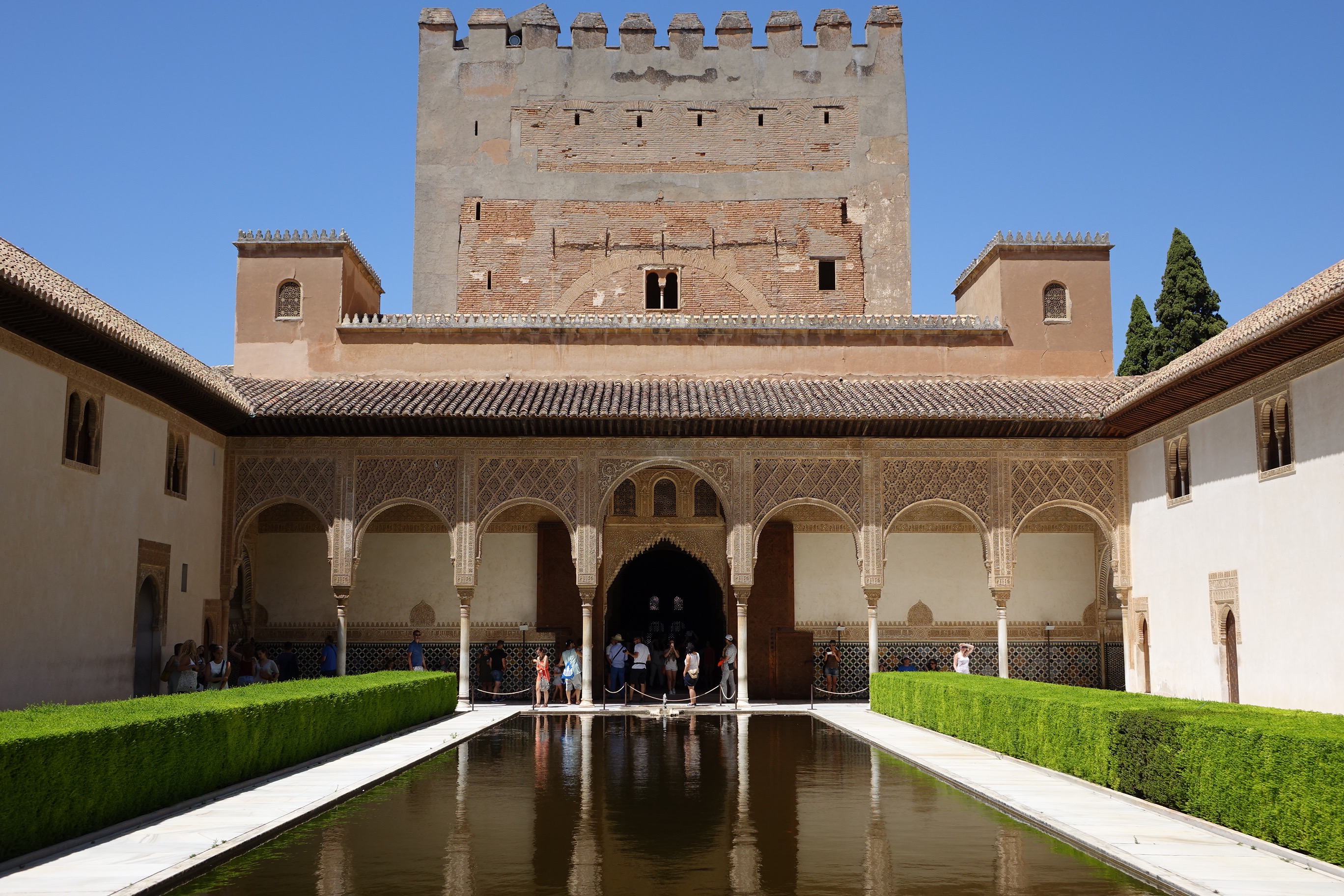
Few places in all the world have the power to arrest the eyes and ensnare the heart quite like the Alhambra in the foothills of the Sierra Nevada. Glowing every shade of ochre, and pale gold through to deep russet and coral red, it is no wonder that in arabic, the name of the fortress like construct means “The Red One”. But the true treasures of the Alhambra lie in wait inside, where room after room of twisting, tangling geometric patterns, forests of marble columns, and incredibly carved honeycomb like domes seem to reach up into infinity. It is a place which offers visitors a vision from paradise, even when it is (as always) hosting its daily quota of tourists, a sensation augmented by the plethora of pools and trickling waterways, magnifying the space with reflection and filling its stone halls with the gentle harmony of trickles and splashes.
DSC04254DSC04524DSC04540DSC04512DSC04541DSC04576DSC04598DSC04566DSC04575DSC04869

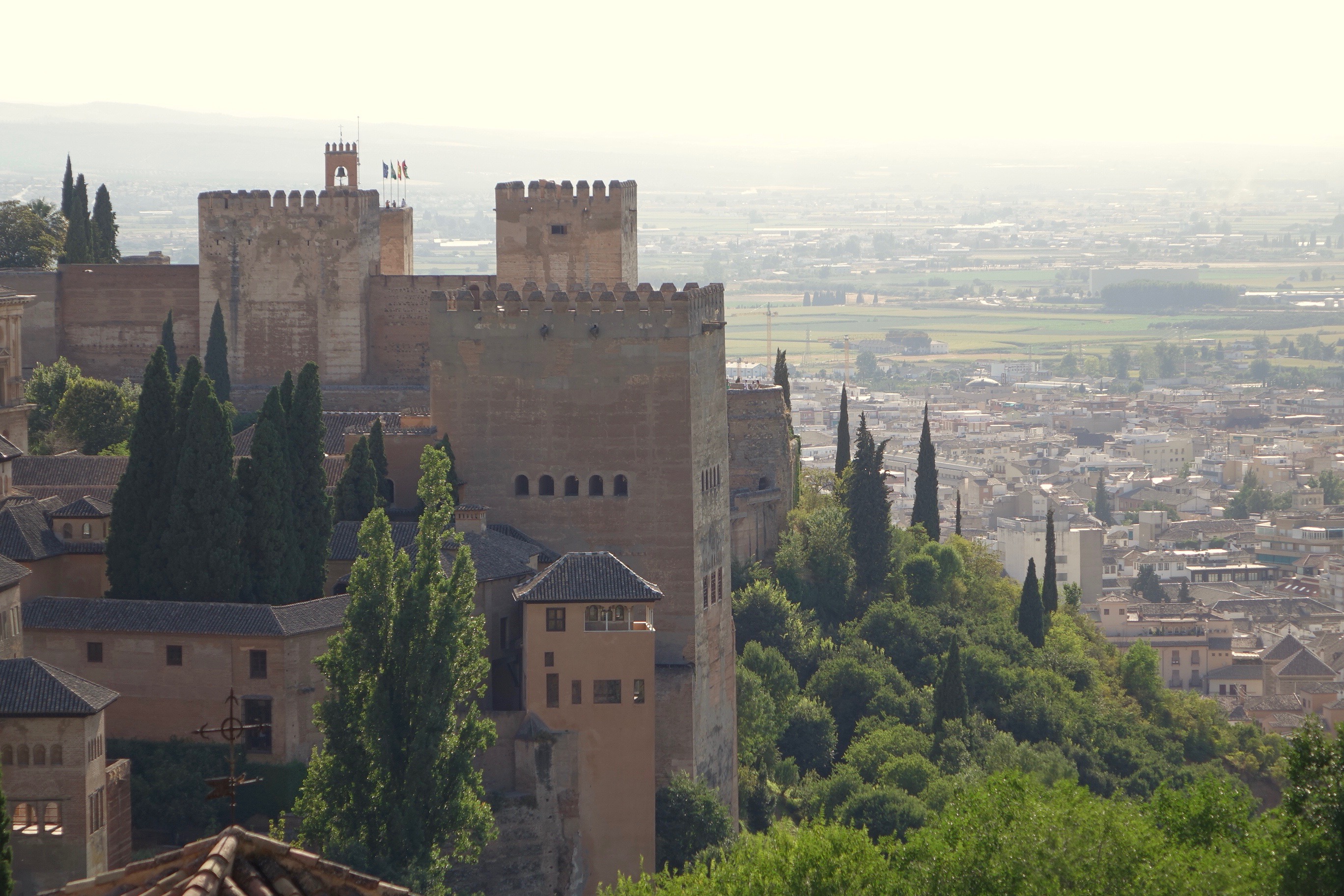
Originally constructed as a small fortress in AD 889 on the remains of Roman fortifications, the complex was constructed into its current state of glory by the Emirate of Granada in the 13th century. Converted into the most lavish royal palace the world had ever seen, it was revered by the reconquering Christians when they took the city in 1492, becoming part of the Royal Court of Ferdinand and Isabella and subsequent monarchs. While they embellished the site in turn with Renaissance-style palaces which didn’t quite live up to the beauty of the Moorish offerings, they did so at least in the same glowing gold stone thus creating the complete whole which now permanently characterises the landscape of Granada. Shockingly, the palace was later allowed to fall into disrepair for centuries, until it was rediscovered following the defeat of Napoleon, becoming the favourite of Romantic-age travellers and inspiring generations of artists, poets, and writers since.
DSC04530DSC04548DSC04532DSC04793DSC04626DSC04816DSC04597DSC04562DSC04579DSC04573

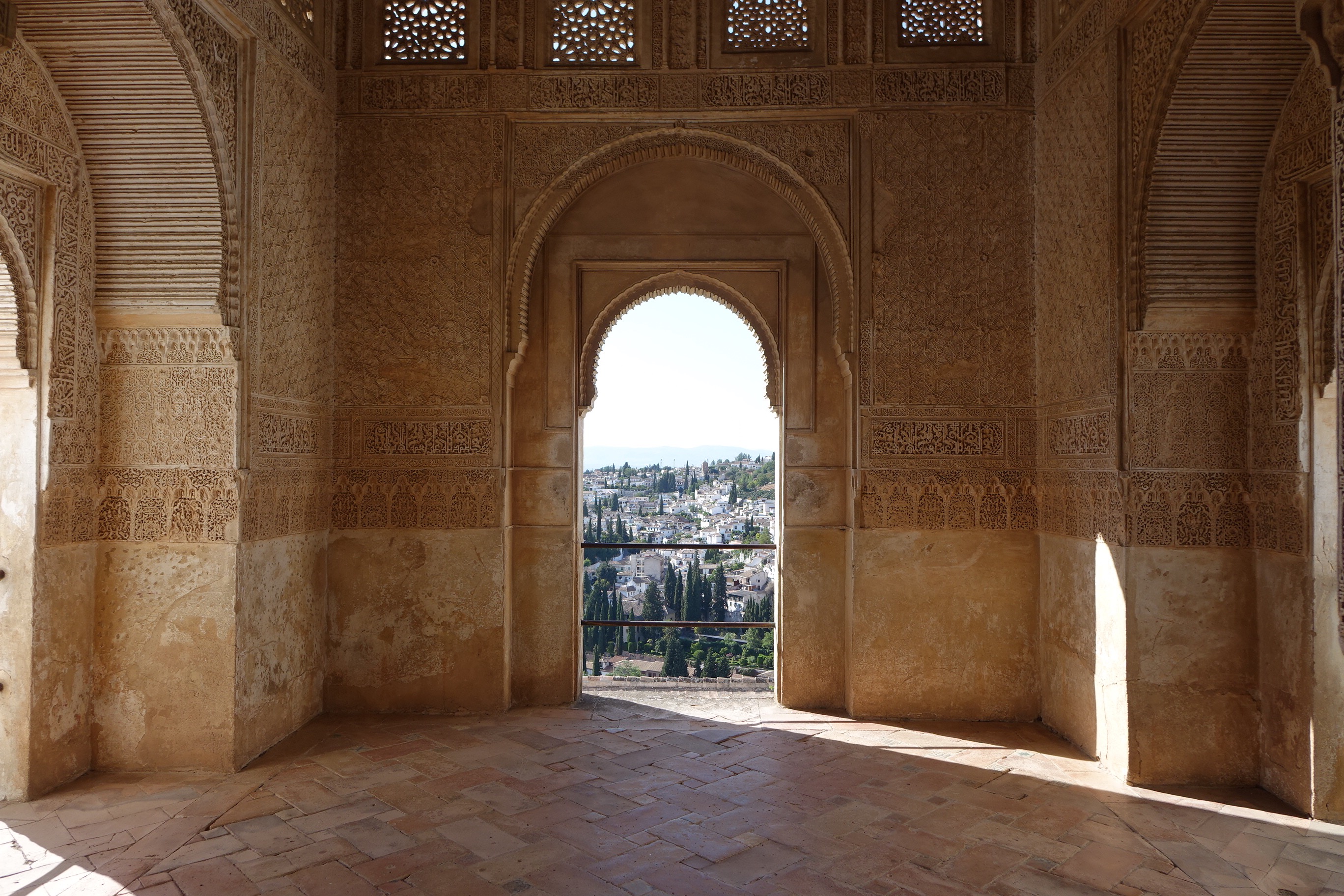
Today, unsurprisingly, the site is UNESCO protected and is a ravishing complex of echoing courtyards and colonnaded porticos each enjoying the most incredible views over to the Albayzín below. Lucky then that these hallowed halls should be salvaged for generations to come, where we can but imagine the lives of kings and their hareems languishing in the finest coloured silks by reflective pools and in throne rooms built for the imperial best. Beyond, of course, are the gardens, perhaps the most sensually lavish spectacles of all. But those wonders of nature and man’s creative touch I will leave for another day.

DSC04538DSC04544DSC04553DSC04557DSC04546DSC04528DSC04508DSC04543DSC04595DSC04584

All photos and written content are strictly the copyright of Nicholas de Lacy-Brown © 2016 and The Daily Norm. All rights are reserved. Unauthorized use and/or duplication of the material, whether written work, photography or artwork, included within The Daily Norm without express and written permission from The Daily Norm’s author and/or owner is strictly prohibited. 

From Illyria to Italy, Part 5: The Colours of Rome

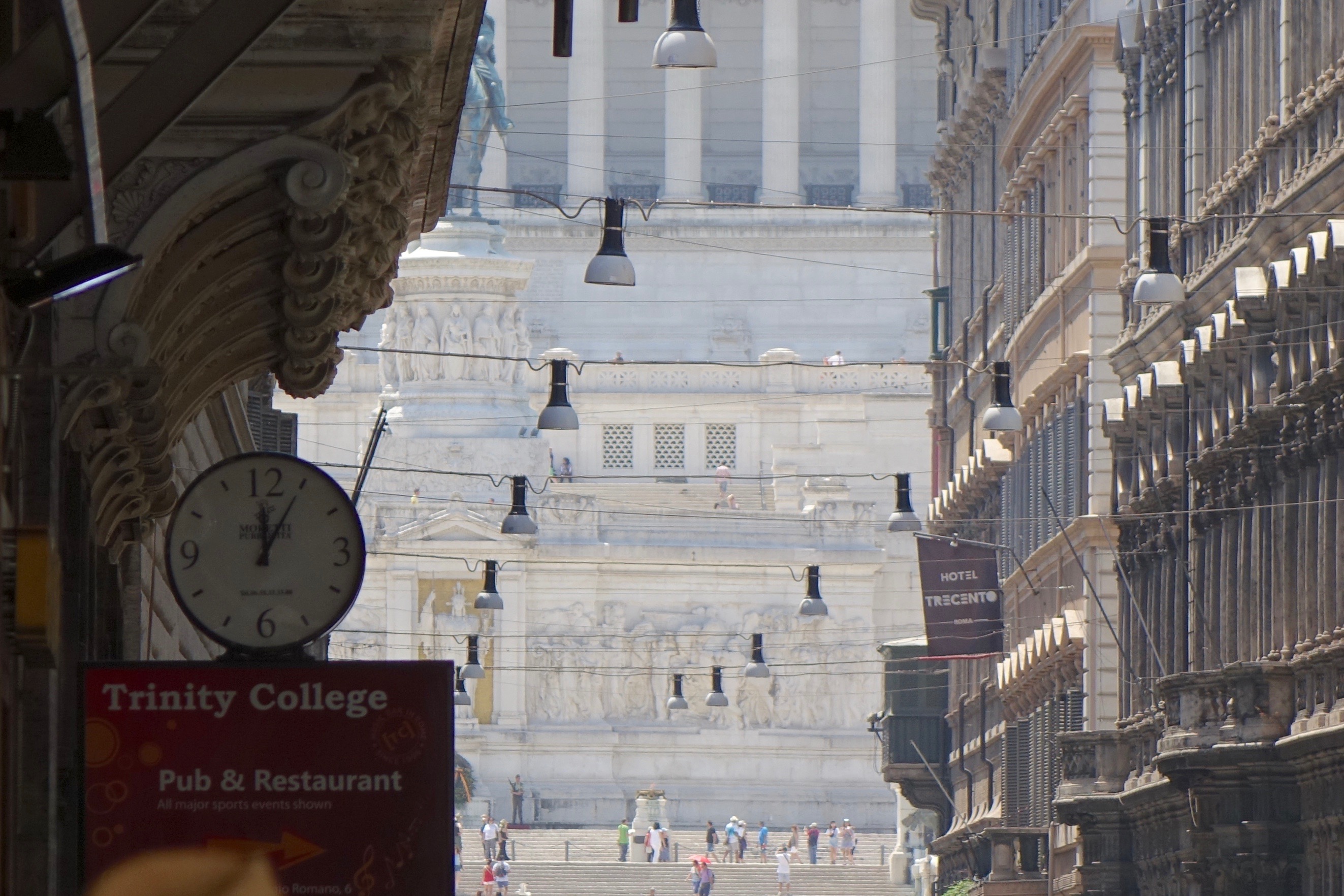
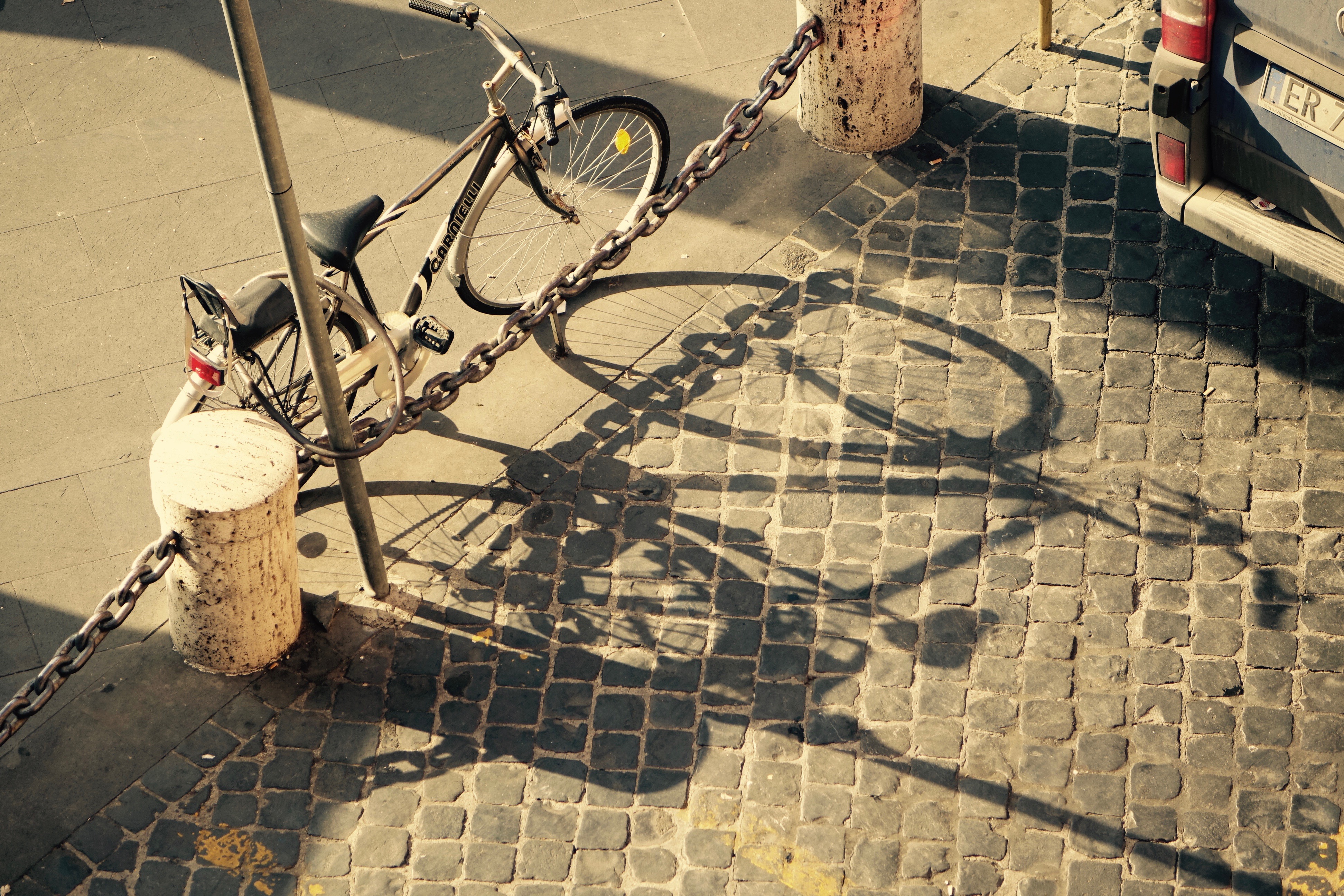
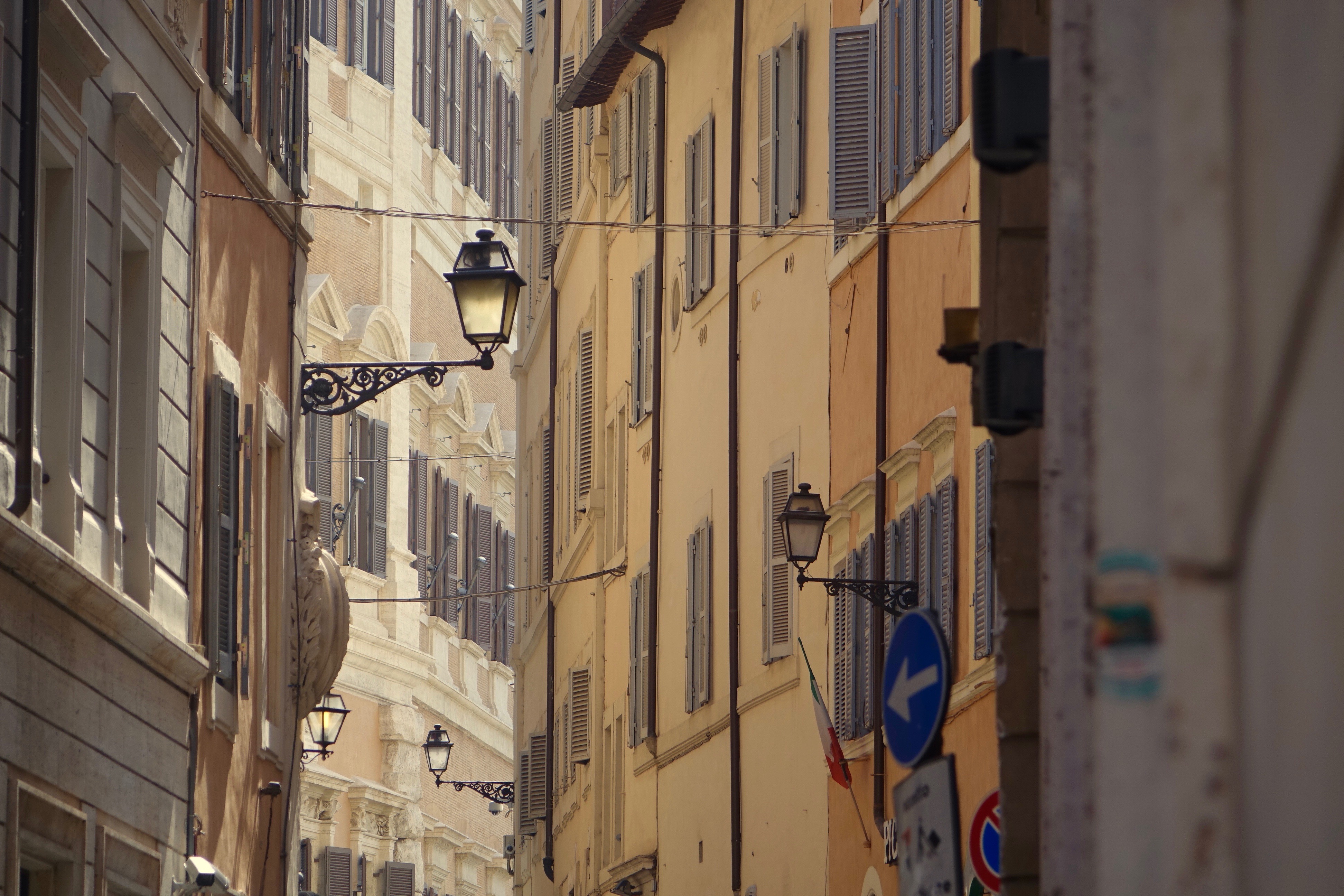
Campo dè Fiori, Piazza della Rotonda, the Via del Corso and the Lungotevere. The names of Rome’s russet coloured streets resonate with the same romantic euphony which make the city unique. Uniquely ancient, with the potency of history bleeding from every crack and cobble; uniquely passionate, its tempers flared by the heat and its vivacity for living played out in its food, its art, and in its attitude. Roma. Even the name’s mellifluous voyage across the tongue recalls a thousand stories of Emperors and Popes, Michelangelo and Bernini, pomp and glory, ascent and fall.

DSC03323DSC03285DSC03299DSC03360DSC03336

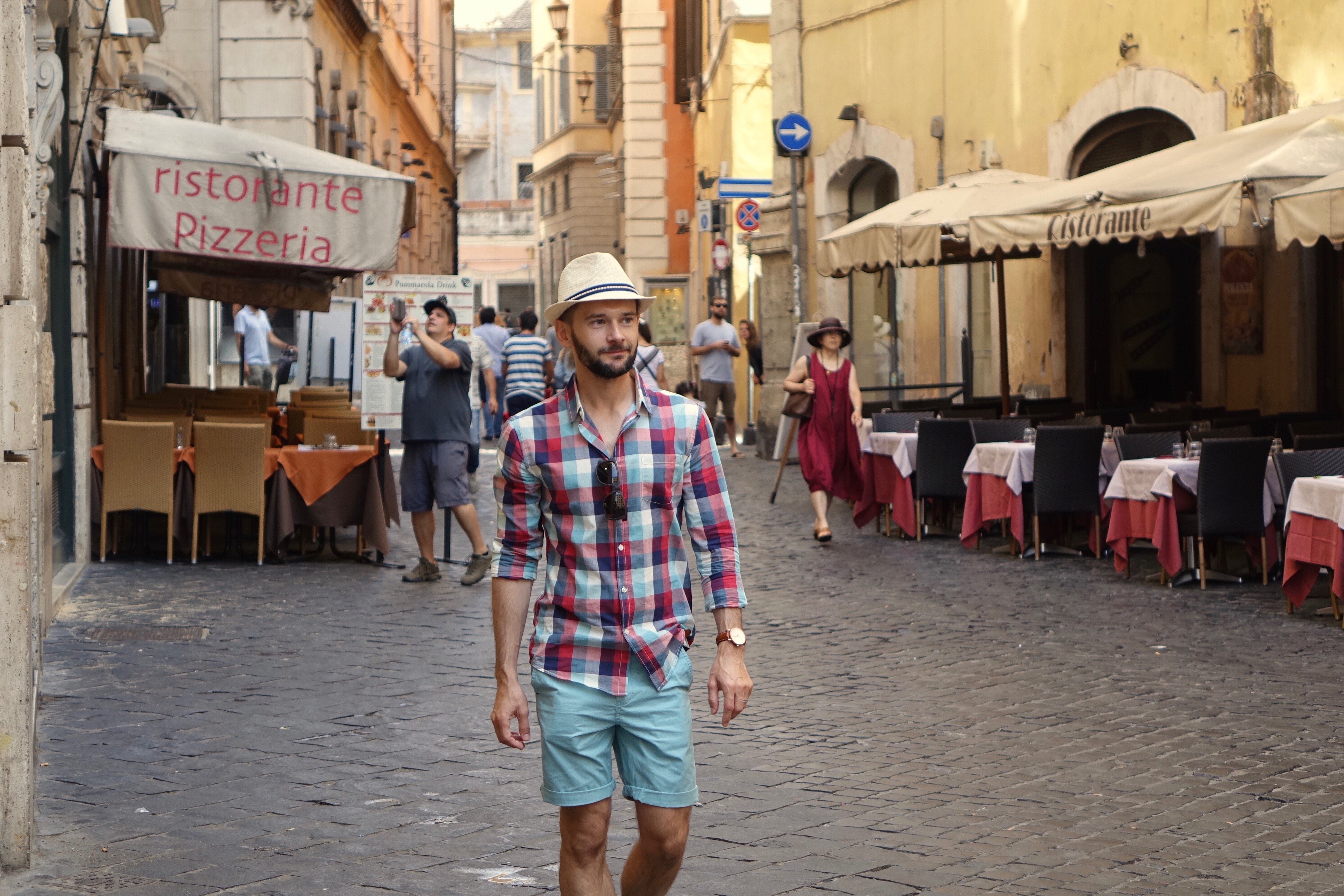
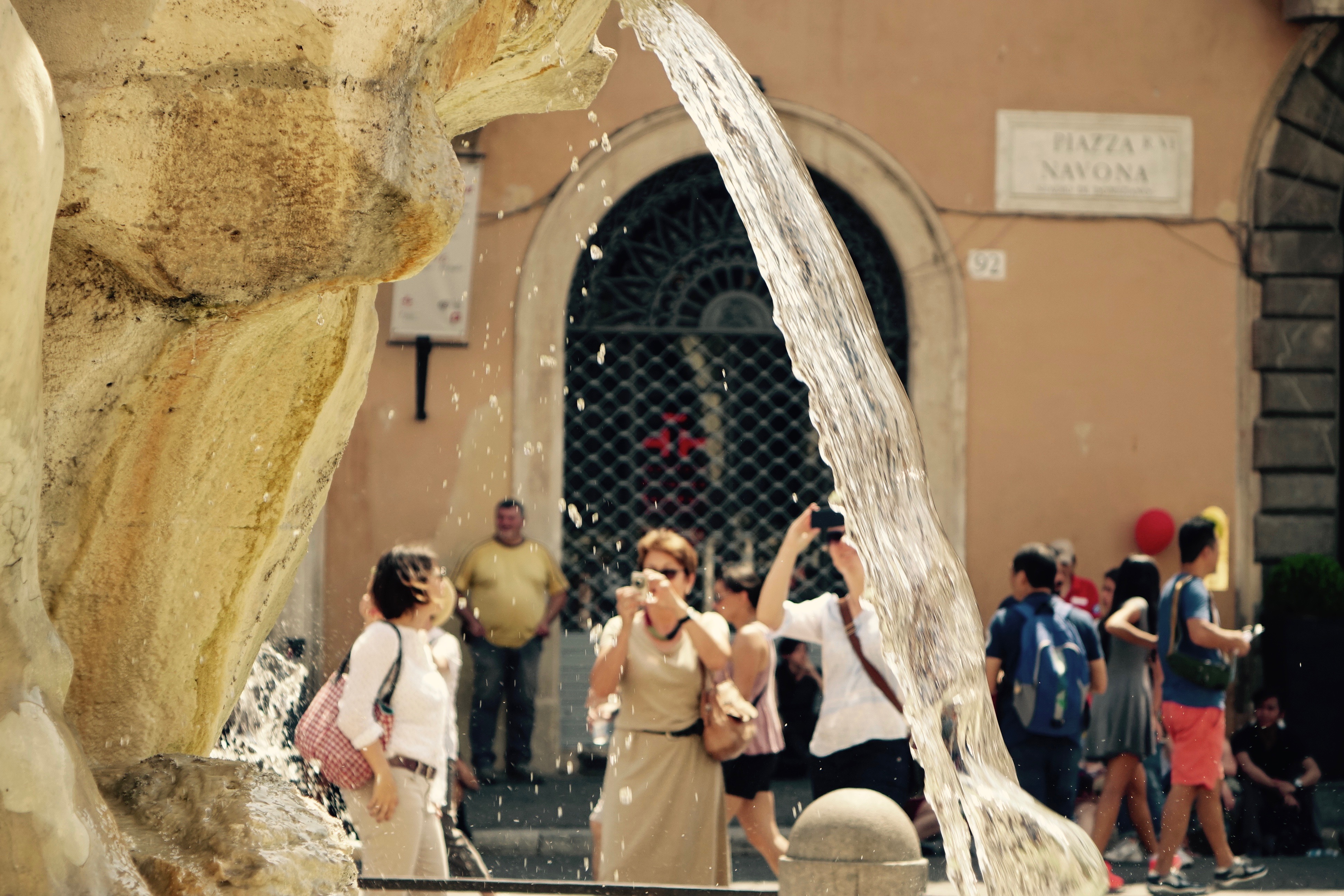
Rome has an energy which infects and conquers. It’s tiring for sure, manic in places, rammed full of tourists and trying to cross its roads is frankly a deathly pursuit. But who cannot be seduced by the smell of freshly ground coffee wafting through the streets; by the fashionista ragazzi slowly wafting through the strada of Spagna with their newest accessories on show; by the slowly melting gelati, the magnificent marble fountains and the restaurants spilling out onto Piazzas with their red Vichy tablecloths and mountains of spaghetti.

DSC03381DSC03645DSC03648DSC03692DSC03416DSC03795DSC03305

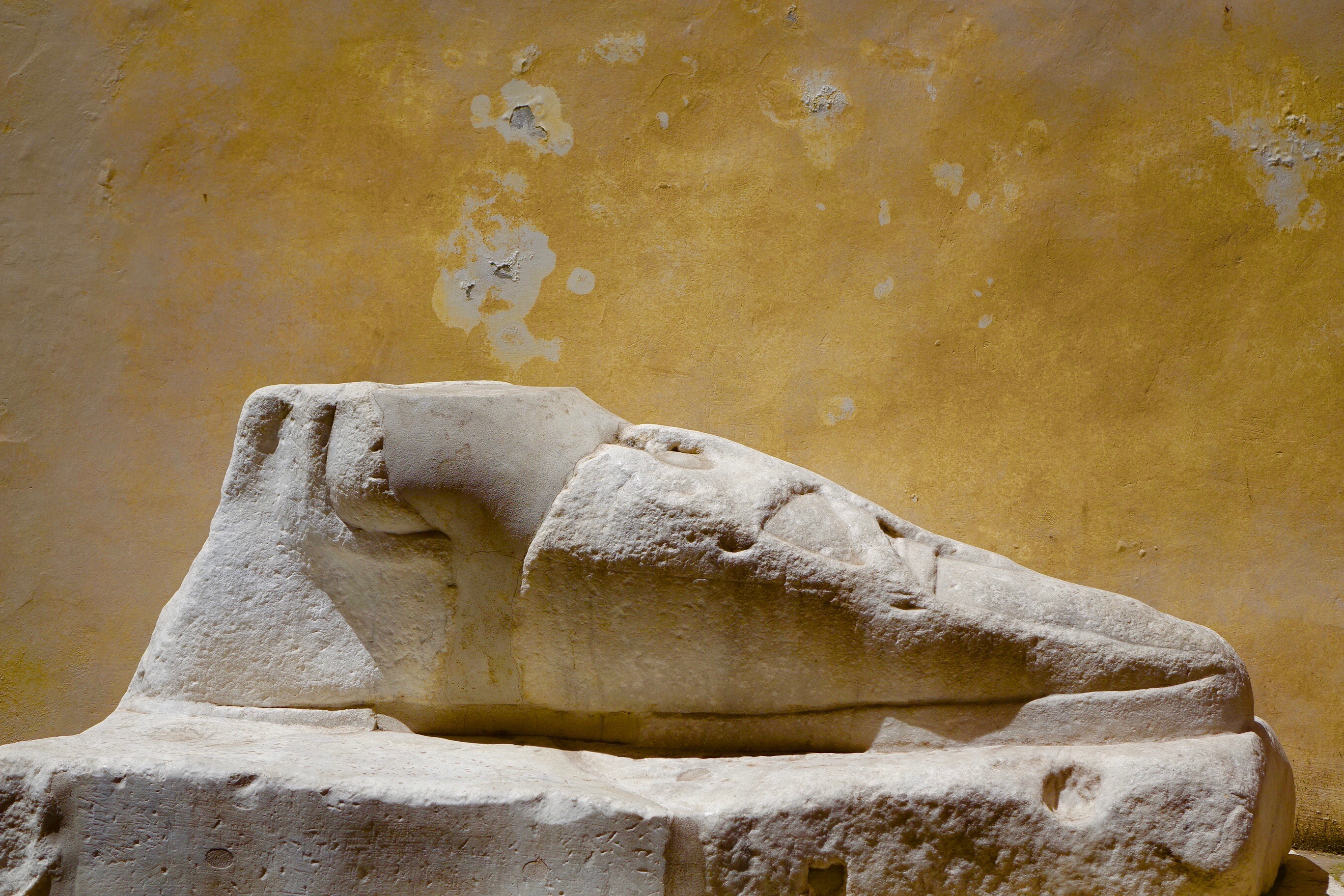
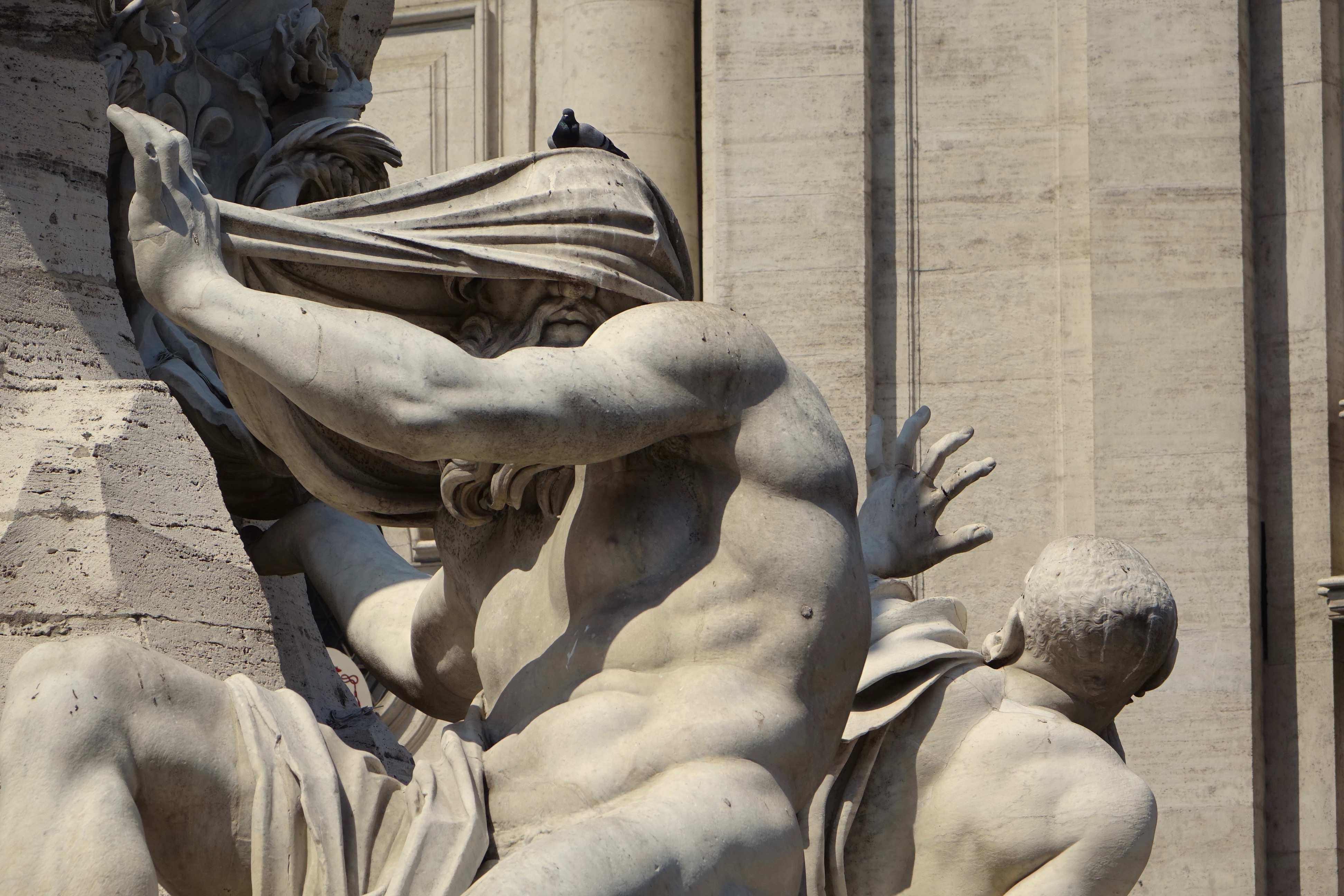
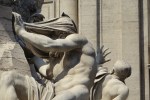
But perhaps above all things, Rome is a city of art. On every corner, at the centre of every square, and in even the smallest of chapels, there sits a masterpiece whose magnitude marks out an entire chapter in the pages of art history. Rome is for art what Manhattan is for skyscrapers. A living museum with an astonishing collection at every turn.

DSC03339DSC03428DSC03723DSC03825DSC03616

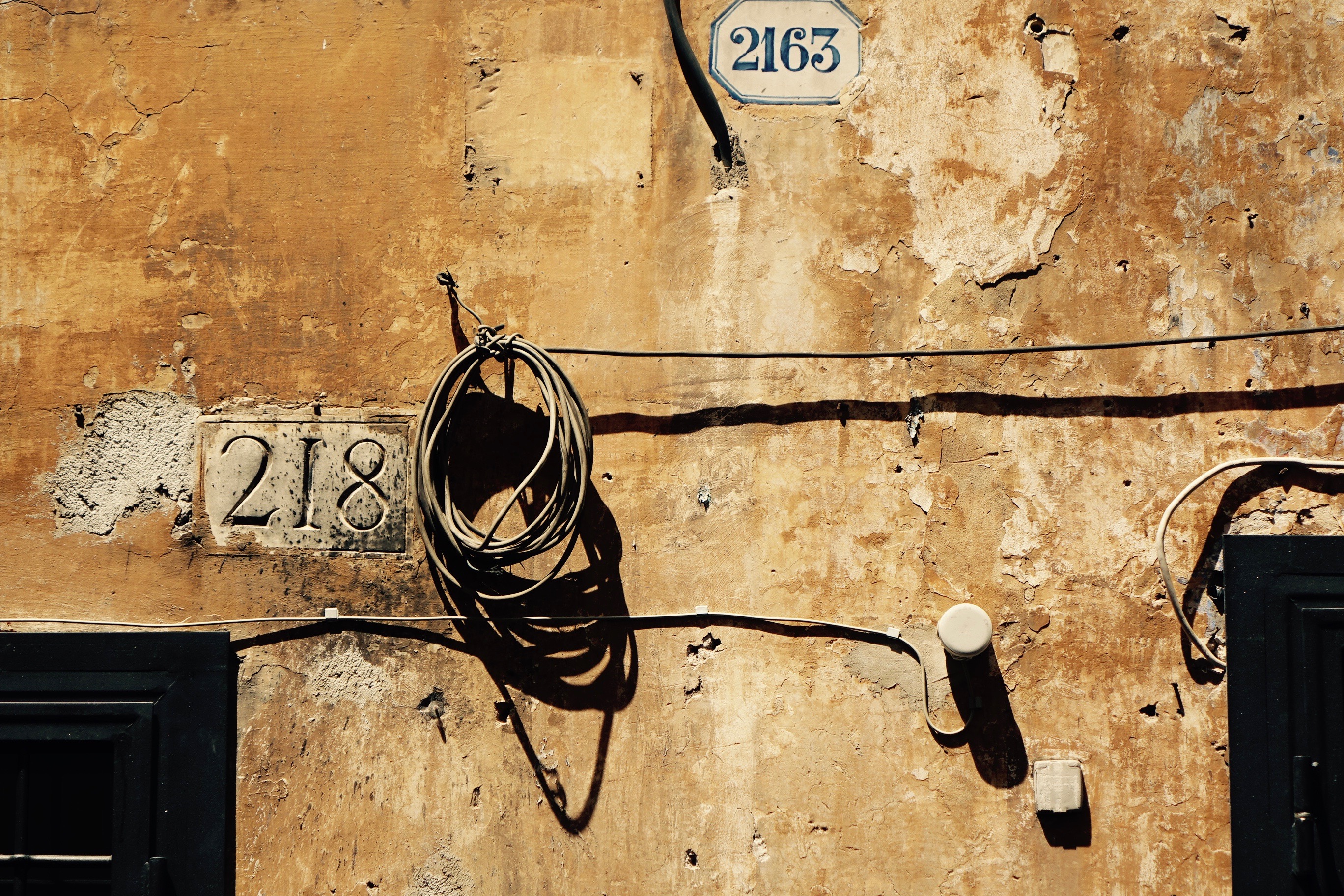
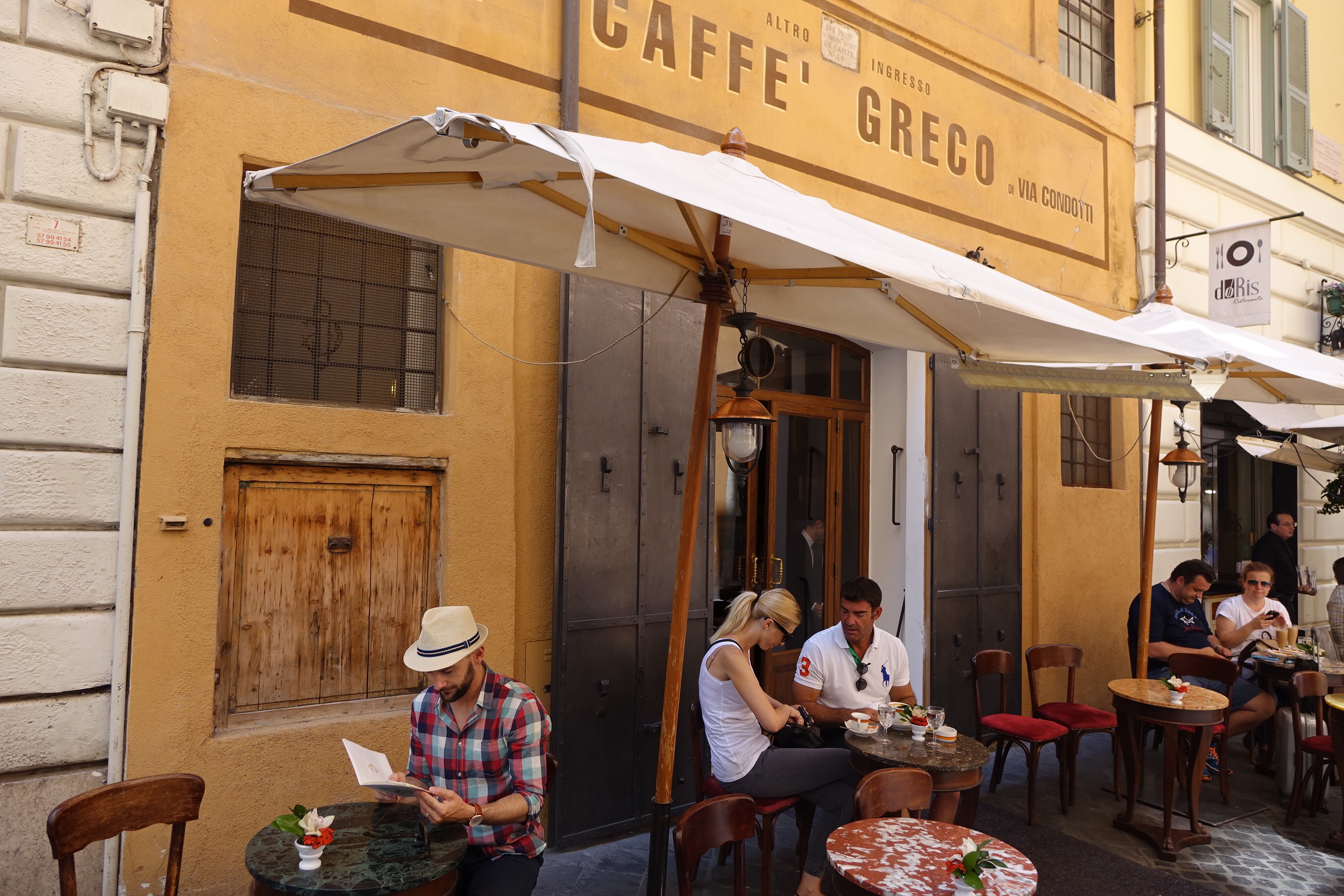
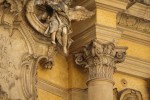
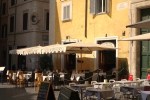
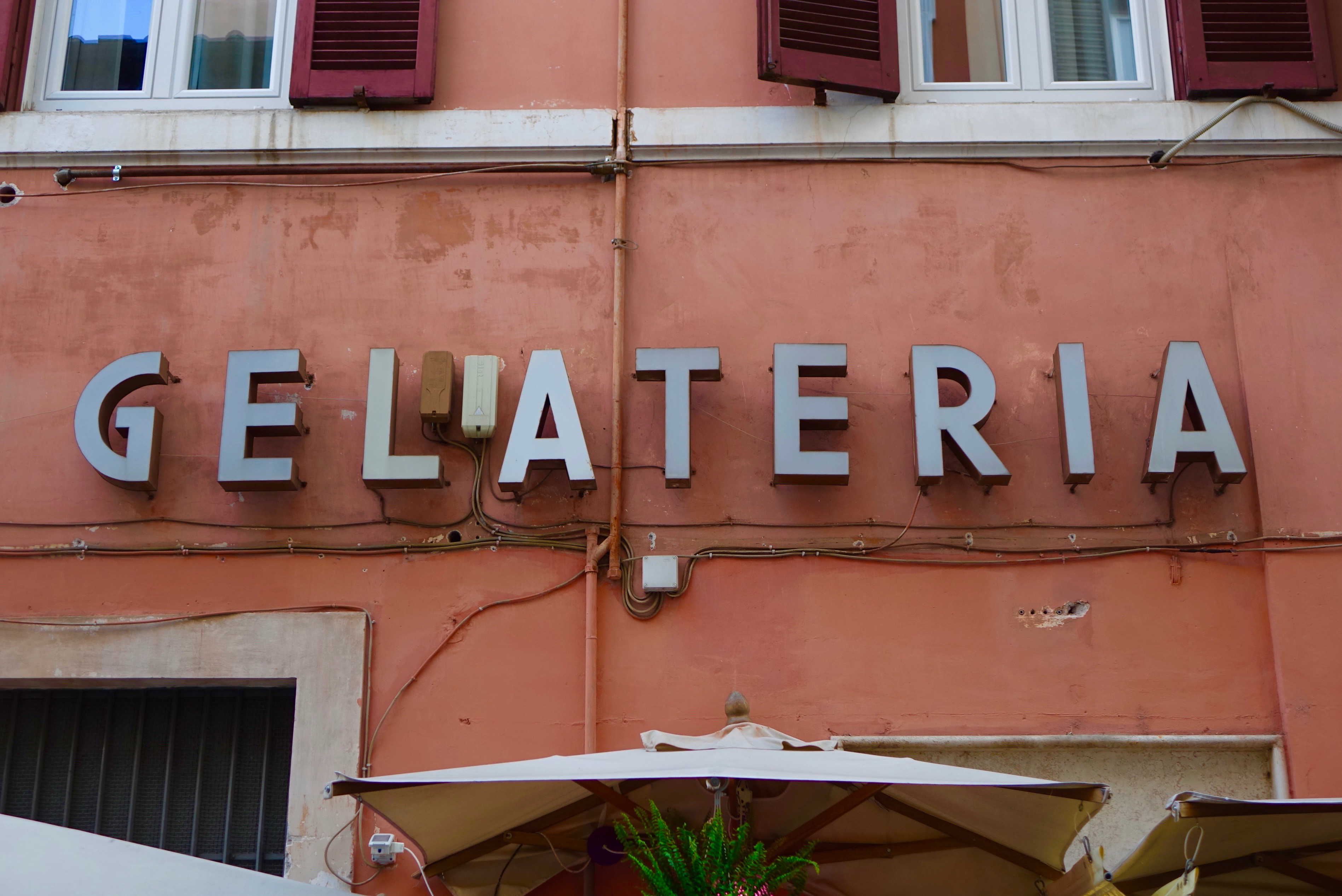
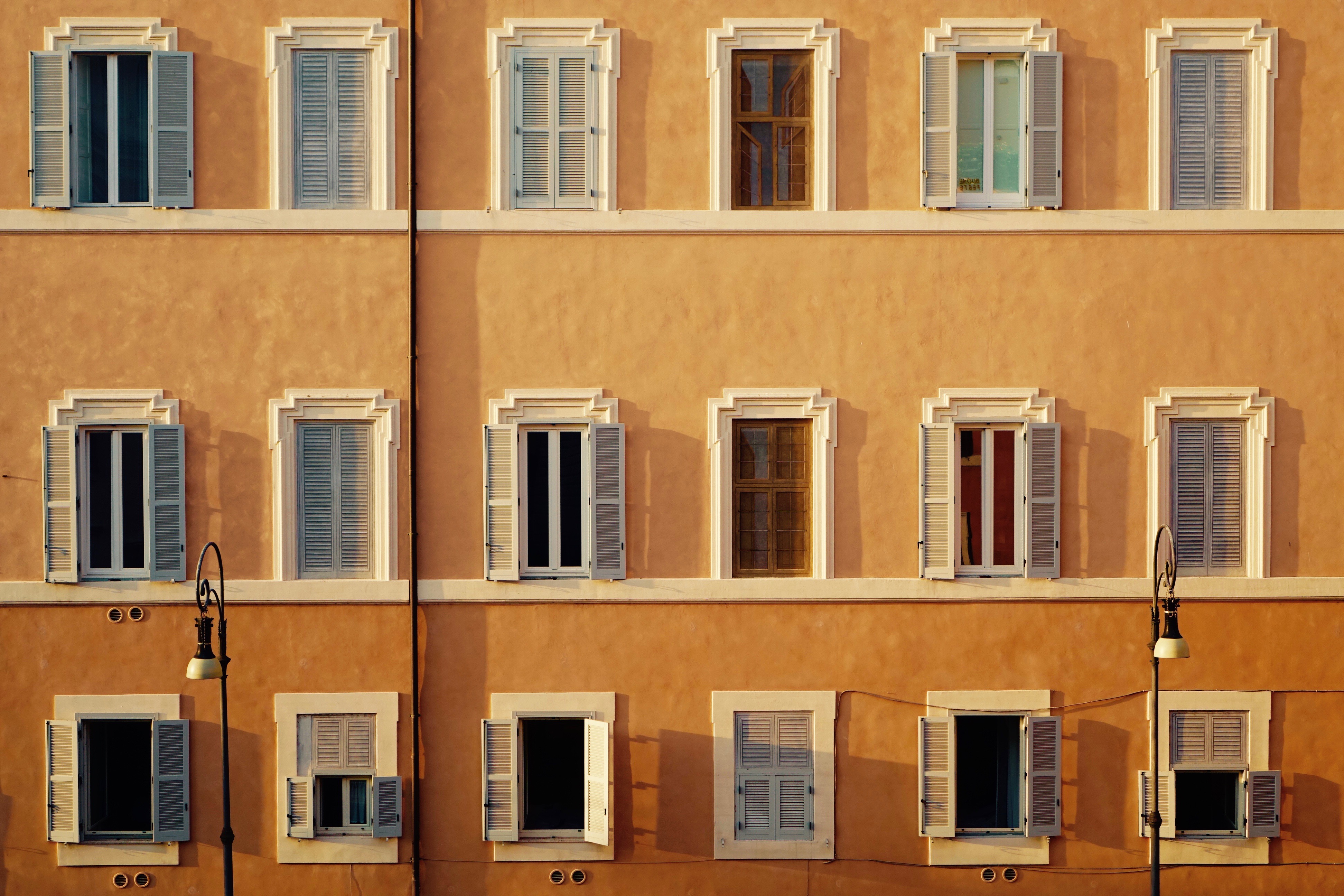
So when we eventually made it from Croatia to Italy, from Split to Rome, we drunk in the infectious atmosphere of Rome like someone devoid of water after a week in the desert. We went to galleries, we went to cafes, we even endured the coach-party crush of the Vatican Museum. But our favourite pursuit was simply to be in Rome. To wander the streets and let the city wash over us, tantalising each of the senses in turn. Smell: a rich creamy coffee propped up at the bar of the Tazza d’Oro or outside the illustrious Caffe Greco. Taste: dinner by candlelight on the Via Condotti. And for our eyes, the simple feast of colour which adorns every street and building. It is this palette of colour, the terracottas and ochres, deep sanguine red and golden custard, which is the focus of this post. A collection of photos which need say nothing more than narrate the story of a city whose heart is worn so explicitly on its multi-coloured sleeve.

All photos and written content are strictly the copyright of Nicholas de Lacy-Brown © 2016 and The Daily Norm. All rights are reserved. Unauthorized use and/or duplication of the material, whether written work, photography or artwork, included within The Daily Norm without express and written permission from The Daily Norm’s author and/or owner is strictly prohibited. 

From Illyria to Italy, Part 4: The island of Hvar

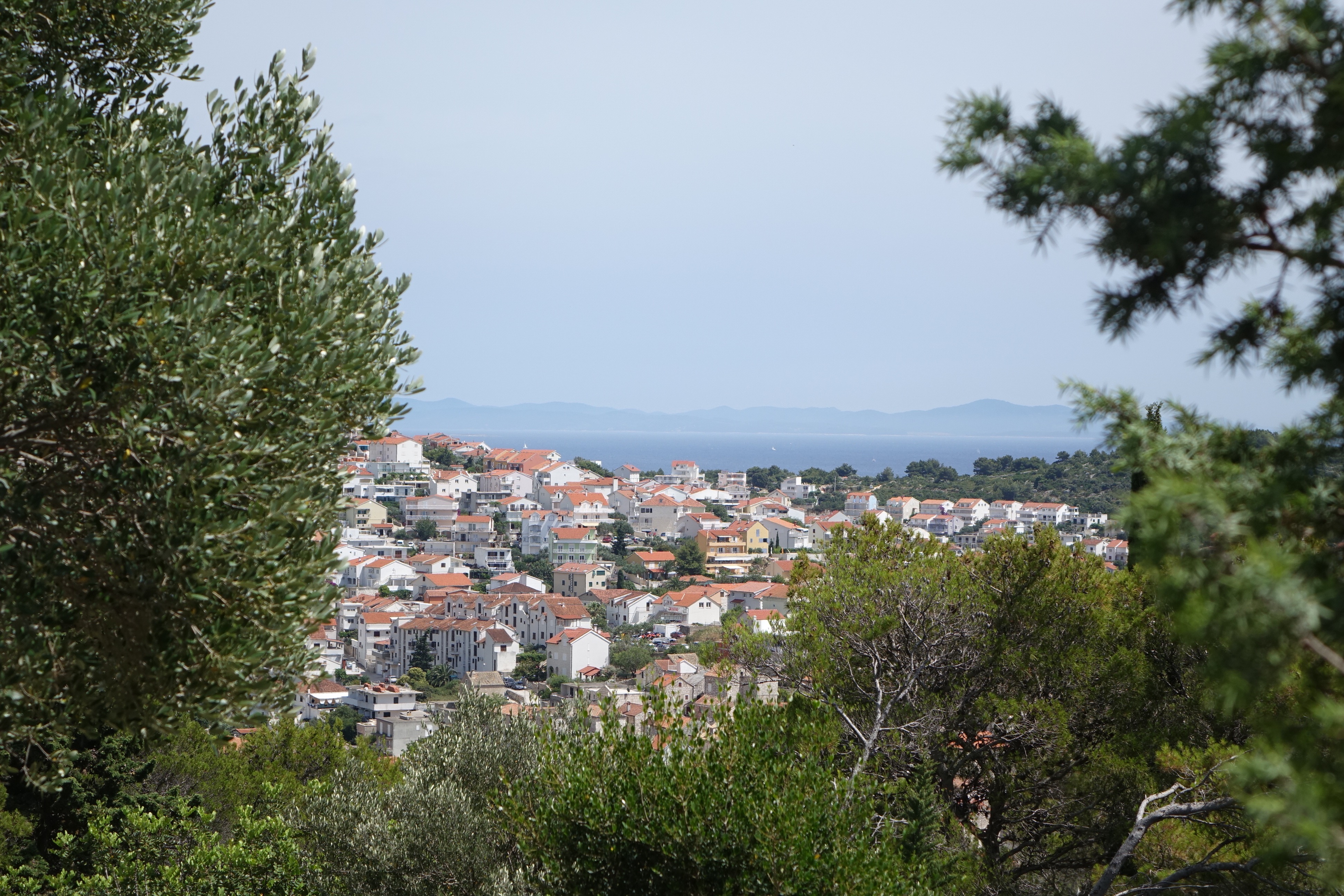
I’d heard of the island of Hvar before I even knew about Split. With its uniquely mild climate, art treasures, beautiful beaches including many hidden spots on its panoply of little adjacent islands, and fields full of scented lavender, the island is well known to be one of the jewels of the Adriatic. However, as the luxury yachts have gradually started to make themselves at home in its crystal clear waters, the island has slowly become a haven for the well to do, and the island is quickly earning itself the reputation of the St Tropez of Illyria.

DSC02976DSC03105DSC02975DSC02973DSC02982DSC03017

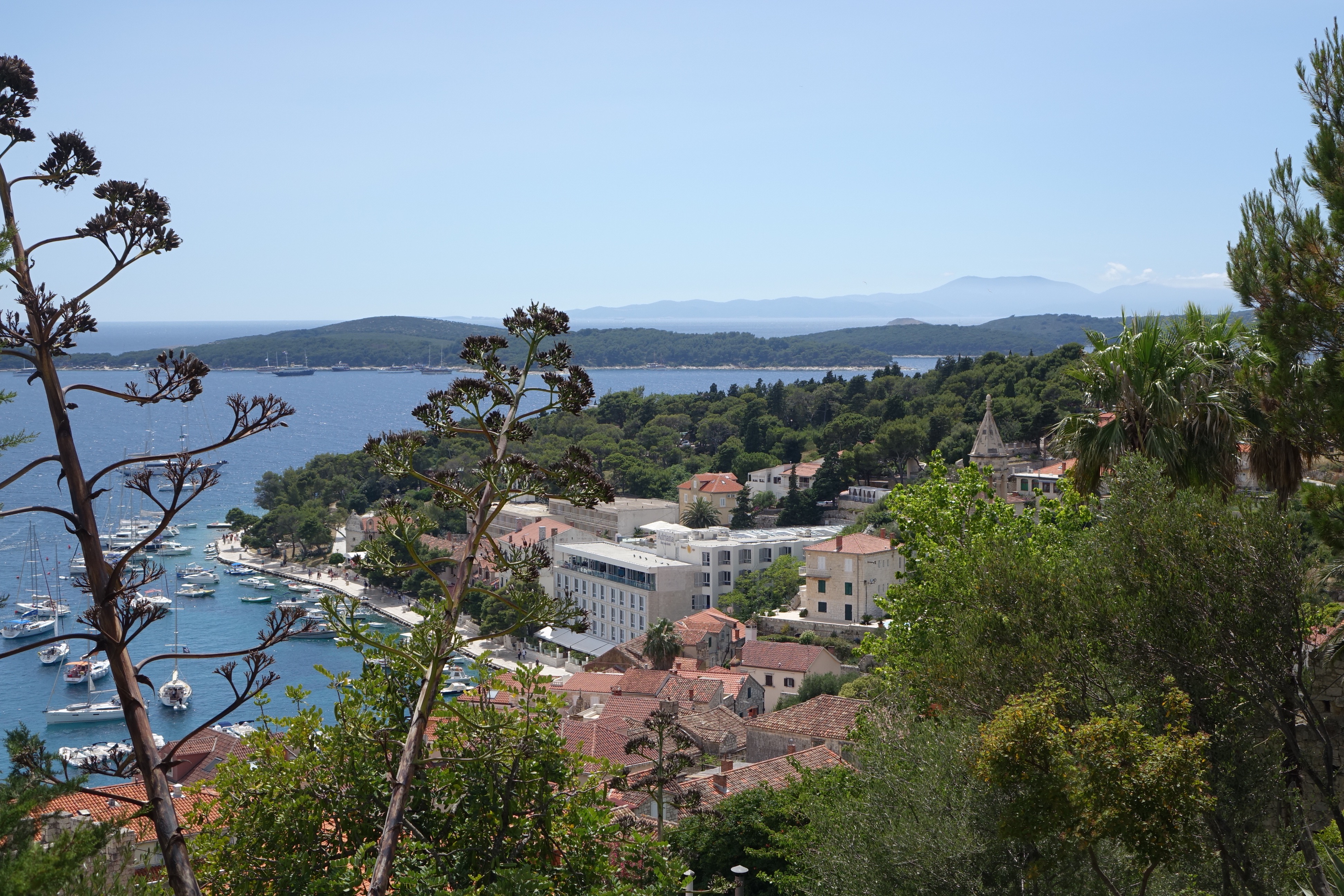
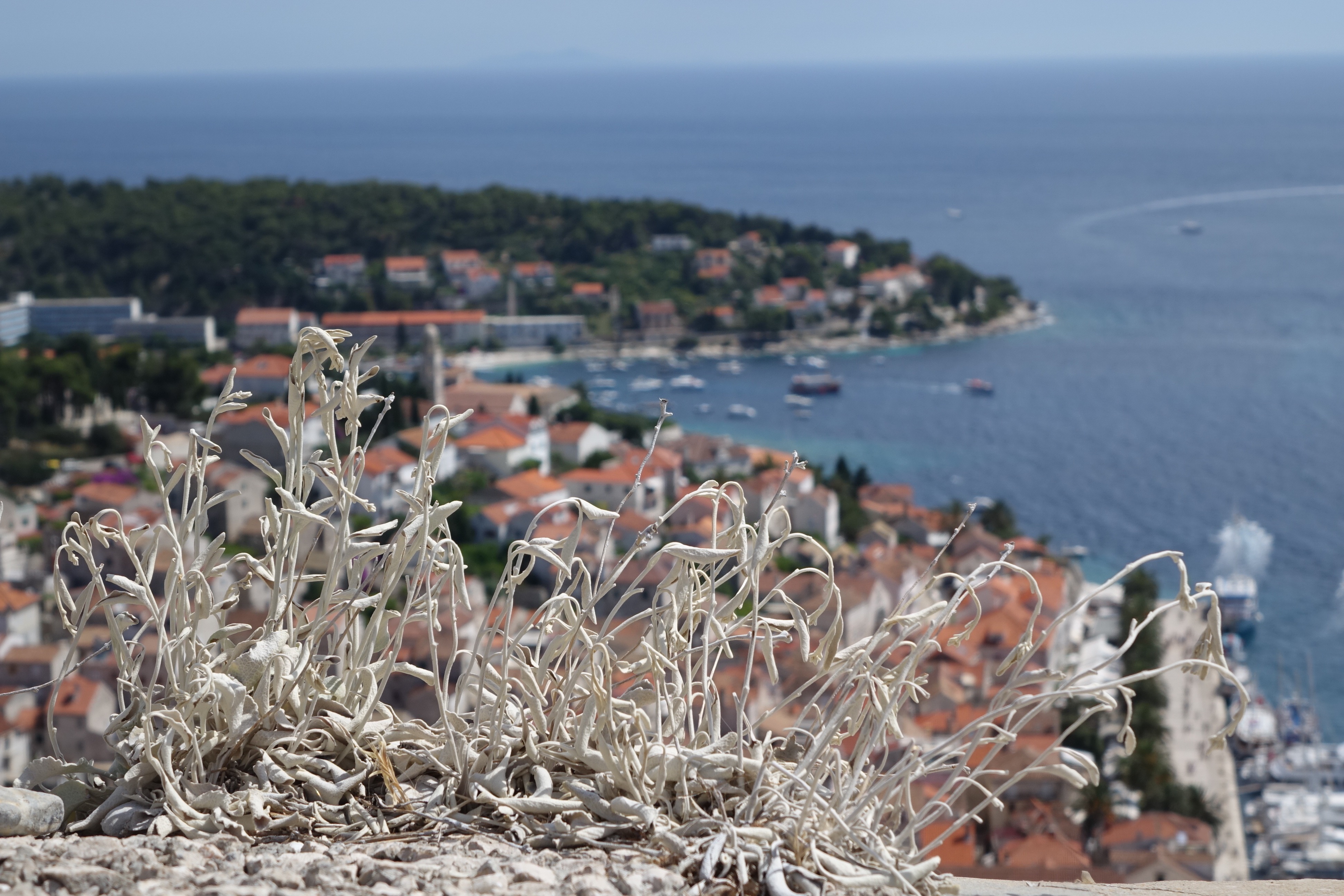
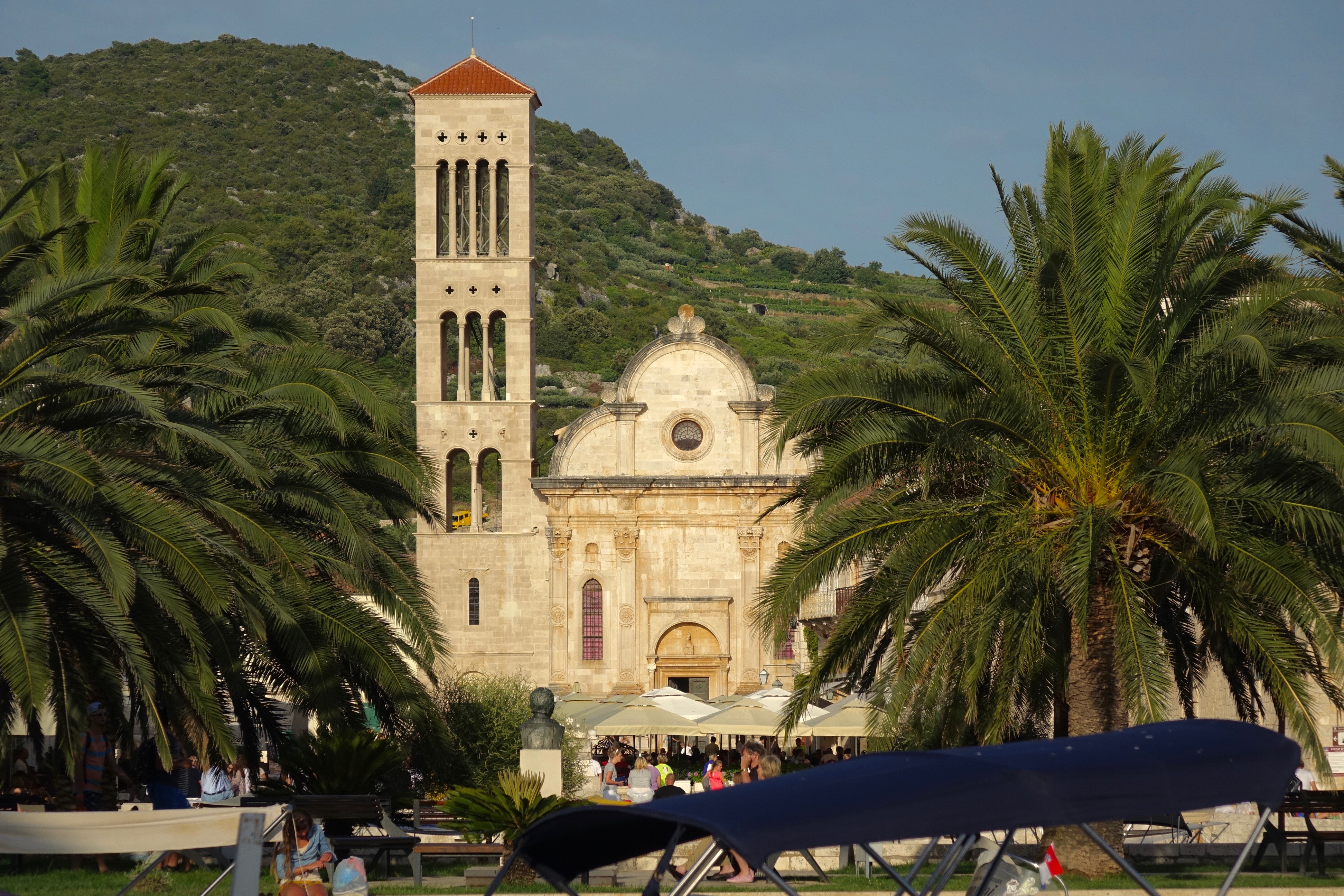
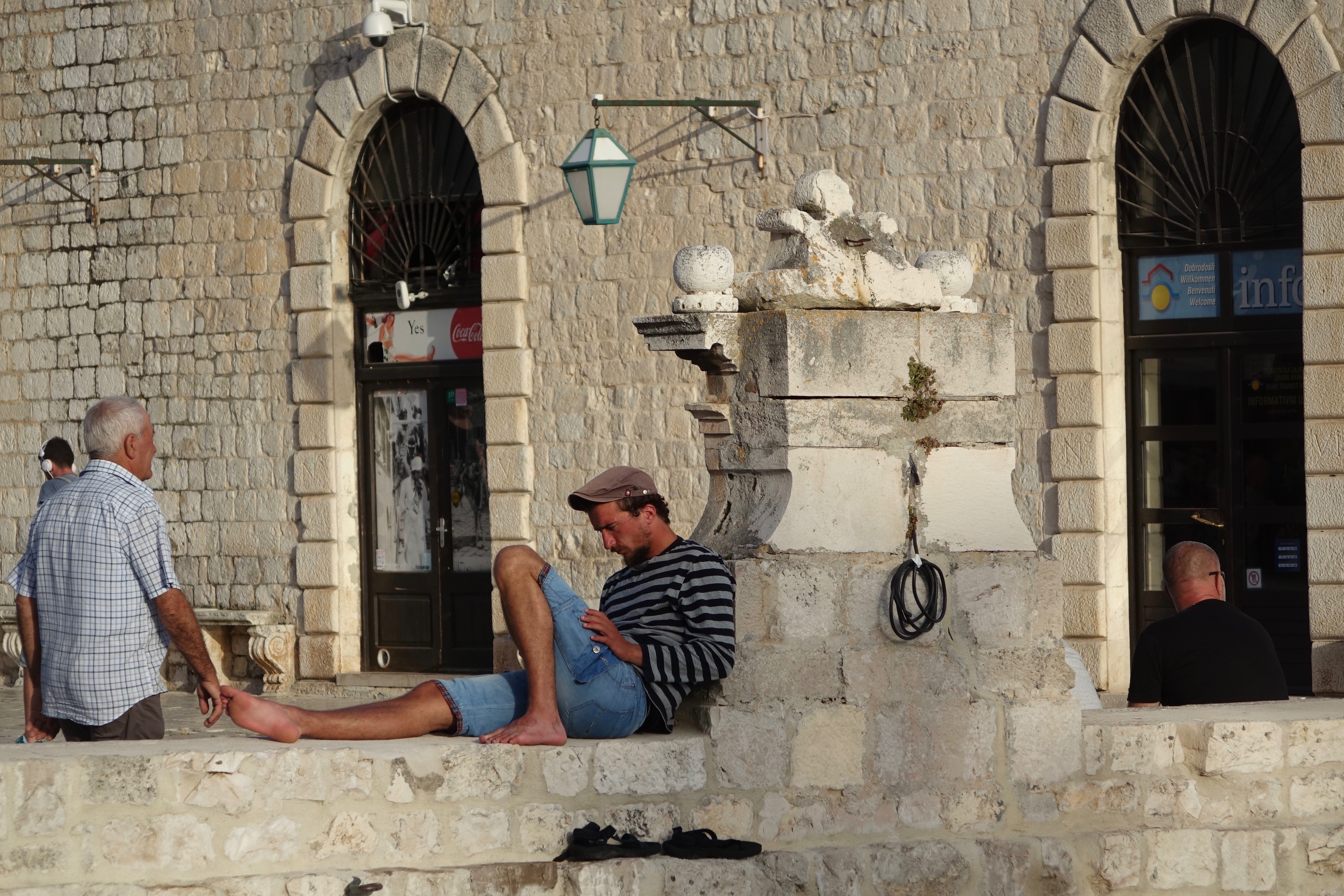
The proximity to Split of this rather difficult to pronounce island made it a must-visit destination on our Dalmatian adventure. Taking a catamaran full of enthusiastic backpackers from the sulphur-scented port of Split (somewhat off putting so close to breakfast) we reached Hvar in just over an hour of calm(ish) sea travel. First impressions were very good. The quayside of Hvar Town seemed to exhibit all of the characteristics of a Riviera style cafe-lined promenade, with pristinely pruned and plucked palm trees perfectly lined up alongside carefully maintained Venetian-style palazzos.

DSC03026DSC03029DSC03014DSC03072DSC03089DSC03086DSC02994DSC03004DSC02991DSC03000DSC03012DSC03076

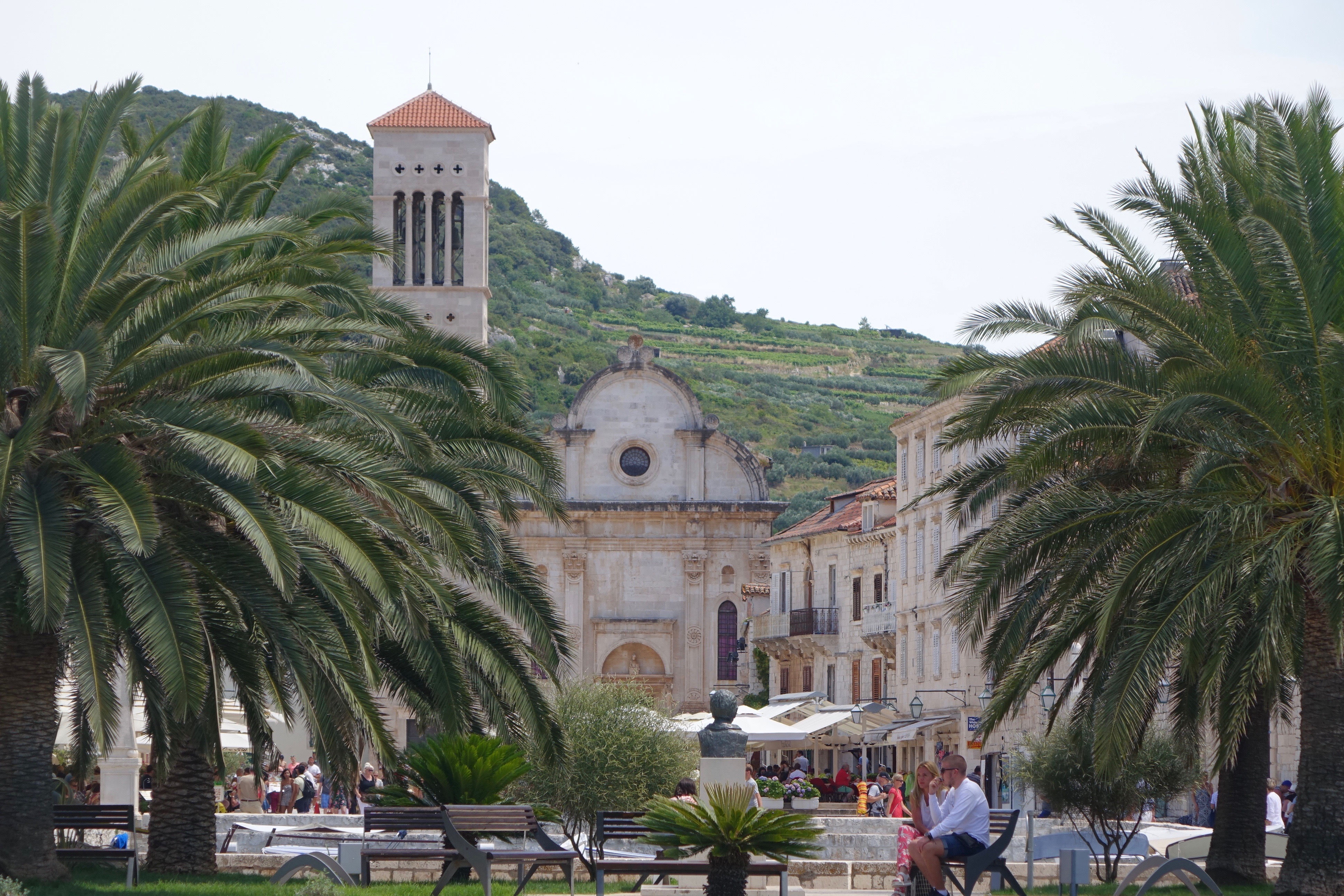
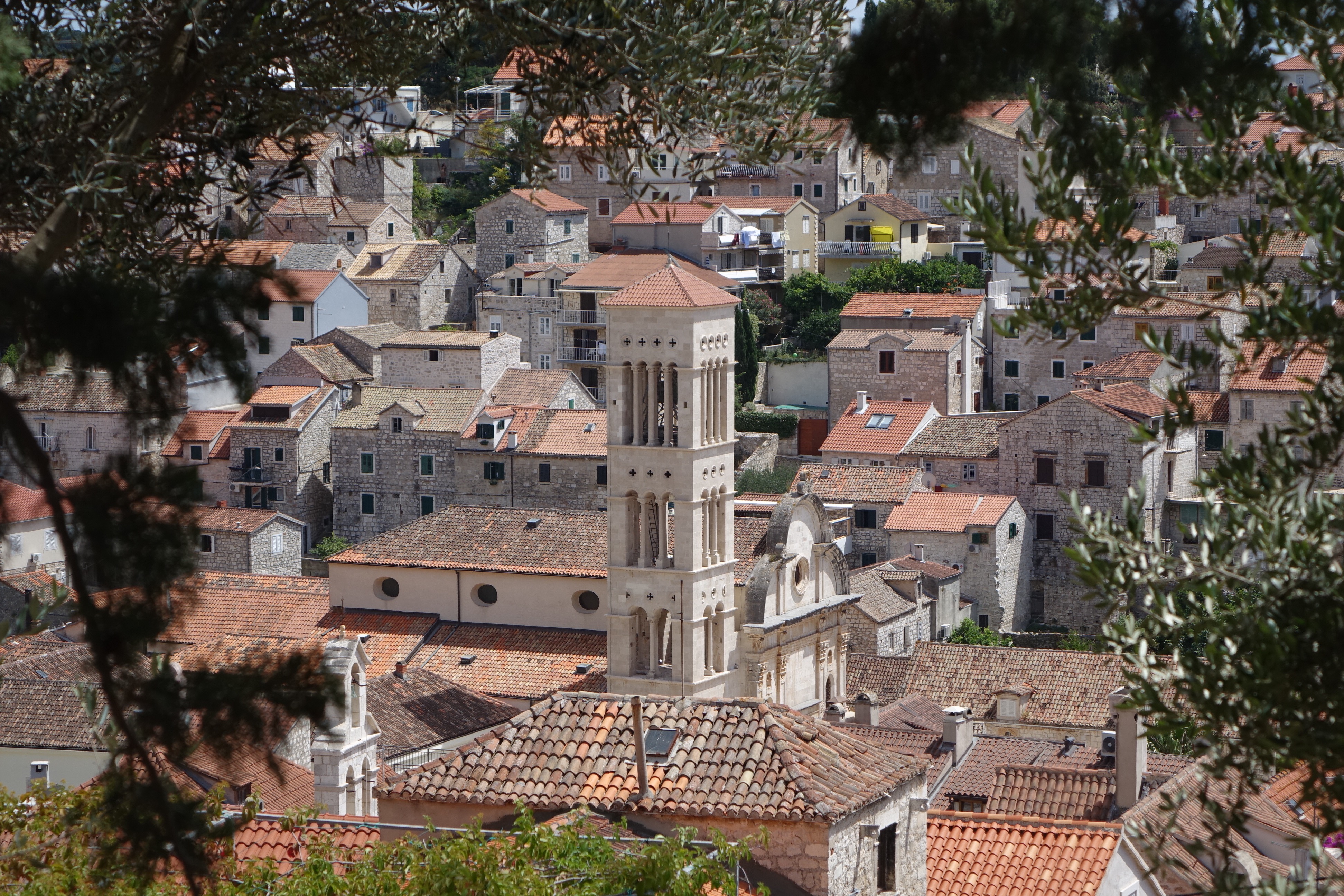
Evidently characterised by the influence of its past Venetian rule, when the island was a key stop-over point for Venetian merchants returning from the Orient, Hvar Town bears all of the hallmarks of its cultivated past, including one of the first theatres ever built in Europe, and the splendid little Cathedral of St Stephen perfectly located with a sprawling piazza before it, and a rolling green mountainside behind.

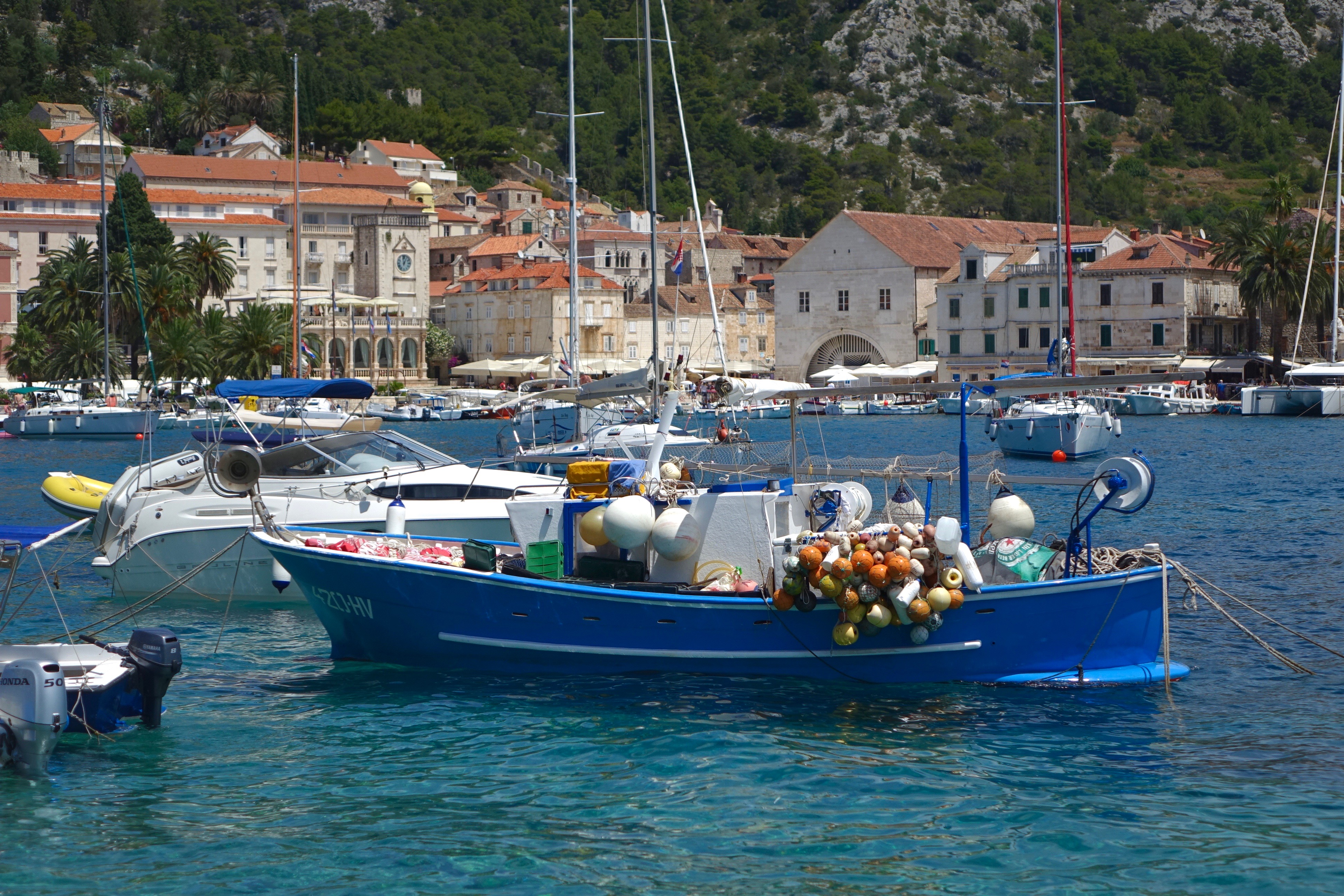
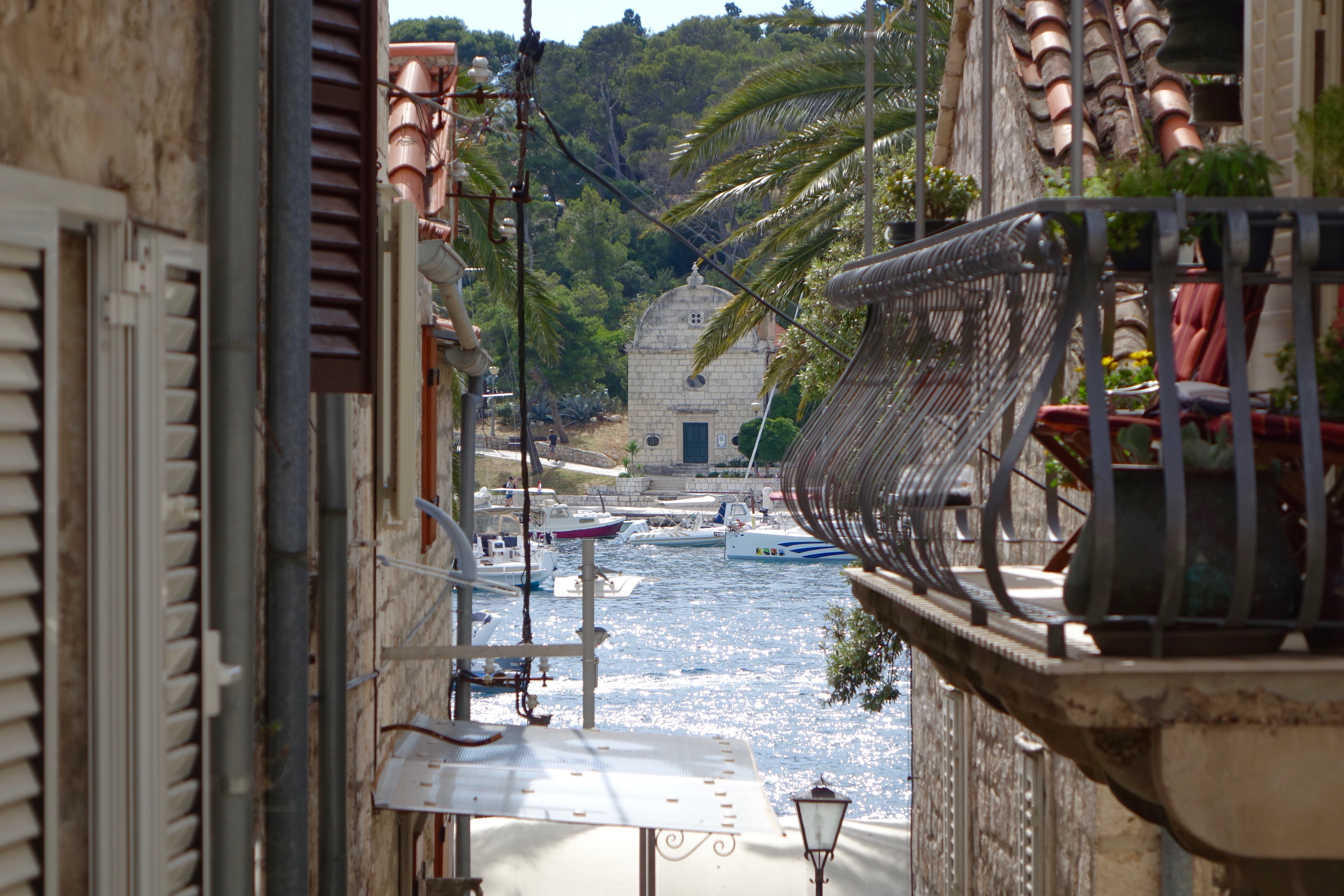
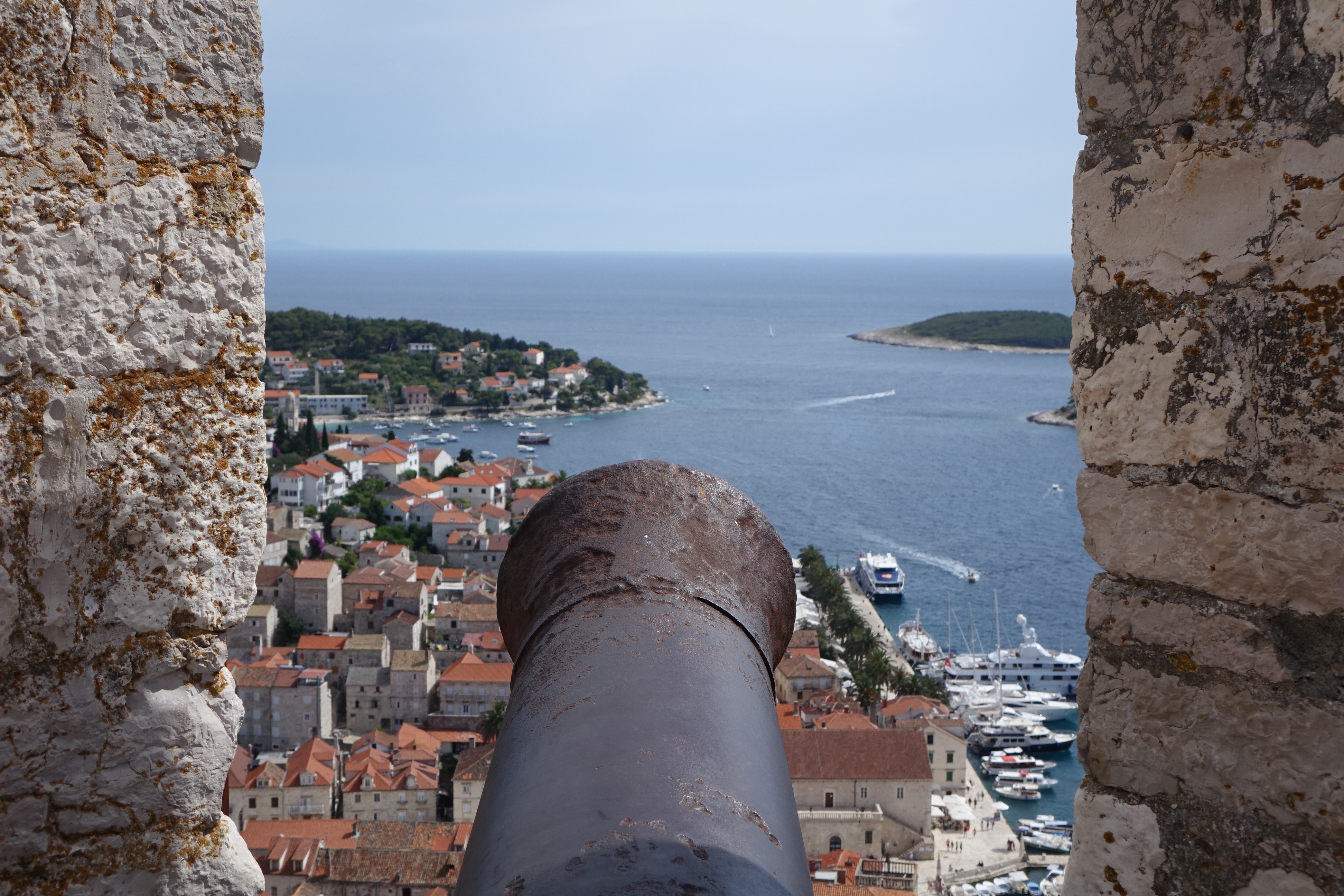
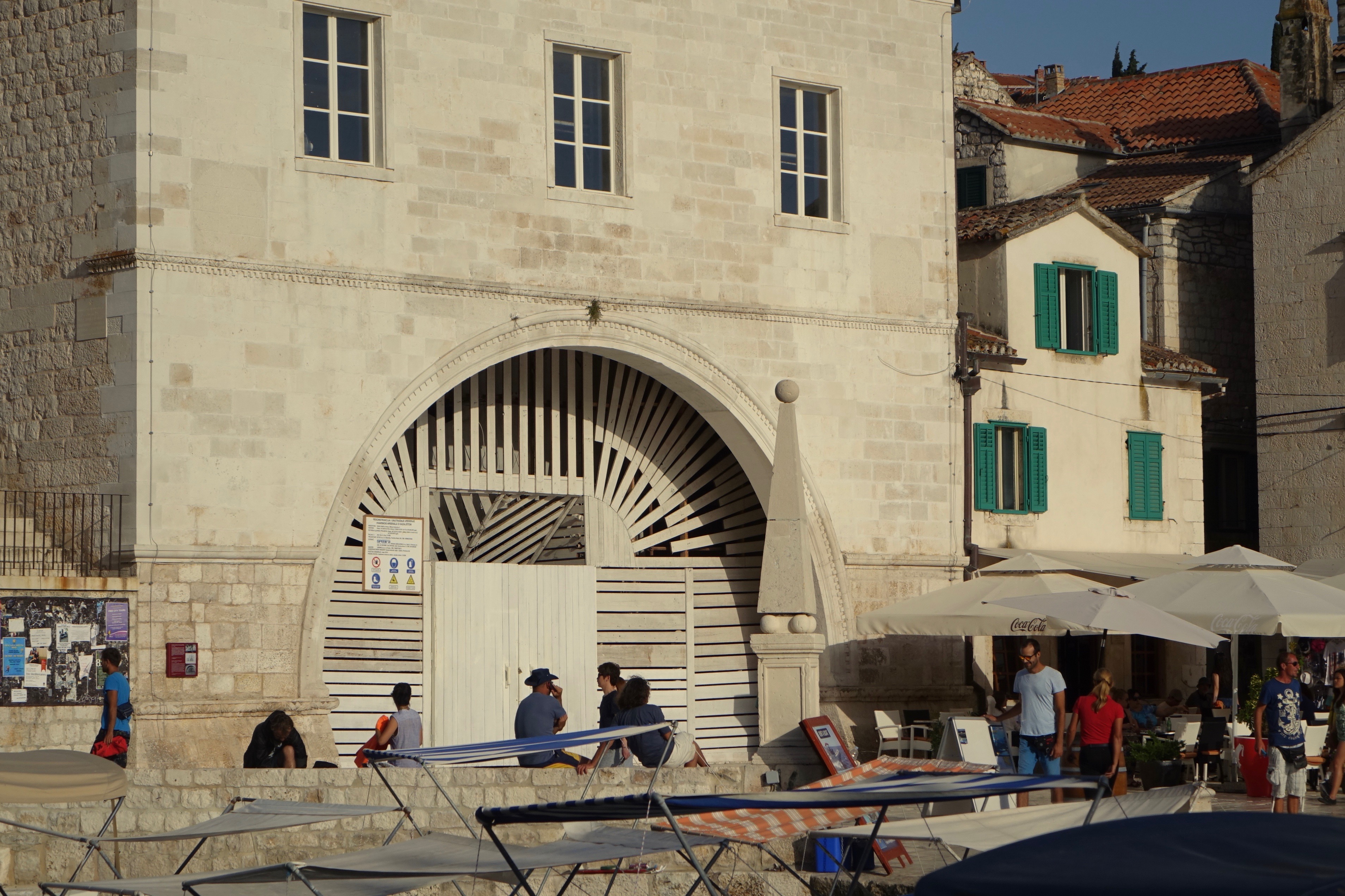
Set around a natural harbour, the town was one of those places whose aspect improved from every angle. Walking around the port, a picture-postcard view could be enjoyed from across cerulean waters peppered with colourful fishing boats, or from small shady gardens set alongside the Renaissance Civic Loggia characterised 15th Century Venetian Gothic windows. Up a steep staircase, past one of the town’s monasteries, the views improved yet further, as appreciated from the heights of the Napoleonic Fort which casts a protective fatherly glance across the town from the steep hills rising up behind it.

DSC03062DSC03049DSC03067DSC03033DSC03037DSC03059

We only had a few hours between ferries to enjoy the island, and in reality we kept ourselves limited to the treasures of Hvar Town. And while from there, we may not have run amongst fields of fragrant lavender, nor enjoyed the unspoilt beaches of the island’s craggy coastline, our brief acquaintance with Hvar was nonetheless one of the highlights of our trip to Croatia. Tranquil, elegant and unpretentious despite its natural attractiveness, Hvar Town felt as exclusive as the French Riviera but without the hype. And while the quaint beauty of the Town was evident at all times of the day, I think you would have to go far to beat the town at sunset, as the sun turned a milky honey hue. In that calm meditative light, we were at serious risk of missing our ferry home, as we sat on the quayside slowly contemplating the facade of St Stephen’s turn a rich honeycomb gold, and ancient walls of the Arsenale a warm ginger.

Alas the ferry came, and we returned to the welcoming lights of bustling Split. But oh how I could have stayed in that moment forever.

DSC03143DSC03150DSC03155DSC03148DSC03102DSC03130DSC03141DSC03131DSC03111DSC03154

All photos and written content are strictly the copyright of Nicholas de Lacy-Brown © 2016 and The Daily Norm. All rights are reserved. Unauthorized use and/or duplication of the material, whether written work, photography or artwork, included within The Daily Norm without express and written permission from The Daily Norm’s author and/or owner is strictly prohibited. 

From Illyria to Italy, Part 2: Muzeji Ivan Meštrović

Day two of our holiday in the beautiful Adriatic city of Split on the Croatian coast, and scandalously, it started cloudy. Panic stricken at the lack of blue skies, our first question to our hotel receptionist, after choosing a hearty dish of fresh pancakes for breakfast (a recurring gym-body busting pattern I might add) was to ask what we could do in such weather. For culture vultures like ourselves, she recommended the Muzeji Ivan Meštrović, that is the museum of the renowned Croatian sculptor, a fine cultural beacon in the city where he made his name.

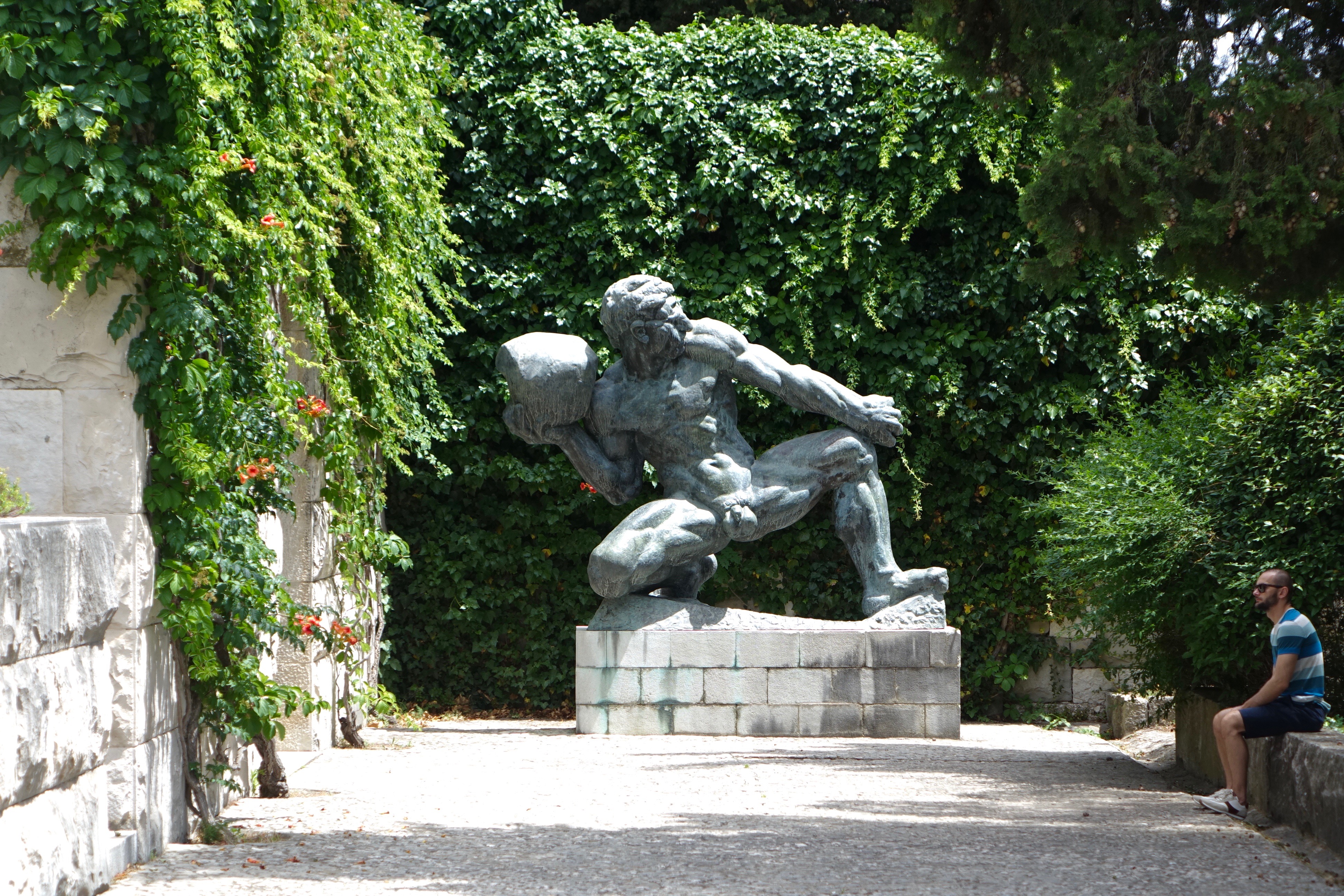
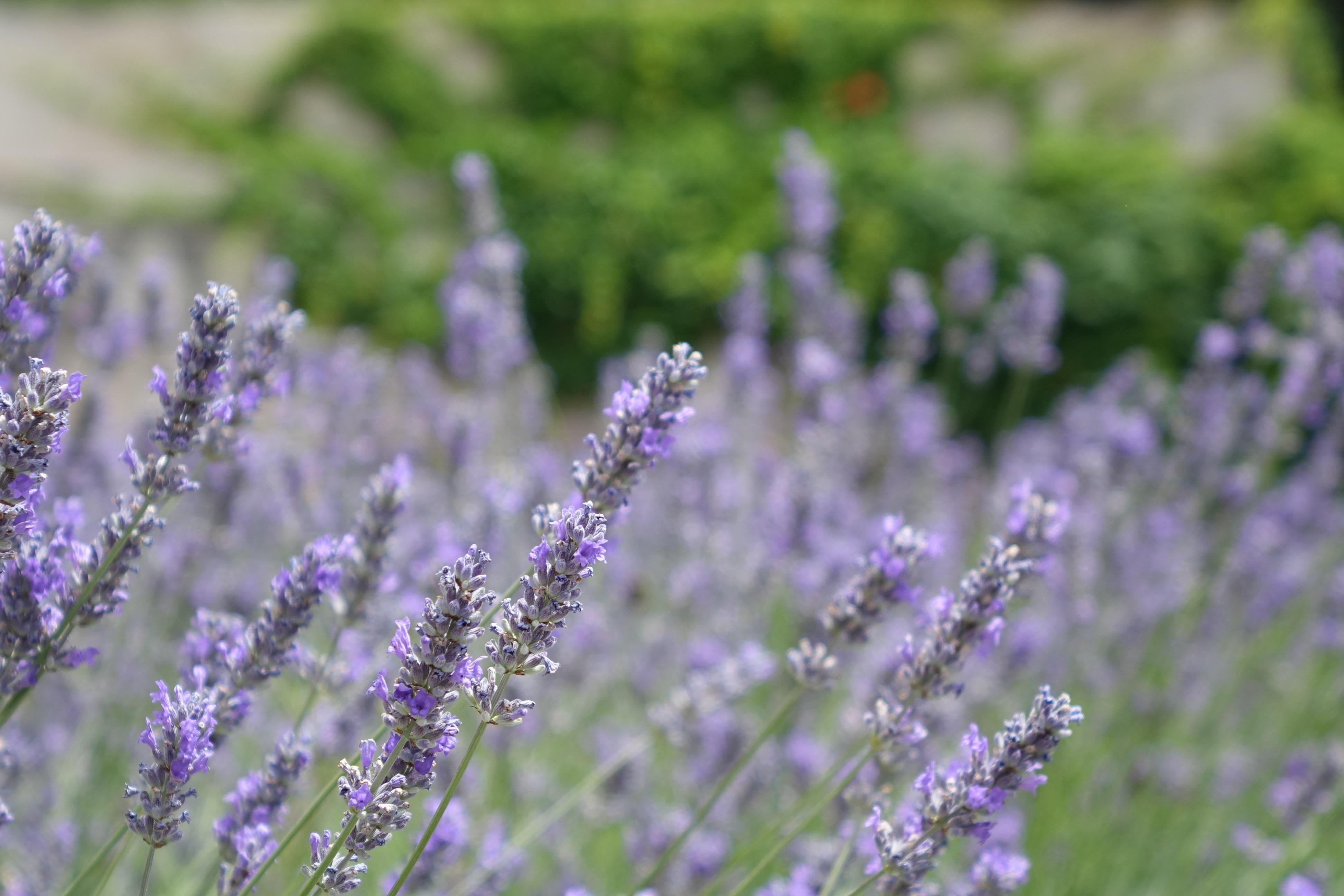
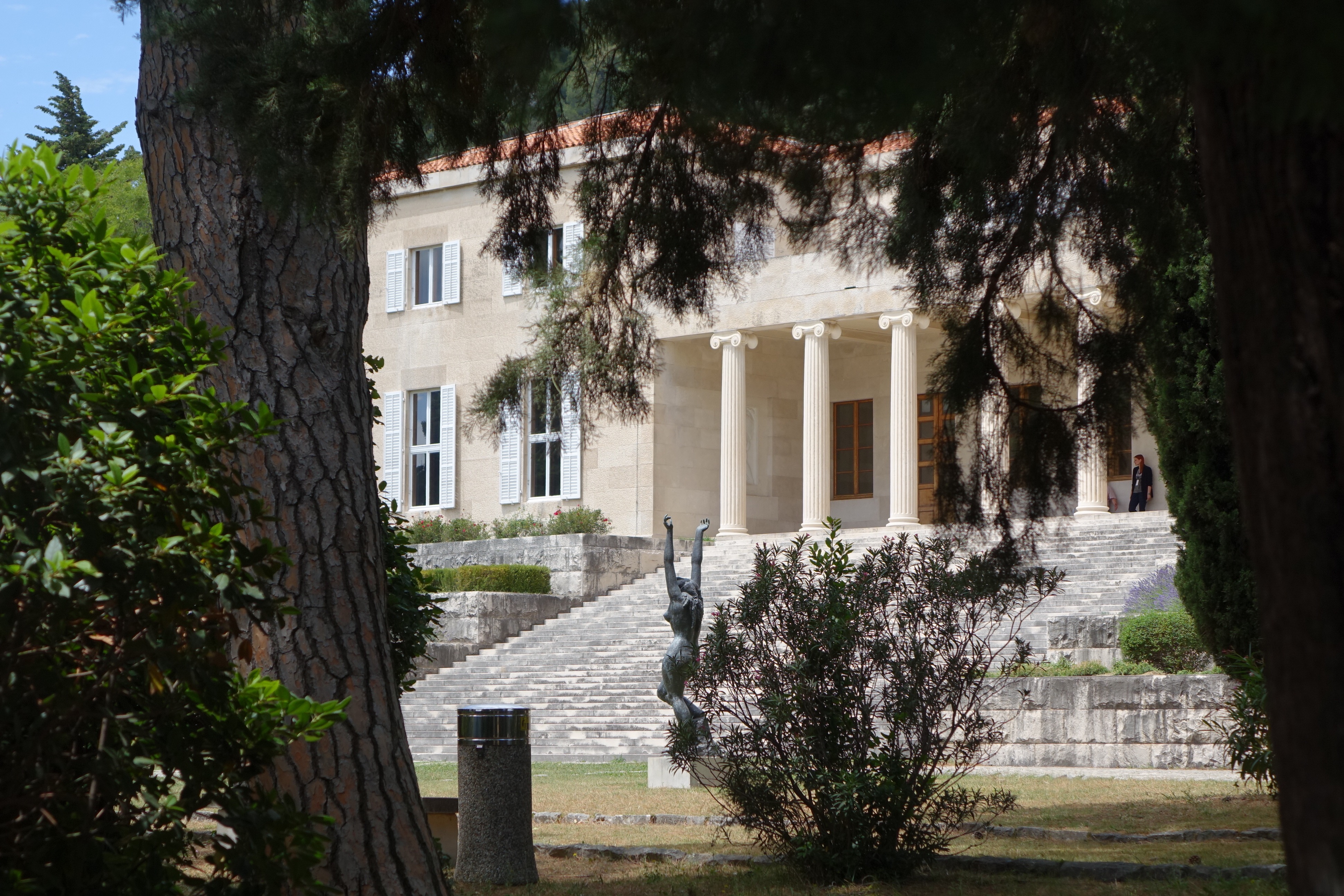
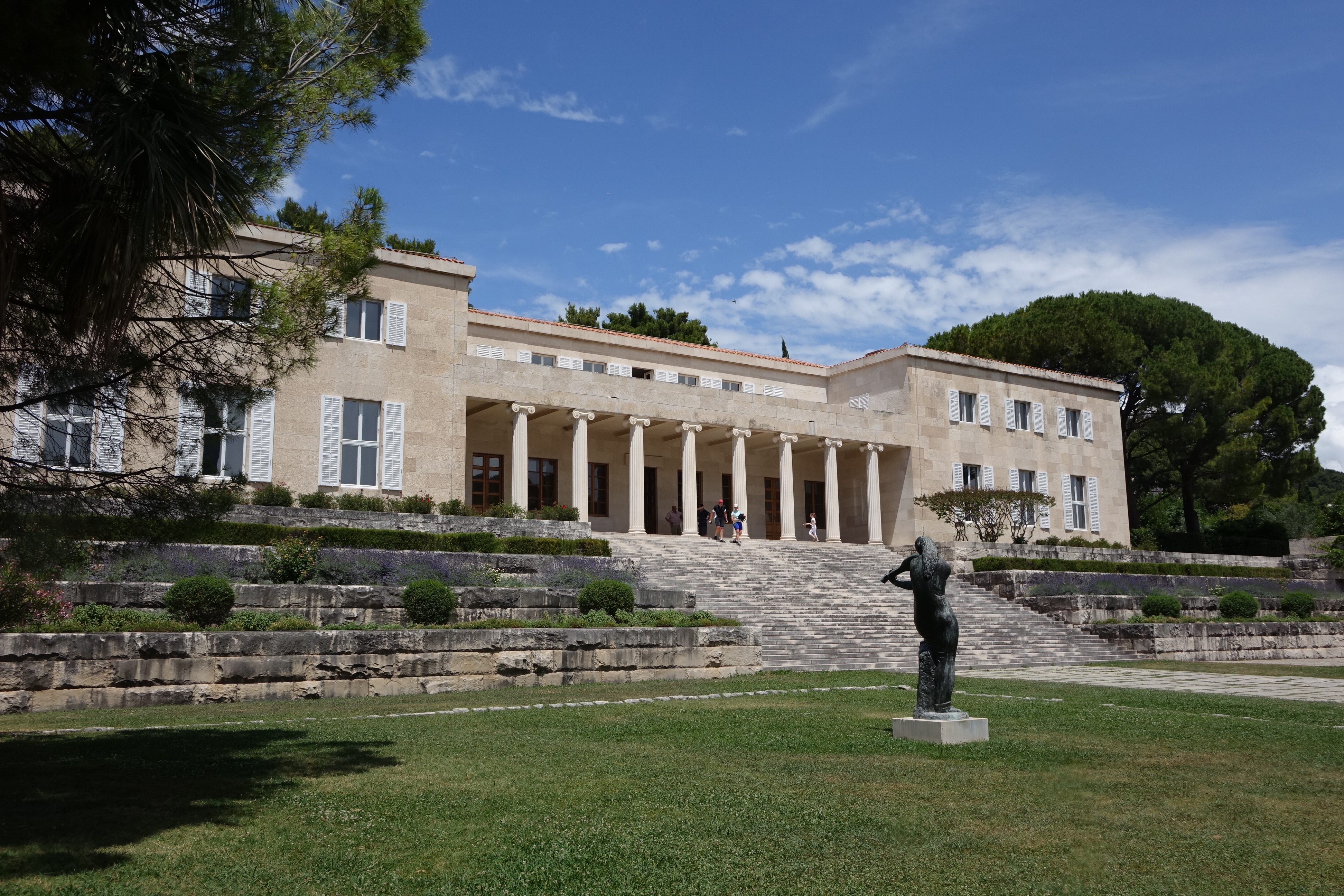
The sun had actually come out again by the time we walked along Split’s sunny promenade and made it to the museum set within the lush leafy suburbs of the city. But just as well, or we might have missed out on enjoying the exteriors of the museum which are every bit as stunning as the inside. Surrounding the impressive facade of the perfectly imposing museum building (I tried to find out the history of the building… to me it looks like a fine palace from the Communist era, but it’s hard to tell exactly when it was built) were gardens bounteous in dancing lavender, aromatic pine trees, and a ground scattered with a bed of pine needles, and the best surprise of all, baby little tortoises!

DSC02637DSC02629DSC02625DSC02649DSC02643DSC02647DSC02674DSC02651DSC02609DSC02588

Much charmed by these garden residents, we almost forgot what we had come to see, however the various sculptures created by one of Croatia’s most renowned creatives led us up through the garden, and into the museum itself. Born in 1883 in the small village of Vrpolje, Meštrović completed his artistic training at the Academy of Fine Arts in Vienna, where he fell under the influence of the art nouveau era, and debuted in the first Secessionist exhibition.His work quickly became popular, even with the likes of Auguste Rodin who is reported to have declared Meštrović to be the greatest phenomenon among sculptors and, with characteristic modesty, an even greater sculptor than he was. This early popularity sewed the seeds of his career success, and the sculptor was soon exhibiting internationally as well as setting up home in the city of Split.

His success in the city was not enough to guarantee his safety during the Second World War, and after a brief spell in jail in order to prevent his escape from Croatia, Meštrović eventually secured himself a visa via friends in the Vatican and in Switzerland, emigrating to the US where he was to remain for the rest of his life, unwilling to live under communism. However upon his death he remembered his country, leaving a legacy of some 400 works to Croatia, many of which today form the collection of the Meštrović museum.

DSC02604DSC02601DSC02603DSC02619DSC02596DSC02597DSC02617DSC02620DSC02616DSC02621DSC02615DSC02607

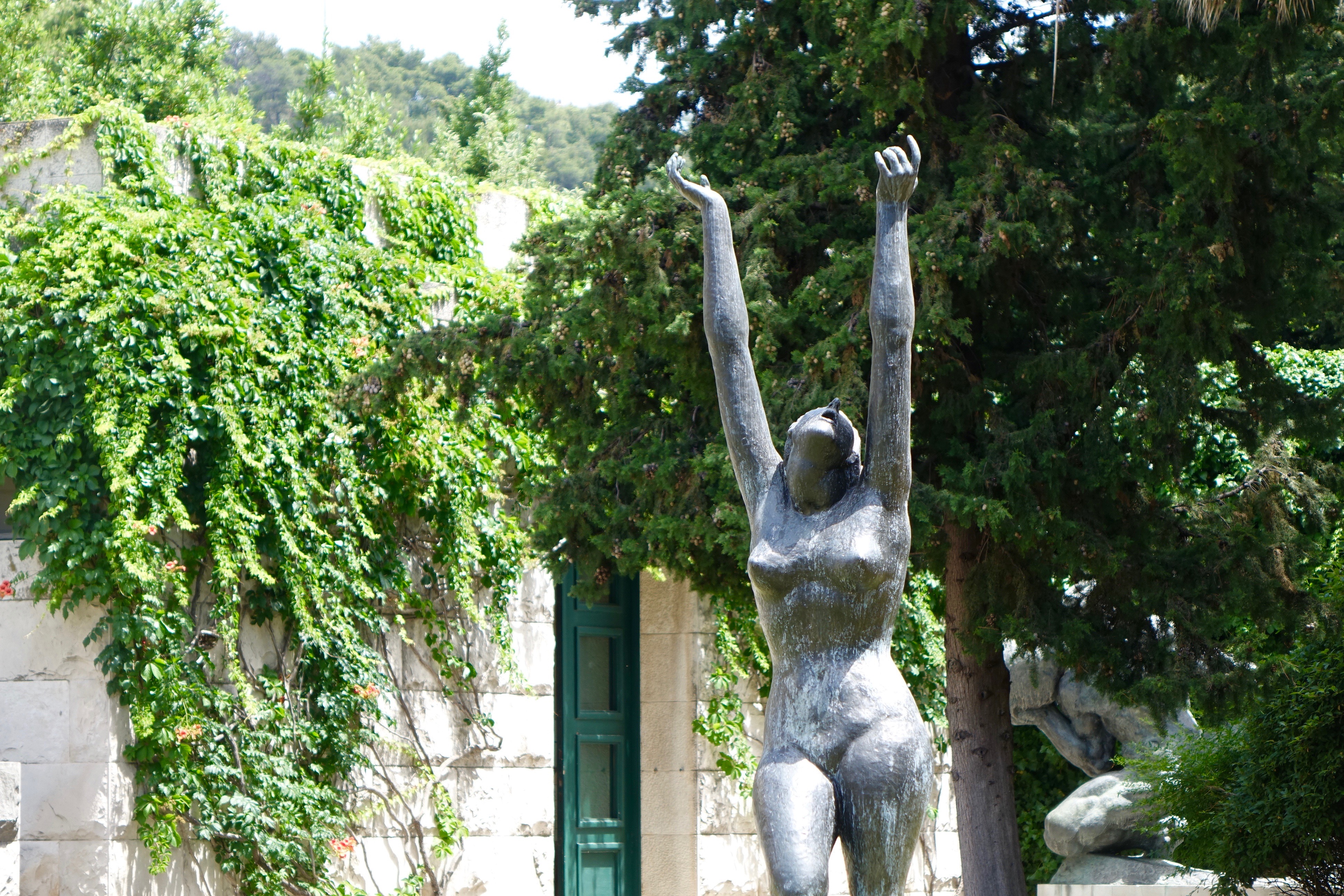
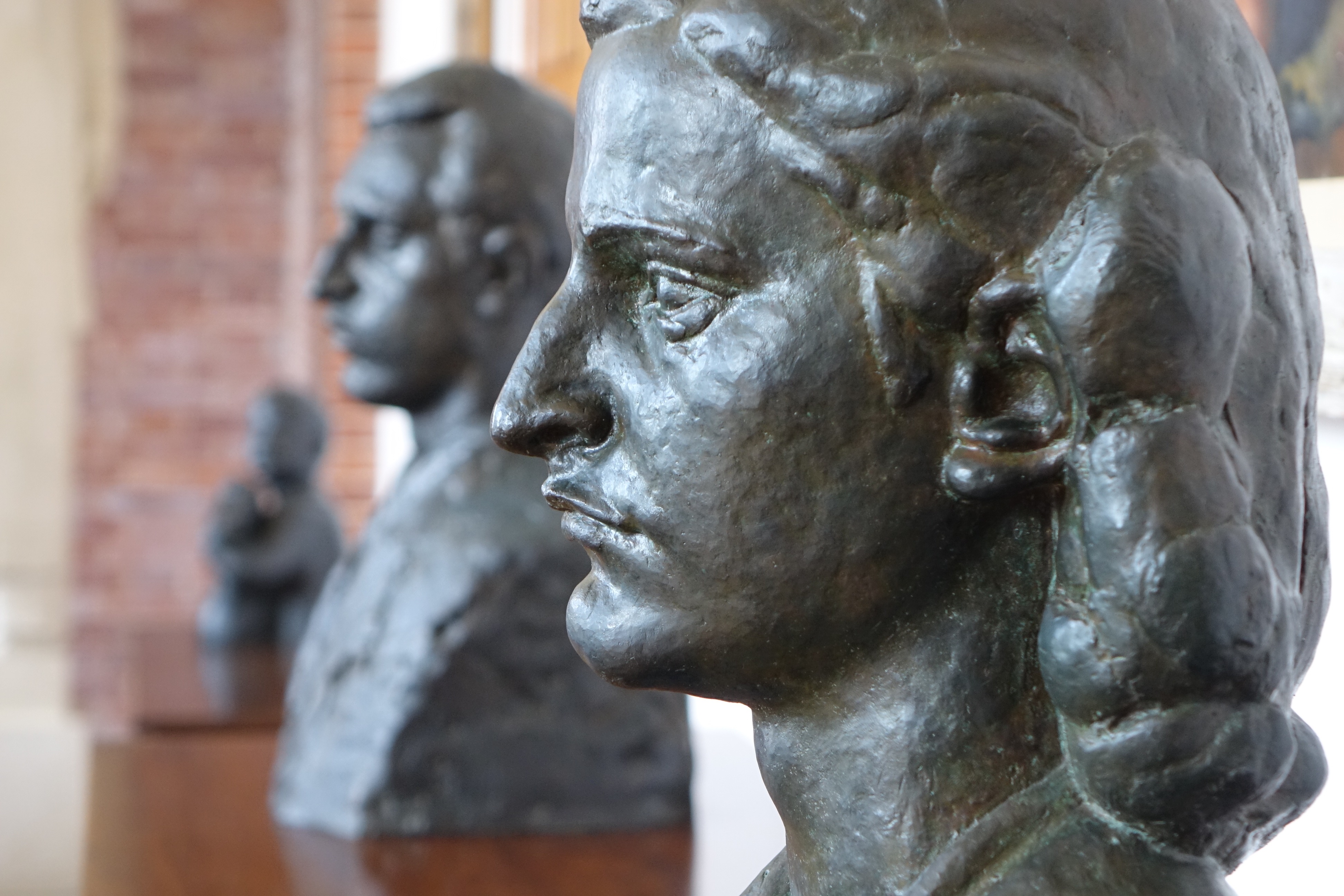
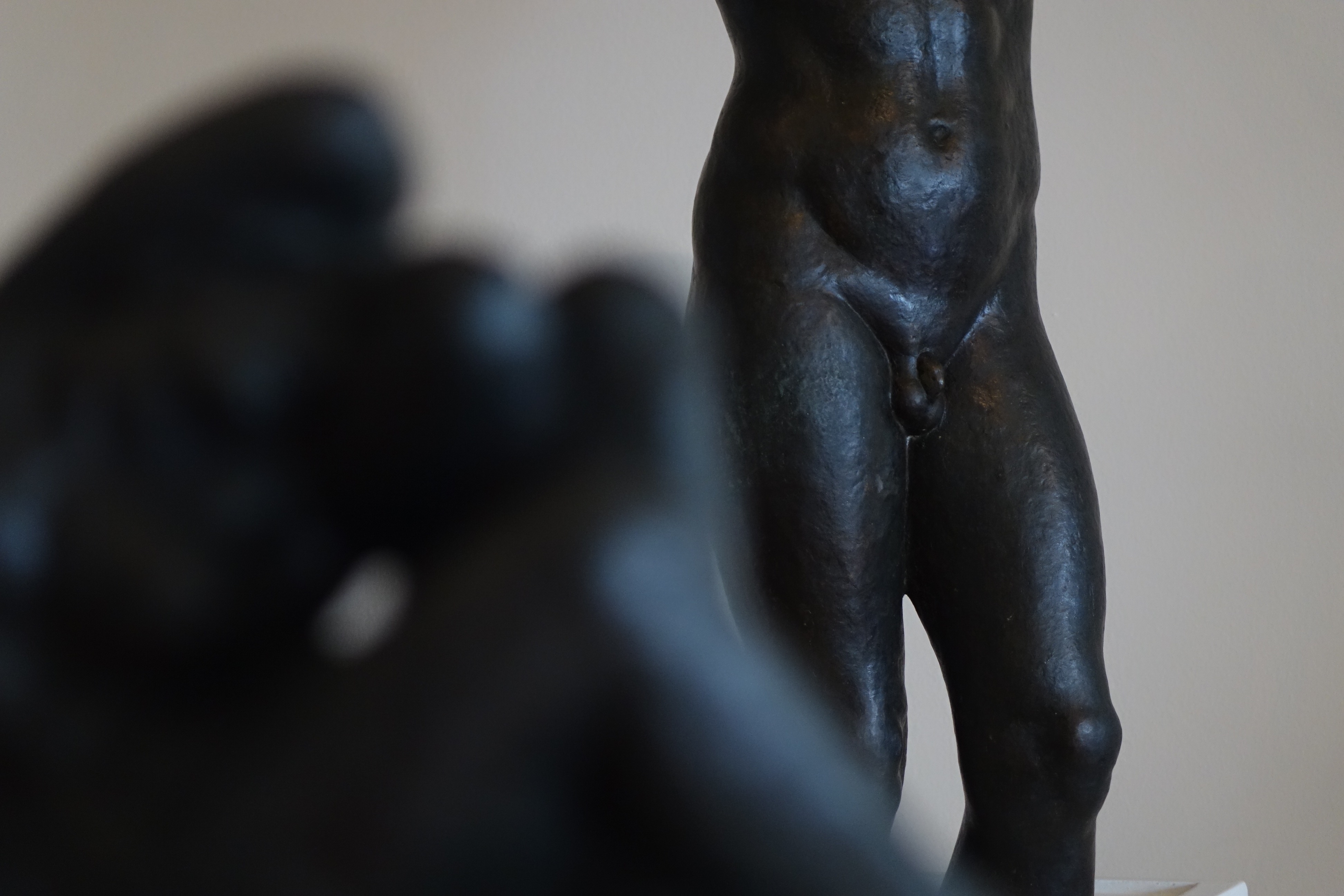
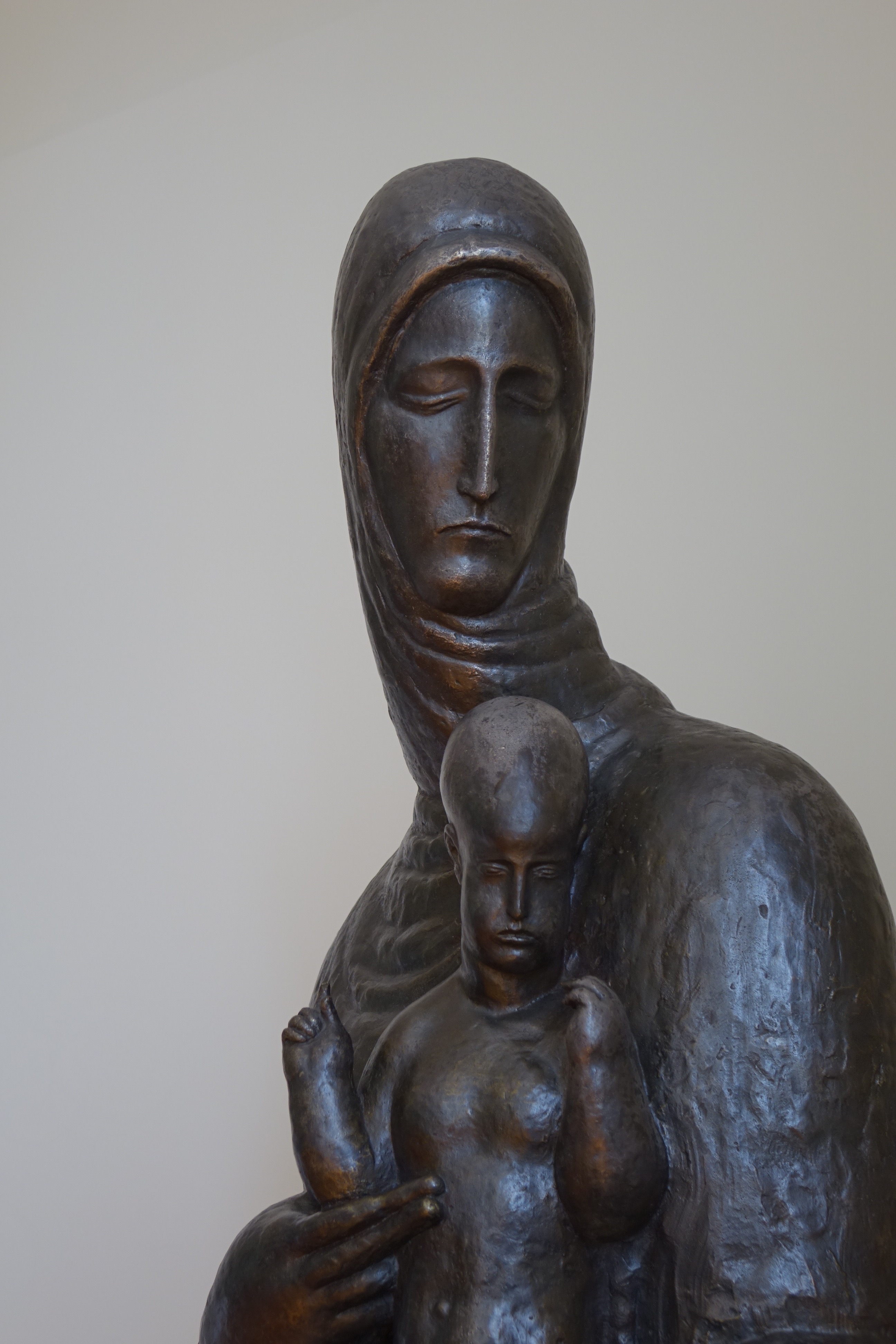
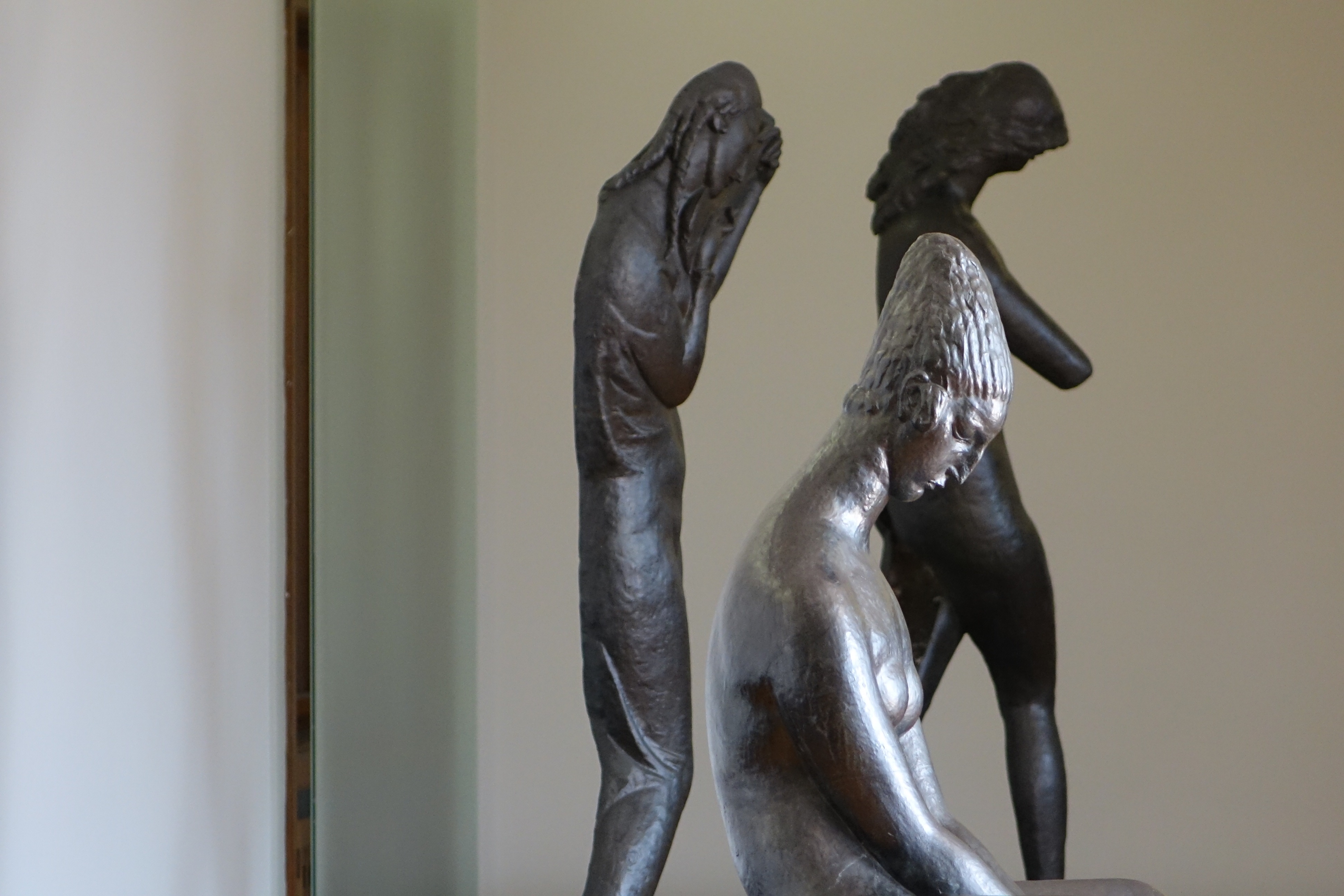
What struck us as we traversed the lofty space of this palatial museum were the viscerally real emotions the sculptor managed to capture in sculptures made of plaster and bronze. In the faces of Christ, or Mary, or in the portraits he made of friends, you are struck by an intensity of emotion, as though metal could talk, or scream, or cry. There is a sensitivity to these sculptures which is truly hyperreal even though, with their elongated heads and exaggerated features, there is a very painterly, interpretative aspect to the works.

We didn’t know the work of Meštrović before our hotel suggested we visit the museum, but as the days in Split continued we started to notice the presence of his work all around the city. And enjoying those works both in his museum, its gardens and in stunning locations in and around Split, it was not at all difficult to imagine why the city has adopted Meštrović as its favourite adopted son.

DSC02652DSC02669DSC02658

All photos and written content are strictly the copyright of Nicholas de Lacy-Brown © 2016 and The Daily Norm. All rights are reserved. Unauthorized use and/or duplication of the material, whether written work, photography or artwork, included within The Daily Norm without express and written permission from The Daily Norm’s author and/or owner is strictly prohibited. 

Discovering Mallorca: Pollensa Revisted

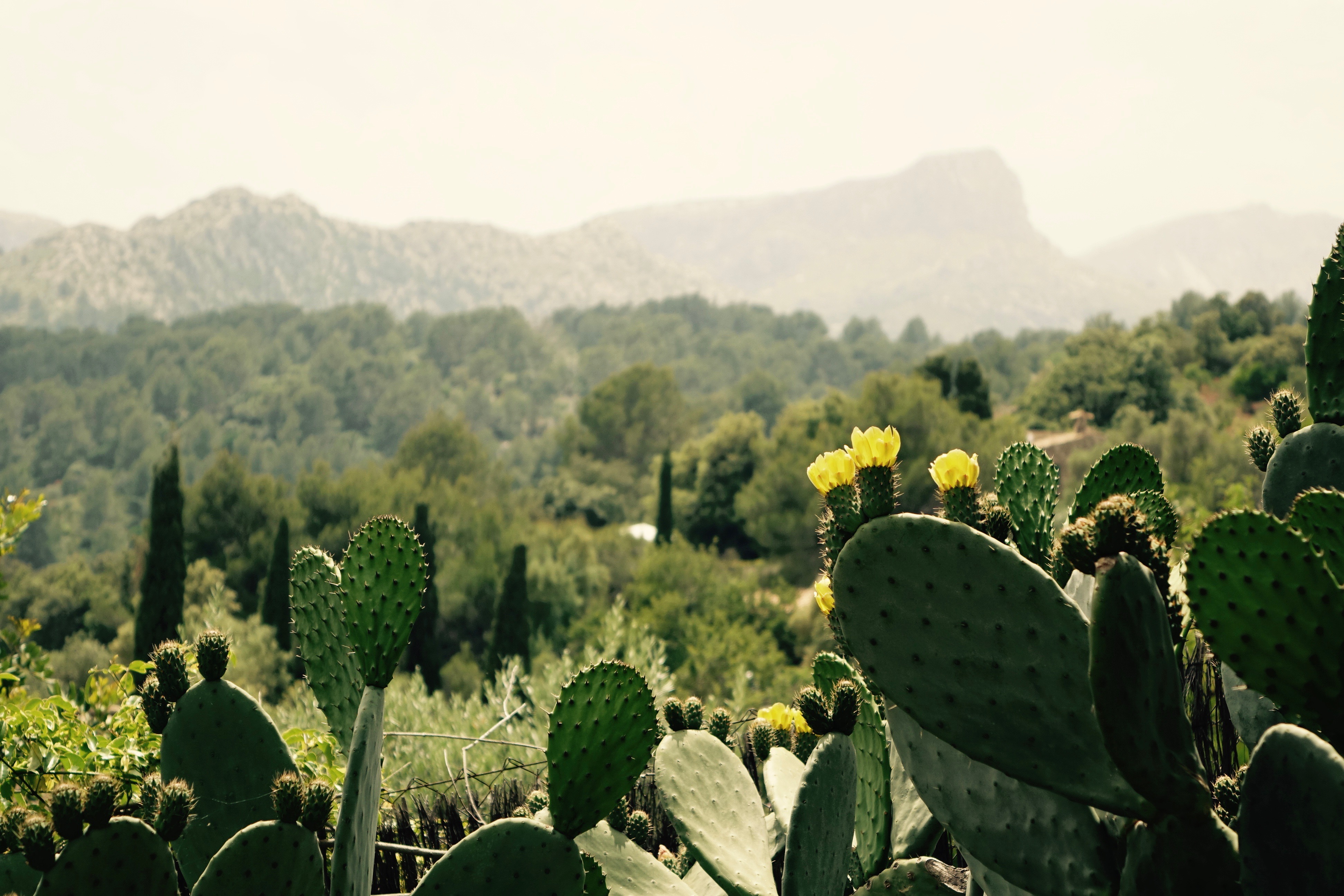
Living on an island so ripe with beauty tends to make discovery of the new a prerequisite. But there is something to be said for rediscovery too. How many times have I returned to my beloved village of Deia for example, and found some new reason to love the place on each visit? And so, having avoided returning to the little Tramuntana town of Pollensa because I had subconsciously listed it as “done”, I was surprised to find that when we headed back there last weekend, more through necessity than anything else (i.e. the sun had disappeared rendering the planned beach day a non-starter), I fell in love with the town afresh.

DSC02139DSC02051DSC02126DSC02108DSC02144DSC02095DSC02049

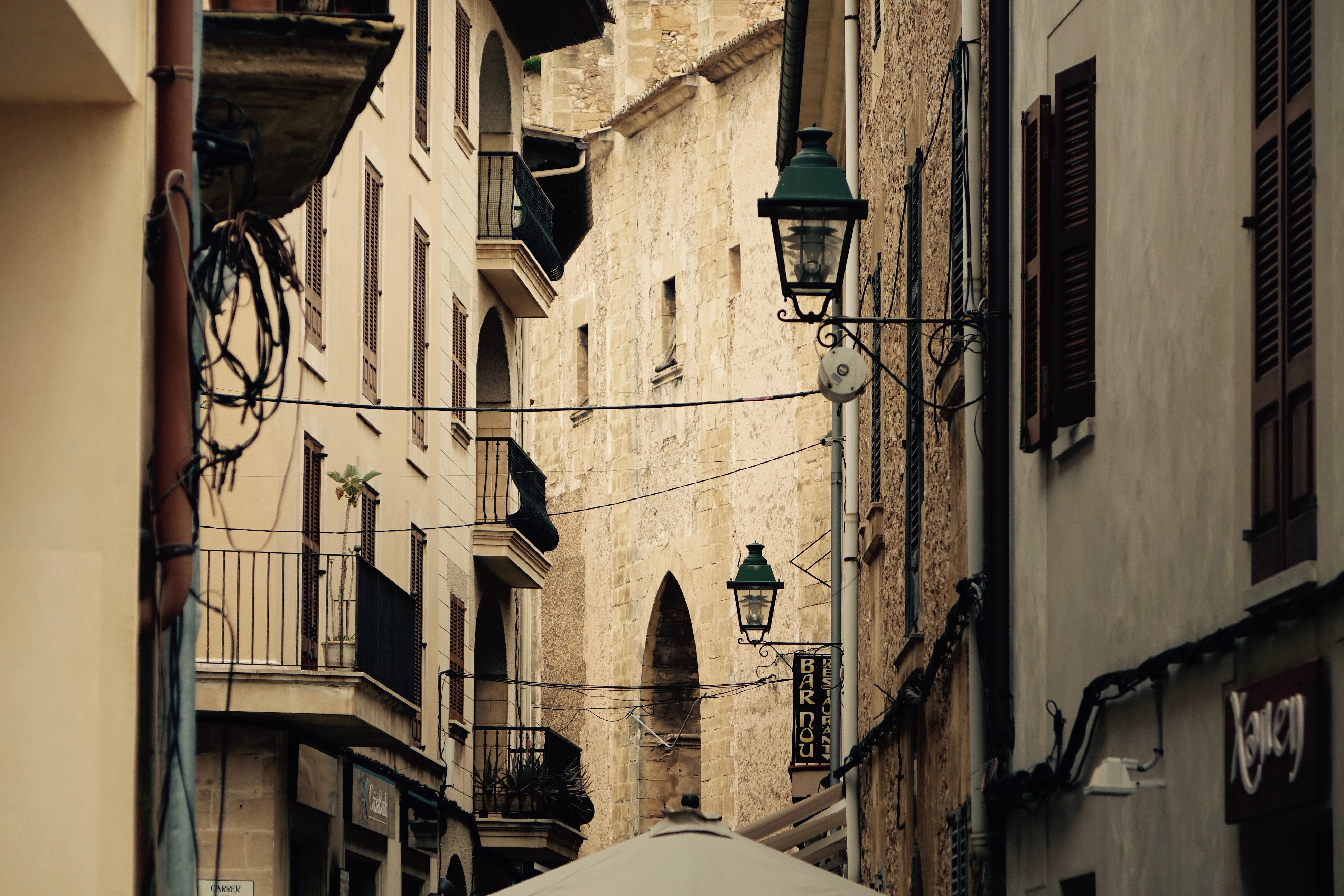
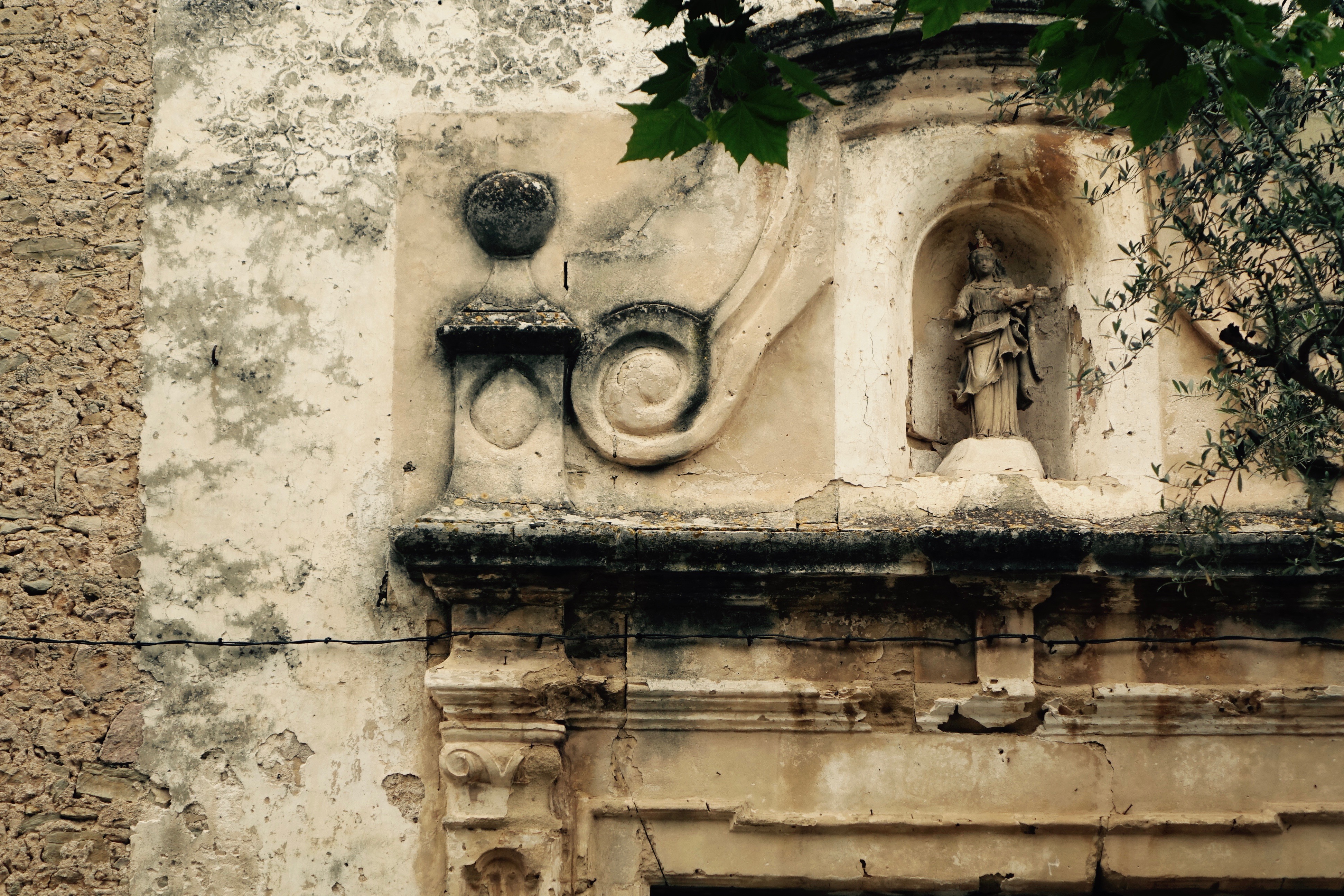
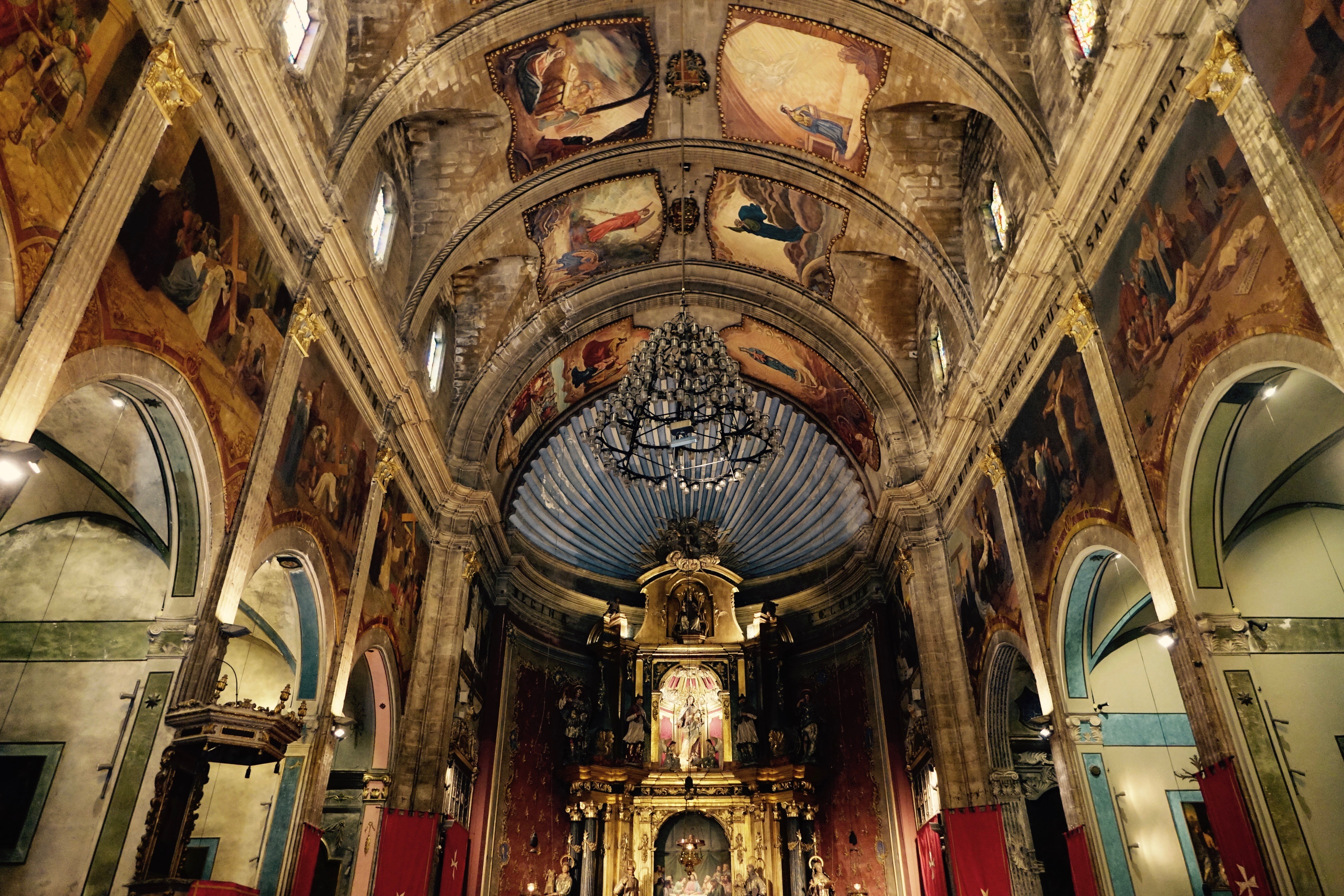
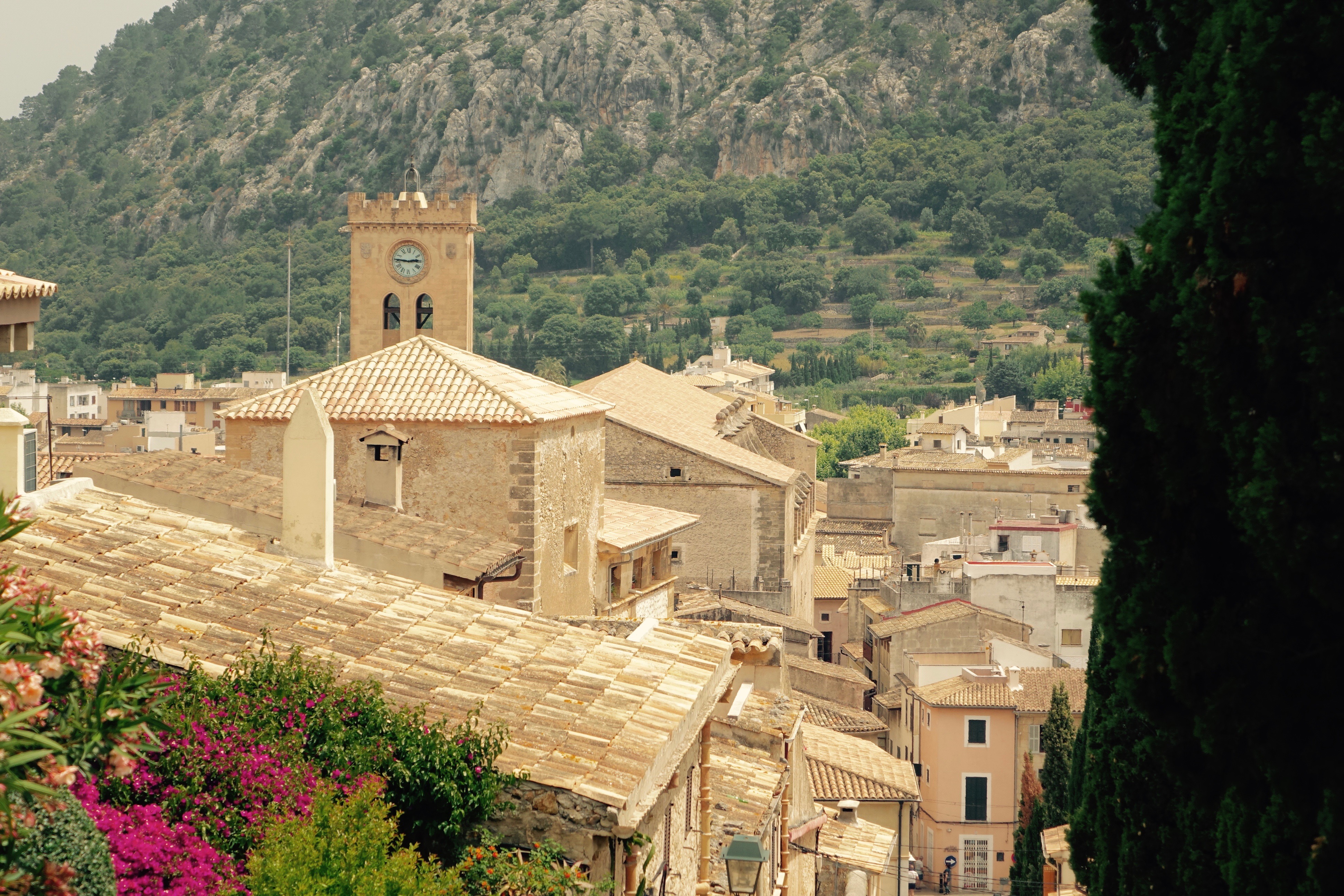
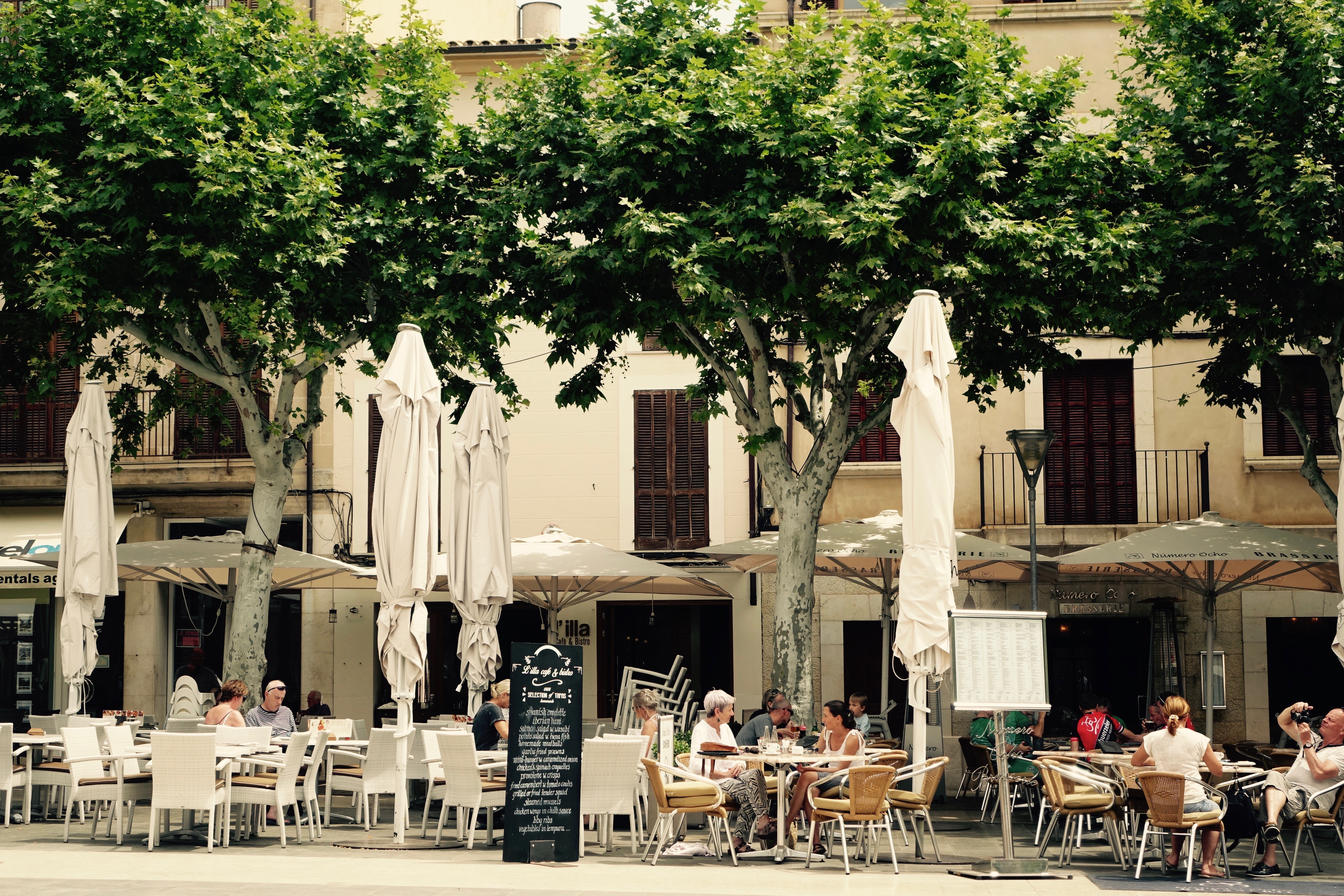
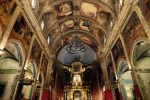
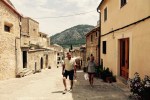
Sometimes overlooked by its altogether more glitzy port, the town of Pollensa is a true diamond in amongst the mountainous rough of the Northerly tip of Mallorca. Built very consistently throughout in a warm ochre stone, and containing its fair share of quaint cobbled shopping streets and bustling leafy squares, Pollensa is a perfectly formed little Mallorca town, free from many of the modern pollutants which have marred many of the island’s coastal resorts. At its centre, the 18th century Nostra Senyora Del Angels church may look fairly plain from the outside but hides a startlingly ornate interior complete with multi-coloured ceiling frescoes and glittering ornamentation.

DSC02059DSC02073DSC02065DSC02077DSC02091DSC02133DSC02124DSC02061

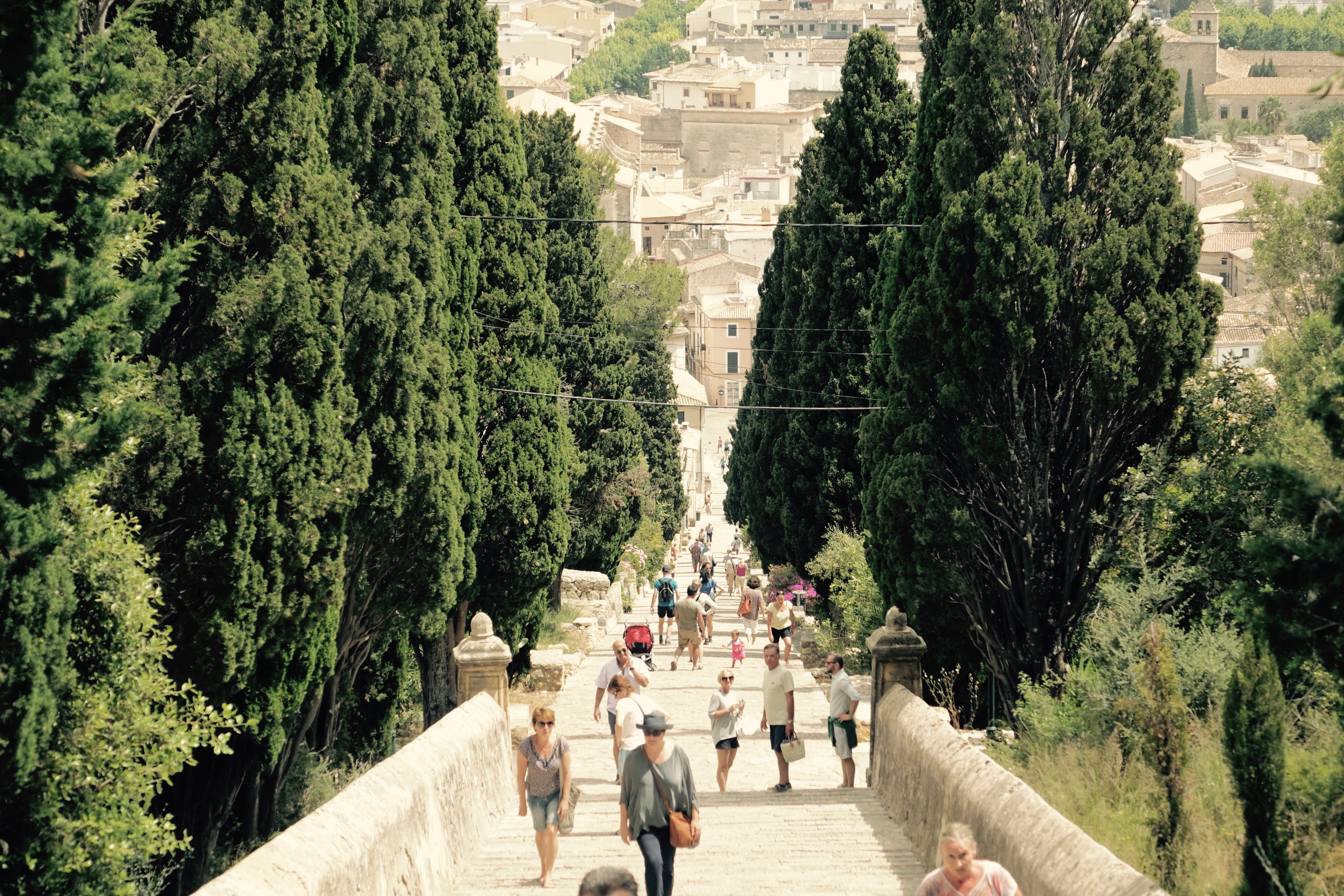
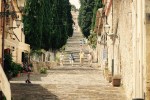
Behind it, the greatest attraction of all is undoubtedly the town’s Calvari steps, a staircase of some 365 steps rising up against the mountains which form the backdrop of the town and which lead those with sufficient energy to complete the climb to the Calvari Church and some of the best views of the town.

With an effortless swagger, we ascended the Calvari steps with far greater ease than on our first trip to the town some 4 years ago (thanks no doubt to increased gym efforts and lamentably fewer cupcakes) and there reflected on the success of this return trip to Pollensa, bemoaning why it had taken us so long to rediscover it. For as these photos show, all of which benefit from a pleasingly creamy antique-style filter, Pollensa is a town loaded with atmosphere, and which makes for the perfect visit, no matter how many times you choose to go.

All photos and written content are strictly the copyright of Nicholas de Lacy-Brown © 2016 and The Daily Norm. All rights are reserved. Unauthorized use and/or duplication of the material, whether written work, photography or artwork, included within The Daily Norm without express and written permission from The Daily Norm’s author and/or owner is strictly prohibited.

Across the Water to Menorca, Part 4: Virgin Beaches

So after all the sun shone on our weekend in Menorca, and while our stay saw its fair share of grey skies tumbling across the island, the times of sunshine were all the more remarkable by contrast. And for my final post of my little Menorca season, I am sharing photos captured on a long sunny Sunday afternoon, where the sun did nothing so well as to magnify the sheer stupefying beauty of Menorca’s natural scenery.

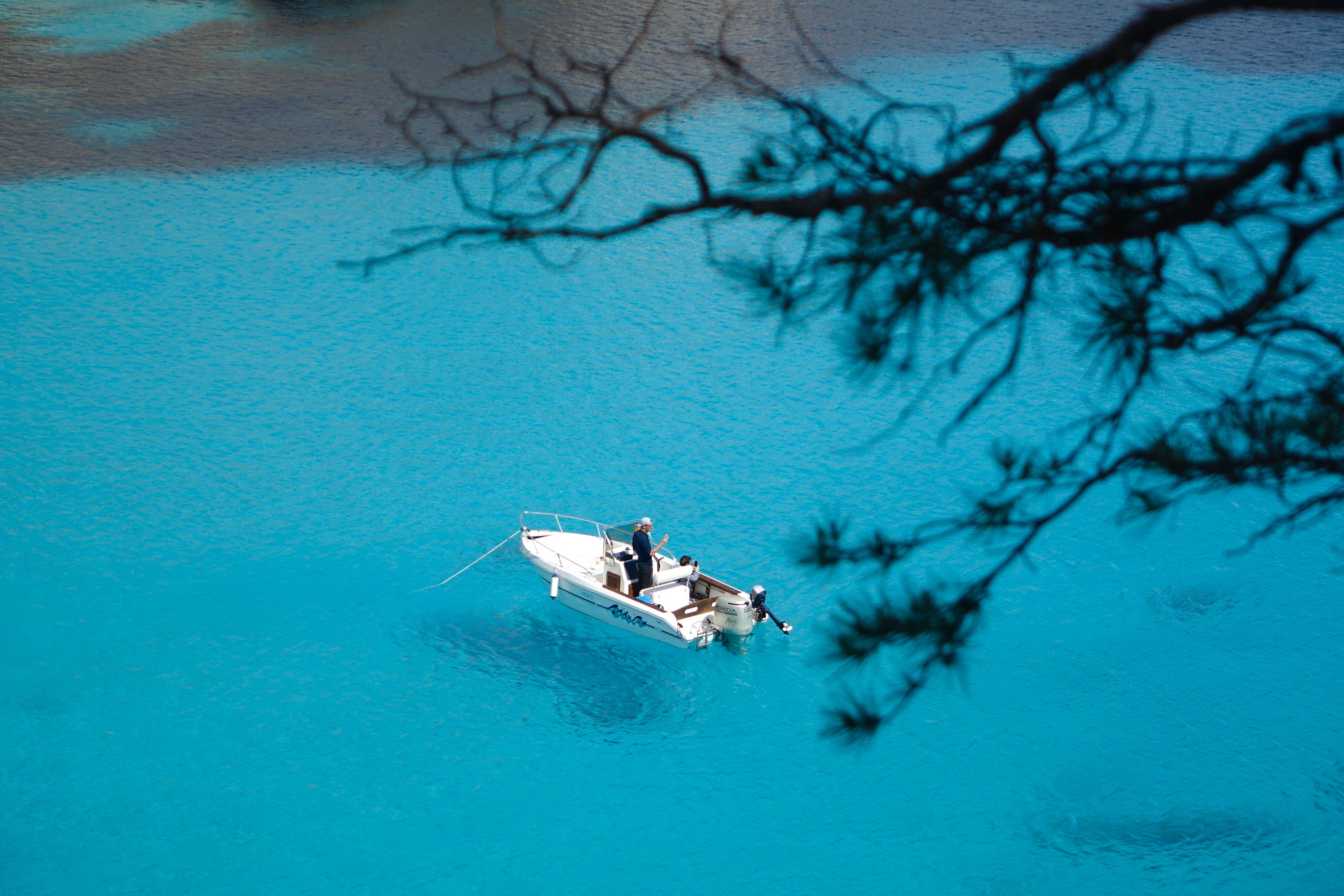
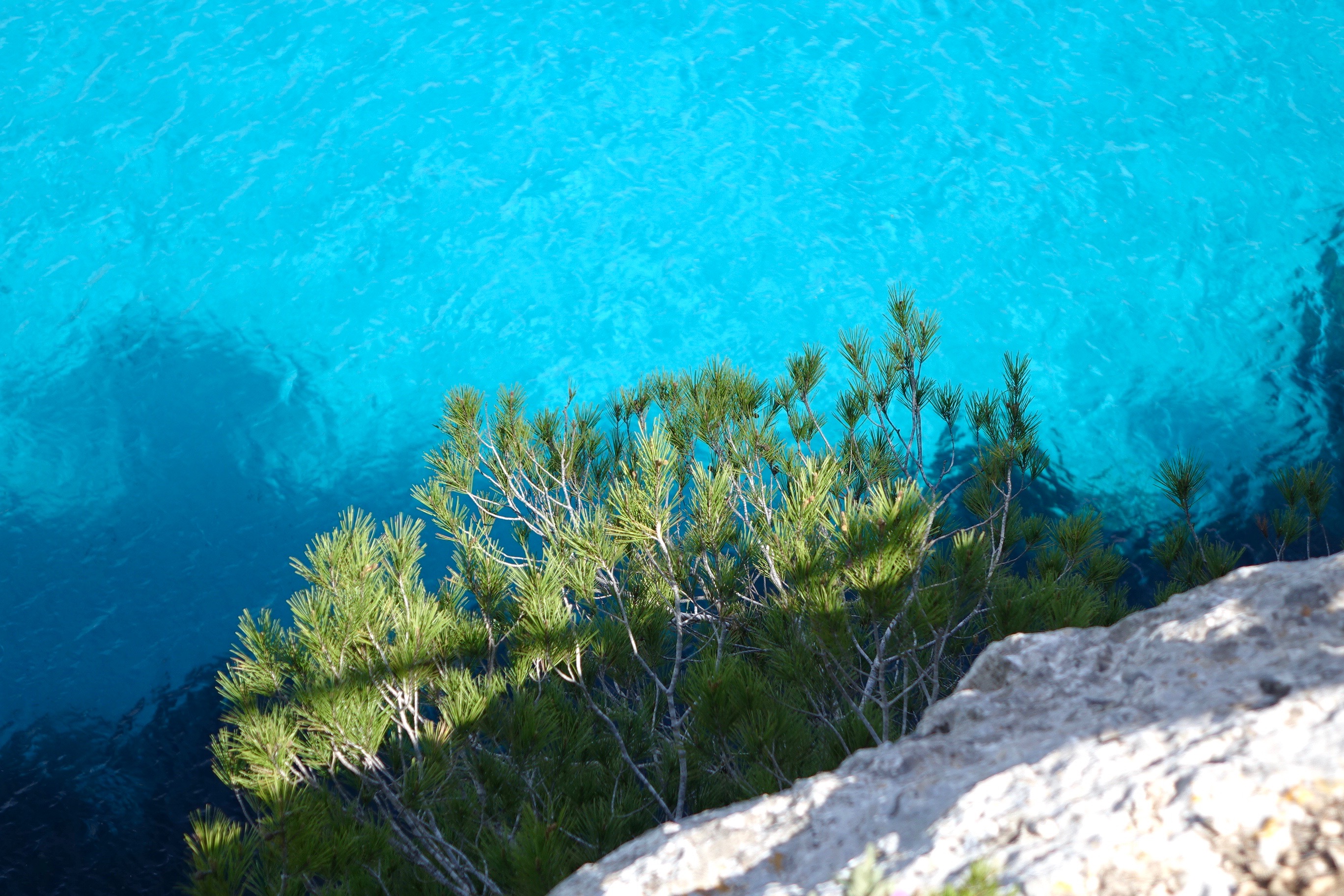
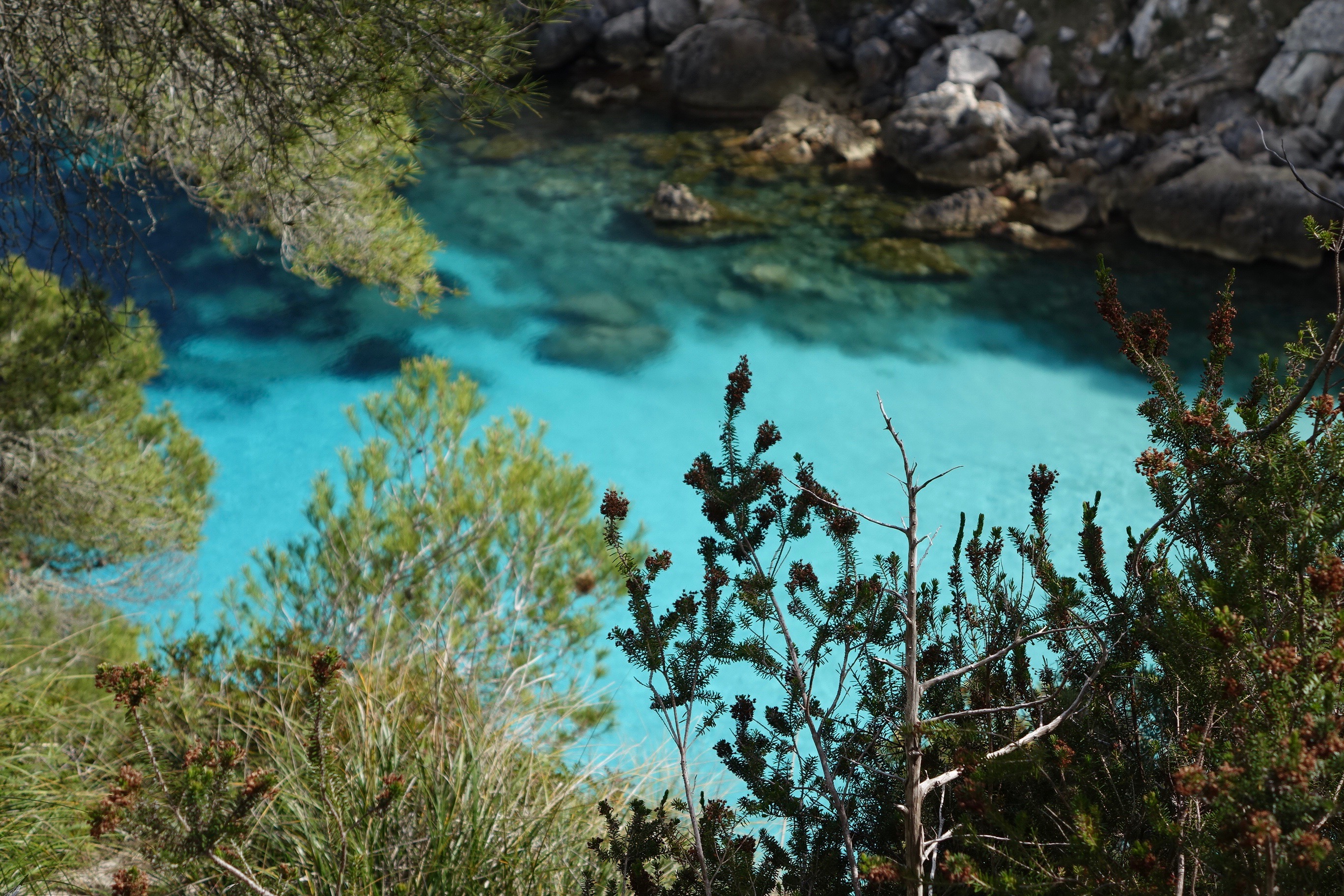
For where Menorca lacks in the city buzz of Palma here on its neighbouring island of Mallorca, it gains in the untouched virgin landscape which nature has left for us humble visitors to enjoy. Just as I thought Mallorca’s beauty could not be beaten, along came the calas (coves) of Menorca whose colours just blew my mind. There, the sands were so white, so pure and unsullied by the slightest hint of humans, that as they slowly descended beneath the fringe of the mediterranean coastline, they did so creating a paradisal cerulean blue melting into darker azure tones. Across the waters, the crystal clear seas shone and glimmered, and just underneath the surface, one could admire the camouflage effect of the odd rocky outcrop contrasting against the golden surface of the seabed.

DSC01220DSC01245DSC01253DSC01212DSC01246DSC01204DSC01249DSC01207DSC01232DSC01213

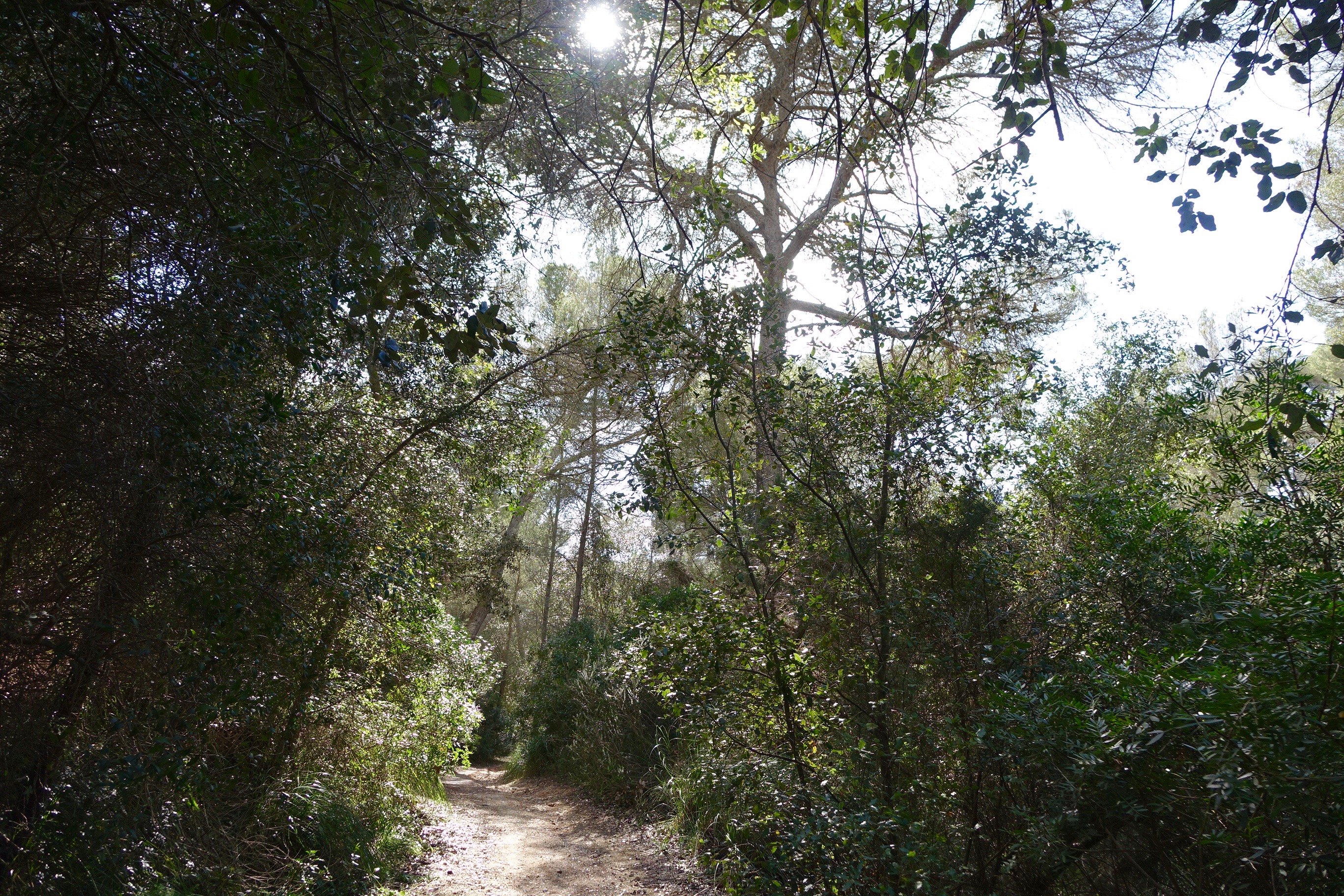
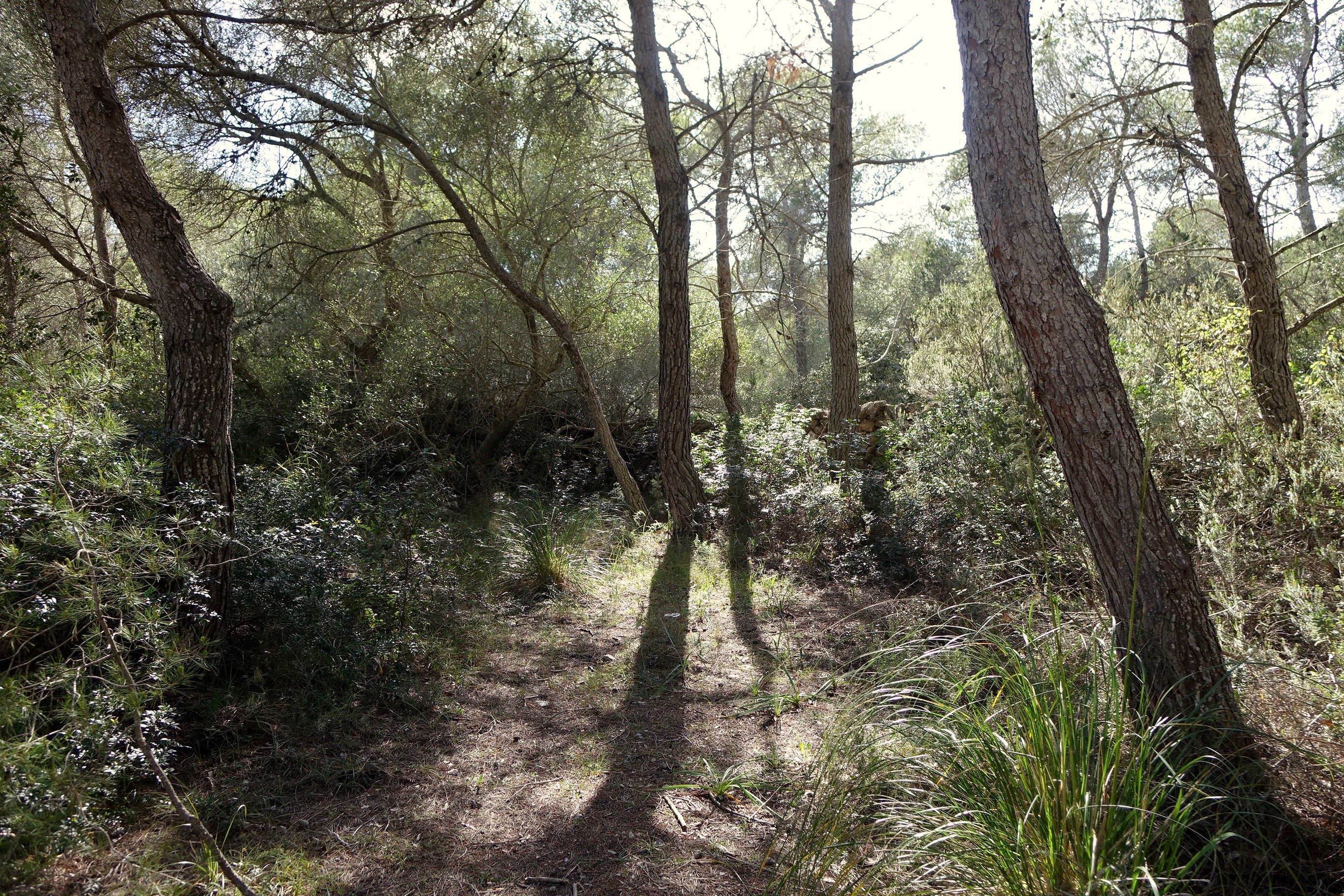
We could have quite easily spent months visiting the many calas which pepper Menorca’s coastline, such are their number, but we satisfied ourselves with the double whammy of the Cala Macarella and its smaller even more beautiful sister, the Cala Macarelleta, just around the corner. Approached through a densely planted aromatically fragrant pine forest, both beaches are a sight to behold and a treat for all the senses. The waters are every bit the match of the Caribbean, untouched, unspoilt and in the month of May blissfully underpopulated (save for the odd nude bather).

DSC01210DSC01244DSC01216DSC01192DSC01255DSC01203DSC01227

Here in the Mediterranean, paradise always feels very close at hand, but in the calas of Menorca, I feel we had practically made it.

All photos and written content are strictly the copyright of Nicholas de Lacy-Brown © 2016 and The Daily Norm. All rights are reserved. Unauthorized use and/or duplication of the material, whether written work, photography or artwork, included within The Daily Norm without express and written permission from The Daily Norm’s author and/or owner is strictly prohibited.
Across the Water to Menorca, Part 3: Ciutadella

When we saw the weather forecast for our weekend in Menorca we were on the verge of cancellation. We even went so far as to check the cancellation charges, as rain descended upon the Mediterranean. Could it be possible, we asked ourselves? Surely it couldn’t rain in Menorca. But as it was, we decided to go, lured by the promise of hotel pampering and a change of environment, and as it happened it didn’t rain all the time as the weatherman had promised. In fact for at least 60% of the time, the sun shone delightfully.

DSC01296DSC01387DSC01408DSC01426DSC01399DSC01422DSC01421

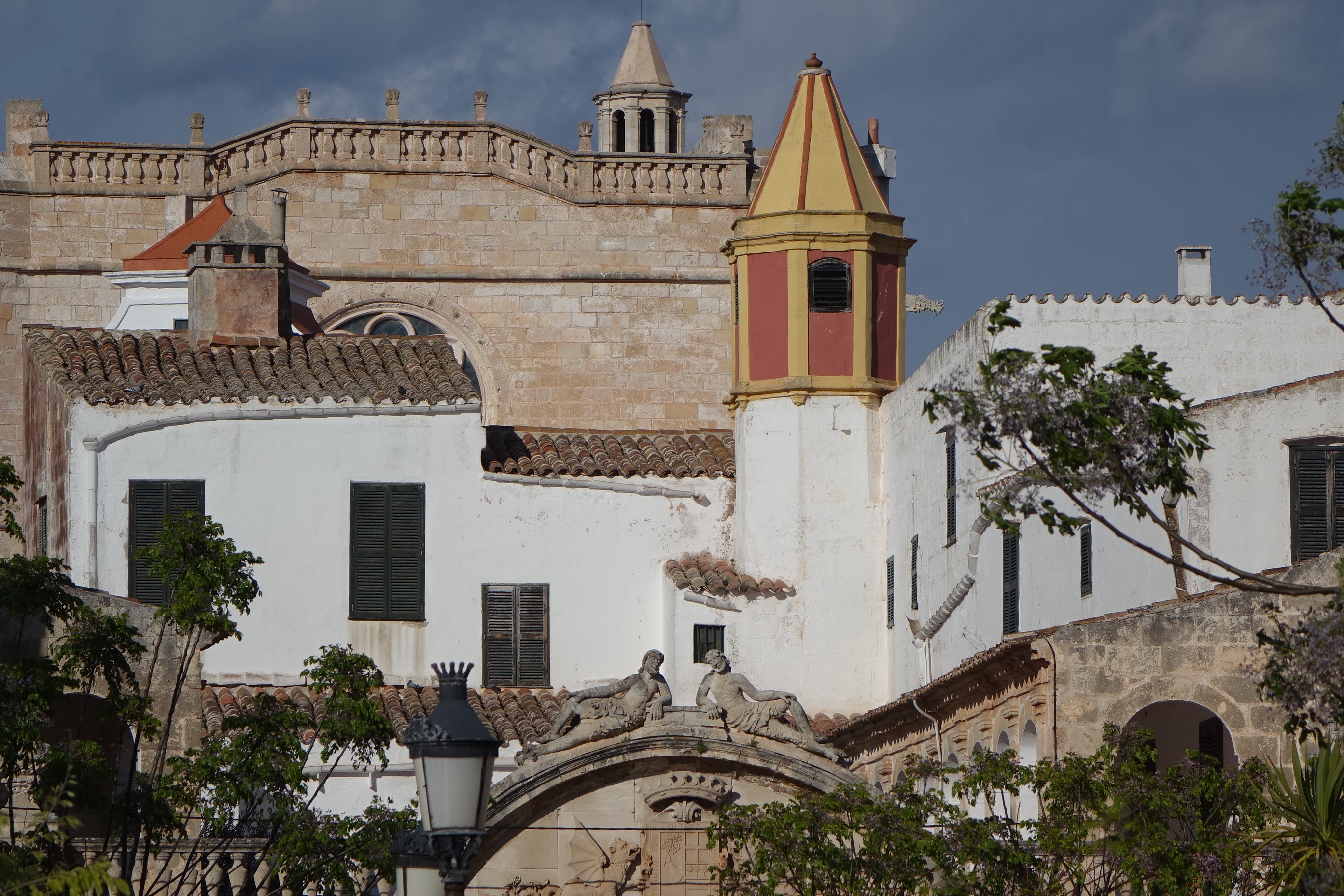
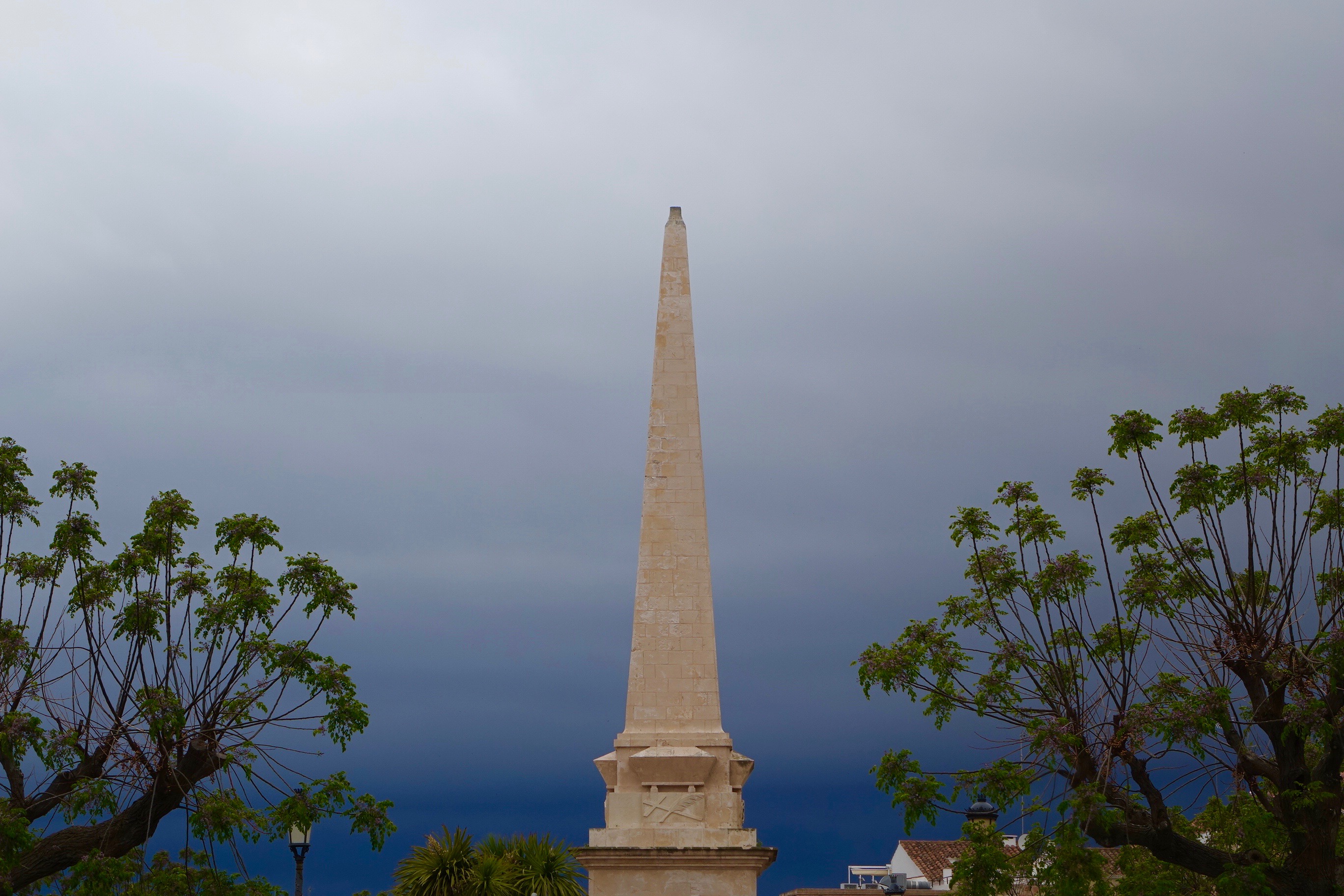
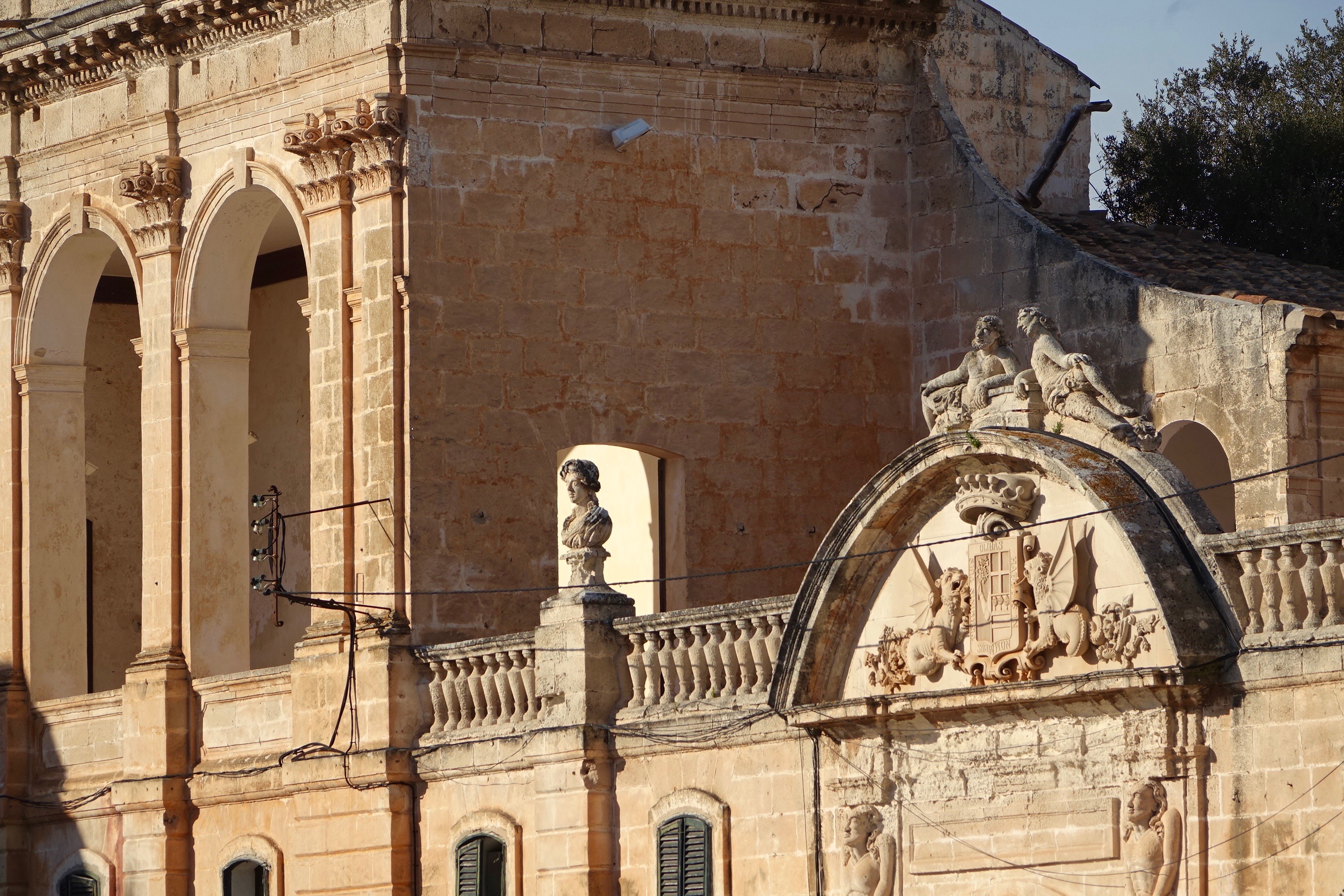
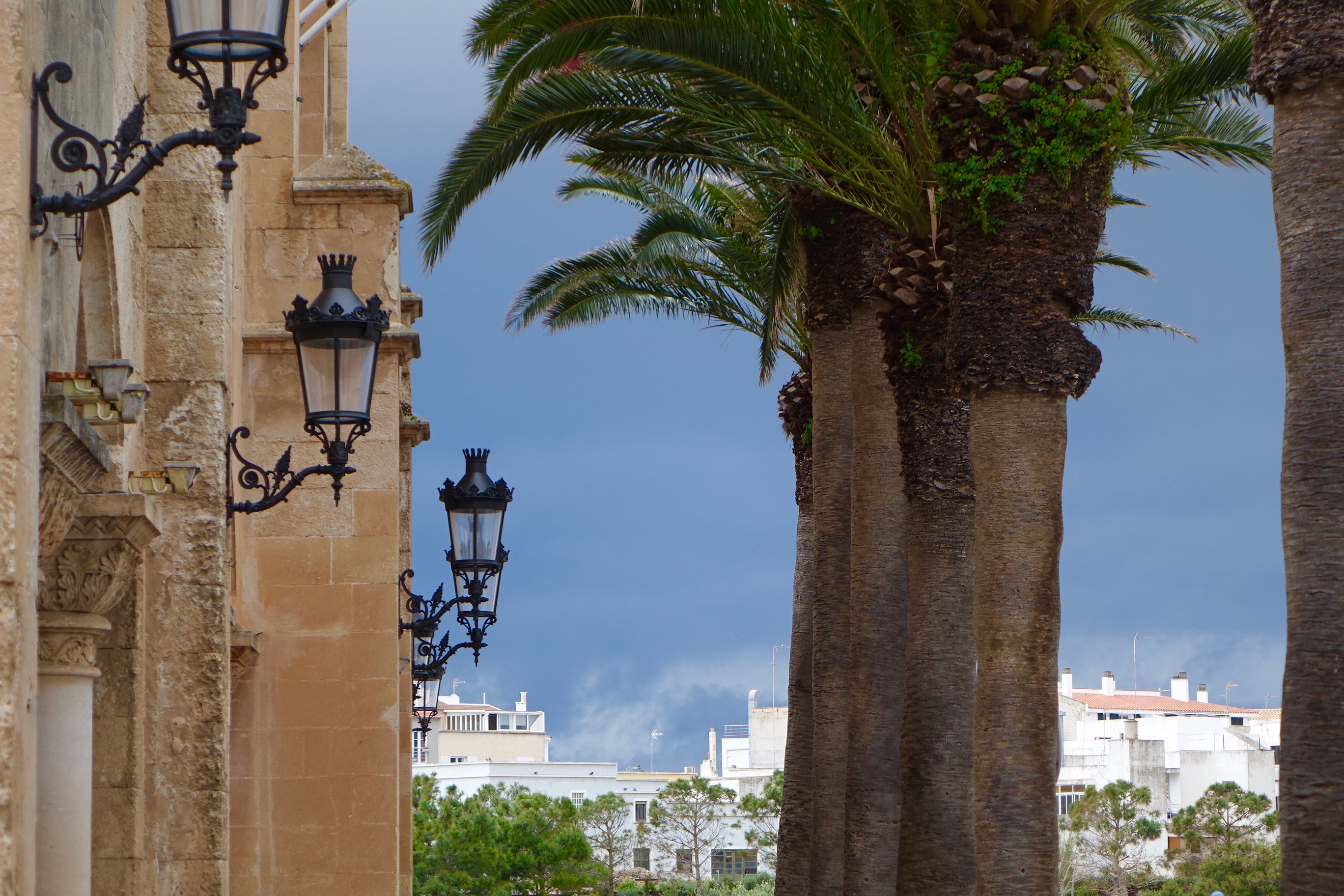
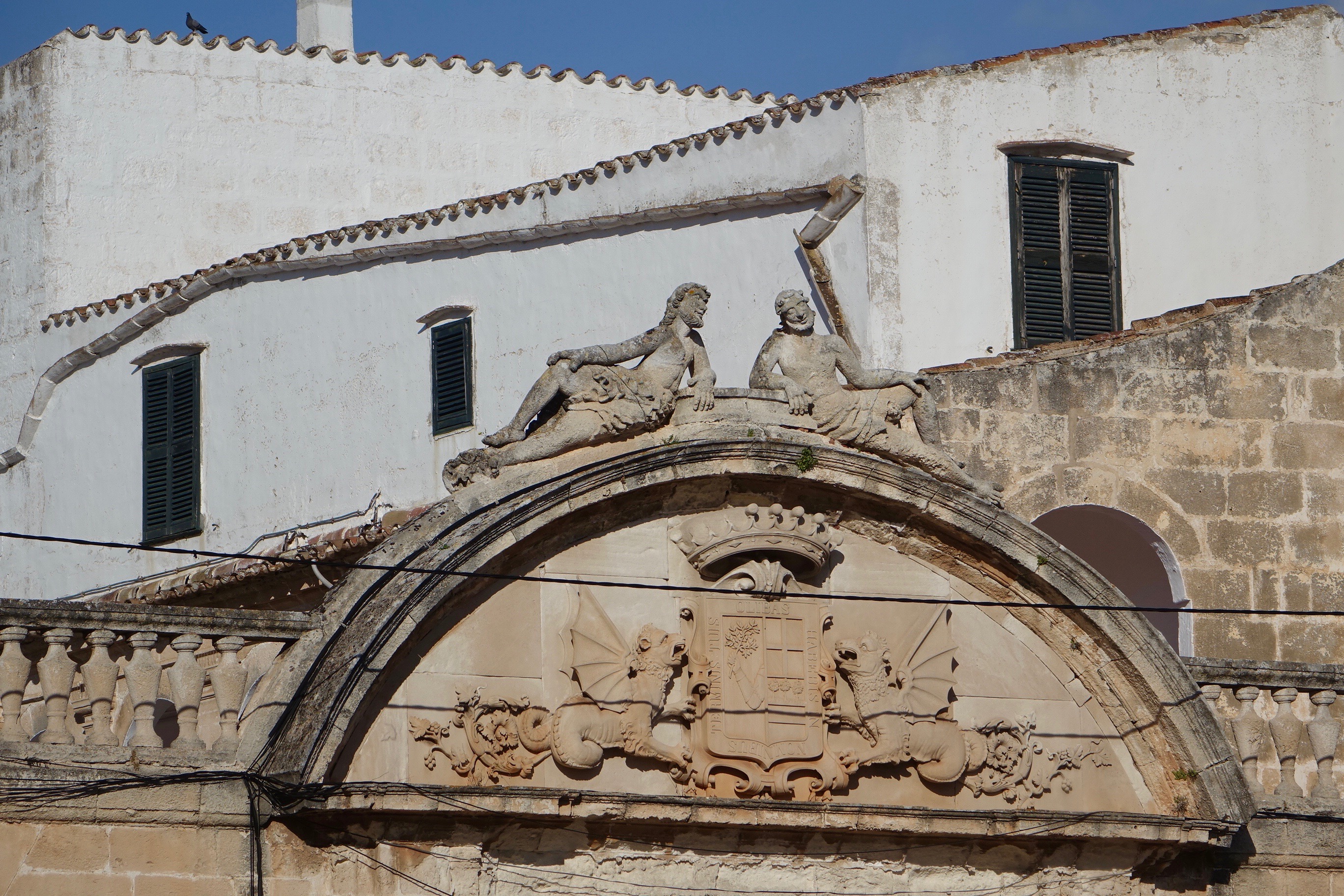
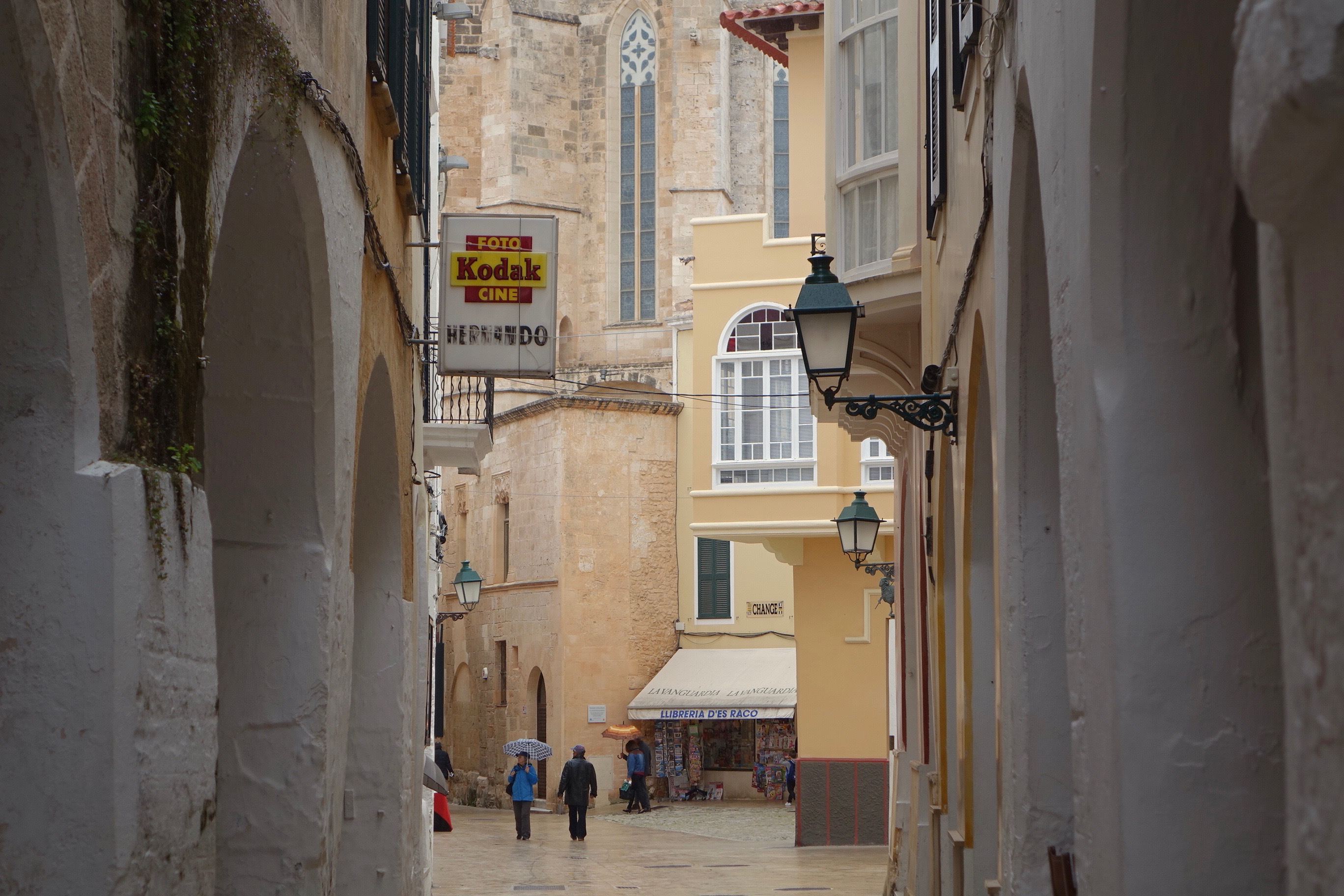
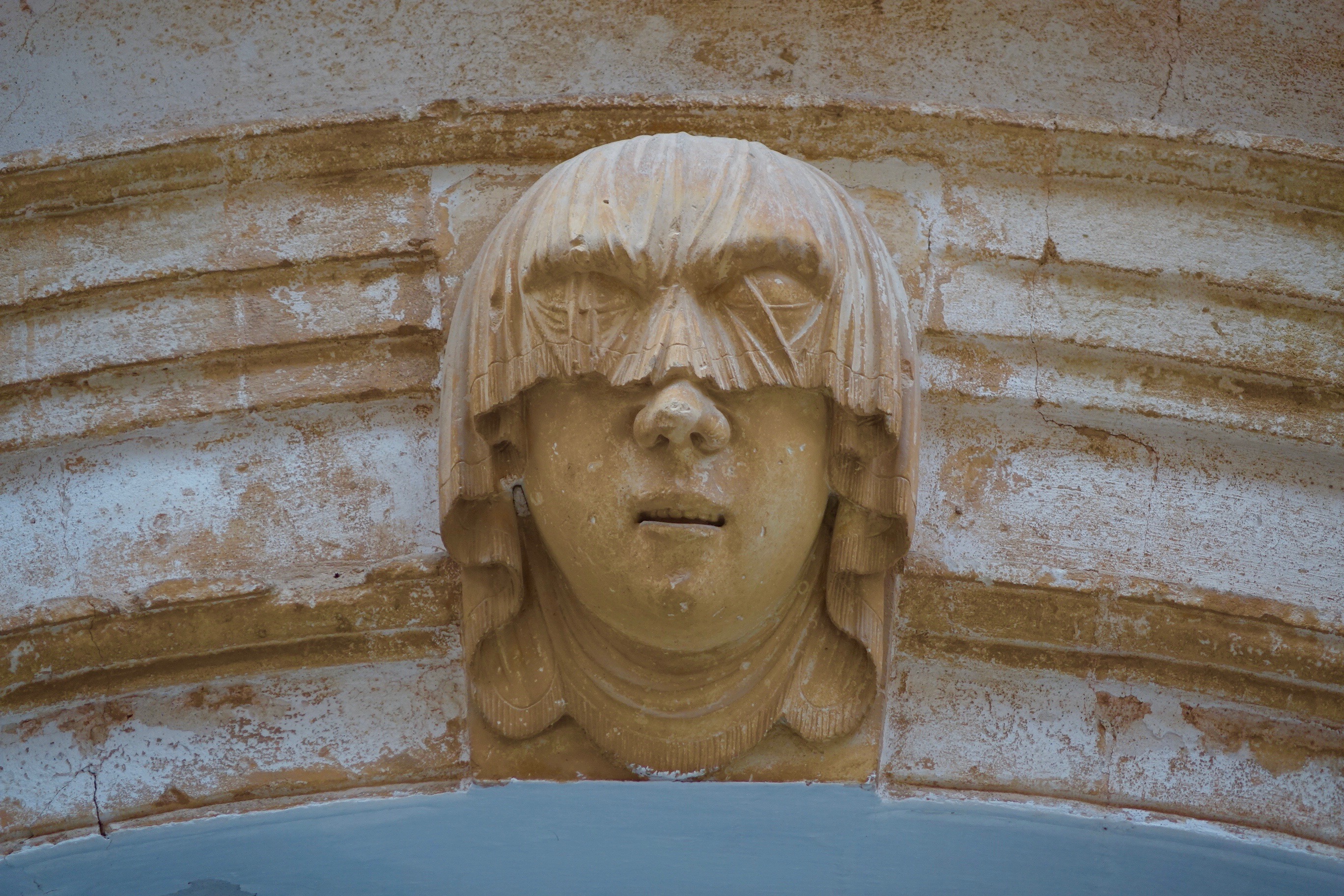
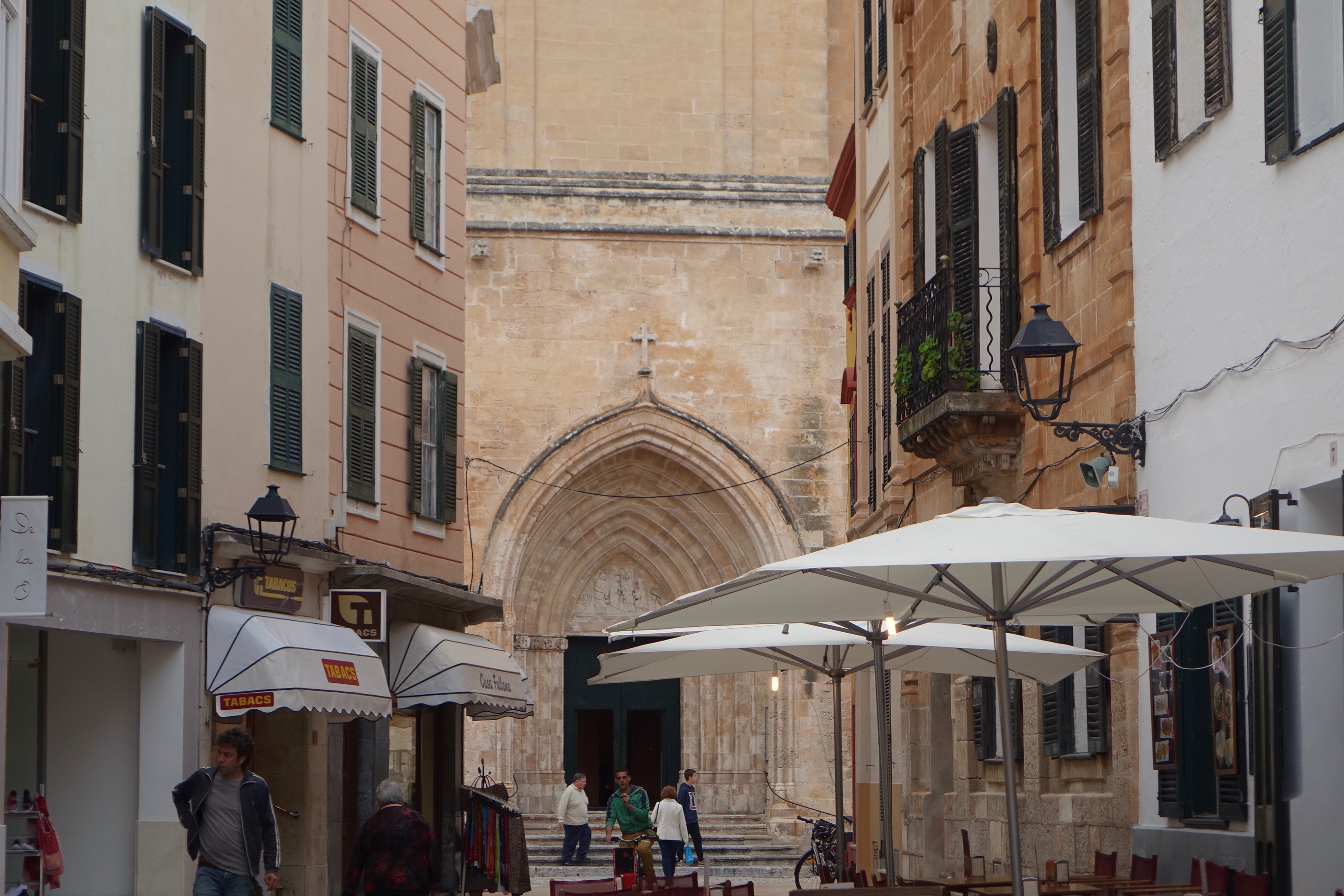
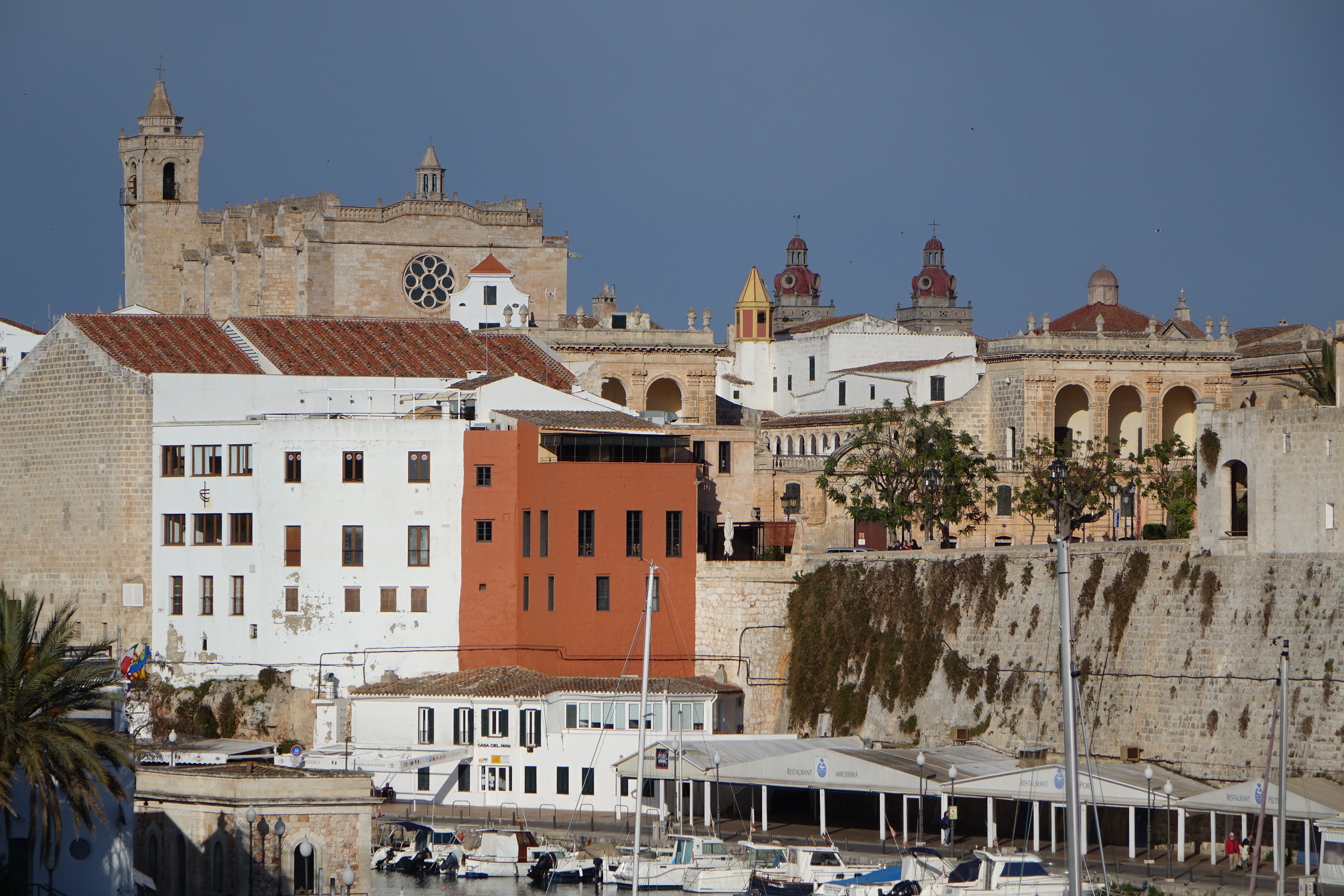
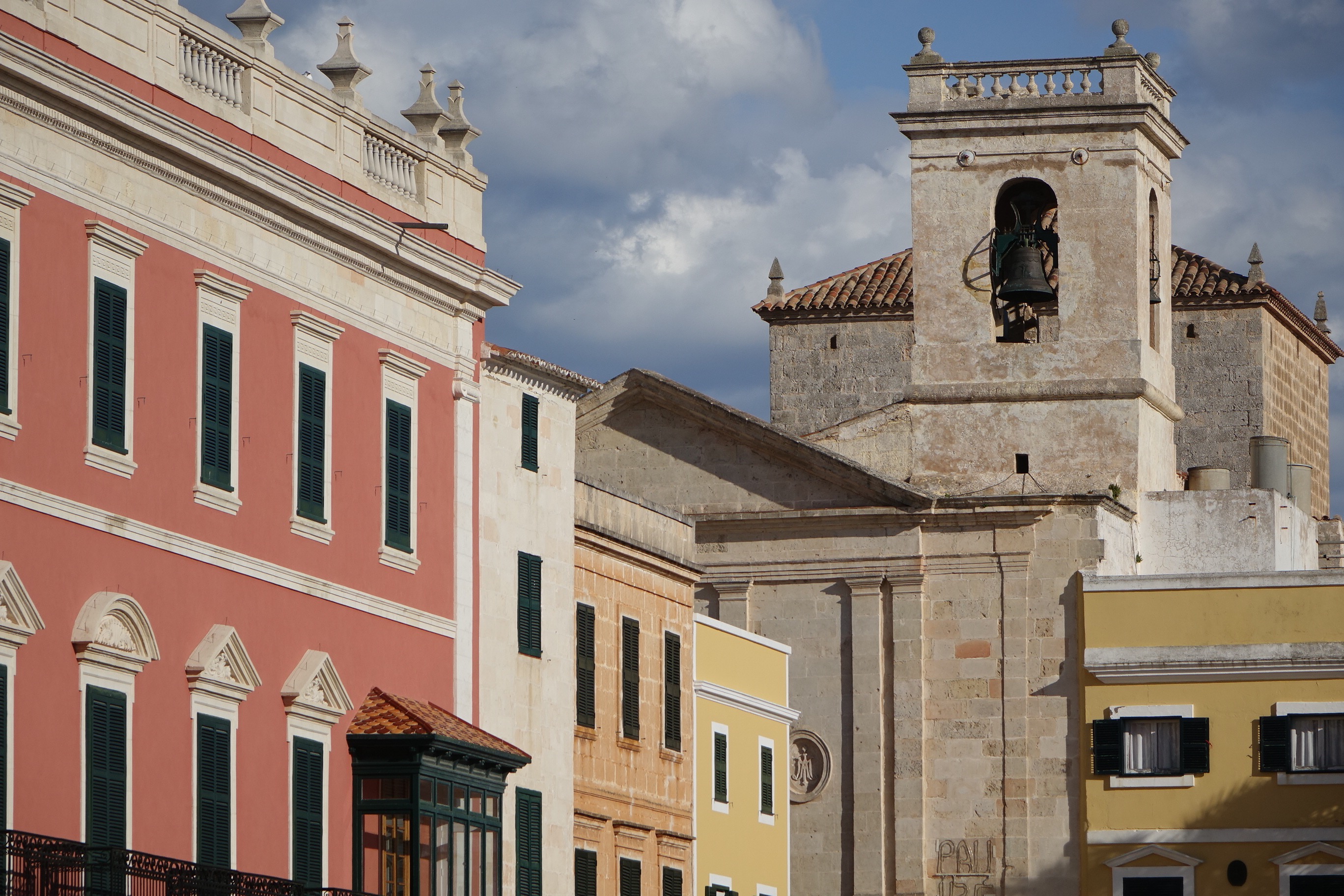
Consequently, our experience of Ciutadella, the beautiful second city of the island in which we based ourselves was something of a mixed weather bag, as we dodged rainfall, spent our time in more cafés and restaurants drinking wine than could perhaps be justified, and constantly revisited the same sights in the hope of capturing the best photos of the famous pink-tinged sandstone which characterises the city. The collection which results is therefore one which shows not only the beautiful city, one filled with little cobbled lanes and impressive palatial buildings, but also the weather conditions which changed its character. I especially love those photos when the buildings are almost illuminated by a hazy sun, but where the promise of a menacing dark rain storm looms in the background.

DSC00916DSC01282DSC00923DSC01303DSC00909DSC01301DSC00887DSC00727DSC00747DSC00748

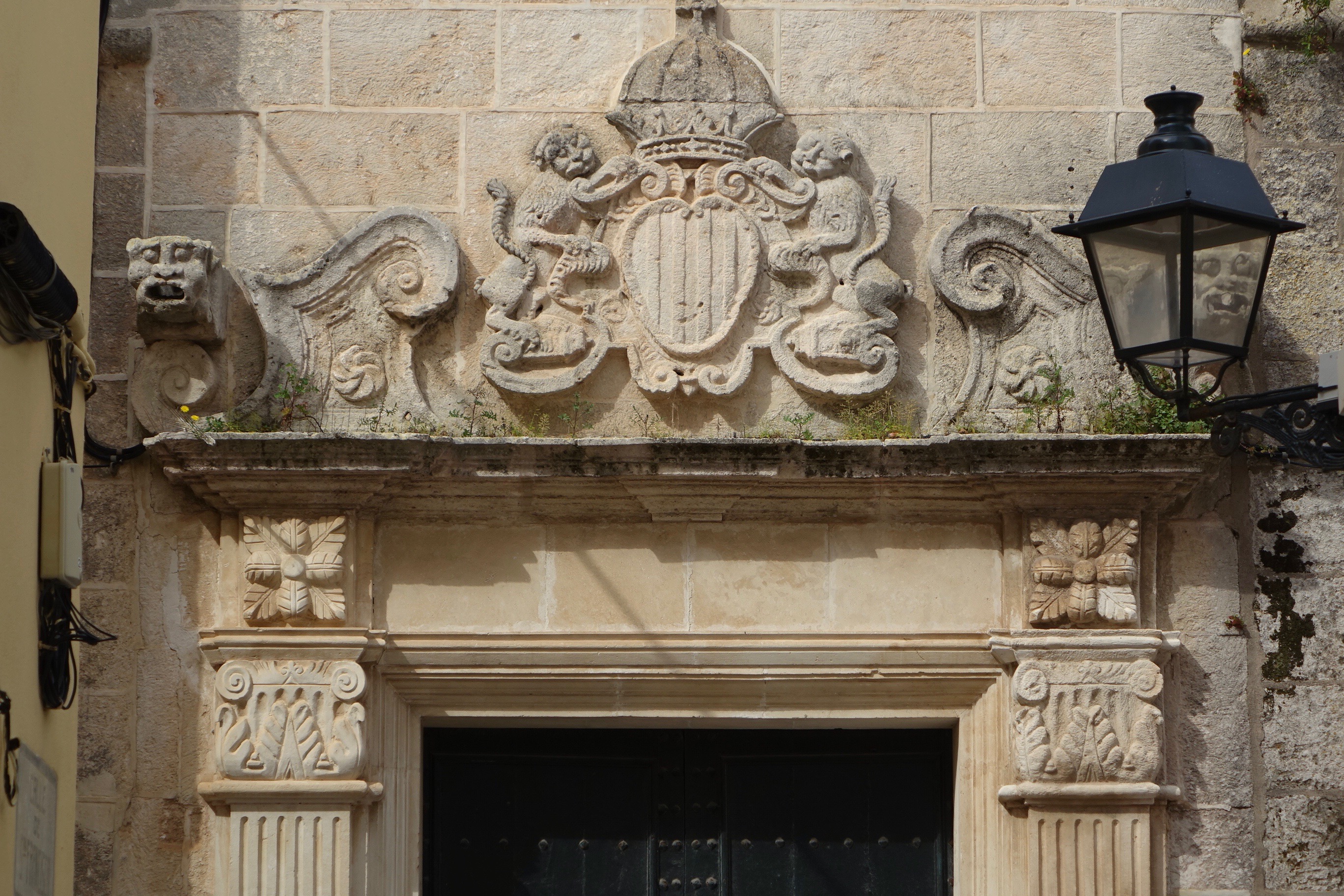
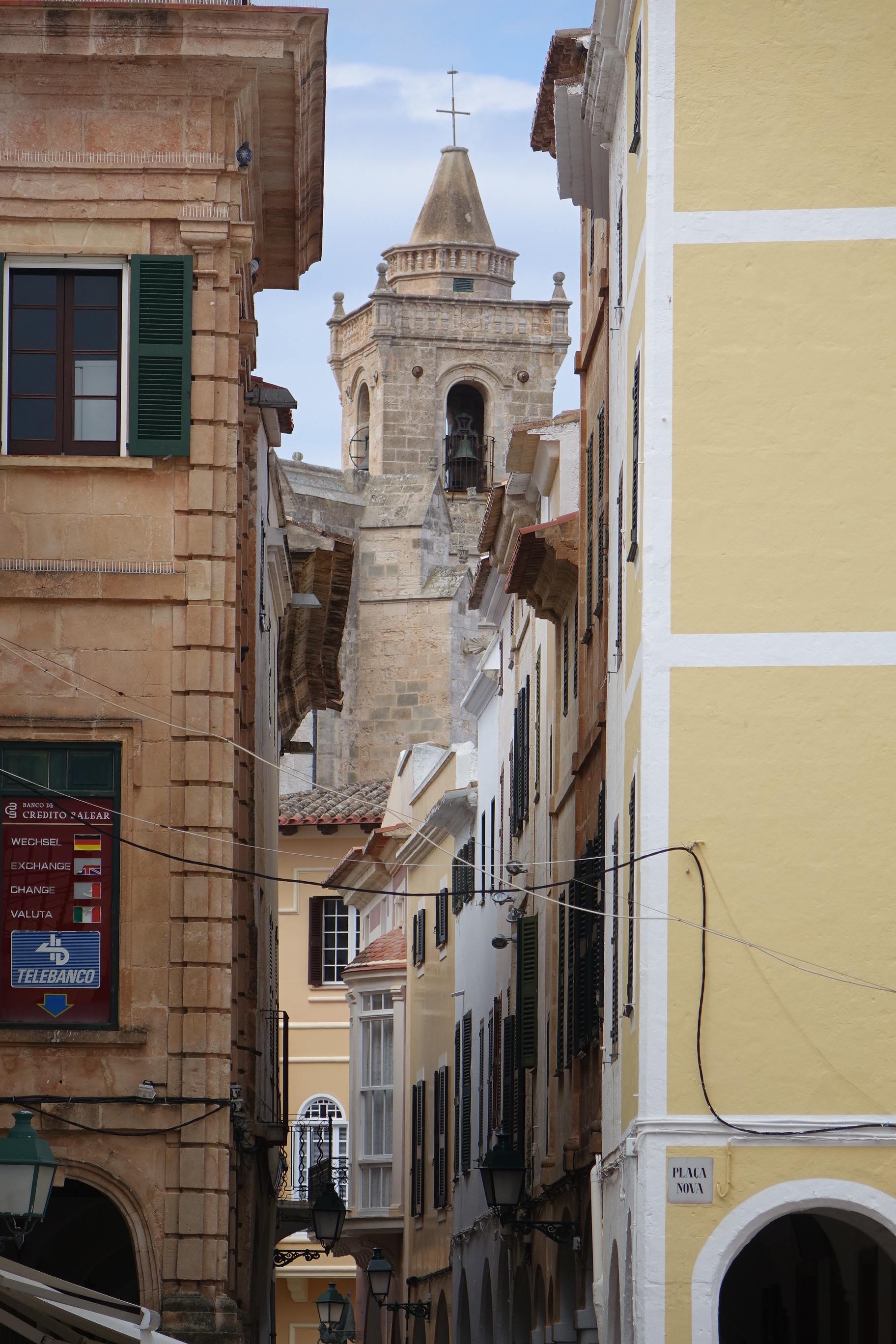
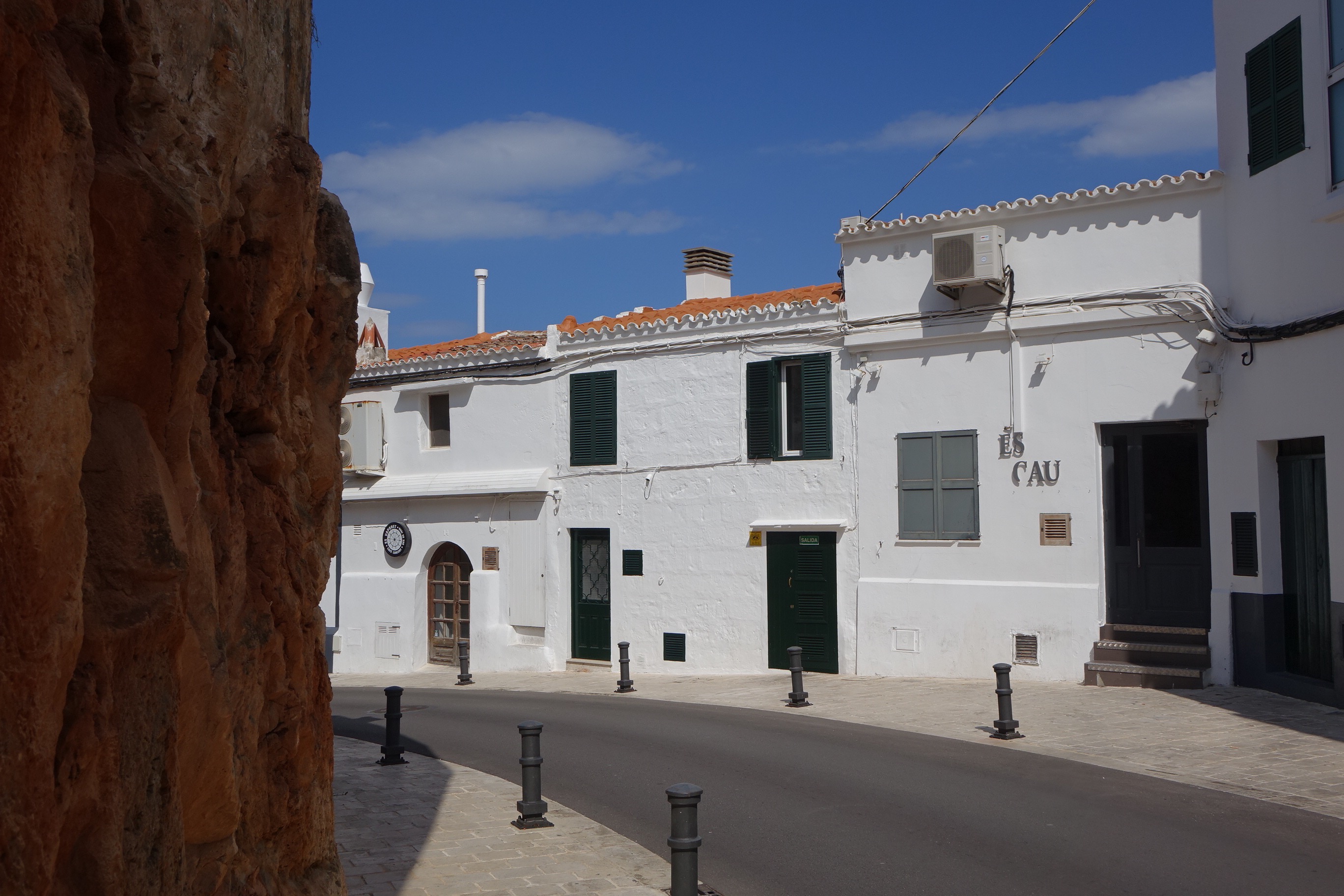
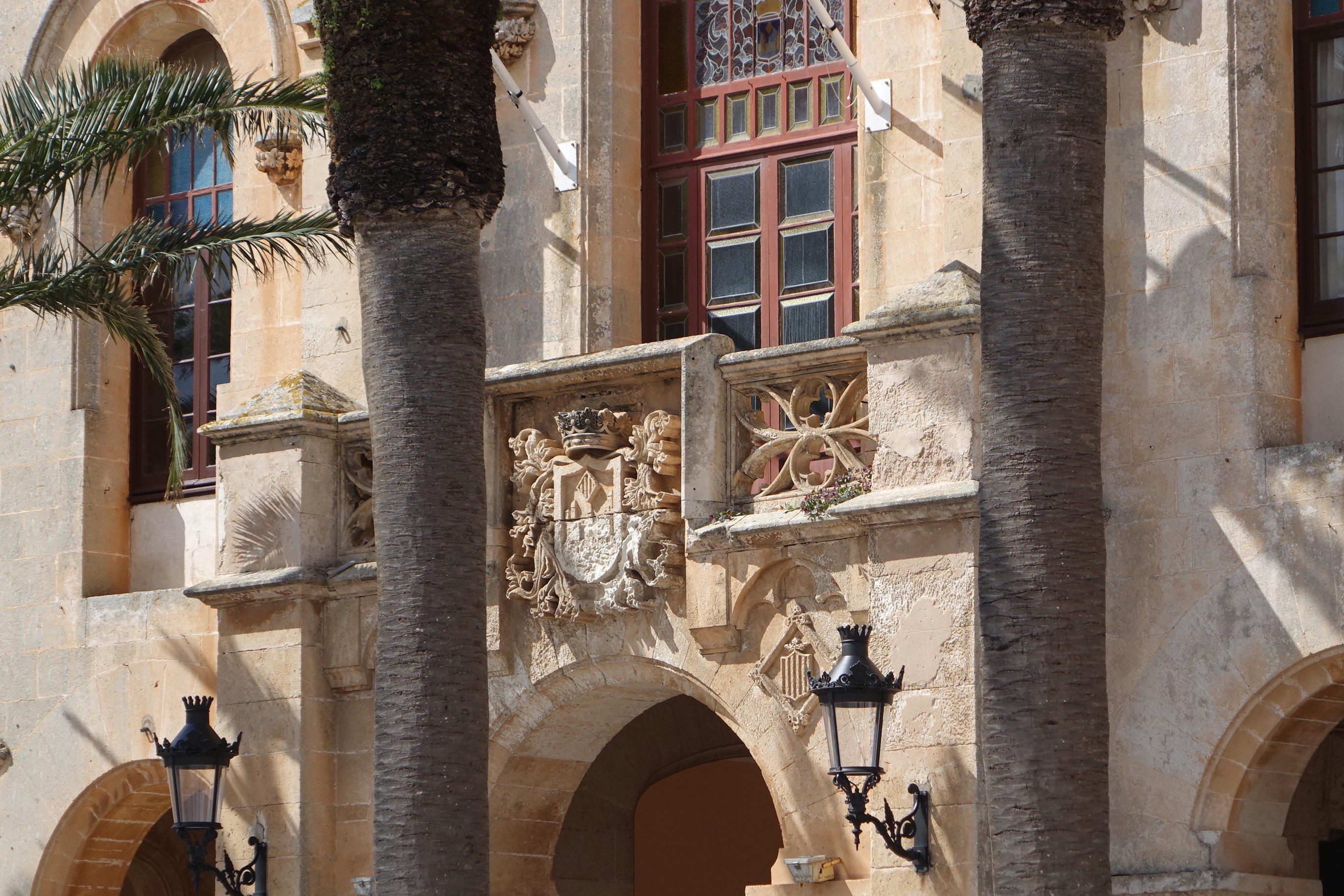
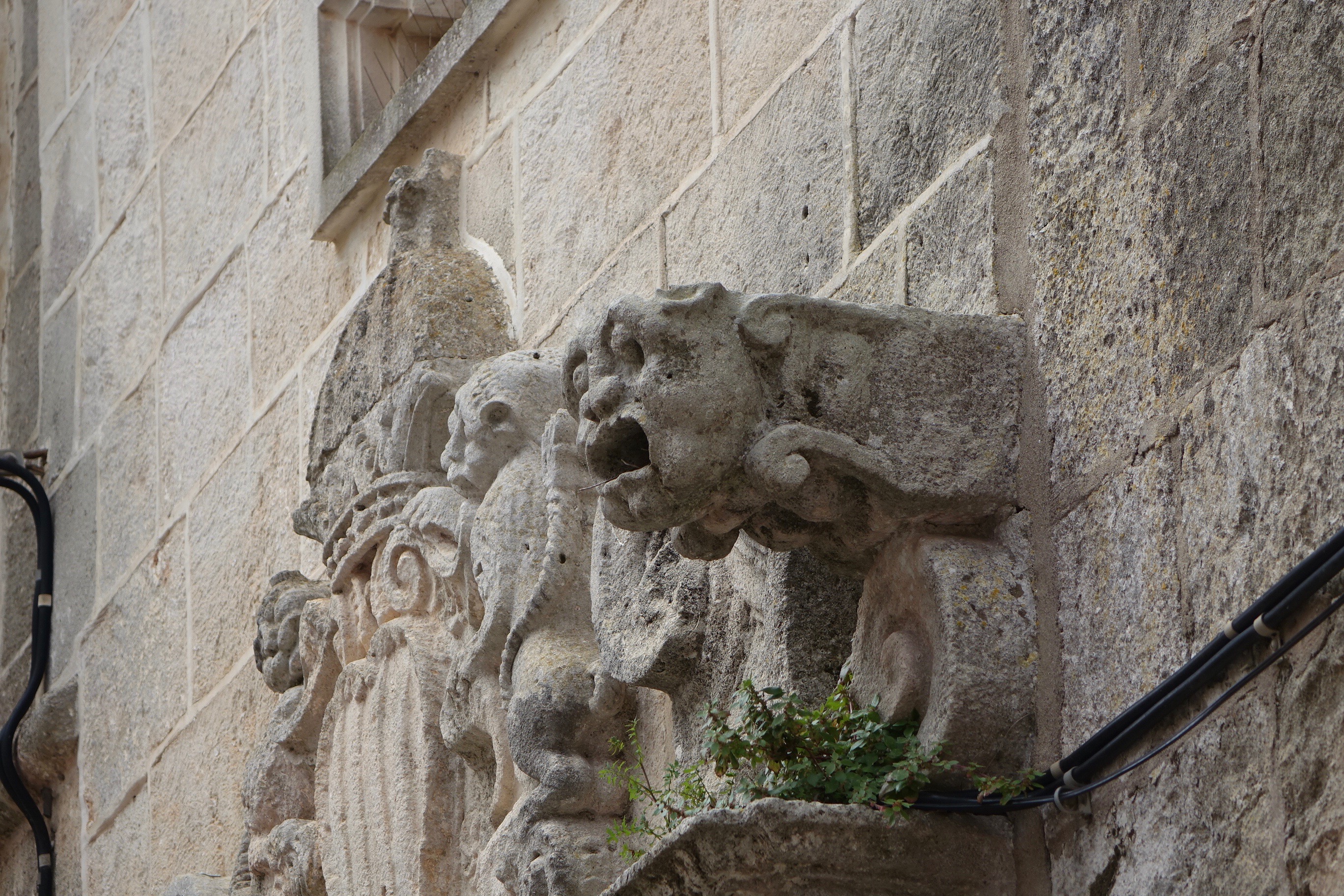
Whatever the weather, there is no doubting the charm of Ciutadella as a holiday destination. Far prettier (in my opinion) than Menorca’s primary city of Mahon, it’s hard to see Ciutadella as a city with some 20,000 inhabitants only. However, there is something truly cosmopolitan about its main square surrounded by baroque and classical facades and an impressive town hall built on the ruins of an old Moorish Alcazar, not to mention it’s imposing cathedral whose box like character looks like a large lump of peach coloured soap, complete with gargoyle detailing and a not displeasing perfume of incense.

DSC01421DSC01410DSC01406DSC01397DSC01384DSC01329DSC01305DSC01304

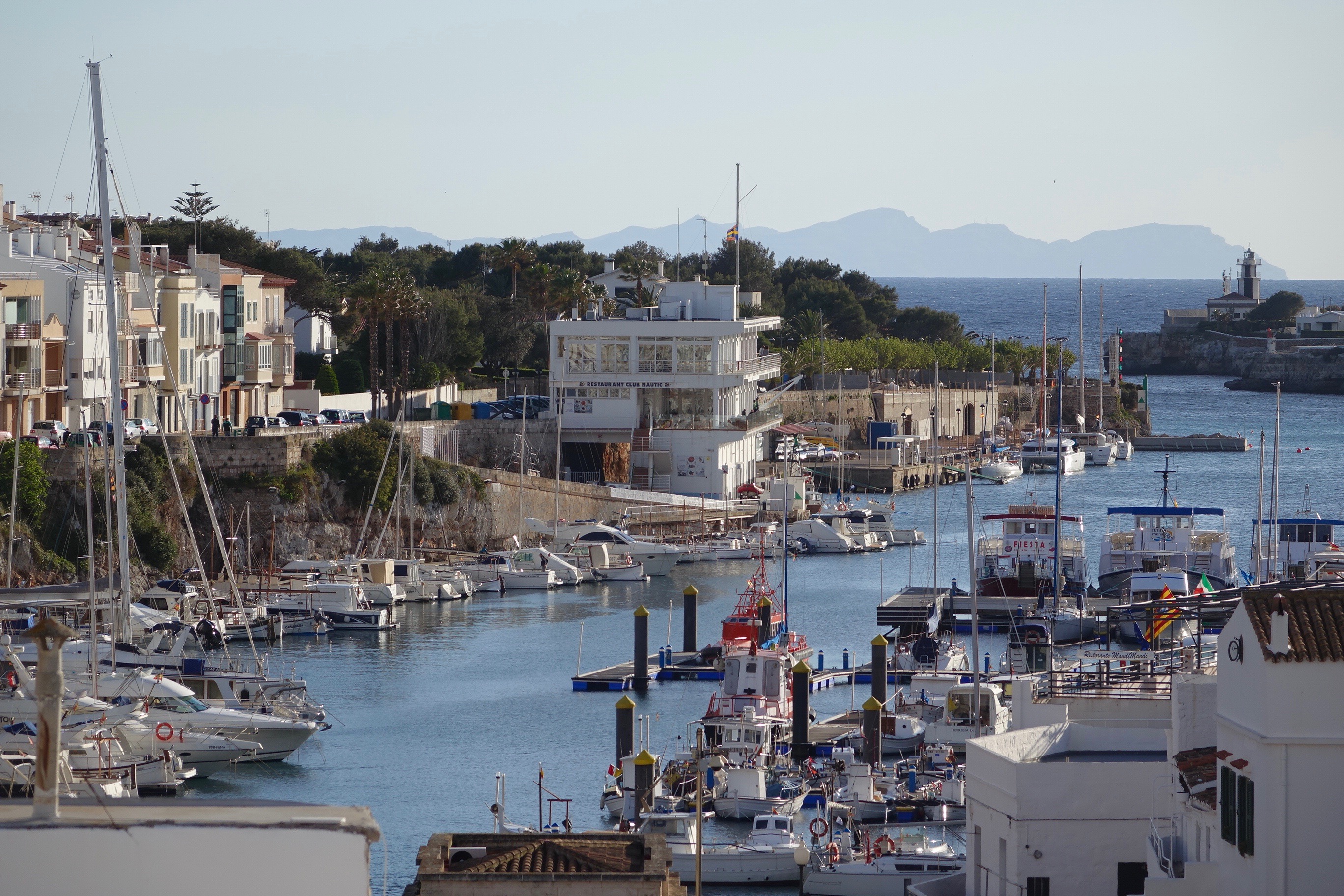
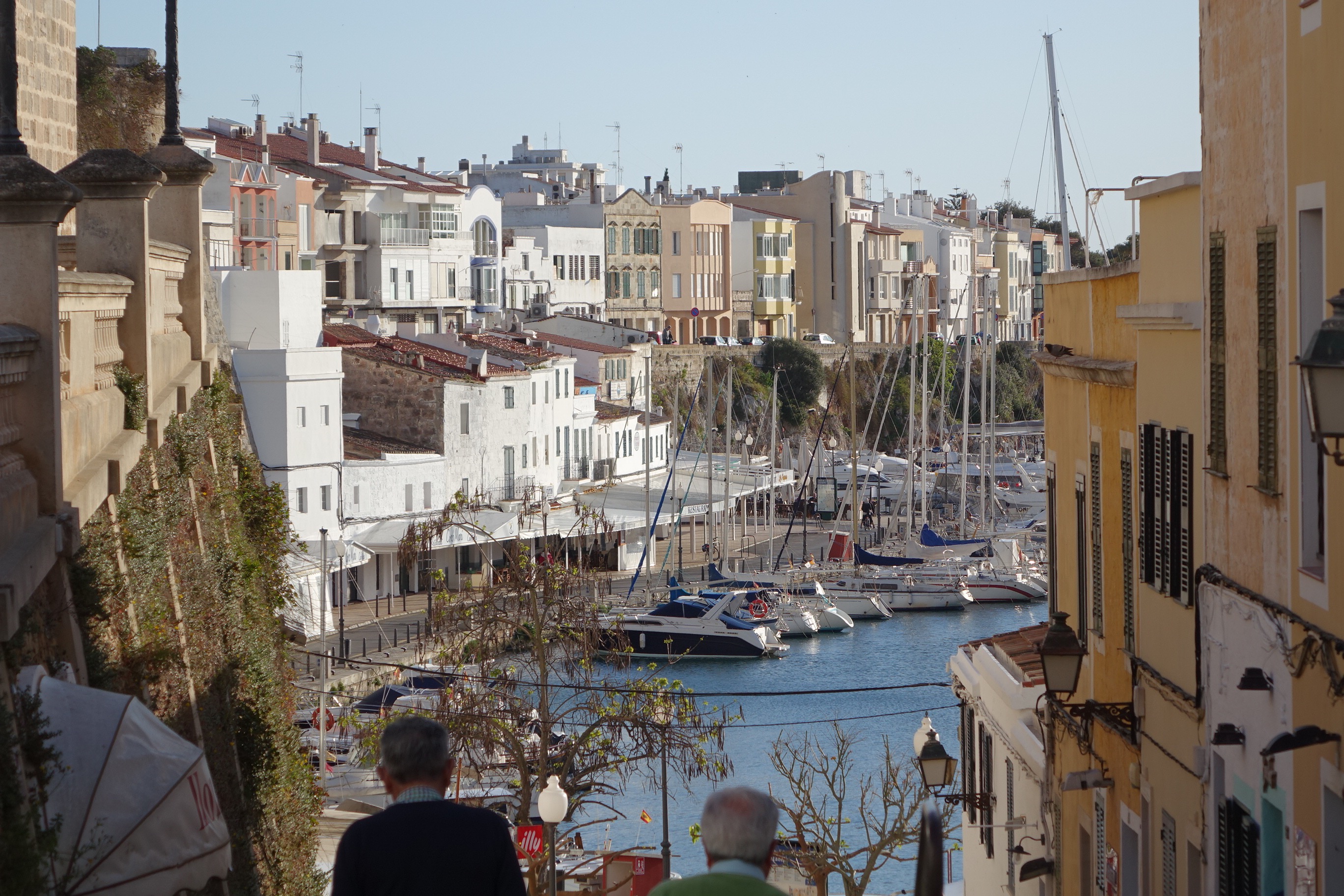
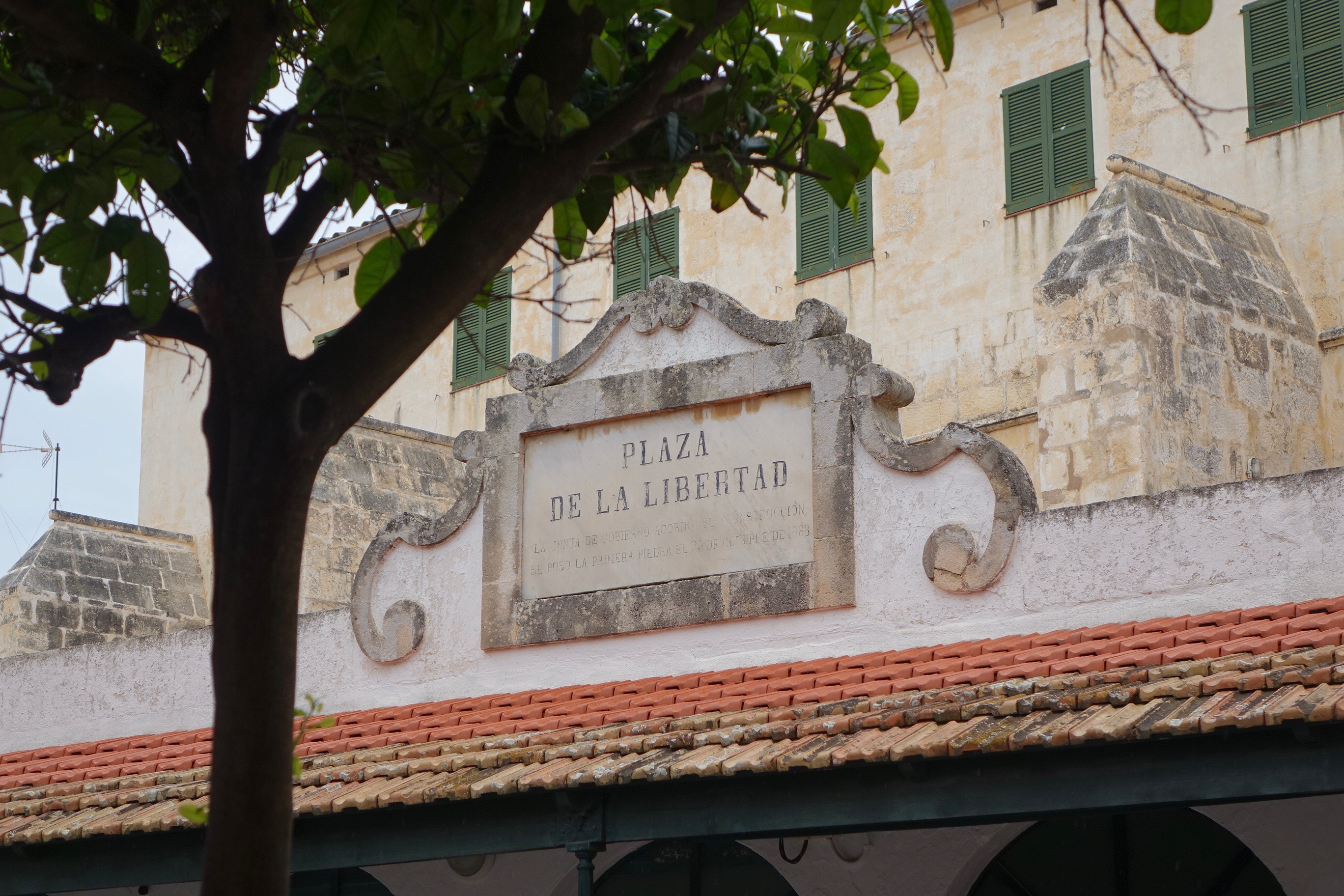
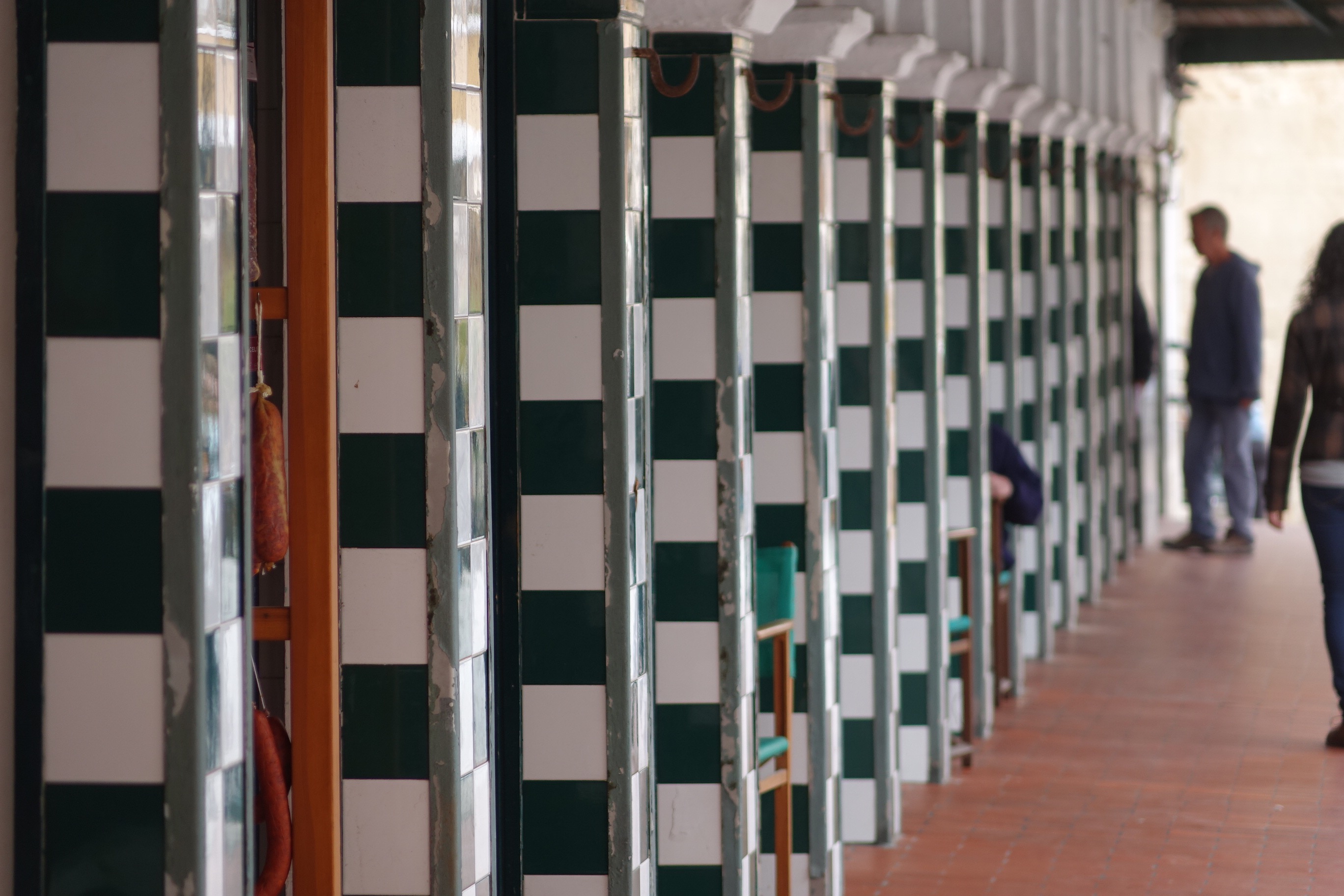
The city also benefits from a very beautiful little port which takes advantage of a natural inlet which creeps into the city from the nearby outer coastline from where the views of Mallorca are truly stunning. Back in the centre, this small city can be enjoyed at its bustling best around the popular Placa Llibertat Market, or in the crowded little arched shopping arcade, Ses Voltes, all white washed of course in the Menorcan fashion.

DSC01346DSC01335DSC01324DSC00928

The Market of Plaça de la Libertad

DSC00881DSC00848DSC00880DSC00840DSC00878DSC00858DSC00877DSC00866DSC00876DSC00854

Come rain, come shine, Ciutadella is Menorca’s gem. A little historical focal point on an island otherwise characterised by its uninhabited open spaces and utterly unspoilt natural beauty.

All photos and written content are strictly the copyright of Nicholas de Lacy-Brown © 2016 and The Daily Norm. All rights are reserved. Unauthorized use and/or duplication of the material, whether written work, photography or artwork, included within The Daily Norm without express and written permission from The Daily Norm’s author and/or owner is strictly prohibited.
Across the Water to Menorca, Part 2: Pedreres de s’Hostal

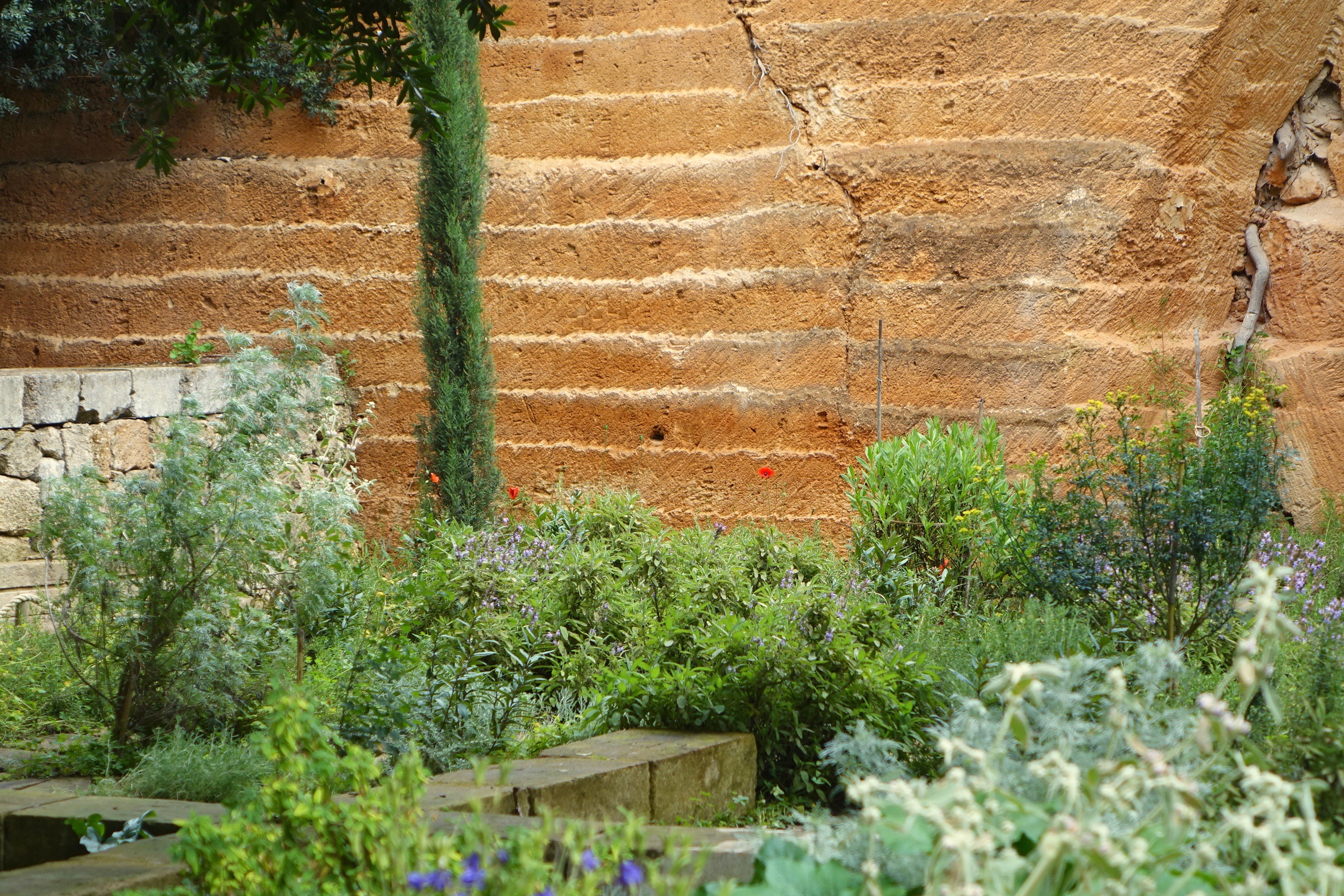
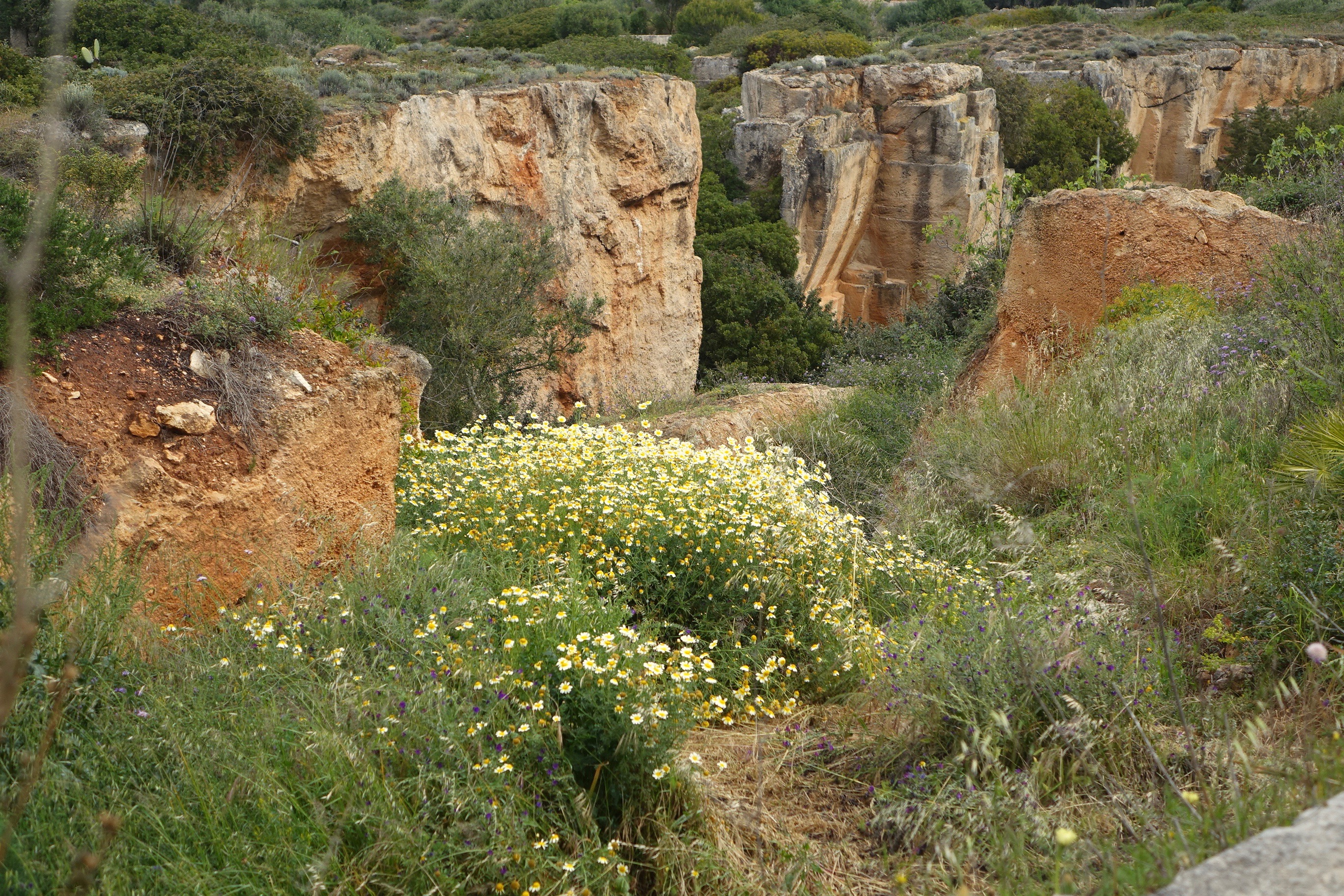
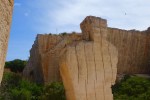
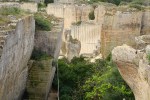
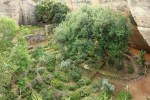
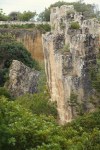
There is something about the largely uninhabited central landscape of Menorca that gives it a mystical enigmatic quality like a magical bucolic setting for Tolkien’s hobbits or something out of Wonderland. But this sensation was deeply magnified at Pedreres de s’Hostal just outside the small city of Ciutadella. Formed out of a vast landscape of old and not-so-old sandstone quarries, the organisation Lithica has done the impossible, transforming what could have been an industrial waste land into the most stunningly unique gardens you are likely to see.

DSC01122DSC01062DSC01108DSC01048DSC01021DSC00982DSC00963

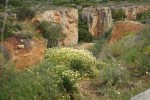
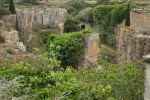
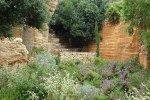
What makes the gardens so unique is the landscape. The shapes left my stone cutters long ago are surreal to say the least. In sharp angular spaces of yellow rock, plants and flowers of every Mediterranean variety appear to have reclaimed the land from the hand of man as they twist and turn across the rock’s surface. Amongst unique anthropomorphic shapes, trees scatter light and herbs their heady aroma. My favourite two gardens were a pristine medieval courtyard garden set within one of the deepest mines like the cloister of a monastery, and a medicinal herb garden planted amongst a twisting path of stone.

DSC01125DSC01096DSC01110DSC01090DSC01086DSC01087DSC01084DSC01103

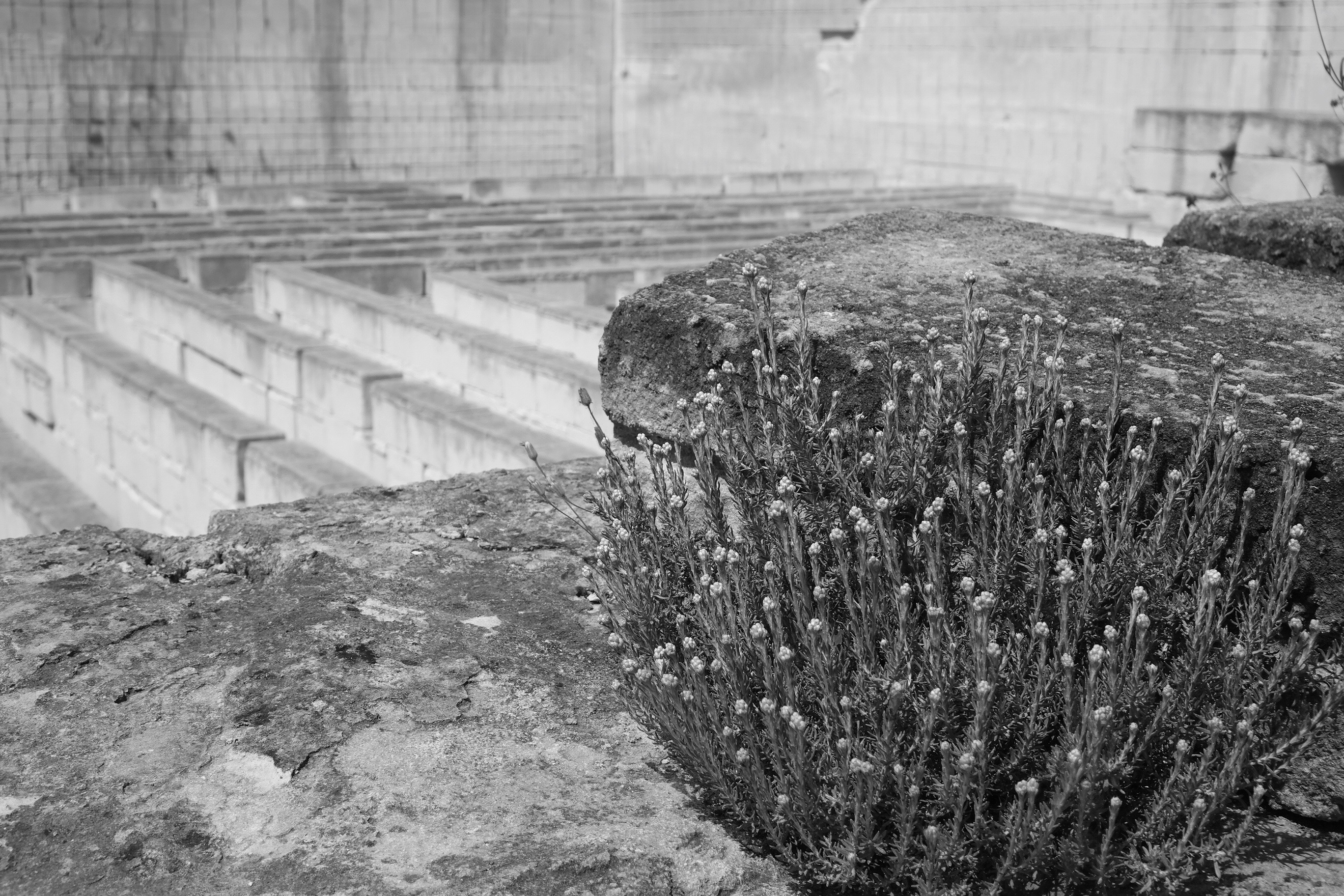
At the centre of it all are two vast mines more recently quarried, in the largest of which a labyrinth has been crafted from stone. Led into the maze by the challenge of finding the centre, we felt almost mythical in amongst a near Minoan landscape of ochre, half expecting the Minotaur to rear up before us at any turn. With the walls soaring up around us at the most peculiar angles, it was truly like being in a fantasy world.

Sadly the weather that graced our visit was for the most part vexingly cloudy. Nevertheless the photos I took are full of the magical spirit of this place, and when, at the end, the sun finally shone, it was like the golden reward bestowed upon us as the centre of the labyrinth was reached.

More information on the gardens can be found at www.lithica.es

All photos and written content are strictly the copyright of Nicholas de Lacy-Brown © 2016 and The Daily Norm. All rights are reserved. Unauthorized use and/or duplication of the material, whether written work, photography or artwork, included within The Daily Norm without express and written permission from The Daily Norm’s author and/or owner is strictly prohibited.
Across the Water to Menorca, Part 1: Binibèquer Vell

It’s just a small stretch across the water. Reach out your hand from the bay of Alcudia, and you can almost touch the island across the bay, and certainly see its gentle profile floating upon the horizon. Menorca is the little sister of Mallorca, an island which shares much of Mallorca’s Balearic history and culture, but which likewise has its own personality, and much more of the unspoilt beauty which Mallorca too would have retained were it not for the tourism boom. It is an island altogether more tranquil and sedate, with its rolling hills and flattened floral landscape, and with residents so apparently laid back that at times you wonder if they are falling asleep as they charm you with their somniferous tones.

DSC01504DSC01457DSC01471DSC01460DSC01509DSC01481DSC01505

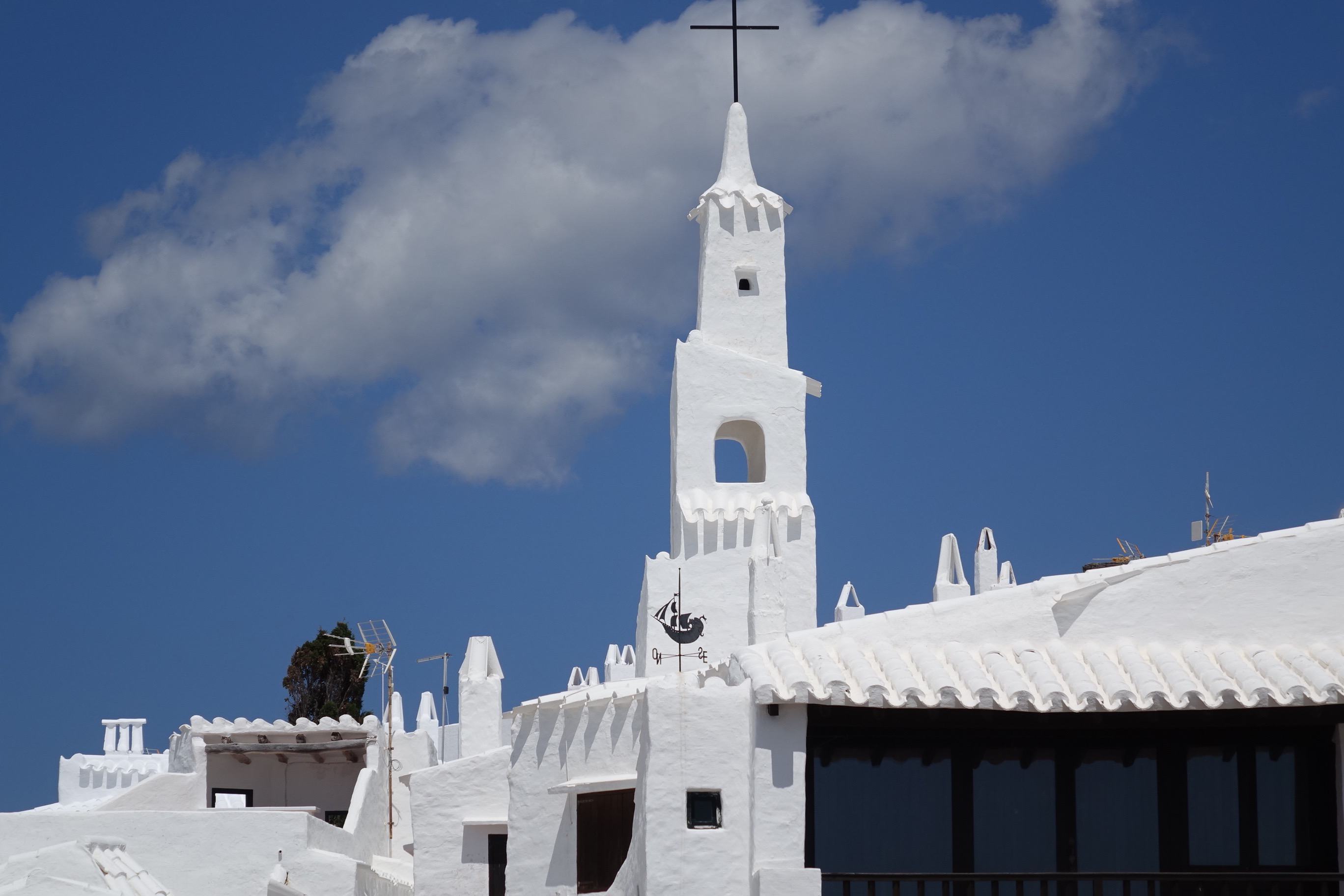
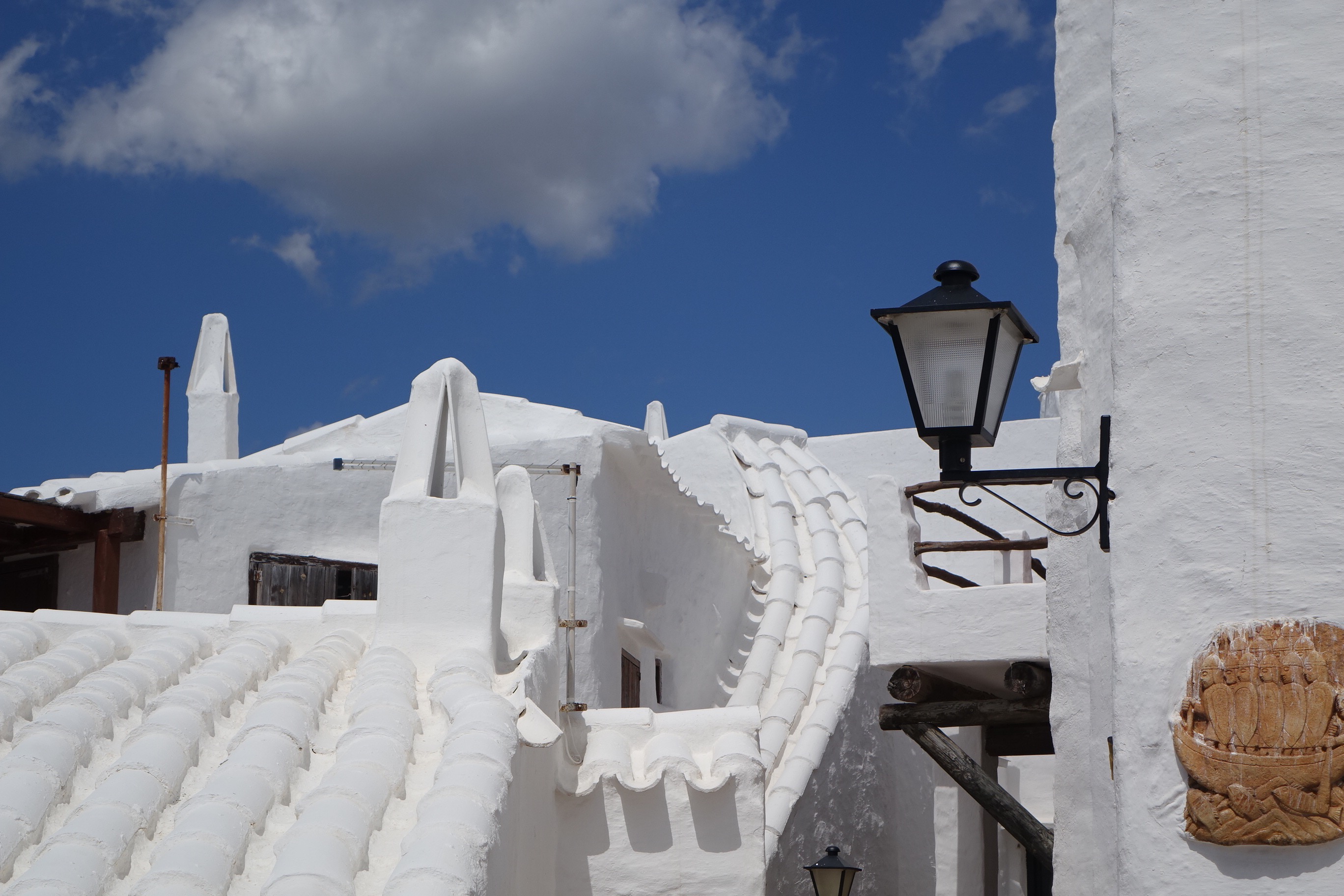
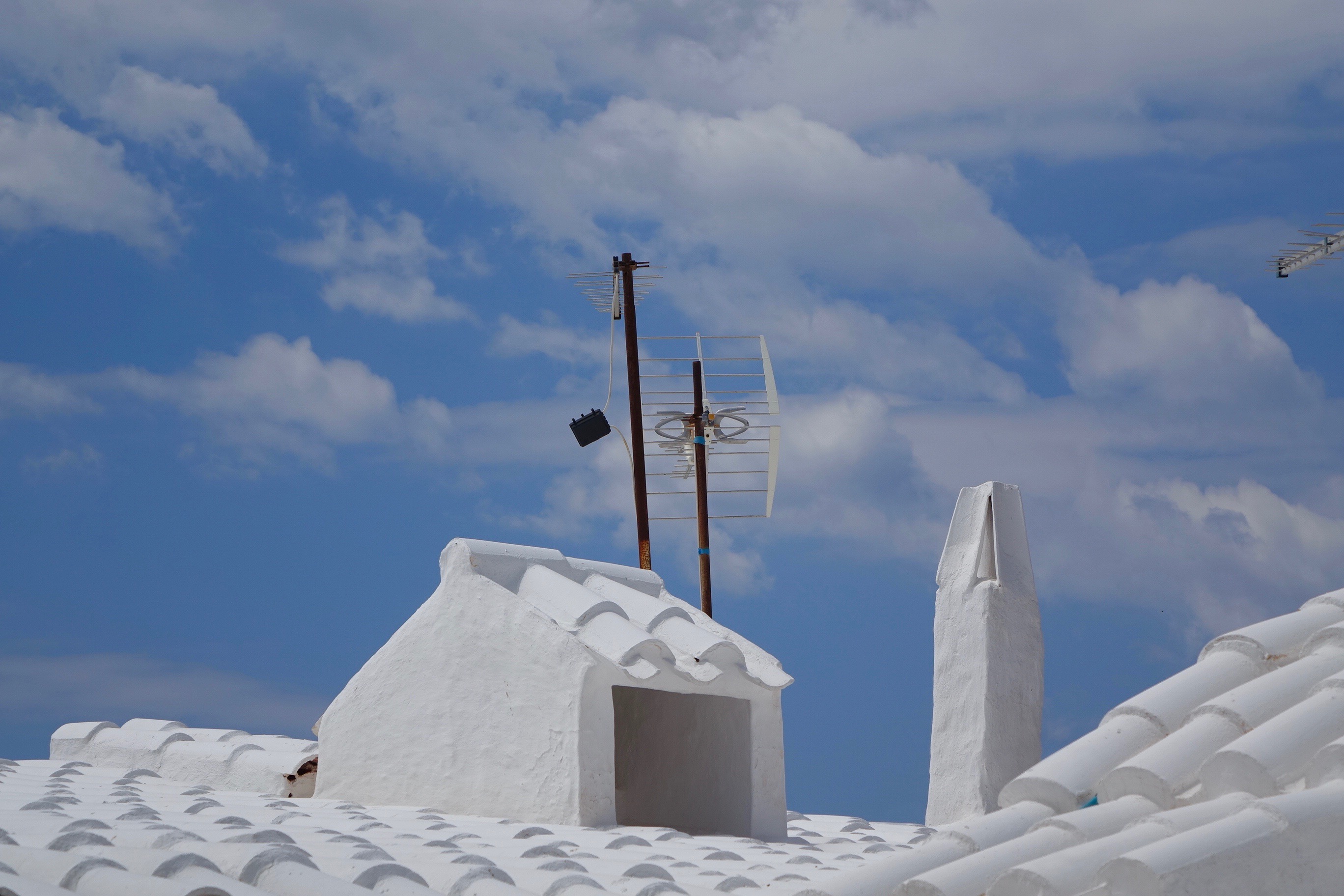
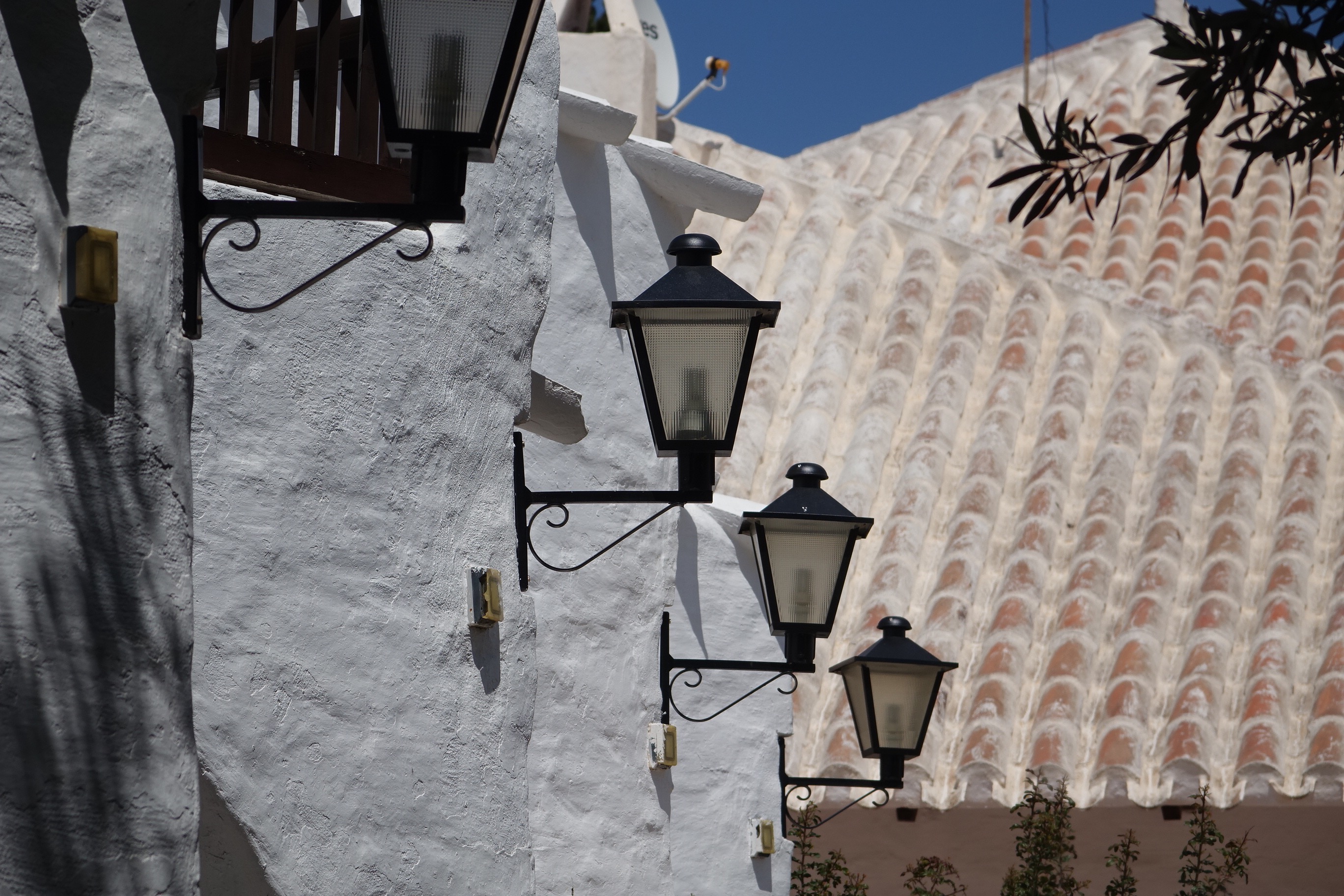
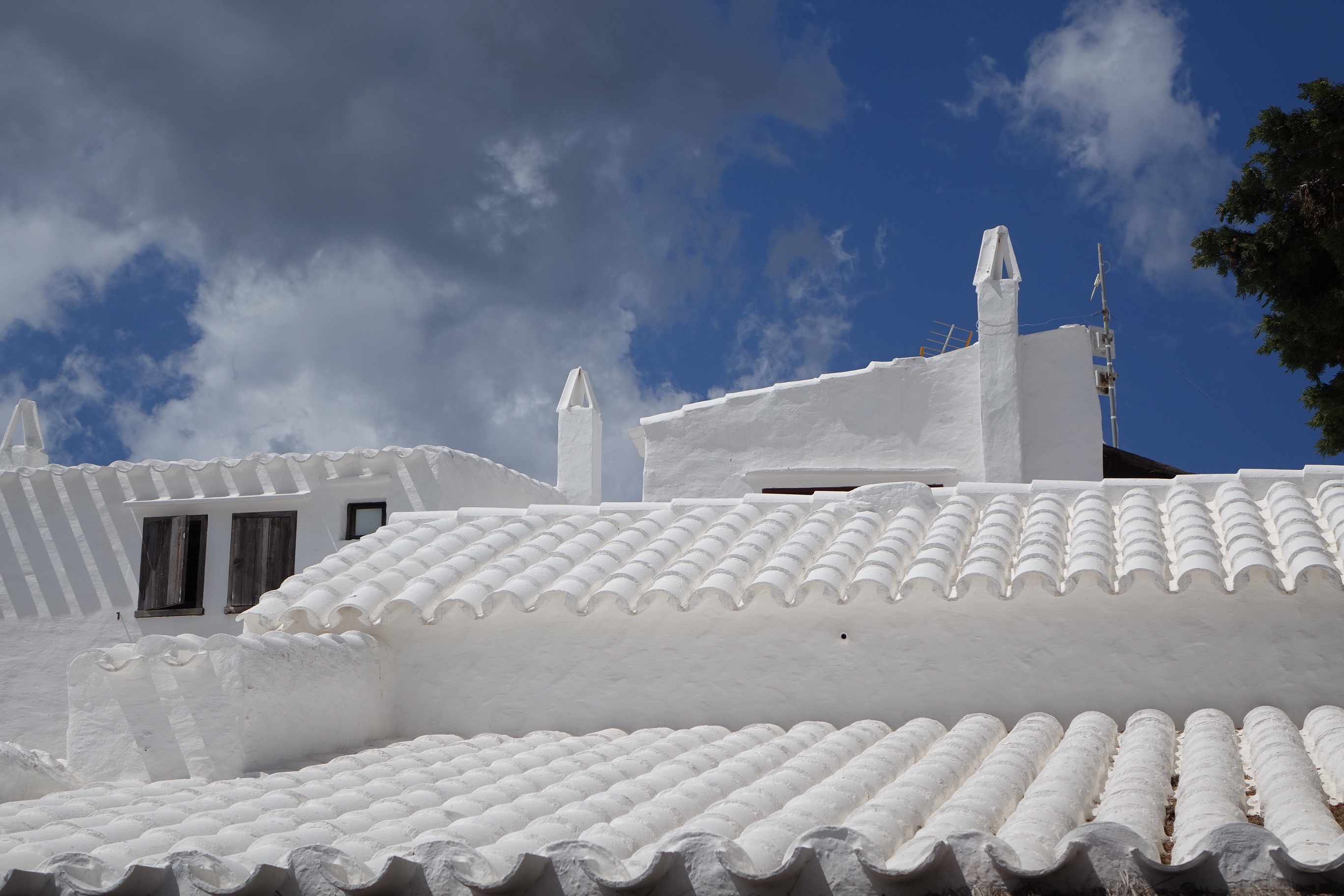
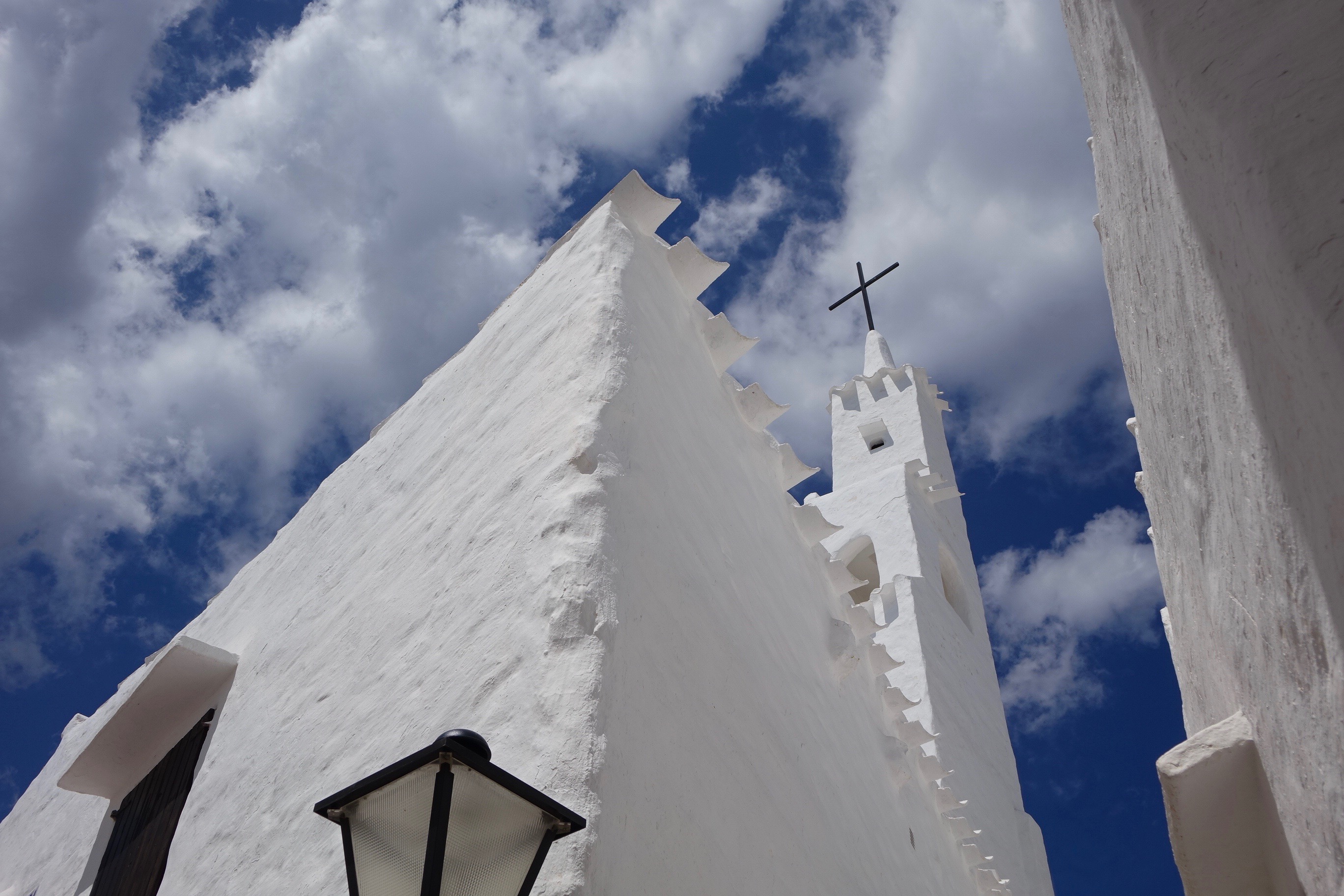
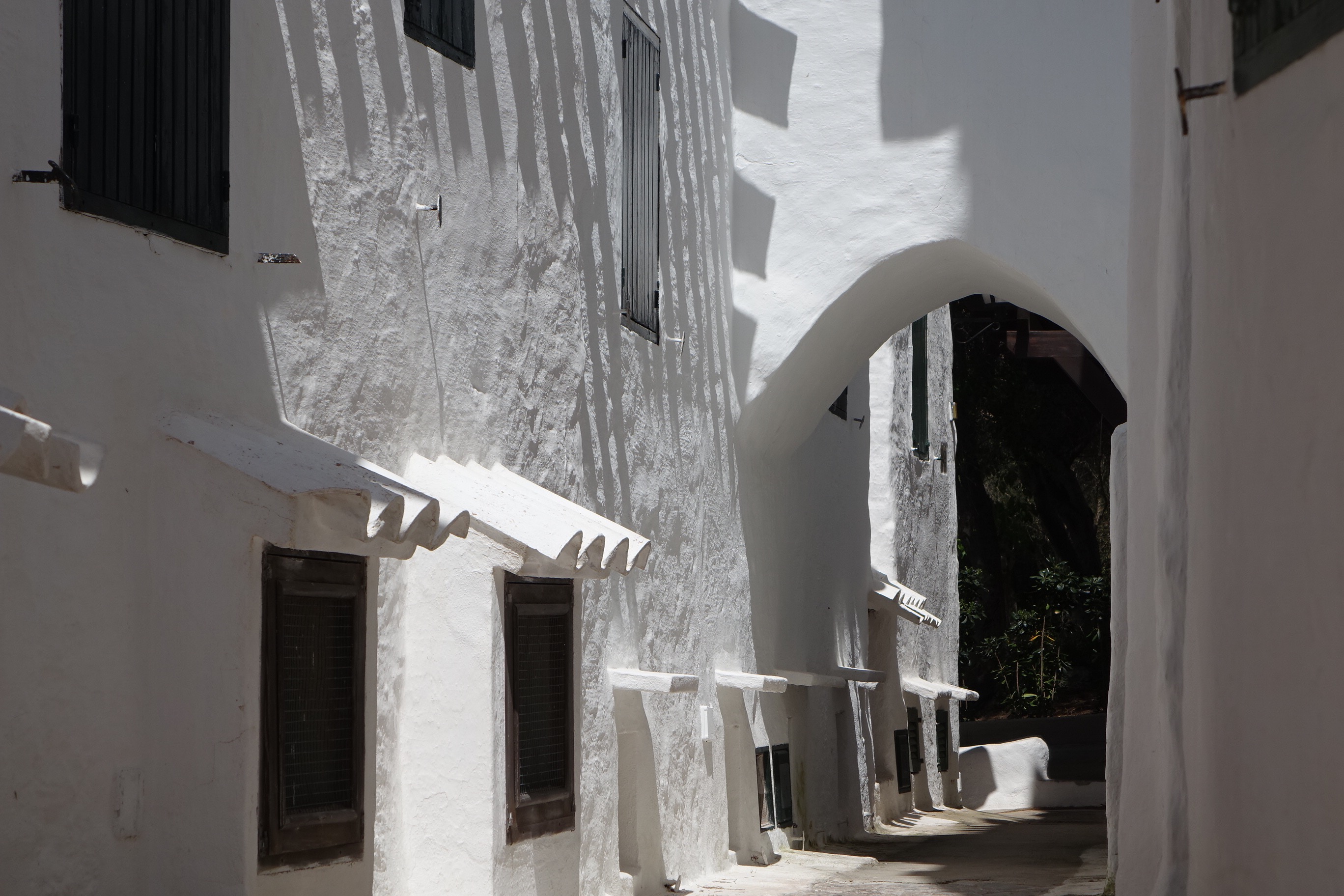
Last weekend we headed, for the first time, to our neighbouring island of Menorca, and while I have several tales from that trip to relay to you hereafter, I am starting somewhat back to front with the last place we visited, just before we returned on our 20 minute hop through the skies. For in visiting Binibèquer Vell, a tiny little whitewashed village by the sea, it felt as though we were seeing in manifest form the very epitome of this island, unravaged and virginal, a place of pure light and clean simplicity.

DSC01513DSC01478DSC01472DSC01473DSC01541DSC01526DSC01490

Situated on the southern coast of the island some 15 minutes from the capital Mahon, the “Vell” in Binibèquer Vell connotes its age compared with its more modern counterpart. However, as some commentaries would have it, the village isn’t old at all – rather constructed in the 70s as a kind of reproduction idyll to entice the tourists. I’m not overly sure whether this is as much a myth as the commentators declare the village to be. All I know is that we were both enticed to visit, and enamoured by the whitewashed quaint shapes of this incredibly cute cluster of fishermen’s houses. Caught somewhere between a smurf village idyll and a museum piece, few could deny the charm of this place, with its pure white forms radiating against the almost neon blue skies, and the kind of simplicity which makes the island of Menorca beautiful.

DSC01516DSC01546DSC01536DSC01526DSC01531

All photos and written content are strictly the copyright of Nicholas de Lacy-Brown © 2016 and The Daily Norm. All rights are reserved. Unauthorized use and/or duplication of the material, whether written work, photography or artwork, included within The Daily Norm without express and written permission from The Daily Norm’s author and/or owner is strictly prohibited.

Discovering Mallorca: Arty Artà

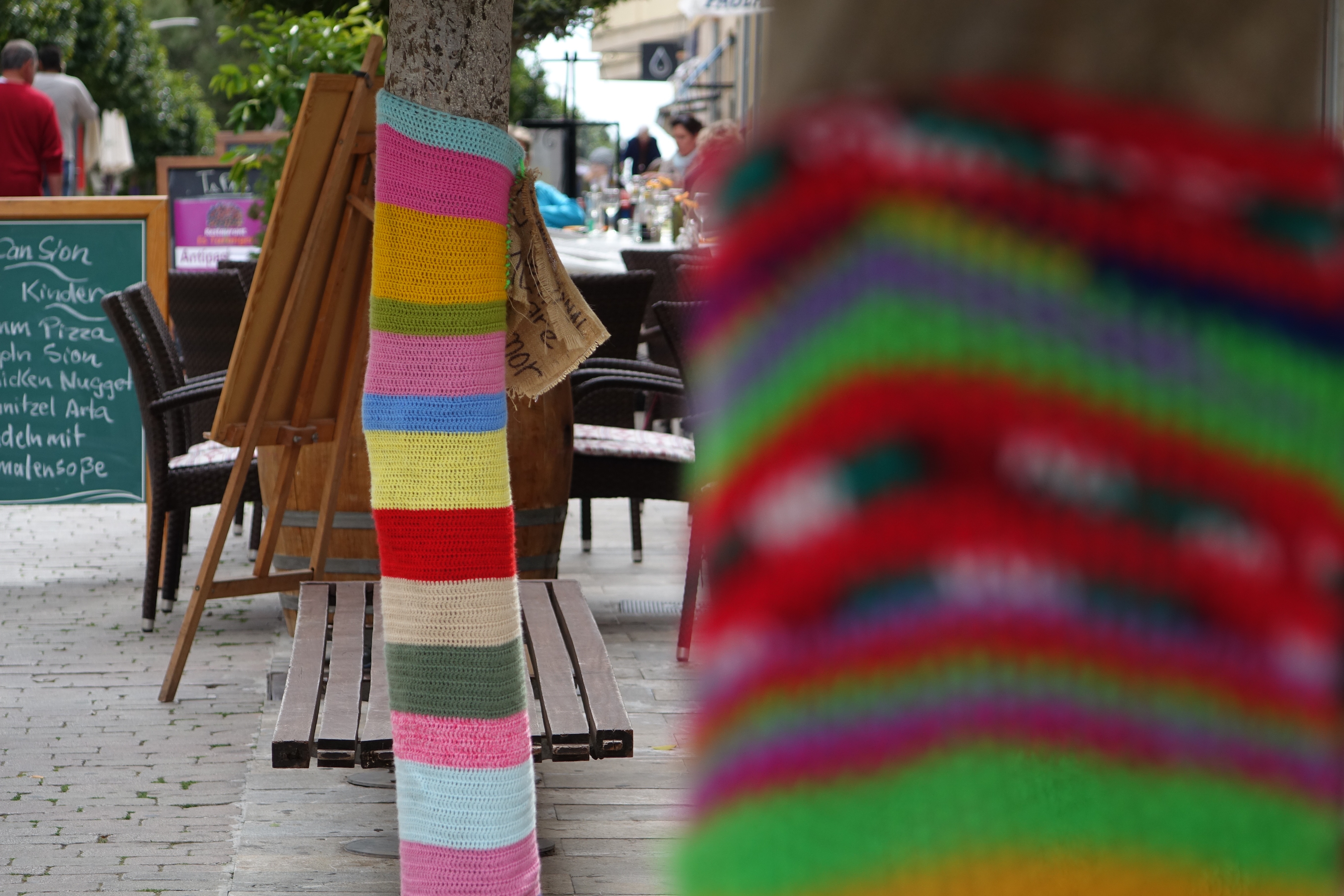
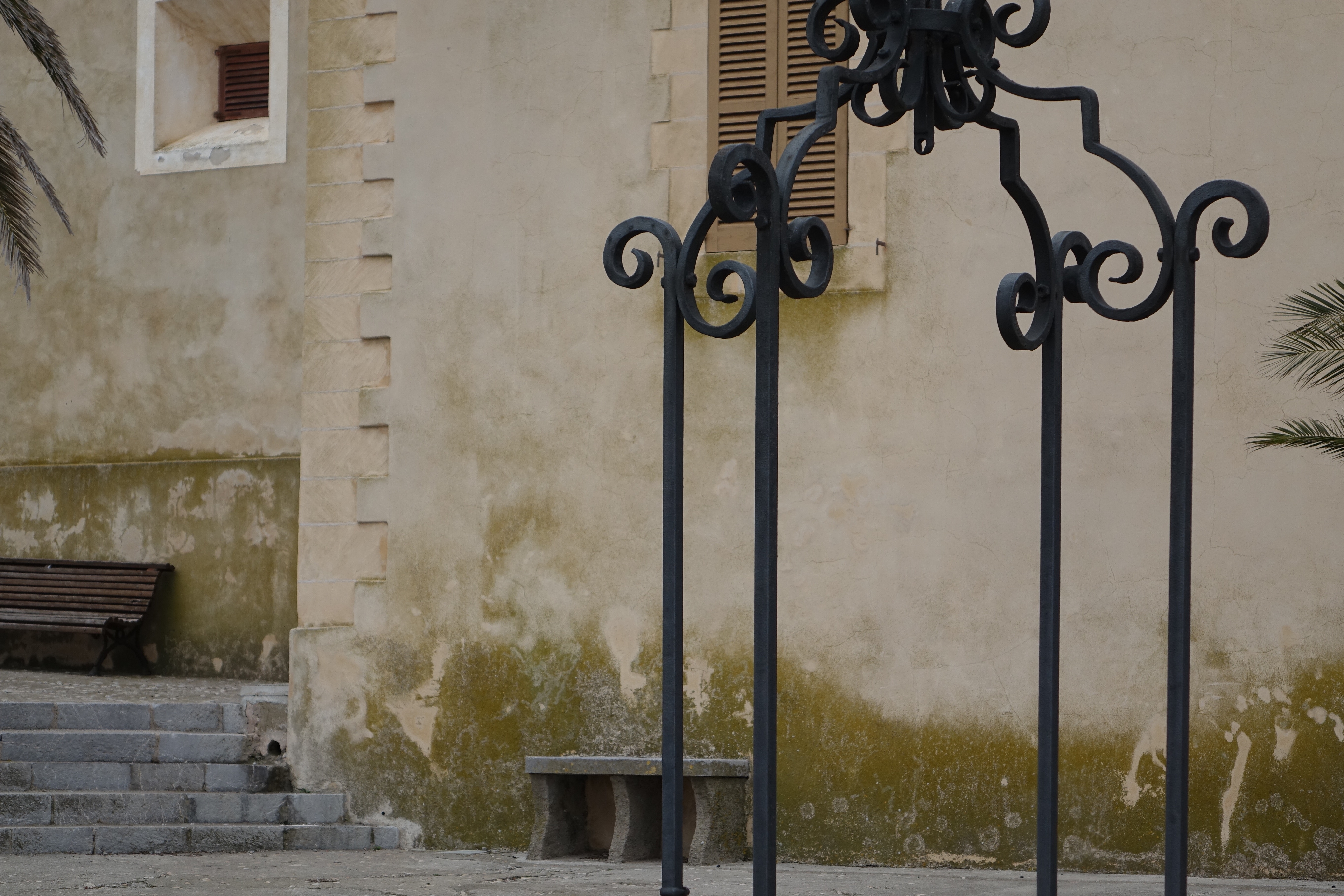
I’m not sure whether somewhere in my subconscious I was influenced by the name, but the moment I entered Artà, the little town nestling on top of a hill deep in the countryside in the North Eastern corner of Mallorca, I felt that it had something inherently arty about it. Not that the place was full of galleries – far from it – but rather the town had a kind of avant-garde artistic spirit which could be seen in the small touches added by locals to characterise the town, such as the knitted socks placed on the tree trunks like winter warmers or tea caddies, and the little shops and cafés, each of which appeared to have their own whimsically creative character.

DSC00486DSC00481DSC00394DSC00502DSC00484DSC00365DSC00362DSC00364DSC00361

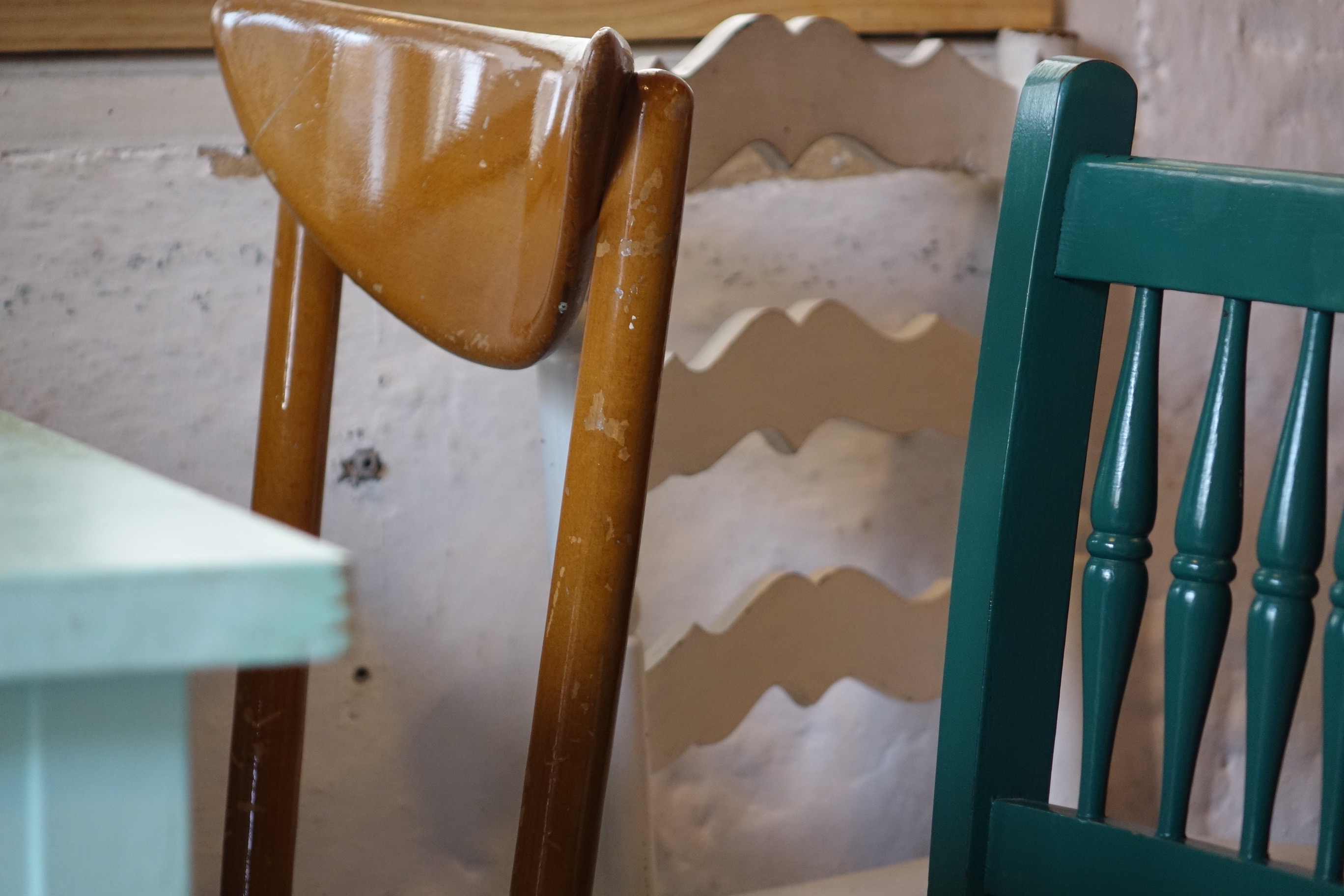
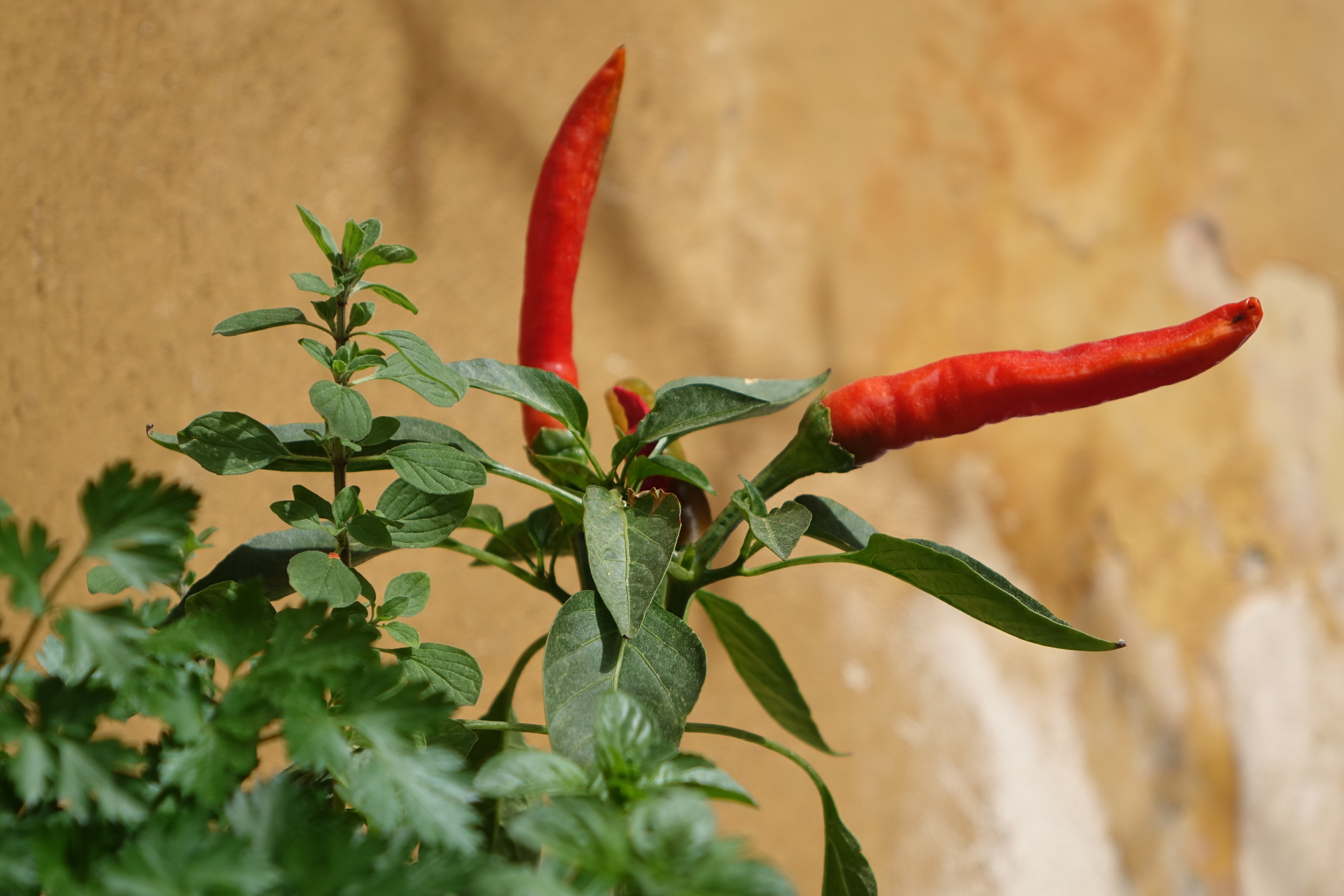
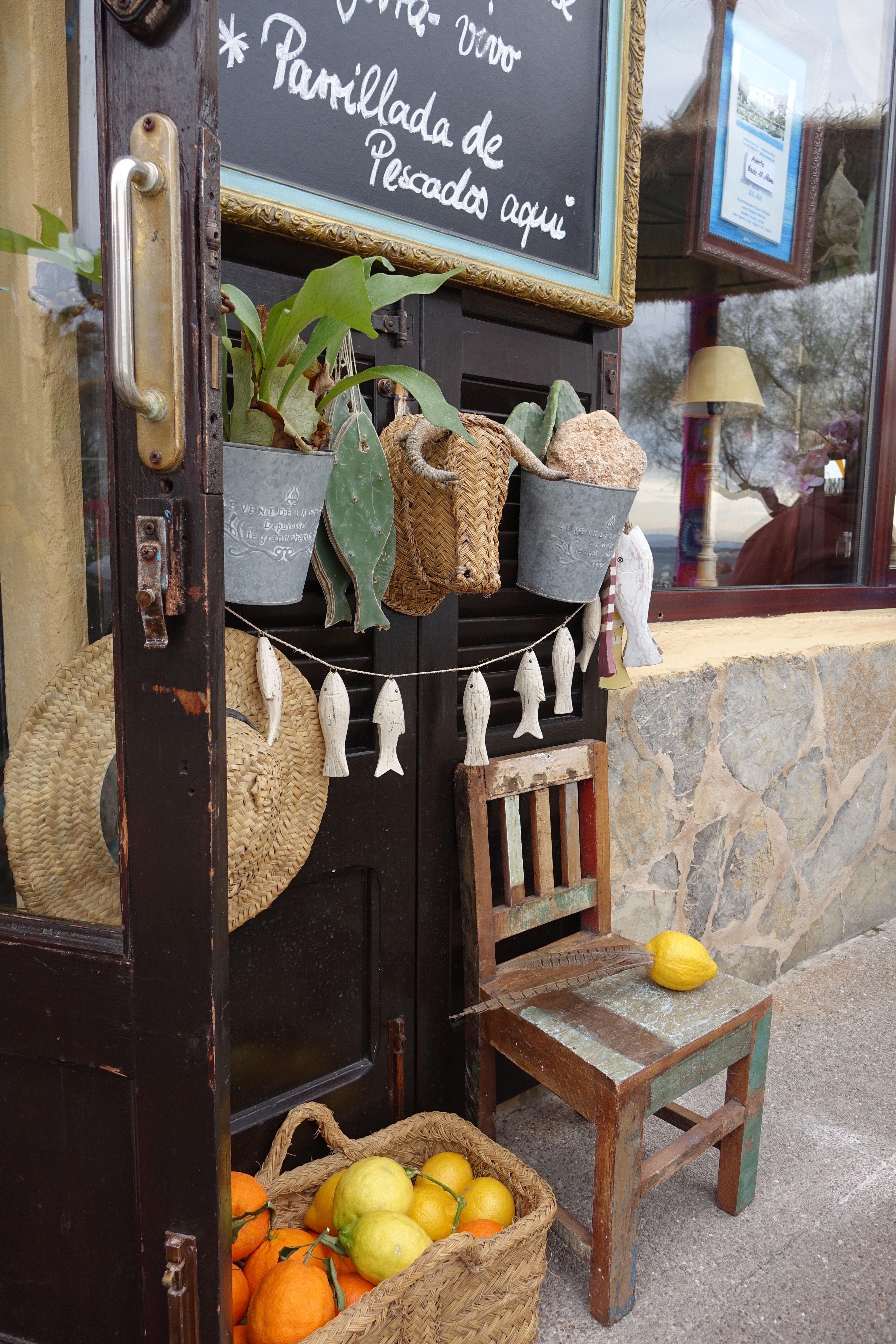
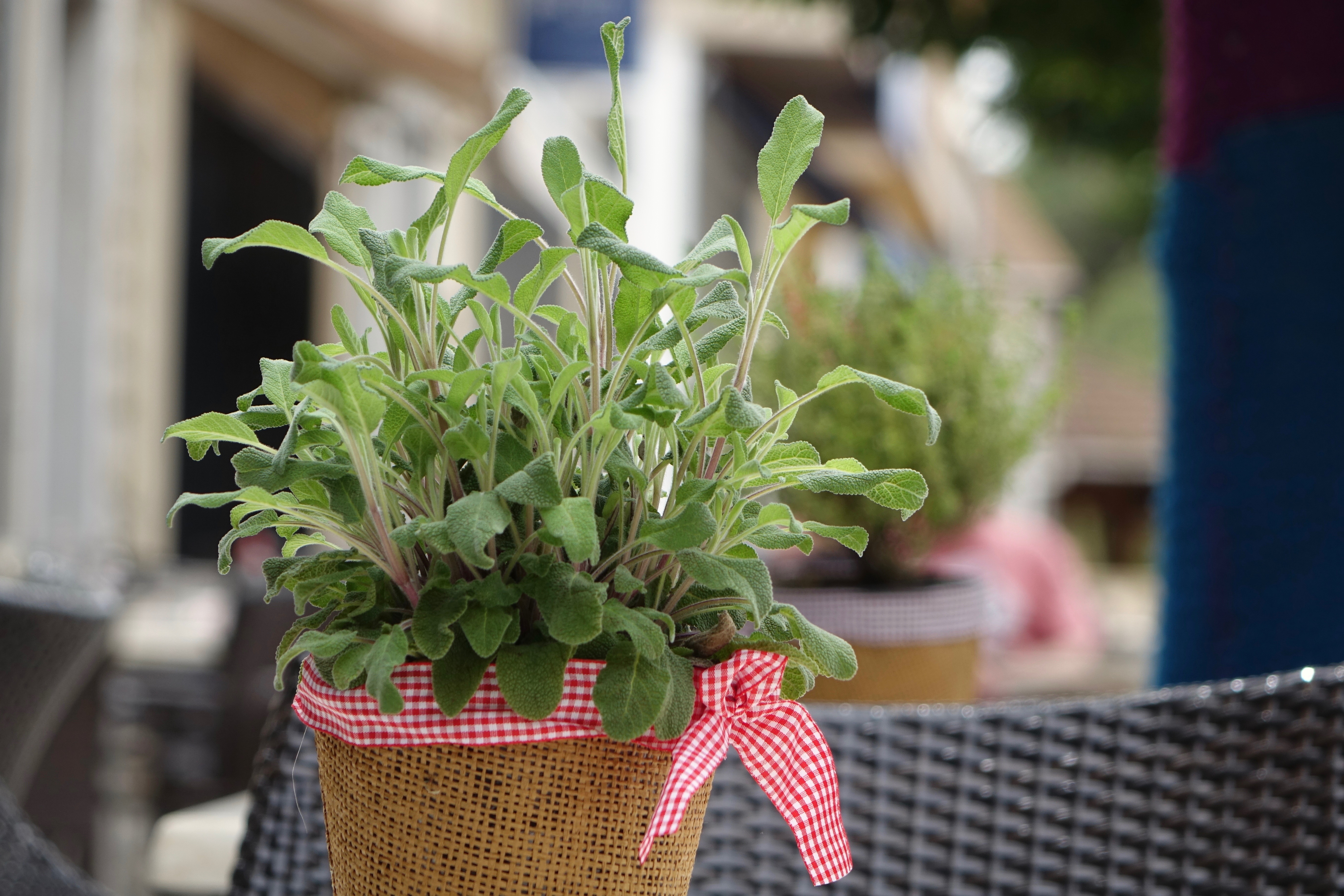
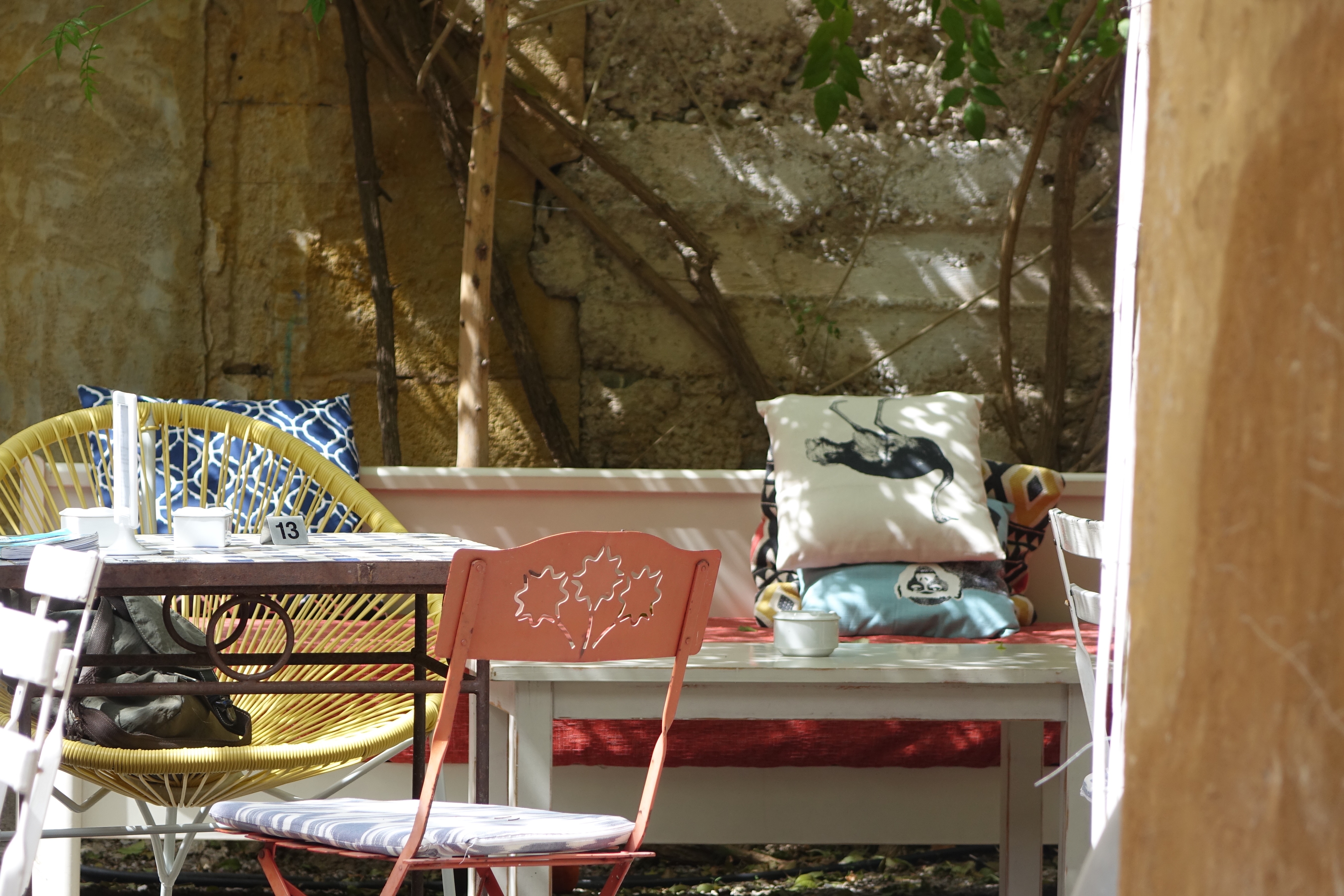
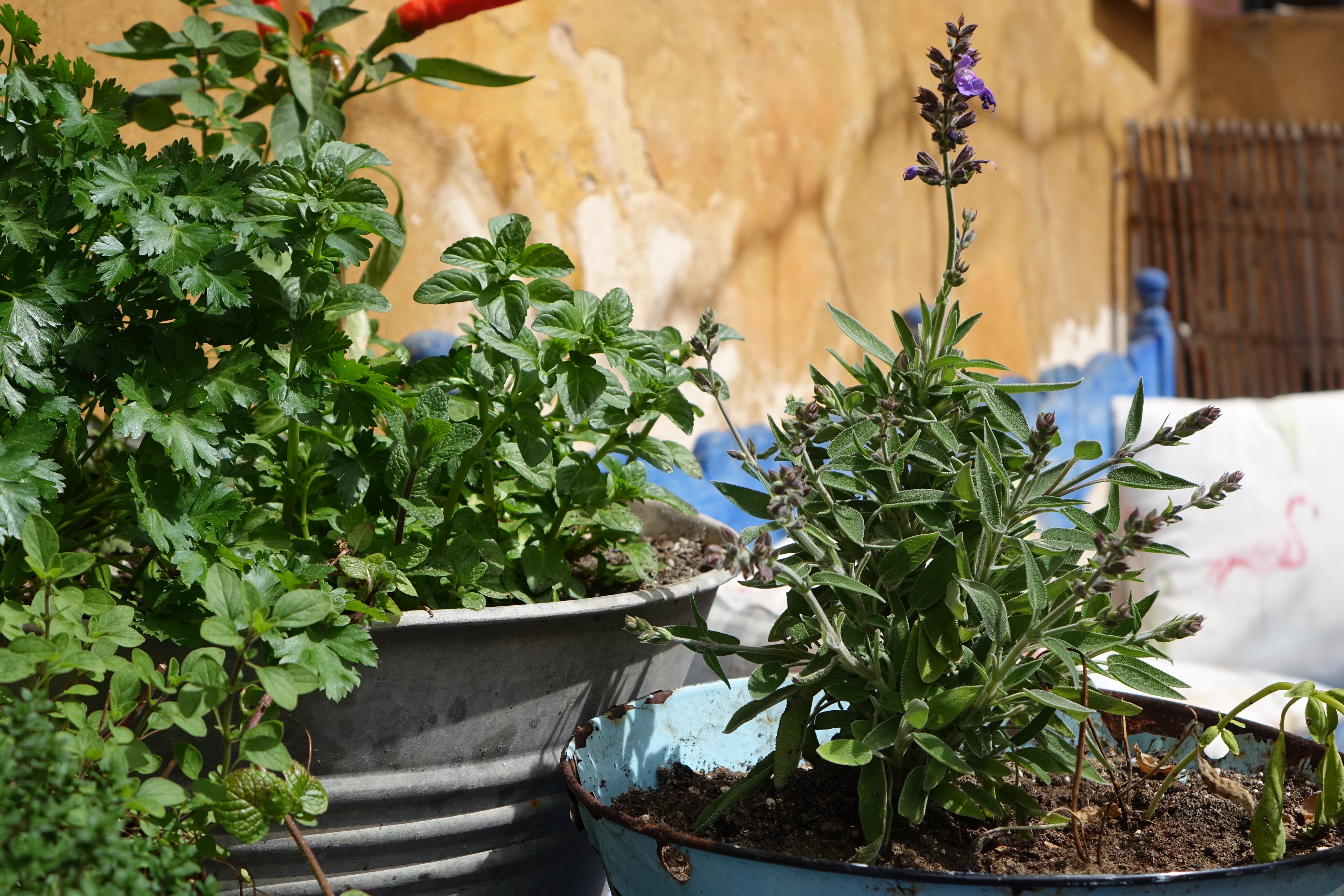
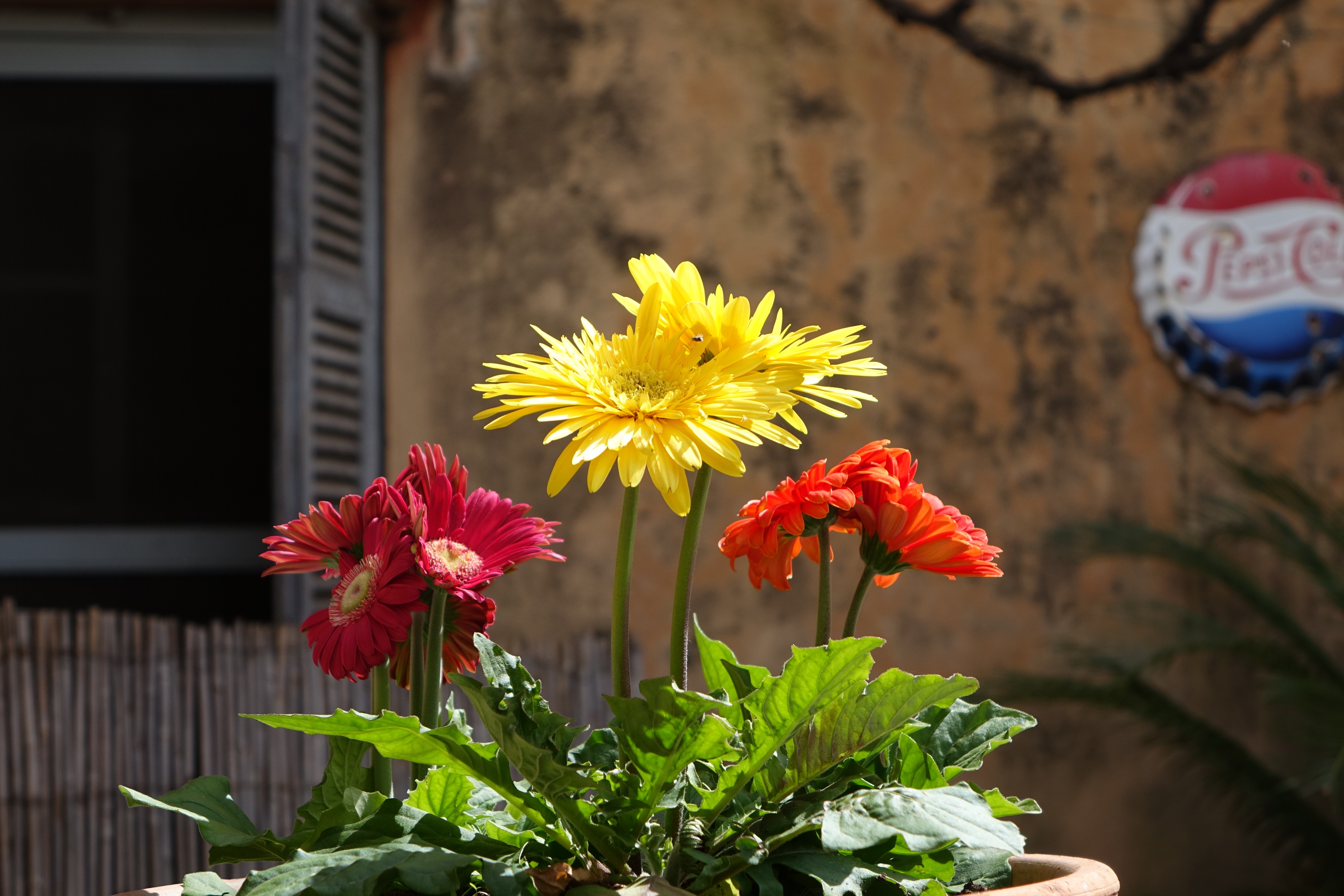
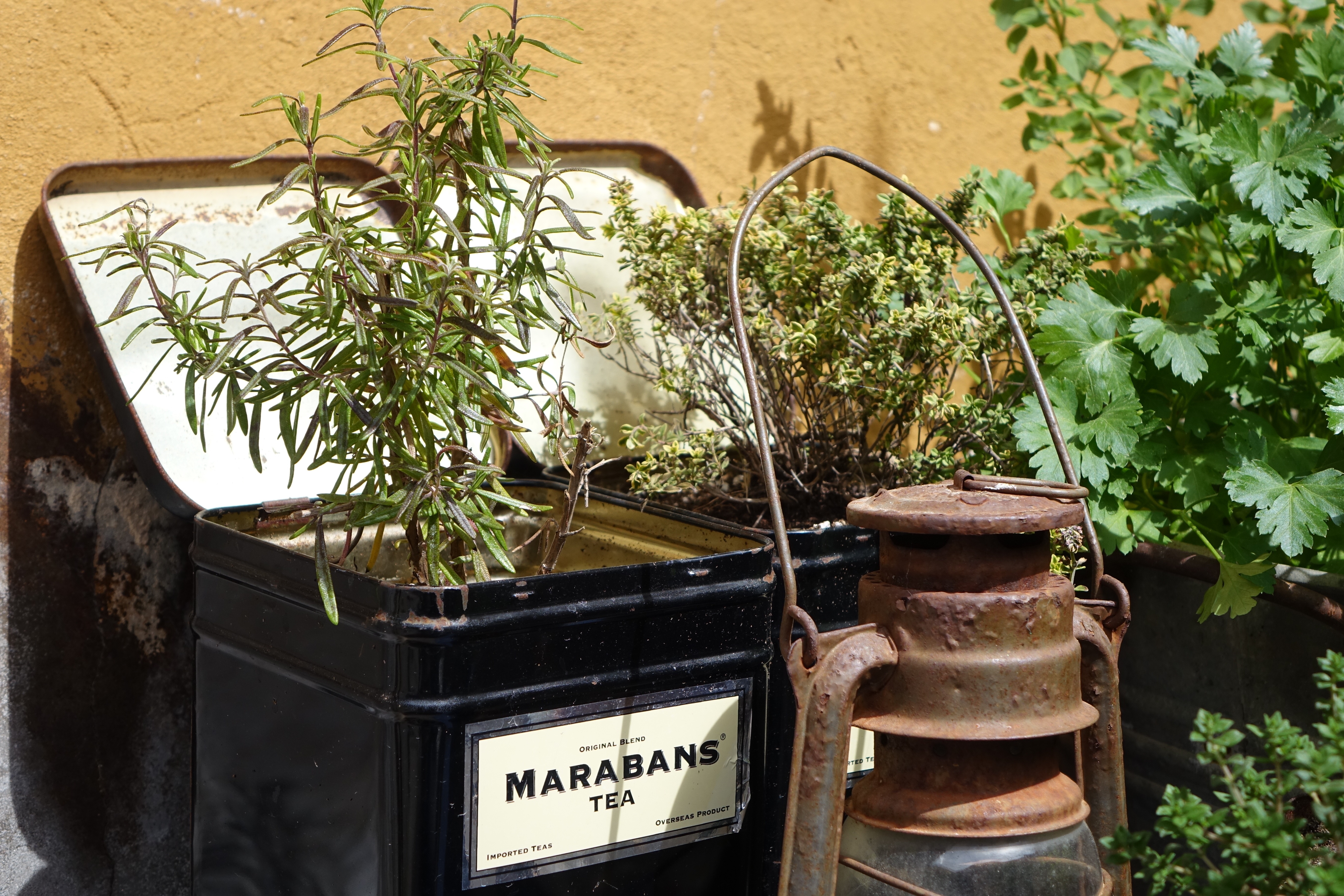
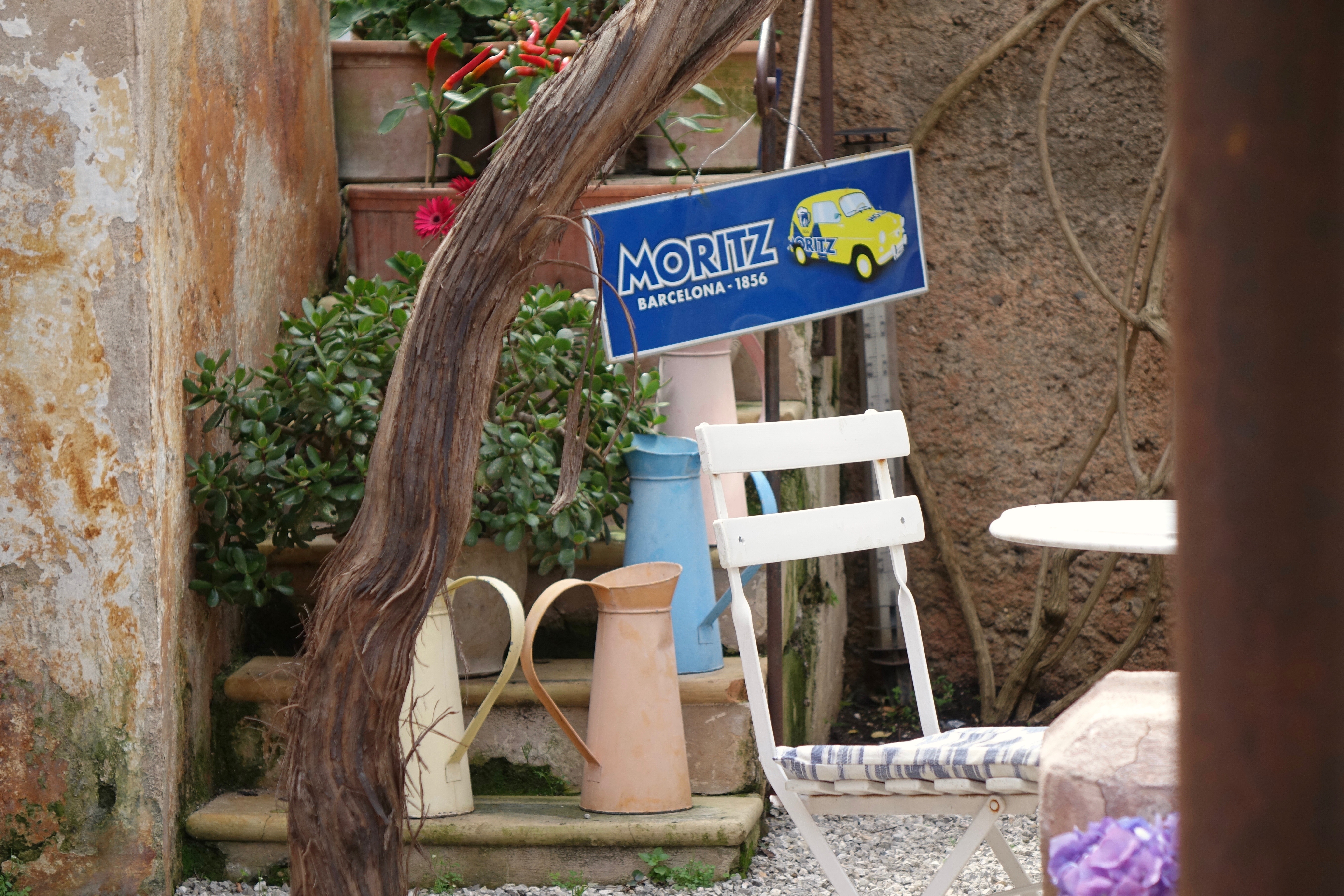
This was no more so than in the Café Parisien, our first stop as we entered the town, and a fine place to rest after the long drive across the island from Palma to Artà for a spot of lunch in a sun-dappled patio courtyard garden perfumed with jasmine and filled with herbs and other aromatics. Sitting on a juxtaposition of differently designed chairs, eating off rustic tables, the paint peeling from years exposure in the sunshine, and surrounded by a panoply of old advertising paraphernalia, pots, plants and a carnival of flowers, it was rather like being welcomed into the garden of an ageing artist after years of taking inspiration from the natural world. It felt old and at the same time freshly bohemian. The food was great too.

The Café Parisien

DSC00382DSC00393DSC00385DSC00388DSC00386DSC00379DSC00380DSC00389DSC00376DSC00368

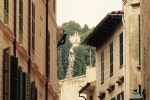
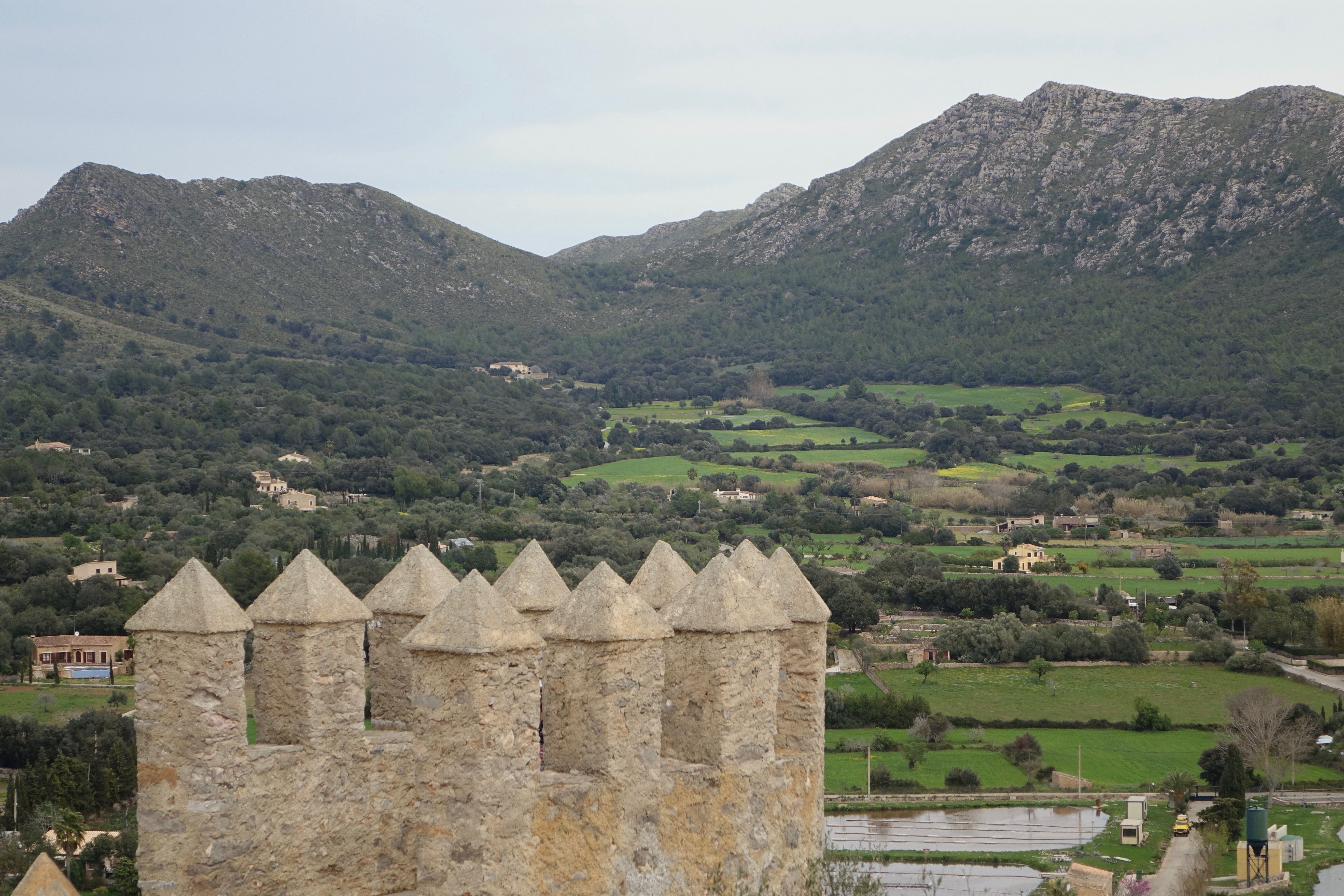
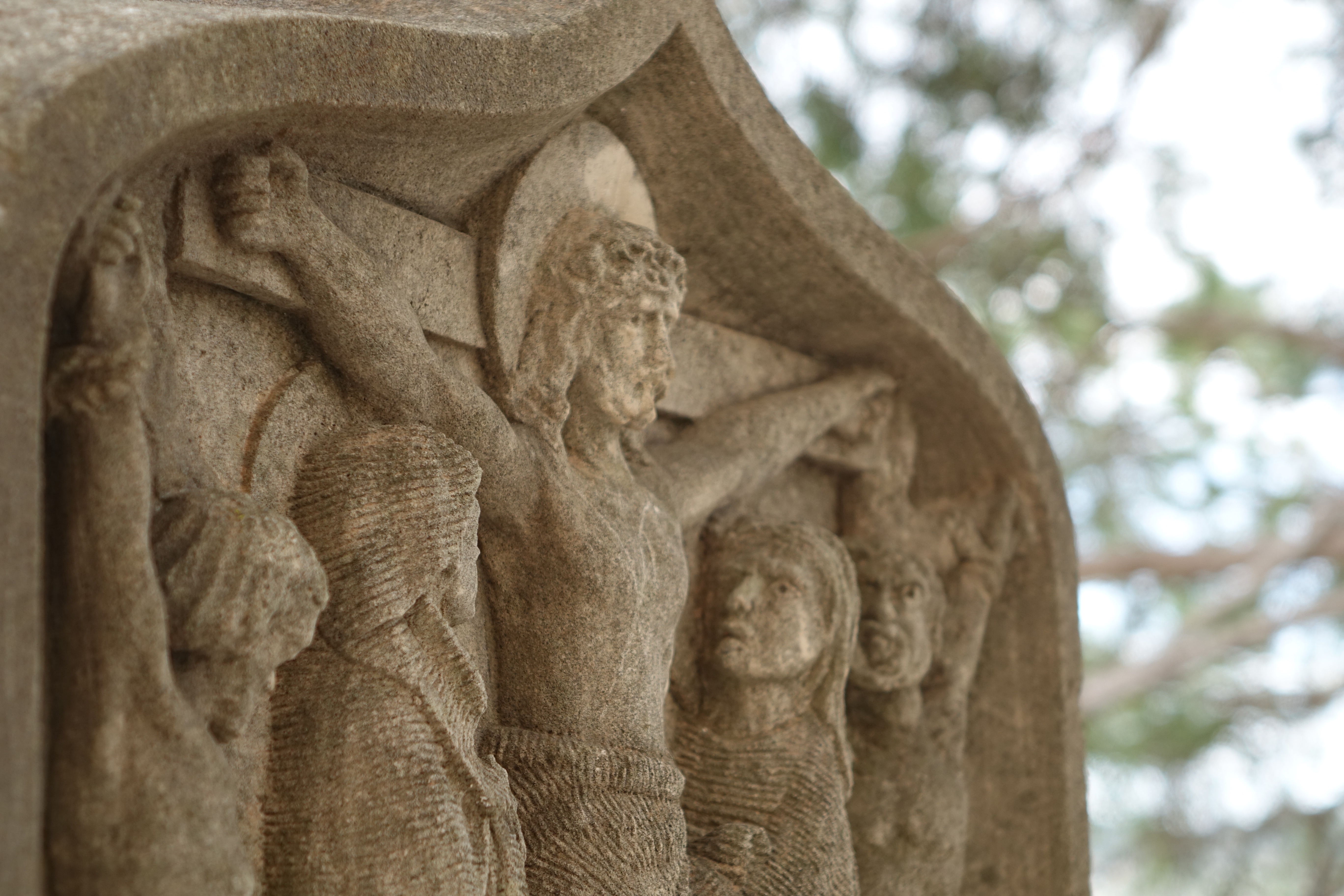
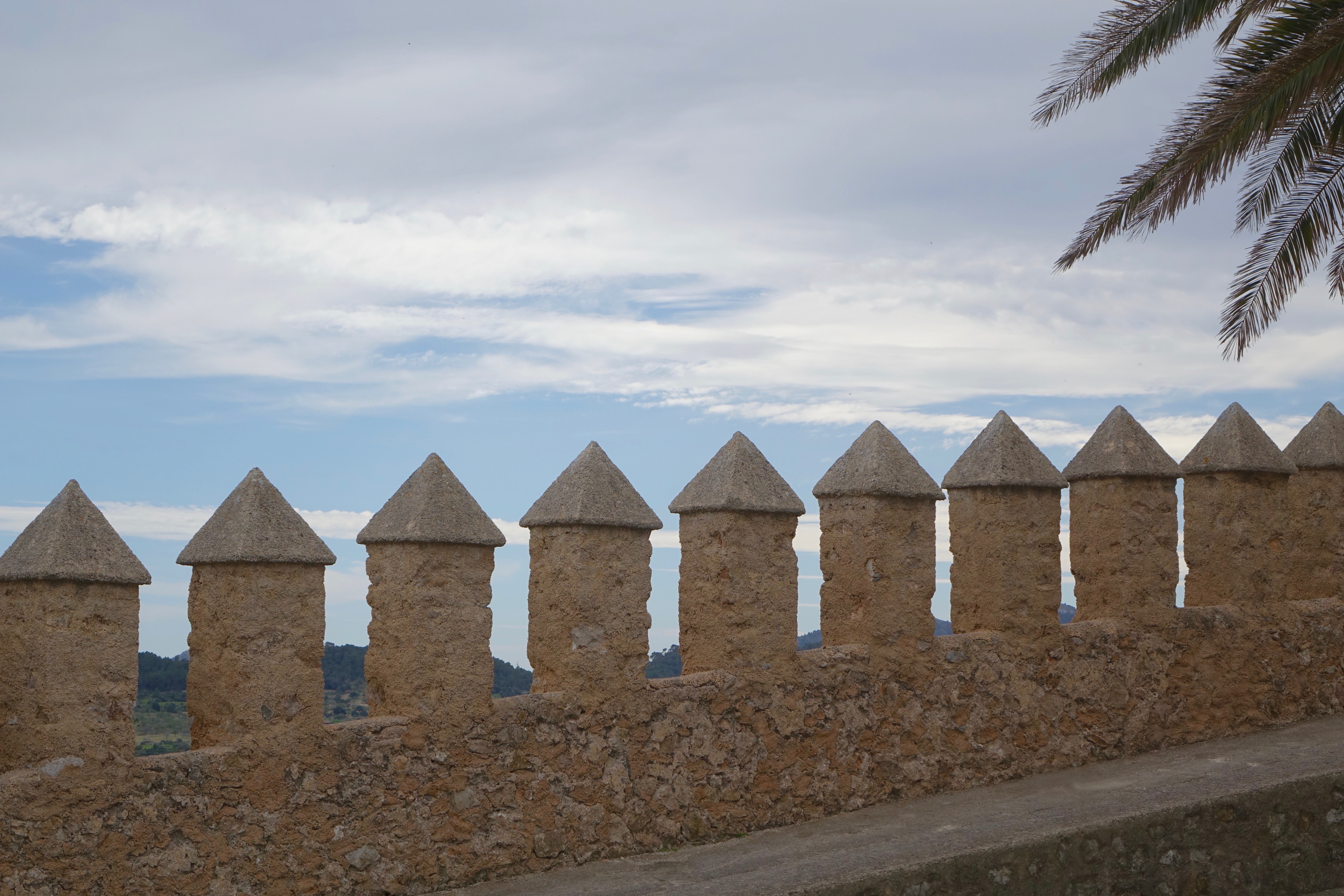
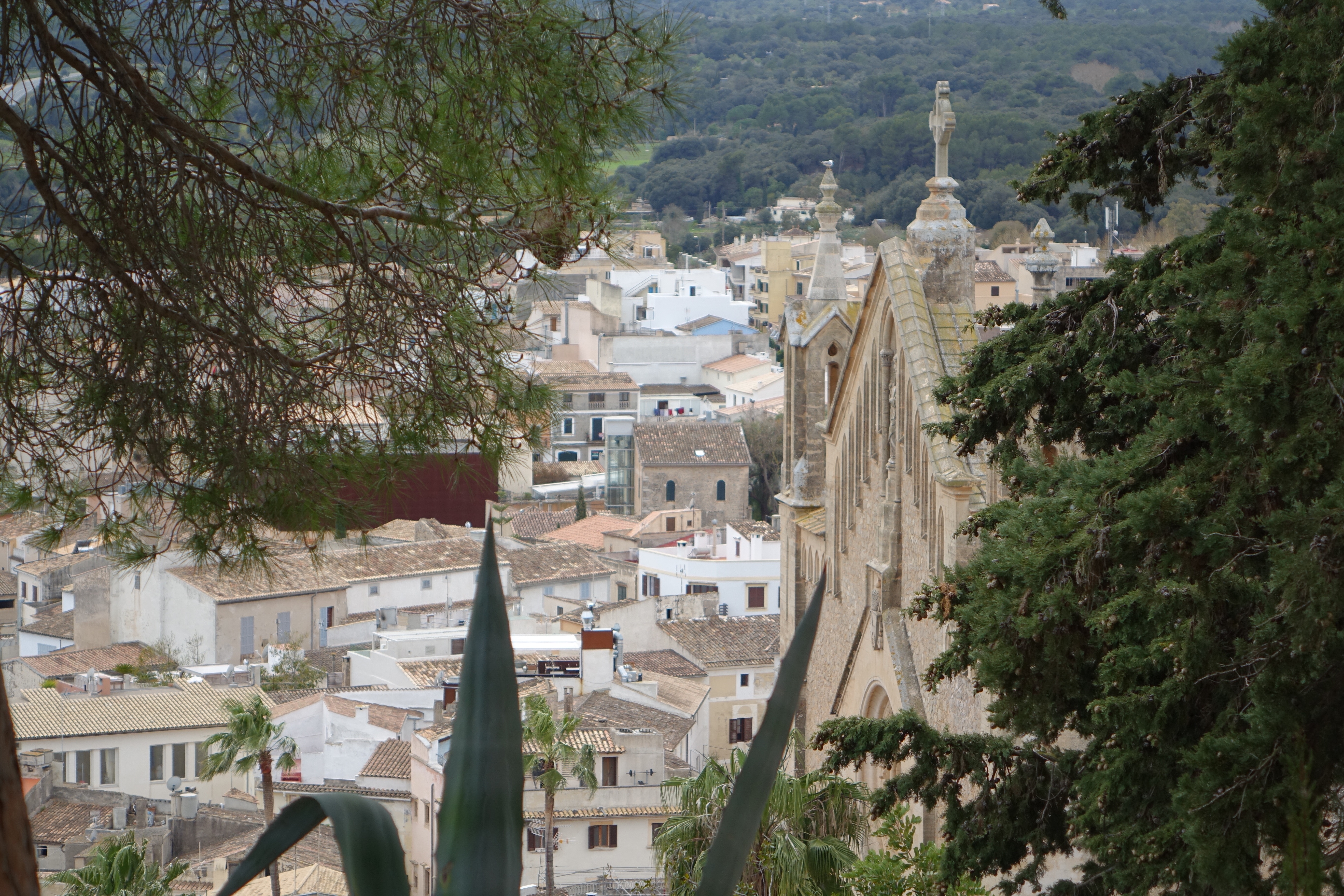
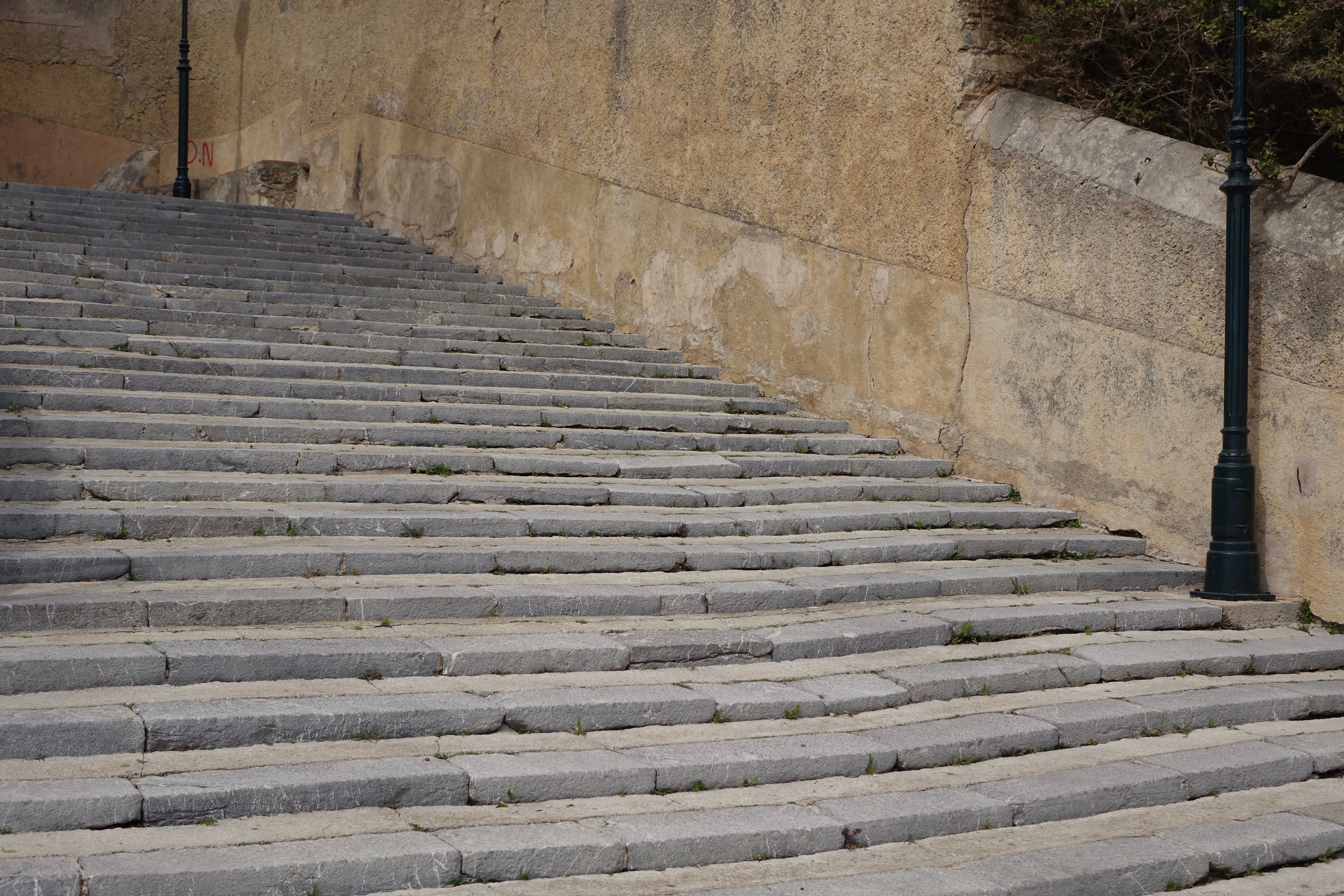
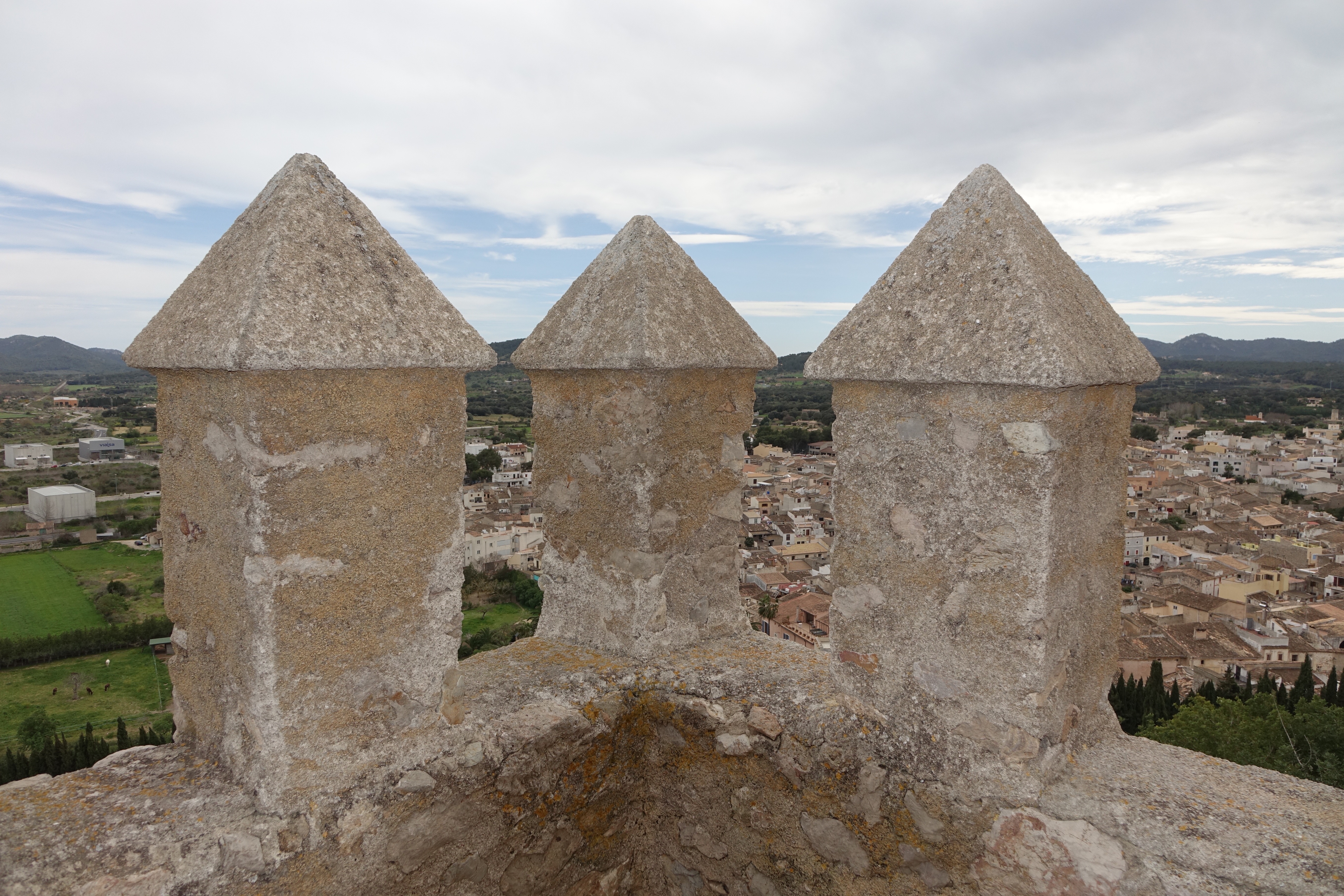
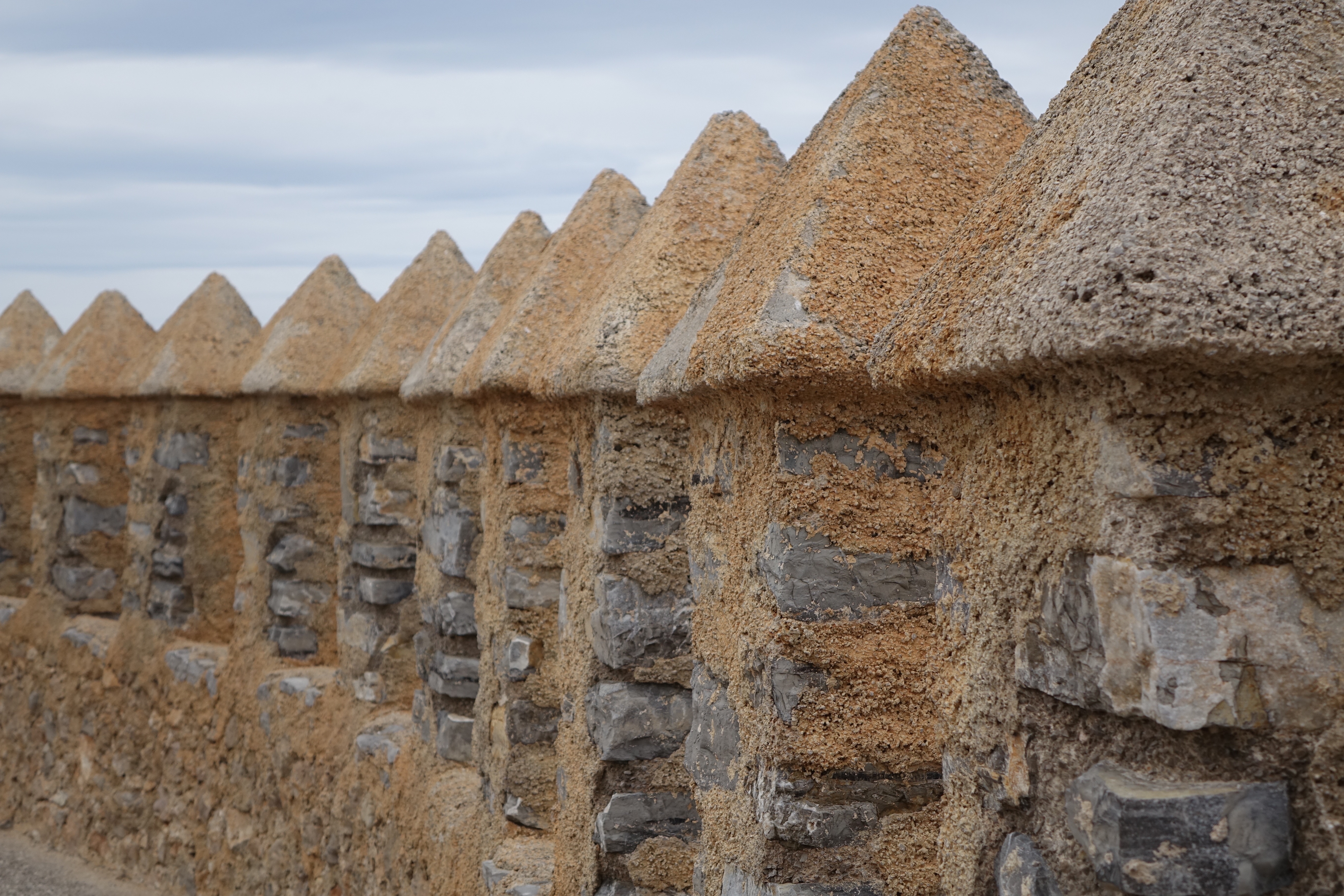
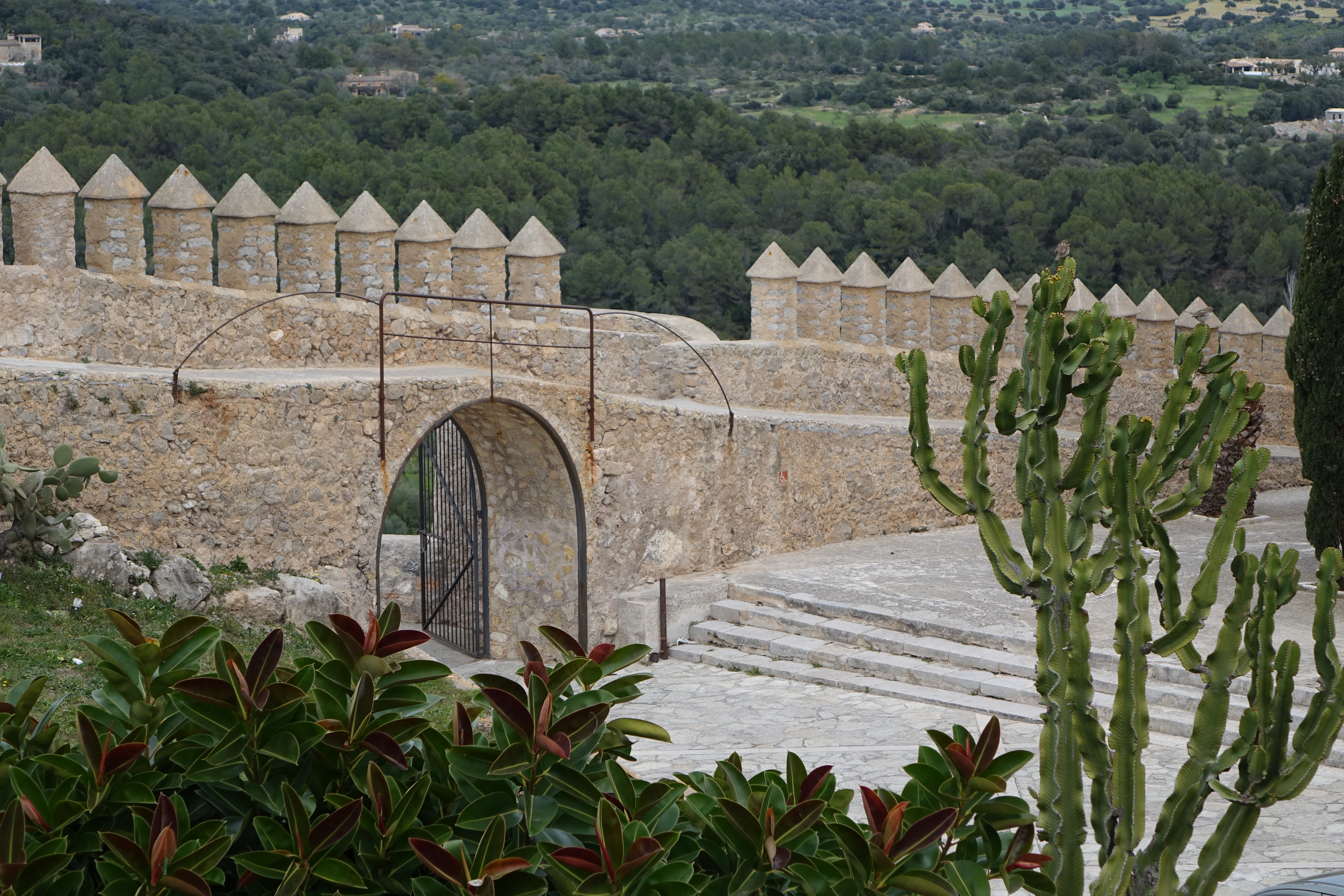
But the real age of Artà was to be found not in the old café gardens, but up on the hill which dominates the town. Up through winding streets and climbing a gently rising but extensive stone staircase, we headed up to the Sanctuary of Sant Salvador, a site oozing the history of this ancient town which has been occupied for some 3,000 years. With a charming small church at its centre, with its tiny ageing Madonna looking like a porcelain doll glowing above the altar, and an outer ring of authentically moorish ramparts offering stunning views over the surrounding mountainous countryside, the hill was the high point of the visit, not just in geography but in experience. It was like taking a trip to Granada and Salamanca, in the time of the Moors and the Medieval conquistadors, all rolled into one.

DSC00437DSC00432DSC00452DSC00456DSC00447DSC00431DSC00416DSC00417DSC00436DSC00451DSC00424DSC00468

Thus we concluded that little Artà, this town almost lost in the mountains so far from Palma down in the south, was well worth the drive from one corner of the island to the other and made for a perfect little visit, and a fascinating insight into the history of Mallorca.

All photos and written content are strictly the copyright of Nicholas de Lacy-Brown © 2016 and The Daily Norm. All rights are reserved. Unauthorized use and/or duplication of the material, whether written work, photography or artwork, included within The Daily Norm without express and written permission from The Daily Norm’s author and/or owner is strictly prohibited.