Skip to content

Posts tagged ‘Tourism’

Discovering Palma: The ancient and the sacred

With my mother in town this last weekend, it was time to go back to tourist status, a role I slip into particularly well having only been a fully fledged resident of Palma de Mallorca for less than a month. As such I am still very much in the discovery stages, and already I have ascertained that the sprawling and ancient old town of Palma contains as many hidden corners as it does winding multi-directional streets. And by far the most sprawling, seemingly unplanned and historically rich of all the quarters is that to be found immediately behind and to the East of the Cathedral: the old moorish heart of the city.

DSC01812DSC06907 DSC01845 DSC01834 DSC01844

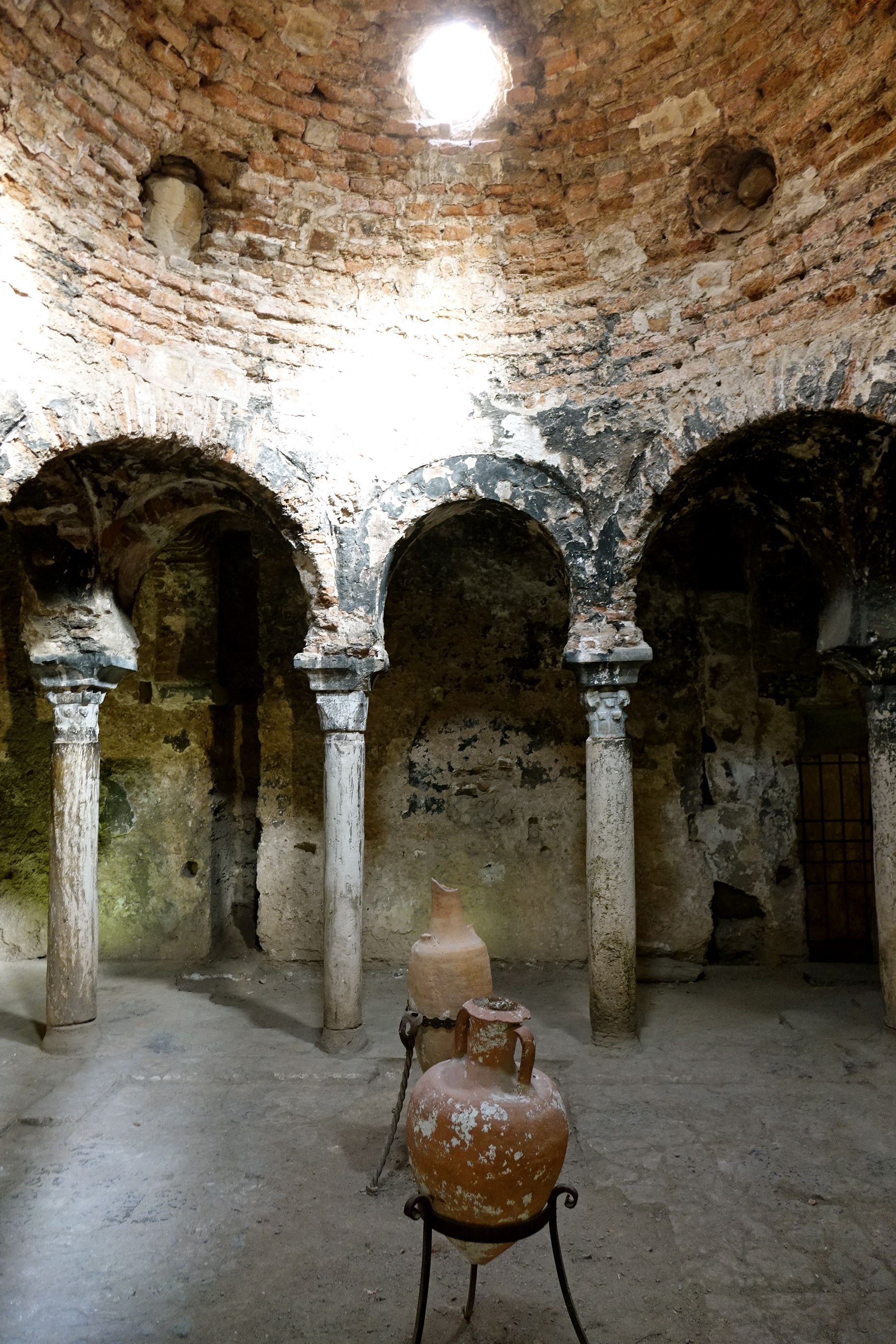
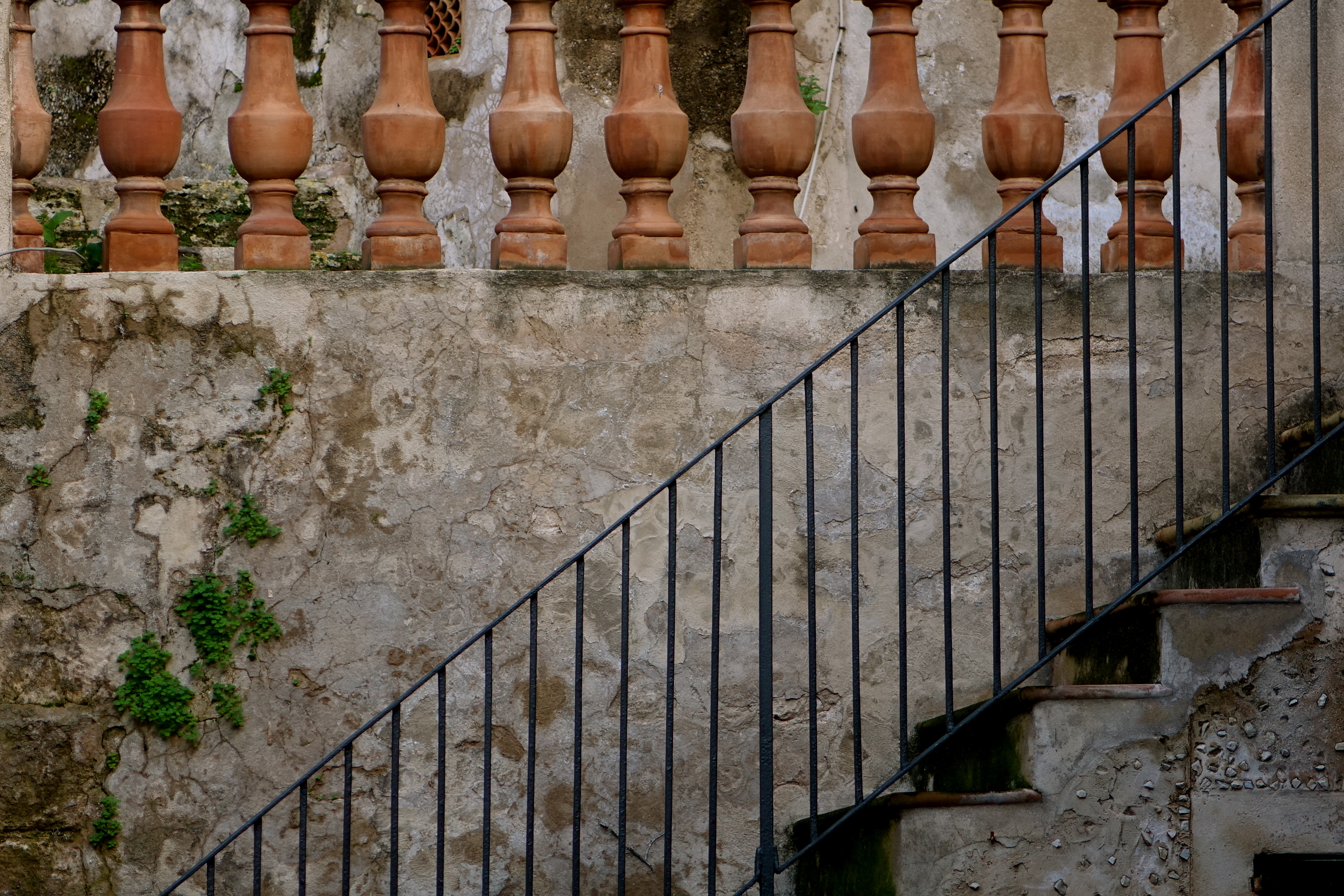
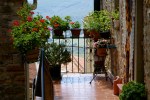
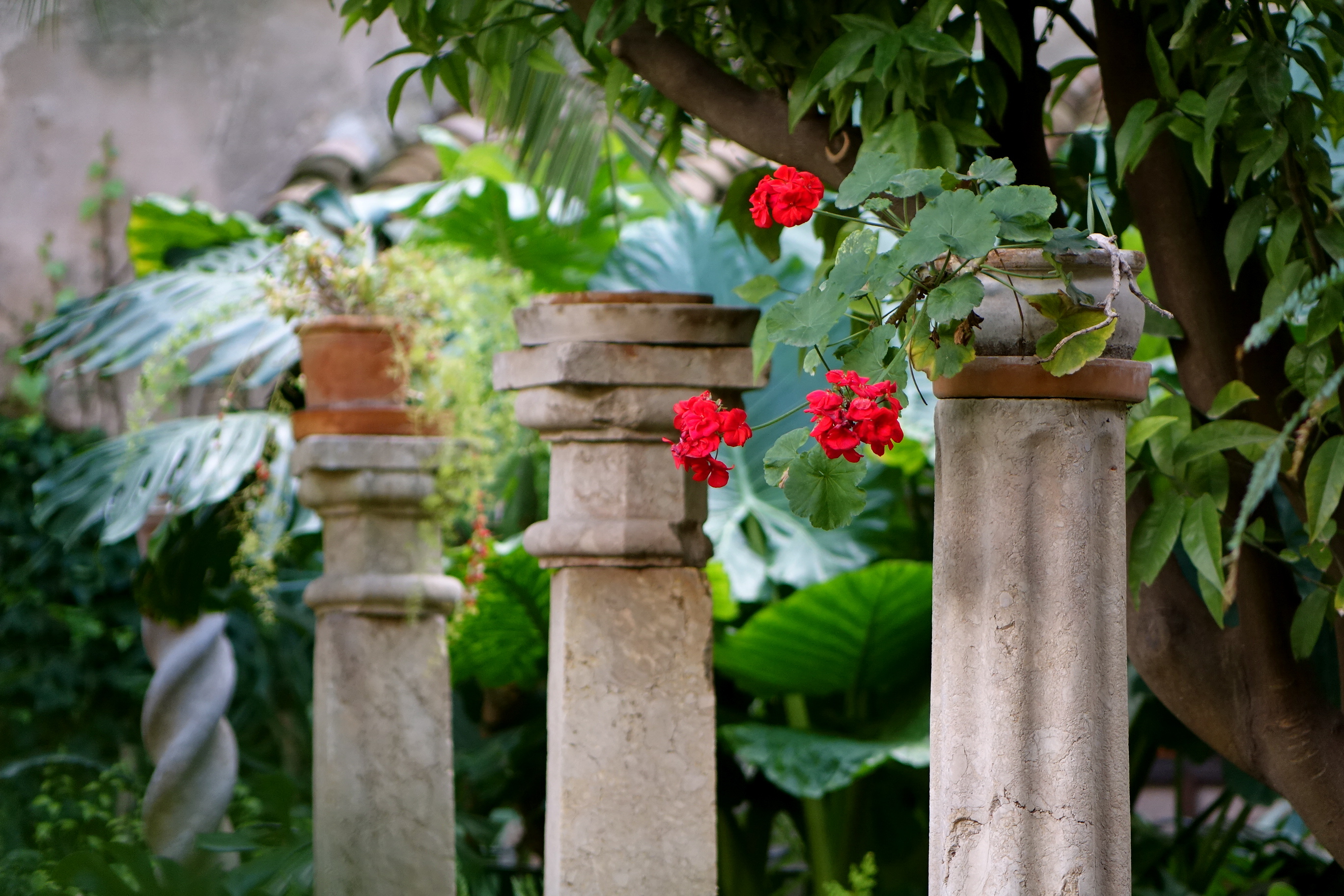
With the weekend’s festivities meaning closure of many of the main sites, we began our whistlestop tour of the city with one of the attractions that was open: the old Arabic Baths. And thus began a tour which focused on the ancient, and the sacred. The Arab Baths are not as fine and complete a monument to the previous moorish rulers of Spain as, say, La Mesquita in Cordoba or the baths in Ronda, but they are still a beautiful and historically poignant monument to a bygone age. Dating back to the 11th century and containing two halls – one for hot steaming and the other a warm ante-room, today the baths are little more than a stone archive, although one can easily decipher the moorish arches whose antiquated stone is dappled with the sharp light filtering through holes built into the domed ceiling. The best part of the baths for me however is the gardens of the adjacent Can Fontirroig manor – a lush spot which looks as beautiful in the winter as in the spring, especially when graced with the sun which happily accompanied our weekend.
DSC01866 DSC01820 DSC01886 DSC01864 DSC01873 DSC01863 DSC01868

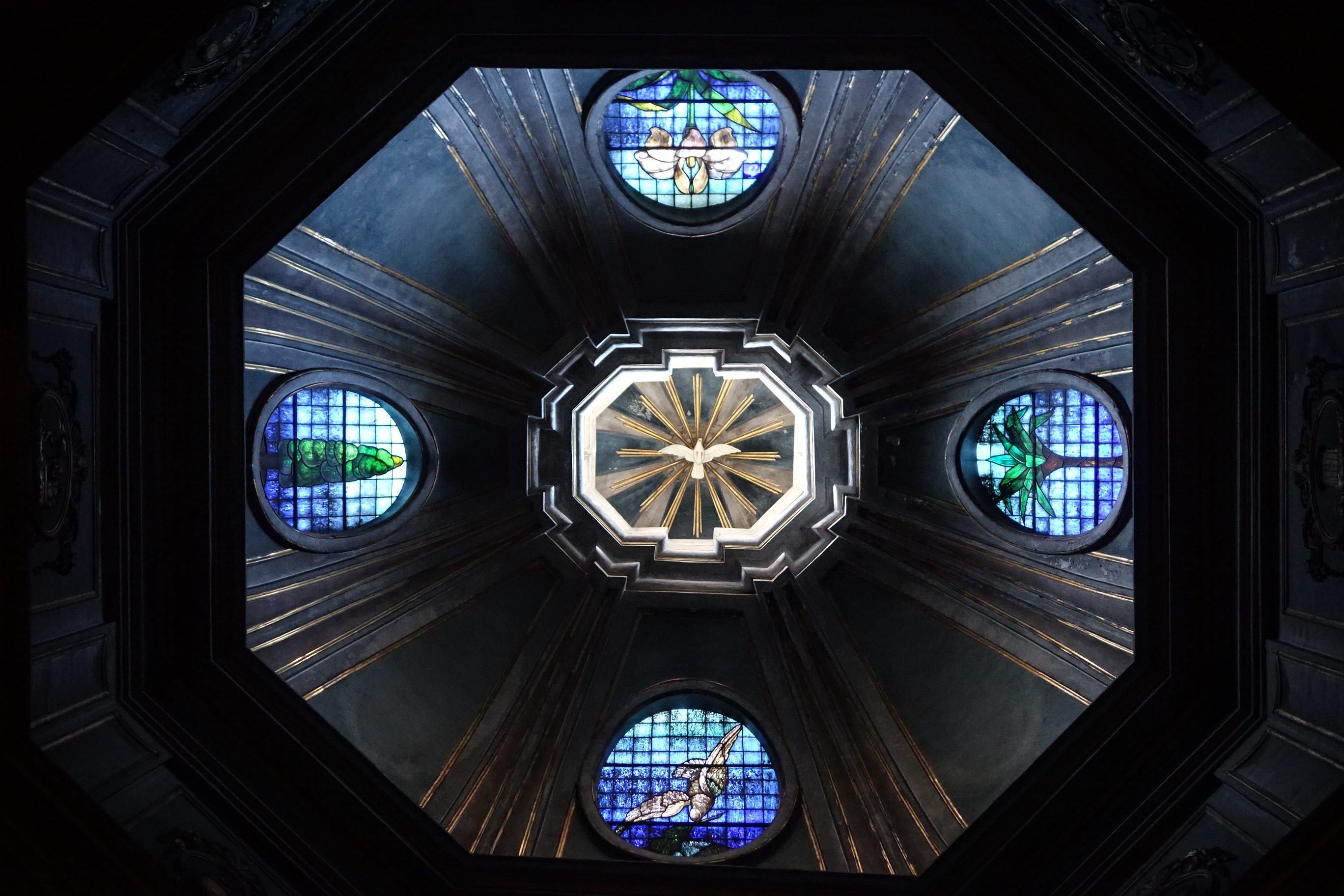
Leaving the baths and unfurling one further winding street after another, we came upon the Convent of Santa Clara, a romantically austere building and church whose side chapels are filled with the gilded floats which will be paraded in the city’s Easter processions, and whose nun inhabitants bake traditional convent sweets for sale. Naturally we couldn’t resist the purchase of a marzipan, nor a bag of our favourite polverones – a fragile powdery biscuit named after the dusty nature of its constitution.
DSC01904 DSC01918 DSC01914

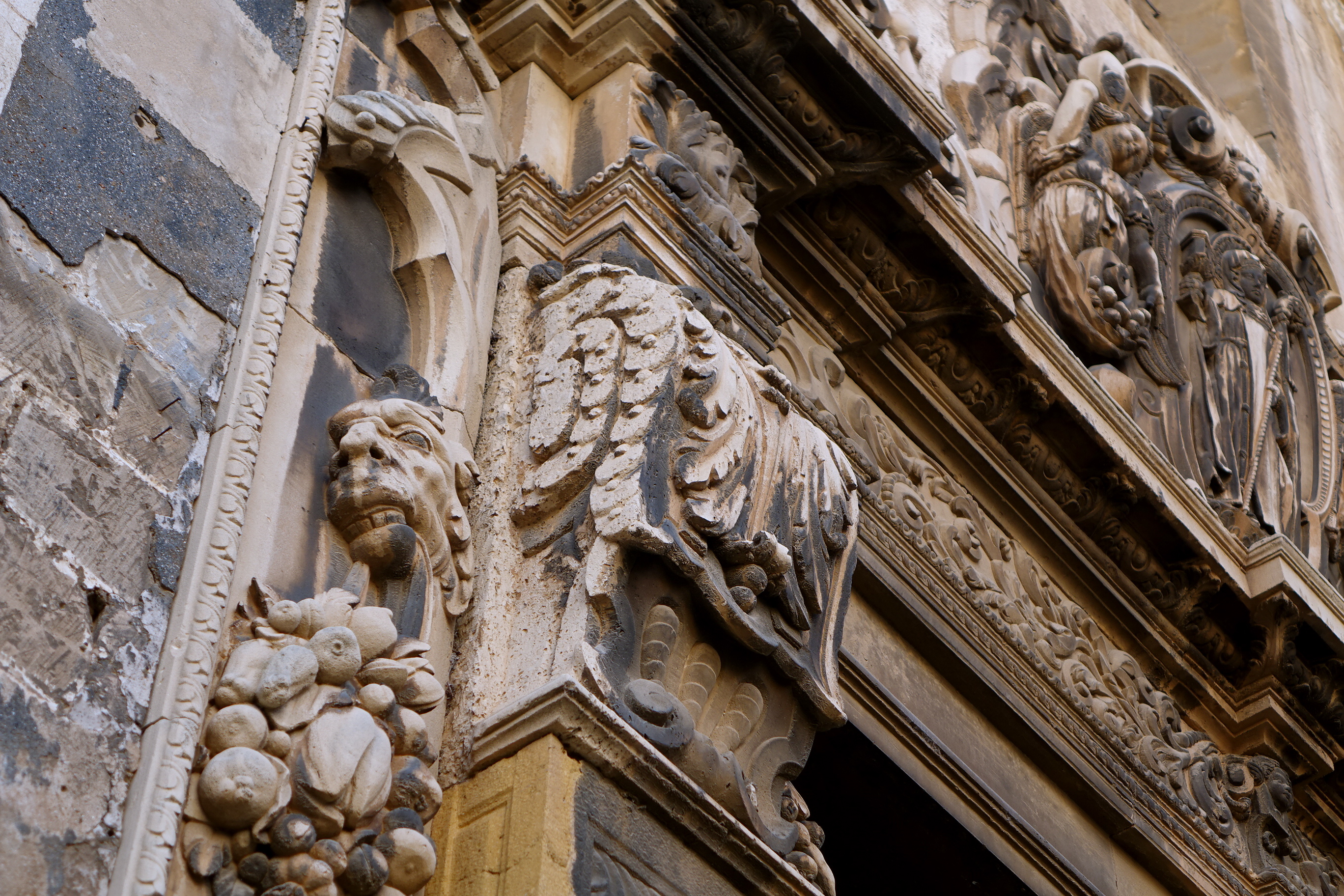
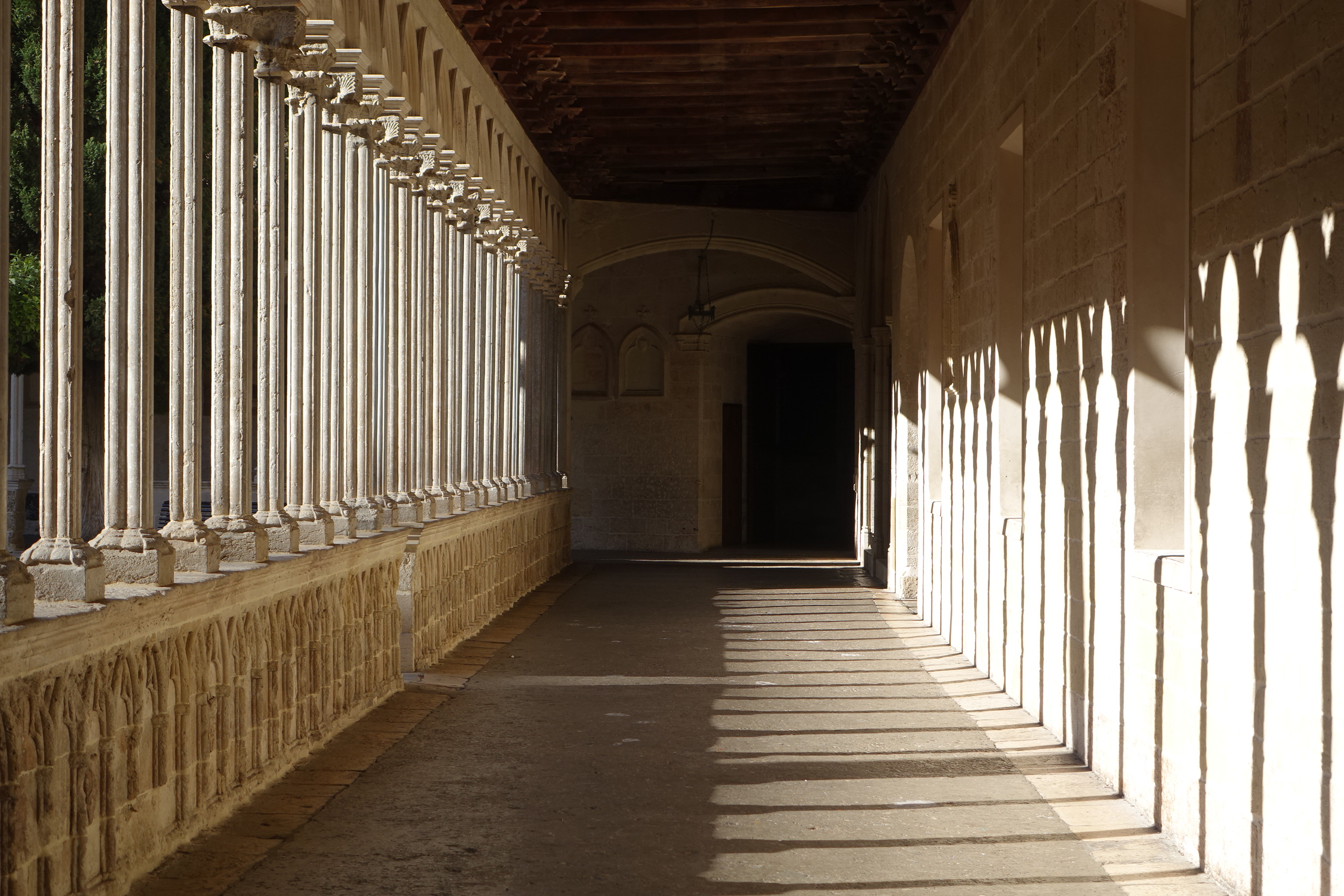
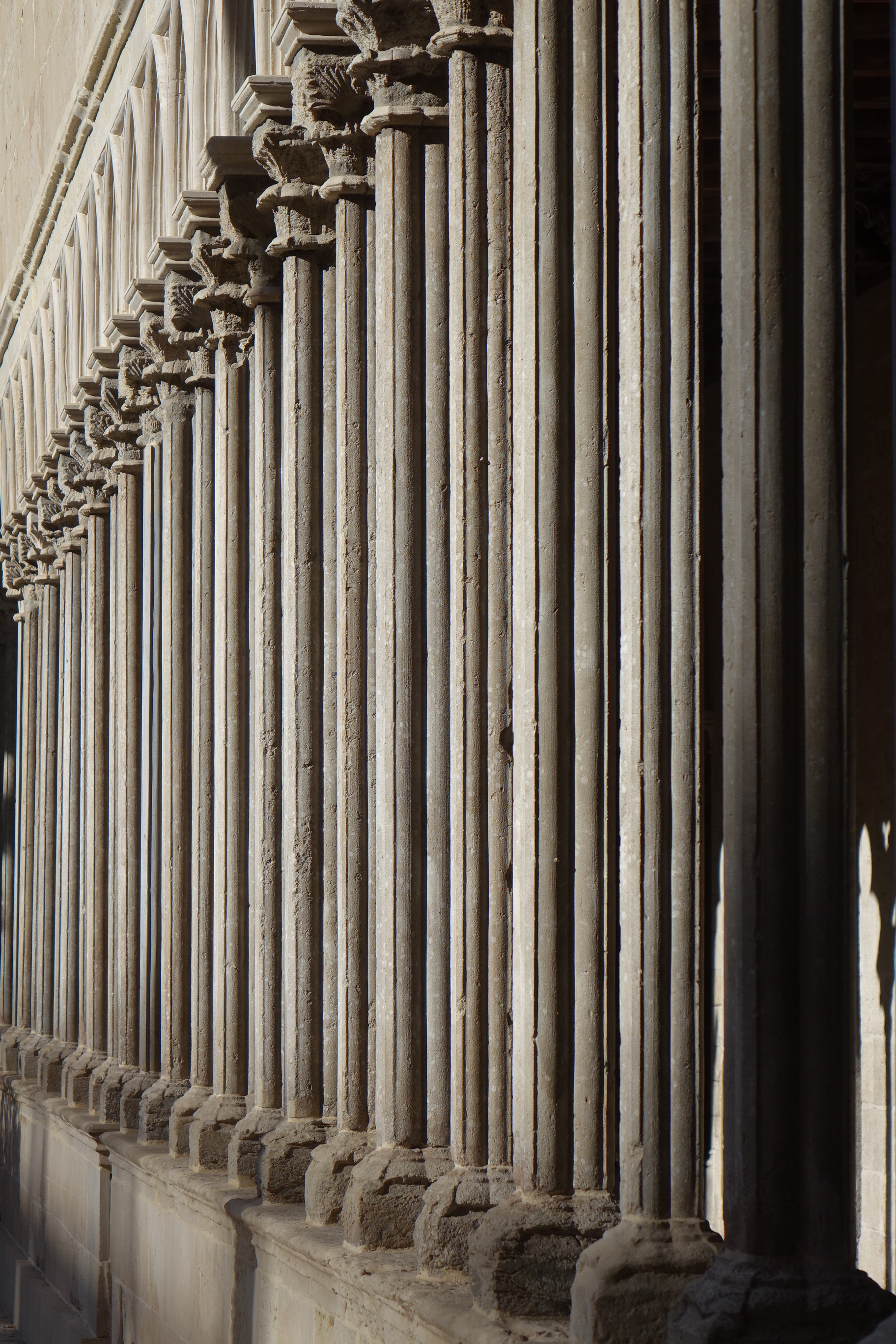
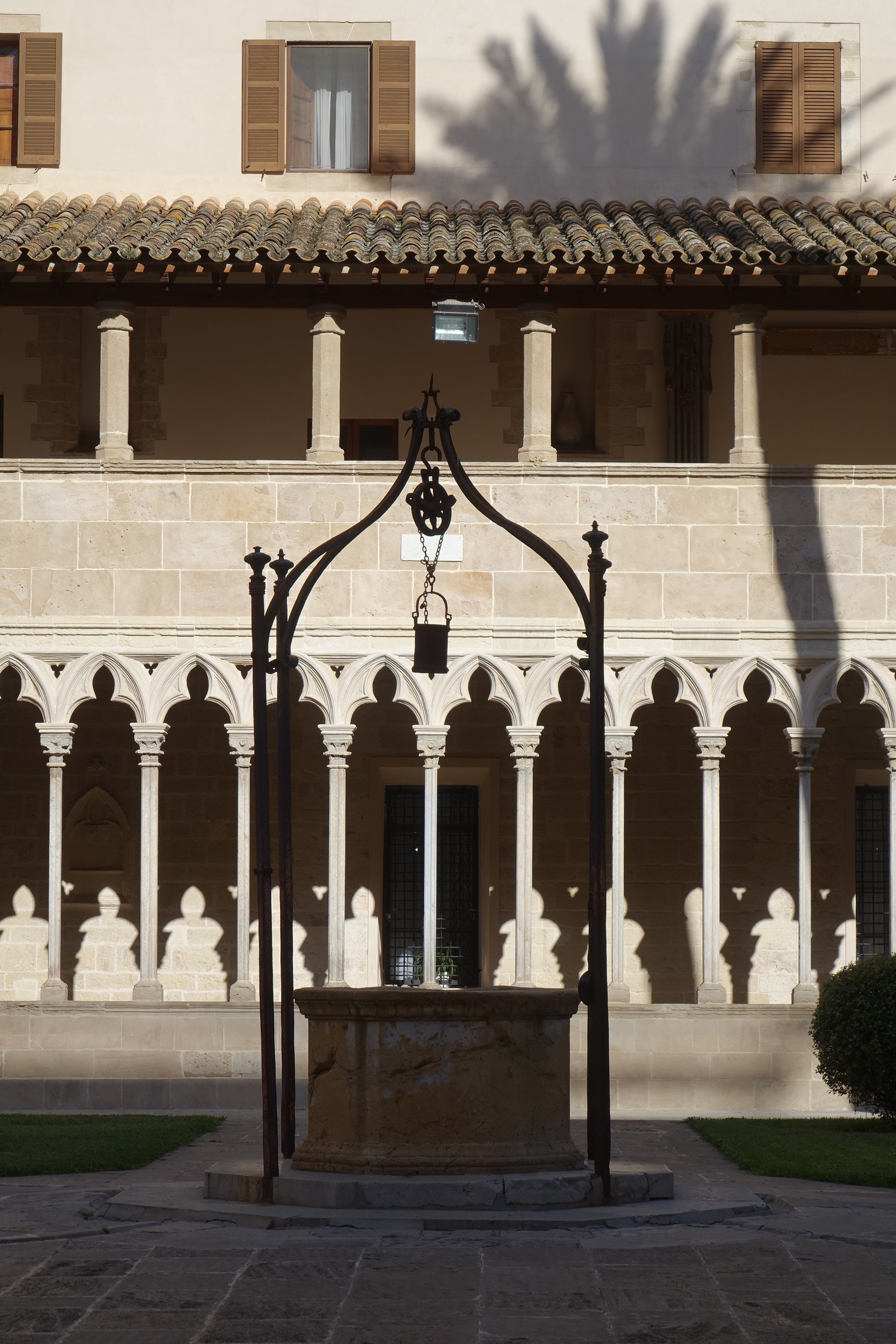
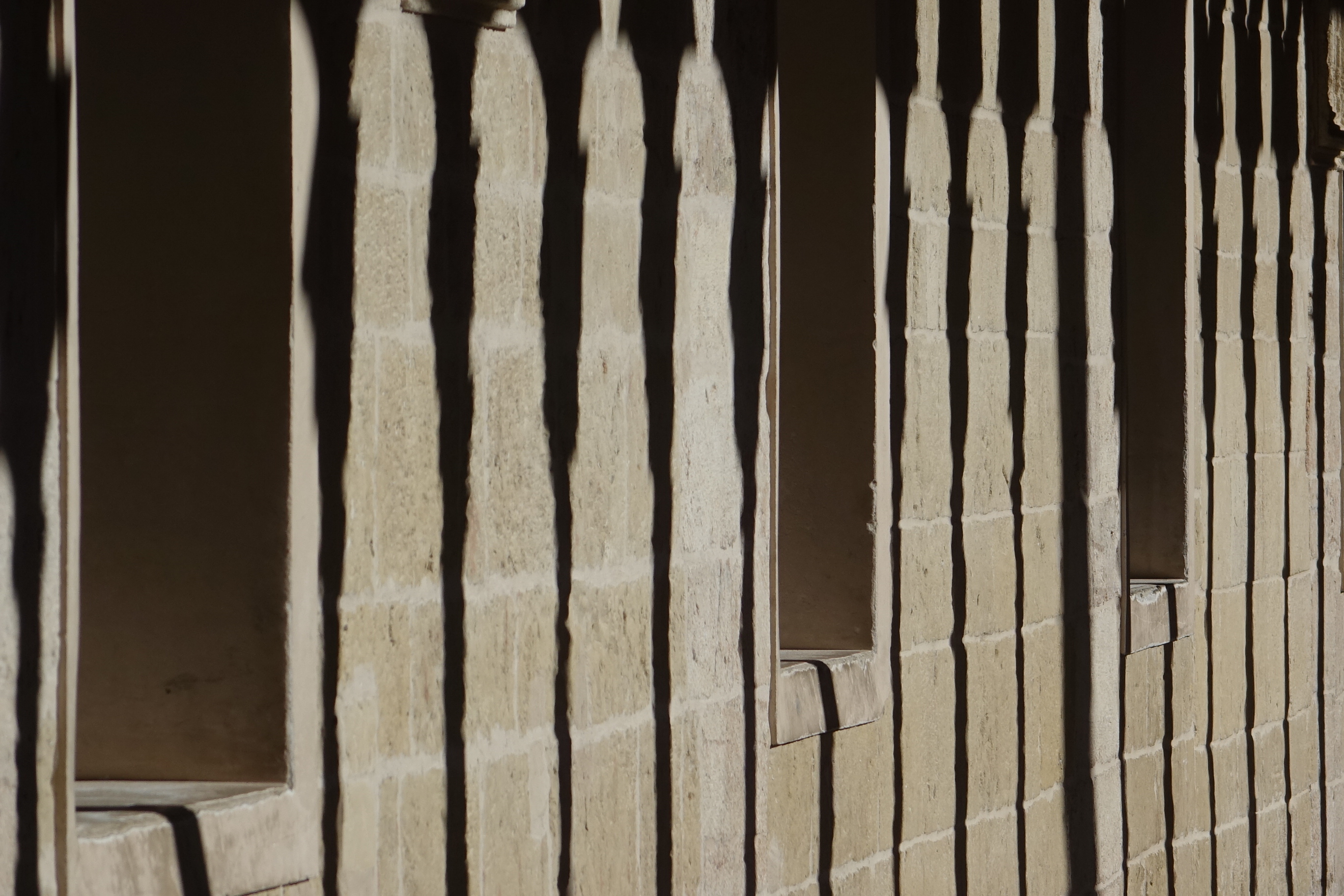
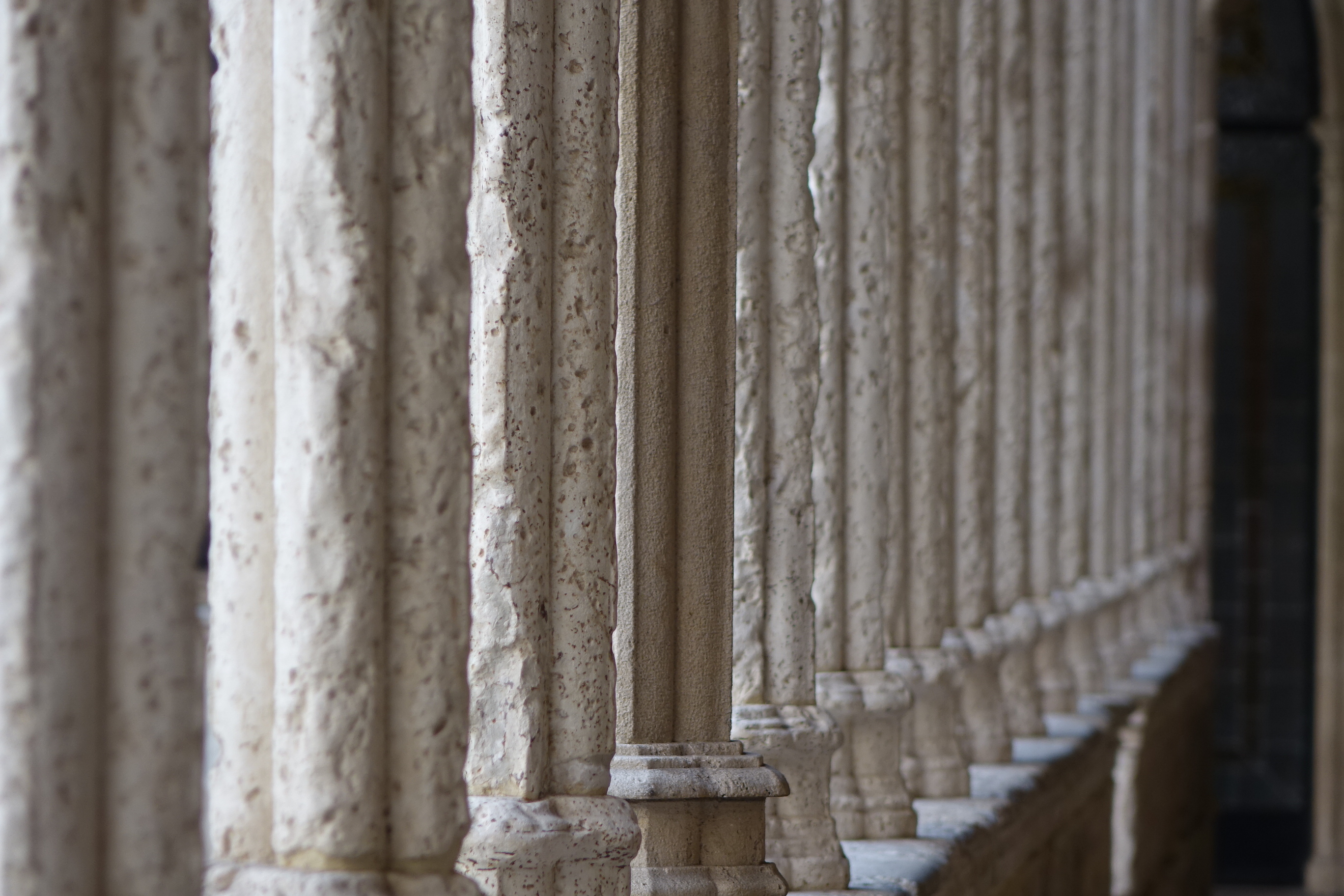
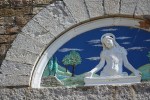
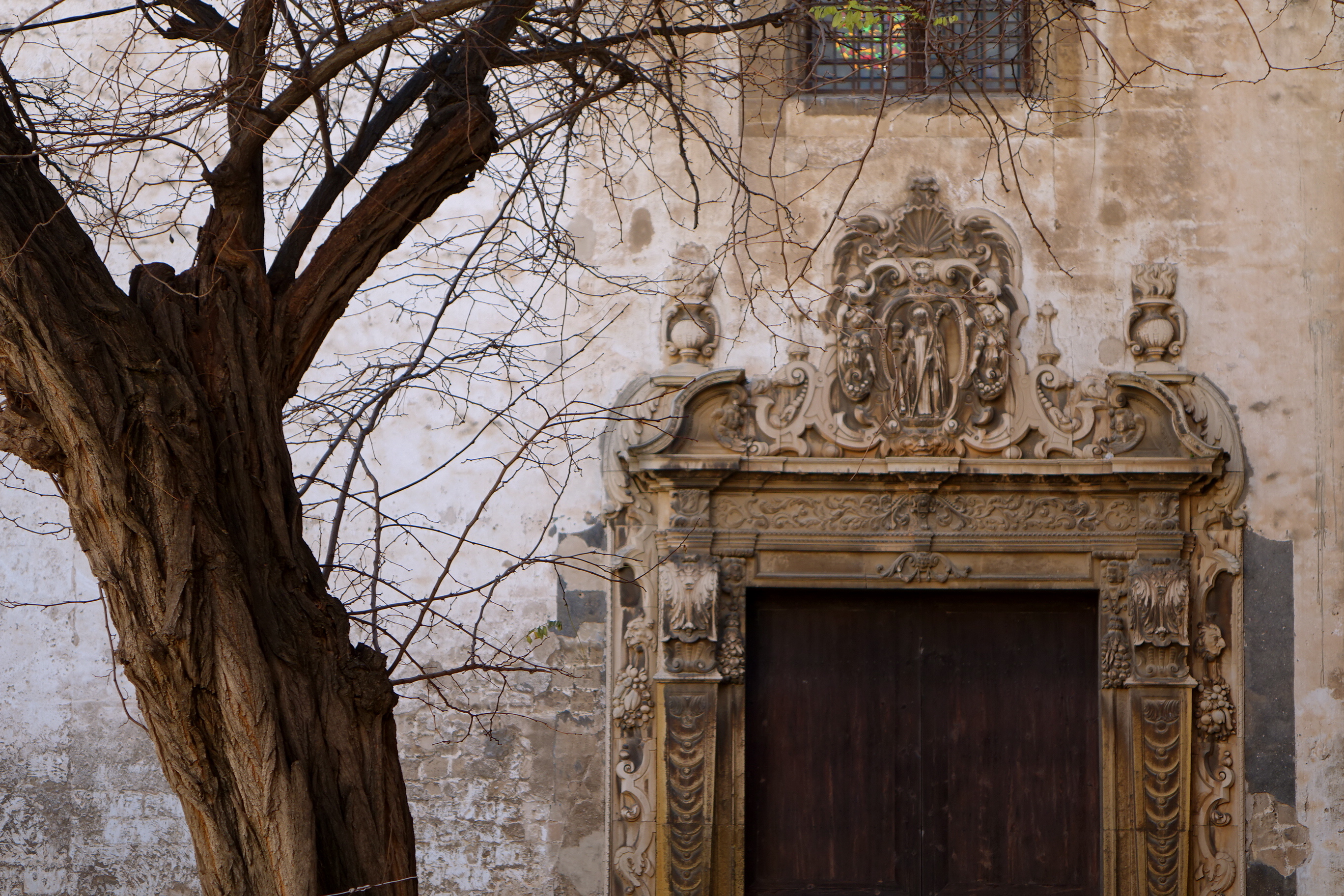
This led us swiftly onwards to yet another of Palma’s religious hot spots: the Franciscan Monastery whose stunning baroque facade dominates the Plaça de Sant Francesc with its exquisitely detailed depiction of the immaculate conception  crowned with Saint George and the Dragon. But the Monastery’s greatest asset has to be the significant cloister set alongside the large main basilica. Drenched with sunshine, the multiple thin columns are amongst the most elegant I have seen in any of Spain’s many monasteries, and lend the cloister a special airyness which made our visit on this sunny afternoon especially hypnotic.

DSC02107 DSC02059DSC02054 DSC02106 DSC02052 DSC02038 DSC02102 DSC02105 DSC02034 DSC02088 DSC02351 DSC02354 DSC02346 DSC02353

Happily those sugary sweets purchased a little earlier from the nuns of Santa Clara gave us the pick me up we needed – at least until we were able to end a thoroughly illuminating day’s sightseeing with a much needed authentic chocolate stop at Can Joan de S’Aigo – surely the perfect traditional way to end our dip into Palma’s history.

All photos and written content are strictly the copyright of Nicholas de Lacy-Brown © 2014 and The Daily Norm. All rights are reserved.

Discovering Palma: Boutique Shopping

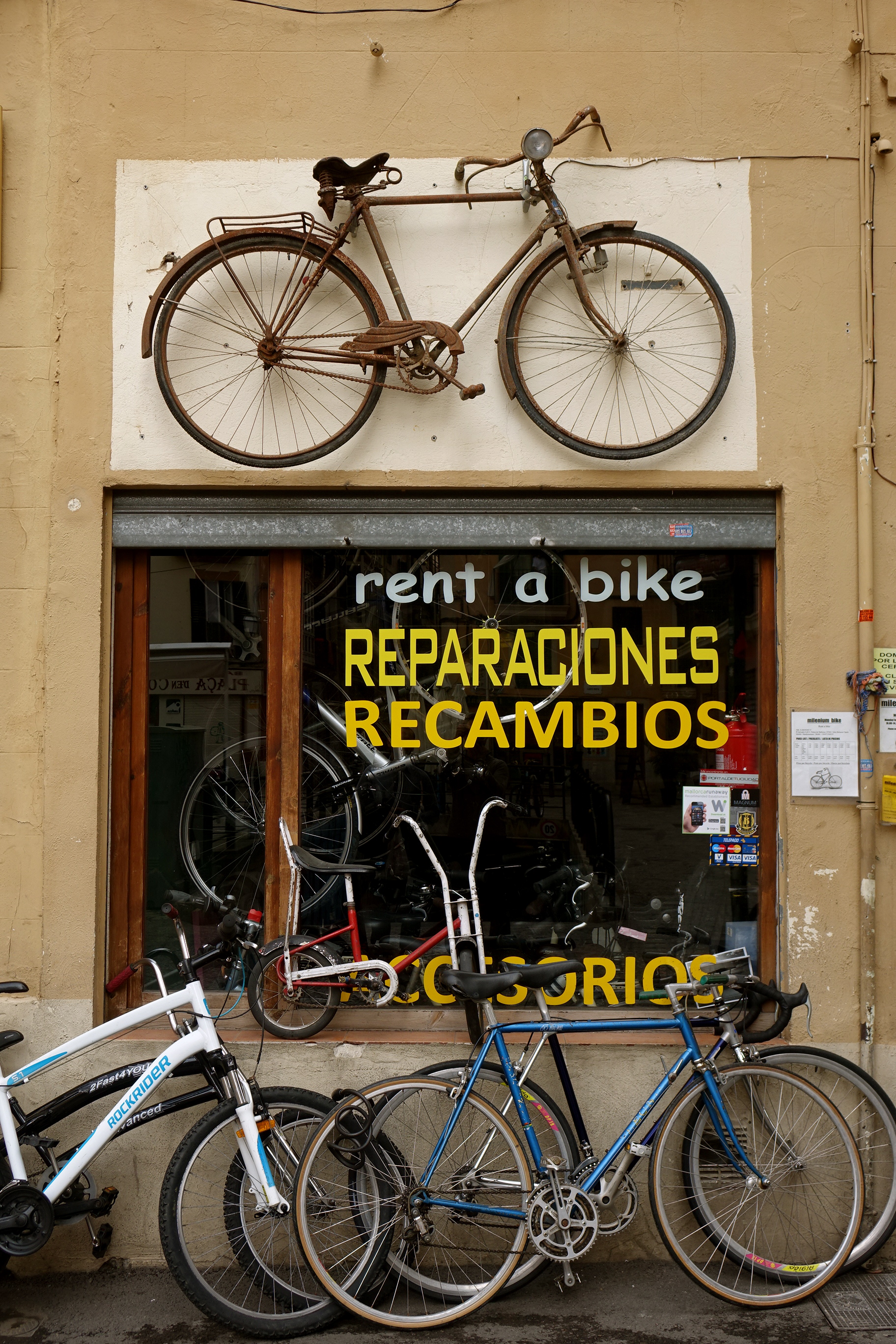
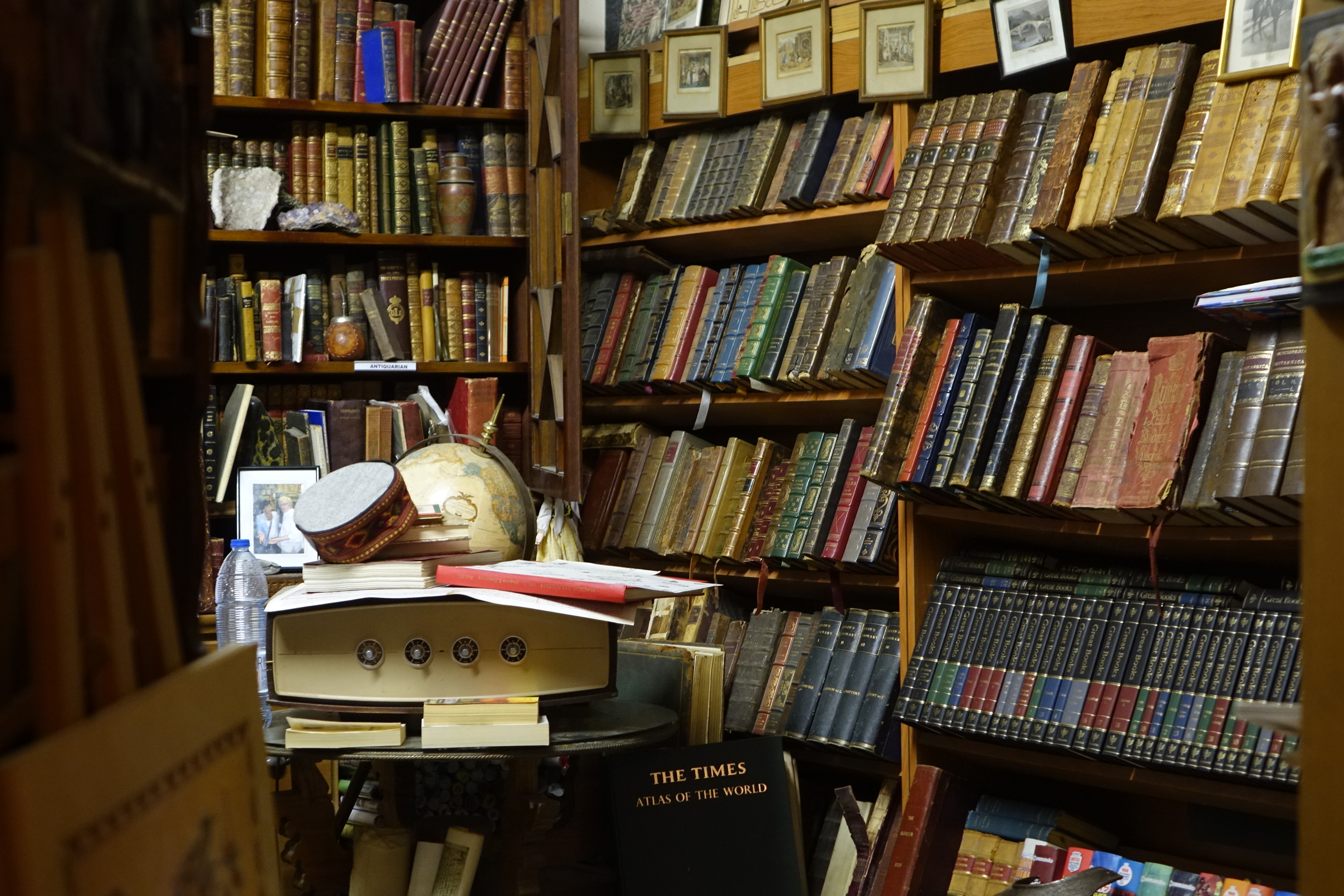
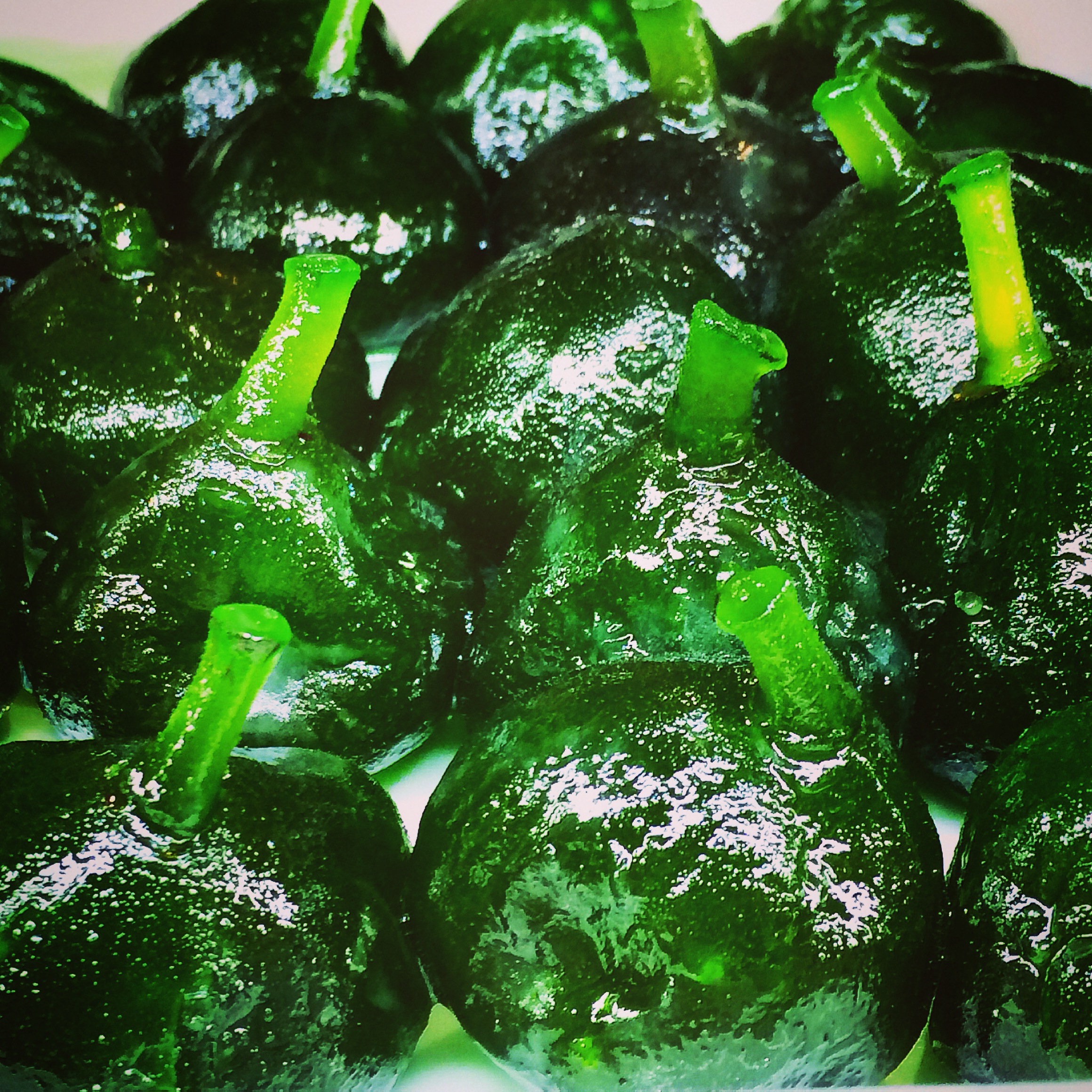
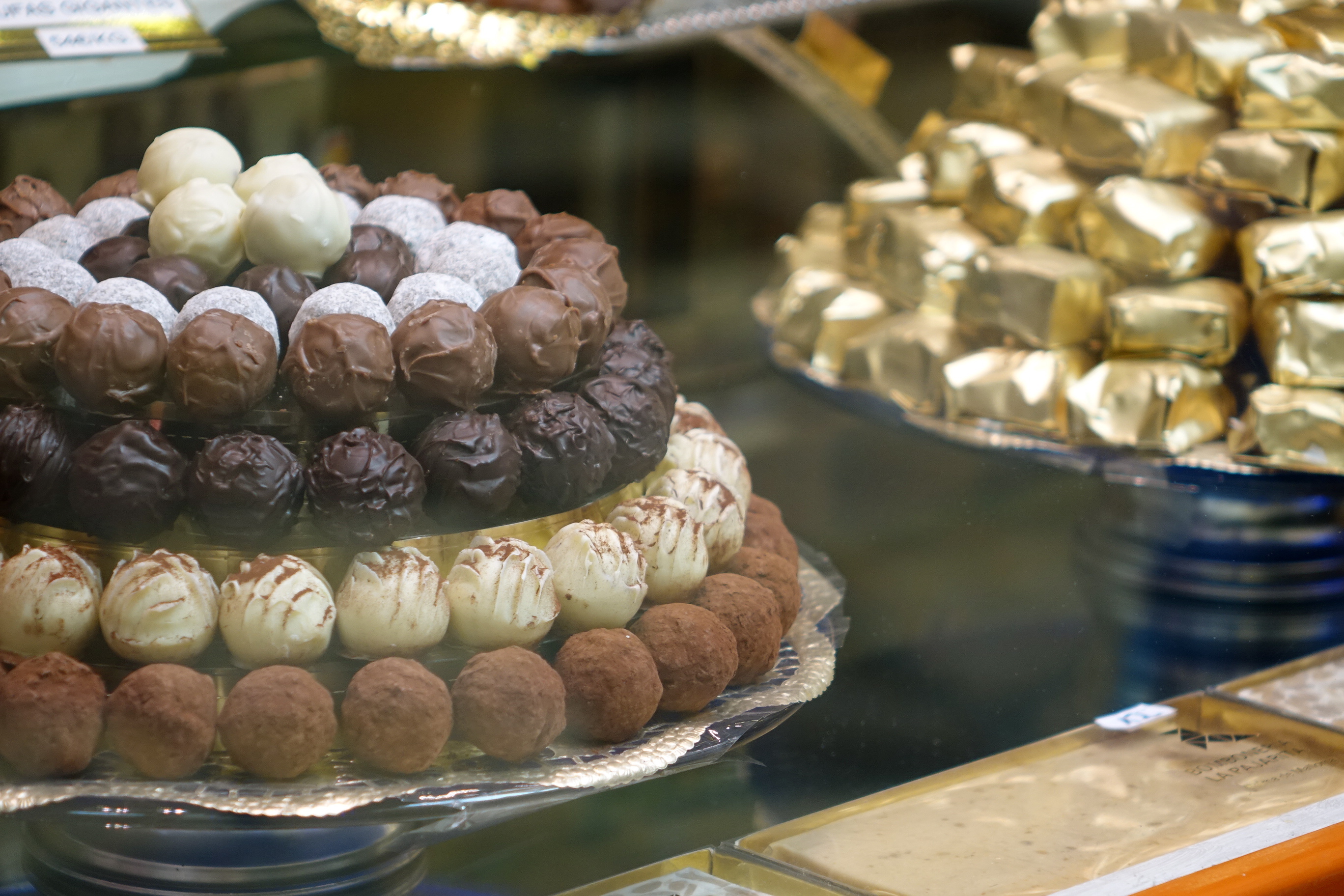
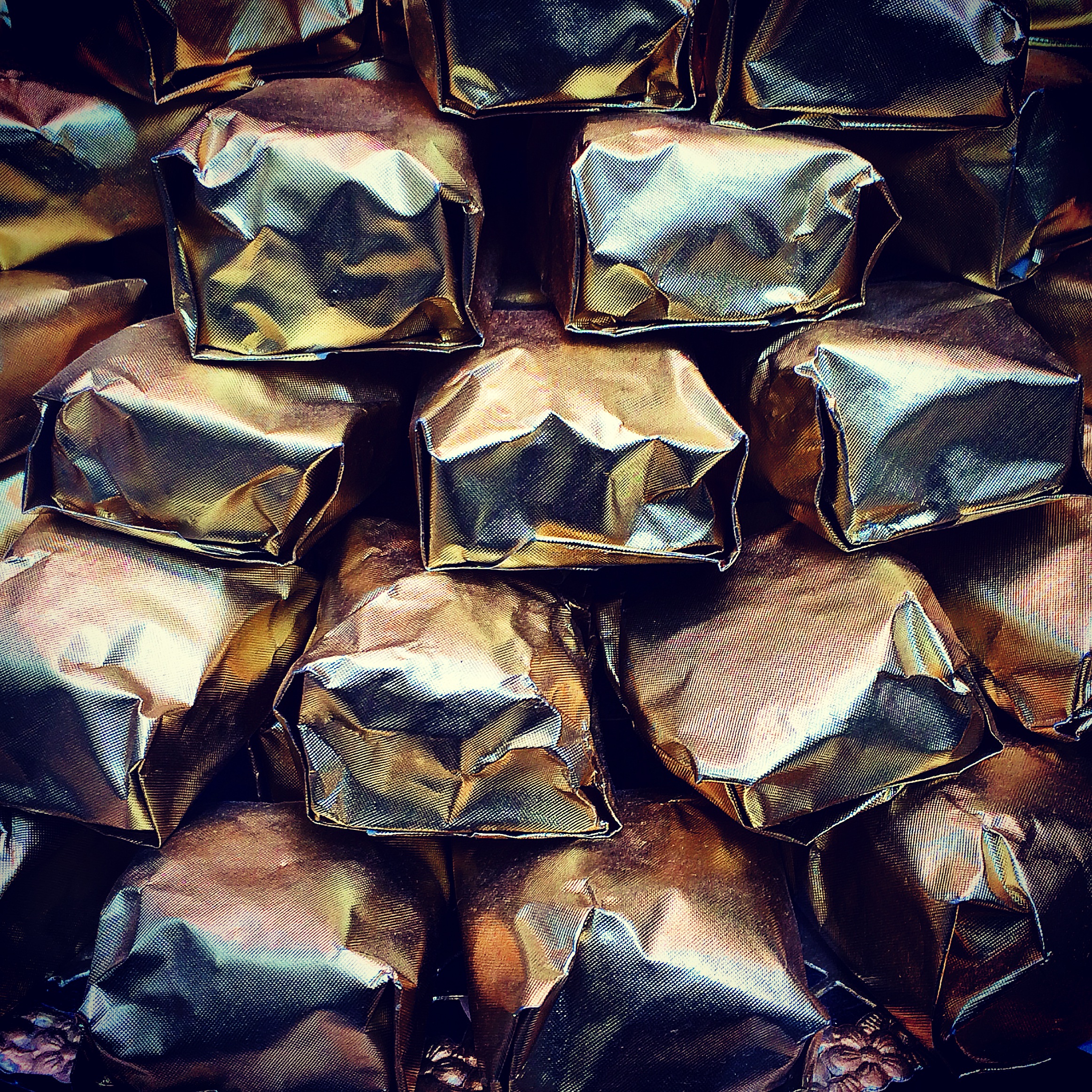
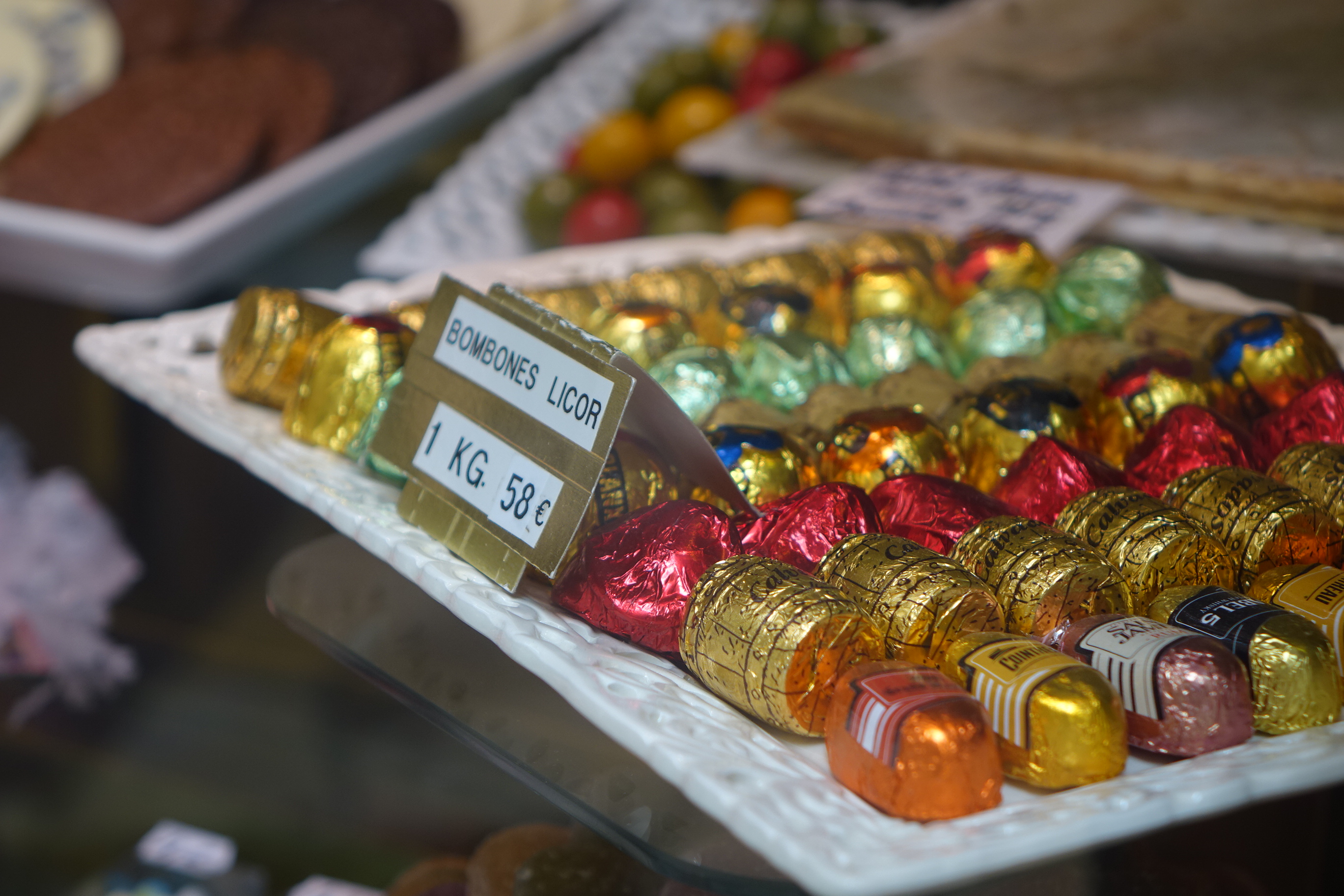
Of the many characteristics of Palma de Mallorca which make the city such a charming, vivacious and engaging place to discover, one of my favourites has to be its proliferation of privately owned boutique shops. From shops crammed with local produce, to fashion boutiques selling unknown designers, sweet shops full of jewel like offerings and basket weavers with their rafts full of artisan hand-woven products, Palma is a city which promotes the hand made and locally created, as well as supporting local business men and women in setting up their own shops. Unlike the UK, whose high streets have become such a depressing spectacle of widespread commercialisation, with privately owned shops being priced out of the high street to be replaced by the same monotony of big chains which appear in every town and city across the country, Palma’s streets are full of one-off unique boutiques. This makes a stroll through Palma, or a quest for that perfect distinctive gift an enthralling experience – there is so much to choose from in shops each individually different from their neighbour.

DSC01097 DSC01107 DSC00897 DSC00879 DSC01021 DSC01124 DSC01184 DSC01192 DSC01132 DSC01268

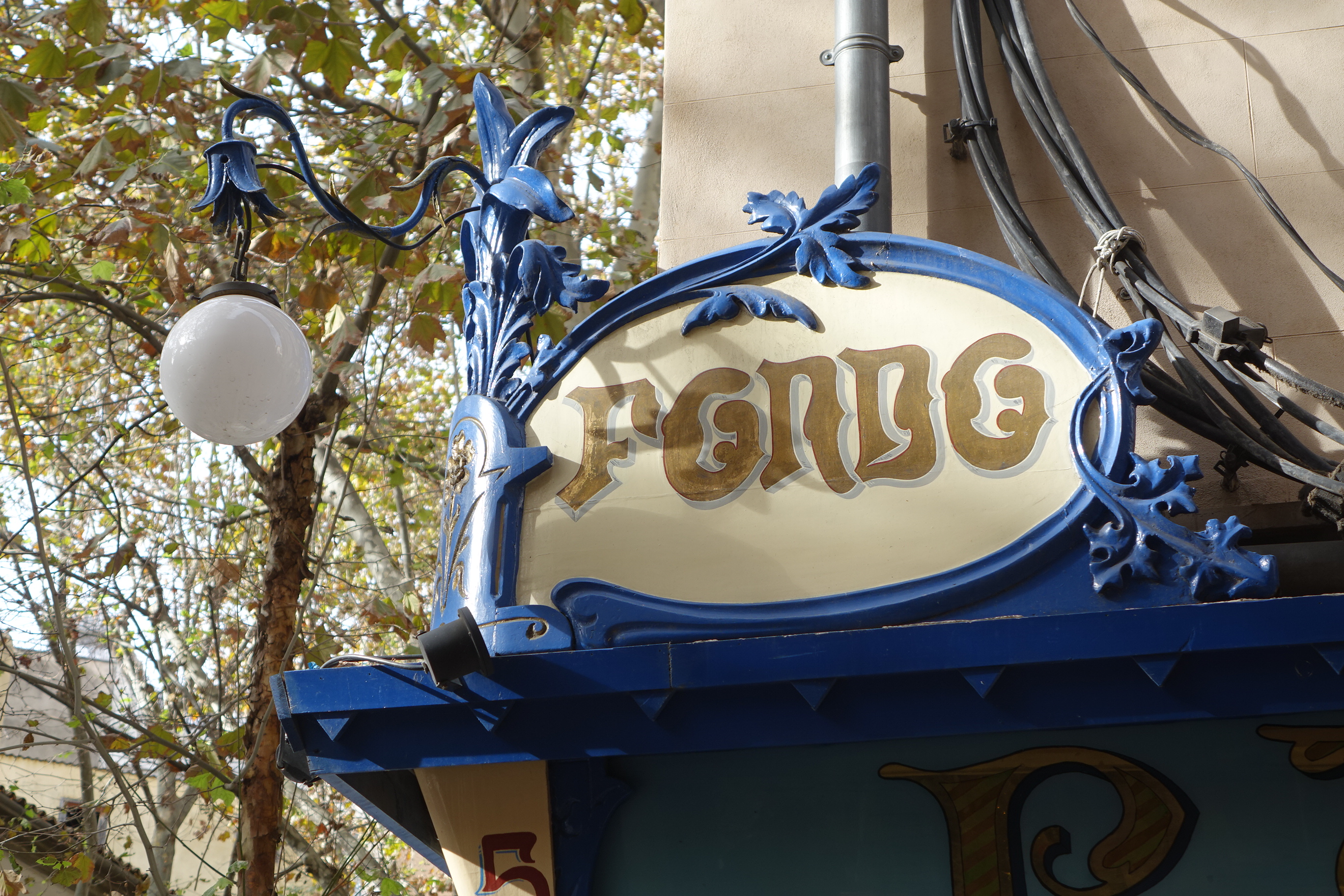
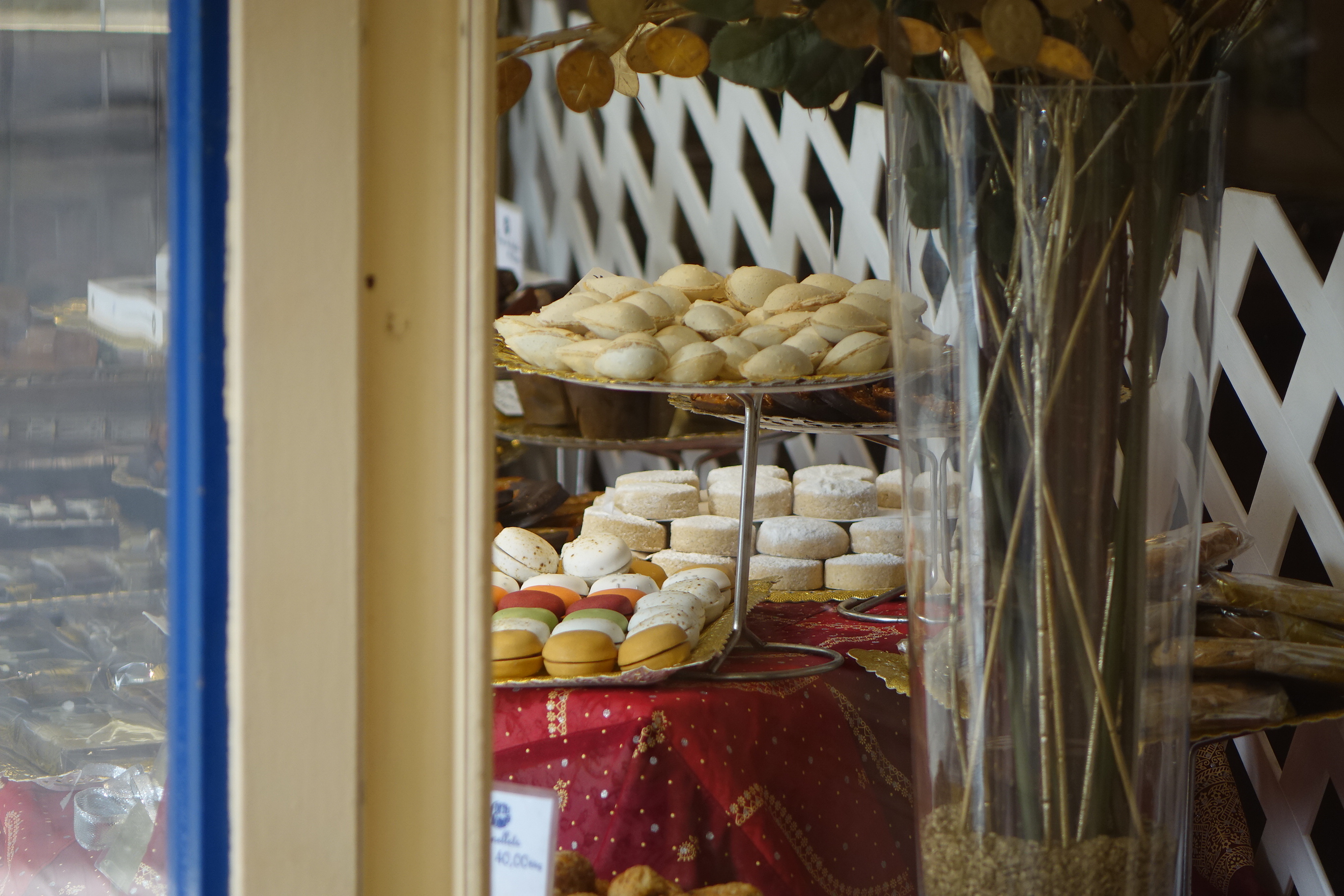
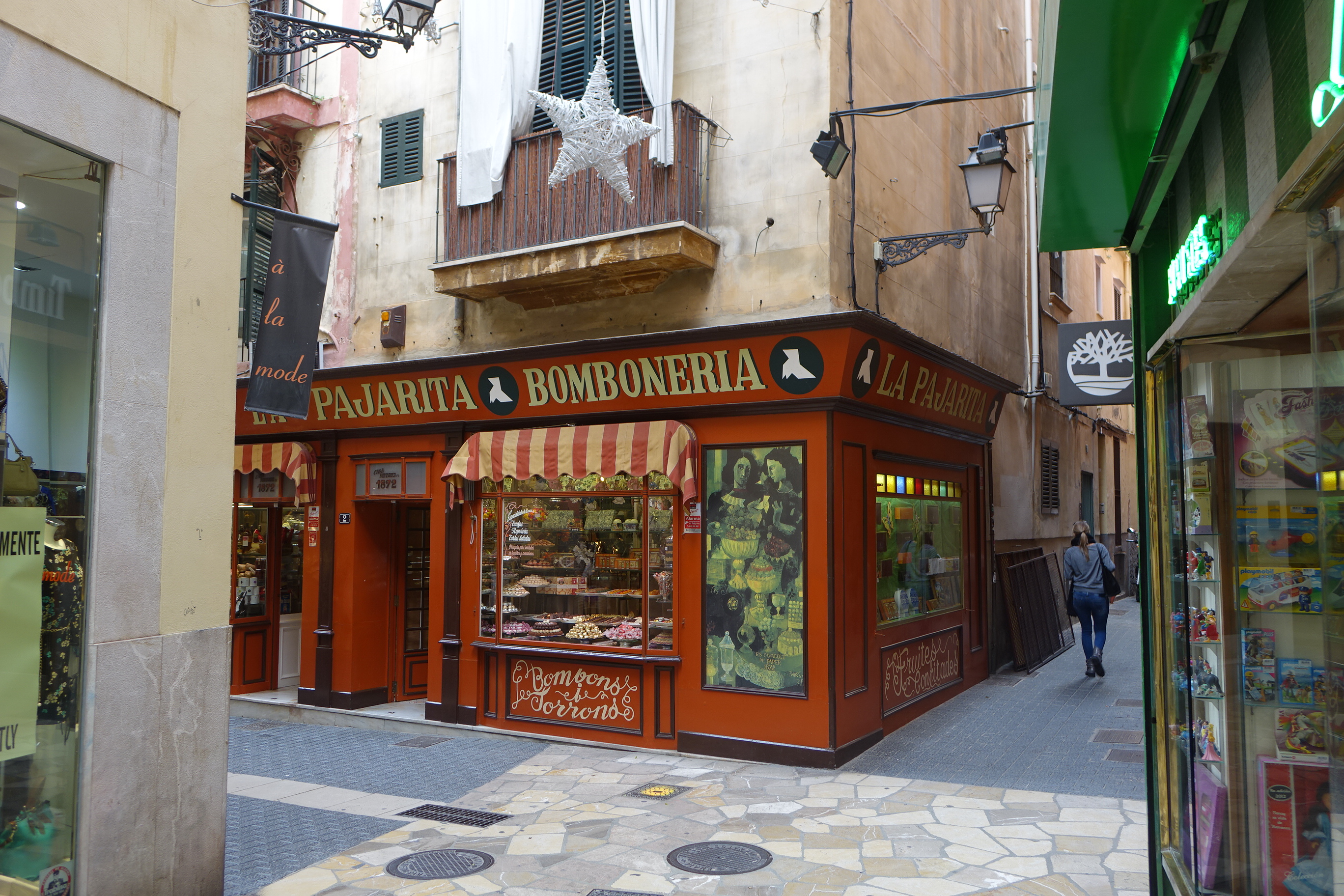
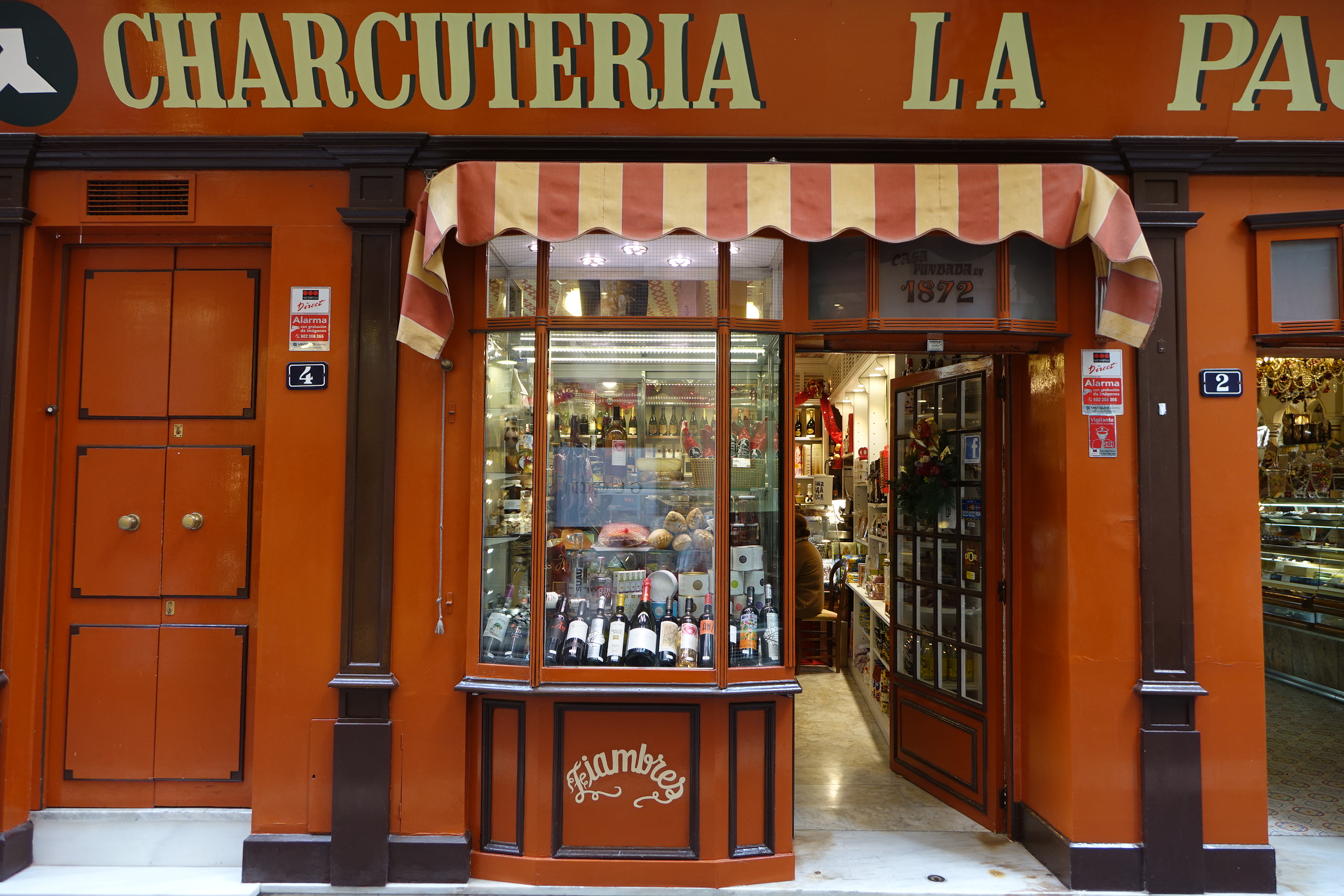
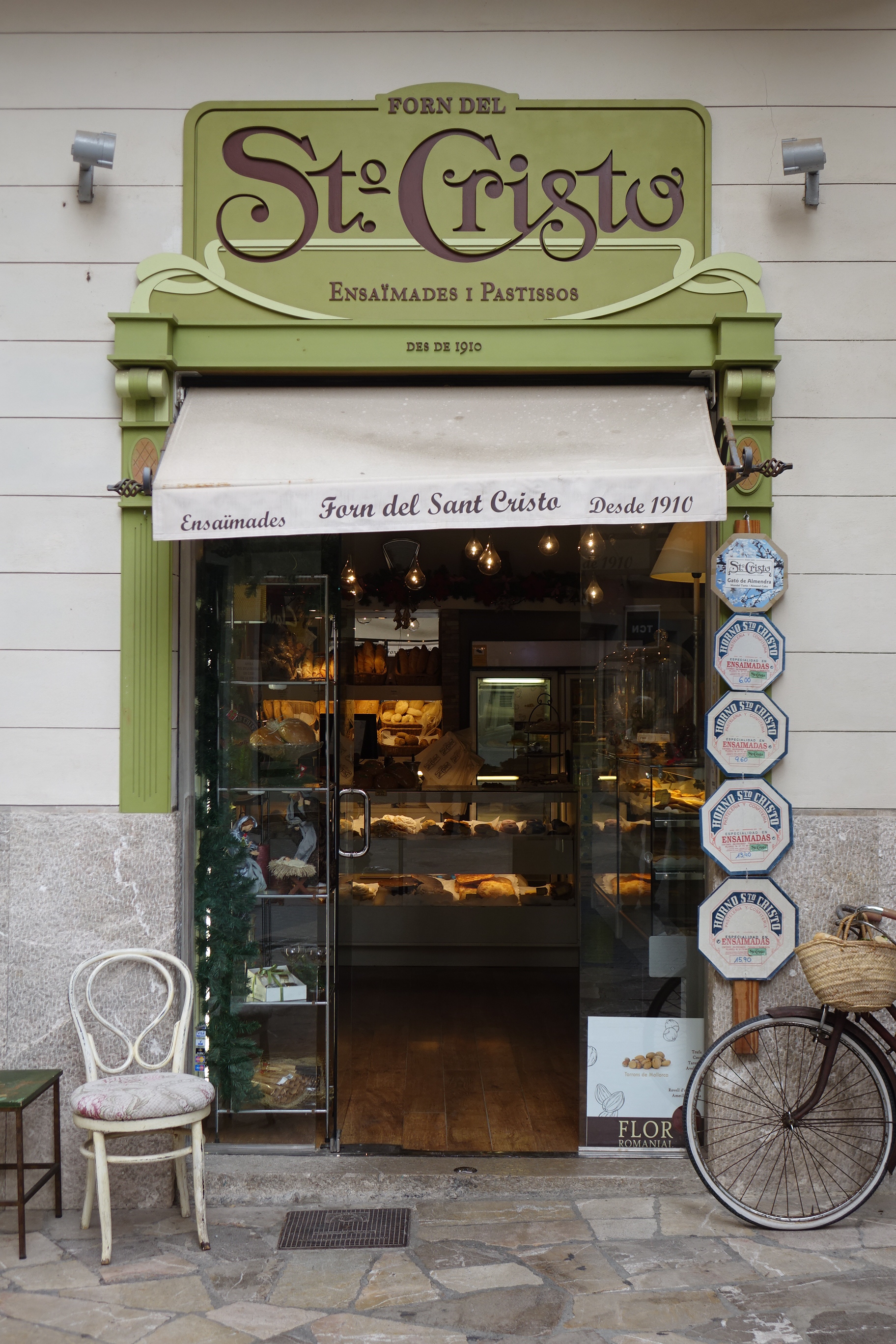
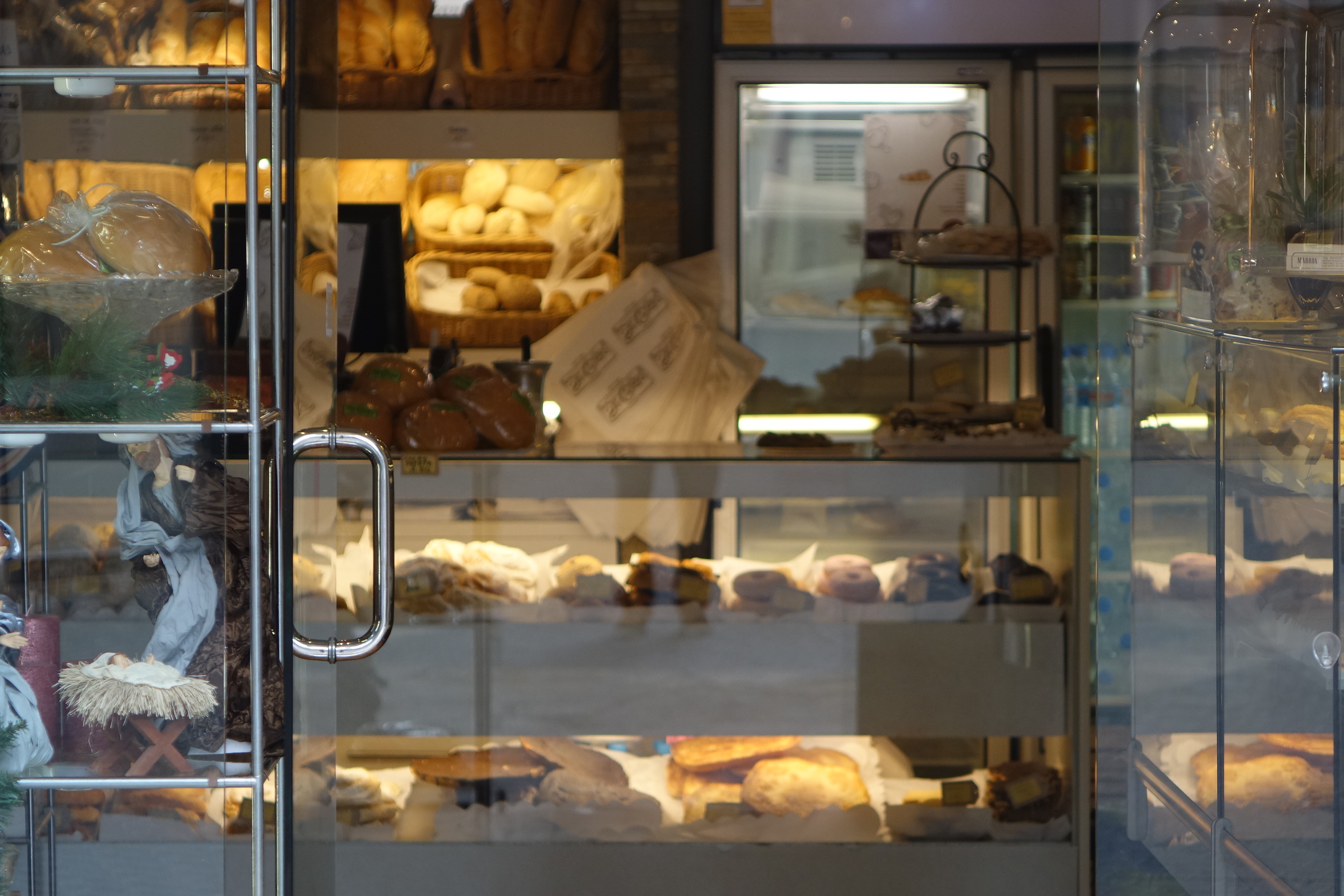
As is so often the case with privately owned boutiques, these shops are a pleasure on the eye, as shopkeepers vie with one another to dress their windows, shop walls, ceilings and floors with the most plentiful and creative offerings. So many of the shops have stood the test of time, and as a result can be found within the original distinctive art nouveau casing created when the shops were first conceived. Take the stunning Forn Fondo pasteleria on the Carrer de la Unio for example: this enticing sweet shop can be found enveloped in a blue and gold decorative modernista shop front which is itself good enough to eat, and straight out of the golden era of late 19th century street scenes. Then there’s the La Pajarita Bomboneria and Charcuteria on the Carrer de Sant Nicolau whose red panelled frontage complete with stripy red and white awnings looks like something straight out of Dickensian London.

Forn Fondo

DSC01092 DSC01103 DSC01106 DSC01098

La Pajarita

DSC01165 IMG_9341 Sweets DSC01169 DSC01172 DSC01180 DSC01183 IMG_9340 DSC01173 DSC01178

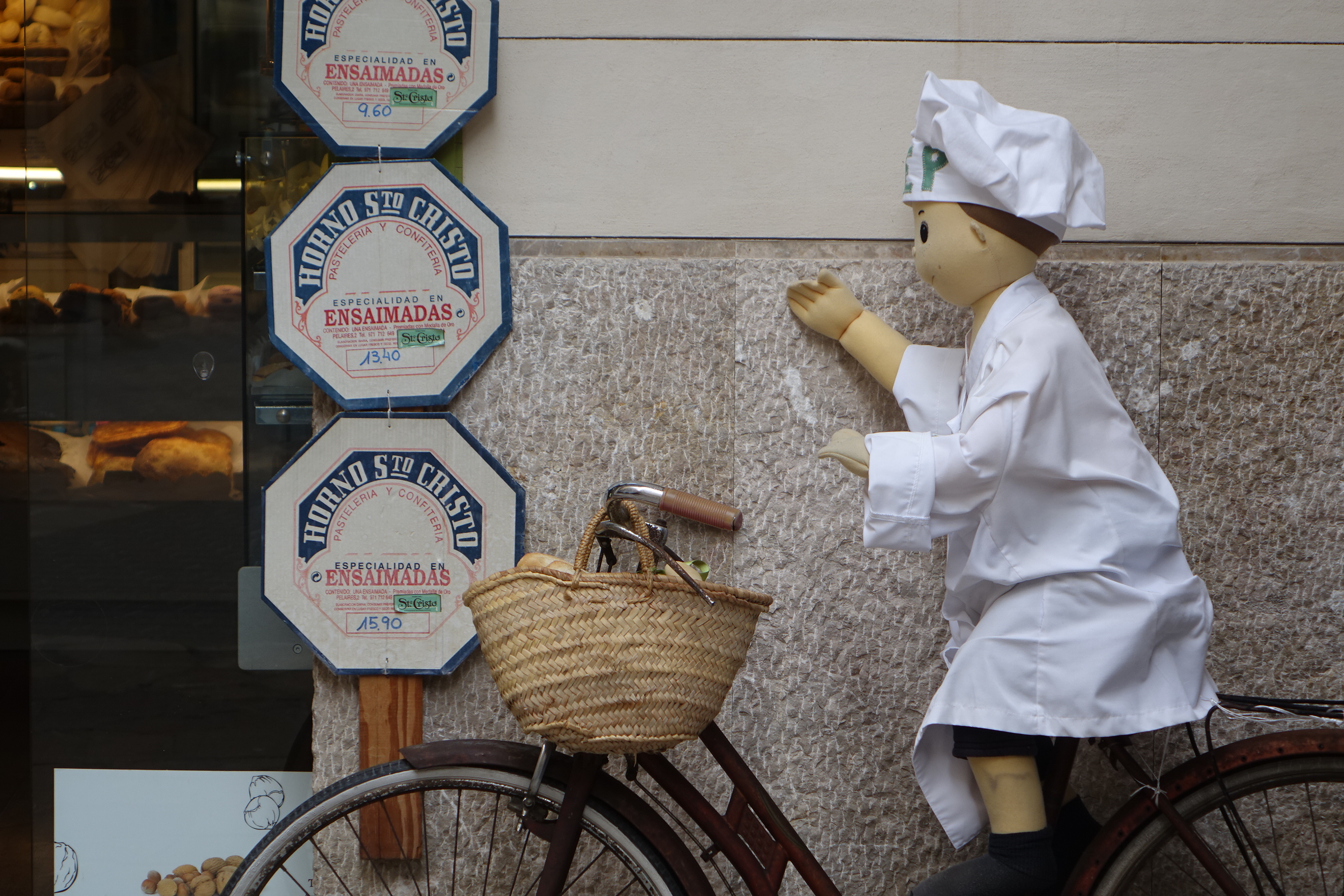
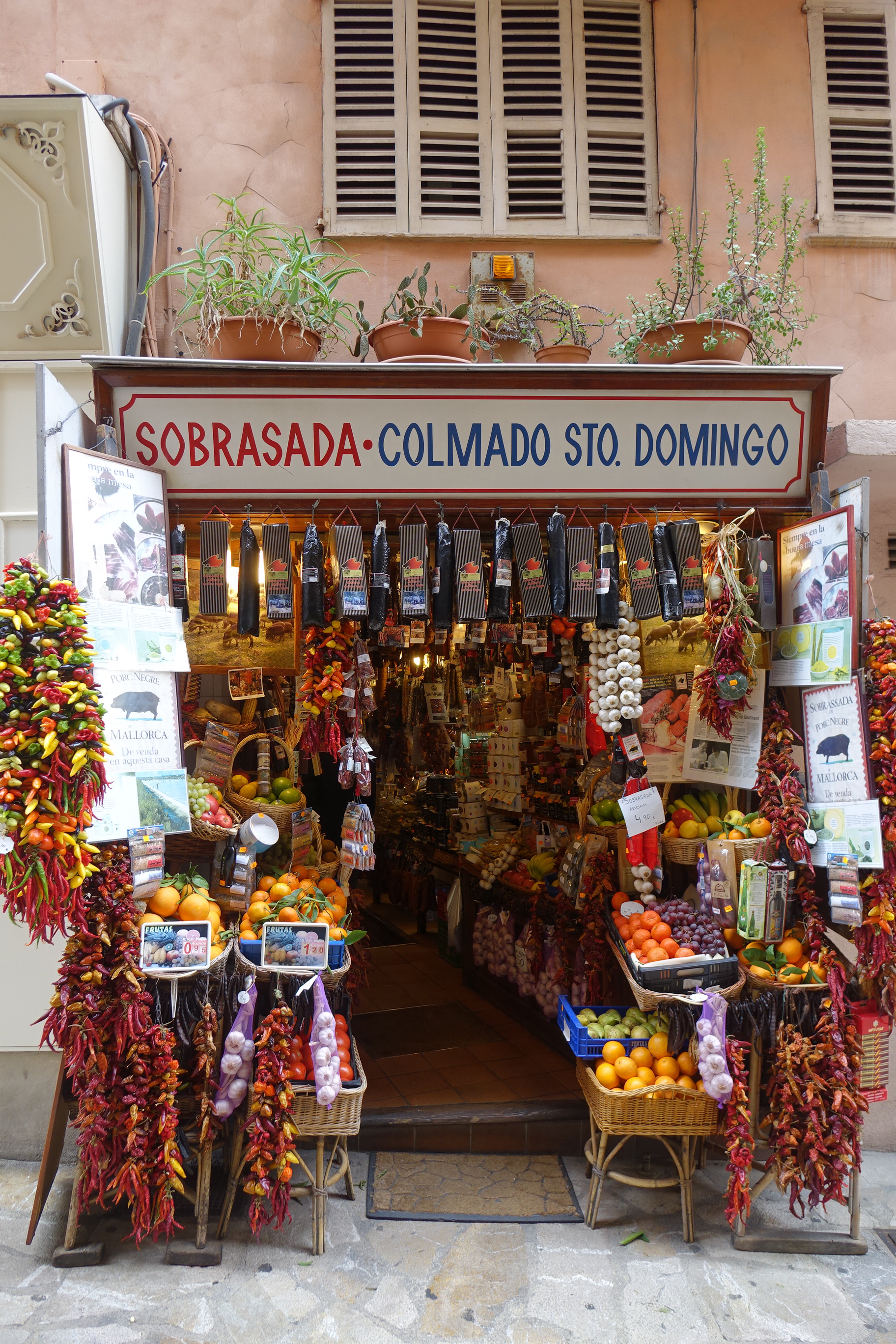
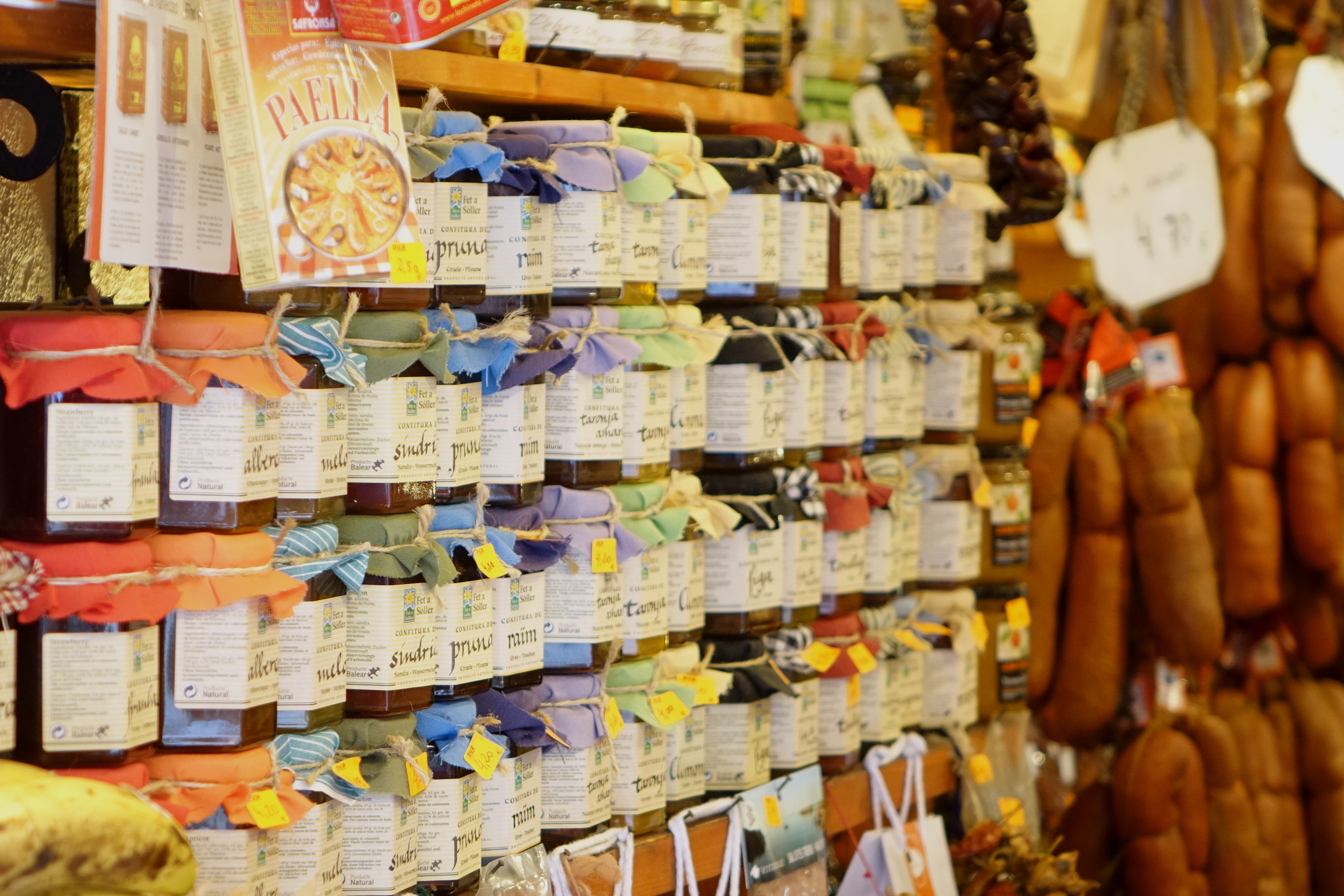
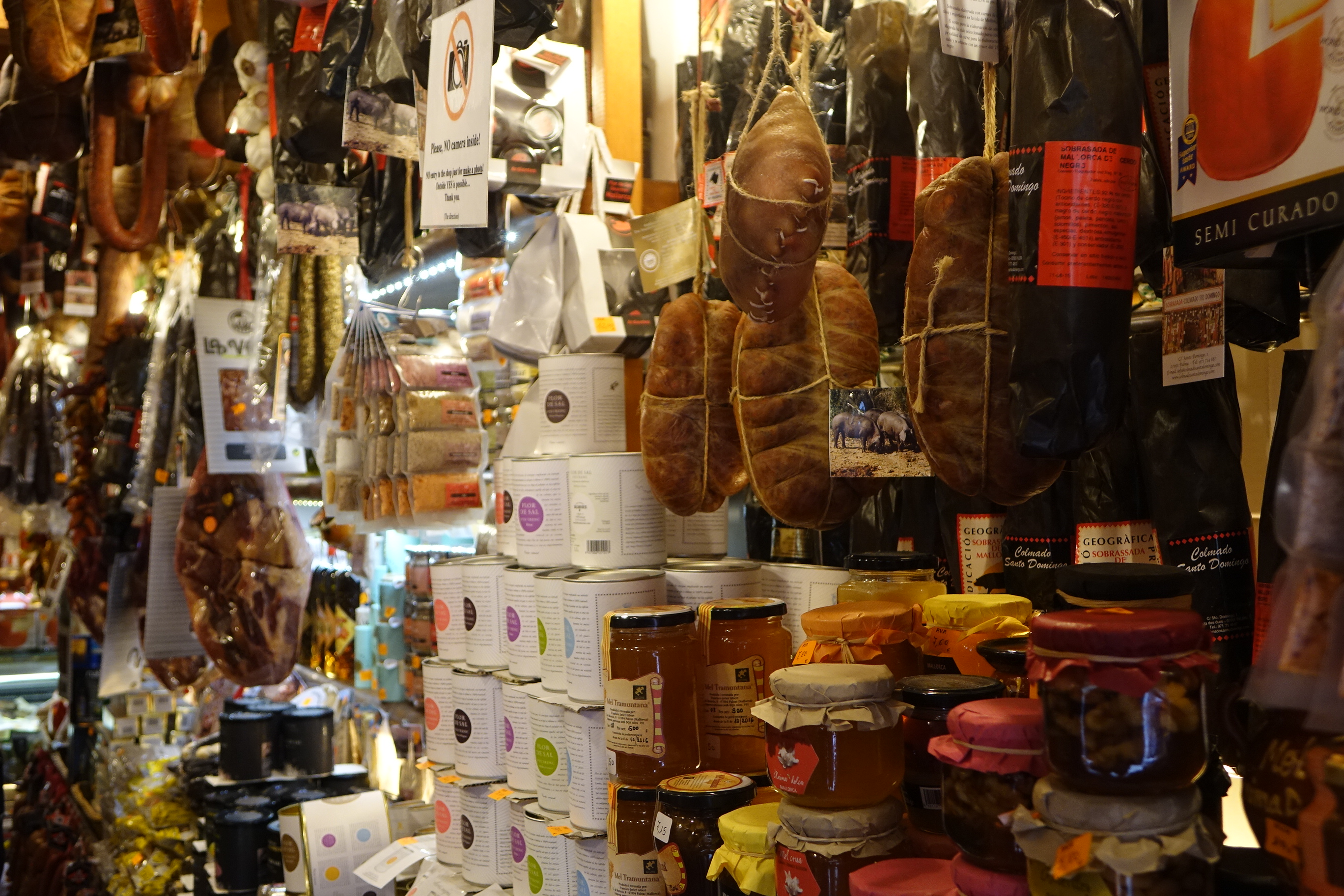
Asides from the sweets, some of Palma’s most visually enticing boutiques are those selling the local savoury specialities, from sabrossada sausage (which is a little like chorizo but softer), to local goats cheeses and the famous Mallorca salt. These shops are a treat for tourists, who cannot help but gaze in wonder at Aladdin’s caves full of local produce, with sausages of every shape and size hanging from the ceiling, and shelves loaded from floor to ceiling with local wines, olive oils, jams, salts and pickles. You’ll also find a good many ensaïmadas, the spiralled local pastry sold in what look like hat boxes all over town.

Aladdin’s Caves of local produce

DSC01025 DSC01032 DSC01027 DSC01082 DSC01083 DSC01084 DSC01147 DSC01155 DSC01163 DSC01141 DSC01149

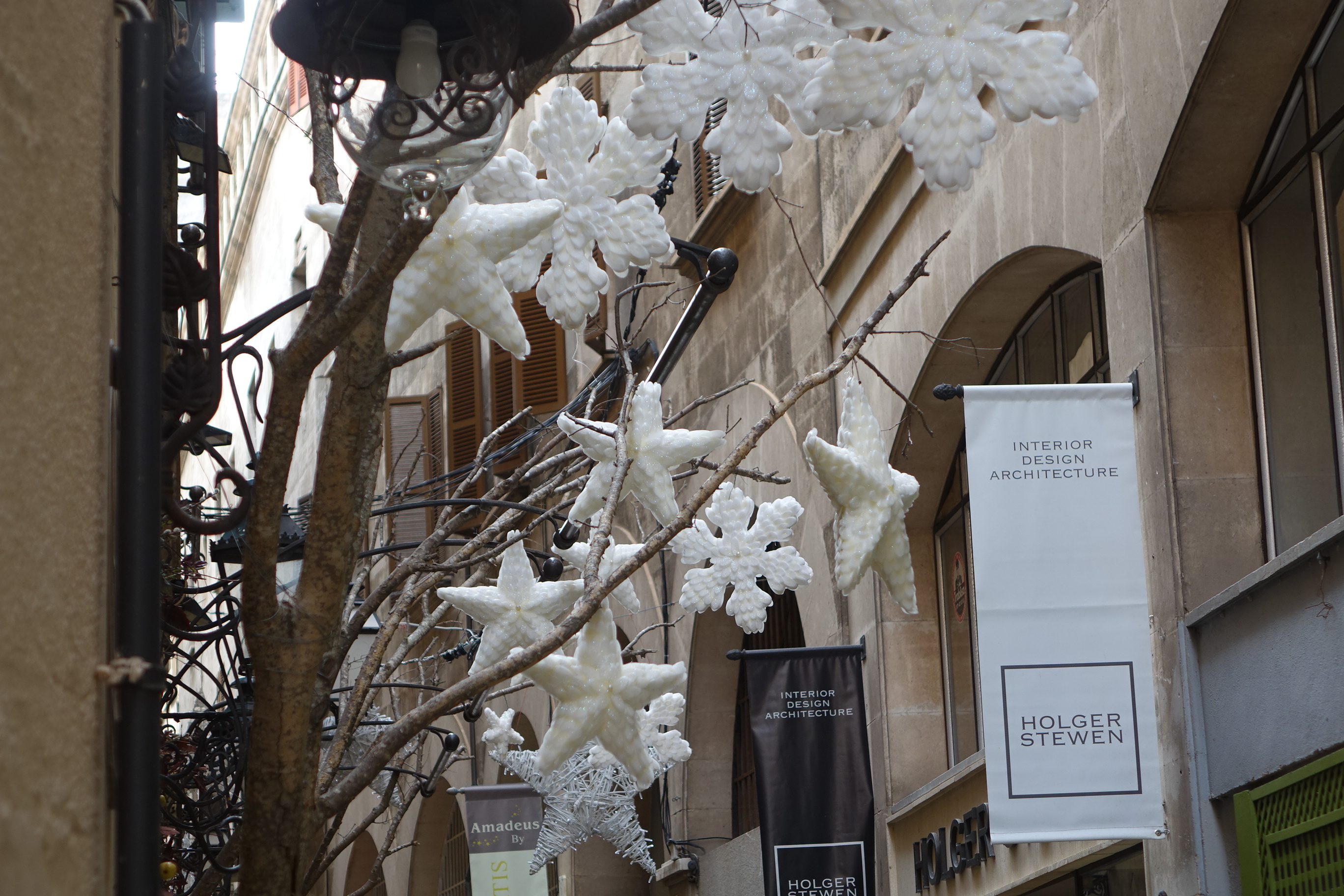
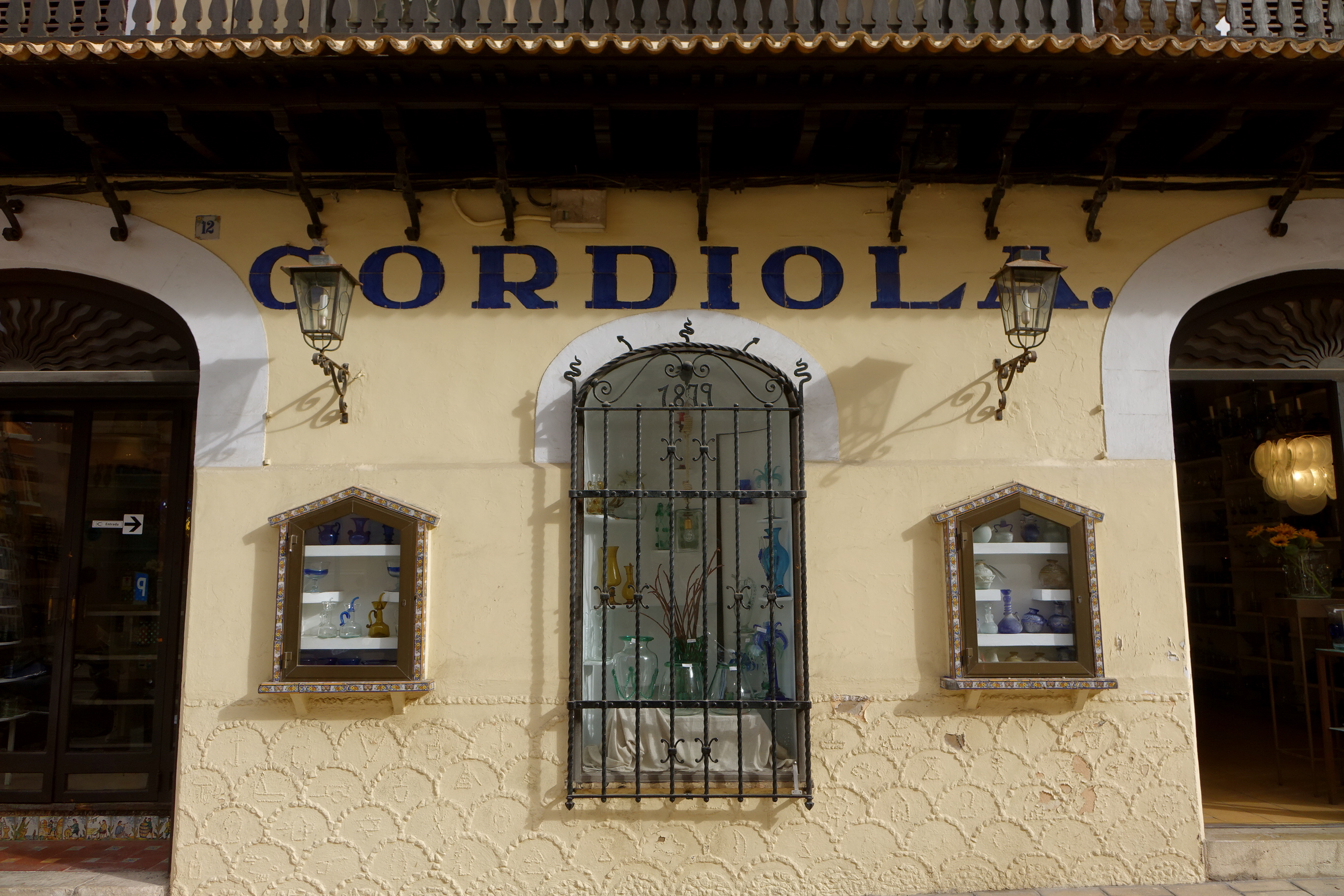
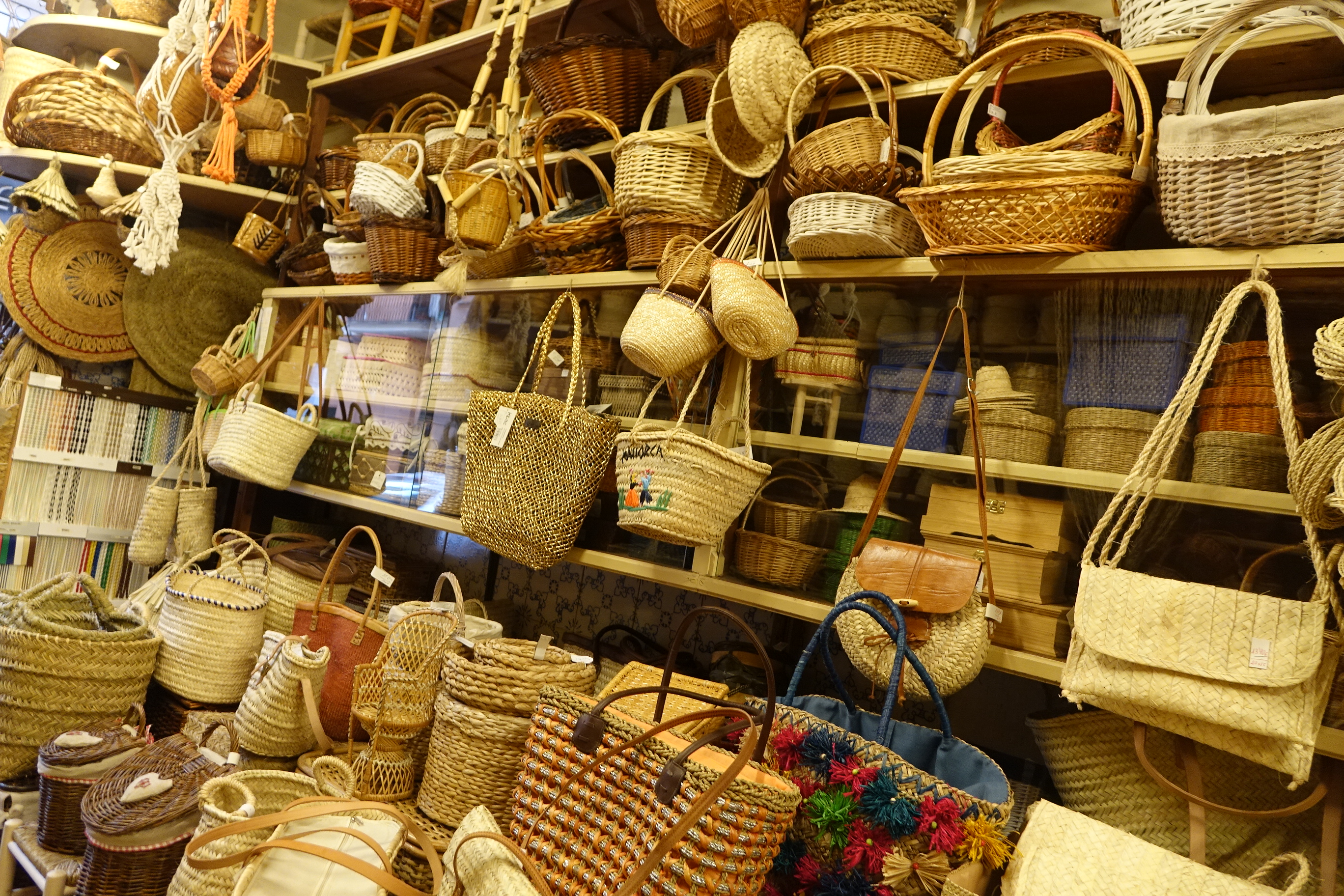
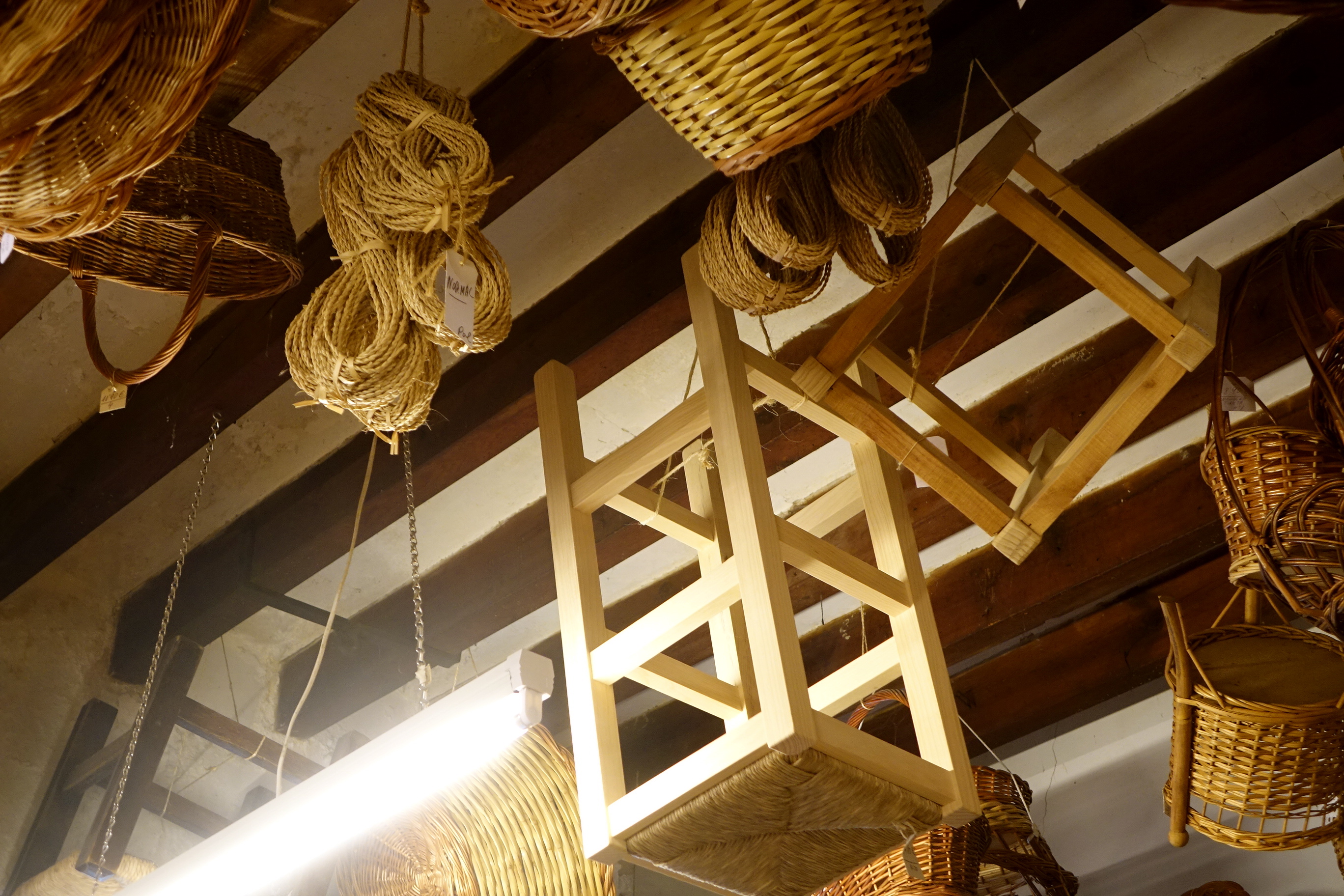
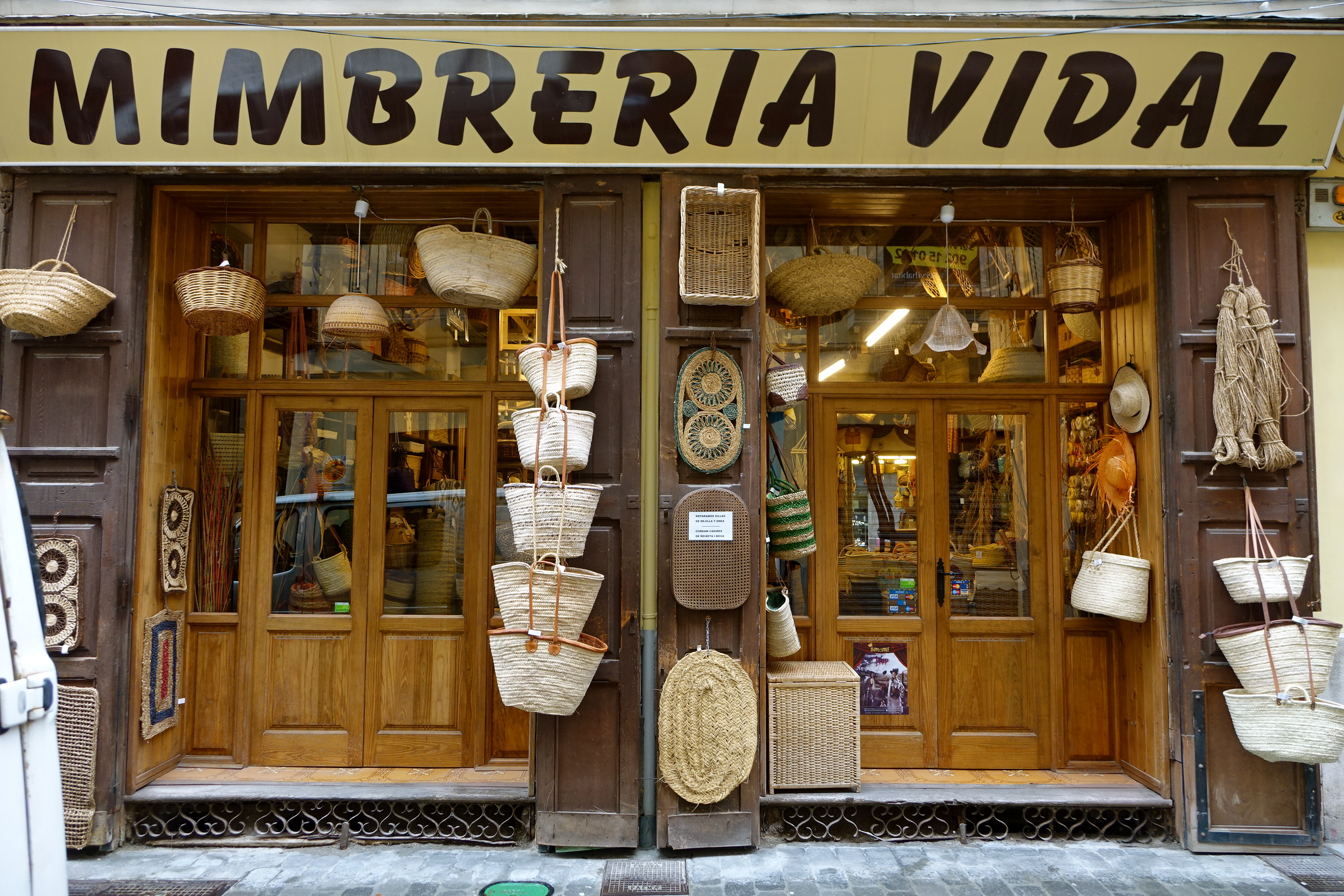
Finally, Palma is evidentially an artistic and creative hub, and asides from the significant collection of galleries, fashion boutqiues and interior design emporiums, you will also find a number of artisan shops where crafts men and women live and work, selling their handmade wares expertly crafted with years of experience behind them. Gordiola glassworks for example is a kaledascopic heaven of multicoloured glass, all blown by hand and made at the site for generations. Then there’s the wonderland of weave that is the Mimbreria Vidal, a father and son basket shop which is one of the last remaining shops on the island to ply this traditional Mallorquin trade, and where basket and weaved items of every shape and size, from chairs to laundry baskets are made to order. Unable to resist the charm, several of their baskets are now being put to very good use in my bathroom.

Gordiola glassworks

DSC01188 DSC01191

Mimbreria Vidal

DSC01633 DSC01639 DSC01645 DSC01651 DSC01648 DSC01649 DSC01647

And that is the thing about Palma’s boutique shops. They make you want to buy, to support local trade. For there is nothing nicer than the friendly face and attentive service inherent in a business privately owned. I just hope that, against the trend of towns and cities the world over, these private shops continue to thrive far into the future.

All photos and written content are strictly the copyright of Nicholas de Lacy-Brown © 2014 and The Daily Norm. All rights are reserved.

Zaragoza – Day 1: Cultural Calm before the Fiesta

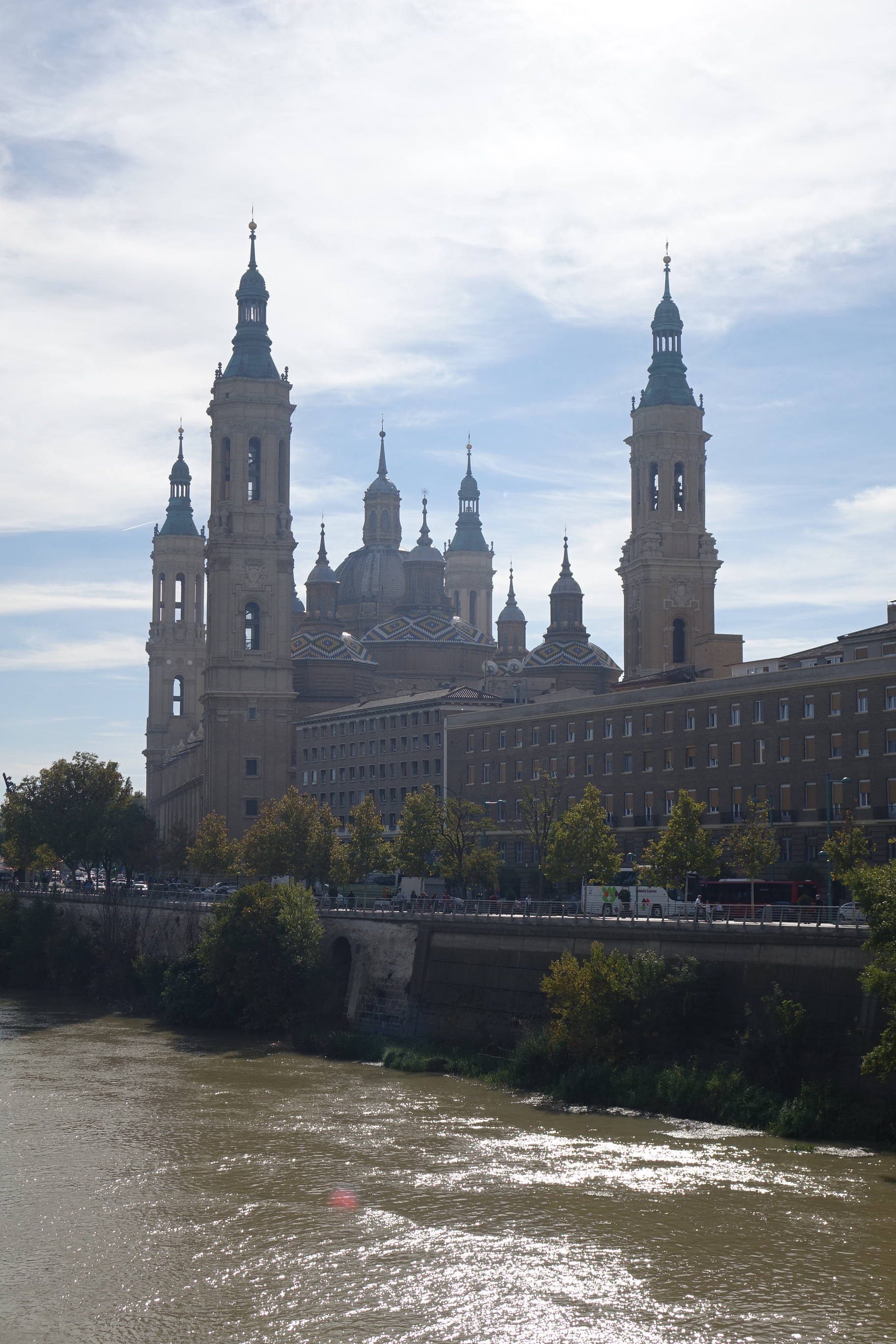
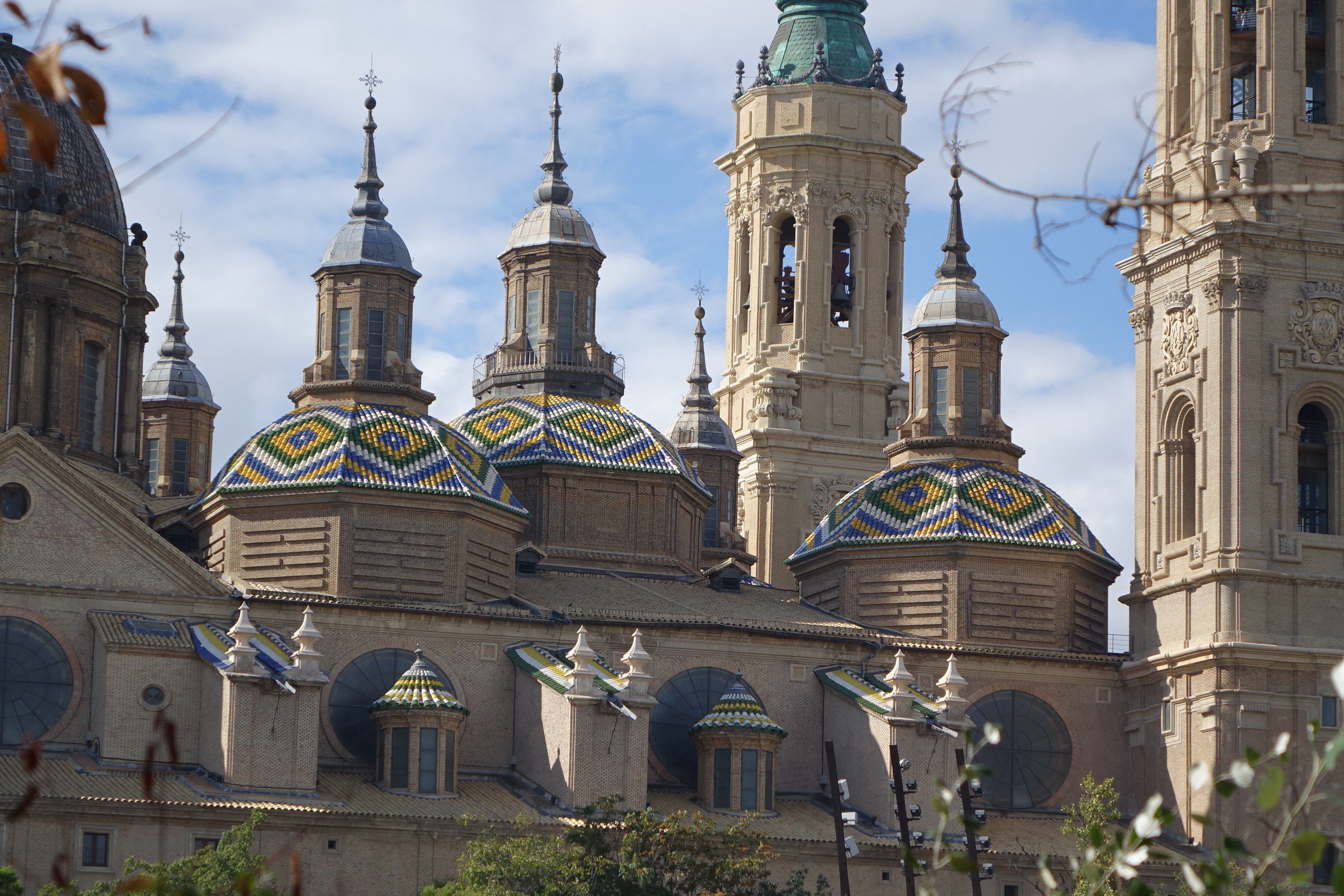
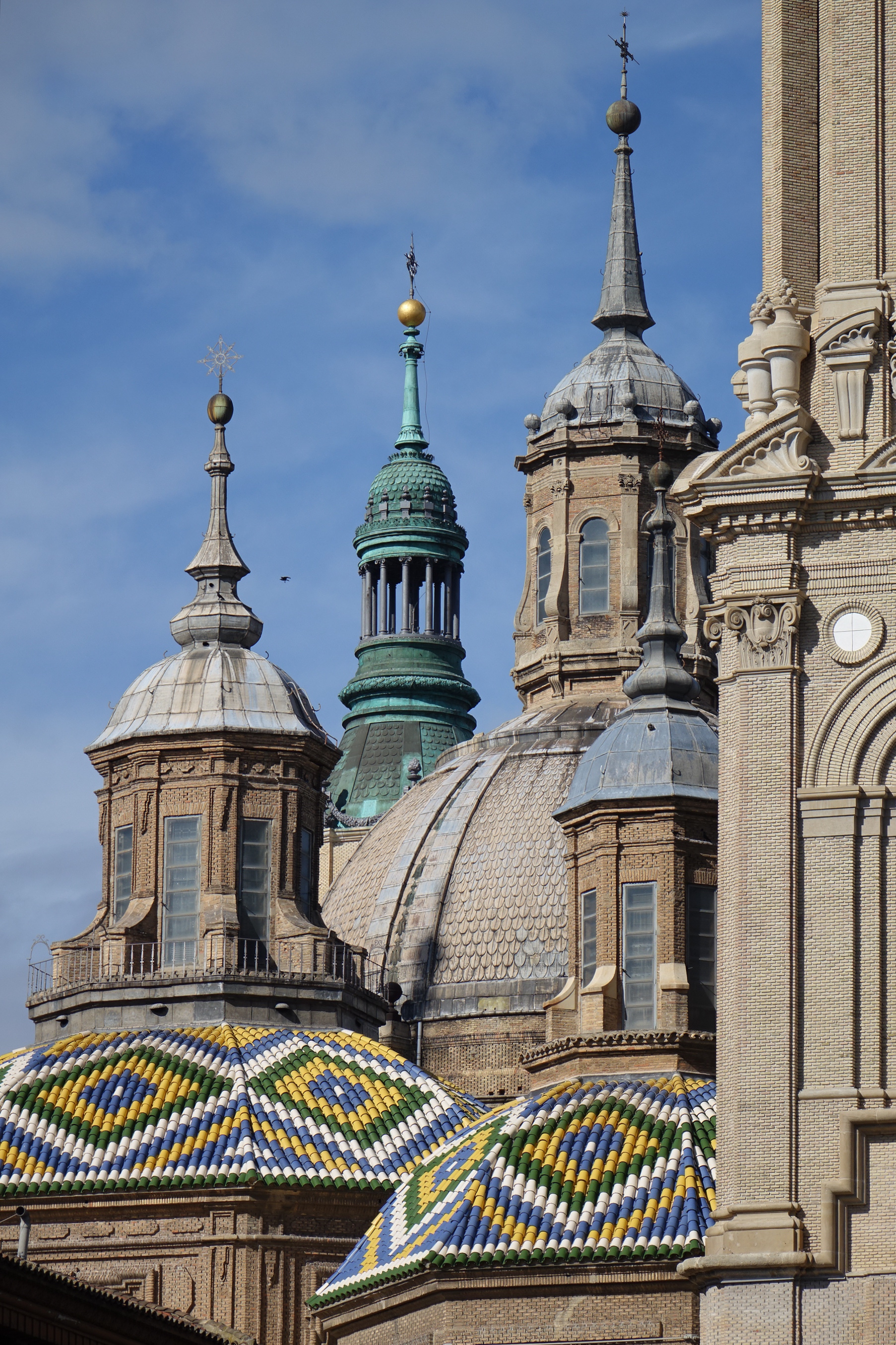
The city of Zaragoza, the 6th largest in Spain and the capital of the landlocked region of Aragon to the West of Catalonia and Northeast of Madrid, has always drawn me with promises of its majestic river setting along the banks of the Ebro (the longest river in Spain don’t you know) and it’s vast Basilica del Pilar, a church so grand they had to give it four bell towers. But because direct flights from the UK are not all that common, and largely involve braving the distinct downgrade to comfort-stripped Ryanair, I had never made it there despite visiting Spain with the same frequency as the changing seasons. But this year, what with it’s being my Mother’s big birthday (don’t worry I won’t betray which one) I considered that it was time to give Zaragoza a go, even if it meant suffering Ryanair’s cushionless cramped flight to get there. 

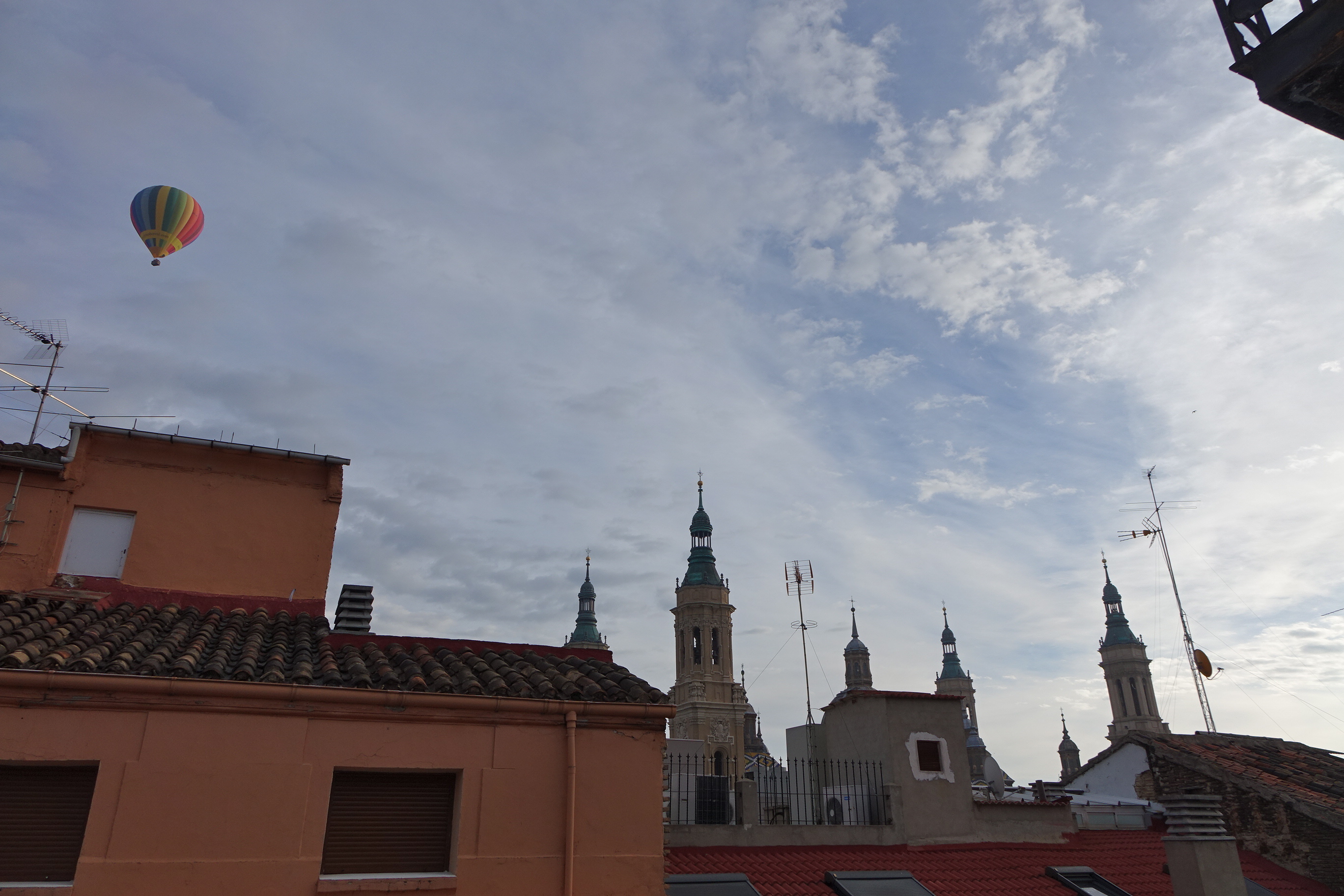
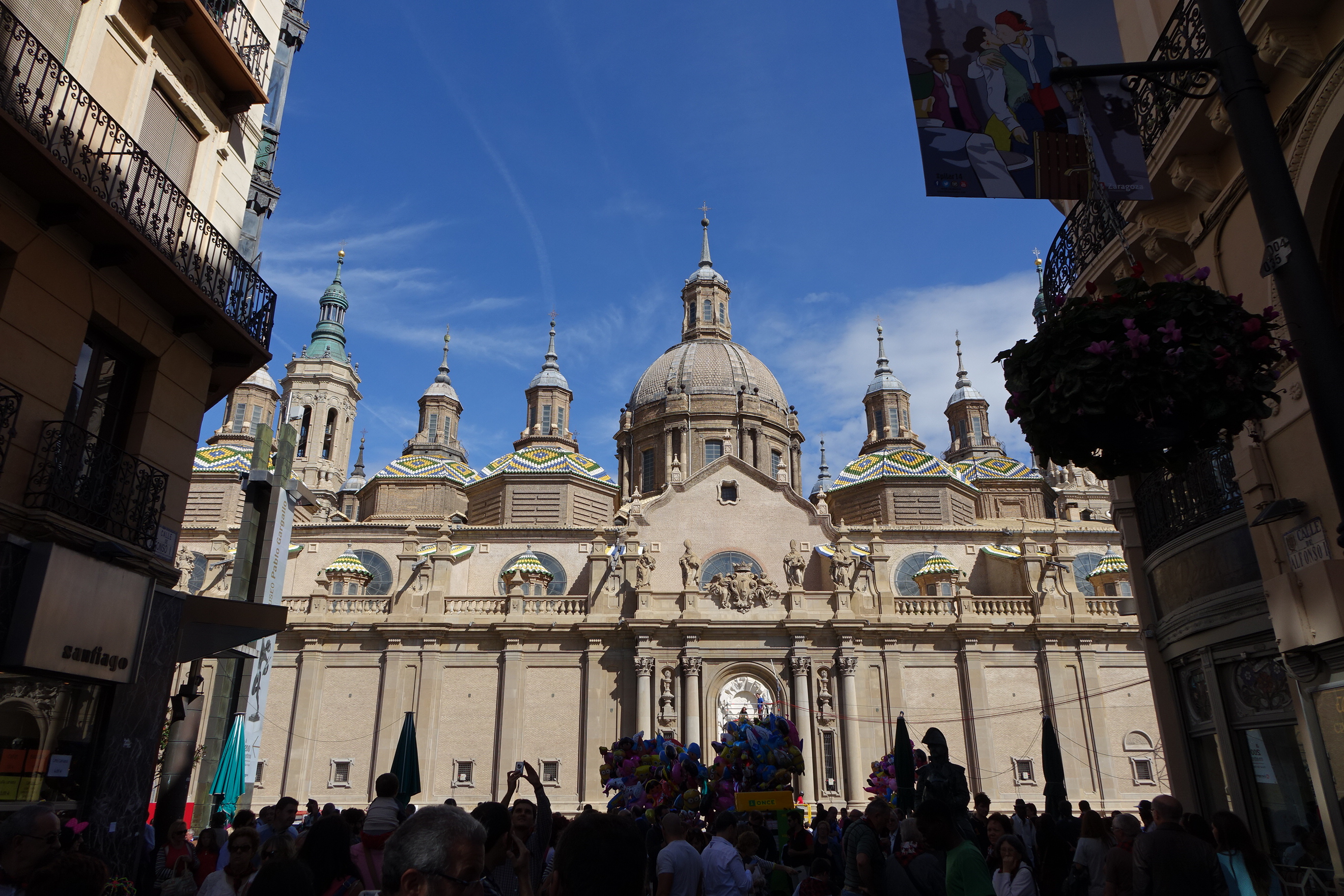
And to be fair to Ryanair, they got us there with the full efficiency of carefully oiled machine, all the earlier then to gain our first views of the much promised Basilica del Pillar which was every bit as stunning as its reputation suggested, as well as enabling us to get a feel for the buzzing electric spirit filling the city. For by sheer coincidence, we happened to be visiting the city during the high point of its annual calendar: the Fiestas del Pilar – 10 days of unrivalled partying, street concerts, traditional costumes and religious devotion. Despite the excitement on the streets, we were keen to sleep after our night time arrival, and all the sooner to wake up to our unbeatable hotel room view: not one, not two but all four of the stunning bell towers of the Basilica del Pilar creeping up from behind the residential street opposite. And as if this scenic view needed to get any more picture perfect, there was even a hot air balloon rising high into the sky besides the great church. What a start to our Zaragoza story!

DSC09425 DSC09139 DSC08996

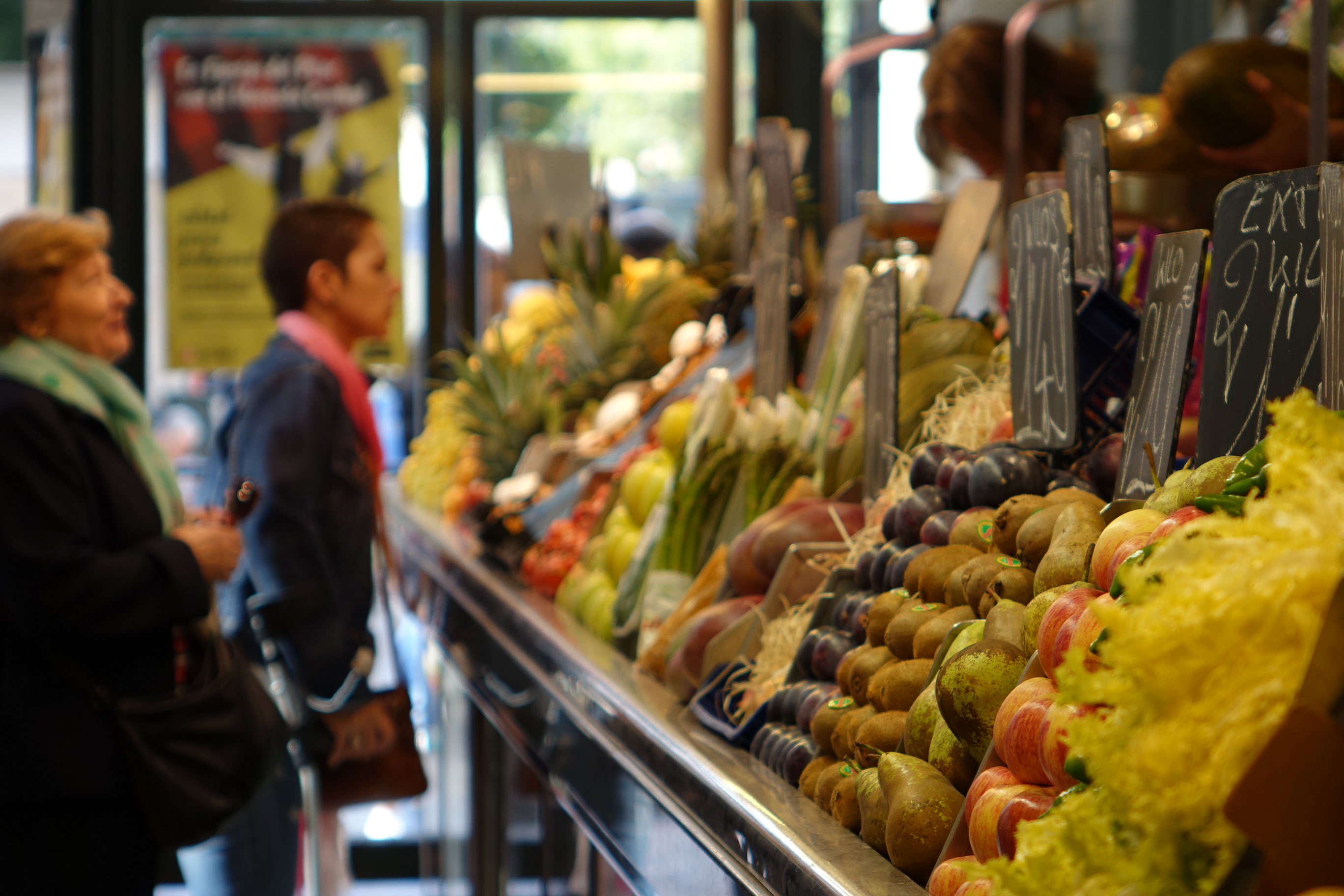
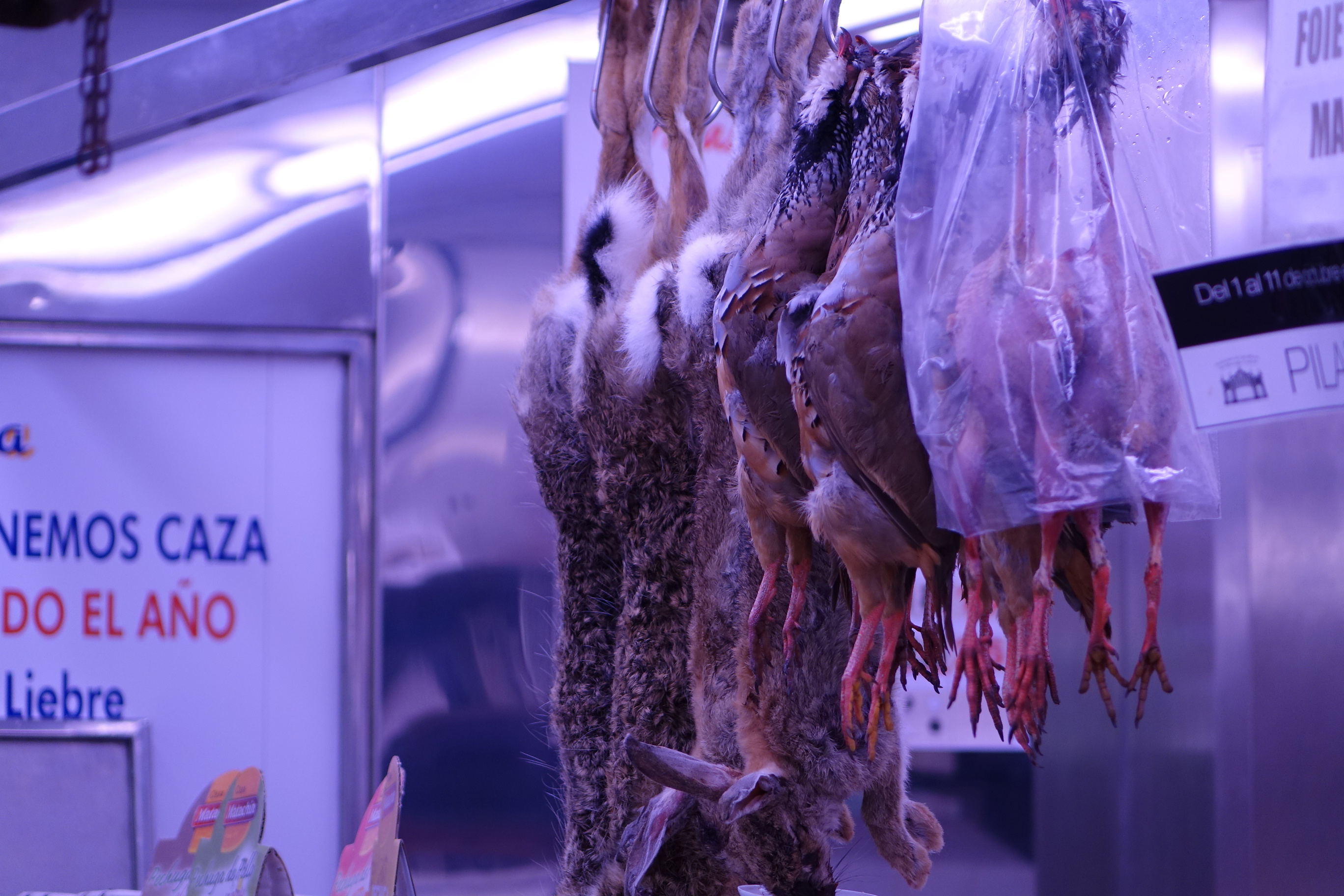
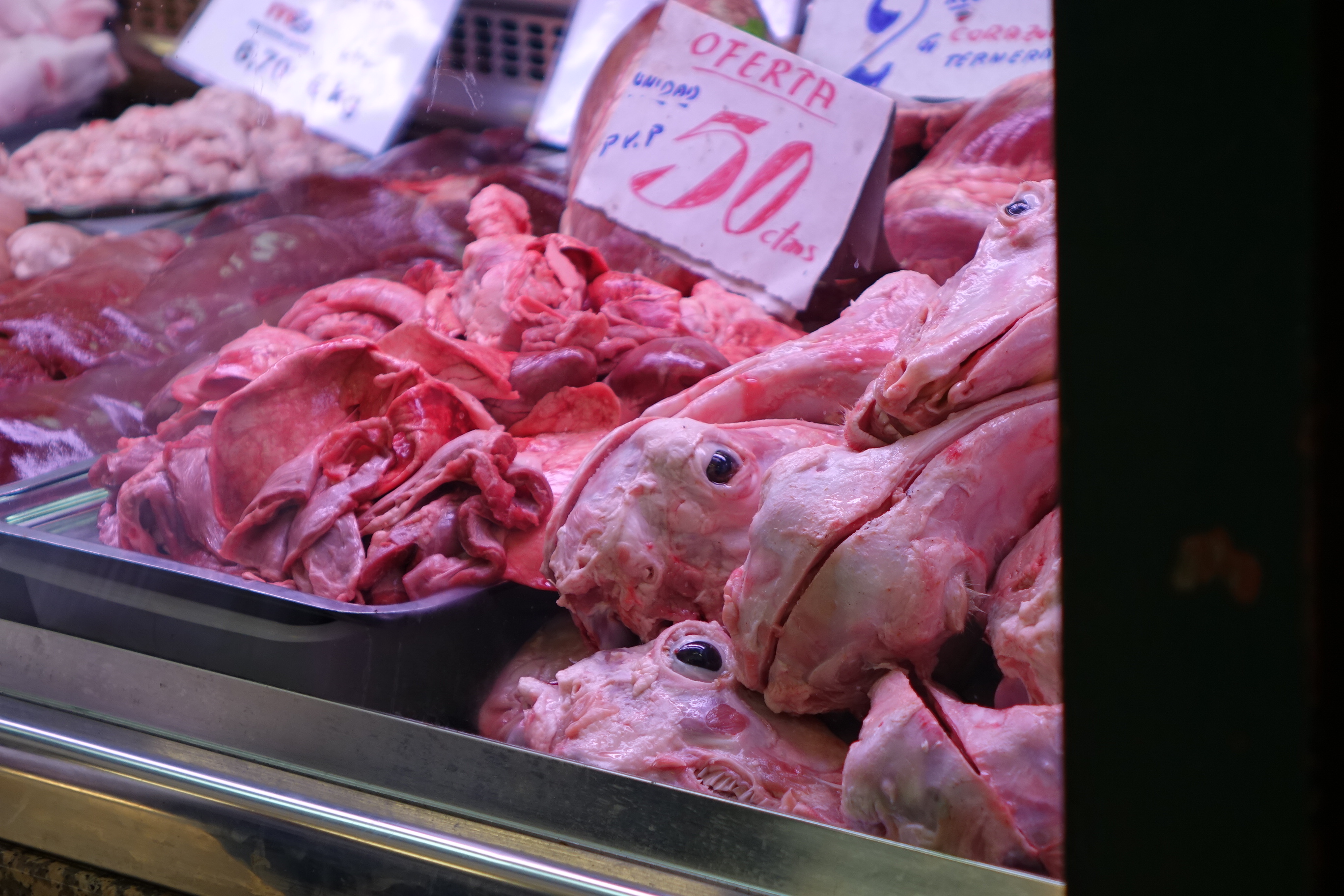
Breakfast did not keep us from seeing the city for long, and walking out into the warm autumn sunshine, we made our way to the Basilica, stopping en route to delight our senses in the local market, where every kind of fruit, vegetable, sweet and savoury treat were on view to delight and entice, although some products were perhaps more enticing than others – I should warn you that those sensitive to gruesome sights may want to look away now!

DSC09023 DSC09068 DSC09032 DSC09051 DSC09052 DSC09030

After the market and an amble through Zaragoza’s old town streets, we were able to get a fuller view of the majestic Basilica from the very best viewpoint – across the River Ebro to the gardens which line the riverbank opposite the old town; gardens whose sun-bleached auburn leaves provided the perfect frame for this most wonderful of city views.

DSC09298 DSC09321 DSC09155 DSC09196 DSC09242

Having satisfied ourselves with the ultimate view of the city, and having enjoyed the basilica from all angles, we soon discovered that the city of Zaragoza, asides from being a city bustling with festivals and containing one of the most architecturally magnificent of all Spanish churches, is also a city of considerable cultural offerings. As we traversed the characterful streets of its old town, we literally stumbled upon museums without having to so much as open our guide book.

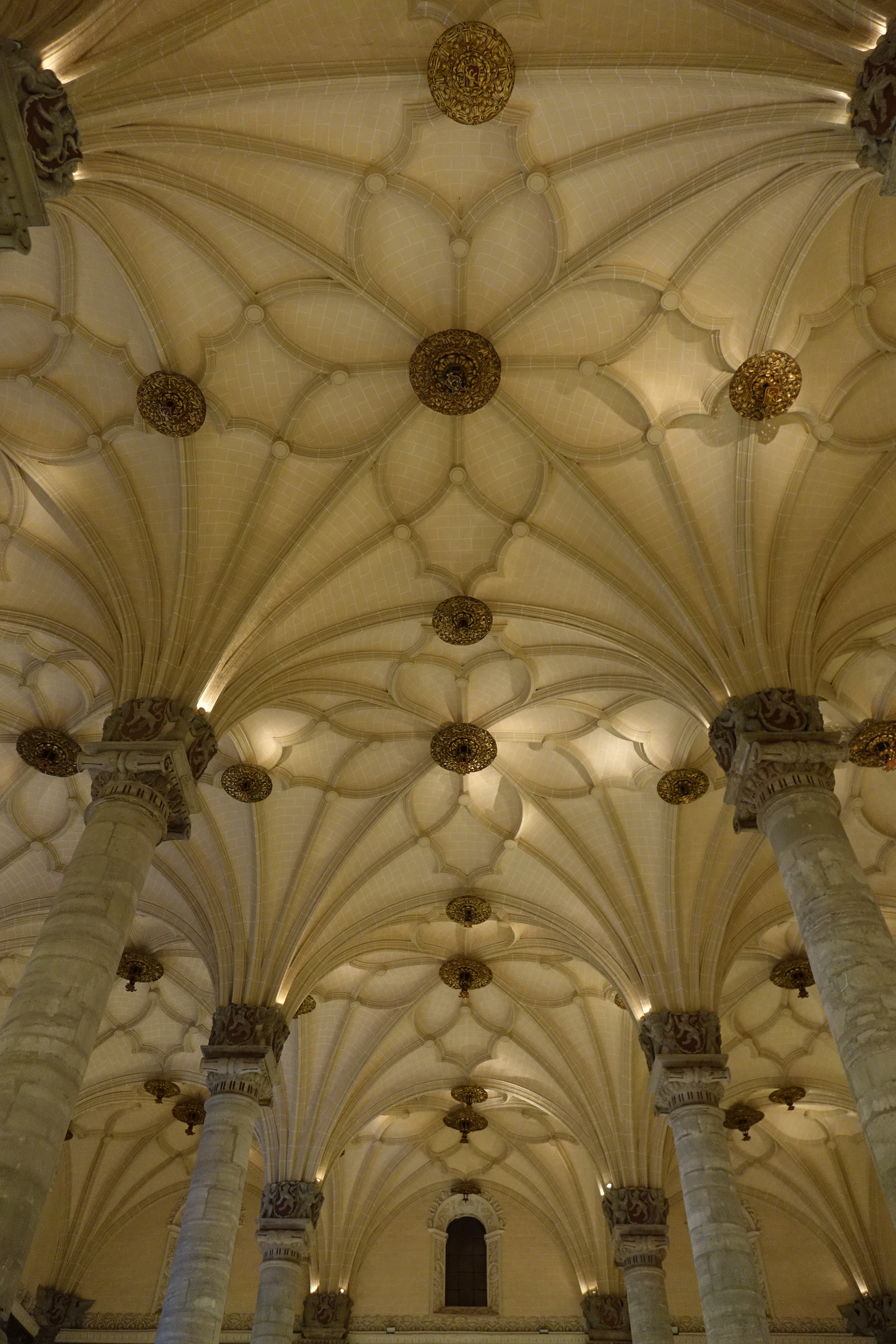
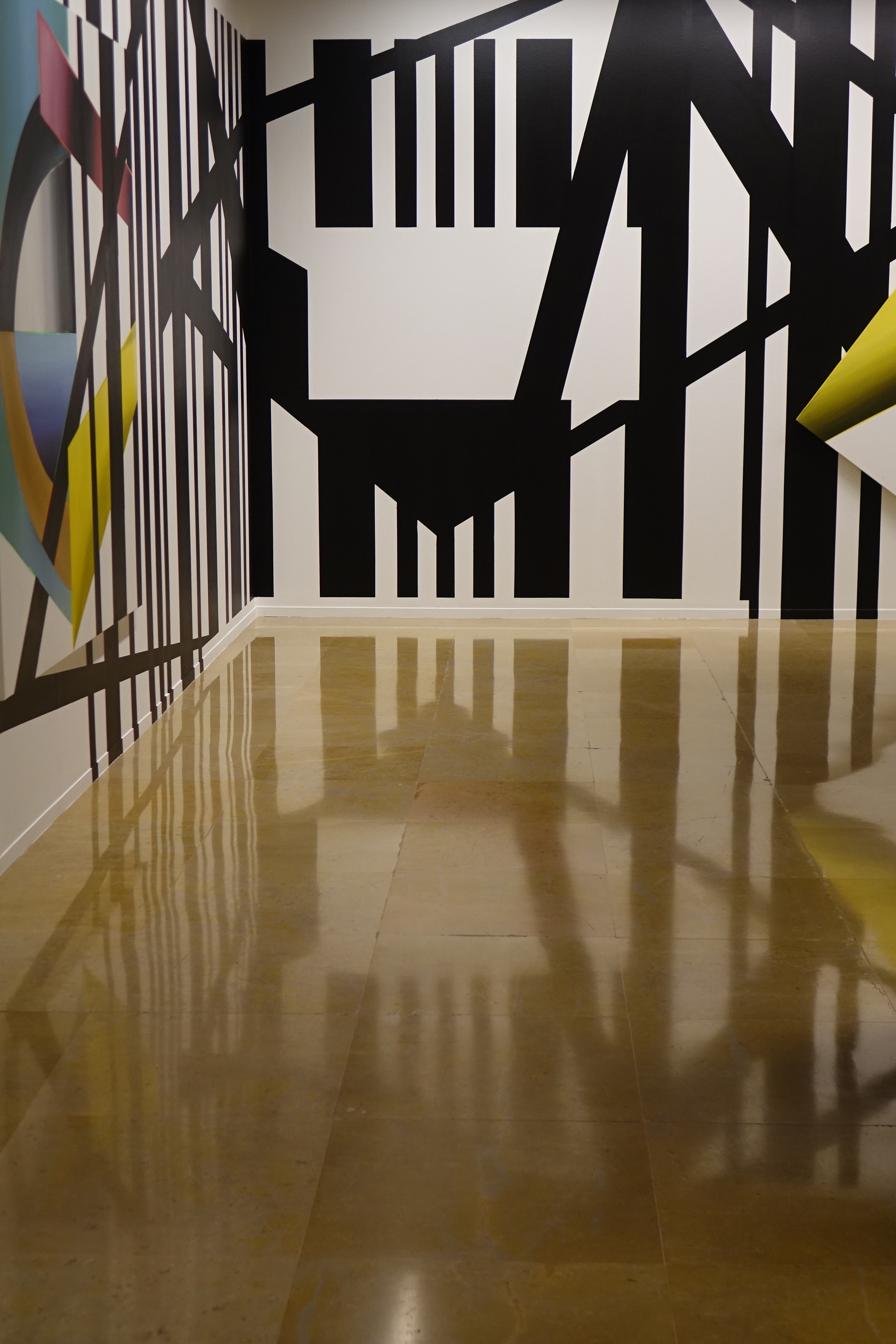
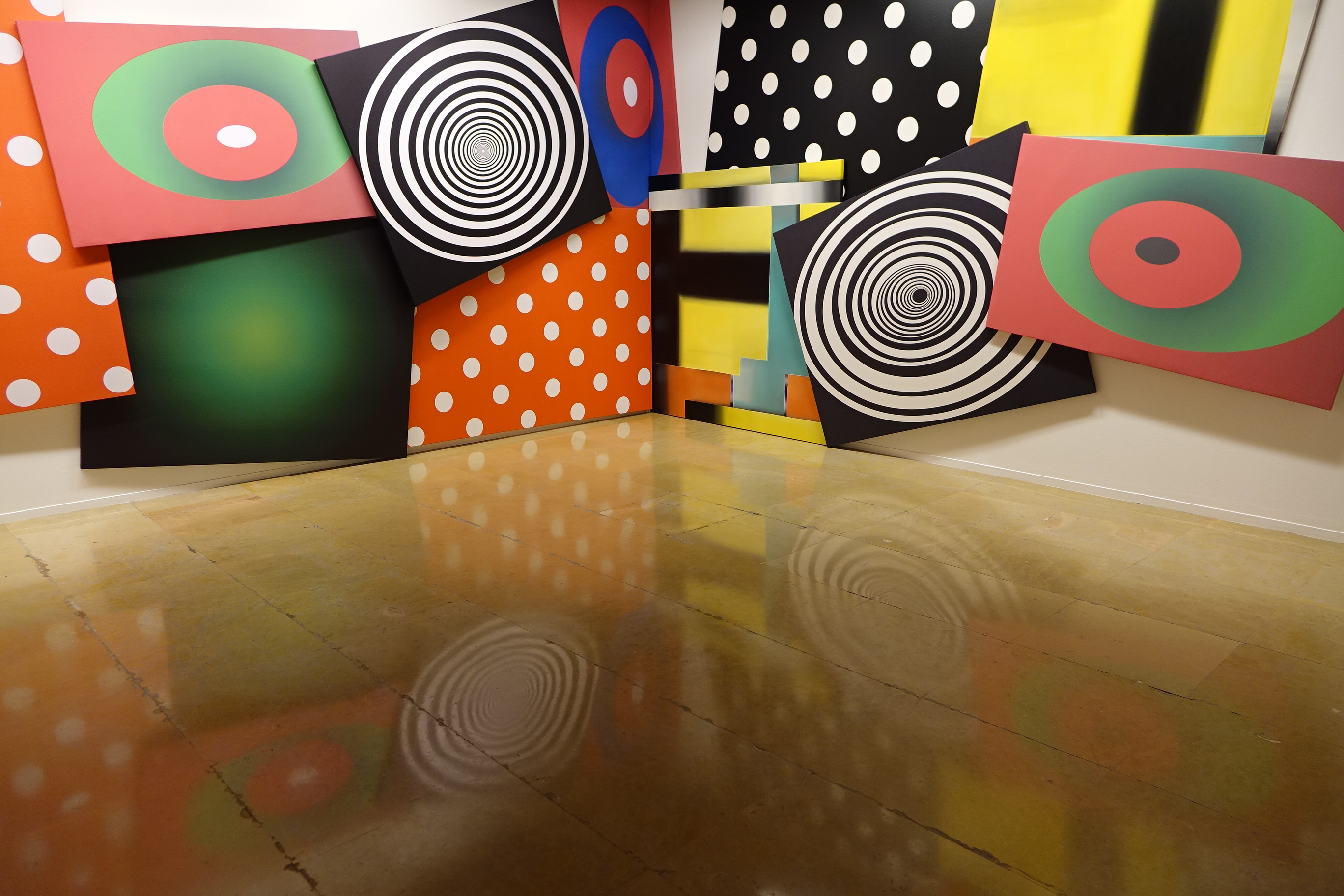
The first cultural event we found ourselves wandering into was the exhibition of Enrqiue Larroy – Chapa y Pintura – held in La Lonja. Like many such “Lonjas” in other Spanish cities, La Lonja of Zaragoza is a former merchants hall constructed in a palacial gothic style with soaring ceilings and pillars reaching darlingly up to the vertiginous height of its lofty stone latticed ceiling. But this beautiful architectural site was perfectly set off by the contrasting bright colours of Larroy’s acrylic works, which not only presented wonderfully dynamic, zinging paintings in their own right, but as an artistic installation worked fantastically as they were reflected into the shiny stone floors of this important historical space.

DSC09265 DSC09280 DSC09289 DSC09279 DSC09266 DSC09276

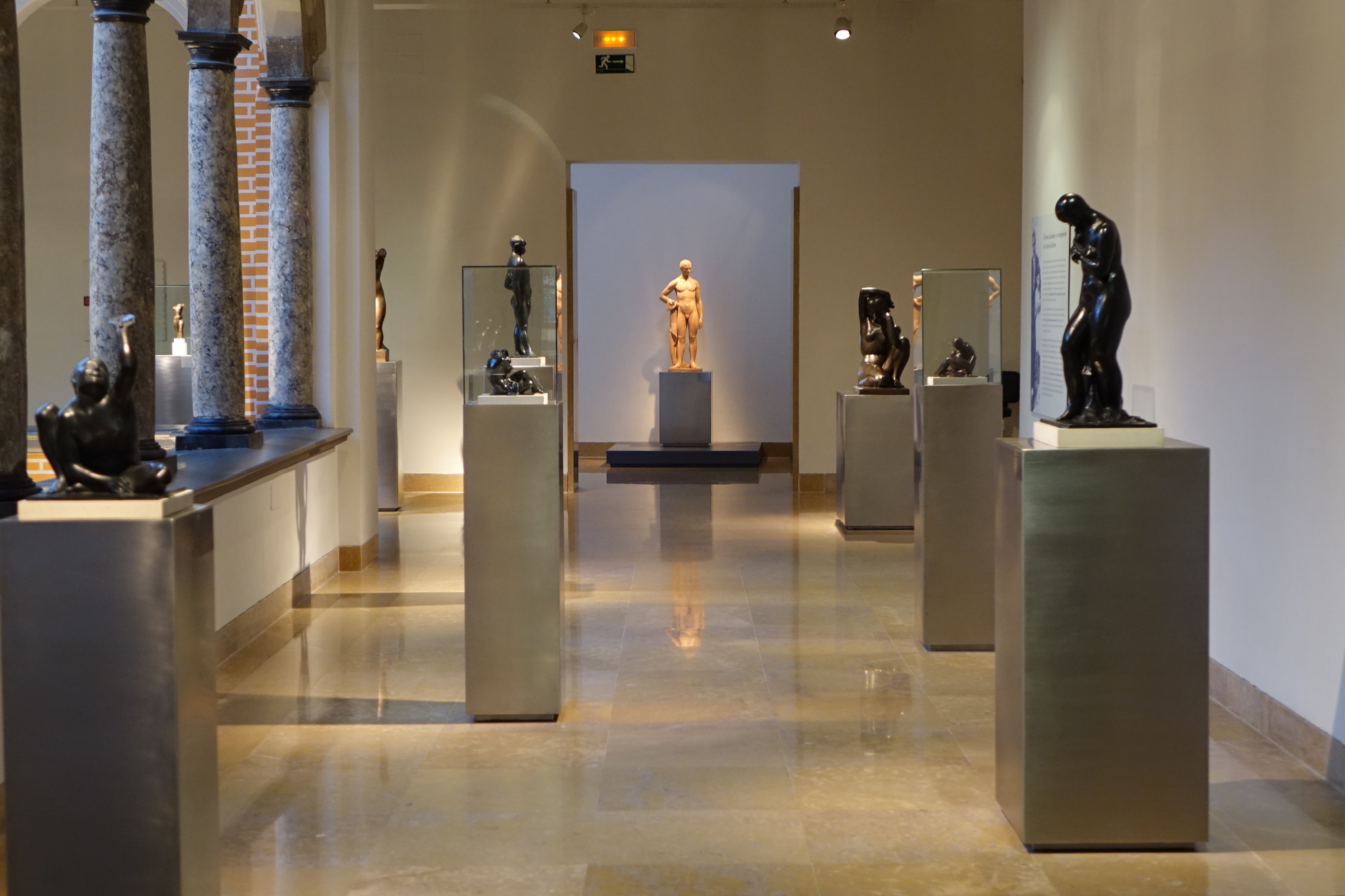
Just up the road from La Lonja is the Museum of local sculptor Pablo Gargallo. Sculpting in the height of the roaring 20s, Gargallo’s work is a wonderful mixture of avant garde figuration and cubism, as the sculptor managed to create three dimensional portraits with only a few hard cast features, allowing the interplay of light and shadow to fill in all of the missing details.As with so many of the art museums I have visited in Spain over the last decade, the Gargallo museum is yet another which is set amidst a stylishly renovated palace, meticulously conceived creating a seamless and highly polished exhibition space.

DSC09407 DSC09405 DSC09409DSC09415 DSC09416

But having had our fill of art for one day, we found ourselves ending this first day in Zaragoza back where we started – at the magnetic nuclei of the city: the Basilica del Pilar, where excitement for the oncoming festival was tangibly building. Inside the great Basilica, large queues were forming of pilgrims wishing to catch a closer sight or even kiss the pillar on which Mary was supposedly once sighted and around which the entire church was built. Meanwhile outside, huge stages were being constructed in the main squares, people were out dancing in the streets, and more and more visitors seemed to be pouring into the city.

DSC09382 DSC09373 DSC09389Amongst all this excitement, we took refuge in the charmingly old fashioned Grand Café Zaragoza. Reminding me of Florians in Venice, it provided the perfect sanctuary from the madness on the city’s streets, as well as a throwback to the past which seems to be so prevalent in this city where tradition and folk law is enthusiastically  celebrated. As for us, we ended our day contenting ourselves with our own tradition – a welocme cup of earl grey tea and a chocolate covered palmera pastry: the perfect way to look back and reflect on this first exciting day in Zaragoza.

DSC09404

All photos and written content are strictly the copyright of Nicholas de Lacy-Brown © 2014 and The Daily Norm. All rights are reserved. Unauthorized use and/or duplication of the material, whether written work, photography or artwork, included within The Daily Norm without express and written permission from The Daily Norm’s author and/or owner is strictly prohibited.

Tuscan Town Triple: Numero Tre – Monteverdi and the Vineyards of Donoratico

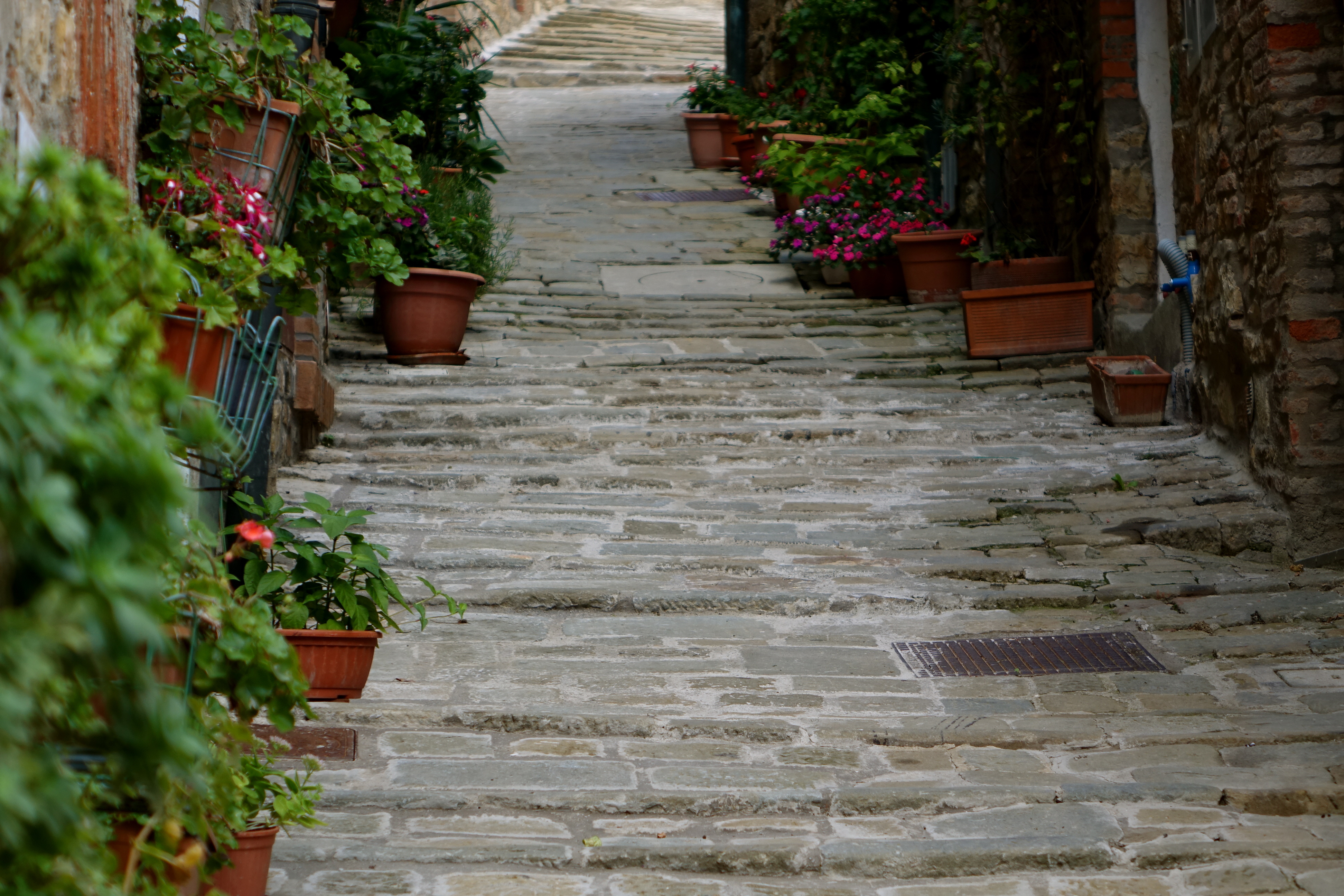
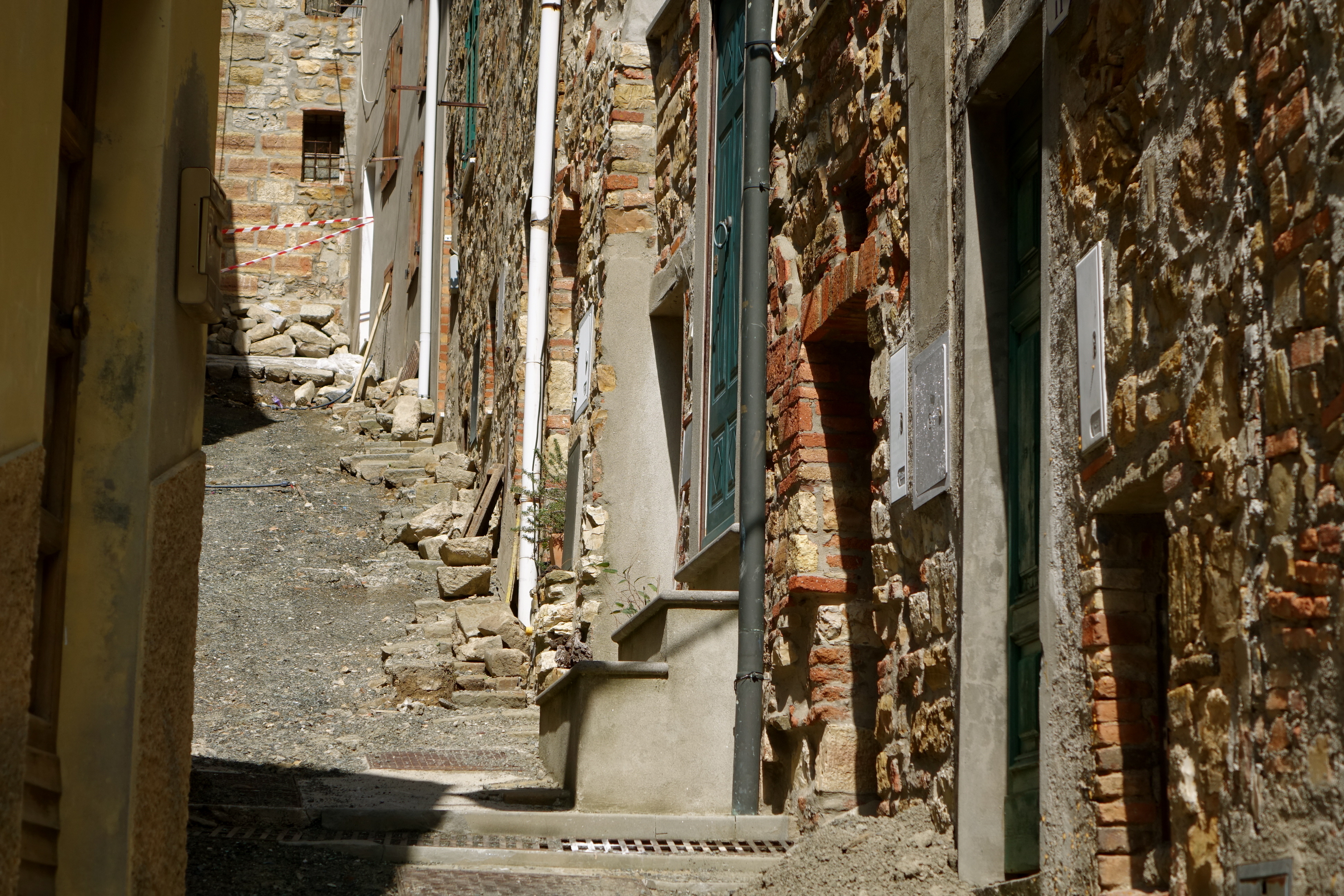
Monteverdi Marittimo is, on the map at least, mere kilometres from the little Tuscan Town of Castagneto where we journeyed on yesterday’s Daily Norm. But as the name suggests, Monteverdi rests atop a very green mountain, and the map does little to betray the extensively meandering length of road which takes a good half an hour to wind round and round the ascent of that mountain to reach the town on the top. As you do so, it is interesting how the air becomes yet clearer still, and the surroundings greener and more forested than ever – this is after all the terrain of the wild boar and the various huntsmen who annually go in their pursuit. 

Upon our eventual arrival in this tiny town, the spirit and feel of the hunt was very much in the air. The town has an altogether more “gamey” feel to it. Take away the sun and you might have been in Scotland, its old stone cottages and streets looking somewhat hardened by the elements. In fact I half expected to find stags heads and hunting rifles at every turn. Instead I found a atypical Tuscan town metamorphosed into an altogether more robust version of its normal romanticised cliche.

DSC08572 DSC08586 DSC08569

Here the green shutters of the lower towns had been painted a muddy shade of brown; from here the views of the surrounding Tuscan countryside were so much lower down in altitude that they had become misty with distance. But despite the very beautiful results of old town against winning views, the town lacked soul. It’s streets were empty – we didn’t see a soul – almost as though the whole population had heard of an oncoming disaster, something of which we remained blissfully unaware, that is at least until we had lunch at the Trattoria del Pettirosso whereupon a disaster really did unfold – a gastronomic catastrophe of chewy badly cut ill cooked steak tagliata and a vino rosso so foully fizzy that the thousands of local wine growers around the town must have had a moments reflex of stomach-churned disgust. 

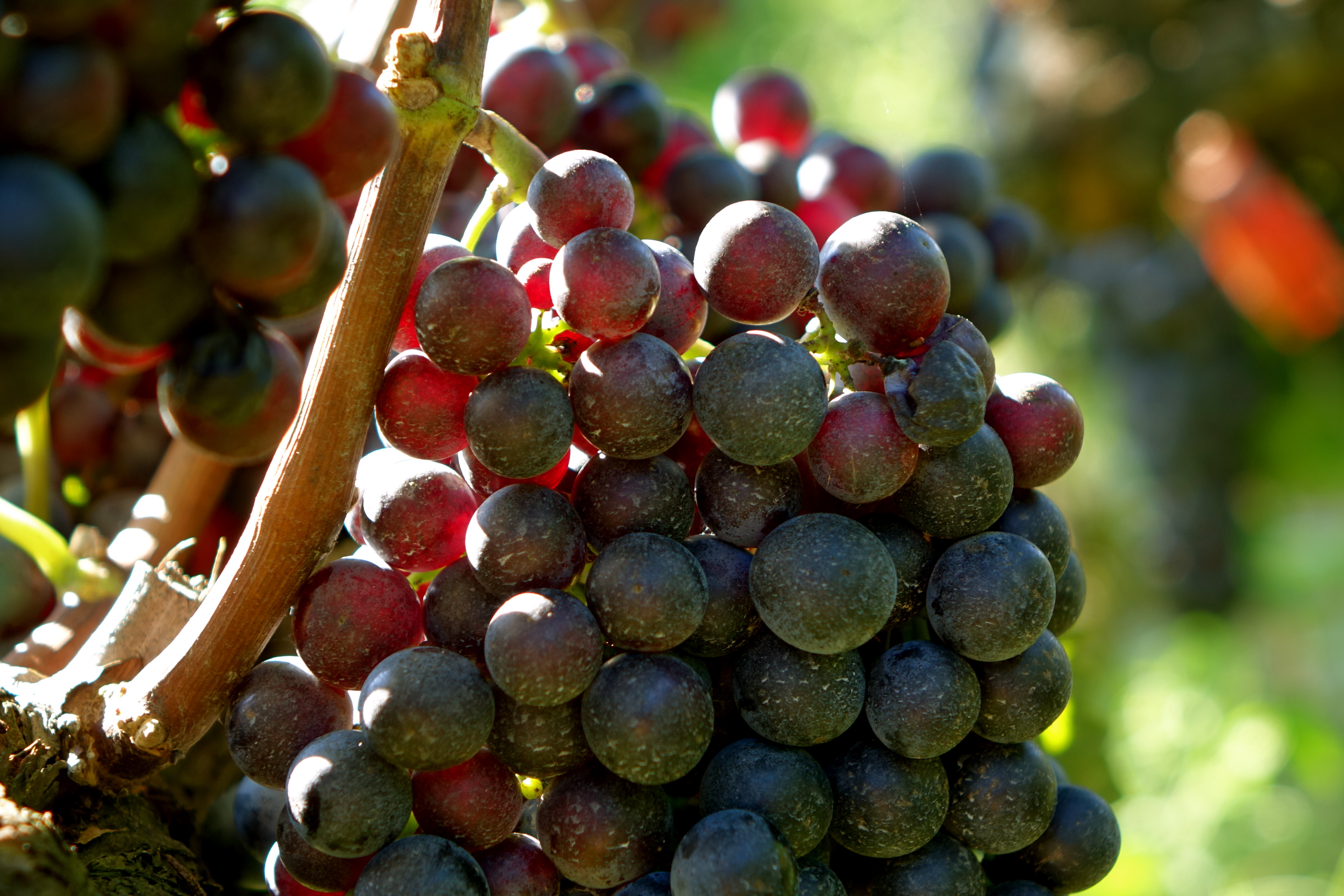
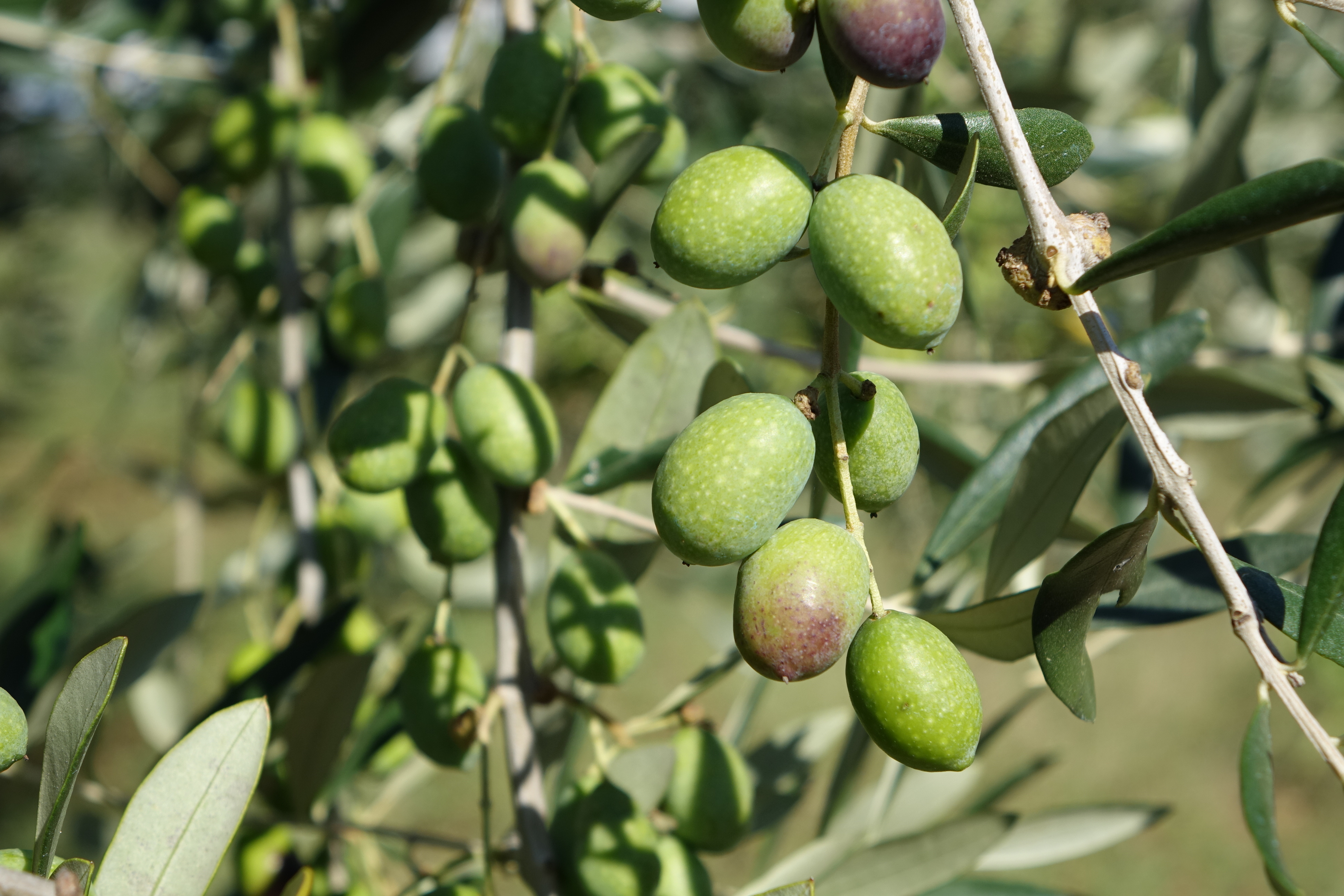
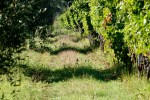
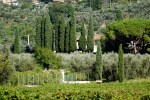
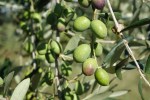
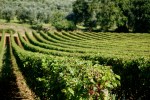
Still, there was no denying the abundance of verdant countryside between Monteverdi and the sea, and as we descended back to ground level, we had the opportunity to wander amongst olive groves and vineyards full of the plumpest sweet grapes, taking the opportunity to sneakily taste one or two – for any day now these will be picked and harvested to make their way into a hopefully far superior wine than the horror which had ensued at lunch. 

DSC08646 DSC08616 DSC08622

All photos and written content are strictly the copyright of Nicholas de Lacy-Brown © 2014 and The Daily Norm. All rights are reserved. Unauthorized use and/or duplication of the material, whether written work, photography or artwork, included within The Daily Norm without express and written permission from The Daily Norm’s author and/or owner is strictly prohibited.
Norms in Dubrovnik | Tourist Norms on the City Walls

Dubrovnik is, unsurprisingly, a very popular tourist destination. Thousands pour into the tiny old town encased within its thick stone walls every day, and the thousands have now become tens of thousands owing to the popularity of the TV series, Game of Thrones, which is filmed there. It’s not uncommon to see a whole cluster of cruise liners docked off the coast shunting out boat loads of tourists to explore the city – my taxi driver told me that some days they have to cope with as many as 6 cruise liners, each with several thousand passengers, visiting the city in a single day. And this is on top of the many hundreds of tourists who head to the city every year under their own steam. And where is the first place that these tourist hoards head to? The city walls.

From the unique vantage point offered to us by the Stari Grad Hotel nestled in the centre of the old town, we were able to see several sections of the city walls. When we headed up to breakfast close after 8am the walls were pretty quiet, but by 9pm they were starting to fill, as group after group of tour-led travellers started walking in single file along the top of the narrow walls. By lunchtime there were so many people along the walls that the masses looked like an extra line of masonry.

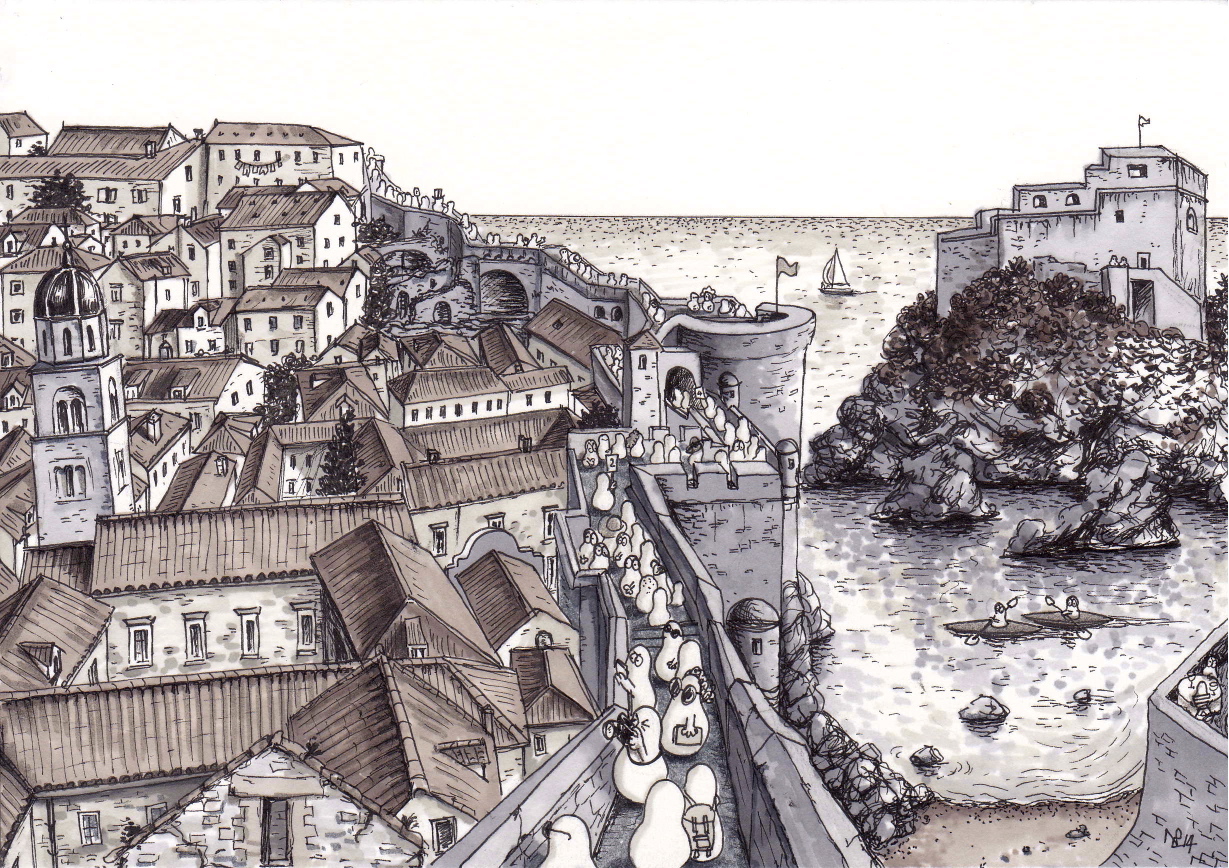
Tourist Norms visit the Walls of Dubrovnik (2014 © Nicholas de Lacy-Brown, pen and ink on paper)

Tourist Norms visit the Walls of Dubrovnik (2014 © Nicholas de Lacy-Brown, pen and ink on paper)

In Norm-world, the Norms are facing exactly the same problems as they too head up the step of Dubrovnik’s walls (bouncing as they go) to visit this renowned medieval attraction. Here in my latest Dubrovnik sketch, we see the Norms being bustled along the walls by various tour guides; a stream of tourist Norms so extensive that you can see them reaching all the way around the walls as far as the eye can see. But just look at the incredible view the Norms get from that unique vantage point: the sea of terracotta roofs on one side, and the sparkling Adriatic on the other. That has to be worth the tourist-Norm cram along the walls of Dubrovnik.

© Nicholas de Lacy-Brown and The Daily Norm, 2001-2014. Unauthorized use and/or duplication of the material, whether written work, photography or artwork, included within The Daily Norm without express and written permission from The Daily Norm’s author and/or owner is strictly prohibited. Excerpts and links may be used, provided that full and clear credit is given to Nicholas de Lacy-Brown and The Daily Norm with appropriate and specific direction to the original content. For more information on the work of Nicholas de Lacy-Brown, head to his art website at www.delacy-brown.com


A weekend in Kraków | Day 1 – Jewellery box city

Being as my Partner Dominik is originally from Poland, it never seemed right that I wasn’t able to list Poland as being a place I had visited, and still less the beautiful city of Kraków which is located in the central South of the country. So in an attempt to rectify this failing, and in order to see out the summer with a bang, Dominik and I recently seized on the opportunity a long weekend presented, and flew out to Kraków.

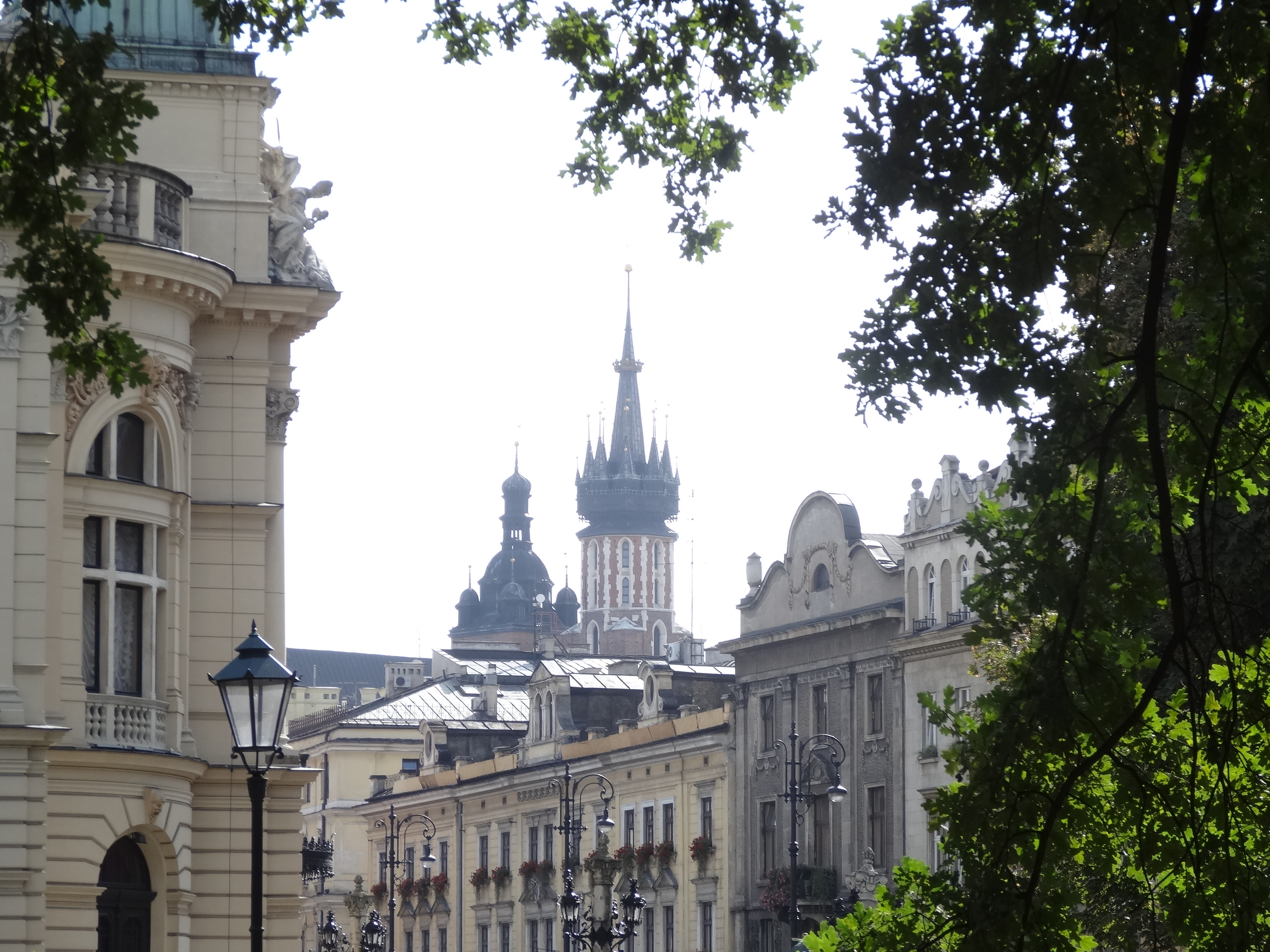
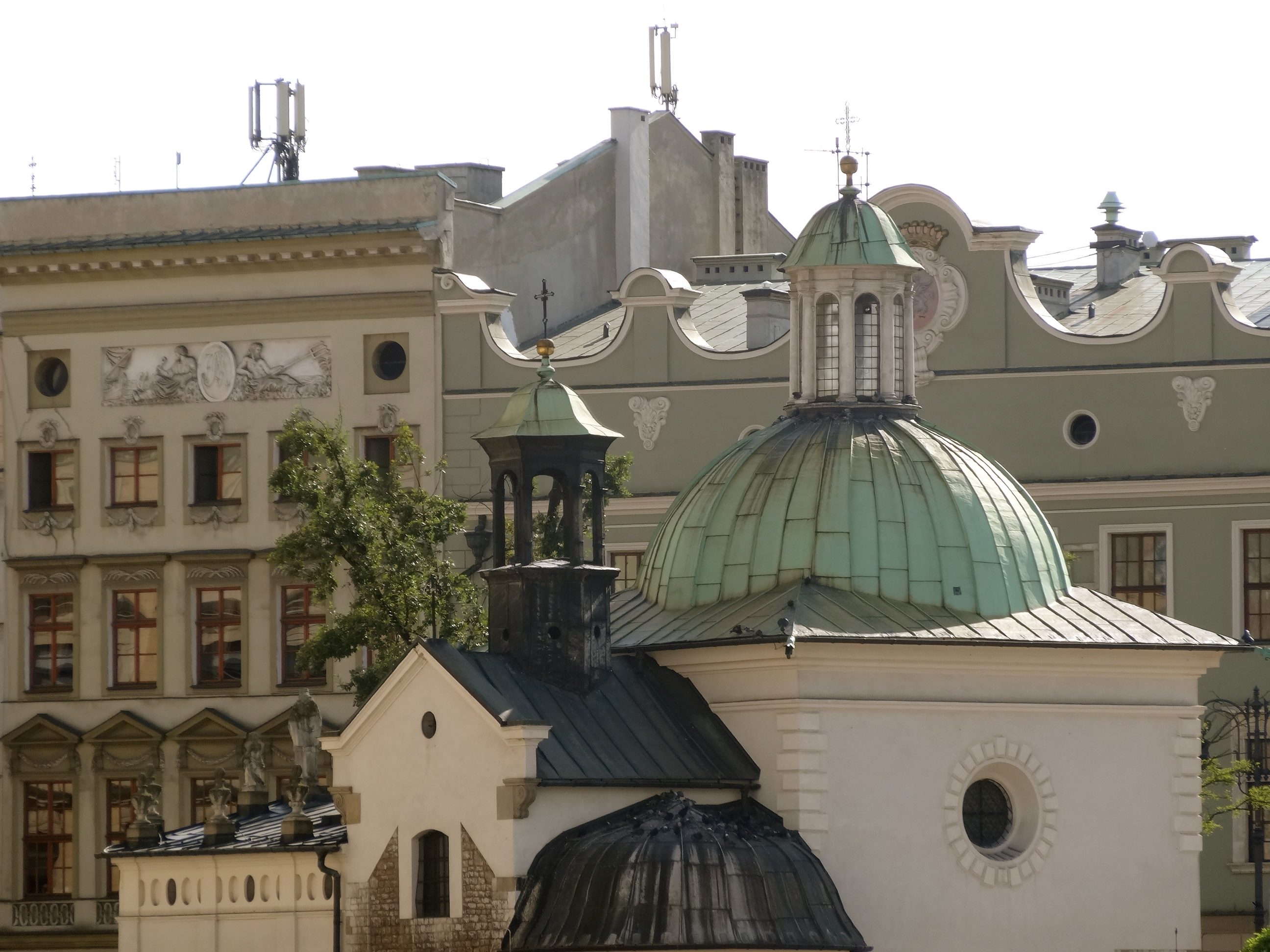
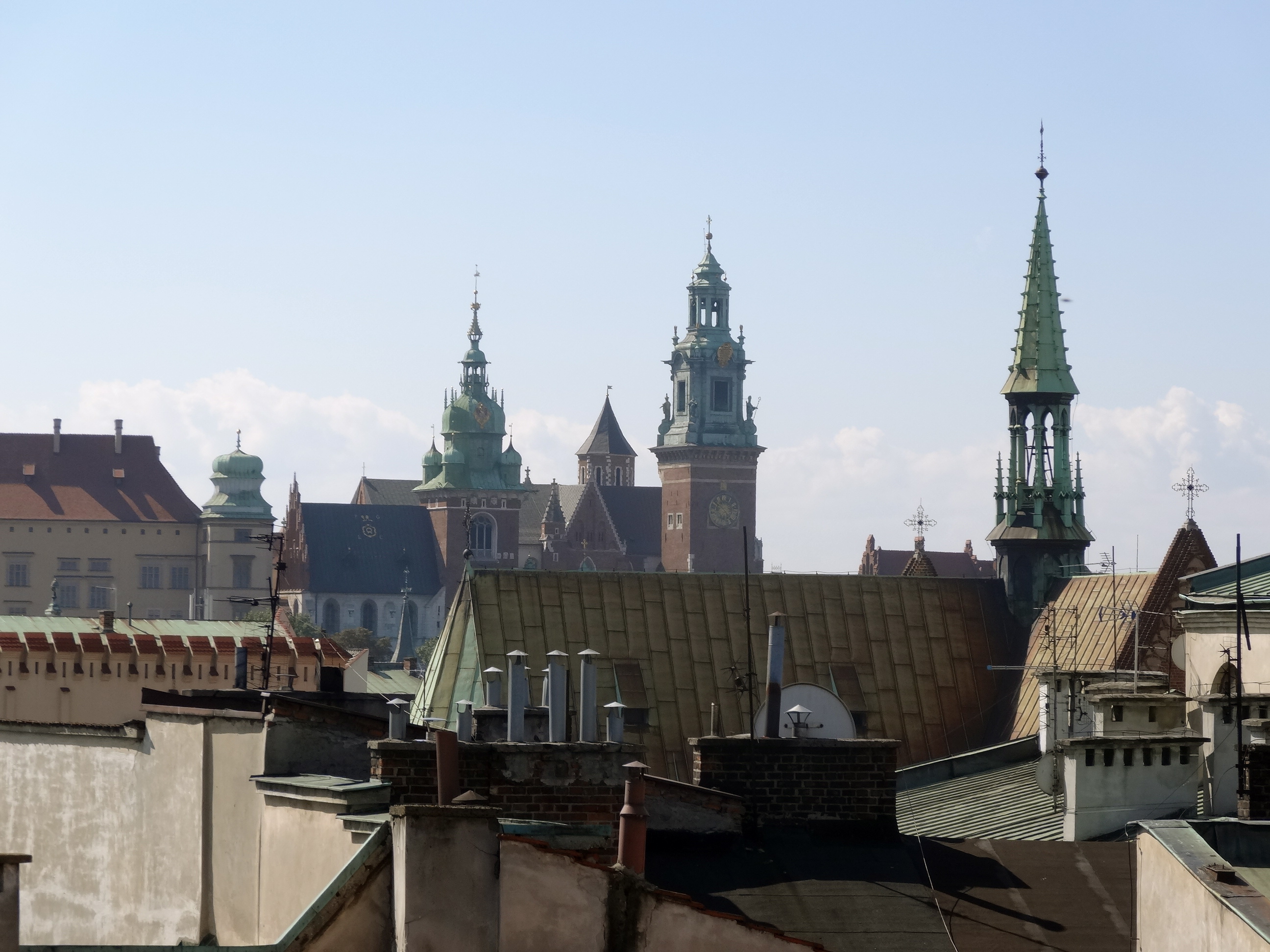
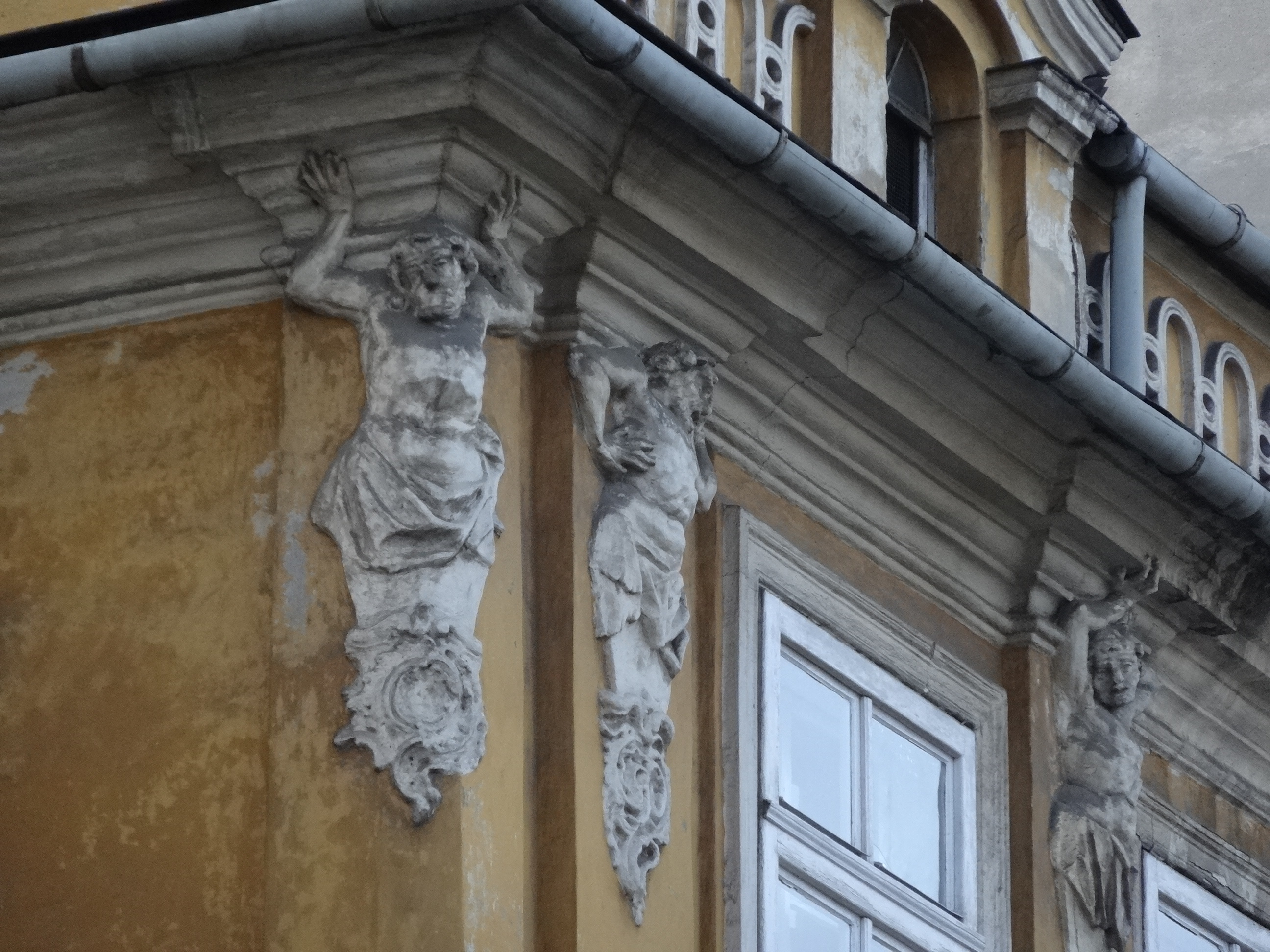
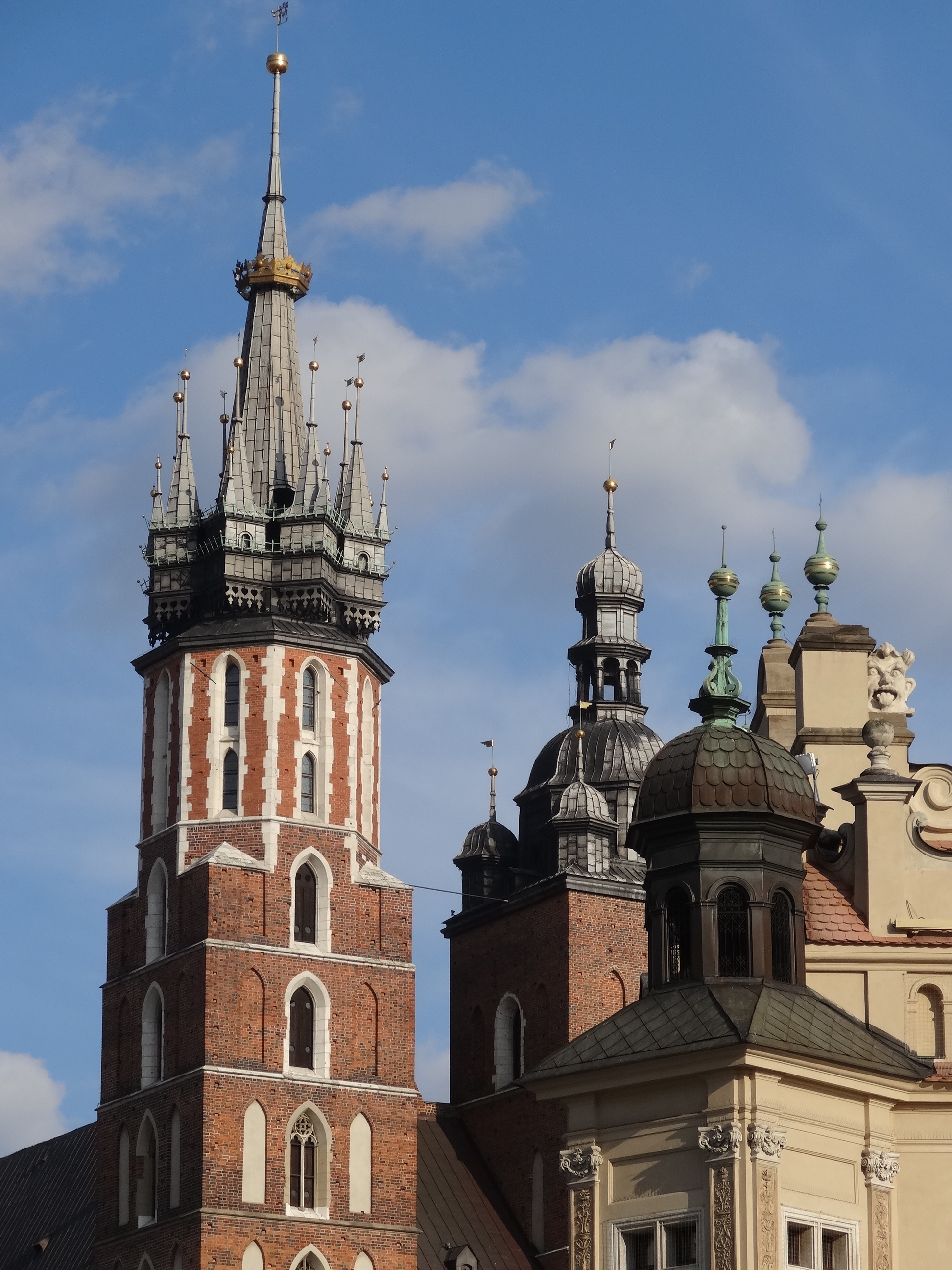
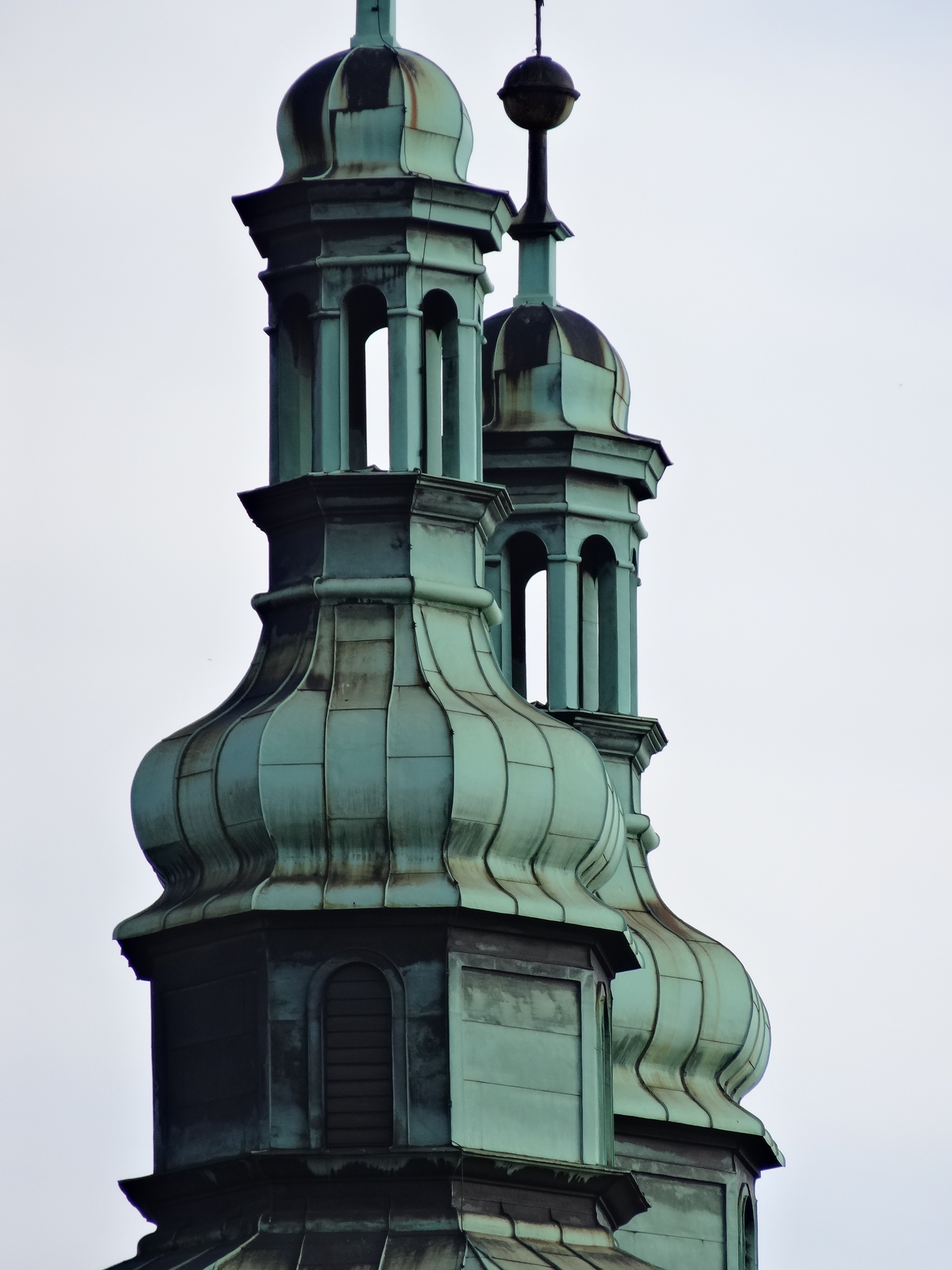
The moment we walked out of Kraków’s gleaming station-come-shopping centre straight into the heart of the city, it felt like opening a jewellery box full of glinting treasures. The skyline was literally sparkling with a plethora of cupolas and domes – elaborately shaped bell towers and church roofs; turquoise coppers and elegant iron, adorned with dazzling gold details – while underneath, the streets which shape this largest of Europe’s unspoilt old towns were awash with exquisite palaces and townhouses, from baroque to art nouveau, often with an exotic twist of Eastern European decadence.

First views

DSC06798 DSC06833 DSC06809 DSC06948 DSC07085 DSC07219 DSC06819 DSC06882 DSC06980 DSC07053 DSC06958 DSC07067 DSC06987

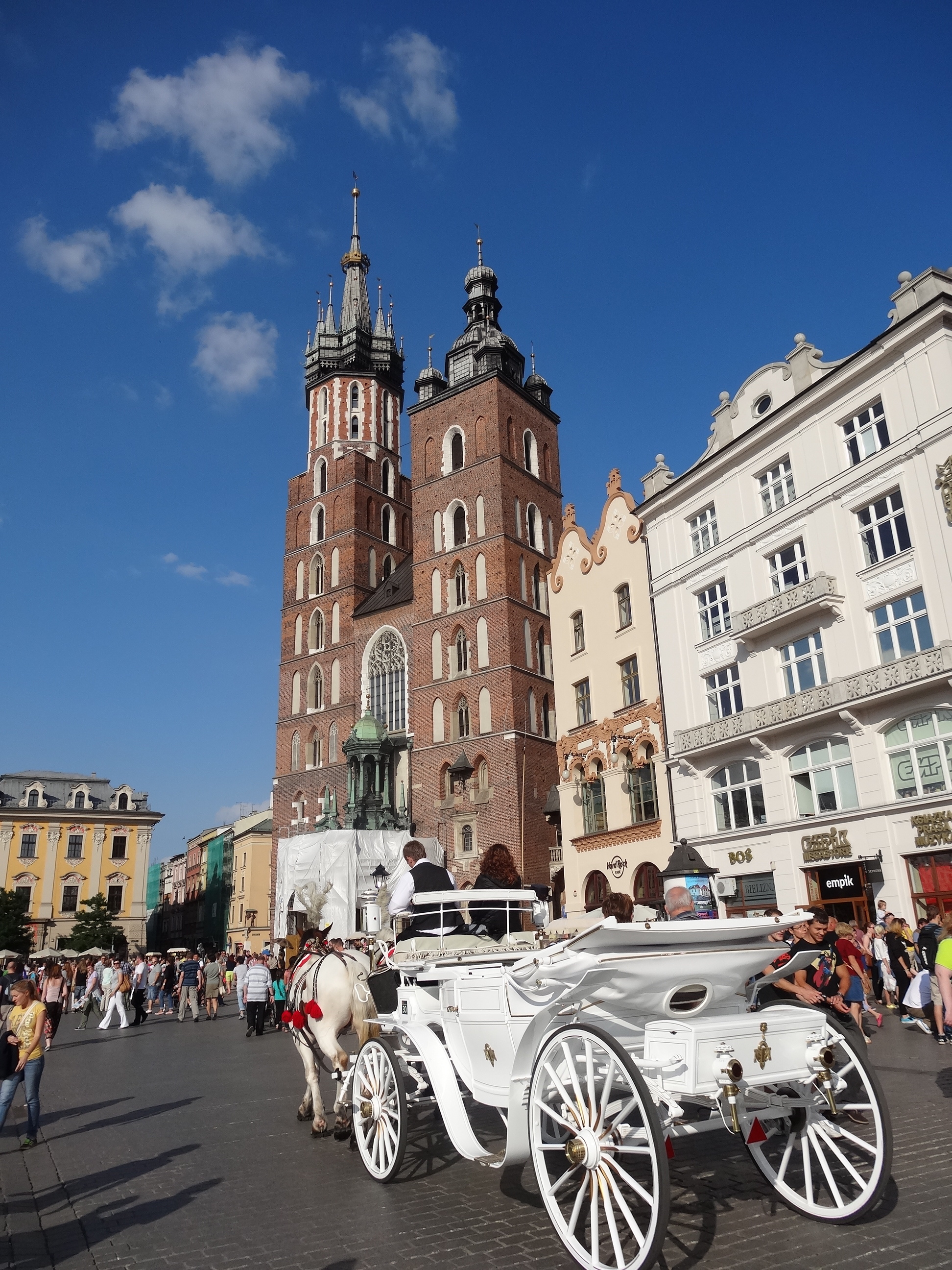
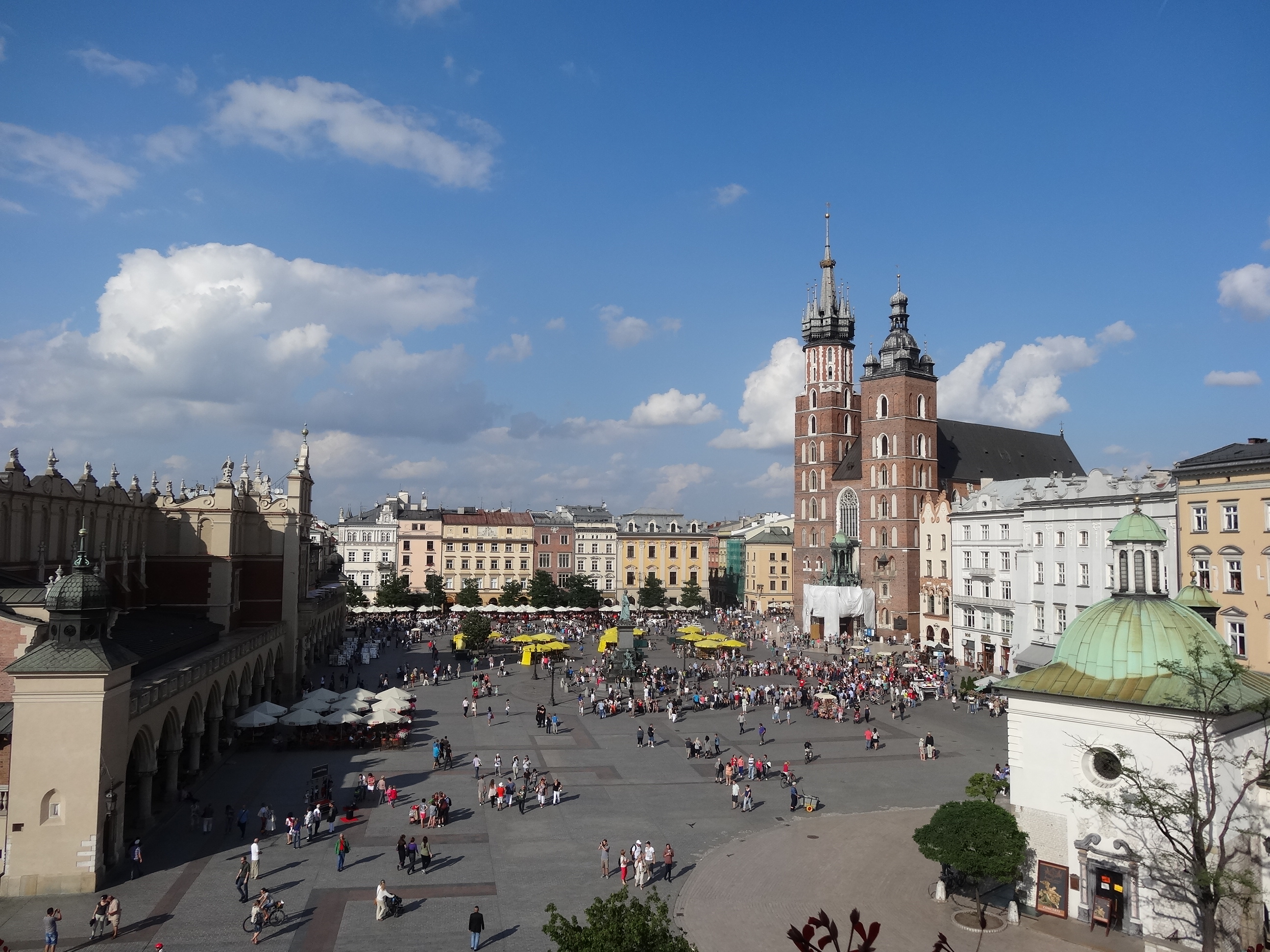
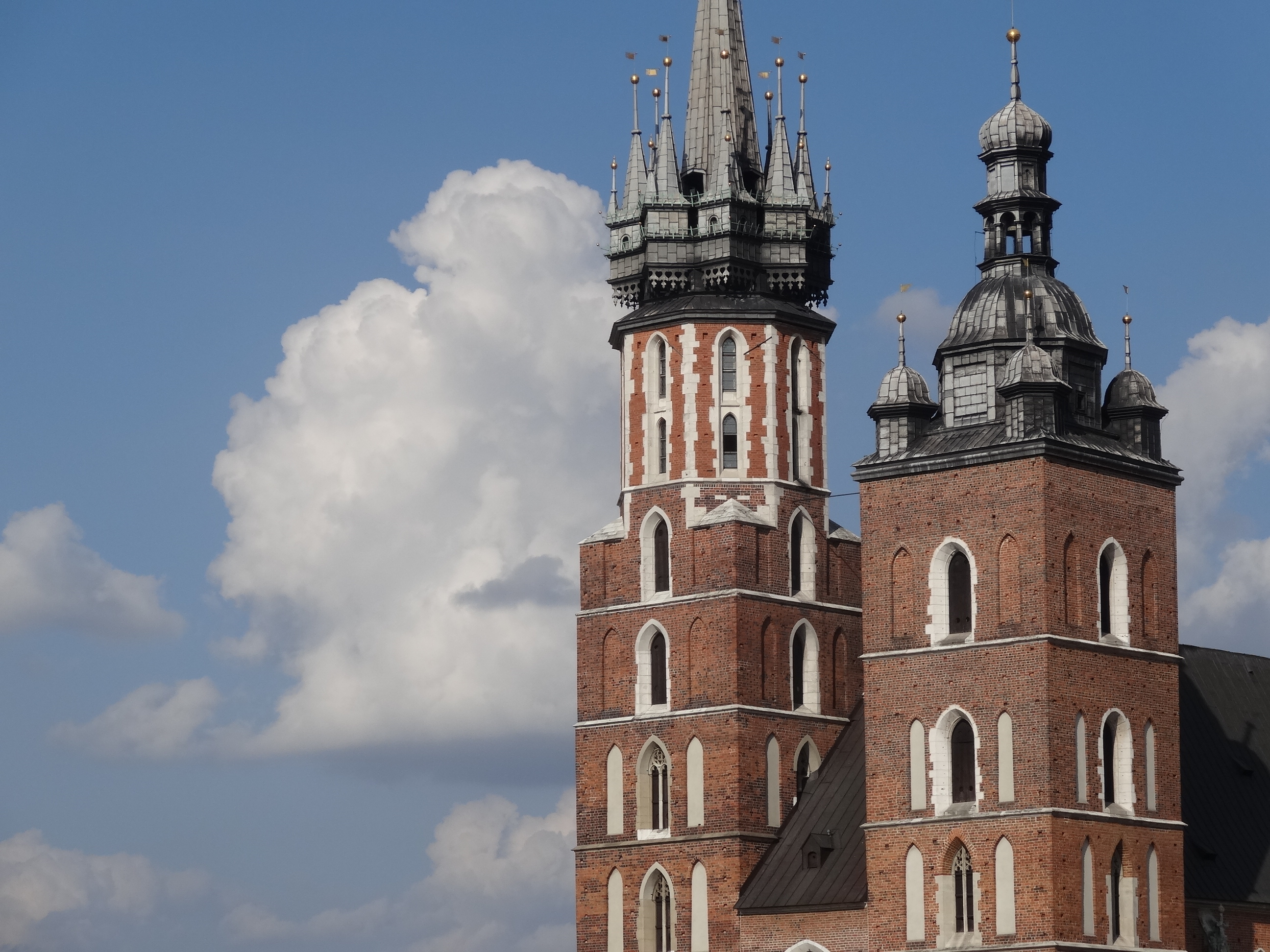
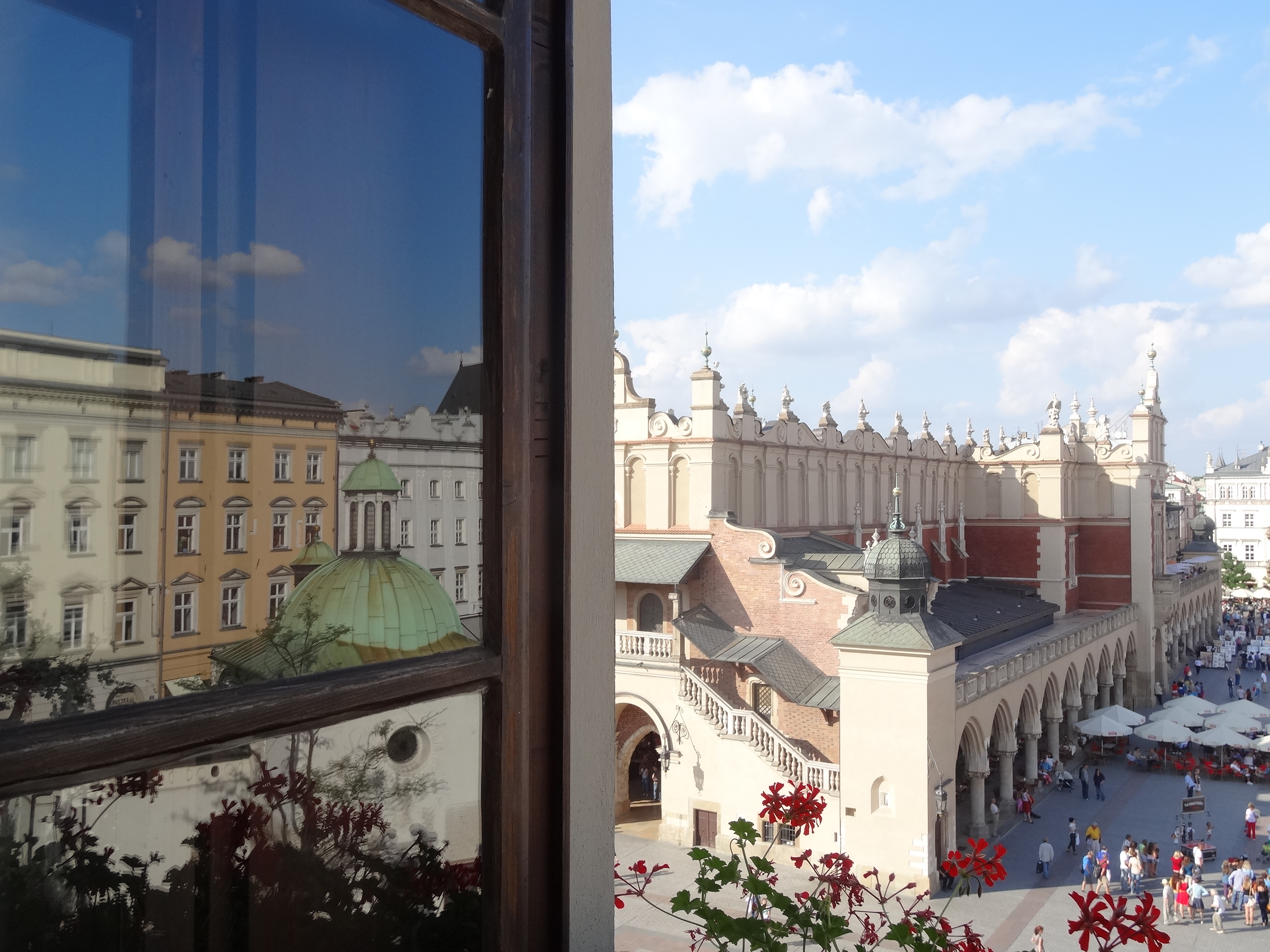
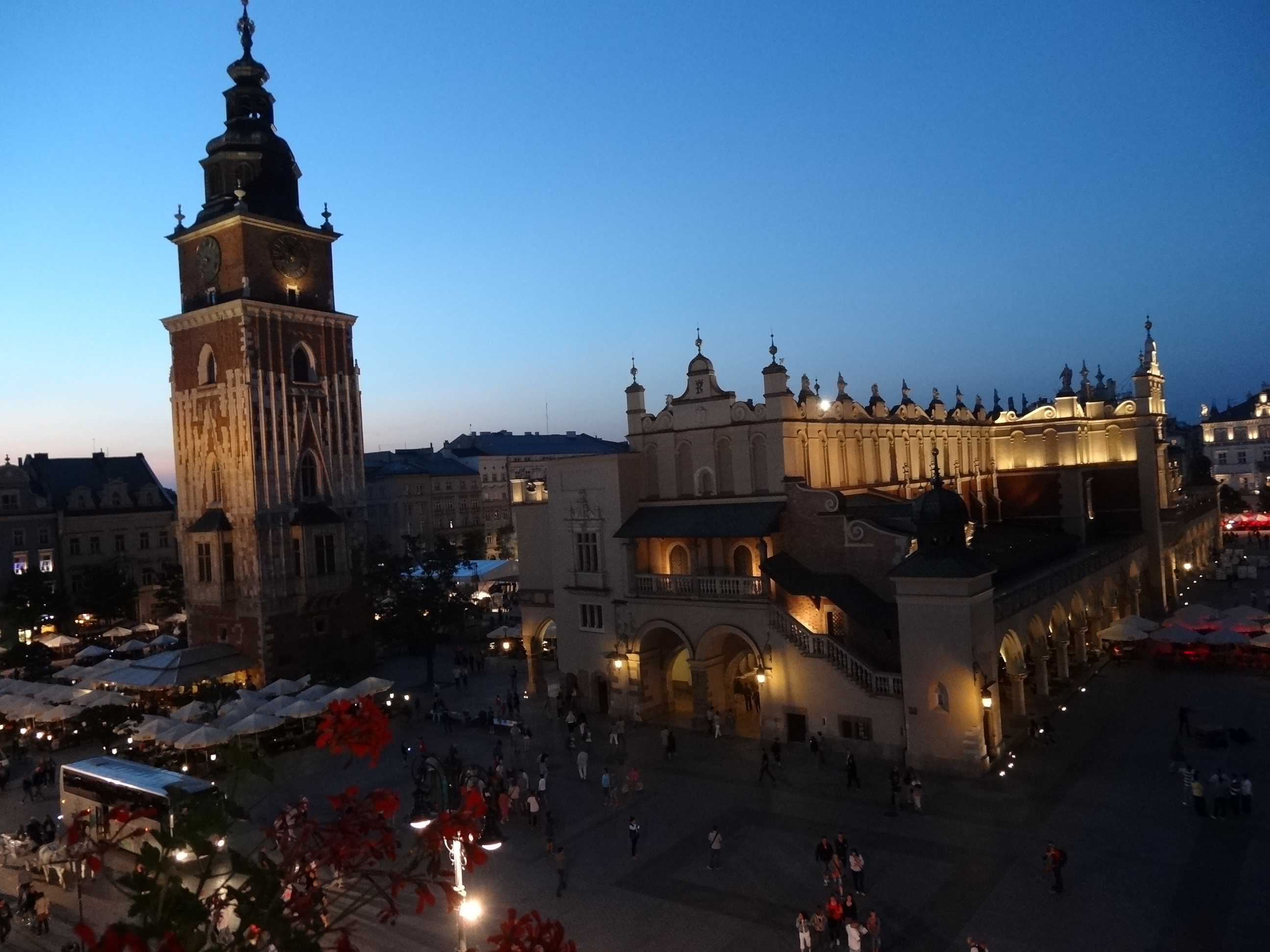
Having walked through the Florian Gate – the old entrance to the city once framed within Kraków’s ancient fortress walls, and strolled along the bustling Florianska street, the breathtaking expanse of the Rynek Główny, Kraków’s vast central square, opened up before us – the stunning Mariacka Basilica reaching up to the sky crowned with twin towers adorned with the most spectacularly ornate spires; while standing across the square, the equally elaborate Cloth Hall – a long arcade of shops and cafes spilling out onto a terrace decorated with more classical statues, urns and gold-trimmed columns.

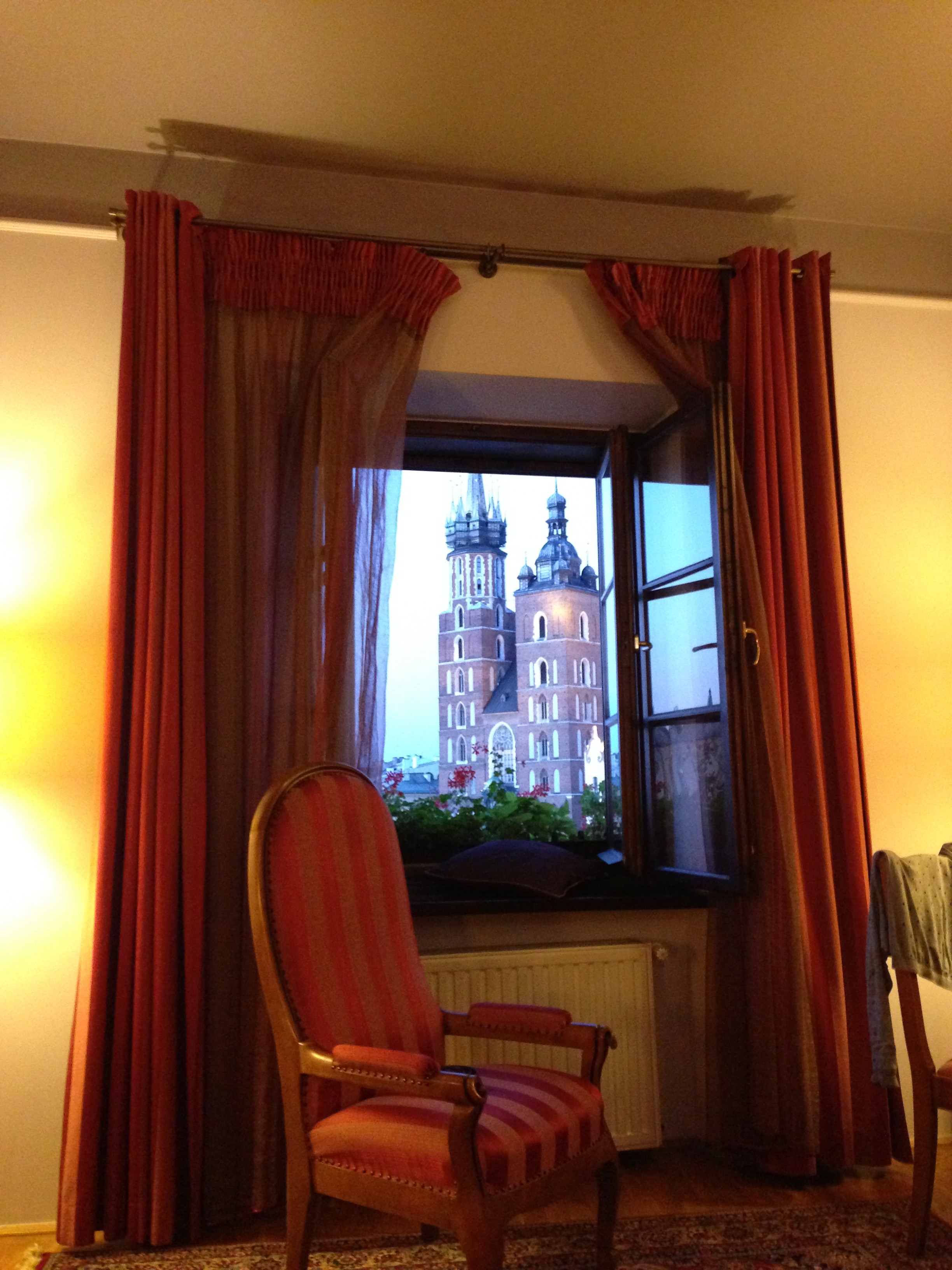
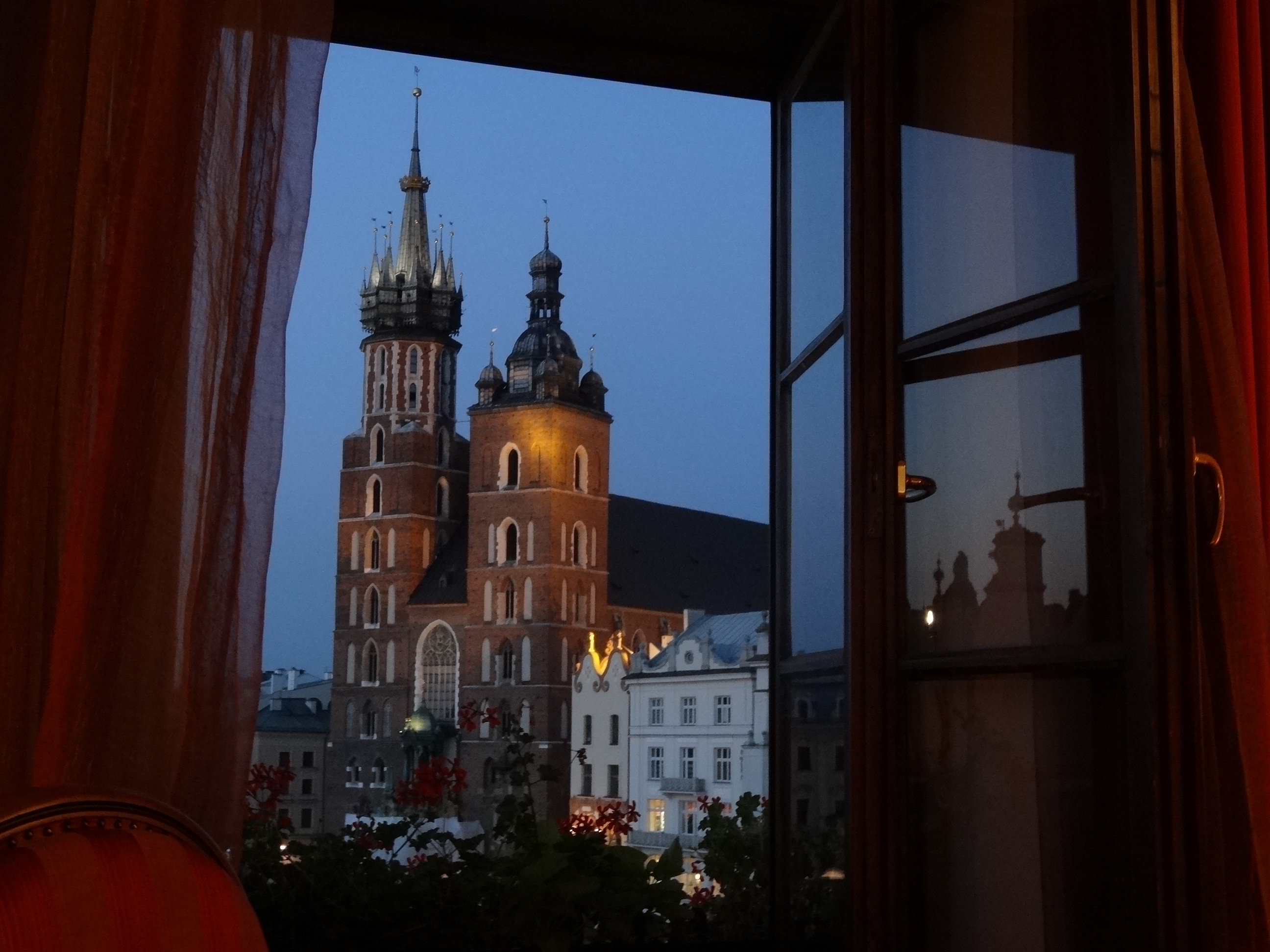
Not only was I spellbound by this utterly unspoilt, brilliantly bustling open space, with its many cafes, fountains, statues and markets, I was then equally overcome to learn that the hotel which we would make our home for the weekend benefited from a panoramic view of the entire square from each of its individually designed bedrooms. The rooms at the Wentzl Hotel gave new meaning to the adage “a room with a view”, and once i took a first glimpse out of our window onto the majestic Rynek Główny, I felt as though I could have stayed there the entire trip.

The Rynek Główny

DSC06880 DSC06916 DSC06846 DSC06834 DSC06854 DSC06910 IMG_4488 DSC06840

…and our room with a view

DSC06860 DSC06870 IMG_4517

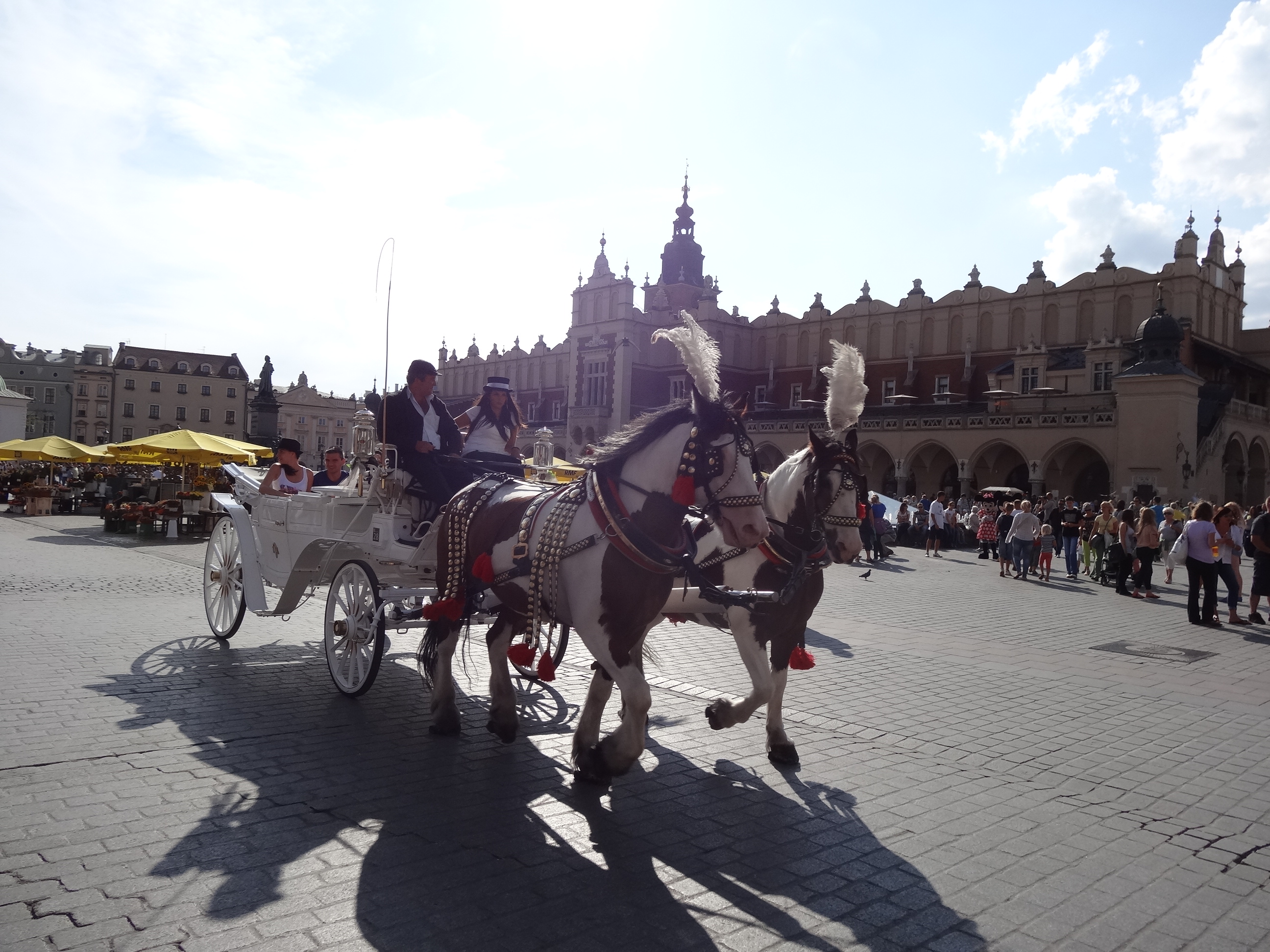
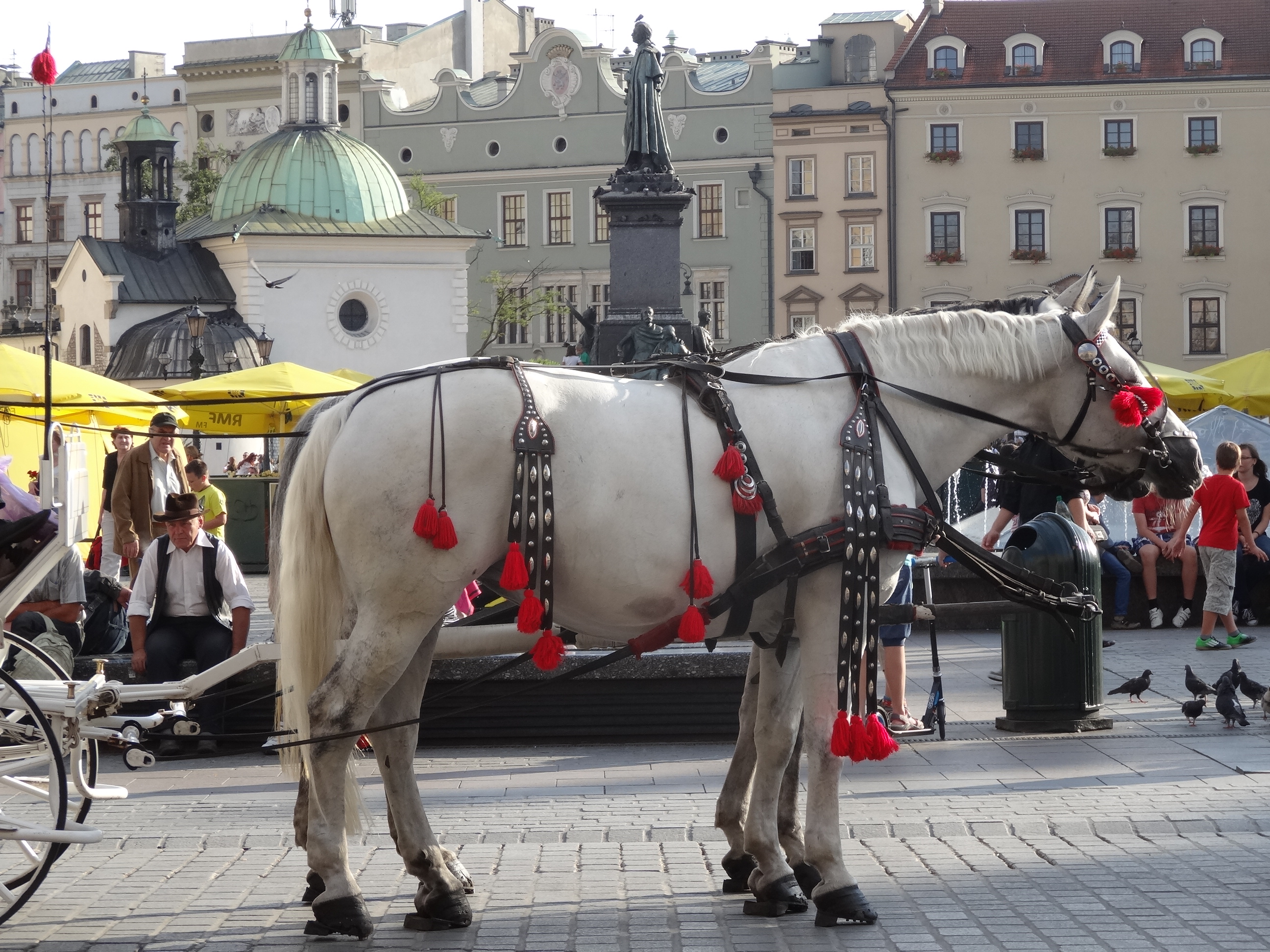
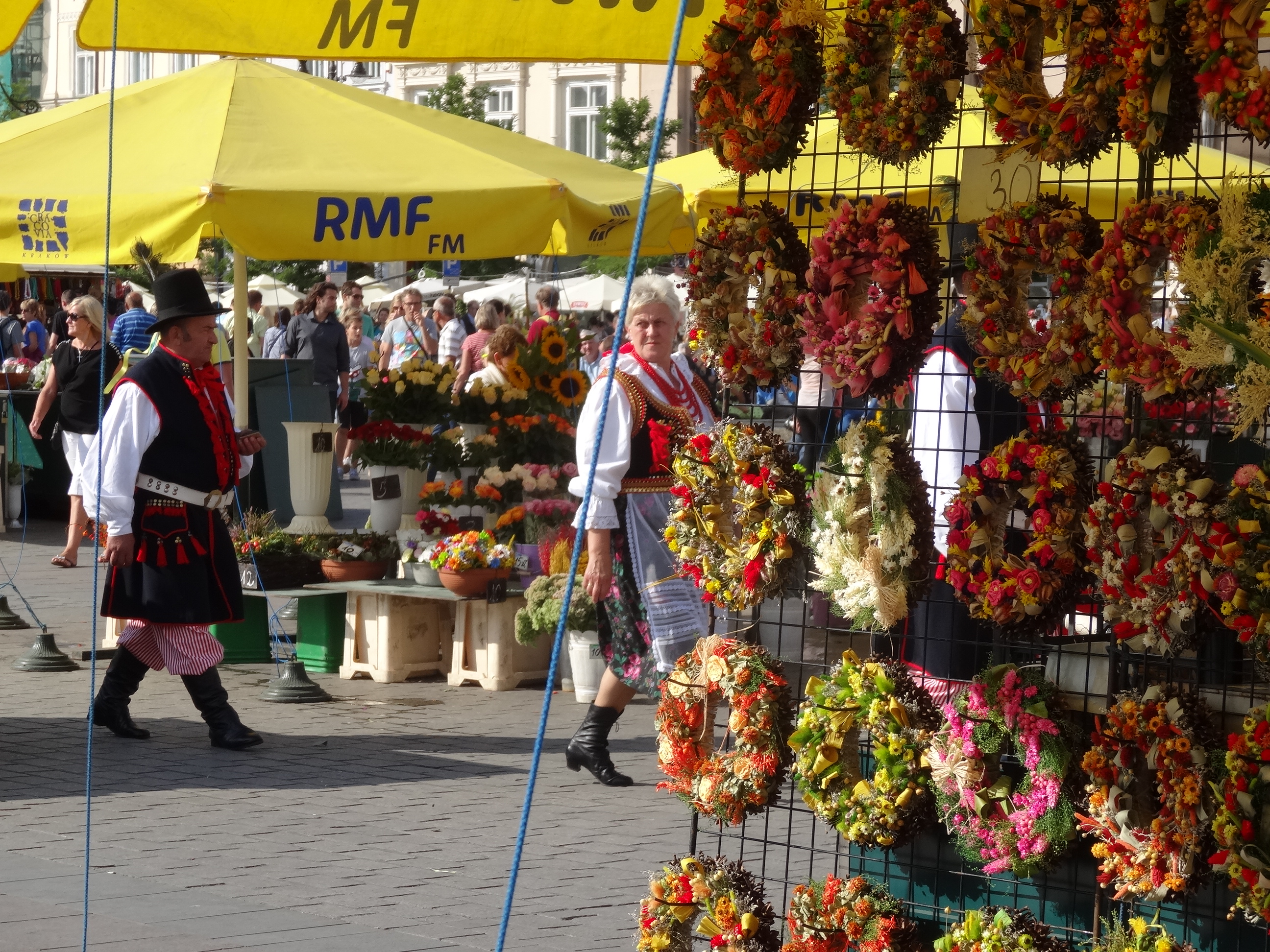
But drag myself away I did, for many other tempting pleasures lay in wait in this charming old town which felt as though it had been suspended in time. Back down in the square, the first requisite activity was to enjoy a glass of child wine on the front line of a café terrace, so that through the great pleasure of people watching, it became possible to take in more and more of the incredible details of the square, while listening to the clip-clop of the smartly adorned horses and carts, with their head-dresses of ostentatious feathers, and old fashioned carriages similarly lavishly provided. From there, a stroll through the markets all around the square brought us face to face with some of the specialities of traditional Poland – Oscypek cheese – strong and salty like greek Halloumi, made in the nearby Tatra mountains; the sweet smokey miasma of a suckling pig cooking on a spit; small red chickens carved out of wood, and religious iconography aplenty (for as was soon to become obvious, Kraków is a very Catholic town, a spirituality significantly augmented by the fact that the former Pope John Paul II was bishop and then archbishop of Kraków before his ascendency to the papacy).

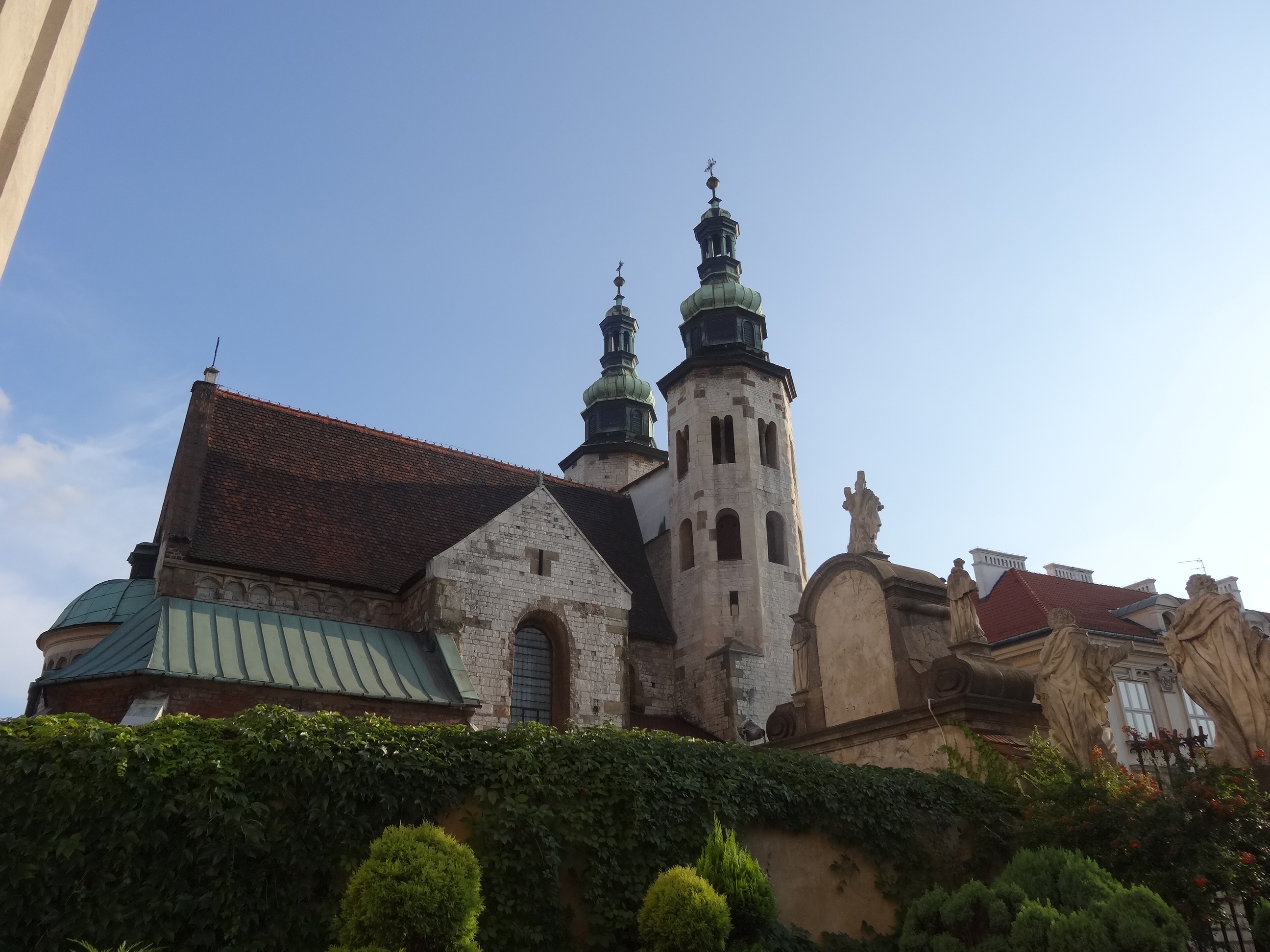
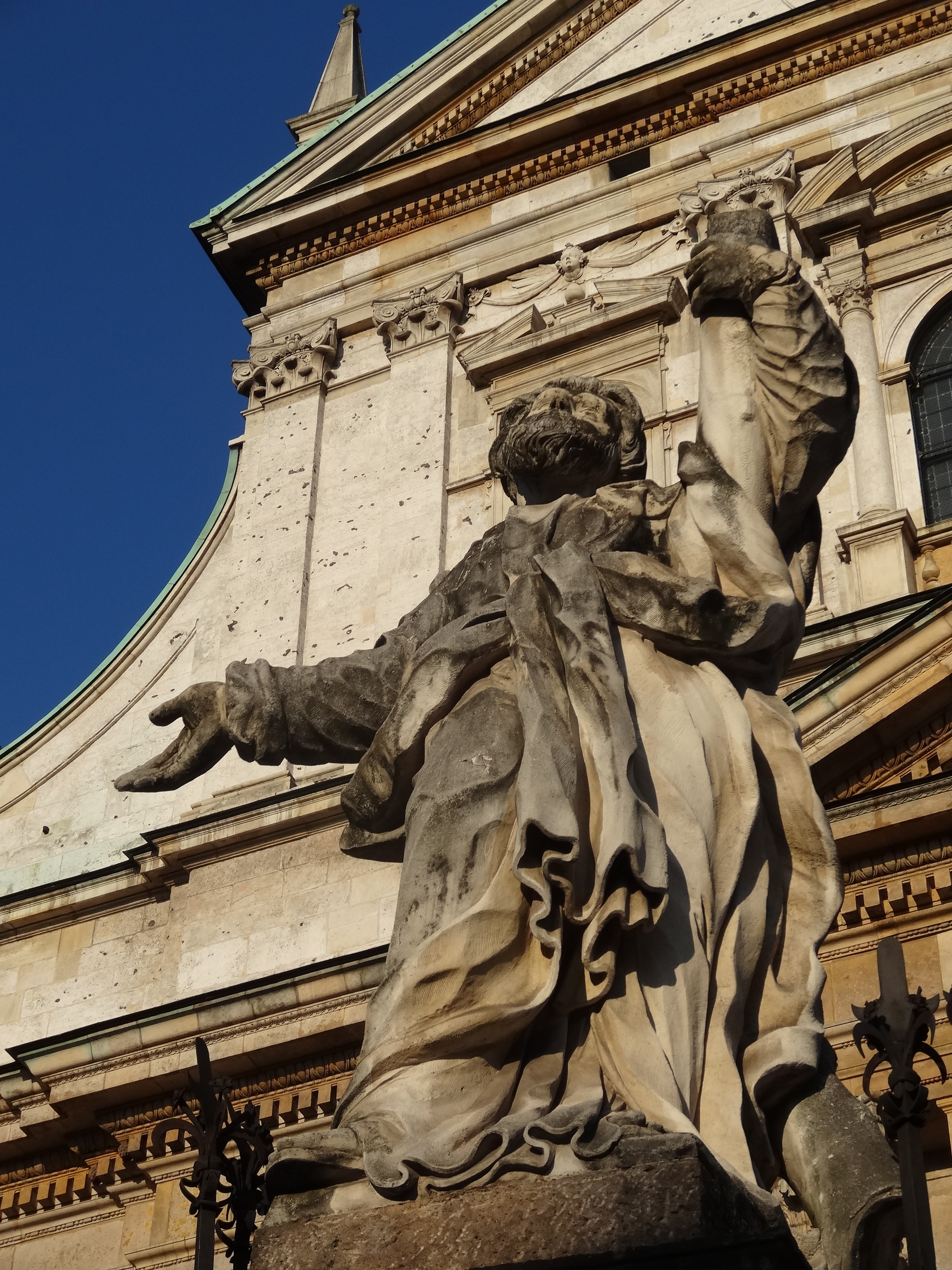
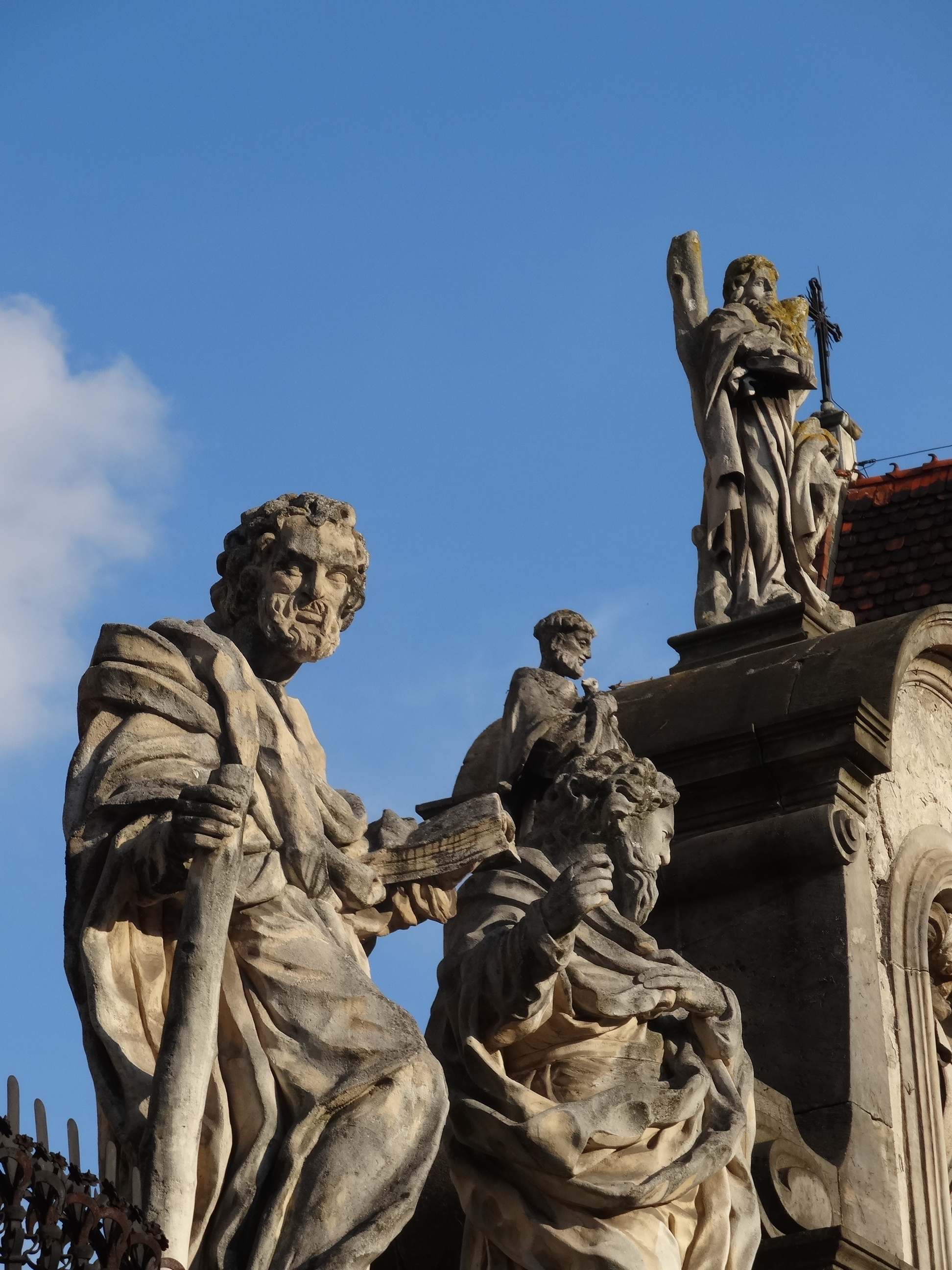
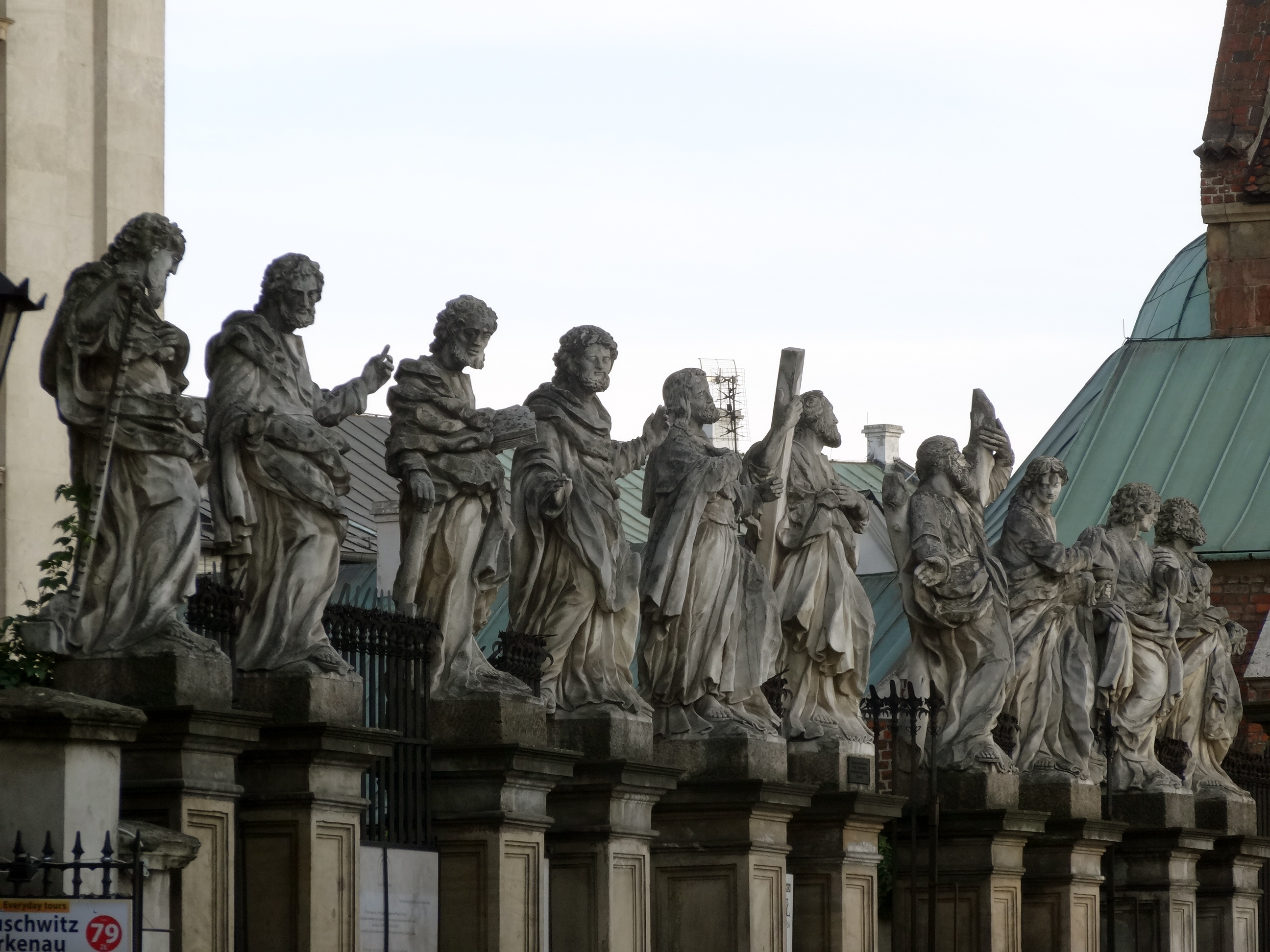
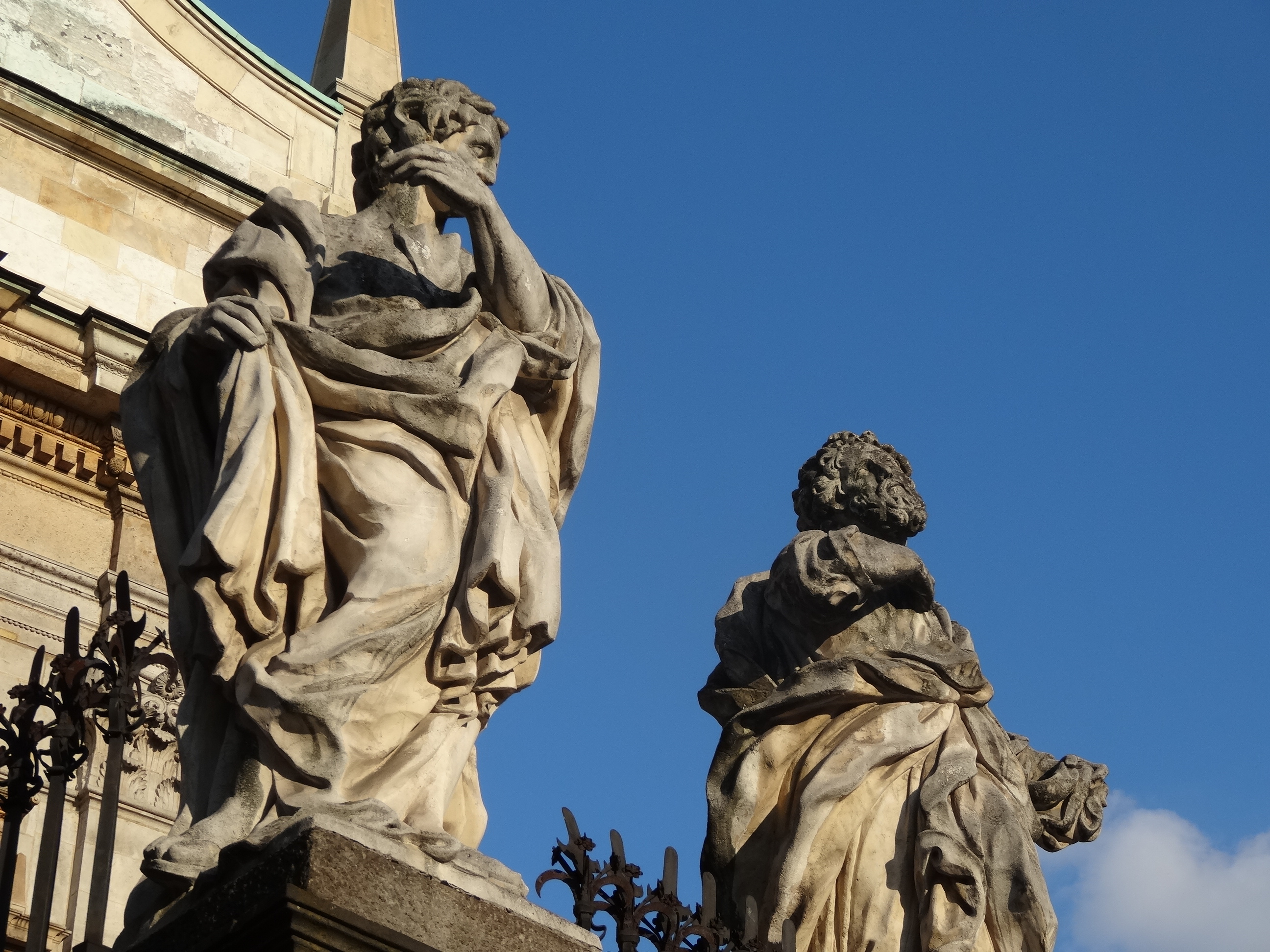
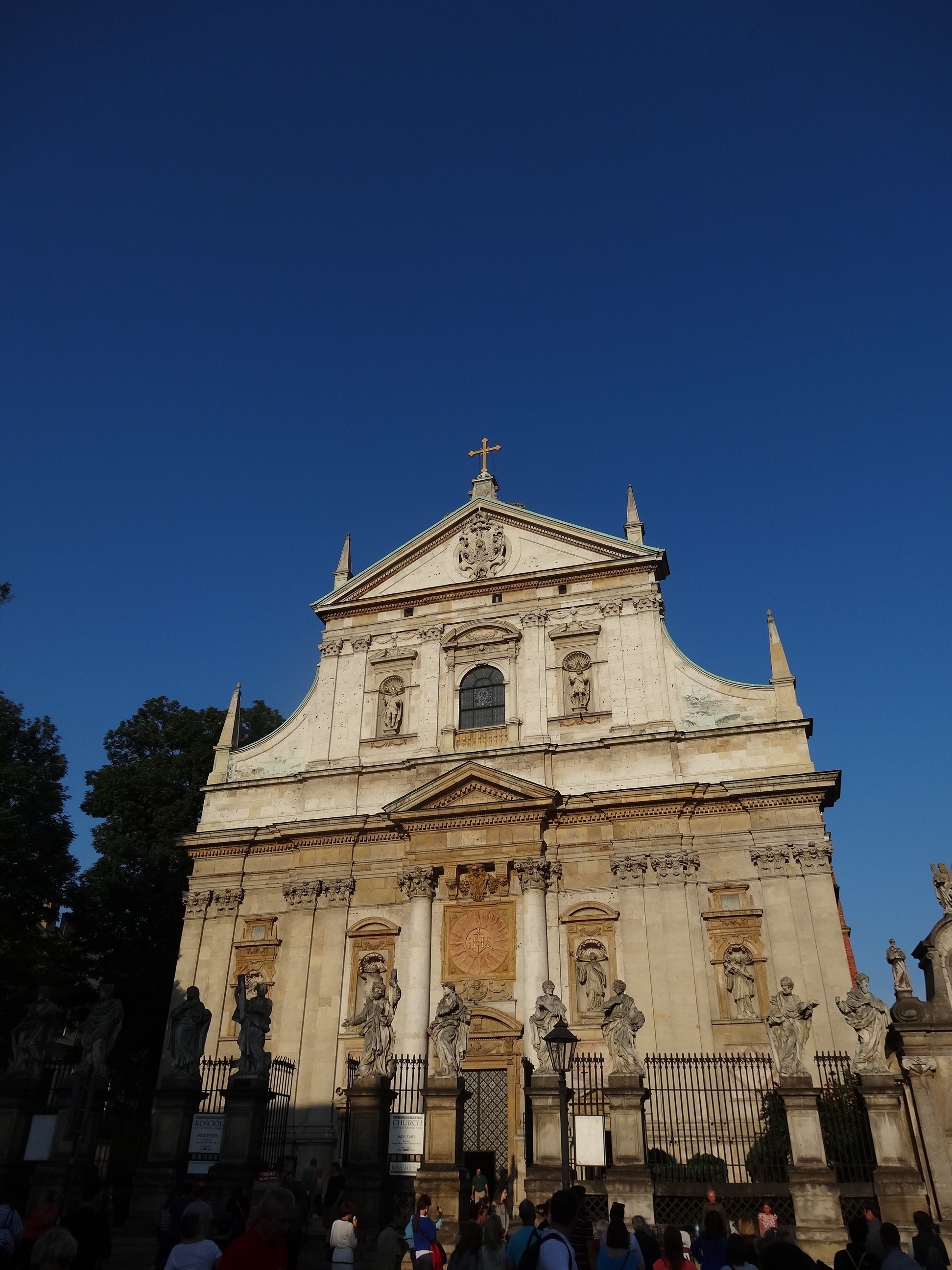
The Church of Saints Peter and Paul

IMG_4500 DSC06985 DSC06949 DSC06984 DSC06970 DSC06950 DSC06951 DSC06986 DSC06988

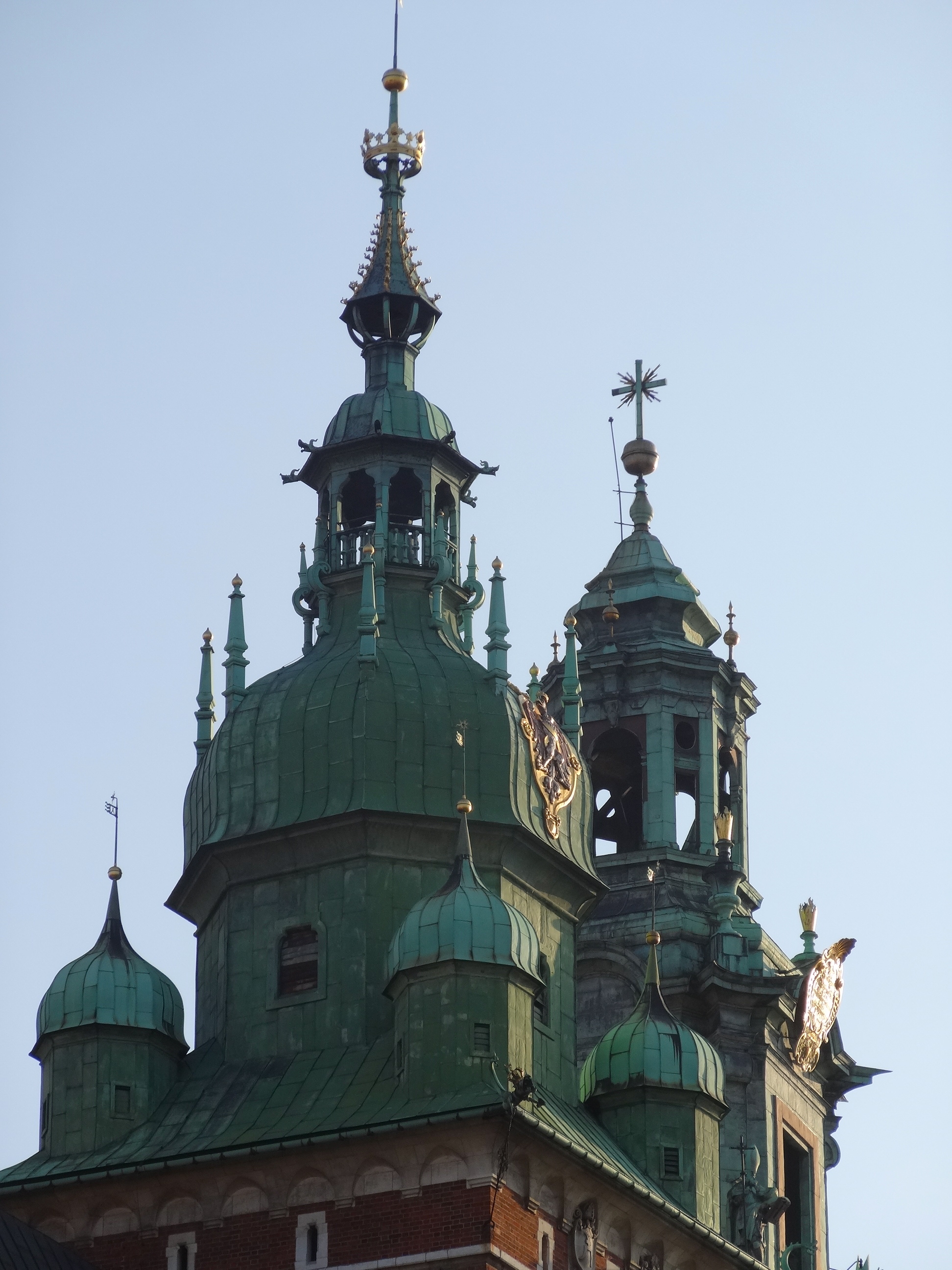
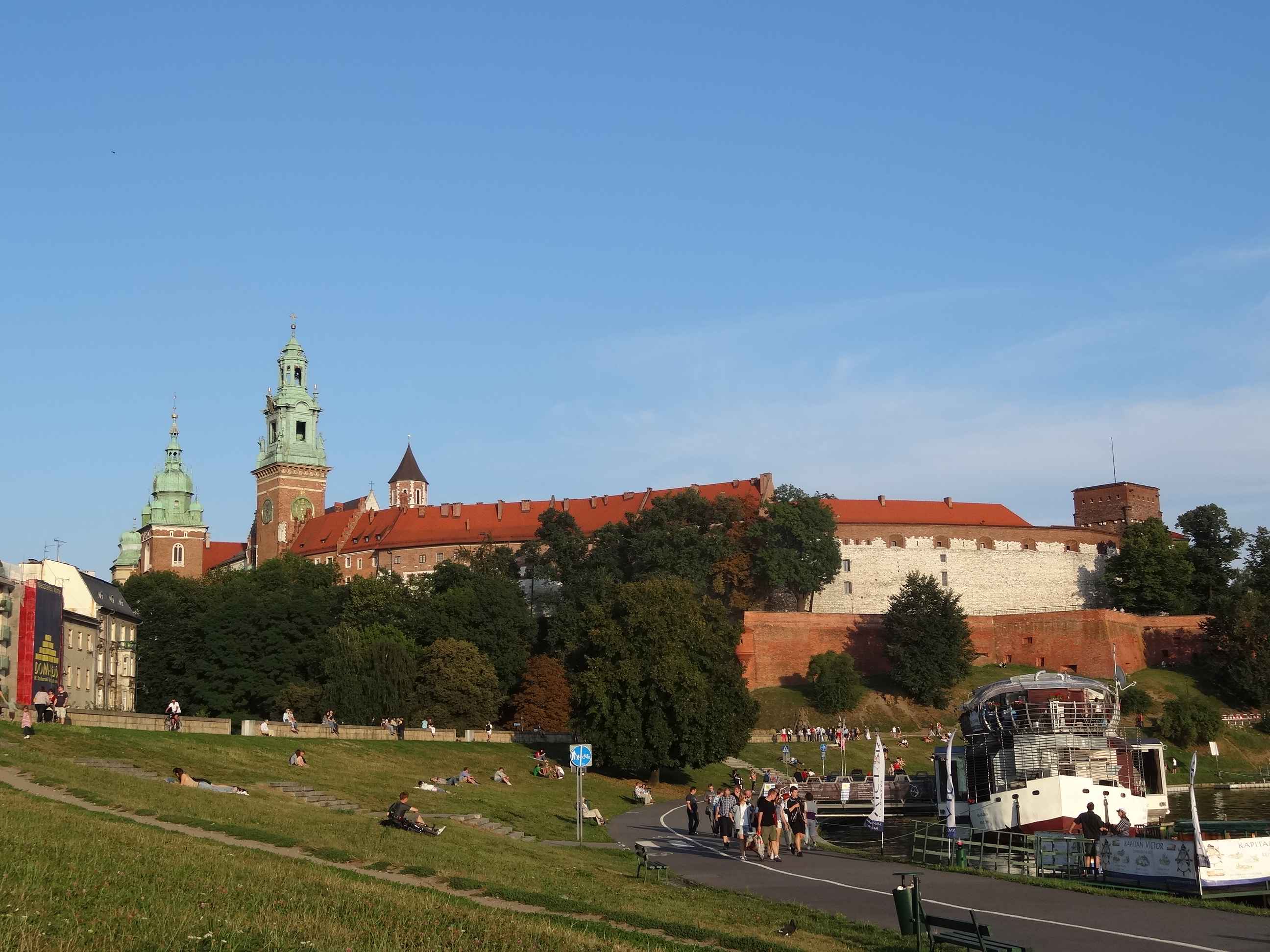
In this vein, we wondered around the old town, taking in more churches (check out the stunning Italianate baroque masterpiece of the Church of Saints Peter and Paul, above), more spires and more characterful cobbled streets, before eventually winding down to the Vistula river, from where, in the dying sunshine of the afternoon, we had a picture-perfect view of the Wawek Hill – the centrepiece of Kraków’s historic core, where the old palace of Poland’s kings (Kraków used to be the capital of Poland before the monarchy and government relocated to Warsaw for want of a more central location) and the equally stupendous beauty of the gold-domed copper-topped Wawel Cathedral stand so majestically, poised high over the city for everyone to see.

The Wawel Hill

DSC07028 DSC07009 DSC07027

But we couldn’t stay away from our room with a view for long, and back by the window, gazing over the Rynek Główny I continued to be mesmerised by the beauty of this city – a little box of jewels, ripe to be discovered over the following weekend, a place glinting still in the fading light, as the sunshine sunk away and the floodlights and cafe candles brought even more of a sparkle to this undeniably stunning city.

DSC07097 DSC07094 DSC07128

All photos and written content are strictly the copyright of Nicholas de Lacy-Brown © 2013 and The Daily Norm. All rights are reserved. Unauthorized use and/or duplication of the material, whether written work, photography or artwork, included within The Daily Norm without express and written permission from The Daily Norm’s author and/or owner is strictly prohibited.