Skip to content

Archive for

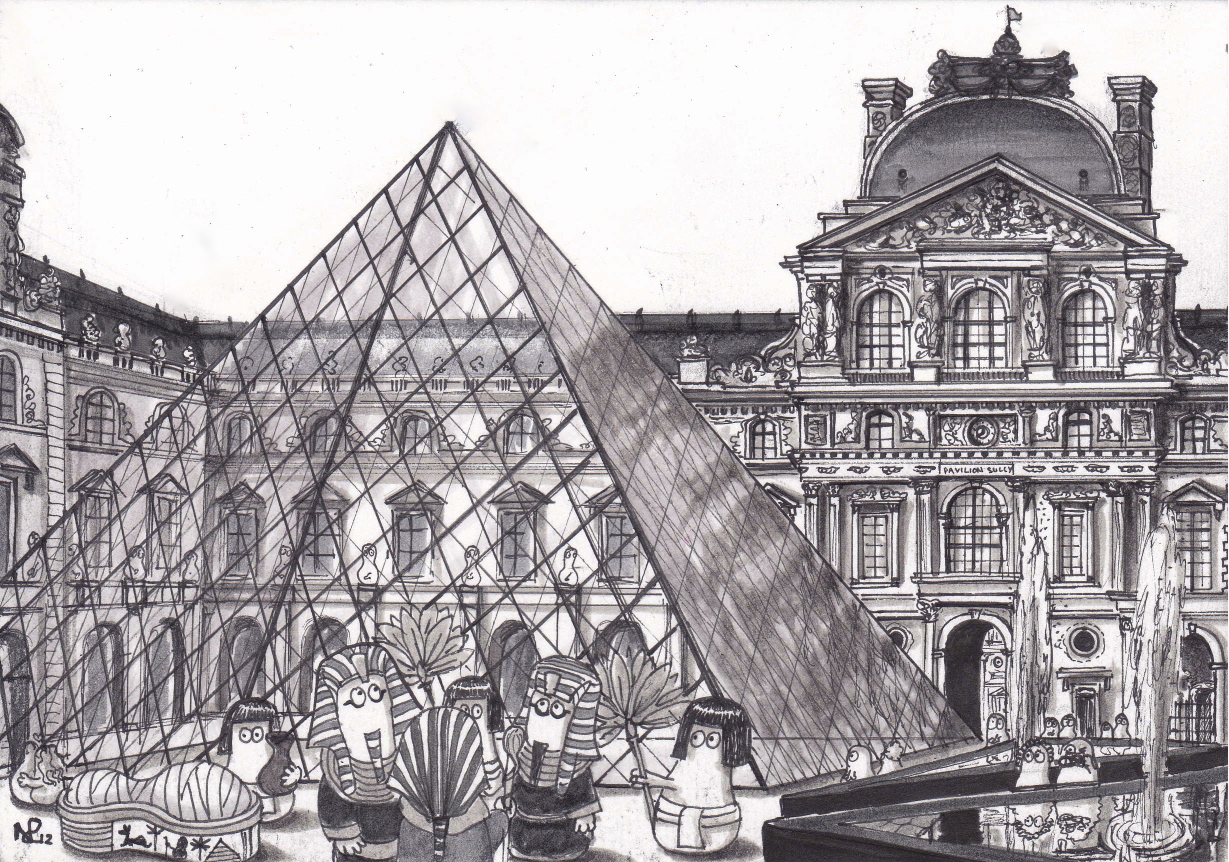
The Daily Sketch: Pharaoh Norms return to the Louvre

London’s Paralympics have begun, and peoples from around the world have drained away from their home cities and headed for London, newly reappointed centre of the world. In fair Paris, with the August absence of the Parisians still conspicuous, and a raft of tourists headed North over La Manche, a group of strange looking Norms have taken advantage of the silence descending the city, and arrived at the famous Musée du Louvre in search of something which they think belongs to them.

Attracted by the familiar shape of the Louvre’s huge glass pyramid, now the iconic symbol of a reimagined contemporary Louvre, designed by I M Pei, and made all the more famous by the conspiracy theories of Dan Brown, these Norms emerge from the ancient land of Egypt, brought back to life from deep within their gilded tombs in search of the historical artefacts ravaged from their burial places and placed in grand museums such as the Louvre. Yes, the Pharaoh Norms have returned to the Louvre, in search of their birthright heritage, and yet dragging with them a Mummy Norm, just in case they change their mind and decided to make a new donation to the French collection… (they’re rather capricious, these ancient Egypnorms).

Here we join them as they formulate a strategy for their great heist of the Louvre’s Egyptology galleries. They’ve found the pyramid, but the glass has confused them. Is this witchcraft which has made the pyramid appear before them and yet not? There’s much to muse over in this brave new world around them. I think we’ll leave them to it.

Pharaoh Norms return to the Louvre (2012 © Nicholas de Lacy-Brown, pen on paper)

© Nicholas de Lacy-Brown and The Daily Norm, 2001-2012. Unauthorized use and/or duplication of the material, whether written work, photography or artwork, included within The Daily Norm without express and written permission from The Daily Norm’s author and/or owner is strictly prohibited. Excerpts and links may be used, provided that full and clear credit is given to Nicholas de Lacy-Brown and The Daily Norm with appropriate and specific direction to the original content.

Daily Norm Book Club: The Skating Rink by Roberto Bolaño

In the murky world of Roberto Bolaño, the sadly deceased Mexican author, many of whose masterpieces are only now, posthumously, seeing the light of day, a new storm is brewing. In the noncommittally named Costa Brava seaside resort of “Z”, the catalogue of shady locals, from El Quemado to the elusive German hotelier, Frau Else introduced to us in Bolaño’s recently published The Third Reich, is expanded further, as a second “Z”-based novel, The Skating Rink, delves into the layers of denigration, frustration and prejudice subsisting, never far from reach, beneath the soft sands of this beachside society in post civil-war Spain.

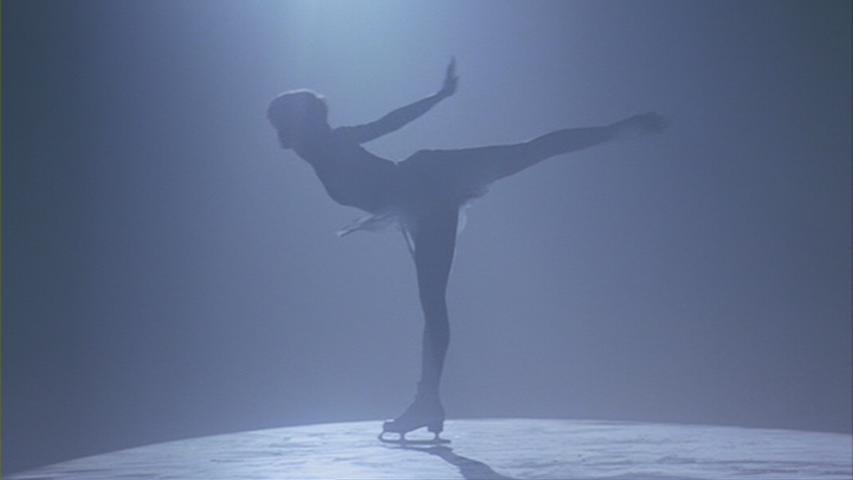
The novel is a short, punchy exploration of a Spain pressing forwards but continuing to struggle against Catalan discrimination, a flagging economy post summer-season (sound familiar?) and the progressive rise of a bureaucratically managed insular society. These frustrations are played out by the few principal characters around whom the story circulates. There is Nuria Marti, the beautiful ice skater, previously an Olympian skater representing Spain, but recently thrown off the national team because of her Catalan heritage. Obsessed with her is Enric Rosquelles, a pompous civil servant, who, in a desperate attempt to capture the attention and then the affection of this starlet skater, abuses his power and embezzles pesetas by the thousand to build Nuria her very own skating rink in the grounds of a deserted seaside villa.

Nuria’s affections are elsewhere however, in part with a local entrepreneur, Remo Moran – the poor boy done good – who has become owner of the hotel which formed the backdrop of The Third Reach, and who is now sleeping with the skater. He would love there to be more than sex between them, but he cannot crack the icy glaze which so often falls over Nuria, protecting her from the prying attentions of those who get too close. Working for Remo is Gaspar Heredia, a solitary, beleaguered romantic and old friend of Remo from their native Mexico. He too is in love, with an equally elusive, silent and cold societal outcast, Caridad, who has found the ice rink and lives amongst the ruins of the villa beyond. That is until tragedy strikes and all concerned are forced to abandon the ice rink which has sealed their fate forever.

We know there will be a murder. We’re told at the start, and in short captivating chapters, the three narrators, Enric, Remo and Gaspar, successively take the story gradually closer and closer to the murder which was forewarned, circling progressively nearer to the tragic event, like a skater encircles an ice rink before arabesquing into a pirouetted climax at its bloody cold centre. In this way, Bolaño’s brilliant structure ensnares the audience and drags them into the tale, captivating like a dancing routine, enriching the reader with a tale told on ice.

Yet within a speedy narrative hoisting in the reader with its intrigue and drama, the sombre mood, typical of Bolaño’s work, prevails, as surreal and disquieting descriptions create a deeper profile of his often troubled characters: the toilet cleaners who agonise after the faeces sculptor whose daily offerings torment them, the old singer, who moves from bar to bar in a pitiful attempt to busk for drink-money, the poet, taken to insomnia and dizzily distracted by his love for a girl who won’t even speak to him. It is these characters who make the story, who create a mood which is as distant from the sunshine and sangria costa setting as a seagull from the Sahara. This is the same unsettling irony which characterised The Third Reach – holiday makers playing war games, away from the sun, in the darkness of a hotel bedroom, a paddleboat seller, who builds a home on dry land from boats, and whose skin is burnt by fire, yet exposed all day to the continuing damage of the sun, and the tourists who were drunk with joy, and then distressed when one disappeared forever. These dark undertones are what makes Bolaño’s summer time so enticing; a hot Spanish resort with an ice-cold undertone, a wintery chill traversed by the pointed blade of a skater’s boots, the razor sharp kitchen knife carried in the waistband of a silent night-walker, the inscrutable personality of the leading skating star. 

This is my third Bolaño read and I’m eager to read more. Bolaño gives us crime, but not crime fiction, he gives us Mediterranean sun, with none of its warmth. He gives us speechless characters, full of detail. In other words, his books are atypical, original and inescapably captivating. I’m off to buy the next one…

Autobiographical Mobile: My painting diary – Day 1: Mallorca

Since I started The Daily Norm last year, in those unenriched days when my interaction with the abundant world of the blogosphere was only just beginning, I have featured a fair number of my own paintings on my blog, attempting, as I have posted their photos, to explain some of the meaning behind what are often quite complex painted images. For my latest painting, I am changing tack.

In my current  work, which has now been sitting upon my easel for some weeks, I am exploring an autobiographical subject matter on a grand scale (the canvas is 120cm x 120 cm, so a fair size for my lounge-come-studio to take when you consider that when I paint, I basically take over my kitchen – leading to some interesting food results when the paint gets too close to the oven top). Because the work is essentially a self-portrait albeit explored through a catalogue of symbols on a large Mediterranean background, I anticipate working on the canvas for some time before it is finished, particularly as painting is not my day job. Since that will mean a sparsity of artwork available for Daily Norm consumption in the foreseeable future, and because I plan to paint a plethora of details, I thought it would be equally relevant to blog about the painting as it progresses, rather than ramble at length when it is eventually finished.

First layer done – the Mallorcan inspired background

You join me then in what is the first post of my painting diary, a set of hopefully regular accounts cataloguing my progress on the work. In my first instalment, I present the background of my work. I decided to set the piece on a quiet, rocky beach, somewhere on the island of Mallorca. The background is far from finished – this is just a sketch of where the finished scenery will be set, but it provides enough structure, allowing me to build the details of the painting on top of it, layer by layer.

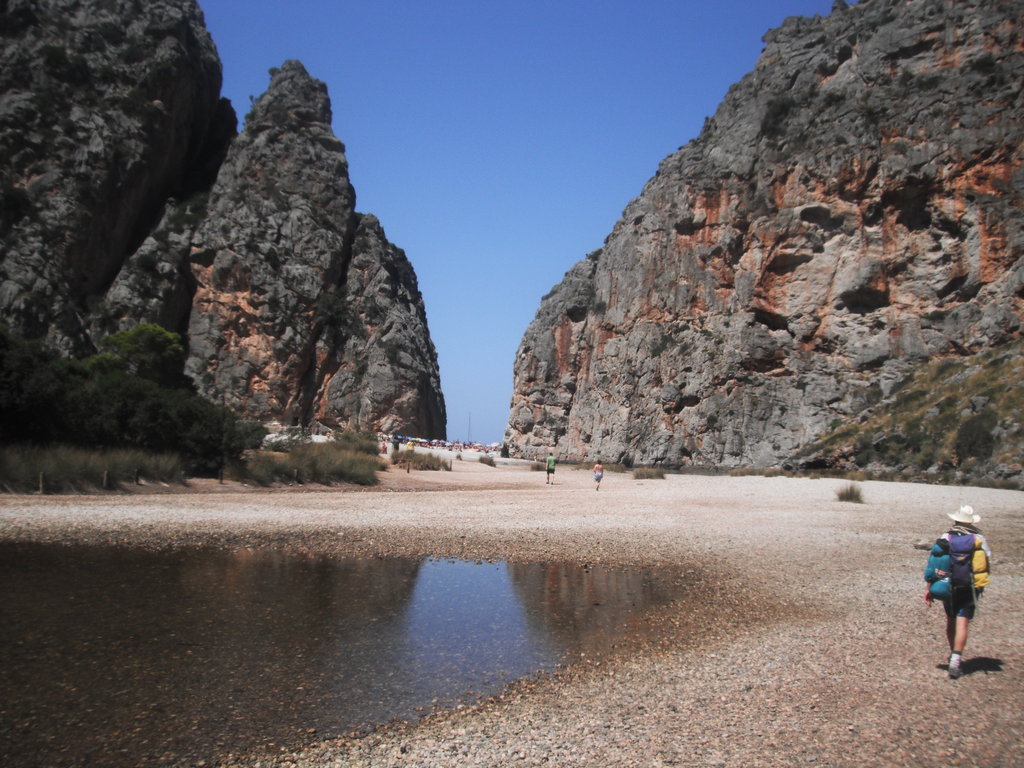
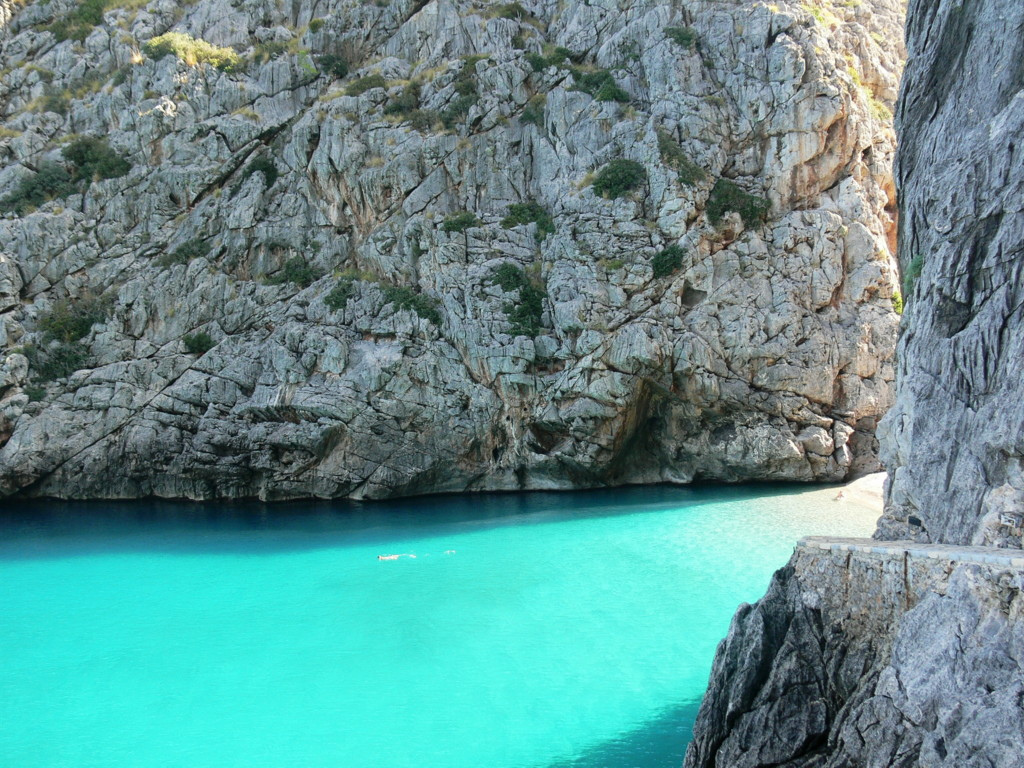
The background is loosely based on Torrent de Pareis, a beach in Northern Mallorca which provides stunning natural scenery but which, for the purposes of my painting, provides the right balance of solitary surrealism to cast the perfect backdrop to my self-analysing piece.

The Torrent de Pareis in reality

And its crystal clear waters

Since the painting will be a take on my story, it’s only appropriate that I should set it in the Mediterranean and on Spanish soil since Spain has, for most of my life, proved to be a consistent inspiration in my art and in my aspirations for life. While I have spent the majority of my time in Andalucia, my trip to the island of Mallorca this time last year inspired me more than any other. Expecting an island full of package holiday tourists and English menus, I was surprised, if not stunned by the incredible coastal scenery to be found around the island (once we fled from the ugly shadows cast by Magaluf and other tourist dystopias). The waters are such an incredible shade of blue, and the rocky covey beaches so idyllic and colourful, that seeing is believing. I accordingly enclose just a few of the shots I took of Mallorca’s incredible coastal scenery last summer – the colours alone are an art form in themselves. I just hope that my painting does Mallorca justice, even as just a background to a far deeper work.

See you for the next instalment of my painting diary.

© Nicholas de Lacy-Brown and The Daily Norm, 2001-2012. Unauthorized use and/or duplication of the material, whether written work, photography or artwork, included within The Daily Norm without express and written permission from The Daily Norm’s author and/or owner is strictly prohibited. Excerpts and links may be used, provided that full and clear credit is given to Nicholas de Lacy-Brown and The Daily Norm with appropriate and specific direction to the original content.

Out and about with my iPhone – Part III

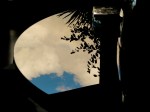
It’s that time of the year again, when The Daily Norm shifts the focus to the ordinary things in life – the “norms” of life if you will – which are often ignored by day, but look pretty spectacular when captured on camera. It’s a point I’ve made before in my previous “Out and about” posts, but the real benefit of the improvement of mobile phone camera technology is that wherever you are whatever you are doing, it becomes possible, upon seeing something surprising, or spotting something mundane which suddenly, out of the blue, appears beautiful, to capture that shot for prosperity. These often make the best photos of all – uncontrived, original, surprising.

As before, I’m posting a few shots of miscellaneous sights which, over the last few months, I have encountered while living the humdrum of an otherwise normal life. This part of the “Out and about” collection concentrates mainly on clouds, skies and a good few flowers to boot. Enjoy.

© Nicholas de Lacy-Brown and The Daily Norm, 2001-2012. Unauthorized use and/or duplication of the material, whether written work, photography or artwork, included within The Daily Norm without express and written permission from The Daily Norm’s author and/or owner is strictly prohibited. Excerpts and links may be used, provided that full and clear credit is given to Nicholas de Lacy-Brown and The Daily Norm with appropriate and specific direction to the original content.

Ravel at Glyndebourne: the double-dip opera-session

Everyone knows that here in England, we’re wallowing in a double-dip recession. The longest for decades they say. But there was light on the horizon this week – apparently we’re not in the recession as deep as forecasters had thought. Well hey ho, that’s a positive surely? Things are looking up! And what better way to celebrate this sprightly news than to head along to where all the rich people go – to Glyndebourne Opera, home of the landed gentry, the well-coined and lovers of lavishness aplenty, for none other than a double-dip opera-session! (called such because 1. this is my second visit of the year – I know, lucky me – and 2. we got to see not one, but two operas by Ravel). I know, Ravel – hardly your Puccini or Mozart. But my, what a feast beheld us when we sat down to watch the melodic opus of this operatic genius.

L’heure espagnole

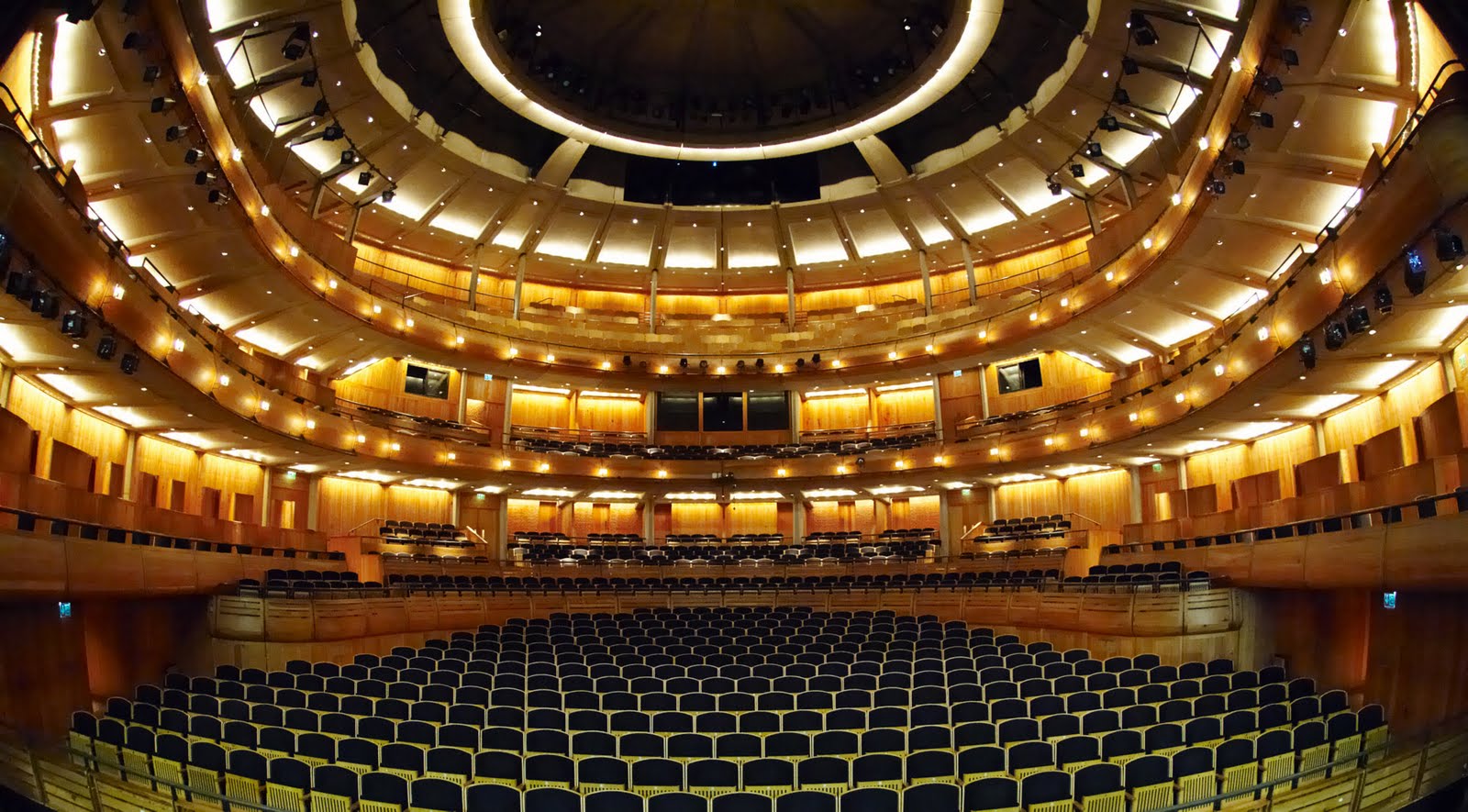
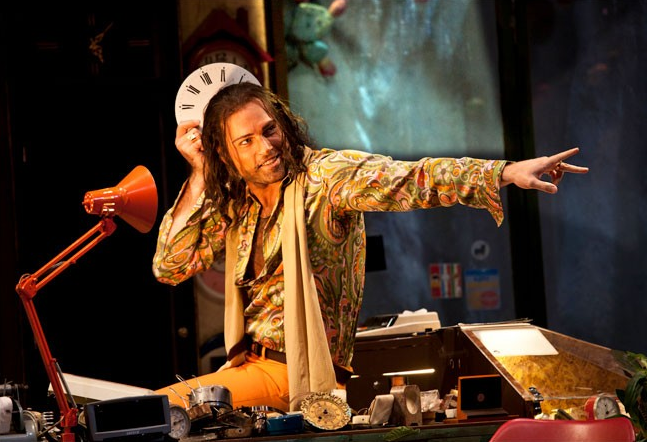
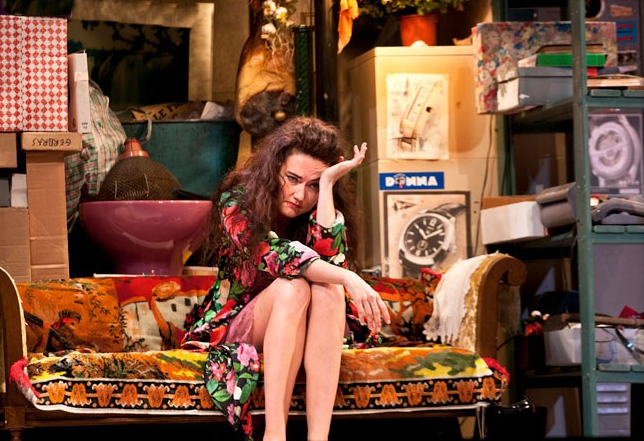
Once we had enjoyed our customary fill of afternoon tea and a stroll around the verdant grounds of Glyndebourne (disappointed however that for the price of half a small car, tea was presented as a Twinings tea bag. Where was my loose leaf? My high tea silver?) we entered the lavishly contemporary wood-clad opera auditorium to watch the first of the Ravel double-bill. L’heure espagnole thrilled from the moment the curtain unfurled horizontally across the stage, revealing behind it a clockworker’s shop with a wall filled to the brim of different sized clocks and other nicknacks, all wonderfully animated so that, as the curtain rolled back to reveal them, the clocks would begin spinning, the skeleton started dancing and dusters started revolving, all on their own, like some kind of enchanted wonderland.

What followed was a perfectly choreographed commedia dell’arte, a typical sexual farce as a clockmaker’s wife attempted (almost) in vain, to make the most of her husband’s one hour’s absence to throughly flirt her way through the town’s male population. But as she found one man too poetically verbose and romantically flighty, she found the robust attentions of another too overbearing. Trying to escape one and have her way with the other, a hilarious scene unfurled as the licentious Concepcion, brilliantly played by Stéphanie d’Oustrac, tried to hide one lover from another, generally speaking in cuckoo clocks, while all the time courting the attention of yet another suitor who at the start of the opera bemoaned his lack of touch with women, but by the end had bedded Concepcion, just in time before her husband arrived back.

My favourite section was the final scene, when back on stage, all five singers threw themselves into a brilliantly mastered harmony, sung in tandem, but each one of them following a differently intricate melody. I also appreciated the devilish symbolism which ran throughout the opera, as the libretto alluded to the winding up of clocks as a symbol of sexual frustration, only for the cuckoo to pop out energetically as a symbol of – well, I’ll let your imagination finish that sentence off. A few dangling pendulums and several shrill cuckoos later, and the opera ended just after an hour of comical gold with some excellent singing and a beautifully played score which evoked the sensual atmosphere of middle-Spain (the opera is set in Toledo) and the ravishing rhythms and visceral textures of that region. What this opera lacked in memorable harmonies, it gained in actorly skill and superb staging – one forgets that opera singers have to act just as well as they sing, and in L’heure espagnole, they were pretty spot-on on both fronts.

 L’enfant et les sortilèges

If the evening had ended there, we would have walked away highly satisfied. But after the customary 90 minute interval break, we returned for the second of the Ravel operas and were frankly so stunned by the creative genius of the spectacle which started to play out on the stage before us that my mouth hung open, my partner’s eyes started blinking in disbelief, and for all of us, a suspicion ensued that either the wine during dinner had been sensationally strong or the director’s staging was fantastically good, such was the brilliance and utter incredulity of the surreal spectacular which was embodied by the second opera: L’enfant et les sortilèges. 

Read more

The Genius of Hitchcock Part One – The Lodger and Stage Fright

Although now best known for his blockbuster epics where birds attack the innocent in Bodega Bay, James Stewart struggles to cling on to a skyscraper’s edge in the dizzy heights of San Francisco, and Cary Grant and his suitably blonde counterpart risk life and limb to escape the group of villainous assassins pursuing them across the slippery carved facade of Mount Rushmore, Alfred Hitchcock, the master of suspense and one of Britain’s most famous cinematic exports, innovated his psychologically thrilling style of filmmaking in the smoke and fog of London long before he ever hit the sunny slopes of Hollywood. In celebrating the genius of Britain’s most influential and celebrated film makers as part of London’s 2012 cultural olympiad, the British Film Institute is concentrating, not just on the Hollywood blockbusters of Hitchcock, but on the London-based films where, for this budding film maker, it all began.

Hitchcock makes a characteristic brief cameo appearance in Stage Fright

I must admit, I have fallen head over heals in love with Hitchcock films. Ever since my partner and I stumbled upon the huge open-air showings of Hitchcock classics in Bologna’s film festival under the stars in July, whereupon the wonderfully clipped 1950s accents of the films’ stars resonated across the majestic medieval architecture of Bologna’s Piazza Maggiore, we have been hooked. From buying a box set of Hitchcock’s best, we have taken to watching one or two films per week. Almost besides ourselves with excitement were we then when we saw a poster on the tube advertising that the BFI too will hold a Hitchcock festival this summer. It may not be Bologna, but it was back to the big screen for us as we sampled yet more Hitchcock amongst an enthusiastic audience of London Hitch lovers.

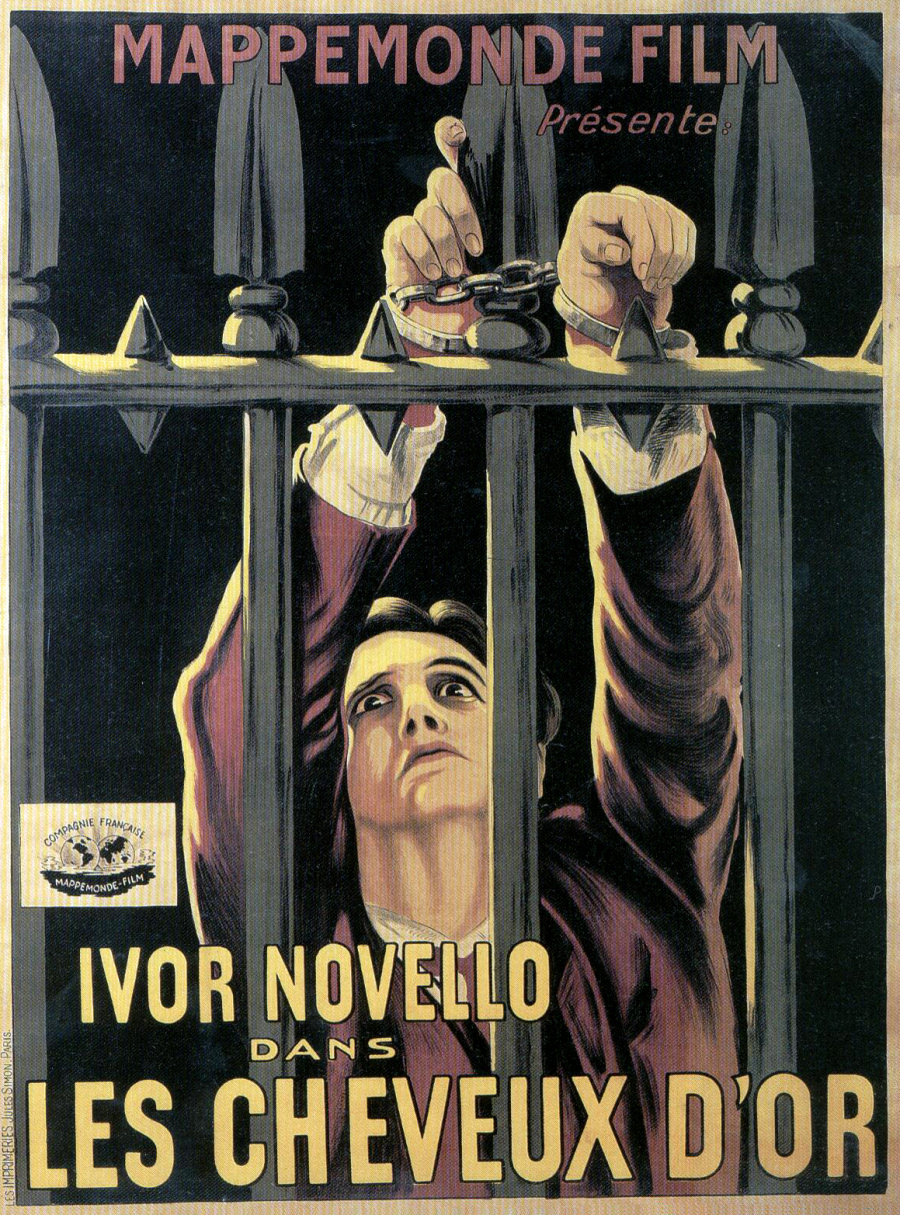
French poster for The Lodger

The first film we saw is not available in any box set, at least not in this form. For in presenting one of Hitchcock’s earliest films, The Lodger: A Story of the London Fog, the BFI give us a digitally remastered spectacle which, it’s being a silent movie made in 1926, comes complete with a new soundtrack by none other than the multi-award-winning composer (generally found to be mixing Indian and Spanish vibes), Nitin Sawhney. How was this going to work? A film so early that its black and white pictures moved and crackled with music by one of our most contemporary and ethnically vibrant composers? Well it worked a treat. It’s worth going to see The Lodger just to sample Sawhney’s score. Perfectly thrilling, almost traditionally 1920s in parts, but occasionally intermingled with strains of contemporaneity  which worked just perfectly to emphasise the emotional potency of the scenes.

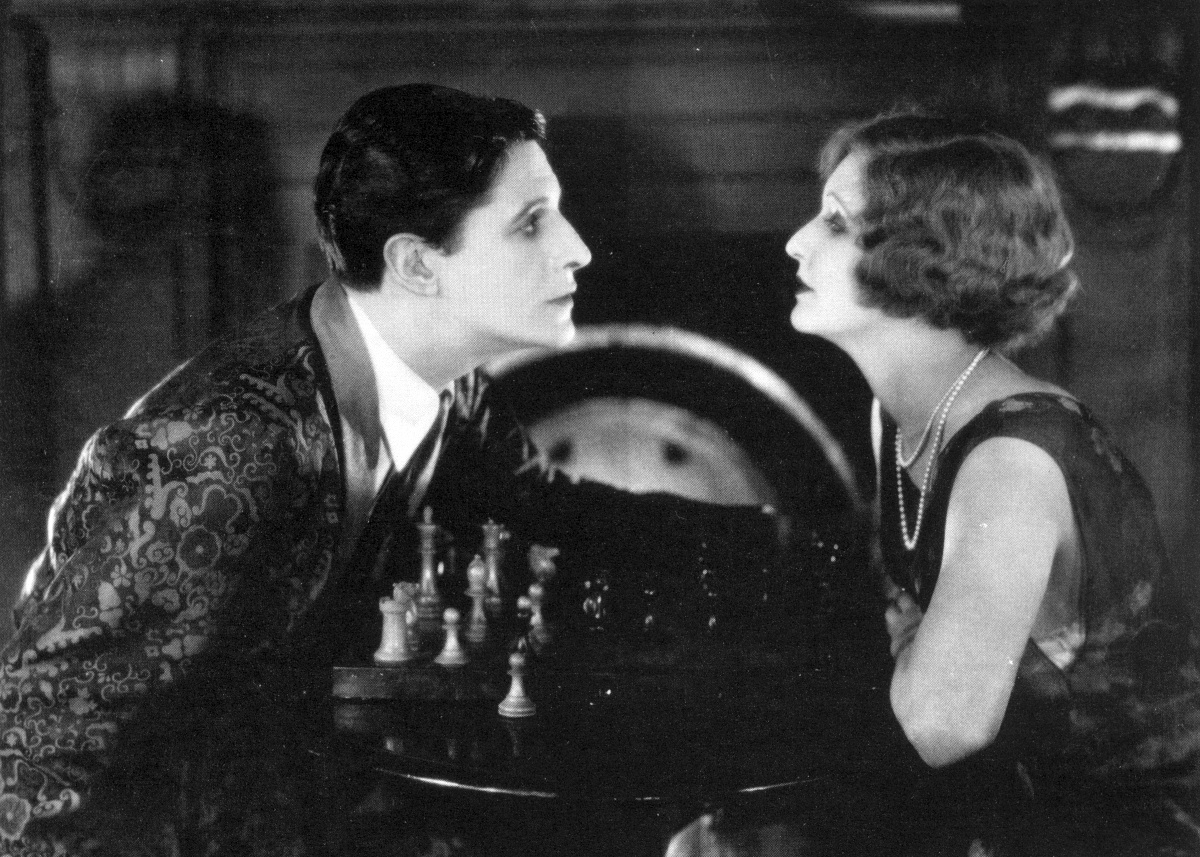
There is, for example, a scene when the stunningly stylish and devilishly debonaire Ivor Novello, playing the illusive Lodger, begins to fall for the golden-curled daughter of his landlord, Daisy (played by June Tripp) and vice versa. The love is forbidden, but unwittingly irresistable, and as the emotions begin to stir between them, the contemporary vibe of the lovers’ harmony introduced by Sawhney perfectly resonates, translating to the modern audience the depth of emotion experienced by these characters who, in every other way, are the very image of 1920s clipped and distant glamour.
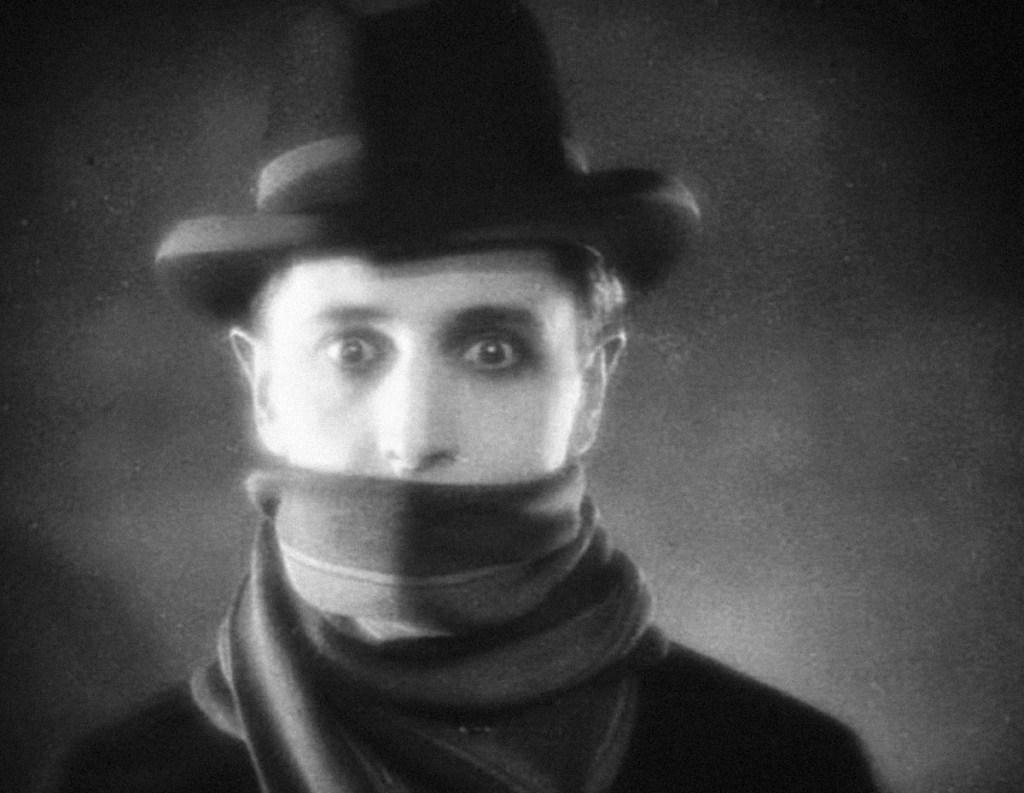
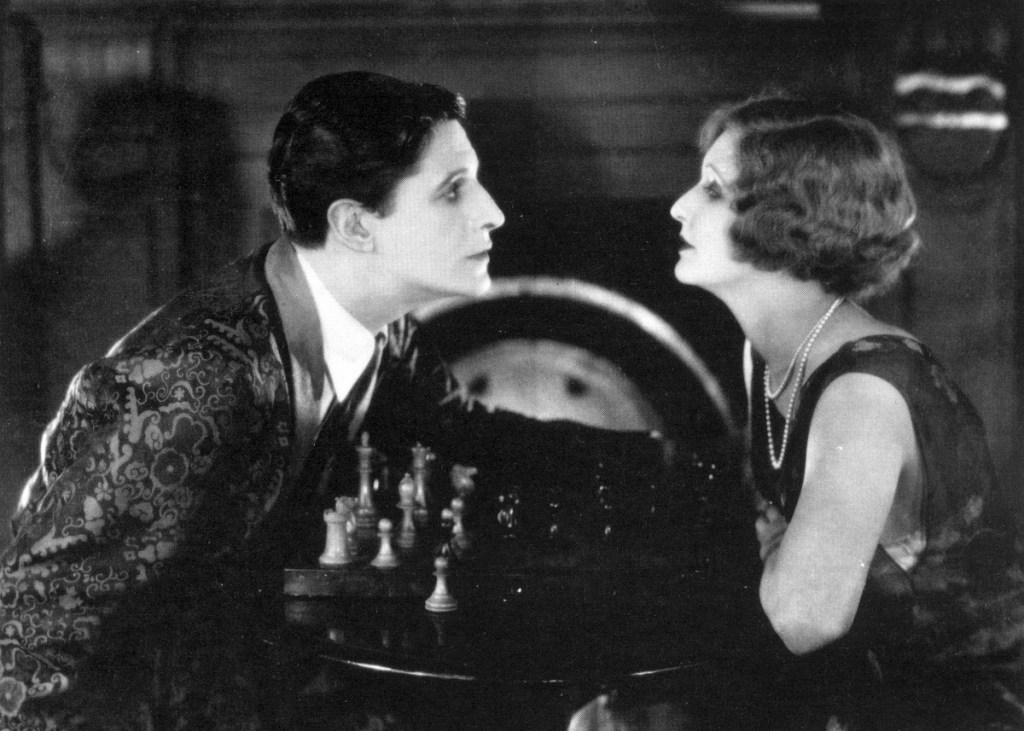
Whether it be the music by Sawhney or the wonderfully expressive faces and actions of these silent movie actors, we fell in love with this movie which has since been called the first truly Hitchcockian film – full of suspense, twists, “MacGuffins” (decoys), mistakes, suspense (made all the more potent with scenes enveloped in a dense cloud of fog and mirk) and pyschological character examination. I shan’t give anything away though. As ever with Hitchcock, it’s important to come to the film ready to ride the wave of suspense which Hitchcock sets in action. All the more reason to get down to the BFI, on London’s South Bank to see it or, if you’re a little too far away, the Nitin Sawhney version is being released on amazon next month.

Next up was a second London-based Hitchcock, but filmed some quarter of a century later, long after Hitchcock had moved to America and yet yearned to return to the city of his birth to make another film amongst the naturally thrilling backdrop of London. Yet when he returned to make the next film we saw, Stage Fright, Hitchcock must have found London to be a very changed place. Shortly after the end of WW2 and with the scars of the Blitz evident for all to see, the landscape of London was visibly changed from the unharmed elegance of The Lodger’s Edwardian London. As though to emphasise the change, Stage Fright opens on a large vista of St Paul’s cathedral which, as miraculous survivor of the bombings, is shown almost unnaturally intact, stood amongst a landscape of flattened streets and desolated buildings.

Marlene Dietrich

It is along one of these desolate streets that the film’s central characters, Eve (played by Jane Wyman) and Jonathan (Richard Todd) drive in the opening scene, escaping the police from what, as Jonathan then describes, is a grizzly murder which has put him in the frame. Also starring the wonderfully glamorous Marlene Dietrich as an equally chic theatre star, Michael Wilding (who bares an uncanny resemblance to Alan Cummings) as the piano-playing Detective Wilfred, and Alastair Sim as the lovable jolly Commodore Gill, the film is a catalogue of Britain’s best of that time (asides from Dietrich of course who is evidently not English, but every bit as marvellous all the same). Again, I cannot describe the film without giving away the plot except to say that for thrills and twists, the work is equally Hitchcockian, enthralling and decadently charming. Amazing really how a film older than my mother can suck younger generations into its plot and captivate us as though it were made only the other day.
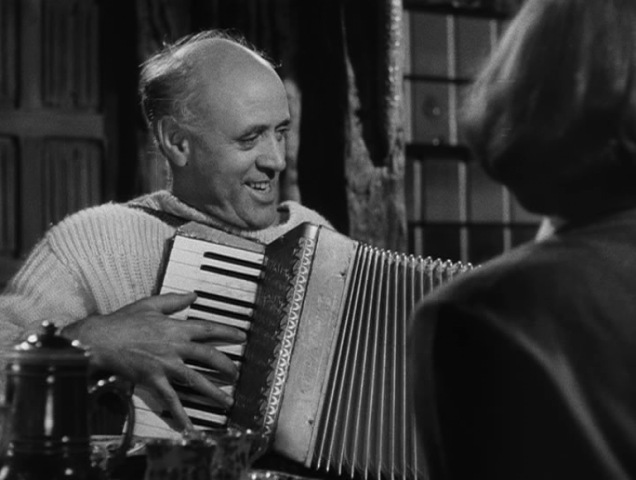
That, of course, is the beauty of, Hitchcock films, and the key to their success. They are as thrilling now as they were then, as brilliantly original, even in these days of computer graphics and 3D animation, and as completely captivating. The only difference between them and the films made today, is that in being older, when fewer tricks were possible, they include imperfections, and attempts at illusion which may, to the modern audience appear amateur, but which, in their crudeness exude charm and historical ingenuity, as they throw moving, living light on the world as it was then, an elegance now lost, a past which was naive, perhaps happier, and full of hope.

The BFI Hitchcock festival continues until October.

The Daily Sketch: Nun Norms visit the Sacré Coeur

Back to Paris, where the Norms continue to pass the time between Olympic and Paralympic excitement by visiting the fair city at the political and cultural centre of France. But today, we do not join the typical kind of tourists. Rather, here at the stunning Sacré Coeur atop Paris’ Butte de Montmartre, two groups of Norm Nuns have come to visit their fellow Nuns who reside at one of Paris’ most iconic sacred spots. One group, from the Convent of Sister Norma in Sittingbourne (in the ordinary black habits) are not sure what is more fascinating – the Sacré Coeur and its unbeatable views of Paris below, or the strange pointy Cornette habits of their fellow nuns, visiting form El Convento de Maria Norma de Nova in Castille y Leon. Whatever their interest, all the Nun Norms are assured a happy day out in Montmartre, Paris’ crowning glory.

Nun Norms visit the Sacré Coeur, Paris (2012 © Nicholas de Lacy-Brown, pen on paper)

© Nicholas de Lacy-Brown and The Daily Norm, 2001-2012. Unauthorized use and/or duplication of the material, whether written work, photography or artwork, included within The Daily Norm without express and written permission from The Daily Norm’s author and/or owner is strictly prohibited. Excerpts and links may be used, provided that full and clear credit is given to Nicholas de Lacy-Brown and The Daily Norm with appropriate and specific direction to the original content.

Sunday Supplement – Cityscape I: London

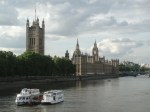
London is the word on everyone’s lips right now. Yes, the olympic games are over, but the paralympics will start in just under a week, and the buzz around them continues to grow. For the influx of visitors descending upon our currently hot and humid jam-packed olympian city, the river will be a highlight of their sightseeing tour, the huge central artery which snakes through the crowded metropolis, marking the physical divide between the characteristically different North and South, providing grand vistas aplenty from the many elegant wide bridges, and, on the South Bank, playing host to the rejuvenated cultural heartbeat of the city.  On the river too stand some of London’s most prominent sights: the Tower of London, Tower Bridge, the London Assembly Building, the London Eye, and this one: The iconic Houses of Parliament.

What the Eiffel Tower is to Paris, Big Ben is to London. Strangely enough, Big Ben is the bell in the tower rather than the tower itself, but it’s this high-gothic, grand and decadent campanile which gets the tourists excited and marks the beginning of each new year with such ceremony and aplomb, surrounded by fireworks, the iconic spectacle marking the passage of every significant moment in the city’s history. The view of Big Ben and the House of Parliament to its side have understandably inspired photographers and artists throughout the ages. Monet was fascinated by the effect of light in the dense fog surrounding the looming silhouette of Parliament, while Turner painted the fiery ravage of Parliament’s predecessor repeatedly.

This is my take on Parliament. It’s part of my cityscape collection, a small group of city views which I painted back in 2007 when I was trying to get the hang of oil paints after a long period of painting in acrylics. So it’s more of a study piece really, but still one of my favourite pieces of London.

Oh, and if you like it and fancy my painting hanging in your home, you can get limited edition prints of the work on my main website here.

Cityscape I: London (2012 © Nicholas de Lacy-Brown, oil on canvas)

Have a great Sunday.

© Nicholas de Lacy-Brown and The Daily Norm, 2001-2012. Unauthorized use and/or duplication of the material, whether written work, photography or artwork, included within The Daily Norm without express and written permission from The Daily Norm’s author and/or owner is strictly prohibited. Excerpts and links may be used, provided that full and clear credit is given to Nicholas de Lacy-Brown and The Daily Norm with appropriate and specific direction to the original content.

The Daily Sketch: Norms at the Musée Rodin

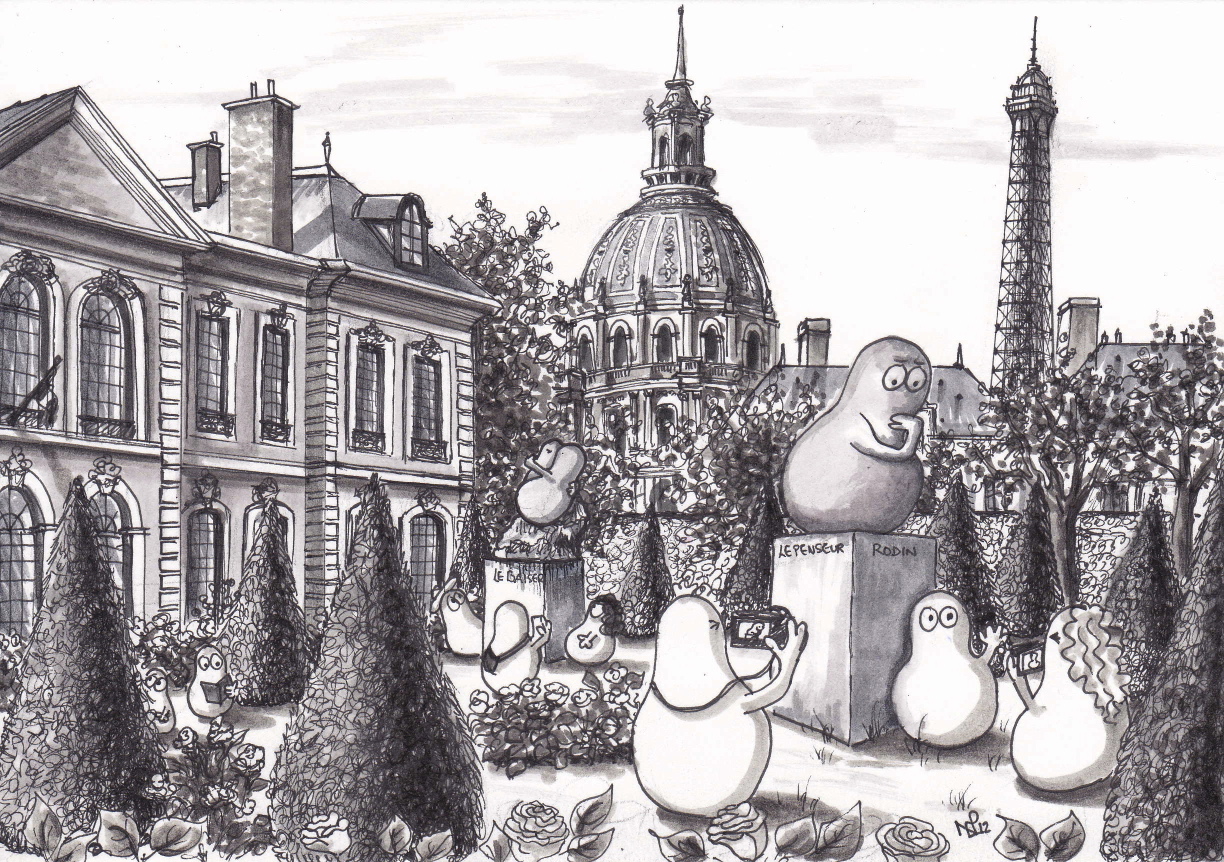
The London 2012 olympics are over, and the Norms have a heavy dose of iPod (“I’m Post-olympically depressed”) syndrome. Where better then to go and while away the days before the glorious paralympics begin than to cross La Manche and to head to London’s sister city, the glamorous centre of all things aesthetically superior, the city of light, Paris. And as it’s summer, the Norms are naturally attracted to the outside – to the passage of time amongst trees and well tended lawns, amongst grand houses and elegant roses, where the butterflies flutter and the birds sing their summer song.

But the Norms are a cultured folk, and they like to pass their days with a heavy dose of art to boot. Where better then than the Musée Rodin, home of the pensive Le Penseur Norm and the ever romantic The Norms Kiss sculptures, created by that great 19th century sculptor, Norm Rodin himself. Perfectly trimmed topiary and beautifully tended gardens with a backdrop of the decadent Hôtel Biron and a picture perfect view of Les Invalides and the Tour Eiffel herself. Who could ask for more? Vive Les Norms a Paris!

Norms at the Musée Rodin, Paris (2012 © Nicholas de Lacy-Brown, pen on paper)

© Nicholas de Lacy-Brown and The Daily Norm, 2001-2012. Unauthorized use and/or duplication of the material, whether written work, photography or artwork, included within The Daily Norm without express and written permission from The Daily Norm’s author and/or owner is strictly prohibited. Excerpts and links may be used, provided that full and clear credit is given to Nicholas de Lacy-Brown and The Daily Norm with appropriate and specific direction to the original content.

My urban balcony garden Part 2: Brugmansia in Bloom

In my July post, My urban balcony garden (which was so spectacularly well received after being featured on “Freshly Pressed” – thanks everyone for the generous comments and feedback), I promised that once my favourite plant – my Brugmansiacame into bloom, I’d get it up on my blog asap.

The beauty of a garden, even the smallest and most controlled of little urban gardens such as mine, is the power of the seasons and the relentless passing of time to change the shape, colour, fragrance and feel of a garden as plants grow and recede, flowers bloom and shrivel, insects come and go and leaves grow and fall. No greater is this change felt on my balcony than the time in mid summer when my Brugmansia bursts into a cornucopia of sunset pink flowers.

The plant, which is a native South American plant but which I first saw in the carefully tended gardens of Sunny Marbella (in a Southern Spain), is an absolute stunner which is not exactly common in England. In fact the only other time I’ve seen one here has been inside the greenhouses of Kew Gardens. However somehow, perhaps because some kind of green-fingered god is waving his wand over my balcony, my Brugmansia, which resides outside subjected to the seasonal capriciousness of London’s weather, has survived the six years since I moved into the flat, and has given me a spectacular bloom year after year.

The plant does not flower for long (generally two cycles, once around July-August and again around October-November) but when it does, it is utterly spectacular. The plant almost doubles in size and at any one time can display around 50 huge trumpet-like flowers. The blooms are incredible. They start off a creamy white, and as the first evening of their life draws on, the end of the flower becomes gradually pinker, like an ombre sunset design. They really are summer flowers, since they are at their best in the evenings – by day time they hang fairly limply, but at night the open wide and strong, aiming to attract night time insects with their colour and their fragrance. Oh that perfume, that smell! – if only this blog had the power to transpose it. The perfume wafting from these flowers on a warm summer’s evening is exquisite. Like lemon and jasmine all rolled into one. It’s incredible.

So when capturing the flowers for my post as promised, I had to get up at 5am, at the first light of dawn, to photograph the blooms open but in good light. The results are glorious, as the warm golden early morning sun brings out the potency of pink in the flower and the luscious verdant green of the leaves.

My urban balcony garden never looks better than when its Brugmansia blooms. Take a look at my little slice of the tropics in London. Sadly, you’ll have to imagine the smell.

All photos are strictly the copyright of Nicholas de Lacy-Brown © 2012 and The Daily Norm. All rights are reserved.