Skip to content

Posts from the ‘Art’ Category

Countdown to my new Solo Exhibition | 6 days – Champiñones

As the time for my new London solo art exhibition fast approaches, I am sharing some of the artworks which will be exhibited, most of them for the first ever time in a public gallery. Yesterday, I shared the first of my accident paintings, created in the immediate aftermath of my sudden accident in May 2009. Today I’m moving on to a work created towards the end of the series, at a time when the problems of my post-accident injuries moved from broken bones to deep internal infection. It was also the time when, after a year of healing and corrective surgery, I was told that the leg would have to be rebroken and reset, which in effect meant that I would be going back to square one all over again.

The resulting painting, La Marcha de Los Champiñones (March of the Mushrooms) was painted in my house in Spain (hence the Spanish title given to the work) immediately following my fifth operation – an emergency procedure to remove large scale infection which had built up in the leg. And no surprise there, since the amount of surgery I had endured up until this point was so extensive that my leg was literally riddled with holes. The leg had also healed with a fixed flexion deformity, which in effect meant that it had healed bent and would need to be rebroken.
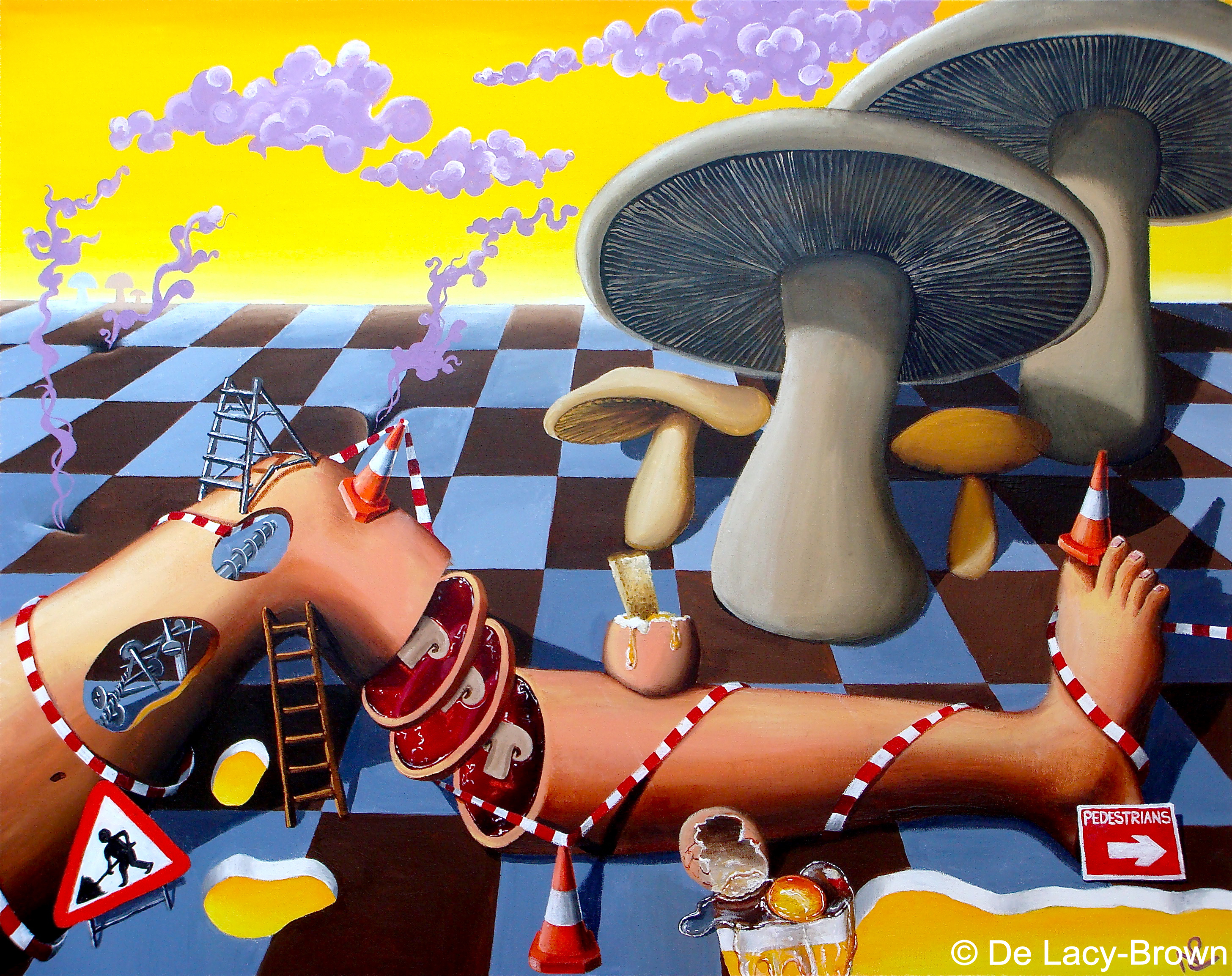
La Marcha de los Champiñones (2009 © Nicholas de Lacy-Brown, acrylic on canvas)

La Marcha de los Champiñones (2009 © Nicholas de Lacy-Brown, acrylic on canvas)

All this I reflected visually with the use of mushrooms as an indication of the spread of infection, hence why, when the bent leg is cut open, a mushroom can be found at its centre. Meanwhile, a fragmented landscape, pocked with holes and broken pieces represents the fragility of my half-healed bones at that time, and the leg, which is also full of pins and nails, represents the amount of metal I had in my leg after various metal fixators had been used to piece it back together. Meanwhile, the use of road traffic symbols including ribbon and roadwork signs, as well as ladders, demonstrates that the leg was, at this stage, far from repaired and still a work in progress. It also reflects the accident which occurred by a road side.

It’s a painting full of some of the cynicism and frustration I was feeling at the time, but by this stage, my accident paintings had become more visually playful as I had accepted my fate and focused my energies on expressing my turmoil visually instead. The resulting image is one of bright colours and whimsical imagery which transports the heavily emotional accident works into a new place of greater hope and free-spiritedness. And just in time, for a new collection based on the bright colours and vivid culture of Spain was just around the corner…

© Nicholas de Lacy-Brown and The Daily Norm, 2001-2014. Unauthorized use and/or duplication of the material, whether written work, photography or artwork, included within The Daily Norm without express and written permission from The Daily Norm’s author and/or owner is strictly prohibited. Excerpts and links may be used, provided that full and clear credit is given to Nicholas de Lacy-Brown and The Daily Norm with appropriate and specific direction to the original content. For more information on the work of Nicholas de Lacy-Brown, head to his art website at www.delacy-brown.com

Nicholas de Lacy-Brown’s new solo exhibition, When (S)pain became the Norm, will be at London’s Strand Gallery from 13 – 18 May 2014. For more details, click here.

Countdown to my new Solo Exhibition | 7 days – Bricks and Stones

It seems almost mad that close on 6 months have gone by since I first announced on this blog that I would be holding a brand new solo exhibition of paintings, illustrations and prints in London’s Strand Gallery this May. And yet here we are, with the exhibition on the doorstep. In 7 days, my exhibition, which will feature over 100 displayed artworks and a whole lot more other artworks for sale, will throw open its doors to the prestigious West End of London. A mere 50 metres from London’s Strand, the exhibition is in the heart of the city’s colourful Covent Garden/ Charing Cross area, and frankly I could not think of a better location.

So as excitement builds, the bubble wrapping goes into overdrive, frames are attached, price lists drawn up and champagne gathered, I thought I would take time to explore some of the themes and artworks which will feature in the show on each of the 7 days approach to the exhibition’s opening on 13 May.

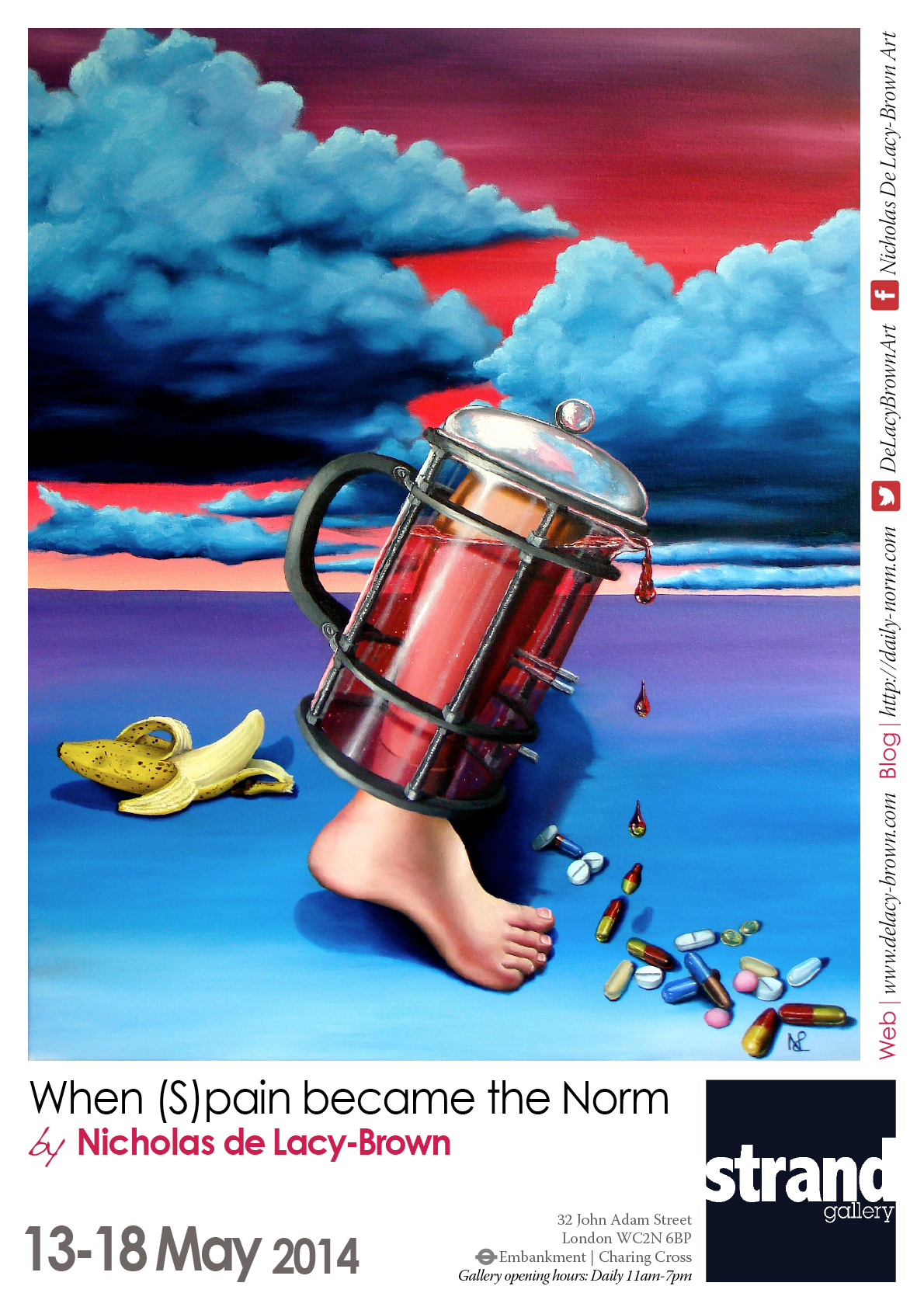
Poster A2 Cafetiere

The exhibition is entitled When (S)pain became the Norm, a title which represents the three main themes which will run through the collection – Pain: the time of my 2008 road traffic accident and the protracted convalenscence which followed; Spain: how this most colourful of European countries has given rise to some of my most exciting and energetic artworks; and the Norms: all my paintings and illustrations of the small white-blobbed one-armed creation of my imagination, most of which have featured on this blog which is named after that same unique character.

In this first post, I am sharing the painting which really kickstarts the whole collection. Entitled Bricks and Stones may Break My Bones (The Show Must Go On)it was the first painting I started in the weeks immediately following the horrendous accident in which I was involved in May 2008. On 29 May 2008, I was walking out to buy some lunch when a lorry, without warning, collided with a 10 ft concrete brick wall which then collapsed onto the pavement as I walked by. I was caught under the rubble and serious crush fractures sustained to my right leg. Frankly, I was lucky to get away with just that. The injuries were so severe that I had to have my leg placed in an external fixator – a horrific instrument attached to the leg with a series of a bloody pins – and I underwent some 7 operations over 3 years before the leg was finally healed, sufficiently, to such a level that I could walk once again.

Bricks and Stones May Break My Bones (The Show Must Go On) 2008 © Nicholas de Lacy-Brown, oil on canvas (130cm x 110cm)

Bricks and Stones May Break My Bones (The Show Must Go On) 2008 © Nicholas de Lacy-Brown, oil on canvas (130cm x 110cm)

This painting, which is perhaps one of the most visceral and uncomfortable of my collection, represents the accident itself. I am shown, in self-portrait, morphed into the wall which had by that time become an inescapable factor in my life. Crashed into it, a small toy lorry is beside me, while on my head, like a crown of thorns, is the barbed wire which ran along the wall and collapsed down upon me in turn. My broken leg is shown as a column broken into three pieces, reminiscent of a similar representation used by my idol, Frida Kahlo, while my crutches are propping up my right food Dali-style since, which, owing to nerve damage, otherwise flopped involuntarily to the floor. Meanwhile over the bleak landscape, the pins which pierced my leg pierce the ground, and on the right, a theatrical proscenium arch likewise propped up by a crutch and a swollen leg demonstrates that despite all of the horror around me, the show had to go on: Something demonstrated by the fact that I was up on two chairs, my leg outstretched, painting this powerful work.

Come back tomorrow for my next featured work, and in the meantime, please consider coming along to my exhibition. More details can be found on my website, and on that of The Strand Gallery.

© Nicholas de Lacy-Brown and The Daily Norm, 2001-2014. Unauthorized use and/or duplication of the material, whether written work, photography or artwork, included within The Daily Norm without express and written permission from The Daily Norm’s author and/or owner is strictly prohibited. Excerpts and links may be used, provided that full and clear credit is given to Nicholas de Lacy-Brown and The Daily Norm with appropriate and specific direction to the original content. For more information on the work of Nicholas de Lacy-Brown, head to his art website at www.delacy-brown.com

Norms: The Saints Collection | Saint Jerome

Of all the stories of saints which I came across when first studying art history in my gap year, and re-encountered subsequently in my travels around some of the best of Europe’s art galleries, my favourite has always been Saint Jerome. Generally this is because in depictions of the Saint, Jerome is shown kindly tending to the paw of a lion (I am a Leo after all). So the legend goes, he tamed a lion because he had managed to remove a thorn from the poor Lion’s paw. On subsequent investigations, I have learned that this may not have been the legend of Saint Jerome at all, and that in actual fact, the same is said of Saint Gerasimus whose name is confusingly similar to the latin for Jerome, “Geronimus”. But Lion or otherwise, this kindly saint is also famous for being one of the most learned of all the famous figures of Christianity, and for the fact that in the course of his theologising, he was the first to translate the bible into Latin. For this reason the saint is likewise traditionally depicted  surrounded by books and the other paraphernalia of study.

So in illustrating my latest Norm of the Norm Saints Collection, I have ensured that my Jerome Norm is accompanied by both the sad wounded lion, and the books and scrolls of study which are an ever constant in this Saint Norm’s life. His little study looks so cosy, I could quite happily take that lion’s place and spend a little time by Jerome Norm’s side, reading books and having my paws tended to. You can keep the thorn though.

Saint Jerome Norm (2014 © Nicholas de Lacy-Brown, pen, ink and gold paint on paper)

Saint Jerome Norm (2014 © Nicholas de Lacy-Brown, pen, ink and gold paint on paper)

This is likely to be the last Norm of the Norm Saints Collection for a while – after all, my new solo art exhibition at the Strand Gallery in London beckons in just over a week. But hopefully more will follow in the future, when the divine intervention of all the Norm saints inspires me…

© Nicholas de Lacy-Brown and The Daily Norm, 2001-2014. Unauthorized use and/or duplication of the material, whether written work, photography or artwork, included within The Daily Norm without express and written permission from The Daily Norm’s author and/or owner is strictly prohibited. Excerpts and links may be used, provided that full and clear credit is given to Nicholas de Lacy-Brown and The Daily Norm with appropriate and specific direction to the original content. For more information on the work of Nicholas de Lacy-Brown, head to his art website at www.delacy-brown.com

 Nicholas de Lacy-Brown’s new solo exhibition, When (S)pain became the Normwill be at London’s Strand Gallery from 13 – 18 May 2014. For more details, click here

Semana Santa: Norms attend a Procession

In 2012, I embarked on the ultimate of Norm sketches, when I set about working on this extra large sketch of Norms attending one of Marbella’s Semana Santa processions. After much labouring on this sketch which is some 4 times larger than the scale I usually work to, I declared the sketch complete, but was never overly happy with the results. For me, the proliferation of white and pale tonal shades meant that the details were getting lost – the main parading figures at the centre for example couldn’t be all that easily distinguished from the crowd collected around the parade.

Two years later, and having expanded into the use of a greater range of grey tones starting with my Nativity Norms and then extending into my Norm Saints collection, I decided to go back to this sketch and give it a whole new tonal overview. So taking the sketch carefully out of its frame, I set about adding new shadows, colouring the sky and the ground, the tunics of the Nazarenos, and even adding touches of gold. The result in a sketch which I am so much happier with. The tonal contrast now encourages a greater narrative of the procession, and focuses the audience first on the parading figures, and only then the watching crowd. The use of darker tones on the ground means that the figures are now much more distinguishable, while the use of varying colours on the buildings does likewise with the crowd.

Semana Santa - Norms attend a procession - the 2012 original (© Nicholas de Lacy-Brown, pen on paper)

Semana Santa – Norms attend a procession – the 2012 original (© Nicholas de Lacy-Brown, pen on paper)

Semana Santa - Norms attend a procession - the 2014 revamp (© Nicholas de Lacy-Brown, pen and ink on paper)

Semana Santa – Norms attend a procession – the 2014 revamp (© Nicholas de Lacy-Brown, pen and ink on paper)

It may have taken 2 years to get right but hey, the result was worth the wait!

© Nicholas de Lacy-Brown and The Daily Norm, 2001-2014. Unauthorized use and/or duplication of the material, whether written work, photography or artwork, included within The Daily Norm without express and written permission from The Daily Norm’s author and/or owner is strictly prohibited. Excerpts and links may be used, provided that full and clear credit is given to Nicholas de Lacy-Brown and The Daily Norm with appropriate and specific direction to the original content. For more information on the work of Nicholas de Lacy-Brown, head to his art website at www.delacy-brown.com

 Nicholas de Lacy-Brown’s new solo exhibition, When (S)pain became the Normwill be at London’s Strand Gallery from 13 – 18 May 2014. For more details, click here

Matisse at Tate: Colour Cut-Out to a Career Climax

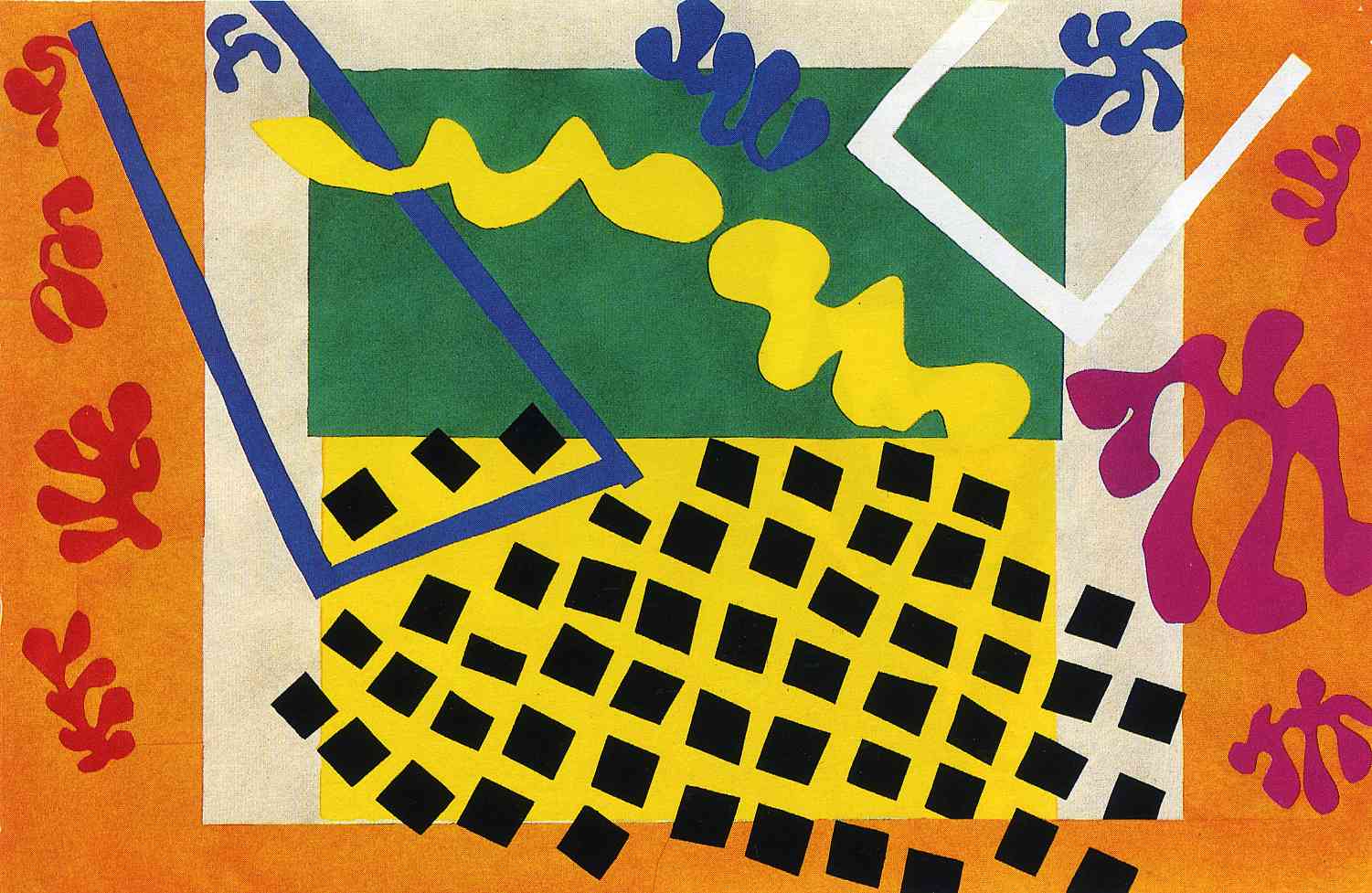
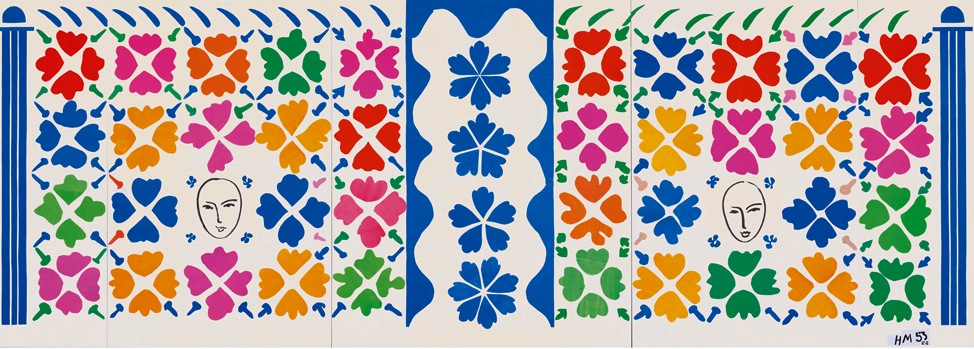
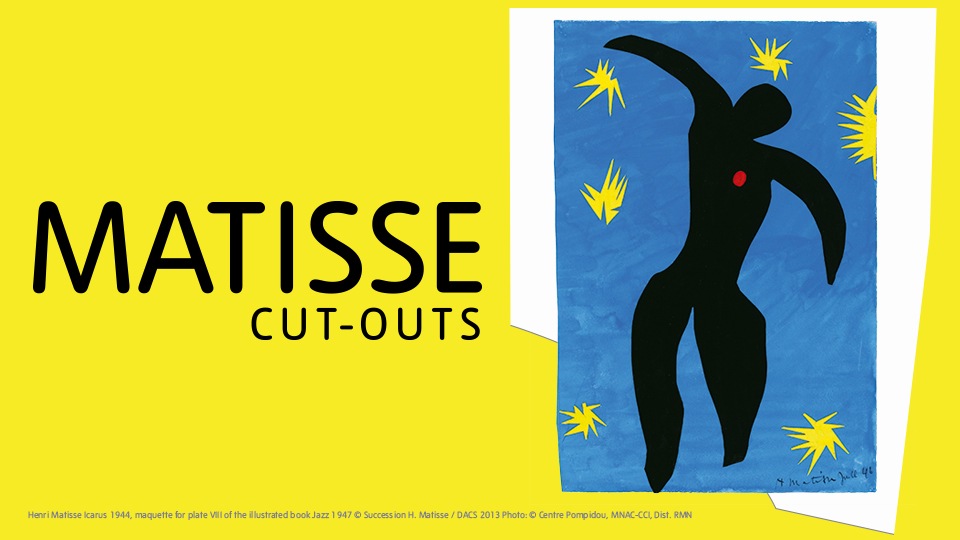
The new Matisse blockbuster at London’s Tate Modern is a show of inexorable joy: of that there can be no doubt. With its whimsical vivid colouration, and playful motifs of sea algae and birds, dancers and blue nudes, it is an exhibition which is full of the happy spirit of the Mediterranean. And yet all of this was created during and immediately after a time when Europe was caught up in the ravaged turmoil of the second world war. How Matisse then managed to create such spirited works, not only during a time of such cataclysm, but also when he was himself frail and confined largely to his bed or to a wheelchair, is one question poised by this exhibition. The answer? Colour was Matisse’s escape from the horrors of war, and cut-outs the vehicle with which he entered the last great hurrah of his groundbreaking career in art.

In bringing together this show of over a hundred of Matisse cut-outs, Tate has managed a real coup. For these works, which dominated the last period of Matisse’s creative output, are merely gouache-painted paper, brought together with paper, sizzors and glue. The result are pictures which retain the same vibrancy that they had when they were first made, but are nevertheless so fragile that few ever leave the national art galleries which they now call home. Yet here they all are, together, many for the first time since they were created.

id_010new_1 cut-outs-3 1394619552732

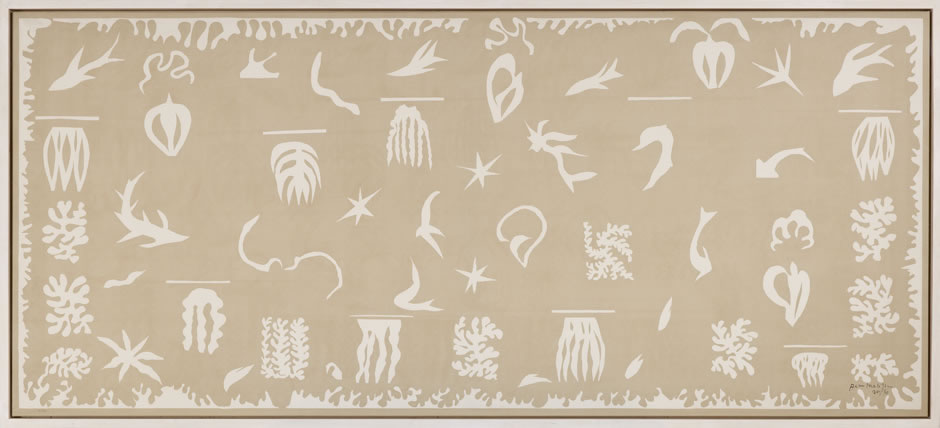
The result is an exhibition which can not fail to please. Starting with the original artwork and resulting first edition of Matisse’s best known artist book, Jazz (which I often paused over in Chelsea’s Taschen store but never purchased before they stopped the reprint, much to my regret), the exhibition moves onto what is essentially the genesis of what is to follow – the Oceana works. With one of the vast works, which originally acted as wall decoration in Matisse’s Paris apartment, featuring figures of the sky, and the other of the sea, these works were inspired by a visit to Tahiti 16 years before. But more importantly, the sea work was pretty much the first time that Matisse used the cut out image of coral, an image which was to become iconic of much of his cut-out works thereafter.

Oceana

matisse_oceanie-la-mer-foto-robert-bayer_l

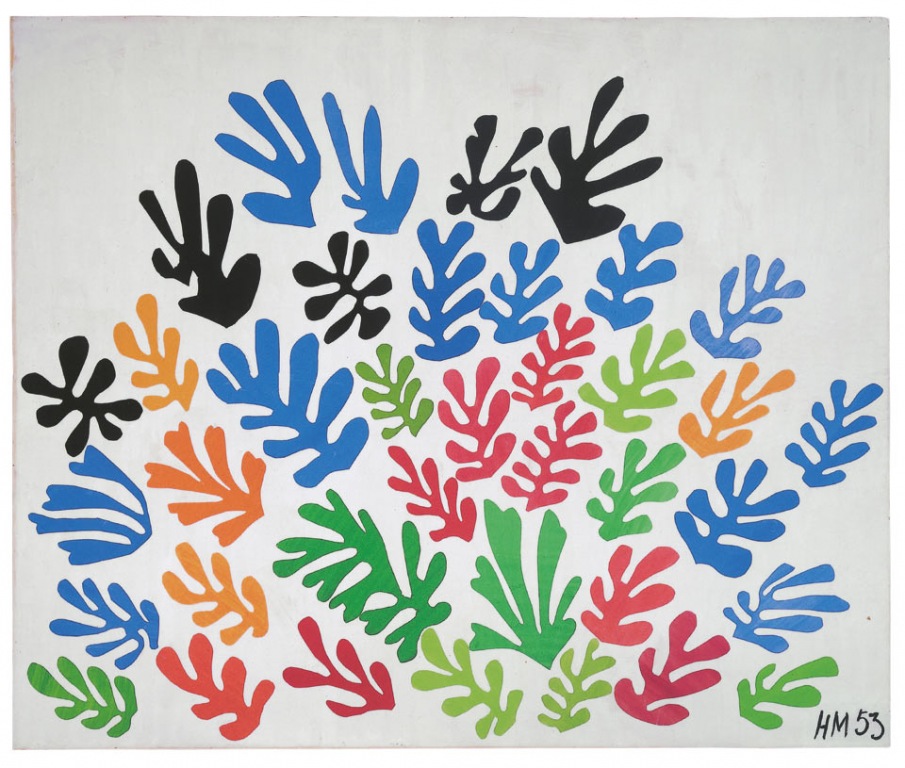
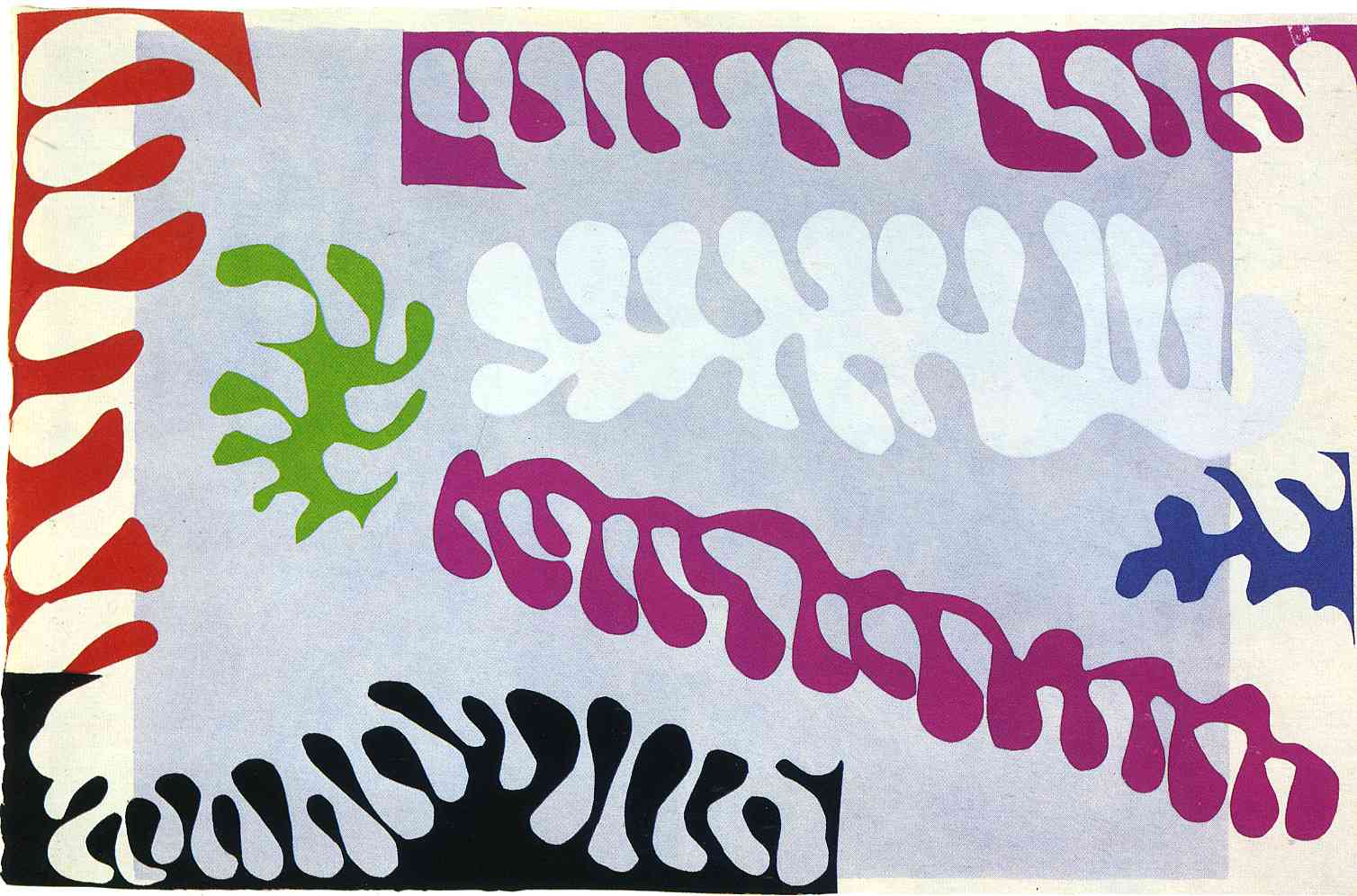
That coral is indeed prevalent in the works that follow, as are the vivd range of colours cut from sheets painted by his dedicated studio assistants. I loved room 5 of the exhibition, which attempts to recreate Matisse’s studio in Vence in Southern France, whose walls were decorated, floor to ceiling, with cut-out works. Seeing the cut-outs grouped together like this makes them come alive as a collection. The variety of colours and shapes and sizes make the corals almost vibrate with the energy emanating from the collected cut-outs, and together the colours sing like an hallelujah chorus.

Coral cut-outs

matissethesheaf1953 kr_matisse_cut_outs_070_071_top_41972_1404021745_id_802580 cut-outs-1

As satisfying as these collected colours undoubtedly are, I could not help but admire Matisse’s famous blue nudes, all four of which are brought together for the first time. Intrinsically simple in both colour, and the seamless way in which they are cut from a single sheet of painted blue-paper, they really are images to be admired – and as a set they never worked better.
The exhibition ends with Matisse cut-outs on a grand scale, from Tate’s famous Snail (which was the closest Matisse comes to abstract, and in my opinion perhaps the least successful because of it), to The Mermaid in which Matisse intended, through use of bird, coral and fruit motifs, to bring the outside into his studio, something which he surely achieved with all-encompassing effect.

_70288189_masks 6a00e00989a58088330176166fd020970c HMB334 The Snail 1953 by Henri Matisse 1869-1954 20130426-102711

I wasn’t expecting to love this show. I’m not a huge fan of Matisse’s oil paintings which too often appear to me badly executed and fussy. But the simplicity and vibrancy of the cut-outs really appealed to me. It demonstrates the power of composition and the effect which simple colours can have when laid alongside each other. Many have criticised the cut-outs as mere child-play. But that’s a very easy observation to make when the idea has already been generated and all the behind-the-scenes work and planning exhaustibly executed. Masterpieces, perhaps, these works are not. Some may even pass them off as mere wall-coverings. But as a collective they are full of an inherent and enticing energy and joy which fewer more “masterful” artworks will ever be able to generate with such consistency or strength.

6a00d83451e76669e2019affca0e4c970d

Henri Matisse: The Cut-Outs is on at Tate Modern, London until 7 September 2014

Norms: The Saints Collection | Saint Sebastian

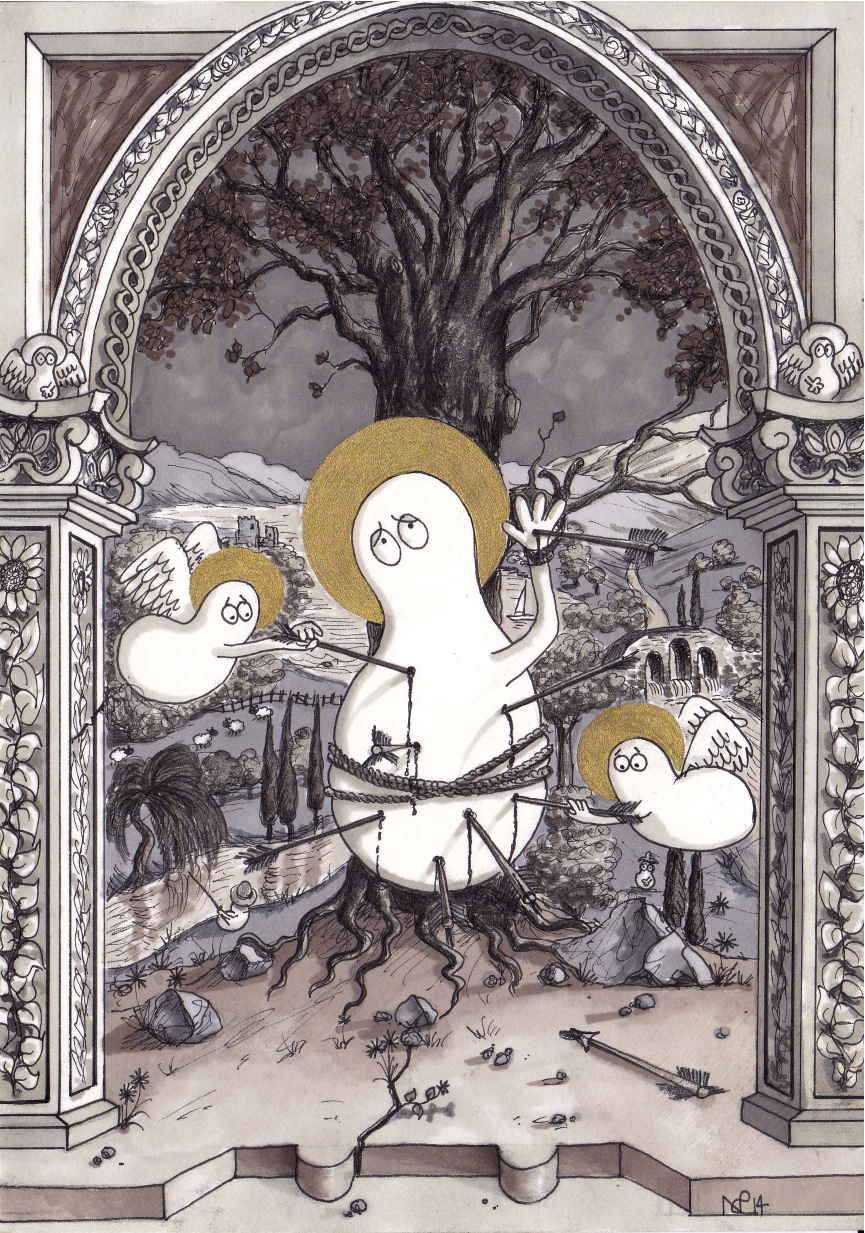
Next up in the fast growing Norm Saint’s Collection is Saint Sebastian. Famed for being the martyr who was martyred twice (once when he was shot with arrows, and second when, after that didn’t kill him, he was pummelled to death), Saint Sebastian is the saint whose writhing naked body, filled with arrows, has become as popular a gay icon as it has a symbol of religious devotion and a great favourite of artists through the ages.

My Norm Saint Sebastian is only the latest depiction of this saint to join the mass of works executed throughout art history by famed artists such as Titian, Botticelli and John Singer Sargent. And like many of those which have gone before it, my depiction shows this poor arrow-riddled saint tied roughly to a tree, while behind him, a beautifully bucolic background gives otherwise irrelevant depth and magnificence to the scene. Meanwhile, a host of dear little Norm angles are doing their best to try and save this most suffering of saints, by pulling out the arrows from his tender skin one by one in an attempt to save him from inevitable suffering and death.

Saint Sebastian Norm (2014 © Nicholas de Lacy-Brown, pen, ink and gold paint on paper)

Saint Sebastian Norm (2014 © Nicholas de Lacy-Brown, pen, ink and gold paint on paper)

Happily, as the story goes, Saint Sebastian did not die from his arrow wounds – miraculously he was nursed back to life by Saint Irene, only to be finally condemned to a more violent end when he taunted the Emperor Diocletian for not having killed him properly in the first place. Some might say he should have learnt his lesson from the first occasion he spoke up against the Emperor a little too loudly. But then he wouldn’t be a very good martyr if he didn’t suffer for his cause.

Up next: Saint Jerome.

© Nicholas de Lacy-Brown and The Daily Norm, 2001-2014. Unauthorized use and/or duplication of the material, whether written work, photography or artwork, included within The Daily Norm without express and written permission from The Daily Norm’s author and/or owner is strictly prohibited. Excerpts and links may be used, provided that full and clear credit is given to Nicholas de Lacy-Brown and The Daily Norm with appropriate and specific direction to the original content. For more information on the work of Nicholas de Lacy-Brown, head to his art website at www.delacy-brown.com

 Nicholas de Lacy-Brown’s new solo exhibition, When (S)pain became the Norm, will be at London’s Strand Gallery from 13 – 18 May 2014. For more details, click here

Norms: The Saints Collection | The Crucifixion

It’s an image which is famous around the world; a depiction full of pathos, tragedy and the pain but glory of salvation: It is the crucifixion of Jesus, the event which sits at the centre of the Christian religion.

In depicting lately a series of Norms based on the art historical tradition of religious-themed paintings, I could not pass by the opportunity to create a Norm version of this crucial Christian scene. With its dark skies and bleak landscape, it is an image which evokes the full drama and horror of one of art’s most famous portrayals, while the hope of salvation which the event brought Christian believers everywhere is symbolised through the presence of angels. One in fact is charged with gathering up the blood dripping from Jesus-Norm’s wound; a representation of the fact that intrinsic to the core belief of transubstantiation, his blood becomes the wine of the Holy Communion and vice versa.

To his right and left, the two convicted thieves who died at his side are present, one depicted, as per tradition, as the good thief seeking salvation from Jesus, while the other is depicted as the bad thief, mocking Christ for giving into his fate. Meanwhile at the foot of Jesus Norm’s cross are the figures who consistently feature in depictions of the crucifixion – Mary his mother, Mary Magdalene, and St John the Apostle.

The Norm Crucifixion (2014 © Nicholas de Lacy-Brown, pen, ink and gold paint on paper)

The Norm Crucifixion (2014 © Nicholas de Lacy-Brown, pen, ink and gold paint on paper)

DSC03831 DSC03831_2 DSC03831_3

For anyone religious looking at this work, take note that this is not an attempt to dilute the sanctity of this religious festival, but rather, as is the central aim of my blog, to reference and reinvent art history and the most popular depictions in art. There is no greater scene than the crucifixion to get across the Christian message in art, and my Norm version has to be amongst my favourite of all my Norm sketches. Happy Easter everyone.

© Nicholas de Lacy-Brown and The Daily Norm, 2001-2014. Unauthorized use and/or duplication of the material, whether written work, photography or artwork, included within The Daily Norm without express and written permission from The Daily Norm’s author and/or owner is strictly prohibited. Excerpts and links may be used, provided that full and clear credit is given to Nicholas de Lacy-Brown and The Daily Norm with appropriate and specific direction to the original content. For more information on the work of Nicholas de Lacy-Brown, head to his art website at www.delacy-brown.com

 Nicholas de Lacy-Brown’s new solo exhibition, When (S)pain became the Norm, will be at London’s Strand Gallery from 13 – 18 May 2014. For more details, click here

Norms: The Saints Collection | The Last Supper

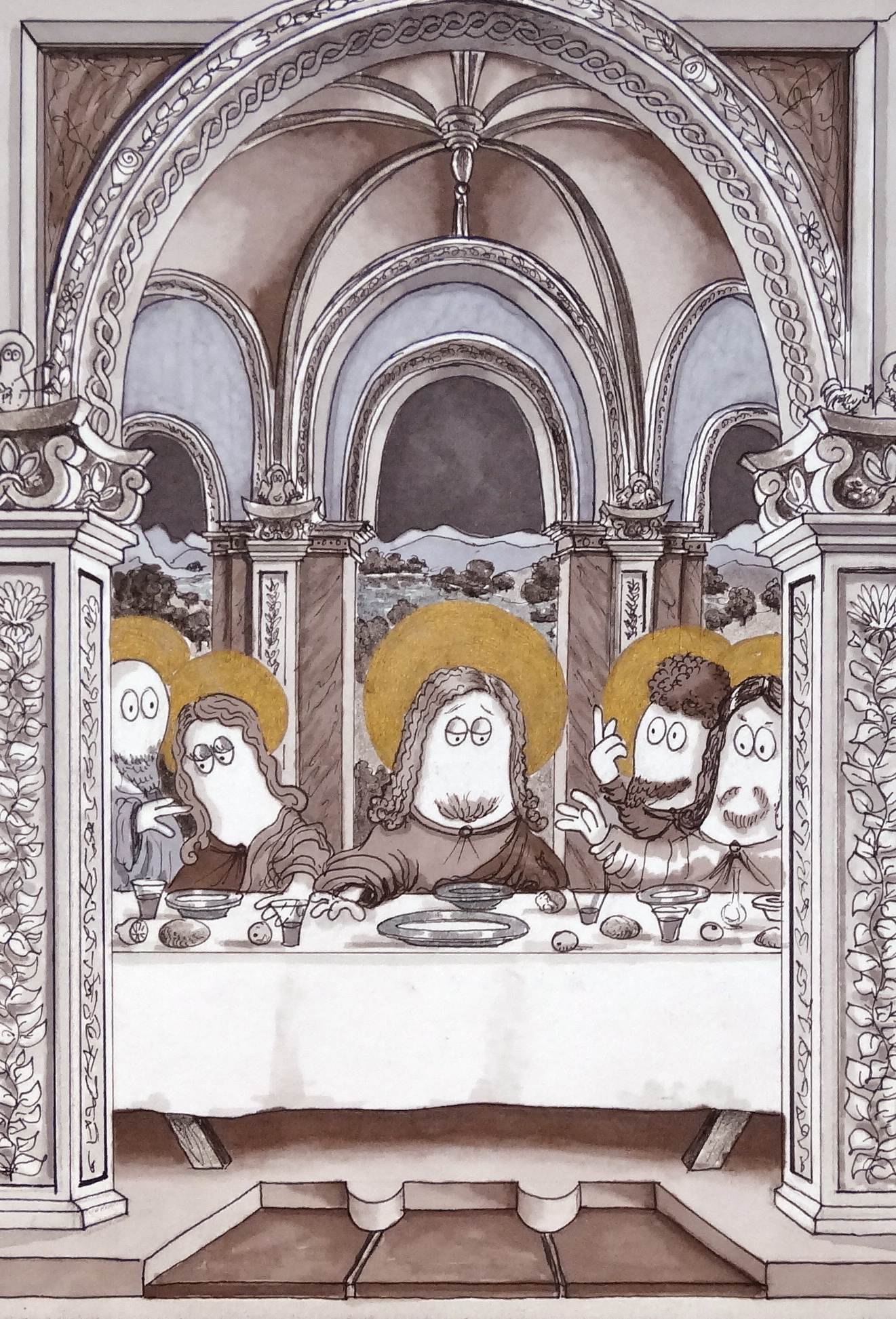
It’s Maundy Thursday, and all over the world Christians will be marking the 5th day in the Holy Week calendar, which is the day on which Jesus is reputed to have held his final dinner with his 12 apostles before his death by crucifixion. It was at that supper, so it is said, that he first broke bread and offered it as a representation of his body, doing likewise with wine, something which has since formed the scriptural basis of the Eucharist (also known as the Holy Communion). It was also at that dinner that Jesus predicted both his future denial (when the cock crows three times…) and his betrayal (by Judas). And it is precisely this moment of universal consternation around the table when the news of his future betrayal is unveiled that Da Vinci portrayed so famously in the most well known portrayal of the Last Supper in the world.

Da Vinci’s masterpiece may be dramatically crumbling away from the walls of the Santa Maria delle Grazie in Milan, but back in Norm-world, the brilliance (and some say significance) of its composition has been apt inspiration for the Norms to re-enact their own version of the Last Supper for this year’s Maundy Thursday celebrations.

The Norm Last Supper (2014 © Nicholas de Lacy-Brown, pen, ink and gold paint on paper)

The Norm Last Supper (2014 © Nicholas de Lacy-Brown, pen, ink and gold paint on paper)

Perfectly accompanying the Norm Saints collection which has gone before it, the one arch frame of those renaissance style Norm altarpiece devotional images has been expanded to three arches through which the whole table of the Last Supper can be seen. It’s a happy coincidence that this expansion to three reflects the innumerable references to three (and therefore to the Holy Trinity) which runs through Da Vinci’s original, from the triangular shape of Jesus’ posture, to the grouping of apostles into threes: (from right to left) Bartholomew, James (Son of Alphaesus) and Andrew; Judas (who has spilt some salt – a sign of his betrayal), Peter and “John”; Thomas James (the Greater) and Philip; and Matthew, Jude and Simon.

Of course readers of the Da Vinci Code by Dan Brown will probably know why I have placed “John” in inverted commas; for rumour is rife that the suspiciously feminine features of the apostle to Jesus’ right are actually those of Mary Magdalene rather than John, and that she represents the true Holy Grail, that being the bloodline of Christ. That, says Dan Brown, is the reason why there is no other chalice on the table, and why there is a prominent “V” formed by the empty space between Jesus and this disciple (V is the symbol for sacred feminine). It’s a theory which is reflected in my Norm work with the help of an ever so feminine look to my Norm – or should she be called Normette?

Conspiracy theories asides, reflecting Da Vinci’s great work in this Norm re-enactment was a joy to create and a great addition to my sacred Norm collections of late. But there’s something even more special on its way tomorrow.

DSC03837 DSC03837_2 DSC03837_3

© Nicholas de Lacy-Brown and The Daily Norm, 2001-2014. Unauthorized use and/or duplication of the material, whether written work, photography or artwork, included within The Daily Norm without express and written permission from The Daily Norm’s author and/or owner is strictly prohibited. Excerpts and links may be used, provided that full and clear credit is given to Nicholas de Lacy-Brown and The Daily Norm with appropriate and specific direction to the original content. For more information on the work of Nicholas de Lacy-Brown, head to his art website at www.delacy-brown.com

 Nicholas de Lacy-Brown’s new solo exhibition, When (S)pain became the Norm, will be at London’s Strand Gallery from 13 – 18 May 2014. For more details, click here

WW1 Centenary | The Dead Stretcher-Bearer

This year marks the centenary of the start of the First World War, and there will no doubt be a series of events commemorating the start of the Great War as the year goes on, especially towards the end in the months when the actual conflict began. One of the first events to mark the centenary in London is the latest temporary exhibition at the National Portrait Gallery in London. The Great War in Portraits looks at the war, not through the more typical Nash depictions of ravaged landscapes and desolate trenches, but through portraits of the people who began the war, led the armies, fought and, all too often, gave their lives.

The exhibition is a small but perfectly formed homage to this most terrible of conflicts, which ranges chronologically from the period immediately predating the conflict (in which portraits of the relevant royals of Germany, the United Kingdom and Russia are on display, as well as Frans Ferdinand of Austria-Hungary whose murder precipitated the whole war) and continues into the conflict, right through to the end when artists used their skills to depict the horrific injuries inflicted upon soldiers, and struggled to find a way of expressing the true horror of the conflict through creative means.

But one artist who certainly didn’t struggle to depict that horror, and who created what for me was the star painting of the show, is Gilbert Rogers. In 1919, when the general censorship on morale-destroying honest depictions of war had slipped away, and representations of its true horrors began to surface from beneath the censors, Rogers painted this work, The Dead Stretcher-Bearer, which represents the horror and futility of war with unflinching directness. Doing what the title of the work suggests, the painting shows a stretcher-bearer dead on the very stretcher which it was his duty to carry, probably killed in the course of trying to rescue another injured soldier.

Gilbert Rogers, The Dead Stretcher Bearer (1919)

Gilbert Rogers, The Dead Stretcher Bearer (1919)

The paint has been applied coarsely and liberally without too much detail – instead the application of white to mark the shine on the masterfully conceived folds of the tarpaulin covering the soldier’s body attracts all of the viewers attention, focusing our mind at the very heart of this tragedy. Meanwhile the muddied colour palate and the pools of water demonstrate in simple brushstrokes the horrific conditions of trench warfare, while those limited colours are interspersed with dashes of red, the colour which has later become such a hallmark of the conflict.

This painting is but one brilliant canvas in this moving and enthralling show. To see the works yourself head along to the NPG – The Great War in Portraits runs until 15 June. Admission is free.

New Woodcut: Boats in the Porto Santa Lucia, Naples

Introducing my new (and second) woodcut print: Boats in the Porto Santa Lucia. Like my first woodcut completed earlier this year, my second is inspired by the incredible Christmas trip I took with my partner across Italy, from Venice, to Rome and ending up finally in Naples. 

This woodcut was inspired by our first morning in Naples when, with the sun shining a surprisingly summery warmth upon us, we headed down to the city’s Mediterranean port and were bowled over. Of course we’ve all heard of Naples’ bigger industrial port, but just around the coast, in front of the upmarket Santa Lucia region and around the Castel dell’Ovo is a beautiful little marina full of all of the shiny white yachts, fishing boats and other marine paraphernalia you would expect. 

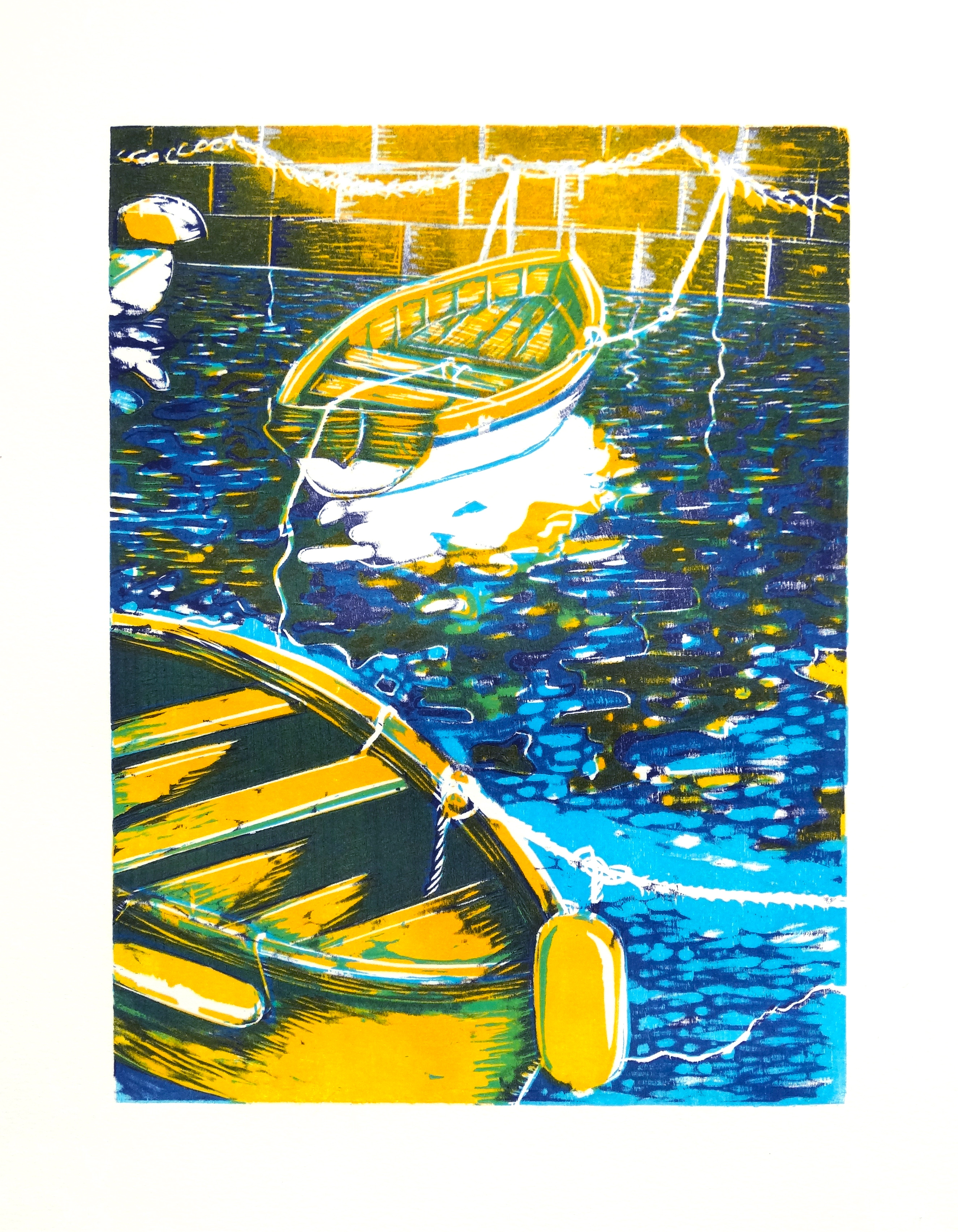
Boats in the Porto Santa Lucia, Naples (2014 © Nicholas de Lacy-Brown, woodcut (3 plates) printed on fabriano)

Boats in the Porto Santa Lucia, Naples (2014 © Nicholas de Lacy-Brown, woodcut (3 plates) printed on fabriano)

I was unsurprisingly obsessed by the water there and all of the brightly coloured ripples reflected from the boats and the harbour walls. This woodcut is an attempt to capture them. It’s a multi-plate print which means that a number of plates are cut and combined to introduce different colours into the print. Below are shots showing a print of each coloured plate individually, which combined together really bring the work to life. You can also see the plates set out alongside the inks and rollers in the printmaking studio, as well as a series of prints hanging up to dry – editioning is tiring stuff!

DSC03850 DSC03851DSC03855IMG_8094IMG_8098

This is now my second woodcut and my seventh print since I started printmaking last Spring. I can say without hesitation that I now consider myself to be as enthusiastic a printmaker as a painter and I can’t wait to make more! 

© Nicholas de Lacy-Brown and The Daily Norm, 2001-2014. Unauthorized use and/or duplication of the material, whether written work, photography or artwork, included within The Daily Norm without express and written permission from The Daily Norm’s author and/or owner is strictly prohibited. Excerpts and links may be used, provided that full and clear credit is given to Nicholas de Lacy-Brown and The Daily Norm with appropriate and specific direction to the original content. For more information on the work of Nicholas de Lacy-Brown, head to his art website at www.delacy-brown.com

Nicholas de Lacy-Brown’s new solo exhibition, When (S)pain became the Norm, will be at London’s Strand Gallery from 13 – 18 May 2014. For more details, click here.