Skip to content

Posts from the ‘Photography’ Category

The Daily Norm’s Photo of the Week: One Foggy London Morning

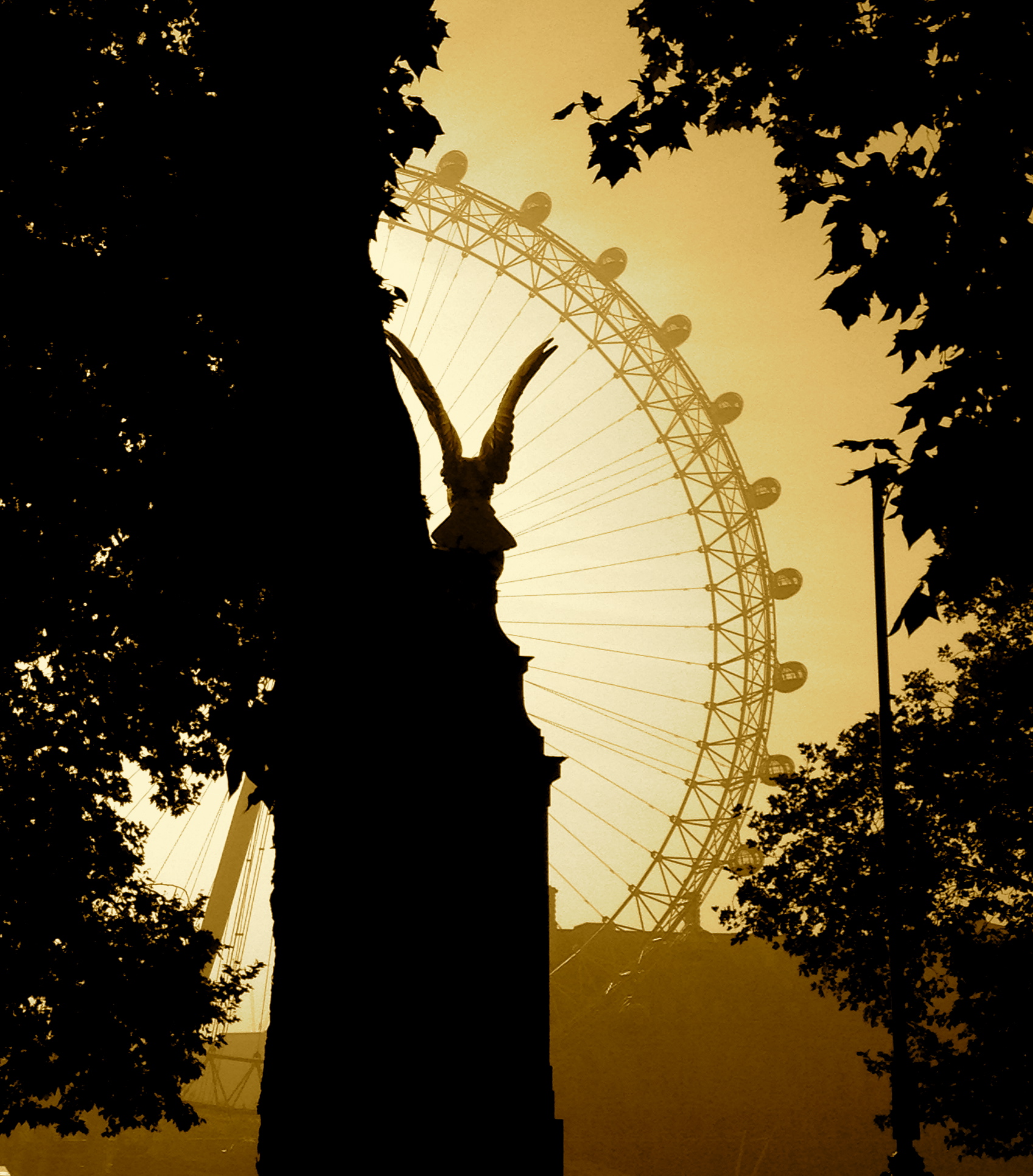
I took this photo the other morning, as I walked along London’s Embankment to work. A hazy Autumnal fog was resting over the crisp early morning skyline, but as its density slowly broke apart, a glimpse of sunshine could be seen squeezing its way through the opaque clustered particles. All this would have been pretty in itself, but the beauty of the scene was significantly augmented when I walked further along the North bank of the Thames, stood just in front of the large copper-roofed Ministry of Defence building, and was greeted with a picture perfect view of the London Eye in silhouette on the South Bank beyond.

Captured here with a sculpture of an eagel in flight silhouetted before it, the whole image takes on something of a mystical, almost epic quality; its melodramatic atmosphere characterised by the natural framing of a tree trunk and leaves. I love how misty the distant buildings of the South Bank remain, while before them, the metal structure of the London Eye exudes elegance as it curves like a halo across the milky sky.

IMG_4818

A photo worth walking to work for – and this week’s Daily Norm Photo of the Week.

All photos and written content are strictly the copyright of Nicholas de Lacy-Brown © 2013 and The Daily Norm. All rights are reserved. Unauthorized use and/or duplication of the material, whether written work, photography or artwork, included within The Daily Norm without express and written permission from The Daily Norm’s author and/or owner is strictly prohibited. 

A weekend in Kraków | Photography Focus 2 – Architectural elegance

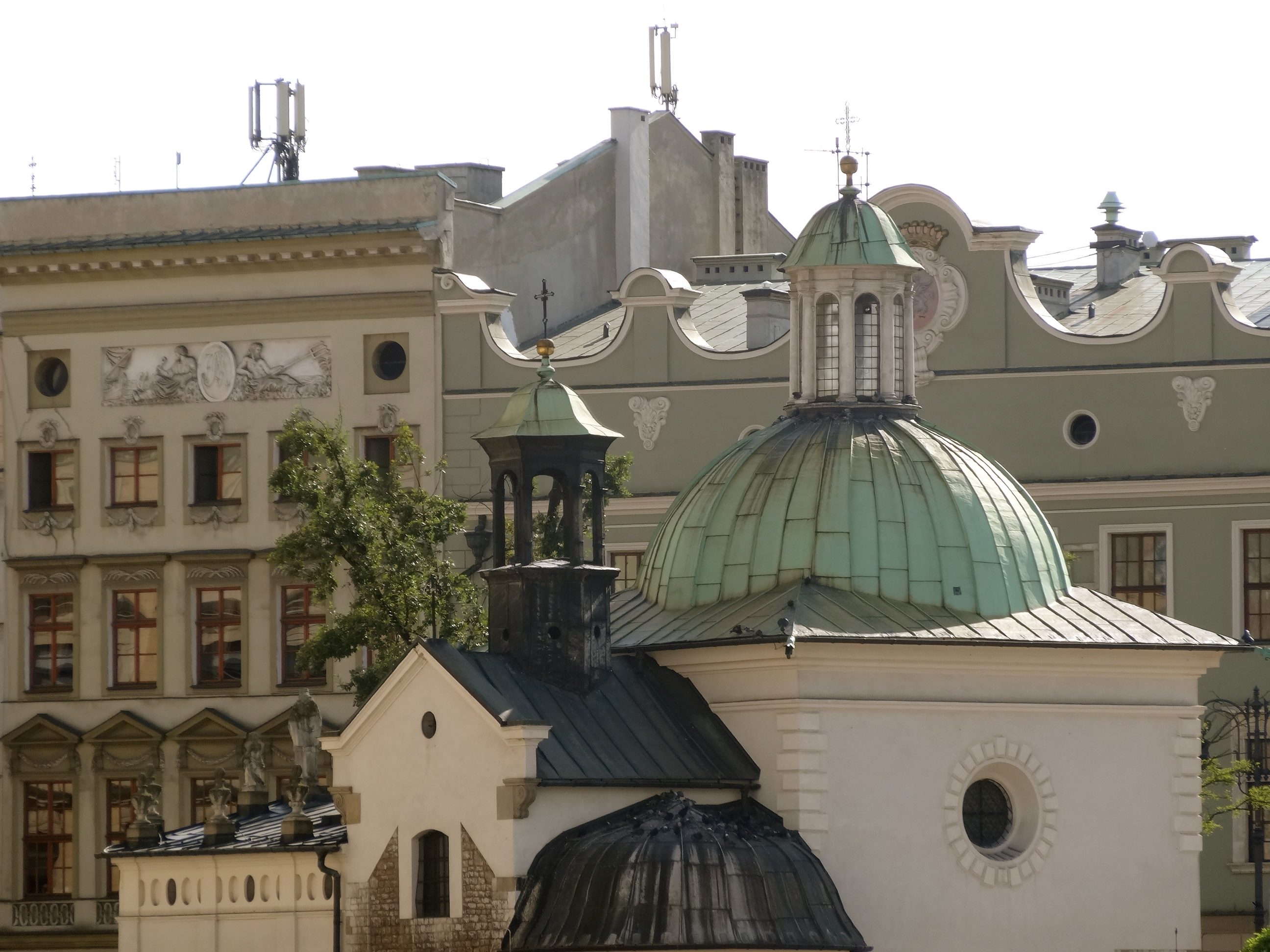
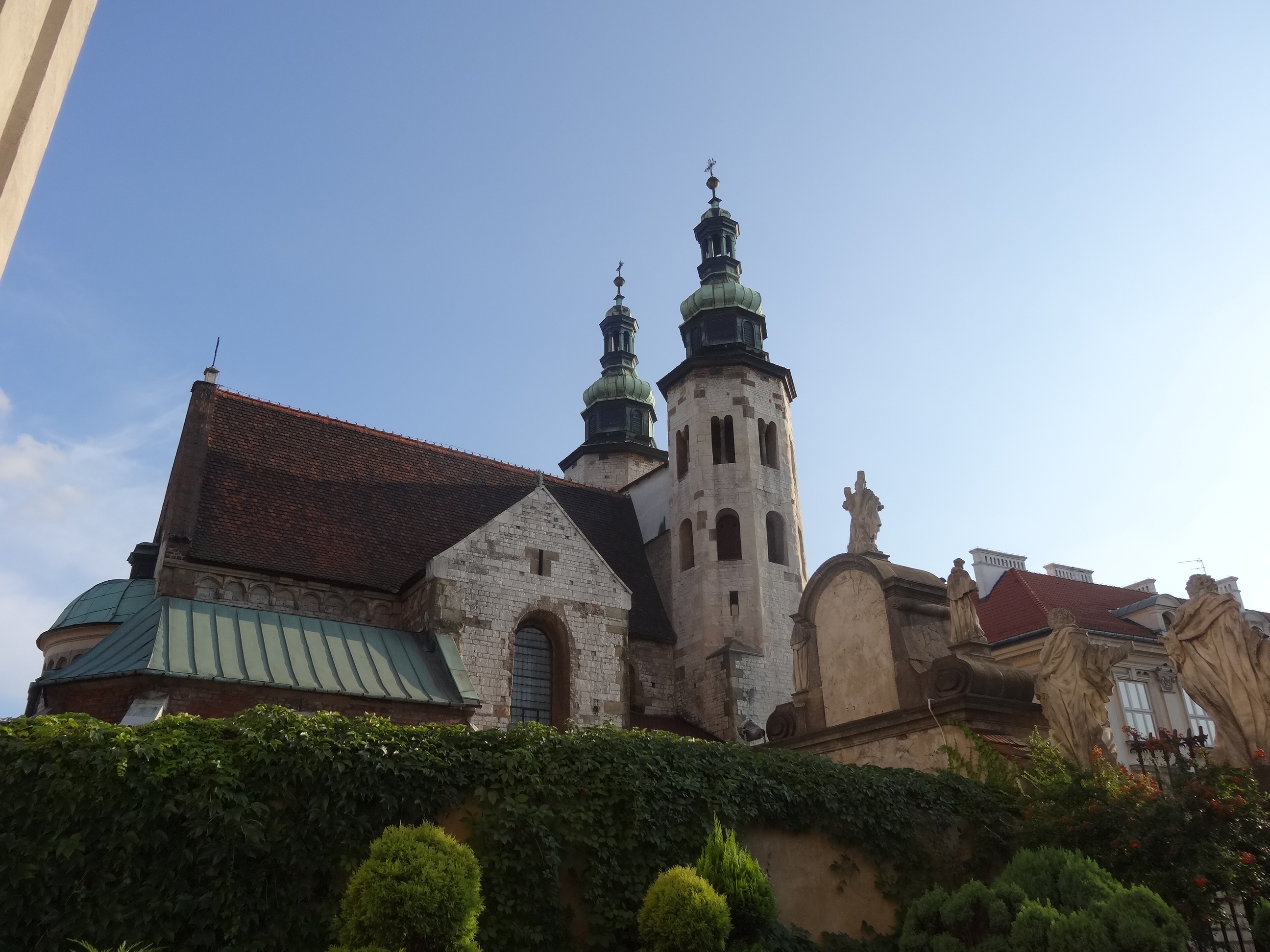
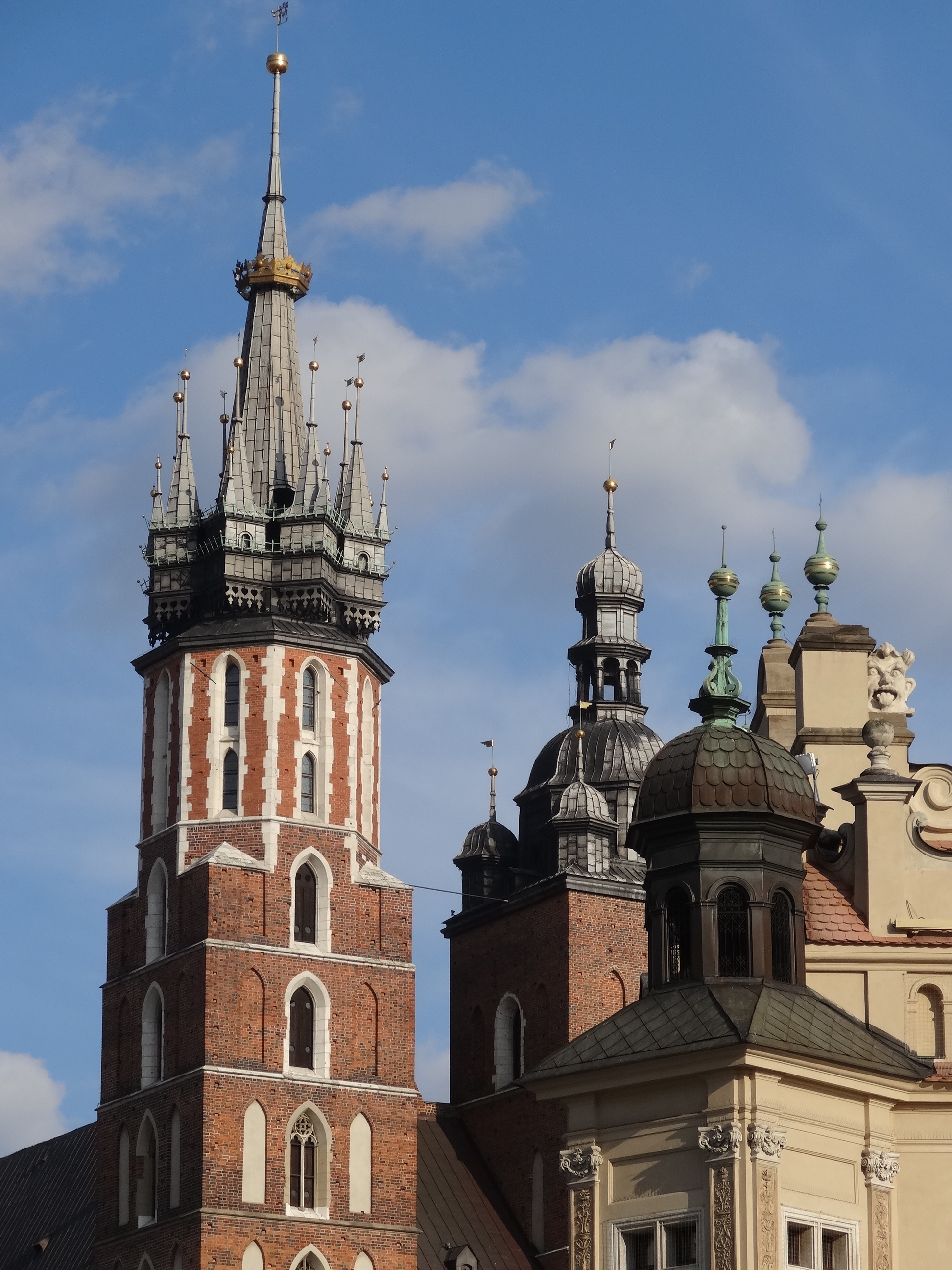
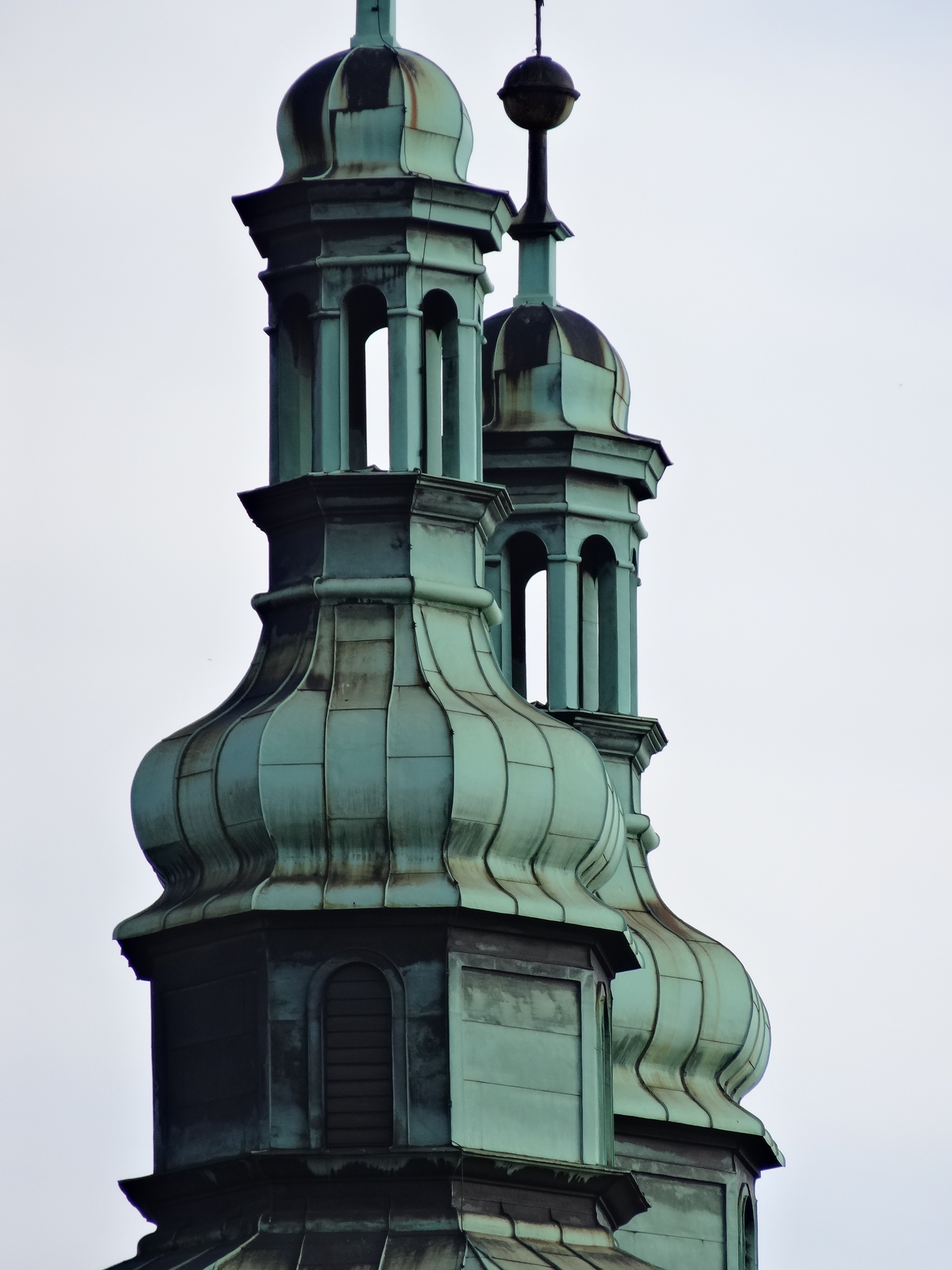
In my first post of this now concluding Kraków series, I described how the Kraków I first set eyes upon was like a gleaming jewellery box, so complete was its skyline with opulent, intricate architectural features, from bright green onion-shaped copper cupolas and elegantly curved wrought iron art nouveau domes, to neo classical pillars and extravagantly baroque church facades. In fact so abundant in architectural elegance is the old town of Kraków, that when I recently collected together sketches of every dome and cupola I had seen in the city into a single composition (a work which I am currently painting – I hope to finish the somewhat ambitious project this week), my Partner, who studied in Kraków for years, actually thought I must have invented a few, such was the proliferation of diverse architectural splendour assembled out of the Kraków skyline.

DSC07295 DSC07763 DSC07280 DSC06995 DSC07349

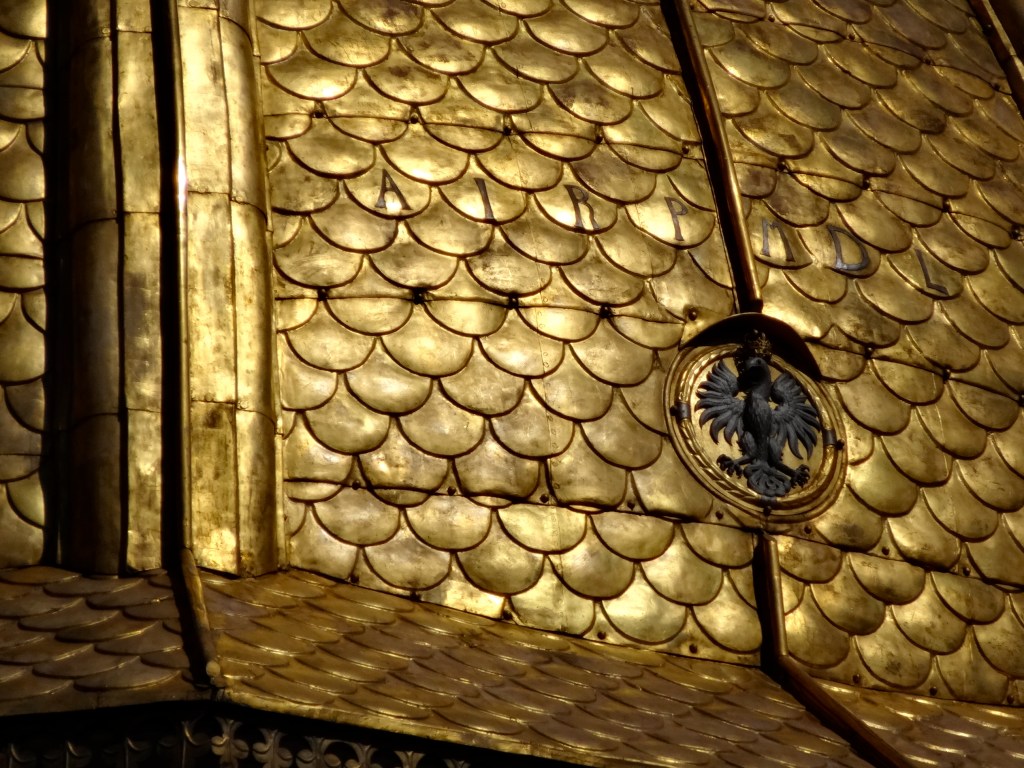
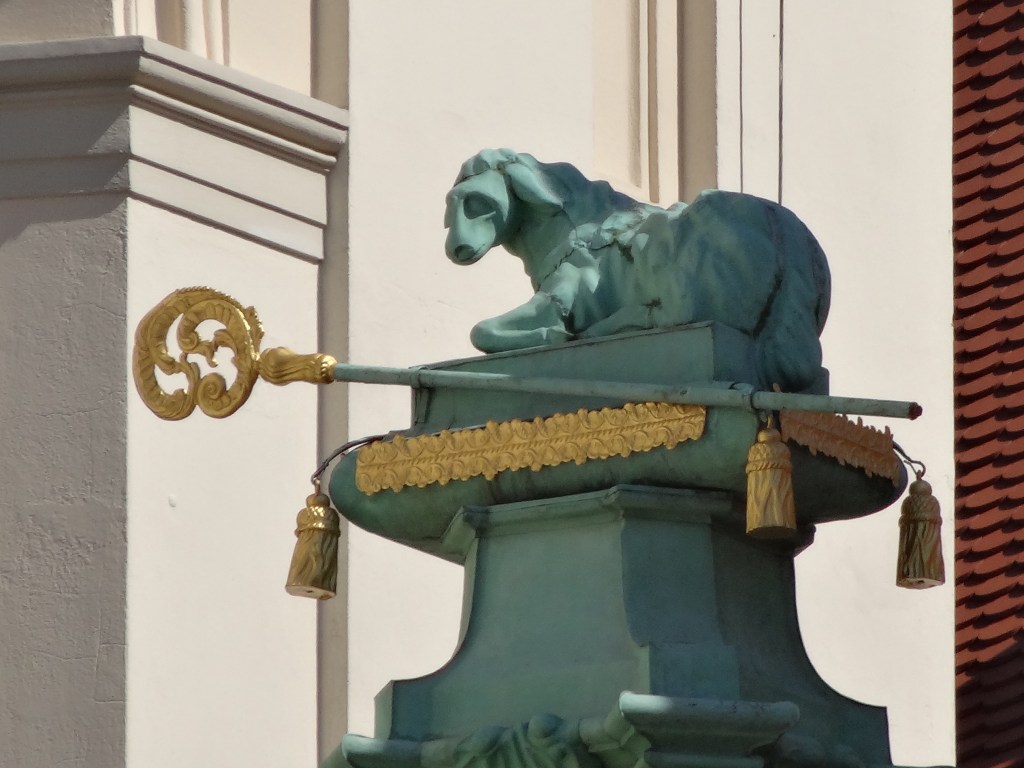
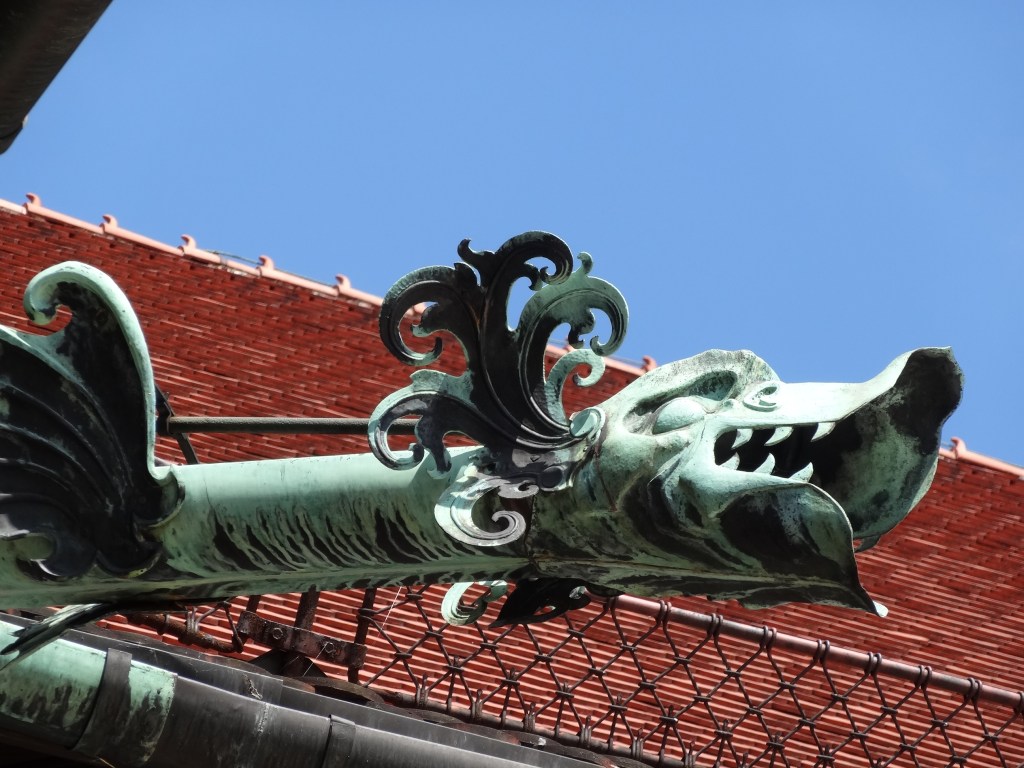
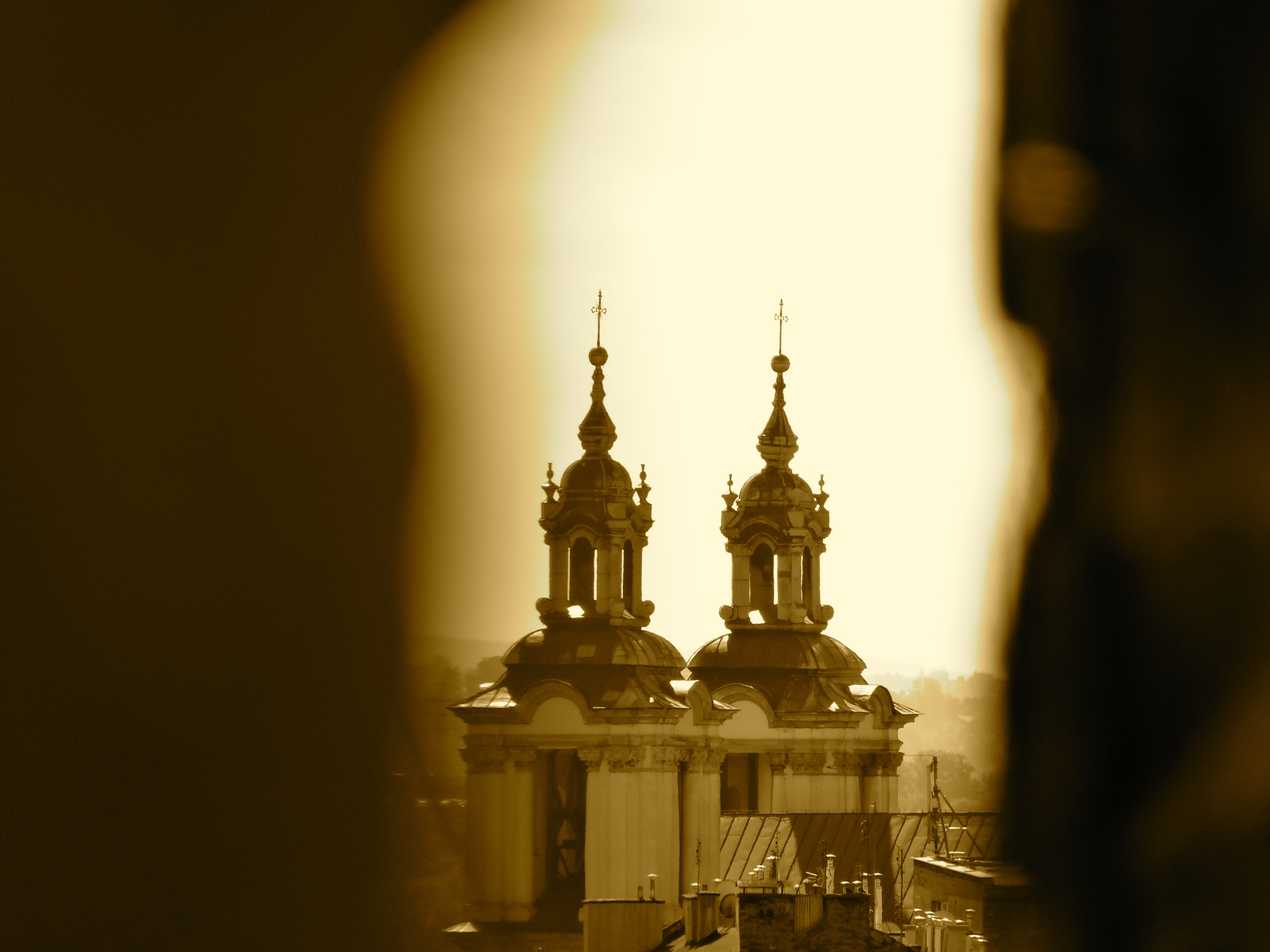
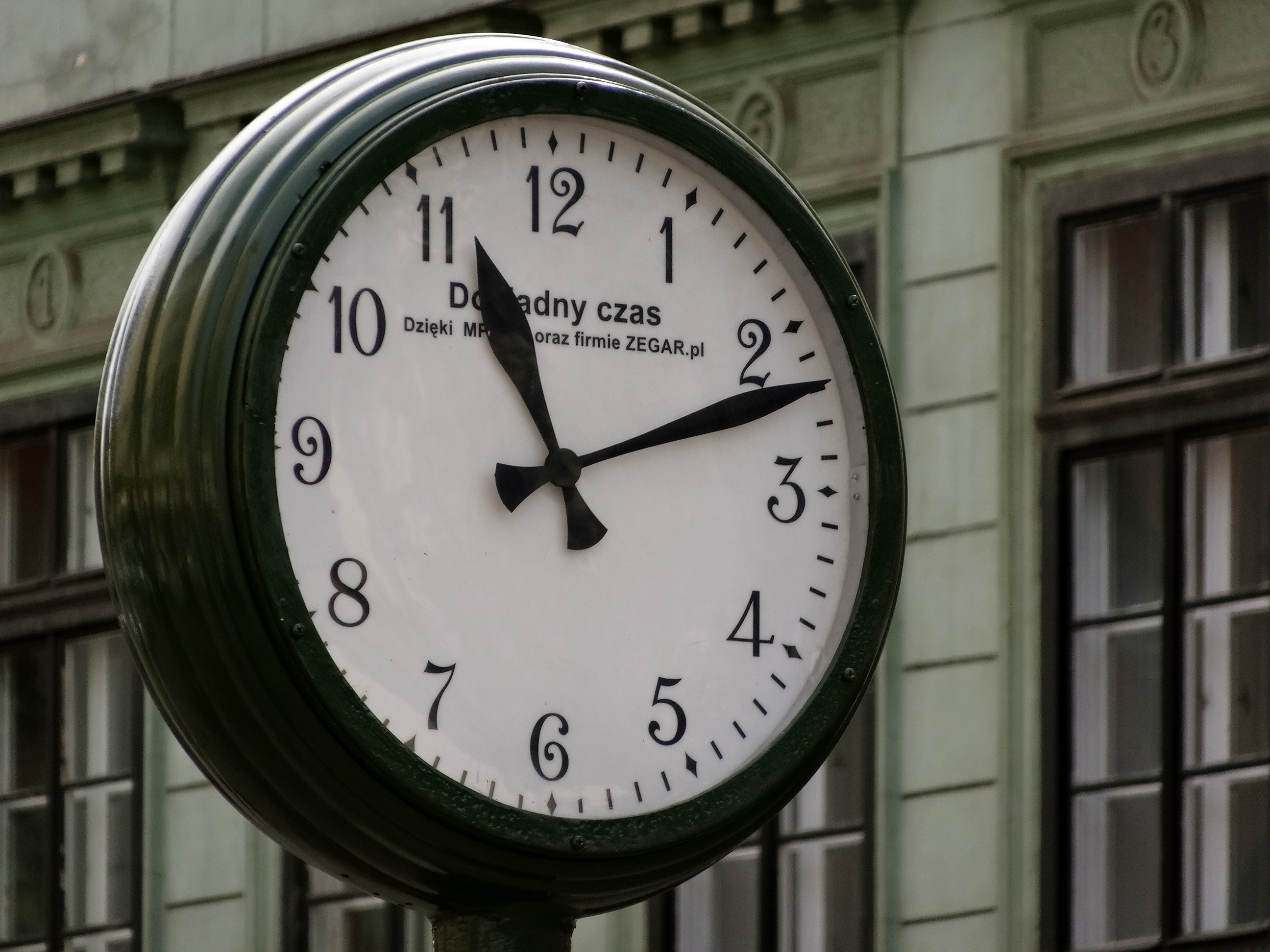
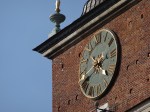
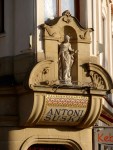
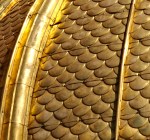
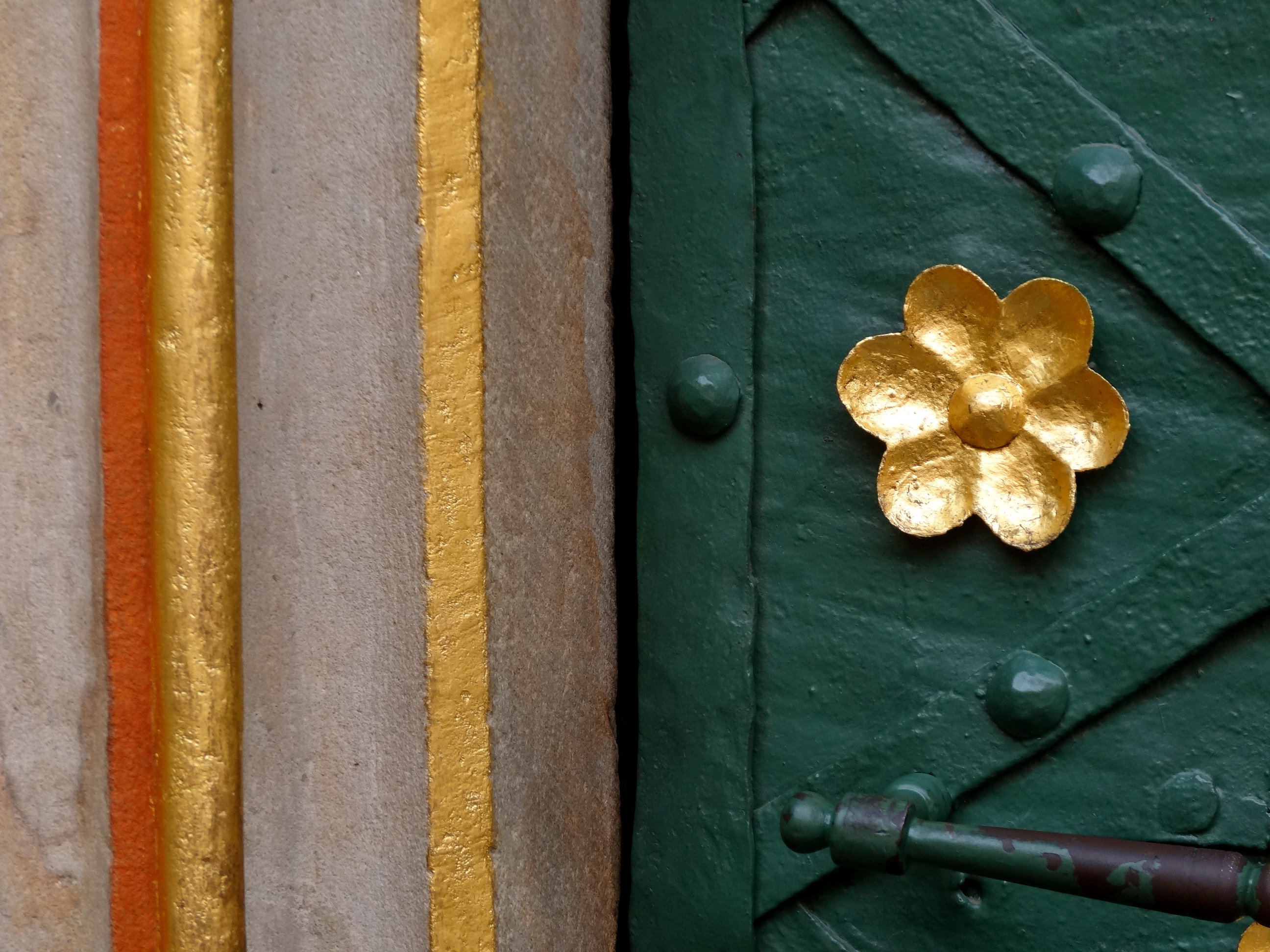
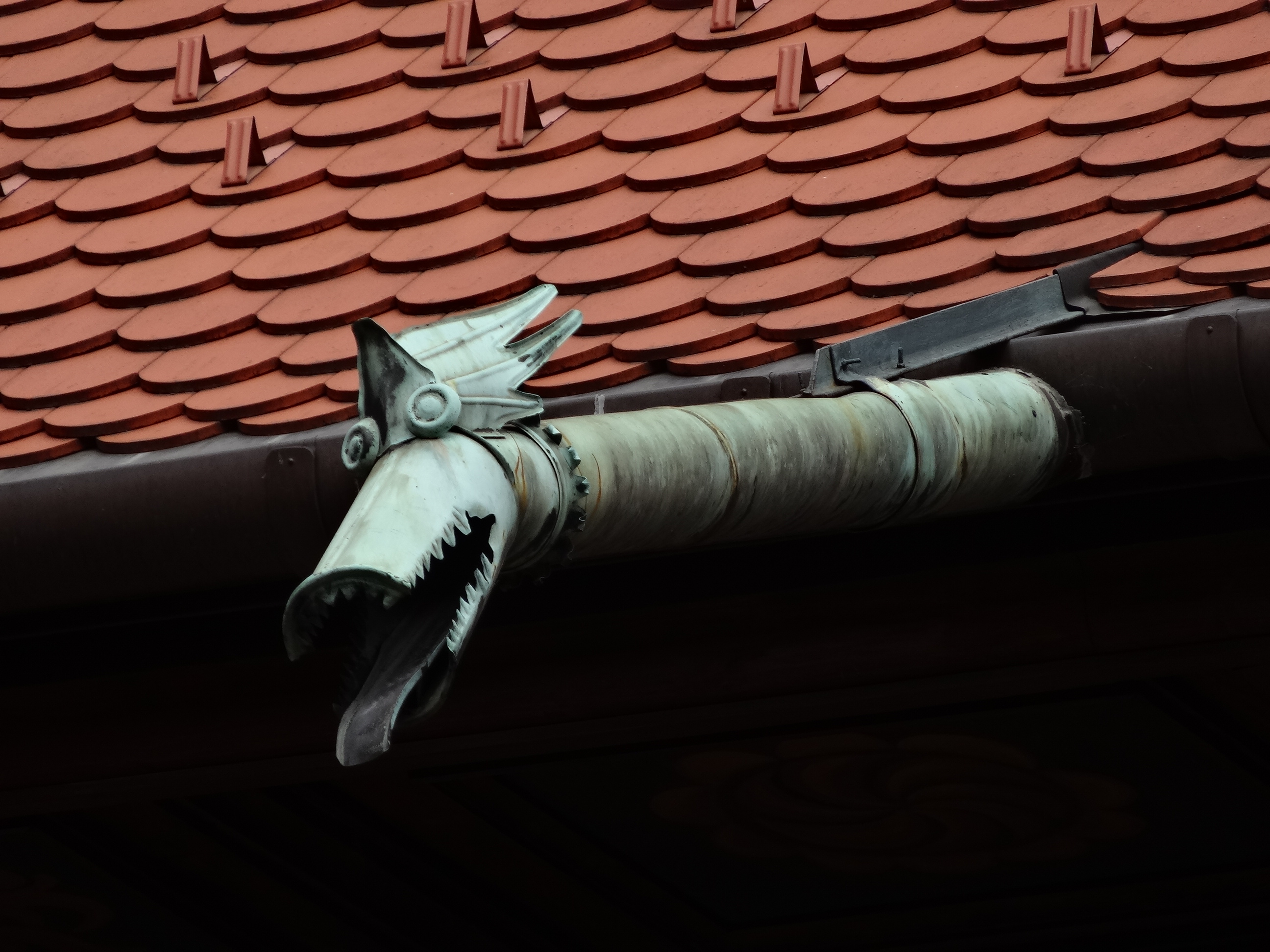
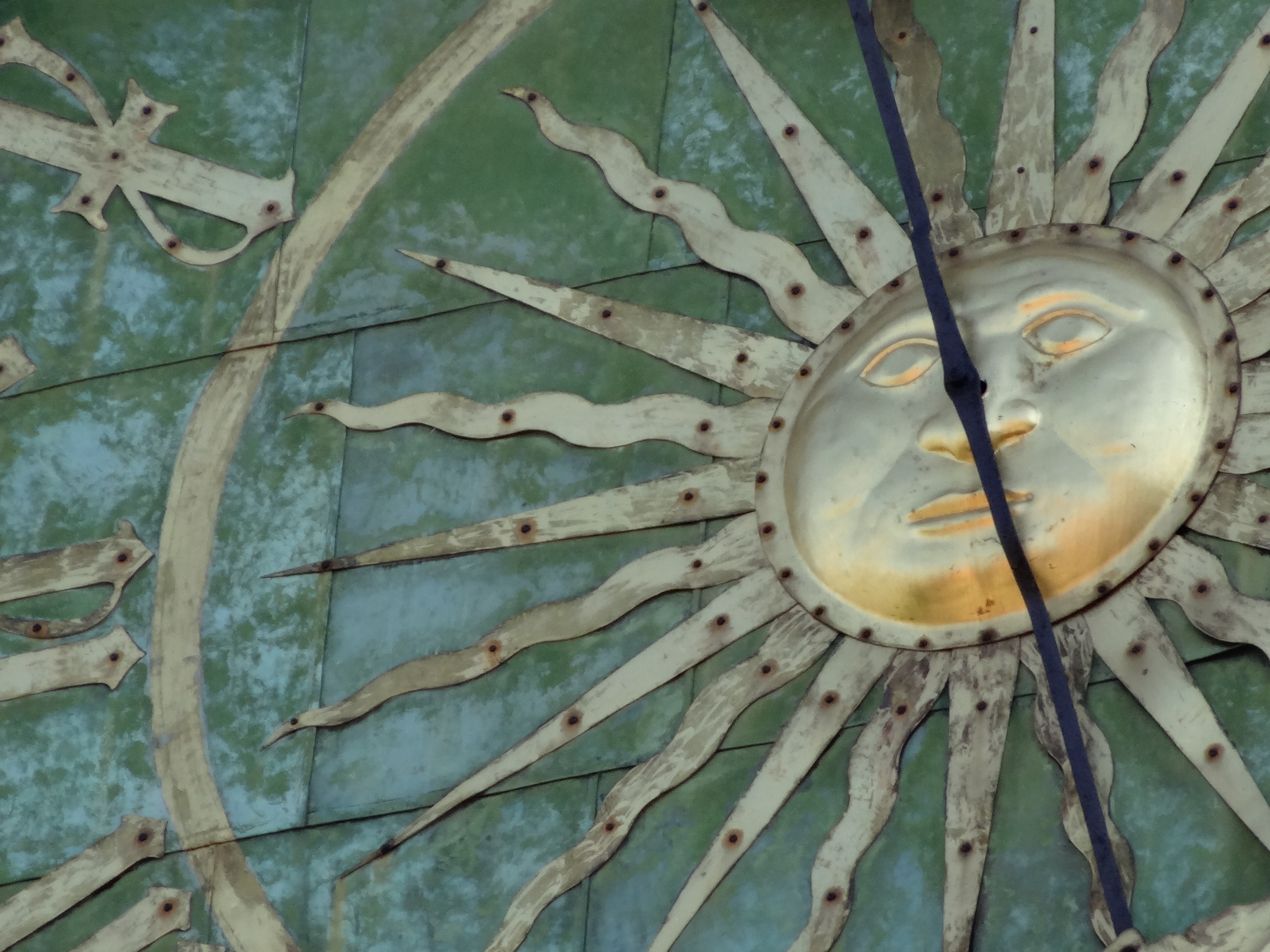
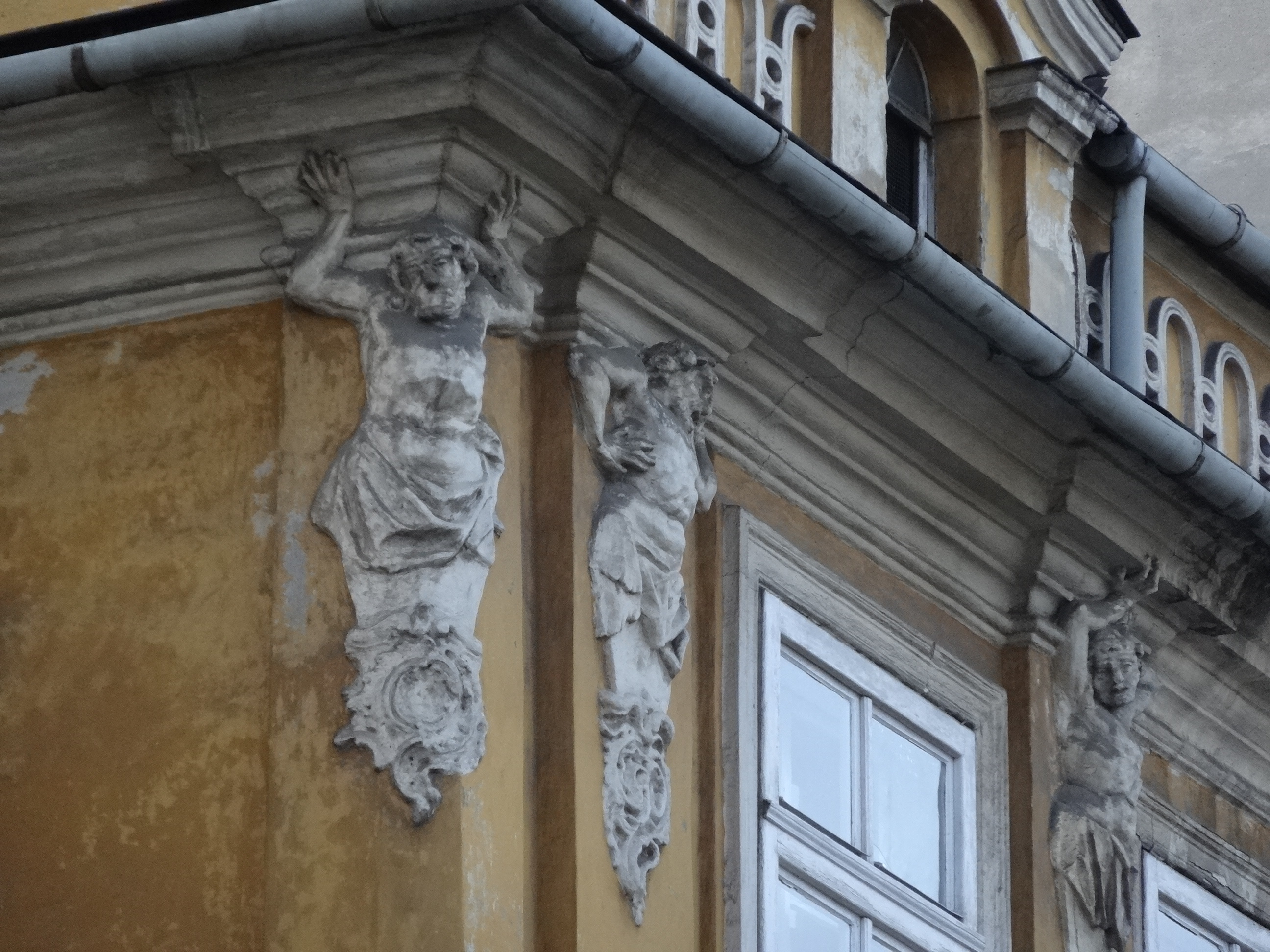
Well, with this final post and my last set of Kraków photographs, you can start to see just a few of the dazzling features which characterise the city, filling its skyline with glittering details and ensuring that from every approach and angle, the city looks like a work of art – a masterpiece of historical wealth and architectural diversity. From stunning gold tiles, so complete in their sheen and opulence that you feel diminished before their glorious spectacle, to clocks and door knockers which render even a cracking door or ageing building facade a masterpiece of design; these are a set of photos which pretty much sum up Kraków , jewel-box city in a single set – beautiful, decadent, charming, unspoilt – a city to be seen; a spectacle intended to wow. So, with the stage set for a dazzling photographic gala, I’ll let my photos of Kraków  do the talking. Enjoy.

All photos and written content are strictly the copyright of Nicholas de Lacy-Brown © 2013 and The Daily Norm. All rights are reserved. Unauthorized use and/or duplication of the material, whether written work, photography or artwork, included within The Daily Norm without express and written permission from The Daily Norm’s author and/or owner is strictly prohibited. 

A weekend in Kraków | Day 3 – Stars and studies in an enlightened city

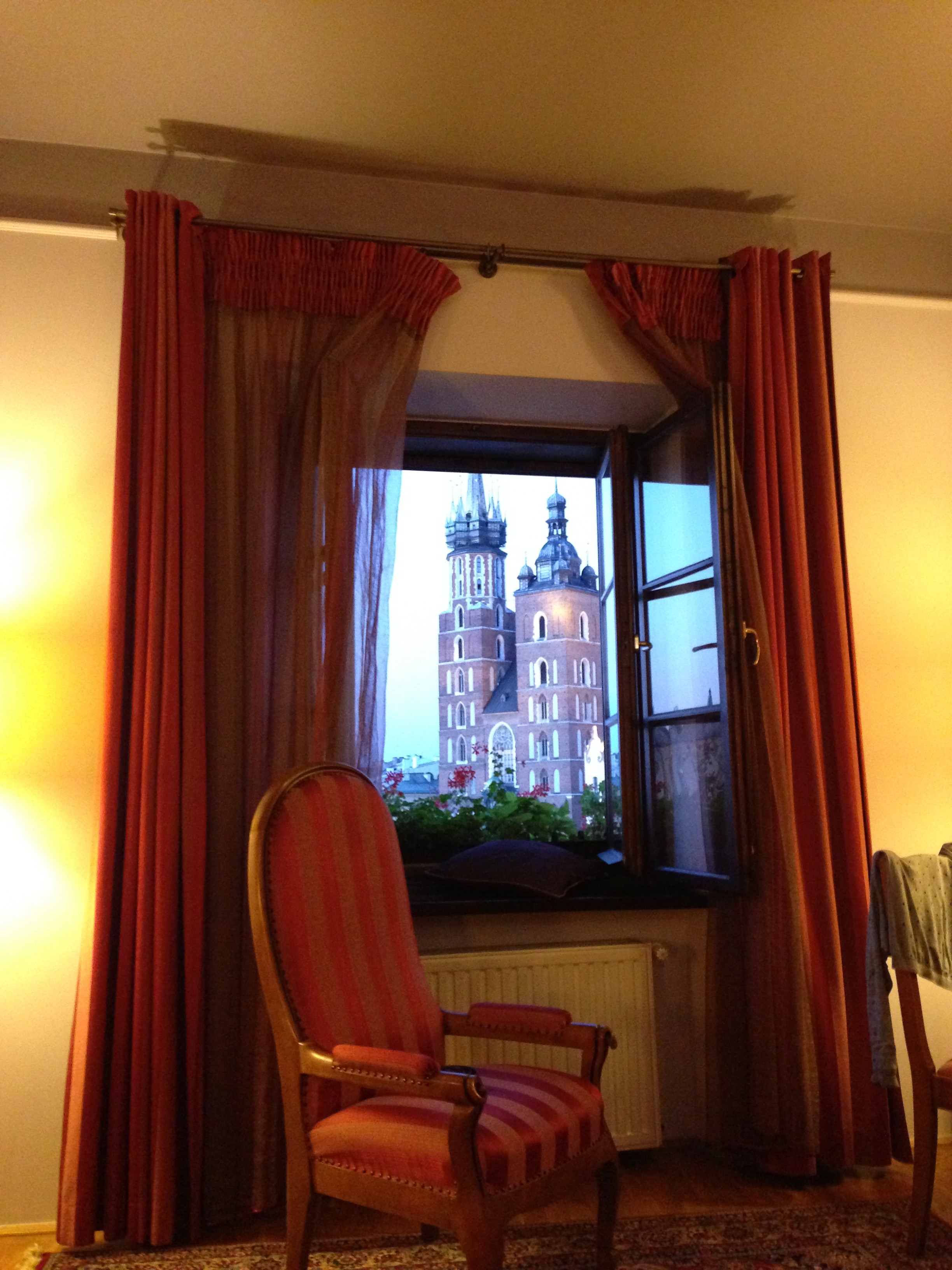
The problem with long weekends is, they’re not actually all that long. True, they extend the usual concept of an all-too-short weekend by a day or two, but two nights spent away is just over too quickly. Such were my thoughts as I arose on this third and final day (more of a half day really) in the incredible city of Kraków, and dragged myself away, kicking and screaming from the sensational panorama over the Rynek Główny , a view which I had been enjoying from our hotel room with such a passion over the previous 48 hours.

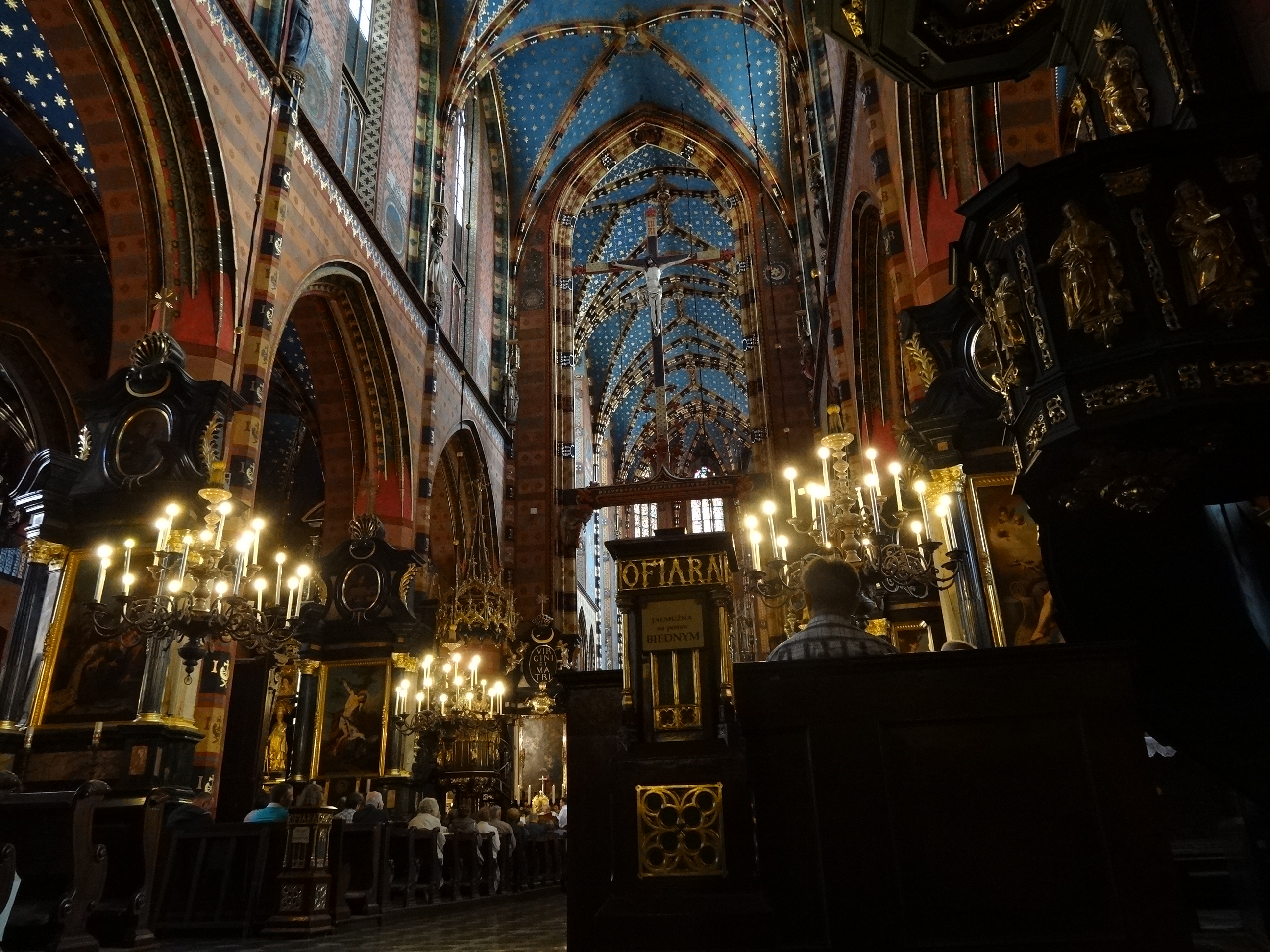
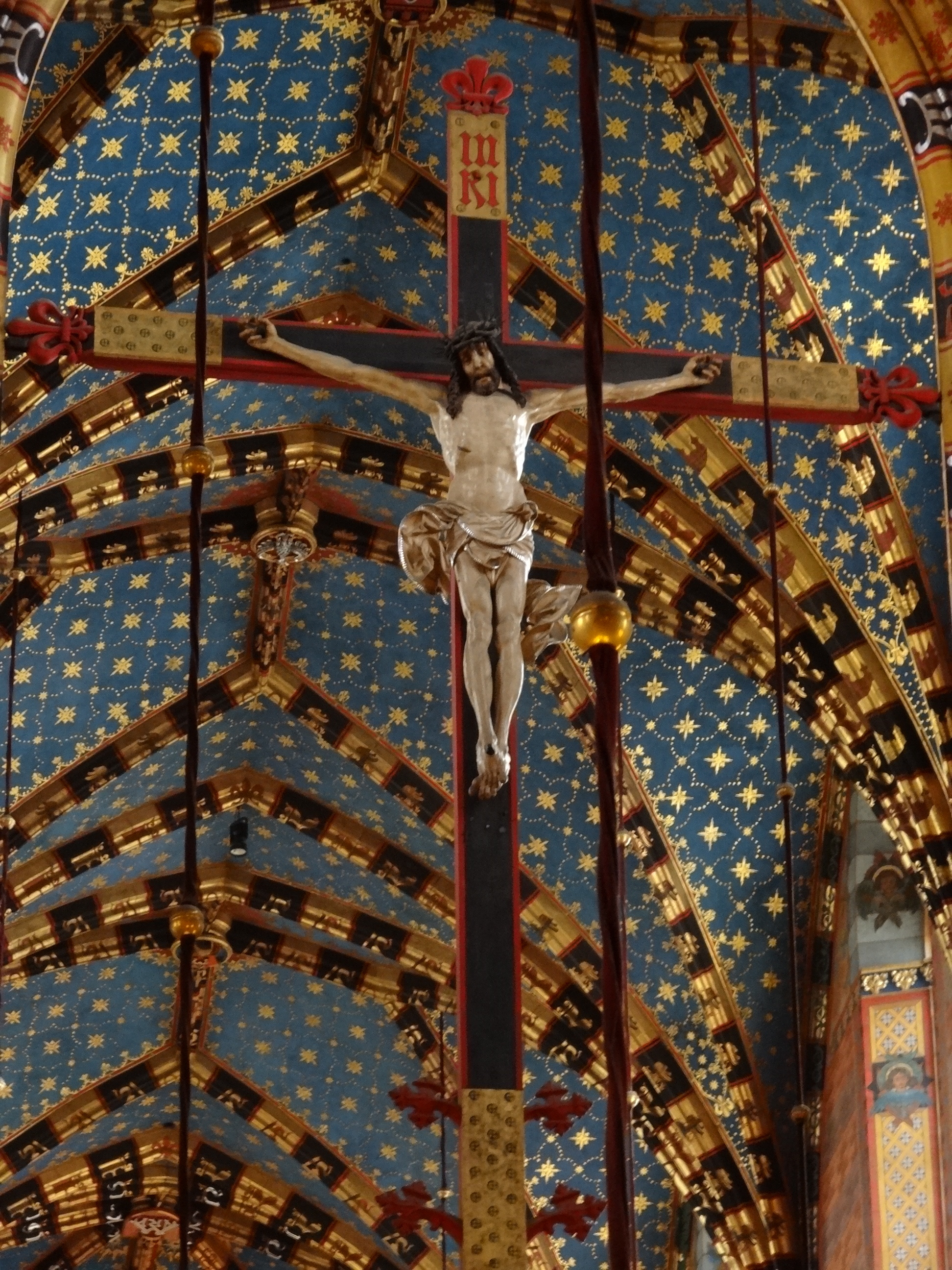
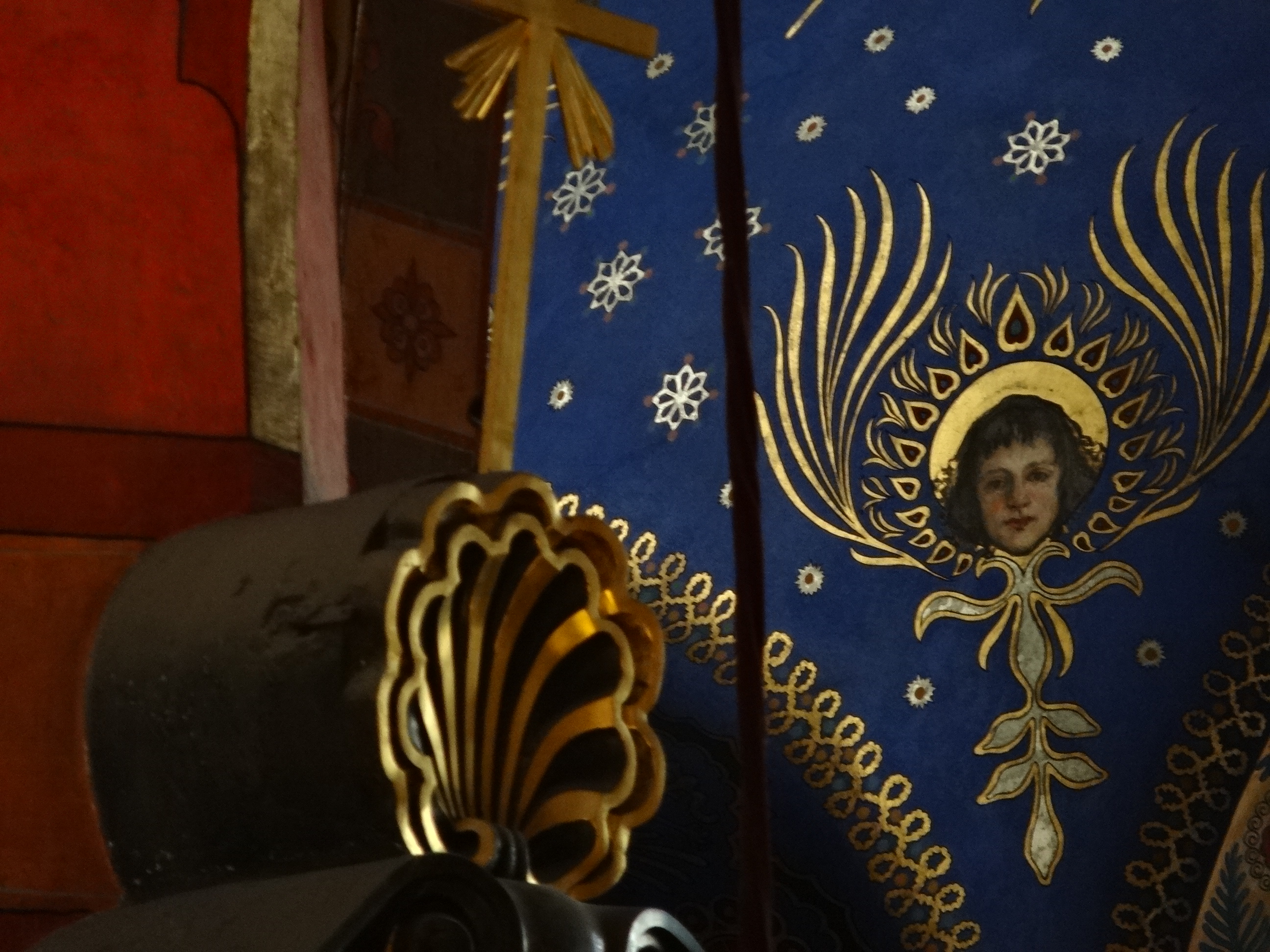
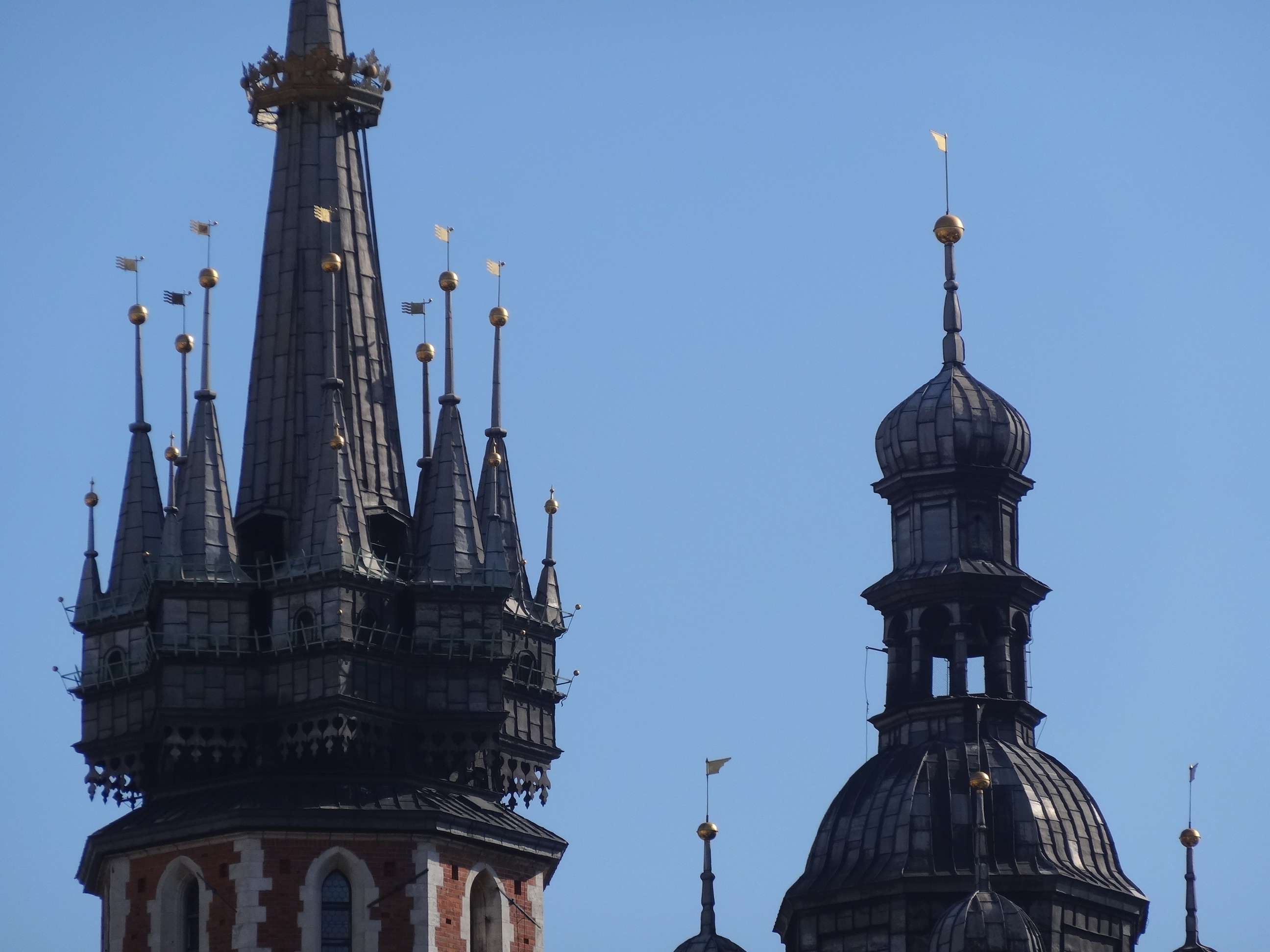
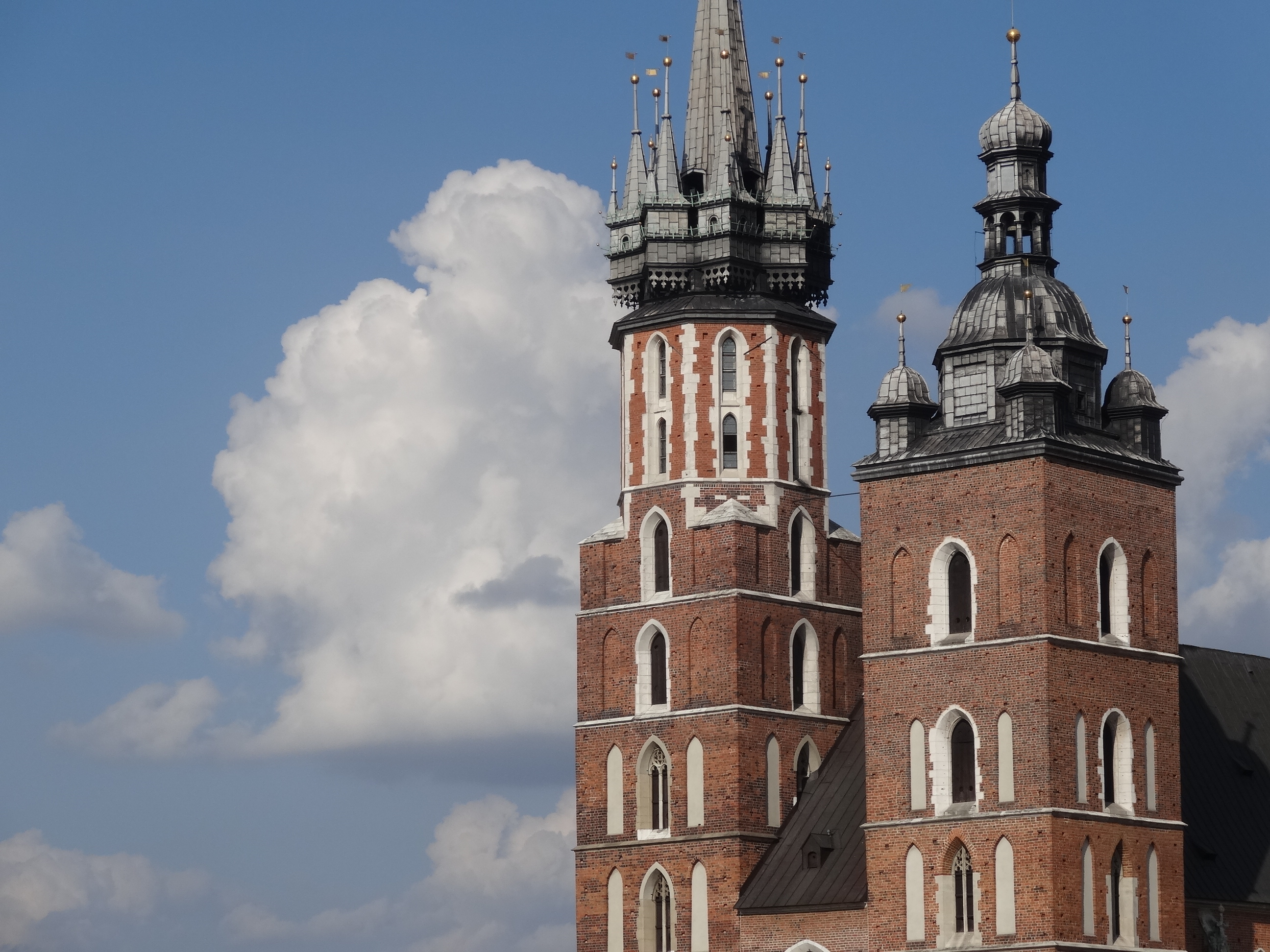
But within that view and outwards into the city beyond, there remained much to see before we faced the inevitable flight home. First up was to head inside the centrepiece of the square which, up until now, I had only gazed at longingly from the outside. The Mariacka Basilica is a masterpiece from the outside; its gothic spire topped with majestic spiked crown completed with golden balls and glimmering details. But the majesty does not end there. The inside of the church is a thing of such splendour that it cannot fail to take your breath away. The gothic architecture, so often left austere, has been painted a rainbow panoply of colours – in between red and green striped ceiling ribs, the stone vaults sparkle with golden stars set within a midnight blue sky; on the walls and columns, every surface is painted with rich patterns and interlaced with more sparkling gold; and through the colourful stained glass, light gleams and glimmers in the space, bringing the multi-coloured abundance of colourful décor to life. The most annoying thing of all was the ban on photography – but as you can see, that went somewhat ignored, as I began photographing surreptitiously (hence the rather questionable quality of the shots!).

DSC07681 DSC07682 DSC07705 DSC07708 DSC07695 DSC07687

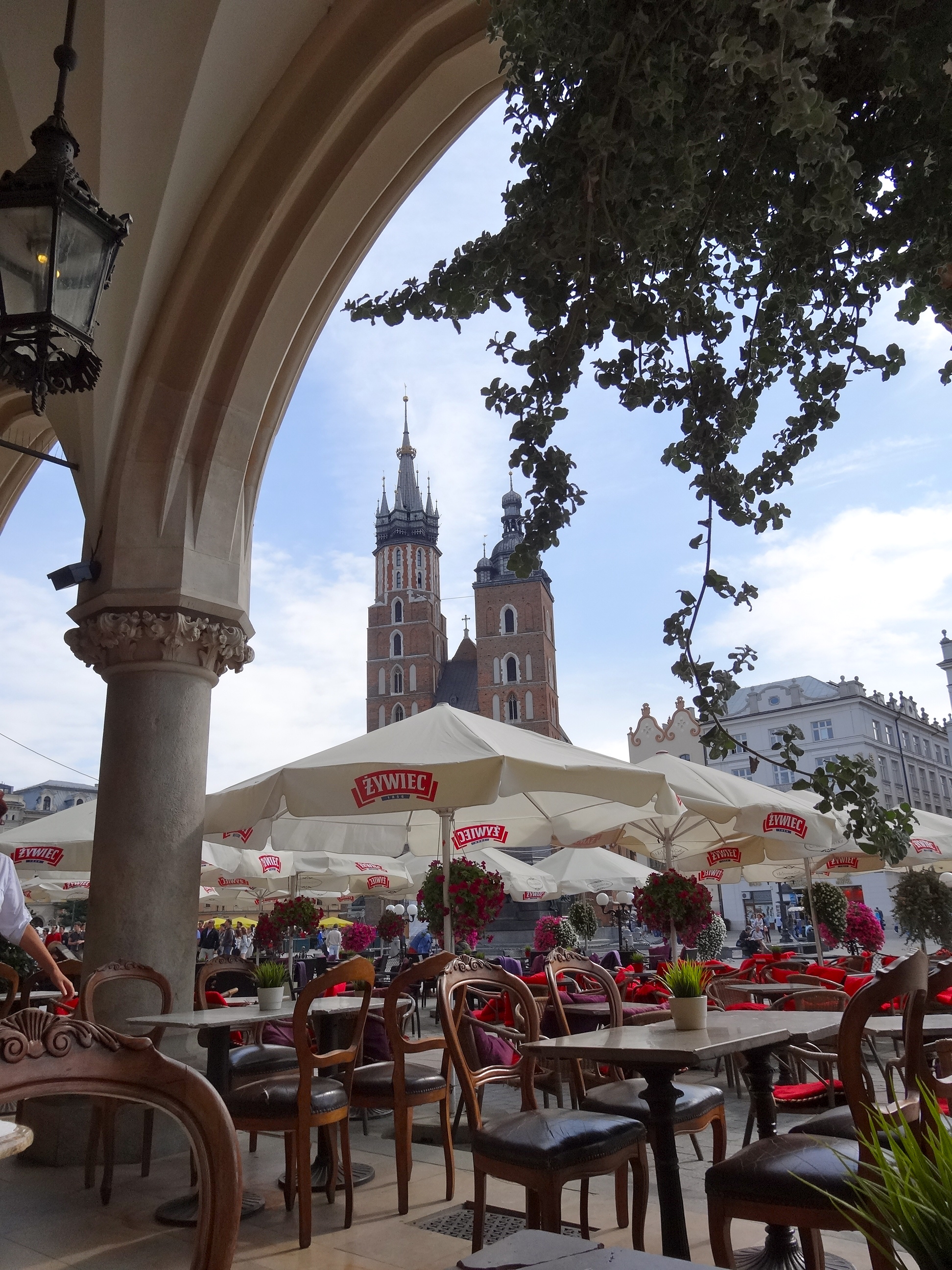
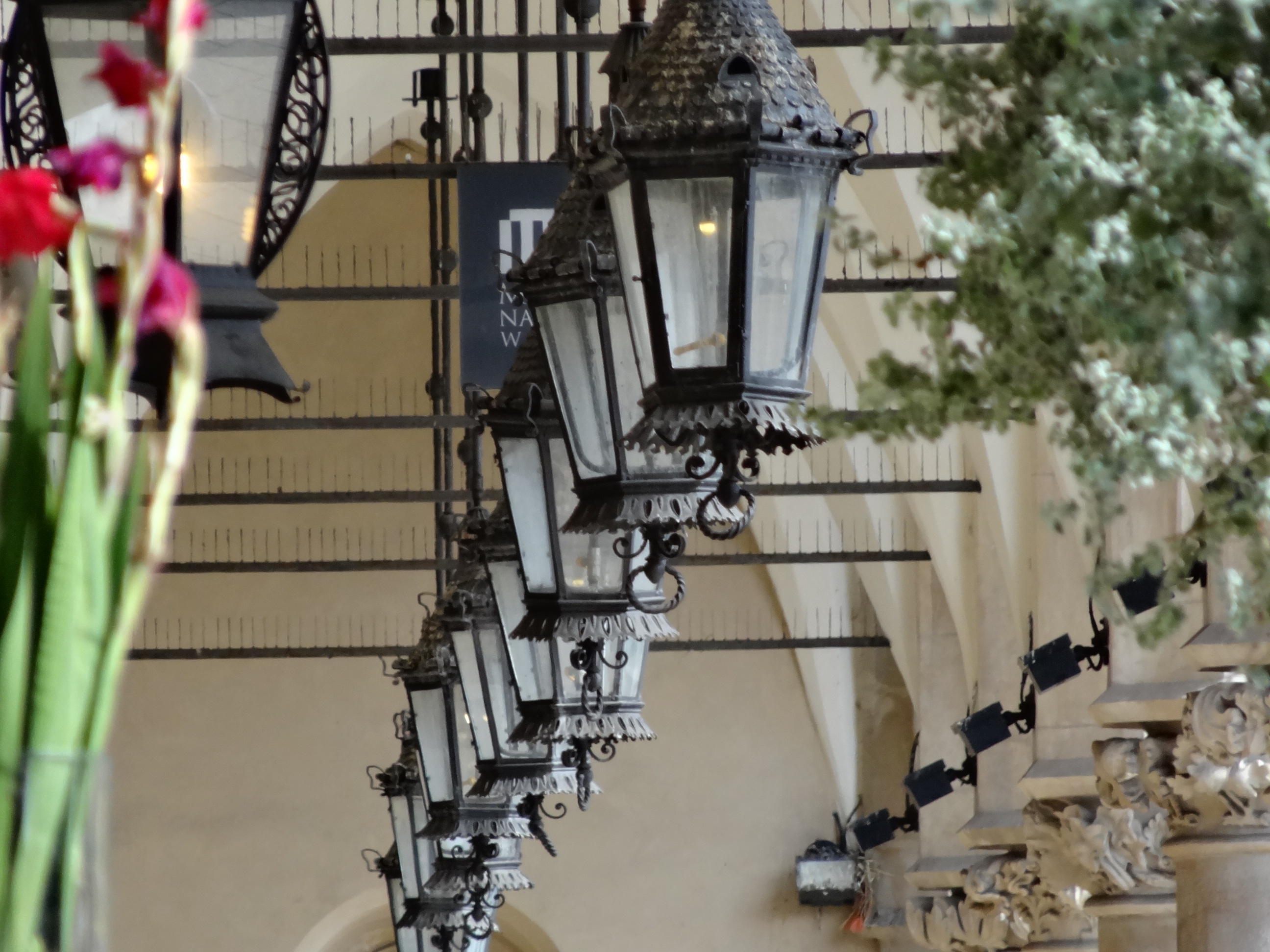
Feeling, as a result of this daring contravention of the Mariacka rules, a little revolutionary, it seemed only appropriate that the next point of call was the café Cukiernia Noworolski, in the arched porticos of the Cloth Hall, where Stalin himself used to sit and sip a coffee while admiring the view which he is claimed to have saved from Communist destruction (we could otherwise have been looking at a panorama of decaying factories and cramped pre-fab residential blocks)…But after one coffee sat in the same spot, I could easily see why the once leader’s heart of iron was just a little melted by this view – a perfect vista of the Mariacki towers, and the best vantage point to see the windows open and the hejnalista poke his trumpet out on the tolling of each hour. But with those hours ticking onwards and our flight home uncomfortably close, we could not linger. For from the starry skies of the mariacki to the starry heights of Kraków’s enlightenment, we still had its university and its elegant theatrical quarter to explore.

DSC07890 DSC07740 DSC07727 DSC07757 DSC07756 DSC07747

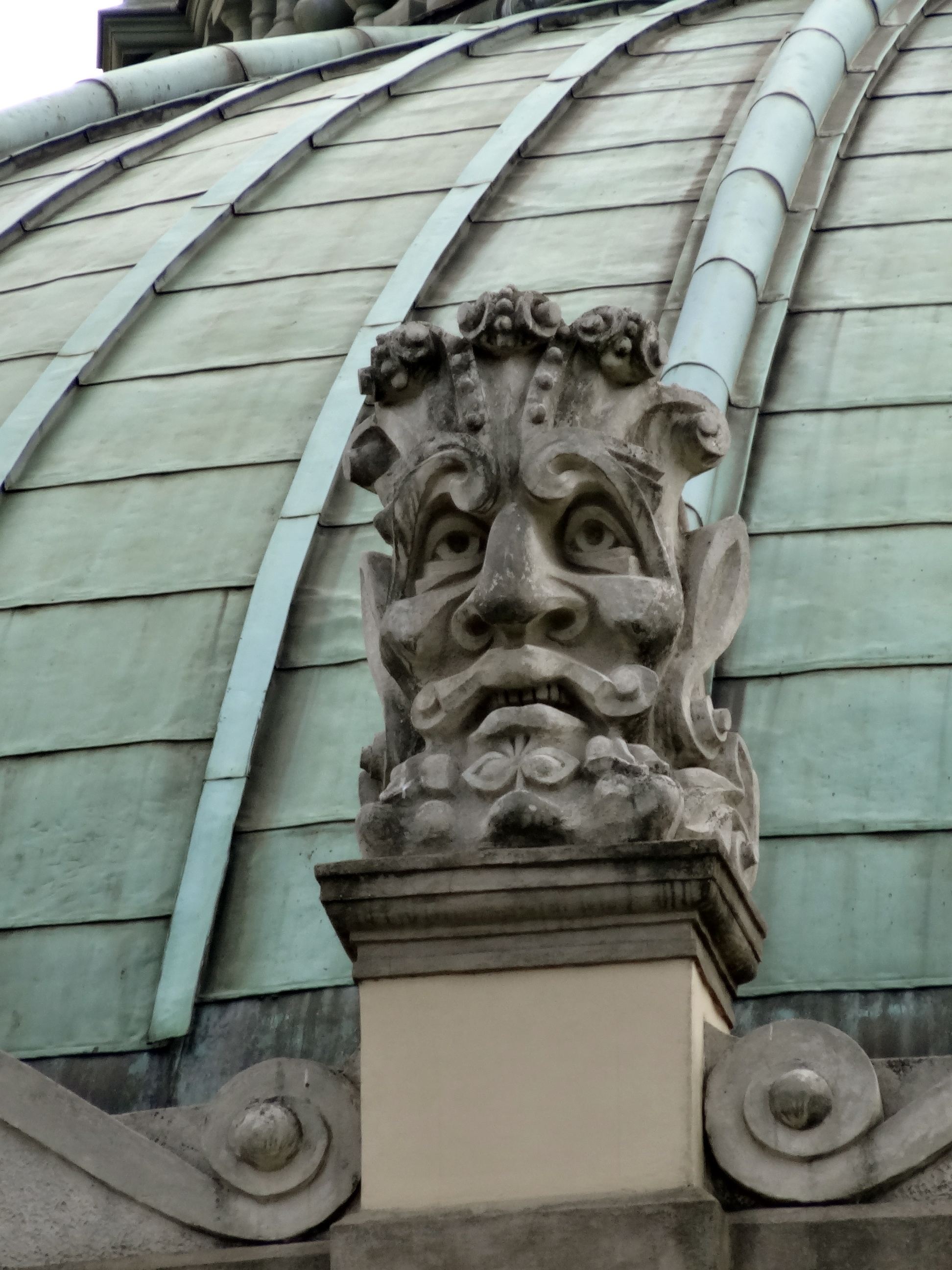
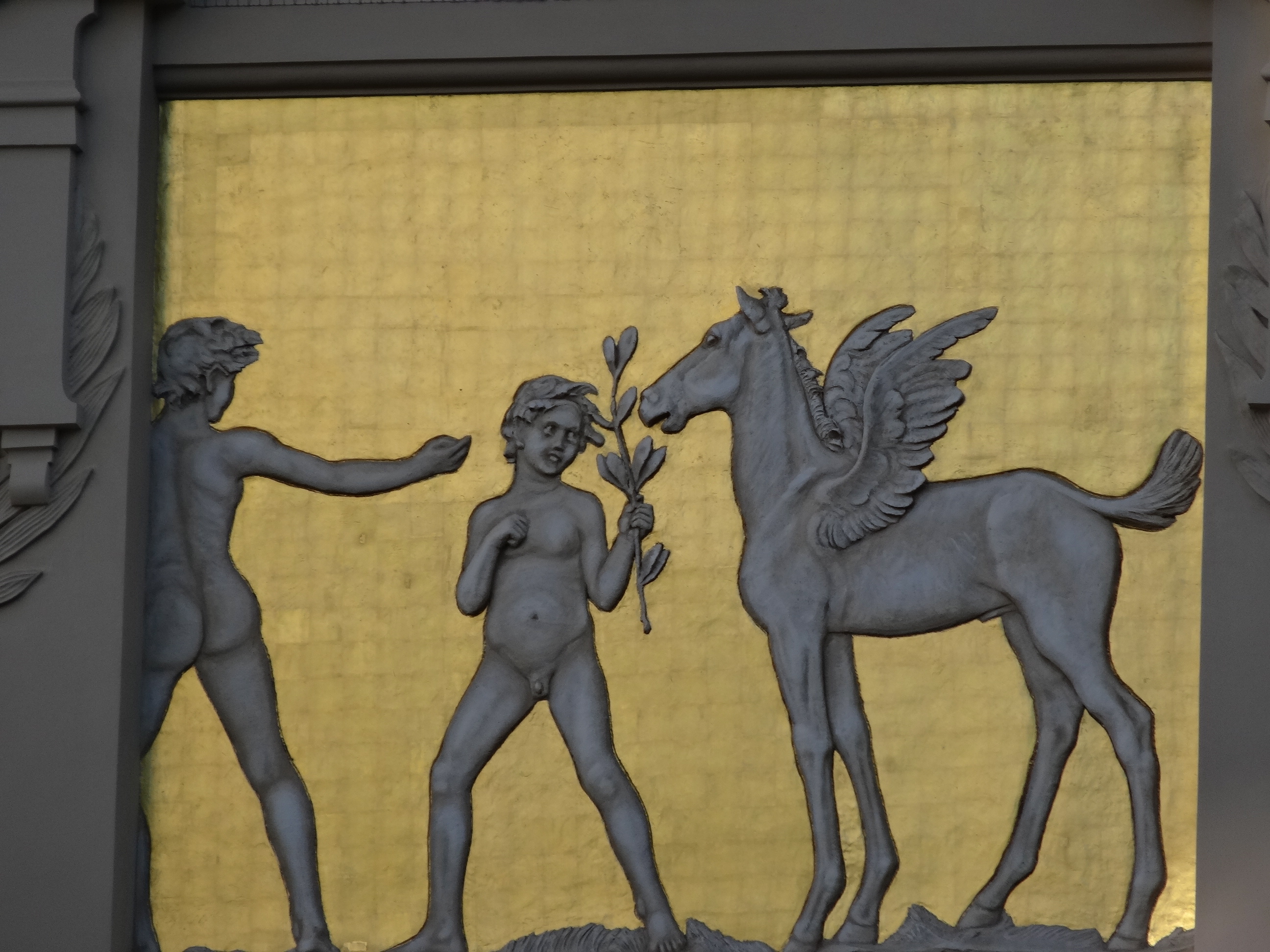
For Kraków is a city visibly proud of its rich cultural and educational heritage. In the centre of the Rynek Główny stands a statue of Polish poet Adam Mickiewicz, surrounded by some of the most famous characters from his tales, while just east of the square, the pleasant leafy district enclosed by the semi circular “planty” park, enveloping the city in its green embrace, also includes yet further examples of Kraków’s elegant artistic offerings – it’s stunning copper roofed Teatr im J Słowackiego, the beautiful gold plated grecian-styled Palace of Fine Arts, and then beyond the seat of enlightenment itself – the Jagiellonian University.

Mickiewicz, the theatre and the Palace of Fine Arts

IMG_4666 DSC07675 DSC07898 DSC07541 DSC07900 DSC07555 DSC07539 DSC07548

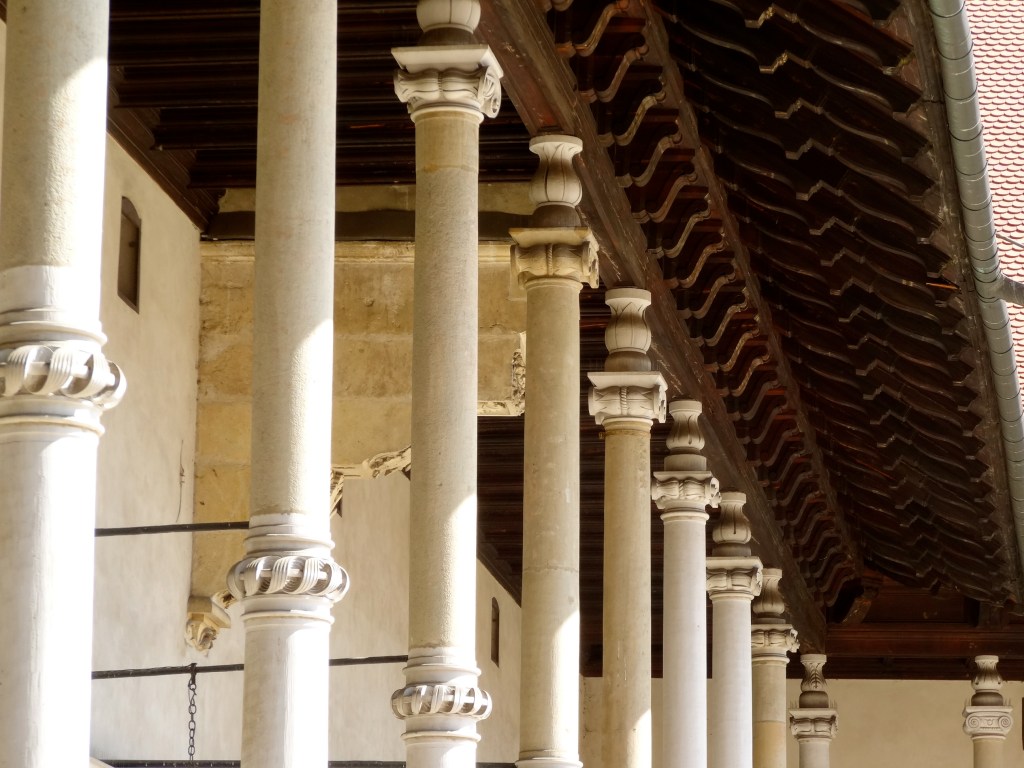
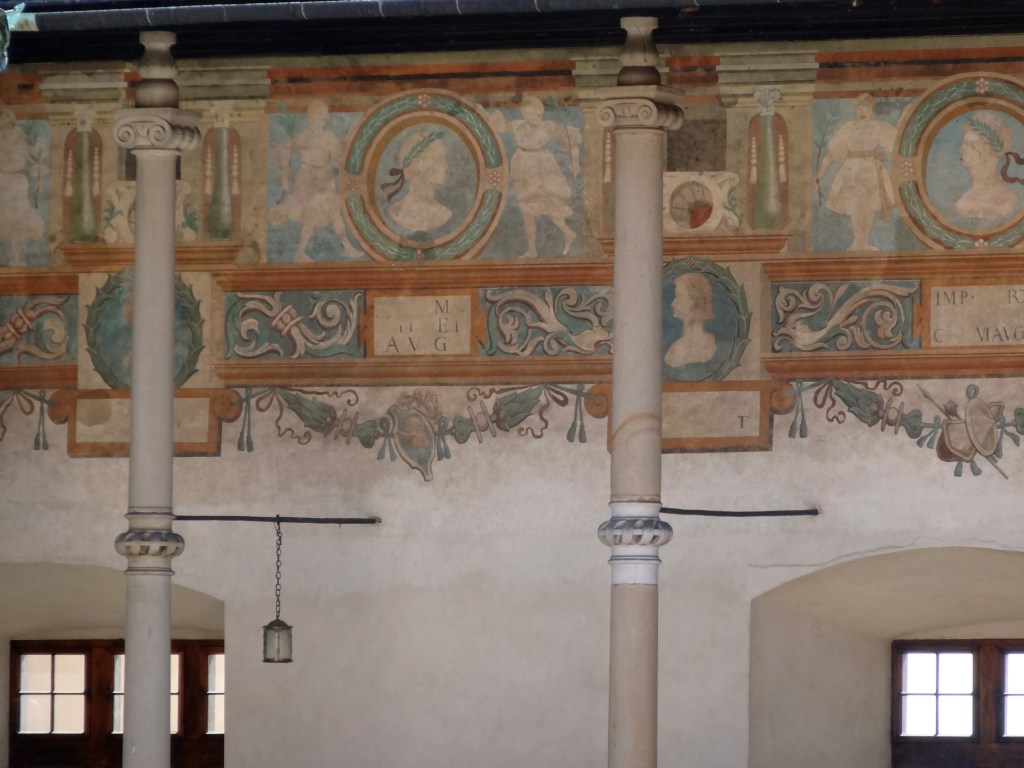
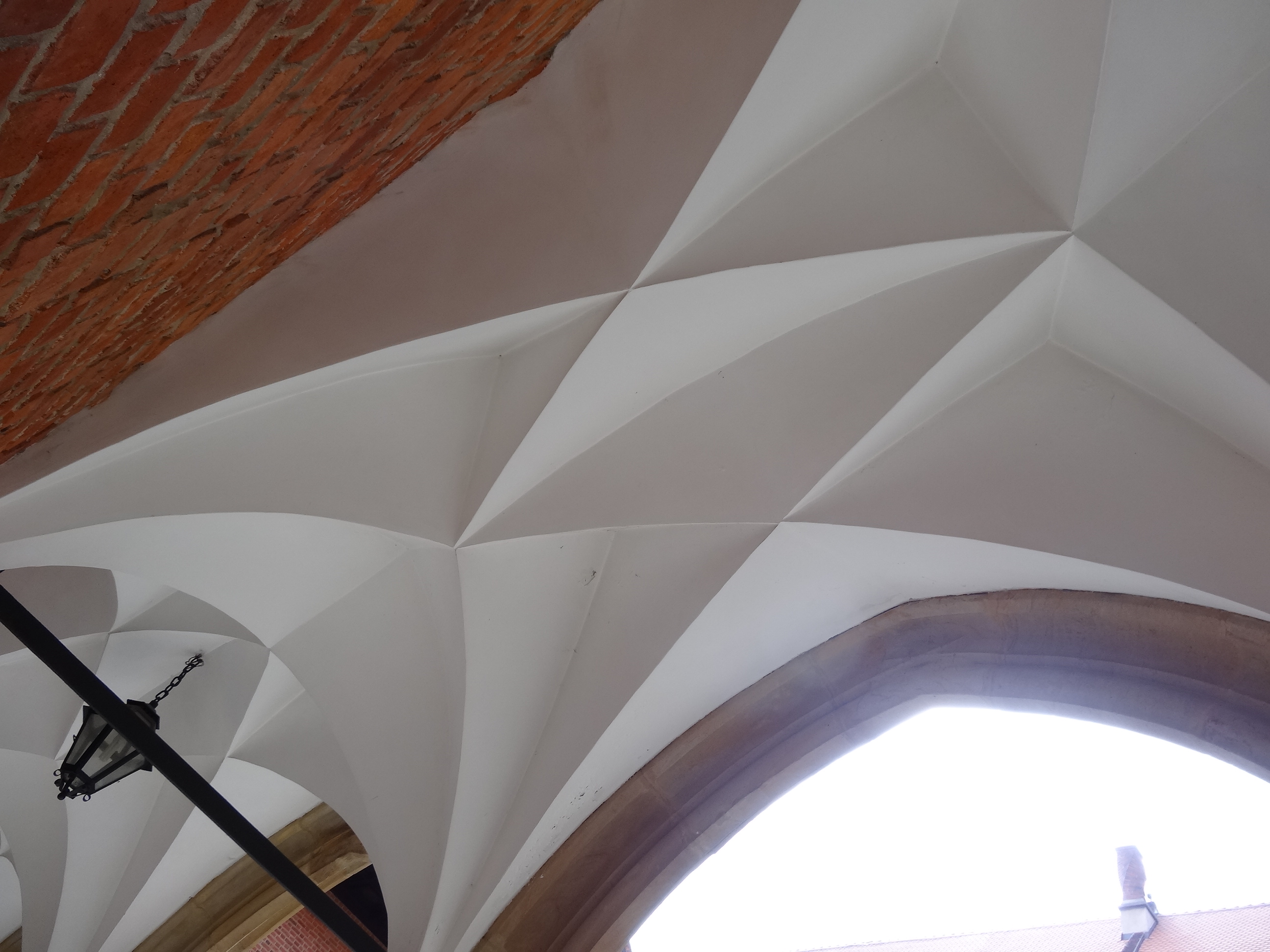
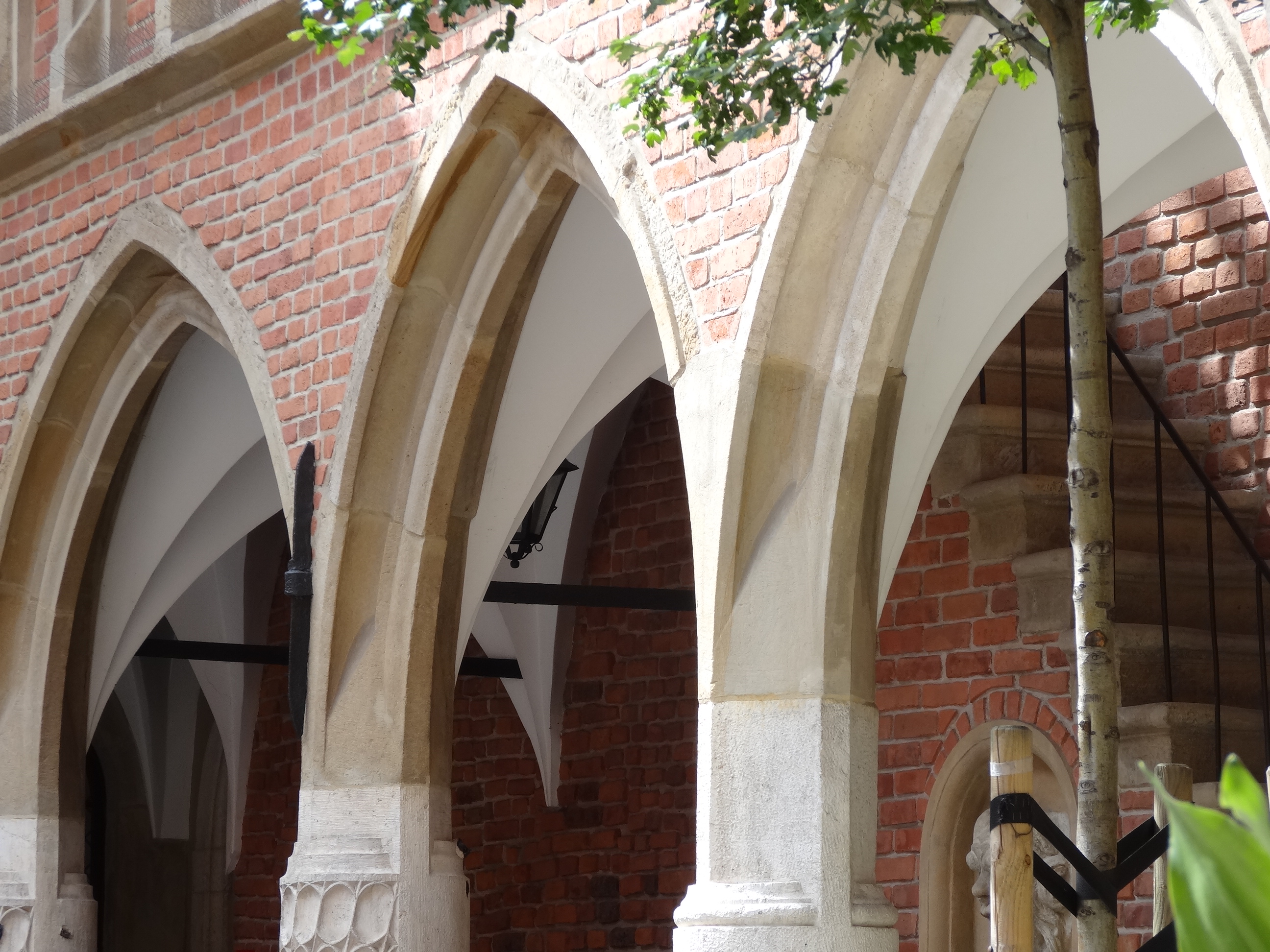
The university is one of the oldest in Europe and can lay claim to an impressive alumni: Nicolaus Copernicus and Wisława Szymborska (Nobel laureate prize winner) studied here, the former Pope John Paul II, and of course, most important of all, my partner studied there too. So with him as my guide, I was led into the heart of this ancient university, the tourist circuit centring in the oldest core – the Collegium Maius, with its old yet pristine gothic arches, open cloisters, and of course the touches of gold which, like the city around it, dazzle and sparkle upon the architecture.

The Collegium Maius

DSC07801 DSC07791 DSC07815 DSC07794 DSC07831 DSC07817 DSC07827

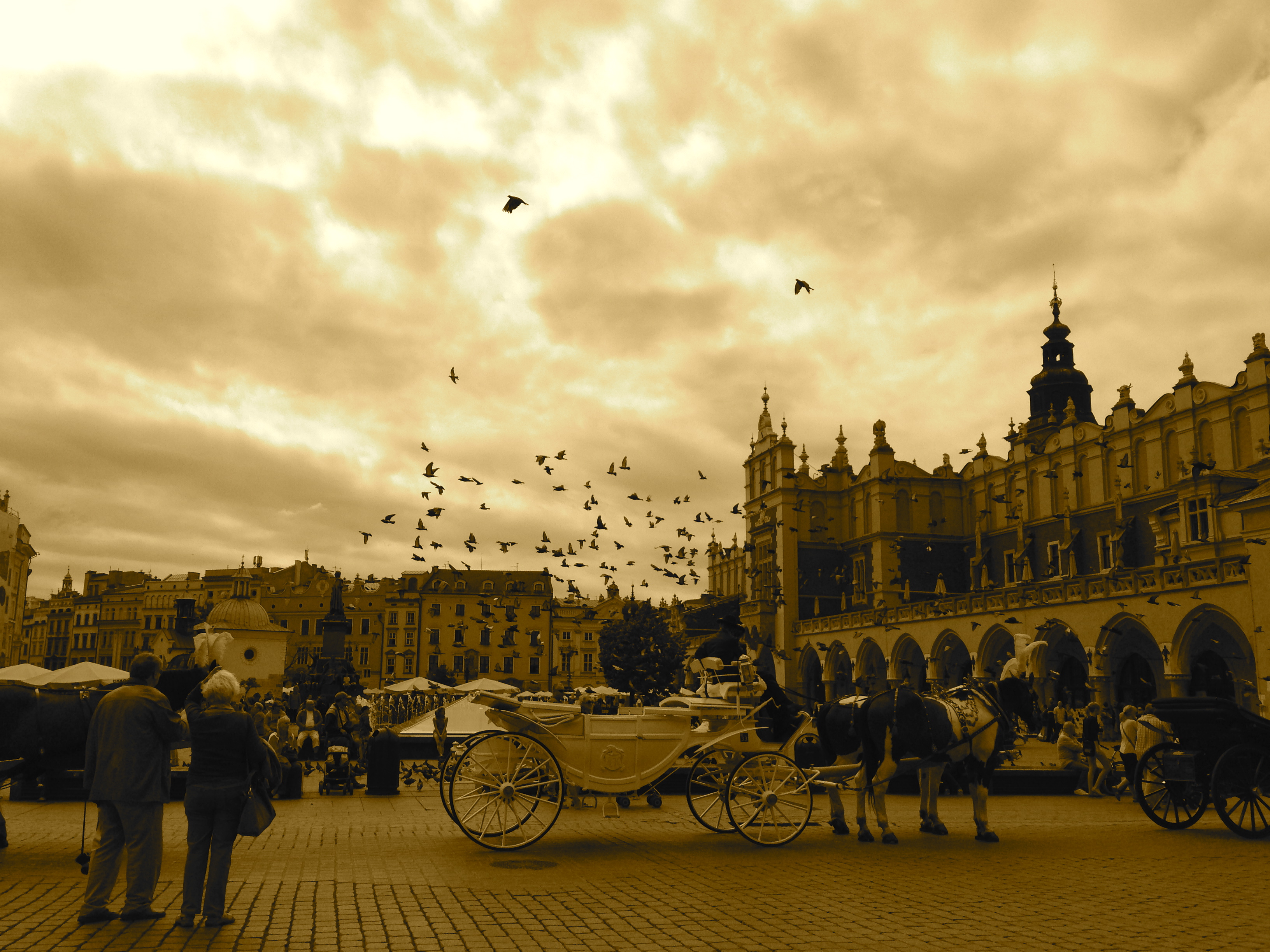
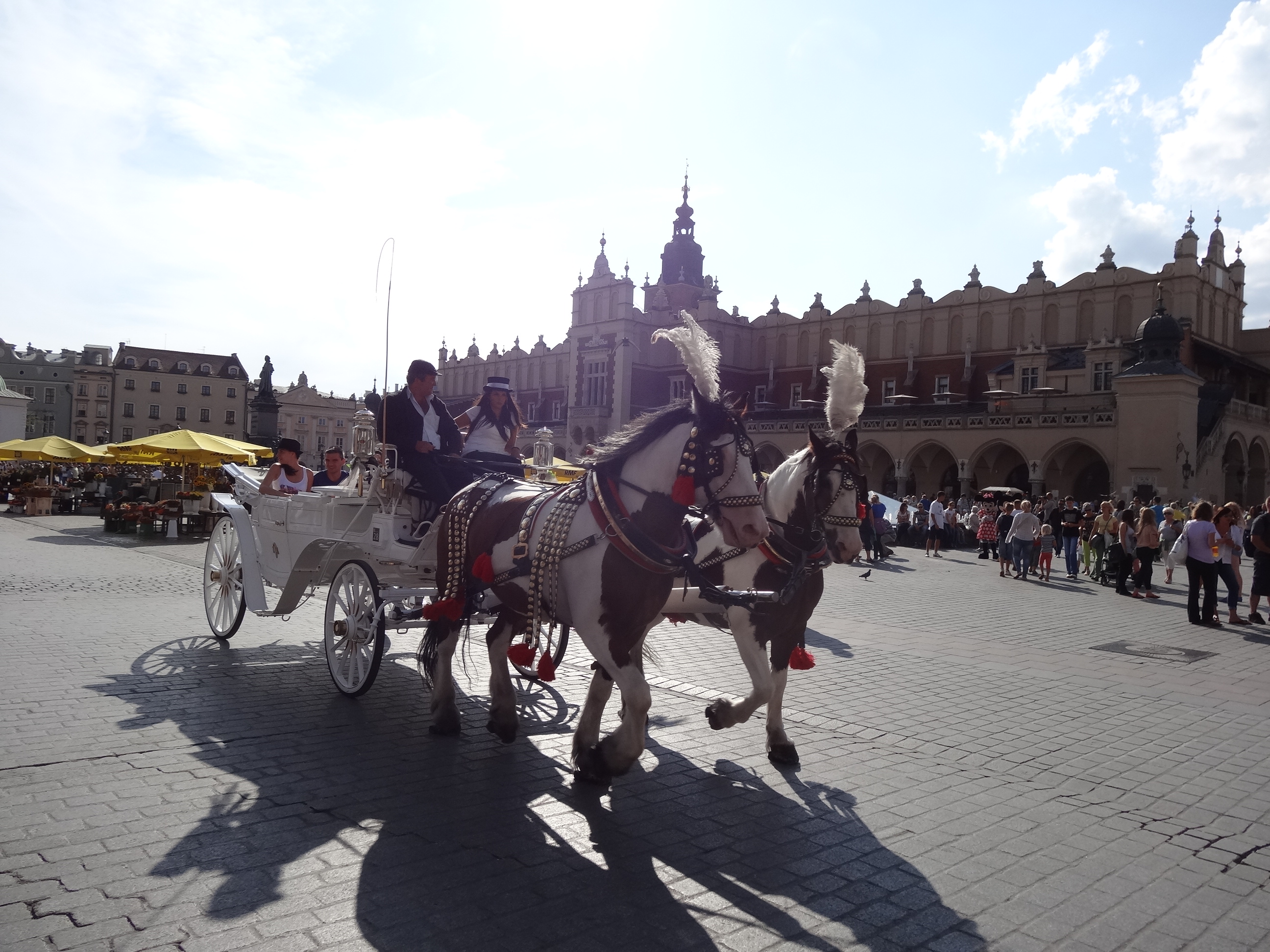
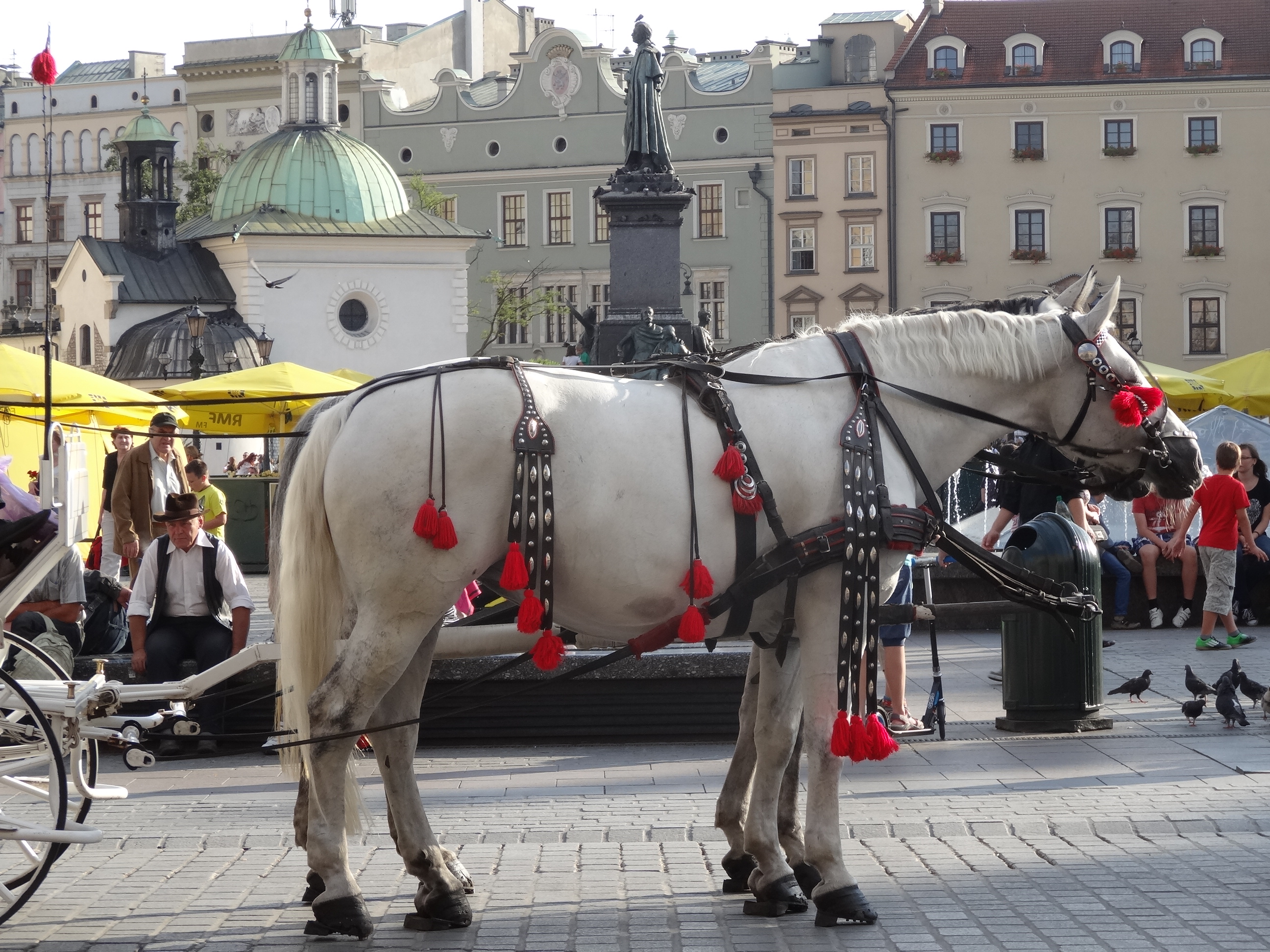
So from my first view of the city to my last, Kraków was consistently a city of insuperable elegance, packed full of historical and architectural treasures which each of the innumerable visitors flooding into the city each year cannot help but admire. And admire I did, with photos aplenty of new art works inspired – Kraków will live long in my memory and surely require a return visit sometime very soon. But for now, in those last sweet moments before our departure home, there was just time for one last coffee alongside the Rynek Główny, perfectly poised to watch the hussle and bustle of the square; the horses and carts; the pigeons in flight, and the Majestic Mariacki stood over it all. The perfect ending to a perfect weekend.

DSC07855 IMG_4688 DSC07871

Check out my last batch of Kraków photos tomorrow. Until then…

All photos and written content are strictly the copyright of Nicholas de Lacy-Brown © 2013 and The Daily Norm. All rights are reserved. Unauthorized use and/or duplication of the material, whether written work, photography or artwork, included within The Daily Norm without express and written permission from The Daily Norm’s author and/or owner is strictly prohibited. 

A weekend in Kraków | Photography Focus 1 – Urban details

As regulars of The Daily Norm will know, when I visit a new country, and all the more so when I visit a city, my eyes are alive taking in all of the brilliant details which so often cluster abundantly, ripe for the picking, before me. I love photographing the places I visit, and not just the postcard views or the tourist hot-points where visitors gather for poses. Rather, in my photographic contemplation of a newly discovered urban space, my eye looks for all of the little details; often the ones which many a superficial glance may miss, or dismiss as ugly or unimportant. As my adventures in Lisbon demonstrated last Autumn, I love nothing more than a city which exudes character not through glossy renovations, but rather through tired dilapidation, through cracking walls which ooze history; through the empty bottle telling a half tale of the drinker who abandoned it on a windowsill; through the electricity wires which hang haphazardly across a street, feeding electric life into the many households around them.

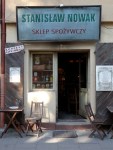
DSC07590 DSC07498 DSC07503DSC06821 DSC07414 DSC07776

For sure, Kraków simply dazzled with its array of picture-perfect charm-filled streets, with its gleaming gold domes and impressively baroque copper cupolas – and my many photos exploring those gems are still to come. But there’s another half of Kraków too, away from the tourist heart; the city which tells of its residents and its more recent past, which exudes something of the hard-edged spirit of a city which has fought through invasion and suppression to remain a centre of enlightenment and education, and which simply charms through the sheer character of its dilapidation.

These are my photos which focus on those urban details which can so often be missed. I hope you enjoy them.

All photos and written content are strictly the copyright of Nicholas de Lacy-Brown © 2013 and The Daily Norm. All rights are reserved. Unauthorized use and/or duplication of the material, whether written work, photography or artwork, included within The Daily Norm without express and written permission from The Daily Norm’s author and/or owner is strictly prohibited. 

A weekend in Kraków | Day 2 – Kings, Communists and the Kazimierz Ghetto

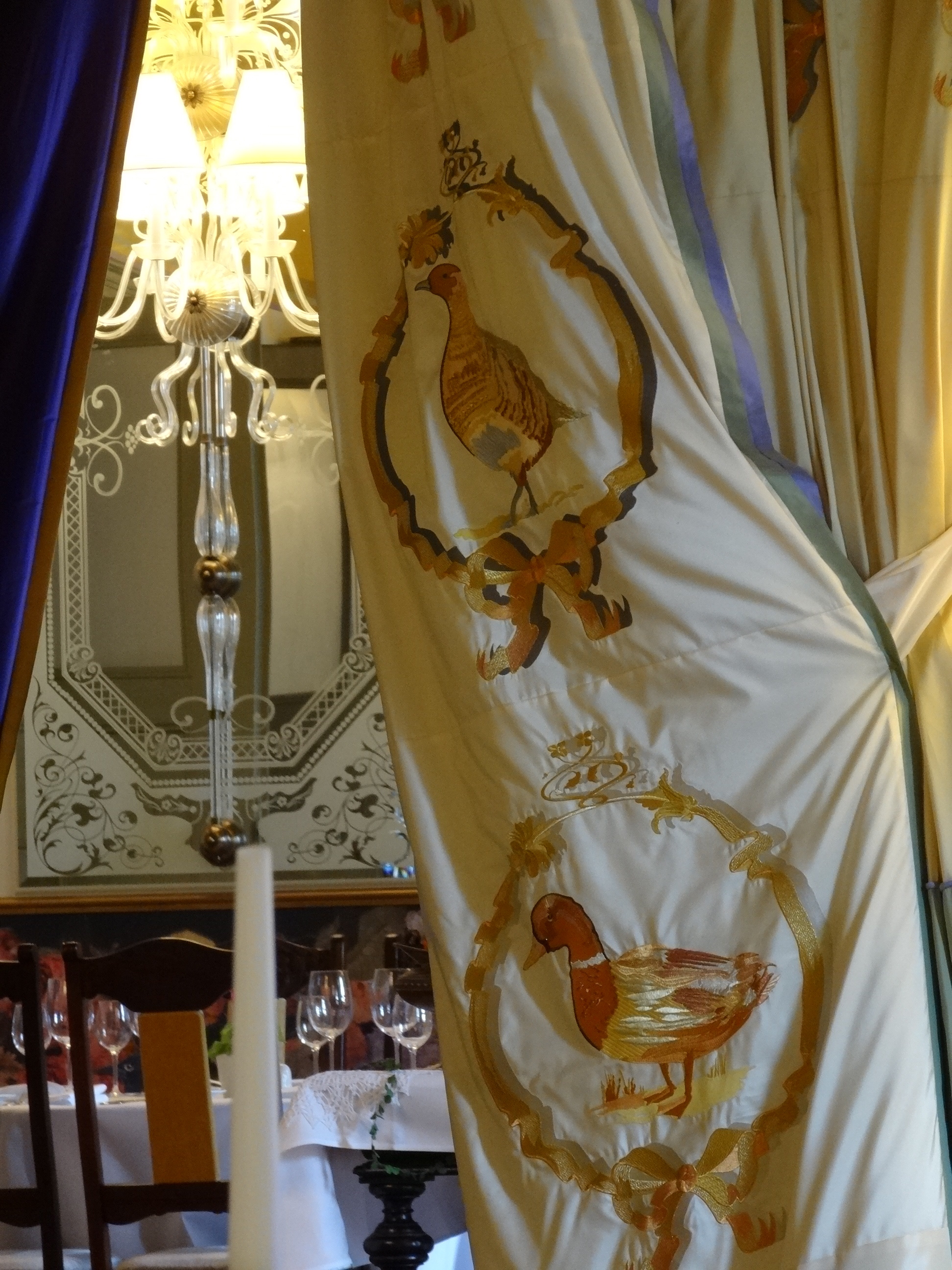
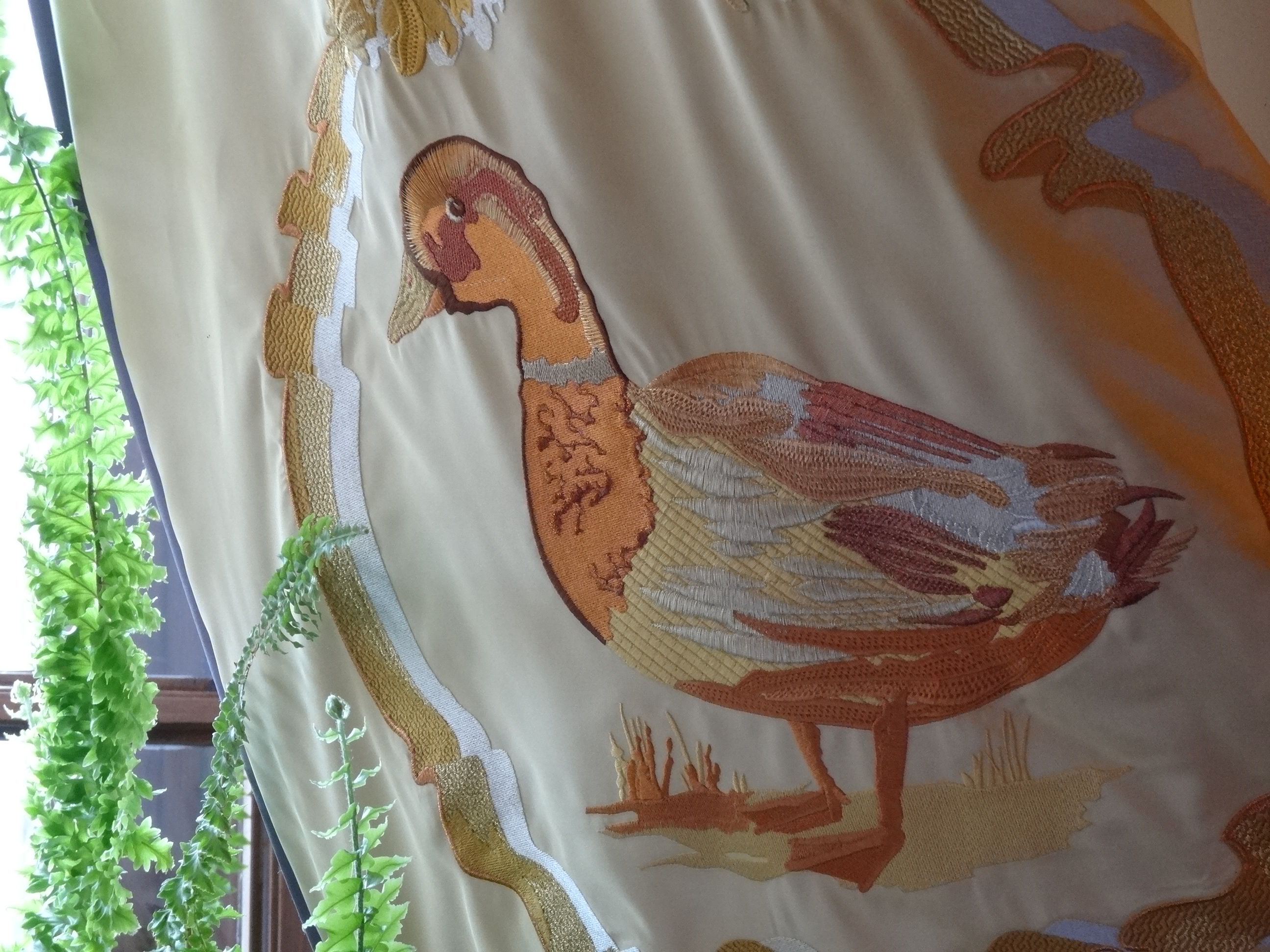
Having awoken to the sweet serenade of the hejnalista to the accompaniment of the most glorious of peachy pink sunrises (see my post yesterday) I thought I could barely be reawoken to anything more beautiful. Yet when, having gone back to bed at 6am, I arose two hours later to the now sundrenched view of the Rynek Główny, I soon realised that in the beauty stakes, Kraków is the city that just keeps on giving. And not just the city – in our hotel,  the Hotel Wentzl we started our day in the lap of luxury: an espresso machine installed in the room pumping out coffee-rich espressos with which to enjoy the unbeatable view, and breakfast in Polish TV personality Magda Gessler’s Wentzl restaurant, conveniently located in our hotel, serving up the perfect of Polish continental breakfasts in the opulent surroundings of her lavishly and quirky interior decors. I particularly loved the pastoral quality to the design – the huge pheasant chandeliers and heavily embroidered bucolic curtains being particular favourites.

Our view by morning

DSC07196 DSC07200 DSC07207 DSC07206

Pondering the quirky interiors of Magda Gessler’s restaurant…

IMG_4553 DSC07660 DSC07644 DSC07652

So after a doubly-good beginning to our second day in Kraków, we were well slept, well fed and full of energy to explore all the city had to offer. And just as well. For the city’s old town in itself takes some exploring, and as we made our way to the Wawel Hill, upon which sits the city’s former royal residence as well as its stunning main cathedral, we soon found that other tourists too had discovered the attraction, resulting in an hour’s queue for tickets. The length of the queue was perhaps augmented by a particular attraction which is currently in residence at the museum: Leonardo Da Vinci’s sensational Lady with an Ermine, with whom I became acquainted when she was on display in London’s superb Da Vinci exhibition, but who usually hangs in Kraków’s Princes Czartoryski museum, currently closed for major renovations.

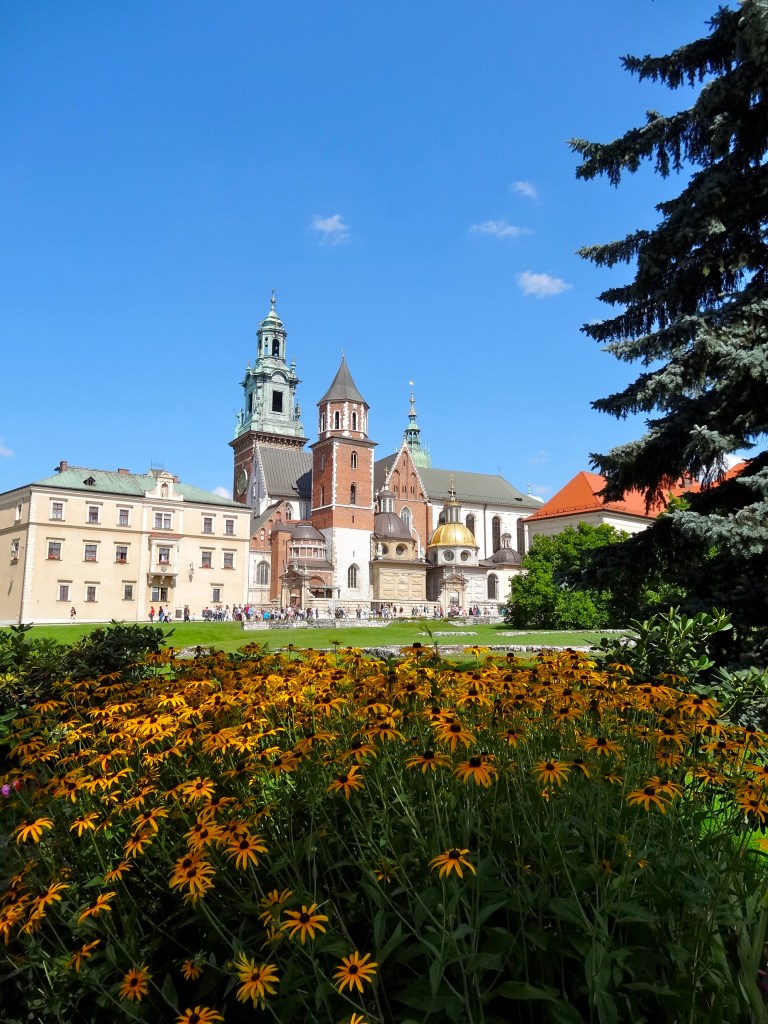
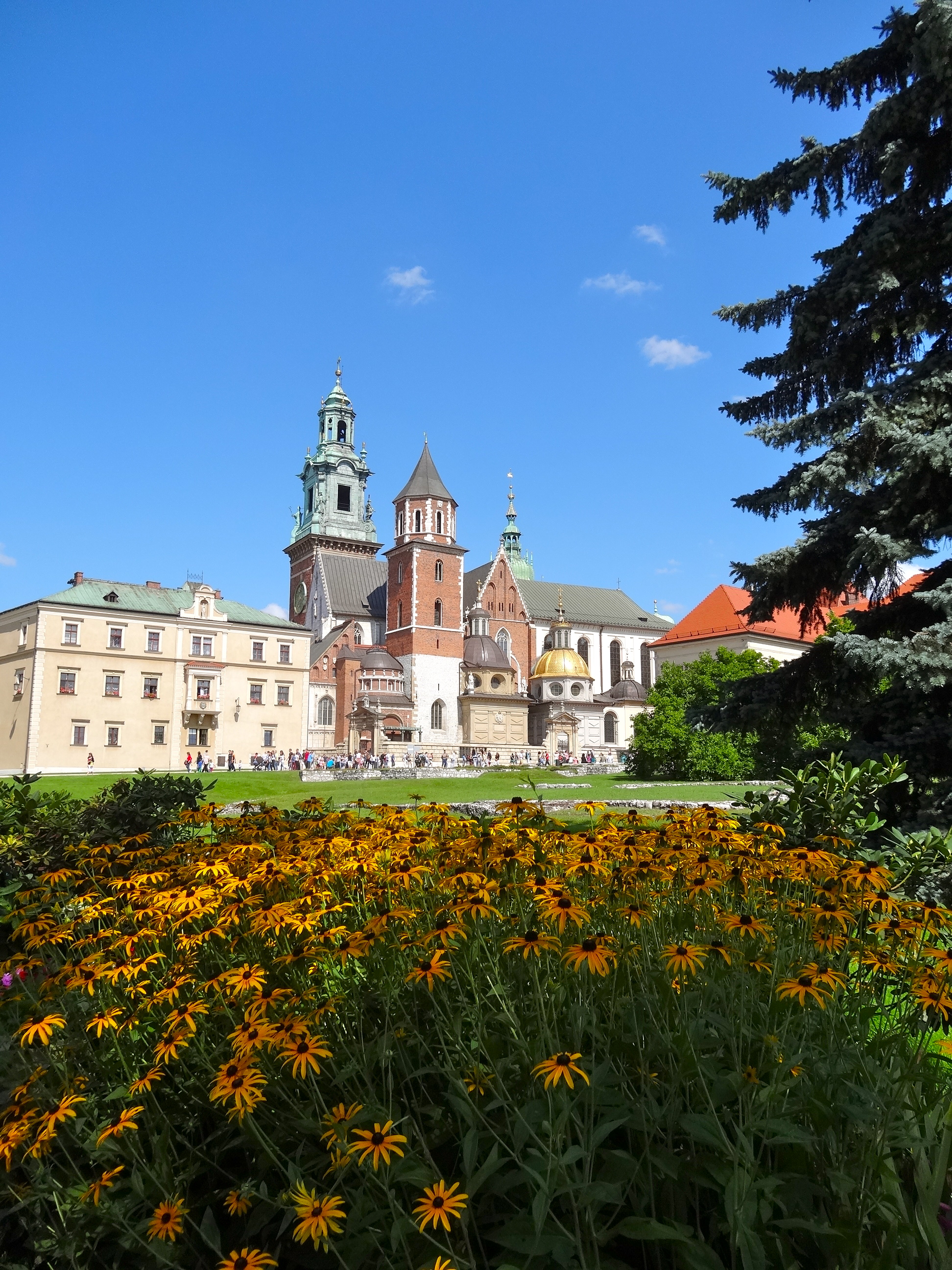
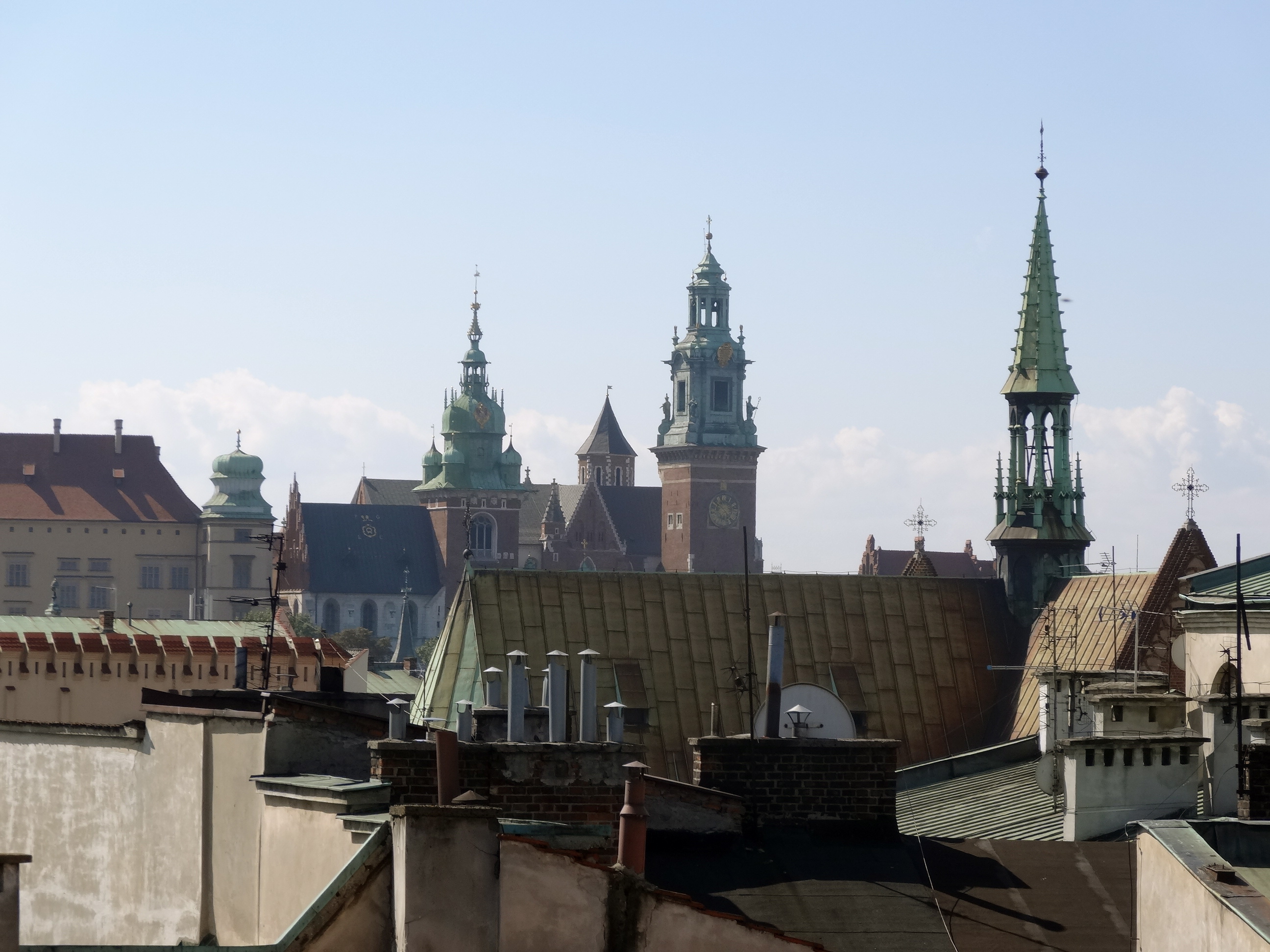
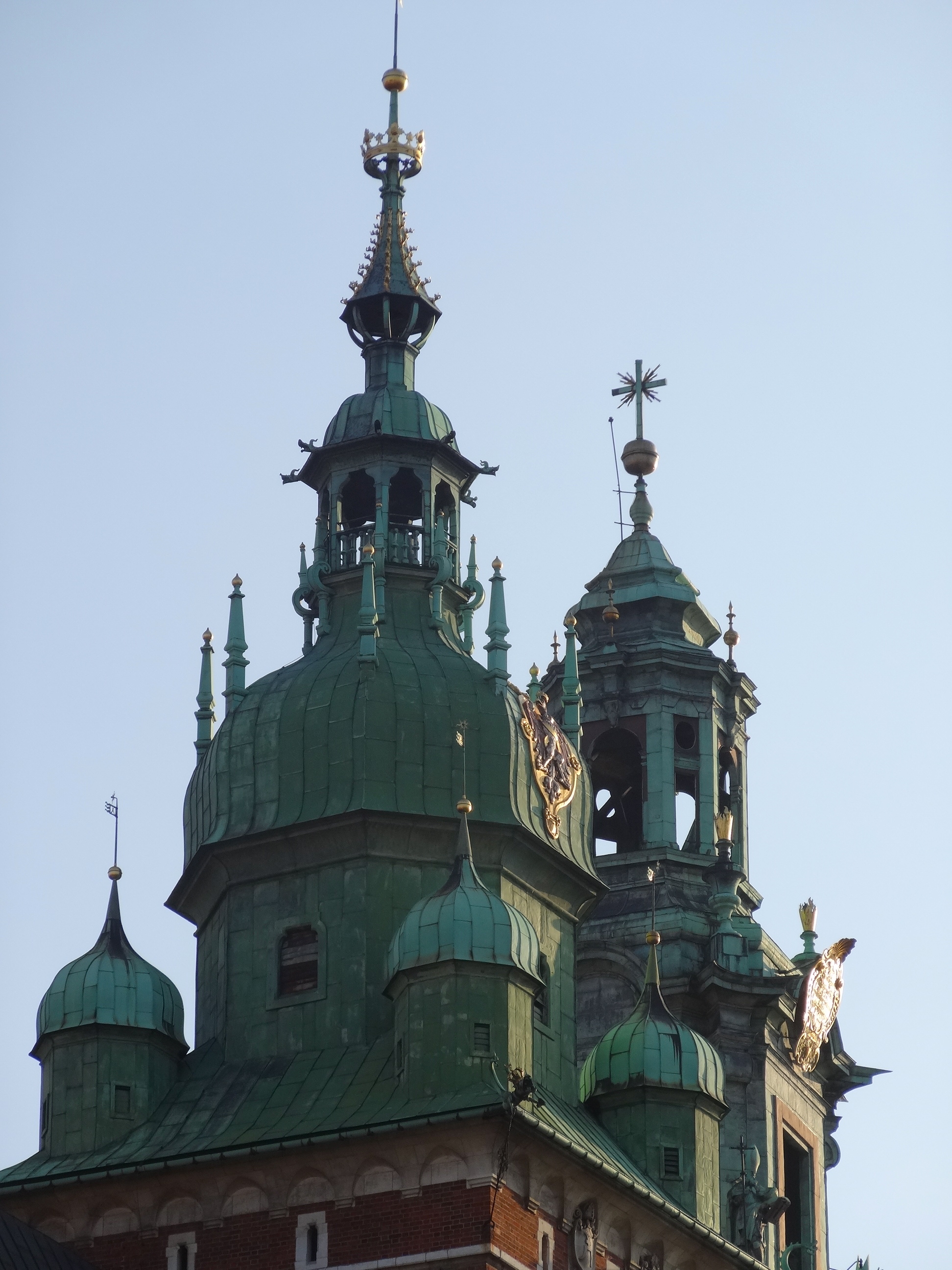
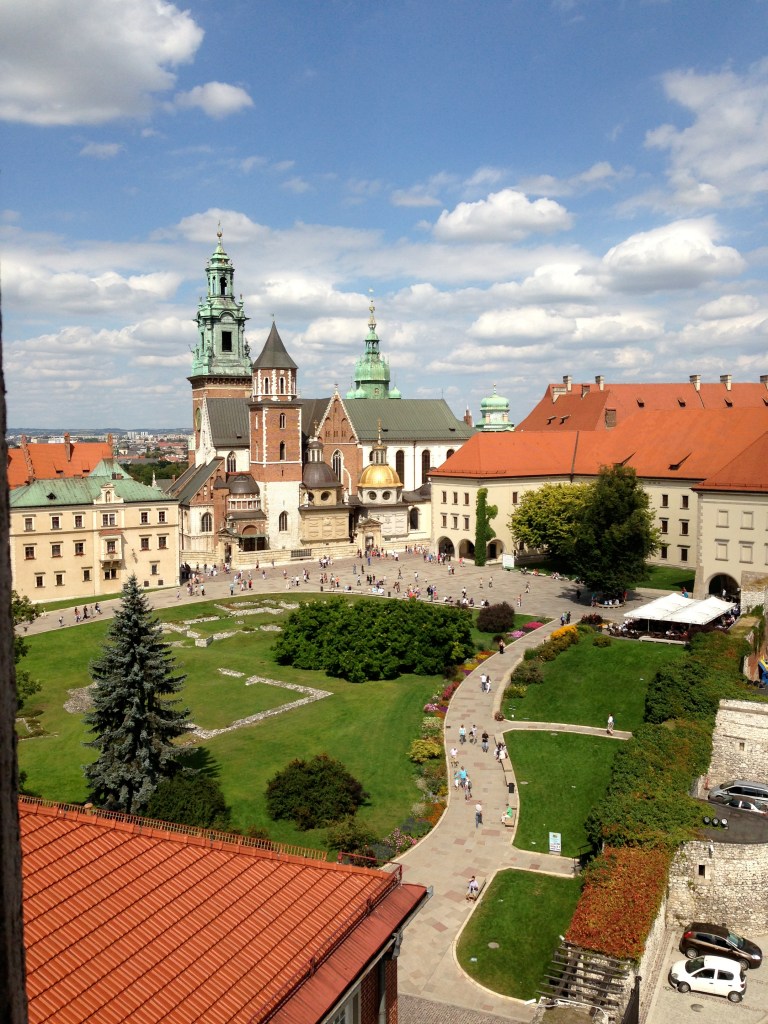
While a visit to see Da Vinci’s masterpiece was undoubtedly a must of my Kraków experience, the ticket queues certainly took the sparkle out of this reconnaissance, although happily for me, my self-sacrificing partner took on much of the sting of the queue, waiting in line for the full hour while releasing me to look around the vast Wawel complex. And how glad I was to have time to experience the palatial compound to the full, starting with the lavish Wawel Cathedral, whose outside is covered with so many complex cupolas in devastatingly extravagant gold and elegantly crafted copper, that upon my first sight of the building, I literally had to gasp for air. Owing to the ban on inside photography, I cannot demonstrate to you the interior ravishment which more than matched the splendour of the outside, but rest assured, this Cathedral is awe-inspiring on the inside and out.

Wawel Cathedral

DSC07273 DSC07303 DSC07281DSC07261 DSC07241 DSC07332 DSC07269 DSC07245DSC07306 DSC07266

Rejoined by my partner, we made our way to see Da Vinci’s portait of Cecilia Gallerani, tranquil as ever caught in the midsts of a far off gaze, the perfection of her skin remarkable considering the age of the painting. Then, sadly finding no further works from the Czartoryski museum to enjoy, we headed off to Sandomierska Tower, one of various towers built into the Wawel’s vast ramparts, and which reminded me of an oversized Moomin House. From up there we had the benefit of unbeatable views across the Vistula River and the whole of the Wawel complex, while descending back to ground level, we made our way deeper into the Wawel Hill, where a series of creepy caves are said to have once housed the legendary Wawel Dragon.

Wawel Castle
IMG_4598 DSC07360 DSC07353 DSC07356DSC07355 IMG_4595

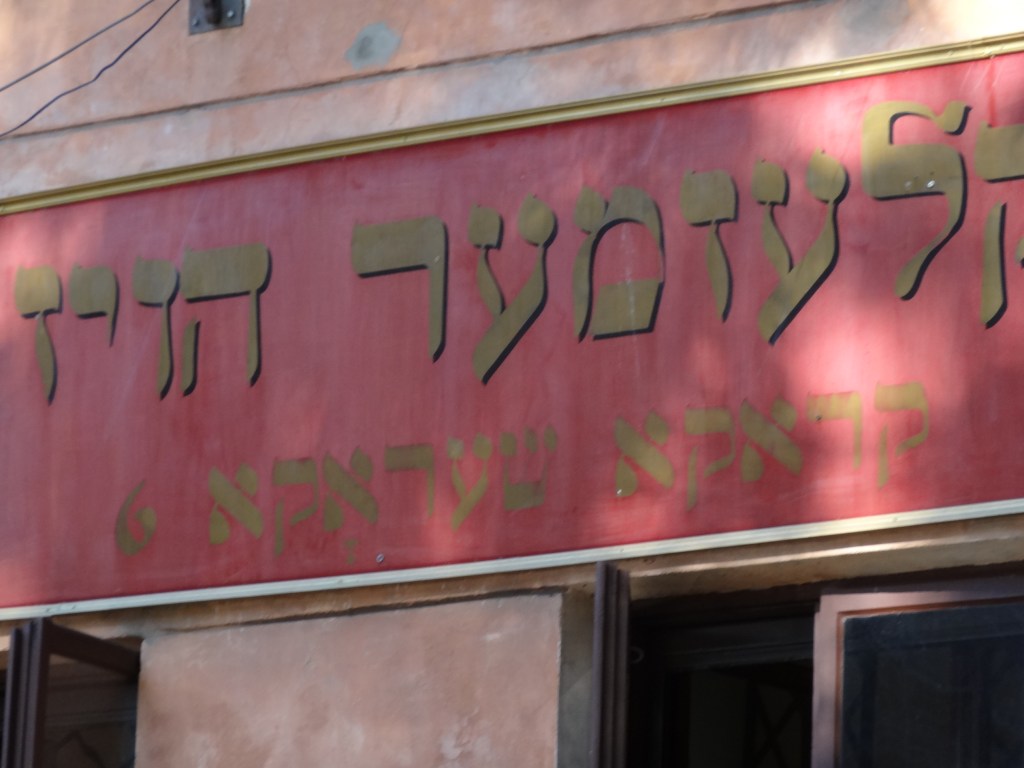
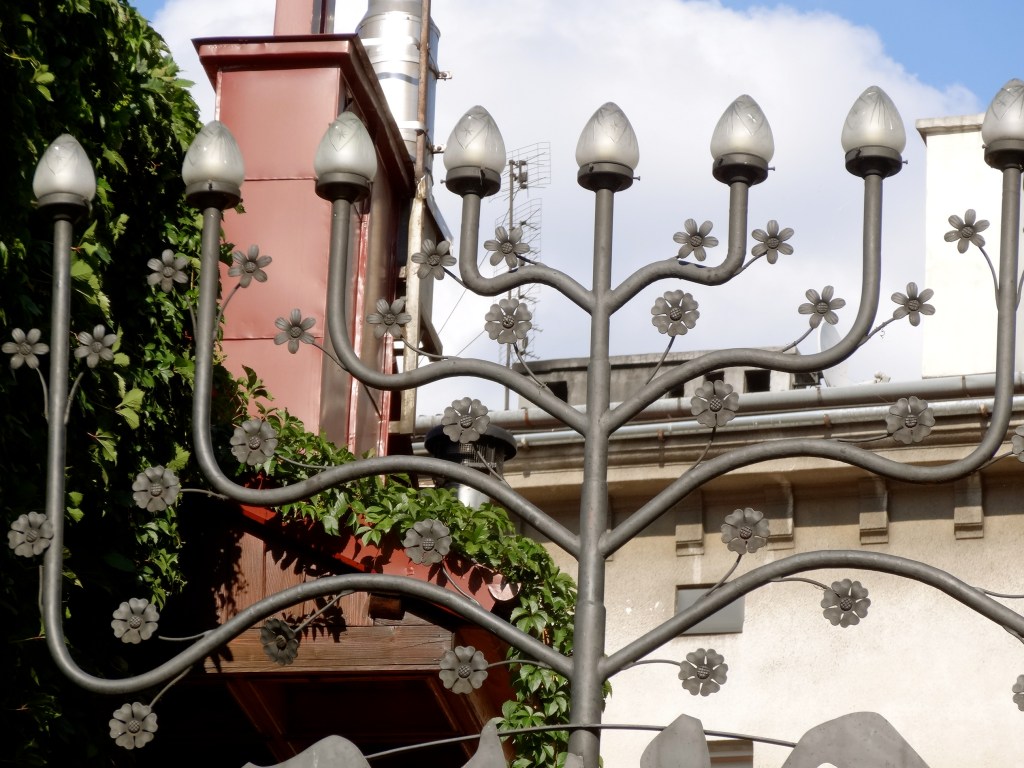
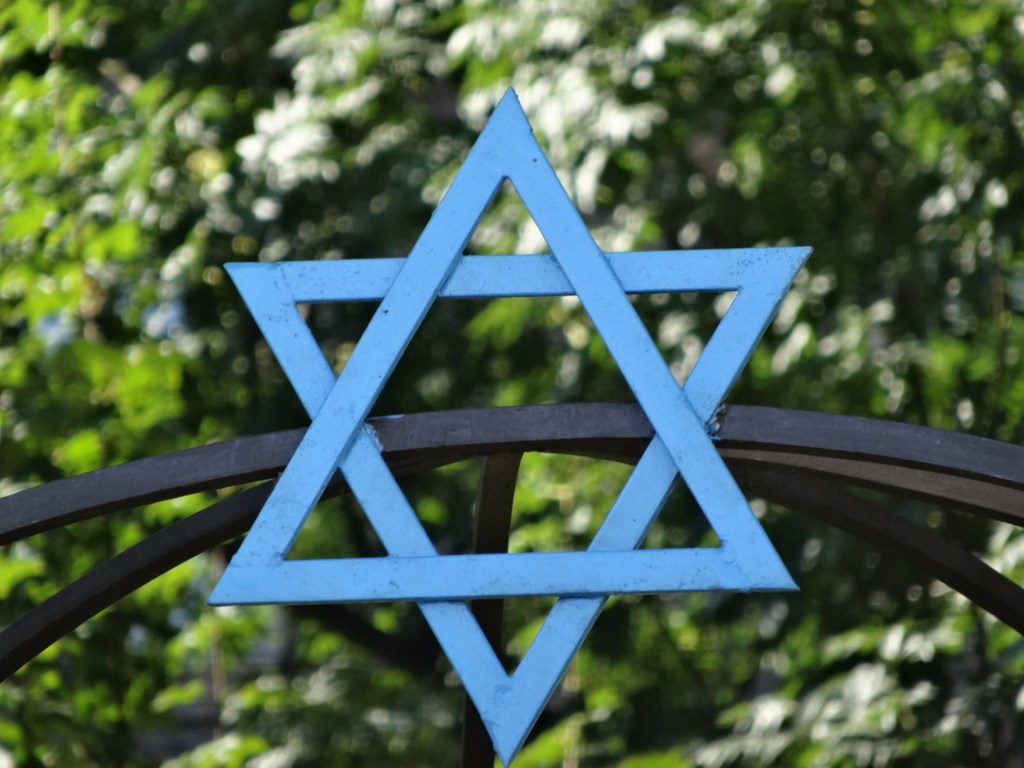
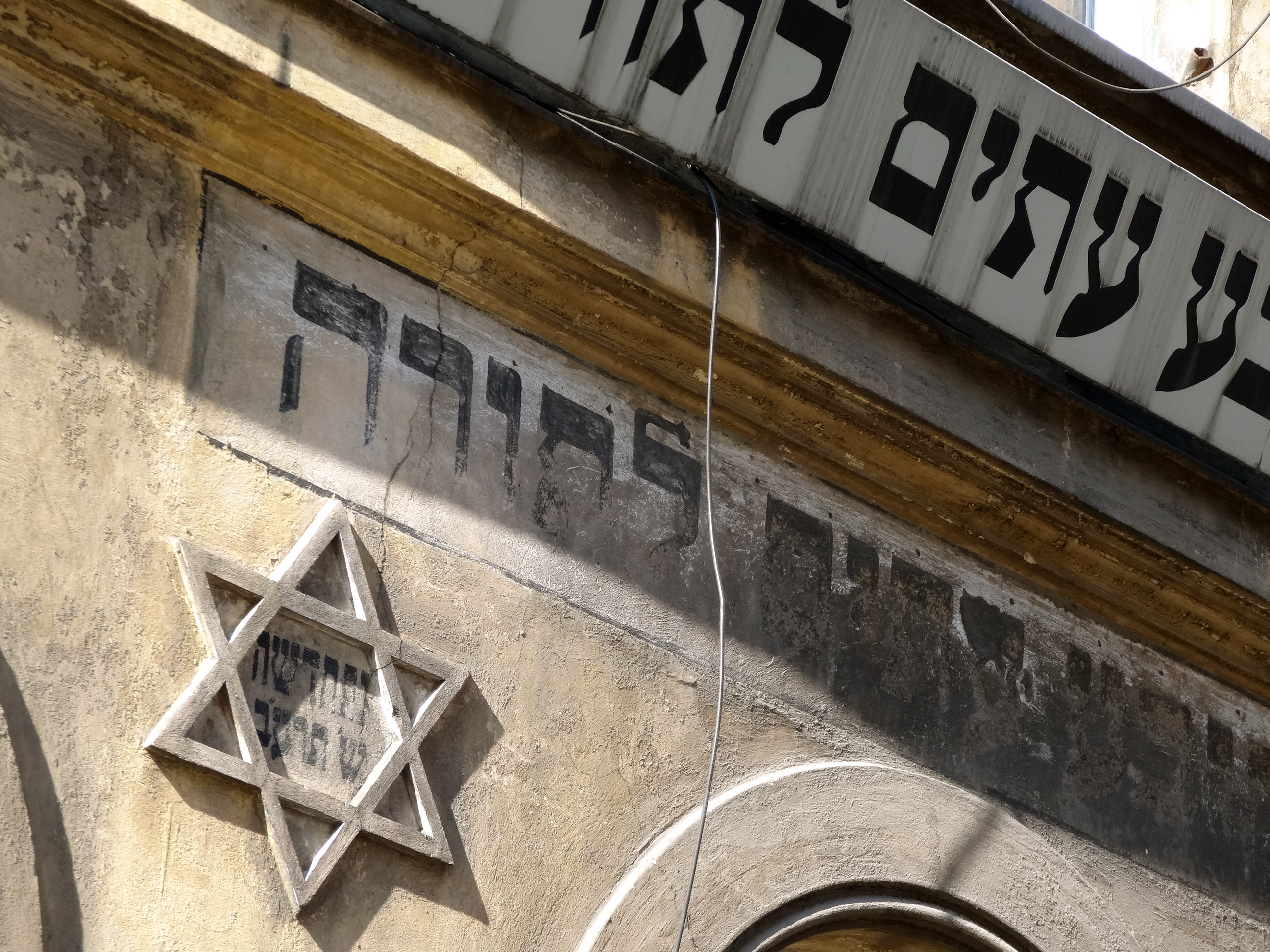
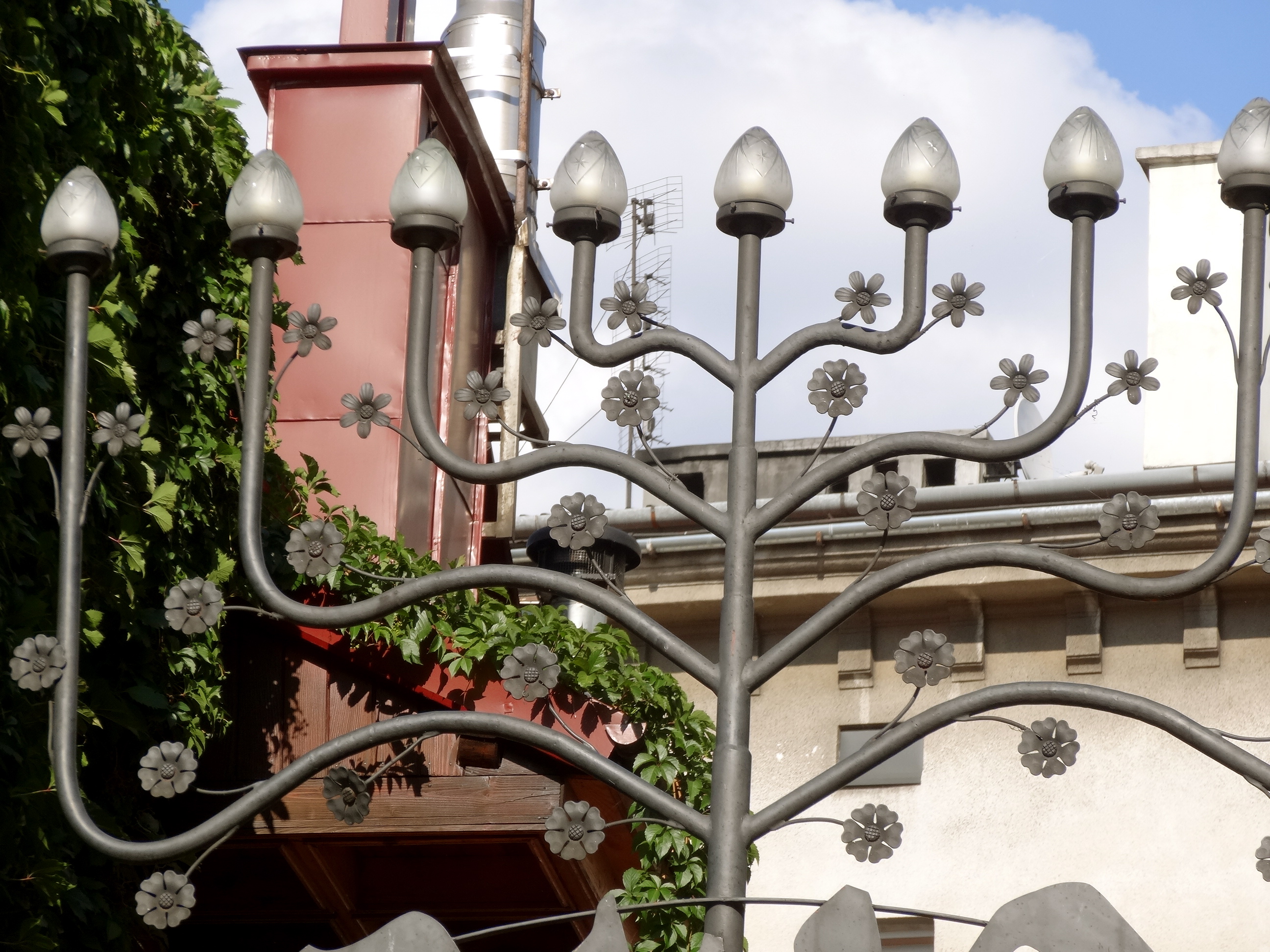
Back out into the sunlight, we wandered off in search of lunch and a rest, out to the East of the City where the Jewish district (the Kazimierz) now stands. It’s strange to think of the district as being truly Jewish, being as the city lays claim to only a paltry Jewish population compared to what it once contained in the decades before the horrors of the holocaust, although the evidence of both Jewish culture, and the scars of the former Jewish Ghetto which stood on the site are still prominent today. But rather than dwelling in the horrors of the past, Kraków actively celebrates its Jewish heritage, playing host to a Jewish Cultural Festival every year, and in the Kazimierz area offering rich pickings of Jewish culture, from Jewish restaurants and interminable book shops, to ancient synagogues and both an old and new Jewish cemetery.

The Kazimierz

DSC07452 DSC07476 DSC07469 DSC07473DSC07472 DSC07463 DSC07461 DSC07475 DSC07453 DSC07464

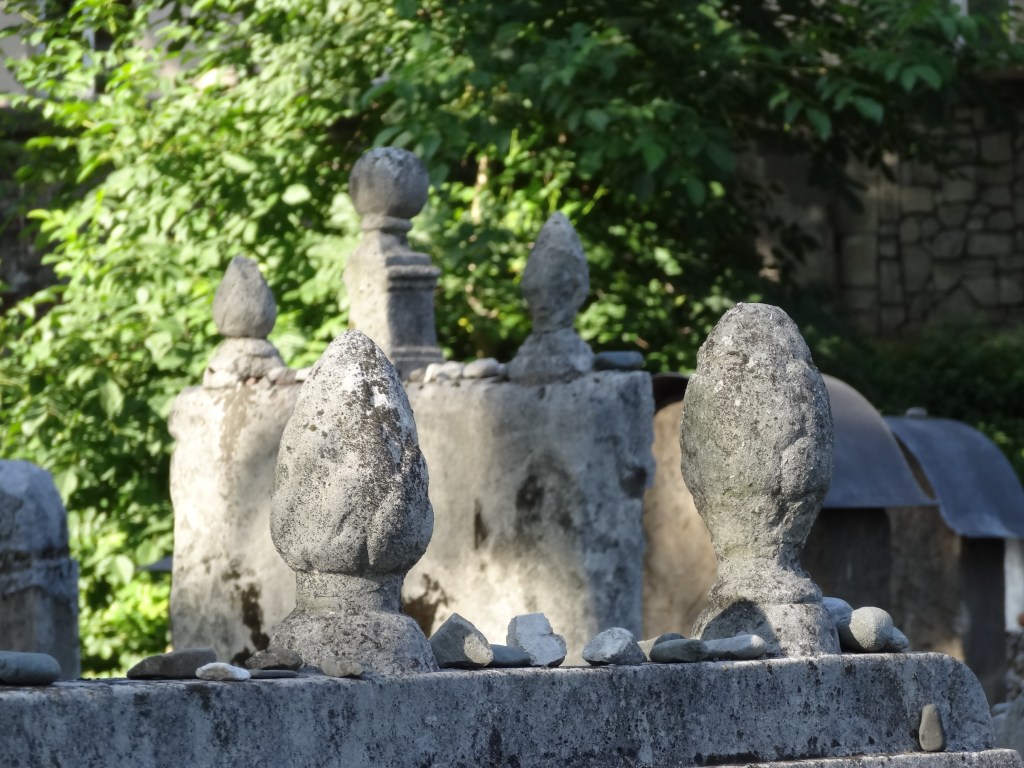
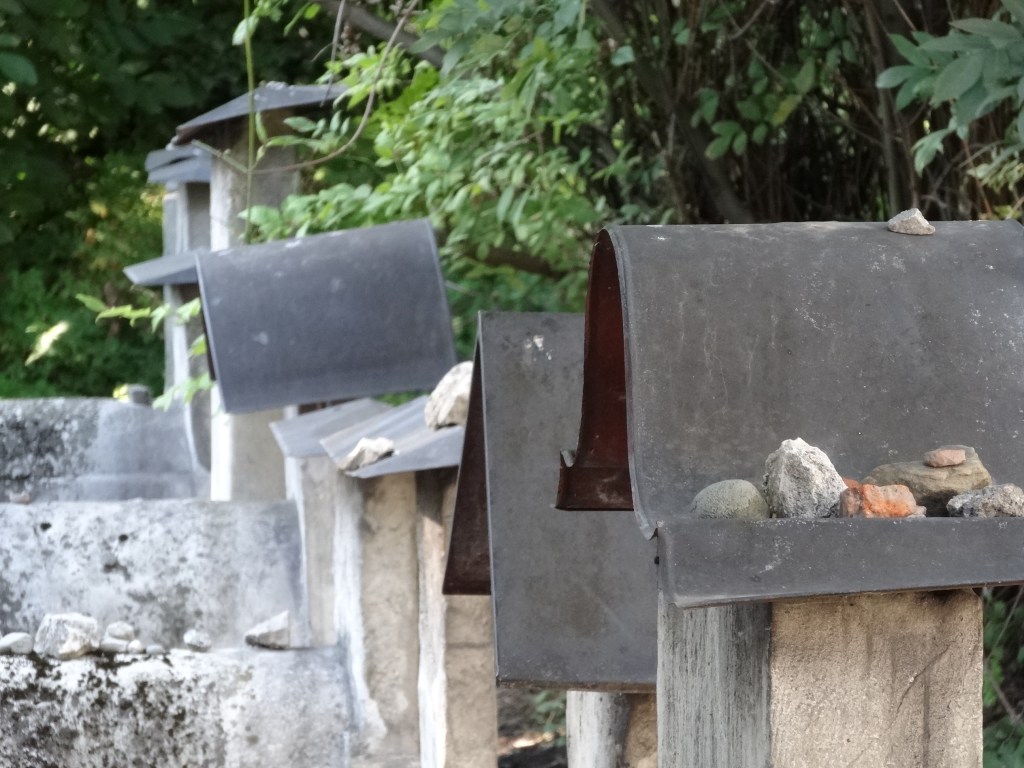
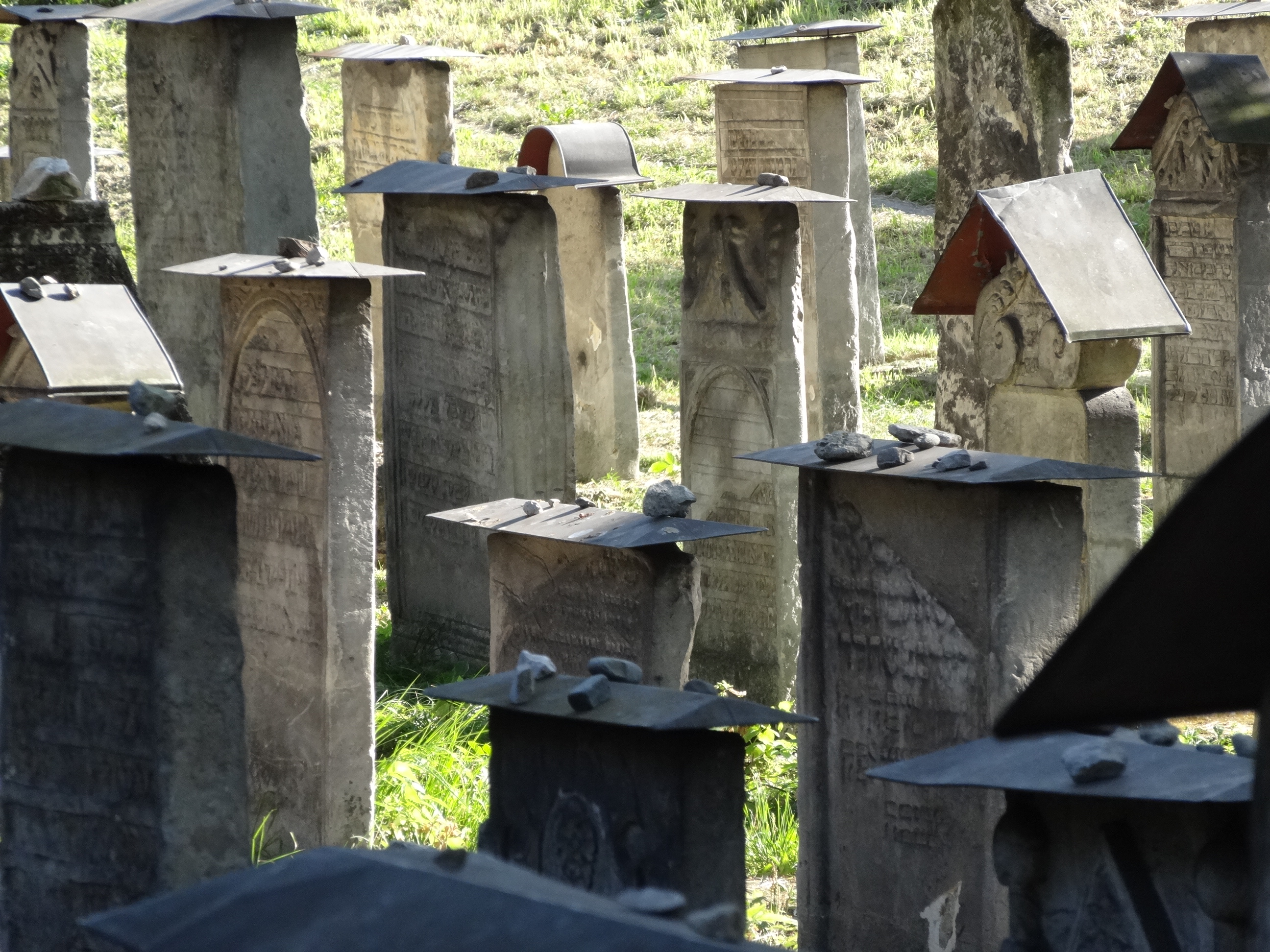
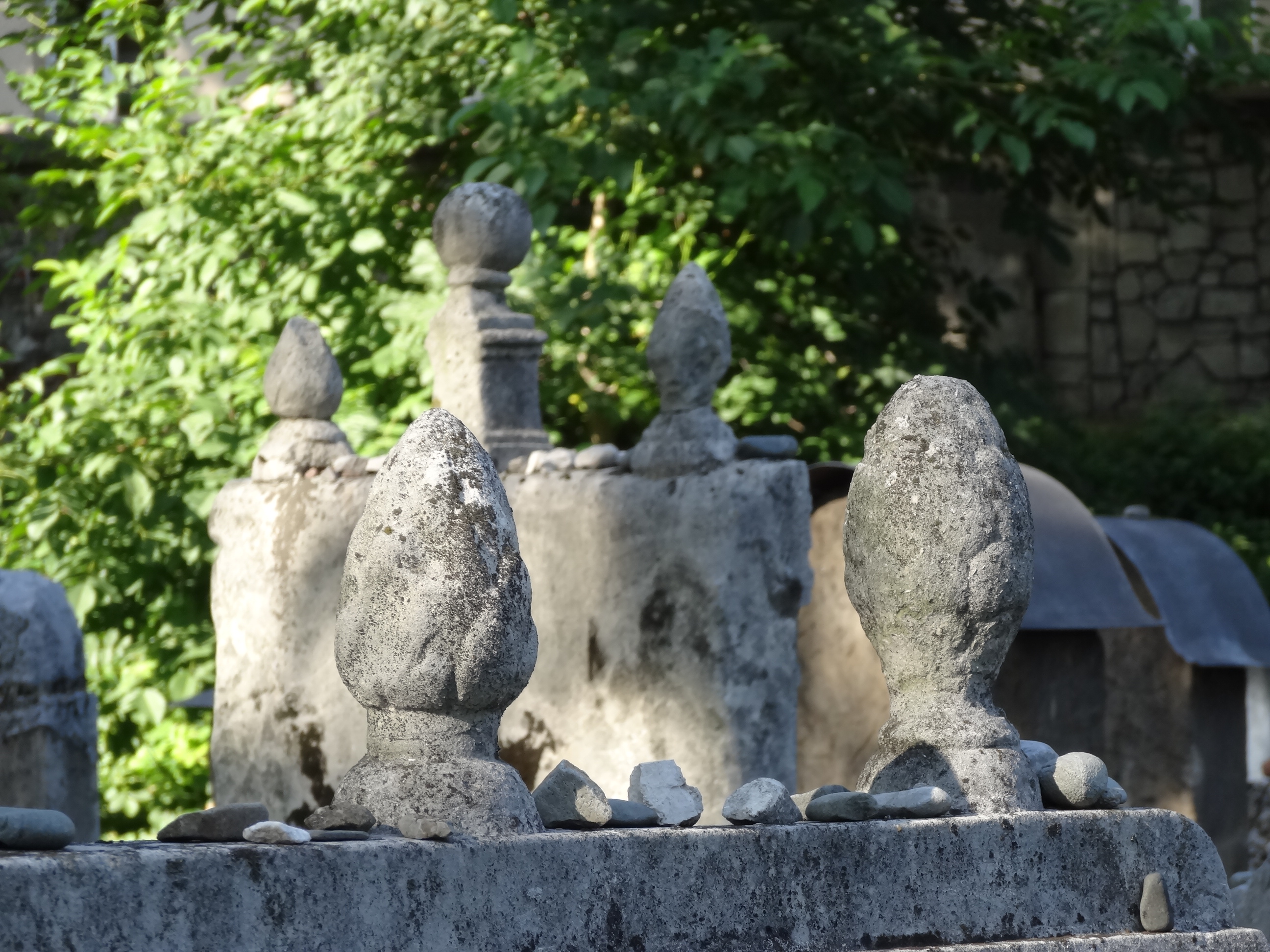
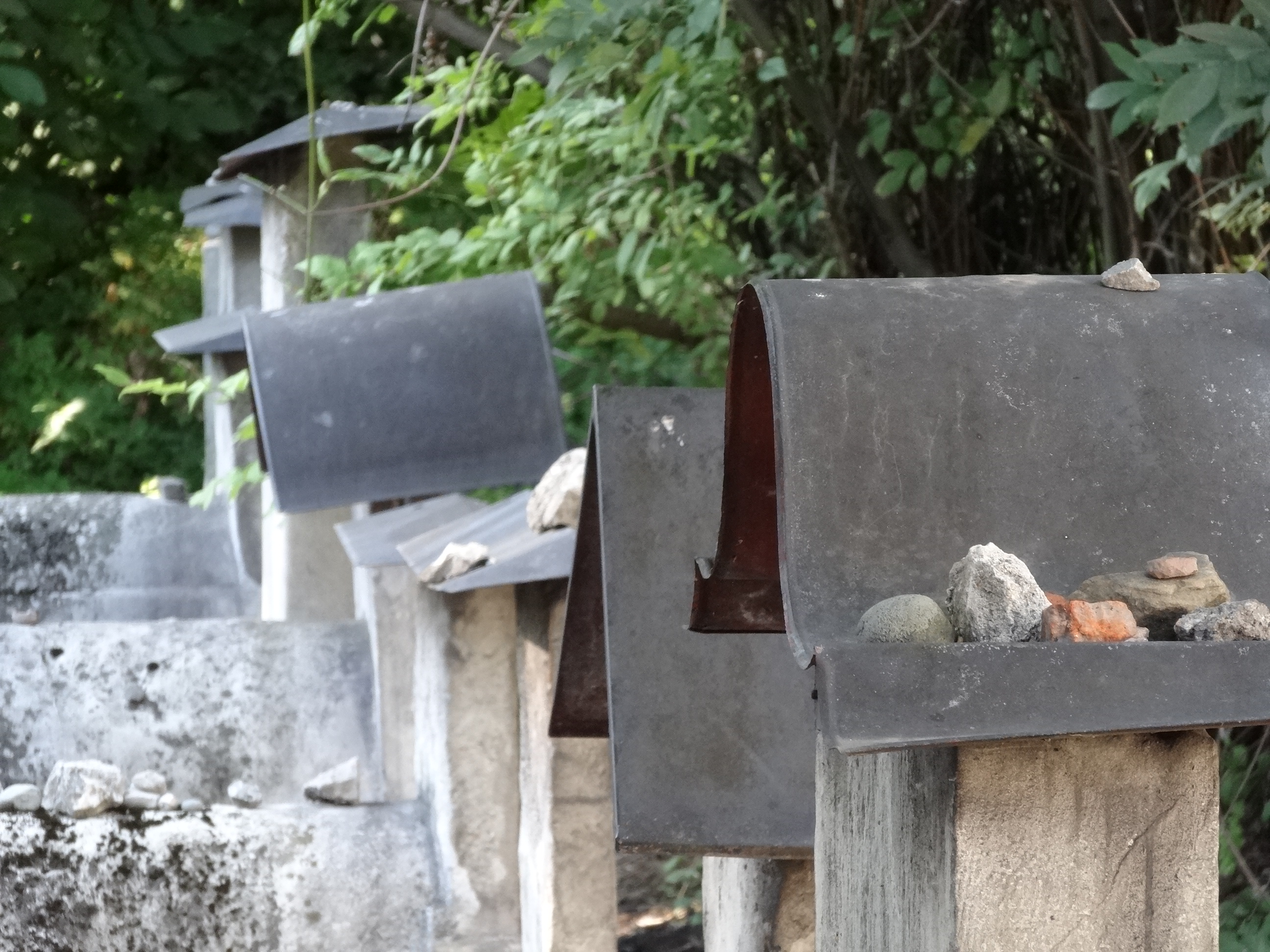
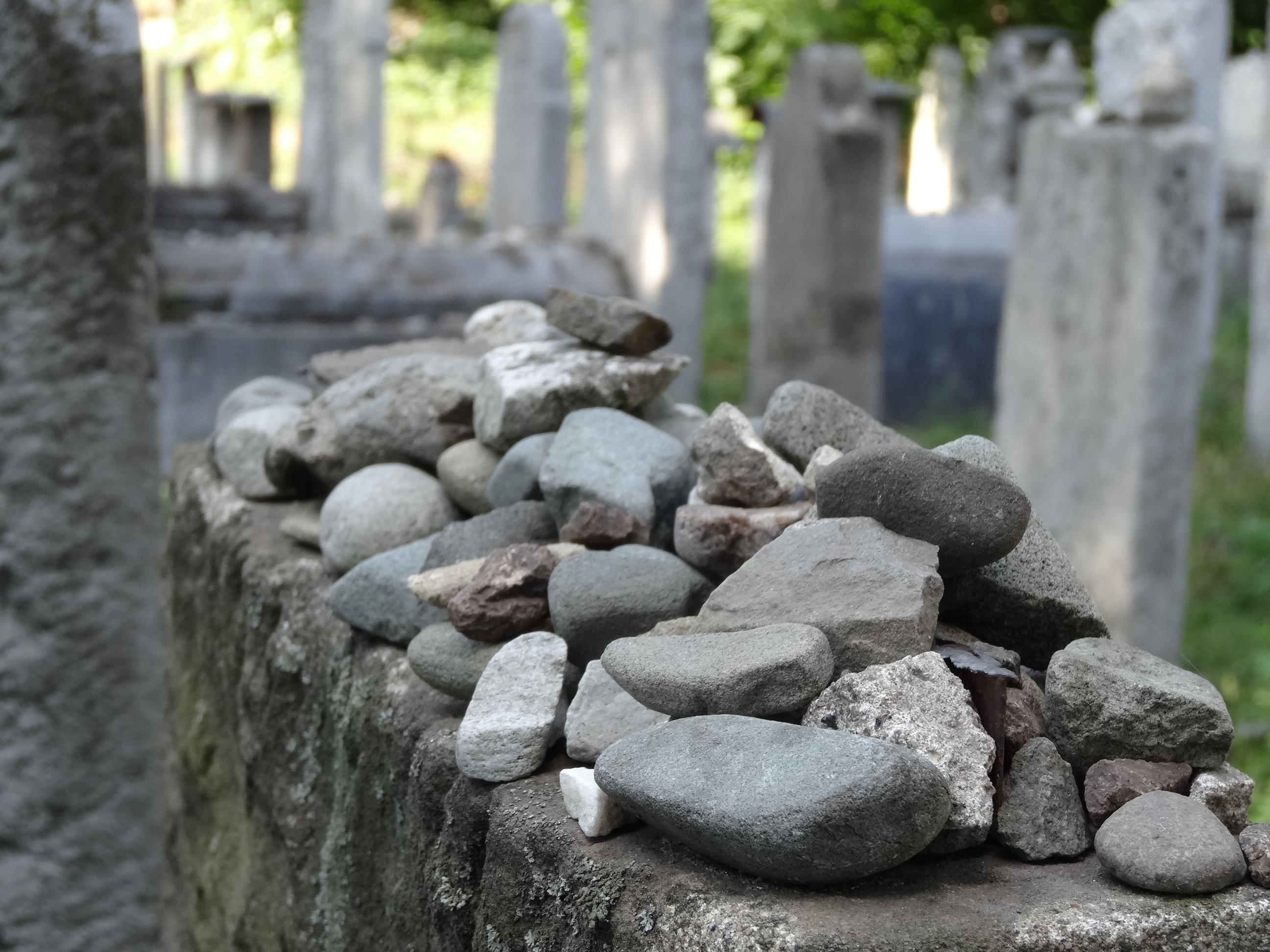
We visited the oldest of the two, being struck as we did so by the distinct differences between this and the typical Catholic cemetery for example, filled not with angels, elaborate crosses and flowers aplenty, but a more austere selection of headstones, each covered with what appeared to be a little hat upon which families of the dead have placed stones, said to symbolise the permanence of memory.

The Jewish Cemetery

DSC07496 DSC07497DSC07485 DSC07491

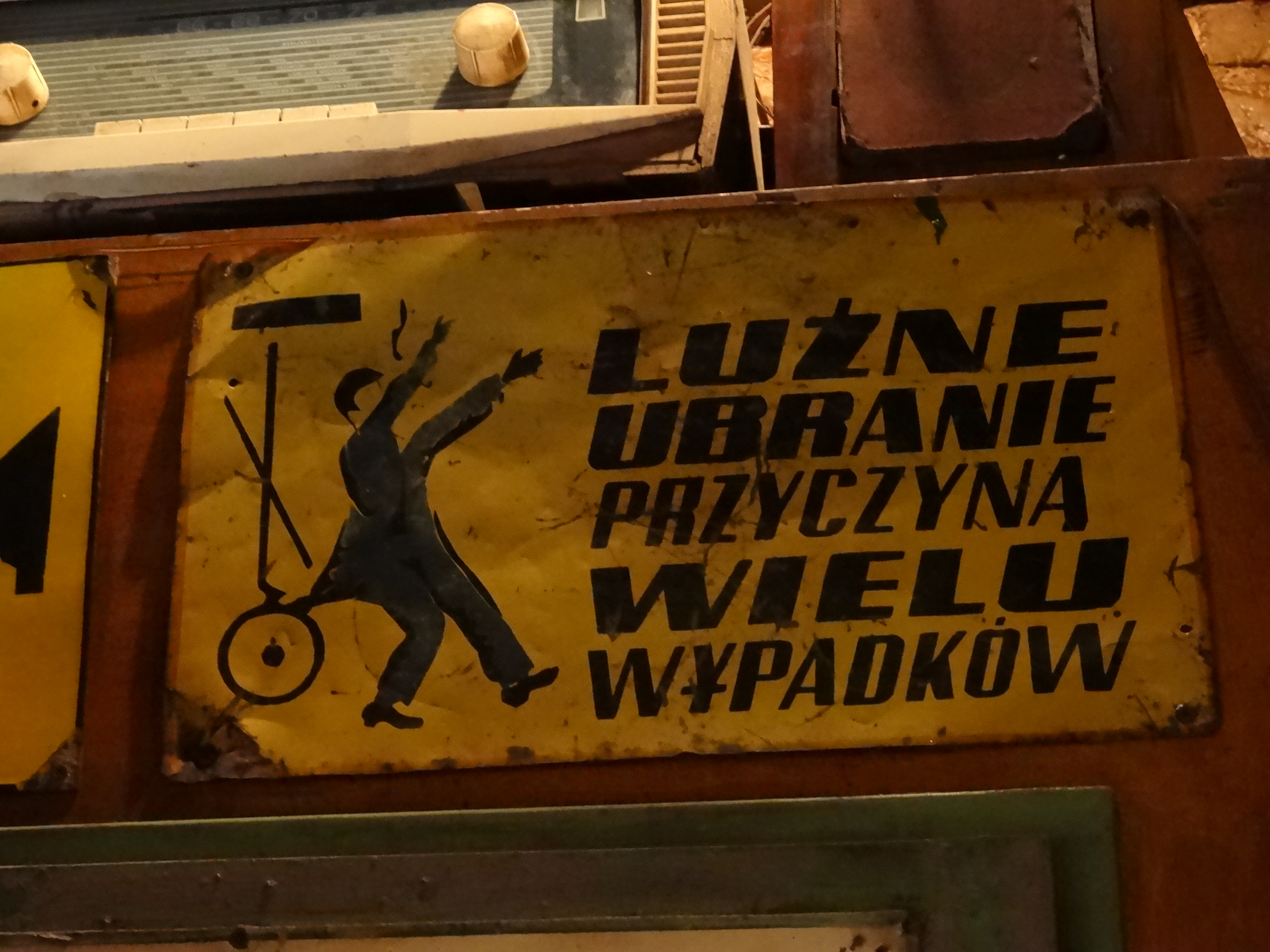
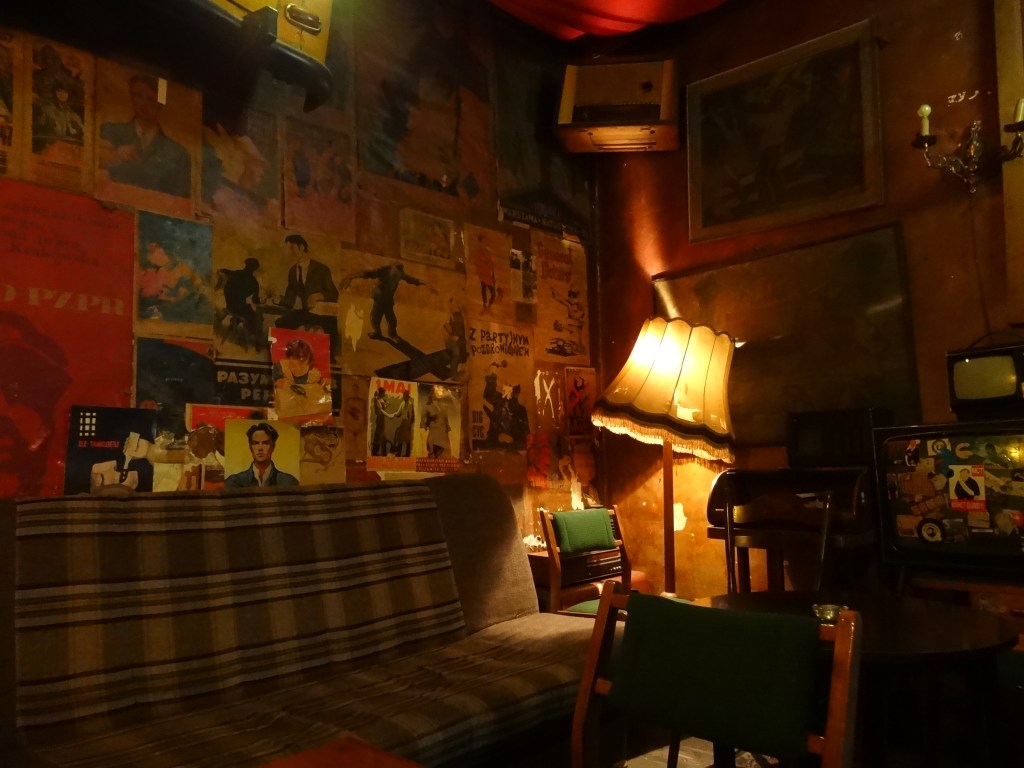
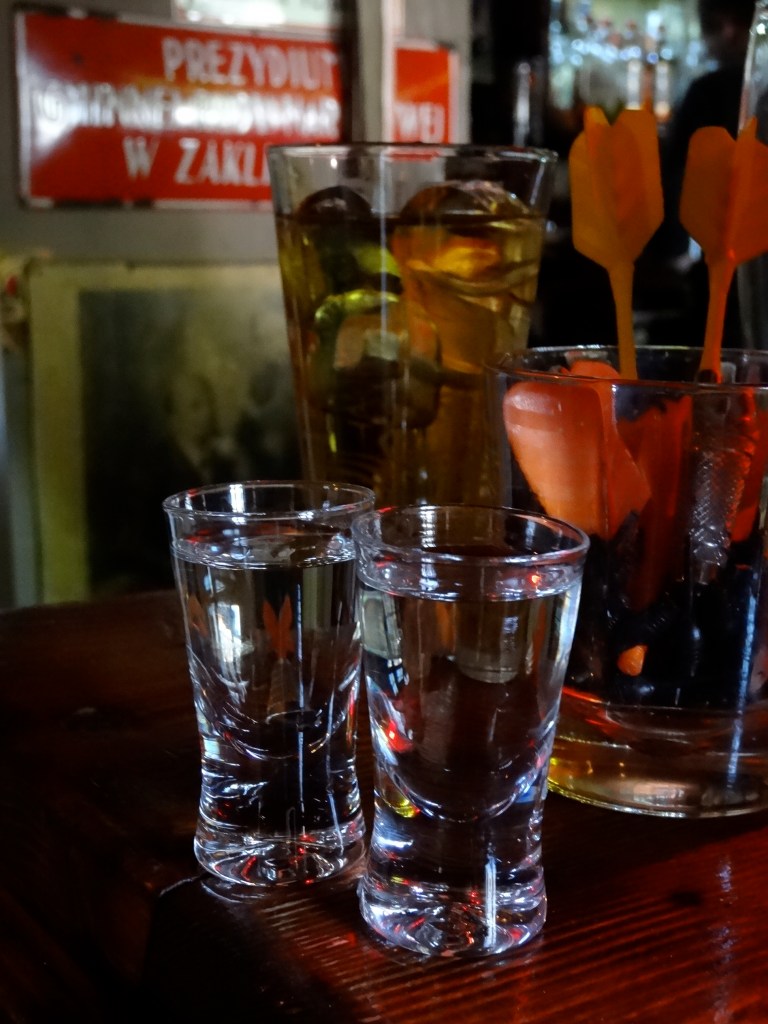
From the Ghetto and its connotations of war-torn Poland, to the next phase of Poland’s traumatic recent history – Communism. Marking this stretch of Poland’s occupational history, we visited a Communist Propaganda Bar – something of a send up on the Communist world which once controlled Poland with such an iron fist – a dirty den of a place, covered from floor to ceiling with old adverts plastered with Communist slogans and platitudes. It was here that, getting into the spirit of the old harsh realities of iron-curtain Poland, we knocked back a shot of Polish vodka – a drink so harsh that I felt my throat enflame like an inferno, and my mind haze over.
DSC07508 DSC07517 DSC07524 DSC07522

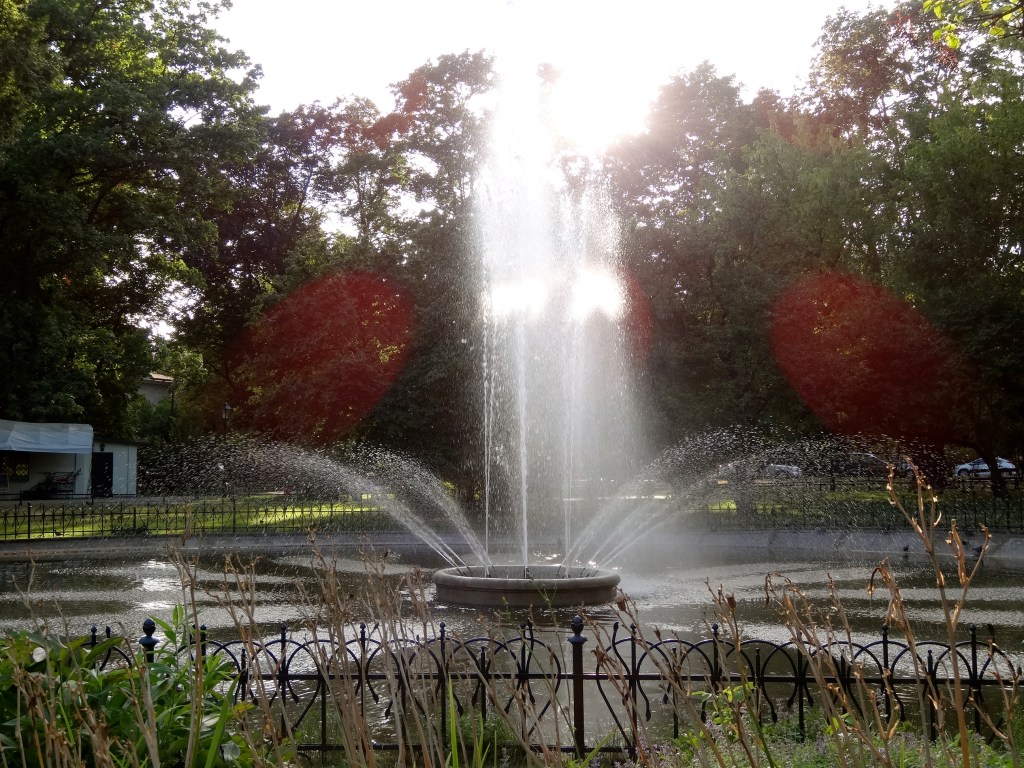
The haze was not so strong as to preclude our continued adventures through Kraków however, and we ended our day with a stroll around the beautiful Planty greenbelt – an arch of parks and playgrounds which was once the moat of the old fortressed city and which today makes for the most pleasant of strolls around the outskirts of the city.

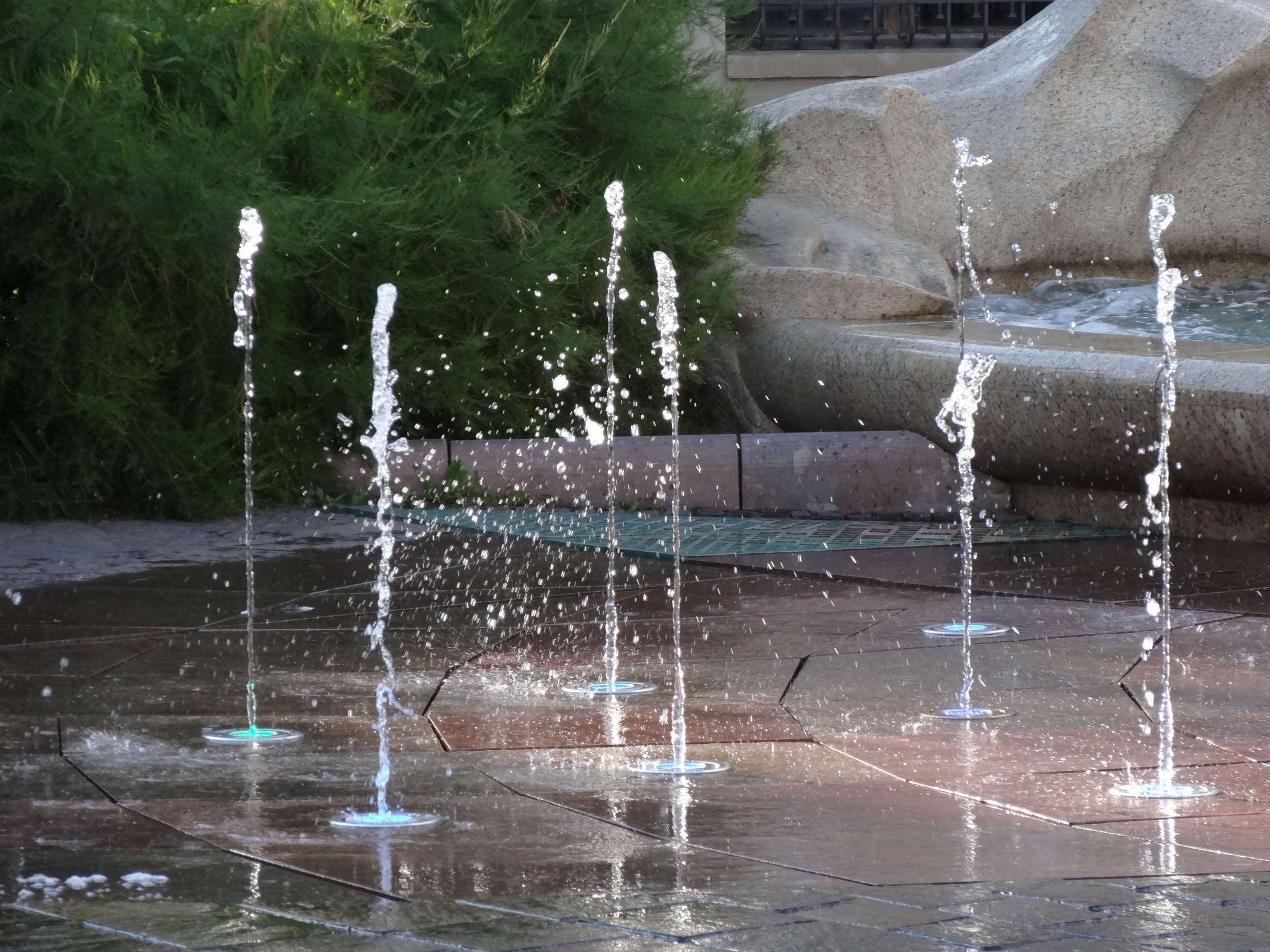
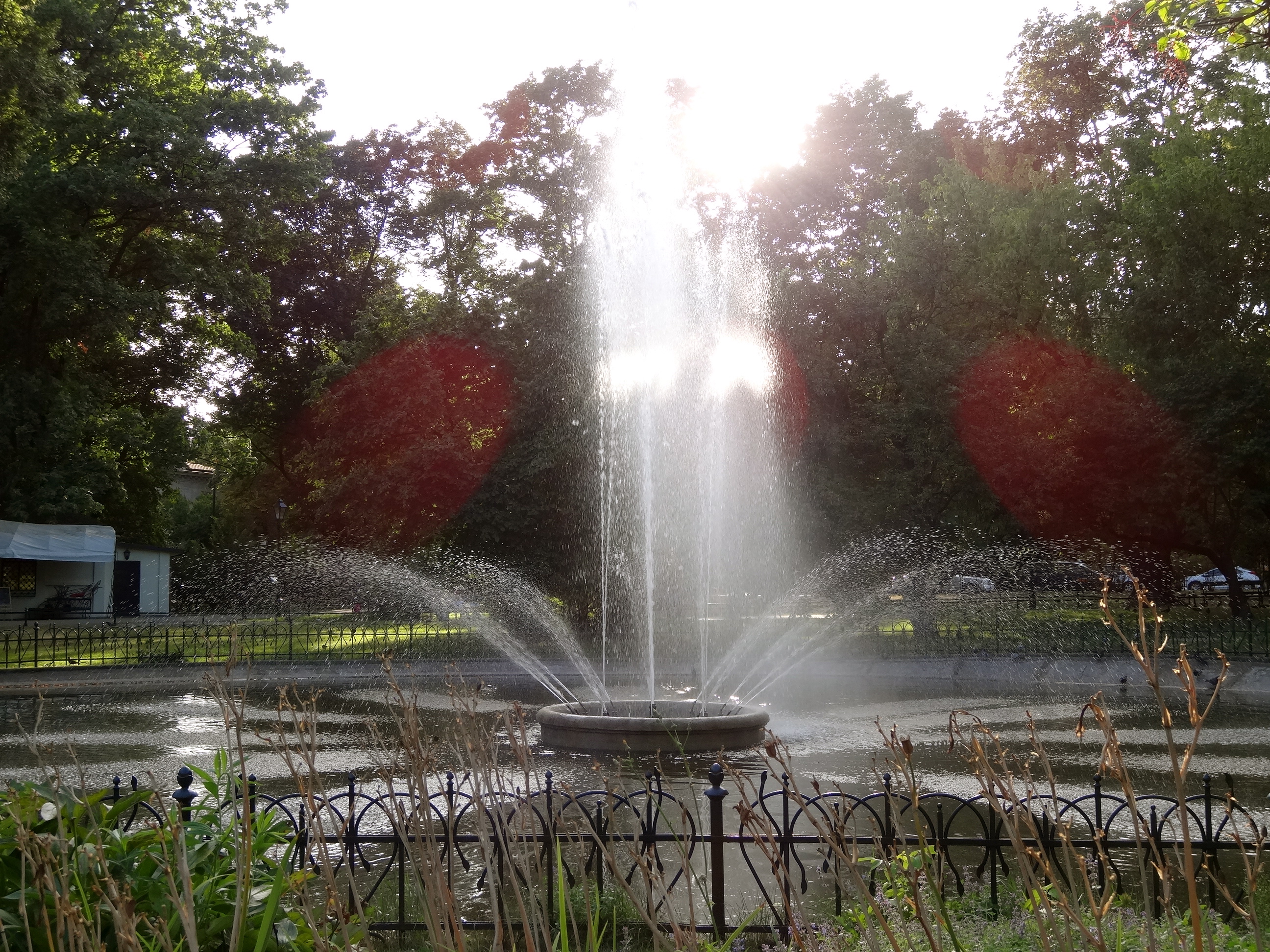
And so there, watching the sun sparkle across ponds and through fountains, we sat and watched and mused over the day – a day in which we had sampled Kraków through the ages – from the splendour of its days of monarchy, to the horrors of the German occupation, and the desolation of the communist regime which followed, suppressing all joy and life out of the city. It was a period which stained so much of the Poland which exists today – concrete tower blocks and dour grey industrial suburbs pepper so much of the country, but Kraków, mercifully, was preserved in all its medieval glory. Why? Well , apparently Stalin himself so enjoyed the view of the Rynek Główny when he sipped his coffee at the Cloth Hall which extends across the square’s centre that he decided to keep the city preserved for that very purpose. A vain monster he may have been, but he had good taste when it came to cities. And you have to give thanks for small mercies.

DSC07551 DSC07578 DSC07565 DSC07570 DSC07568

All photos and written content are strictly the copyright of Nicholas de Lacy-Brown © 2013 and The Daily Norm. All rights are reserved. Unauthorized use and/or duplication of the material, whether written work, photography or artwork, included within The Daily Norm without express and written permission from The Daily Norm’s author and/or owner is strictly prohibited. 

A Weekend in Kraków | Mariacki Sunrise

Going to sleep in a hotel bedroom when you have a stunning view outside the window to enjoy is always difficult – shutting your eyes in sleep seems somehow treacherous and wasteful, when such an awe-inspiring sight is all yours, unprecluded, to be enjoyed for a series of days. And this was no more of a problem than at our hotel room in the Wentzl Hotel in Kraków, which afforded us such an incredible panorama over the full 200m width of the majestic Rynek Główny, that I never wanted to drag myself away from the window, even when sleep was beckoning. And all of this, as well as the sheer excitement of being in a completely new place, must have made me sleep uneasily. For every so often I would wake up and open my eyes – unable to resist the temptation to take another peek at that view, just to make sure it was still there.

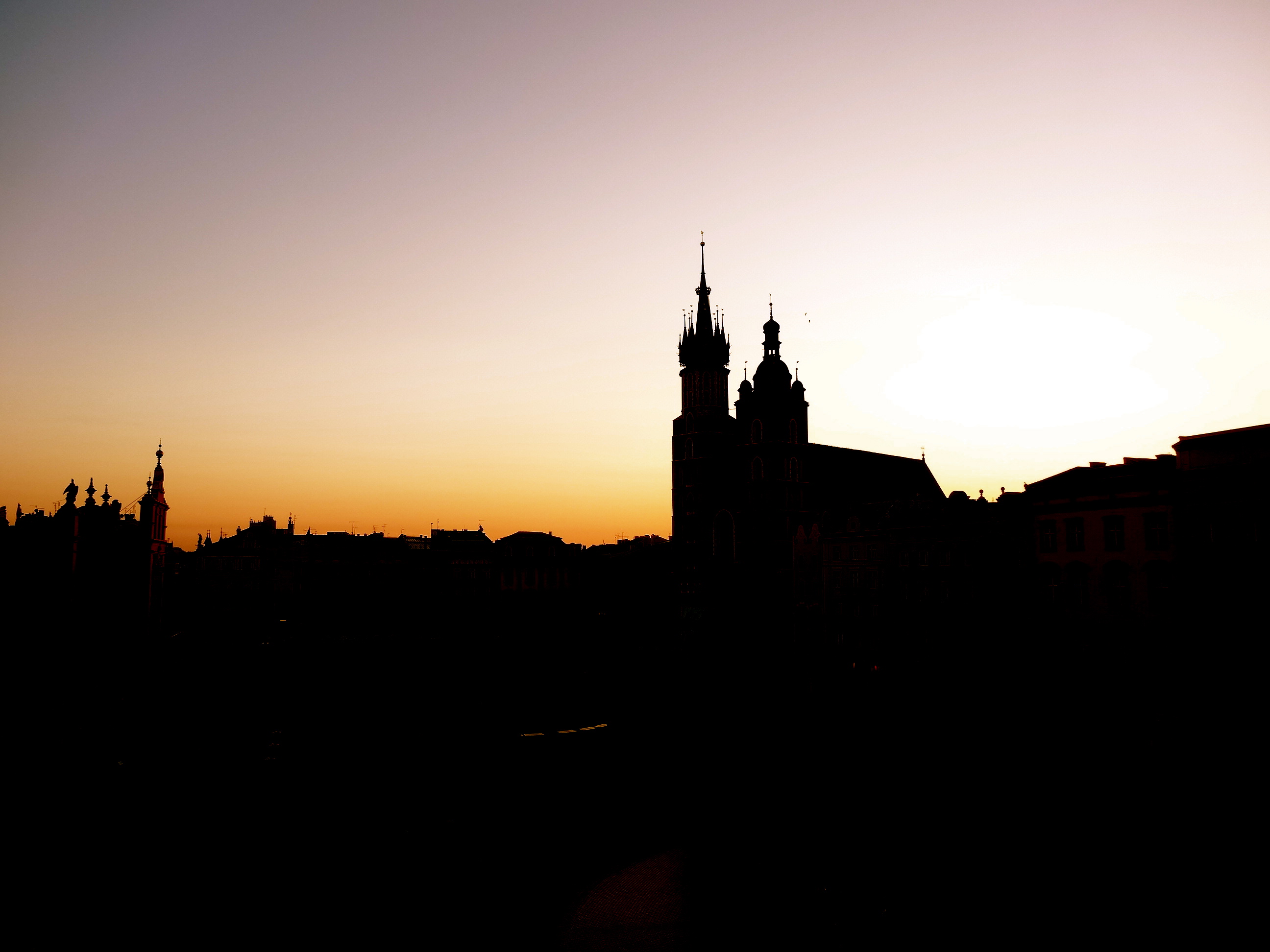
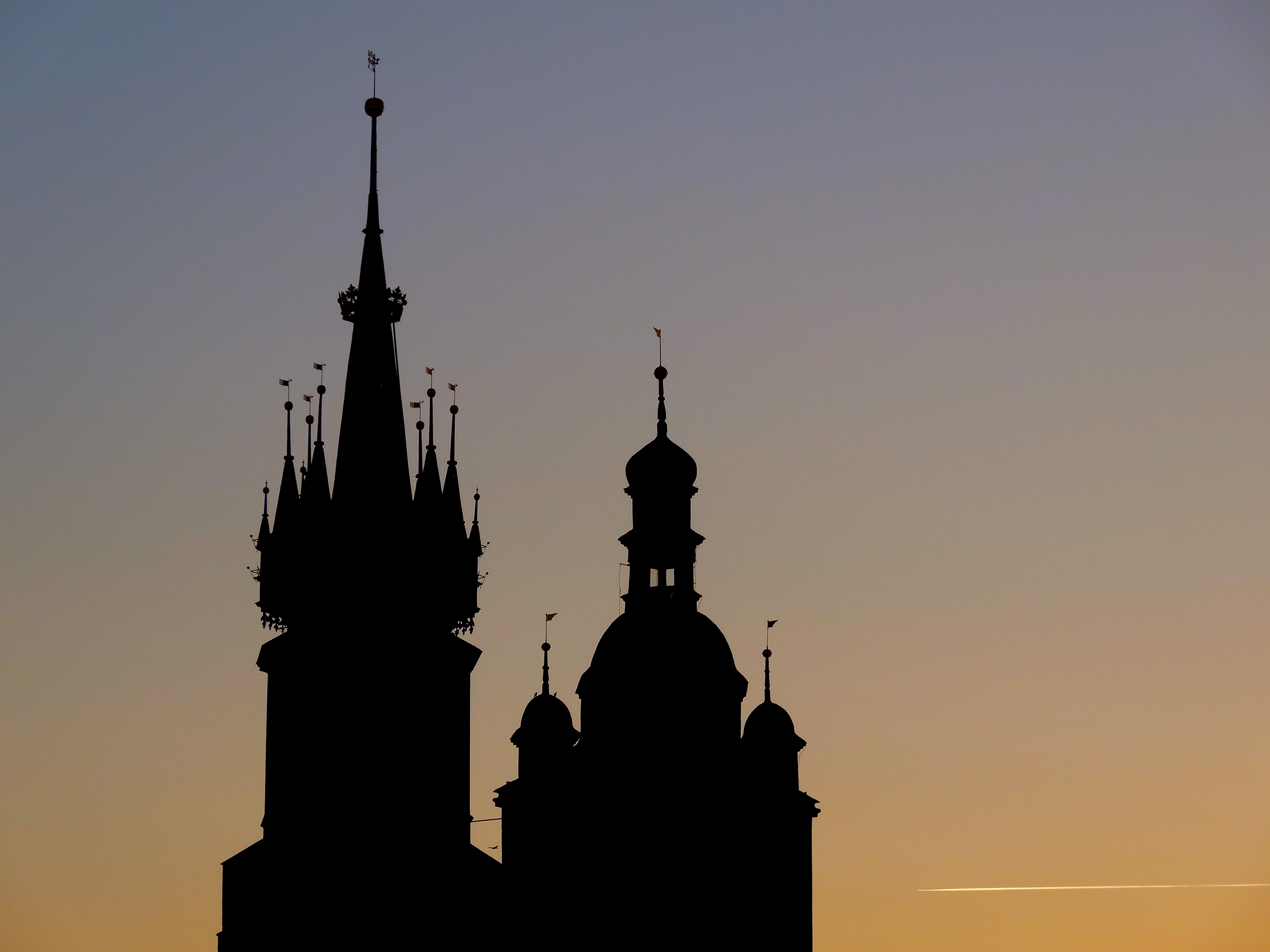
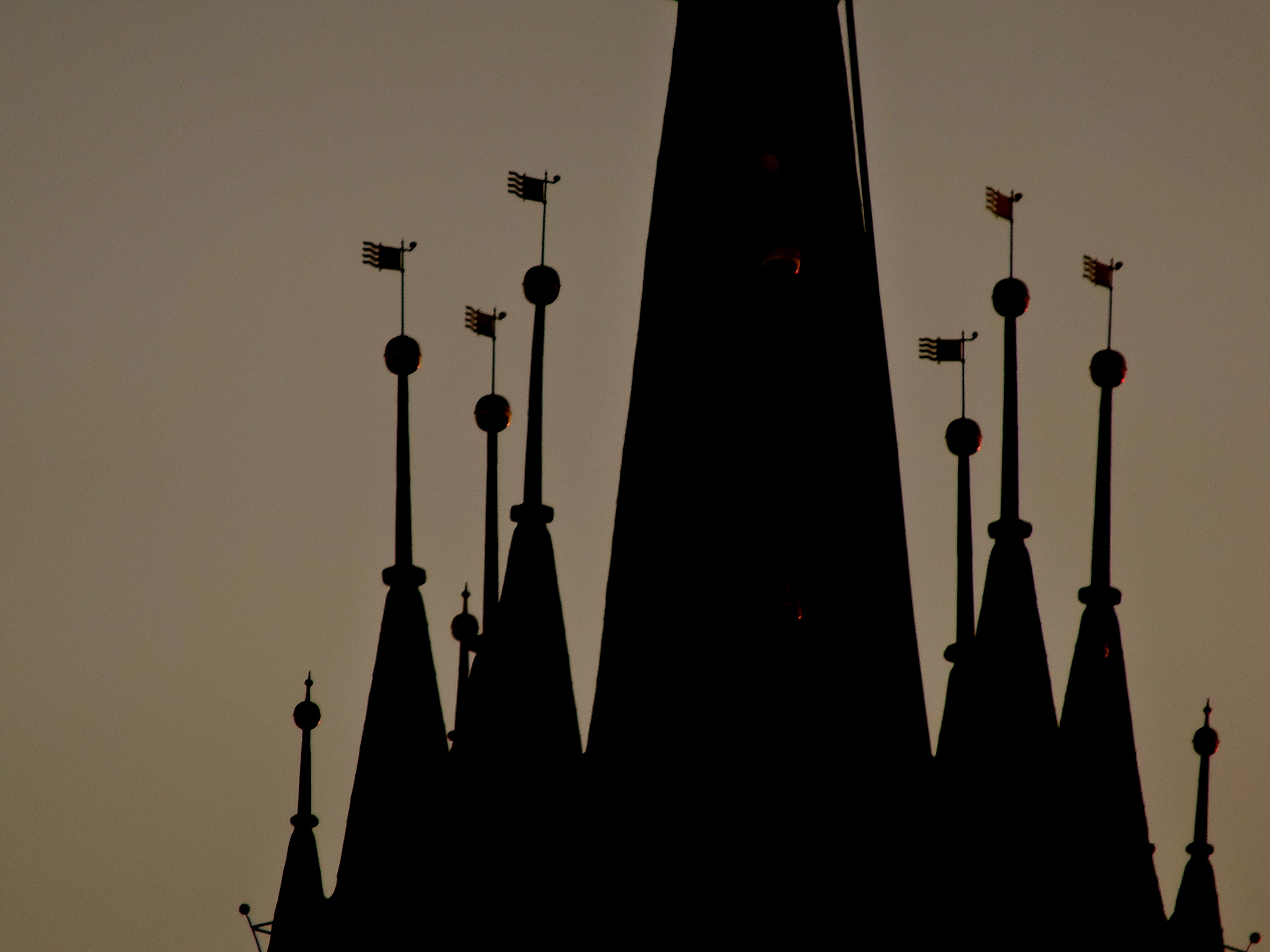
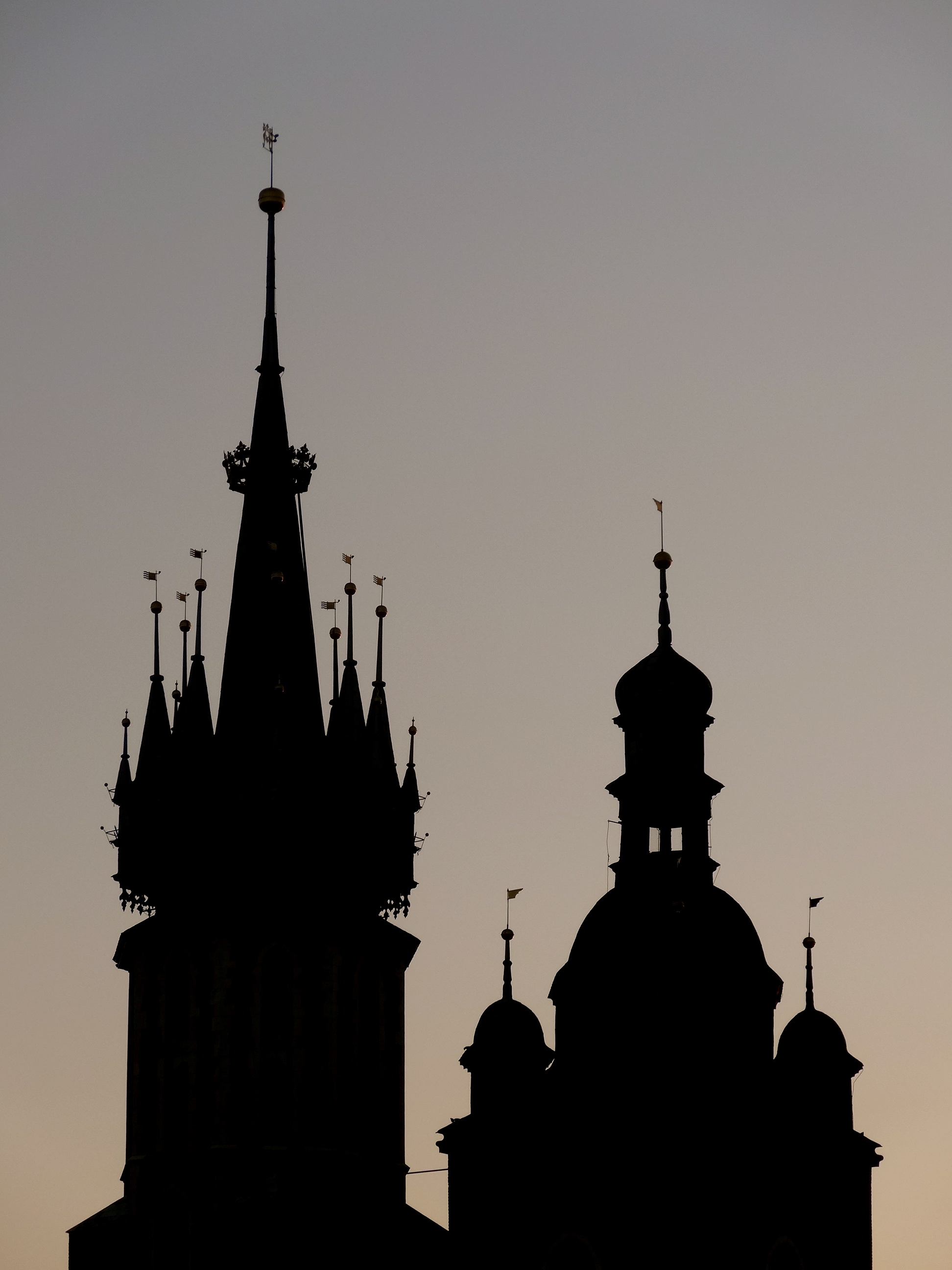
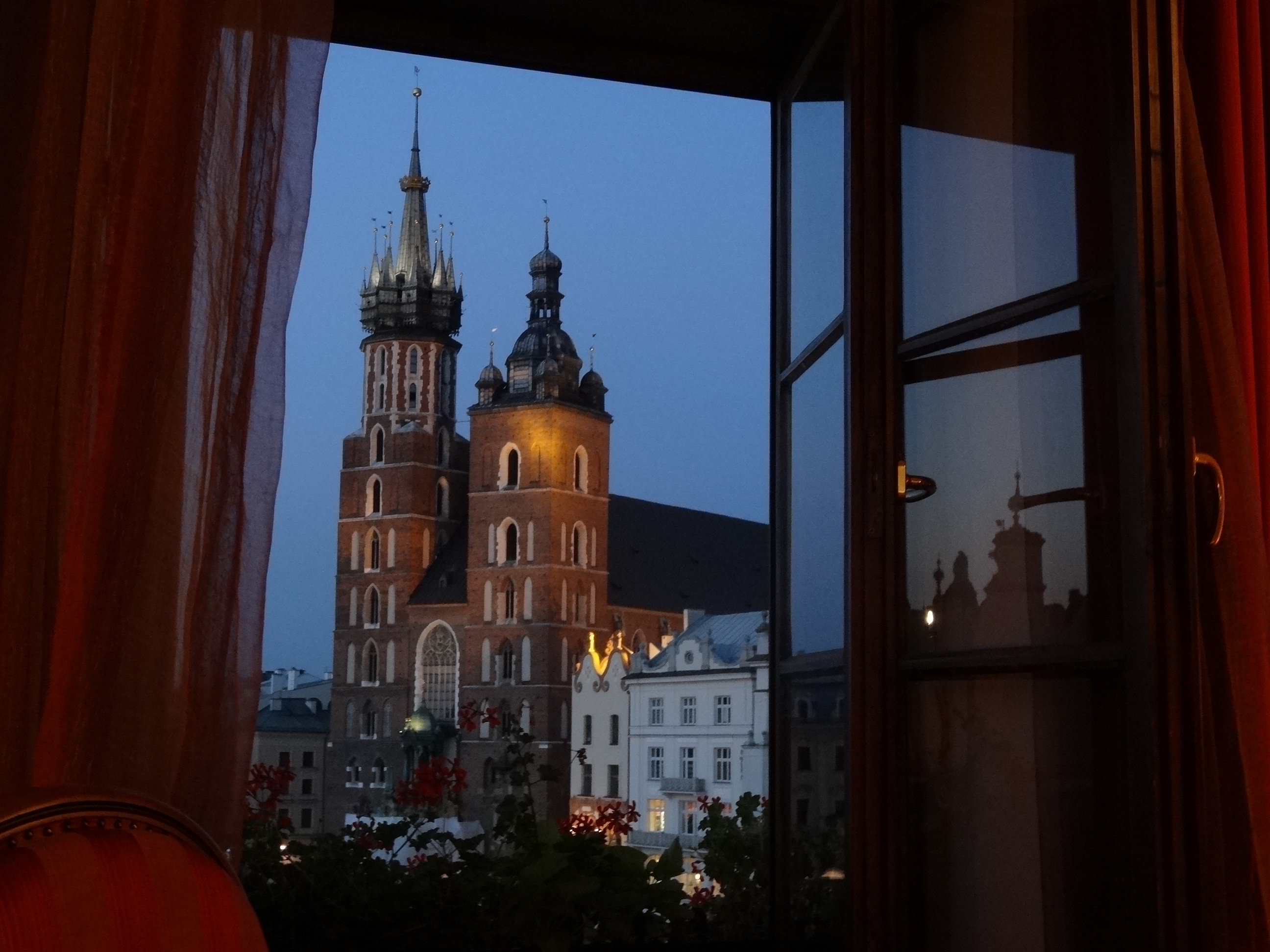
While a few such glimpses were met with dark skies, when I awoke at around 6am, I was greeted with a view so beautiful that I find myself compelled to devote an entire post to it –  Kraków at 6am, the dark silhouette of the iconic Mariacka Basilica against a lightening pink sky – a view  in transition that just took my breath away, and had me jumping straight out of bed to take in every detail. For the exquisite details of Kraków’s architecture were not lost despite the early hour. Even in this low light, the architectural spectacle of the Mariacka’s elaborate spires were captured against the light sky; the delicate shapes, the balls and the flags becoming even more noticeable when seen in this flattened one dimensional silhouette.

DSC07159 DSC07182 DSC07163 DSC07172 DSC07165

What made the view, and my experience of it at this time even more special was first of all seeing the city, otherwise a bustling centre of tourism and a magnet for international students (who attend the famous Jagiellonian University) so quiet and tranquil, with just a few street sweepers already setting up the square for the influx of visitors due that morning, but also for my being able to hear, so clearly through the crisp morning air, the sound of the Hejnalista trumpet player ring out across the square.

The Hejnalista is a trumpet player who, every hour, 24/7 (yes, even through the night), plays the “Hejnal” – a short tune which is played on a single trumpet from the windows of the Mariacki Church lookout tower, once in each direction, north south east and west across the city. The tradition, which is one of Kraków’s most unique and defining customs, recognises the 13th century attempted invasion of the city by the Tartars. The watchman who was on duty that night had noticed a group of Tartars approaching the city ready to invade, prompting him to blow a loud, clear warning on his trumpet to alert the inhabitants of Kraków. Just at that moment, and wanting to stop him from scuppering their invasion, the Tartars shot the watchman in the throat. While the city was saved, the watchman died from his wound. The Hejnal tune which is played today finishes abruptly at the end of the melody, marking the moment in which the watchman was struck by the arrow in mid-play. It’s a touching legend, and a charming tradition, which really added magic to my awakening that morning, as I watched Kraków slowly lighten against the rosy pink sky.

DSC07170 DSC07183 DSC07169 DSC07171 DSC07168 IMG_4542

I leave you with my photos of that beautiful morning – undoubtedly some of my favourite shots of the city.

All photos and written content are strictly the copyright of Nicholas de Lacy-Brown © 2013 and The Daily Norm. All rights are reserved. Unauthorized use and/or duplication of the material, whether written work, photography or artwork, included within The Daily Norm without express and written permission from The Daily Norm’s author and/or owner is strictly prohibited. 

A weekend in Kraków | Day 1 – Jewellery box city

Being as my Partner Dominik is originally from Poland, it never seemed right that I wasn’t able to list Poland as being a place I had visited, and still less the beautiful city of Kraków which is located in the central South of the country. So in an attempt to rectify this failing, and in order to see out the summer with a bang, Dominik and I recently seized on the opportunity a long weekend presented, and flew out to Kraków.

The moment we walked out of Kraków’s gleaming station-come-shopping centre straight into the heart of the city, it felt like opening a jewellery box full of glinting treasures. The skyline was literally sparkling with a plethora of cupolas and domes – elaborately shaped bell towers and church roofs; turquoise coppers and elegant iron, adorned with dazzling gold details – while underneath, the streets which shape this largest of Europe’s unspoilt old towns were awash with exquisite palaces and townhouses, from baroque to art nouveau, often with an exotic twist of Eastern European decadence.

First views

DSC06798 DSC06833 DSC06809 DSC06948 DSC07085 DSC07219 DSC06819 DSC06882 DSC06980 DSC07053 DSC06958 DSC07067 DSC06987

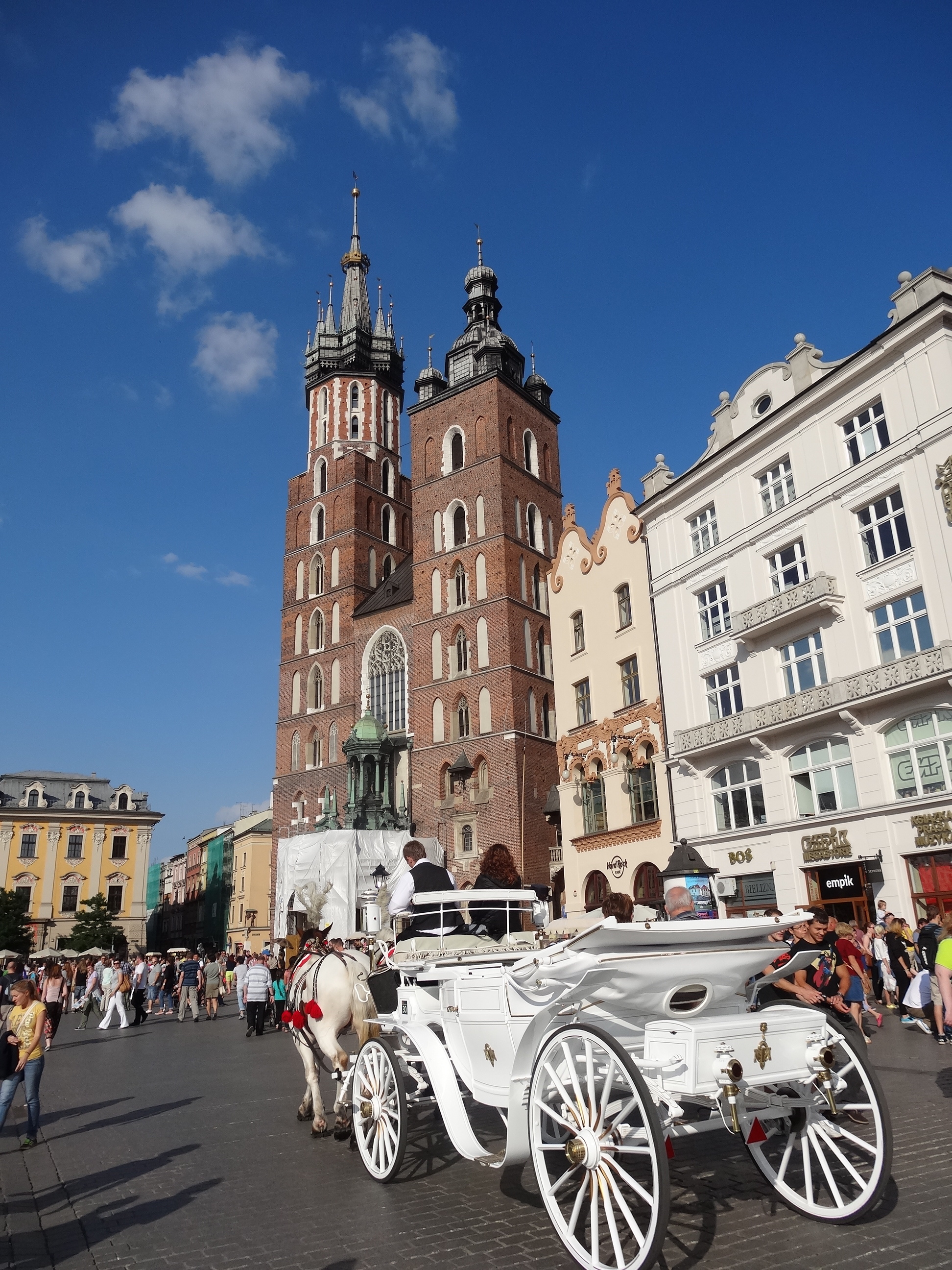
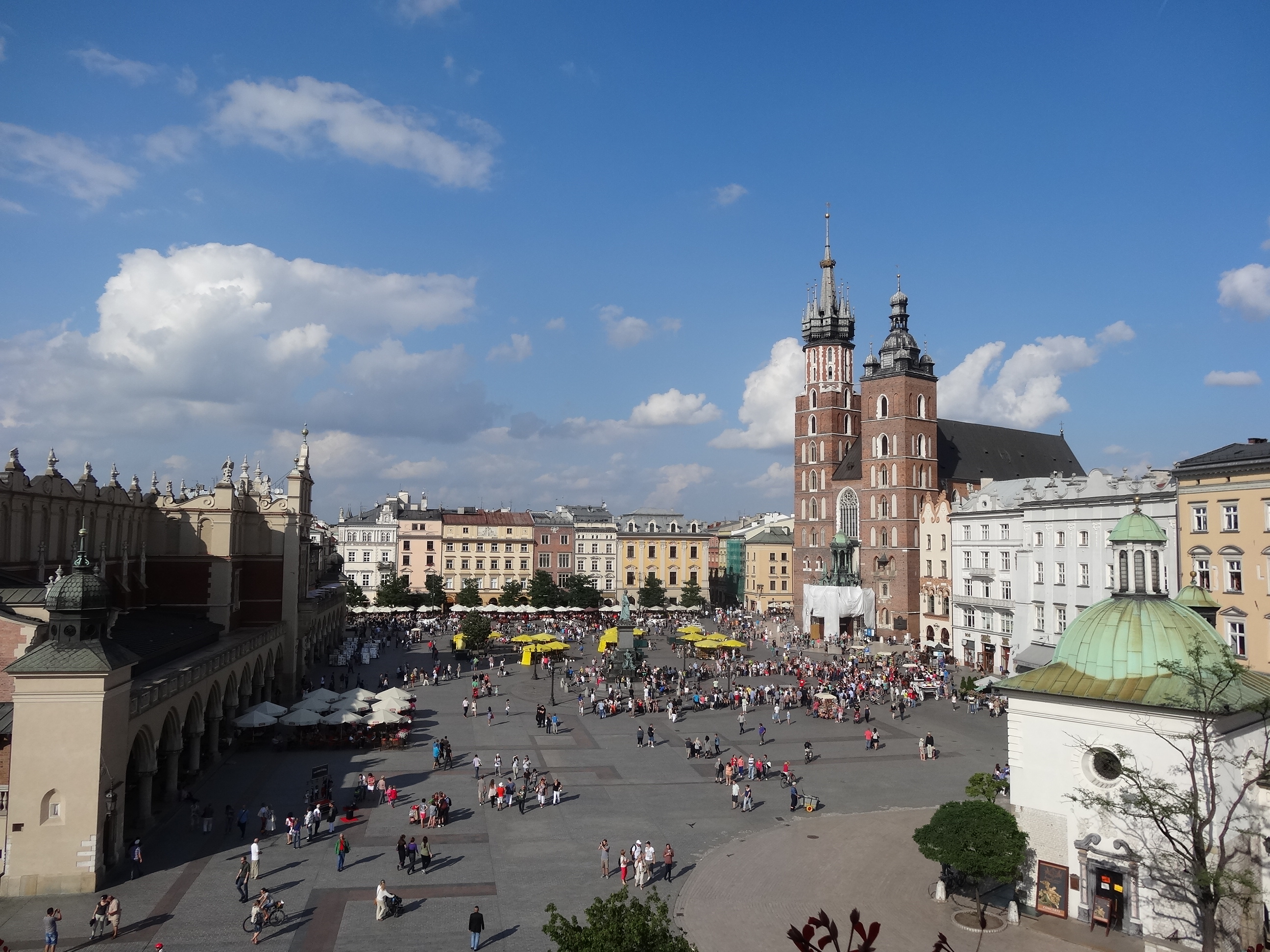
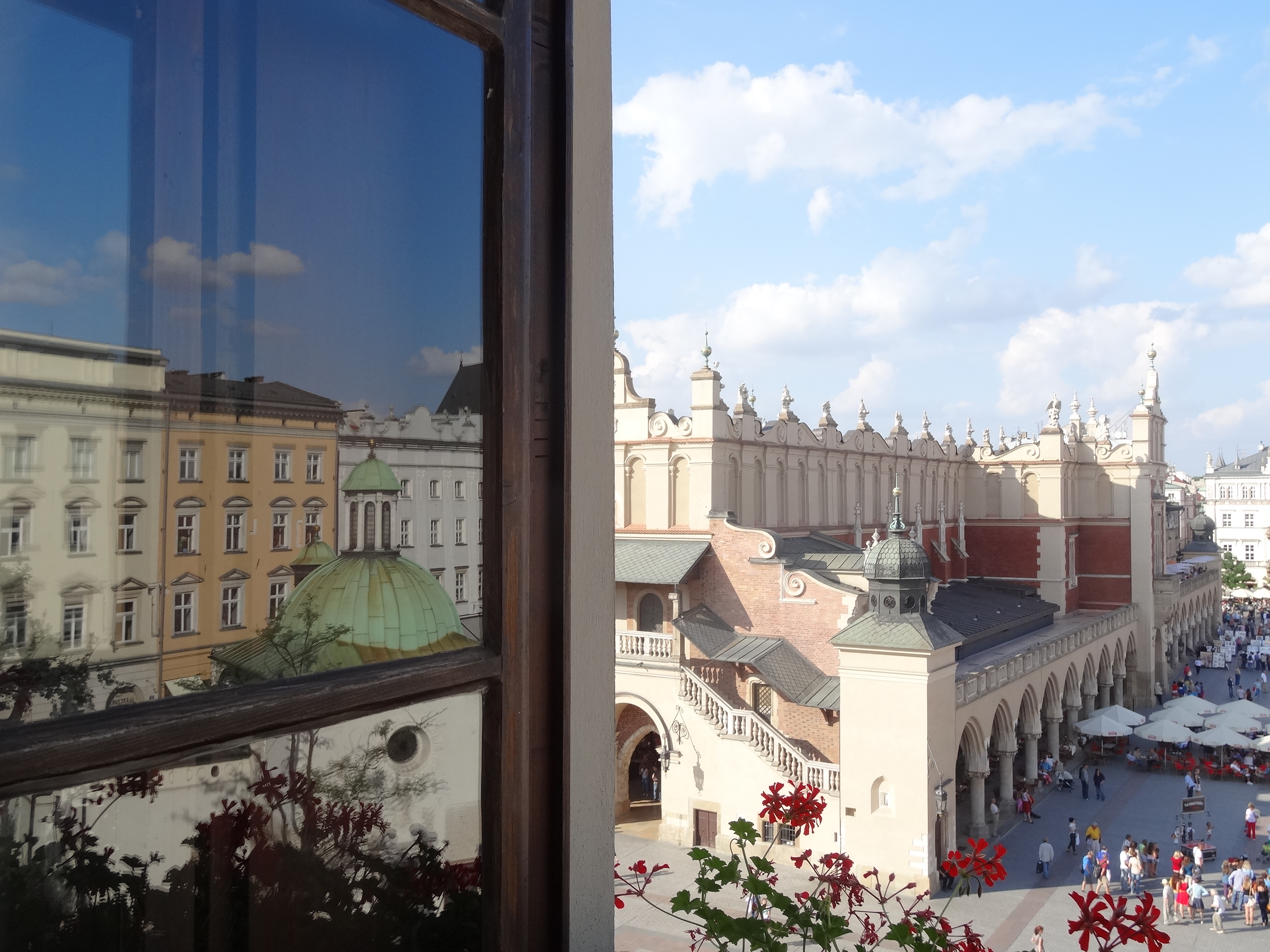
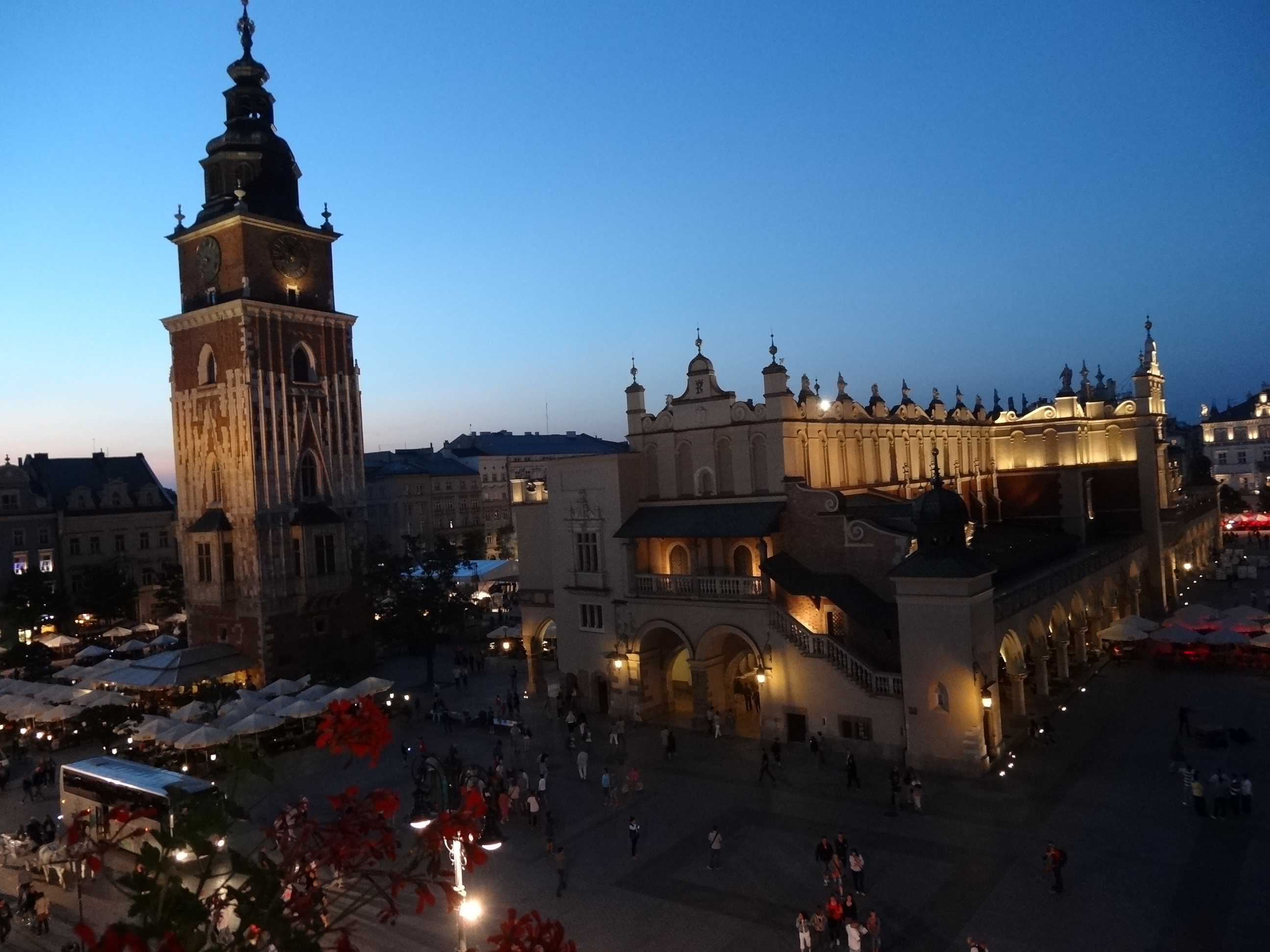
Having walked through the Florian Gate – the old entrance to the city once framed within Kraków’s ancient fortress walls, and strolled along the bustling Florianska street, the breathtaking expanse of the Rynek Główny, Kraków’s vast central square, opened up before us – the stunning Mariacka Basilica reaching up to the sky crowned with twin towers adorned with the most spectacularly ornate spires; while standing across the square, the equally elaborate Cloth Hall – a long arcade of shops and cafes spilling out onto a terrace decorated with more classical statues, urns and gold-trimmed columns.

Not only was I spellbound by this utterly unspoilt, brilliantly bustling open space, with its many cafes, fountains, statues and markets, I was then equally overcome to learn that the hotel which we would make our home for the weekend benefited from a panoramic view of the entire square from each of its individually designed bedrooms. The rooms at the Wentzl Hotel gave new meaning to the adage “a room with a view”, and once i took a first glimpse out of our window onto the majestic Rynek Główny, I felt as though I could have stayed there the entire trip.

The Rynek Główny

DSC06880 DSC06916 DSC06846 DSC06834 DSC06854 DSC06910 IMG_4488 DSC06840

…and our room with a view

DSC06860 DSC06870 IMG_4517

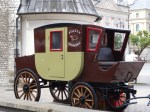
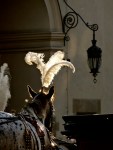
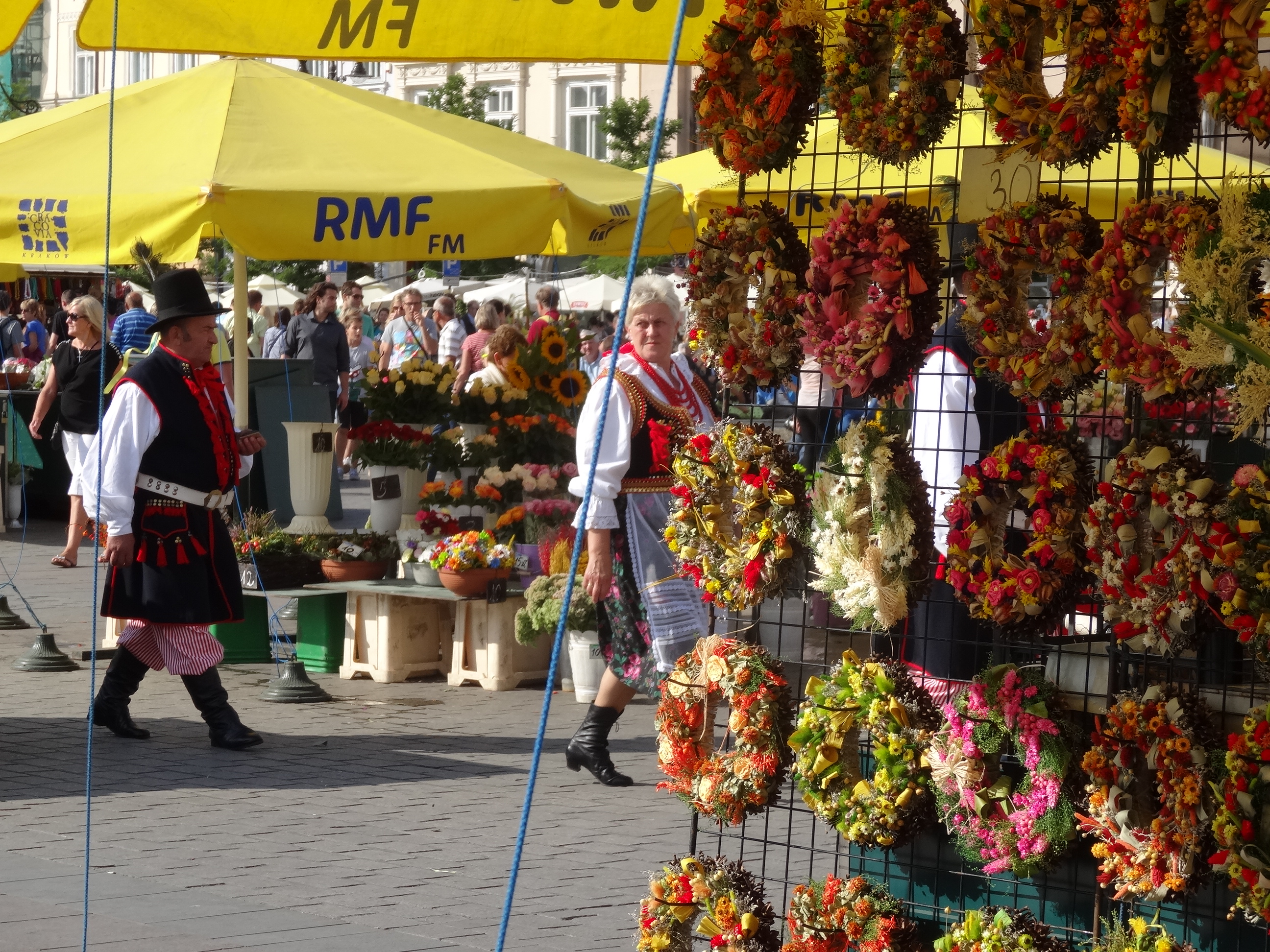
But drag myself away I did, for many other tempting pleasures lay in wait in this charming old town which felt as though it had been suspended in time. Back down in the square, the first requisite activity was to enjoy a glass of child wine on the front line of a café terrace, so that through the great pleasure of people watching, it became possible to take in more and more of the incredible details of the square, while listening to the clip-clop of the smartly adorned horses and carts, with their head-dresses of ostentatious feathers, and old fashioned carriages similarly lavishly provided. From there, a stroll through the markets all around the square brought us face to face with some of the specialities of traditional Poland – Oscypek cheese – strong and salty like greek Halloumi, made in the nearby Tatra mountains; the sweet smokey miasma of a suckling pig cooking on a spit; small red chickens carved out of wood, and religious iconography aplenty (for as was soon to become obvious, Kraków is a very Catholic town, a spirituality significantly augmented by the fact that the former Pope John Paul II was bishop and then archbishop of Kraków before his ascendency to the papacy).

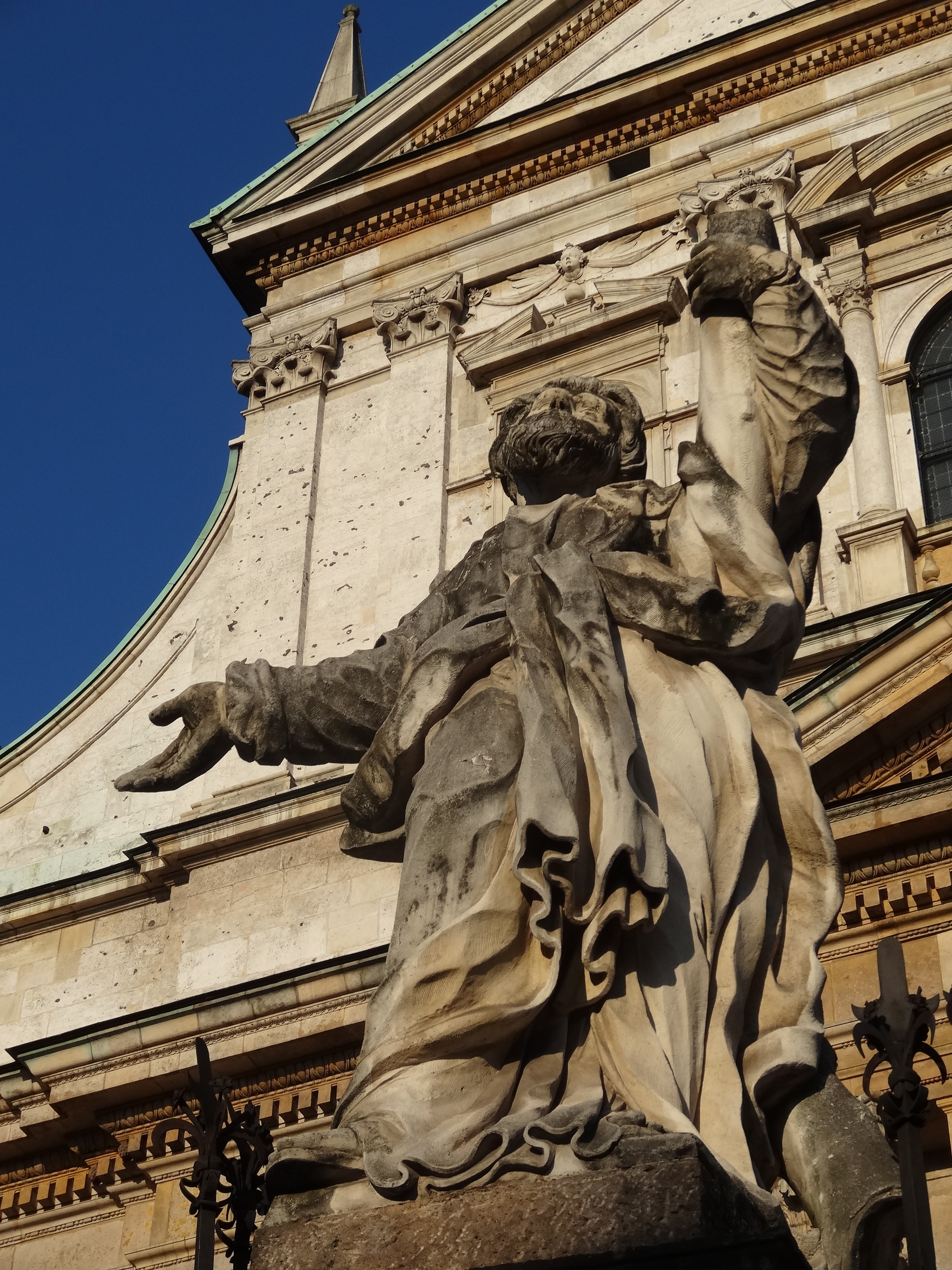
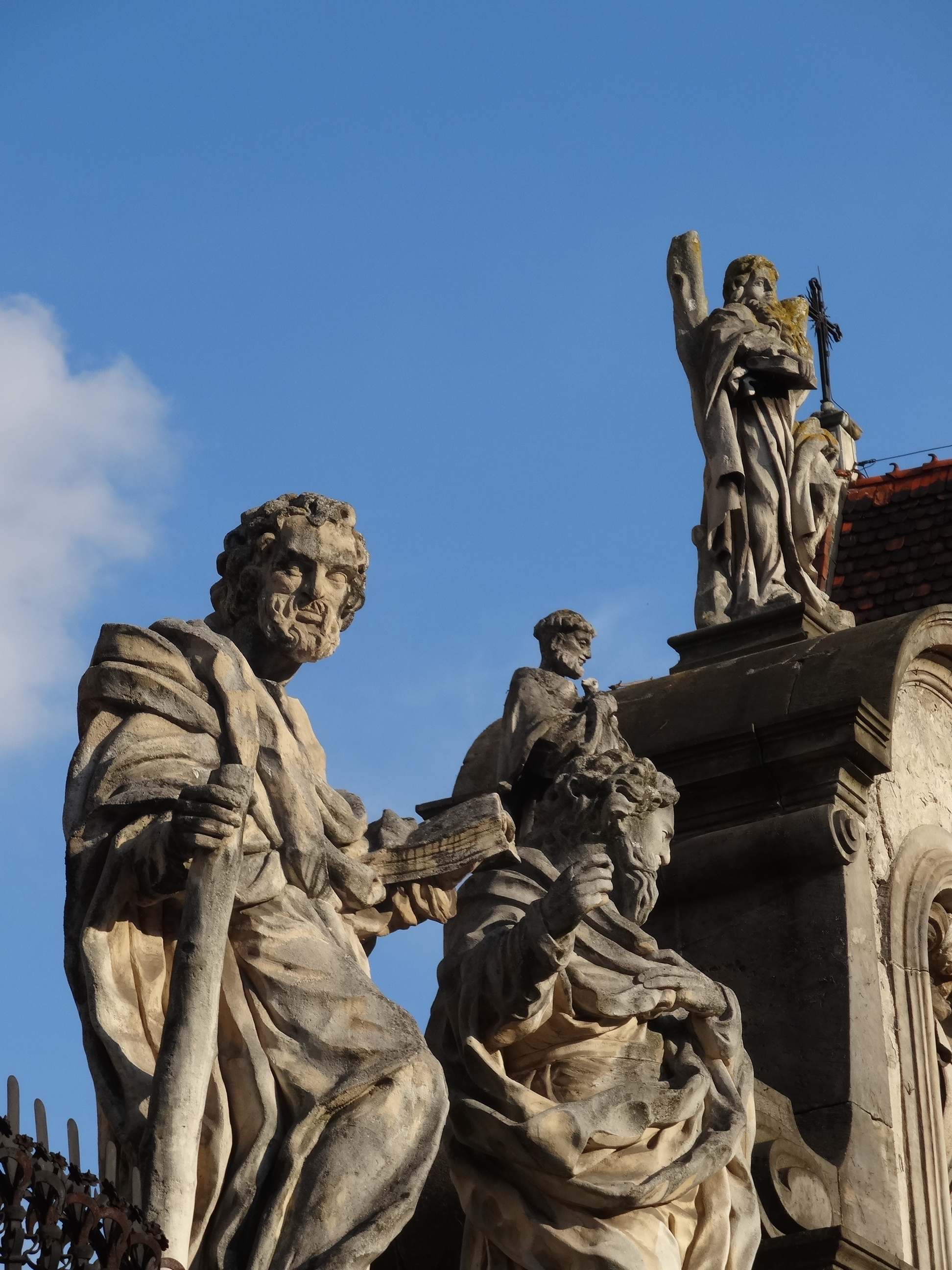
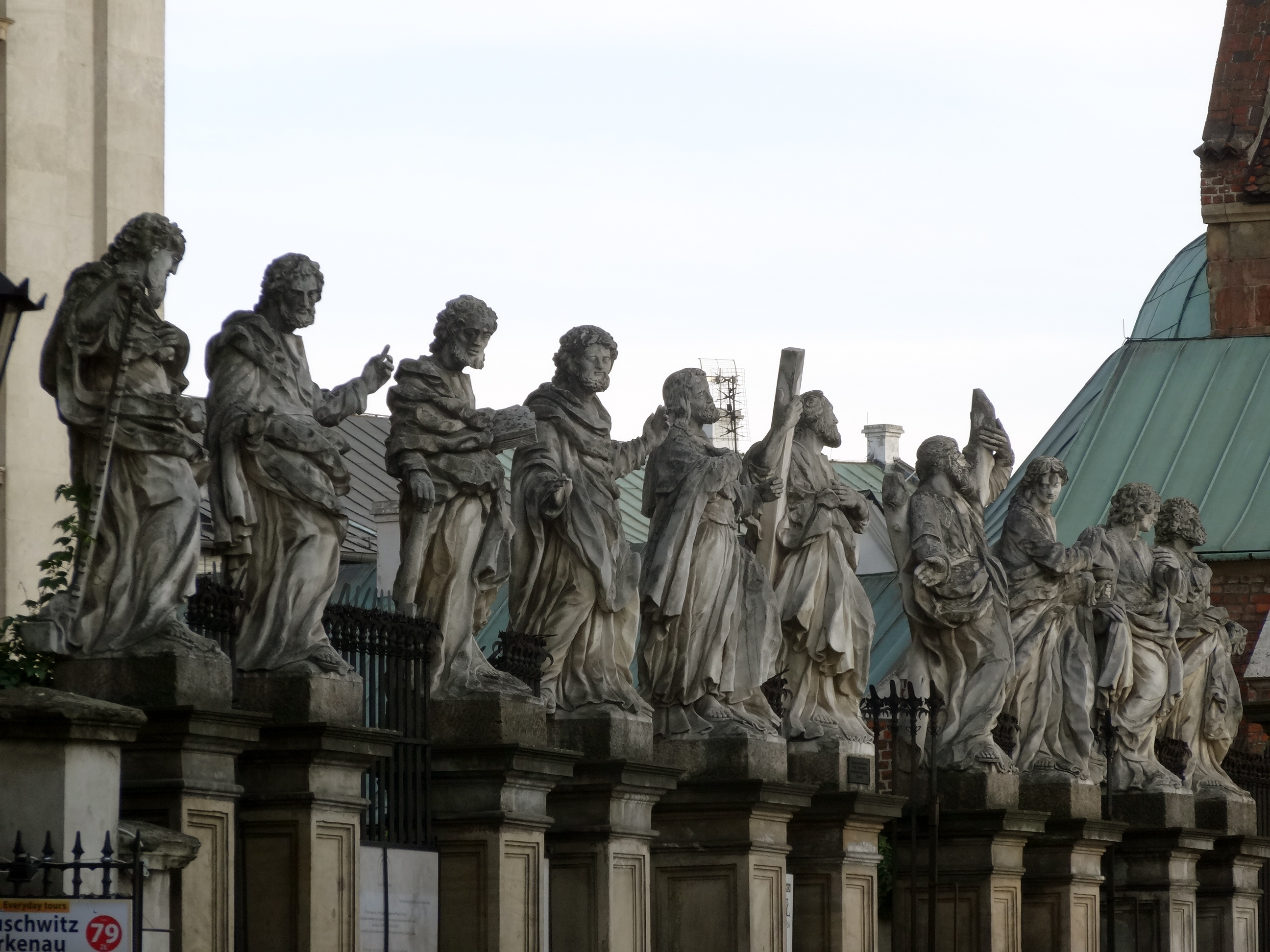
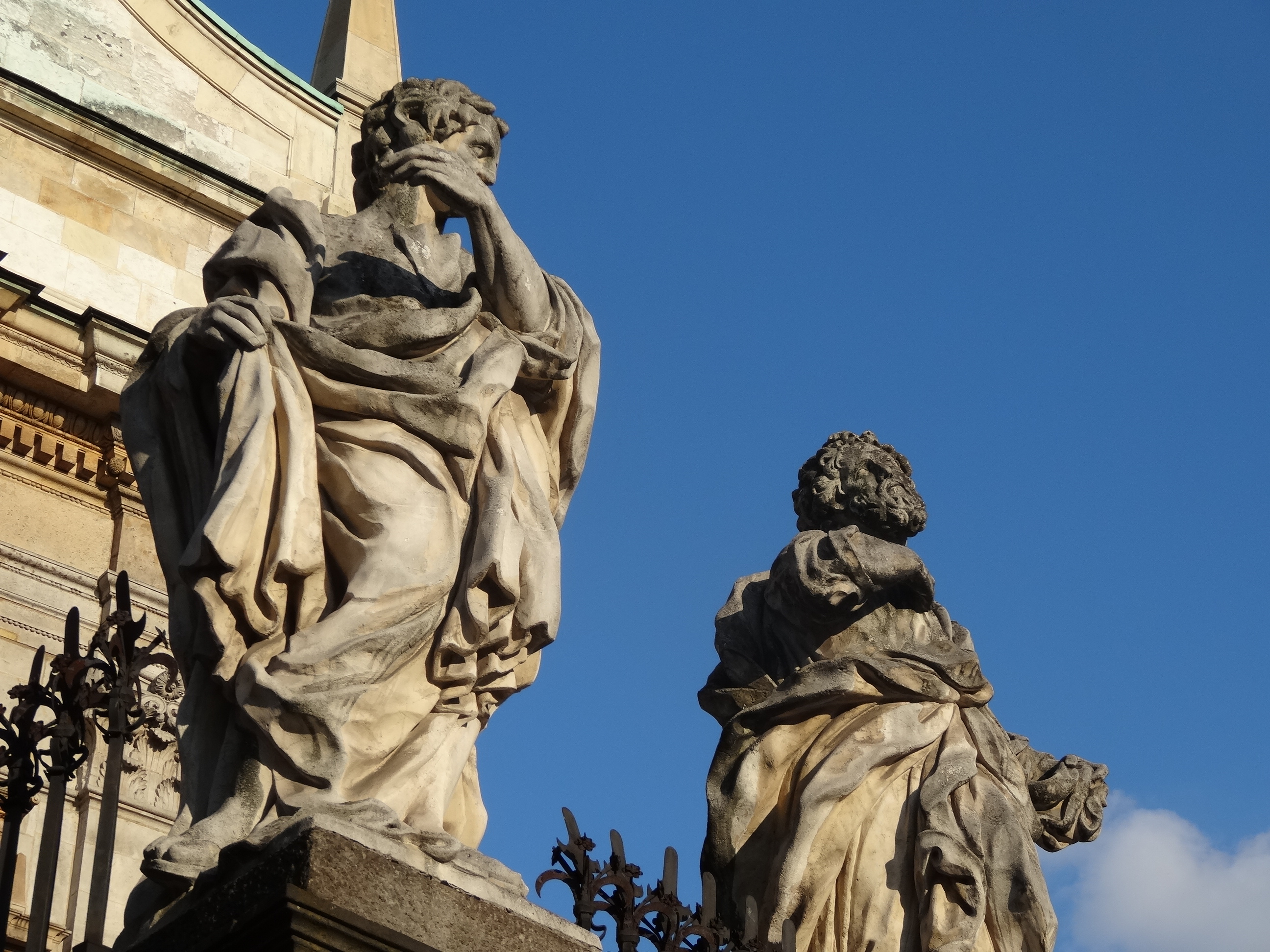
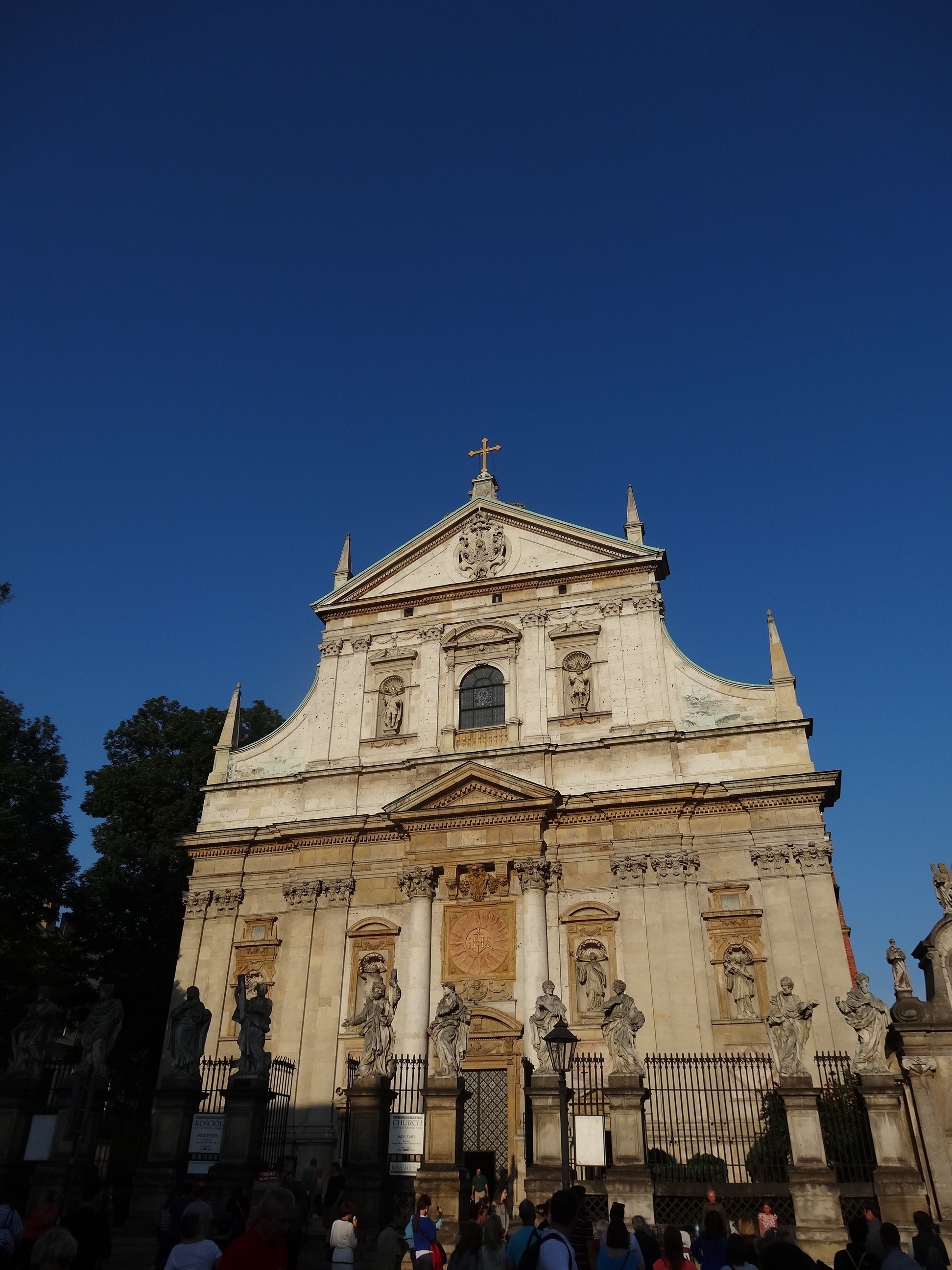
The Church of Saints Peter and Paul

IMG_4500 DSC06985 DSC06949 DSC06984 DSC06970 DSC06950 DSC06951 DSC06986 DSC06988

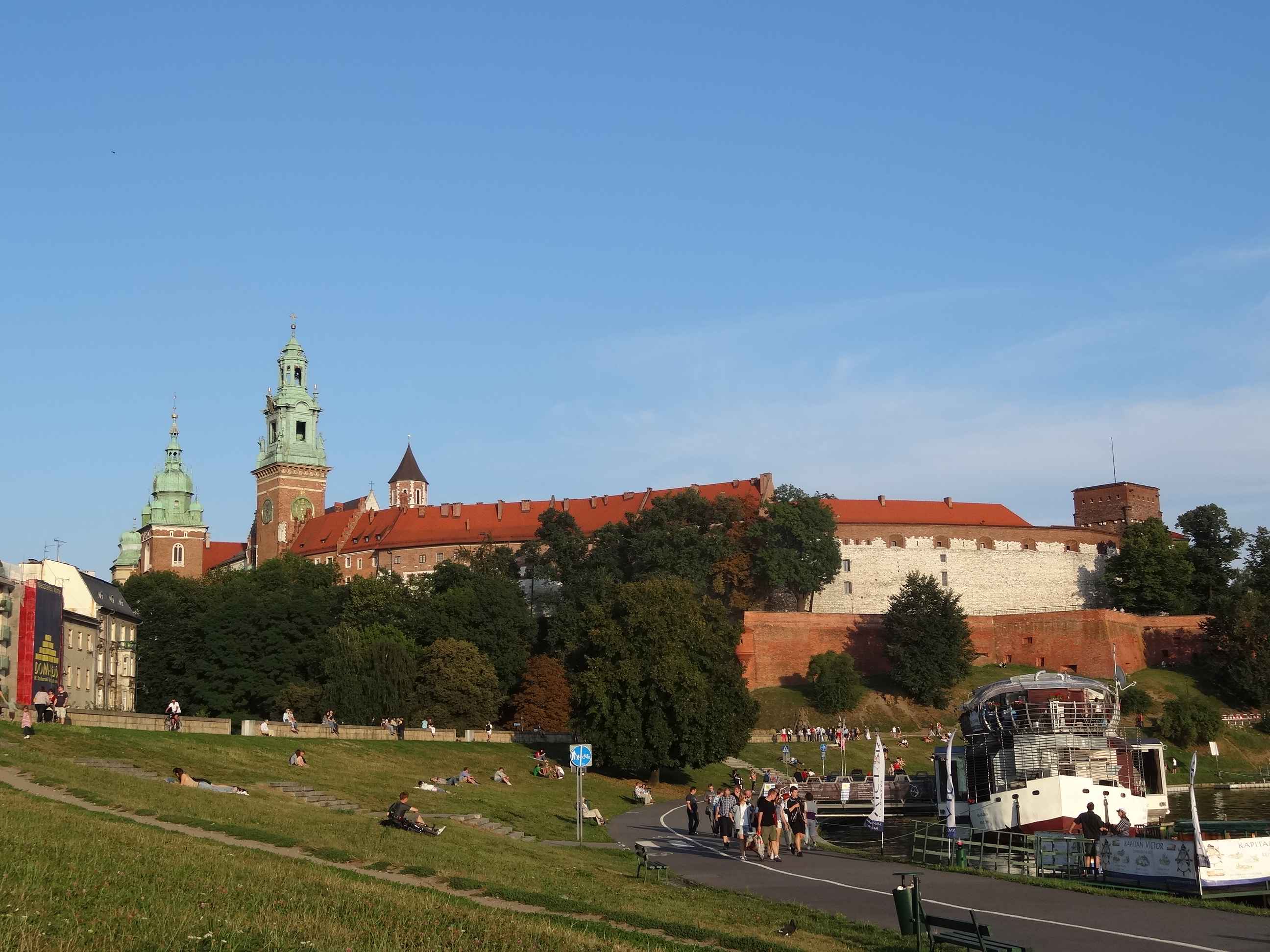
In this vein, we wondered around the old town, taking in more churches (check out the stunning Italianate baroque masterpiece of the Church of Saints Peter and Paul, above), more spires and more characterful cobbled streets, before eventually winding down to the Vistula river, from where, in the dying sunshine of the afternoon, we had a picture-perfect view of the Wawek Hill – the centrepiece of Kraków’s historic core, where the old palace of Poland’s kings (Kraków used to be the capital of Poland before the monarchy and government relocated to Warsaw for want of a more central location) and the equally stupendous beauty of the gold-domed copper-topped Wawel Cathedral stand so majestically, poised high over the city for everyone to see.

The Wawel Hill

DSC07028 DSC07009 DSC07027

But we couldn’t stay away from our room with a view for long, and back by the window, gazing over the Rynek Główny I continued to be mesmerised by the beauty of this city – a little box of jewels, ripe to be discovered over the following weekend, a place glinting still in the fading light, as the sunshine sunk away and the floodlights and cafe candles brought even more of a sparkle to this undeniably stunning city.

DSC07097 DSC07094 DSC07128

All photos and written content are strictly the copyright of Nicholas de Lacy-Brown © 2013 and The Daily Norm. All rights are reserved. Unauthorized use and/or duplication of the material, whether written work, photography or artwork, included within The Daily Norm without express and written permission from The Daily Norm’s author and/or owner is strictly prohibited. 
The Daily Norm’s Photo of the Week: Shard Triptych

Love it or hate it, you have to admit that the Shard, currently the tallest building in all of Europe at 306 metres high, and the newest addition to the London city skyline, makes for quite an impression on the eye, not least because its construction in the London Bridge area rather than the more developed City, means that the skyscraper is something of a lone ranger in amongst a terrain of far shorter historical constructions. While I had my reservations at first, particularly when I saw the building on completion and realised that the jaggard edges at its summit (said to resemble shards of glass – hence the name) were not going to come together into a satisfying point, I have to admire the way that this vast building stretches into the sky for as far as the eye can see, bursting out of the Bermondsey skyline as an indisputable symbol of man’s quest to build higher and higher into the realms where only nature has previously reined free.

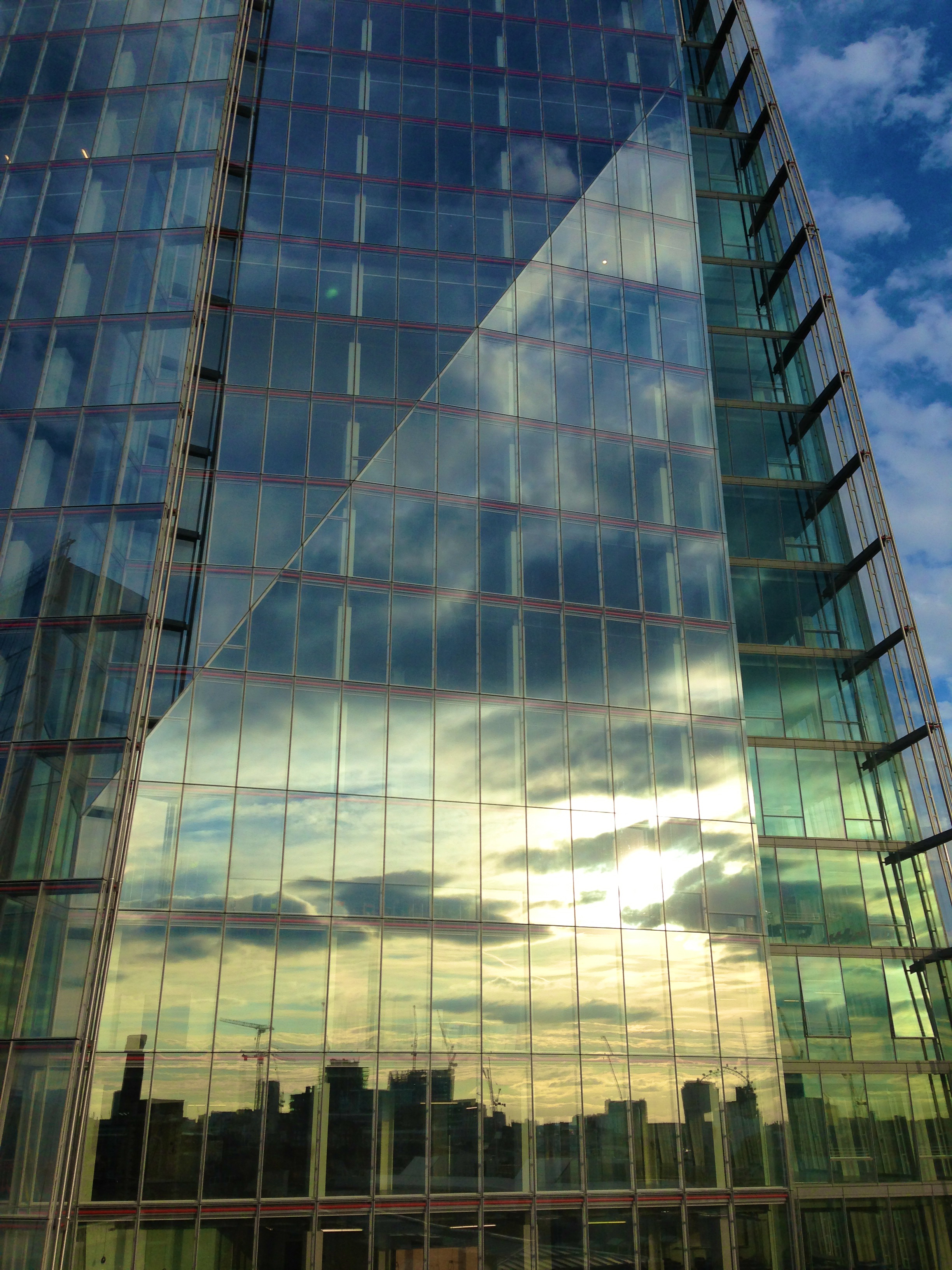
But seeing the mighty Shard from a distance is one thing – how about dining at its foot, on the roof top of a nearby restaurant with the more recognisable skyline of riverside London reflected in the Shard’s huge glass facades? Well that was exactly the dining experience I enjoyed at the end of last week when, with my dear friend Celia, master baker and author of the indefatigably brilliant Lady-Aga blog, we spent the late-summer’s evening at the Rooftop Café of the Exchange building, a laid-back antipodean affair, where aussie chefs and suitably chilled-out waiters serve a menu loaded with tantalising light summer treats, to be savoured while enjoying the view which, thanks to the reflective surfaces of skyrise buildings all around, could be seen wherever the eye did venture.

IMG_4753 IMG_4760 IMG_4766

So while you must excuse the fact that, for all those fine views, my memory of the food is less precise (luckily my fellow diner was more astute in that respect, and I will let her review on Lady-Aga fill you in on all the gastronomic details), as The Daily Norm’s favourite photo(s) of the week will testify, the view of London was simply too breathtaking to let food take centre stage. I could, in fact, fill this post with photos of the views which I took on my handy iphone that evening, as the sky over London went from a fair-weather cloud scattered lemony yellow, to a rich raspberry pink. However in an attempt to pare down my selection to a mere few, I have selected what was undoubtedly my favourite view of all – the double whammy which was provided in seeing the recognisable London skyline (London Eye and Parliament included) reflected in the sparkling new surfaces of the glazed and angular shard.

Quite unable to choose between these three views, each taken slightly later during the evening, I simply opted for all three. One series – a view in transition – taken in three successive shots.

All photos and written content are strictly the copyright of Nicholas de Lacy-Brown © 2013 and The Daily Norm. 

Marbella Twenty-Thirteen | Favourite Photos

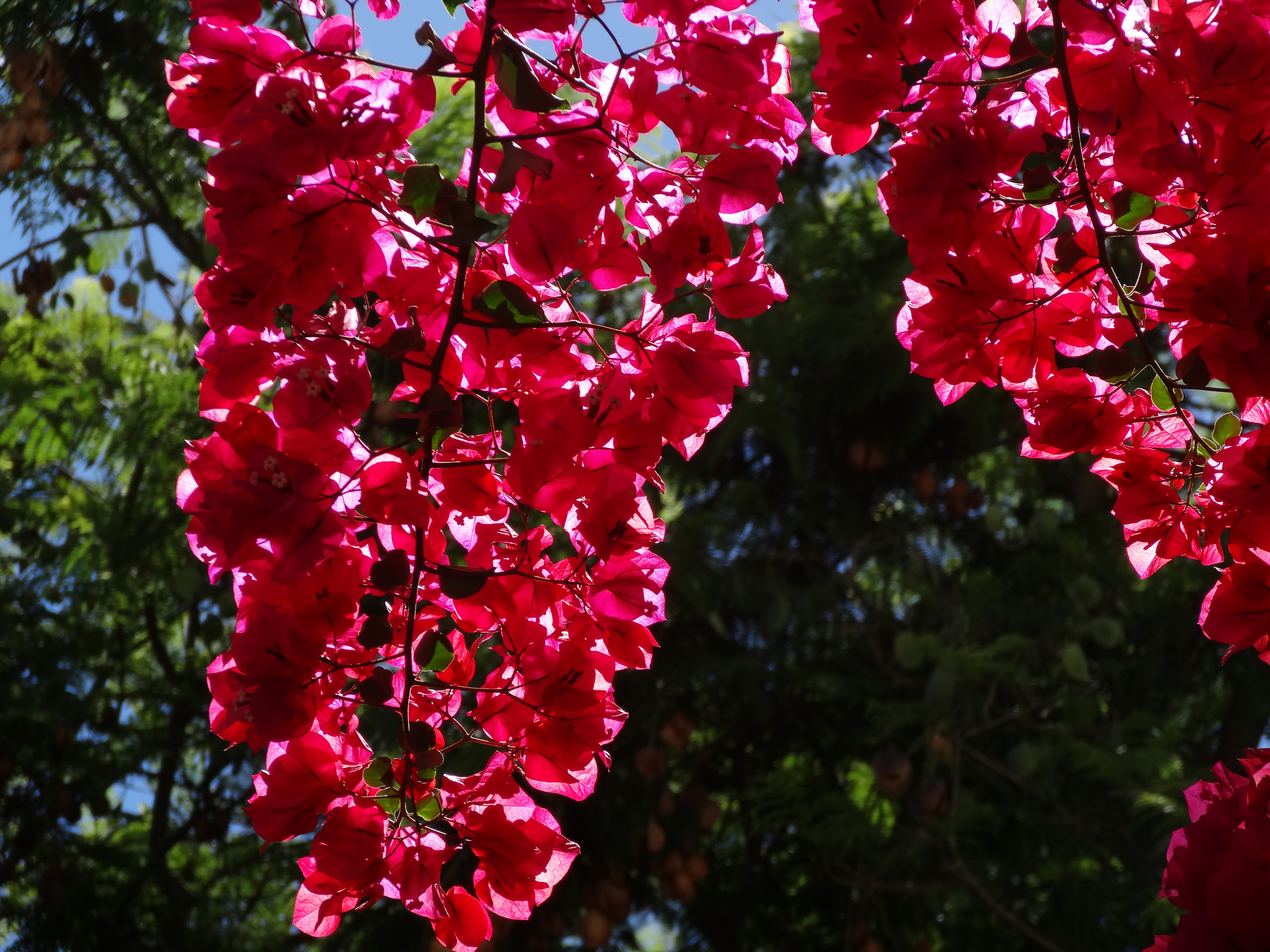
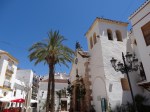
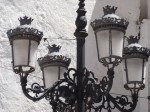
As my Marbella season comes to an end, and the third of my summer-time travel tripartite waits eagerly in the wings for Daily Norm exploration  (yes, Poland is on its way…!) I wanted to end this series of Summer Spain posts, as I so often do, with a series of some of my favourite miscellaneous photos. Like always, these photos really are a hodgepodge selection, from beautiful stained-glass butterflies and fuchsia pink bourganvilla, to crazy curly street lamps and olive oil bottles glinting in the sun. I love the smaller details which have been captured in this set, such as the tiny little yellow ladybird who appeared like a birthday good luck charm on my 30th when I sat sipping champagne by the sea; and the amazing black and white polka dot body of that incredible butterfly whose startling orange wings glowed like a light suspended in midair when caught by the rays of the sun. But some of these photos also capture wider planes and more general atmospheres, such as the cafe scene in orange square and that fatty delicious churros I ate on my birthday.

DSC05481 DSC06467 DSC05557 DSC05619DSC06560

As ever these are a set of photographic memories which I will always cherish as something to look back on in the privacy of my own home, but which are somehow all the richer, for my being able now to share them with you. Enjoy.

All photos and written content are strictly the copyright of Nicholas de Lacy-Brown © 2013 and The Daily Norm. All rights are reserved. Unauthorized use and/or duplication of the material, whether written work, photography or artwork, included within The Daily Norm without express and written permission from The Daily Norm’s author and/or owner is strictly prohibited. 

Marbella Twenty-Thirteen | Ojén

When I think Andalucía, I think narrow white washed streets clinging to steep mountain sides; seas of terracotta tiled roofs jostling for space in a crowded maze of twisting ancient streets; houses almost spilling from inside out, as residents take to sitting outside in the cooler evening air; and those white washed walls being intermittently punctuated by rich floral sprays such as the vivid pinks of brugmansia and the fragrant perfume of jasmine. And while Marbella, the location of my ultimate of August holidays, has its fair share of white washed wonders collected together in the winding cobbled streets of its stunning old town, it’s the little hilltop Andalus villages which for me characterise the very epitome of Southern Spanish charm.

So to discover these little hilltop gems one has to leave Marbella, and the sprawling Costa del Sol behind, but this isn’t exactly easy to do for the likes of me who has no car – the Costa, unbelievably is not on the Spanish train network, and the destinations served by the local bus service are limited. Happily however, there is one exception to this sorry state of transportation – every few hours, a bus leaves from Marbella centre and makes the 30 minute journey, up into the mountains, to the nearby hilltop village of Ojén, home to none other than Julio Iglesias himself.
Scenery from Marbella to Ojén

DSC06308 DSC06316 DSC06330

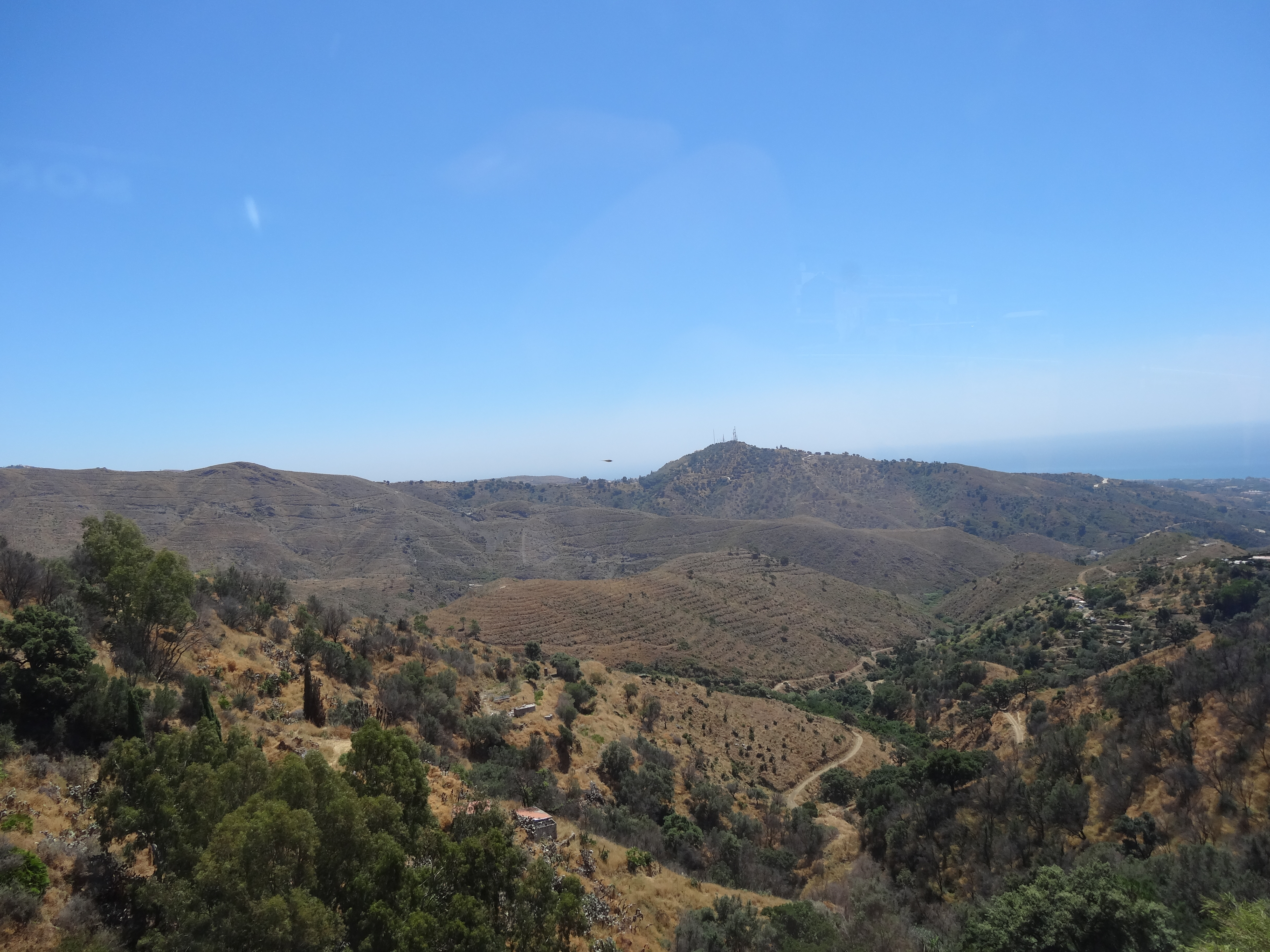
As soon as you leave Marbella’s centre and begin to ascend the main road into the Sierra Blanca mountain range which rises so prominently behind the town, you notice the scenery begin to change. As the bus descends and the road skirts the steepening mountain sides, the landscape opens up before you so that urban dwellings are replaced by vast ochre planes, their rocky arid topography punctuated by olive trees and the odd cypress. At this time of year the landscapes are particularly dry, but this year they retain the black charred scarring which a devastating forest fire caused last year when it spread across the planes of Andalucía. This does nothing to distract from the beauty of the landscape however, whose slopes and pastures meander and undulate downwards towards a stunning view of the Mediterranean sea and Marbella some 1000 metres below.
A few minutes of winding roads later, and the little village of Ojén appears. Home to around 1000 people, it is a cluster of dazzling white set against the ochres and browns of the surrounding hillsides. Those hillsides are reflected in the streets and homes of the village which, in places, appear to be almost precariously clinging to the hillsides and near vertical angles, the stone sloping streets following suit and making a climb upwards under the midday sun a challenging prospect. But my goodness me, what a gem of a town this is – a magical collection of Andalucía’s best – those white washed houses and little tiled roofs, old woven chairs left outside tiny town houses, windows open in a vain attempt to catch a little breeze.

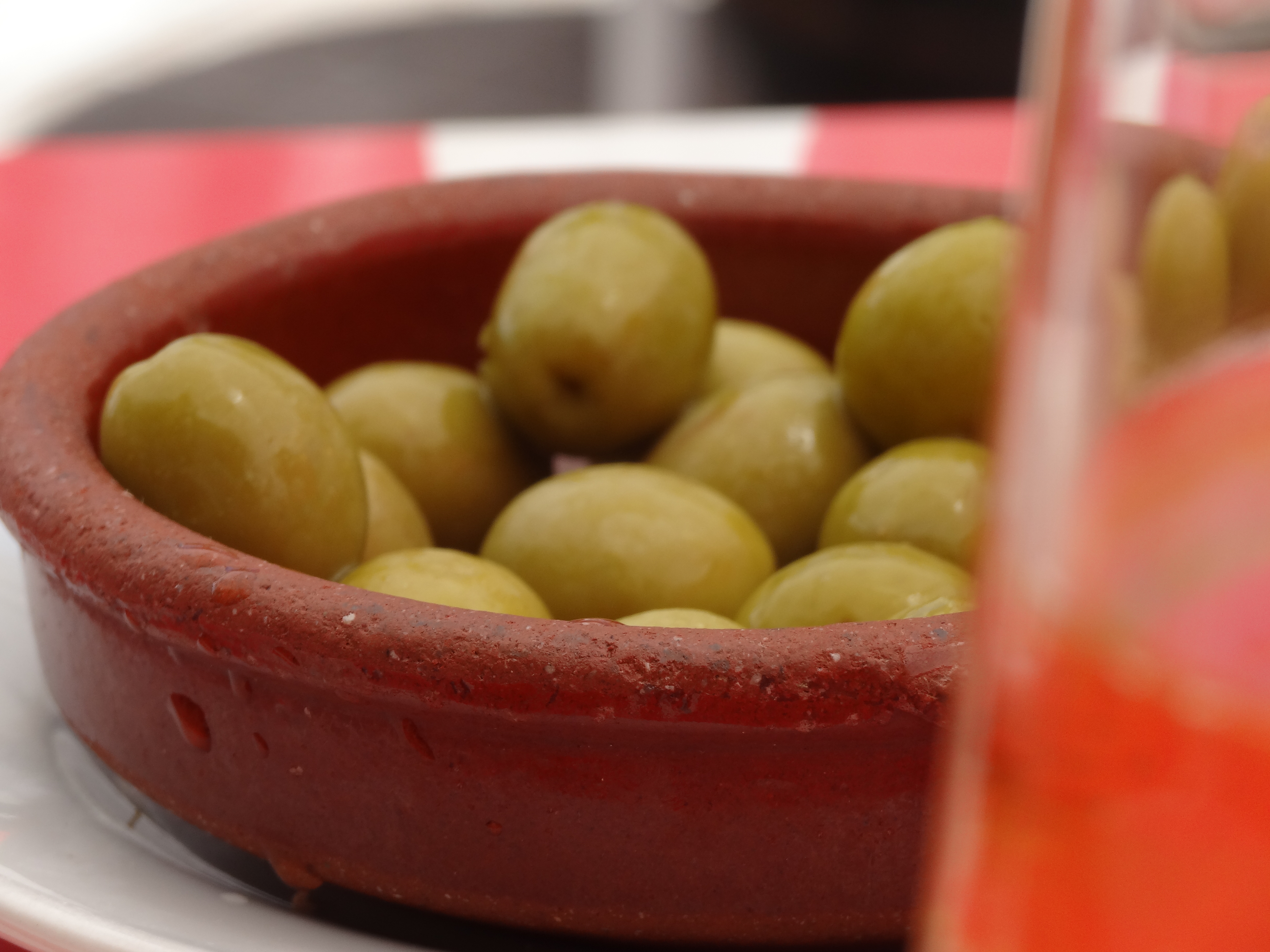
Perhaps the highlight of this town is the central square, surrounded by little bars and a tiny church at its centre, the baking marble pavements cooled slightly by the sound and spray of trickling water from a large fountain which remains remarkably cold even in the average 40 degrees of a typical summer’s day. It was there that my partner and I headed one lunchtime, braving the heat in order to recapture a moment we had enjoyed in the village a few years before, when we ate a plate of Spanish ham in the cheapest of cafes, but whose flavour was so intensely salty and rich that no tapas has lived up to it since. This time round, the ham did not disappoint, and basking in the almost oven-like heat of the square, we revelled in the soft melting fat and unctuous meaty texture of that ham, washed down with a small cerveza, some bread and olives. Surely as typically, simply delicious as Andalucía gets.

DSC06343 DSC06345

I leave these reflections with some photos from the day; a collection of images straight from the heart of Andalucía.

All photos and written content are strictly the copyright of Nicholas de Lacy-Brown © 2013 and The Daily Norm.