Skip to content

Posts from the ‘Photography’ Category

Folio // Porto, Ceramic City

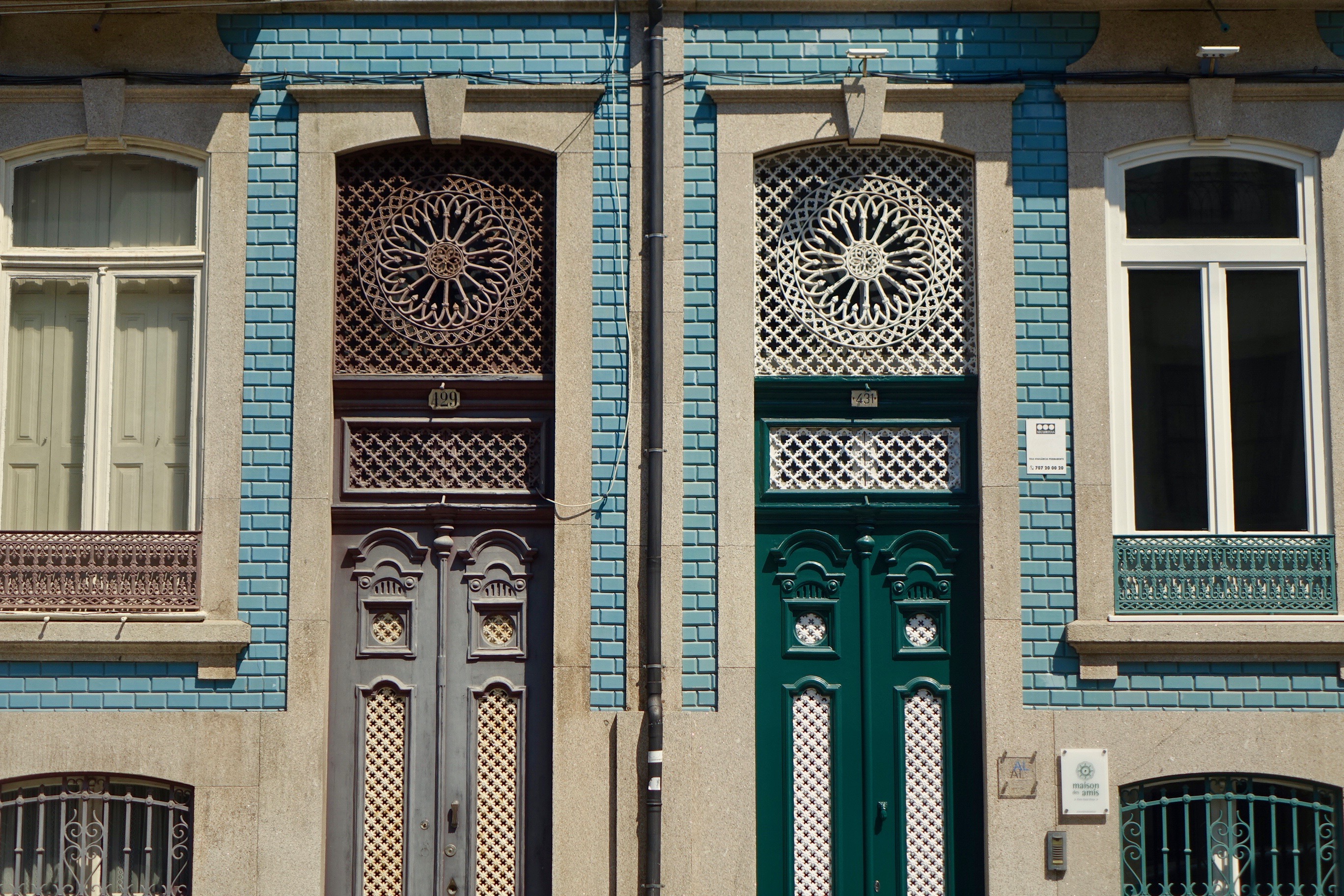
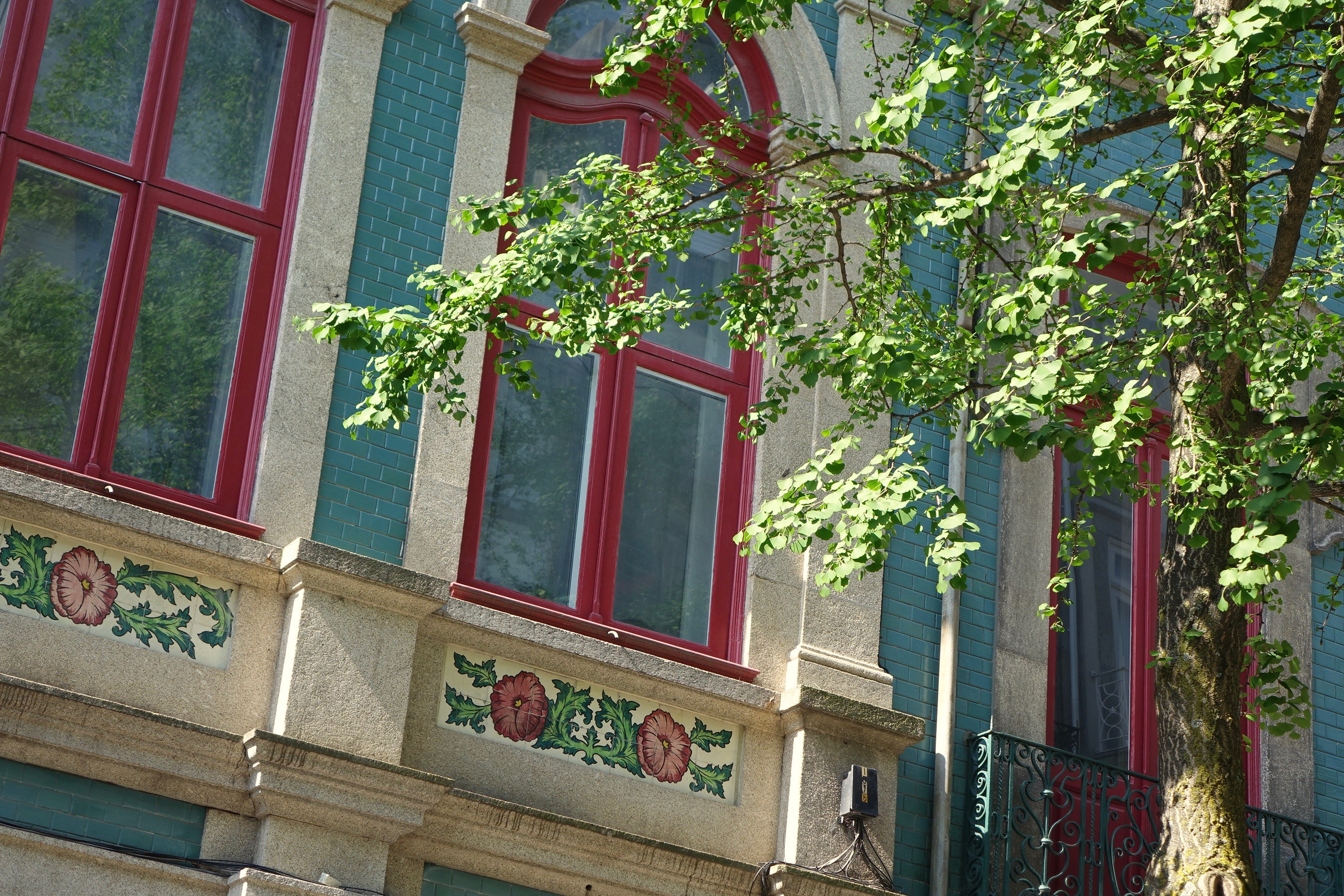
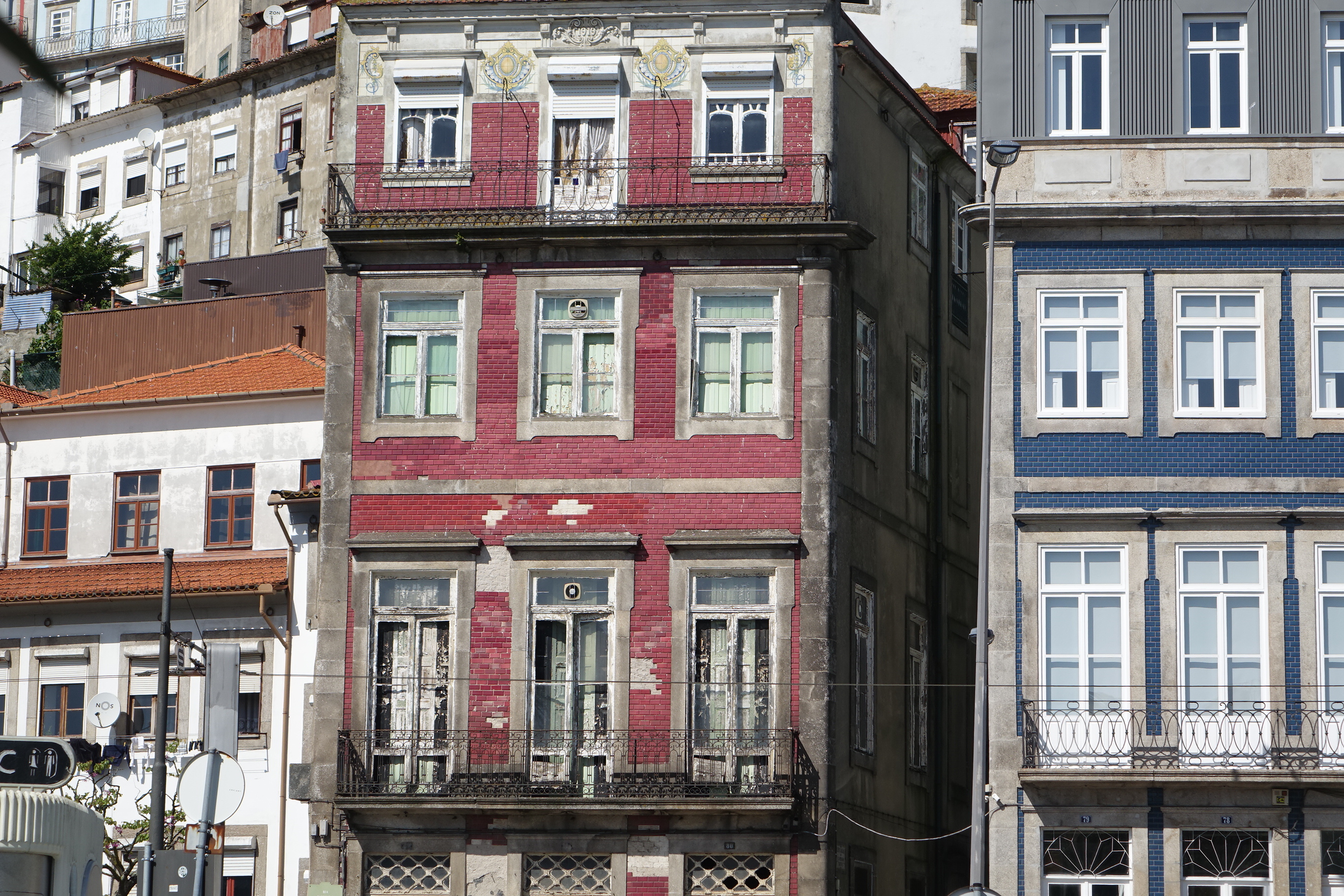
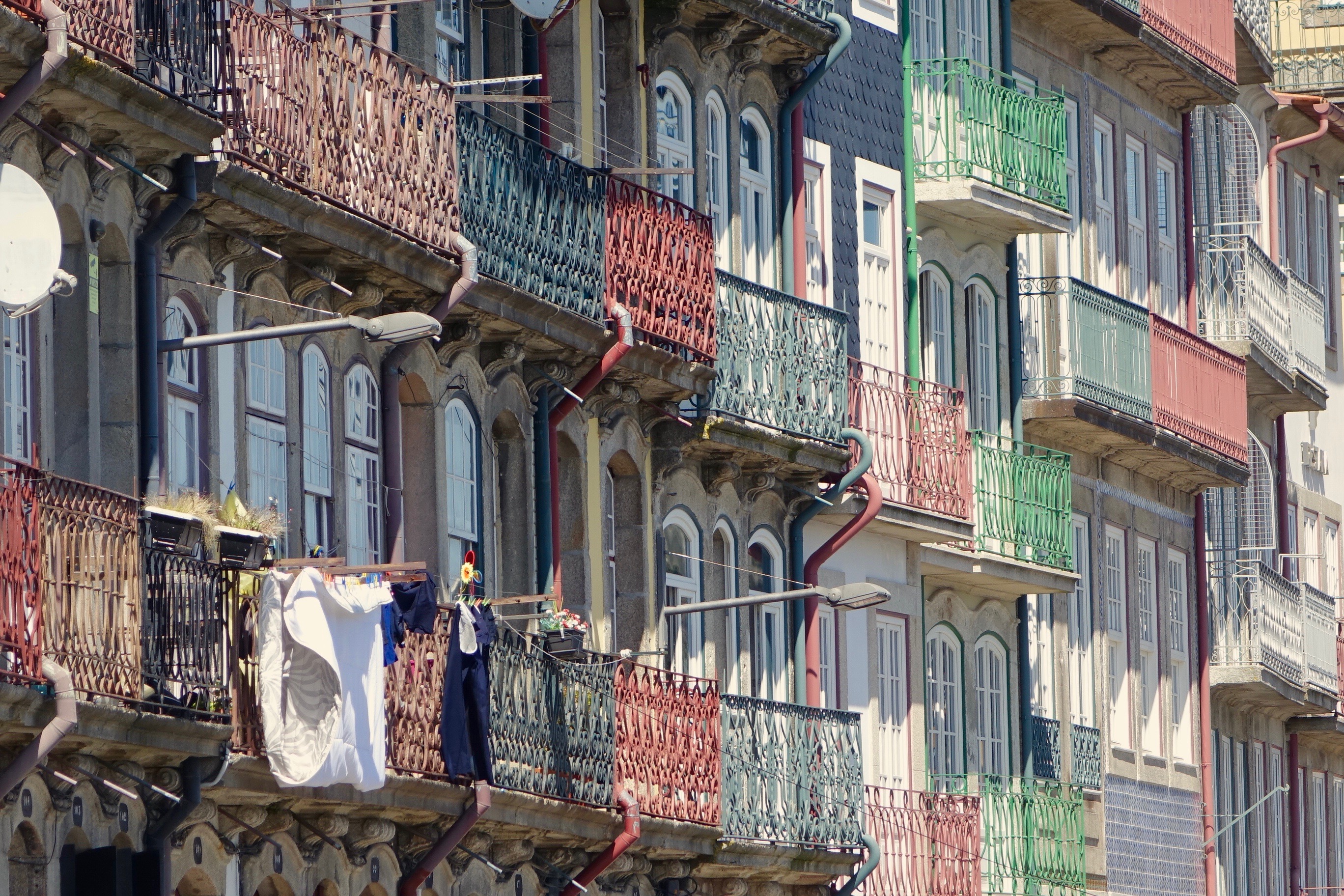
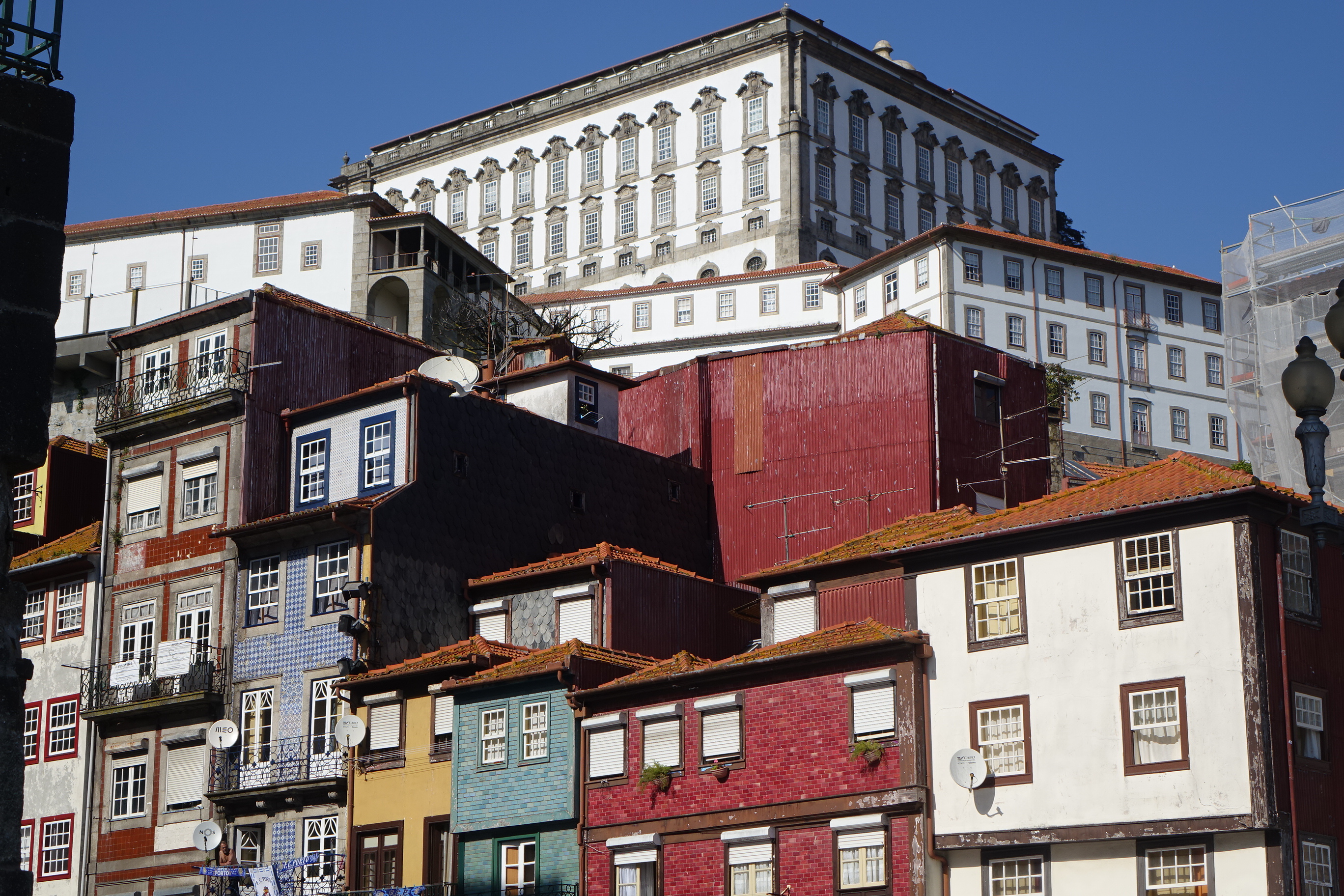
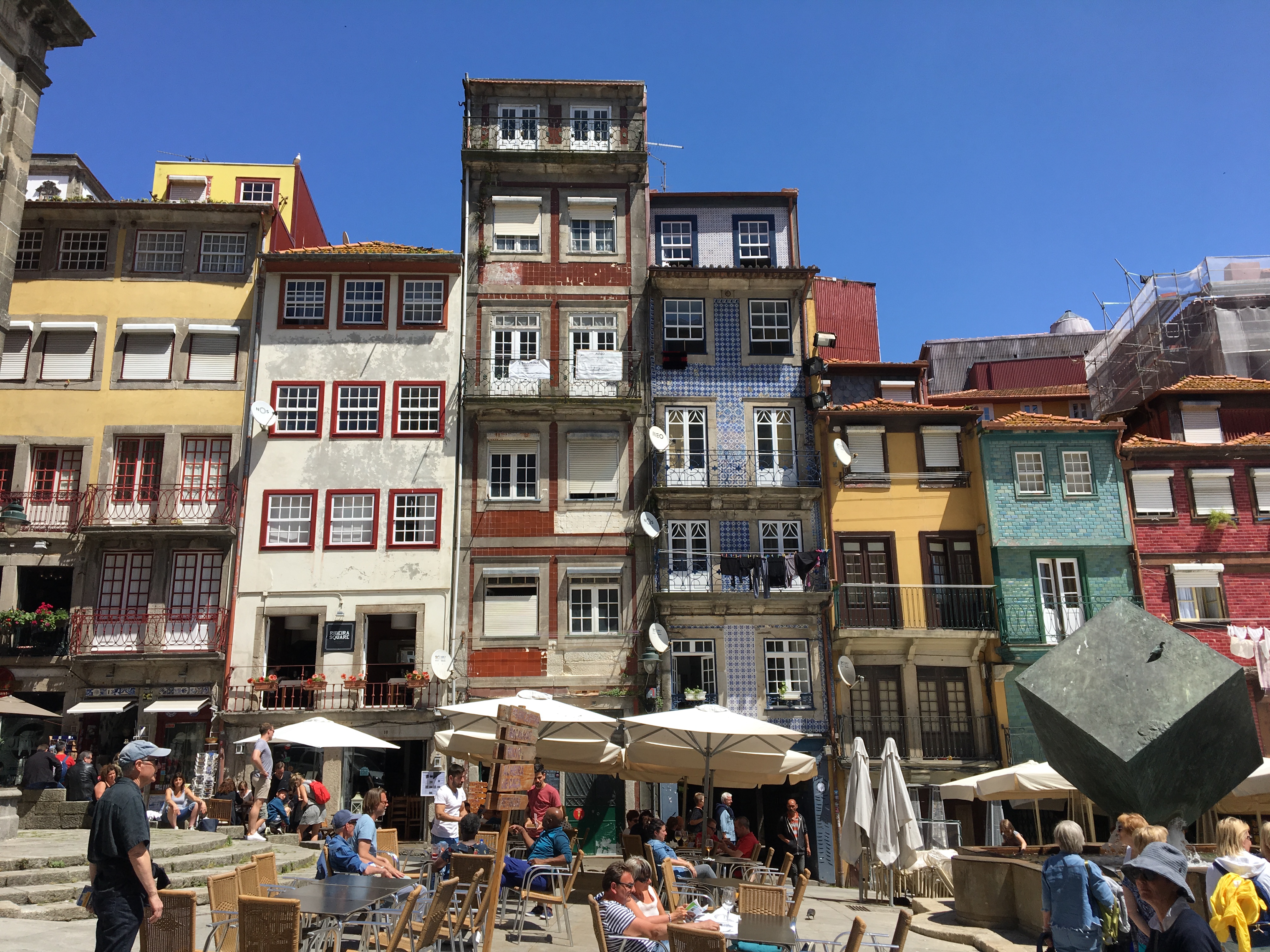
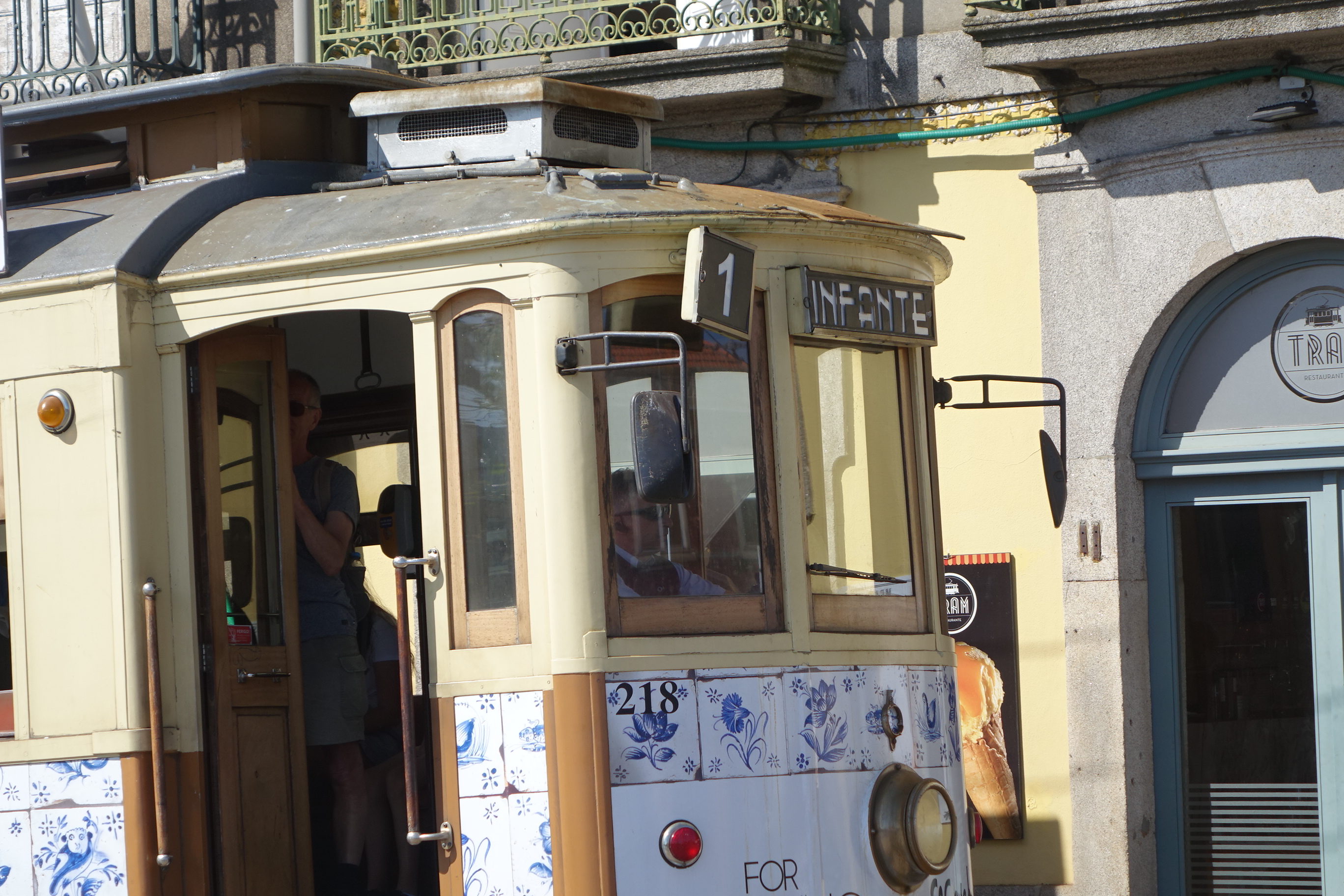
Porto is a city which literally smiles through its tiles. Every facade is alive with the glinting sheen of ceramic glaze. Their colours are abundant, their pattern even more so, and there is barely a house without a tile attached. When one wanders around Porto, gazing in abject fascination at these dazzling facades, one tends to question why we don’t all affix tiles to the front of our houses and buildings? Isn’t this the simplest way to give our exteriors something of the personality within, while – practically speaking – saving the need to repaint every year?

IMG_0218DSC03613DSC02859DSC03221DSC03518DSC03465DSC03526DSC03552

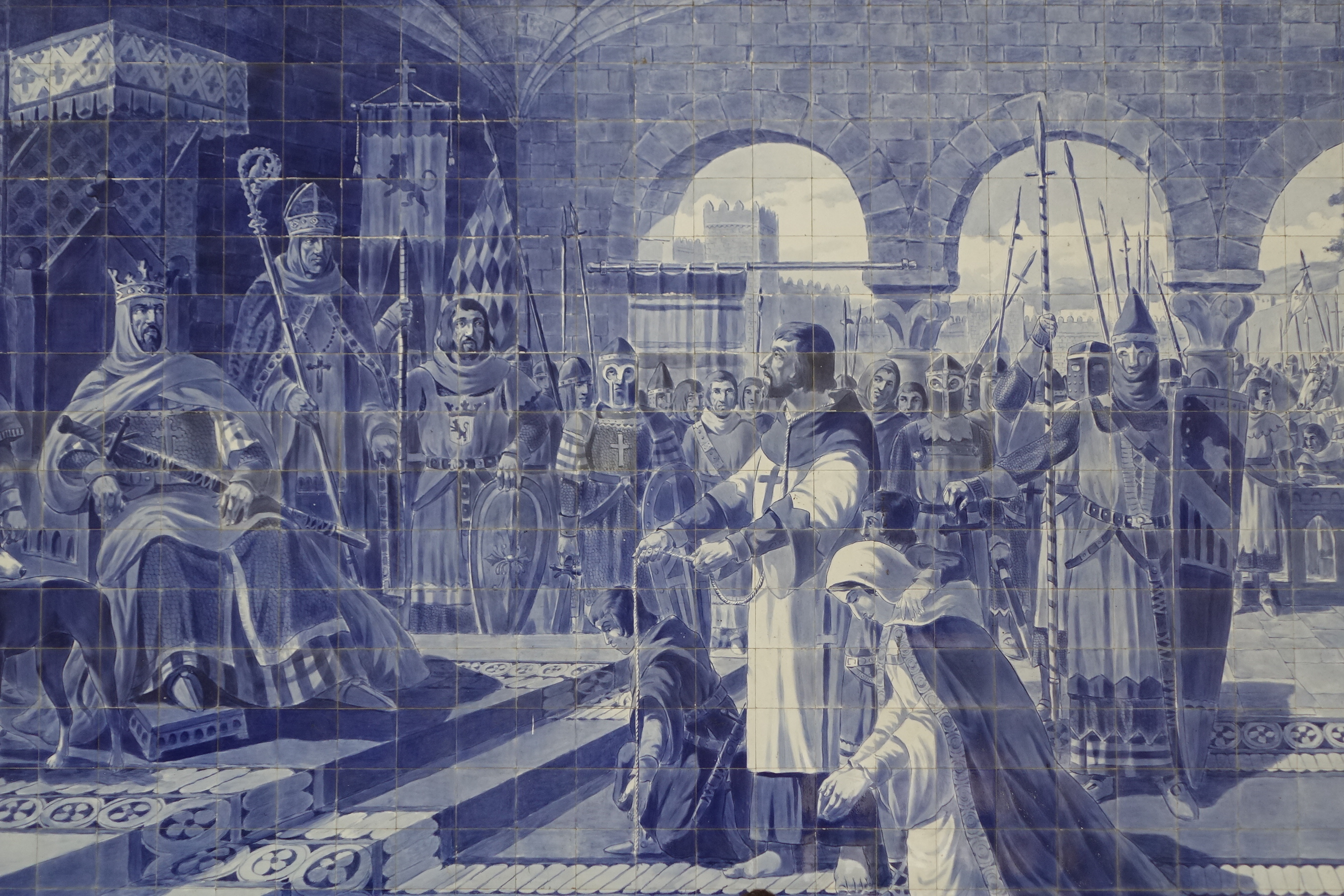
Be they a practical solution or a traditional embellishment, the ceramic tiles of Porto are completely characteristic of the city. From the simple geometric designs and slightly more elaborate three dimensional variations emblazoned on homes to the pure masterpieces of blue and white illustrative design which narrate the walls of churches and (best of all) the San Bento central station, there are tiles to be admired throughout Porto. Here is a folio of my photos of just a few of them.

DSC03036IMG_0087DSC03175DSC02853DSC03039DSC03521DSC02773DSC03159

© Nicholas de Lacy-Brown and The Daily Norm, 2018. Unauthorised use and/or duplication of the material, whether written work, photography or artwork, included within The Daily Norm without express and written permission from The Daily Norm’s author and/or owner is strictly prohibited.

Compendium // Porto > The enchanting Ribeira

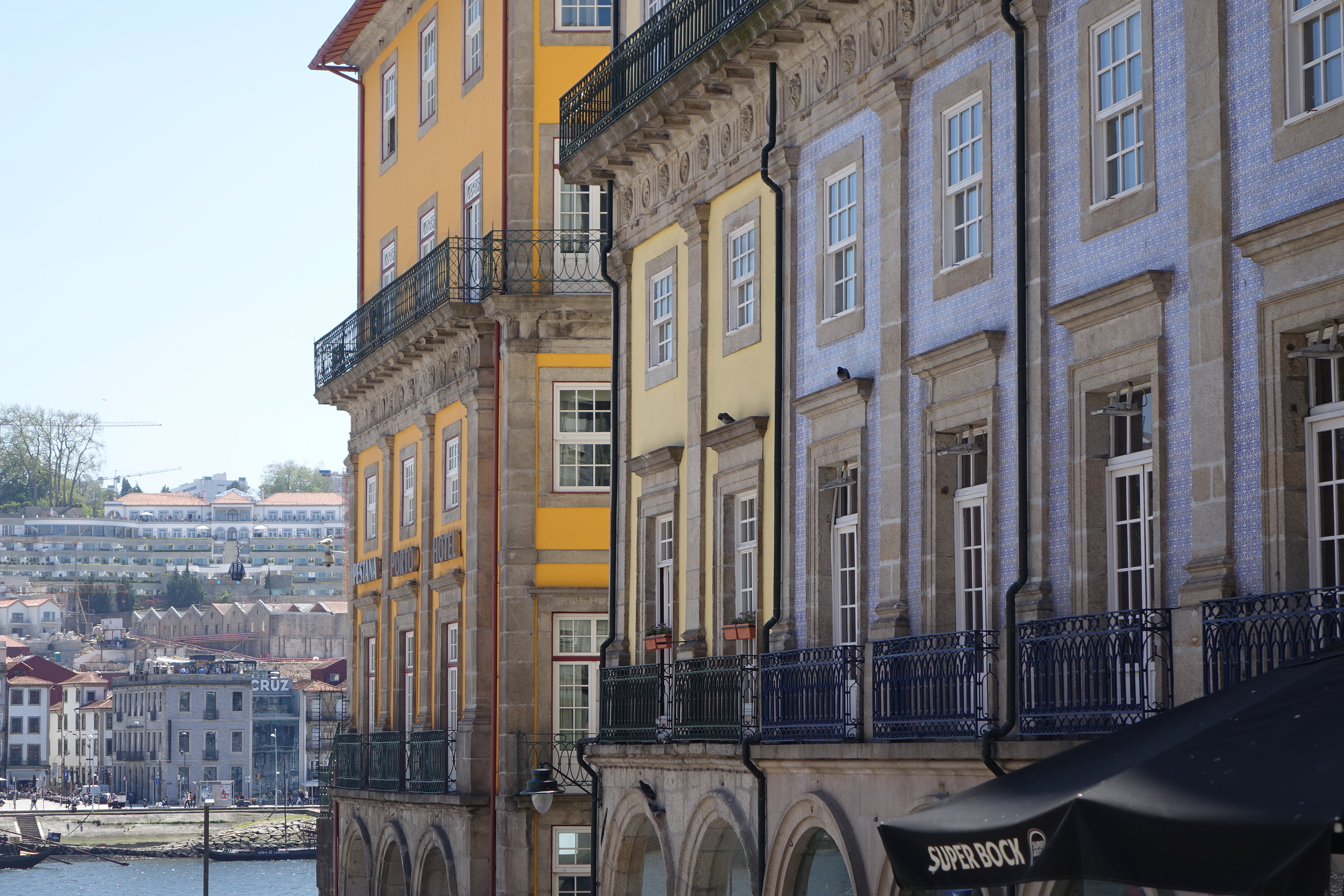
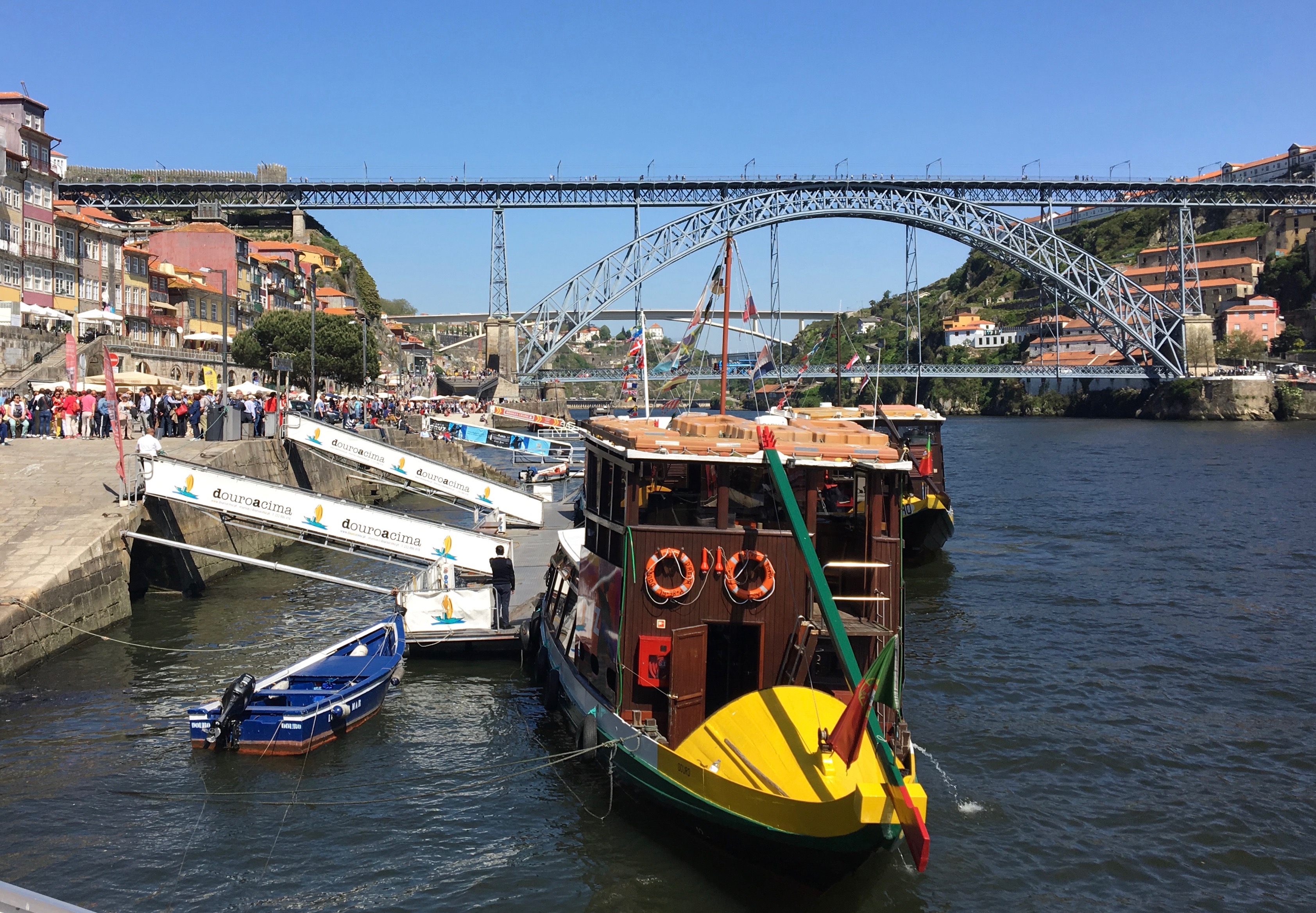
As mellow as the perfume of port-filled oak barrels, but as vivacious as the glint and sparkle of that same honeyed wine as it sloshes into an eagerly waiting glass, the Portuguese city of Porto has all of the tempting characteristics of the sweet nectar which put the city on the world’s map. But if Porto was to be described in a palette of colour, its rich amber terracotta tones are to be offset by the bedazzlement of blue and white in its omnipotent ceramic tile-covered buildings, and in the dazzling stretch of the Douro River carving the city in two on its broad sweep down to the Atlantic Ocean.

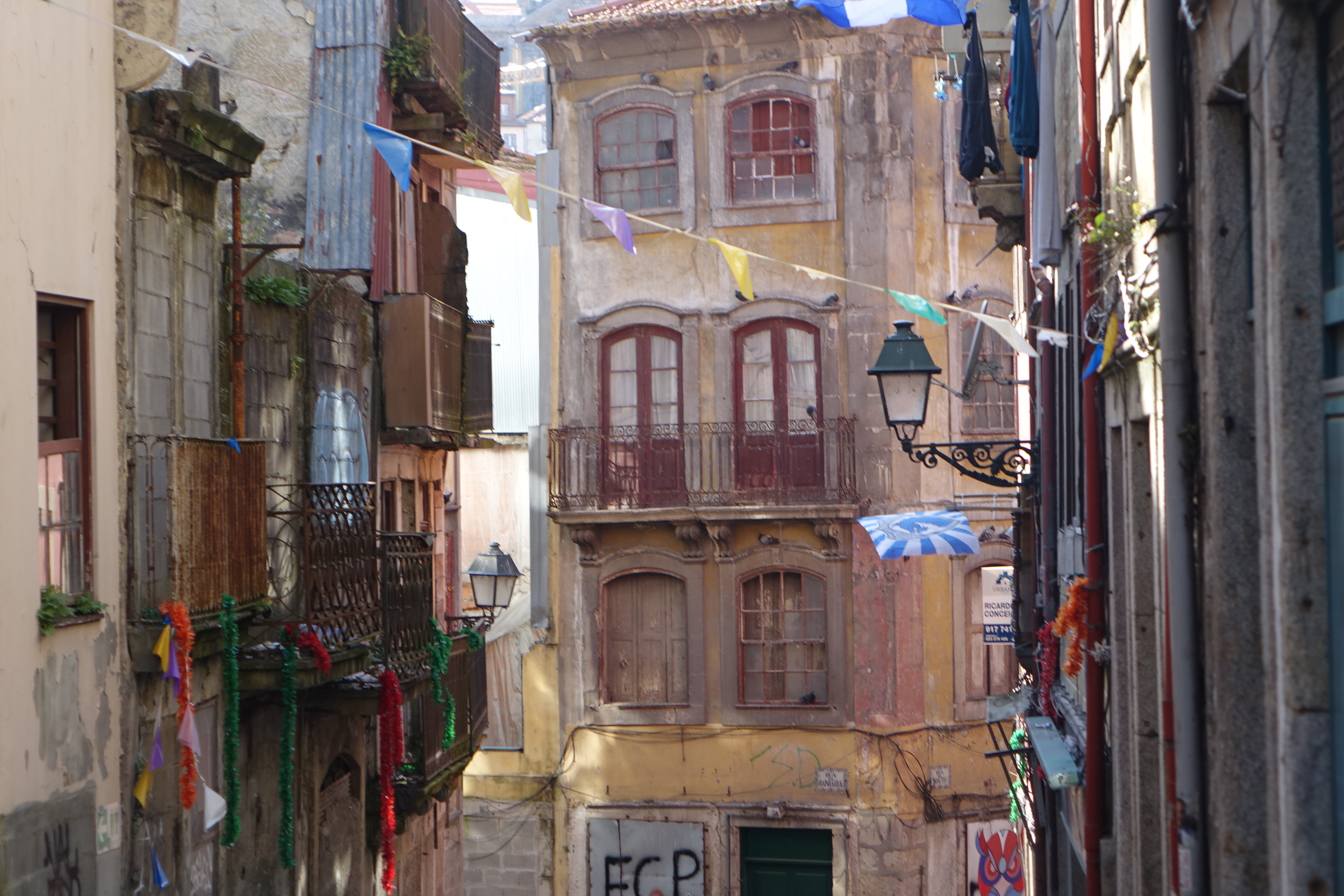
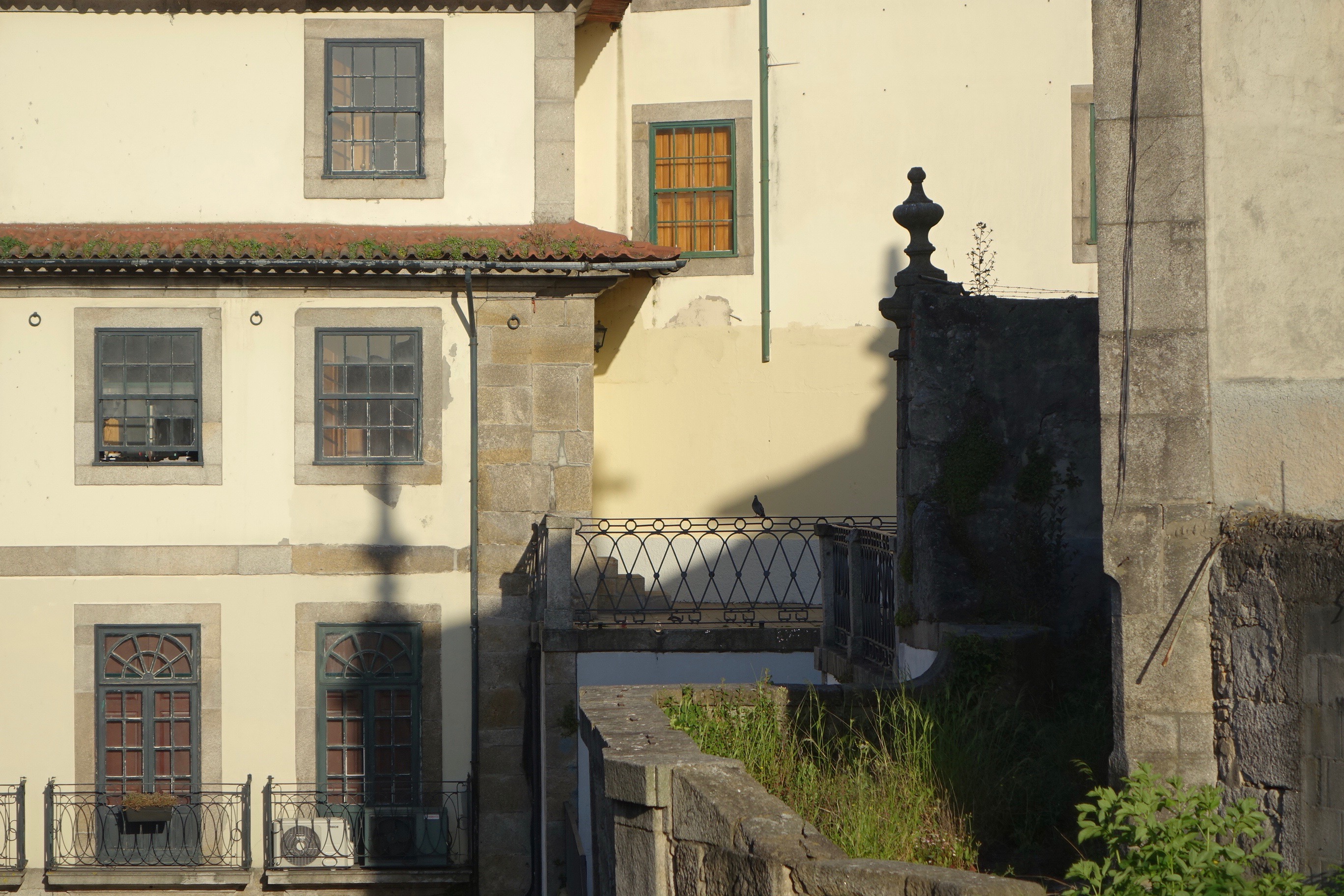
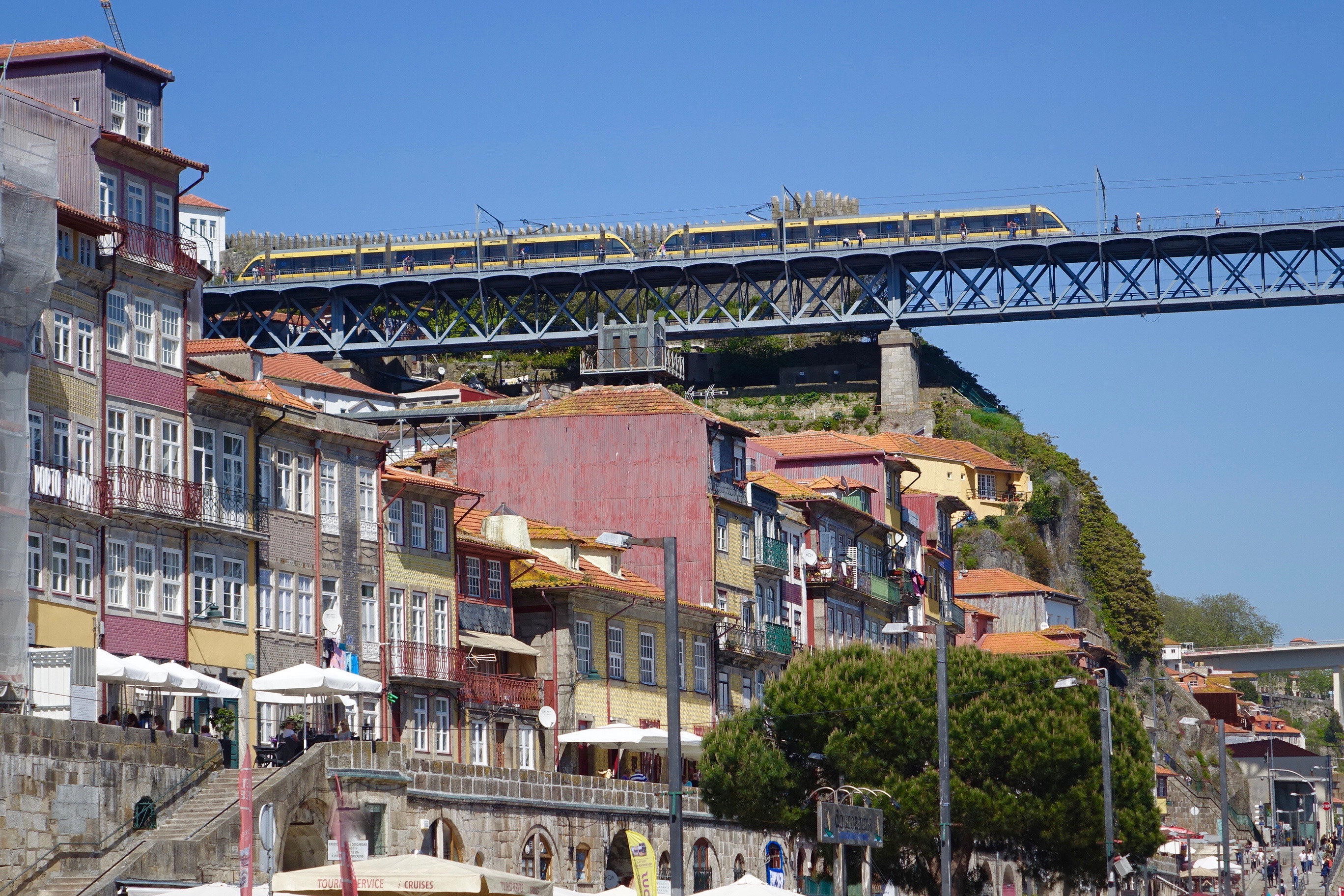
Porto is a city alive with the spirit of its geography, as though enlivened by Atlantic breezes and nourished by the hilly fertile Duoro valley beyond. Its hilly topography has created a city which is topsy-turvy to say the least. Take a step back and houses appear to balance atop one another as streets zigzag along steep hillsides which rise and fall like ocean waves. It’s a city which defies the typical sense of direction, but which is generous to whomsoever gets lost in its maze of streets. For in Porto there is something enchanting to behold at each narrow corner.

DSC02832DSC03488DSC02857DSC02882DSC02765DSC02948DSC03009DSC03019DSC03010

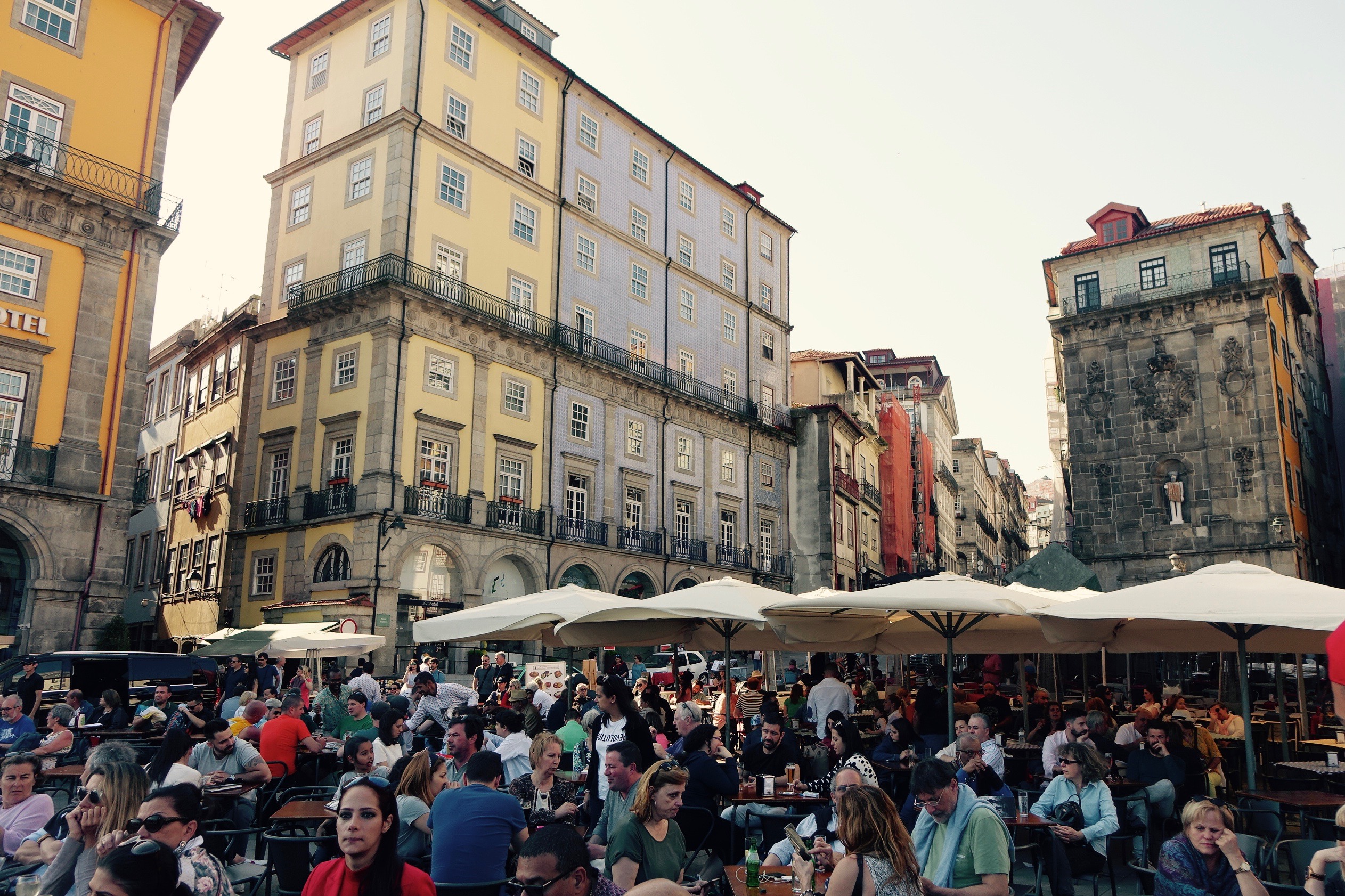
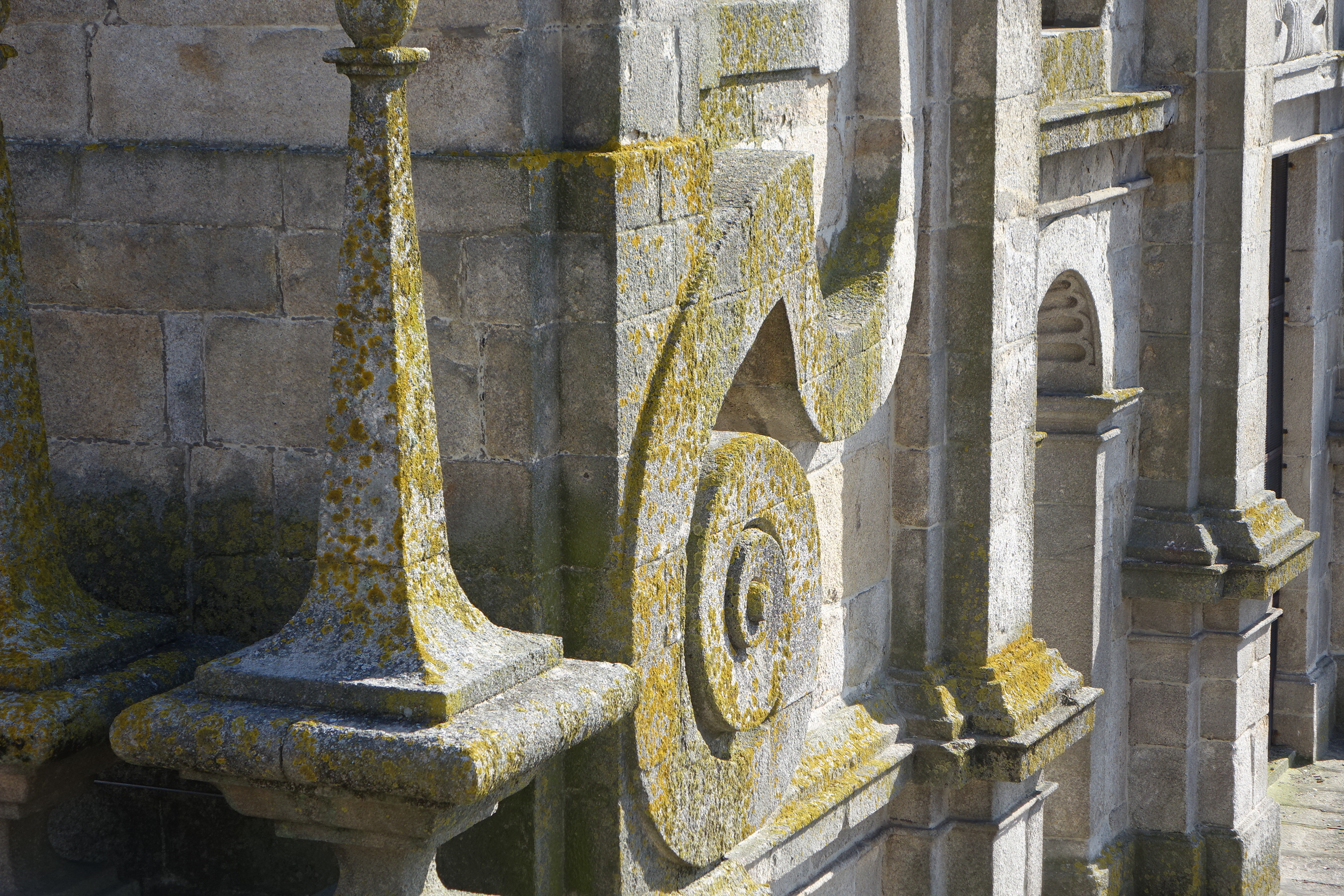
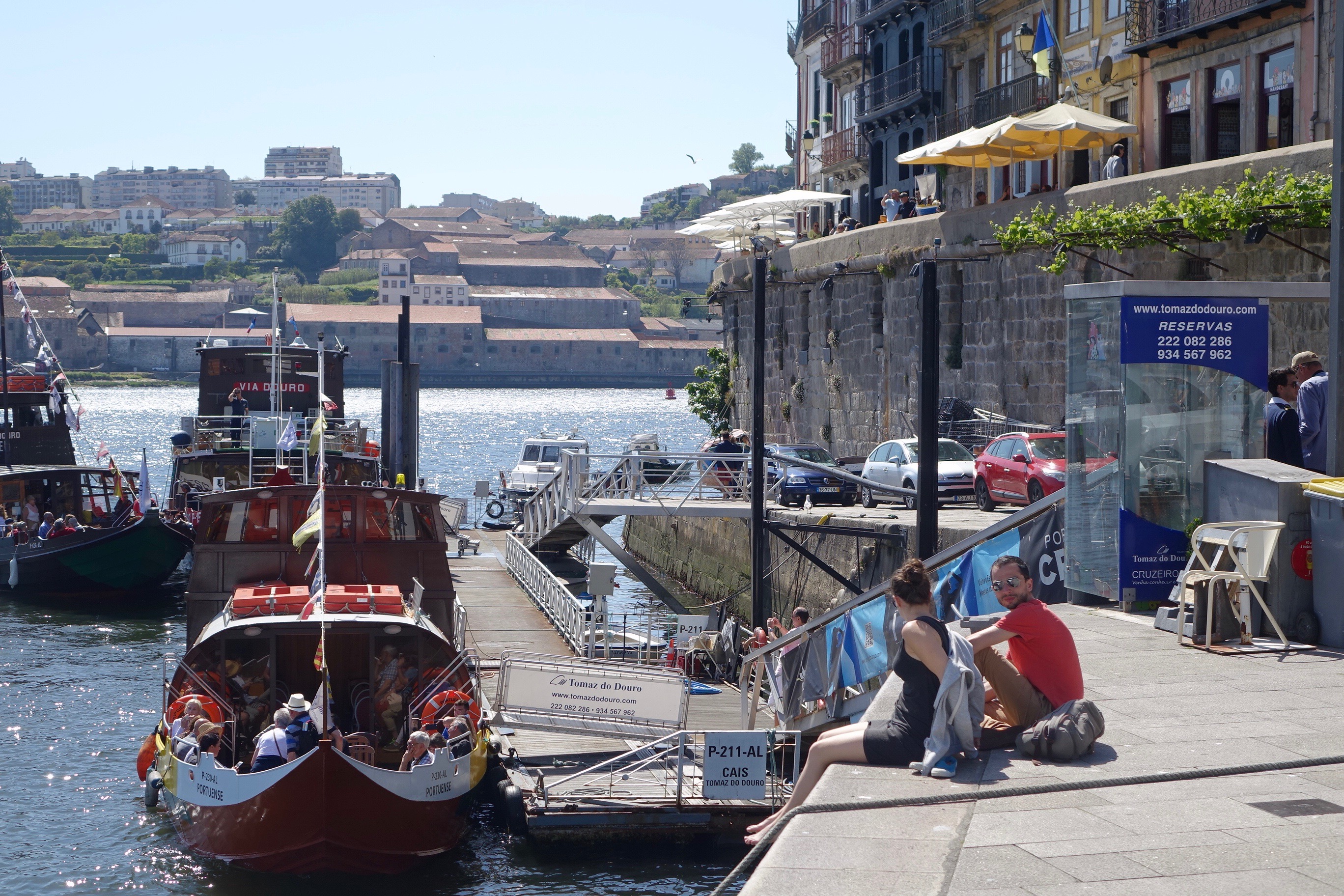
Our new compendium tour starts where that maze is at its most convoluted: in the knotty twist of streets which work their way over and around the hilly slopes which plunge down dramatically into the Duoro river – the Ribeira. Famed throughout the world and appropriately UNESCO protected, the Ribeira area is undaunted by the tourists naturally attracted to its streets and squares, retaining the authenticity of its carefree locals who can be seen enjoying the views and the sun from their ceramic tiled balconies with as much enthusiasm as the zealous tourist.

It is an area which exhibits numerous personalities. At its apex, the fortress bulk of the grand Sé Cathedral and it’s domineering Episcopal palace soar above the twisting mass of narrow lanes below, offering unbeatable rooftop views and an appreciation for Porto’s undulating geography. Delve into the streets beyond, and an impenetrable shadiness is punctuated by light only near the rooftops. However, soon enough, those darker alleys give way onto the soaring light of the riverbank, which is where the true heart of the Ribeira pulsates to the rhythm of street musicians and crowded restaurants, all benefiting from an unrivaled view of the Ponte de Dom Luis I, iron icon of the city.

DSC03460DSC03498DSC02943IMG_9850DSC03471DSC03482IMG_9839DSC02927DSC02851DSC02967DSC02855DSC02812DSC03063DSC02835DSC02800DSC02867

An encounter with the Ribeira marks an ideal introduction to this multifaceted city, suggesting something of the charismatic nuances of Portugal’s second city, as well as the distinct geography which has shaped Porto into a true feast for the eyes at every turn. 

© Nicholas de Lacy-Brown and The Daily Norm, 2018. Unauthorised use and/or duplication of the material, whether written work, photography or artwork, included within The Daily Norm without express and written permission from The Daily Norm’s author and/or owner is strictly prohibited.

London, Rediscovering My City: Eltham Palace

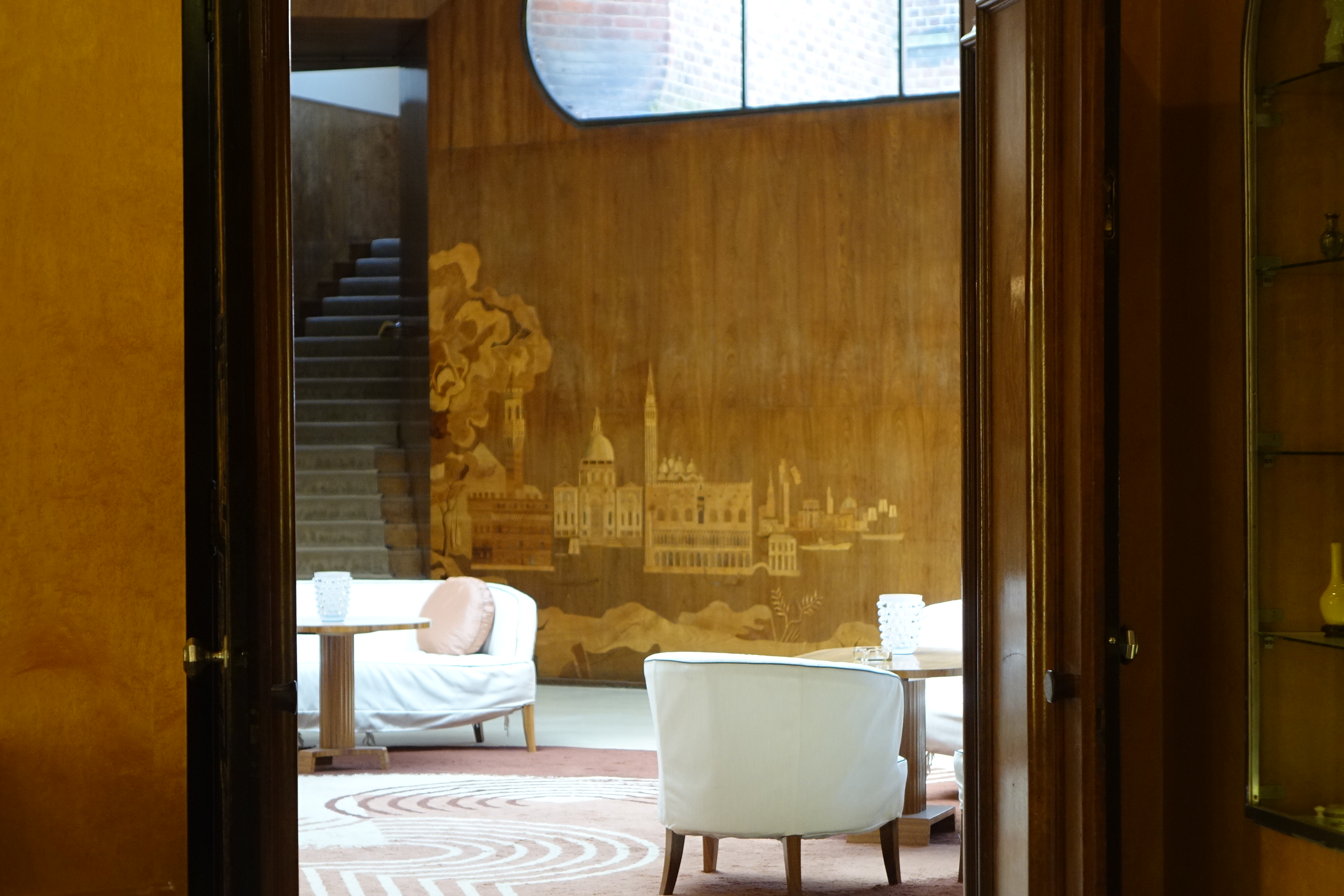
Of all London’s historical palaces, rich in Medieval armour, Tudor ceilings, Stuart art and lavish Georgian interiors, there is one which is a little more unique in its ability to showcase a chapter in England’s history. For Eltham Palace, located just a few miles away from Greenwich, was not just the childhood home of Henry VIII. It was also later the jazz-age cocktail-swilling party palace of Stephen and Virginia Courtauld who found the Tudor palace in a stage of complete ruins. Therein began an ambitious architectural project which not only undertook to restore the Great Hall of the Tudor age, but to create a brand new palace alongside it which would turn out to be the very celebration of the Art Deco age.

DSC02702DSC02489DSC02584DSC02632DSC02656DSC02528DSC02638DSC02479DSC02499DSC02694

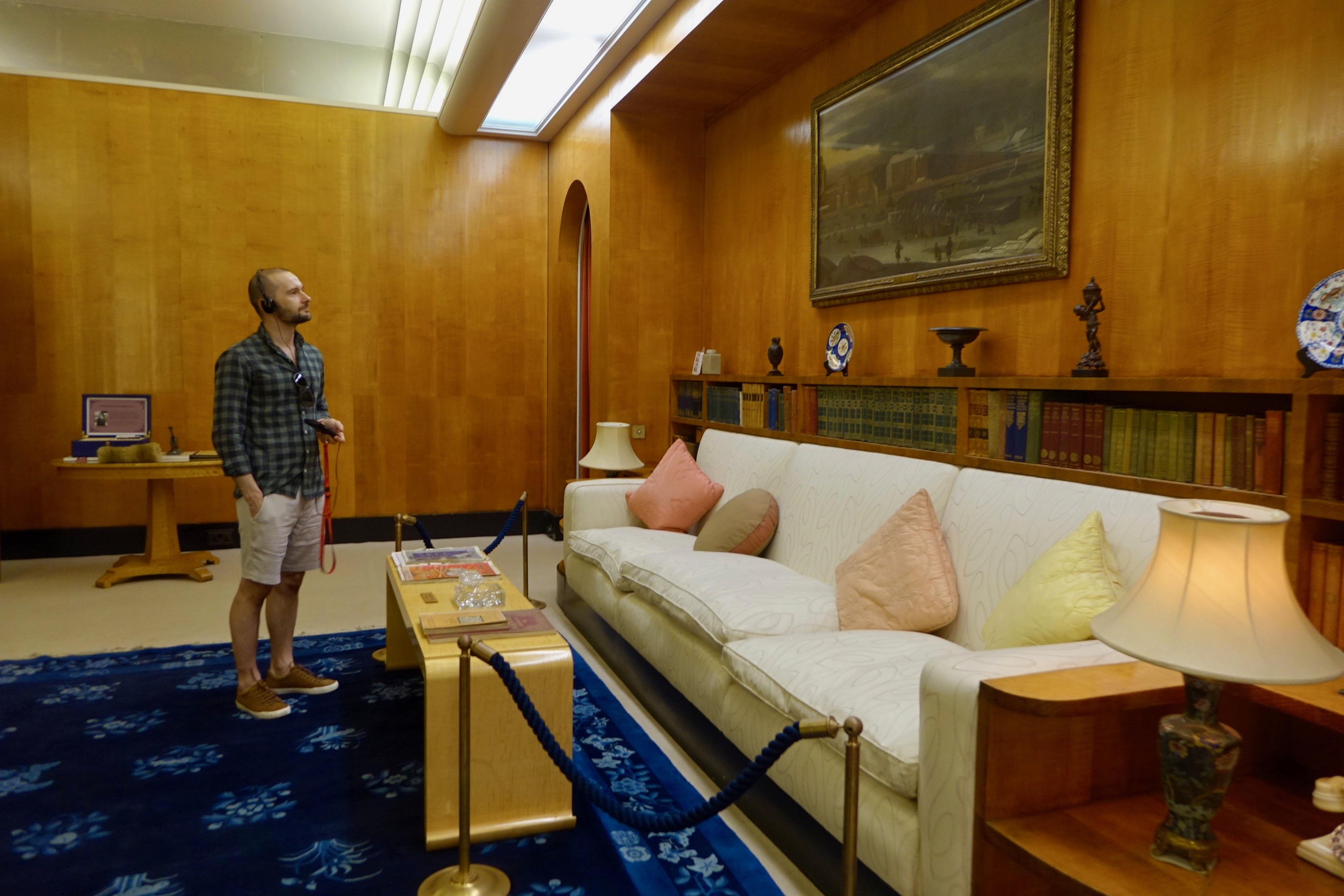
Looking at its heavy stone exterior, created to intone with the Great Hall, only the addition of some curving but unmistakeably 1930s nudes in the stone work betray the modern masterpiece within. Step through the doors and you enter a modern, minimalistic space where decadence and luxury are founded in a perfect, uncluttered line, curved white spaces inlaid with gold and aluminium leaf, and a complete dedication to perfecting the design fashions of the era.

The result is a true wonder of Art Deco, and as historical houses go, this is one that truly comes alive as you imagine the endless society receptions which went on there. The character of the hosts is evident wherever you look, from the lavish gold-mosaic bathroom of Virginia (I want one of those) to the centrally heated suite created solely for use by the eccentric couple’s ring-tailed lemur.

DSC02511DSC02646DSC02689DSC02611DSC02571DSC02670DSC02727DSC02534DSC02686DSC02520DSC02601

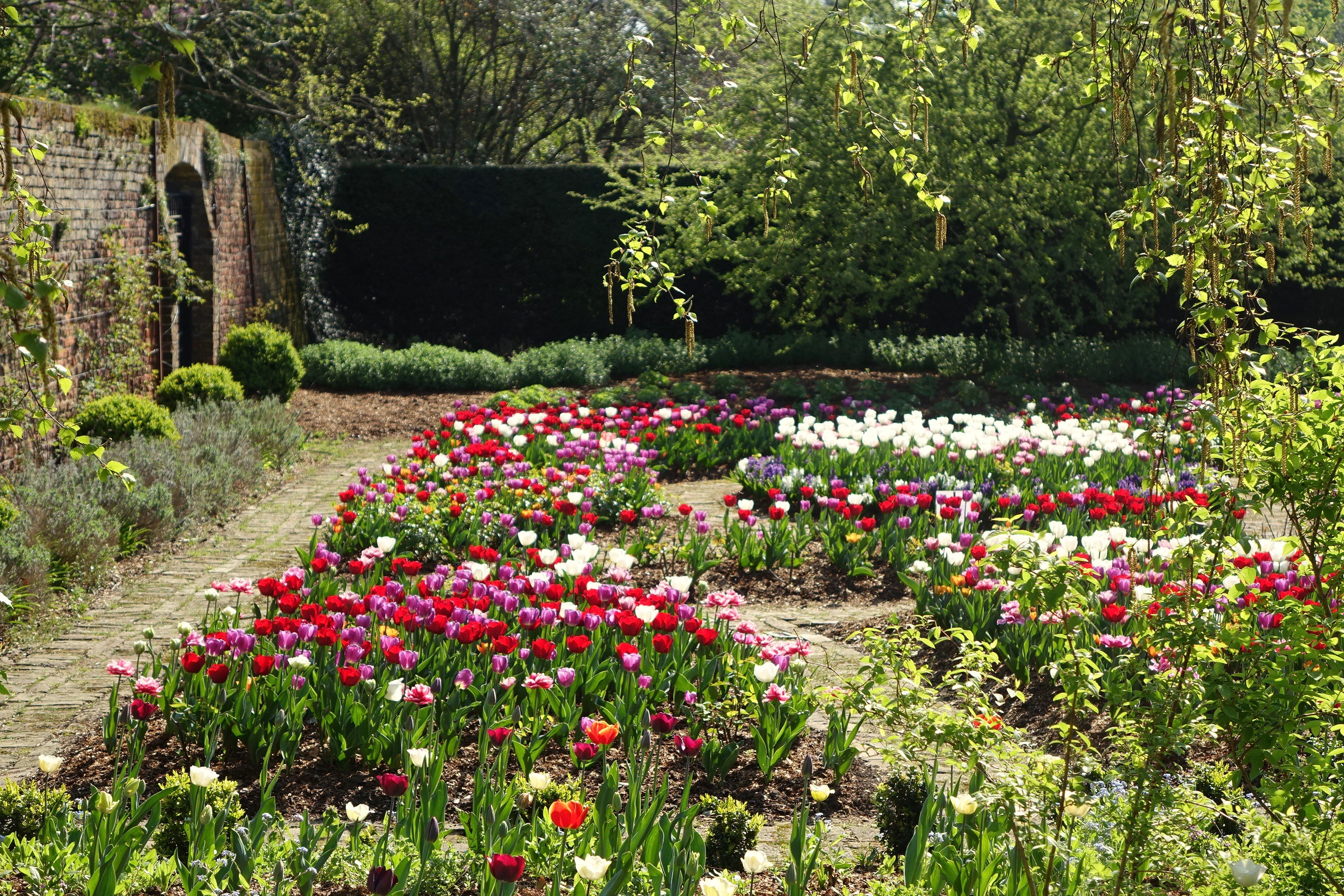
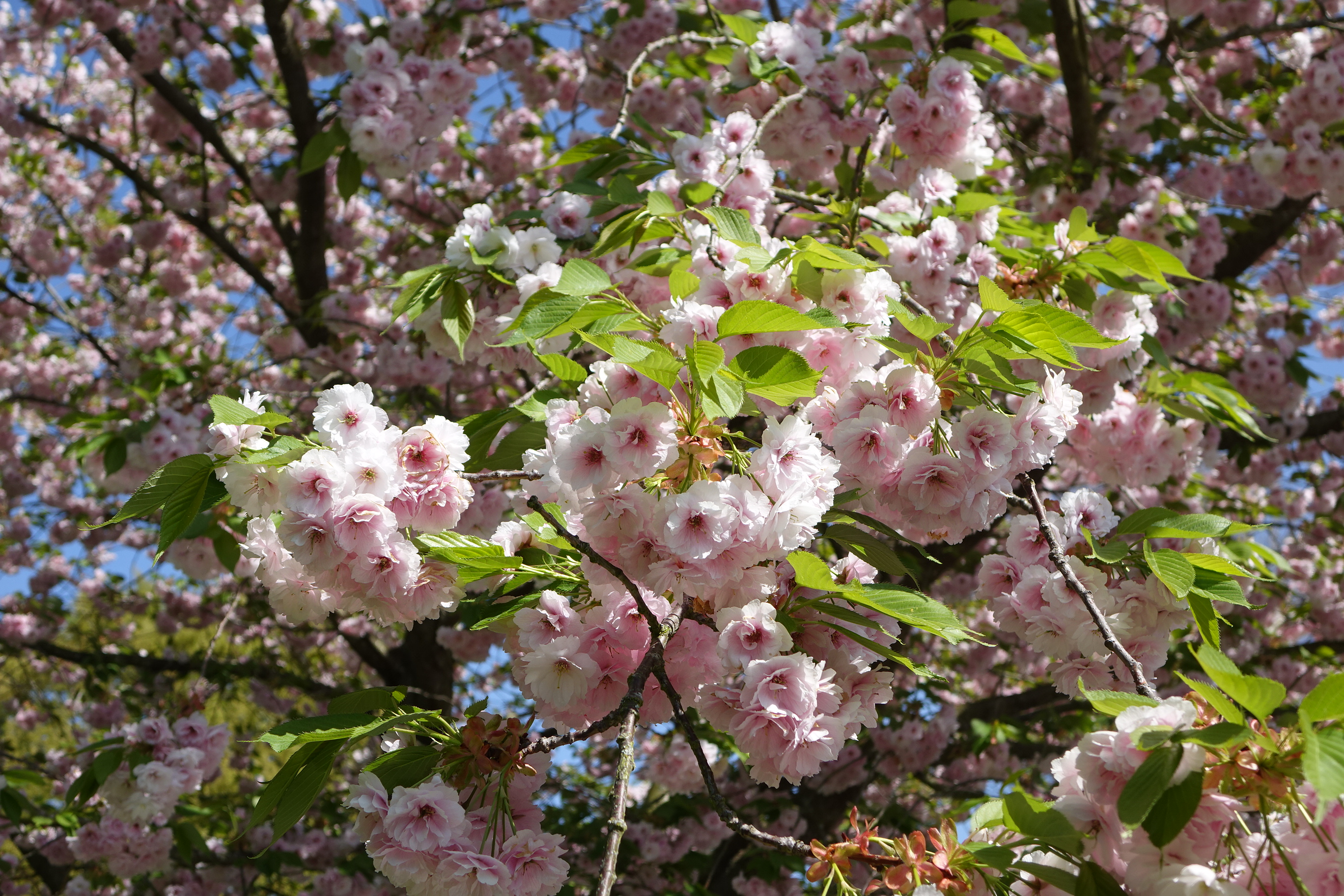
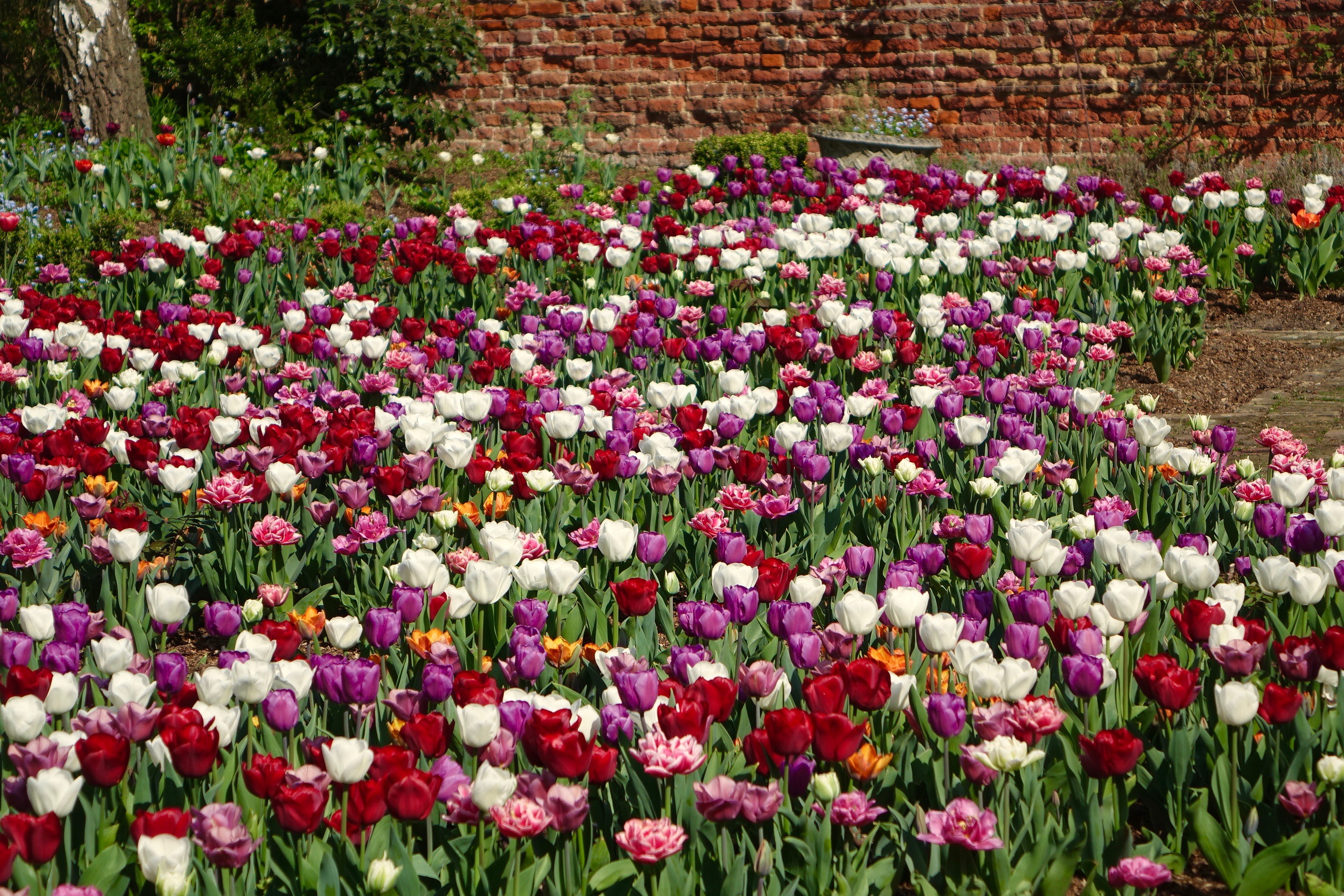
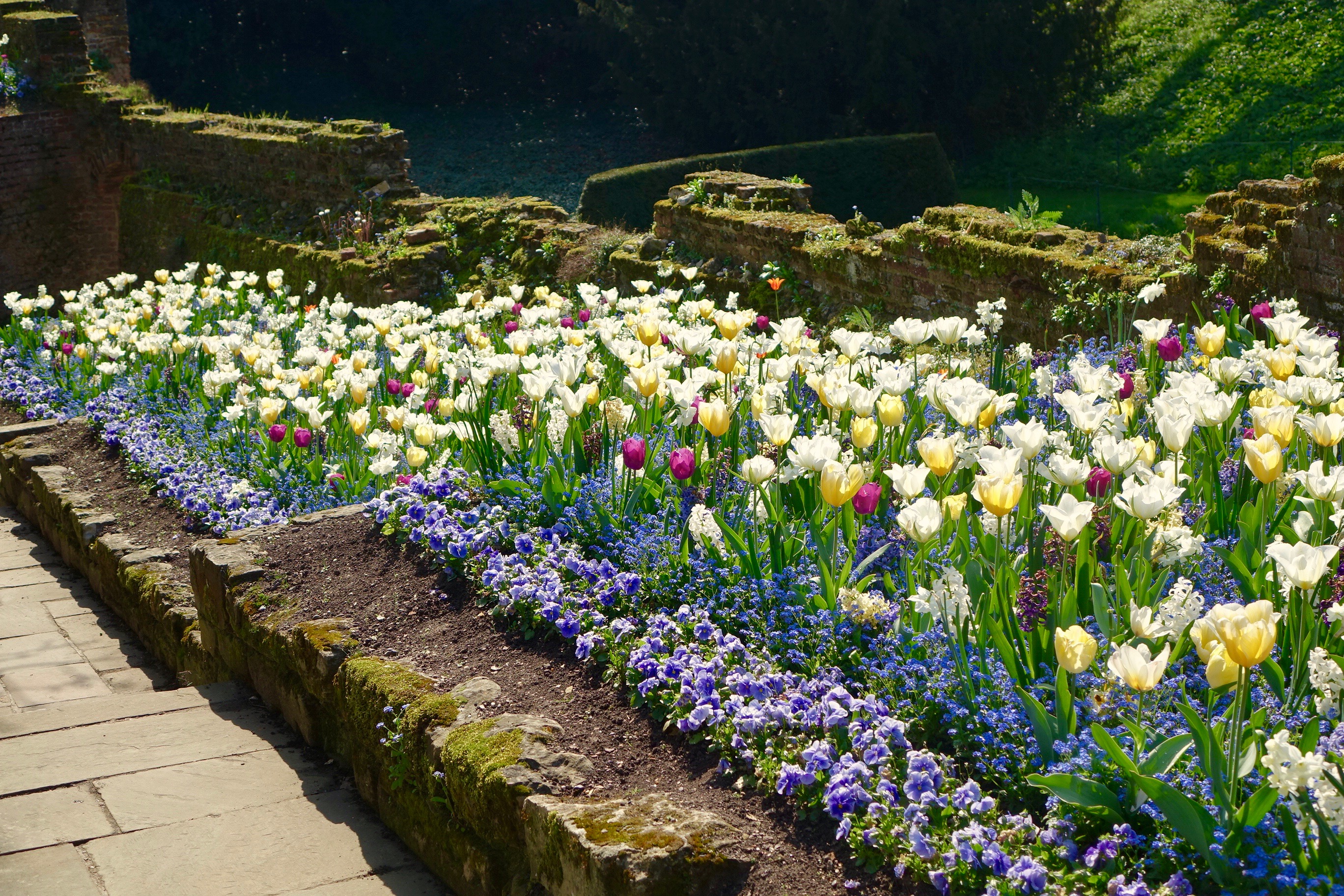
But as ever, half the joy of visiting a great house is to enjoy its great gardens, and we cannot have picked a better time of the year to go. For the grounds of Eltham Palace were alive with the most lavish display of multi-coloured tulips and fragrant blossom which wafted gently in the breeze, settling upon the sparkling pond which, like a castle moat, encircles the palace like a silk scarf from a 1930s couturier.

Eltham Palace is a true example of how the ancient and modern can partner one another with spectacular results. And while the Art Deco house is now itself something of a historical artefact, it feels as modern and liveable today as it would have done 90 years ago. So if English Heritage ever feel like giving it up, send me the keys… I’m moving in!

DSC02710DSC02570DSC02615DSC02578DSC02466DSC02547DSC02506DSC02544DSC02660DSC02505

© Nicholas de Lacy-Brown and The Daily Norm, 2001-2018. Unauthorised use and/or duplication of the material, whether written work, photography or artwork, included within The Daily Norm without express and written permission from The Daily Norm’s author and/or owner is strictly prohibited.

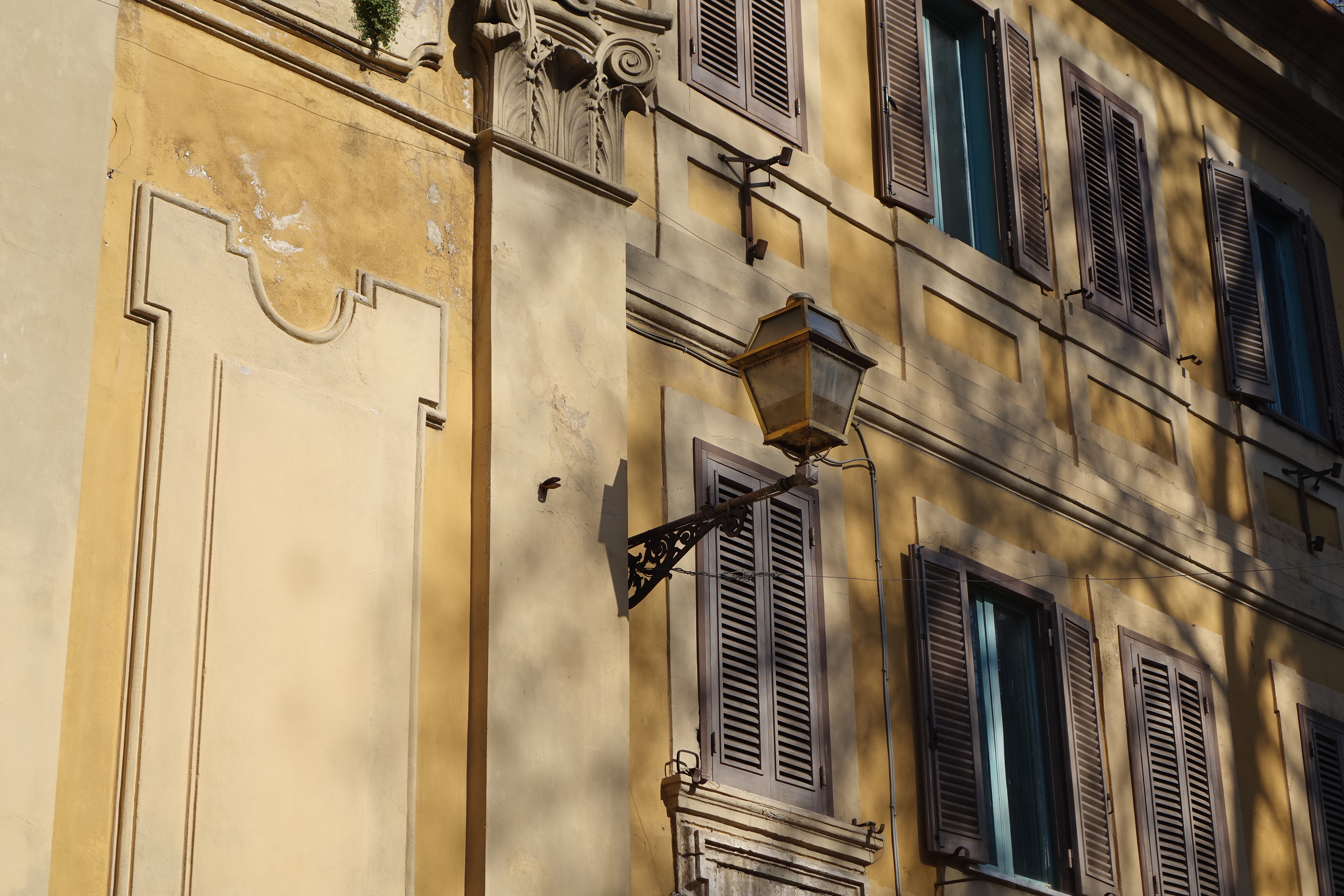
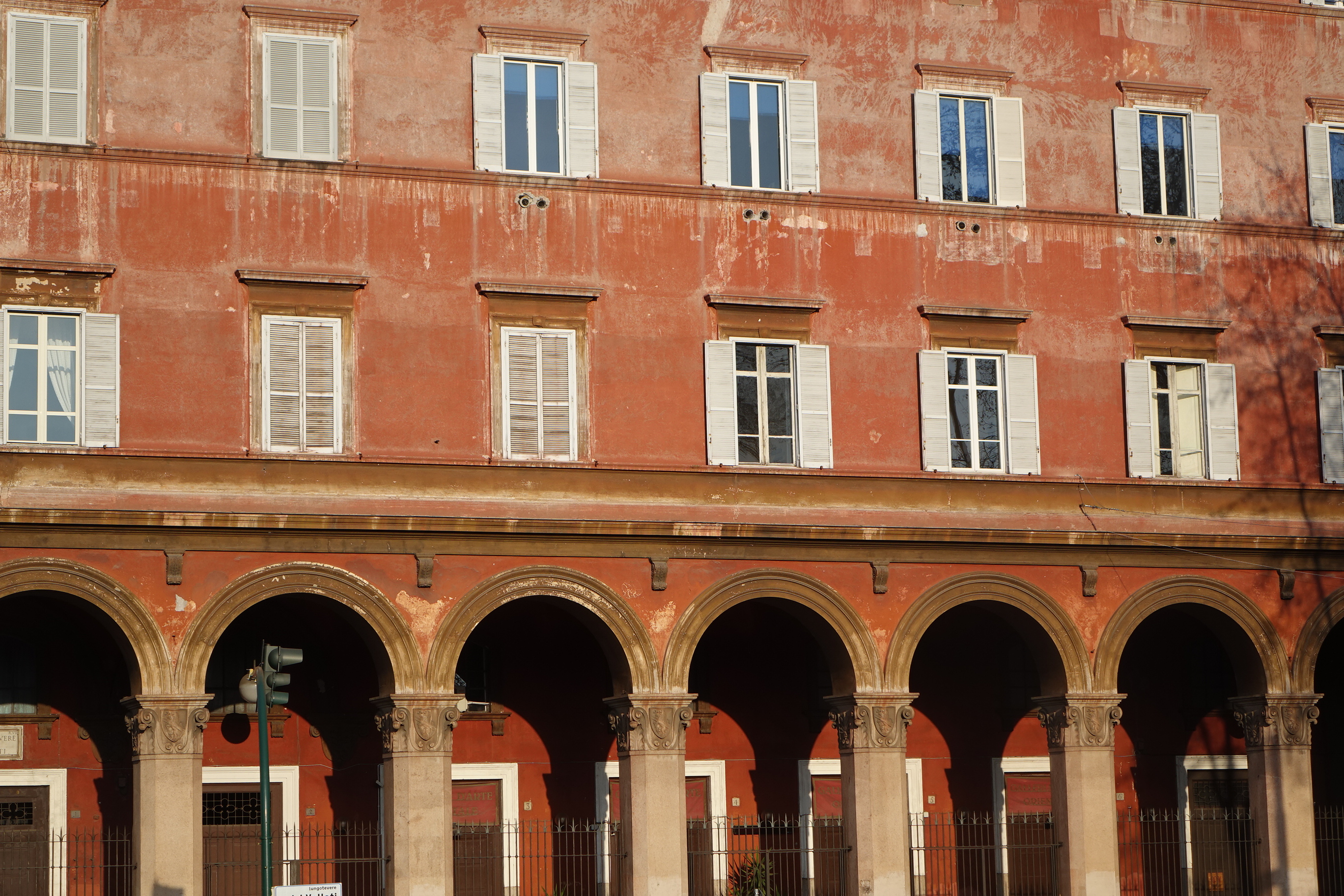
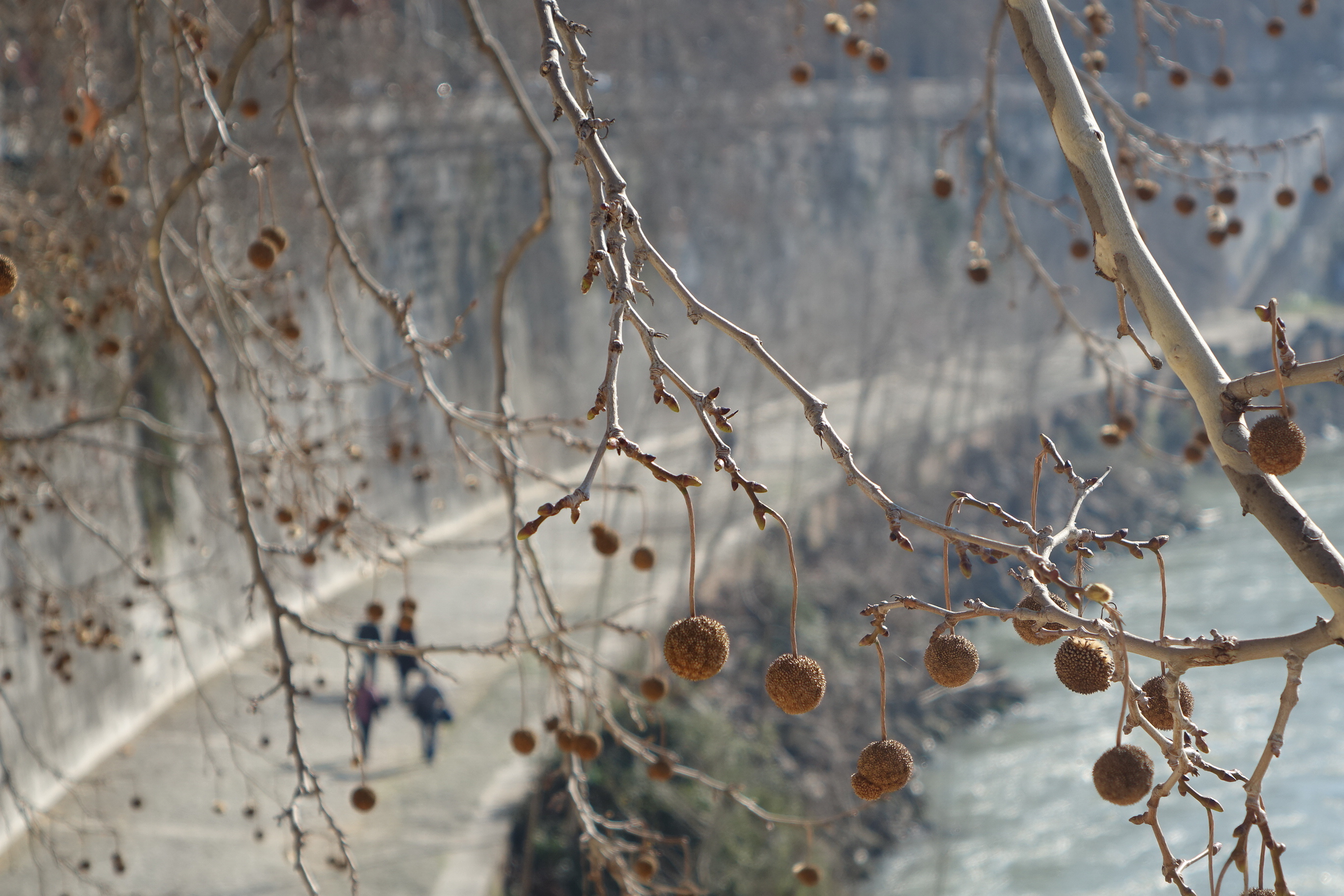
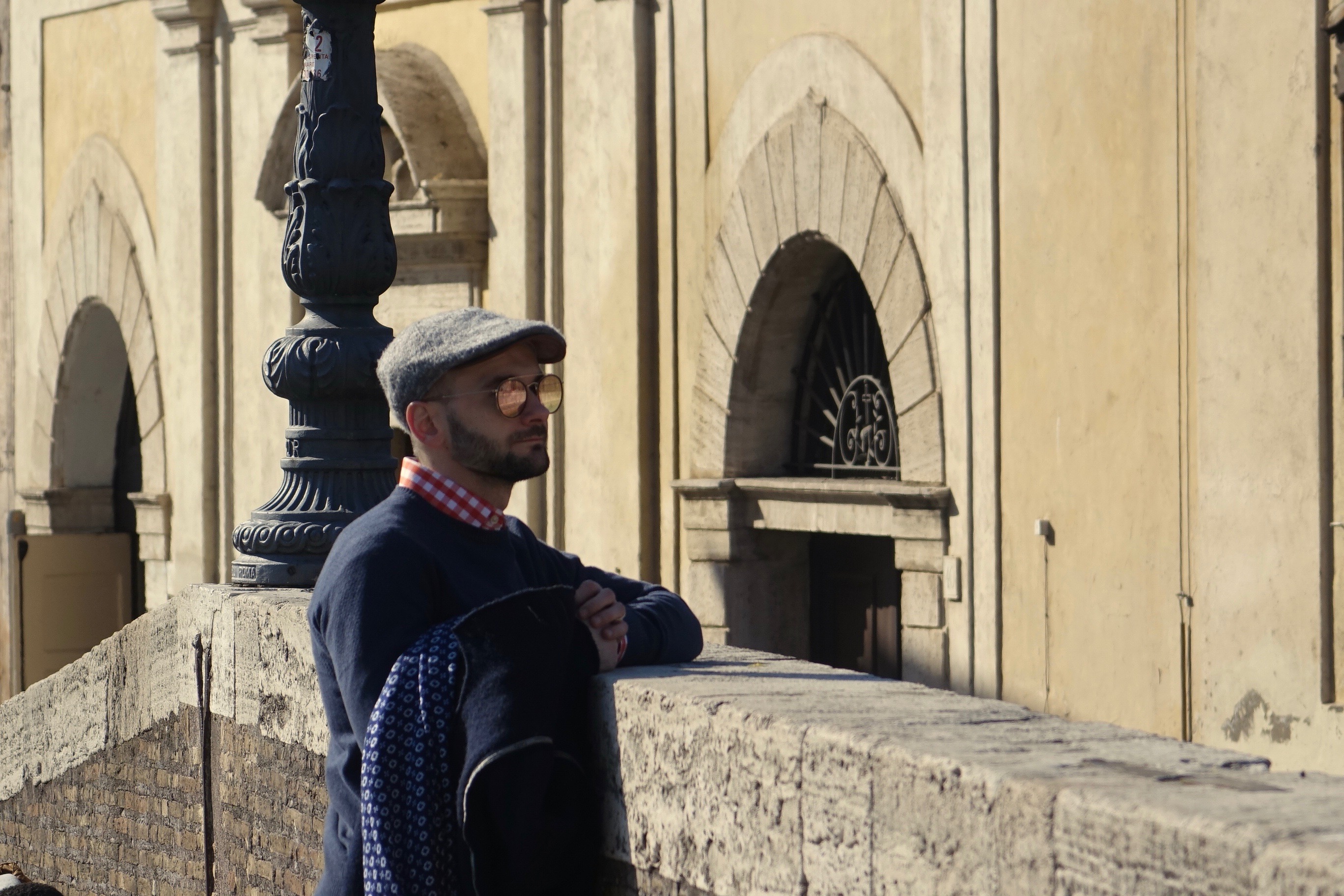
Folio // Rome mid-Winter

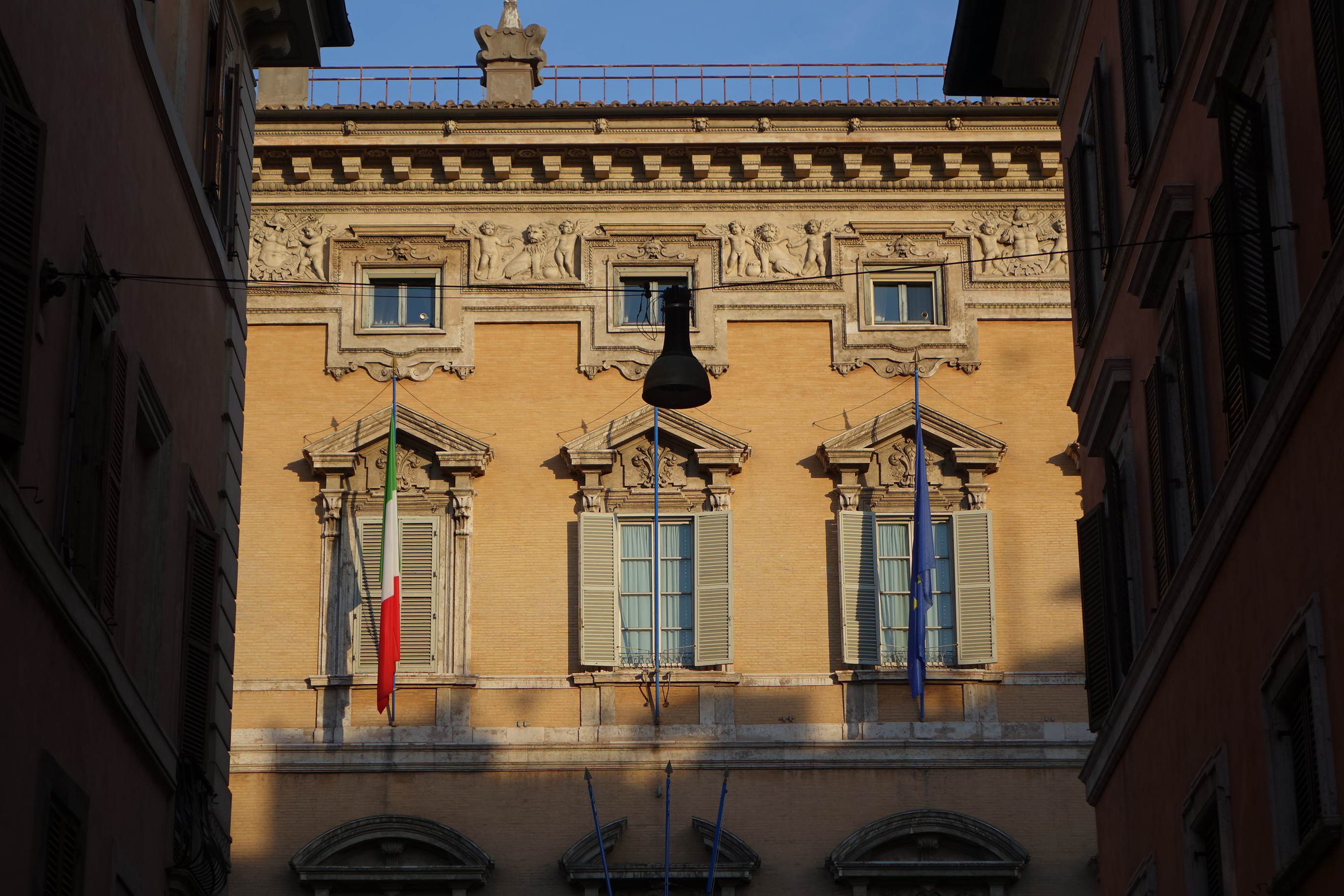
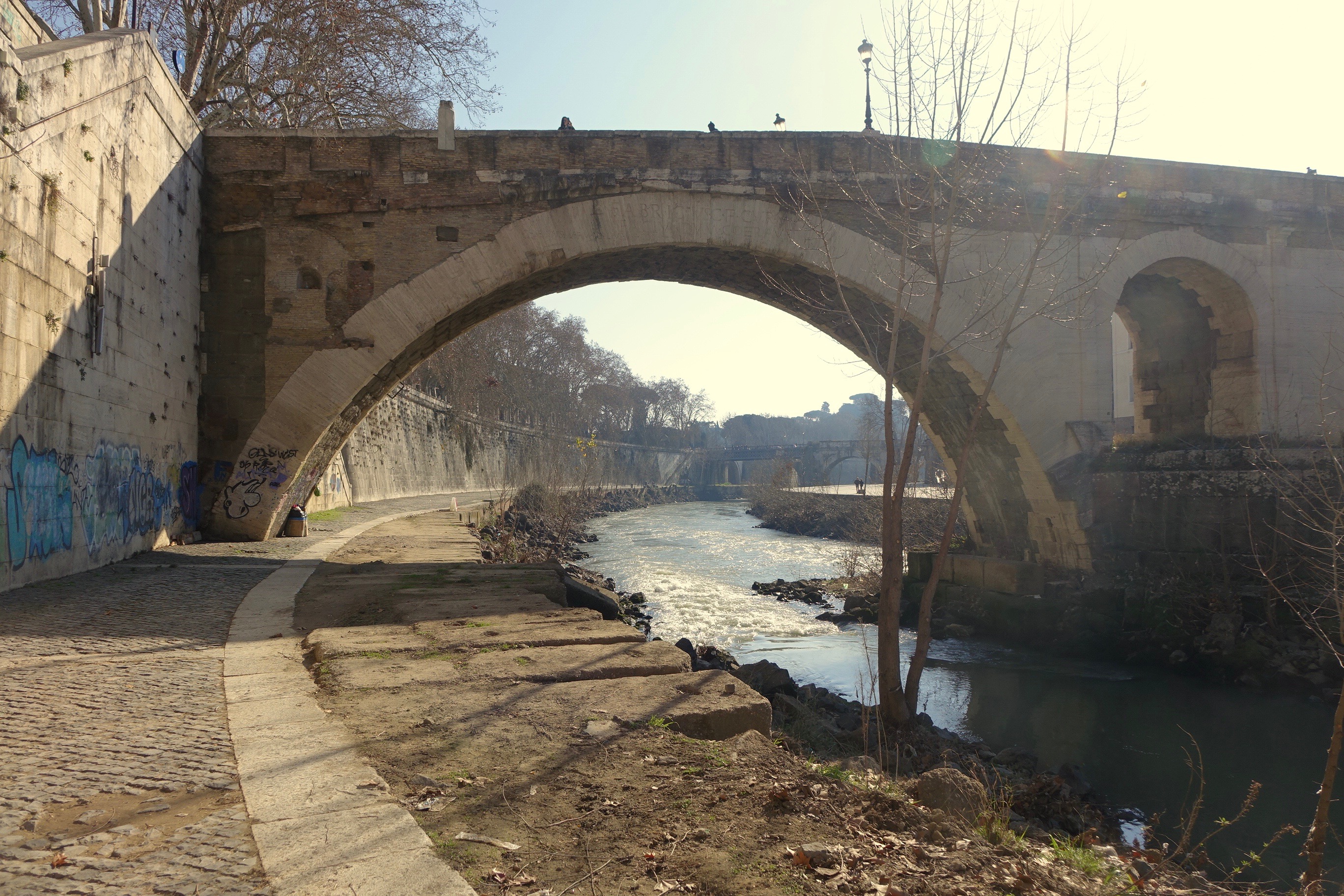
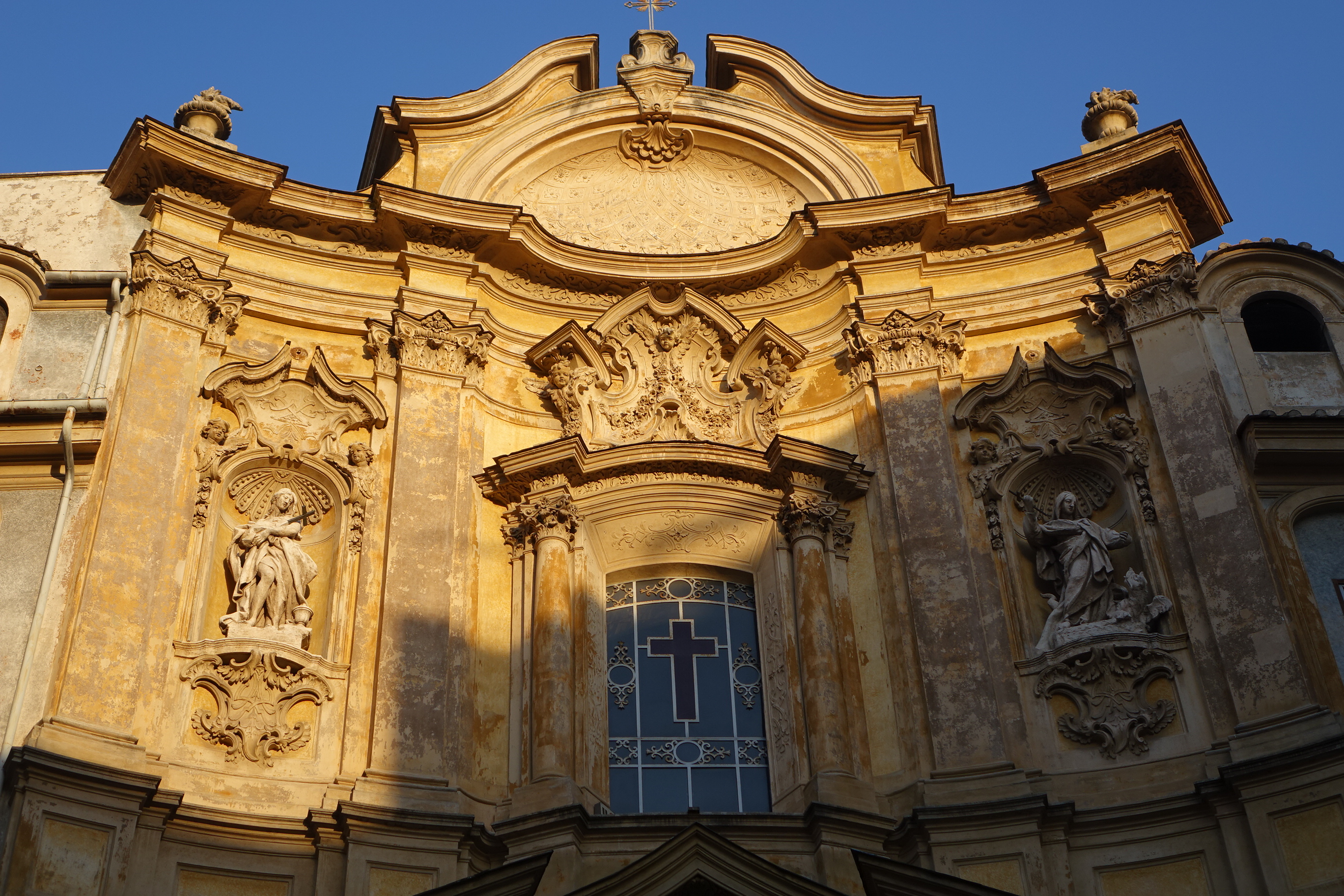
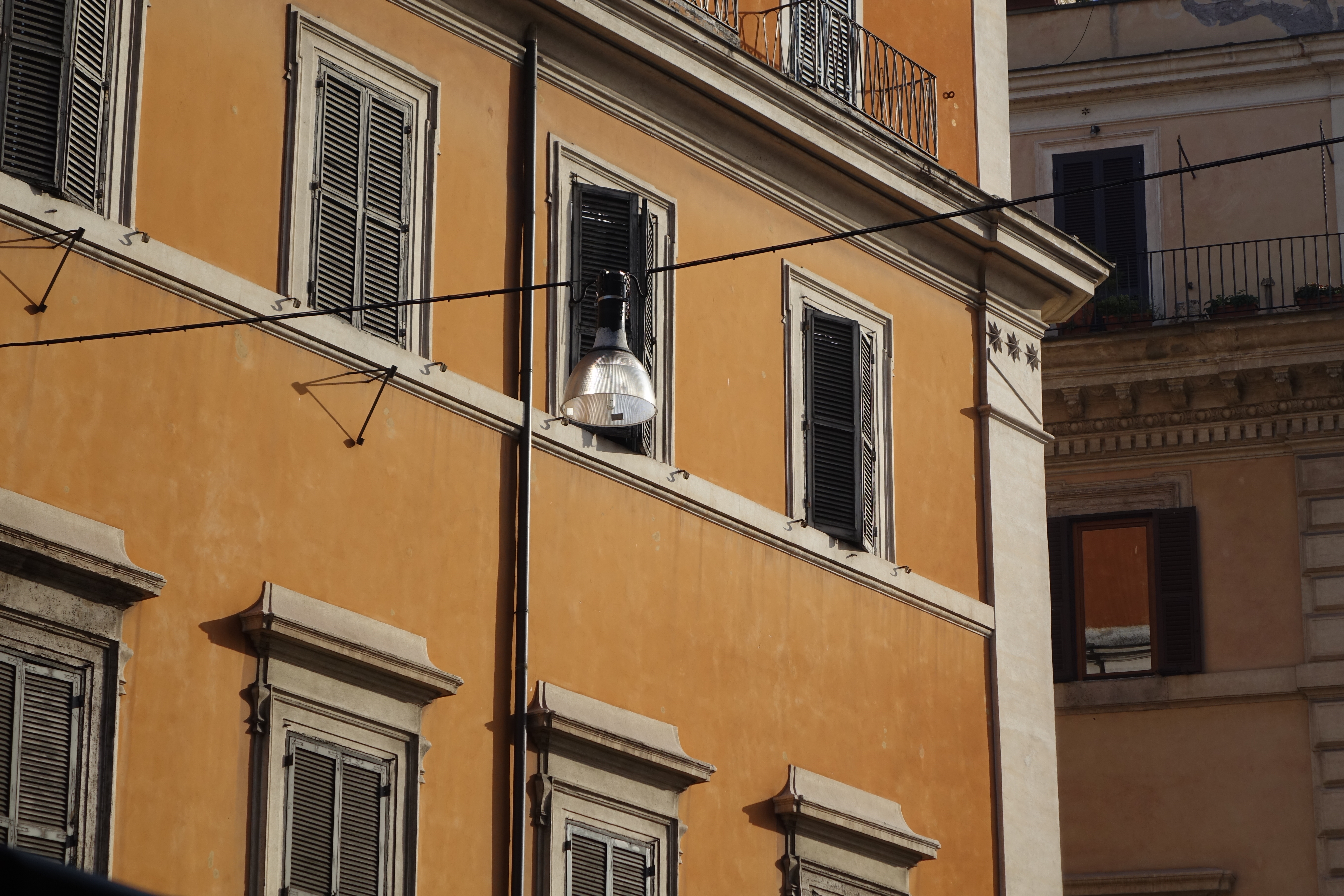
Ready yourselves, the Spring is here at last. It’s felt like an eternal winter, in England at least, and as Spring arrives – and a new sense of optimism for the season of Summer dawns upon us – I’m whisking Daily Norm readers off to the land of verdant Spring-like plenty: Tuscany. But before we depart for there, let’s wish Rome arrivederci the proper way, with a good old fashioned photographic exhibition of some of the city’s most characterful details.

DSC00535DSC00720DSC01083DSC00793DSC01192DSC01076

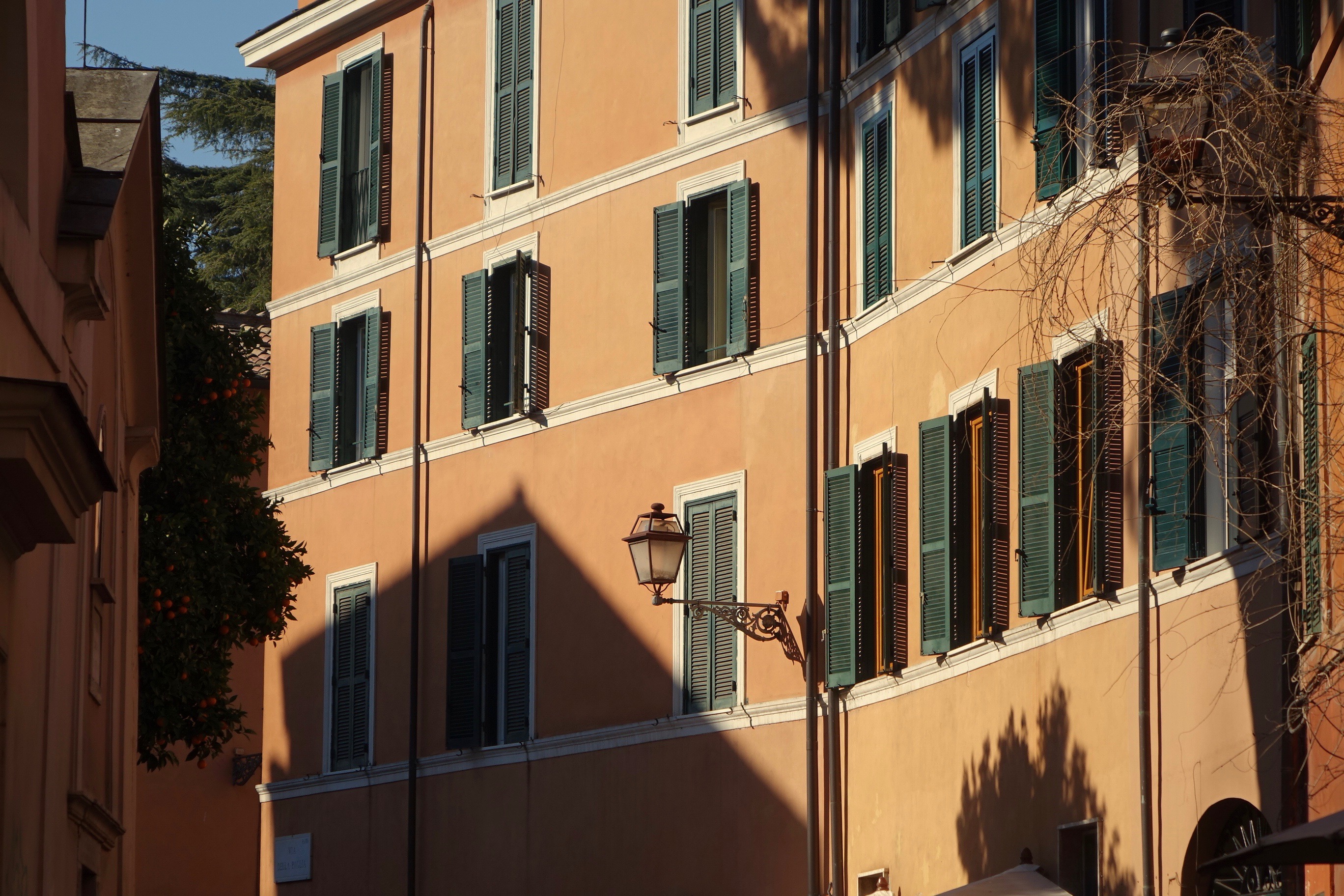
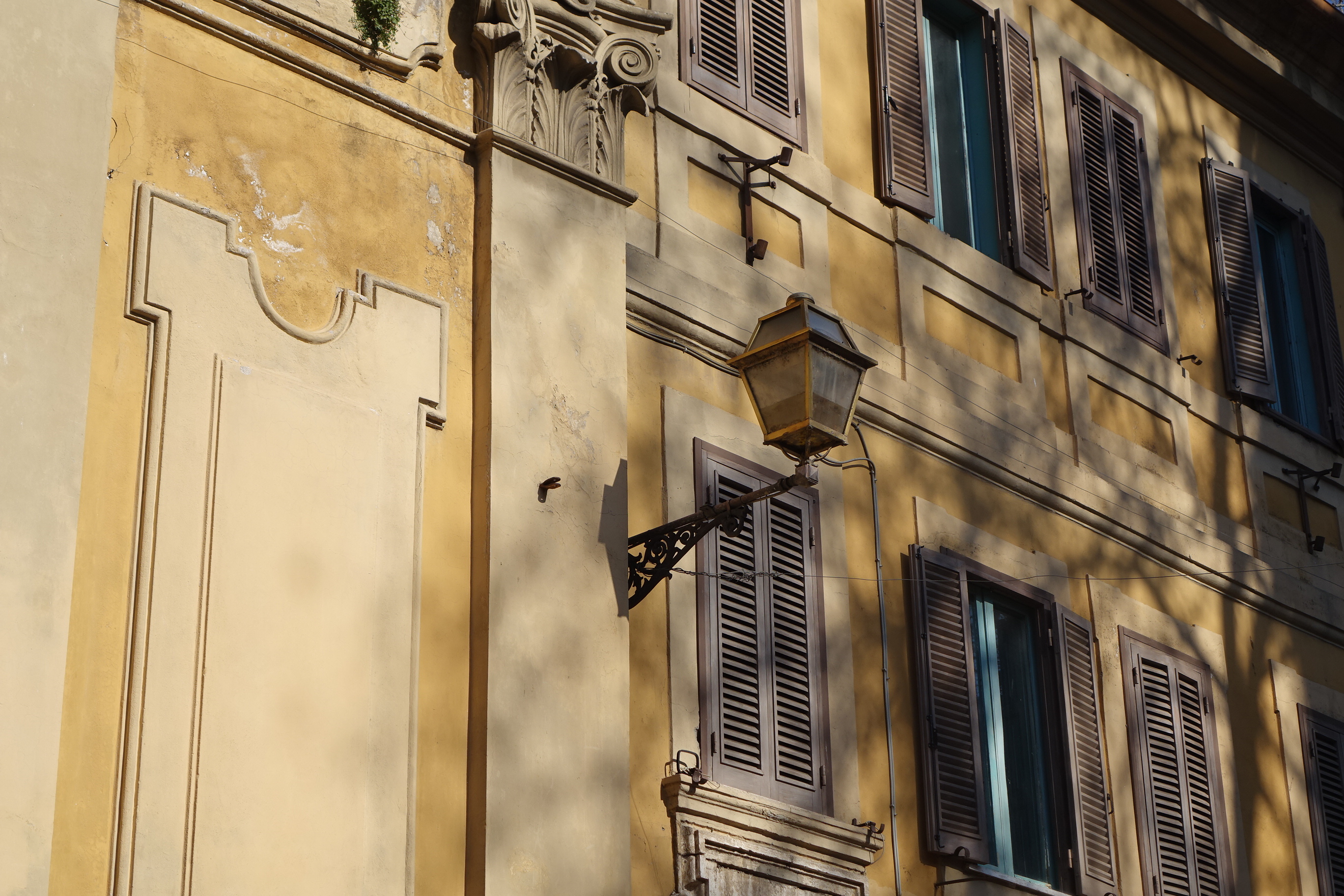
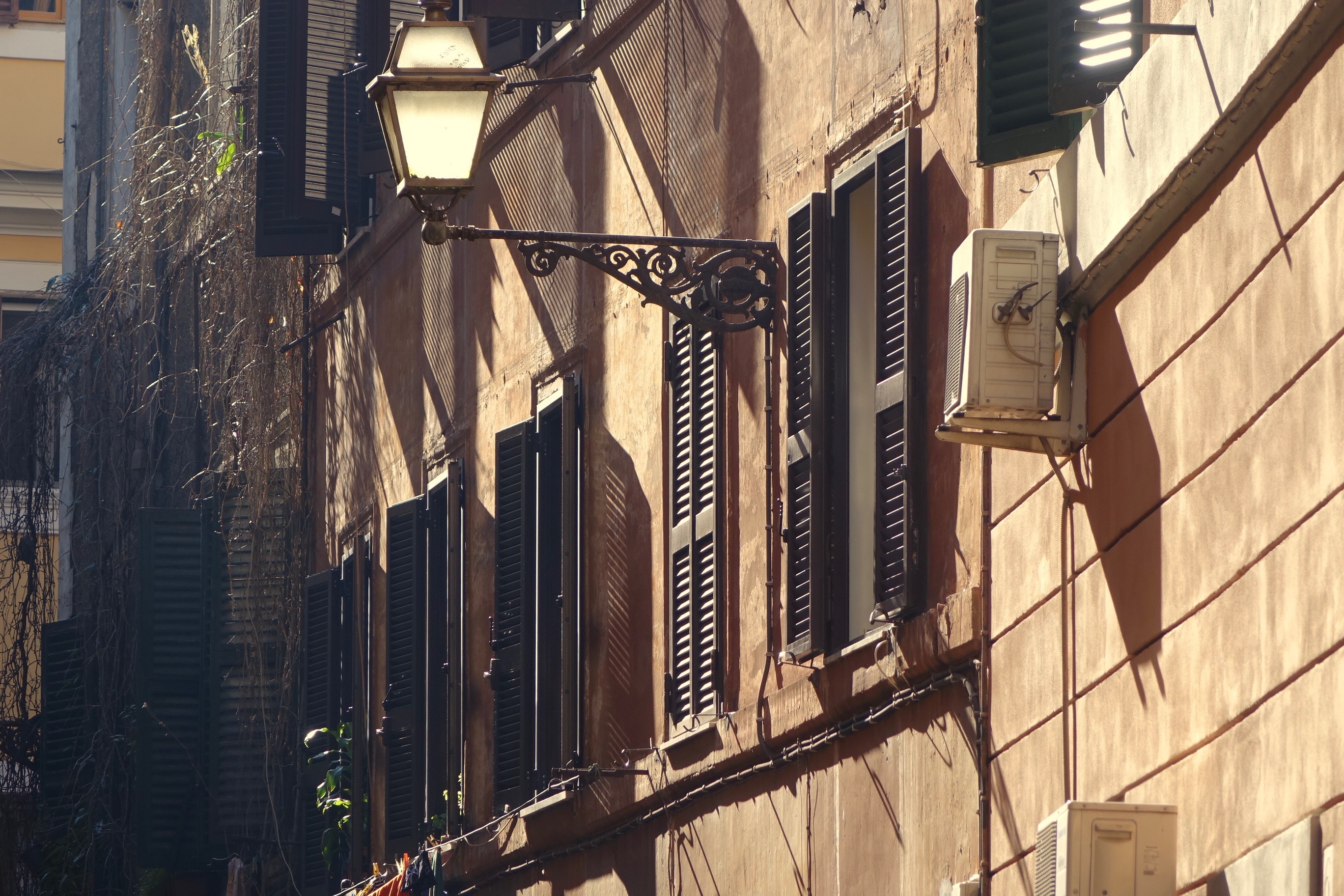
Taken back in January, during a very sunny weekend which was more than sufficient to blow away the chill of winter, this folio of photos is full of a warmth which betrays little of time of year. Walking through streets emboldened with strong creamy sunlight and hard long shadows, it was hard to believe that we were not enjoying Rome mid-summer. Only the lack of leaves, and the odd presence of a Christmas decoration left-over conveyed the time of the year. But if all winters were like this, even I, summer fanatic, could probably cope with them.

DSC01085DSC01077DSC00848DSC00811DSC00559DSC01058

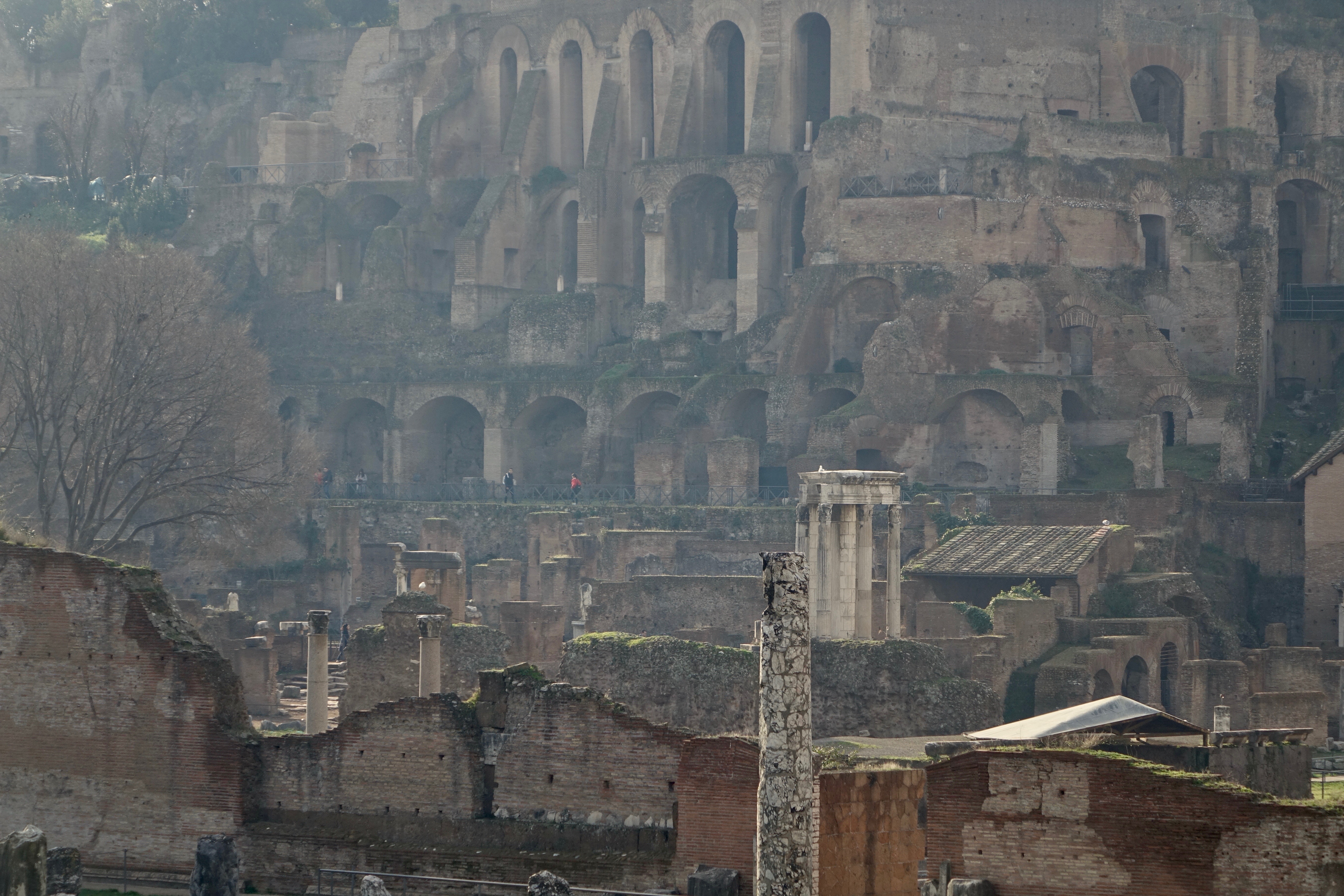
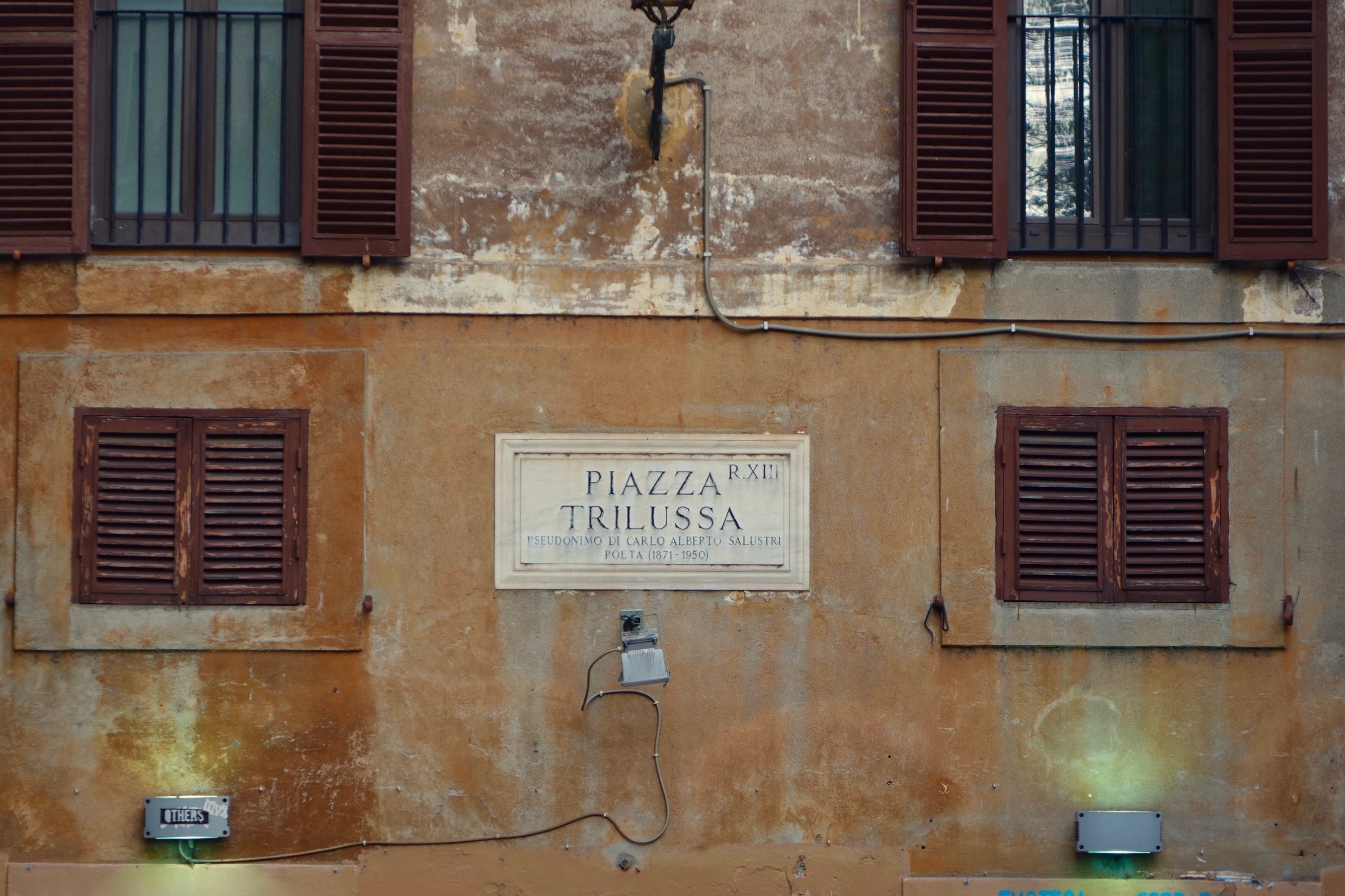
Terracotta walls, cobbled streets, the shiny silvery Tiber and silhouettes of church domes and pine trees – these photos which are less Rome landmark and more street details. For my favourite part of Rome sightseeing is not exploring the Forum, and less the Colosseum. Rather it is having the chance to wander streets steeped in history, to enjoy the glow which emanates from sun filled streets, and the vivacious, edgy attitude which characterises Romans and their city alike.

DSC01173DSC00616DSC00857DSC00607DSC00469DSC00515DSC00618

© Nicholas de Lacy-Brown and The Daily Norm, 2018. Unauthorised use and/or duplication of the material, whether written work, photography or artwork, included within The Daily Norm without express and written permission from The Daily Norm’s author and/or owner is strictly prohibited.

Compendium // Rome > And not forgetting the Pantheon

In this series of Roman compendia, I have done my best to steer the earnest Rome visitor  away from the tourist masses which plague the city, to time their encounter with the city’s icons when most visitors are at slumber, or to go where others know not to tread. But the atmosphere created by tourist hoards is not all bad, just so long as you can bat off the constant salesmen haggle of selfie sticks and water at 3€ a pop.

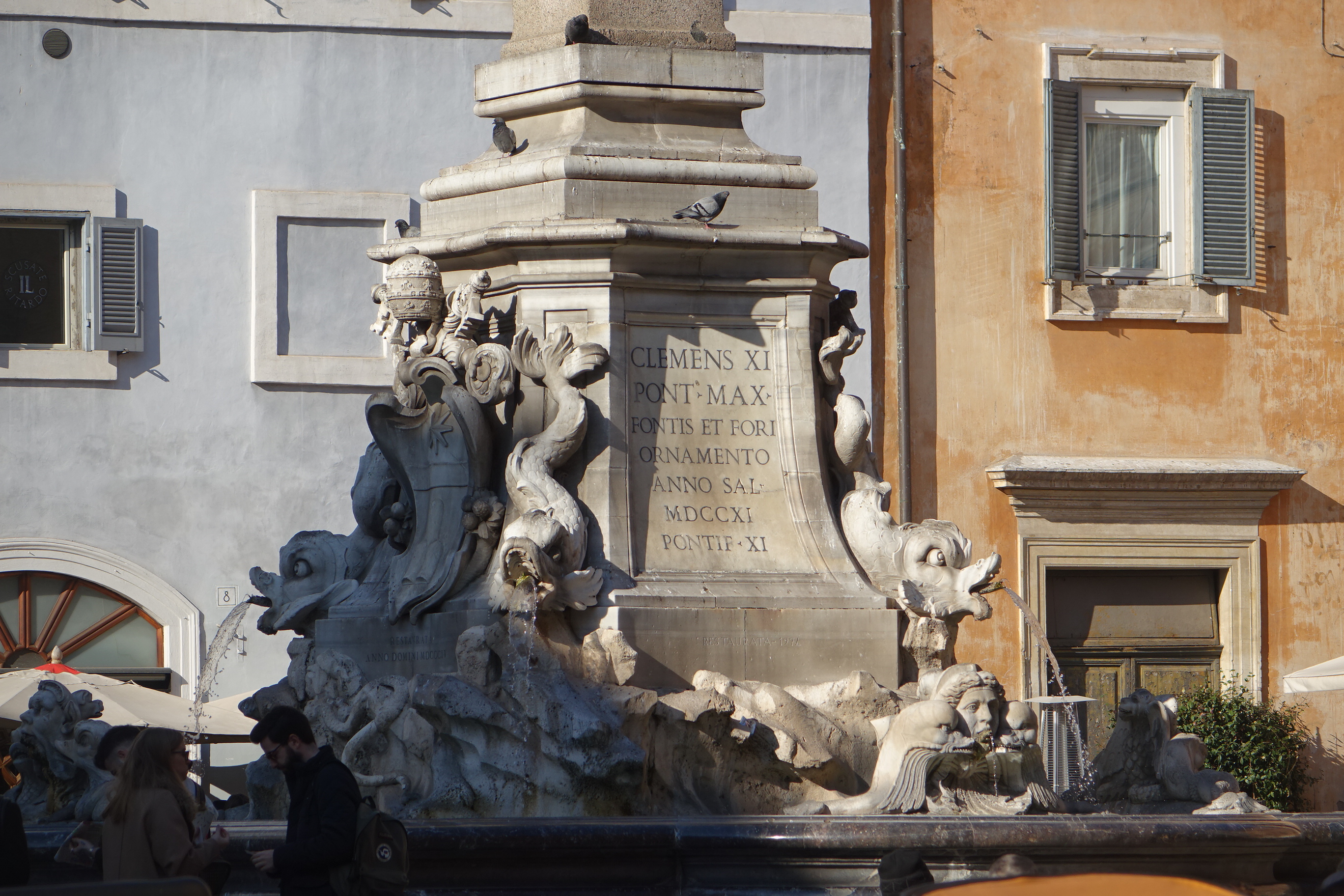
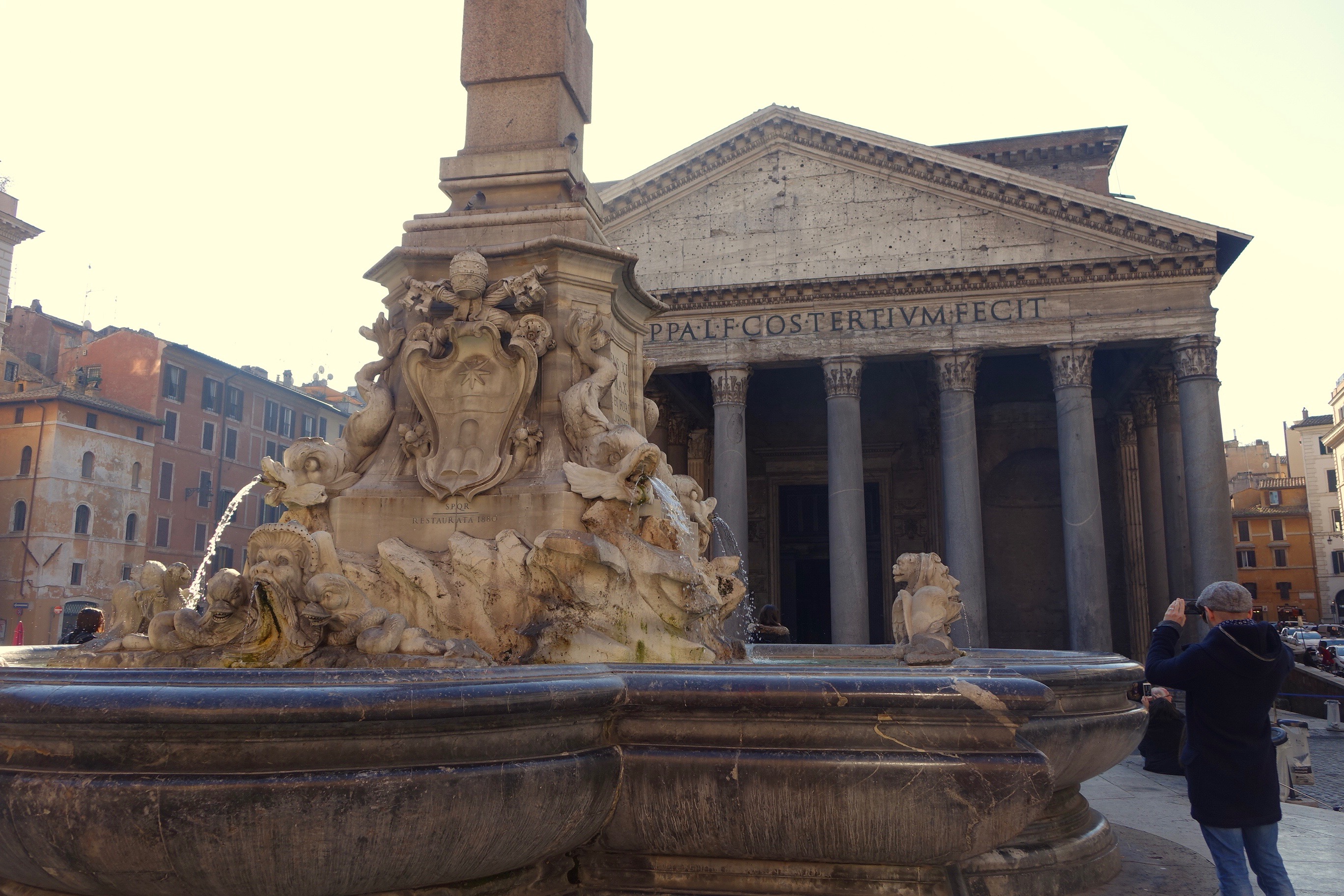
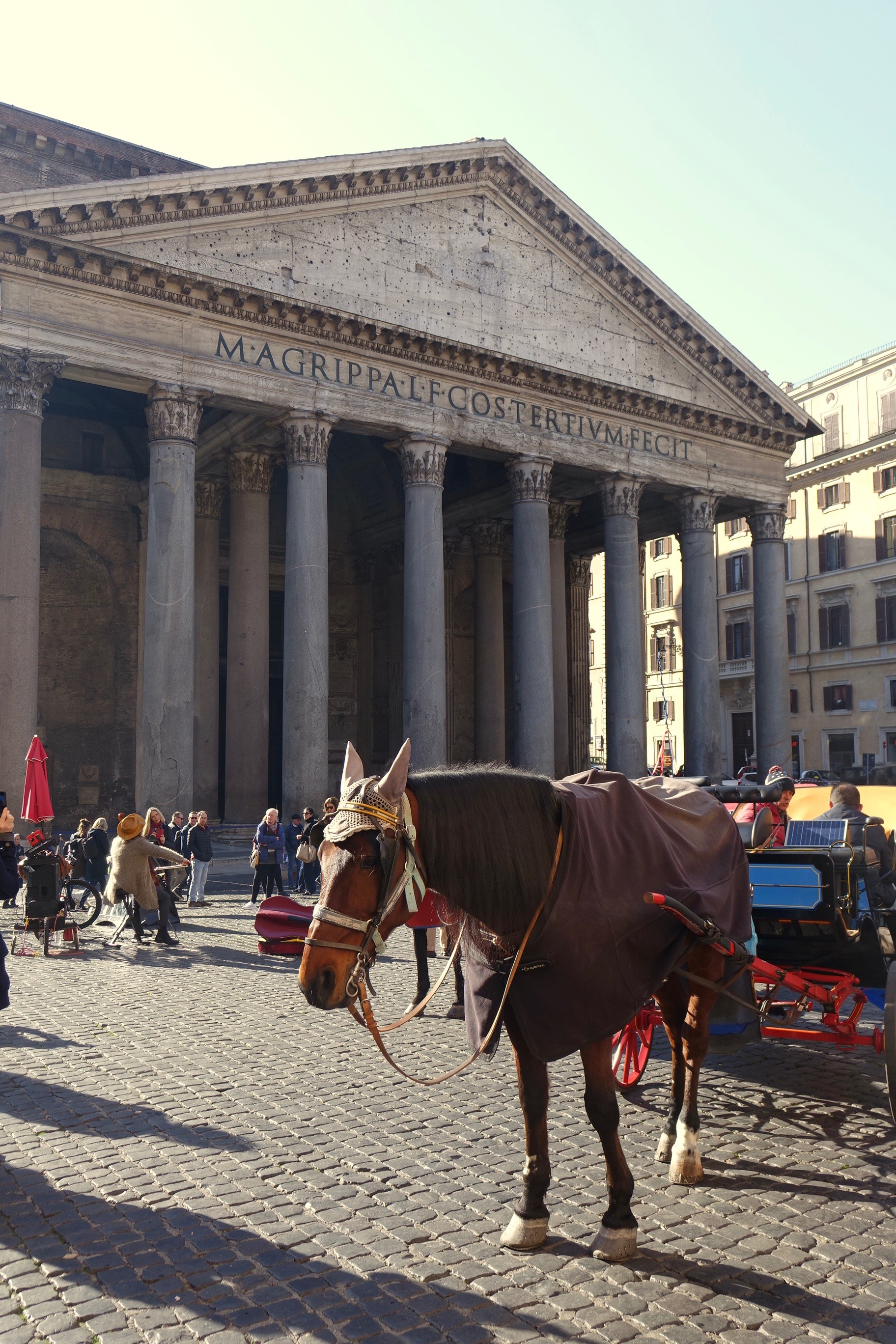
For instance, you’d be hard pushed to see the Trevi Fountain without a permanent ring of coin-throwing visitors, but then that is part of its charm. And if you’re thinking of having the Colosseum to yourself, forget it. But there is one square which will inevitably be busy whenever you go, but is worth the trip at whatever time you wish, just because it is so characteristically Roman and so utterly exquisite at any time of the day: the Piazza della Rotonda.

DSC03404DSC01012DSC01024DSC03396DSC01032

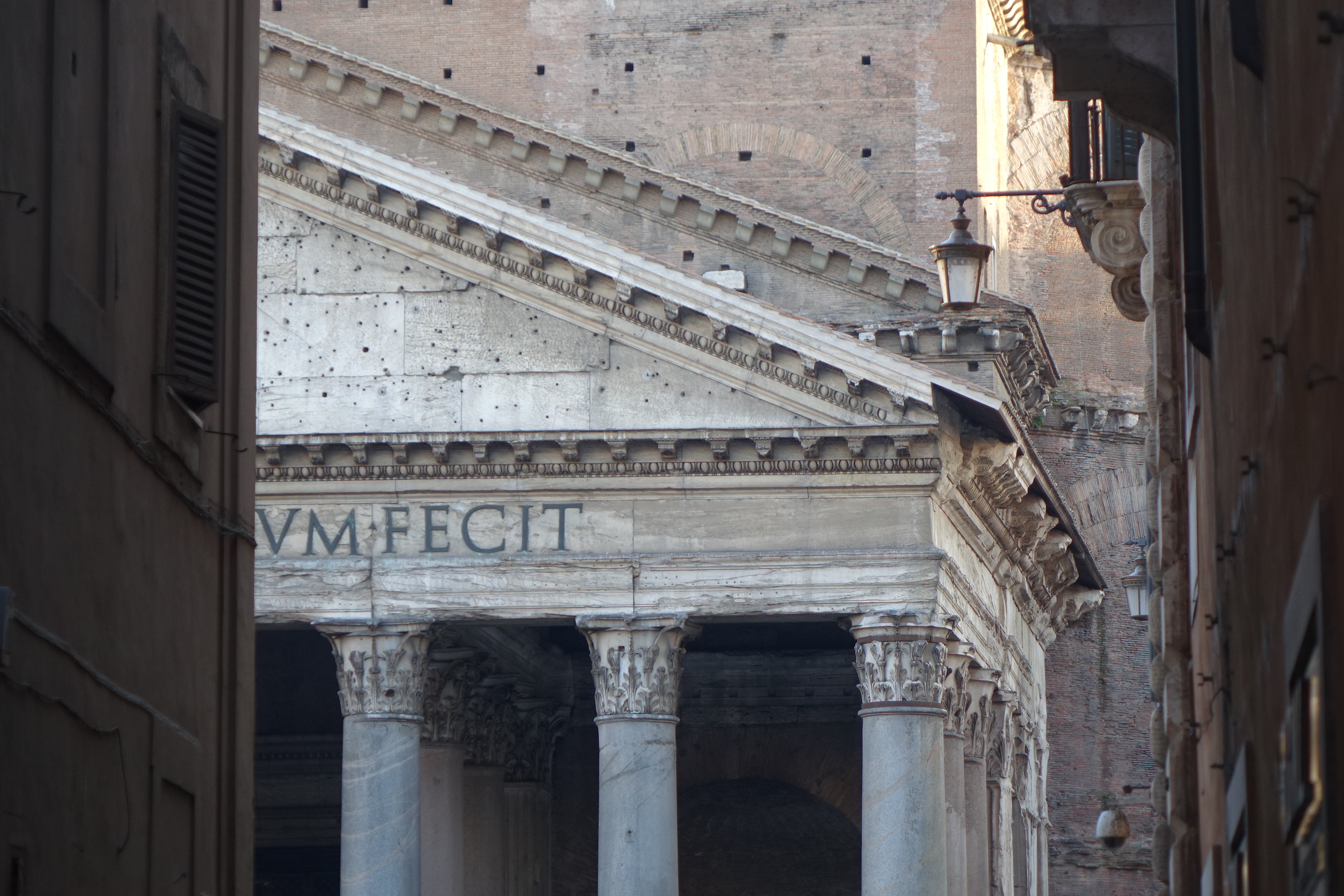
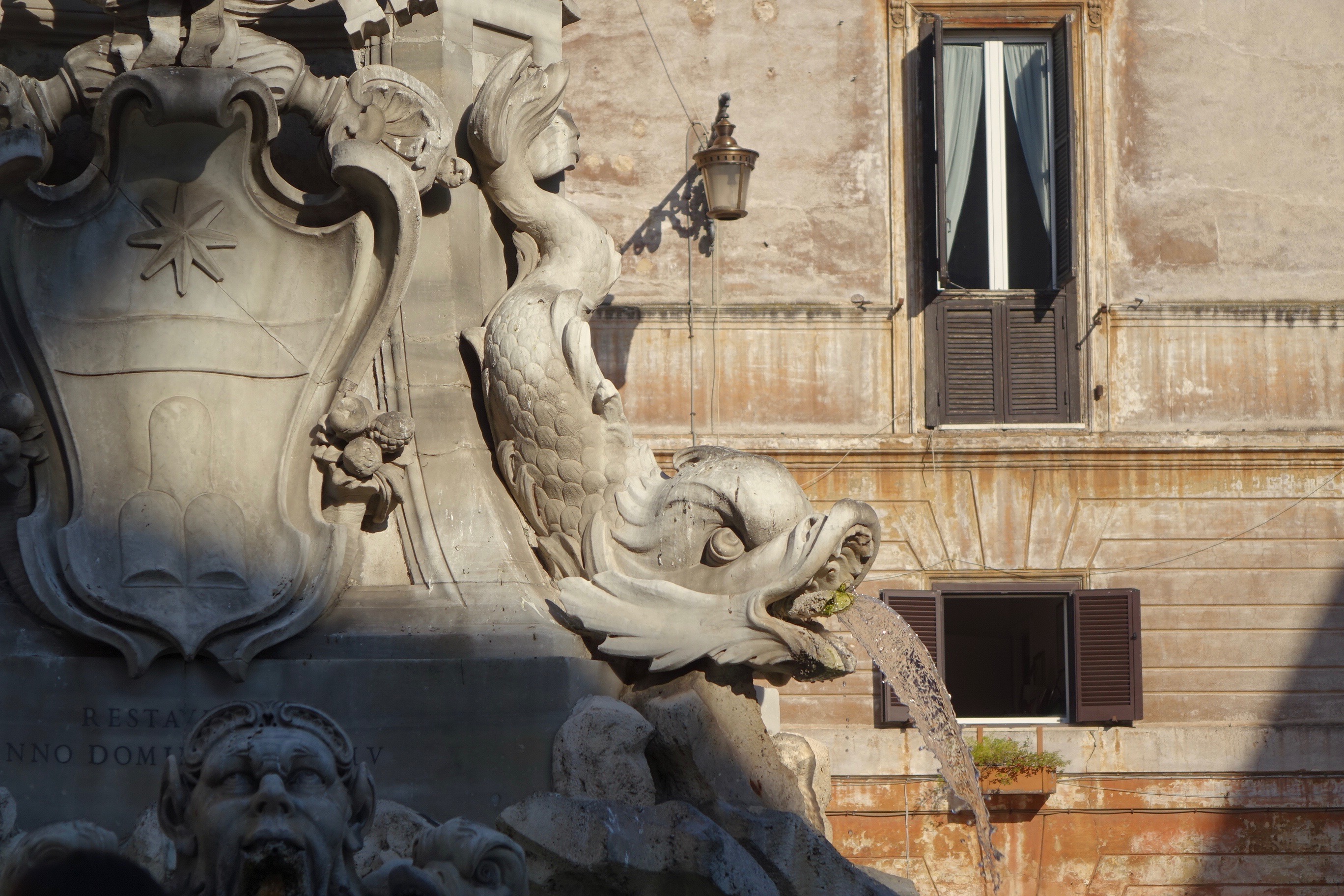
I have long held a deep fondness for this Piazza, ever since the blissful few weeks when my art history studies took me and many dearest friends to Rome. Every day I would open up the windows of our pensione onto the most spectacular view in all of Rome: to a square bustling with people enjoying the trickle of the baroque fountain, listening to street musicians, and gazing in awestruck wonder at the work of architectural majesty which sits at the very centre of the Piazza: the Pantheon.

Still considered to be a wonder of the ancient world, the Pantheon is pretty much the most intact monument still standing from Ancient Rome. Its condition is remarkable, not least its gravity defying concrete dome, the brilliance of which kept architects and engineers guessing for years. Standing in front of the Pantheon, knowing that you are stood in the very same spot as emperors and citizens of an ancient age, is a frankly remarkable experience. And in no other place do you get that sensation than here, in the Piazza which is as Roman as it gets: atmospheric cafes, baroque splendour, cobbled paving, coloured houses, horses, musicians, locals, tourists, and that all important omnipotence of the ancient which makes Rome the true Eternal City.

DSC00859DSC01028DSC01017DSC03387DSC01021DSC01013

So with this final tip on the Rome bucket list, and with my own recent photos from a morning stroll through the square, I close the current season of my Rome Compendium series – at least for now. Rest assured, the next time I go, I’ll add a whole load of more tips to ensure you’re living La Dolce Vita when you visit Italy’s pre-eminent city. In the meantime keep track of the Norms’ visit to Rome. They ‘ain’t going nowhere!

Arrivederci!

DSC01035

© Nicholas de Lacy-Brown and The Daily Norm, 2018. Unauthorised use and/or duplication of the material, whether written work, photography or artwork, included within The Daily Norm without express and written permission from The Daily Norm’s author and/or owner is strictly prohibited.

Compendium // Rome > Lunching in the Trastevere

Up until only a year or so ago, the Trastevere was a region of Rome which somewhat alluded me. Set away from the ancient heart of the city, separated, as the name suggests, across the river from the main city sights, it is easy to forget this bustling little cobbled gem. And yet Trastevere, with its streets still strewn with laundry, unplanned crooked little houses and uneven roads is one of the most characterful areas of Rome, and certainly one which, more than any other, hangs on to its authentic, working class past, despite the very obvious charm it now holds for tourists.

Imbued with the kind of gloriously soft glowing light which summer evenings were made for, the Trastevere makes for the perfect location for an early evening perambulation before dinner. However, the result is often coach loads of tourists pumping themselves across the ancient bridges of the Tiber and filling the dear little narrow streets of the Trastevere to near bursting point. Trying to find a free table in these conditions is not fun, and certainly deprives one of the relaxed, authentic charm of the area.

DSC01128DSC03777DSC01121DSC01083DSC03772

In my view, the better alternative is to do the Trastevere at lunchtime, when the narrow streets are filled with the warm glow of a higher midday sun, and some of that sleepiness which characterises the neighbourhood is retained away from the tourist hoards. This is particularly so in the cooler months of the year, when eating al fresco is a real daytime possibility, and the truly uncomfortable heat is yet to hit.

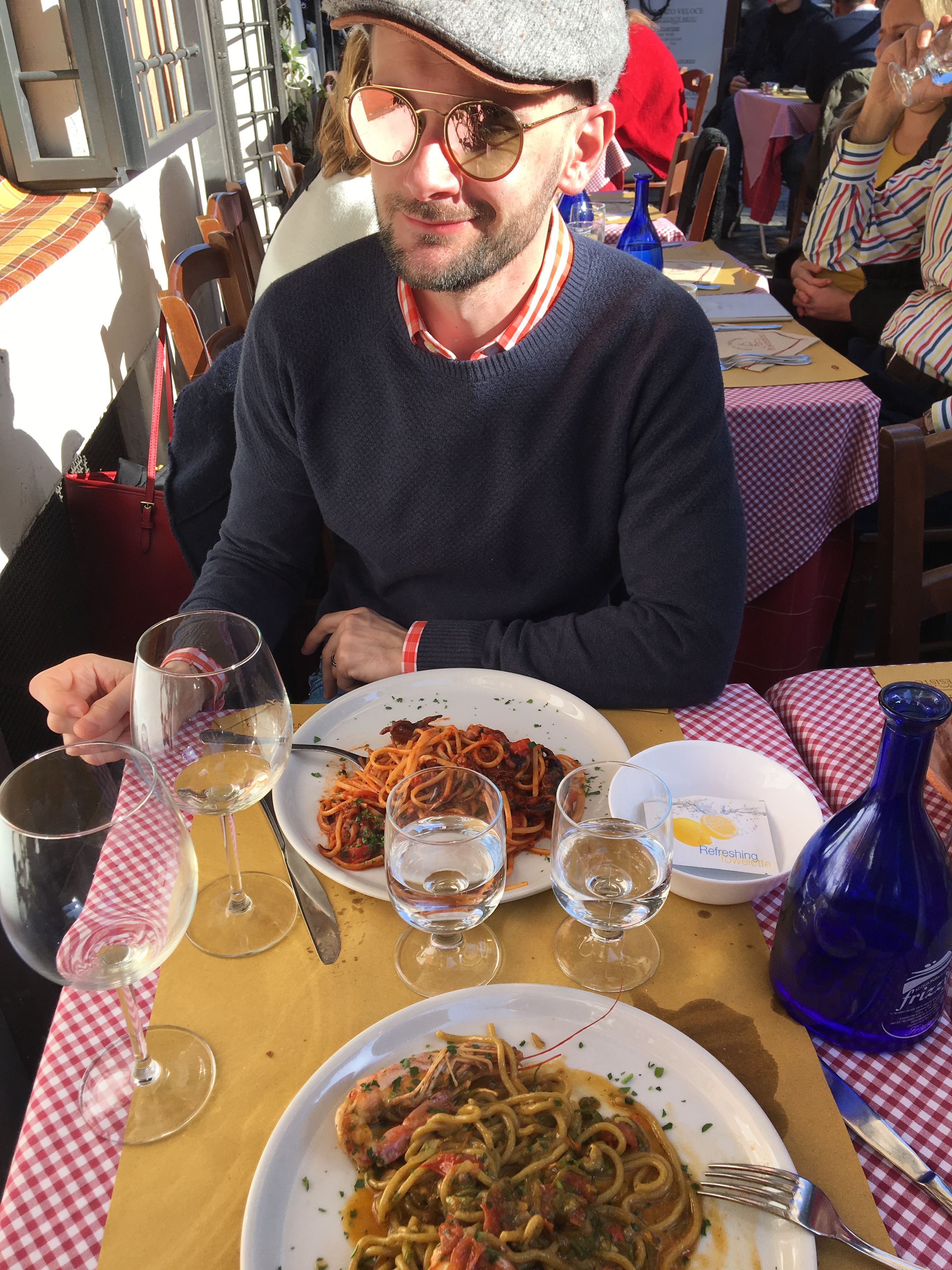
This is exactly what we did one Sunday this January, when the Trastevere seemed to come alive under the midday sun, despite a relatively quiet time of year in the Roman tourist calendar. Even then, the restaurants peppered along cobbled streets and lanes hung with verdant leafy climbing plants were filling fast, and it was almost on the point of giving up and heading pack over the Ponte Sisto that we stumbled upon the restaurant of the same name – the Osteria Pontesisto on the Via di Ponte.

DSC01125DSC01085DSC01082DSC03746DSC01118

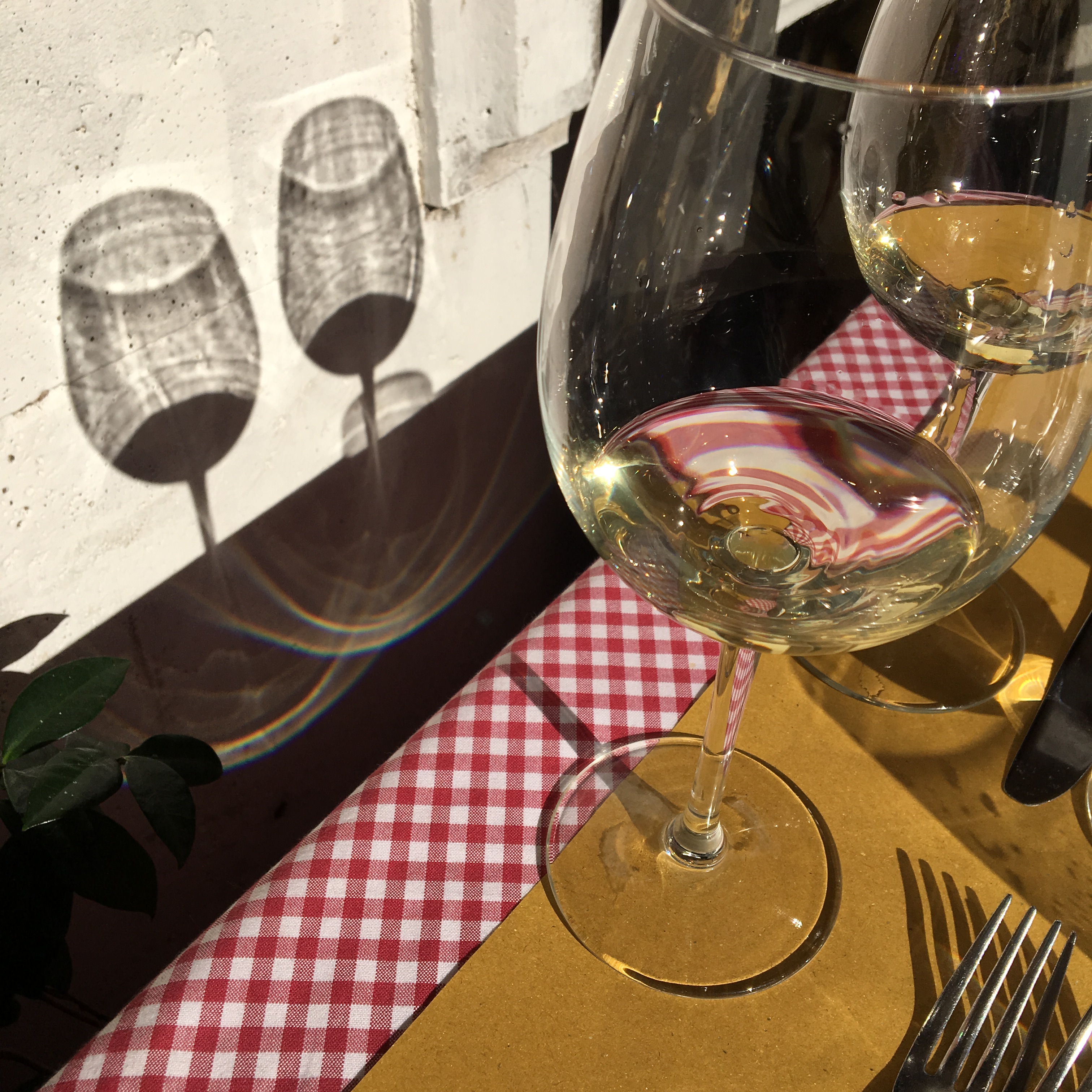
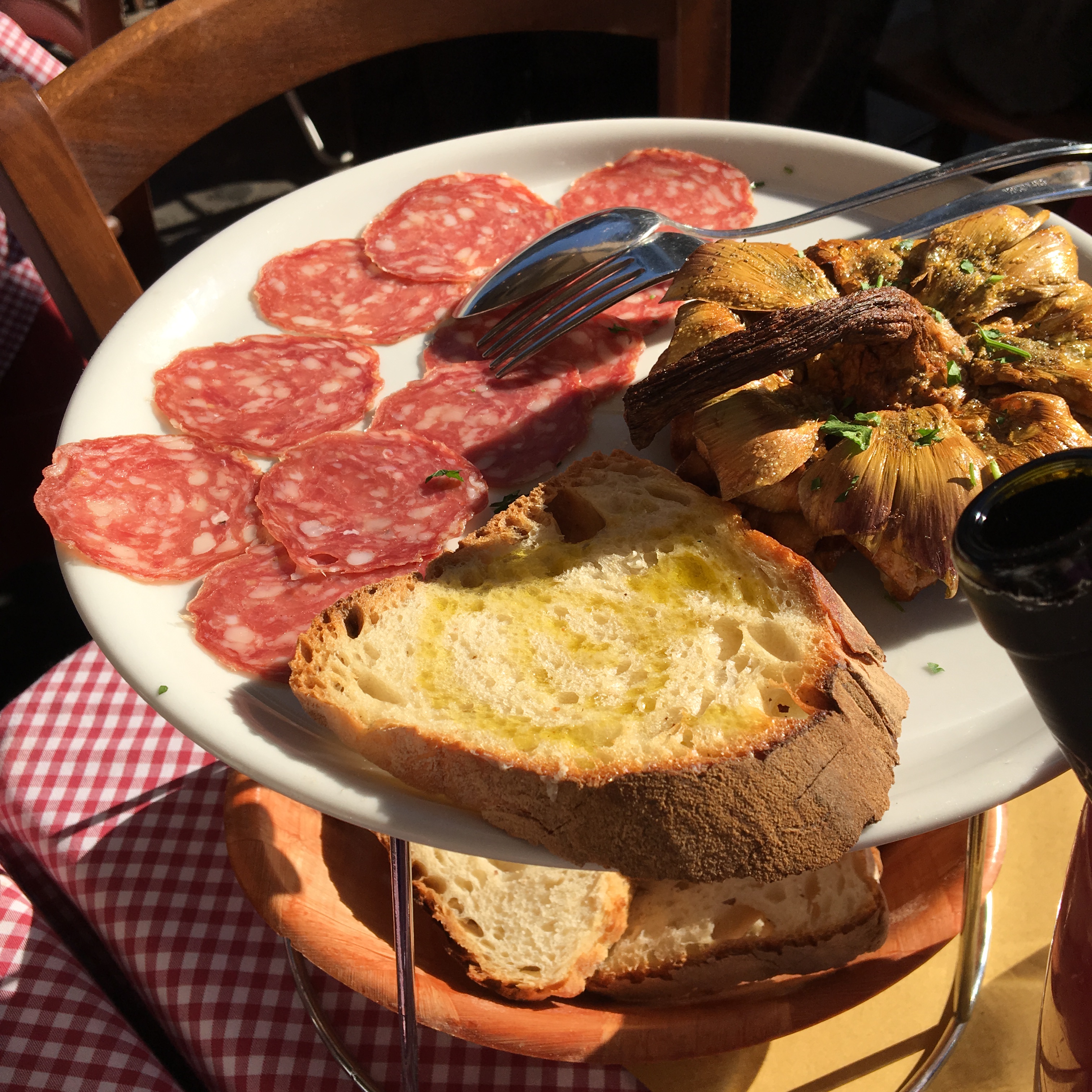
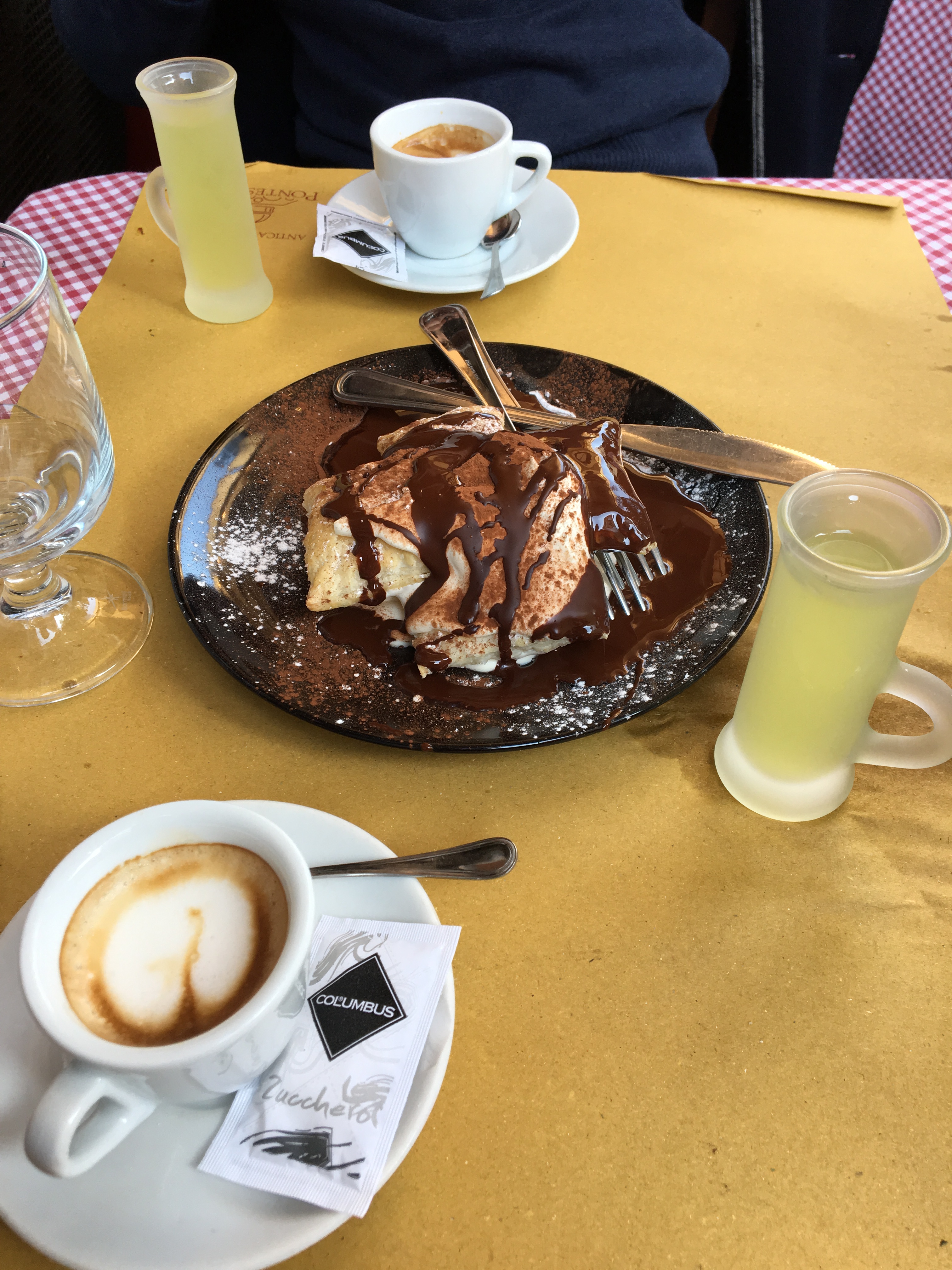
As though in wait especially for us, we took the last sunny table set outside the restaurant’s burnt orange facade. There, soothed by exquisite rays of winter sunshine, a lunch of freshly chilled chardonnay commenced, and continued with an appetizer of Roman fried artichokes and deliciously fresh wild board sausage. Then came the mains, and with it some of the best pasta I have had the pleasure to enjoy – a taglioni of king prawns and courgette flowers which filled my mouth with sensual delight at every mouthful. The soft but certain bite of the al dente pasta; the sweet succulence of the prawns; the perfumed intensity of the fish stock. Dear god it was good. So much so, I was almost too drunk on deliciousness (and wine) to fully appreciate yet another superb dish which was to follow – a homemade puff pastry millefeuille stuffed with fluffy clouds of cream and drizzled with just melted rich dark chocolate. Just. Too. Good.

IMG_7128IMG_7132IMG_7136IMG_7139IMG_7134

The Trastevere is popular for a reason, and sometimes a bit of patience is required before the perfect table reveals itself. But trust me, if that perfect Trastevere lunch is meant to be, that cute little red and white chequered road-side table will be waiting for you. But to be sure, make a reservation at the Osteria Pontesisto. As my lunch told me, you can’t go wrong with that one.

© Nicholas de Lacy-Brown and The Daily Norm, 2018. Unauthorised use and/or duplication of the material, whether written work, photography or artwork, included within The Daily Norm without express and written permission from The Daily Norm’s author and/or owner is strictly prohibited.

Compendium // Rome > Moses, the other great Michelangelo

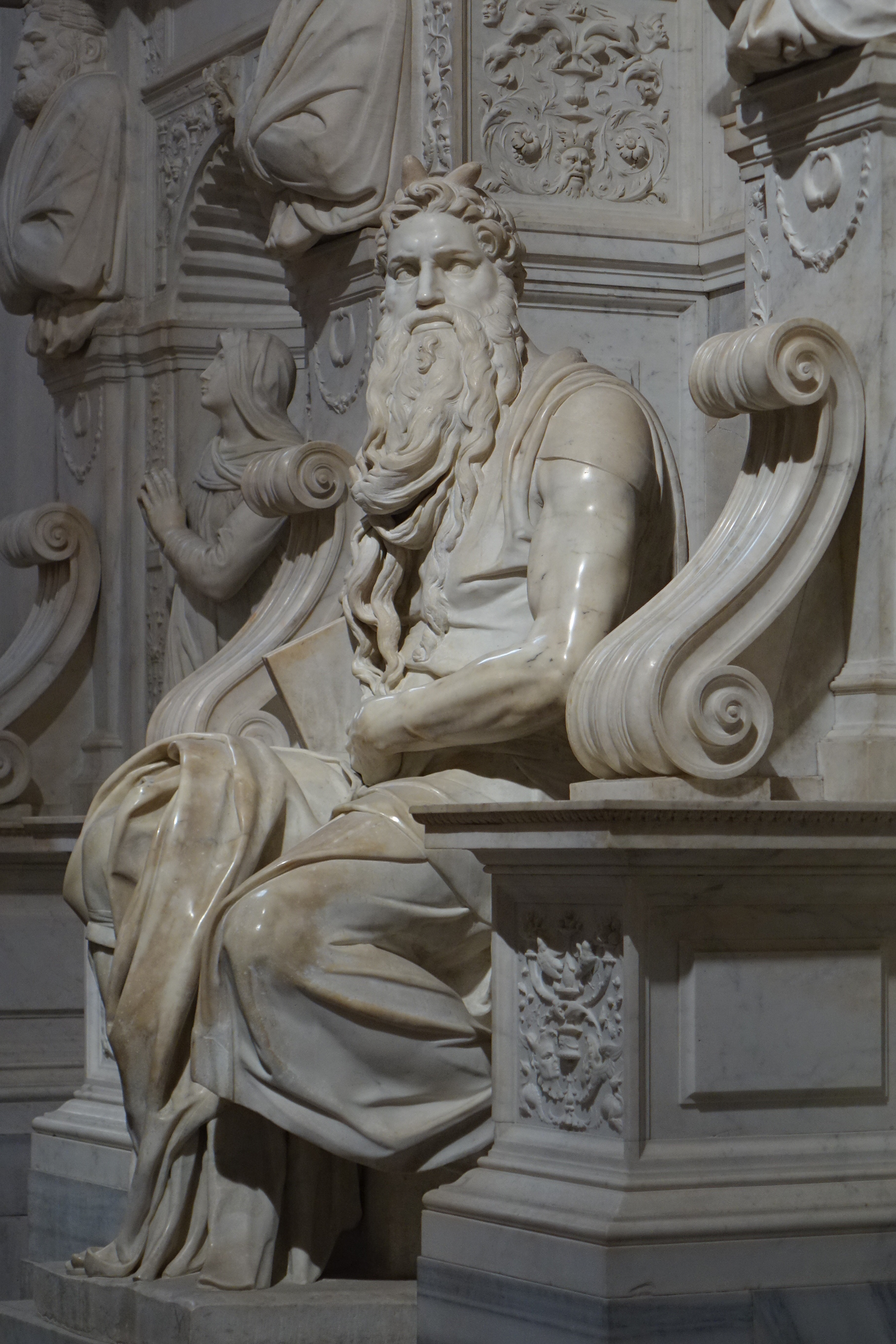
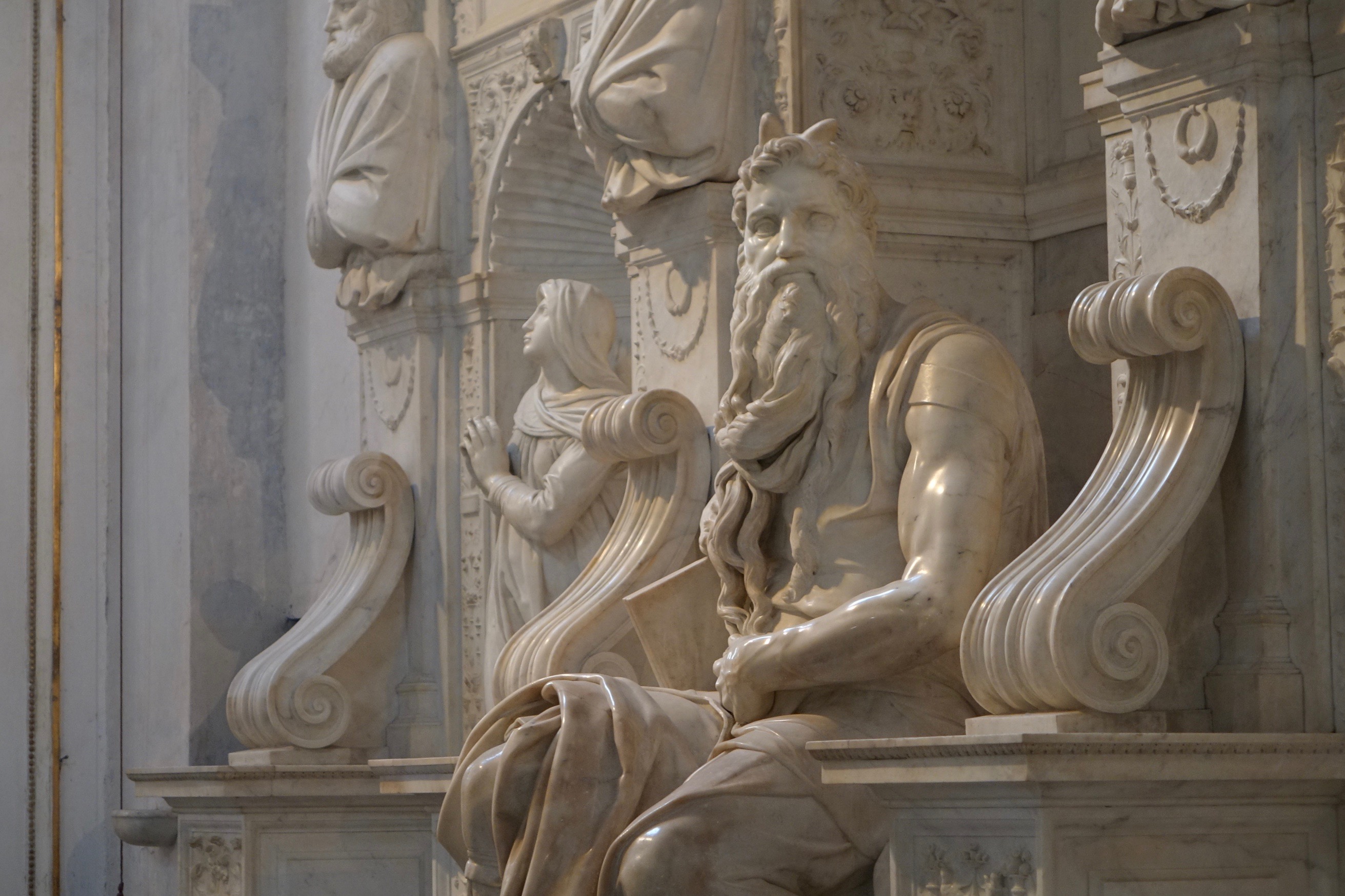
Michelangelo’s David is one of the most cited, famous and admired sculptures in the history of art. Its image graces tea towels and teapots, erotic aprons and nodding-head dolls. And it’s no wonder. When I revisited the great marble man over Christmas, my emotions raised the nearer I got to the splendid stone musculature. We have been left with few Michelangelo sculptures in a truly finished state. Much of the works of his sculptural oeuvre have only just started emerging from their cacophony of natural stone. But in Rome there is another Michelangelo in the ecstatic state of splendid finesse, which is every bit the equal of David for its brilliance of anatomy, and for the emotions captured in marble. I am not talking of the Vatican’s La Pieta, but Moses, a mere stone’s throw from the Colosseum.

DSC00572DSC00575DSC00586DSC00576

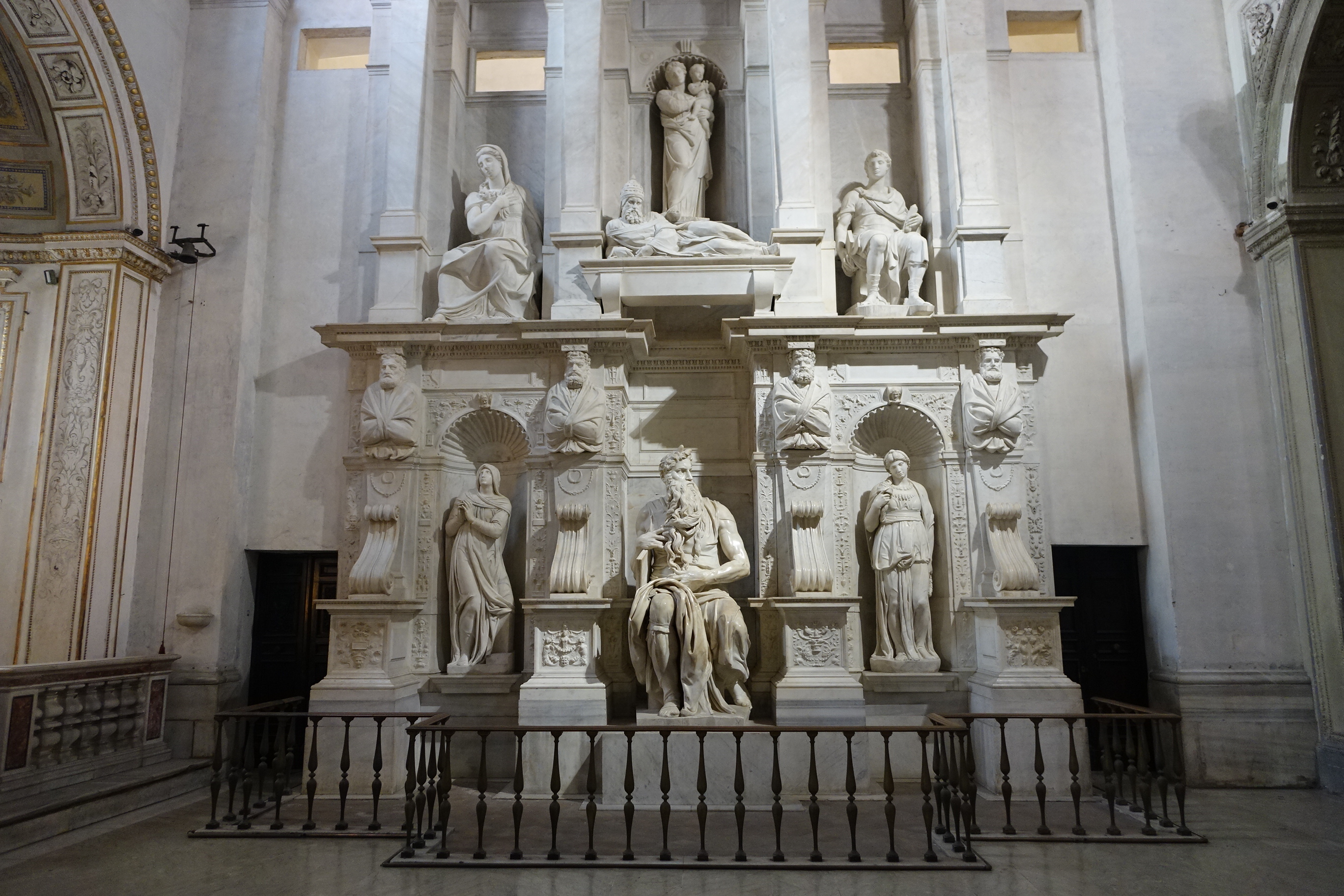
Without a recommendation, you could easily miss San Pietro in Vincoli (St Peter in Chains), the church in central Rome where Moses is held (and which also hosts the chains purported to have held said St Peter in captivity). There, in one corner, the sole direction of the tourist gaze will soon demarcate where Michelangelo’s masterpiece is waiting. Had Moses sat within the mammoth marble tomb structure of Pope Julius II for which he was originally intended, there would have been no missing him. Commissioned by the Pope in 1505, the tomb was designed to hold 40 like-sized sculptures and fill a central apse of the new St Peter’s Basilica. As it was, Michelangelo soon became embroiled in the Pope’s other great commission: the ceiling of the Sistine Chapel, and when his tomb was eventually installed at its current location, Moses took centre stage, his being the only one of the major sculptures for the tomb completed.

Perhaps it was a twist of fate which made things that way. For it would be a crying shame indeed if this truly exquisite statue had been lost in a crowd of 39 others, relegated to a tier some 4 metres of the ground in its intended positioning. Today, by contrast, the relative accessibility of San Pietro in Vincoli means you can get to almost touching distance of the great man, and the effect is ravishing.

DSC00566DSC00578DSC00584DSC00569

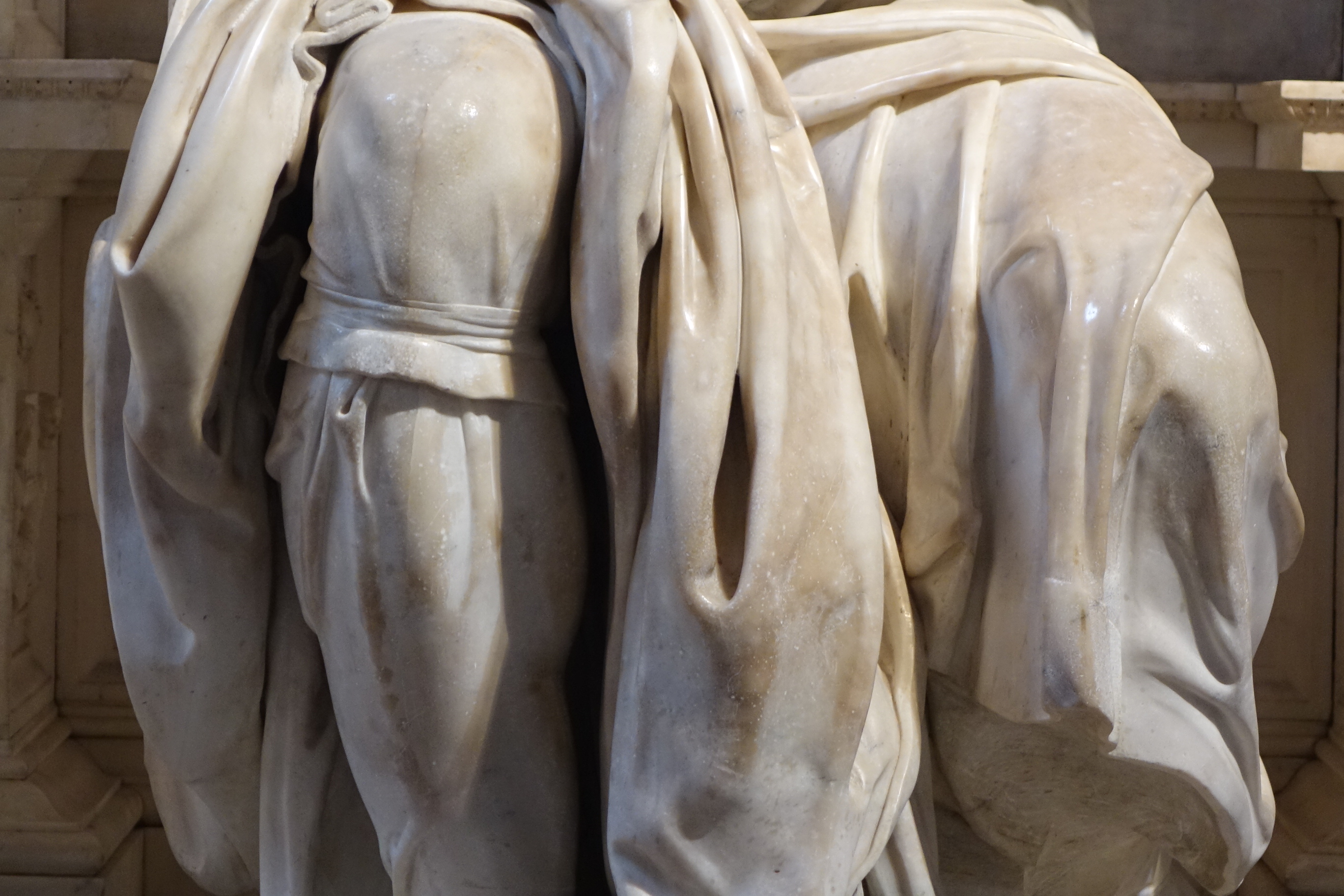
How can I describe an encounter with Moses? Emotional for sure, awestruck most certainly. The way in which Michelangelo so adeptly sculpts the flowing beard of Moses, twisted around his fingers in what appears to be both a moment of contemplation and rage at the idolatry of the Israelites who he finds to be worshiping a golden cow upon his descent from Mount Sinai. There is a beautiful, throbbing intensity about his musculature and his domineering presence. This Moses is both godlike to behold, and intimidating to witness.

Above all things he is a true icon of art history, and what is Michelangelo’s perhaps more overlooked masterpiece, available for all to see (for free) in the very centre of Rome.

© Nicholas de Lacy-Brown and The Daily Norm, 2018. Unauthorised use and/or duplication of the material, whether written work, photography or artwork, included within The Daily Norm without express and written permission from The Daily Norm’s author and/or owner is strictly prohibited.

Compendium // Rome > Lateran, the Alternative Vatican

When many people think of Rome, it’s not the Colosseum they have in mind, but the soaring dome of St Peter’s Basilica at the very Catholic heart of the Vatican City. It is somewhat ironic then that the Vatican, while sitting bang centre in Rome, is not part of the Italian capital at all, but an entirely separate extraterritorial land belonging to the Holy See. Whatever the political geography, the Vatican is a must-see location for any visitor to Rome, but because of that, it’s too often heaving. Without an advanced ticket, you’ll spend far longer in a queue than you ever will inside of St Peter’s or its adjacent museum. Even with a reservation, the queues and security checks try the patience of the most earnest visitor.

Enter the Lateran Basilica, or to give it its full name, the Cathedral of the Most Holy Saviour and of Saints John the Baptist and the Evangelist in Lateran (also known as the Papal Archbasilica of St John in Lateran, and many other similar variations on the theme). Located on a diagonal 4km axis cutting through ancient Rome from the heart of the Vatican City, the Lateran Basilica is the alternative St Peter’s. Almost as big, just as spectacular, the Basilica is the ecclesiastical seat of the Bishop of Rome and such an equally important a player in Papal History that its story goes hand in hand with that of the Vatican across the river.

DSC00701DSC00706DSC00677DSC00654DSC00694DSC00633DSC00663DSC00665DSC00655

As the oldest and highest ranking of the four papal major basilicas, the Lateran is unique in having the title of “archbasilica” and was, for hundreds of years prior to the dominance of St Peter’s, the home of countless generations of Popes. As the scale of Rome shrank and declined in the early second millennium AD, the area around the Lateran was reduced to a form of bucolic wasteland. Exposed and rundown, the Lateran Basilica and its neighbouring palace became disconnected from the beating heart of Rome, and during the Avignon years of the Papacy, the Lateran deteriorated and eventually suffered substantial fire damage. Thankfully, even from their new lavish seat of St Peter’s, the popes of baroque Rome recognised the importance of the Lateran, and in the 17th century, Pope Innocent X commissioned Francesco Borromini to rebuild the Lateran in the splendid image we see today.

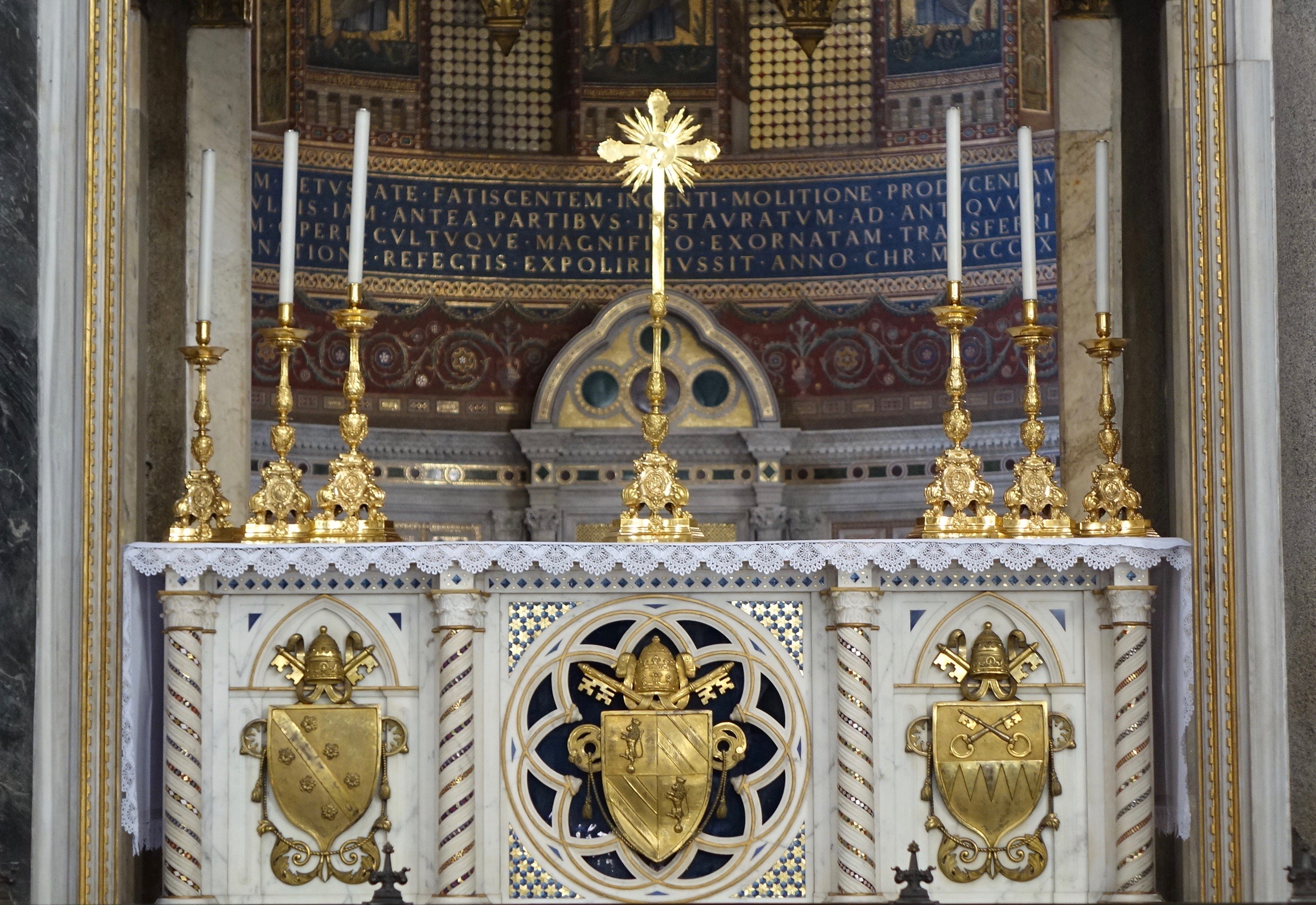
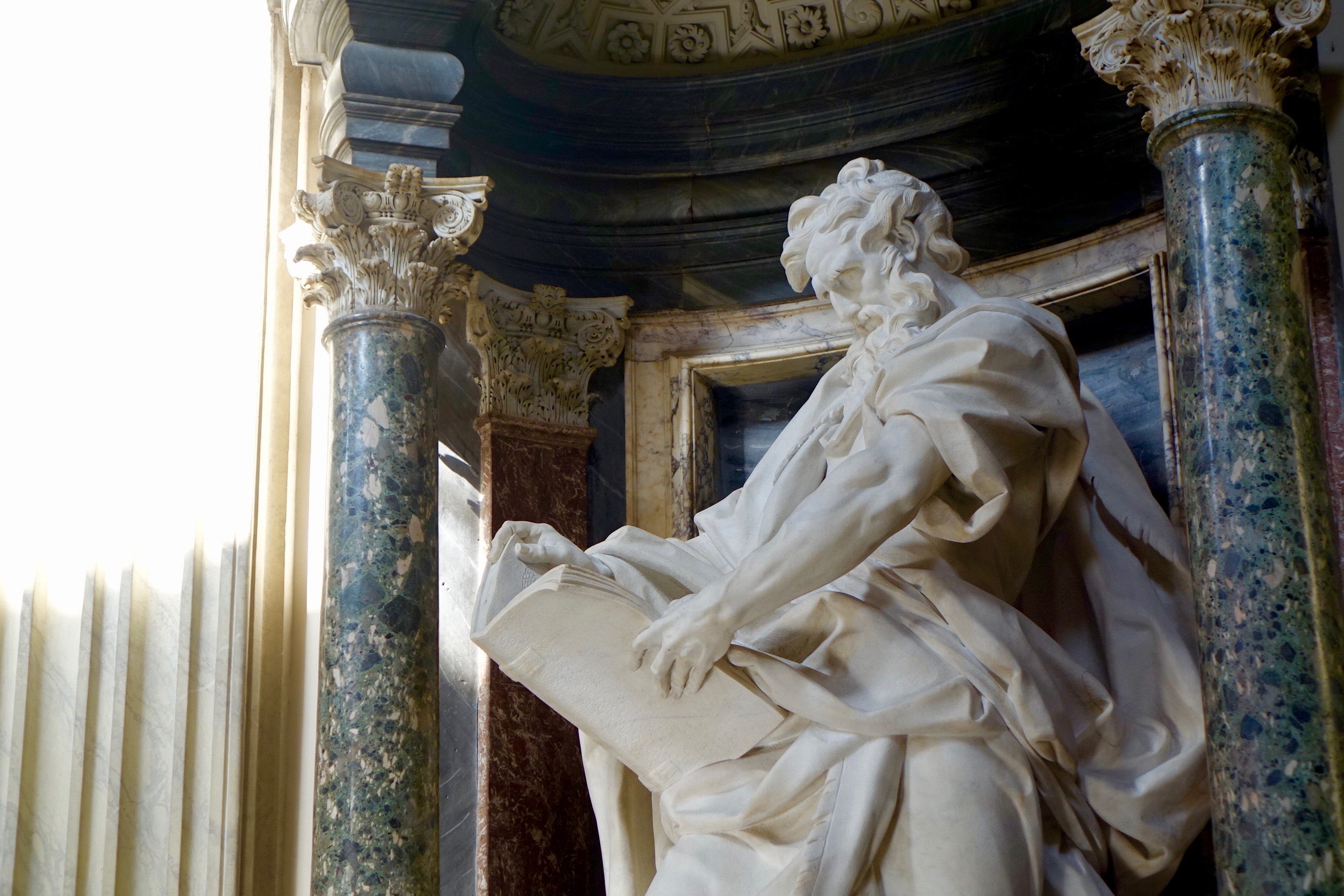
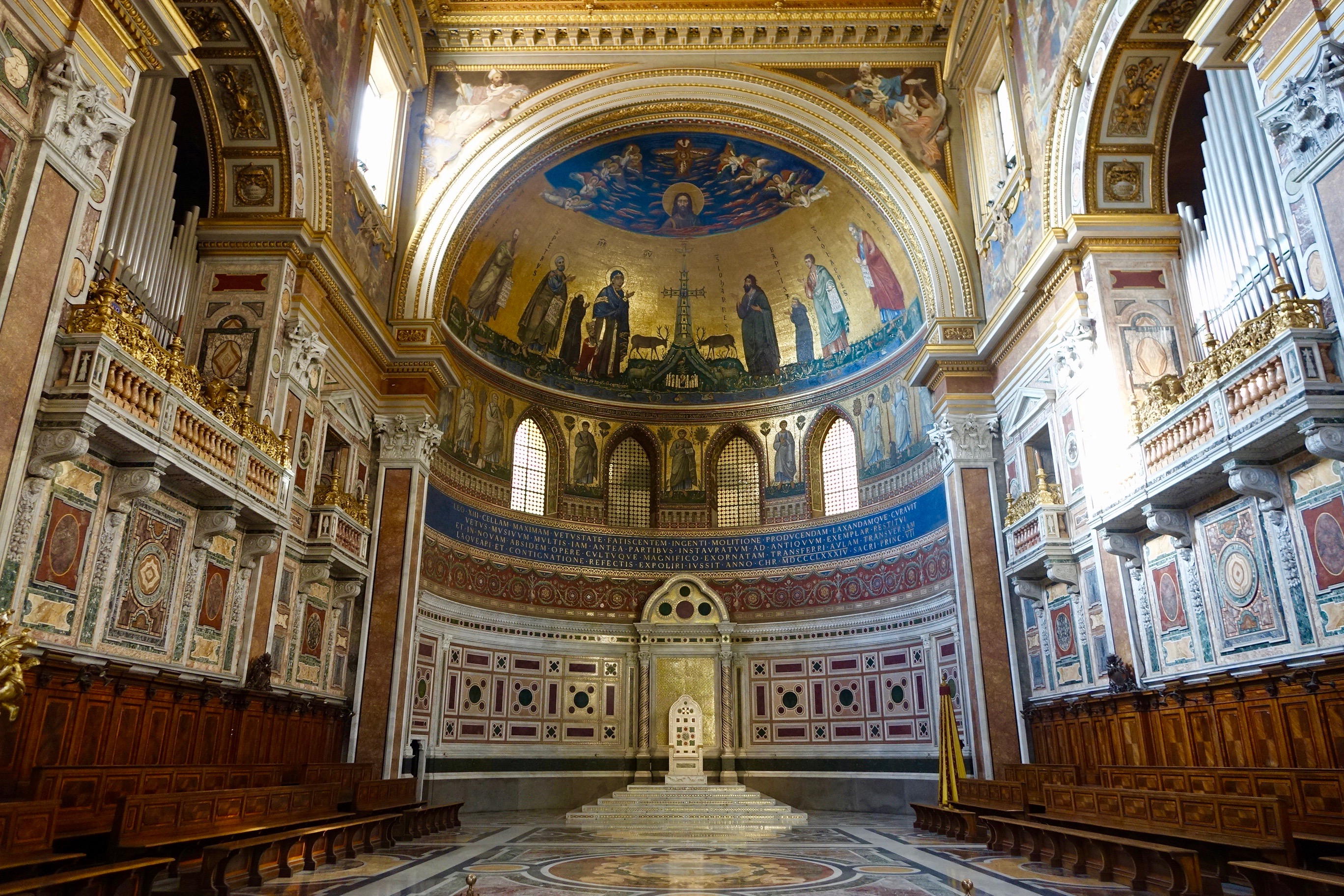
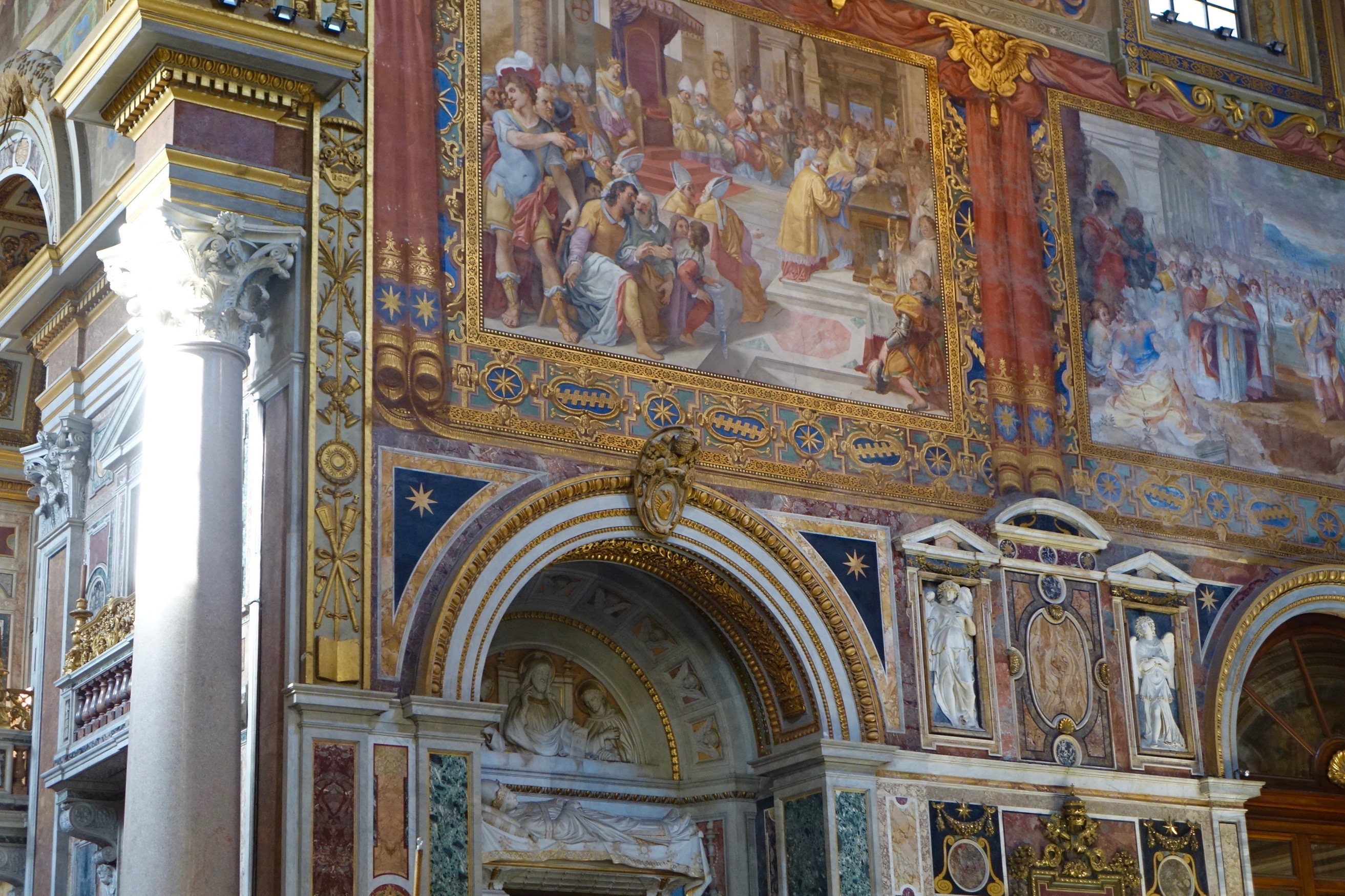
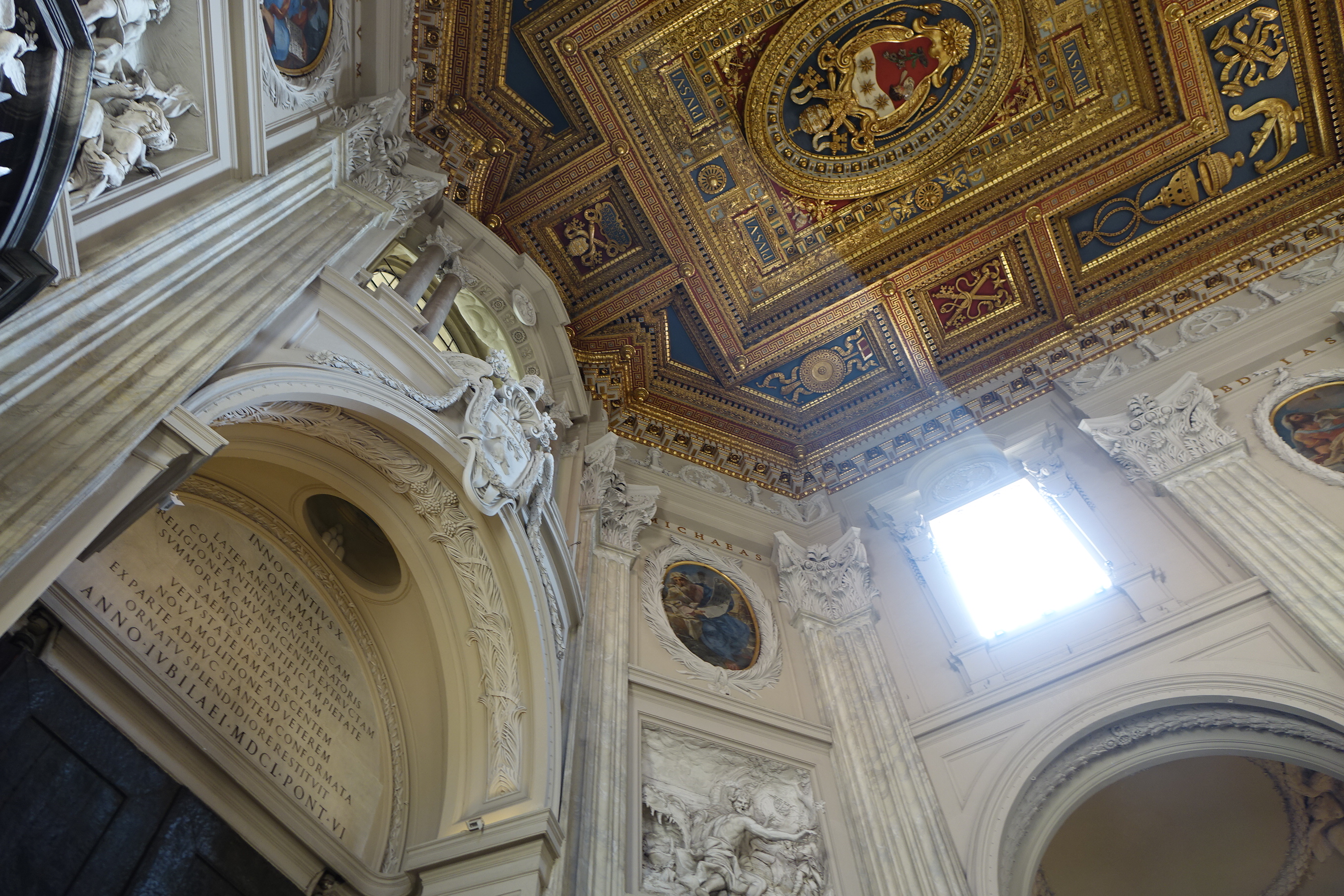
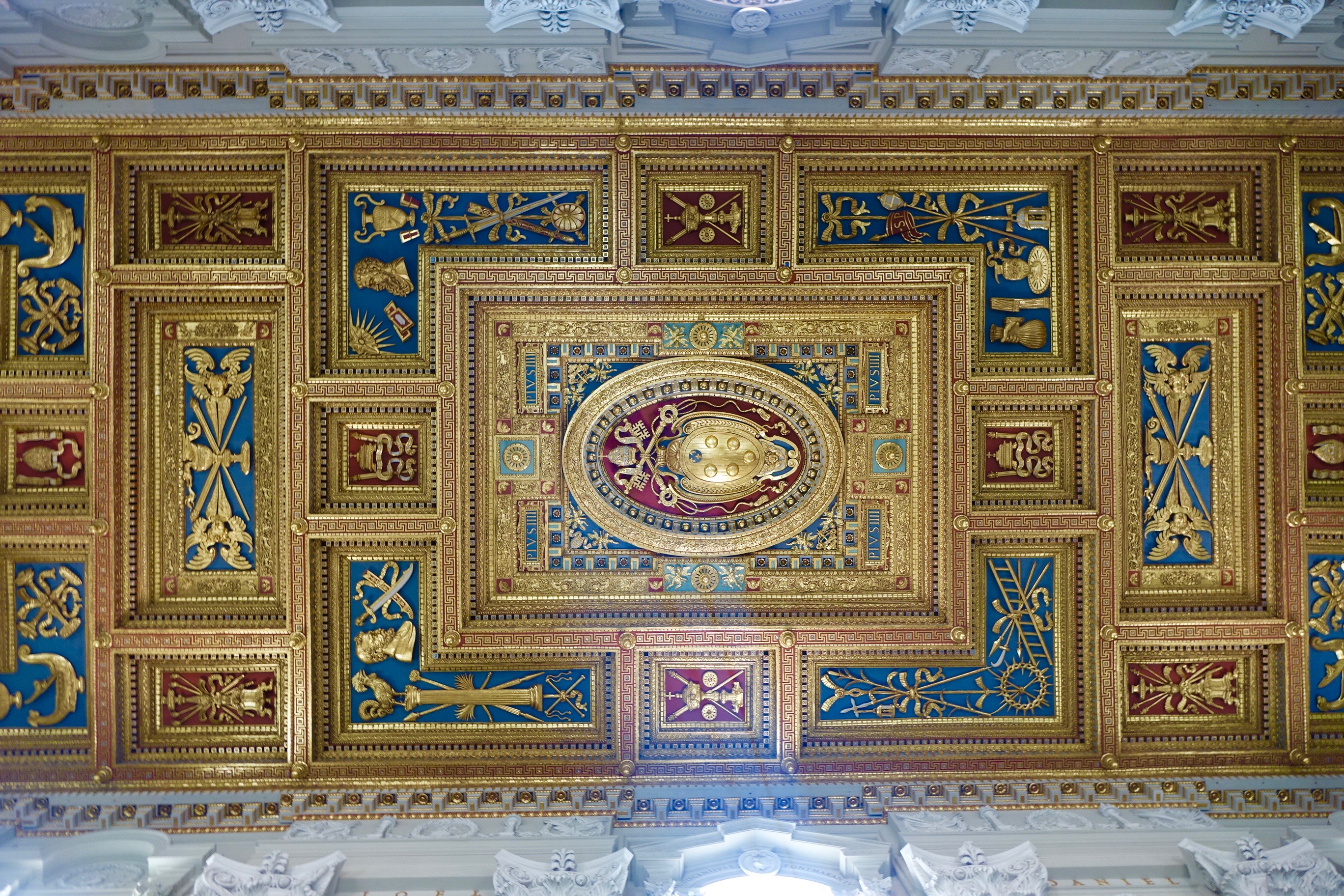
History done, now for the visuals. As the photos show, a visit to the Lateran Basilica is the equal of the glorious Vatican. Flooded with light, the classical baroque facade gives way to an imperial loggia boasting the magnitude and proportions of an Ancient Roman temple, while inside, light floods through windows and bounces off golden mosaics, richly frescoed walls, and luxuriously marble-clad pillars. Most impressive of all things is the spectacular array of sculpted apostles created by the very best rococo sculptors and installed at the beginning of the 18th century. So lifelike, and yet so vast in scale, you feel shrunken into submission before heavenly giants, as though in a nursery rhyme immersed within the branches of Jack’s beanstalk.
DSC00712DSC00697DSC00689DSC00642DSC00684DSC00678DSC00632DSC00656DSC00623 2

I didn’t enjoy my trip to the Vatican museum, being shunted along through bottlenecks crammed to almost scarily unsafe levels with a continuous tidal wave of coach parties. By contrast, the Lateran Basilica, with its lofty grand spaces and comparative tranquility is by far the better alternative, and every bit the equal to its younger cousin over the river.

© Nicholas de Lacy-Brown and The Daily Norm, 2018. Unauthorised use and/or duplication of the material, whether written work, photography or artwork, included within The Daily Norm without express and written permission from The Daily Norm’s author and/or owner is strictly prohibited.

Compendium // Rome > The Perfect Navona Morning

Compendium // a collection of concise but detailed information about a particular subject, especially in a book or other publication. The word says it all, and as The Daily Norm enters a new millennia of posts and travel shares, I have decided to collect thoughts and tips from my own travels in a series of Compendia. Starting in Rome.

Rome is not just a city. It is an experience ripe like an overflowing cornucopia of delicious fruit, waiting to be savoured across a broad spectrum enveloped in richly historical heritage, diva attitude and unabashed street-by-street beauty all bathed in the most glorious terracotta light. But its global reach today is as mighty as its ancient Empire two millennia ago, not so much for its political prowess but for its tourist pull. So to do Rome well, you need to avoid the pitfalls, the dodgy restaurants, and wherever possible the flag-led, headphone-donned, selfie-stick sustained coach parties. Eugh.

DSC00903DSC00906DSC00919DSC00963DSC00985DSC00936DSC00967IMG_7056

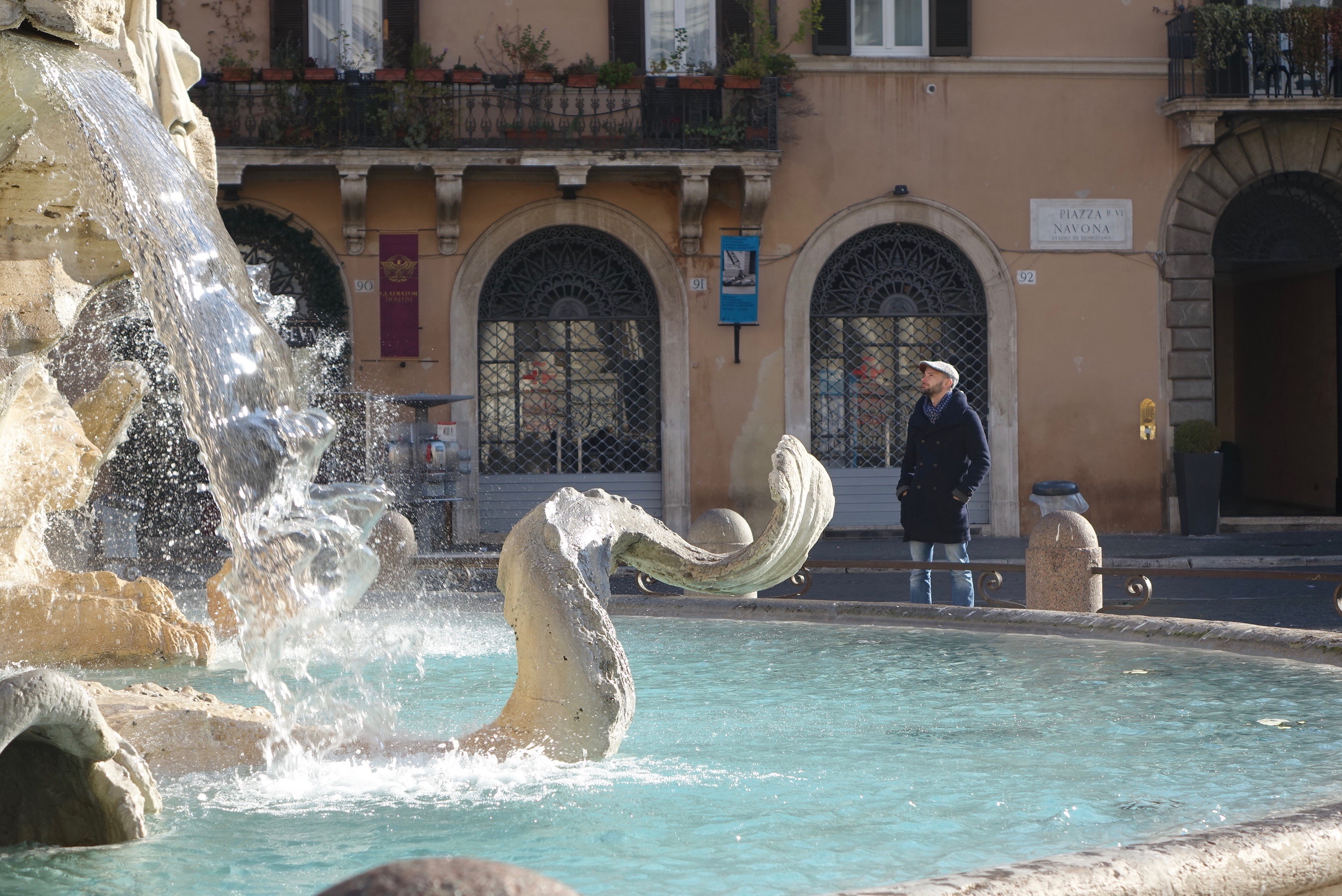
Today’s tip for doing Rome well is to get up early, and savour the delights which come of having this stunning city all to yourself. Even in January, when last I went, the sweet seduction of Rome’s ever present sun invited an early rise and made venturing into the still quiet-streets an easy exercise. Hotel location is always important, especially on a short weekender, and my locality, mere steps from the Piazza Navona, meant that I could enjoy this most spectacular of Roman Piazzas as the first rays of Winter sunshine hit the sculptural masterpieces which have made the Square such an icon of Baroque Rome.

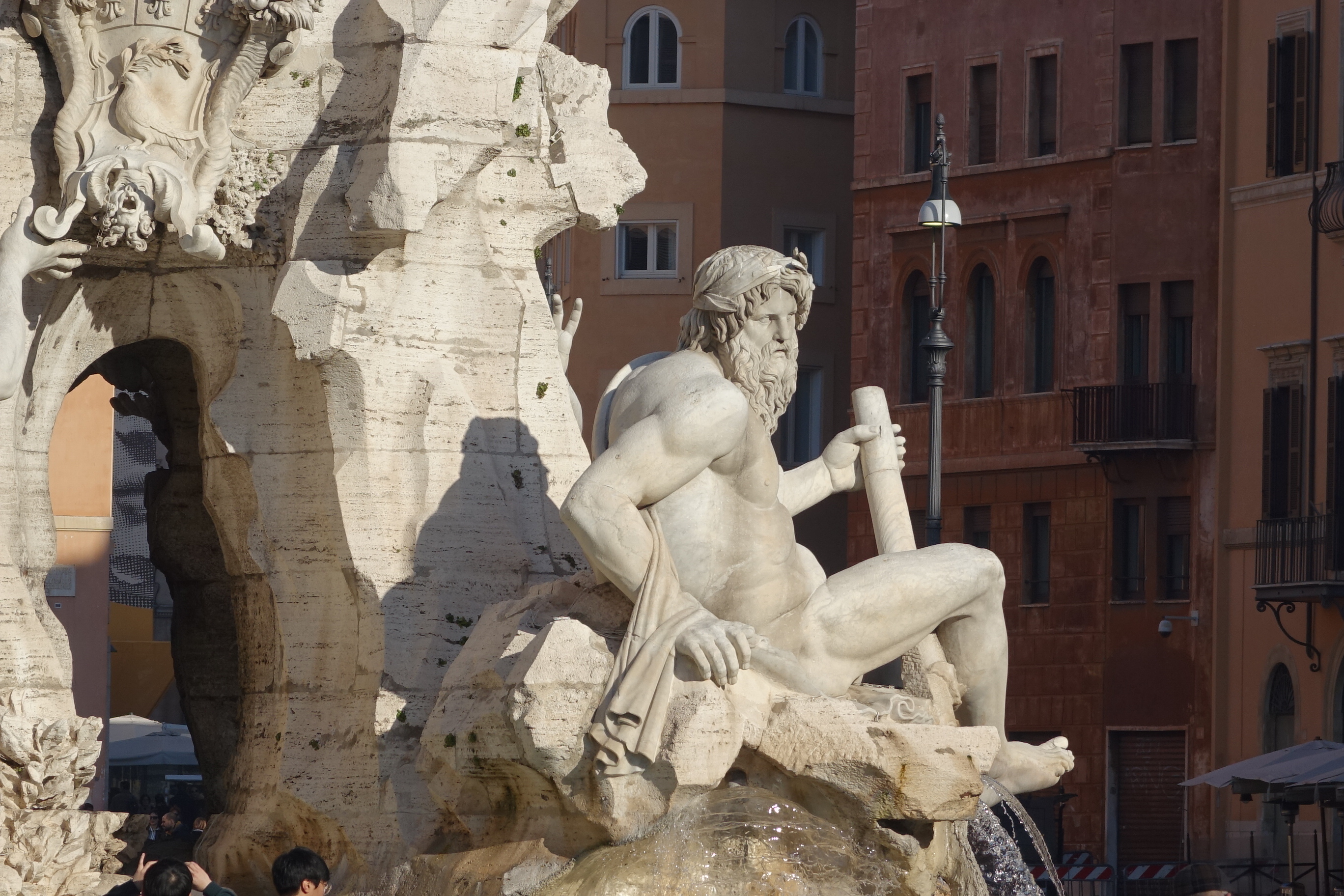
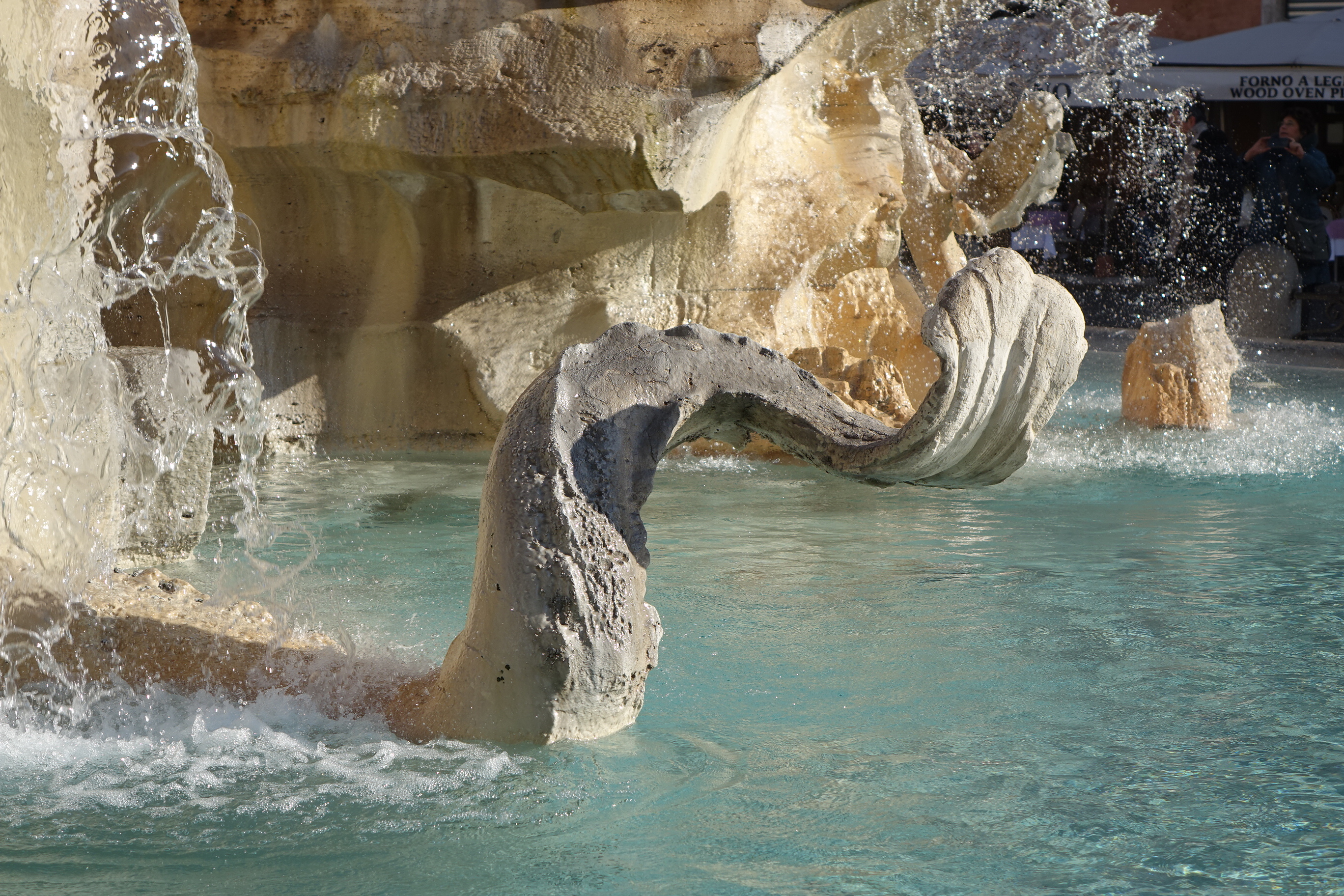
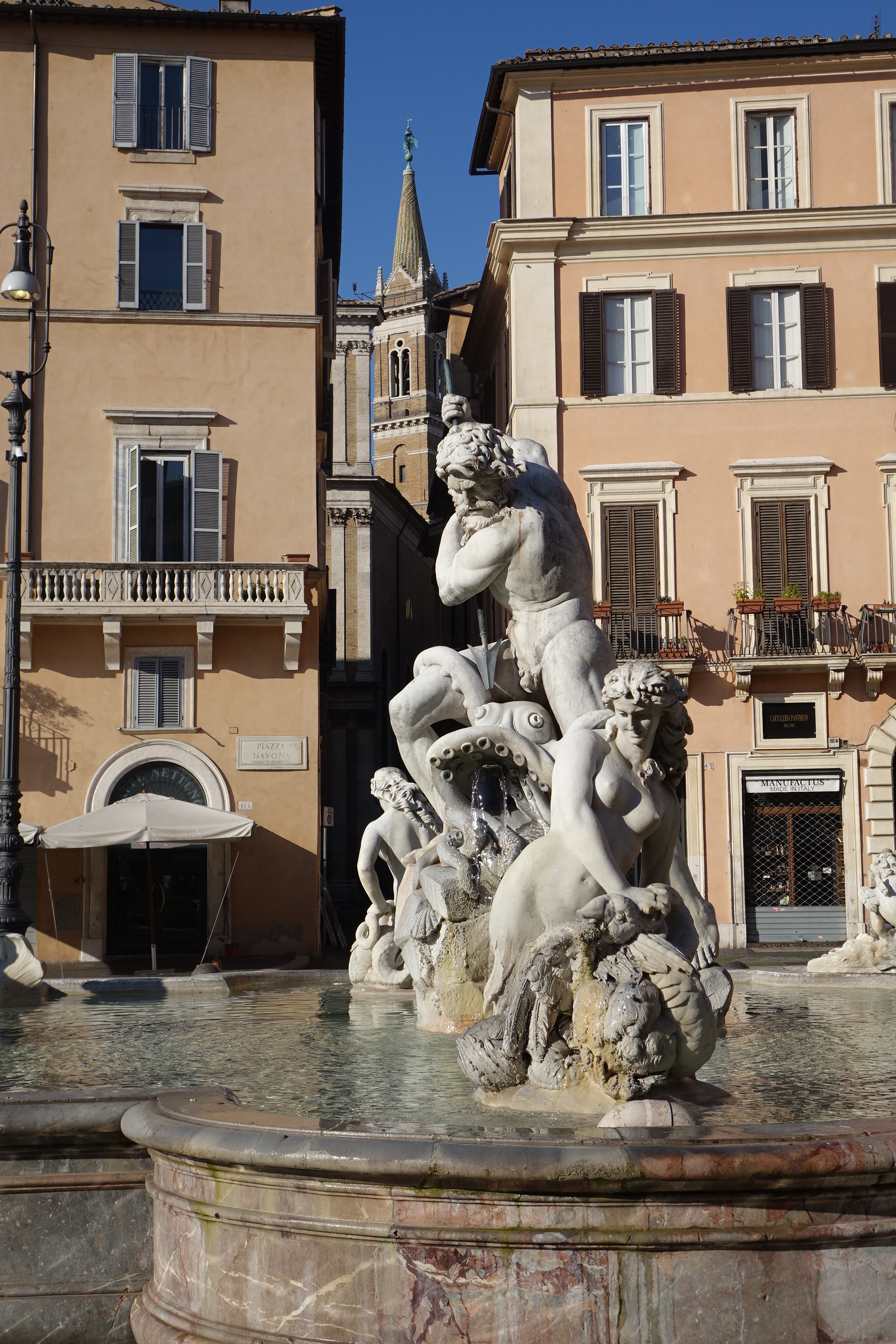
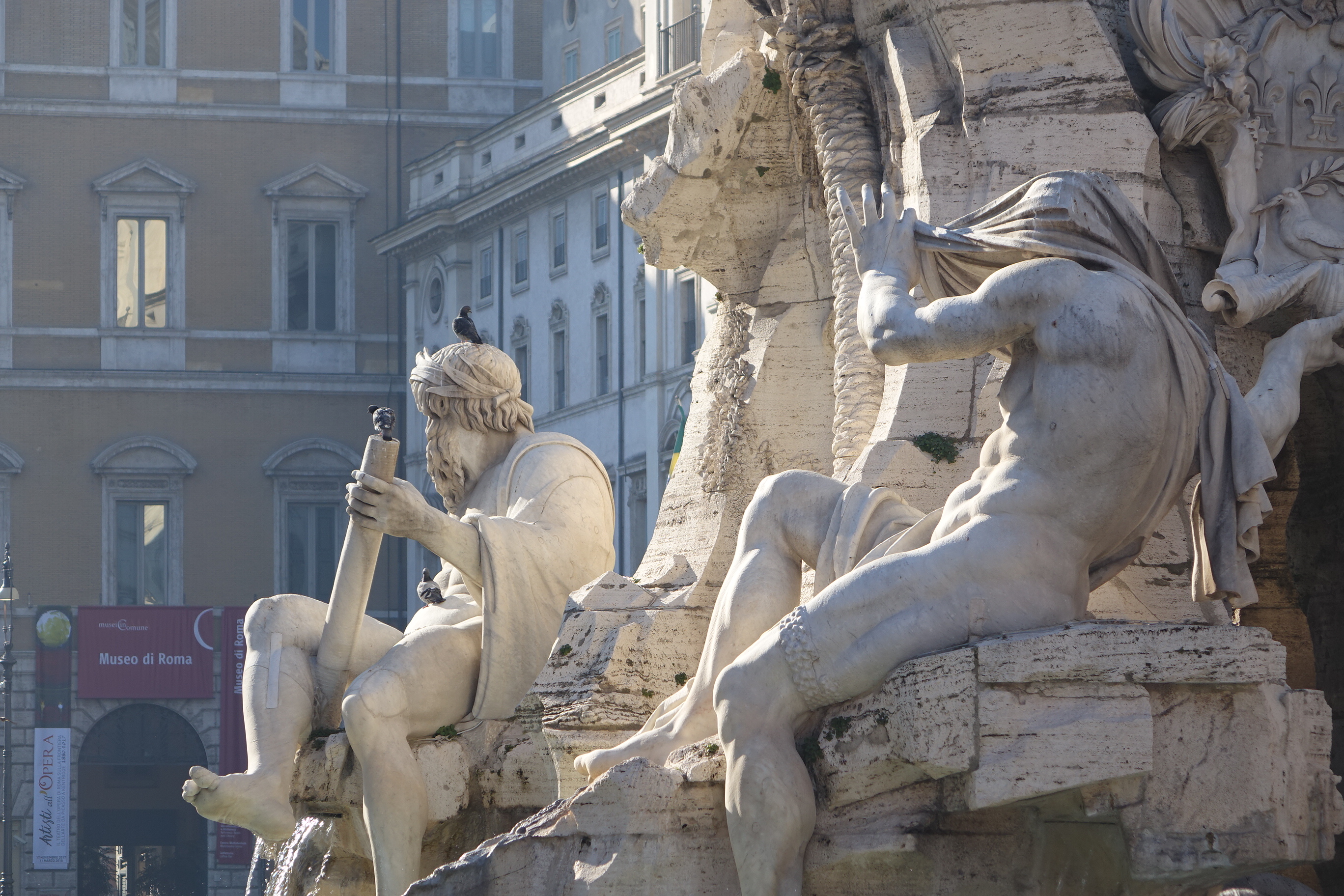
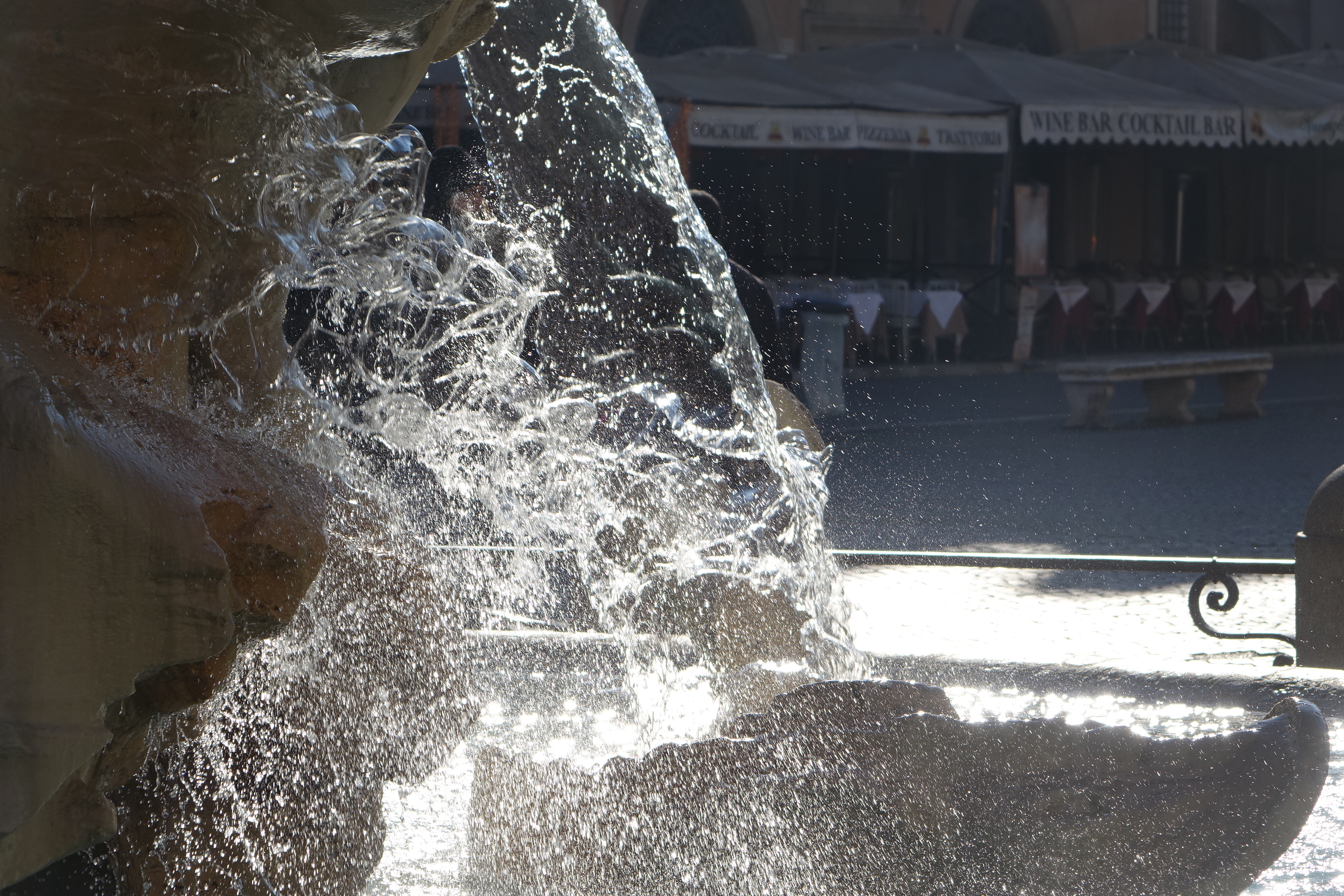
Baroque is certainly the word. For this oblong square, which lends its shape to the Stadium of Domition on whose foundations it has been built, is more of an artfest than it is a mere city space. For it was here that, at the height of Baroque splendour and Papal theatricals, Pope Innocent X commissioned Bernini to create the Fontana dei Quattro Fiumi (Fountain of the Four Rivers) as part of his grand plan to put Rome firmly back on the artistic and power-map of Europe. It is, by far, one of the most spectacular fountains you are ever likely to see, and enjoyed first thing in the morning, before those damned selfie-sticks start sneaking their way into every one of your photos, it makes for the perfect commencement to your Roman day.

DSC00926DSC00958DSC00990DSC00987DSC01007DSC00974DSC00975DSC00928DSC00942DSC00929DSC00982

Turn away from Bernini’s masterpiece, and two other fountain wonders by Giacomo della Porta depicting a Moor wrestling with a Dolphin, and a statute of water-God Neptune respectively can be enjoyed, as can the oval encirclement of the kind of russet, terracotta, pink and butterscotch buildings which make Rome such a year-round place of warmth and splendour. Then, once you’ve soaked in this highlight of Rome, sneak in another anti-crowd coup, and head to my favourite cafe in all of Rome: Caffe Tazza d’Oro on the Piazza della Rotunda, where a simple pastry and a coffee taken standing up at the bar, Italian style, takes on new Roman authenticity, especially with the immaculate ancient Pantheon stands just outside the door.

© Nicholas de Lacy-Brown and The Daily Norm, 2018. Unauthorised use and/or duplication of the material, whether written work, photography or artwork, included within The Daily Norm without express and written permission from The Daily Norm’s author and/or owner is strictly prohibited.

Beauty and the Beast from the East

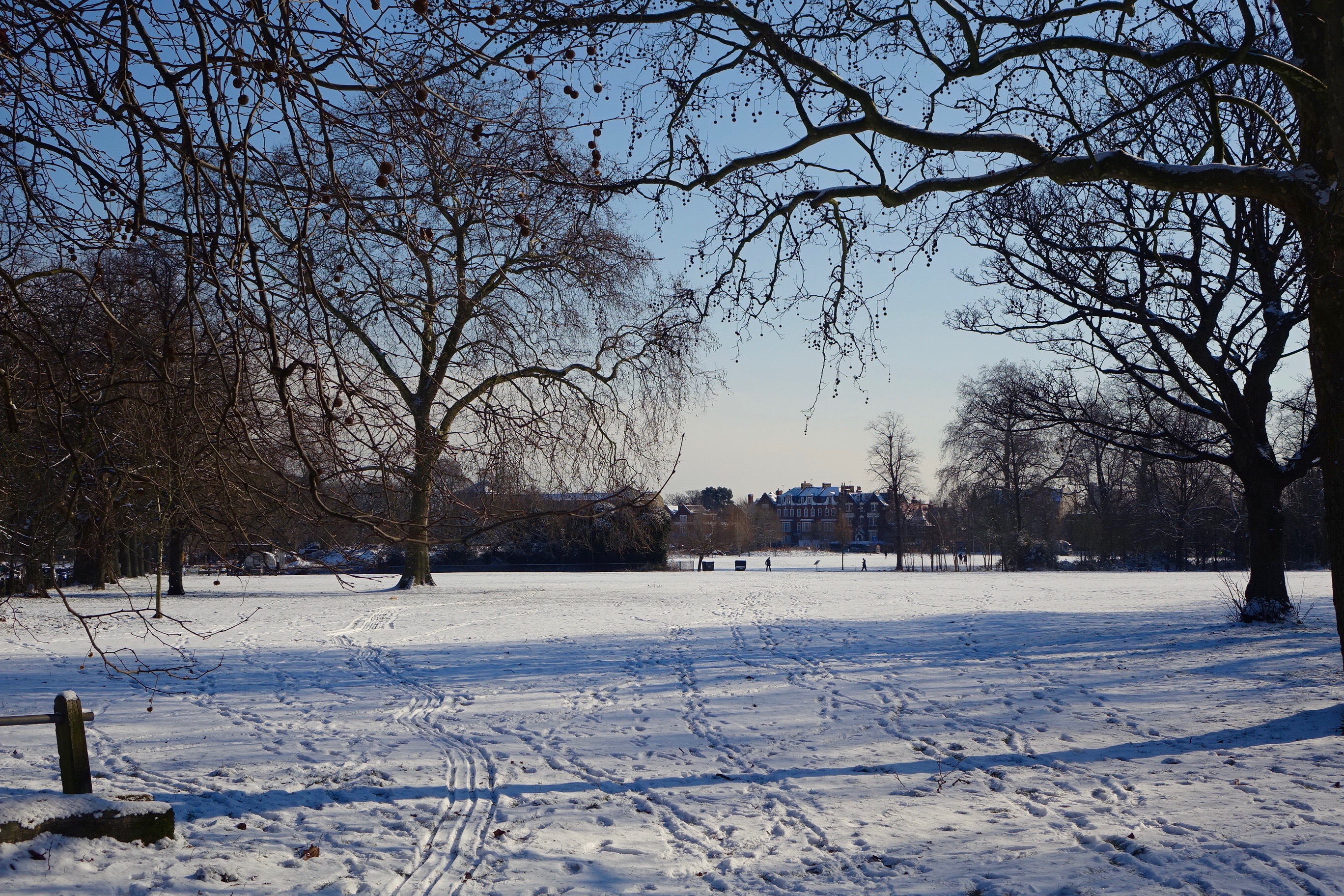
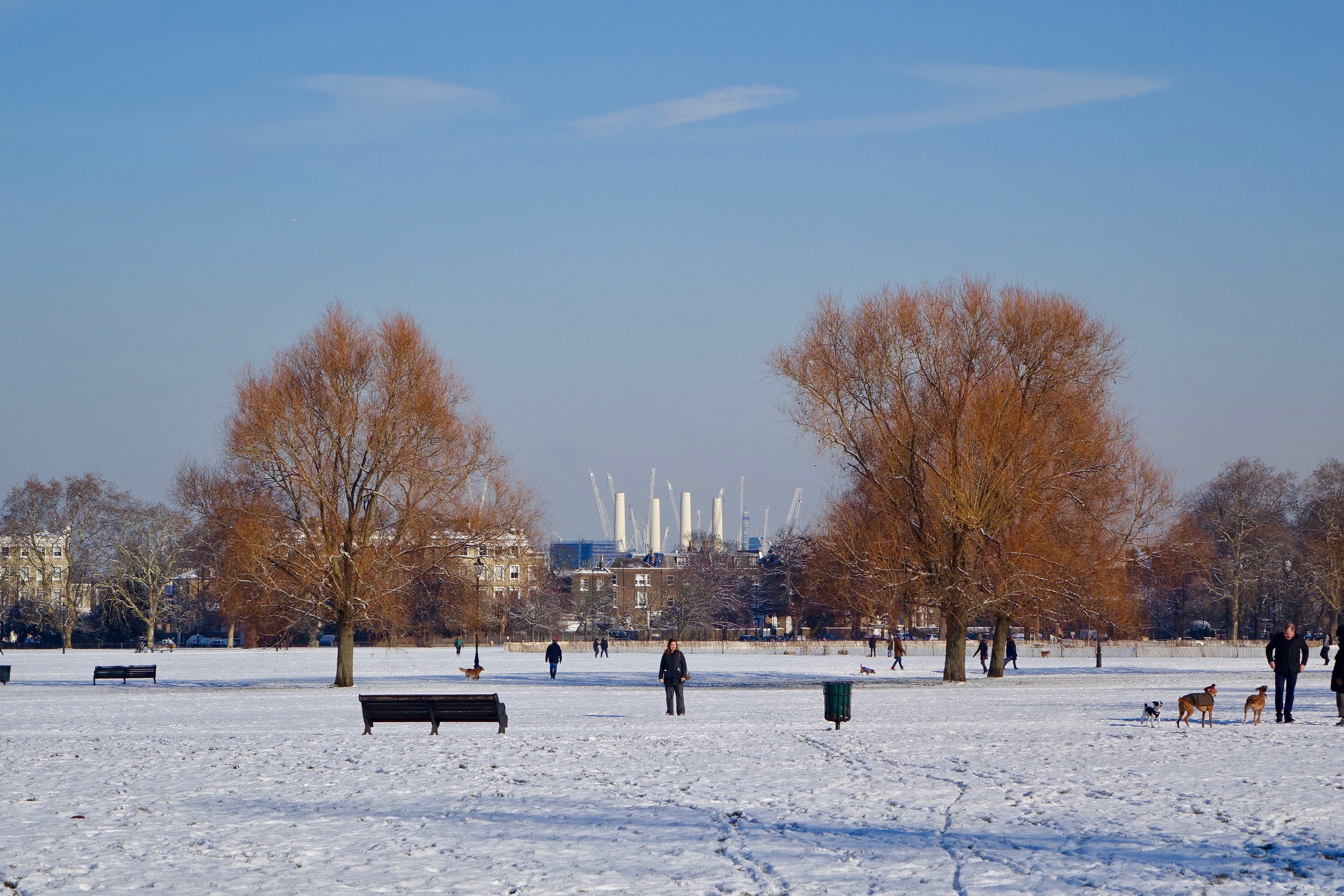
They call it “the Beast from the East” – a Siberian shock wave of icy blasts and perilously wintery temperatures which has swept onto the shores of the UK and shows no sign of budging. Yet with the “Beast” has come the snow: a transformative blanket of pure, frosty white which has proved to be the very antithesis of beastly, as a very chilly but utterly mesmerising walk around my local park was to prove.
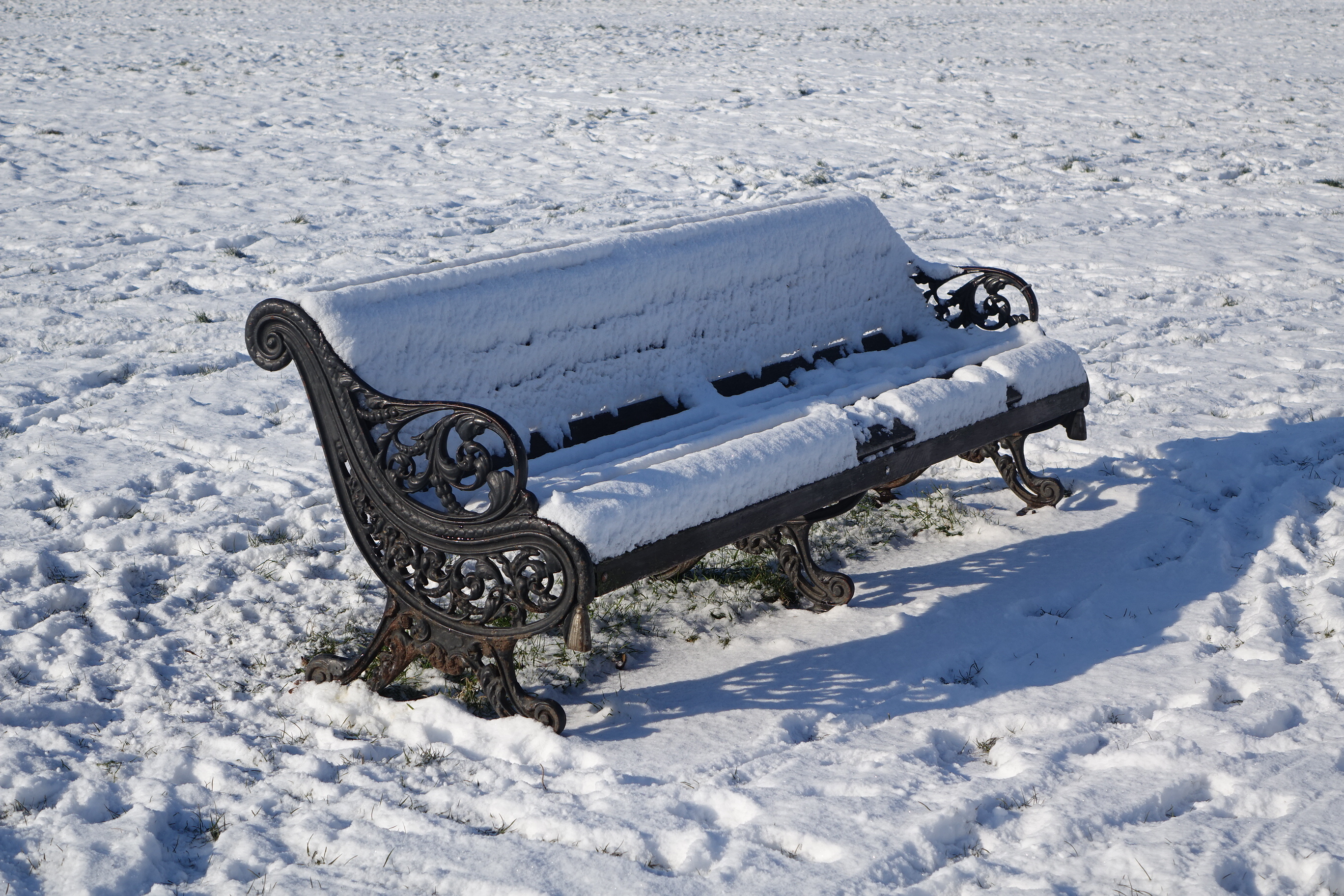
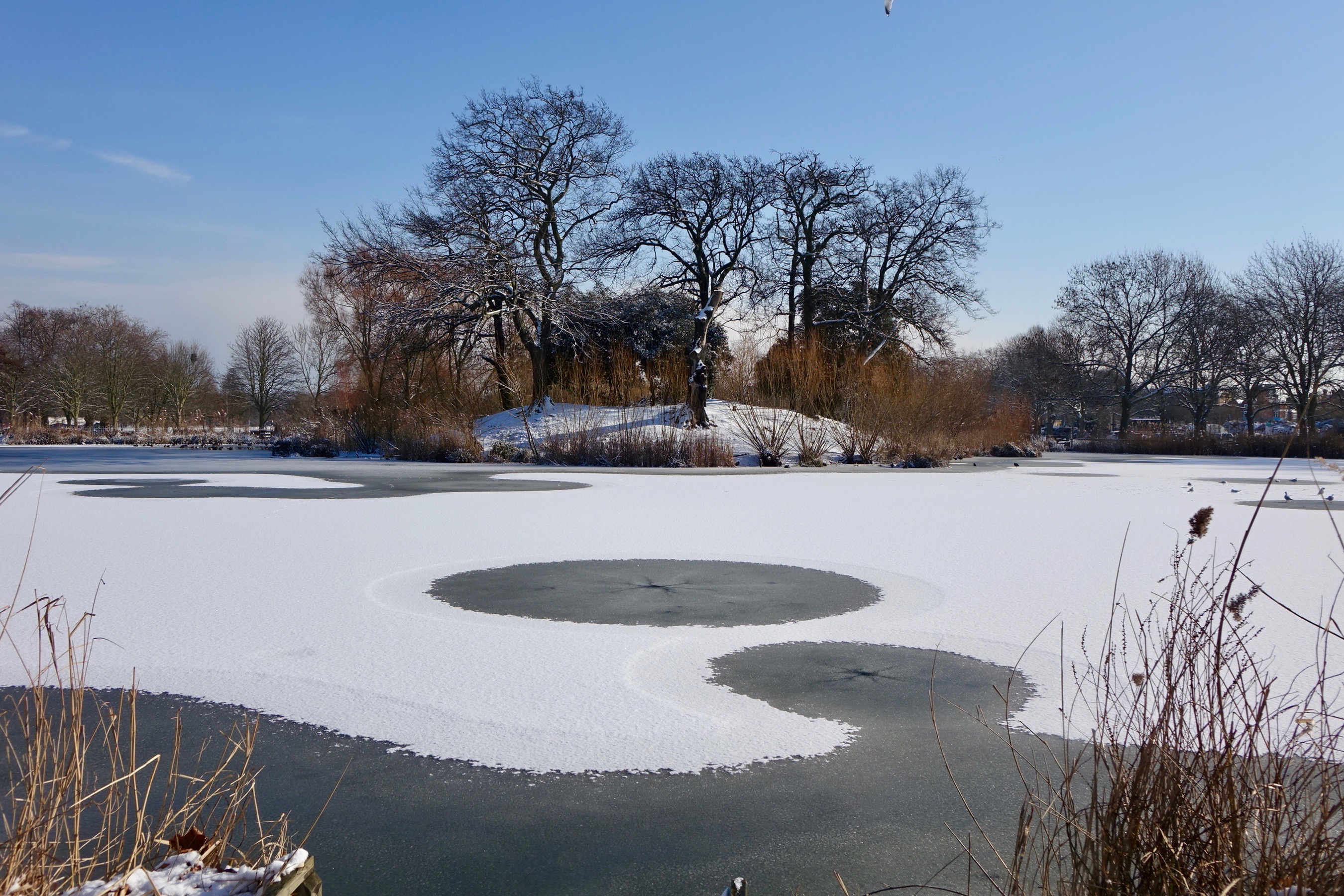
I have seen Clapham Common in every season, and have often obsessed myself over the light filtering through its lush summer leaves, or the auburn tones of its autumn face. Yet I don’t think I have ever been so stunned by the beauty of Clapham Common as when I was seeing it dressed, like a blushing bride, in an unbroken veil of white. Covering metre upon metre of grassy planes, and managing to find its way onto even the tiniest of tree branch, lamp post and railing, the snow rendered Clapham Common completely transformed, and the result was divine. I have never seen a familiar place so changed, nor the local residents so equally dazzled by this new manifestation.

DSC01561DSC01556DSC01548DSC01459DSC01500DSC01466DSC01529

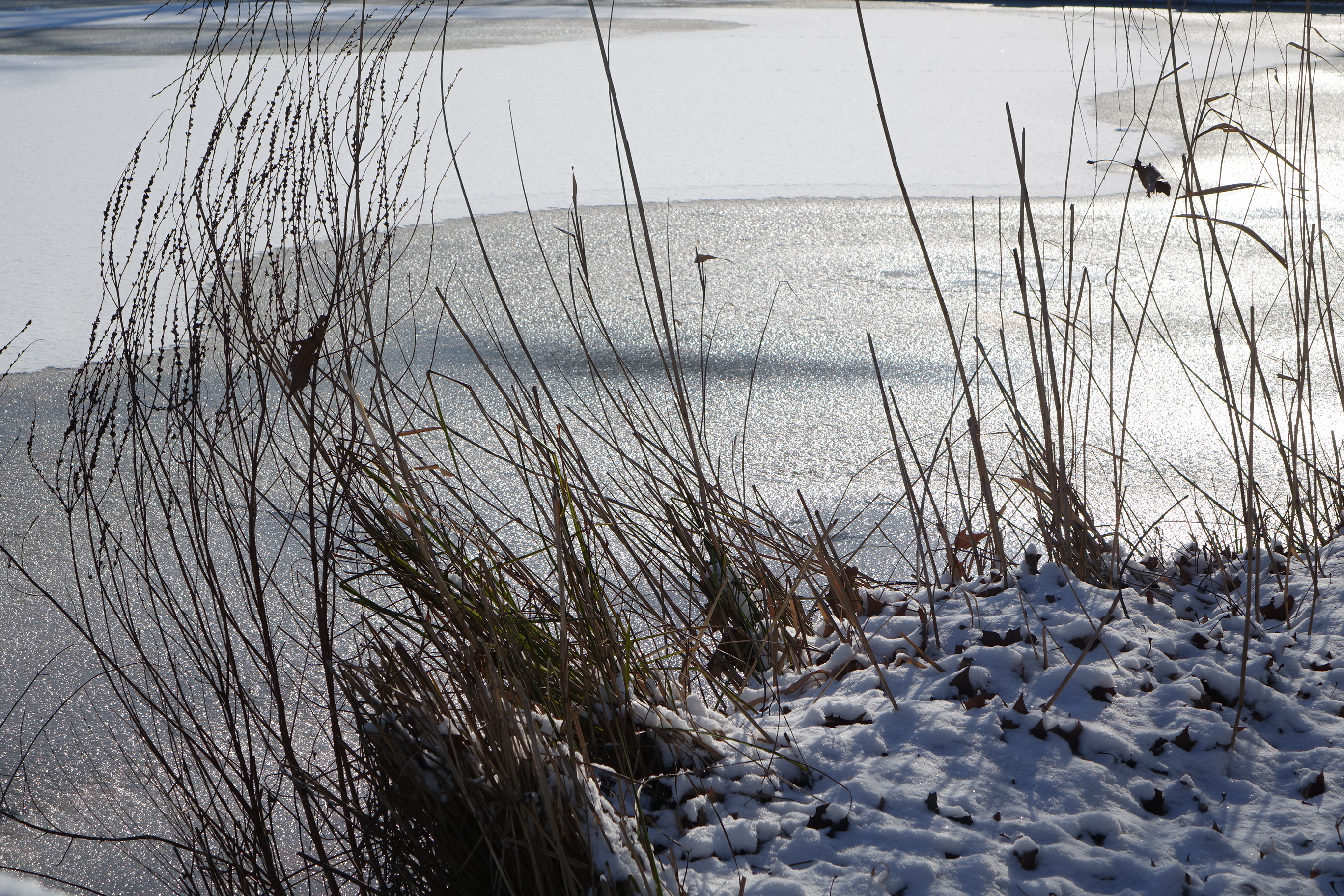
It’s incredible what nature can create when left to its own devices. Take the pond for example. It wasn’t just frozen, but some effect of the water underneath had created large circular patterns all over its surface like a retro design from the 60s. Meanwhile, the way in which white would gather at the trunks of trees, but leave green and orange trunks and branches revealed, lent an ever better contrast to the colours, like a freshly daubed application of unmixed paint on a white canvas.

But of course beauty is fragile, and within an hour of taking these photos, the sun disappeared, and a fresh gale of blizzards took its place. The Belle of the ball had left the dance floor, and the fearsome Beast had returned to dominate the airwaves once again.

DSC01558DSC01545DSC01511DSC01480DSC01470DSC01438DSC01472

© Nicholas de Lacy-Brown and The Daily Norm, 2011-2018. Unauthorised use and/or duplication of the material, whether written work, photography or artwork, included within The Daily Norm without express and written permission from The Daily Norm’s author and/or owner is strictly prohibited.