Skip to content

Posts from the ‘Review’ Category

2016: My Year in Photos

It’s beyond crazy that a year has passed since I last compiled a photographic review of my photos. I remember exactly where I was sitting when I last did it, the rush I felt at writing the post before jetting off the following day to Venice…I practically remember what I was drinking (gingerbread green tea surely… it comes highly recommended). Short of remembering the clothes I was wearing, it seems so ridiculously proximate in time that I feel almost in a state of dreamlike disorientation as I engage on the annual tradition of writing this post. Even filing through my many thousand of photos does not convince me that enough time can have passed for a year to be up already. And there was I thinking that leap year 2016 had one more day to its number.
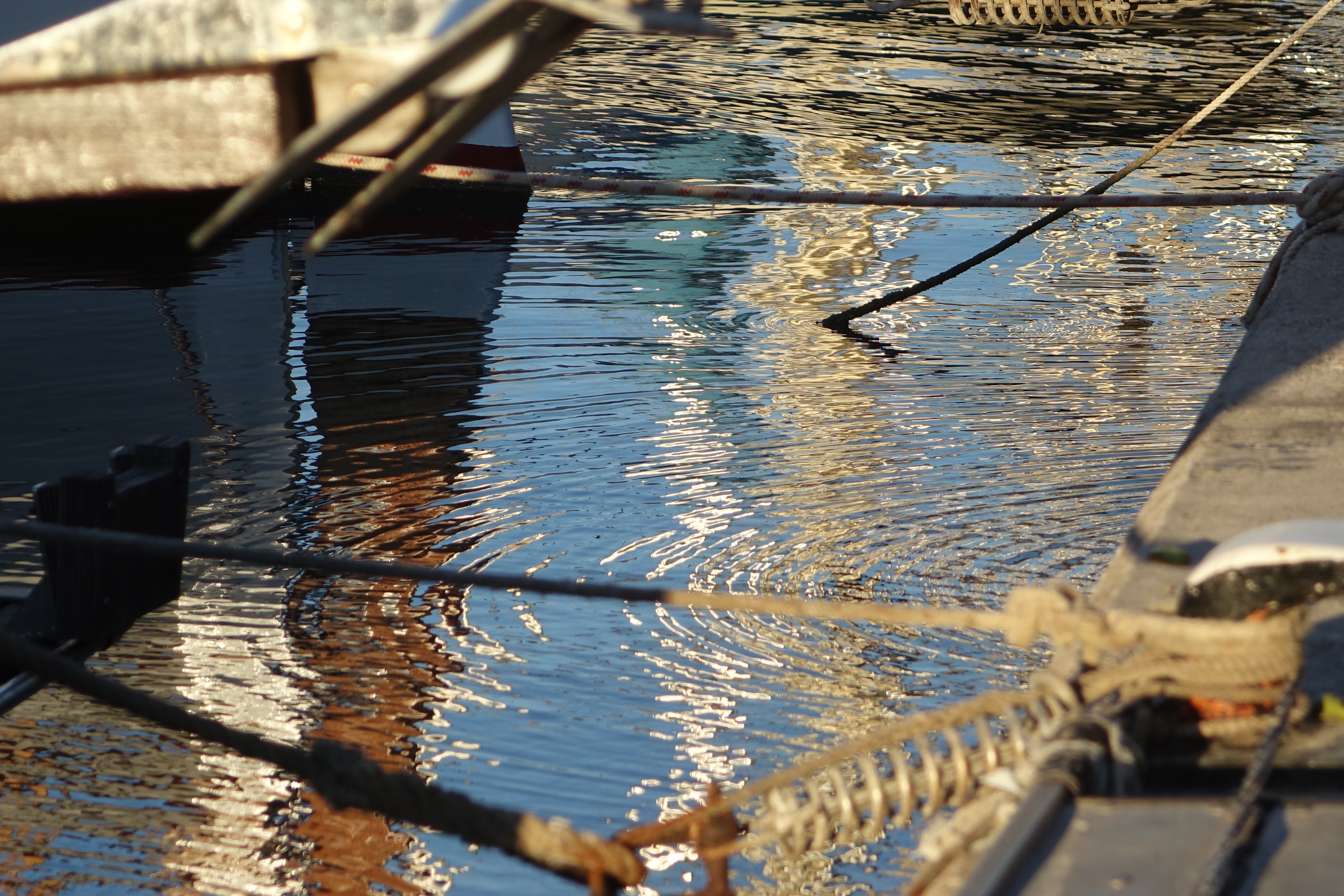
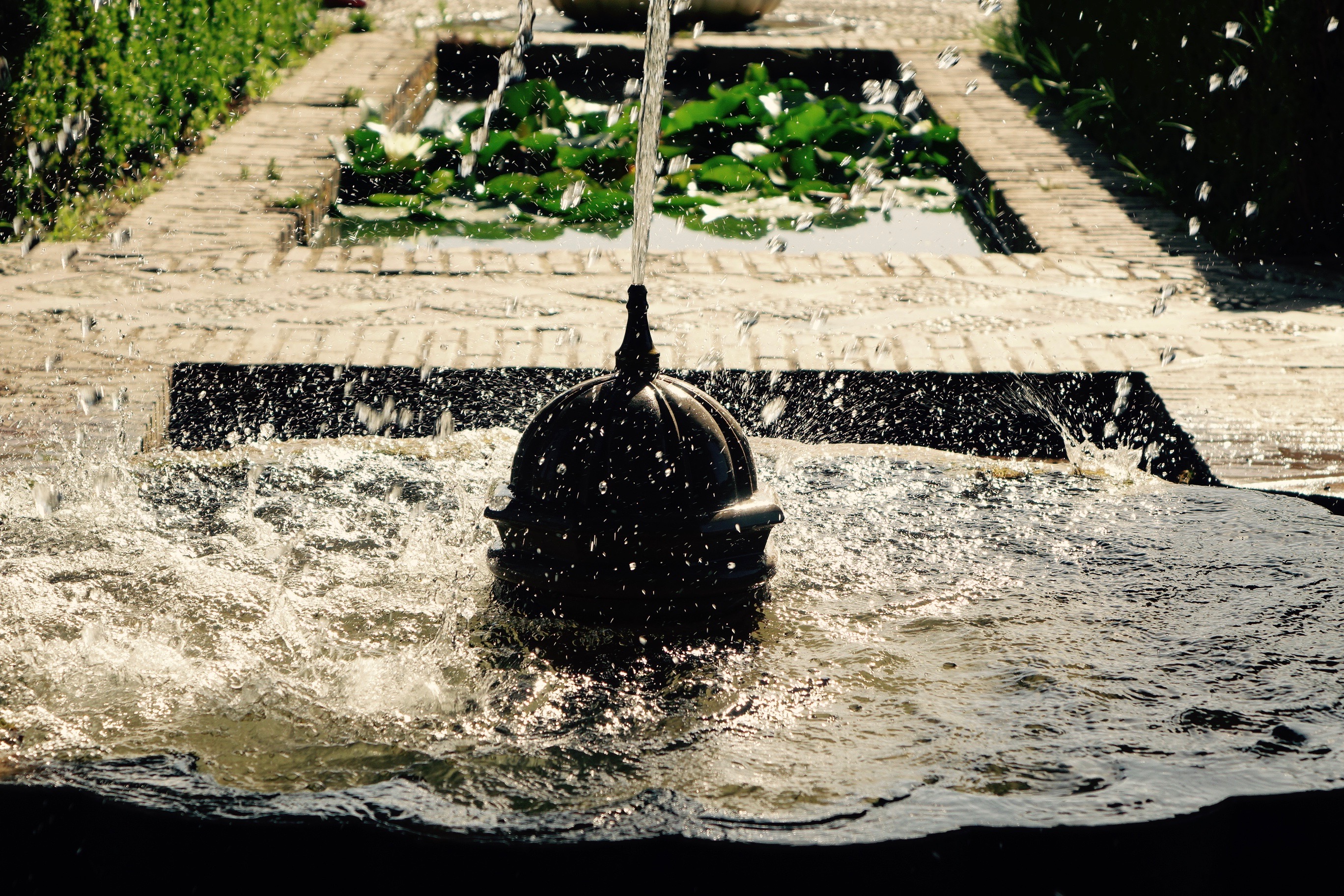
dsc05688dsc03692dsc04722dsc03299dsc08302

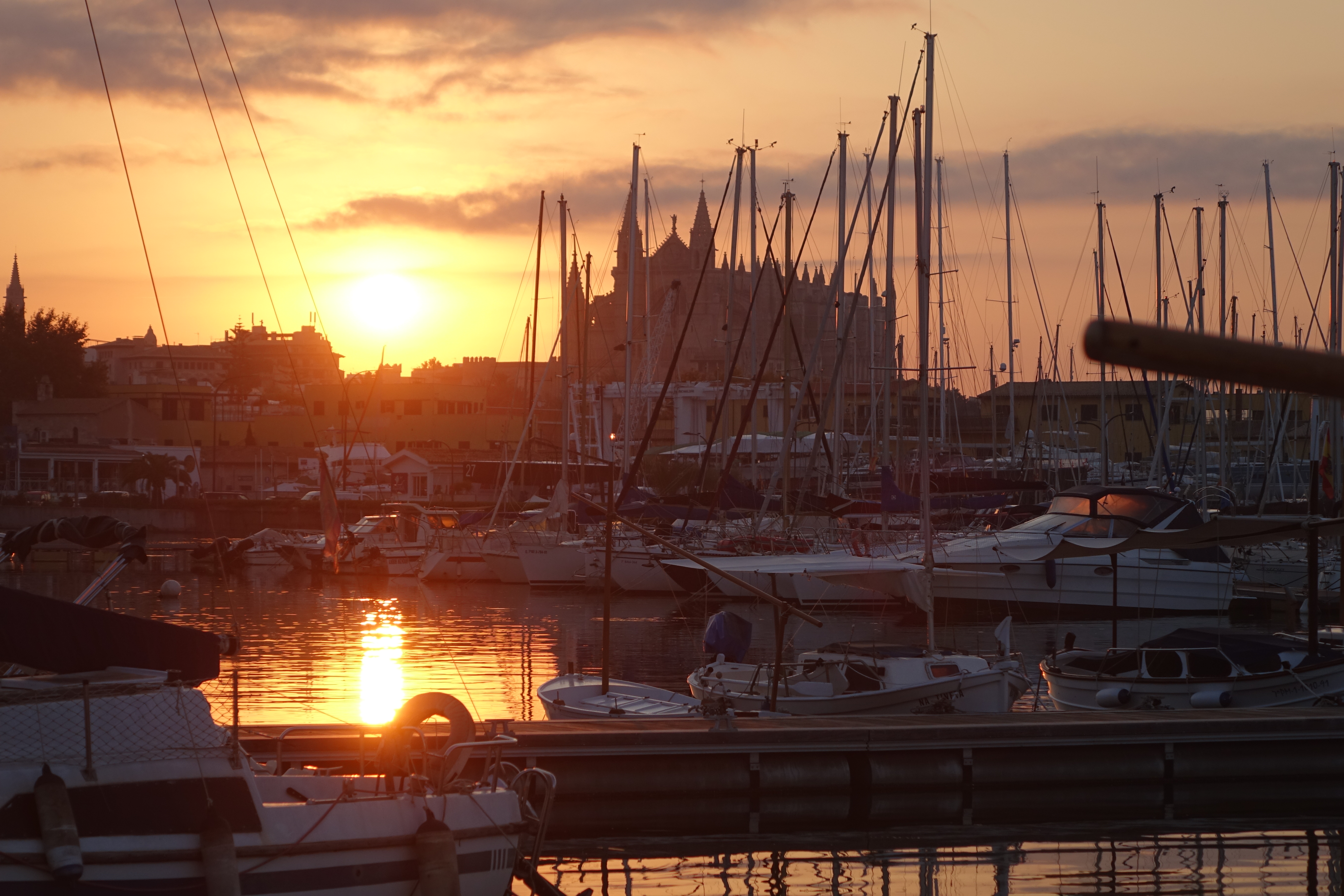
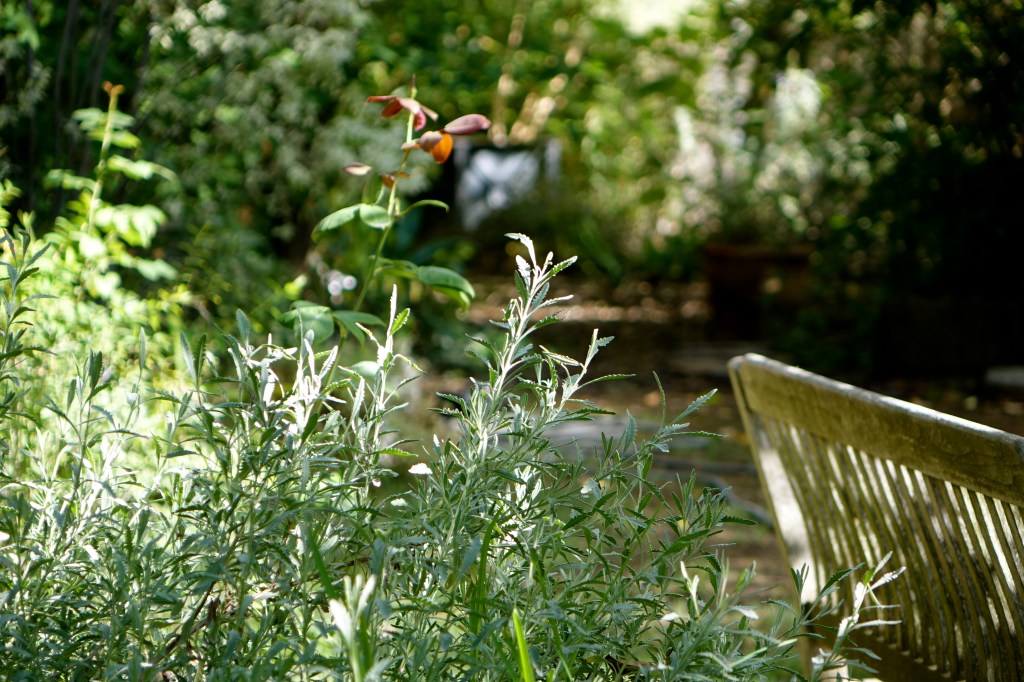
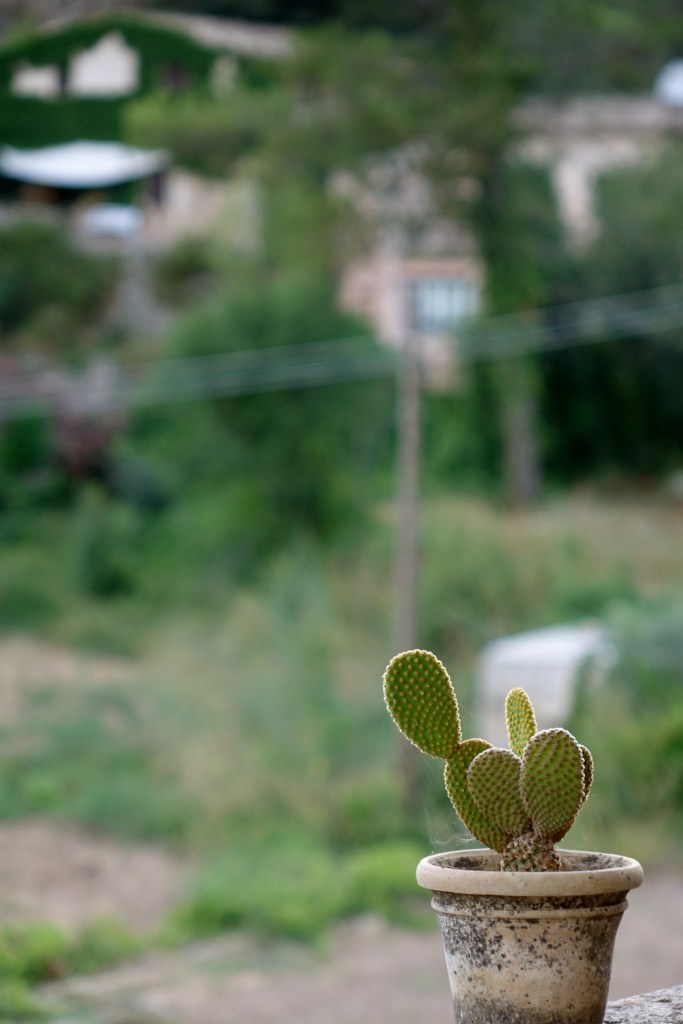
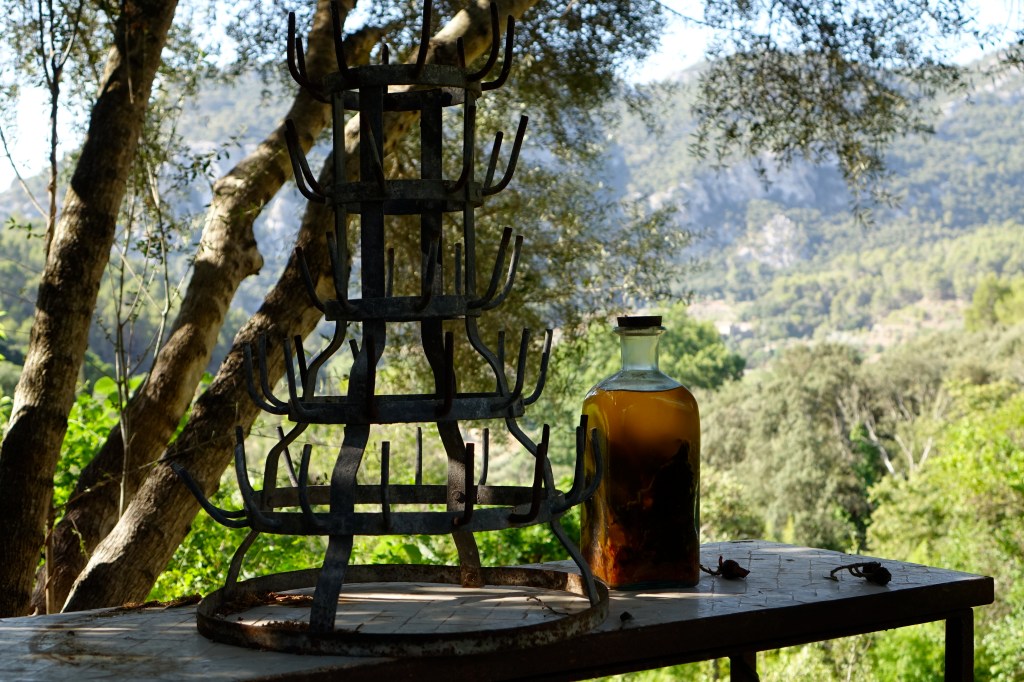
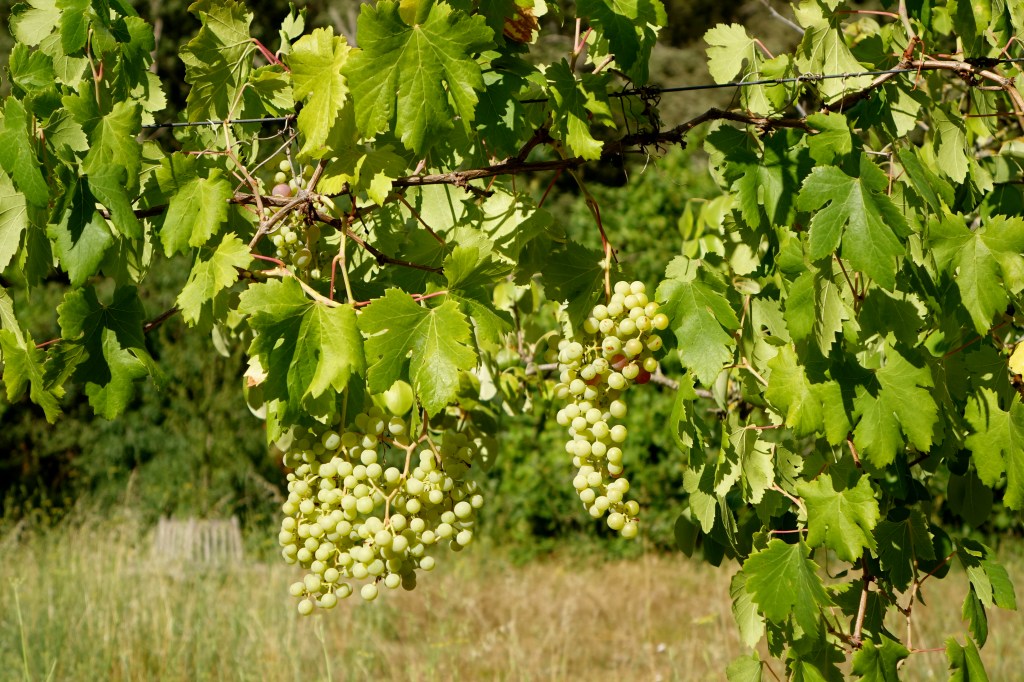
And yet my calendar tells me that we are once again here again, coming to the end of another year, and one which for me has been very, very busy but full of light, sunshine and happiness. All of these things have mainly been the result of my location which, for another full year, was based on the paradise island of Mallorca in the Mediterranean sea, a backdrop which provided a daily life rich in sensual pleasures, and from which other fantastic locations such as Barcelona and Granada were only a short plane’s hop away.
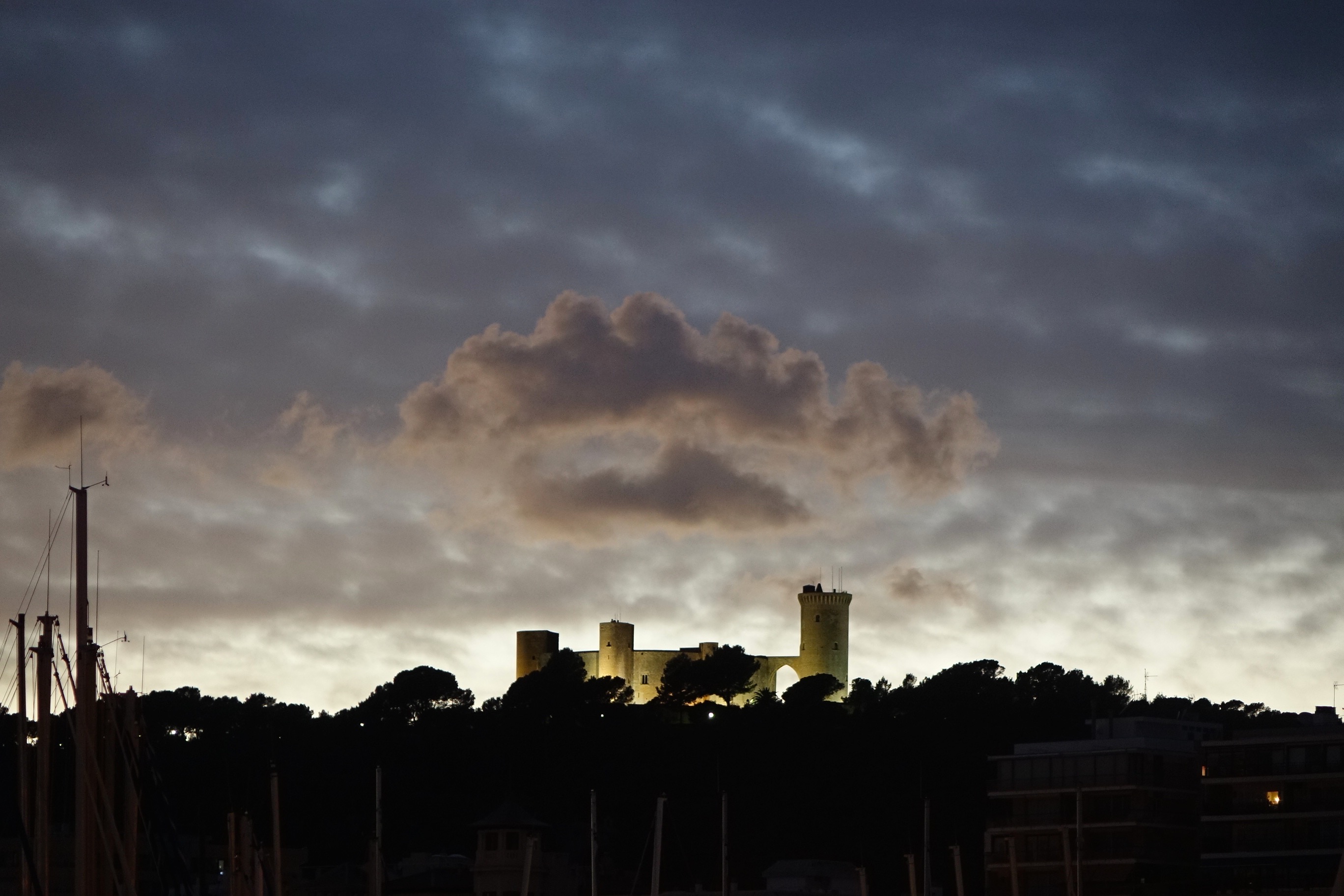
dsc06604dsc08225dsc05754dsc01493dsc05514

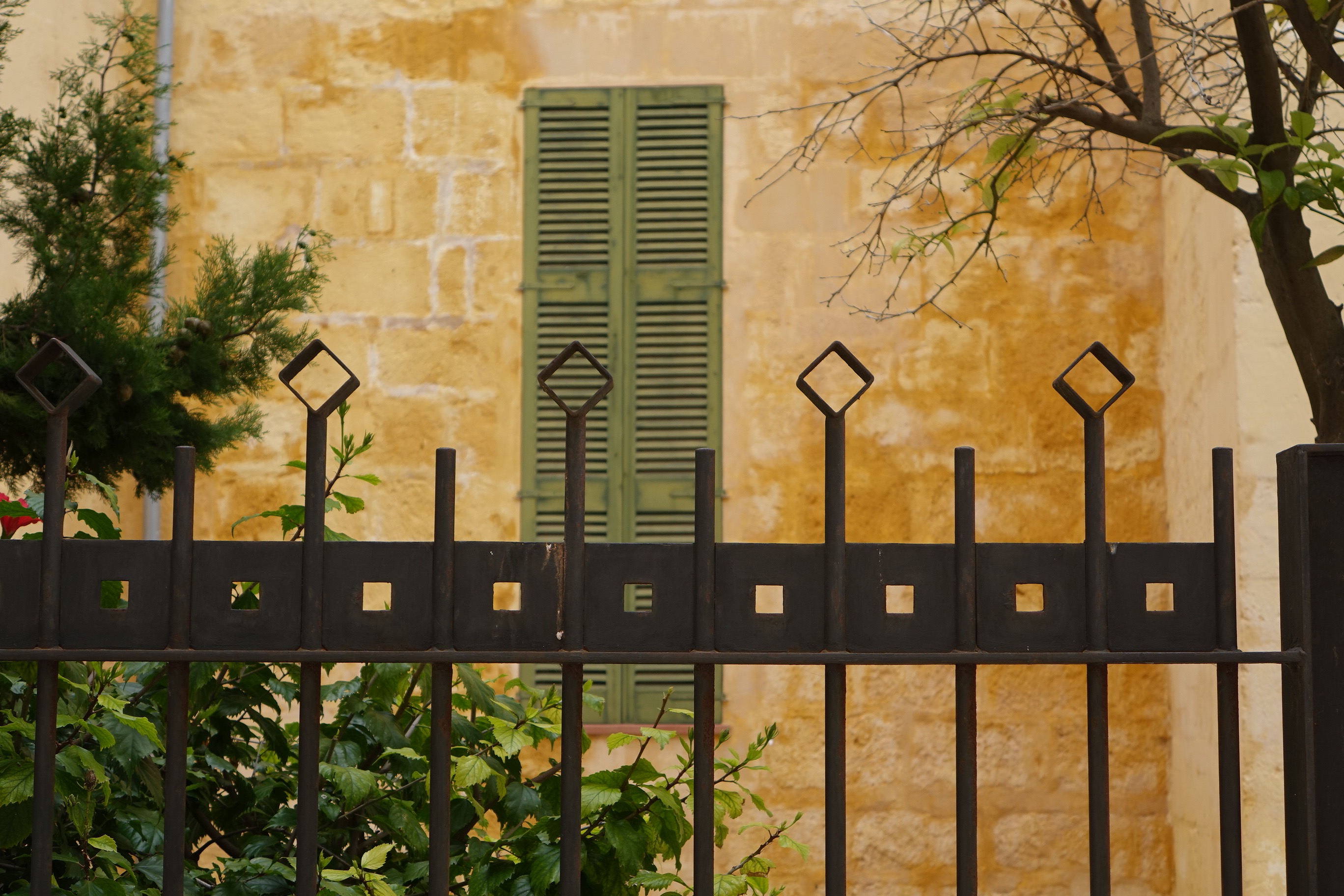
Yet asides from the visual riches so inherent in Spain, 2016 was a year which provided us with the opportunity to explore old favourites such as the enduringly attractive city of Rome, and also to embrace the new: the island of Menorca, Split in Croatia and Vienna in Austria were just three of those exciting new destinations which we were lucky enough to discover in 2016. It was also a year of discovery for my young family too…One of my highlights has to be the visit to Mallorca of my sister and young nephews, and experiencing their joy as they dipped into the warm sea for the first time.


dsc06499dsc06309dsc05720dsc02676dsc00827

When I look back over 2016, I remember a year of stark contrasts. Because for all of the beautiful experiences which manifest in these photos shared today, I cannot deny a feeling of trepidation as I leave a year which presented so many new dangers. As if Brexit in June was not bad enough, the Trump election in the US just 5 months later was like rubbing salt into a still unhealed wound. And in my personal sphere, the news that I will soon be leaving to Mallorca to take up life again in London likewise will come with its share of challenges. Only time will tell how this cocktail of external and personal factors will play out, and the experiences which will result. However I am confident that in 12 months time, another year will have quickly passed. I look forward to sharing with you the photographic gallery which will surely result.

All photos and written content are strictly the copyright of Nicholas de Lacy-Brown © 20136and The Daily Norm. All rights are reserved. Unauthorized use and/or duplication of the material, whether written work, photography or artwork, included within The Daily Norm without express and written permission from The Daily Norm’s author and/or owner is strictly prohibited. 

Cubism’s hidden depth: The Crystal in the Flame

Any artist will tell you that paintings flowing from instinct will always work better. Those forced, because of instruction or a self-imposed target, will often miss the mark. When I paint from the heart, it always works better, and the style to which I always find myself returning in those unencumbered, free-flowing moments is a form of cubism.

I have always shied away from over-categorising my work. I rarely find such labels to be helpful, as indeed can be said of pigeonholing people. But I am the first to admit that there is something decidedly cubist about my recent work, especially when I design straight from the heart. This tendency arises, I believe, from my perfectionist attitude when it comes to composition and line, since there is nothing quite like the geometric delineation of cubism to satisfy that inherent need for order within me. However, it is also a tendency which arises directly out of my adoration for the genre in general.

Cubist works have always held an enduring fascination for me. In a gallery of plenty, they are always the works which later I will proclaim to have been my favourites. And last weekend, when I was lucky enough to attend an entire exhibition of cubism at the Picasso Museum in Barcelona, I realised quite how innately inspired I am by the cubist age.

Portrait_of_Josette_1916_Juan_Gris.jpg

Juan Gris, Portrait of Josette, 1916

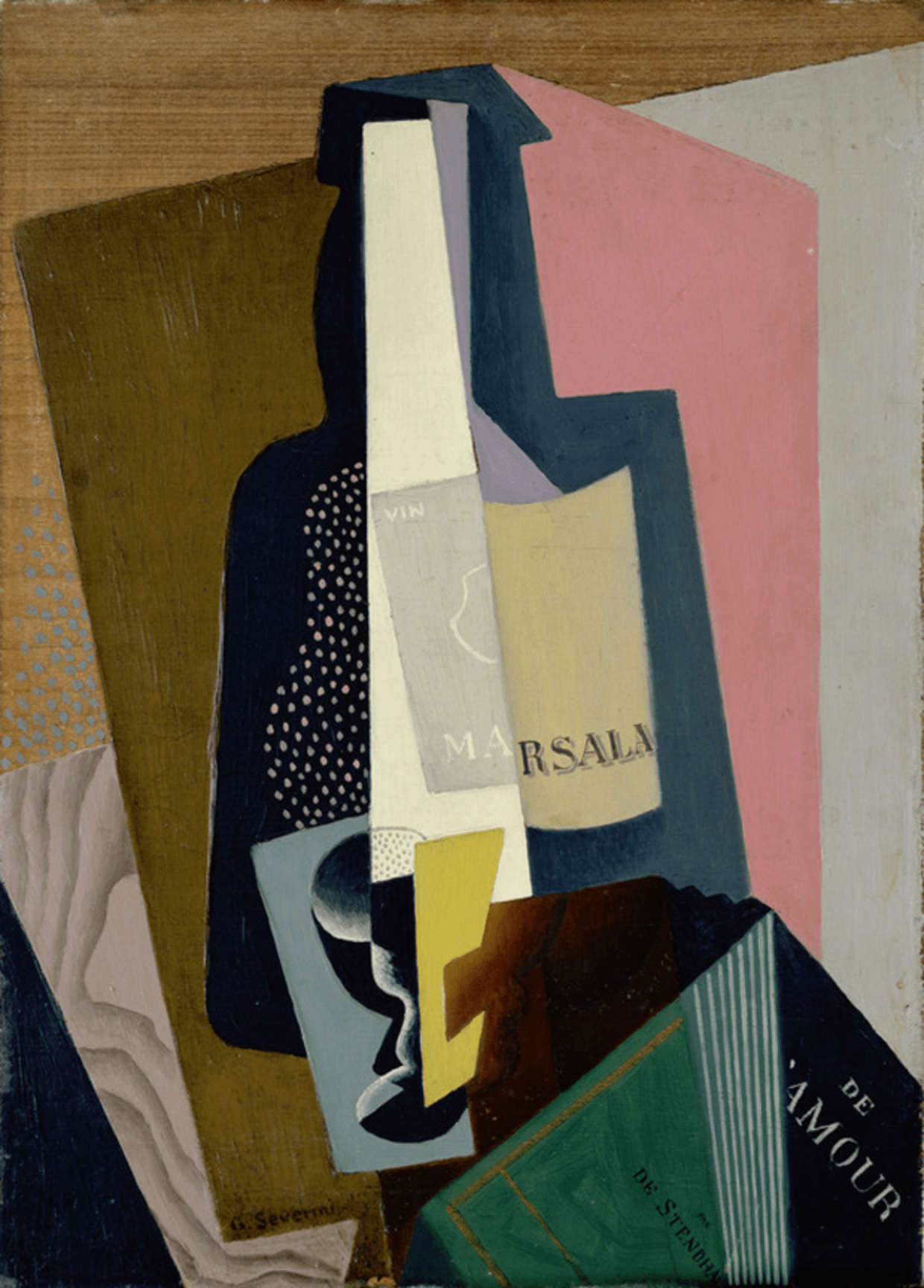
severini-bottle

Gino Severini, Still-life with Bottle of Marsala, 1917

juan_gris

Juan Gris, La Guitarra, 1918

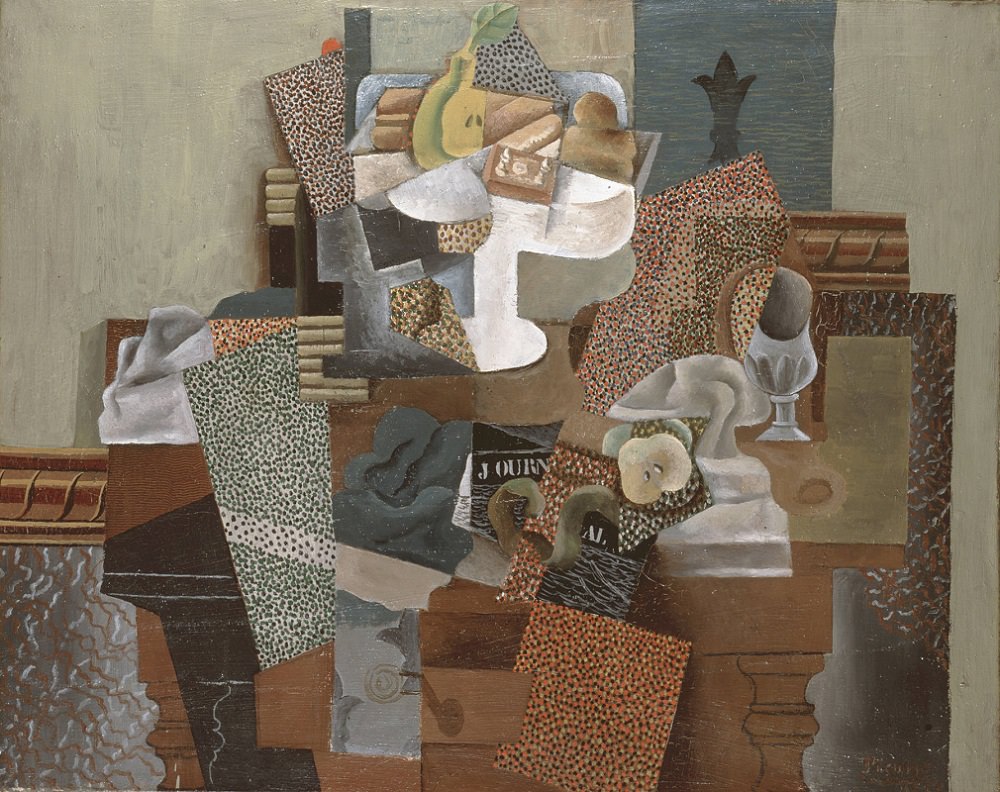
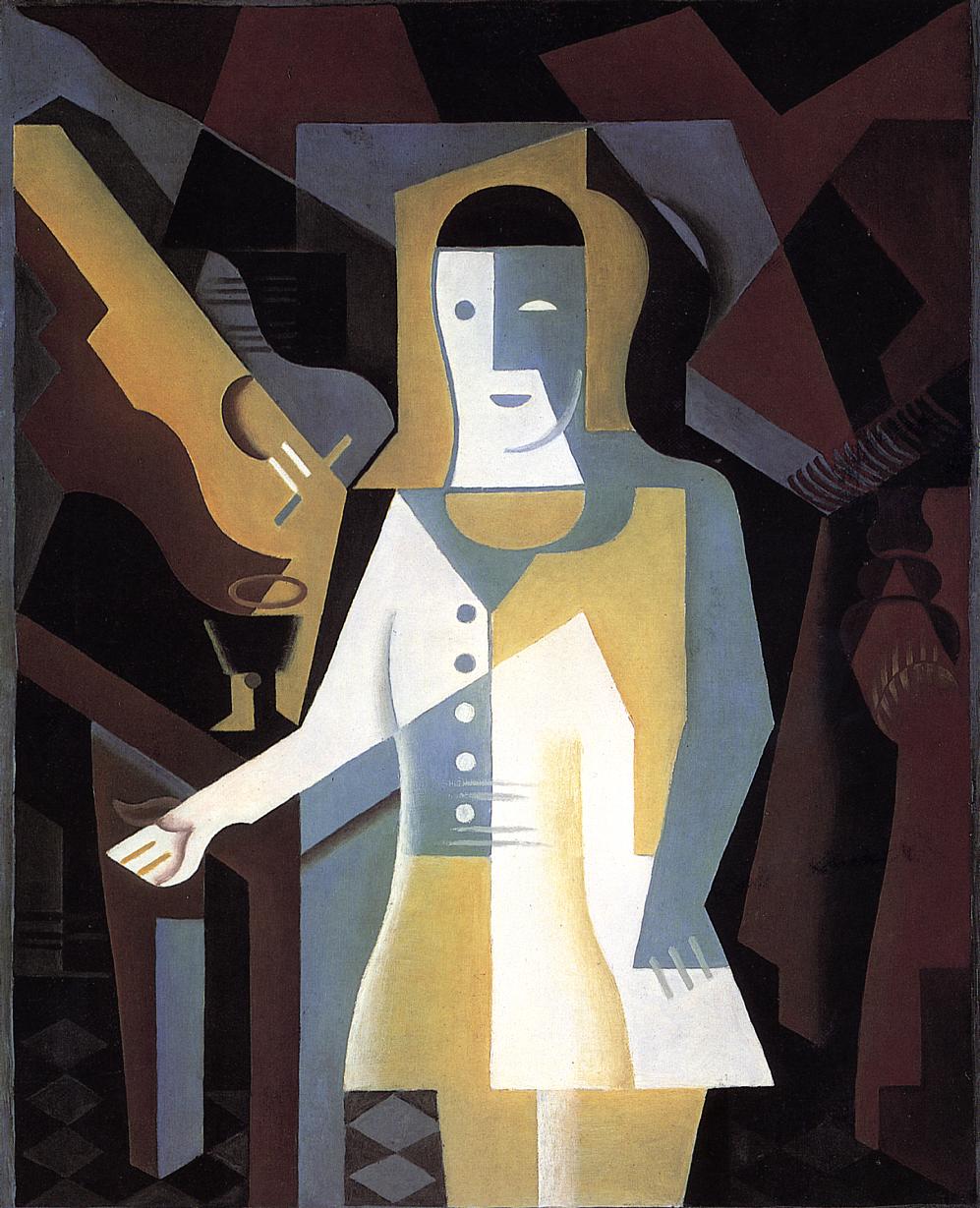
The museum’s fascinating new exhibition, Cubism and War: the Crystal in the Flame, sets out to explore another face of the artistic masterpieces produced during the time of the First World War. When WW1 broke out, cubism as an artistic genre, was considered to be a fully-established school, with the likes of Picasso and Braque, Diego Rivera and Juan Gris its leading proponents. Rather than break with this new innovation when the war made images of blood-soaked trenches and destroyed landscapes a reality, those same artists and their followers were determined to keep the style alive. However, whether it be as a direct response to the horrors of war or a reflection of the modern, mass-machine, emotionless reality of the age, the time of war did bring about a distinctive sub-class of cubism, and it is this period on which this exciting new exhibition focuses.

juan_gris_jose_victoriano_gonzalez_perez_spanish_-_still_life_before_an_open_window_place_ravignan_-_google_art_project

Juan Gris, Still Life before an Open Window, Place Ravignan, 1915

still-life-with-compote-and-glass

Pablo Picasso, Still-Life with Compote and Glass, 1914-15

Known as “crystal” cubism in reference to the tightening compositions, enhanced clarity and sense of order reflected in the works, this new modification of cubism has been likewise linked to a much broader ideological transformation towards conservatism in both French society and culture (the crystal movement was largely painted out of Paris). It was certainly a purification of the style, moving from a complex analytical form of cubism, in which cubism was used to decompose a particular image or person after study, to a synthetic process whereby the cubist composition was built on the basis of geometric construction without the need for prior study. The “crystal” period took synthetic cubism one step further with works inherently characterised by a strong emphasis on flat surface activity and large overlapping geometric planes controlled by the primacy of the image’s underlying geometric structure, rooted in the abstract.

pierrot-1919

Juan Gris, Pierrot, 1919

1024px-juan_gris_-_still_life_with_newspaper_-_google_art_project

Juan Gris, Still Life with Newspaper, 1916

The exhibition brings together an incredible away of works from the crystal period, and such was the perfection of the works on display that the show got my little perfectionist heart all in a flutter. Moving between a kind of infatuated admiration of the works and a despair at my own failure to produce masterpieces of the kind, I left the exhibition full of inspiration and a determination to continue along my own road of crystallised composition. I have already started work on my own painting inspired by the show. But in the meantime I am happy to recommend the exhibition to you all and to share some of its masterpieces on this post (most of which are Juan Gris, by far my favourite of the lot!).

Cubism and War. The Crystal in the Flame, runs at the Picasso Museum, Barcelona, until 29 January 2017.

From Illyria to Italy, Part 2: Muzeji Ivan Meštrović

Day two of our holiday in the beautiful Adriatic city of Split on the Croatian coast, and scandalously, it started cloudy. Panic stricken at the lack of blue skies, our first question to our hotel receptionist, after choosing a hearty dish of fresh pancakes for breakfast (a recurring gym-body busting pattern I might add) was to ask what we could do in such weather. For culture vultures like ourselves, she recommended the Muzeji Ivan Meštrović, that is the museum of the renowned Croatian sculptor, a fine cultural beacon in the city where he made his name.

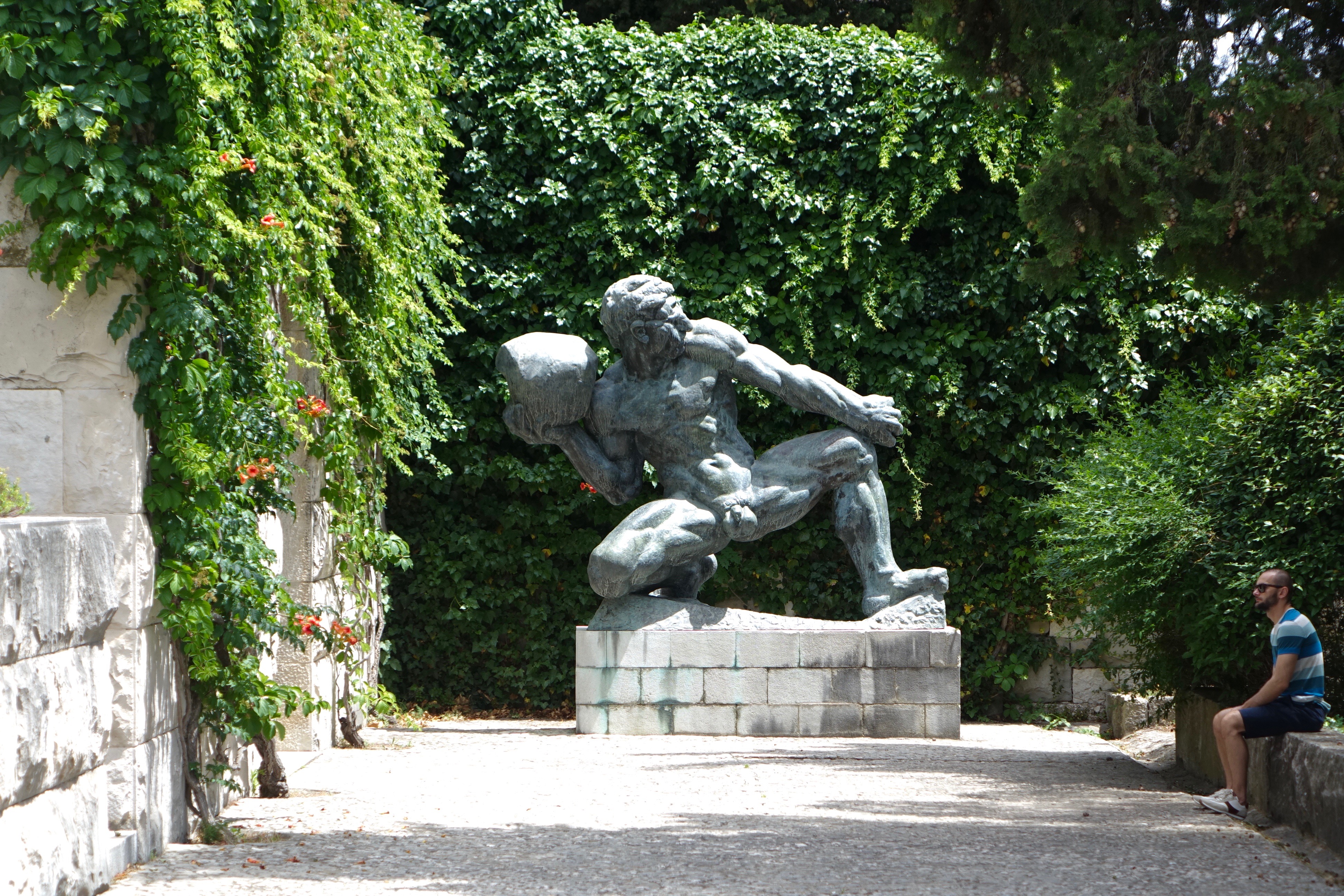
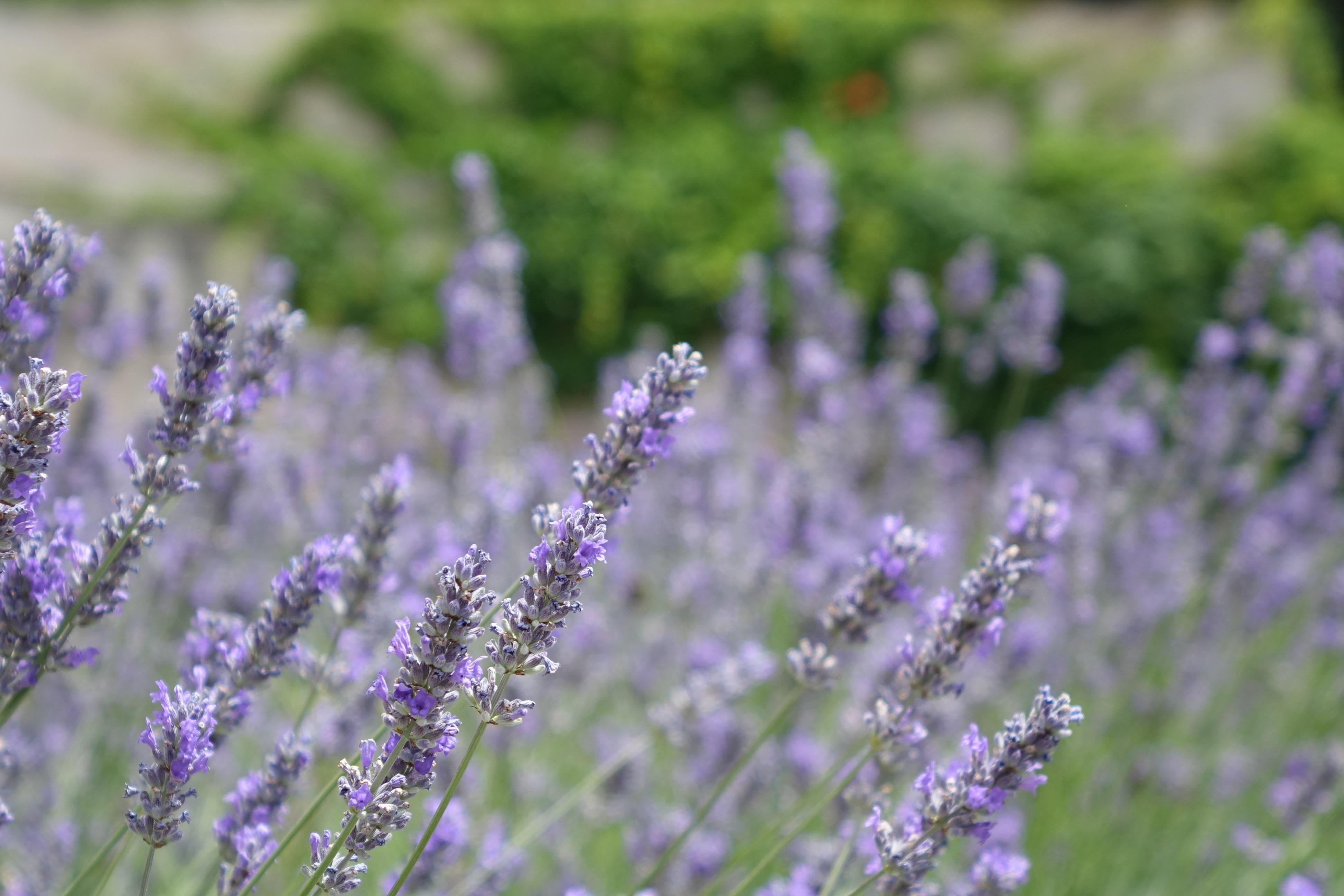
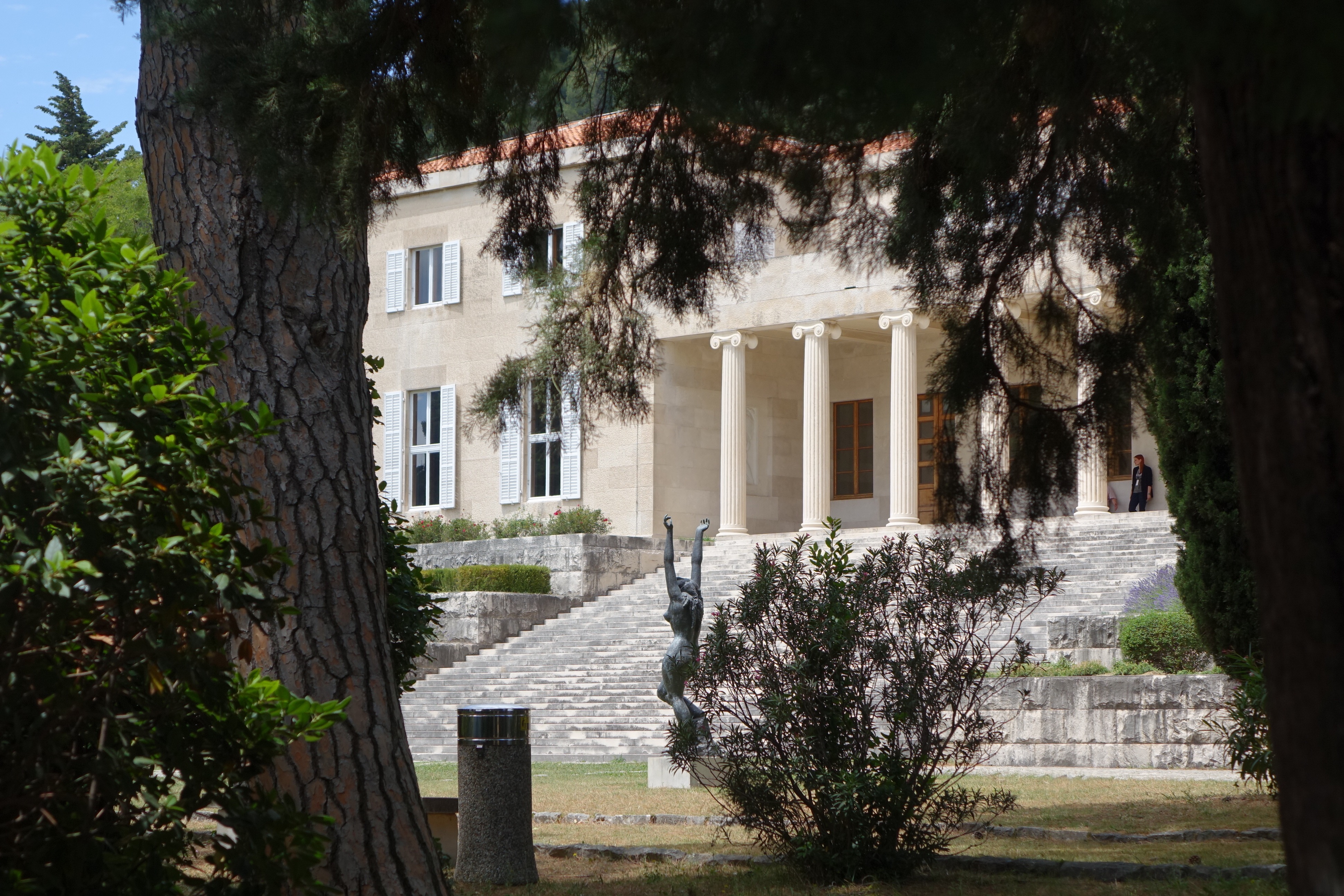
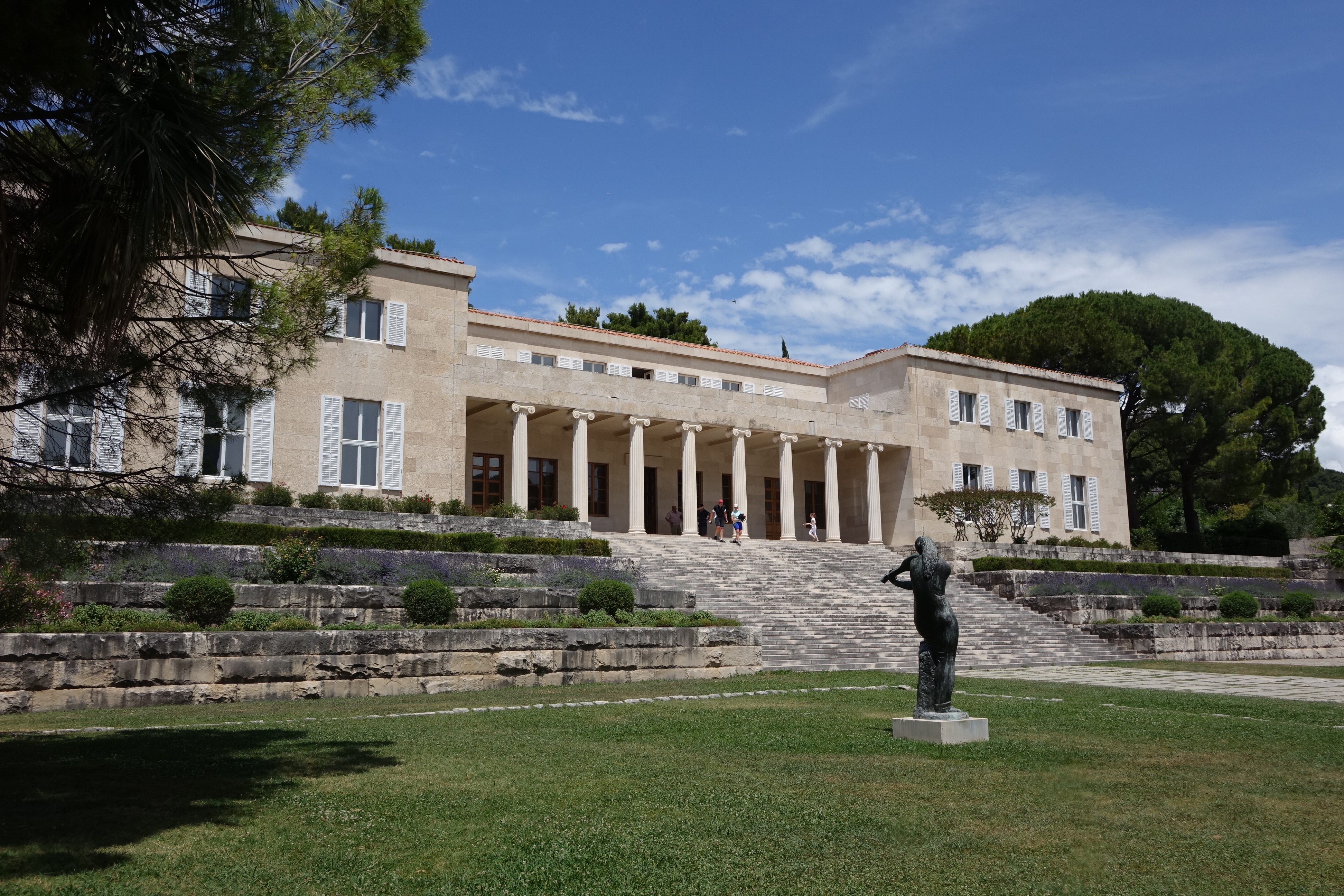
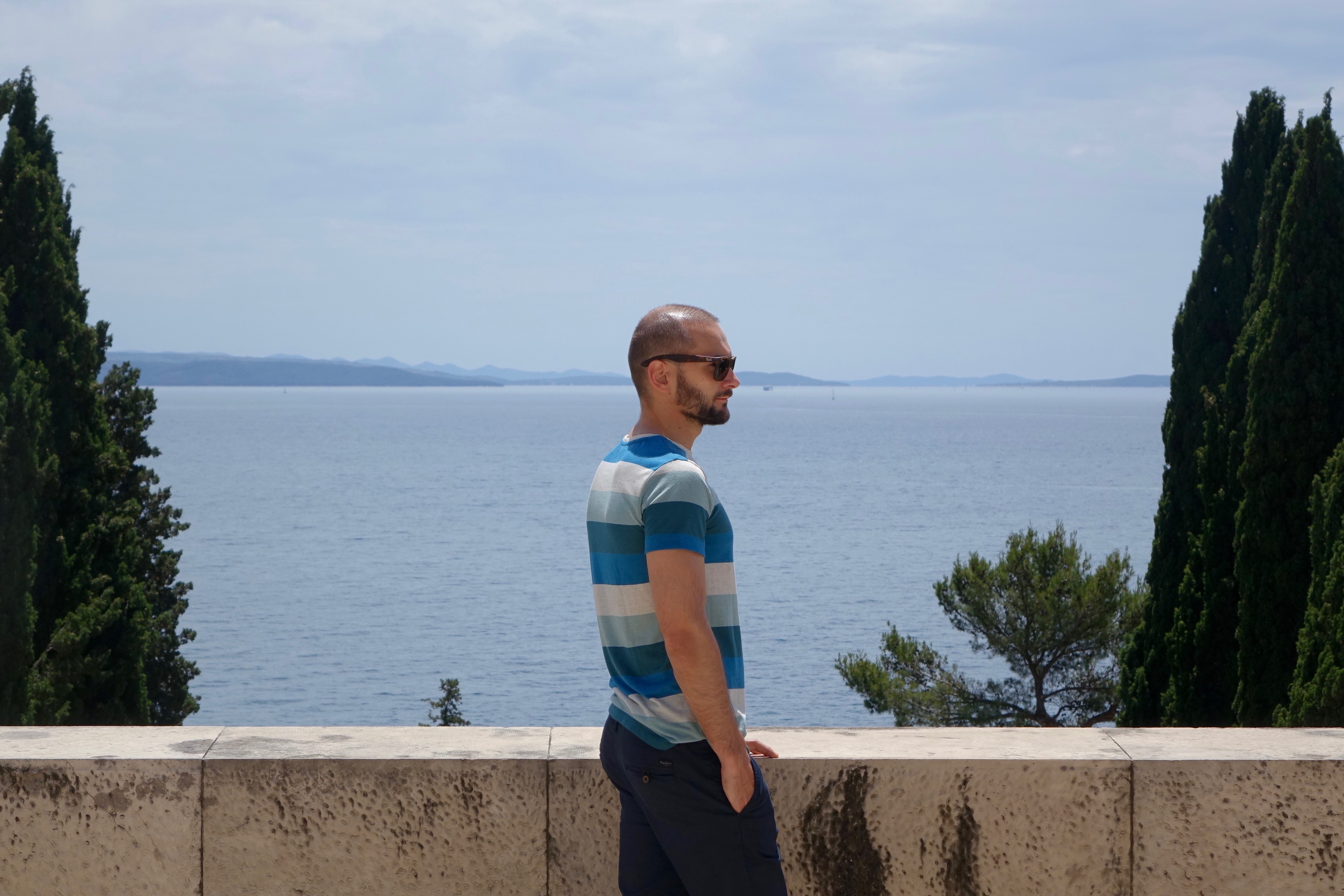
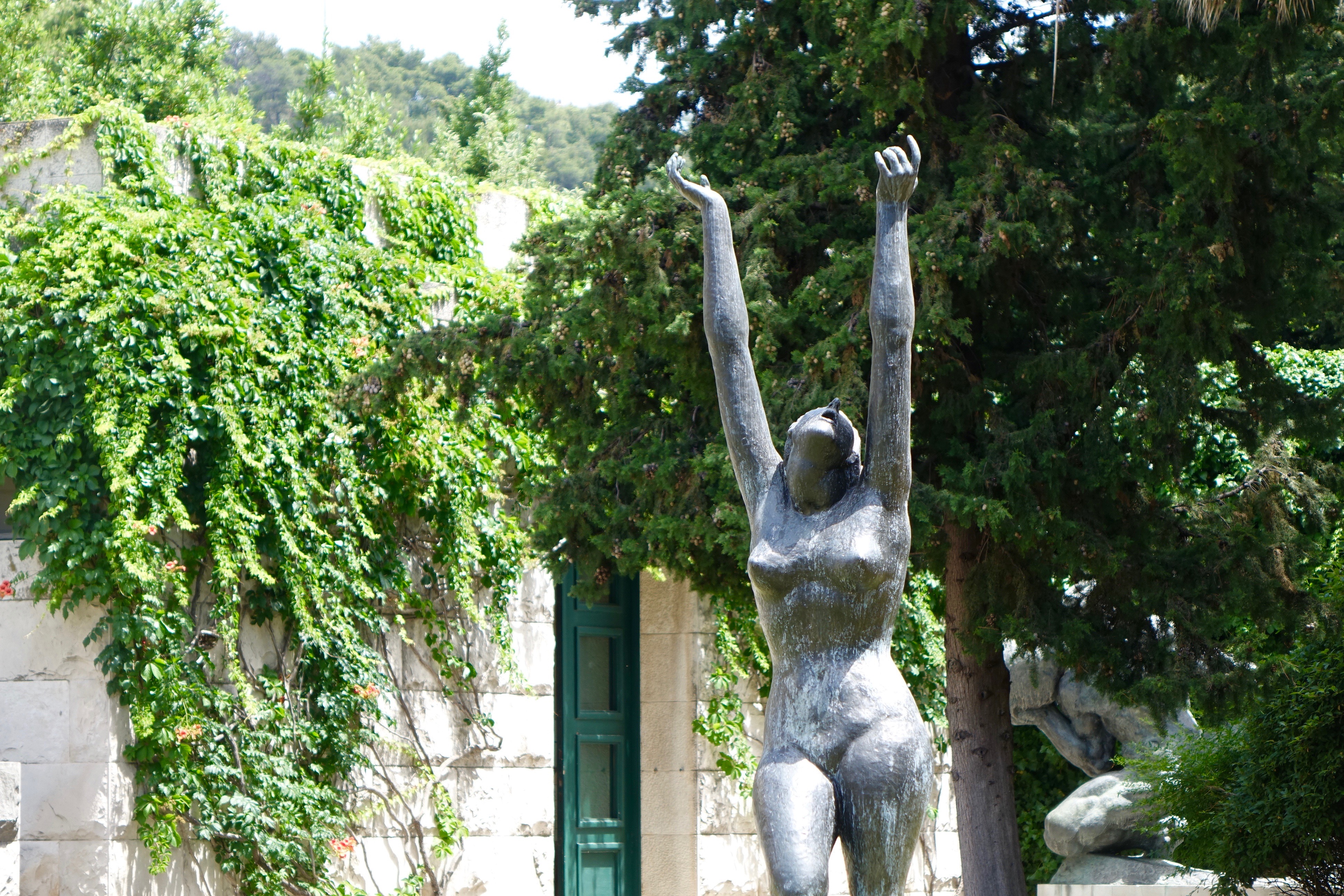
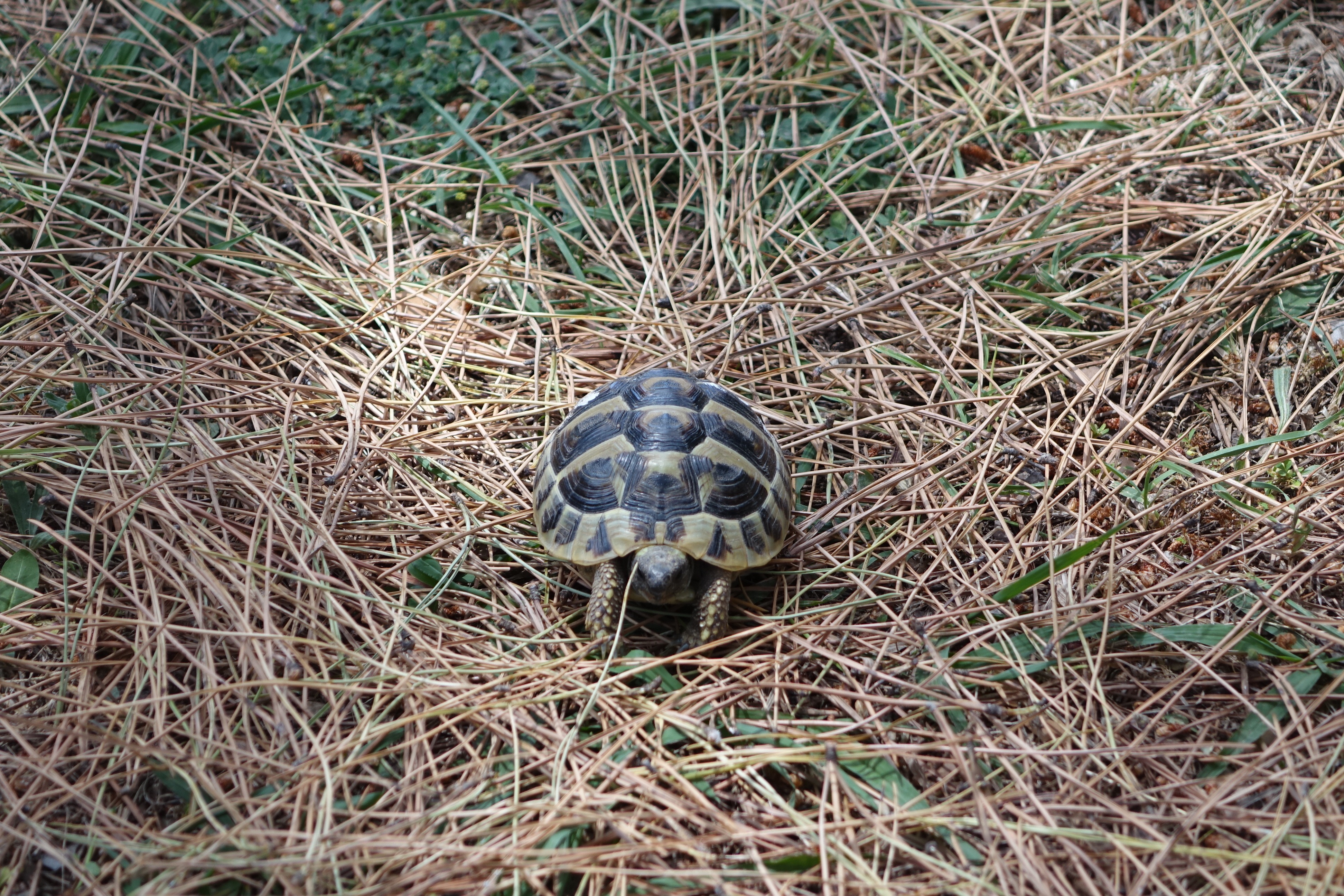
The sun had actually come out again by the time we walked along Split’s sunny promenade and made it to the museum set within the lush leafy suburbs of the city. But just as well, or we might have missed out on enjoying the exteriors of the museum which are every bit as stunning as the inside. Surrounding the impressive facade of the perfectly imposing museum building (I tried to find out the history of the building… to me it looks like a fine palace from the Communist era, but it’s hard to tell exactly when it was built) were gardens bounteous in dancing lavender, aromatic pine trees, and a ground scattered with a bed of pine needles, and the best surprise of all, baby little tortoises!

DSC02637DSC02629DSC02625DSC02649DSC02643DSC02647DSC02674DSC02651DSC02609DSC02588

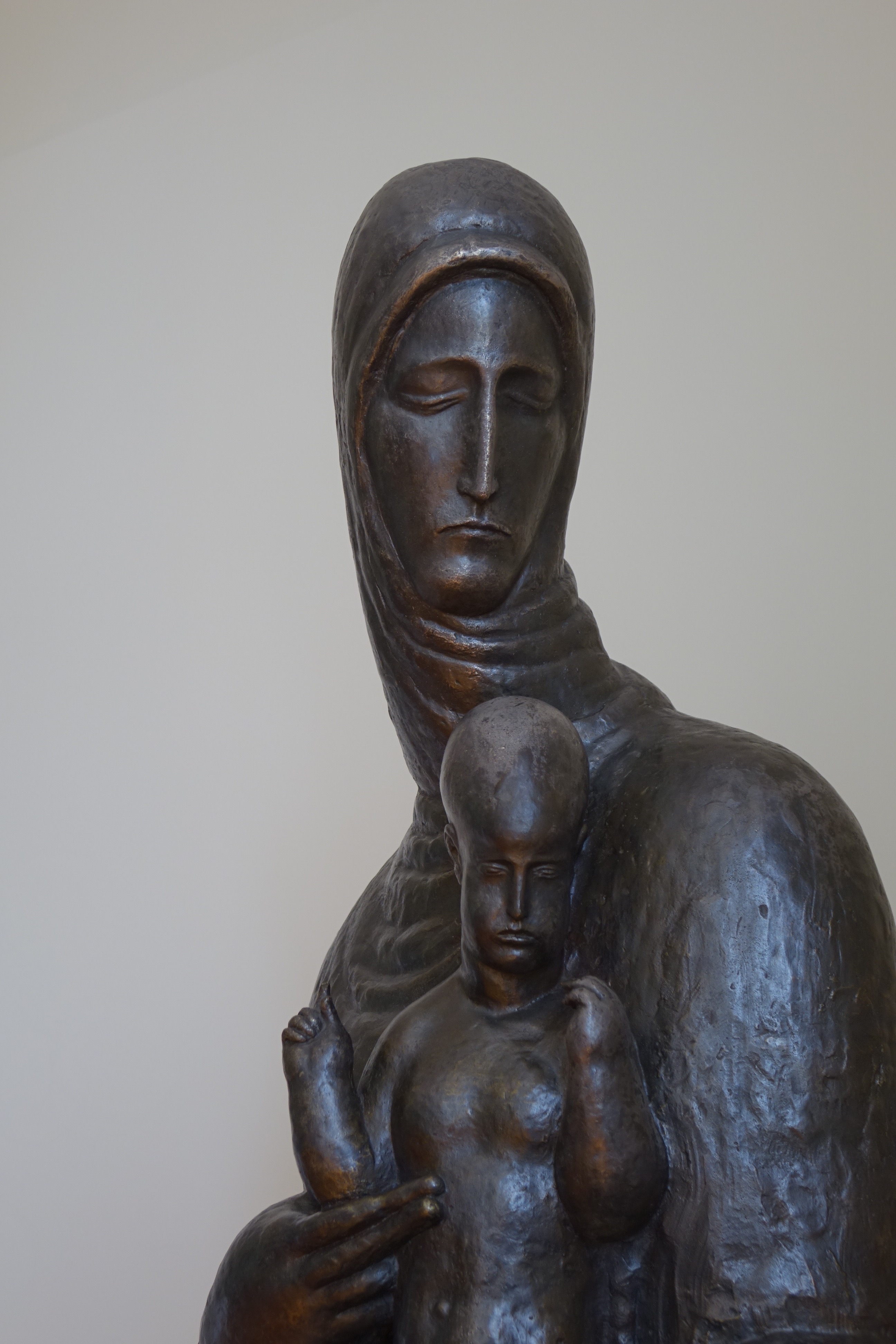
Much charmed by these garden residents, we almost forgot what we had come to see, however the various sculptures created by one of Croatia’s most renowned creatives led us up through the garden, and into the museum itself. Born in 1883 in the small village of Vrpolje, Meštrović completed his artistic training at the Academy of Fine Arts in Vienna, where he fell under the influence of the art nouveau era, and debuted in the first Secessionist exhibition.His work quickly became popular, even with the likes of Auguste Rodin who is reported to have declared Meštrović to be the greatest phenomenon among sculptors and, with characteristic modesty, an even greater sculptor than he was. This early popularity sewed the seeds of his career success, and the sculptor was soon exhibiting internationally as well as setting up home in the city of Split.

His success in the city was not enough to guarantee his safety during the Second World War, and after a brief spell in jail in order to prevent his escape from Croatia, Meštrović eventually secured himself a visa via friends in the Vatican and in Switzerland, emigrating to the US where he was to remain for the rest of his life, unwilling to live under communism. However upon his death he remembered his country, leaving a legacy of some 400 works to Croatia, many of which today form the collection of the Meštrović museum.

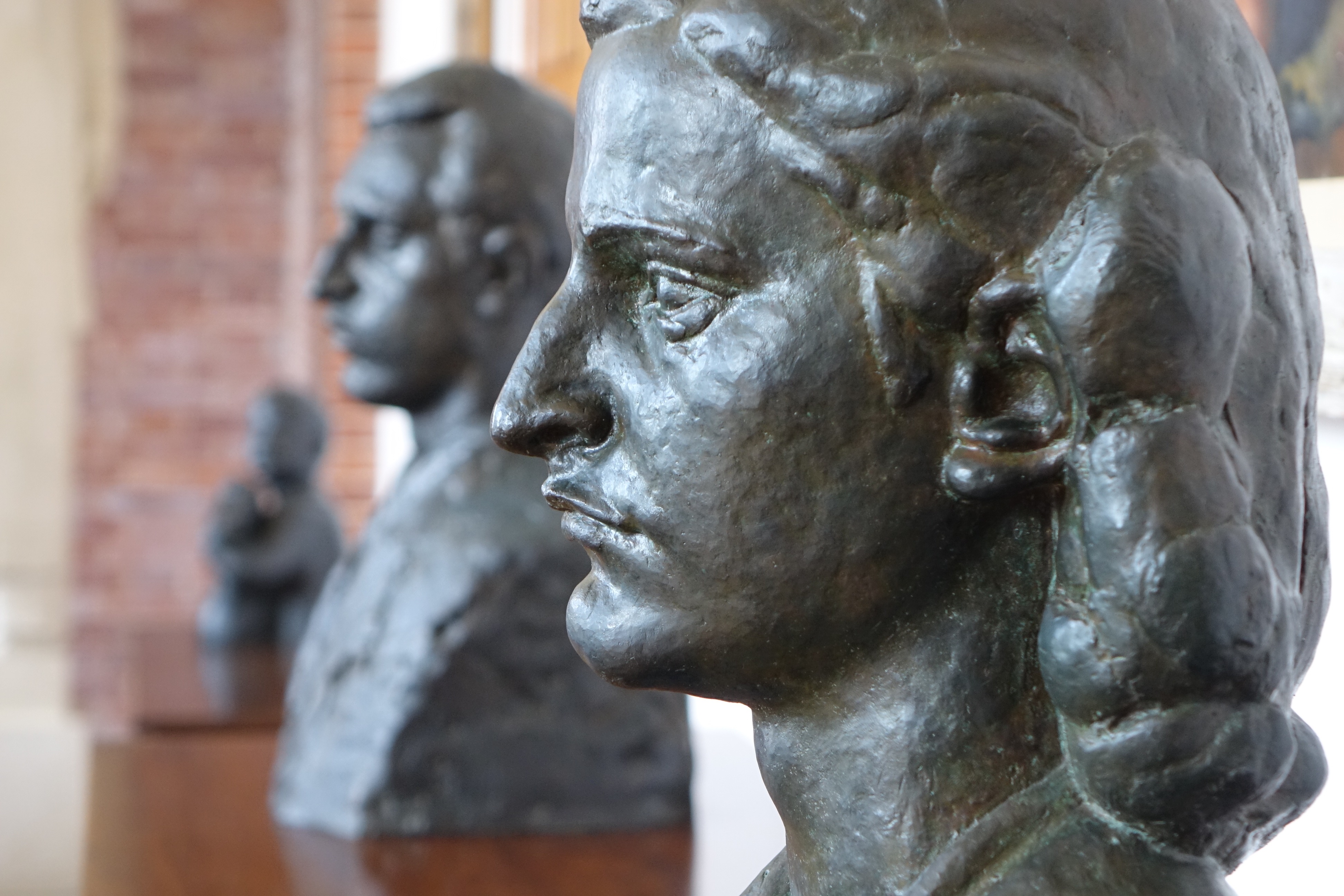
DSC02604DSC02601DSC02603DSC02619DSC02596DSC02597DSC02617DSC02620DSC02616DSC02621DSC02615DSC02607

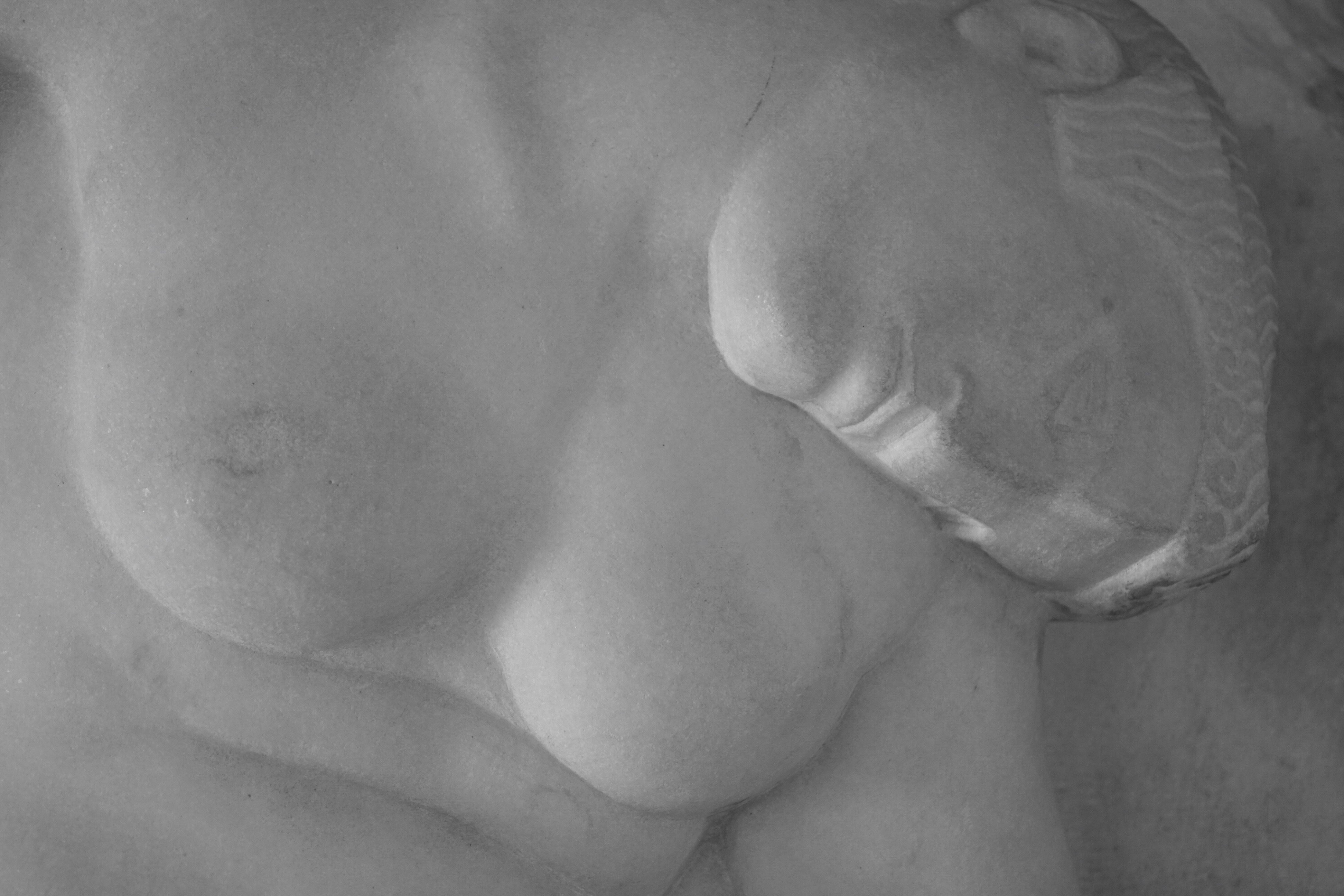
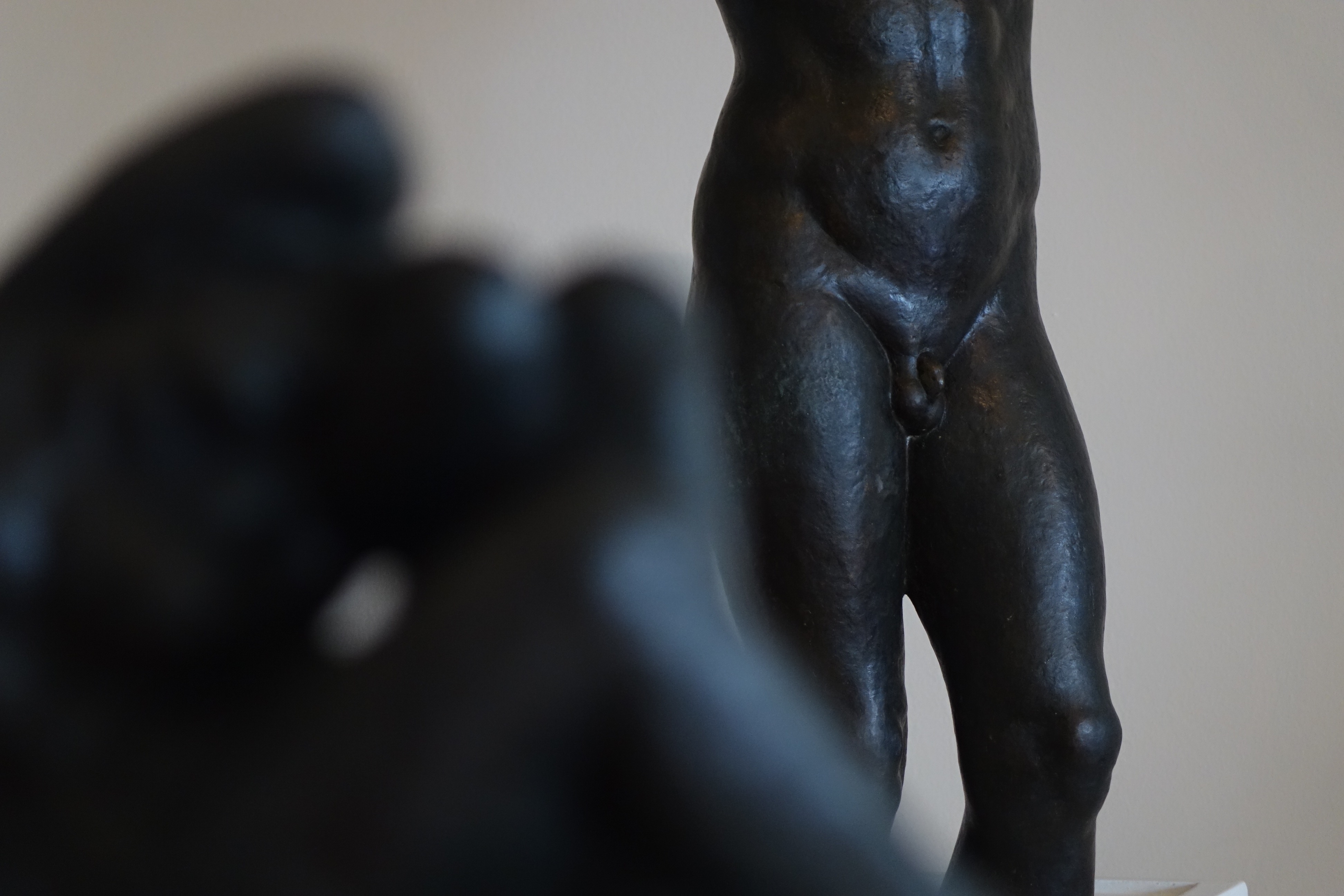
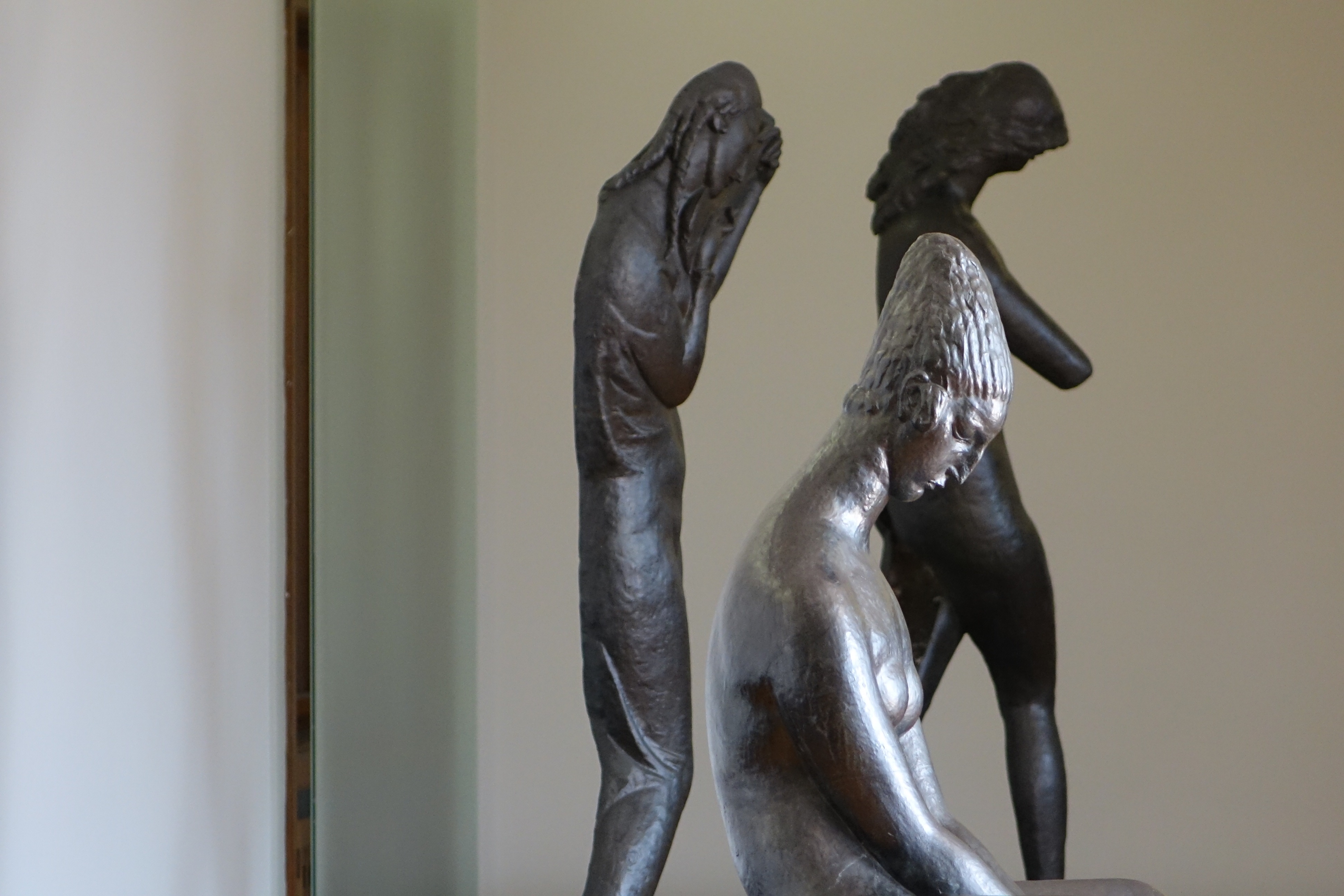
What struck us as we traversed the lofty space of this palatial museum were the viscerally real emotions the sculptor managed to capture in sculptures made of plaster and bronze. In the faces of Christ, or Mary, or in the portraits he made of friends, you are struck by an intensity of emotion, as though metal could talk, or scream, or cry. There is a sensitivity to these sculptures which is truly hyperreal even though, with their elongated heads and exaggerated features, there is a very painterly, interpretative aspect to the works.

We didn’t know the work of Meštrović before our hotel suggested we visit the museum, but as the days in Split continued we started to notice the presence of his work all around the city. And enjoying those works both in his museum, its gardens and in stunning locations in and around Split, it was not at all difficult to imagine why the city has adopted Meštrović as its favourite adopted son.

DSC02652DSC02669DSC02658

All photos and written content are strictly the copyright of Nicholas de Lacy-Brown © 2016 and The Daily Norm. All rights are reserved. Unauthorized use and/or duplication of the material, whether written work, photography or artwork, included within The Daily Norm without express and written permission from The Daily Norm’s author and/or owner is strictly prohibited. 

Art in London (Part 3): Giacometti Pure Presence

Say Alberto Giacometti to most art enthusiasts, and for the majority, an image of his long, spindly totem-pole like human sculptures will come to mind. For it is these famous works which made Giacometti’s name, and which today reach eye-wateringly high prices at auction. But for me, the true genius of this artist was not in his sculptures at all, but in his frenetic, impulsive two-dimensional works.

I first discovered the drawings of Giacometti when I attended a short course in life drawing at the Chelsea College of Art. The teacher was trying to ally the many frustrations spreading amongst the students in the room by the changing positions of the models both during the life drawing session, and after breaks. Yet as he attempted to show us through Giacometti’s work, a portrait does not have to comprise a single well-defined line, but can emerge from a series of lines and positions.

GIACOMETTIGiaco6Giaco10Giaco9

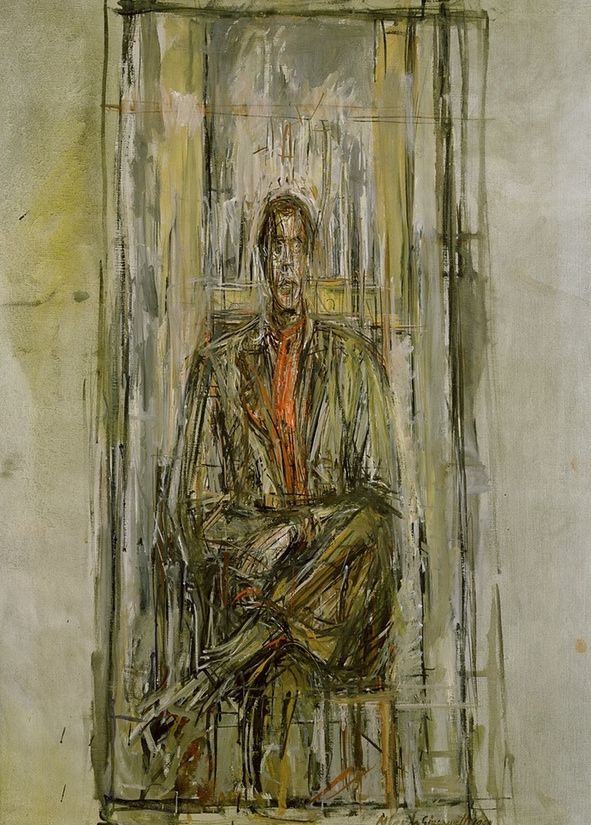
The portraits he showed us by way of example were by Giacometti, and in drawing his sitters, he did not concern himself with the perfect line of the face or body, but instead through a series of energetic lines, he would draw a fragmented impression of the sitter, building up the lines more and more until he got to the face, where the real details were introduced. The result was a drawing which focused so intently on the face that it appeared to be emerging from the paper.

So I was filled with excitement to discover that this autumn, the National Portrait Gallery in London are exhibiting a retrospective focusing on Giacometti’s many portraits. And while the show does this through some of the sculptures which made him famous, it is Giacometti’s two dimensional works on paper and on canvas which turned out to be as thrilling as I had anticipated.

Giaco8Giaco7Giaco5Giaco4

Like drawings and paintings created from wire, or built up through a passionate and continued interaction between pencil (or paintbrush) and paper, Giacometti’s portraits are utterly unique, and, after what appears to be a process of interrogation and exploration of the flesh, result in vivid portraiture full of emotional depth. But while the Goya exhibition at the National Gallery next door tended to bring to life the story of each of Goya’s sitters, in Giacometti’s works, I could sense the passion and intention of the artist himself.

Giacometti: Pure Presence runs at The National Portrait Gallery until 10 January 2016.

Art in London (Part 2): The Goya Portraits

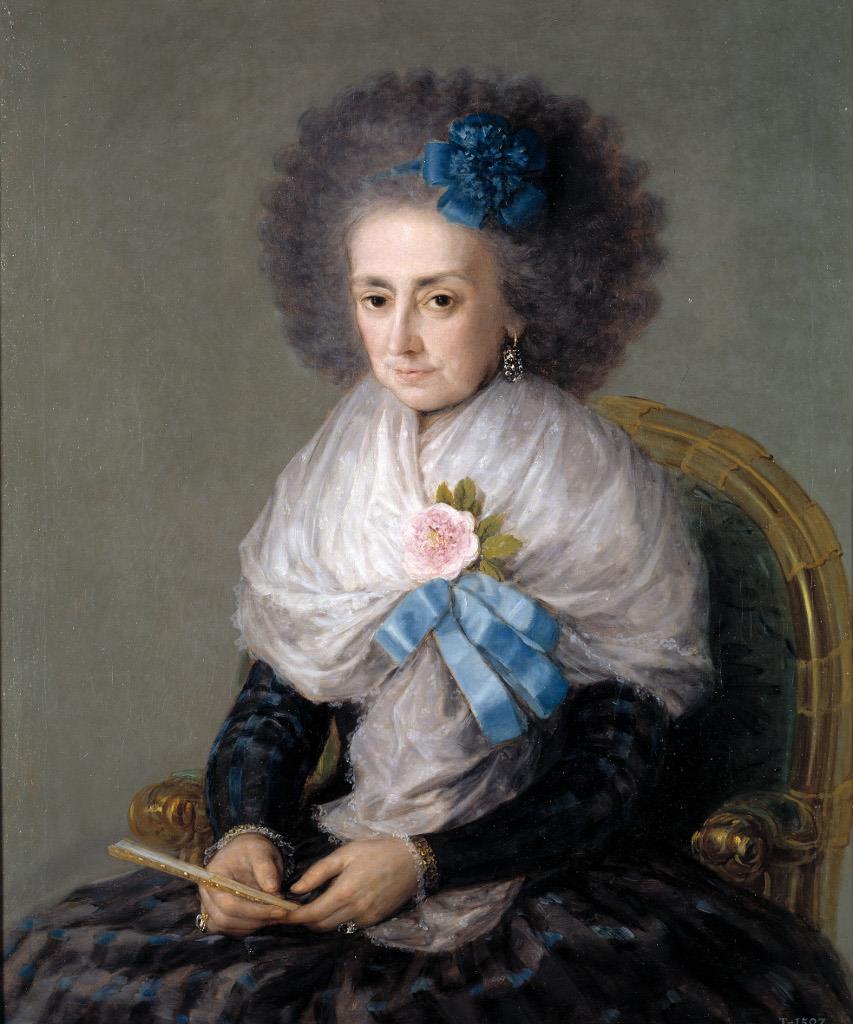
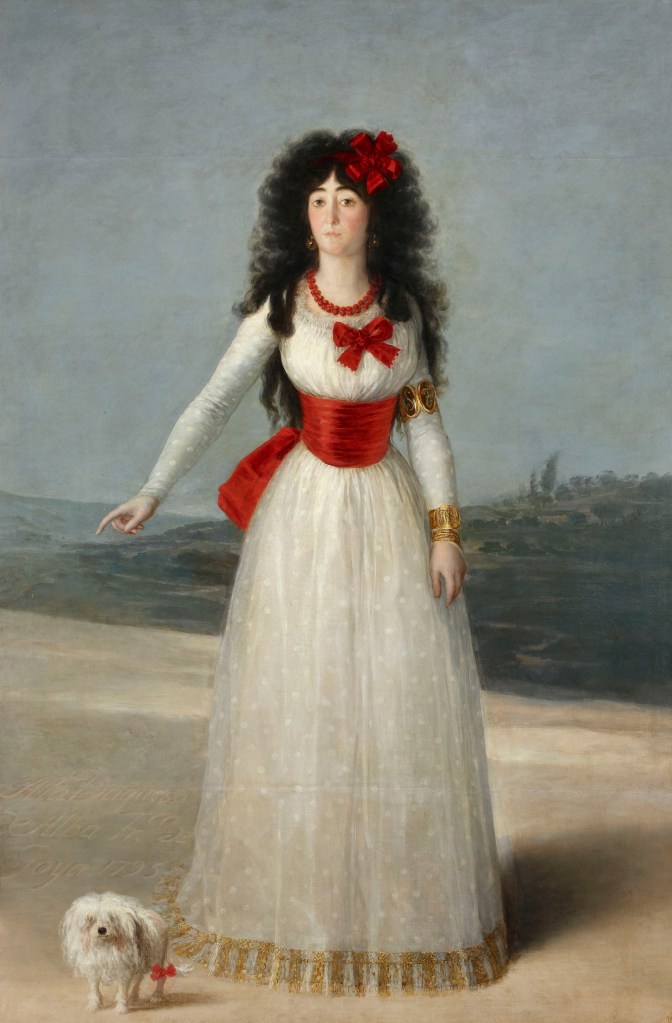
When I first saw the grand lofty gallery in the Prado filled with Goya’s portraits, and indeed upon subsequent visits, I admit that I was not overly won over. It was not so much that the portraits were bad, just that by comparison with the dramatic visions of the 2nd and 3rd May 1808 in the adjacent room, or of the even more terrifying and enthralling Black Paintings alongside that, the portraits of Francisco de Goya y Lucientes (1746-1828) always felt a little…bland. It also occurred to me that they all looked a little samey, with their piercing round black eyes sparkling like the glass eyes of teddy bears, and this led me to the perhaps premature conclusion that Goya had painted his sitters more idealistically, rather than realistically.

But the current Goya exhibition at London’s National Gallery sheds new light on this important epoch of the artist’s work, and seen within a narrative of their rich historical context, and with the ability to compare and contrast a magnificent set of some of Goya’s best, suddenly these portraits seem just as compelling as the magnificent sombre works which followed.

Carlos IV of Spain and His Family, 1800

Carlos IV of Spain and His Family, 1800

Charles IV in Hunting Dress, 1799

Charles IV in Hunting Dress, 1799

Maria Luisa wearing a Mantilla, 1799

Maria Luisa wearing a Mantilla, 1799

The Duke and Duchess of Osuna and their Children, 1788

The Duke and Duchess of Osuna and their Children, 1788

The portraits of Goya cannot be deemed the most technically adept in the world. I could not help but notice that on this head or that, the shading was wrong, or the head-piece look flattened and oddly two-dimensional. And I was interested to read that Goya’s was mostly self-trained, a fact which was to me, a likewise self-taught painter, obvious in the gradual improvement of his portraits from early attempts through to his magnificent depictions of the family of Charles IV of Spain. However, his greatest skill was psychological insight, and this was evident in a series of portraits which seemed to penetrate the sitter through to the core. The result was a series of rooms which felt as though they were occupied by the living shadows of history, almost like the paintings in Harry Potter’s Hogwarts, whose sitter would come alive within the frame.

This all makes for a thoroughly enthralling exhibition whose sitters literally leap off the walls to introduce us to the historical periods which characterise the works; from the more informal portraits of the Spanish royals, painted with a view to pacifying the public in the aftermath of the French Revolution, to the somewhat obsequious depictions of French generals after the Napoleonic invasion of Spain. However of all the works, my favourites were of the aristocratic stars of the time, full of bold gestures and extravagant swagger, each competing with the other to afford the more exquisite portrait, and with it, the greater standing in society.

Portrait of the Duchess of Alba, 1797

Portrait of the Duchess of Alba, 1797

The Dowager Marchioness of Villafranca, 1796

The Dowager Marchioness of Villafranca, 1796

The Marquis of Villafranca and Duke of Alba, 1795

The Marquis of Villafranca and Duke of Alba, 1795

The White Duchess (Duchess of Alba), 1795

The White Duchess (Duchess of Alba), 1795

Goya’s portraits are a window on a long past world of aristocratic dominance, and regal fancy, and of a time caught between the birth of the enlightenment and the trauma of invasion and turbulent changes of power. And while many of the sitters exhibited those same teddy-bear black eyes which had caught my intention at the Prado years before, it is the intensity behind the gaze in those eyes which left a lasting impression on me as I left this superb London show.

Goya: The Portraits is on at The National Gallery in London until 10 January 2016… so get there quick!

Art in London (Part 1): Calder’s Mobiles

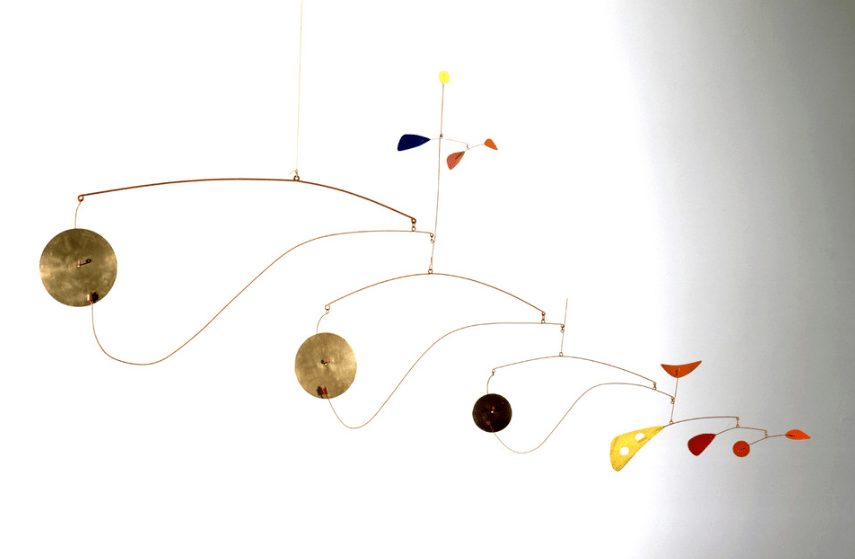
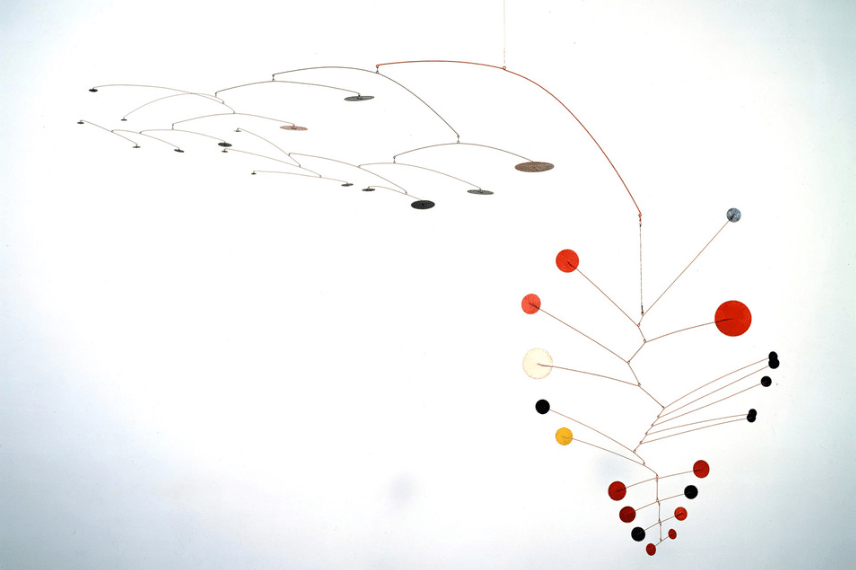
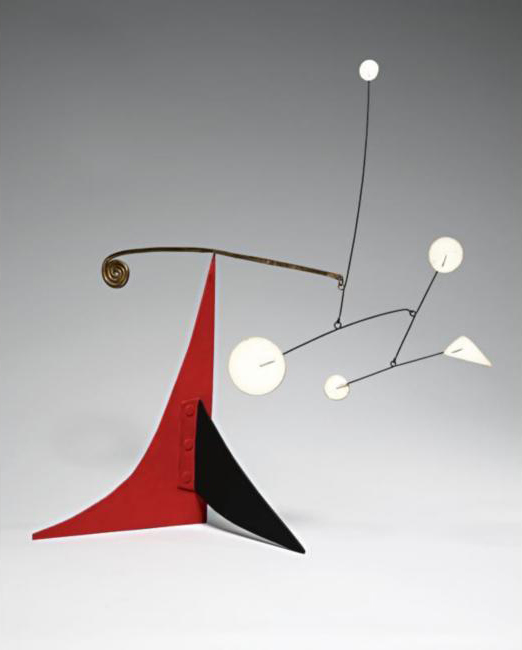
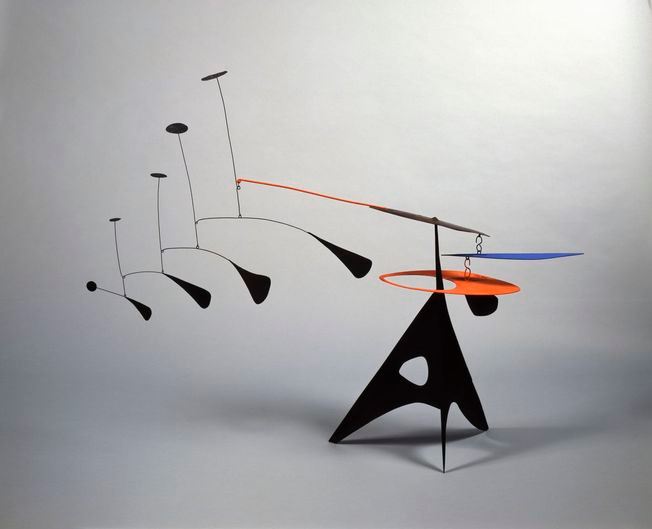
London is alive with some truly exciting artist retrospectives at the moment, each of them tending to focus on a particular aspect of their creative output. In the National Gallery, the portraiture of Goya is the focus of a major show, and likewise in the National Portrait Gallery where Giacometti and his drawings are the stars. Meanwhile, over the river in Tate Modern, a retrospective of Alexander Calder focuses on the works which surely made him famous…sculptures which dance, perform and are always on the move: his mobiles. 

It’s strange to imagine a world where the mobile, that innocuous moving collection of animals and stars hanging above every respectable baby cot, did not exist. But it was Calder who actually invented this type of sculpture, long before it ever became a favourite of the child’s bedroom, and in doing so Calder showed himself to be one of the first ever proponents of performance art, something which is now such a staple of contemporary art spaces across the world.

Mobile2

Triple Gong, 1948 (© 2015 Calder Foundation, New York / DACS, London)

Untitled

Untitled, 1963

Mobile3

Gamma, 1947 (© 2015 Calder Foundation, New York / DACS, London)

In creating the mobile, Calder was looking for a work which moved, and evolved. At first his moving sculptures were controlled, either in the form of puppets which would perform in his own Calder Circus Shows (the likes of which were visited in Paris by some of the biggest names of the 20th century art world), or those carefully choreographed by a series of connected motors and pulleys. But the true mobile, the freely moving construction based on a series of shapes, wires and strings, was created in response to Calder’s desire to free abstraction, and for the bold shapes and colours which he had seen in the likes of Mondrian’s tightly structured geometric works to move about without constraint.

And so were born the sculptures for which Calder became synonymous, and which have cropped up in some of the most culturally enriched open public spaces in the world, including here in Palma de Mallorca, and of course that sensational mobile left by Calder himself by the poolside at the Colombe d’Or Hotel in St. Paul de Vence.

Calder5WhiteBrassSpiralalexandercalder12Standing mobile

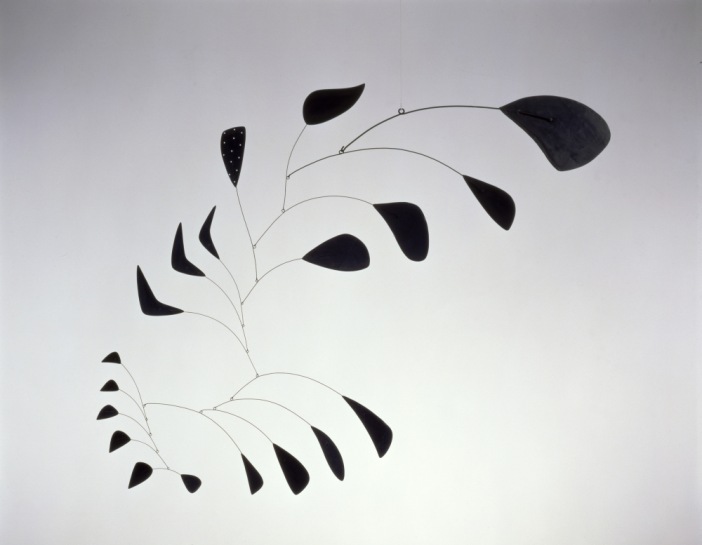
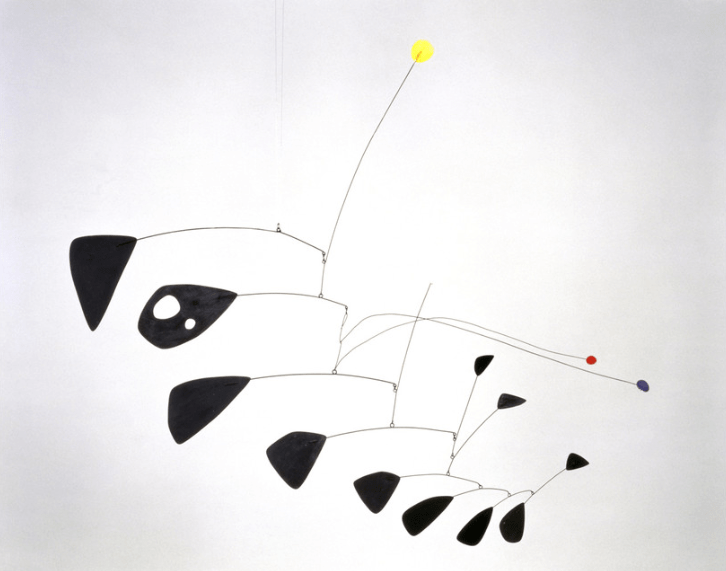
For me, ever so fascinated by the mobiles of Calder, this was truly an exquisite show. I wandered between the mobiles entranced by the poetry in their movements; by the constant slow flow and turns of the wire arms whose many delicate branches create an ever changing and unpredictable dance. And beyond the mobiles, the secondary most beautiful vision were the shadows created on the walls, themselves moving, creating the most beautiful abstract art, albeit free and transitory as Calder would have wished.

It’s a unique opportunity to see so many of Calder’s greatest works in one place, and to understand the revolutionary journey, from canvas to moving mobiles, which prompted him to create these most oscillatory of sculptures.

calderverticalfoliage

Vertical Foliage 1941(© 2015 Calder Foundation, New York / DACS, London)

Mobile 4

Mobile1

Antennae with Red and Blue Dots, 1953 (© 2015 Calder Foundation, New York / DACS, London)

Alexander Calder, Performing Sculpture is on at Tate Modern, London, until 3 April 2016.

Mallorca’s ultimate eden: The Son Viscos Bed & Breakfast

Many may smirk when the inhabitants of paradise complain, but even we locals of Mallorca know when enough is enough. And having lived now for almost two months of temperatures in excess of 35 degrees, every so often, one just has to get away from it all. Nothing extreme mind you – I’m not talking the 20 degrees drop which a visit to London may entail, but rather a drive up into the stunning Tramuntana mountains where, at night at least, the air is notably fresher than city life in Palma and sumptuously comfortable. And as this very hot weather happened to coincide with my 32nd birthday (yesterday!) it seemed like the perfect excuse to treat ourselves a little, and book a little night away in a cooler, lusher paradise.

The location we chose could not have been more perfect. Located in the footfalls of the Tramuntana in the valley which gives the magical town of Valldemossa its name, the Son Viscos Bed and Breakfast was like a home from home, but we’re talking the kind of home which only the most avid readers of interior design magazines could wish for.

Interiors of the Son Viscos

DSC00407 DSC00374 DSC00413 DSC00507 DSC00369 DSC00510 DSC00424 DSC00372 DSC00373 DSC00381 DSC00367

Owned by the proprietors of the popular interior design store, Mosaic, located in cool Santa Catalina in Palma, the Son Viscos hotel is a euphoria of design harmony, with understated muted tones and natural woods offsetting perfectly amongst carefully chosen rustic antiques and ceramic items. The west-facing kitchen, which was flooded with light in the afternoon, and filled with a bounteous feast of the freshest breakfast produce in the morning, was the beating heart of a guesthouse which maintained all of the characteristics of the most welcoming of family homes.

The Son Viscos garden

DSC00389 DSC00533 DSC00398 DSC00396 DSC00388 DSC00485 DSC00382 DSC00434

Our room, the Menta suite, offered the very best of comfort with a lavish but pared down minimalist wooden four poster bed, together with haphazardly placed original art, design arm chairs and super soft towels. Flooded with light from an ample terrace, the room boasted enviable views of the Valldemossa monastery, and benefited from all of the freshness of the lush mountains opposite.

And it was precisely that fresh air which so loving nurtured us as we settled down for our night at the Son Viscos, finally able to escape the suffocating heat which had tampered with our dreams for months. Waking enlivened and refreshed, we had yet more pleasures to discover, for opposite the Son Viscos, the hotel’s extensive grounds extended to sun dappled woods hugging the side of the valley, and included fresh water streams, ancient moorish mills and even a dainty stone bridge which had more than survived the tests of time.

The Son Viscos’ sumptuous grounds

DSC00618 DSC00535 DSC00588 DSC00566 DSC00486DSC00549 DSC00521 DSC00532 DSC00550 DSC00586 DSC00580 DSC00579 DSC00525 DSC00612 DSC00600

The Son Viscos hotel was frankly an experience in a million, for its meticulously conceived design, its perfectly bucolic location, and for the sheer welcoming comfort it offered. As I sit here now, back in hot Palma, recounting my time there I long to return. Something tells me it won’t be long.

All photos and written content are strictly the copyright of Nicholas de Lacy-Brown © 2015 and The Daily Norm. All rights are reserved. Unauthorized use and/or duplication of the material, whether written work, photography or artwork, included within The Daily Norm without express and written permission from The Daily Norm’s author and/or owner is strictly prohibited.

The Gaudi which eluded me: Palau Güell

While I am as familiar with the works of Catalan architect Antoni Gaudi as the next Barcelona aficionado, there is one Gaudi masterpiece which has managed to elude me in all of the years I have been visiting the city: the Palau Güell. For many years this was due to extensive renovations of the property which saw it closed to the public both partially and entirely for some 7 years. But latterly I just never seemed to be in the city when the palace was open to the public. But no longer is this unsatisfactory position the case! As soon as our Barcelona trip was booked, the first thing I did was to reserve our entrance to the Gaudi masterpiece, and within hours of our arrival in the city, we had entered its impressive lofty interior. 

The Palau Güell

DSC08044 DSC07979 DSC08041 DSC07952 DSC07929 DSC08046 DSC07943 DSC07951 DSC07953 DSC07930

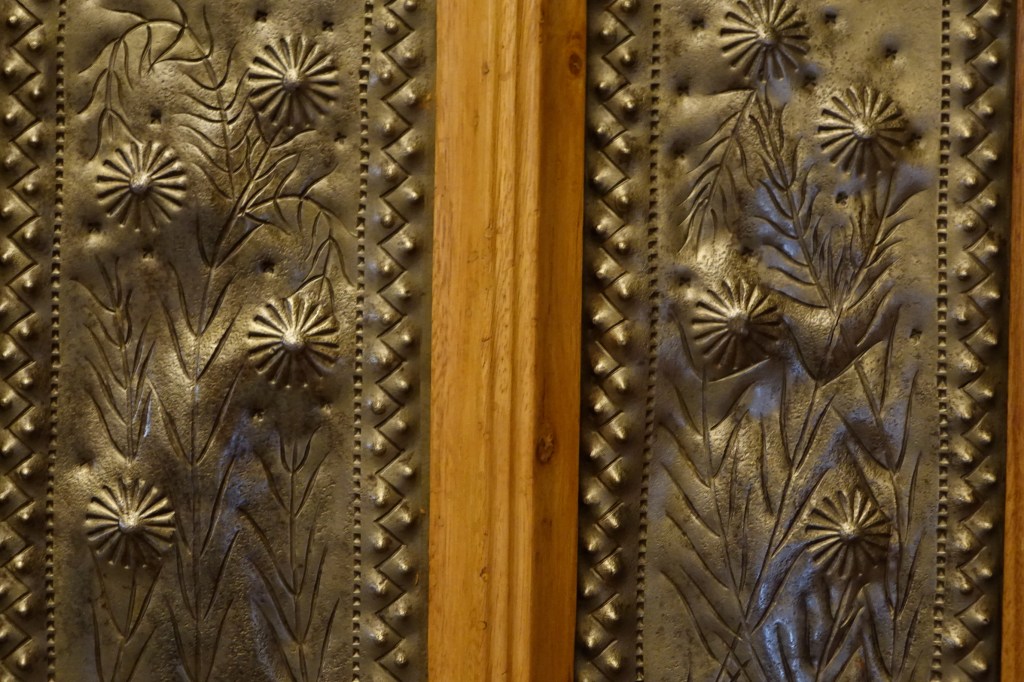
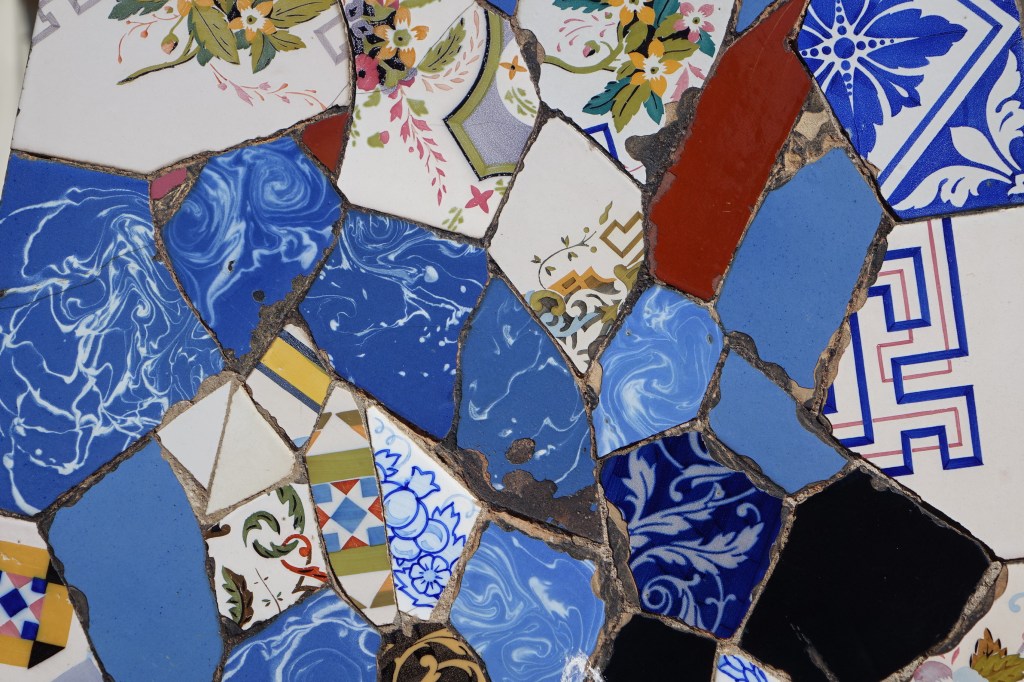
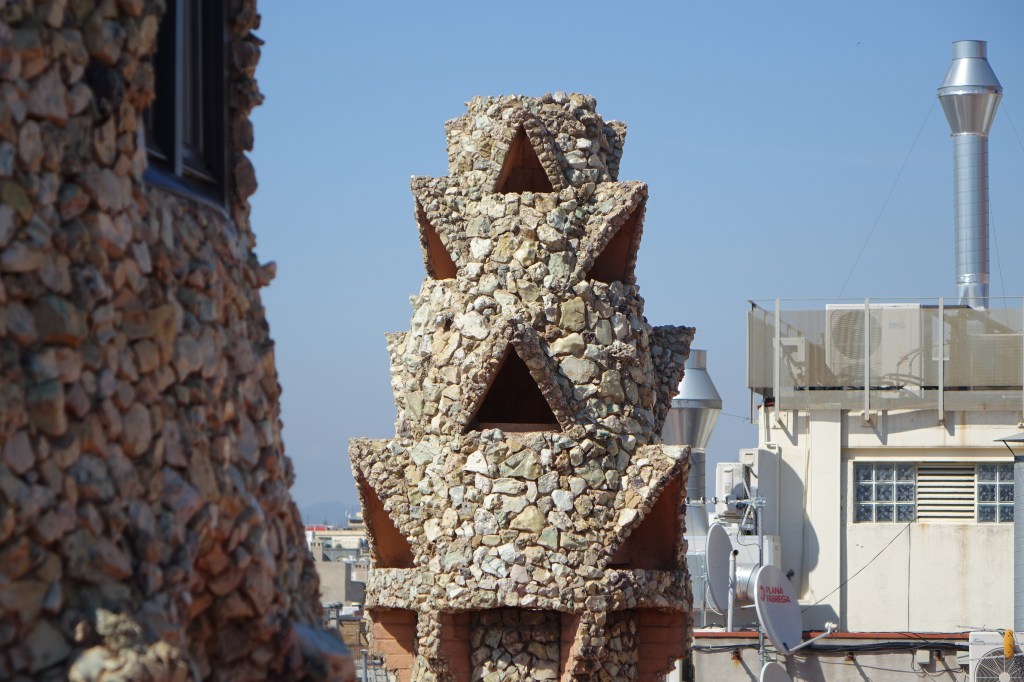
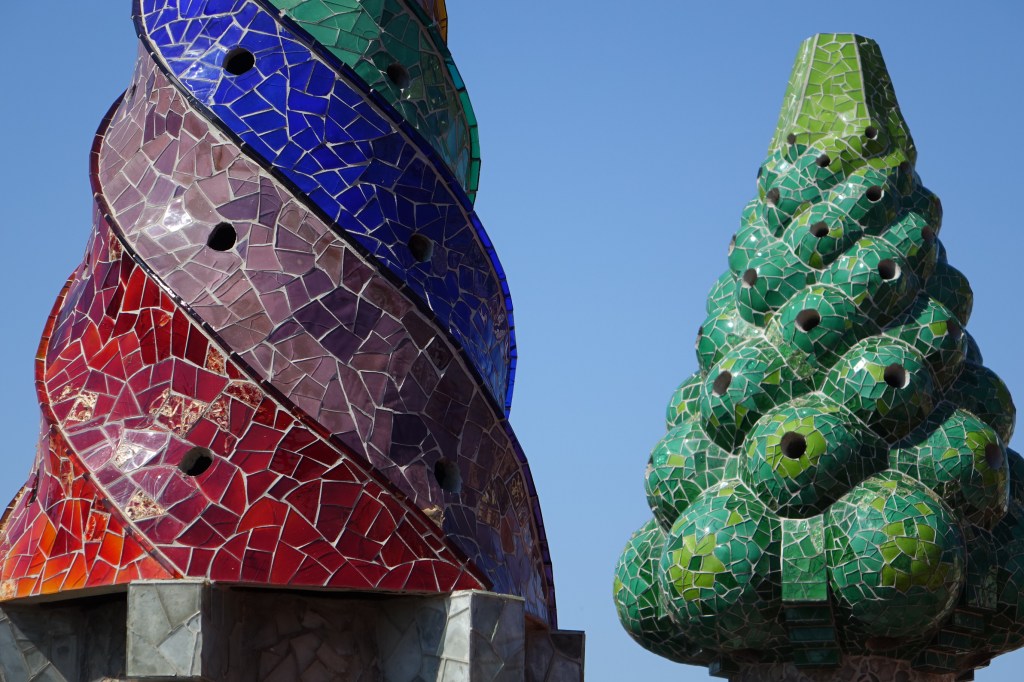
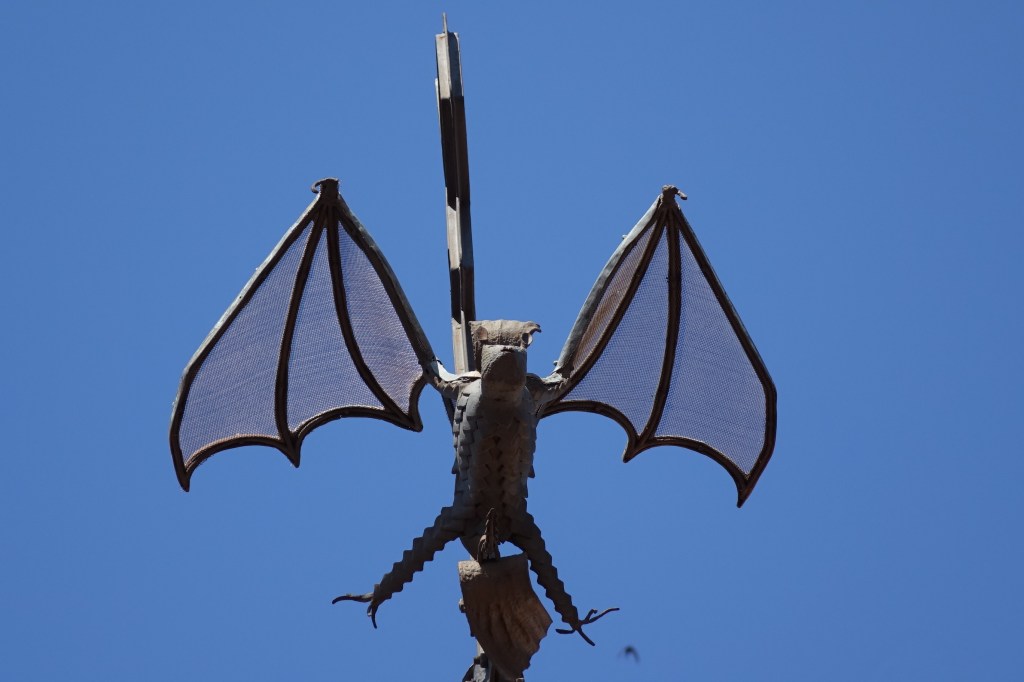
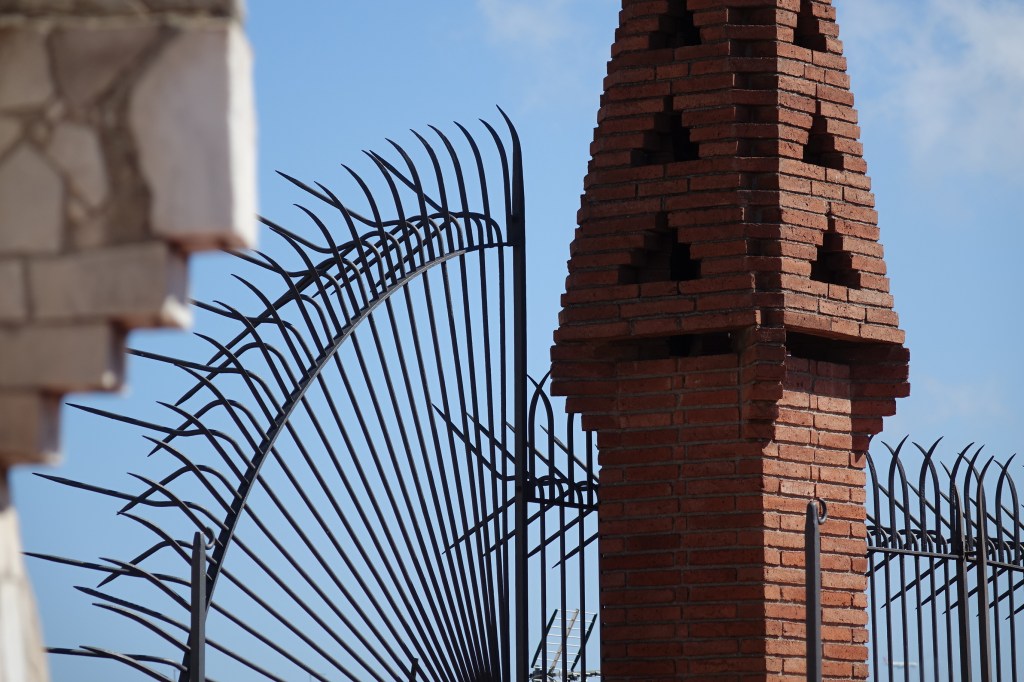
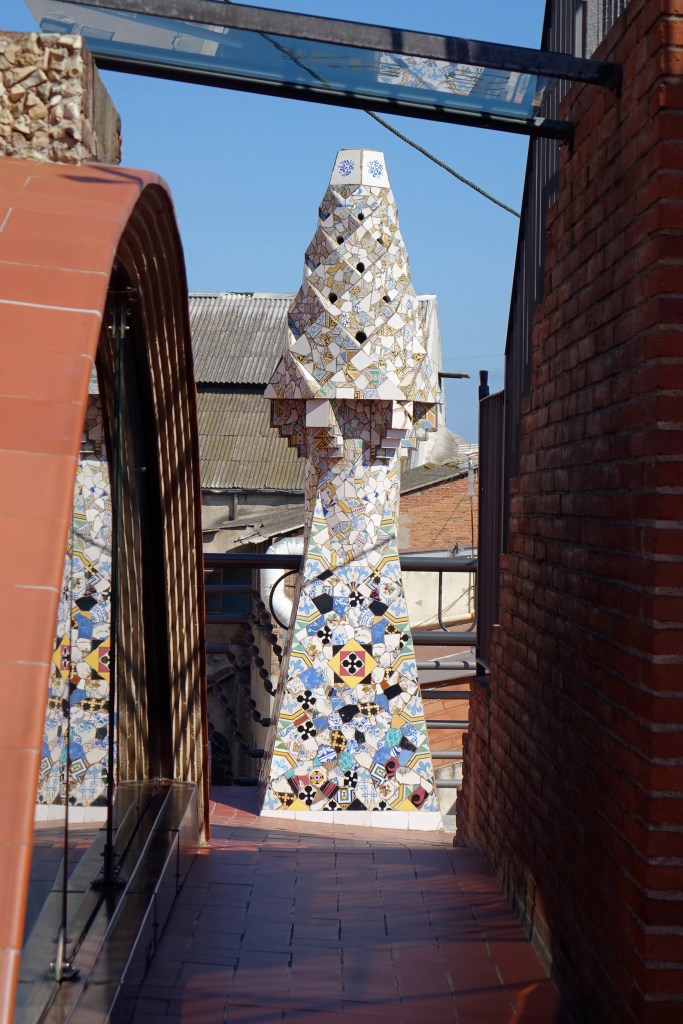
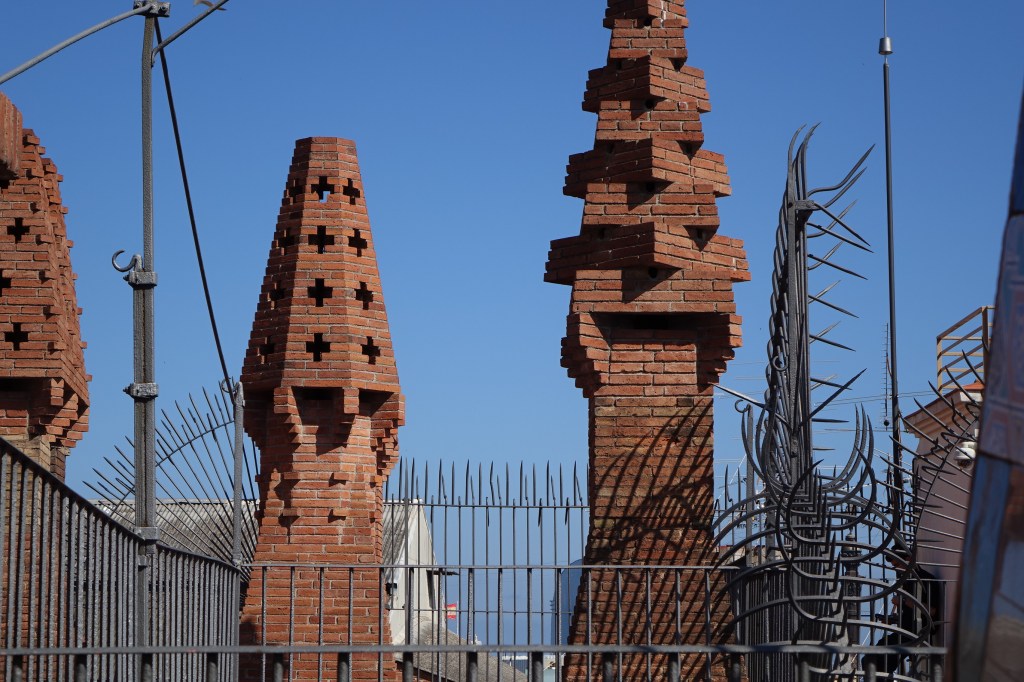
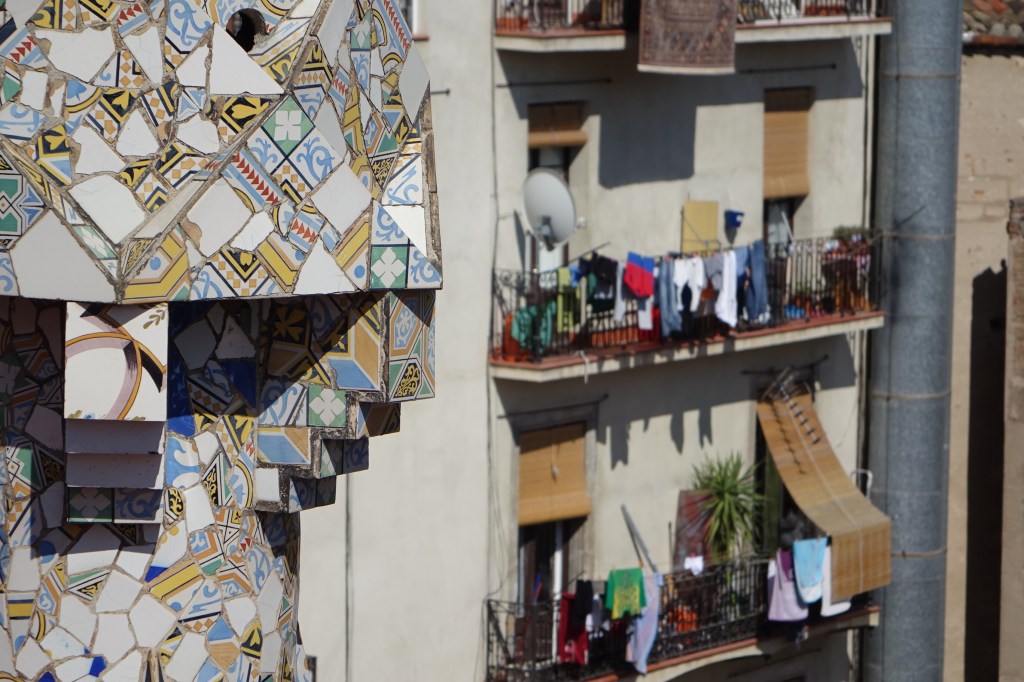
Built between 1886 and 1888 in the El Raval neighbourhood of Barcelona, the Palau Güell was in fact one of Gaudi’s earliest works, and the first major collaboration with the industrialist Eusebi Güell who was to become Gaudi’s most significant patron. Although its sombre interiors show somewhat more restraint from the man who was later to go on to design such fantastical masterpieces as the Sagrada Familia and the Casa Mila, the exterior of the house already showed the young architect pushing the boundaries of socially acceptable architecture, filling his facade with magnificently twisted wrought iron, animal forms, and his terrace with his now iconic multi-coloured tile chimneys. 

The famous terrace

DSC07992 DSC08013 DSC08022 DSC07991 DSC08015 DSC08029 DSC08016 DSC08037 DSC07989 DSC08021

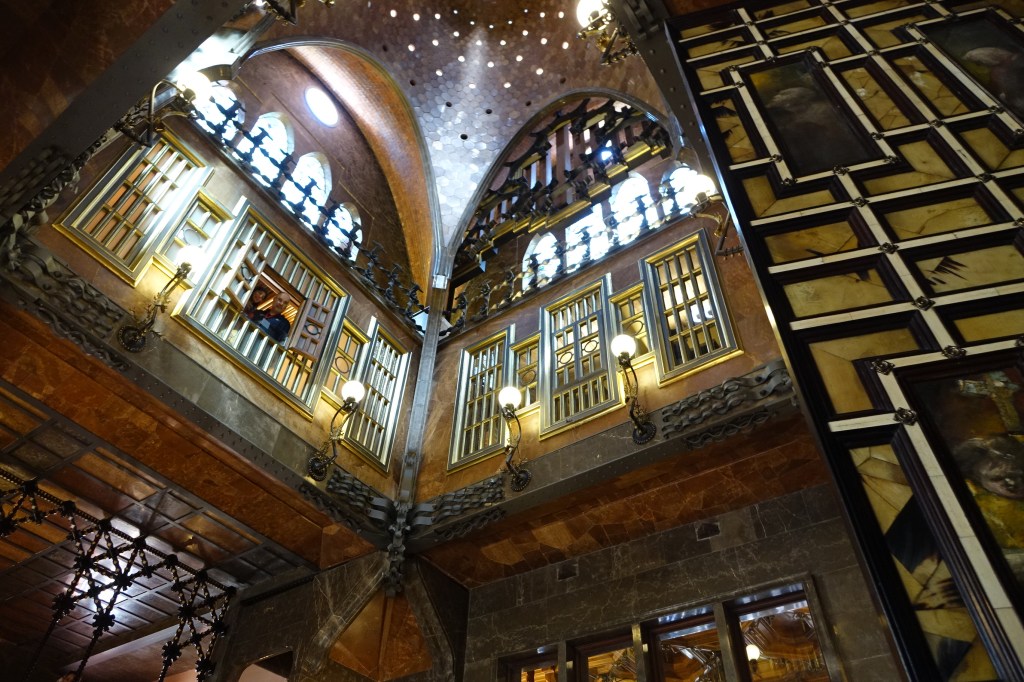
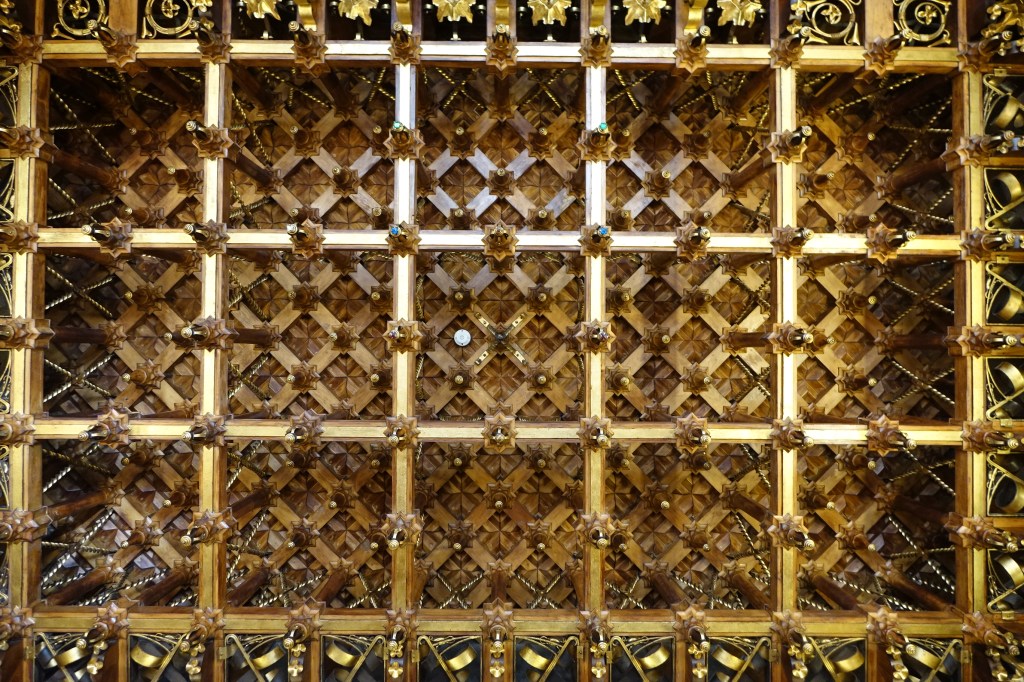
That is not to say that the interiors were boring. Far from it. Past the initial somewhat gloomy entrance which was intended to be the preserve of carriages, the upstairs rooms showed every sign of the virtuosity for which the architect would become know, with magnificently intricate woodwork, wrought iron and personalised furniture heavily influenced by the Moorish design which is so prevalent in Spain as well as the innovations of line and shape which were becoming modish in what was to be known as the modernist or art nouveau era. By far the most spectacular feature of the house is the main atrium: a dazzling space which cuts through the entire height of the house, topped with a dome into which little holes cut are like stars twinkling in space.

The impressive central atrium

DSC07962 DSC07941 DSC07965 DSC07972 DSC07975DSC07982

So the house which had long eluded me did its best to impress, and certainly received from me the admiration it deserved. I did however leave somewhat concerned by some of the renovation works undertaken, not least the extent to which staircases have been modernised, for example, with swish inlayed lighting which is clearly out of character with the original house, and worst of all the adaptation of the roof’s famous chimneys such that on one, a contemporary artist has shamelessly attached a tacky toy lizard as some kind of new interpretation of an otherwise perfect Gaudi icon. Why this was allowed I will never know. As they say: if it ain’t broke, don’t fix it.

DSC07999DSC08042

Festival of colour: The Summer Exhibition 2015

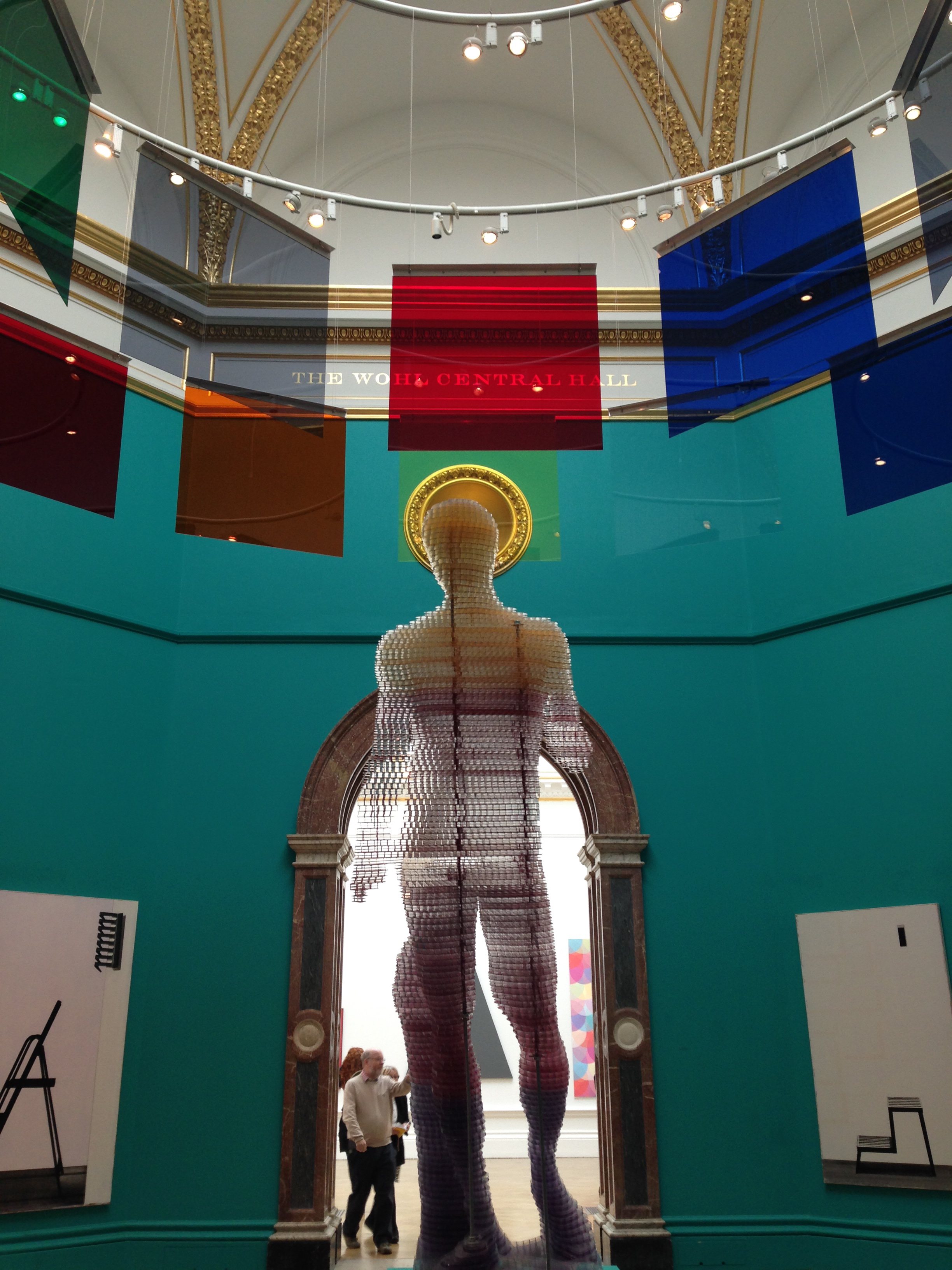
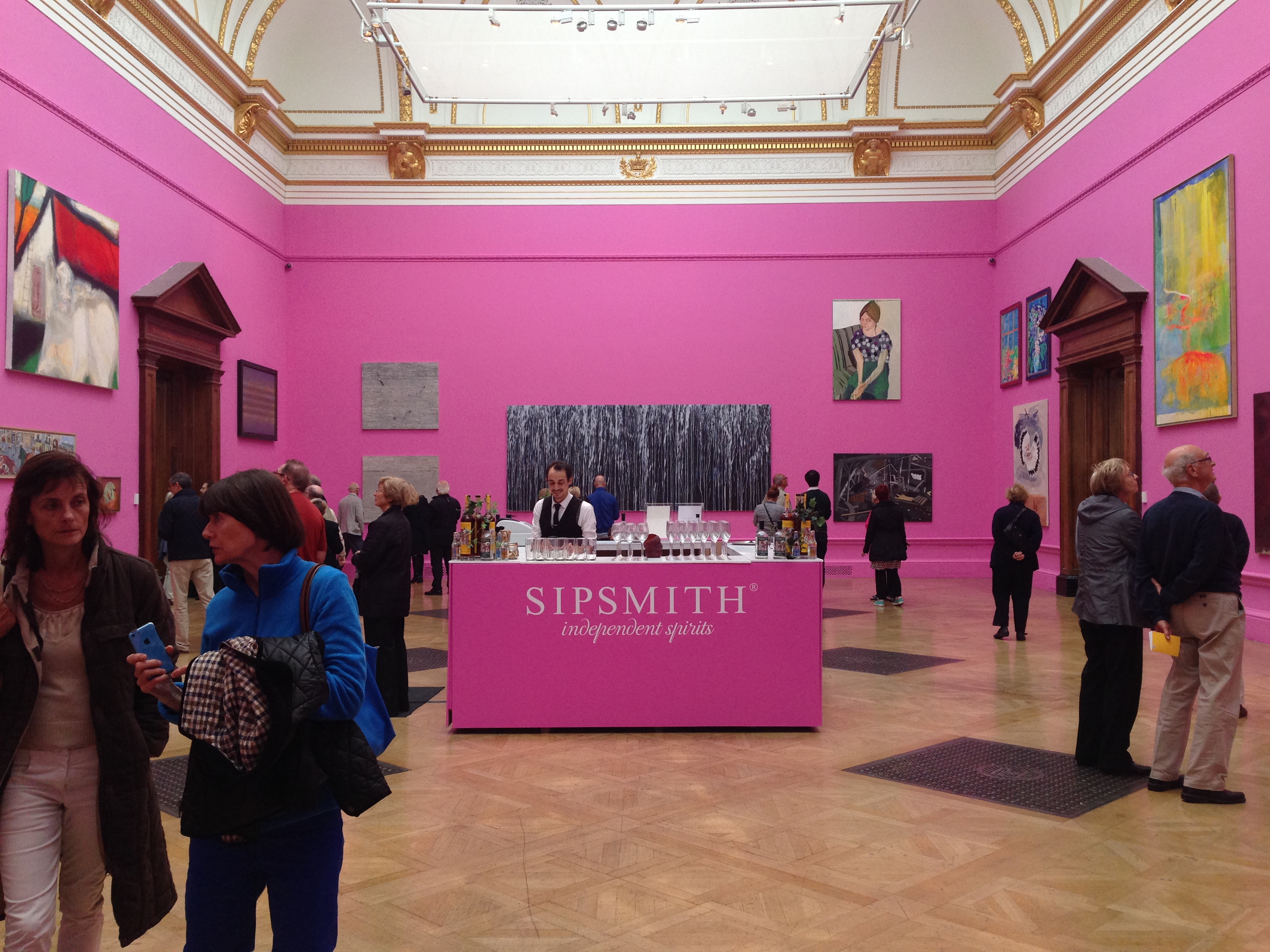
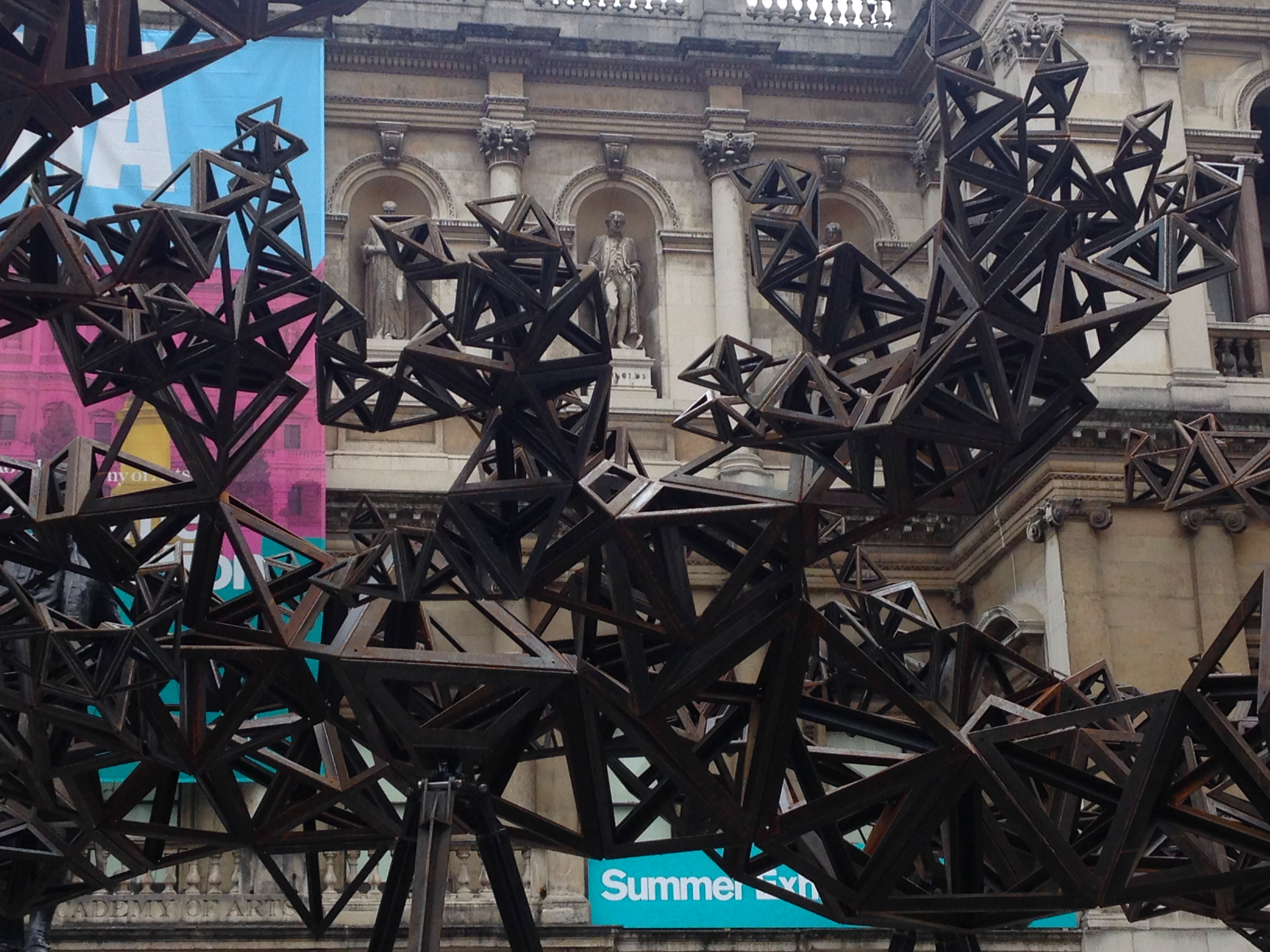
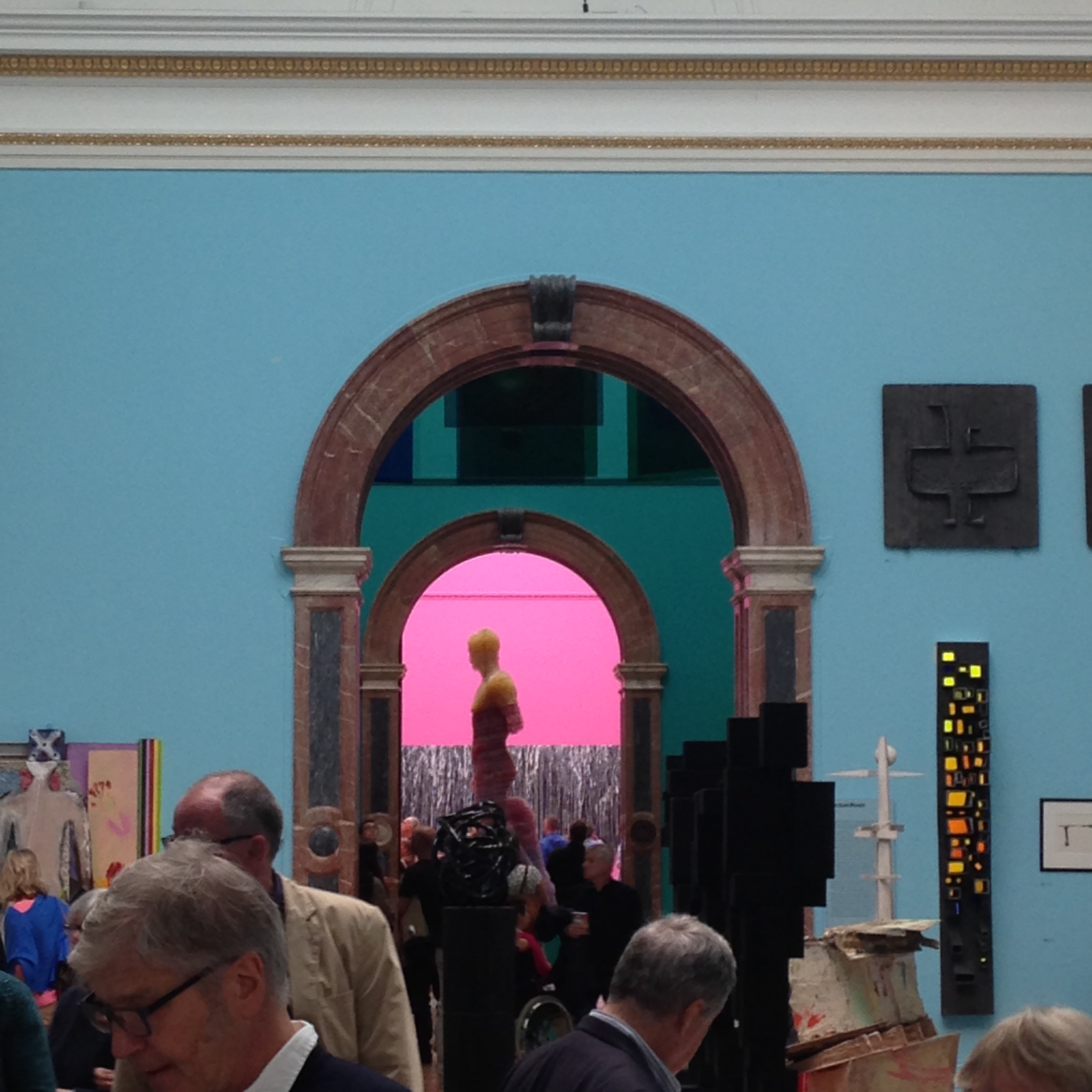
There’s nothing quite like the rejuvenating power of bright, unapologetic colour to lift the spirits amidst an atmosphere of grey, and this is no more so than in London where, on a recent visit, the skies were characteristically gloomy and very un-summery. Heading therefore towards this year’s Summer Exhibition at the Royal Academy of Arts therefore brought with it the promise of some element of seasonal rejuvenation, even if it could not improve the weather. But this year’s show, the 247th in the Academy’s history, did not just flush us with the spirit of summer, but with a festival of colour, never before seen at the annual show in such quantities.

IMG_3977

The reason for this panoply of colour is surely its chief curator, Michael Craig-Martin RA, whose work is famous for its blocky poster-print colours with exact outlines and pop-art motifs. With such an artist in charge, there was no way this show was going to be boring, and any doubts as to the fact were quickly swept away at the entrance to the RA, whose usually beige monochrome staircase had been transformed into a riot of multicoloured stripes in an installation by Jim Lambie.

IMG_3979 IMG_3982 IMG_3973 IMG_4010

For those who dared climb what felt like a staircase of moving molten colour, a further punch of colour lay in wait in the form of the first three galleries, painted in bold magenta, blue and turquoise as a magnificently energised backdrop to a surprisingly fantastic selection of works. I never saw those lofty galleries look so rejuvenated, nor did I ever enjoy a Summer Exhibition with as much enthusiasm and high praise. For after years of continuous disappointment and what always seemed to be a relentless recycle of the RA cronies, at last we were presented with a show crammed with unapologetically figurative works, with paintings which exhibited actual talent (Tracey Emin’s usual crappy scrawls excepted), where superb print works were given a rightfully more prominent hang, and architectural models were actually interesting.

IMG_3983 IMG_3990IMG_3989IMG_3992

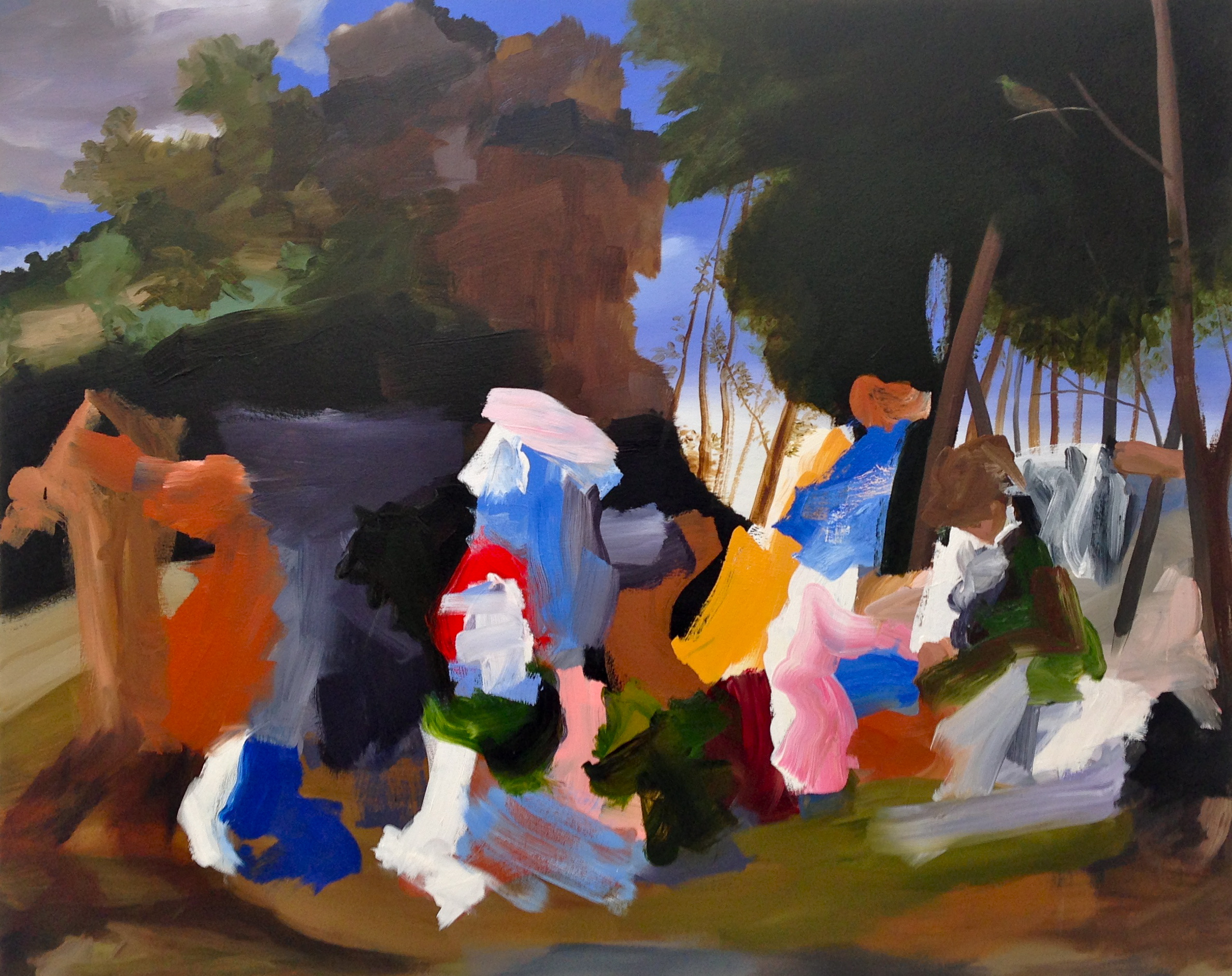
Here we had paintings of places and cities, of streets you could walk in, of portraits you could empathise with, and where there was abstract, it was playful and bold – accessible and expertly conceived. In one room, a superb tapestry portrait by Grayson Perry (Julie and Rob) could have stolen the show, but was well accompanied by a gallery of moving, inspirational works such as Elise Ansel’s brilliant take on Bellini and Titian (Feast of the Gods II) – another riot of colour (above, top).
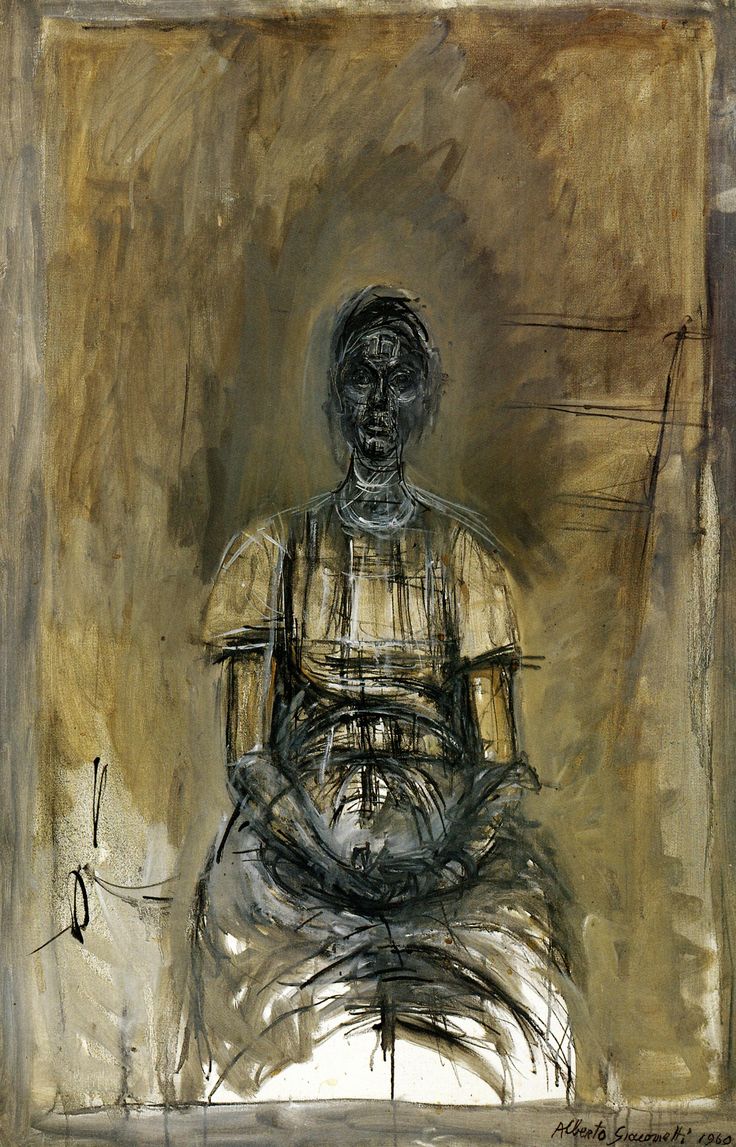
IMG_4025

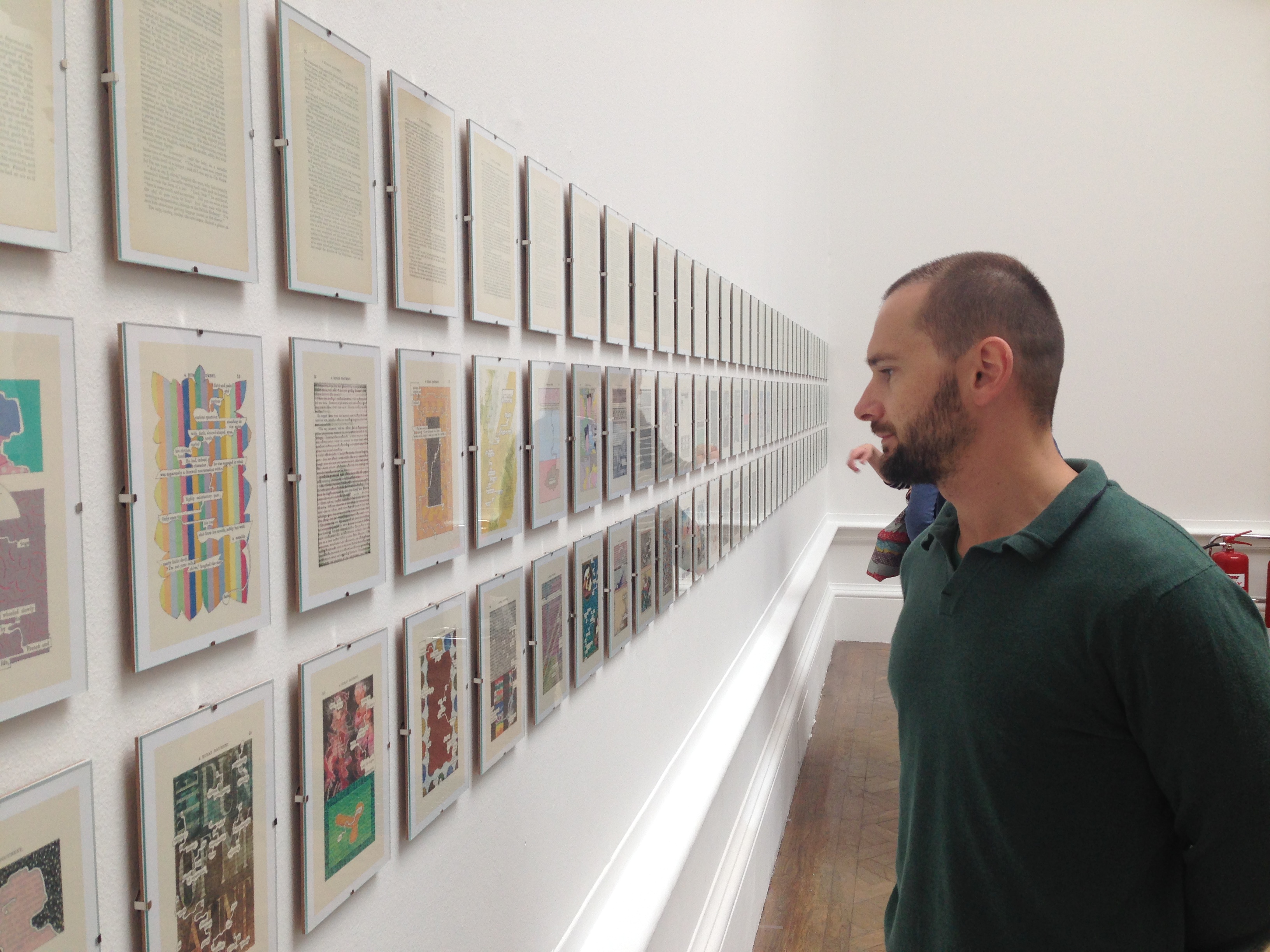
Considering the multiple works in Tom Phillips’ “A Humument”

So many works pronounced that the arrogant age of contemporary art installations and badly conceived “paintings” is dead, from the many offerings of an RA favourite, Stephen Chambers, to the last gallery entirely devoted to the doodles of Tom Phillips, whose work A Humument, involves the almost total recreation of a long lost novel thanks to his reillustration and reinterpretation of every page. And by way of confirmation that this new re-emergence of a classical pictorial style is both correct, and beloved, an already abundant array of red dots was already evident, despite the early days of the exhibition’s season.

IMG_4018 IMG_4016 IMG_4011 IMG_4020

For those disappointed by past Summer Exhibitions, this one is not to be missed – it will change your mind for sure. The Summer Exhibition shows at the Royal Academy, London until 16th August 2015.

February in Paris – Part 3: Sonia Delaunay at MAM

Anyone having a quick peruse of my own personal artwork will know that I am a huge lover of colour. As far as I am concerned, what point is there in having colour available if it is only to be muddied and diminished with blacks and browns? No doubt sharing my opinion were some of the boldest expressionist and modernist painters of the 20th century, whose bold use of colour was at first seen as terribly scandalous but which eventually came to characterise an entire generation of art, when the boundaries of accepted aesthetic values were pushed to new extremes.

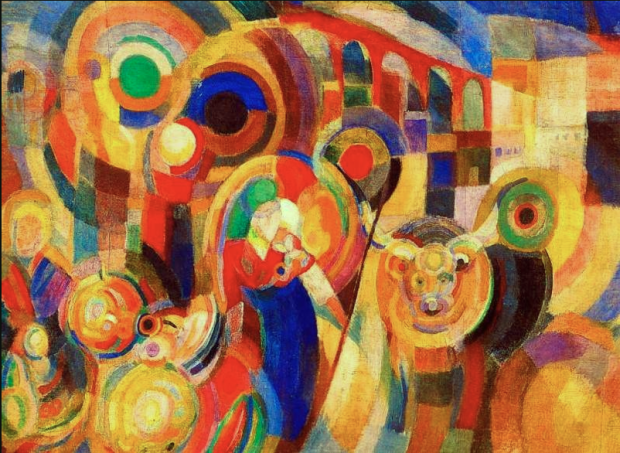
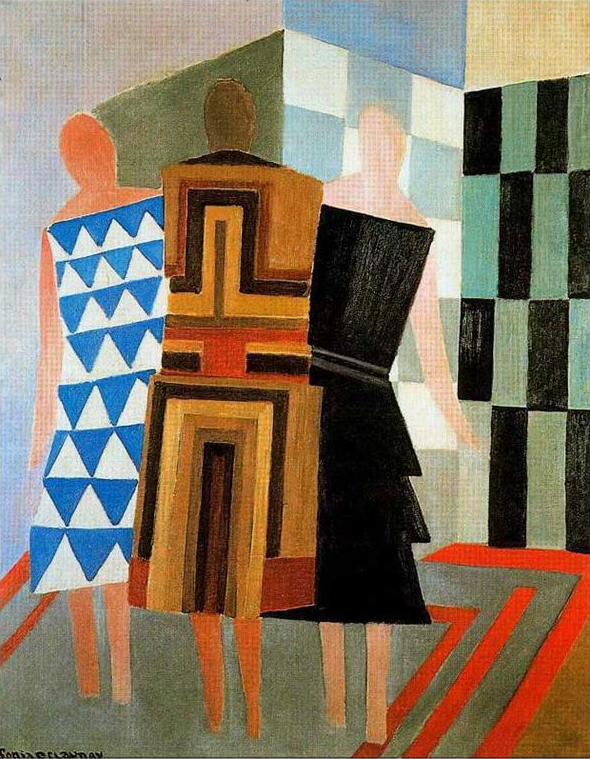
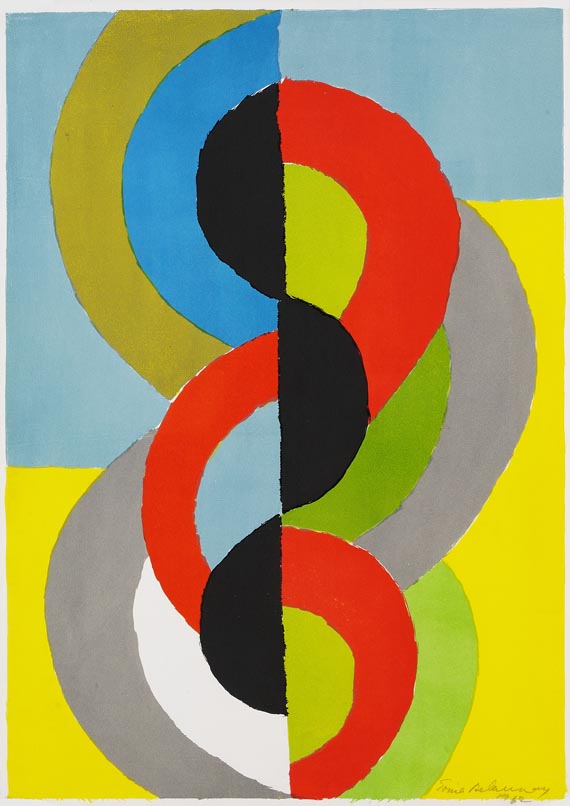
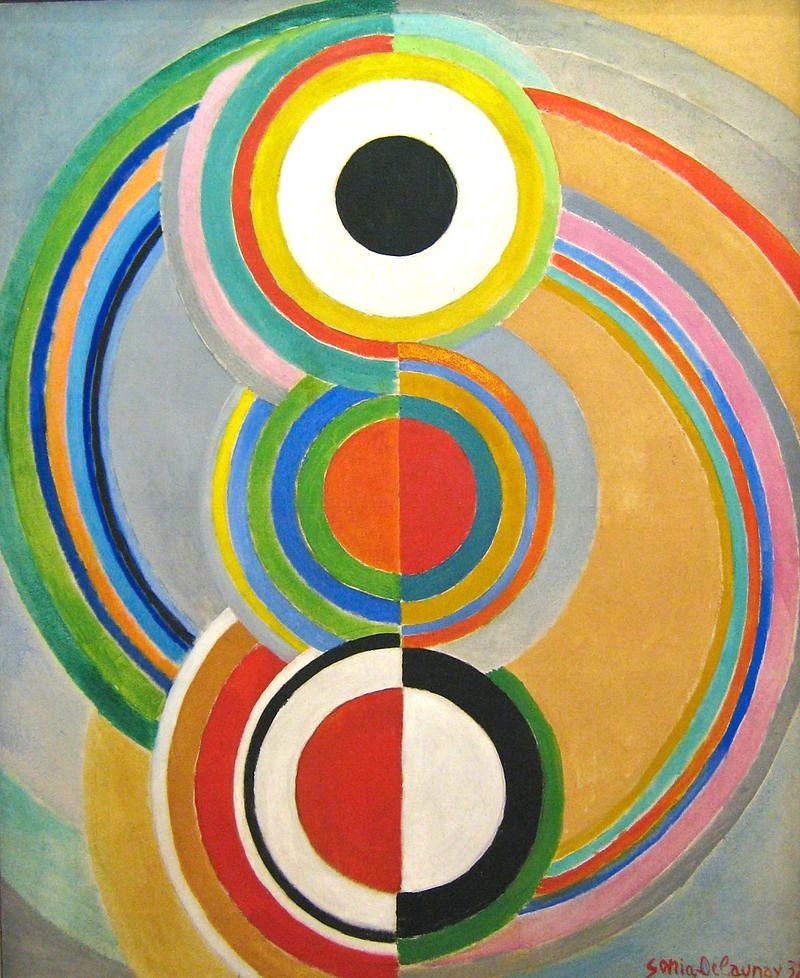
Chief amongst them were a tremendous twosome – what today may be termed a “power couple” – two of the greatest proponents of modernist expressionism and of the power and glory of pure colour: Robert and Sonia Delaunay. Together, these two artists, who married in 1910 and in 1912 proclaimed the birth of Simultanism, refocused the attention of the art world on the dynamic power of colour, using the strength and unique characteristics of colours as an end in themselves rather than a means of expressing something else. The paintings and other artworks which resulted are progressively abstract explosions of structured colour which, by virtue of their use of a full panoply of rainbow hues, are full of expressive happiness and boundless energy.

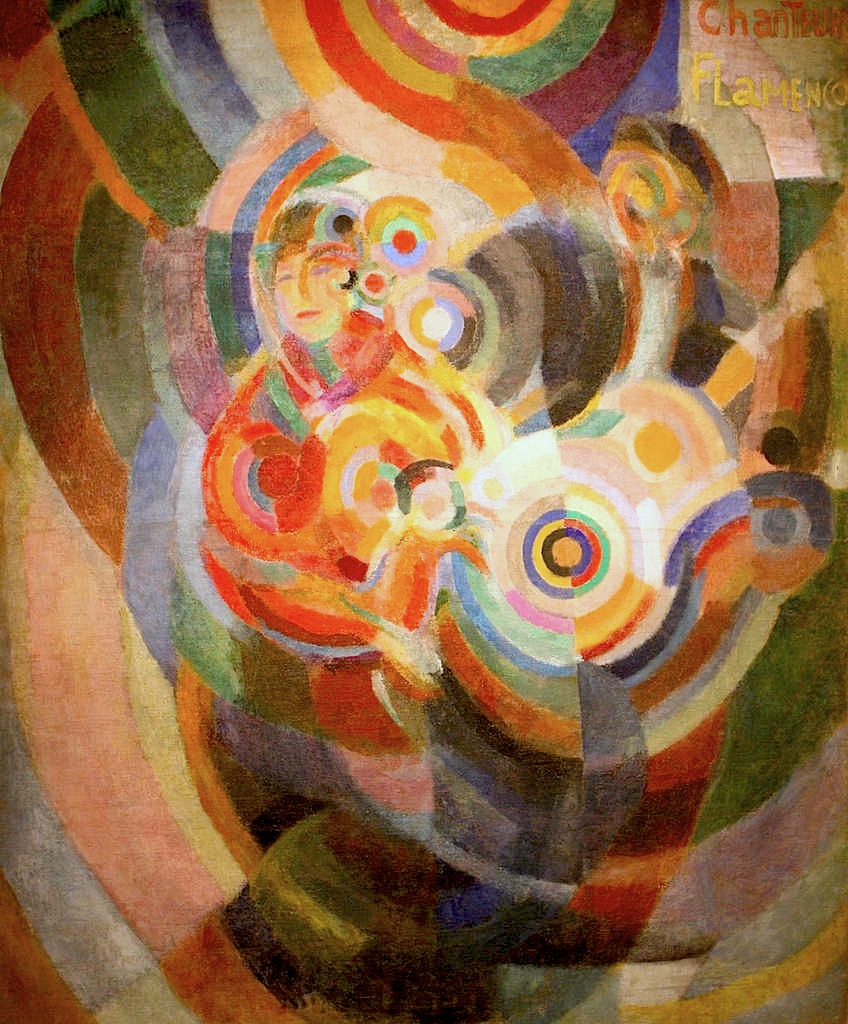
delaunay-11SAMSUNG DIGITAL CAMERAflamenco1Sonia_Delaunay_femme

Of course as is often the case with a power couple, there is often one of the two who history overlooks, and few could argue that it was Sonia who remained in the shadow of her husband for many years during and following their successful careers, a fact which is not ignored by the Museum of Modern Art in Paris (MAM) who were therefore determined to stage a bigger and even more significant Sonia Delaunay retrospective when they opened their Sonia expo a few months ago.

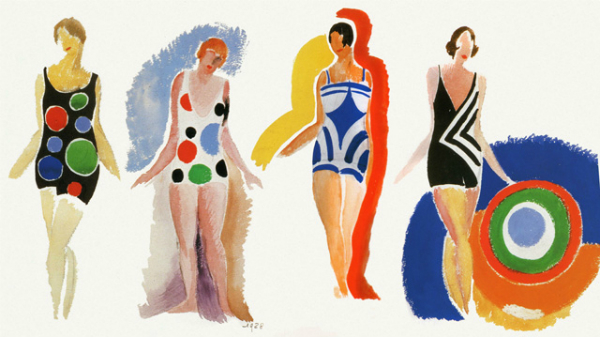
The result is an exhibition which is every bit as full of the Delaunay dynamism and energy as the paintings themselves. It is a show which demonstrates that although it was Robert Delaunay who conceptualised abstraction as a universal language, it was Sonia who experimented with it in all sorts of media, including posters, clothes and objects, and much of the MAM show comprises Sonia’s dapple in fashion, for which she designed countless zany fabrics and original outfits, as well as her determination to include abstraction and colour within the household, and as a backdrop to theatre, parties and other everyday recreational activities.

Screen shot 2015-02-18 at 23.51.50 sonia-delaunay-motifs-tissus sonia-delaunay-robes-940x669 410807408 SoniaDelaunay-maillots-1928800px-Sonia_Delaunay,_Rythme,_1938 "sonia-delaunay-p</p

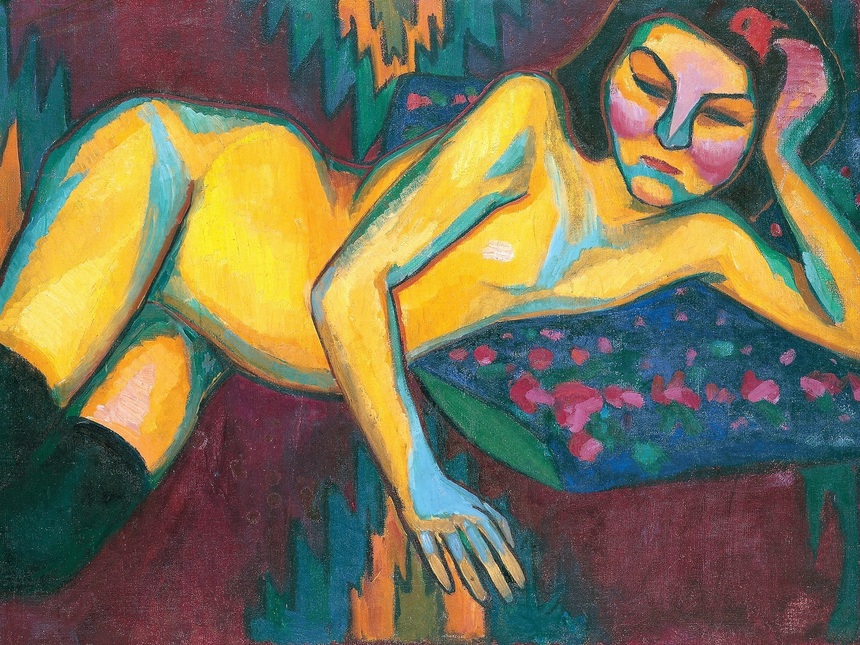
For me, the main success of the MAM show is its collection of Sonia’s paintings which, when seen as a group, vibrate full of the energy and exhilaration which results from bringing together so many electric colours in one room. I particularly love how her consistent use of coloured circles is occasionally adapted to more figurative imagery, such as her abstract image of flamenco dancers, where the use of circles adds to the feel of fast sweeping dance movement. I was also interested to see how the genesis of her work was so much more figurative than it was abstract, but that even from the very beginning, her use of colour remained strong, so that even the simplest of portraits contain a face or skin tone loaded with a palette full of colour.

And it is for this unyielding uninhibited use of colour that I love the work of both Sonia and Robert Delaunay. But right now Sonia’s work is hogging more of the spotlight, an quite rightly too – every person deserves their place in the sun.

sonia

Sonia Delaunay: The Colours of Abstraction is only open for another few days at the Musée d’Art Modern de la Ville de Paris, closing on 22 February 2015. But worry not, for come April the retrospective will reopen in London’s Tate Modern, running until August.