Skip to content

My urban balcony garden: revived and revisited

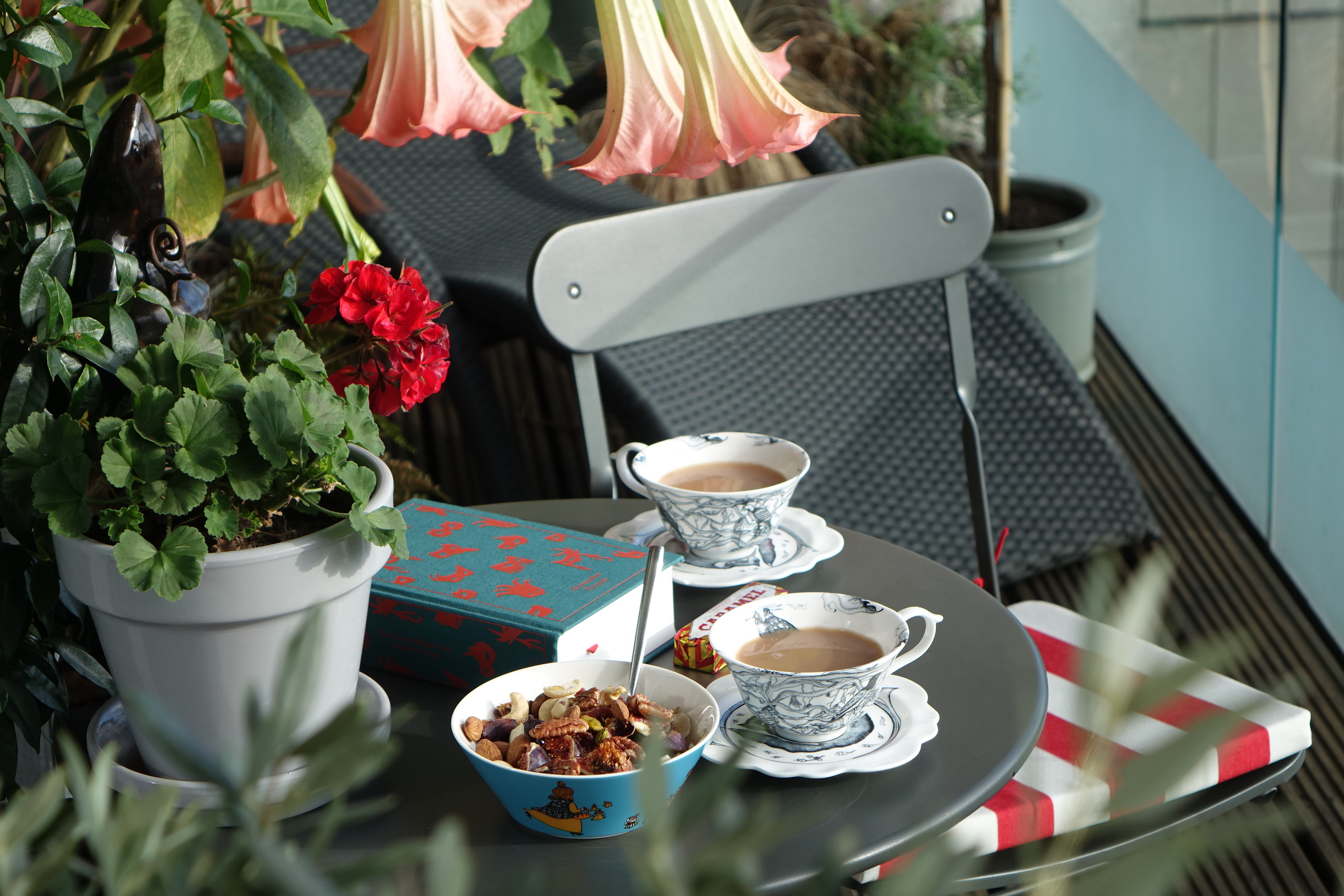
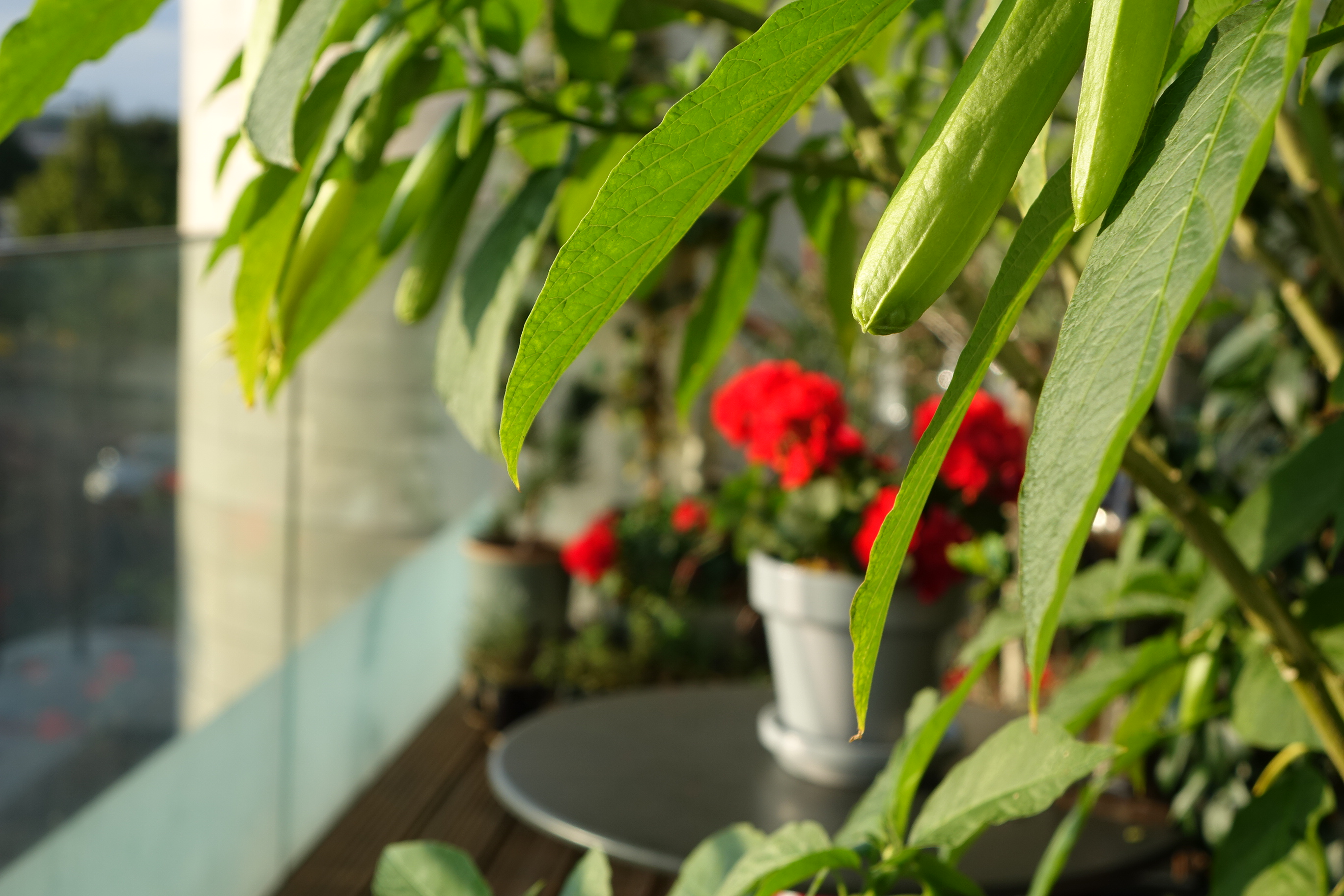
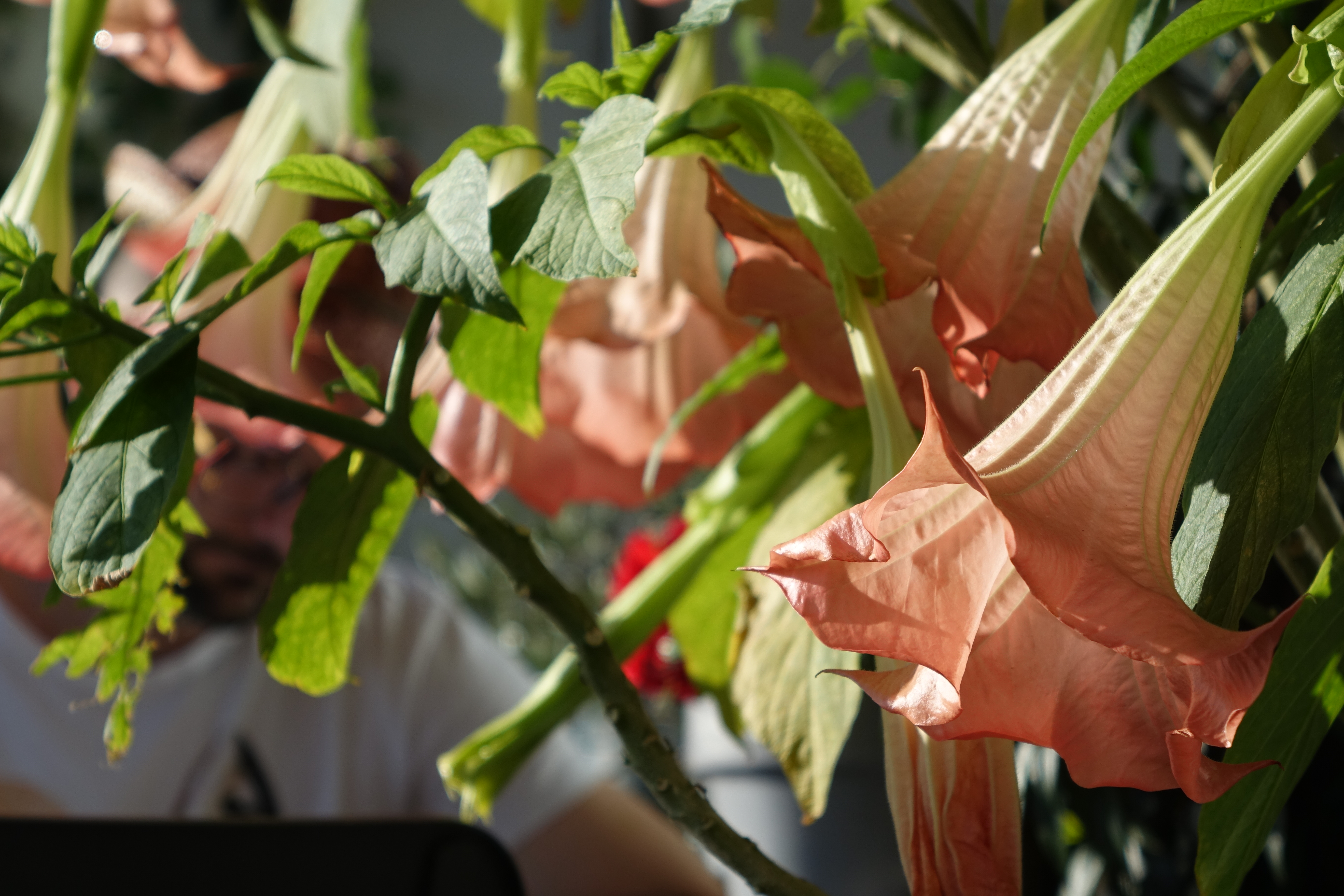
Back in 2012, I wrote a post on The Daily Norm extolling the virtues of my little slice of urban garden paradise. Full of mature blooming geraniums, passion flowers and the sweet smelling sensation of my tropical brugmansia, the balcony adjacent to my London flat has always been my pride and joy. Wouldn’t all of us love an extensive green space, but this close to the city, such a paradise would be hard to come by. But here, in the South West I benefit from the green spaces of Clapham as well as my own little slice of the great outdoors. It was one of the reasons I was so sad to leave home when we moved to Mallorca back in 2014.
DSC07101DSC05223DSC07017DSC05230DSC05487DSC07011

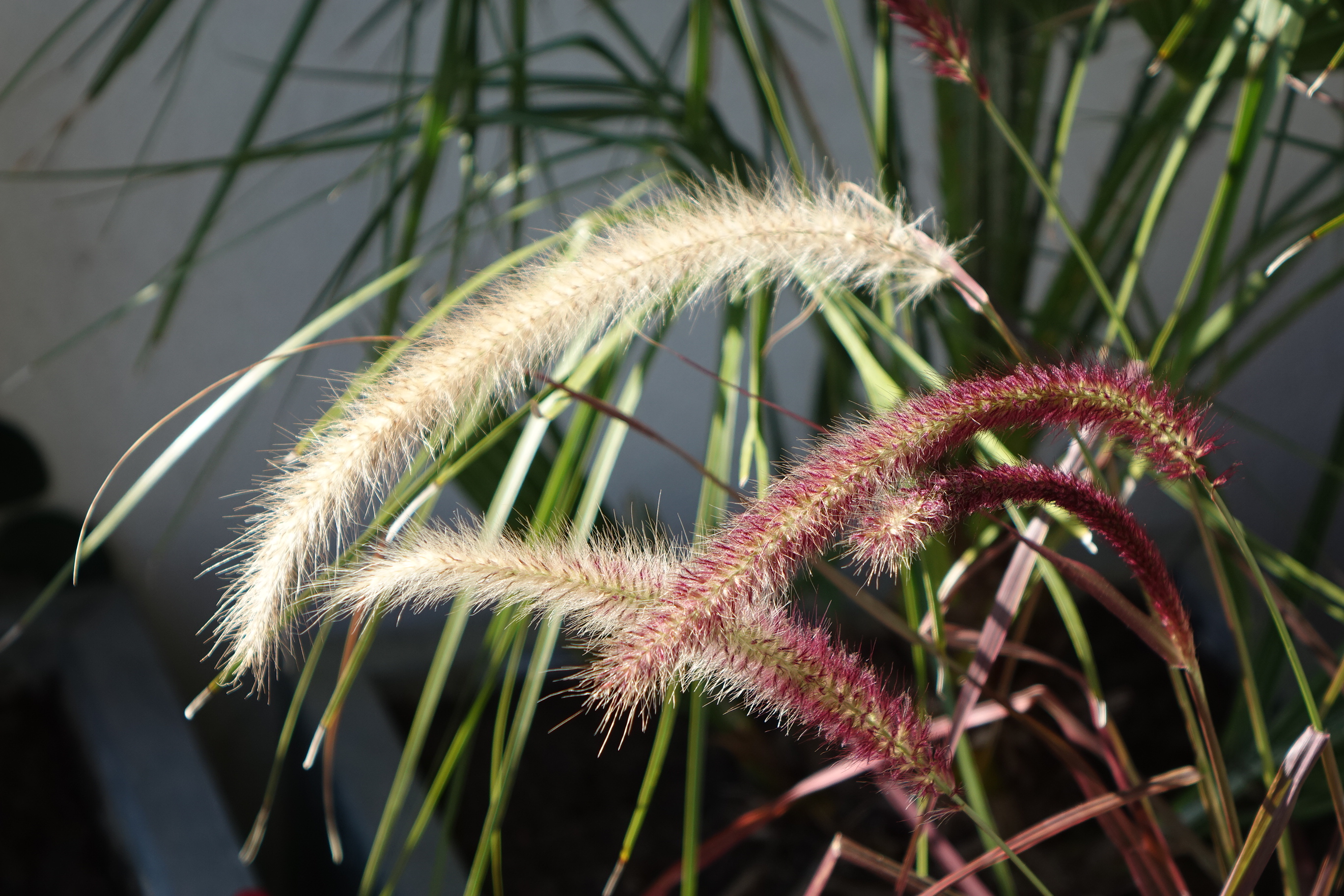
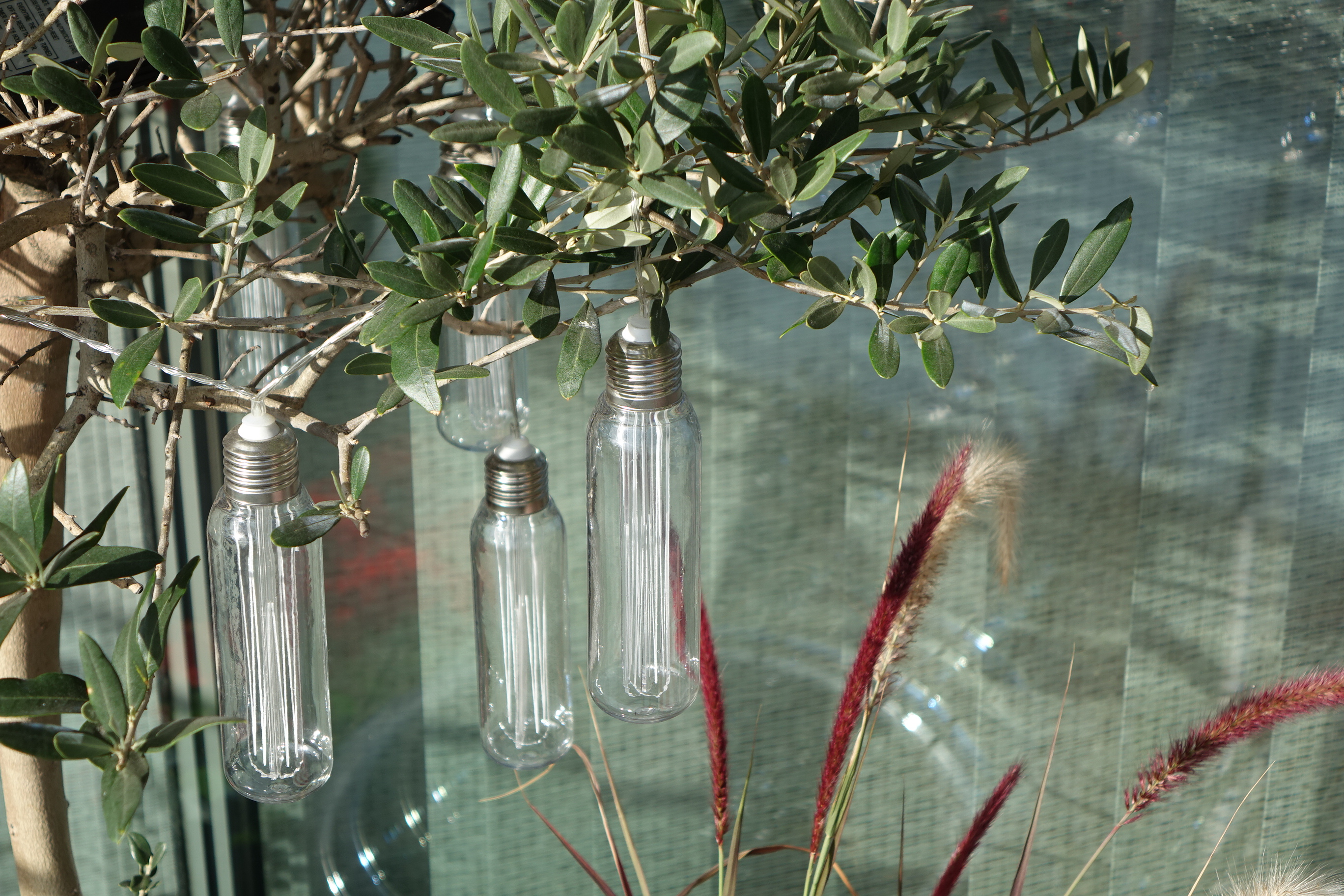
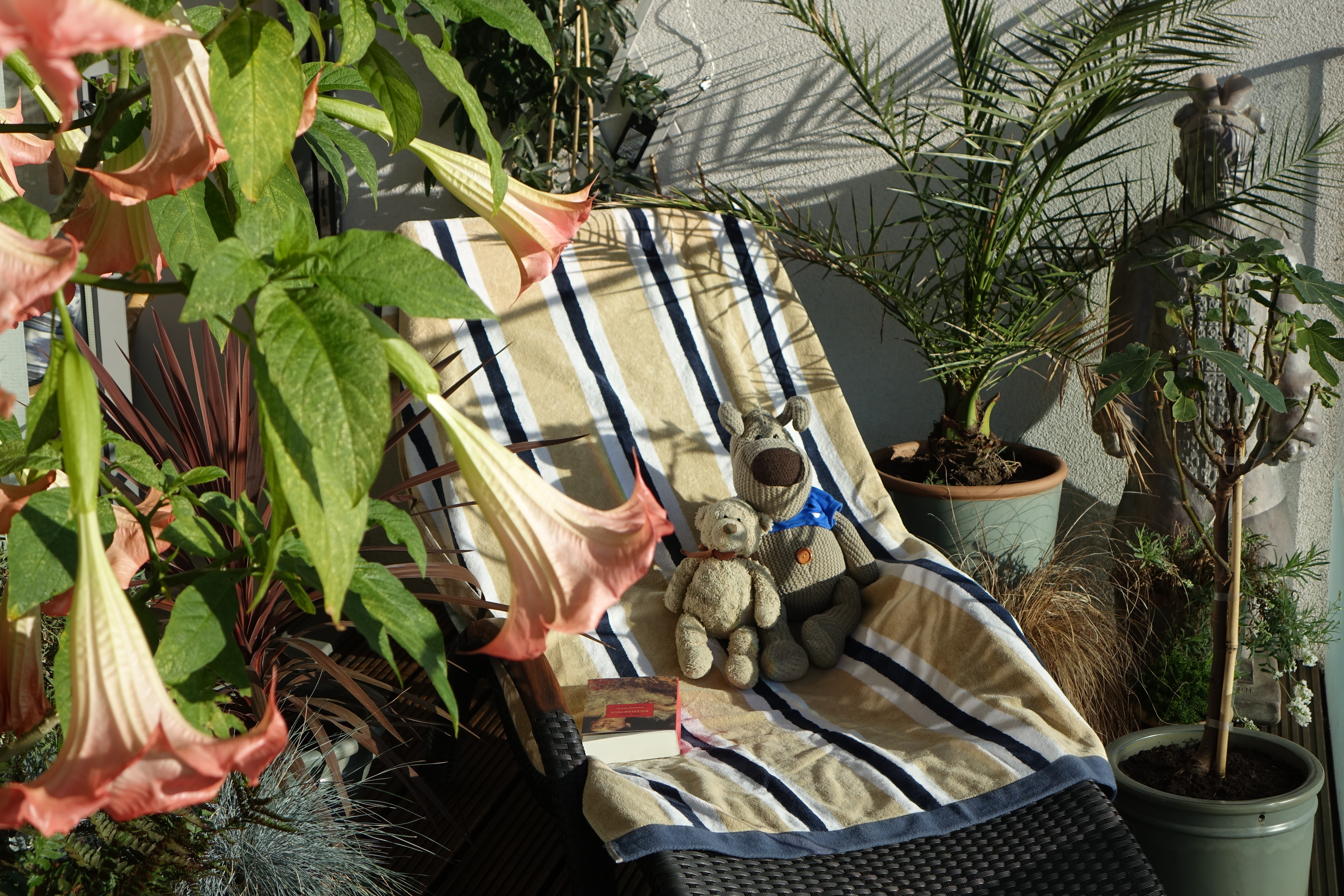
When we returned to London earlier this year, one of our main priorities was to return our balcony, then stripped bear, to the same little piece of paradise it had been before. The centrepiece of it all, our brugmansia, was just about holding on to dear life after a spell down at my parents’ in Sussex, but our olive tree, also moved Southwards, had prospered. As for the rest, this was a project in starting from scratch, and as Spring moved into summer, we started introducing climbers, grasses and the red geraniums which have always characterised our urban garden space.
DSC07070DSC07026DSC07025DSC05490DSC06789DSC07012

Now as summer moves into autumn, this little urban balcony garden is entering its leafy, flower-bursting prime: a last hurrah before the cold weather moves in and reduces it to a skeleton of its summer self. At this time of year, moments in the creamy sun of late summer are a pure joy. As I laid back in my lounger yesterday morning, book in hand a coffee in the other, I looked around me, full of pride of the restoration we have achieved in only a small number of months. Only one thing remained to be done: to share it with all of you.

© Nicholas de Lacy-Brown and The Daily Norm, 2001-2017. Unauthorised use and/or duplication of the material, whether written work, photography or artwork, included within The Daily Norm without express and written permission from The Daily Norm’s author and/or owner is strictly prohibited.

A Windsor Weekend, Part VI: The Abstract

There is often too much pressure on artists to stick to one particular style. Collectors like the work of an artist to be immediately identifiable – too much wavering from that course is never a good thing, they say. And while I suppose there is something inherently identifiable about the way an artist applies his or her brush to canvas, each is capable of doing very different things. Look at Gerhard Richter for example. He would paint vast stark abstracts one minute, and sumptuously emotional portraits the next. And good on him. For I am an artist who doesn’t like to stick to the same narrow path. As much as I have enjoyed painting more abstract scenes of late, I have also enjoyed reverting to the traditional.

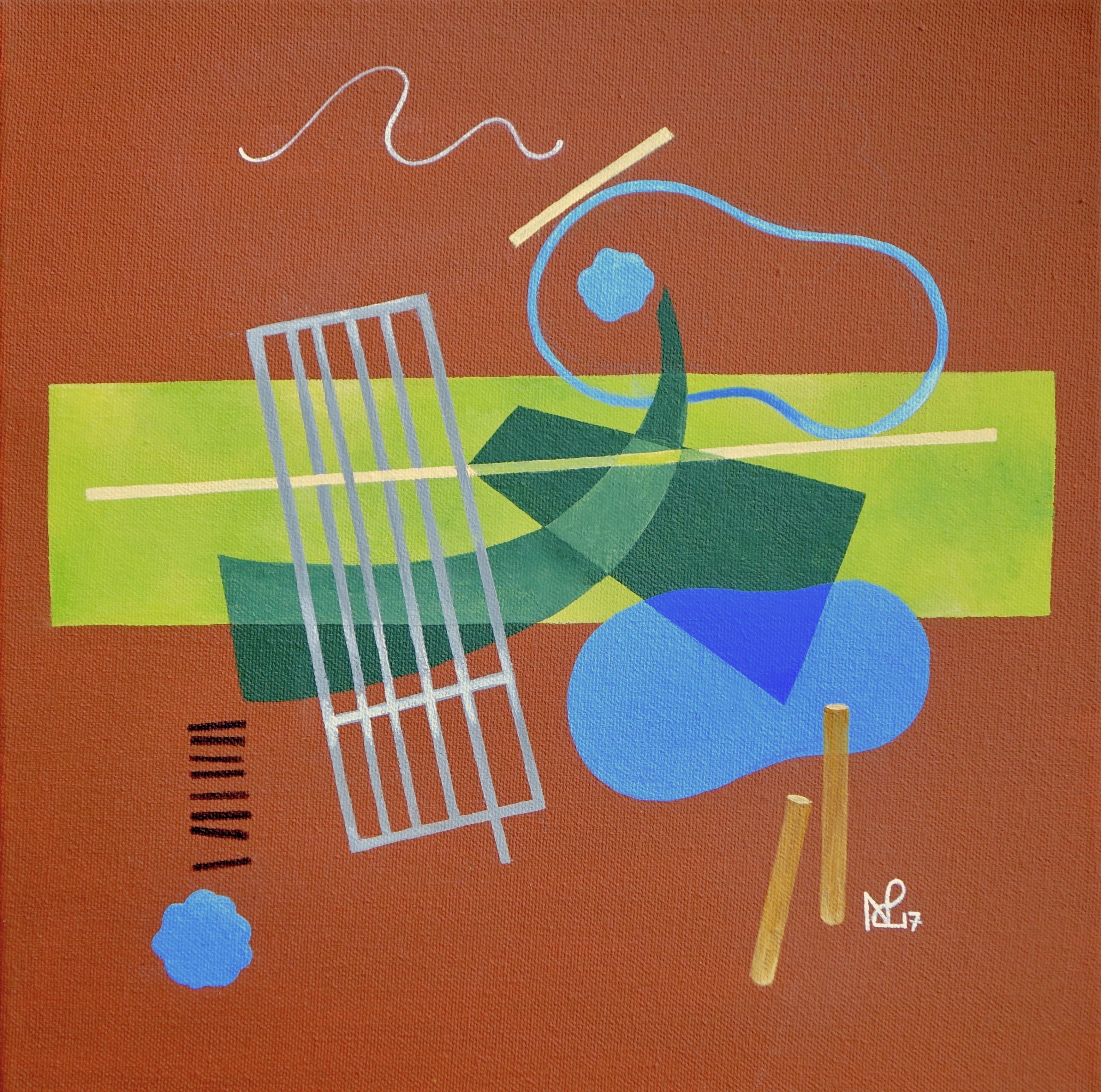
Having said all of this, two very divergent painting styles needn’t be kept apart. From each traditional painting, I believe there is an abstract interpretation just waiting to emerge. And that is just what I did when I finished my traditional landscape of Windsor: I set about paintings it companion in abstract.

Windsor Abstract FINAL

Windsor Abstract (©Nicholas de Lacy-Brown, 2017 – acrylic on canvas)

So what you see here is a work which is created from the same natural palette of browns, greens and blues as used in my landscape, and which is based upon a simplified version of the same shapes of trees and paths, strata and clouds, but all set into a very jumbled abstractive composition. Its much the same as my abstract interpretation of Las Meninas by Velazquez, except this time I am interpreting my own work.

I’m not sure I can say which of my Windsor works I prefer – this or the traditional. I believe there is a place for both. And together, they are even better.

© Nicholas de Lacy-Brown and The Daily Norm, 2001-2017. Unauthorized use and/or duplication of the material, whether written work, photography or artwork, included within The Daily Norm without express and written permission from The Daily Norm’s author and/or owner is strictly prohibited. For more information on the artwork of Nicholas de Lacy-Brown, visit http://www.delacybrown.com 

A Windsor Weekend, Part V: The Landscape

Ravishing greens, resplendent sweeping hedgerows, and the dappled light of richly verdant, leafy trees at the end of their mighty display of seasonal prowess…such were the impressions left upon me as we strolled from the imperial statue of George III in Windsor Great Park into the wealth of bucolic pastures beyond. However what really struck me about this particular spot were the two groups of trees which accumulated to make two perfectly oval collectives, almost like green mushrooms or large rosettes of broccoli.

Windsor Landscape FINAL

Windsor Landscape (©2017 Nicholas de Lacy-Brown, acrylic on canvas)

Utterly mesmerised by the sight of these rounded groupings, together with the composition of fields, green strata, and an old fallen gate, I started collecting images which would later inform a quick painting of the scene. Painting en plein air this was sadly not, but I started this small landscape as soon as I got home, when the mesmeric joys of these idyllic Windsor pastures captivated me still.

© Nicholas de Lacy-Brown and The Daily Norm, 2001-2017. Unauthorized use and/or duplication of the material, whether written work, photography or artwork, included within The Daily Norm without express and written permission from The Daily Norm’s author and/or owner is strictly prohibited. For more information on the artwork of Nicholas de Lacy-Brown, visit http://www.delacybrown.com 

A Windsor Weekend, Part IV: The Park

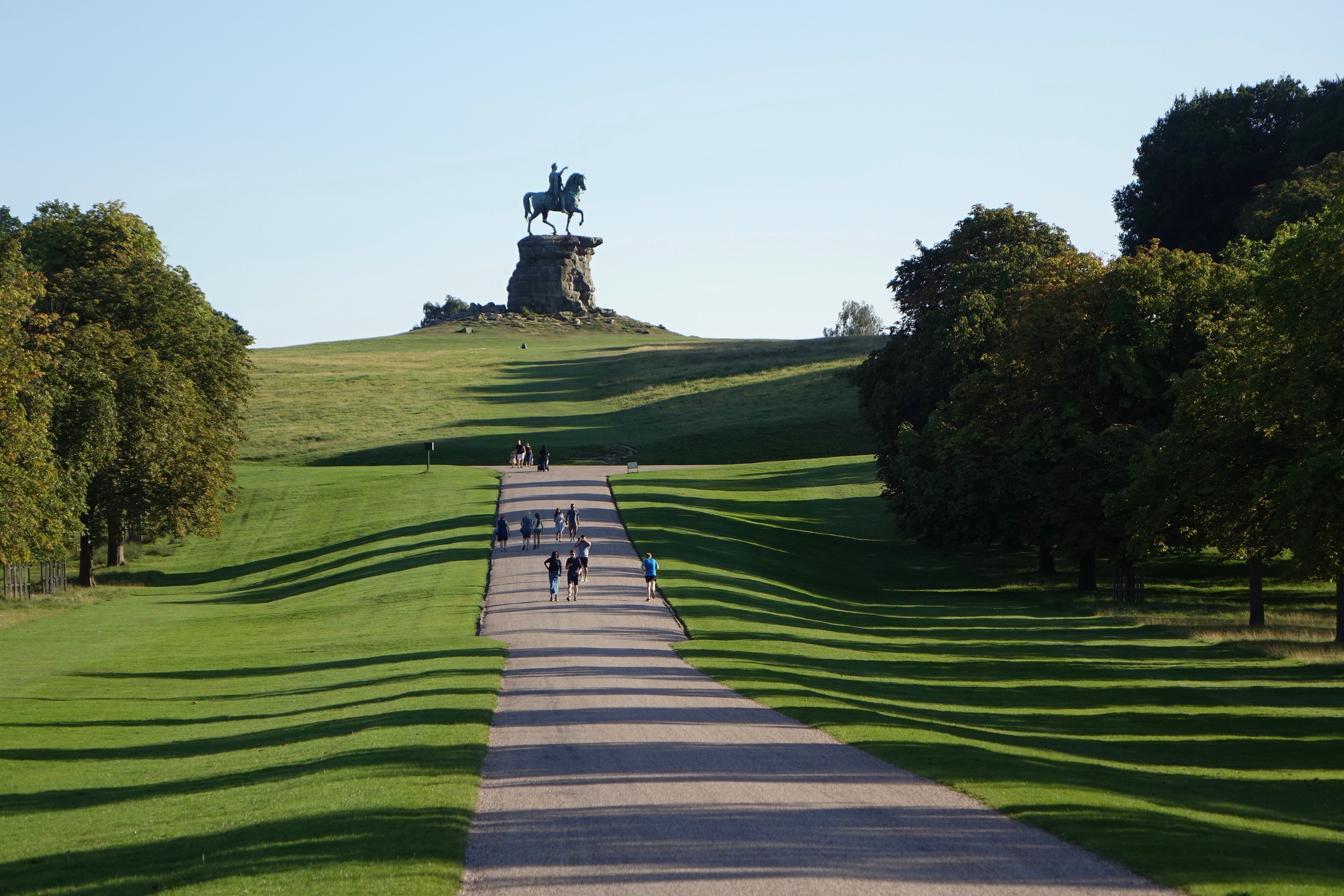
The true might and scale of Windsor Castle is best appreciated at a distance. When approaching by train, the station at Windsor and Eton Riverside gives the appearance of a toy town construction as it sits in the shadow of the mighty castle silhouette on the skyline behind it. From the river, the great Castle pervades all watery reflections as a mirror image in the Thames doubles its impact. But best of all is the Castle viewed from the vast grounds which surround it, as the sprawling regal complex stands at the apex of a 2.65 mile perfectly straight road which cuts through Windsor Great Park: a true demonstration of its domination over the land.

Windsor Great Park is great indeed, humongous in fact. Had we wanted to explore each of its 2020 hectares we would have been exhausted indeed. And it would almost certainly take weeks to do it all. For these great hunting grounds of monarchs past are today the site of sprawling forests, vast landscaped gardens and agricultural land, and contain some of the most beautiful unspoilt countryside within the outer reaches of London.

DSC06272DSC06386DSC06413DSC06614DSC06418

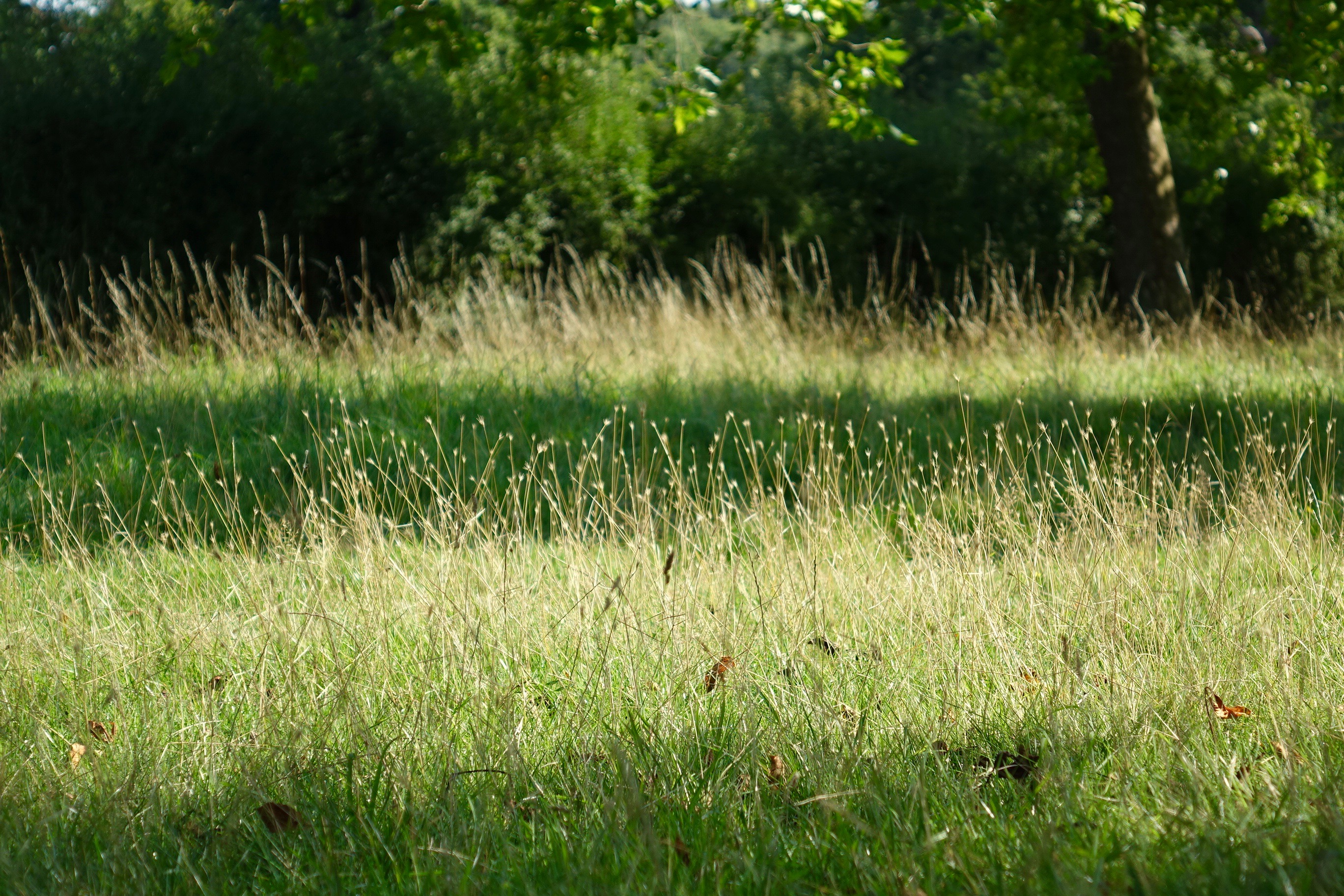
We restricted ourselves to the closet section of the park to Windsor town centre, namely the Long Walk and the land around it. Stretching from the Castle at one end to a grand imperial sculpture of George III upon a stallion at the other, the path is at the centre of a stunning tree and lawn lined avenue which seems to stretch as far as the eye can see. When setting off, the equine statue appears to be at the end of the world as it appears, tiny like a speck of dust on the far horizon. But as you proceed upon the Long Walk, admiring a progressively more bucolic scene unfold on either side, the true pomp and  enormity of the sculpture becomes clearer as behind, Windsor Castle shrinks in size.

DSC06280DSC06548DSC06269DSC06242DSC06601

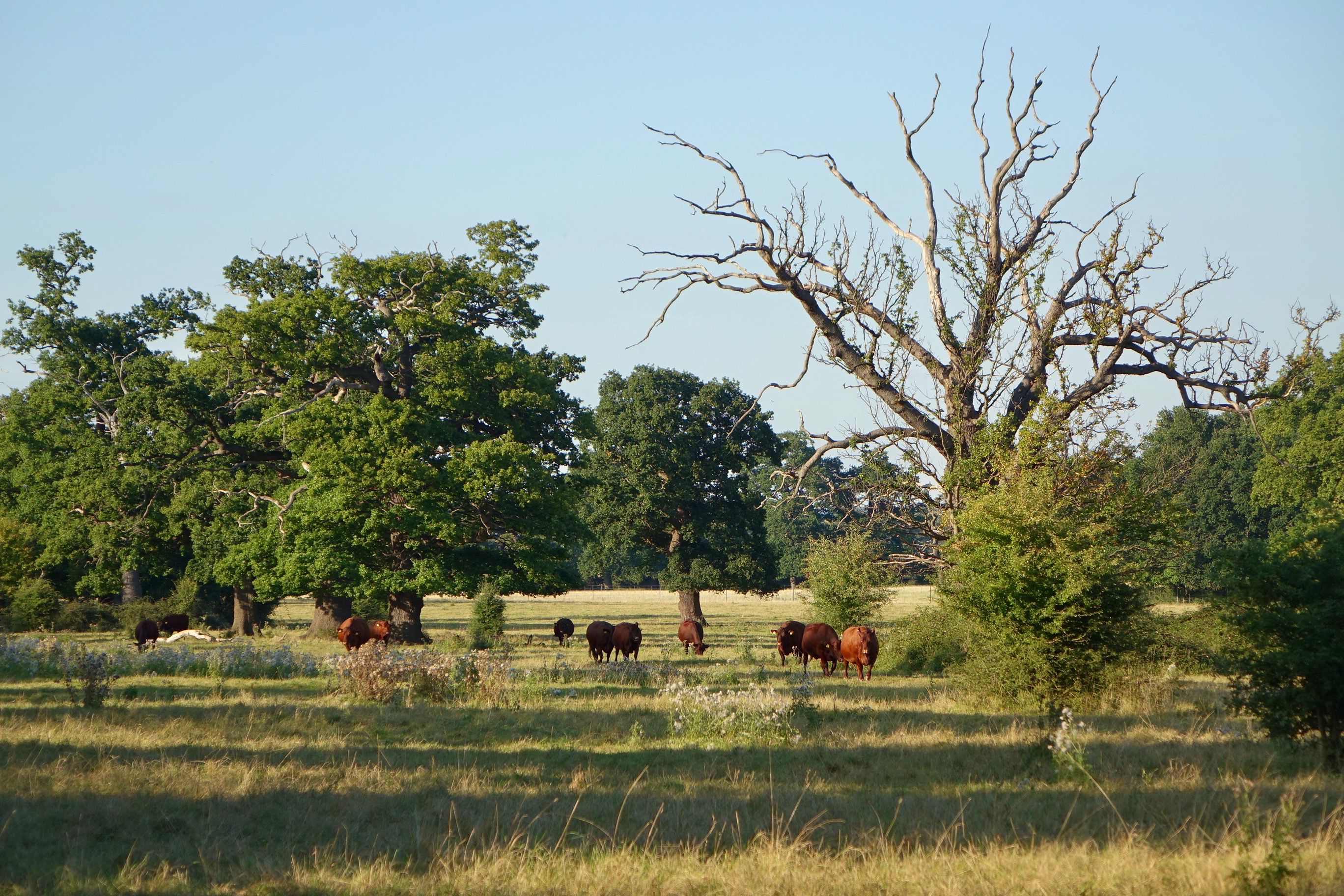
It was a hard slog, but we eventually reached George III, with the final efforts of our ascent to the base of the statue aptly rewarded by the most dazzling view of Windsor Castle far off in the distance. But turning the other way, we saw an idyllic landscape of rolling hills, woods and fields unfurl into the distance, and unable to resist a little embrace of this less landscaped scene, we delved into the forests and fields, snacking upon beautifully sweet forest berries as we did so. Here, only the unfortunate sound of Heathrow aircraft interrupted us. Otherwise the world was utterly still, and we found ourselves wonderfully at ease in this most heavenly of natural surroundings – the playground of the many Kings and Queens who have enjoyed the very rich landscapes which surround their home at Windsor.

© Nicholas de Lacy-Brown and The Daily Norm, 2001-2017. Unauthorised use and/or duplication of the material, whether written work, photography or artwork, included within The Daily Norm without express and written permission from The Daily Norm’s author and/or owner is strictly prohibited.

A Windsor Weekend, Part III: The River

We are not the most social pair, my partner and I. When it comes to the choice between a crowded room or an empty field, we will always go for the latter, finding beauty in the tranquility of nature, rather than the bustle of a hyperactive grouping. Perhaps it is the after-effect of city life – I remember sometimes feeling the opposite living in Mallorca, when the loneliness of the stark mountain scenery had us wishing for civilisation and the safety that comes with being one of a crowd.

Given that it was the bank holiday weekend, Windsor was pretty packed, and when it came to that same choice between a crowded high street and the contemplative remoteness of nature, we embraced the latter to the strongest possible degree, even when it took real efforts to do so.

DSC05907DSC05837DSC05844DSC05811

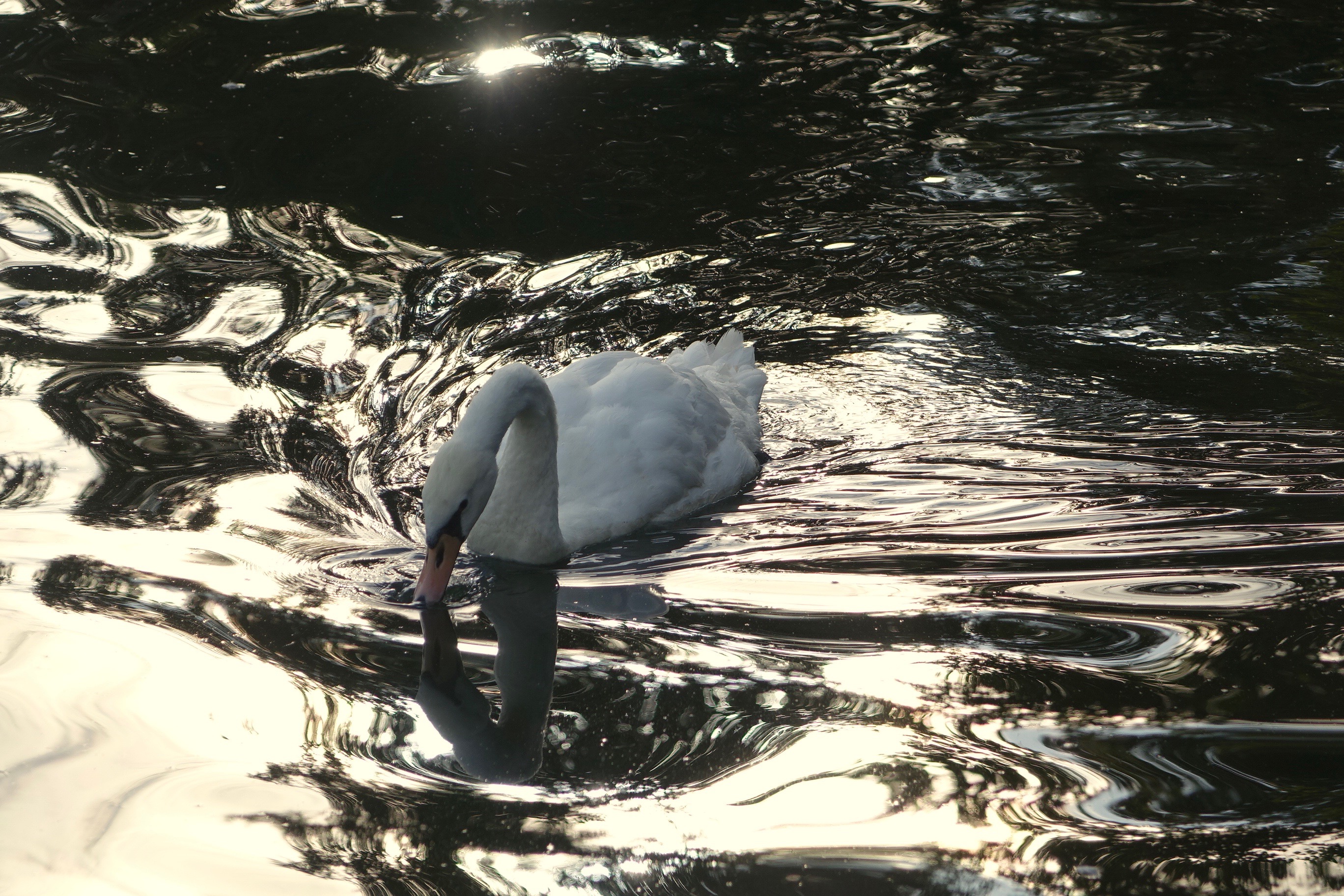
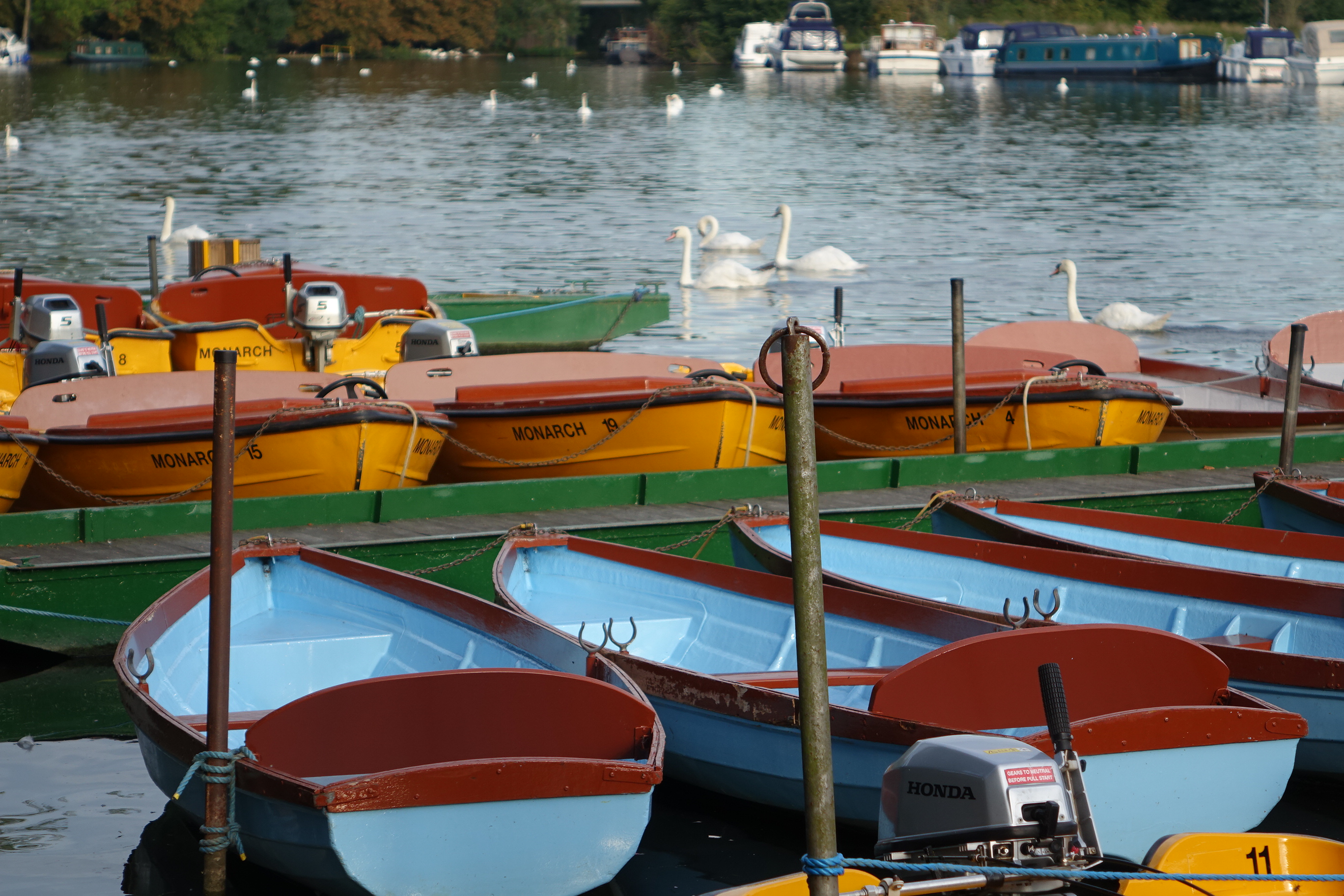
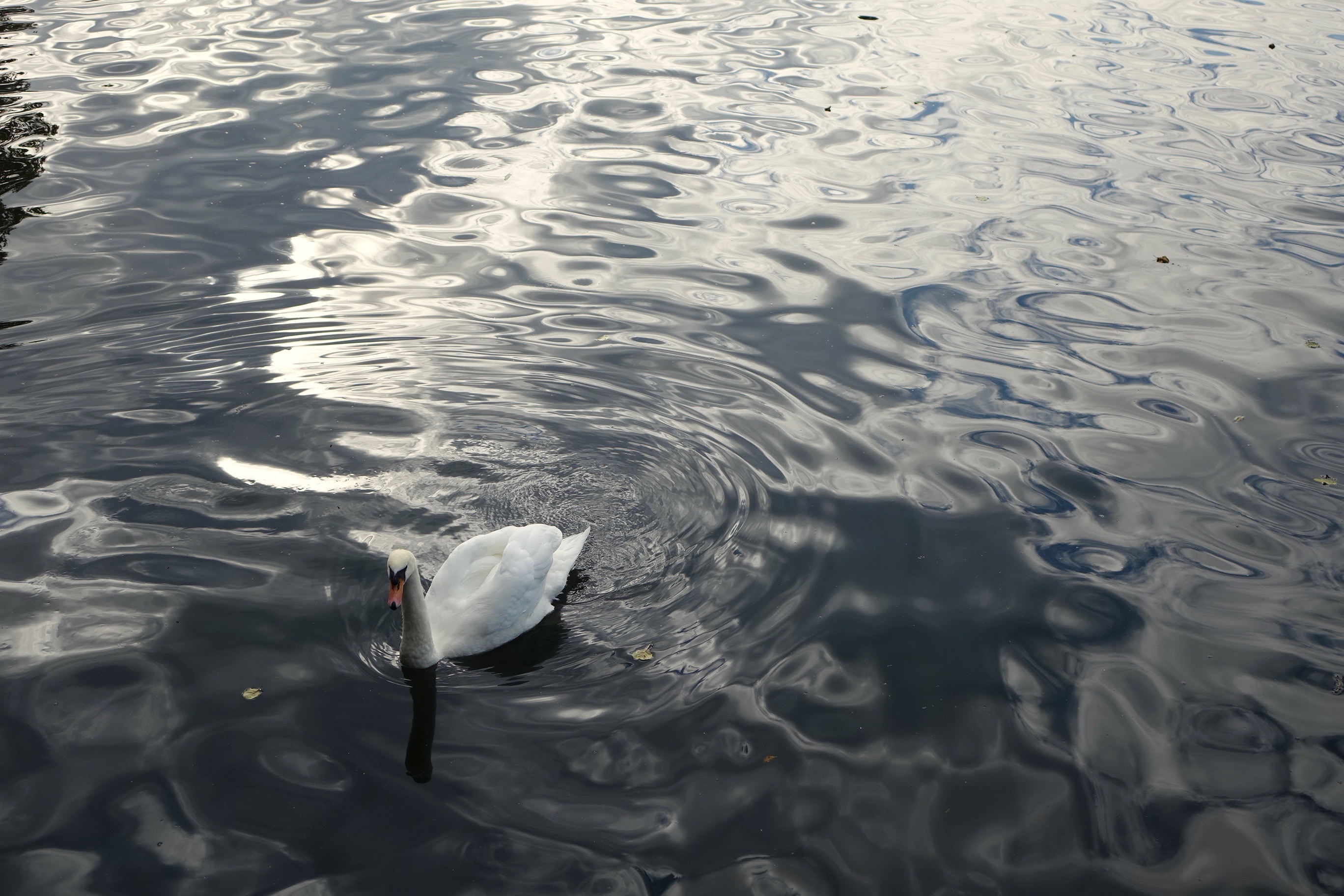
Chief amongst those endeavours was our determination to rise early and enjoy the town, and more particular the banks of the River Thames, without the interruption of crowds. And so by 7:30am, we were already to be found down by the mirrored surface of the water with only swans for company. And what a lot of swans there were. At one point, when we wandered under a bridge onto a tiny peninsular literally loaded with swans preening themselves, sleeping and feeding, we empathised perfectly with how Edgar Degas must have felt, when he walked into the dressing room of the Opera Garnier in Paris, with countless ballerinas preening themselves in preparation for their stint on stage.

DSC05589DSC05870DSC05980DSC05946

The River Thames was very much the perfect swan lake for us that golden early morning, and with very little else to disturb the silence, we enjoyed a walk of utmost tranquility before the imposing silhouette of Windsor Castle. Gradually, as the hours ticked on, more people appeared: jogging, walking the dog, and getting ready for the day. But having had our fill of nature enjoyed in the quiet peace of daybreak, we were once again ready to face those burgeoning Windsor weekend crowds.

© Nicholas de Lacy-Brown and The Daily Norm, 2001-2017. Unauthorised use and/or duplication of the material, whether written work, photography or artwork, included within The Daily Norm without express and written permission from The Daily Norm’s author and/or owner is strictly prohibited.

A Windsor Weekend, Part II: The Town

The title of this post is perhaps a little misleading. For as any visitor to Windsor by train will know, Windsor is not a town that flies solo. Rather, just across the river is the equally prestigious town of Eton, and together they make up an inseparable twosome with only a narrow stretch of tranquil water flowing between them. So today’s post will look, photographically speaking, not only at Windsor, but Eton too, for each one of them is historically important and aesthetically quaint, and both are surely the very quintessence of the picture-postcard English town.

The little town of Windsor is very much shaped by the castle which sits at its heart. The main high street encircles the vast outer walls, and every shop and business is turned towards the Castle as though they are spectators at a show. Given the size of the Castle, it is perhaps unsurprising that Windsor looks small and cute by comparison – much like Queen Mary’s dolls house which resides famously within the State Rooms of the Castle on the hill. But it is this scale which characterises Windsor as being an idyllic little urbanisation, with history oozing from its shops and houses as much as from the Castle.

DSC05801DSC05678DSC05806DSC05736DSC05618DSC05721DSC05549

As though playing up to the English stereotype, the town is a hotpot of quaint little English pubs, sweet shops and of course fish ‘n chips – tourists must flip out when they stumble upon this paragon of Britishness. Not quite as entertained by the English ideal, I was instead enamoured by the chocolate-box quality of the place – by the houses which appeared to be leaning and creaking in every direction, as though reminding all visitors that their foundations are historical, a far cry from the modern lines and standard shapes of the 21st Century.

This charming idyll continues across the river to Eton, which is of course famous for its school, educator of Kings and Prime Ministers from across the ages. While Eton’s high street will greet you, long before the school, it is clear that Eton is very much subservient to its principal offering: hence why the shops are in business to take photos of the students, to dress them in their Sunday and uniformed best, and to boast, through souvenirs, the great educational treasure which the town holds within its midsts.

DSC06632DSC05681DSC06163DSC06040DSC05690DSC05540DSC05775

Not far up the high street, that great bastion of refined education and privilege looms from beyond the buildings like a Tudor palace. It wasn’t possible to gain entrance, but peeks inside from the grounds betrayed a college which, like the Castle over the river, plays to the global mythology of a Harry Potter-like college oozing with age and historical significance. This is an expensive school, and the ravishing historical lines of its red-bricked building, its gardens abound with flowers, and its grounds running straight down to the river betray an establishment where students will benefit from the very best education and exposure to England at its verdant, bucolic best.

There was no hiding our pleasure at walking these grounds, smelling the fresh air and sitting back to enjoy the somniferous trickle of the calm river Thames. And even though a hint of envy might have entered our afternoon tranquility, when our own schools compared, somewhat less favourably, with this, it was largely with a sense of pride that we traversed the grounds of Eton. For as English stereotypes go, this is a ravishingly beautiful one, and something which the lucky few should enjoy to the full, never taking for granted the unspoilt beauty and prestige with which they will formerly enter the world of adulthood.

© Nicholas de Lacy-Brown and The Daily Norm, 2001-2017. Unauthorised use and/or duplication of the material, whether written work, photography or artwork, included within The Daily Norm without express and written permission from The Daily Norm’s author and/or owner is strictly prohibited.

A Windsor Weekend, Part I: The Castle

The myths and legends surrounding England’s valiant past are so intertwined with our history that it’s sometimes hard to remember what is fact and what is fiction. The tale of King Arthur and the Knights of the Round Table is a typical example of this, and while many have determined the magic surrounding Merlin to be the stuff of fairytales, the fable of King Arthur and his Knights certainly resonates as being a more realistic depiction of historical England. Whether or not the round table existed, the image it evokes – of brave knights, lion-emblazoned coats of arms, and of shiny coats of armour ridden into battle – very much captures a sense of the England of old. And if one place were to lift that image off the pages of legend and into the real light of day, it’s Windsor Castle.

DSC06710DSC06664DSC06715DSC06137DSC06776

Grand, imposing and the very epitome of a medieval-style castle, Windsor is not only a historical monument worthy of legend itself. Rather it always has been, and continues to be a favourite royal residence, and today boasts the record as being the longest occupied palace in Europe, as well as the favourite weekend retreat and place of entertainment of the UK’s current monarch, Queen Elizabeth II. With roots stretching right back to the Norman Conquest of 1066, Windsor Castle has been constantly remodelled and expanded to suit the tastes of each succeeding monarch, from the lavish baroque of Charles II to the Georgian flourishes of George IV and the modernisation of the Victorian and later eras.

While on the outside it appears as stark and imposing as a great stone castle should, on the inside it is very much a palace in the true sense of the word. While some rooms are emblazoned with sparkling armour, decorative weaponry and historical coats of arms, others are masterpieces in rococo and baroque, glistening with gold and chandeliers and filled with the most lavish of palatial furnishings. In 1992, much of this beauty was almost lost forever when a ferocious fire tore through the building and destroyed many of the most important State Rooms. But today, after an award winning restoration, Windsor is not only back to its beautiful self, but much improved, with many interim changes reversed to take the Castle design back to its early glory days.

DSC06771DSC06721DSC06640DSC06699DSC06134

But Windsor is not just a single-building castle, but a complex with gardens, out-buildings and places of worship making up a mini town within a town. Chief amongst these ancillary sights is St George’s Chapel, which is probably one of the most beguilingly beautiful churches I have seen. Gleaming with light filtered through intricately conceived multi-coloured stained glass windows depicting the Kings and Queens of old, the chapel is a masterpiece of the perpendicular gothic. Its lattice stone-weaved ceiling is a work of genius, and in such a good condition that it is hard to think that for the most part, this is the work of 15th Century craftsmen. Its Quire (where the choir sing) is simply magical. The home of the Knights of the Garter, it is a true homage to all things Round Table, adding to the myth which surrounds British history and expressing in a stroke of true theatricality the historical importance of this preeminent body of royal knights. Meanwhile, peppered throughout the chapel are some of the most important monuments you are likely to see in any single one place in England: here lies Henry VIII, the Queen Mother, George V, George VI and Charles I to name but a few. And for those not buried here, monuments to the likes of Prince Albert and Princess Charlotte (who died in childbirth leading to the ascension of Queen Victoria) are masterpieces of pathos carved in stone and crafted in the suitably melodramatic Victorian aesthetic.

DSC06116DSC06074DSC06115DSC06093DSC06157DSC06130

Unfortunately the splendours of Windsor’s interiors are the preserve of the eyes only, as photography is banned throughout. I must therefore content myself with sharing with Daily Norm readers my photos of the joys of Windsor’s grounds, from the incredible exterior masonry and gothic façade of St George’s, to the beautiful moat gardens which, filled with roses, so perfectly soften the hard lines of this mighty castle beyond.

© Nicholas de Lacy-Brown and The Daily Norm, 2001-2017. Unauthorised use and/or duplication of the material, whether written work, photography or artwork, included within The Daily Norm without express and written permission from The Daily Norm’s author and/or owner is strictly prohibited.
London, Rediscovering My City: Ham House & Gardens

There’s nothing like a good old National Trust property. With some of the finest country estates that the UK has to offer, the National Trust is a true beacon for Britain’s finest cultural heritage, offering visitors the chance to stroll around like Elizabeth Bennet and Mr Darcy…to relive the Brontes, Thomas Hardy, Wordsworth, Tennyson. Some of the best memories of my childhood flood back when I enter a National Trust shop – that most prized reward at the end of a visit, when the excitement of a souvenir – maybe a lavender filled drawer sachet, a candle or a wooden mouse – was heightened by the delicate fragrance of rose and lily of the valley which always pervaded these most gentile of English boutiques.

Now in adulthood, those halcyon days feel far removed, and in London, the idea of visiting a country estate is perhaps as exotic a concept as a trip to Thailand. So it was with some delight that on a recent weekend, a trip merely 20 minutes away brought us to  the Royal Borough of Richmond, and just beyond the delights of Ham House.

The House from the River and the gardens

DSC01580DSC01776DSC01677DSC01679DSC01724

Set just inland from the meandering banks of the River Thames, the solid and grandiose symmetrical red brick facade looks from afar like a dolls house, whose perfectly apportioned facade might swing open at any moment to reveal the chequerboard floors and exquisitely painted ceilings within. Upon our approach, the very human scale of this grand mansion became clear, and Ham House revealed itself as one of the grandest Stuart mansions still standing.

The kitchens

DSC01675DSC01660DSC01674DSC01671DSC01665DSC01658DSC01661DSC01666

While perhaps a little gloomy, the elaborate interiors hung with large scale mythological paintings and finished with exquisite balustrades and richly carved furnishings are a reflection of the tastes of the House’s 17th century owner, the Duke of Lauderdale, who transformed Ham after its original owner, a childhood friend of King Charles I, came to no good during Britain’s great Civil War.

Details of the interiors

DSC01643DSC01623DSC01617DSC01609DSC01608DSC01586

For me, the greatest charm of Ham (the lavender-filled gift-shop asides) was not its house but its gardens. Expanding way beyond the house, the gardens offer a mix of the formal with the more tempered wilderness, as a beautifully trimmed topiary garden leads onto expansive lawns, a richly planted South terrace border, and walled gardens within which a wilderness of grasses and wild flowers is the perfect setting for a very philosophical stroll. Appropriately for England, the highlight comes of having afternoon tea in the garden’s very well appointed cafeteria, from whose tables the heady perfume of peonies and rose permeates a beautifully presented afternoon tea.

The formal gardens

DSC01795DSC01684DSC01803DSC01787DSC01810DSC01773DSC01603

We left, via the gift shop, feeling that much more gentrified after our interaction with history, and the finer things in life. Ham’s handsome house and gardens bid their farewell and led us gently onto the leafy riverbank between Richmond and Teddington… perhaps one of the finest of all stretches in the remarkably green capital city of England.

 …and the less formal gardens

IMG_0719DSC01689DSC01769DSC01750DSC01768DSC01766DSC01720DSC01694

© Nicholas de Lacy-Brown and The Daily Norm, 2001-2017. Unauthorised use and/or duplication of the material, whether written work, photography or artwork, included within The Daily Norm without express and written permission from The Daily Norm’s author and/or owner is strictly prohibited.
Cassata Siciliana

Following hot on the heels of my last Sicilian sketch, today the final curtain falls upon my Sicily series with this, probably the best showstopper I could conceive in dedication to a holiday so rich in inspirational sources – my latest painting, Cassata Siciliana. 

Measuring some 100cm squared, it’s the largest painting I have completed in a long while and utterly dedicated to the joyful colours, textures and landscapes of South Eastern Sicily. Both its name and its central theme revolve around Sicilian desserts, more particular the Cassata which, in both its sponge-cake original and the ice cream alternative is a dish typical of the island comprising different layers of chocolate, pistachio, ricotta and candied fruit, all representing the wealth of Sicily’s locally available produce. Taking inspiration from that multi-layered dessert, I sought to paint a scene of Sicily made up of layers of squares and outlines, colours and textures, all of which combine to represent a jovial Sicilian scene, a town piazza at its centre, and the tables and chairs and striped awning of a gelateria dominating the scene.

Cassata Siciliana FINAL

Cassata Siciliana (2017 ©Nicholas de Lacy-Brown, acrylic on canvas)

Whether it be the little ice cream cart on wheels, or that other famous Sicilian treat – the cannolo – proudly sat upon a marine-striped building, this is a painting dedicated to the joy of sunny afternoons filled with chatter, happiness and above all things, dessert. But it is also a homage to the beauty of the Sicilian landscape, whether the baroque brilliance of its cathedrals – such as this reference to the yellow-stoned magnificnetly-domed cathedral in Noto – or the natural scenery which characterises the island, in particular the startling shadow of Etna which defines Sicily.

© Nicholas de Lacy-Brown and The Daily Norm, 2001-2017. Unauthorized use and/or duplication of the material, whether written work, photography or artwork, included within The Daily Norm without express and written permission from The Daily Norm’s author and/or owner is strictly prohibited. For more information on the artwork of Nicholas de Lacy-Brown, visit http://www.delacybrown.com 
My Sicily Sketchbook: An Aperol in Taormina

Just when it looked like the Daily Norm’s Sicily series was at a close, I have a few final hurrahs to add to the collection, in the form of Sicily inspired artworks, naturally. The first is this one, a further page of the second volume of my trusty travel sketchbook, which was started in Catania and went with me along my travels across the south east of Italy’s most inspiring island. This sketch depicts the Piazza 9 Aprile in the bustling little hilltop town of Taormina.

Taormina Sketch

Drinks on the Piazza 9 Aprile, Taormina (© Nicholas de Lacy-Brown, 2017, pen on paper)

Given its reputation as the Capri of Sicilia, Taormina is a town aptly peppered with plenty of boutique designer stores, baroque embellished houses and a panoply of cafes, their tables spilling out onto the black and white chequerboard pavements. It was in one such café that I began this sketch, an aperol spritz appropriately placed on the table before me, while around us, street musicians provided the perfect accompaniment to a wonderful afternoon moment. But the aperol did not last long, and soon enough we were off to dinner. The completion of this sketch had to wait, therefore, until many weeks later back in a decidedly less Sicilian UK… hence its delayed publication on The Daily Norm. But as they say, better late than never…

© Nicholas de Lacy-Brown and The Daily Norm, 2001-2017. Unauthorized use and/or duplication of the material, whether written work, photography or artwork, included within The Daily Norm without express and written permission from The Daily Norm’s author and/or owner is strictly prohibited. For more information on the artwork of Nicholas de Lacy-Brown, visit http://www.delacybrown.com