Skip to content

Positano & beyond | Ravello

It would have been sinful to take the 45 minute long boat journey all the way from Positano to Amalfi only to miss the real jewel of the Amalfi Coast to be found a mere 5km behind the town. Containing some of the most luxurious of the coast’s hotels, playing host to a string of celebrities past and present from DH Lawrence and Humphrey Bogart, to Salvador Dali and Leonardo DiCaprio, and boasting its own internationally renowned arts festival extending from June until the early Autumn each year, the town of Ravello is an unmissable high point of the Amalfi experience.

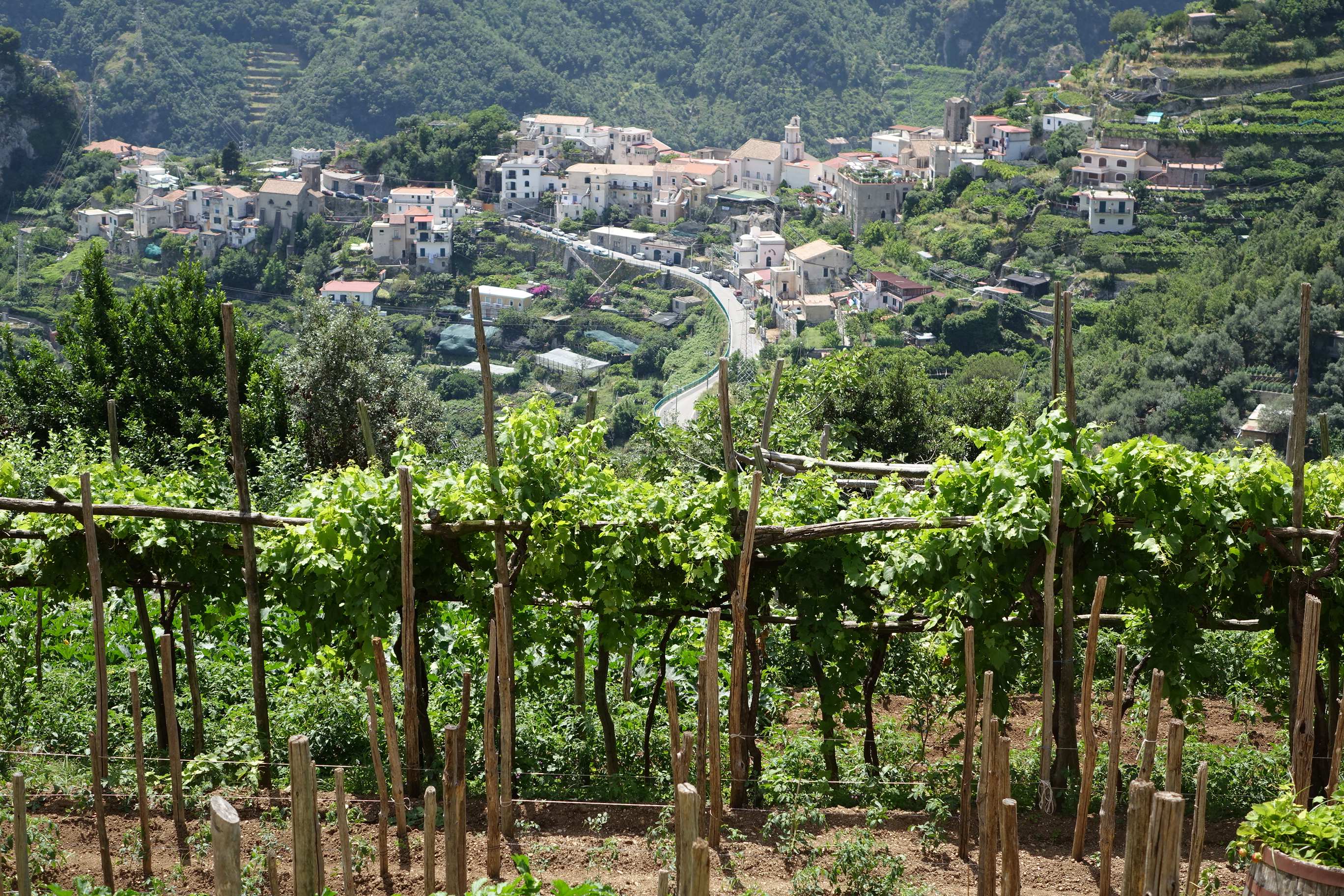
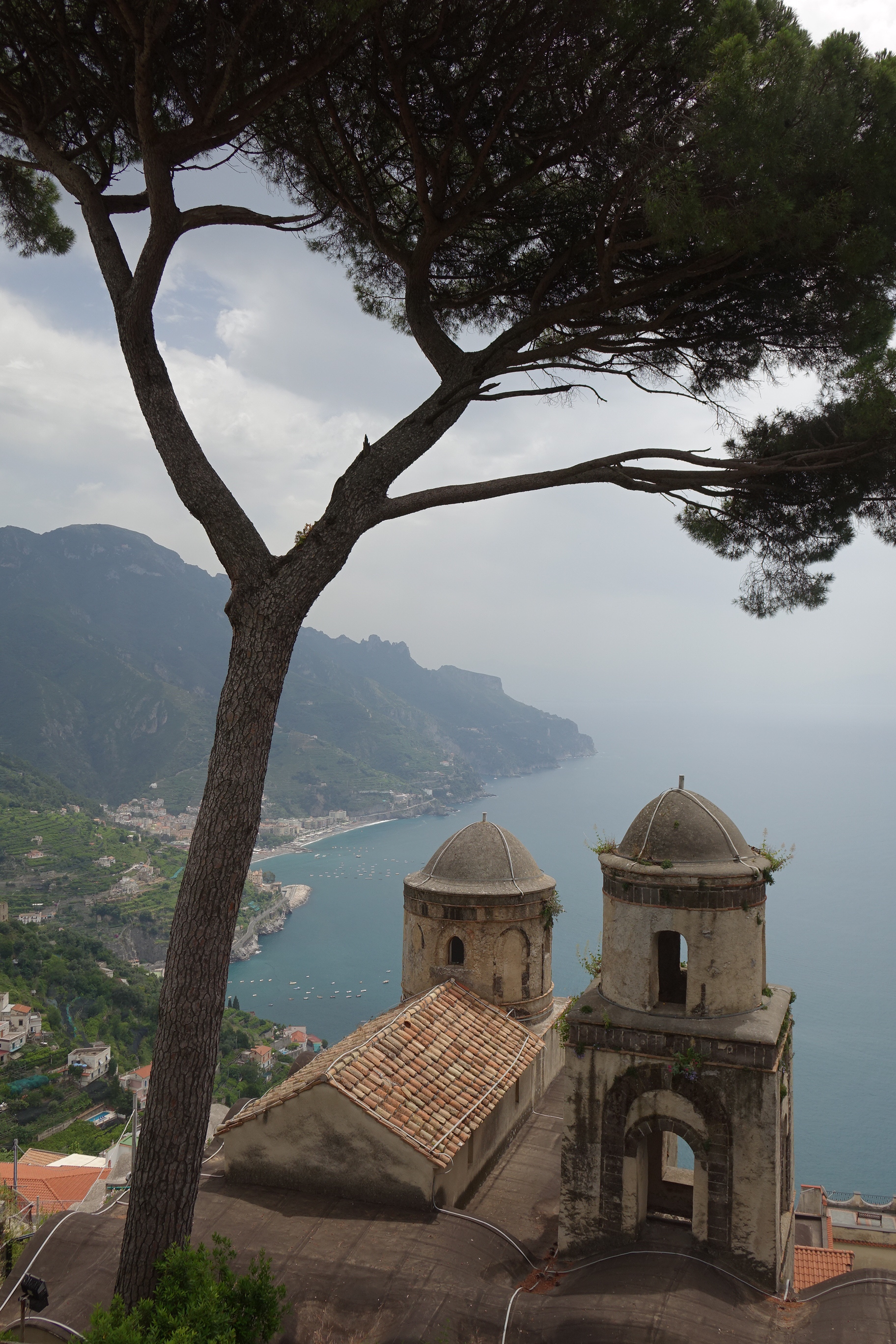
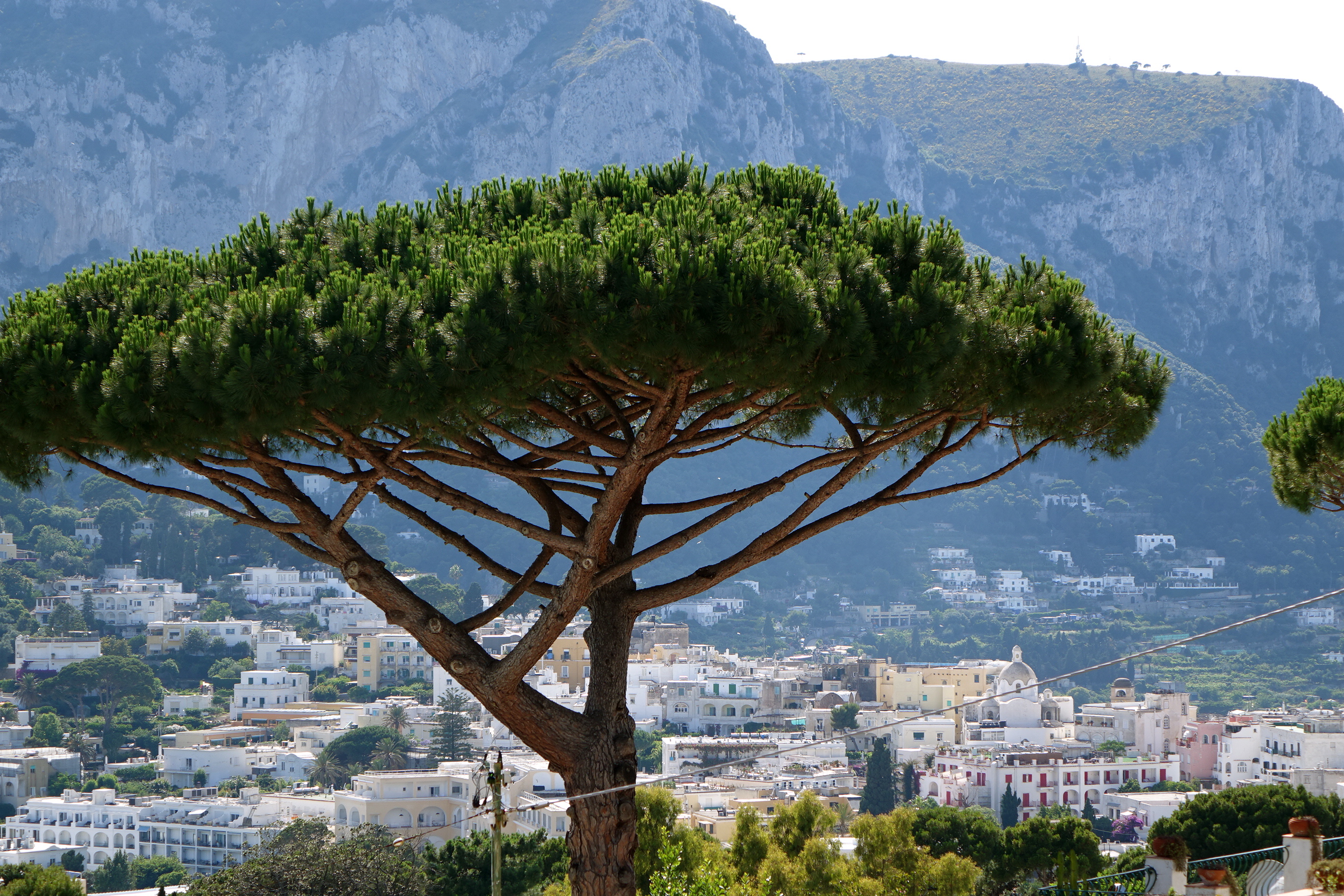
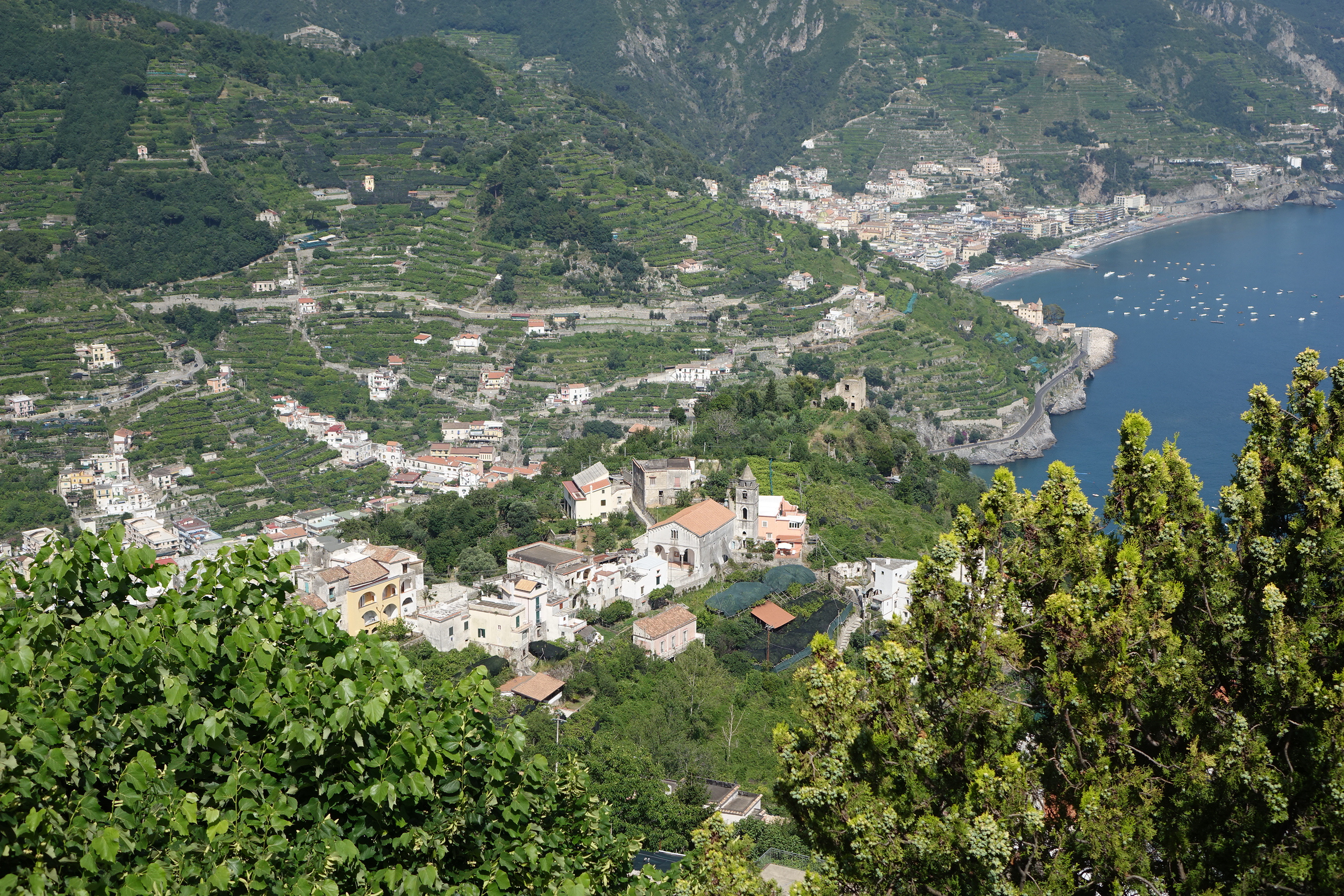
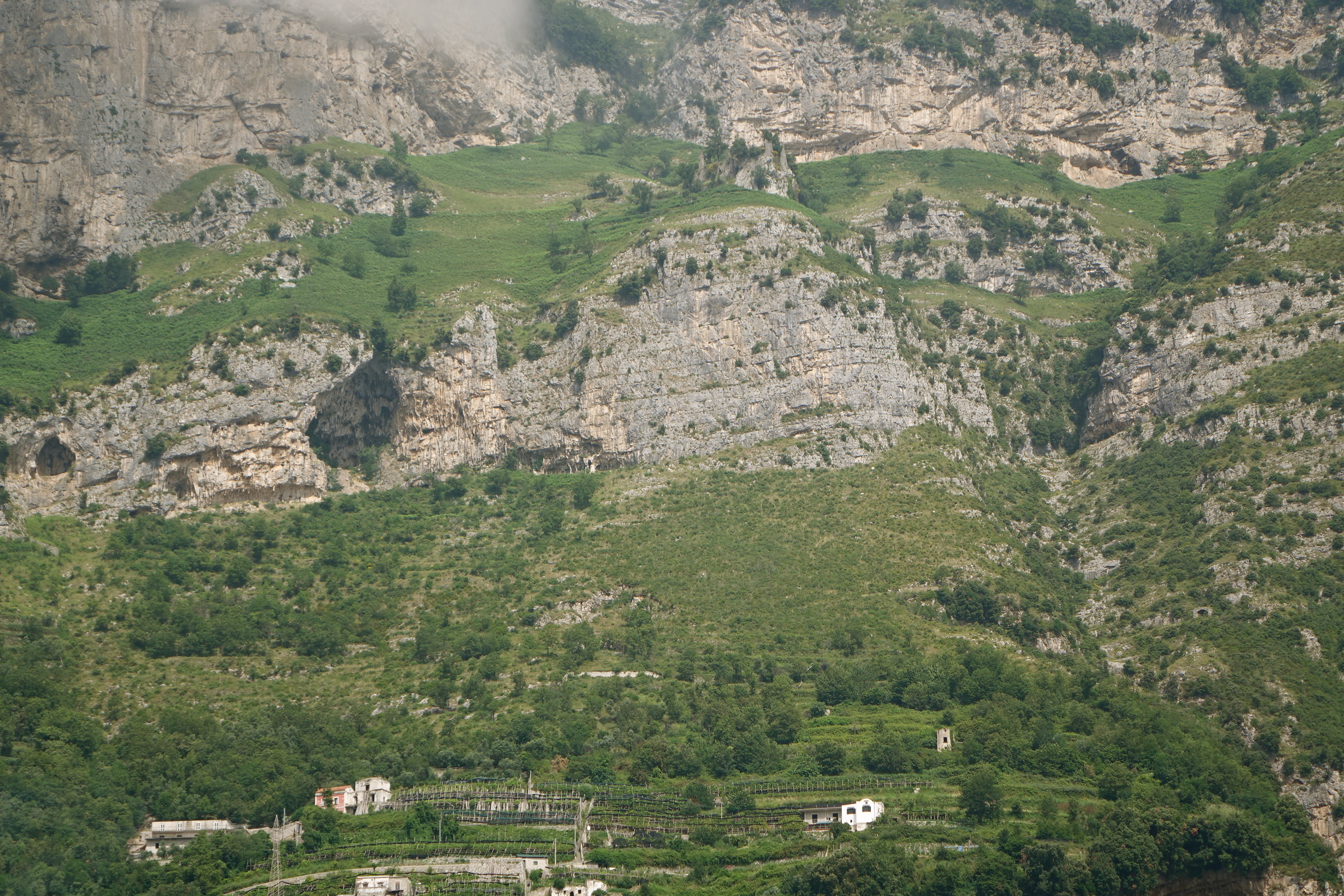
And high it really is. For the mere 5km distance of which I have alluded does not take into account the fact that Ravello is a spectacular 1,200ft above sea level, set along a perfectly situated mountain ridge, and that the journey to get there takes in some of the most dizzyingly vertiginous hairpin bends of all the roads on the coast. Yet even though many a visitor will arrive in the town with their nails bitten down halfway closer to their cuticles, the views that will greet you, and remain in sight from almost every aspect in Ravello are well worth the stomach flips. Glittering, stunning vistas down to the coast around Salerno and beyond make these views some of, if not the most stunning anywhere in Italy.

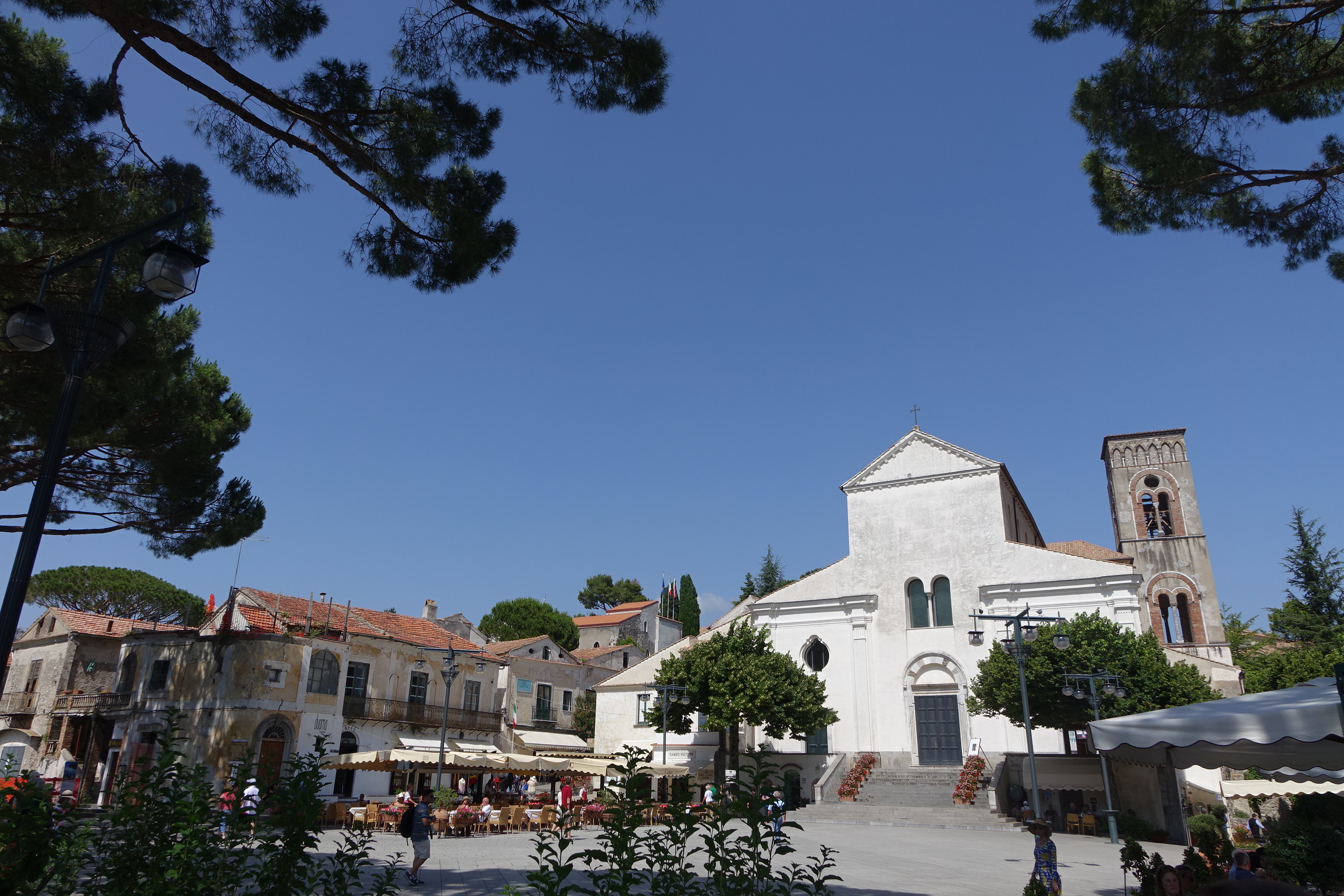
Ravello’s Duomo and the stunning views it’s famed for
DSC03760DSC03735 DSC03725 DSC03740 DSC03580 DSC03738 DSC03688 DSC03417

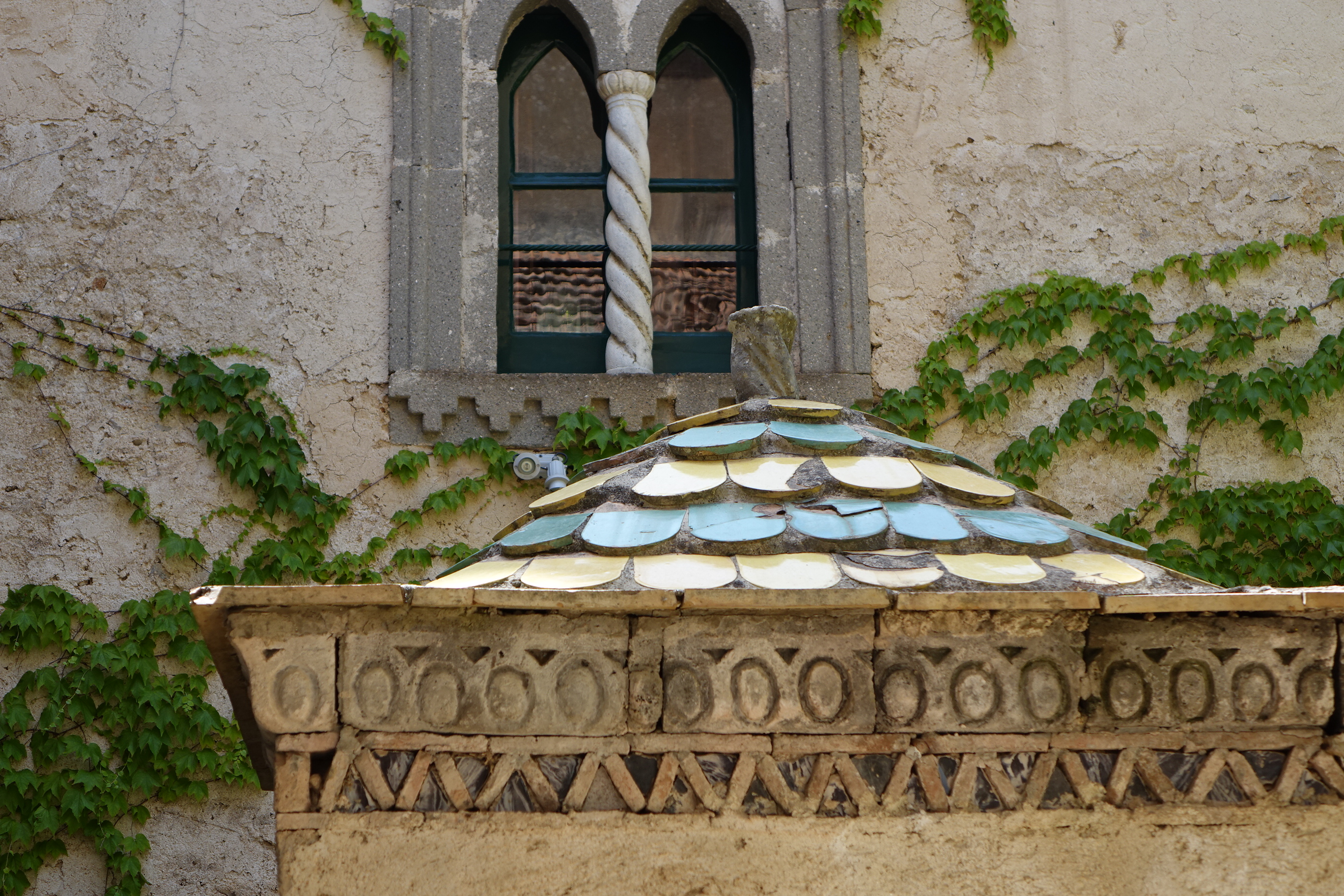
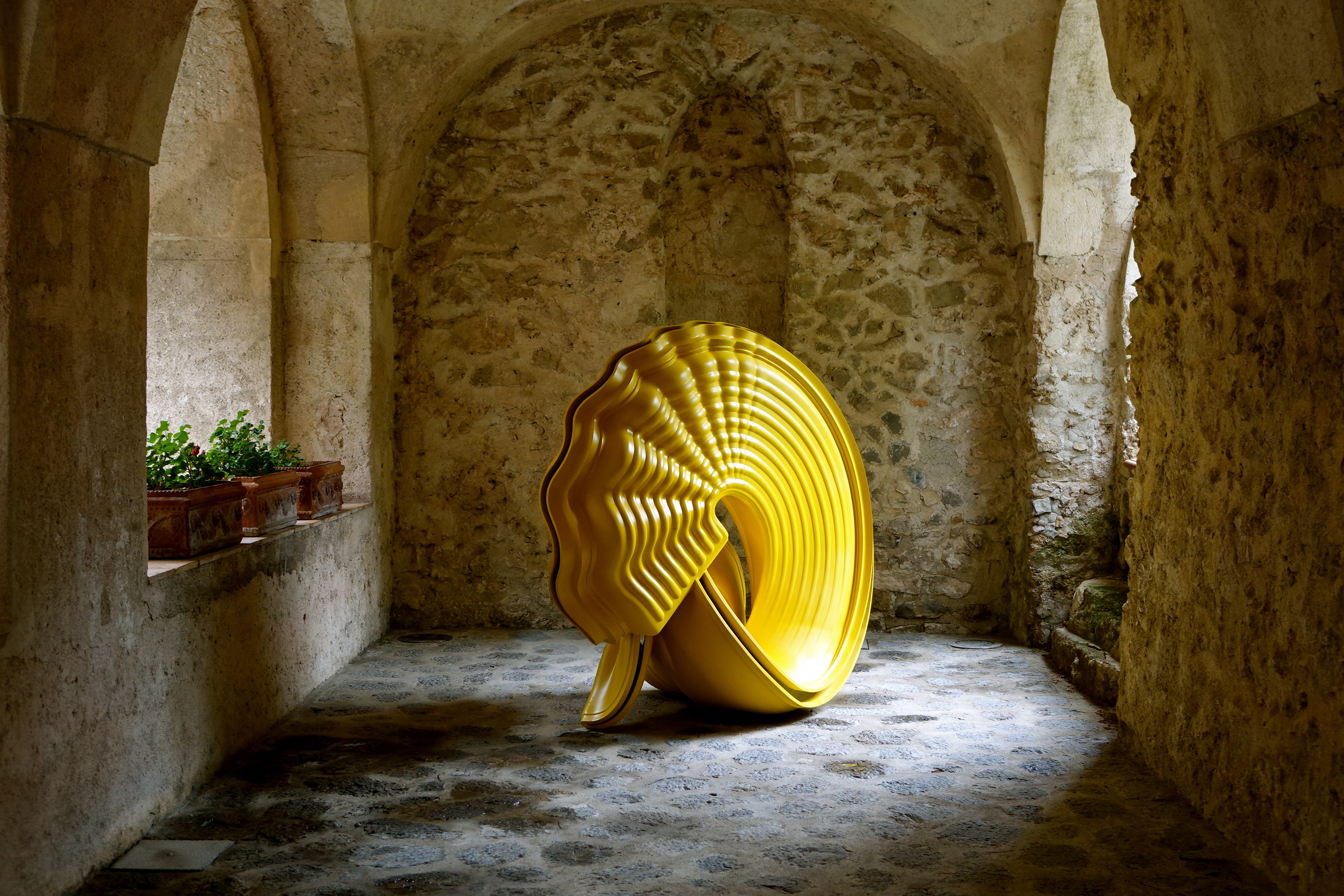
We and a vast number of other tourists crammed somewhat hazardously into the once-an-hour bus from Amalfi to Ravello and arrived in the town around 40 stomach-churning minutes later. Knowing that Ravello contains two of the most stunning gardens in the Amalfi region, we headed straight for the first – the Villa Rufolo, former villa/palace of the wealthy Rufolo family whose gardens are so picture-perfect that Wagner modeled the magical gardens in his opera Parsifal on them. Owing to the recent start of Ravello’s arts festival, much of these gardens was taken up with the construction of a temporary auditorium and stage benefiting from the very best of the jaw-dropping views (I wonder how anyone concentrates on the performers with these views behind them). However there were still sufficient treats in store in this garden to make us realise quite why the gardens had provided such inspiration to Wagner and many others before and after him.

The Villa Rufolo
DSC03533 DSC03451 DSC03485 DSC03534 DSC03497 DSC03420DSC03438DSC03470 DSC03724

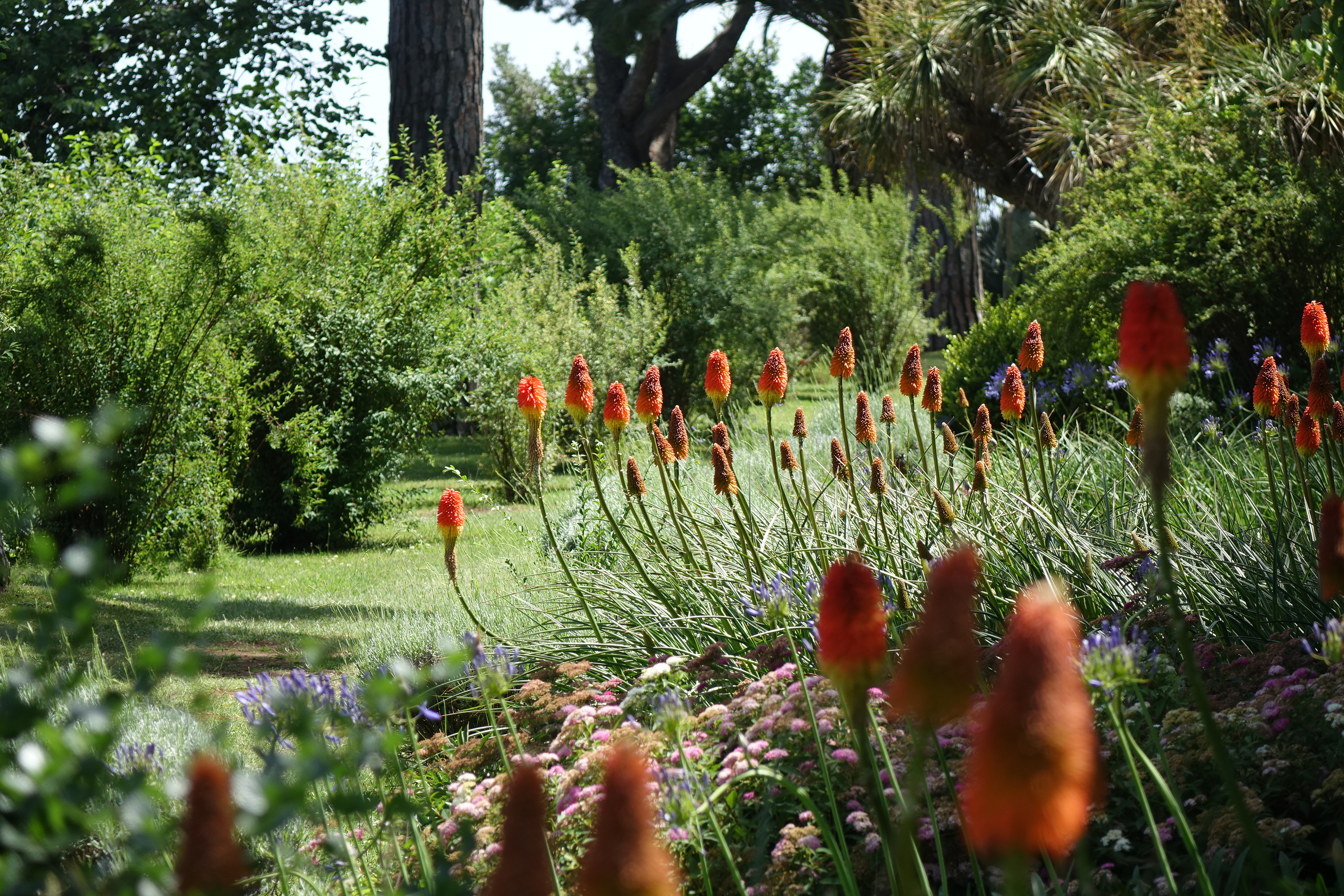
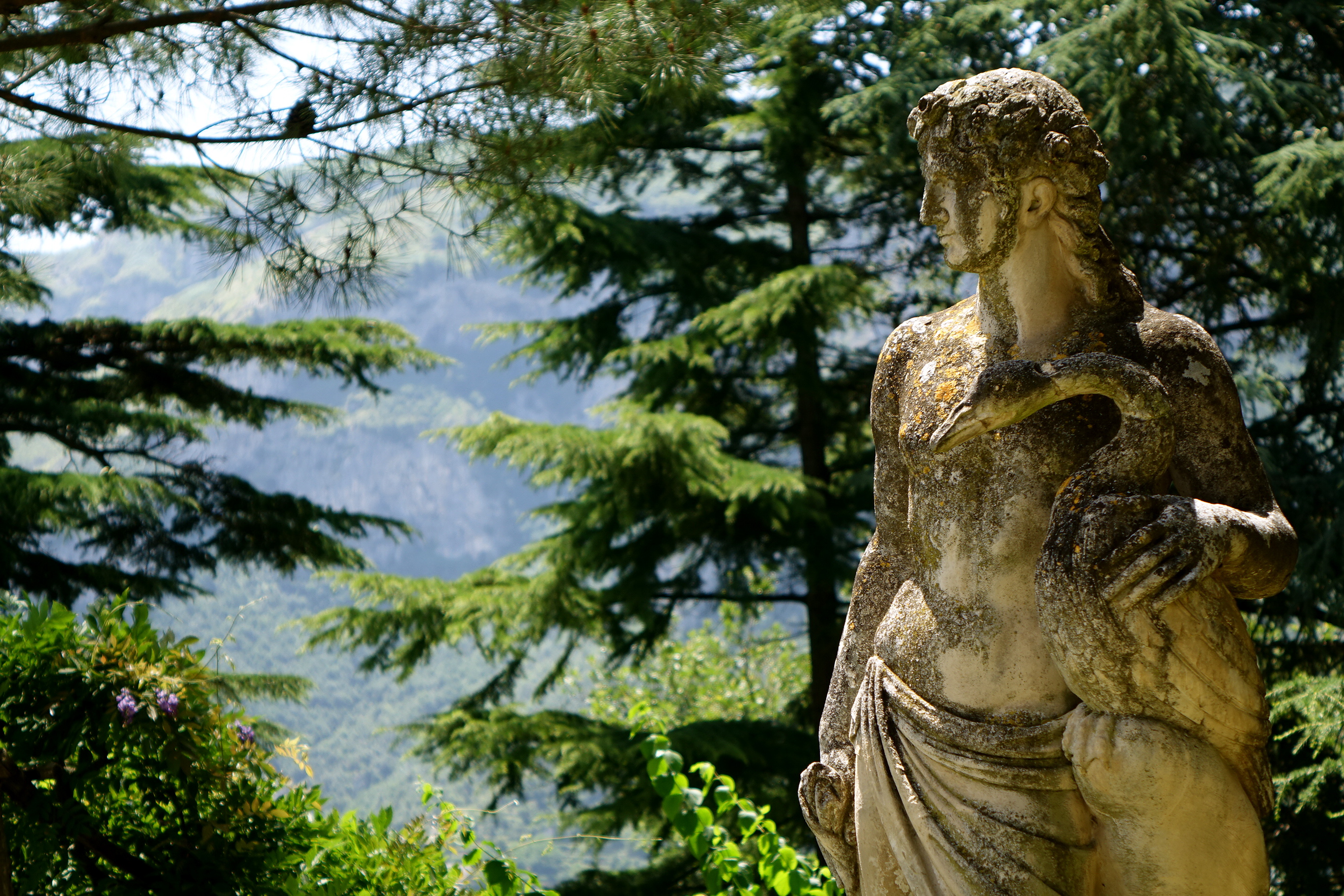
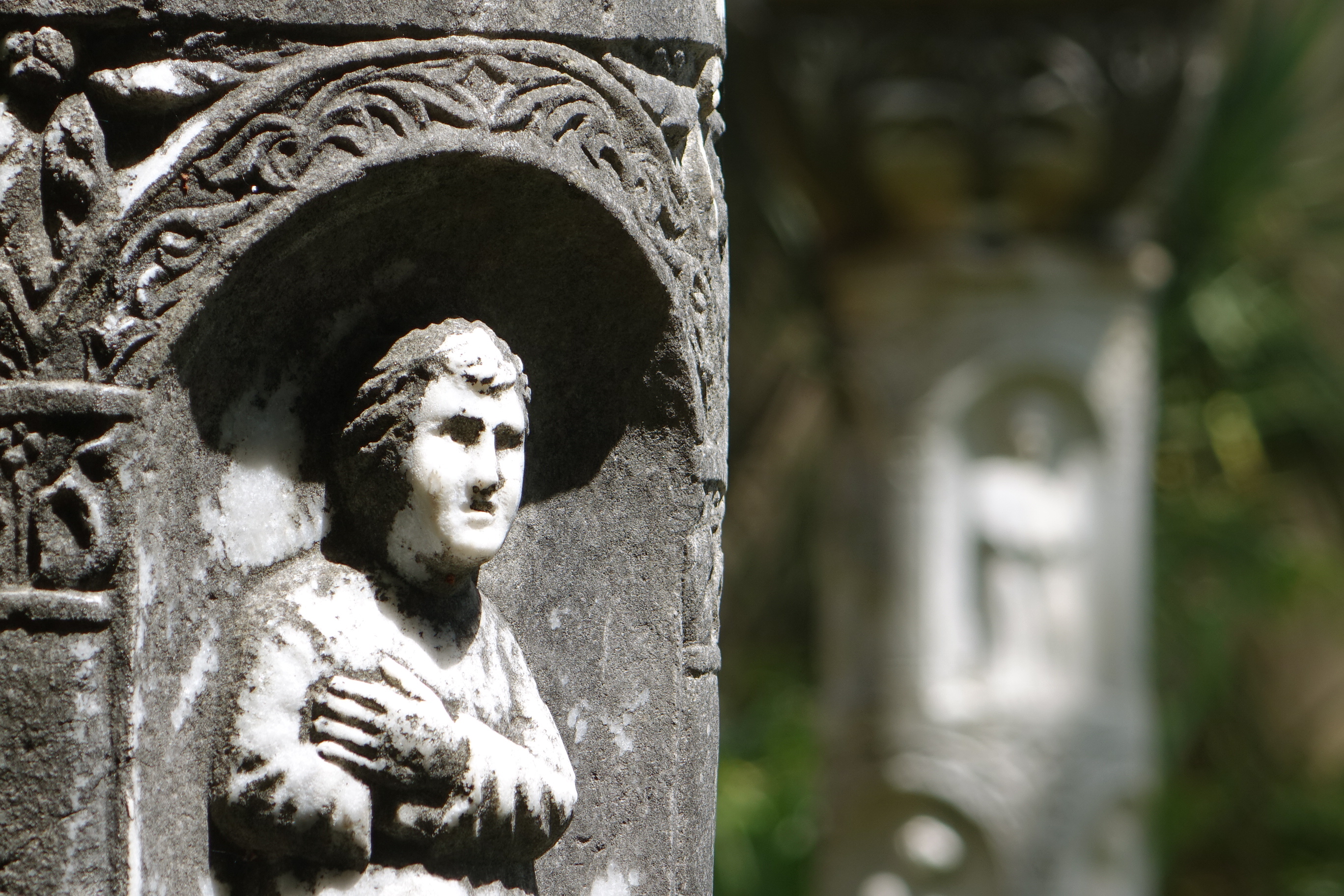
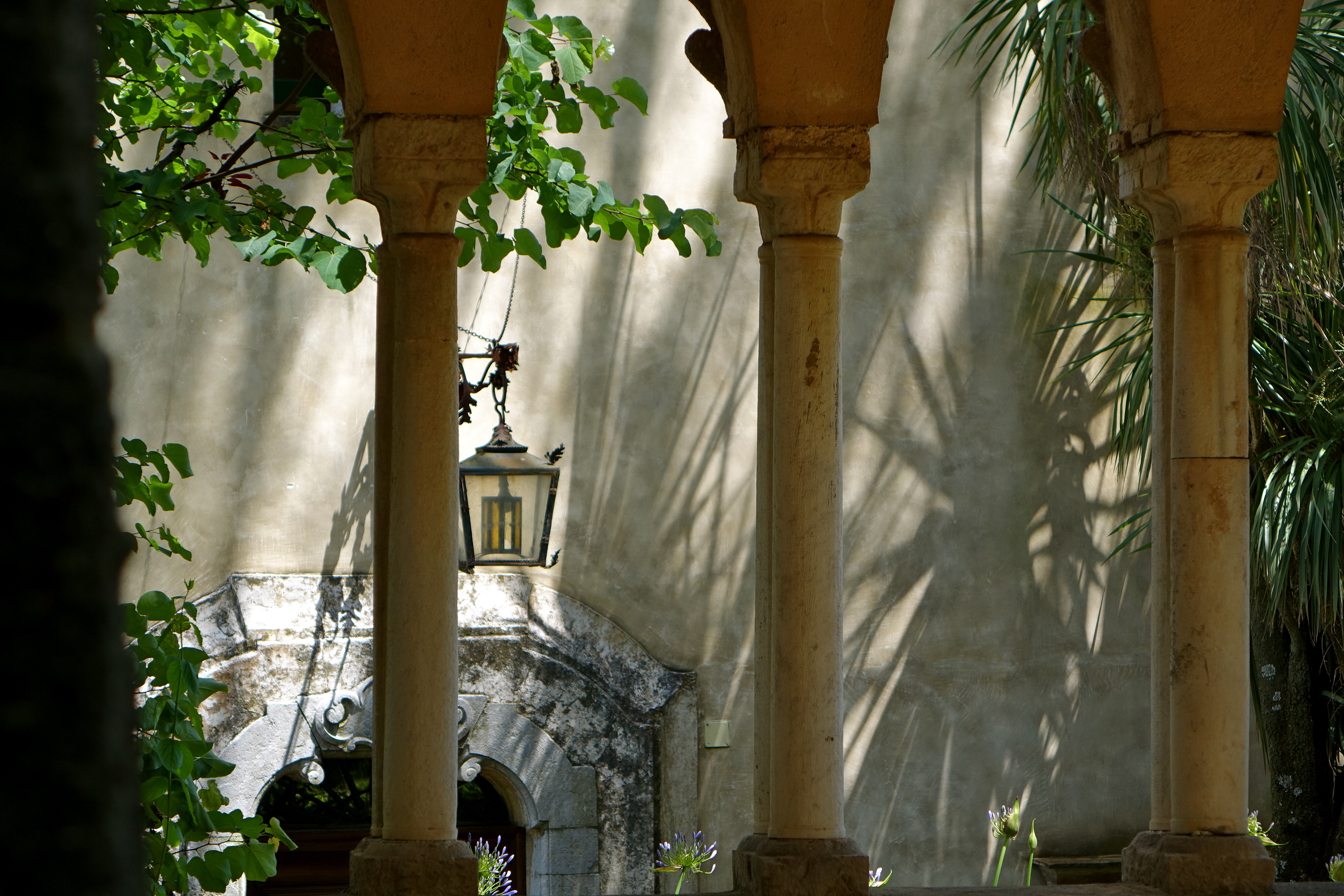
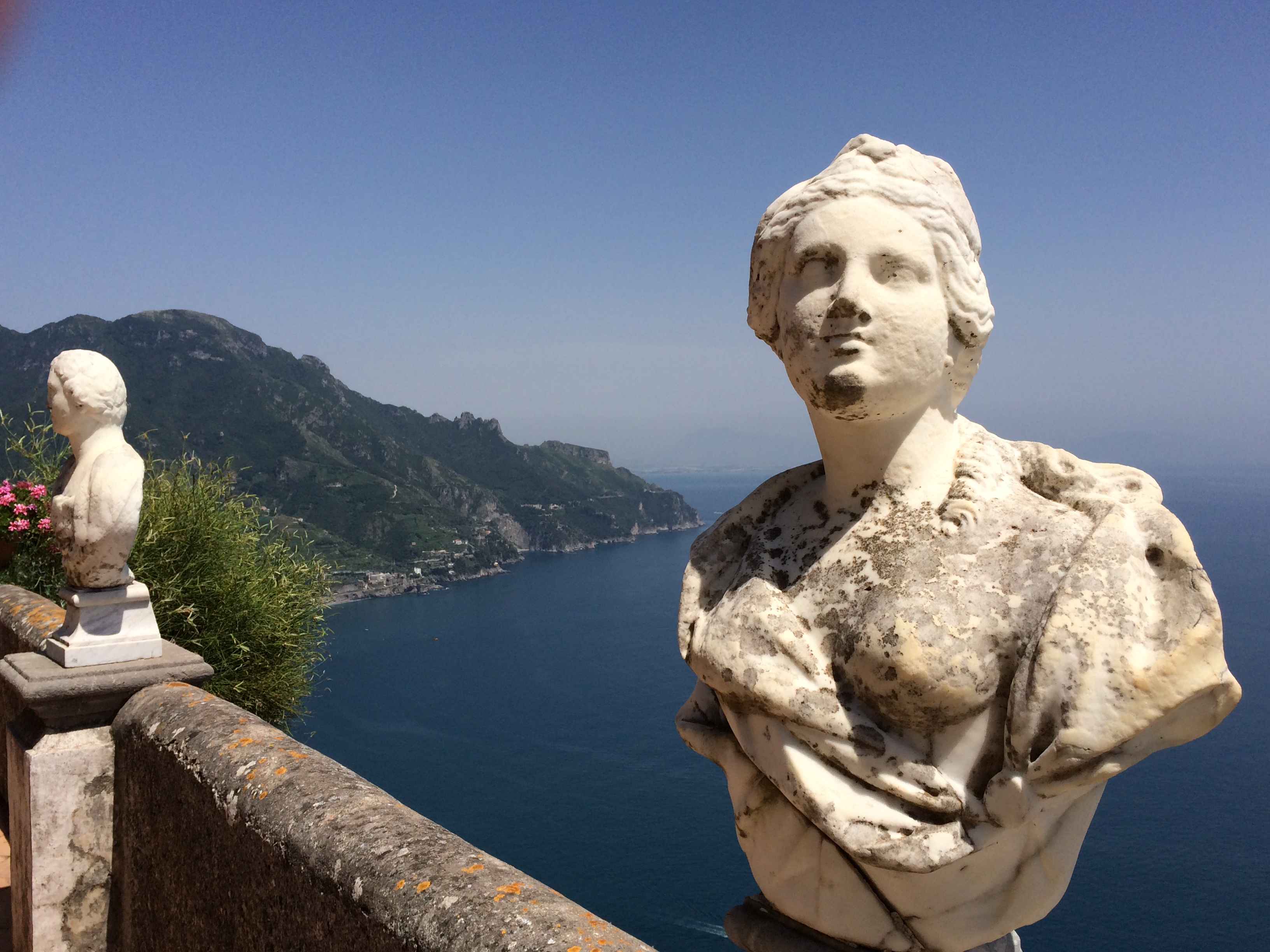
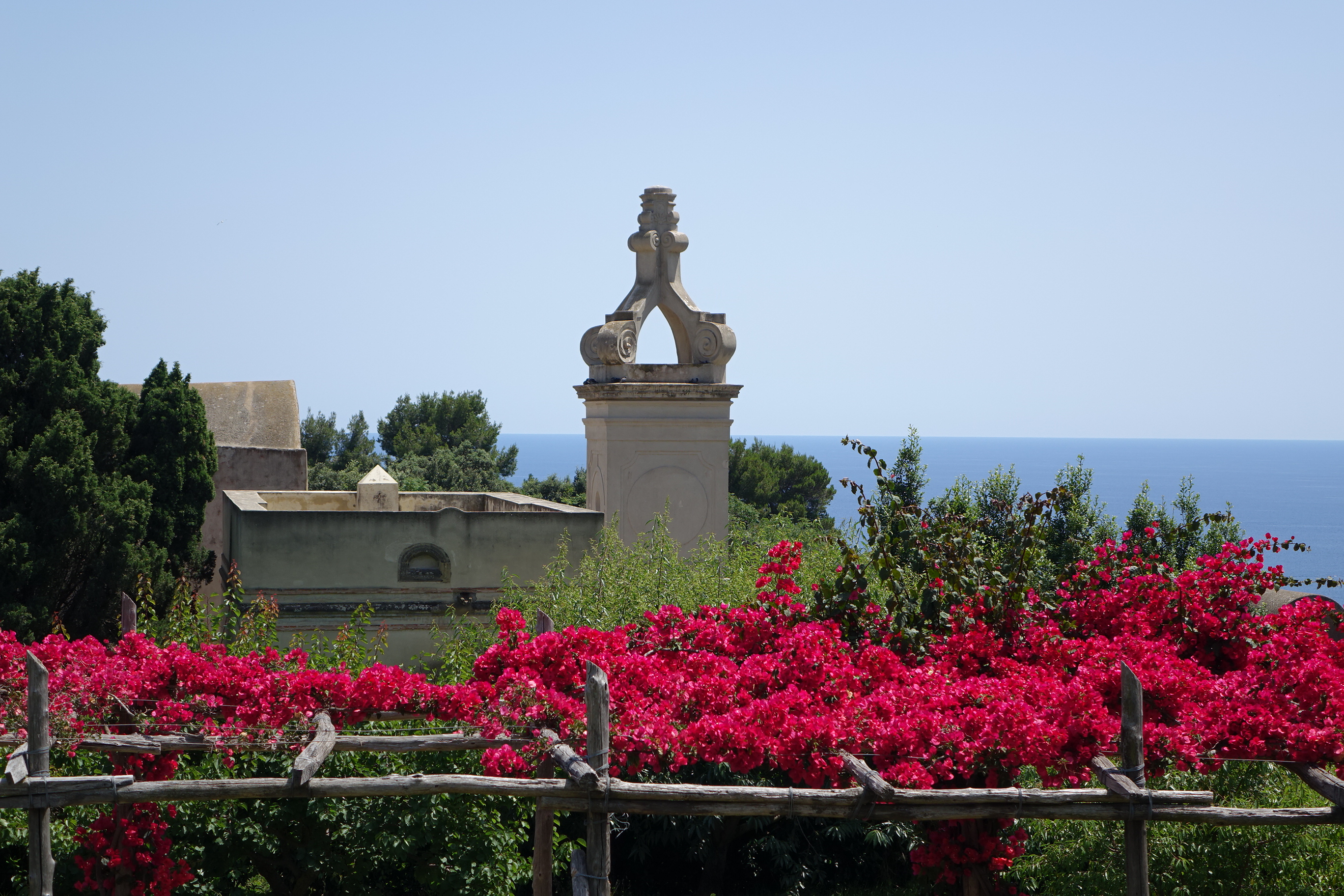
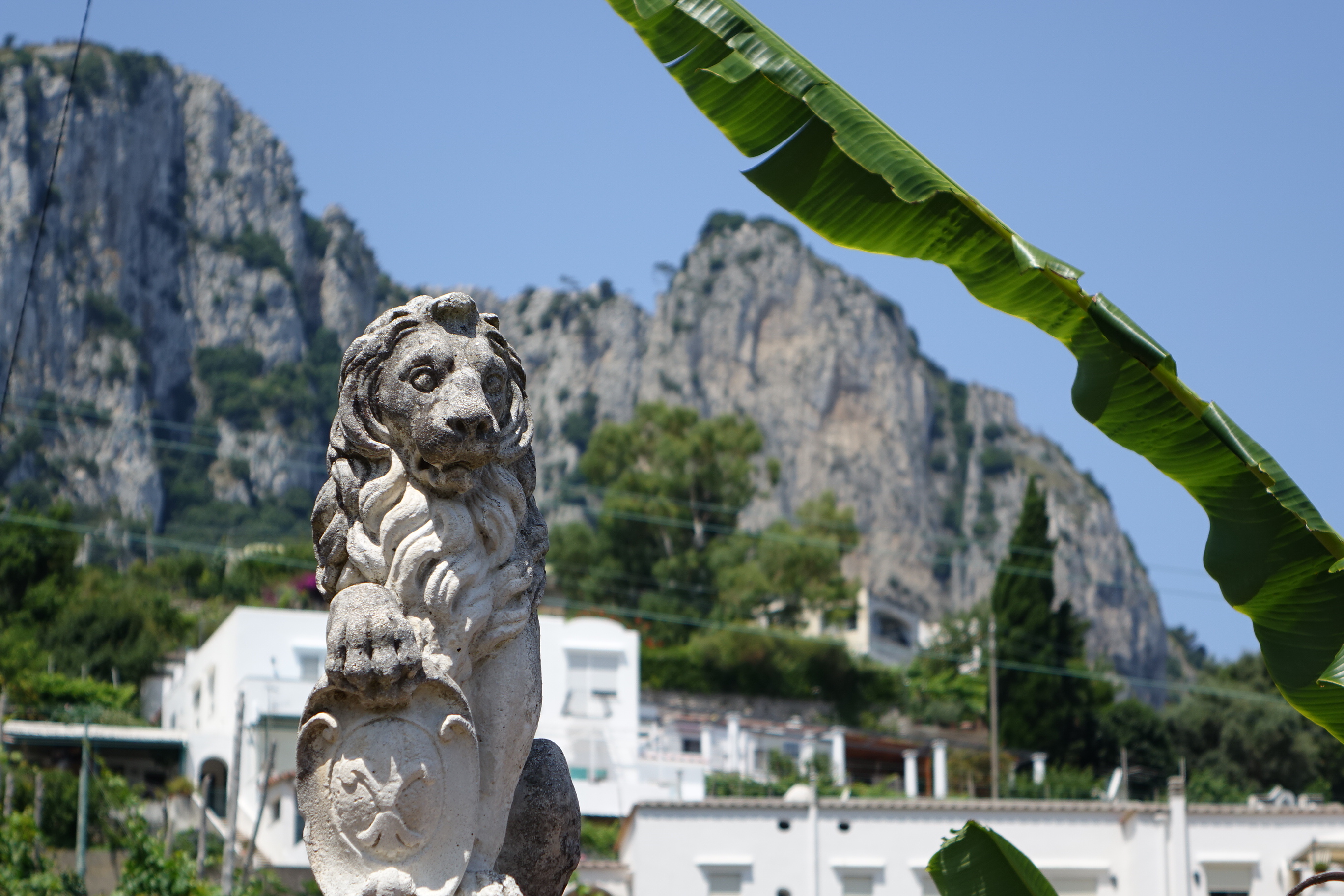
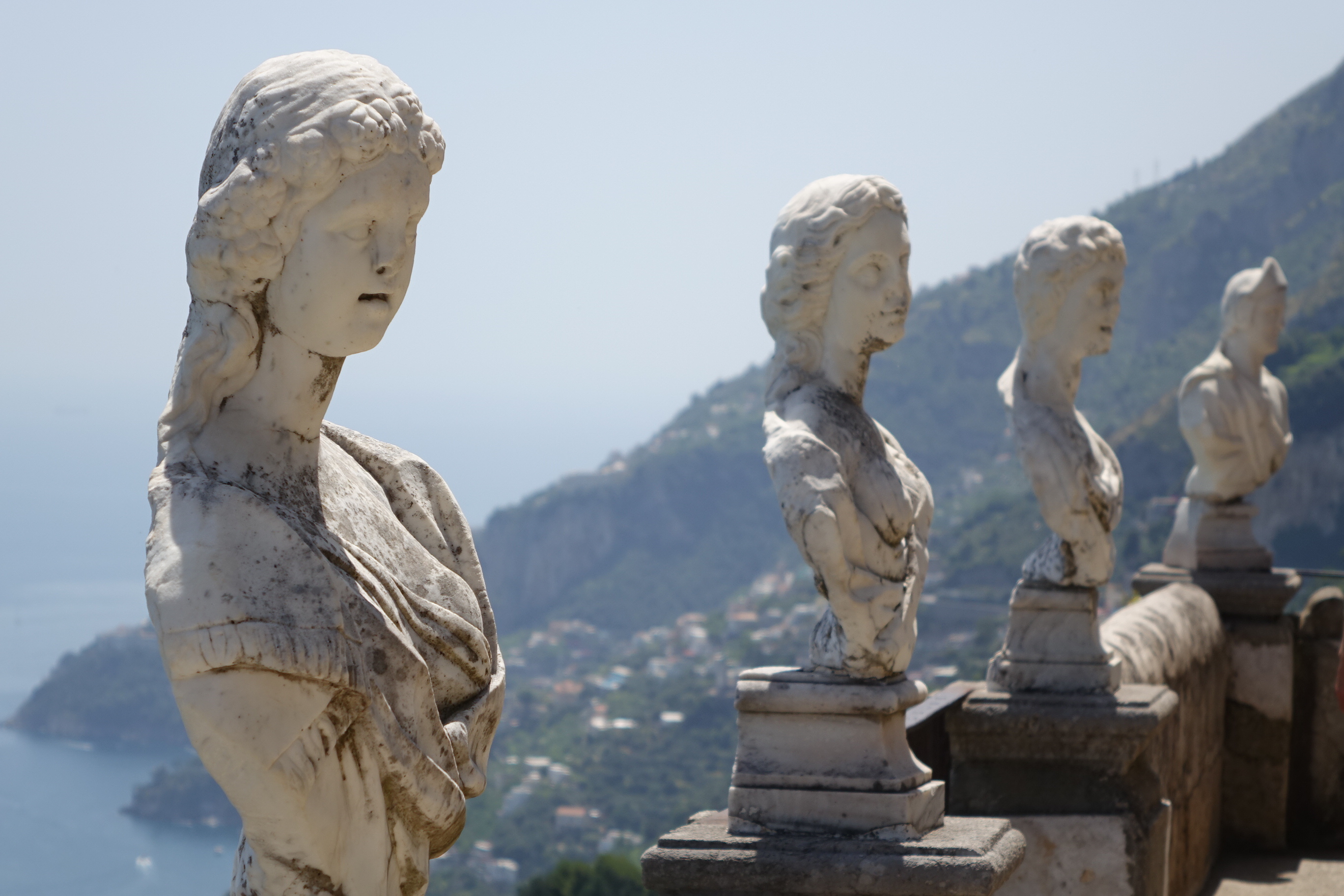
But in retrospect, I can see that the Villa Rufolo was only the appetizer of the great banquet which was to follow – the incredible Villa Cimbrone. Created in the “English style” by Vita Sackville-West who bought the sight for mere spare change, and later made the home of Gore Vidal, these six acres of lush gardens boasting the most incredible position at the edge of a rocky peninsular with commanding views extending almost 300 degrees over coast and valley are probably the most paradisally perfect gardens I have ever been in. They contain almost everything you could want from a garden. Shady sun-dappled paths lined with cypress trees and olives, bouncy green lawns interspersed with moss-covered greek and roman statues, little hidden cupolas and  grottos, and avenues lined with hydrangeas and wisteria and every other kind of beautiful flower. But most stunning of all is what can be found at the bottom of the garden – the Terrace of Infinity, with views over the bay of Salerno so ravishing that Gore Vidal declared it to be “the most beautiful view in the world”. I am not going to disagree.

The Villa Cimbrone
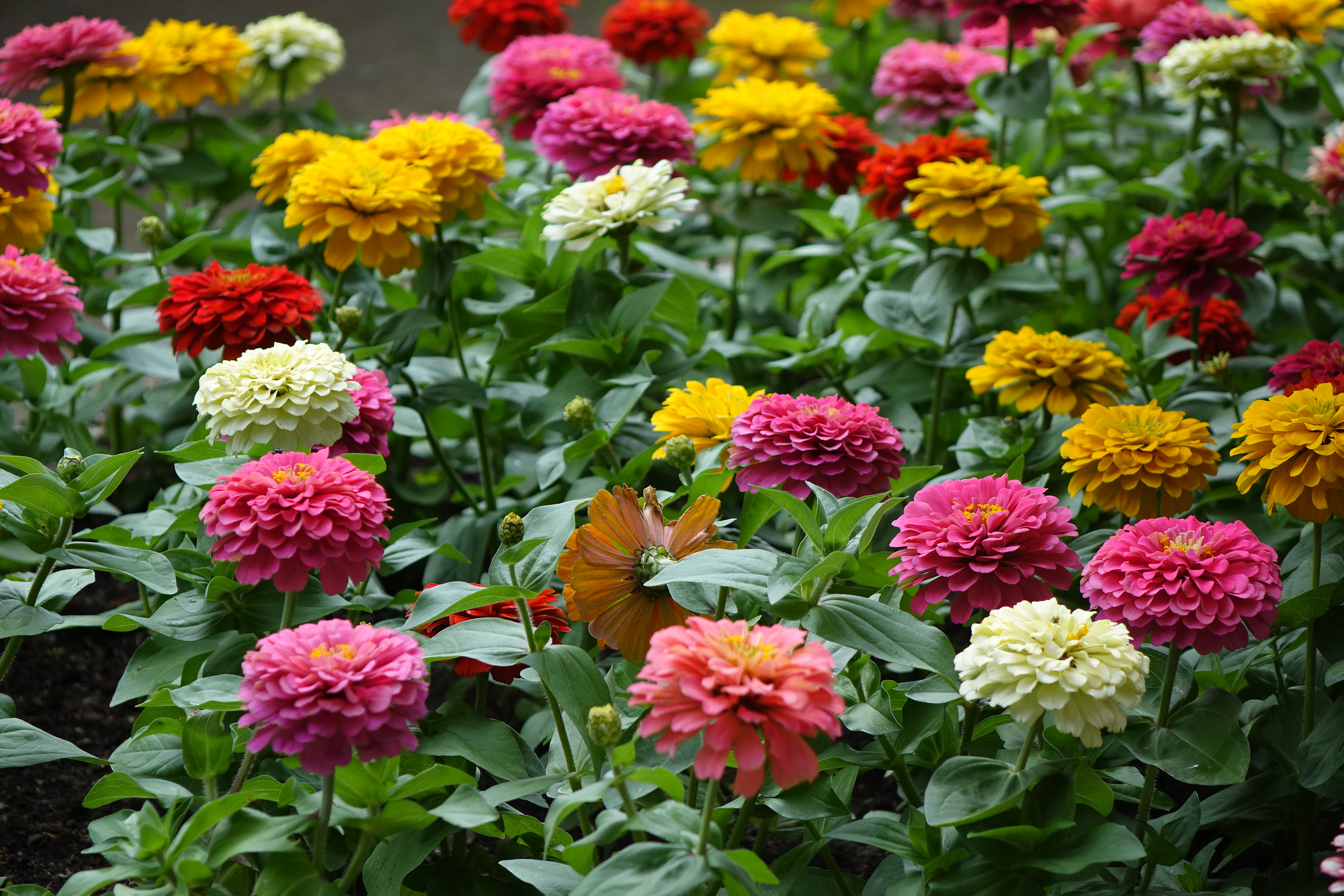
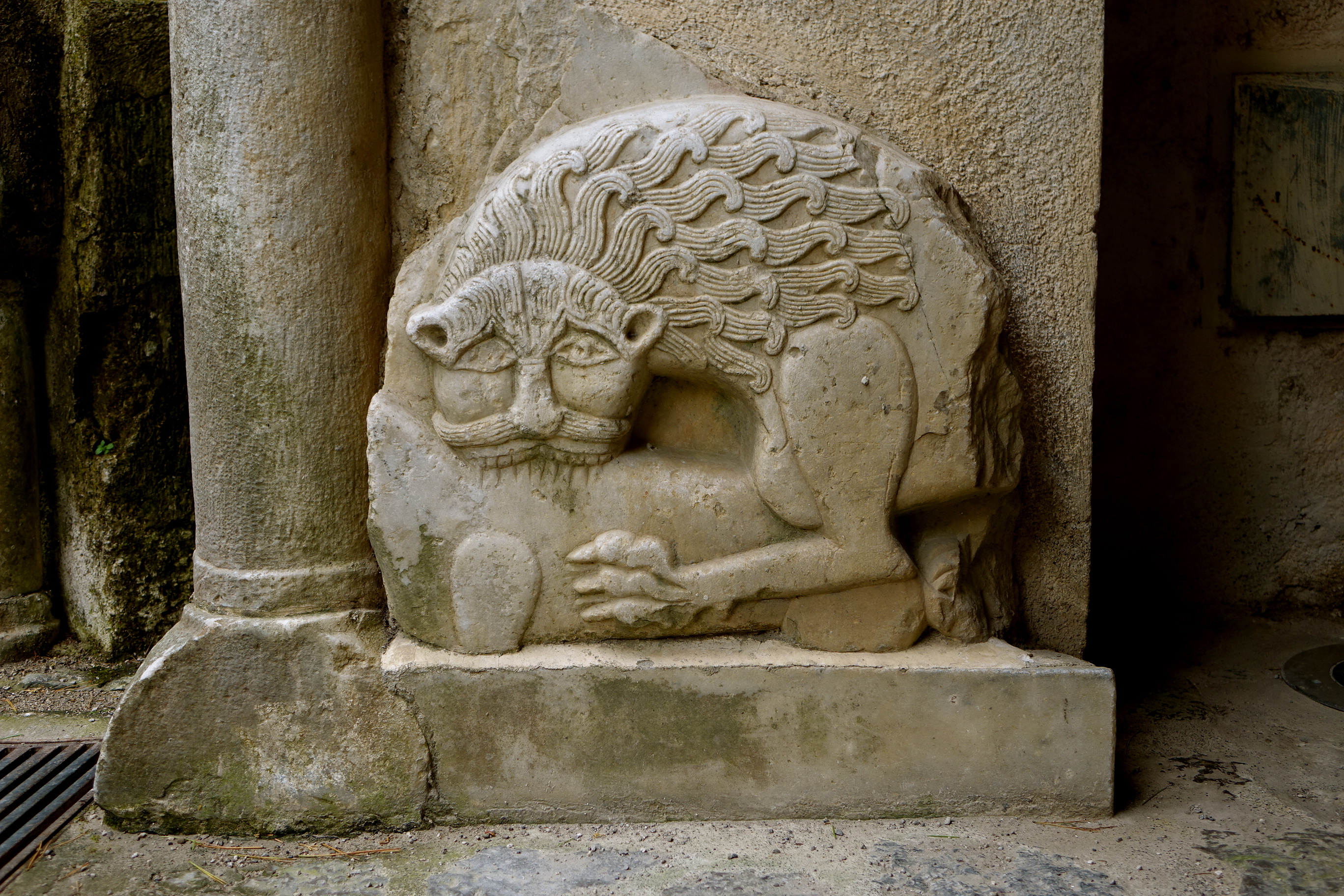
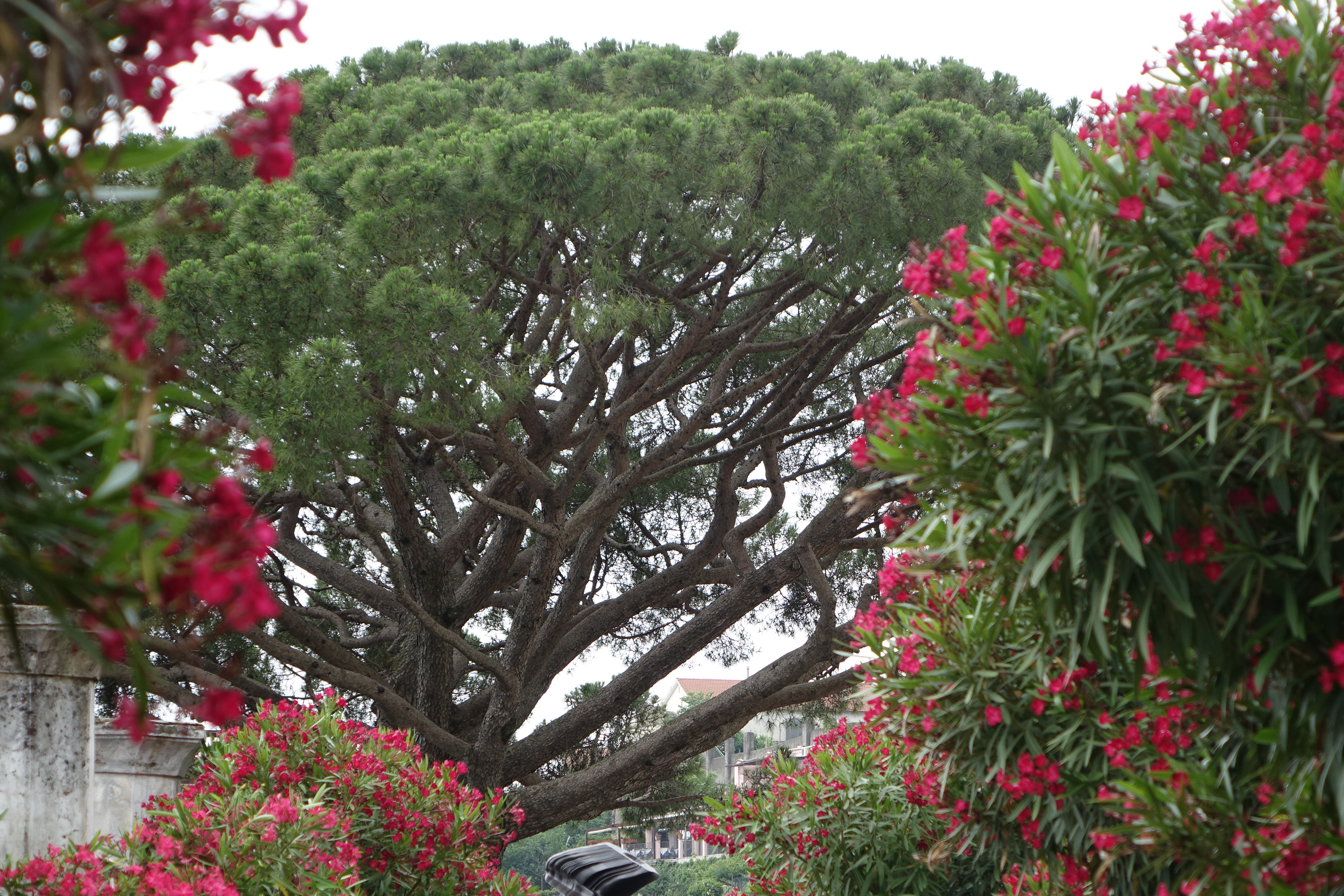
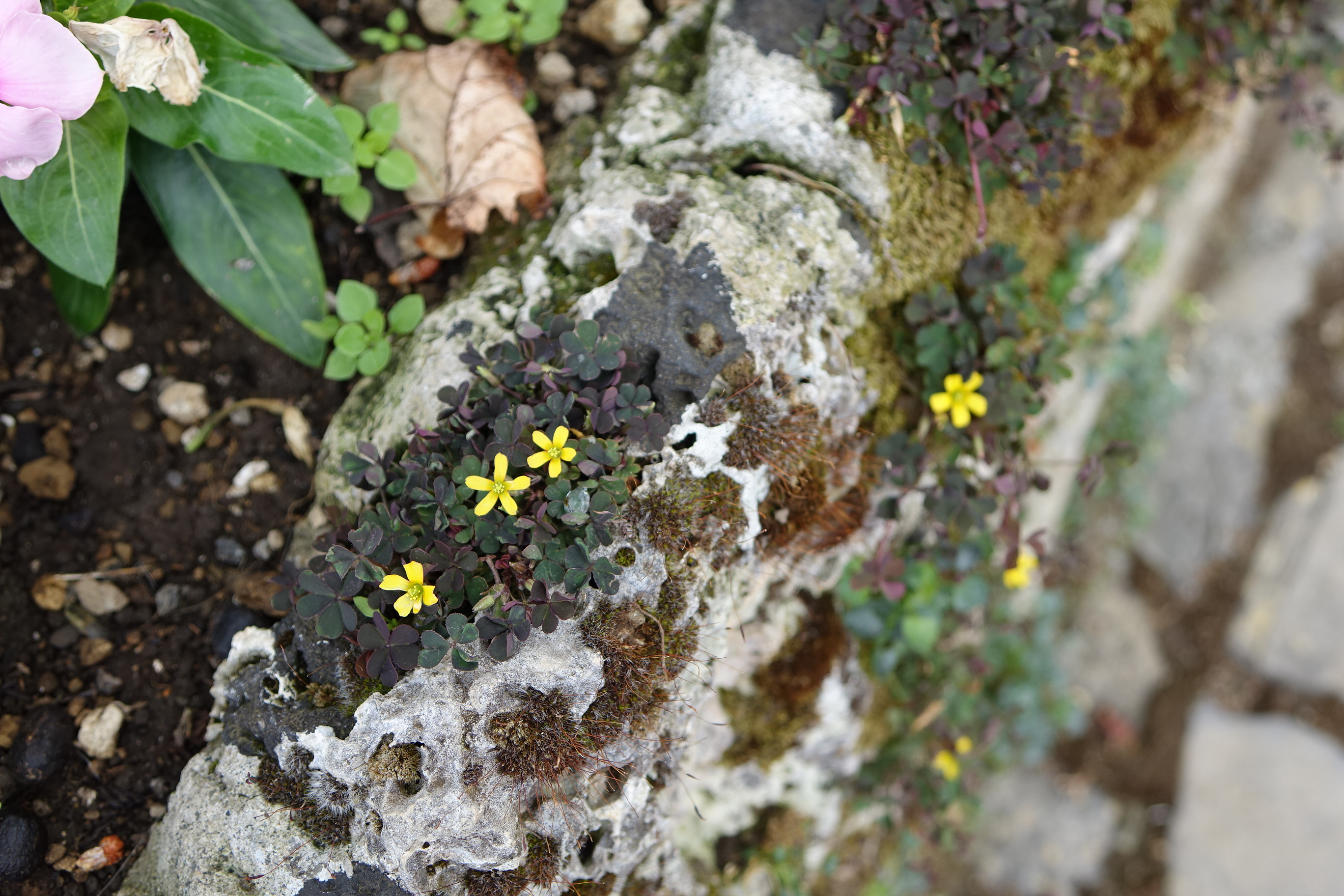
DSC03675 DSC03706 DSC03690 DSC03714 DSC03633 DSC03659 DSC03615 DSC03647 DSC03683 DSC03619 DSC03646 DSC03635 DSC03712 DSC03609 DSC03604 DSC03613 DSC03593 DSC03594 IMG_7388

Asides from those two great garden paradises, Ravello is a small and quiet little town compared with the boutique filled mecca of Capri or the bustling shopping streets of Amalfi down on the coast. With one main square flanked by a simple white washed Duomo and a few friendly cafes, it is the perfect place to sit back and contemplate the breathtaking views that are all around, somewhere to breathe deep the freshest of air in these mountain heights, and try to make sense of what it was to sample paradise, before finally heading back down to sea level, and to reality. But let’s face it, if that reality is still the Amalfi Coast, it’s never going to be far from heaven is it?

All photos and written content are strictly the copyright of Nicholas de Lacy-Brown © 2014 and The Daily Norm. All rights are reserved. Unauthorized use and/or duplication of the material, whether written work, photography or artwork, included within The Daily Norm without express and written permission from The Daily Norm’s author and/or owner is strictly prohibited.

Art-in-Amalfi – Painting 6: Arrival in Amalfi

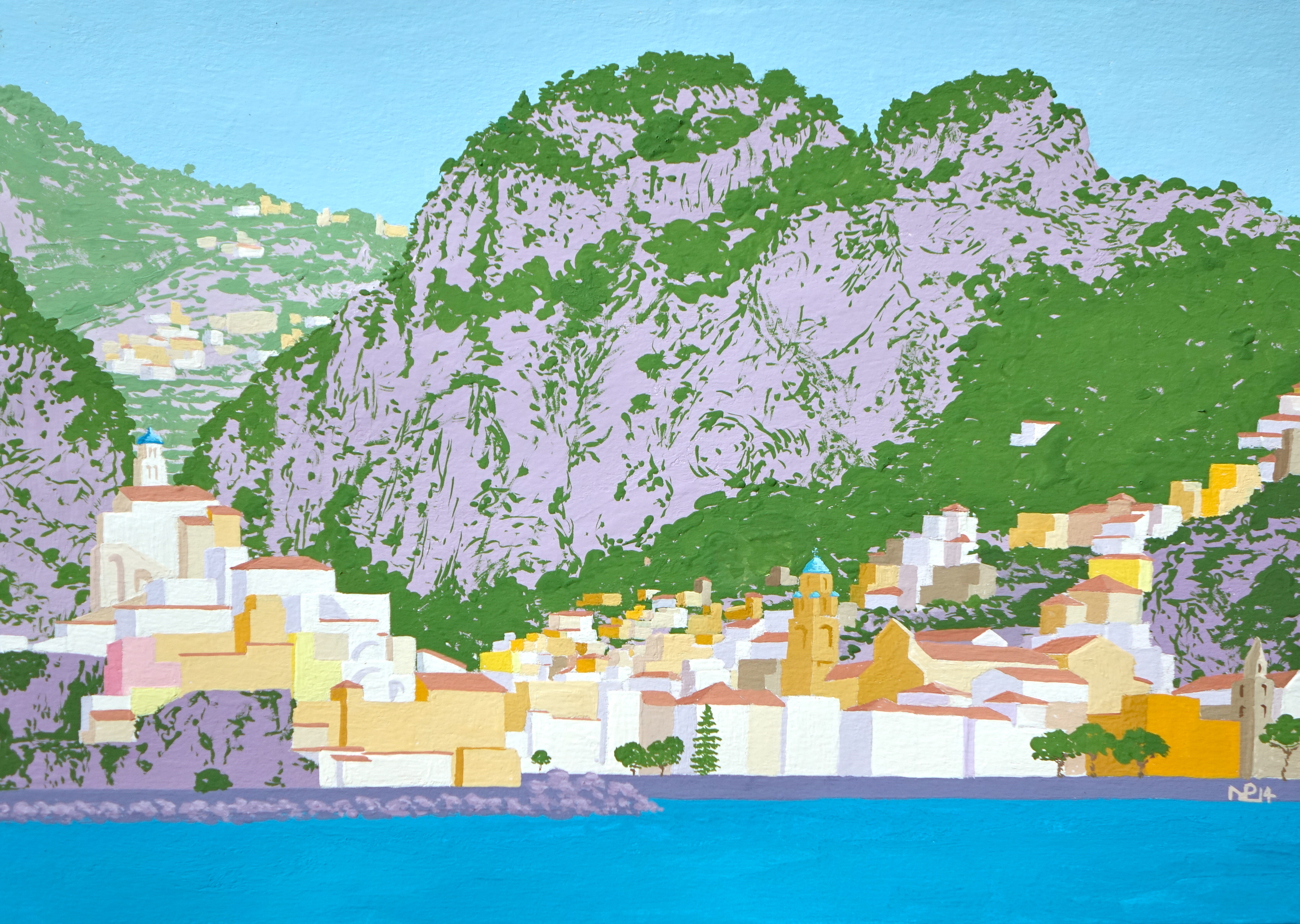
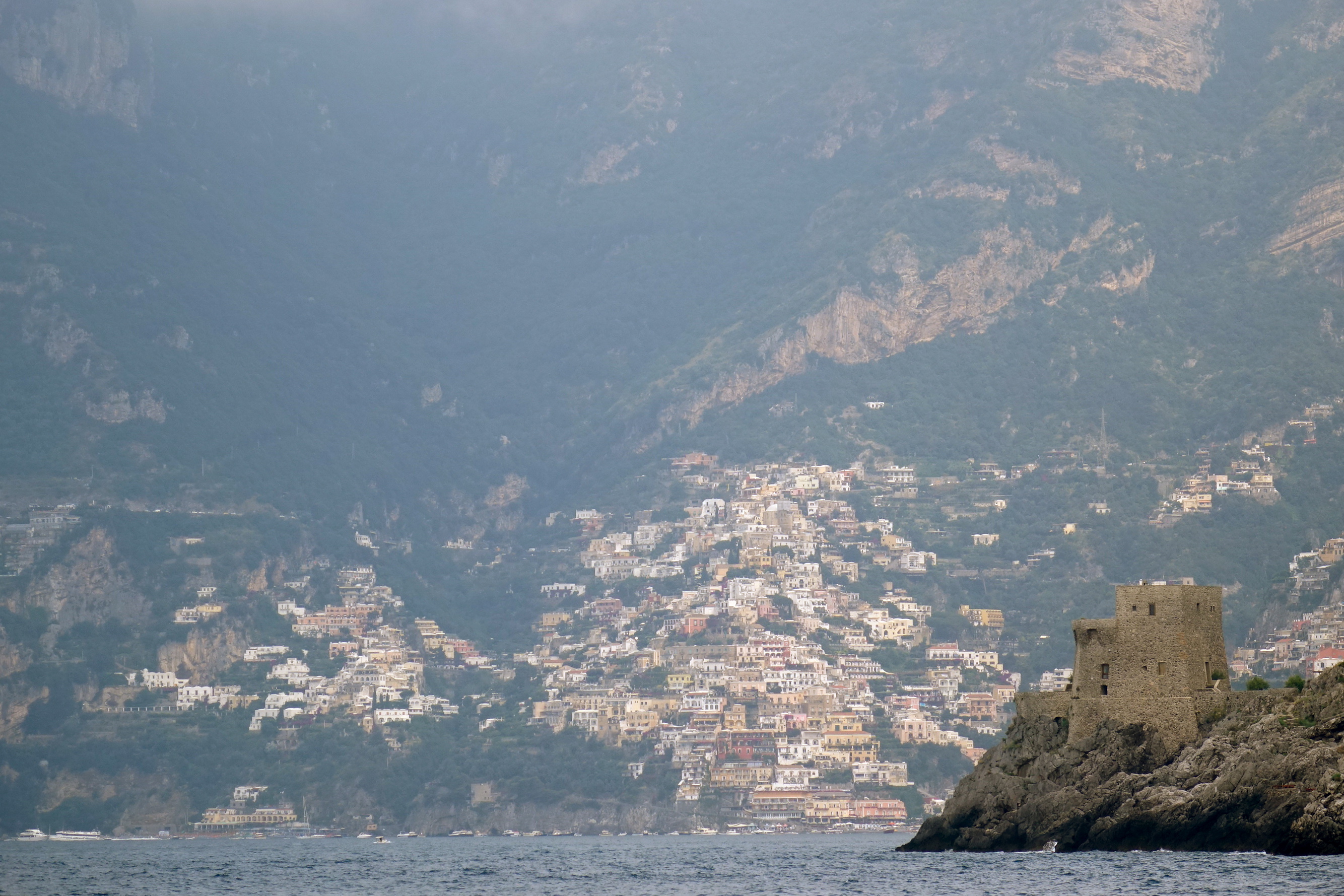
On the Amalfi Coast you really are spoilt for choice. Not only is the coast a veritable paradise of high end shops, hotels and restaurants, but from every angle there is a new and stunning view to pop your eyes pen a little wider with pleasure. As both an Artist and keen photographer, this was both a treat and a burden, for every time I opened my eyes, I saw something incredibly beautiful, and started feeling guilty if I did not capture it in some form. So it was that on a short 45 minute boat ride from Positano to Amalfi I found myself unable to sit still, unsure whether to look backwards out of the boat towards the fading but ever beautiful view of the pastel-coloured town on the magnificent mountainside, look over the side to the similarly nestled hilltop town of Praiano, or forwards, towards the glittering town of Amalfi.

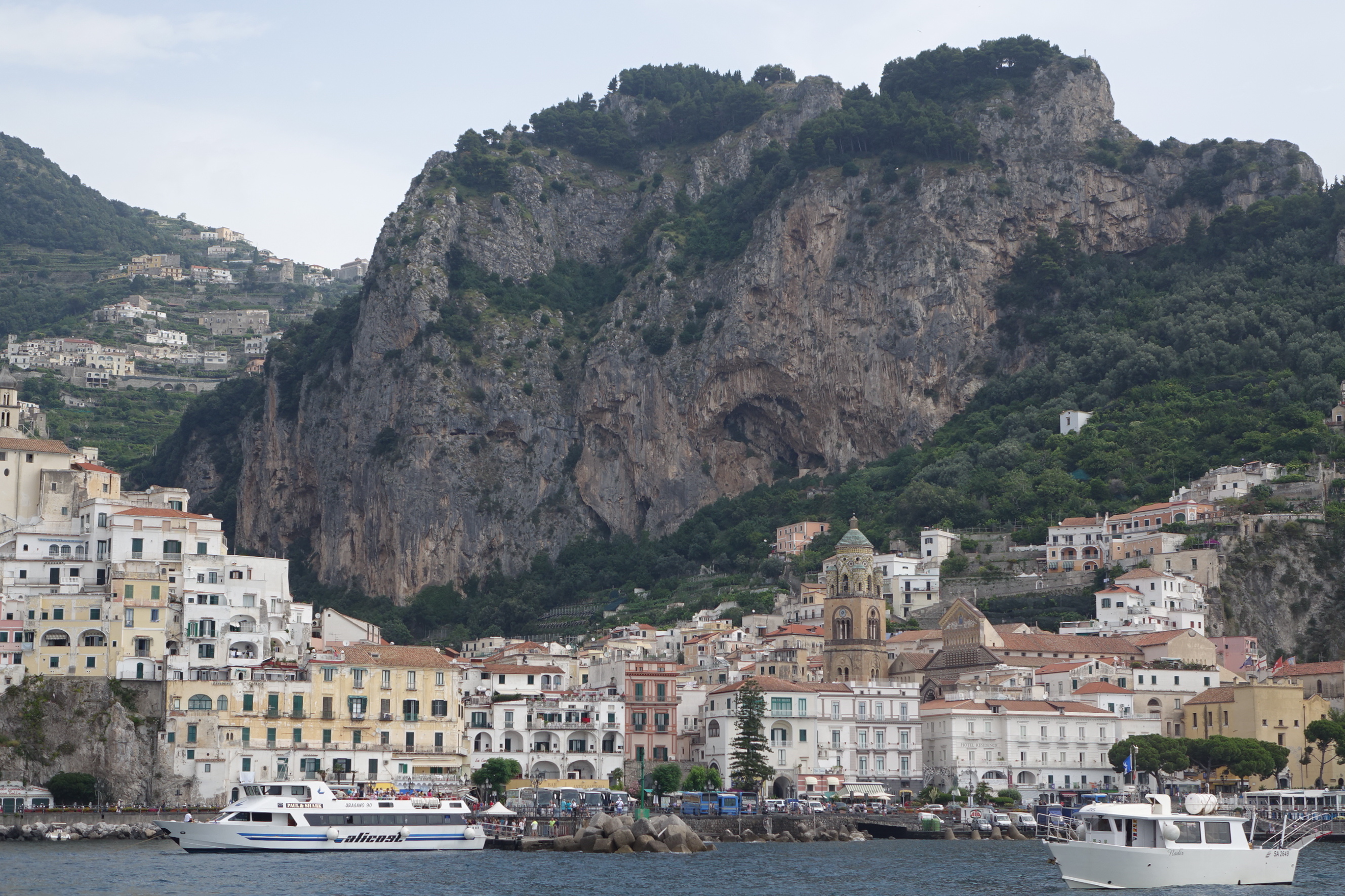
Well the answer to this quandary was that I did all three. Having had my fill of Positano (if that is even possible…) I then turned towards white-gleaming Praiano (and later painted it as Amalfi Coast painting no.5) and then turned my attention towards the grand town of Amalfi which our boat was fast approaching. This painting, my 6th of the holiday and another in the series of cubic simplifications by which I am delineating the houses and structures of the coast, captures the moment when we approached the town, when the gleaming gold facade of the cathedral could be seen flanked my buildings sweeping up the steadily sloping valley on either side. Meanwhile in the background one could just about make out the promised land of Ravello, a town we were to visit later that day.

Amalfi (2014 © Nicholas de Lacy-Brown, gouache on paper)

Amalfi (2014 © Nicholas de Lacy-Brown, gouache on paper)

More about that, tomorrow.

© Nicholas de Lacy-Brown and The Daily Norm, 2001-2014. Unauthorized use and/or duplication of the material, whether written work, photography or artwork, included within The Daily Norm without express and written permission from The Daily Norm’s author and/or owner is strictly prohibited. Excerpts and links may be used, provided that full and clear credit is given to Nicholas de Lacy-Brown and The Daily Norm with appropriate and specific direction to the original content. For more information on the work of Nicholas de Lacy-Brown, head to his art website at www.delacy-brown.com

Positano & beyond | Amalfi

We had been some time on Italy’s stunning Amalfi Coast before we actually visited the town of Amalfi itself. Or perhaps I should call it a city, for Amalfi is a place rich in maritime history left over from a time when it was as important on the trading map as Venice and Genoa. Today however it is a mere shadow of its former glory – small in size and population, but still retaining all the highlights of its historical magnificence. 

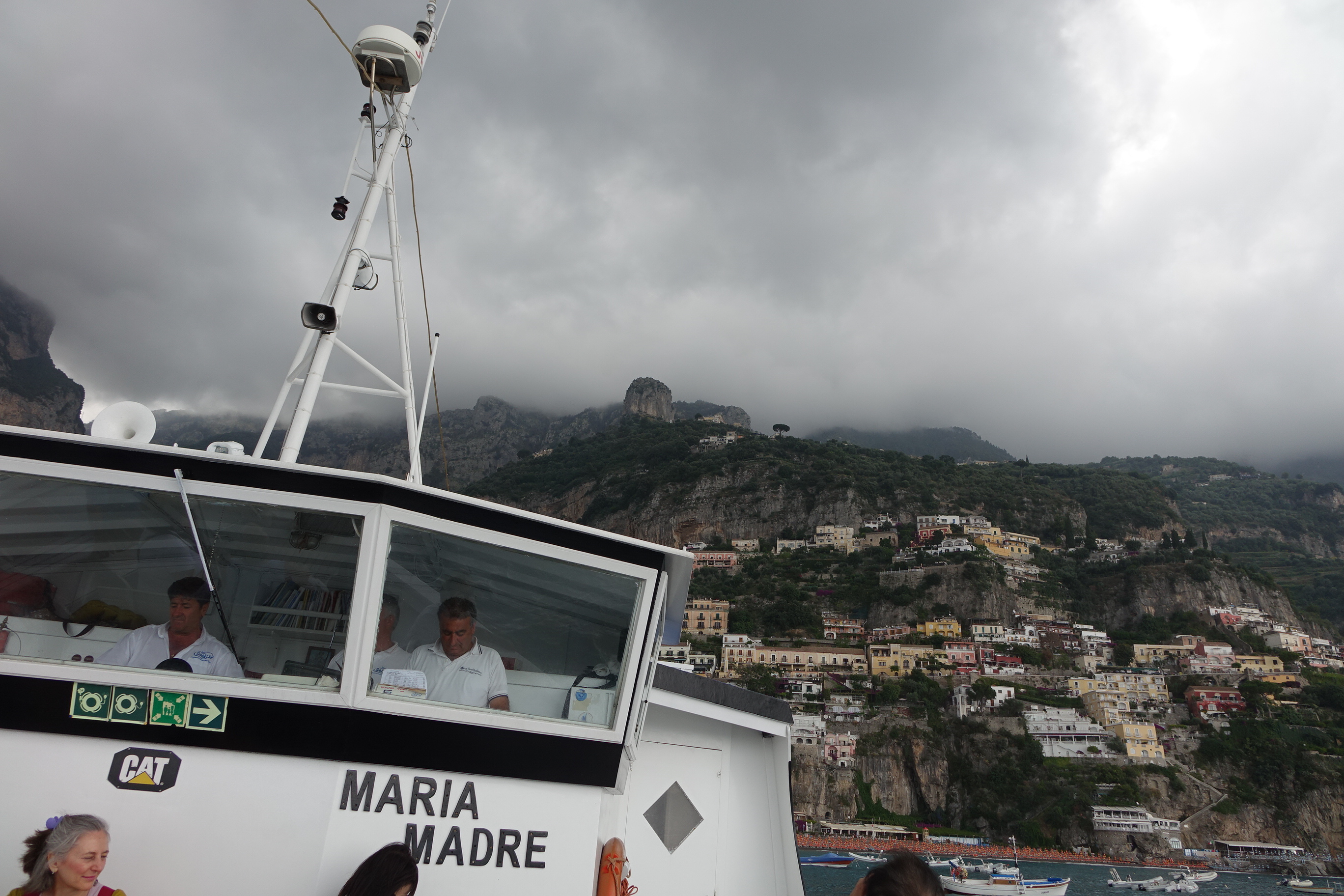
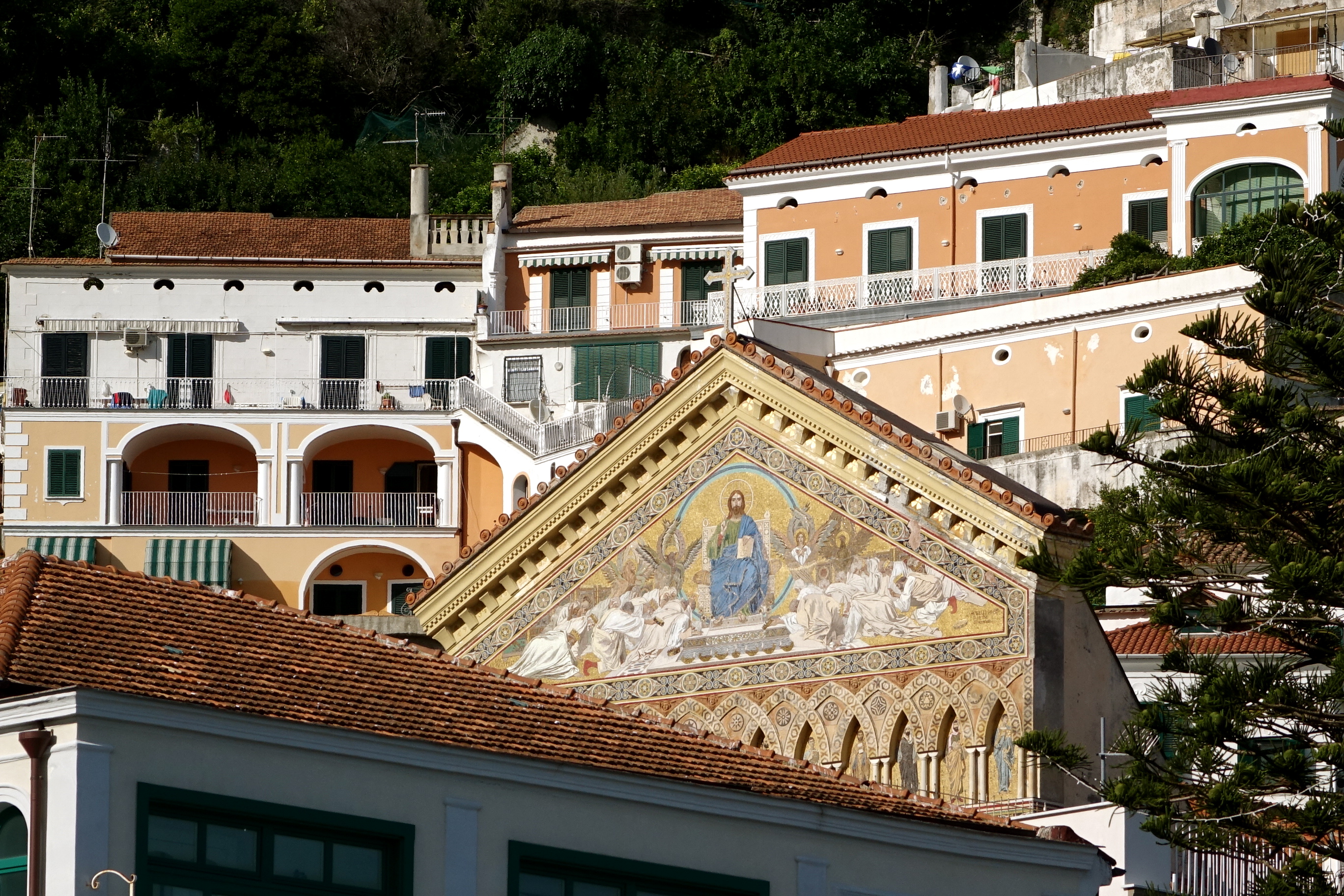
We set out to Amalfi one stormy morning from Positano, after a night when humid thunderstorms had tried to break through the sauna of heat clinging to the mountain sides down by the sea. However within the 45 minutes of our boat journey along the coast, the clouds were already rolling away, and the arrival of the sun coincided perfectly with our arrival into Amalfi, it’s magnificent gold tiled Duomo reflecting the sun like a lone diamond and glinting visibly all the way out to sea. 

Journey and arrival…

DSC03208 DSC03239 DSC03280 DSC03292

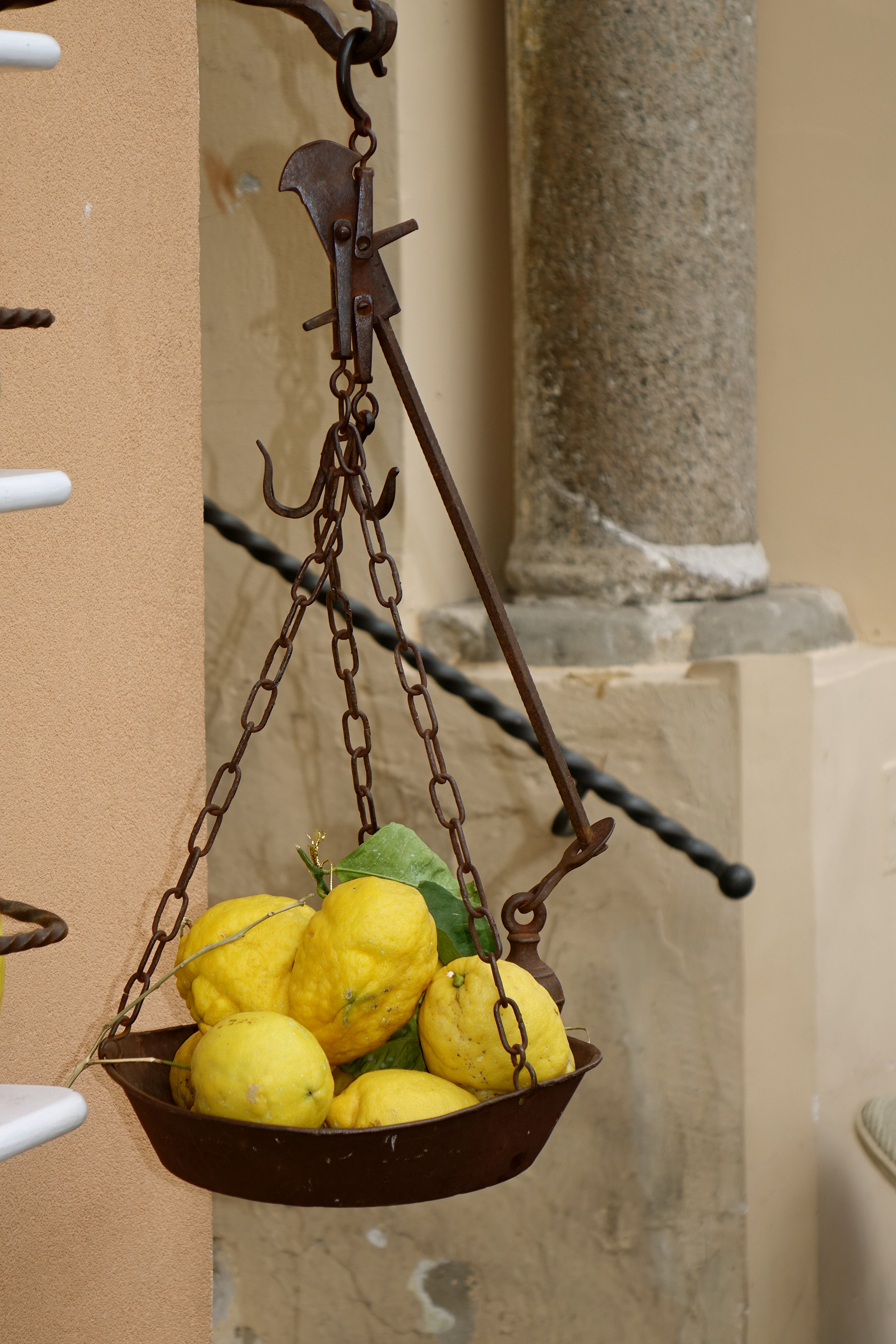
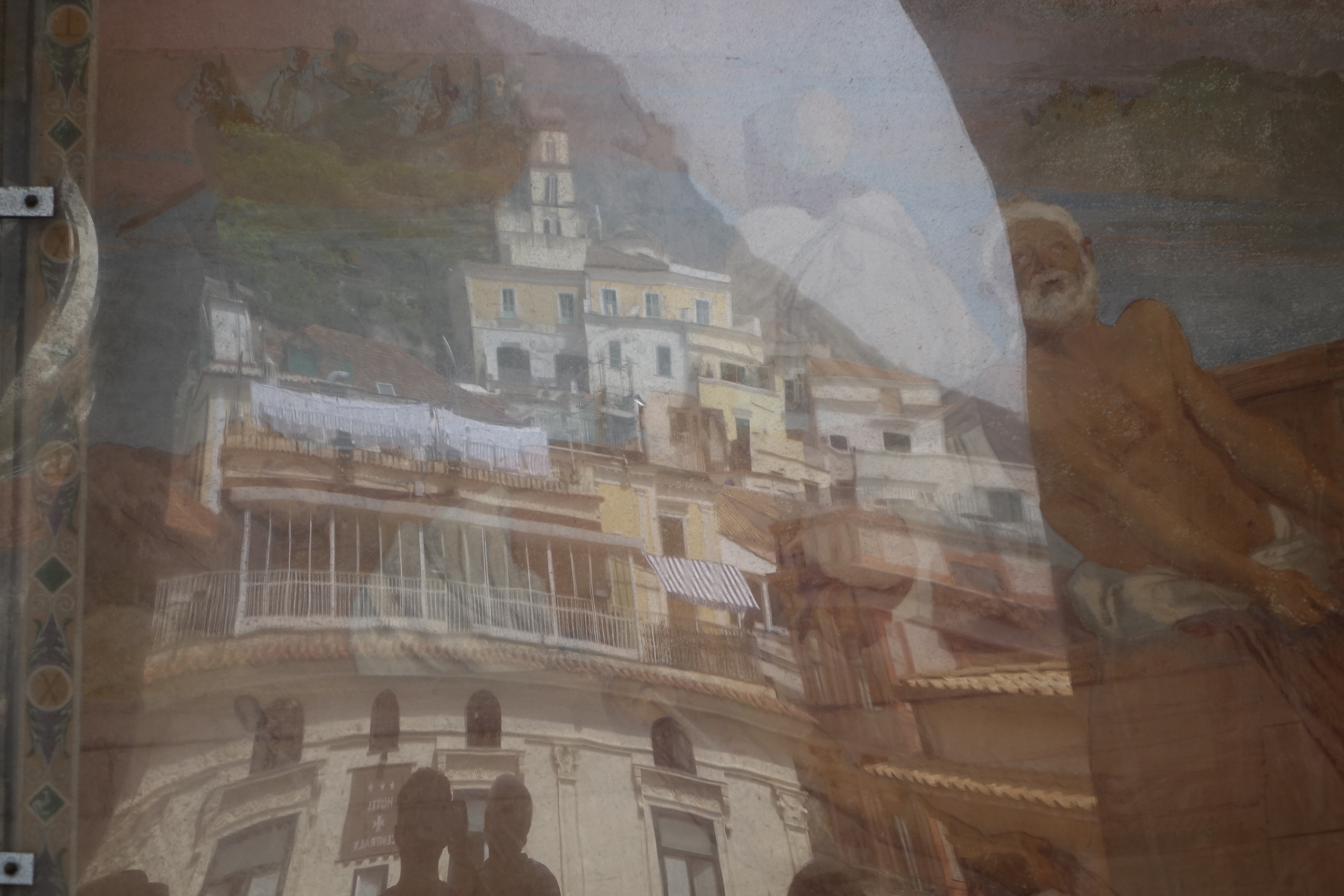
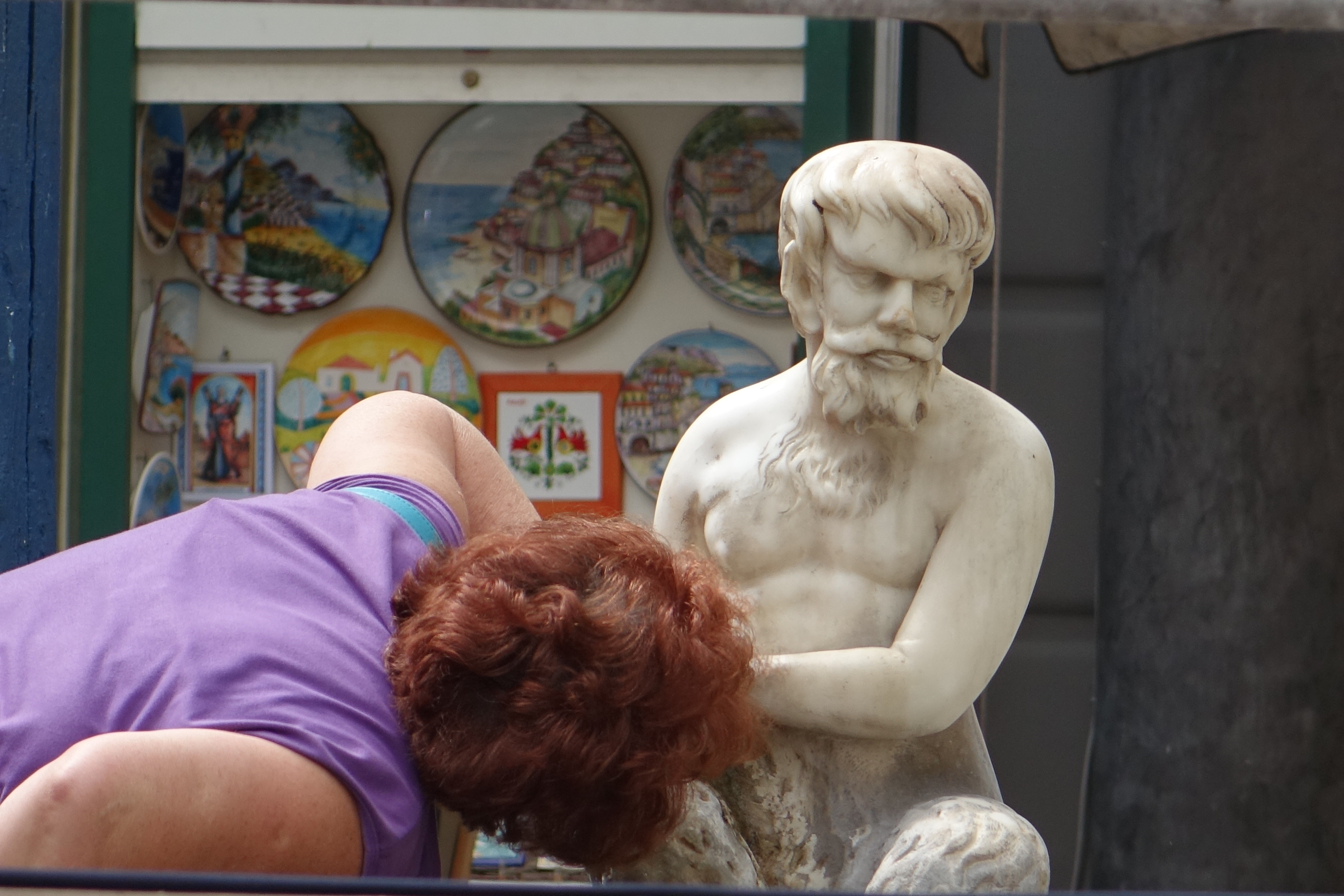
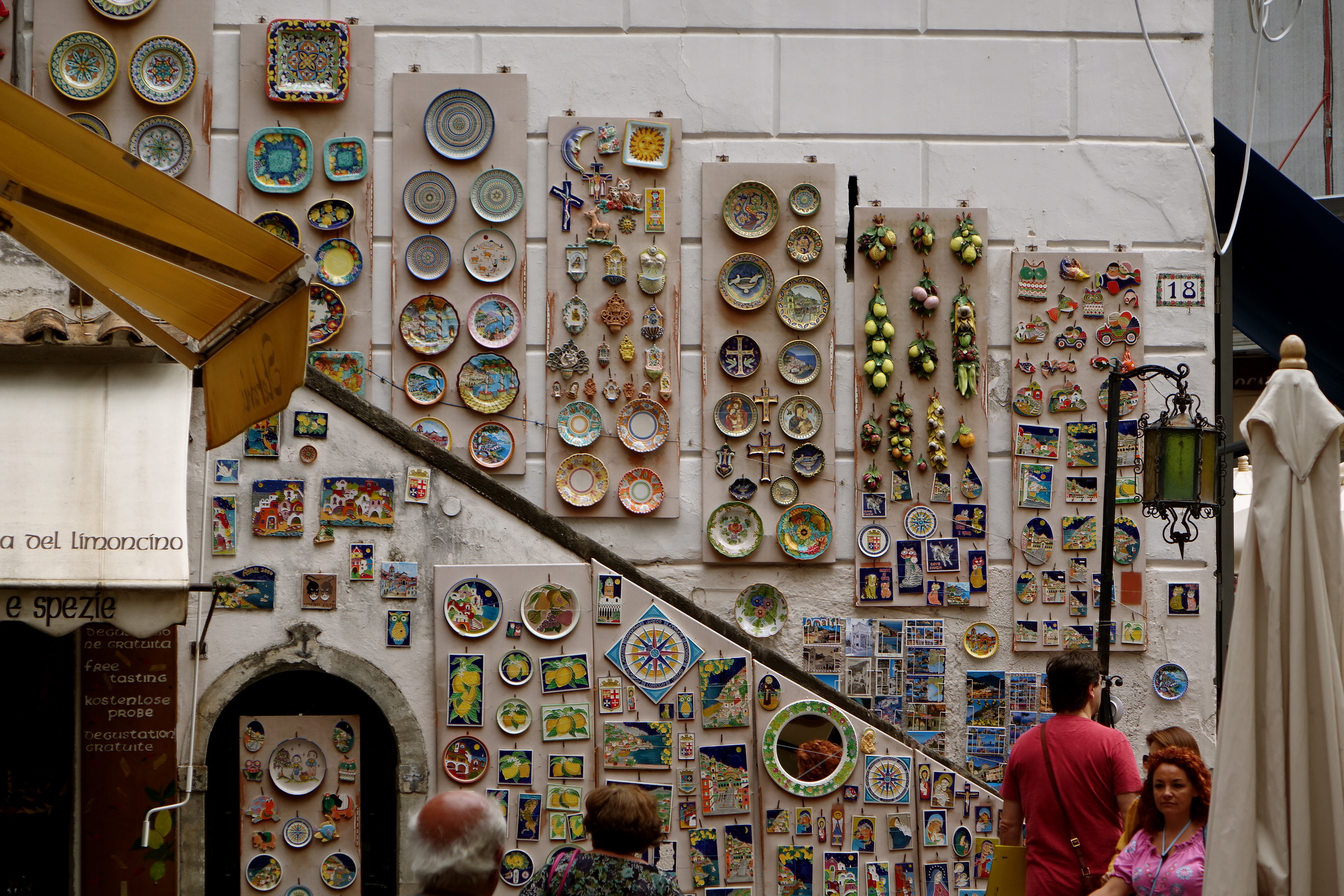
As the boat docked on Amalfi’s busy quayside it was already obvious that the town had a much more tangibly urban feel than little Positano. Along the seafront, larger ornate apartment blocks stood proudly like the kind usually found in Rome or Naples; in its port boats glided in and out with greater regularity and purposefulness; and in its squares, crowds bustled in a way which inferred that real life was going on here, as well as tourism. 

The streets of Amalfi

DSC03936 DSC03927 DSC03902 DSC03889 DSC03888 DSC03874 DSC03388 DSC03377 DSC03365 DSC03335 DSC03321 DSC03903 DSC03332 DSC03331 DSC03314 DSC03383 DSC03342 DSC03324

Read more

Art-in-Amalfi – Painting 5: Praiano

Having painted four views of Positano in gouache on paper, all of which concentrate on the hodgepodge of pastel-coloured cube like houses that are characteristic of the town, I decided to set my sights further afield, and start exploring the artistic potential of locations elsewhere on the Amalfi Coast. The perfect opportunity presented itself when, en route to the epicentre of the coast, Amalfi (see tomorrow’s Daily Norm for more on that front) we passed by the cliff-top town of Praiano.

Smaller than neighbouring Positano, which can be seen directly across the bay and vice versa, Praiano nevertheless has its own glittering domed churche and cluster of houses clinging precariously to the high edges of a mountain slope. However unlike Positano, whose multi-coloured composition can be spotted some distance away, Praiano is characterised by a gleaming symphony of whites and creams, dazzling in the sunshine as its buildings contrast against the green vegetation all around.

Praiano (2014 © Nicholas de Lacy-Brown, gouache on paper)

Praiano (2014 © Nicholas de Lacy-Brown, gouache on paper)

This particular view of the town, seen side on with the gradually fading folds of the mountains in the distance was definitely my favourite angle of those many enjoyed as our boat whisked past the town at speed. And of course in the process of cubic simplification which has been the focus of my recent gouache works, Praiano could not have been a better model – for its white washed houses simplify down to their basic elements brilliantly, while retaining all of the shape and character of this very pretty town.

© Nicholas de Lacy-Brown and The Daily Norm, 2001-2014. Unauthorized use and/or duplication of the material, whether written work, photography or artwork, included within The Daily Norm without express and written permission from The Daily Norm’s author and/or owner is strictly prohibited. Excerpts and links may be used, provided that full and clear credit is given to Nicholas de Lacy-Brown and The Daily Norm with appropriate and specific direction to the original content. For more information on the work of Nicholas de Lacy-Brown, head to his art website at www.delacy-brown.com
Art-in-Amalfi – Painting 4: Positano IV (Yellow Vespa)

As much as Capri may have entranced me, it was Positano that we returned to at the end of the day, the beautiful clustered town gripping for dear life onto the steep mountain slopes of Italy’s stunning Amalfi Coast. And such is the geography of that nature-defying location, that almost everywhere you go in Positano, you end up gazing in wonder at incredible views, either across the sea, the valley in which the bulk of the town is situated, or up at the vast mountains rising almost unendingly up behind it. No wonder then that I was inspired to paint so much when I stayed on the Amalfi Coast and although I was only painting with a small travelling watercolour book and a box of gouache paints, I got the most out of my limited materials.

This fourth and final painting of Positano is loosely based on a charming walk we took along the upper mountain road, where the town feels more authentic and Italian when compared with the tourist-centric core of the town down by the sea. This area, being Italy, was full of all of the characteristics which make a place intrinsically Italian – gossiping old women sitting outside their homes, old men propping up the bar and drinking espresso, and outside one of the most Italian sights of all – the Vespa. This painting captures the moment when we stumbled into a perfect specimen of Vespa – a bright yellow one which, when propped up by the side of this incredible mountainous view, just begged to be painted. And here is the result.

Positano IV (Yellow Vespa) (2014 © Nicholas de Lacy-Brown, gouache on paper)

Positano IV (Yellow Vespa) (2014 © Nicholas de Lacy-Brown, gouache on paper)

© Nicholas de Lacy-Brown and The Daily Norm, 2001-2014. Unauthorized use and/or duplication of the material, whether written work, photography or artwork, included within The Daily Norm without express and written permission from The Daily Norm’s author and/or owner is strictly prohibited. Excerpts and links may be used, provided that full and clear credit is given to Nicholas de Lacy-Brown and The Daily Norm with appropriate and specific direction to the original content. For more information on the work of Nicholas de Lacy-Brown, head to his art website at www.delacy-brown.com
My travel sketchbook: Capri 2 – The Arco Naturale

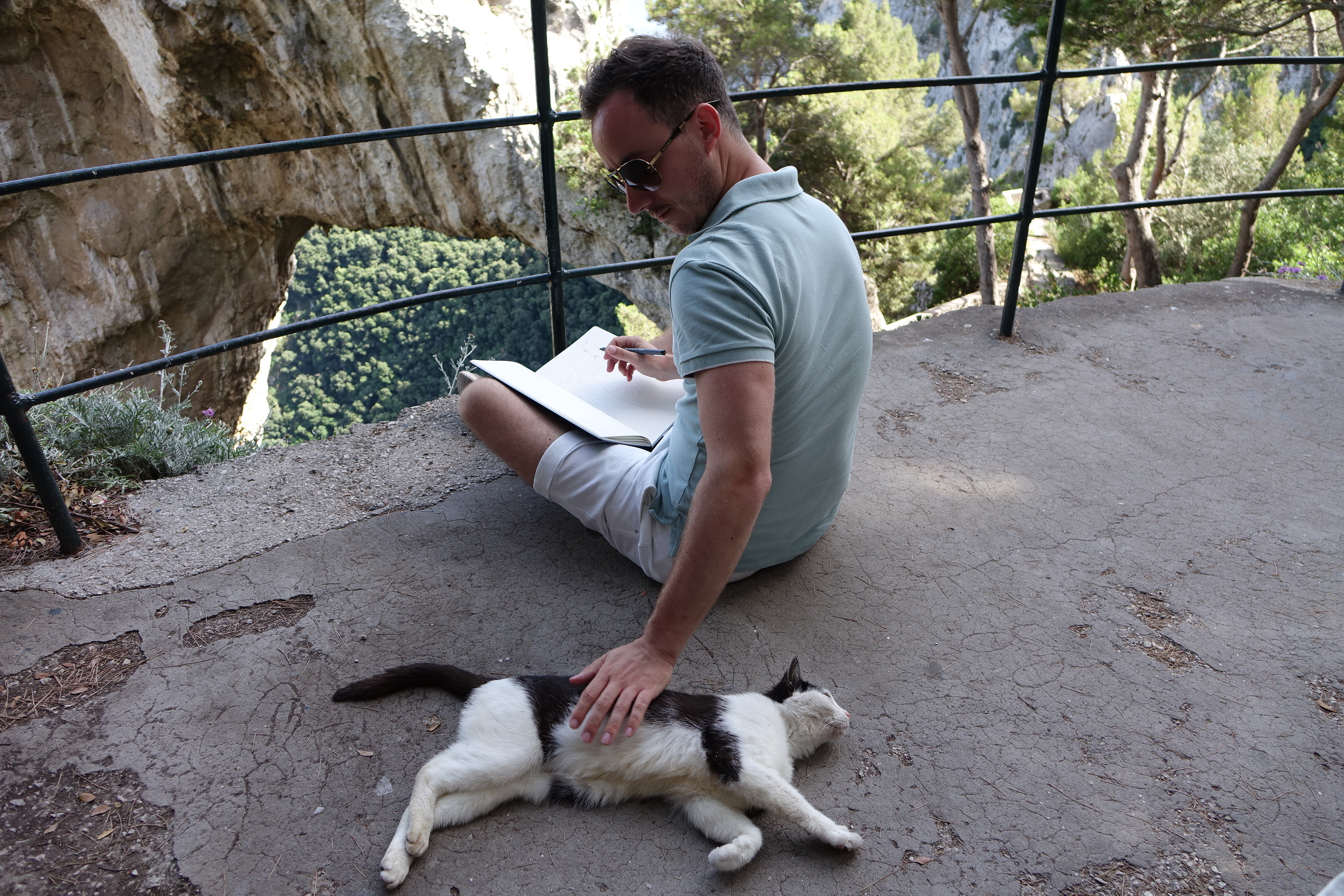
The Arco Naturale in Capri is one of those sights which just takes your breath from you, propelling it into the atmosphere is a shower of fireworks. For there is nothing quite so stunning as the unexpected, and this mighty towering limestone arch looked so deliciously precarious as it balanced several hundred metres above the turquoise sea below that it felt almost like a stage set. There was something almost arousing about its huge teetering mass, thrust upwards into the blue sky like a declaration of robust resilience in the face of nature’s cruel seas; its hardy mass a swollen emboldened spectacle rising above the battered cliffs and sumptuous plant life besides it to frame the surrounding landscape with its gravity-defying arc. And despite the fact that the little pathway skirting alongside this awesome sight was something of a vertiginous spot, with a sheer drop right below it, I could not resist swinging my legs over the side and getting out my sketchbook to capture the impressive prospect before me.

So my fourth sketch of the Amalfi Coast trip was not made without risk, and although my legs were firmly curled around the railings above the cliff edge, I could easily have dropped my pens, or even my beloved sketchbook down that sheer drop – goodness knows how I didn’t. And it wasn’t like I didn’t have distractions – my sketching attracted not just the attention of fellow tourists, but also a dear little cat who curled around me, rubbing itself against the hard edges of my sketchbook, and at times appearing to teeter horrendously closely on the knife edge of the cliff-edge, its perfectly balanced slender body somehow nonplussed by the drop just below. But as you can see, my sketchbook lived to tell the tale – and indeed to be shared, on today’s Daily Norm.

Capri Sketch 2: The Arco Naturale (2014 © Nicholas de Lacy-Brown, pen on paper)

Capri Sketch 2: The Arco Naturale (2014 © Nicholas de Lacy-Brown, pen on paper)

My sketching companion

My sketching companion

Now that's what I call an artist's studio...

Now that’s what I call an artist’s studio…

© Nicholas de Lacy-Brown and The Daily Norm, 2001-2014. Unauthorized use and/or duplication of the material, whether written work, photography or artwork, included within The Daily Norm without express and written permission from The Daily Norm’s author and/or owner is strictly prohibited. Excerpts and links may be used, provided that full and clear credit is given to Nicholas de Lacy-Brown and The Daily Norm with appropriate and specific direction to the original content. For more information on the work of Nicholas de Lacy-Brown, head to his art website at www.delacy-brown.com
Positano & beyond | Capri: Part 2 – Geology, Geraniums and a Granita de Limon

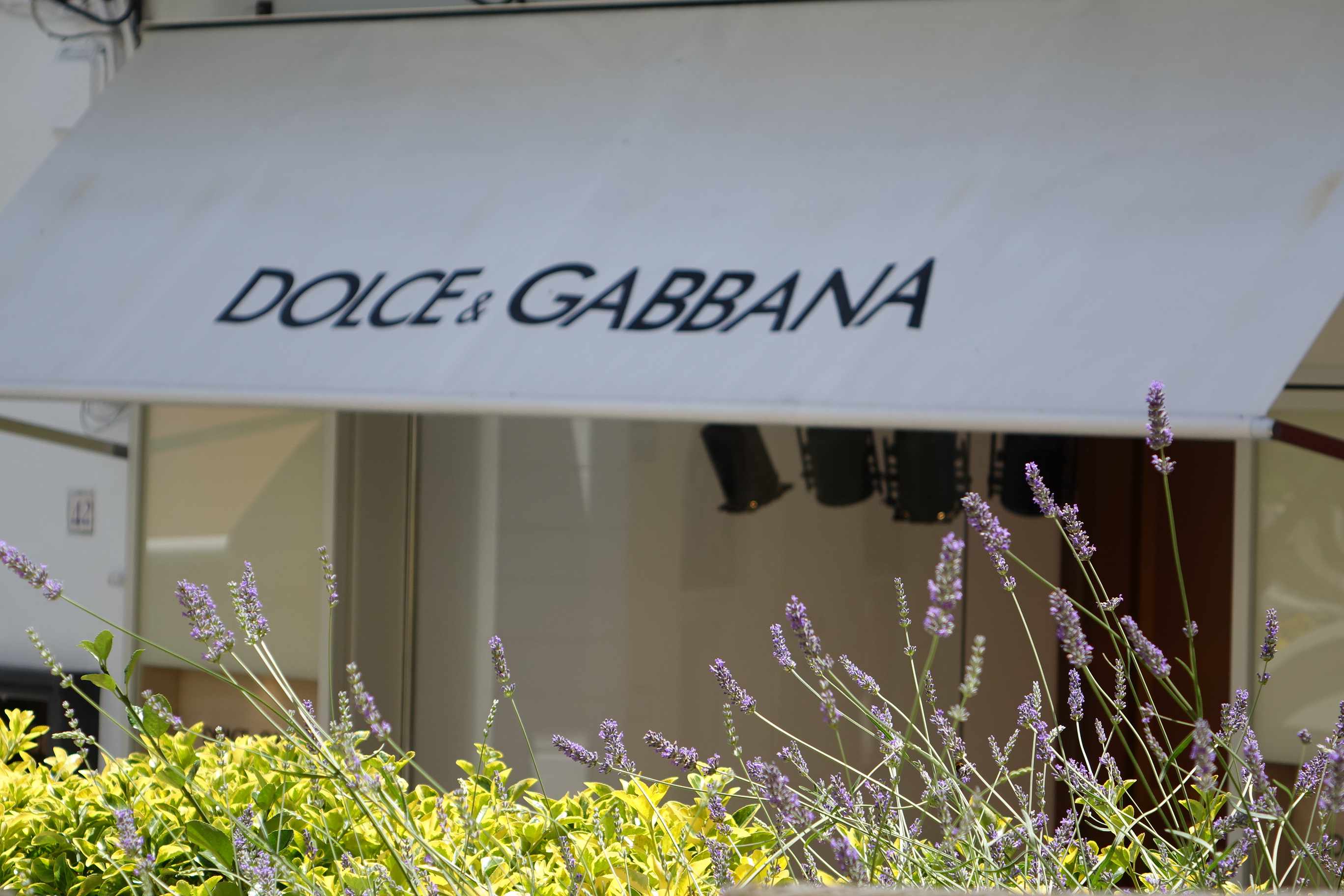
There is no denying the unique pull of ritzy glitzy preened and perfected Capri Town, the bustling micro-sized centre of the stunning Neapolitan island of Capri. But beyond the Dolce and Gabbana, the YSL and the Chanel is an island whose real gleaming star is its jaw-droppingly beautiful natural scenery. Capri’s unique landscape is owed solely to its vast mountainous geology. Capri Town for example is a good 20 minute hike up steep stairways that climb one of the island’s two main mountainous peaks and which leave very little room at sea level for a capital town. And it’s because of this wonderful craggy mountain geology that the island is characterised by a series of stunning natural phenomena – the blue lagoon, the Arco Naturale, and the rocks that jut out to sea like characters from mythology. 

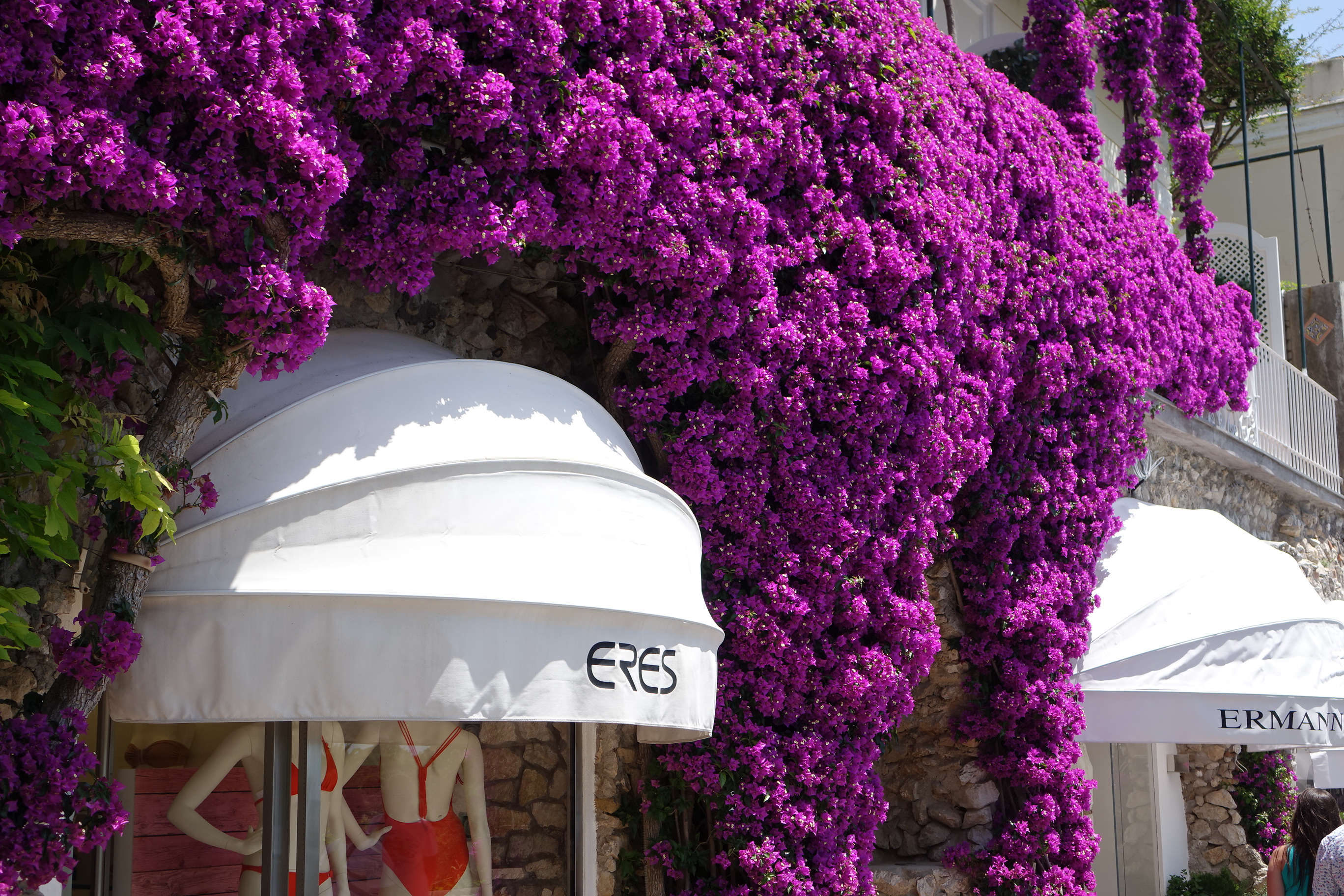
No sooner had we finished our lunch in Capri Town, we bumped into this breathtaking beauty, for mere metres out of the town’s quickly dissipating urbanisation, you are led out into verdant bucolic lanes which simply take your breath away. Of course today much of these areas are overtaken with luxury hotels, but even those maintain huge lush gardens, and the result is an island bursting with almost tropical greenery and the vibrant pinks of abundant bourganvilla. 

DSC02716DSC02562DSC02587 DSC02736 DSC02713 DSC02589 DSC02712 DSC02570 DSC02526 DSC02571 DSC02518

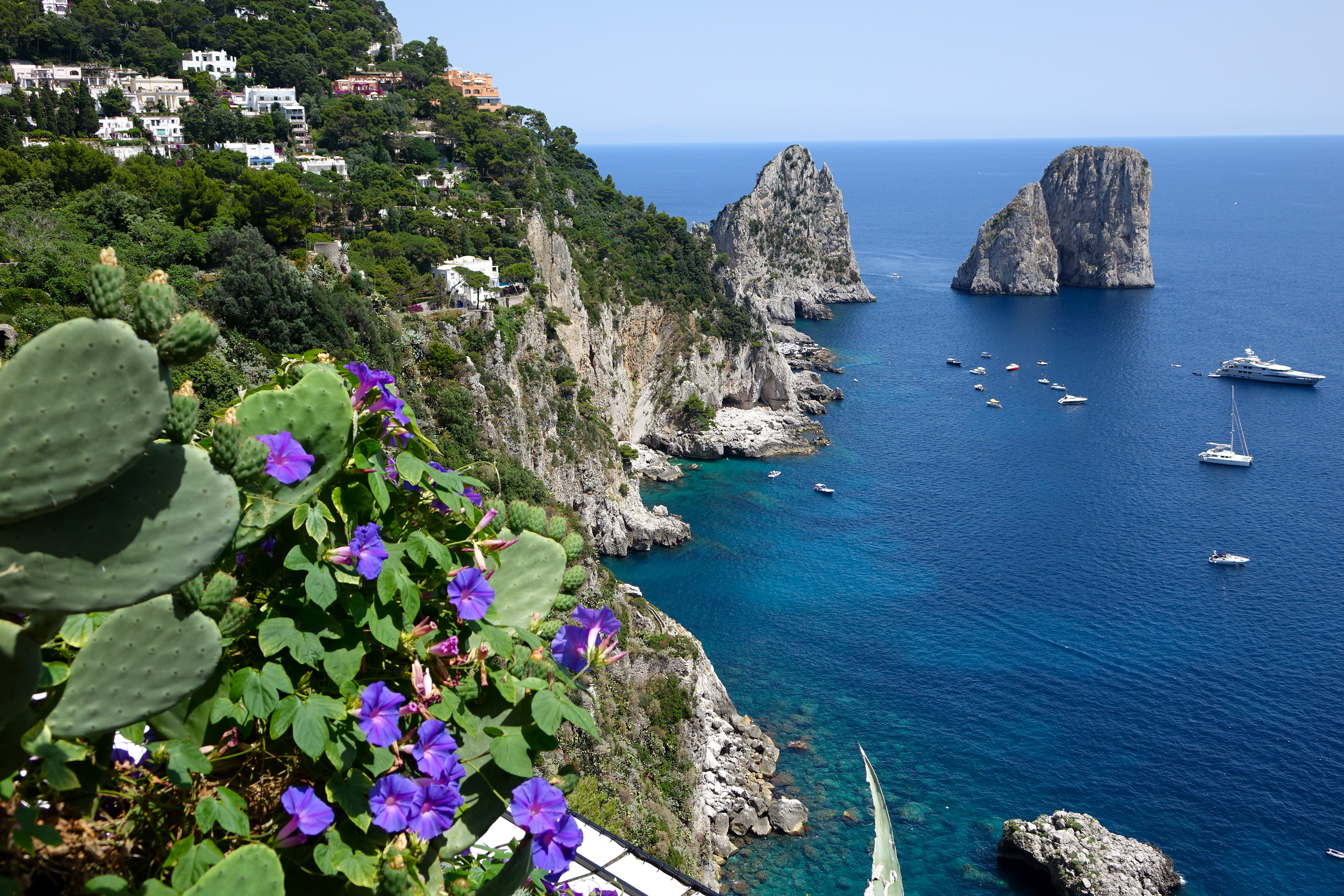
However to see flowers at their best and some of the most amazing views of the island, we headed to the Giardini di Augusto, a small shady set of manicured gardens once owned by German steel industrialist Friedrich Krupp, but begrudgingly given up when he was forced to leave the island in shame after his romantic liasons with local fishermen came to light! Today the gardens are given over to the pleasure of tourists and locals alike, and what pleasure they provide. But the most dazzling aspect of these gardens was not what could be found within, but seen from their periphery. Views so stunning of the turquoise waters and rocky outcrops jutting out to sea below that only photos can really tell of their true beauty…

In the garden…

DSC02642 DSC02634 DSC02637 DSC02649

and the views from within…

DSC02598 DSC02613 DSC02625 DSC02604 DSC02628

From one paradise to another, we headed over to the other side of Capri Town, embarking on a walk which at times seemed mad in the searing heat of day, but which was happily broken with a welcome lemon granita enjoyed over lavish sea views, and made all the more worth it by the final destination: the Arco Naturale. I’ve seen some views in my time but this was just something else. A huge rocky arch jutting out to see forming a window onto a little glittering bay below. This huge mass of limestone rock looked to be teetering on a knife edge – at its thinnest point, large cracks could already be seen and it became clear that this natural phenomenon cannot last forever. But this transience made the sight all the more beautiful and we sat and admired it for what seemed like hours. 

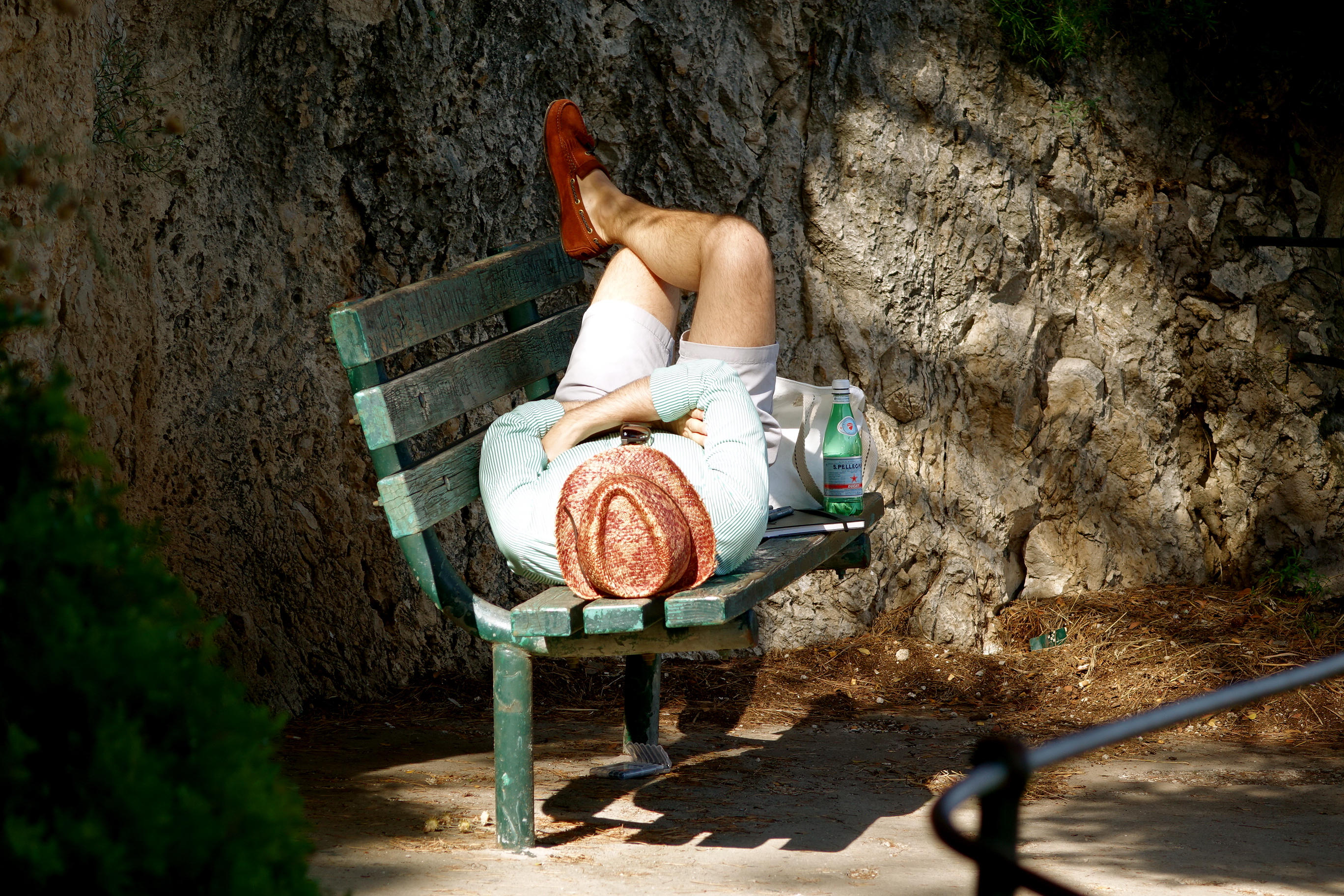
The Arco Naturale and taking a rest beside the view

DSC02661 DSC02707 DSC02664

Of course there were so many other stunning views seen on our day in Capri, although we barely saw a quarter of the island on our short visit. All too soon the last boat back to Positano was calling, but surely a future visit to Capri will be required. After all, the best things in life are always worth the wait. 

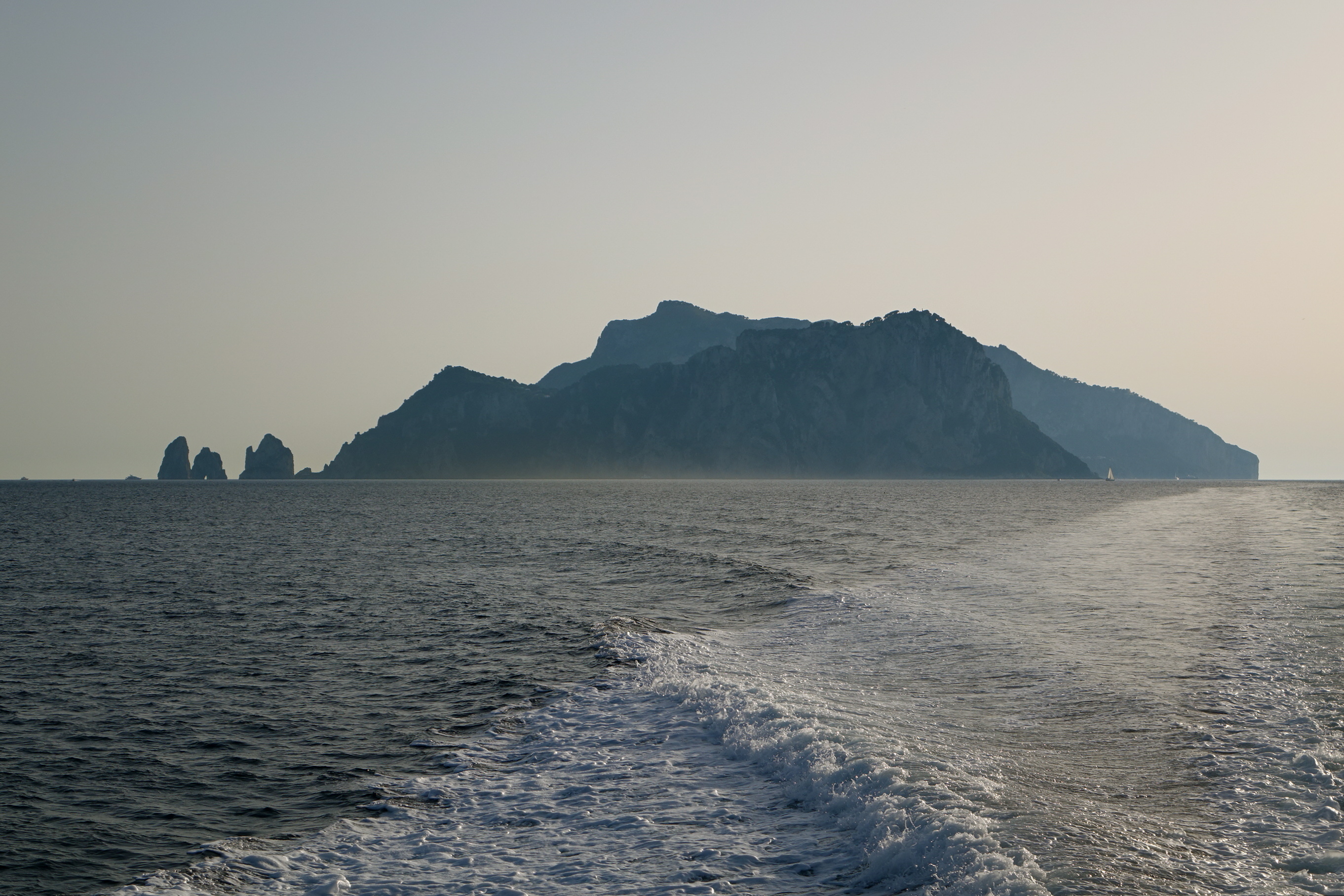
Capri fades off into the distance as we head back to Positano

DSC02846 DSC02784 DSC02844

All photos and written content are strictly the copyright of Nicholas de Lacy-Brown © 2014 and The Daily Norm. All rights are reserved. Unauthorized use and/or duplication of the material, whether written work, photography or artwork, included within The Daily Norm without express and written permission from The Daily Norm’s author and/or owner is strictly prohibited. 
My travel sketchbook: Capri 1– Roof of the Church of Santo Stefano

Being as the island of Capri is not exactly short of a tourist or two, and seeing as the prices which a café there can evidently get away with are sky high, you can understand why the cafés packed into the little Piazzetta at the centre of Capri Town are keen to do a quick turnaround of customers. After all, at nearly €10 a pop for a glass of wine or something similar, why would they not want to churn out the customers like a supermarket conveyer belt? So there must have been some extent of vexation for the waiters of one such café located directly beneath the square’s famous ceramic-faced campanile when I sat down at the café table and, after ordering myself a coffee, proceeded to open up my travel sketchbook and start sketching. Fearing no doubt that I would be there all day on the price of one coffee, I could almost feel their frustrated eyes burning into the back of my head as I began to sketch. And yet how could I do otherwise? After all, Capri is undoubtedly a place of beauty, and in the centre of its small capital city, the architecture is so cutely quaint that it feels a bit like Toytown. In particular, I adored the rooftop of the church of Santo Stefano, whose small little domes and white-washed walls captivated me from our first steps in the town. And it was those which I sat down to sketch at that little front line café table.

Capri Sketch 1: The church of Santo Stefano (2014 © Nicholas de Lacy-Brown, pen on paper)

Capri Sketch 1: Roof of the church of Santo Stefano (2014 © Nicholas de Lacy-Brown, pen on paper)

The waiters needn’t have been worried however. As ever with my impromptu sketches made in pen, I wasn’t working on this for long, and in fact had to leave said café before the sketch was completely finished owing to the fast approaching time of the last ferry back to Positano. And yet I’m glad I risked their wrath for the short time I did, because this is definitely one of my favourite sketches of the holiday.

© Nicholas de Lacy-Brown and The Daily Norm, 2001-2014. Unauthorized use and/or duplication of the material, whether written work, photography or artwork, included within The Daily Norm without express and written permission from The Daily Norm’s author and/or owner is strictly prohibited. Excerpts and links may be used, provided that full and clear credit is given to Nicholas de Lacy-Brown and The Daily Norm with appropriate and specific direction to the original content. For more information on the work of Nicholas de Lacy-Brown, head to his art website at www.delacy-brown.com
Positano & beyond | Capri: Part 1 – People, Prices, Paradise

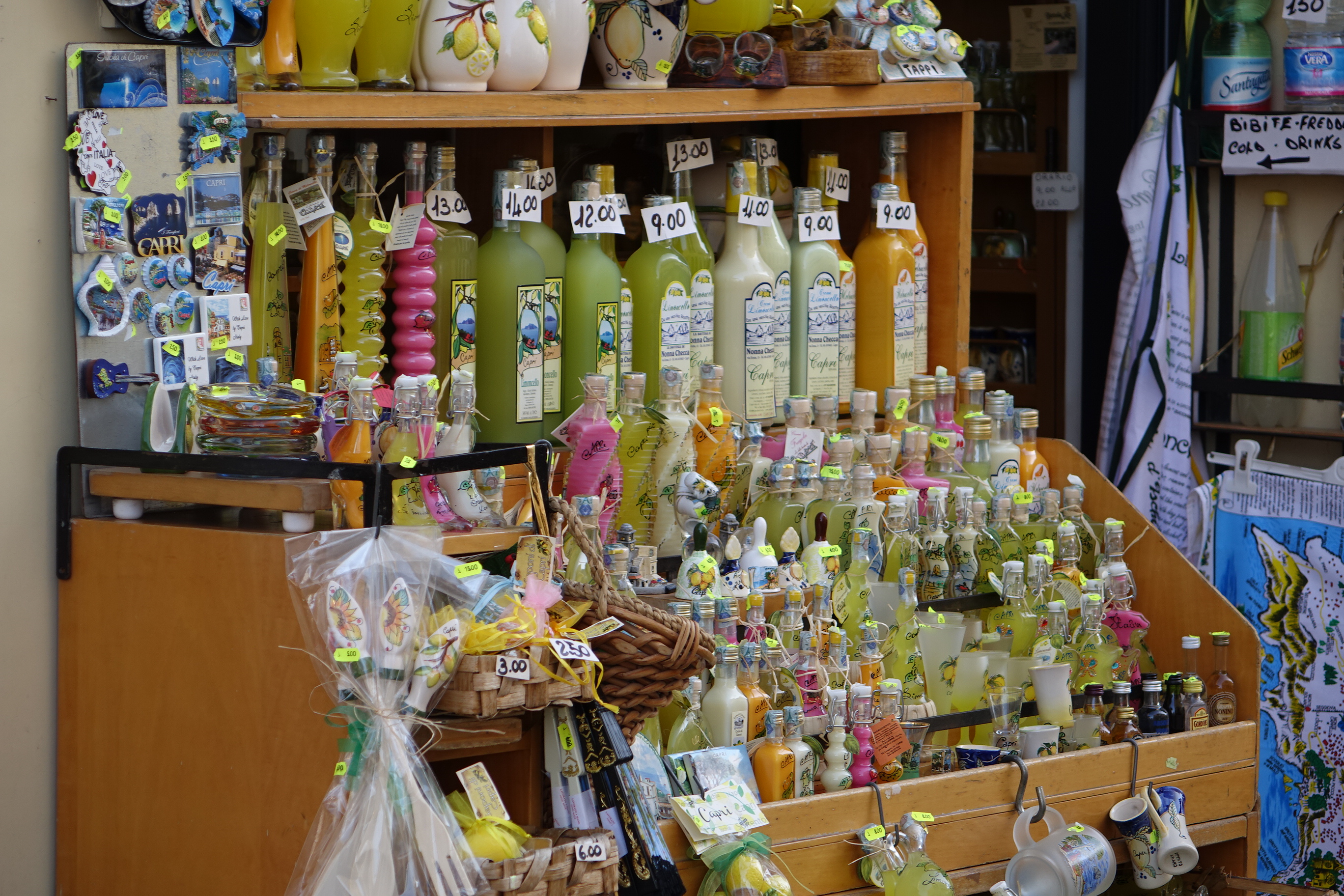
It was of course long ago that I heard of the seductive allure of super-chic Capri, rocky Island paradise beloved of celebrities, royals and couturiers alike. The island, which is just off the Sorrento Peninsula in Italy, was first the beloved of Emperor Tiberius himself, who spent much of his reign luxuriating on the island, and since it has been home to some of the worlds most famous creatives, from John Singer Sargent to DH Lawrence. Of course alongside its innate popularity is also a reputation laced with tales of pompous overpriced fashion boutiques, snobby restaurants and not for the feint hearted lavishly expensive hotels. This reputation both repelled and entranced me, and while I was always procrastinating over whether or not to go, my decision was made up when I watched the delightful 1960s film, It Started in Naples. Starting Sophia Loren and Clark Gable, the film is a tribute to the stunning beauty of its island backdrop, as Capri is made just as much of a star of the film as Loren and Gable themselves. Although itself alluding to Capri’s over popularity amongst tourists, and the capitulation of the island to its predominantly American visitors (the satirical song Tu vuò fa l’americano is performed by Loren in the film), this 60s masterpiece made multiple promises of Capri’s geographical and social allure, and I knew I had to go there. 

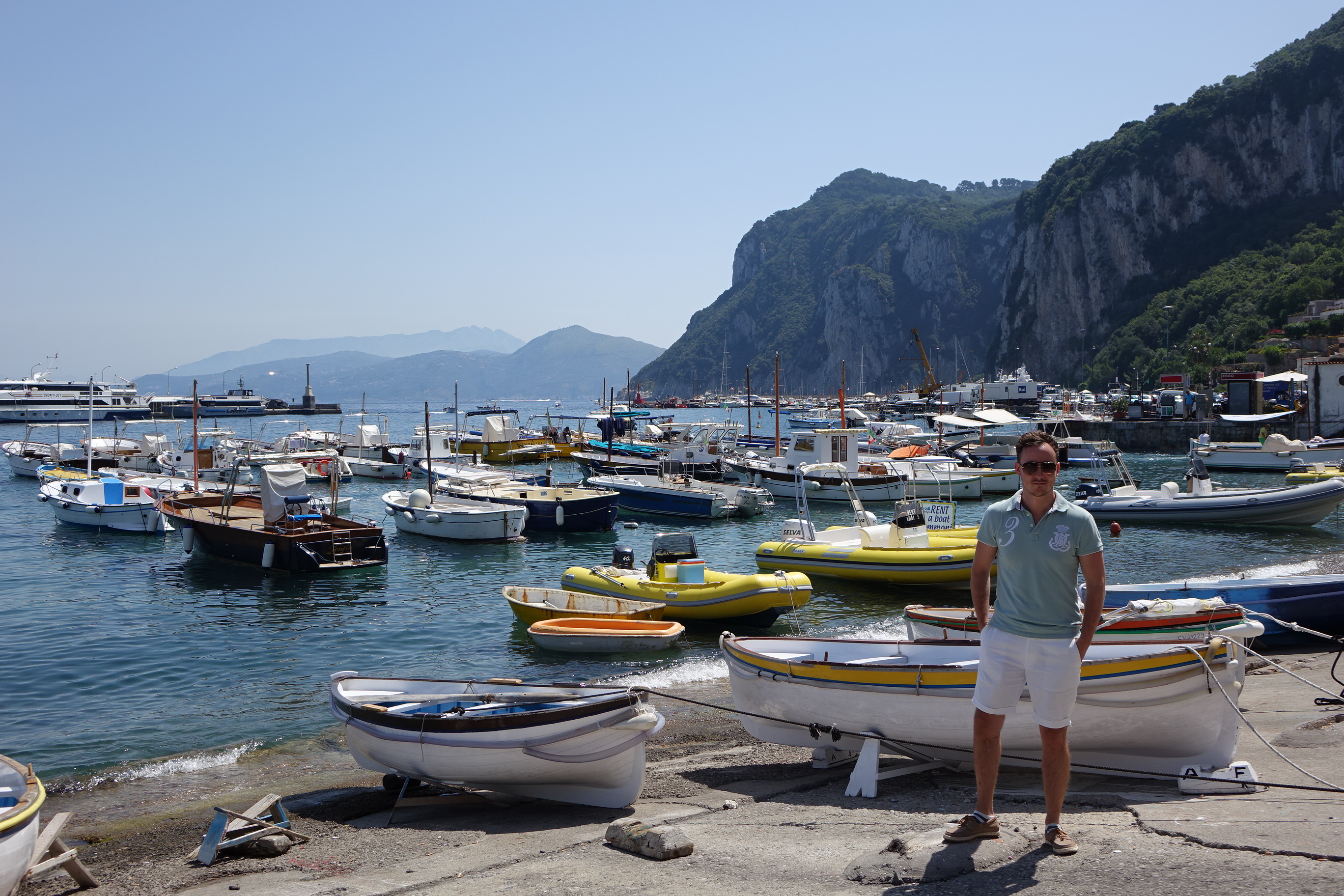
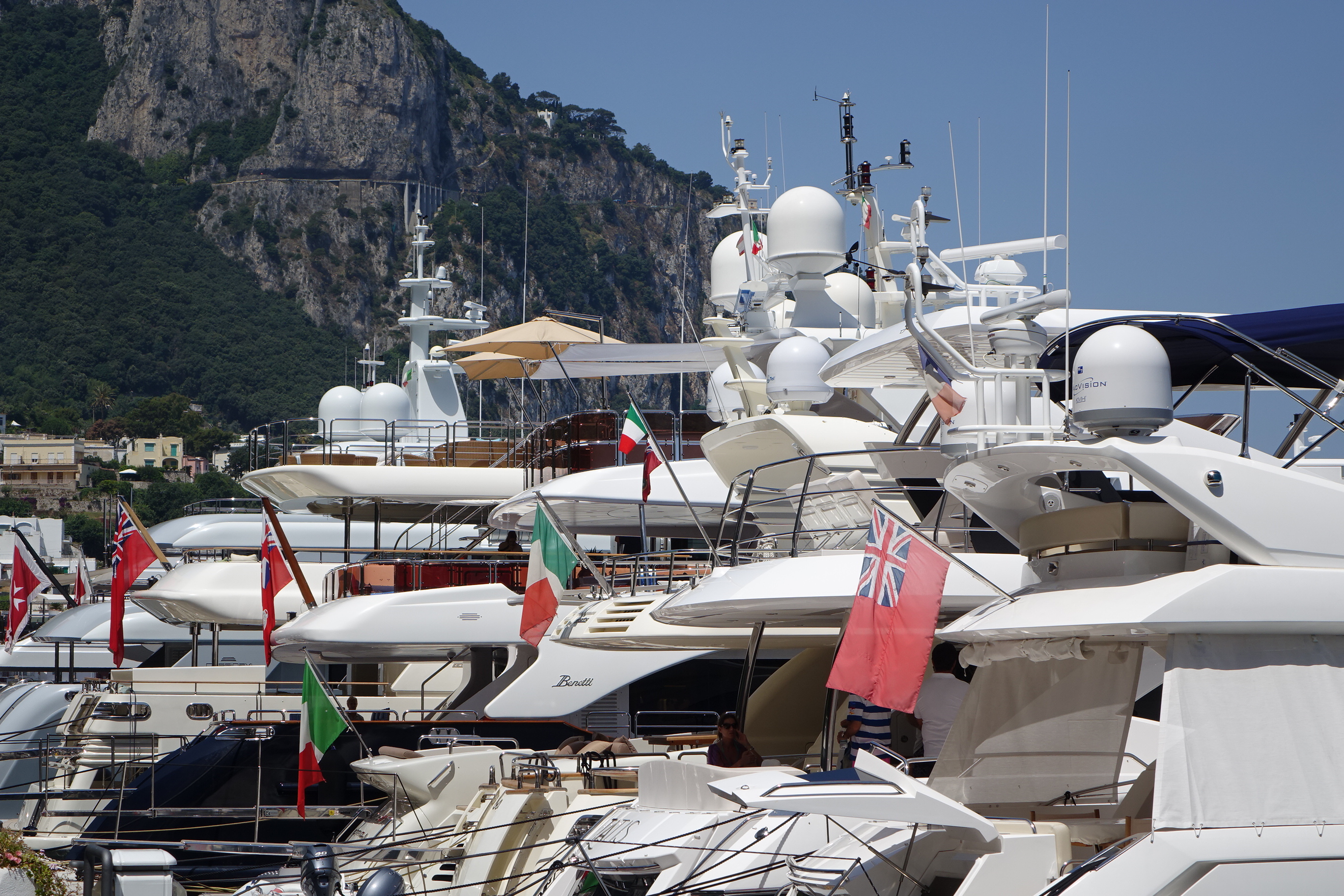
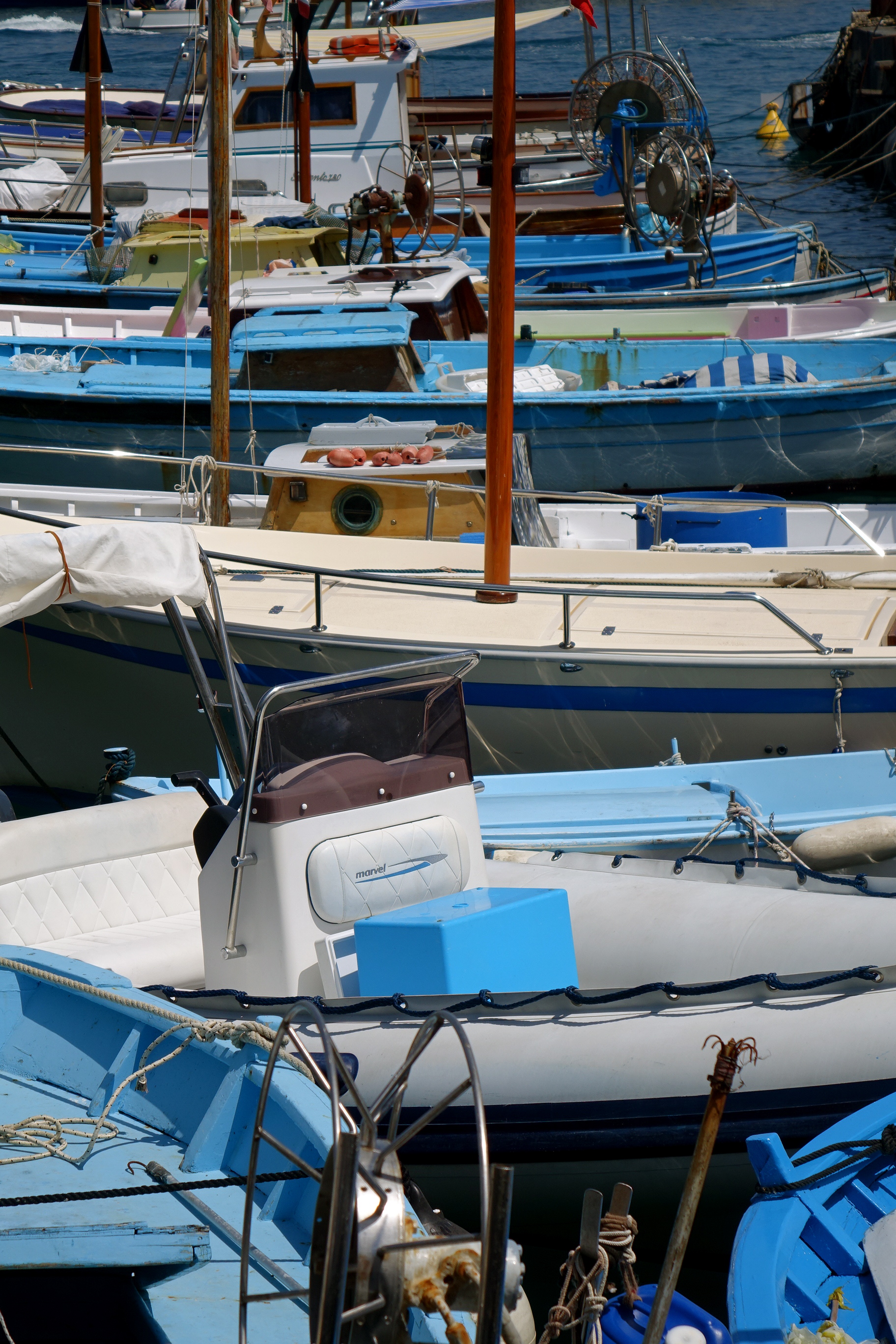
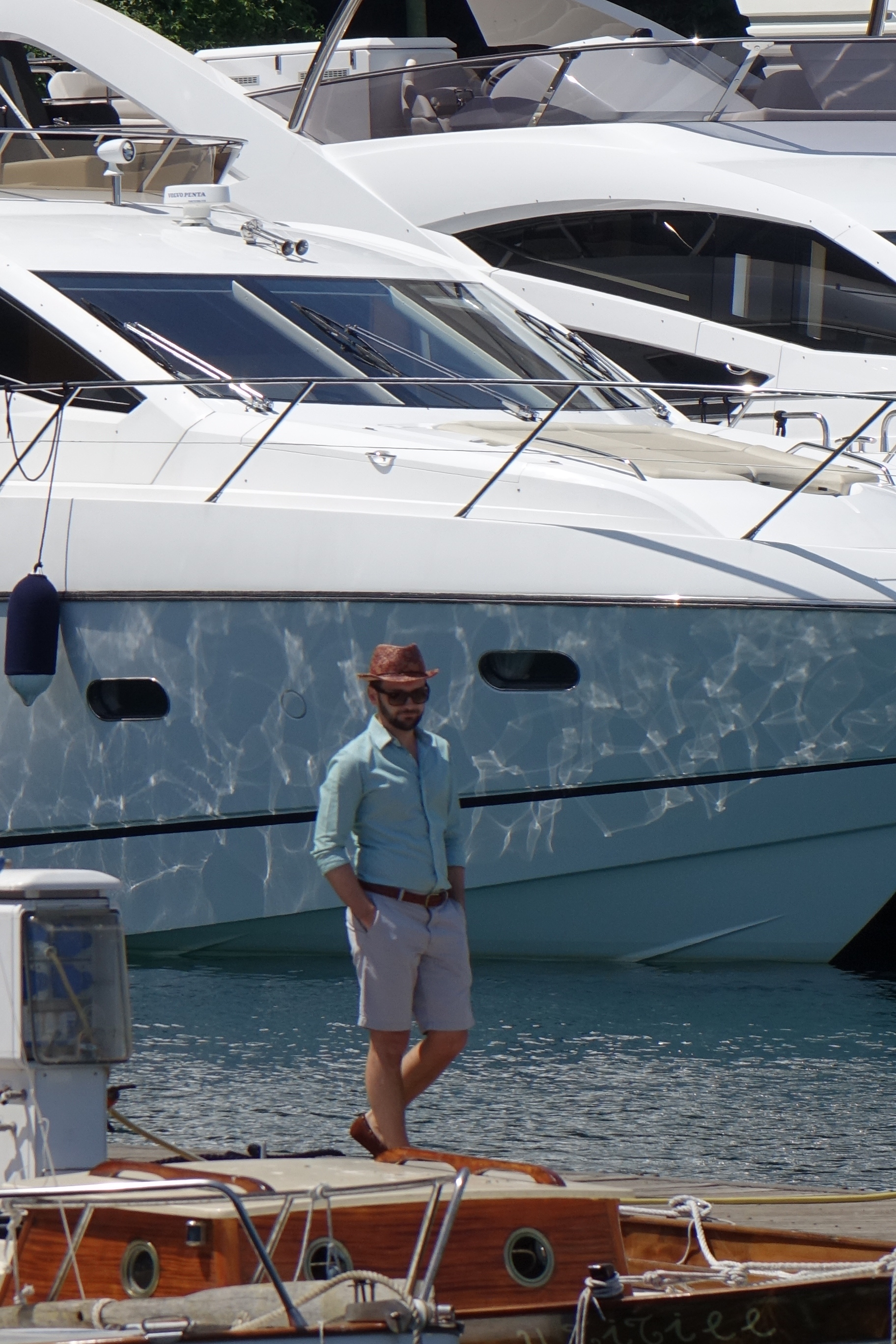
So keeping Positano on the Amalfi coast as our base (this avoiding at least the expense of Capri hotels) we set off on the morning high speed jet to the island and in under 45 minutes found ourselves approaching a jagged mountainous island so geographically surprising that it looked like an upturned knife searing out of the sea. There in the old harbour were the eye wateringly large luxury yachts (even our jet had cost is a cool €70 for the journey) although happily the scattering of colourful old fishing boats meant this port retained much of its Italian charm. 

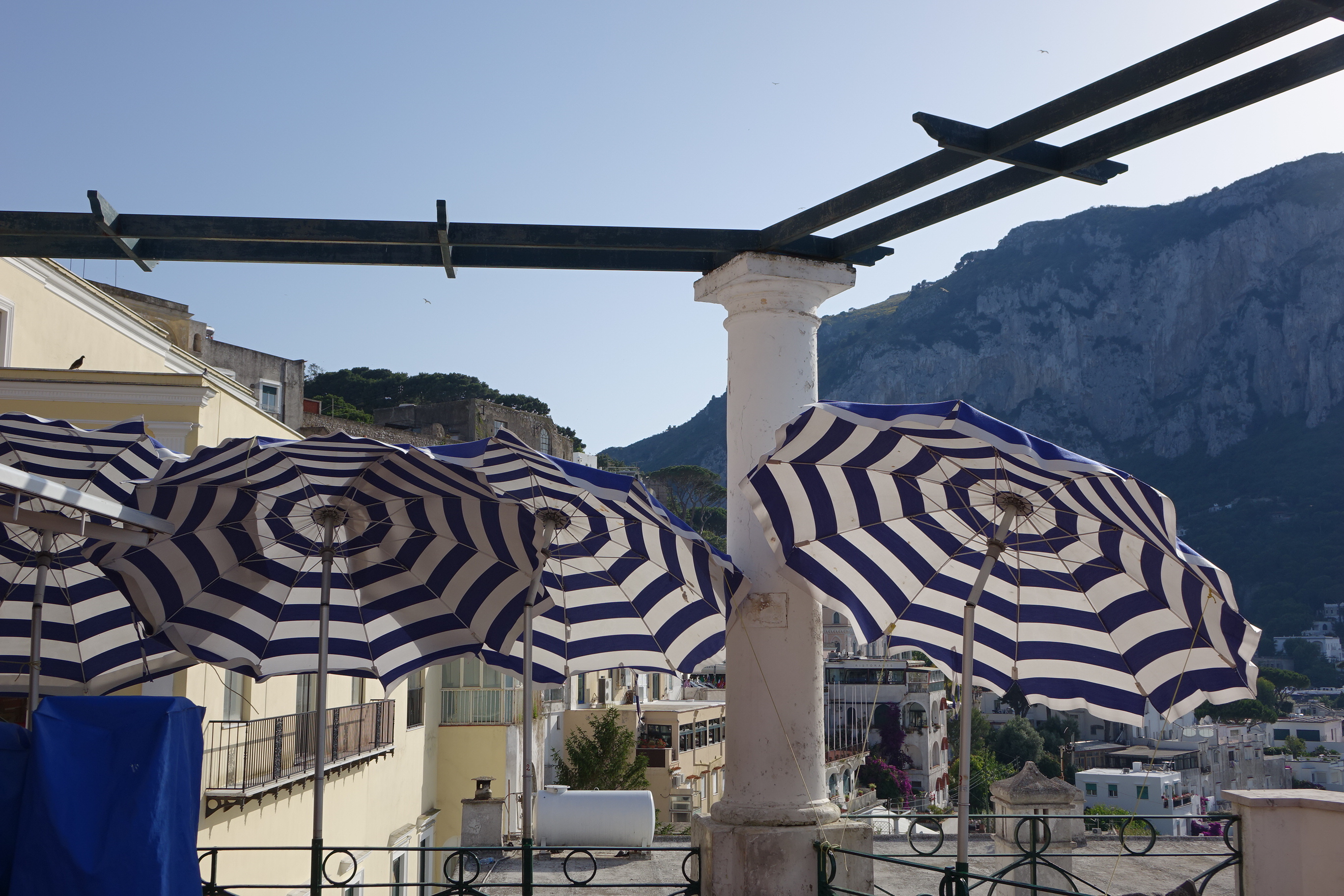
DSC02476 DSC02765 DSC02486 DSC02482 DSC02478 DSC02515 DSC02483 DSC02509 DSC02466 DSC02471

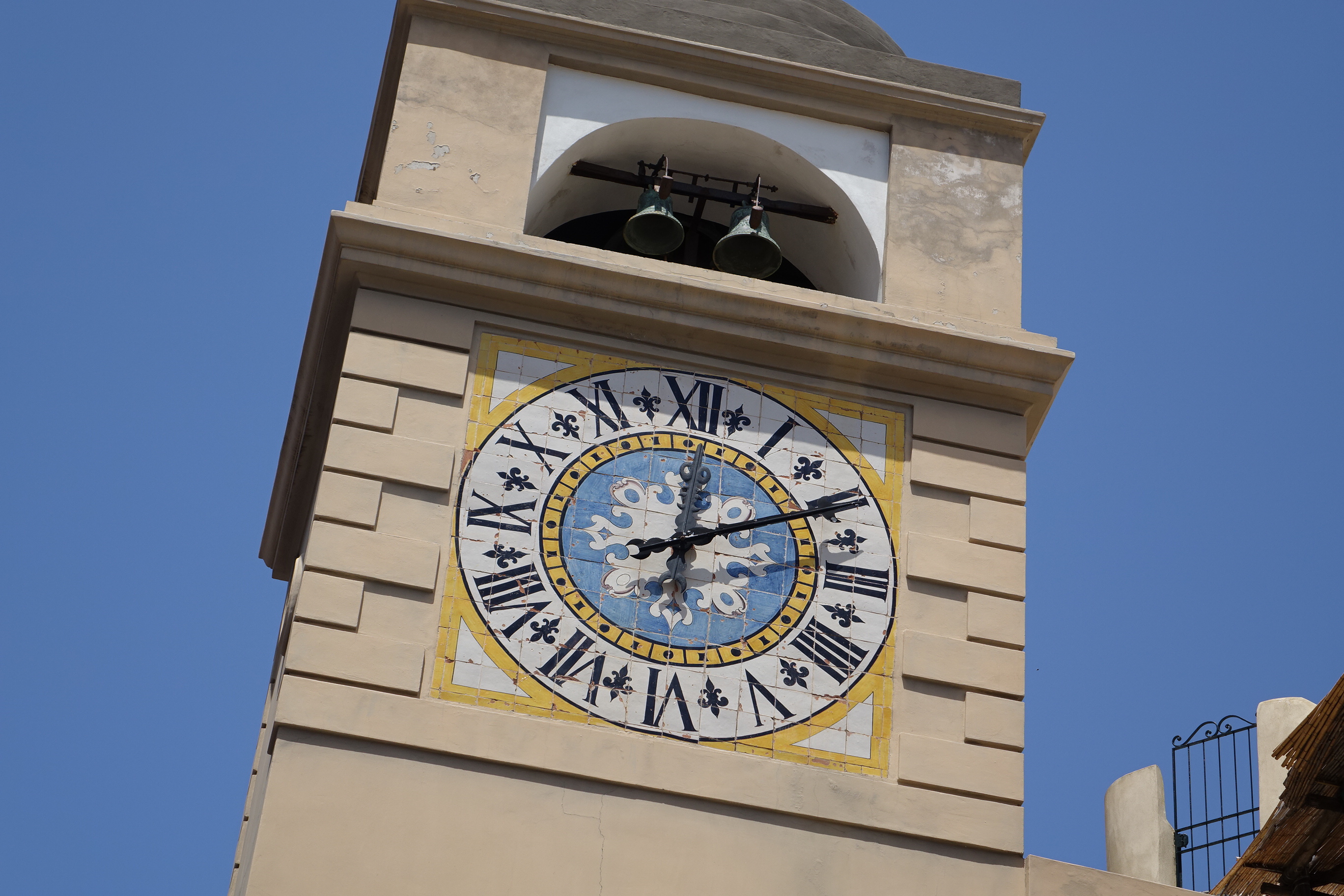
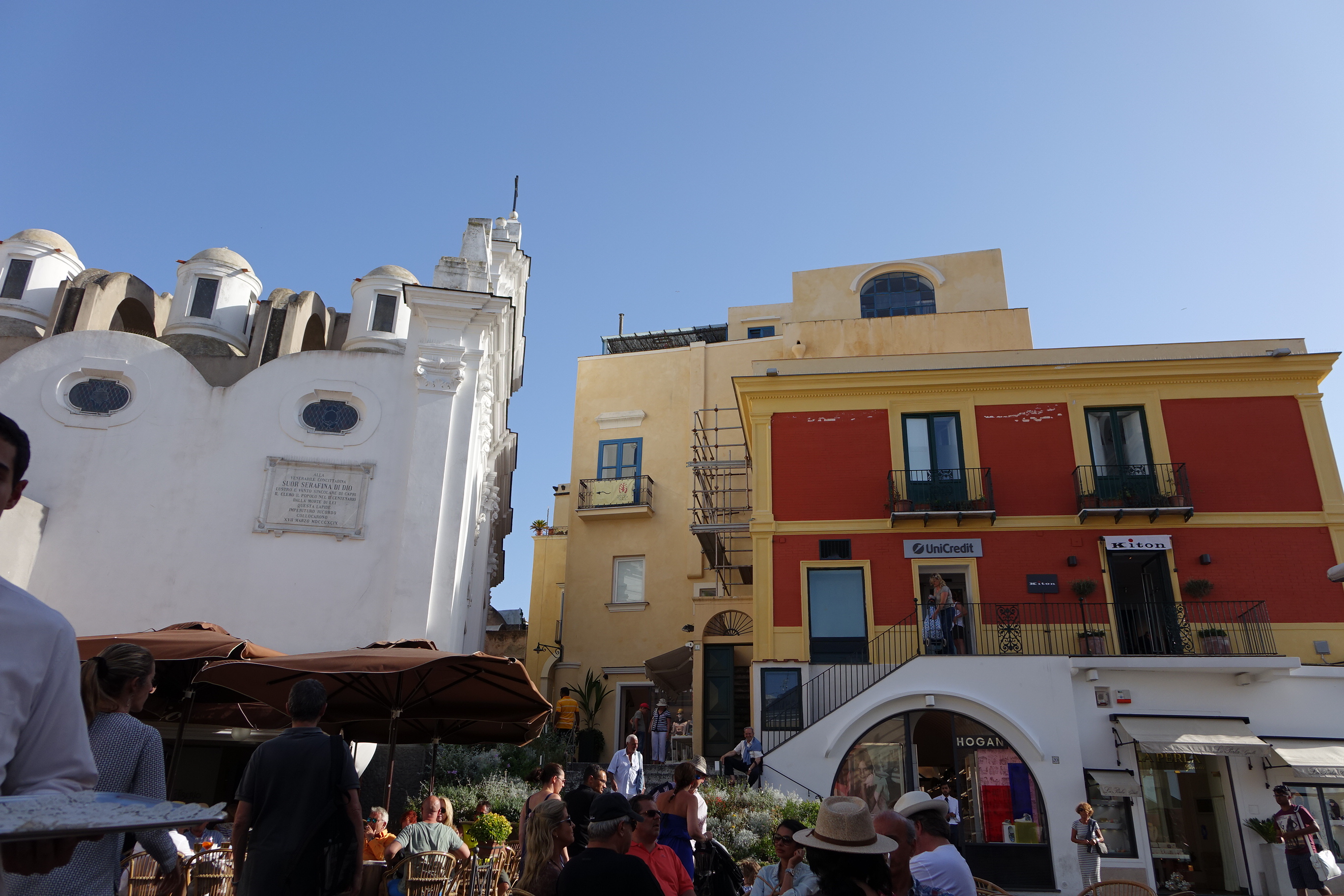
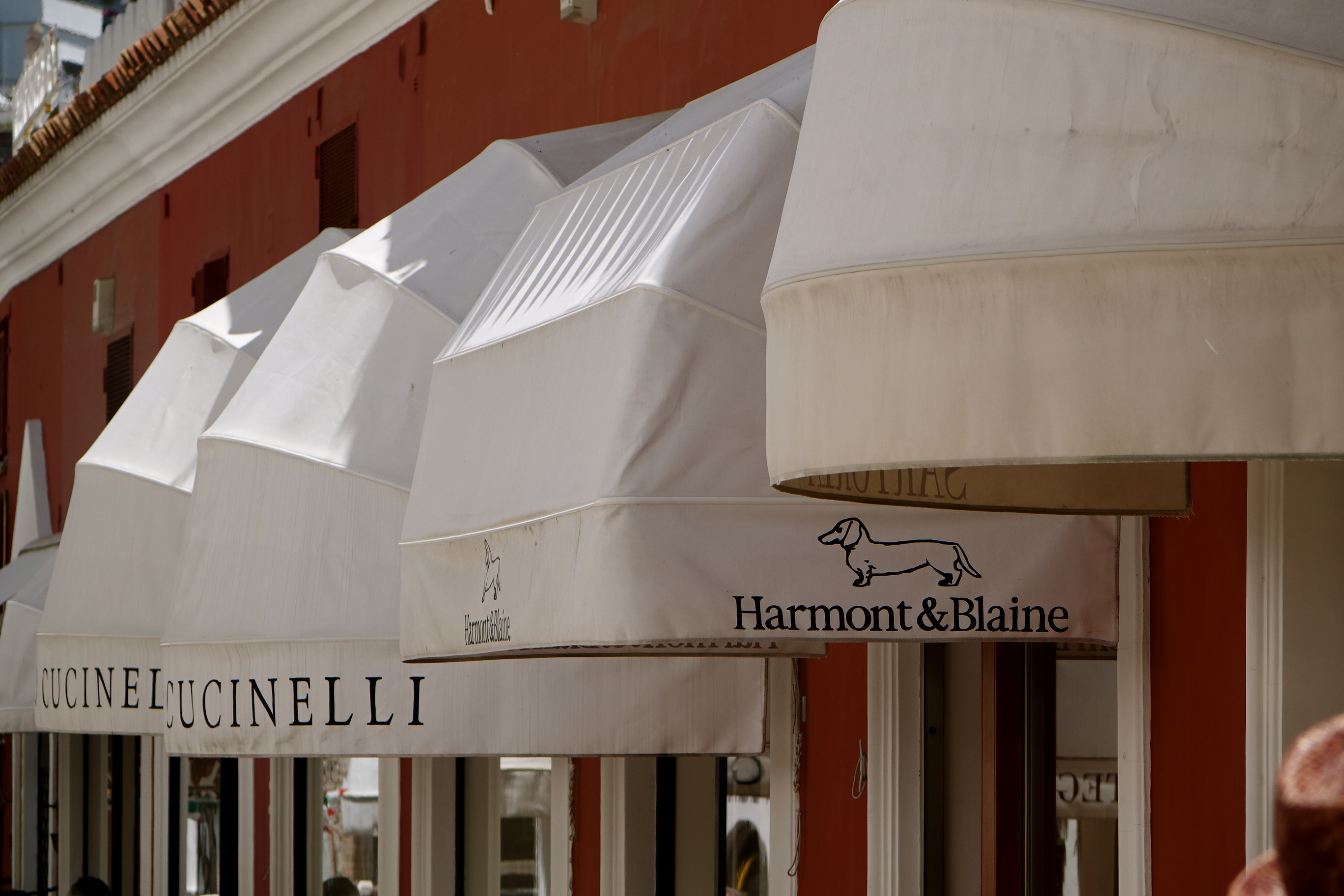
But the real charm was reserved for Capri town, a 20 minute hot uphill walk (or a more leisurely funicular ride for those who can be bothered to brave the long queue of tourists, and the price). Everything up in the town was like a pristine city in miniature. A half sized campanile with a charming yellow and blue ceramic face, little twisting streets containing small boutiques of the worlds most recognisable names: Gucci, D&G, Valentino, Prada, Versace, and at the centre of it all, a bustling central square, not even an 8th of the size of Madrid’s Plaza Mayor or London’s Leicester Square, but bustling and crammed with 4 or 5 cafes spread out over the whole area. Of course we headed straight to one such cafe – second Capri price shock: €17 for two glasses of house wine. Gulp. 

DSC02539 DSC02728 DSC02538 DSC02732 DSC02540 DSC02723 DSC02536 DSC02532

There, sat in the Piazzetta (as it’s known), in the shadow of the white-washed Santo Stefano, one could really feel the essence of Capri. The square evoked the glamour that makes Capri so unique, fizzing with gossip and preening glitterati; waiters with their noses slightly upturned, regulars sat at the best cafe tables, their carefully coiffed dogs curled up beneath them, shiny boutique-bought handbags reflecting the sunlight, and the ice of morning cocktails glinting in the sun. Yes this was surely the reputed Capri – the very pinnacle of Paris couture in the tiniest cluster of toy-sized civilisation.

DSC02554 DSC02549 DSC02732 DSC02582 DSC02730 DSC02734 DSC02548 DSC02543

Feeling all the merrier for the wine, ignoring its hefty price, we wandered onwards, out of the square and into the town’s little streets which became ever more quaint and charming as one led to another. Our only attempt at shopping was thwarted by the sight of the price tag of a rather ordinary looking pair of sunglasses: a snitch at €1500. Happily, a sumptuous sun-dappled lunch in the cool gardens of the Hotel La Palma was easier on the wallet and even more so on the stomach. This left us well nourished (if a little tipsy) to explore the rest of Capri. Oh and what wonders were to come.

Read more about those in Part 2.

All photos and written content are strictly the copyright of Nicholas de Lacy-Brown © 2014 and The Daily Norm. All rights are reserved. Unauthorized use and/or duplication of the material, whether written work, photography or artwork, included within The Daily Norm without express and written permission from The Daily Norm’s author and/or owner is strictly prohibited.

Art-in-Amalfi – Painting 3: Positano III (cluster on the upper road)

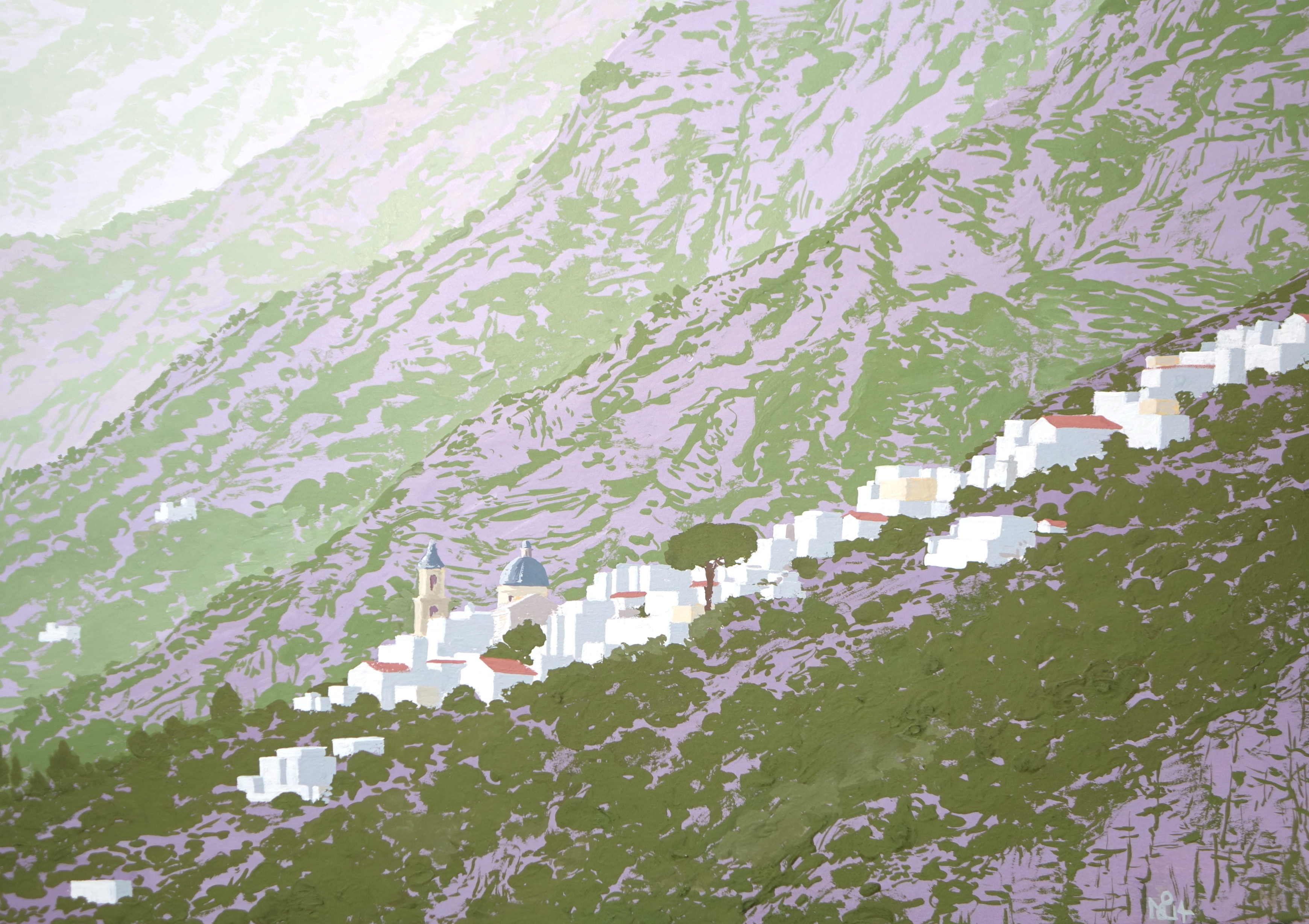
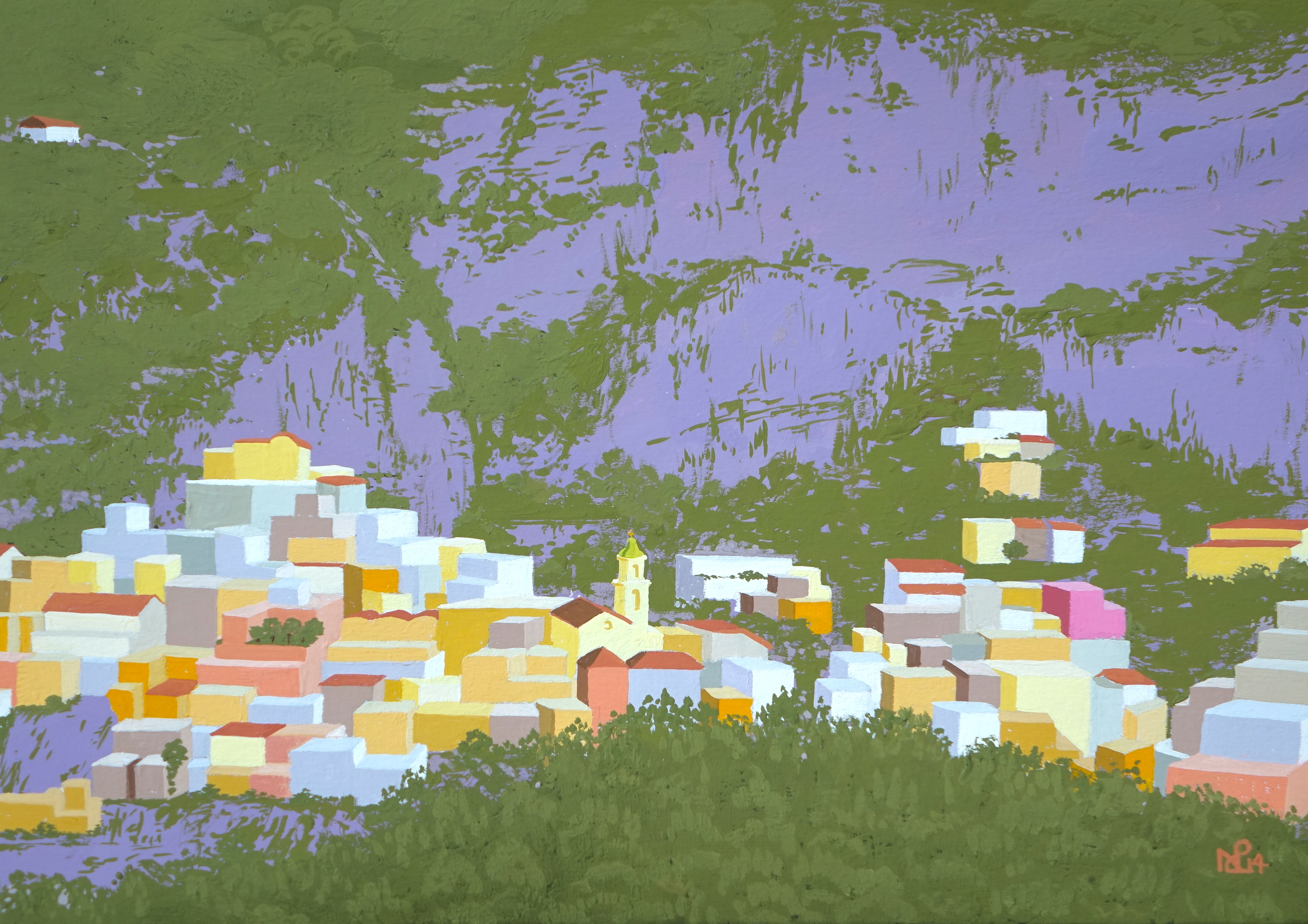
Following hot on the heels of my photographic post on Positano’s upper mountain passages is the third of my Positano paintings it inspired. Unlike my previous two works of Positano, both of which included the sea and the beach as prominent compositional elements, this one concentrates solely on Positano’s mountainous backdrop as it focuses on a cluster of houses on the town’s upper mountain road. With its resulting rocky background and not a slice of sea or sky in sight, the group of pastel houses collected onto the mountain side is even more striking set against these dark and looming surroundings, emphasising just how striking a sight is created by a small town built upon the steep sides of huge imposing mountains.

I kept this painting as simple as possible, and even though the mountains have the appearance of craggy complexity, the brain is doing most of the work here – for in reality I have painted neither shade nor light into the purple mountain – only the impression of texture as created by the strategic placement of green detailing indicating where the mountain’s verdant plant life would be. It’s an effect which I find altogether pleasing, and a simplicity which ultimately does all of the work which a more detailed illustration would provide. Yet in this simpler form it seems altogether cleaner and more contemporary – and for that reason I love it.

Positano III (2014 © Nicholas de Lacy-Brown, gouache on paper)

Positano III (2014 © Nicholas de Lacy-Brown, gouache on paper)

© Nicholas de Lacy-Brown and The Daily Norm, 2001-2014. Unauthorized use and/or duplication of the material, whether written work, photography or artwork, included within The Daily Norm without express and written permission from The Daily Norm’s author and/or owner is strictly prohibited. Excerpts and links may be used, provided that full and clear credit is given to Nicholas de Lacy-Brown and The Daily Norm with appropriate and specific direction to the original content. For more information on the work of Nicholas de Lacy-Brown, head to his art website at www.delacy-brown.com