Skip to content

Posts tagged ‘Architecture’

Valencia (i) – Day 1: Beauty and the Bell Tower

As I stood listening to the huge iron bell strike atop the Miguelete tower at 1pm, I was caused to reflect on where I had been just two weeks ago. Having climbed the 330-odd steps to the top of London’s Elizabeth Tower, to view the gigantic bell famous throughout the world as “Big Ben”, my ascendance up this latest bell tower marked my second climb up the steep spiralling steps of a campanile in as many weeks. Yet the differences in the visits were all too visible. In Elizabeth tower, the 330 steps were fairly gentle and wide; here the 207 steps were steep and arduous, narrowing as they got higher. In London, we were the only visitors on the stairs, whereas in the Miguelete tower high numbers of tourists meant crossing each other’s paths going up and down these narrow spirals was perilous to say the least. Up here, our ears only suffered one single bong, whereas up Big Ben at 12pm, 12 huge dongs reverberated around our bodies causing us near deafness and a strong case of jellylegs.

The city, viewed from above

DSC_0578 DSC_0583 DSC_0587

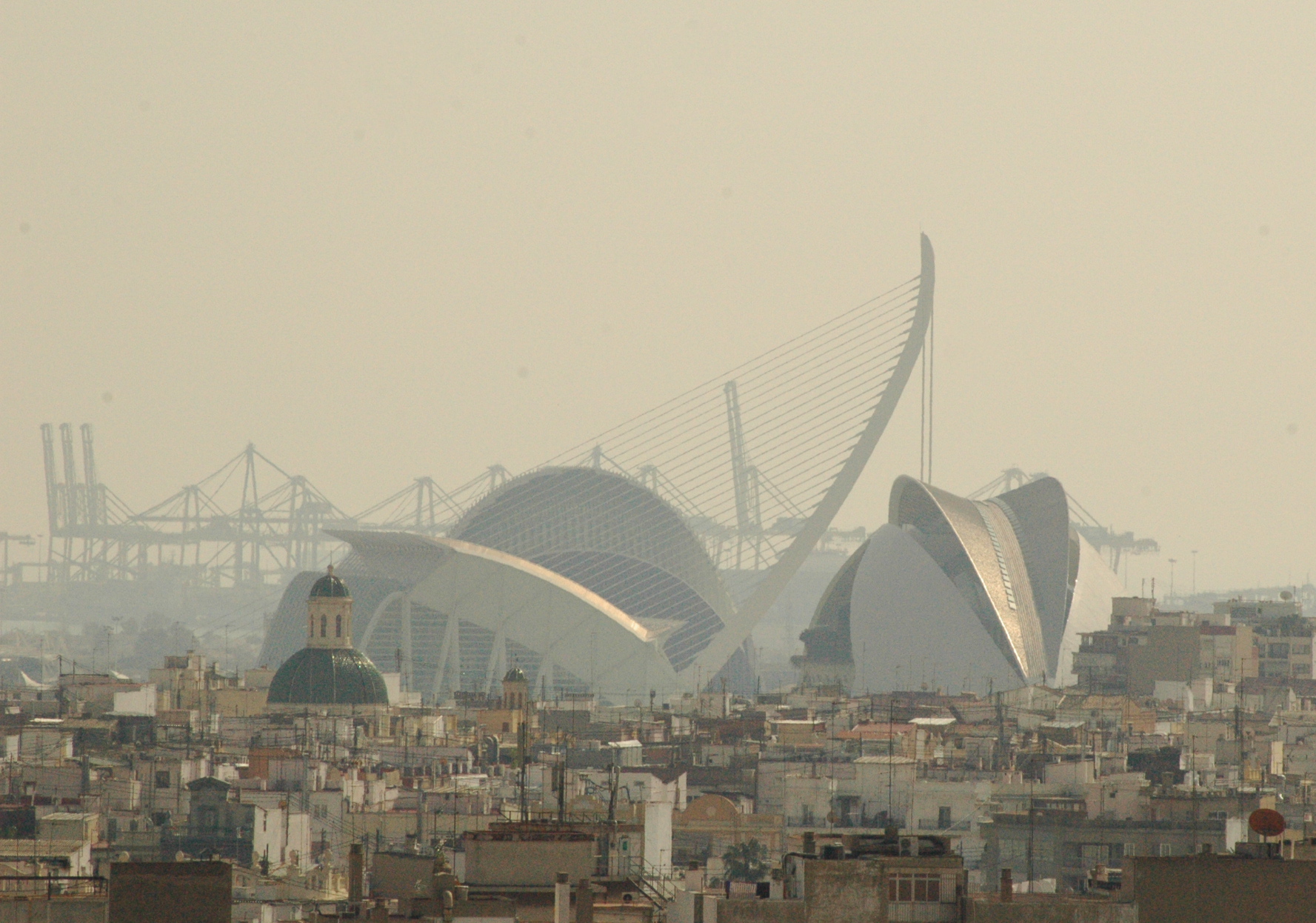
But the biggest differences between these two bell towers were twofold: First, temperature – in London I perished in freezing cold winds, desperate to get inside behind the relative shelter of the clock’s huge stained-glass faces; whereas atop the Miguelete tower, I was in a pleasant 20 degrees. Secondly, the view: From Big Ben the city of London spread out beneath my feet, famous landmarks were one to the dozen, but they were basked in cold and grey and ice; here, another city spread before me – golden browns and auburn hues toped with elegant ceramic tiled domes of blues and greys, eau de nil and white, while towards the sea beyond, the eccentric discordant architectural forms of Santiago Calatrava’s revolutionary arts and science park rose from the now empty basin of the old river Turia. So what was the city I was viewing from this bell tower with such felicitous awe and inspiration? None other than Valencia.
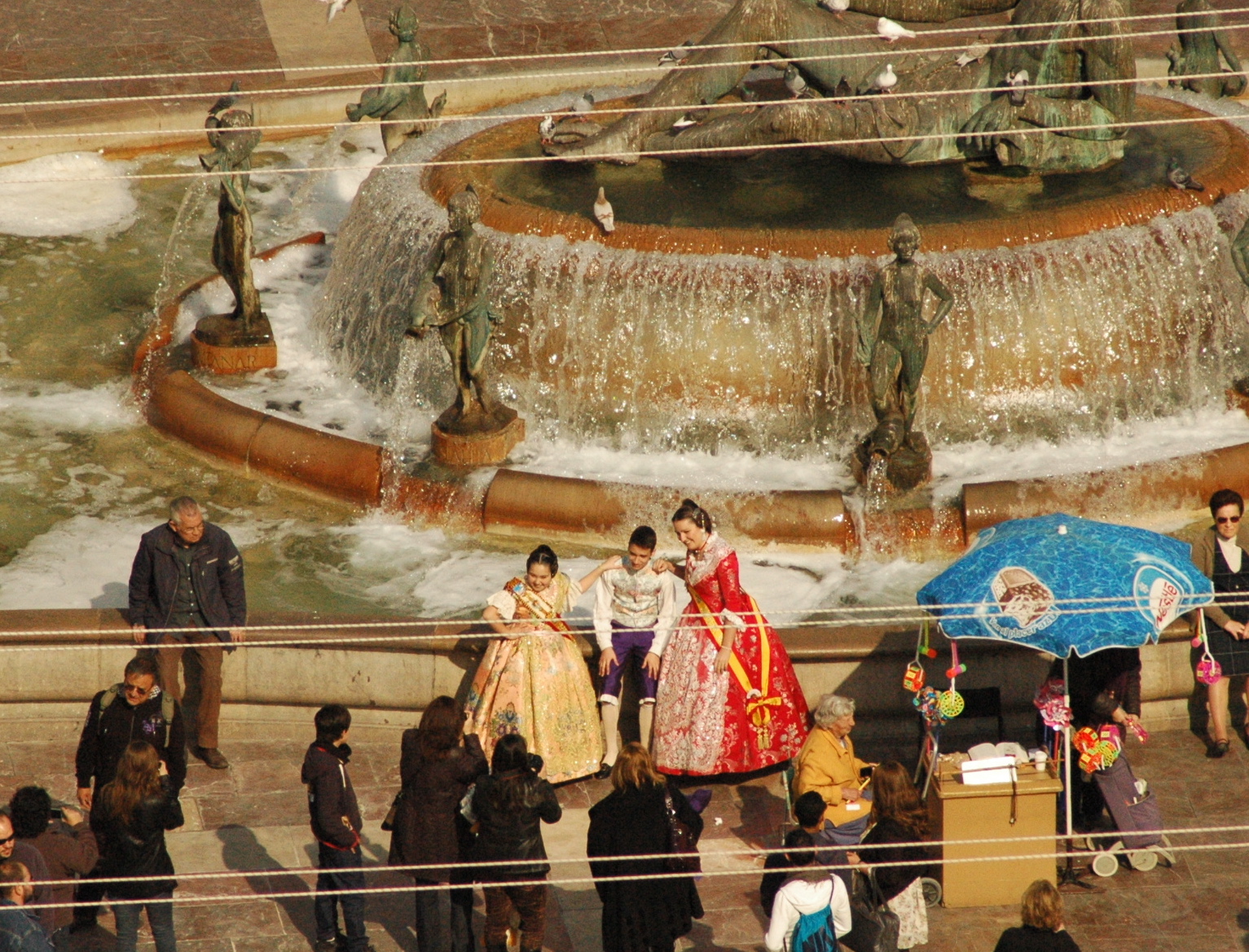
Traditionally dressed Valencians cause a stir in the Plaza de la Virgen
Traditionally dressed Valencians cause a stir in the Plaza de la Virgen

The City of Arts and Sciences in the distance

The City of Arts and Sciences in the distance

Valencia, capital of its own eponymously self-named region and located on the Eastern Mediterranean coast of the Iberian Peninsular, is Spain’s third largest city and one of the most visited in the country. Famous for Las Fallas, its March festival in which huge models are paraded down the city streets in a carnival of colour and festivity, as well as the rather oddly traditional mass human tomato fight (La Tomatina) which is held each August in the nearby town of Buñol, Valencia is a city with many facets, from its charming old centre, to its super modern Ciudad de las artes y las ciencias which boasts such startlingly innovative architecture as to have put Valencia on the architectural map of the world.

It seemed appropriate that having explored so much of my beloved Spain, I would eventually make it to this bustling Spanish centre, and all the more so at Valentines, a festival which shares so much of the city’s name. Romance wasn’t exactly my priority however – I was visiting with my Mother, with whom I have a shared love for Spanish culture – although it was certainly not lacking in the picturesque streets, charming street cafes, and large open squares of this iconic Spanish heartland.

Views of Valencia’s historic quarter
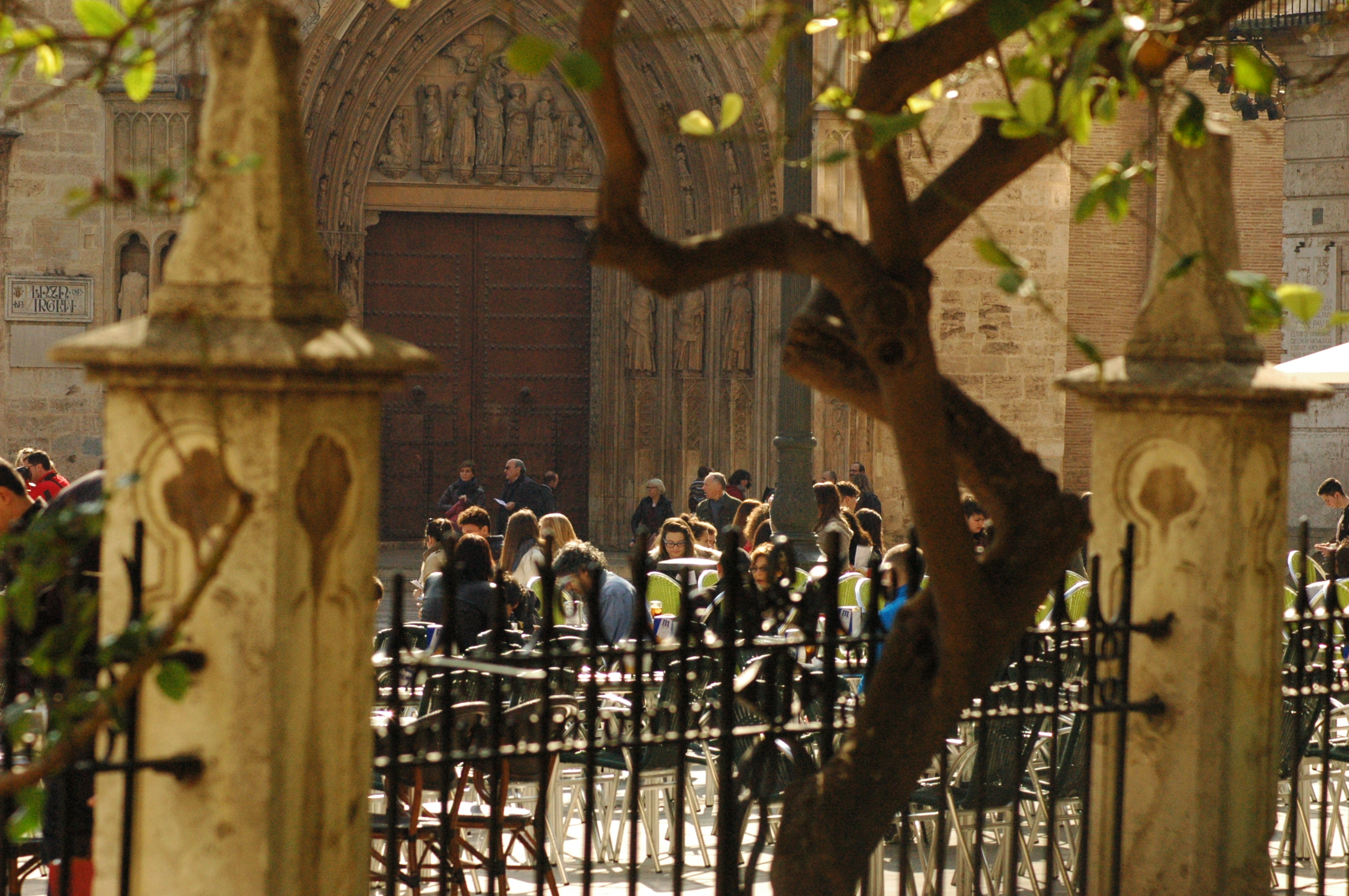
DSC_0473 DSC_0375 DSC_0356 DSC_0439 DSC_0462 DSC_0511

Staying in the heart of Valencia’s historic centre, in the conveniently located, wonderfully modernista Vincci Palace Hotel, we were only a short stroll away from the Plaza de la Virgen and next door, the Plaza de la Reina, in between which the city’s principle cathedral and it’s Miguelete bell tower mark the city’s centre-point. And what a place to begin what has surely followed as a love affair with this diverse and inviting city (although the steep spiralling stairs down from the tower did perhaps make sightseeing for the remainder of the day a little more tiresome). The cathedral’s tower is however only one aspect of this architecturally multi-faceted building. From austere gothic nave, to elaborate renaissance altar, and classical colonnaded rear to a front entrance dripping in baroque details, the cathedral is, to a degree, a perfect representation of this city. Not only is it situated at the beating heart of the city’s historical centre, but it demonstrates the plethora of influences and historical changes which have helped to shape and expand Valencia into the sprawling and diverse city it is today.

The Cathedral's gothic interior

The Cathedral’s gothic interior

and its baroque facade
and its baroque facade

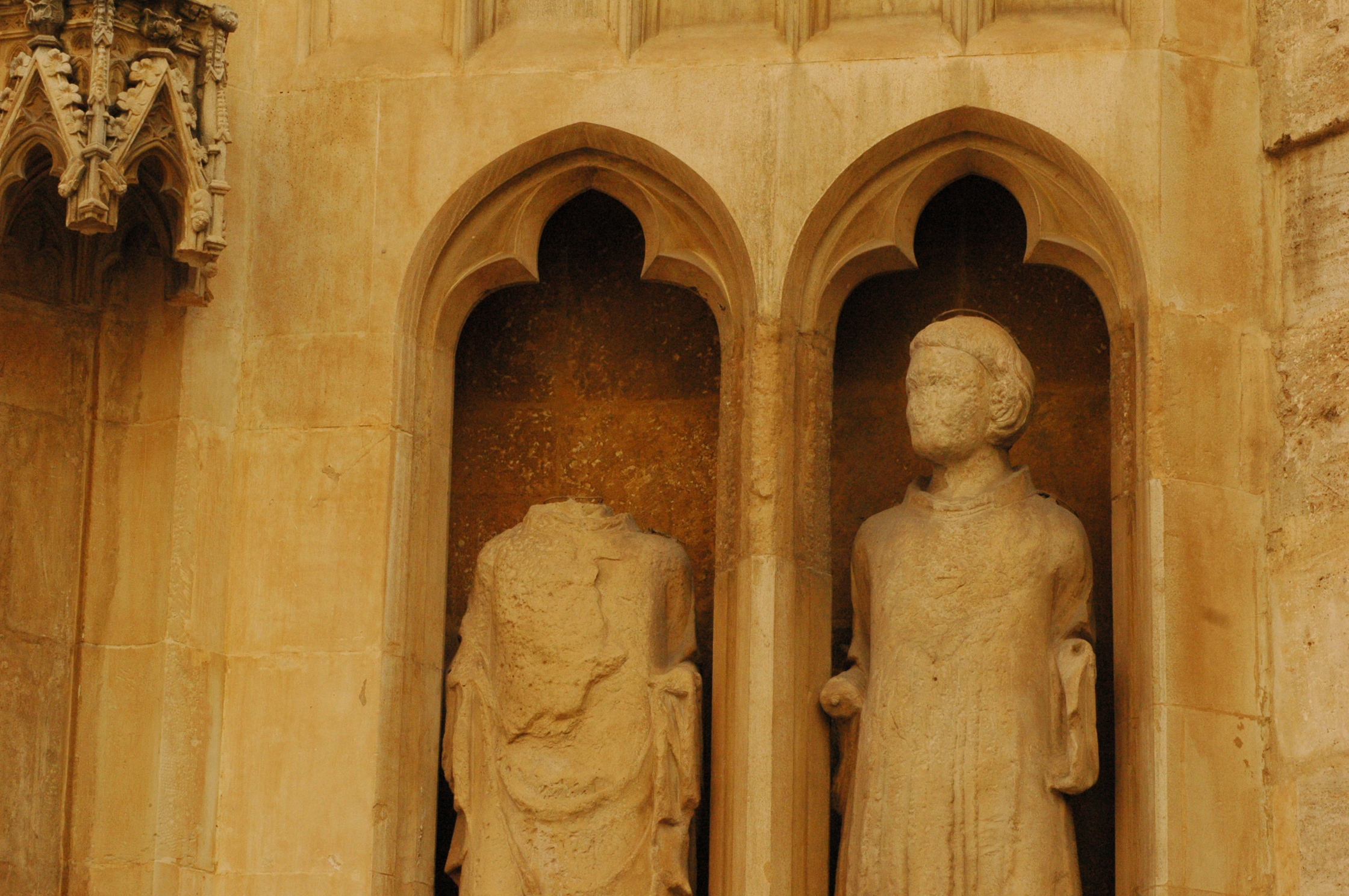
And a poor headless saint

And a poor headless saint

So with a taste for the city’s multi-faceted personality, we spent our morning ambling contentedly from one square to another, down narrow little streets full of souvenir shops and cafes, photographing fountains and statues of (sometimes headless) saints and sinners, and noting the details of human gargoyles and colonnaded arches, heavily decorated churches and shady orange-tree lined courtyards which fill the old quarter.

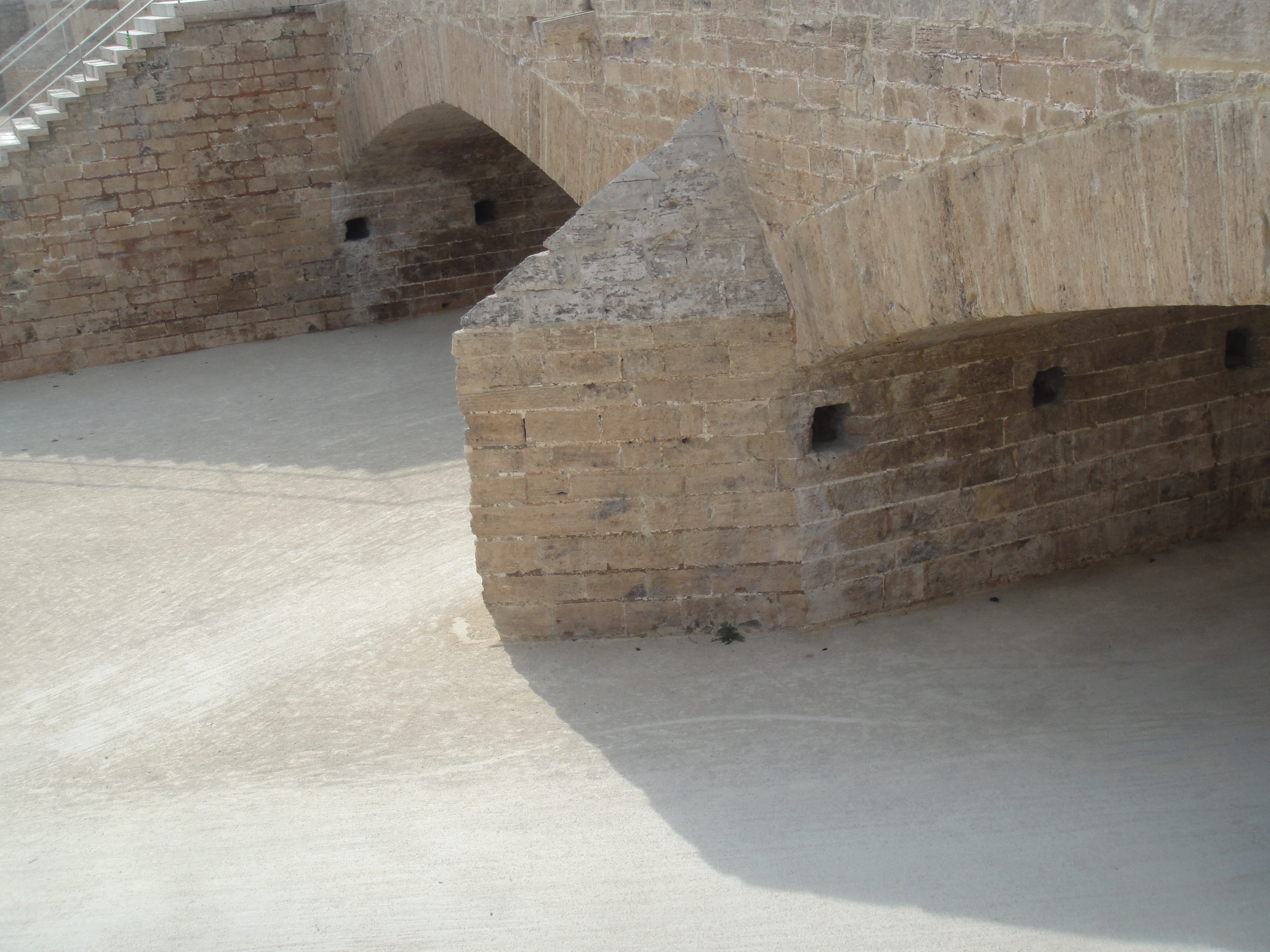
After lunch, and having reached the northern extent of the old town, we crossed what was once the River Turia in pursuit of the city’s fine art collection. The old River Turia is perhaps one of the oddest elements of the city. Once a thriving great river which ran around the city’s historic centre like the caressing arm of a lover, the river caused such devastating floods in 1957 that the decision was taken to divert the river away from the city and out to the Mediterranean via a different course. The result is a strange ghost of what was once – still the river bed runs around the city, and still the bridges which once crossed water cross this large basin. However instead of water, along the old river bed runs extensive gardens for some 9km. The effect is to inject a huge swathe of greenery running through the heart of the city’s modern expanse, but it’s also an odd one – the base of bridges, normally plunging into water, plunge straight into concrete and flower beds instead – a ghost of what once was.

The Museum of fine arts with the gardens now in the old river bed in front
The Museum of fine arts with the gardens now in the old river bed in front

A bridge plunges into concrete on the old river

A bridge plunges into concrete on the old river

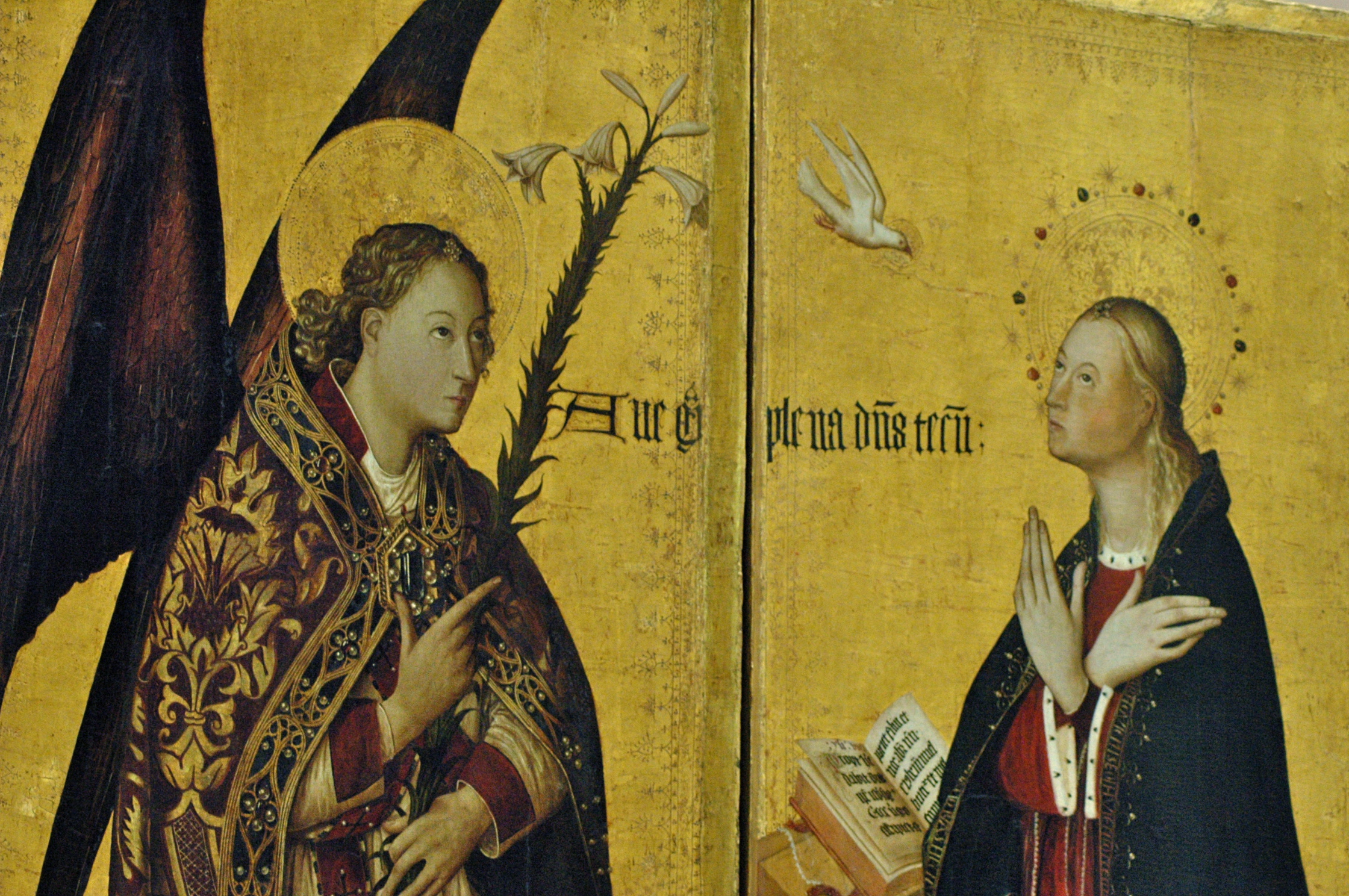
So crossing the ghost of the Turia, we arrived at the aptly named Museo de Bellas Artes. Said to have a collection second only in size to Madrid’s Prado (although I’m not sure how – the Reina Sofia in Madrid seems much bigger, although perhaps Valencia’s complete collection is not out on display) the museum is a cornucopia of paintings from Spain’s golden age of painting, including a self-portrait by Velazquez, several works by Goya, and an incredibly beautiful painting of Saint Sebastian by de Ribera (see below). The purity of his skin, pierced by arrows and tended to by the Saint Irene, against the beauty of his face, almost ecstatic with the extent of his martyrdom, made for an incredible painting to behold.
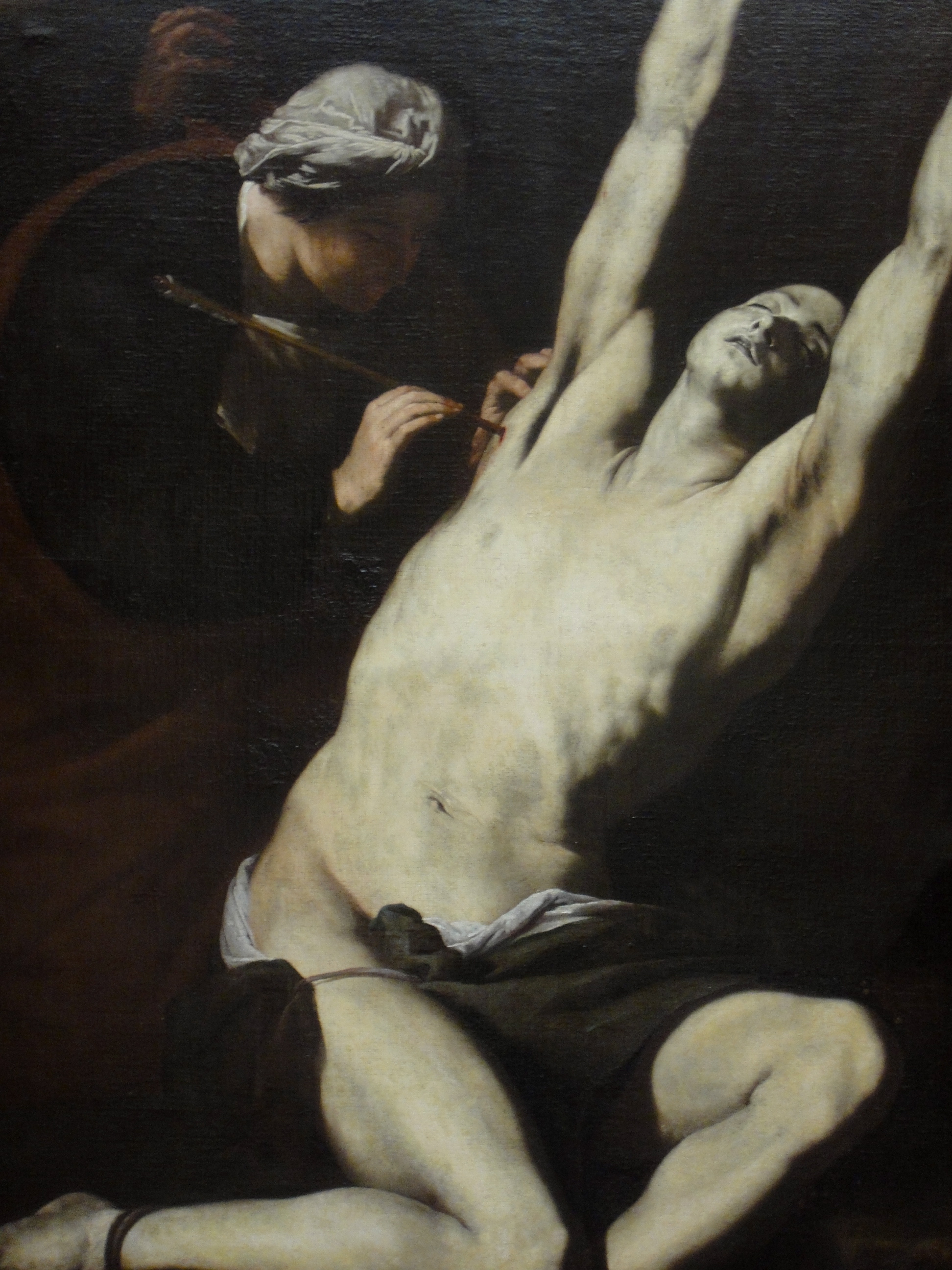
St Sebastian tended by St Irene, by Jose de Ribera (1591-1652)

St Sebastian tended by St Irene, by Jose de Ribera (1591-1652)

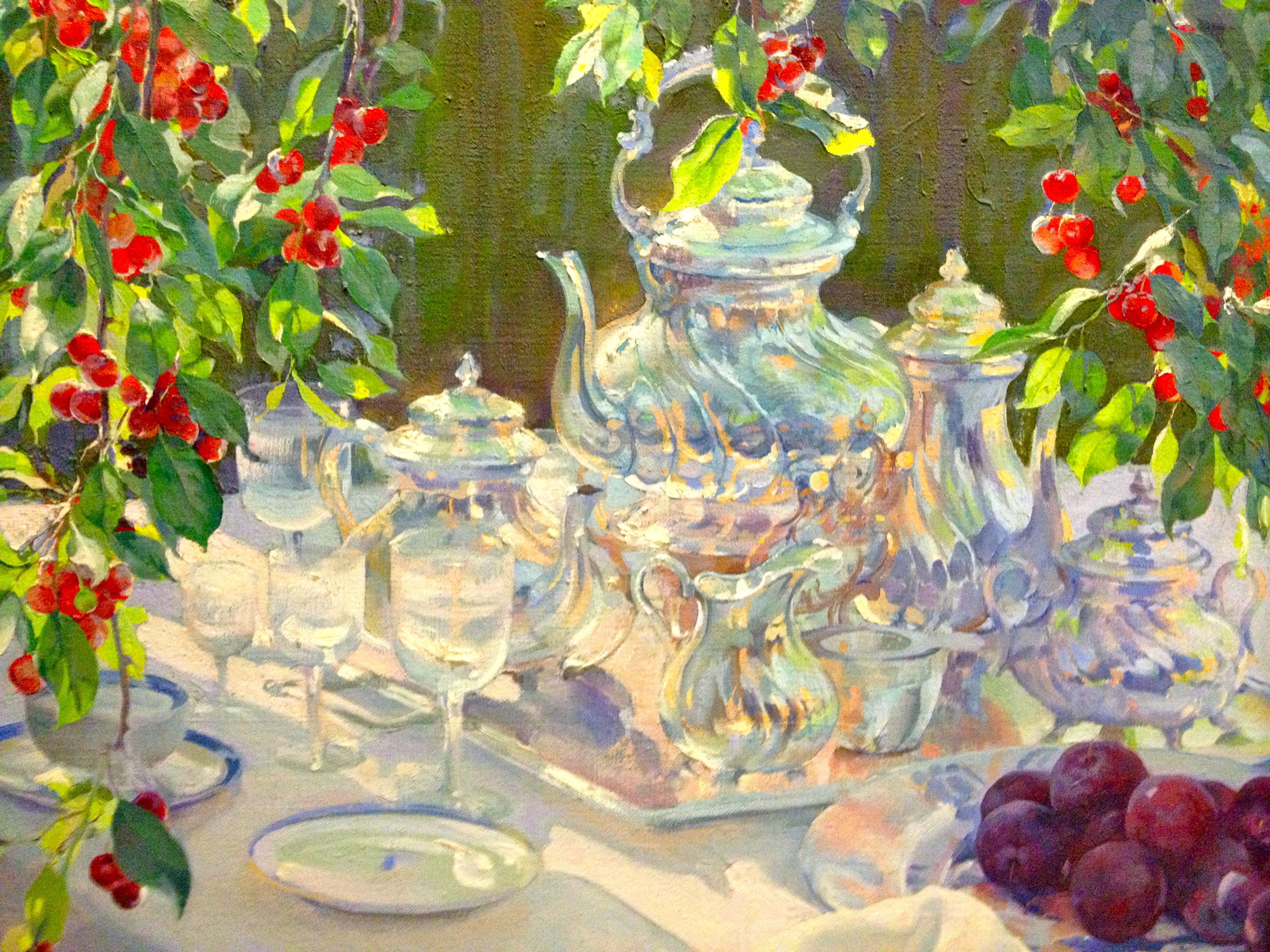
Also at the gallery are the works of leading Spanish exponent of the impressionist school, Joaquin Sorolla. Valencian born, and bequeathing his works to his home city on the condition that they would be collected together in a gallery such as this, the museum boasts a fine collection of mainly portraits which provide an evocative, very personal view of the city and its residents. Of particular attraction, for me, were his nudes and human studies, such as this academic study of a male, below. Also at the more modern end of the collection was this beautiful study of Cherries by Pons Amau, who perfectly captures the effect of sun shining through the leaves of this cherry tree.

Joaquin Sorolla, Academic Study from Life (Man) (1887)
Joaquin Sorolla, Academic Study from Life (Man) (1887)

Francisco Pons Amau, Cherries (1886-1953)

Francisco Pons Amau, Cherries (1886-1953)

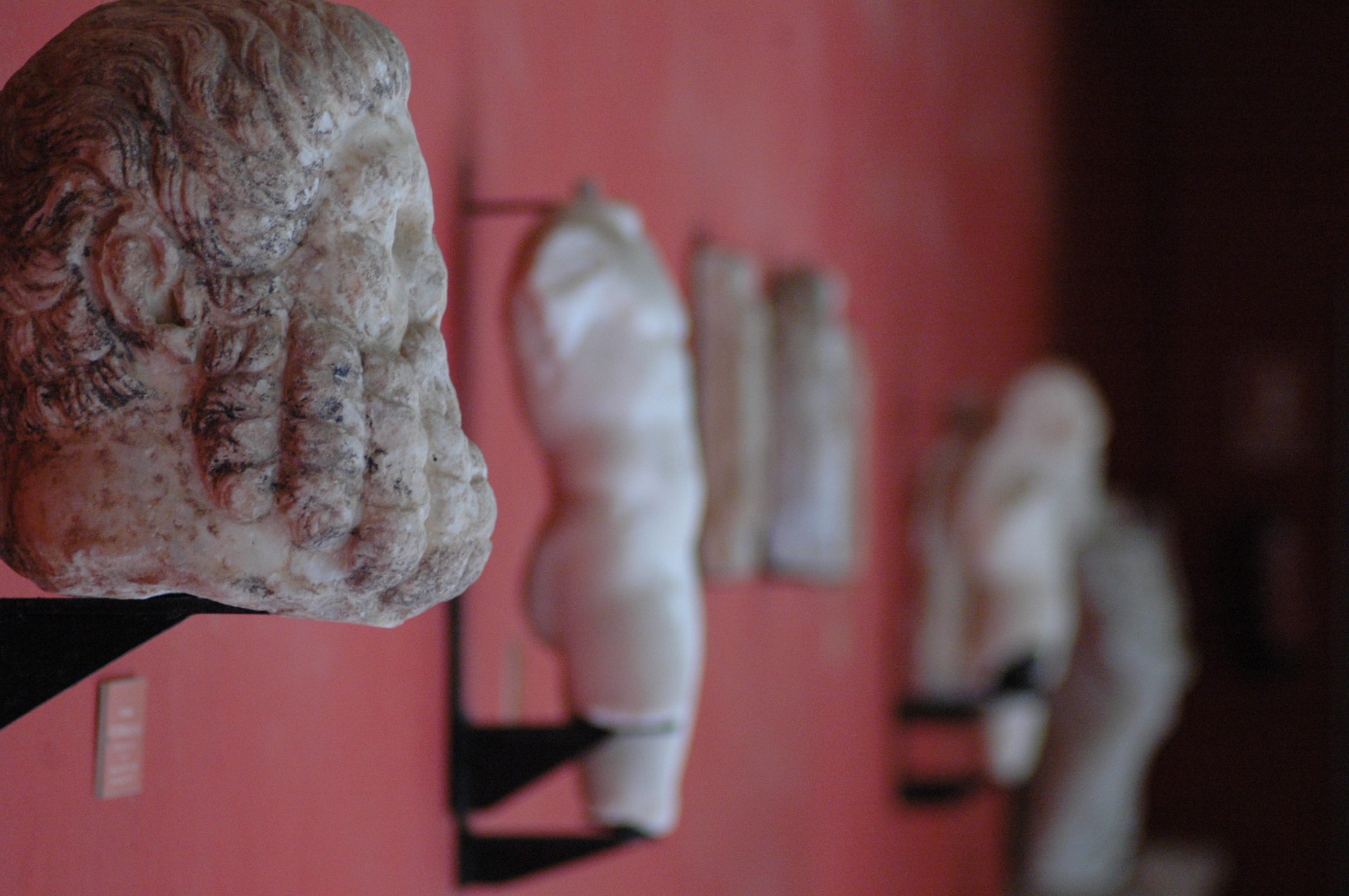
Oh and beyond the paintings, I should also mention the museum’s two palatial courtyards, one red and one blue, both bursting with busts and relics from antiquity, the perfect places of calm to explore towards the end of our first Valencian day.

Other highlights from the Museo Bellas Artes
DSC_0700 DSC_0676 DSC_0672 DSC05067DSC_0677

So from the 207 steps of the Miguelete bell tower, across the historic quarter of Valencia, over the old Turia river and around the Belles Artes museum, our first day in Valencia presented a complex opening in this urban tale, a tale in which we were presented with the undeniable beauty of Valencia’s belles arts, as well as the clamouring melodies of its bells, ringing out in recognition that the central heart of this vast city bursts full of vigour for all to see, hear and explore. And that’s just what we intend to do tomorrow.

© Nicholas de Lacy-Brown and The Daily Norm, 2001-2012. Unauthorized use and/or duplication of the material, whether written work, photography or artwork, included within The Daily Norm without express and written permission from The Daily Norm’s author and/or owner is strictly prohibited. Excerpts and links may be used, provided that full and clear credit is given to Nicholas de Lacy-Brown and The Daily Norm with appropriate and specific direction to the original content.

Architectural Innovation in Liverpool

Coming as I do from the South Coast of England, my move to London 10 years ago seemed like quite a long way north to go. And living as I do in South London, I find any journey further north in the city than Bloomsbury to be a slight disorientating prospect. The idea therefore of going to Northern England, as I did last weekend, let alone finding a wealth of cultural and artistic gems up there was simply never conceivable. Which just goes to show how wrong I was.

Too often the rest of the UK is left in the very long shadow left by London’s worldwide glory. When tourists come to England, they head to London, and maybe Brighton if you’re lucky – they probably don’t even know the names of many of our other major cities. Having said this, the city of Liverpool has always been one step ahead. Not only was it a major shipbuilder of the past, putting its name to ships as famous as the Titanic, but it was also birthplace of the Beatles, the foursome who were inextricably linked with their hometown throughout their careers.

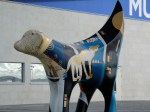
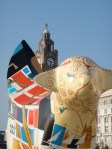
But today, Liverpool has gone so much further than being just the birthplace of the Beatles, and the name painted on the fated Titanic, and has proved itself to be a self-standing centre of artistic excellence, ready to shine in its own right. In fact, Liverpool is already being recognised as the UK’s new cultural capital: In 2008 it was the European Capital of Culture, and there can be little surprise why the city was chosen above the likes of London – it is literally bursting at the seams with culture, offering a cornucopia of superb art works hanging in the Walker Gallery including Pre-Raphaelite favourites and works by the likes of Hockney and Banksy, playing host to the biannual John Moores Painting Prize, and supporting innovative street art and sculpture like the now iconic Lambanana sculpture by Taro Chiezo which has very quickly become a symbol of the city. However, above all things, it is in its architecture, in my opinion, that Liverpool really shines.

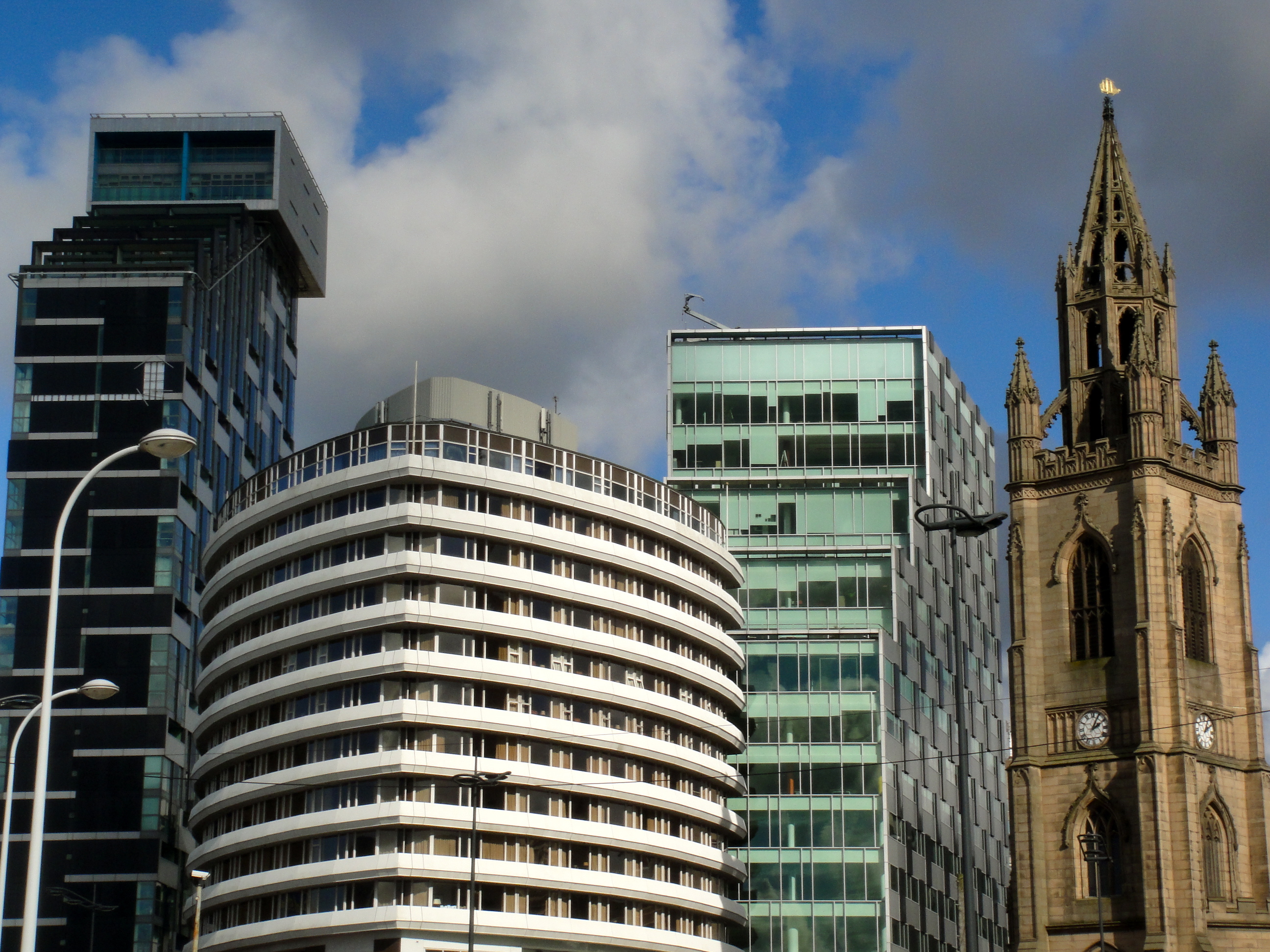
An amazing mix of architectural styles

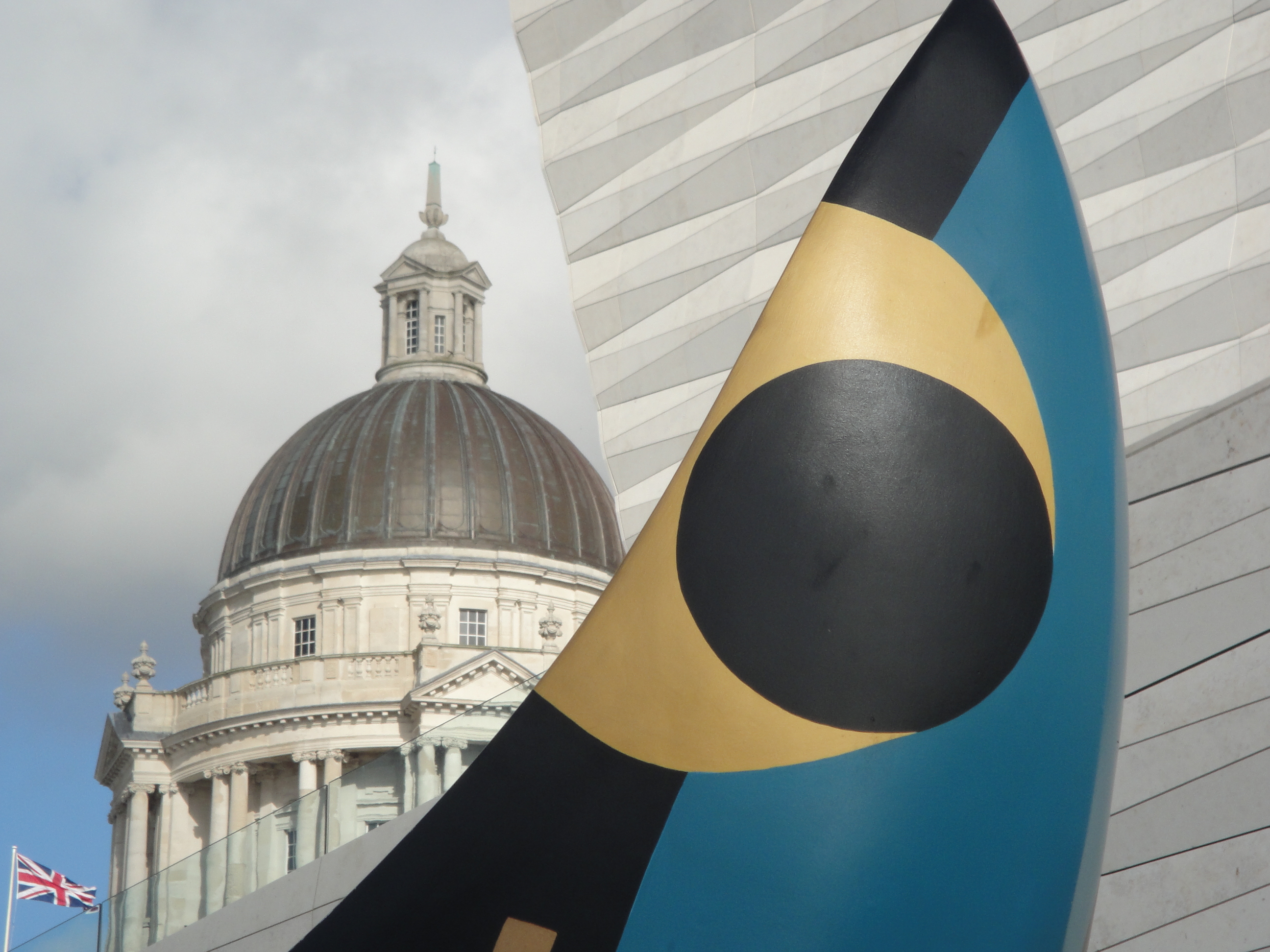
Old meets new

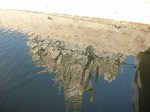
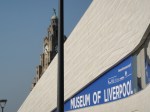
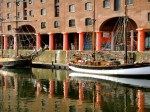
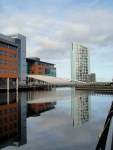
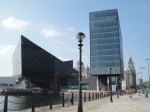
The Albert Docks reflected in the window of Danish-designed Museum of Liverpool

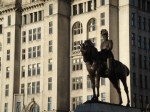
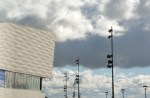
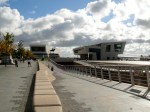
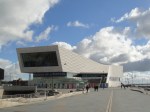
The architecture of the city is so fantastically mixed, so innovative in places and classical in others that one feels disbelief that planning permission was ever granted, and at the same time great relief that it was. So often, when in front of the likes of Bilbao’s Guggenheim by Frank Gehry, or on seeing the incredible curves of the vineyard building of Marquez de Riscal in the Rioja region of Spain, I have bemoaned the lack of British imagination when it comes to installing creative new architectural projects. Most of the new buildings going up in London are pretty standard skyscrapers, and not very exciting at all. Yes, so the Shard is tall, but it’s not all that interesting besides. Yet in Liverpool, you have a superb array of new architectural projects which fill the city with contemporary relevance and an air of bold innovation and creative exploration. From the beauty of the UNESCO protected “Three Graces” (the Liver Building, the Cunard Building and the Port of Liverpool Building) full of neo-classical extravagance and art-deco sophistication, you have the wonderfully regulated but faultlessly reinvigorated Albert Docks, and the brilliant new iconic creation of the curvaceous yet cubic  Museum of Liverpool (by Danish architect Kim Nielson) and the geometric and irregular Pier Head Ferry Terminal by Belfast architects, Hamilton’s.

The result is a brilliant mix of old and new; the old reflected in the sheer glass of the modern, the contemporary lines balancing out the elaborate facades of the old. Liverpool gives you hard industrial edges with refined cultural collections. Serious maritime history with playful Japanese sculptures. And all this some 2 hours north of London – it’s about time the spotlight of the world switched north and showed those European architectural innovators that the UK can do contemporary design too.

I leave you with some of my photos from the weekend. Enjoy!

© Nicholas de Lacy-Brown and The Daily Norm, 2001-2012. Unauthorized use and/or duplication of the material, whether written work, photography or artwork, included within The Daily Norm without express and written permission from The Daily Norm’s author and/or owner is strictly prohibited. Excerpts and links may be used, provided that full and clear credit is given to Nicholas de Lacy-Brown and The Daily Norm with appropriate and specific direction to the original content.

Licence to thrill: The London 2012 Paralympic Experience

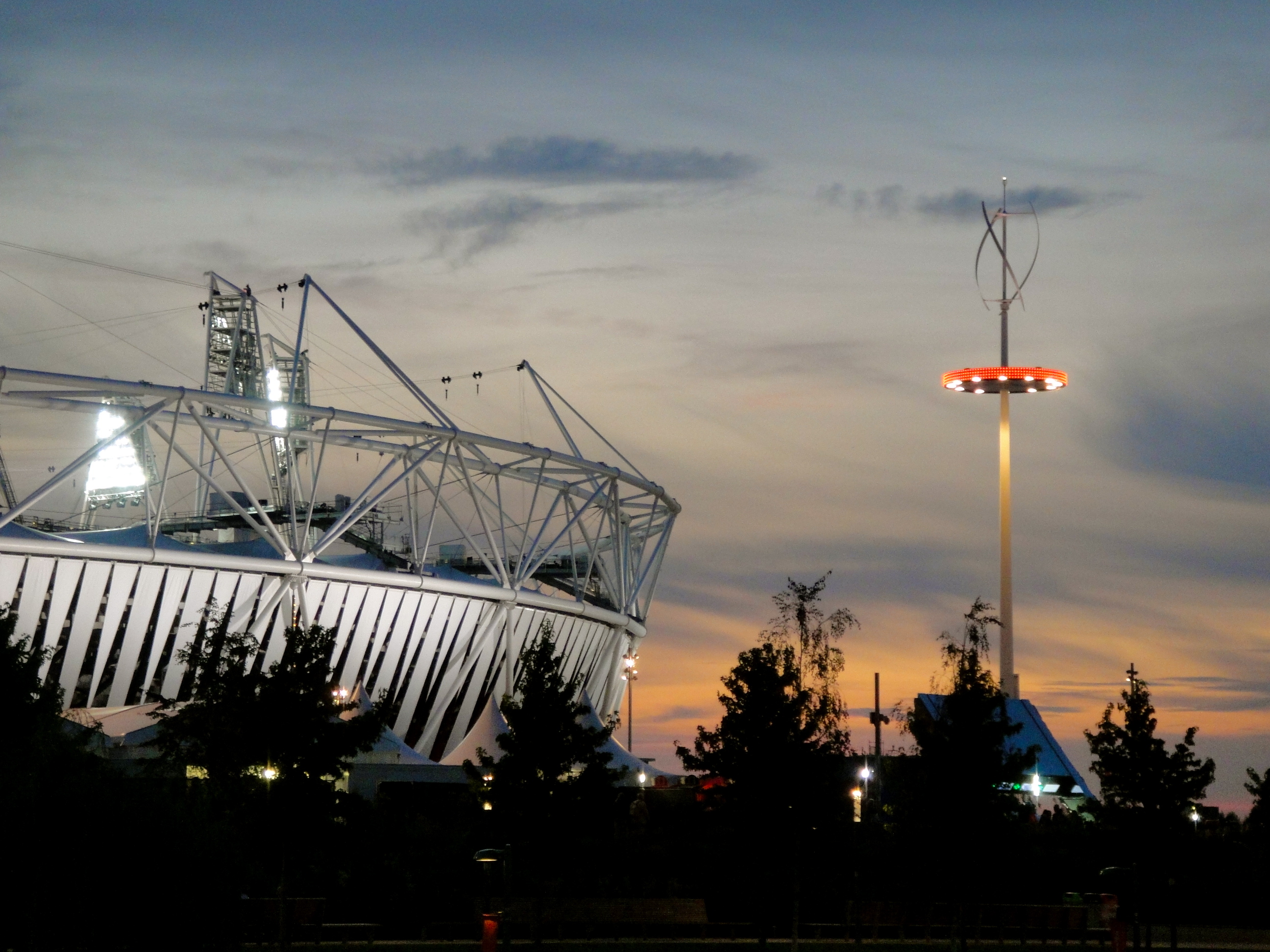
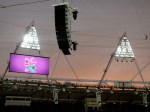
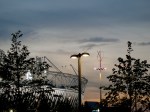
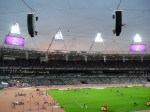
We are all now used to the sight of London’s Olympic stadium, blazing brightly in an otherwise subdued East London skyline, the diamond in the rough, with its triangular light stations looking like the pointed pinnacles of a medieval crown. When you see it on television, the stadium is both a giant-sized modern multi-coloured spectacle, but equally a giver of intimate human stories – the athletes crying, their families hugging, supporters bedecked in countless variations of red, white and blue. Through the aid of high-zoomed television cameras, you get to catch every detail of the various spectators, the royals who are sitting on the show and giving out medals, and the super-strong athletes pulling superhero poses at the start line to the track events.

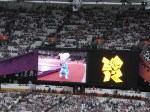
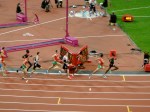
When you’re there in the stadium itself as one such spectator in a sea of thousands, it’s a whole different story. Everything is magnified, augmented, accelerated. The stadium loses all sense of the human story. It becomes superhuman, a thing of such magnificence, on such a brilliantly huge, exaggerated scale that you literally cannot believe you eyes. What is before you is not only a photogenic stadium worthy of star-studded superlatives and photographs in their thousands; it is history in the making, it is London’s definitive moment in the spotlight. It’s a magnificent mastery of social unity on an epic scale, as people come together in their tens of thousands to cheer, to wave flags, to take photos, to share in the glory. And so it was that the human became superhuman, where in a stadium so big, small people in a crowd of thousands became mere pixels in an ocean of humanity: when a mexican wave took hold amongst the crowd, it literally looked like a ripple pulsating around the stadium; when the crowd took photos, it was like the spectator area had become a diamond encrusted snake, sparkling to the movement of its slithing great body as the flash bulbs went off in their thousands around the racing track; and when a Brit was on course to win a medal, the joint roar of 80,000 spectators made a noise like nothing I have ever heard before – it was a noise enough to conquer nature – thunder itself could not have outdone it.

Yes, as the above probably makes clear, I have experienced the London 2012 Olympic park at last, as well as the Athletes stadium itself, doing so as part of the incredible Paralympics festival which is currently underway in London. Having not obtained tickets for the park itself during the Olympics, I was on the ball when the Paralympics tickets were released a few months later. This time I was lucky, receiving tickets for the Swimming, the Athletics, and, this coming Sunday, the Closing Ceremony. And needless to say, I am incredibly glad that I got to sample not just the Olympic park, but the wonder of the Paralympics as well – The Athletes involved are nothing short of incredible. Talking of superhuman, these guys take the word to a new level all on their own, overcoming debilitating injuries and conditions to excel in sports to levels which, if not equal, are a fine match to the standards set by the incredibly fit able bodied athletes of the Olympics two weeks before.

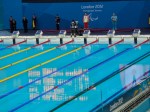
Last night I was lucky enough to see the UK’s David Weir win the T54 1500m race in super-strength style, pivoted to the finishing line by the sheer strength of his arms alone. And the night before, I was equally fortunate to see Brit favourite Ellie Simmonds win her second gold medal of the games and win in world record time for the second occasion too. Her victory was immense. She was in around 5th place when she turned to swim her final lap of the pool but then, again with superhuman almost mechanical genius, she managed to propel herself, not only ahead of her competitors, but leaving a huge margin trailing between her and the silver medallist. And who else was there? None other than the current Prime Minister (David Cameron), a past Prime Minister (Gordon Brown) and a potential future Prime Minister too boot (Boris Johnson) all getting in on the action (I think that’s known as jumping on the band wagon).

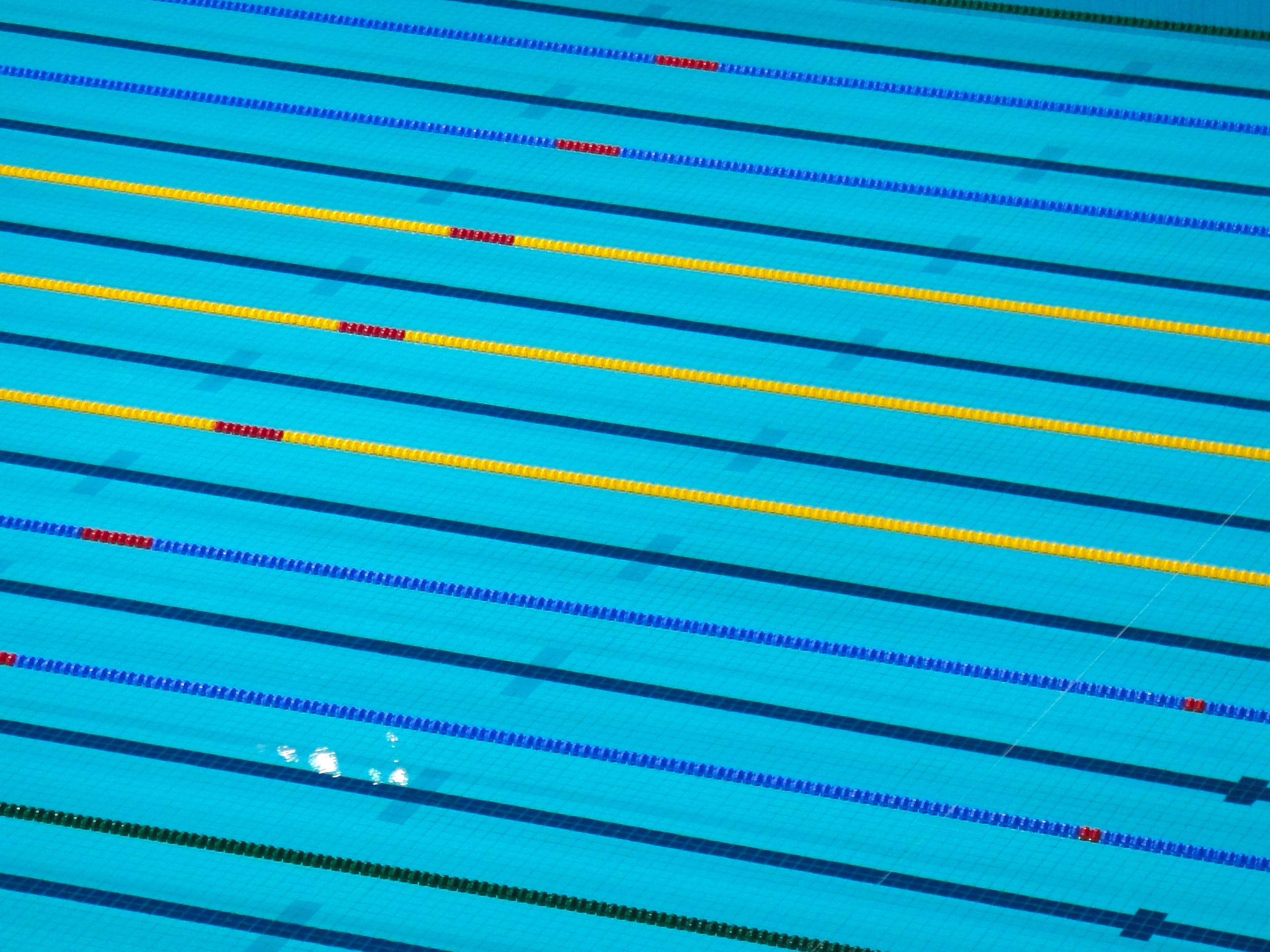
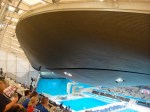
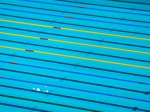
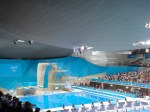
As for the Aquatics centre itself, designed by Zaha Hadid, what a feat of architectural genius, with its organic curvaceous wooden roof perfectly mirroring the muscular contours of a huge killer whale, and appearing to float, defying gravity, in mid air above a marine blue pool and some equally innovative diving boards. 

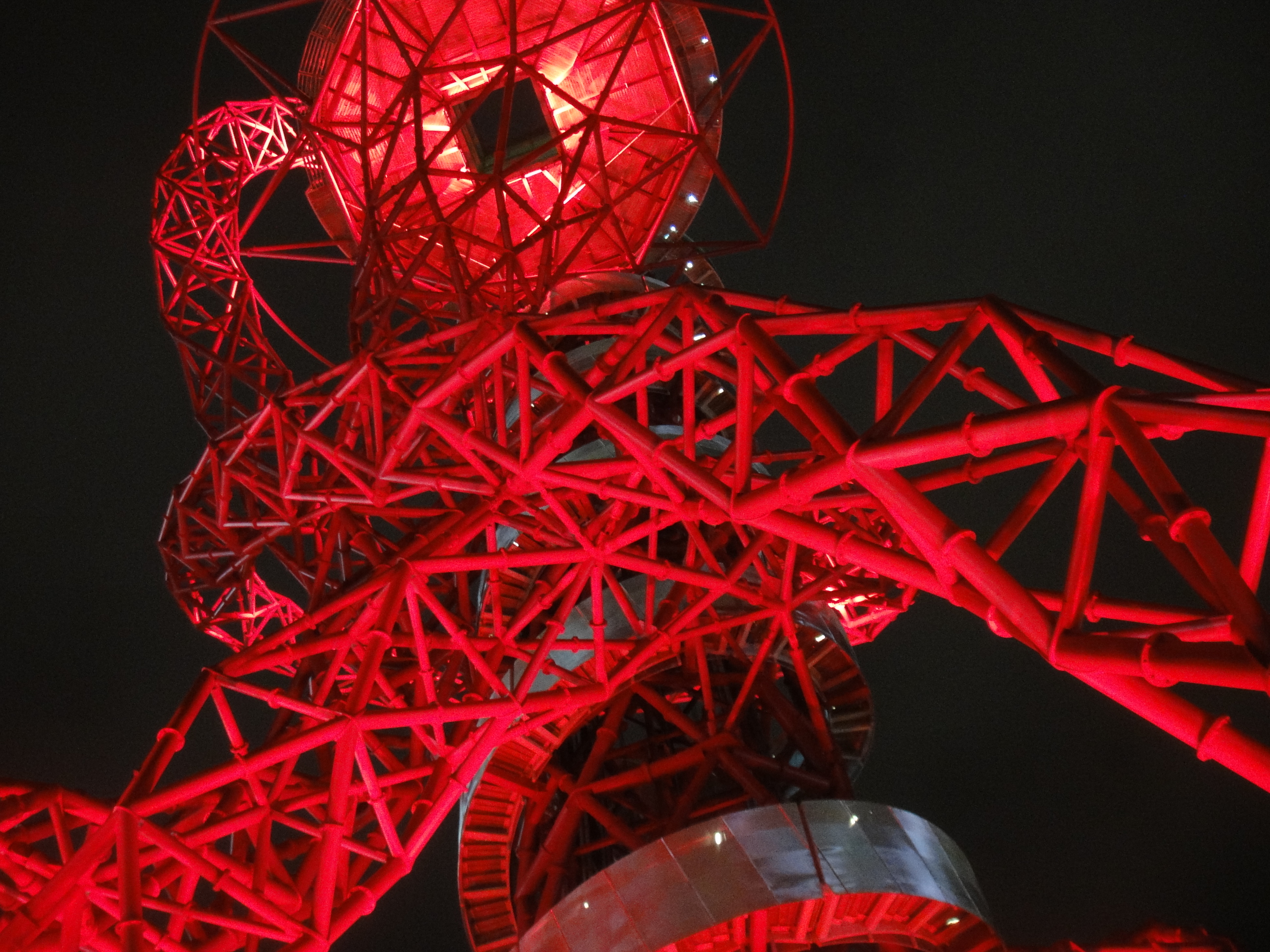
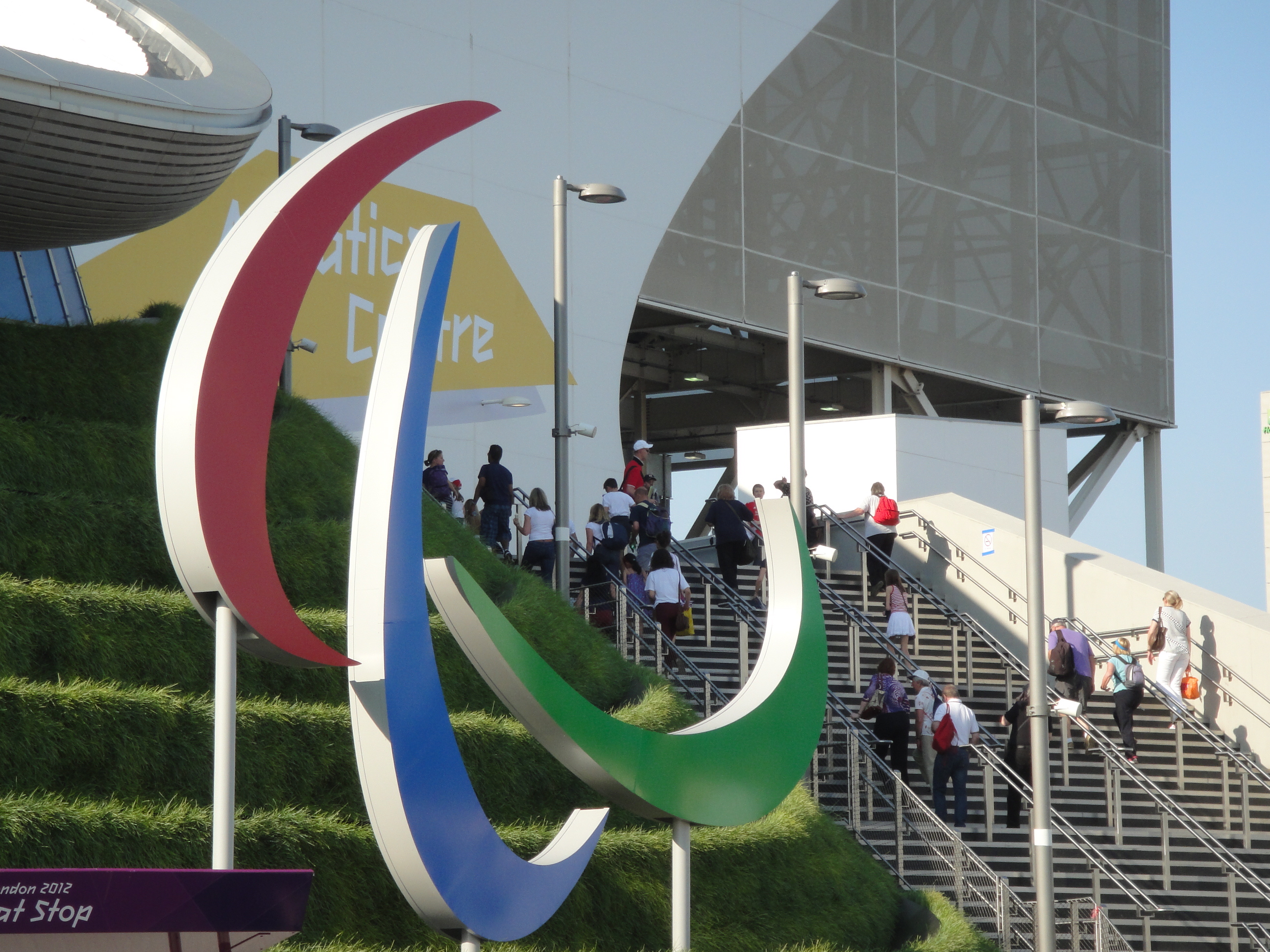
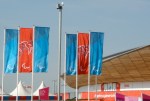
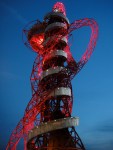
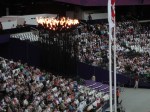
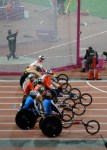
Well, after an Olympian effort to effectively describe the feeling and emotions of experiencing what is nothing short of a sensational Paralympics experience, I think it’s about time to show you some of my photos of the event – you’re not getting any athlete close-ups I’m afraid – these venues are huge and my seats were, as my budgetary constraints would predict, fairly high up in the gods, but for architectural appreciation, my photos are surely on form. Check out in addition Anish Kapoor’s wacky red Arcelormittal Orbit tower, now an insuperable icon of the Olympic park skyline, and, at the opposite end of the scale, the delicate beauty of the park’s many wildflowers and tranquil riverside walks. Amazing to think that only a few years ago, this was one great industrial wasteland. Oh and let us not forget that incredibly Olympic flame designed by Thomas Heatherwich.

The UK truly is at an all time creative and sporting high. Long may it continue.

© Nicholas de Lacy-Brown and The Daily Norm, 2001-2012. Unauthorized use and/or duplication of the material, whether written work, photography or artwork, included within The Daily Norm without express and written permission from The Daily Norm’s author and/or owner is strictly prohibited. Excerpts and links may be used, provided that full and clear credit is given to Nicholas de Lacy-Brown and The Daily Norm with appropriate and specific direction to the original content.

Madrid-Salamanca Part III: A frog, an astronaut, and a very cold ice cream

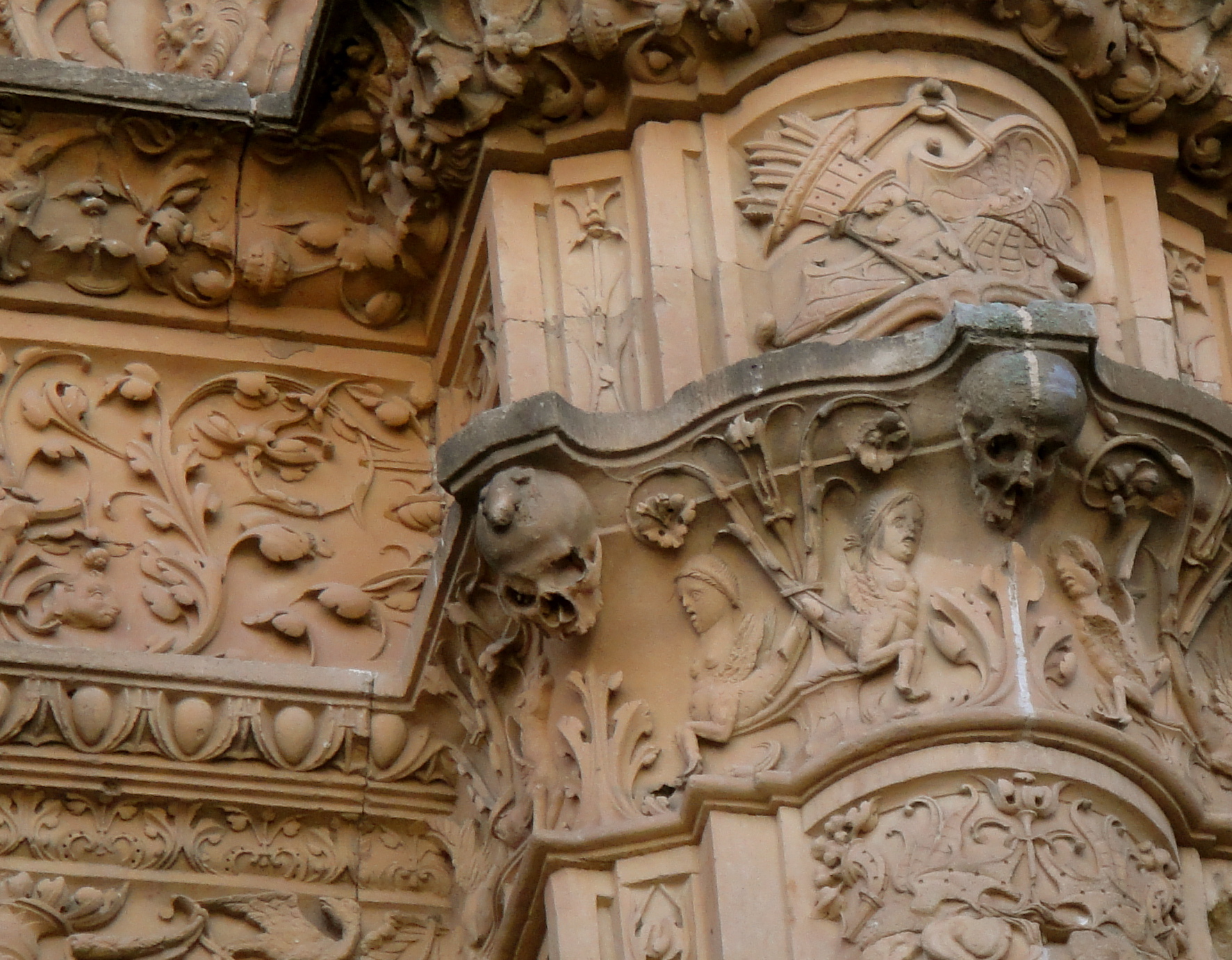
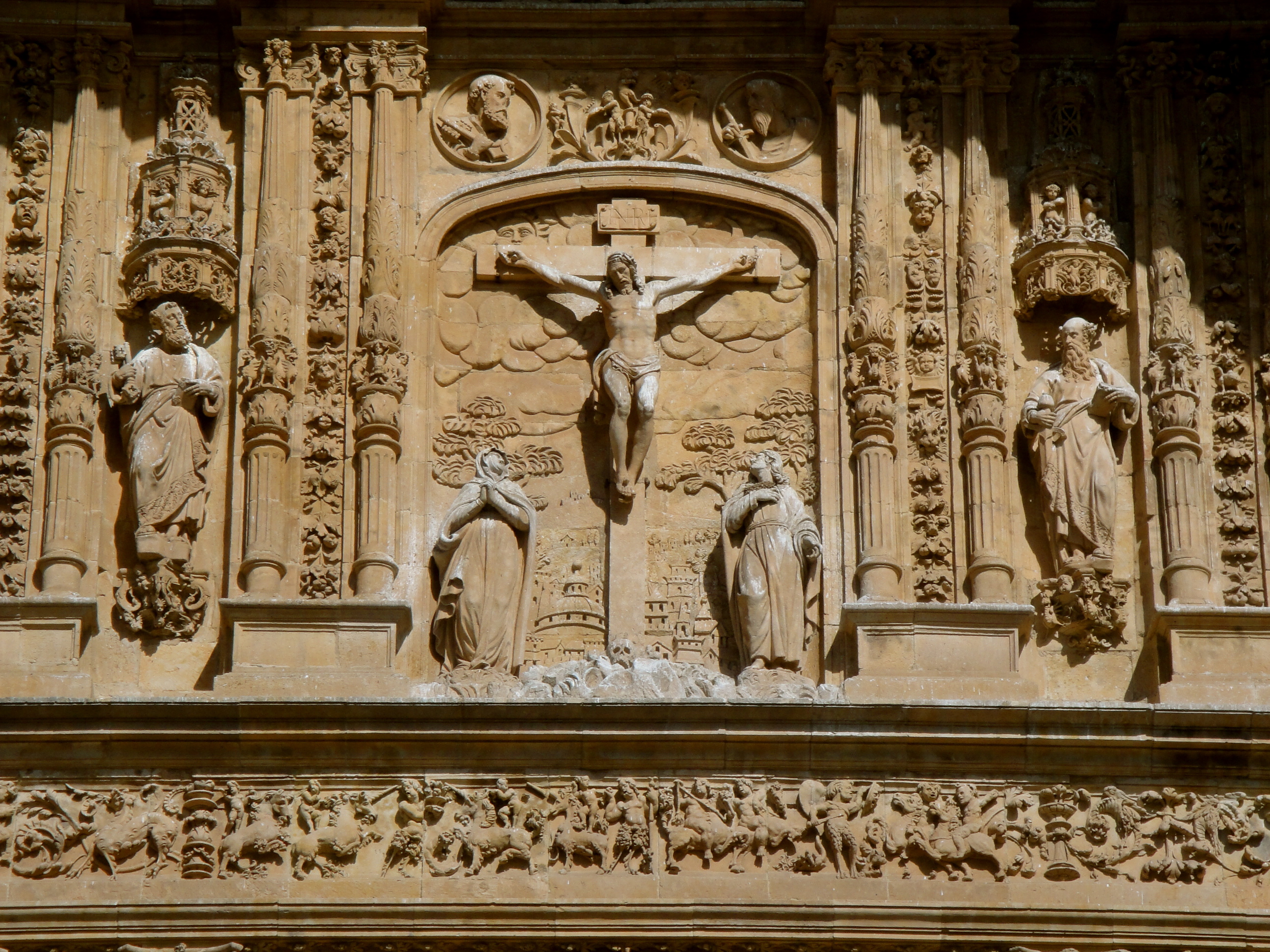
The souvenir shops of Salamanca are full to the brim with little green frogs, largely horrendously bastardised tacky creations with google eyes and a “thumbs up” gesture, frogs donning mortar boards, others wearing baseball caps. You get the picture. So what are all these frogs in aid of? It has nothing to do with the city playing host to a frog-friendly wetland habitat (the river is more likely to play host to the many fag ends and other detritus left over from the revels of Salamanca’s students who regularly gather on its banks in weed-smoking masses). Rather, the humble frog has become the symbol of the city owing to the very inconspicuous inclusion of a tiny carved frog in the stunning plateresque facade of the University. So inconspicuous in fact is the frog that it has long since become the subject of a traditional hunt for any student or visitor to the university: He who finds the frog will, tradition dictates, be lucky. Predictably the tradition has been repeated in every tourist patter, and large groups of tourists are frequently to be found staring up at the sensationally complex facade with strained faces.

The frog is in here somewhere - can you find it?

The astronaut on the Catedral Nueva

I found the frog straight away. The problem is, I had already visited the university shop, where its location was at least partially given away by the multitude of frog postcards sold therein. Not to mention the fact that all the Japanese tourists were pointing in one direction, which kind of gave the game away. I’m nonetheless hopeful that my quick witted discovery, based on deductions stemmed from postcard clues and the careful observation of tourist behaviour, will lead to luck of some sort. Or perhaps it just emphasises a point I have often made: you make your own luck in life. Well, you may as well try it out – I’ve included a photo above of the general area of the frog (thus giving you a head start) – see if you can find it! You never know what luck it may give you.

Ice cream cone on the facade of the Catedral Nueva

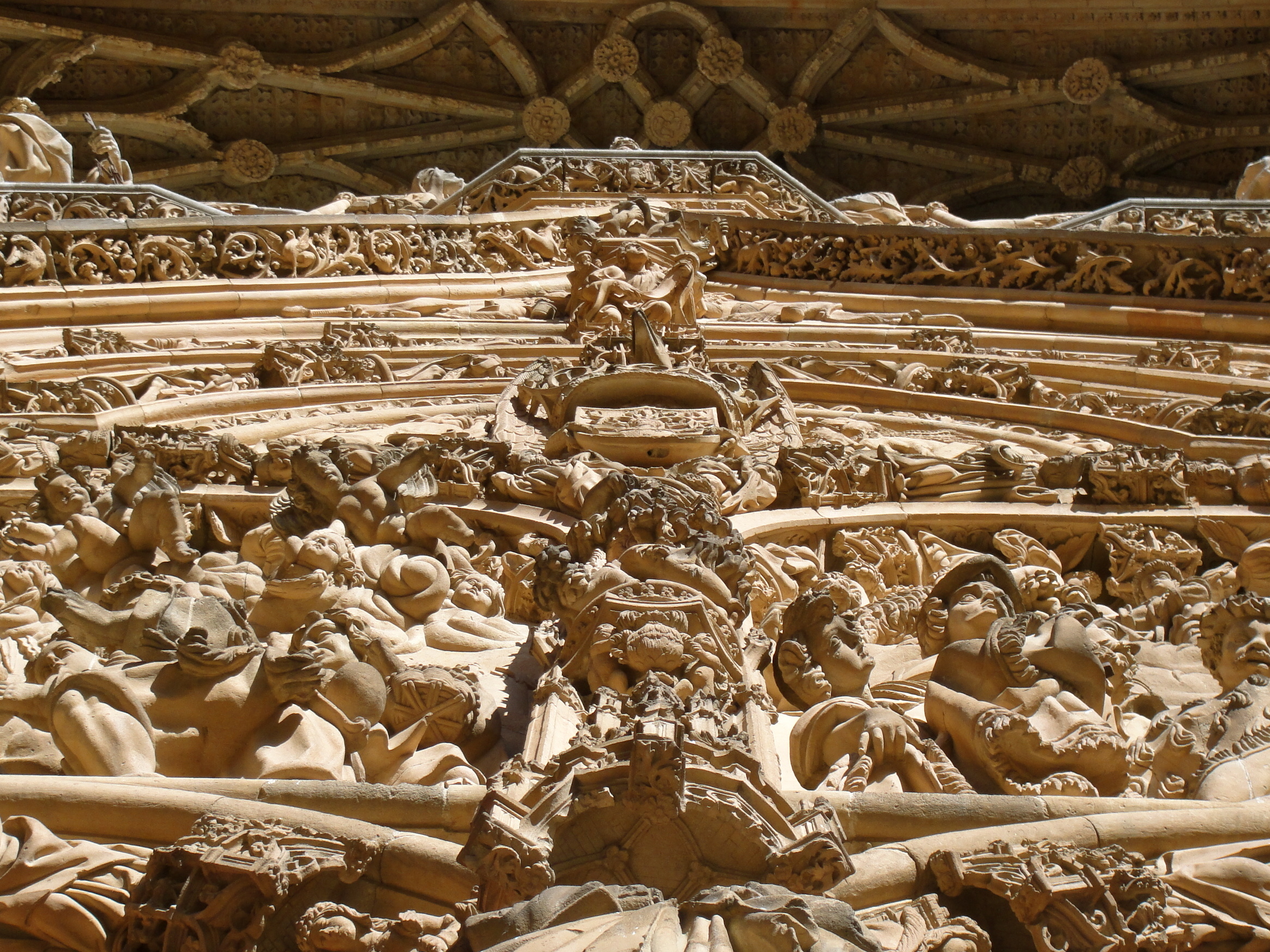
Sensing the potential profitability out of all this froggy fuss, the neighbouring cathedral has not allowed itself to be outdone. Within its equally complex facade, some cheeky renovators recently added an astronaut floating in amongst the pre-existing baroque foliage, as well as a mythical wolf like creature grasping an ice cream cone. I adore both additions, and love the humour which has been so readily embraced by the Cathedral authorities. Can you imagine a similar attempt by restorers of an ancient building in England? English Heritage would be all over them with threats and protestations quicker than an ice cream could melt. The only trouble is, you can spot the renovated pieces of sandstone quickly enough, and thus finding this cheeky twosome amidst the older, more eroded stonework can be done with a degree of ease. This does not detract from their charm however, and unlike the frog, they’re big enough, and sufficiently unweathered enough, to actually appreciate!

Whatever their contents, there is no escaping the stunningly elaborate and incredibly detailed building facades which literally choke the streets of Salamanca with their excessive virtuosity. These “plateresque” facades, so called because they are overtly elaborate, thus resembling silver work or “plata”, are synonymous with 15th and 16th century baroque architecture in Spain, but are all the more stunningly executed in Salamanca in the local Villamayor sandstone, the like of which enabled the stonemason to carve with even more precision, but which also gives a glimmering golden glow to the finished product.

Looking up at the facade of the Catedral Nueva

Facade of the Convento de San Esteban

Cloisters in the Convento de San Esteban

Asides from the breathtaking examples of stonemasonry covering the cathedral and the university facade, another standout example is to be found on the facade of the Convento de San Esteban, our next destination. The facade is nothing short of extraordinary, rising like an altar over the southeastern corner of the city, depicting the stoning of San Esteban (St Stephen) as its central motif. The detail of the work is mind blowing – I just hope that it survives the sustained attack of natural erosion upon its delicate forms.

Past this beautiful facade and into the convent, we found an equally stunning Gothic-Renaissance cloister, a space of such tranquility that, with the sun streaming through the long gothic windows and only the sound of quiet birdsong emanating from the carefully tendered gardens, one finds the ability to think and reflect more clearly than ever before. This cloister was like a place of epiphany. I fell almost trancelike into uninhibited introspection as I walked around the cloister and around the magnificent adjoining church, feeling my mind, body and soul slowing to a different pace of life, all the buzz of city life left behind, and my eased spirit released into the tranquil empyrean all around me. It was pretty difficult to leave I can tell you. I felt bad that we had only paid €2 to get in. It seemed an insanely small amount of money for the benefit we had received in return, especially compared with the university, where a €12 admission fee was charged to look around a few dark old classrooms and a library which you can’t enter but are forced to view from behind heavily protective perspex.

Cloisters in the Convento de San Esteban

Back into Salamanca, yet more architectural gems lay in wait – like the Casa de las Conchas, one of the city’s most endearing buildings, named after the several hundred scallop shells which cling to its facade and are even wrought in iron onto the front door. Surely this house had to have inspired Salvador Dali when he went about designing his theatre-museum in Figueres? It is thought that the shell symbolism stems from the shell symbol of the ancient Order of Santiago, of which the house’s original owner, Dr Rodrigo Maldonado de Talavera, was an evidentially proud member. It certainly makes for a novel site in amongst the more complex facades which otherwise dominate Salamanca’s old town.

Casa de las Conchas

With the sun starting to fade and Salamanca taking on that familiar peachy hue, we took the opportunity to gaze at the architectural splendours from afar – walking over Salamanca’s ancient Roman bridge to the other side of the river. Not only were we greeted by the picture-postcard view of the city, we also found a guilty pleasure – an empty children’s playground and a pair of swings. We couldn’t resist squeezing our adult bottoms into those swings and setting off into the air, a feeling of unadulterated childlike pleasure in an adult world, memories of our youth flooding back as the wind swished past us and our stomachs lurched as the swinging motion took hold.

Frogs, astronauts, ice creams and swings – in a city where imposing and austere church buildings dominate, there is still an ascendant feeling of fun, a feeling augmented by the city’s thriving student population which breathes youth and vitality into the arteries of this historical monument to Spain’s rich architectural, educational and religious heritage.

© Nicholas de Lacy-Brown and The Daily Norm, 2005-2012. Unauthorized use and/or duplication of the material, whether written work or artwork, included within The Daily Norm without express and written permission from The Daily Norm’s author and/or owner is strictly prohibited. Excerpts and links may be used, provided that full and clear credit is given to Nicholas de Lacy-Brown and The Daily Norm with appropriate and specific direction to the original content.