Skip to content

Posts tagged ‘Gardens’

Marrakech Moments: Cocktails at the Mamounia

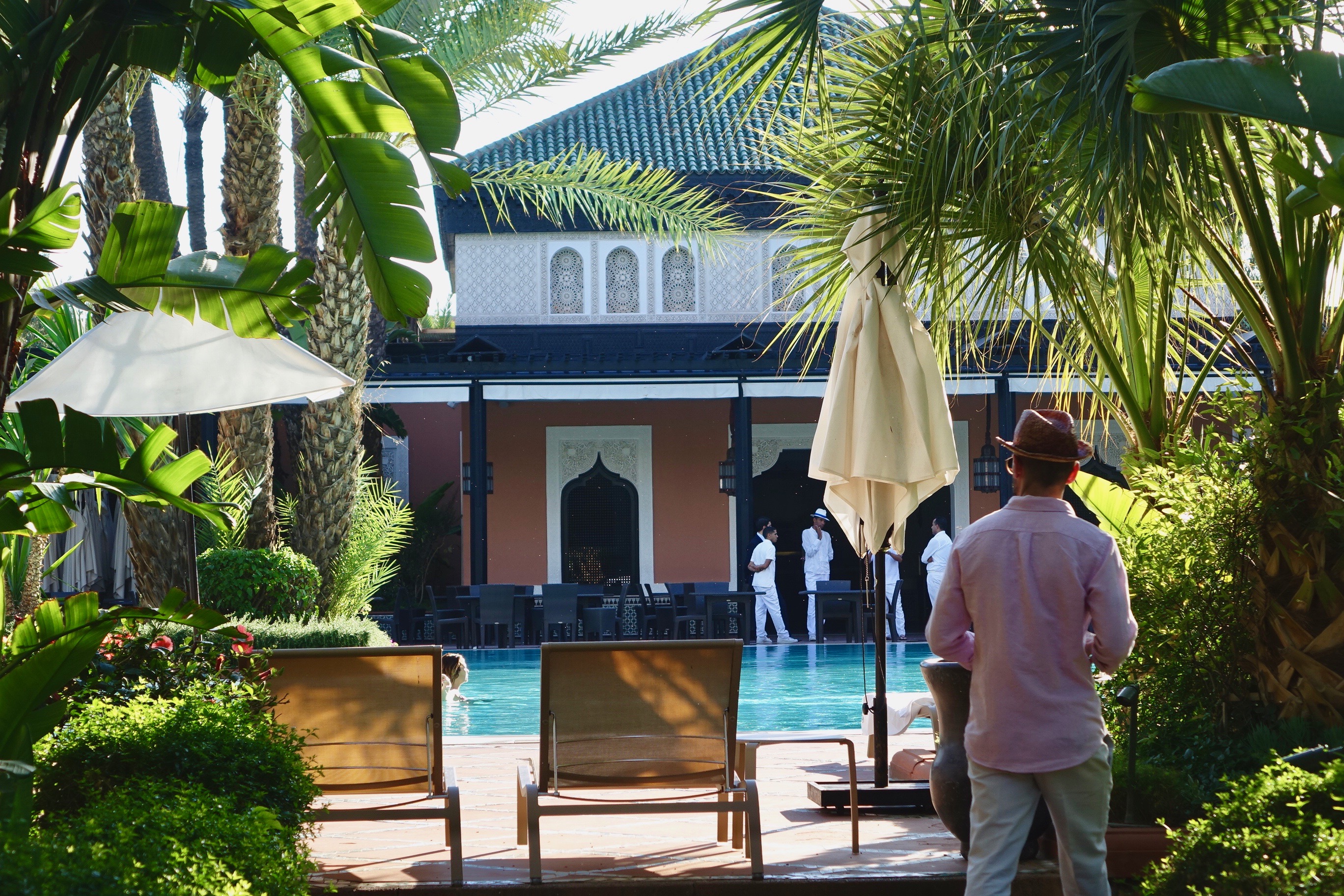
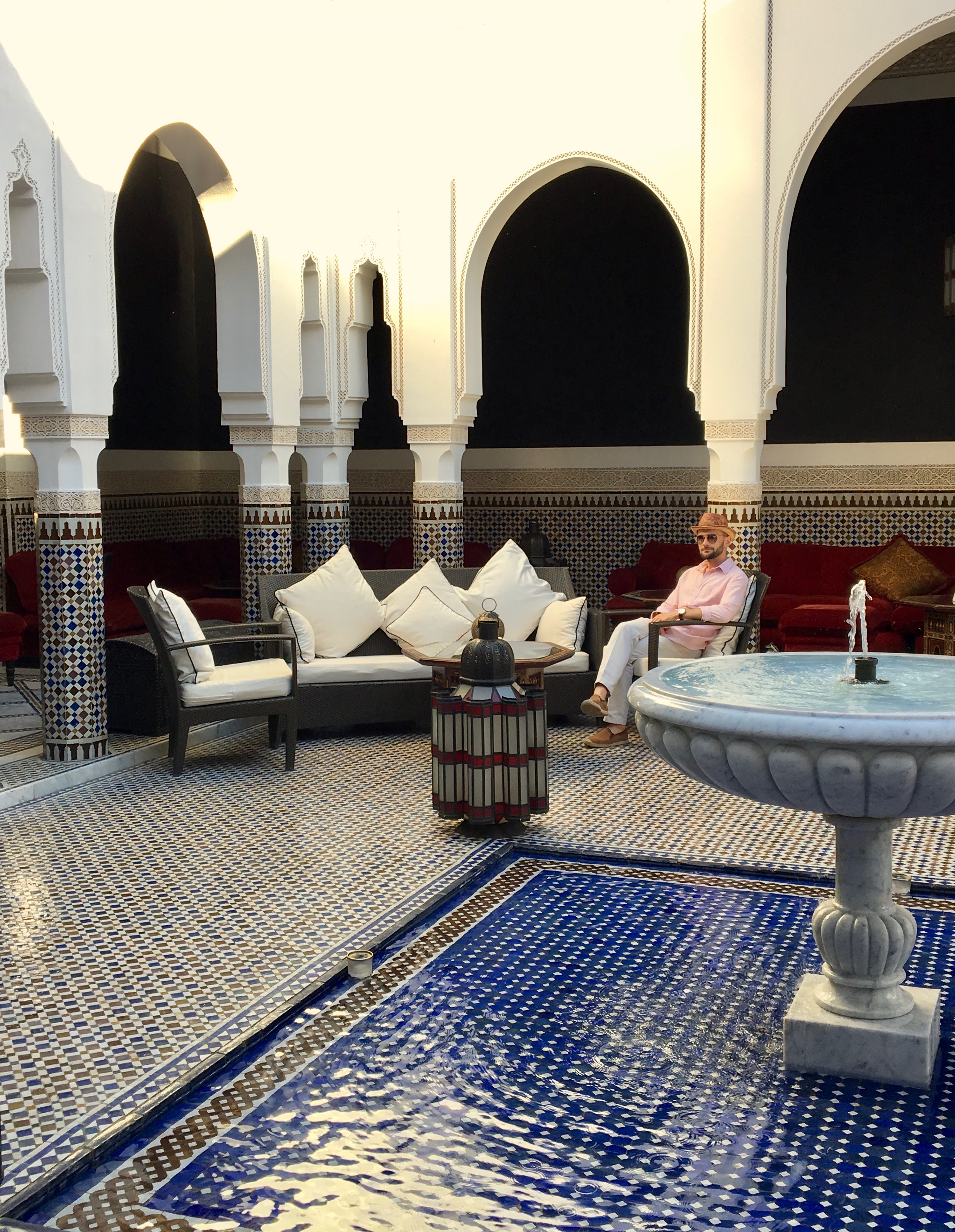
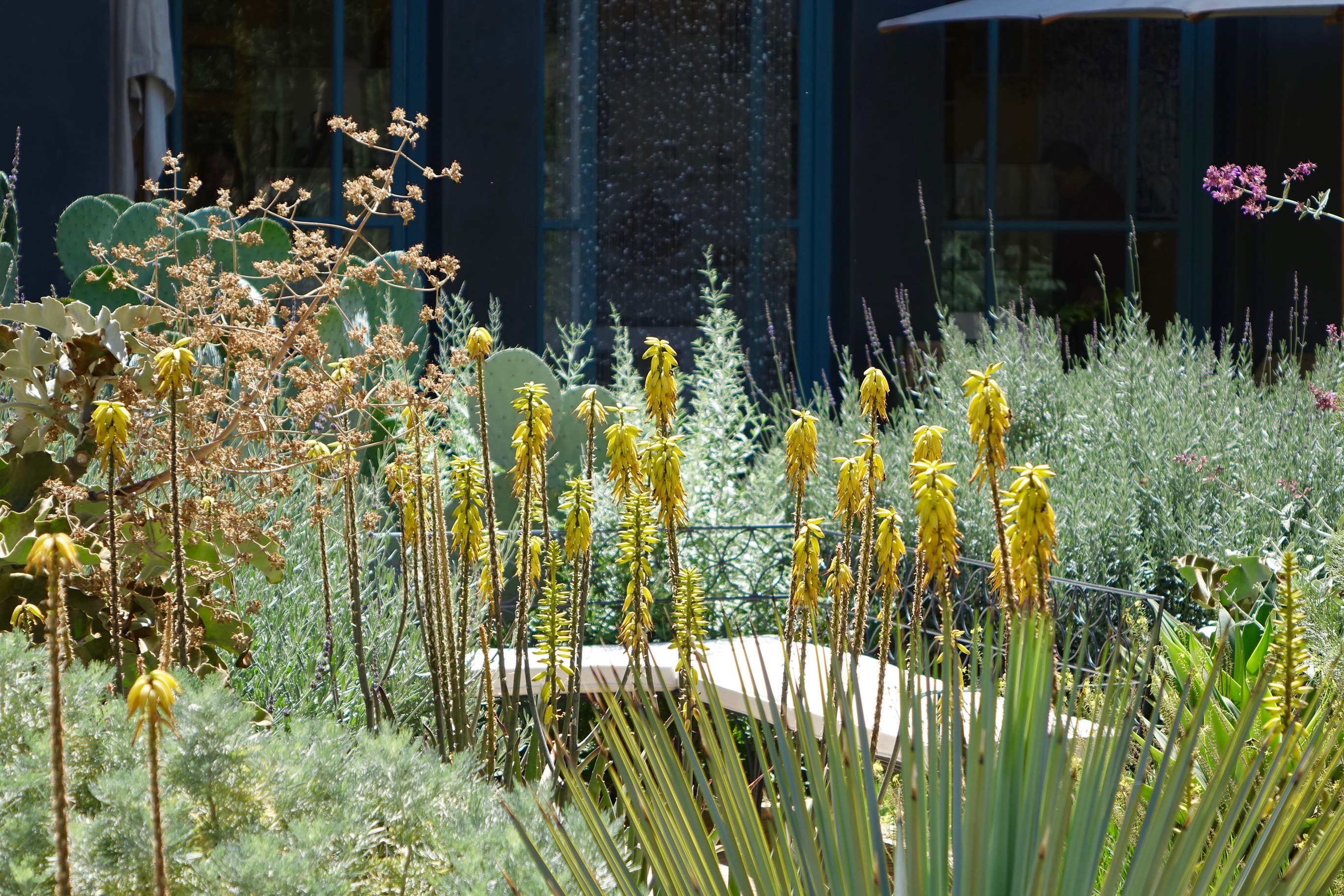
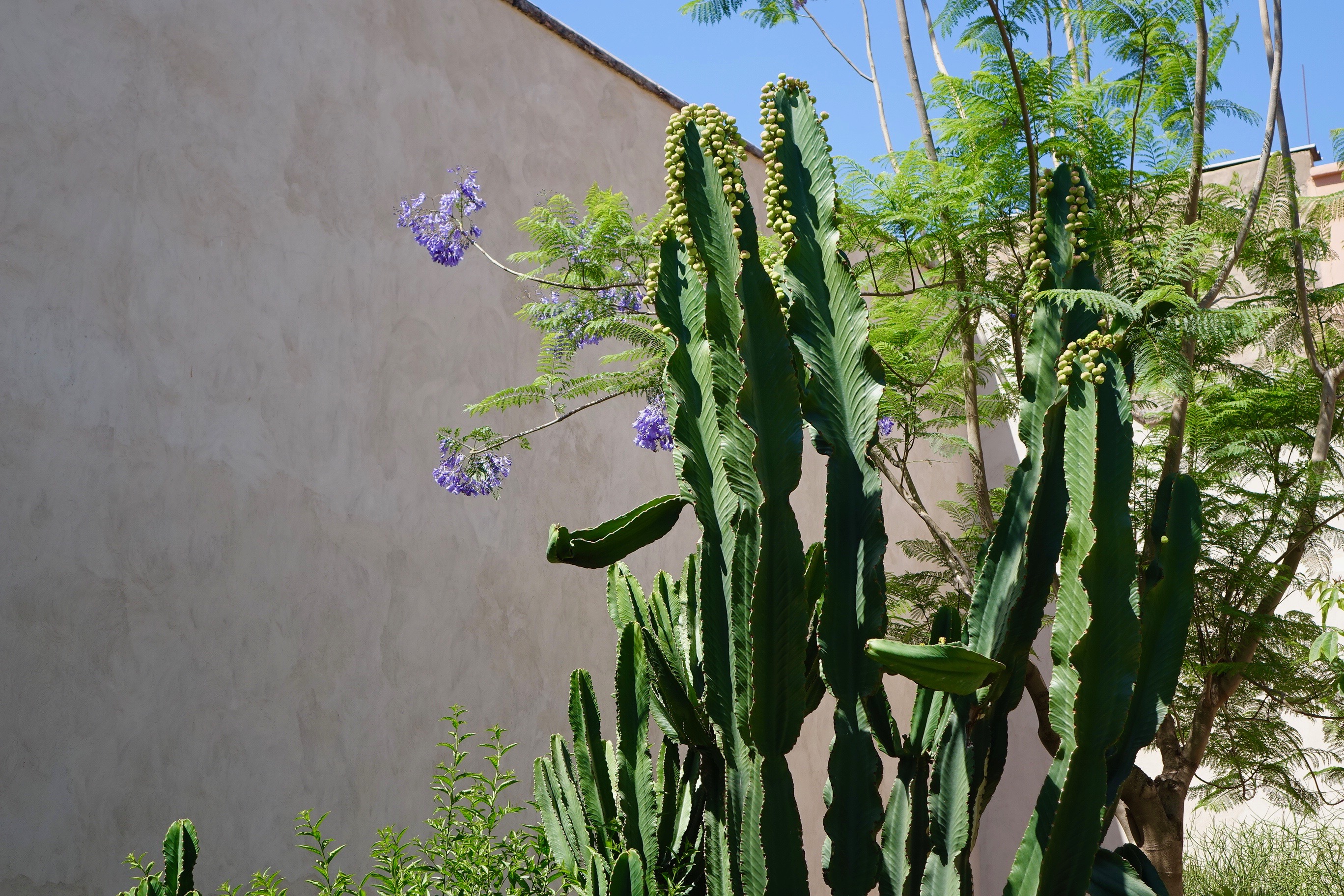
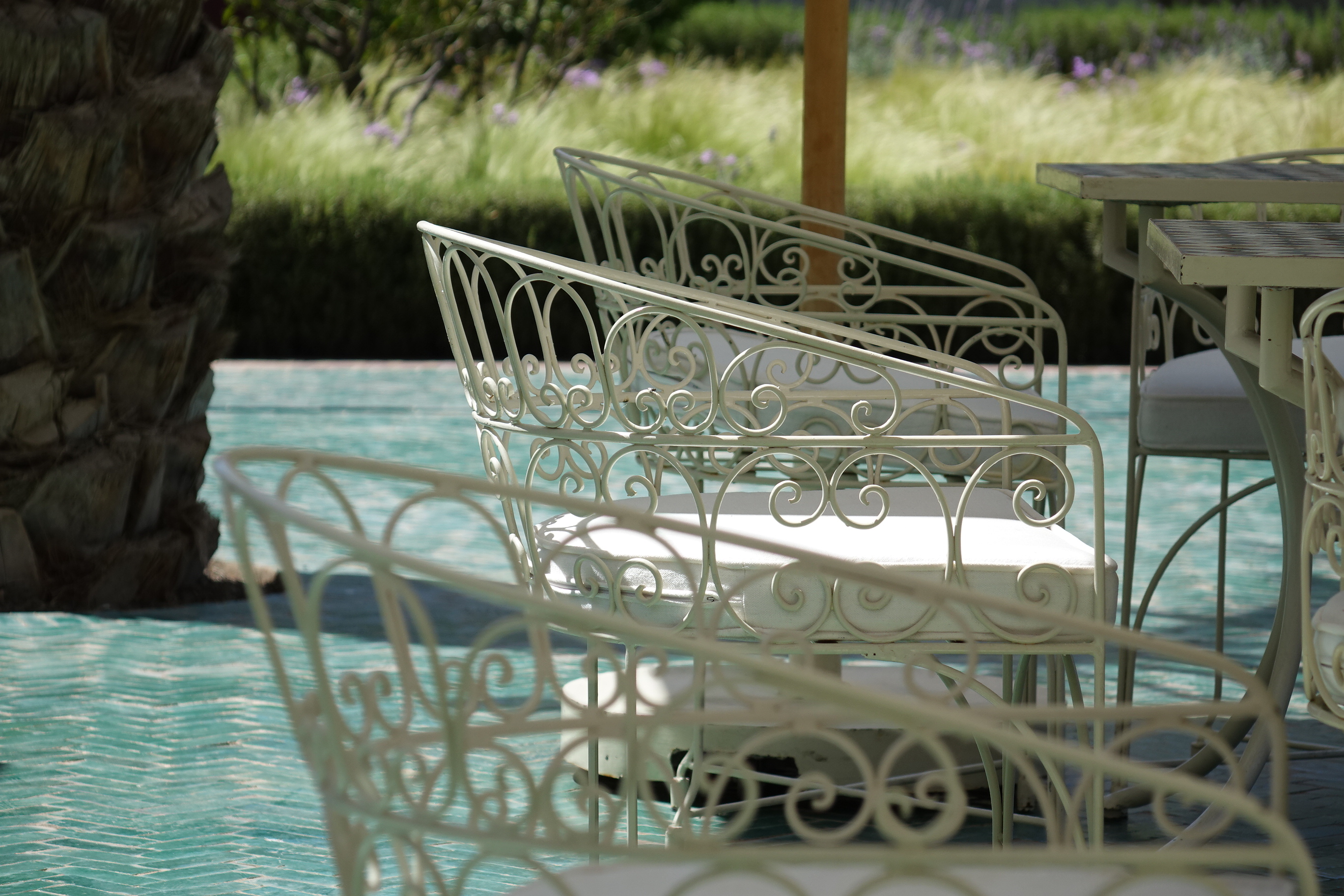
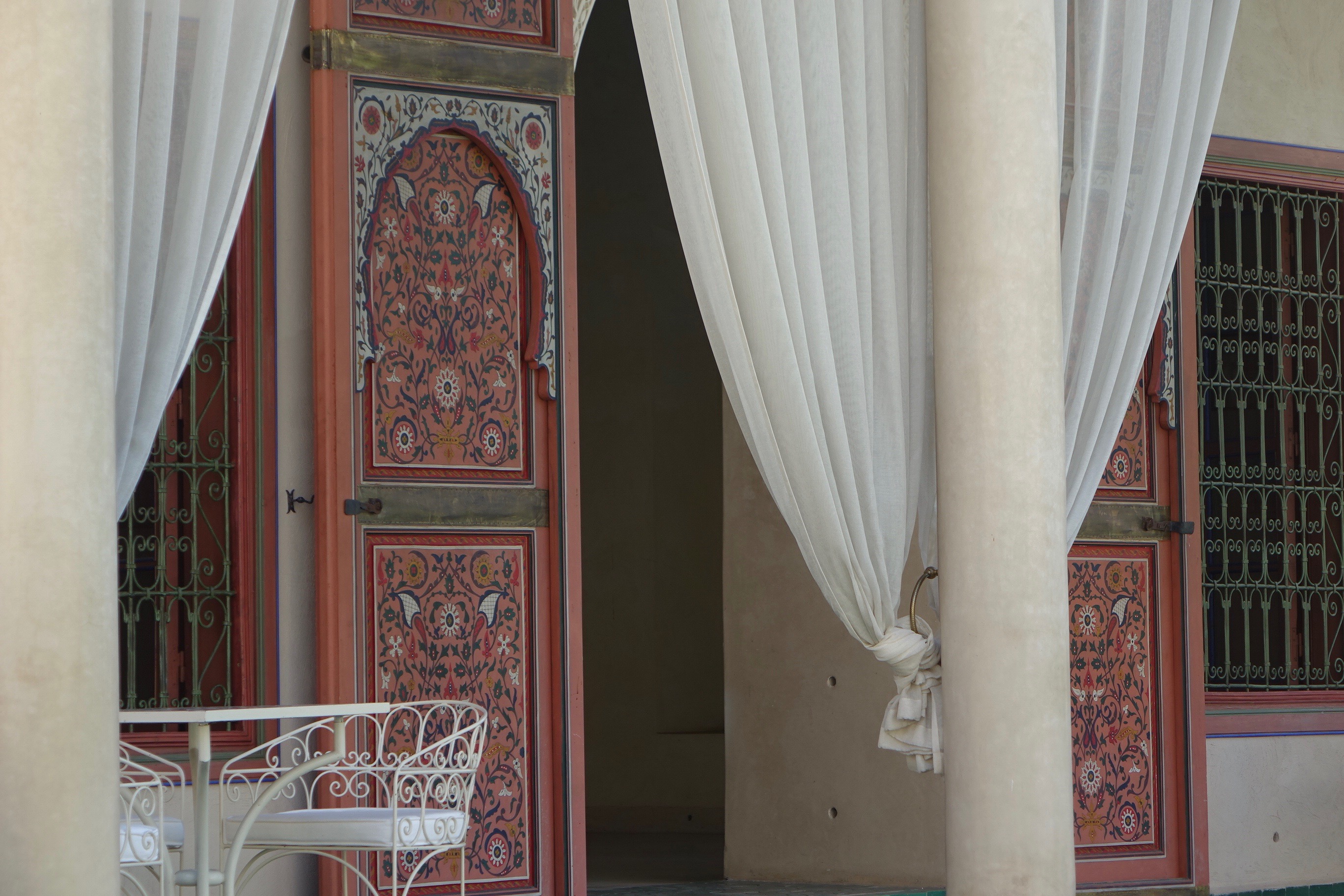
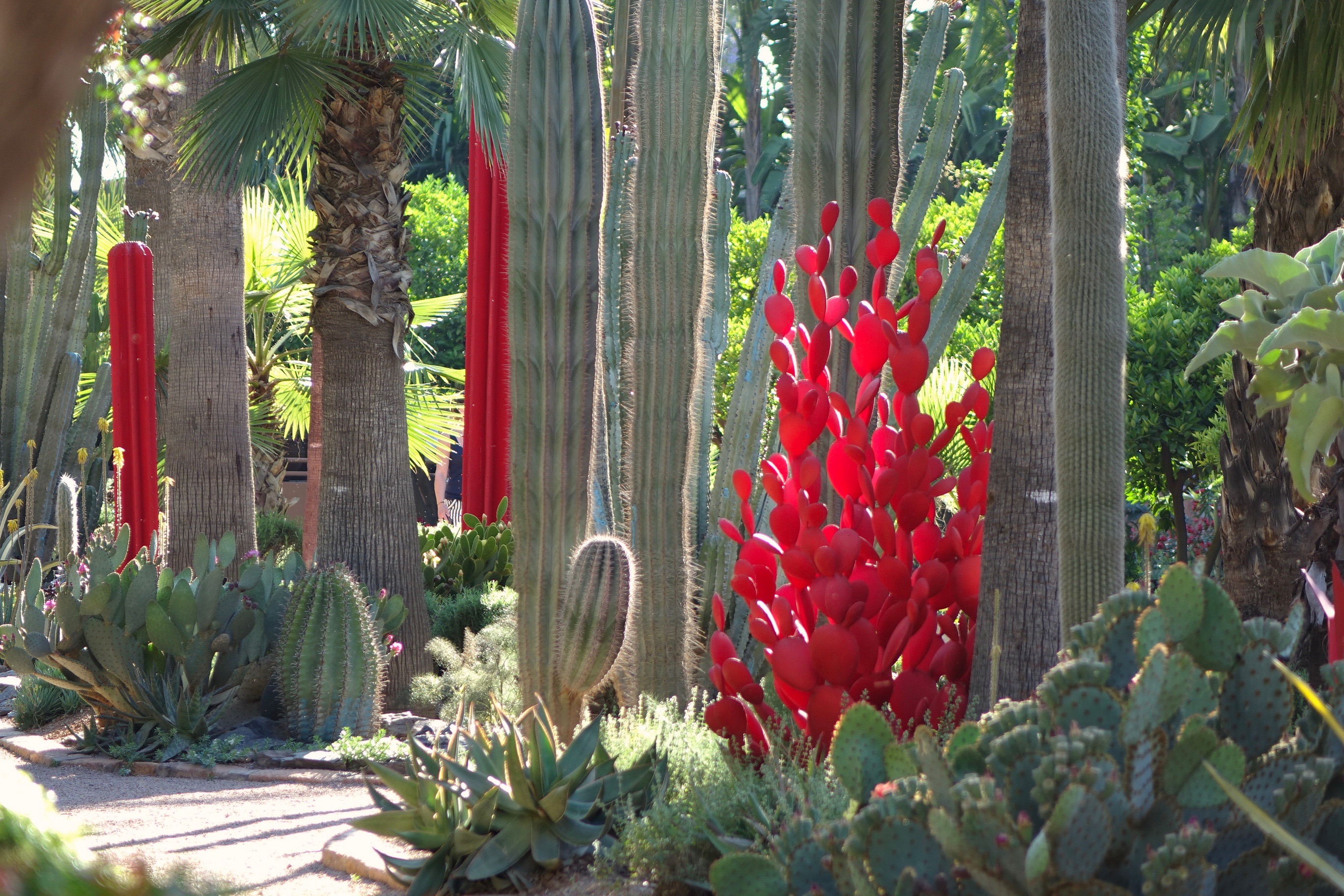
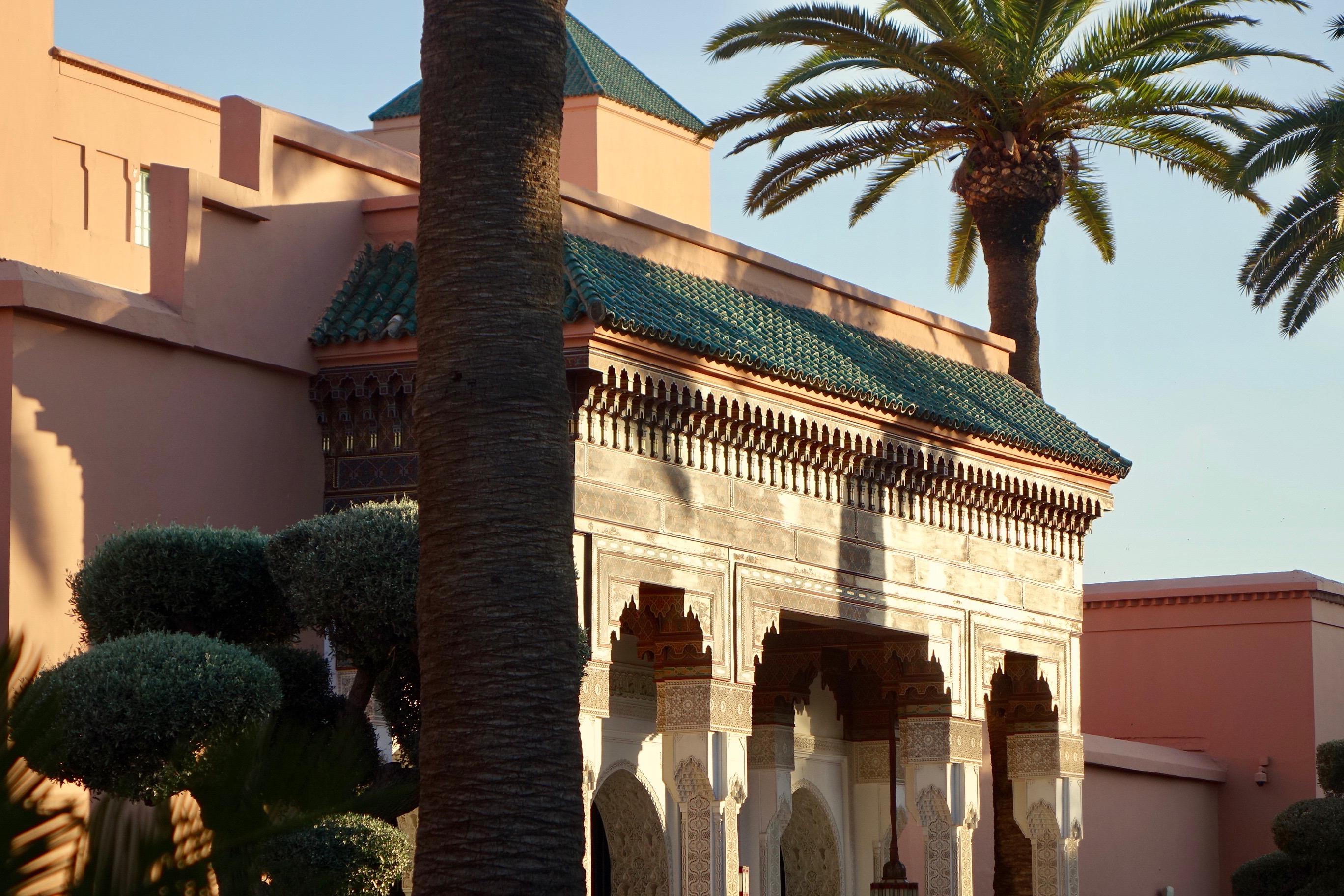
Marrakech is a place of extremes. In the Medina, its ancient heart, you could so easily be transported back 200 years as donkeys and horses take the place of cars, and chickens, cats and small dirty looking children roam the streets. Yet outside the old city walls, you’ll find an airport, brand-spanking new, so shiny and dazzling that it makes Heathrow T5 look like an interim solution. But what marks the extremes more than anything is the evident wealth gap which exists in the society. No more obvious is this than at the Mamounia, one of the world’s great old hotels, situated just beyond the main Koutoubia Mosque but so different from its surroundings. For while the dusty streets outside are filled with beggars and tradesmen scraping to make a living, inside the hotel you find a world resplendent in its lavishness, with levels of luxury perhaps higher than I have ever seen before.
DSC01410DSC01451DSC01415DSC01440DSC01444IMG_0293DSC01435DSC01424

No wonder then that the place was not easy to get into. One grumpy doorman at first refused us entry, since he obviously judged our joint worth to be far less than the average guest. But a confident swagger, sunglasses donned and a second attempt got us through the grand entrance. We were after all determined to visit the hotel. Not only is it renowned as one of the most luxurious in all of Africa, it was also the location for some of the most famous scenes of Hitchcock’s The Man Who Knew Too Much, where Doris Day sang her famous hit, Que Sera Sera for the first time.
DSC01456DSC01405DSC01448DSC01409DSC01430DSC01412DSC01411

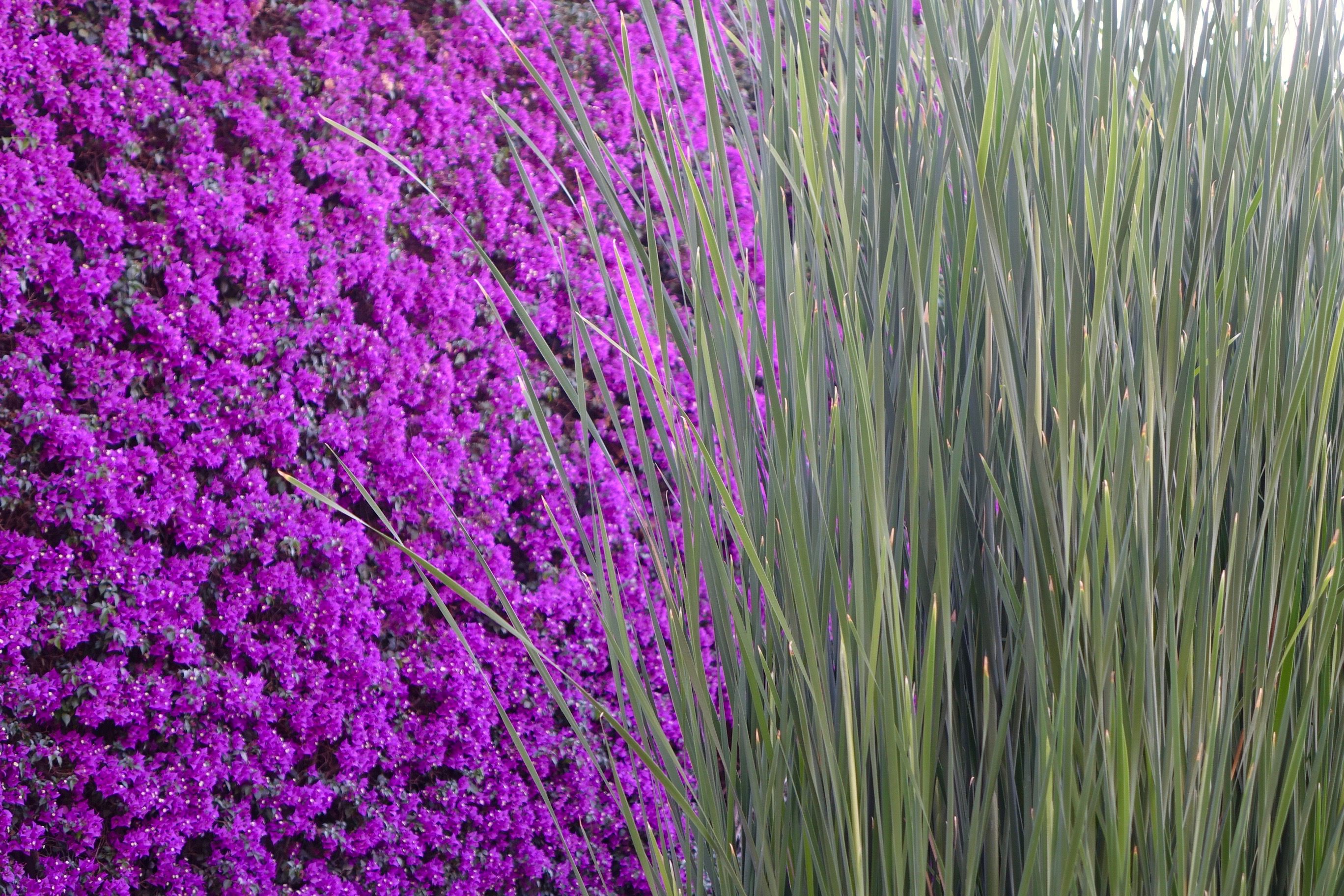
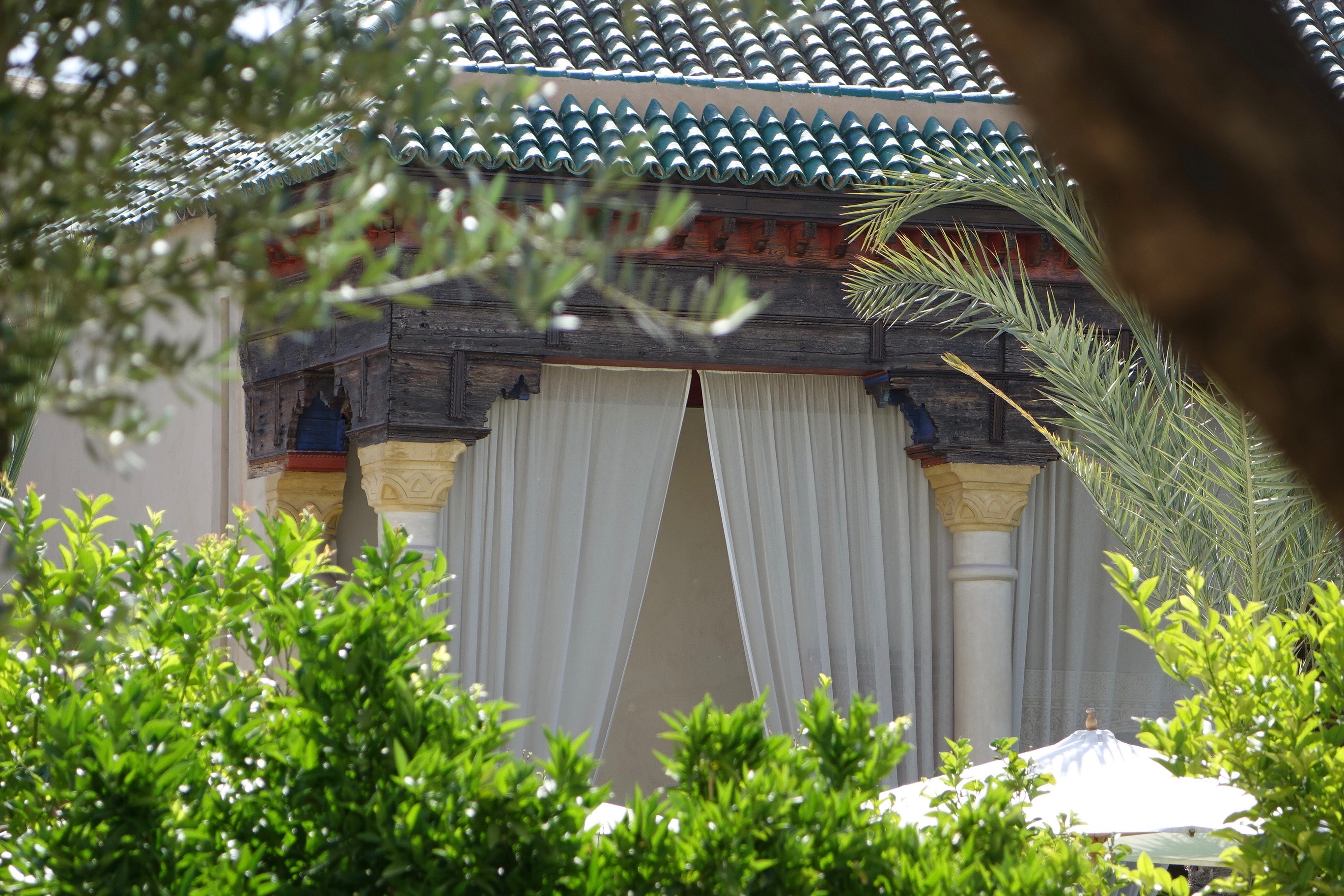
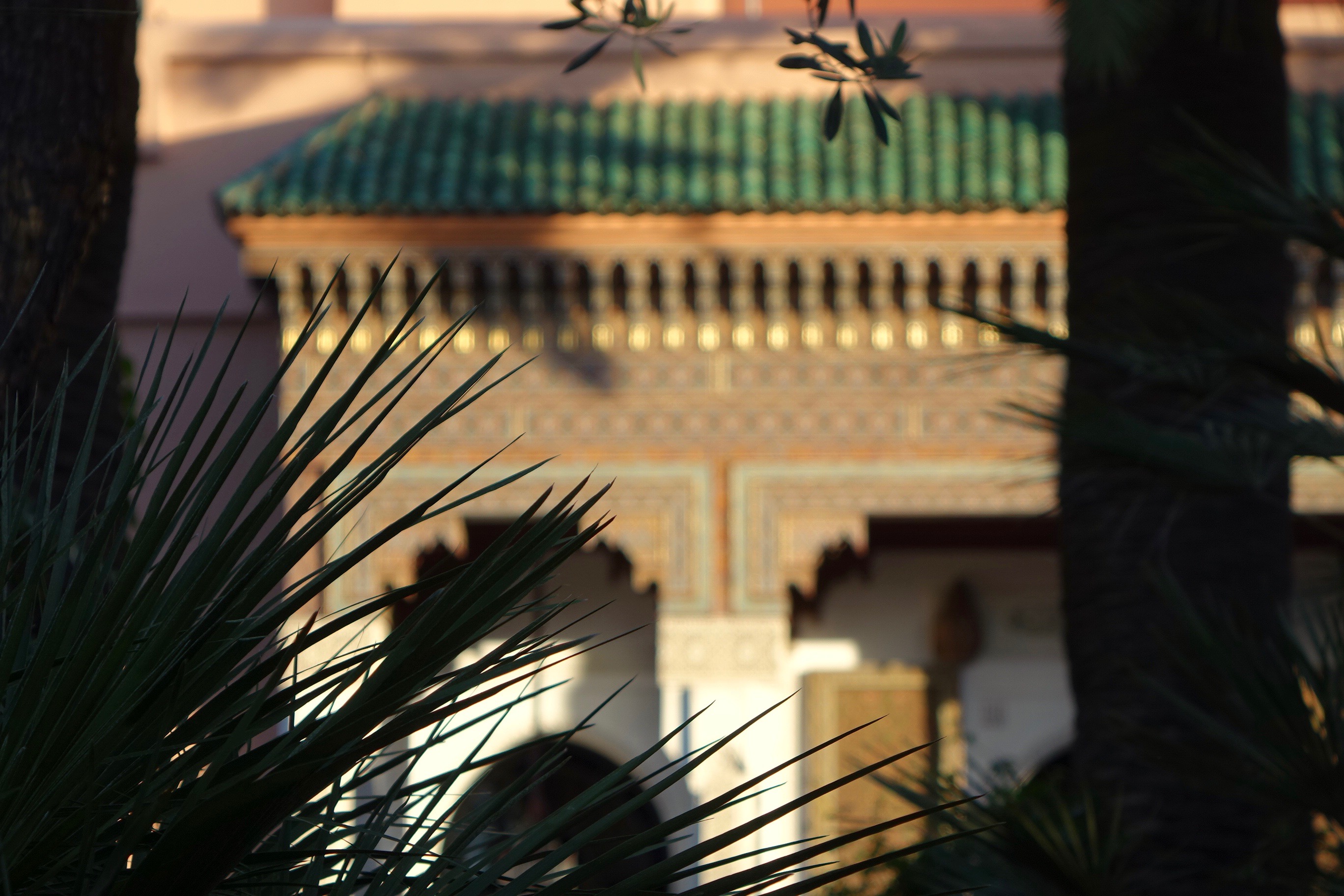
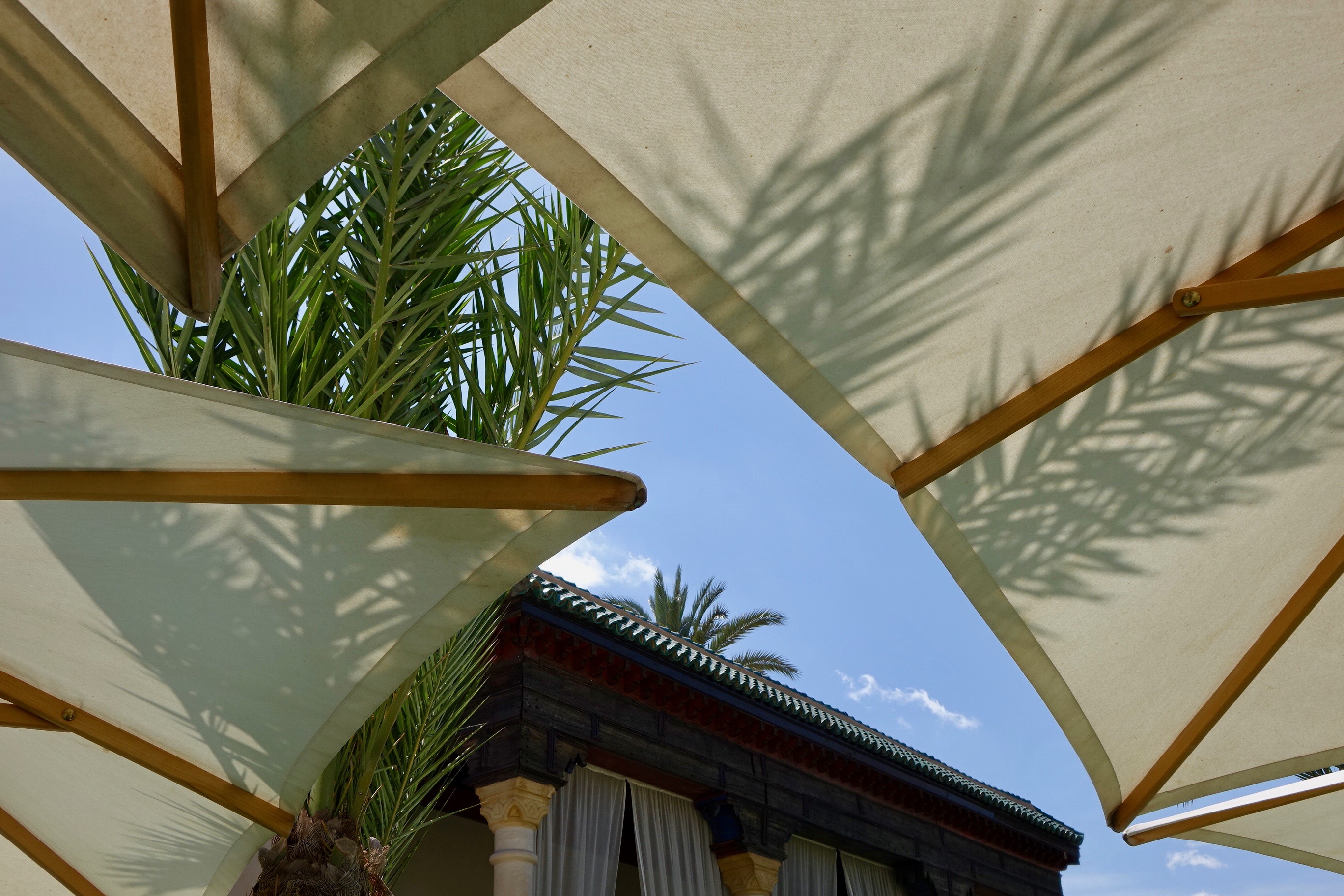
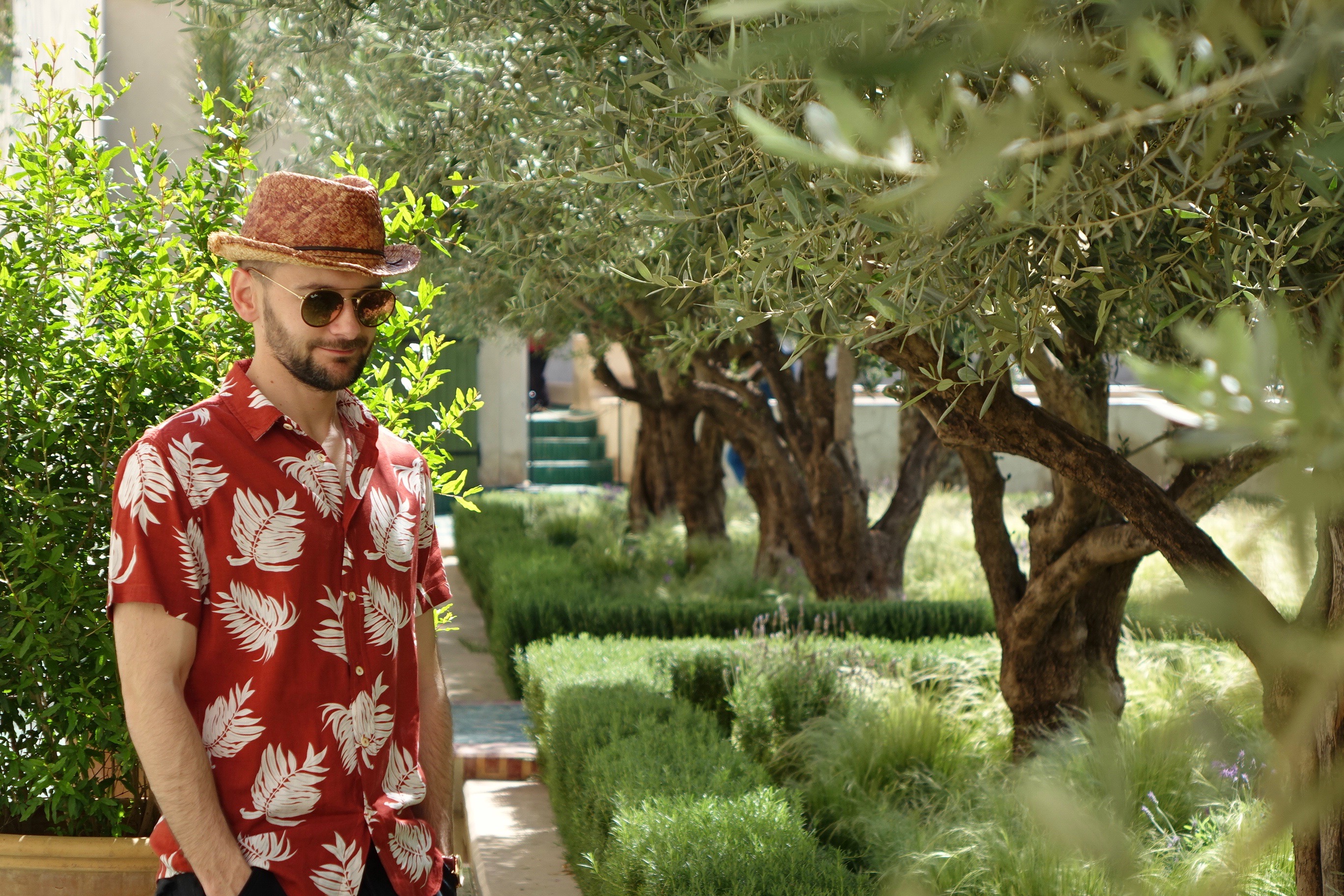
Once in we were understandably dazzled by the sheer extent of the opulent interiors and  expansive gardens which we were able to enjoy to full while waiting for a table to become free on the elegant terrace of the Italian Bar. In those grounds, so large they were used to film scenes from Alexander, we found tennis courts, pools, loungers aplenty, herb gardens, Arabic lounges and an entire wall brimming with bougainvillaea. There was even a pavilion at the garden’s centre just built for afternoon tea. But we had cocktails on the mind, and when our stroll was over, our table lay in wait, and we quenched our thirst with a well earned G&T and a Strawberry Daiquiri. It wasn’t the cheapest of occasions, but it was a hallmark moment of our trip. While it may have been a very different world from the city of Marrakech just outside its mighty walls, there was something about the grandeur of this 92 year old hotel which made us feel very at home.

IMG_0305

© Nicholas de Lacy-Brown and The Daily Norm, 2001-2017. Unauthorized use and/or duplication of the material, whether written work, photography or artwork, included within The Daily Norm without express and written permission from The Daily Norm’s author and/or owner is strictly prohibited.

The Colours of Marrakech, Part 2: Garden Green

There is something altogether very earthy, sandy even about Marrakech. Known as The Daughter of the Desert, it is very evident that the city is only a few hours away from the Sahara. The very rose tint of its original mud built walls sing of the harmony of deep, mineral rich desert tones from which the city arose. And yet a view across its skyline also betrays the odd peppering of green, where palm trees sway amongst houses and the prayer towers of mosques are embellished with shiny green roof tiles. And of course the Arabic countries are no strangers to the beauty of green spaces, since it was them who were the engineering geniuses behind the stunning gardens of the Alhambra in Granada, and most of the Southern European irrigation systems which followed. The Medina of Marrakech is nevertheless more about its dusty maze-like streets and multi-coloured souks than gardens, but through one small gate in the heart of the souk is the opening onto a true marvel of a garden, so hidden away that you could easily miss it.

DSC00301DSC00300DSC00281DSC00344DSC00227DSC00337DSC00242DSC00325DSC00250DSC00212DSC00302

Appropriately named, Le Jardin Secret, the origins of this lavish garden hark back to the second half of the sixteenth century, when the Saadian Sultan Moulay ‘Abd-Allah commenced upon the urbanization of what is now the Mouassine district of Marrakech. Having decided to build his palace and gardens on this exact spot, the turbulence of history resulted in a series of handovers from one ruler and influential man to another until eventually, in 1912, the property then passed into the possession of the Fez of al-Hajj Muhammad Loukrissi, chamberlain of Sultan Moulay ‘Abd-al-Hafiz. There he lived until his death in 1934 when tragically the palace and garden fell into disrepair. Fast forward three quarters of a century, and the restoration of the building complex and gardens began.

DSC00340DSC00343DSC00348DSC00310DSC00349DSC00321DSC00282DSC00294DSC00238DSC00260DSC00245

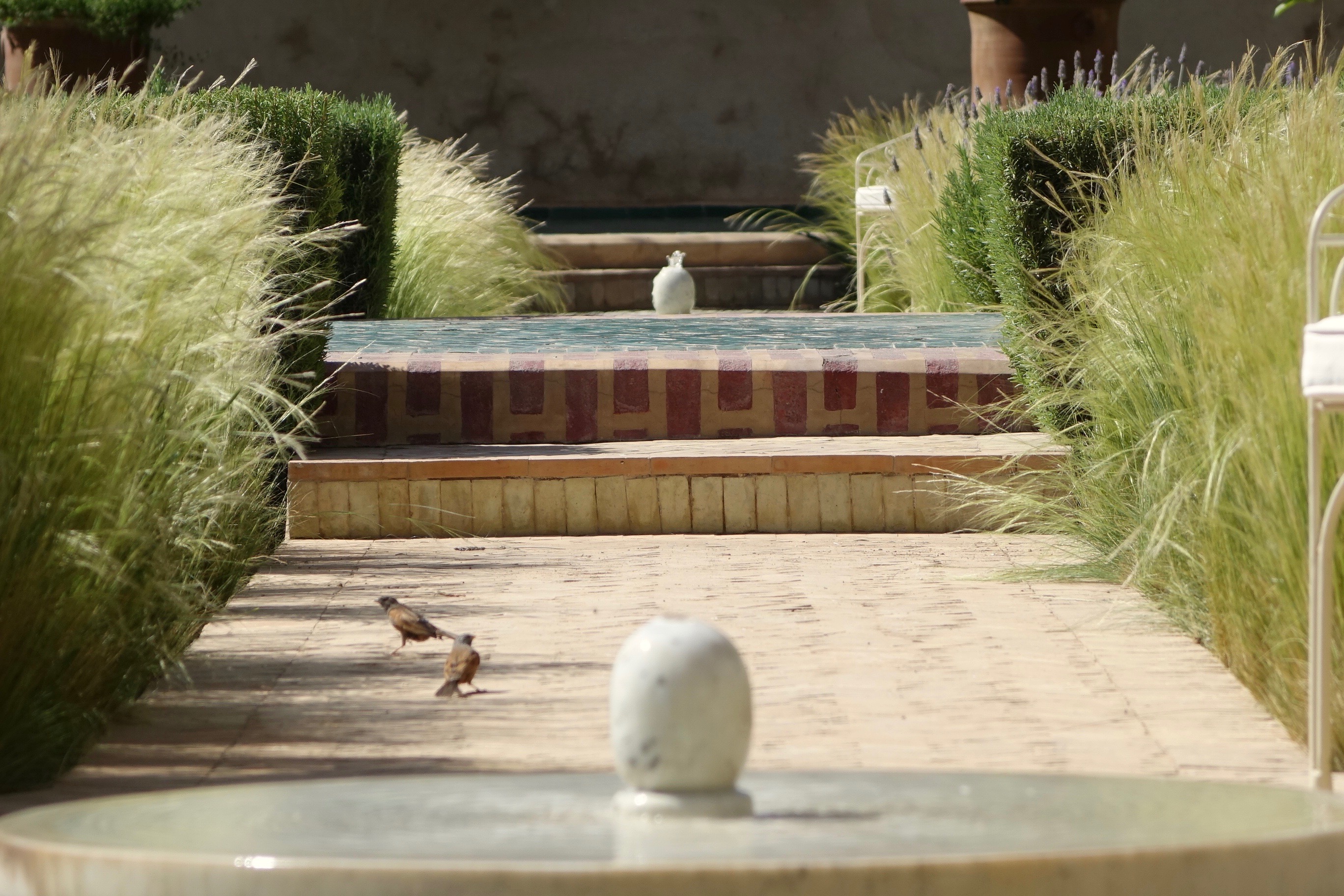
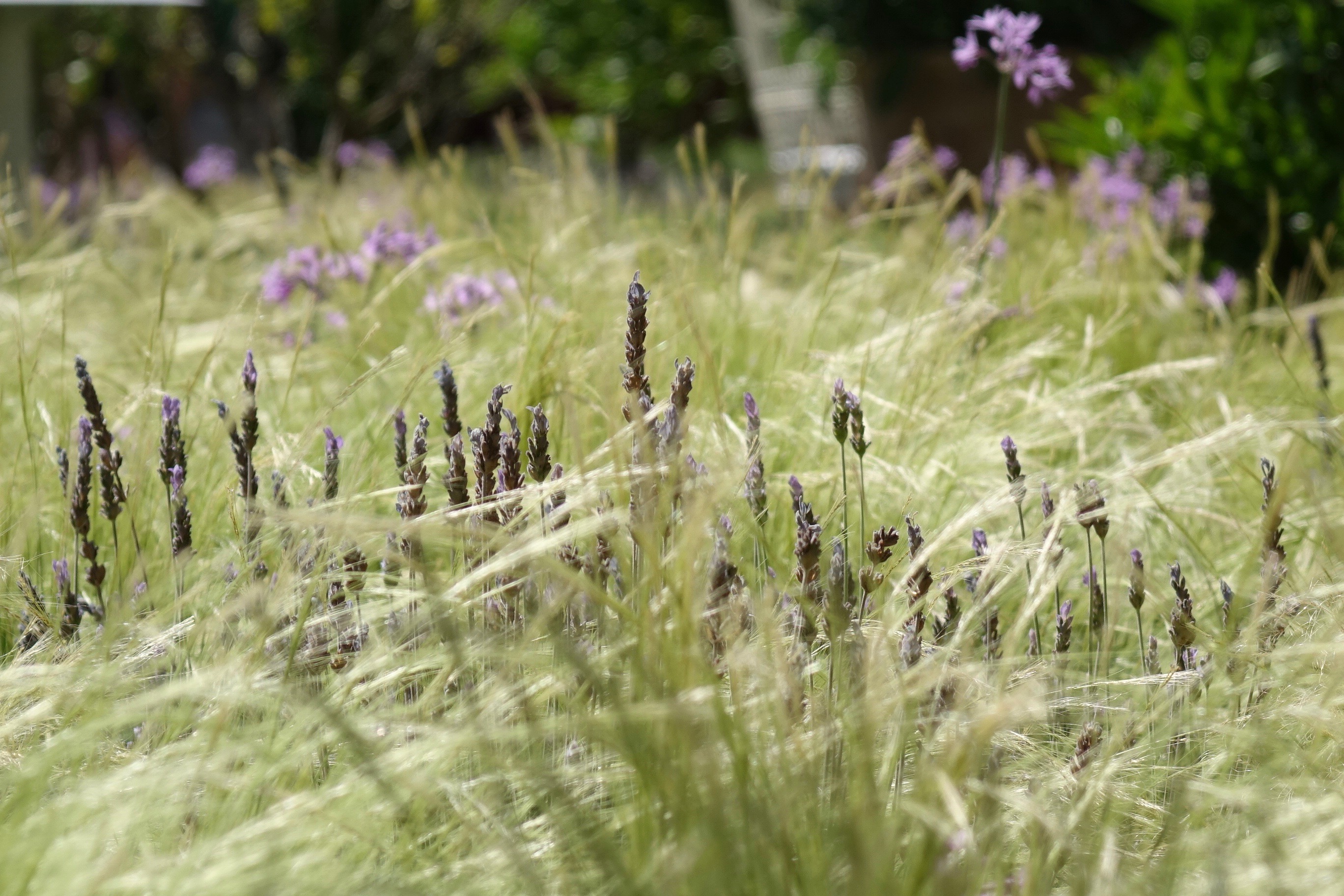
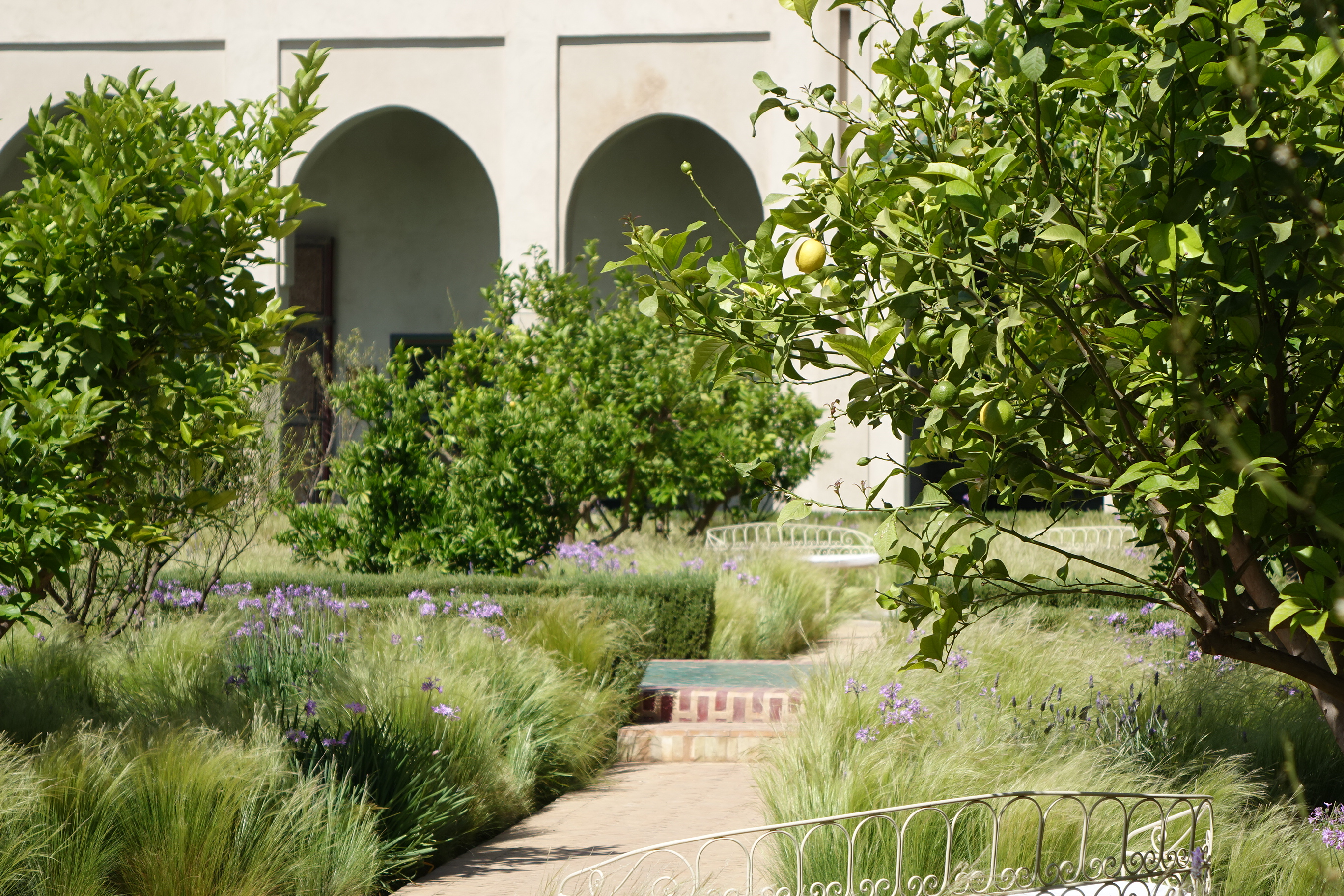
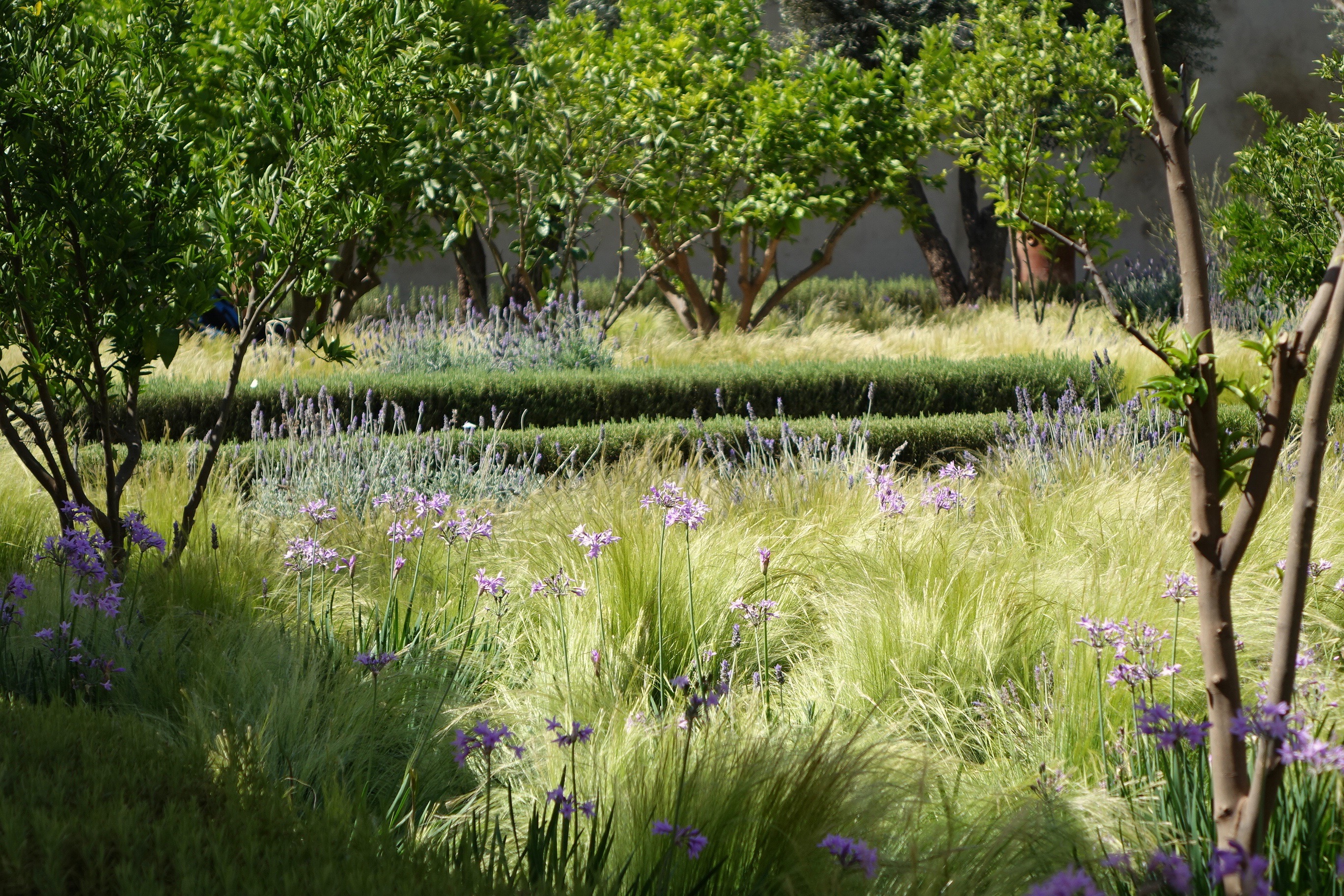
Today, Le Jardin Secret is a true garden gem which is all the more precious because of its relative rarity in amongst the city bustle of the Medina. Containing two main garden sections, one tropical and the other more traditionally Arabic in its geometrical layout and planting, both gardens offer and exquisite haven of calm. Accompanied by the trickle of long, ground-level ponds running with water, and by the song of the many birds who revel in the natural abundance of the place, an hour spent in Le Garden Secret has all the benefits of several days in a health spa. Running your hands through the grasses, watching bees as they pollinate the purple and white flowers, and gazing as a gentle breeze alters the dappled reflection of tree leaves against vibrantly painted red and olive green walls, it is a truly stunning place.

DSC00336DSC00249DSC00331DSC00240DSC00328DSC00297DSC00296DSC00248DSC00243DSC00222DSC00204DSC00237

Being, by name, secret, it is also relatively quiet but no doubt that will not remain the case for long. For what better way to break away from the manic hive of activity of the Souks than to seek refuge in this perfect profundity of green in the heart of the Rose City.

© Nicholas de Lacy-Brown and The Daily Norm, 2001-2017. Unauthorized use and/or duplication of the material, whether written work, photography or artwork, included within The Daily Norm without express and written permission from The Daily Norm’s author and/or owner is strictly prohibited. 
Hampton Court Palace, Part 3: The Wild and the Wonderful

My blog is reading like something of a paid marketing campaign for Hampton Court Palace at the moment, which I promise is not the case. Such was the visual pleasure of my visit to Hampton Court that my photo stream ran on for miles. In seeking to share the best from that day, while losing nothing of the splendour of the aesthetic pleasures which a visit to the Palace entails, I have sought to split up my Daily Norm narrative into more bitesize pieces. First I told you about the Palace’s incredibly manicured gardens, followed shortly afterwards by a tour of the hybrid interior. Today I’m back out into the gardens, but this time to the Great Fountain Garden, and the Wilderness, a stunning grassy landscape which is ostensibly less controlled by gardeners and designers, although I suspect that in reality, this appearance of under-management is as meticulously choreographed as the rest.

The Great Fountain Garden and Home Park beyond

DSC08086DSC08006DSC08034DSC08030DSC08044DSC08038DSC07994DSC08066DSC08052DSC08015DSC08022DSC08032DSC08087DSC08025DSC07995DSC08004DSC08000DSC08080

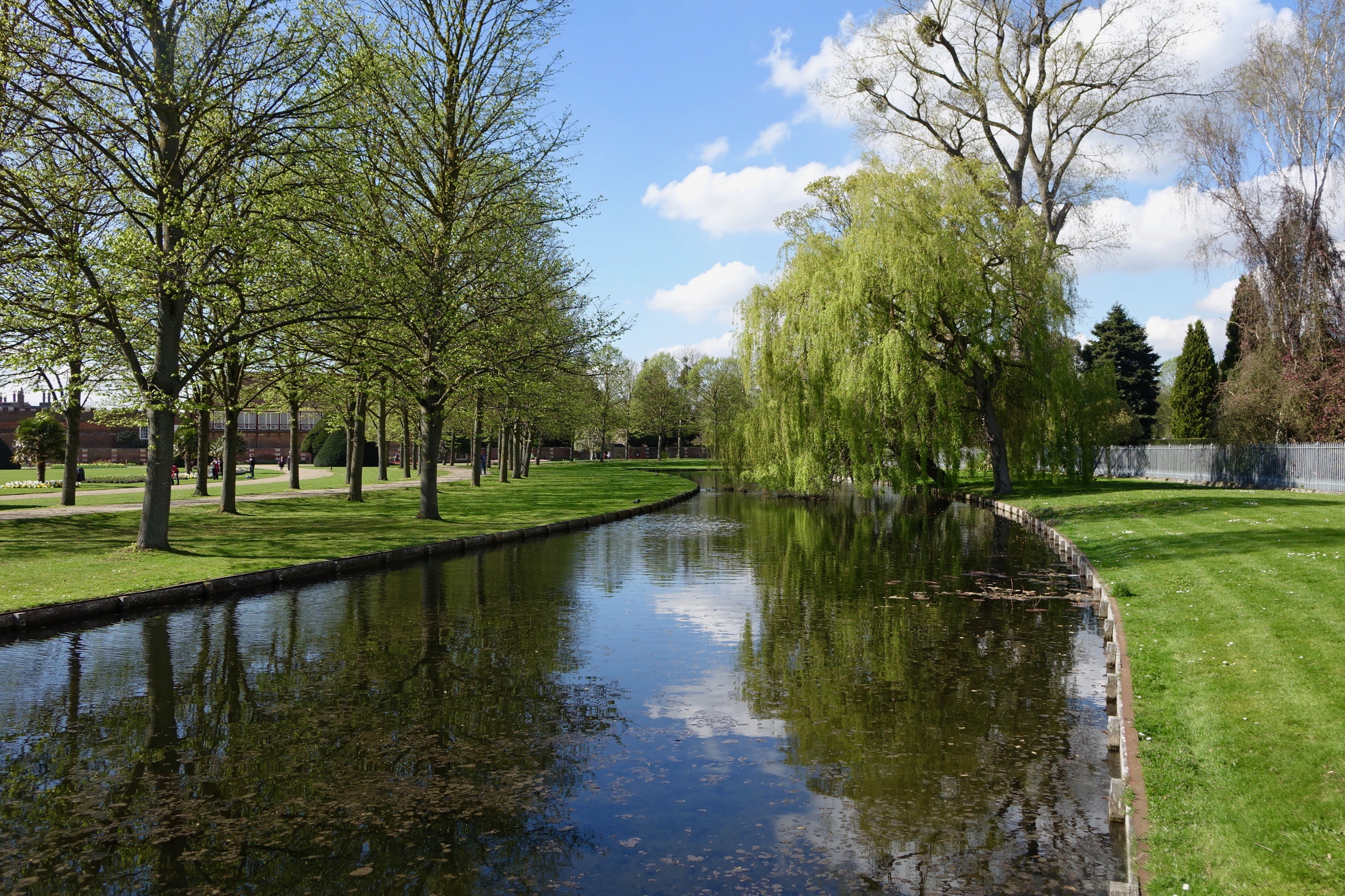
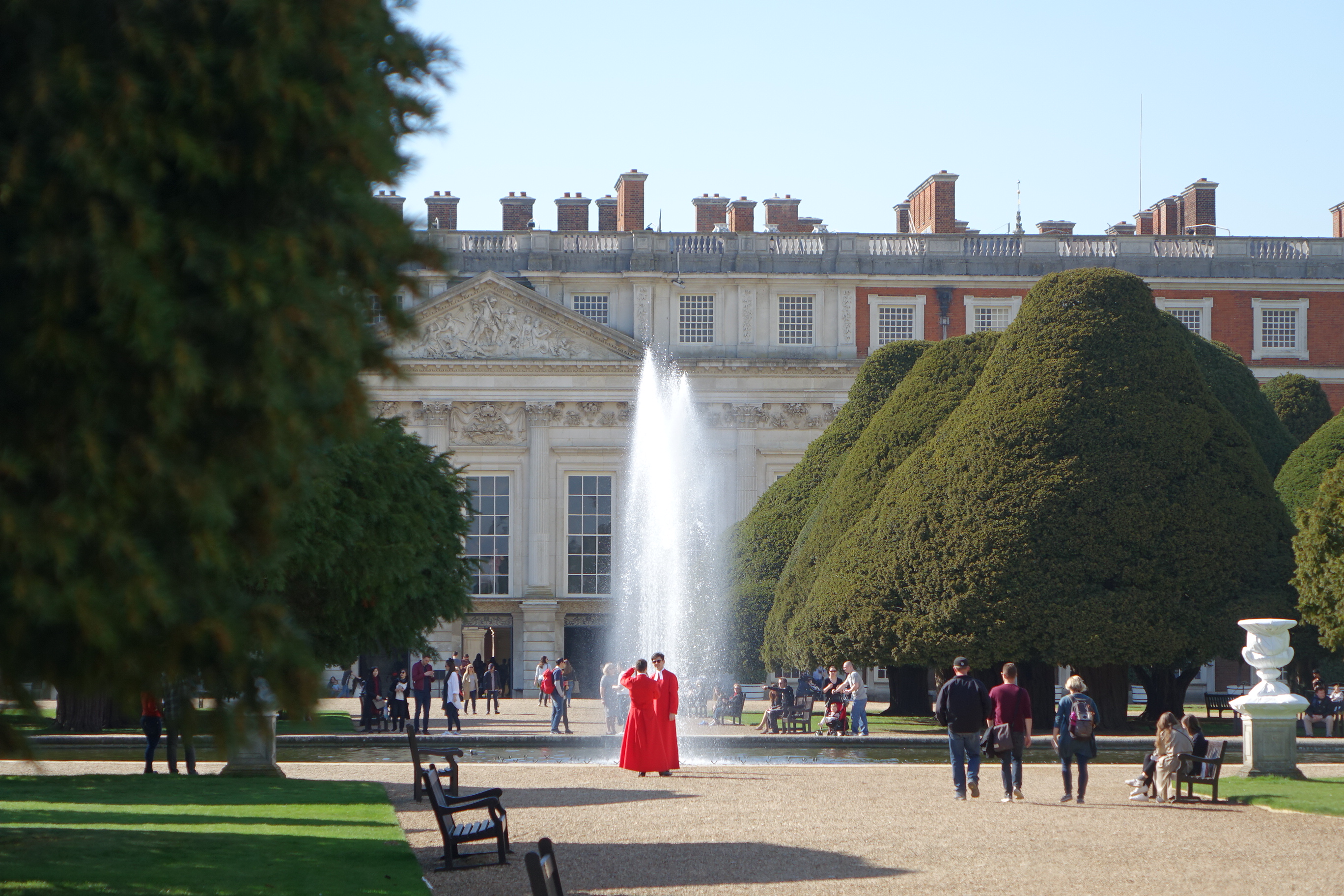
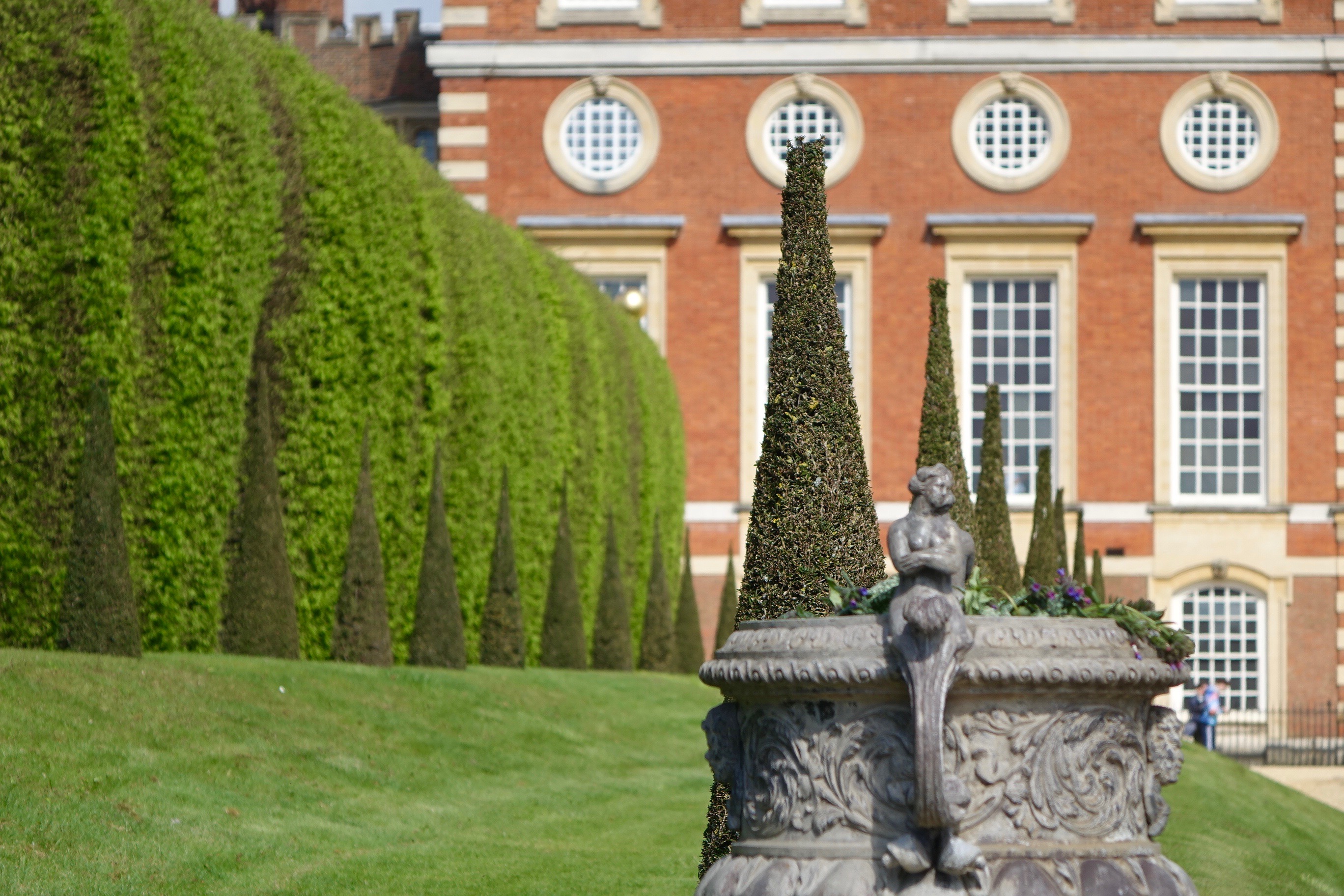
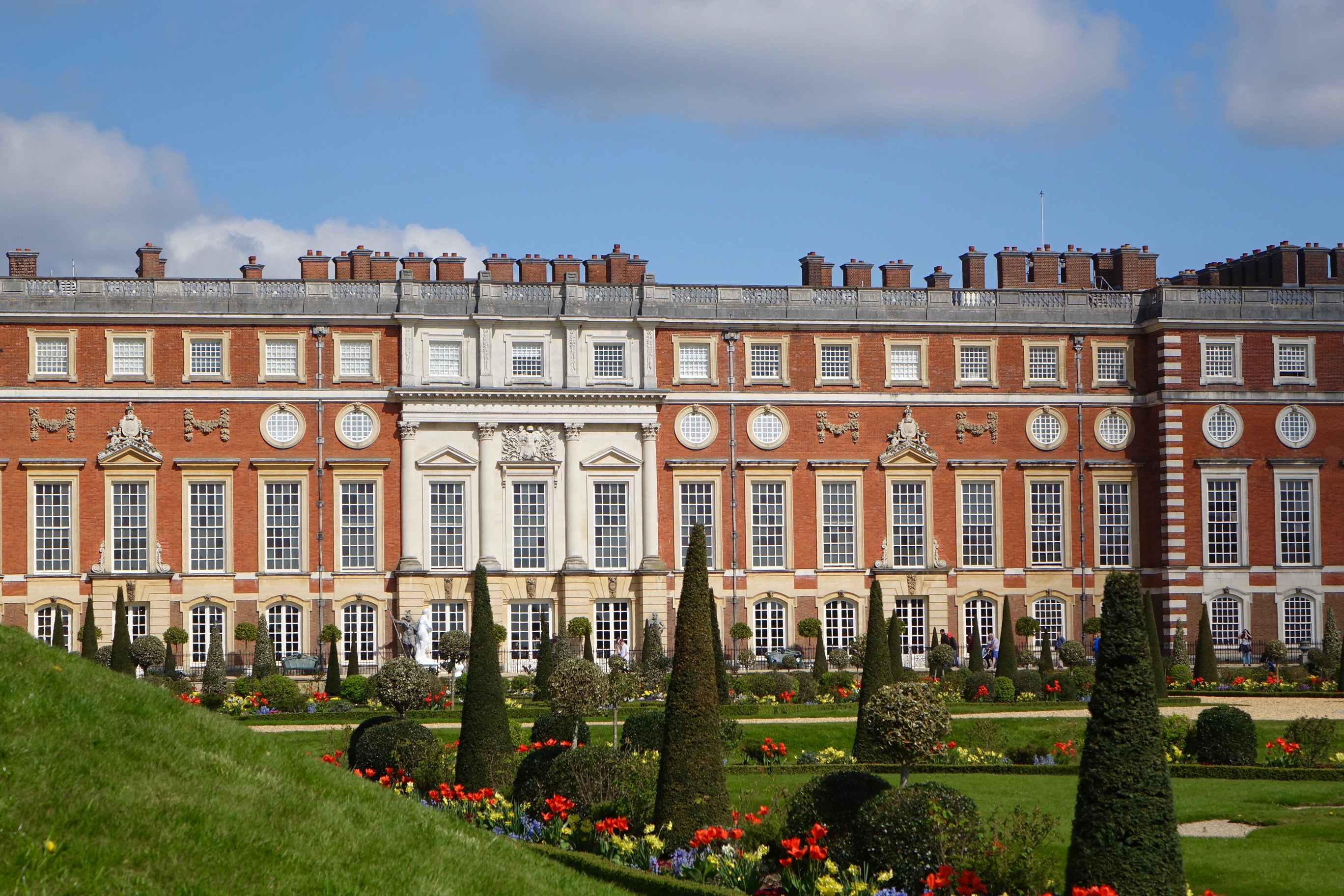
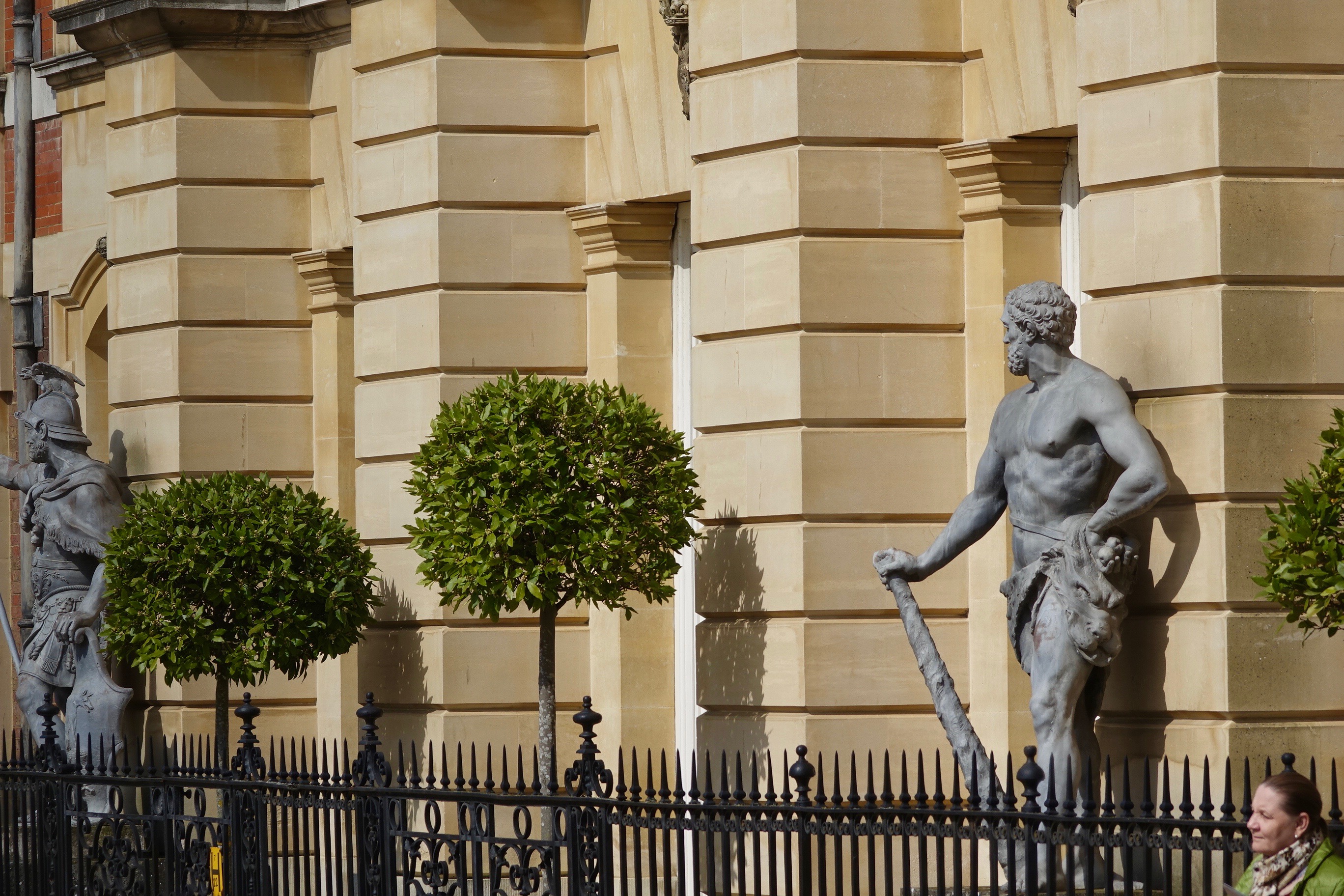
There can be no doubt that Christopher Wren’s Baroque facade of Hampton Court Palace is best viewed from its mighty gardens, whose tree tree-lined avenues radiate outwards in a crow’s foot pattern towards a water-bounded semi-circular parterre. Those avenues, whose trees are perfectly clipped to create cloud like green forms, provide a theatrical foreground beyond which the Palace can play a leading role as it glows, mighty and red, in perfect contrast with its green surroundings. If William and Mary of Orange had intended to compete with Versailles, it is clear that they gave good game, not least with the extensive Long Water canal which extends into Home Park beyond, magnifying both the scale of the grounds, but also reflecting the Palace in its mirrored surface. For us, a walk in these gardens proved to be unforgettable. We were enamoured not only by the dramatic landscape, where we felt like strolling into a Sunday evening period drama, but also by the peace and tranquillity which could be found there, away from the shrieks of children lost in the famous maze and closer to the stags and deer who could be seen grazing so majestically nearby.

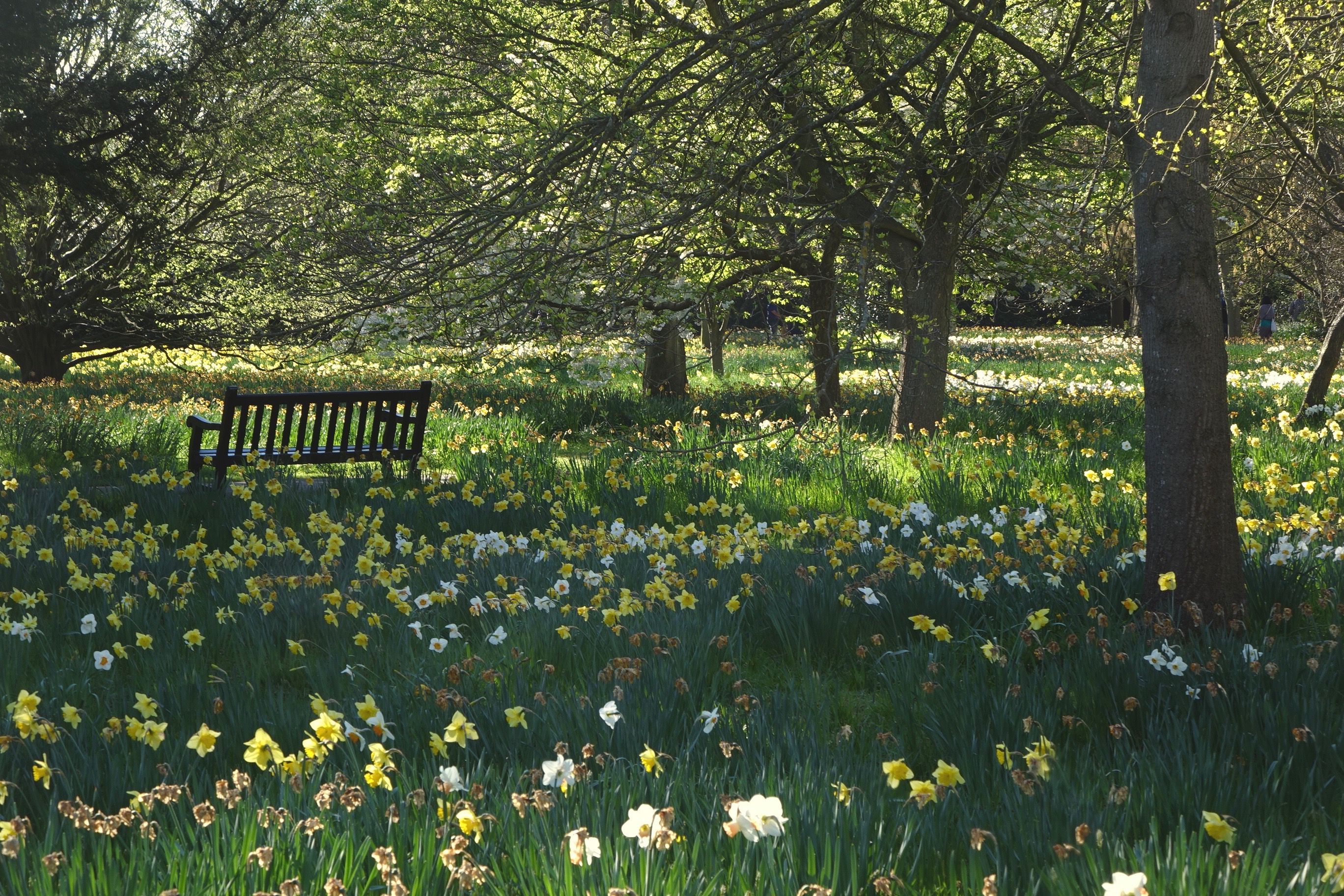
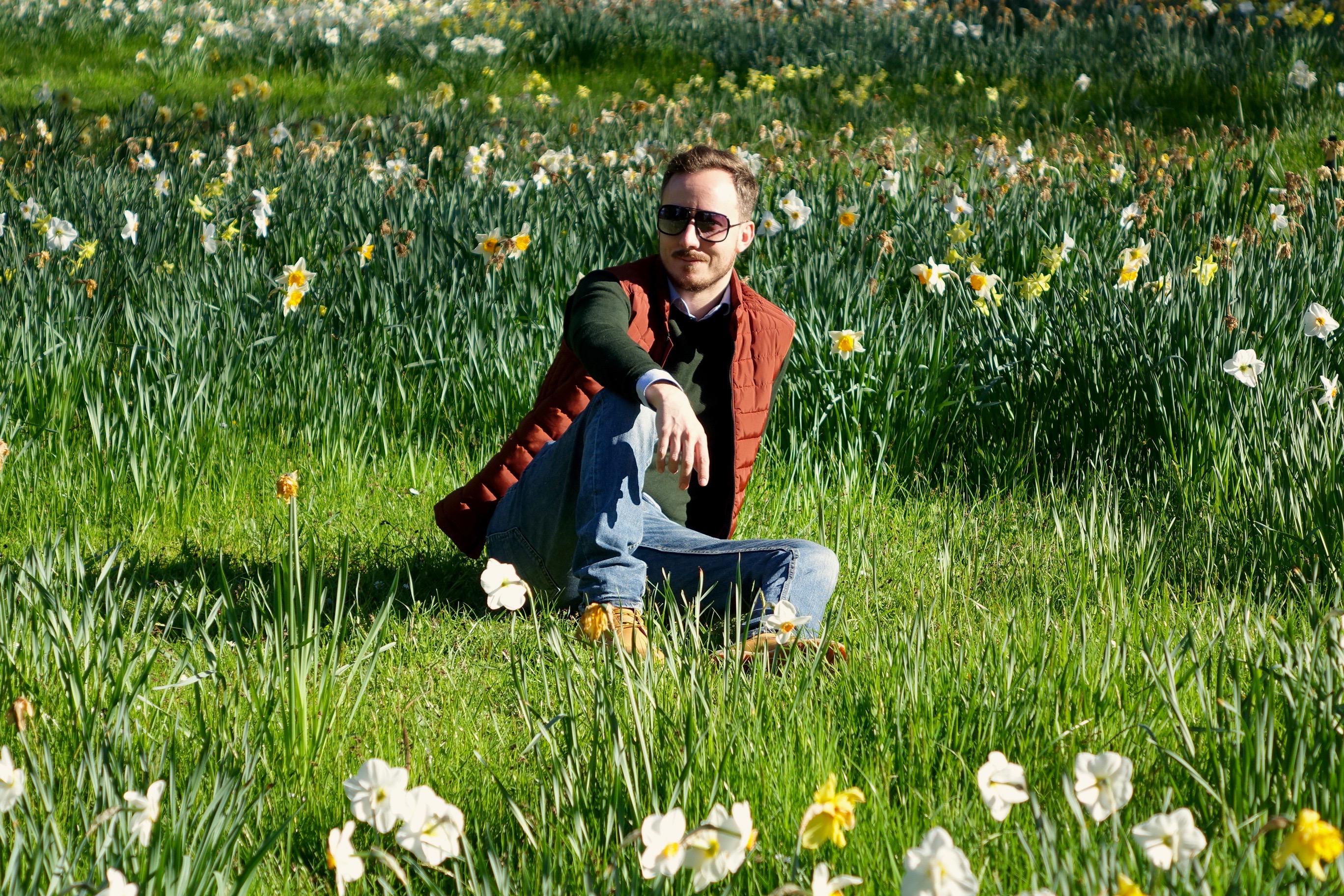
But what the Great Fountain Garden gave in drama, the Wilderness oozed in bucolic tranquillity. Appearing almost wild, this semi-woodland full to the brim with long grasses and beds entirely given over to daffodils was one of my absolute highlights of the visit. As the sun started to dip behind the yellow petals in the late afternoon, a heavenly light seemed to fall over the place, fragmented as it was in an easy peppering of dappled sunlight, as low lying trees burst forth new pale green leaves. The effect was so transformative that I expected a lady in a long flowing dress and a gentleman in a top hat to wander into the scene at any moment. This was surely an impressionist moment worthy of Monet’s brush?

The untamed beauty of the Wilderness

DSC08132DSC08113DSC08120DSC08112DSC08128DSC08101DSC08123DSC08102DSC08104

This day’s final acquaintance with the grounds of Hampton Court served as yet further illustration of the diversity of the gardens which make this Palace much more than its interiors. With their riverside location and semi-rural sensation, it was hard to imagine that we were a mere 30 minutes from the hectic heart of London. Thus we were transformed, not just by history, but by the green and verdant landscape which immersed us in an earthly paradise one very happy Sunday afternoon.

© Nicholas de Lacy-Brown and The Daily Norm, 2001-2017. Unauthorized use and/or duplication of the material, whether written work, photography or artwork, included within The Daily Norm without express and written permission from The Daily Norm’s author and/or owner is strictly prohibited. 
Hampton Court Palace, Part 1: Manicured Gardens

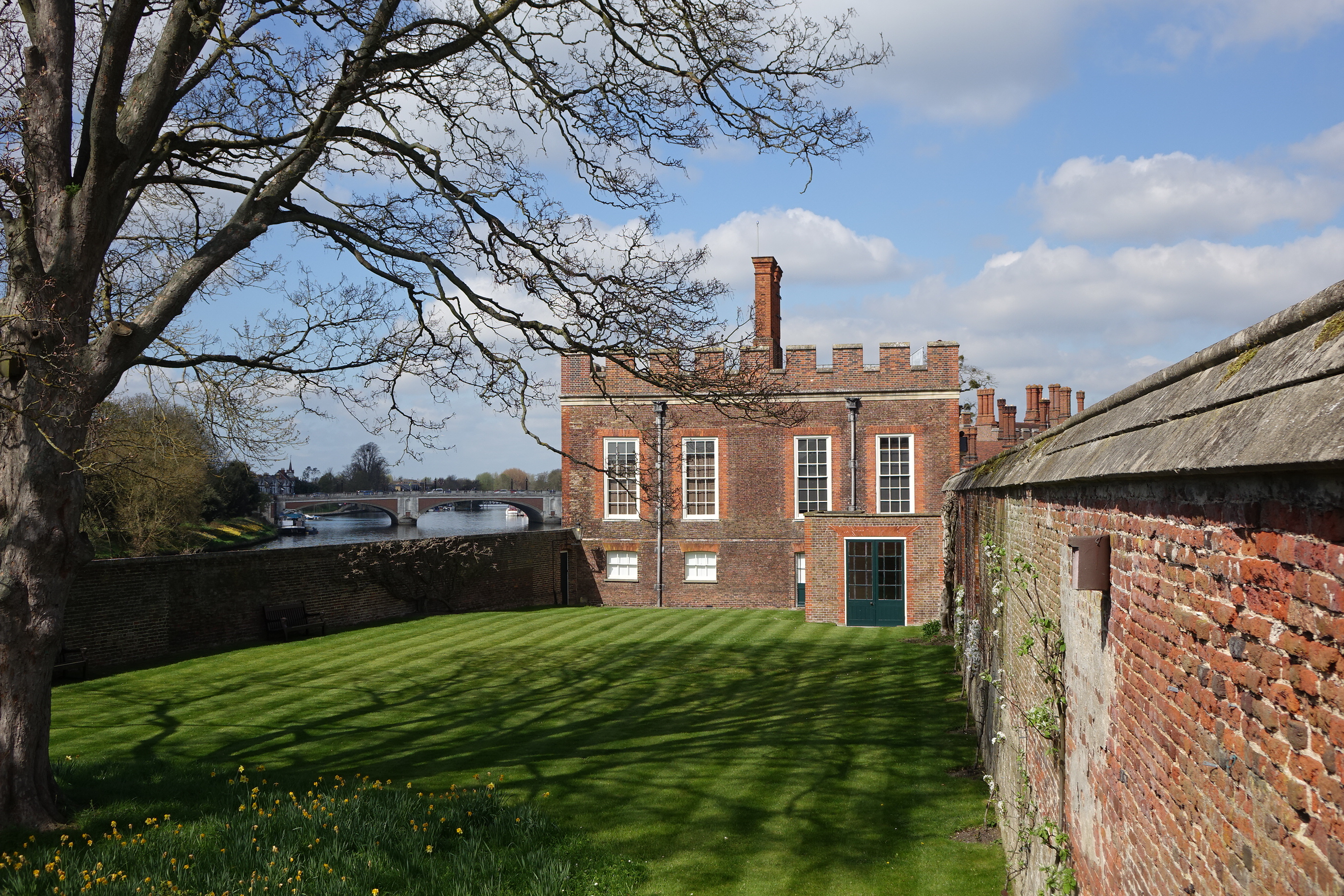
It’s always a wonderful thing to discover that an incredible attraction can be found on your doorstep. And somewhere which is literally 30 minutes by train from your nearest station is not so far from doorstep status, especially when you consider the extent to which those short 30 minutes have the power to transform you from inner city jungle to utter bucolic majesty. Such was my discovery last weekend upon visiting the former home of Henry VIII and his 6 variously fated wives, Hampton Court Palace, which can be found nestling alongside the banks of the Thames a few meandering loops down the river. Our trip to this vast palatial complex was so astounding, so plenteous in its beauty that I have decided to split my experience in three for the sake of The Daily Norm, so that a focus can be had on the various facets that make Hampton Court so incredible.

I must admit that it’s the gardens which really thrill me at Hampton Court. The inside has its merits, naturally. The Chapel Royal is pretty much one of the most stunning historic spaces in the United Kingdom. But the interiors also have the potential to disconcert, as one is led from the Tudor quarters, steeped in the gothic gloom of the age, to the more luminescent baroque rebuild instituted by William and Mary of Orange in the late 17th Century. The result is fragmentary and disorientating. It is like visiting two very distinct palaces, albeit that from the outside, there is a certain level of unity achieved by the uniform use of a rich pink stone. And it is outside where this little photographic tour begins.

The Privy Garden and the Banqueting House

DSC07894DSC07872DSC07887DSC07890DSC07922DSC07892DSC07928DSC07911DSC07905DSC07900DSC07899DSC07909DSC07860DSC07857DSC07863

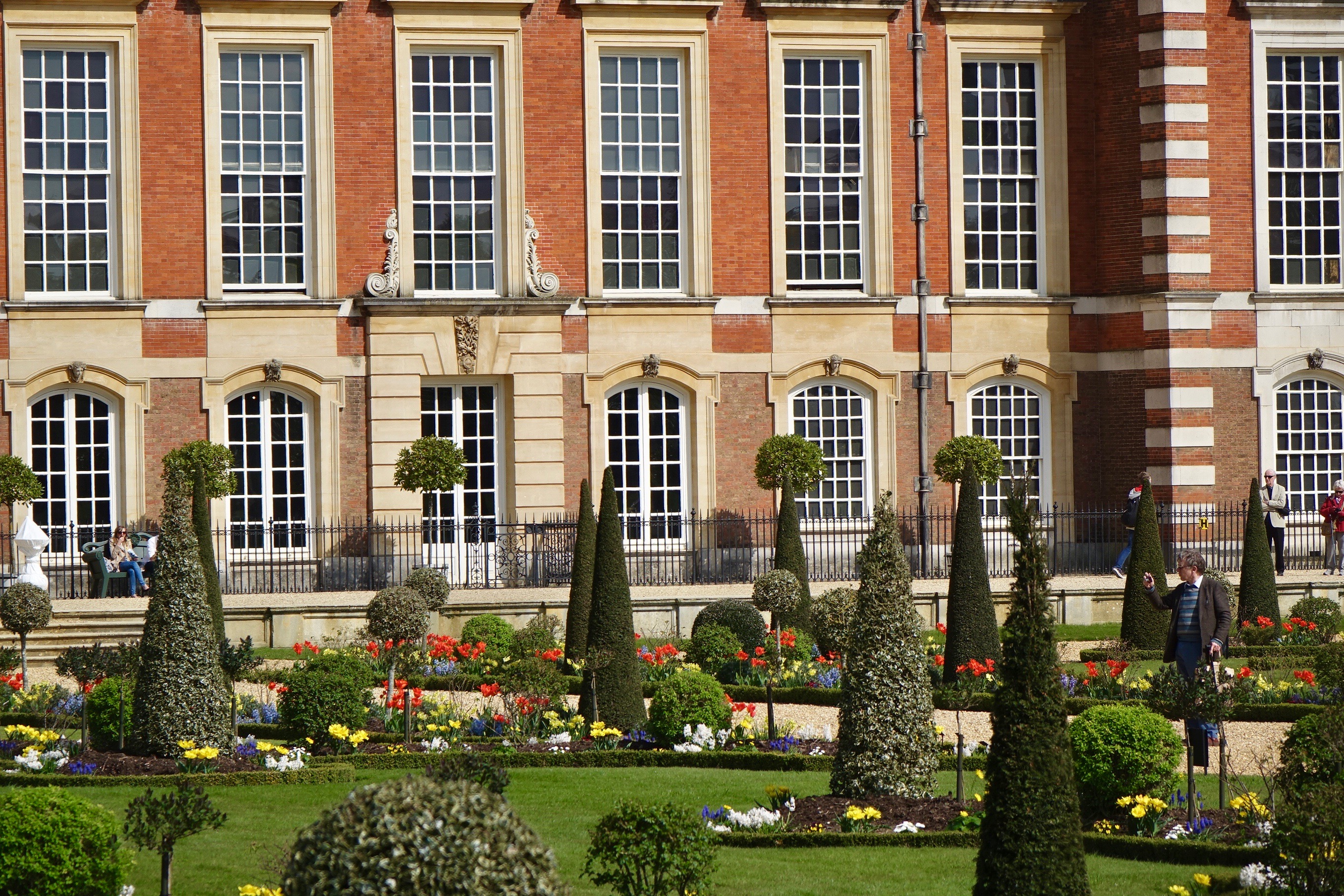
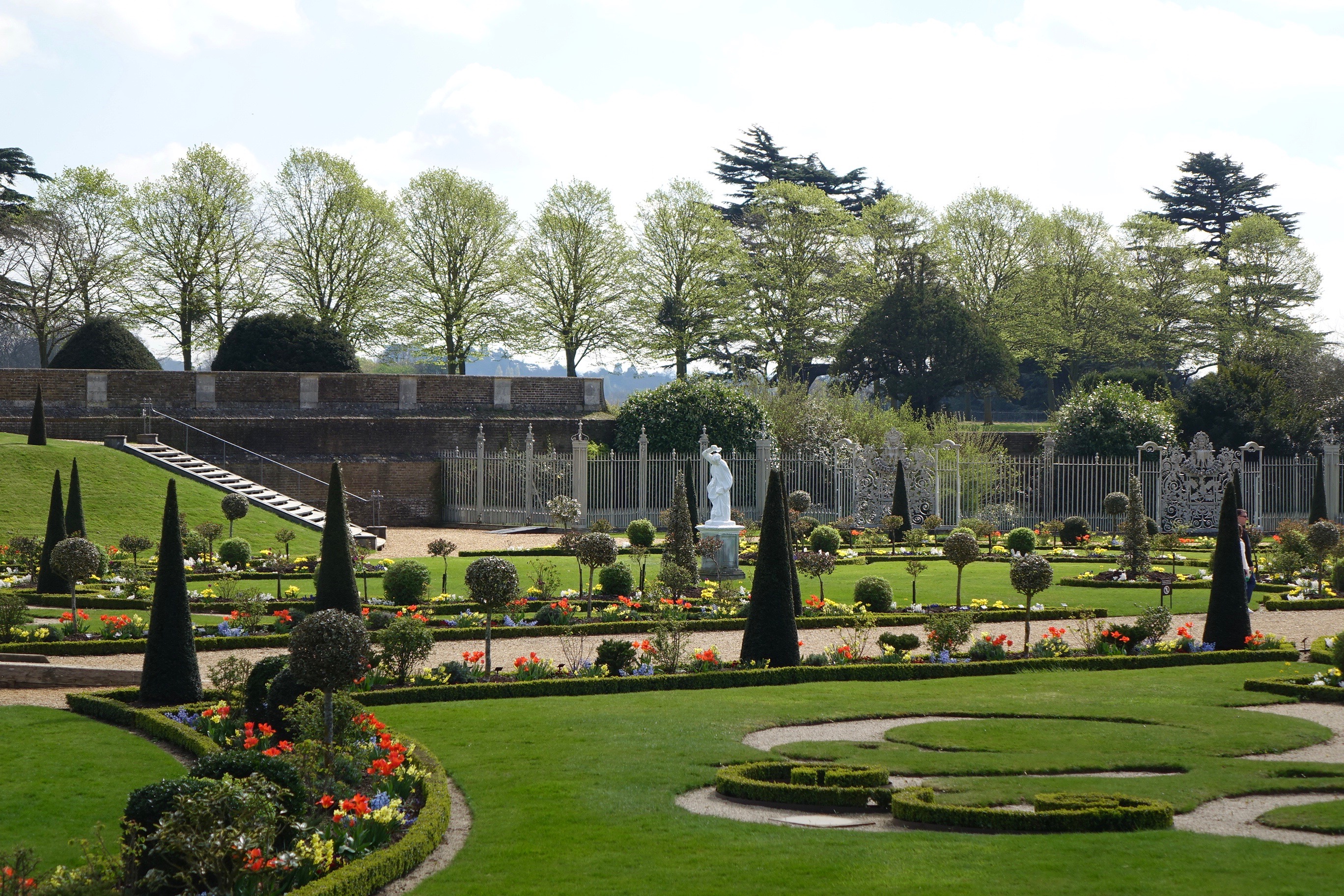
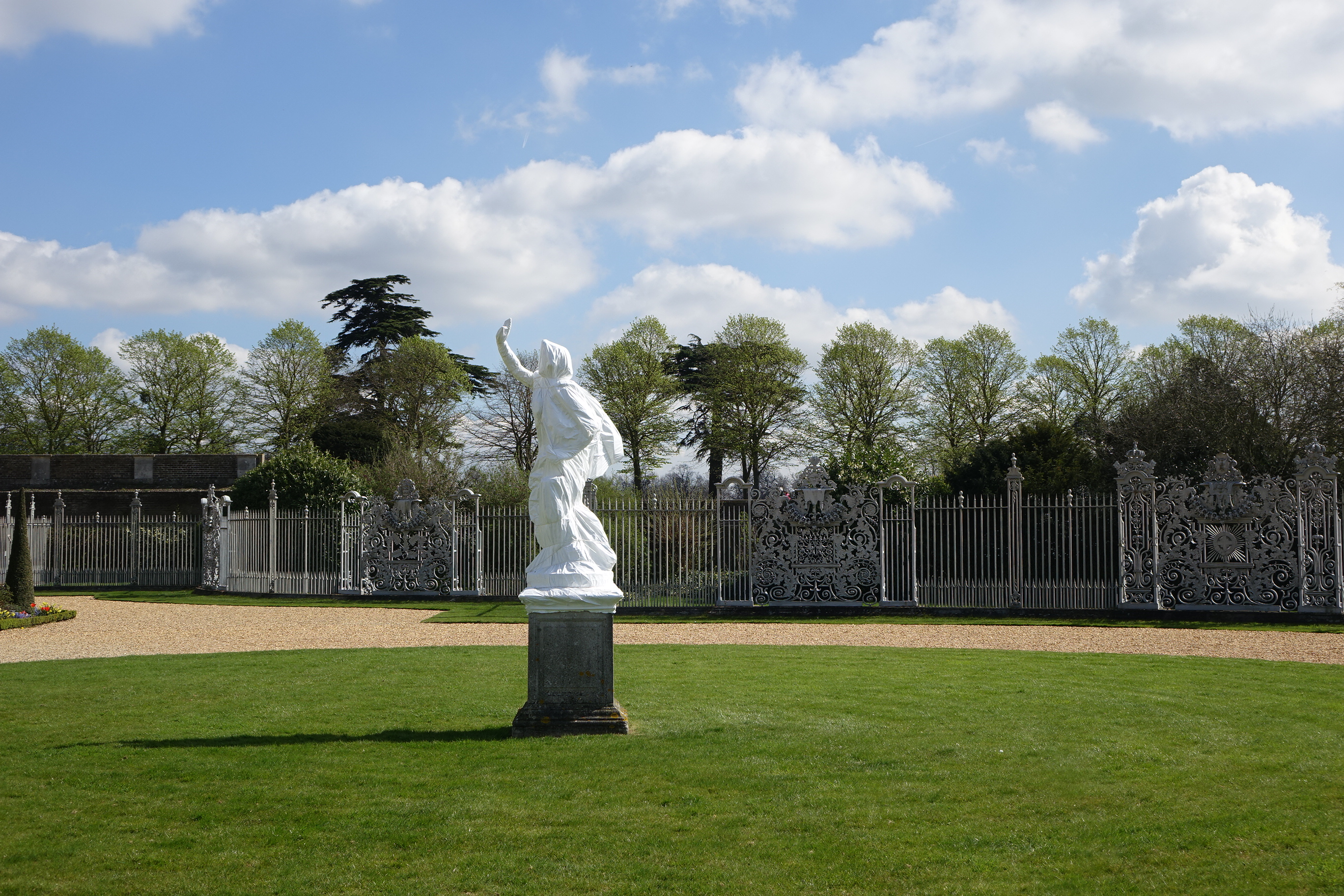
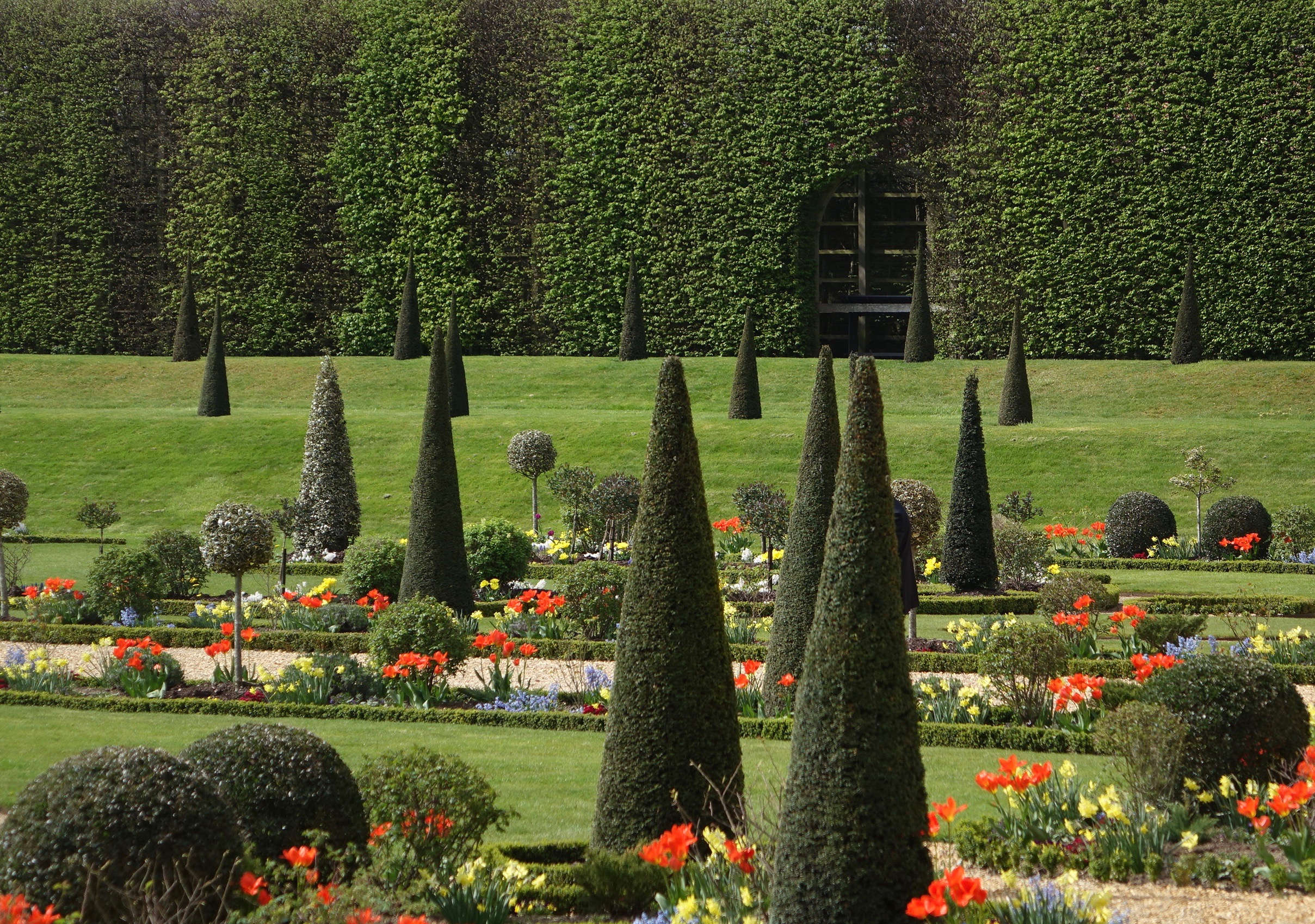
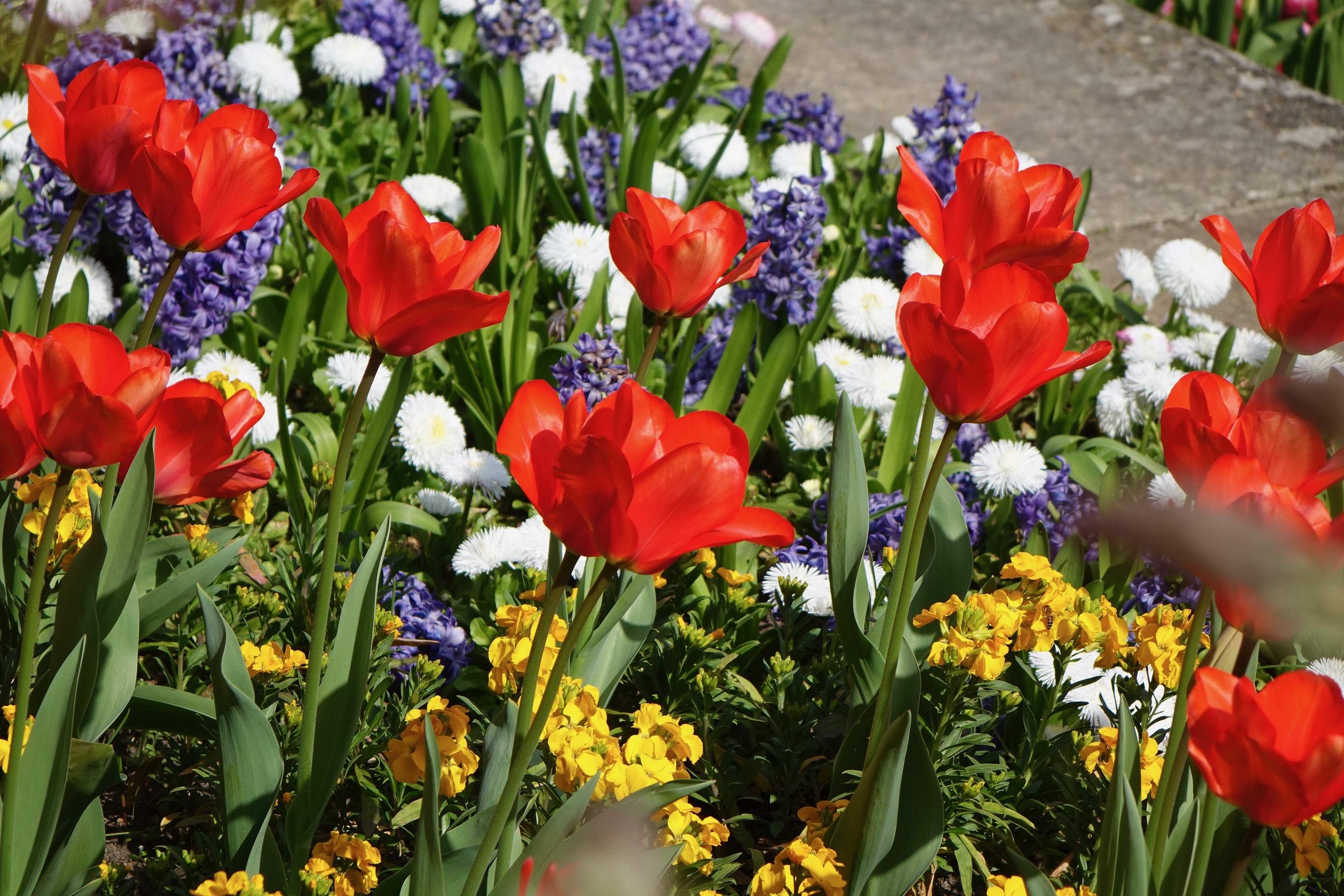
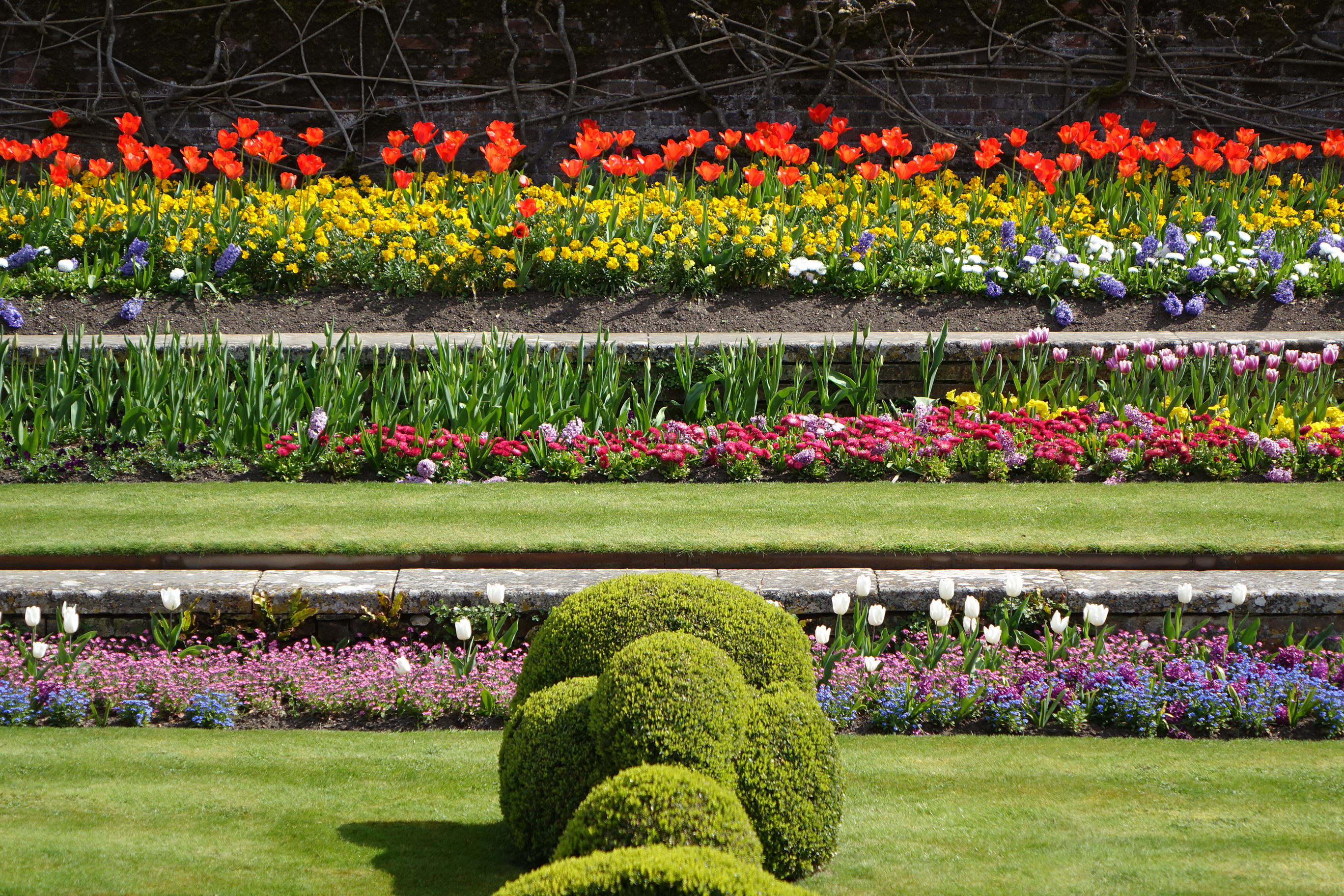
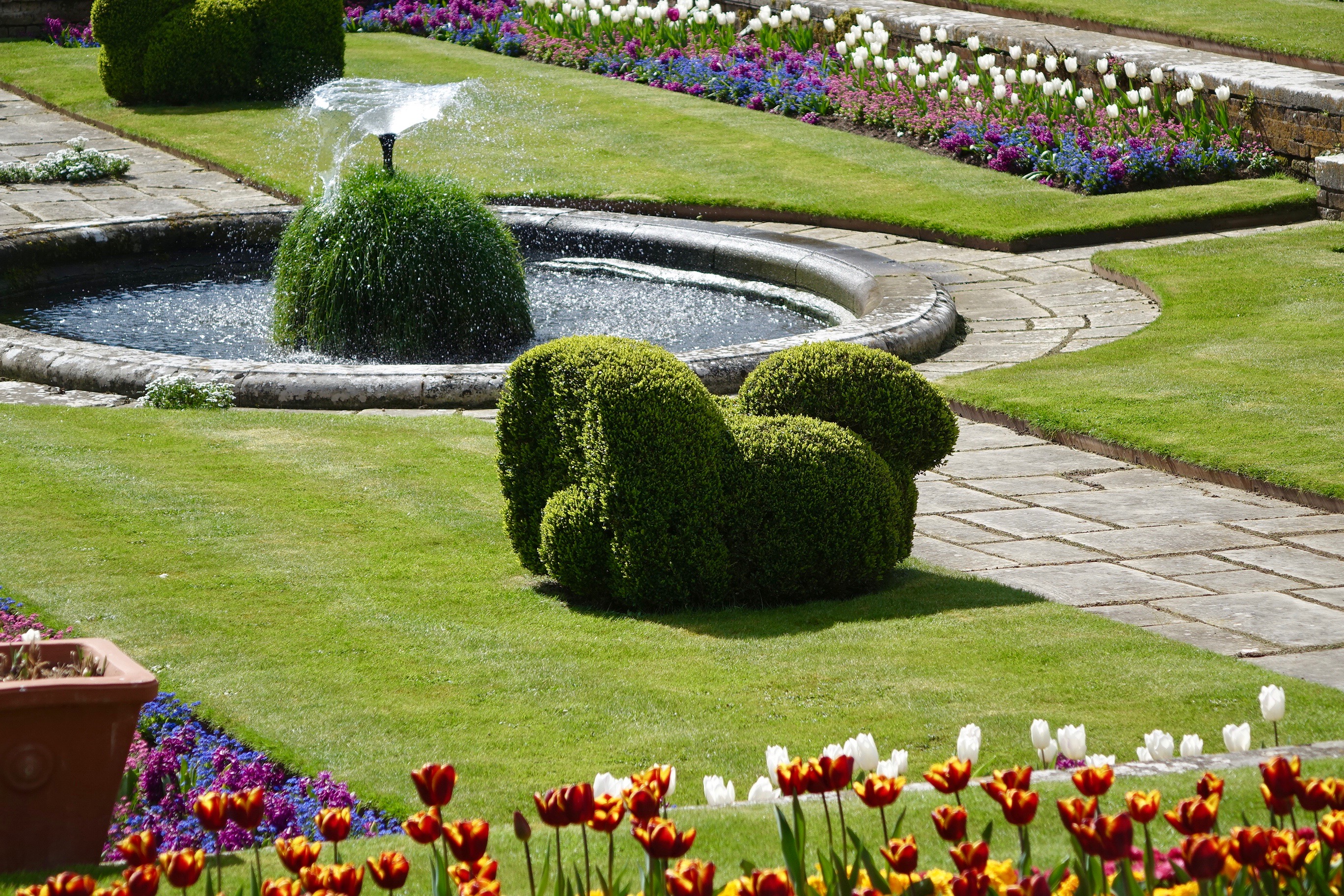
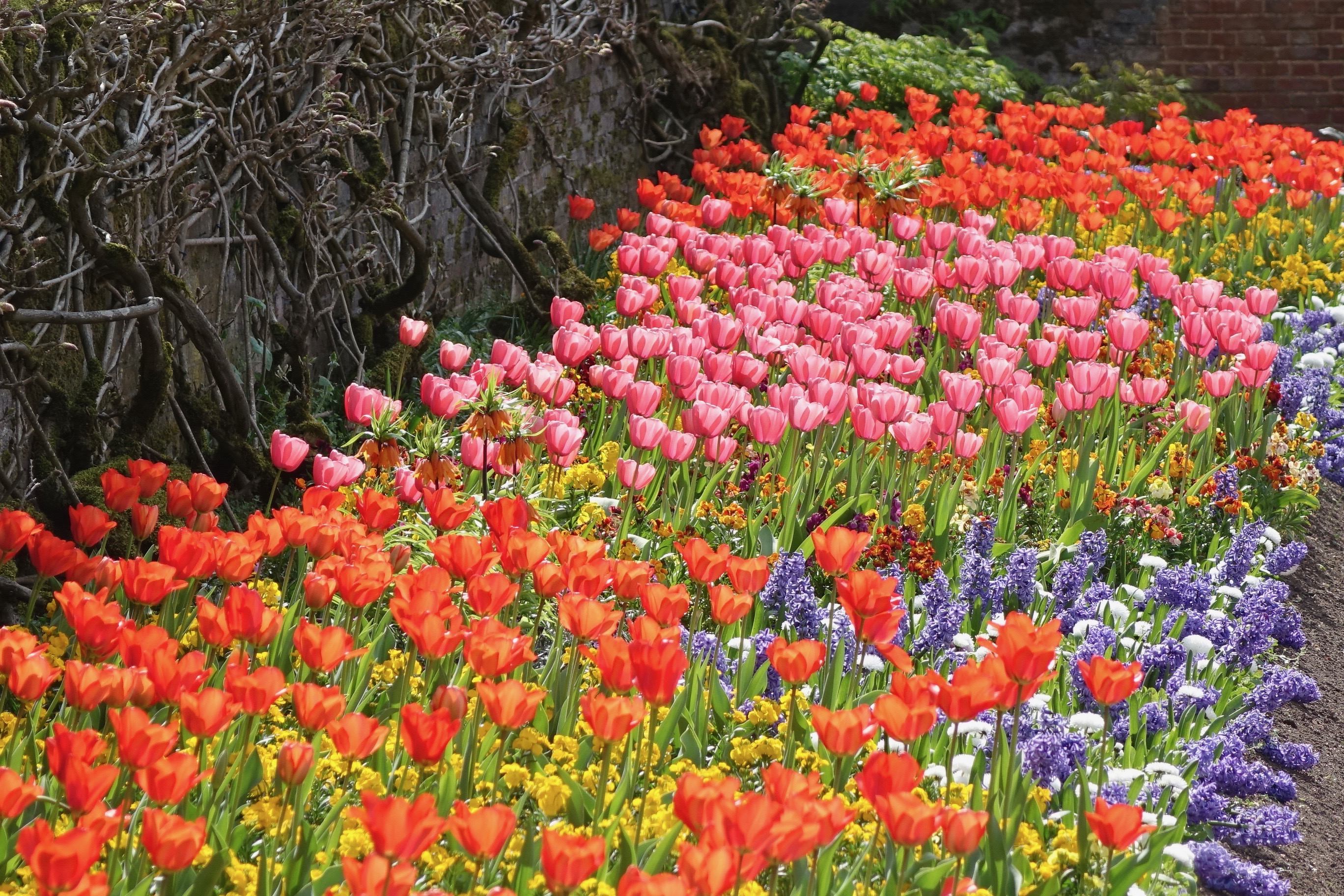
In my naivety, I thought that a visit during April may be too early to enjoy the gardens. How wrong I was, for the timing enabled us to enjoy the most spectacular array of Spring flowers I have ever seen. In the Privy Garden, the elegant South-facing walled garden extending towards the River’s edge and containing rows of manicured conical hollies and yews lining a perfectly geometric system of paths, tulips in vibrant shades of red and yellow danced in the sunlight and contrasted brilliantly against sky blue hyacinths which filled the air with their fragrance. In the cosy walled Pond Gardens just beyond, the abundance of flowers increased as floral collections were displayed in rich strata of contrasting height and colour to create a ravishing spectacle of nature’s brilliance. I don’t think I ever saw such a variety of tulips, nor so well choreographed an exhibition of this glorious Spring flower.

The Pond Gardens, the Knot Garden and the Orangery 

DSC07978DSC07971DSC07967DSC07962DSC07956DSC07958DSC07952DSC07951DSC07947DSC07946DSC07929DSC07940DSC07948DSC07932DSC07939

This gardening brilliance continued into a small knot garden, laid out in 1924 to recreate the gardens as they would have been during the Tudor dynasty, and in the Lower Orangery Garden, which flowed from Queen Mary’s passion for collecting exotic plants. Of course the gardens of Hampton Court extend much further than those on this Southern expanse – The Great Fountain Garden is so grand as to be worthy of a post all of its own – and will surely get one in a few days time… But for now, I wanted to share photos of these more manicured gardens. Spaces so vividly enriched by their floral abundance, and so satisfyingly regimental in their layout and design that I could have remained there admiring them forever, especially during these happy days of Spring.

© Nicholas de Lacy-Brown and The Daily Norm, 2001-2017. Unauthorized use and/or duplication of the material, whether written work, photography or artwork, included within The Daily Norm without express and written permission from The Daily Norm’s author and/or owner is strictly prohibited. 
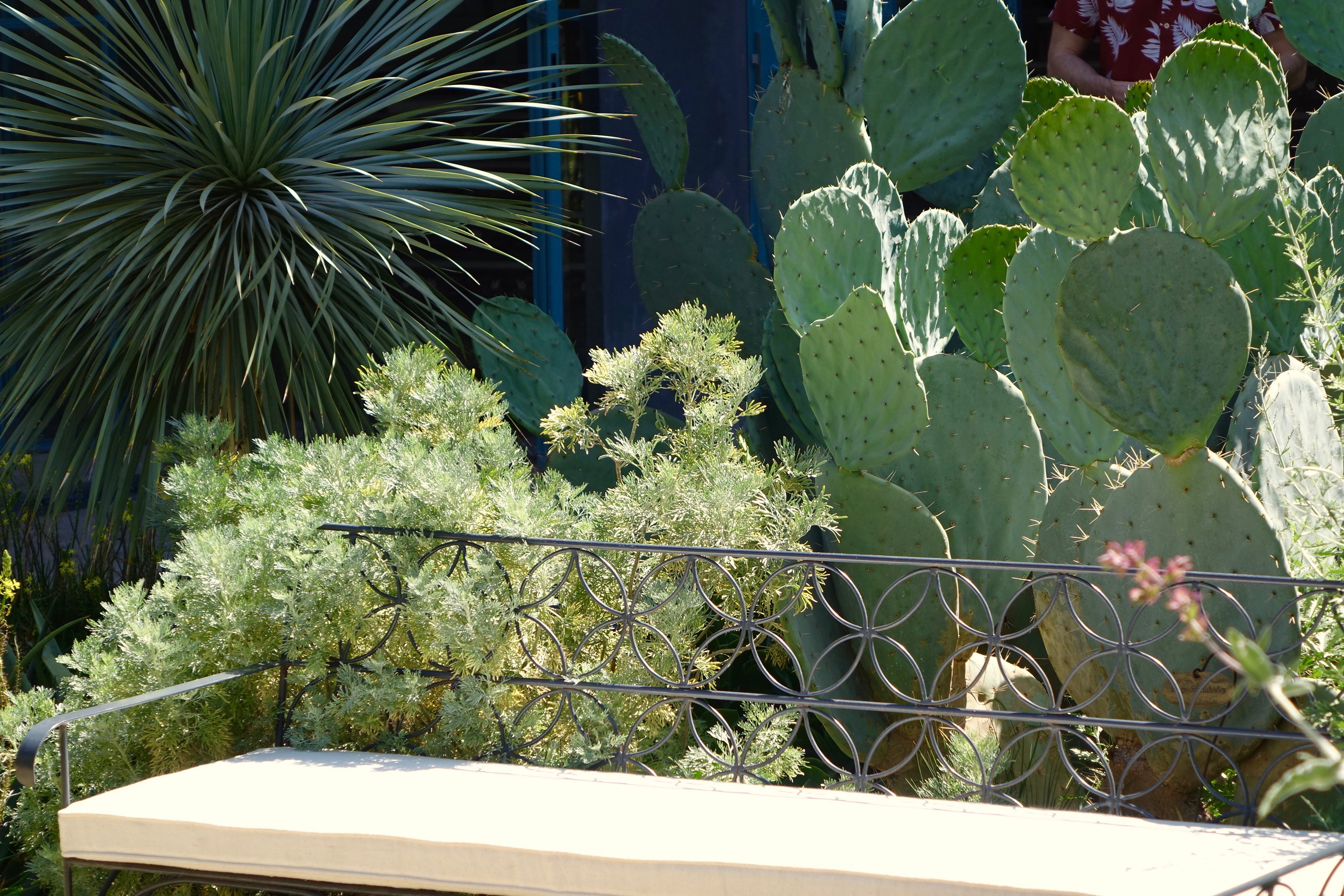
Discovering Mallorca: Botanical Soller

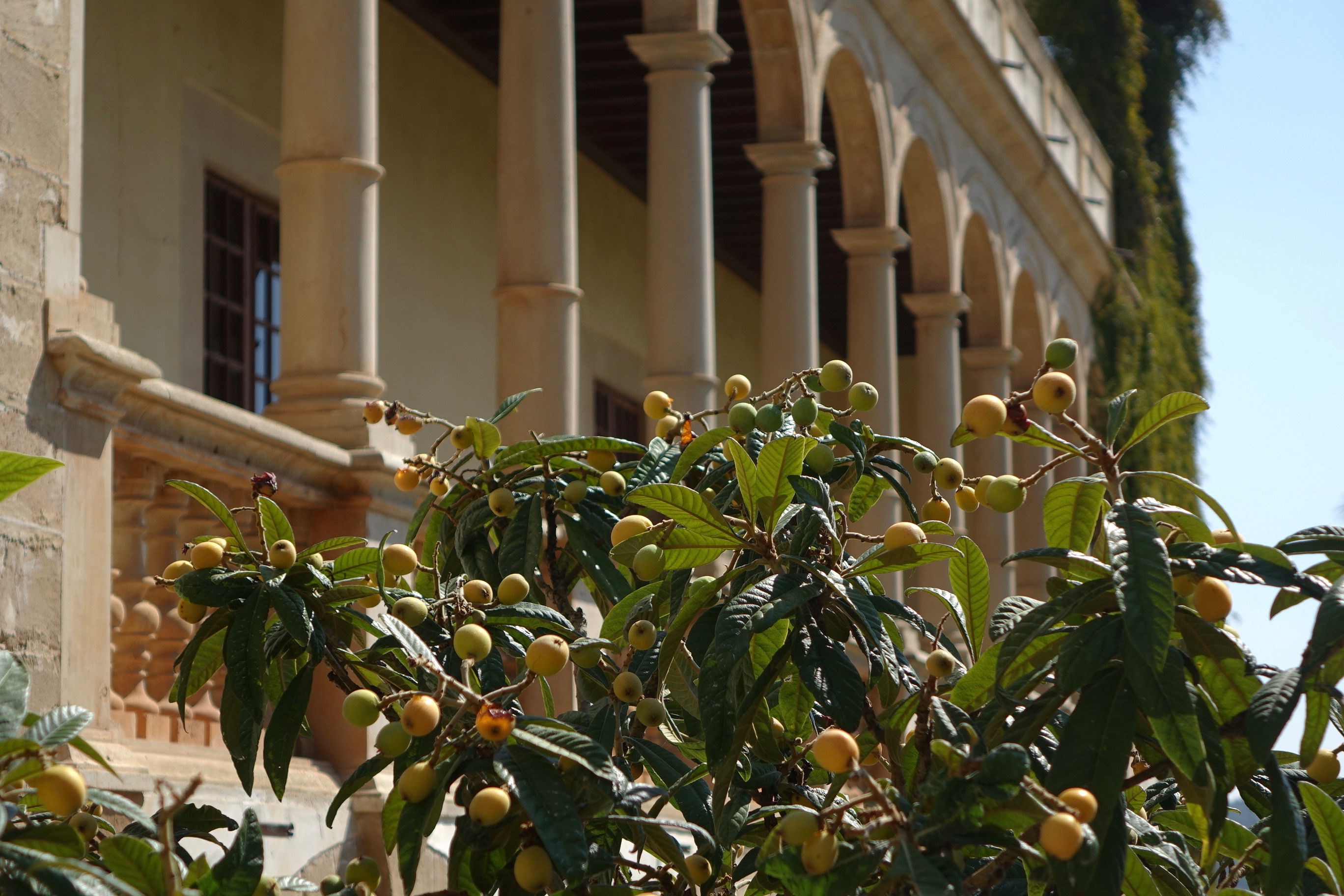
Were I forced to choose between a beach and a garden, I would take a garden any day. For as enticing as the charms of a beach may be, it is the dappled shady paradise created by a sunny, richly planted garden which for me represents earth’s most sublime elysium. While the island of Mallorca may be famous for its beaches, the proportion of gardens is far lower. Having paid a visit to pretty much all of those beautiful gardens which do exist, amongst them the lush Renaissance terraces of the Raixa, and the arabic tilled patios of the Alfabia Gardens, I had one left on the list to enjoy – the Botanical Gardens in the citrus rich mountainous valley of Soller.

dsc06261dsc06177dsc06219dsc06272dsc06283dsc06252dsc06143dsc06151dsc06330dsc06154dsc06306

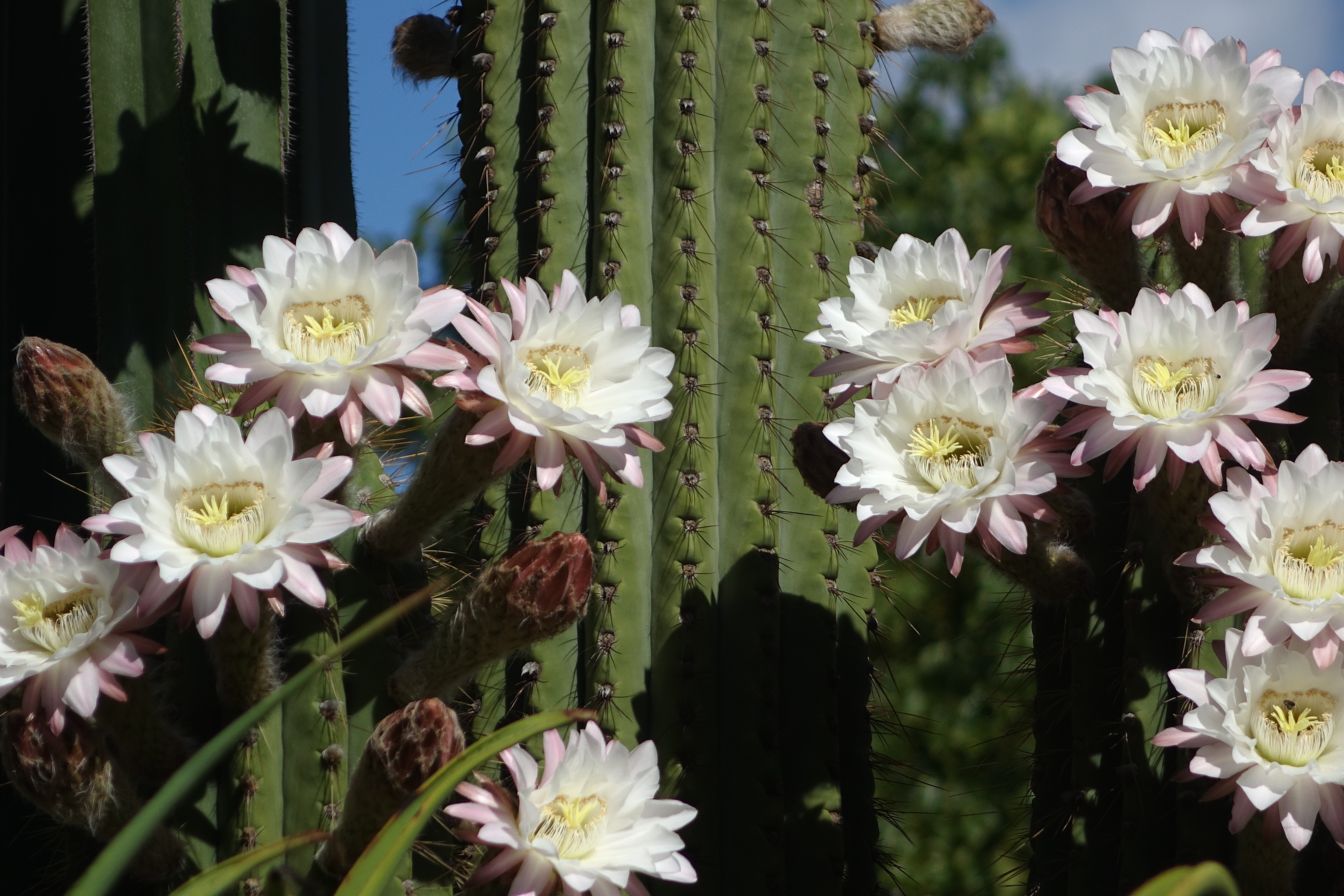
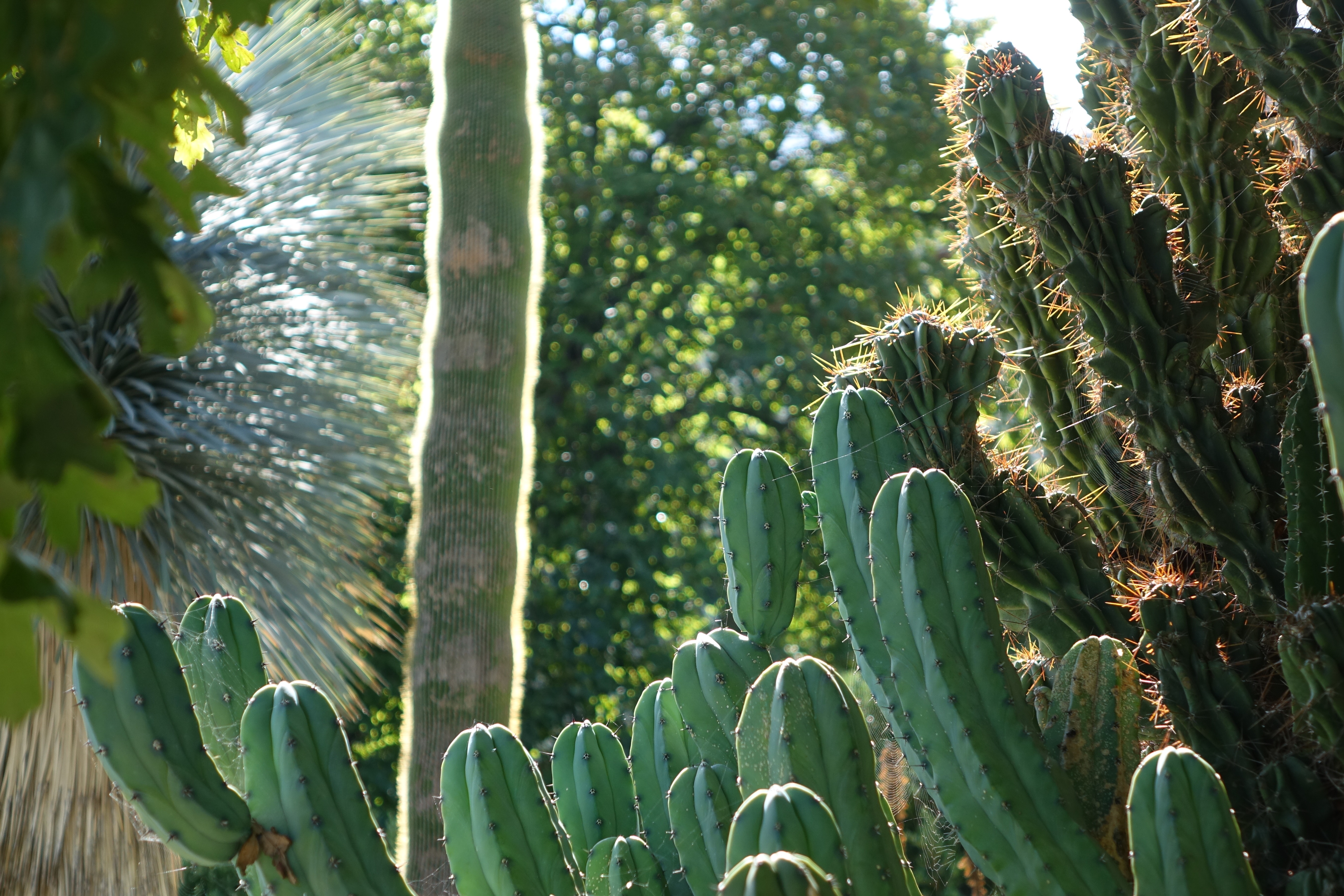
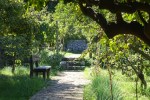
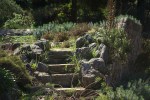
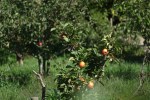
Soller’s Botanical Gardens did not disappoint. Created in 1985 as a centre for the conservation, study and understanding of Mediterranean flora, the garden is carefully split into diversely collected plant zones, from the cacti of the Canaries to local Balearic fruit varieties. And while many consider the Spring as a perfect time to make a visit to a garden, the autumn turned out to be a fine alternative, blessing our visit with an exquisite caramel light, and enabling for the enjoyment of a ripe harvest of shiny pink apples, ruby red peppers and yellowing citrus.

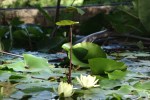
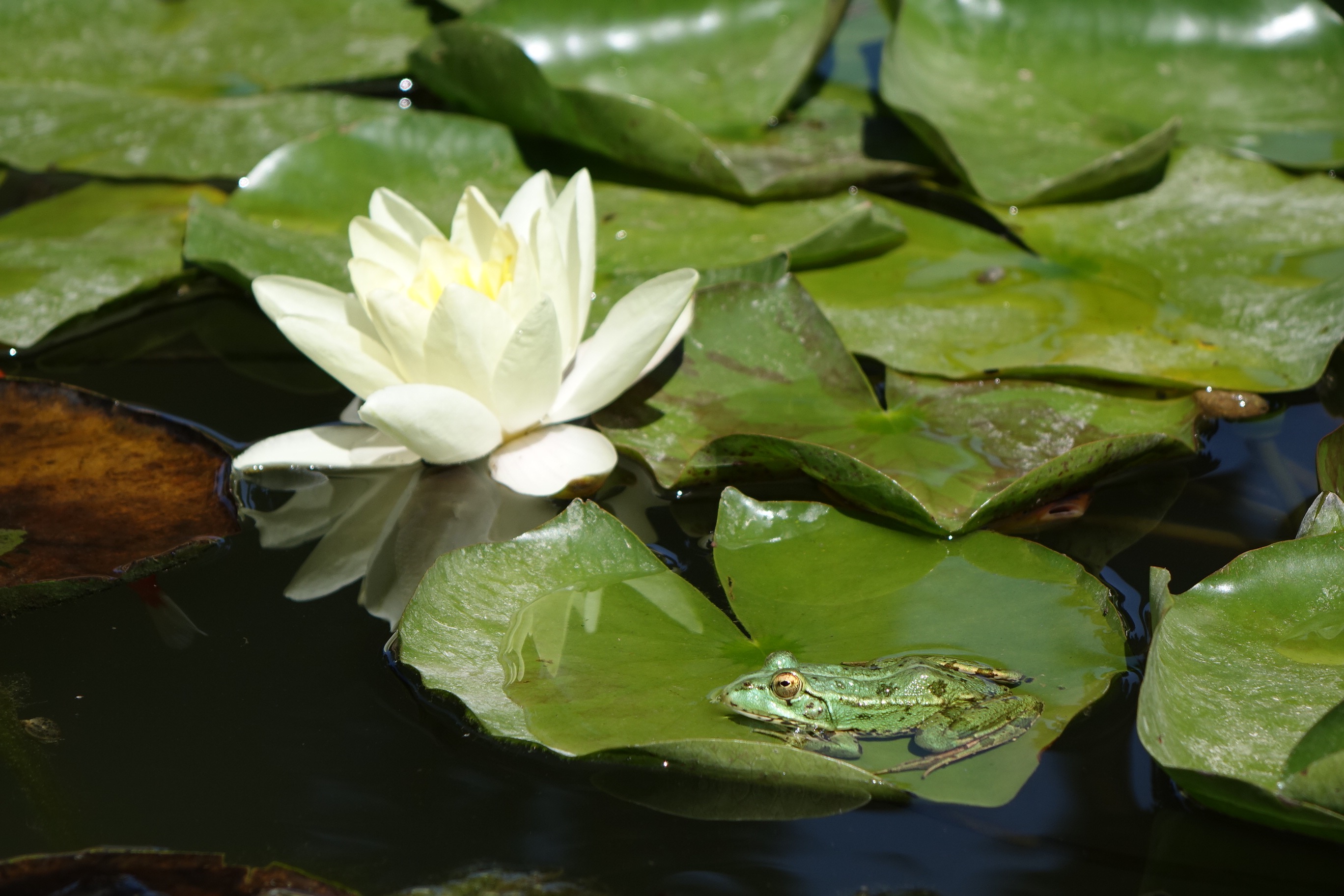
Surrounded by the dramatic landscape of the Tramuntana mountains, and benefiting from the coverage of numerous tree varieties, the garden was filled with both inspirational views and sun dappled corners made for meditative enjoyment. My favourite corner had to be the wetlands area, where a pond full of bountiful waterlilies was alive with the diving dance of dragonflies, whose rare and occasional pause on a leaf or bulrush enabled a truly unique appreciation of this fragile and elegant creature.

As ever, a garden proved that in life, the best moments are those which enable us to pause and appreciate the beautiful little things that occur naturally all around us.

© Nicholas de Lacy-Brown and The Daily Norm, 2001-2016. Unauthorized use and/or duplication of the material, whether written work, photography or artwork, included within The Daily Norm without express and written permission from The Daily Norm’s author and/or owner is strictly prohibited. For more information on the work of Nicholas de Lacy-Brown, head to his art website at www.delacybrown.com
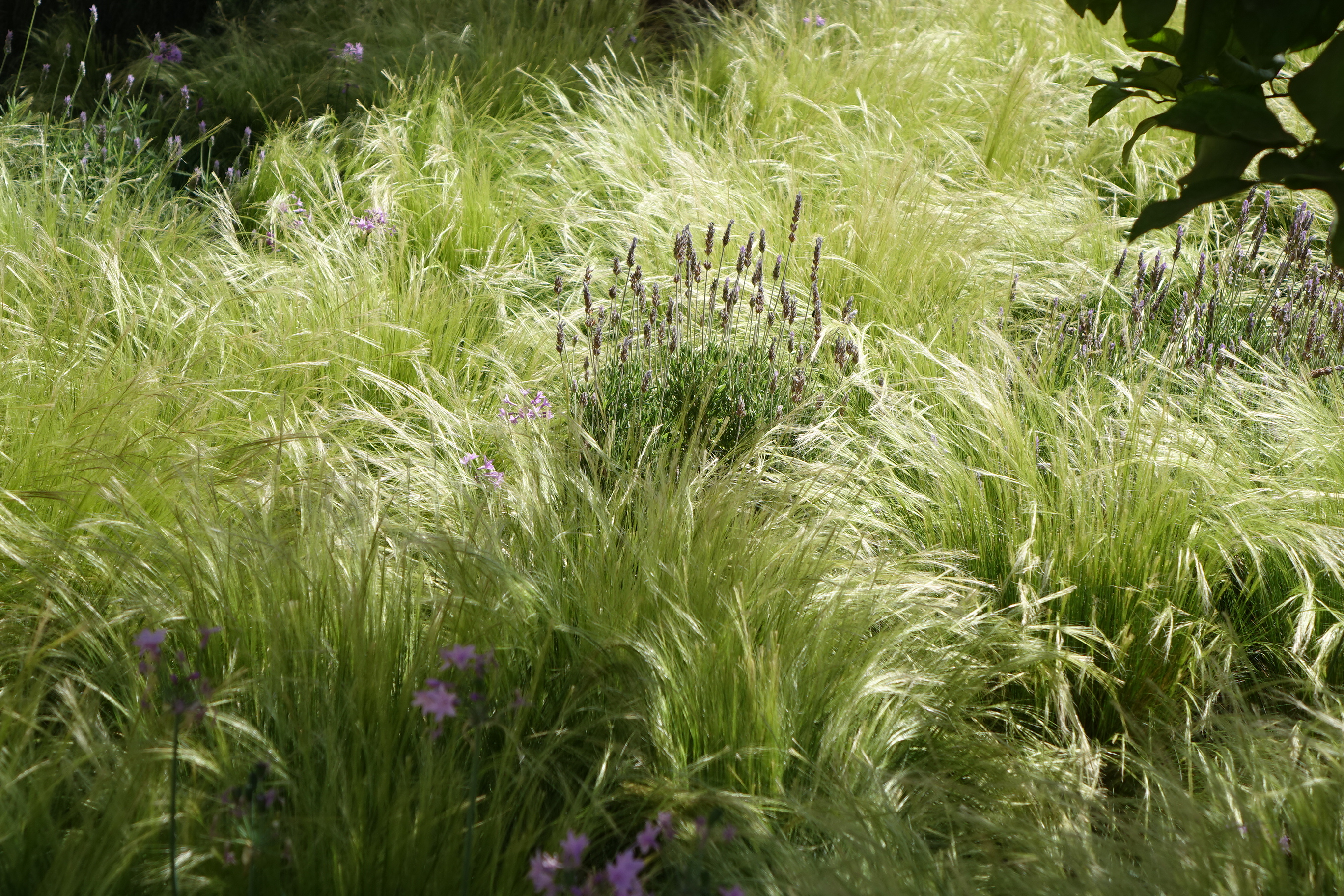
The Greatness of Granada, Part 4: Lorca’s Legacy

Federico Garcia Lorca was easily one of Spain’s greatest ever creative talents, and his premature death at the hands of Franco’s fascists one of its greatest tragedies.

Lorca was many things. Artist, poet, playwright, musician, but across the board he was a true Andalucían, a man whose sensitive heart was worn on a sleeve embroidered from the sun of the south, and whose soul was moved by Granada’s gypsy cry. Reading Lorca’s poetry in both Spanish and even in English is to take a path across the heat-baked planes of the South of Spain. His words resonate with the visceral emotion which Andalucía lays bare. His verses are characterised by a spirit lifted free by the pure power of the sun’s optimism and the darker mysteries of the night.

Gardens of the Huerta de San Vicente today

DSC04115DSC04143DSC04129DSC04098DSC04127DSC04120DSC04100DSC04114DSC04110

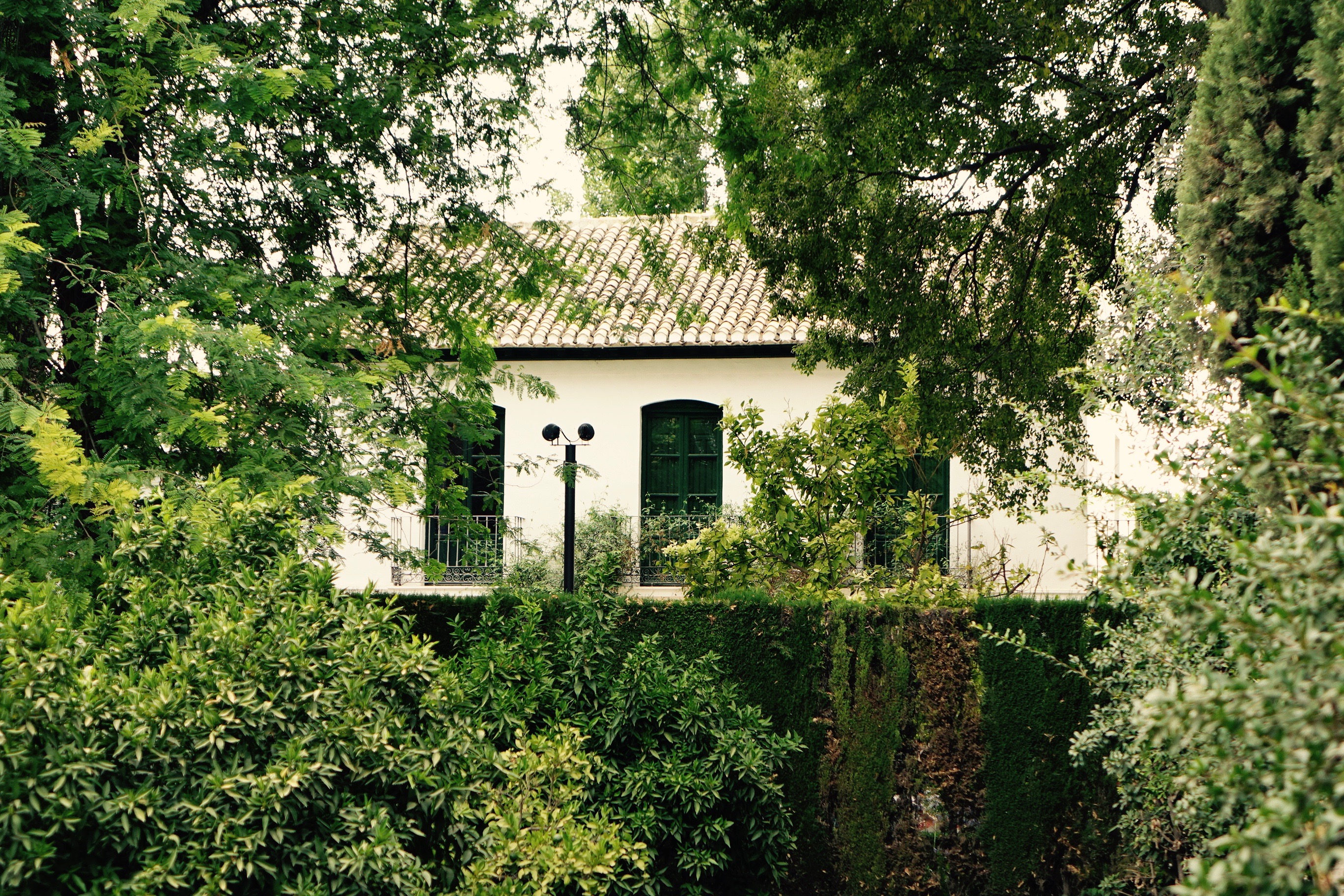
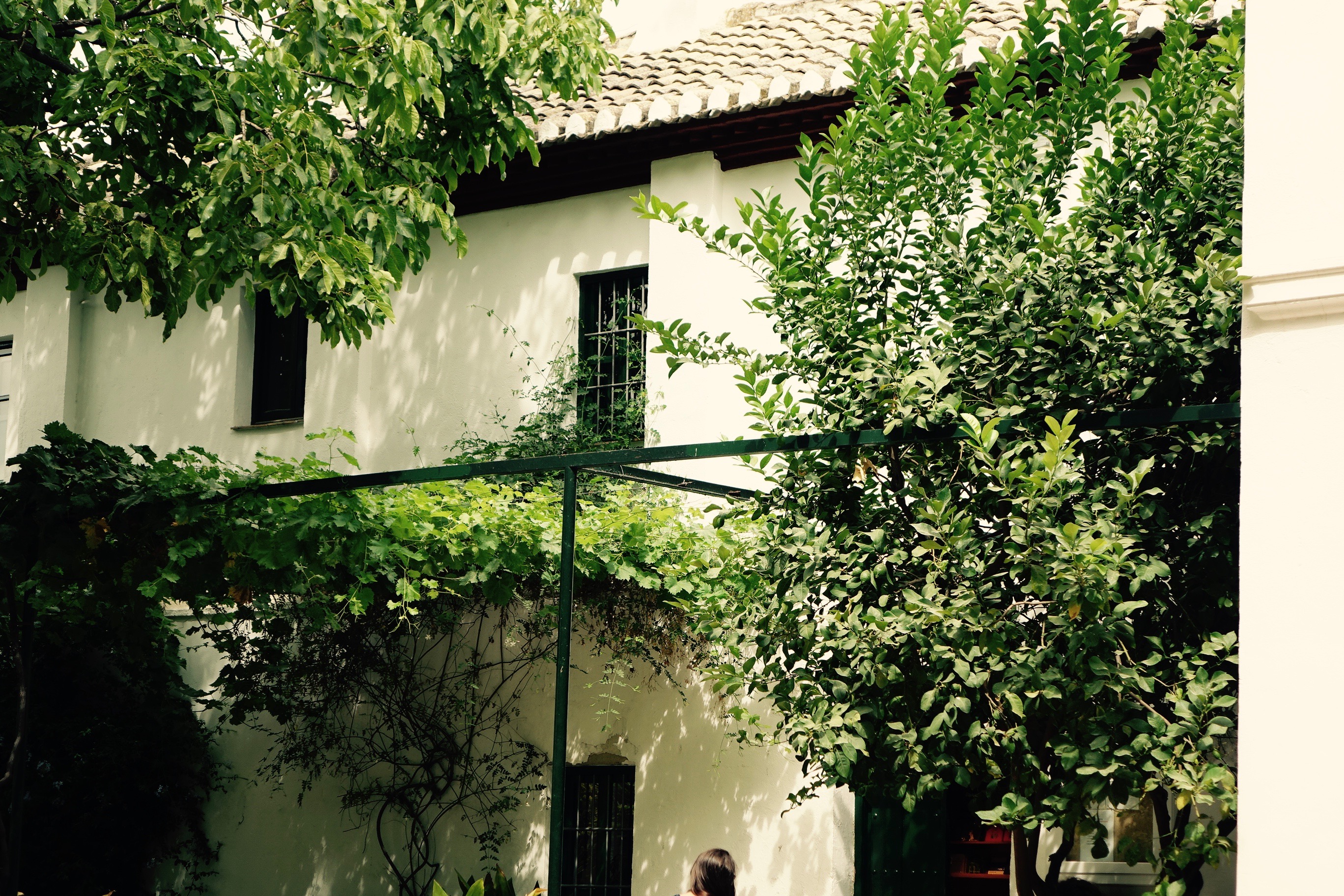
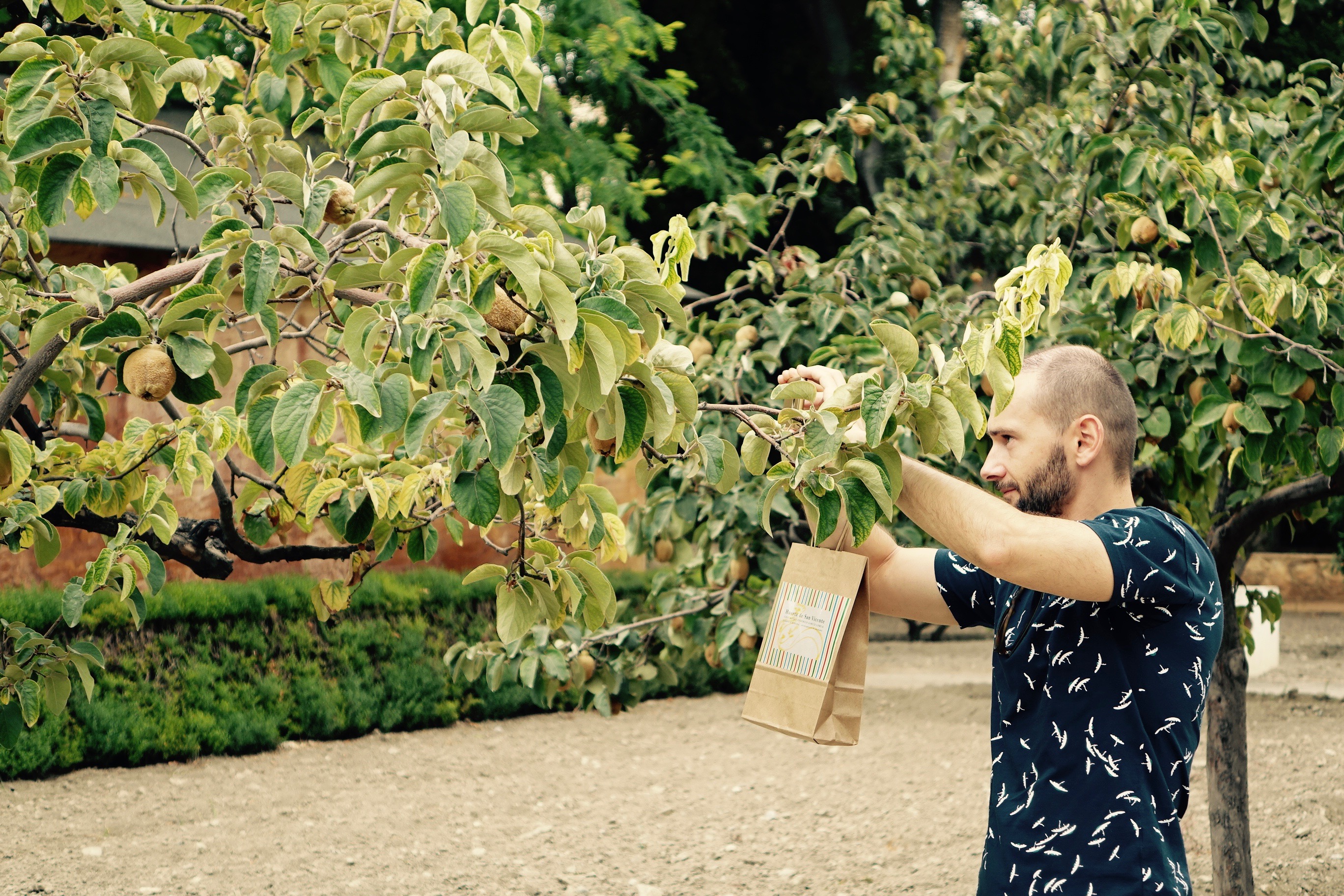
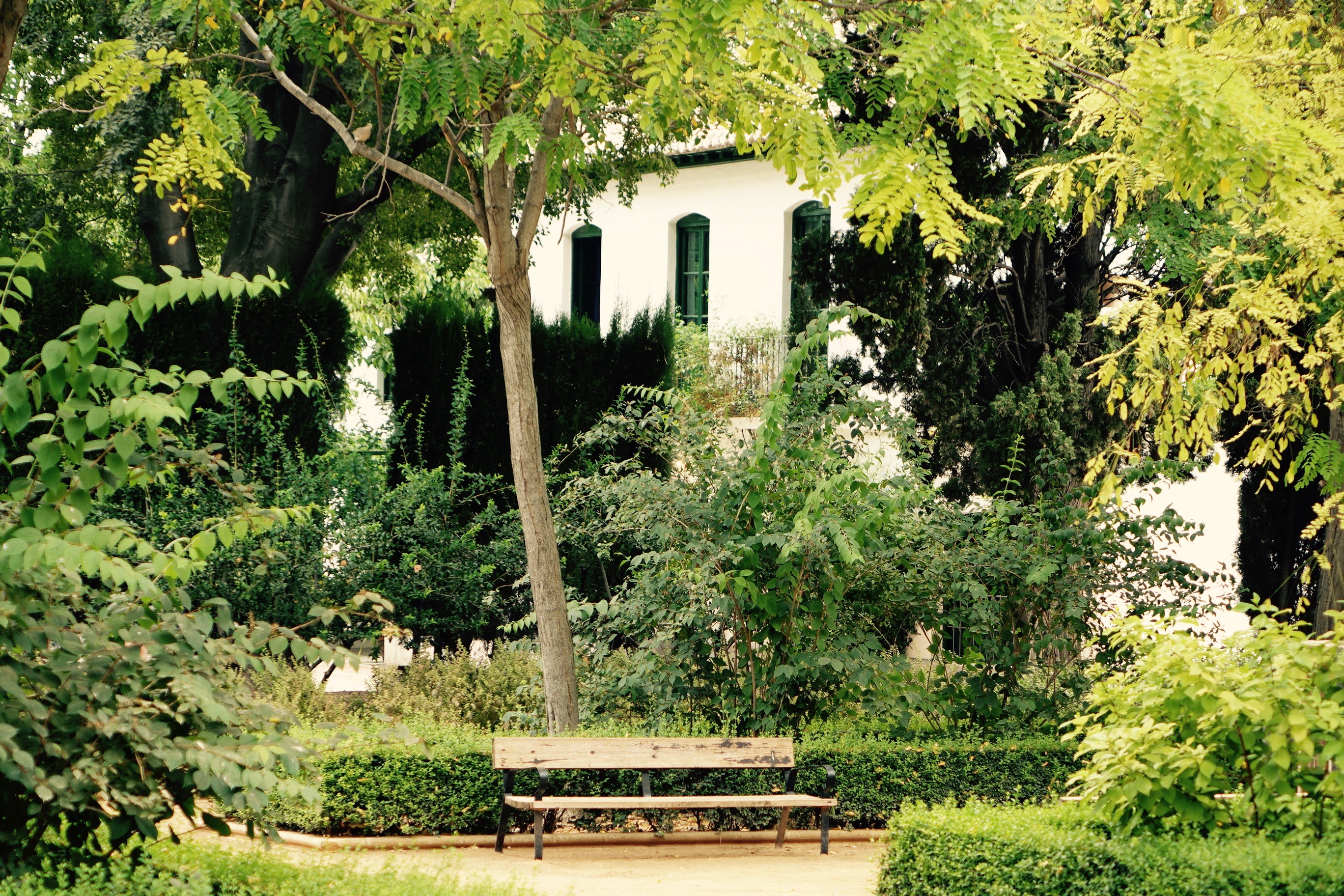
Lorca, Granada’s favourite son, is everywhere in the city. He was the fresh human face of a city otherwise characterised by its ancient history. And today his forward thinking mind and bohemian spirit fits perfectly with the 21st century manifestation of Granada. While his tragic loss in the early months of the Spanish Civil War took Lorca from the city long ago, a reminder of his life in his most devoted home town remains in the form of the Huerta de San Vicente, the Lorca’s happy holiday home on the city’s outskirts. The pretty little white house would once have been surrounded by open countryside. Today, it remains a bucolic enclave in a concrete jungle, but happily the land immediately surrounding it has been converted into a park.

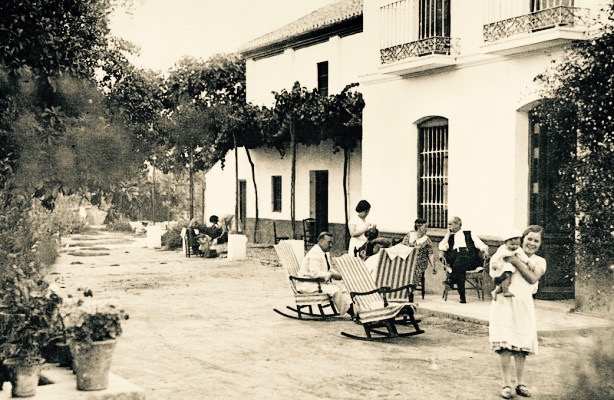
The Huerta de San Vicente in Lorca’s day

lfgl_1935_2lorca2015081722063827189

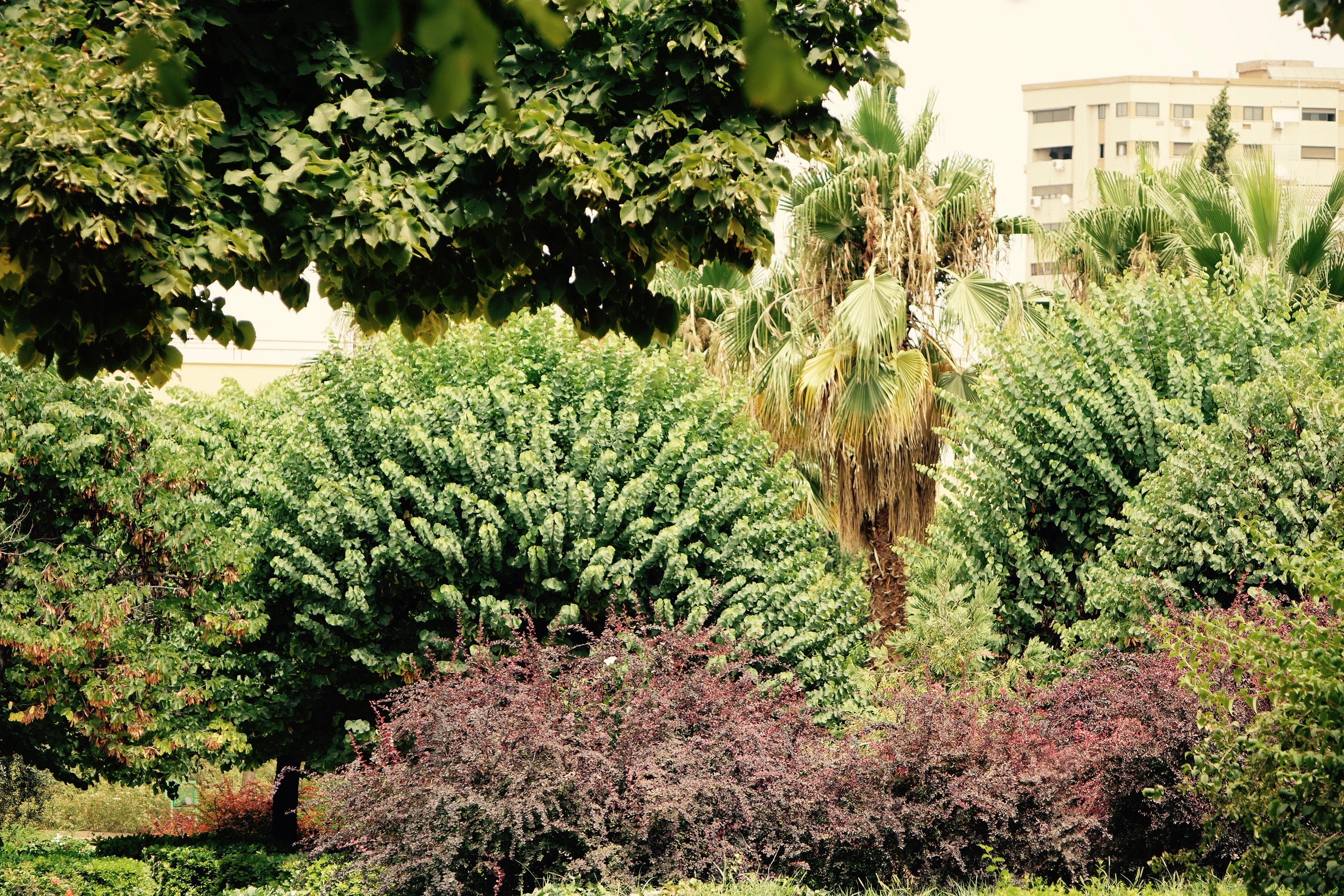
Lavishly planted with roses and agapanthus, cypress trees and palms, it a garden of reflection whose mood is somehow rendered all the more romantic by association with the home of a poet who used to find so much inspiration here. In fact Lorca was so moved by the Huerta that he used to refer to it as his “Poetry factory”. The energy which drove him to write the most spectacular poetry ripples through the house today, and the ability to walk within and around this space remains for me a true highlight of any Granada trip. It is a home exuding the creative energy and the familial love which was so clearly integral to Lorca’s writing, and the foundation of his overflowing love for the city which continued to inspire him right up until the end.

DSC04104DSC04102DSC04128DSC04109DSC04095DSC04105DSC04106DSC04107DSC04113DSC04091

That inspiration resulted in the most stunning body of written works which today is Lorca’s lasting and most precious legacy. Moved by our visit to the Huerta, Dominik and I would sit up at night, both in Granada and then besides our jasmine tree in Marbella, reciting his verses, first in Spanish and then in English, loving how the sound of his verses would run over the tongue like water bubbling over a mountain brook, full of free sentiment and the most mellifluous melody.

This post includes my photos of the gardens surrounding the Huerta de San Vicente (photos inside the house were prohibited) as well as a glimpse of how the house, and of course Lorca himself, had looked. But it wouldn’t be complete without a few of his words too. Chosen at random from my precious anthology of his work, it was a coincidence that the page should fall open at a poem written in evident homage to both Granada and nearby Córdoba. It is a perfect demonstration of Lorca’s love for Andalucía, and his ability to capture its soul in just a few expertly chosen words.

lorca_portrait_full

Alba / Dawn

Campanas de Córdoba / Bells of Córdoba
en la madrugada. / in the early hours.
Campanas de amanecer /Bells of dawn
en Granada. / in Granada
Os sienten todas las muchachas / They hear you,
que lloran a la tierna / all the girls who cry
Soleá enlutada. / for the tender Soleá in mourning.
Las muchachas / The girls
de Andalucía la alta / of Andalucía the High
y la baja. / and the low
Las niñas de España, / Young girls of Spain
de pie menudo / with tiny feet
 y temblorosas faldas, / and trembling skirts
que han llenado de luces / who’ve filled the crossroads
las encrucijadas. / with light. 
¡Oh campanas de Córdoba / Oh bells of Córdoba
en la madrugada, / in the early hours
y oh campanas de amanecer / and oh, bells of dawn
en Granada! / in Granada!
 DSC04097

Own photos and written content are strictly the copyright of Nicholas de Lacy-Brown © 2016 and The Daily Norm. All rights are reserved. Unauthorized use and/or duplication of the material, whether written work, photography or artwork, included within The Daily Norm without express and written permission from The Daily Norm’s author and/or owner is strictly prohibited. 
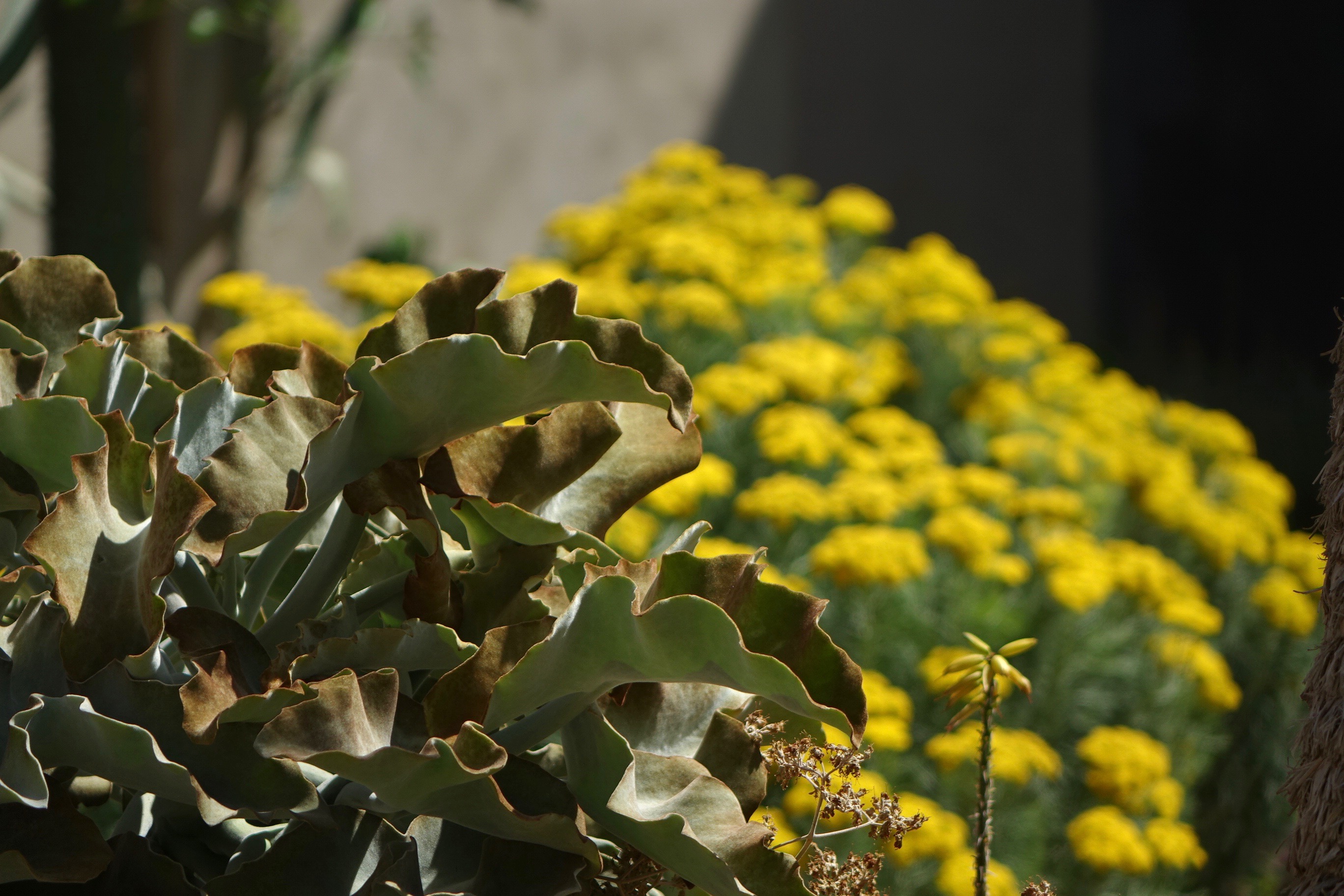
The Greatness of Granada, Part 3: The Generalife

Of all the treasures that the Alhambra complex holds within its vast stone and green boarders, the Generalife gardens are without a doubt my favourite gem. Set apart, across a ravine which was once linked via a covered walkway to the Nasrid palace, the Generalife was once the summer palace of the Nasrid Emirs of the Emirate of Granada. Today it is preserved as a garden paradise which seems a world apart from the ancient and modern sprawling city which spreads out across the Andalucian planes all around it.

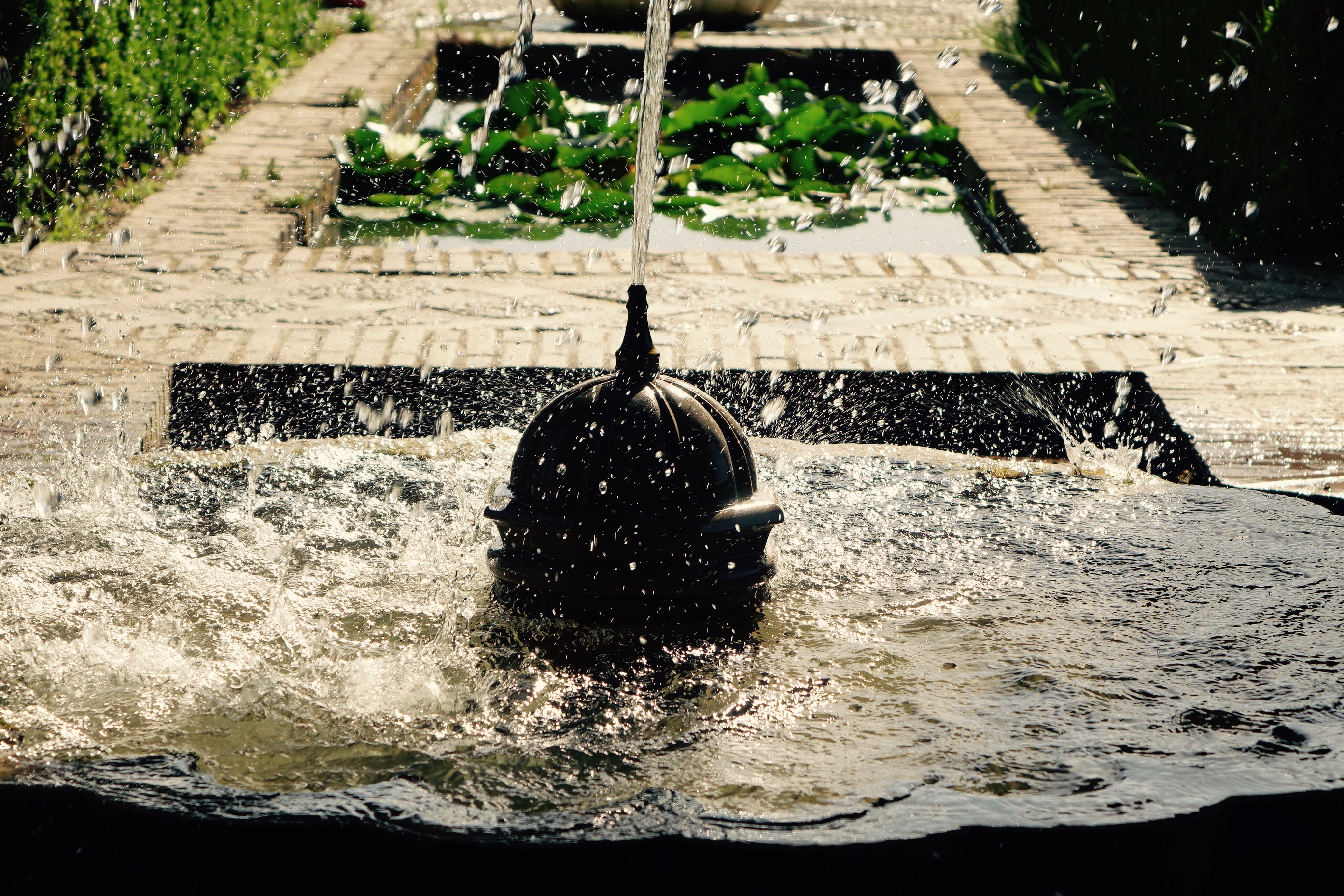
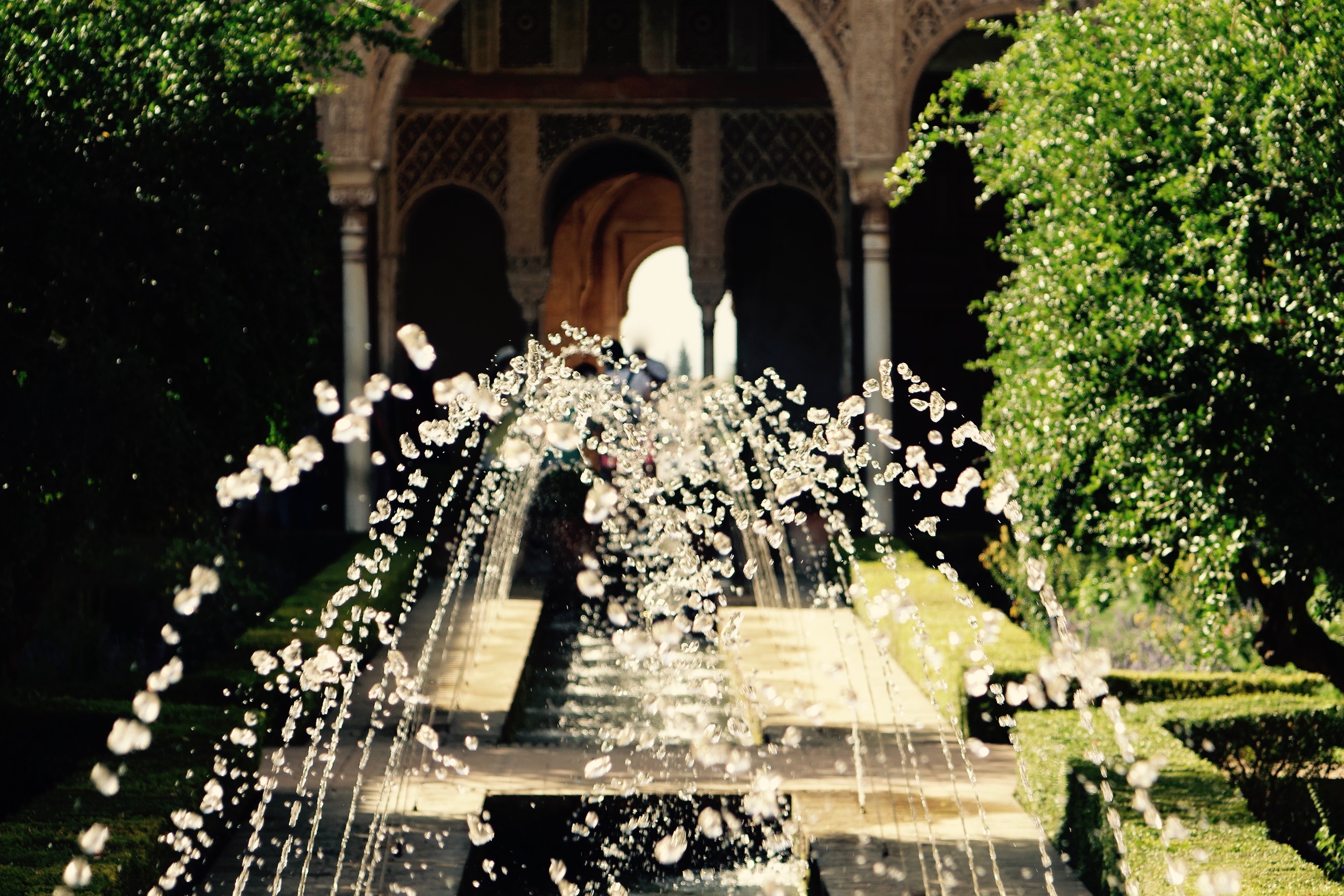
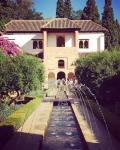
With a multiply arched white palace at its heart, the likes of which appears to have informed all of the most typical Andalucian buildings which have developed in its likeness, as well as a long narrow pool over which arched fountains meet like lovers reaching across a mountain spring, the gardens of the Generalife are the most romantic place of natural contemplation imaginable.

DSC04722DSC04640DSC04781DSC04826DSC04618DSC04773DSC04783

Strolling between trimmed boxed hedges and flowerbeds abundant with fragrant roses and vivid bourganvilla, a walk around the Generalife is like being lost in the gardens of the Queen of Hearts in Alice’s wonderland. There, the many examples of arabic craftsmanship carved deep into the palace walls are overshadowed by the work of tended nature manifest in the multiply-layered gardens. And even on the hottest of days, there is a cool calm which reflects off the surface of mountain-fed water springs which make a visit to the gardens the most pleasant of contemplative activities.

This was my second visit to the Generalife palace and gardens, and the place is as much of a paradise as I remember. Perambulating through the verdant passages during a late afternoon, when the sun over the Albayzín was turning a caramelised yellow, proved to be the most perfect time to enjoy this reflective space. Not even my photos are able to capture the utmost tranquility of those all too brief moments in paradise. But they surely go someway in reflecting the mood of soulful restfulness which the atmosphere of the Generalife creates.

All photos and written content are strictly the copyright of Nicholas de Lacy-Brown © 2016 and The Daily Norm. All rights are reserved. Unauthorized use and/or duplication of the material, whether written work, photography or artwork, included within The Daily Norm without express and written permission from The Daily Norm’s author and/or owner is strictly prohibited. 

From Illyria to Italy, Part 2: Muzeji Ivan Meštrović

Day two of our holiday in the beautiful Adriatic city of Split on the Croatian coast, and scandalously, it started cloudy. Panic stricken at the lack of blue skies, our first question to our hotel receptionist, after choosing a hearty dish of fresh pancakes for breakfast (a recurring gym-body busting pattern I might add) was to ask what we could do in such weather. For culture vultures like ourselves, she recommended the Muzeji Ivan Meštrović, that is the museum of the renowned Croatian sculptor, a fine cultural beacon in the city where he made his name.

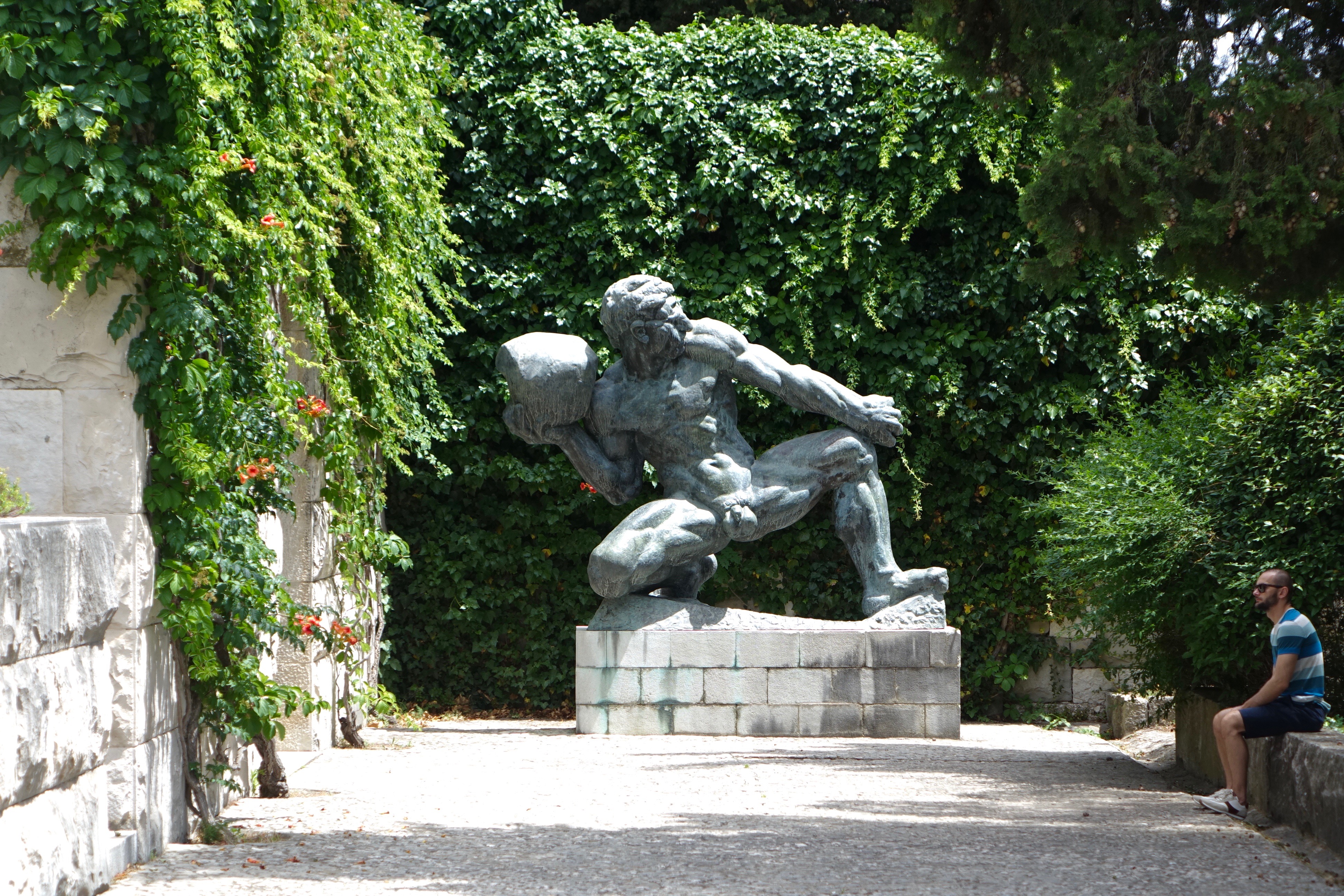
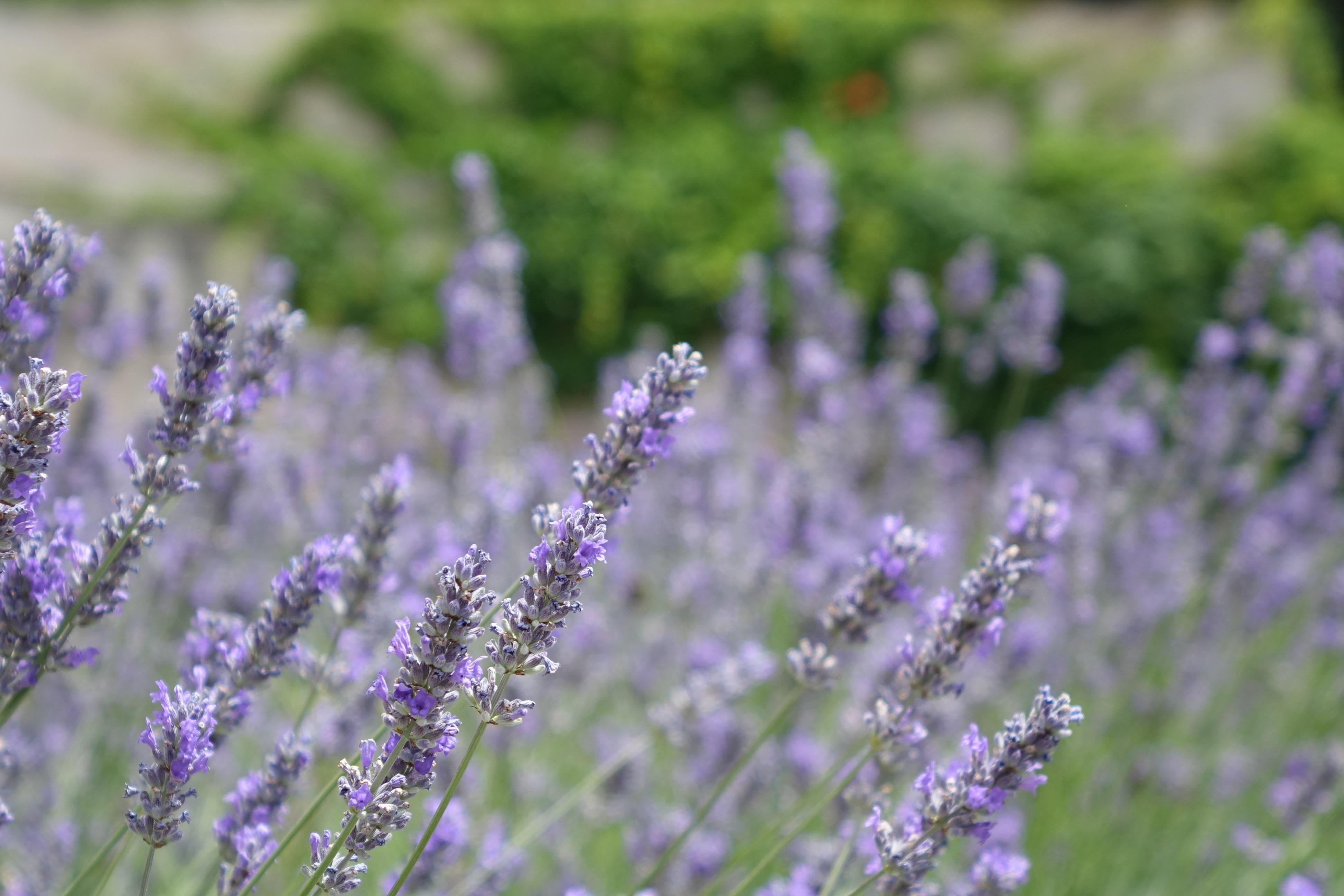
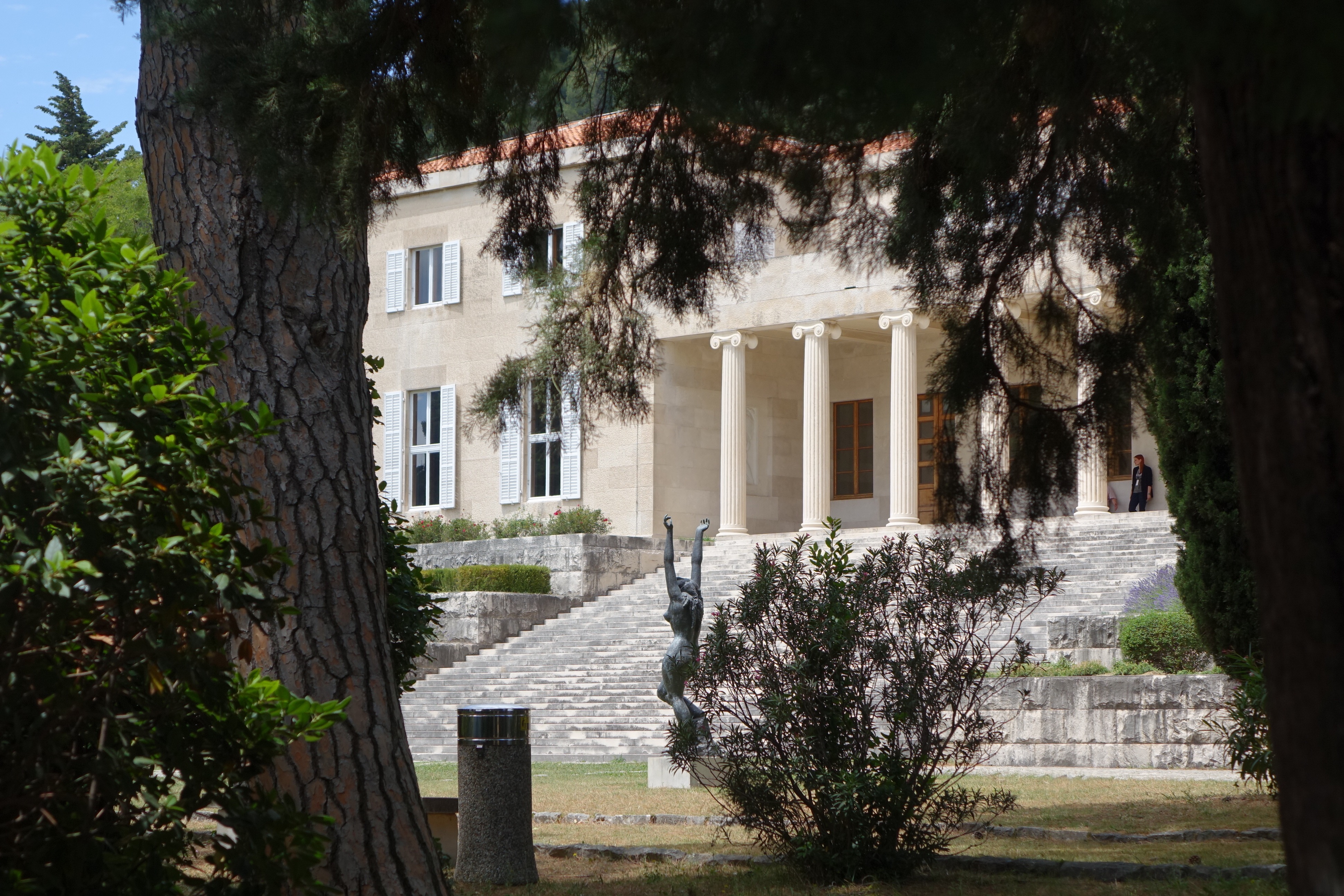
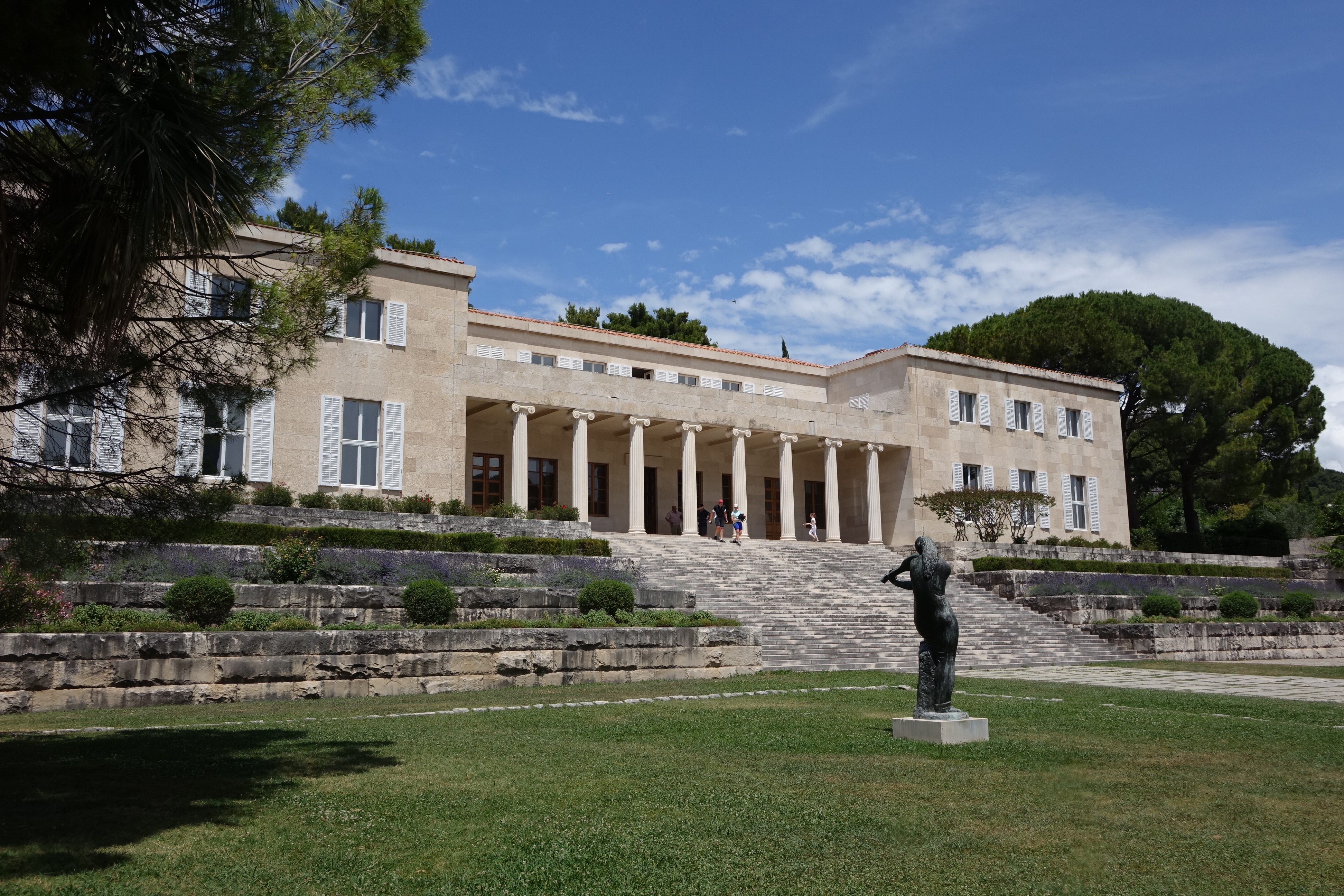
The sun had actually come out again by the time we walked along Split’s sunny promenade and made it to the museum set within the lush leafy suburbs of the city. But just as well, or we might have missed out on enjoying the exteriors of the museum which are every bit as stunning as the inside. Surrounding the impressive facade of the perfectly imposing museum building (I tried to find out the history of the building… to me it looks like a fine palace from the Communist era, but it’s hard to tell exactly when it was built) were gardens bounteous in dancing lavender, aromatic pine trees, and a ground scattered with a bed of pine needles, and the best surprise of all, baby little tortoises!

DSC02637DSC02629DSC02625DSC02649DSC02643DSC02647DSC02674DSC02651DSC02609DSC02588

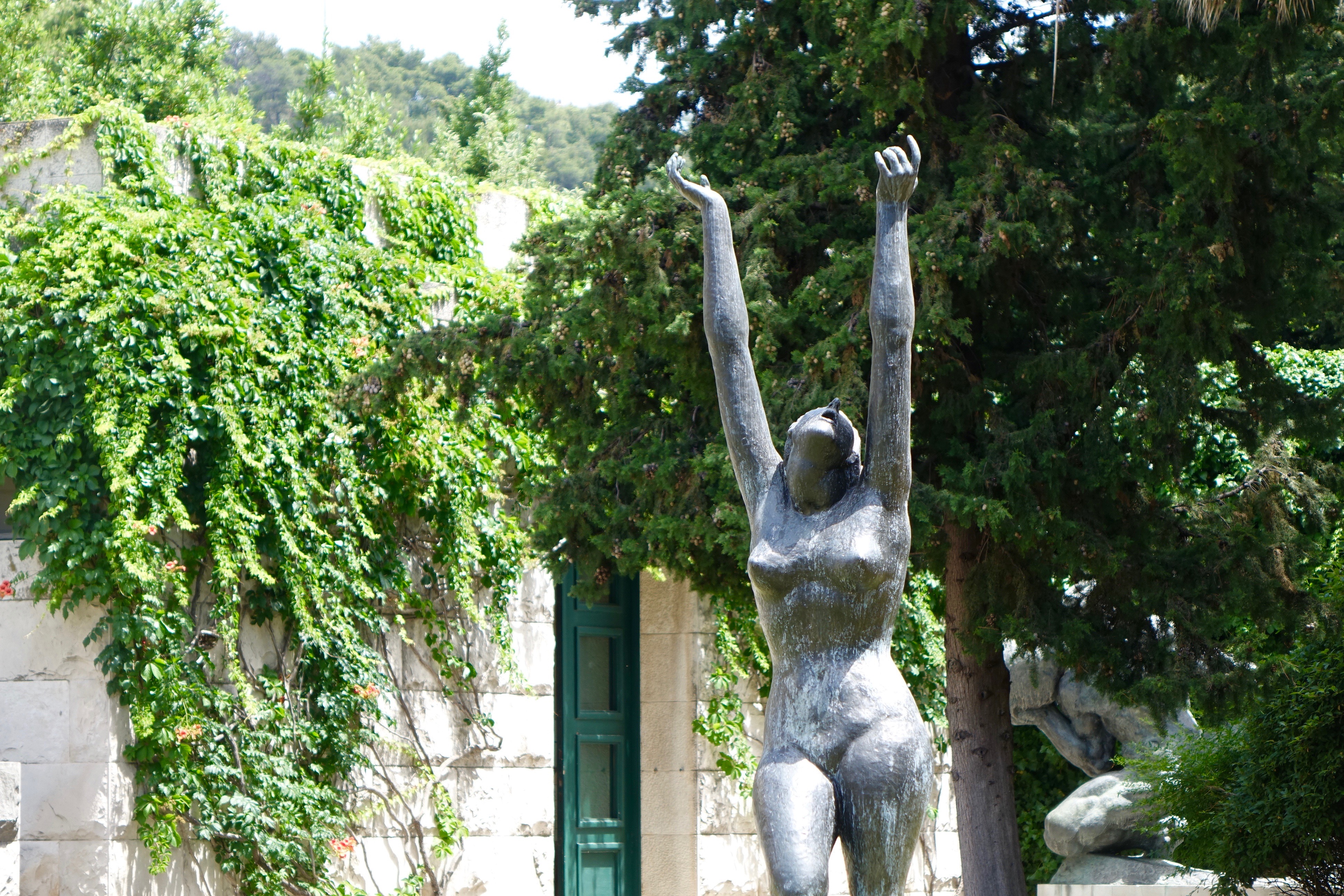
Much charmed by these garden residents, we almost forgot what we had come to see, however the various sculptures created by one of Croatia’s most renowned creatives led us up through the garden, and into the museum itself. Born in 1883 in the small village of Vrpolje, Meštrović completed his artistic training at the Academy of Fine Arts in Vienna, where he fell under the influence of the art nouveau era, and debuted in the first Secessionist exhibition.His work quickly became popular, even with the likes of Auguste Rodin who is reported to have declared Meštrović to be the greatest phenomenon among sculptors and, with characteristic modesty, an even greater sculptor than he was. This early popularity sewed the seeds of his career success, and the sculptor was soon exhibiting internationally as well as setting up home in the city of Split.

His success in the city was not enough to guarantee his safety during the Second World War, and after a brief spell in jail in order to prevent his escape from Croatia, Meštrović eventually secured himself a visa via friends in the Vatican and in Switzerland, emigrating to the US where he was to remain for the rest of his life, unwilling to live under communism. However upon his death he remembered his country, leaving a legacy of some 400 works to Croatia, many of which today form the collection of the Meštrović museum.

DSC02604DSC02601DSC02603DSC02619DSC02596DSC02597DSC02617DSC02620DSC02616DSC02621DSC02615DSC02607

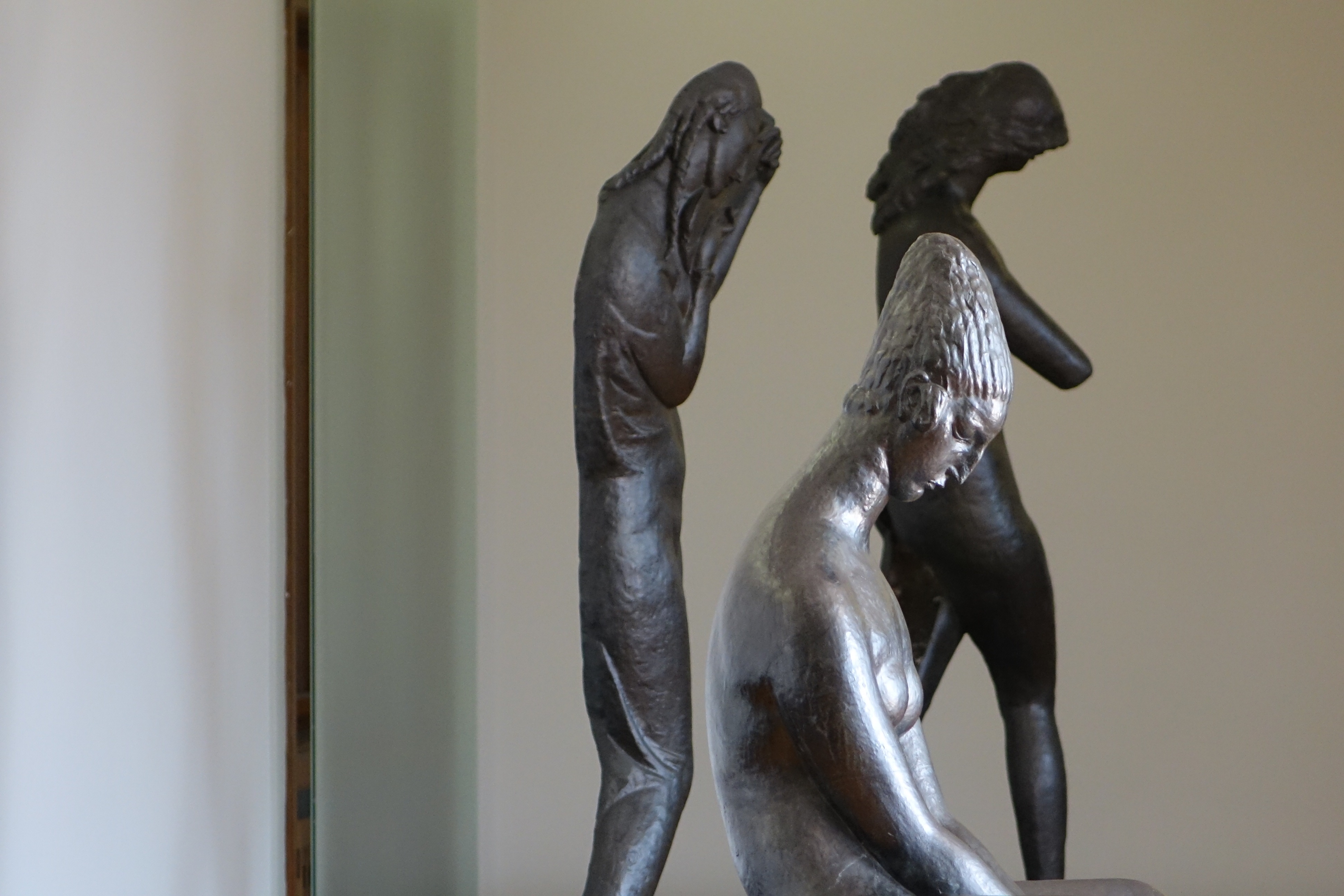
What struck us as we traversed the lofty space of this palatial museum were the viscerally real emotions the sculptor managed to capture in sculptures made of plaster and bronze. In the faces of Christ, or Mary, or in the portraits he made of friends, you are struck by an intensity of emotion, as though metal could talk, or scream, or cry. There is a sensitivity to these sculptures which is truly hyperreal even though, with their elongated heads and exaggerated features, there is a very painterly, interpretative aspect to the works.

We didn’t know the work of Meštrović before our hotel suggested we visit the museum, but as the days in Split continued we started to notice the presence of his work all around the city. And enjoying those works both in his museum, its gardens and in stunning locations in and around Split, it was not at all difficult to imagine why the city has adopted Meštrović as its favourite adopted son.

DSC02652DSC02669DSC02658

All photos and written content are strictly the copyright of Nicholas de Lacy-Brown © 2016 and The Daily Norm. All rights are reserved. Unauthorized use and/or duplication of the material, whether written work, photography or artwork, included within The Daily Norm without express and written permission from The Daily Norm’s author and/or owner is strictly prohibited. 
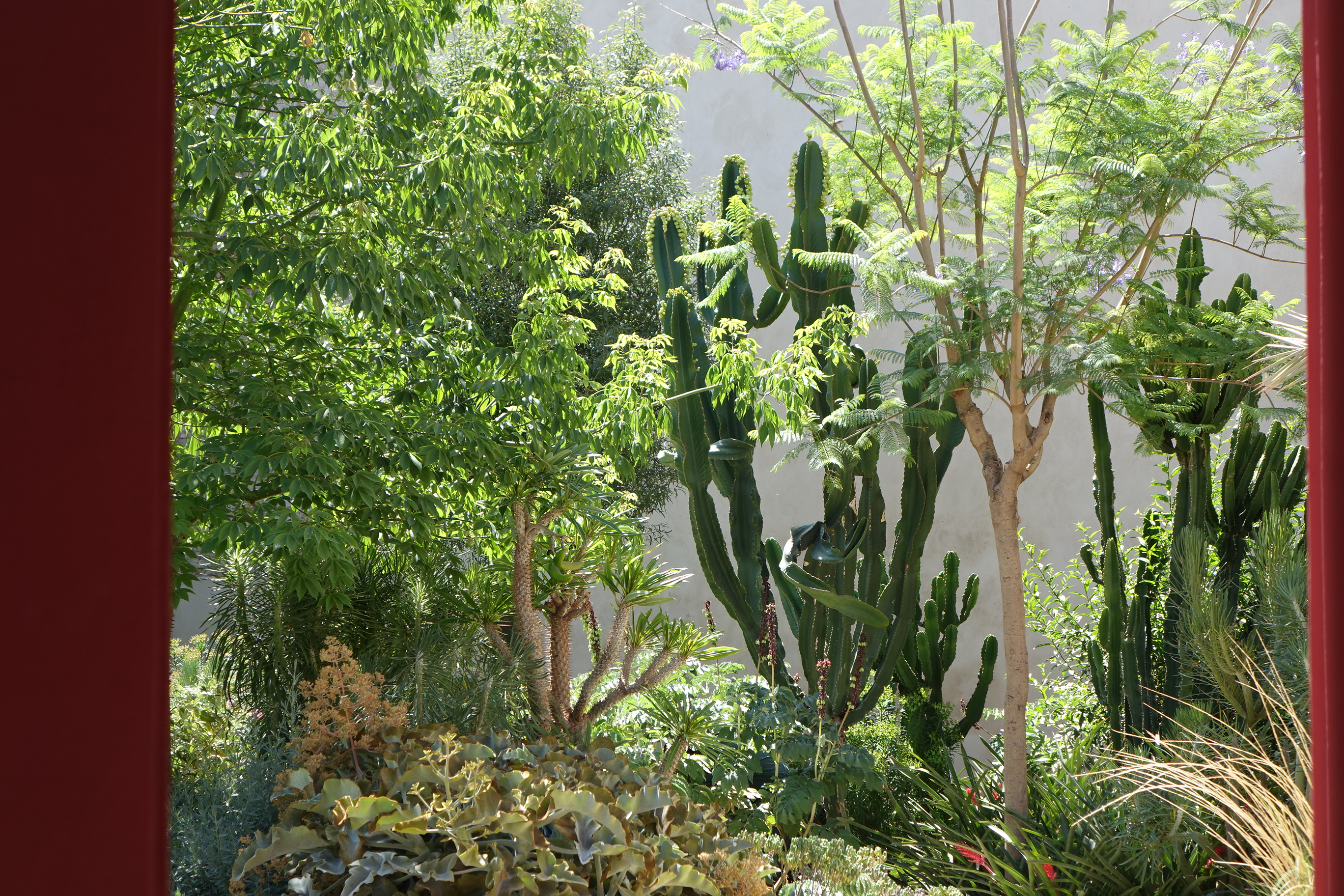
Across the Water to Menorca, Part 2: Pedreres de s’Hostal

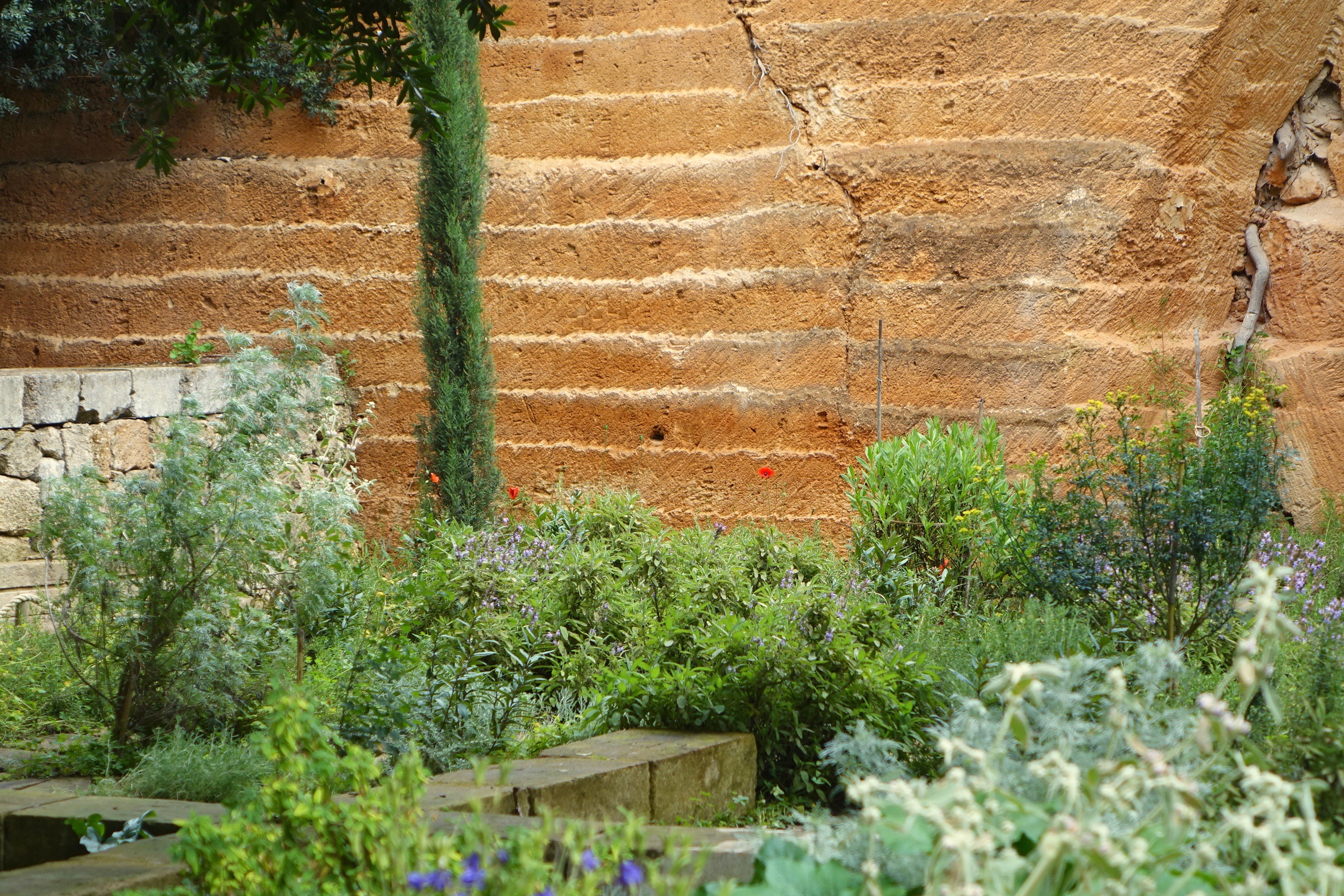
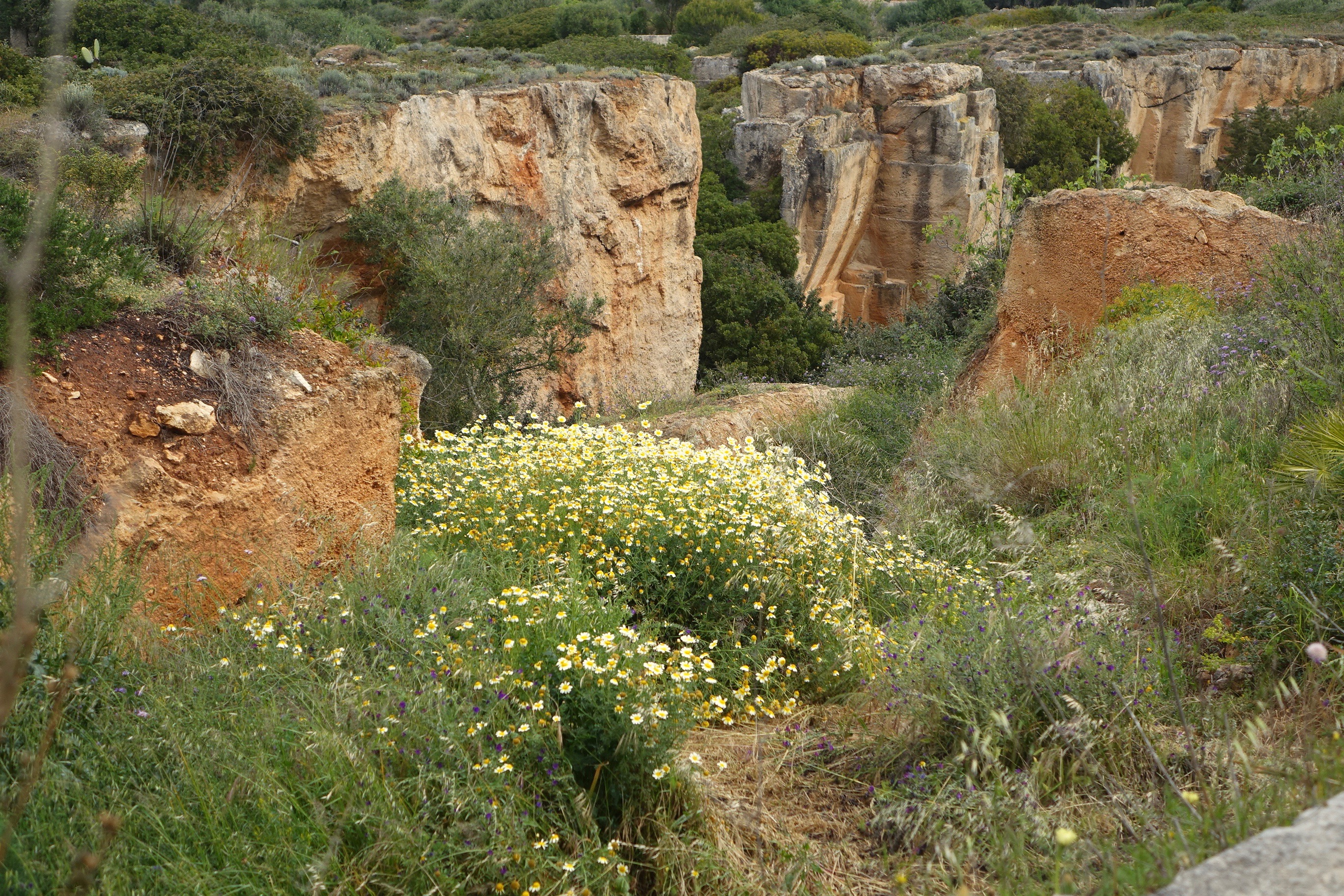
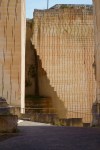
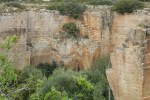
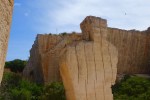
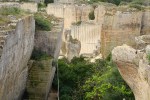
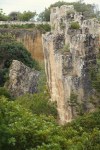
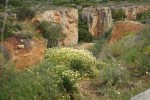
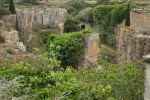
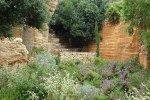
There is something about the largely uninhabited central landscape of Menorca that gives it a mystical enigmatic quality like a magical bucolic setting for Tolkien’s hobbits or something out of Wonderland. But this sensation was deeply magnified at Pedreres de s’Hostal just outside the small city of Ciutadella. Formed out of a vast landscape of old and not-so-old sandstone quarries, the organisation Lithica has done the impossible, transforming what could have been an industrial waste land into the most stunningly unique gardens you are likely to see.

DSC01122DSC01062DSC01108DSC01048DSC01021DSC00982DSC00963

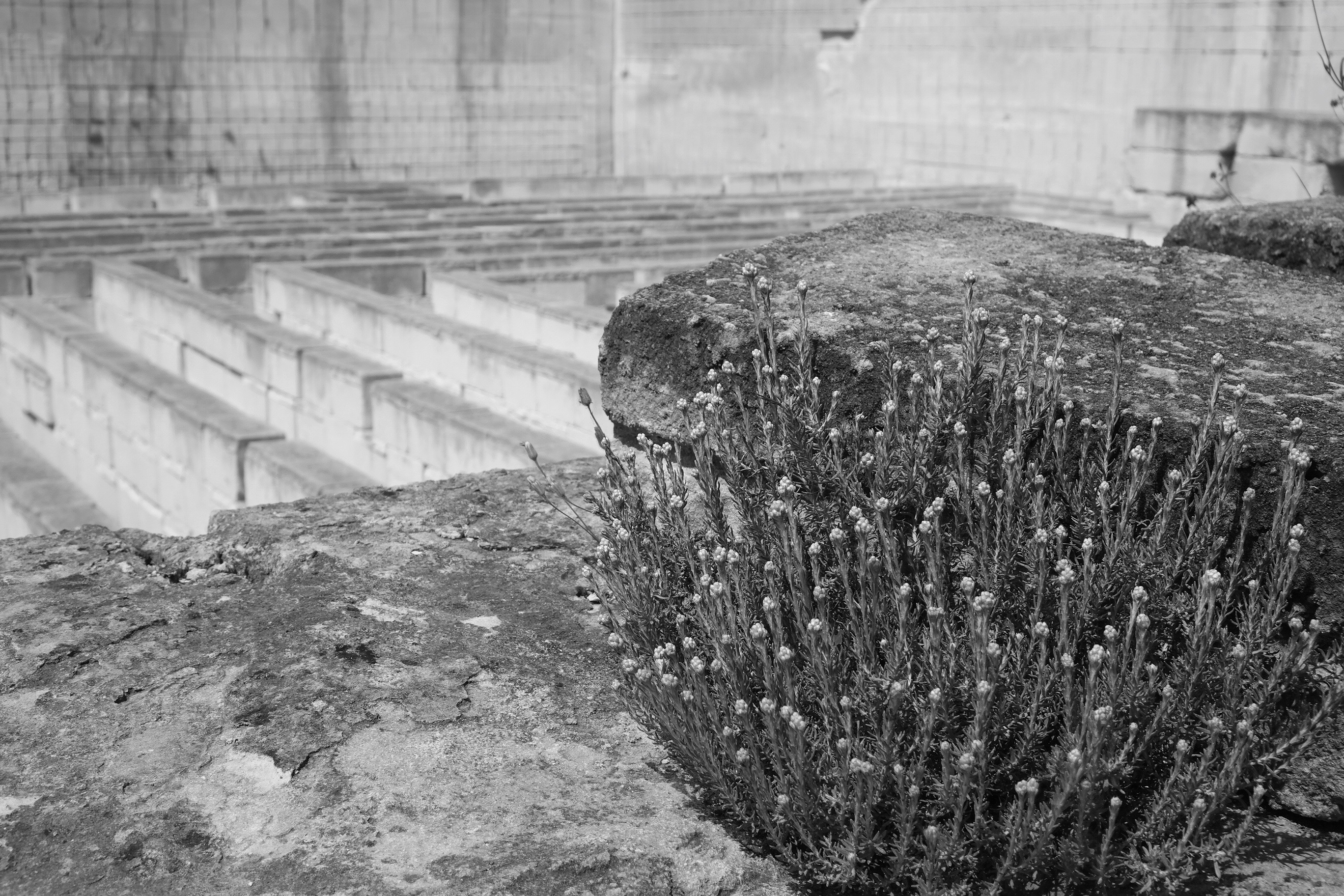
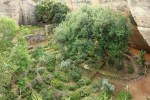
What makes the gardens so unique is the landscape. The shapes left my stone cutters long ago are surreal to say the least. In sharp angular spaces of yellow rock, plants and flowers of every Mediterranean variety appear to have reclaimed the land from the hand of man as they twist and turn across the rock’s surface. Amongst unique anthropomorphic shapes, trees scatter light and herbs their heady aroma. My favourite two gardens were a pristine medieval courtyard garden set within one of the deepest mines like the cloister of a monastery, and a medicinal herb garden planted amongst a twisting path of stone.

DSC01125DSC01096DSC01110DSC01090DSC01086DSC01087DSC01084DSC01103

At the centre of it all are two vast mines more recently quarried, in the largest of which a labyrinth has been crafted from stone. Led into the maze by the challenge of finding the centre, we felt almost mythical in amongst a near Minoan landscape of ochre, half expecting the Minotaur to rear up before us at any turn. With the walls soaring up around us at the most peculiar angles, it was truly like being in a fantasy world.

Sadly the weather that graced our visit was for the most part vexingly cloudy. Nevertheless the photos I took are full of the magical spirit of this place, and when, at the end, the sun finally shone, it was like the golden reward bestowed upon us as the centre of the labyrinth was reached.

More information on the gardens can be found at www.lithica.es

All photos and written content are strictly the copyright of Nicholas de Lacy-Brown © 2016 and The Daily Norm. All rights are reserved. Unauthorized use and/or duplication of the material, whether written work, photography or artwork, included within The Daily Norm without express and written permission from The Daily Norm’s author and/or owner is strictly prohibited.
Discovering Mallorca: Ravishing La Raixa

Just when I thought that Mallorca had unfurled its many hidden gems, another came into view as I drove down a dirt track off the main Palma to Soller road last week. At the end of the dusty bumpy path, my car a little worse for wear in the cleanliness stakes, a stunning country manor came into view. Perfectly appointed in the immediate foothills of the Tramuntana Mountains, and using those very mountainous slopes to mount its stunning renaissance style terraced gardens, I had arrived at the incredible Raixa estate, surely one of the most stunning former private residences on the island.

And indeed the palatial residence, which is today open for all the public to enjoy, was built to impress. Purposefully fashioned in its latest renovation by Cardinal Antoni Despuig in the late 18th century to instantly impress visitors with its magnificence both inside and out, La Raixa is a residence which remains a knock-out beauty seen from afar and up close, an unrivalled vision of Italianate whitewashed perfection which dazzles against its rugged but manicured mountainous grounds.

DSC00094DSC00129DSC00266DSC00249DSC00131DSC00240DSC00184

Little is left today of the house’s former internal grandeur, with the interiors largely given over to a natural-history-style exhibit focused on the geography and geology of the Tramuntana mountains. However the real treasure is undoubtedly the pleasures that lie in wait outside the manor, not just the exterior of the house itself, whose magnificent arched colonnade and white washed walls recall the romantic opulence of a Tuscan estate, but the gardens beyond whose construction was also heavily influenced by the Italian Renaissance and later Baroque styles. This is no better expressed than in the tiered gardens to the rear of the property, with their impressive central staircase accompanied by the four muses, and a panoply of pastiched ancient ruins peppering the landscape to stunning effect.

They are muses which are well appointed, for in these voluptuously floral, brilliantly landscaped, utterly tranquil surroundings, I was very quickly and utterly inspired, and very reluctant to leave.

All photos and written content are strictly the copyright of Nicholas de Lacy-Brown © 2016 and The Daily Norm. All rights are reserved. Unauthorized use and/or duplication of the material, whether written work, photography or artwork, included within The Daily Norm without express and written permission from The Daily Norm’s author and/or owner is strictly prohibited.