Skip to content

Posts tagged ‘Nicholas De Lacy-Brown’

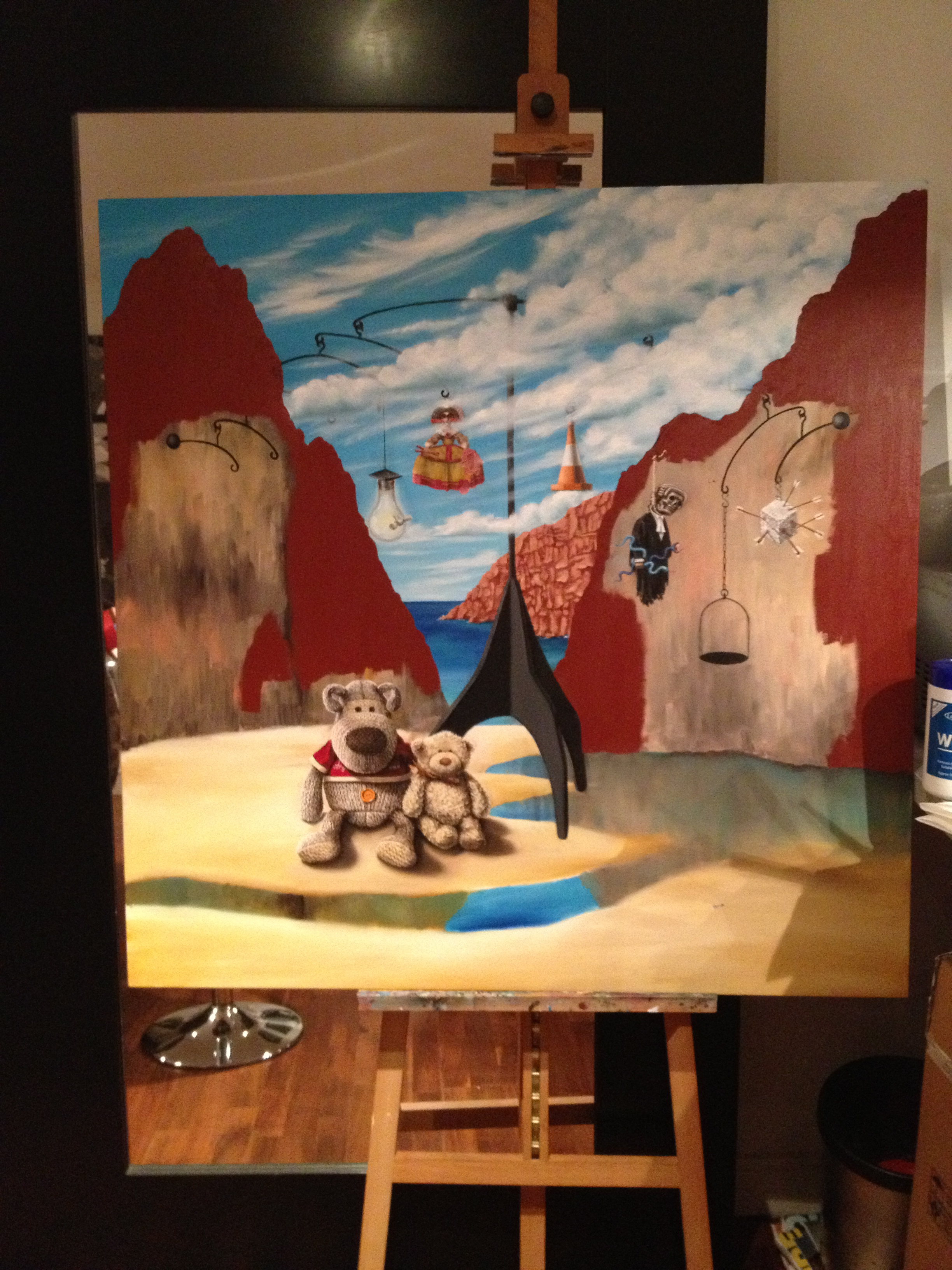
Autobiographical Mobile: My painting diary – Days 20-23: Rock pools

It’s hard to believe that this post represents only days 20-23 of this painting. Something surely has to have gone wrong with this account, for in only now approaching the end of this vast project, it feels like I have been painting for months. I have, in fact, been working on this canvas for sometime – since June last year in fact (albeit intermittently) which just goes to show how little time I actually have to paint now that I am a full time lawyer, blogger and new found sketcher and printmaker.

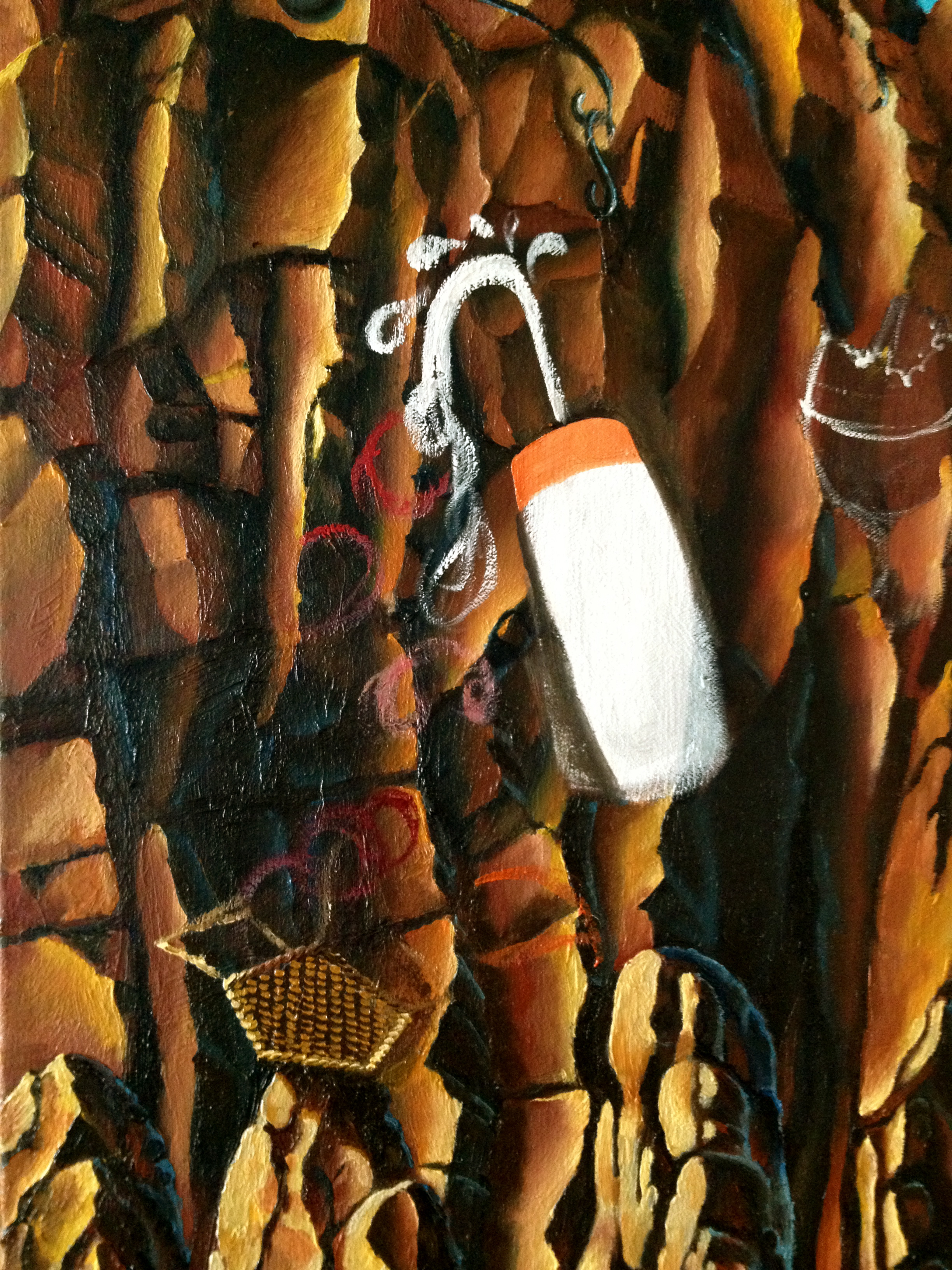
All the same, sometimes the best results are achieved with a little patience and plenty of hard work, and this aphorism is no better proved than with the latest additions to my autobiographical canvas – 4 days painting rock pools. Hard to believe that they would take so long, but each of the little rock forms, which create balance at the foot of my canvas, reflecting the large mountainous forms above in the sandy stretch below, has its own peculiar shape and character. And since each rock comes straight from my imagination, this isn’t a simple case of painting what’s in front of me. Rather, a process of trial and error commences as I try to paint rocks straight from the soul, with a lightness of approach at first as I allow the naturalistic forms to almost metamorphose innately from a wider brush stroke. Then once I feel and see a shape begin to form, I start filling in the painstaking details with a small brush.

This slideshow requires JavaScript.

The result is a satisfying swathe of rocks and water which add shape and texture to the lower foreground of my work. Reminding me of the hours spent climbing in amongst the various rock pools of the beaches of Jersey in the Channel Islands every summer throughout my childhood, collecting little shells which I later made into little models of snails, these rock forms are an important reflection on the younger years of my life as I explore my story so far on this autobiographical canvas.

© Nicholas de Lacy-Brown and The Daily Norm, 2001-2013. Unauthorized use and/or duplication of the material, whether written work, photography or artwork, included within The Daily Norm without express and written permission from The Daily Norm’s author and/or owner is strictly prohibited. Excerpts and links may be used, provided that full and clear credit is given to Nicholas de Lacy-Brown and The Daily Norm with appropriate and specific direction to the original content.

A Prelude to Printmaking – Part 2: Linocut

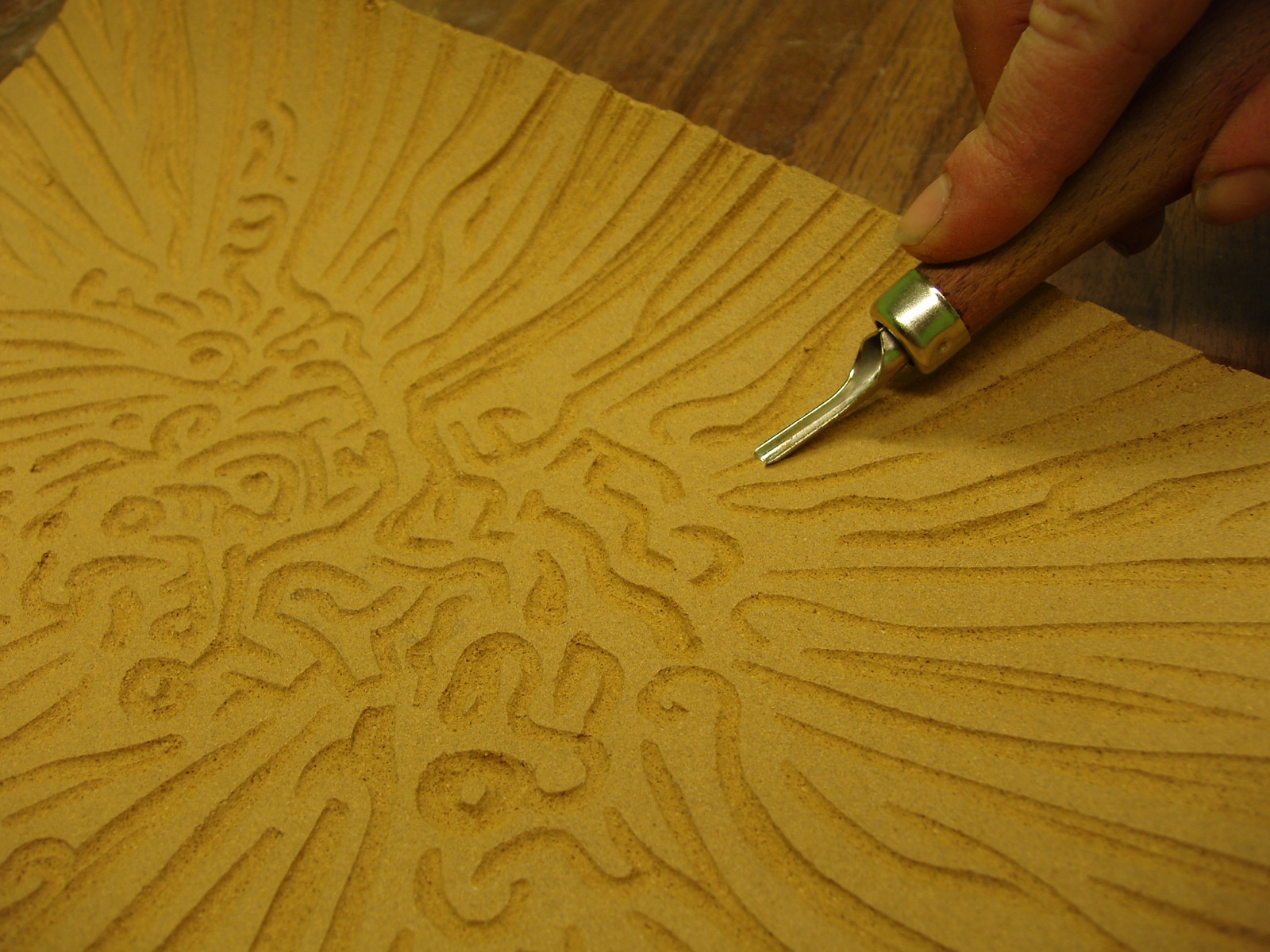
Following yesterday’s post, introducing my first ever attempt at etching to the world, here is my first ever attempt at lino cutting. Linocut, which is a form of relief printmaking, involves cutting into linoleum, which, while originally conceived for flooring, has been used by printmakers for almost as long because of its soft surface for cutting while retaining a sufficient durability for printing.

Linocutting is perhaps even trickier to get your head around than etching. This is because you use the same piece of lino to make a print of various colours. In order to “protect” each colour, you cut away at the lino further between prints, going from light to dark because light colours will never show up when printed over darker inks.

Cutting into lino

Cutting into lino

So to explain further, you first cut away from the lino anything you want to remain white. This is because the ink will never touch those cut away areas when the ink is rolled over the lino, so once applied to paper, the paper will remain white where the cuts are. Once you’ve got the hang of that and printed your first colour, the same then applies again to that colour – once you roll a darker colour over the lino, it will simply print on top of the first colour unless you cut more of the lino away to protect it. And so it continues for each layer of colour.

We worked with three colours, but with no forward planning on the details of my image, it was extremely difficult to work backwards and think of the image in terms of light going into shadow, and what colours needed to be preserved and what cut away. The lino also proved difficult to cut in a controlled manner.

The result is something a little coarse, but it’s a finish which I think works really well with the theme – Mexican Norm! Here is the finished print (I printed an edition of 5):

Mexican Norm (linocut print)

Mexican Norm (linocut print)

…and here is the lino after it’s final cut.

DSC07300

Linocutting was not a technique I loved as much as etching, largely because I find the process of making the image in etching easier to control. Nevertheless I was delighted with the results achieved through linocutting and would certainly like to give it a go again.

Norm prints a plenty, here we come…

© Nicholas de Lacy-Brown and The Daily Norm, 2001-2013. Unauthorized use and/or duplication of the material, whether written work, photography or artwork, included within The Daily Norm without express and written permission from The Daily Norm’s author and/or owner is strictly prohibited. Excerpts and links may be used, provided that full and clear credit is given to Nicholas de Lacy-Brown and The Daily Norm with appropriate and specific direction to the original content.

A Prelude to Printmaking – Part 1: Etching

I’ve never really paid much attention to prints, and still less black and white prints which, in a gallery full of paintings never seemed to capture my attention. All of this began to change around last summertime. The first trigger was the Royal Academy’s annual Summer Exhibition where, amongst the numerous galleries full of paintings of often rather questionable quality, I found myself inexorably drawn to the print gallery, a room packed to the rafters with prints of every conceivable style, technique and colour (and in fact bought two!).

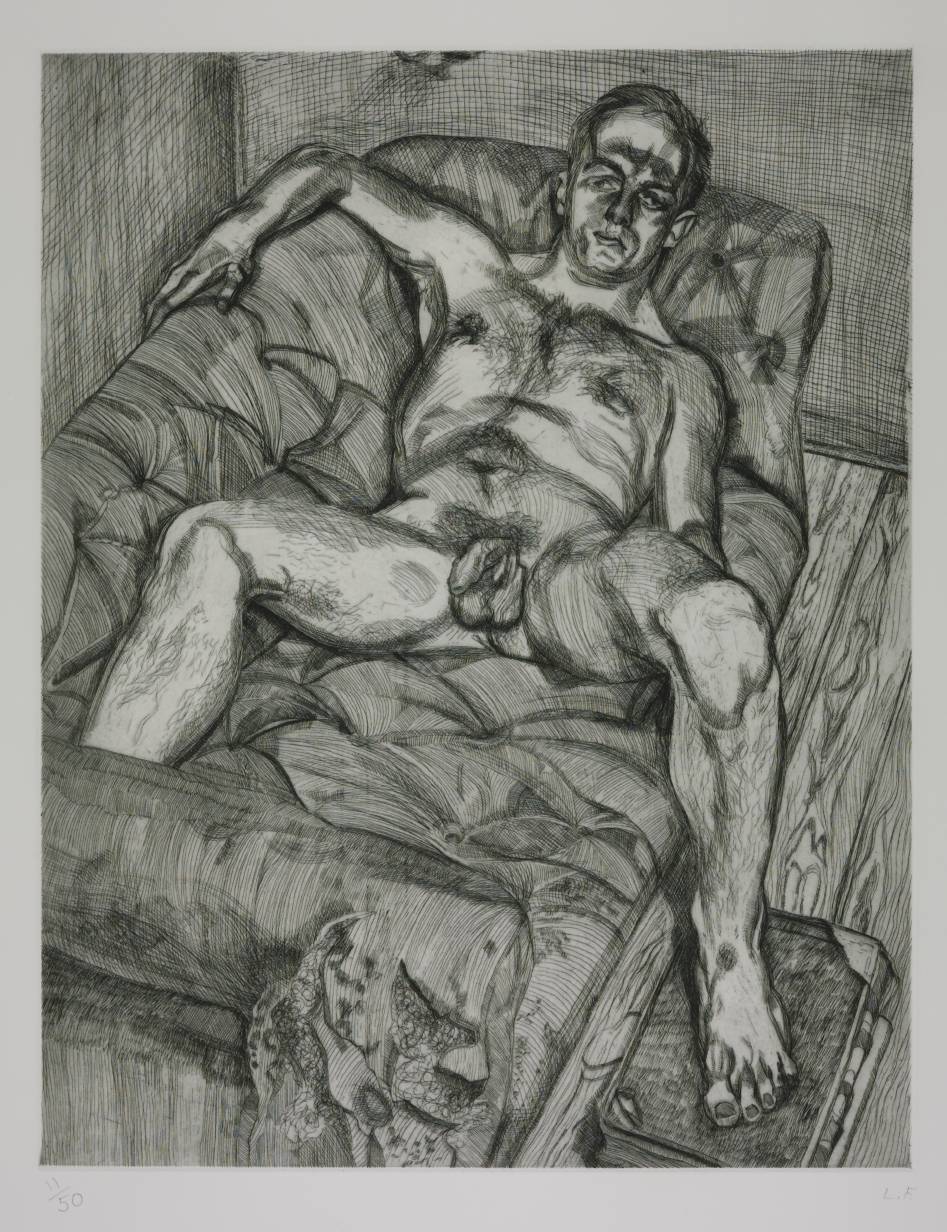
Lucian Freud, Man Posing (1985)

Lucian Freud, Man Posing (1985)

The second trigger came on a visit to the Courtauld Gallery at London’s Somerset House, where a newly acquired collection of Lucian Freud etchings had been hung. I was completely entranced by these works, which, in their monotone black and white seemed to shift focus from what is usually Freud’s fleshy textured paintwork to the almost visceral, fervid lines and cross hatchings by which Freud had reimagined many of his painted portraits in this new medium. In particular I adored Freud’s etching Man Posing (1985) in which the use of etching as a medium seemed to me so artfully applied to capture every hair, muscle and contour of the figure’s naked body.

Completely captivated, I went home and that very evening researched the internet for tips on how to etch. I very soon realised that unlike painting, etching would not be so easy to self-teach, and promptly enrolled myself for a printmaking course at the Art Academy in London Bridge (there being no introductory course dealing exclusively with etching).

Having now done this short weekend course, I can unconditionally say that I am hooked on printmaking, and on etching in particular. On the course we undertook two techniques – one was relief work (we used lino cutting – which I’ll tell you all about in Part 2 of this post); the other was the much anticipated etching technique, something which I found every bit as enjoyable to execute as I had taken delight in looking at Freud’s finished prints.

Another favourite etching - Edward Hopper, Night Shadows (1921)

Another favourite etching – Edward Hopper, Night Shadows (1921)

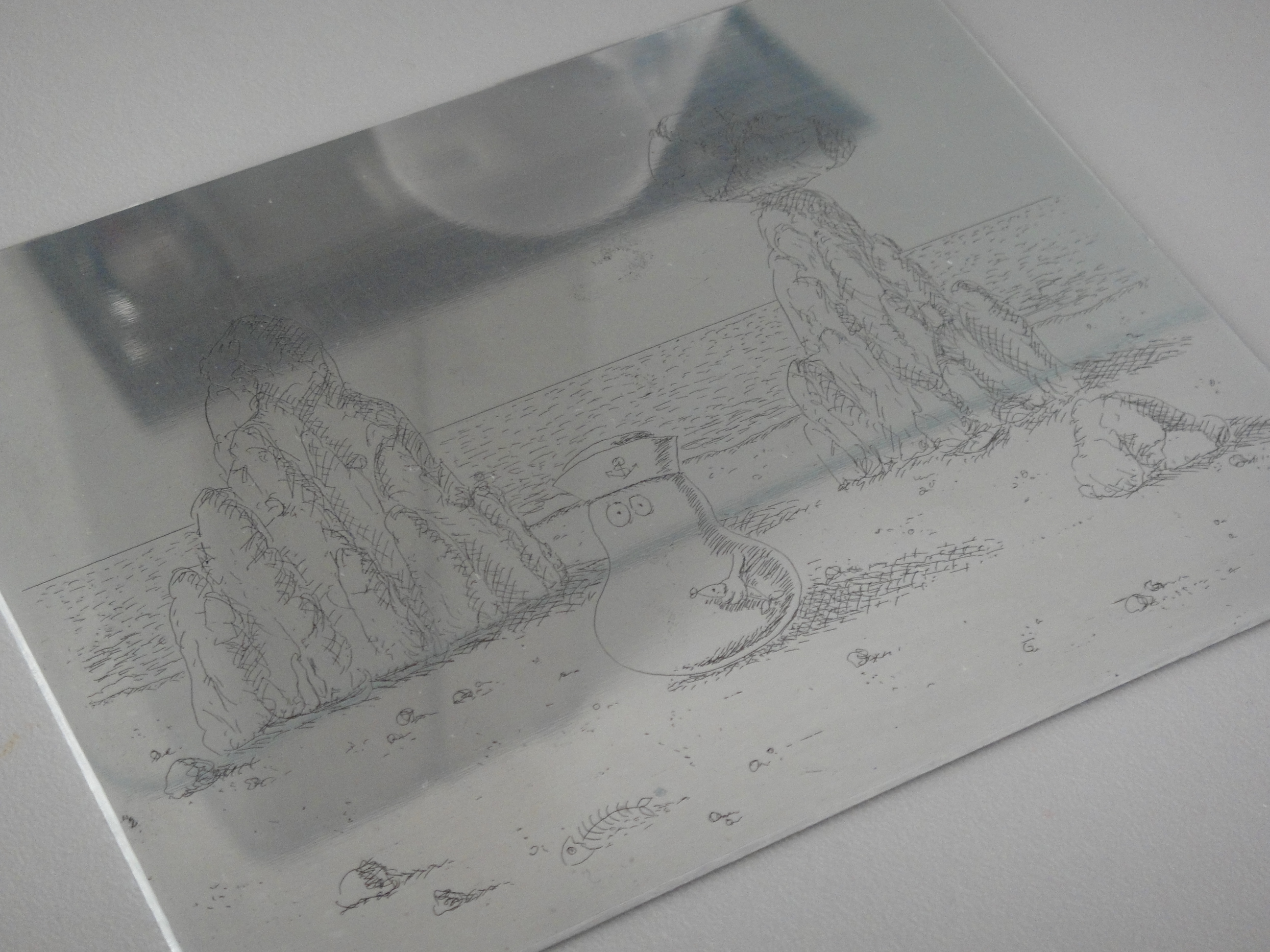
The process of etching is surprisingly fiddly. Of a whole day’s work in the studio, I probably spent a maximum of around 45 minutes actually drawing out my image onto plate – the remainder of the time was engaged in preparation and printing. Etching uses metal (we used zinc) and an image is etched into the plate using acid. That plate is then plied with ink and used to print an edition. So how does it all work? Well basically, once you’ve got yourself a metal plate (and carefully degreased it), you apply a dark “ground”. This is the layer which protects the metal when it is placed in acid. Once applied, you use a needle to draw your image. It is this process which reveals the metal underneath which will then be “etched” into the metal once acid is applied. So the process of drawing into the ground is a somewhat perplexing one – not only do you have to plan the image in reverse, but you’re also working in the colour negative, cross-hatching into metal to create shadows on your print, when what you end up drawing appears to be light on dark.

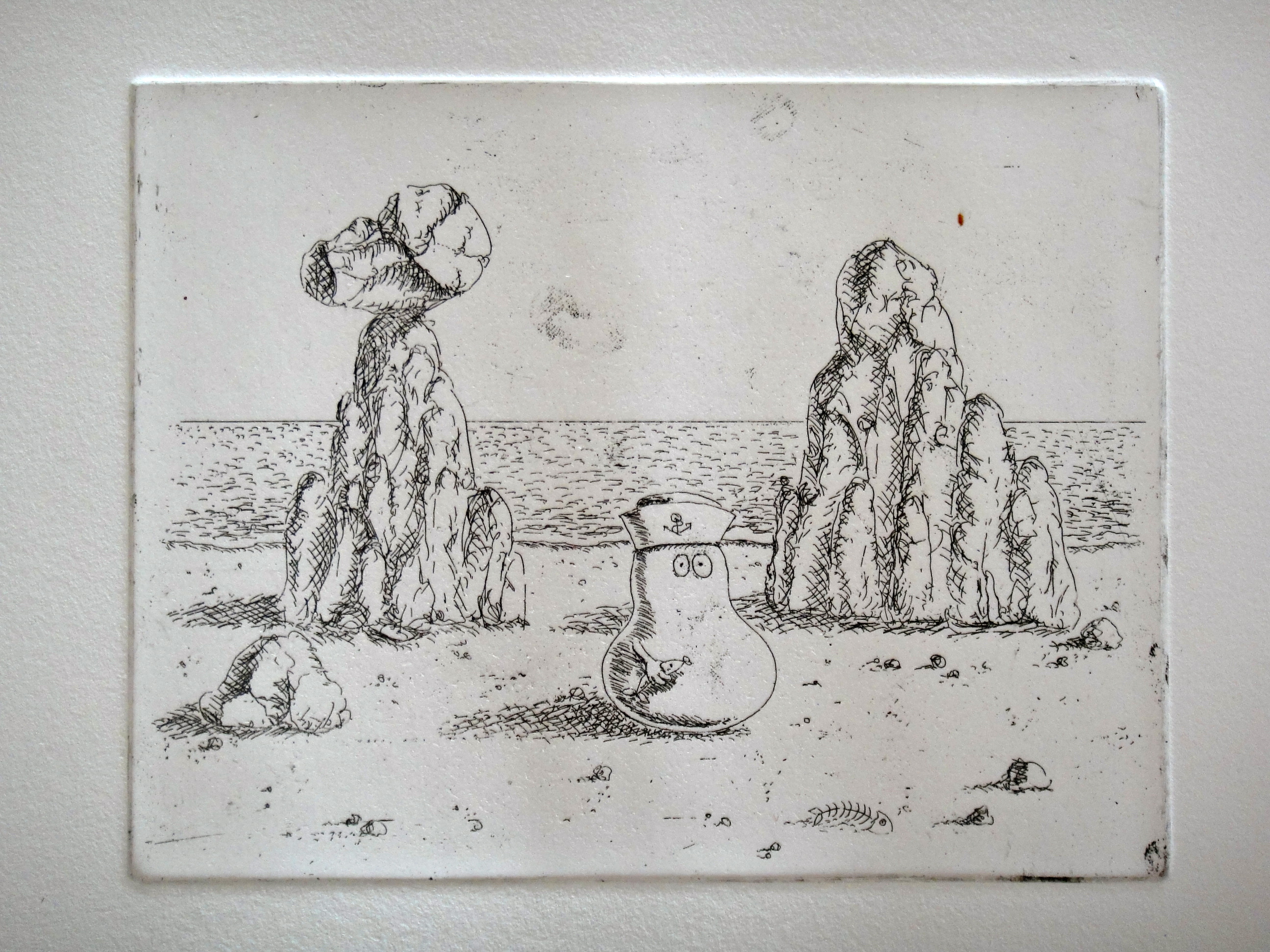
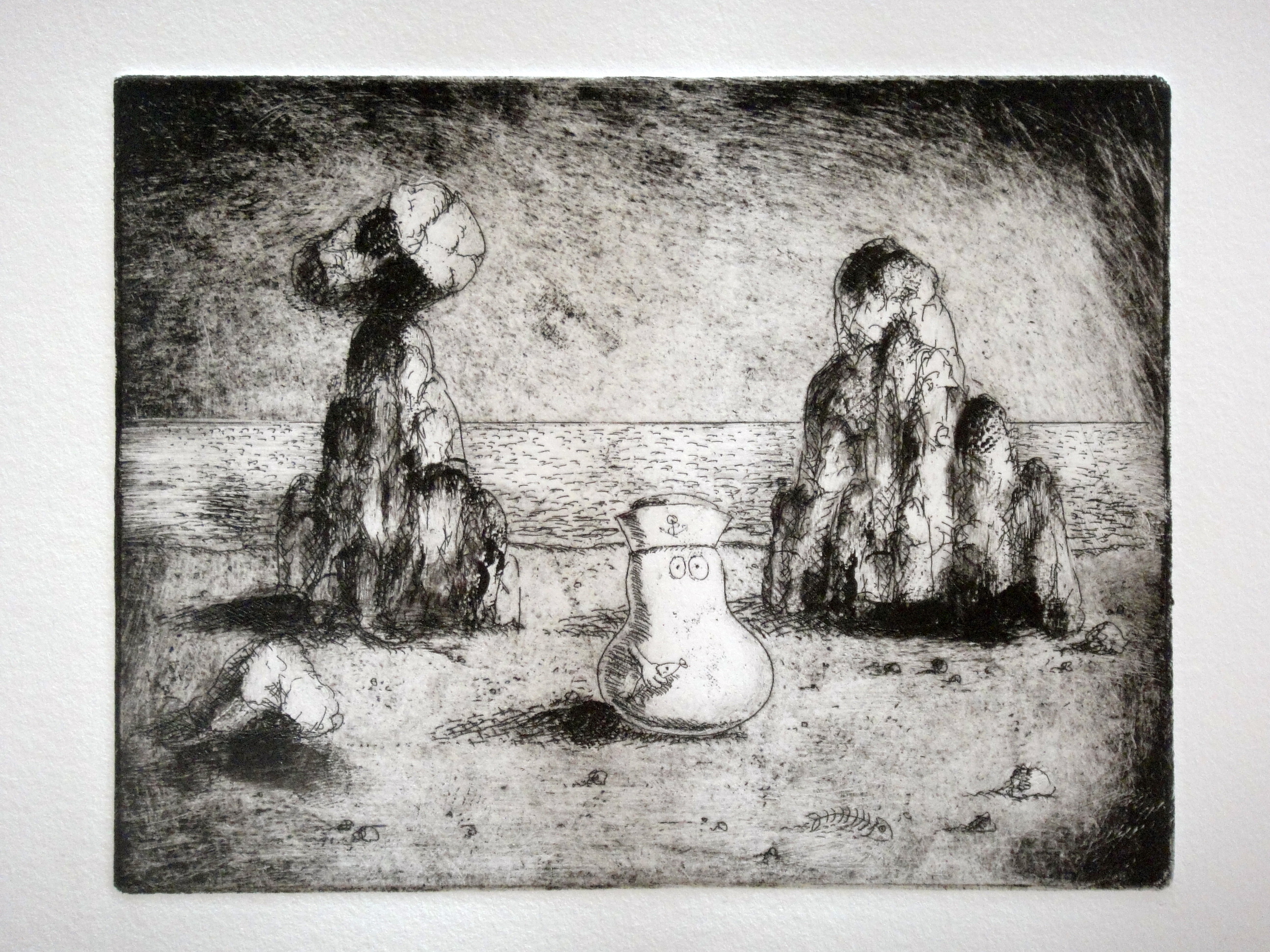
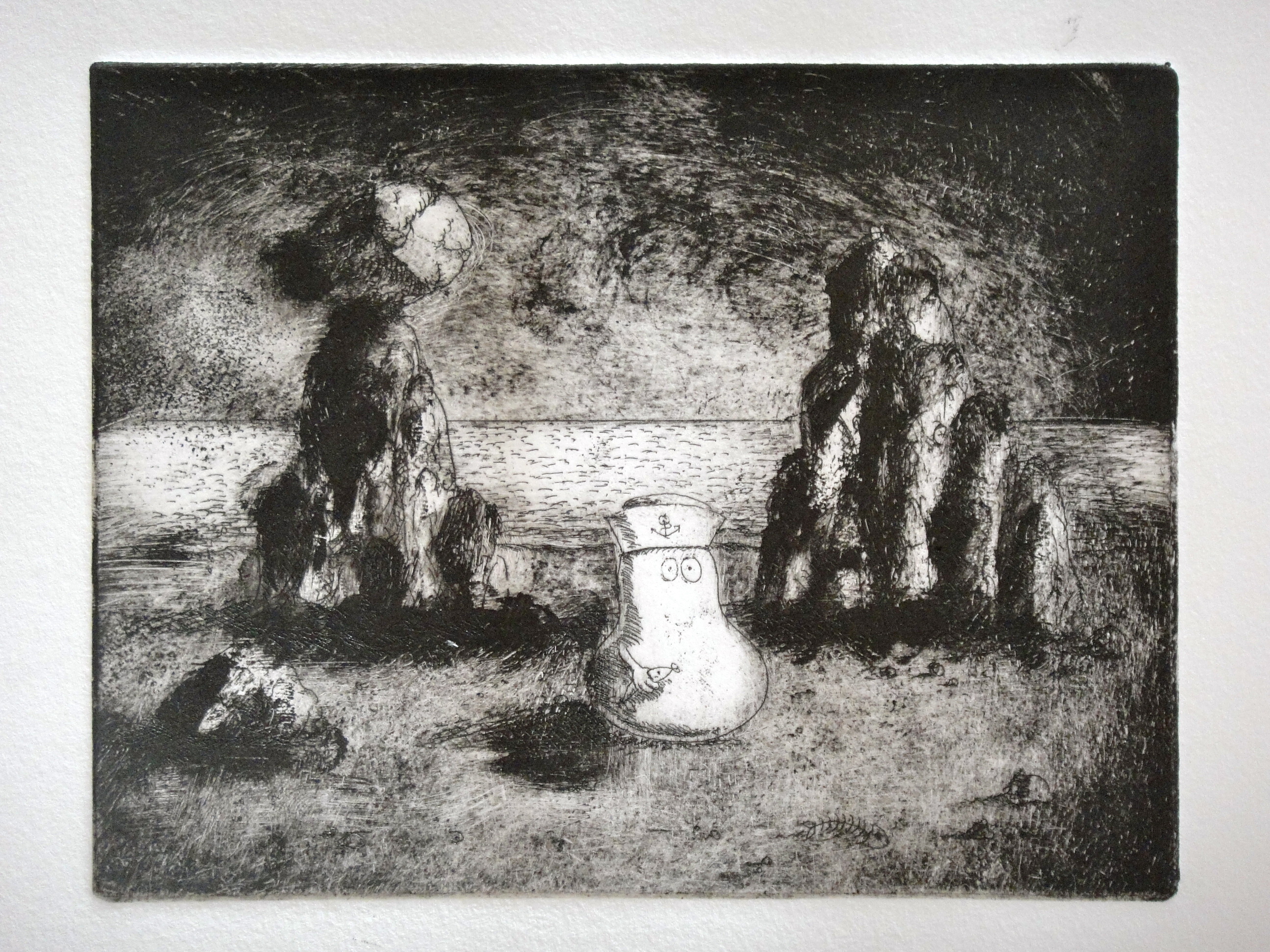
Anyway, I’m getting a little techy and I’m sure what you actually want to see is the result. And here it is: Sailor Norm on a beach in Mallorca (holding a fish). I probably ought to think of a better title, so any suggestions are welcome.

Here’s the metal plate with the image etched into it.

DSC07310

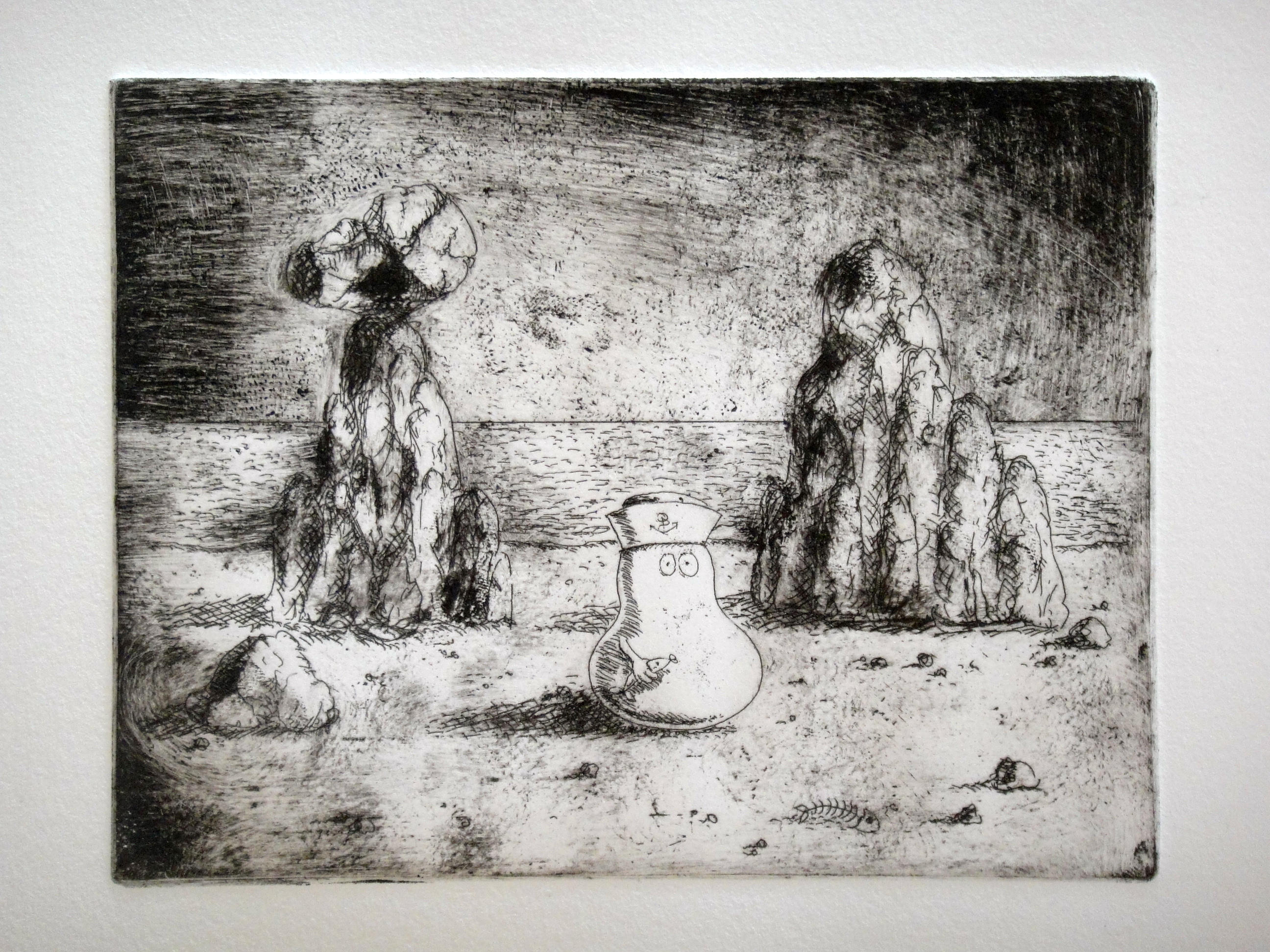
Then below, you can see what it looks like once printed: a series of prints which shows me experimenting with ink removal. In the first, I removed all the ink off the plate apart from the application of ink to the narrow etched lines. In the second, I left a little ink on the plate to create a moodier effect, and for the third and fourth left more and more, specifically targeting certain areas where I wanted more shadow. My favourite is probably the second or third. What do you think?

Sailor Norm on a beach in Mallorca (holding a fish) - print 1

Sailor Norm on a beach in Mallorca (holding a fish) – print 1

Sailor Norm on a beach in Mallorca (holding a fish) - print 2

Sailor Norm on a beach in Mallorca (holding a fish) – print 2

Sailor Norm on a beach in Mallorca (holding a fish) - print 3

Sailor Norm on a beach in Mallorca (holding a fish) – print 3

Sailor Norm on a beach in Mallorca (holding a fish) - print 4

Sailor Norm on a beach in Mallorca (holding a fish) – print 4

So that’s my first etching done, and with an intermediate course now booked, I cannot wait to create more and explore this new medium further. The etching is truly my oyster…

© Nicholas de Lacy-Brown and The Daily Norm, 2001-2013. Unauthorized use and/or duplication of the material, whether written work, photography or artwork, included within The Daily Norm without express and written permission from The Daily Norm’s author and/or owner is strictly prohibited. Excerpts and links may be used, provided that full and clear credit is given to Nicholas de Lacy-Brown and The Daily Norm with appropriate and specific direction to the original content.

Autobiographical Mobile: My painting diary – Day 19: Infanta España

The third of my passions, represented upon the left arm of my autobiographical mobile, is my indisputable love affair with Spain, and with art history. If my heart lives in Paris, then my soul resides in Spain. The chromatic, melancholy chords of a flamenco guitar reach straight into my soul, transporting me to a place of almost otherworldliness tranquility, a land enriched with Moorish heritage, baked in the unyielding summer sun, bearing the scars of a bloody civil war and the ardor of a religious inquisition, wafting afresh with the scents of garlic and pigs and pimenton, sweet syrups and blossoming orange and almond trees, and giving birth to some of the greatest creative minds ever known. Spain is every bit a part of me as the country of my birth, and continues to inspire me in so many areas of my creative manifestation.

DSC_0477

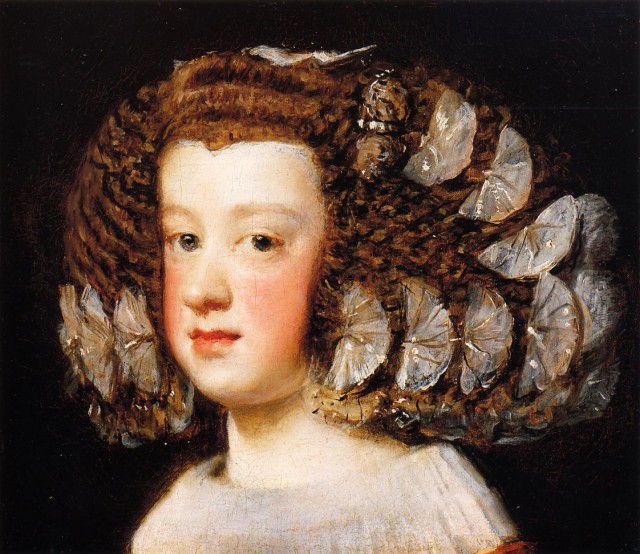
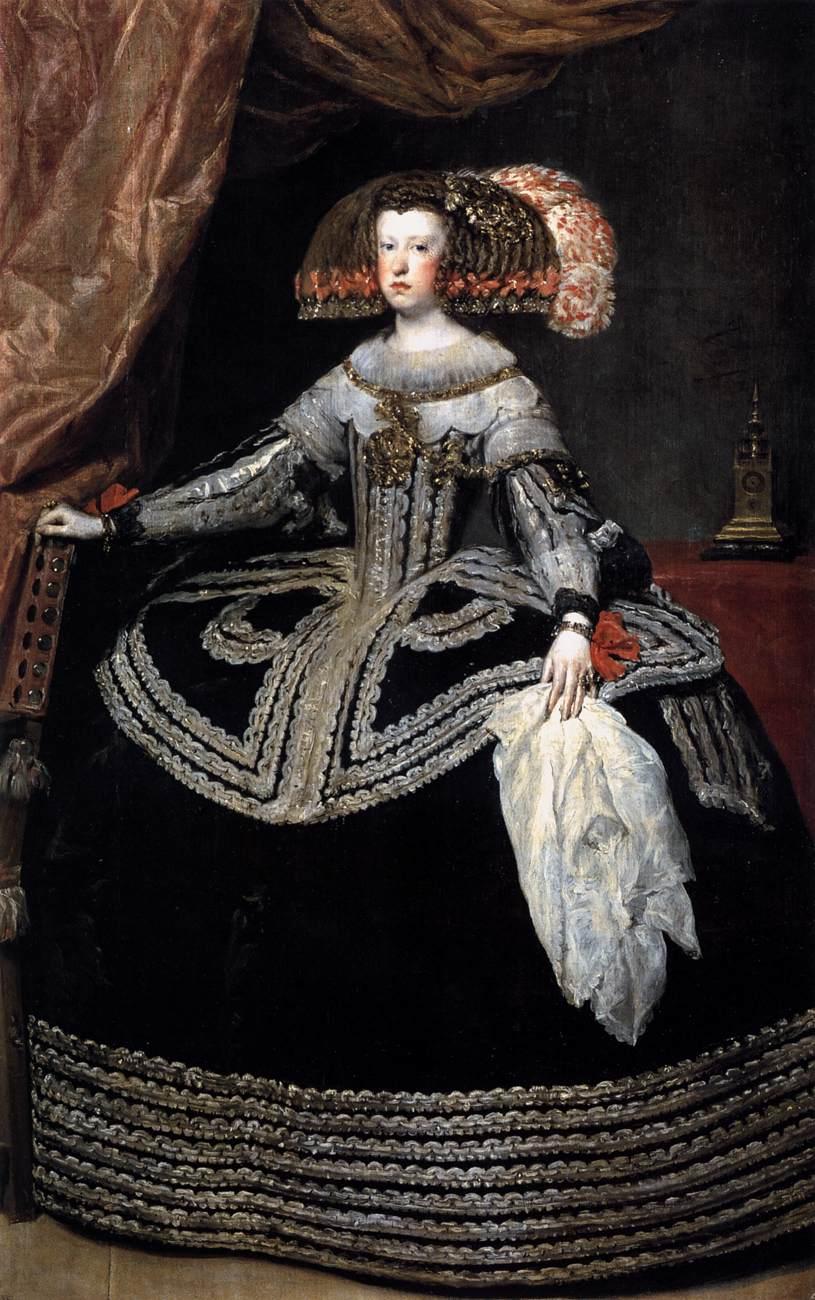
Since Spain occupies so many of my thoughts and pleasures, it is unsurprising that in pursuing that other great passion – art history – I have enjoyed a particular focus on the art of Spain, from the incredible innovation of El Greco and the dark, disturbing black paintings of Goya, to the iconic court portraits of Velázquez’s big-skirted princesses, the exquisite surreal mastery of Dali and the fragmented multi-faceted masterpieces of Picasso.

Velázquez's original Infanta portraits

Velázquez’s original Infanta portraits

357136 Diego Velazquez - Infanta Maria Teresa queen-mariana-of-austria-16531354741336843

Las Meninas

Las Meninas

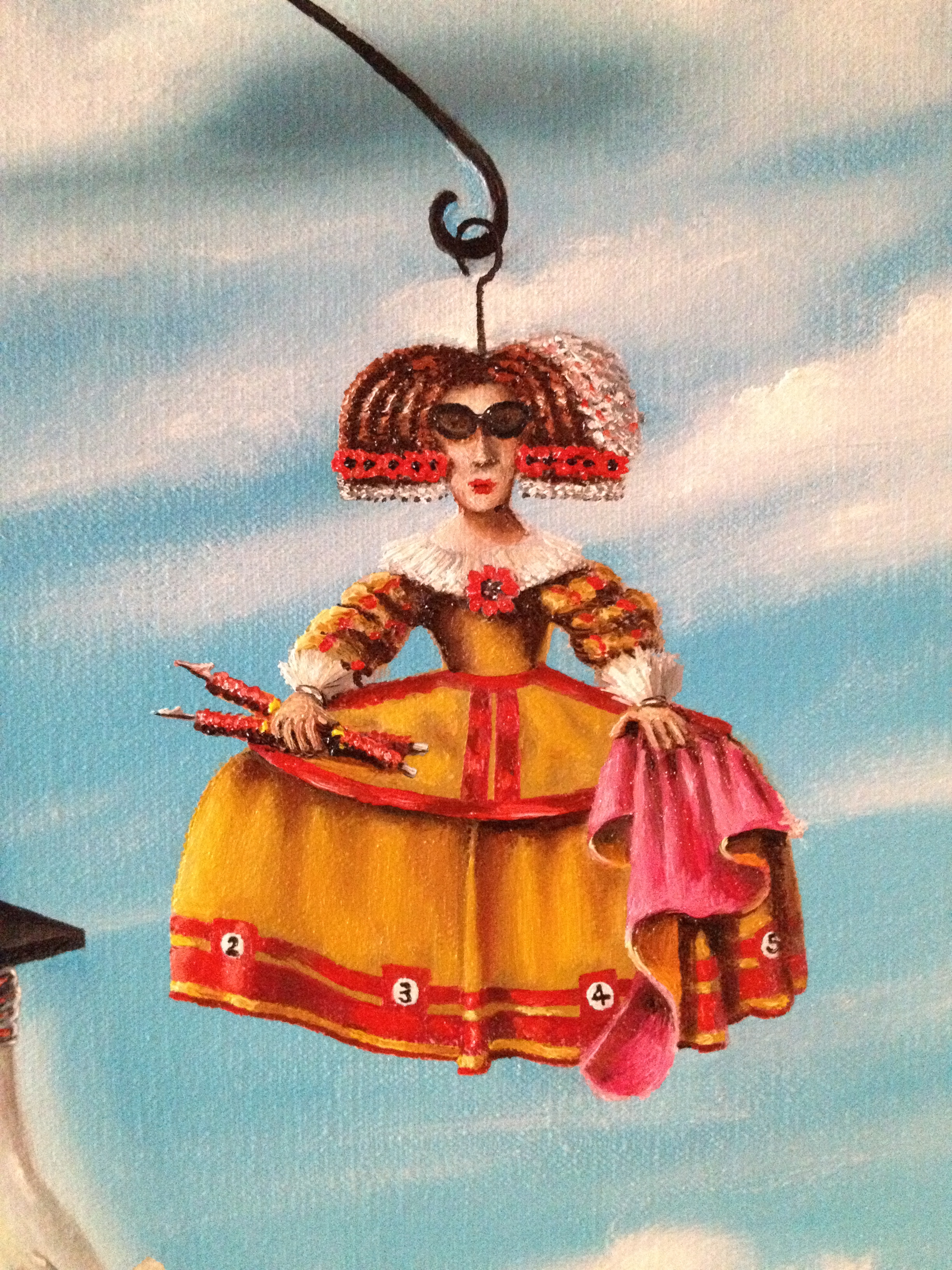
Only one image could perfectly capture these dual loves of Spain and art history: Velázquez’s Infanta, the now iconic image of the Spanish Royal Princess in the court of King Philip IV. These world-famous portraits, centrepieces of Madrid’s Prado gallery and culminating in the breathtaking masterpiece, the group portrait Las Meninas, have inspired countless generations of artists, amongst them Dali and Picasso. I painted my own version of the Velázquez greats in the form of Infanta Norm, and could not resist exploring the image again in this representation of Spain.

Infanta Norm (After Velázquez) (2011, acrylic on canvas) © Nicholas de Lacy-Brown

Infanta Norm (After Velázquez) (2011, acrylic on canvas) © Nicholas de Lacy-Brown

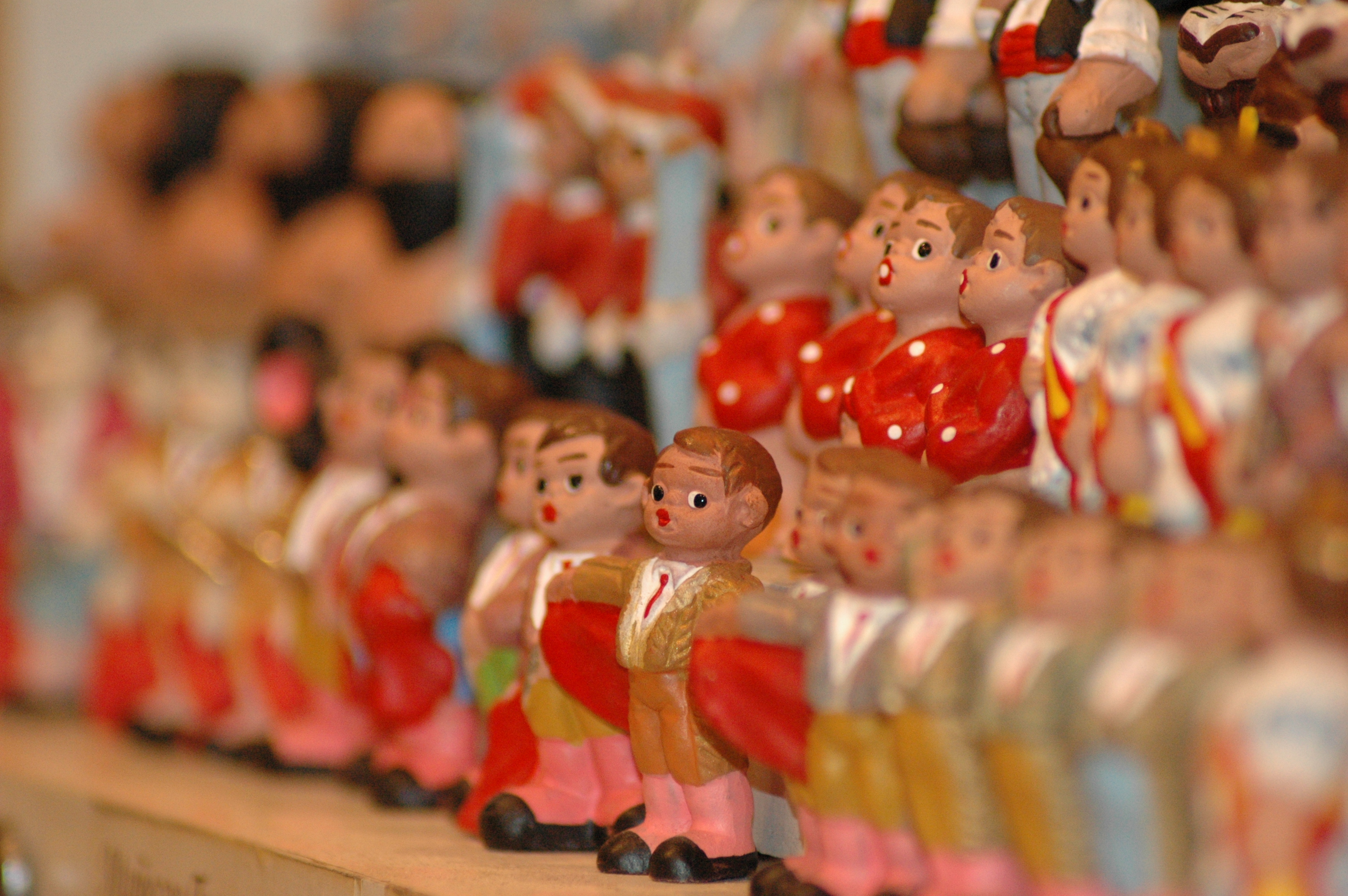
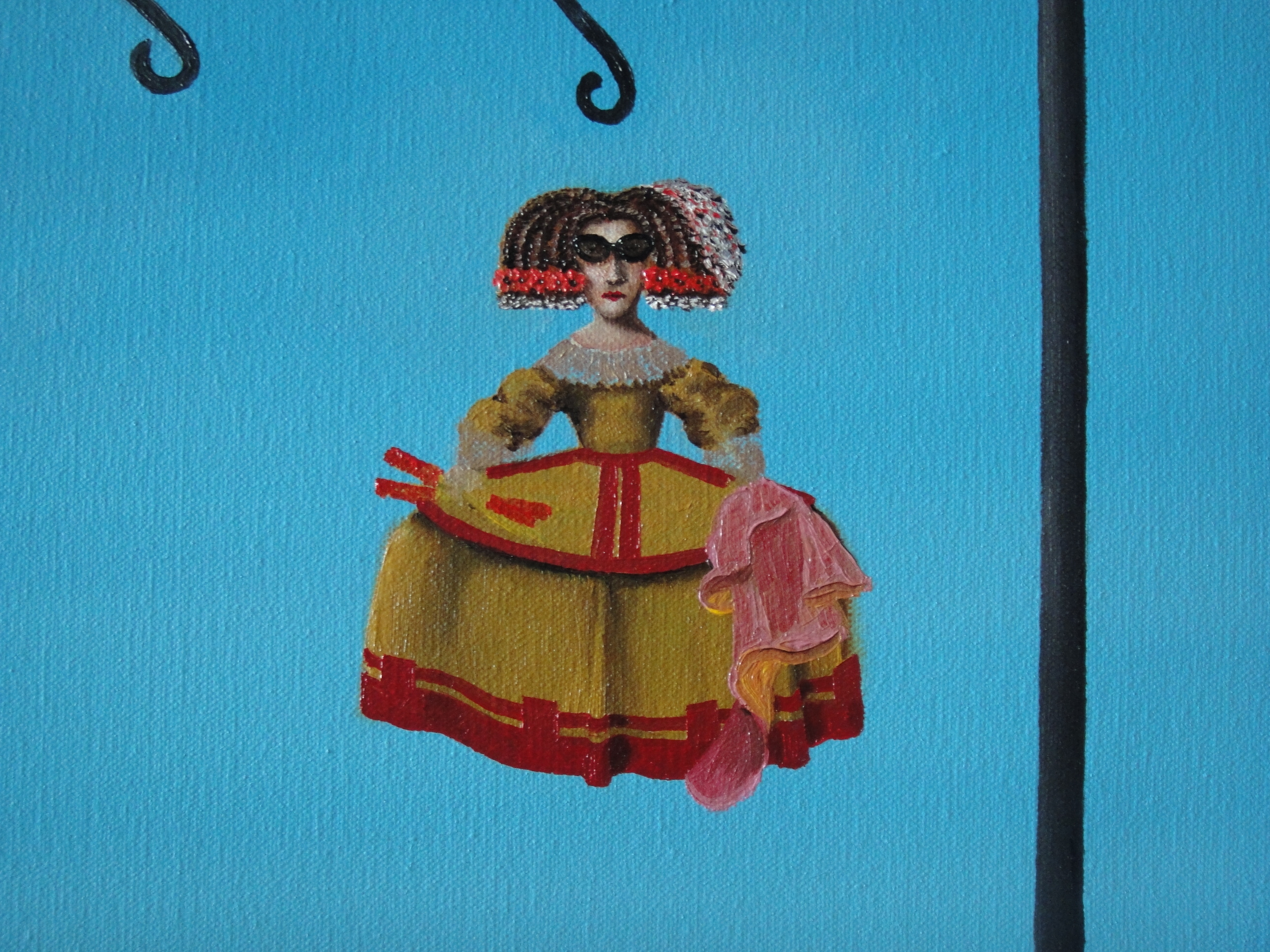
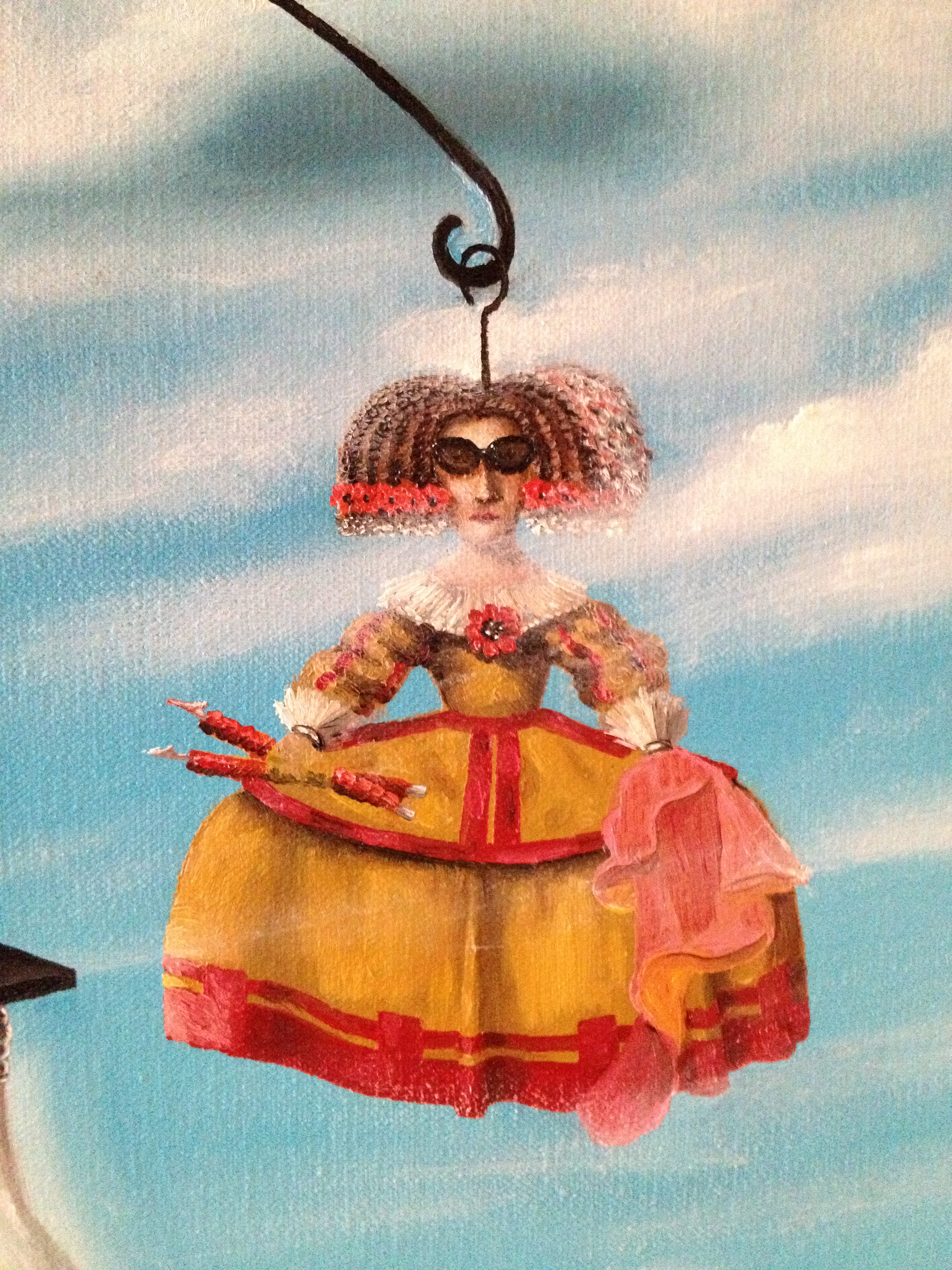
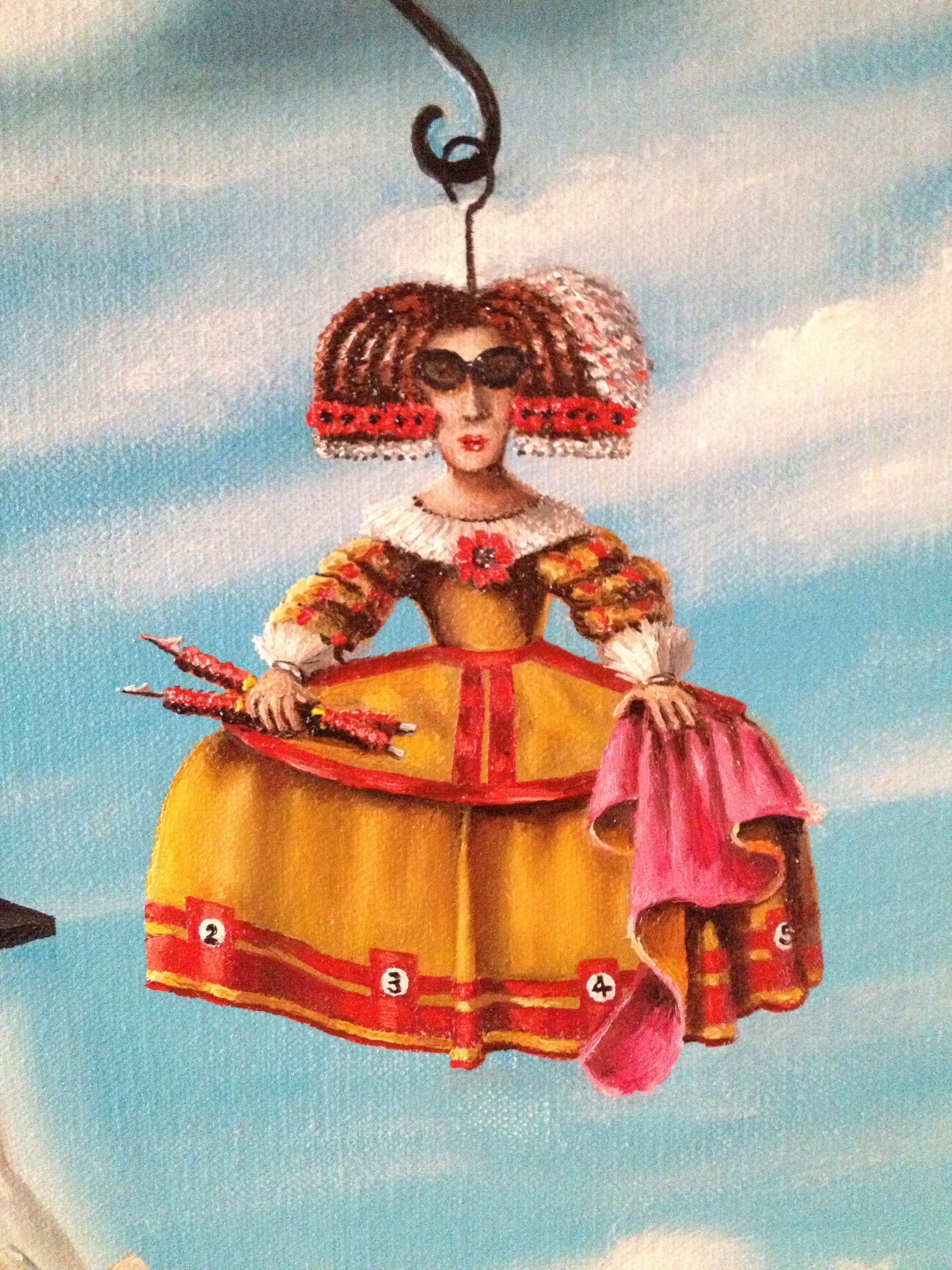
My new image of the Infanta is also a representation of Spain, with her dress painted to resemble both the colours of the Spanish flag and also a bull ring. I always loved Bullfighting as a teenager, and while the bloody sight of death in the afternoon was always a shocking one for someone unused to such a spectacle, there is no denying the elegance of the matador’s costumes (the traje de luces), the contrast of red against the black of the panting bull, the grand parades of the picadores, and the wonderful pomposity of the emboldening paso doble playing in the background. By way of further representation of the Corrida, my Infanta España holds the banderillas which are inserted into the taunted bull, and the pink and gold capote (cape) which is waved in front of its maddened eyes.

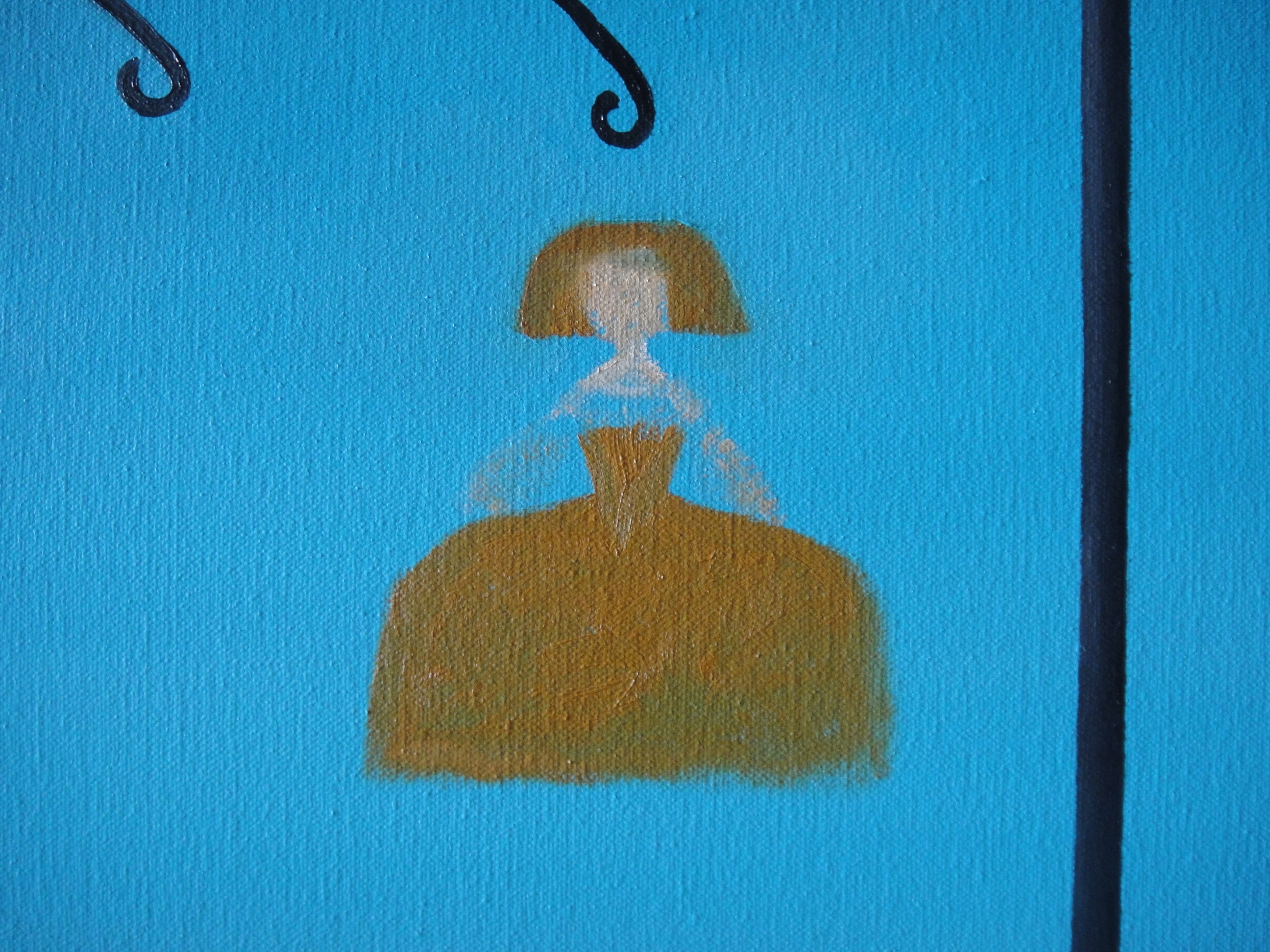
My Infanta España in progress

DSC02005 DSC02009 DSC02029 IMG_3618 IMG_3632

The finished Infanta España

The finished Infanta España

But Spain isn’t just about the bull fighting. Also represented is Spain’s all important tourism industry, here illustrated through my Infanta’s rather fetching sunglasses. We British could do with a bit of that sun right now…

Until next time – Viva España!

Marbella 760

© Nicholas de Lacy-Brown and The Daily Norm, 2001-2013. Unauthorized use and/or duplication of the material, whether written work, photography or artwork, included within The Daily Norm without express and written permission from The Daily Norm’s author and/or owner is strictly prohibited. Excerpts and links may be used, provided that full and clear credit is given to Nicholas de Lacy-Brown and The Daily Norm with appropriate and specific direction to the original content.

Autobiographical Mobile: My painting diary – Day 18: My Art and my Paris

I couldn’t be much more passionate about the second of my painted “favourite things” if I tried. The next metaphor of my life’s great loves to make it onto my latest large canvas – my Autobiographical Mobile – is Art, and Paris.

Paris was the city that made me who I am today. It started on a school trip, when my teacher led me, her hands covering my eyes, into the Place du Tertre atop the Butte de Montmartre, and quickly uncovering them, revealed a scene of such lavish character, such indubitable gyrating ecstatic energy and historical charm that I fell in love. My heart dropped to the cobbled paving beneath my feet, and has stayed in the heart of Montmartre, beating there ever since. Now, when I plug myself into the city on an almost annual basis, I cannot help but swarm mesmerised around the quaint streets, meander around the boutique-lined boulevards, and lounge like a flaneur outside the street cafes and in leafy parks, gazing in never-ending admiration at the beauty of the urban landscape around me.

Le Paris Formidable (2000, acrylic on canvas) © Nicholas de Lacy-Brown

Le Paris Formidable (2000, acrylic on canvas) © Nicholas de Lacy-Brown

With Paris came Art. For not only does the city ooze creativity from its every crack and surface, but it has also inspired some of the most illustrious artists in recent art history. As well as the slightly less illustrious ones, like me. While I had been painting for some years, the real turning point of my career, when I went from doodles and watercolours to large scale canvases, was when at the age of 16 I embarked on one of my greatest projects, and still my second biggest canvas ever, Le Paris Formidable.

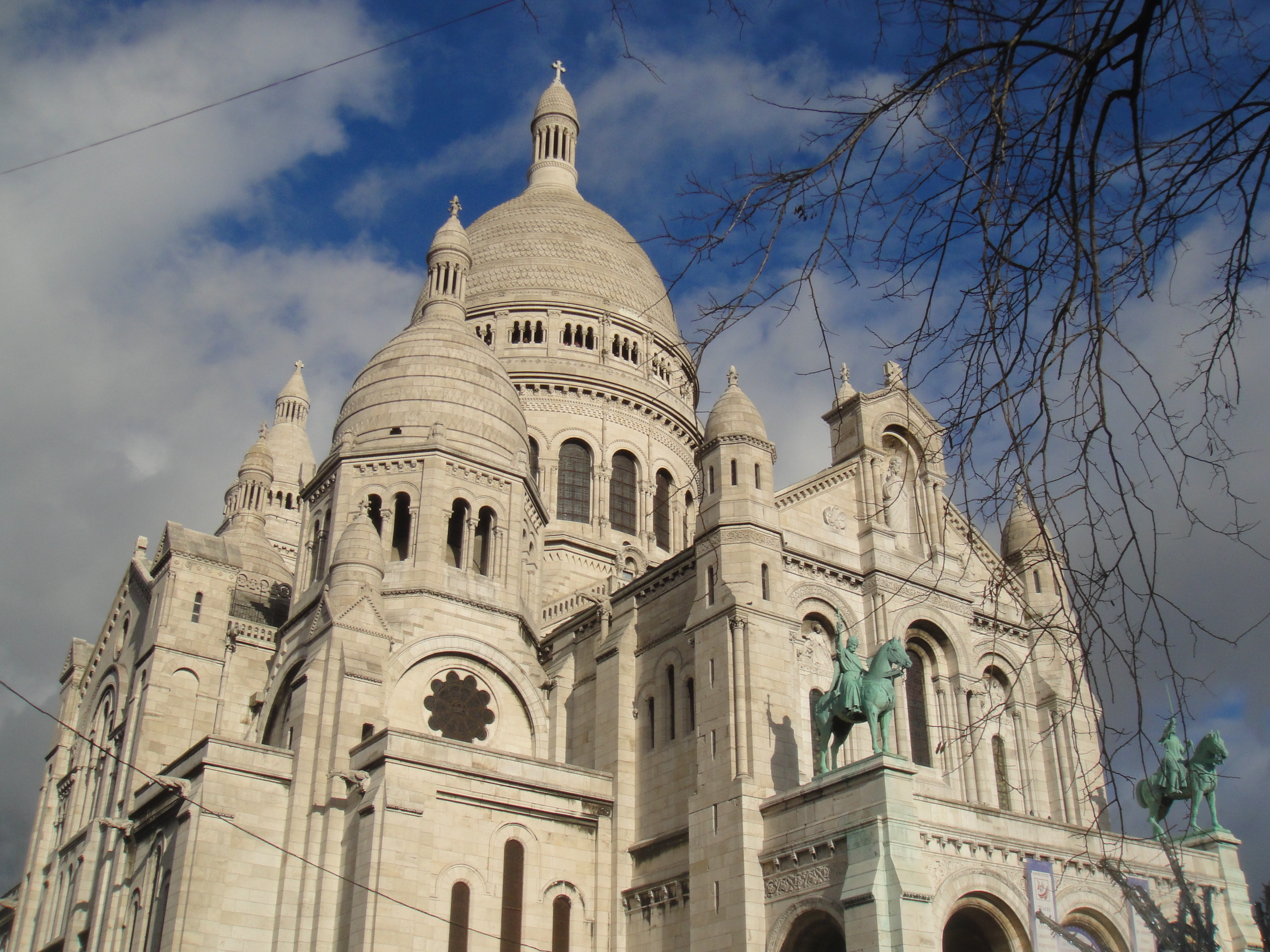
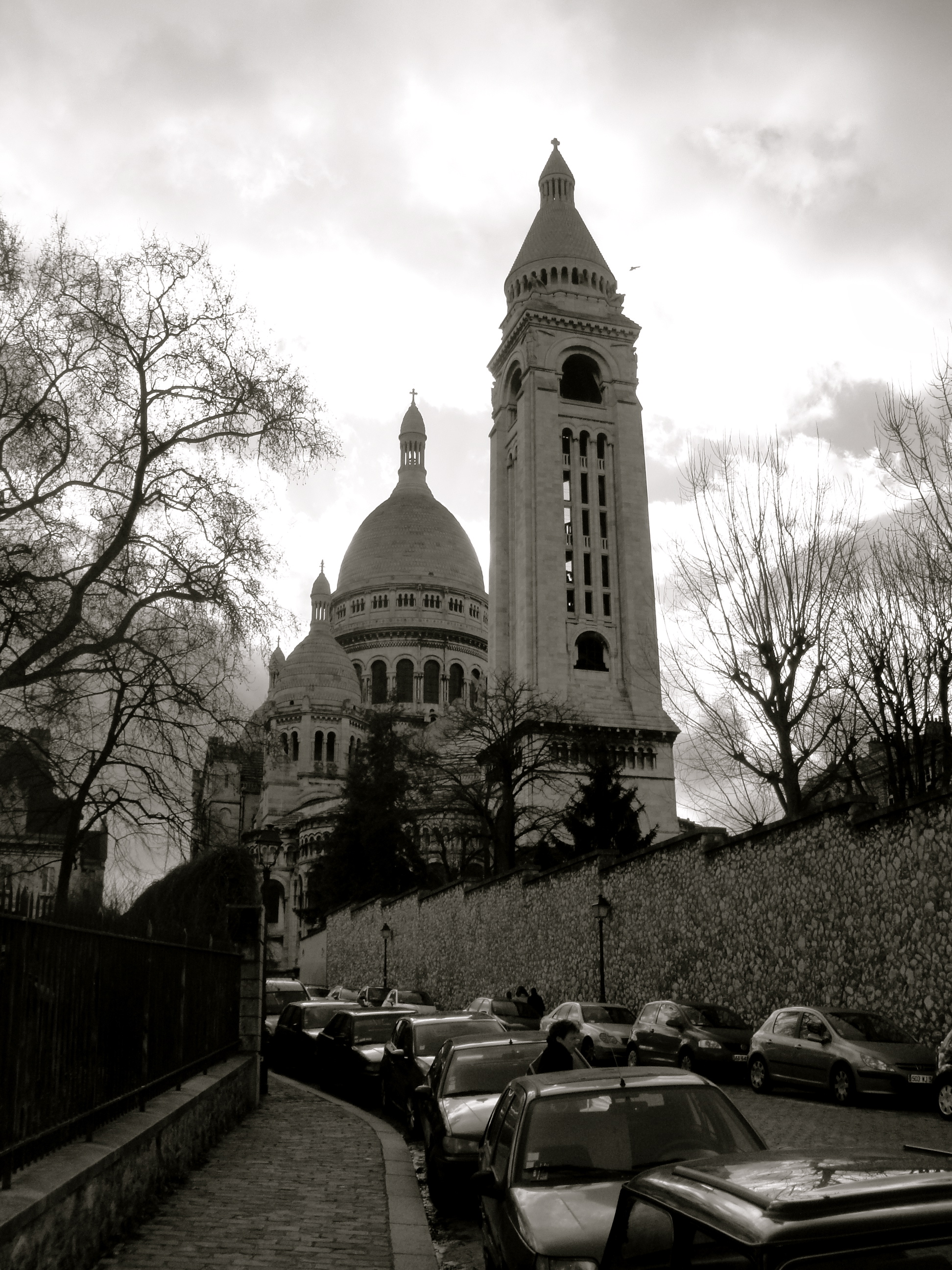
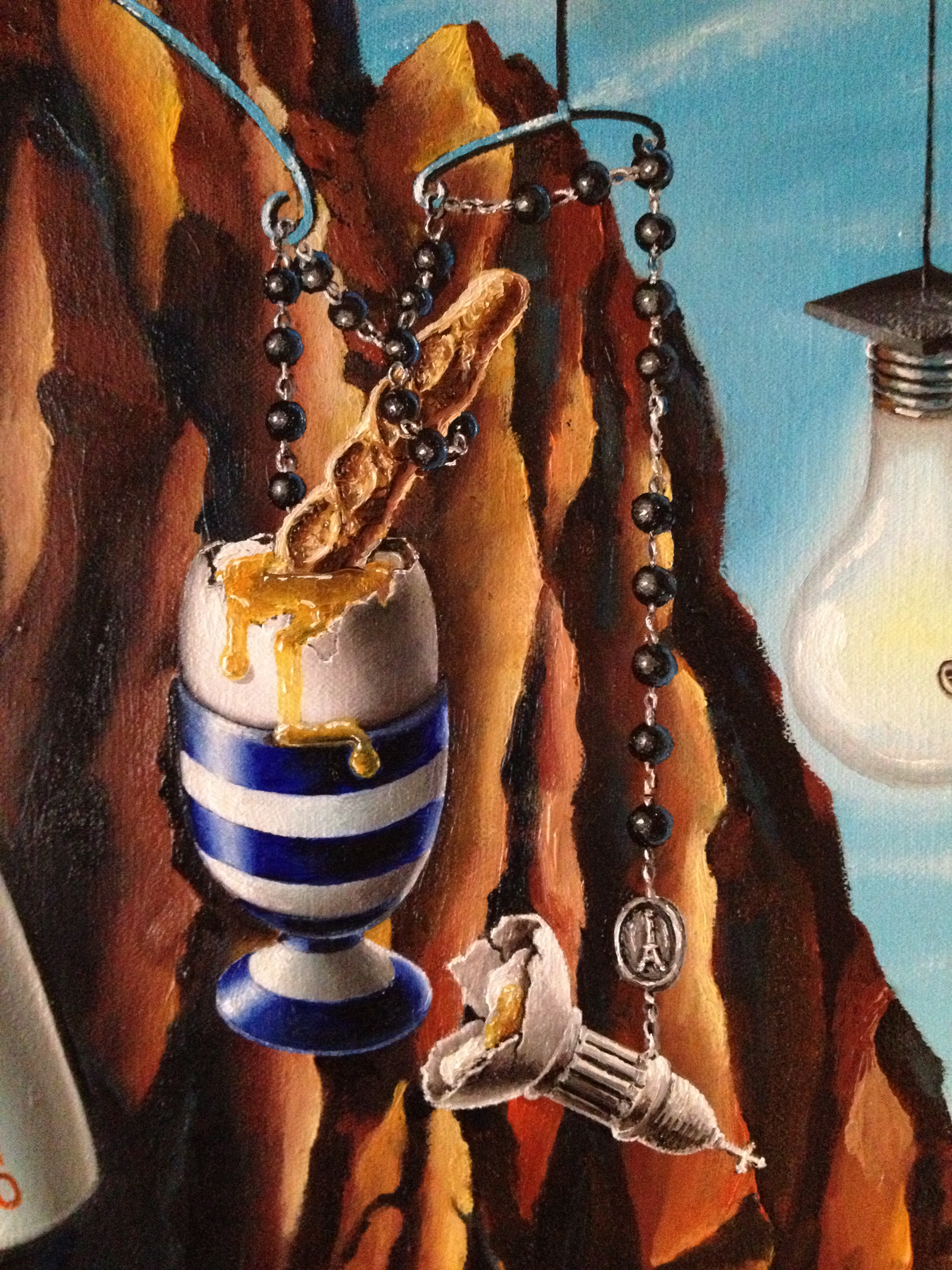
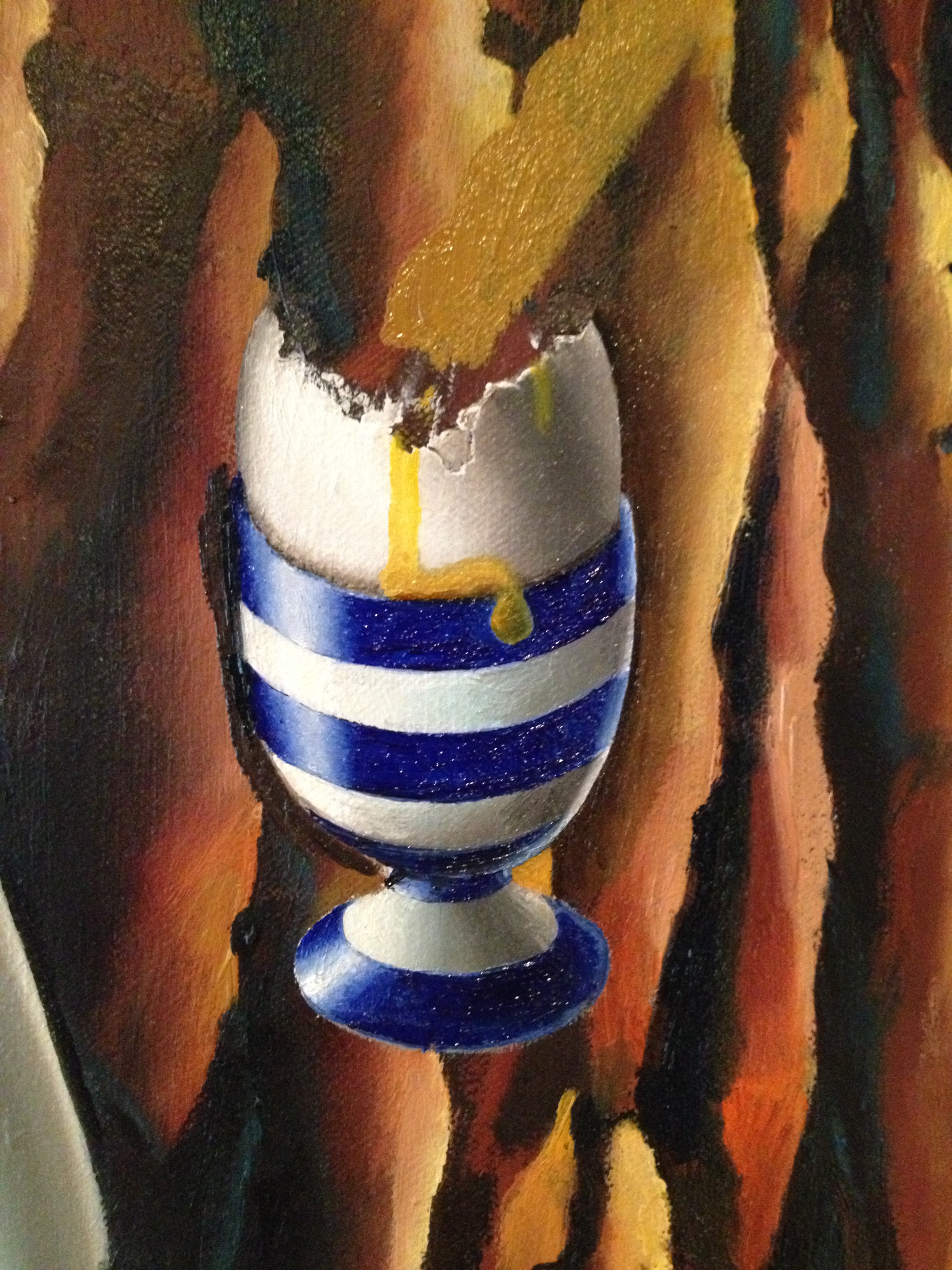
Le Paris aimed to show my beloved Paris from various unusual standpoints, and one of my favourite images was my depiction of the Sacre Coeur, the church atop Montmartre, as a series of eggs in egg cups and split open lavishing the surrounding blue canvas with their eggy contents. The image spoke both of the architectural charisma of this multi-domed church, as well as the inherent fragility of a 21st century Catholic Church. In one dome in particular, a French baguette plunged into the waiting yolky contents like an egg soldier, but also the body of Christ, while his blood, the wine, was represented by the main dome upturned like a communion chalice.

The real thing…

DSC04826 DSC04821 DSC04844

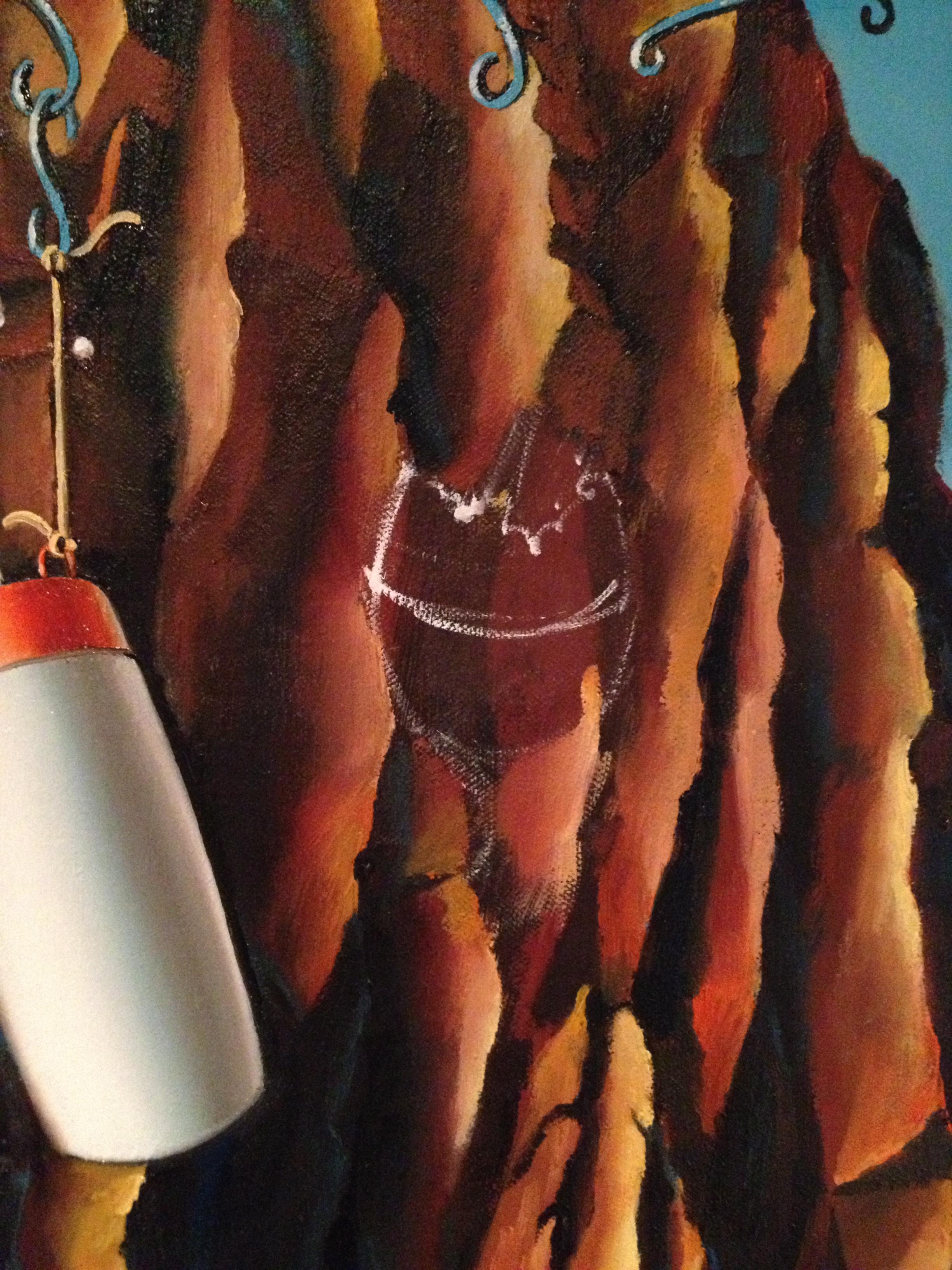
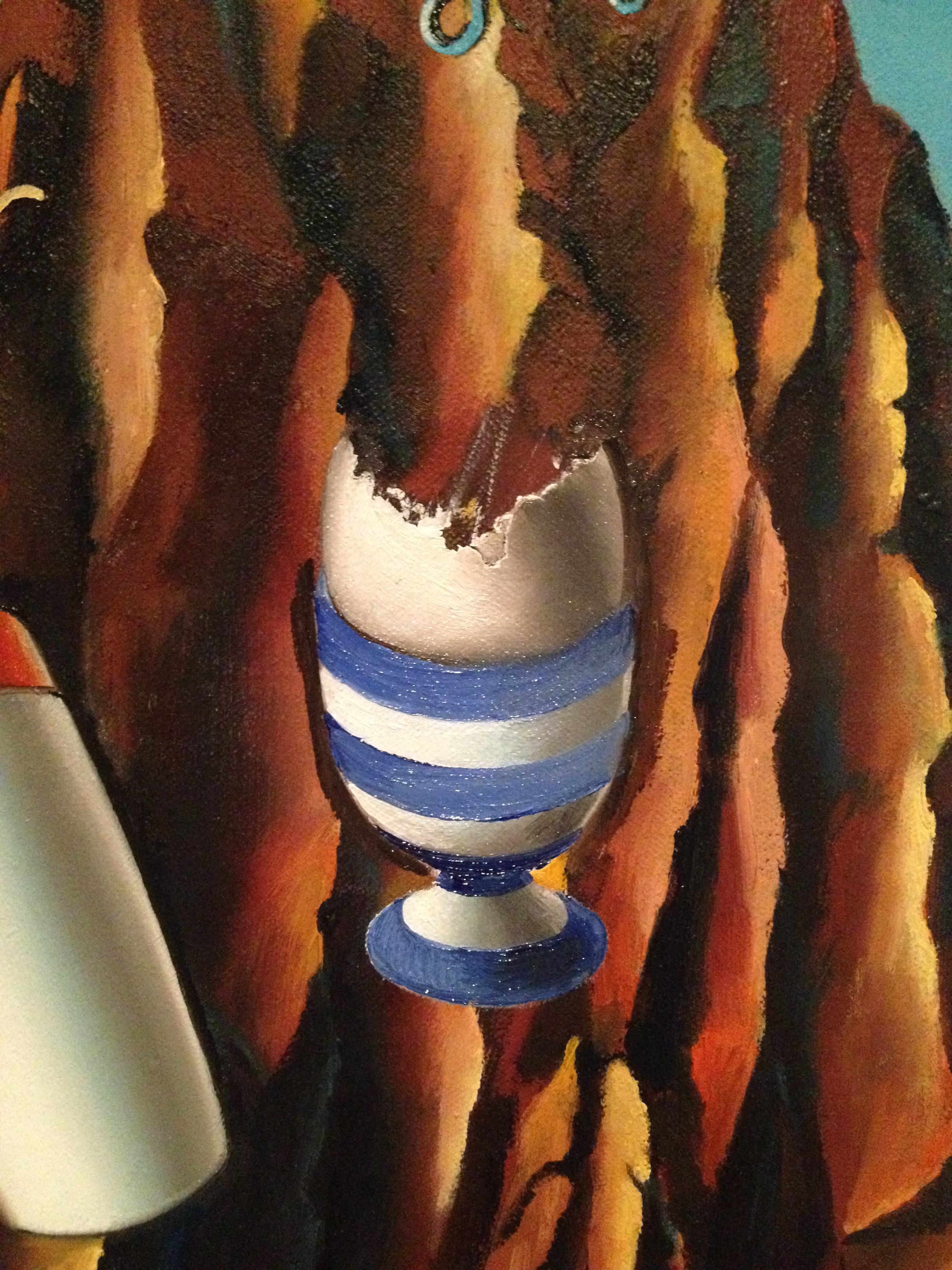
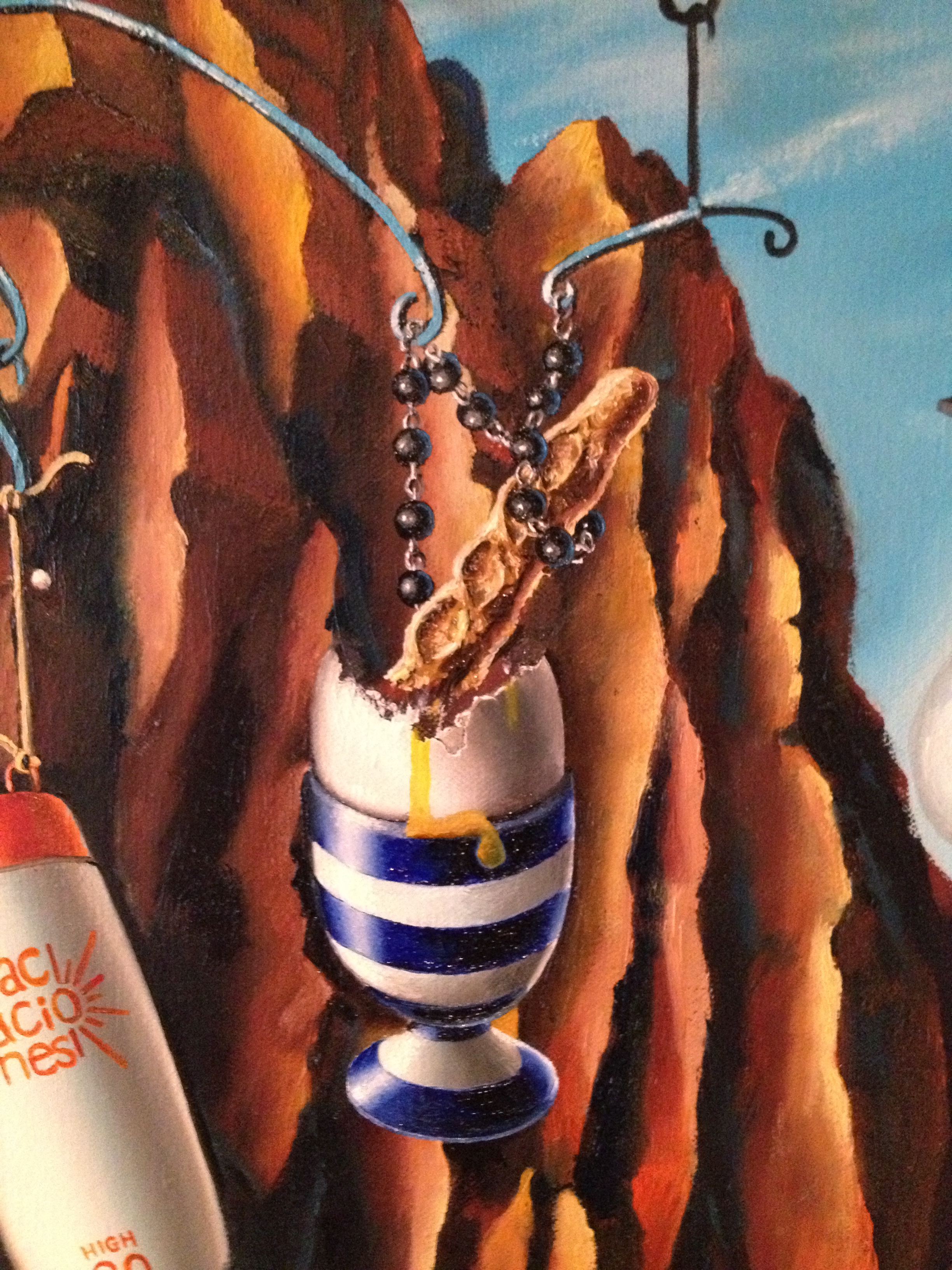
In this new painting I have replicated the egg soldier image, but with some extra frills. Both parts of the egg, and the baguette, are connected to the mobile by what looks like rosary beads, but whose religious imagery is replaced by symbols of Paris – the iconic Eiffel Tower proclaiming that Art and Paris are my ultimate passion: My Religion.

My progress

IMG_3559 IMG_3560 IMG_3562 IMG_3566 IMG_3577 IMG_3579 IMG_3583 IMG_3585 IMG_3588 IMG_3593IMG_3615

The finished image

The finished image

I find it particularly satisfying to compare both this egg and the egg of my 16 year old self – a first great painting, when my untrained skills we still naive. My skills now (although still untrained) have improved, and I feel confident in my ability to better understand light and shadow and dimension so much better than 13 years ago. Yet the idea of my 16 year old self – the Sacre Coeur as eggs – is almost surprisingly impressive to me, innovation which my adult self may struggle to come up with, but which works so well now in this revolution of my art – art revisited for this autobiographical expression of my life, on canvas.

...and the 2000 image

…and the 2000 image

© Nicholas de Lacy-Brown and The Daily Norm, 2001-2013. Unauthorized use and/or duplication of the material, whether written work, photography or artwork, included within The Daily Norm without express and written permission from The Daily Norm’s author and/or owner is strictly prohibited. Excerpts and links may be used, provided that full and clear credit is given to Nicholas de Lacy-Brown and The Daily Norm with appropriate and specific direction to the original content.

Autobiographical Mobile: My painting diary – Day 17: Travel/ Gastronomy

After what felt like months of working and reworking the Mallorcan beach background of my latest large-scale painting, my Autobiographical Mobile, I have finally started to complete some of the finer details of the work and find myself galloping into the final stretch (albeit over the hurdles which are inexorably cast into my path by a full-time job working in the law). Those details are, arguably, the most important sections of the painting, as they are the series of symbols and metaphors which hang from a large Calder-style mobile representing a biography of my life. On one side, the mobile balances my great loves and passions, on the other, the black spots and bad experiences I have encountered and, in some cases, which continue to cast their dark shadow over my life.

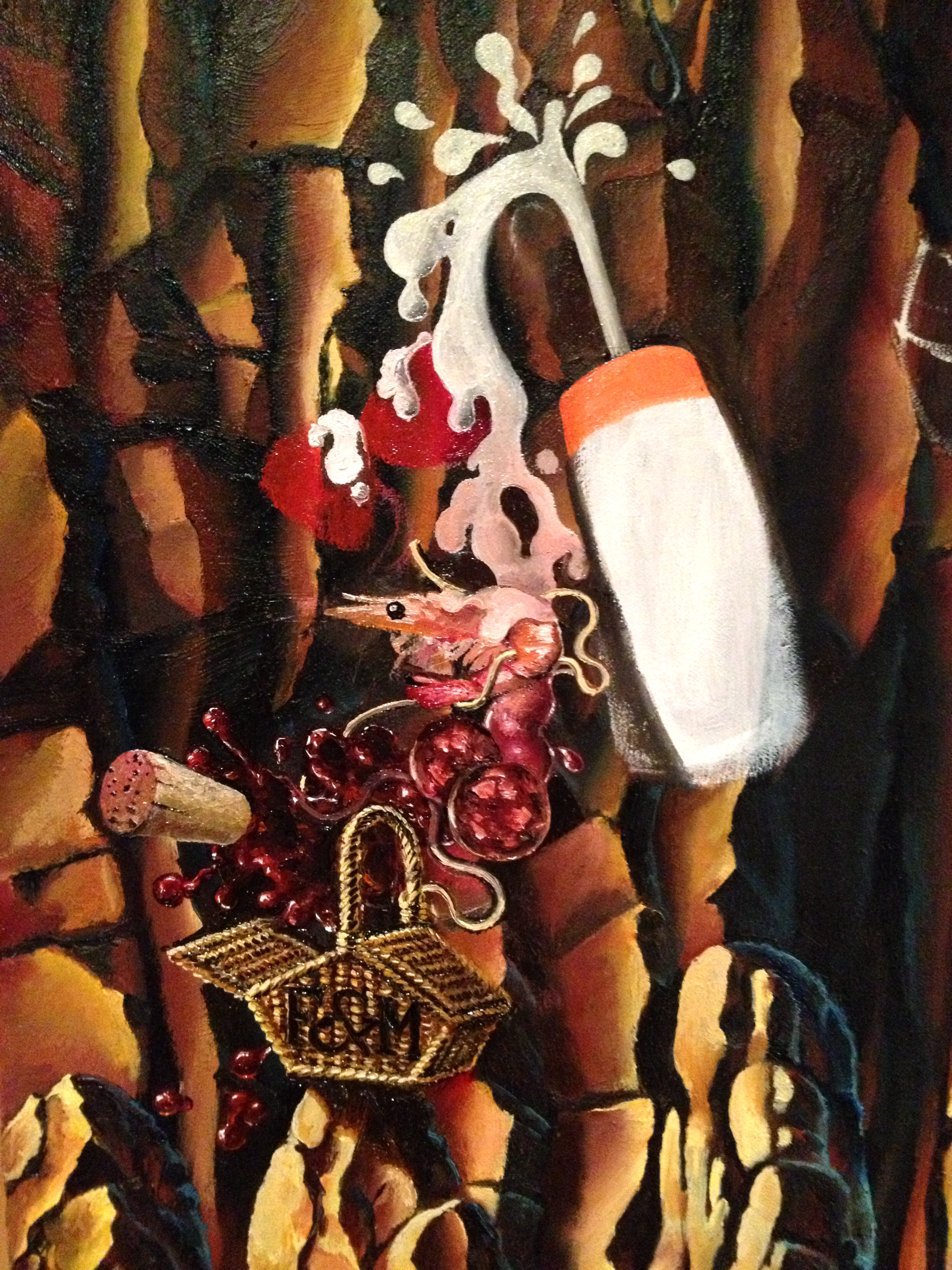
Over the last few days, I have concentrated on the jocular manifestation of my life’s favourite things, the section of the painting which reads a bit like the song from The Sound of Music. Of the four symbols hanging on the positive side of the mobile, the first I tackled was my symbol of travel and gastronomy. I should start by explaining that each of my symbols have a double meaning, encompassing at least two of my passions (and therefore giving the metaphors more complexity and freeing up space on the canvas). As regular readers of The Daily Norm will have noticed, I am inexcusably fond of both travel, and of food (both cooking, and of course, of eating) and particularly enjoy both pursuits when they have something of a Spanish flavour.

Progress on my travel/ gastronomy metaphor…

IMG_3523 IMG_3525 IMG_3526 IMG_3530 IMG_3545 IMG_3555 IMG_3576

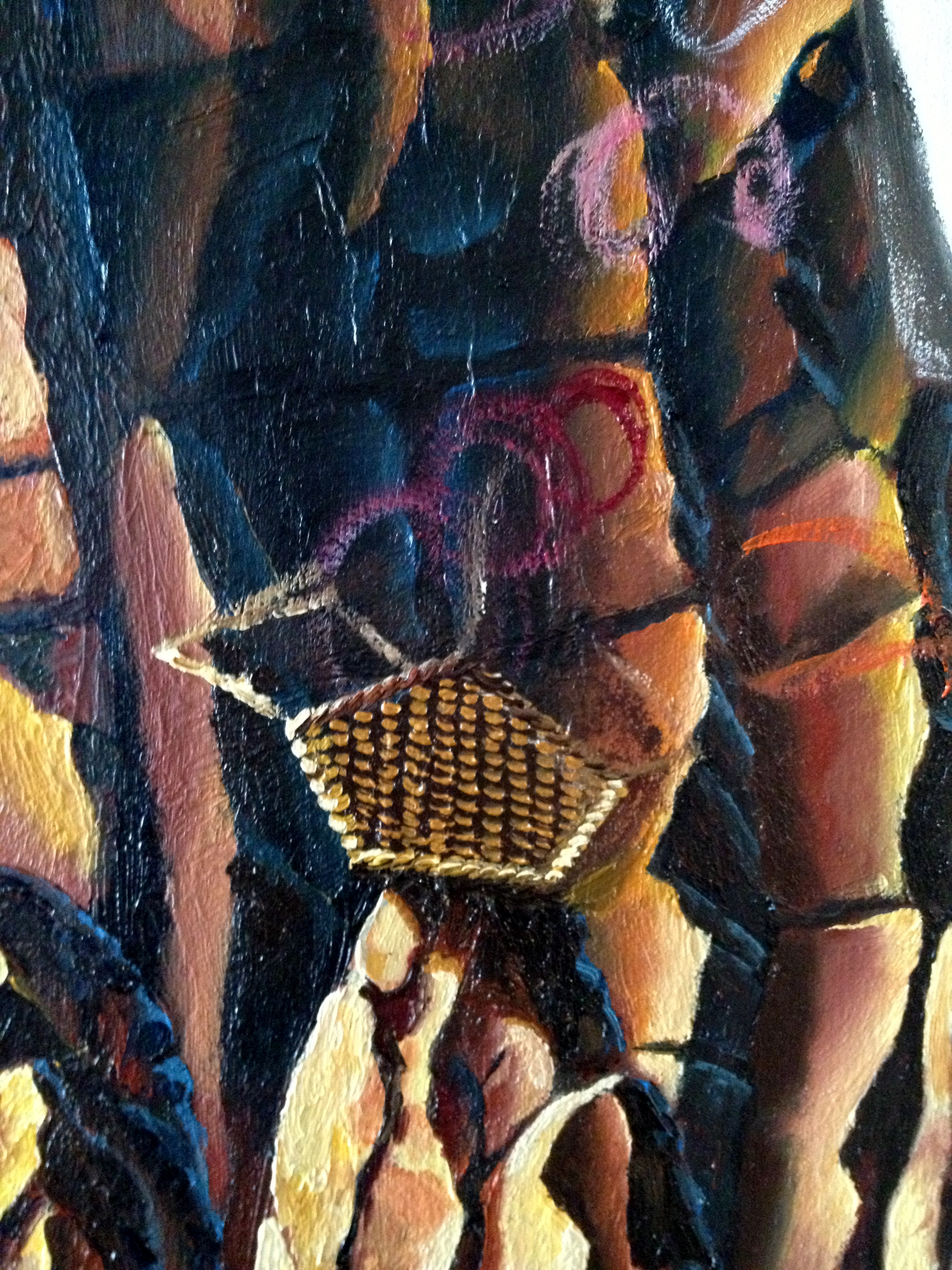
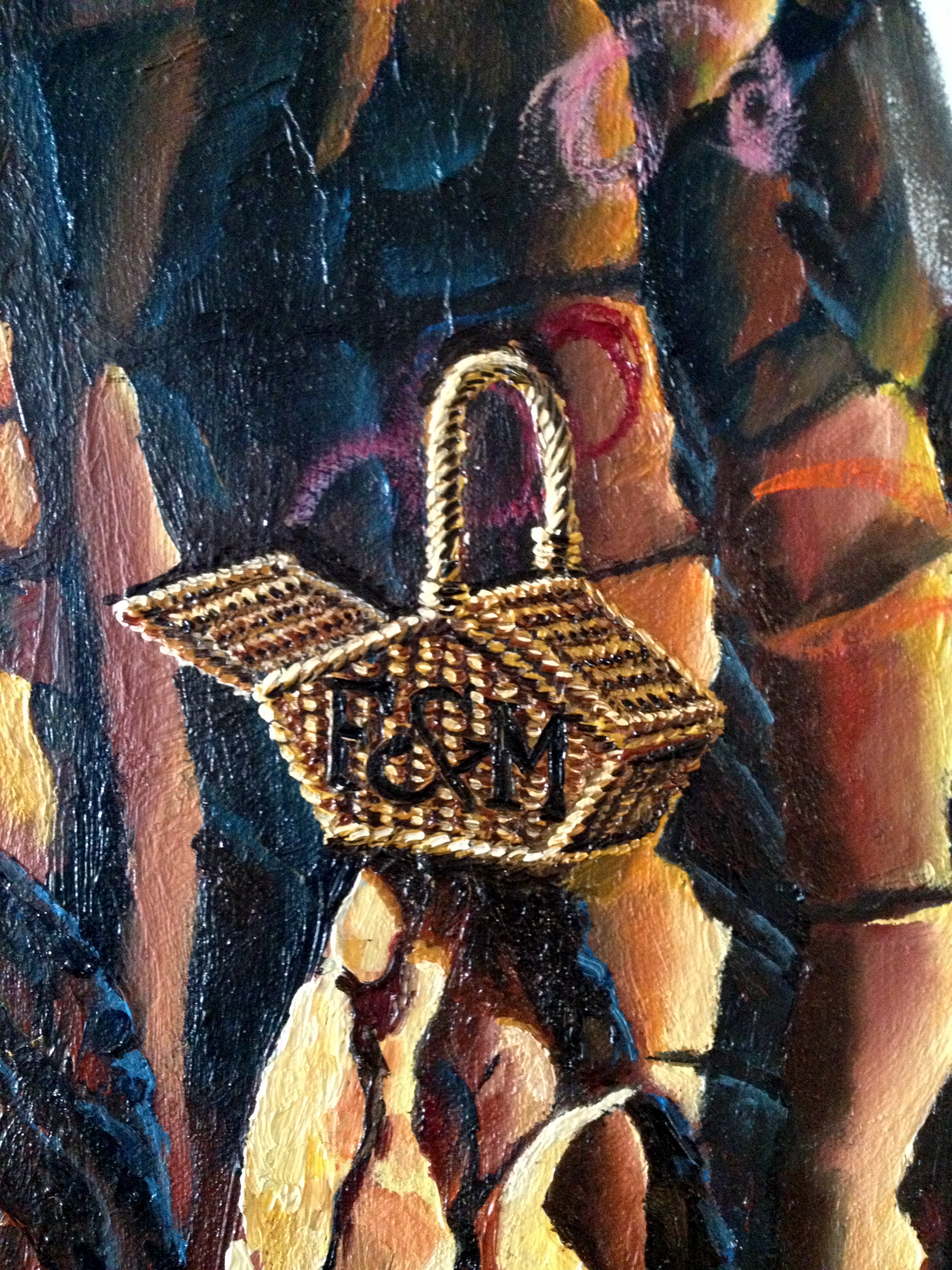
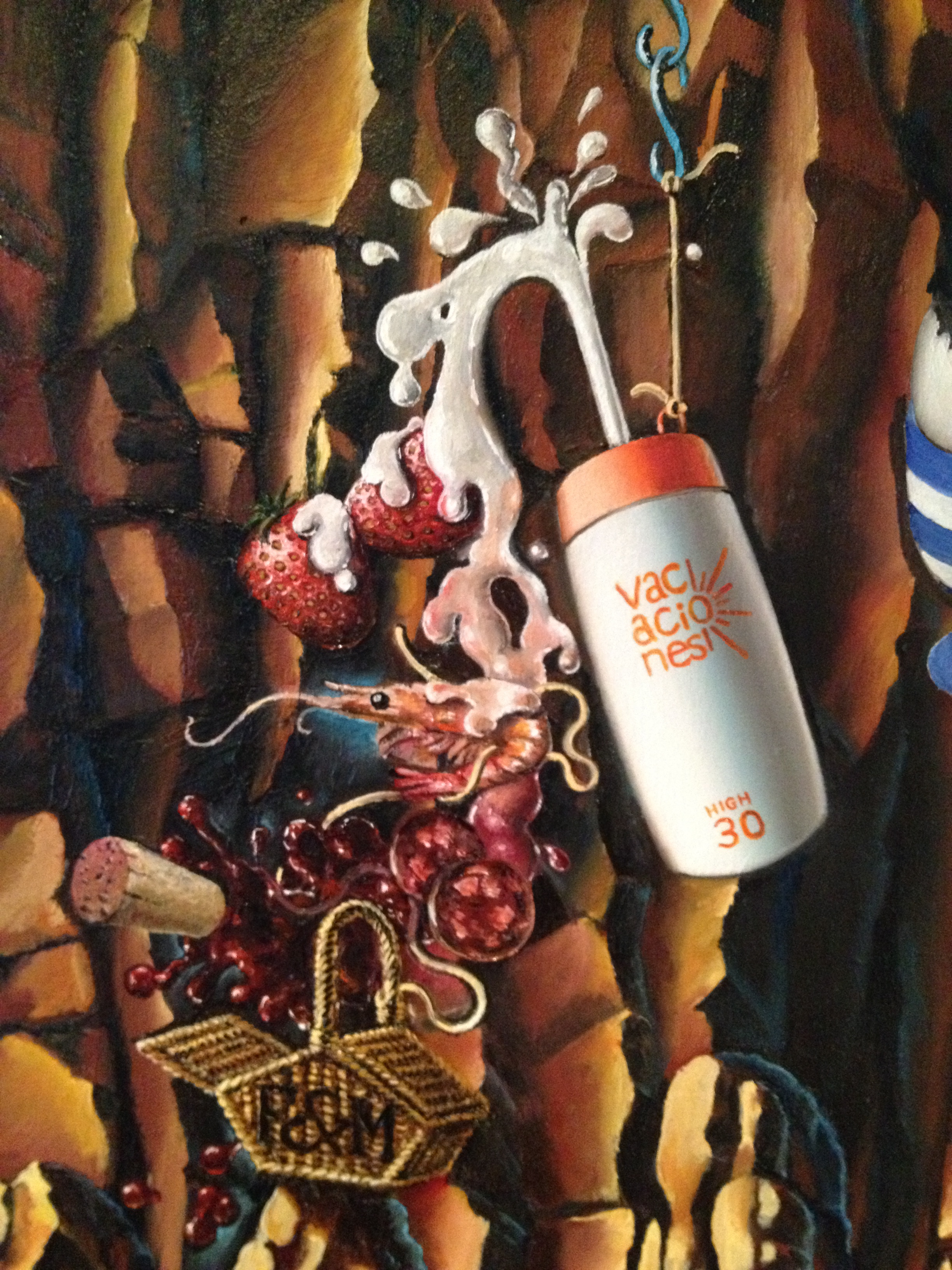
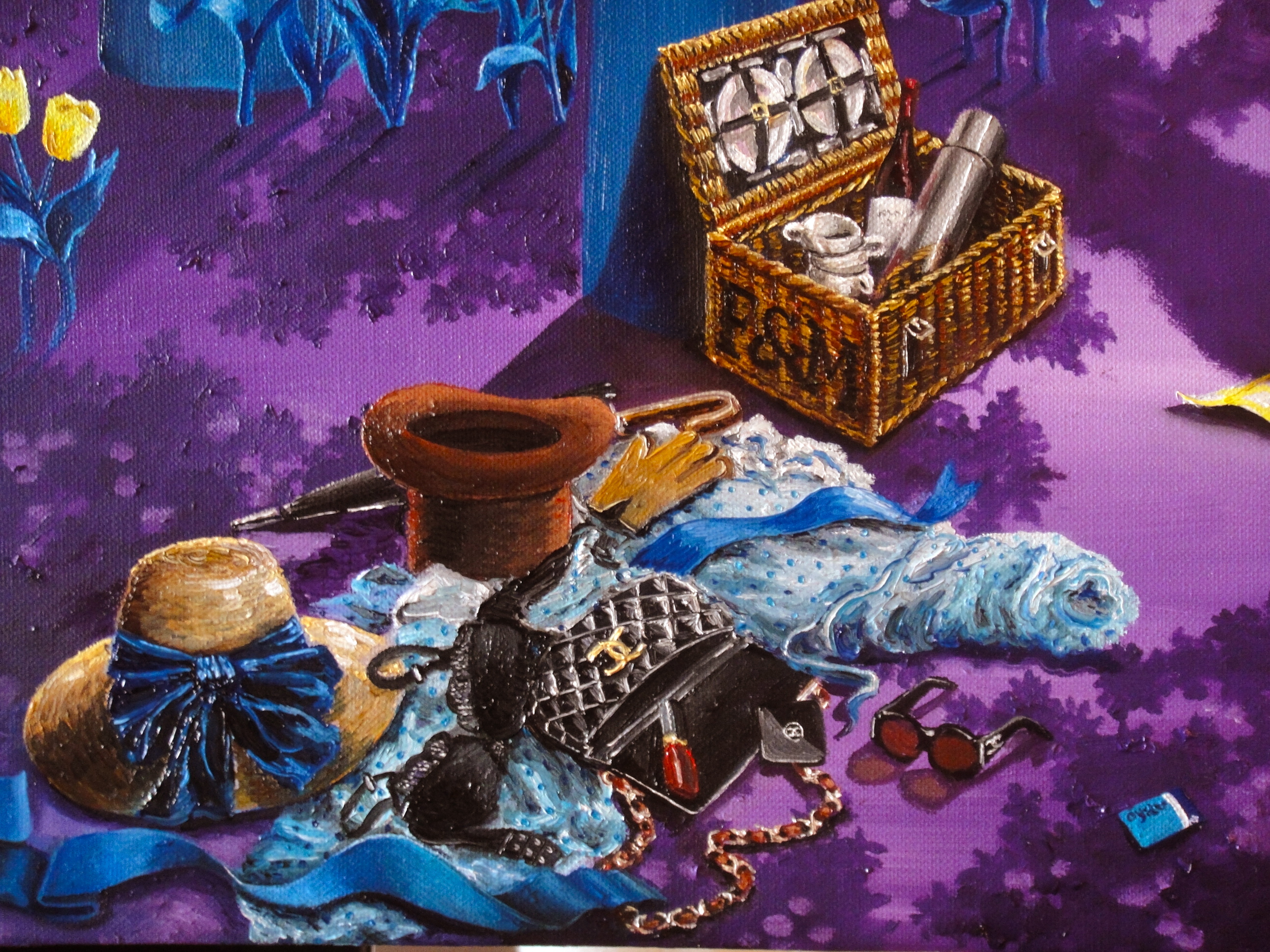
Representing both passions therefore, I have painted a bottle of sun-cream. It has a high protection level (30) which also happens to be my impending next birthday-age. On the bottle, the word “vacaciones” which is Spanish for “holidays” is suitably branded, surrounded by sun-rays (I’m quite pleased with this – I clearly should have been a brand designer!). Squirting from the bottle, the sun-cream becomes edible cream which itself swathes around two juicy strawberries – a representation of fresh, ripe summery food. The cream, graduating downwards, becomes a pinker marie-rose sauce, which in turn accompanies some succulent prawns. These in turn are accompanied by two slices of my favourite of all meats – Spanish chorizo sausage (chorizo and prawns are often to be found together in a great big pan of Spanish paella) and the chorizo is in turn doused in a delicious red wine (thus making the popular tapas dish, Chorizo al Vino) which has metamorphosed out of the marie-rose sauce. The final item on the flurry of food then is wine, as ever a subject of my most tender affection, and represented by an energetic splash and a wine bottle cork. All of this falls into a Fortnum and Mason’s picnic hamper (an icon of my favourite London department store), whose basket twine starts to unravel, curling like a piece of spaghetti around the food suspended above it.

It’s a rather complex image, but I have always had a penchant for images which metamorphose, as one object becomes another, and an image builds in complexity and entendre. Check out the third painting of my 2005 Joie de Vivre series for example. Amongst the metamorphoses there are harbour lights which become pearls which become buoys floating in the water, and rain which becomes snow which becomes ice cream.

Joie de Vivre/ Zest of Life 3: Casino Nights (2005 © Nicholas de Lacy-Brown, acrylic on canvas)

Joie de Vivre/ Zest of Life 3: Casino Nights (2005 © Nicholas de Lacy-Brown, acrylic on canvas)

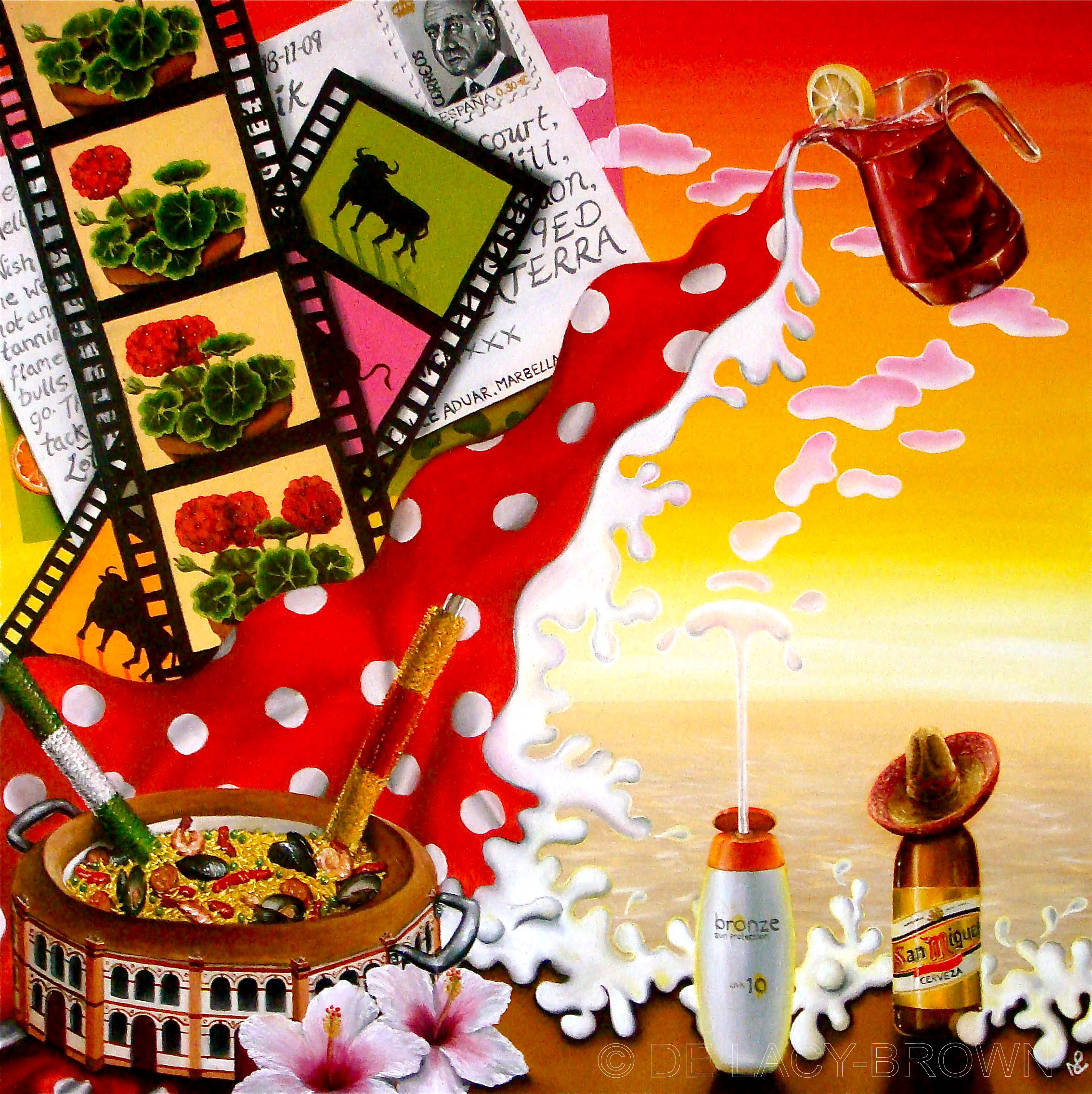
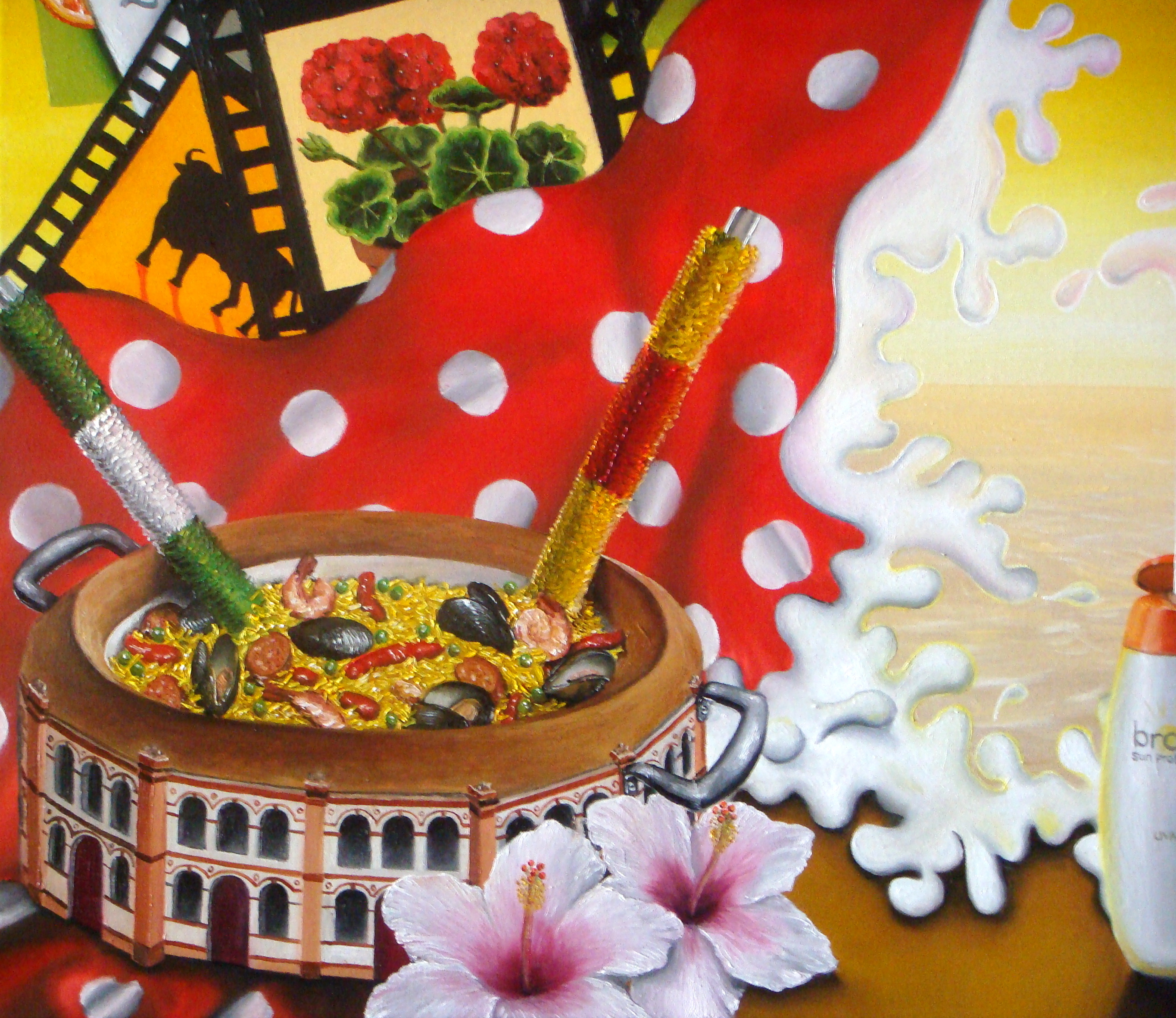
As much of the current painting deals with my life, it’s unsurprising that many of my symbols which make direct reference back to my past body of art work. In painting the sun-cream bottle, for example, I make direct reference to my 2009 painting, Souvenir of Spain, which deals with the tourist stereotypes of my favourite country. Amongst them is the general consensus of the ignorant British tourists that Spain is all about “sea, sand, sex and sangria” hence the symbols of sunbathing which permeate the piece. Here’s that painting and some detailed shots of the work, including, as you will see, my previous depiction of Spanish cuisine, namely the iconic paella, a fodder of Spanish tourist haunts all over the world, and which here is painted inside of a bullfighting ring.

Souvenir of Spain (2009 © Nicholas de Lacy-Brown)

Souvenir of Spain (2009 © Nicholas de Lacy-Brown)

DSC08783 DSC08796 DSC08789

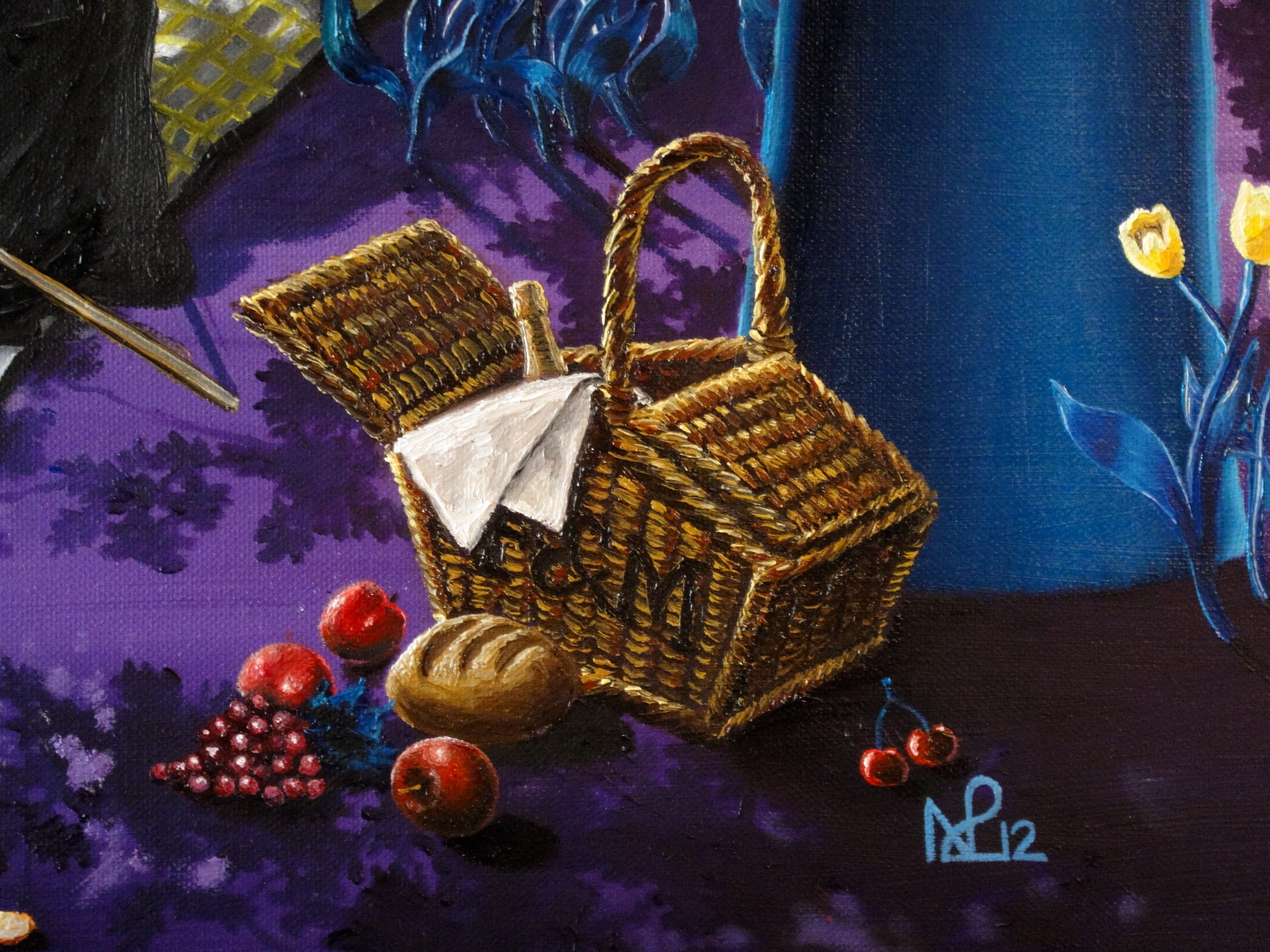
This image also references back to my Norm depiction of Manet’s Le Dejeuner sur l’Herbe, and the two Fortnum and Mason’s hampers I included in that fine picnicking piece. For me the idea of being out in the summer warmth, feasting of the grass out of a decadent Fortnum’s hamper is amongst the most pleasant of all thoughts. Ironically I have never owned a Fortnum’s hamper (they’re not cheap…) but my ambition to get my hands on one (preferably a full one!) lives on. Maybe as a present to myself when this large painting is finally complete?

Le Déjeuner sur l'herbe (after Manet) 2012 © Nicholas de Lacy-Brown, Oil on canvas

Le Déjeuner sur l’herbe (after Manet) 2012 © Nicholas de Lacy-Brown, Oil on canvas

Fortnum and Masons Hamper with bread, grapes, apples and cherries

Fortnum and Masons Hamper with bread, grapes, apples and cherries

The Norms' discarded clothes and handbag

The Norms’ discarded clothes and handbag

Up next time… My art and my adored Paris.

© Nicholas de Lacy-Brown and The Daily Norm, 2001-2013. Unauthorized use and/or duplication of the material, whether written work, photography or artwork, included within The Daily Norm without express and written permission from The Daily Norm’s author and/or owner is strictly prohibited. Excerpts and links may be used, provided that full and clear credit is given to Nicholas de Lacy-Brown and The Daily Norm with appropriate and specific direction to the original content.

Valencia (x) – Photography Focus 4: Favourite shots

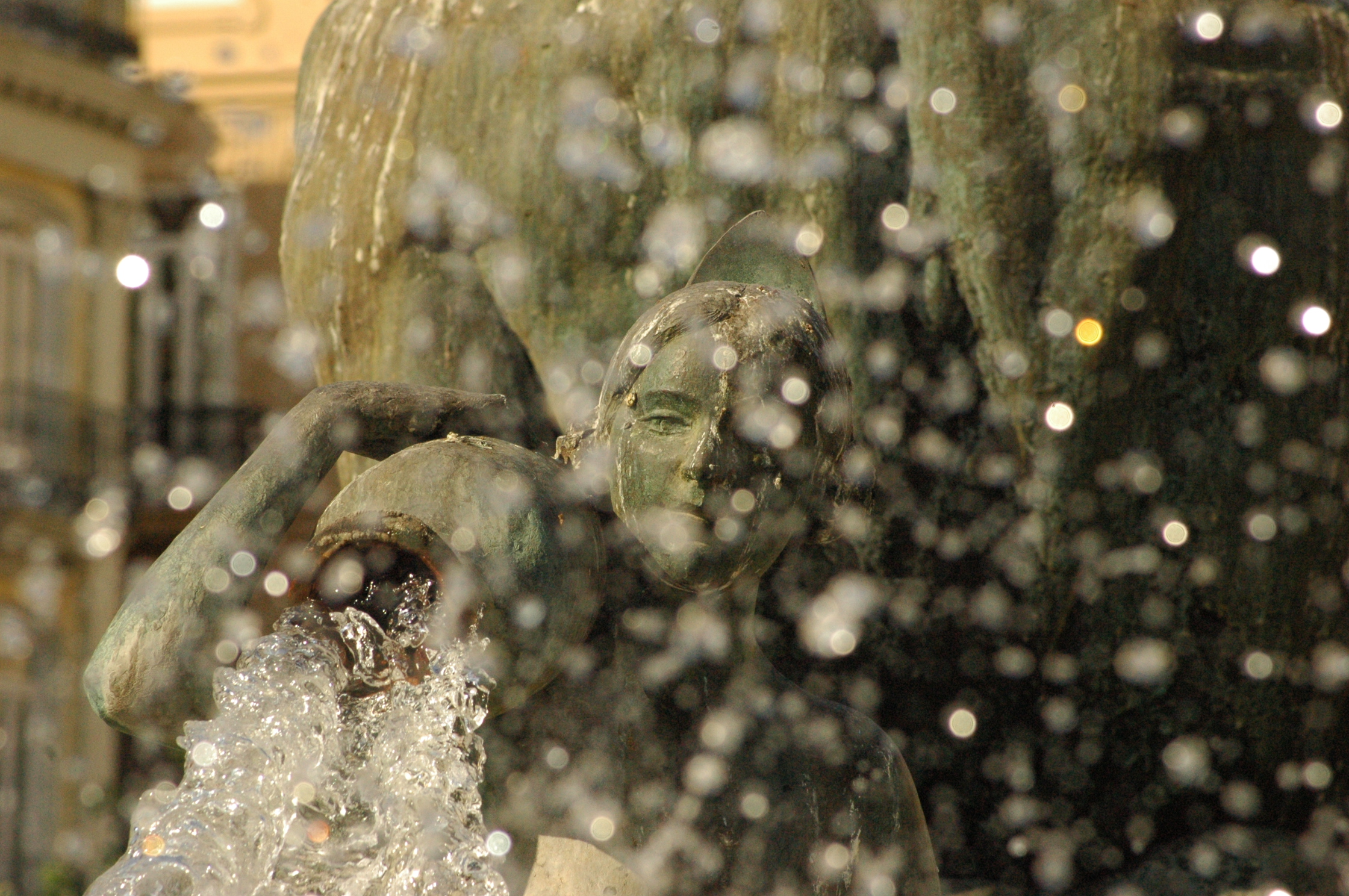
Is it any surprise that when I struggle into the London tube every morning, my personal space reduced to a bare millimetre minimum, struggling to breathe against the handbag digging into my ribs, that I immerse myself in a world of Spanish rhythms, that I listen to the clap and wail and melancholic guitar of flamenco in my ears, and that I daydream of Spanish plazas, of old town streets, of sunshine and long shadows, of the sparkling droplets of a fountain’s eruption suspended in mid aid, glinting in the sun? How can I fail to drink in every detail of the architectural splendour, the decadent charm, the warm sun-drenched colours and the almost unfathomable blue of a mediterranean sky when its very manifestation is like something from a vision of paradise?

Valencia is not unique in being so aesthetically rich, so inexorably inspirational that as an artist, and photographer, I was elevated to a new sense of creative freedom with every step I took in the city. In fact it is just one of many a Spanish city which has had such an effect on me. But as a city of so many facets, from the crumbling, baroque old centre to the lavishly innovative city of arts and sciences, Valencia is surely unique in the extent to which its visual appeal can extend. The proof is in the pudding: not only has the city inspired me to write some ten blog posts, each featuring a ripe selection of my photos and anecdotes, but across two cameras and my iPhone, I returned with some 1500 photographs after only 4 days of sightseeing, with barely any destined for the trash can.

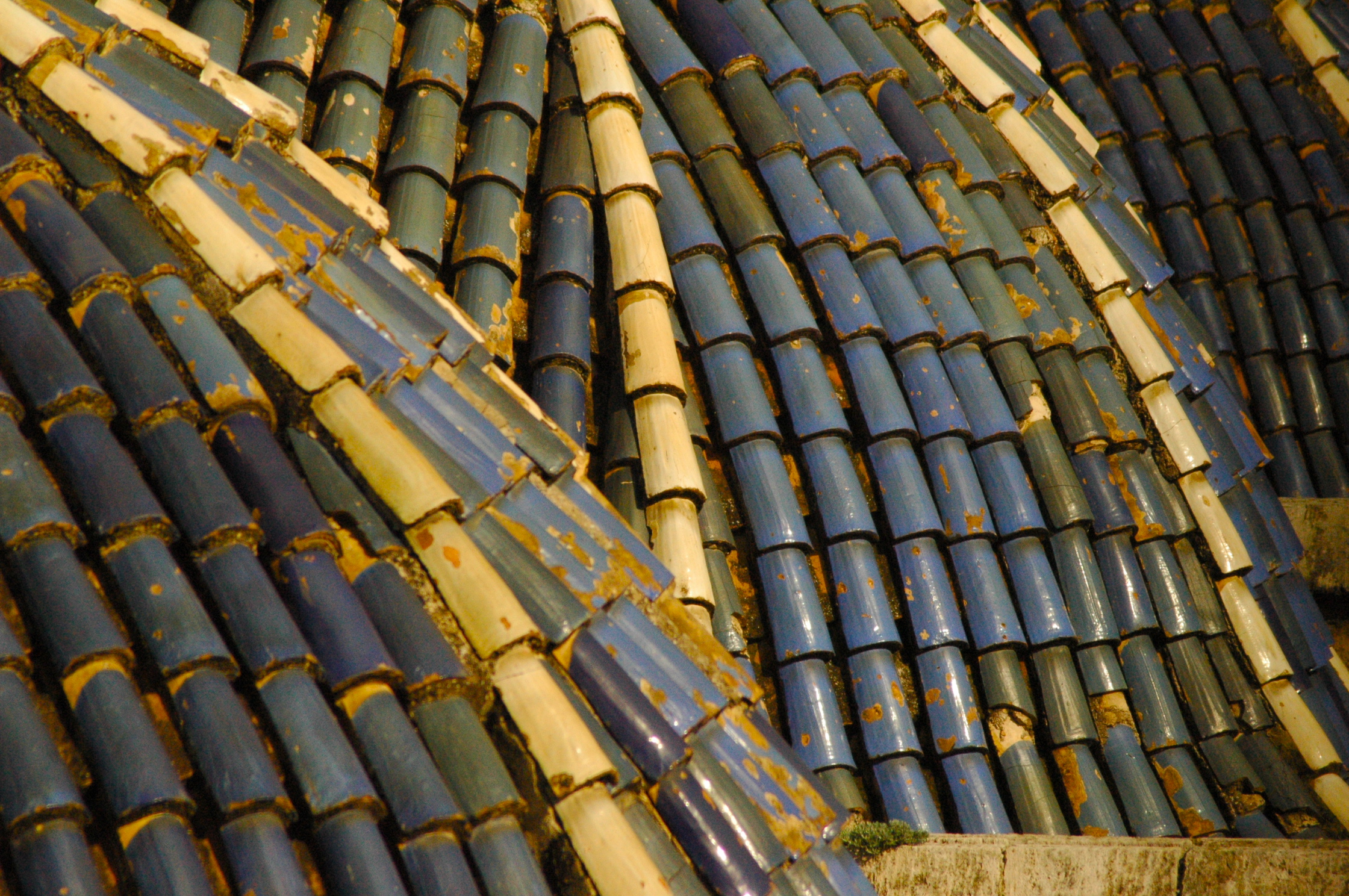
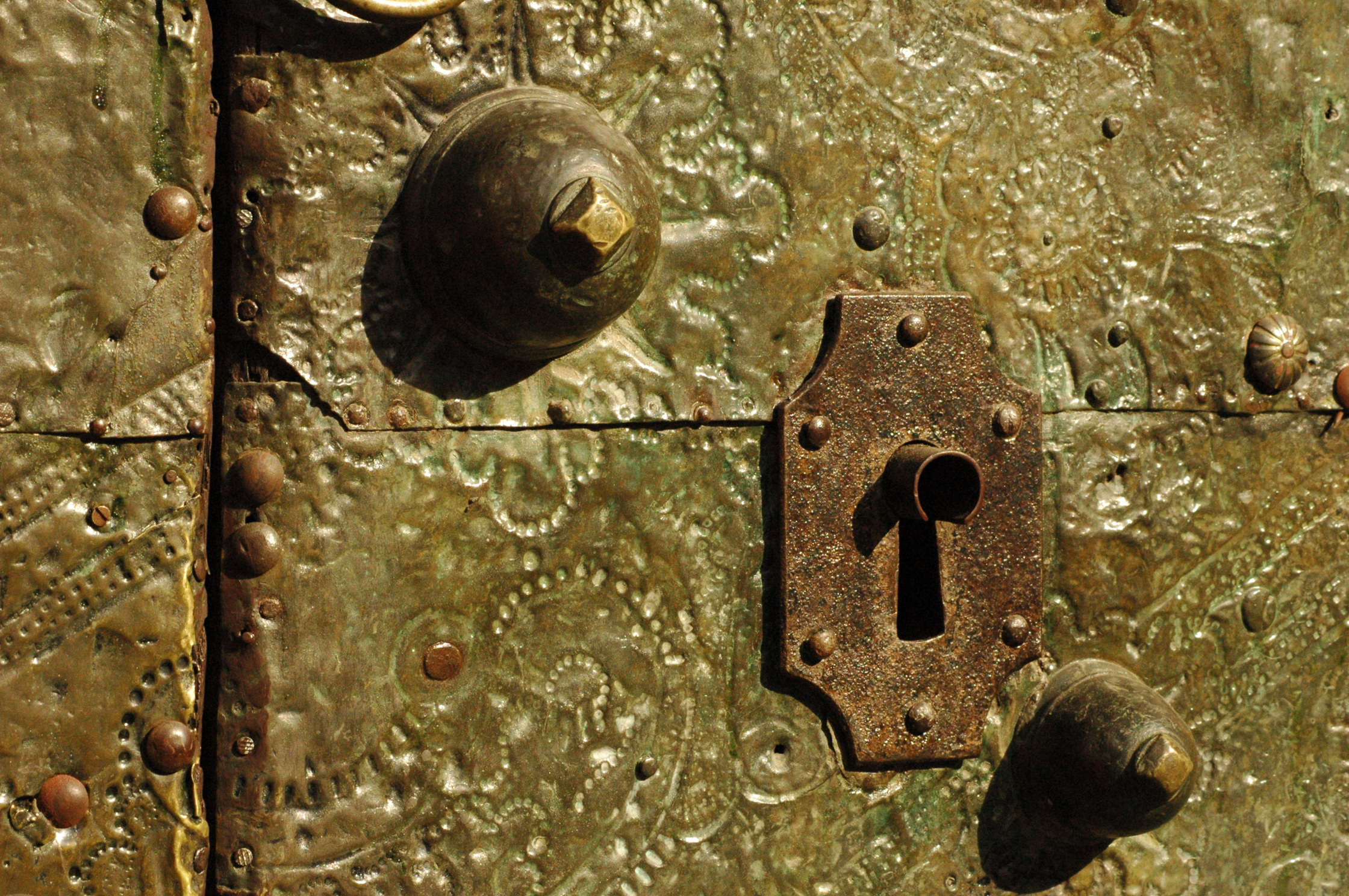
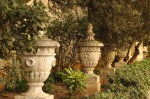
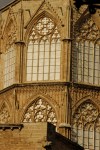
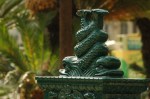
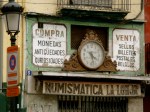
It therefore comes with no surprise that as I end my Valencia series, I do so with so many photos left to explore, and hard choices to make as to which of those shots I feature in this, a miscellany of some of my favourite photos of the as-yet unpublished series. The final set, published in a gallery below, is as richly diverse as the city itself, from the minor details: rusting door knockers and cracking wood carvings, to the wider picture – the grand plazas, the ceramic blue domes, and the richly sculpted baroque facades. As with so many components that make up a city, so much beauty can be found in even the smallest details – whether it be the channels of bird poo which have run down the bronze sculptures of a grand fountain, or the cracks and staples in a plant pot.

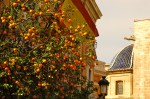
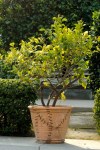
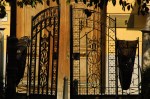
DSC_0454 DSC_0556DSC_0378 DSC_0483

You’ll notice that many of my favourite shots are from Valencia’s historic quarter. While the dazzling white architecture of Calatrava’s new architecture is visually alluring, there is very little, as a photographer, which one can do with these buildings, other than shoot them from various angles, reflected in the surrounding waters, and seen from close up and at a distance. Far more inspirational for me is age and histroy, the effect of time, and the continuation of rich traditions in the modern age. Take the fleeting glimpses I took of Valencian women in their traditional dress – was Valencia ever so perfectly represented as by those women in their ornate sashed dresses and peculiar elaborate headdresses?

But as ever, I could attempt to describe in words what could so easily be done in a photo. And of those there are plenty to share. I leave you then with this final selection of Valencia shots, and a big thank you for allowing me to share my Valencia trip with you. Being inspired is only one part of the creative process. Sharing it with others is where the ultimate satisfaction is realised. With thanks.

All photos and written content are strictly the copyright of Nicholas de Lacy-Brown © 2013 and The Daily Norm. All rights are reserved. Unauthorized use and/or duplication of the material, whether written work, photography or artwork, included within The Daily Norm without express and written permission from The Daily Norm’s author and/or owner is strictly prohibited. 

Painting Parliament: Turner, Monet and Me

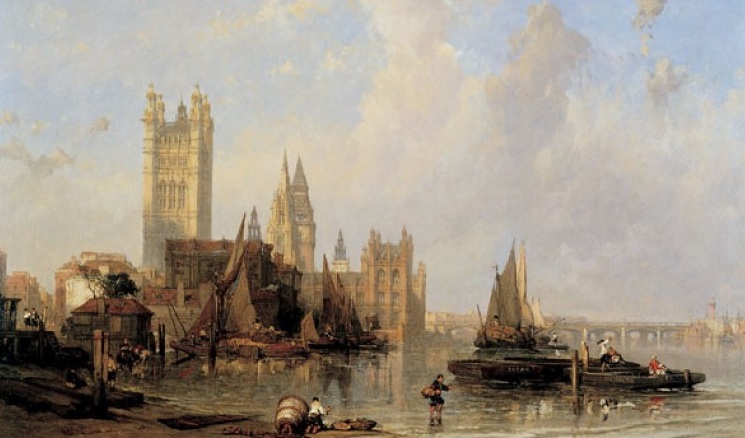
It’s not only an icon of London, recognisable around the world twice over, but it’s also one which I pass every working day. The Houses of Parliament in London is at the beating heart of the city. We set our clocks by the familiar chime of it’s big ben bell, we pass souvenir stalls packed full of paraphernalia containing the image of building, and we can see the soaring bell tower, now named Elizabeth Tower, from far across London. Yet we are all guilty of taking the Palace of Westminster, a.k.a. the Houses of Parliament for granted. When I emerge from the tube every morning, I do so directly opposite the great gothic palace, but never stop to take in its majesty, despite the hundreds of tourists who are always collecting before it with their cameras ready.
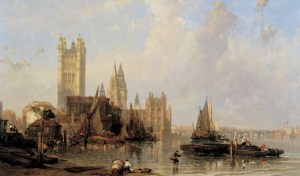
The Houses of Parliament from Millbank, David Roberts (1861) © Museum of London

The Houses of Parliament from Millbank, David Roberts (1861) © Museum of London

However all this changed when yesterday I headed up Elizabeth Tower to meet the great Big Ben first hand. Suddenly I have found myself looking at Parliament afresh. I even went into the Parliament bookshop and bought myself a souvenir or two (including a chocolate Big Ben – every visitor needs one). And all this had me thinking, the Palace of Westminster is such an impressive, iconic building, a masterpiece of architecture which is all the more perfect for its purposeful lack of symmetry, its miscellany of towers, spires and gothic ornamentation – no wonder then that the building has proved such an inspiration to artists over the years. And we’re not just talking any artists, but two of the greats. British favourite JMW Turner, and someone who, in a way, could be called Turner’s protege or disciple, father of the Impressionists, Claude Monet.

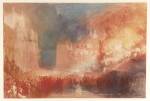
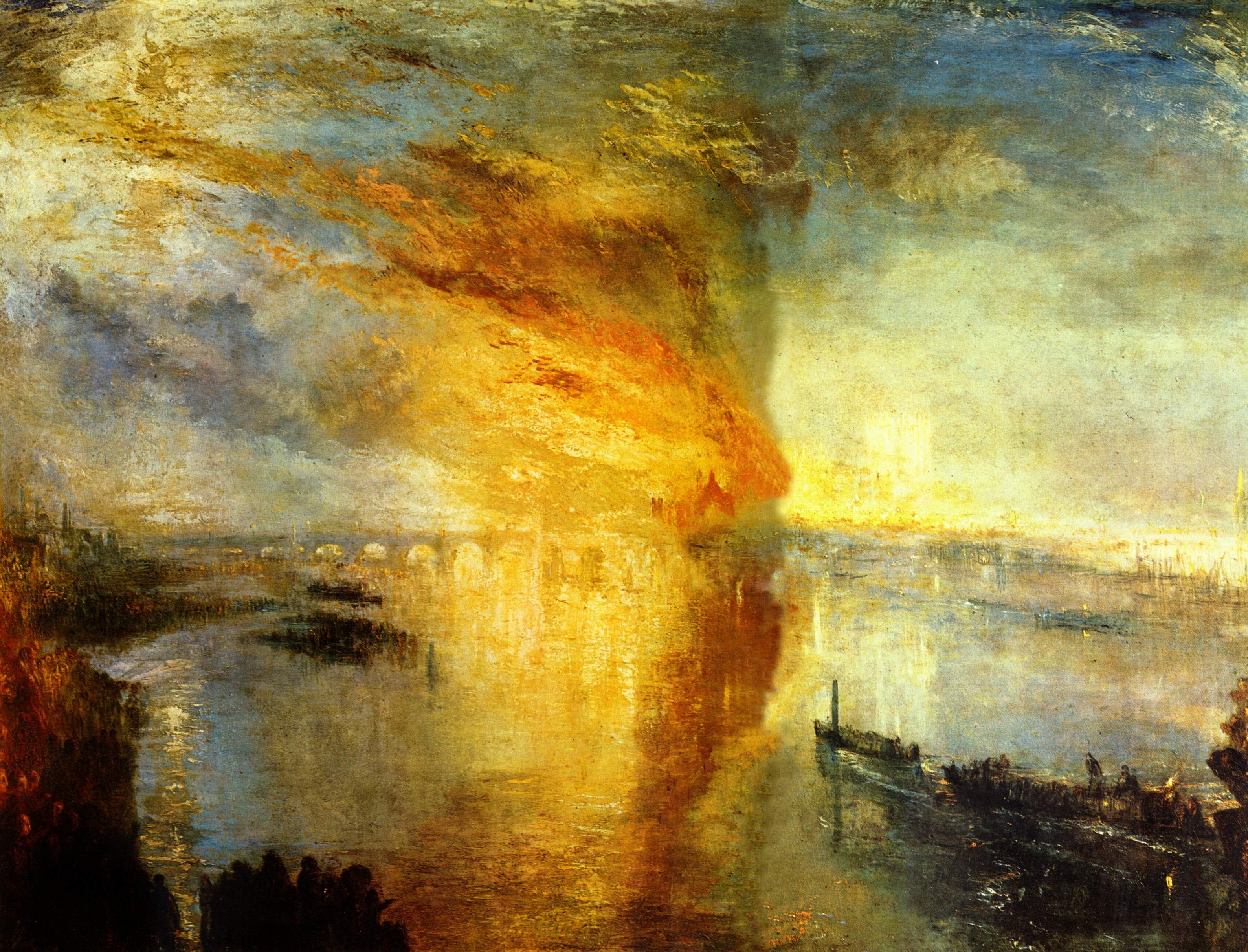
Both artist’s depictions of the Palace of Westminster have become iconic images of Parliament, but are also invaluable depictions of the building’s chequered history. For when Turner painted Parliament, he did so at a crucial point in its history – the day when Parliament was destroyed by fire: 16 October 1834. The fire, which ravaged the palace, gutting almost everything but Westminster Hall, proved inspirational to Turner. Already renowned for capturing the effect of light and smoke, almost impregnable foggy landscapes and turbulent great storms, Turner, who witnessed the great fire raging first hand, was evidently captivated by the gigantic inferno, pouring billowing smoke and red-hot flames high into the sky above the Thames.
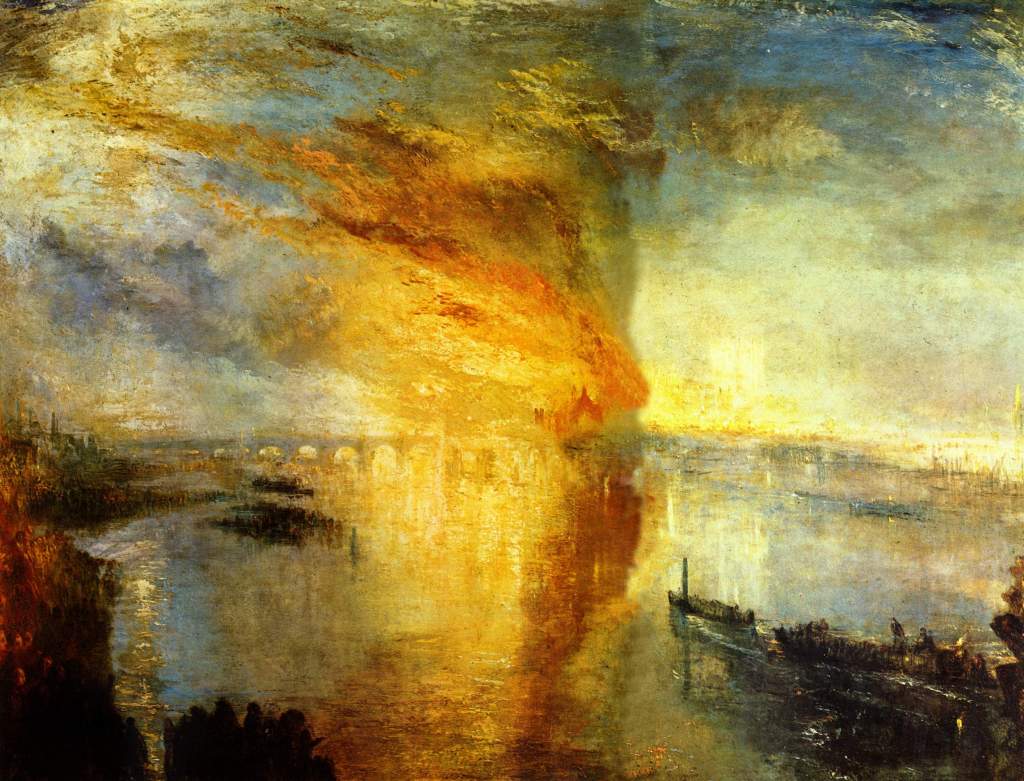
J M W Turner, The Burning of the Houses of Lords and Commons, 16th October, 1834 (1835)

J M W Turner, The Burning of the Houses of Lords and Commons, 16th October, 1834 (1835)

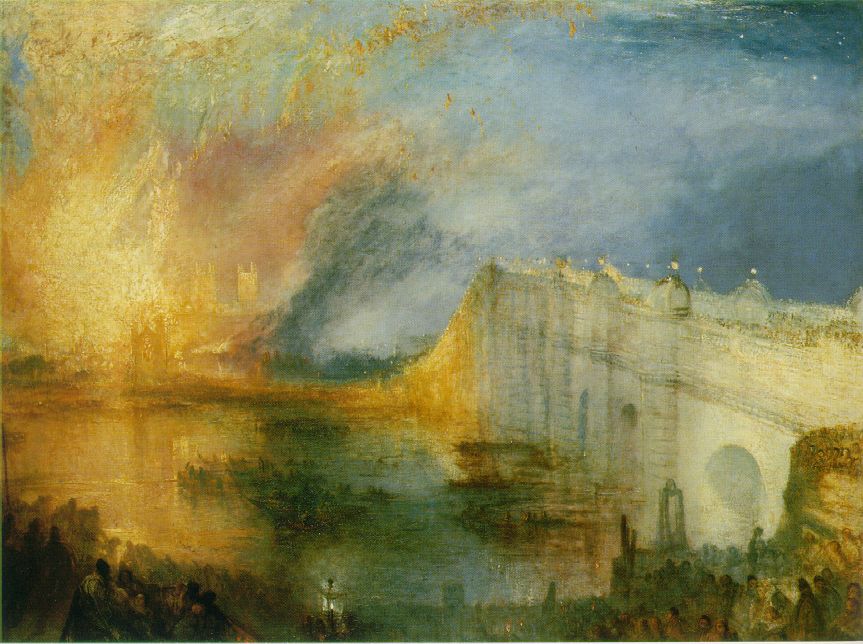
J M W Turner, The Burning of the Houses of Lords and Commons, 16th October, 1834 (1834-5)

J M W Turner, The Burning of the Houses of Lords and Commons, 16th October, 1834 (1834-5)

The canvases which result (the first held by the Cleveland Museum of Art, and the second by the Philadelphia Museum of Art) are brilliant, dramatic depictions of the fire, demonstrating the devastating extent of the inferno as it climbed high into the sky contrasted with the small shocked witnesses in the lower foreground. I love, in the second, the subtle silhouette of Westminster Cathedral glowing before the flames of its now burning neighbouring palace, and the huge column of fire rising dangerously high in the first.

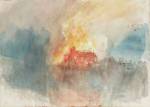
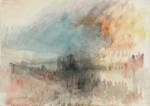
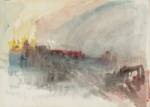
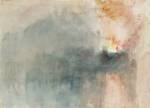
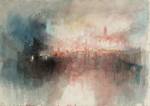
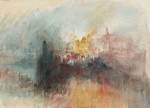
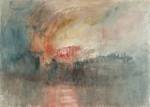
Turner was evidently more than inspired. A series of watercolour sketches (pictured below), which appear to have been sketched roughly at the scene or shortly afterwards, are a striking record of the almost undefinable power of the fire, as the light and heat of the inferno blurs and tempers the city surroundings. These watercolours, which were bequeathed to London’s National Gallery and are now held at Tate, are so instantaneous in their quick creation that they start to look almost abstract in their composition while retaining a powerful contrast between glowing super-hot heat and the foggy smokey surrounds. It’s an effect which is brilliantly executed for such a loose and uncontrollable painting medium as watercolour.

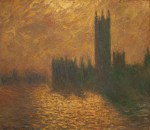
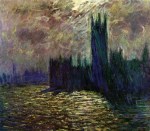
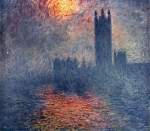
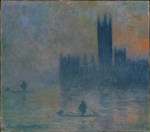
But perhaps the most famous paintings of the Houses of Parliament are those depictions by impressionist master, Claude Monet. Monet, too, was evidently inspired by the elegant gothic structure which, by the time he visited London twice, once seeking safe haven during the Franco-Prussian war in the early 1870s and again at the beginning of the 20th century, had been rebuilt into the structure we know and love today.
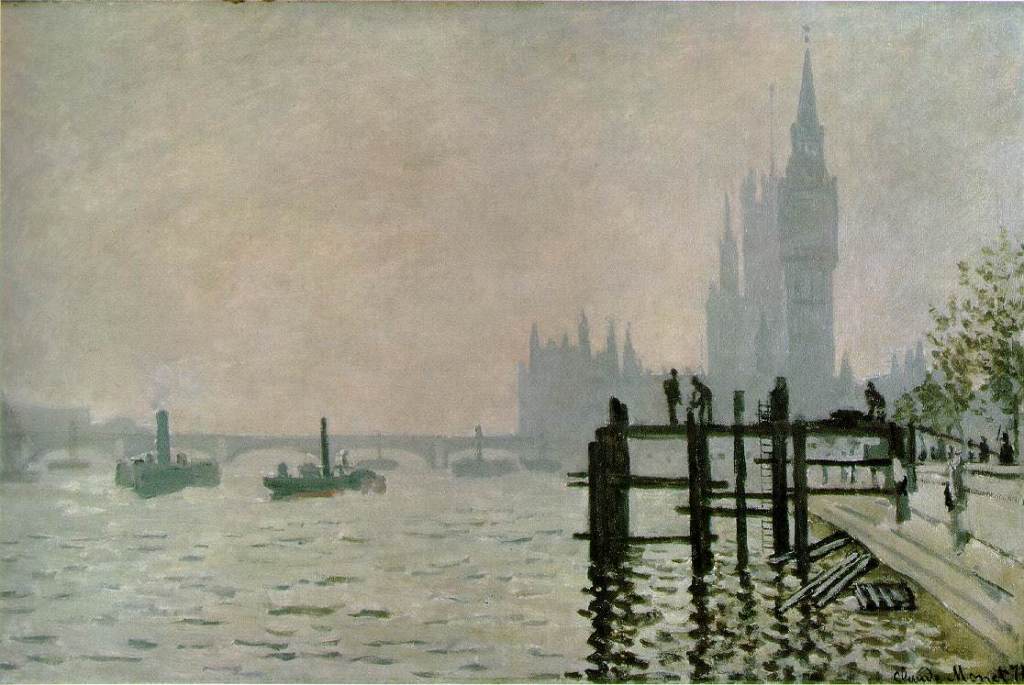
Claude Monet, The Thames at Westminster (1871)

Claude Monet, The Thames at Westminster (1871)

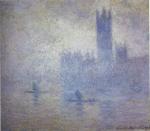
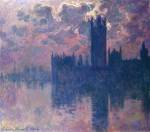
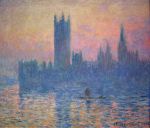
But for Monet, who was, by his own admission, greatly inspired by Turner’s expression of light and changing weather, the real inspiration appears to be not so much the Parliament building itself, but the varying effects of weather, light and city smog upon the building. While his first depiction of Parliament (above) is a fairly detailed depiction of the Thames at Westminster, showing the intricacy of the Palace of Westminster, albeit somewhat faded into a smoggy urban background, his later series of Parliament paintings concentrate far more on the changing light of London than on the landscape itself.

The results are a stunning series of works. The quick application of paint, no doubt painted in a great rush to capture the changing light as was Monet’s obsession, is so energetic and alive that the Palace appears to quiver before our very eyes, the effect of the smog and river mist undulating and turning over the surface of the canvas, capturing in turn the light as it filters through the layers of cloud and vapour. It’s hard to choose between these depictions, all of which are equally evocative of another stage in Parliament’s history, when London was almost chocked with poisonous noxious gases and a horrible river stench. But oh what a beautiful effect it had once captured by Monet’s hand.

Finally, we turn to the modern day. The Houses of Parliament continues to delight Londoners and tourists alike, stood proudly adjacent to the River Thames, and surrounded not by city smog, but by a thriving bustling capital city and, every 31 December, a firework display to rival all others across the world. Yet still, the character of the building changes, and its mood metamorphoses, as weather and light cast transformative moods upon this spectacular structure.

On one such day, when menacing clouds began to break apart, and blue sky and a winter sun peeked out from behind the cover of cloud directly above the great gothic structure, I, like Monet and Turner before me, was captivated by the stunning view before me, and all the more so for the doubling of the image thanks to the reflective image in the river below it. Some time later, I took out my brushes, oil paints and a canvas and painted that view I had seen – it was in fact one of the first oils I had ever attempted. And here it is. It’s no Turner or Monet admittedly, but it is my own painted homage to the power and glory of London’s Houses of Parliament.

Cityscape I: London (2012 © Nicholas de Lacy-Brown, oil on canvas)

Cityscape I: London (2012 © Nicholas de Lacy-Brown, oil on canvas)

Autobiographical Mobile: My painting diary – Days 8-15: The sky and the cliffs

It’s been a long time since I last posted the progress of my Autobiographical Mobile painting – the large canvas on which I am painting something of a representational narrative of my life. The reason for this absence is not forgetfulness, more a lack of time to paint. Such is the continuous treadmill of modern life, that time to paint becomes slimmer and slimmer, and as daily work predominates the days of the week, its potential to sap at my creative energies extends further still, into the evenings and the weekends. I find it hard to paint on these dark winter’s evening, working in artificial light, when hunger pangs in my tummy and fatigue pulls at my eyelids. And at the weekends I find my time is filled with the many menial activities for which the week no longer allows time. And so my autobiographical mobile, itself a rather ambitious task, is taking its time to develop. Nevertheless, since I last featured the painting in October, some significant changes have manifested.

The painting after Day 1

The painting after Day 1

And with the "Calder" mobile, Fluffy and Bilbao

And with the “Calder” mobile, Fluffy and Bilbao

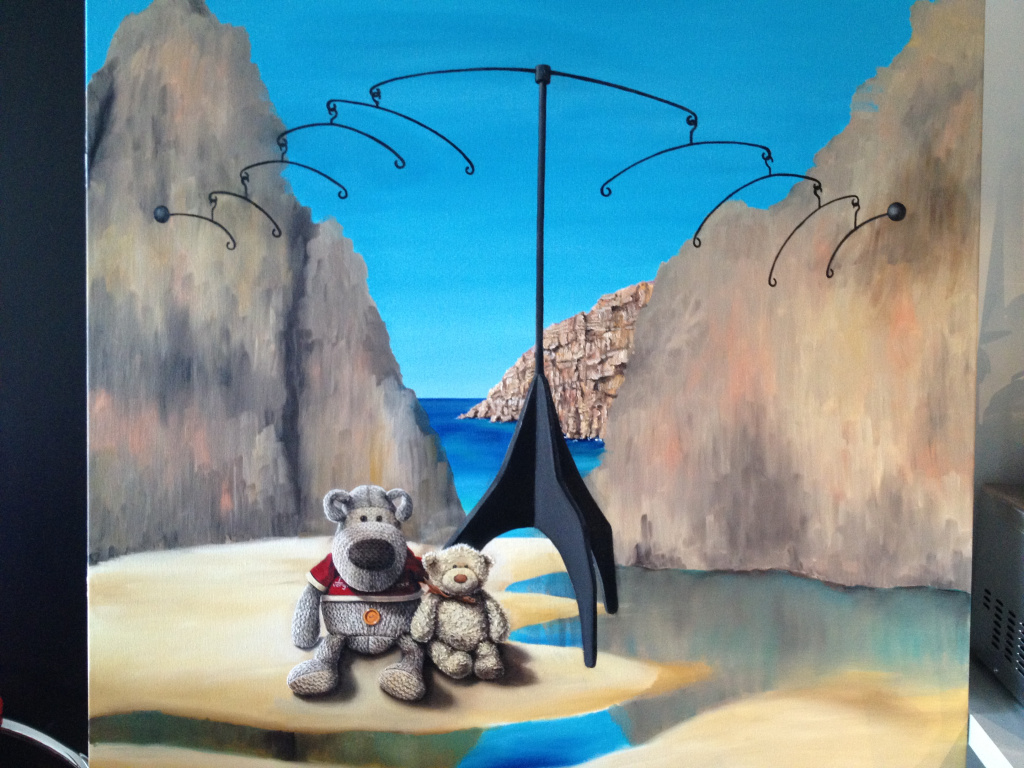
One benefit of having a painting slowly develop, hanging around my home from week to week, is that I have more time to contemplate its development. It was during the autumn that I developed a growing sense of unease about the work, finding gradually that the colours did not work. The pastel shade of the cliffs was too insipid, and the sky lacked depth. Both had to change.

So as I set to work on the painting after some weeks of rest, I first tackled the sky. Even though this meant largely undoing much of the work I had completed on the “Calder” mobile, I found the addition of clouds gave the flat blue sky more depth, more character and a greater balance.

The sky with the addition of clouds (and further work to the articles hanging from the mobile)
The sky with the addition of clouds (and further work to the articles hanging from the mobile)
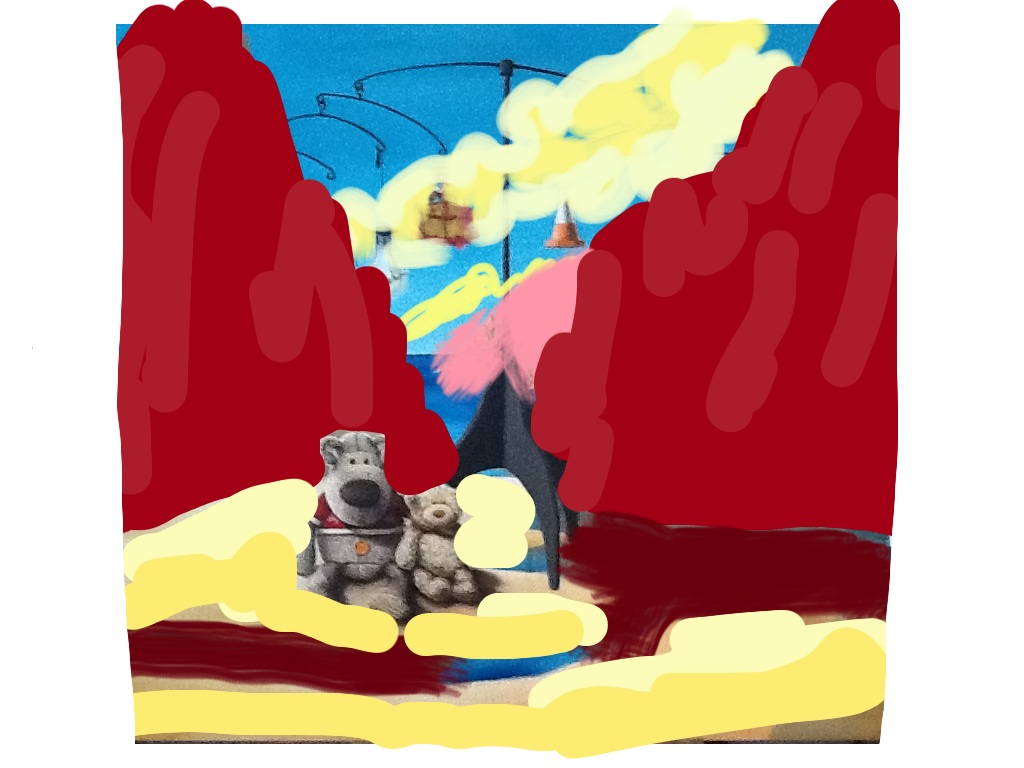
Satisfied now by my sky, I turned to the cliffs. It is one of the great benefits of modern technology that I can plan the direction of my painting midway through its progress, without even touching brush to canvas. With the aid of a paint application on my iPad and some very quick finger work, I was able to try out several new colour schemes with a view to assessing how the work would look with a bolder colour palate. I knew the insipid pastels of my background were no longer working with the bold modernist contrast of my central mobile, but I wasn’t sure which colour direction to take with the background. Here were a few iPad ideas…

photo image image1

In the end, opting for a richer brown-red cliff face, I set about covering the pinkier pastels of the pre-existing background. Just applying a plain coat of Indian Red required me to carefully paint around the already completed elements of my mobile and autobiographical symbols.

IMG_2511

With a new base coat applied, and much more satisfied with the richer colour balance upon my canvas, I set about working on the textural surface of my cliffs. Part inspired by the cubism of the early 20th Century, and wanting to create a more jarring, robust environment for my slightly surreal beach scene, I found myself drawn to create a multi-textured cracking, angular surface from a rich array of reds, browns, oranges and beiges. The total surface of the vast cliffs took me several days to complete, and even now I am forever changing and rebalancing sections.

IMG_2533

For the final touches of my cliffs, I added a number of large, self-standing almost obelisk-like boulders, increasing the detail and textural variance of these rocky surfaces the closer they got to the foreground.

The finished cliffs

The finished cliffs

At the end of all of this, I started to repaint my mobile structure, now much abused by the reinvention of the background all around it. Finally with the cliffs done, I can turn to the sand, the pools, and the all important mobile and the items which, hanging from its various tendons, will tell my story.

Until next time.

Norms do… Hopper’s Nighthawks

The streets of the city are deserted. Not a soul stirs, even the birds have gone to bed for the night. The roads are traffic free, and the shops are shut up. But turn the corner and a strange glaring light bounces off the blackened windows of the building opposite – it is the light and the long shadows, cast like a jarring artificial human invasion upon the darkness of nature’s night time veil. This is the intrusion of the night cafe, the all night American diner, hangout of the lost and lonely, last retreat for those Nighthawks who are unable to sleep.

In Normies diner, three enigmatic norm figures sit at an otherwise deserted bar, served by the one lone bar tender who has drawn the short straw of the night-shift. Their stories are a mystery, their relationships even more so. Do these Norms know each other, or is it a coincidence that three such Norms should stare, so passively into the night, caught in the confines of their own introspective imagination. Are they in trouble? Why can’t they sleep? They’re questions which will remain forever unanswered as we glimpse, unbeknown to the Norms, into the world of their solitary nighttime shadows.

The Nighthawk Norms (after Hopper) (2012 © Nicholas de Lacy-Brown, pen on paper)

The Nighthawk Norms (after Hopper) (2012 © Nicholas de Lacy-Brown, pen on paper)

This Normy scene if of course based on Nighthawks by Edward Hopper. With its enigmatic narrative and uncomfortable conflict between darkness and light, Nighthawks is easily Hopper’s most famous painting, and one which I was delighted to have met face to face at the recent Grand Palais exhibition in Paris. Now of course the Norms are inspired, and it’s only reasonable that they should want to recreate Hopper’s most well-recognised image.

(Upon creating it, I (the Norms’ illustrator) soon realised just how complex this painting of Hopper’s is – full of steep angles, and a superb perspective, I had to work hard with my pencil and ruler before I even got started on this one – so many straight lines to map out, so many angles to get right. And then there were the shadows and his excellent contrast between lightness and dark – difficult to achieve in black and white pens, although not impossible – Hopper’s own lithographs and etchings, also on show in Paris, demonstrated that much. I hope you enjoy the result.)

© Nicholas de Lacy-Brown and The Daily Norm, 2001-2012. Unauthorized use and/or duplication of the material, whether written work, photography or artwork, included within The Daily Norm without express and written permission from The Daily Norm’s author and/or owner is strictly prohibited. Excerpts and links may be used, provided that full and clear credit is given to Nicholas de Lacy-Brown and The Daily Norm with appropriate and specific direction to the original content.