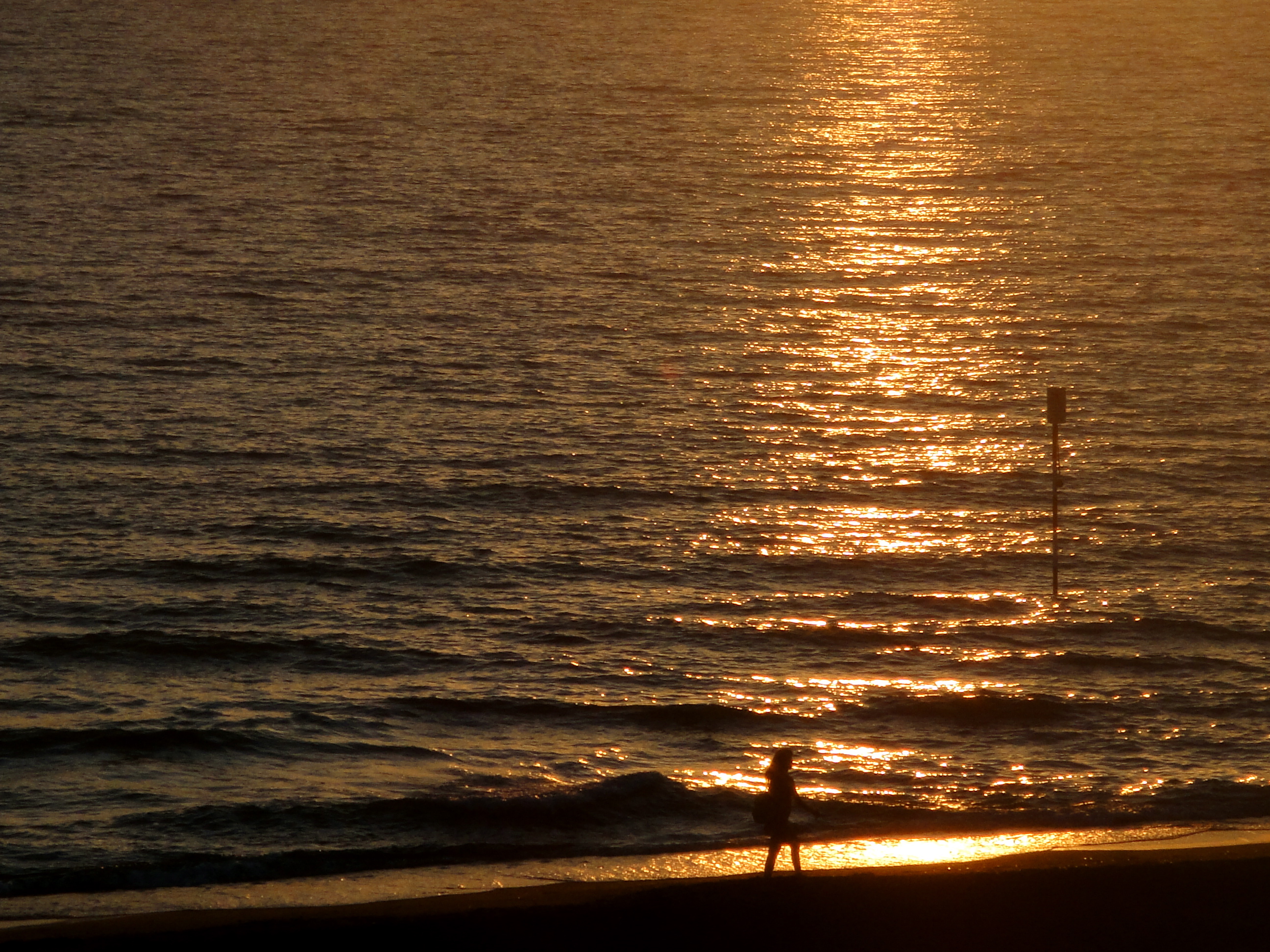
Skip to content

Posts tagged ‘Photography’

London 2012 – a city celebrates

Being a Londoner, in London, when the Olympics rocked up on our doorstep and the focus of the world followed suit, has been an incredible experience which I wouldn’t have missed for the world. London has changed. Yes, Big Ben still chimes where it always did, and the London Eye still turns steadily next to the mighty River Thames. But during the two weeks of the olympics, the spirit of London underwent a tangible transformation. It was like being at school when a special holiday was being celebrated – the school was the same, but being their felt different, exciting. Similarly, being in London during the games has felt incredibly exciting, thrilling and the source of utmost pride.

Of course if you were a “Games Maker” or attended the huge olympic park, the excitement would, undoubtedly, have been explosive, breathable, physically all-encompassing. But for those of us, like me, who had to work during the games, and who, like many others, were unable to get tickets to the grand olympic park over in Stratford, the changing mood of the city was still unmistakably discernible.  On the tube, people did not rush on with stern moody faces, pushing past each other, losing all semblance of civility. Rather, they would walk around with smiles, reading excitedly about the latest gold medal rush in the papers, and listening enthusiastically to the plethora of foreign languages which could be heard all around. On the streets, the feeling of British patriotism has reached an all time high, but mixes convivially with the respective national pride which is evident in those millions of foreign visitors who have descended upon our city from all over the world. Along the River Thames, the many bridges have been illuminated to spectacular effect, and all along the southbank, a brilliant cultural olympiad has celebrated the arts as well as sport. On TV and in the press, journalists have run out of superlatives to describe these games. Well organised, welcoming, record-breaking, fantastically attended. It’s been brilliant, amazing, a life-changing experience, a moment of insuperable national pride.

Huge rings welcome tourists from eurostar

A feeling of internationalism is everywhere

Like the end of any summer holiday, the climax of the Olympics tonight will be a sad moment for us all. Going back to work, as the olympic flags come down and the city returns to normal, will be tinged with an inexorable feeling of depression. But through it all, the memories live on, and London, as a city, will continue to thrive in the spirit of goodwill and international recognition. More than anything the olympics have made us Londoners proud of our city, which has so much to offer, so much going on, incredible sites and wonderful facilities. For these reasons, people will continue to visit us, long after the olympic spotlight has passed, and for those of us living here, a new inbuilt respect and admiration for our city has been created, an optimism for the future, and a celebration of the past.

The photos I enclose with this post are not really sports-related. Trying to get hold of tickets was like a search for the holy grail. Consequently my photos are confined to the small changes I have witnessed while carrying on my normal London life – rings on Tower Bridge, banners on the lamp posts, and those cute little mascots springing up all over the city. Enjoy!

© Nicholas de Lacy-Brown and The Daily Norm, 2001-2012. Unauthorized use and/or duplication of the material, whether written work, photography or artwork, included within The Daily Norm without express and written permission from The Daily Norm’s author and/or owner is strictly prohibited. Excerpts and links may be used, provided that full and clear credit is given to Nicholas de Lacy-Brown and The Daily Norm with appropriate and specific direction to the original content.

24 hours in Paris: Part 3 – One photo for every hour

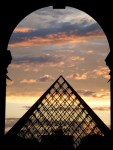
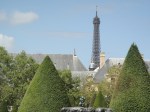
24 hours – 24 photos. It’s a nicely symmetrical homage to Paris, the city whose beauty knows no boundaries and whose charm could knock the socks off even the most sceptical of tourists. It’s been hard to choose just 24 photos for this little album. Just one day in Paris provided me with over 500 shots, each capturing something of the individual essence of a city whose character and allure is unique. Slate grey rooftops and sun dappled gardens, sunset over the iconic Paris skyline and reflected against glossy boutique shop fronts. Romance in a photo; beauty in a frame. What more can I say? I’ll let Paris do the talking.

All photos are strictly the copyright of Nicholas de Lacy-Brown © 2012 and The Daily Norm. All rights are reserved.

24 hours in Paris: Part 2

08:00 hrs

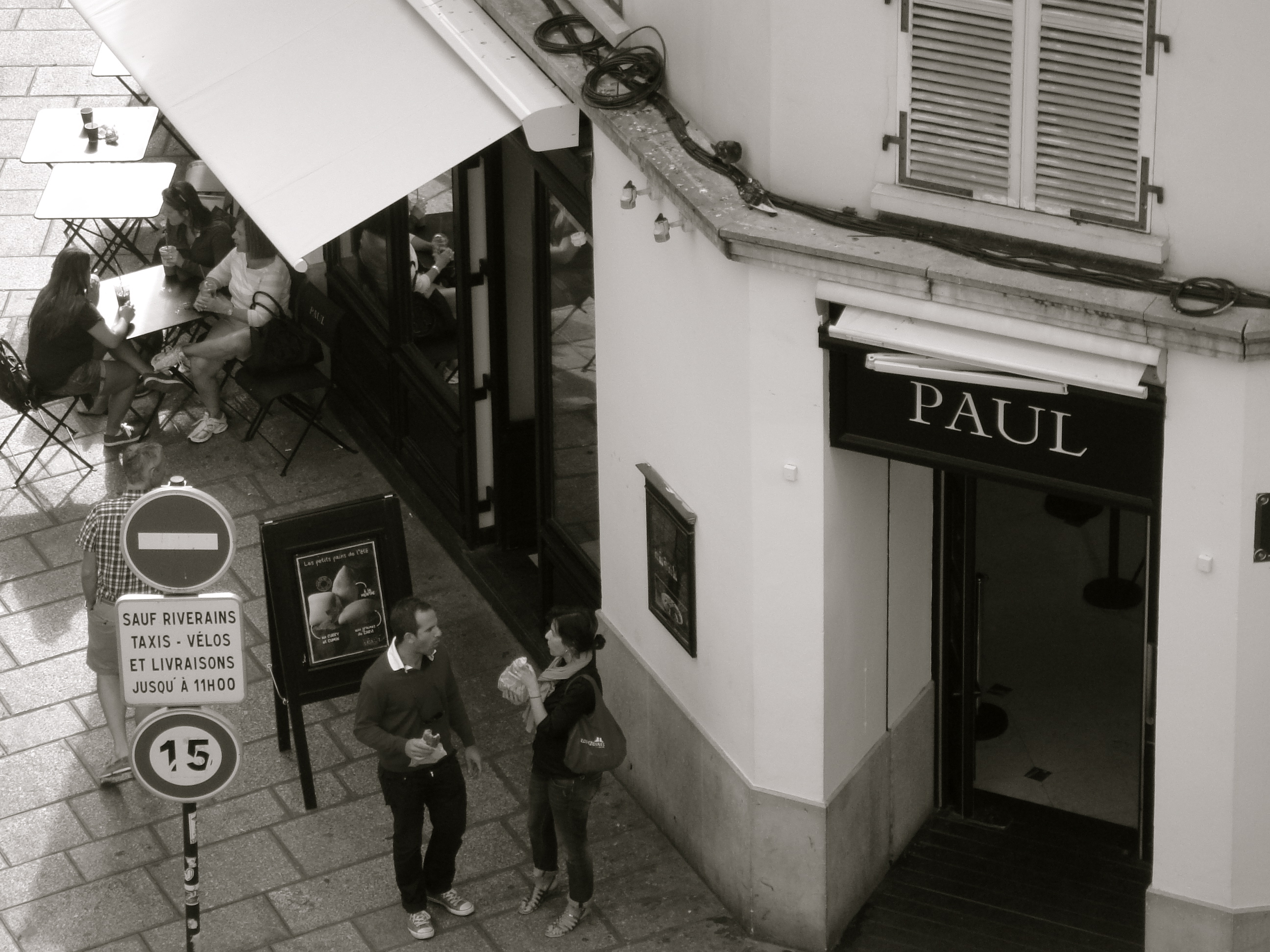
The bustle of Paul patisserie opening on the street below, Parisians arriving early to collect their daily share of baguettes placed in a cosy group of 5 or 6 in a brown paper bag, tourists catching a quick petit dejeuner in the first rays of morning sun and the local green grocer accepting deliveries of vibrant ripe fruits et légumes – these were the sounds that greeted us as the daylight of my birthday Parisian morning flooded into our little bijoux boudoir in the heart of the Rive Gauche. As is birthday tradition, I sat up in bed, stretched out a yawn and gathered together the modest stack of birthday cards I had brought with me on the trip – not that there was anywhere to display them here, but it was good to have the birthday wishes of loved ones and colleagues to kickstart my 29th birthday. Bon Anniversaire a Moi.

09:30 hrs

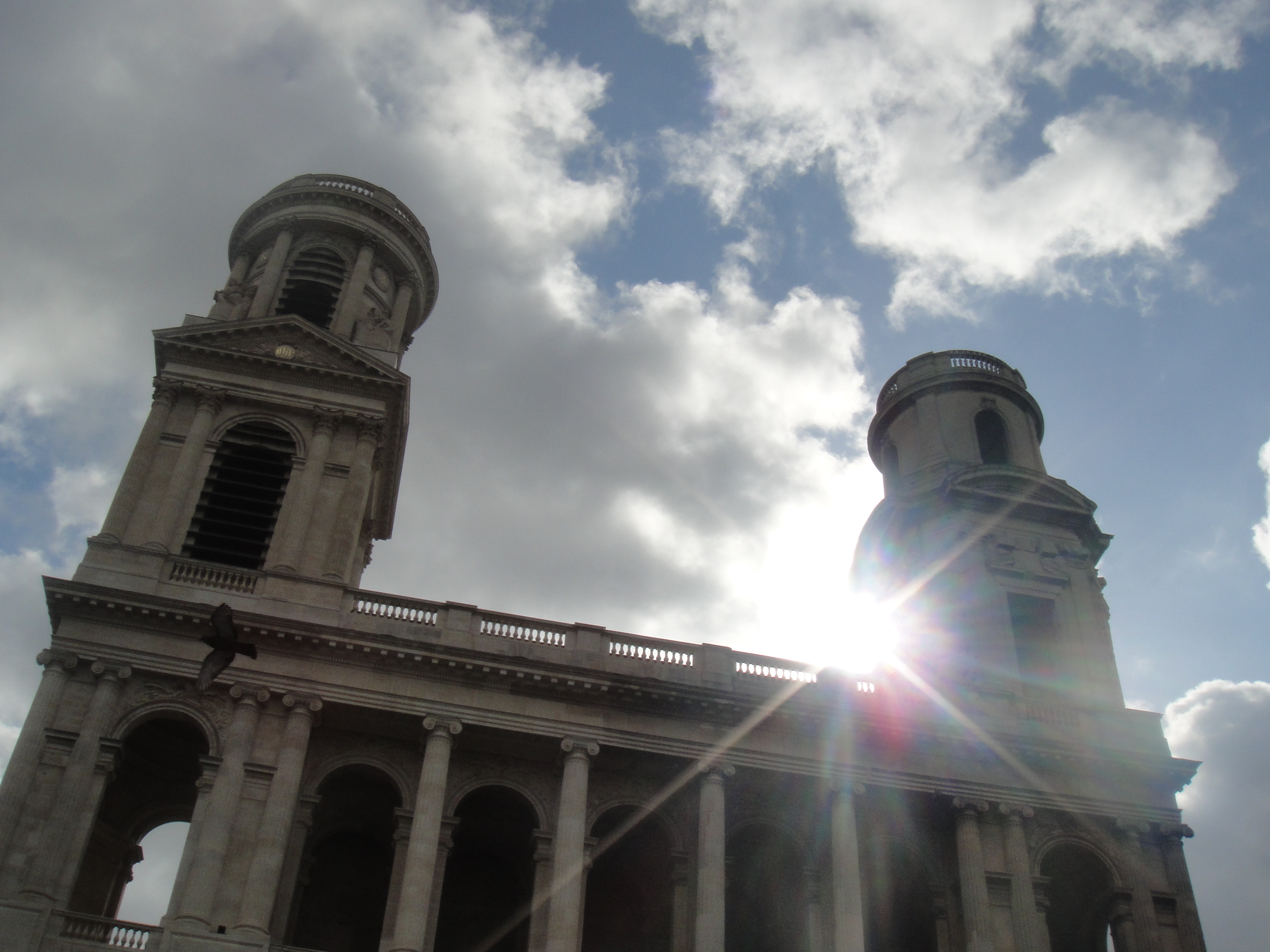
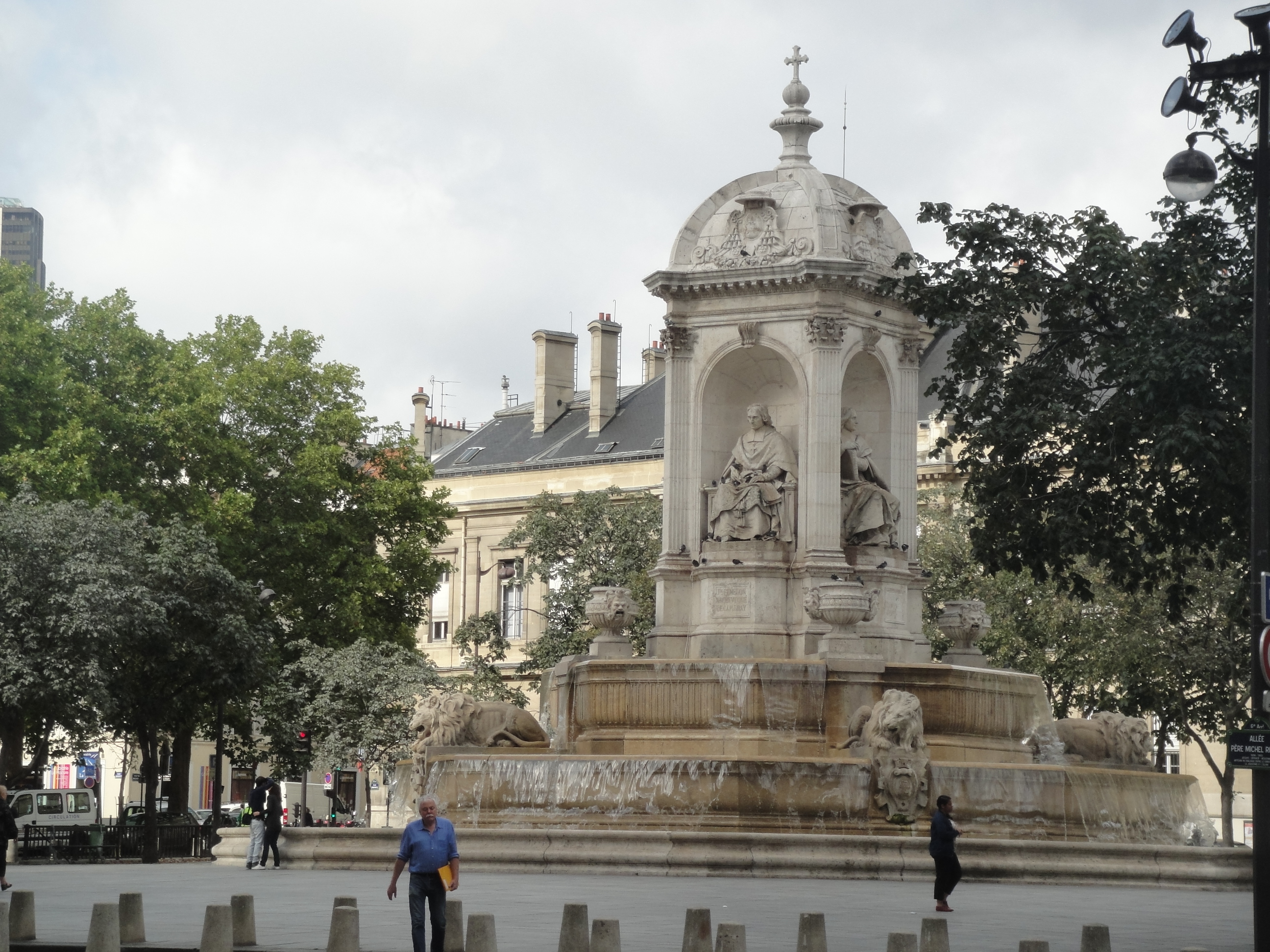
After a leisurely shower, the receipt of a few more birthday messages on my phone (birthday cards for the modern generation) and having packed up our bags, we checked out, all too soon, of the Hotel de Buci, leaving our bags and heading for the often over-looked wonders of Saint Sulpice church nearby. Finding none of the bustling cafes promised in my Paris guidebook, we headed back to the Rue de Buci where it turns into the Rue St Andre des Arts. I feel at home there. In the Rue des Grands Augustins round the corner, Picasso painted his masterpiece Guernica which has been such an important influence in my own work. There, for only 10 euros each, we had a gloriously French petit dejeuner – freshly squeezed jus d’orange, a buttery crispy croissant, a super crunchy French baguette and a large cappuccino. Yum.

Saint Sulpice

and the huge fountain opposite

Le Petit Dejeuner

11:00 hrs

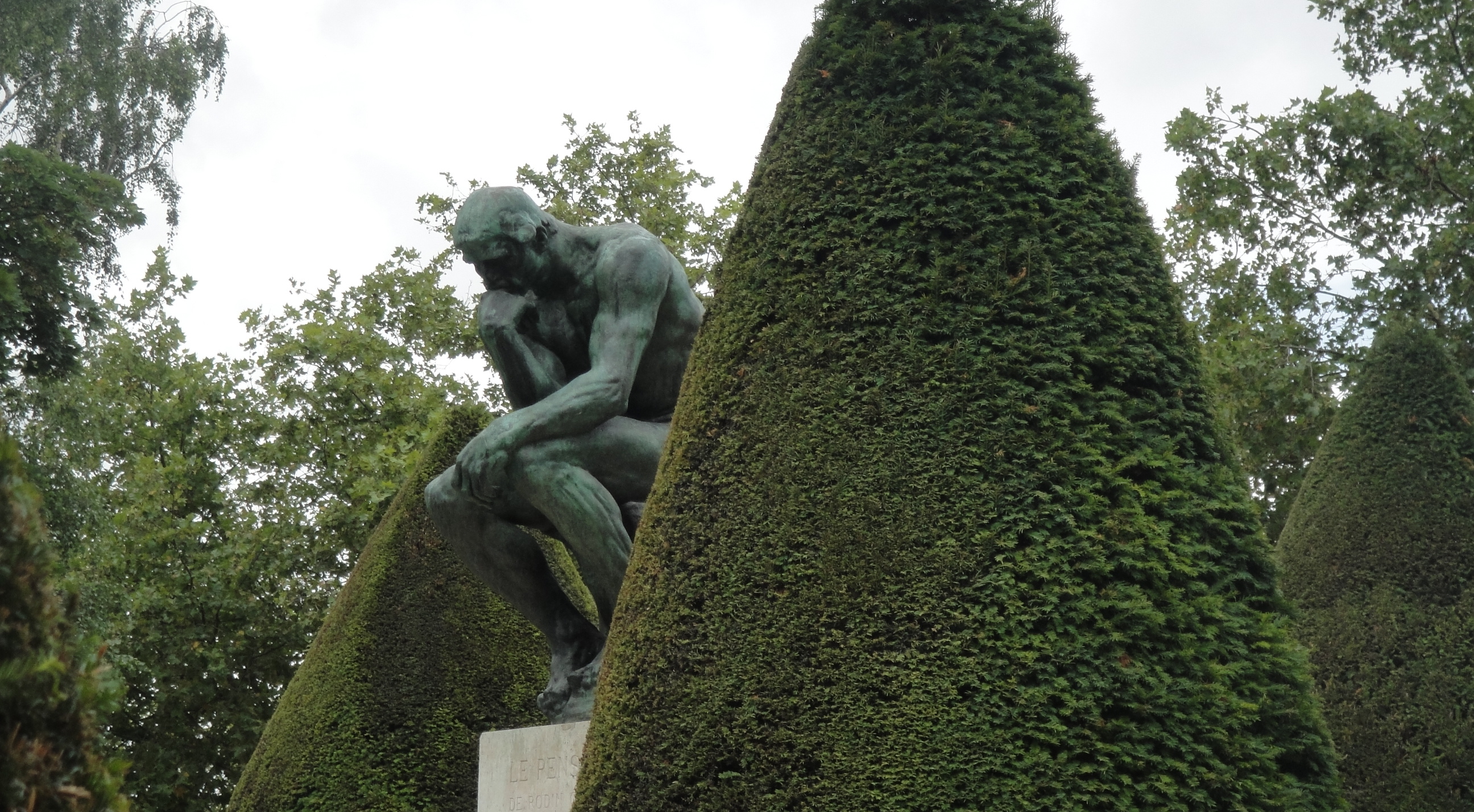
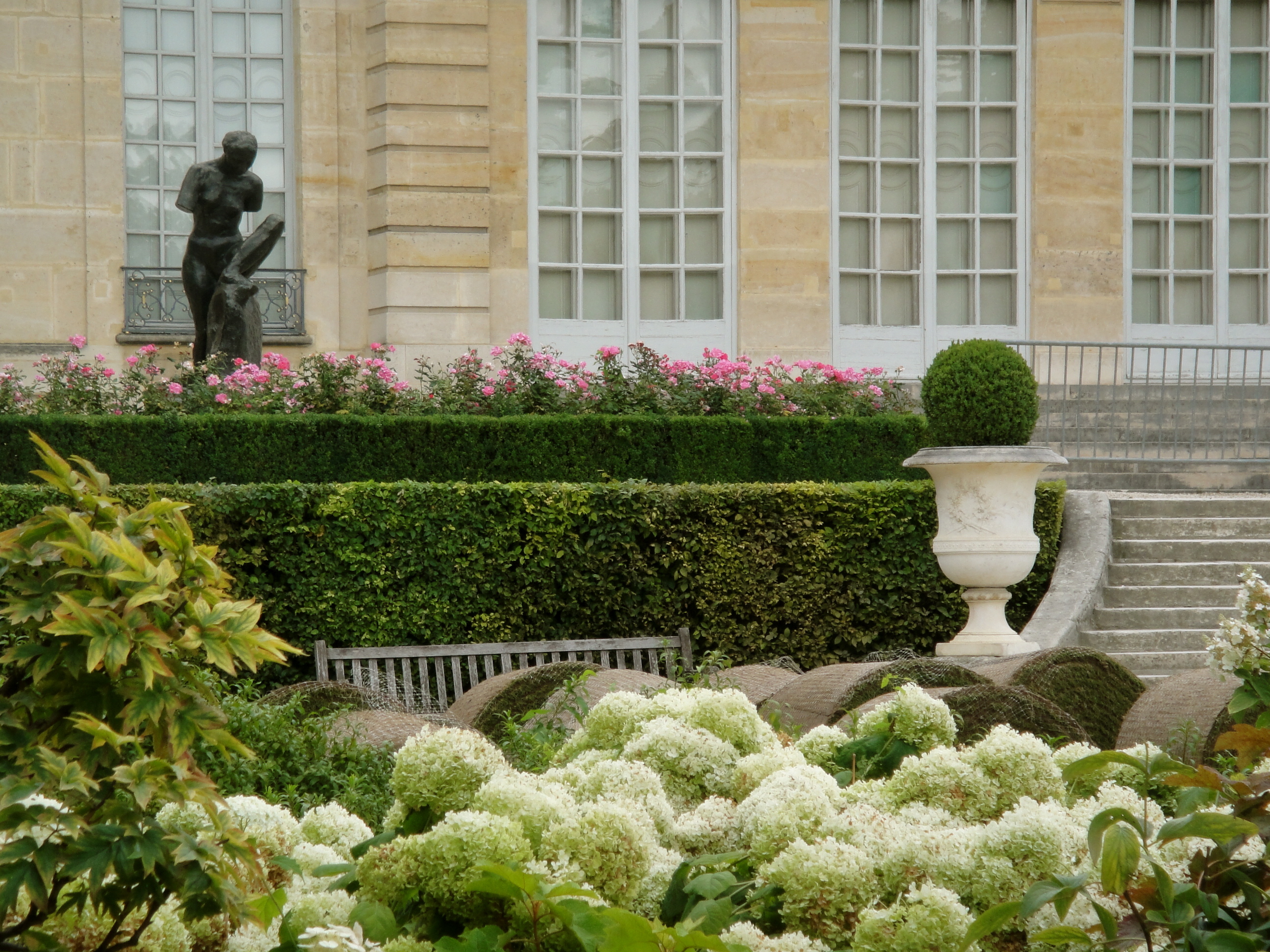
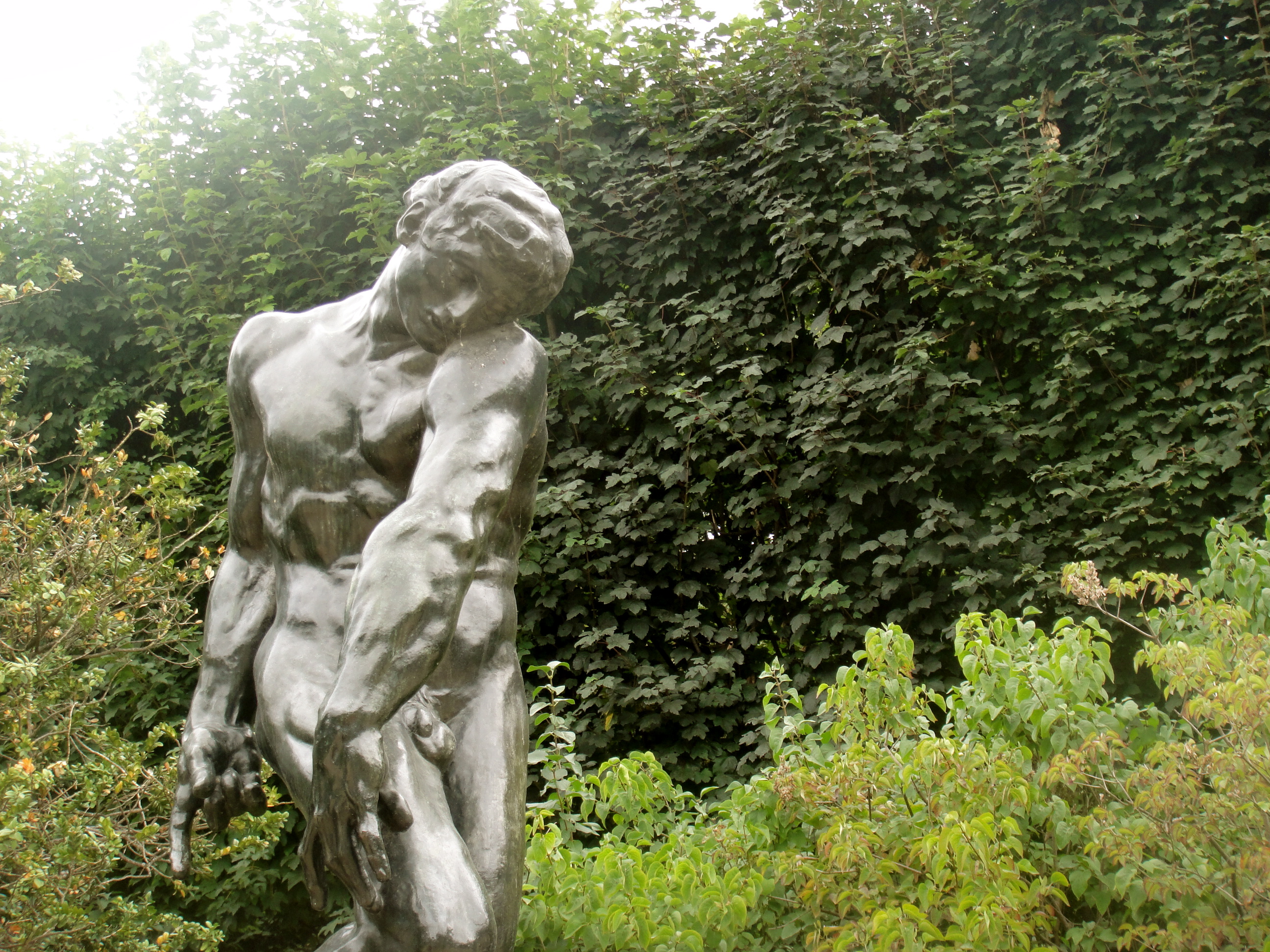
So used are we to visiting Paris in the winter that I was intent on doing some jardins. Where best to start off then than to mix art with gardens at the Musée Rodin. There, the works of Auguste Rodin are showed off to spectacular effect, including the most famous of them all – The Gates of Hell, The Thinker and The Kiss – set amongst countless perfectly trimmed conical shaped hedges which remind of Alice in Wonderland in the perfectly pruned court of the Queen of Hearts. The sculptures are displayed in and outside the gorgeous Hôtel Biron where the artist, along with several others, rented a flat towards the end of his life. He was obviously doing well. The museum does not captivate me in the same way that the d’Orsay does for example. Once I’ve seen a few figure sculptures, I stare blankly and the rest, seeking something more, looking for something to grab hold of my attention. This is unlike the challenging shapes of Henry Moore for example, which activate my imagination in the same way that an abstracted portrait by Picasso ignites my mind compared to a formal state portrait. For me Rodin was on the brink of doing something stunningly modern, but probably because of the time he worked in, he didn’t quite push the boundaries enough. Still, for morning tranquility despite the tourist throngs, the Musée Rodin was spot on.

13:00 hrs

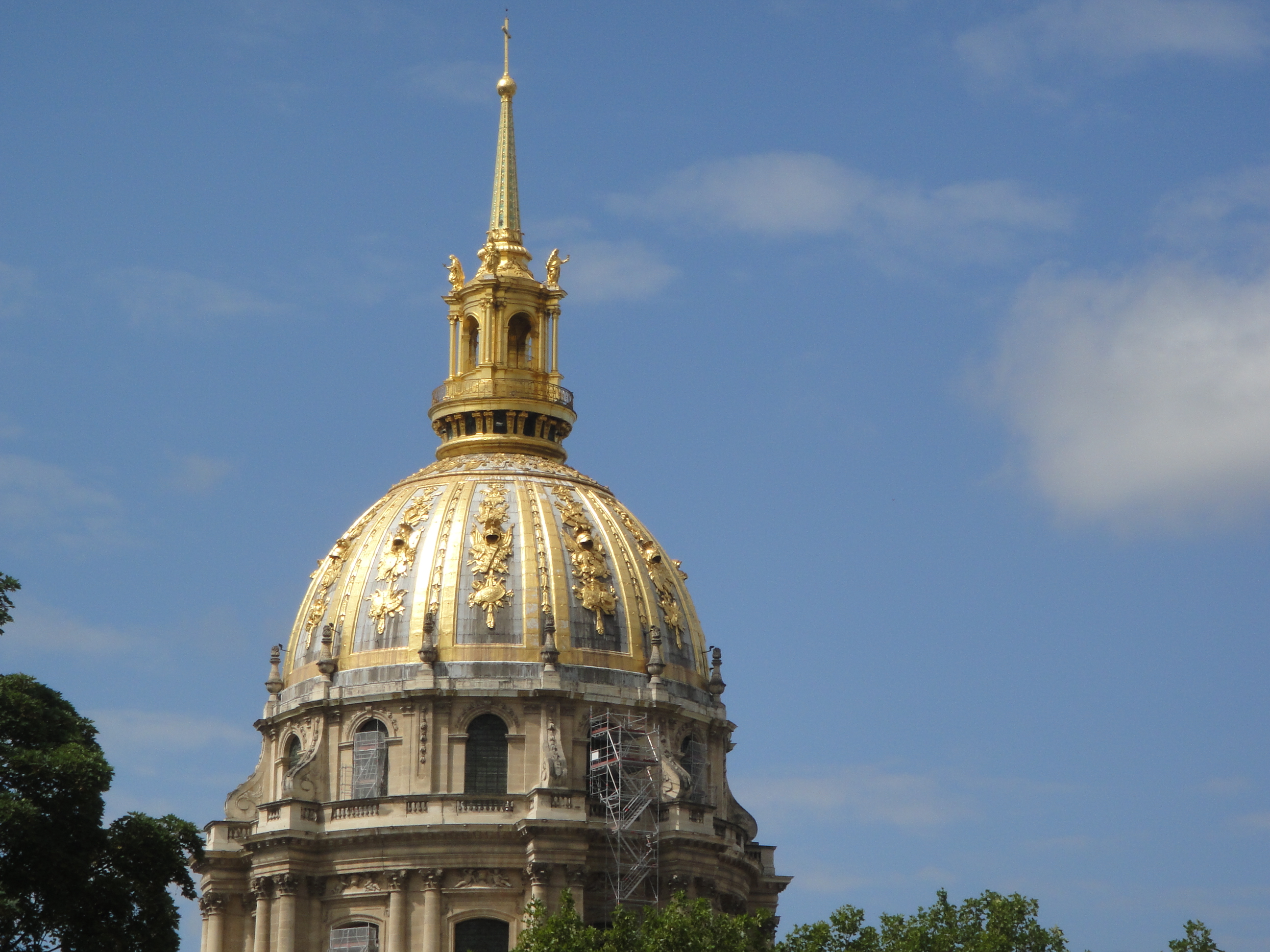
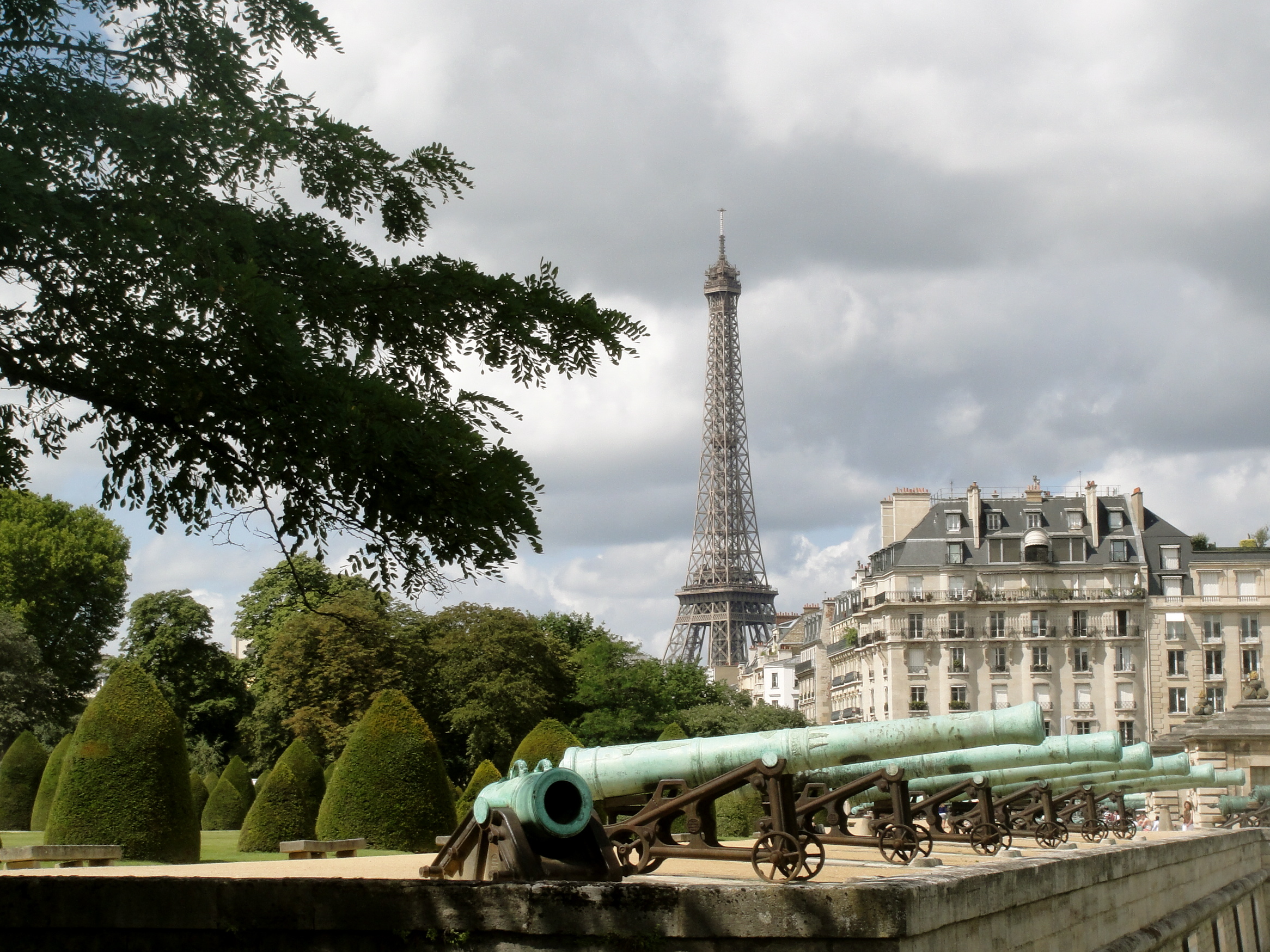
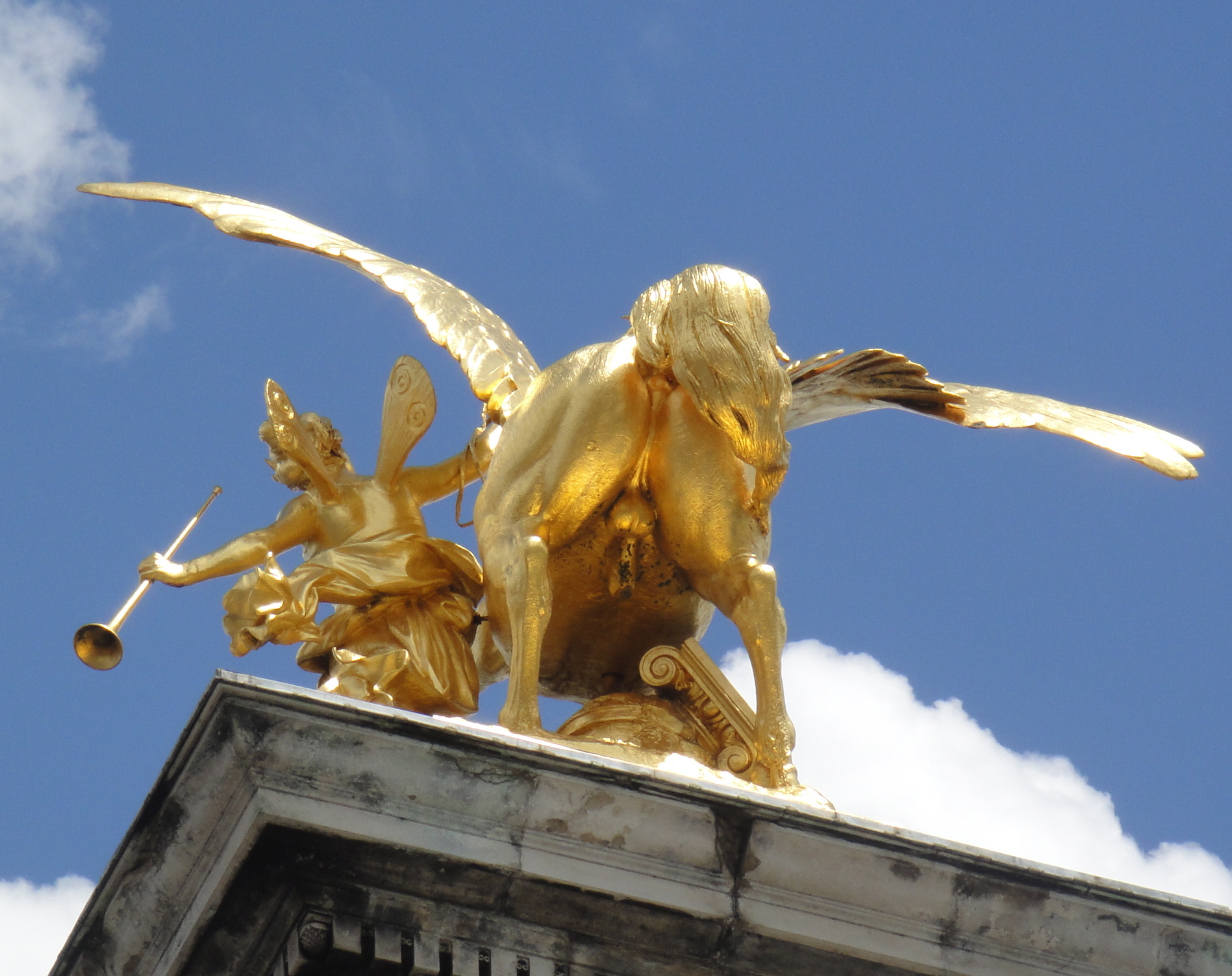
Heading over towards the spectacular gold-fringed Pont Alexandre III, we stopped off briefly to awe at Les Invalides with its similarly extravagant gilded domed roof, and the amazing view of the Tour Eiffel beyond it. Was a city ever so perfectly pretty as Paris?

13:30 hrs

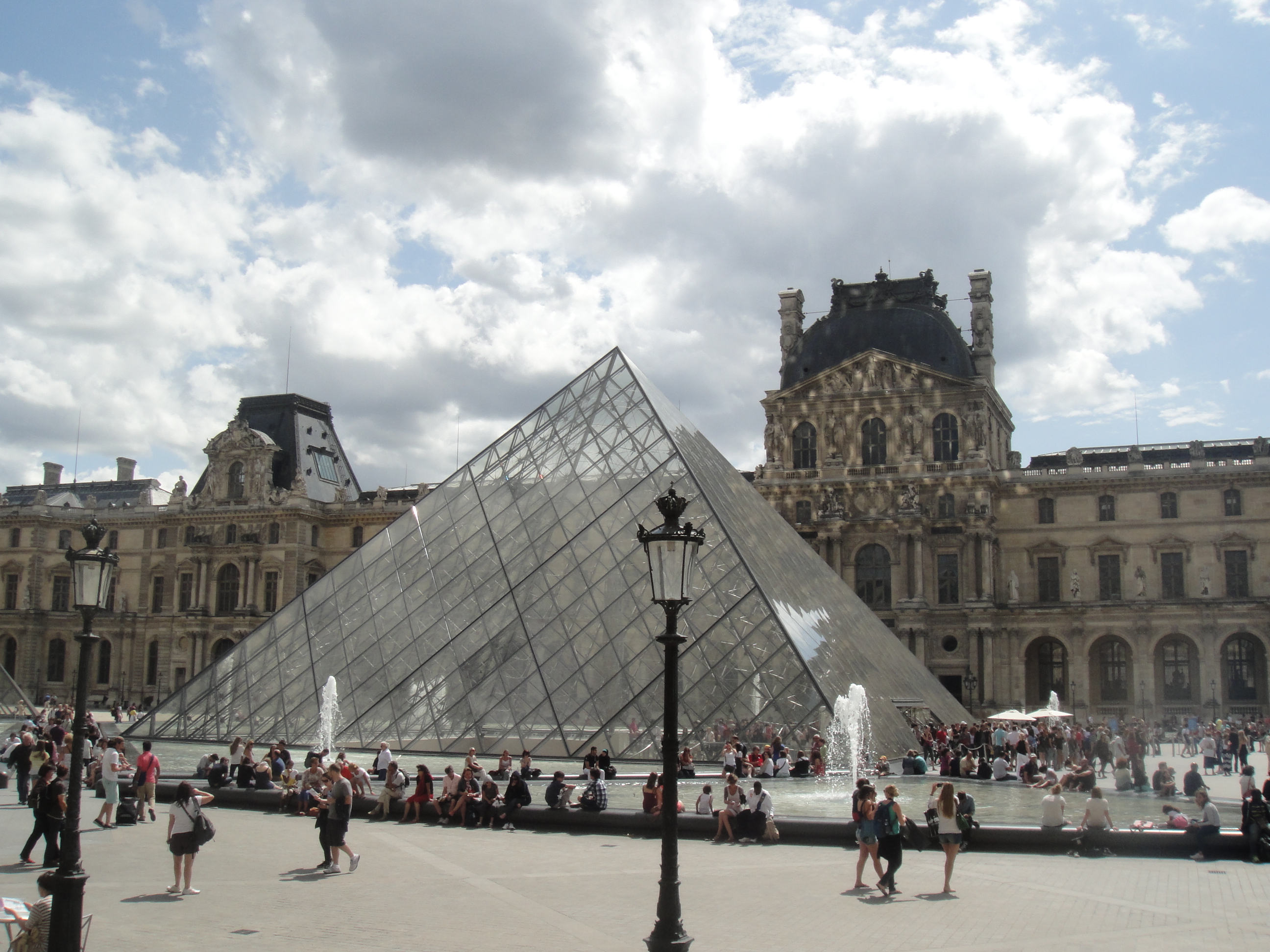
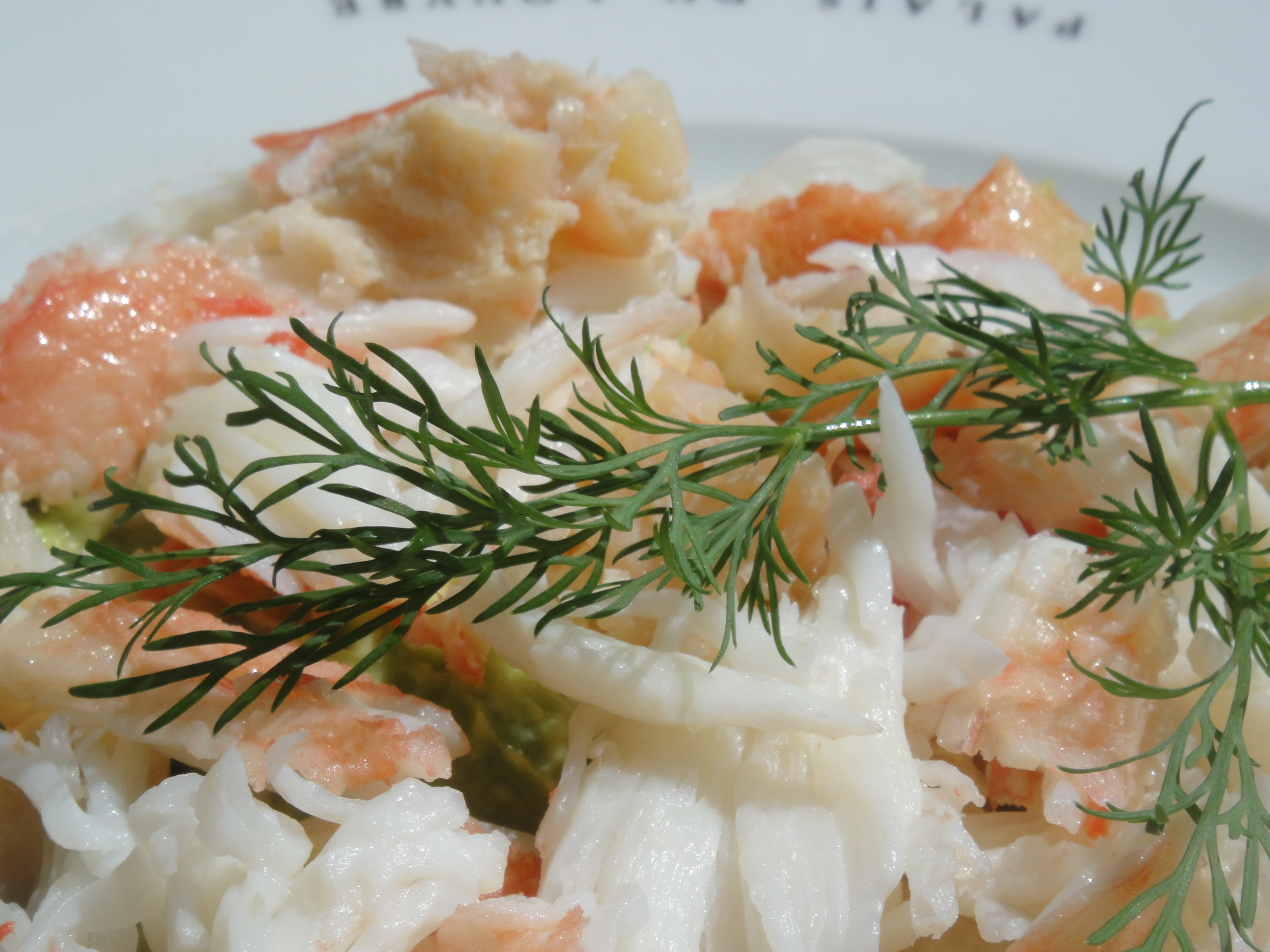
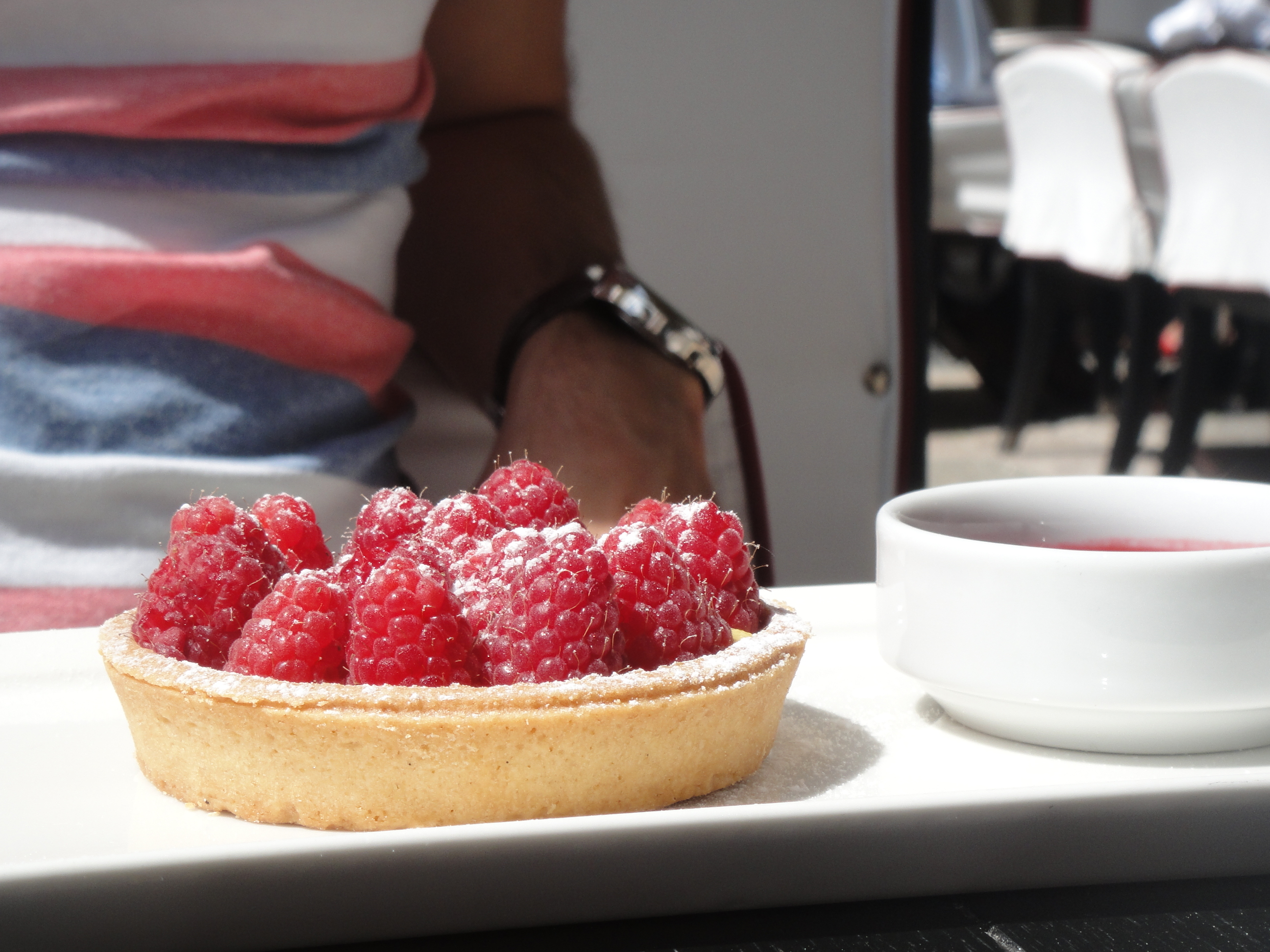
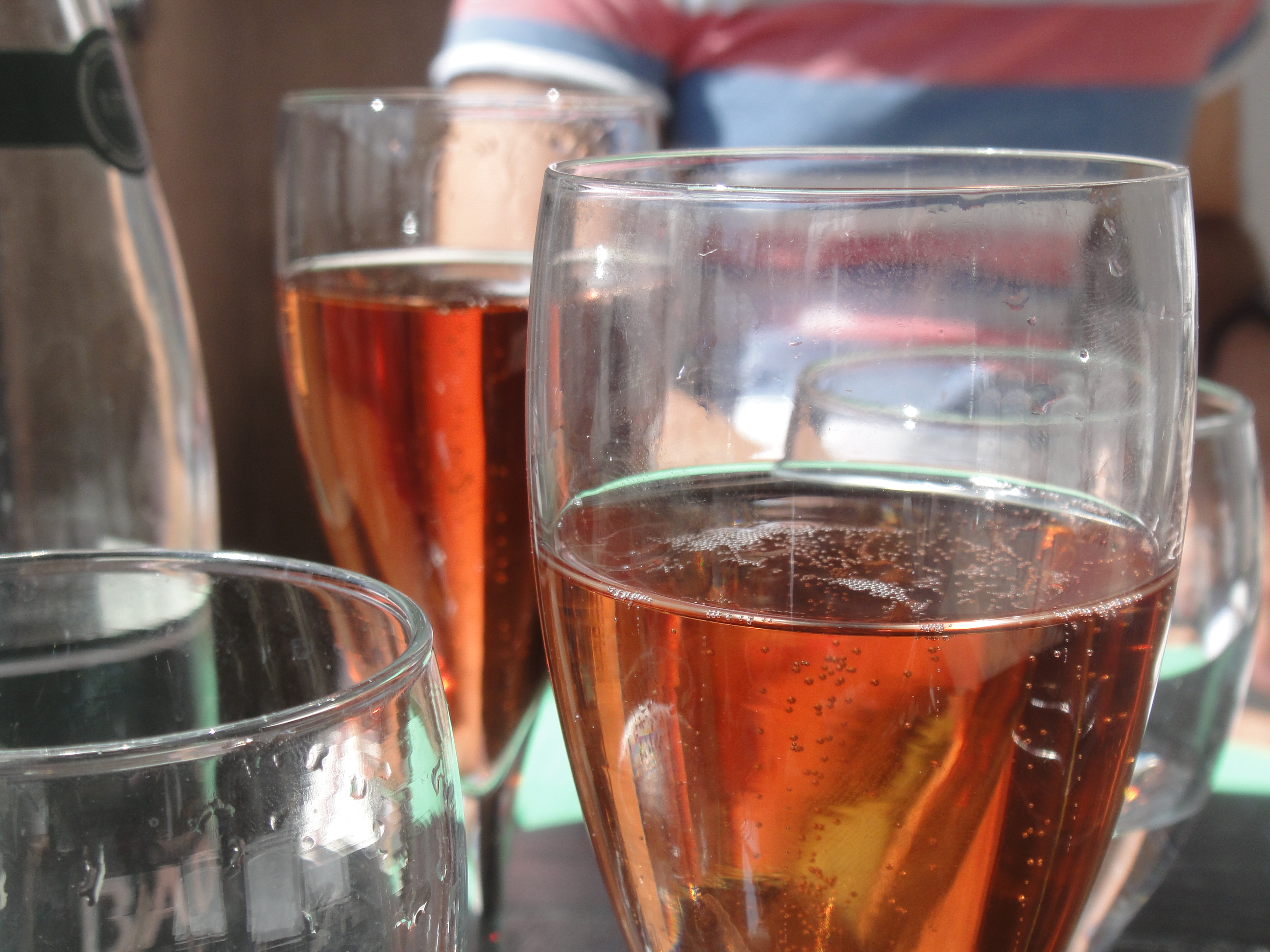
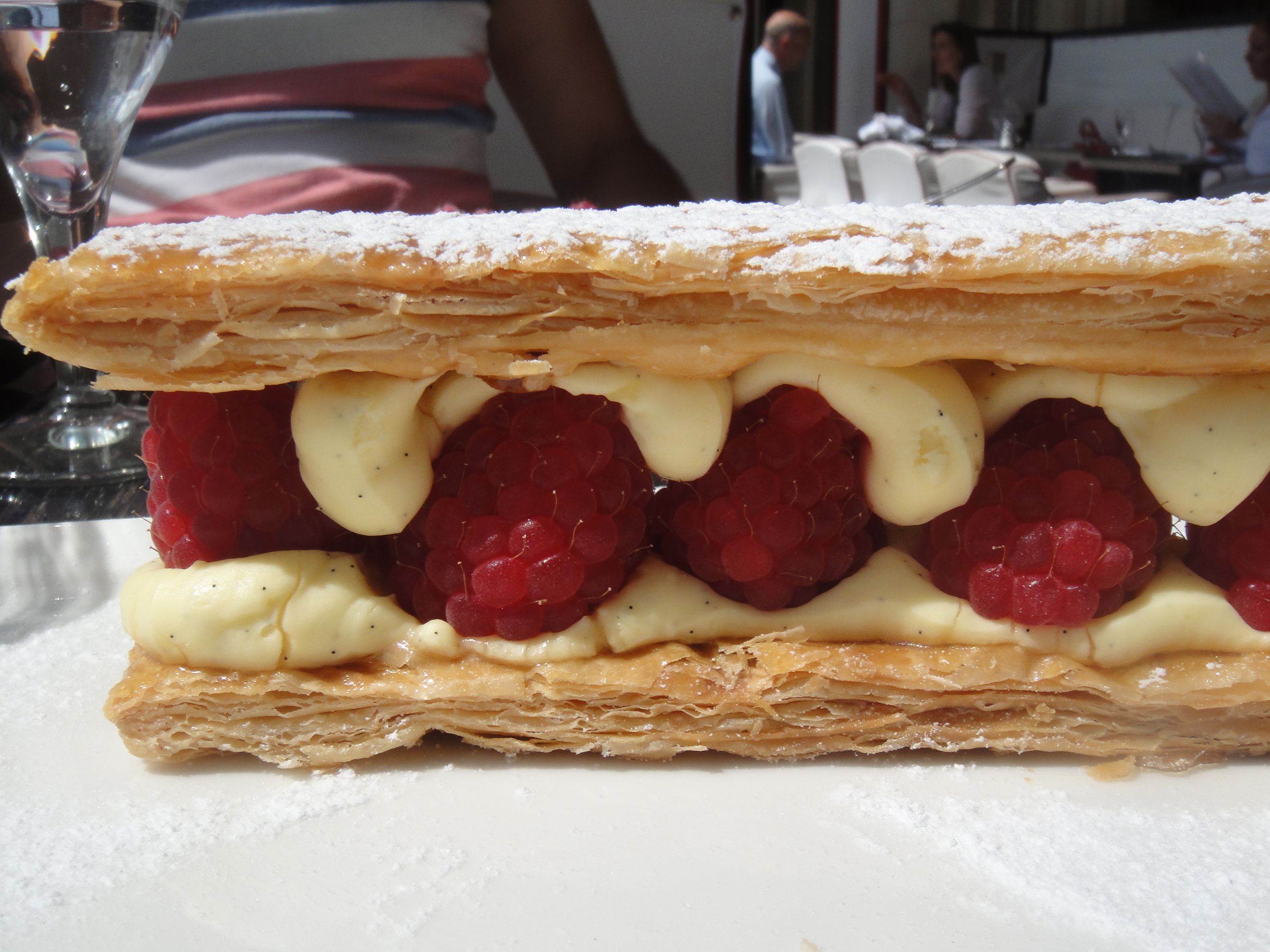
Despite the continuous temptation to stop and take photos of this beautiful city (although the I must have around 10,000 at home) we arrived on time for our reservation at the Café Marly under large portico terrace along the side of the Louvre courtyard. With views right over the spectacular Louvre pyramid, this café can’t be beaten for its incredible vista and its elegant surroundings. The prices aren’t cheap, but they are reflected in the quality of the food. We opted for two light dishes – a crab and avocado salad (the avocado was so creamy it was divine) dressed in a refreshing lime and chilli, and a melon with san daniele ham (the melon was incredibly sweet, juicy and unctuous, and the ham perfectly soft and salty). This was washed down with two glasses of chablis, followed by two more of pink Moët & Chandon (well it was my birthday after all). For dessert we had two combinations of raspberry deliciousness – a lemon tart with raspberries atop it, and a raspberry mille feuille. Café Marly comes well recommended – but ensure you make a reservation in advance.

15:30 hrs

We stumbled down the Rue de Rivoli next, towards our regular haunt of the Marais, cute boutique-lined district, favourite of the chic-set. Here we were on a search for some French vintage posters, but all of our leads came to nothing. If shops weren’t closed “pour les vacances” they failed to exist. We had better luck however when we passed over the river, traversing the cute little Ile St Louis (where we found another print shop – closed for the holidays) and Ile de la Cité and finding on the left bank opposite the Notre Dame a huge selection of old book and print sellers. Usually I pass these stalls, assuming they contain tourist tack – not so. True, the prints are all reproductions, but who cares. The quality looks great and you could buy 3 for 20 euros. I think we ended up with 9!

17:00 hrs

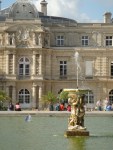
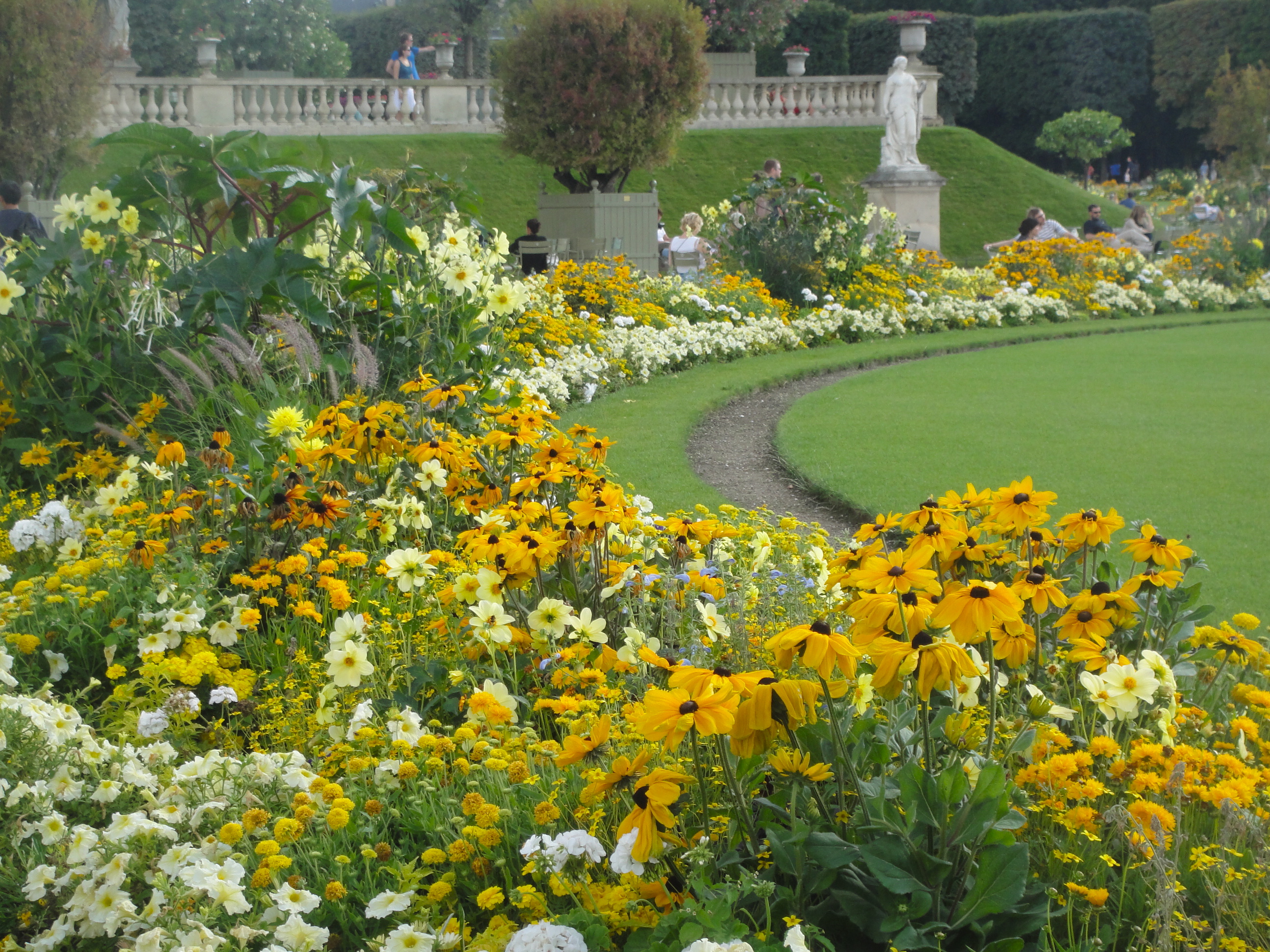
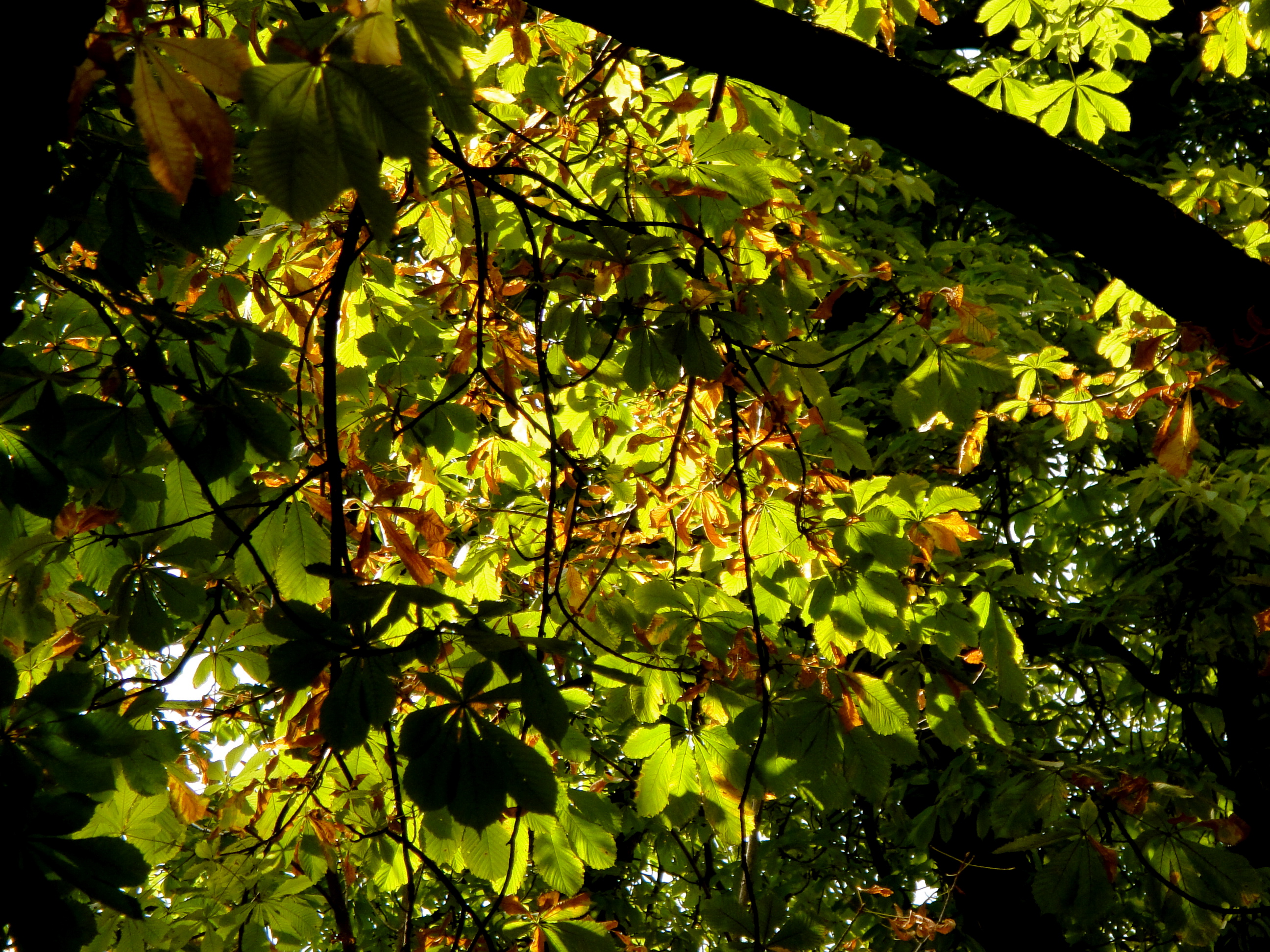
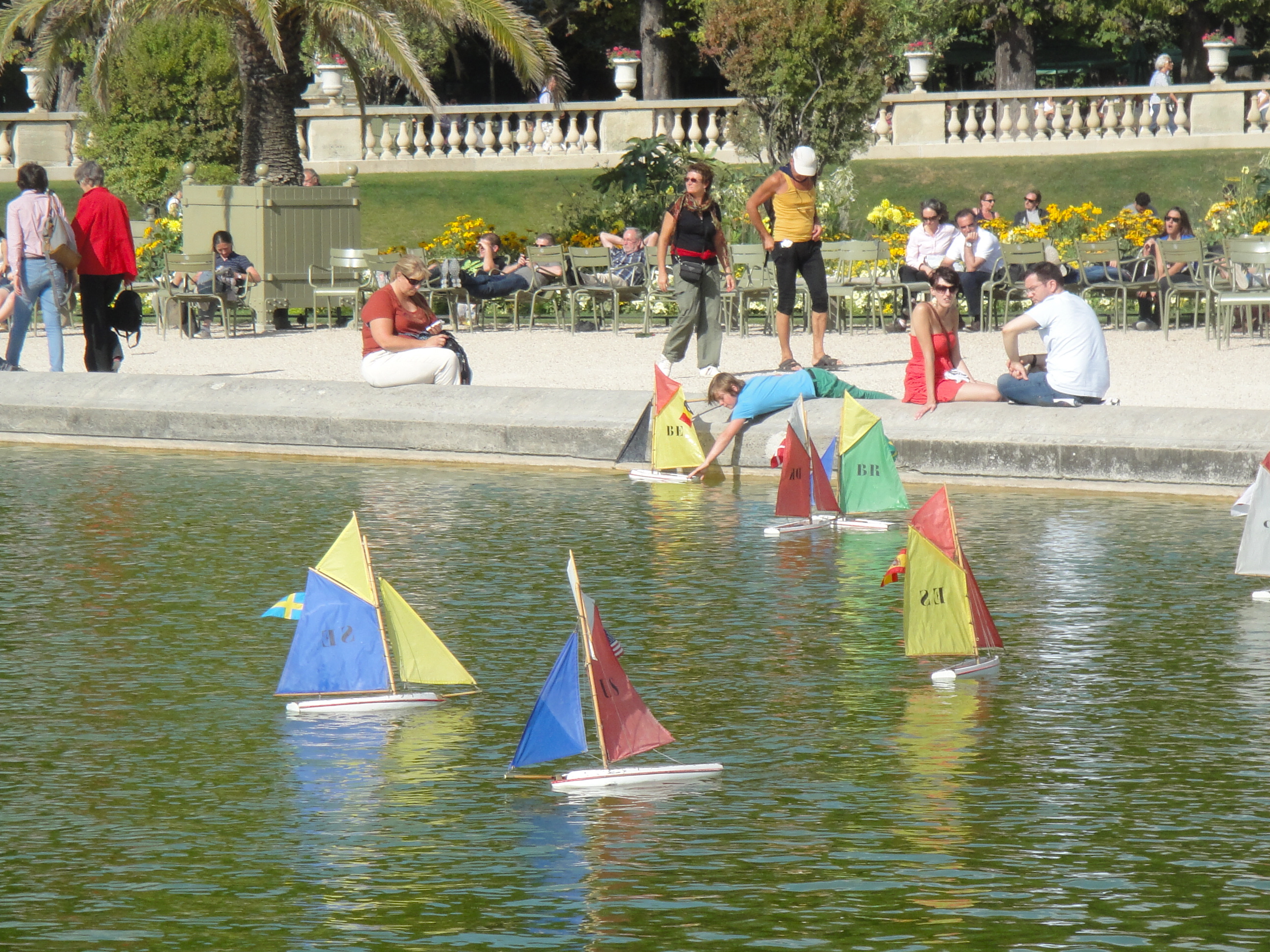
Back on that garden trail now, and we headed, almost full circle, back to the 6th and into the magnificent Jardins du Luxembourg. Never before have I seen these gardens look so good – the flower beds were beautiful coordinated in every conceivable shade of yellow, those few Parisians remaining in the city lounged in the shade provided by large leafed chestnut trees, creating as they did a beautiful impressionistic dapple of sunlight over the cafes and little loose benches placed haphazardly all over the park. There too, families were at play – little children ran enthusiastically around the large central pond, pushing miniature sailing boats from one side to the other while parents, basking in the August sunshine, looked on contentedly. Once we sat down in one of those little reclining metal chairs, there was almost no moving us until the clock struct 6 and our return journey began to claw us back to the train tracks.

18:30 hrs

Resiting the pull of the train in our final hour of freedom, we headed back to the Rue de Buci and indulged in a massive plate of charcuterie and fromage, with two little glasses of overly warm Bordeaux on the side and a basket full of holey French bread. There we reflected upon our 24 hours in Paris – how is it that in a time so short, we felt like we had been in the city for so many days? Is it because we know it so well, that we are easily re-embraced back into the fold? Or is it because our senses had been overloaded with the beauty all around? Whatever the reason, it all went to show how easy a little trip to this quasi-London suburb can be – 2.20 hrs on the train and another world awaits. Who could resist? I won’t be.

© Nicholas de Lacy-Brown and The Daily Norm, 2001-2012. Unauthorized use and/or duplication of the material, whether written work, photography or artwork, included within The Daily Norm without express and written permission from The Daily Norm’s author and/or owner is strictly prohibited. Excerpts and links may be used, provided that full and clear credit is given to Nicholas de Lacy-Brown and The Daily Norm with appropriate and specific direction to the original content.

Bologna: La Bella – My Photographs

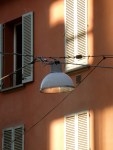
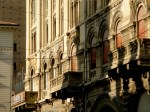
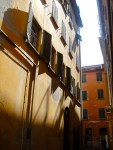
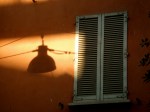
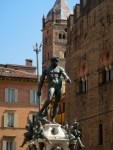
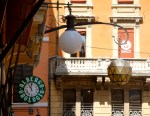
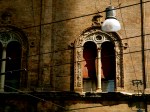
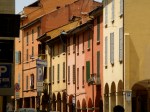
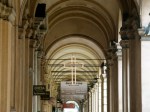
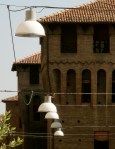
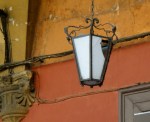
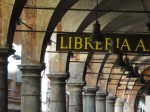
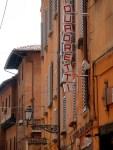
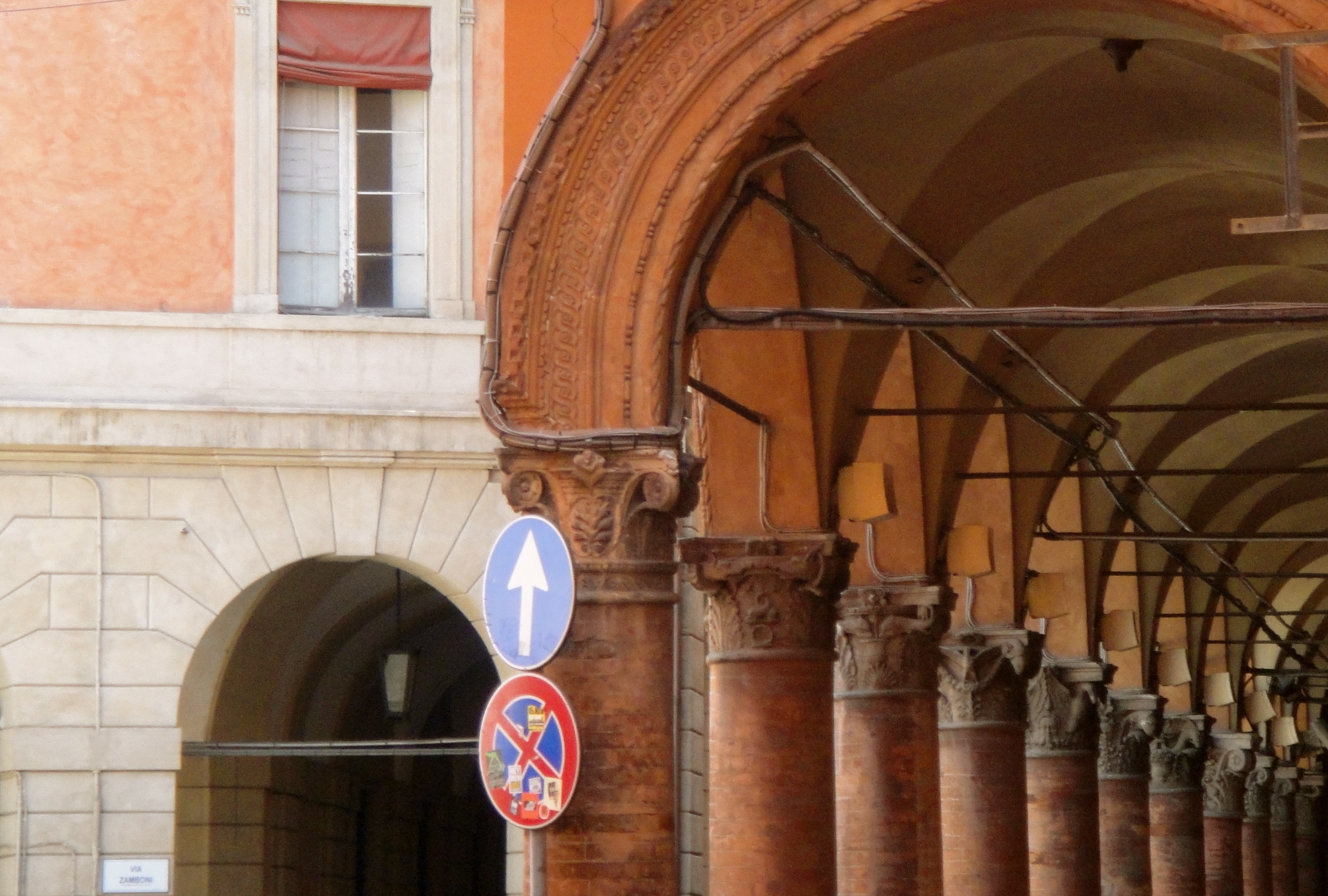
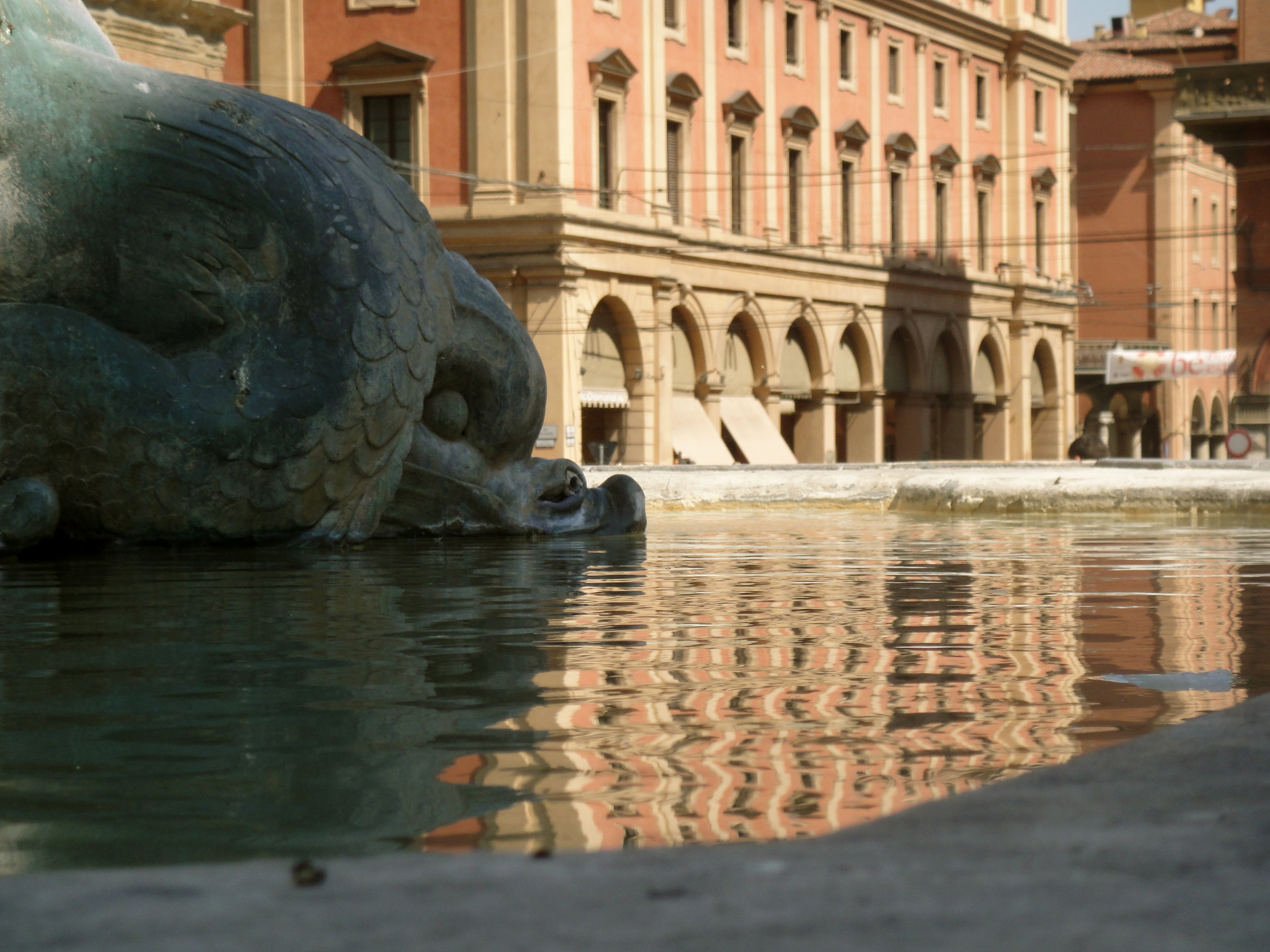
Bologna the beautiful – not one of the triptych of epithets for which Bologna is known, but truly deserved nonetheless. From the sheer volume of photos below, there can be no doubting how much of an inspiration this red-hued city provided me and my little pocket camera. Endless arcades and porticos delicately interspersed with rusting iron shop signs, discolouring marble madonnas and wrought iron balustrades. Bologna’s sky was like a complex network of fine-threaded black lace, as a grid of wires criss-crossed piazzas and porticos from which hung characteristic flat-bottomed lamps whose glossy base reflected the pink haze of the sunlit streets and red-suttererd palazzos. Contrasts are everywhere: Elaborate churches adjoin multicoloured graffitied university buildings,  ornamented baroque fountains balance coarser Roman relics, and chic polished shopfronts adjoin bustling market stalls and busy al fresco cafes.

Bologna is decadent in its fading elegance and retro, rather than modern. Progression in this city has thrived in the minds, while all around, a Unesco protected city centre has been perfectly preserved as a museum of multi-layered history, and as a testament to architectural, gastronomical and artistic sophistication. I could have photographed forever. And no doubt I will return to capture this city in changing seasons and altering light. But in the meantime, here is Bologna, La Bella – a city captured on my camera.

All photos are strictly the copyright of Nicholas de Lacy-Brown © 2012 and The Daily Norm. All rights are reserved. 

Bologna: La Dotta – Learned city where the profane is sacred, and the sacred is mundane.

As far as outward appearances go, Bologna holds its own amongst the crowd. For beautiful buildings, magnificent public monuments, fading Renaissance elegance and vast central piazzas, Bologna is undaunted by its more celebrated rival cities of Florence, Milan and Rome. But behind the facade, in mind, Bologna is quite different. In Rome, for example, the dominant influence of the church, and in particular of the Vatican looming close by, is evident all around. You only need to turn a corner to find another vast church, stuffed to saturation full of the most exquisite baroque sculpture, euphoric painted ceilings, depicting heaven and hell with startling realism and artistic virtuosity, gold-dripping altars, elaborate side chapels, and 100% fresco coverage throughout. In Florence, the green, pink and white marble covered Duomo and its baptistry dominates the city’s central piazza, while just around the corner, the equally stunning Santa Croce and Santa Maria Novella dominate their own respective squares.

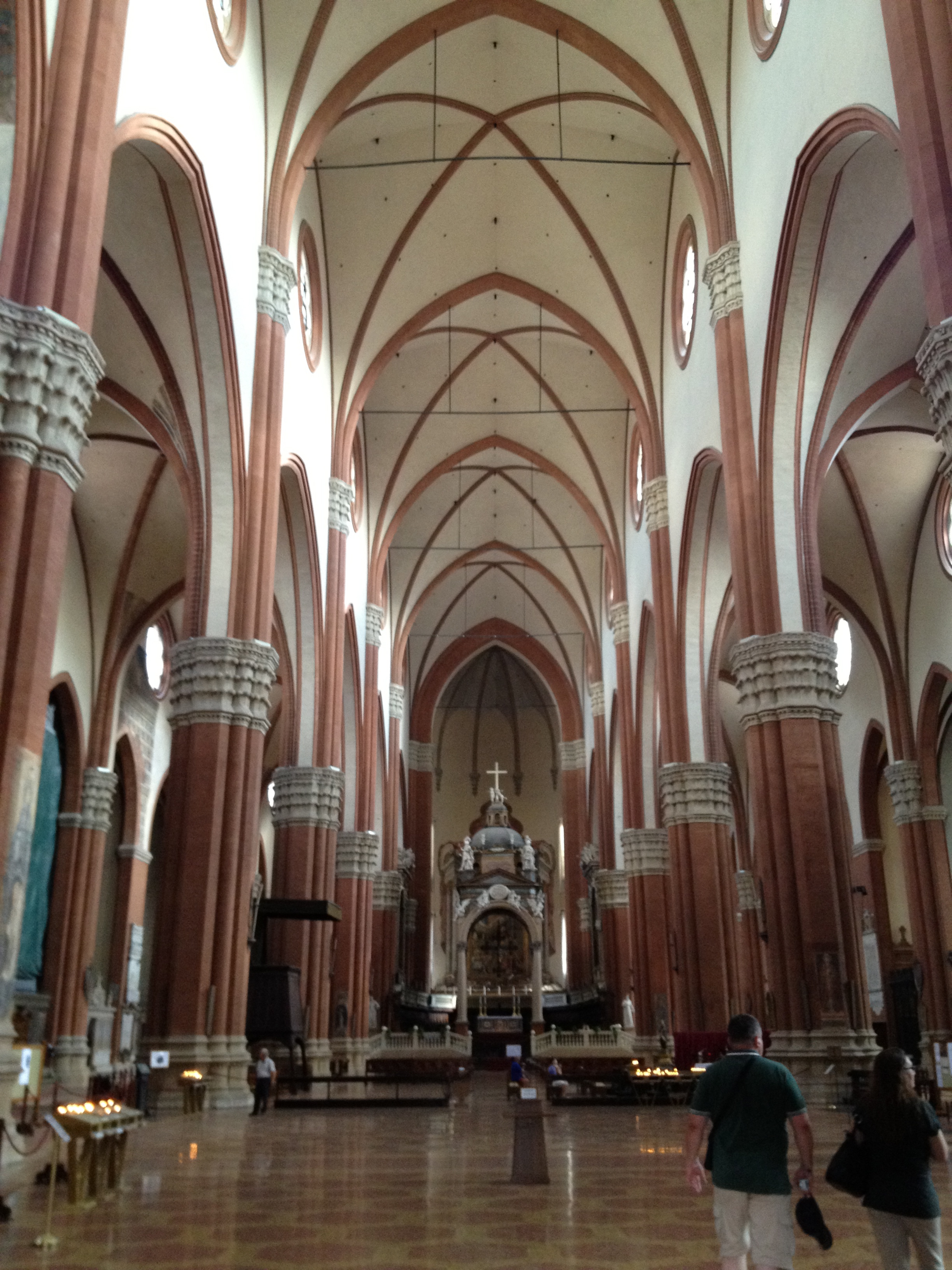
In Bologna, by contrast, there is a sense that the church plays second fiddle. True, the Piazza Maggiore is at least partially dominated by the looming presence of the Basilica San Petronio, but its vast marble facade has been left unfinished, as though the Bolognese started the expensive task of covering the brown bricks with marble, only to decide that the money could be better spent on other things. Meanwhile, on the inside, the church has a vast gothic interior, rising almost endlessly into the sky, yet compared with other Italian cathedrals, this interior is stark and austere, exhibiting the same lack of embellishment as is all too obvious on the exterior.

San Petronio’s unfinished exterior
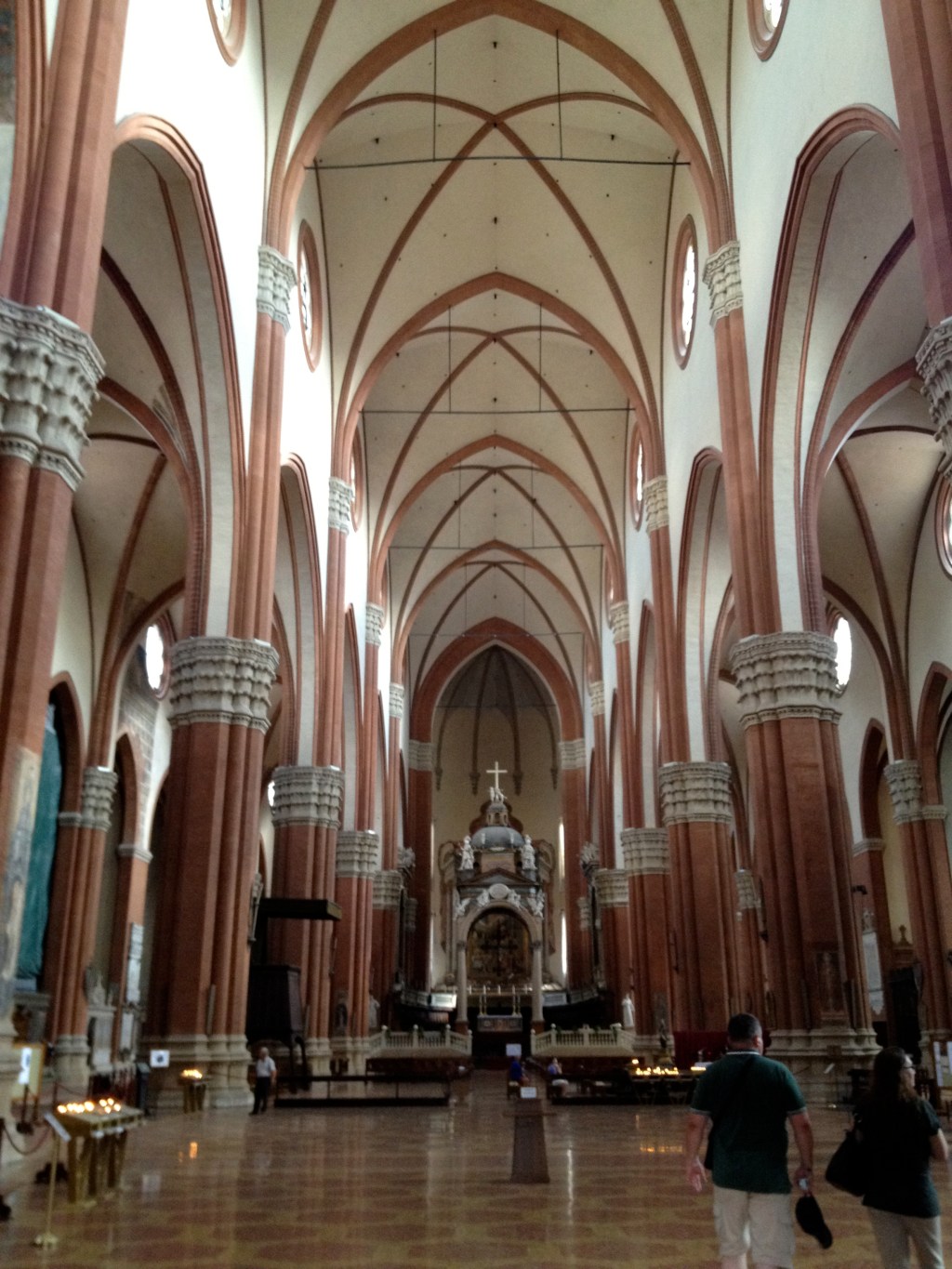
And its impressive but austere gothic interior

In Bologna too is the iconic church of Santo Stefano, which is actually comprised of a hodge-bodge of some 8 older churches all linked together. However the rather plain brick-facade of this church is easily dominated by the stunning collonades of the neighbouring buildings, and all of the guide books of Bologna refer not to the beauty of the church, but of the square itself, with its fine Merchant mansions, shopping arcades and perfectly-proportioned palazzos.

Overshadowed: Santo Stefano

That’s not to say that the Bolognese are a population of heathens, rejecting the church and pursuing a life of hedonistic profanity and over-indulgence. The Basilica of San Petronio is, in fact, a mere shadow of its original design, which was intended to be a vast religious temple when designs were drawn up in the 16th century, but which were promptly interrupted by the Vatican who feared that the resulting cathedral would overshadow St Peter’s in Rome. As it is, the cathedral is the 15th biggest in the world. While the intention was there, you can’t help but notice that in spirit, Bologna’s priorities lie elsewhere. For the second of Bologna’s three renowned epithets is La Dotta: the Learned, and the great prevailing buttress of Bologna’s cultural foundation is intellect and learning – and you can see it all around.
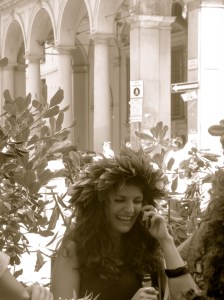
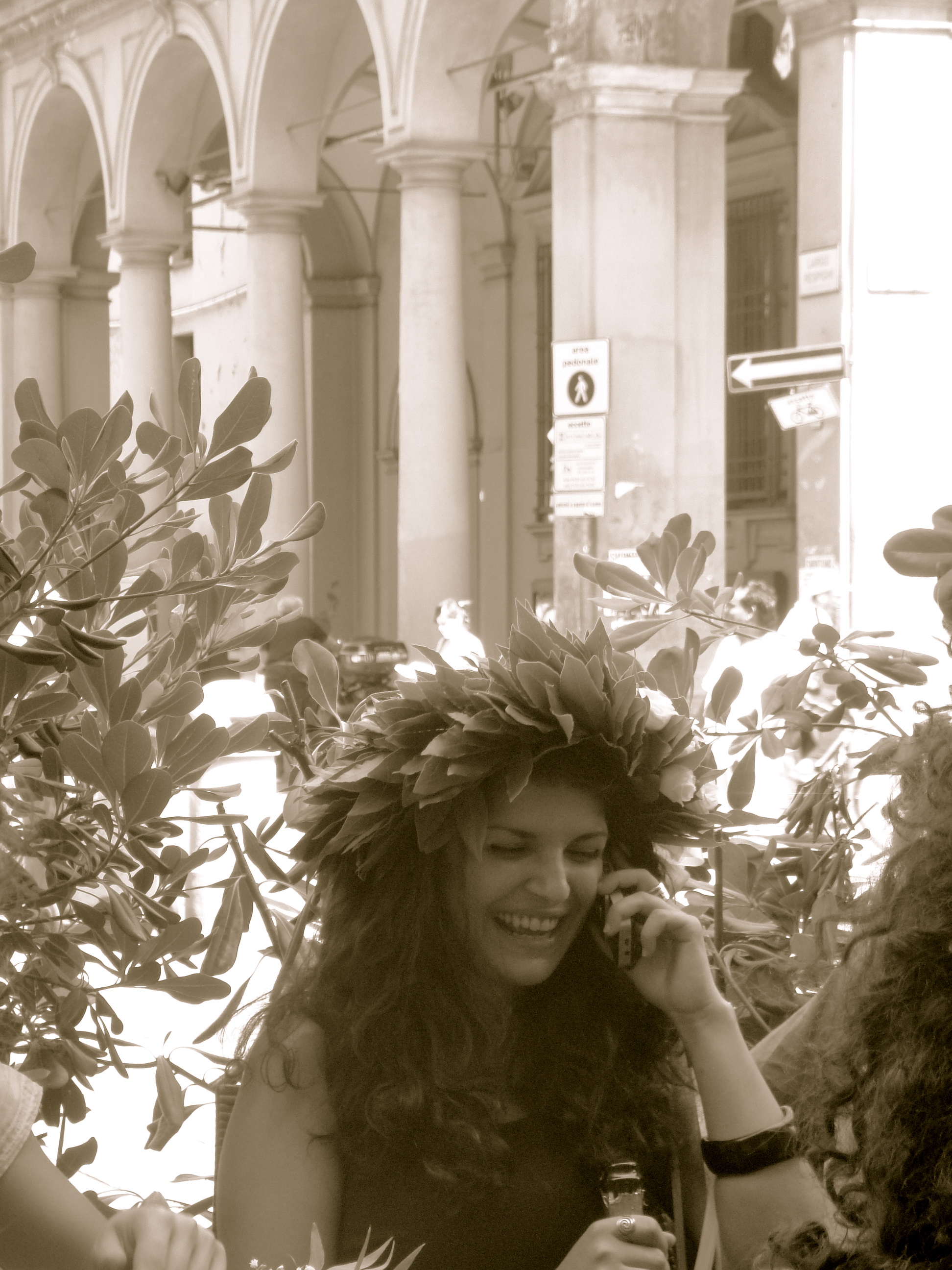
A happy Bologna graduate on her graduation day

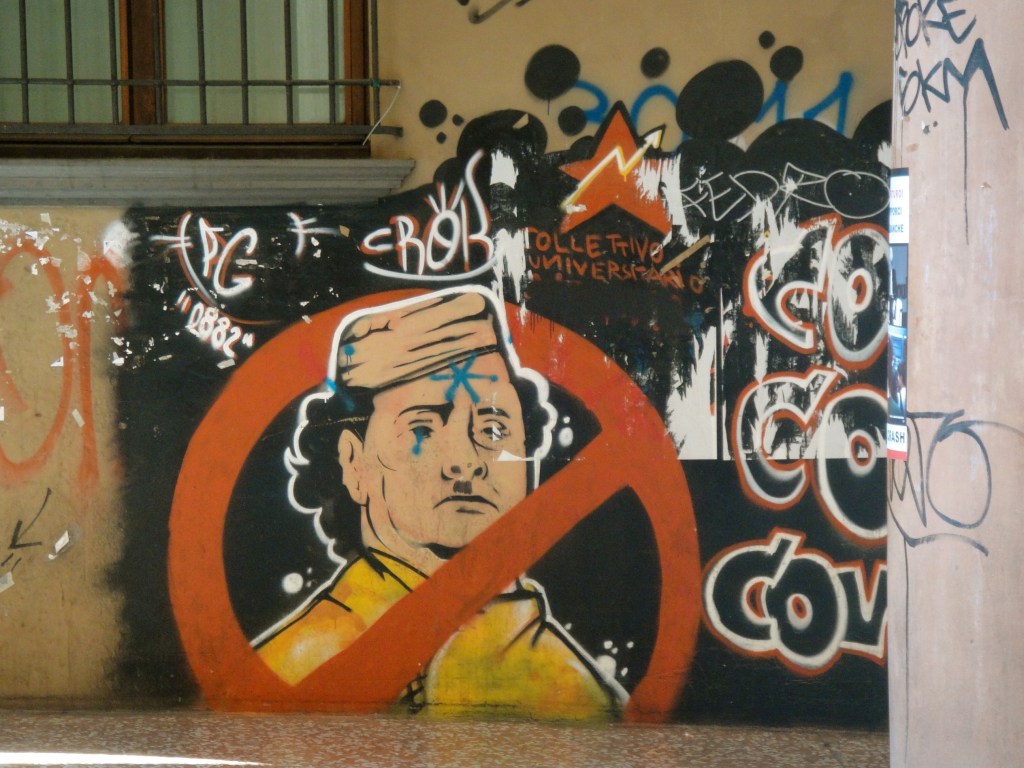
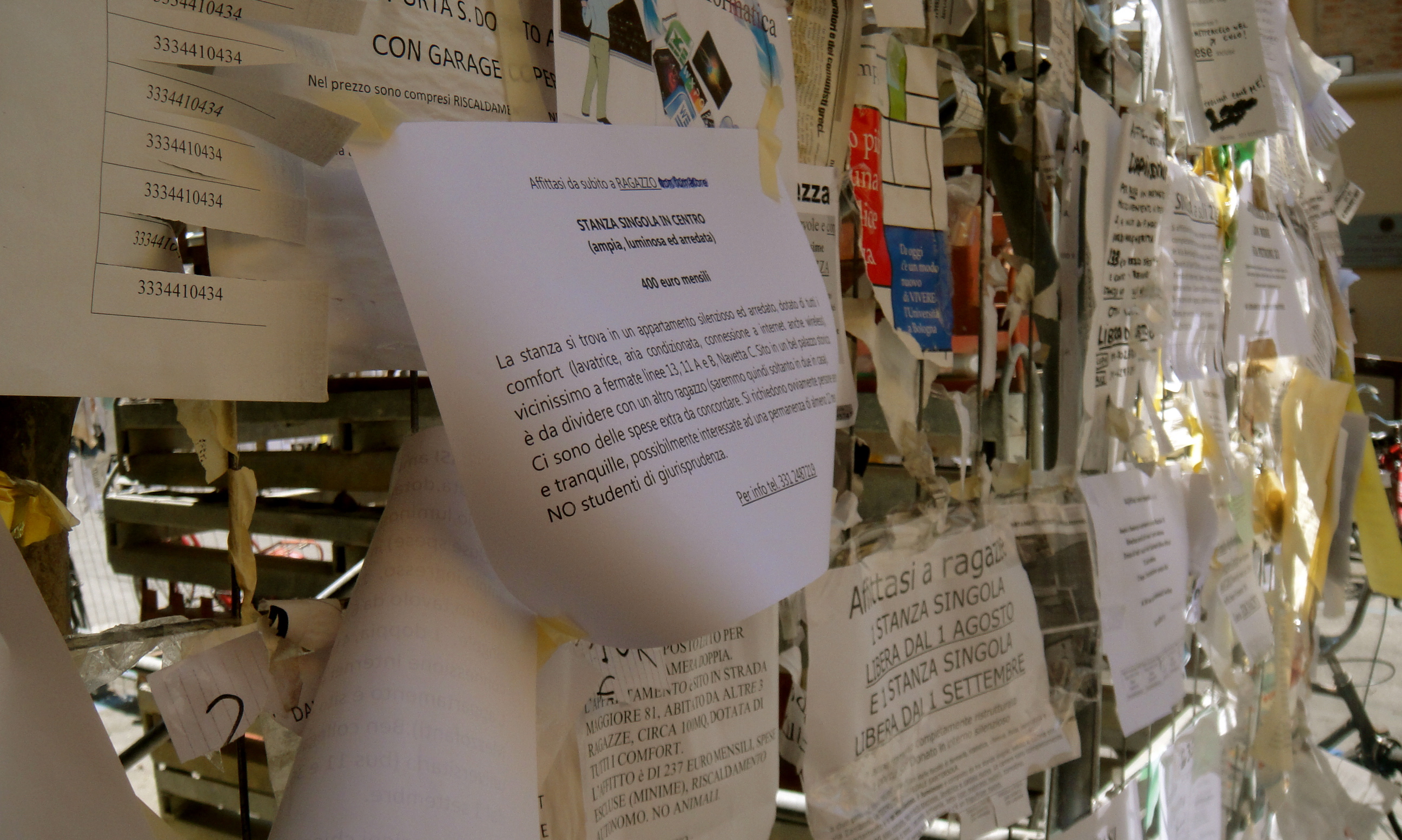
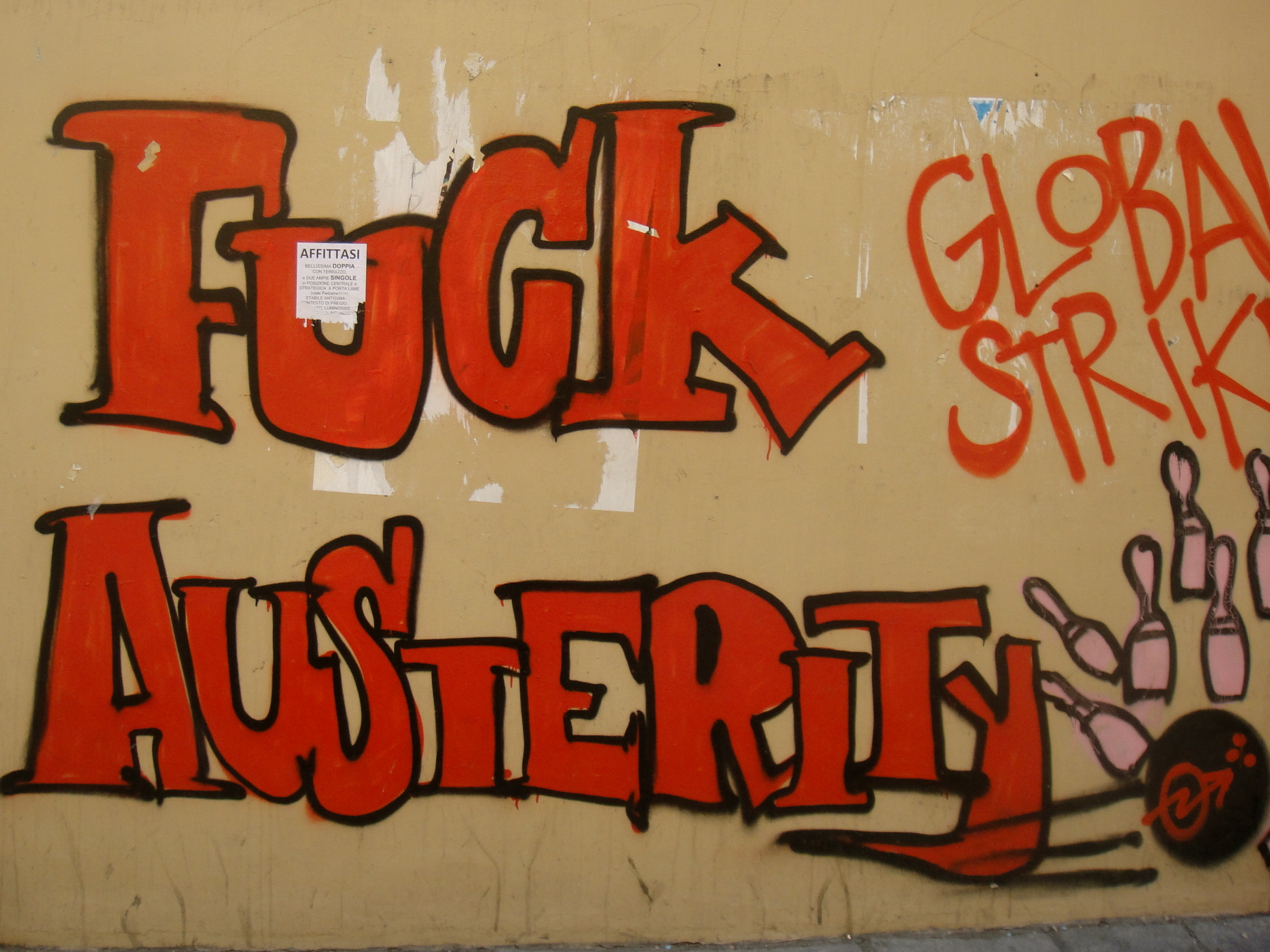
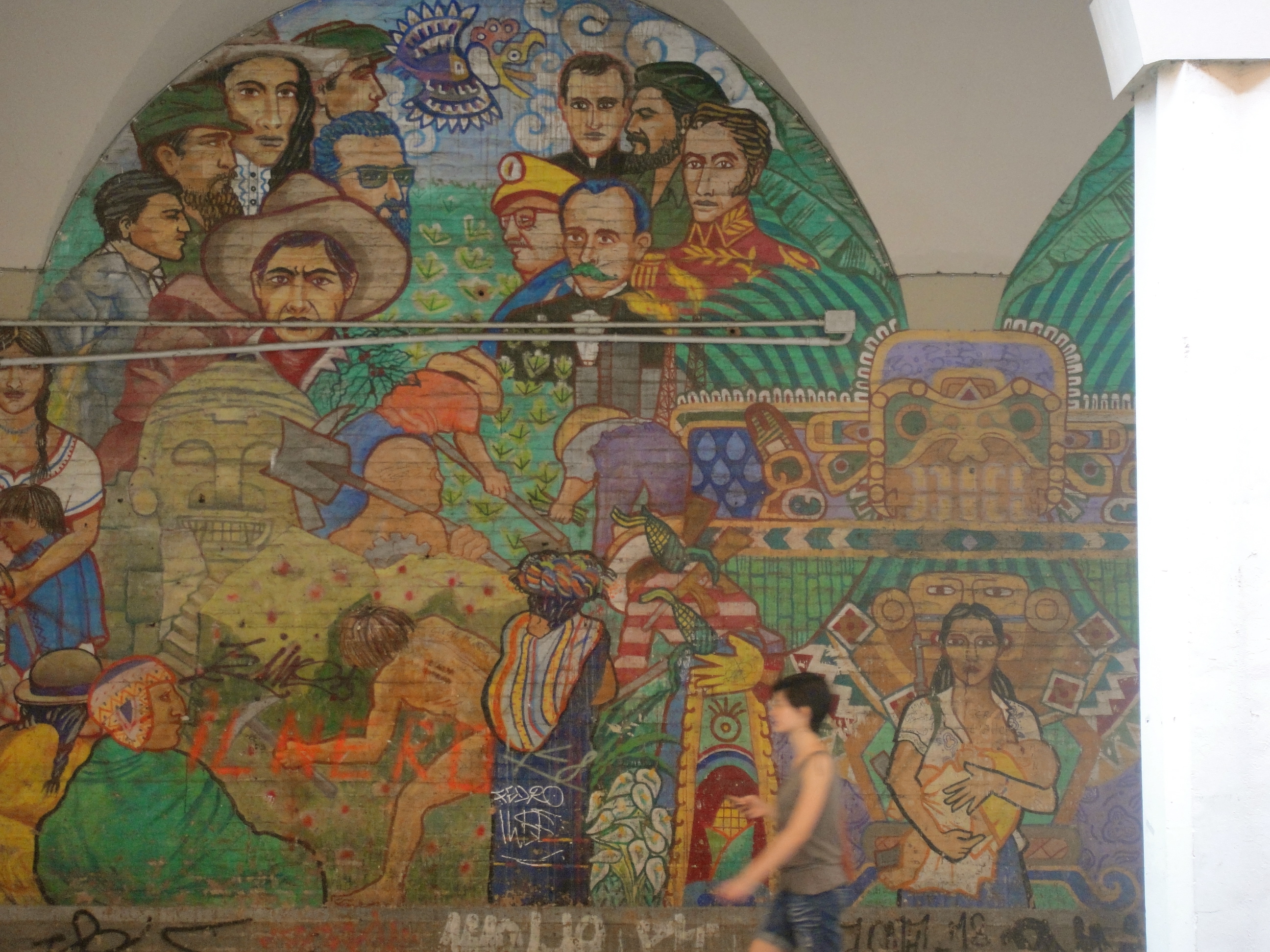
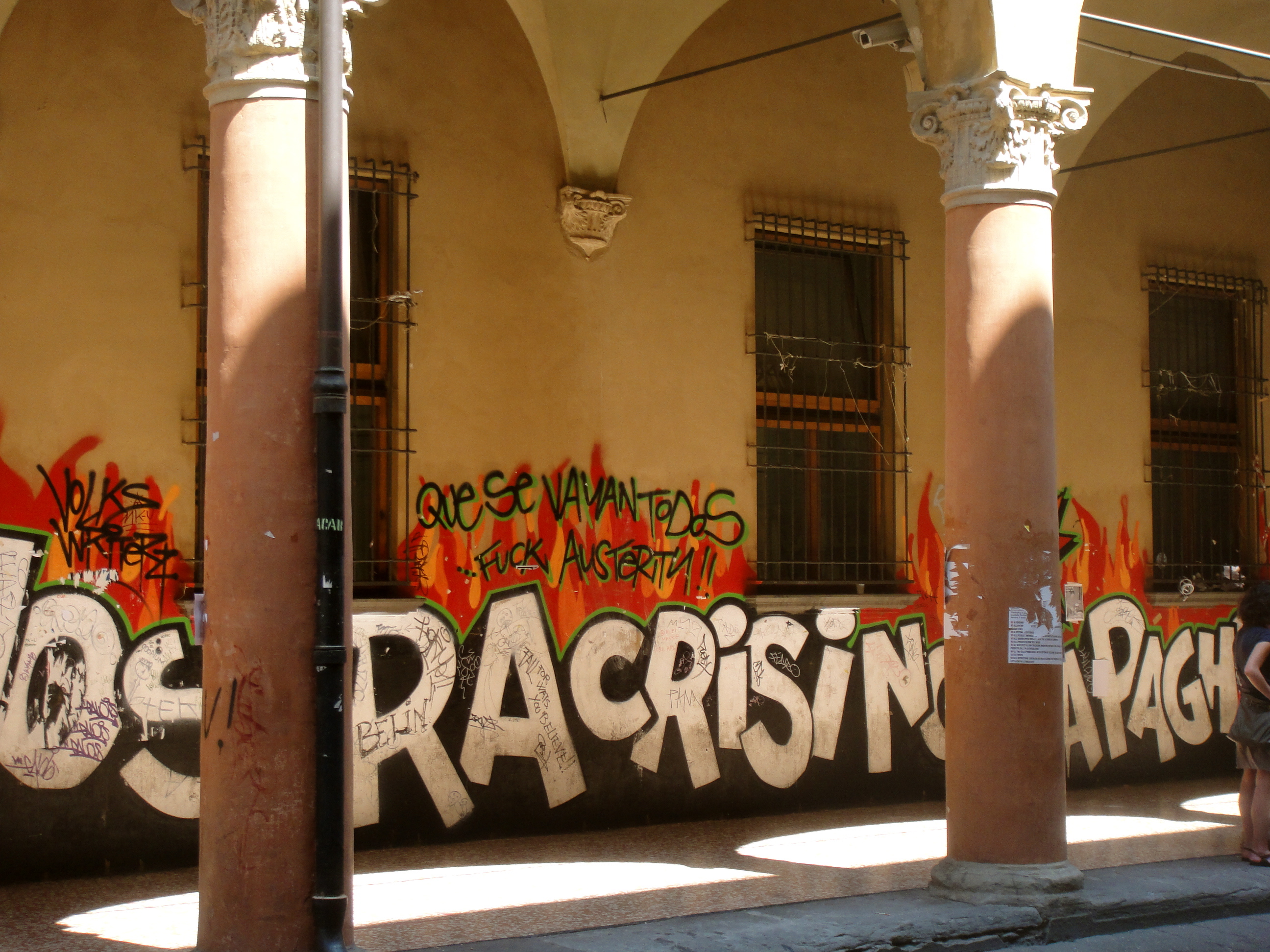
For starters, Bologna boasts what is said to be Europe’s oldest University, going back some 900 years, and the vivacious influence of the city’s still-thriving university population can be seen all around. On our first morning in the city, we wandered into the university district, just north of the central leaning towers, and there we found a district which was markedly alive with a thriving cafe culture, with campuses and libraries and a predominant feeling of youth and exploration. There, the elegant porticos of the southern city had been replaced by vast graffiti murals, protesting against austerity, opposed to Gaddafi and debating other modern polemics in technicoloured spray-paint. Instead of frescos, here the walls were covered with posters promulgating student presidential campaigns, advertising rooms to rent and promoting concerts and lectures. And instead of tourists, here the students dominated, and in fact on our visit were in the midst of a great summer graduation, for which the macabre mortar-board was replaced with a garland made from olive leaves and ribbon.

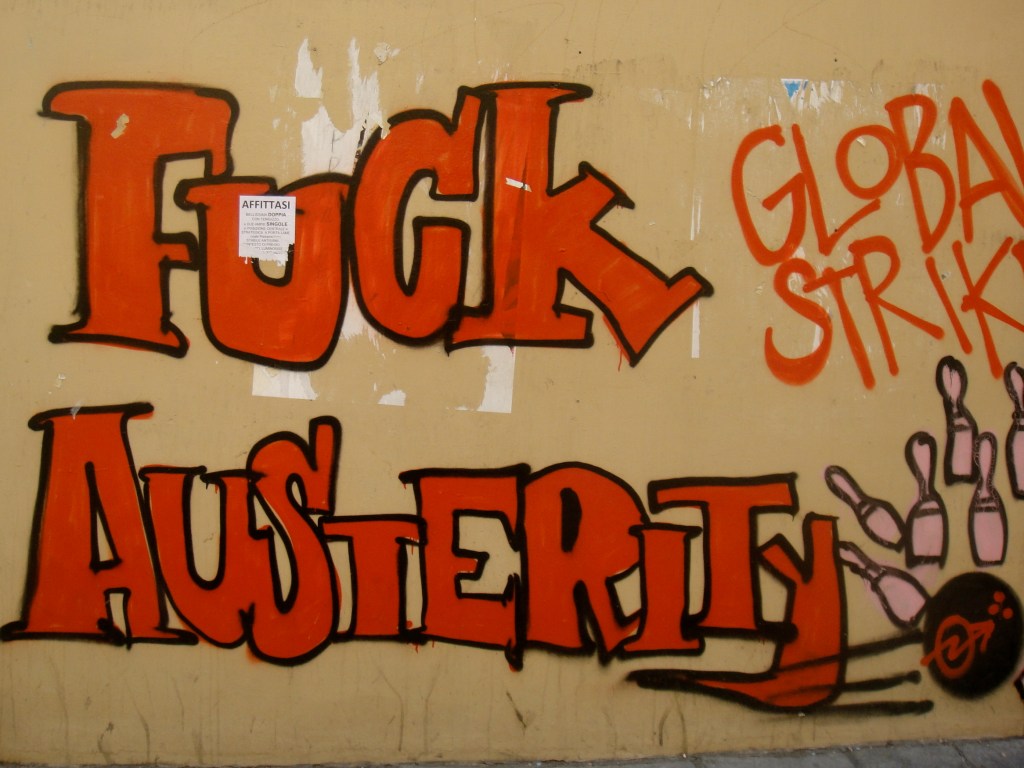
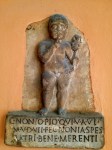
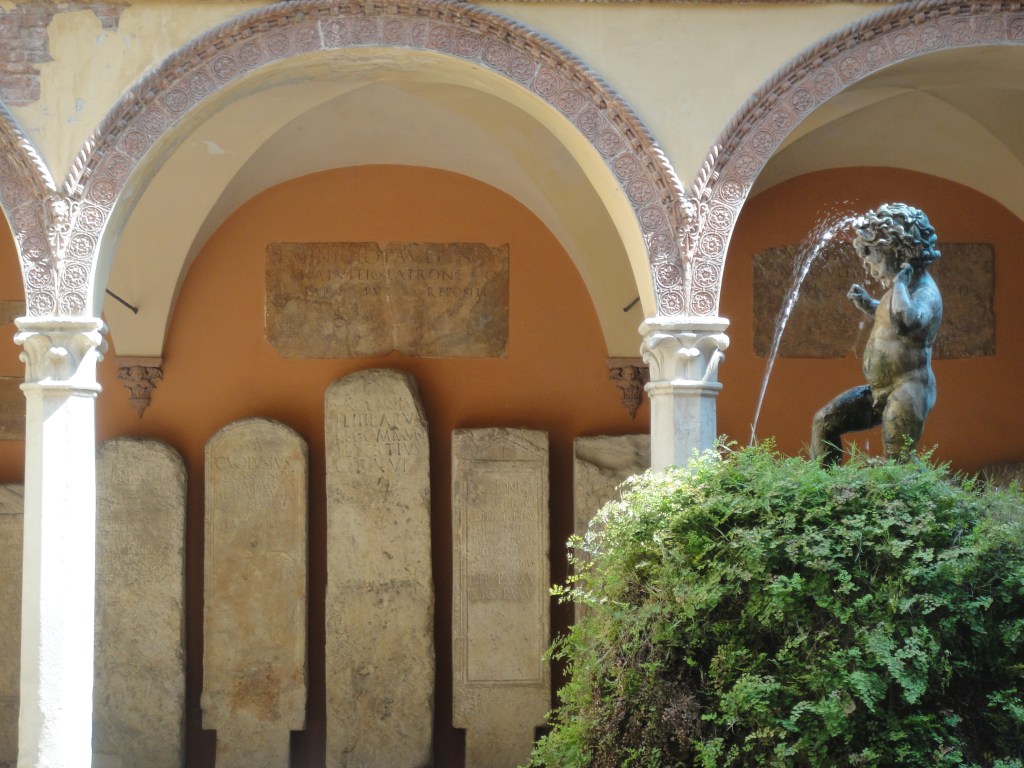
But the spirit of learning extended beyond the university. In the Piazza Maggiore we past a group of ordinary locals, energetically debating the state of the economy, some berating the influx of immigrants, others bemoaning the lack of jobs, and the rare few wishing Berlusconi was back in power. The debate went round and round, and views differed widely, but it was wonderful to see these people, vocalising their views, no matter how extreme, in a jocular environment, rather than building up resentment as is so often the case in reserved England. Meanwhile, around the Piazza, a wide range of impressive museums demonstrates Bologna’s thirst for global culture, art and history: We visited the beautiful archeological museum, where a courtyard stuffed full of Roman relics was an awesome sight, and the Pinacoteca Nazionale Bologna, where sadly the most famous works – a Giotto altarpiece and a Raphael had been hidden away owing to the double-bill of earthquakes which hit the Emilia-Romagna region in the last year.
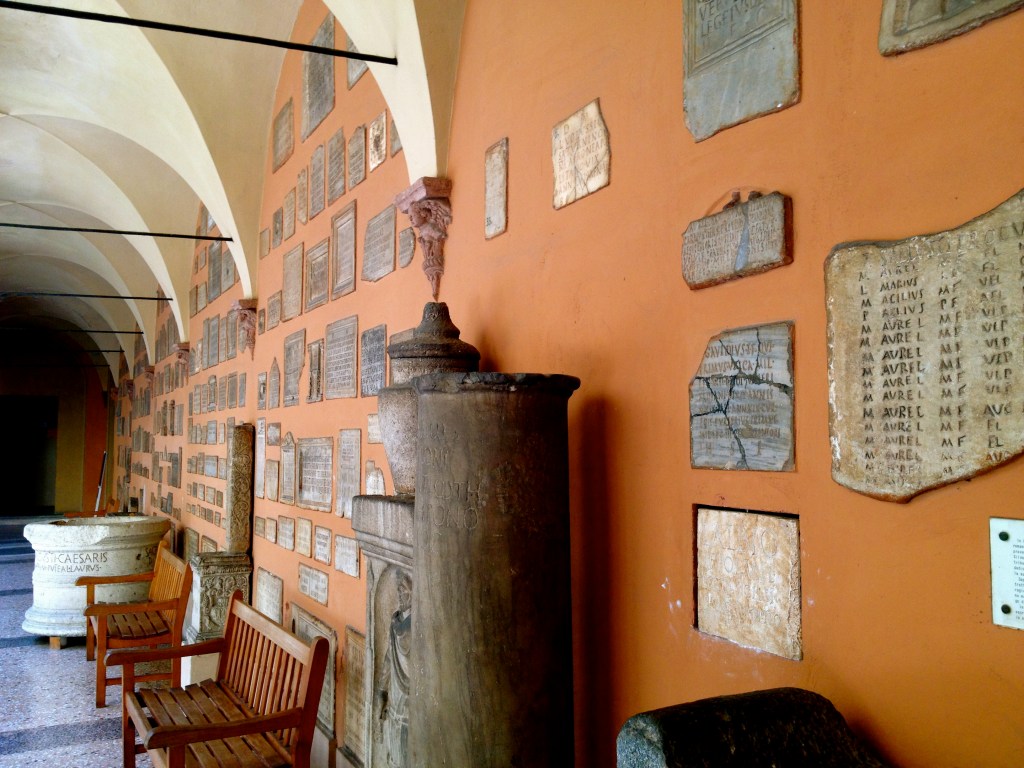
The archeological museum
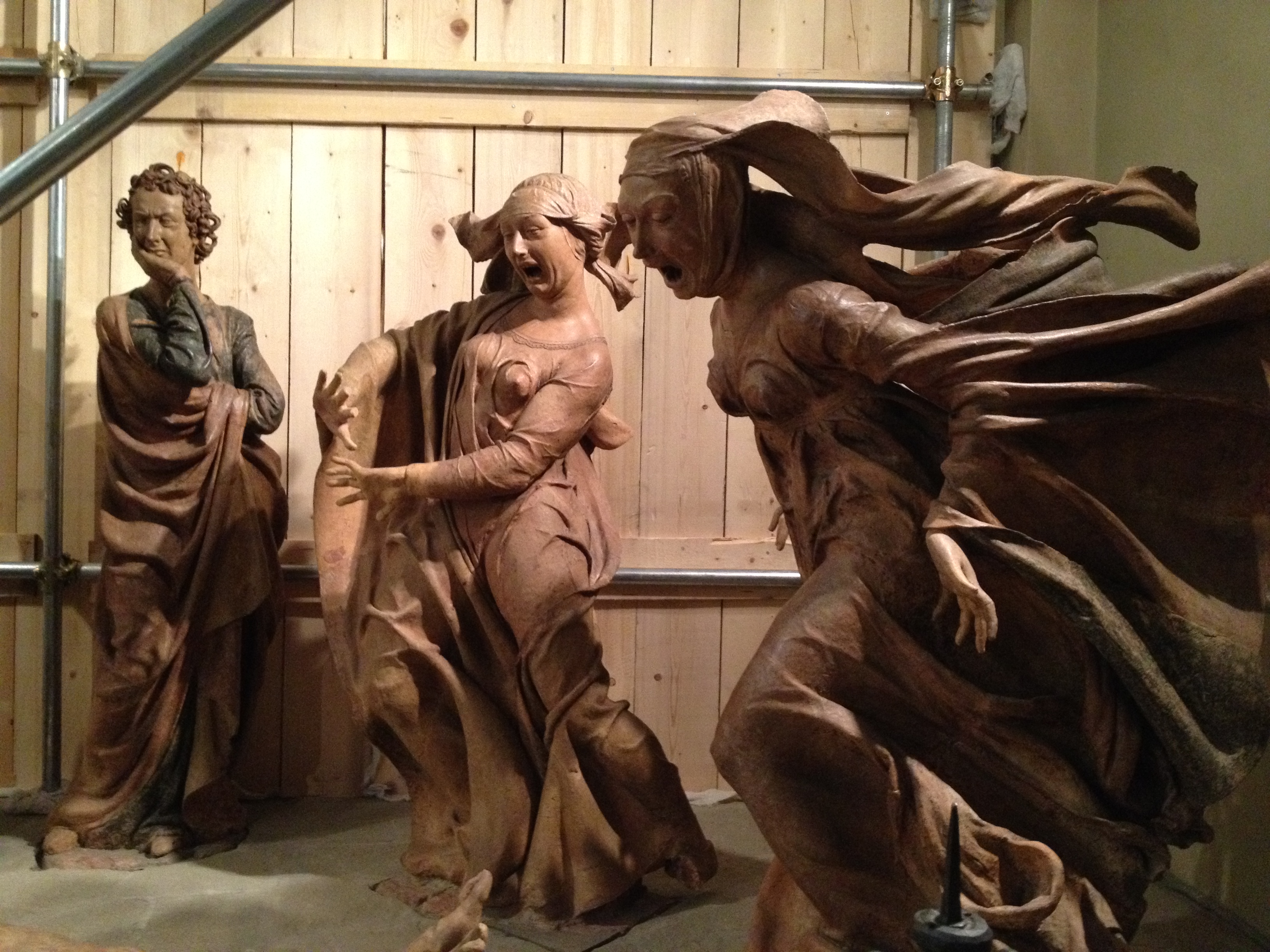
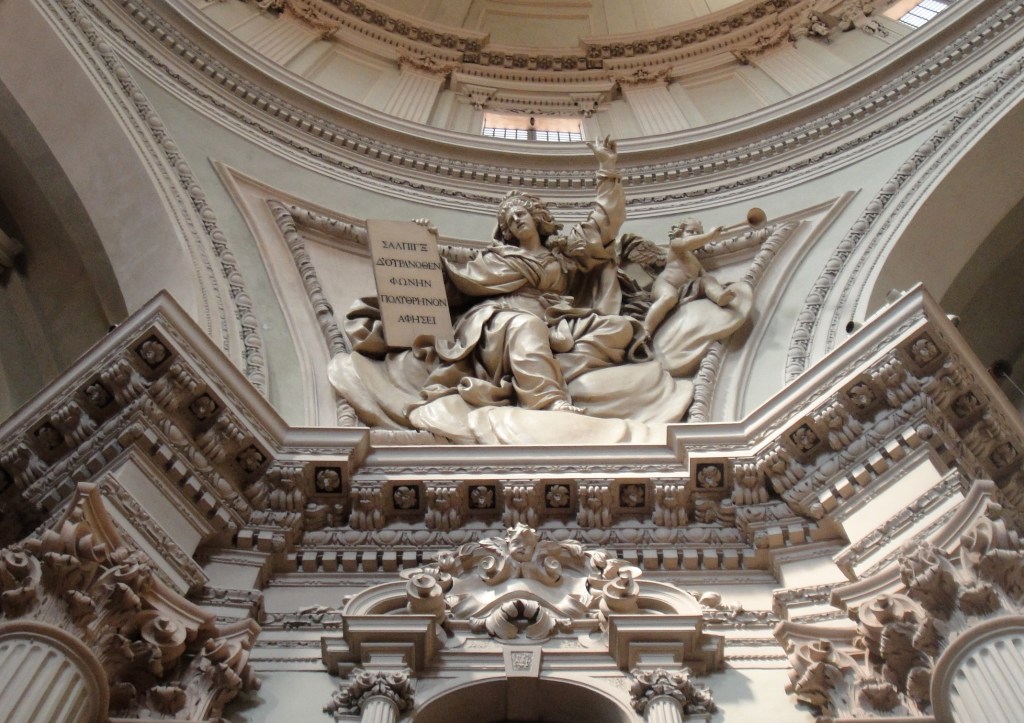
It would be unfair however to dismiss Bologna’s religious heritage all together. Seek and ye shall find, or so they say, and when you head away from the major Piazzas, there are some religious gems still to be found. The church of Santa Maria della Vita for example was quite a sight to behold. Tucked away in a side street off the Piazza Maggiore, a small door led to an interior which simply took my breath away. You can see from these photos why without further description. Also held in the church were the equally enthralling terracotta sculptures by Niccolo dell’Arca of the dead Christ and surrounding mourners. The sculptures exuded incredible dramatic pathos, the expressions of grief and torment of the figures intensified by the realism of their dramatic facial details.

Santa Maria della Vita
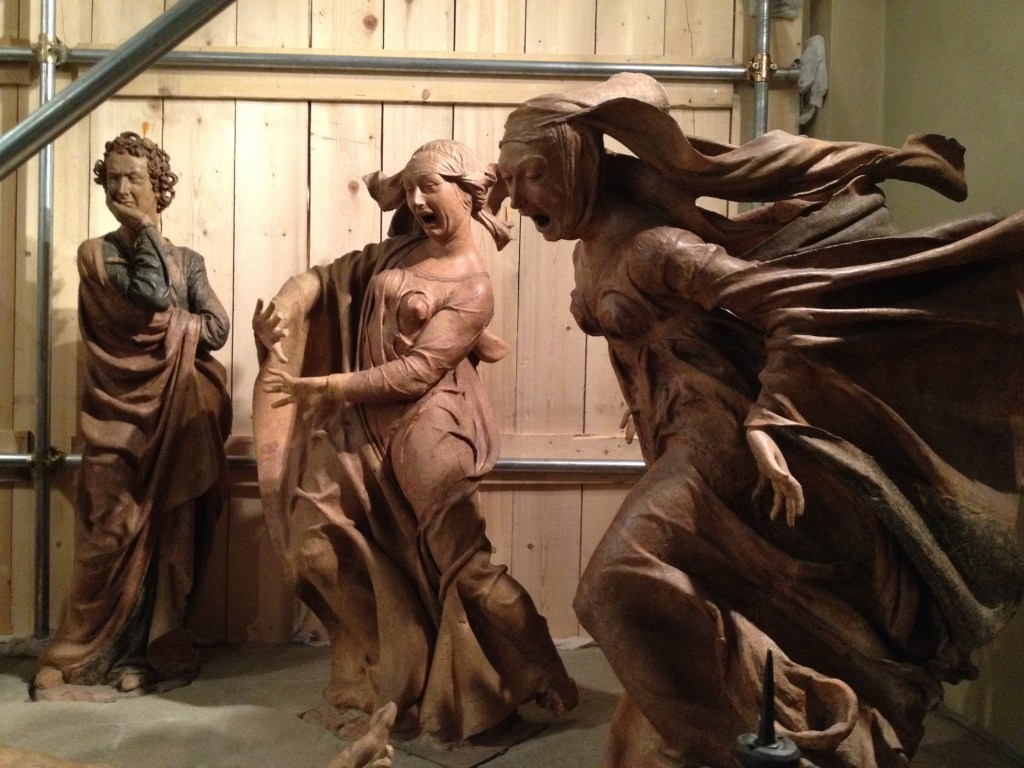
The Niccolo dell’Arca sculptures (protected from earthquakes, hence all the ugly wood)

Meanwhile, head out beyond the city, following the world’s longest continuous arcade (4km long, comprising an ominous 666 arches) from the centre of the city and at its end you will find the stunning sanctuary of the Madonna di San Luca, perched atop a hill, glowing orange, looking over the city for which it was appointed ultimate guardian.

San Luca
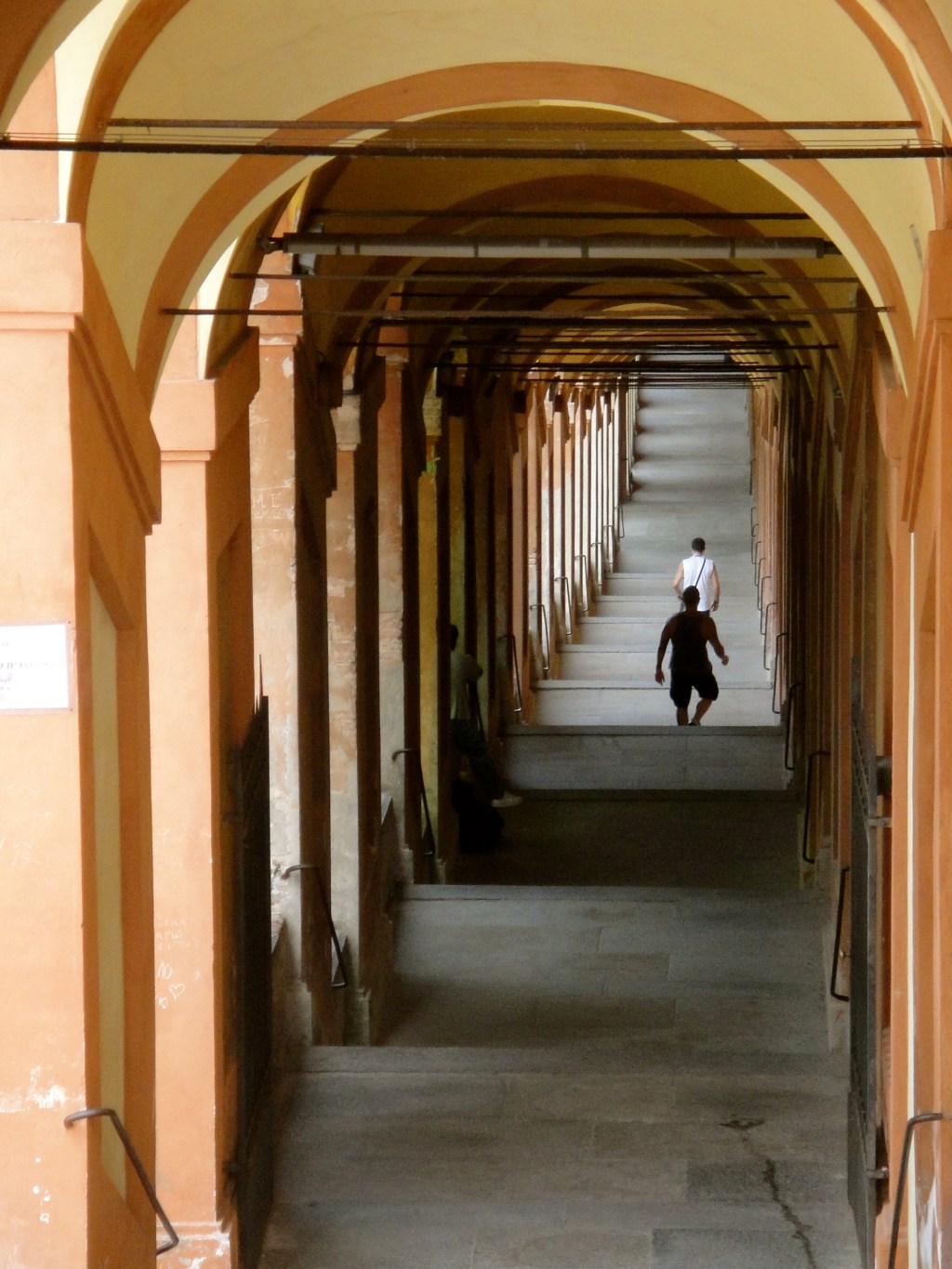
The uphill end of the world’s longest continuous arcade (we took the trenino rather than suffer those steps…)

So at the end of it all, Bologna, with its fiercely independent spirit and pursuit of intellectualisation and cultural superiority has captured a perfect balance. It has not sacrificed religious influence, nor morality, but it has cast the perfect equilibrium between moral precedent and intellectual and cultural freedom. In that respect Bologna has perfected a model which must surely be envied throughout the world.

All photos are strictly the copyright of Nicholas de Lacy-Brown © 2012 and The Daily Norm. All rights are reserved. 

Bologna: La Rossa – Red hue of a left-leaning towered city

Of the three epithets for which it is known: La Rossa (the red), La Dotta (the learned) and La Grassa (the fat), it was the first of the three which became immediately obvious upon our early evening arrival in Bologna, capital of the Emilia Romagna (after a stuffy long train journey along the Tuscan coast with a change in Firenze): Not only did the city exhibit a searing red-hot temperature of near 40 degrees centigrade, even at 7pm, but its buildings were tinged with hues of reds, terracottas, and russets for as far as the eye could see. And what a rich, red spectacle our eyes had in store as we unloaded our luggage at the hotel (by this time full to near-combustion with olive oils, pastries and wine from Toscana) and headed straight out into the town.

Red as far as the eye can see…

Bologna is stunning. It’s a living, breathing, pulsating city. It is not like Florence – a beautiful town whose heritage and architectural splendour cannot be doubted, but which is so full of tourists that the whole place feels a bit like a theme park. By contrast Bologna, often overlooked by Florence, just 30 minutes south by train, is a city equally rich in architectural heritage for which exhaustible superlatives are simply not sufficient, but which at the same time is alive with its university students, with a diverse population of engaging chic Italians rather than tourist throngs, with high-end restaurants and boutique shops, with cultural spectacle and a vibrant cafe culture.

For Bologna does not just celebrate its architectural wealth, but with an infamous liberal attitude, celebrates all aspects of life too. Here, none of the Catholic constraints traditionally centralised in the Vatican and strictly executed to control the moral values of nearby cities can be seen. In fact, the epithet La Rossa, traditionally used to describe Bologna’s multitude of red-shaded buildings, has, in more modern times, been used to describe the Communist-dominated local government which has been in power in the city ever since WW2. The city has never looked back, and having now morphed into a left-wing coalition, the Bologna administration has imposed an individualistic, modern vision on the city. In fact, so successful has this vision been that Sociologists from around the world have studied the so-called “Bologna model” of political and social governance, and Bologna now regularly tops the polls for where to enjoy the best quality of life in Italy. Moreover, with its liberal leanings, Bologna is the centre of civil rights and communal culture, a bastion of social democracy and the centre of Italy’s gay-rights movement. How terribly refreshing! No wonder then that as recently as the papacy of Pope John Paul II, the Vatican condemned the Bolognese as degenerates, and the city’s own archbishop lambasted his flock for loose morals and godlessness.

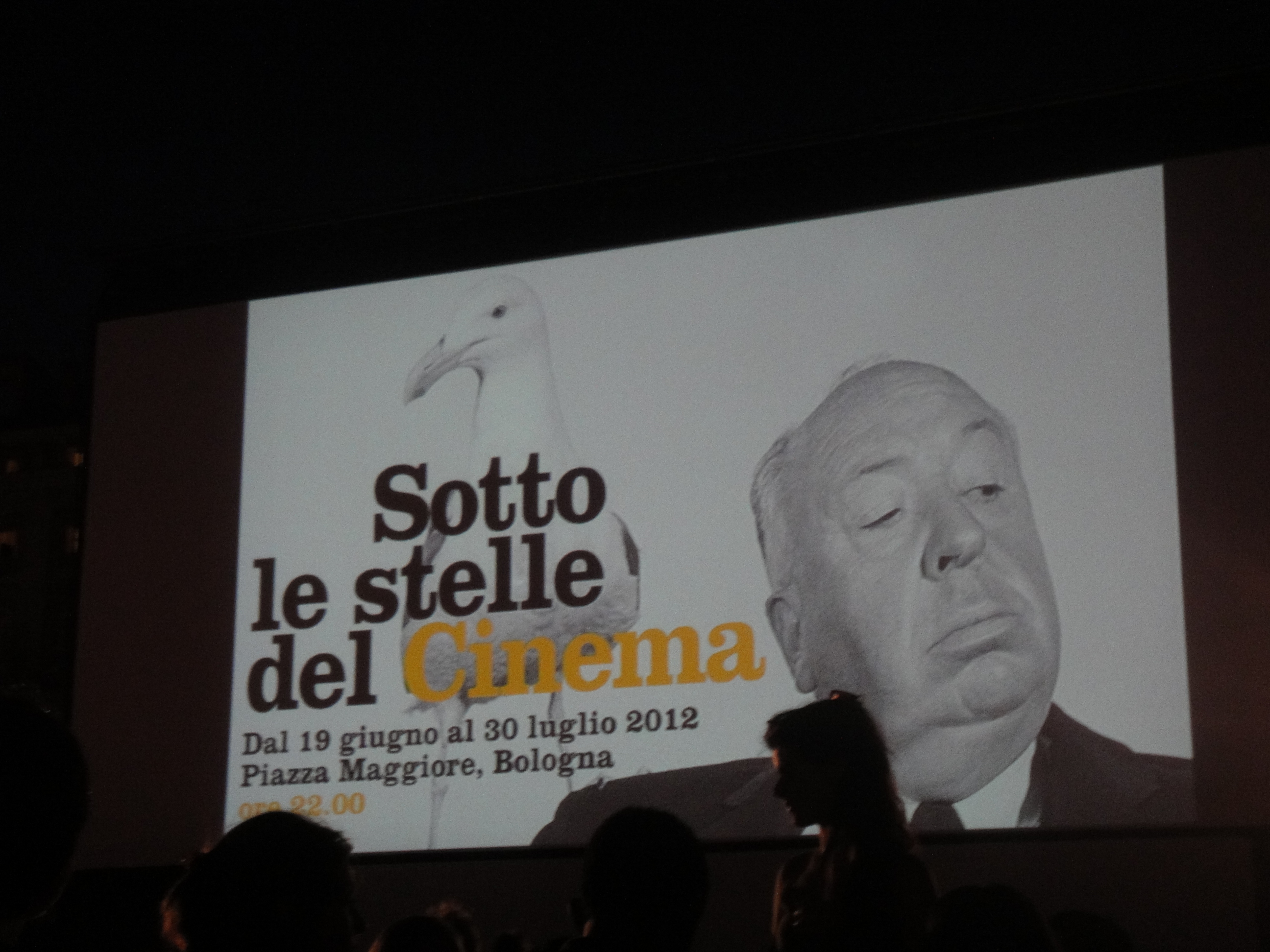
The film festival, for which Hitchcock films played a major part

If this is degeneration, I’m all in. The atmosphere of convivial city living could be seen by the bucket load as we entered the grand Piazza Maggiore on our first evening: There, under the stars, was set up a huge cinema projection screen, almost as big as the cathedral facade it neighboured, and before it, hundreds of seats, already filled with a bustling Bolognese crowd, a sense of excitement tangible in the air. As the square began to fill and people started sitting all over the warm pavements, the chairs already being full, we decided to join in with the crowd, and looked up at the huge screen in anticipation. Suddenly the screen came to life, and projected on this huge screen, for the whole square to see, as well as some surrounding Bologna streets, was the old crackling Hitchcock masterpiece: North by Northwest. We were entranced, and it was in fact only some hour and a half into the film, just before the characters relocate to Mount Rushmore, that we realised that our backsides and legs were becoming progressively paralysed from sitting on the hard stone of the pavement for so long.

Crowds gather for the start of the film

Opting to enjoy the rest of the film on foot, we witnessed a spectacle like I have never seen before. Practically the whole city must have been out in that square, faces tilted towards the screen, utterly engaged, the light of the projection reflected in their faces, and the rest of this city so dark around them that the stars sparkled in the sky as brightly as electric lighting. All around, the crowd had swelled. In cafes, people crammed around tables to watch the film, waiters had paused in the midst of their work and stood, entranced, yet still holding their tray full of empties, and at the back of the crowd, a load of Bolognese cyclists had rested to catch some of the film, still upon their bicycles. I’m not sure why, but there was something about this feeling of unification and togetherness, watching a film under the stars, that made me feel so emotional. It was so beautiful so see so many people from the town having come together on this warm summers evening, to watch Hitchcock under the night sky. And there was something about those old polished 1960s voices reverberating around the old facades of Renaissance and medieval architecture that sent a shiver down my spine. Incredible. And what was more, this showing was part of the Sotto le stelle del Cinema festival (‘cinema under the stars’) which runs from 2-30 July. We, therefore, were able to enjoy the spectacle every night of our stay. Bonus!

The Piazza Maggiore and the edge of the huge cinema screen

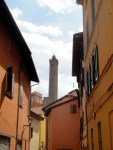
I could go on forever about this vivacious city, but it’s best not to overindulge all in one post. I shall leave you instead to gaze at the photos on this post, emblematic as they are of what makes this city truly La Rossa – endless rows of elegant colonnades and porticos, lining almost every street, providing shade and ease of walking for pedestrians across the city. Stunning old buildings, decadent in their decay, embellished with elaborate architectural details, with sculptures and with fine arcades, all demonstrating the wealth of previous occupants, who, through their architecture sought to compete with their nearest neighbour. And finally, who can forget the famous towers, which numbered some 200 in medieval Bologna – towers which got higher and higher as that same competitive spirit encouraged more splendid construction than the previous model. Only 60 are left now, with the two most famous, Asinelli and Garisenda leaning precariously at Bologna’s centre, emblematic perhaps of Bologna’s character, its non-conformist political leanings, and moreover its spirited refusal never to fall into line, but to stand out as a individualistic and creative city, running from the norm and chasing adventure. No wonder the population are so happy here – I’m ready to pack my bags and move to La Rossa myself.

The famous Bologna towers

More tomorrow. Ciao for now!

All photos are strictly the copyright of Nicholas de Lacy-Brown © 2012 and The Daily Norm. All rights are reserved. 

Tuscany Part IV: My Photographs

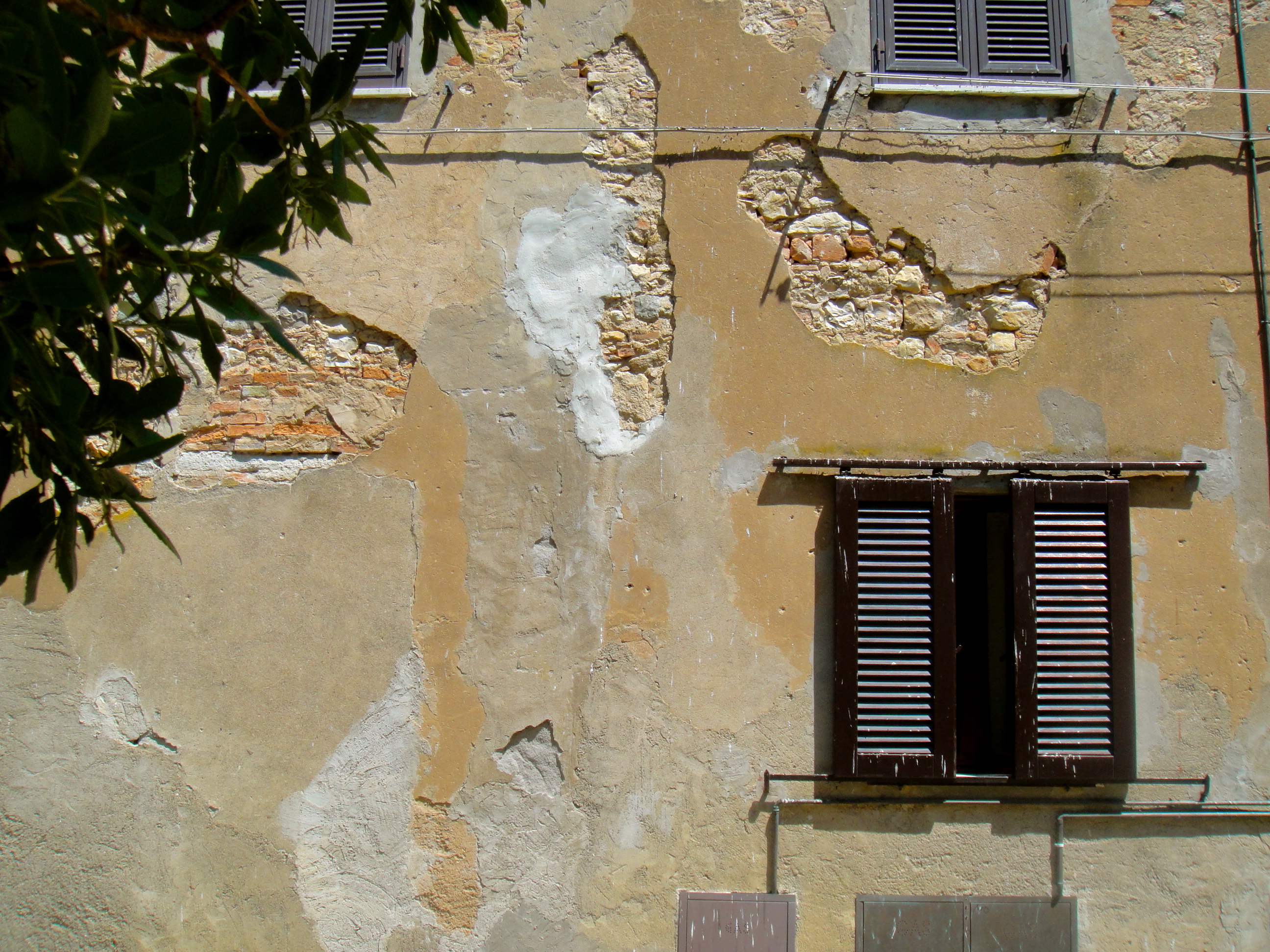
My blog’s adventures through the golden-rich lush-green lands of Tuscany are well under way, and after three days of tales, I think it’s about time I shared a few more of my photos with you. Tuscany is so ripe in photographic inspiration that I was worried my mega-sized memory stick would not be big enough. The views are so complex with multi-layered landscapes which beg for photographic capture from a multitude of angles and viewpoints, each shot capturing something new, some fresh insight into this rustic, sun-kissed land. From russet soils sprouting innumerable rows of verdant green vines and plump purple grapes, glorious golden sunflowers and shiny little olives, to the sun-dappled shady paths lined by pine trees, old derelict villages gracefully ageing with an insuperable elegance, with long shadows cast by the evening sun falling upon broken shutters and flaking paint work, and an expansive soft, sandy beach, edged by a calm lazy seashore, whose waters are silky warm, and its breeze heavily soporific.

Tuscany is poetry in sight, in sound, in smell. It tickles all of the senses as its natural bounty bares fruit across the undulating land. It’s a peaceful, restful, bucolic region, where the great pleasures of life are celebrated and manufactured, where long afternoons pass in a somniferous haze, where the evenings are bountiful in gastronomy and wine, and by morning a vivid yellow light makes every object, every plant, every building glow with a picture-perfect radiation.

These are my photos of Tuscany.

All photos are strictly the copyright of Nicholas de Lacy-Brown © 2012 and The Daily Norm. All rights are reserved. 
 

Tuscany Part III: Picture-perfect Populonia, and other hilltop idylls

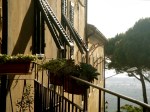
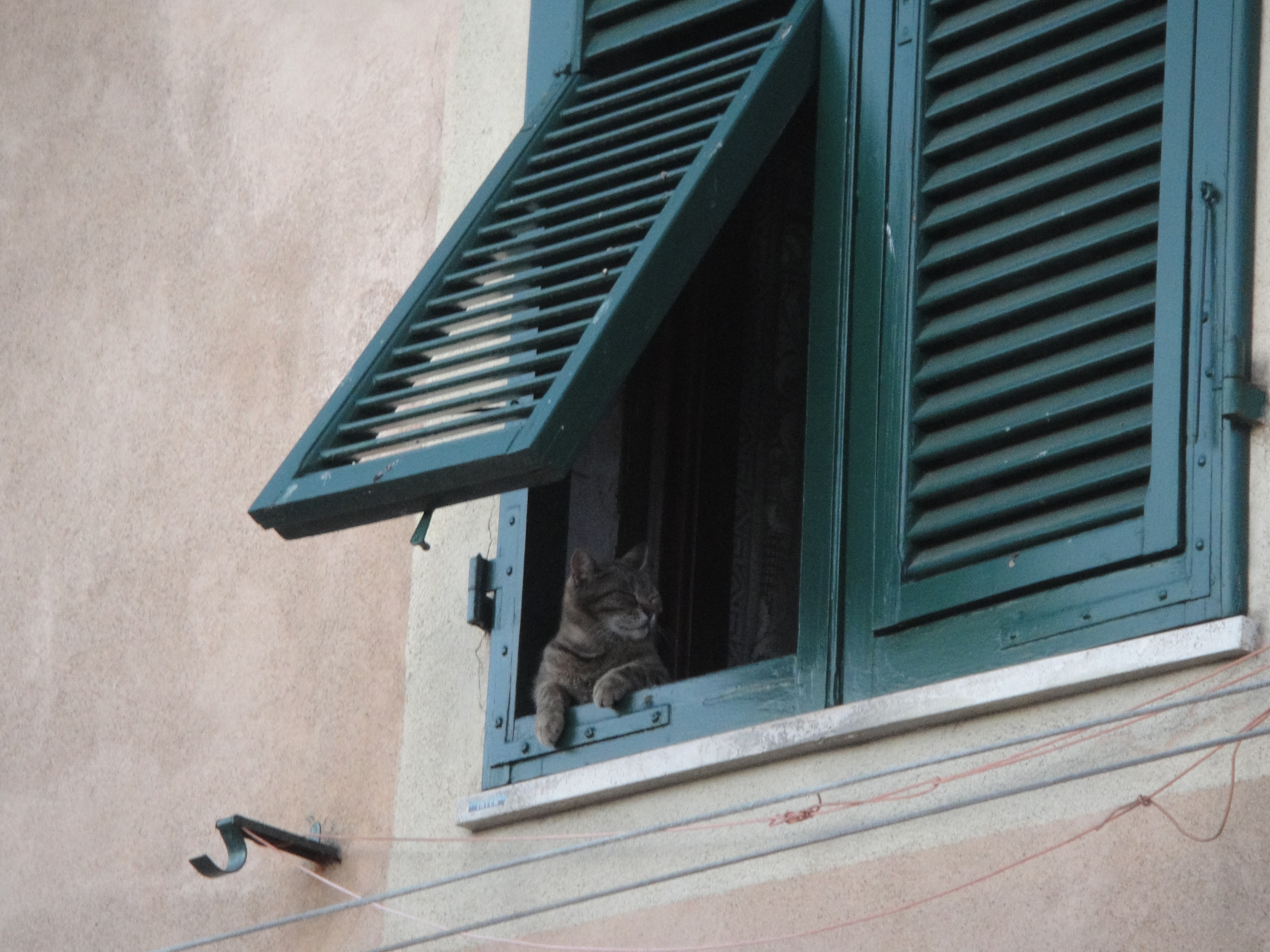
If there’s one thing that Tuscany does well, it’s idyllic little hilltop towns, framed by castle walls, boasting sensational views of surrounding rolling countryside, and offering picture-postcard views of medieval stonework, cute tavernas aplenty, slowly decaying buildings adorned with cracking window shutters, pots overflowing with geraniums and more often than not, a cat sleeping in the sunshine. You know the scene – it’s postcard land after all, for who could resist these honeypot utopias, to which every tourist, artist and hedonist will flock in their thousands every year.

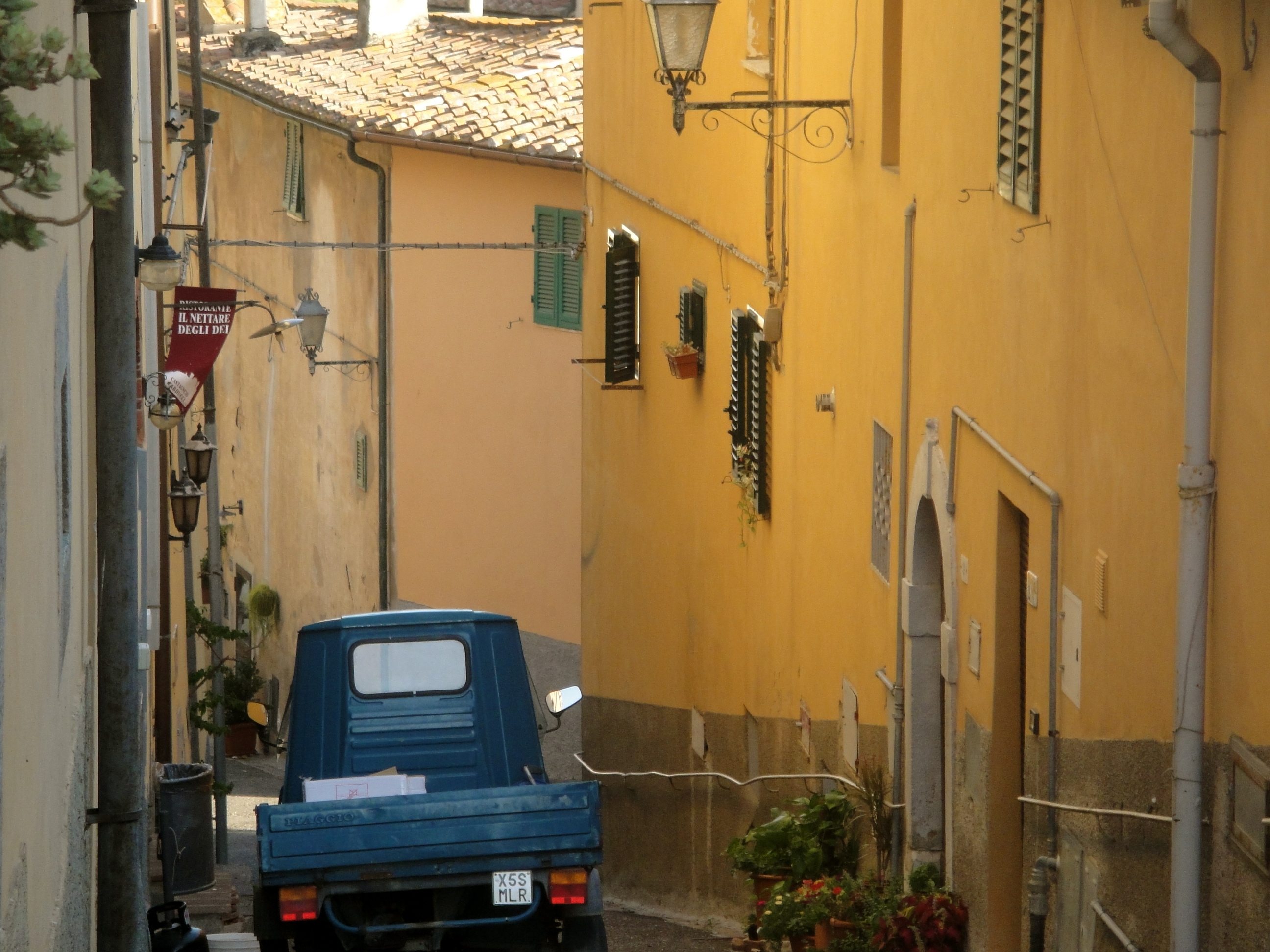
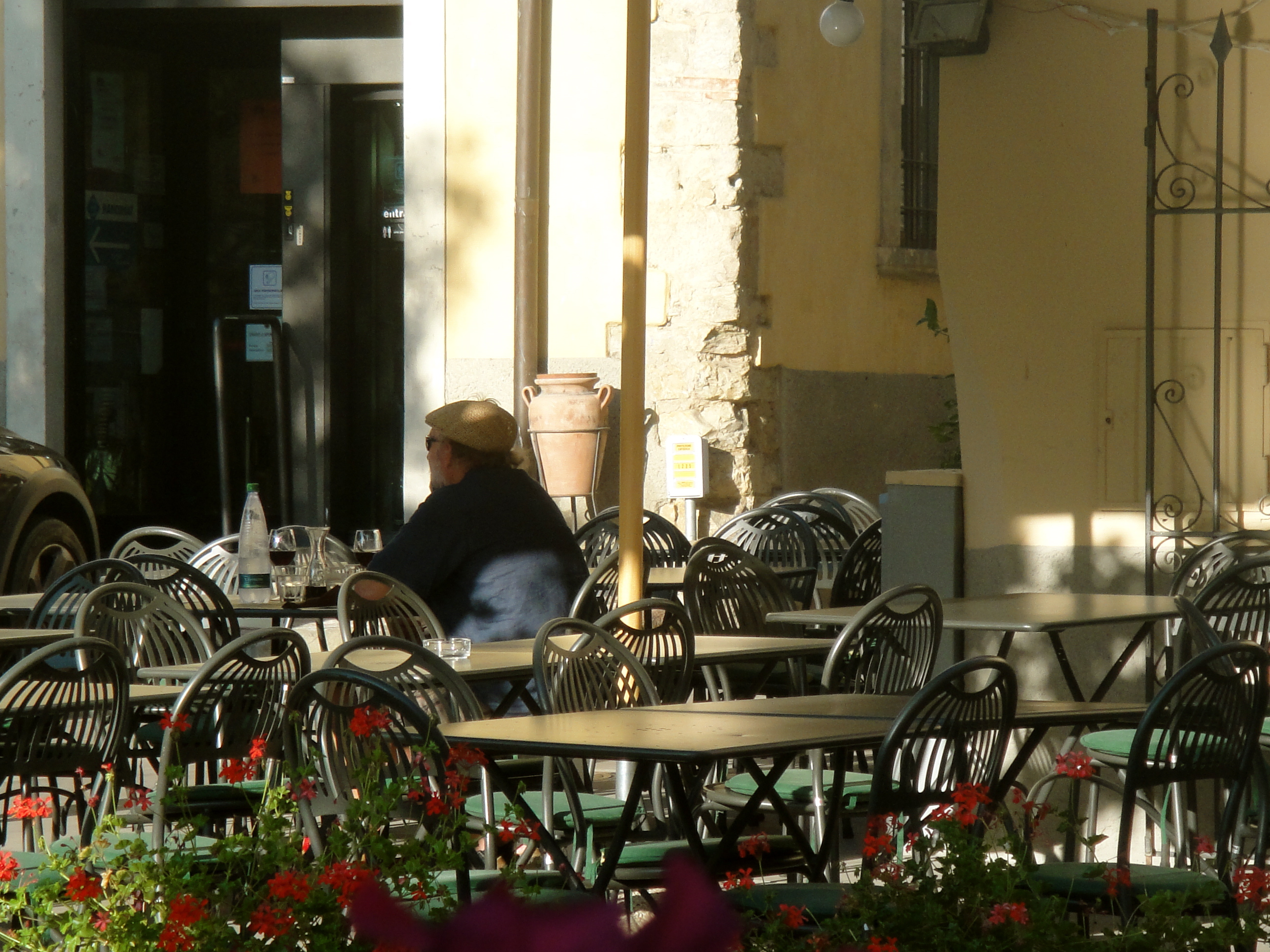
Yet what makes the towns so idyllic is the fact that far from pursuing a Disneyland level of commercial exposure, as is no doubt the temptation, life goes on in these little villages, just the same, irrespective of the camera-clicking tourists emerging at every corner. The best photos, for me, are the shots capturing locals gossiping in little piazzas, or old couples catching the evening breeze on stools out in the street. I adore the little grocery shops, which continue to sell fresh, vividly coloured produce to the locals, and whose offerings are yet to feel the effects of the supermarket spread. The haphazard park of a little bicycle or a retro-red scooter against an old cracking wall represents ordinary life to them – but to me it’s art dripping in decadence and charm in all its imperfect beauty.

Not far from Donoratico, where I was staying by the sea, a cluster of small towns, each one atop a hill and each, stunningly, idyllically beautiful, can be found amongst the vineyards and the pine forests. My favoruite, Castagneto Carducci, is a Tuscan Elysium, perched upon the hills above Donoratico, with views over the coast and vineyard-covered rolling hills to die for, while within the town, pastel pink walls, green painted shutters, and elegantly deteriorating plaster work, old lamps and ageing locals exude charm and decadent beauty.

Castagneto Carducci

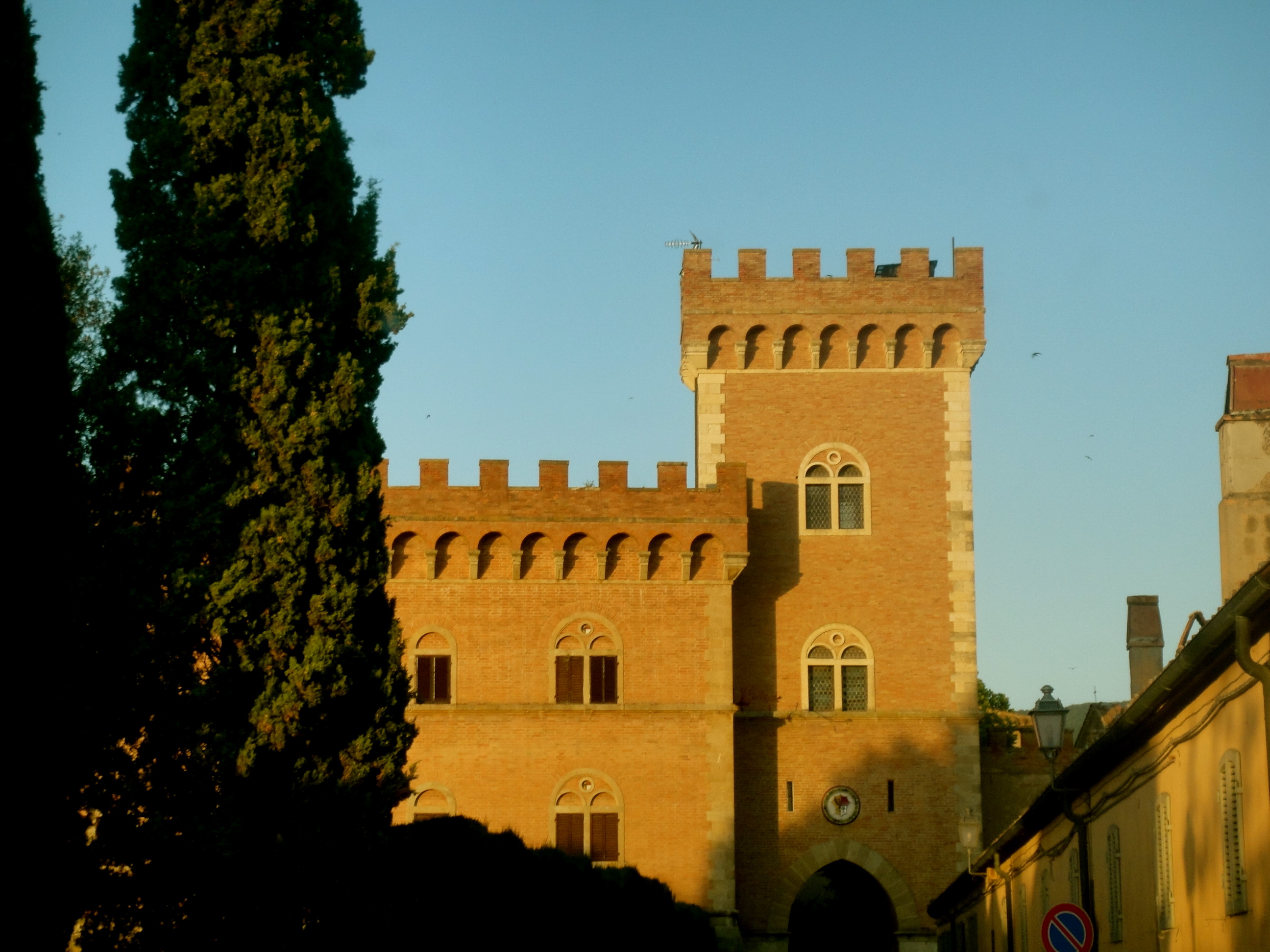
Meanwhile, just ten minutes along the coast towards Pisa, the tiny town (we’re talking two streets only) of Bulgheri can be found at the end of a perfectly straight Roman road, continuously bordered with cypress trees, the result of which is a scene of such wonderful symmetry that it appears on at least 2 out of every 5 postcards sold across Tuscany. Meanwhile the town is another chocolate-box paradise – little restaurants with red-checked tablecloths, lit by lanterns at night and benefiting from the dappled shadows of nearby pine trees during the day, a minuscule central piazza adorned with flowers aplenty, and cute little shops selling art and crafts and fresh local produce.

Bulgheri

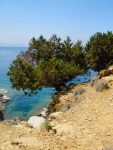
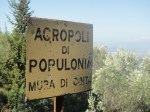
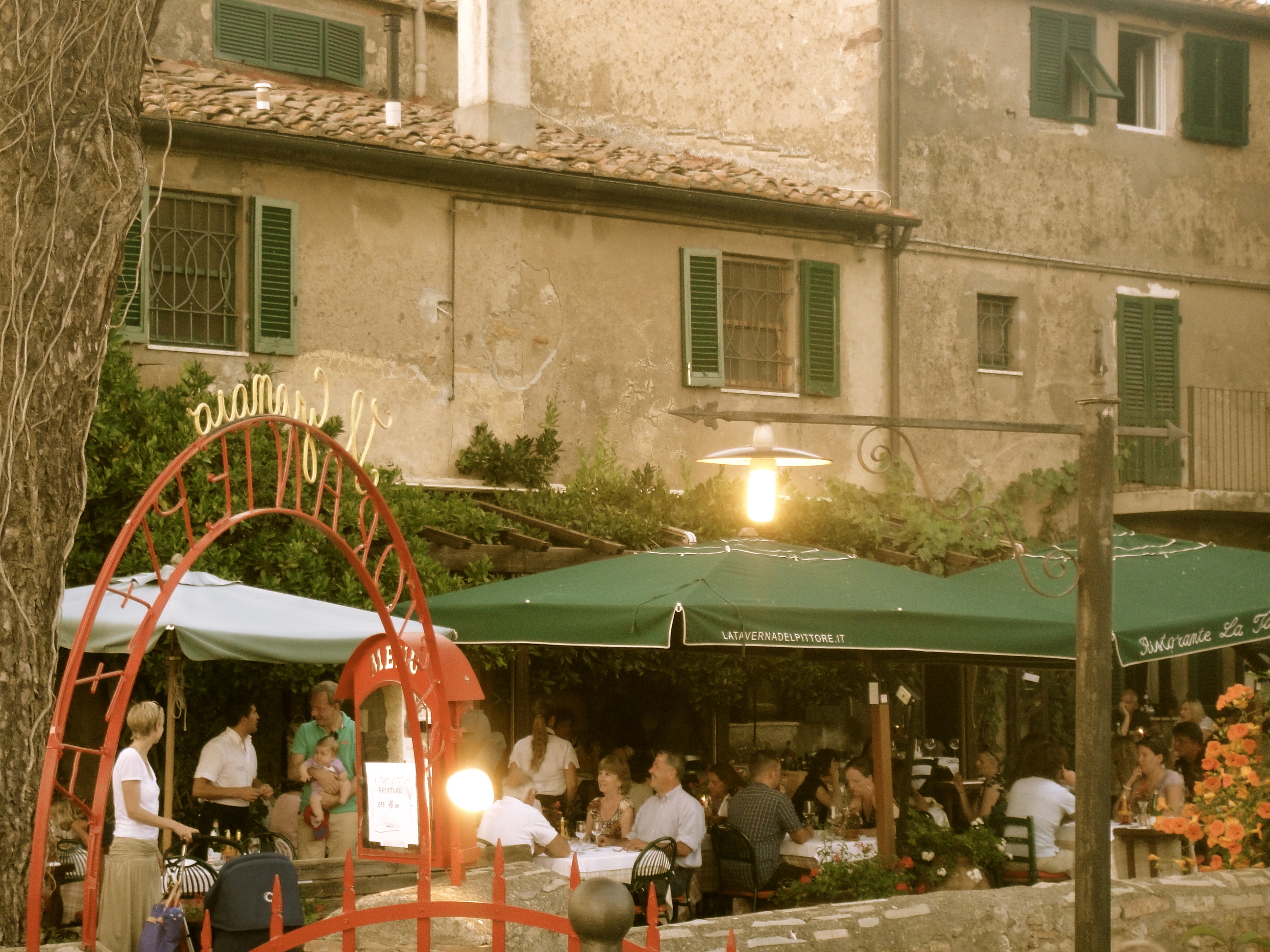
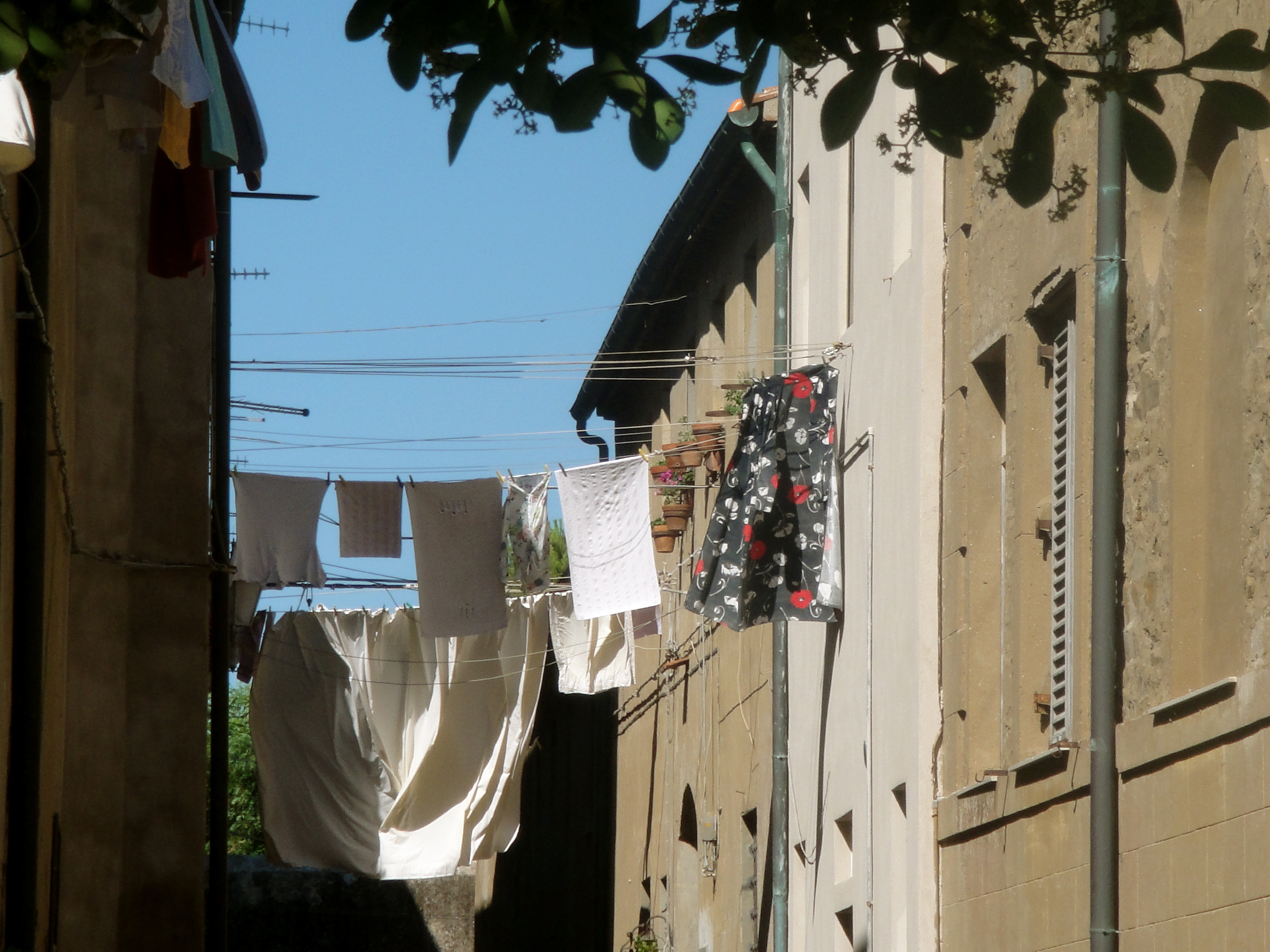
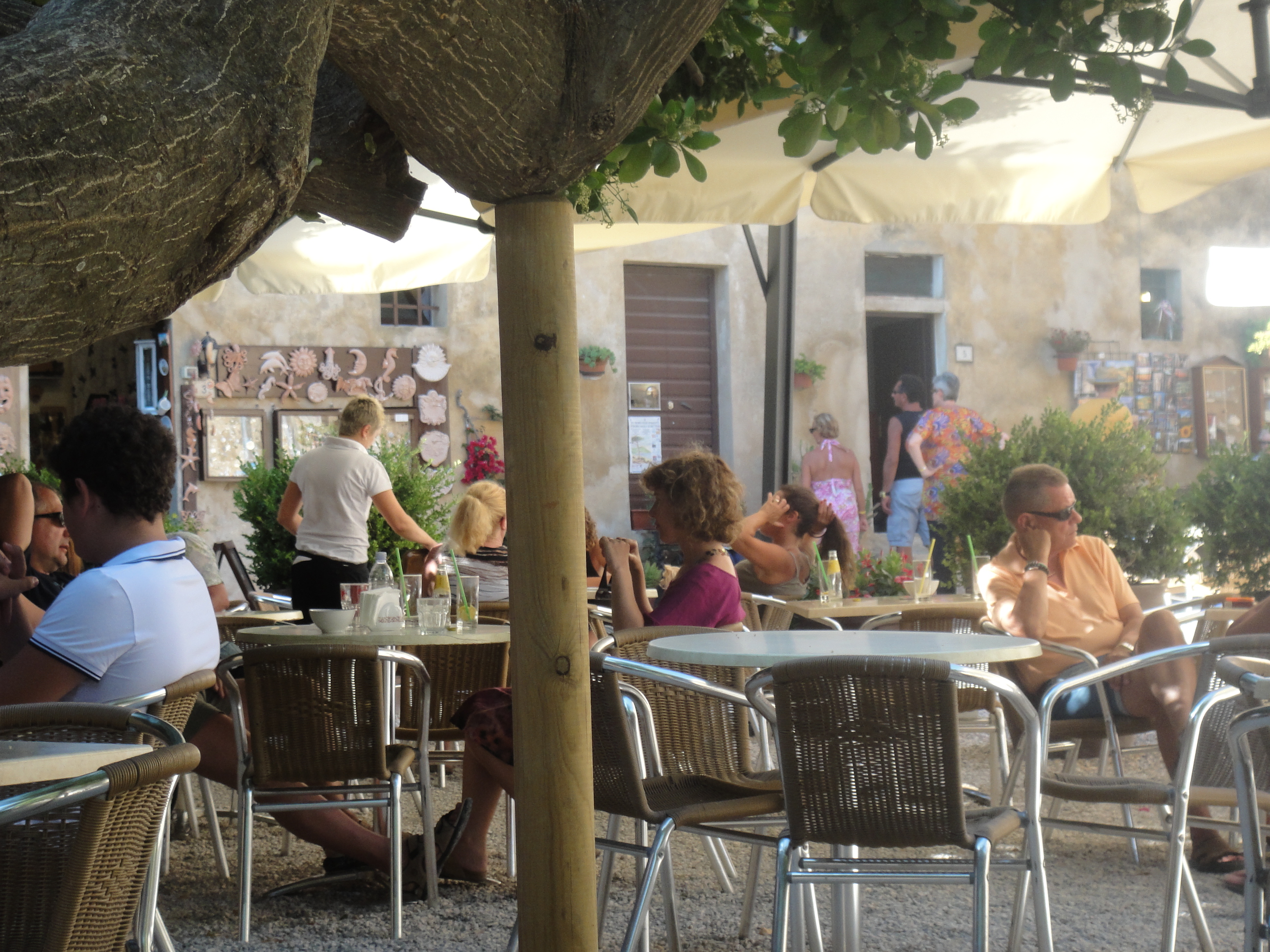
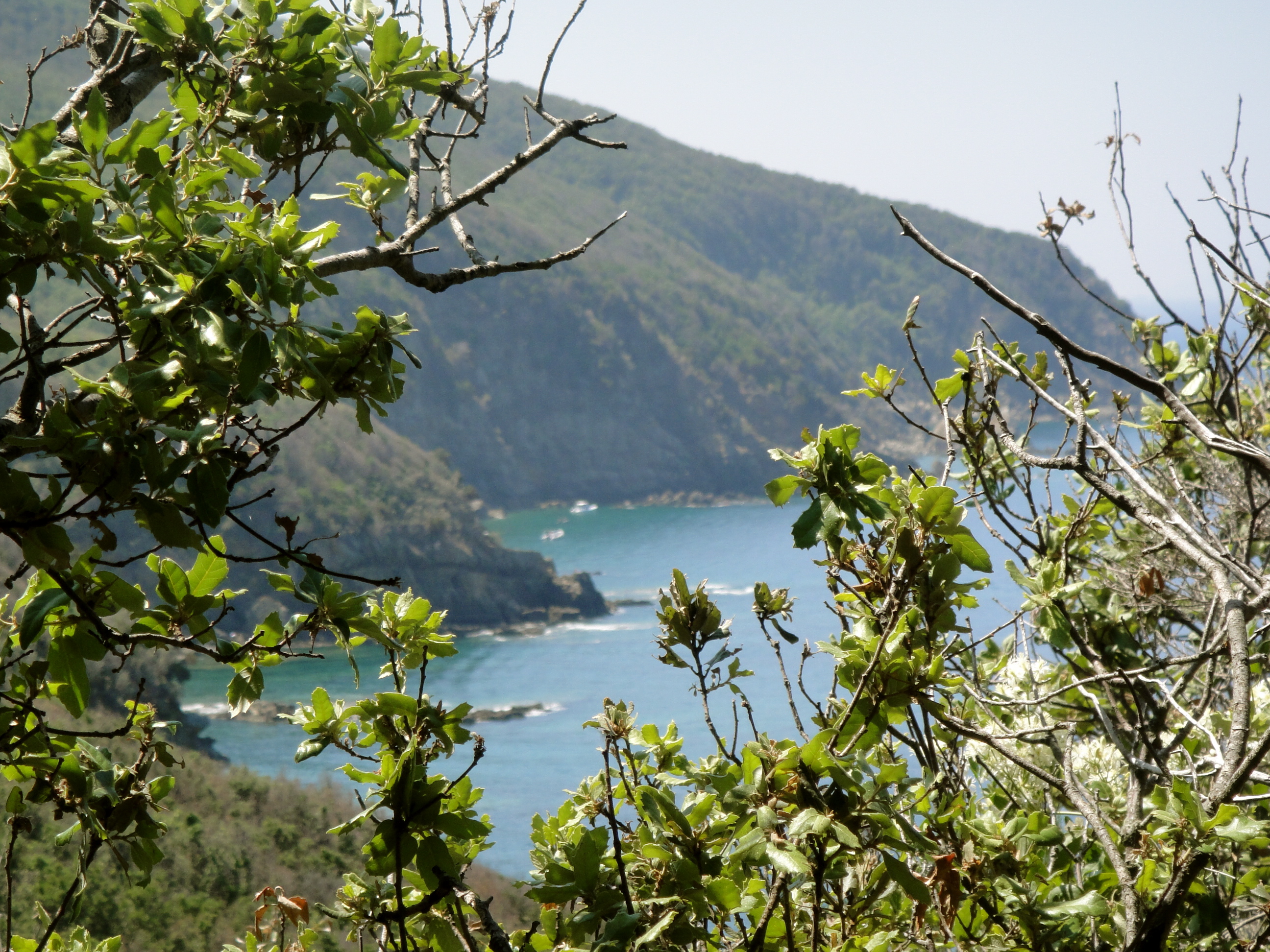
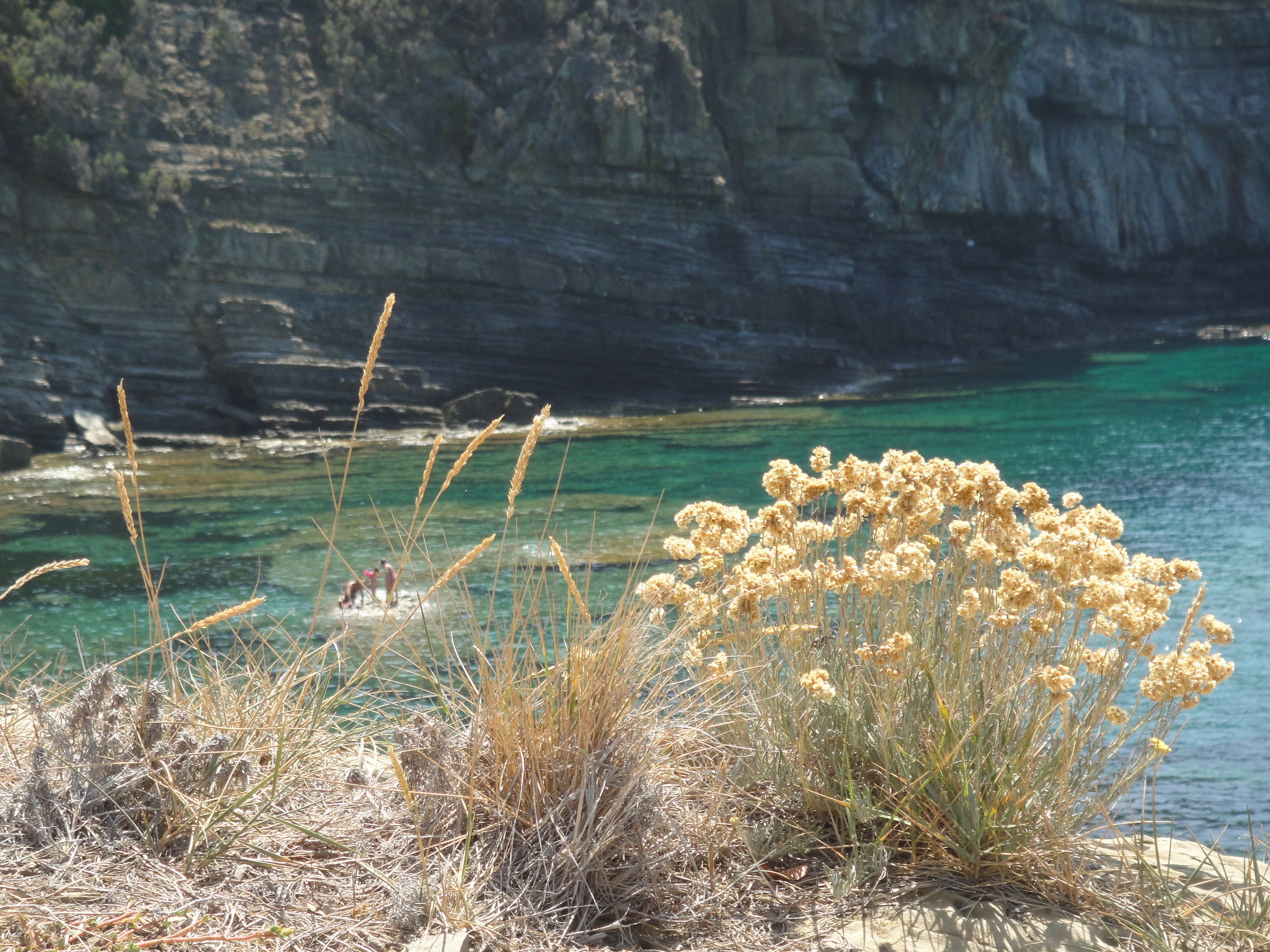
But by far my favourite discovery of this Tuscan adventure was to be found in the region of another hilltop idyll, the town of Populonia, not because of the beautiful town itself (which, with devastating views of the port below, laundry hanging across the streets, and a single cafe set out beneath lush trees atop ancient castle walls, is a true contender for postcard-fame) but because of the truly awe-inspiring natural beauty subsisting beyond its forest surroundings. Taking a sharp turn left off the winding road heading up to the hilltop town, my Partner had a surprise for me. Walking through metres of densely packed pine-tree forest, I wondered where on earth we were going, that is, until we reached an opening in the thick coating of pines, and the most incredible view of a cove beach below came into sight.

Populonia

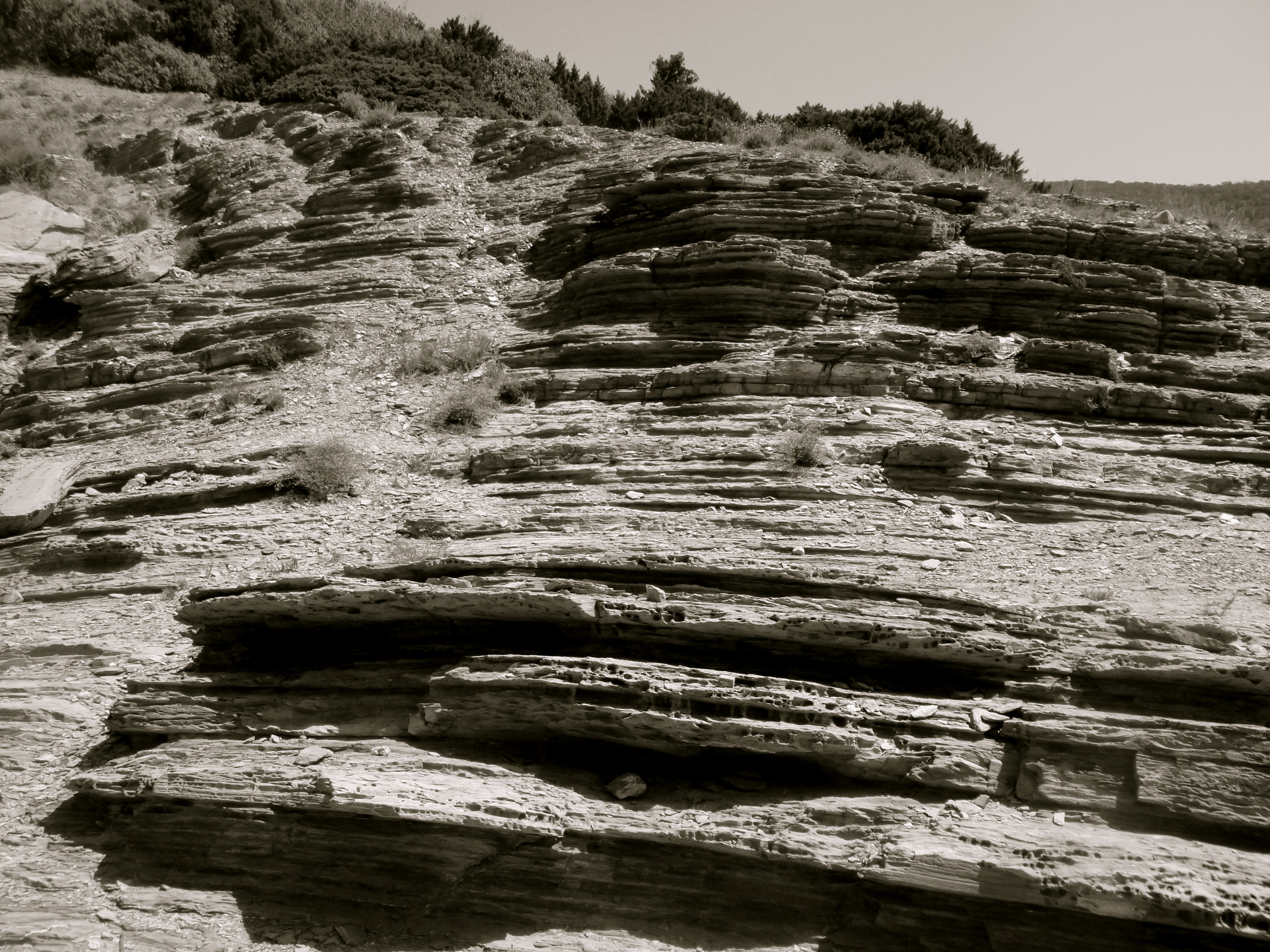
What followed was a sharp descent down magnificently formed geologically stunning rock forms, almost like spiderman upon the vertical facade of a Manhattan skyscraper, but with each and every perilous step taking us a few inches closer to the paradise below. This slightly dangerous adventure (not least for my partner, attempting to traverse the cliff face in flip-flops) was well worth the effort – the cove beach was truly awe-inspiring, nature at its very best, and our afternoon spent swimming around in those  sometimes hostile but vigorously exciting and stunningly beautiful waters, pursuing further coves and prickling our hands and feet on every kind of mussel and sea urchin imaginable, was among the happiest afternoon of my year so far.

First view of the cove emerges from the cliff-top forest

The stunning cove below

Those incredible cliffs

Which just goes to show, while historical towns provide steadfast charm and a consistent source of timeless beauty, it is the transient, often less-accessible beauty of nature that still has the edge, and whose discovery is all the more thrilling as a result.

(Disclaimer: if you too decide to head down to this very beautiful cove (and, looking at the photos, why wouldn’t you) you go at your own risk – don’t blame me if you prick your hands, feet or any other part of your body on a bed of mussels or some other vicious sea life, or if you trip, slip, get squashed by a falling rock or otherwise and unsuitably manage to kill yourself. It’s not my fault).

All photos are strictly the copyright of Nicholas de Lacy-Brown © 2012 and The Daily Norm. All rights are reserved. 

Tuscany Part II: Cooling pines, perfect vines and fine Tuscan wines

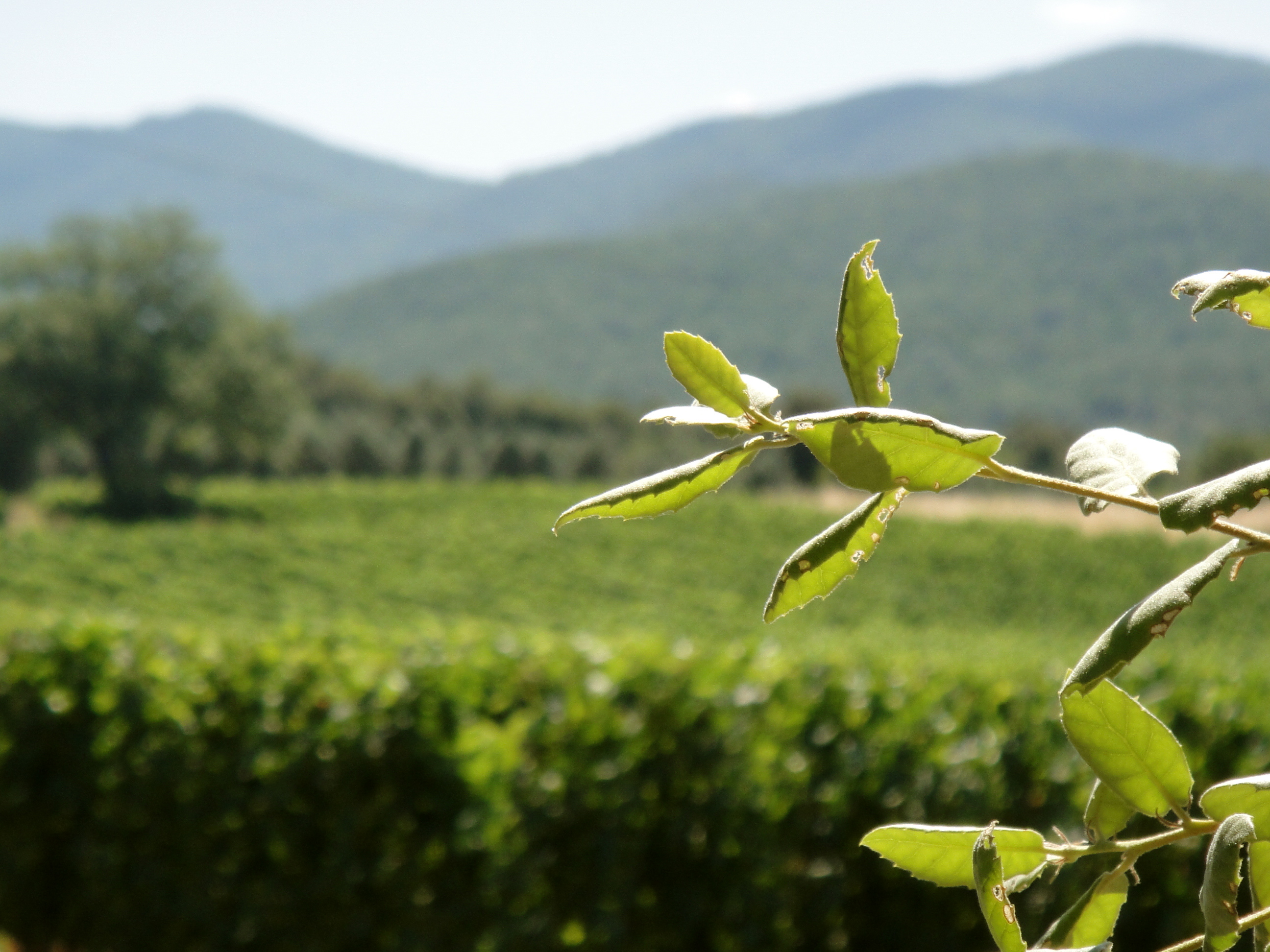
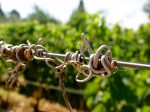
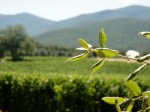
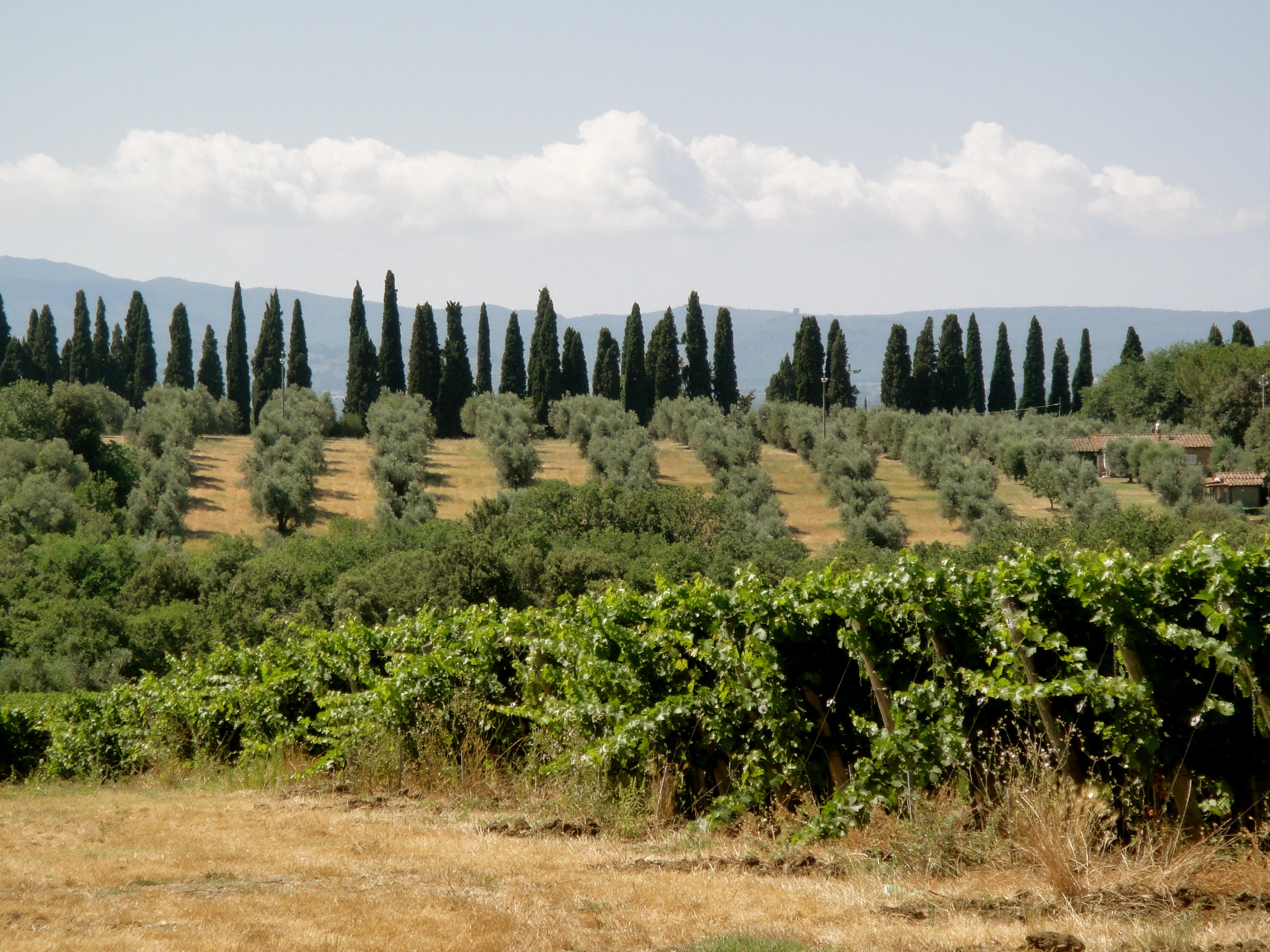
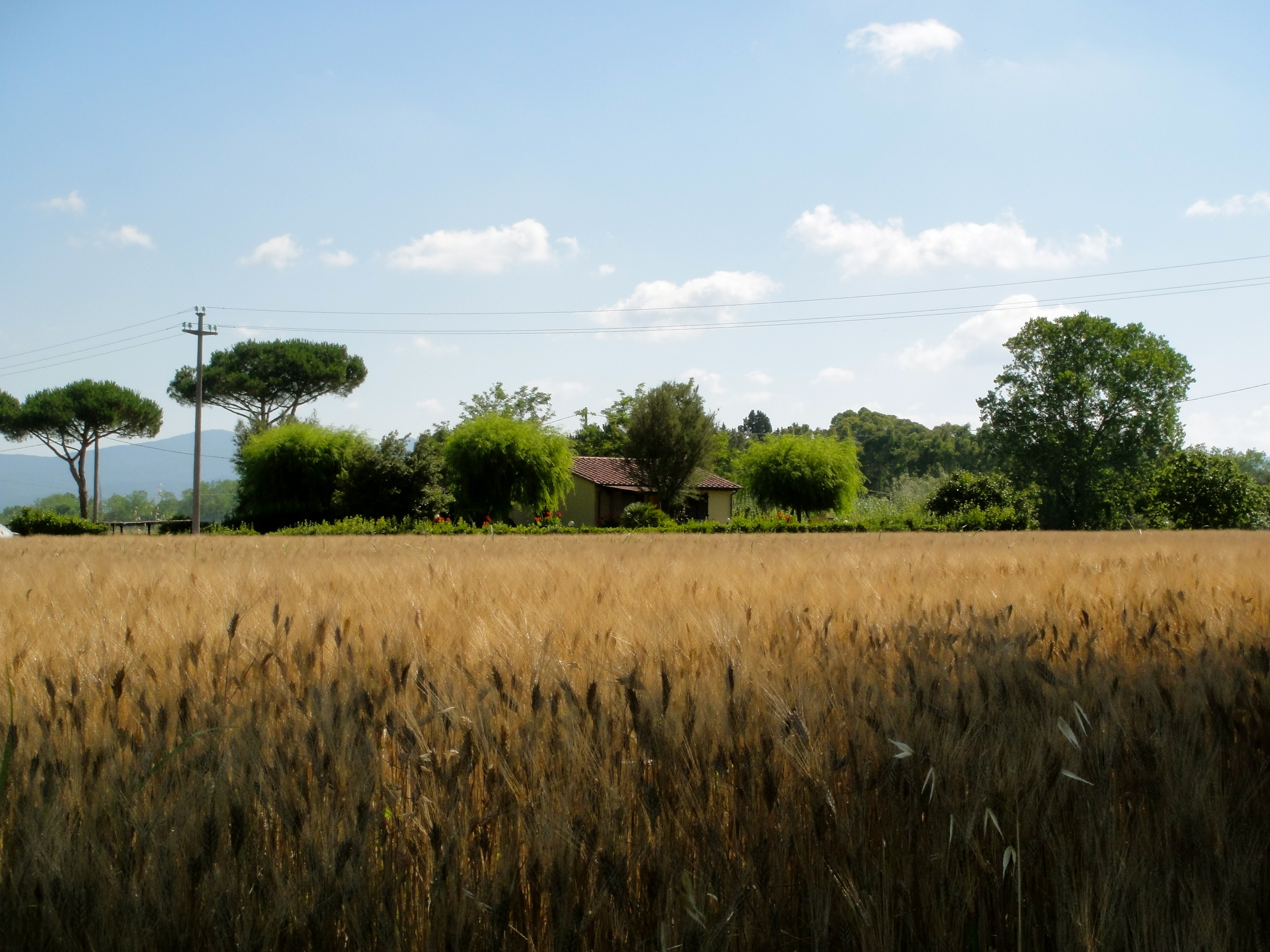
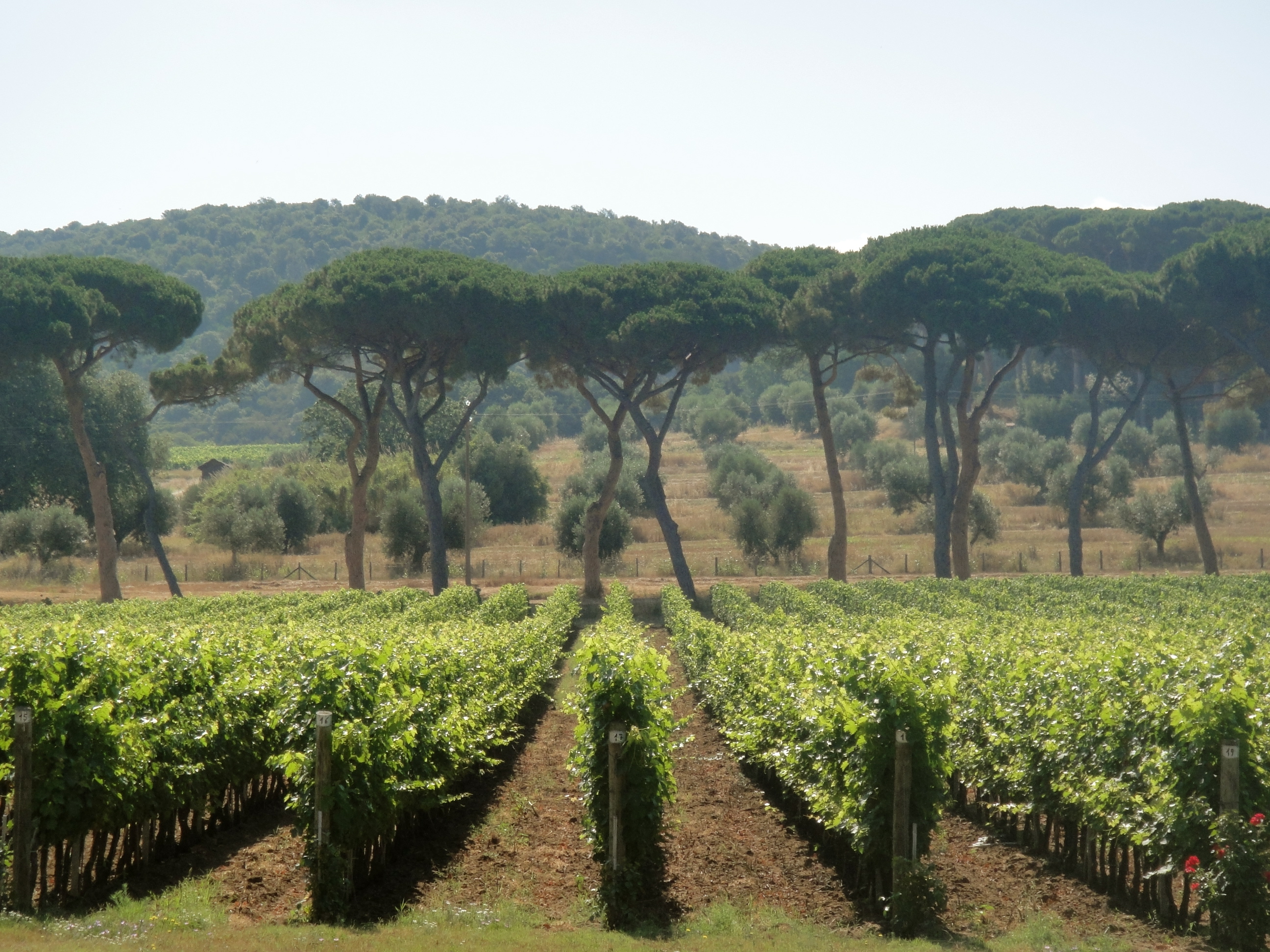
While the sea may refresh and the sand bounce sunlight upon pleasure seekers and sun worshipers, the real attraction of Tuscany for me is its stunning countryside. Rolling green hills interspersed with meandering roads and picture-perfect villas, extensive vineyards painstakingly laid out across slopes and valleys with mathematical precision, and pine trees and cypresses majestically crowning the landscapes, proudly lining driveways and cross-country roads, and providing visitors and residents alike with a naturally regal sunshade unsurpassed by the multi-coloured parasols along the coast. This greenery is emblematic of lush, bucolic Tuscany, playing host to the hundreds of cicadas whose relentless chirp readily informs that you are enjoying the hotter climes of continental Europe and presenting, at each turn of its snake-like roads, a vast array of sensational vistas and uplifting, awe-inspiring views.

The cypress trees of Bolgheri

A typical Tuscan landscape

Such is my obsession with the countryside spectacles all around the Tuscan region, that my partner’s family became all too accustomed to my relentless requests to stop the car so that I could take countless photos, both for their own sake and as pictorial research for the Tuscan paintings already building in my head. Having been fully satisfied of my desire to mingle amongst sunflowers, my next wish was to fully immerse myself in the vineyards for which the region is so famous. Often closed off behind large elegant wrought-iron gates, and cordoned off from the public, more to prevent the feasting ravage of the local wild-boars than the trespass of passers-by (I’d get in if I could!), I have gazed in wonder at so many perfectly-planted vineyards, but never been able to walk amongst them. This year however, I realised my wishes and more.

On our first vineyard outing, to a vinery close to the tiny castle-topped town of Bolgheri, I was treated to sensational views of the rolling vineyards below, from a platform build under the shade of a magnificent old oak-tree which, in Harry Potter style, bore the scar of an attack of lightening some years before.

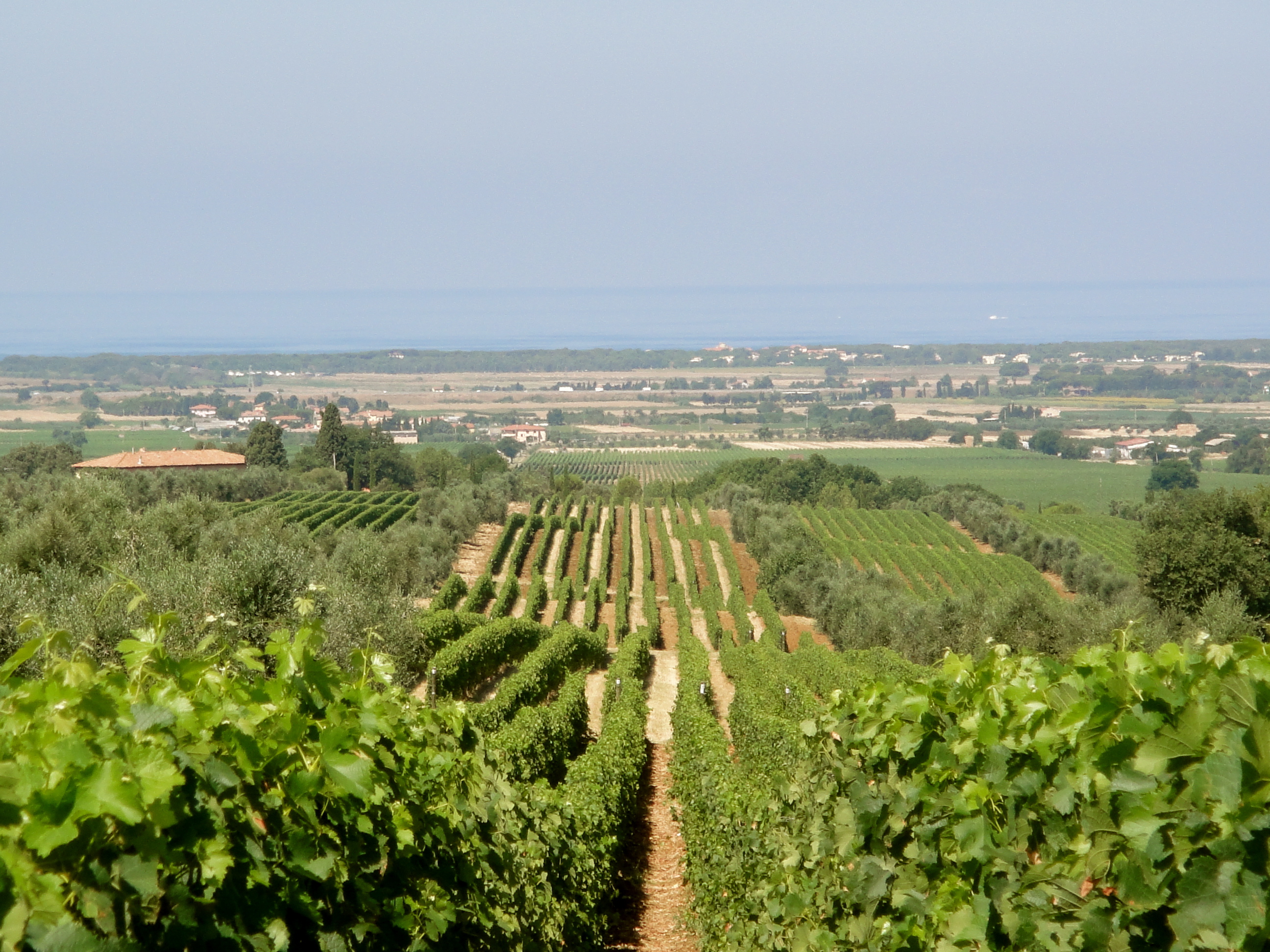
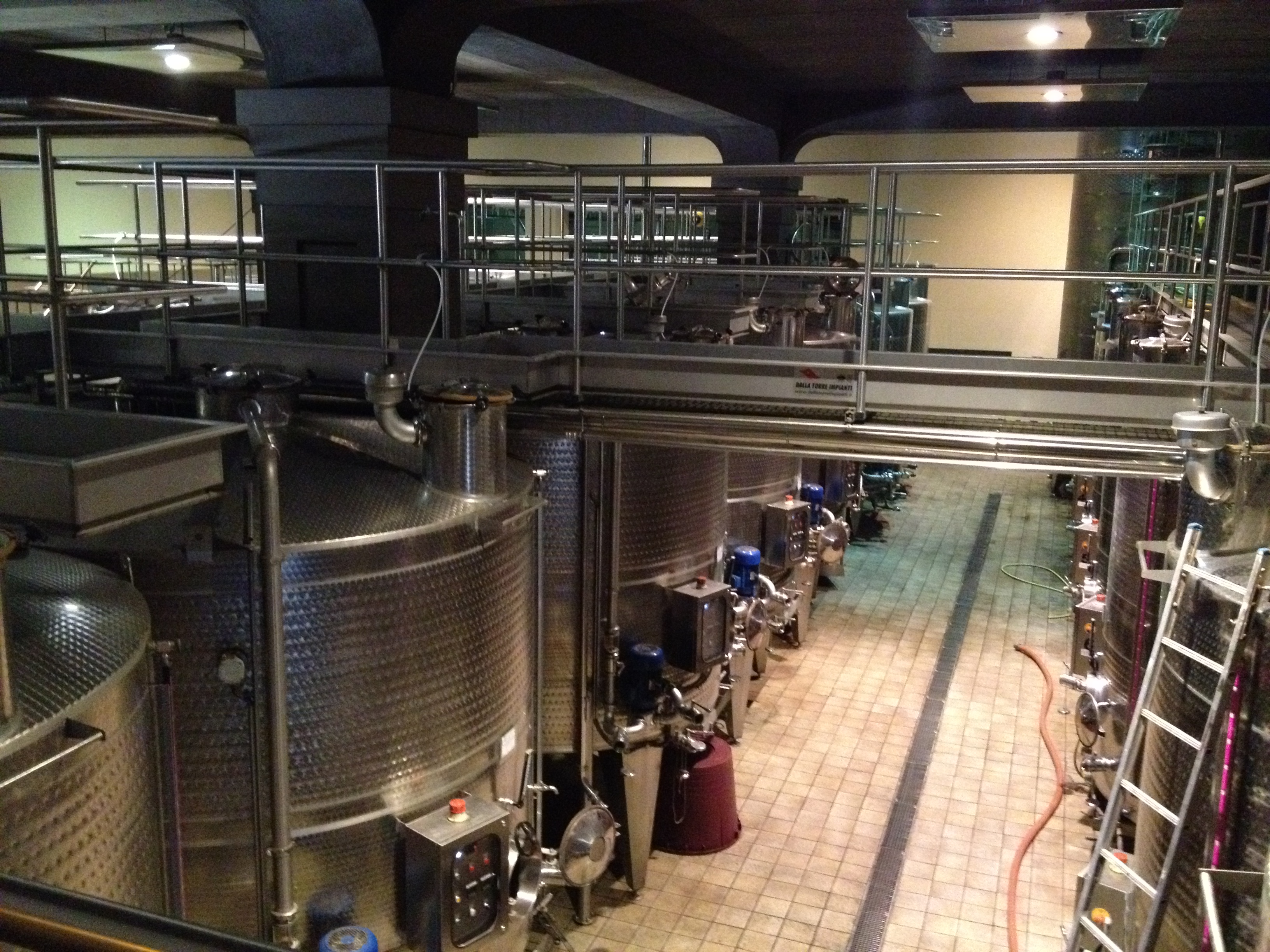
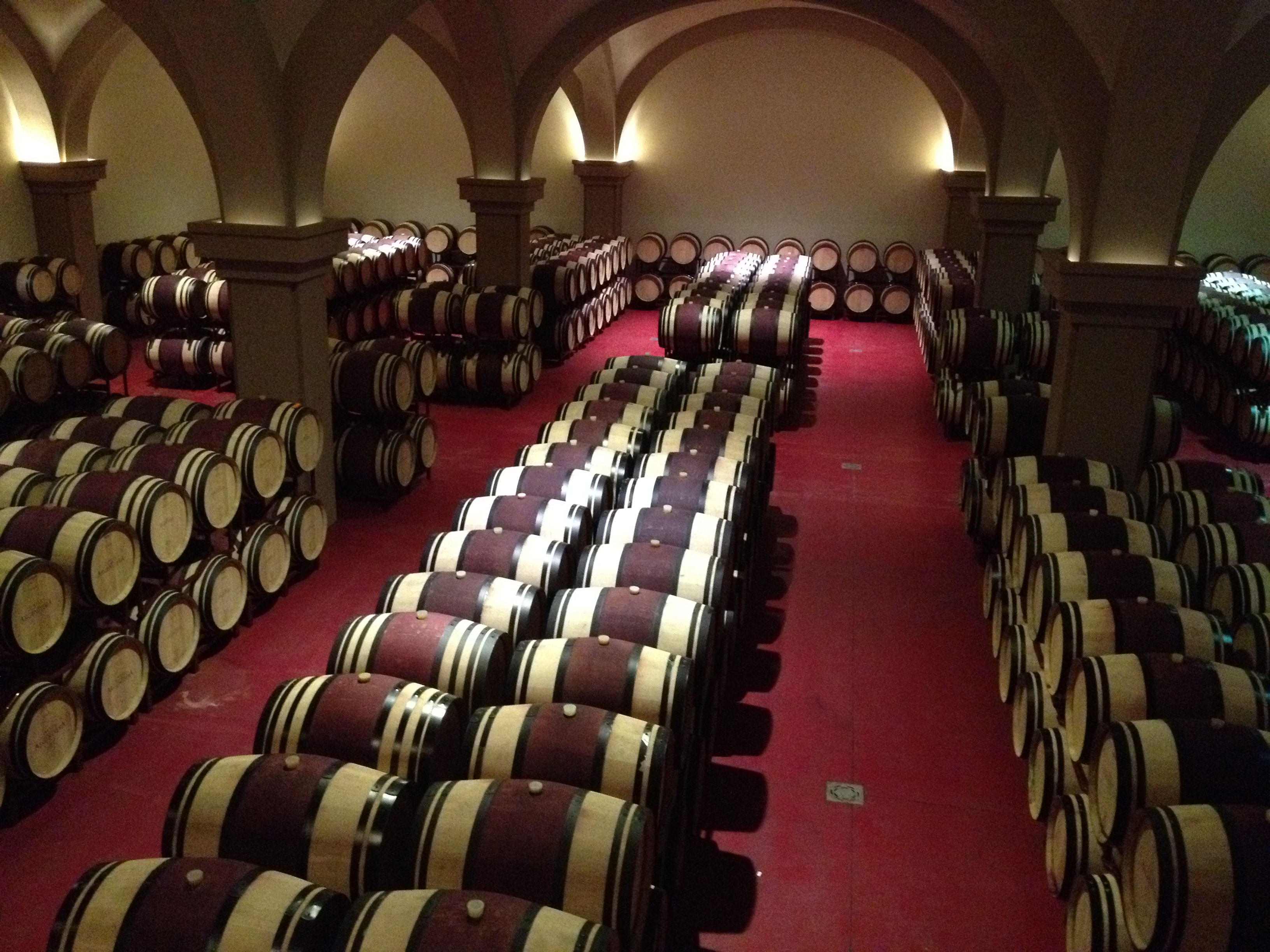
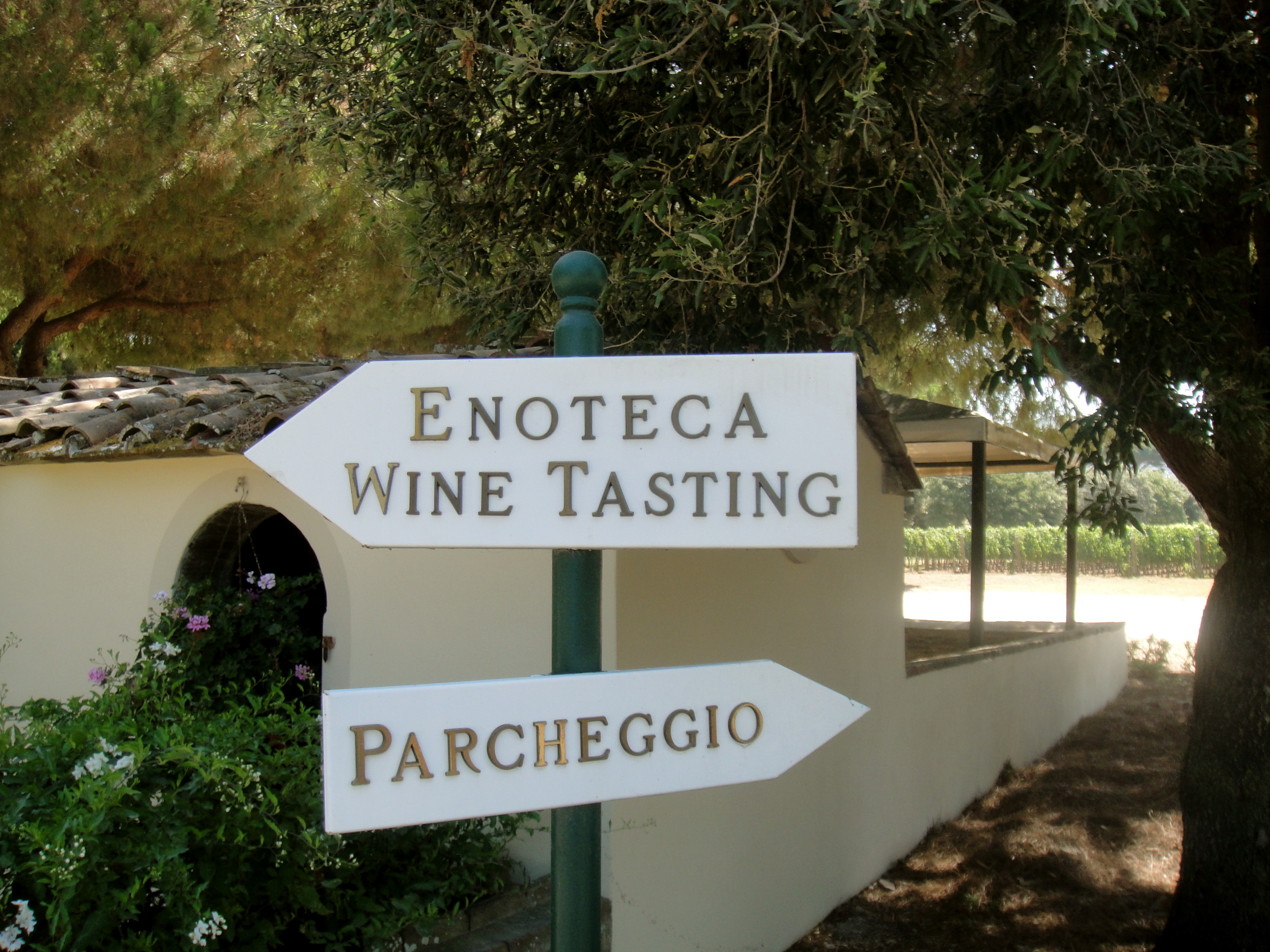
On our second vineyard outing however, we were treated to the ultimate in winery indulgence – a personal tour around the vineyard, the vast cellar where they make the wine, and an exclusive tasting of some of the vineyard’s most celebrated wines. The vineyard which played host to this unique insight into the manufacture of Tuscan wine was the Tenuta Argentiera estate, situated above the Alta Maremma coast just along from Donoratico and owned by brothers Corrado and Marcello Fratini. As wine manufacturers go, the Tenuta Argentiera estate is fairly new. As recently as fifteen years ago, the estate was all but barren. However, only a few years after acquiring the land, some 60 hectares was cultivated with row upon row of Cabernet Sauvignon, Cabernet Franc, Merlot and Syrah, grape varieties which are said to achieve outstanding quality in the Bolgheri area. But that quality is assured not just by local conditions. The estate now boasts a fit-for-purpose stunning fortress-like cellar, with huge thick walls guaranteeing the natural thermoregulation of the cellars. Inside, huge stainless steel tanks ferment and macerate the freshly-picked grapes which reach these sifi-resembling machines within 20 minutes of picking. Thereafter the wine is stored in French oak Barriques, where the vinification process is completed, bottled and sent out across the world.

Vineyards with a stunning sea view

The intricacies of this process, and the care taken in the manufacture, is obvious from the sublime flavour of the wine. Our tasting enabled us to indulge in three truly thrilling wines, from the highly drinkable entry wine Poggio ai Ginepri, to the smooth, fresh Villa Donoratico and the deep and complex Argentiera Bolgheri Superiore as well as a sample of an exquisite extra vrgin olive oil, also manufactured from produce grown on the estate.

The wine making process revealed

Those immaculate barrels

We left Tenuta Agrentiera with bags several bottles heavier and our heads certainly, indulgently, lighter, to face another afternoon in the intense but all-embracing Tuscan sunshine. La Dolce Vita? Indisputably so.

All photos are strictly the copyright of Nicholas de Lacy-Brown © 2012 and The Daily Norm. All rights are reserved. 
Tuscany Part I: Sea, Sand and plenty of Sunflowers

While the Norms have been up and down the great boot of Italy, I have been indulging in a more relaxing affair – I’m just back from a sumptuous and sensation-tickling trip to Tuscany and the electric city of Bologna, and as a result I have so much to share that I barely even know where to begin. With sights, sounds and flavour sensations as ripe and abounding as the offerings of Italy in the hot months of the summer, I am felicitous with fresh inspiration, enlivened by my experience, and freshly fulfilled by a holiday of multisensoral pleasure.

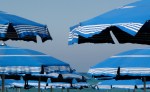
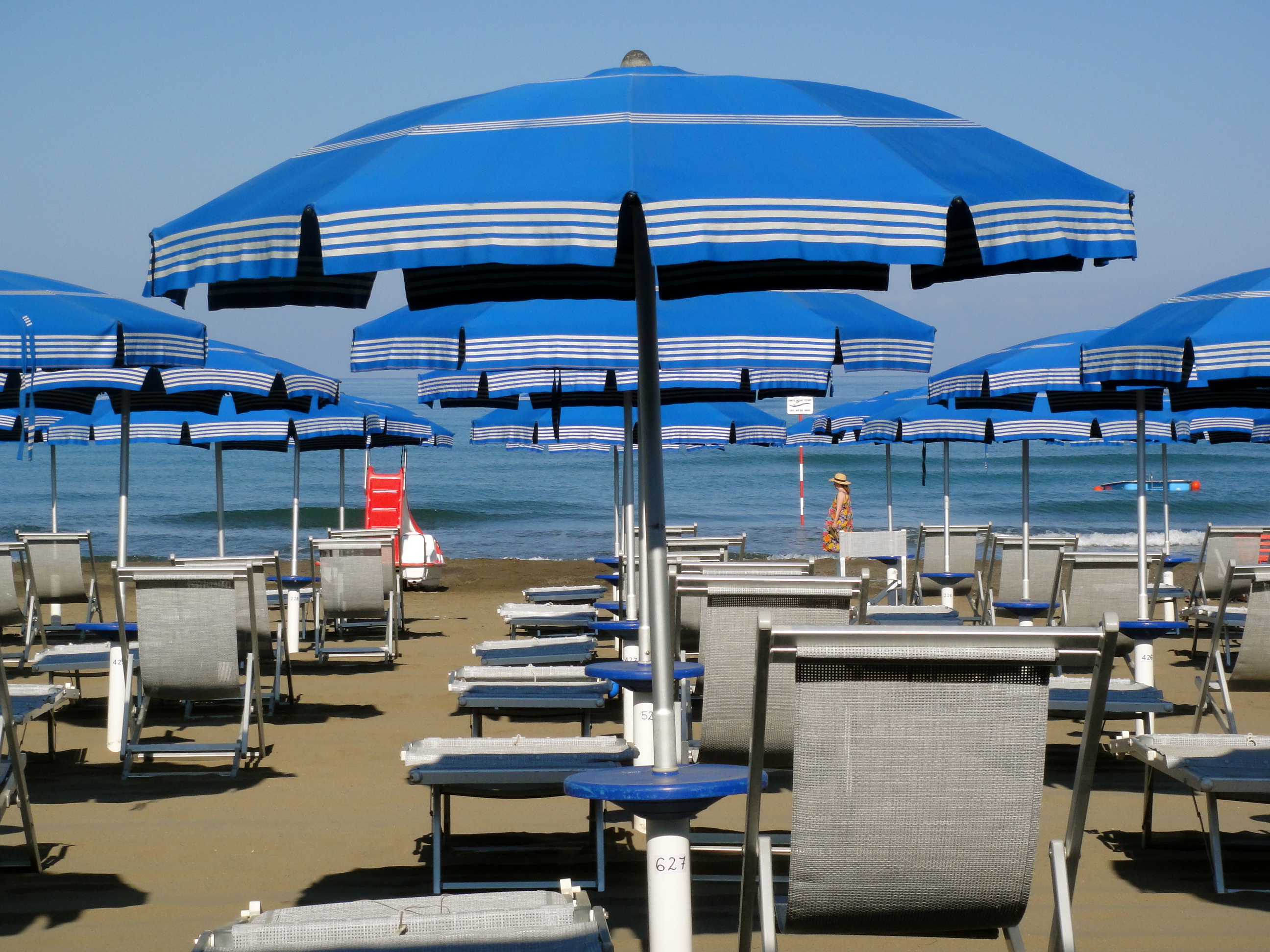
Perfectly aligned parasols and loungers

I begin my tale in the balmy fresh light of a lazy Saturday morning. I had jetted out to Pisa after work, and arriving close to midnight, the only impression I had thus far gauged of my seaside Tuscan location was the lucid clarity of the fresh sea air (a marked-comparison with central London) and the enticing smell of the pine forests that loll lazily down to the sea edge. In the morning, it was my eyes which gorged ravenously upon the visual sensations all around. From our hotel window, an expanse of golden soft sand, tidily raked every morning, was broken only by the perfect alignment of a hundred blue parasols sat atop neatly arranged loungers. In the distance, green hills were faded into a pale turquoise because of their distance, while further yet still, an almost translucent outline of the island of Elba rose mysteriously above the horizon. While my eyes took in the scene, accompanied by a pure light warmed by the yellow lustre of an early Mediterranean sun, my ears pricked up to the gentle swish of an intermittent wave sliding, rather than crashing, upon the sandy shore. No angry traffic here, no rush of suited Londoners running to squeeze their way onto a delayed, crowded tube. Rather, the only people were those beach workers, silently preparing the space for the later arrival of tourists and locals alike, while nearby, the steamer of a large coffee machine pumped into action for a day full of making creamy cappuccinos and rich espressos.

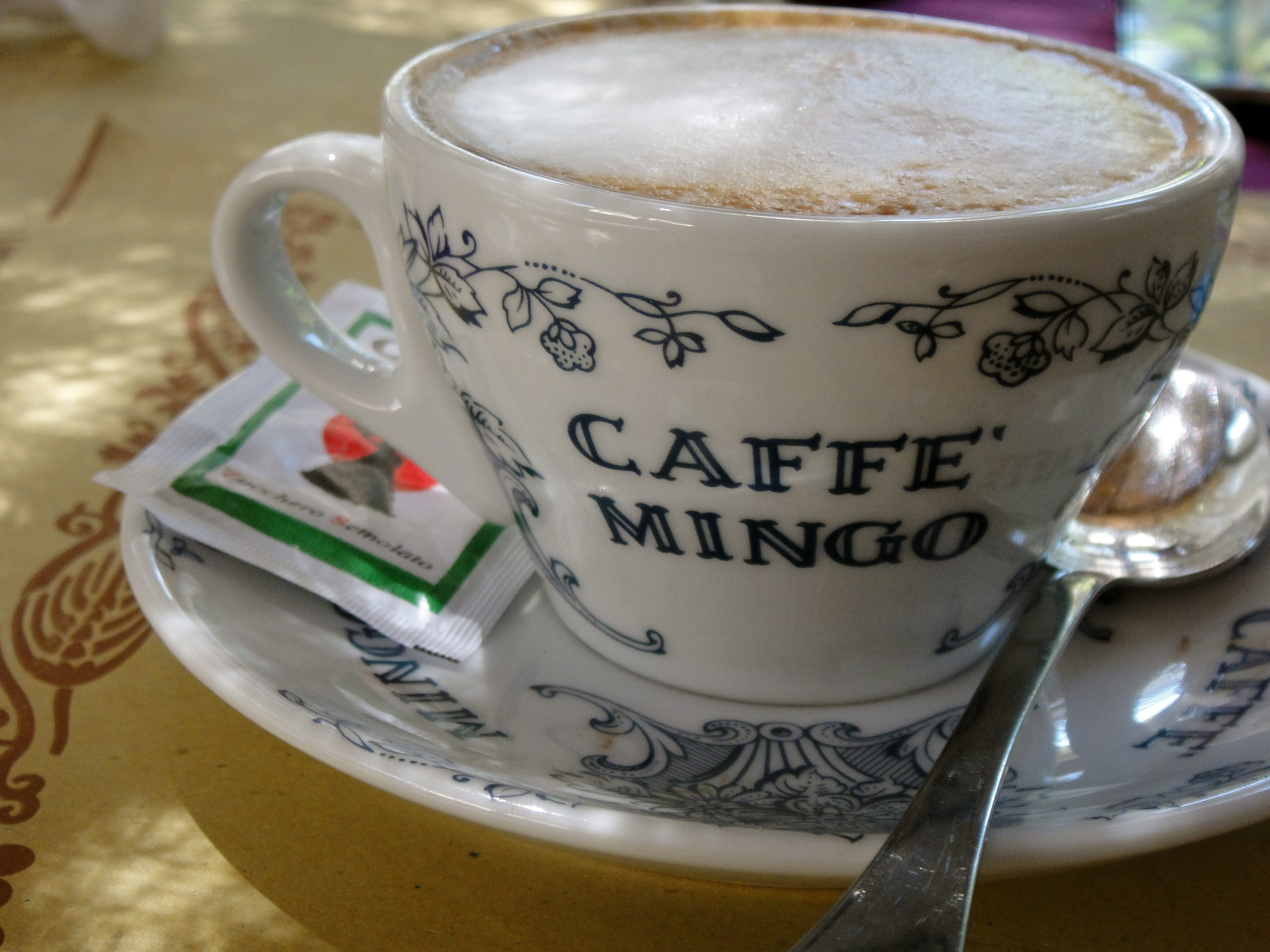
It was straight to the said coffee bar that we headed, a moment to which I had been looking forward ever since booking my flights some months ago. Nothing surpasses the cappuccinos in Italy, whose coffee is creamy, not bitter, and whose foam is indulgent and thick. Gone is the Cafe Nero takeaway and the sprint to the office – here we had all the time in the world to indulge on the beach’s edge, before the sun warmed to its midday ferocity, and the crowds descended.
True italian cappuccino

The crowds descend with coloured parasols aplenty

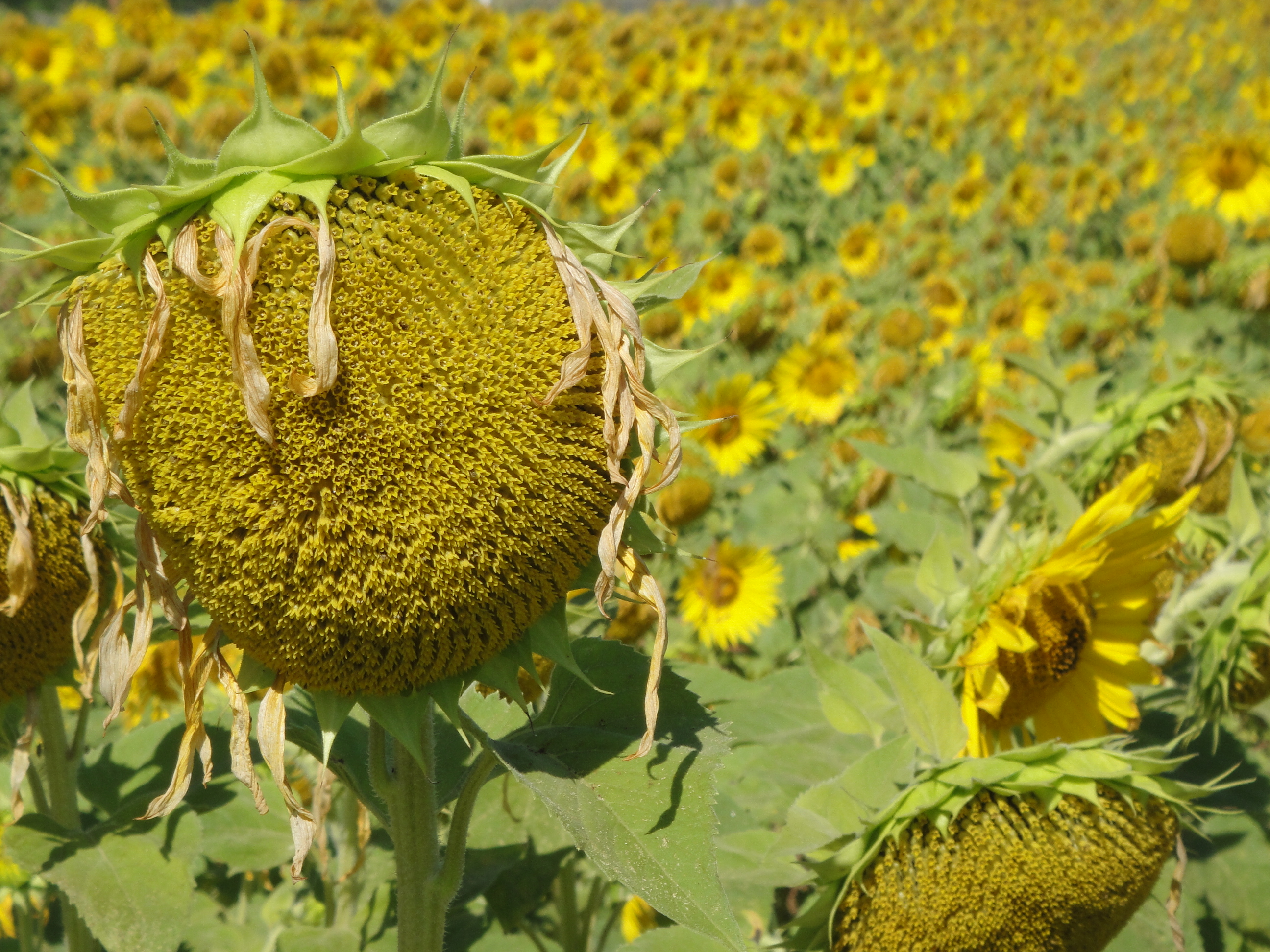
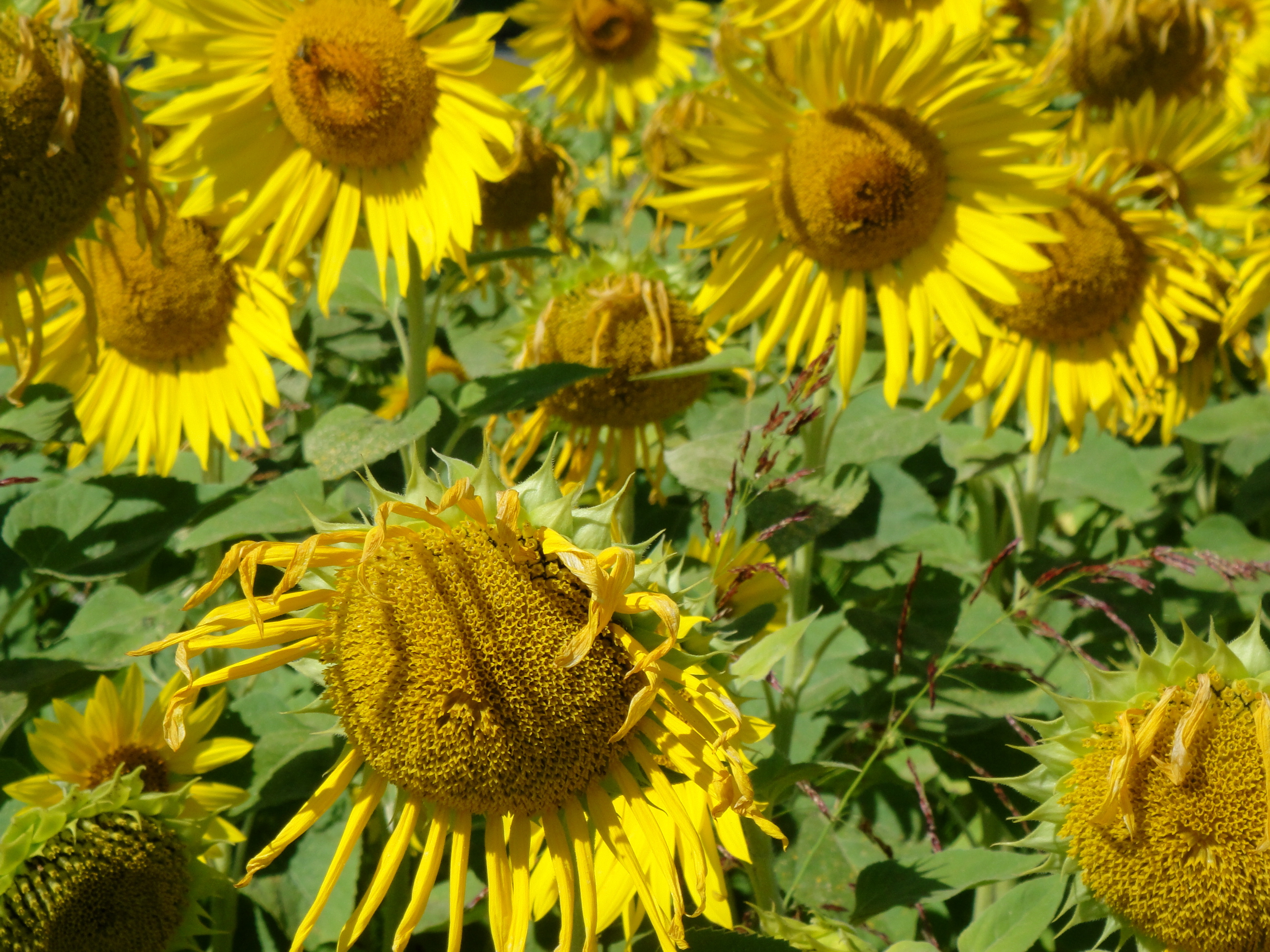
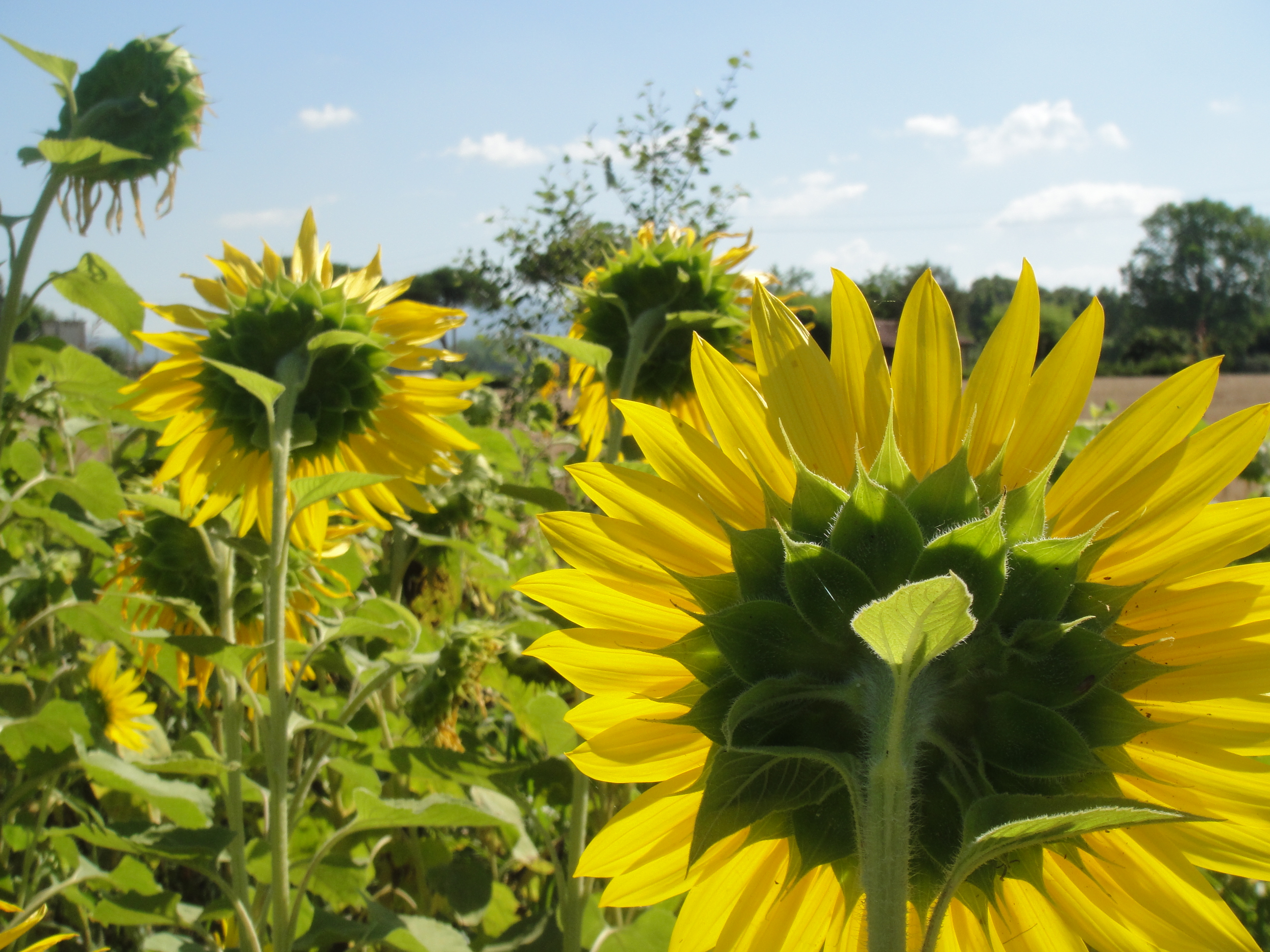
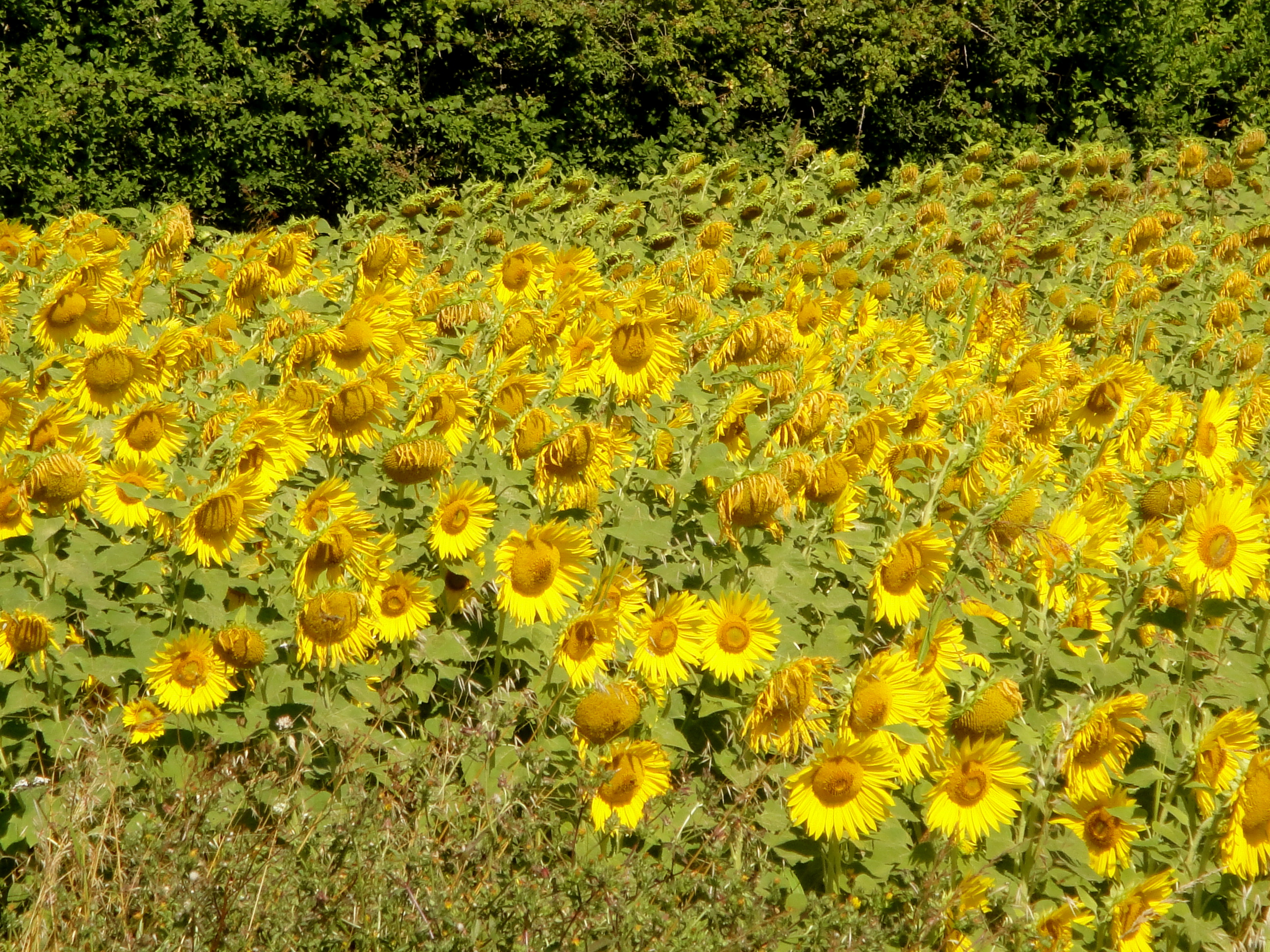
When that moment came, we were already gone. My partner took me to see a sight which was bound to get my camera clicking and my artist juices running – a nearby field of sunflowers bursting from the dry soil in a sea of vivid yellow, contrasting sensationally with the deep blue sky all around. Standing in that field, surrounded by flowers equalling me in height was truly incredibly. It was no wonder that these flowers had inspired Van Gogh so. My favourites were the older, dying flowers, with the large human-sized faces, loaded with an incredibly intricate pattern of seed pods, the petals now wilting and drying up, but the flower, in the last stages of its life, still desperately faced towards the sun, turned to its master in relishing the last days of its existence. In Italian, sunflowers are called girasoli, which literally translates as it turns sun – and true to form, it was remarkable to note how these amazing flowers were all turned in one direction, a carpet of yellow faced towards the sun, and a wall of green when seen from behind.
A carpet of yellow

And another of green

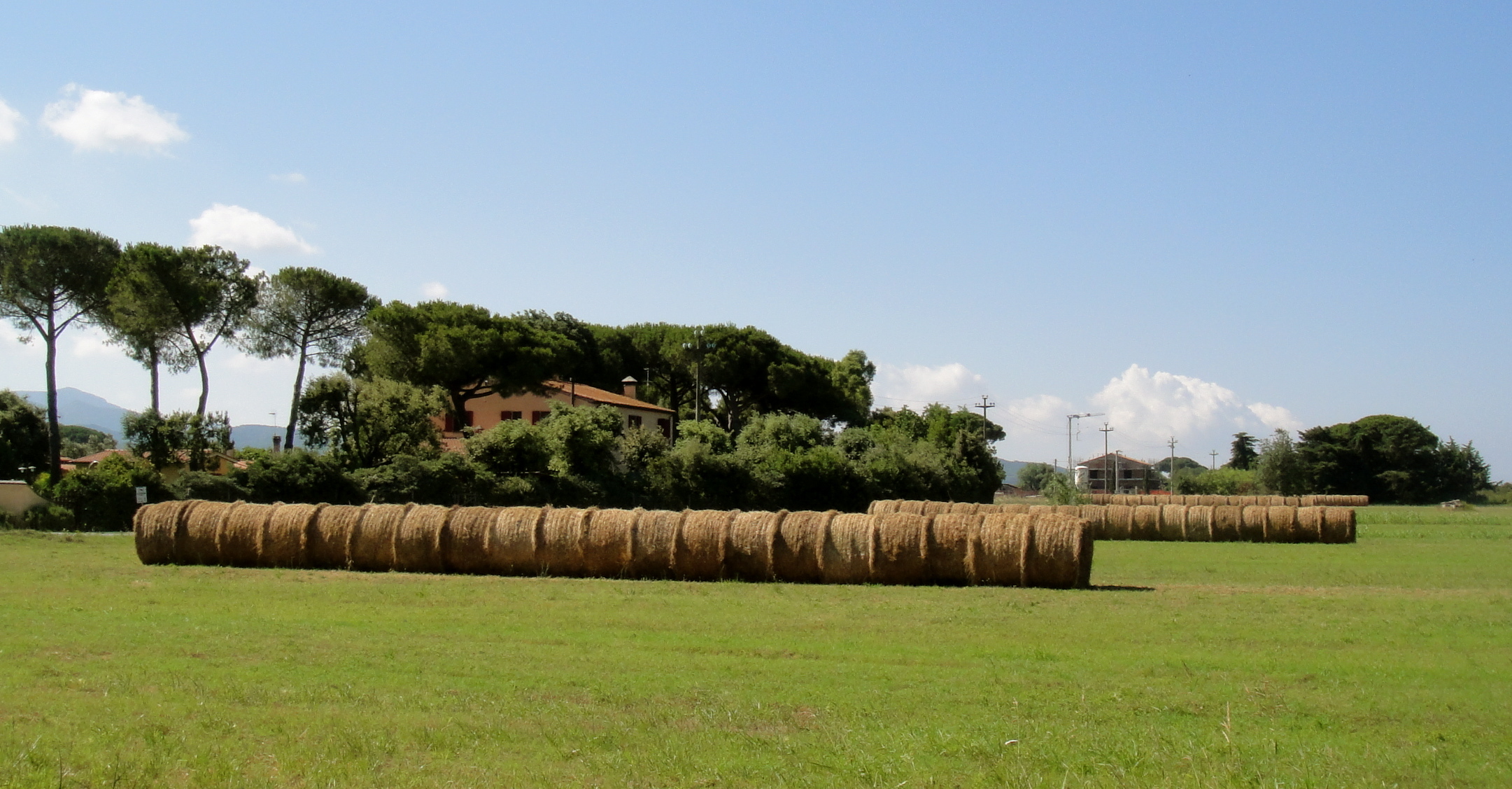
I could have stayed amongst the sunflowers all day, but alas, my photographic adventure did constitute some form of trespass onto this farmland, albeit in the name of art. We returned thereafter to safer pastures – to the incredibly vineyard views of a vineyard known to my partner’s brother, and a nearby field with large bails of hay perfect to inspired Monet himself.

Hay for Monet

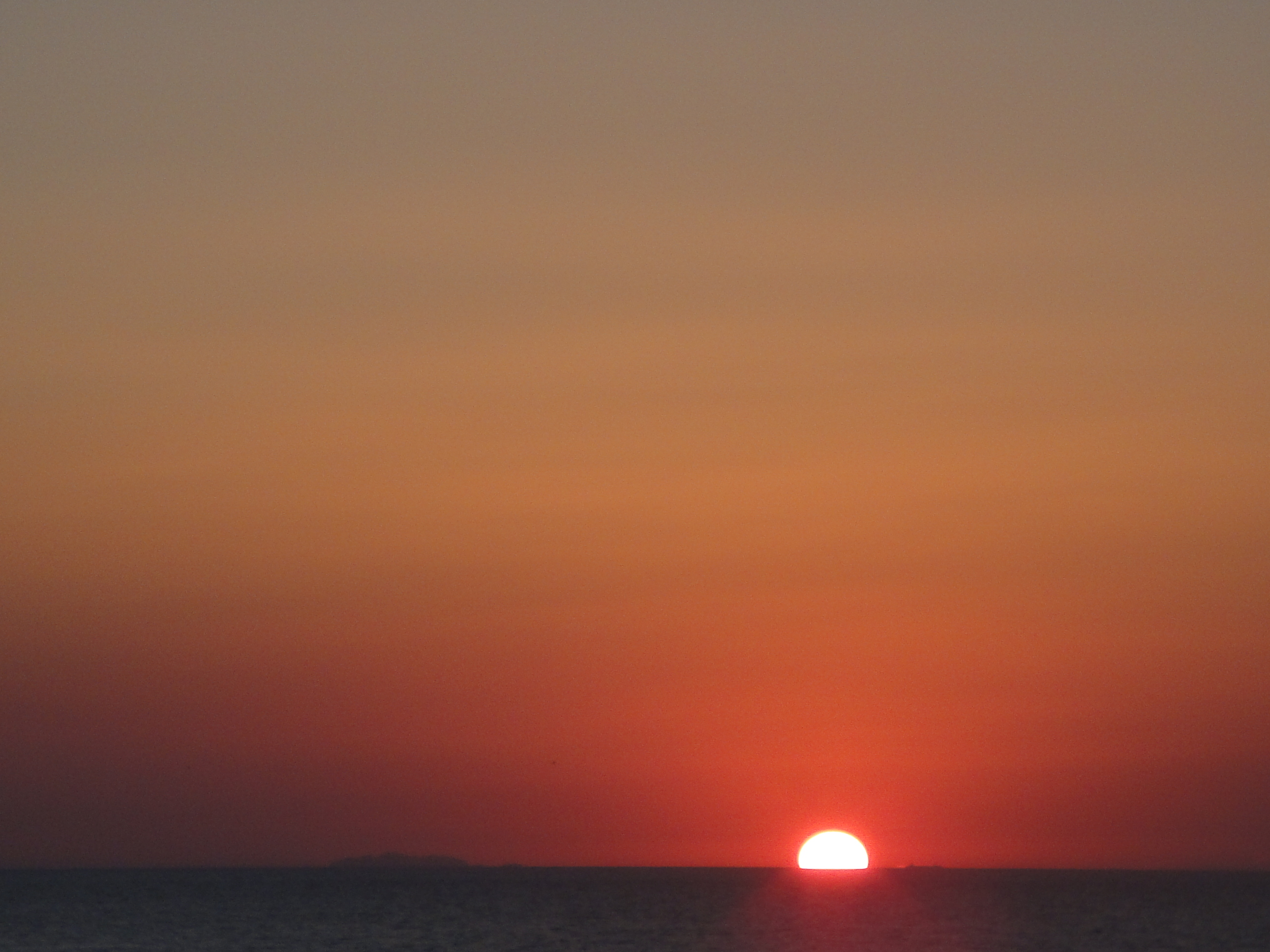
What Milan exudes in fashion and Bologna offers in food, Tuscany has in countryside views which stun and inspire in equal measure – I’m giving a whole post over to these lavish landscapes tomorrow. But the great benefit of where I was staying (Donoratico) was that having had my fill of inland views under a progressively searing sun, the coast with its relieving sea breezes was never far away, and it was to the soft sandy beach of Donoratico that I returned that afternoon, wiling away the hours splashing around in soft silky seawater with light pale-ocre sand squishing softly beneath my toes, until the sun retained its former morning pallor, before retreating back under the horizon in hues of orange, then pink and then a devastating crimson red. Until tomorrow…
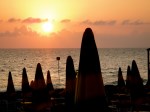
Sunset over the Alta Maremma coast