Skip to content

Posts tagged ‘Tourism’

Discovering Mallorca: Ravishing La Raixa

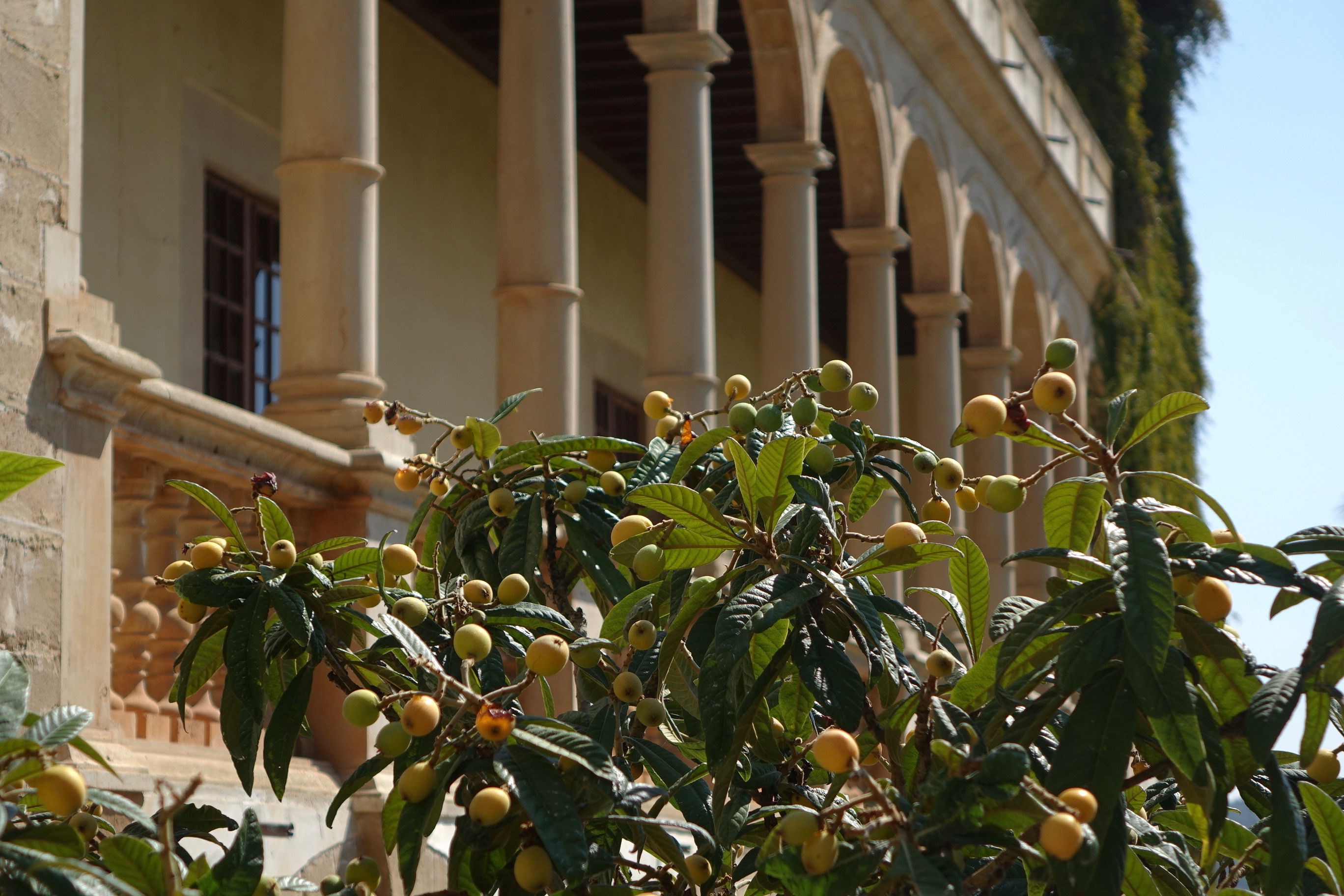
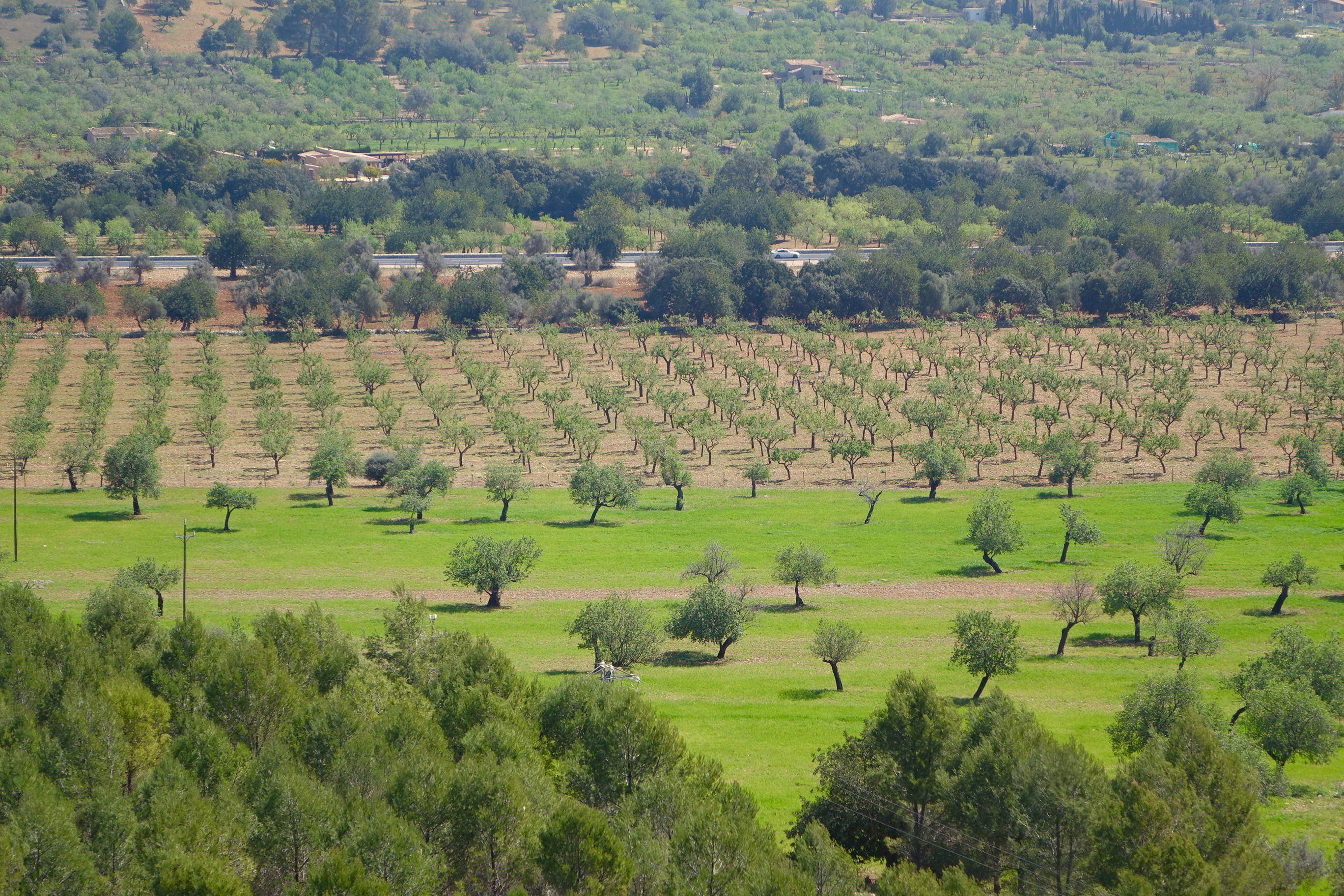
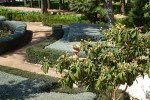
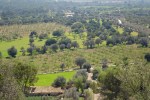
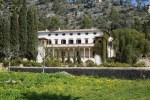
Just when I thought that Mallorca had unfurled its many hidden gems, another came into view as I drove down a dirt track off the main Palma to Soller road last week. At the end of the dusty bumpy path, my car a little worse for wear in the cleanliness stakes, a stunning country manor came into view. Perfectly appointed in the immediate foothills of the Tramuntana Mountains, and using those very mountainous slopes to mount its stunning renaissance style terraced gardens, I had arrived at the incredible Raixa estate, surely one of the most stunning former private residences on the island.

And indeed the palatial residence, which is today open for all the public to enjoy, was built to impress. Purposefully fashioned in its latest renovation by Cardinal Antoni Despuig in the late 18th century to instantly impress visitors with its magnificence both inside and out, La Raixa is a residence which remains a knock-out beauty seen from afar and up close, an unrivalled vision of Italianate whitewashed perfection which dazzles against its rugged but manicured mountainous grounds.

DSC00094DSC00129DSC00266DSC00249DSC00131DSC00240DSC00184

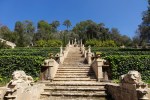
Little is left today of the house’s former internal grandeur, with the interiors largely given over to a natural-history-style exhibit focused on the geography and geology of the Tramuntana mountains. However the real treasure is undoubtedly the pleasures that lie in wait outside the manor, not just the exterior of the house itself, whose magnificent arched colonnade and white washed walls recall the romantic opulence of a Tuscan estate, but the gardens beyond whose construction was also heavily influenced by the Italian Renaissance and later Baroque styles. This is no better expressed than in the tiered gardens to the rear of the property, with their impressive central staircase accompanied by the four muses, and a panoply of pastiched ancient ruins peppering the landscape to stunning effect.

They are muses which are well appointed, for in these voluptuously floral, brilliantly landscaped, utterly tranquil surroundings, I was very quickly and utterly inspired, and very reluctant to leave.

All photos and written content are strictly the copyright of Nicholas de Lacy-Brown © 2016 and The Daily Norm. All rights are reserved. Unauthorized use and/or duplication of the material, whether written work, photography or artwork, included within The Daily Norm without express and written permission from The Daily Norm’s author and/or owner is strictly prohibited.

Discovering Mallorca: The walled wonder of Alcúdia

The Mallorca winter has been pretty comfortable so far. With barely three days of rain, temperatures in the teens, and sunshine pretty much every day, few can complain about the 2016 winter, although residents everywhere are looking a little worried about the sheer lack of rain, especially if this coming summer is as dry and hot as the last. Nonetheless, winter is winter when all is said and done, and even when we stroll out into a crisp sunny day, I still reminisce about the days of the summer and early autumn, when our coats remained out of sight, and trousers too had an only infrequent airing.

In the midst of these remembrances, one such special sunny day (some time at the beginning of October when my mother was in town) came to mind, and I realised that until now, it had gone unreported on The Daily Norm, such was the shockingly busy month which followed with a house move followed by a manic season of multiple Christmas decorations. Driving to the North of the island, the day afforded us yet another new discovery on this island of plenty, as we headed to the town and municipality of Alcúdia.

The old town of Alcúdia 

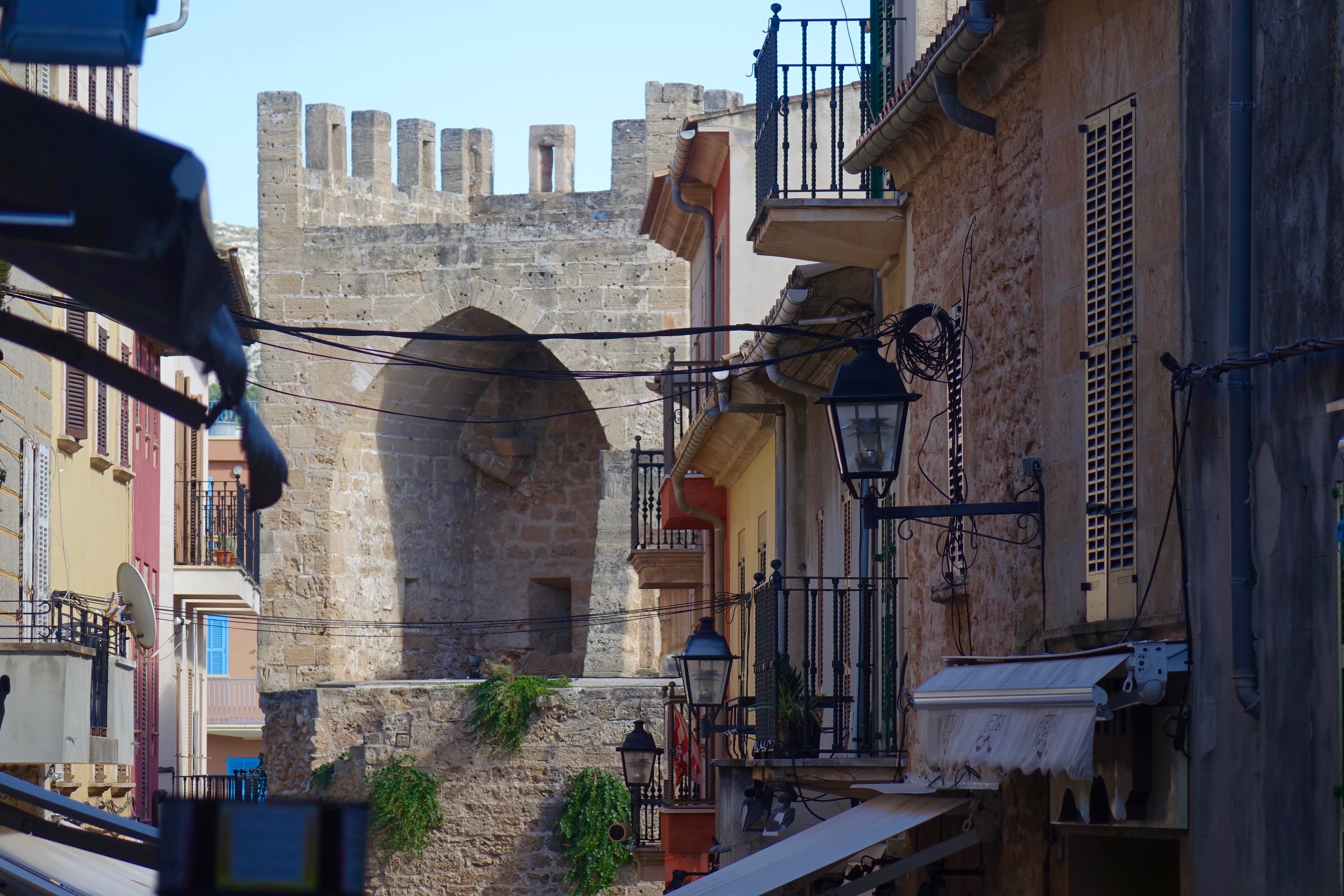
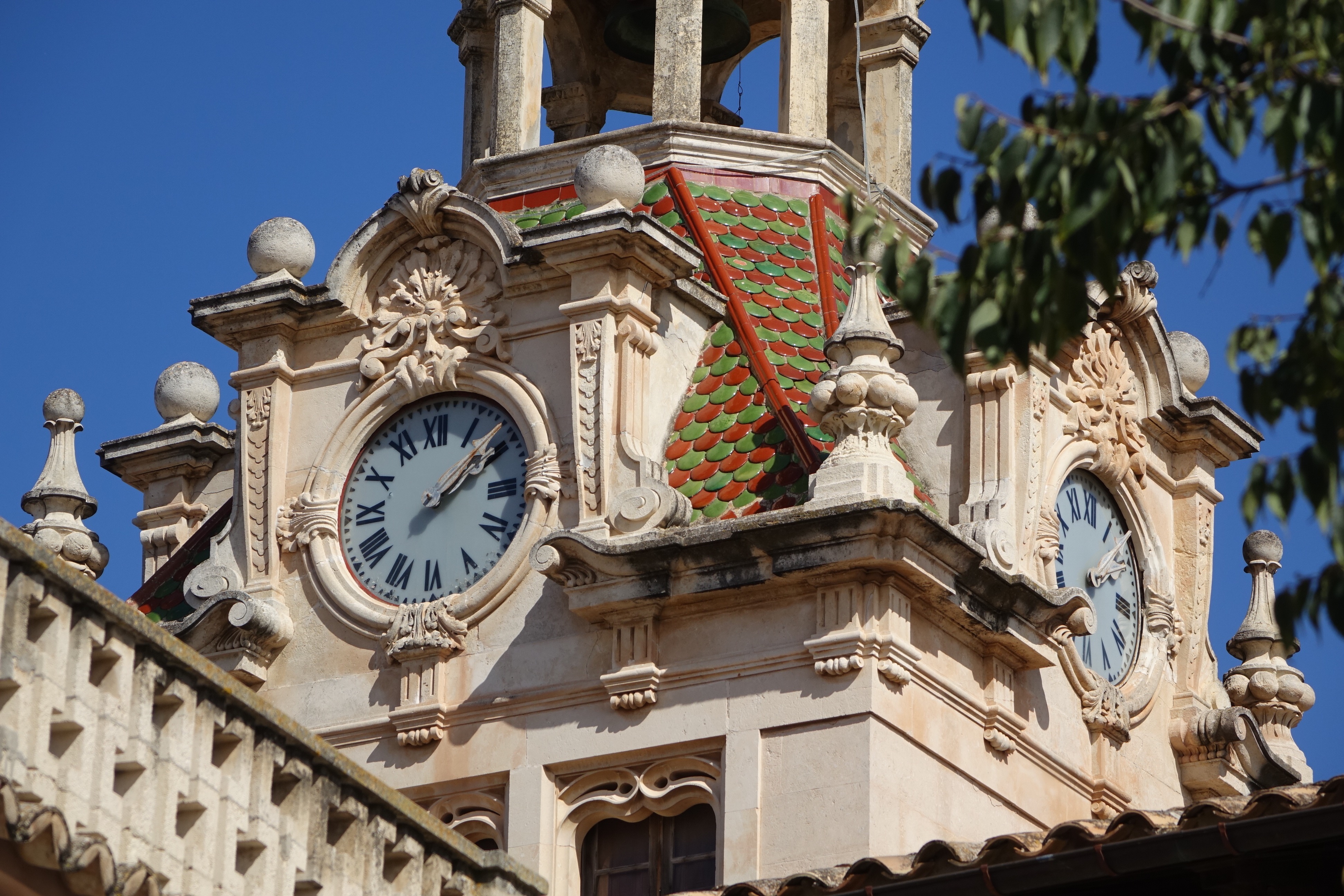
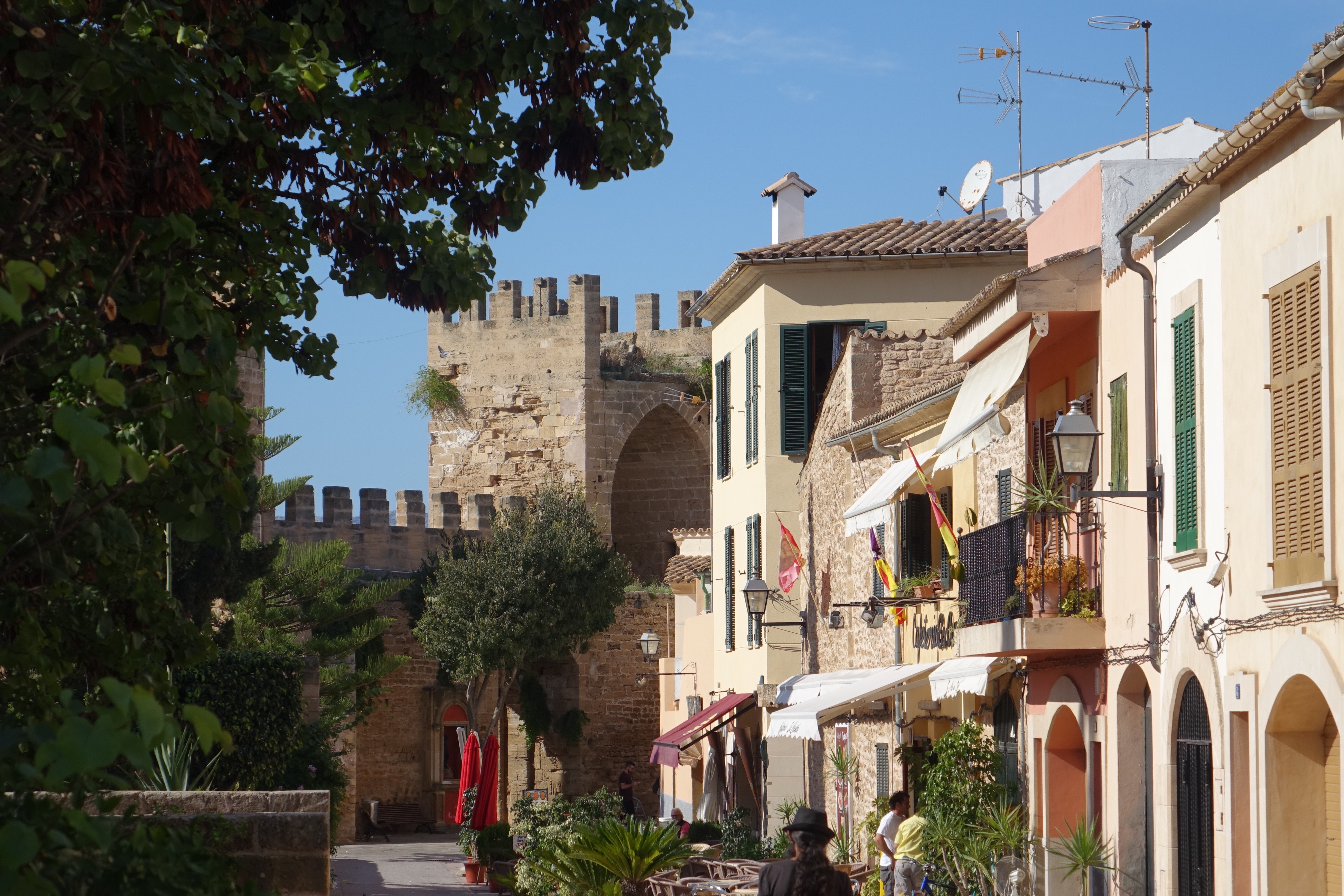
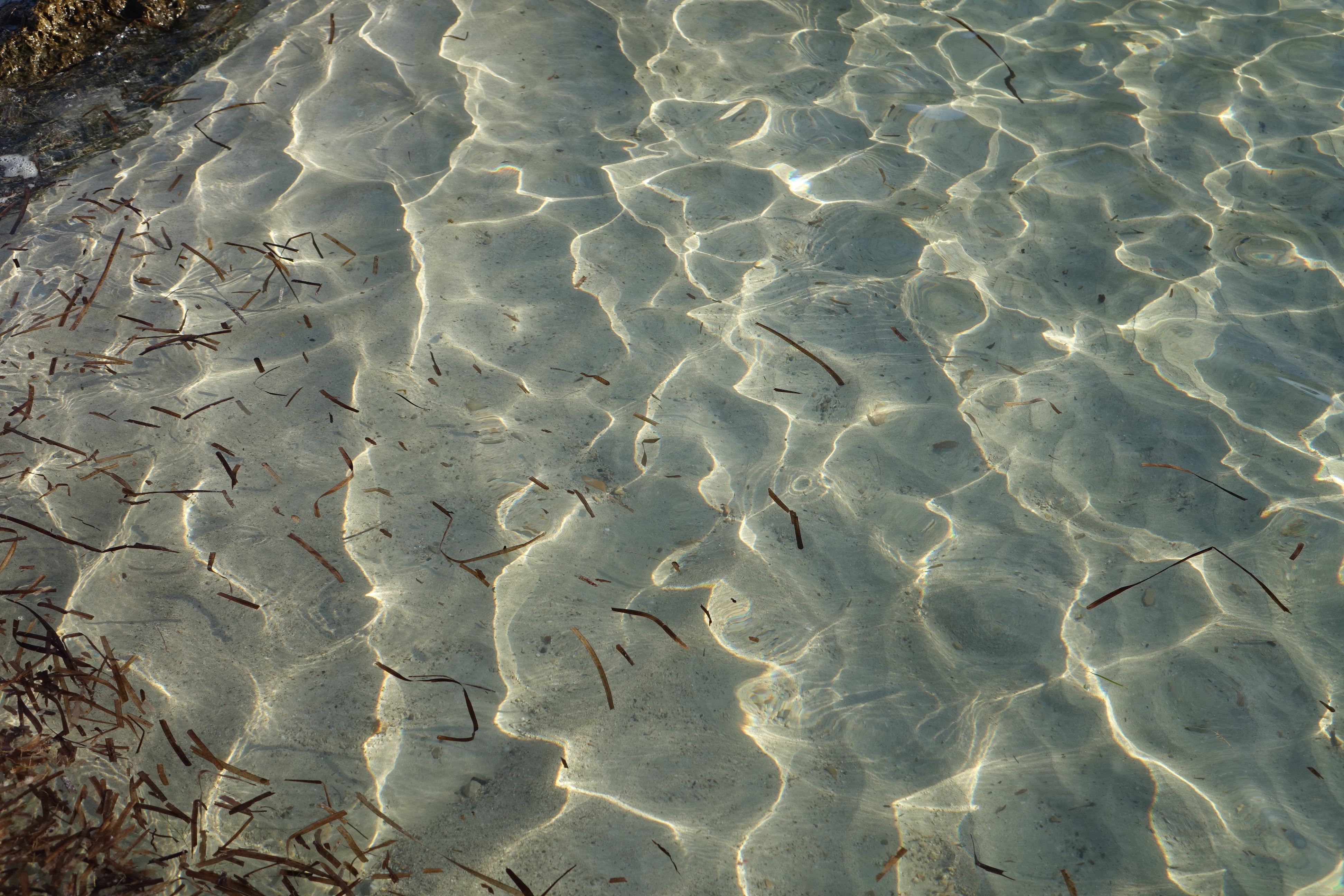
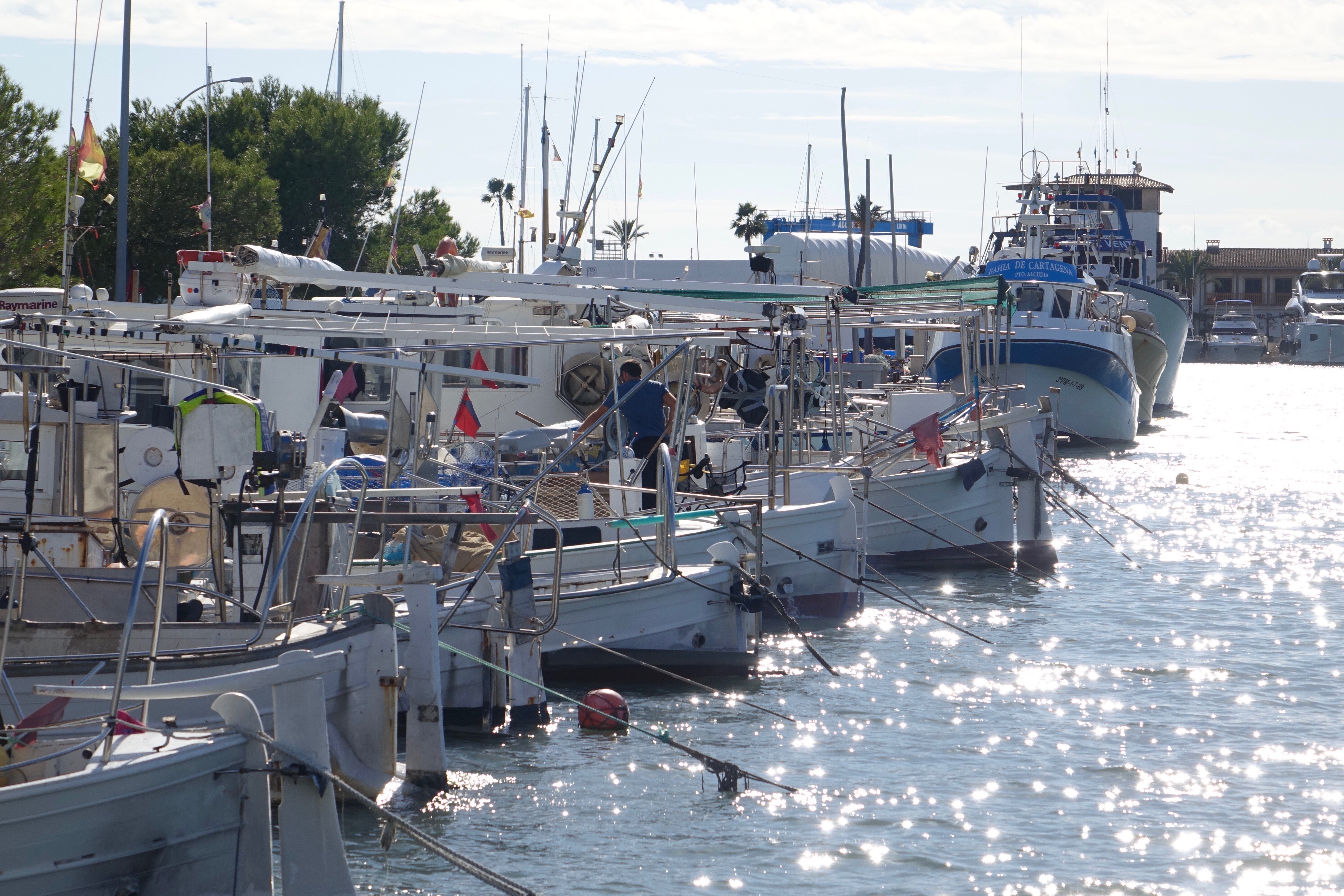
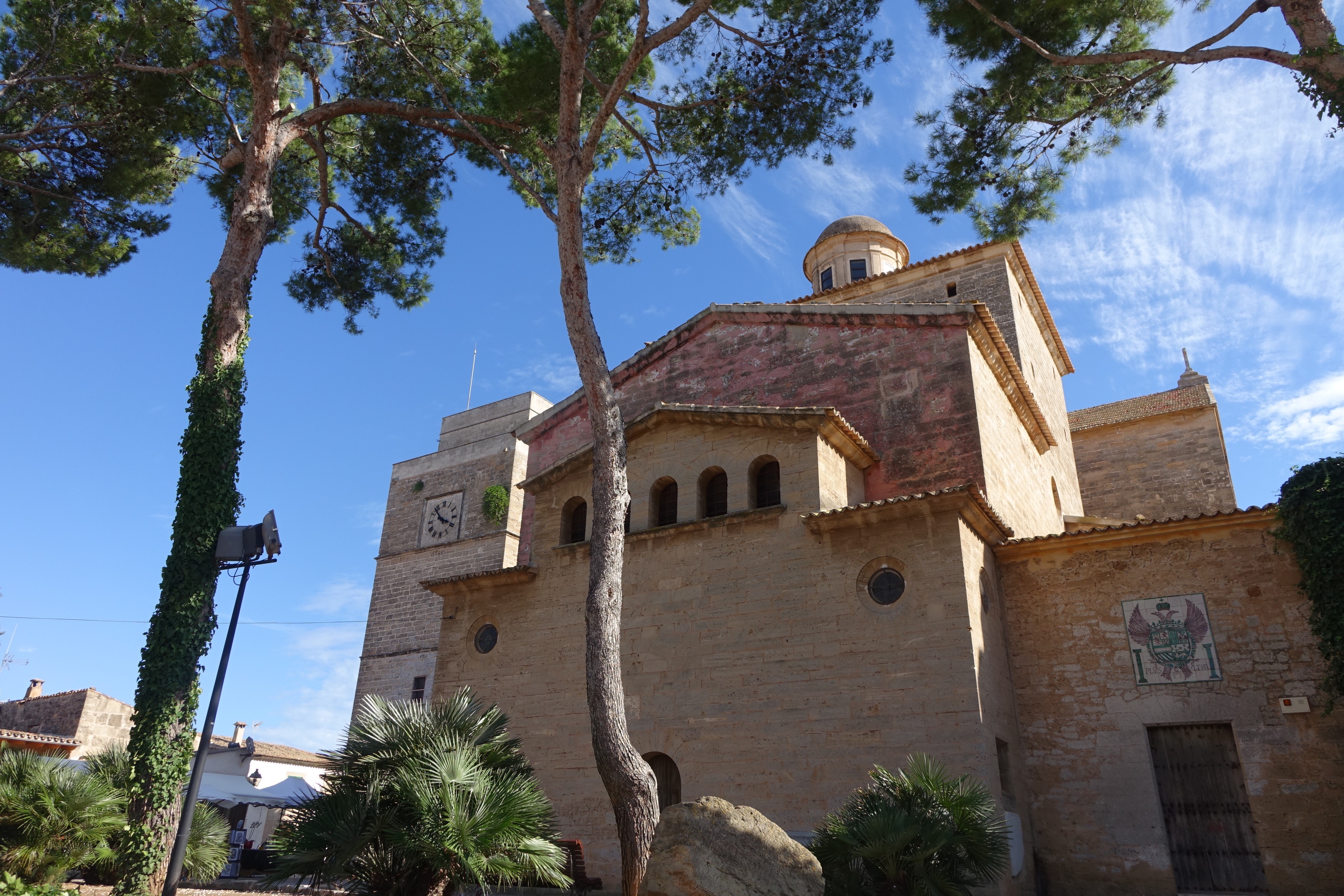
DSC02281DSC02299DSC02254DSC02286DSC02289DSC02261DSC02243DSC02240DSC02294DSC02230

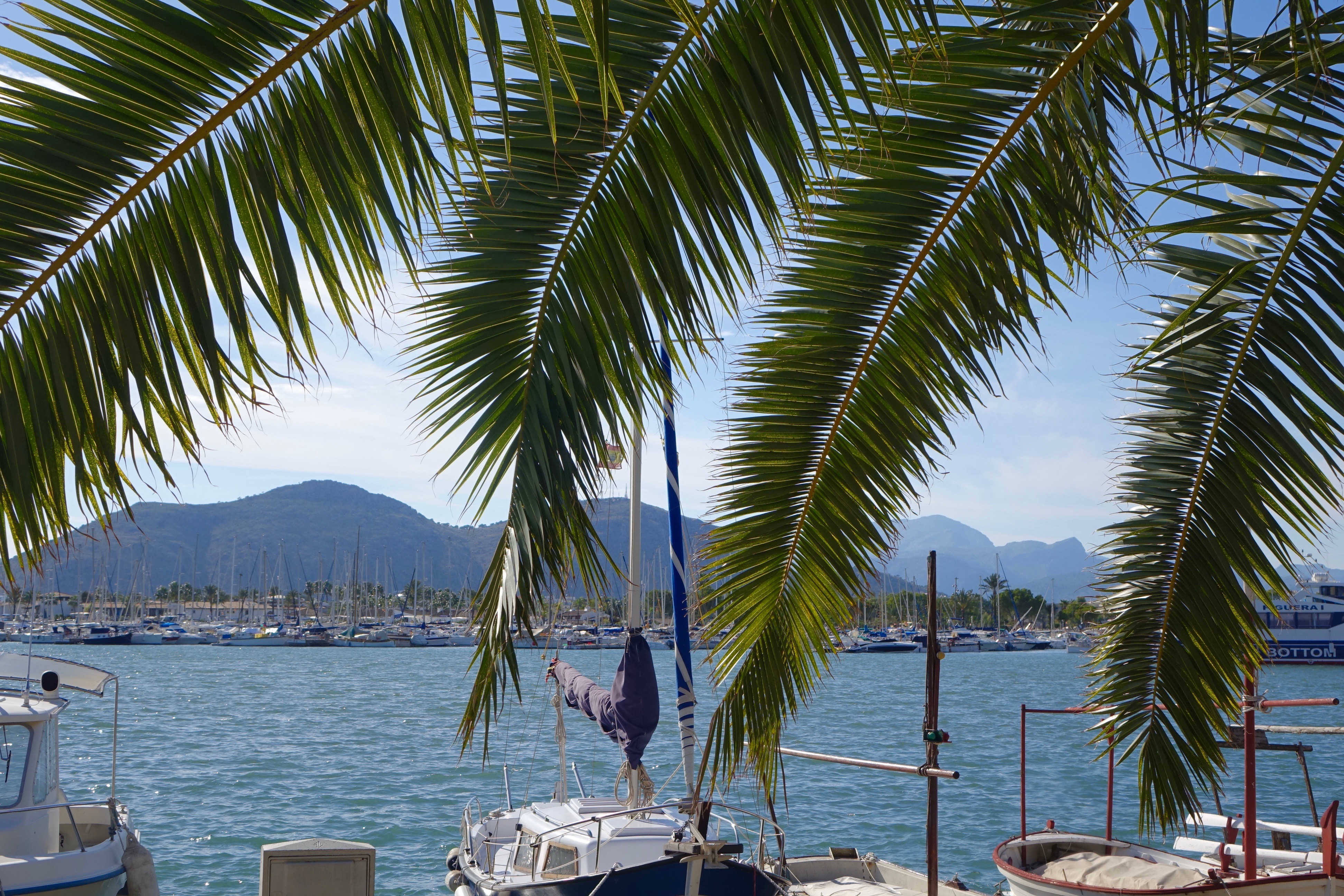
As with much of the island, Alcúdia has become synonymous with its long stretch of shallow sandy beaches, which predictably attracted an influx of tourism and the accompanying construction of endless 1970s hotels, a sight which, while improved by the sparkle of the cerulean Mediterranean sea, is not the most aesthetically pleasing.

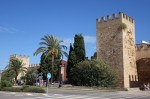
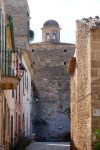
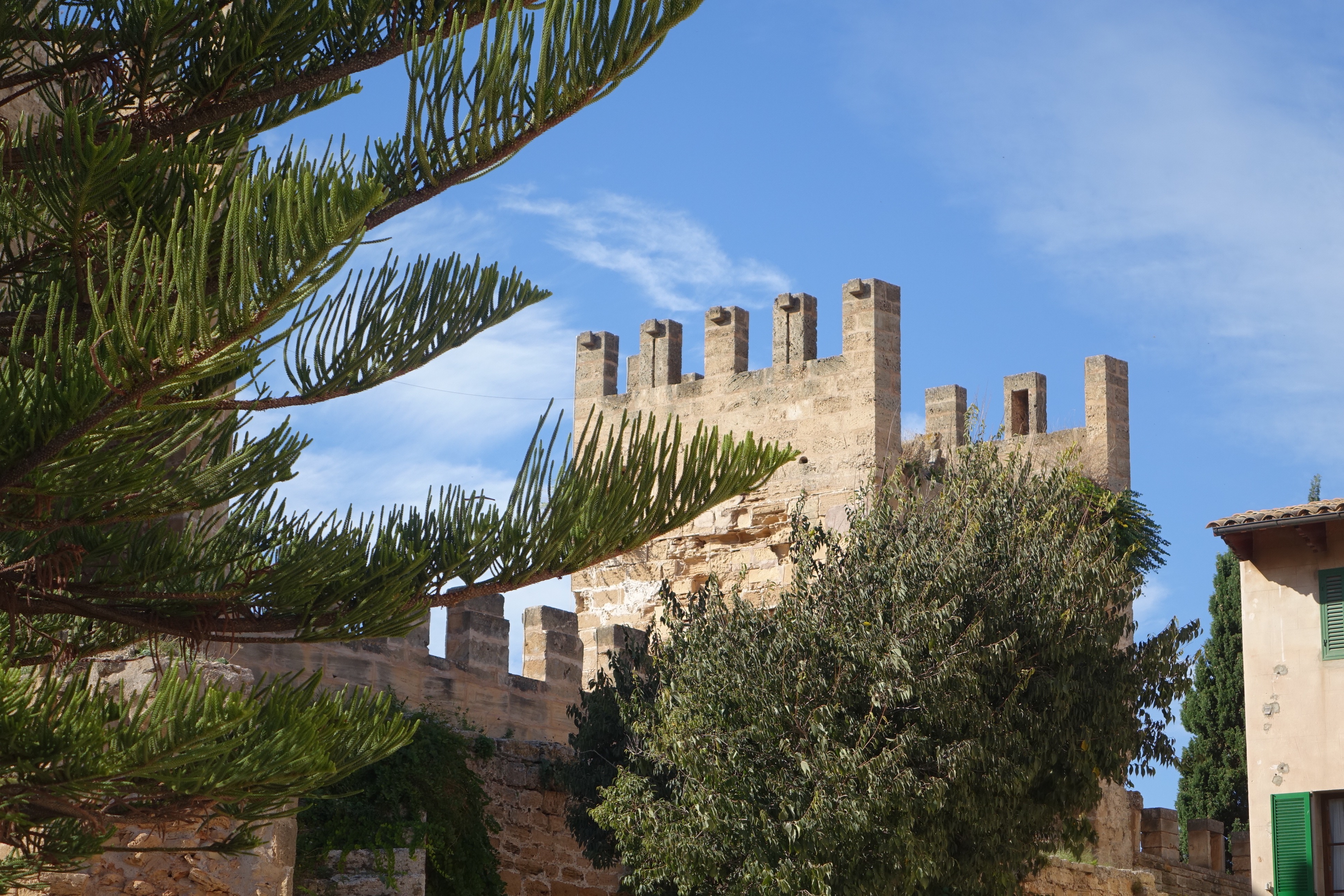
However, head inland, and you reach the real Alcúdia, and there, behind a circle of painstakingly restored medieval walls, you find an arabic citadel perfectly brought back to life. With its narrow streets filled with little shops pouring out onto the streets, and small scenic squares bustling with a range of popular restaurants, it is no wonder that the town has become a favourite of tourists hanging out on the north of the island, making it second only to Palma as the island’s most beautiful historical town.

Nearby beaches and the port

DSC02303DSC02364DSC02320DSC02309DSC02357DSC02304DSC02337DSC02329DSC02301

As I sit now in my cosy apartment, breathing is the perfumed scent of the hyacinths imported into our home from the nearby flower market on La Ramblas, I’m dreaming of those summer days when we can wonder freely, without coats, and with the air flowing around our knees. Something tells me the time is close at hand. And in the meantime I leave you with my photos of Alcúdia, and the memories of the pleasantly warm first encounter of this magical town.

All photos and written content are strictly the copyright of Nicholas de Lacy-Brown © 2016 and The Daily Norm. All rights are reserved. Unauthorized use and/or duplication of the material, whether written work, photography or artwork, included within The Daily Norm without express and written permission from The Daily Norm’s author and/or owner is strictly prohibited.

Valentine’s in Barcelona

We have always loved Barcelona, Dominik and I. For me it’s one of the most perfect cities on the earth. For where else can you find all of the cosmopolitan qualities of London or New York fused so easily with the seaside amiability which comes of being mounted next to the glistening Mediterranean sea, with all of the beach-life benefits that position entails. So when it came to celebrating Valentine’s this year, we decided to take the romantic, candlelit dinner concept a little further, expanding our celebration of love across a weekend city trip where we could show as much love for our surroundings as for each other.

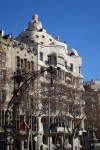
For who could not love Barcelona, a city whose very streets are so elaborately decorated with modernista masterpieces that not a street goes by which does not call for its own round of photographic admiration. It is a place bursting with the colour of Gaudi’s mosaics, an intensity of kaleidoscopic light which results from Barcelona’s natural affinity with the sun, whatever the time of year. And it is a city which exudes creativity from its every facet, from shops and restaurants, characterised by a conceptual brand of cool which stands as ever on the brink of innovation, to endless galleries showcasing both the newest artists and the classic former residents, Miro and Picasso amongst them.

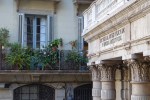
DSC08302DSC07949DSC08088DSC08047DSC07950DSC08073DSC08275

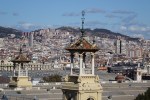
We benefit from a Mallorca location which makes a weekend to Barcelona a mere 30 minute flight away. This left us with plenty of time to enjoy the city to the full, from a miraculously warm February walk in the Park Güell, to our admiration of the architectural designs employed in both the undulating roof of the Mercado Santa Caterina, and the modernista details of the Palau de la Música Catalana nearby. We headed up the hill of Montjuic to admire the collection of the National Museum of Catalan art, and into the depths of the Gothic Quarter to share stares with the 13 geese of Santa Eulalia in the Medieval Cathedral courtyard. And as for Valentine’s? Well this was enjoyed across the weekend, from the exchange of a rose in our cosy hotel bedroom, to the enjoyment of a mouthwateringly good Fideuà seafood paella in the Sunny Port Vell.

What more can I say? Barcelona is a city of plenty, and the perfect venue for a weekend of love. I will allow my photos to fill in the details.
All photos and written content are strictly the copyright of Nicholas de Lacy-Brown © 2016 and The Daily Norm. All rights are reserved. Unauthorized use and/or duplication of the material, whether written work, photography or artwork, included within The Daily Norm without express and written permission from The Daily Norm’s author and/or owner is strictly prohibited.

Onwards to Vienna, Part 3: Palaces of Art

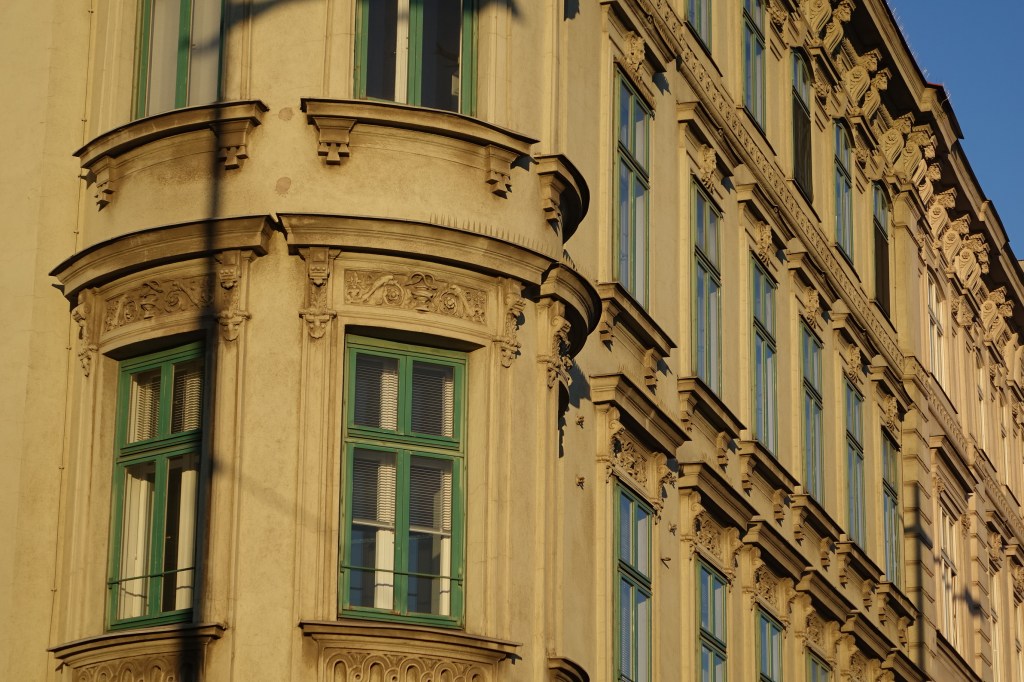
To say that there is a lot of art in Vienna is like saying there are a lot of paellas in Spain. The city literally lives, breathes and exudes art from its every corner and facet. Everywhere you go, large posters advertise the latest sensational exhibition appearing at the Leopold, or the Albertina, while inside the Belvedere and the Kunsthistoriches museums, some of the most famous paintings ever known to the history of art happily reside. We were literally astonished by the wealth of art contained within a small central core of the city, and by the end of our trip were rendered utterly exhausted by the amount of art we saw. But we were all the more fulfilled as a result.
If I were to reproduce a photo of all the paintings we saw in permanent collections and temporary shows alike, the single blog post resulting would probably keep you scrolling downwards for a lifetime. Rather than do that therefore, I wanted to focus a little on the majestic buildings which host Vienna’s amassed artistic treasures, before showing you just a few of the works on show within them.

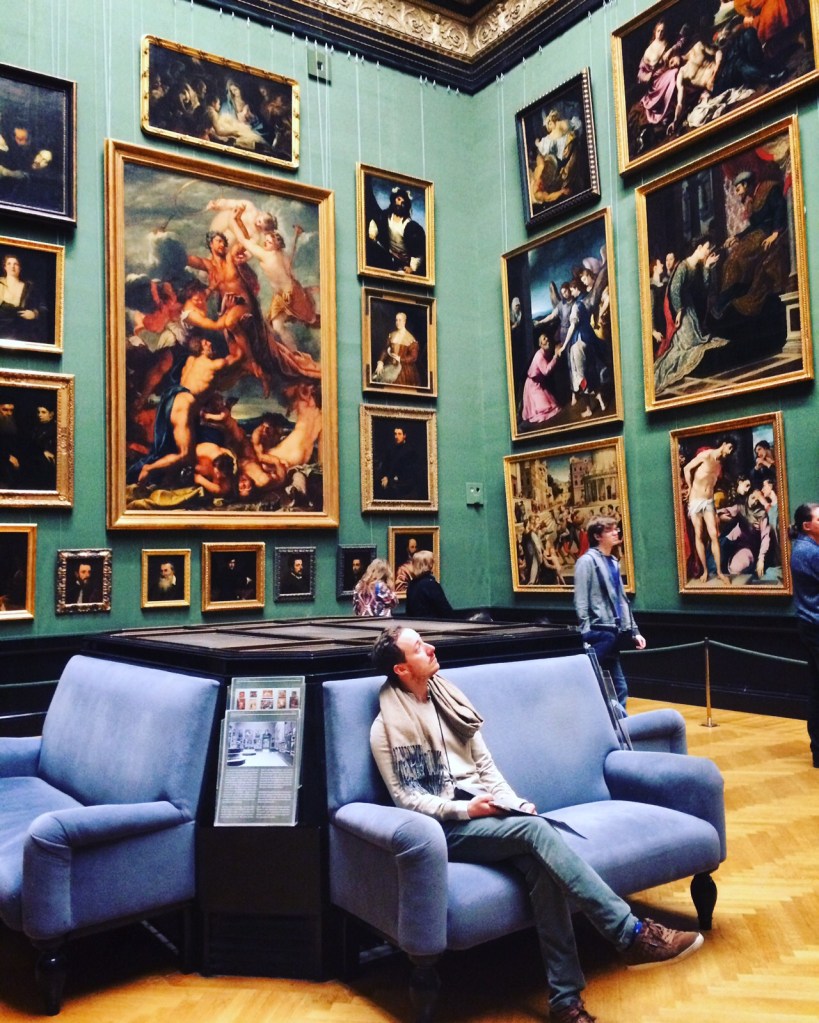
Almost unable to take in the breadth of art at the Kunsthistoriches Museum

Almost unable to take in the breadth of art at the Kunsthistoriches Museum

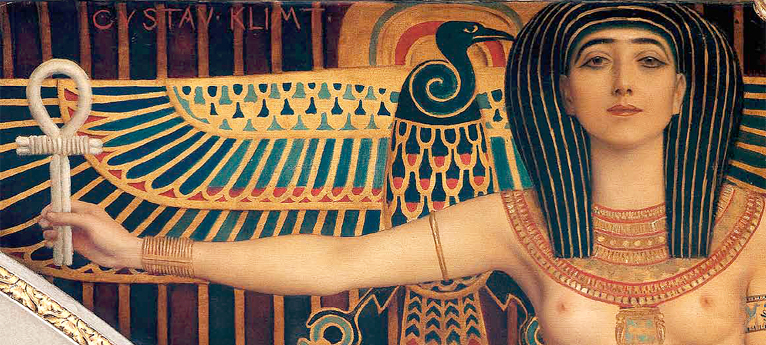
There was no missing the incredible grandeur of the building hosting the Kunsthistoriches Museum (The History of Art Museum), which sits opposite its domed twin – a duo of palaces built some 150 or so years ago upon the advent of the Ringstrasse. With an art collection mainly built up over successive generations of Hapsburg rule, and containing breathtaking masterpieces by the likes of Titian, Rembrandt, Caravaggio and Velazquez, it is no wonder that the museum is visited by more than 1.5 million people every year. But beyond the art on the walls, what is truly momentous is the building itself which, tailor-created especially to hold the very collection which graces the building today, is filled with every kind of creative lavishness, from murals to sculptures, friezes and reliefs, and chief amongst them all, some beautiful wall murals by Gustav Klimt himself.

Klimt murals in the main hallway of the Kunsthistoriches Museum

Klimt5 Lunette Klimt2

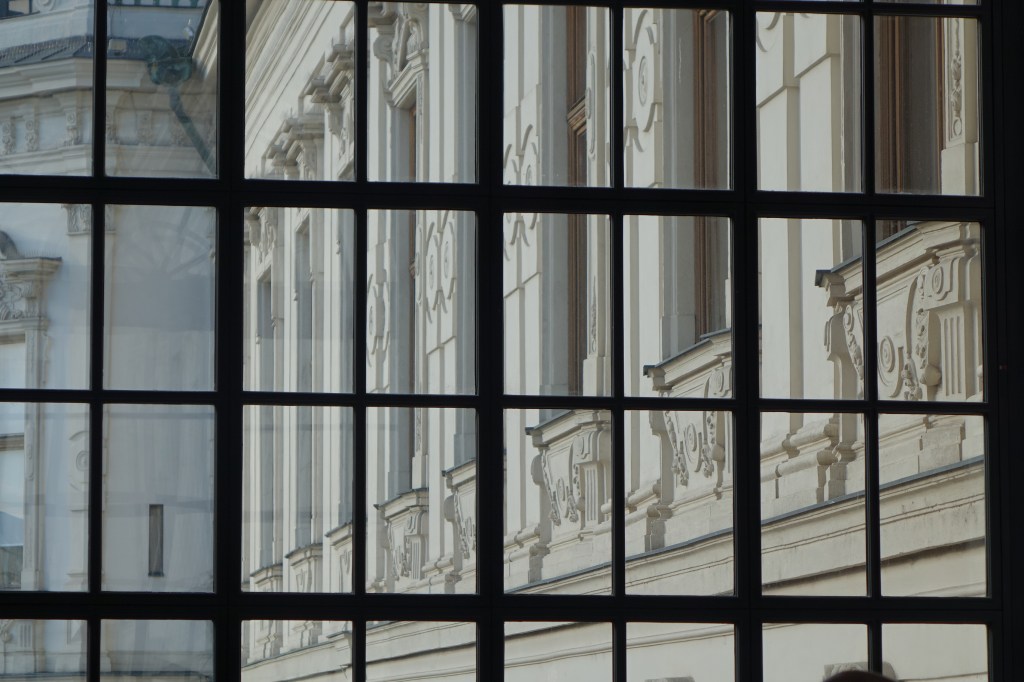
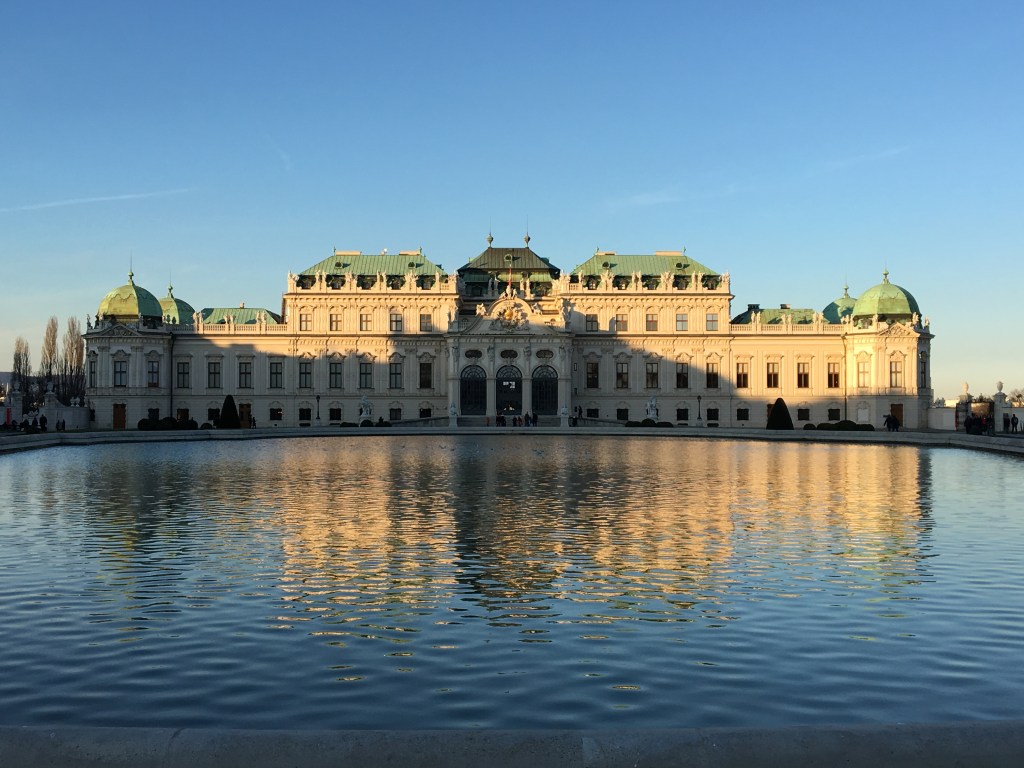
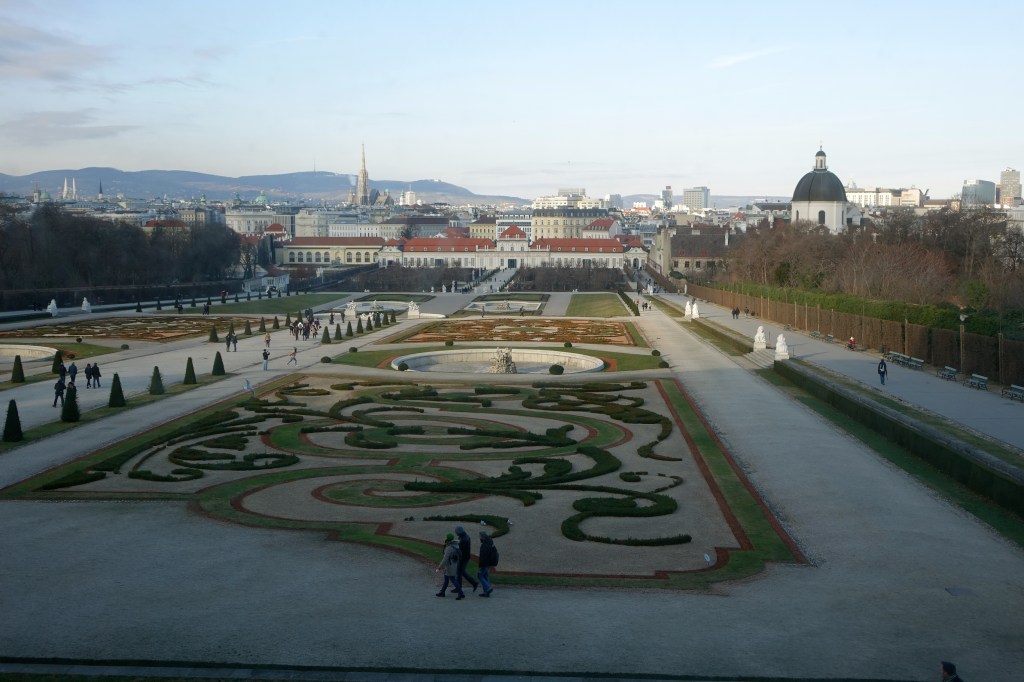
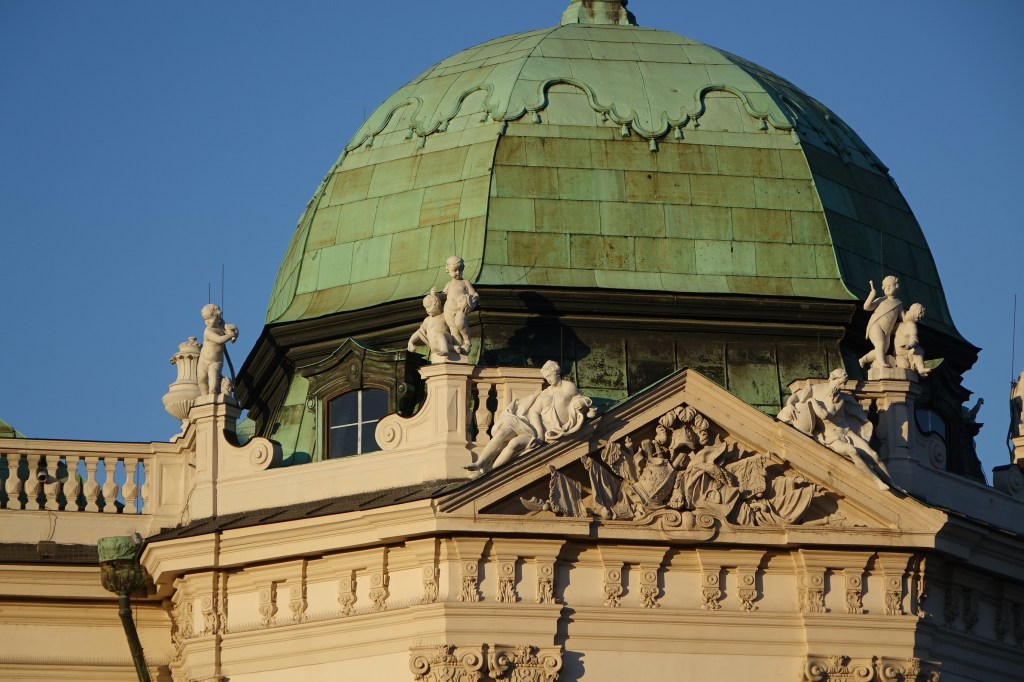
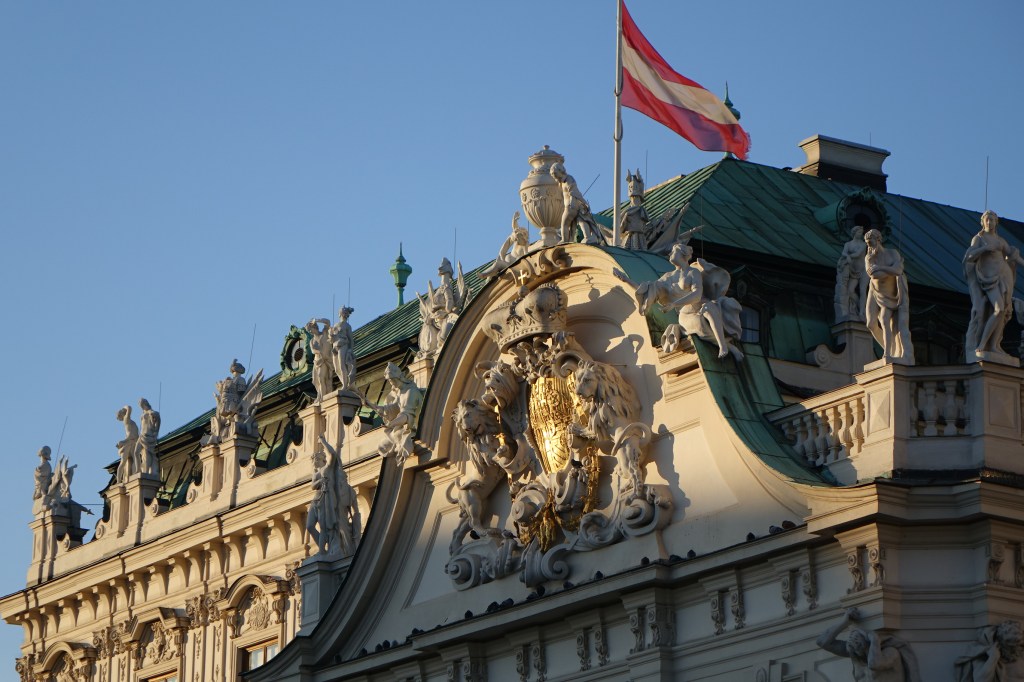
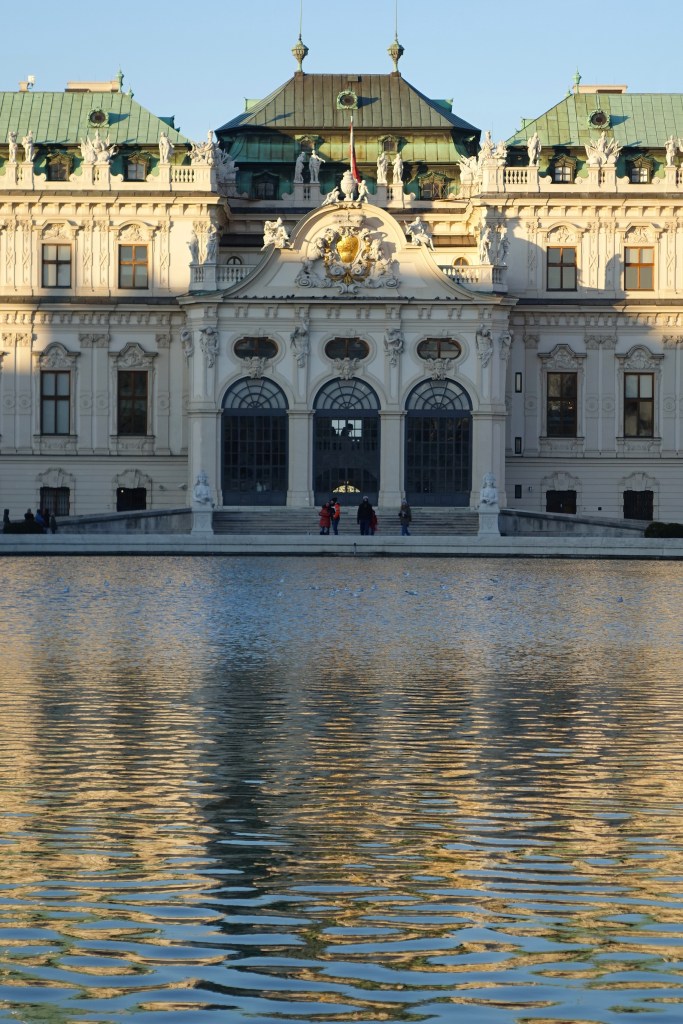
Klimt was of course to take centre stage across Vienna’s artistic offerings, not only in the galleries but in every manifestation of souvenir and guidebook. At the core of the city’s multifaceted Klimt showcase, his famous painting The Kiss lords over all the rest, glimmering with its multi-layered gold leaf in a long gallery on one side of the Upper Belvedere gallery. This equally spectacular palace is just one half of an iconic centre of art which offers exhibitions in both the Upper and Lower galleries and whose buildings are laced with all of the elaborate pomp intended by the original owner, Prince Eugene of Savoy, to evoke the magnificent of his various 17th century military successes.

The beautiful Belvedere

DSC06018 DSC05967 DSC05988 DSC05984 DSC05989 DSC05995 IMG_7449 DSC05997 DSC05991 DSC05981 DSC05992 DSC06021 DSC06008 DSC06017 DSC06006 DSC06014

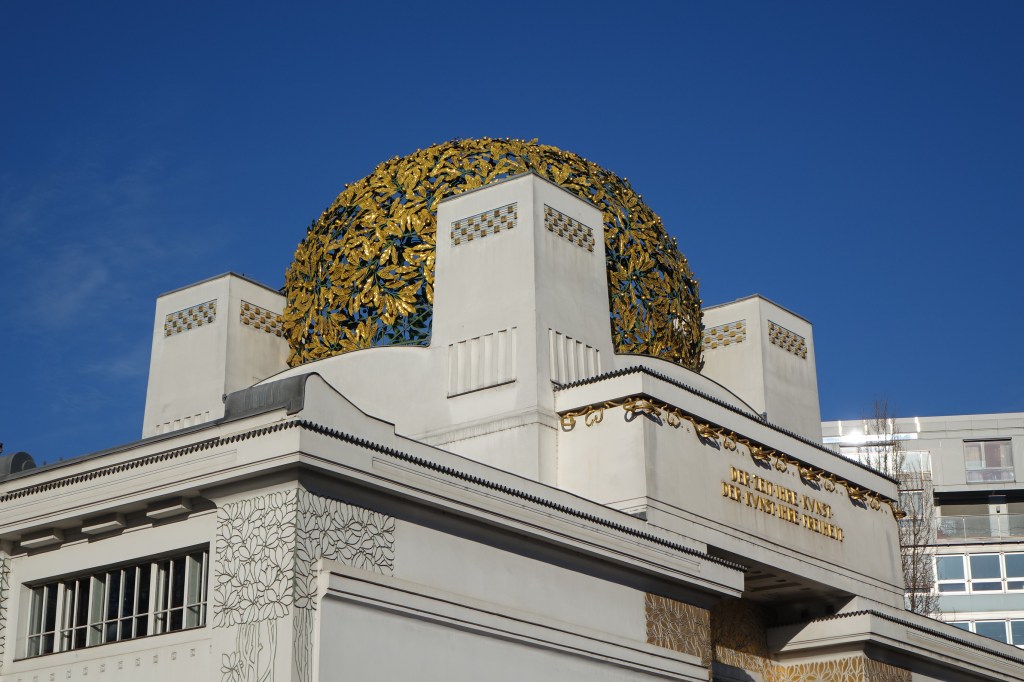
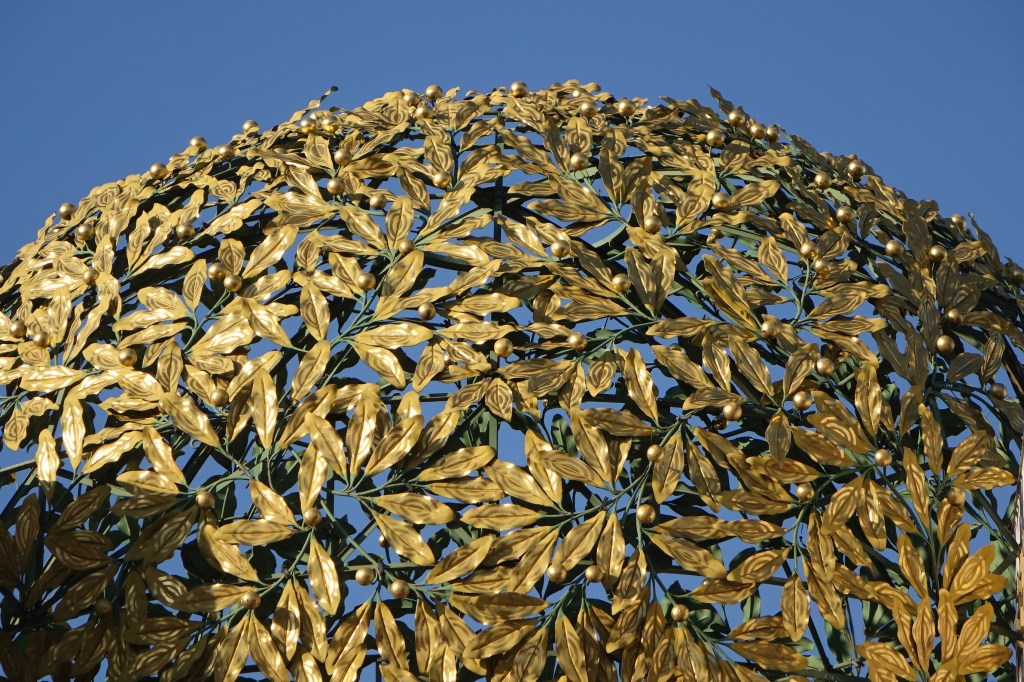
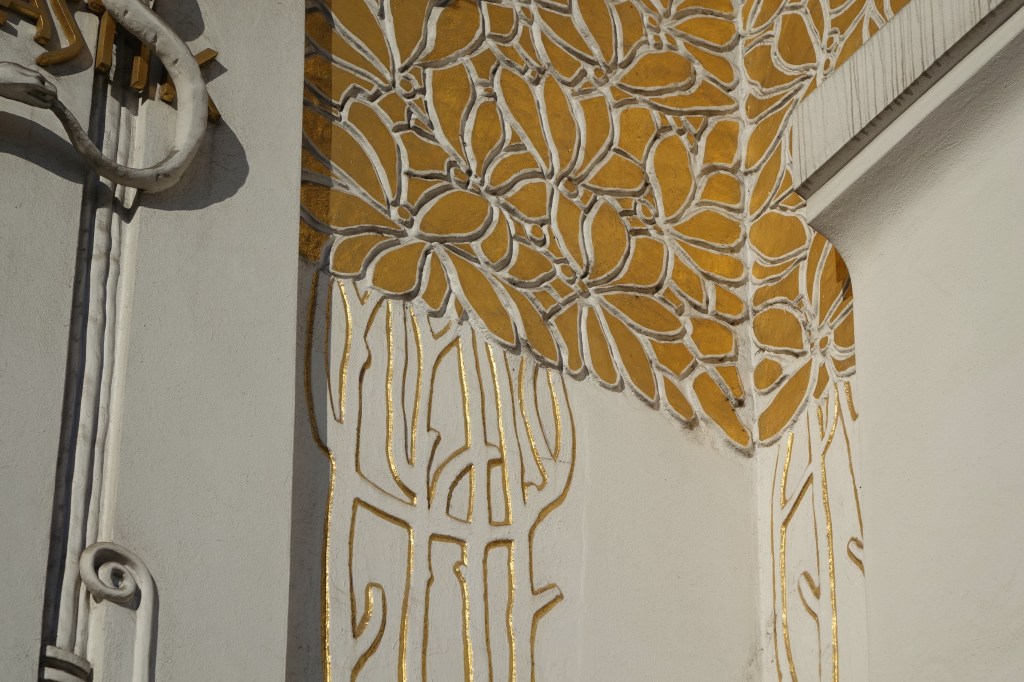
But back to the 20th century, and my favourite of all the Klimt spectacles is the Secession building, a glimmering gold spectacle of modernism constructed in the Jugendstil style as a showcase for the Secession movement’s artists, chief amongst whom was of course Klimt himself. And today, the star attraction is Klimt’s allegorical Beethoven Frieze, one of the most iconic of the artist’s works.

The Secession Building and Klimt’s Beethoven Frieze

DSC06205 DSC06211 DSC06212 DSC06203 DSC06202 DSC06201 DSC06206 DSC06209

000171 I

In all, during 4 days in the city of Vienna, we visited some 8 galleries, an equal number of permanent exhibitions and an additional 12 temporary exhibitions. The vast wealth of art on offer was simply mind blowing, from the ancient treasures of the Kunsthistoriches museum and the delicate 19th century works of the Belvedere, to the in depth studies of Klimt and Schiele in the Leopold museum, and the incredible collection of impressionist art in the Albertina. Below are just a few photos of the many artistic treasures we saw. Far too many to take in, but we made and enjoyed our every attempt.

Onwards to Vienna, Part 1: Imperial City

It felt like we had returned to the glory days of the 20s. Fresh from a cosseted beverage in Harry’s Bar, the venerable watering hole of Hemingway, and having headed along the Grand Canal by vaporetto to the Stazione Santa Lucia, we left Venice one foggy freezing night by night train. With our own little private compartment complete with bunk beds, complementary towels (and bubbles!), and even a tuck away sink and wardrobe, the only thing missing was the inevitable Agatha Christie-esk murder. And while things certainly did go bumpety-bump-bump in the night, we (and as far as I know, the other passengers) arrived early the following morning very much alive and vibrating. Our new destination: Vienna.

Vienna is synonymous with New Year thanks to its famous New Year’s Day concert from the grand Musikverein, and likewise with the festive season owing to its multitude of Christmas markets perfumed with the scent of mulled wine and spiced pastries. The city was therefore an obvious choice after our Christmas in Venice, and with our night-journey also doubling as a hotel, it was the most convenient of onward travels.

Vienna, first views

DSC05681DSC05739DSC05735DSC05684DSC05741DSC06171DSC06234DSC06187DSC05734

If Venice was remarkable for its decadent, fading grandeur, Vienna was notable for its utterly breathtaking majesty. While Venice’s palaces and piazzas were to be found nestled alongside a maze of tiny canals, and hidden in cosy corners, from our first steps within Vienna, it presented as a city on show. A city-spectacular, straight out of the gilded pages of its imperial past. A city built as a manifestation of an empire’s utmost power, spectacular riches and the very best of refined taste and unceasing elegance. It felt like a city almost untouched by the turbulence of past centuries, as its resplendent monuments and palatial public buildings glittered as though brand new.

This was no more evident than on the Ringstrasse, Vienna’s principal boulevard and main inner-ringroad, an avenue whose construction 150 years ago coincided with a race to build alongside it the most spectacular buildings the city had ever seen.

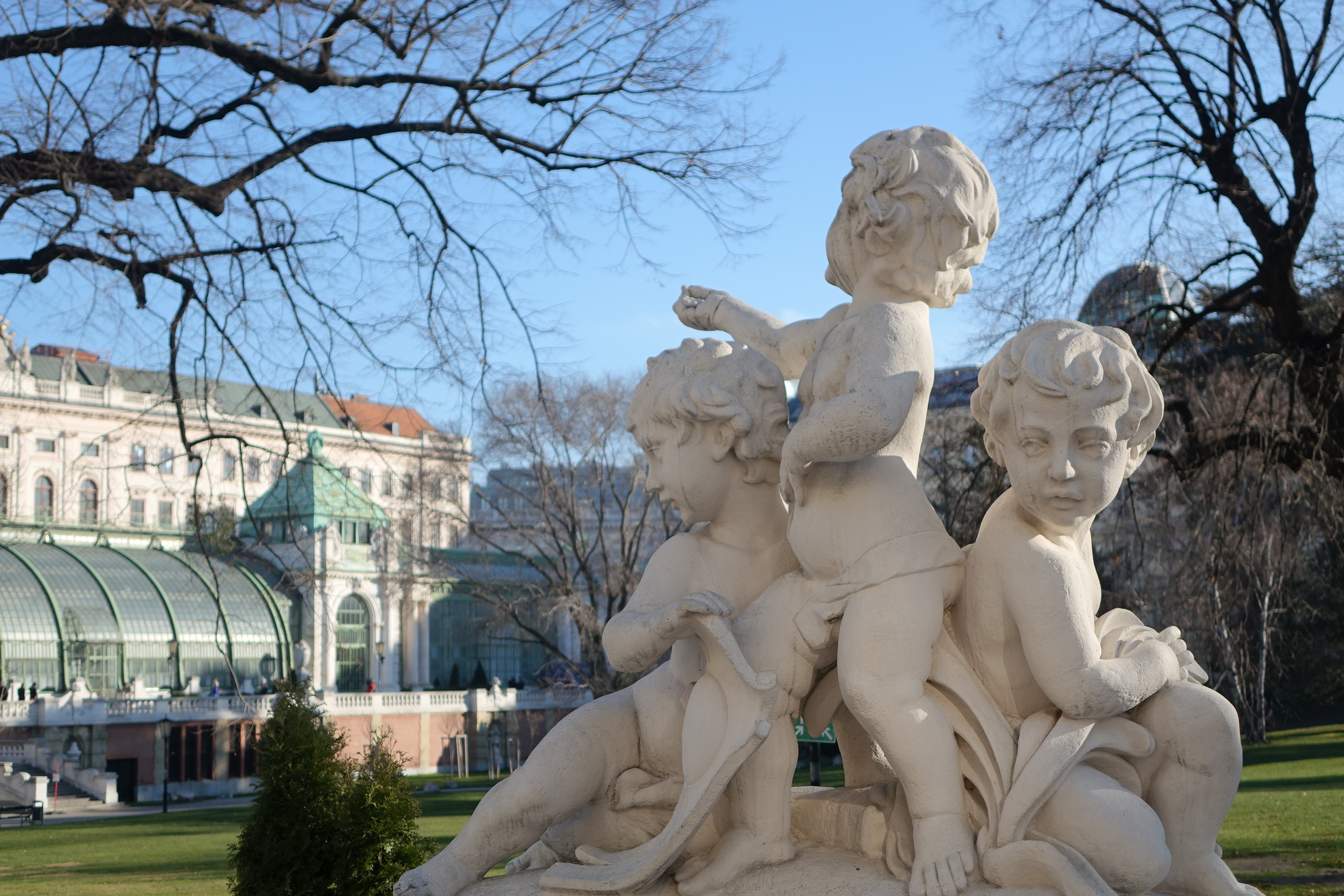
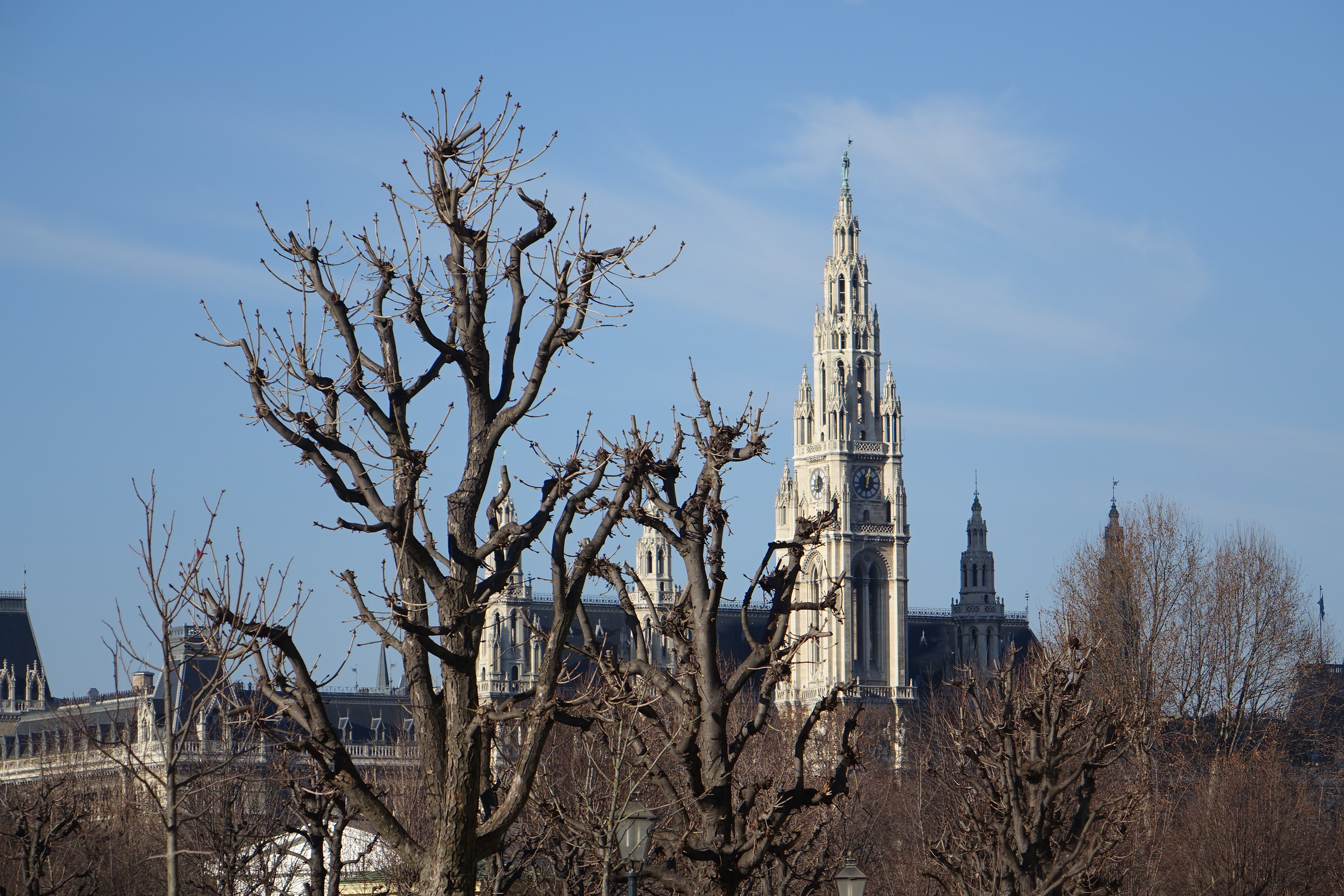
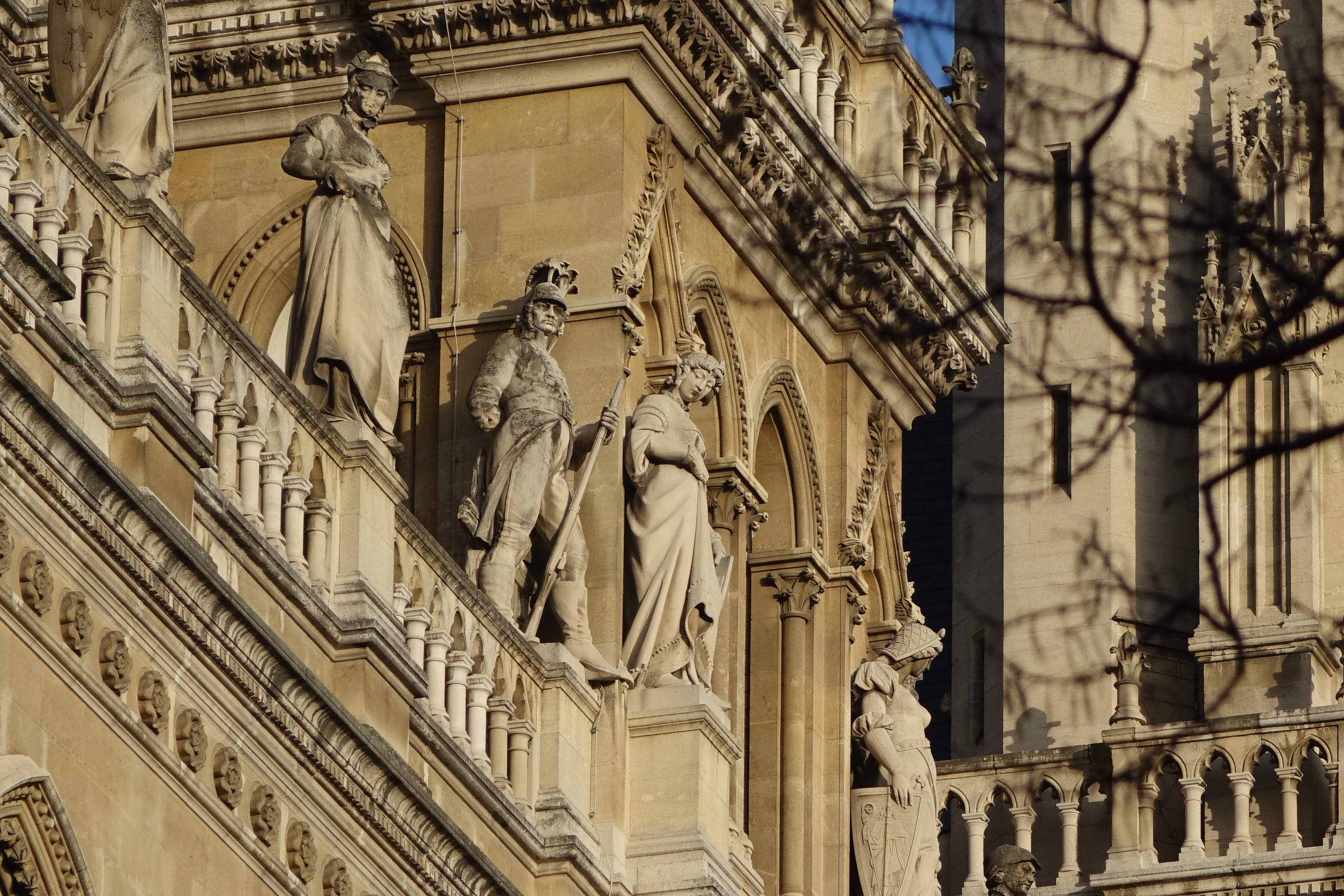
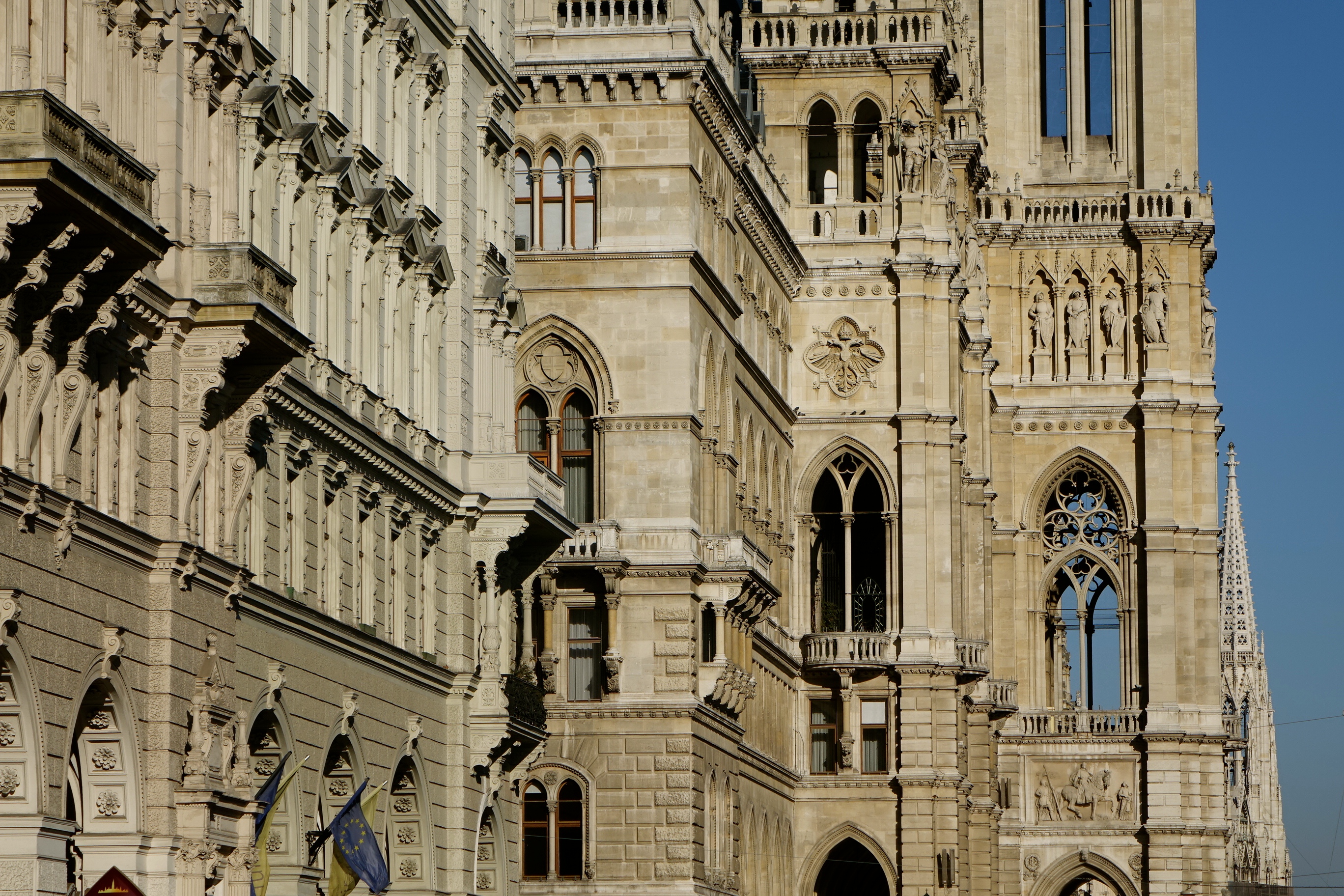
Our location in the comparatively village-like Josefstadt region led us directly onto the Ringstrasse, and our first encounter was with the phenomenal neo-gothic Neues Rathaus, the new city hall built by architect Friedrich von Schmidt and including an impressive 100m central tower topped by a 3m statue of a knight in shining armour.

The Neues Rathaus

DSC06169DSC05698DSC05691DSC05699DSC06137

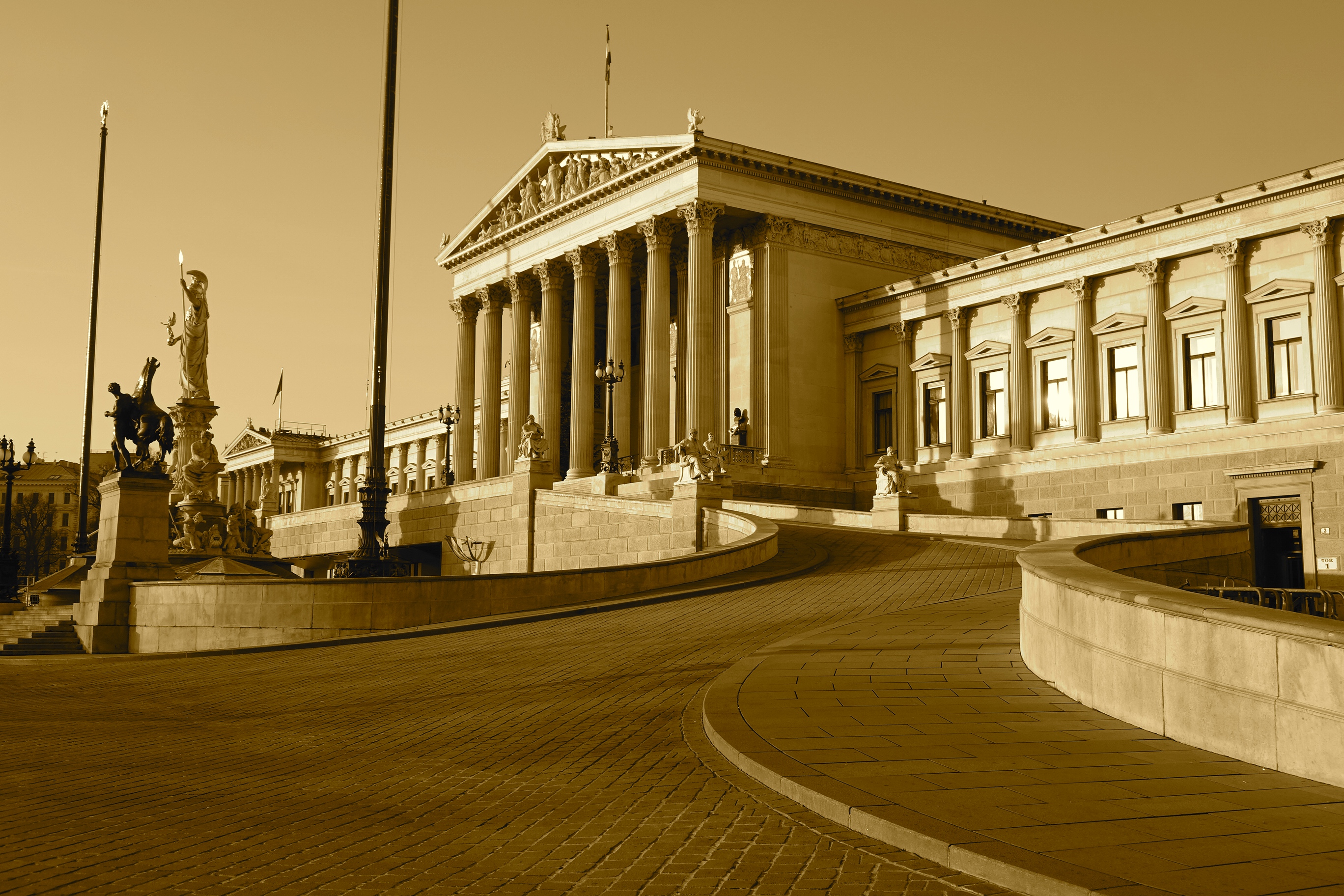
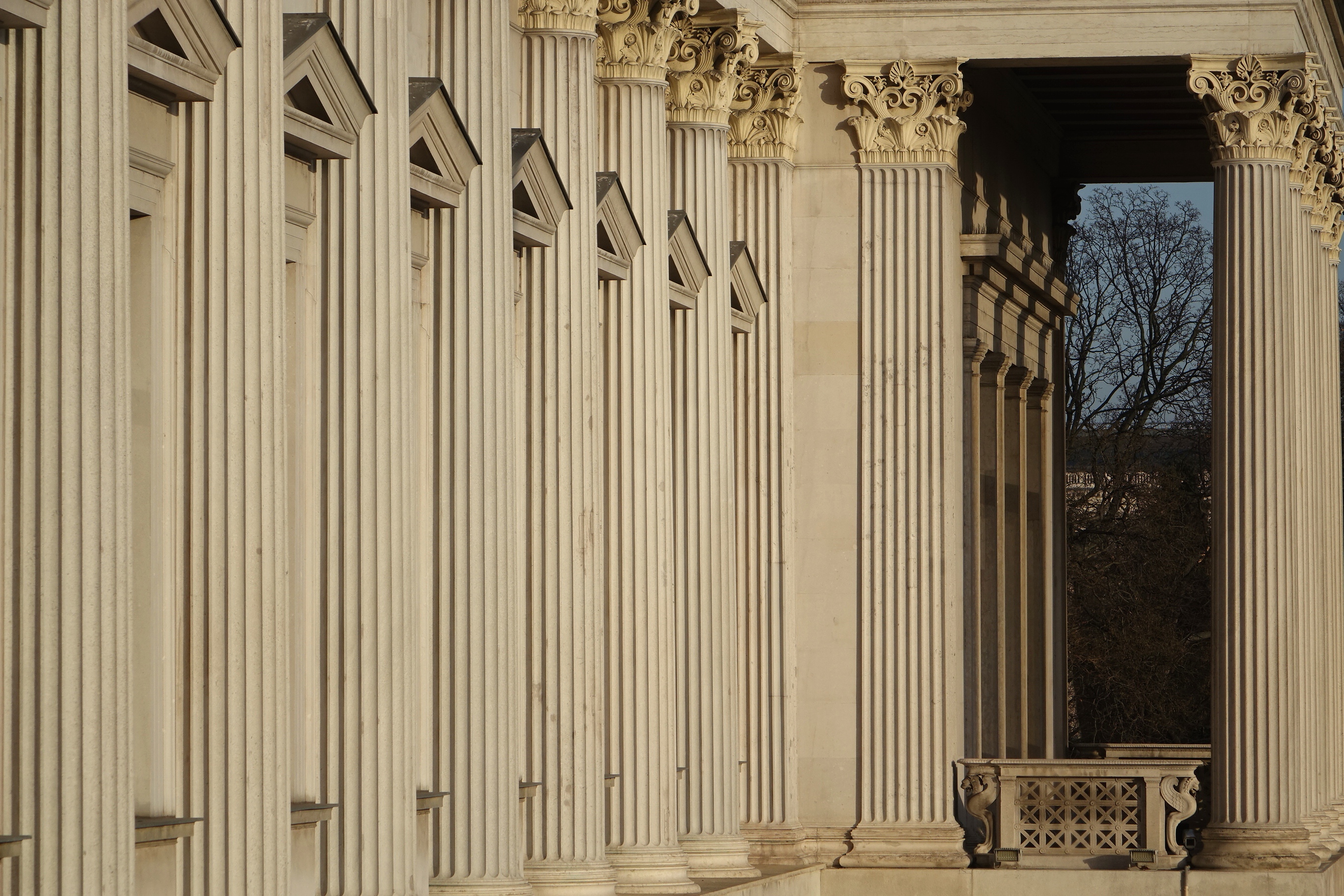
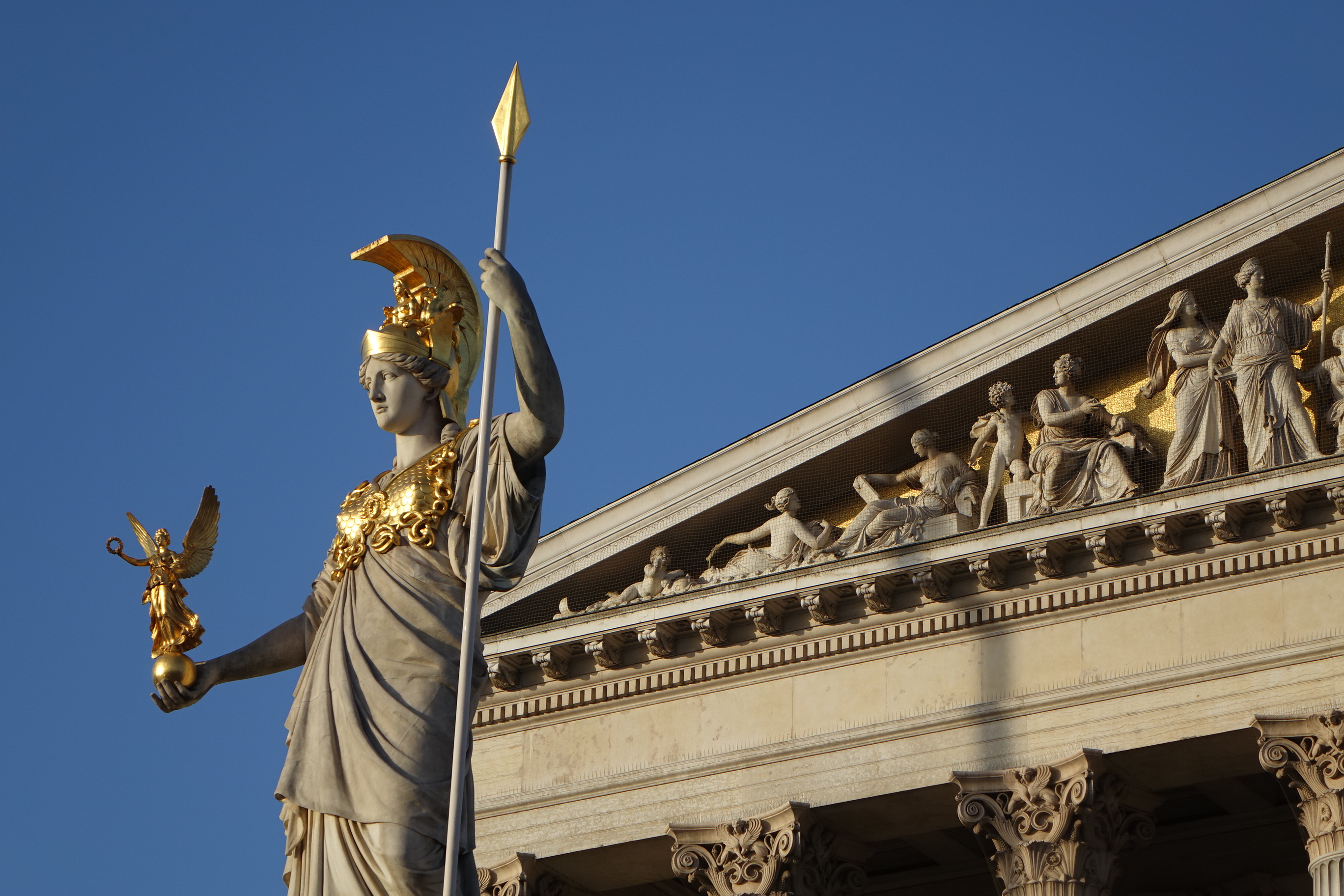
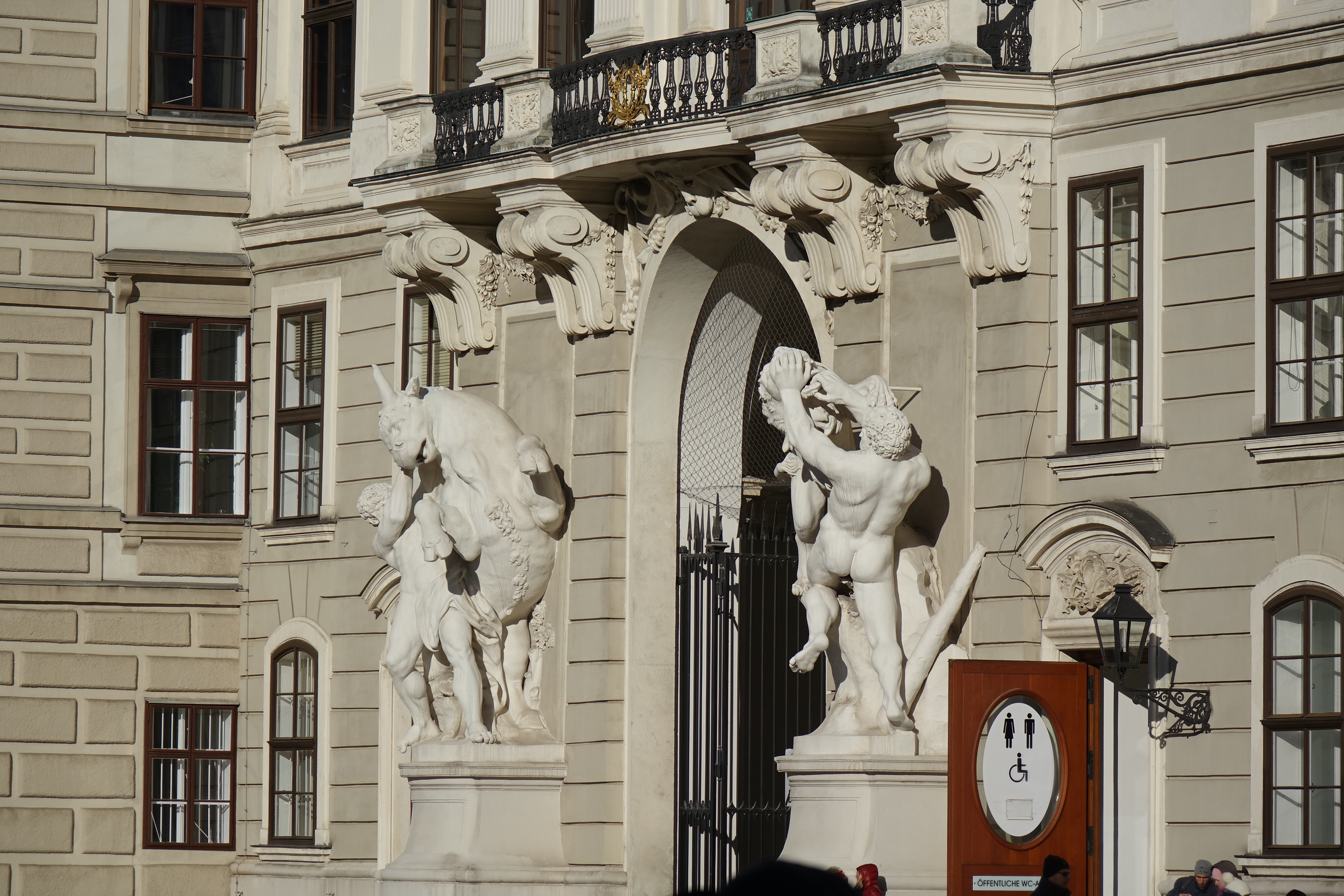
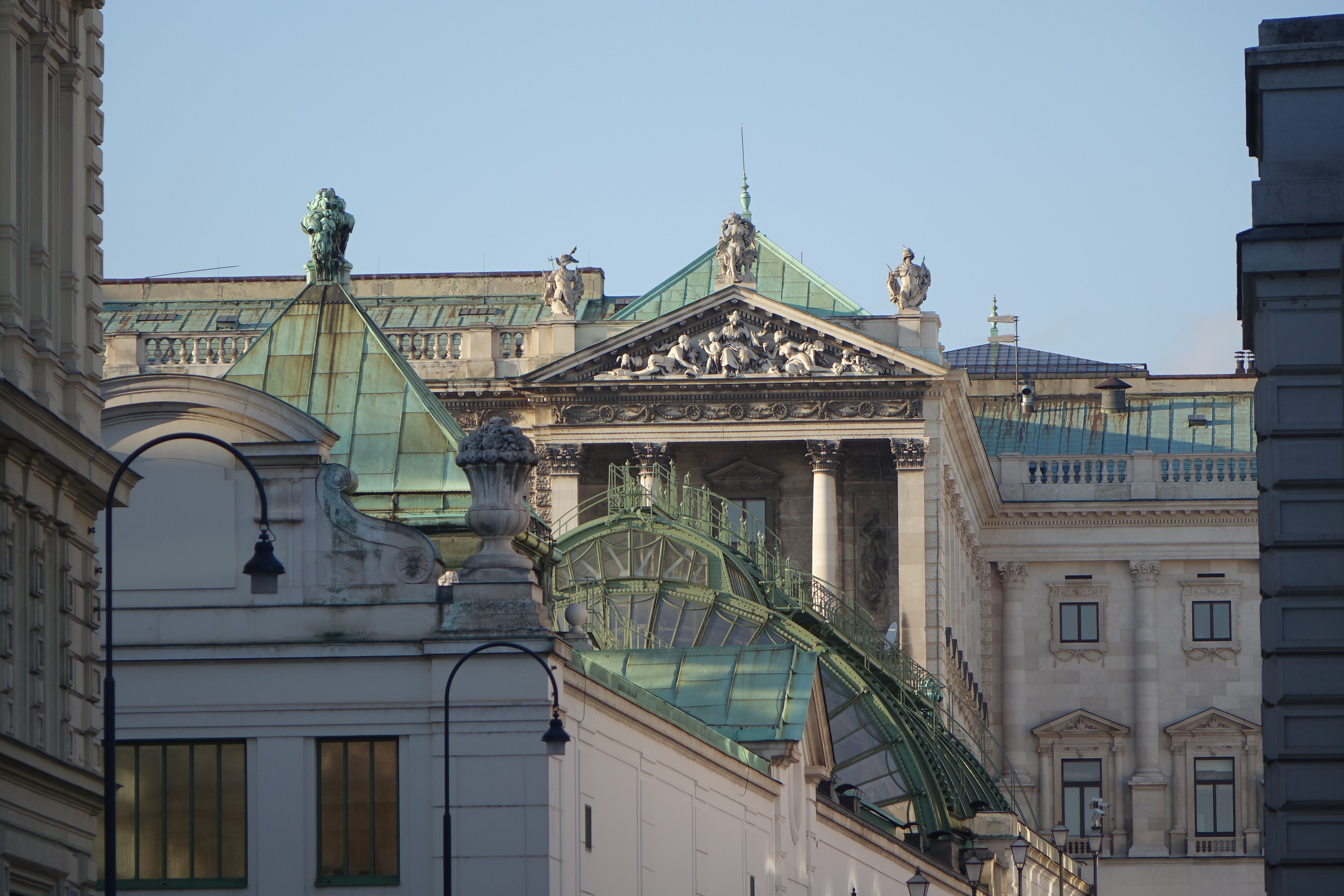
Just a few metres onwards and we came face to face with the classical masterpiece of Theophil Hansen’s Parliament Building, a temple-like construction whose positioning up a gentle sloping hill and collection of grand mythological statues imbued the site with all the majesty and power which would be expected of such a key component of the state. Meanwhile, just opposite across many of the grassy gardens which also line the Ringstrasse, further majesty could be found in the form of the Hofburg Complex, the sprawling network of former imperial apartments and the Presidential offices; a cluster of palaces whose impressive scale is softened by the elegance of its green cupolas and gilded details.

The Parliament building and the Hofburg Complex

DSC05705DSC05732DSC05712DSC05717DSC05731DSC05721DSC06165DSC06163DSC05706DSC06194DSC05723DSC06179DSC06142DSC05728DSC06247

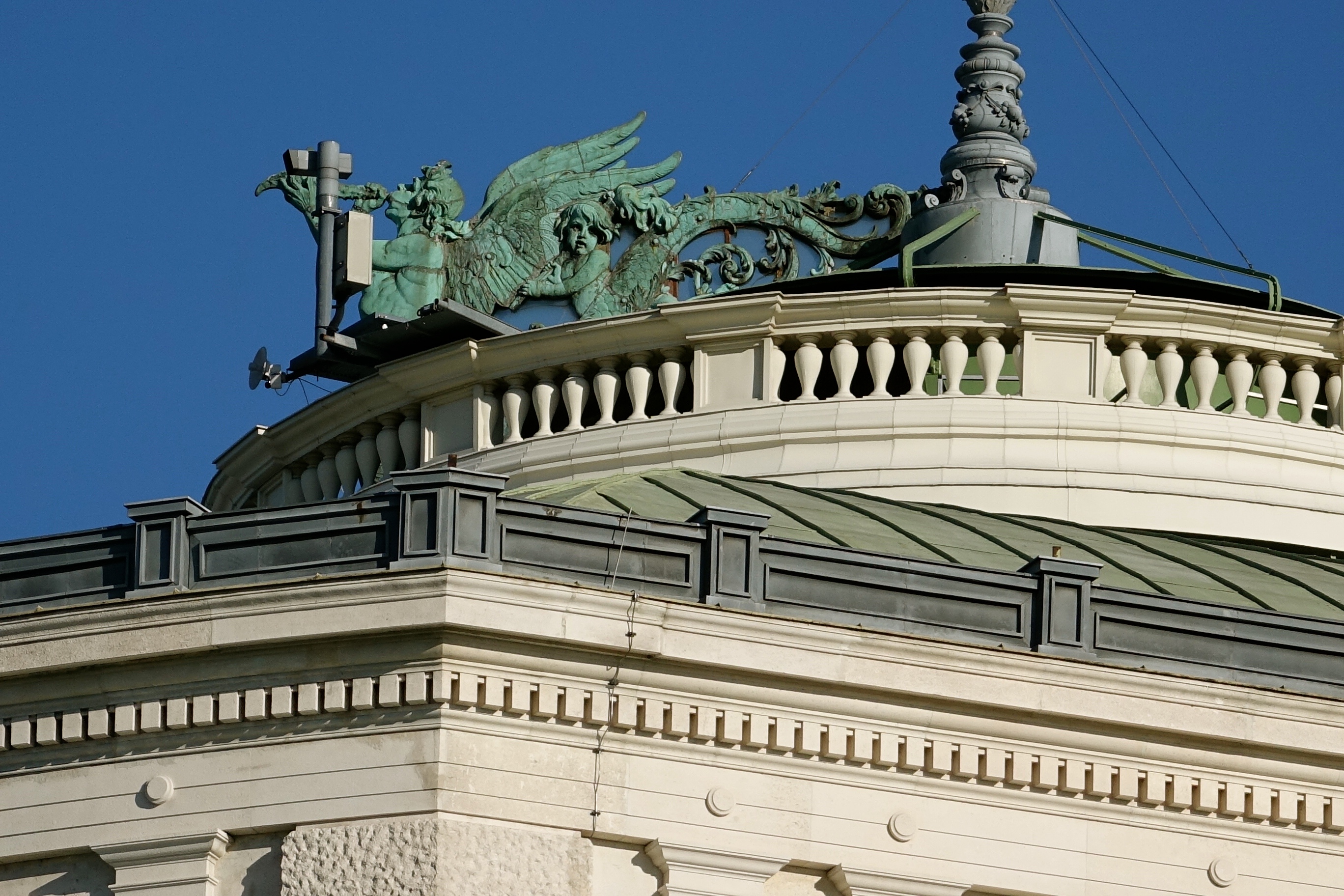
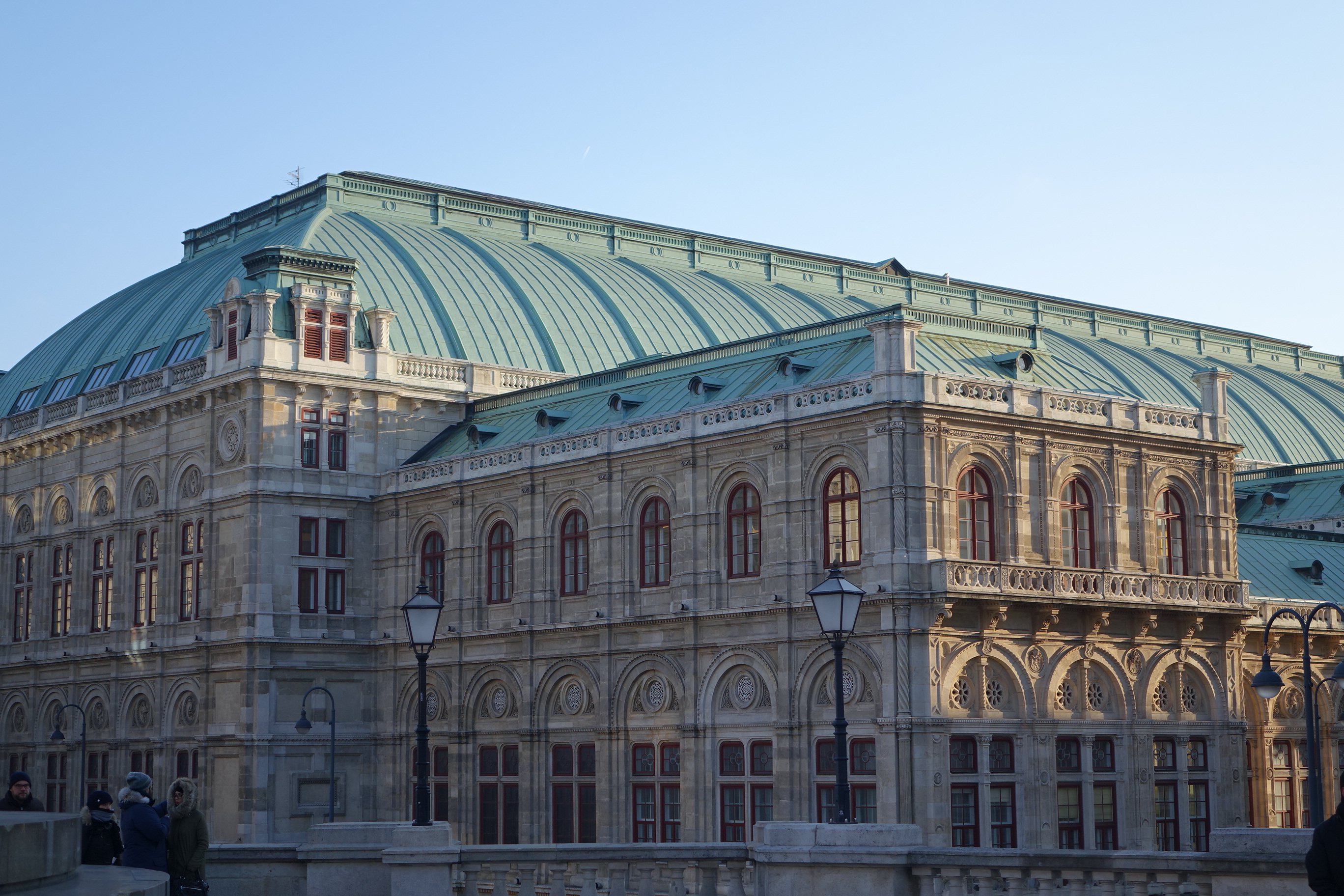
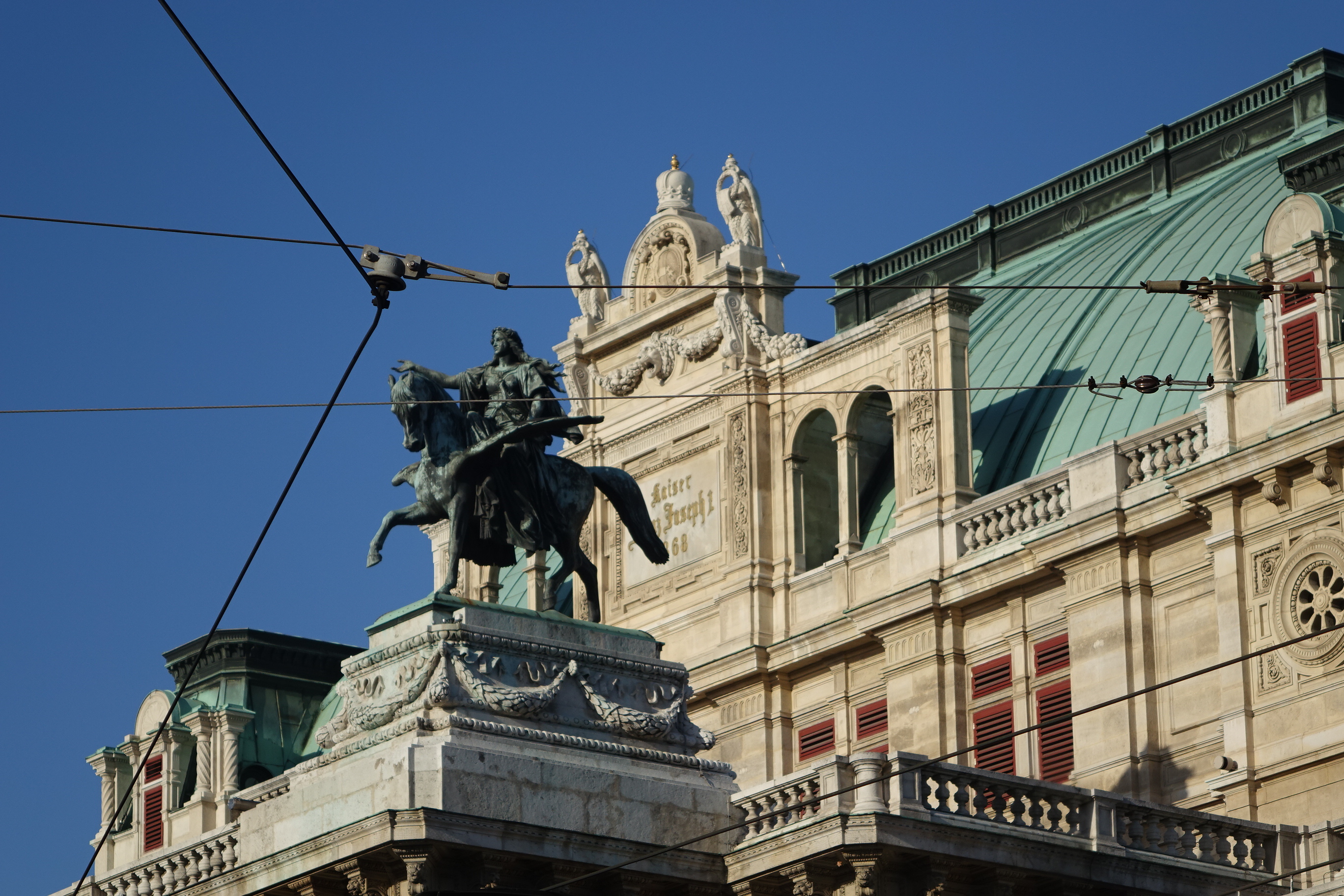
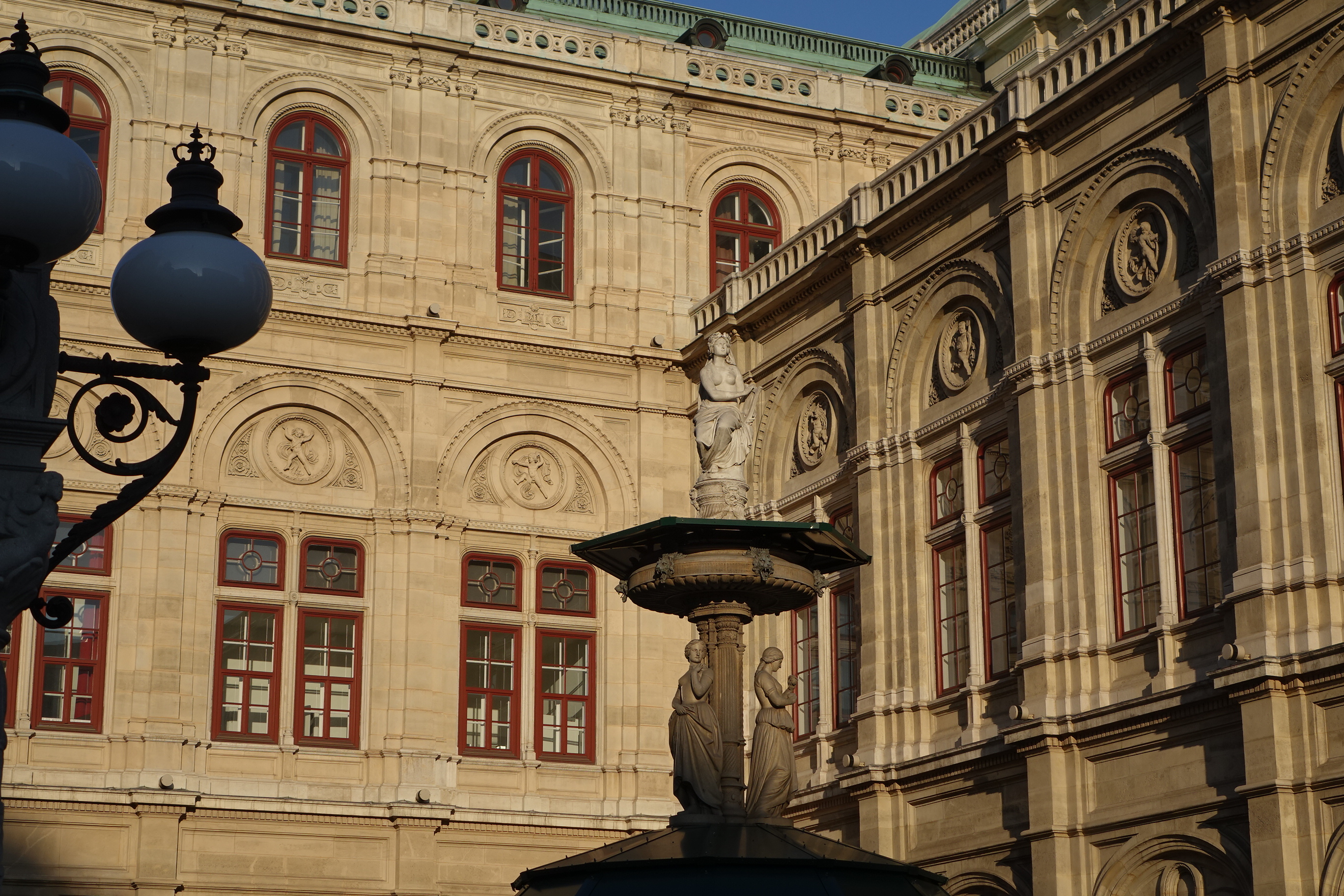
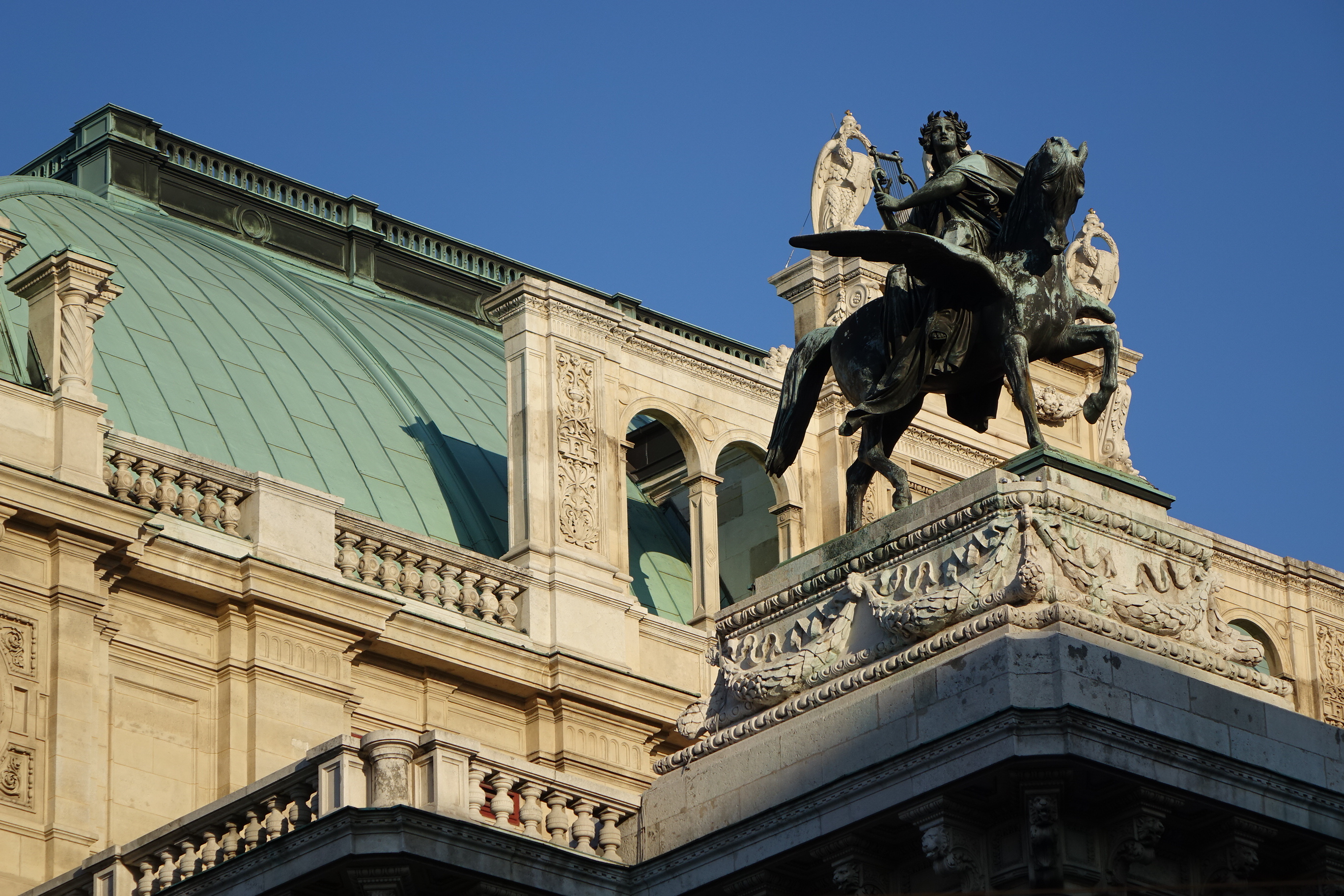
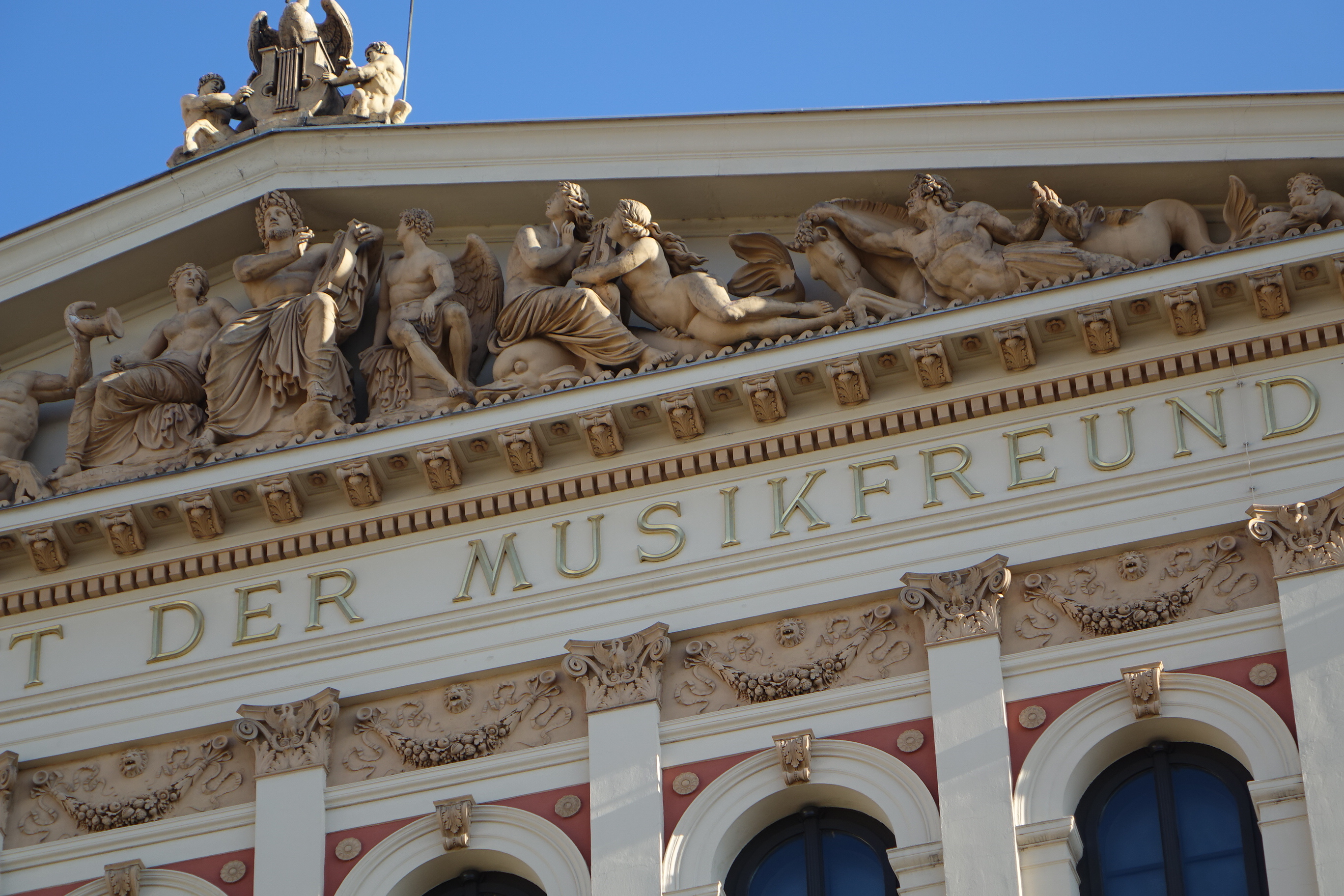
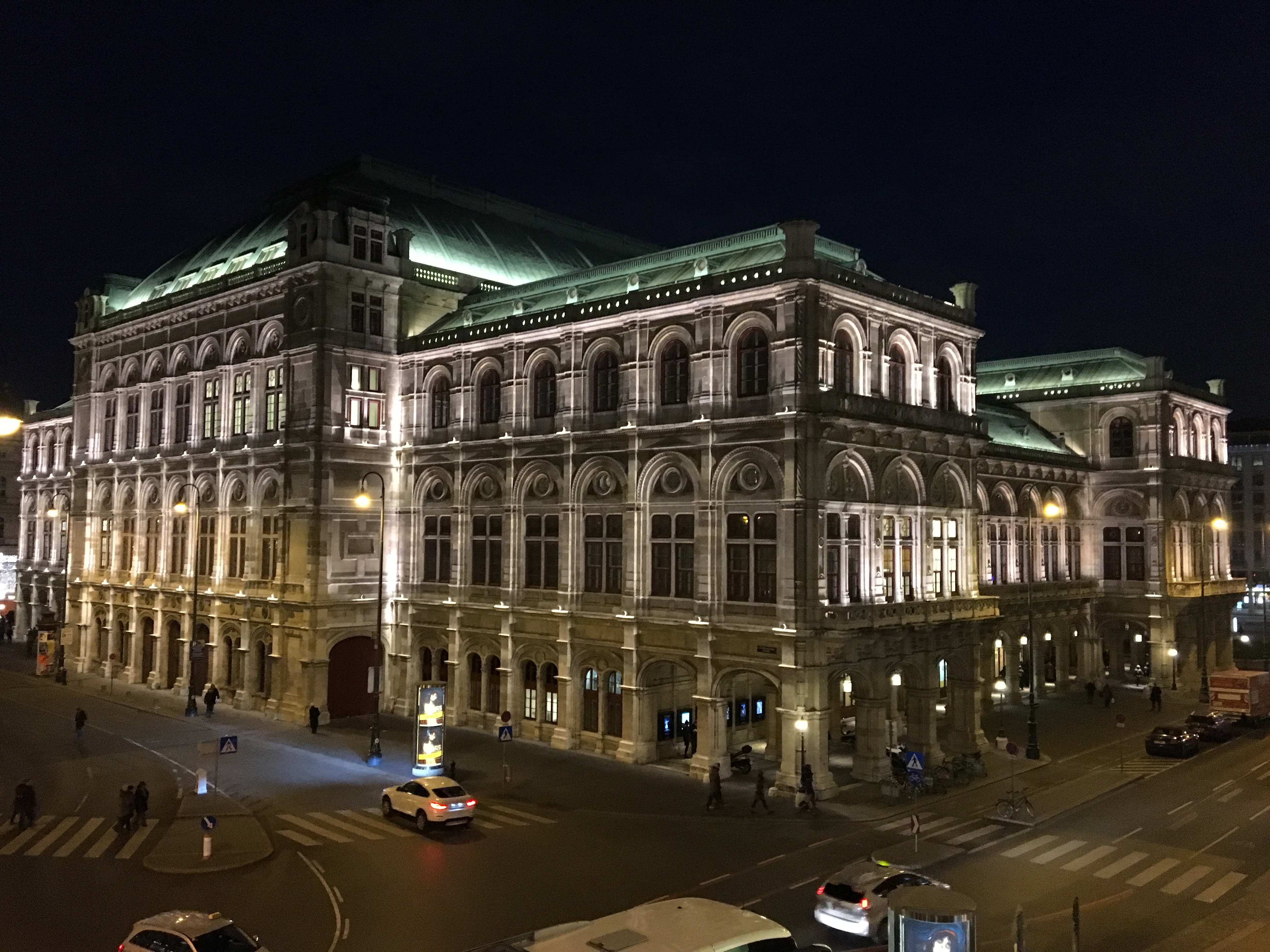
And so with each and every step we took along this impressive broad avenue, we encountered a new masterpiece of architectural prowess, from the twin places of the Kunsthistorisches Museum and the Natural History Museum to the stunning State Opera House, one of the first of the grand Ringstrasse buildings to be completed, and of course the famous Musikverein, home of the Vienna Philharmonic Orchestra. And these views only got better as night quickly fell, and the grandeur was aptly illuminated against a starry blue sky.

The Opera, and the Musikverein

DSC06249DSC05914DSC06245DSC06243DSC06236DSC06237

As Sigmund Freud once noted, Schein über Sein – looking good is better than being good. And while Vienna struck us almost immediately as a veritable showpiece rather than a place of cosiness and homely welcome, we couldn’t help but be impressed by the show being laid out before us, a performance whose protagonist would continue to dazzle as this next leg of our winter journey moved onwards.

The Ringstrasse at night

IMG_7553IMG_7461

All photos and written content are strictly the copyright of Nicholas de Lacy-Brown © 2016 and The Daily Norm. All rights are reserved. Unauthorized use and/or duplication of the material, whether written work, photography or artwork, included within The Daily Norm without express and written permission from The Daily Norm’s author and/or owner is strictly prohibited.

Memoirs from Venezia, Part 3: St Mark’s from above, and within

As much as I have always opined that you can only find the real authentic Venice the further you travel out of the tourist centre, there is no doubt that the Piazza San Marco remains the heart and soul of the city, even though it also coincides as the epicentre of the tourist trade. And just as three previous visits had never seen me travelling on one of the city’s famous gondolas, I had likewise never visited one of the most important buildings in the city, the Doge’s Palace. There can be no justification for this shortfall, since the palace was, and remains at the historical core of what was one of the world’s greatest republics. And on this trip I was determined to put things to rights.

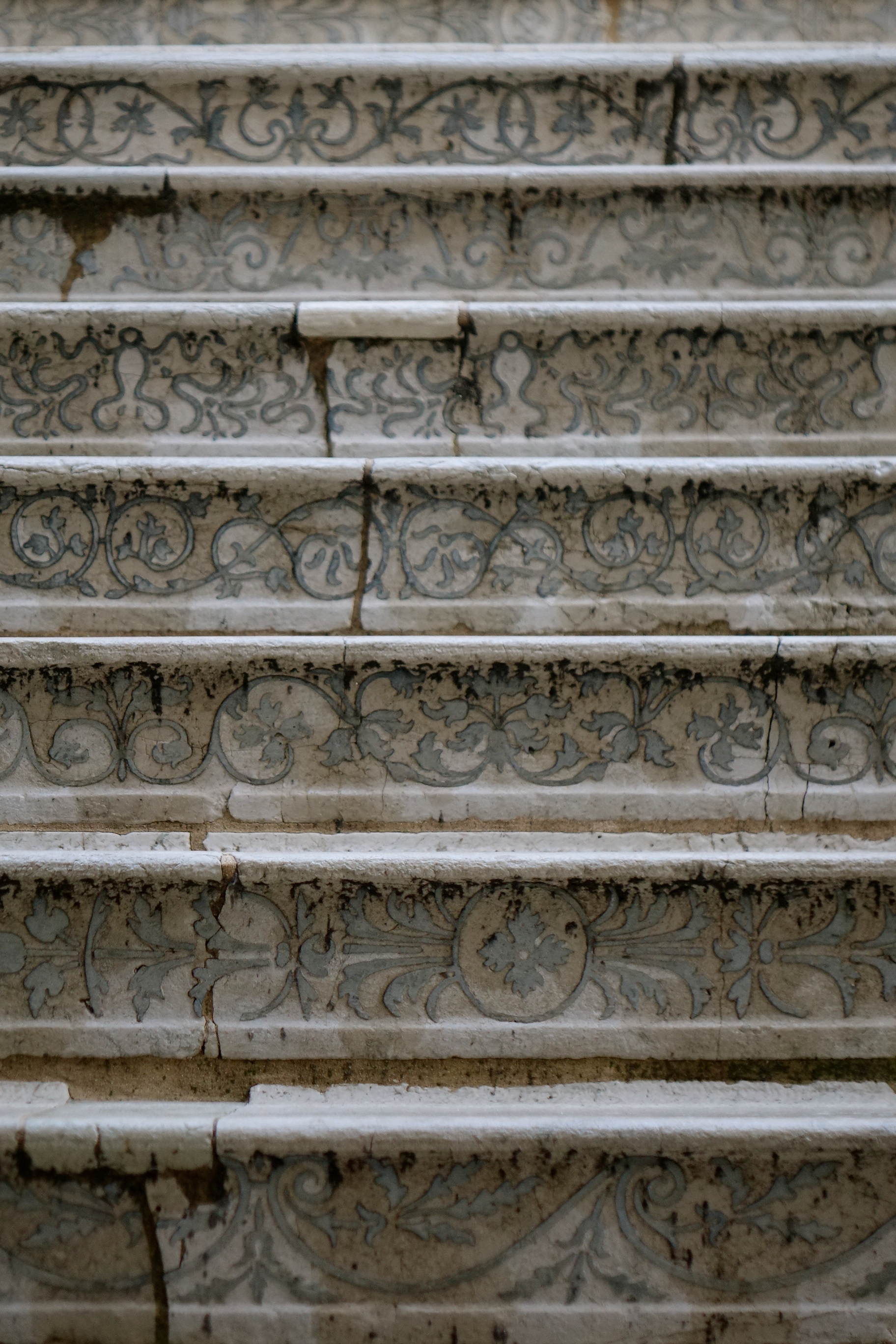
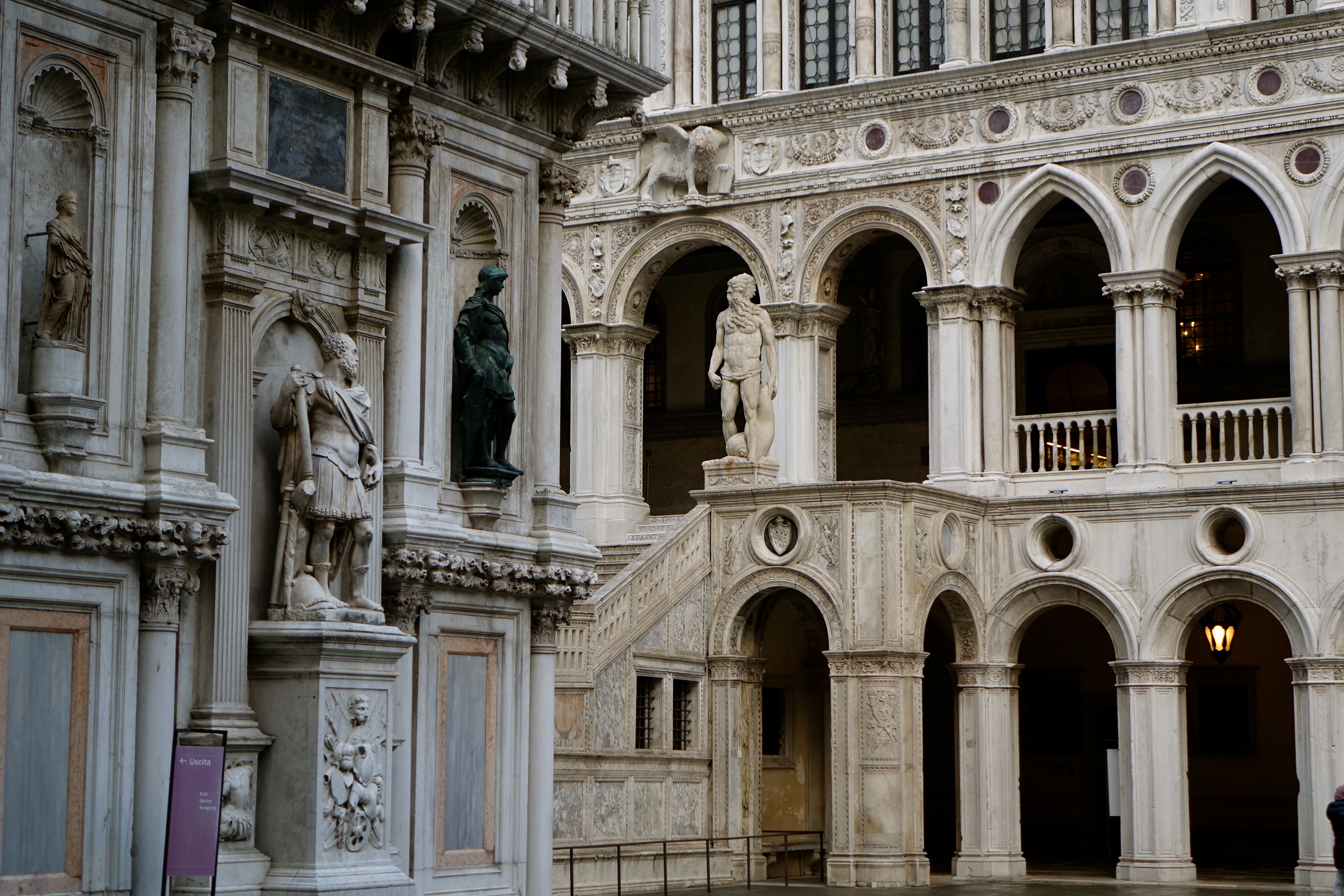
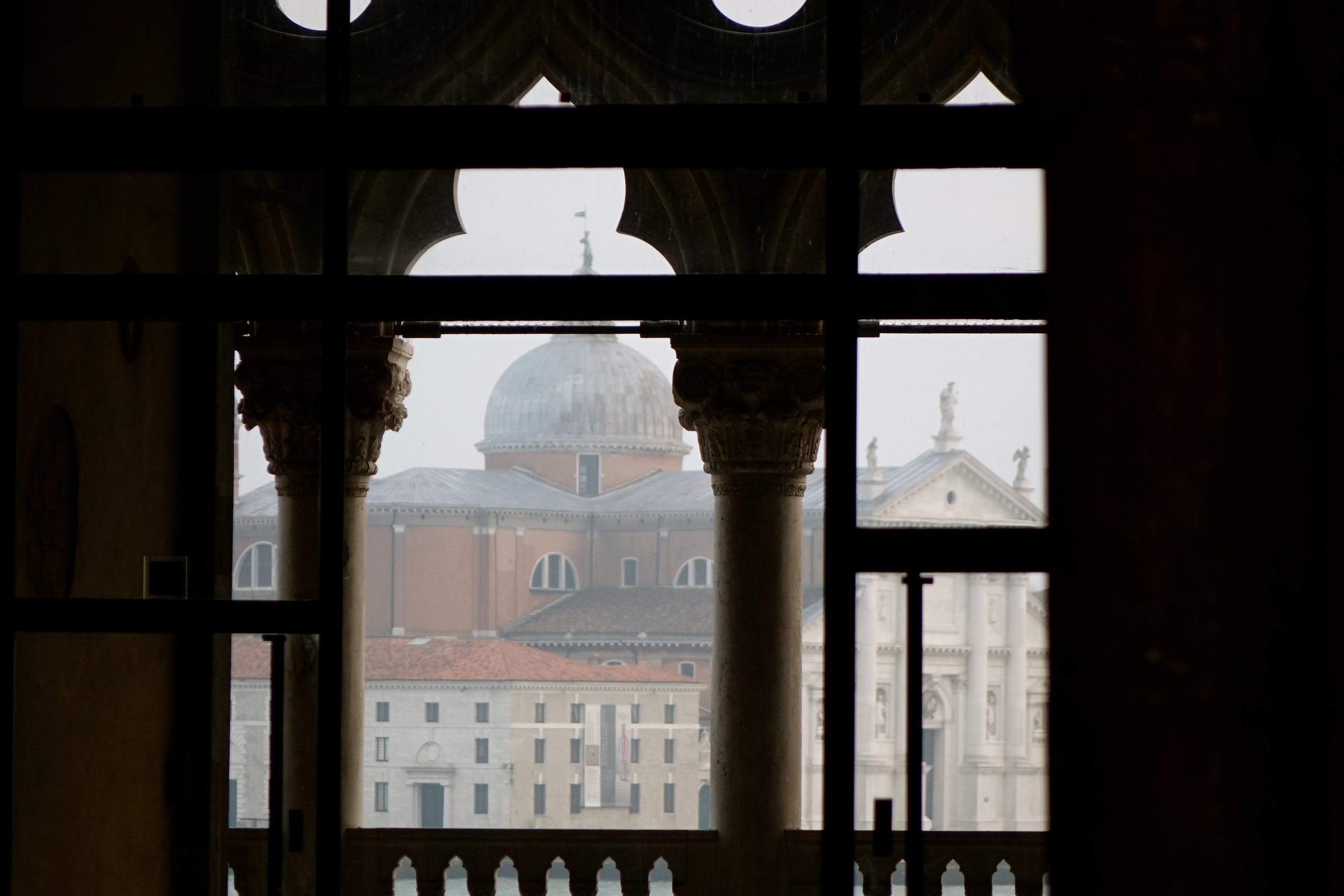
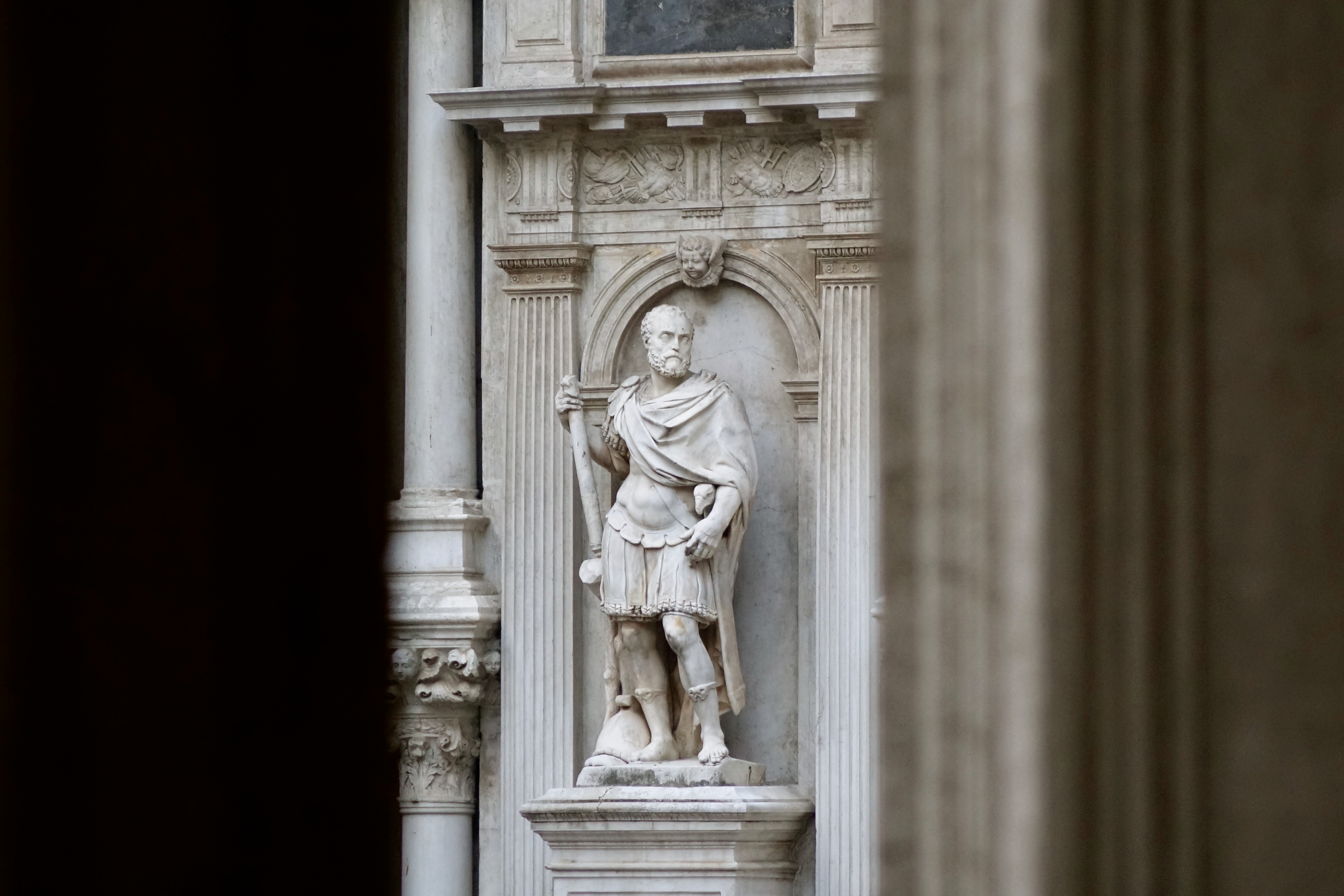
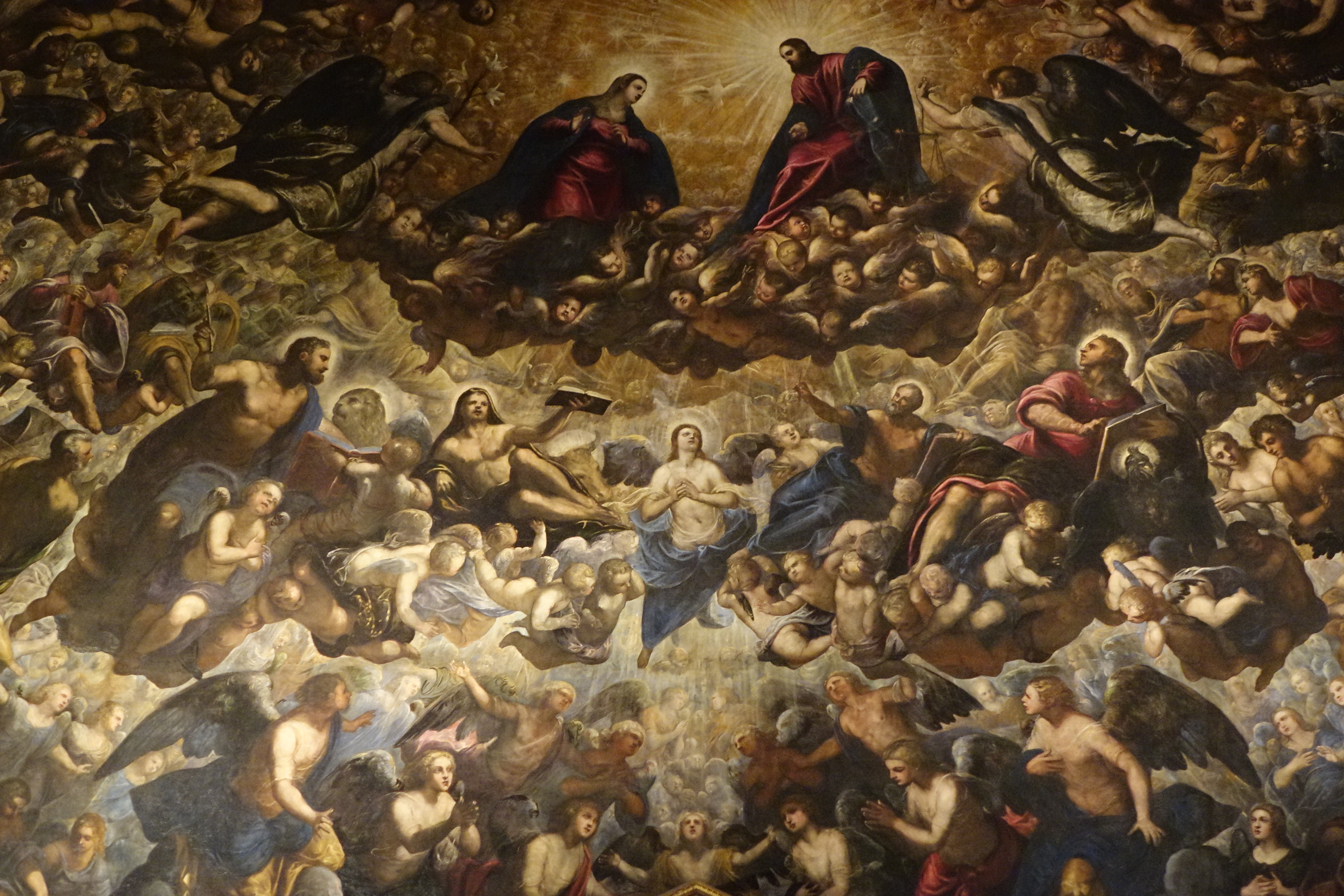
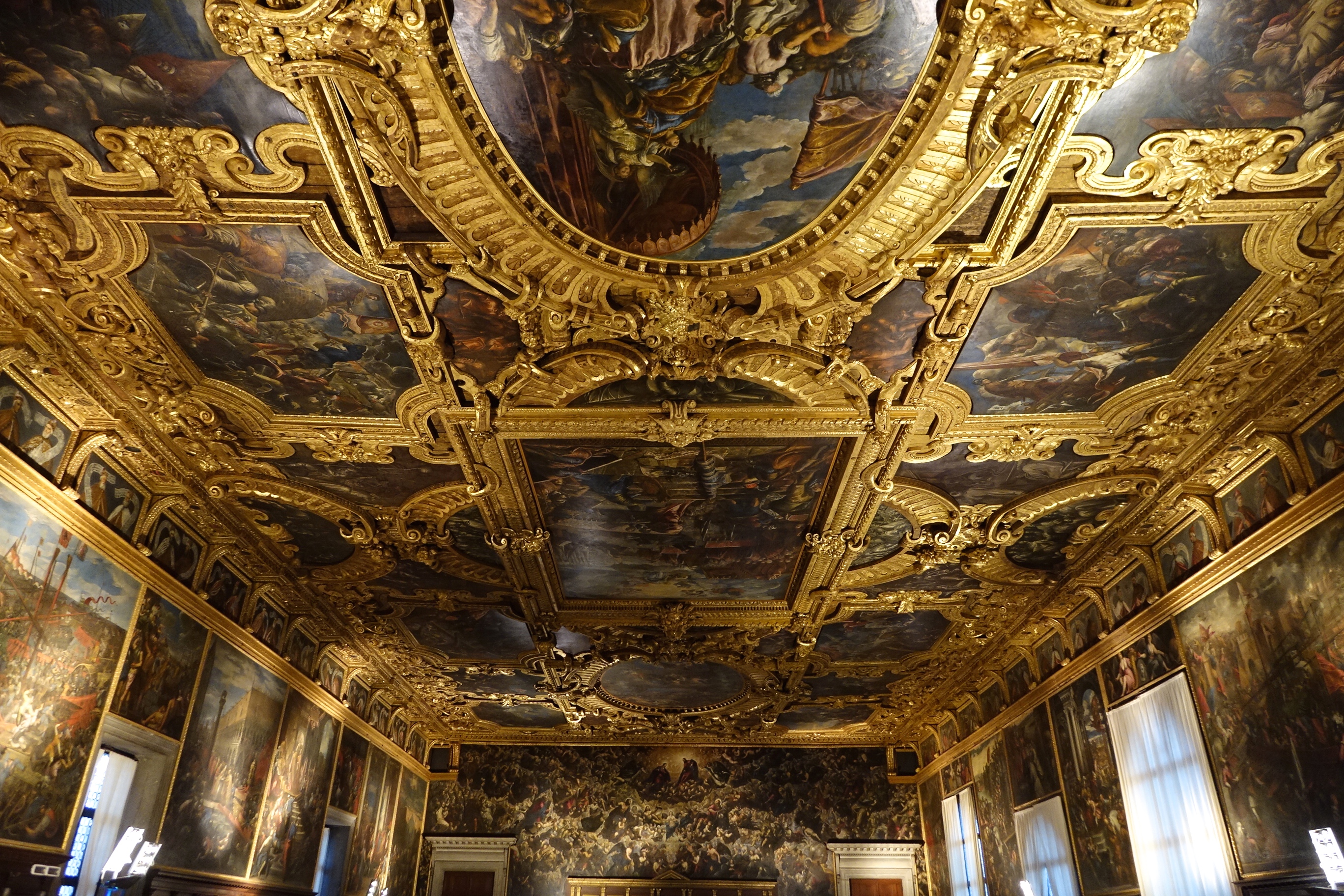
Walking through the main stone archway leading into the palace courtyard, passing one of the miscellany of ancient relics looted from all over the Eastern world, there could be no mistaking the grandeur of what had once been the centre of Venice’s administrative, political and legal core. But beyond the exquisite marble facades, the windows characterised by the iconic “Venetian Gothic” style and the impressive statues peppering every wall and corner of the exterior, the real grandeur was reserved for the inside. For up a heavily gilded staircase and into the pomp of the ceremonial rooms upstairs, our eyes sprung open in astonished amazement at the extent of opulence on display.

The Doge’s Palace outside

DSC05161DSC05220DSC05158DSC05240DSC05211DSC05222DSC05231DSC05225DSC05239DSC05192DSC05228DSC05236

There, paintings by the very historical best of Venice’s artists were practically beaten into submission by the heavily baroque gilded mouldings which surrounded them. However it was the combination of both gilding and paintings on every surface of the walls and ceilings which created the real drama, and we were only saddened (and rather surprised) by the extent to which the condition of all surfaces had, like the city surrounding the palace, been allowed to fall into such a state of disrepair.

The splendour of the gilded interiors

DSC05241DSC05251DSC05263DSC05246DSC05275DSC05270

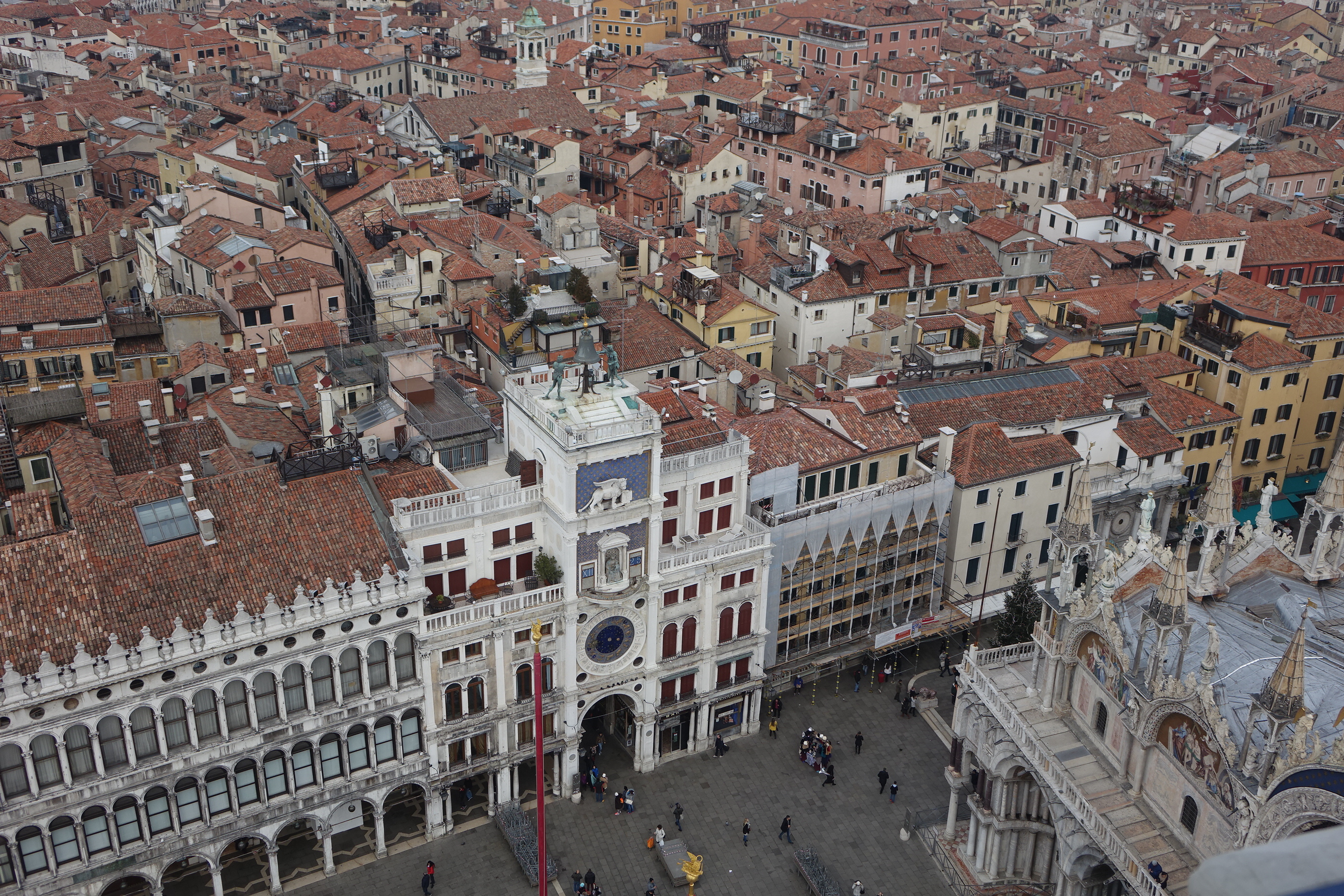
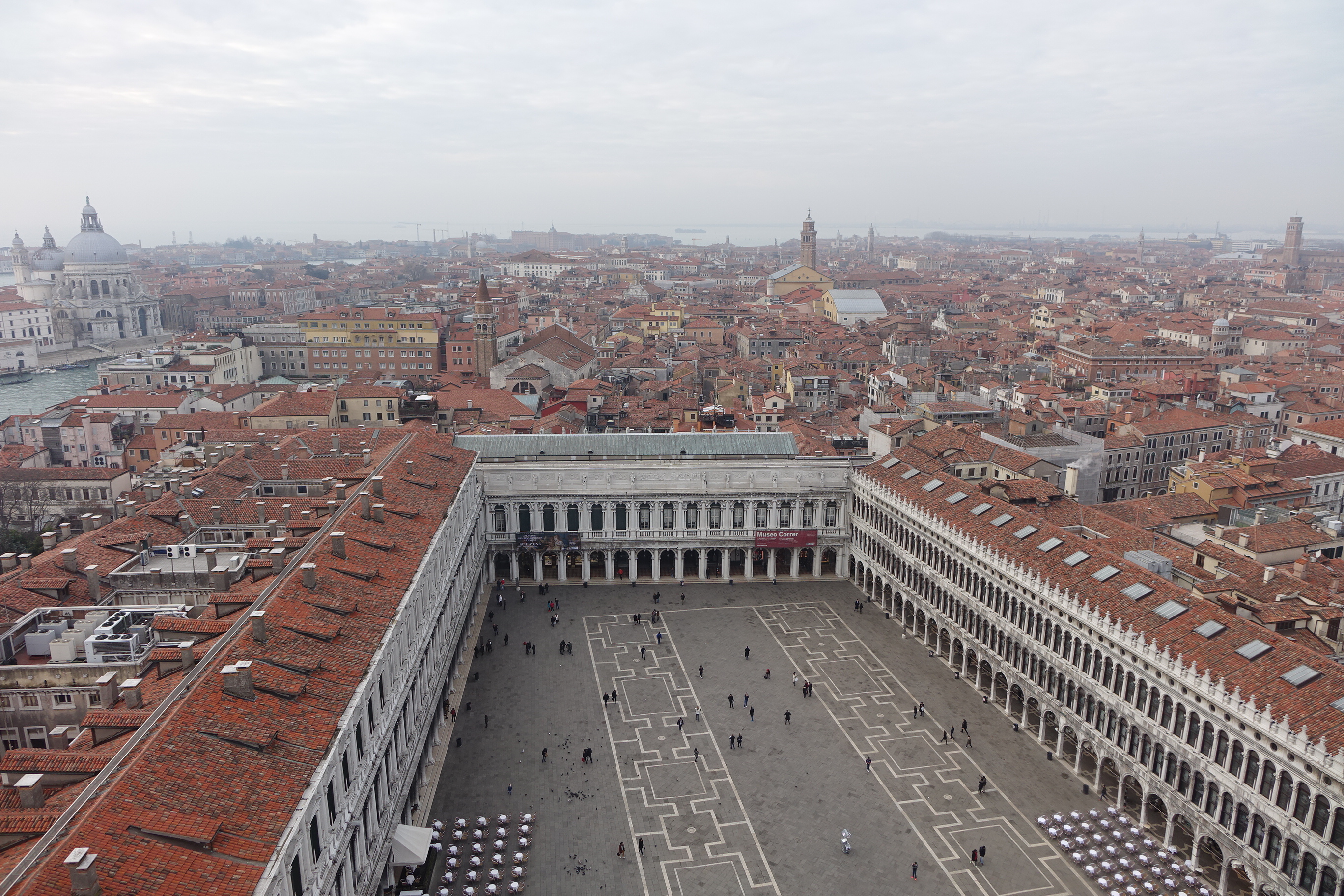
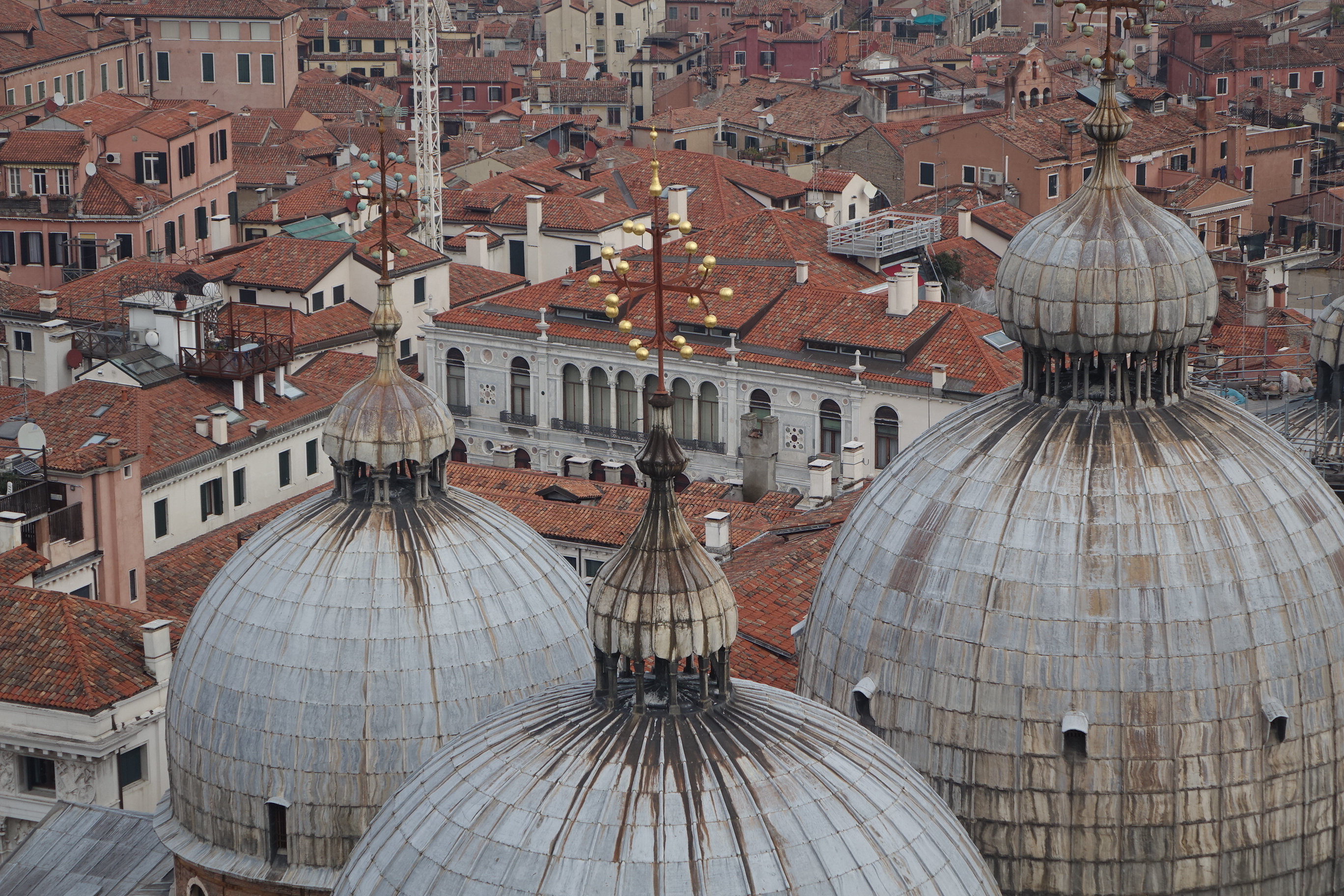
One might wonder how the world outside this glittering palace could follow this magnificent display of splendour, but of course Venice always has a new treasure in store, and as we left the Doge’s Palazzo and saw a small queue forming across the square at the famous Bell Tower of San Mark’s, we had just discovered our next treasure… for from the top of the tower, mercifully reached by lift, you can enjoy the most astonishing views of Venice sprawling out beneath you.

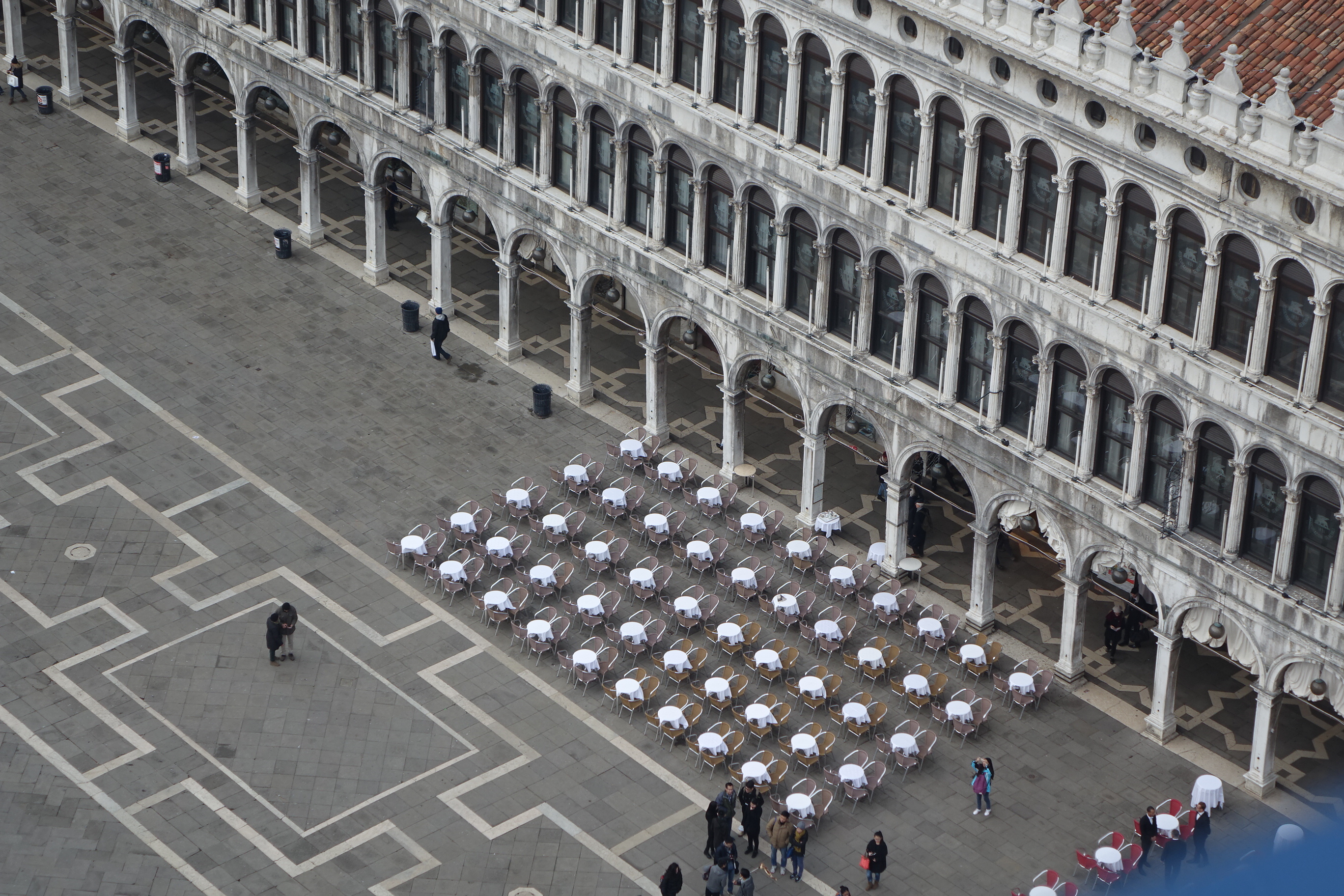
I loved the fact that from the top of the campanile, you could get a flavour of the true personality of this fascinating island… the extent to which the city is packed into a tiny space surrounded by a misty, boggy lagoon; the consistency of the sprawling wave of terracotta rooftops; and the incredible beauty of the many churches and palaces springing up all over the skyline.

Venice from above the campanile of St. Mark’s

DSC05126DSC05150DSC05139DSC05160DSC05154DSC05148DSC05141DSC05152DSC05143DSC05153DSC05130DSC05151DSC05121

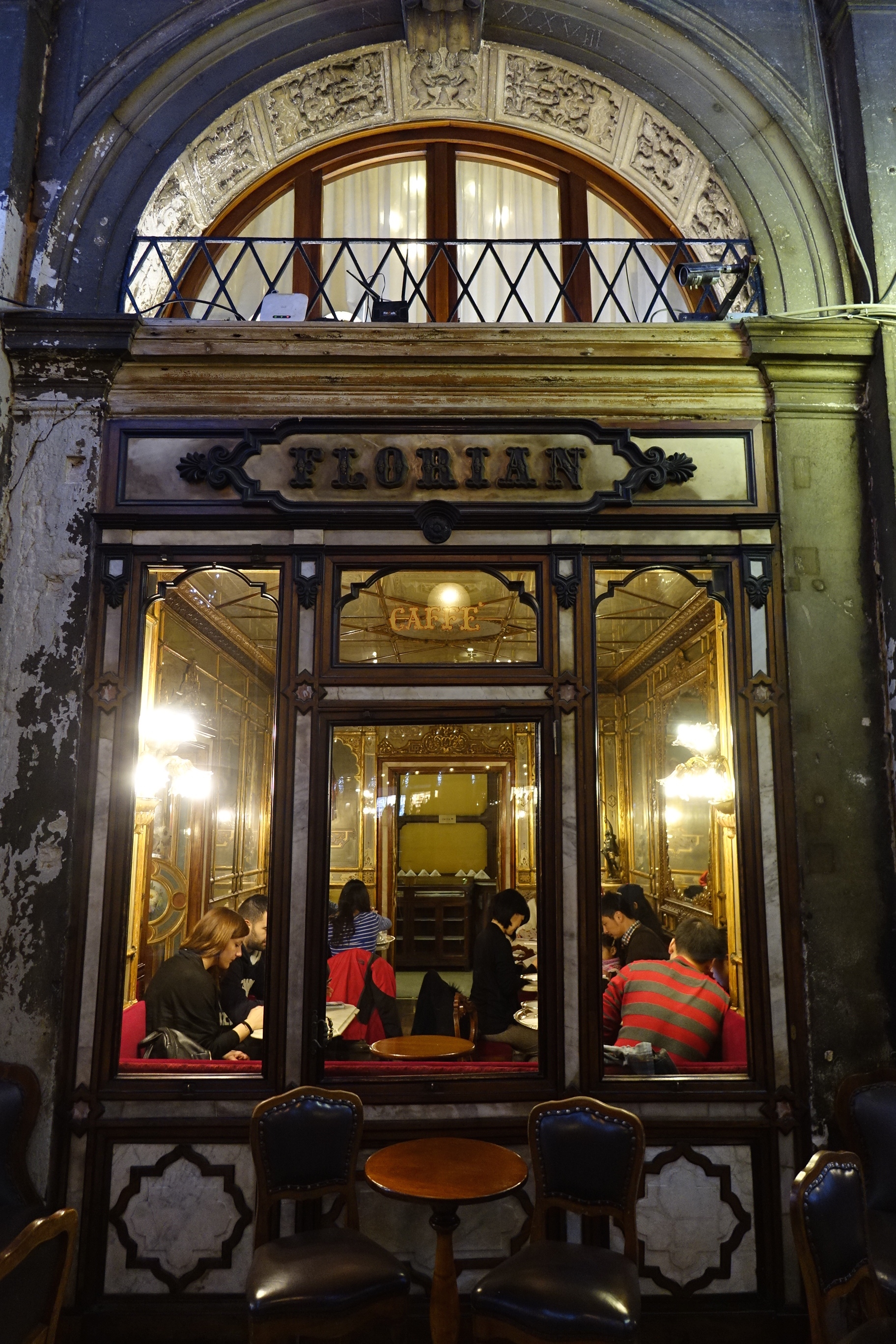
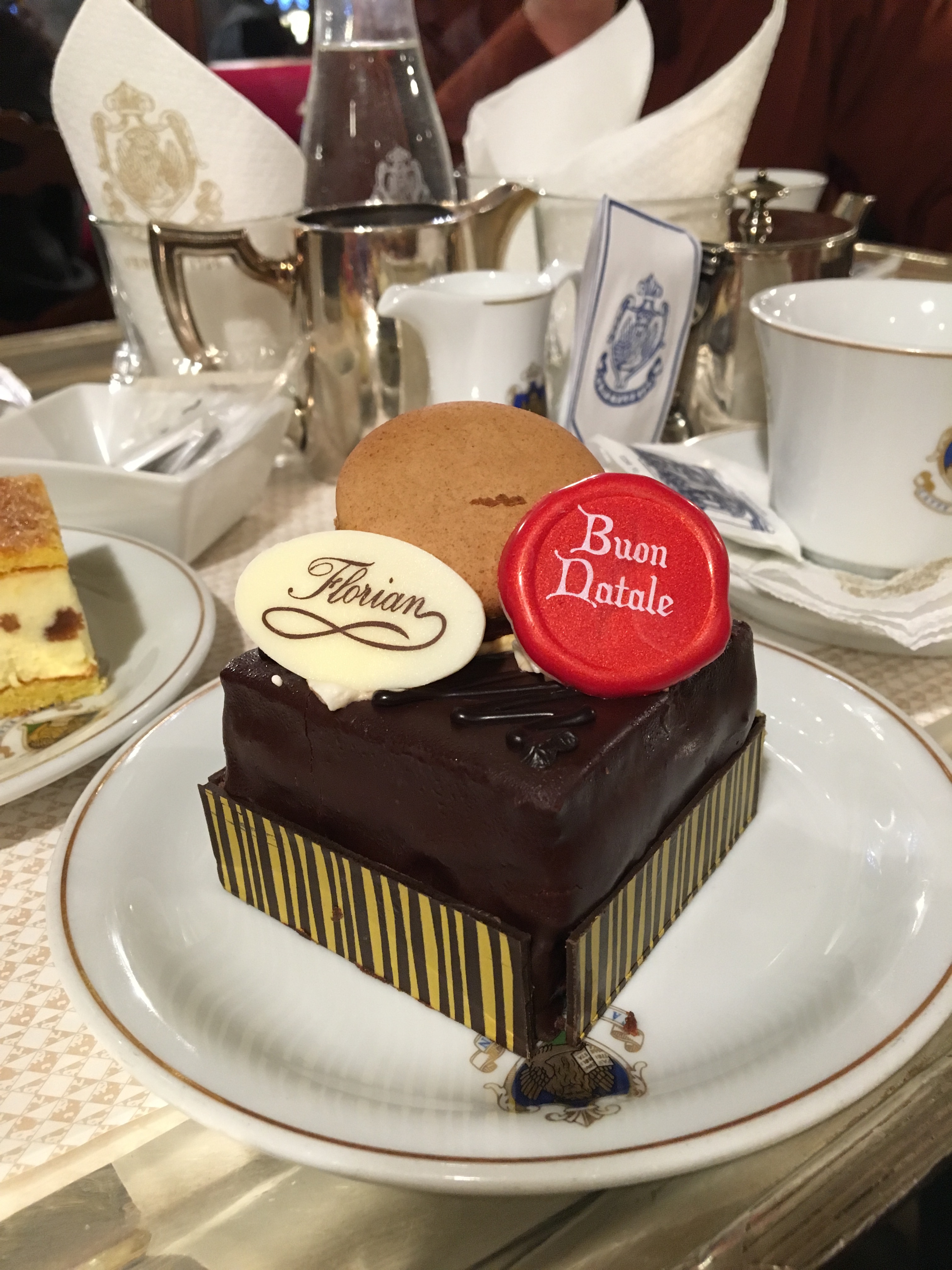
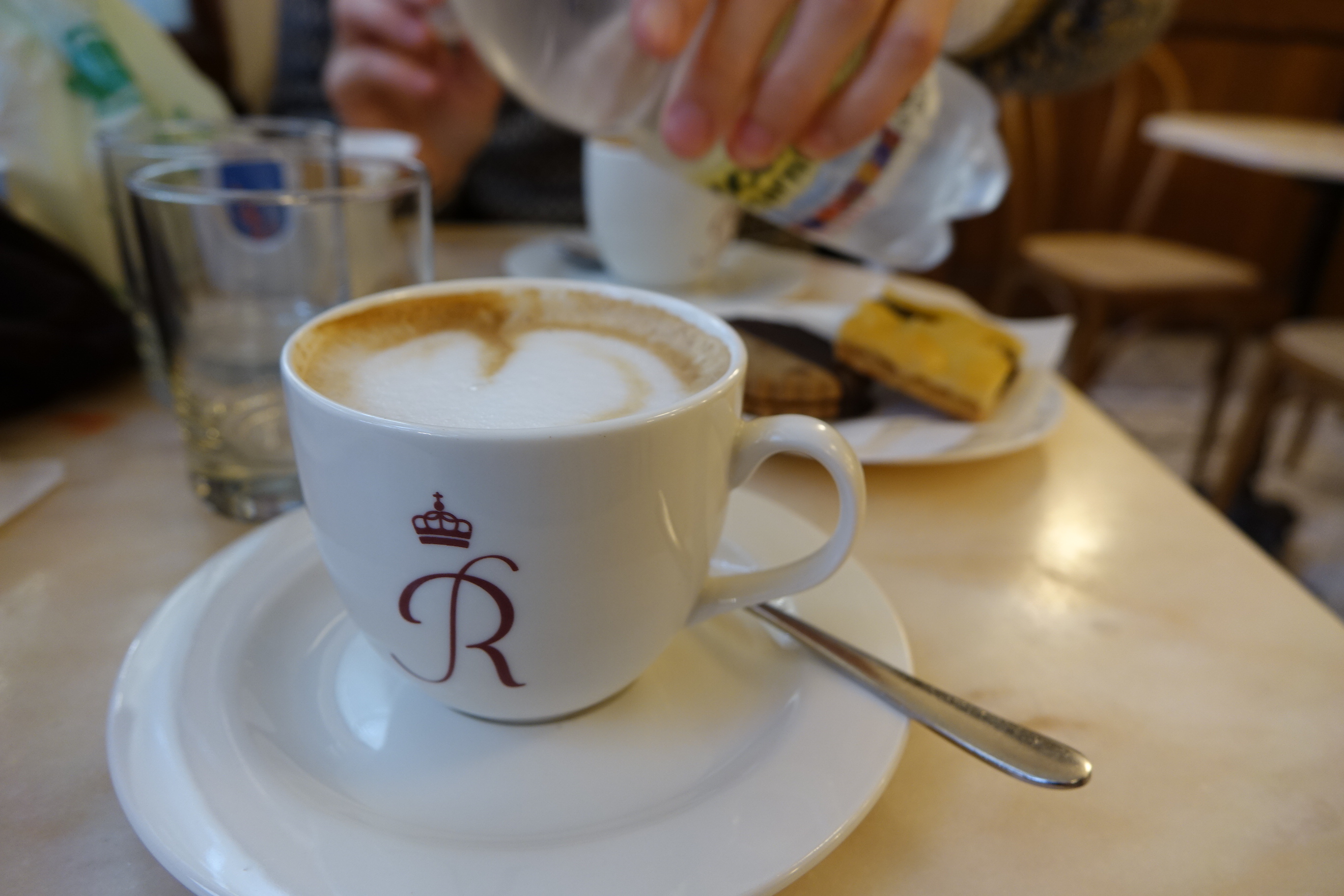
A day full of such beauty could only be concluded by a visit to the other of the Piazza San Marco’s famous gems; Florian’s café, where we rightfully treated ourselves to a tray loaded with tea, macarons and cakes fit for the festive season. And with that marvellous afternoon tea, taste joined the others of our senses which had been utterly enchanted by a further day in Venice.

A well earned visit to Florian’s and the Piazza of San Marco at night

DSC05288IMG_7101DSC05293

All photos and written content are strictly the copyright of Nicholas de Lacy-Brown © 2016 and The Daily Norm. All rights are reserved. Unauthorized use and/or duplication of the material, whether written work, photography or artwork, included within The Daily Norm without express and written permission from The Daily Norm’s author and/or owner is strictly prohibited.
Memoirs from Venezia, Part 2: Sestiere di Castello

Venice is not just any city for me. It was present at the inception of my teenage renaissance, when at the age of 18 I travelled to Italy with 20 likeminded young people to study art history. Venice was the first stop, and it was in that city that I felt myself transform, like a butterfly whose wings burst forth upon a mega-wave of sights, images and inspirations. So whenever I return to the city, there is always a part of me which yearns to revisit all of the sites which gave birth to that transformative experience. But at the same time I always want to see something new, and despite its compact size, the intricate labyrinth of the city always provides a new surprise around every corner.

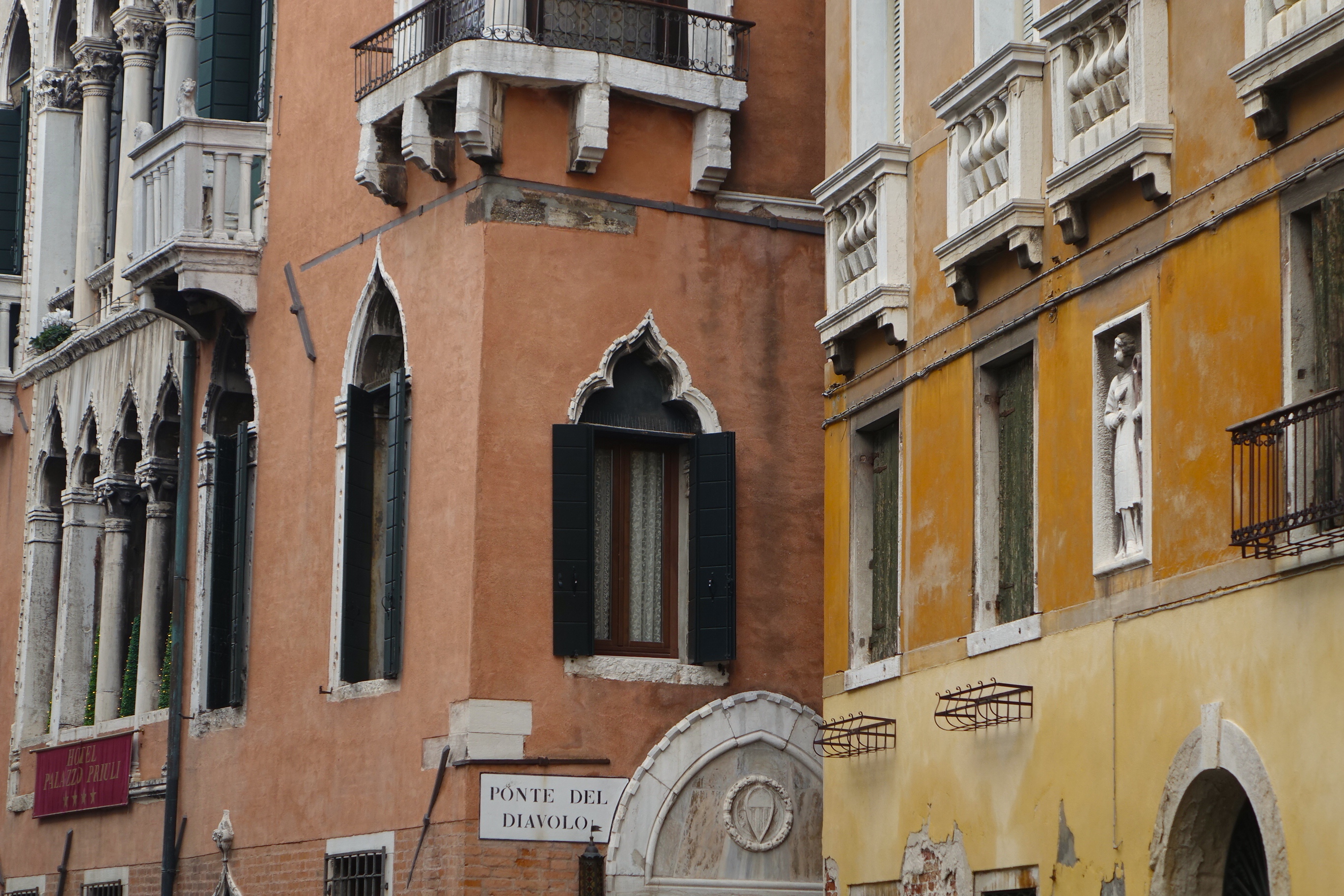
On this trip, I was determined to discover some of the areas which I do not know so well, and there to expose myself to some of the lesser-known gems of the city. One such area is the Sestiere di Castello, which, tucked just behind San Marco, sprawls eastwards from the Rialto across to the Arsenale and beyond.

Gems of the Sestiere di Castello

DSC05085DSC05545DSC05522DSC05516DSC04936DSC04948DSC04981DSC04897DSC04933DSC04914DSC04912DSC04915DSC04885DSC04874DSC05531

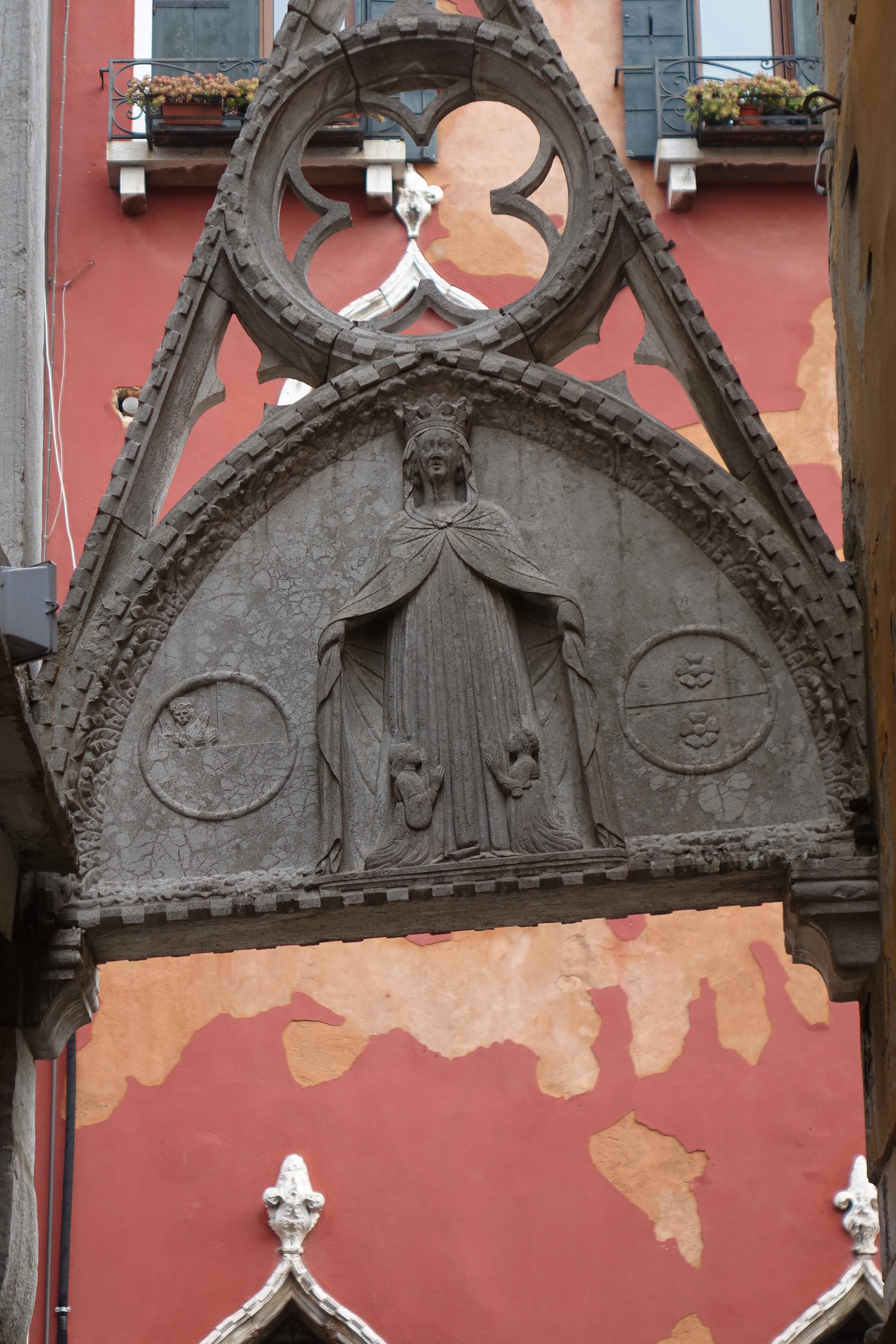
It is easy to tire of the repetitiveness of central Venice, with every shopfront loaded with mass-produced masks and tacky souvenirs, but walk just a few canals beyond the centre, and a more quaint, authentic city is ripe for the discovery. Such is the case with the Castello, from the grand Campo Santa Maria Formosa with its curving church, to the impressive square in front of the Zanipolo church, the size and scale of which makes it a clear rival to St. Mark’s itself. All this we explored as we traversed the area on foot, gawping at the stunning stone mausoleums of the doges set within the walls of the Zanipolo, as well as being mesmerised by the haunting chants of a Greek Orthodox service on the Rio del Greci in a beautiful little church which has its very own leaning tower.

The Zanipolo and the Chiesa di San Giorgio dei Greci

DSC05510DSC05497DSC05505DSC05495DSC04960DSC04961DSC04967

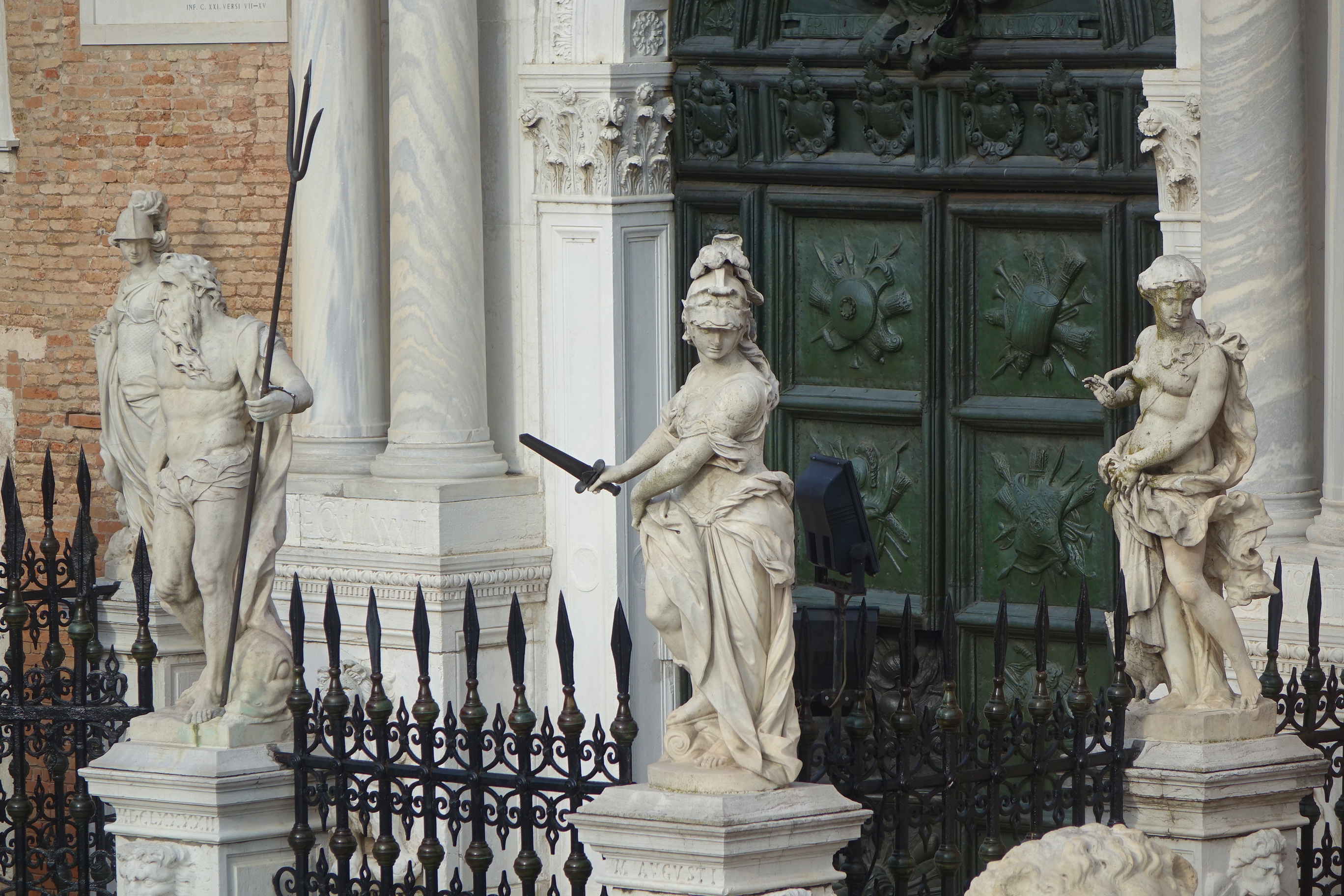
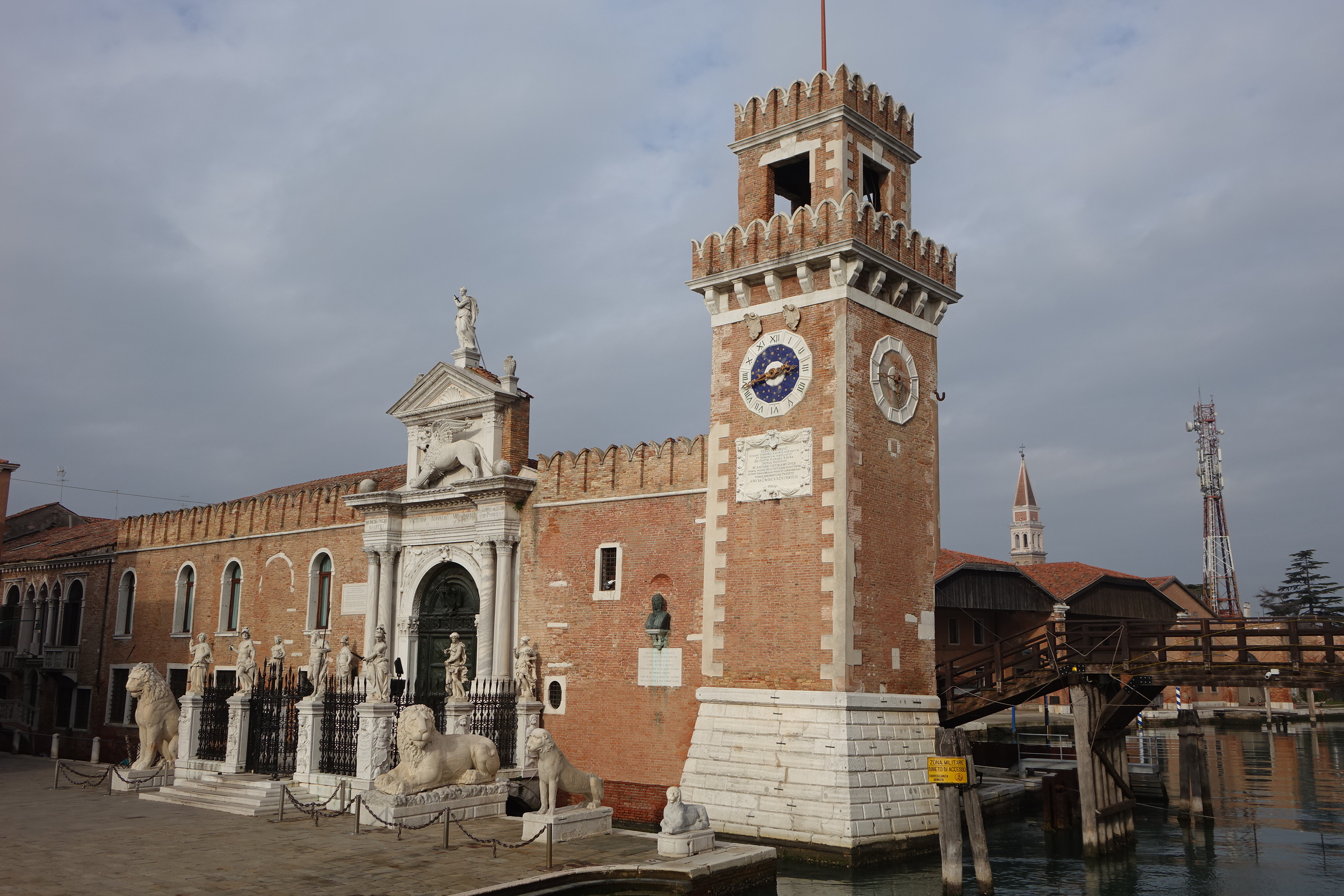
But for me, the real star of the region is the Arsenale, this massive former industrial site which would have been the heart not only of the Venetian Republic’s economy, but also of its military prowess. Although sadly unused today, from the mammoth encircling walls, and the huge classical gates at its entrance, once can still feel the might and power of the place. For Arsenale was not only large, taking up some 1/15th of Venice’s entire landmass and giving employment to a huge proportion of the city’s population, but it was also a place of innovation, being the first to mass-manufacture boats with the kind of conveyor-belt style product output which can only be dreamed of by car factories of today.

The Arsenale

DSC04989DSC05003DSC05042DSC05017DSC05018DSC05029DSC04984DSC05010DSC05038DSC05032

But beyond the hard lines of the Arsenale, a stunning city of view is always just around the corner, and as our day came to an end, we were treated to a glimpse of sunshine (in an otherwise foggy visit) over the lagoon, where Palladio’s masterpiece, San Giorgio Maggiore glistened in the light, and along the lagoon, the warm cosy interior of Harry’s Bar lay in wait. Most expensive amaretto known to man? It was surely so, but an apt treat at the end of an impressive day exploring the real Venice.

The lagoon and a rest in Harry’s Bar

DSC05097DSC05049DSC05052DSC05050DSC04829DSC04827DSC04828

All photos and written content are strictly the copyright of Nicholas de Lacy-Brown © 2016 and The Daily Norm. All rights are reserved. Unauthorized use and/or duplication of the material, whether written work, photography or artwork, included within The Daily Norm without express and written permission from The Daily Norm’s author and/or owner is strictly prohibited.  
Norms in the Caves of Drach

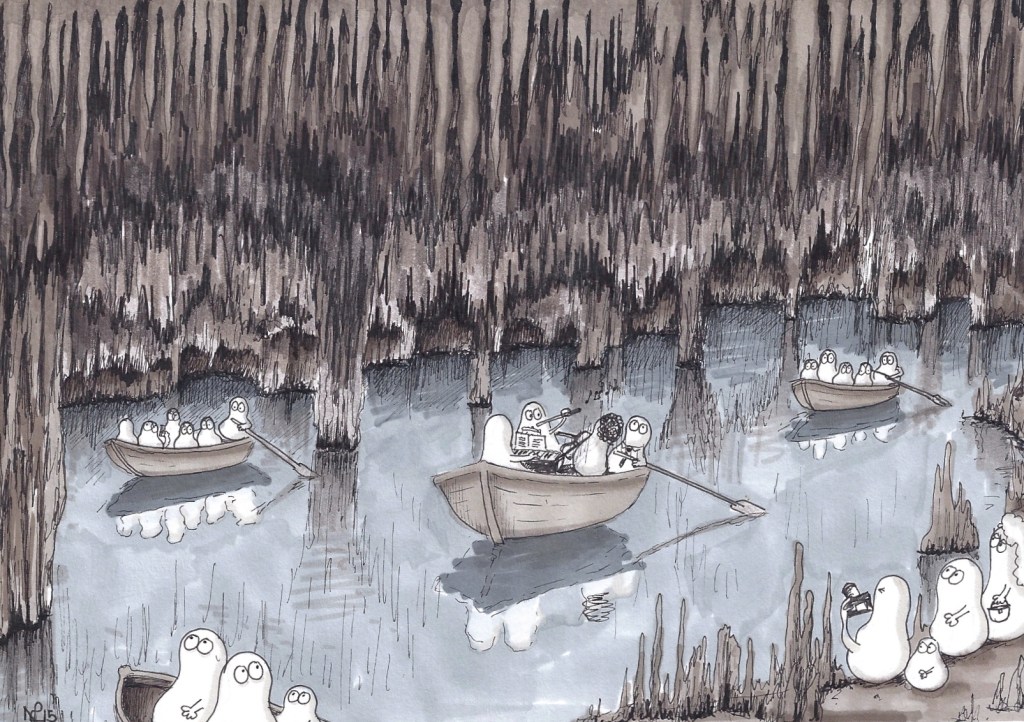
Legend has it that the Norms have lived on the earth for many millions of years, although over that time, it is thought that their bean-like gelatinous form has gradually morphed and evolved. In fact some allege that these famous white blobs once started off as a mere circular structure, although the biological reasoning behind this theory is heavily disputed.

Nonetheless, there is nothing that Norms like to do more (well apart from sip on a steaming cup of hot white chocolate perhaps) than reconnecting with their heritage, and owing to their tremendously long history, this connection can be no better realised than in a good set of caves, themselves the products of millions of years slow limestone dripping.

Norms in the Caves of Drach (2015 © Nicholas de Lacy-Brown, pen and ink on paper)

Norms in the Caves of Drach (2015 © Nicholas de Lacy-Brown, pen and ink on paper)

It is no wonder then that on a recent trip to the Mediterranean island of Mallorca, the Norms were to be found happily visiting the famous Cuevas of Drach; gazing up in wonder at the multiple surreal forms created by the stalactites, and floating, awestruck, across the crystal clear lake, gazing at their milky reflection while a boat full of Norm musicians serenaded them across the water.

You could say they took to it like a Norm to water…,

© Nicholas de Lacy-Brown and The Daily Norm, 2001-2015. Unauthorized use and/or duplication of the material, whether written work, photography or artwork, included within The Daily Norm without express and written permission from The Daily Norm’s author and/or owner is strictly prohibited. Excerpts and links may be used, provided that full and clear credit is given to Nicholas de Lacy-Brown and The Daily Norm with appropriate and specific direction to the original content. For more information on the work of Nicholas de Lacy-Brown, head to his art website at www.delacybrown.com
Discovering Mallorca: Porto Colom – Porto Cristo

The island of Mallorca is simply awash with little caves and ports, calas and bays, embarcaderos and beaches… after all, it is surrounded by the sea. But it is the uniquely mountainous, richly geological landscape of the island which means that where that land meets the sea, it does so with a series of stunning natural results. One such consequence of this relationship are the caves I featured a few posts ago, and those incredible underground chambers are far from unique on this island of plenty. But only a few minutes from those caves, and indeed extending all the way along the Eastern coast of Mallorca, are a series of little bays and ports all of which betray a certain tranquil nature much removed from the bustling city of Palma.

So now that the intense heat of the summer has past, we recognised that the time to set about discovering more of Mallorca was surely upon us, and with my mother’s visit in part coinciding, we set about discovering two of the ports on the East Coast.

Porto Colom

DSC02015 DSC01980 DSC01910 DSC01909 DSC01912 DSC01917 DSC01960 DSC01943

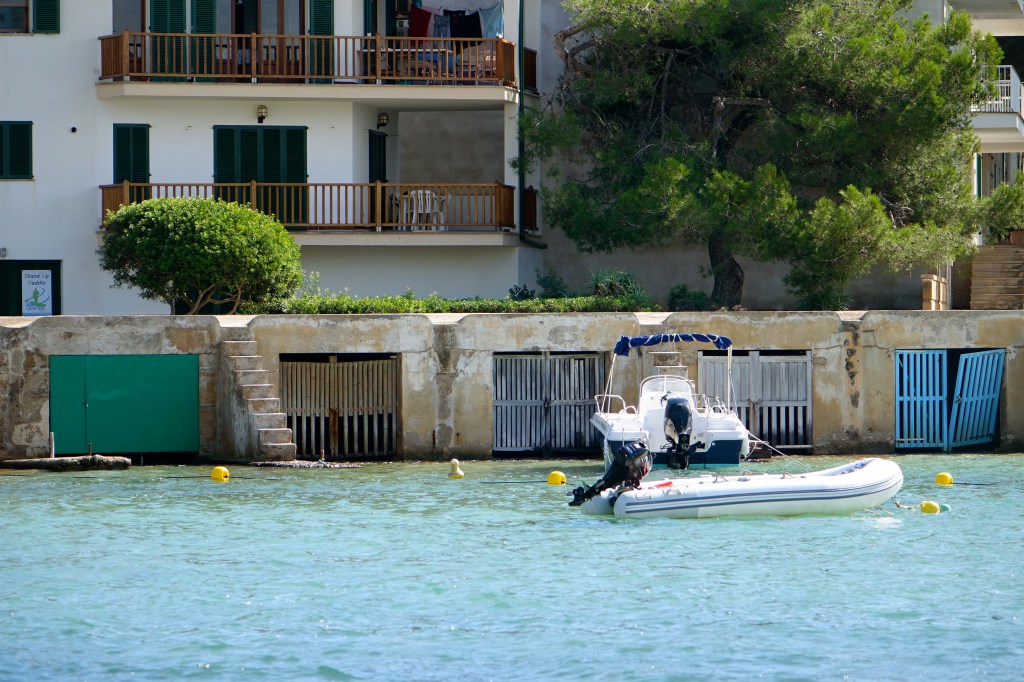
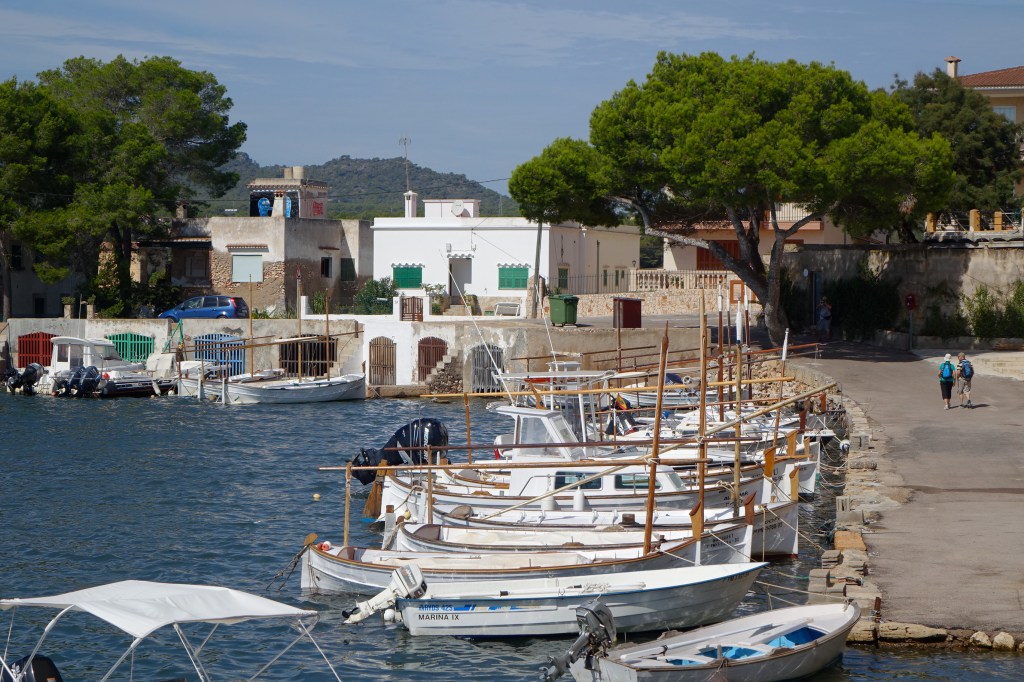
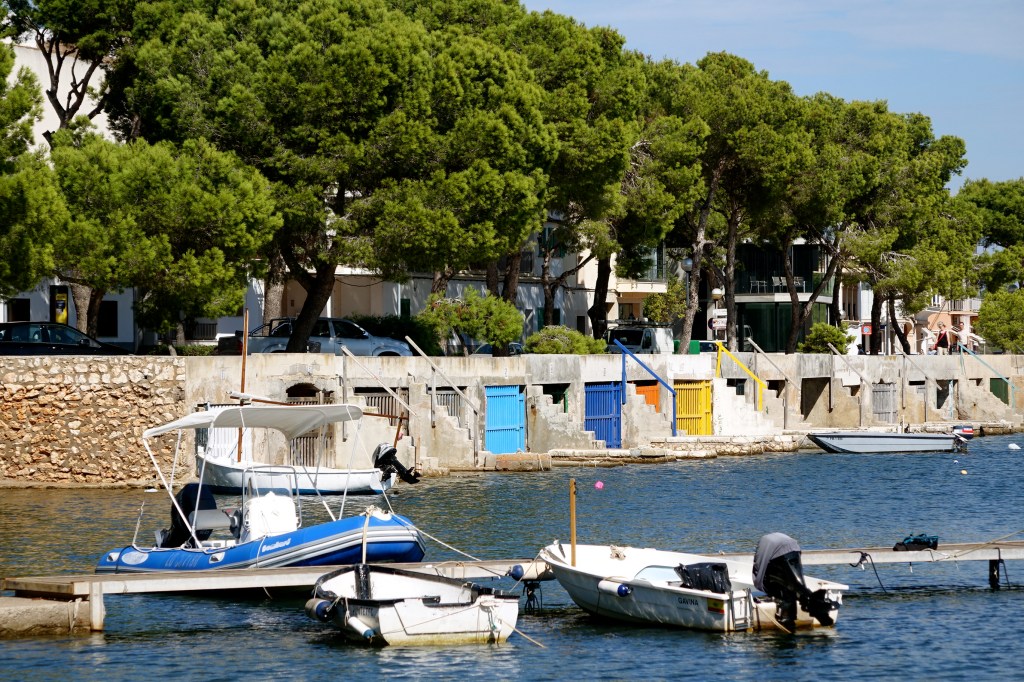
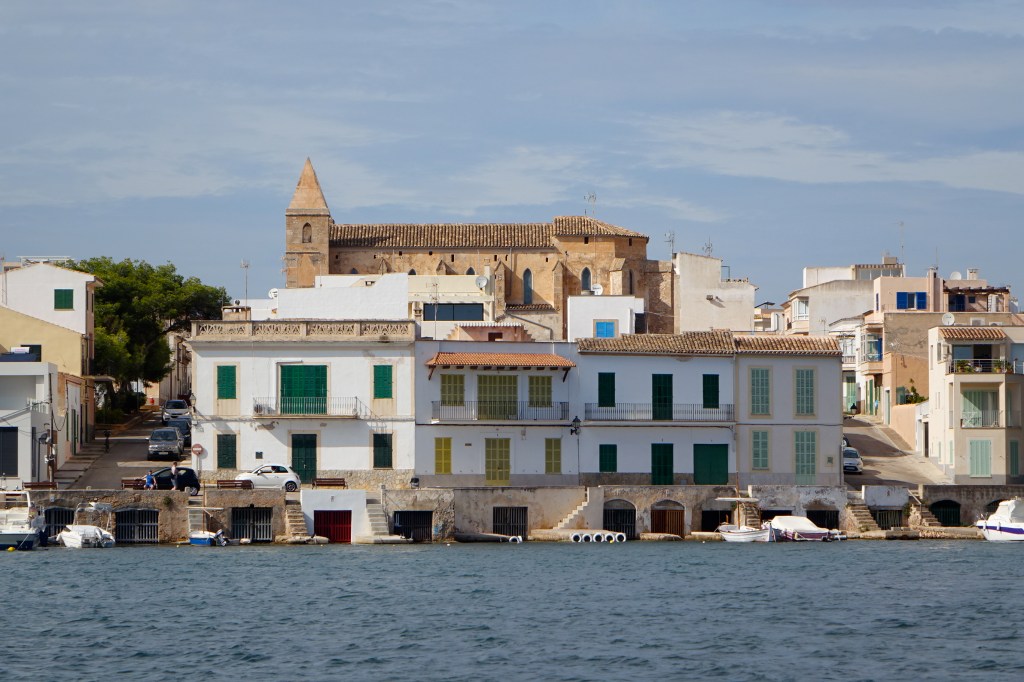
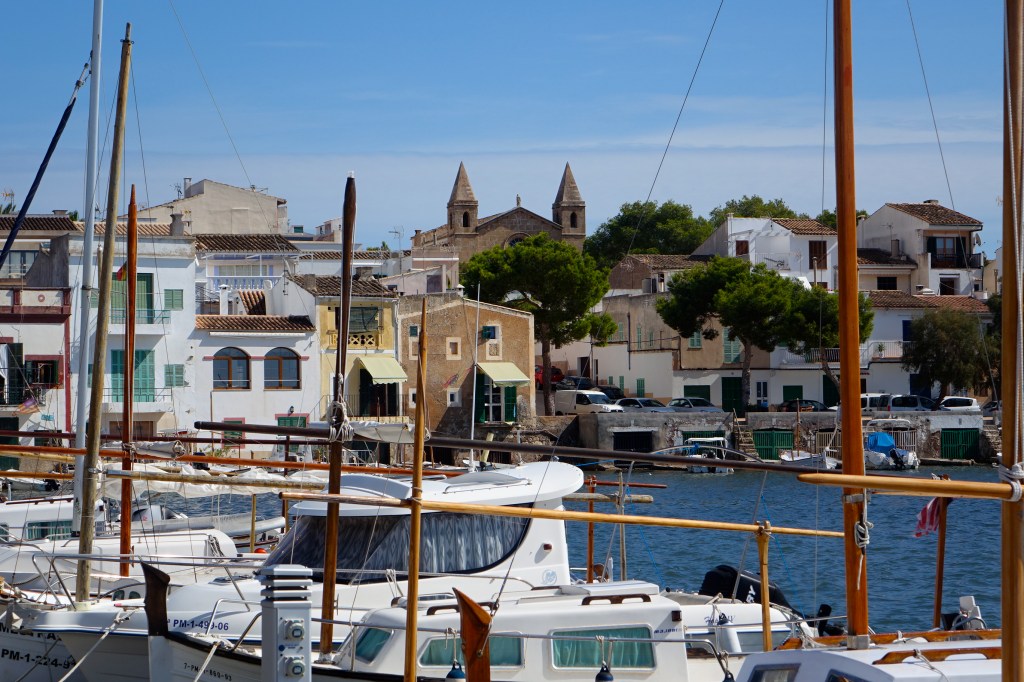
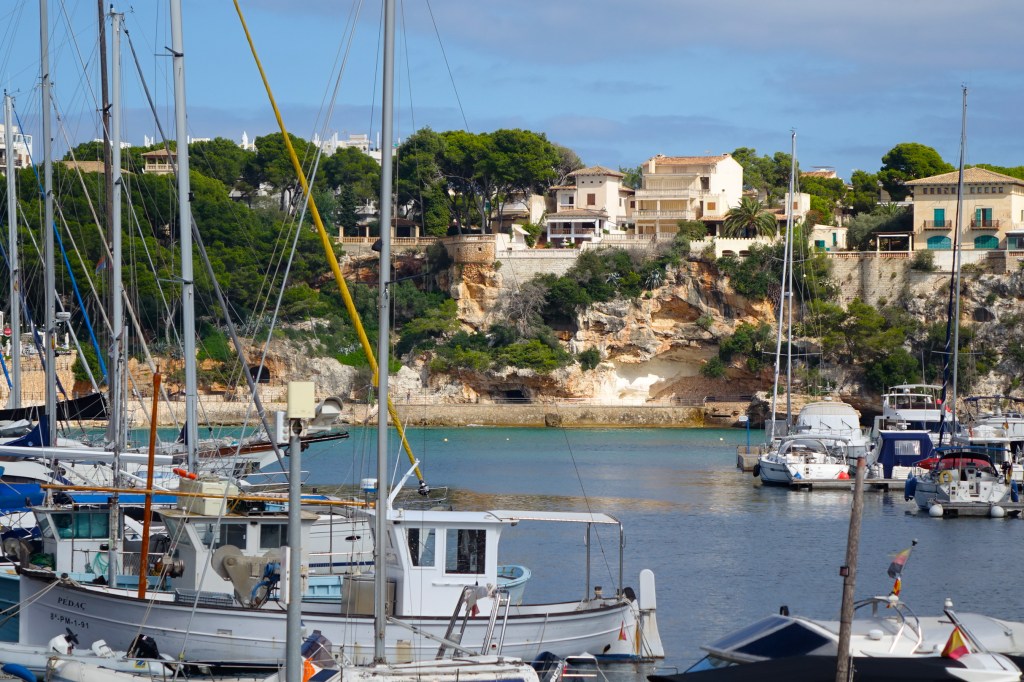
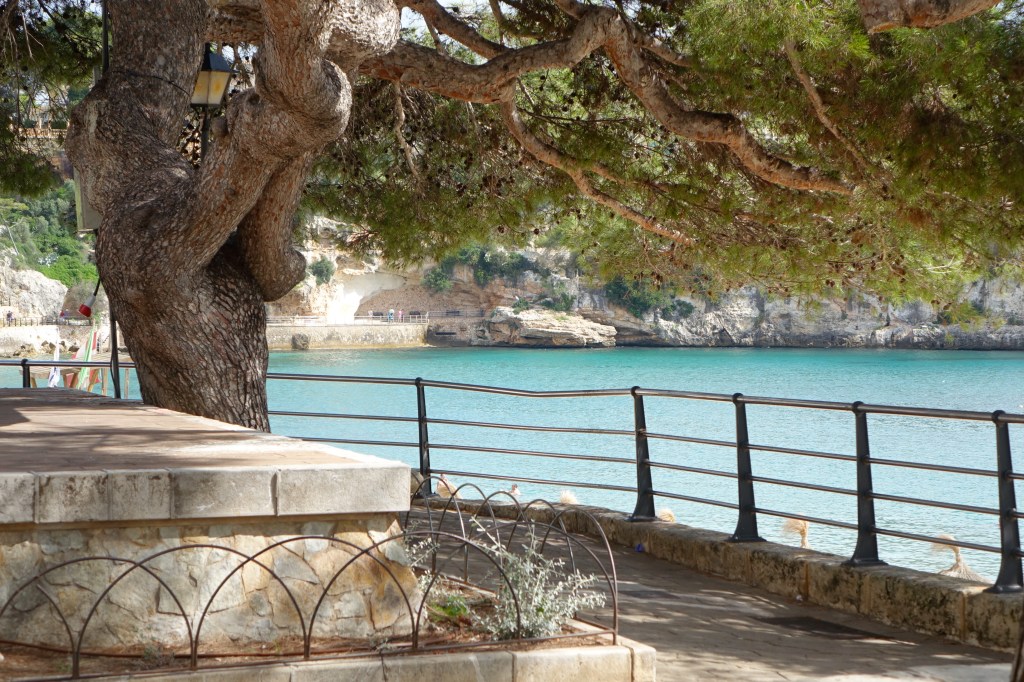
The Porto Colom was all about its embarcaderos… the little boat houses with their whimsically painted doors, lined up in a row just like the typical English beach hut, but having the distinctly Mallorquin advantage of plunging straight into a turquoise blue sea. Spreading across a zig zagging craggy coast line, the port had something of a dual character, with a charming old town, a two-towered church at its centre, on one side, and a more commercial fishing port lined by gently angled pine trees on the other.

DSC01993 DSC01923 DSC01974 DSC01948 DSC01899 DSC01904 DSC01900 DSC01897

Just up the coast, and 3 minutes from the Cuevas Drach, the Porto Cristo was an altogether more touristy affair. Chasing the nostalgia of my mother who had holidayed there in the 70s, the port remained in part exactly as she had remembered it, with a horrifying array of crass tourist menus displaying row upon row of numbered photos of food, without even a description to explain what the dish was.

Porto Cristo

DSC02445 DSC02441 DSC02436 DSC02480 DSC02424 DSC02425 DSC02476 DSC02416 DSC02412 DSC02419 DSC02483 DSC02420

However happily our initial shock was replaced by the happy coincidence of our discovery of the port’s beautifully sandy beach, with cerulean waters splashing gently against the cliffs which plunge dramatically into the sea along the beach’s egde. We were also glad to find that not all the restaurants relied upon a catalogue of photos, and a short walk along the waterfront led us to a more salubrious slice of town, where we wiled away the early afternoon with a glass or two of wine and a few delicious Italian dishes… with no numbered photo in sight.

All photos and written content are strictly the copyright of Nicholas de Lacy-Brown © 2015 and The Daily Norm. All rights are reserved. Unauthorized use and/or duplication of the material, whether written work, photography or artwork, included within The Daily Norm without express and written permission from The Daily Norm’s author and/or owner is strictly prohibited.
Discovering Mallorca: The Caves of Drach

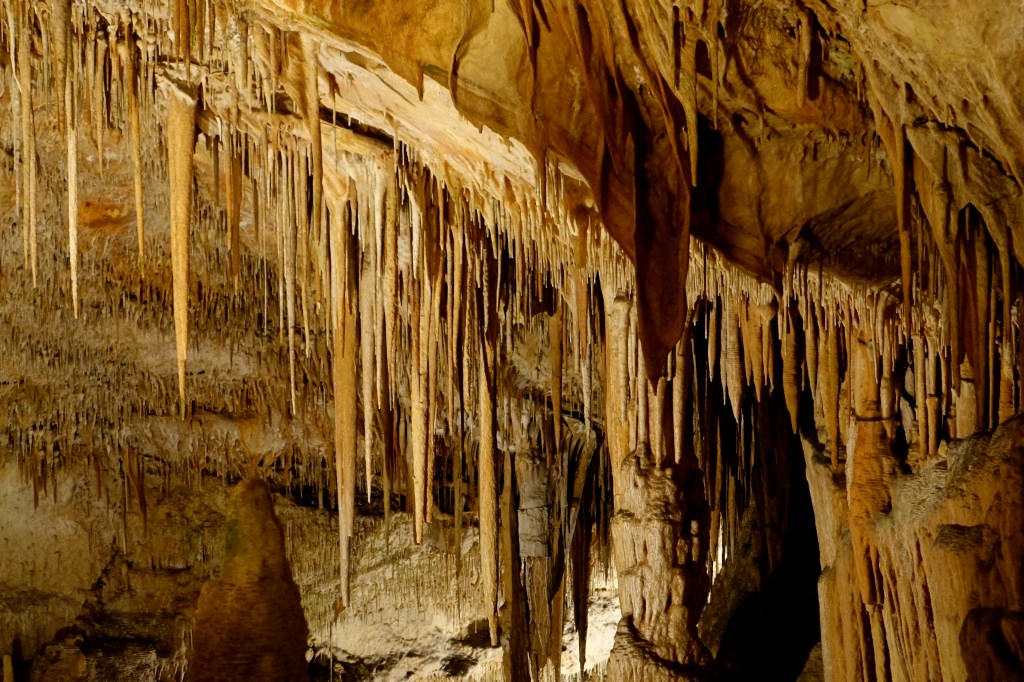
The Caves of Drach, just outside Porto Cristo in Mallorca, sound like something out of a Count Dracula horror film. And in so far as they take the visitor far into the murky depths of Mallorca’s geological bedrock, they wouldn’t make for an inappropriate halloween backdrop. But the horror of visiting these sprawling caves on the East coast of the island was, for me, the fear of the tourist commercialisation which tends to haunt such sights. After all, the caves are widely publicised across Mallorca with a typically crass theme-park style poster of a westernised white-teethed family gasping in delight at the caves around them. My response to this vulgarity was consequently avoidance, and my preference, instead, was always to retreat to the idyllic solitude of the mountains. But when my mother came to Mallorca, and wished to relive the nostalgia of her 1970s holidays on the island, I was persuaded at last to visit the caves, tourists, tat ‘n all.

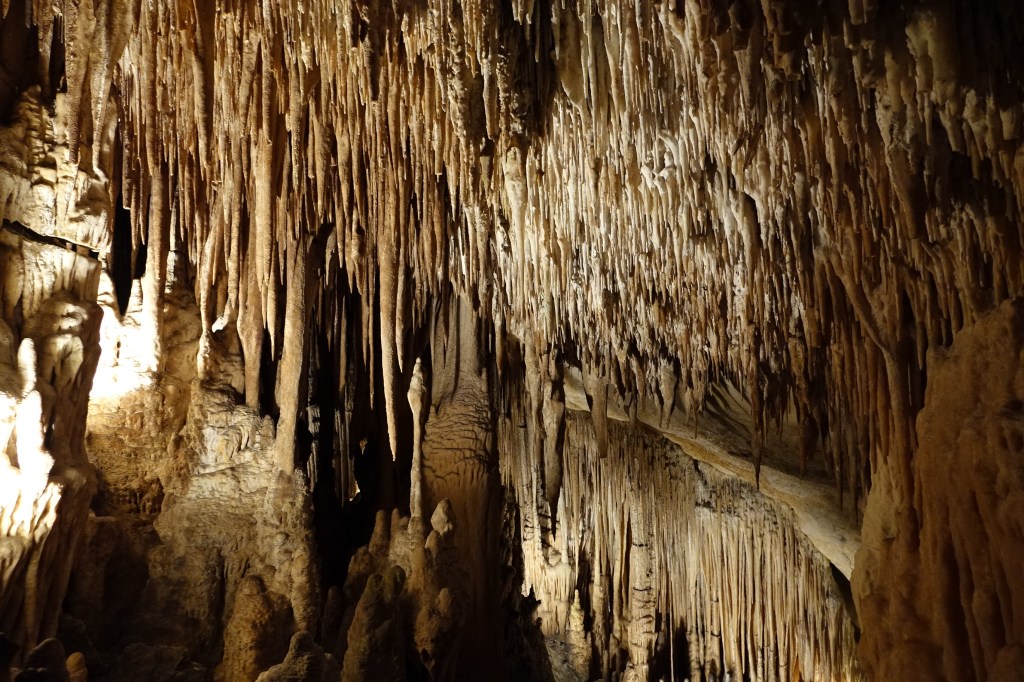
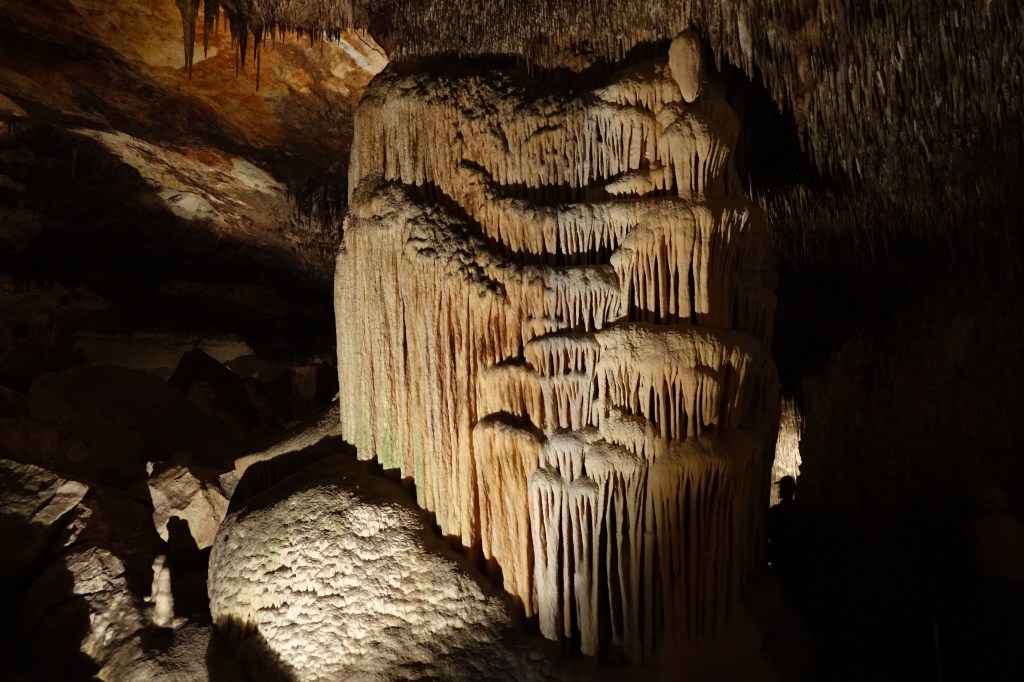
DSC02491 DSC02496 DSC02563 DSC02557 DSC02577 DSC02612 DSC02490

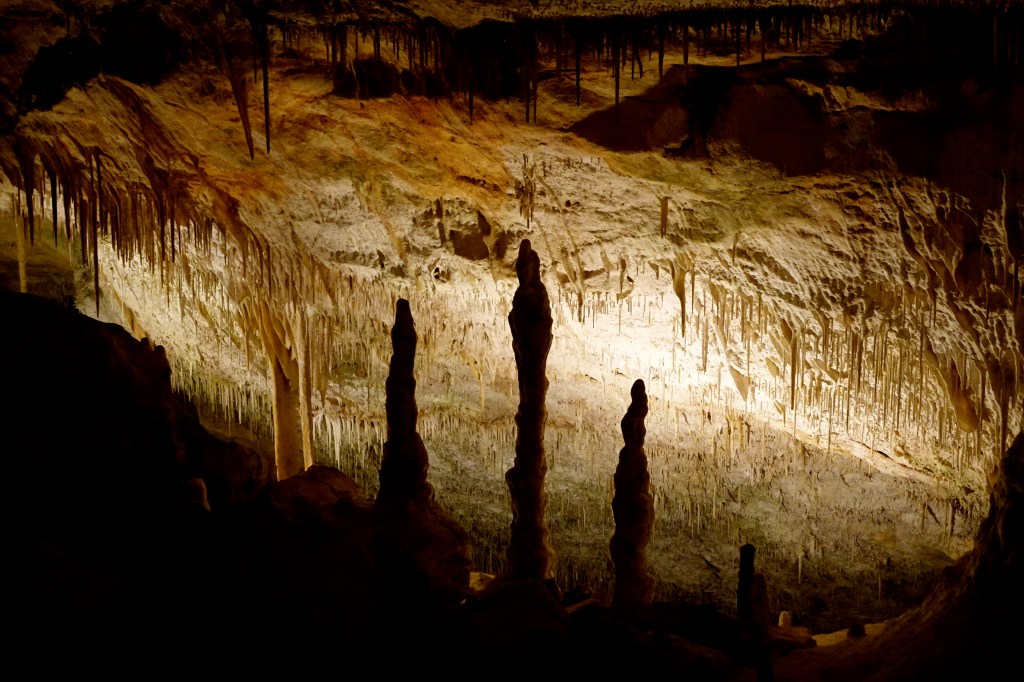
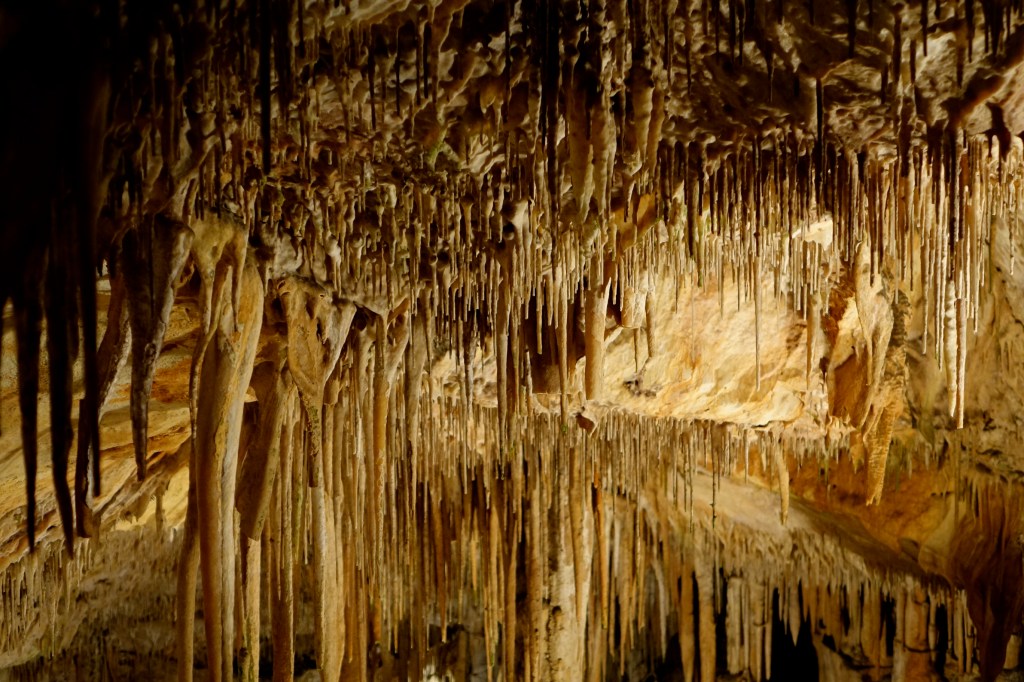
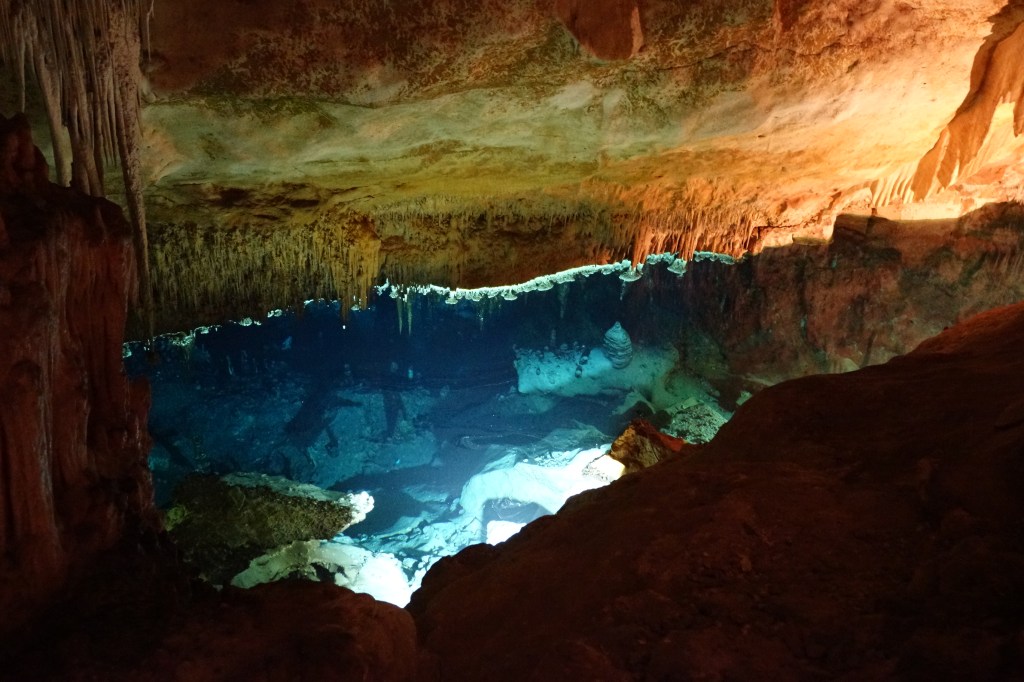
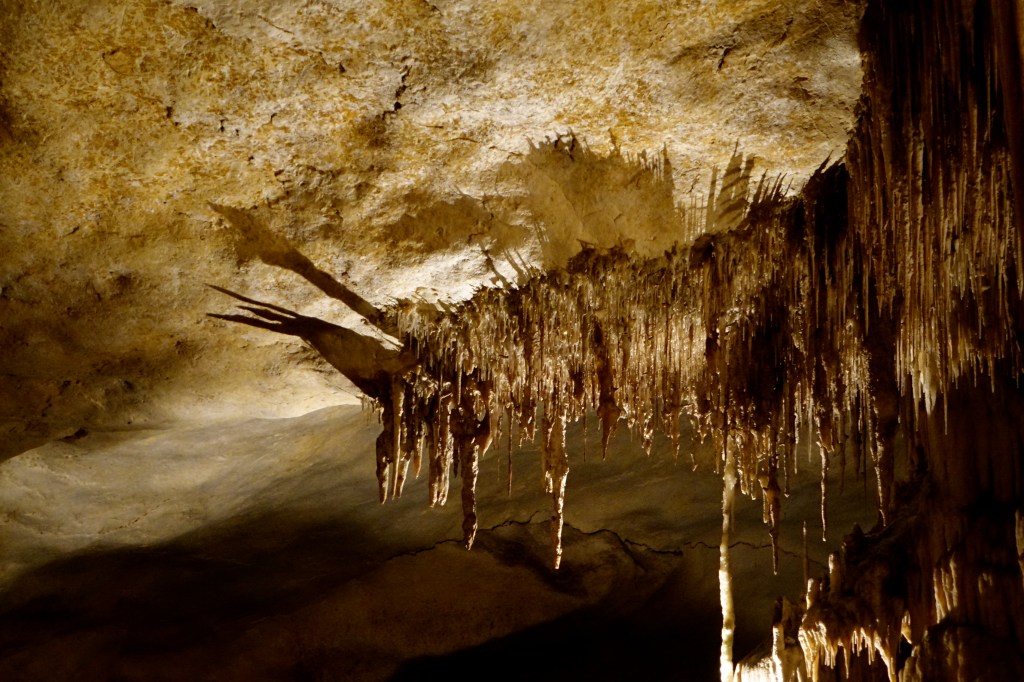
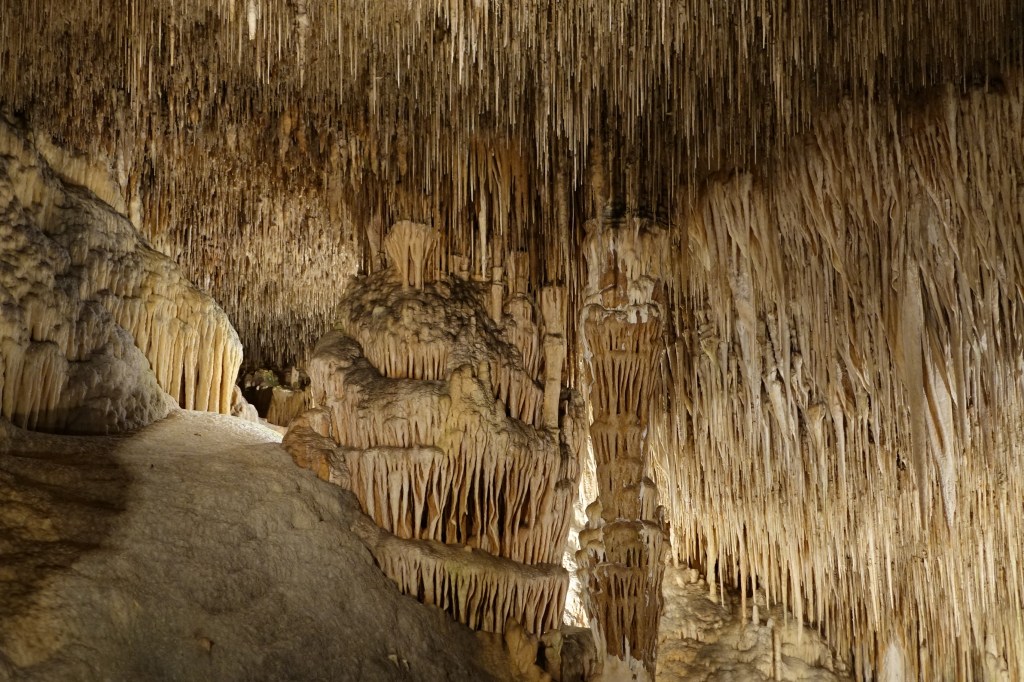
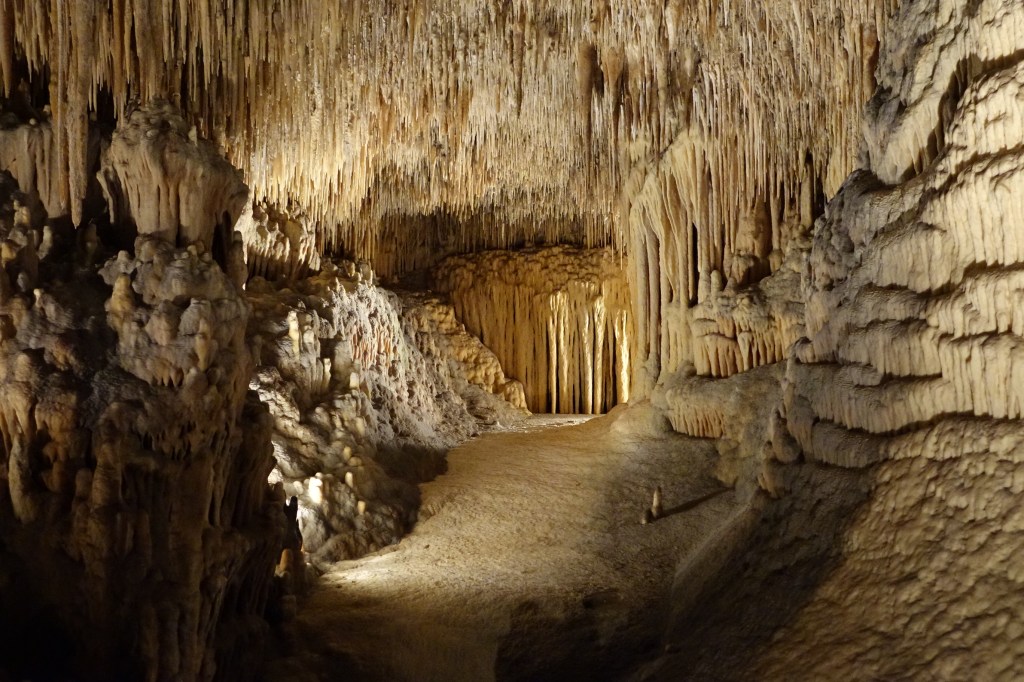
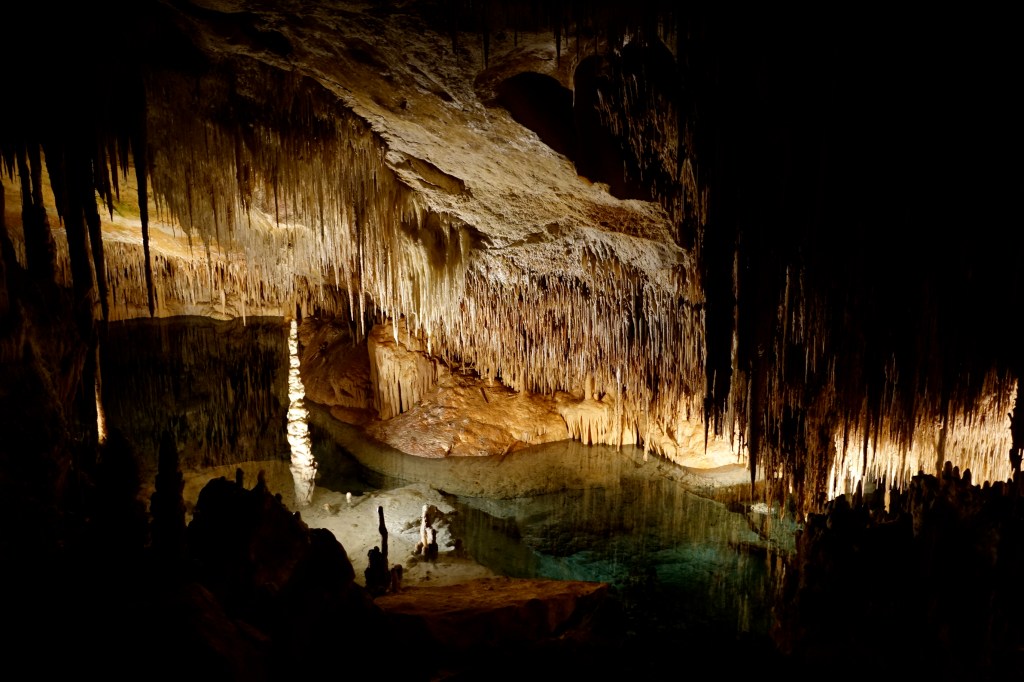
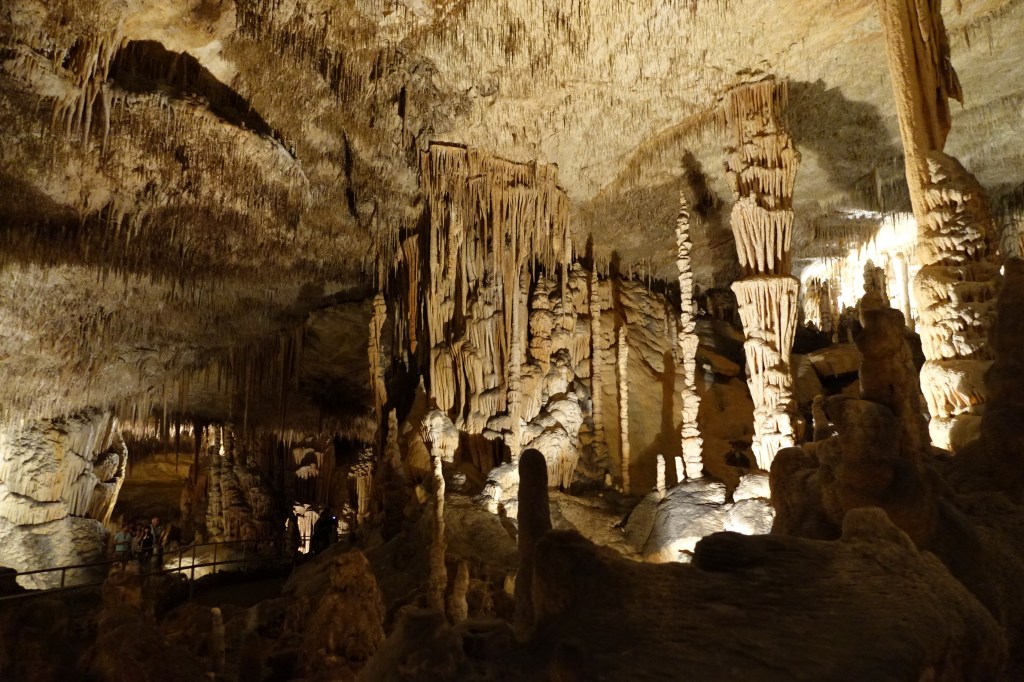
As it turned out, those gaudy promotional posters were where the last of the horror ended, for once we left the autumn sunshine behind and made our decent into these extensive underground chambers, there was nothing but a visual sensation to be enjoyed. Words cannot express the utmost wonder I experienced when I entered the Caves of Drach, and nor indeed can these somewhat amateurish photos come close to capturing the most incredible sights with which we were met. For in these incredible caves, believed to have been formed over millions of years by the sea forcing its way into Mallorca’s harsh rocky coastline, we were treated to visions which ranged from the brilliantly magnificent to the utmost surreal, as sinister twisting forms grew from the floor and dripped from the ceiling, rocks appeared to grow like a thousand interwound trees or like wafer-thin starched material, and turquoise waters glowed like precious gems amongst velvet black shadows.

DSC02569 DSC02571 DSC02539DSC02595 DSC02543

And at the heart of it all, the Martel lake, which at 115m in length is believed to be one of the largest under-ground lakes in the world, provided the most touching spectacle of all. With the caves plunged into pitch blackness, we were treated to a floating classical concert of musicians floating on lit-boats, gliding along the water like a vision straight out of baroque Venice (sadly, photos at this point were banned). For an artist like me, obsessed as I am with ripples and the effect of light on water, this experience was truly startling, and with the tears of inspiration pricking at my eyes, those ripples seemed to refract and multiply as I entered a whole new level of multi-sensorial experience.

DSC02601 DSC02497 DSC02528 DSC02551

So out of this experience, I emerge into the light of day an artist truly inspired, with a lesson learnt for the future: don’t judge an attraction by its promotional cover… the most visited attractions are visited for a reason!

All photos and written content are strictly the copyright of Nicholas de Lacy-Brown © 2015 and The Daily Norm. All rights are reserved. Unauthorized use and/or duplication of the material, whether written work, photography or artwork, included within The Daily Norm without express and written permission from The Daily Norm’s author and/or owner is strictly prohibited.