Skip to content

Posts tagged ‘Travel’

Barcelona | Day 3: Up, over and out

What with our last day being on a Monday, Barcelona’s museums and galleries had pretty much shut up shop for the day, as they do on every Monday of each week. This pattern of closures, which appears to be followed across the continent, bamboozles me, especially in a tourist centre such as Paris or Barcelona, where frankly tourists don’t care whether it’s Monday or Friday – they still want to see it. Wouldn’t it be more economically productive to have staff working different shifts to cover a 7 day week rather than close the museum for an entire day? And if cities are so intent on closing one day a week, can’t the attractions close on different days so that tourists aren’t left, one day a week, utterly out in the cold? (I should proudly point out that for tourists coming to London, you will find all of our top galleries – the National Gallery, Tate, the Courtauld, the British Museum open 7 days a week, thank you all the same).

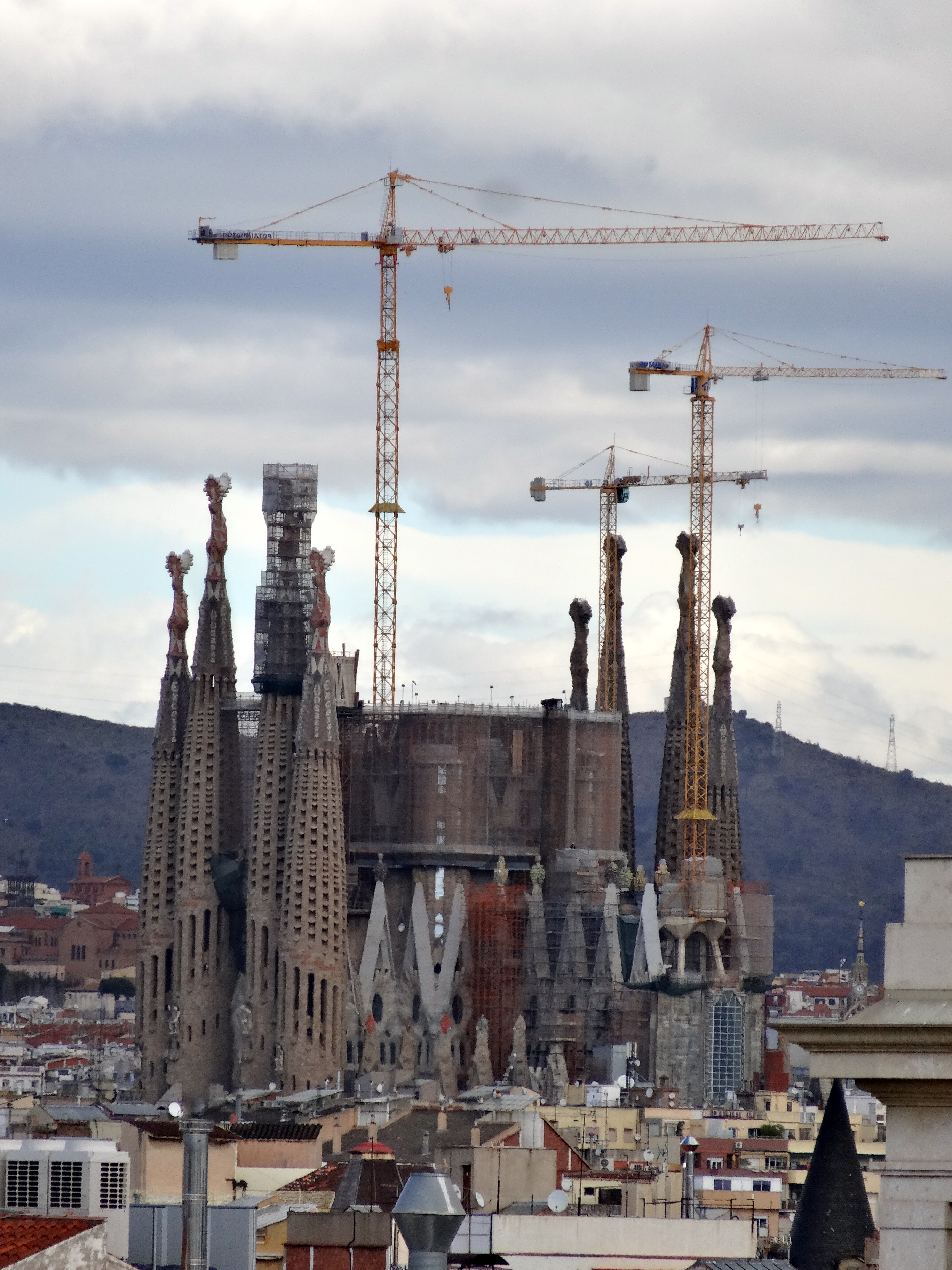
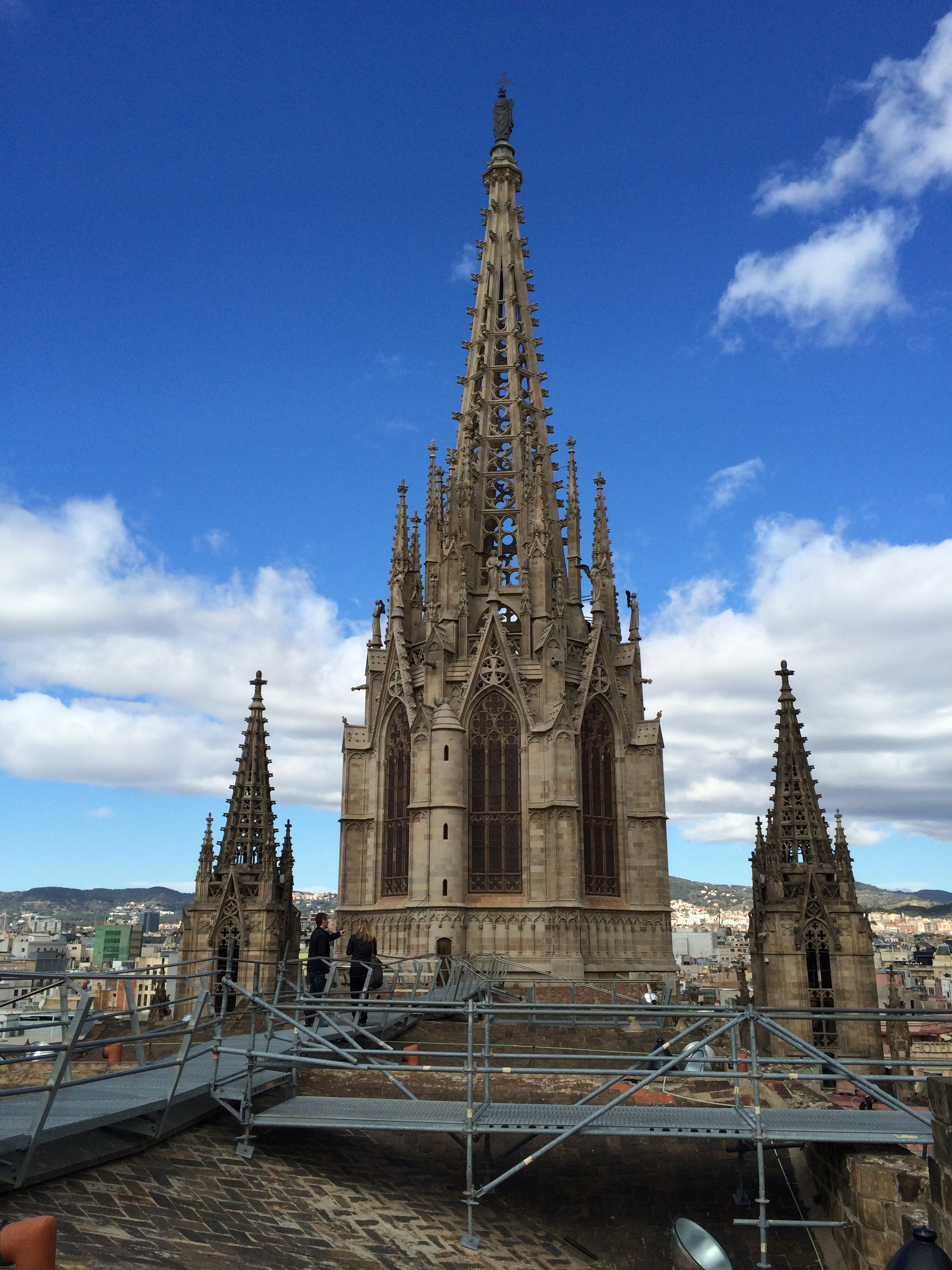
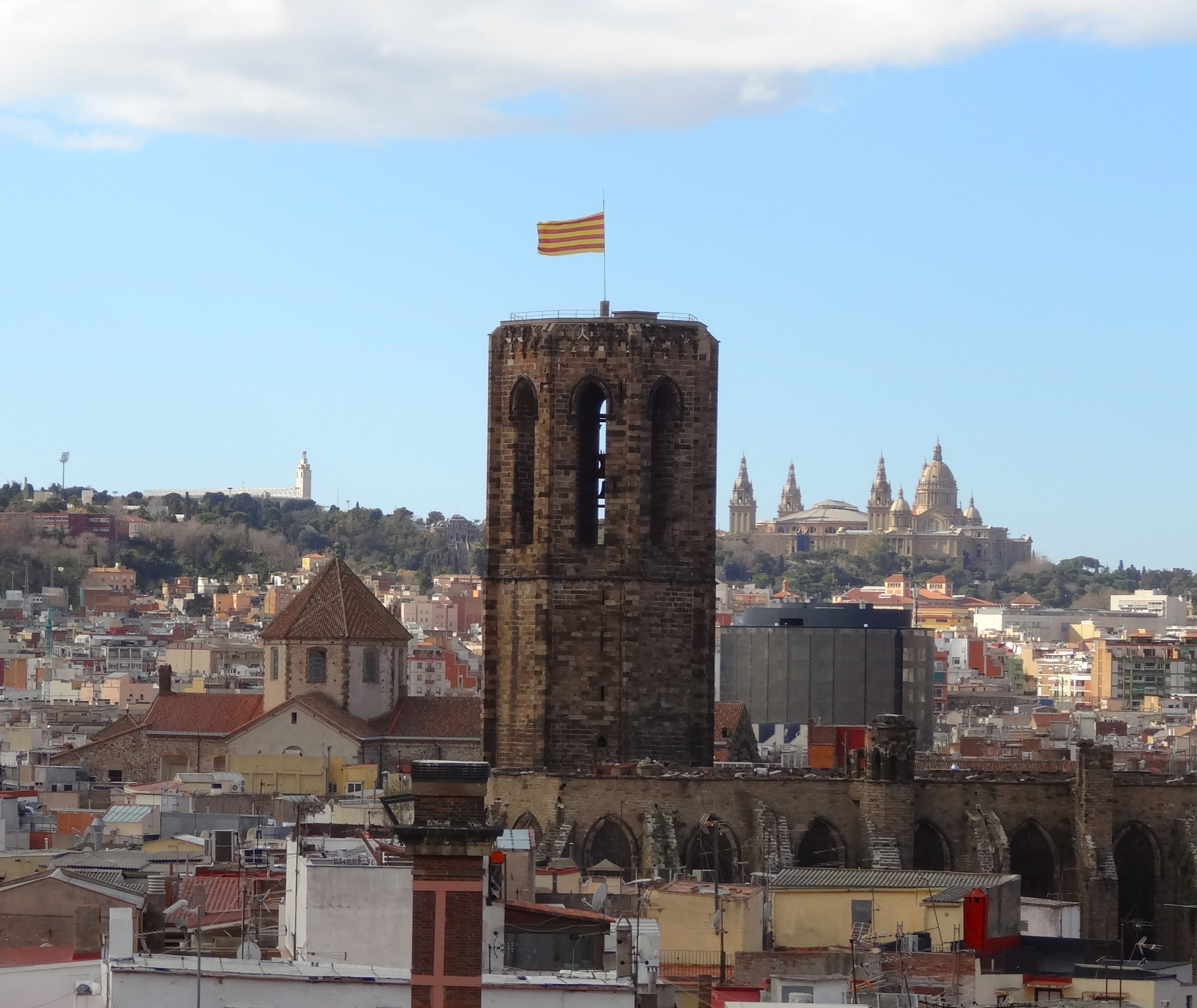
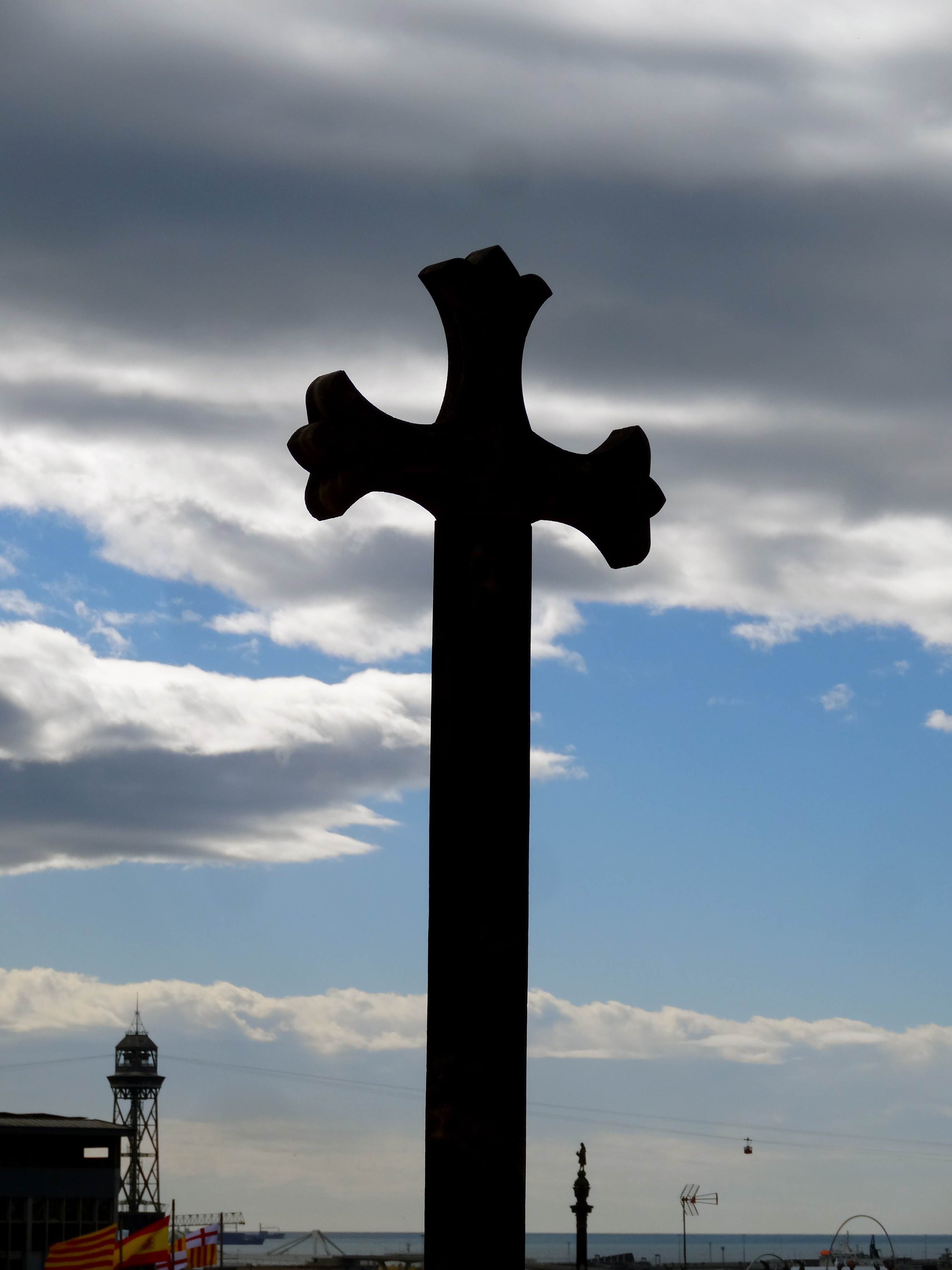
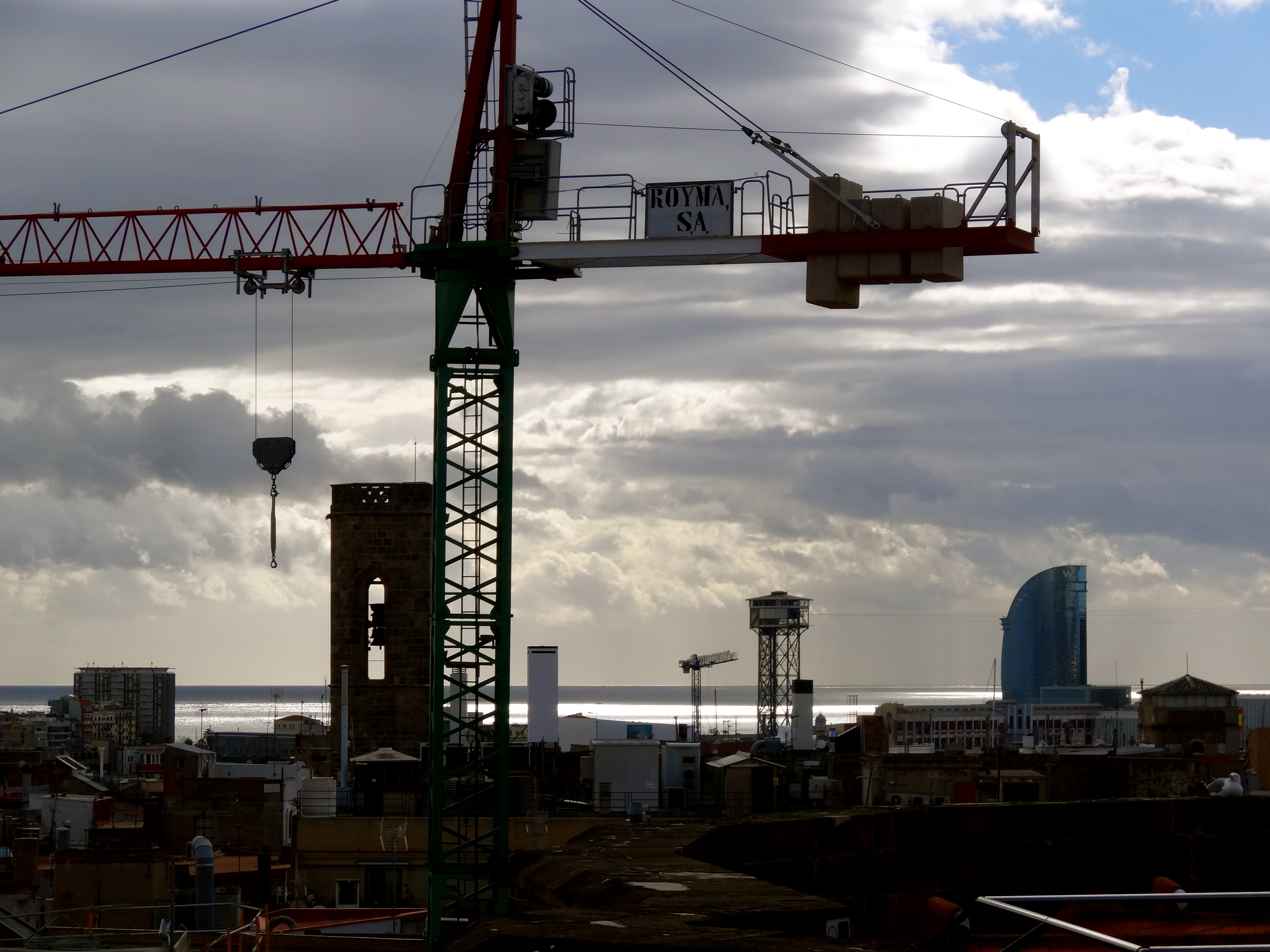
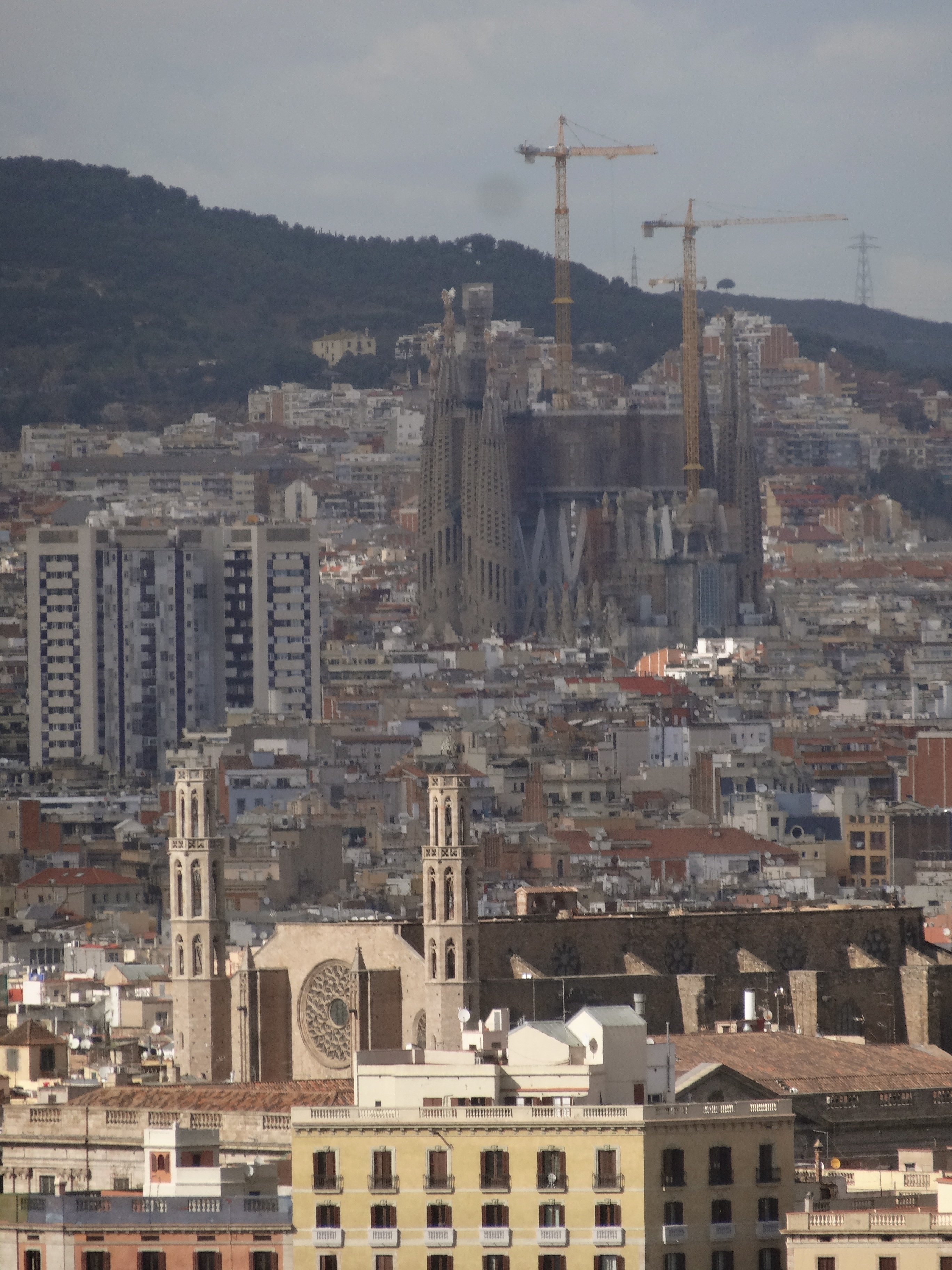
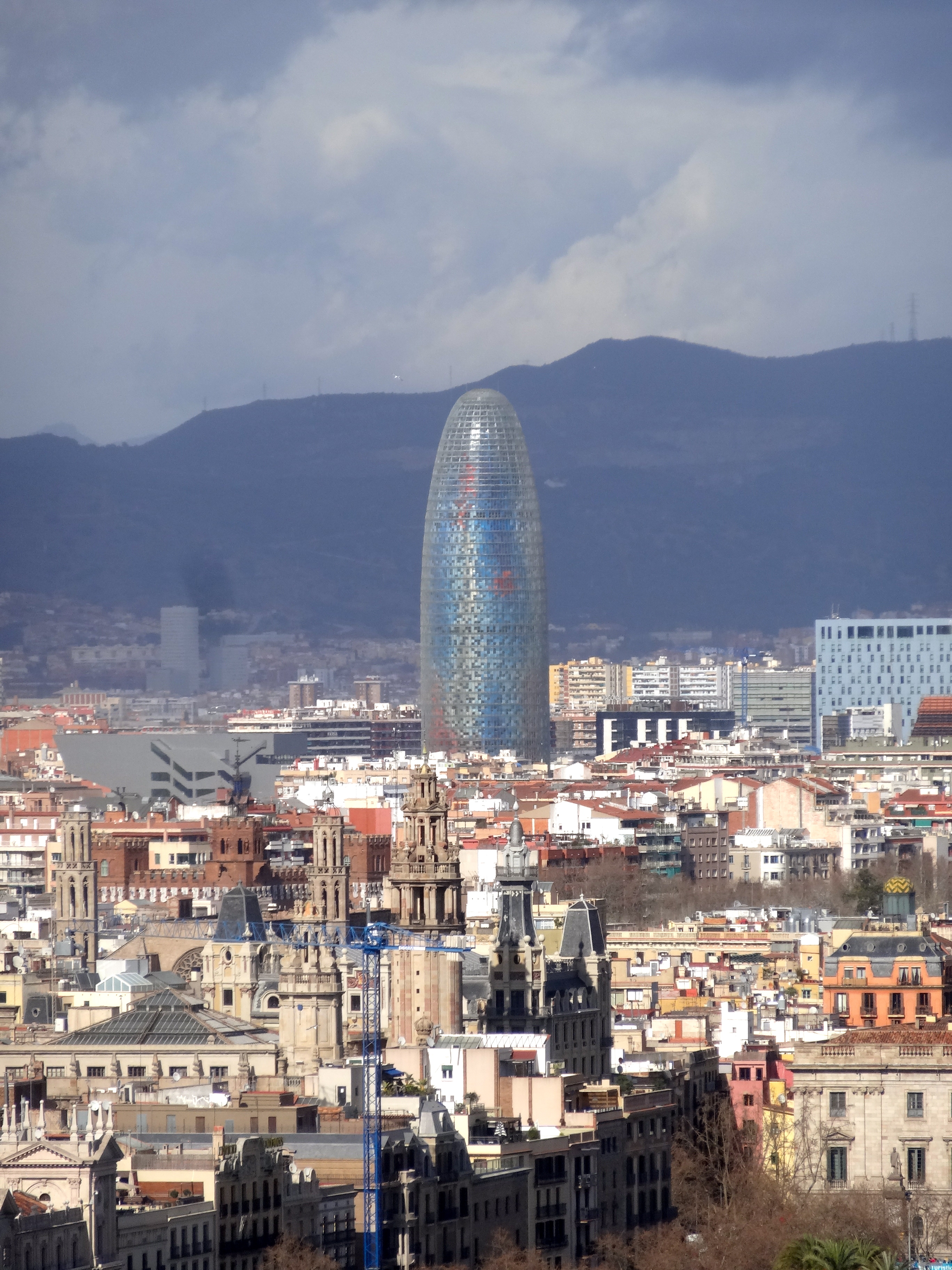
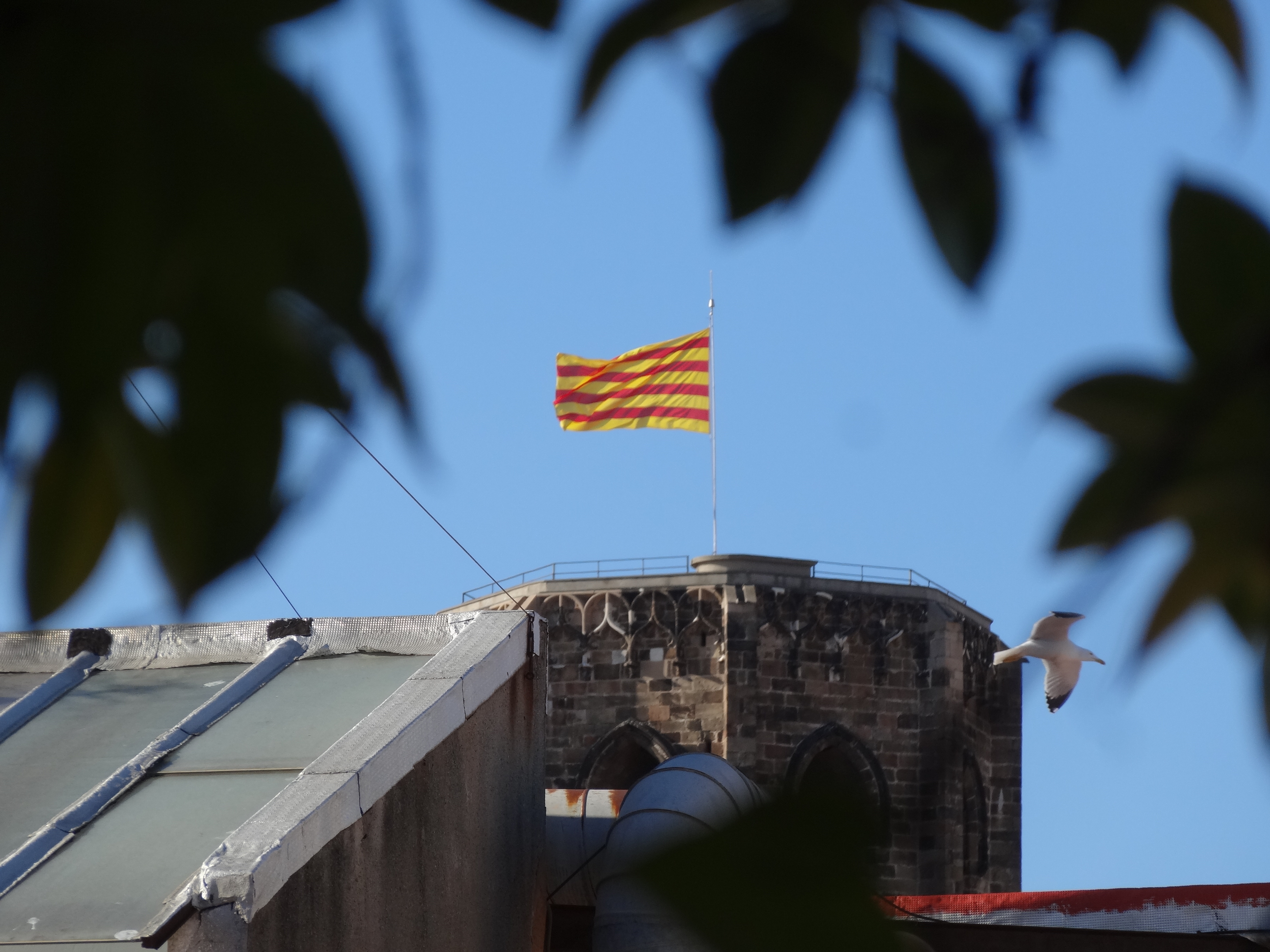
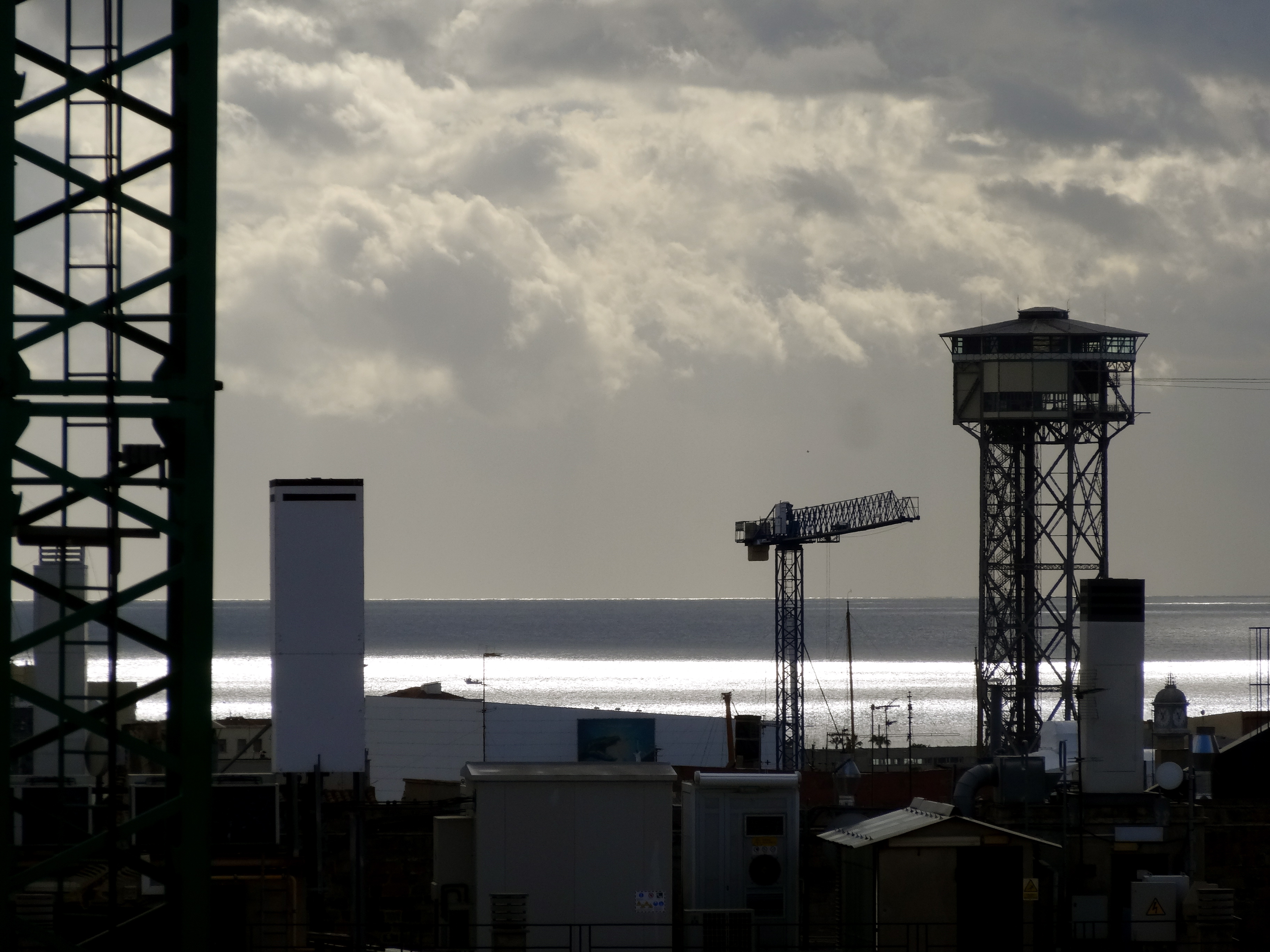
Mercifully on this last Monday in Barcelona, we were not left out in the cold, because despite the museum doors being closed, we were able to enjoy one last burst of warm weather. And where better to enjoy those clement conditions than by heading to the places from which we could best admire this city from above? Seeking something of an unusual vista rather than the normal tourist havens of Park Guell and the old funfair at Tibidabo (which is open even fewer days of the week), our first stop was up a very creaky and somewhat scary small lift to the roof of the old gothic cathedral. Being up amongst the spires and gargoyles of this gothic icon made for a very unique platform from which to admire Barcelona’s old town, and the wider spread of its urban sprawl, down to the coast and up to the fringes of the mountains.

Views from the roof of Barcelona’s Cathedral
DSC03310 DSC03349 IMG_4150 DSC03337 DSC03332 IMG_4151 DSC03315 DSC03327 DSC03311

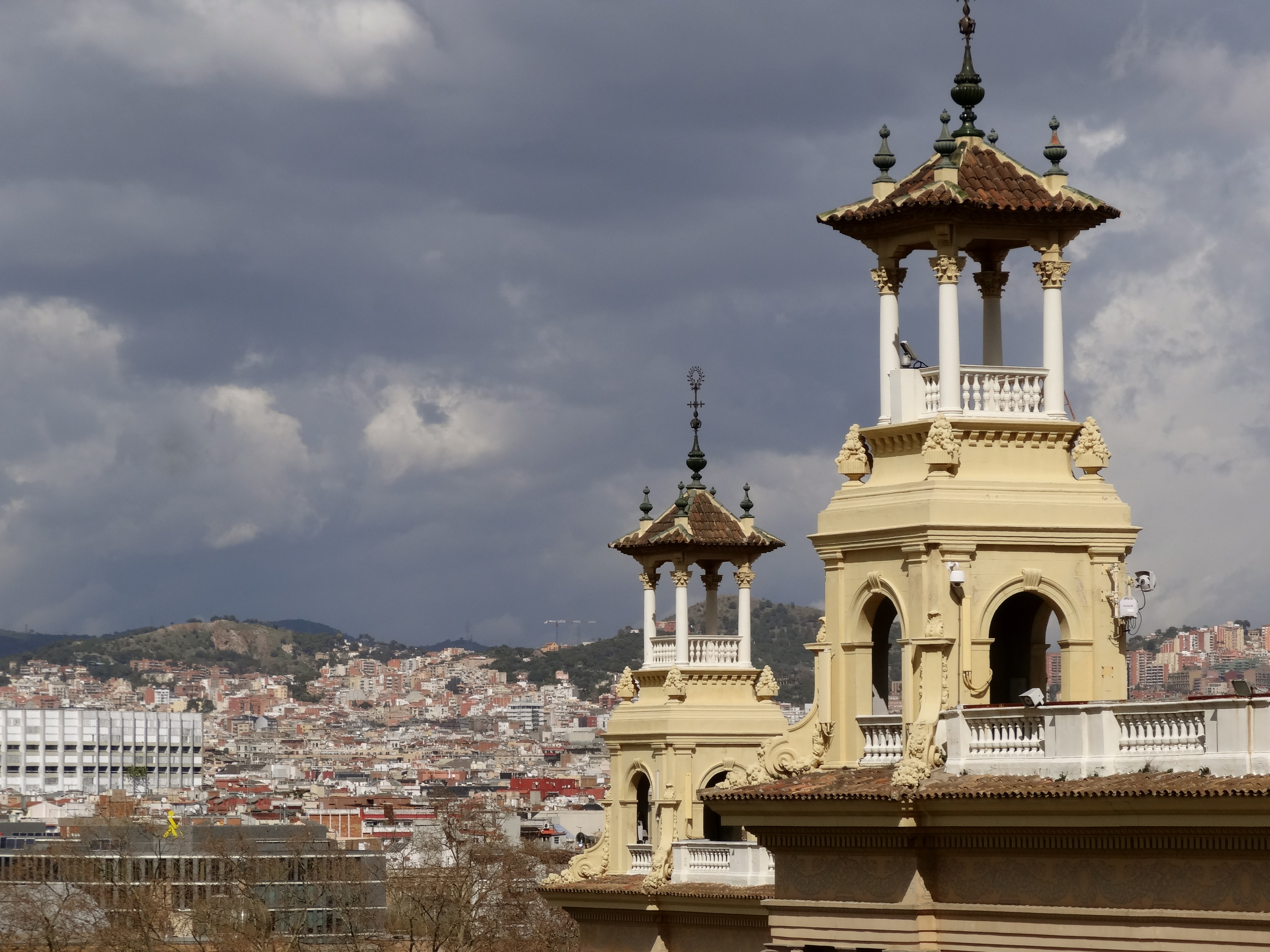
But as far as I am concerned, the best view of all Barcelona can be found, not in the centre, nor North of the city, but from atop the hill of Montjuic. Montjuic can often be overlooked by those stuck rigidly to the tourist trail caught up in the narrow streets of the Gothic Quarter and La Ribera and up into the Eixample amongst the Gaudi masterpieces. But this hill, which overlooks the city from its position south west of the city, and which plunges down from a heady peak almost into the sea below, was the centre point of the 1992 Olympic games which relaunched the city to the world at large. It is also a hub of culture and reclamation, boasting several gardens, the Miro Foundation, and the spectacular National Art Museum of Catalan Art at the Palau Nacional/

Of course both of the latter were shut (after all, it was Monday), but our concern was not with the insides of buildings, but with the extensive open spaces, and the unbeatable view from the top. In order to reach the mountain, we enjoyed the majestic approach which extends from the Plaça d’España to the Palau Nacional, a broad triumphal avenue constructed for the 1929 World Exhibition and which, at certain times of the year, boasts the additional splendour of row after row of spectacular fountains which shoot up into the air like a thousand sparkling columns.

The Palau Nacional on Montjuic and the stunning view from the top

DSC03391 DSC03402 DSC03406 DSC03403 DSC03421 DSC03422 DSC03459 IMG_4173

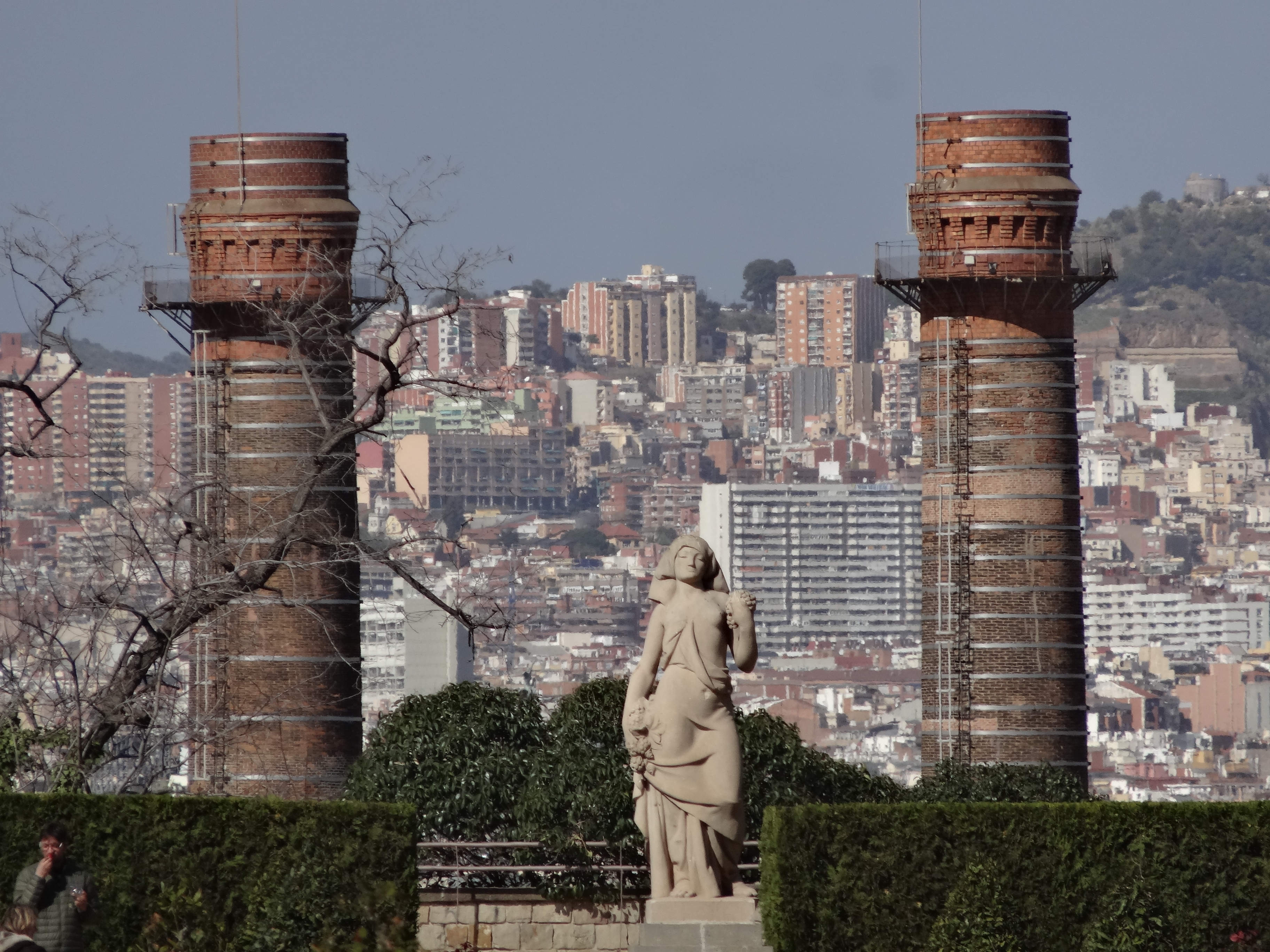
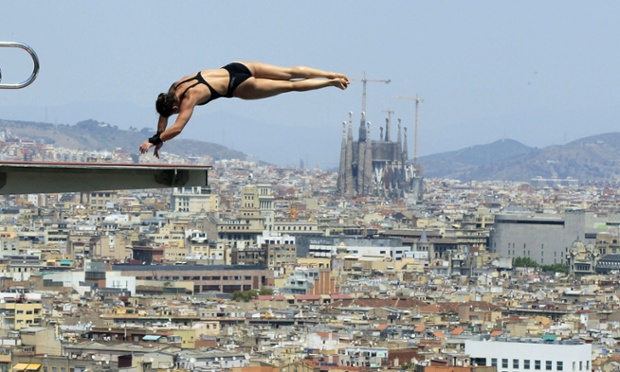
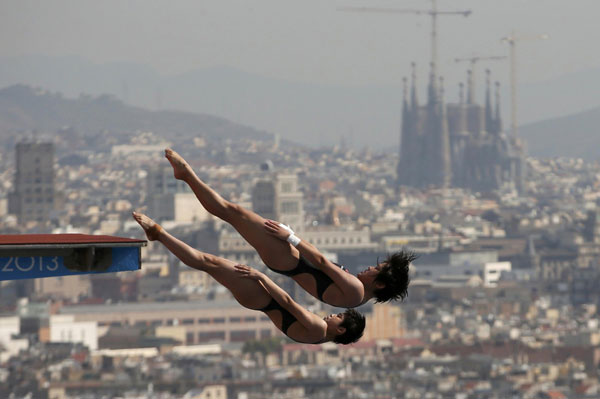
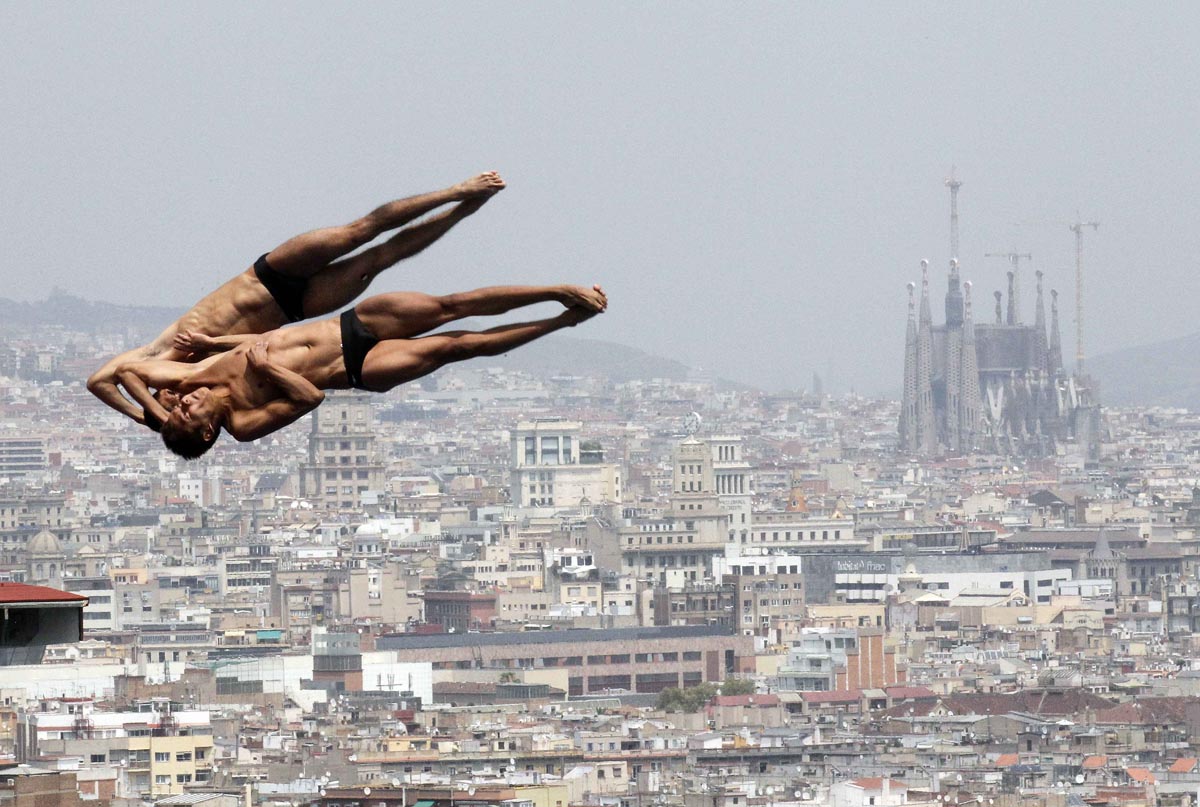
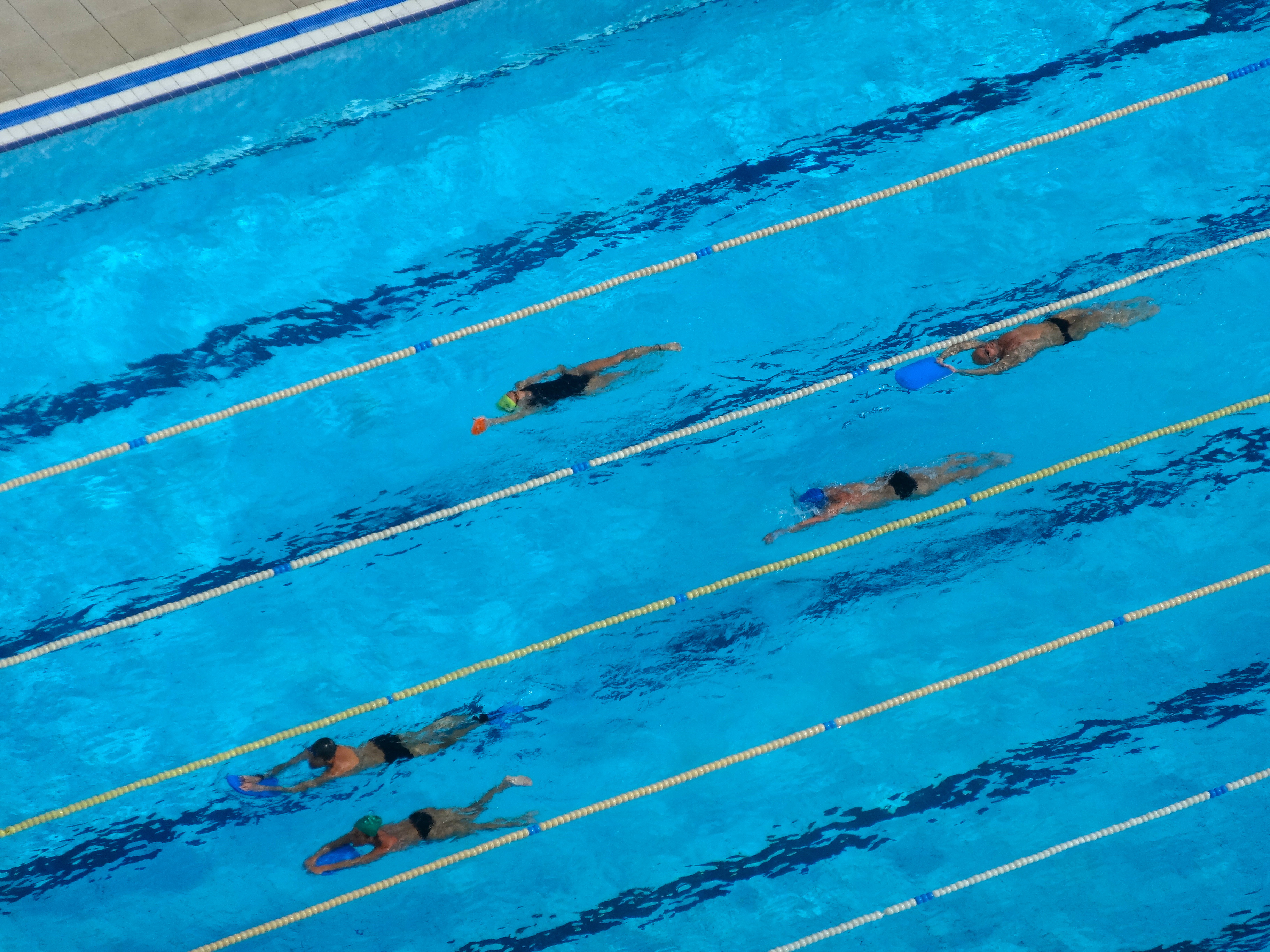
Sadly there were no active fountains in sight for us, but the added benefit of this was the opportunity to hear the first birdsong of Spring as we ascended the hill, and gradually moved away from the concentrated bustle of the city. As soon as you reach the top, the spectacular views of Barcelona are available to be enjoyed from practically every vantage point. From in front of the Palau Nacional, the view extends down across the triumphal Avenue Reina Maria Cristina to the two copies of Saint Mark’s campanile in Venice; then moving across the hill, you reach the iconic diving pool which was used in the Olympics, and from which the most spectacular view of Barcelona can be enjoyed – with the old town and the Sagrada Familia rolled into one, directly behind the pearly white diving board and cerulean blue pool. What a view! Then heading further up the hill towards its peak, the view switches west, across the beach, the port and the Mediterranean Sea. And it was there that we discovered our next destination: the Jardins de Mossen Costa i Llobera

What we saw of the pool…and some iconic diving shots

DSC03453 PREPARATIONS FOR THE WORLD SWIMMING CHAMPIONSHIPS TOPSHOTS-SWIM-WORLD-DIVING eca86bd9ddb41358067c02 Mexico's Garcia and Sanchez perform dive during practice for men's synchronised 10m platform event in Barcelona

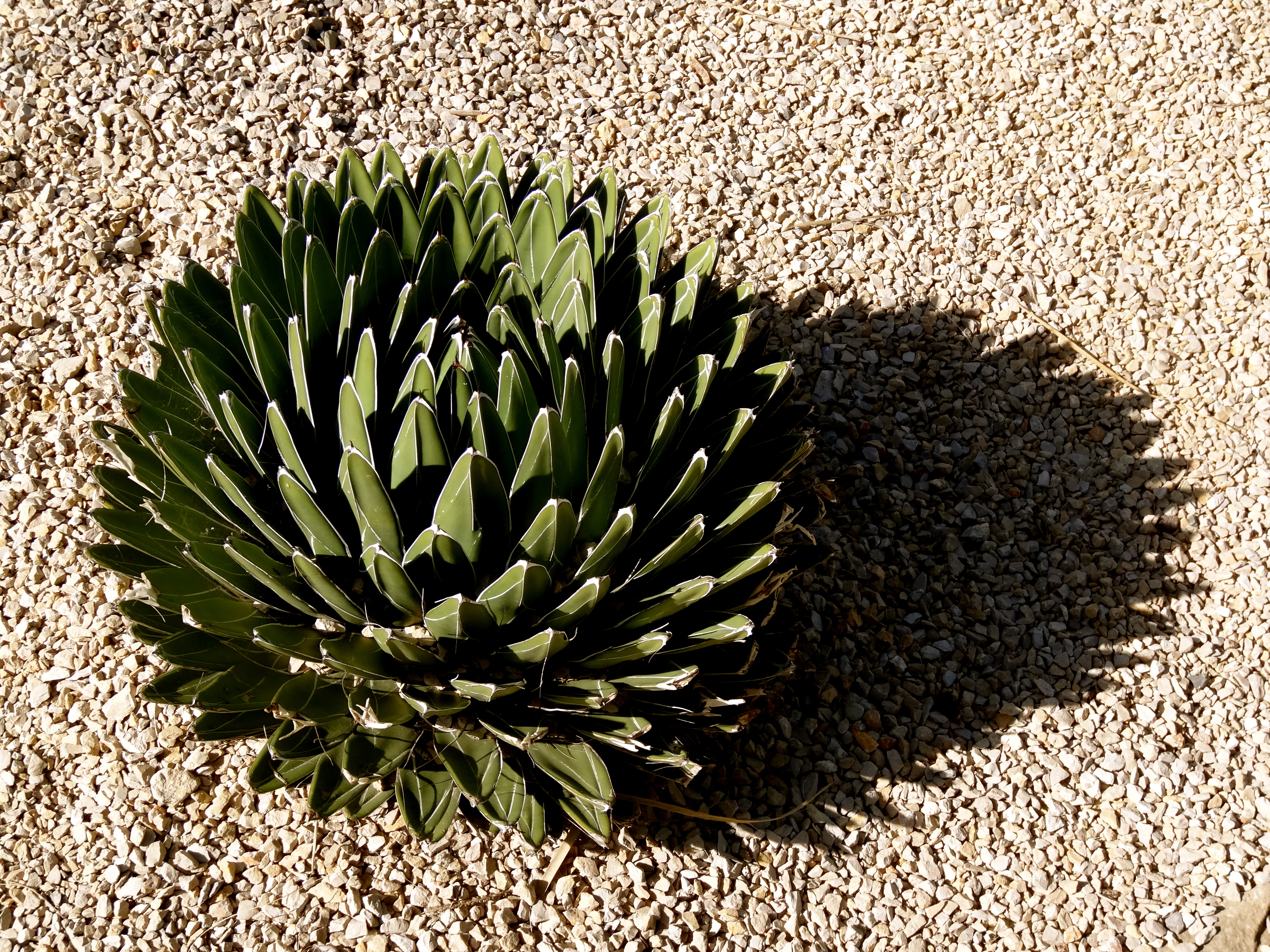
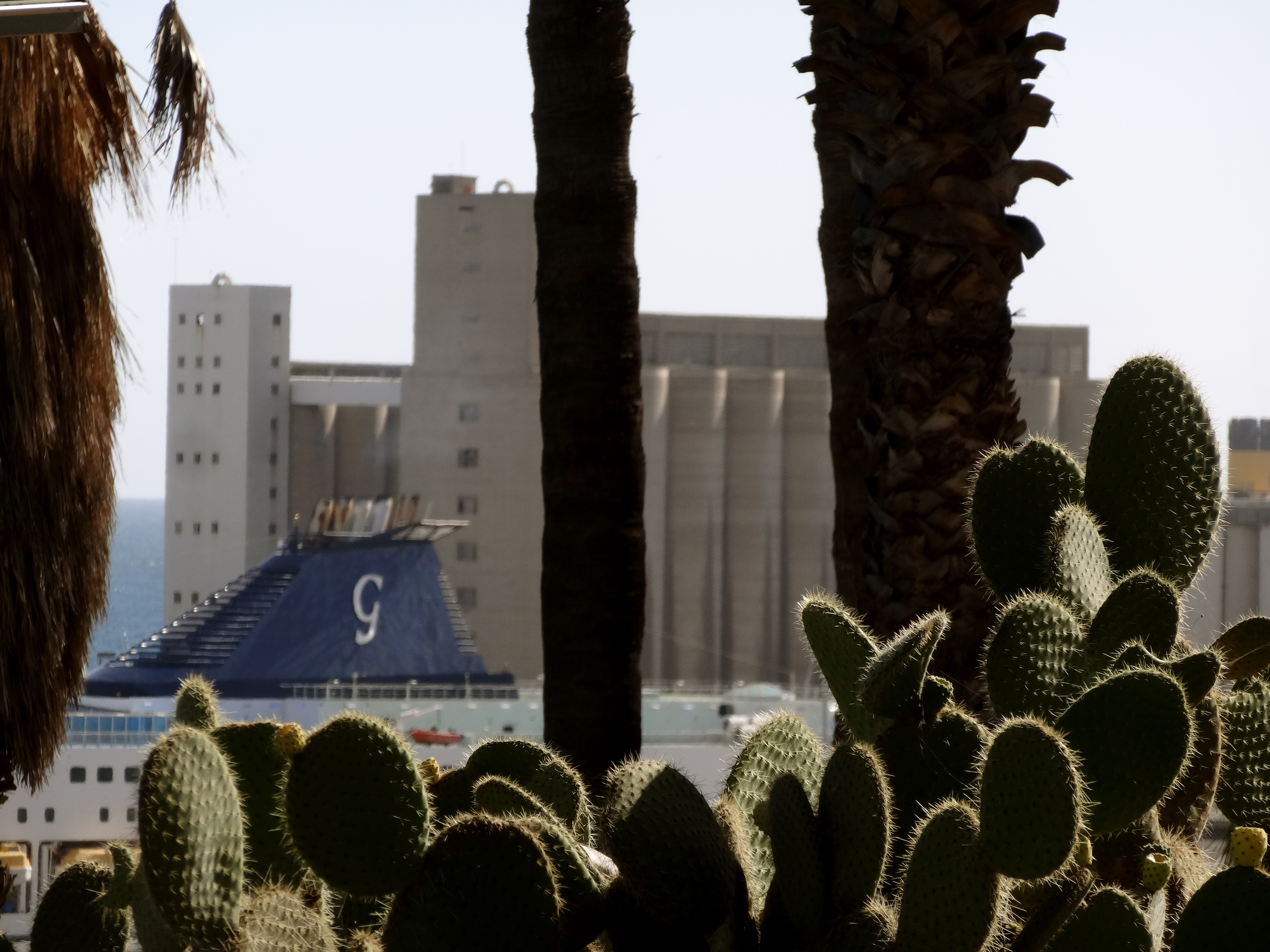
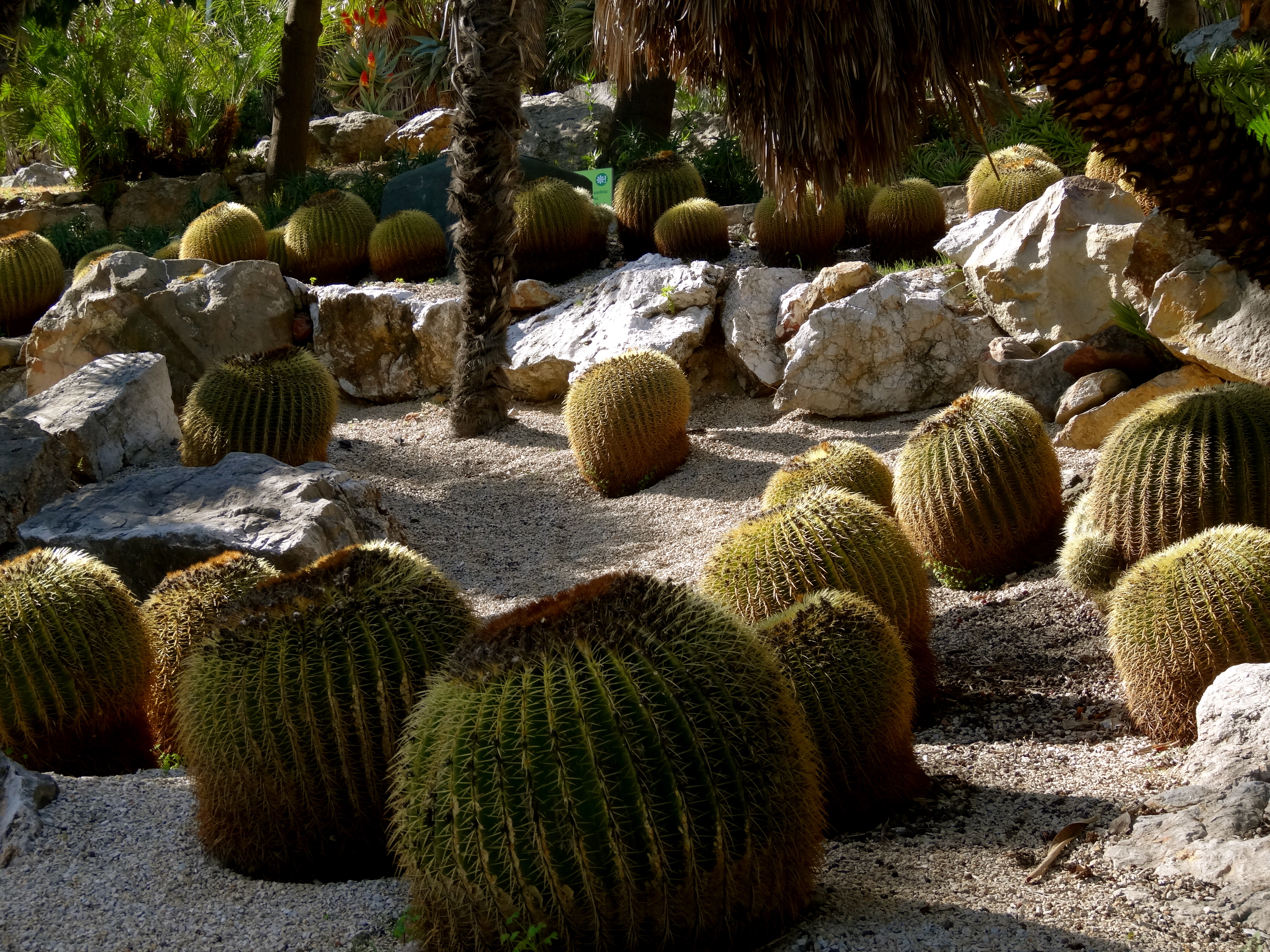
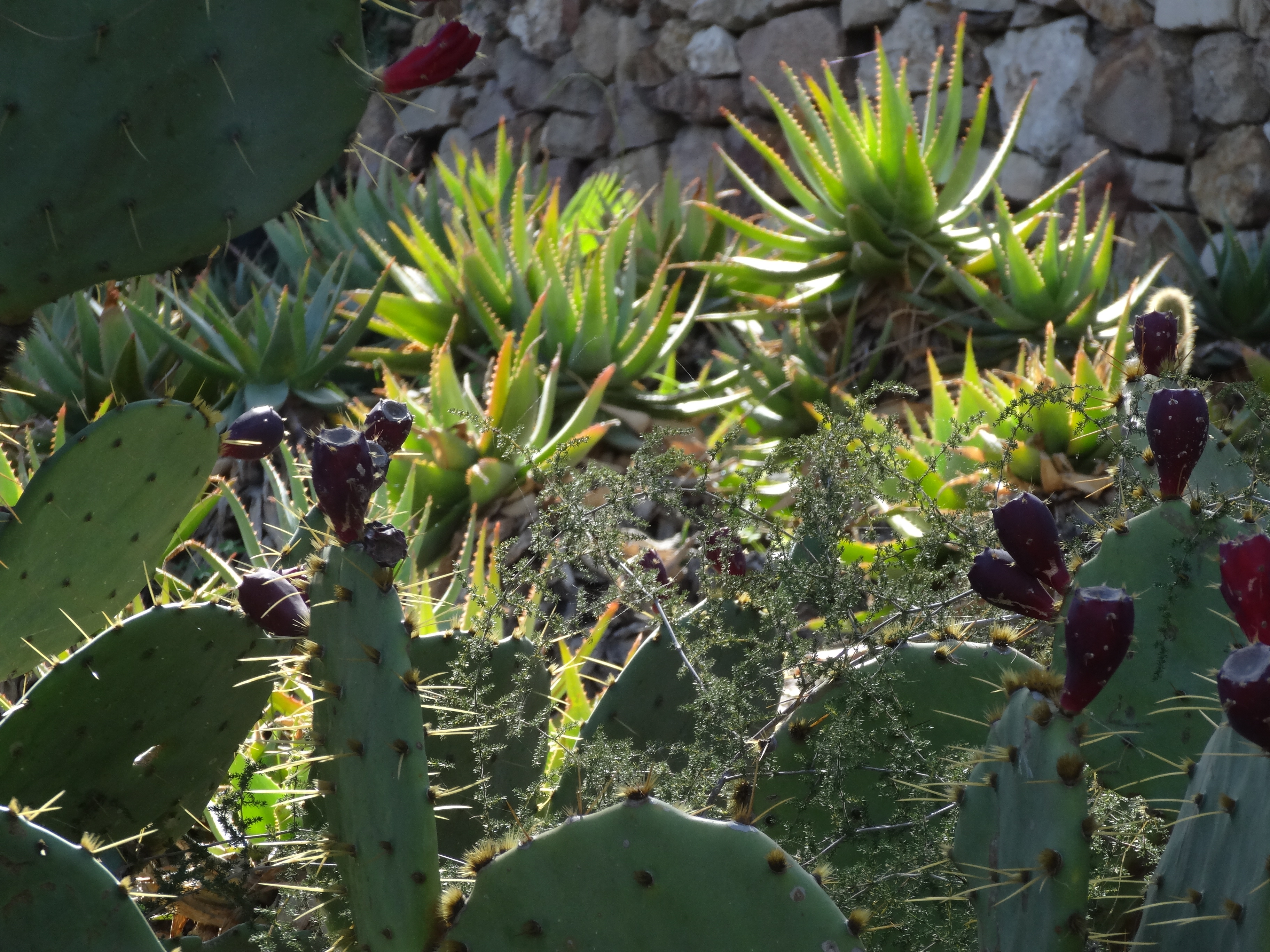
Clinging to the steepest façade of Monjuic and gradually terraced down to the port below, these gardens were crammed full of an abundance of tropical palms and spiky cacti of every variety, size and colour. The bounteous panoply of vegetation was so profuse that, with the sun beating down upon us, I felt as though we had entered a tropical paradise island like the Tahiti of Gauguin’s artworks. It was simply incredible.

The Jardins de Mossen Costa i Llobera
DSC03490 DSC03483 DSC03512 DSC03465 IMG_4218 DSC03487 DSC03510 DSC03476 DSC03496

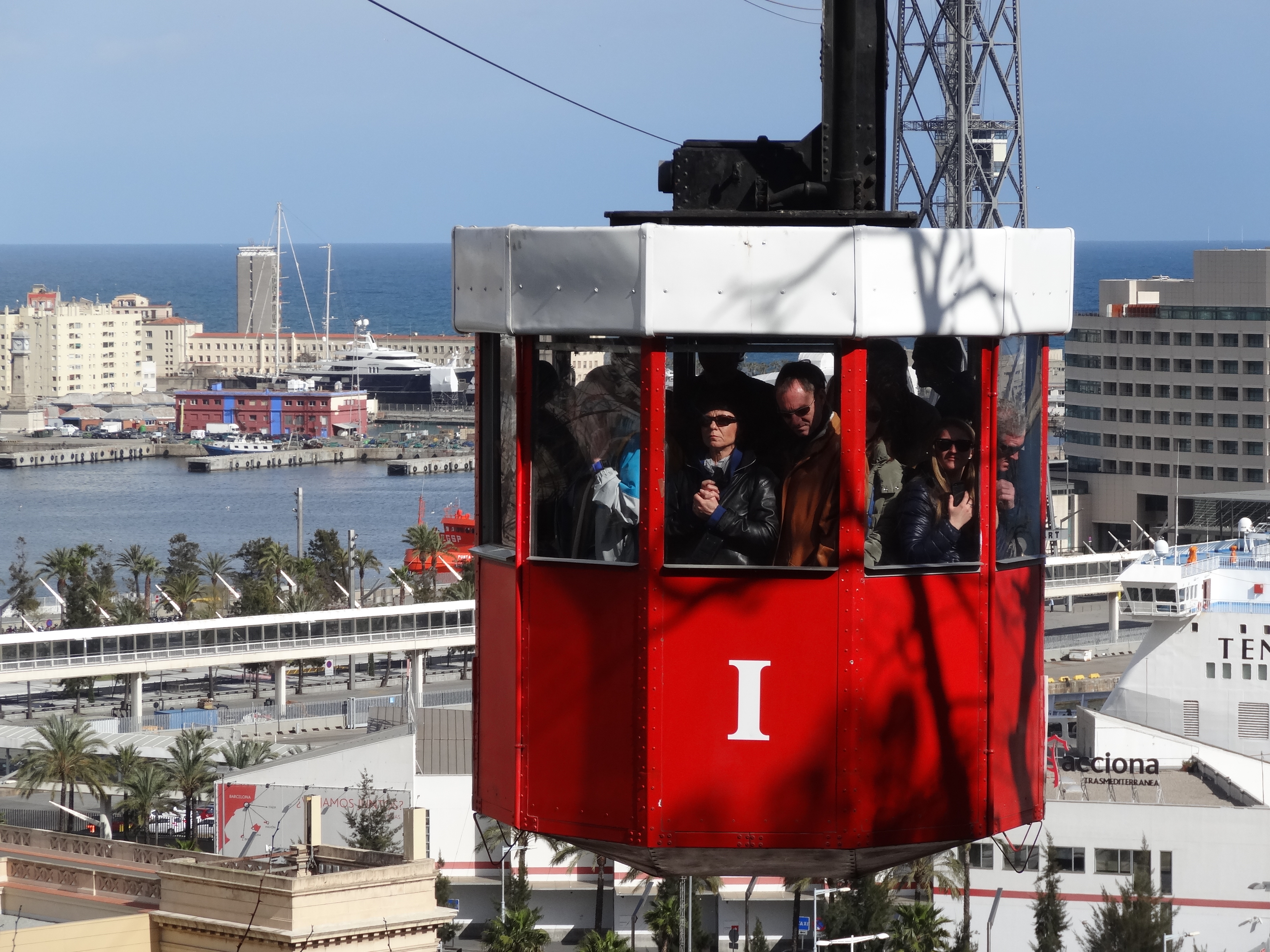
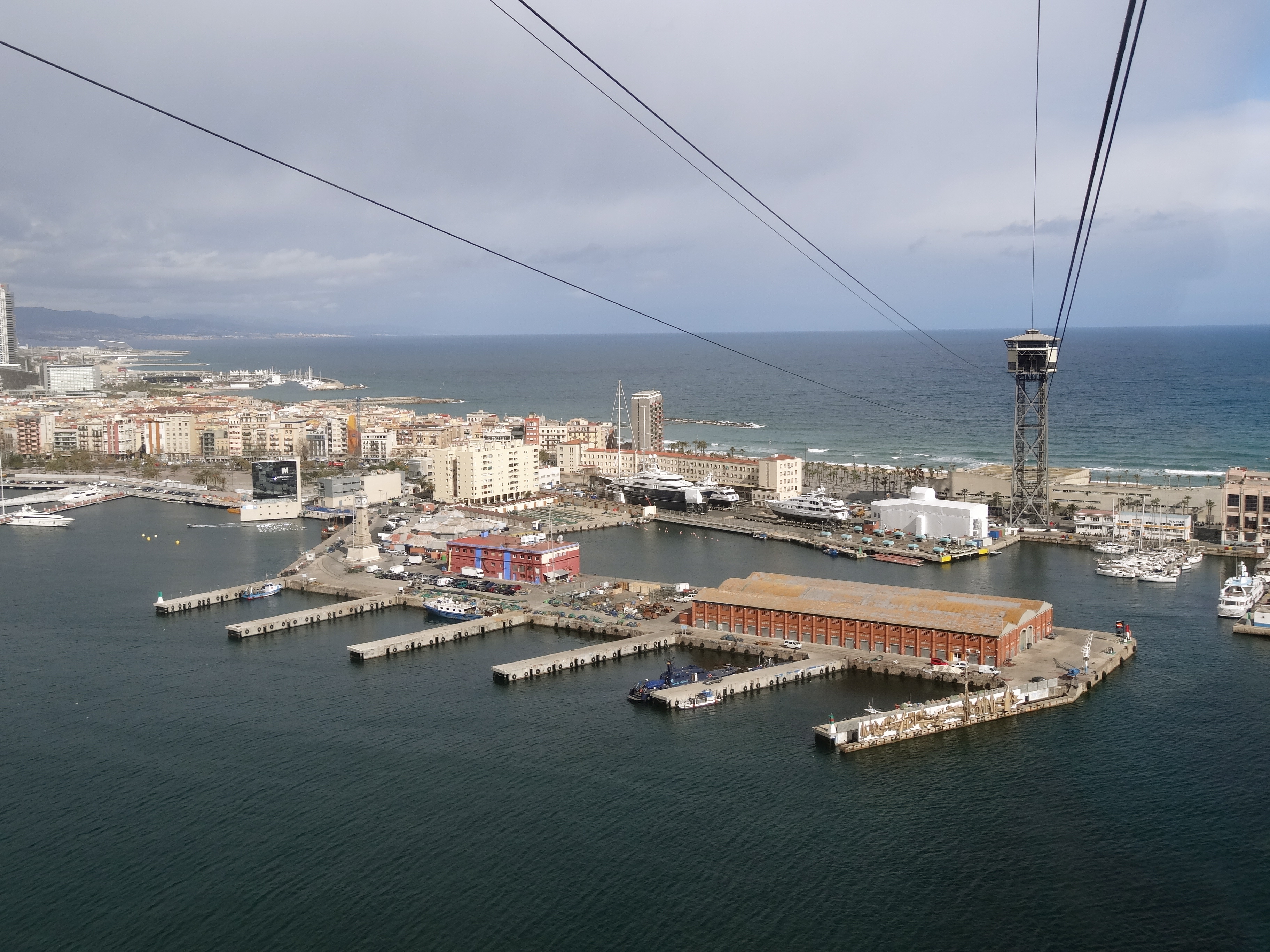
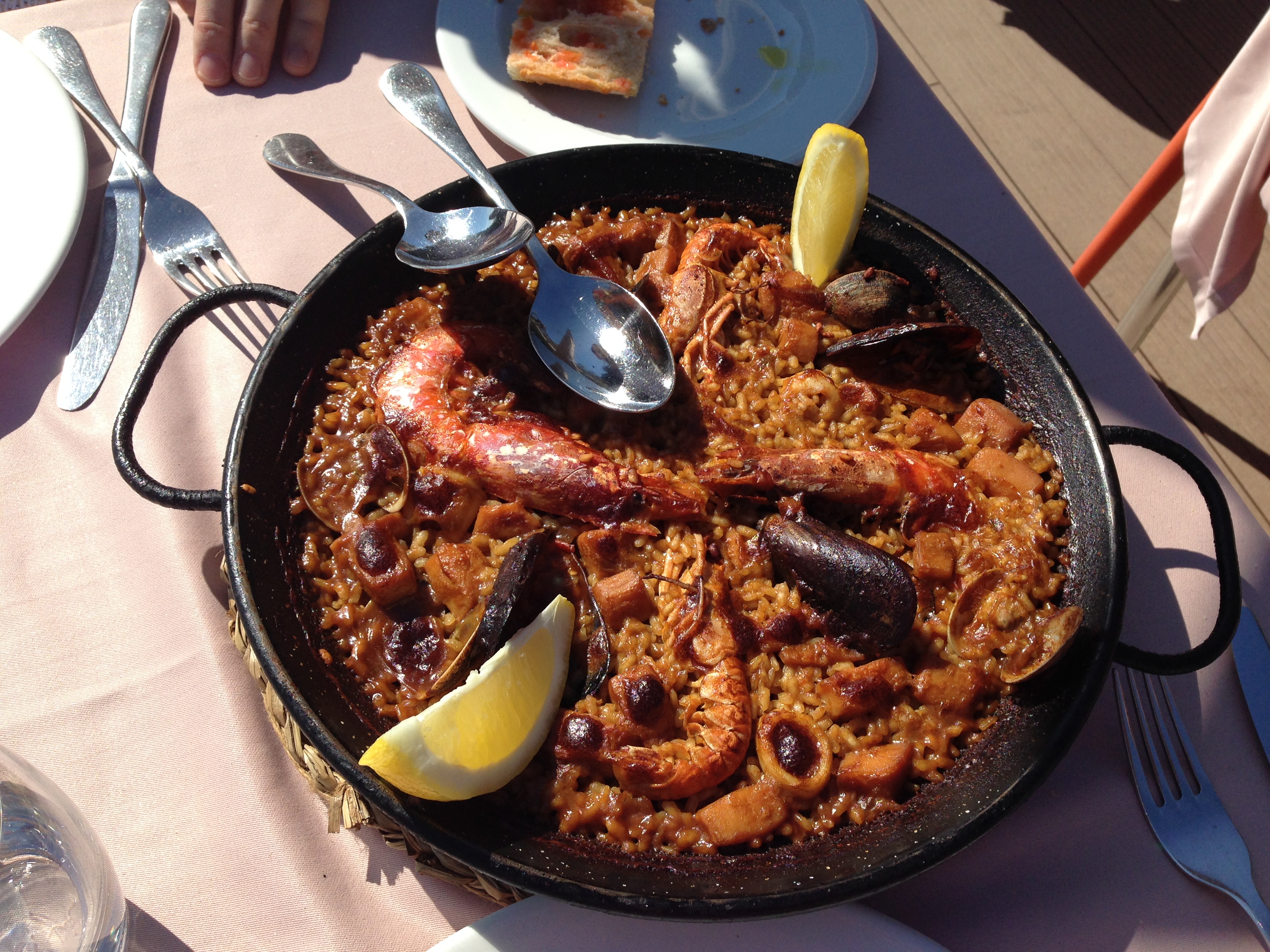
Not wanting to drag ourselves away, but with lunch and, ultimately, the journey home to England beckoning, we descended Montjuic in the only way two view-seekers possibly can: by cable car down to the port below. Once there we were able to indulge in what has to be the most delicious twist on a seafood paella I have ever eaten – noodle paella, delicately but richly caramelised around the edges so that the subtle flavours of the shellfish stock were transformed into a sweet smoky caramel which tickled ever sensorial trigger.

Down to the Port via the cable car

DSC03520 DSC03525 DSC03554 DSC03563 DSC03573 DSC03564 DSC03540 IMG_4236

And so it was that our trip to Barcelona came to an end. Still outside, still enjoying the sun, still feasting unapologetically and ultimately revelling in the good life which this city can provide so well. All that remained was a trip to Barcelona’s sensationally sparkly new terminal 1 airport, and a swift (if a little bumpy) flight back to blighty.

It all ended with lunch

DSC03583

So there it was, a city trip that dreams are made of. But although this may conclude the diary of our trip, it is far from the last post in the Daily Norm’s Barcelona series. With new photos, paintings, recipes, food reviews and norm sketches still to share, don’t forget to come back to The Daily Norm soon!

All photos and written content are strictly the copyright of Nicholas de Lacy-Brown © 2014 and The Daily Norm. All rights are reserved. Unauthorized use and/or duplication of the material, whether written work, photography or artwork, included within The Daily Norm without express and written permission from The Daily Norm’s author and/or owner is strictly prohibited. Excerpts and links may be used, provided that full and clear credit is given to Nicholas de Lacy-Brown and The Daily Norm with appropriate and specific direction to the original content. For more information on the work of Nicholas de Lacy-Brown, head to his art website at www.delacy-brown.com

Barcelona | The Hotel Neri

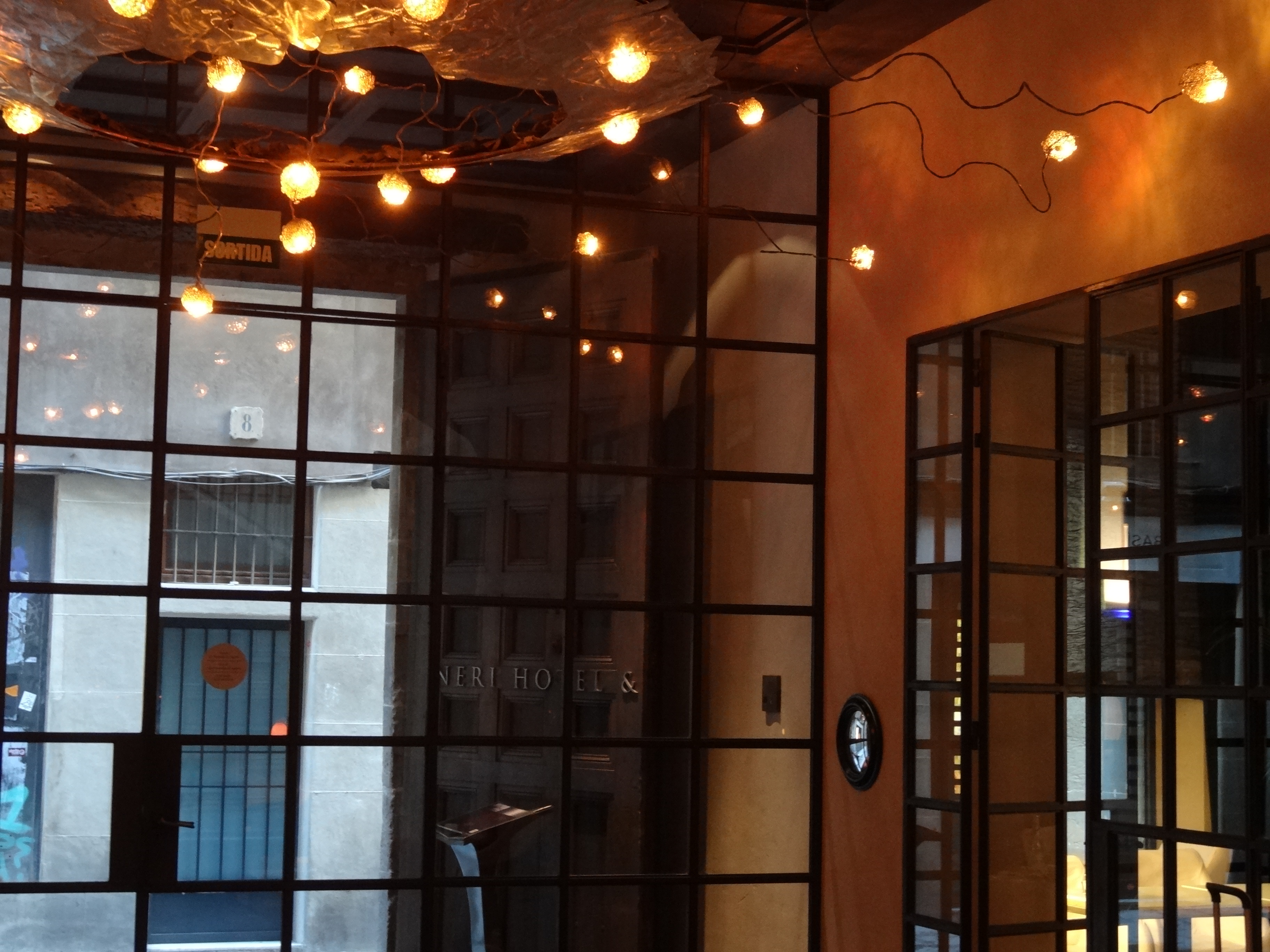
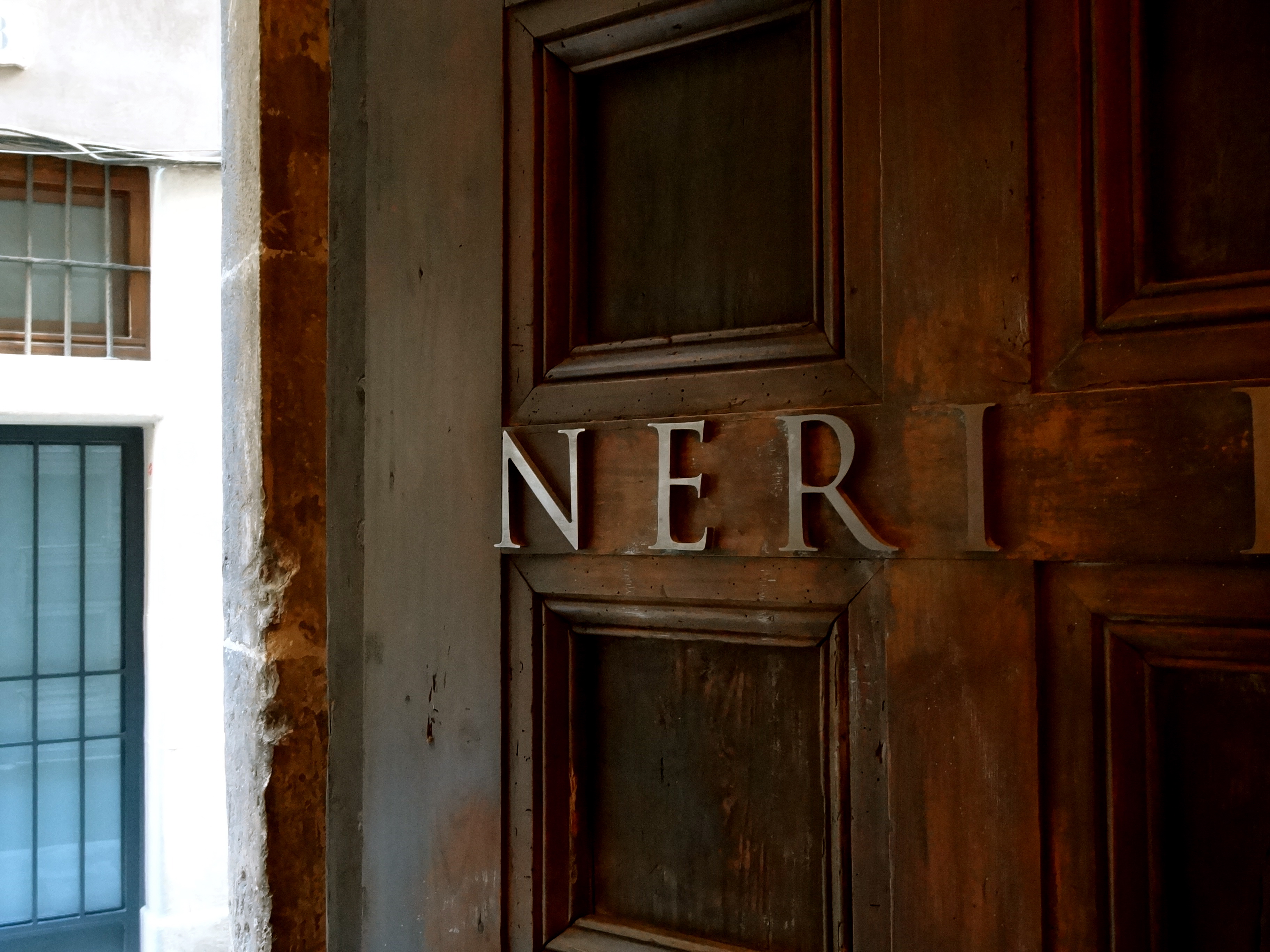
For years I have walked past the Hotel Neri on C/ Sant Sever, nestled as it is in the atmospheric narrow streets of Barcelona’s gothic quarter, and swooned in admiration: Admiration for a hotel so perfectly situated in between the old gothic Cathedral and the church of Santa Maria del Pi; for the sophistication of its low lit interiors, its large plate glass doors and its stylised furnishings, all of which I had peeked when I passed by its windows; and for the preeminent offerings of its esteemed restaurant, which I first sampled back in 2010. But come 2014,  the opportunity finally arose to upgrade from diner to full-time guest, as I took my place in this wonderful hotel – albeit, sadly, for a mere 3 days and nights.

The striking design of the Hotel Neri, which is a member of Relais and Chateau, and part of the Anima Hotels group, is obvious from the moment you first walk into the ambient reception via the beautifully renovated Sant Sever entrance. The interior designer, Cristina Gabás, has combined the historical aspects of this building, some of which dates back to the 12th century, with the sleek modernity which goes hand in hand with the boutique quality which characterises this hotel. With low hanging lights and heavy dark green velvet curtains; large areas of glass set within rough stone and alongside elegant crystal chandeliers, the reception is the ultimate showcase to the high standard of design chic which is consistent throughout the hotel.

Reception chic

DSC02918 DSC02493 IMG_3893 DSC02452 DSC02917 IMG_3897 IMG_3876

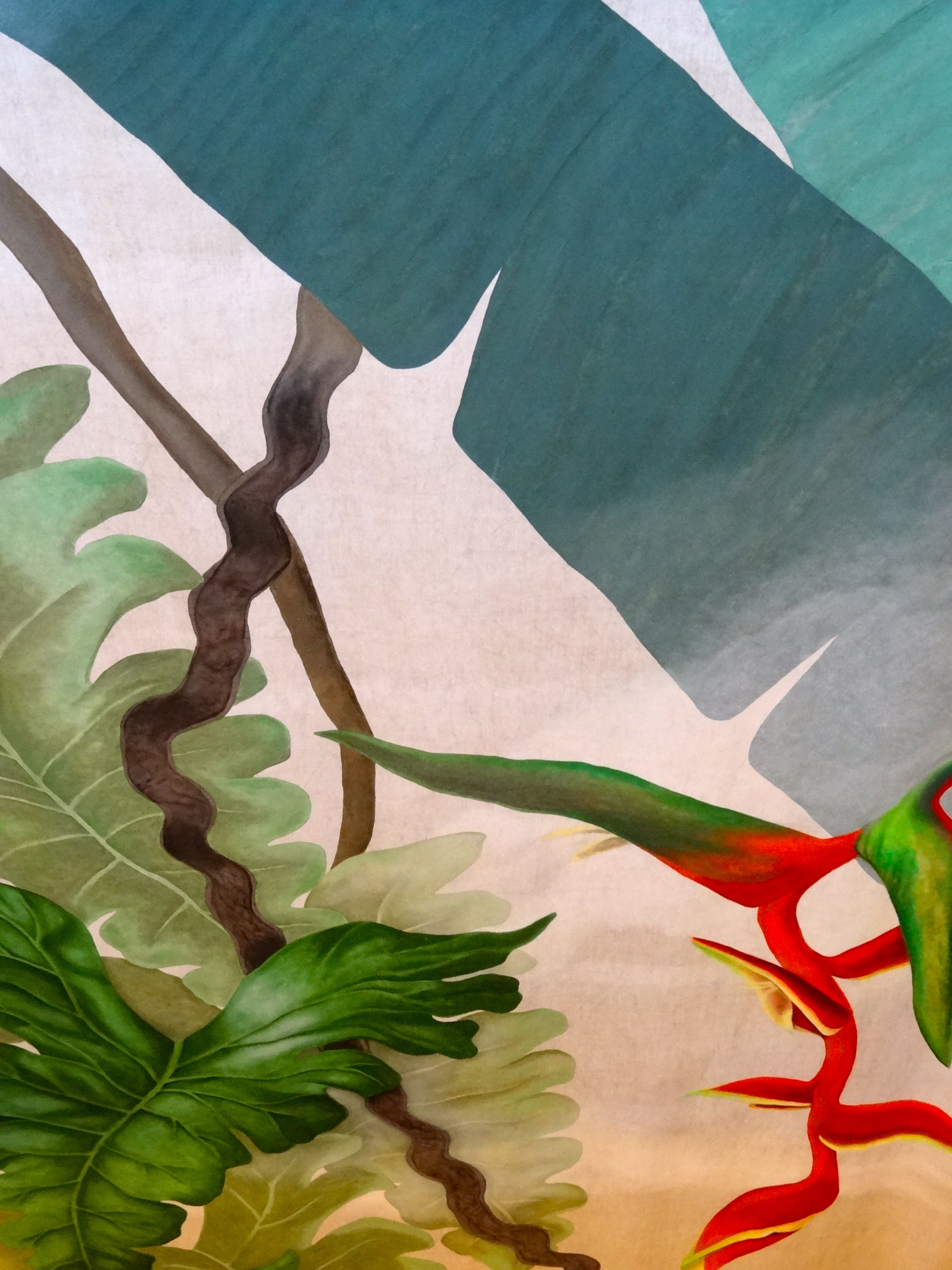
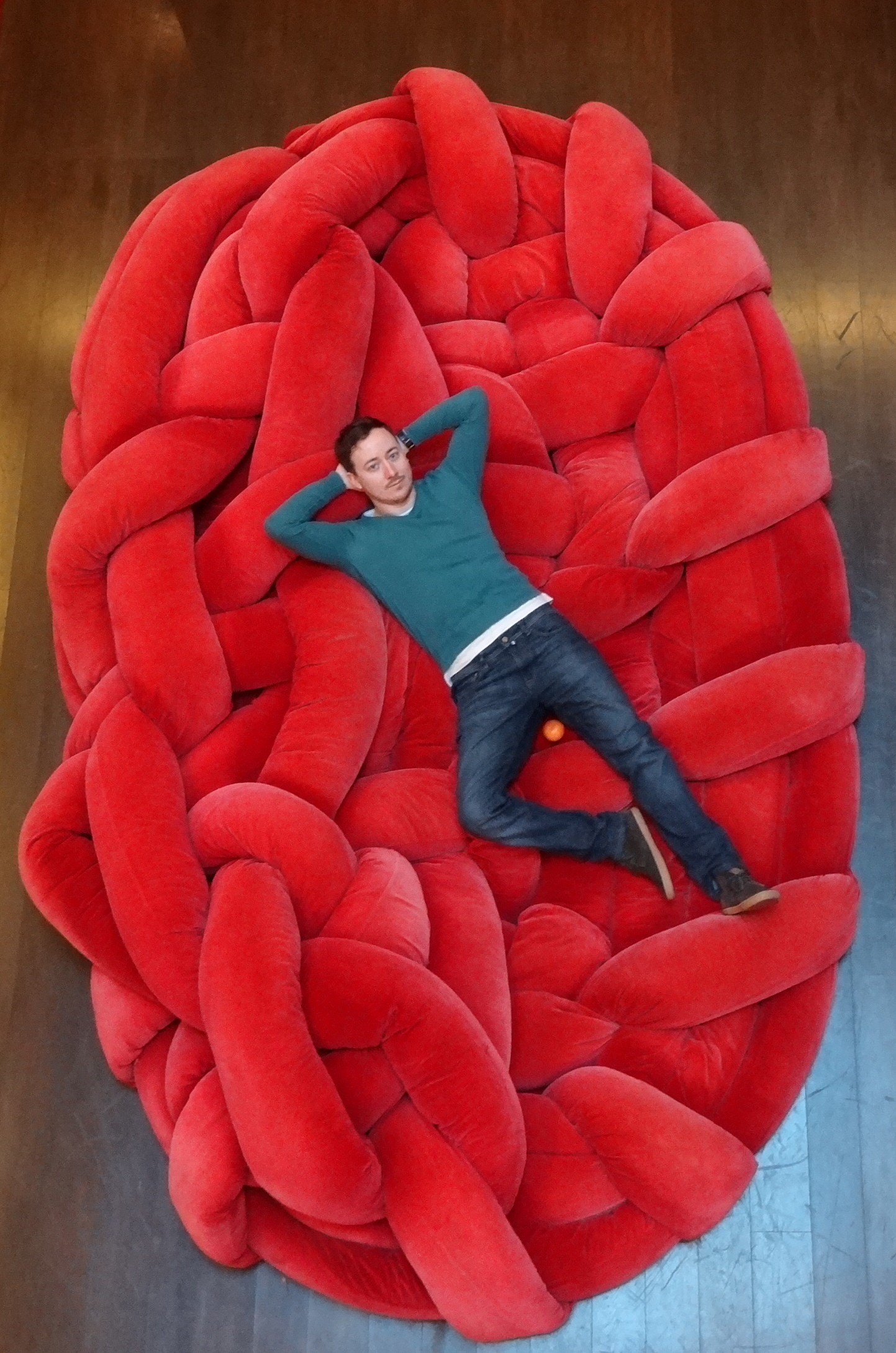
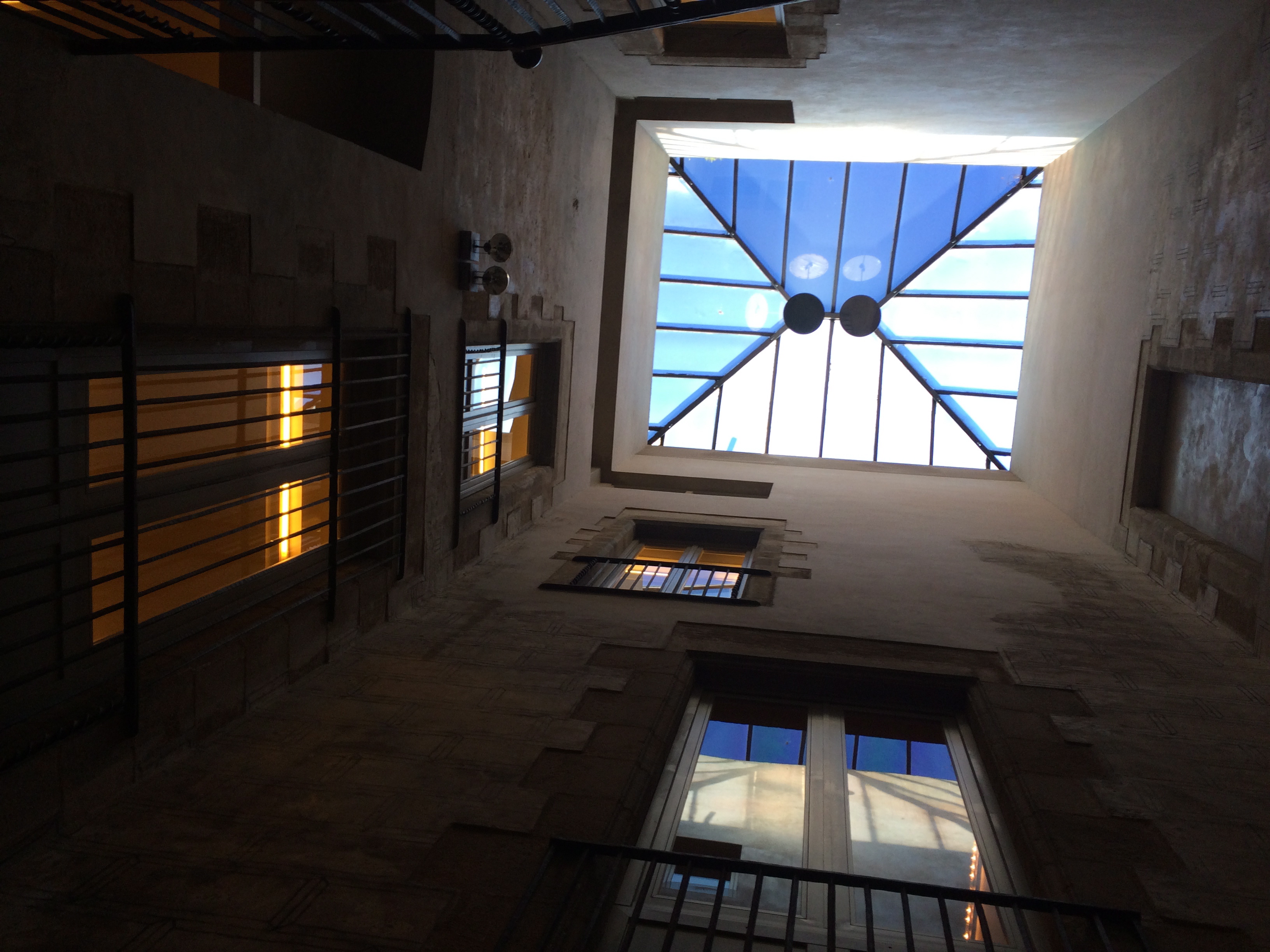
One of our favourite areas was an inner courtyard towards the back of the hotel. Glassed over at the top and plunging through the entire height of the hotel, this open courtyard area lent light and airyness to the hotel, while a large botanical design tapestry hanging down the entire height gave further freshness and dynamism to the design. And if that image represented the jungle, the huge vivid red cushion-come-sculture at the foot of the tapestry must have been the exotic fruit. It was surely comfortable to lie out on!

DSC02433 DSC02467 IMG_4019 DSC02435 IMG_3901

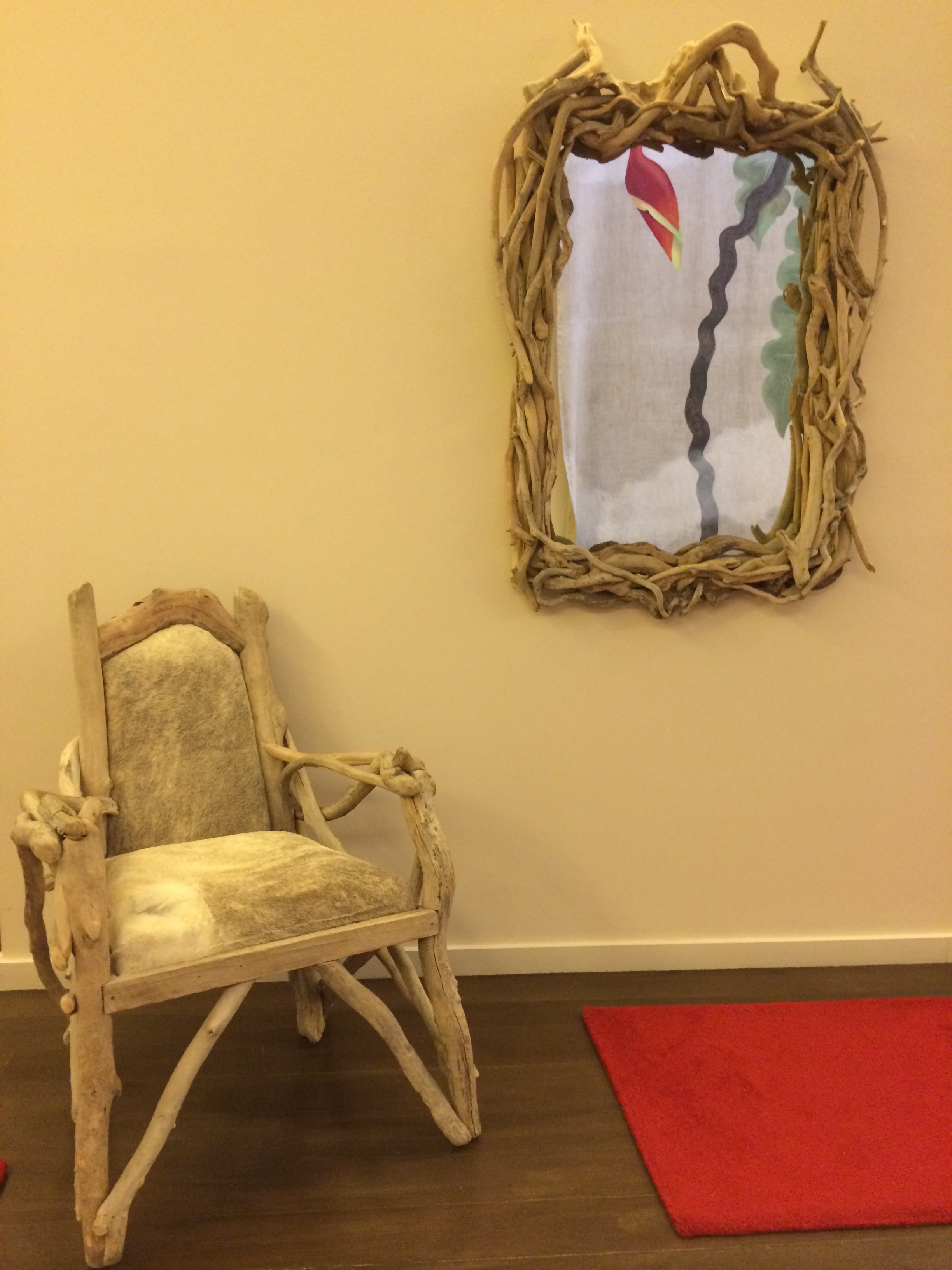
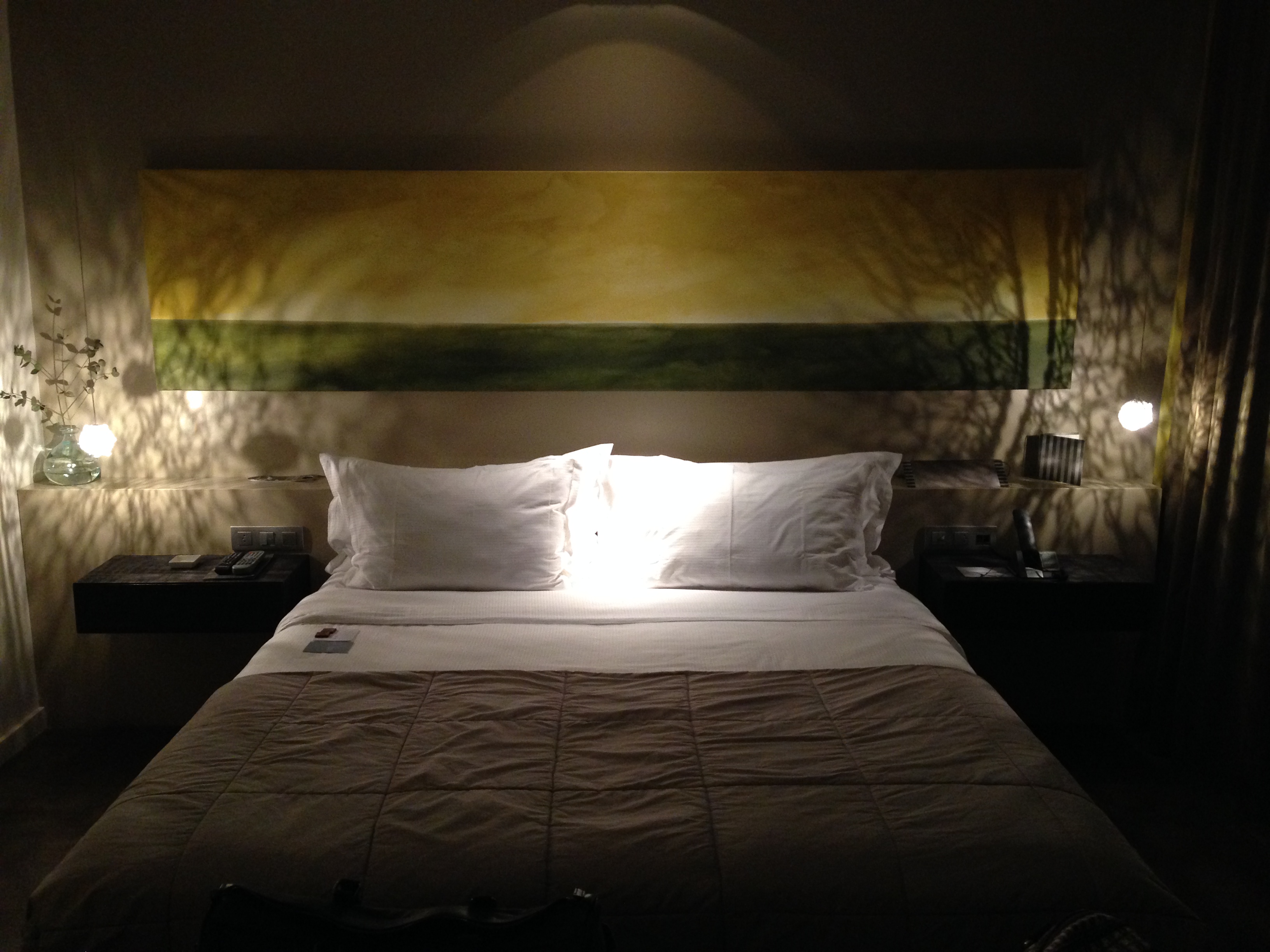
Heading upstairs, past conveniently placed armchairs and cool twig framed mirrors hanging upon the minimalist walls, we were introduced to the room which was to become our own personal piece of Barcelona for the three nights of our stay. Having opted for a junior suite, we were in for a treat. Looking onto the stunning Plaça Sant Felip Neri which featured in my post yesterday, our large spacious room came with its own lounge area, three big windows, and a bathroom which was tiled with rough stone which sparkled in the light – I adored taking a bath in these surroundings, not least amongst all of that rough stone which seemed to have been cut so roughly that I felt as though I was bathing in the middle of a quarry.

Our room

IMG_7700 IMG_7693 DSC02394 IMG_7694

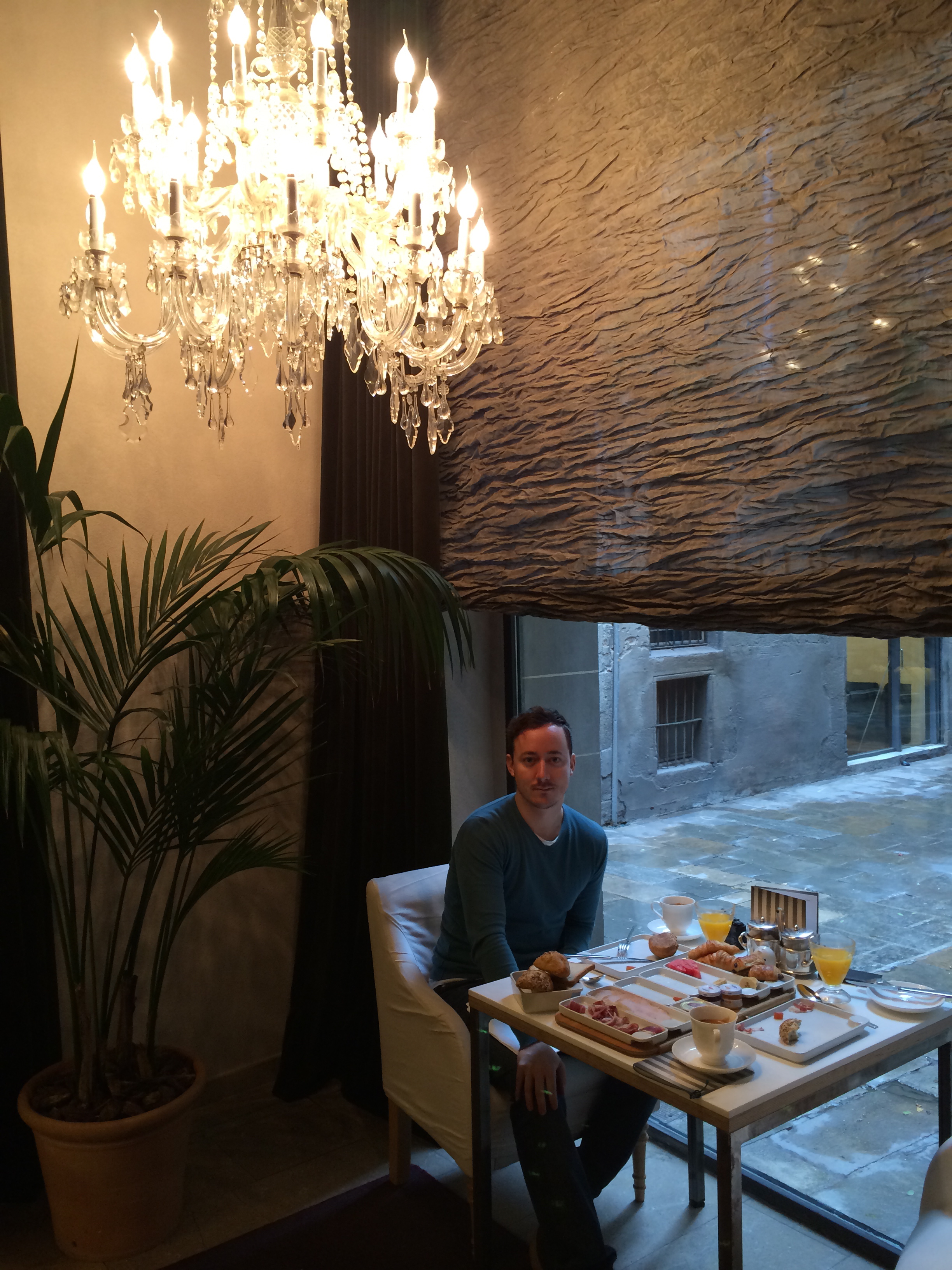
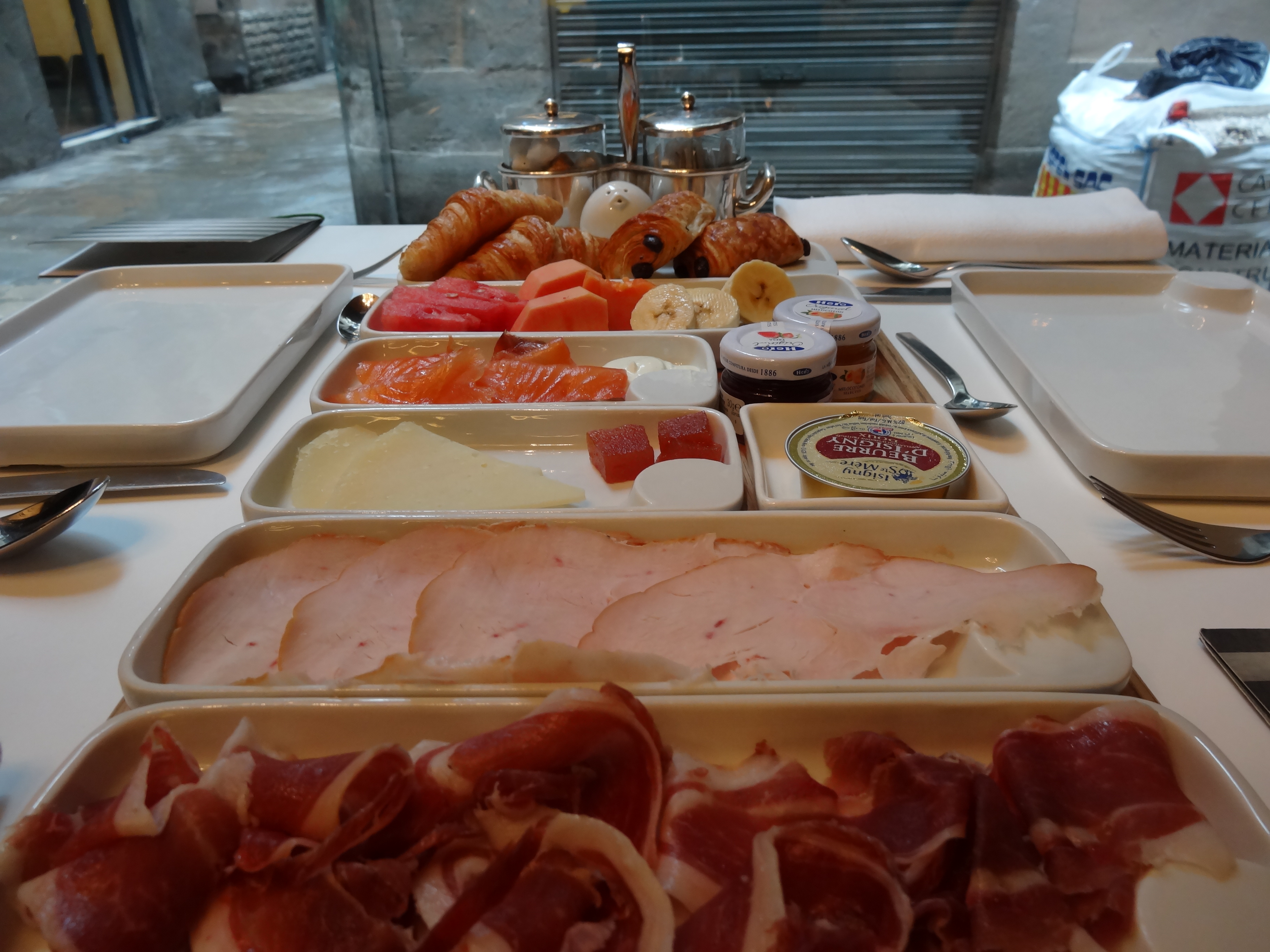
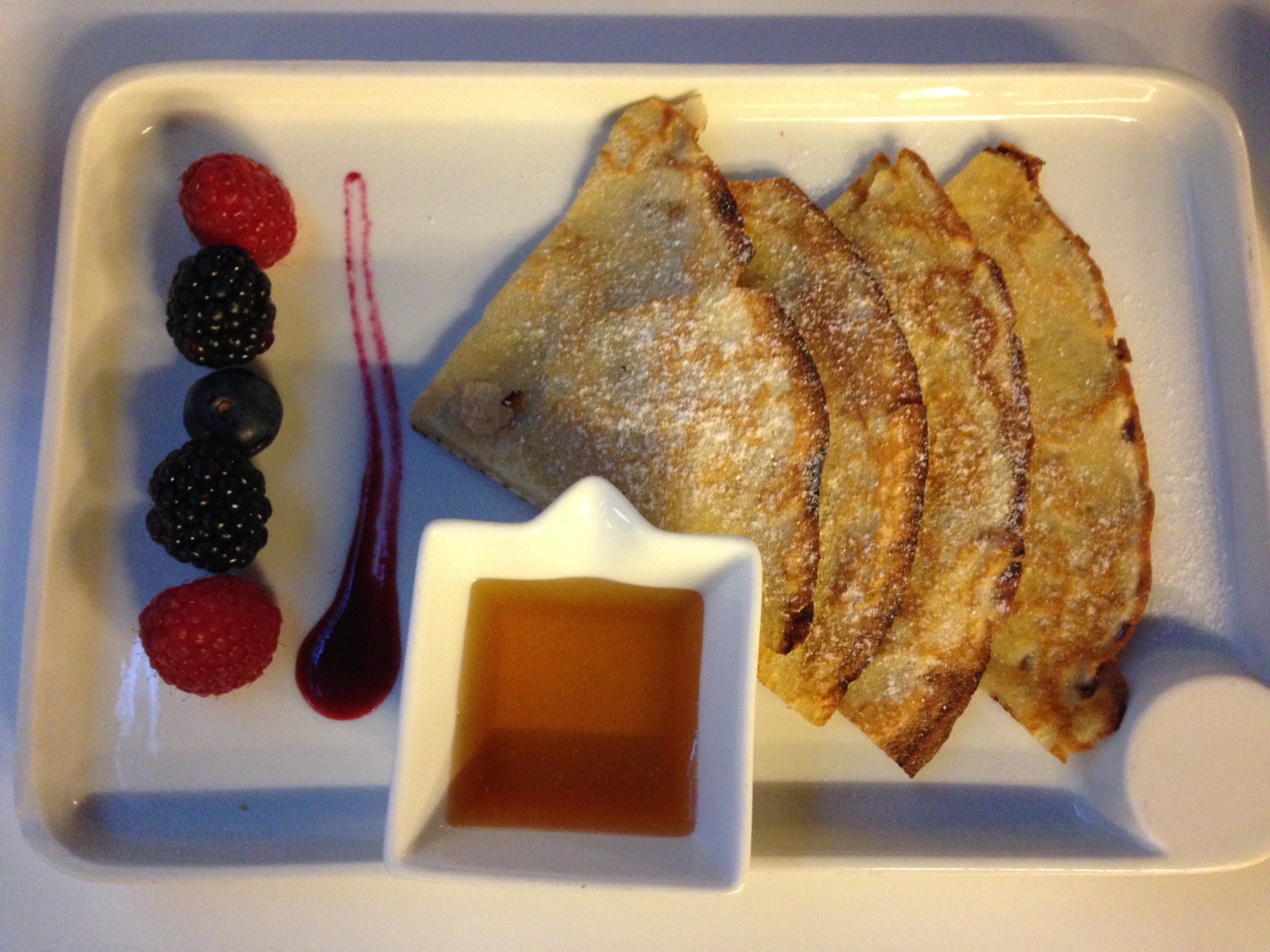
As if further plaudits for the hotel were necessary, there were two further areas which made our stay in the hotel such a memorable pleasure – first, taking a daily breakfast in the hotel’s “library”. For such a small space, breakfast was done in style. With a starting round of cold meats, pastries and fruit brought to the table automatically, this already generous spread was then supplemented by your choice of cooked breakfast from an extensive menu. My particular favourite was the option of fresh pancakes served with syrup and berries – an undoubtedly fine way to start the day, and well timed too – it was, after all, the weekend before Shrove Tuesday.

Breakfast in the library

IMG_3896 DSC02442 IMG_3892 IMG_7731 DSC02446 DSC02439

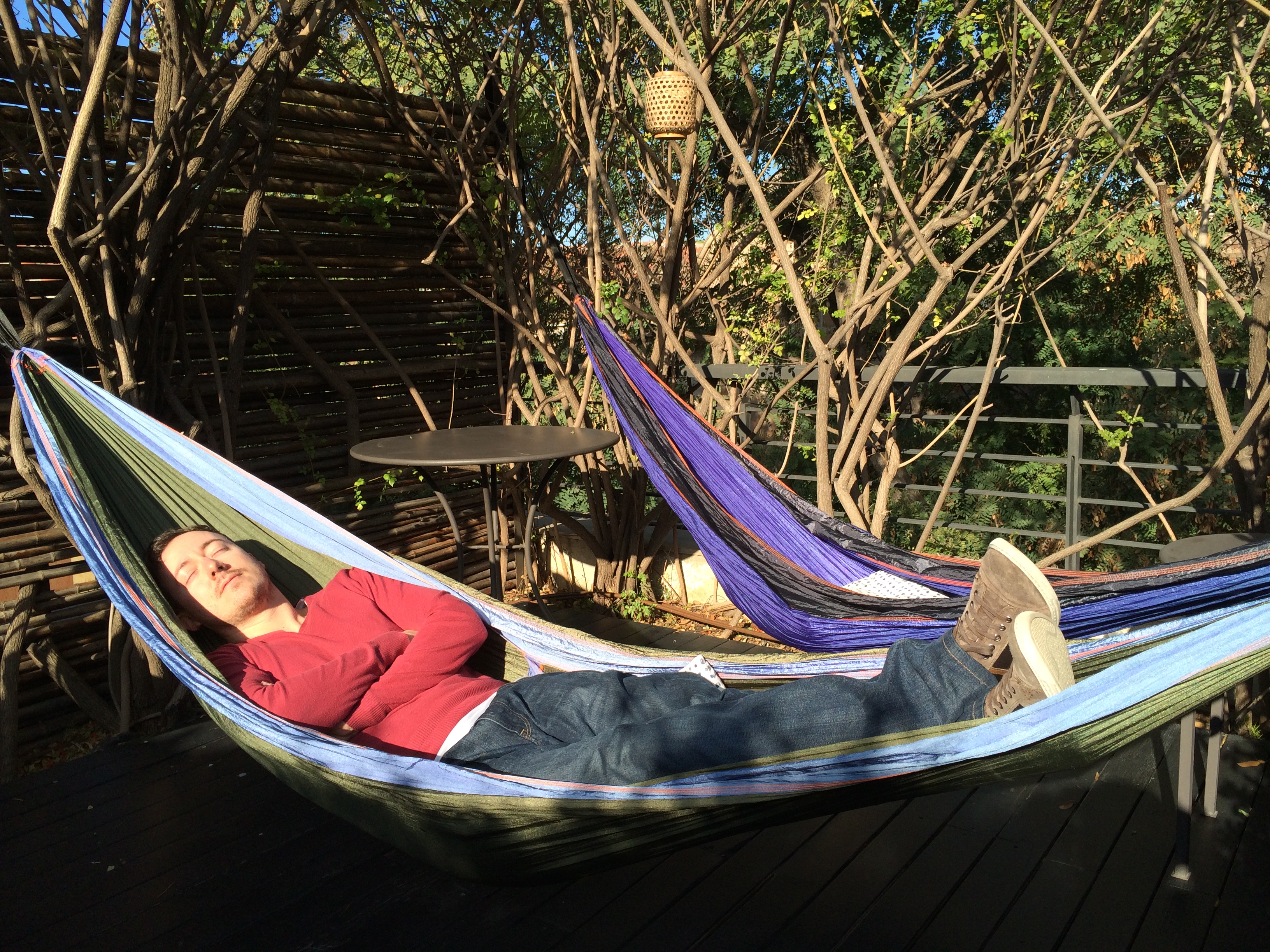
Our second Hotel Neri highlight had to be the little roof terrace. Set up on the fourth floor of the hotel, with views over the rooftops of nearby gothic quarter properties, and with vistas further afield towards Tibidabo possible, the terrace offered both a unique viewpoint onto Barcelona, as well as a perfectly cosy and intimate open space.  Filled with comfortable furnishings (including two very tempting hammocks) and surrounded by walls bursting with climbing flowering plants hung with little lanterns, it really was the ideal as far as garden terraces go, and made for the perfect location to enjoy an afternoon rest over a cup of tea and a bowl of mouth-wateringly good orange ice cream, as we were to discover.

The terrace

DSC02868 DSC02870 DSC02898 IMG_7738 IMG_7704 DSC02888 IMG_4015 IMG_4013 DSC02884 DSC02913 DSC02906

So as if it weren’t obvious from the above, I cannot sing the praises of the Hotel Neri enough. I’m almost loathe to recommend it, for fear that it will become too popular and I will never get to go back there. But how can I do otherwise? For a Barcelona stay, it’s simply the perfect choice – for an unbeatable location, for the very best of quality service, and for a unique and ultimately pleasurable stay from breakfast until bed.

More information on the Hotel Neri can be found here.

All photos and written content are strictly the copyright of Nicholas de Lacy-Brown © 2014 and The Daily Norm. All rights are reserved. Unauthorized use and/or duplication of the material, whether written work, photography or artwork, included within The Daily Norm without express and written permission from The Daily Norm’s author and/or owner is strictly prohibited. 

Barcelona | Photography Focus: Tragedy beneath tranquility

Many years ago, when I first visited Barcelona, I stumbled upon the idyllic Plaça de Sant Felip Neri in the gothic quarter of the city when I had been visiting the cathedral nearby. I was struck by the beautiful tranquility of the place, created as it was by the gently trickling octagonal fountain across which sunlight was peppered, scattered through the dappled shadows cast by leafy trees in the square’s centre, and the decided absence of tourists, many of whom never find this little tucked away place. Back then I could never have imagined that years later I would be staying in the very stylish Hotel Neri situated on one corner of the square; nor had I any idea that this quiet little square, which has all of the appearance of one of the most serene spots of the city, actually hides the secret of one of the most violent and tragic occurrences of its past.

The only sign that cataclysm once cut through today’s unbroken silence is the deep scarring which can be seen punctuated into the surface of the Oratory of Sant Felip Neri whose entrance stands upon the square. For several metres up from the old pavement, the church’s facade is almost eclipsed by a tide of deep pock marks which comprise the violent scars of one of the most tragic incidences of the Spanish Civil War. On 30th January 1938, Nationalist armies bombed the square. The resulting explosion not only caused catastrophic damage to the fabric of the square (much of which was since rebuilt), but it also resulted in the death of 42 innocent citizens, many of whom were children running for shelter in the Oratory when the raid approached.

DSC02948 DSC02860IMG_4025 DSC03369 DSC02932

It’s therefore something of an irony that this place of uninterrupted tranquility hides such a devastating history; almost as though it has become a living memorial to that moment of great tragedy. And yet despite the sadness which is broken into the fabric of the square, these deep and unforgettable scars are actually incredibly beautiful to look at, their beauty being perhaps manifested in their power to prompt reflection upon a troubled past, and an appreciation of the peaceful present. With the sun still dappling across the square, it remained one of my favourite places in the city – a place to think, and just to admire. And luckily for me, this time round, I had a hotel room looking directly onto it.

It is therefore unsurprising that during my short stay at the Hotel Neri, I collected a good few photographs of this stunning square, which now become the focus of this post. But before I leave you to those shots, here are two more interesting facts about the square: First, it was to this church that Gaudi was headed when he was hit so prematurely by a tram. Secondly, the square was the setting for a lunch between the protagonists of Woody Allen’s brilliant homage to the city, Vicky Cristina Barcelona, when Javier Bardem’s character accidentally plays “footsie” under the table with Vicky rather than Cristina. Clearly a further excuse to take another look at that wonderful film – as if another were needed.

All photos and written content are strictly the copyright of Nicholas de Lacy-Brown © 2014 and The Daily Norm. All rights are reserved. Unauthorized use and/or duplication of the material, whether written work, photography or artwork, included within The Daily Norm without express and written permission from The Daily Norm’s author and/or owner is strictly prohibited. 

My Barcelona, on canvas: Port Vell

Back in 2007, when I had finished 5 years of full time legal studies and was waiting for my professional training to begin, I decided to take advantage of having a certain amount of time on my hands both to travel as much as possible, and to teach myself how to paint in oils (having thus far painted largely in acrylic). The two things inevitably combined, and having travelled to a few cities in Spain and beyond when venturing to and from my family home in Marbella, I decided to test out the results I could achieve in oil paint by working on a series of cityscapes and landscapes based on those travels. You saw my Venice paintings which I worked on around this time. Having mastered that watery city, I decided to move on to a series of seaside cities, and Barcelona was top of my list.

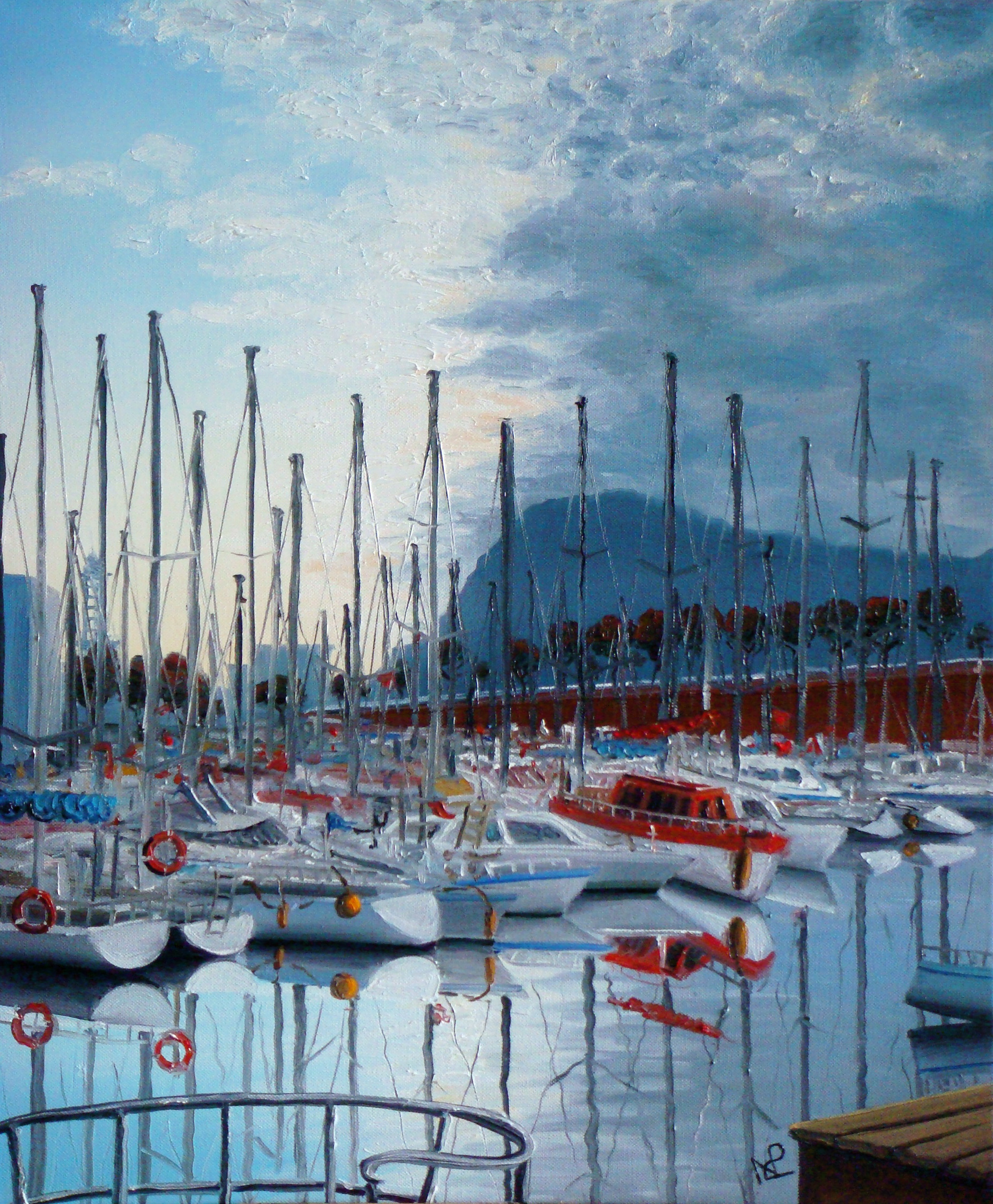
It was therefore as part of that series that I painted this work of the Port Vell. As yesterday’s post showed, Port Vell is part of the expansive marina and beach which now provides Barcelona with a beautiful Mediterranean facade where previously (pre-1992 Olympics) there was only a heavily industrialised port. Being filled with yachts of many shapes and sizes, this painting would have been a challenge for the most seasoned of oil painters, but for me, a mere beginner, it presented even more of a challenge. I was nevertheless pleased with the resulting work, which captures, I think, something of the compact collection of yachts which fill Barcelona’s marina, as well as illustrating something of a transitional weather effect as the sun begins to shine from under the passage of a thick layer of grey cloud.

Seascape VI: Port Vell, Barcelona (2007 © Nicholas de Lacy-Brown, oil on canvas)

Seascape VI: Port Vell, Barcelona (2007 © Nicholas de Lacy-Brown, oil on canvas)

Strangely, despite making 7 visits to the city, I have only painted Barcelona twice. While I’ll give you a glimpse of the second work sometime soon, I think that further Barcelona creations are somewhat begging. Watch this space.

© Nicholas de Lacy-Brown and The Daily Norm, 2001-2014. Unauthorized use and/or duplication of the material, whether written work, photography or artwork, included within The Daily Norm without express and written permission from The Daily Norm’s author and/or owner is strictly prohibited. Excerpts and links may be used, provided that full and clear credit is given to Nicholas de Lacy-Brown and The Daily Norm with appropriate and specific direction to the original content. For more information on the work of Nicholas de Lacy-Brown, head to his art website at www.delacy-brown.com

Barcelona | Day 2: It’s not all about Gaudi

Now don’t get me wrong. Gaudi was a genius. Many of the world’s greatest architects who have come along since the architect’s premature death under the wheels of a Barcelona tram would declare it so. He was utterly ingenious and completely beyond his time. The Sagrada Familia looks utterly futuristic, and yet he designed it at the end of the 1800s. But Barcelona, like so many cities who know they are onto a good thing, is not shy about exploiting Gaudi’s talent to the full. So asides from the fanfares which go up within a mile radius of the various Gaudi masterpieces which pop up across the city, you also have souvenirs crammed full of Gaudi-related paraphernalia, all covered in various semblances of mosaic-looking broken tiled patterns, whether it be across cuddly lizards, multi-coloured mugs, candle holders or umbrellas. The resulting popularity of this genius makes life for the spontaneous tourist something of a nightmare as we were about to find out.

On Saturday, our visit to the Sagrada Familia was in part impeded by the fact that all tickets to the towers, which it had been my primary intention to visit, were already sold out for the day. This was several hours before closing. Then on Sunday, when we headed along to the recently renovated Palau Guell off Las Ramblas, we were told similarly that the tickets for the day were sold out – and this too was several hours before closing. Finally on Monday, a further attempt to visit said Guell palace was similarly in vein: they were closed. Thwarted by what appears to be the need for months of pre-planning (I’m assuming that online ticket sales are the cause of tickets selling out so early), we had to stop and restock. Was the success of this holiday really all that dependant on seeing all of these various Gaudi houses? To be crammed inside with the rest of the city’s tourist hoards? Of course it wasn’t: as one door closed on our plans, Barcelona opened various others. For as was to transpire, sometimes the best experiences of a tourist come from the spontaneous and the unplanned. And in Barcelona, it’s really not difficult to find entertainment and beauty beyond the broken tiles of Gaudi’s oeuvre.

Mare Magnum and the port

IMG_4046 DSC03045 DSC03046 DSC03048 IMG_4058 DSC03064 DSC03057

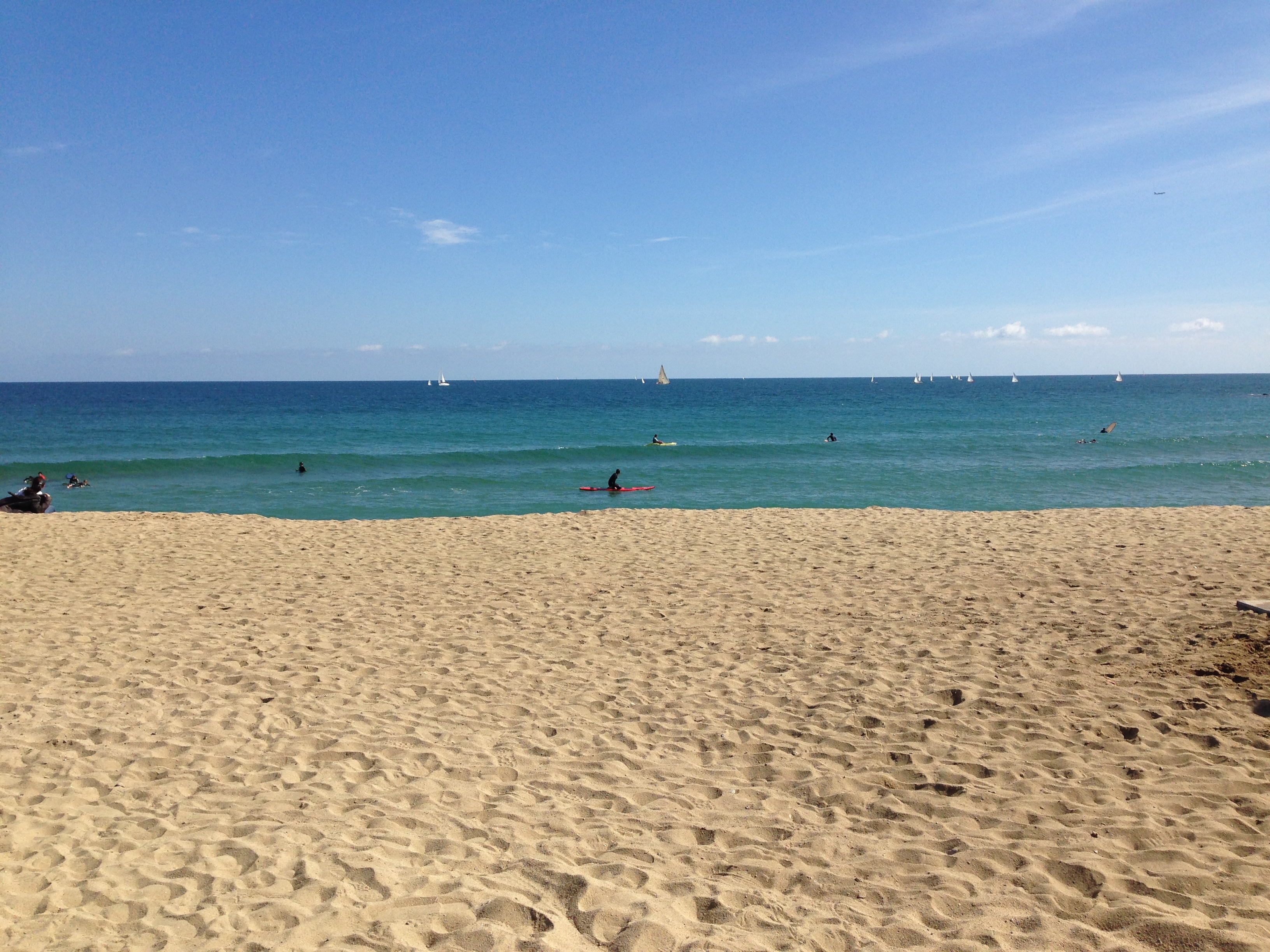
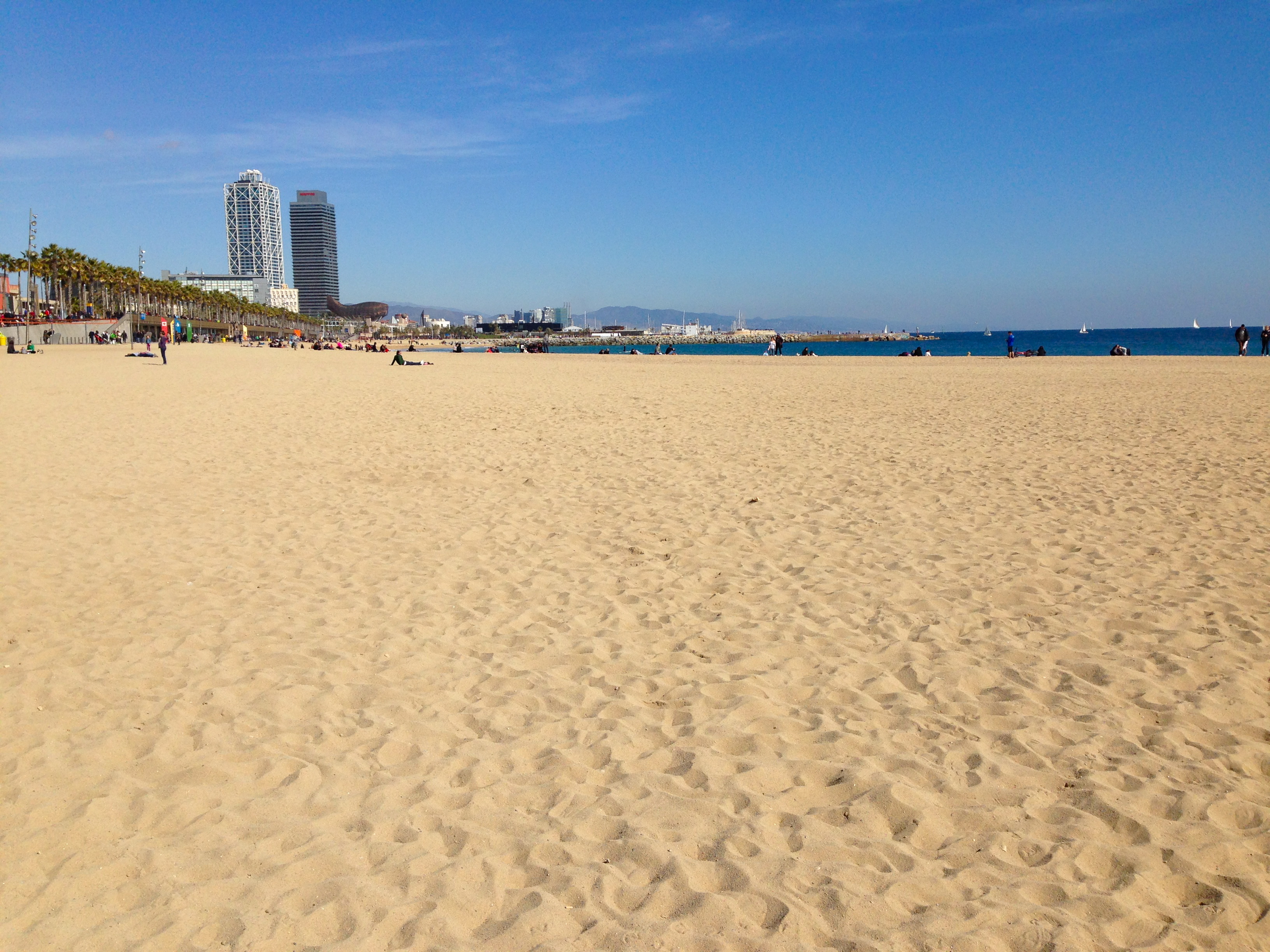
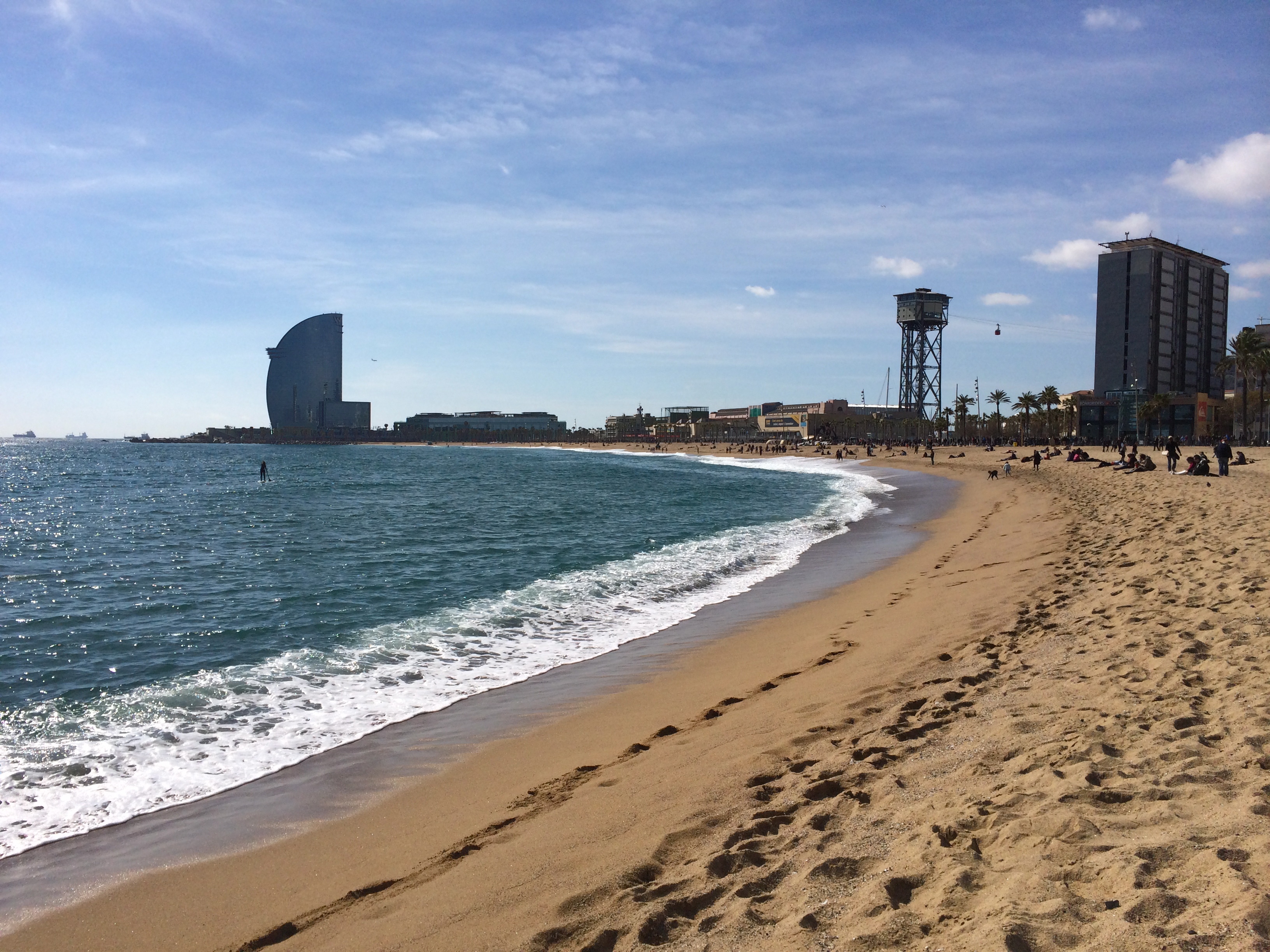
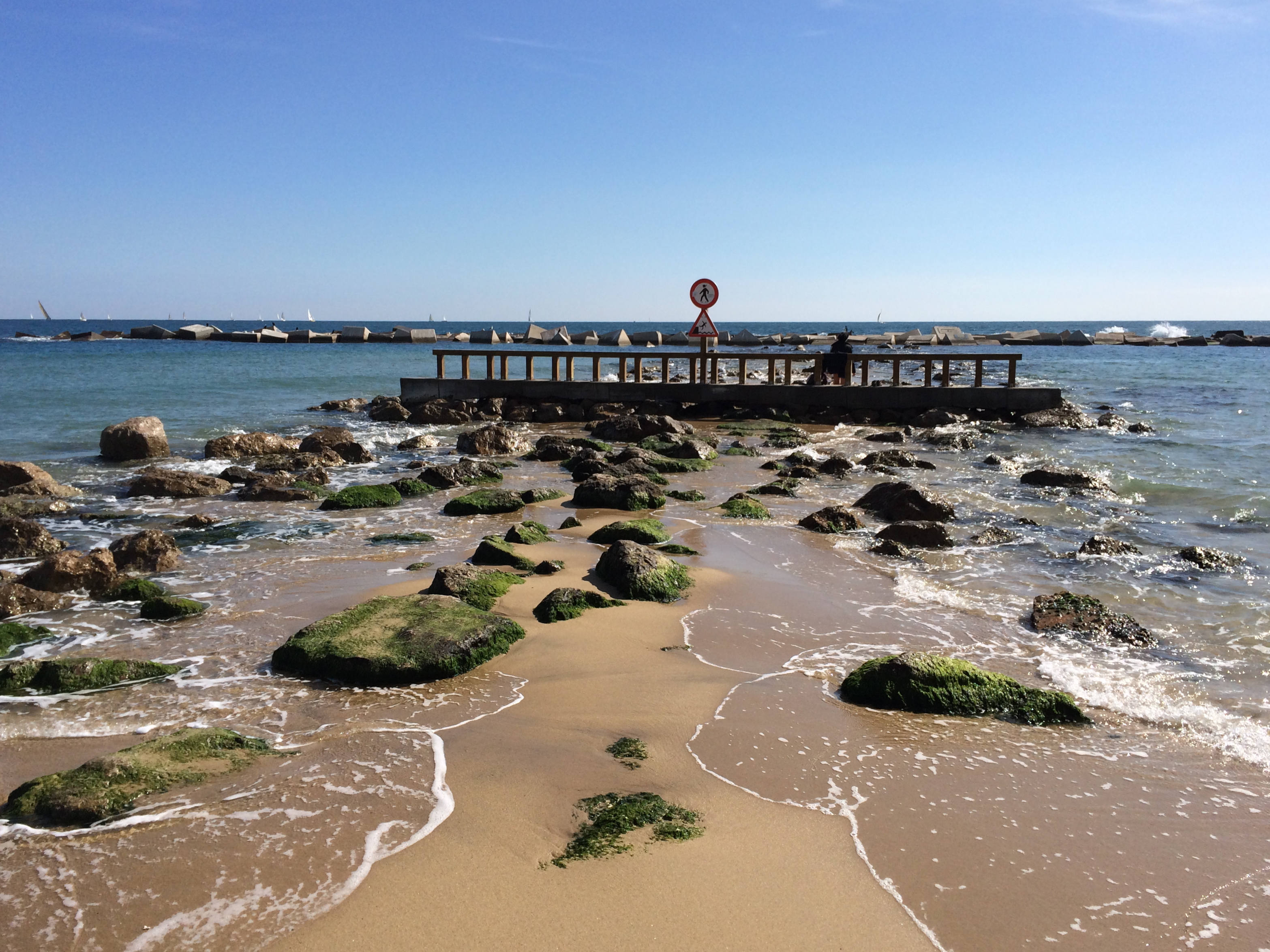
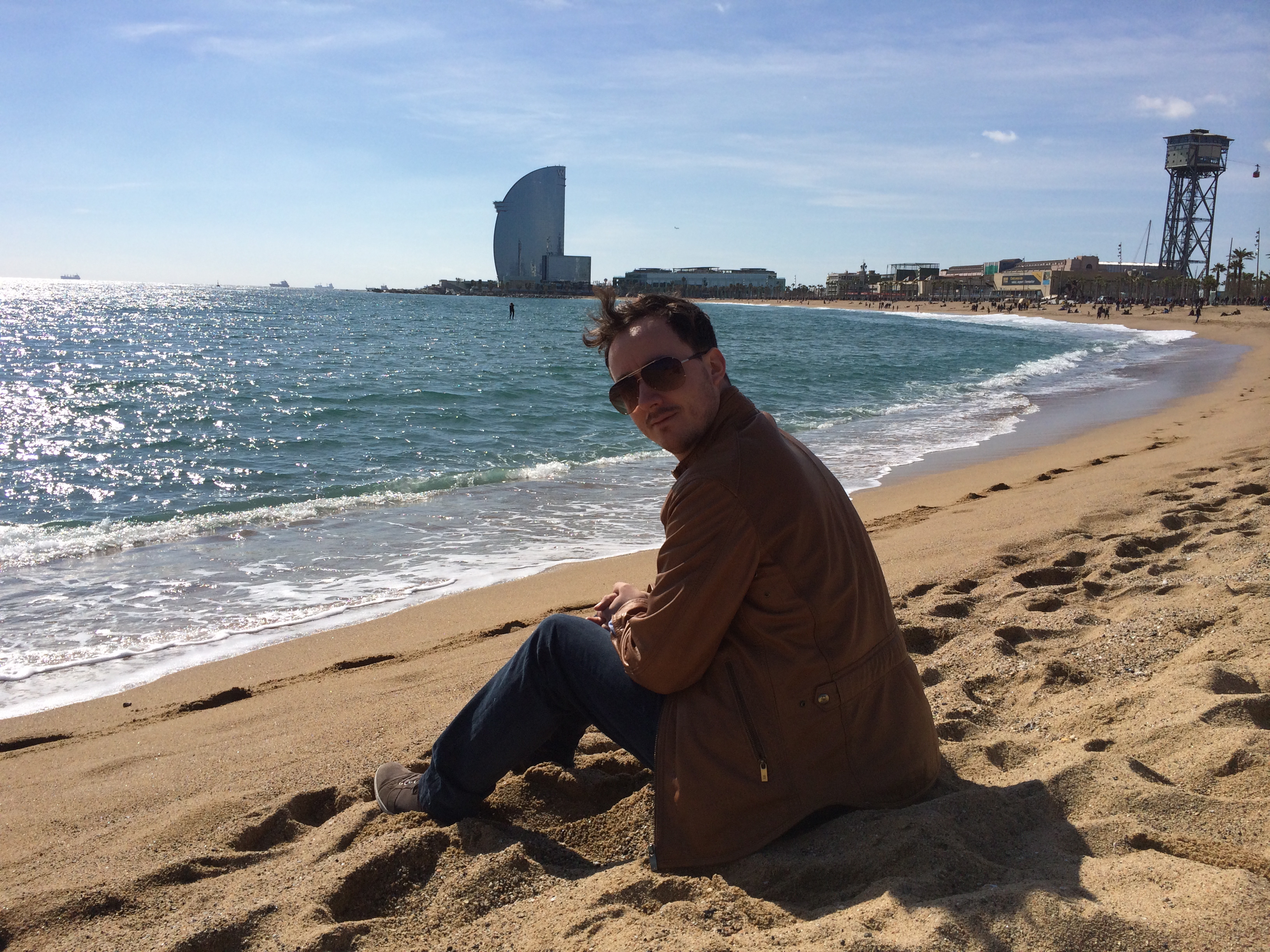
So what did we do once Gaudi’s doors had been closed in our face? Well as the weather was glorious, location one of the day just had to be Barcelona’s surprisingly clean sandy beach, and its expansive Mediterranean Port. Cleaned up for the 1992 Olympics, and subsequently developed further to include the hyper-modern Mare Magnum shopping and entertainment centre, which acts as a seaward extension to the bustling Las Ramblas, and the W hotel which sits like a sailing boat out on the furthest stretch of the marina, Barcelona’s port and beach front are some of the most pleasurable areas of the city to visit, whether it be for a stroll, a sunbathe or a seafood lunch under the sun – and happily we were able to indulge in all three.

The sunbathing was more of a clothes-on Winter version, but unbeknownst to us, we still managed to gain an awful lot of colour on our faces from a morning happily ambling close to the sea, along the marina’s edge, and eating the most delicious seafood paella on a restaurant installed in the middle of the beach. And what a way to enjoy a winter’s day. I almost felt like pinching myself, but instead indulged happily in a glass or two of crispy cold rueda wine – the perfect accompaniment to a lunch straight out of the pages of summer.

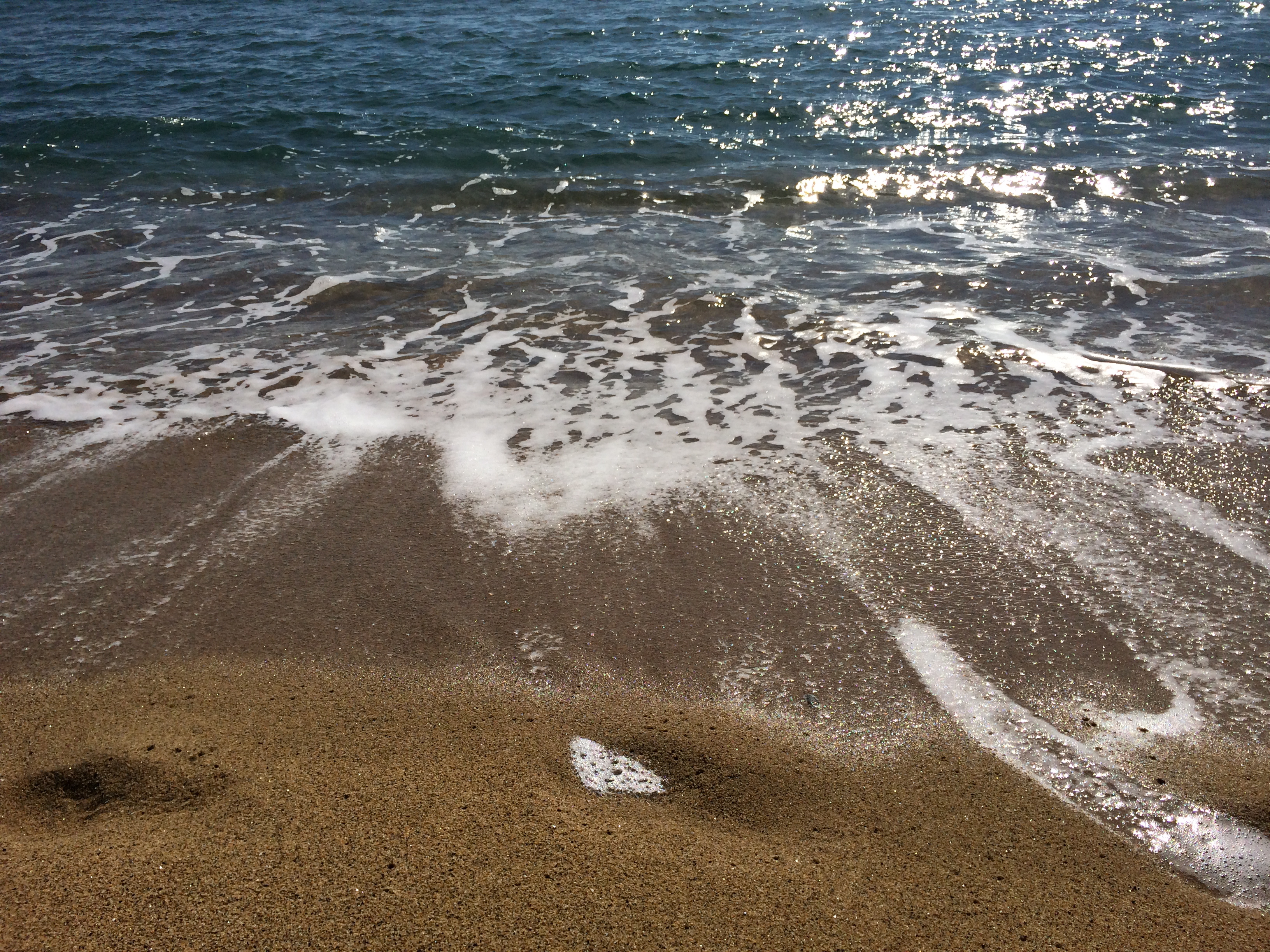
Barcelona’s sandy beach…

IMG_7761 DSC03070 IMG_7747 IMG_4067 IMG_4074 IMG_4068 IMG_4069 IMG_4072 IMG_7749

and seafood paella for lunch

IMG_7755

Read more

Post 500: Norms at La Pedrera, Barcelona

I am celebrating the publication of my 500th post on The Daily Norm! It’s unbelievable to think that I have sat at my computer over the last 2 and a half years, and typed out such a mammoth number of posts for my Daily Norm readers. But writing this blog has become such a naturally occurring, integral accompaniment to my life that frankly, my surprise at seeing 500 posts notched up is on a level with my daily surprise when I realise how quickly a year is passing. Still, there can be no complacency about the achievement of reaching this very significant hallmark in my blogging history, and a huge thanks has to go out to all of my readers and followers – somethings I feel like I really struggle to give back as much thanks and support as you deserve, but your readership really is important to me. As for the blog – well what a life changer it has been. To have this platform to share my thoughts, my creativity, my sketches, prints, photos and paintings – well it has made so much of what I do in my own little world worth the effort. After all, doesn’t every creative always yearn for an audience?

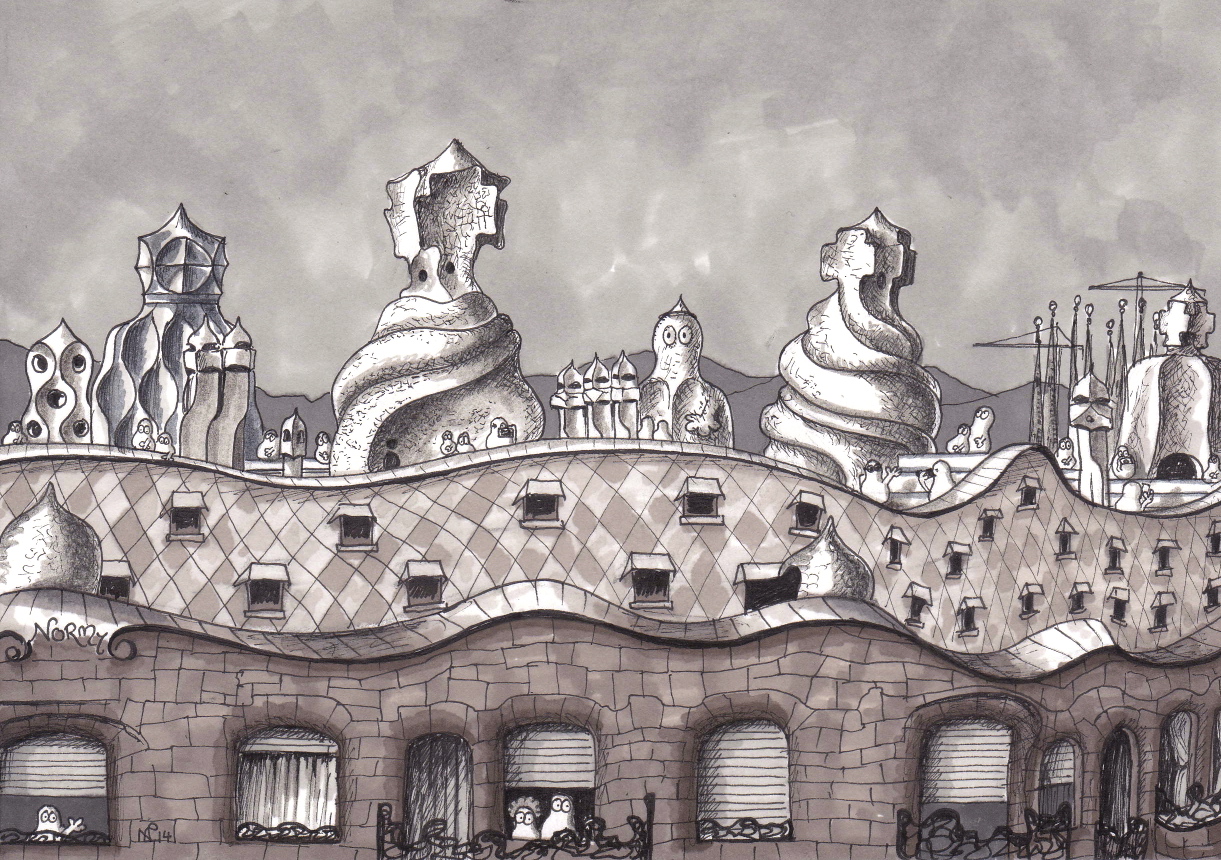
So what better way to celebrate my blogging achievement than to share a brand new insight on the world of “the Norms”, the characters who were the whole reason I set up this blog in the first place. Today we join the Norms in the beautiful Spanish city of Barcelona, which is a coincidence, because of course I have only come back from the city myself. Here we see the Norms visiting one of the most famous buildings created by architect genius Antoni Gaudi, La Pedrera (otherwise known as the Casa Mila). Famed for its quarry like facade and its tiled chimneys which look more like whipped meringue nests, La Pedrera is a masterpiece of modernist architecture and a much loved tourist destination for the Norms, not least because one of the chimneys appears to bear a very striking resemblance to a Norm…

Norms at La Pedrera (2014 © Nicholas de Lacy-Brown, pen and ink on paper)

Norms at La Pedrera (2014 © Nicholas de Lacy-Brown, pen and ink on paper)

So from the Norms in Barcelona, to my own trip to the city, join me later this week on The Daily Norm as I make headway through the next 500 posts of my blog which I cannot wait to write, and share with you. See you then!

© Nicholas de Lacy-Brown and The Daily Norm, 2001-2014. Unauthorized use and/or duplication of the material, whether written work, photography or artwork, included within The Daily Norm without express and written permission from The Daily Norm’s author and/or owner is strictly prohibited. Excerpts and links may be used, provided that full and clear credit is given to Nicholas de Lacy-Brown and The Daily Norm with appropriate and specific direction to the original content. For more information on the work of Nicholas de Lacy-Brown, head to his art website at www.delacy-brown.com

Barcelona | Photography Focus: Café Reial

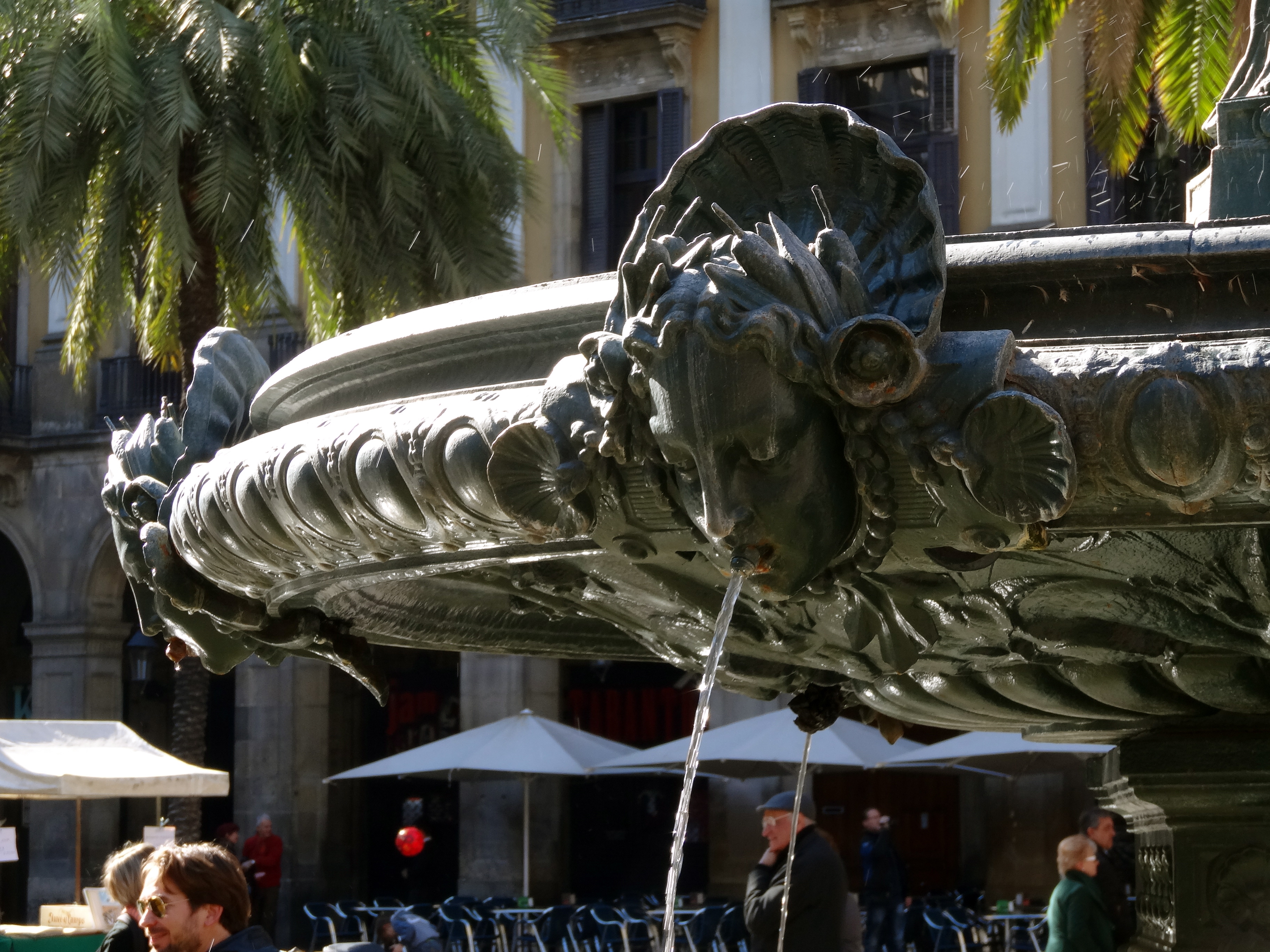
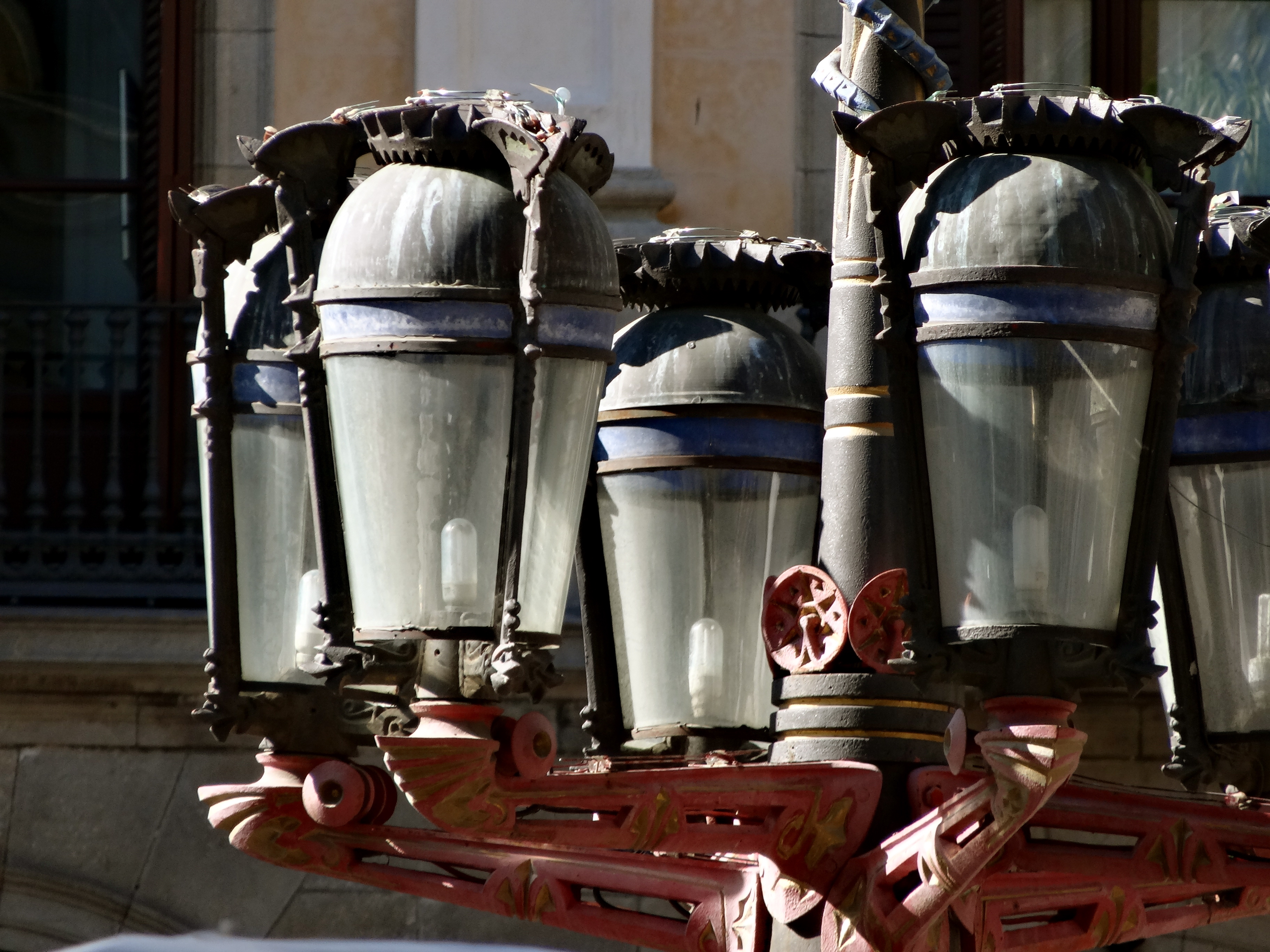
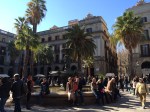
When a winter’s city trip is graced by a little sunshine, it feels almost as though you are tricking the seasons. To feel the sun on your skin after months of deep freeze and half-hearted daylight is like the first bite of deliciously indulgent food after a period of health food austerity. So when the sun graced our recent trip to Barcelona, there was frankly no keeping us out of it, something to which my now rather ruddy face is testament. While the charm of Barcelona’s old gothic quarter streets is undoubtedly the fact that they are so narrow and built-up, this also means that the sun rarely reaches down to street level. Consequently, in order to enjoy a moment’s sun-basking without the inconvenience of shadow, nor the interruptions caused by wind, we had to get out of the squeeze of the gothic streets, and head for one of Barcelona’s hip and happening café-lined squares. And where better than to the King of them all? The Plaça Reial.

DSC03024DSC02642 DSC03386 DSC02999 DSC02989 DSC03001

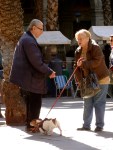
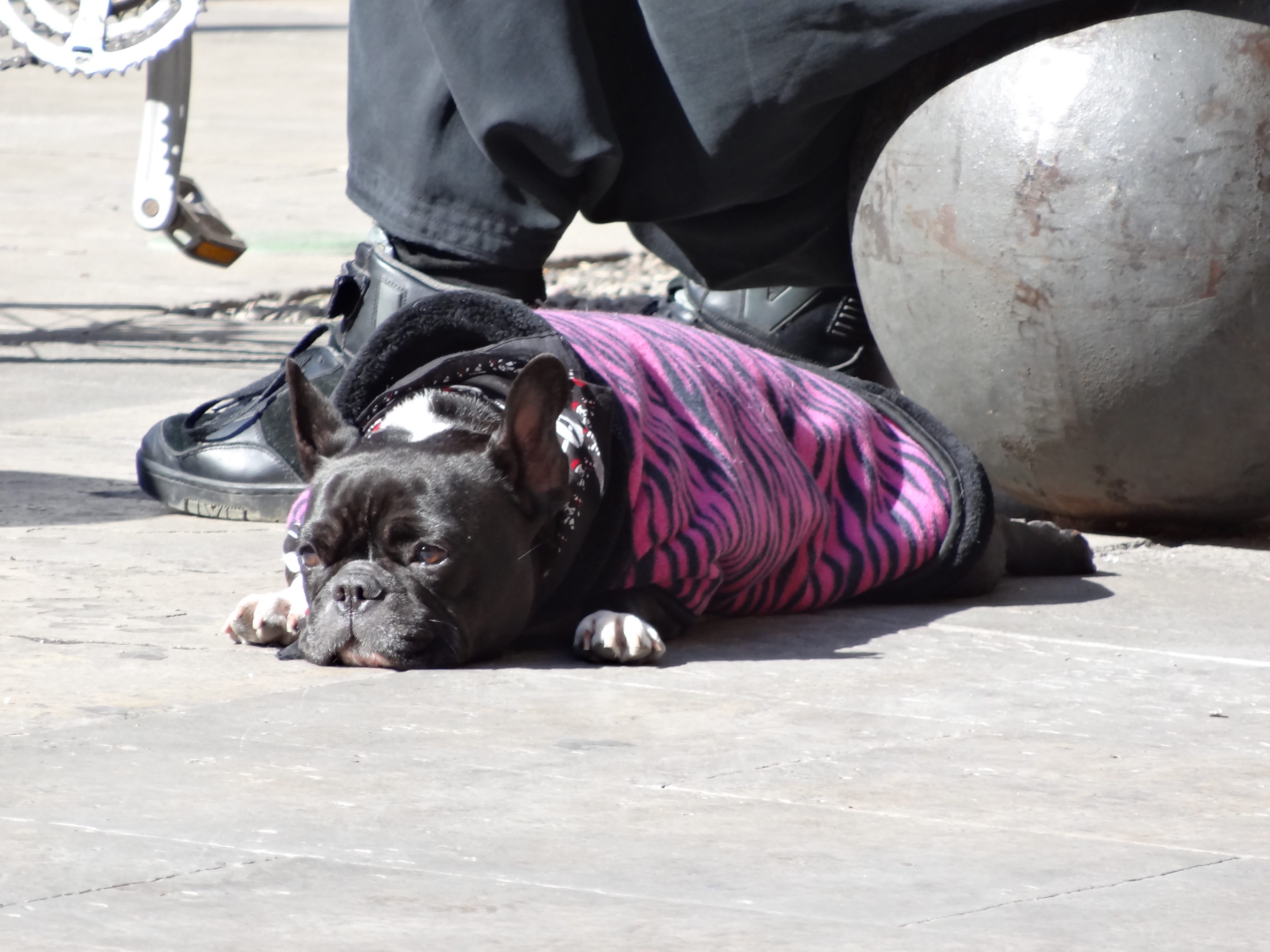
The Plaça Reial is, like so many of the similarly enclosed quadrants which make up the Plaza Majores of so many Spanish cities, the beating heart of Barcelona. Just off the equally bustling Las Ramblas, and providing welcome public space after the narrow maze of the gothic streets behind it, the square is a place where all of Barcelona gather, to have coffee and drinks with friends, to hear the music provided by buskers, to seek out the many bargains which are to be found in the square’s Sunday market, or merely to amble around with a dog or a date, or just enjoy the sunshine like we did over a coffee on each of our three mornings in the city. In fact taking our coffee in the square became something of a daily ritual without which the day would have started prematurely. It also enabled us to take up a prime position for a spot of people watching, something which this series of photos surely demonstrates we did well.

Whether it be those sunbathing in their windows, or the little dogs sunbathing on the pavement below – the Plaça Reial truly was a place where all of Barcelona came to enjoy the first sunshine of Spring – and we were only too happy to join them.

All photos and written content are strictly the copyright of Nicholas de Lacy-Brown © 2014 and The Daily Norm. All rights are reserved. Unauthorized use and/or duplication of the material, whether written work, photography or artwork, included within The Daily Norm without express and written permission from The Daily Norm’s author and/or owner is strictly prohibited. 

Norms: The Saints Collection | St. George

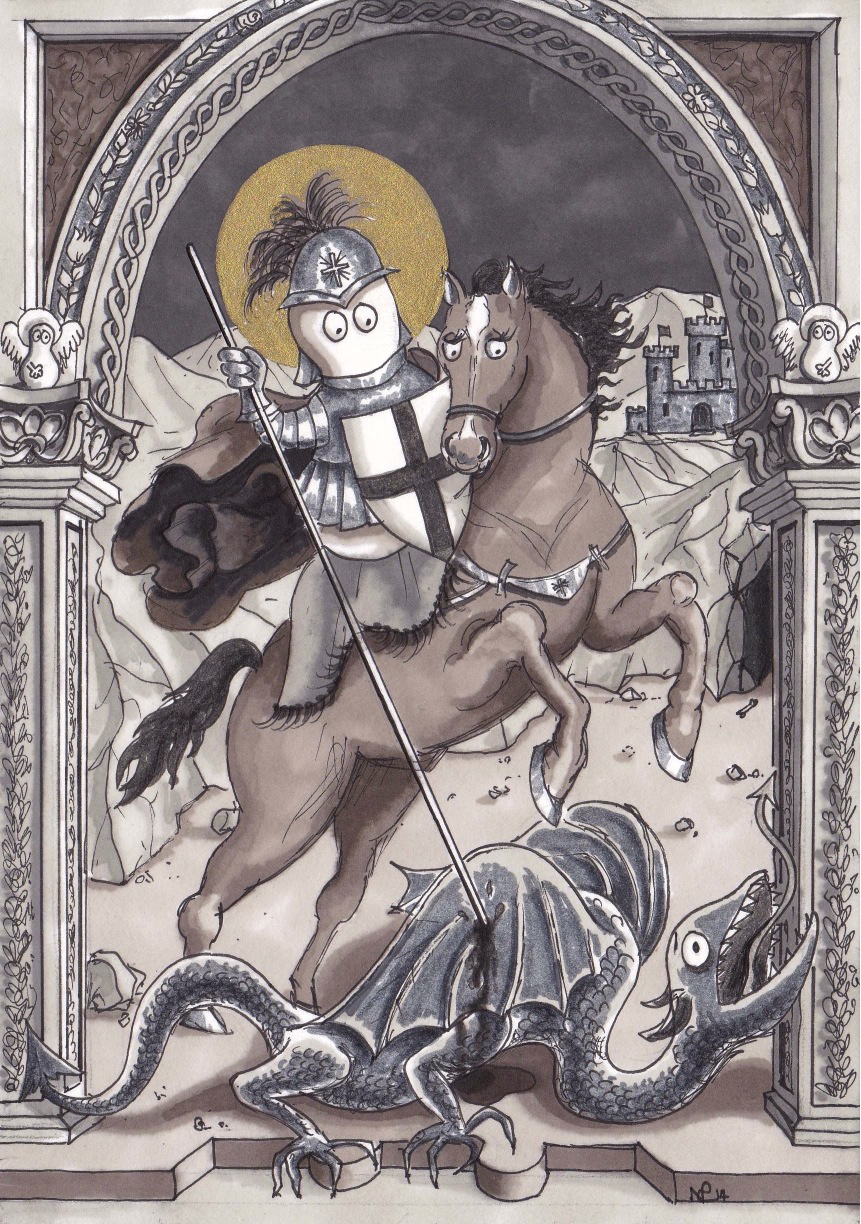
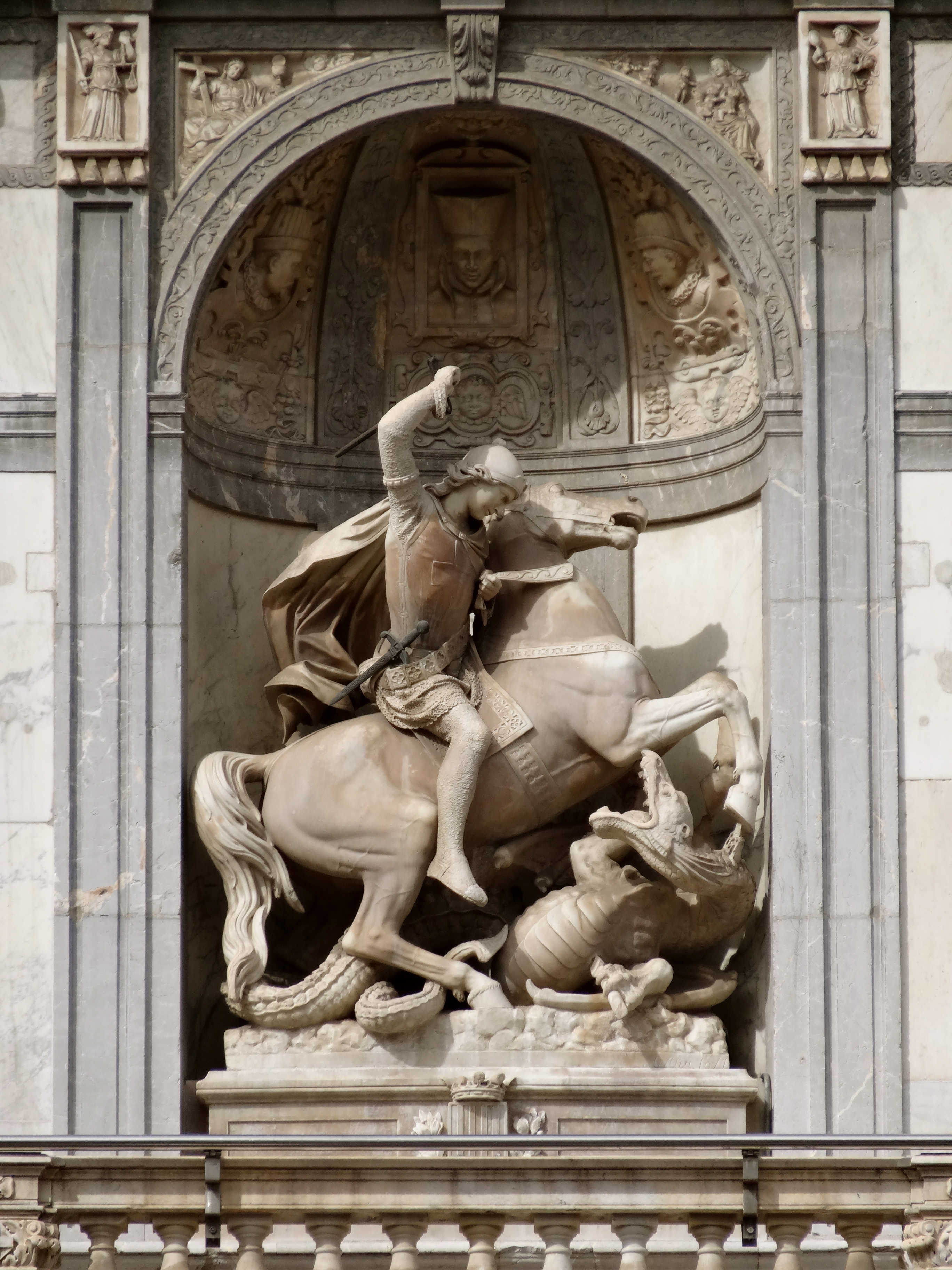
Saint George and his dragon must together comprise one of the most famous icons of a saint there is, not least in England where St George is our patron saint. Yet as I was to discover only last weekend, we English are not the only country to claim him as ours. In fact St George is likewise a patron saint in Bulgaria, Georgia, Greece, Portugal, Ukraine and Syria to name but a few. He is also, I have now learned, the patron saint of none other than Catalonia, the autonomous region of Spain whose capital is Barcelona. And so having just spent the weekend in that very city, there seems no better time than to present the very first Saint of a new Norm sketch collection – I give you Saint George Norm.

Legend has it that St George  defeated a dragon in the far off land of Silene. This dragon poisoned the air of a village, and in order to appease him, the people regularly sacrificed a lamb and a virgin who was chosen. One day the princess of the country met this fate; George killed the dragon and freed her, with the result that the Princess and the entire population were converted to Christianity; the religion behind whose cross St George had been protected as he valiantly fought the beast.

Here is my Saint Norm doing just that, killing the pesky dragon while his rather attractive horse looks on.

St George Norm (2014 © Nicholas de Lacy-Brown, pen, ink and gold paint on paper)

St George Norm (2014 © Nicholas de Lacy-Brown, pen, ink and gold paint on paper)

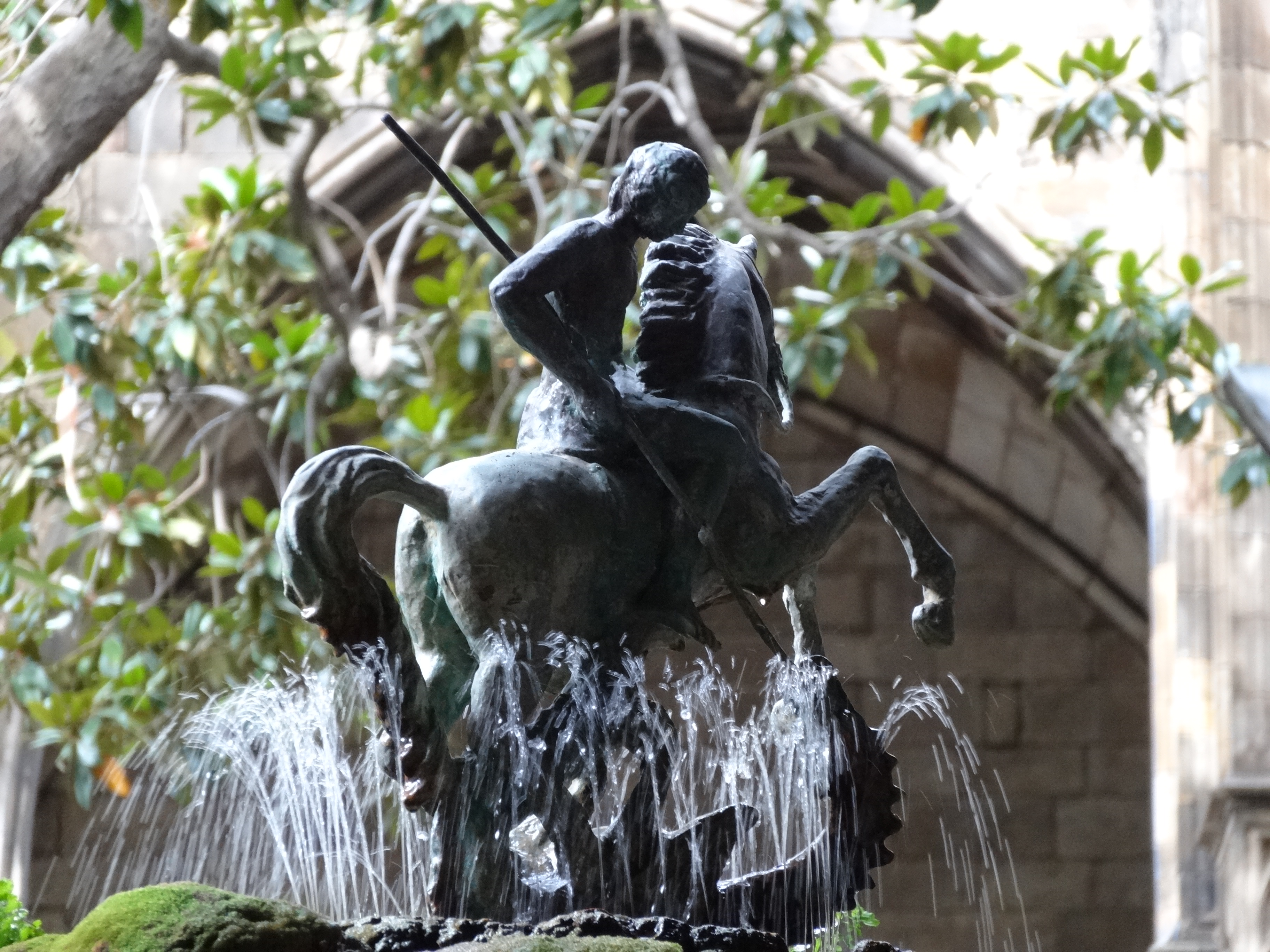
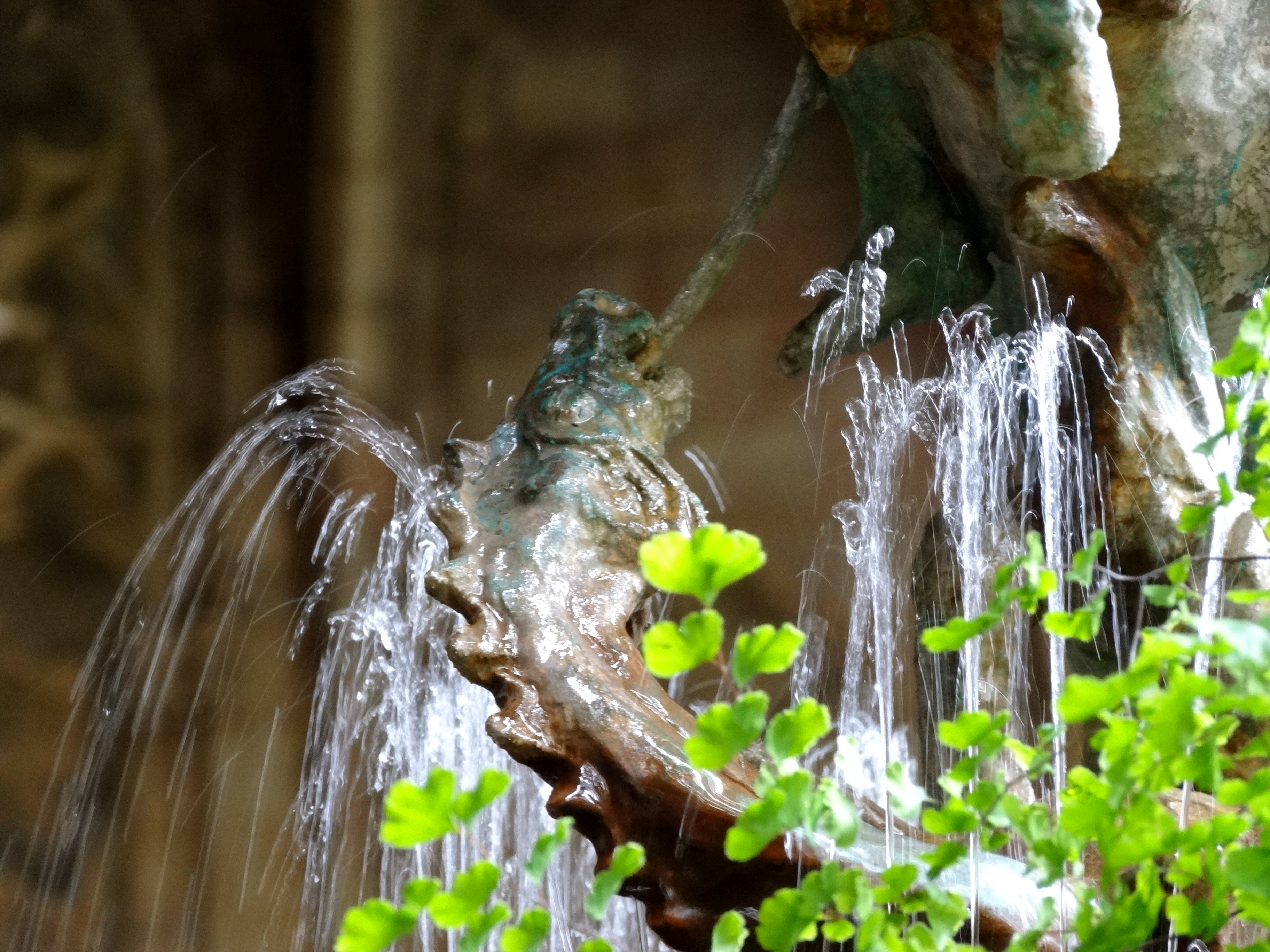
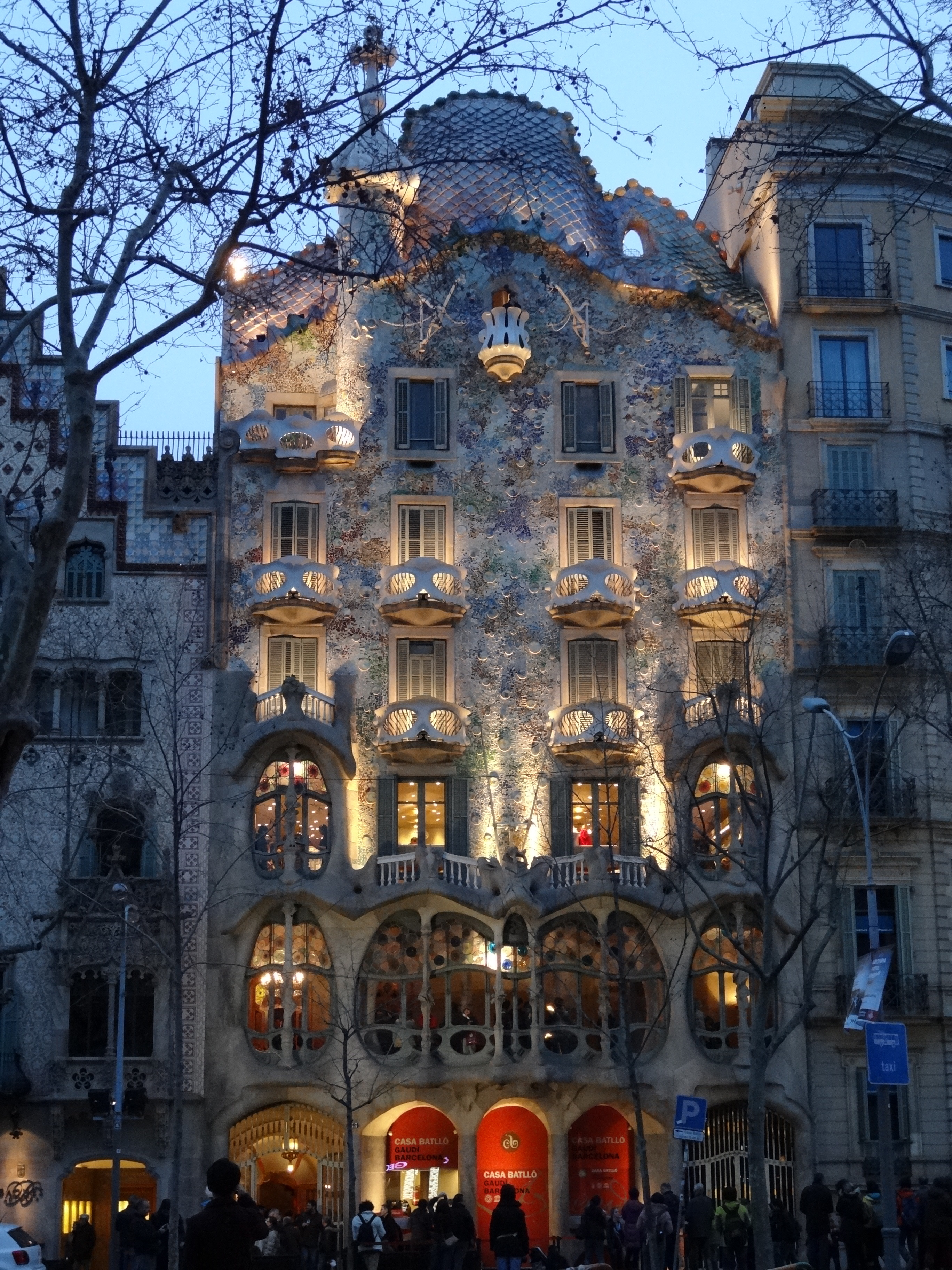
I realised that St George was something of a prominent figure in Catalonia only when I noticed statues and icons of the saint when exploring the old gothic quarter of Barcelona on my first day there last weekend. In the tranquil cloisters of the cathedral, a trickling fountain was topped by a bronze statuette of the saint valiantly riding his horse while trampling upon the dying body of the aggressive dragon. Then, upon walking past the city hall in the Plaça St Juame, I noticed the same venerable saint carved into the stone work of the city hall facade. Subsequent investigations reveal that “Sant Jordi” has been venerated in Catalonia since the 8th century, not only in Barcelona but also in Valencia and the Balearics. And in Barcelona itself, the Saint’s presence is felt not just in the obvious iconography – some say that Gaudi himself recognised the saint when he created his dragon-scaled roof atop the famous Casa Batlló.

Cathedral fountain

Cathedral fountain

DSC02536 DSC02540

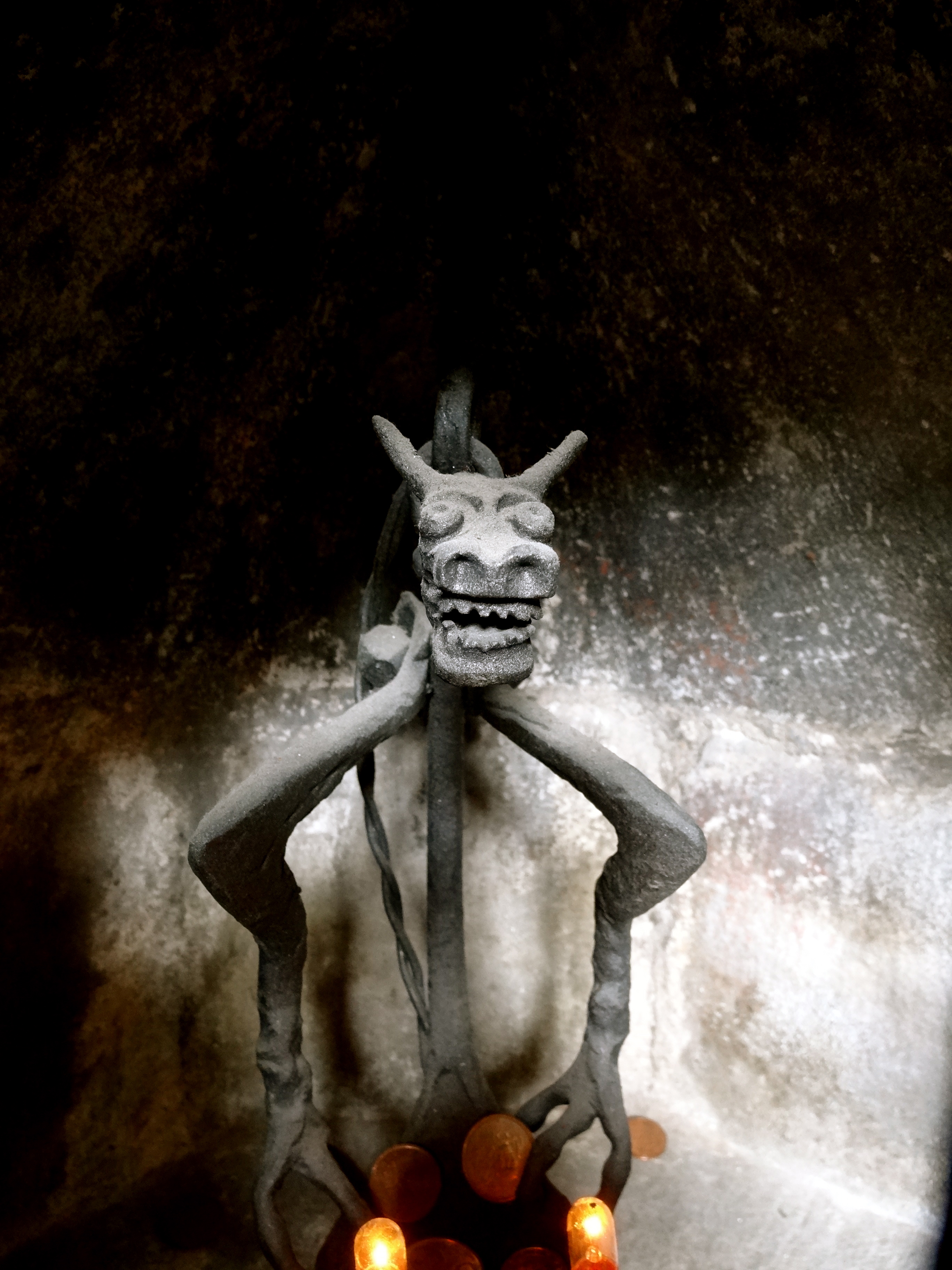
Another cathedral homage to the dragon

Another cathedral homage to the dragon

Facade of the city hall

Facade of the city hall

Roof of the Casa Batllo

Roof of the Casa Batllo

DSC02847

So with all of this in mind, I leave you to pay appropriate reverence to St George Norm in all of his golden glory, and to look also upon the Barcelona references I found to the saint. But as if by way of further appropriate reference, I also leave you with this English poster using St George as an image to encourage patriotic Englishmen to defend the nation at the outset of World War One 100 years ago. A timely reminder of the continuing power of the iconography of St George to inspire both patriotism and bravery in a time when all faith and hope appeared to have deserted mankind.

Britain_Needs_You_at_Once_-_WWI_recruitment_poster_-_Parliamentary_Recruiting_Committee_Poster_No._108

© Nicholas de Lacy-Brown and The Daily Norm, 2001-2014. Unauthorized use and/or duplication of the material, whether written work, photography or artwork, included within The Daily Norm without express and written permission from The Daily Norm’s author and/or owner is strictly prohibited. Excerpts and links may be used, provided that full and clear credit is given to Nicholas de Lacy-Brown and The Daily Norm with appropriate and specific direction to the original content. For more information on the work of Nicholas de Lacy-Brown, head to his art website at www.delacy-brown.com

Barcelona | Day One: A tale of two cathedrals

Despite all of the travelling I have been lucky enough to do over the years, there is one city which has always topped the bill as far as I am concerned: Barcelona. From the stunning medieval squares and dark narrow streets of its gothic quarter, and the café culture and art vibe of La Ribera surrounding the Picasso museum; to the elegant grid of shopping streets and modernist palaces in the Eixample, and the expansive Port Vell and its white sandy beach, Barcelona is one of these cities which just about has everything a city could offer. If you were asked to sit down at a drawing board and design the perfect city, surely Barcelona would be it: It’s a cultural hot spot, a city bursting with sites of historical importance, a shopping mecca, a business centre, a bustling port and a beach resort rolled into one. Coupled with that is a predominant party spirit, a sense of cultural and political freedom and an exuberance of chic and style which is unrivalled, in my opinion, elsewhere in Spain.
So while a trip to this most incredible of cities last weekend may have been my 7th trip to the city, Barcelona’s multifaceted nature meant that there was still a huge amount to discover, and a pleasant opportunity to re-embrace sites and experiences otherwise more familiar to me. And most importantly of all it was an opportunity to properly inject my partner with the same enthusiasm I have always had for the city – after all, how else can I ever persuade him to move there? 😉

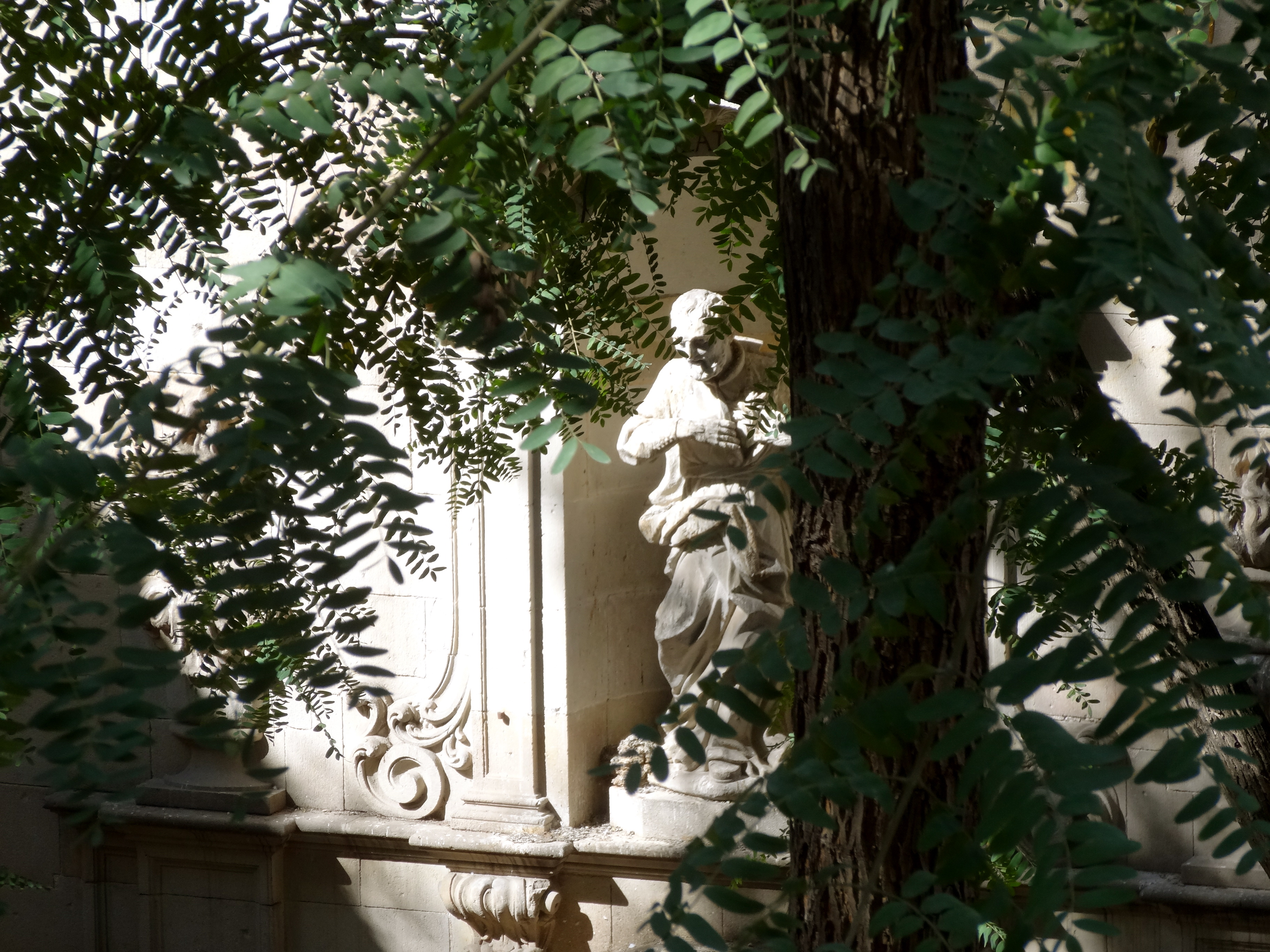
The atmospheric Barri Gotic

DSC02677 DSC02494 DSC02615 DSC02581 DSC02498 DSC02614 DSC02478 DSC02622 DSC02634

Day One in Barcelona provided such a chance to discover the city afresh. After years of staying in the Eixample region, I switched allegiances, choosing instead the super-chic boutique haven: the Hotel Neri as my base – a hotel which sits at the beating heart of Barcelona’s gothic quarter, and which is but metres from the imposing gothic cathedral. This super central location meant that I could explore this most characterful of Barcelona neighbourhoods with the ease of breathing; a discovery which began on this first sunny morning with the old cathedral which is at its heart.

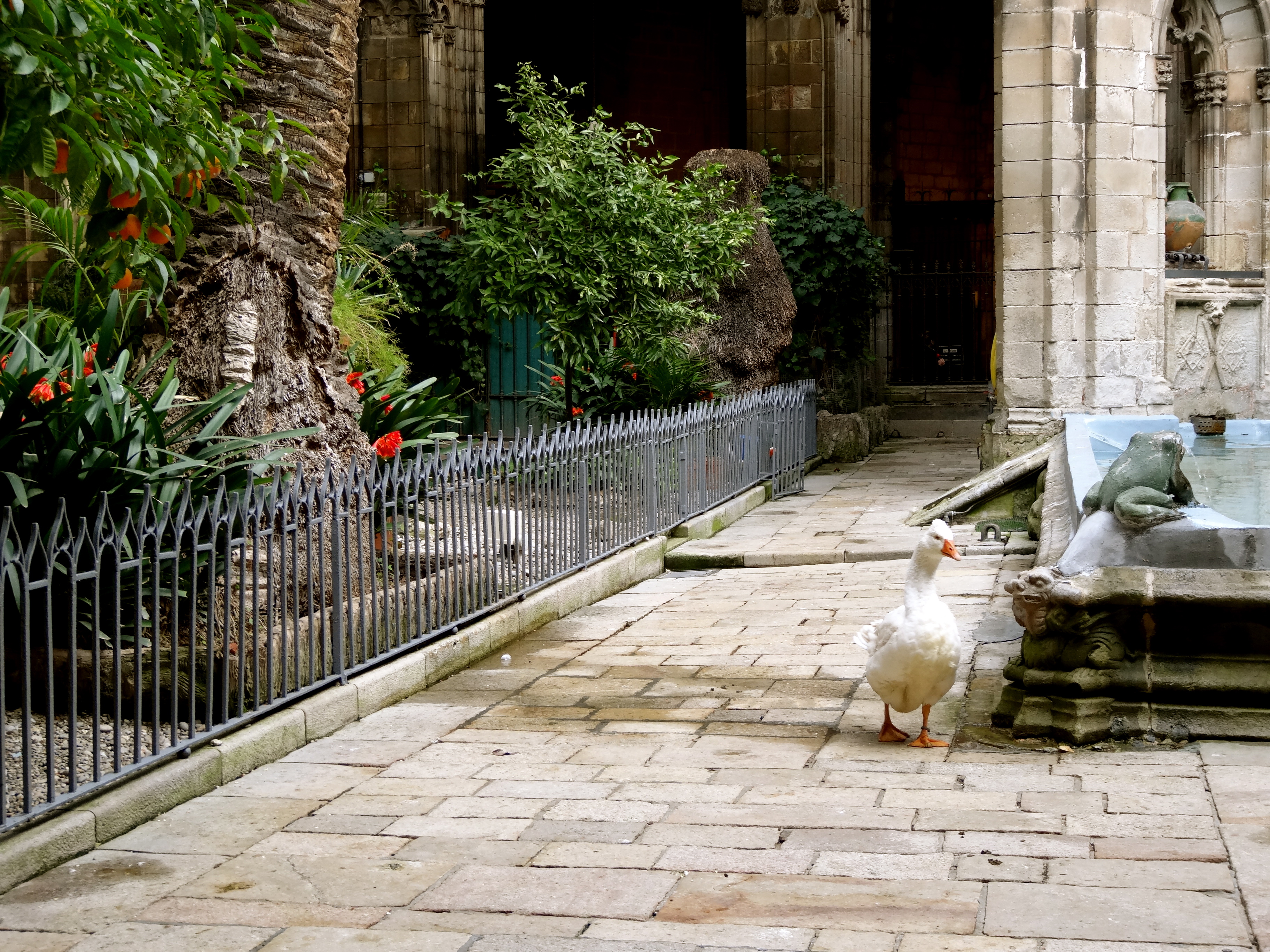
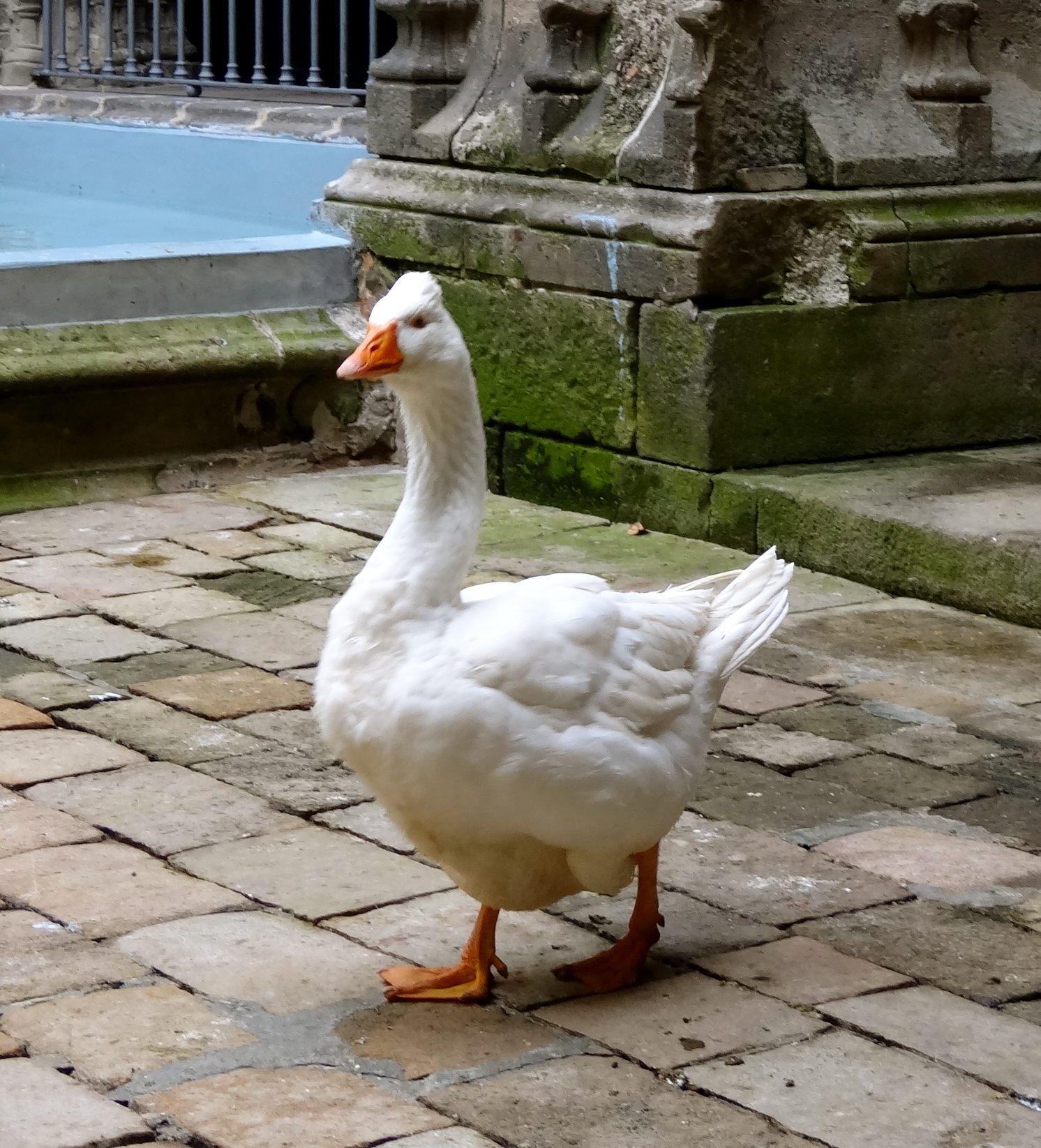
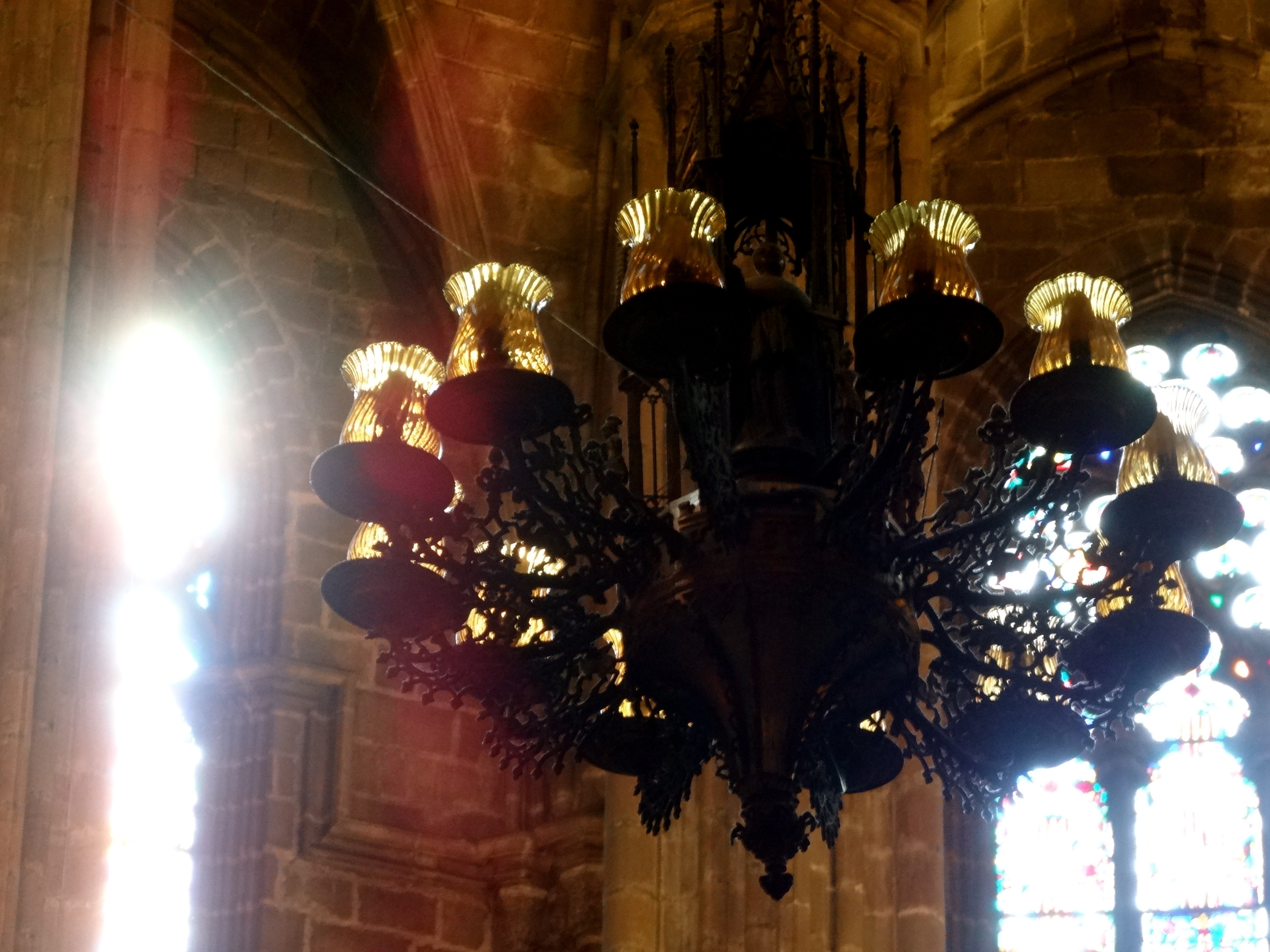
For all its incredibly imposing gothic structure, its lavish golden choir stalls and its equally elaborate gold-fringed side chapels, the thing I love about Barcelona’s cathedral is the little cloister bolted onto its side which, either by way of tradition or for some other more logical reason of which I remain ignorant, is the home of a lovely gabble of squawking, inquisitive and cheeky white geese. This lively bunch of orange-beaked beauties are just one feature of what has to be one of the most tranquil corners of this otherwise lively city; a space where everything seems perfectly in tune with each other, from the lush green plants which are grown in the cloister’s centre and through which sunlight dapples over the gothic stonework, to the orange trees which are seemingly reflected in the beaks of the geese, whether by design or coincidence. It’s a beautiful space, and easily one of my favourites in the city. But we could not linger – for we had the rest of the old town and the city to explore.
The Cathedral’s geese-filled cloisters…

DSC02518 DSC02516 DSC02573 IMG_3922 DSC02507 DSC02523 DSC02515 DSC02502

…and its imposing gothic interior

DSC02550 DSC02556 DSC02601 DSC02552 DSC02554 DSC02610 DSC02630

Read more

Aix: City of a Thousand Fountains

After a week of “sneak peeks” via my delacybrownart twitter feed, I am delighted to be able to share with you the final and complete image of my major new oil painting on canvas – Aix: City of a Thousand Fountains. Started shortly after I returned from my first visit to the stunning Provençal city last summer, I set out to capture something of the sun drenched joie de vivre which  Aix excuses by the bucket in a work which eventually took me 7 months to complete.

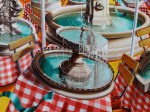
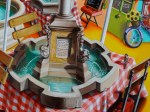
As the painting’s title suggests, the work plays on a well known descriptive adage which notes that the city is one of “a thousand fountains”. While that may be something of an exaggeration, the motivation behind the statement can be well understood – one of the most notable features of the city is indeed its plentiful and elaborate fountains, one situated in what seems to be every square and street, in the middle of junctions and on street corners. It really is a city where water flourishes; where splashing running currents sparkle playfully in the sun.

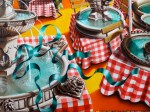
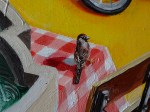
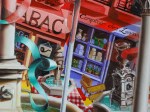
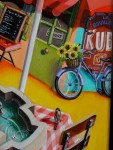
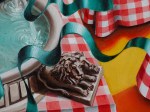
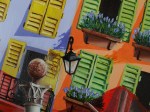
But in choosing to symbolise several of these many fountains, I decided to play with the themes somewhat, combining those fountains with the very predominant cafe culture which is an integral aspect of the city’s character, and which fills it’s many multi-coloured shuttered squares with life. It is in one such square that my work is set, a square which also plays host to a series of Provençal shops and peeling old vintage adverts upon the walls. And there, on the typically dressed chequered tablecloths of cafe tables, my fountains, rather than plates, are the dish of the day.

Aix: City of a Thousand Fountains (2014 © Nicholas de Lacy-Brown, oil on canvas)

Aix: City of a Thousand Fountains (2014 © Nicholas de Lacy-Brown, oil on canvas)

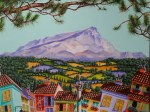
Meanwhile no painting of Aix-en-Provence could be complete without a reference to the magnificent Mont Sainte-Victoire, the mountain which so seduced and fascinated the artist Cézanne for years (resulting in a series of canvases which continue to be his most enduring works) and which features monumentally in my work, dominating the upper half of the canvas. I remember so well that moment when, last summer, my partner and I climbed up the steep hills north of the city to the exact place where Cézanne used to paint the view of the mountain which obsessed him the most – and turning to see that same breathtaking visage which had so captivated this master of modern painting. It was at that moment that I knew I had to make my own homage to that incredible view, and that brilliant artist – and it was at that time when this painting was born.

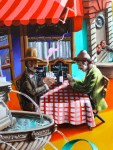
The keen-eyed amongst you may also notice that I have included a further homage to Cézanne, by featuring his famous card players sat at one of my café tables, as well as a whole host of other details which I now share with you in the gallery of details featured below. Hopefully you will enjoy looking at the individual aspects of this painting as much as I enjoyed painting them. It was, with every brush stroke, like revisiting my holiday to Aix afresh, and for that reason alone, it was surely worth the 7 months slog to complete it.

© Nicholas de Lacy-Brown and The Daily Norm, 2001-2014. Unauthorized use and/or duplication of the material, whether written work, photography or artwork, included within The Daily Norm without express and written permission from The Daily Norm’s author and/or owner is strictly prohibited. Excerpts and links may be used, provided that full and clear credit is given to Nicholas de Lacy-Brown and The Daily Norm with appropriate and specific direction to the original content. For more information on the work of Nicholas de Lacy-Brown, head to his art website at www.delacy-brown.com