Skip to content

Posts tagged ‘Vacation’

Marbella Twenty-Thirteen | Andalucía’s Gem

While Anglo-Spanish relations may have soured of late over that small little lump of rock Gibraltar which, like many such British overseas territories, remains rather bizarrely a part of the British Empire despite being actually attached to Southern Spain, the sun-baked Iberian Peninsula and in particular the Costa del Sol, remains the number one destination for sun-seeking Brits every summer. Now ordinarily, I would find the concept of coach-loads of drunken sunburnt Britons to be one so sufficiently abhorrent that it should be avoided at all costs. And indeed, along much of Spain’s coast, you wouldn’t see me amongst the larger louts and the empty fish and chips cartons for toffee. But happily there remains one bastion, in amongst this coast of over-developed tourist tat, where champagne, rather than San Miguel is the preferred tipple, and whose old town is so exquisite as to be a gem of Andalucía.
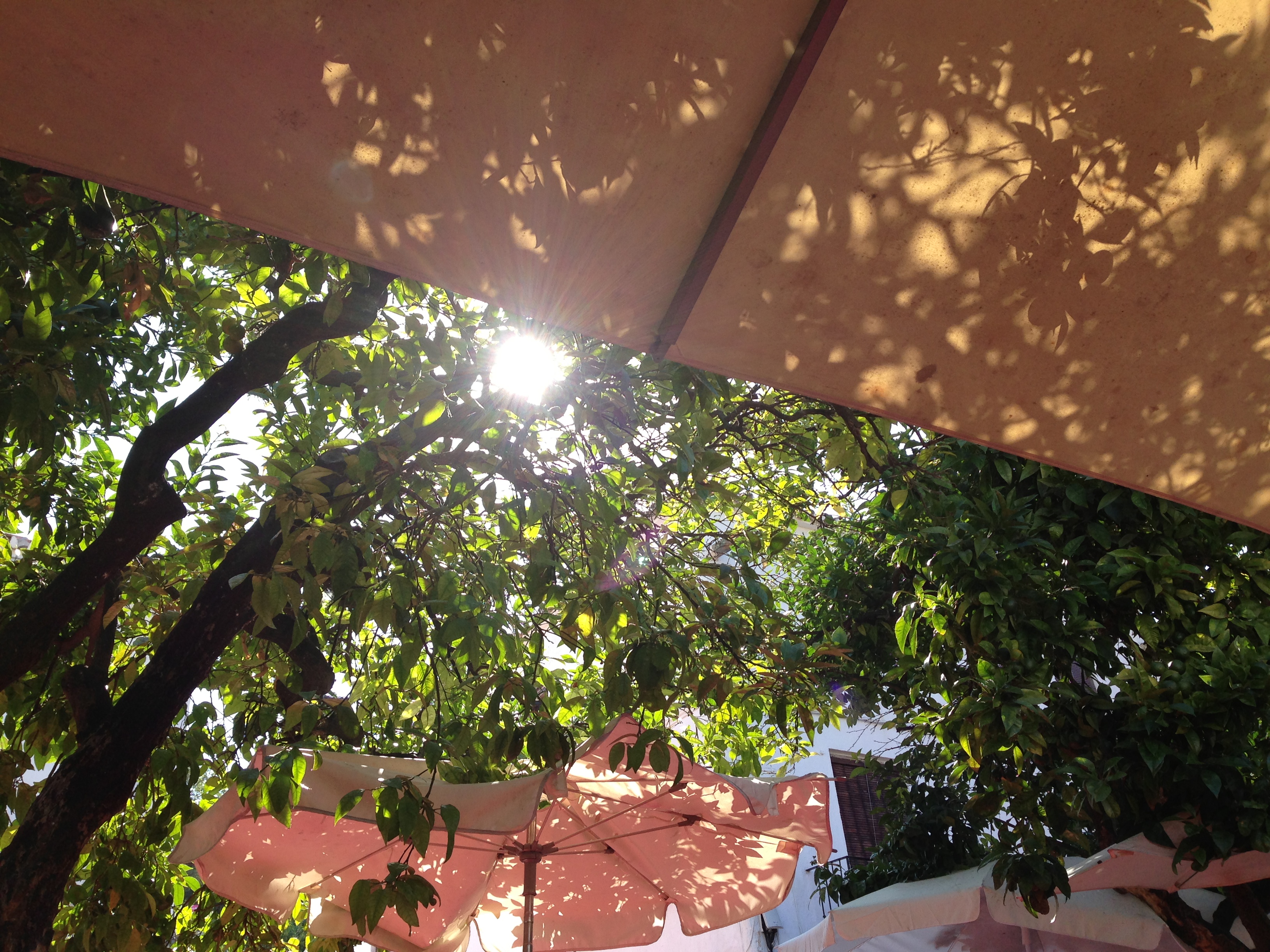
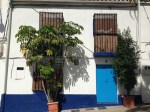
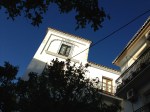
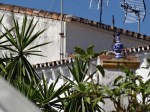
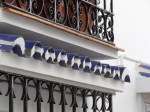
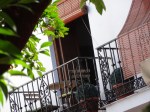
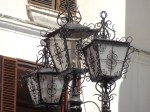
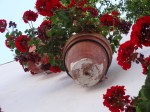
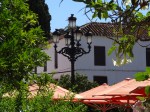
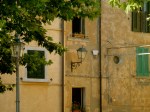
IMG_4185 DSC06497 DSC06240

I am of course talking about Marbella, which despite being more popularly labelled “Marbs” these days owing to the minor polluting influence of visits from the tack-happy residents of Essex, has remained a city synonymous with quality, with the good life, and with the beauty of its streets, its harbours, its beaches and its people. Marbella is undoubtedly one of my favourite cities in all the world, but not for its beaches and gold-plated yacht-filled marinas – rather I am seduced because with its Andalucían flavours, its embrace of Spanish heritage, its collections of art and clusters of small private galleries, and its offerings of some of the most charming plazas and cobbled streets in all of Spain, it is simply a paradise on earth.

Luckily for me, my family have a small old house right in the heart of the winding maze of streets which make up Marbella’s Casco Antiguo (old town), and as a result, over the 11 years in which we have owned the house, I have come to call Marbella my second home. Consequently, there could be no question that I would return to my sunny homeland when I turned the big 3-0 this summer – for two weeks of celebrations which would help to dilute the somewhat daunting horror felt at turning such a ripe old age.
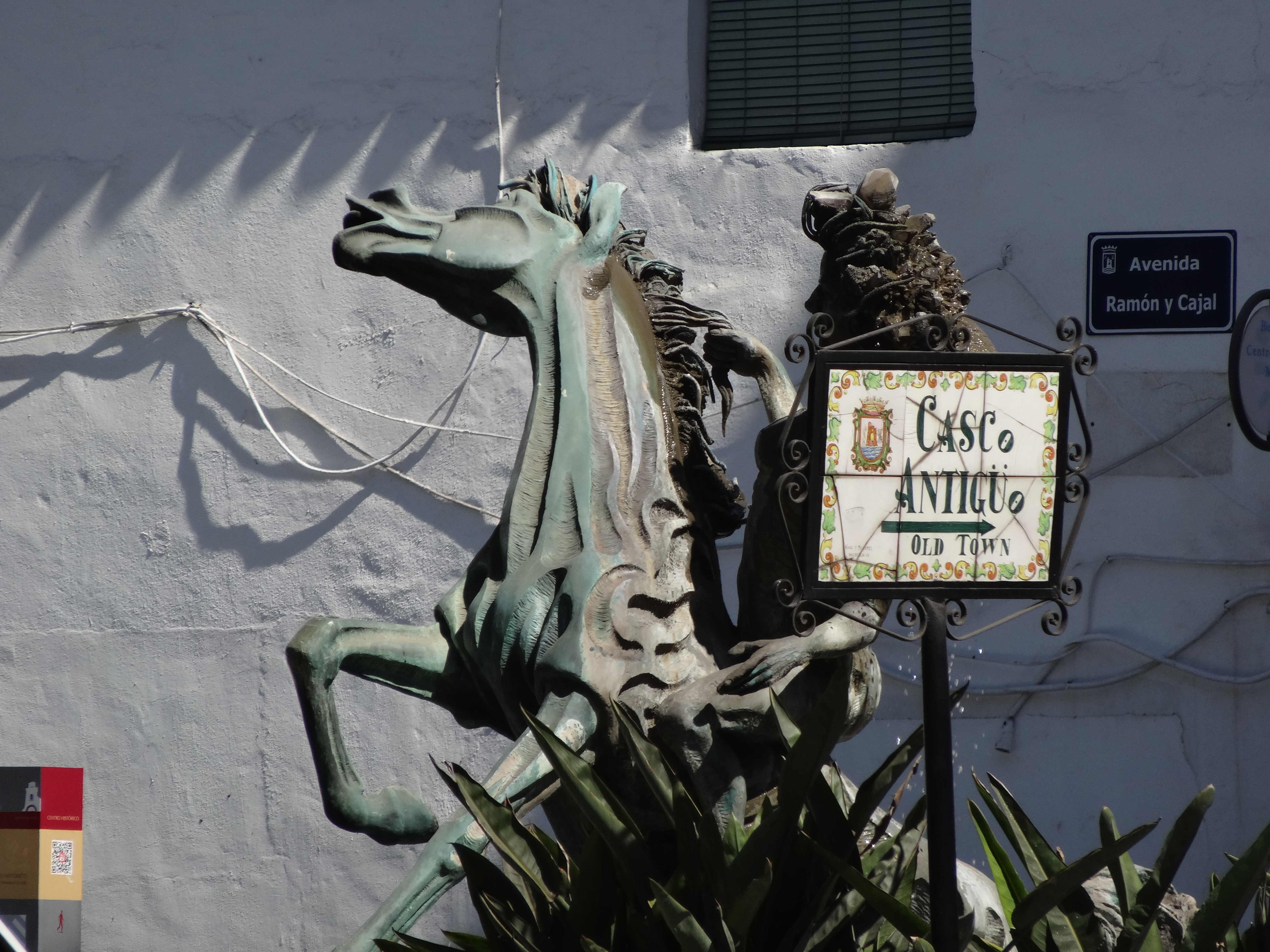
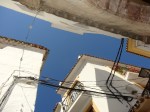
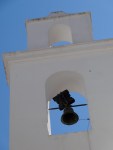
DSC06522 DSC06542 DSC06517

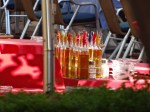
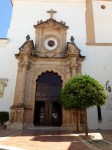
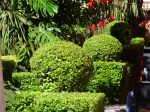
What will follow, therefore, is a series of posts devoted to those two weeks of sea, sun and Spanish seduction, from several collections of photos and a visit to nearby Malaga, to the art works I painted, and the dinners I enjoyed. I start the series with my first set of snaps, these exploring the unhampered charm of Marbella’s old town.

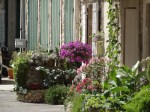
Sometimes, when I walk out of my own front door straight onto the white washed streets of Andalucía, dazzling in their white simplicity against the bluest of skies, and contrasting against the vivid pinks of the abundant floral sprays climbing up the old cracking walls, I have to pinch myself. For living inside of a postcard world always makes you feel a bit like you’re dreaming. Yet in this very knowledge, I cannot help but act like a tourist on every walk around Marbella, for even though I have seen these streets and sights several hundred times before, I cannot help but feel that in my own small way, I must pay homage to their stunning beauty.

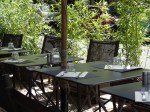
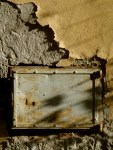
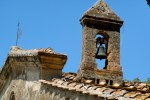
The photos on this post are a part of that homage, a dedication to the charming narrow streets, the squares bustling with parasol-covered restaurants and refreshed by the trickle and splatter of the old town’s many stone fountains, to the vivid colours of the richly painted facades, and to the simple glory of old churches, ancient stone walls, and neatly cobbled streets.

All photos and written content are strictly the copyright of Nicholas de Lacy-Brown © 2013 and The Daily Norm. All rights are reserved. Unauthorized use and/or duplication of the material, whether written work, photography or artwork, included within The Daily Norm without express and written permission from The Daily Norm’s author and/or owner is strictly prohibited. 

Summertime Sussex (Part 1): Composition No. 6

One of the great things about gouache paint (the likes of which I rediscovered a few months back and am now totally in love with) is how quickly one can turn around a fairly detailed painting in a short space of time. Of course it helps that the paint dries within minutes of its application to the paper, allowing a detailed image to be swiftly executed. The result of this is that I am finding myself increasingly able to catalogue my life’s adventures in gouache paint, as well as through photography and the written word.

Consequently, no sooner had I finished off the last of my Provence-inspired gauche paintings, which in turned formed part of my “compositions series” (the idea behind the series being that the paintings follow a more abstract compositional styling rather than being constrained too heavily by accurate figurative representation), than I got to work on another, this time inspired by a short 24 hour trip I made to my home town of Worthing in Sussex for something of a pre-birthday celebration.

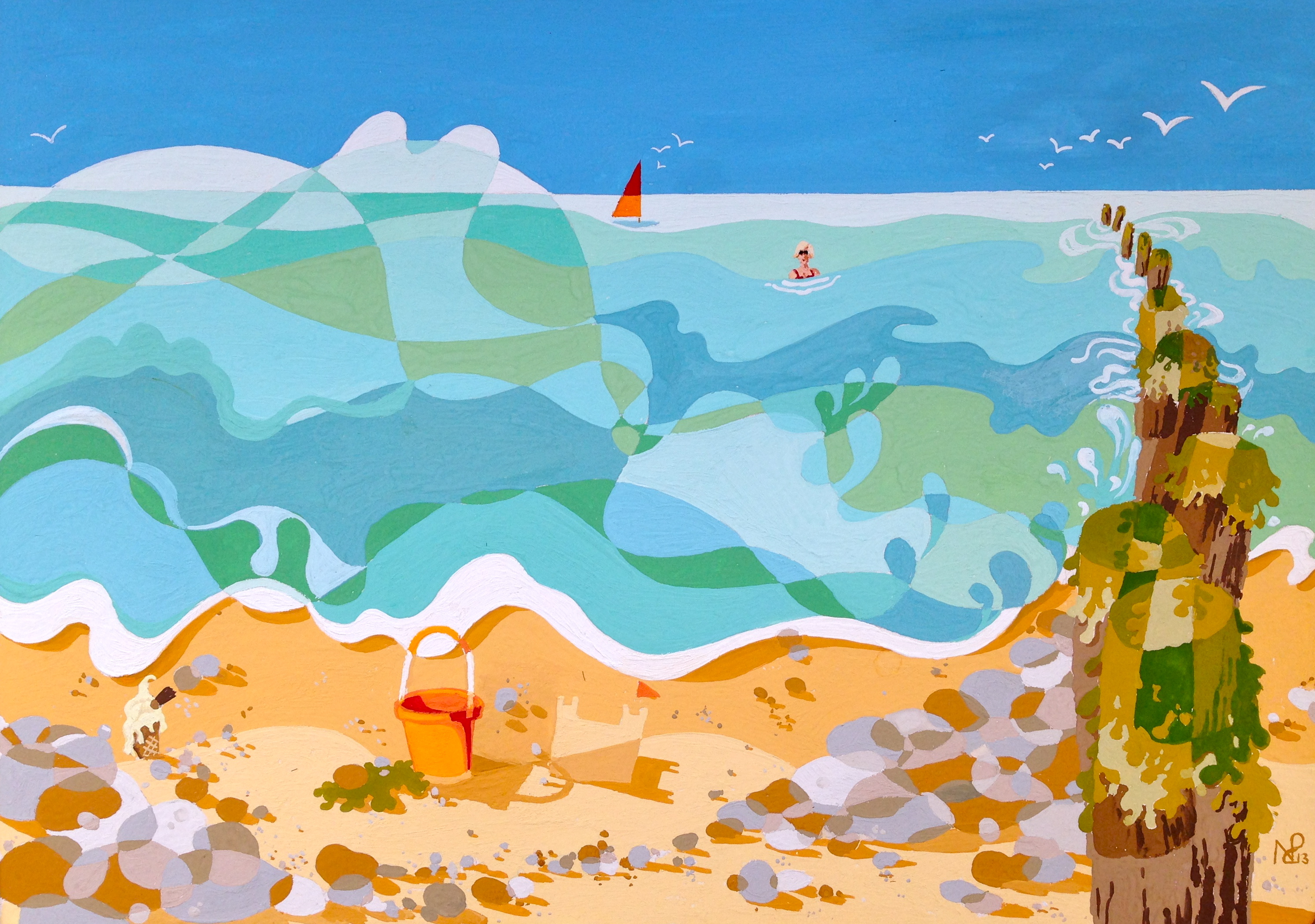
Composition No. 6 (Summertime Sussex: Taking a bathe) (2013 © Nicholas de Lacy-Brown, gauche on paper)

Composition No. 6 (Summertime Sussex: Taking a bathe) (2013 © Nicholas de Lacy-Brown, gouache on paper)

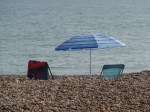
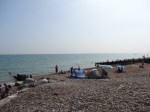
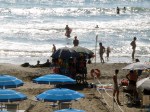
Having been languishing in the sultry summer sunshine of late, the UK has firmly entered the holiday season, and its many beaches have each become heavily populated by visitors taking dips in the English sea to cool off from the unseasonably high temperatures. The beach at Goring-by-Sea, the small suburb East of Worthing and where my family home is situated, is no exception. My mother and I headed down to the beach on a warm Saturday afternoon and, having made our way through the various groups of barbequing families, young children playing in the sand, and sun-lovers spreading themselves out in worship of the sun rays, we reached the shore whose waters were surprisingly warm and clear. Neither of us could resist a dip, and this 6th painting in my compositions series marks the moment when my mother was taking a bathe in the sea while I, looking after our things and taking in the surprisingly summery scene before me, sat on the water’s edge, this image building in my head.

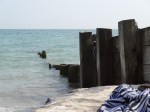
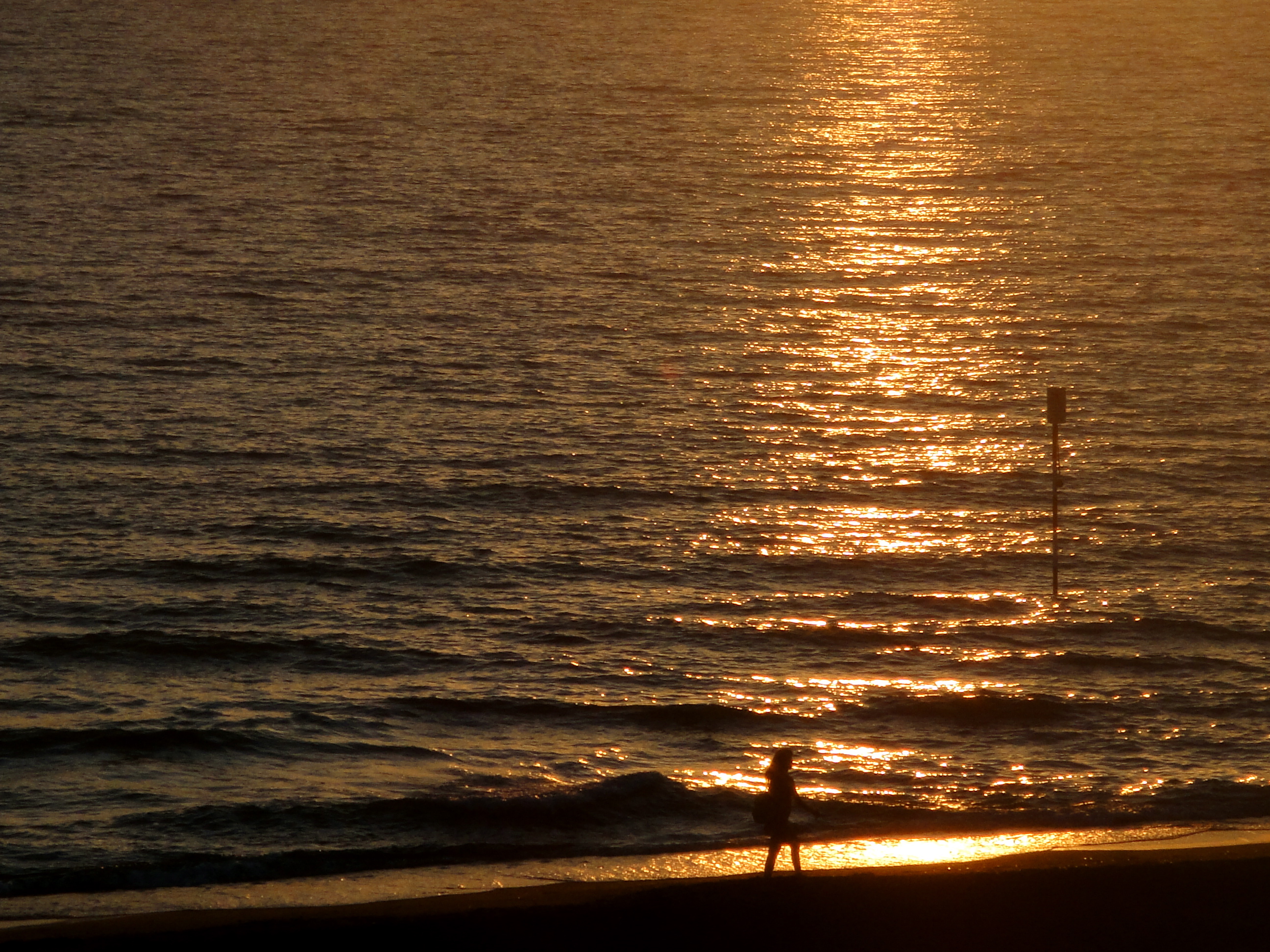
The very next morning I began to sketch out the composition, complete with its curving wave-like forms and overlapping seaweed-covered groynes and within a few days it was done. The perfect testament to a perfect British summer’s day. I leave you with some photos of that little beach trip which, like my gouache, capture some essence of the British seaside in the summer.

© Nicholas de Lacy-Brown and The Daily Norm, 2001-2013. Unauthorized use and/or duplication of the material, whether written work, photography or artwork, included within The Daily Norm without express and written permission from The Daily Norm’s author and/or owner is strictly prohibited. Excerpts and links may be used, provided that full and clear credit is given to Nicholas de Lacy-Brown and The Daily Norm with appropriate and specific direction to the original content.

Provence Odyssey | Saint-Rémy: Day 8 – Picture-Perfect Provence

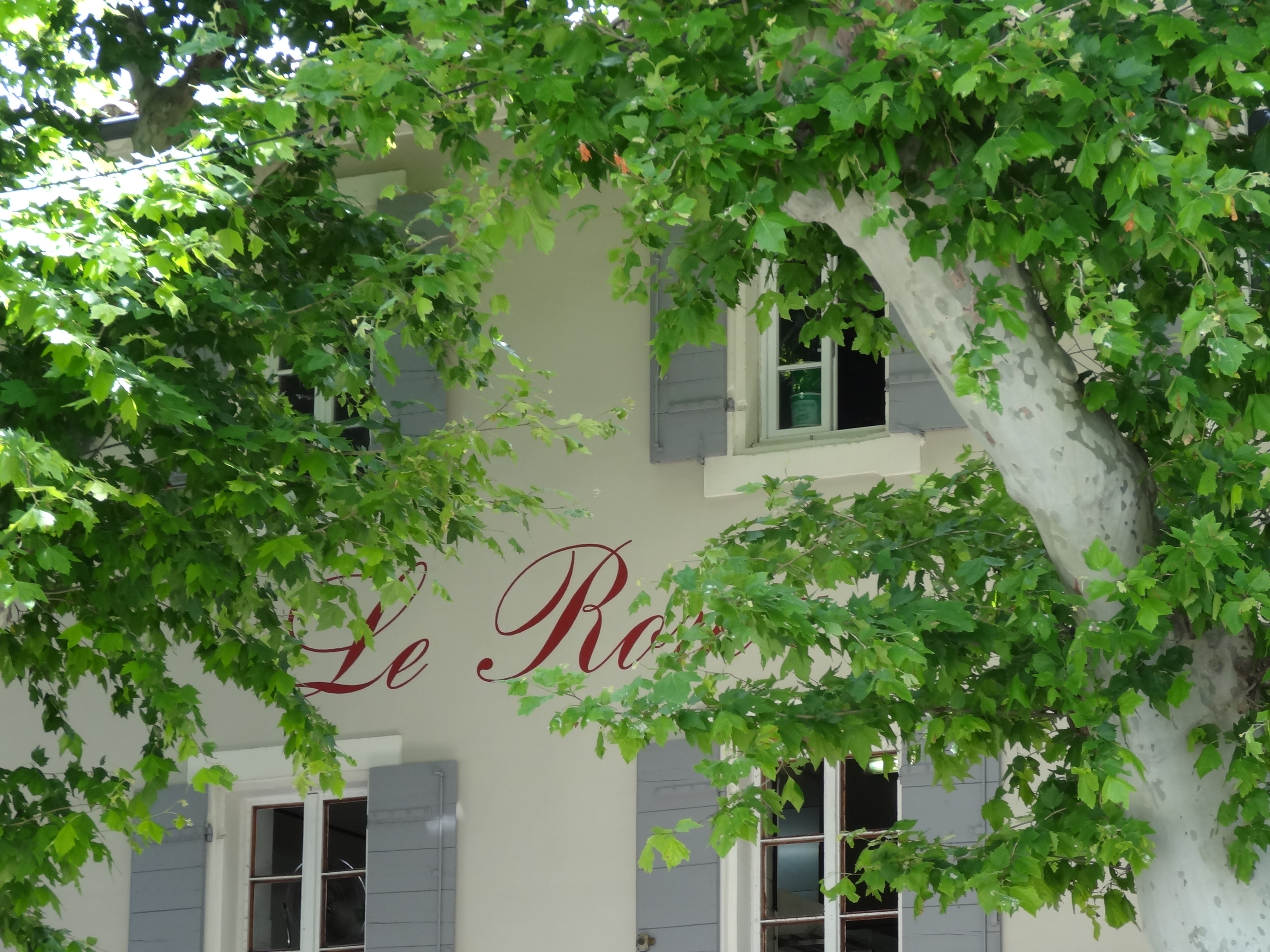
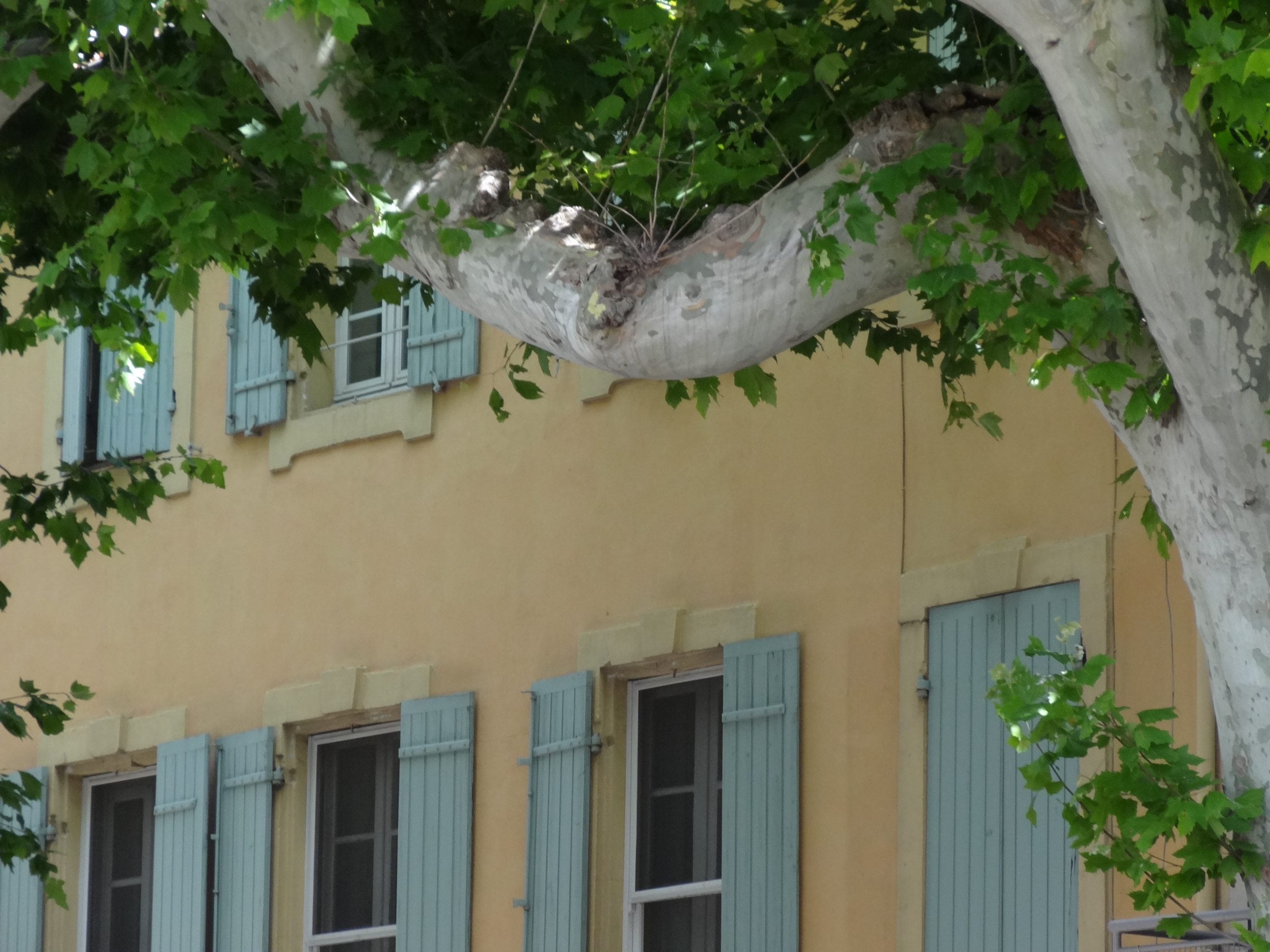
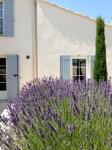
Much has been said about the surroundings of Saint-Rémy – the startling archeological remains of Glanum on its outskirts, the tranquil beauty of the Hospital of Saint Paul de Mausole, and the incredible beauty of nearby Les Baux – but I have said very little about the little town of Saint-Rémy itself. And it would be unfair not to give this little Provençal gem its fair mention, even though, as perhaps the photos below will demonstrate, the beauty of this town is better illustrated through photos than words.

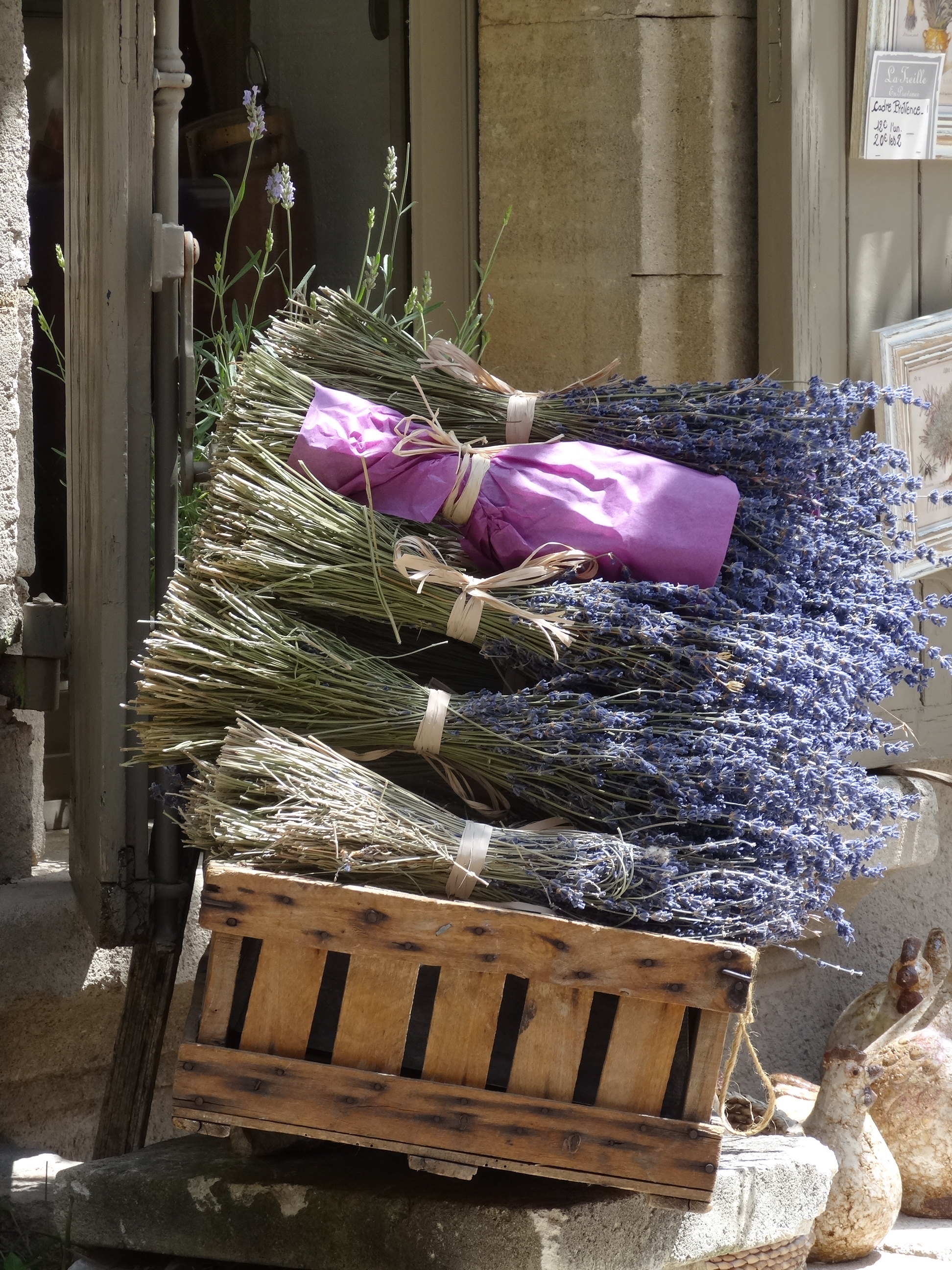
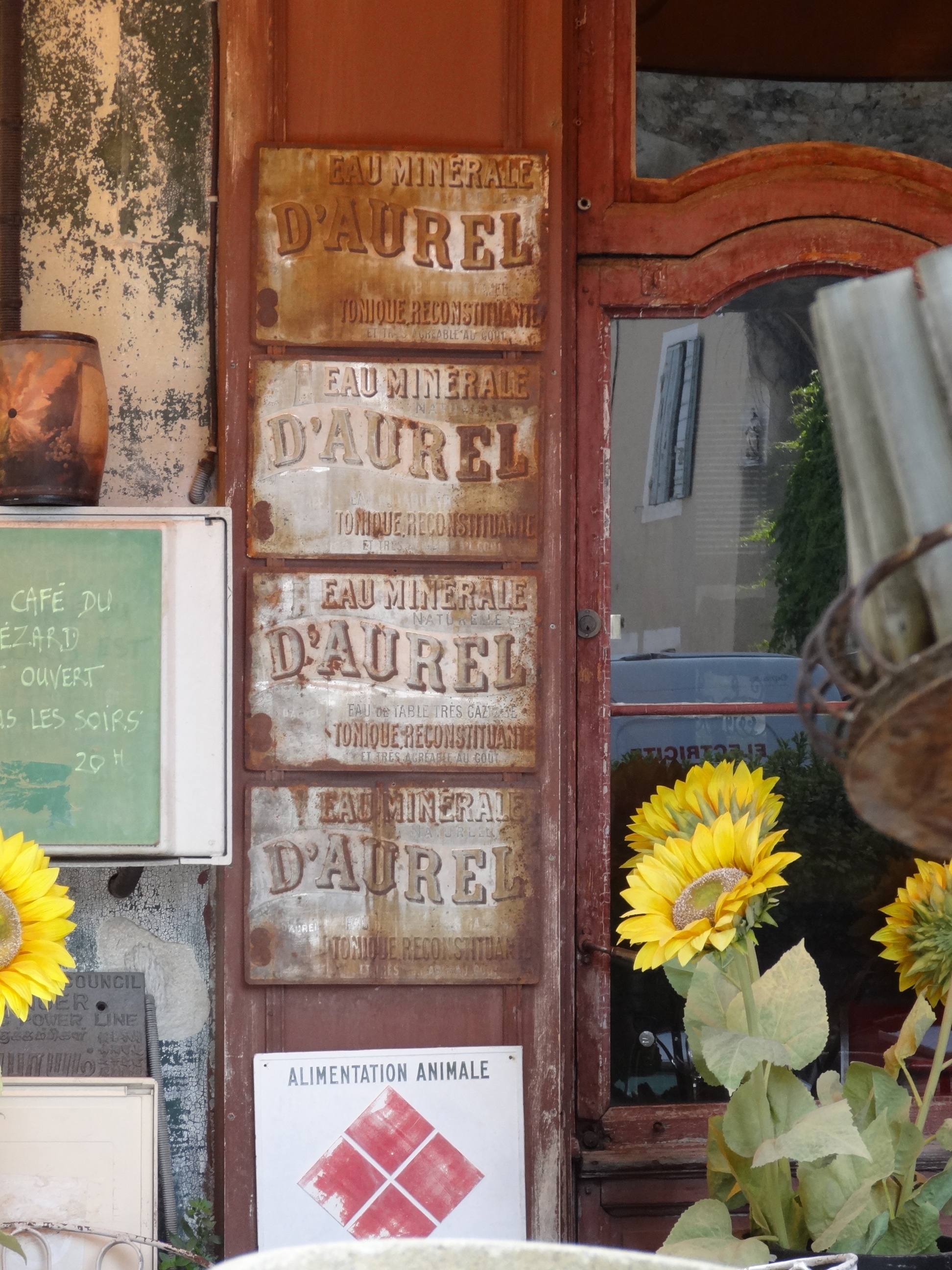
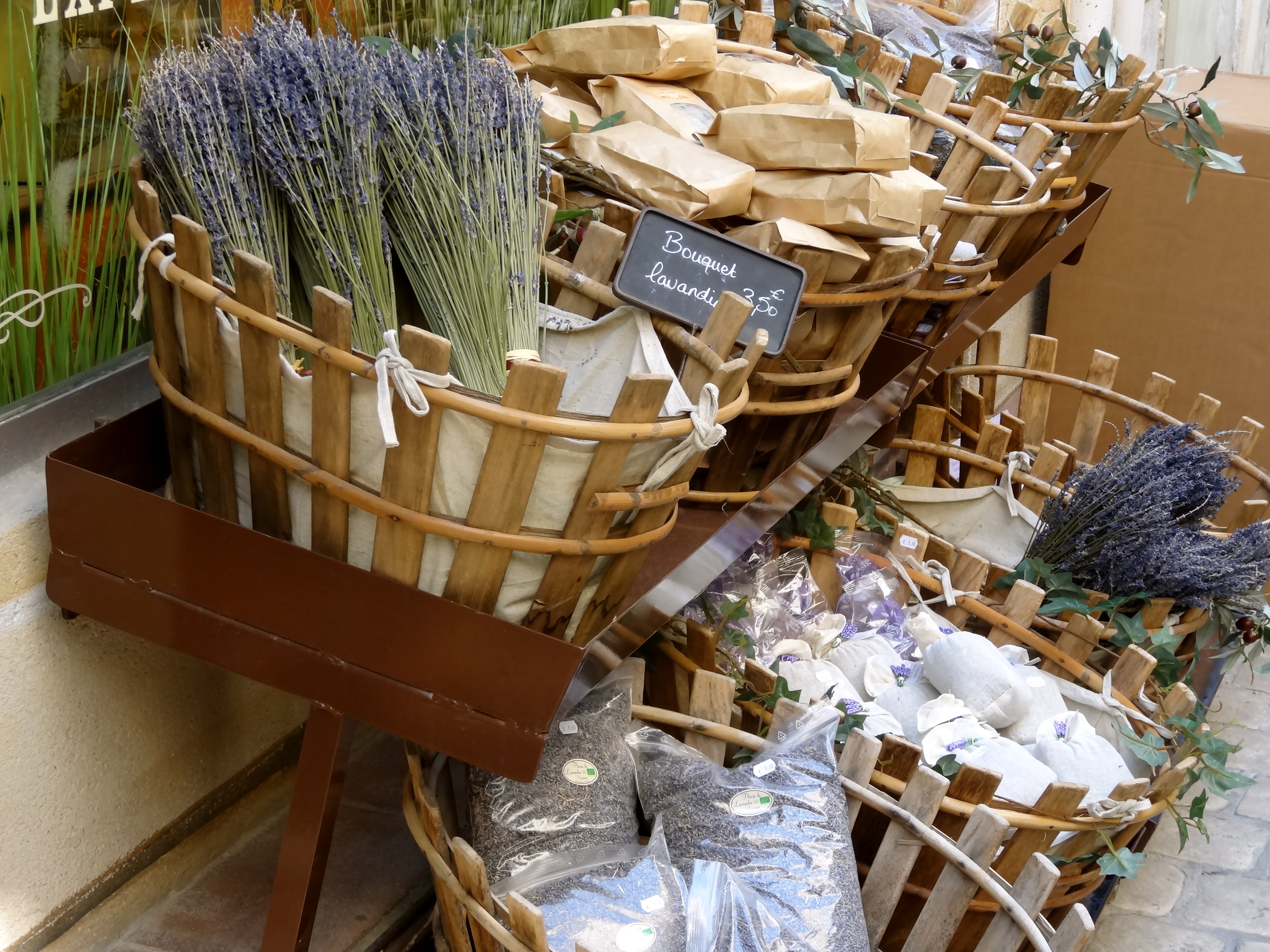
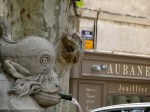
For Saint-Rémy is one of those picture-perfect little towns about which the guidebooks rave, and the midwinter daydreamer, wrapped up against the cold, can only dream: A town of only 8 or 9 main streets, each winding around a charming central square with a trickling fountain at its centre, and a single local café covering the old cobbles with tables and umbrellas for those seeking solace from the sun. Radiating out from this centre point are clusters of little boulangeries, fish shops and delicatessens, while gift shops sell stylish selections of Marseille soap and bundles of lavender, all wrapped up and ready to go home where their sweet floral scent will imbue even the most dreary of homes with a Provençal perfume.

Saint-Rémy streets

DSC04266 DSC04212 DSC03748 DSC04267 DSC04244 DSC04211

Between the little boutiques, an impressive selection of high-end galleries are to be found – for Saint-Rémy has built itself a reputation as a rather chic Provençal destination, a town whose souvenir shops sell well-packaged, pastel-toned quality nicknacks of France, rather than the garish trade of lesser towns. And in its restaurants, freshly made cakes and pastries line up in the windows like the latest models of a fashion show, and menus de jour almost sparkle with pumped up prices and all the pomp of the promised culinary show.

Chic boutiques

DSC03843 DSC04254 DSC04217 DSC03138 DSC04263 DSC03131 DSC04246

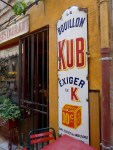
Yes, Saint-Rémy is truly a gem of Provence, a town which is small enough to be unspoilt, charming and deeply atmospheric, yet sufficiently well-developed on the tourist map to bear all of the hallmarks of a sophisticated polished holiday destination. We were pretty much enamoured by the town from our first walk through its centre – by the narrow little streets, the delicately perfumed shops, the pastel-coloured shutters, old shop signs and bustling street markets. And on this, our last day in the town, we returned to those now accustomed haunts, once again gazing through the windows of the little boutique shops, enjoying the gentle pitter-patter of water in the fountain outside the town hall, and having a noisette or two (macchiato coffee) in the shady central square.

In short, we had found picture-perfect Provence, and were determined to make the most of it. For later that day, our planned departure would whisk us away once again, voyaging south to our final destination: the city of Aix. But before that, I leave you with some more of my photographic moments. Adieu.
All photos and written content are strictly the copyright of Nicholas de Lacy-Brown © 2013 and The Daily Norm. All rights are reserved. Unauthorized use and/or duplication of the material, whether written work, photography or artwork, included within The Daily Norm without express and written permission from The Daily Norm’s author and/or owner is strictly prohibited. 

Bologna: La Dotta – Learned city where the profane is sacred, and the sacred is mundane.

As far as outward appearances go, Bologna holds its own amongst the crowd. For beautiful buildings, magnificent public monuments, fading Renaissance elegance and vast central piazzas, Bologna is undaunted by its more celebrated rival cities of Florence, Milan and Rome. But behind the facade, in mind, Bologna is quite different. In Rome, for example, the dominant influence of the church, and in particular of the Vatican looming close by, is evident all around. You only need to turn a corner to find another vast church, stuffed to saturation full of the most exquisite baroque sculpture, euphoric painted ceilings, depicting heaven and hell with startling realism and artistic virtuosity, gold-dripping altars, elaborate side chapels, and 100% fresco coverage throughout. In Florence, the green, pink and white marble covered Duomo and its baptistry dominates the city’s central piazza, while just around the corner, the equally stunning Santa Croce and Santa Maria Novella dominate their own respective squares.

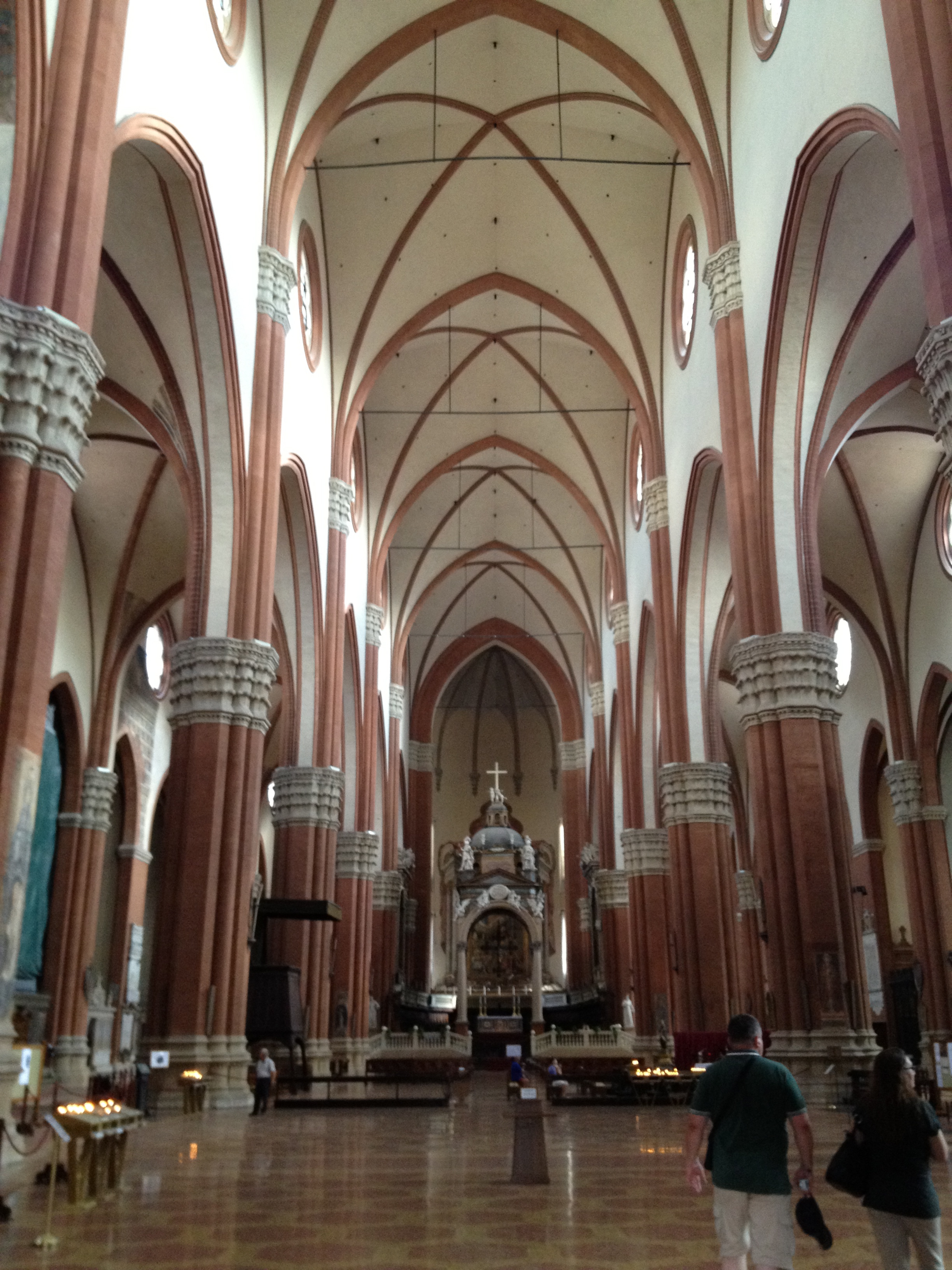
In Bologna, by contrast, there is a sense that the church plays second fiddle. True, the Piazza Maggiore is at least partially dominated by the looming presence of the Basilica San Petronio, but its vast marble facade has been left unfinished, as though the Bolognese started the expensive task of covering the brown bricks with marble, only to decide that the money could be better spent on other things. Meanwhile, on the inside, the church has a vast gothic interior, rising almost endlessly into the sky, yet compared with other Italian cathedrals, this interior is stark and austere, exhibiting the same lack of embellishment as is all too obvious on the exterior.

San Petronio’s unfinished exterior

And its impressive but austere gothic interior

In Bologna too is the iconic church of Santo Stefano, which is actually comprised of a hodge-bodge of some 8 older churches all linked together. However the rather plain brick-facade of this church is easily dominated by the stunning collonades of the neighbouring buildings, and all of the guide books of Bologna refer not to the beauty of the church, but of the square itself, with its fine Merchant mansions, shopping arcades and perfectly-proportioned palazzos.

Overshadowed: Santo Stefano

That’s not to say that the Bolognese are a population of heathens, rejecting the church and pursuing a life of hedonistic profanity and over-indulgence. The Basilica of San Petronio is, in fact, a mere shadow of its original design, which was intended to be a vast religious temple when designs were drawn up in the 16th century, but which were promptly interrupted by the Vatican who feared that the resulting cathedral would overshadow St Peter’s in Rome. As it is, the cathedral is the 15th biggest in the world. While the intention was there, you can’t help but notice that in spirit, Bologna’s priorities lie elsewhere. For the second of Bologna’s three renowned epithets is La Dotta: the Learned, and the great prevailing buttress of Bologna’s cultural foundation is intellect and learning – and you can see it all around.

A happy Bologna graduate on her graduation day

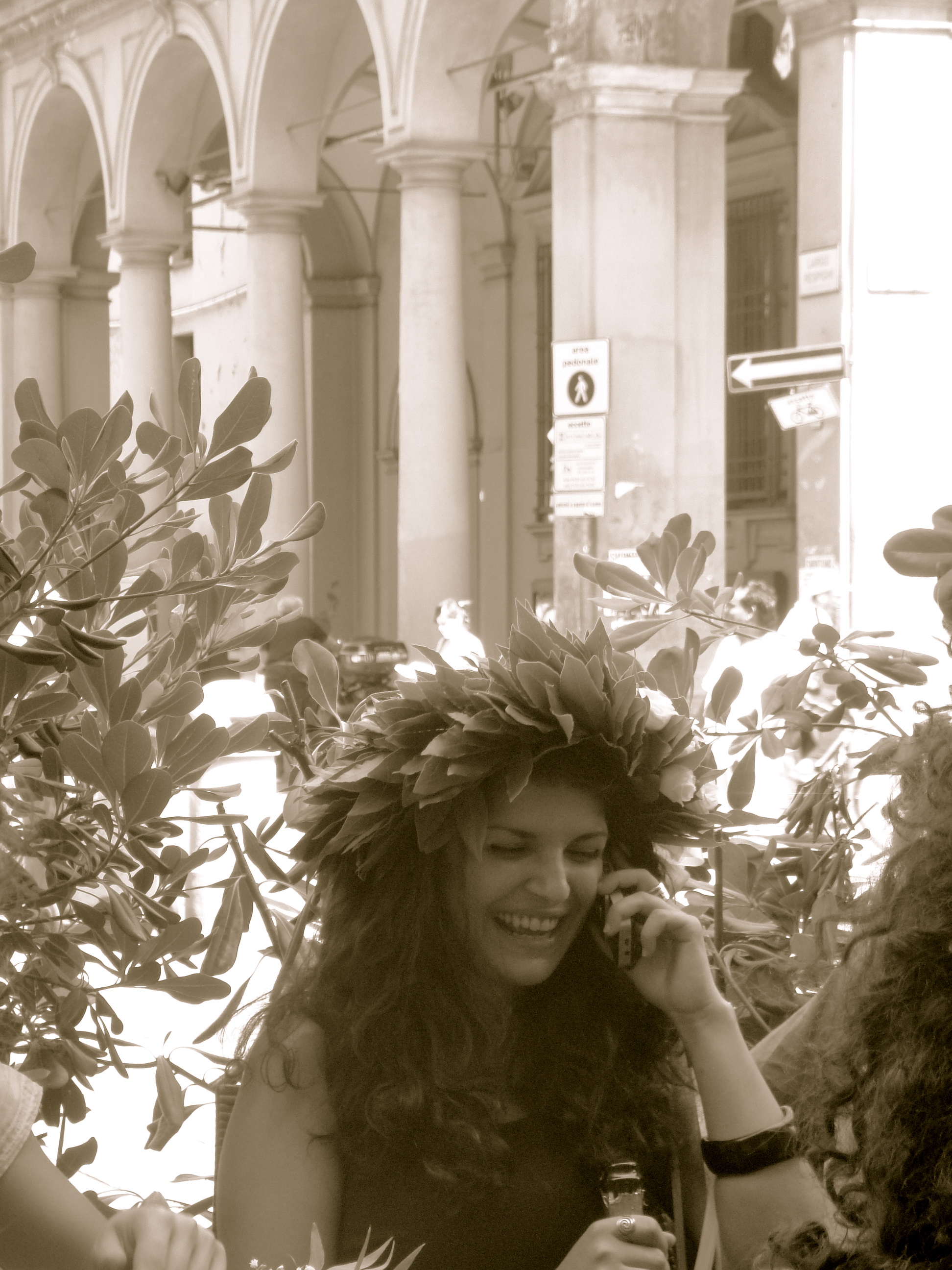
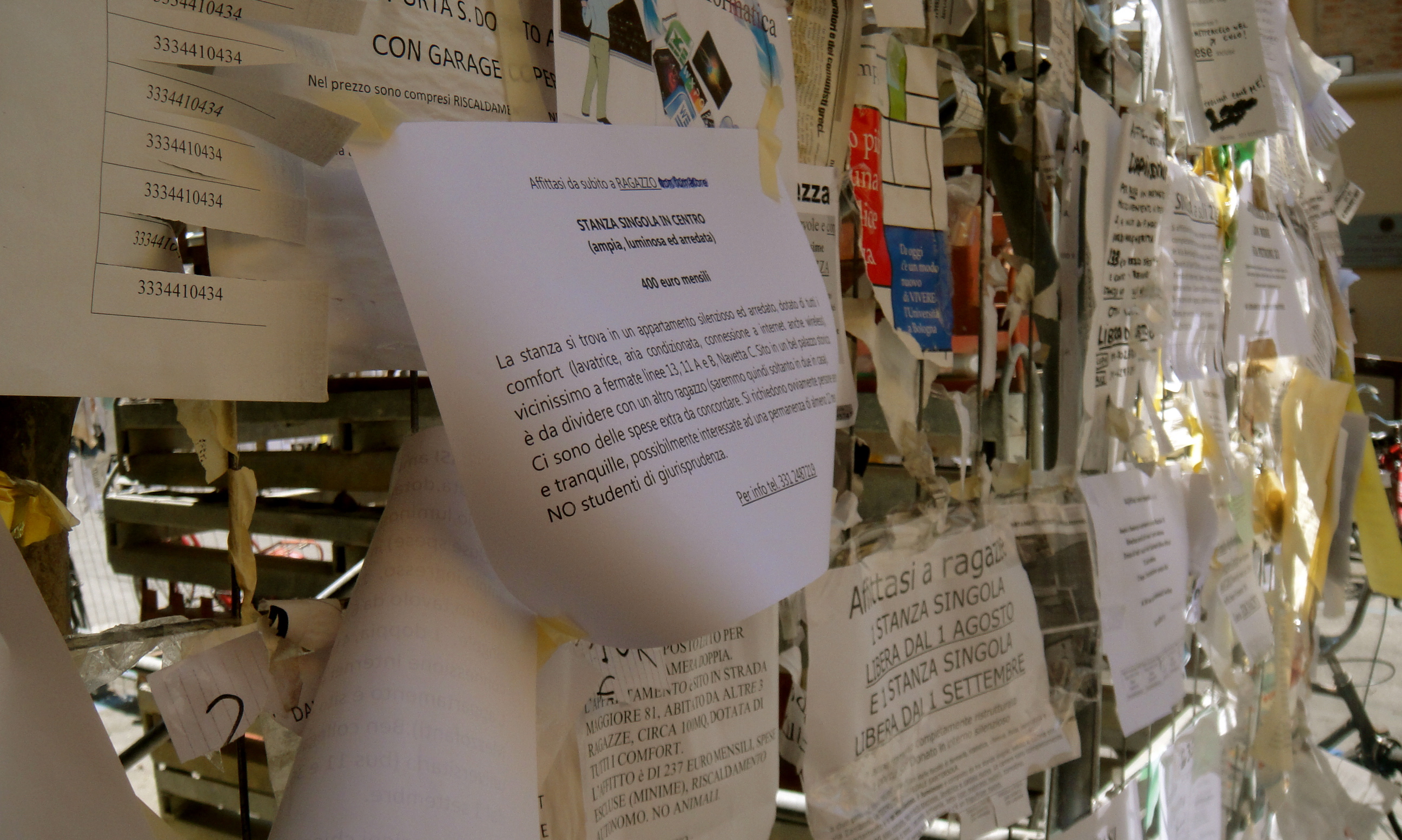
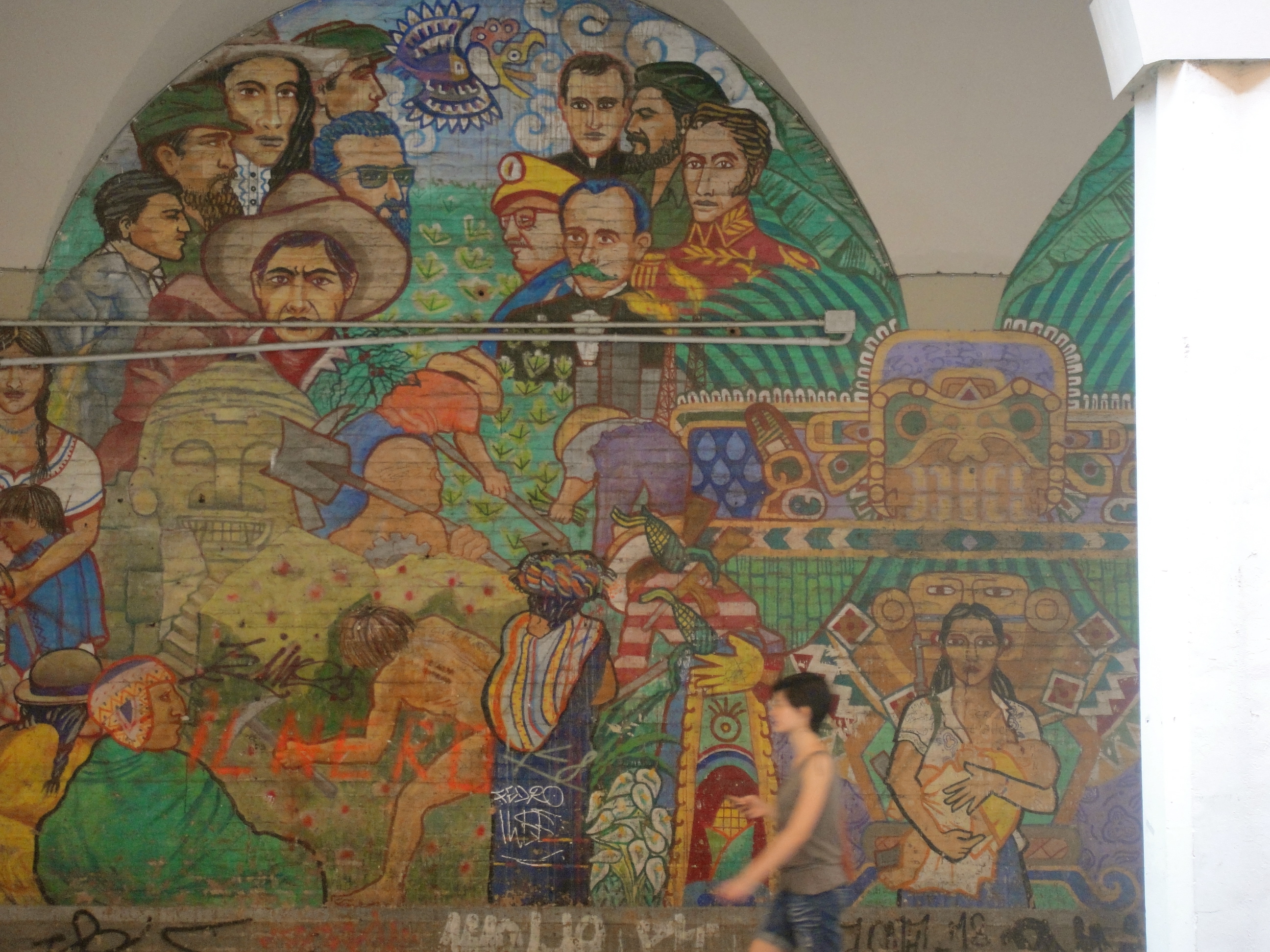
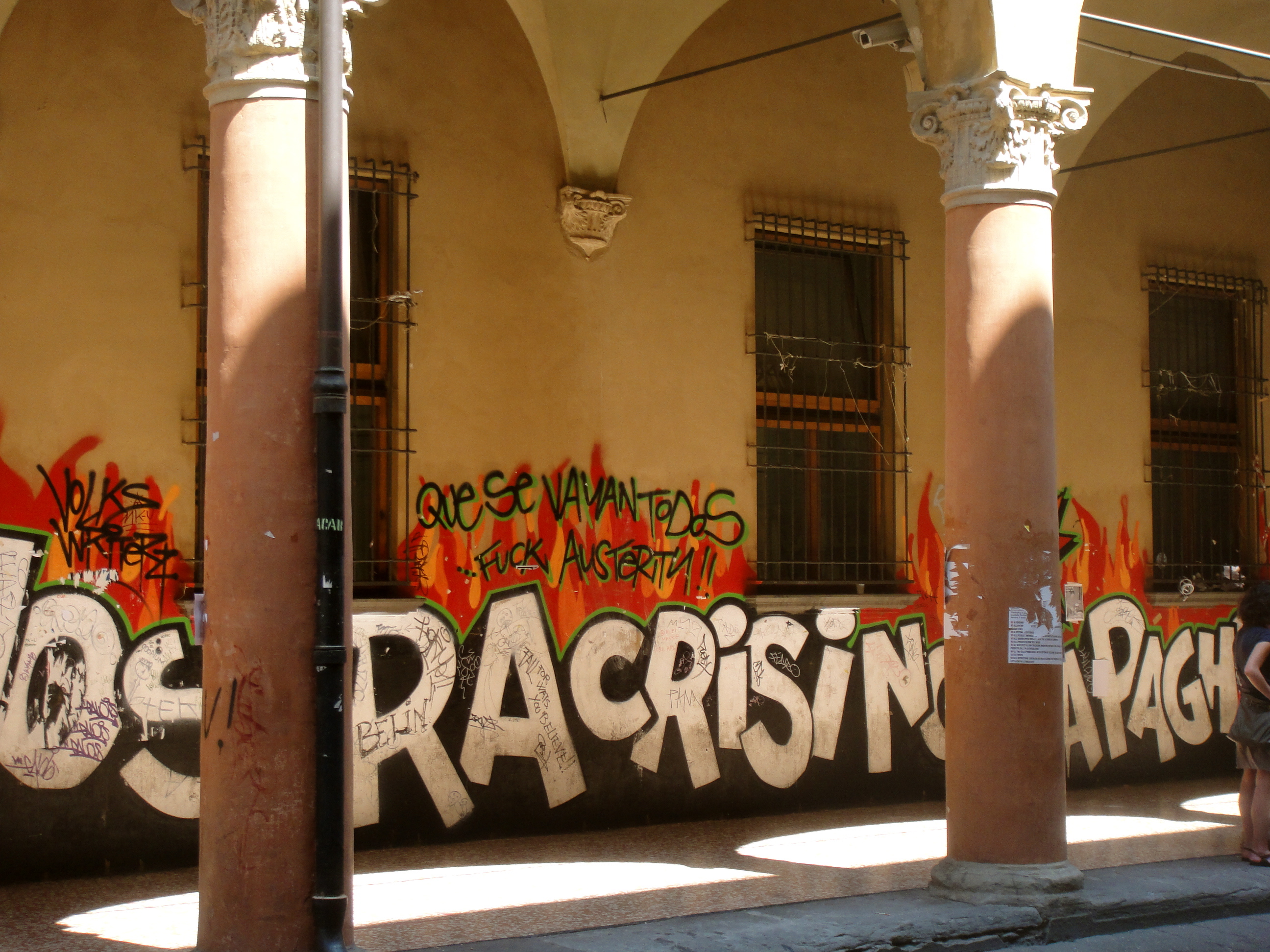
For starters, Bologna boasts what is said to be Europe’s oldest University, going back some 900 years, and the vivacious influence of the city’s still-thriving university population can be seen all around. On our first morning in the city, we wandered into the university district, just north of the central leaning towers, and there we found a district which was markedly alive with a thriving cafe culture, with campuses and libraries and a predominant feeling of youth and exploration. There, the elegant porticos of the southern city had been replaced by vast graffiti murals, protesting against austerity, opposed to Gaddafi and debating other modern polemics in technicoloured spray-paint. Instead of frescos, here the walls were covered with posters promulgating student presidential campaigns, advertising rooms to rent and promoting concerts and lectures. And instead of tourists, here the students dominated, and in fact on our visit were in the midst of a great summer graduation, for which the macabre mortar-board was replaced with a garland made from olive leaves and ribbon.

But the spirit of learning extended beyond the university. In the Piazza Maggiore we past a group of ordinary locals, energetically debating the state of the economy, some berating the influx of immigrants, others bemoaning the lack of jobs, and the rare few wishing Berlusconi was back in power. The debate went round and round, and views differed widely, but it was wonderful to see these people, vocalising their views, no matter how extreme, in a jocular environment, rather than building up resentment as is so often the case in reserved England. Meanwhile, around the Piazza, a wide range of impressive museums demonstrates Bologna’s thirst for global culture, art and history: We visited the beautiful archeological museum, where a courtyard stuffed full of Roman relics was an awesome sight, and the Pinacoteca Nazionale Bologna, where sadly the most famous works – a Giotto altarpiece and a Raphael had been hidden away owing to the double-bill of earthquakes which hit the Emilia-Romagna region in the last year.

The archeological museum

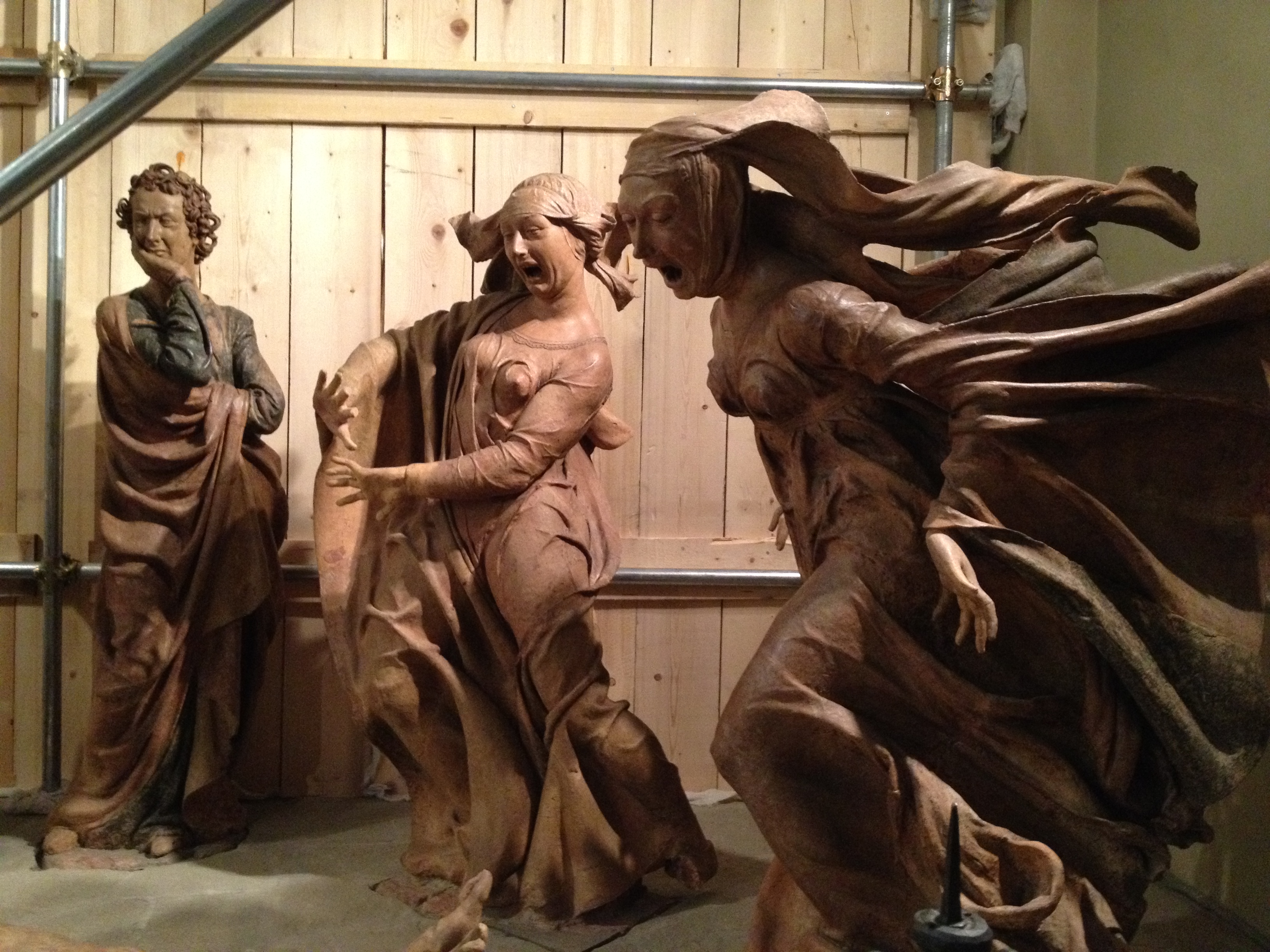
It would be unfair however to dismiss Bologna’s religious heritage all together. Seek and ye shall find, or so they say, and when you head away from the major Piazzas, there are some religious gems still to be found. The church of Santa Maria della Vita for example was quite a sight to behold. Tucked away in a side street off the Piazza Maggiore, a small door led to an interior which simply took my breath away. You can see from these photos why without further description. Also held in the church were the equally enthralling terracotta sculptures by Niccolo dell’Arca of the dead Christ and surrounding mourners. The sculptures exuded incredible dramatic pathos, the expressions of grief and torment of the figures intensified by the realism of their dramatic facial details.

Santa Maria della Vita

The Niccolo dell’Arca sculptures (protected from earthquakes, hence all the ugly wood)

Meanwhile, head out beyond the city, following the world’s longest continuous arcade (4km long, comprising an ominous 666 arches) from the centre of the city and at its end you will find the stunning sanctuary of the Madonna di San Luca, perched atop a hill, glowing orange, looking over the city for which it was appointed ultimate guardian.

San Luca

The uphill end of the world’s longest continuous arcade (we took the trenino rather than suffer those steps…)

So at the end of it all, Bologna, with its fiercely independent spirit and pursuit of intellectualisation and cultural superiority has captured a perfect balance. It has not sacrificed religious influence, nor morality, but it has cast the perfect equilibrium between moral precedent and intellectual and cultural freedom. In that respect Bologna has perfected a model which must surely be envied throughout the world.

All photos are strictly the copyright of Nicholas de Lacy-Brown © 2012 and The Daily Norm. All rights are reserved. 

Tuscany Part IV: My Photographs

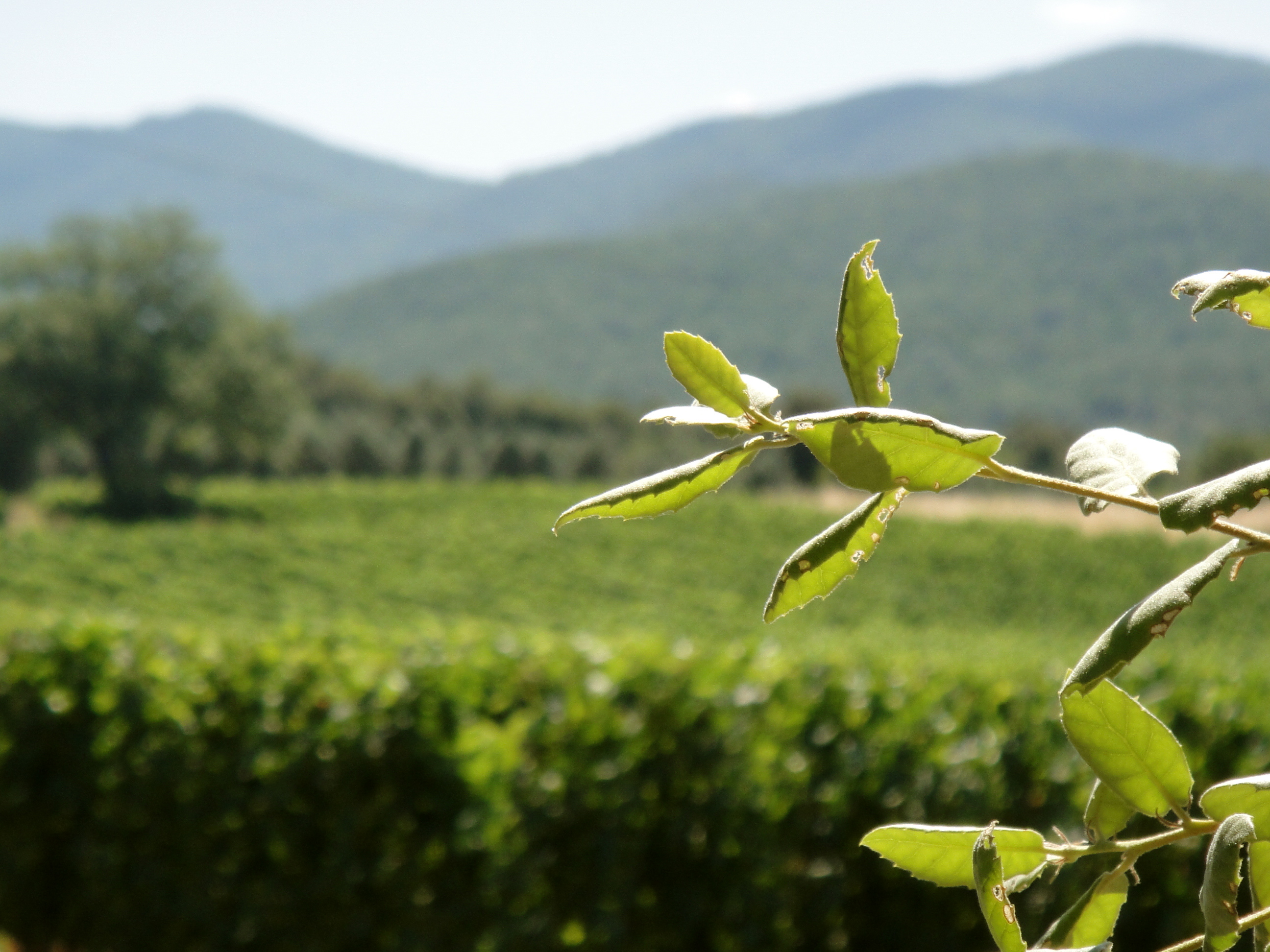
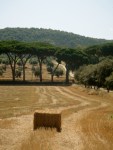
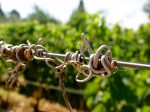
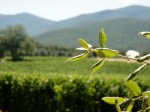
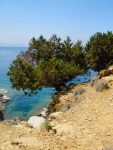
My blog’s adventures through the golden-rich lush-green lands of Tuscany are well under way, and after three days of tales, I think it’s about time I shared a few more of my photos with you. Tuscany is so ripe in photographic inspiration that I was worried my mega-sized memory stick would not be big enough. The views are so complex with multi-layered landscapes which beg for photographic capture from a multitude of angles and viewpoints, each shot capturing something new, some fresh insight into this rustic, sun-kissed land. From russet soils sprouting innumerable rows of verdant green vines and plump purple grapes, glorious golden sunflowers and shiny little olives, to the sun-dappled shady paths lined by pine trees, old derelict villages gracefully ageing with an insuperable elegance, with long shadows cast by the evening sun falling upon broken shutters and flaking paint work, and an expansive soft, sandy beach, edged by a calm lazy seashore, whose waters are silky warm, and its breeze heavily soporific.

Tuscany is poetry in sight, in sound, in smell. It tickles all of the senses as its natural bounty bares fruit across the undulating land. It’s a peaceful, restful, bucolic region, where the great pleasures of life are celebrated and manufactured, where long afternoons pass in a somniferous haze, where the evenings are bountiful in gastronomy and wine, and by morning a vivid yellow light makes every object, every plant, every building glow with a picture-perfect radiation.

These are my photos of Tuscany.

All photos are strictly the copyright of Nicholas de Lacy-Brown © 2012 and The Daily Norm. All rights are reserved. 


Tuscany Part III: Picture-perfect Populonia, and other hilltop idylls

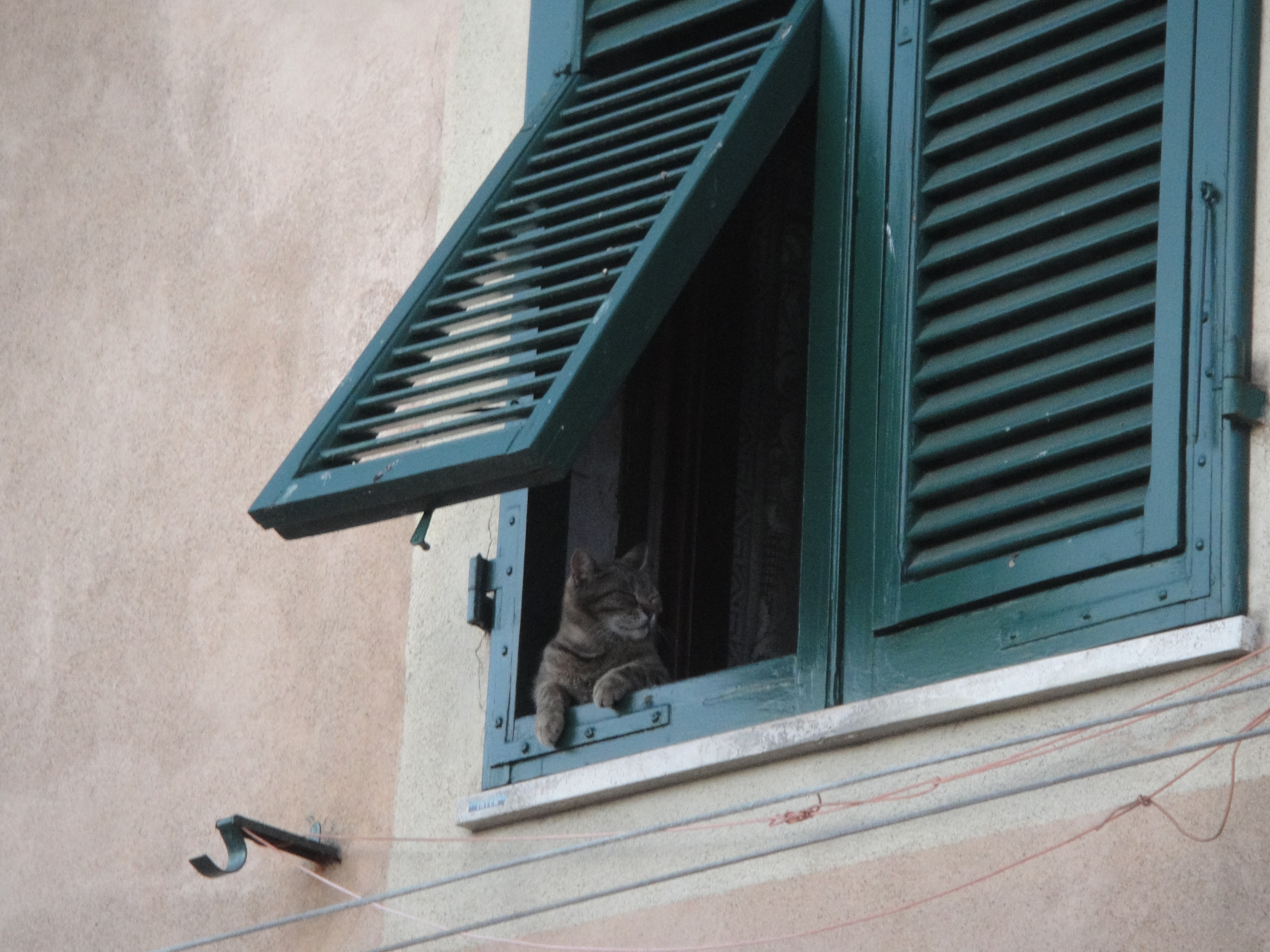
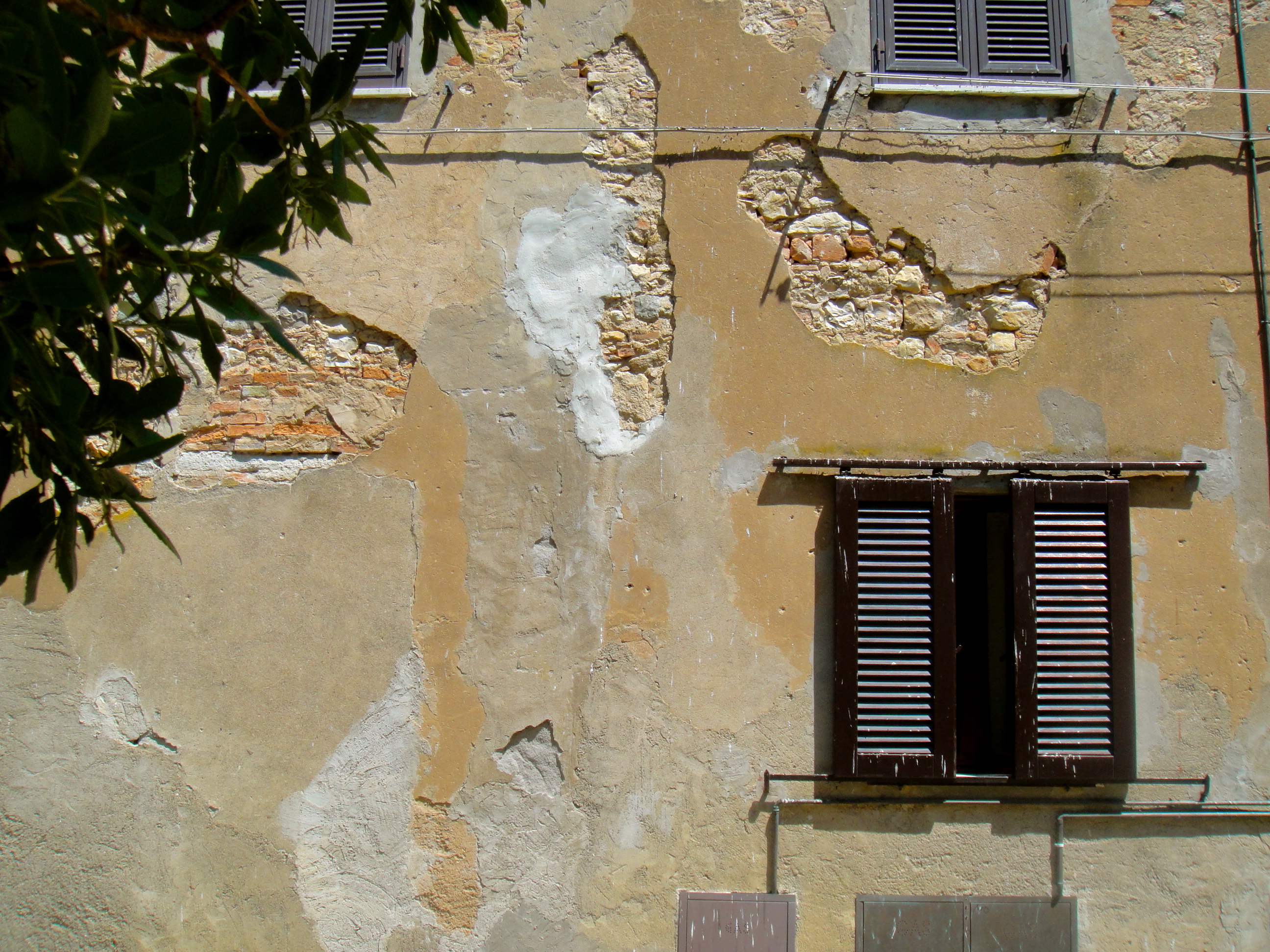
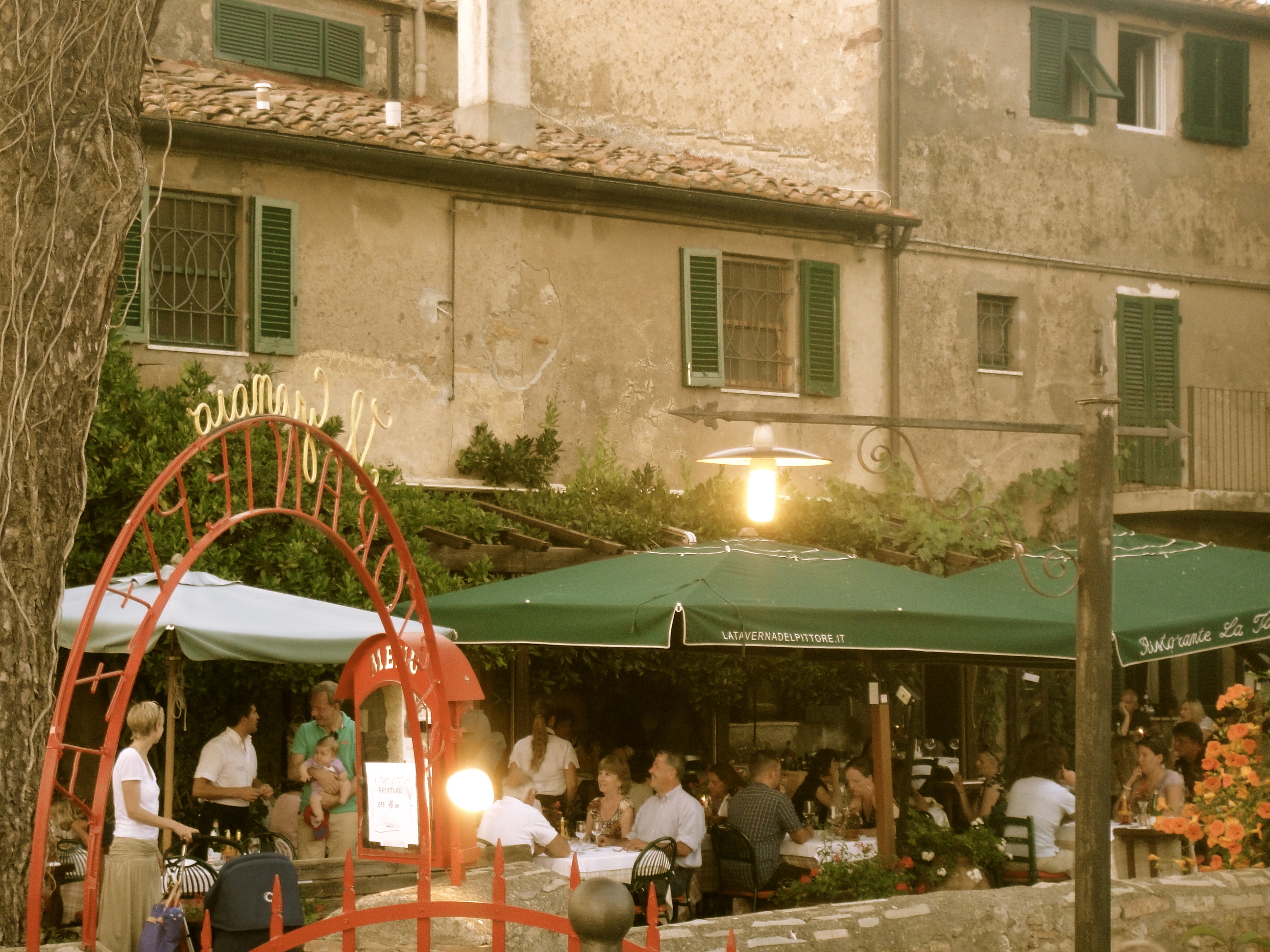
If there’s one thing that Tuscany does well, it’s idyllic little hilltop towns, framed by castle walls, boasting sensational views of surrounding rolling countryside, and offering picture-postcard views of medieval stonework, cute tavernas aplenty, slowly decaying buildings adorned with cracking window shutters, pots overflowing with geraniums and more often than not, a cat sleeping in the sunshine. You know the scene – it’s postcard land after all, for who could resist these honeypot utopias, to which every tourist, artist and hedonist will flock in their thousands every year.

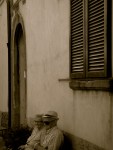
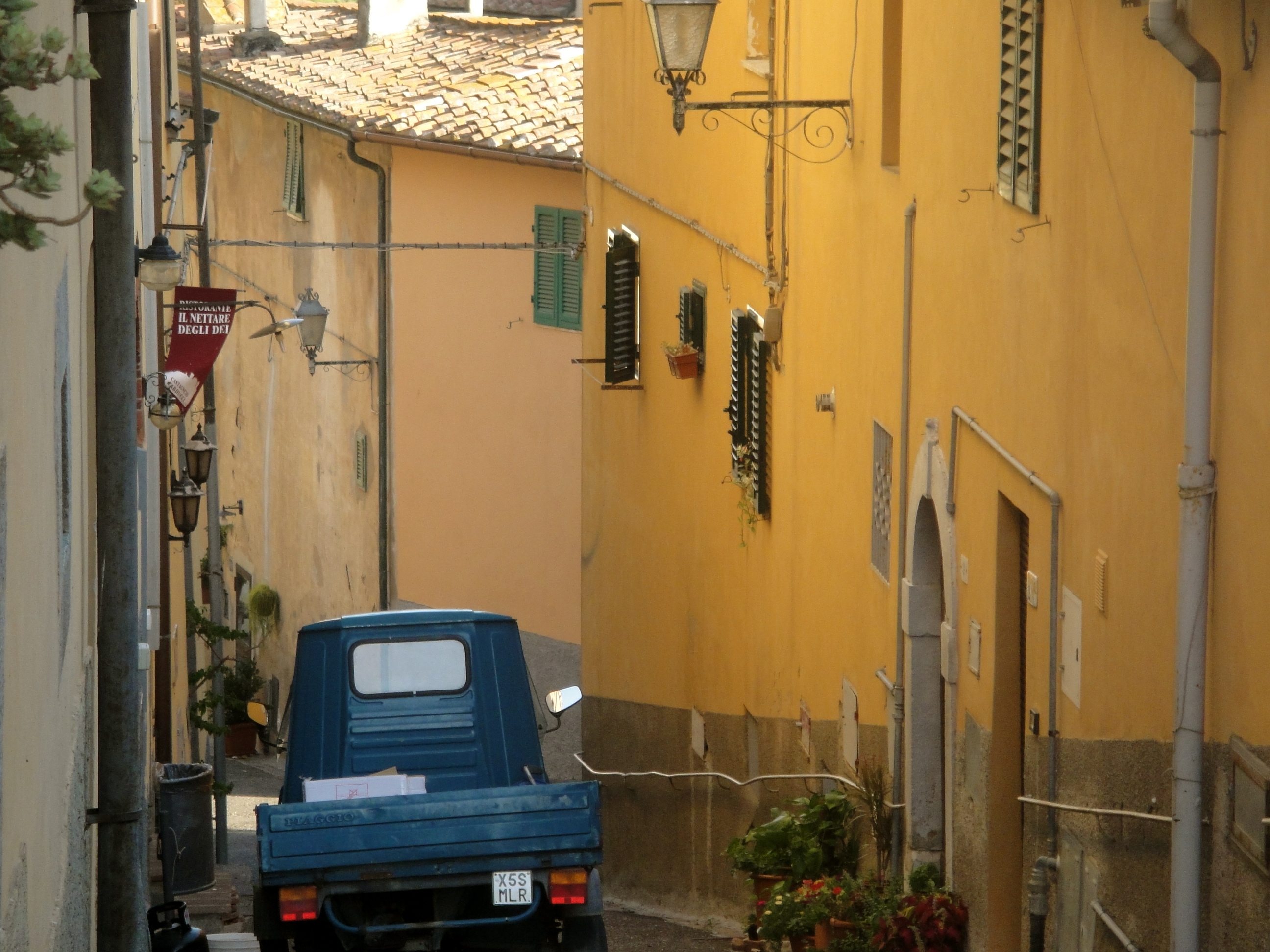
Yet what makes the towns so idyllic is the fact that far from pursuing a Disneyland level of commercial exposure, as is no doubt the temptation, life goes on in these little villages, just the same, irrespective of the camera-clicking tourists emerging at every corner. The best photos, for me, are the shots capturing locals gossiping in little piazzas, or old couples catching the evening breeze on stools out in the street. I adore the little grocery shops, which continue to sell fresh, vividly coloured produce to the locals, and whose offerings are yet to feel the effects of the supermarket spread. The haphazard park of a little bicycle or a retro-red scooter against an old cracking wall represents ordinary life to them – but to me it’s art dripping in decadence and charm in all its imperfect beauty.

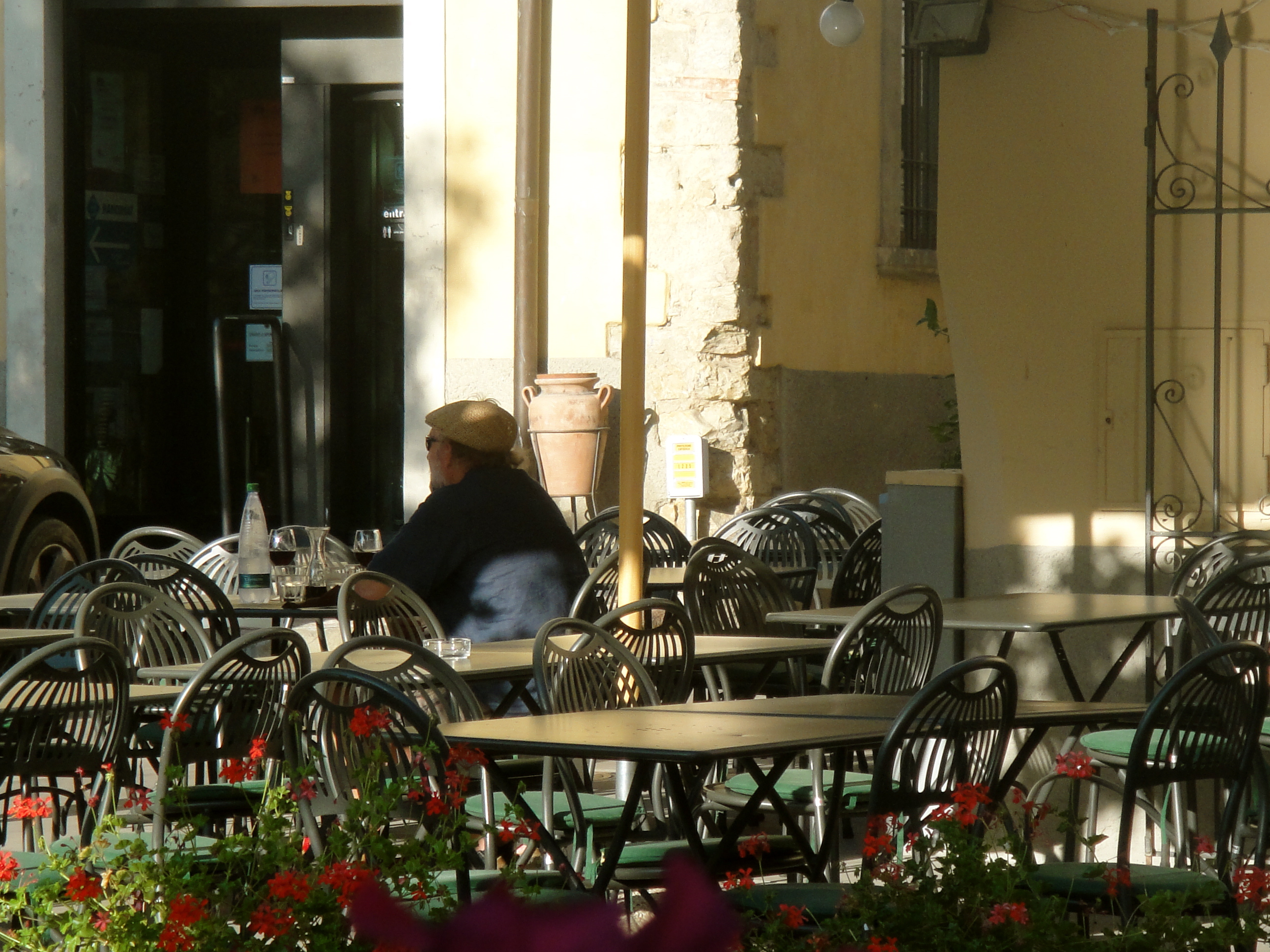
Not far from Donoratico, where I was staying by the sea, a cluster of small towns, each one atop a hill and each, stunningly, idyllically beautiful, can be found amongst the vineyards and the pine forests. My favoruite, Castagneto Carducci, is a Tuscan Elysium, perched upon the hills above Donoratico, with views over the coast and vineyard-covered rolling hills to die for, while within the town, pastel pink walls, green painted shutters, and elegantly deteriorating plaster work, old lamps and ageing locals exude charm and decadent beauty.

Castagneto Carducci

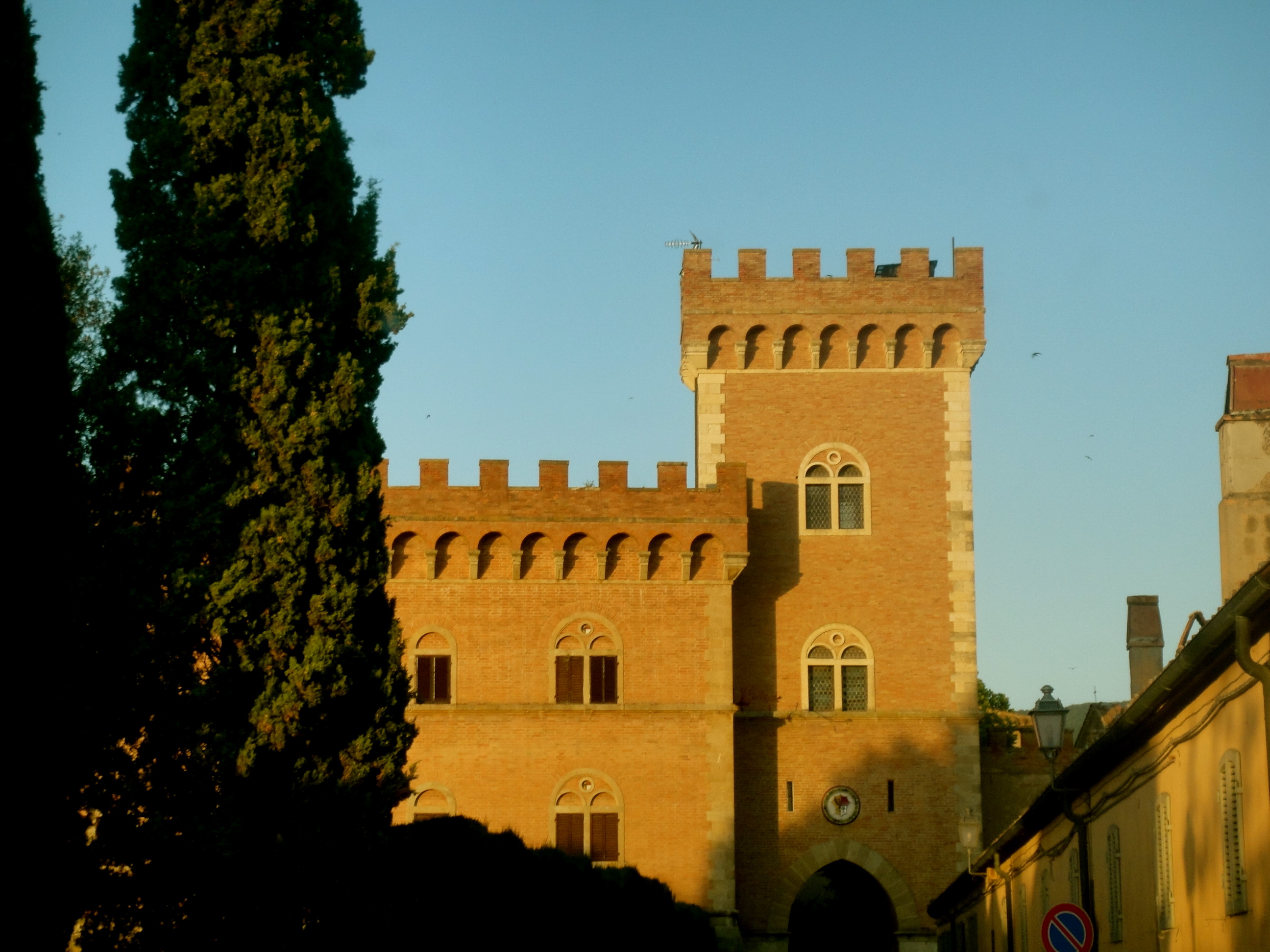
Meanwhile, just ten minutes along the coast towards Pisa, the tiny town (we’re talking two streets only) of Bulgheri can be found at the end of a perfectly straight Roman road, continuously bordered with cypress trees, the result of which is a scene of such wonderful symmetry that it appears on at least 2 out of every 5 postcards sold across Tuscany. Meanwhile the town is another chocolate-box paradise – little restaurants with red-checked tablecloths, lit by lanterns at night and benefiting from the dappled shadows of nearby pine trees during the day, a minuscule central piazza adorned with flowers aplenty, and cute little shops selling art and crafts and fresh local produce.

Bulgheri

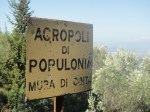
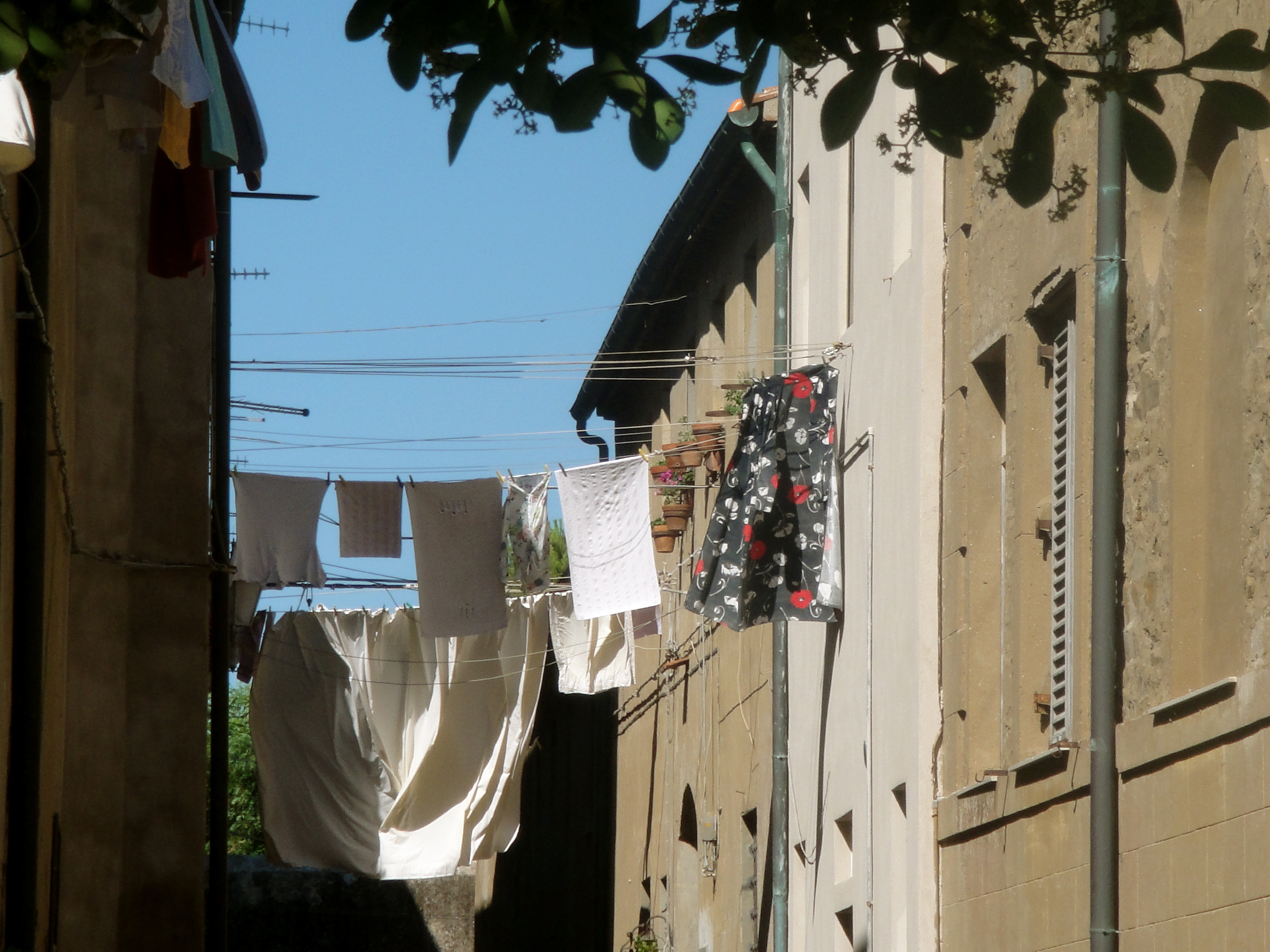
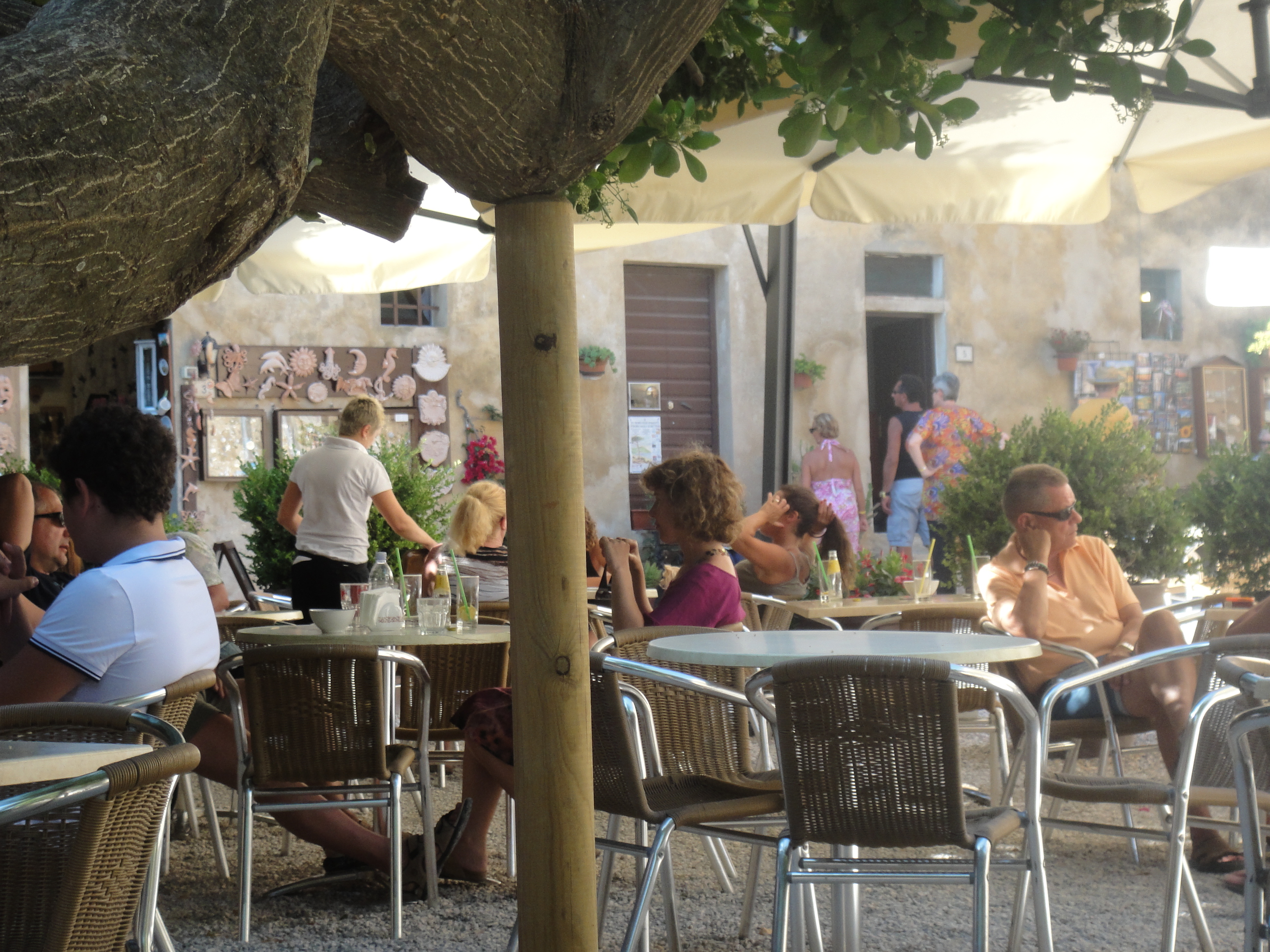
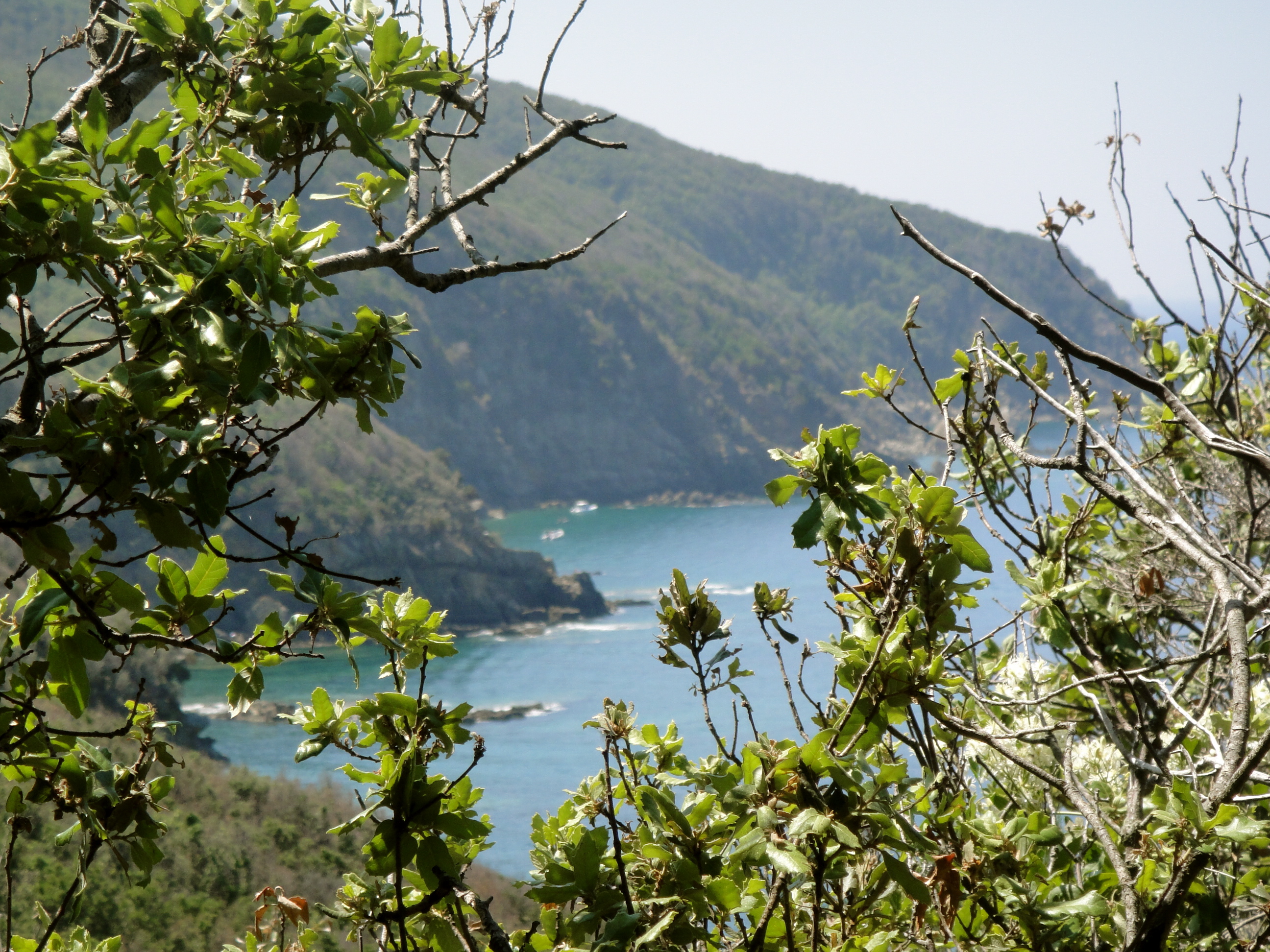
But by far my favourite discovery of this Tuscan adventure was to be found in the region of another hilltop idyll, the town of Populonia, not because of the beautiful town itself (which, with devastating views of the port below, laundry hanging across the streets, and a single cafe set out beneath lush trees atop ancient castle walls, is a true contender for postcard-fame) but because of the truly awe-inspiring natural beauty subsisting beyond its forest surroundings. Taking a sharp turn left off the winding road heading up to the hilltop town, my Partner had a surprise for me. Walking through metres of densely packed pine-tree forest, I wondered where on earth we were going, that is, until we reached an opening in the thick coating of pines, and the most incredible view of a cove beach below came into sight.

Populonia

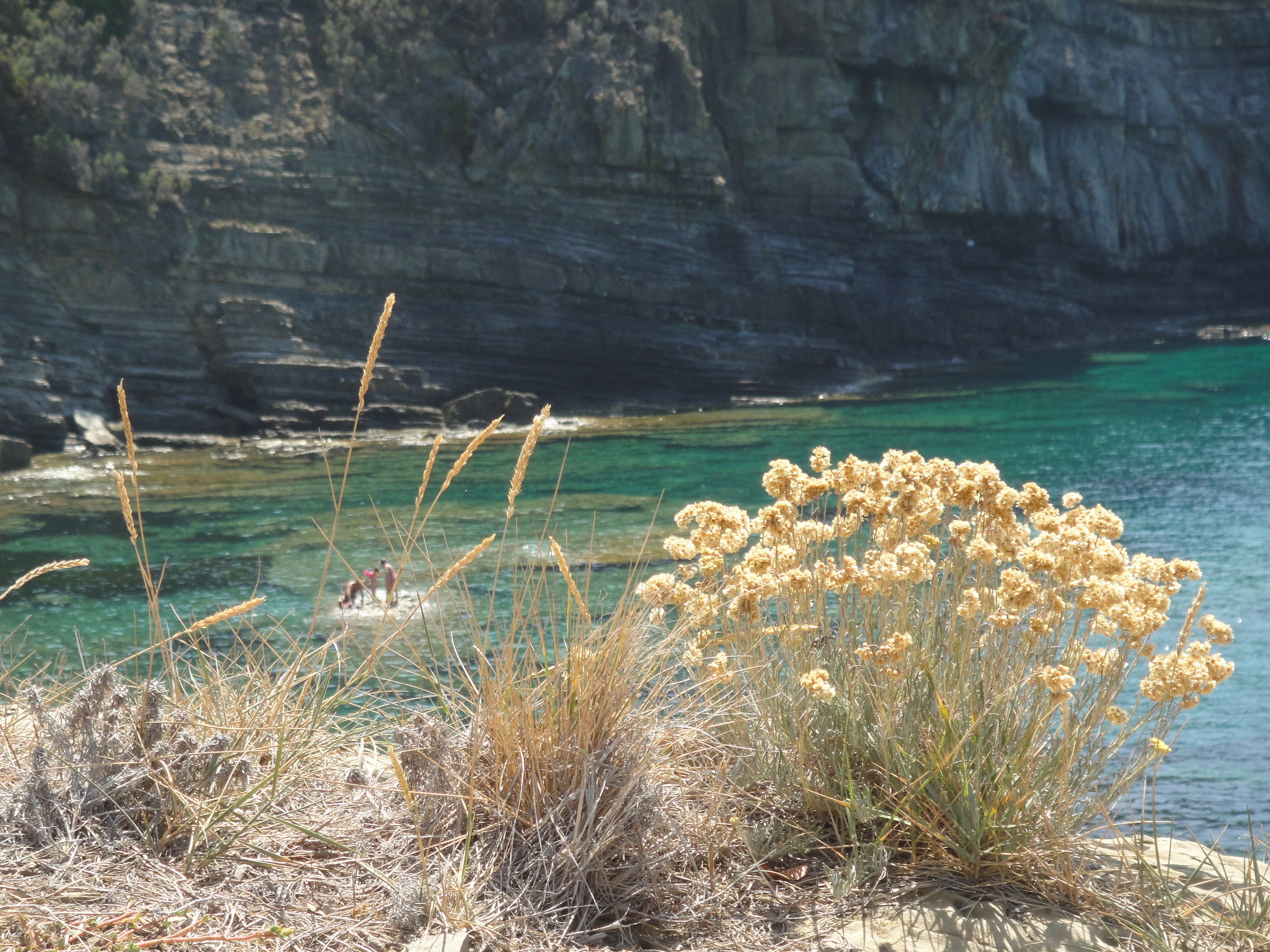
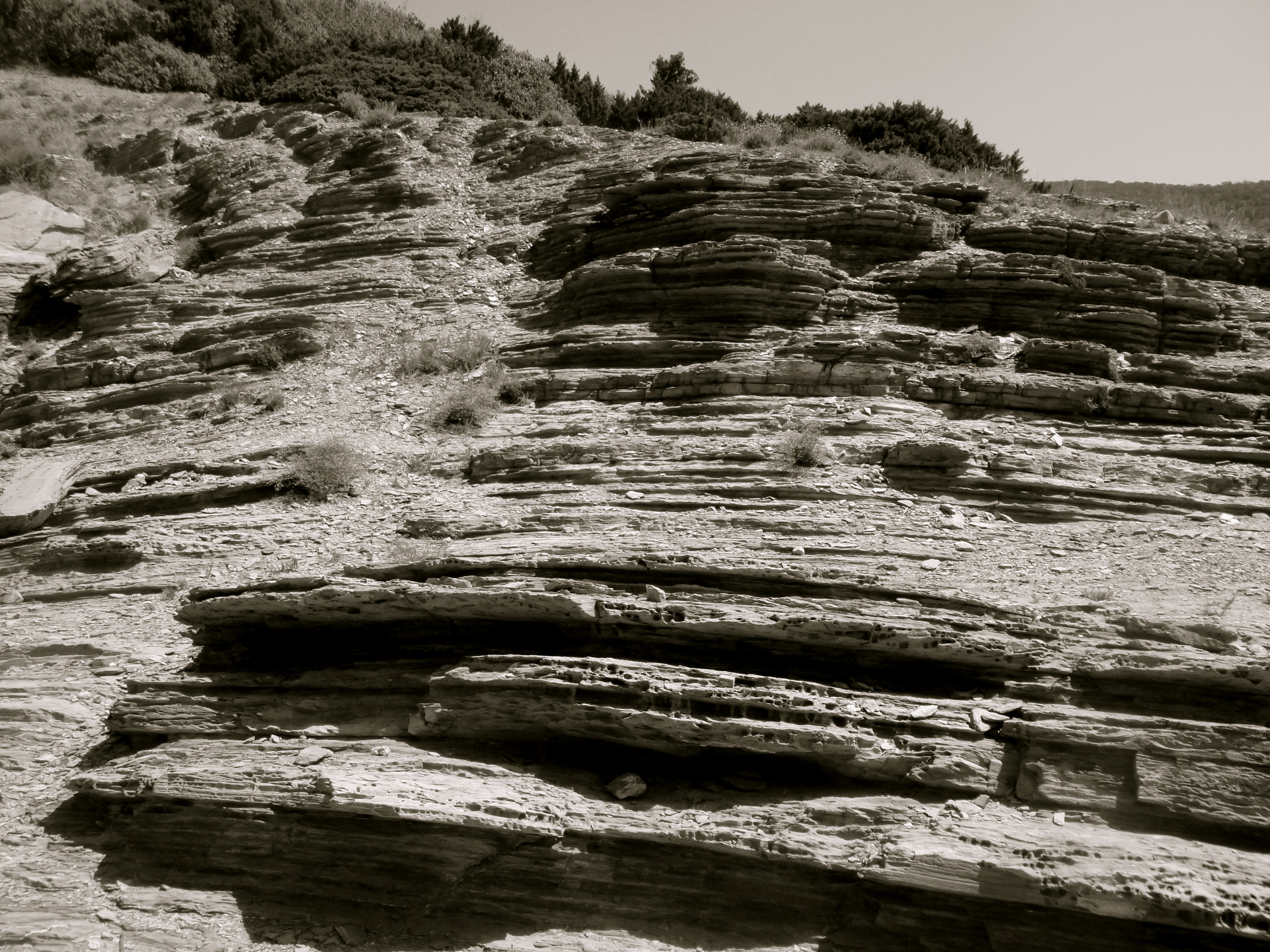
What followed was a sharp descent down magnificently formed geologically stunning rock forms, almost like spiderman upon the vertical facade of a Manhattan skyscraper, but with each and every perilous step taking us a few inches closer to the paradise below. This slightly dangerous adventure (not least for my partner, attempting to traverse the cliff face in flip-flops) was well worth the effort – the cove beach was truly awe-inspiring, nature at its very best, and our afternoon spent swimming around in those  sometimes hostile but vigorously exciting and stunningly beautiful waters, pursuing further coves and prickling our hands and feet on every kind of mussel and sea urchin imaginable, was among the happiest afternoon of my year so far.

First view of the cove emerges from the cliff-top forest

The stunning cove below

Those incredible cliffs

Which just goes to show, while historical towns provide steadfast charm and a consistent source of timeless beauty, it is the transient, often less-accessible beauty of nature that still has the edge, and whose discovery is all the more thrilling as a result.

(Disclaimer: if you too decide to head down to this very beautiful cove (and, looking at the photos, why wouldn’t you) you go at your own risk – don’t blame me if you prick your hands, feet or any other part of your body on a bed of mussels or some other vicious sea life, or if you trip, slip, get squashed by a falling rock or otherwise and unsuitably manage to kill yourself. It’s not my fault).

All photos are strictly the copyright of Nicholas de Lacy-Brown © 2012 and The Daily Norm. All rights are reserved. 

Tuscany Part I: Sea, Sand and plenty of Sunflowers

While the Norms have been up and down the great boot of Italy, I have been indulging in a more relaxing affair – I’m just back from a sumptuous and sensation-tickling trip to Tuscany and the electric city of Bologna, and as a result I have so much to share that I barely even know where to begin. With sights, sounds and flavour sensations as ripe and abounding as the offerings of Italy in the hot months of the summer, I am felicitous with fresh inspiration, enlivened by my experience, and freshly fulfilled by a holiday of multisensoral pleasure.

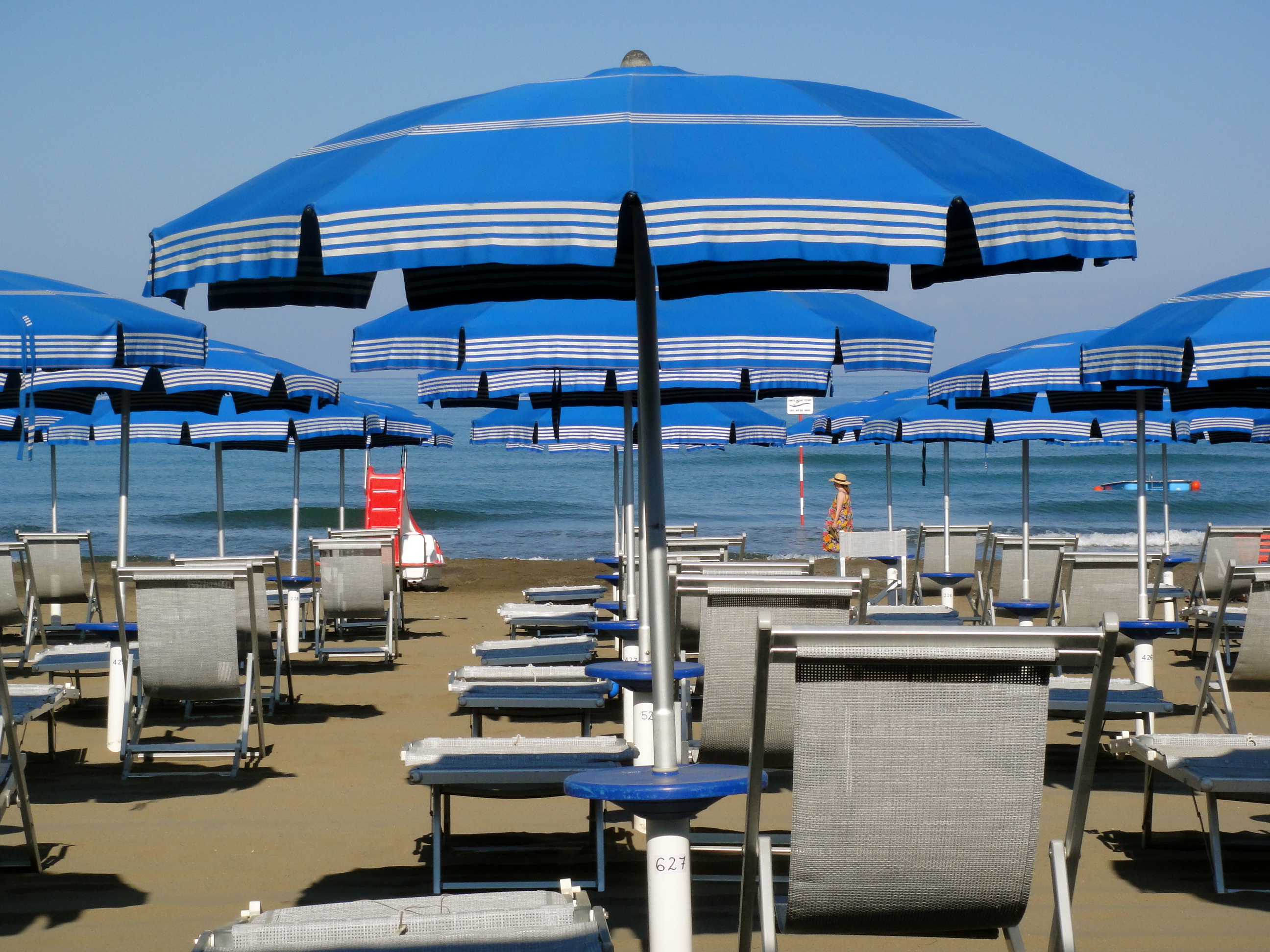
Perfectly aligned parasols and loungers

I begin my tale in the balmy fresh light of a lazy Saturday morning. I had jetted out to Pisa after work, and arriving close to midnight, the only impression I had thus far gauged of my seaside Tuscan location was the lucid clarity of the fresh sea air (a marked-comparison with central London) and the enticing smell of the pine forests that loll lazily down to the sea edge. In the morning, it was my eyes which gorged ravenously upon the visual sensations all around. From our hotel window, an expanse of golden soft sand, tidily raked every morning, was broken only by the perfect alignment of a hundred blue parasols sat atop neatly arranged loungers. In the distance, green hills were faded into a pale turquoise because of their distance, while further yet still, an almost translucent outline of the island of Elba rose mysteriously above the horizon. While my eyes took in the scene, accompanied by a pure light warmed by the yellow lustre of an early Mediterranean sun, my ears pricked up to the gentle swish of an intermittent wave sliding, rather than crashing, upon the sandy shore. No angry traffic here, no rush of suited Londoners running to squeeze their way onto a delayed, crowded tube. Rather, the only people were those beach workers, silently preparing the space for the later arrival of tourists and locals alike, while nearby, the steamer of a large coffee machine pumped into action for a day full of making creamy cappuccinos and rich espressos.

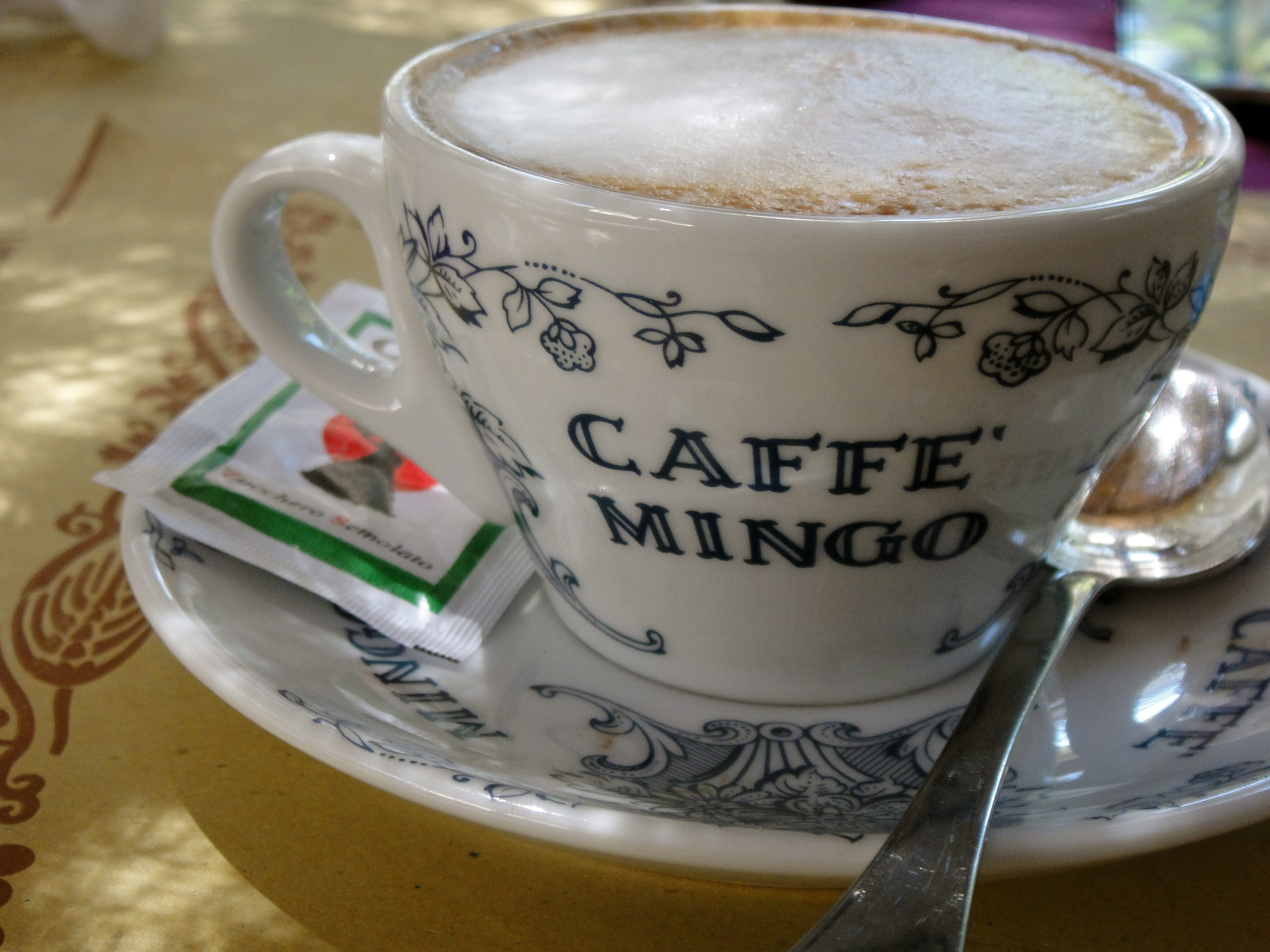
It was straight to the said coffee bar that we headed, a moment to which I had been looking forward ever since booking my flights some months ago. Nothing surpasses the cappuccinos in Italy, whose coffee is creamy, not bitter, and whose foam is indulgent and thick. Gone is the Cafe Nero takeaway and the sprint to the office – here we had all the time in the world to indulge on the beach’s edge, before the sun warmed to its midday ferocity, and the crowds descended.

True italian cappuccino

The crowds descend with coloured parasols aplenty

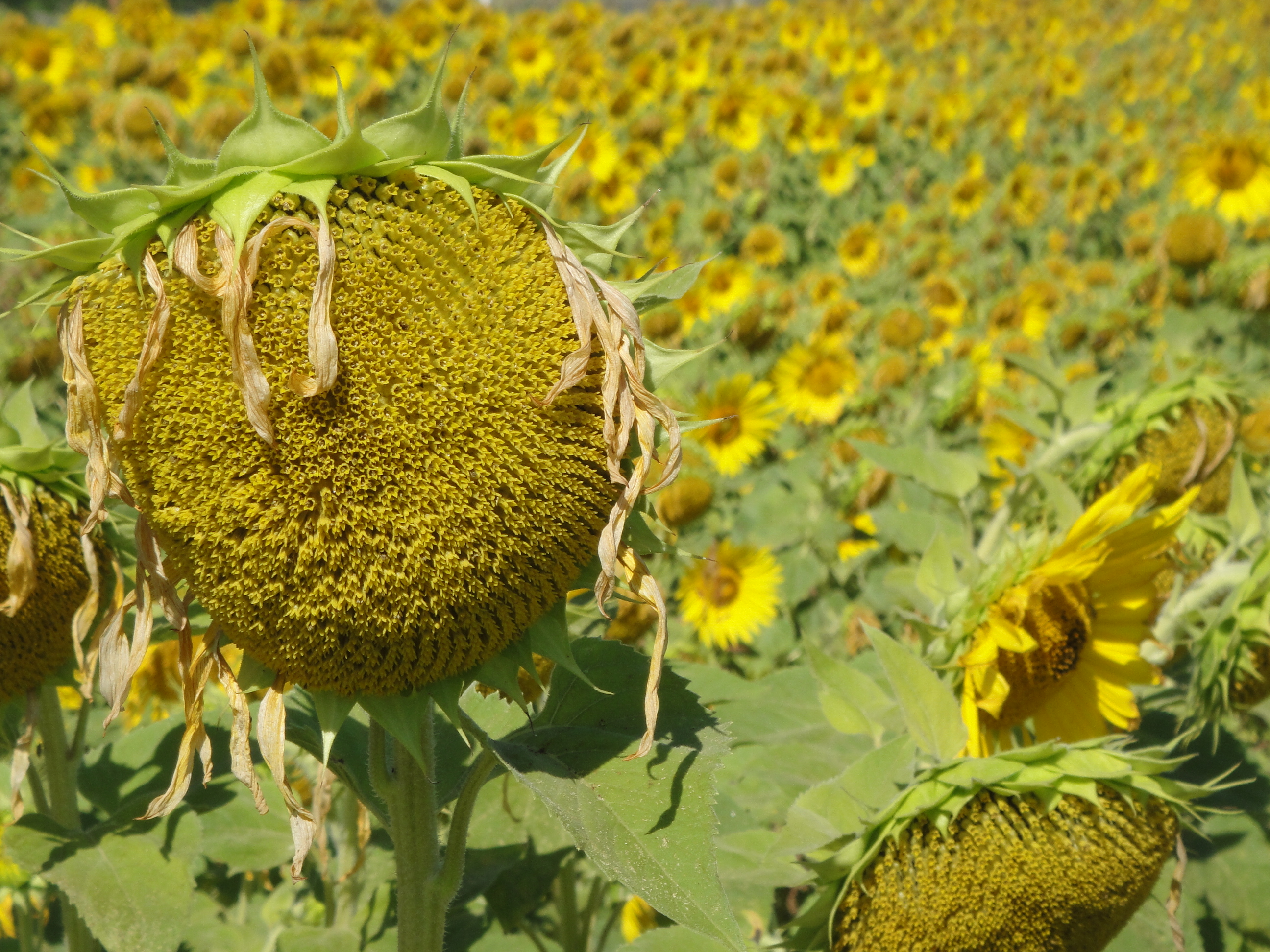
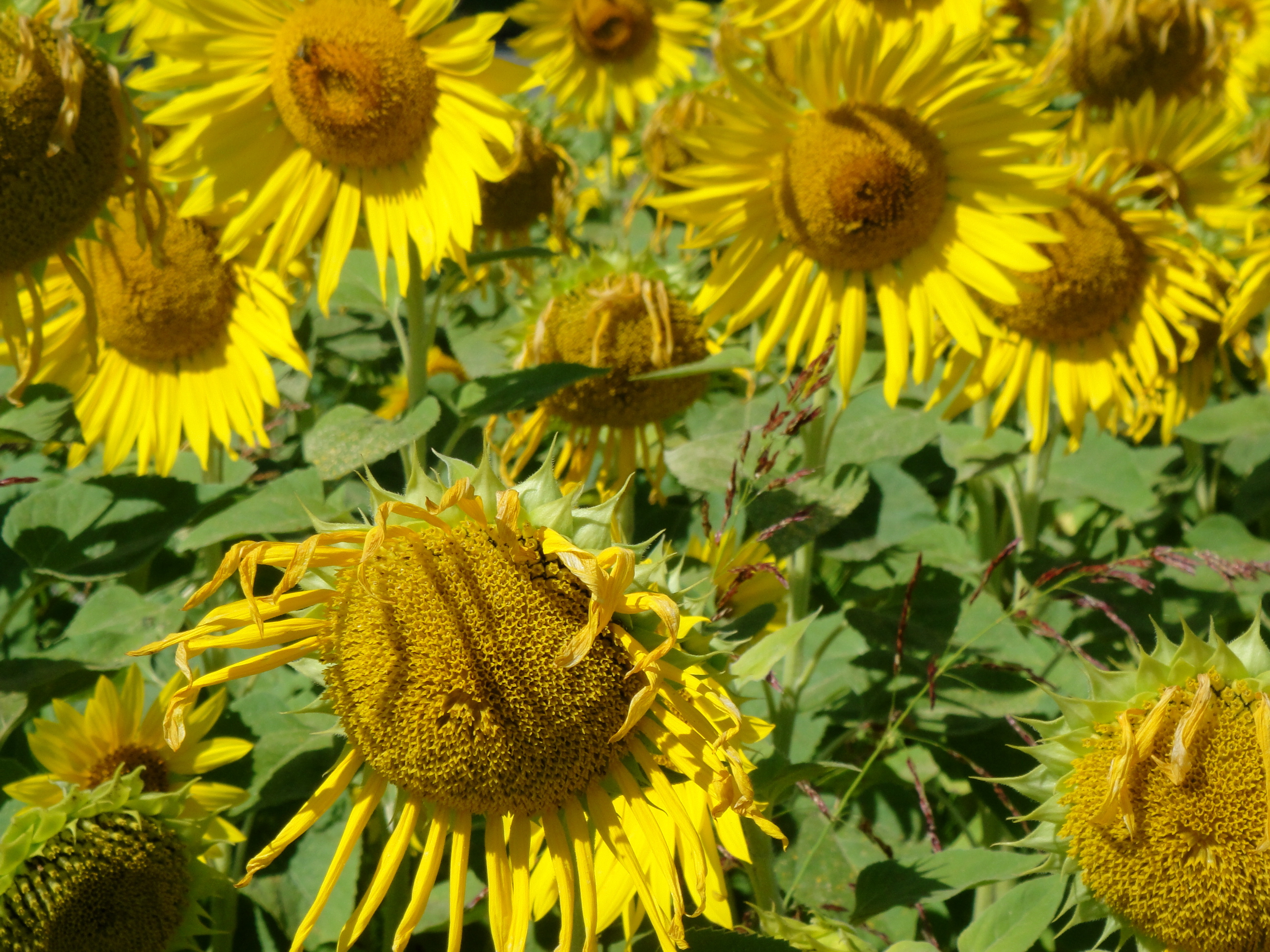
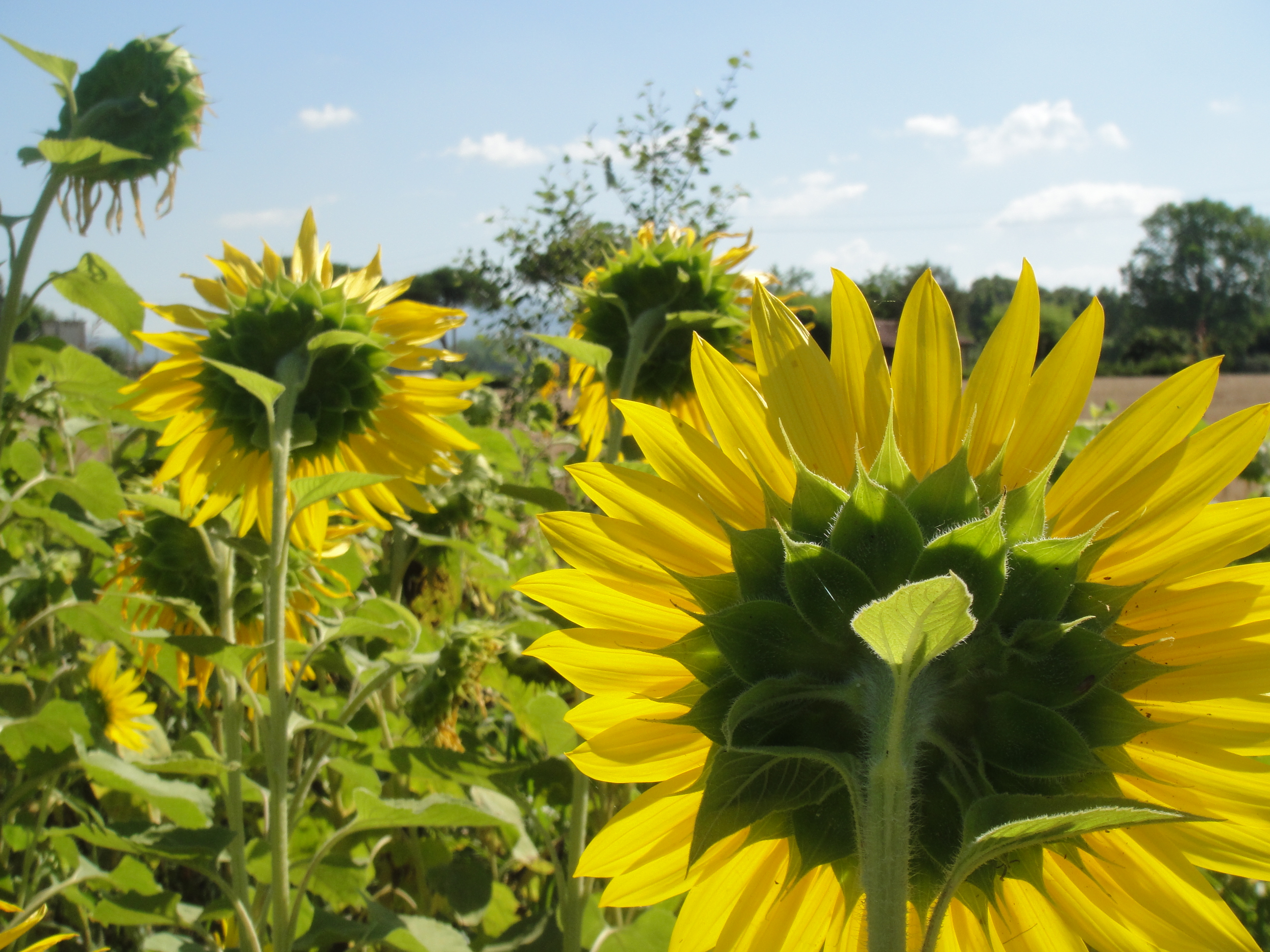
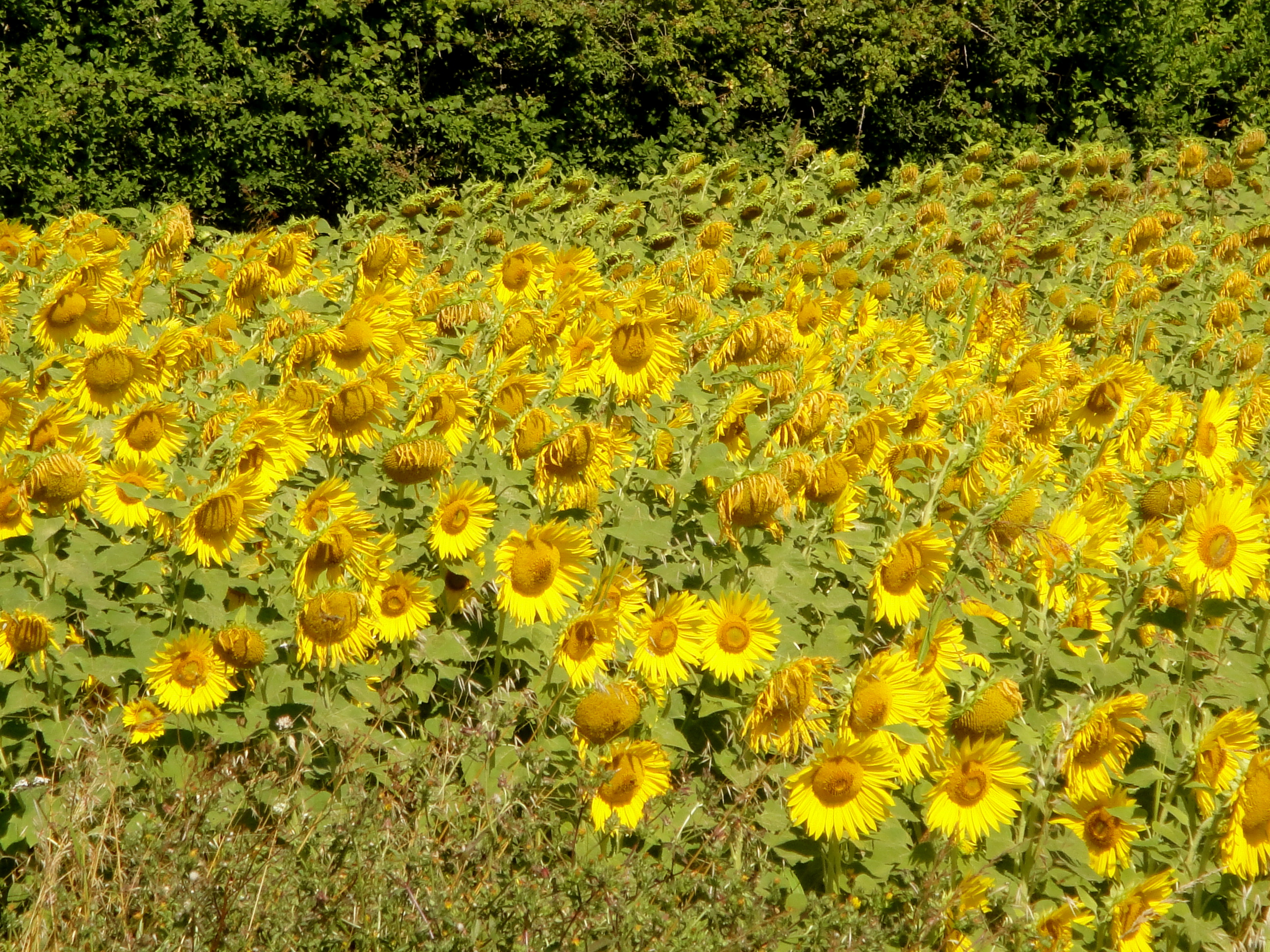
When that moment came, we were already gone. My partner took me to see a sight which was bound to get my camera clicking and my artist juices running – a nearby field of sunflowers bursting from the dry soil in a sea of vivid yellow, contrasting sensationally with the deep blue sky all around. Standing in that field, surrounded by flowers equalling me in height was truly incredibly. It was no wonder that these flowers had inspired Van Gogh so. My favourites were the older, dying flowers, with the large human-sized faces, loaded with an incredibly intricate pattern of seed pods, the petals now wilting and drying up, but the flower, in the last stages of its life, still desperately faced towards the sun, turned to its master in relishing the last days of its existence. In Italian, sunflowers are called girasoli, which literally translates as it turns sun – and true to form, it was remarkable to note how these amazing flowers were all turned in one direction, a carpet of yellow faced towards the sun, and a wall of green when seen from behind.

A carpet of yellow

And another of green

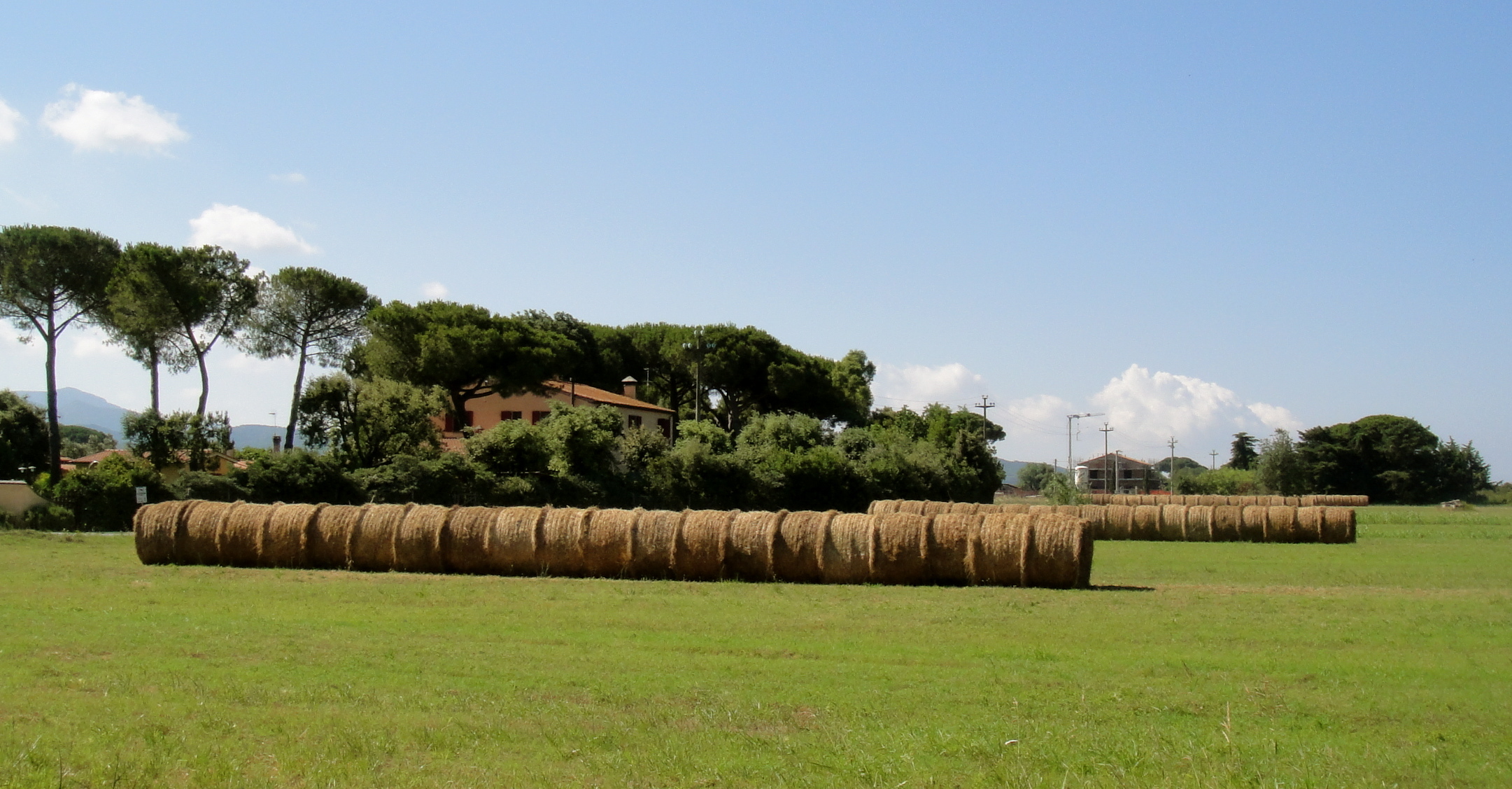
I could have stayed amongst the sunflowers all day, but alas, my photographic adventure did constitute some form of trespass onto this farmland, albeit in the name of art. We returned thereafter to safer pastures – to the incredibly vineyard views of a vineyard known to my partner’s brother, and a nearby field with large bails of hay perfect to inspired Monet himself.

Hay for Monet

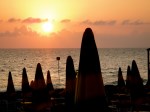
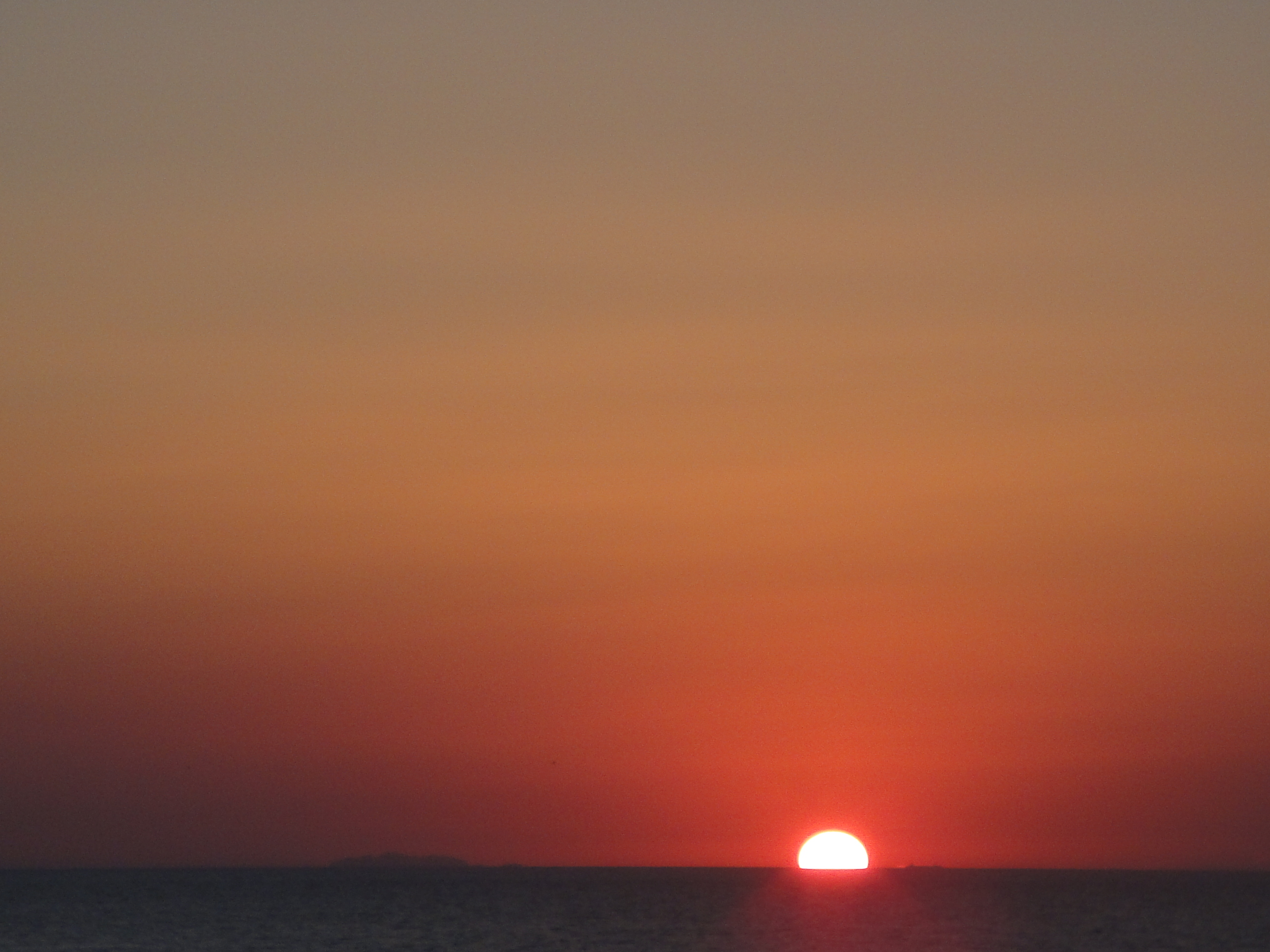
What Milan exudes in fashion and Bologna offers in food, Tuscany has in countryside views which stun and inspire in equal measure – I’m giving a whole post over to these lavish landscapes tomorrow. But the great benefit of where I was staying (Donoratico) was that having had my fill of inland views under a progressively searing sun, the coast with its relieving sea breezes was never far away, and it was to the soft sandy beach of Donoratico that I returned that afternoon, wiling away the hours splashing around in soft silky seawater with light pale-ocre sand squishing softly beneath my toes, until the sun retained its former morning pallor, before retreating back under the horizon in hues of orange, then pink and then a devastating crimson red. Until tomorrow…

Sunset over the Alta Maremma coast

ITALIA Season – Rome: My Photographs

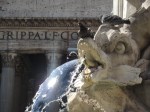
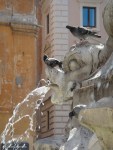
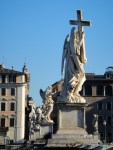
Rome: City of passion, where waves of heat flow ruggedly through bustling streets, where raised Italian voices and sustained hooting from haphazardly driven cars are the harmony and the melody, where painted church ceilings bring heaven to its closest interaction with the earth, and the Roman ruins all around remind the current thriving generation that on this same soil, a grand imperial history is sewn deep into the rich tapestry of Rome’s foundations. In Rome you can take a coffee in the shade of the Borghese gardens, or a people-watching cocktail by the Spanish steps. You can join the throng of tourists strolling around the Piazza Navona and the Coliseum, and you can tread the steps of Emperors as you gaze upwards to an almost fully intact Pantheon temple. Rome is living history – a city struggling to move forward while treading on the cherished egg shells of its past, but one which prioritises the Joie de Vivre, the good times, the passion of life. Rome: city of art, of colour, of culture, of style, of religious fervour, of architectural heritage, or pure Italian gastronomic brilliance. Rome – a city so unique that words alone will not suffice, and only photos, now, will do.

© Nicholas de Lacy-Brown and The Daily Norm, 2001-2012. Unauthorized use and/or duplication of the material, whether written work, photography or artwork, included within The Daily Norm without express and written permission from The Daily Norm’s author and/or owner is strictly prohibited. Excerpts and links may be used, provided that full and clear credit is given to Nicholas de Lacy-Brown and The Daily Norm with appropriate and specific direction to the original content.

January blues? Dream of the summer

There is only one way to get through these cold winter days, bleak and grey as it was in London today. Either book a summer holiday, or dream of one. Or better still, create summer in your home. Christmas is over, New Year is done. What else do we have to look forward to? With this rather depressing thought in mind, I went about stimulating each of my senses with the promise of a forthcoming 2012 summer.

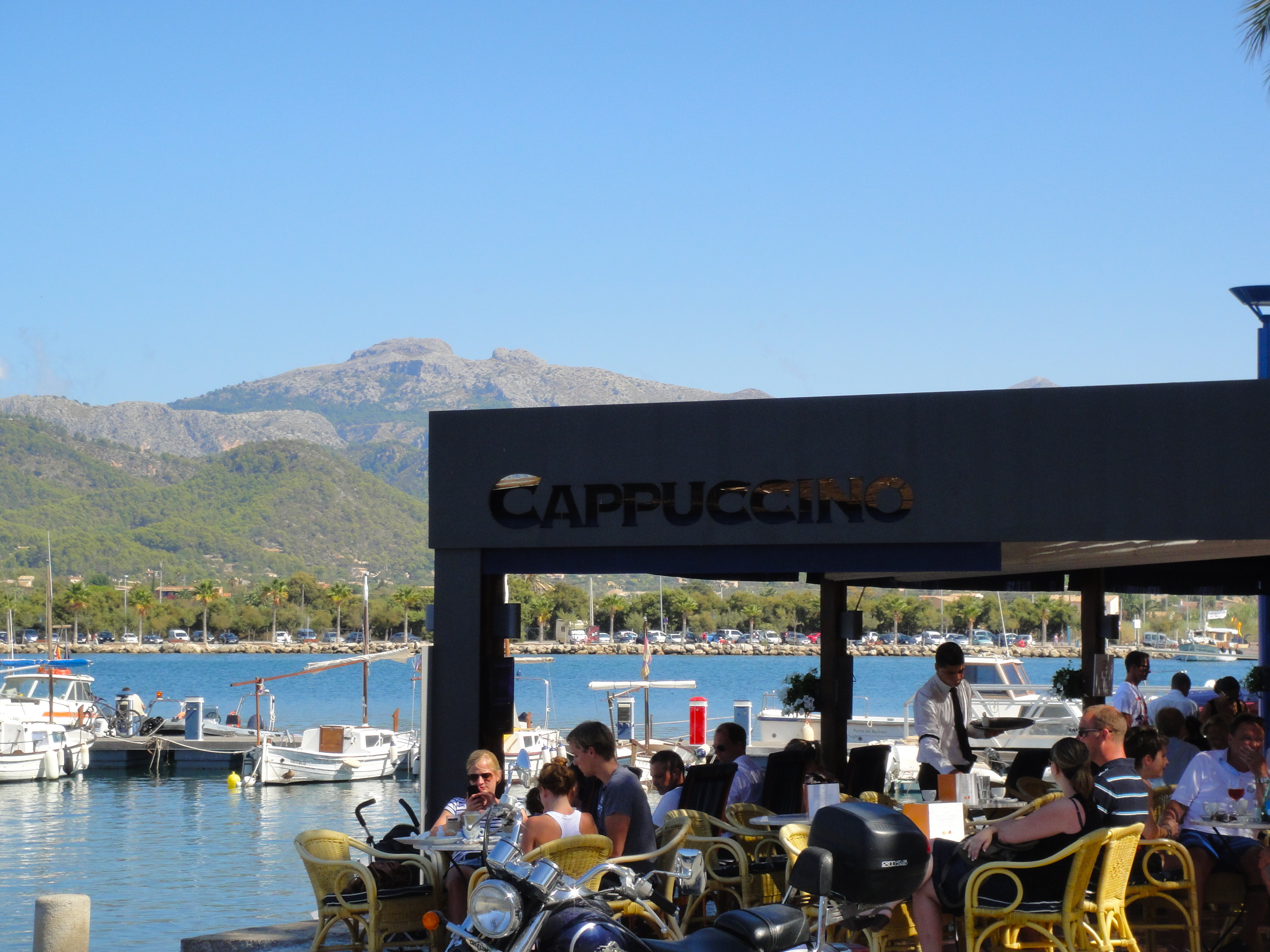
Beloved Cappuccino... this one in Mallorca's Port d'Andratx

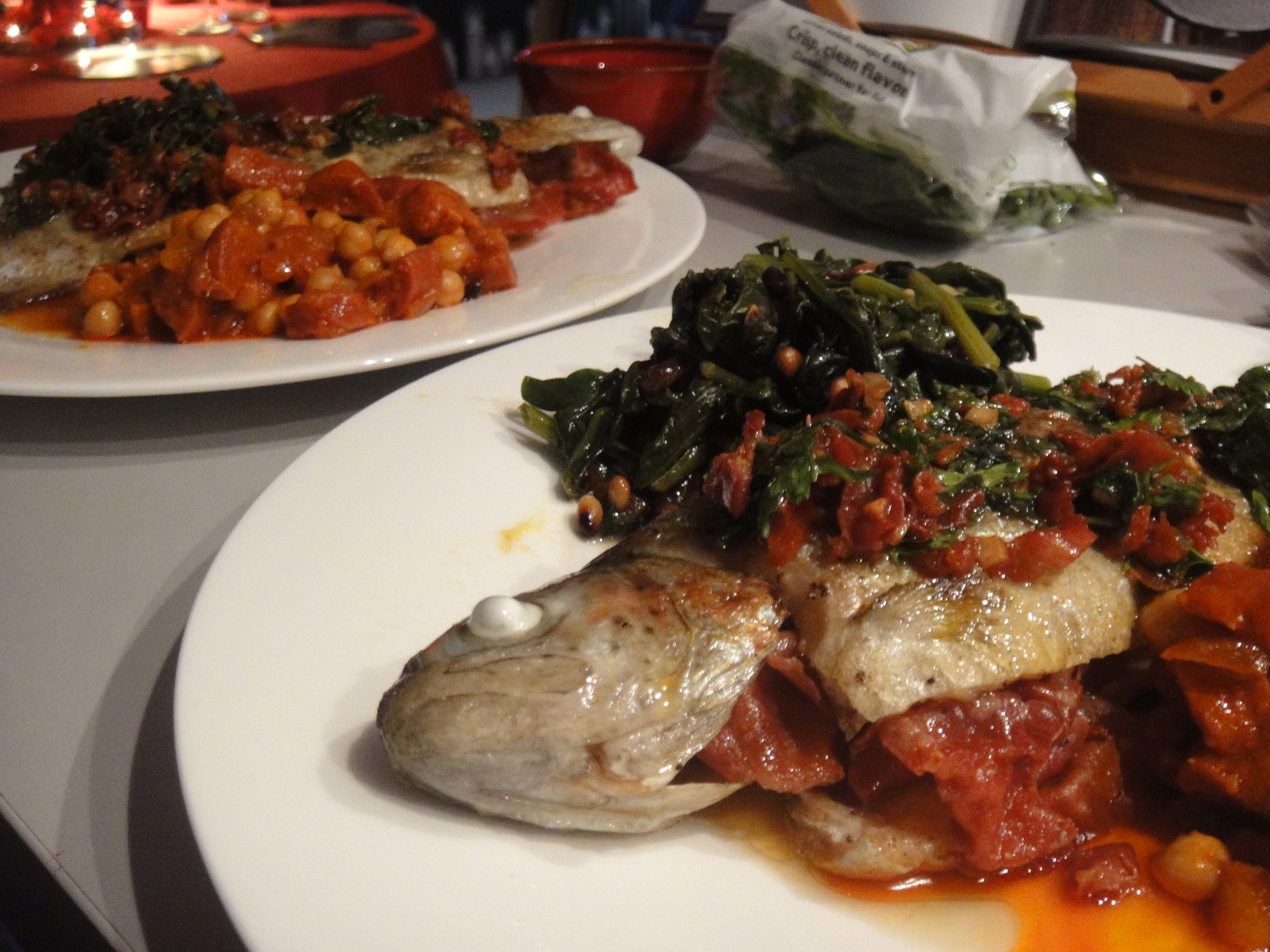
Ears: on the CD player, I played the albums of Cappuccino, the ultimate in Buddah-bar cool, emanating from the chic Mallorcan coffee chain, its music reminding me of long evenings spent under the stars in the Marbella version of the cafe chain, cicadas chirping and the warm mediterranean waves lapping upon the sandy shore as I drank wine and ate almond tart. The second and third senses crying out for satisfaction are smell and taste, and what could be better now than to put away the spicy Christmas chutneys and dried up cold meats, and open a good old Spanish cook book. Entering my third day of a Spanish festival of cooking, today it was Andalucian spiced stuffed aubergines, patatas bravas and a good rioja, the summer smells of cooking garlic and a spiced tomato bravas sauce pervading the cold winter air of my flat.

Spanish cooking: Trout stuffed with serrano ham, with chorizo chickpeas and andaluz spinach

Fourthly and all importantly: sight. It’s my summery paintings which get an airing now. Marbella – the town’s long sandy beach, lined with cafes and unusual art deco architecture, the town supported by the stunning backcloth of its Sierra landscape, its buzzing Paseo Martimo reflected into a wide, sparkling expanse of mediterranean sea. On the beach, Henry Moore inspired sculptures soak up the warm rays of an all-encompassing joyful sun, banishing thoughts of winter and reminding all concerned of the joie de vivre of summer.


El Faro de Marbella (with Sunbathing Henry Moore's) (oil on canvas, 2010 © Nicholas de Lacy-Brown)

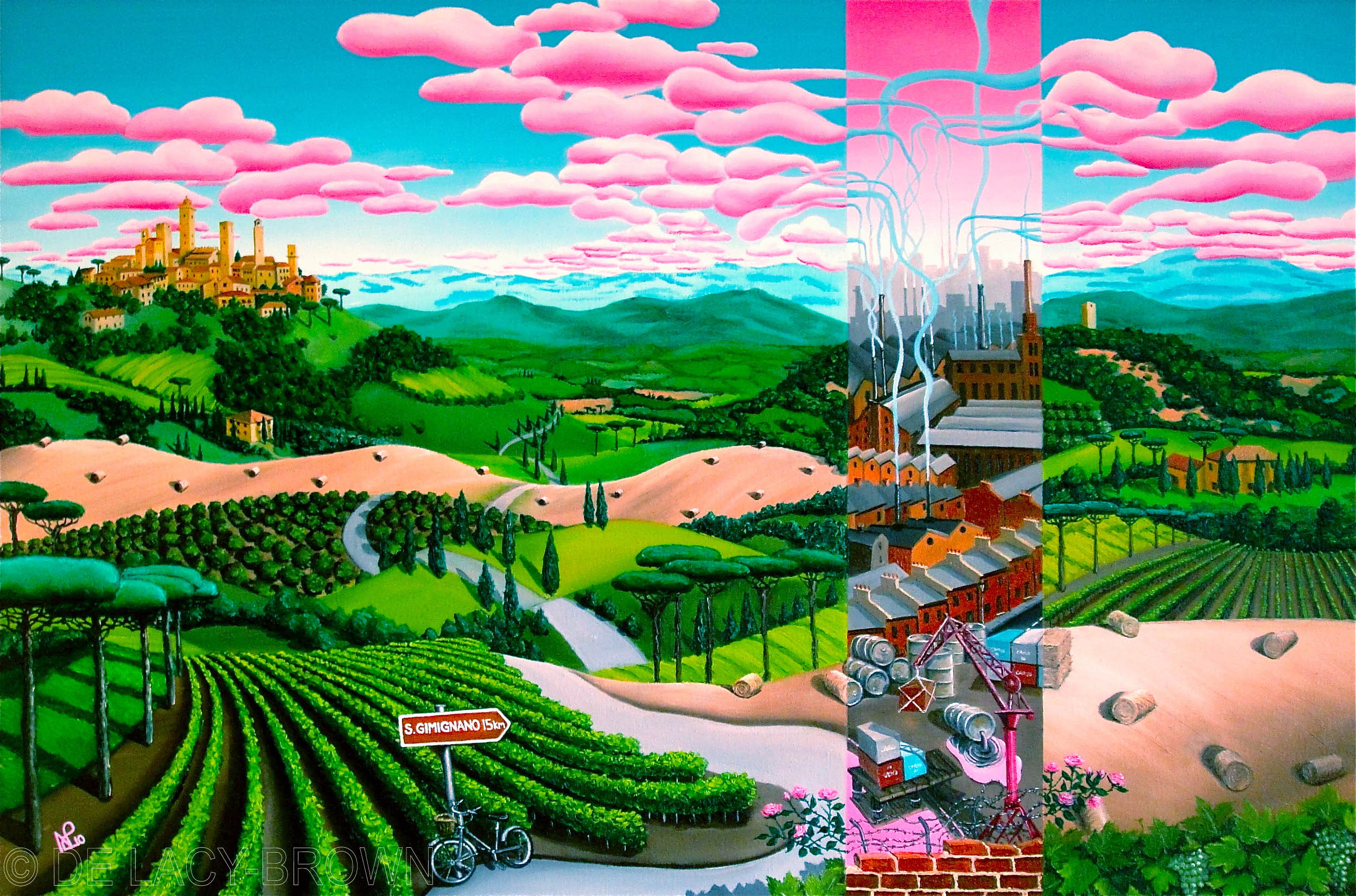
Over the Mediterranean, my mind is racing to Tuscany, and my painting Tuscany Wharf captures the essence of that place I love. Hills rolling elegantly into one another, lush green rolling landscapes broken up by perfectly lined up grape vines and bales of hay, while from beyond the windy road interspersed within the valleys, the glorious towers of San Gimignano emerge, a medieval spectacle, one tower after another, climbing in an apparent ascendancy to heaven itself. And as if to remind me in my daydream of summer of the bleak reality of the English landscape around me, a slice of northern industrial England cuts through Tuscany’s rolling hills, cypress trees replaced with chimneys, hills with terraces, and roses with barbed wire, the polluting plumes emitted by factory chimneys managing to escape, pouring out into the previously clear turquoise Tuscan sky.

Tuscany Wharf (15km to San Gimignano) (oil on canvas, 2010 © Nicholas de Lacy-Brown)

Back to Spain for the evening, and as the sun sets over a peachy bellini-tinted sea, a postcard floats in the air recollecting memories of a Spanish summer holiday spent indulging in thirst-quenching sangria, ice cold San Miguel, and an unctuous paella, while the evenings are spent whisked away by the rhythmic hypnosis of a flamenco dancer’s wailing cries, or the swish, ballerina movement of the Toreador’s vivid red cape.

Souvenir of Spain (oil on canvas, 2010 © Nicholas de Lacy-Brown)

Ahh to dream of the Summer. Check out more of my paintings at my main site www.delacy-brown.com. In the meantime, I’m off to dream of summer…and look for cheap holidays online!

Postscript: Today WordPress included my blog in Freshly Pressed! Thank you so much WordPress and for all those who have previously and subsequently supported my blog and posted comments. Your support means so much. Please come back for more artistic jinks at The Daily Norm!

© Nicholas de Lacy-Brown and The Daily Norm, 2005-2011. Unauthorized use and/or duplication of the material, whether written work or artwork, included within The Daily Norm without express and written permission from The Daily Norm’s author and/or owner is strictly prohibited. Excerpts and links may be used, provided that full and clear credit is given to Nicholas de Lacy-Brown and The Daily Norm with appropriate and specific direction to the original content.