Skip to content

Posts from the ‘Art’ Category

Interpretation No.10: Vintage Ronda

As England soaked in an August when early autumn usurped the rightful place of summer, I spent the last two weeks with my head still firmly in the sun-baked sands of Ronda in Southern Spain. Never has a homecoming from Spain proved so hard as the unapologetic plunge by 20 degrees from 35 to 15. And never have the grey dirty streets of London or the impossibly cramped antisocial conditions of the tube proved so unattractive when compared alongside the almost-tangible memories of Andalucia’s rolling golden hills and cerulean blue skies, memories that remain so vividly present behind my minds eye, almost taunting me as I stagnate in my unenviable choice of permanent home.

As always, I have sought to address this mental imbalance by reacquainting myself with the place where I was at my happiest, taking up my paints and paintbrushes and capturing a few spare moments in a weekday evening, to sit down and paint my memories. In so doing, I have completed my third painting of Ronda; another in the “Interpretations” series which sees me reinterpreting the landscape through simplified forms and a refocus on the shapes made by civilisation rather than the detail.

Interpretation No. 10 - Vintage Ronda (2014 © Nicholas de Lacy-Brown, gouache on paper)

Interpretation No. 10 – Vintage Ronda (2014 © Nicholas de Lacy-Brown, gouache on paper)

This 10th interpretation concentrates on two aspects of “Vintage” Ronda: first the ancient arabic walls which can still be seen on one side of the El Tajo gorge close to the old arab baths; and second a newer but still historic car, the likes of which we happened to find parked in this exact spot when taking photos of the arab ruins. When I saw it there, I could not help but recall my interpretation of the landscape in Italy’s Positano, painted with a yellow vespa in the foreground, and I knew that with this red vintage car, the perfect partner work had been born.

© Nicholas de Lacy-Brown and The Daily Norm, 2001-2014. Unauthorized use and/or duplication of the material, whether written work, photography or artwork, included within The Daily Norm without express and written permission from The Daily Norm’s author and/or owner is strictly prohibited. Excerpts and links may be used, provided that full and clear credit is given to Nicholas de Lacy-Brown and The Daily Norm with appropriate and specific direction to the original content. For more information on the work of Nicholas de Lacy-Brown, head to his art website at www.delacy-brown.com

Interpretation No. 9: The Gorge and the Puente Nuevo

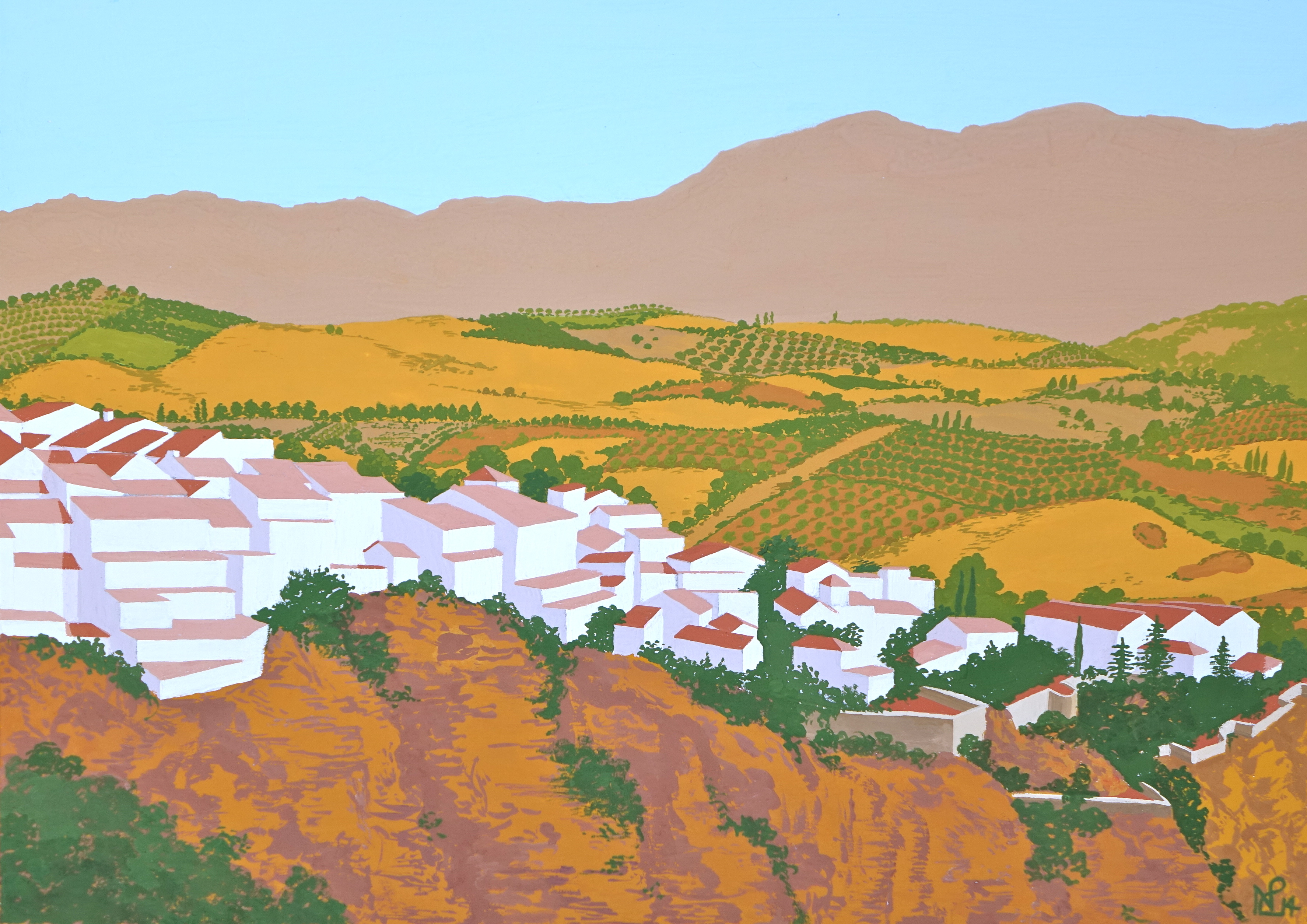
It would have been hard to stop my artistic appreciation of the city of Ronda with a single painting, and having completed Interpretation no.8, my interpretative landscape of Ronda, no.9 followed hot on its heels. This time the same fusion of the arid amber gorge and crisp white buildings predominates, but this painting focuses more on the great imposing El Tajo gorge, together with the bridge (albeit only a small slice of it) that links the two sides of ancient Ronda. In this painting I hope to have emphasised the sheer drama which the teetering positioning of Ronda’s houses on the top of a vast plunging gorge provides, as well as capturing some of the more iconic sights of the city, from the Puente Nuevo to the old cathedral sitting at its centre. 

Interpretation No. 9 (2014 © Nicholas de Lacy-Brown, gouache on paper)

Interpretation No. 9 (2014 © Nicholas de Lacy-Brown, gouache on paper)

© Nicholas de Lacy-Brown and The Daily Norm, 2001-2014. Unauthorized use and/or duplication of the material, whether written work, photography or artwork, included within The Daily Norm without express and written permission from The Daily Norm’s author and/or owner is strictly prohibited. Excerpts and links may be used, provided that full and clear credit is given to Nicholas de Lacy-Brown and The Daily Norm with appropriate and specific direction to the original content. For more information on the work of Nicholas de Lacy-Brown, head to his art website at www.delacy-brown.com

My travel sketchbook: Swimming Pool at the Paradores, Ronda

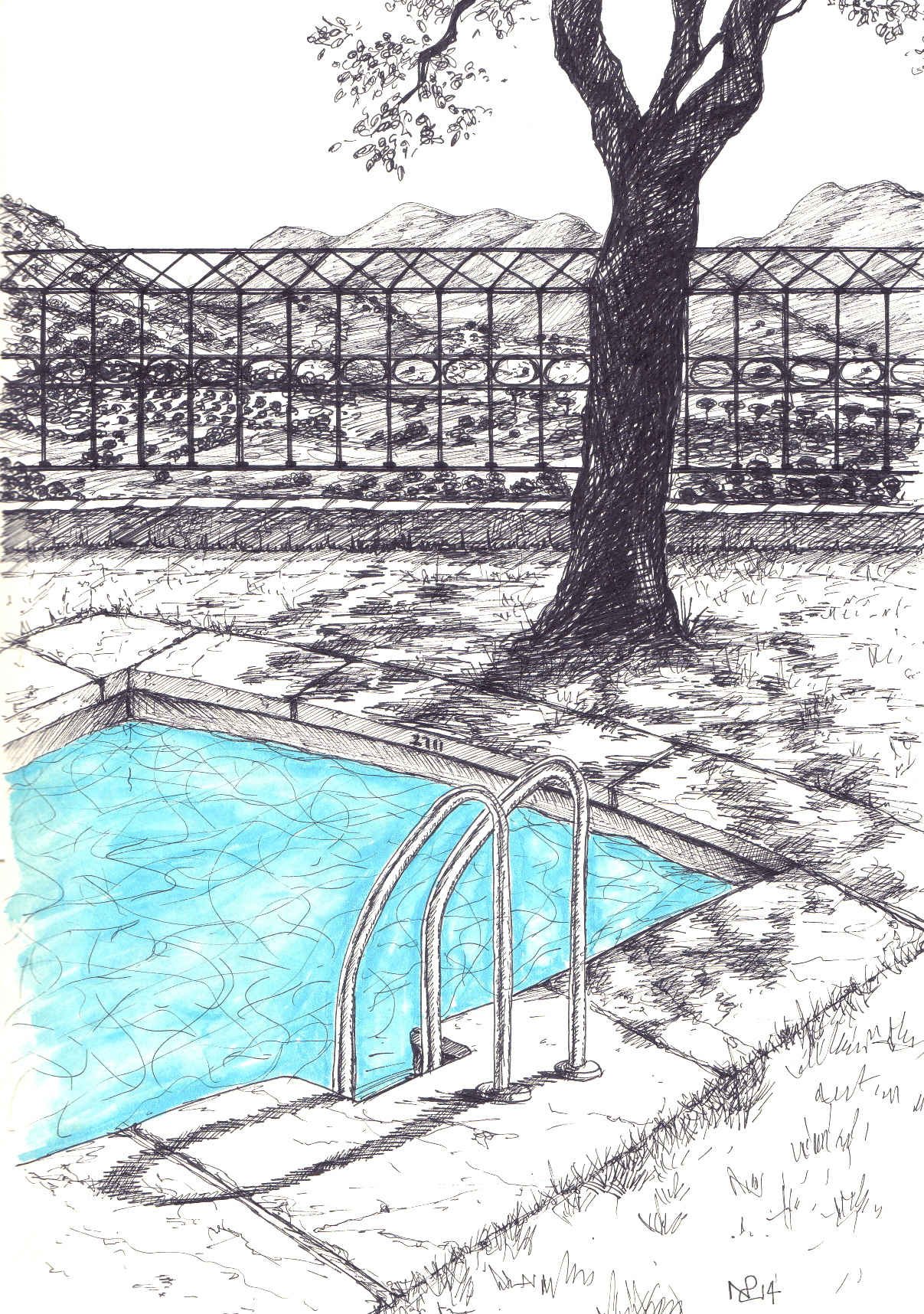
My third sketch of Ronda marked something of a departure from my two views of the gorge. I had taken my sketchbook down to the hotel pool with me on the afternoon of my birthday, half expecting to capture another glimpse of the sensational hotel views over the surrounding landscape. And while I did begin to draw in a little of that landscape, I soon realised that what was exciting me most about the scene before me wasn’t the landscape at all, but the electric blue swimming pool set within a lush garden dappled with sunlight through sheltering trees. And so in something which recalls the dolce vita represented in the early LA paintings of David Hockney, I made the swimming pool of the hotel Paradores the focus of this sketch, even returning to the completed black and white work to add the same electric blue that had so entranced me. Together there is not only a striking contrast of monochrome and blue, but the very vision of a summer’s holiday afternoon. Bliss. 

Ronda Sketch 3 - Paradores Pool (2014 © Nicholas de Lacy-Brown, pen and ink on paper)

Ronda Sketch 3 – Paradores Pool (2014 © Nicholas de Lacy-Brown, pen and ink on paper)

© Nicholas de Lacy-Brown and The Daily Norm, 2001-2014. Unauthorized use and/or duplication of the material, whether written work, photography or artwork, included within The Daily Norm without express and written permission from The Daily Norm’s author and/or owner is strictly prohibited. Excerpts and links may be used, provided that full and clear credit is given to Nicholas de Lacy-Brown and The Daily Norm with appropriate and specific direction to the original content. For more information on the work of Nicholas de Lacy-Brown, head to his art website at www.delacy-brown.com

Interpretation No. 8: Ronda cluster above the El Tajo Gorge

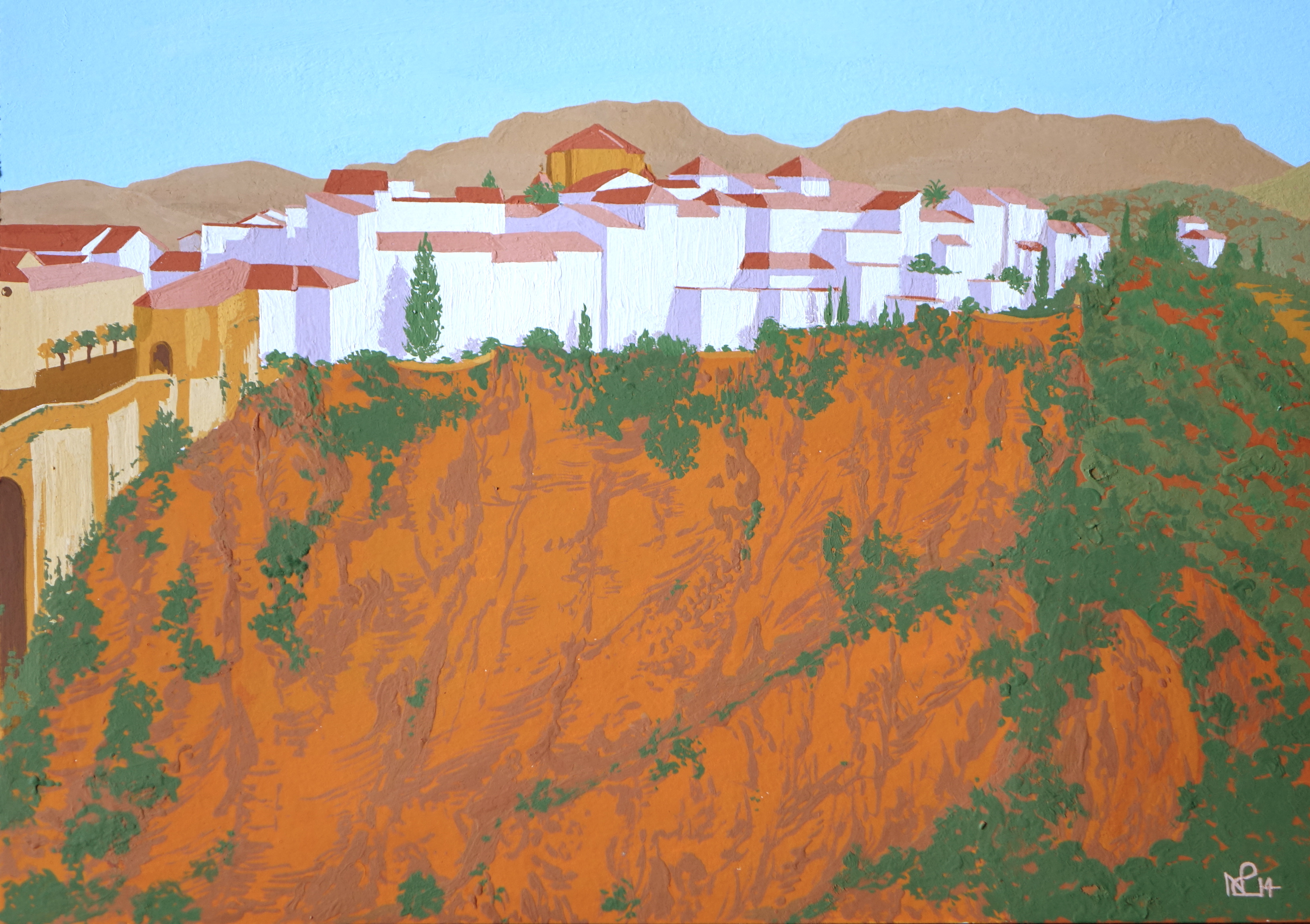
Readers of the Daily Norm will know that following my beautiful trip to the Amalfi Coast in June, I embarked on a series on new gouache paintings. I have loosely labelled the collection “interpretations” because they are not so much landscapes as interpretations of a landscape – a simplified landscape with the details of urban structures stripped away so that the focus of the audience can be placed on the general shape made by a town or a cluster of buildings, rather than the details. This is particularly striking where generations of people have built up towns in the most hostile of landscapes, such as the cliff edges of the Amalfi Coast. The result is the development of a group of buildings which look almost out of place and surreal when set against the harsh unapologetic backdrop of nature. It is this contrast which my interpretations seek to emphasise.

Interpretation No. 8 - Ronda (2014 © Nicholas de Lacy-Brown, gouache on paper)

Interpretation No. 8 – Ronda (2014 © Nicholas de Lacy-Brown, gouache on paper)

There was no doubt that having been inspired by the vast rocky coastal crags of Amalfi, I would be likewise moved to paint by the mountainous planes and combination of town versus harsh seemingly unconquerable landscape which characterises the small urban sprawl of Ronda. I set about working on my first Ronda “interpretation” almost as soon as I caught eyes on the views. This first work is the result, a painting which, unlike the Italian works which have gone before it, loses the blues and purples of the Amalfi Coast, and is instead painted in the warm reds, ochres, bronzes and russets for which the arid Southern Spanish landscape is famous. And these colours are not works of fiction – for the El Tajo gorge on which Ronda stands is very much a fiery orange colour, which glows ever more robustly red as the sun sets upon it. It’s an awesome sight, and made for the perfect inspiration for this continuation of my Interpretations collection.

All photos and written content are strictly the copyright of Nicholas de Lacy-Brown © 2014 and The Daily Norm. All rights are reserved. Unauthorized use and/or duplication of the material, whether written work, photography or artwork, included within The Daily Norm without express and written permission from The Daily Norm’s author and/or owner is strictly prohibited. Excerpts and links may be used, provided that full and clear credit is given to Nicholas de Lacy-Brown and The Daily Norm with appropriate and specific direction to the original content. For more information on the work of Nicholas de Lacy-Brown, head to his art website at www.delacy-brown.com

My travel sketchbook: El Tajo Gorge, Ronda

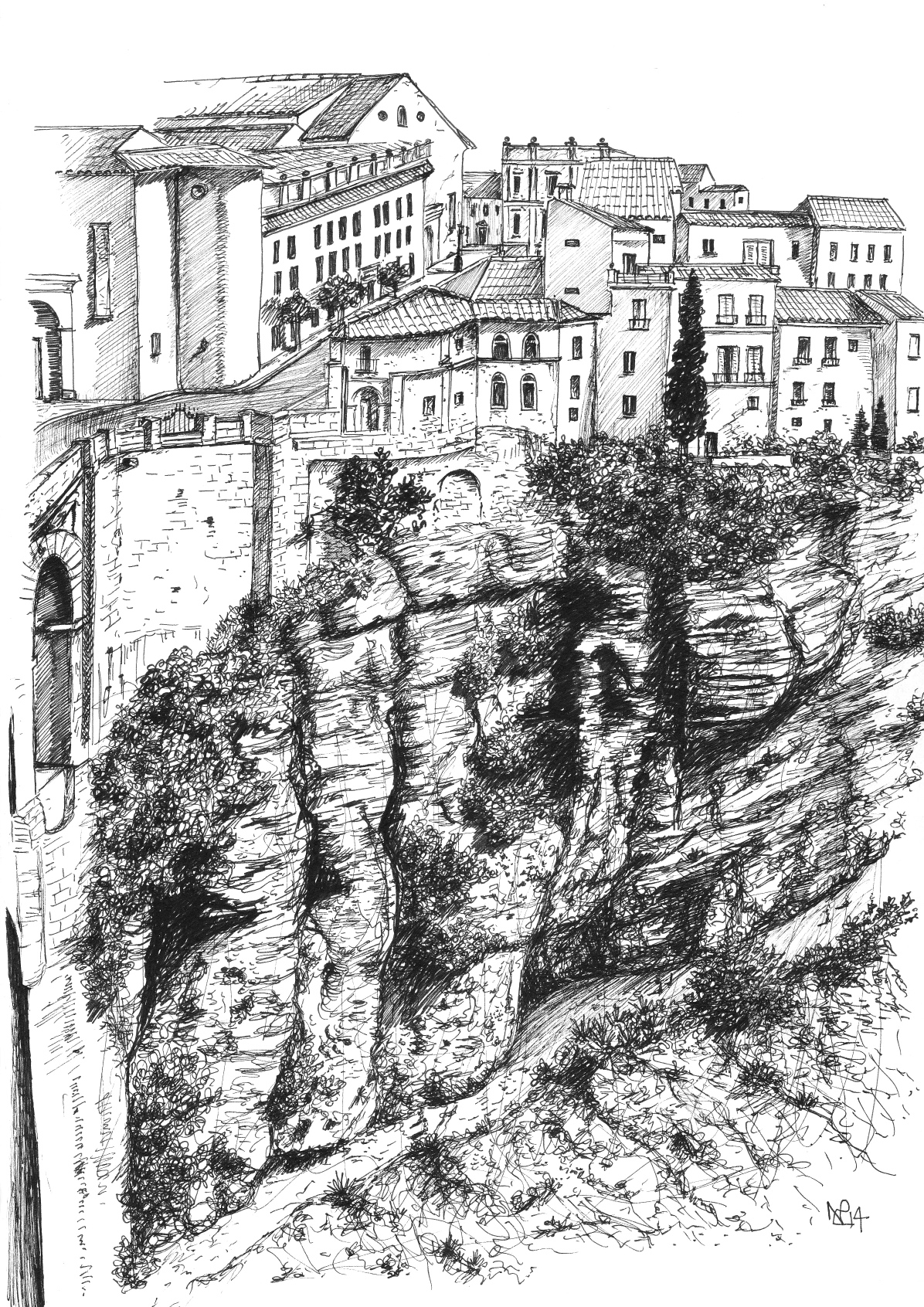
I could have sketched Ronda, the sumptuous Spanish city in Southern Andalucía, forever. Not only were the clusters of white terracotta-roofed old buildings more than easy on the eye, but the great El Tajo gorge upon which the city is precariously built is itself a feast for the eyes, and for a sketchbook. With its multiple craggy rocks, rounded by centuries of weather beatings and the expanse of plant life which has crept over its surface, the steep sided cliffs of the gorge are a picture of complex shapes, angles and shadows, and taken as a whole almost appear to defy gravity, such is the vertical, and in places almost inversed top heavy standing of these vertiginously high cliff faces. All this of course makes for a sensational drawing subject, and within hours of moving into our sumptuously large bedroom and terrace in the Paradores Hotel, I began two pen sketches of the incredible view which we could see from every part of our room.

Ronda 1 - Buildings above the Tajo Gorge, Ronda (2014 © Nicholas de Lacy-Brown, pen on paper)

Ronda 1 – Buildings above the Tajo Gorge, Ronda (2014 © Nicholas de Lacy-Brown, pen on paper)

The two sketches are fairly similar, hence why I am posting them together. They concentrate on the same section of the gorge, with a view onto the oldest quarter of Ronda with its main church stood proudly at the centre. However, one focuses more on a cluster of buildings showing just a little of the gorge below, while the other shows more of the gorge and just a thin slice of the bridge, helping the audience to appreciate just how small the buildings of Ronda appear when perched on the full expanse of this rocky canyon. And this is only what I could see from the hotel – the gorge plummeted deeper still, showing just how dramatic this scenery is.

Ronda 2: The Tajo Gorge (2014 © Nicholas de Lacy-Brown, pen on paper)

Ronda 2: The Tajo Gorge (2014 © Nicholas de Lacy-Brown, pen on paper)

I am delighted with the capacity of these sketches to have captured that drama, along with the great contrast between violently brutal rock face and highly civilised historical architecture which makes Ronda – and now these sketches – so interesting to see.

© Nicholas de Lacy-Brown and The Daily Norm, 2001-2014. Unauthorized use and/or duplication of the material, whether written work, photography or artwork, included within The Daily Norm without express and written permission from The Daily Norm’s author and/or owner is strictly prohibited. Excerpts and links may be used, provided that full and clear credit is given to Nicholas de Lacy-Brown and The Daily Norm with appropriate and specific direction to the original content. For more information on the work of Nicholas de Lacy-Brown, head to his art website at www.delacy-brown.com

My travel sketchbook: Marbella de la Encarnacion

As may have become obvious from my last two posts featuring my spot of summertime DIY, I have recently spent some quality time in the town I am very lucky to call my second home – Marbella in Southern Spain. Despite the fact that the white washed cobbled streets, the charmingly authentic squares, and the alleyways full of geraniums and plant pots and old gossiping locals have all become very familiar to me, I cannot help but be inspired by their quaint beauty on each of my many visits to the town. And since this summer, back in Dubrovnik, I started dedicating my artistic energies to capturing a place in my travel sketchbook, I felt it only apt that I take my sketchbook out into the old town of Marbella, to immortalise the town I love most in all the world.

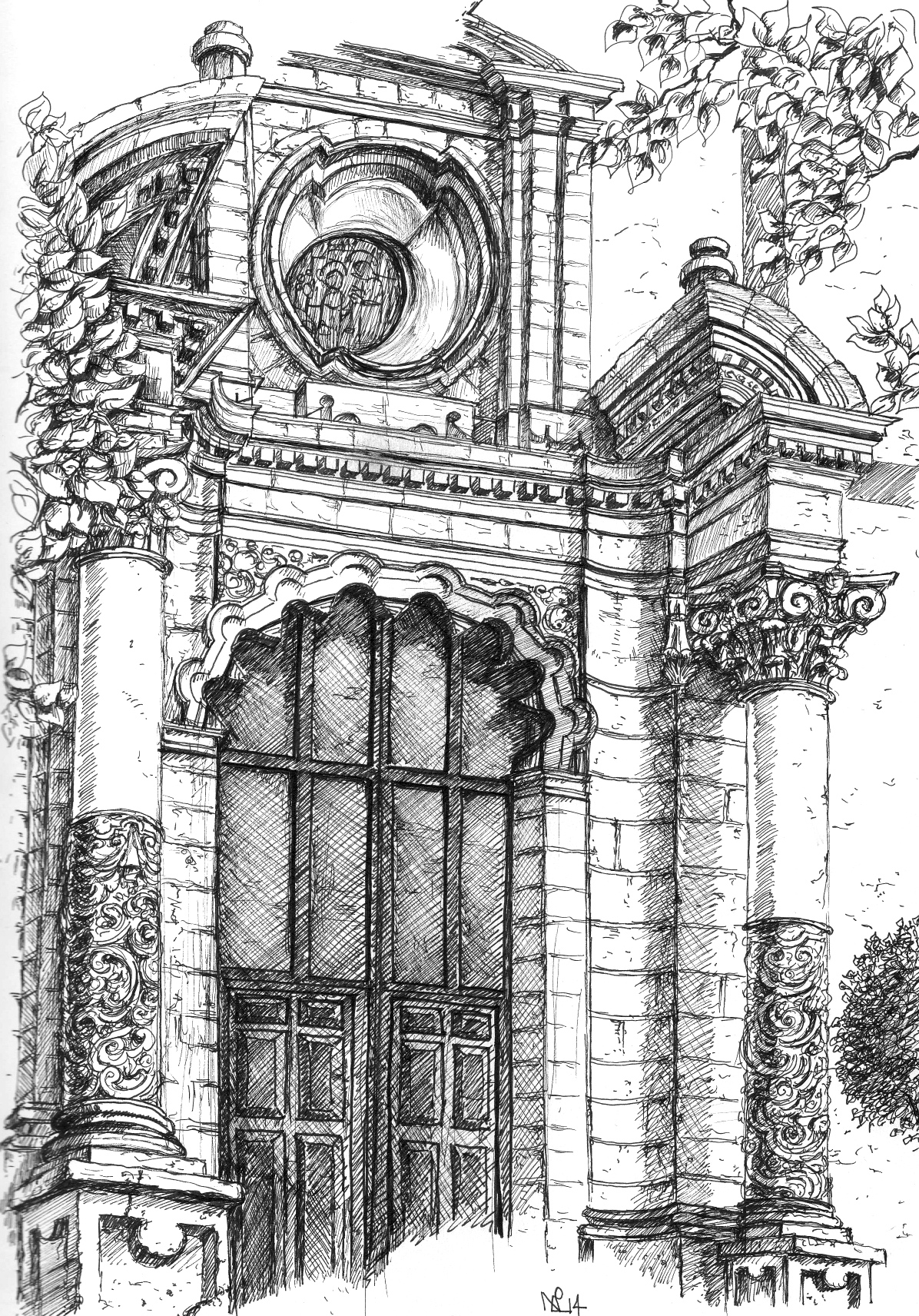
The view I chose to create is the view which I can see from one of my favourite benches in Marbella’s old town. Set nestled between two leafy orange trees, this bench is where my partner and I love to sit and while away long balmy summer evenings, listening to the relaxed bustle of restaurants nearby. But best of all, we get to gaze upon the wonder of Marbella’s Iglesia de Nuestra Señora de la Encarnacion – in other words the town’s main church, an architectural mix of classical grandeur, moorish sumptuousness, and baroque excesses, and nothing shows that mix of styles better than the churches grand doorway, which is what I have attempted to capture in this sketch.

Doorway of Marbella's Iglesia Encarnacion (2014 © Nicholas de Lacy-Brown, pen on paper)

Doorway of Marbella’s Iglesia Encarnacion (2014 © Nicholas de Lacy-Brown, pen on paper)

I accept that the sketch is a bit wobbly in parts, but that’s what you get when sketching in the open, a book resting on your knee, while drawing in unforgiving, unerasable pen – but altogether I love this sketch. For it perfectly captures the imposing grandeur of one of my favourite Marbella views, and the moment in which I sketched it.

© Nicholas de Lacy-Brown and The Daily Norm, 2001-2014. Unauthorized use and/or duplication of the material, whether written work, photography or artwork, included within The Daily Norm without express and written permission from The Daily Norm’s author and/or owner is strictly prohibited. Excerpts and links may be used, provided that full and clear credit is given to Nicholas de Lacy-Brown and The Daily Norm with appropriate and specific direction to the original content. For more information on the work of Nicholas de Lacy-Brown, head to his art website at www.delacy-brown.com

The Marbella Terrace Project – Part 2: the Transformation

On yesterday’s Daily Norm I showed you the first stage of my little piece of Marbella DIY – the transformation to my family’s roof terrace in Spain. With my Matisse-inspired mural finished in limited shades of blue and terracotta, I was free to complete the scheme with accessories and plants. 

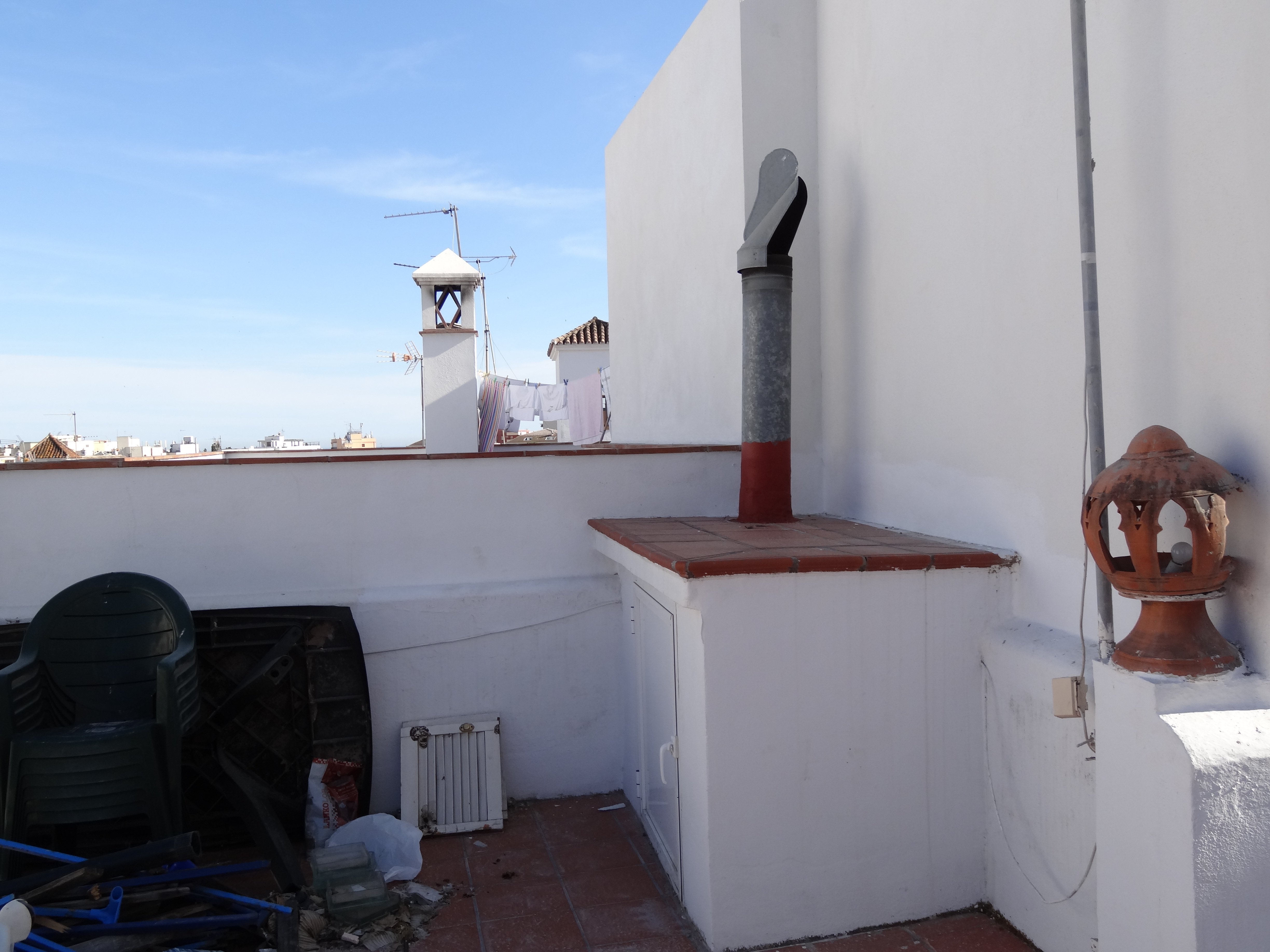
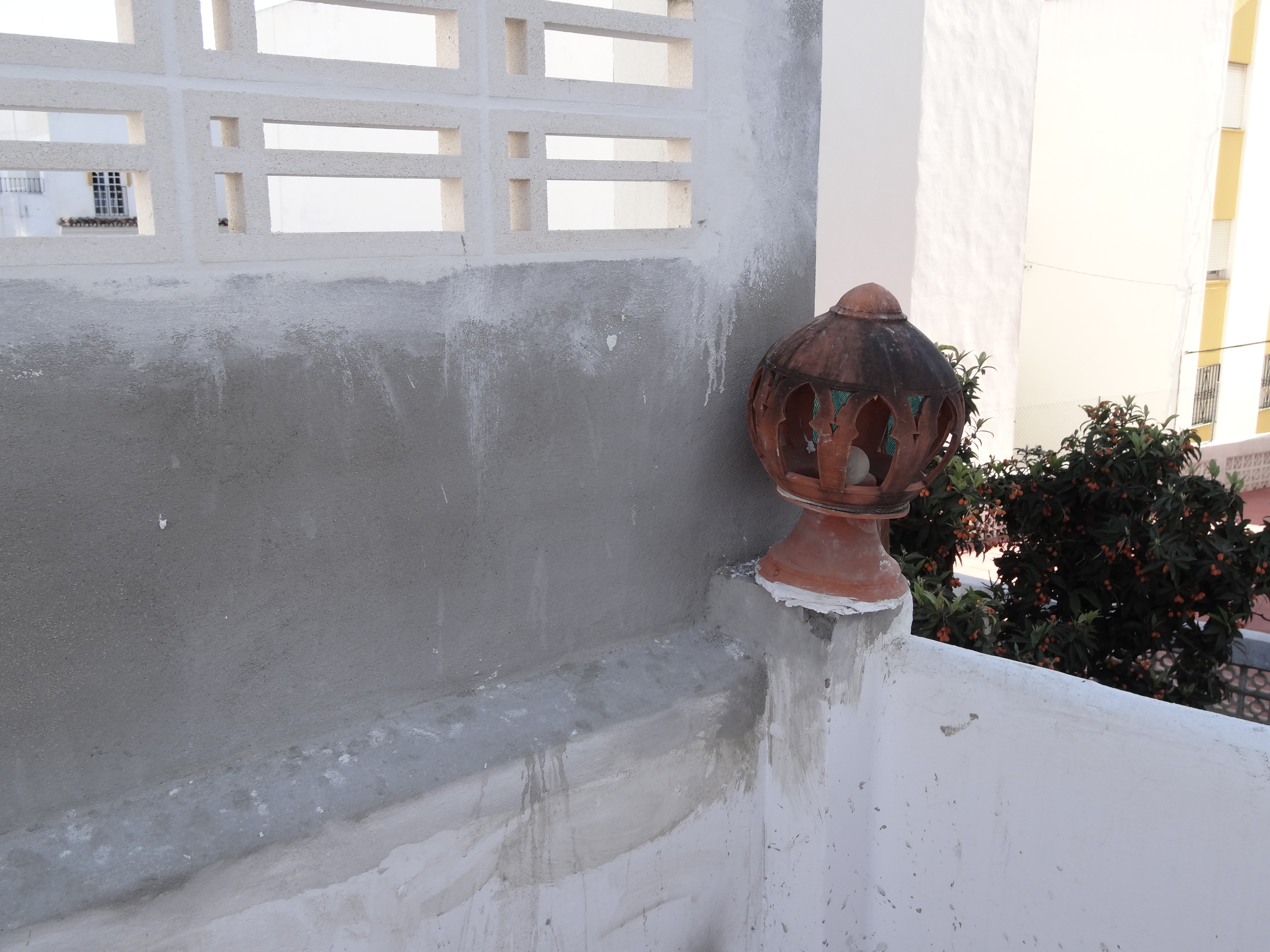
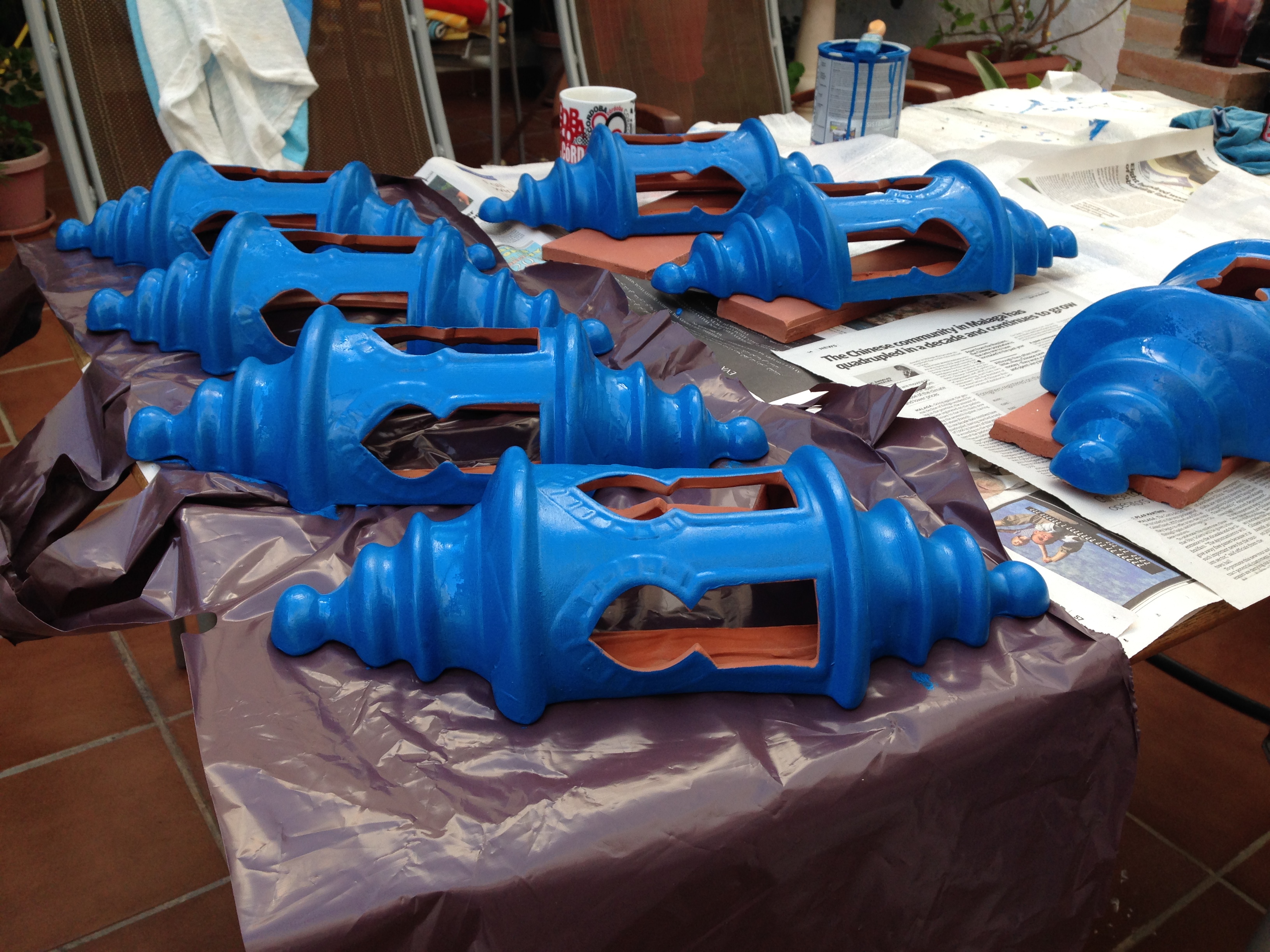
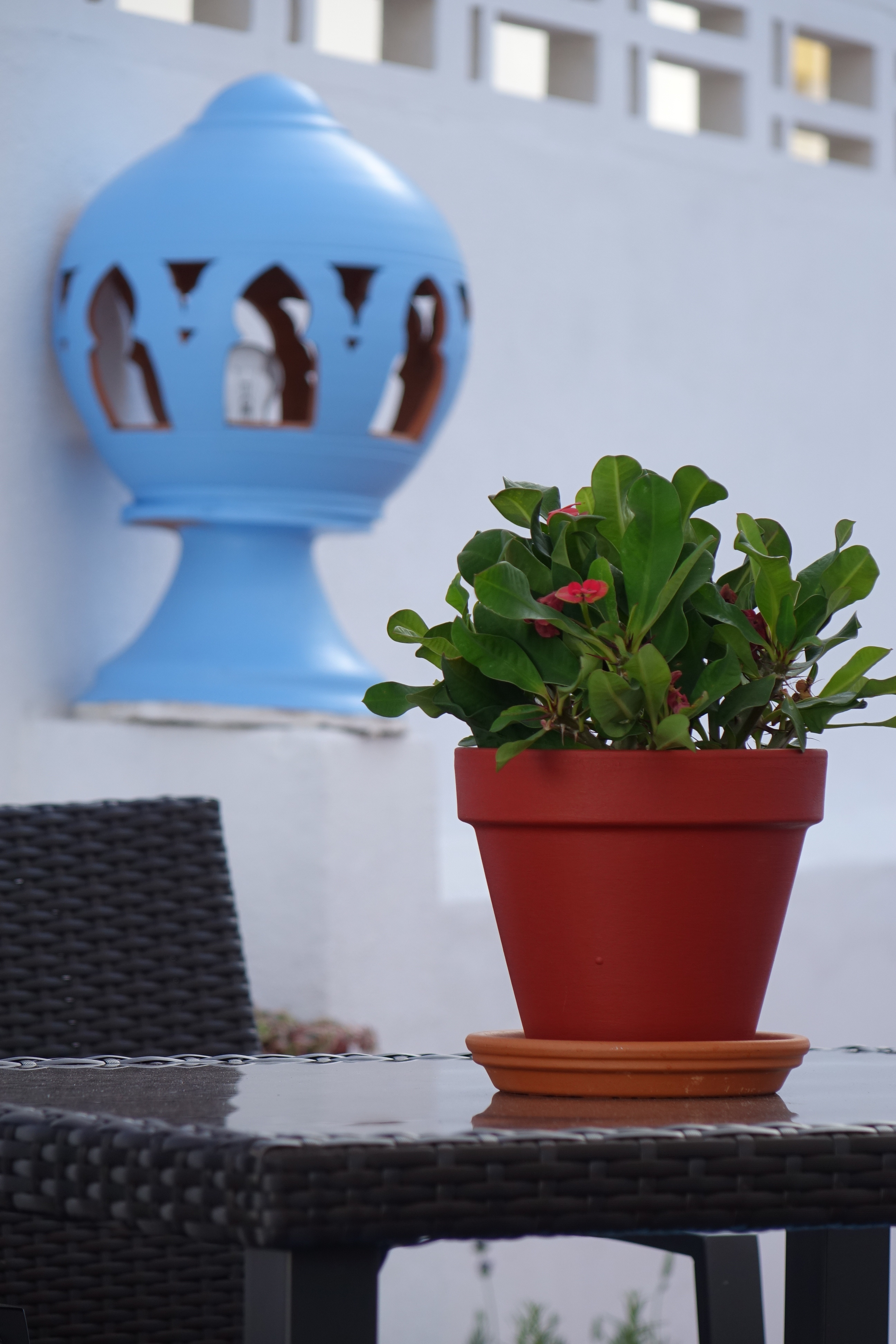
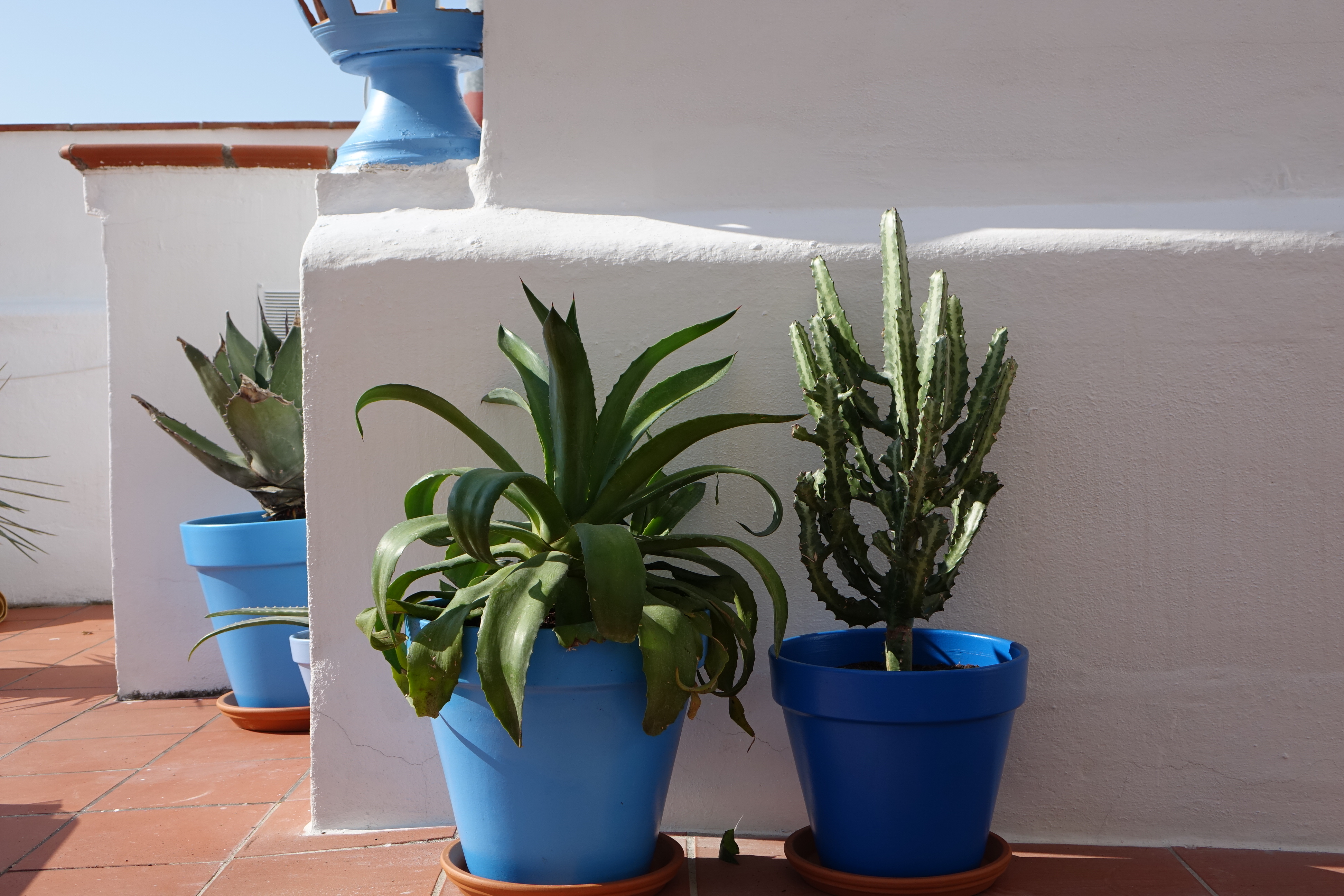
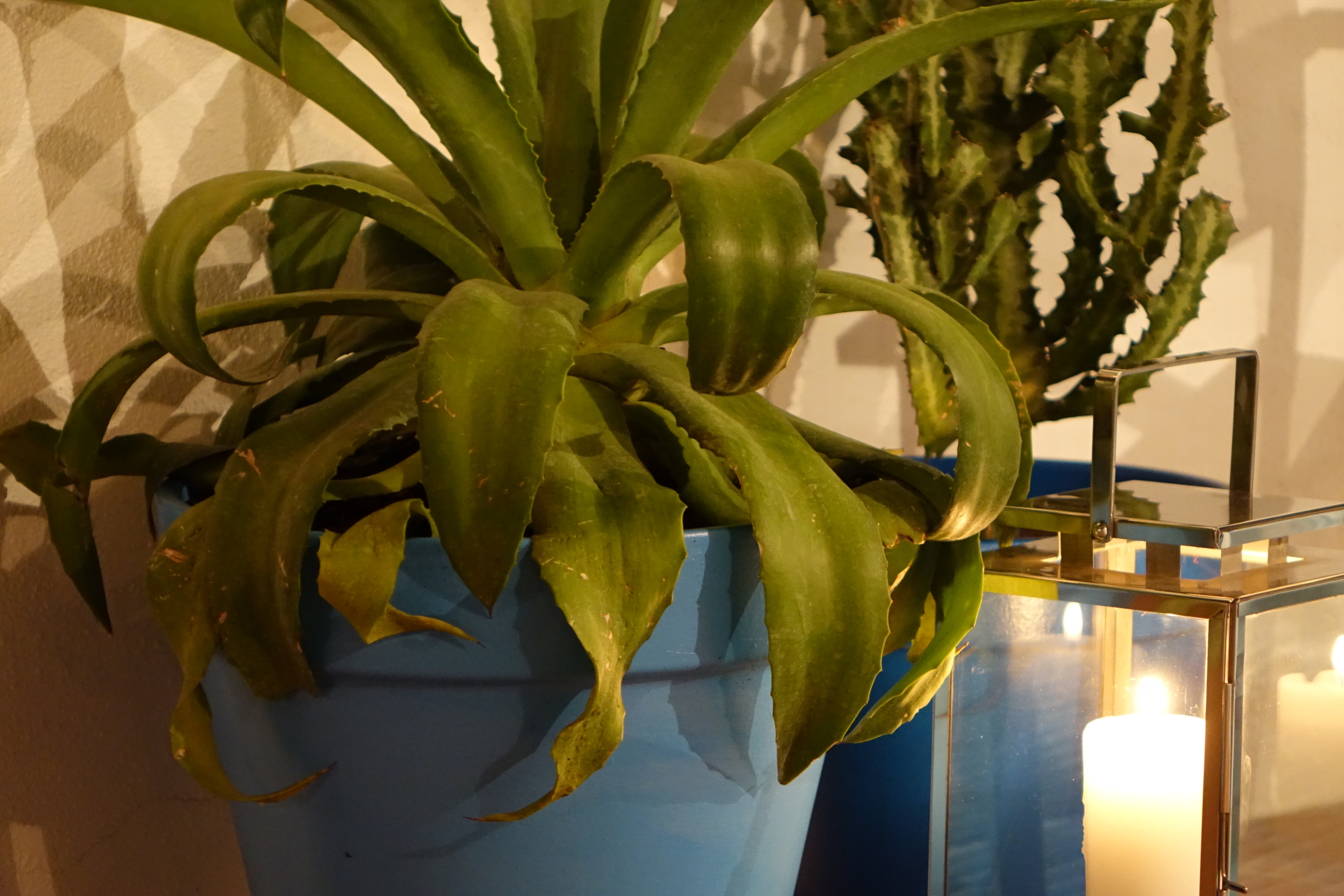
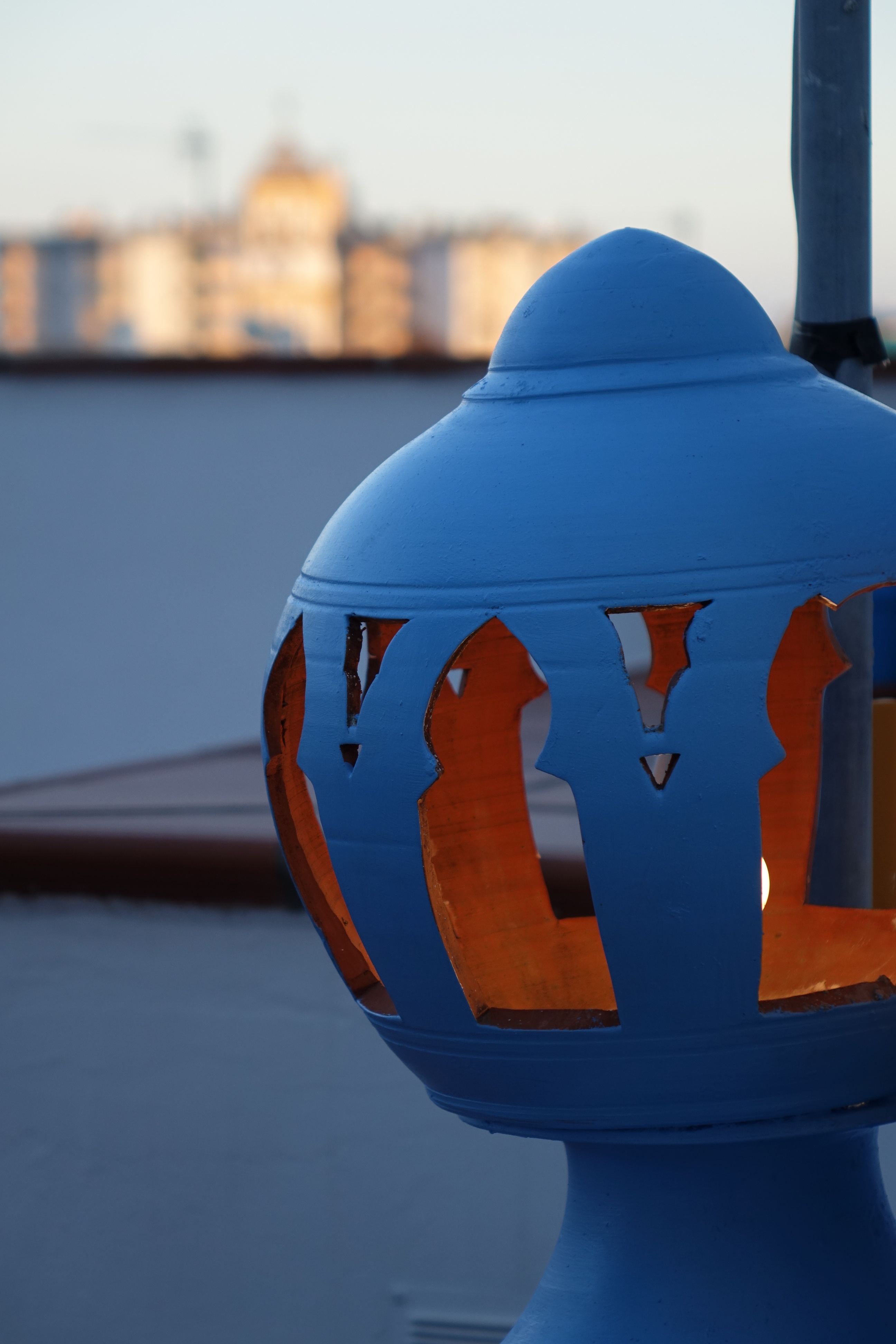
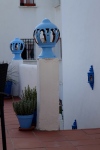
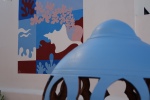
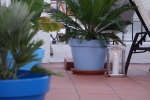
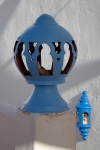
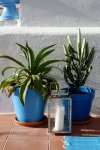
Our main concern was that the plants should be succulent and require little care – it gets HOT up on that terrace and so weak florals would never suffice. I therefore decided to go for a collection of hardy cacti, the more spikes the better. Recalling the garden design of another favourite artist Frida Kahlo, I was going for more of a Mexican theme of dark and light blues, while retaining the Andalucian look of whitewashed walls. Meanwhile the filthy terracotta lamps adorning the many pillars and walls of the terrace got a lick of their own blue paint, resulting in an altogether more Moroccan vibe. 

Before the transformation…

DSC00406 DSC00404 IMG_9314

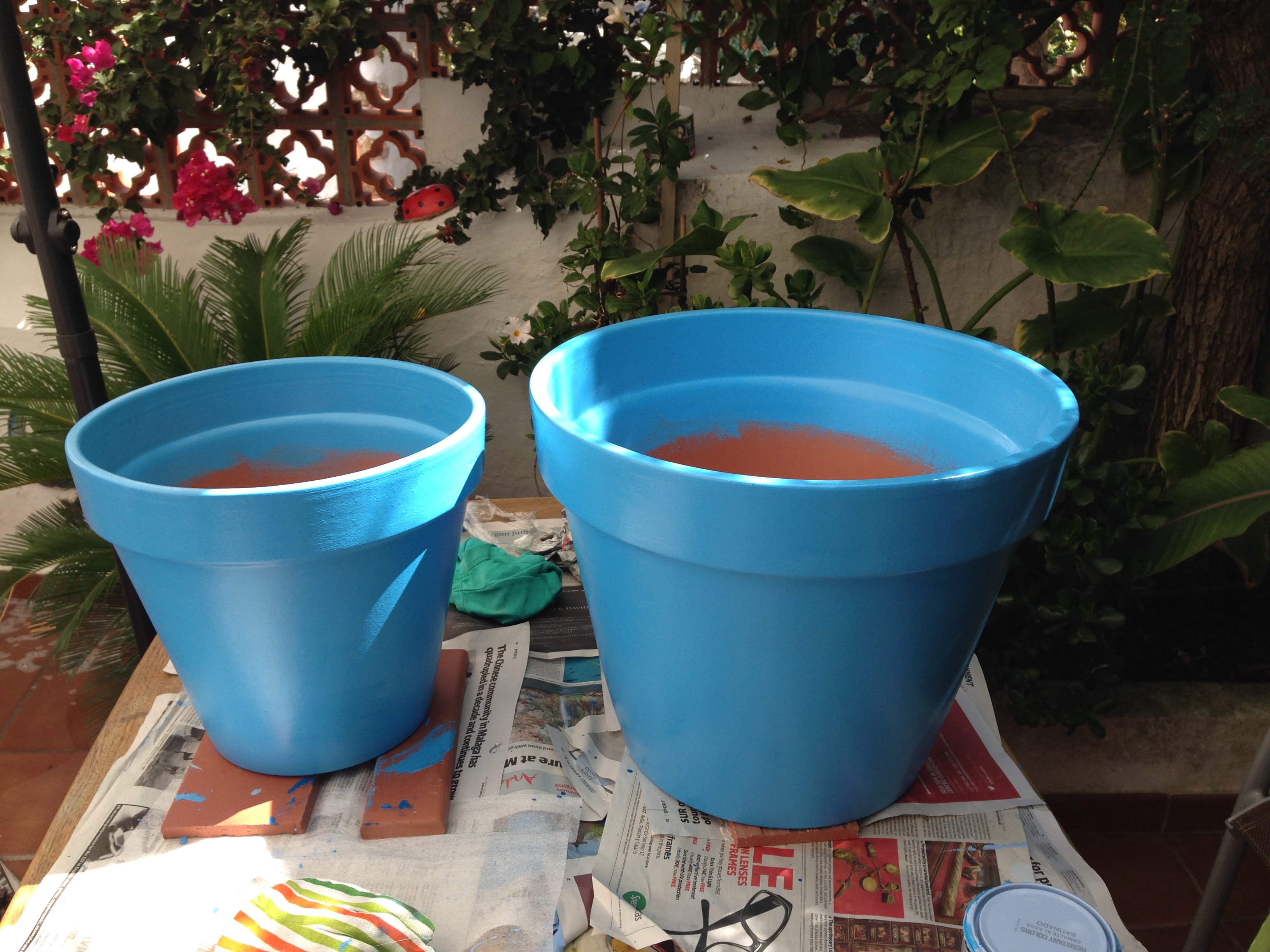
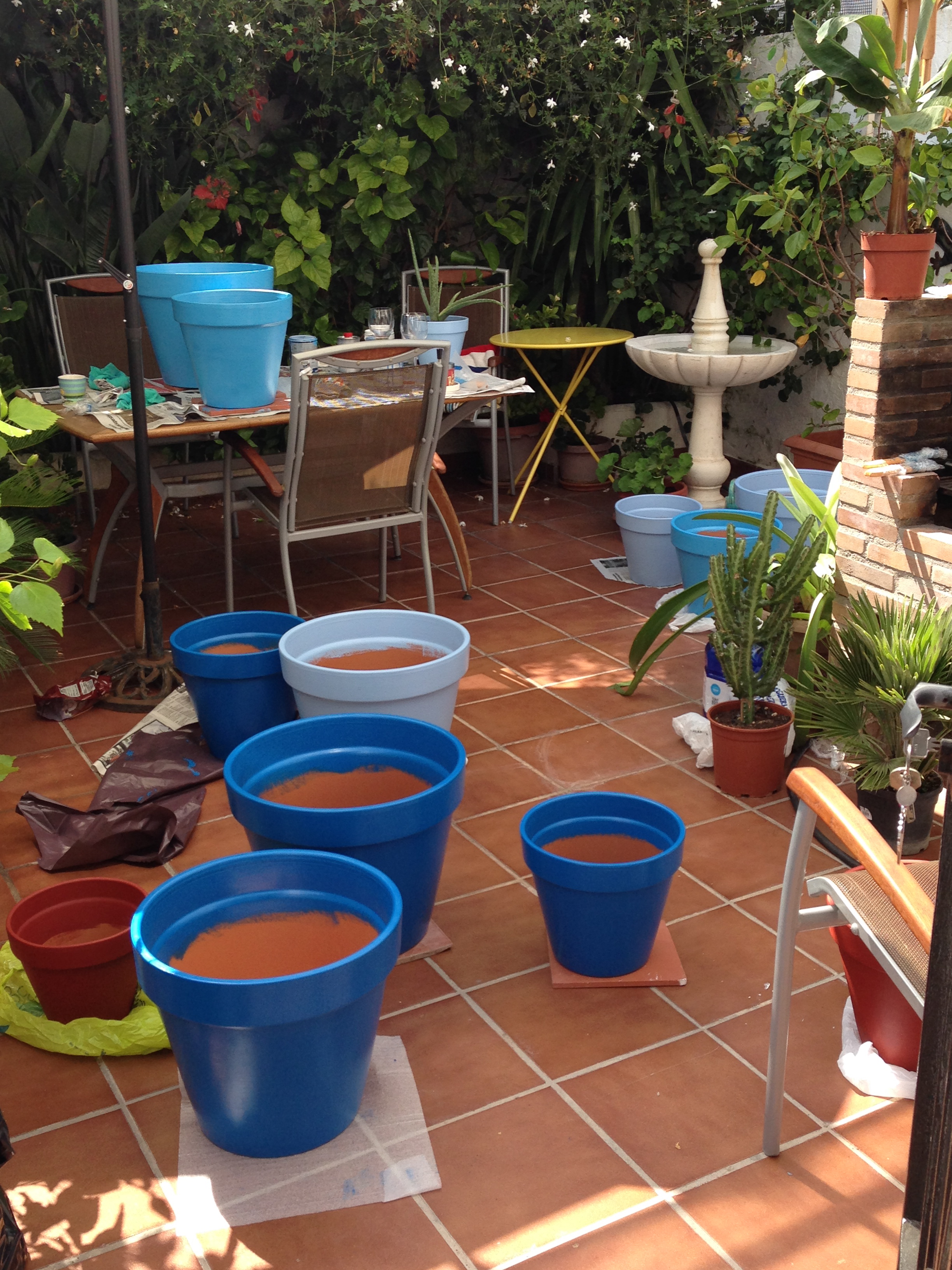
Painting pots and lamps

IMG_9310 IMG_9330 IMG_9332 IMG_9320

Huge terracotta pots in varying sizes lugged from one of Marbella’s biggest garden centres were painted in the same shades of blues with a few dark red pots to break up the scheme. It was thirsty work, but they never said that a man made desert of Spanish Cacti was going to come easy. 

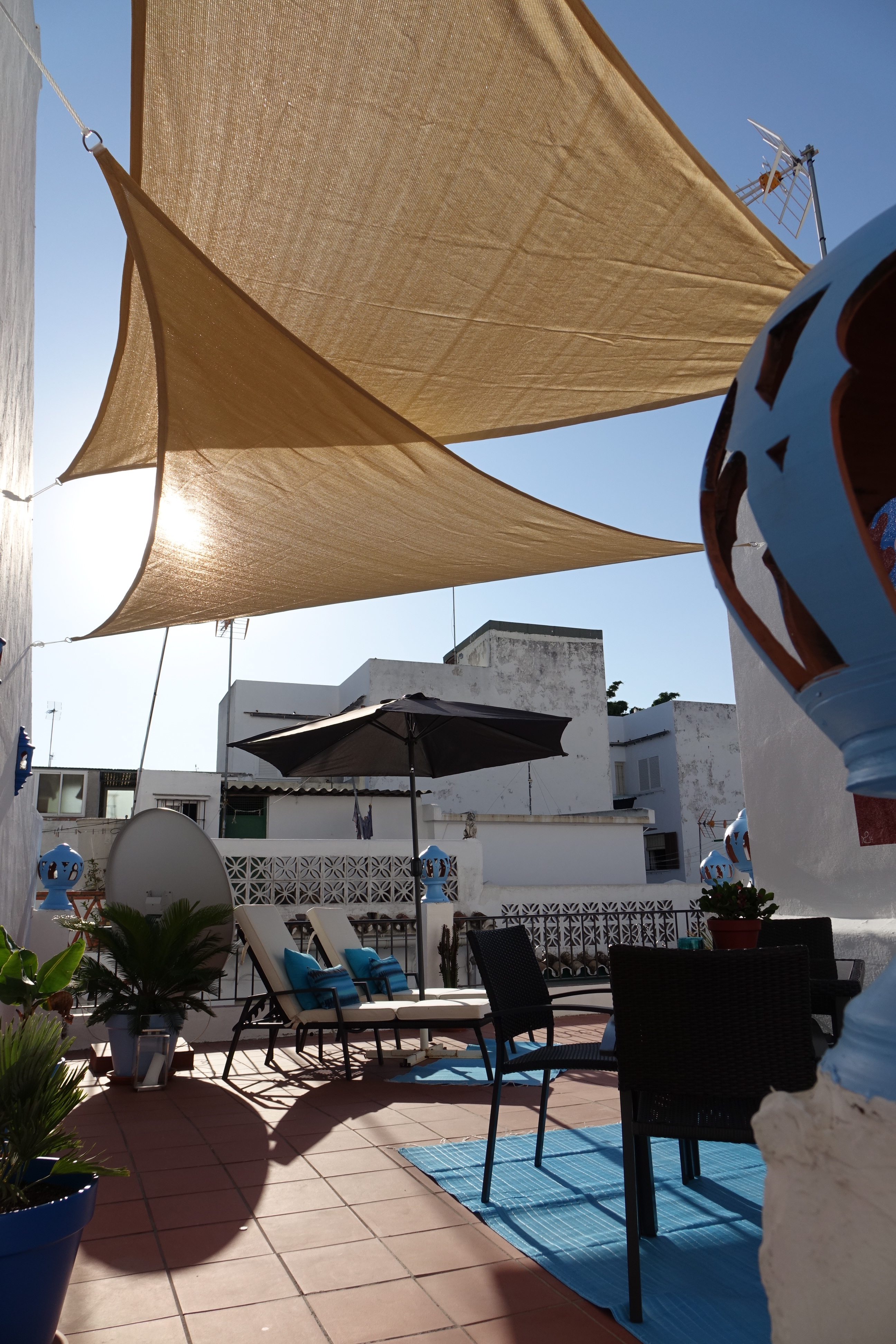
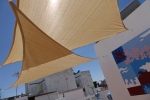
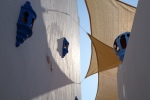
Finally, stretched across the big empty air space we attached two large shade sales to give the space much needed shade and cosyness. 

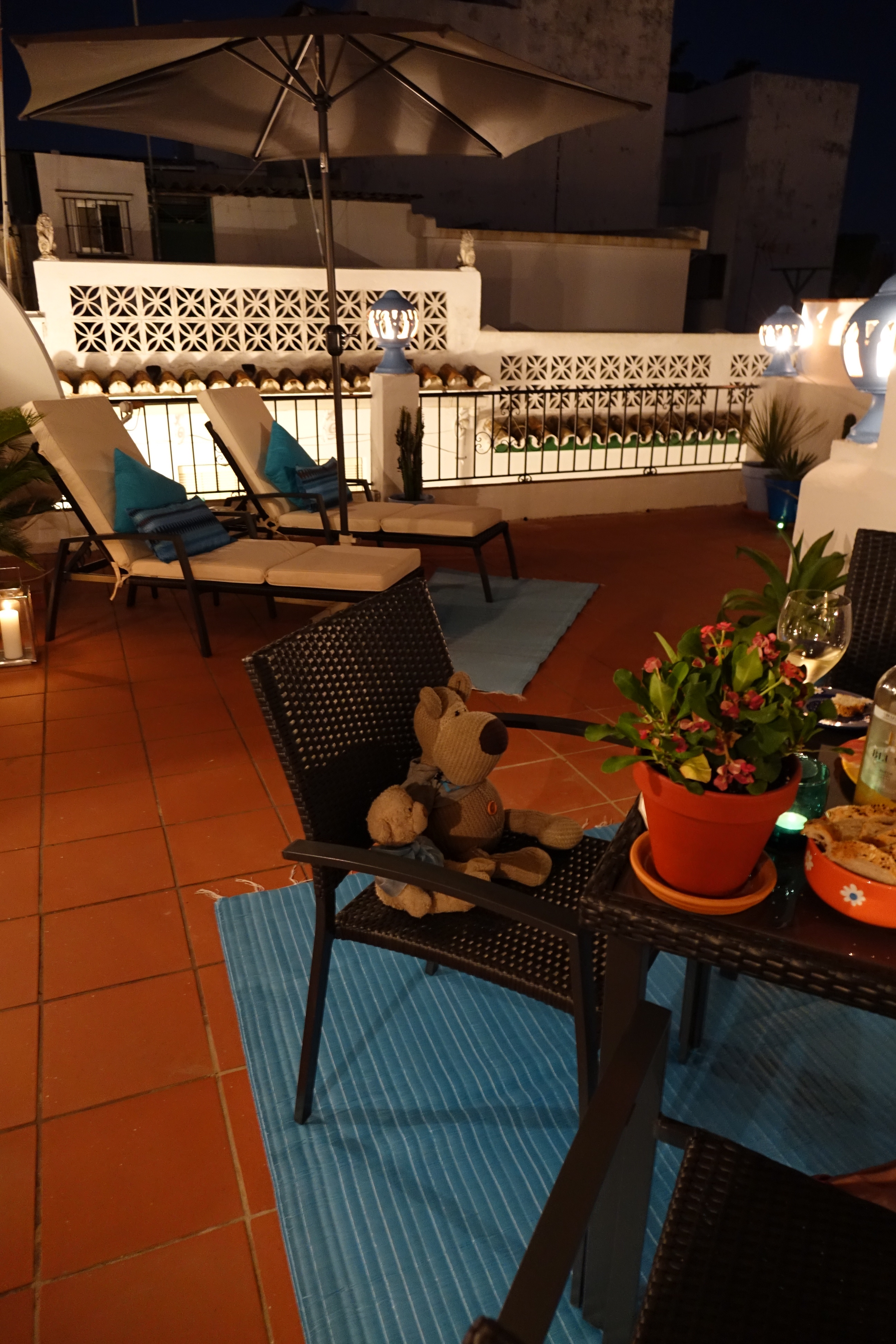
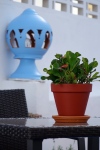
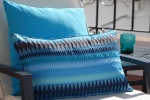
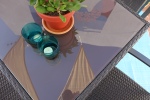
The result is a terrace oozing Mediterranean chic with all the spice and vitality of Mexico. Like a boutique hotel, we complemented the scheme with plump cushioned loungers and a shiny glass and black weave table. The result is a spectacle so departed from the previous ramshackle of a deserted terrace. 

After the transformation

DSC06101DSC06105DSC05770 DSC06215 DSC04733 IMG_9326 DSC06108

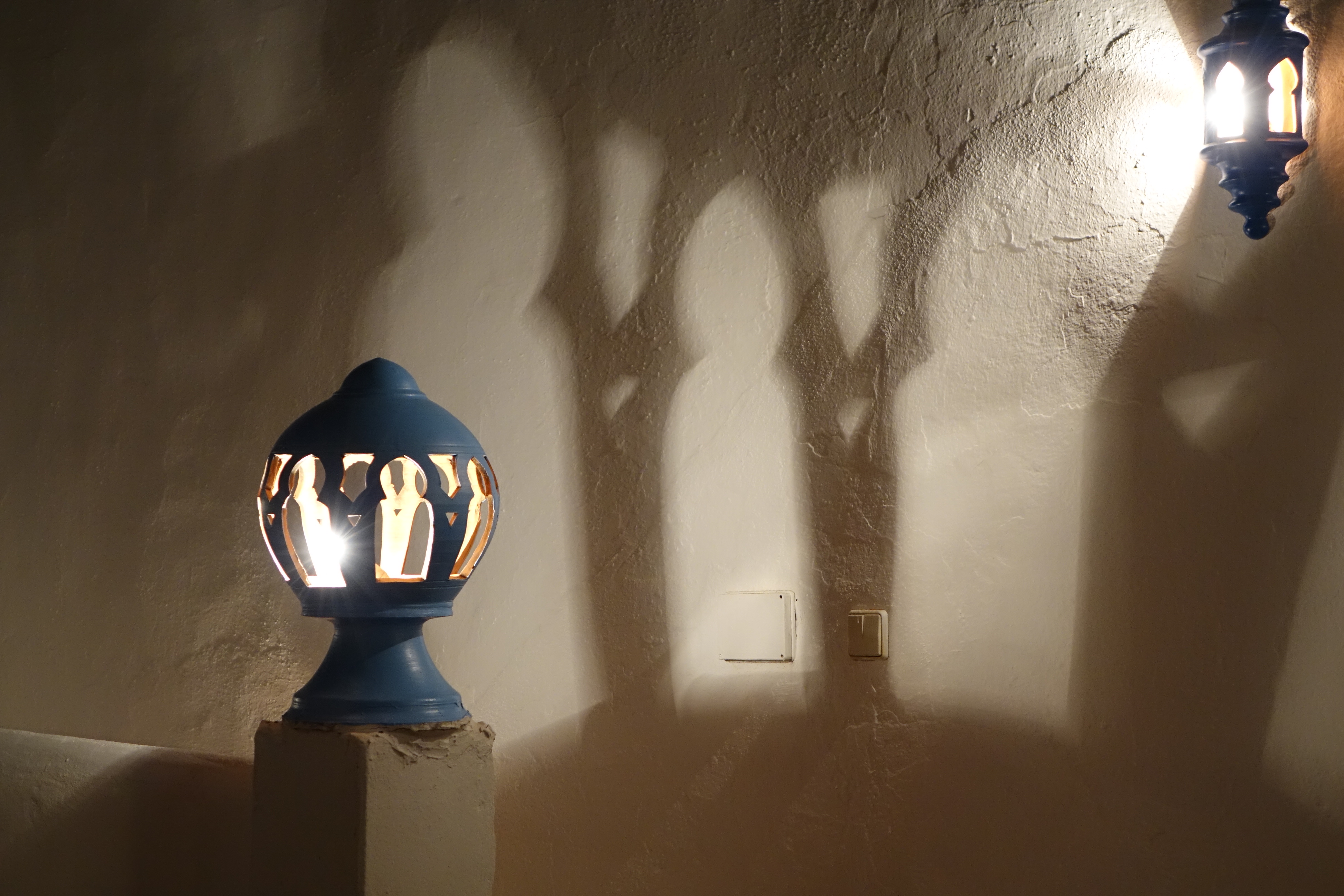
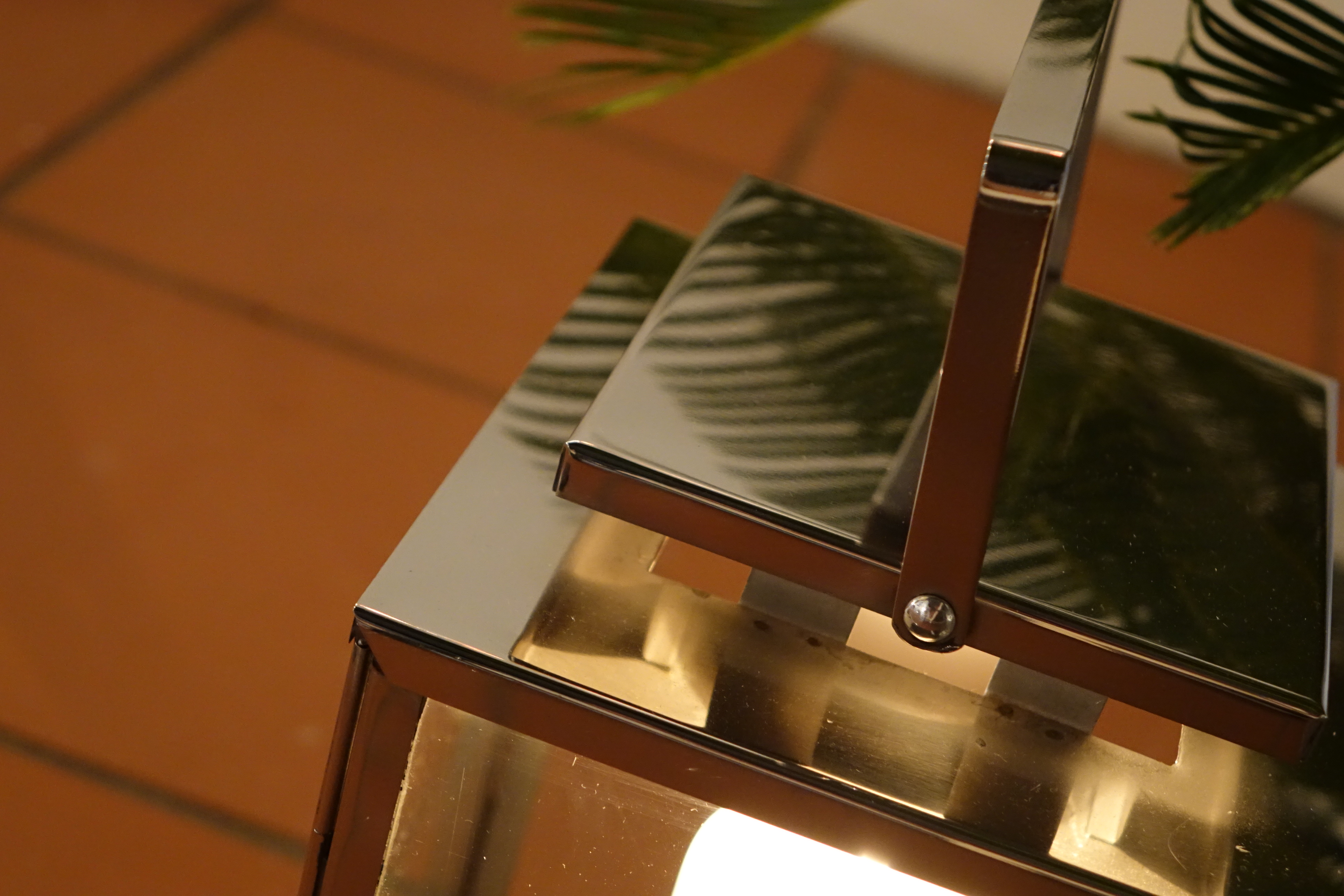
All of this work was finally toasted with a romantic candlelit opening gala party. The terrace looks good by day, but with lamps glowing from within and candles flickering across the terrace floor, it never looked better. A job well done, a transformation achieved. 

and at night

DSC04763DSC04800DSC04753 DSC04773 DSC04770 DSC04804

A gallery of details

All photos and written content are strictly the copyright of Nicholas de Lacy-Brown © 2014 and The Daily Norm. All rights are reserved. Unauthorized use and/or duplication of the material, whether written work, photography or artwork, included within The Daily Norm without express and written permission from The Daily Norm’s author and/or owner is strictly prohibited.

The Marbella Terrace Project – Part 1: the Mural

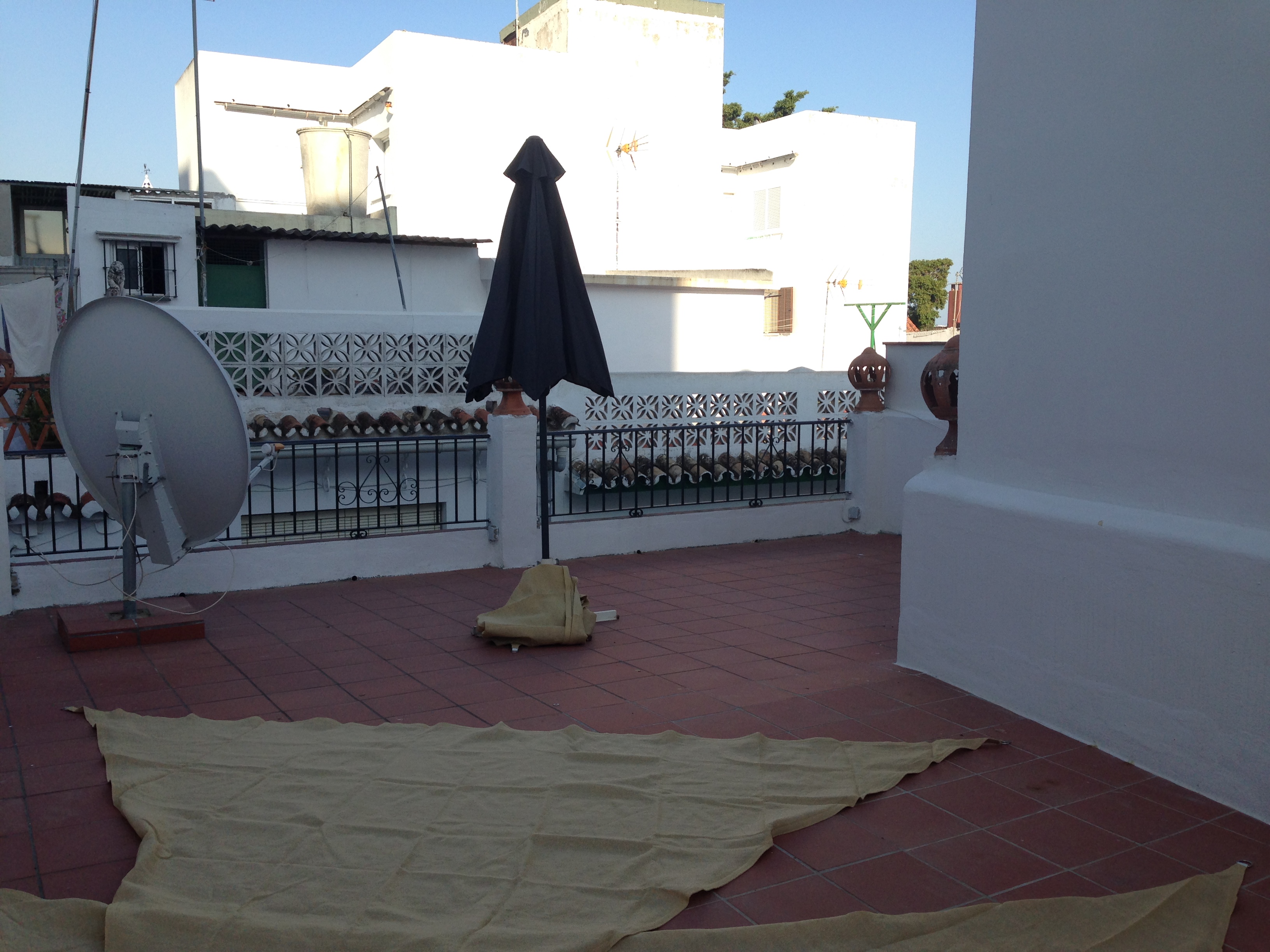
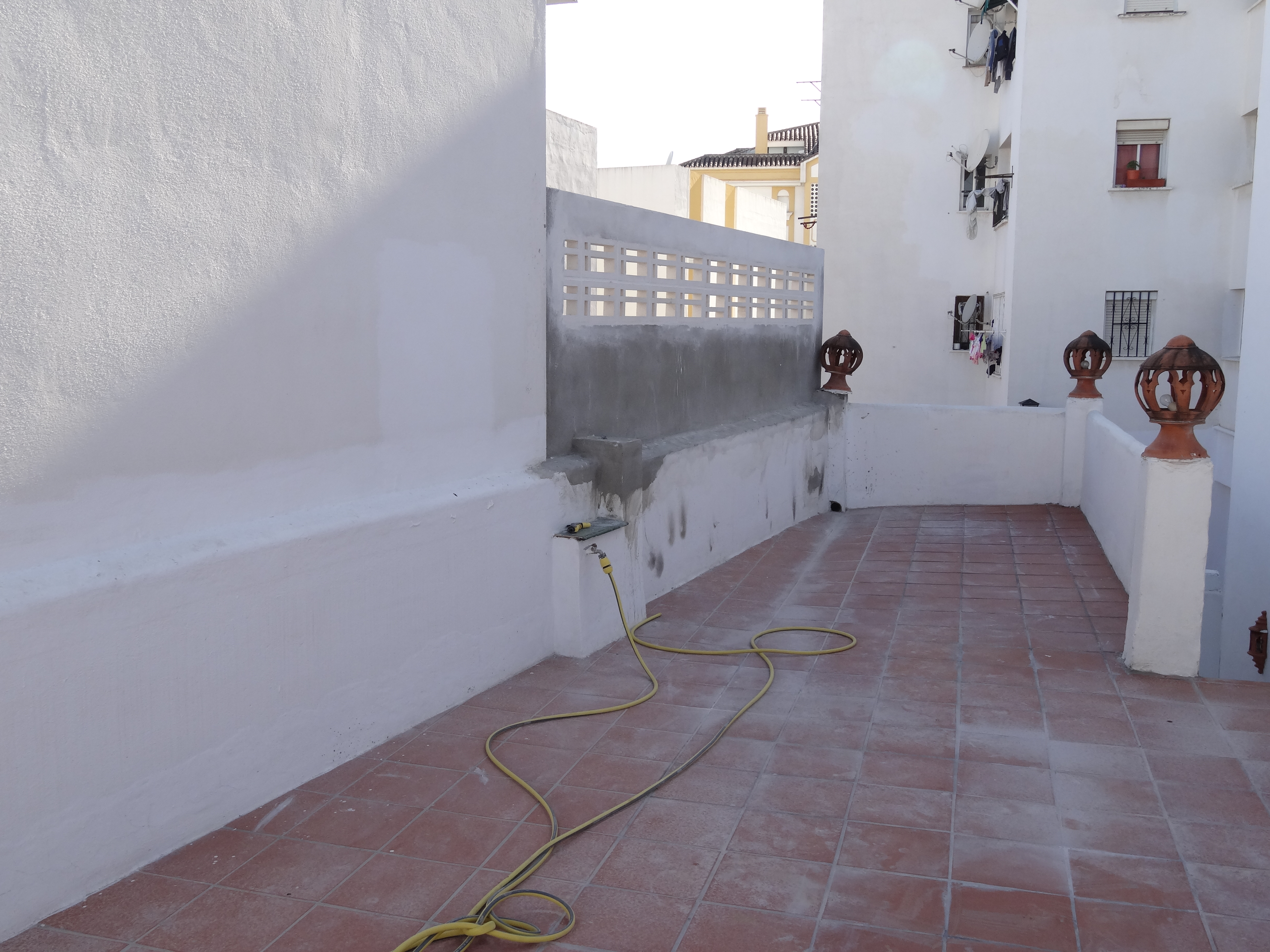
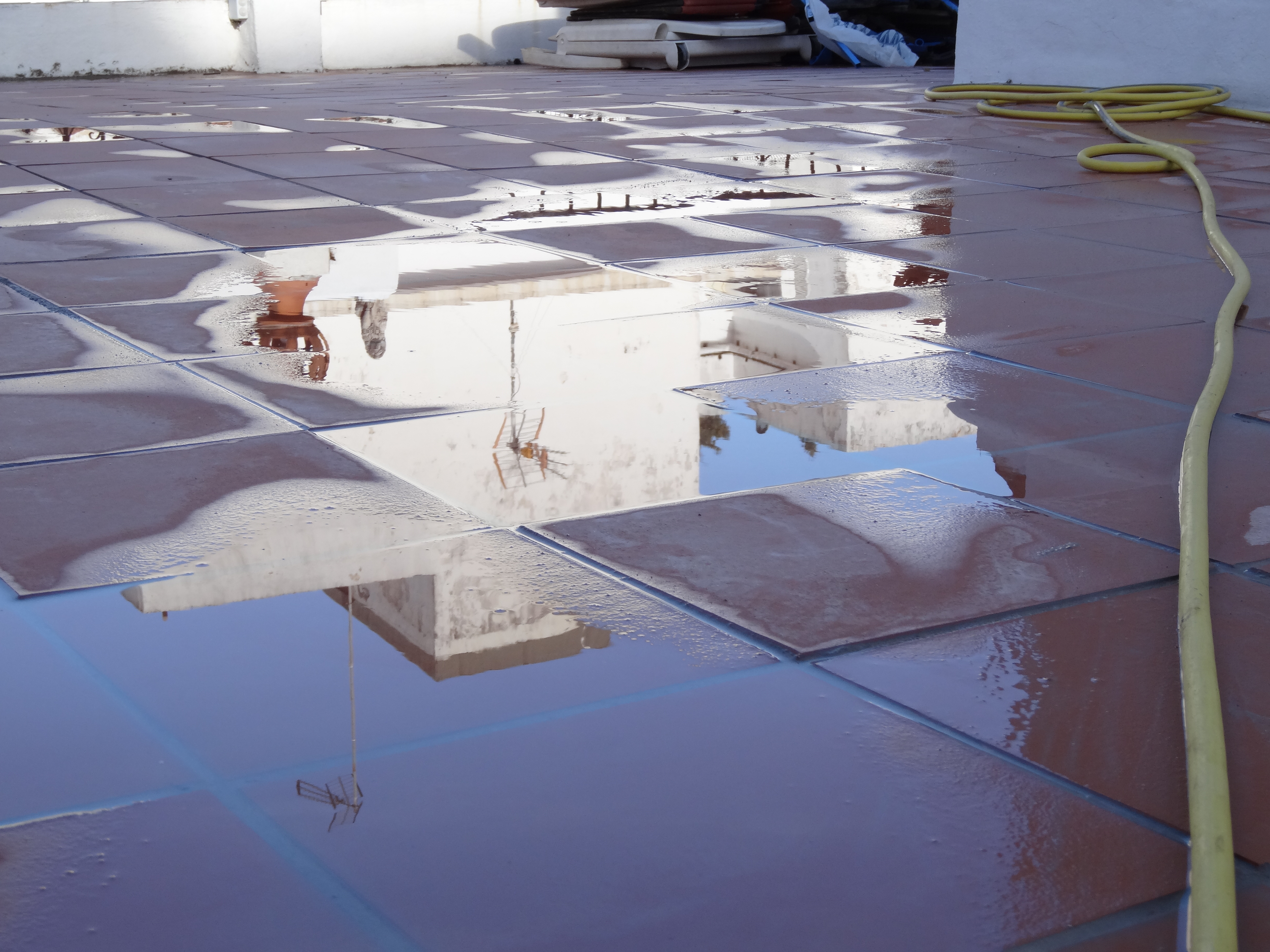
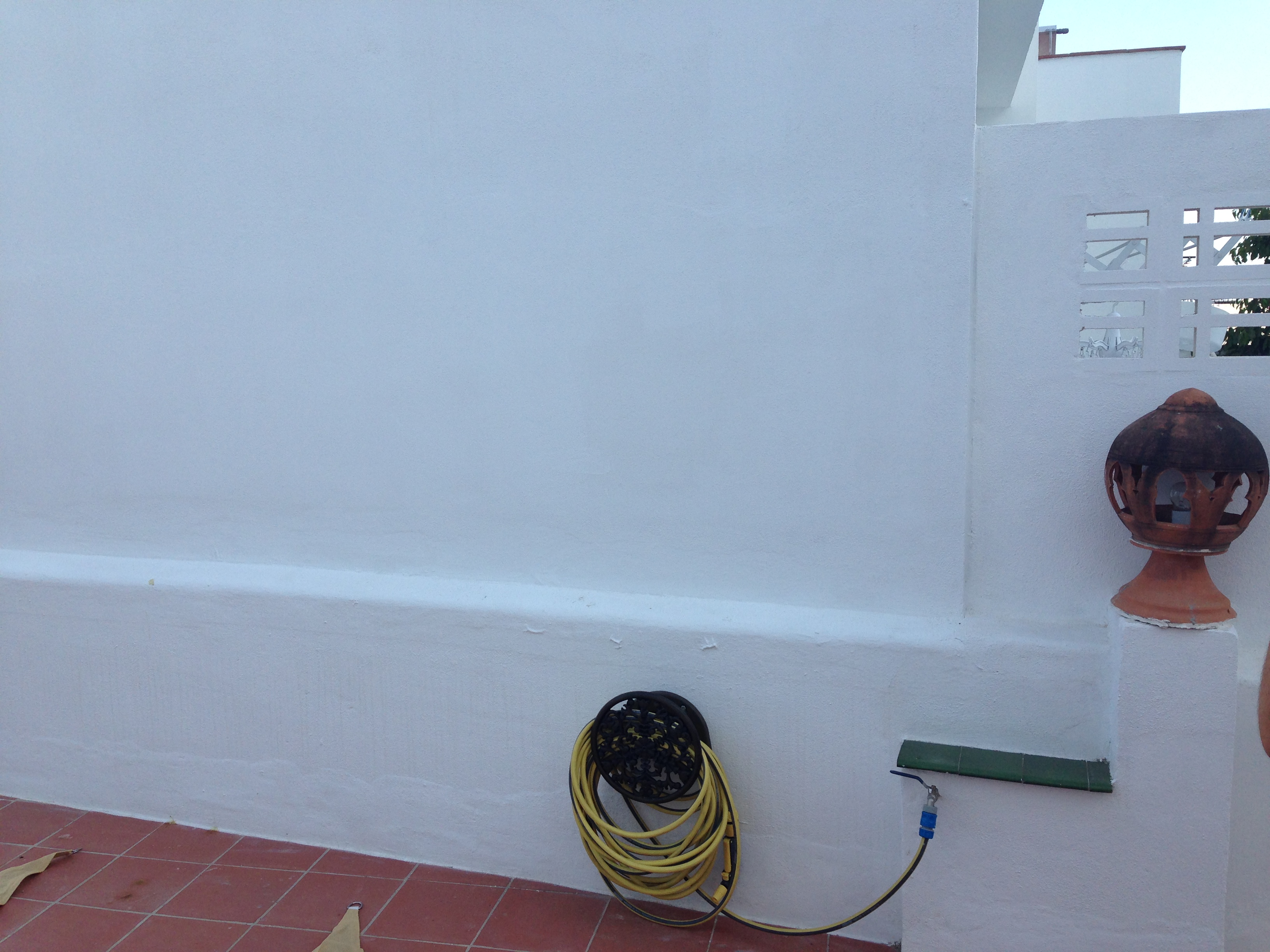
There is nothing quite so sad as seeing a favourite area of a house or garden ravaged, ruined and fallen into disuse. Which is exactly what happened over the last few years to my family’s roof terrace in our town house in Marbella, Spain. Having been at the heart of so many holidays, our roof terrace, once a prime attraction of our house with views across Marbella towards the sea, had become the victim of our neighbours’ renovations and reconstructions, first when the house two doors down was demolished and rebuilt, and then when the house immediately next door was rebuilt likewise, and a new large wall constructed right next to our terrace. What with the continuous process of construction rendering our terrace unusable for years, as well as the direct impact those works had on our terrace floor, its walls and every other surface, our terrace fell into disrepair and disuse. Finally last summer, the construction works ceased, our terrace received its first lick of white paint, and I decided to do something to make it habitable again.

Our terrace in a state of disuse and disrepair

DSC00405 DSC00402 DSC00408 IMG_9315

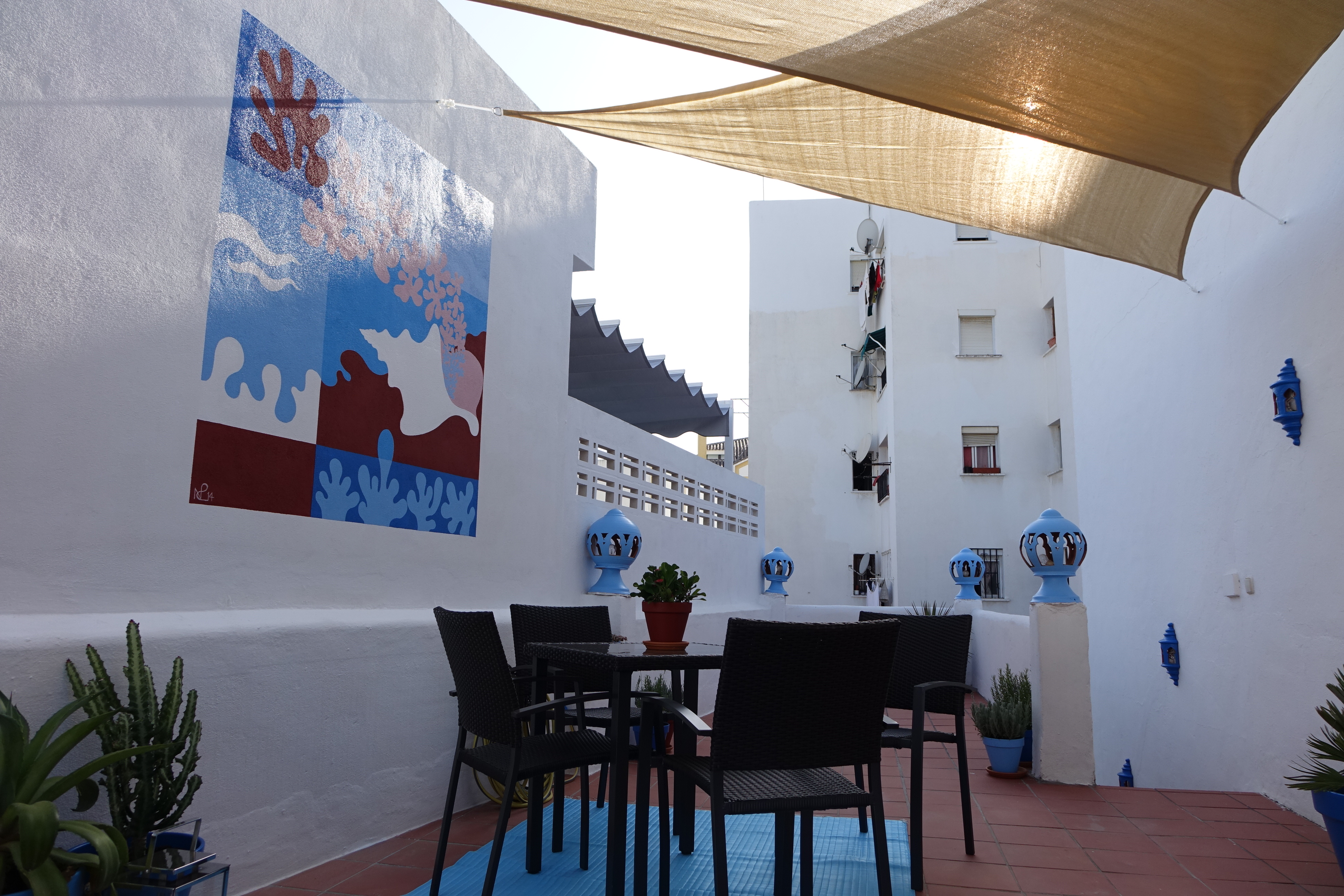
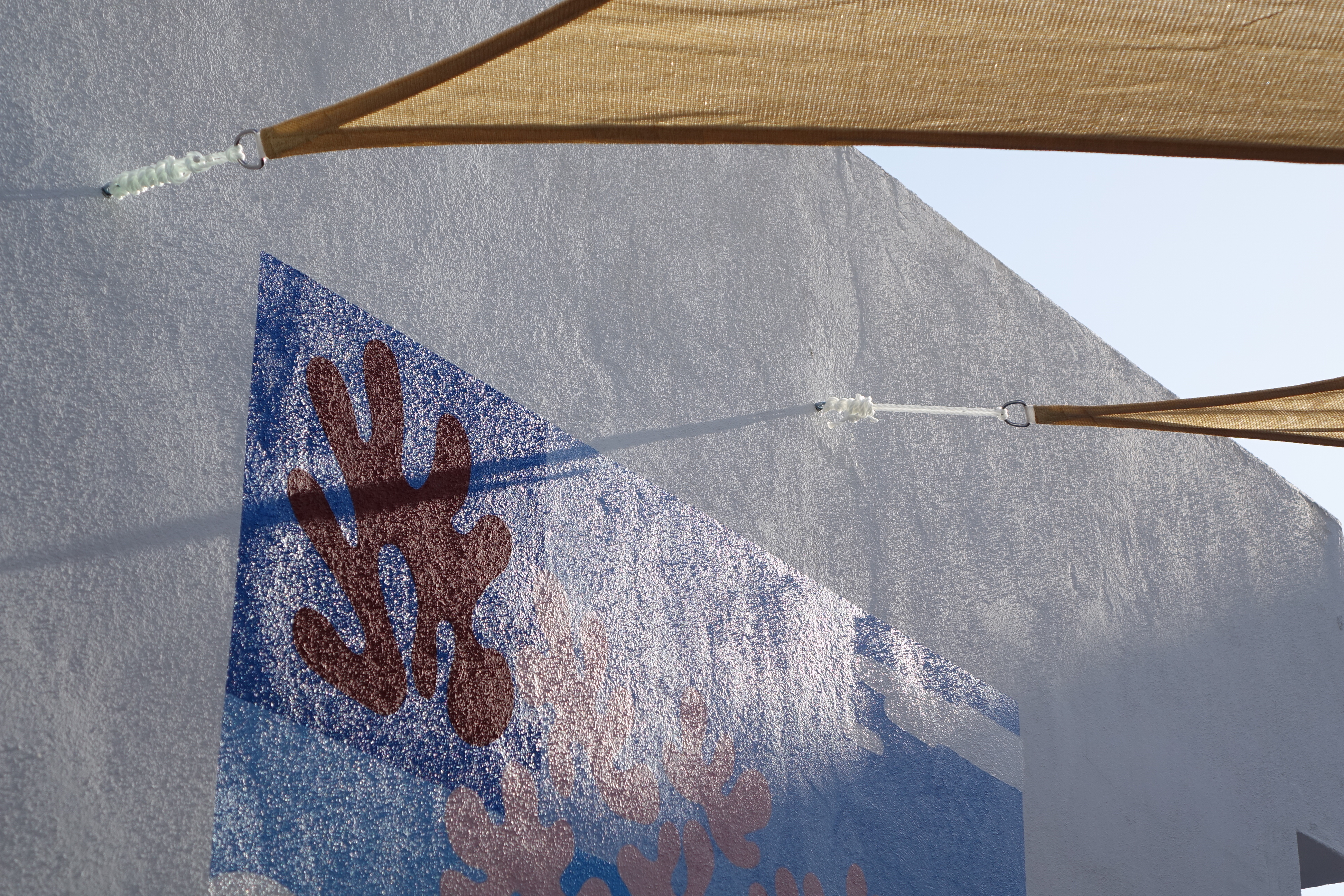
On tomorrow’s blog, you will see how our terrace went from virtual builders’ site to lavish sun-soaked spectacle, but for today I am concentrating on what is undoubtedly the central focus of my new terrace design. A wall mural. Having been deeply inspired by the simplicity of form and joyful mediterranean colours used by Matisse in his cut-outs which I saw at Tate Modern’s brilliant Matisse show a few months back, I wanted to create a mural which was characterised by the same simple forms of Matisse’s works (not least because they will be easy to touch up if weather exposure damages the mural at a later date), but which also features my own trademark essence of playful surrealism.

Painting my mural

IMG_9420

This slideshow requires JavaScript.

The result is an image which combines a simplistic seashore landscape with Matisse’s famous algae forms, geometric design, a limited colour palette of blue and terracotta, and the energetic depiction of those dancing algae appearing to burst out of a large conch shell until they morph into a burning red sun.

Considering the size of this image (some 2 metres in dimension both ways), the fact that it was painted directly onto a rough concrete wall, and made at height, much of the time painted from an uncomfortable ladder, I am delighted with how this image turned out. Fresh, contemporary yet fun, it turns a blank stark wall into a feature of the terrace and matches perfectly with the painted accessories which complete the design – but more on them tomorrow. For now I leave you with photos of how the mural developed, and a finished look at the mural itself.

The finished mural

DSC06210

All photos and written content are strictly the copyright of Nicholas de Lacy-Brown © 2014 and The Daily Norm. All rights are reserved. Unauthorized use and/or duplication of the material, whether written work, photography or artwork, included within The Daily Norm without express and written permission from The Daily Norm’s author and/or owner is strictly prohibited.

London’s homage to print: Part 3 – Bruegel to Freud

Earlier this year I reviewed two London exhibitions which played homage to the brilliance and versatility of the printmaking medium, both through the chiaroscuro effects achieved in early renaissance woodcuts, or through the work of a Titan of contemporary British printmaking – David Hockney. Well no sooner had those shows shut up shop than another showcase to print has opened up, this time at my favourite gallery in London, the Courtauld. 

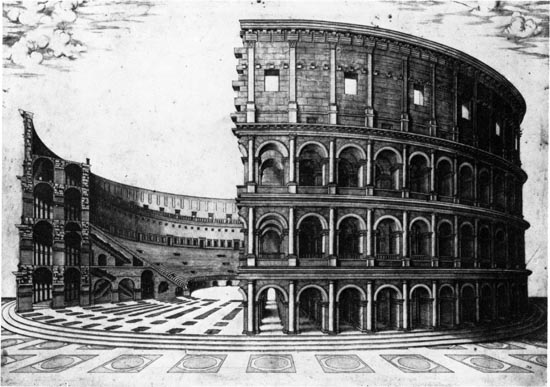
This new exhibition, From Bruegel to Freud is characteristic of the shows that the Courtauld does best: small yet focused, and although it displays only some 30 or so prints from a total collection of 24,000, the chosen prints perfectly illustrate the startling breadth and variety of the Courtauld’s impressive print holdings. And in giving itself over to a range of prints rather than honing in on one type or period, the exhibition ably demonstrates the potential of print both as an educator and communicator (for example Nicolas Beatrizet’s vast engraved copy of the Last Judgment wall of the Sistine Chapel, or the historical engravings of various architectural buildings such as the wonderfully detailed engraving of Rome’s Colosseum exhibited), as well as a wonderfully diverse medium for artistic expression in its own right. 

Engraving of the Colosseum

Engraving of the Colosseum

Nicolas Béatrizet, The Last Judgment

Nicolas Béatrizet, The Last Judgment

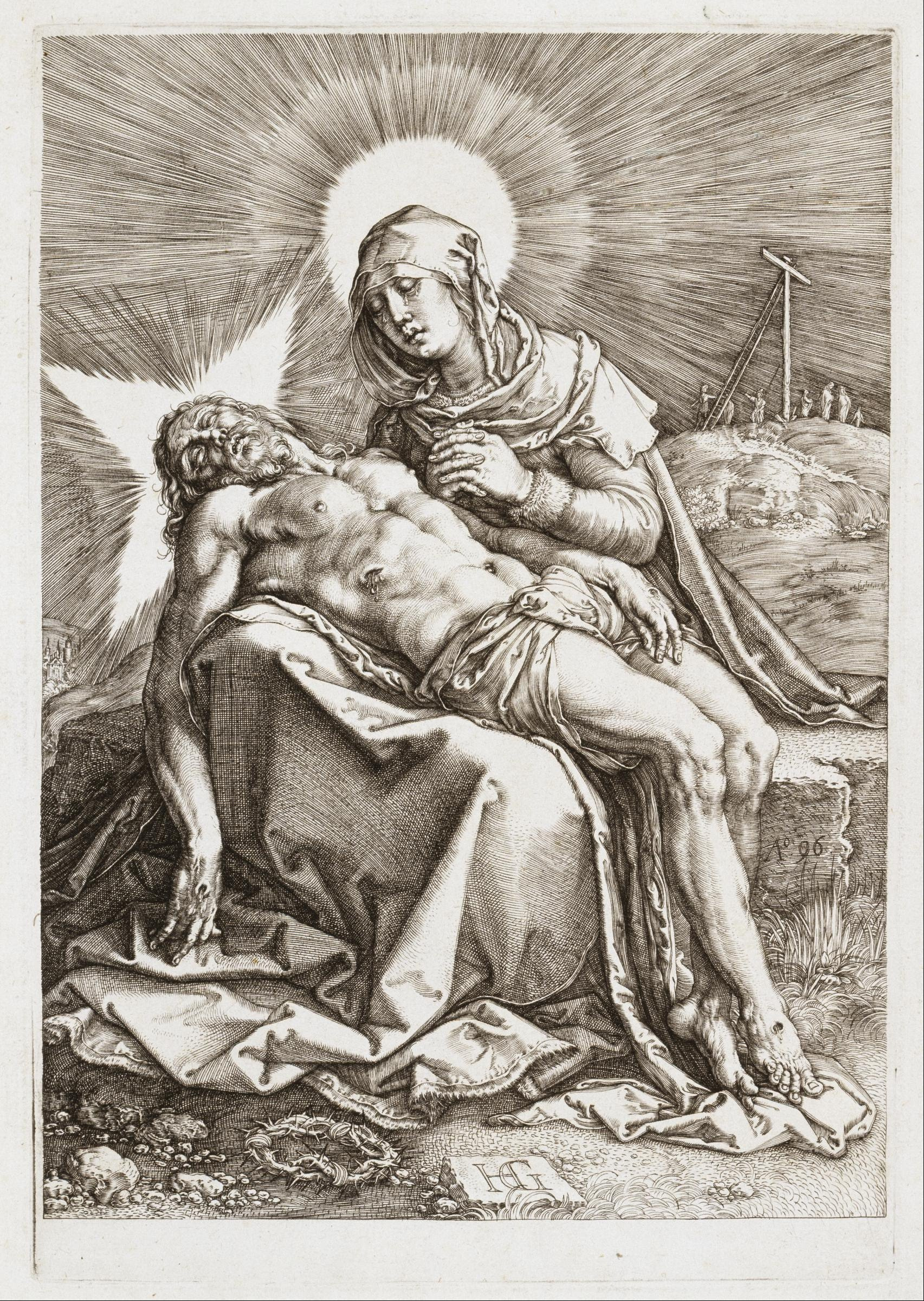
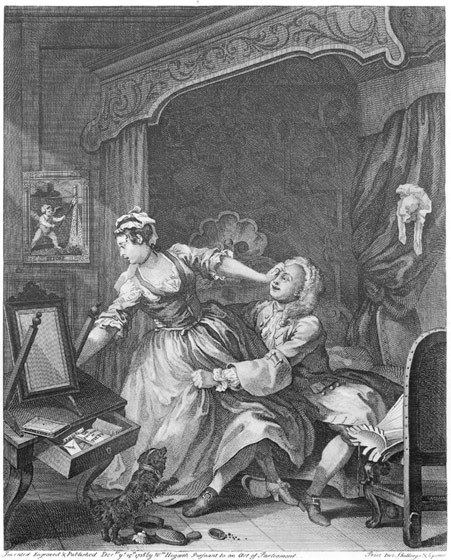
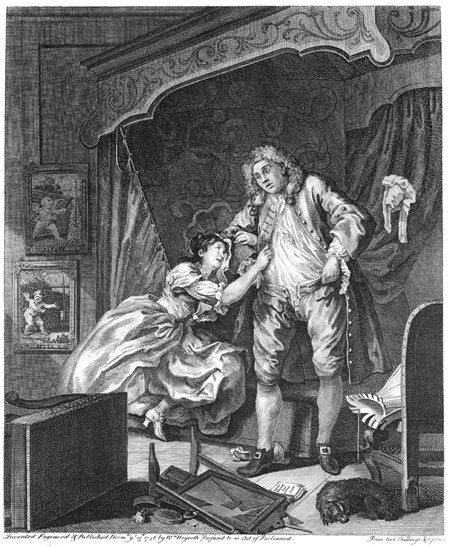
Starting with prints from the likes of Andrea Mantegna from the mid 1400s and ending with recent offerings from Chris Ofili, the show is chronologically broad. The early works are full of exquisite detail. I loved Agostino Veneziano’s The Academy of Baccio Bandinelli which, through engraving not only captures the brilliant detail of artists at work in a studio but also the drama of low candlelight with incredible shadows dancing and flickering on the wall behind. I also adored Hendrik Goltzius’s The Pieta, another engraving utilised to maximum effect – the lines and contours of Christ’s muscular body are stunning here. There was also great humour in Hogarth’s Before and After engravings, showing a man ravaged with passionate desires for a woman in one print, and the same man much dismissive once he has had his saucy way with her. 

Agostino Veneziano, The Academy of Baccio Bandinelli

Agostino Veneziano, The Academy of Baccio Bandinelli

Hendrick Goltzius, The Pieta

Hendrick Goltzius, The Pieta

William Hogarth, Before

William Hogarth, Before

William Hogarth, After

William Hogarth, After

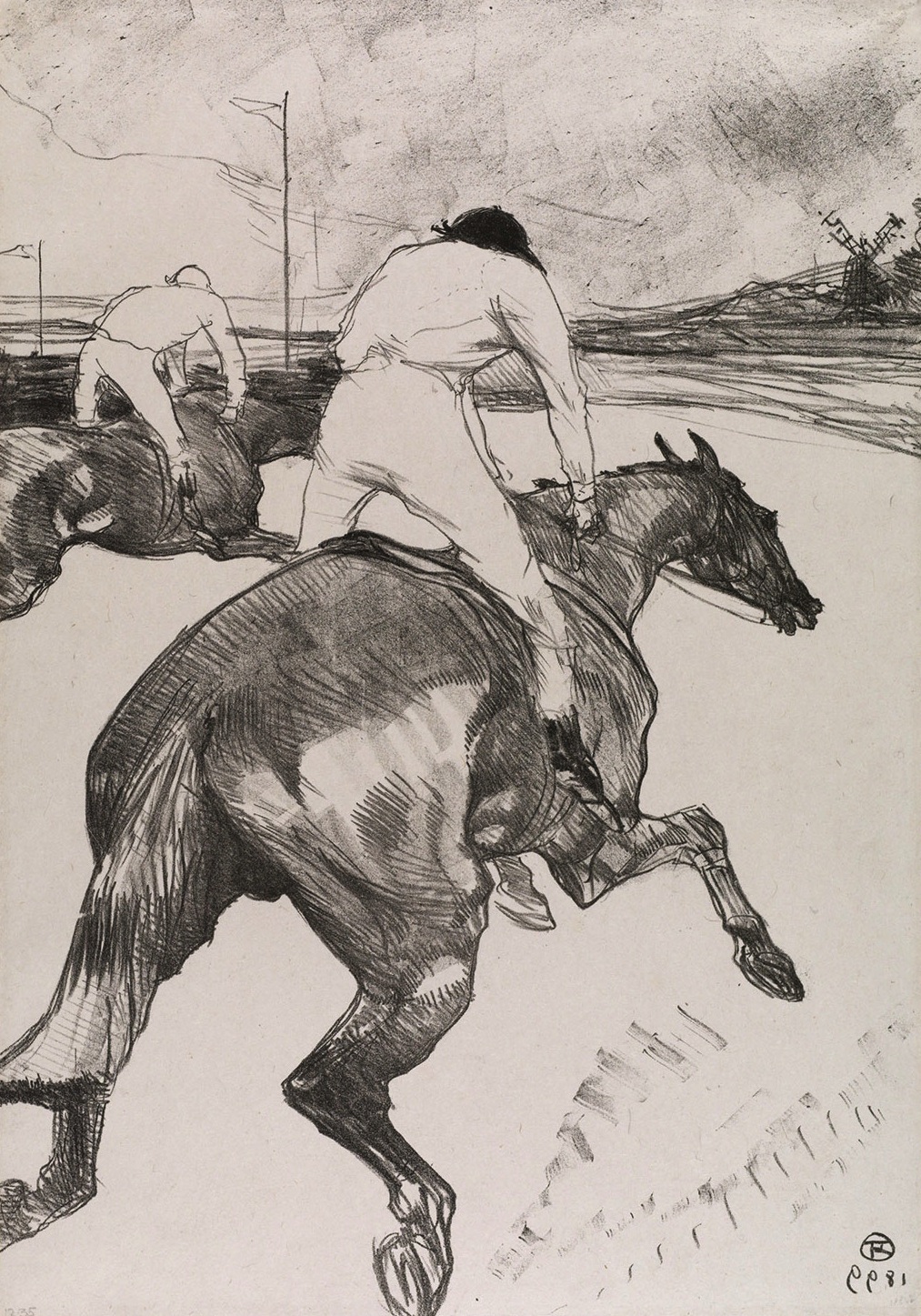
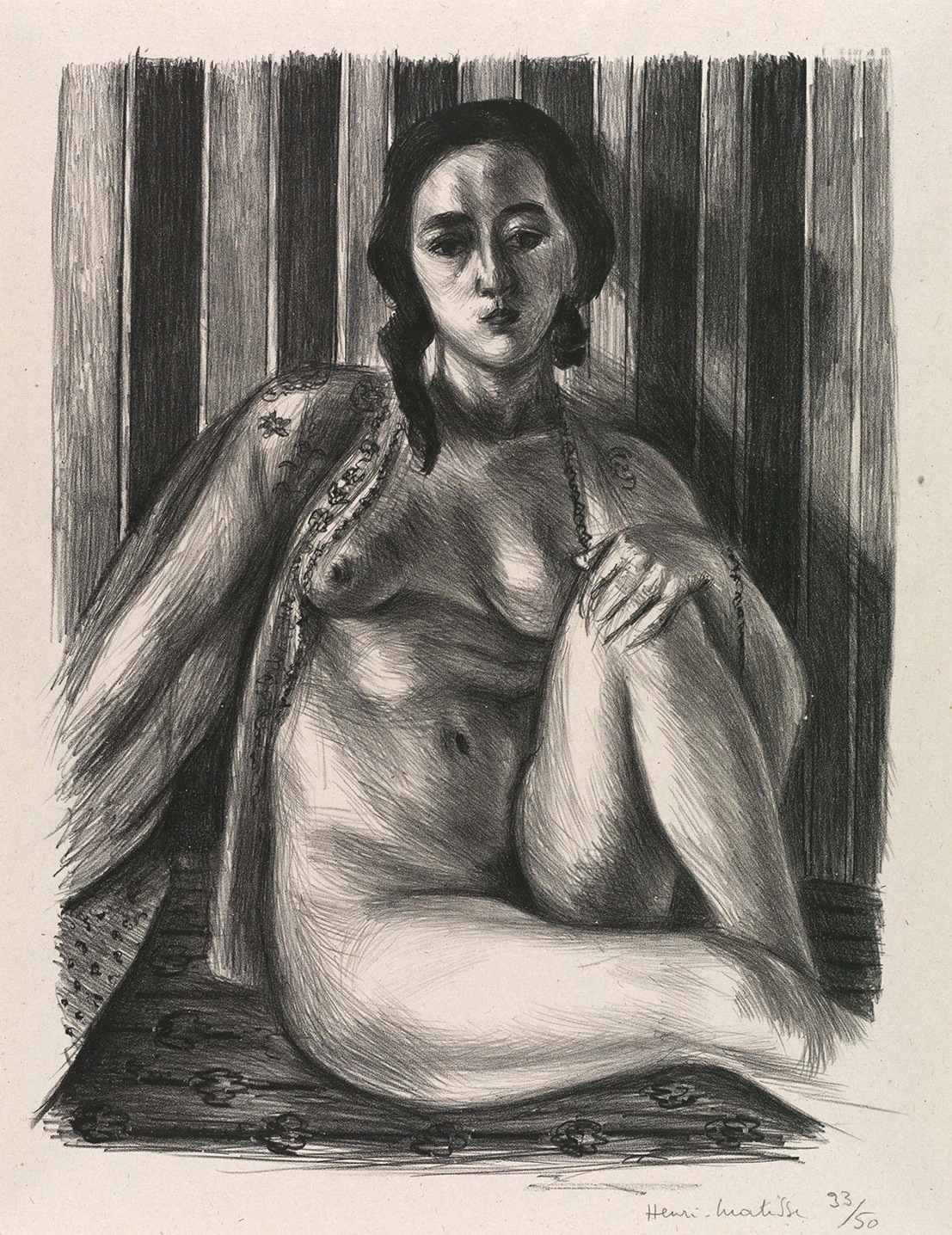
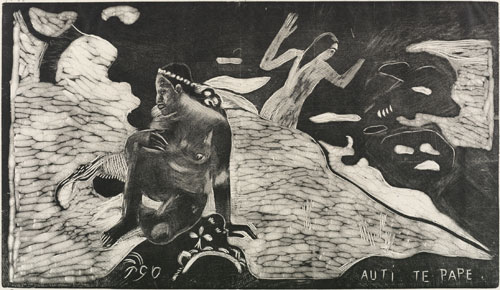
But perhaps unsurprisingly for a museum whose finest collection is its impressionist and post impressionist works, my favourites were those emanating from the late 1800s when printmaking as a medium was having a new hayday, and innovations such as lithography were opening up printmaking to more artists. Amongst them was Toulouse-Lautrec whose lithograph of a jokey straddling a fast moving galloping horse was rightly displayed at the centre of the show, and Bonnard, whose whimsical and somewhat mysterious Woman with a Child and dog from the Nannies’ Promenade series was my favourite in show. 

Toulouse Lautrec, The Jockey (1899)

Toulouse Lautrec, The Jockey (1899)

Matisse, Seated Nude Woman with a tulle blouse

Matisse, Seated Nude Woman with a tulle blouse

Pierre Bonnard - The Nannies' Promenade (1897)

Pierre Bonnard – The Nannies’ Promenade (1897)

Gauguin, Auti te Pape

Gauguin, Auti te Pape

But of course I cannot end this brief canter through the Courtauld’s show without mentioning one of the last prints being exhibited – Blond Girl by Lucian Freud. For it was this very etching, and those others held in the Courtauld’s collection, that inspired me to start printing a little over a year ago. And for all of the etchings and woodcuts I have done since, I have Freud and the Courtauld to thank.

Lucian Freud - Blond Gird (detail)

Lucian Freud – Blond Girl (detail)

This brilliant homage to print is on at the Courtauld until 21 September 2014.

Kazimir Malevich: Beyond the Black Square

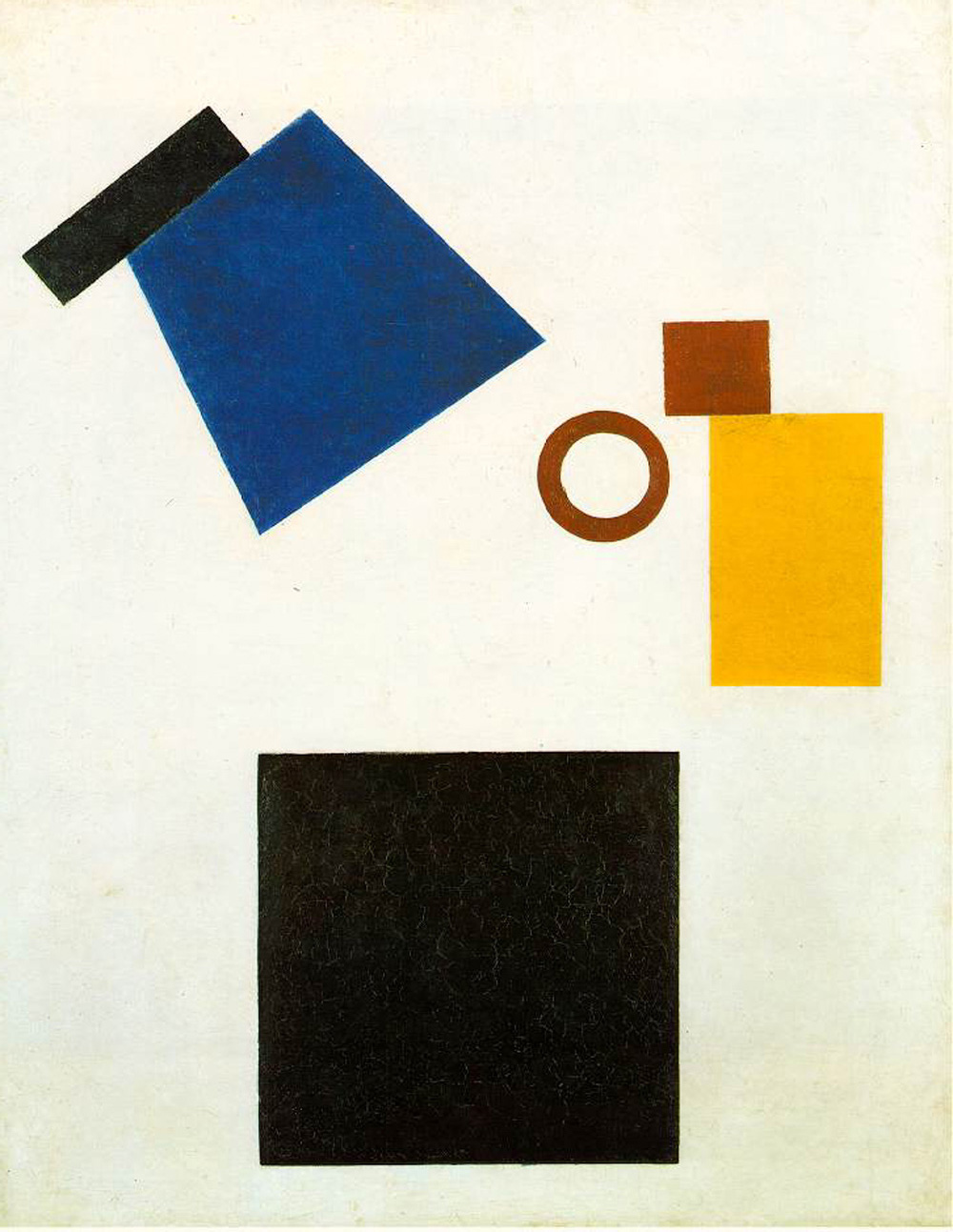
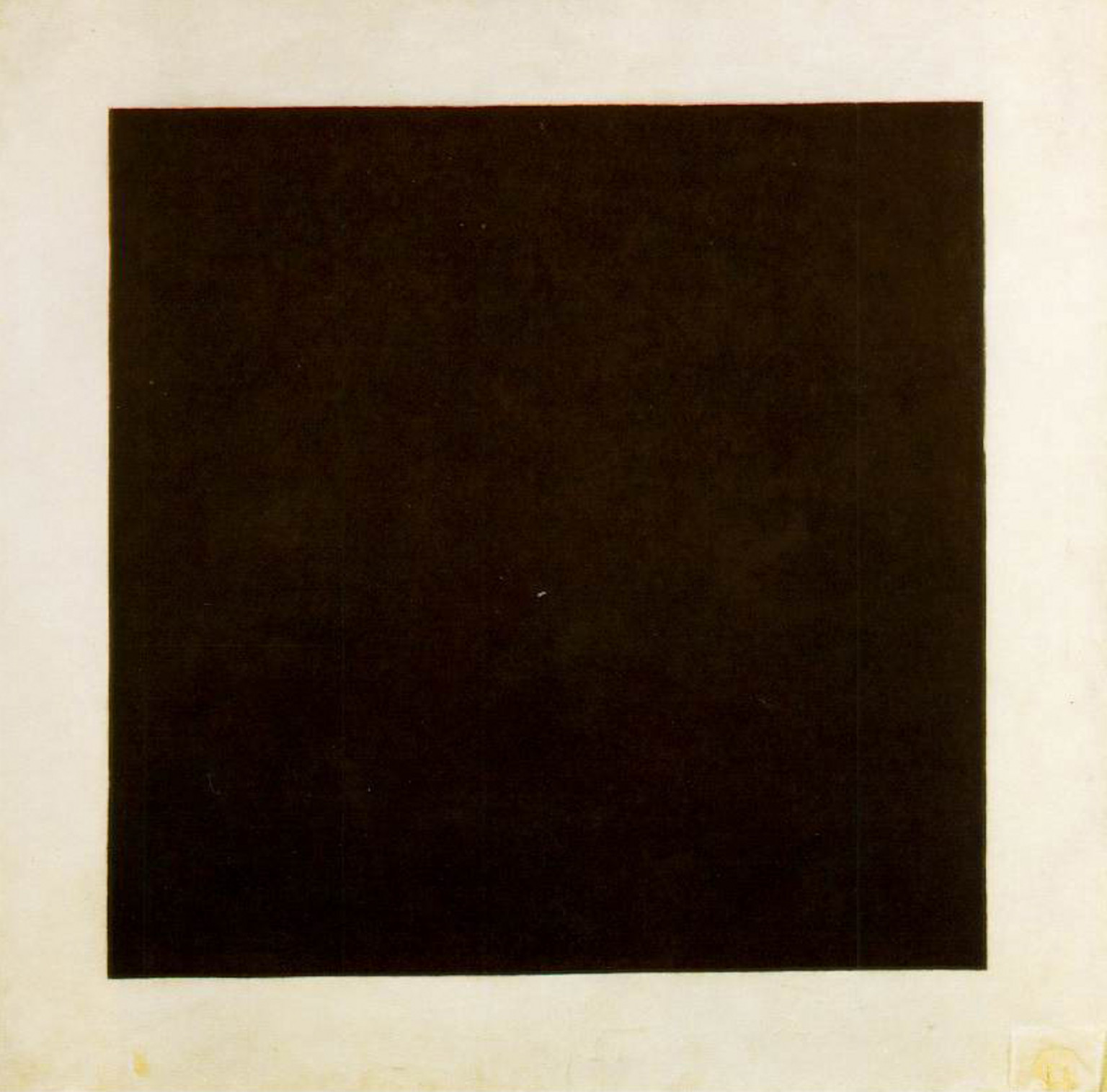
Whether it is the intention of the exhibition or not, Tate Modern’s brilliant new retrospective exhibition of Polish-born Russian Artist, Kazimir Malevich, shows that there is truly more beyond the Black Square. Leading the ranks in an artistic revolution which went from Cubo-Futurism to the simplified geometric forms of Suprematism, Malevich’s most famous and enduring work is a simple, stark and enigmatic black square set on a white canvas. Of course since 1915 when the black square was created, many artists have gone down the single-colour-on-canvas route, and a contemporary art museum is not a contemporary art museum without at least a Blue Canvas or an Untitled (Red Rectangle) to delight and frustrate art audiences in equal measure. But at the time when Malevich’s Black Square was created, it marked a dramatic and stark departure from everything that had gone before it.

Despite its very obvious simplicity, it carries with it an enigmatic complexity as an artistic gesture. Looking at this dark patch of paint, one can almost feel a suppression of joy, a rebellious desire for change, a stark reaction to the turbulence of war, a zero hour in the world of modern art. And yet while it is perhaps understandable why this painting caused such a stir, both positive and negative in the time of its creation, Tate’s new exhibition shows that Malevich had so much more to offer as an artist, and much much more of it in invigorating compositionally intricate colour.
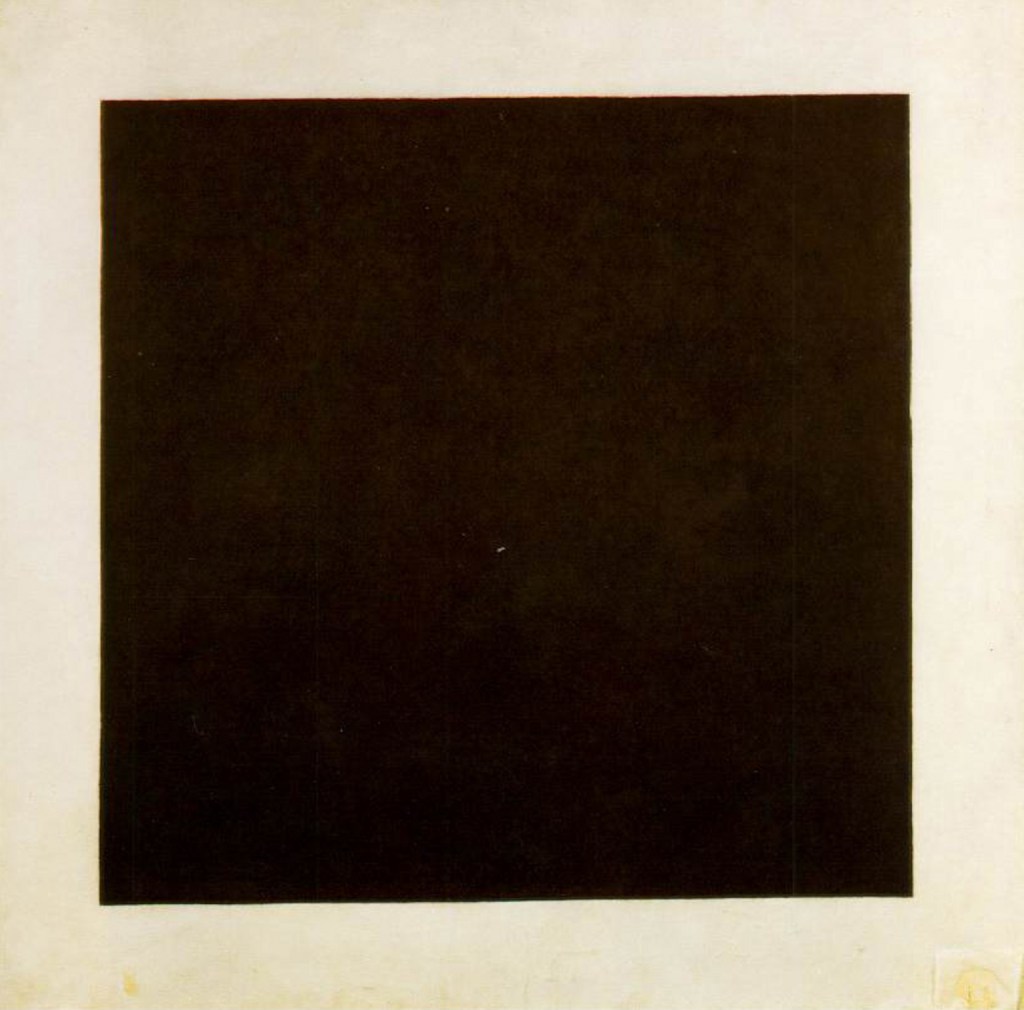
Black Square (1915)

Black Square (1915)

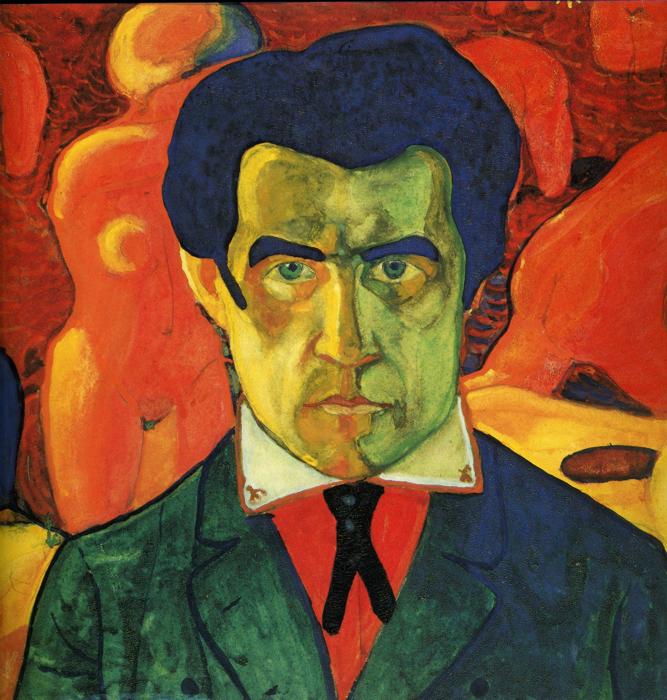
Self Portrait (1908)

Self Portrait (1908)

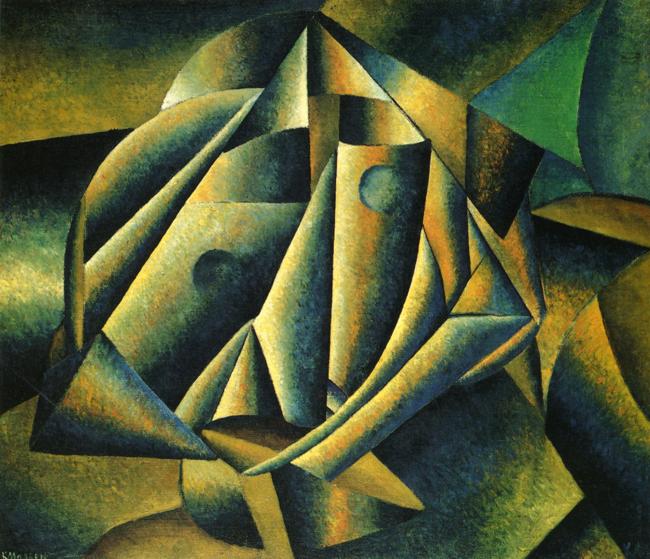
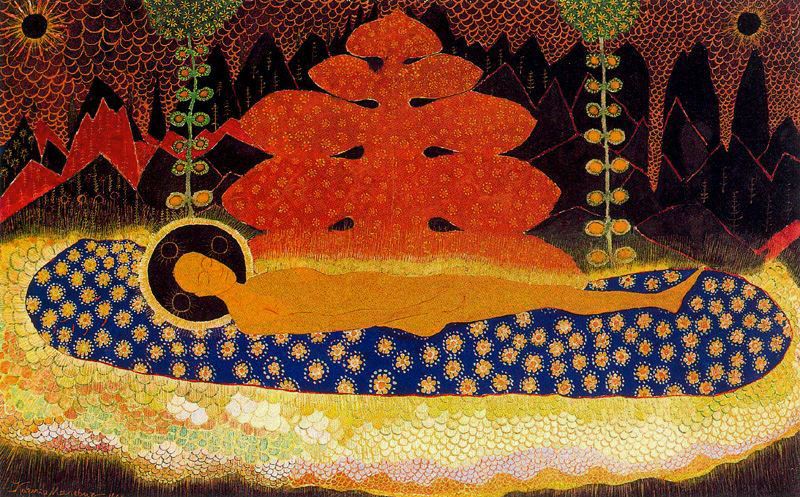
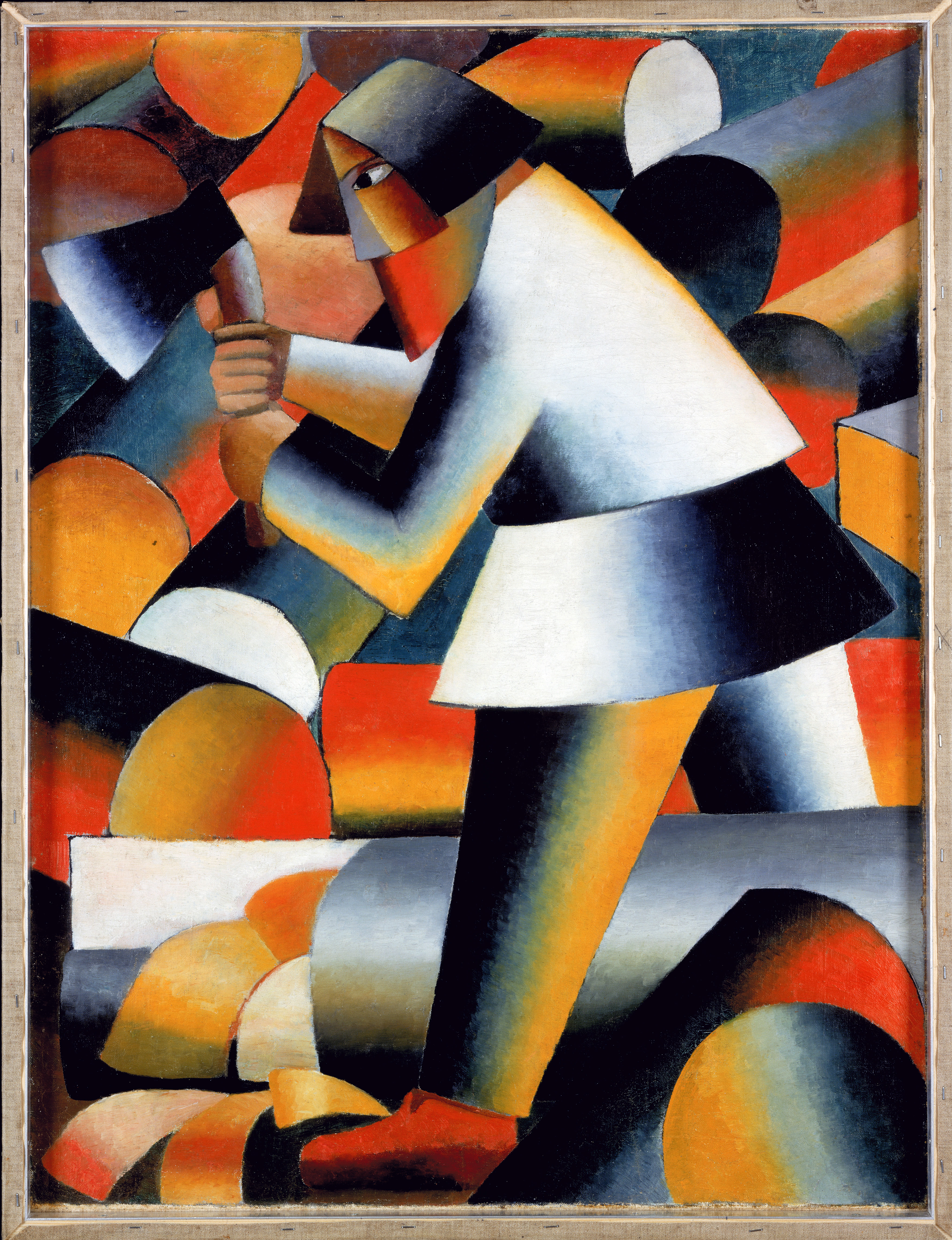
The start of the show demonstrates a certain reliance by Malevich on the artists who had gone before him, and a very clear influence of the avant-garde of post-impressionism, particularly the bold colours of the Fauvists and the flattening of perspective and exotisim advocated by Gauguin. Those influences are particularly obvious in Malevich’s early self-portrait, whose backdrop of exotic nudes and use of a multi-coloured palate recalls the work of Matisse and Gauguin alike. However, very quickly, we see the influence of other artists slipping away as Malevich starts to find a more unique style of his own. While relying to some extent on cubist notions, Malevich rejects the subject matter topical of the works of the Paris avant-garde and starts painting heavily geometric works based on the peasants and traditions of Russia. Painting simplified figures in cubist almost metallic forms, Malevich’s portraits are static like robots, referencing Futurism whose artistic reach was spreading across Europe, and yet exuding a rurality and authentic subject matter which is far departed from the industrialisation which characterises most works of the Futurist movement.

Early works 

Head_of_a_Peasant_Girl Kasimir Malevich007 Kazimir-Malevich,-The-Woodcutter,-1912_original

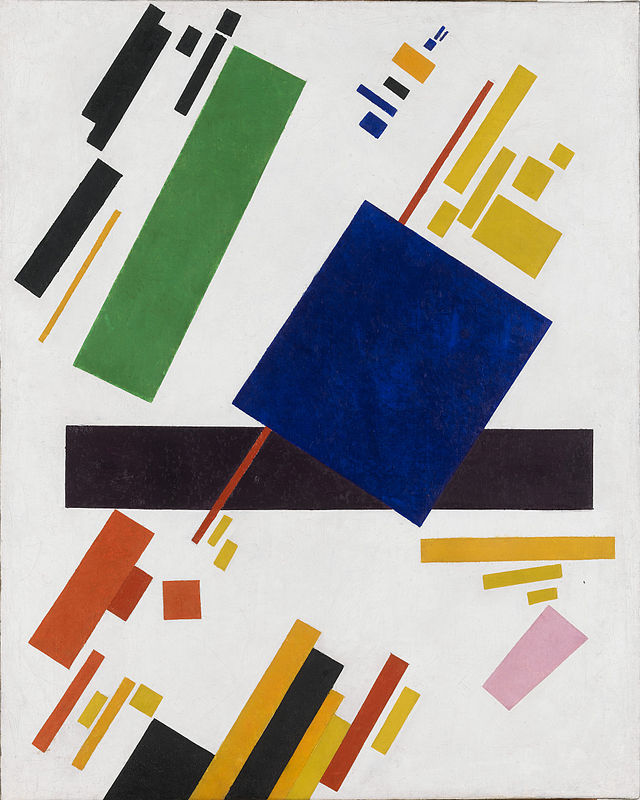
But Malevich’s early cubo-futurist works were only the beginning, and it was when, in 1914, Malevich painted his first black rectangle – Black Quadrilateral – that the artist took a clear and drastic departure from figurative works, presenting his ideas in The Last Exhibition of Futurist Painting 0.10 in what was then Petrograd in 1915. Calling his new direction Suprematism, Malevich believed that “the artist can be a creator only when the forms in his picture have nothing in common with nature” and dismissing the artists of the past as “counterfeiters of nature” he went about creating works which are starkly geometric and lacking in any feature which could link them to the natural world. The paintings which resulted from this period are a wonderful collection of energetic and colourful works (with the exception of the Black Square of course) which I loved. There is a complexity of composition in the way that these various shapes are interlayed and angled which cannot be underestimated, and in seeing these works, I saw that here Malevich really was creating from scratch rather than relying on nature for reference.

Suprematist works

Malevici06 640px-Suprematist_Composition_-_Kazimir_Malevich Kazimir_Malevich_-_Suprematism_-_Google_Art_Project malevich28 malevich4

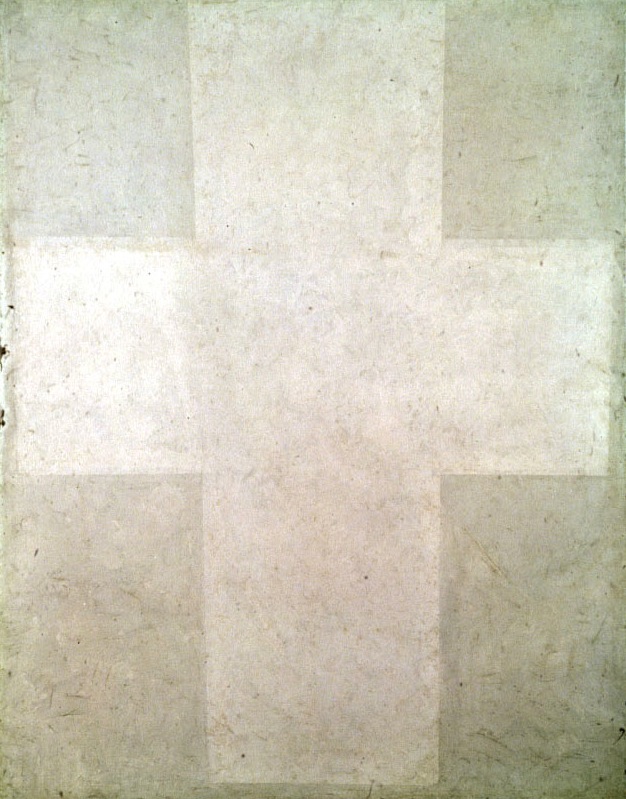
However Malevich could only take his Suprematist ideas so far, and by the time of the Russian Revolution in 1917, he consciously began to “kill off” paintings, gradually draining his paintings of colour in works such as White Suprematist Cross (1920) – a white cross on a white background – and Dissolution of a Plane (1917) where the colour is gradually fading out of the edges of a red rectangle. This was what Malevich called the “death” of painting, and in 1919, Malevich wrote that “Painting died, like the old regime, because it was an organic part of it”and what followed was several years when the artist dabbled in transferring his ideas to architecture, and teaching.

White Suprematist Cross (1920)

White Suprematist Cross (1920)

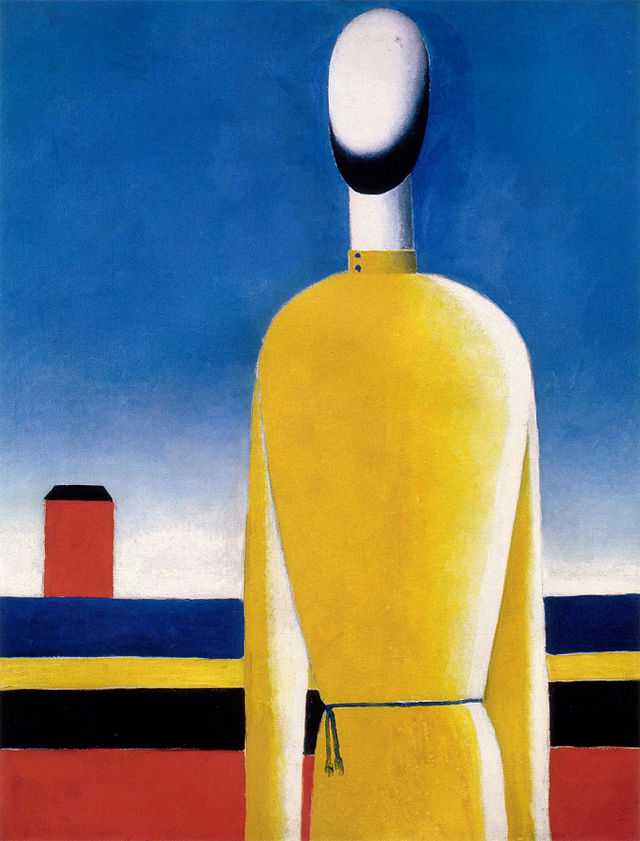
However, it was a temporary death, for a few years later, Malevich came to resurrect his painting, and interestingly, when he did so, he returned not to his Suprematist ideas, but to the cubo-futurist figuration of his early years. It was almost as though his Suprematist manifesto took such efforts that when he returned to painting, almost as a newcomer to it, he found himself drawn more to the instinctive way of painting which was inherent within him from the start. Which just goes to show: the efforts of stripping out nature and forging something new in art may create something of a stir or a statement, but ultimately we always return to the same thing: depicting the world around us, for that is arguably the true purpose and calling of art – to narrate and reference the lives we all live.

Later works
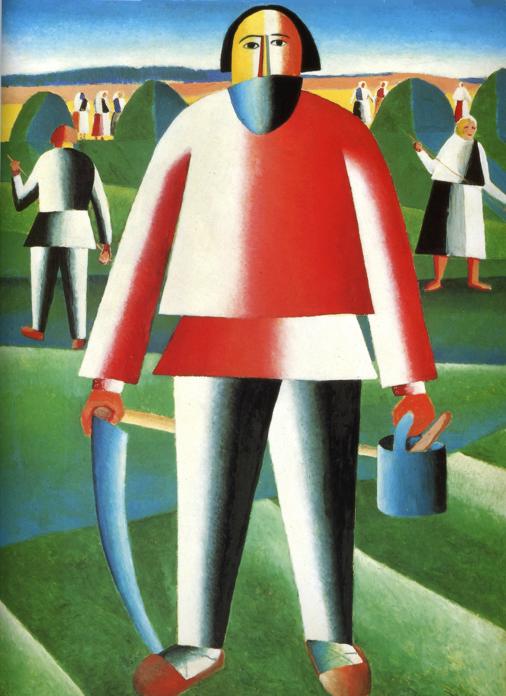
Malevich142 Later

In short this is a marvellous new show which provides a comprehensive review of this important artist, introducing his work to many who, like me, were not familiar with his oeuvre before. Beyond the paintings and the excellent chronological layout of the exhibition, my favourite section was Room 10, which takes a break from the paintings, and is like a mini-retrospective within the bigger story, depicting the whole of Malevich’s career through his works on paper. As such, the display provides a fascinating insight into both Malevich’s preparation of his paintings, and also how quickly his works transformed from cubism to futurism to suprematism and back again. A complex transition truly worthy of a retrospective exhibition on the scale Tate has so ably put on show this summer.

Malevich: Revolutionary of Russian Art is on at Tate Modern, London until 26th October 2014.