Skip to content

Posts from the ‘Art’ Category

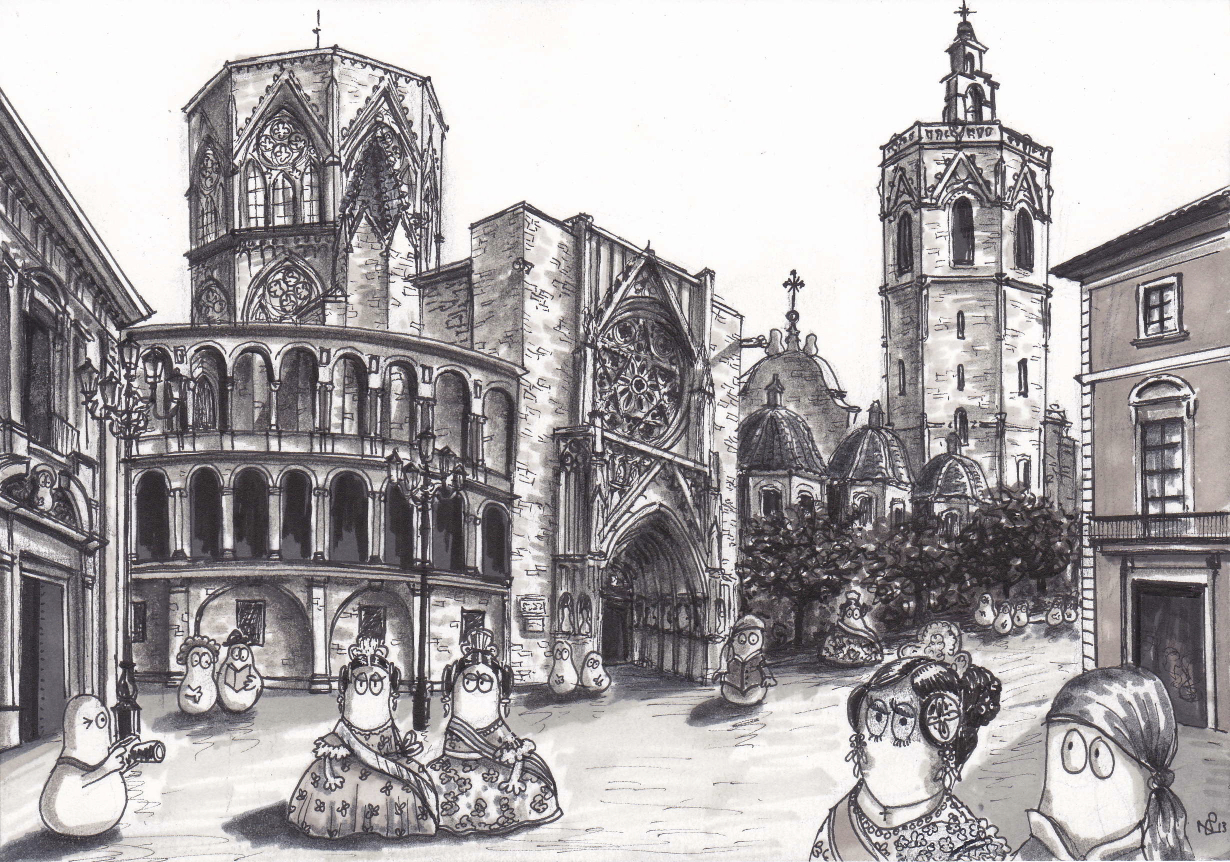
The Daily Sketch: Norms gather in Valencia for Las Fallas

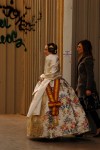
While I’ve been off in Marbella, the Norms have been heading in their blobby white multitudes to the Spanish city of Valencia, where the magnificent festival of Las Fallas is fast approaching. Amongst the huge papier-maché floats, and giant-sized street-paellas, the Norm men and women of the town are to be found parading the streets and squares of the historic quarter in their finery, the women in traditional dresses of exquisite floral detail, together with an elegant head-dresses and jewels aplenty, while for the men, a headscarf bandana, a waistcoat and occasionally even a sword is a throwback to the time of the great Norm-cavaliers.

Norms gather in Valencia for Las Fallas (2013 © Nicholas de Lacy-Brown, pen on paper)

Norms gather in Valencia for Las Fallas (2013 © Nicholas de Lacy-Brown, pen on paper)

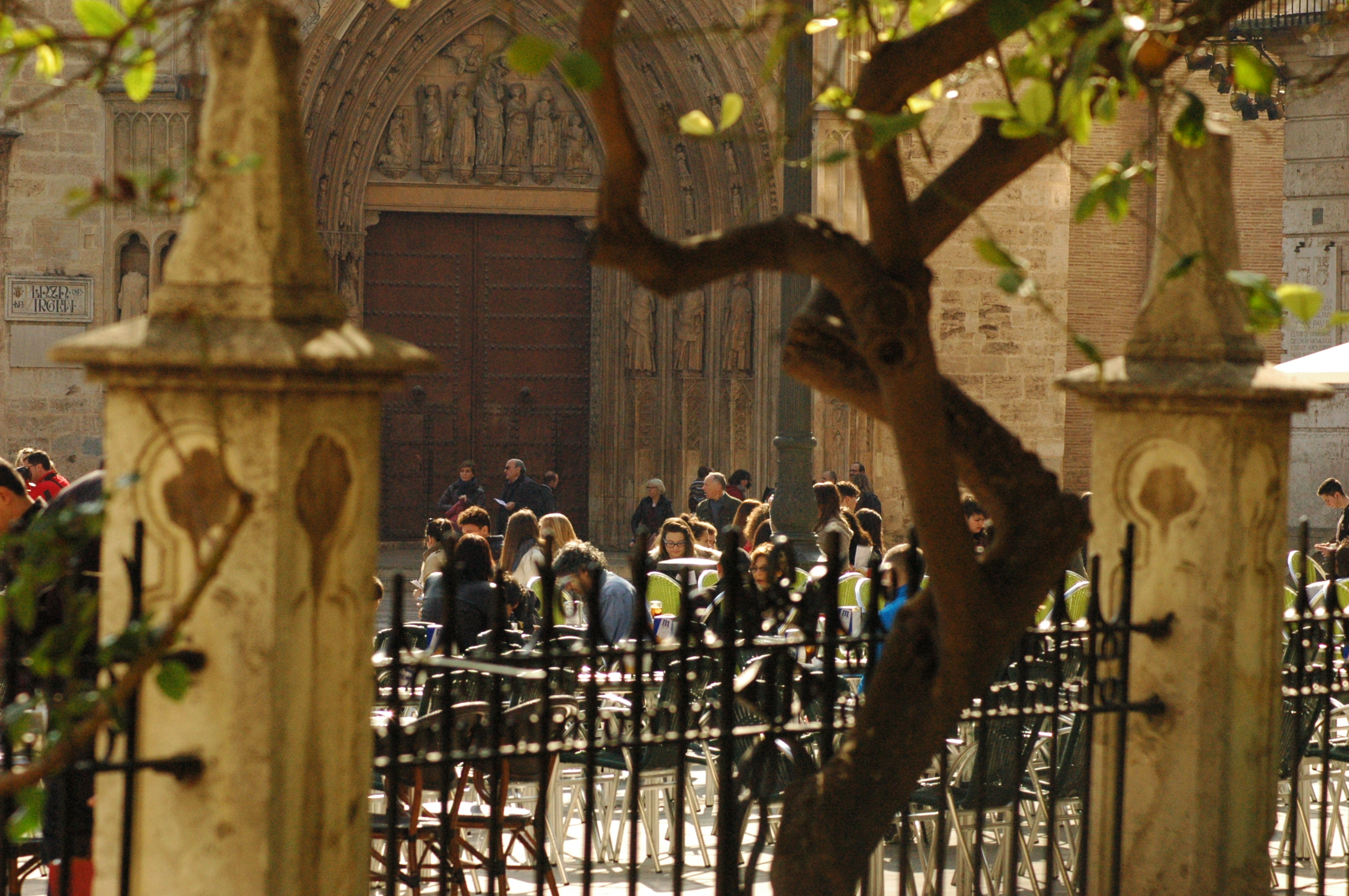
Here we see the Norms perambulating in the magnificent Plaza de la Virgen against the equally splendid backdrop offered by the city’s architecturally heterogenous Cathedral. Dazzling in their elegance, with their large skirts swishing along the marble paving and jewels twinkling in the Valencian sunlight, these Norms are like a snapshot from history, a carefully preserved Valencian tradition which brings the city’s past to life in a dazzling street spectacle every March.

© Nicholas de Lacy-Brown and The Daily Norm, 2001-2013. Unauthorized use and/or duplication of the material, whether written work, photography or artwork, included within The Daily Norm without express and written permission from The Daily Norm’s author and/or owner is strictly prohibited. Excerpts and links may be used, provided that full and clear credit is given to Nicholas de Lacy-Brown and The Daily Norm with appropriate and specific direction to the original content.

Valencia (x) – Photography Focus 4: Favourite shots

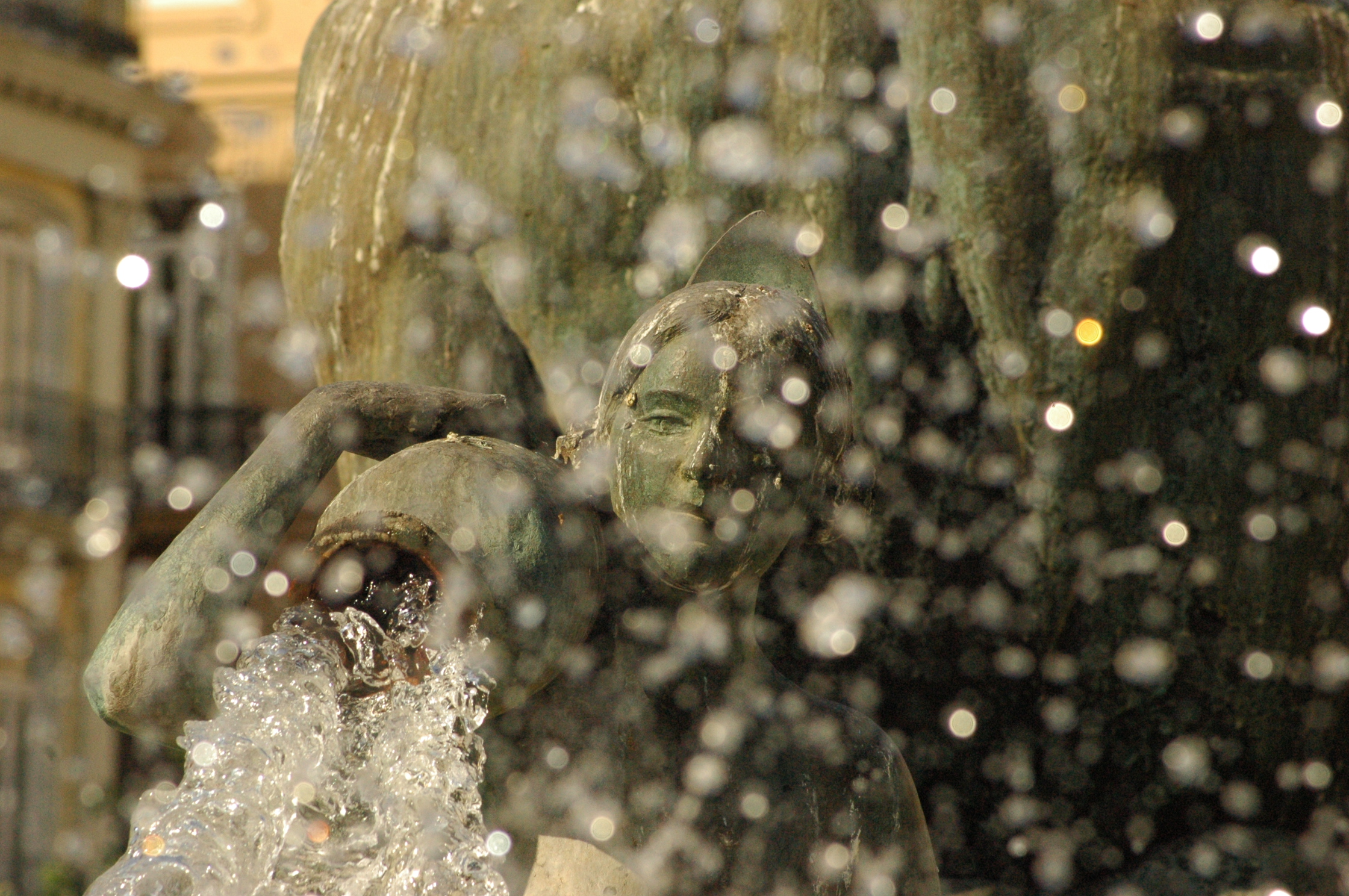
Is it any surprise that when I struggle into the London tube every morning, my personal space reduced to a bare millimetre minimum, struggling to breathe against the handbag digging into my ribs, that I immerse myself in a world of Spanish rhythms, that I listen to the clap and wail and melancholic guitar of flamenco in my ears, and that I daydream of Spanish plazas, of old town streets, of sunshine and long shadows, of the sparkling droplets of a fountain’s eruption suspended in mid aid, glinting in the sun? How can I fail to drink in every detail of the architectural splendour, the decadent charm, the warm sun-drenched colours and the almost unfathomable blue of a mediterranean sky when its very manifestation is like something from a vision of paradise?

Valencia is not unique in being so aesthetically rich, so inexorably inspirational that as an artist, and photographer, I was elevated to a new sense of creative freedom with every step I took in the city. In fact it is just one of many a Spanish city which has had such an effect on me. But as a city of so many facets, from the crumbling, baroque old centre to the lavishly innovative city of arts and sciences, Valencia is surely unique in the extent to which its visual appeal can extend. The proof is in the pudding: not only has the city inspired me to write some ten blog posts, each featuring a ripe selection of my photos and anecdotes, but across two cameras and my iPhone, I returned with some 1500 photographs after only 4 days of sightseeing, with barely any destined for the trash can.

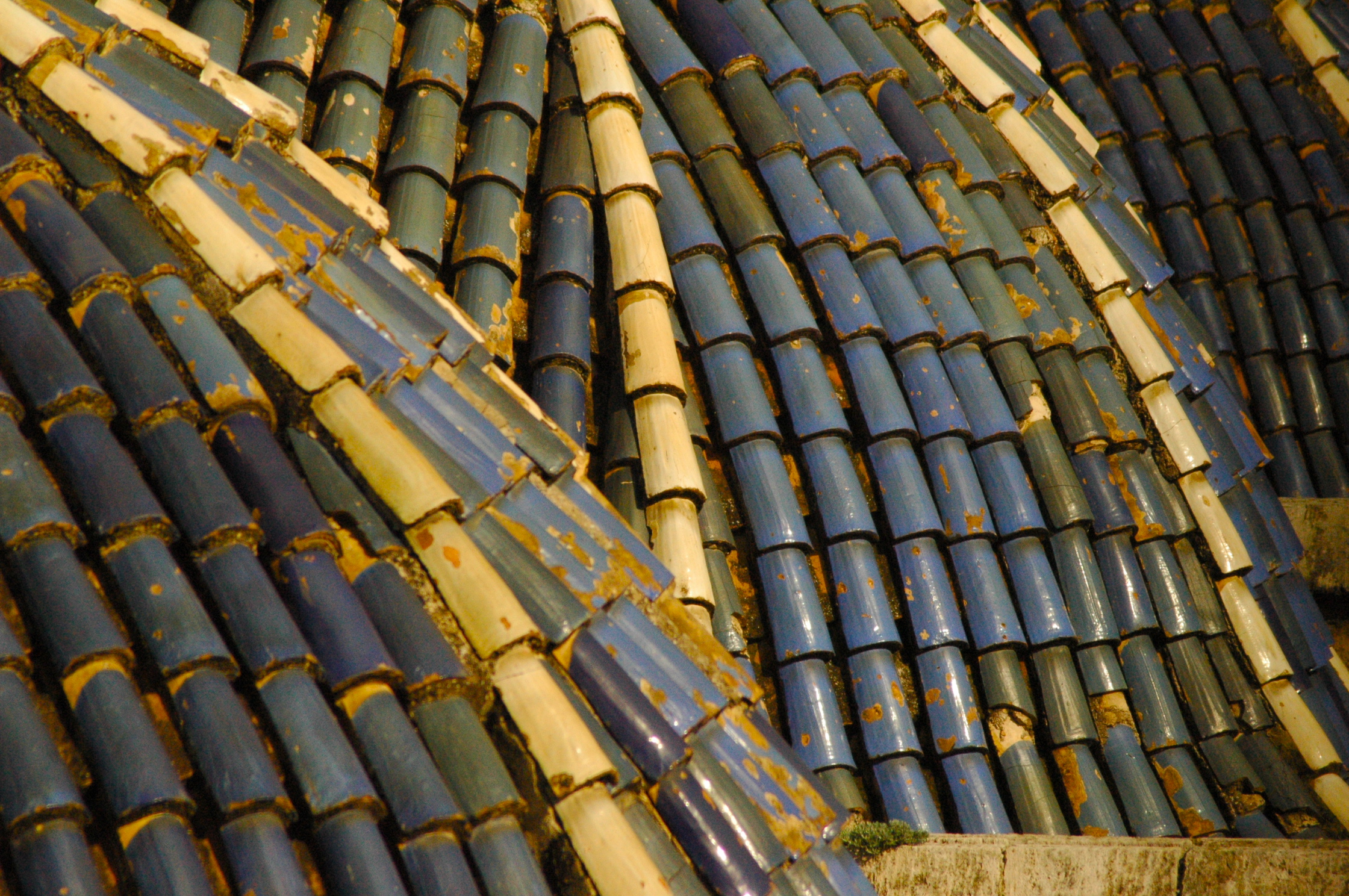
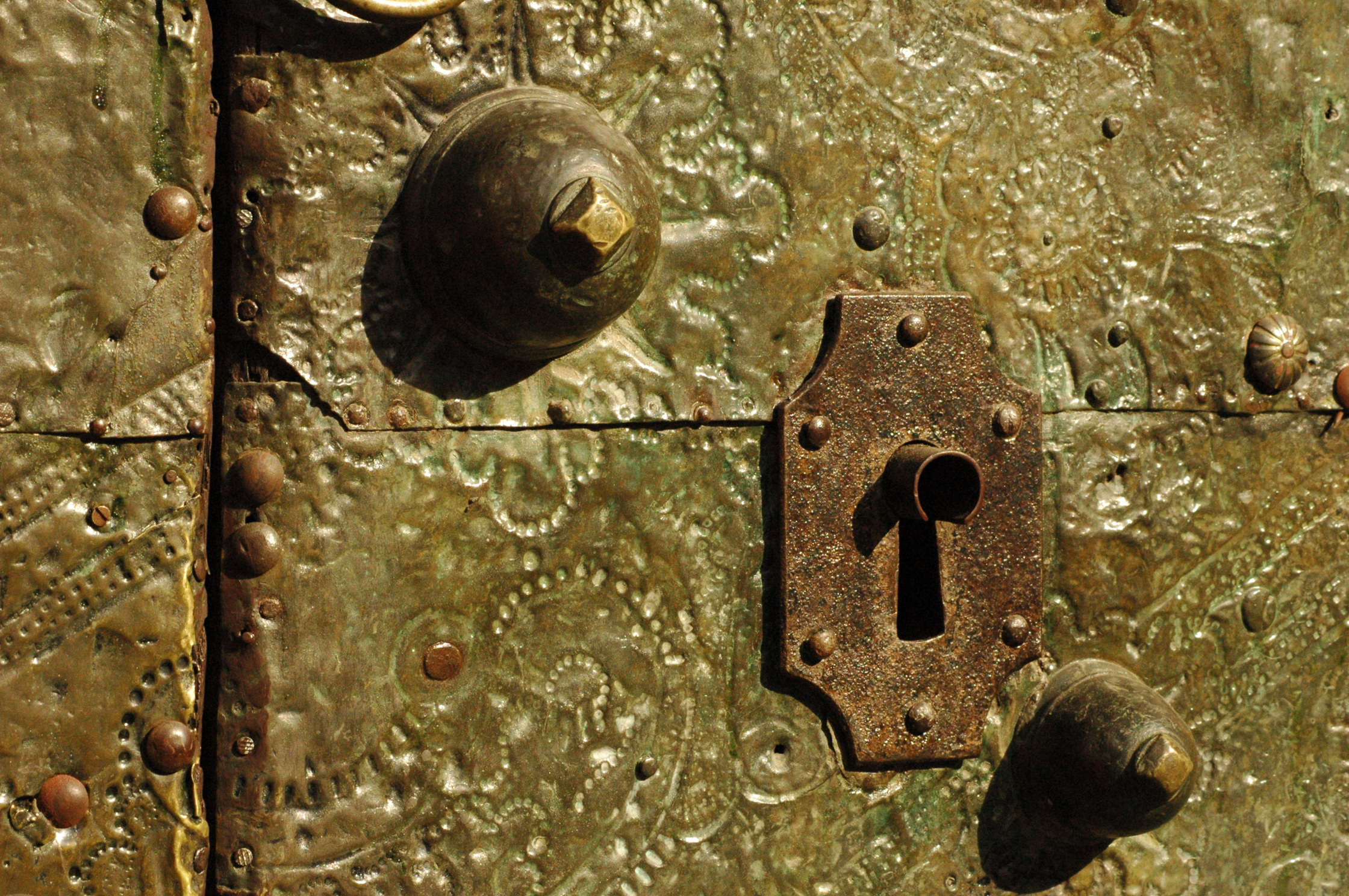
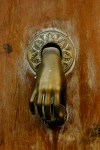
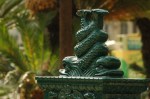
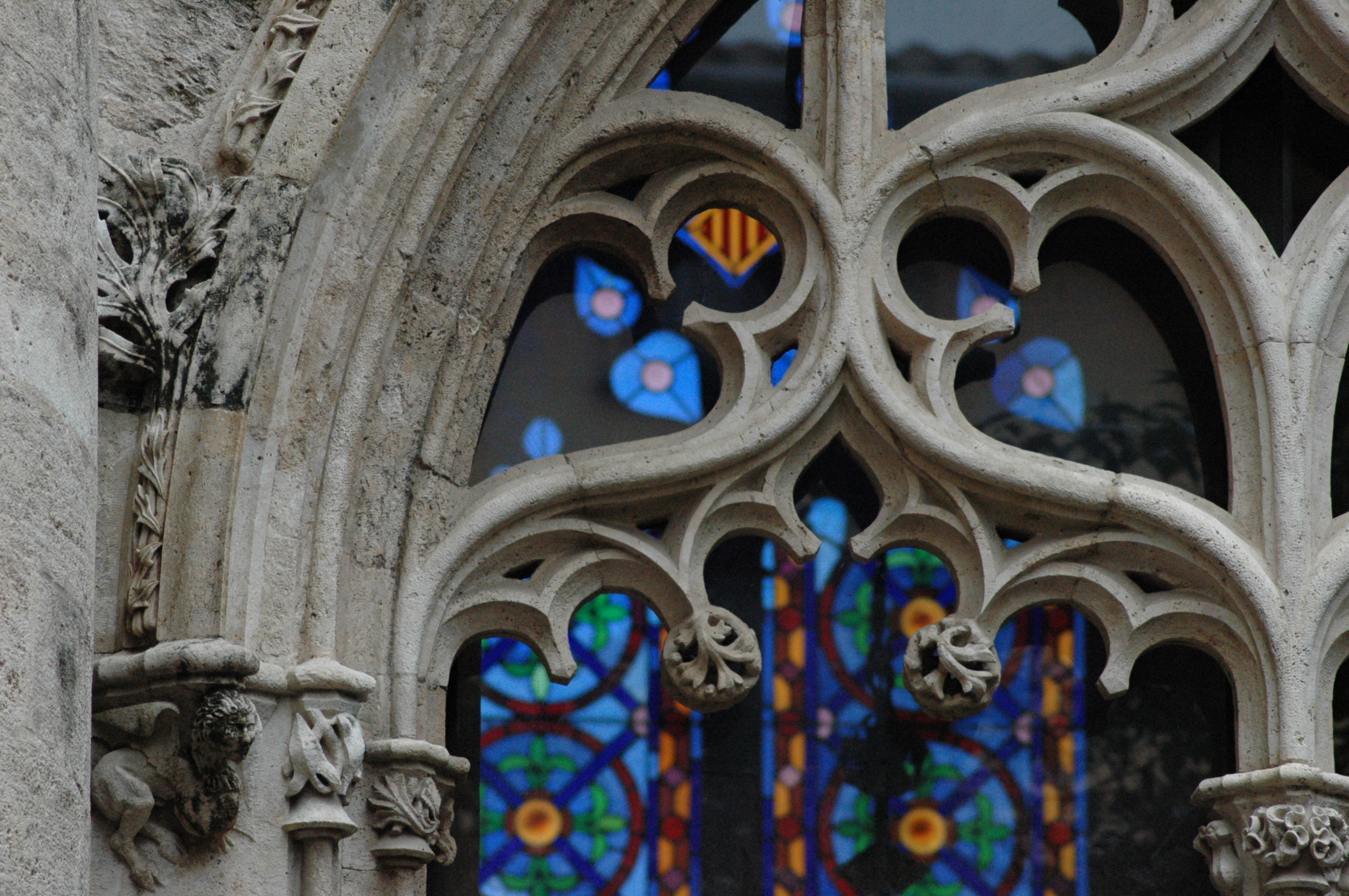
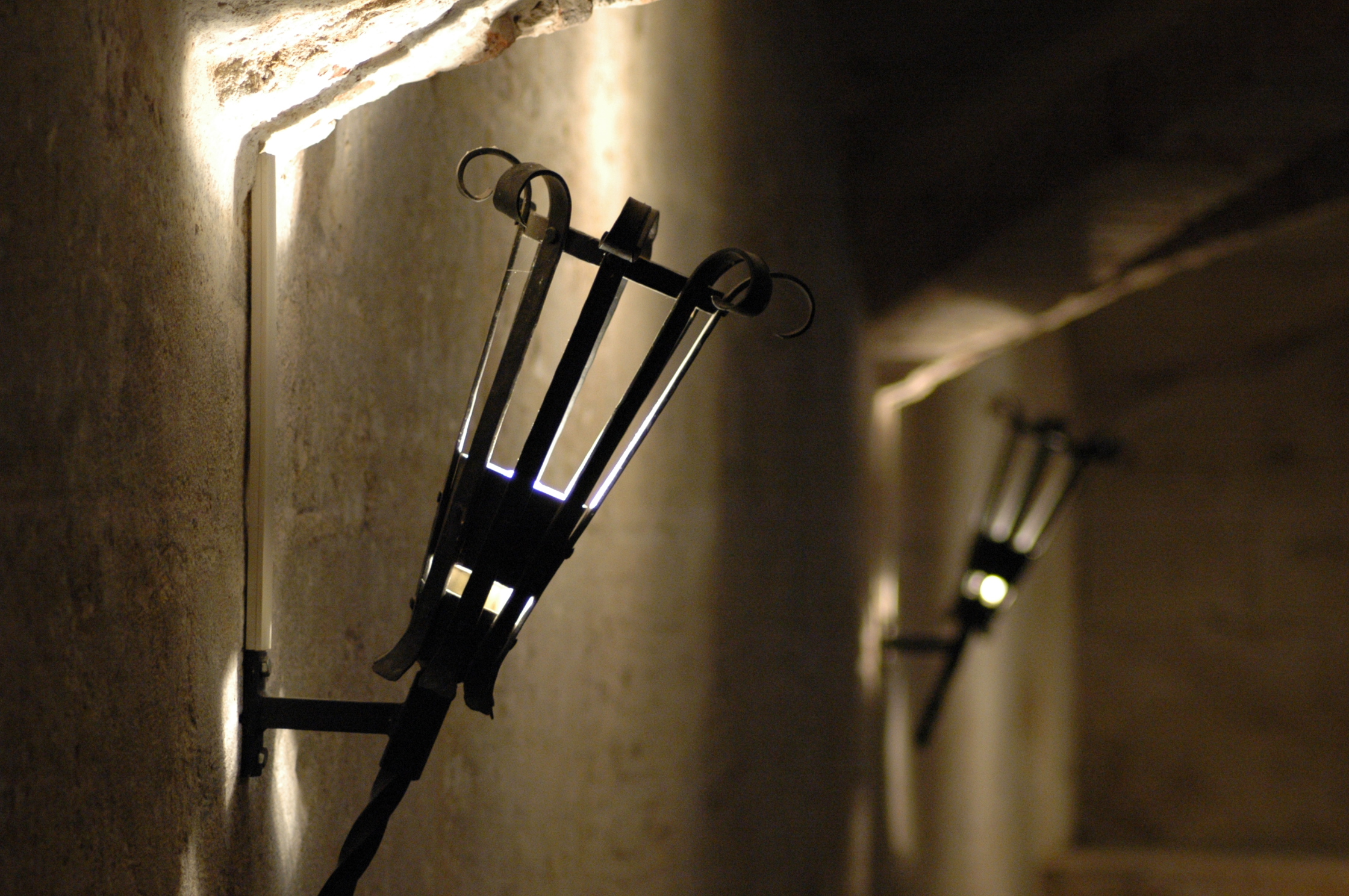
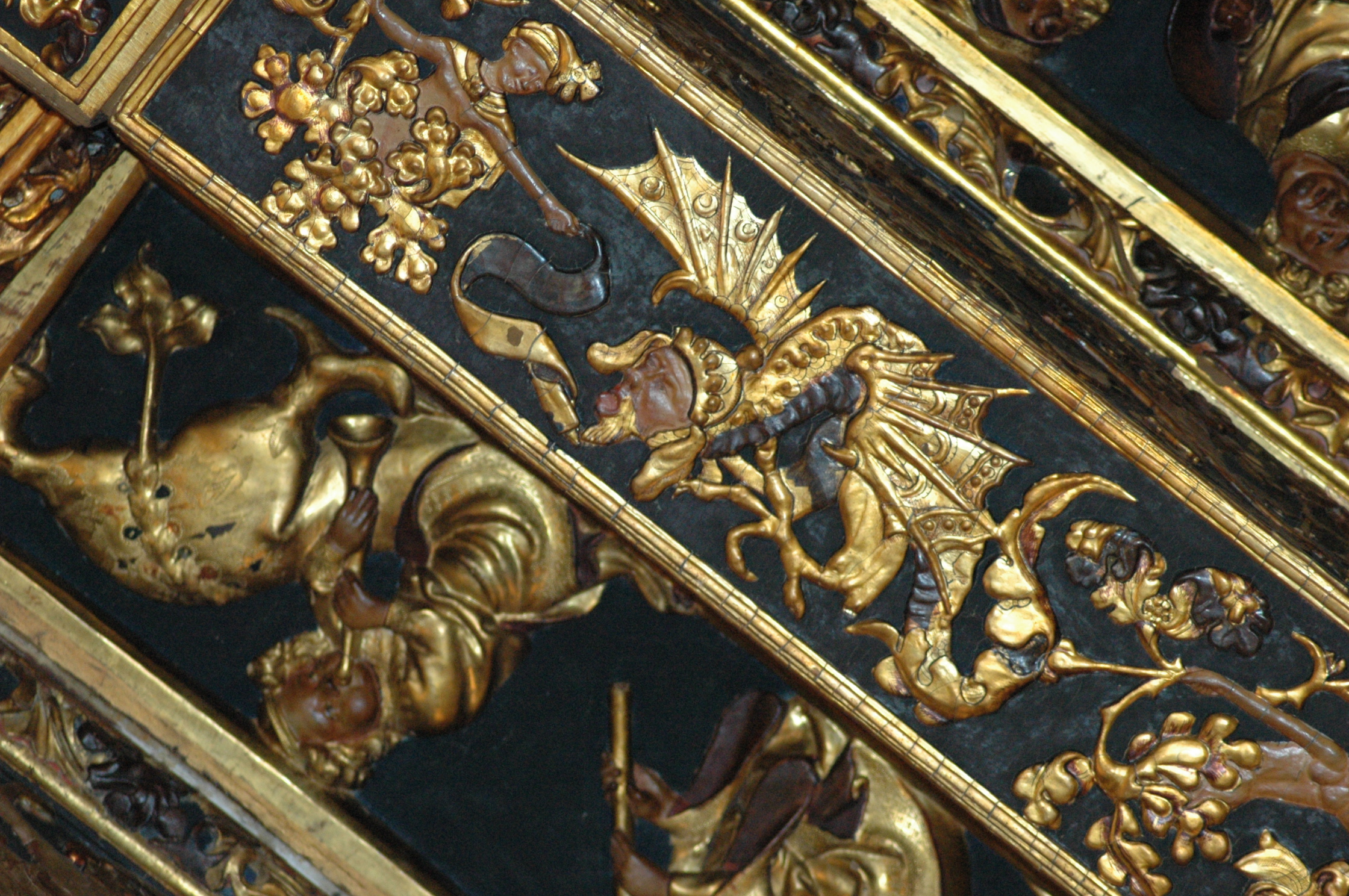
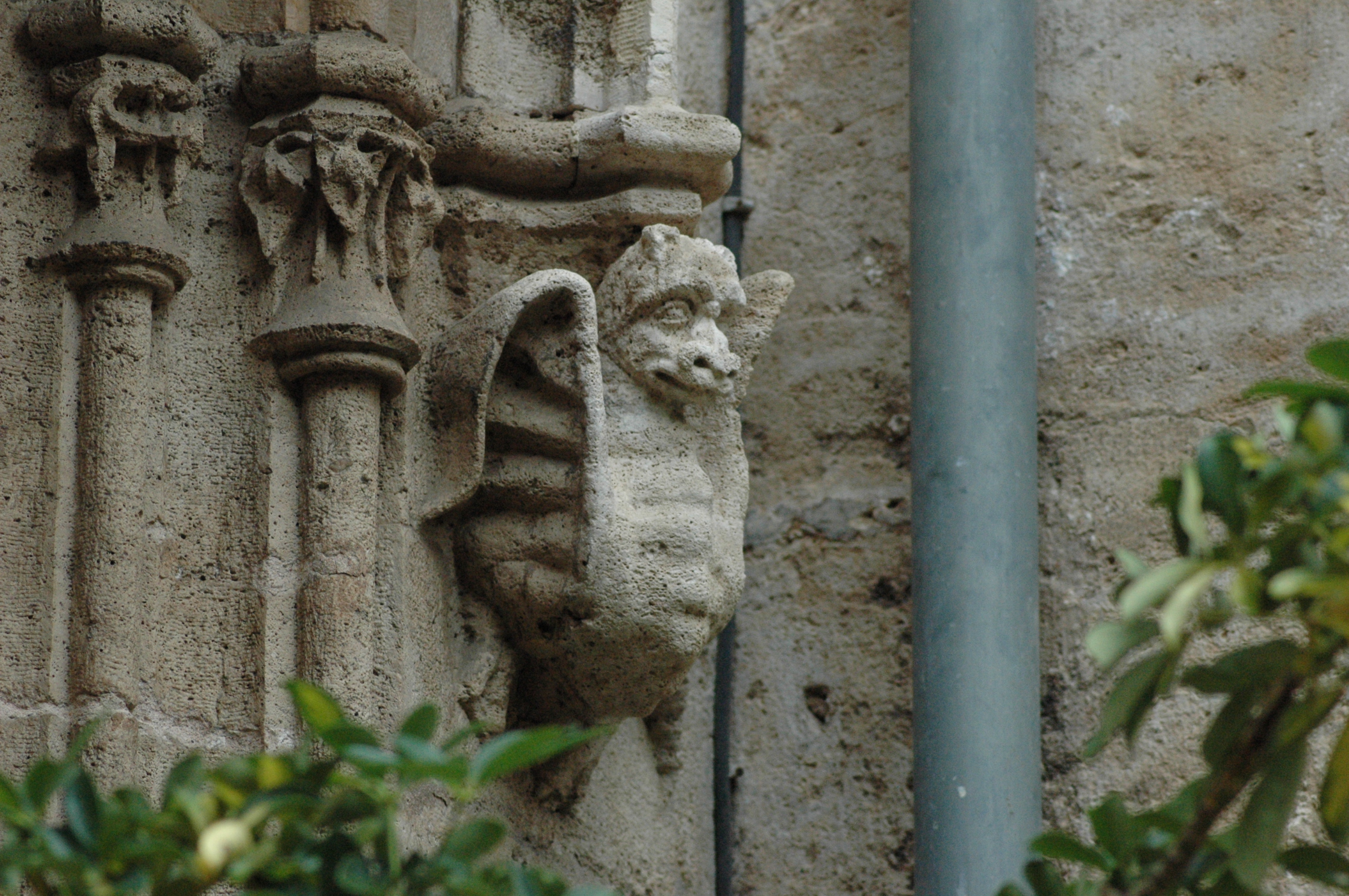
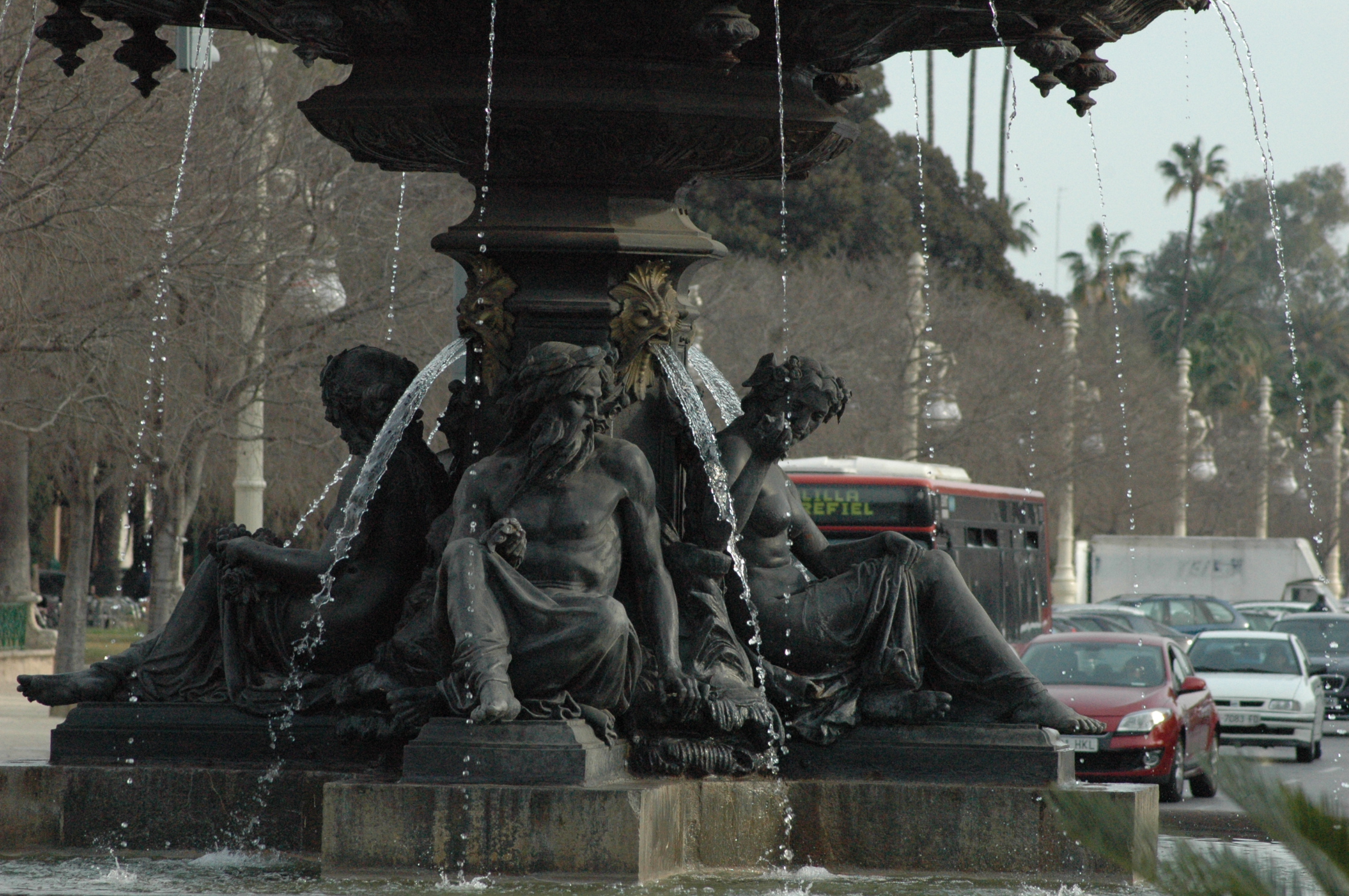
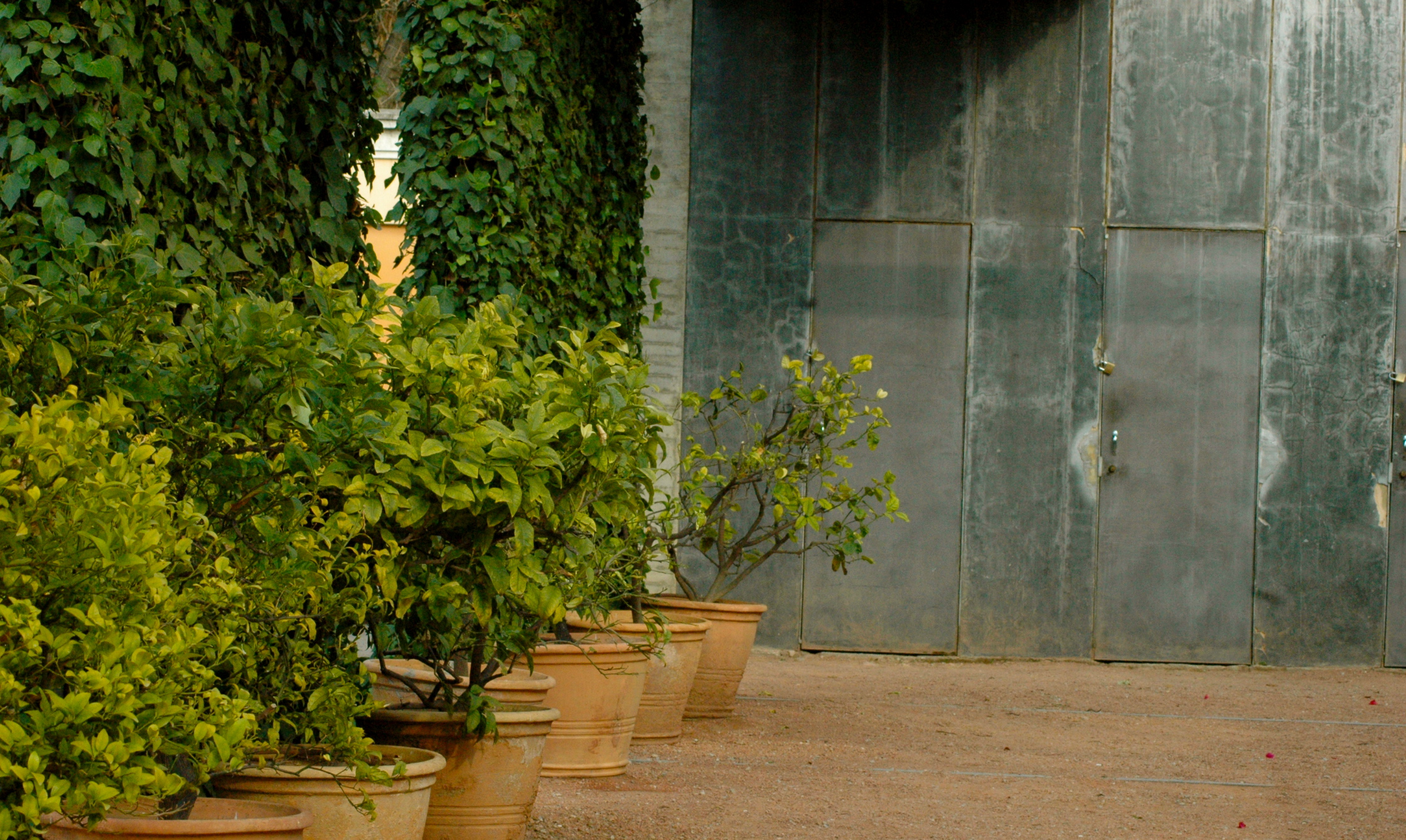
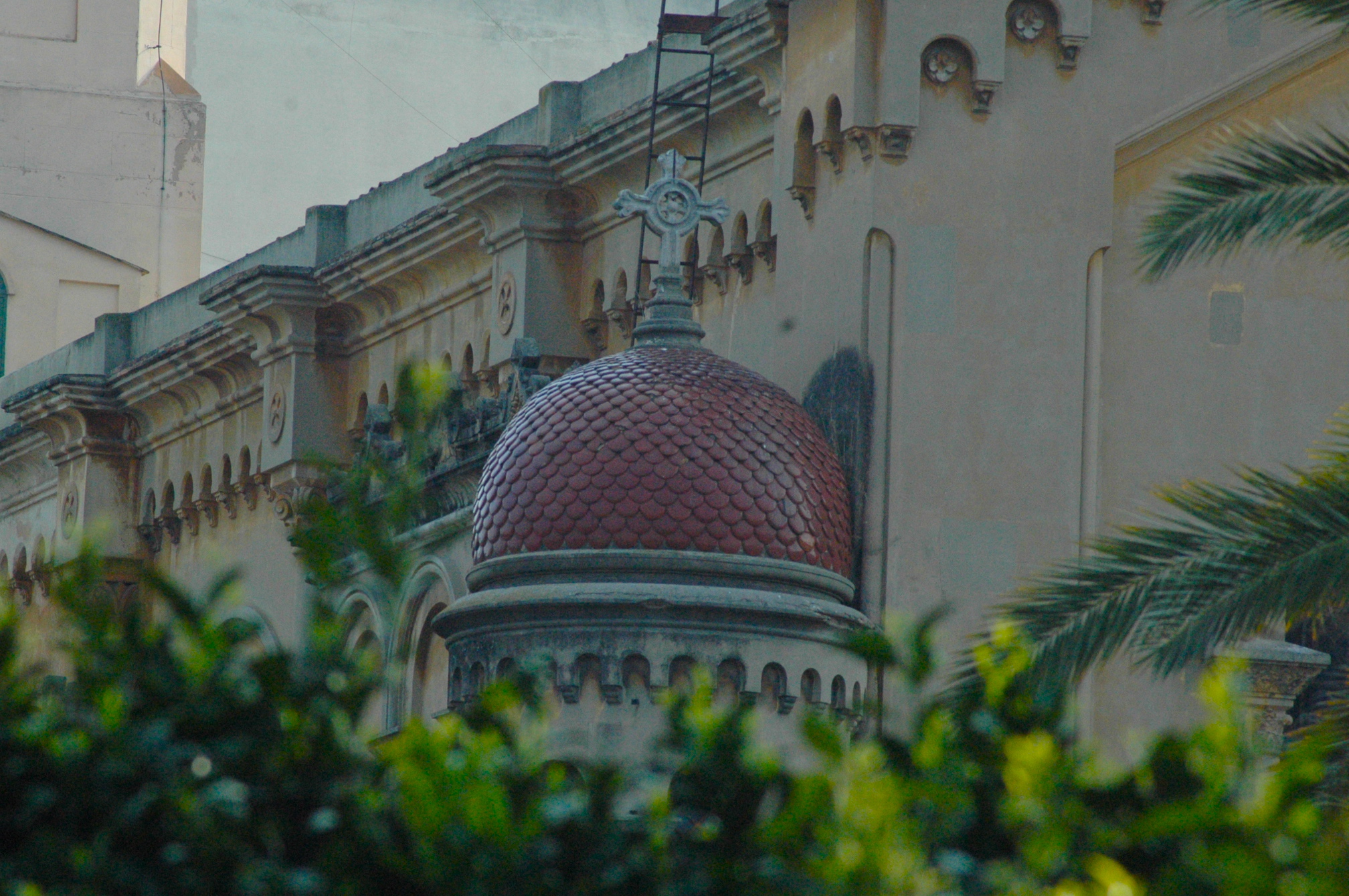
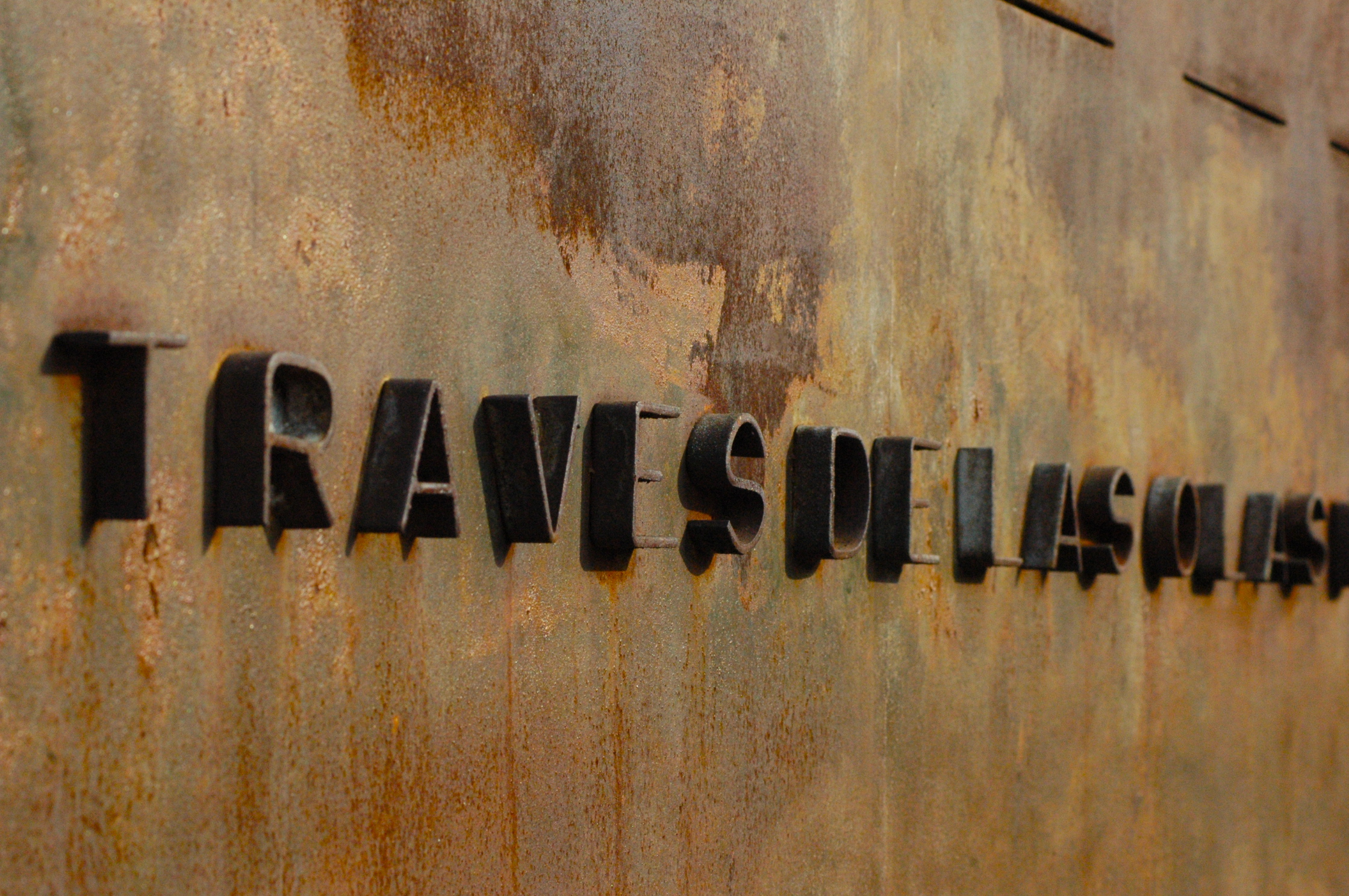
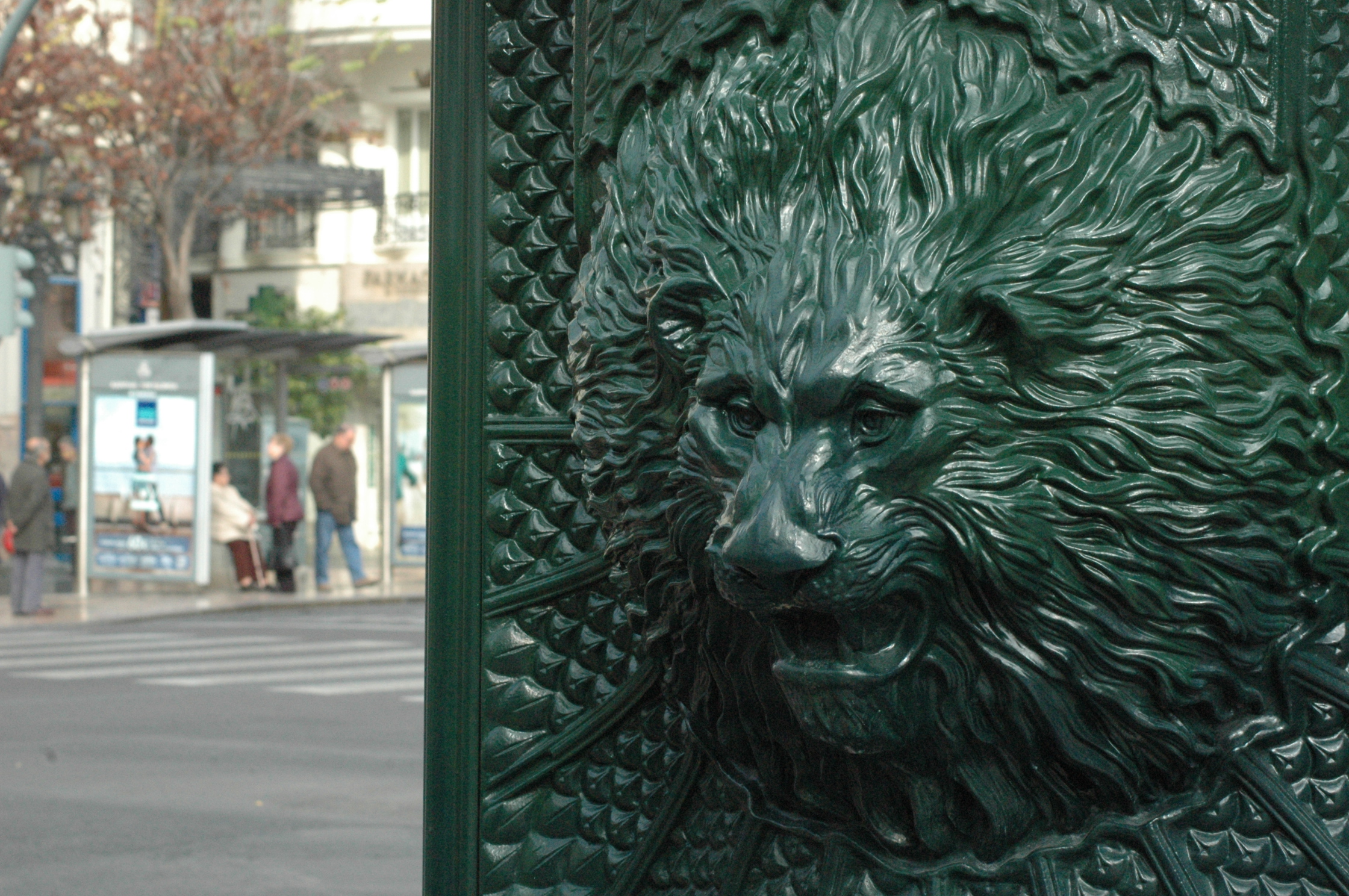
It therefore comes with no surprise that as I end my Valencia series, I do so with so many photos left to explore, and hard choices to make as to which of those shots I feature in this, a miscellany of some of my favourite photos of the as-yet unpublished series. The final set, published in a gallery below, is as richly diverse as the city itself, from the minor details: rusting door knockers and cracking wood carvings, to the wider picture – the grand plazas, the ceramic blue domes, and the richly sculpted baroque facades. As with so many components that make up a city, so much beauty can be found in even the smallest details – whether it be the channels of bird poo which have run down the bronze sculptures of a grand fountain, or the cracks and staples in a plant pot.

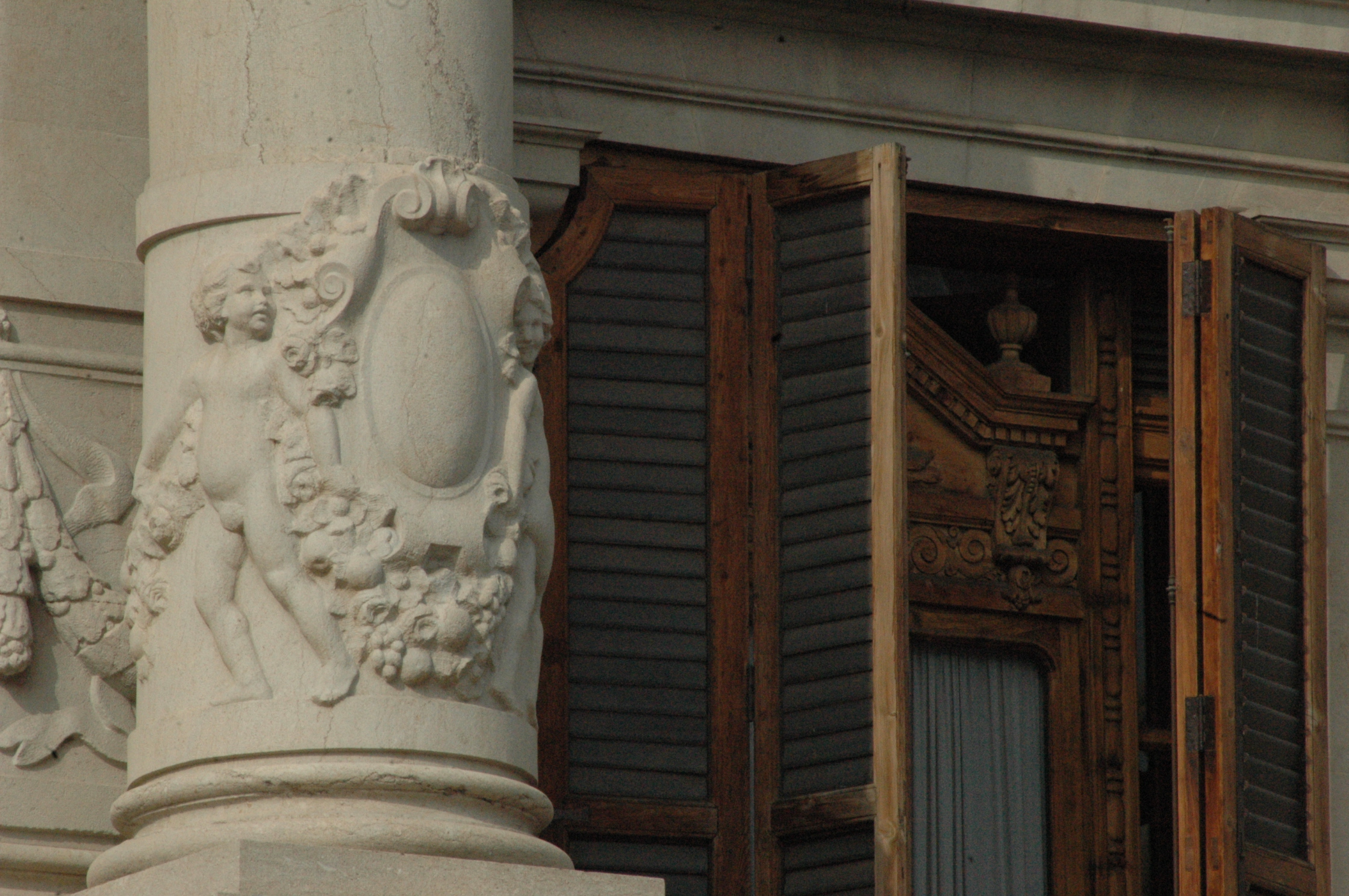
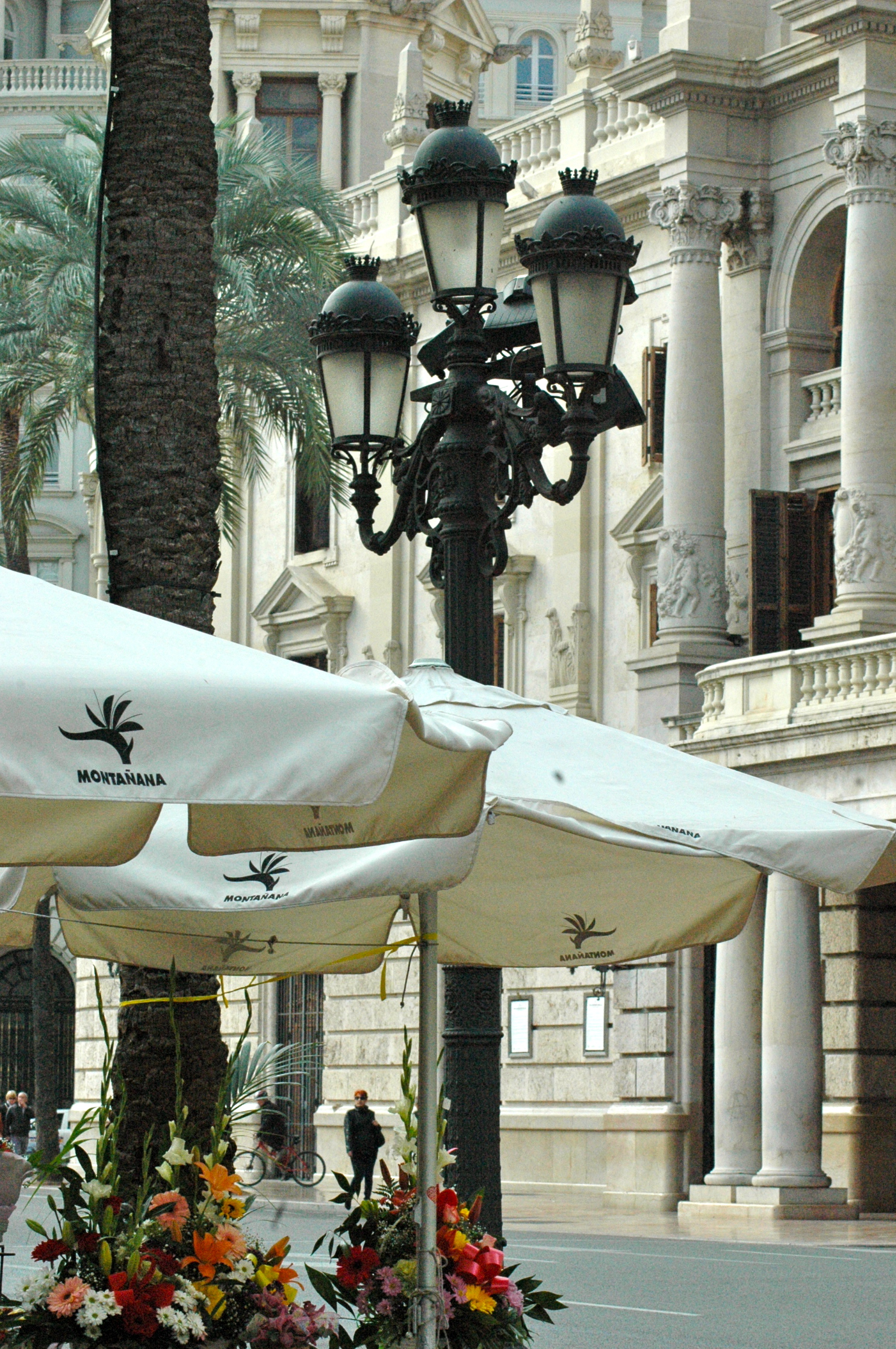
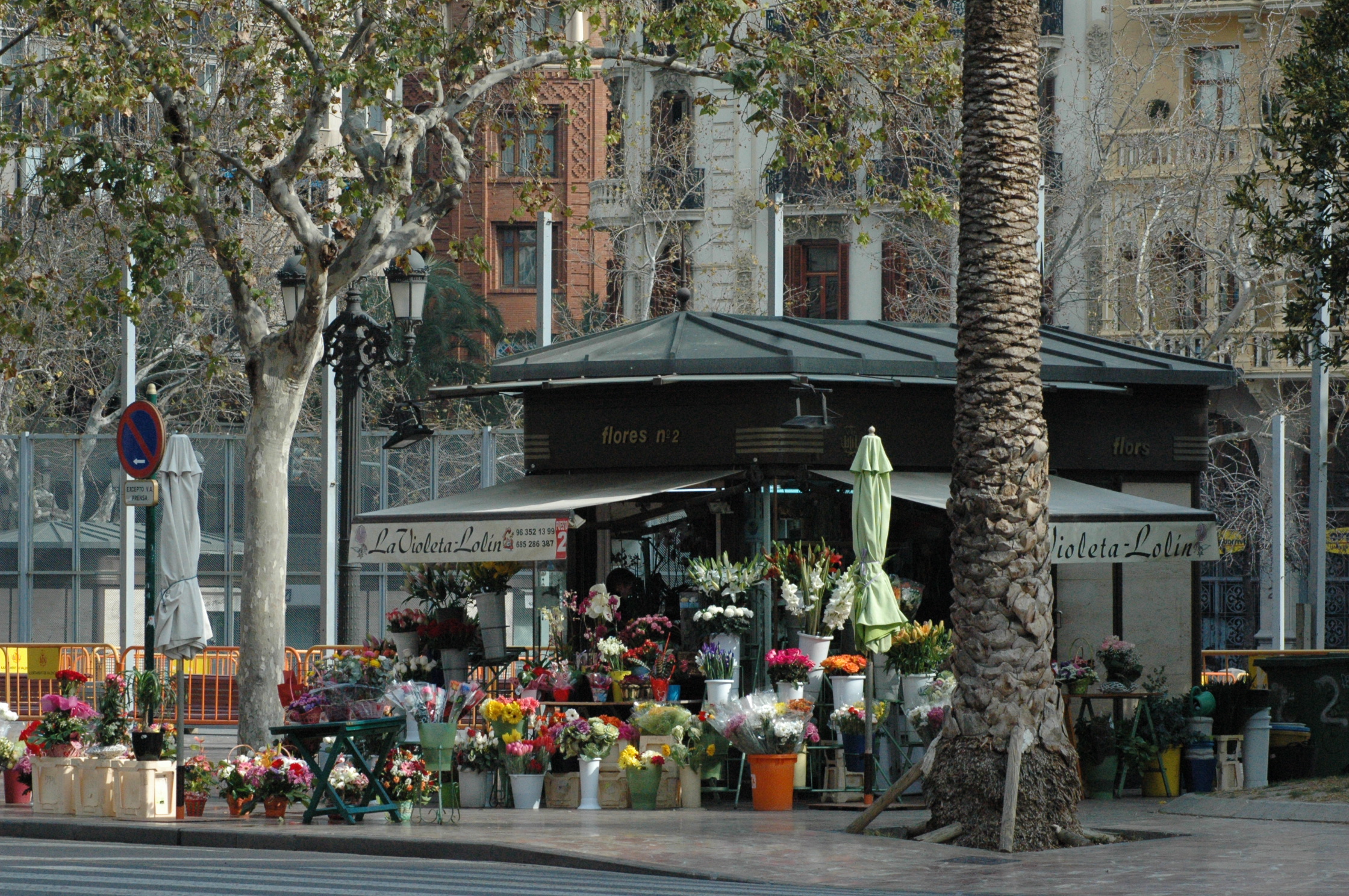
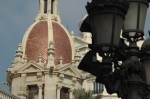
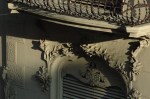
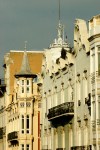
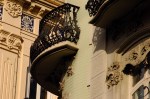
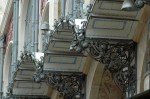
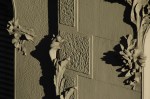
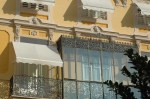
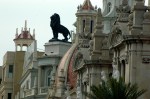
DSC_0454 DSC_0556DSC_0378 DSC_0483

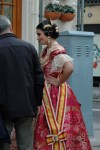
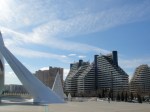
You’ll notice that many of my favourite shots are from Valencia’s historic quarter. While the dazzling white architecture of Calatrava’s new architecture is visually alluring, there is very little, as a photographer, which one can do with these buildings, other than shoot them from various angles, reflected in the surrounding waters, and seen from close up and at a distance. Far more inspirational for me is age and histroy, the effect of time, and the continuation of rich traditions in the modern age. Take the fleeting glimpses I took of Valencian women in their traditional dress – was Valencia ever so perfectly represented as by those women in their ornate sashed dresses and peculiar elaborate headdresses?

But as ever, I could attempt to describe in words what could so easily be done in a photo. And of those there are plenty to share. I leave you then with this final selection of Valencia shots, and a big thank you for allowing me to share my Valencia trip with you. Being inspired is only one part of the creative process. Sharing it with others is where the ultimate satisfaction is realised. With thanks.

All photos and written content are strictly the copyright of Nicholas de Lacy-Brown © 2013 and The Daily Norm. All rights are reserved. Unauthorized use and/or duplication of the material, whether written work, photography or artwork, included within The Daily Norm without express and written permission from The Daily Norm’s author and/or owner is strictly prohibited. 

Lichtenstein Retrospective: Artist or copyist, it’s a spot-acularly good show

Intrinsically linked with the school of Pop Art are a series of almost inevitable questions: Is a work which borrows from a pre-existing image original? Does it even matter? Can a painting of a can of soup, for example, the likes of which can be found on every supermarket shelf around the world, be described as having any artistic merit? And just how much creativity is required in order to call a representation of an object “art”?

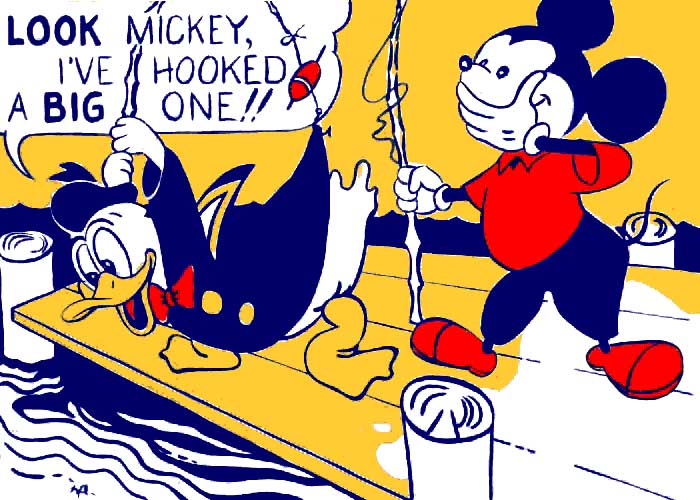
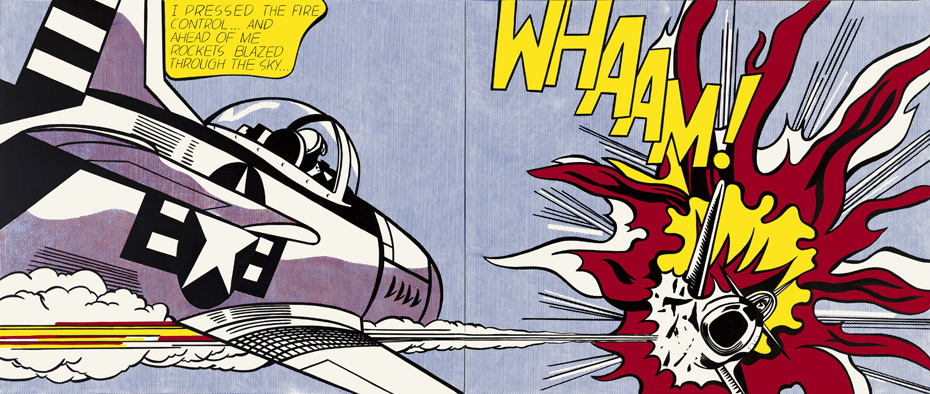
No more so are these questions of relevance than when contemplating the work of American pop art supremo, Roy Lichtenstein (1923-1997), whose retrospective has just opened its doors at London’s Tate Modern gallery. Making it big when, in 1961 he imitated a cartoon of Disney’s Mickey Mouse and Donald Duck, by blowing up a single cartoon frame to life-size proportions and recreating it with oil paint on canvas, Lichtenstein shot to fame as the creator of zany bold paintings which almost exclusively borrowed either from comic books, or images of ordinary life (largely advertisement images in newspapers and magazines). Lichtenstein was unapologetic in taking the work of other cartoon illustrators and, with very few changes except for an increase in size and the occasional simplification of colour, recycling the images as his own (and then selling the canvas for equally increased sums).

Lichtenstein's first pop-art image: Look Mickey (1961)

Lichtenstein’s first pop-art image: Look Mickey (1961)

Inspired by adverts - Step-on can with leg (1961)

Inspired by adverts – Step-on can with leg (1961)

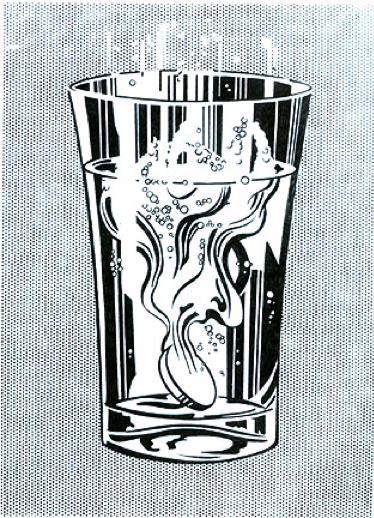
Alka Seltzer (1966)

Alka Seltzer (1966)

And yet to describe Lichtenstein’s process in this way is itself a simplification of the facts. For in transferring print images to the realm of oil on canvas, Lichtenstein does something remarkable – he paints the amplified cartoon or advert so perfectly, including the Ben-Day dots (which was a printing process used to create the effect of colour mixing or dilution) and the black outlines, that he manages to remove almost any indication that this is the work of an artist. Contemporary audiences questioned the merit of doing this. In an age when abstract expressionists like Jackson Pollock had ruled the art world, the absence of any indication of the artist at work, whether through brush strokes or drips of paint, appeared devoid of emotional tangibility or expression. And yet in a way, wasn’t Lichtenstein just doing what had been done centuries before, by the great artists of Renaissance, Baroque and Napoleonic art for example, who painted so perfectly that not a single brush stroke was ever evident in their finished canvases?

Torpedo

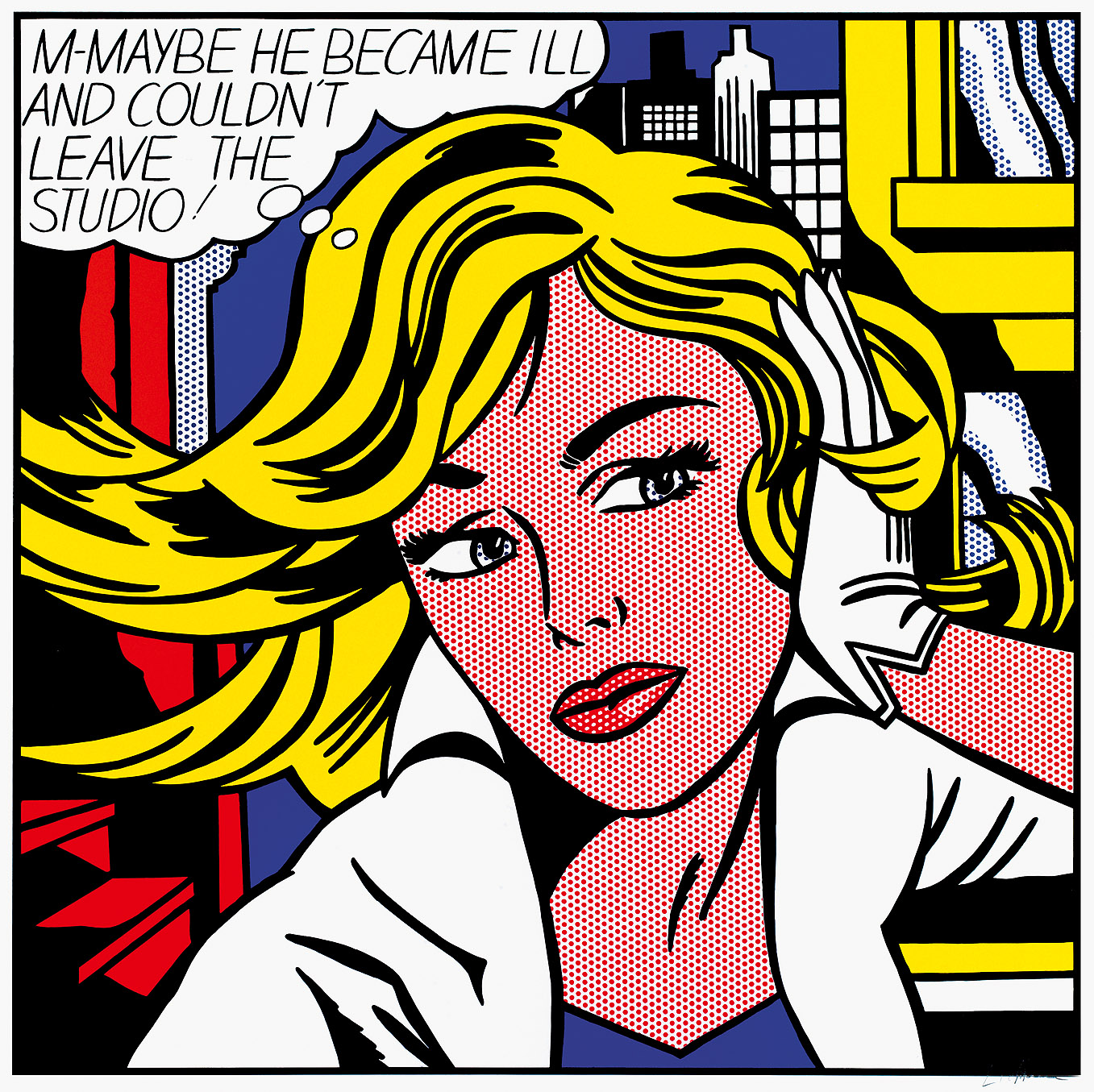
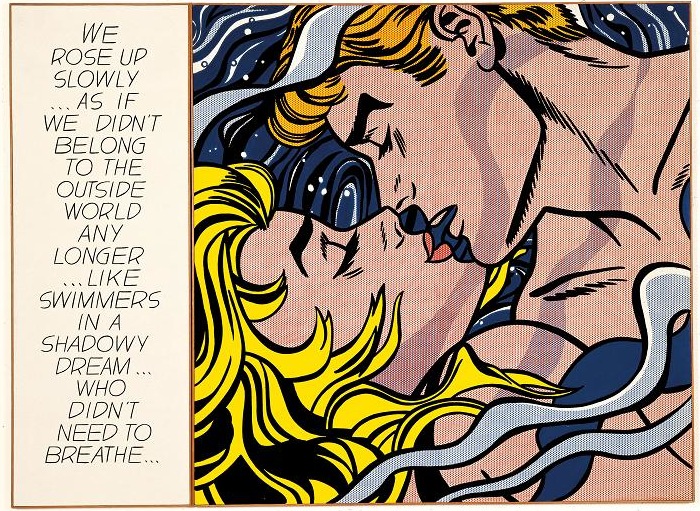
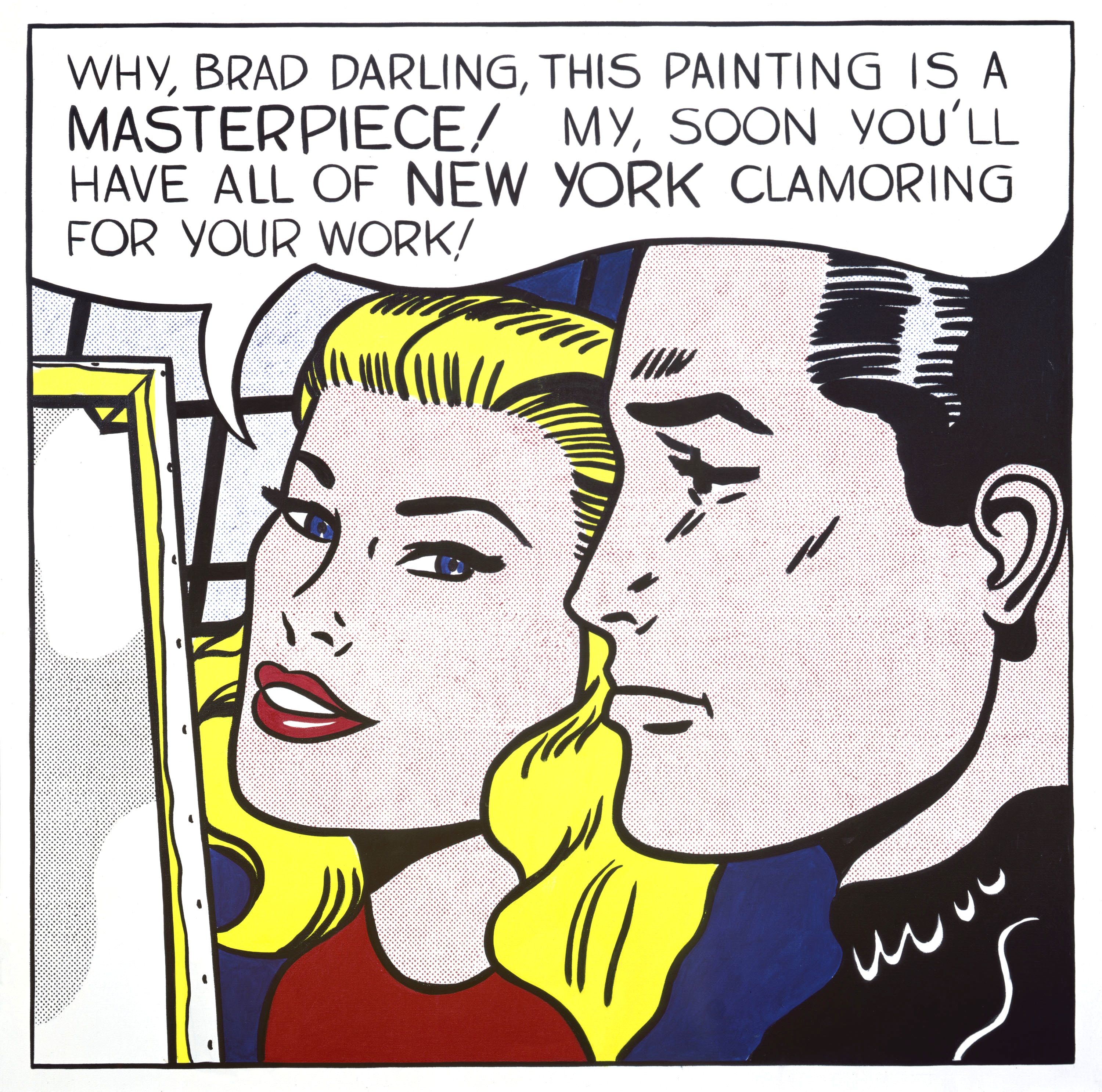
To view Lichtenstein’s work as devoid of expression and artistic wit is to misunderstand his accomplishments as an artist. For even in his early works, which do predominantly borrow from comic strips, we see his humour as an artist choosing, and drawing our attention to, the more absurdly worded or amusing cartoons. In amplifying the macho airmen and apparently helpless, romantic and teary blondes of typical american comic books, Lichtenstein is subtly commenting on the stereotypes of the age, if not challenging them then poking fun at the very formulaic trajectory of a modern commercial society, all buying into the same clichés, and tempted by the same products and advertising.

Whaam (1963)

Whaam (1963)

M-Maybe (1965)

M-Maybe (1965)

We rose up slowly (1964)

We rose up slowly (1964)

Masterpiece (1962)

Masterpiece (1962)

Yet there can be no doubting the trajectory of Lichtenstein’s own career as clearly evidenced by the helpfully chronologically curated exhibition. Having found his niche in a new pop art era, and very much made the world of the commercial image an artistic style all of his very own, with all the lines and Ben-Day dots that entailed, we see Lichtenstein go on to develop that style in a number of different contexts, expanding beyond the comic-book and advert to develop his own individual chapter in art history. As the years move on, we see Lichtenstein adopt the simple linear forms and carefully graduating colours of the art deco style, using his dots and lines adeptly to recreate the look and feel of that modernist era. Perhaps most effectively of all, we then see him use his own style to reimagine the work of great artists, like those artists had in turn done with the work of other artists before them. This was definitely my favourite section of the exhibition, as Lichtenstein used his unique  pop-art style to reinvent works by Picasso, Mondrian and Matisse, to paint his own still-lifes including a brilliant cubism still life, and most technically brilliant of all, to pay homage to Monet’s various depictions of Rouen Cathedral, doing so with Ben-Day dots alone.

Frolic (1977)

Frolic (1977)

Frolic

Cubish still life (1974)

Cubish still life (1974)

Rouen Cathedral (after Monet) (1969)

Rouen Cathedral (after Monet) (1969)

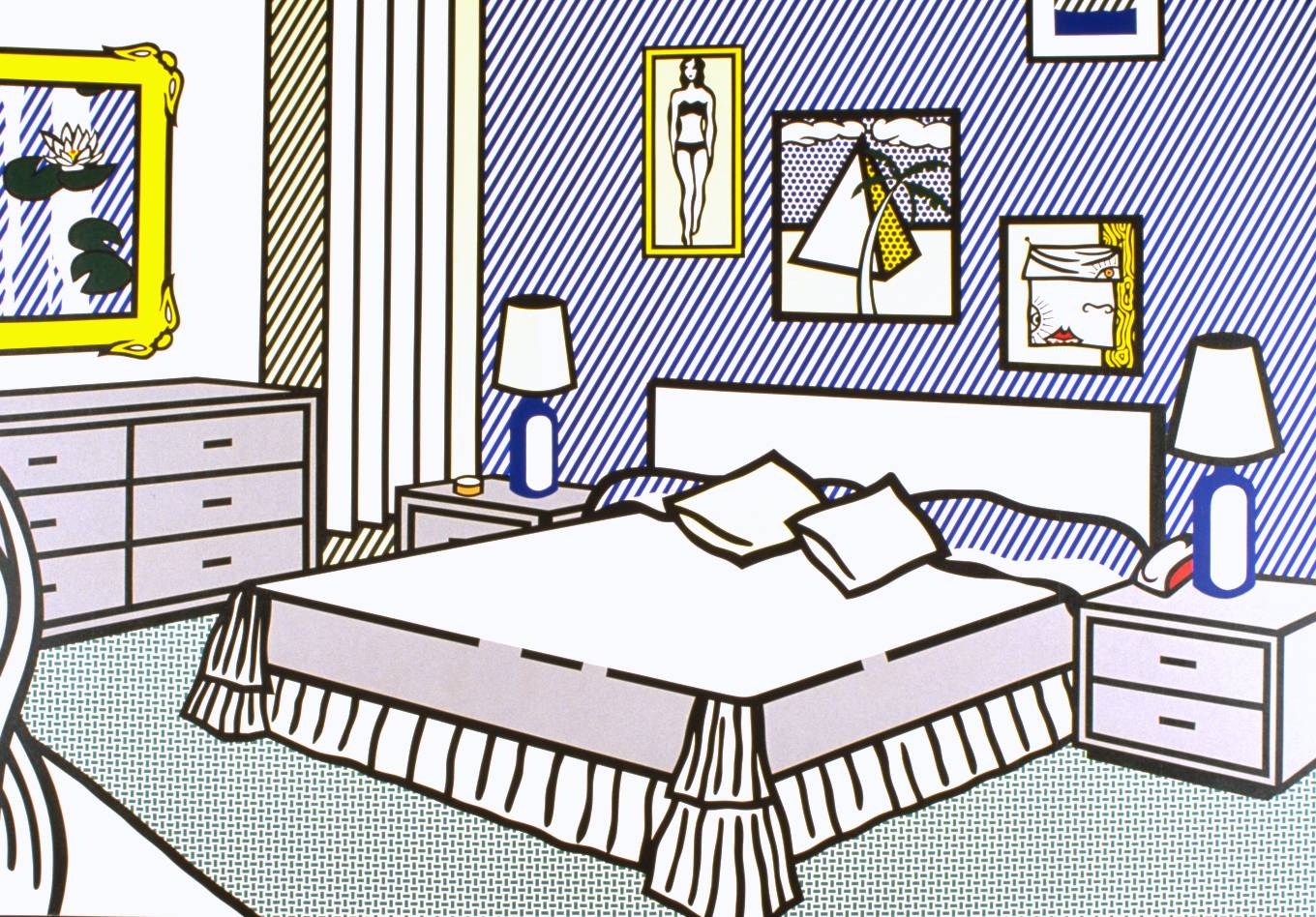
Having tackled art history, Lichtenstein next explores the genre of still-life, as well as depictions of an artist’s studio itself, again something which many artists have done before him. He also paints large scale depictions of rooms, with wonderfully simplified furniture, but always including a number a number of visual clues, generally in the paintings hung in the room, as to a deeper, often more personal tale he is attempting to tell.

Still life with goldfish (1972)

Still life with goldfish (1972)

Artist's Studio "The Dance" (1974)

Artist’s Studio “The Dance” (1974)

Interior with Waterlilies (1991)

Interior with Waterlilies (1991)

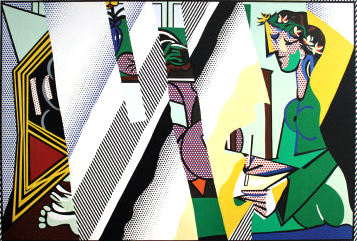
Reflections on Interior with a Girl Drawing

Reflections on Interior with a Girl Drawing

However perhaps the cleverest use of his lines and dots is when Lichtenstein goes on to paint mirrors and reflections. In his “reflections series” he paints recreations of old masterpieces by the likes of Picasso, but then fragments the image with a series of dot-created breaks or fissures interrupting the base depiction. These are intended to replicate the effect of light bouncing off an image when it is framed behind glass. In this way, Lichtenstein focuses not on the painting itself, but the direct effect of imagined environment upon that painting in its exhibited and glazed form.

Mirror no.1 (1969)

Mirror no.1 (1969)

He takes this one step further by using dots to replicate the effect of a mirror, with the perhaps obvious irony that while we appear to be looking at a mirror, we see only a blank space rather than a reflection of our face staring back. In this respect Lichtenstein makes further reference to the simplified representation of glass and mirrors in the world of illustration rather than in the world of realistic representation.

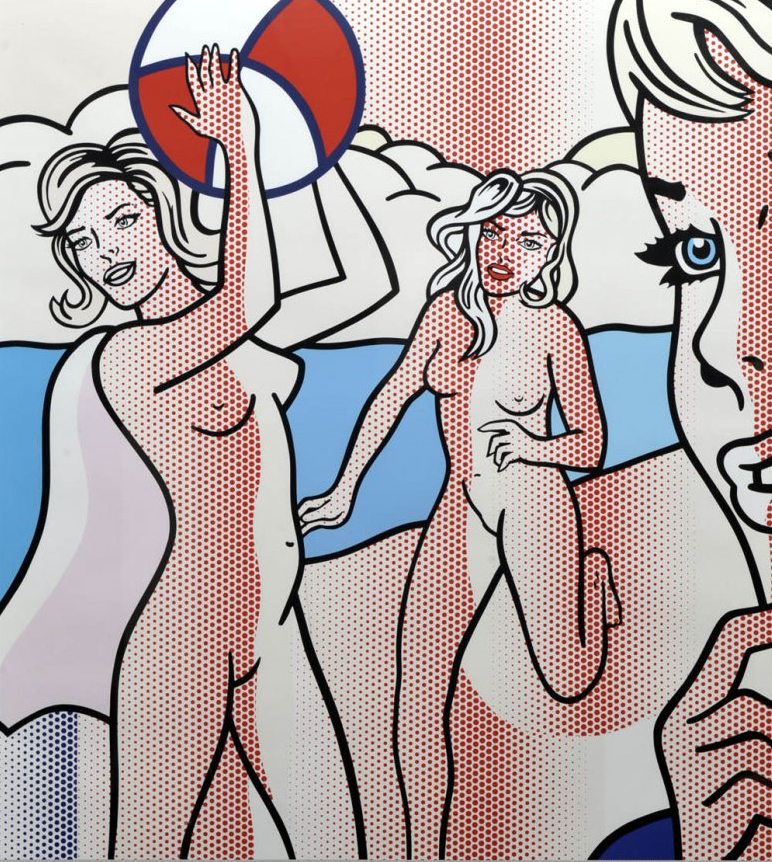
Having taken the Ben-Day dot from its use as a printing technique and replicated it on canvas to suggest a process, rather than a painting, Lichtenstein then used those same dots to suggest light, reflection and shadow. Consequently when he returns to the depiction of cartoon-styled idealistic blonde women some 30 years after he first depicted them in his cartoon-strip canvases, Lichtenstein uses the dots not to suggest a printed colour process, but makes the dots the focus of the image in themselves, painting them now across the image, rather than within the various black lines of the figures illustrated, so the dots almost form a superficial overlay across the painting.

Torpedo...LOS! (1963)

Torpedo…LOS! (1963)

Nudes with beach ball (1978)

Nudes with beach ball (1978)

Landscape with Philosopher (1996)

Landscape with Philosopher (1996)

The Ben-Day dot was king in Lichtenstein’s work, right up until the end when, in his final years, he used graduating sizes of dots to create the impression of landscapes following traditional chinese depictions. Brilliantly, and through dots alone, he manages to give the impression of mist, of distance, of light, of water. These aren’t his best works by any means, but show just how far Lichtenstein had expanded upon his truly unique style from one end of his career to the other.

So did it matter that Lichtenstein borrowed from the work of illustrators, from supermarket shelves, from art history, from printing processes? Of course not, for in that respect, how was he any different from generations of artists before him? Rather, in seizing upon the depictions of modern life in the rapidly expanding post-war economy of 1960s America, Lichtenstein helped to made pop-culture an artistic phenomenon, while taking what were the incredibly simple artistic ingredients of black lines and benday dots, and making them his own in a career which was experimental, varied, and quite contrary to popular belief, incredibly expressive.

Lichtenstein: A Retrospective, runs at Tate Modern until 27th May 2013.

All images are the © of the Estate of Roy Lictenstein

Valencia (viii) – Day 4: Inventive gothic to unrestrained baroque – architectural gems of the historic centre

It was inevitable that after 3 glorious days of winter sunshine, in which it felt as though we were cheating the seasons and soaring towards a Spring renaissance, Valencia’s skies would darken, the temperatures would drop, and rain would fill the previous blues of the city’s skyline. Unfortunate though this was, it was our day of departure, and having spent a good few hours languishing in our modernista hotel suite, prolonging our stay through a deliberate slow pace of packing, the skies and dried up somewhat by the time we hit the streets again. It was grey, but dry, thus causing no impediment on our final day of sightseeing.

A what a feast of sights we had left till last to see. Largely because of widespread Monday closures, a number of Valencia’s architectural gems had been left for the last day of our visit, gems which sit at either extreme of the city’s historical architectural profile, from the brilliantly inventive, UNESCO protected gothic architecture of La Lonja, to the ridiculously extravagant, utterly unrestrained baroque of the Palacio del Marqués de dos Aquas.

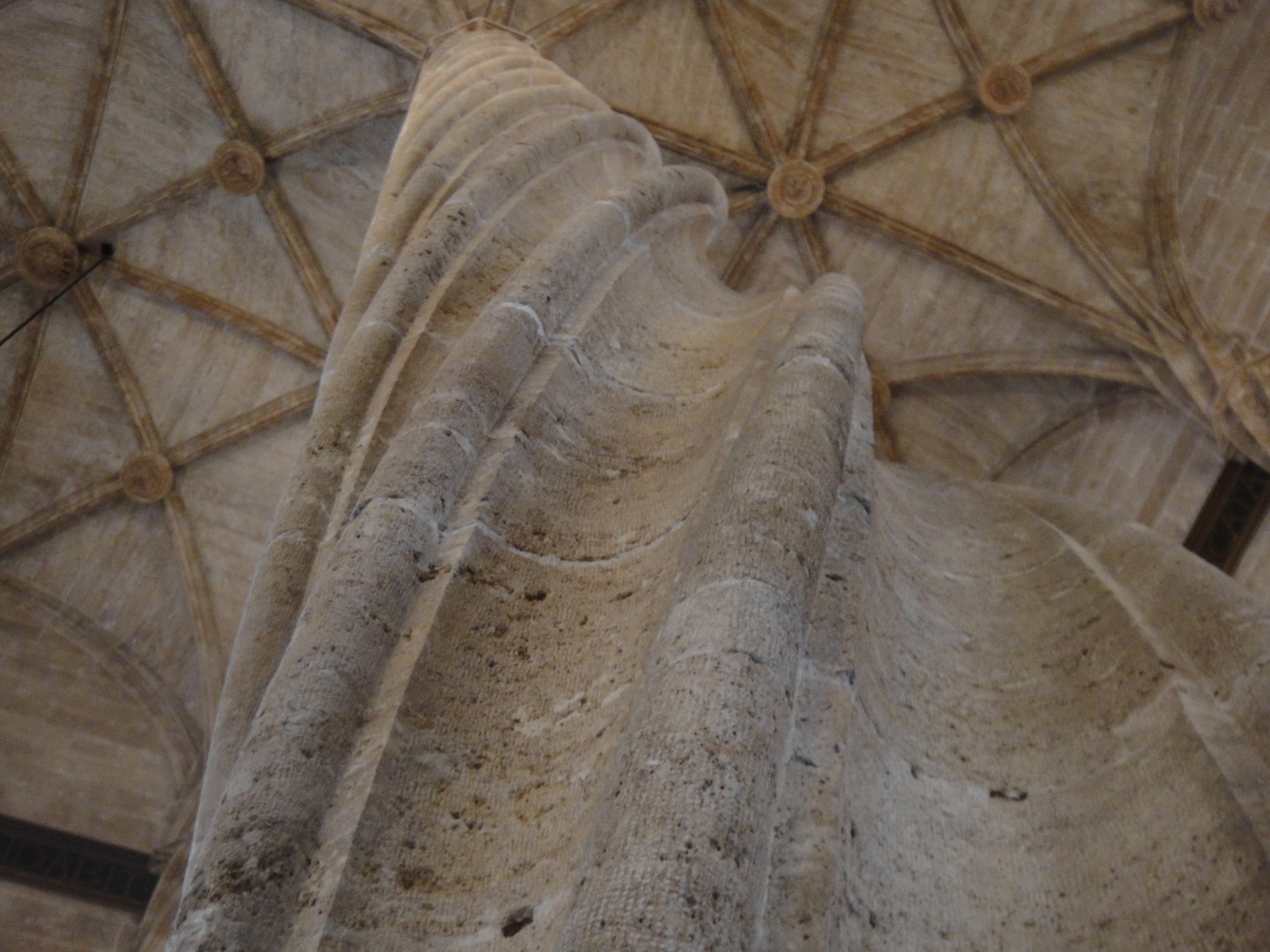
First up, La Lonja de Mercaderes, a gothic chamber of commerce which is one of Valencia’s earliest surviving buildings, and now protected as a treasure of its architectural heritage. The large building was constructed in the early 16th century and was at once a commodity exchange, elementary bank and meeting place for the merchant classes. Many of those meetings would have taken place in the vast Sala de Contratacion, the huge main colonnaded hall which is the unrivaled icon of the historic quarter.

DSC05460 DSC05473 DSC05468

With its soaring, slim, twisted pillars, curling high like sticks of barley sugar or ropes dangling from the heavens, and the rib-valuted ceiling which those multiple pillars aptly support, the hall is an awe-inspiring site. Little wonder then that this hall is said to have inspired Santiago Calatrava, the home-grown architect of the iconic Ciudad de los artes y ciencias, an inspiration which appears to have manifested itself in the super fine feather-like concrete and steel arches of L’Umbracle and the whale-like rib structure of the Museo de las Ciencias Principe Felipe. Meanwhile, beyond the hall, a small but perfectly formed courtyard makes clear reference to Spain’s Moorish heritage, while up some gorgeously twisting gothic stairs, the Consulado del Mar boasts a similarly elaborate, but more contemporarily gothic wooden ceiling.

DSC_0203 DSC_0202DSC_0241 DSC_0228 DSC_0251 DSC_0248

Asides from the inside of La Lonja, we were utterly captivated by the extent of pictorial illustration told through elaborate gothic carvings, gargoyles and other architectural decoration. Just take a look at these few examples of the some of the rich stonemasonry on show.

DSC_0246 DSC_0237 DSC05478 DSC_0200 DSC_0207

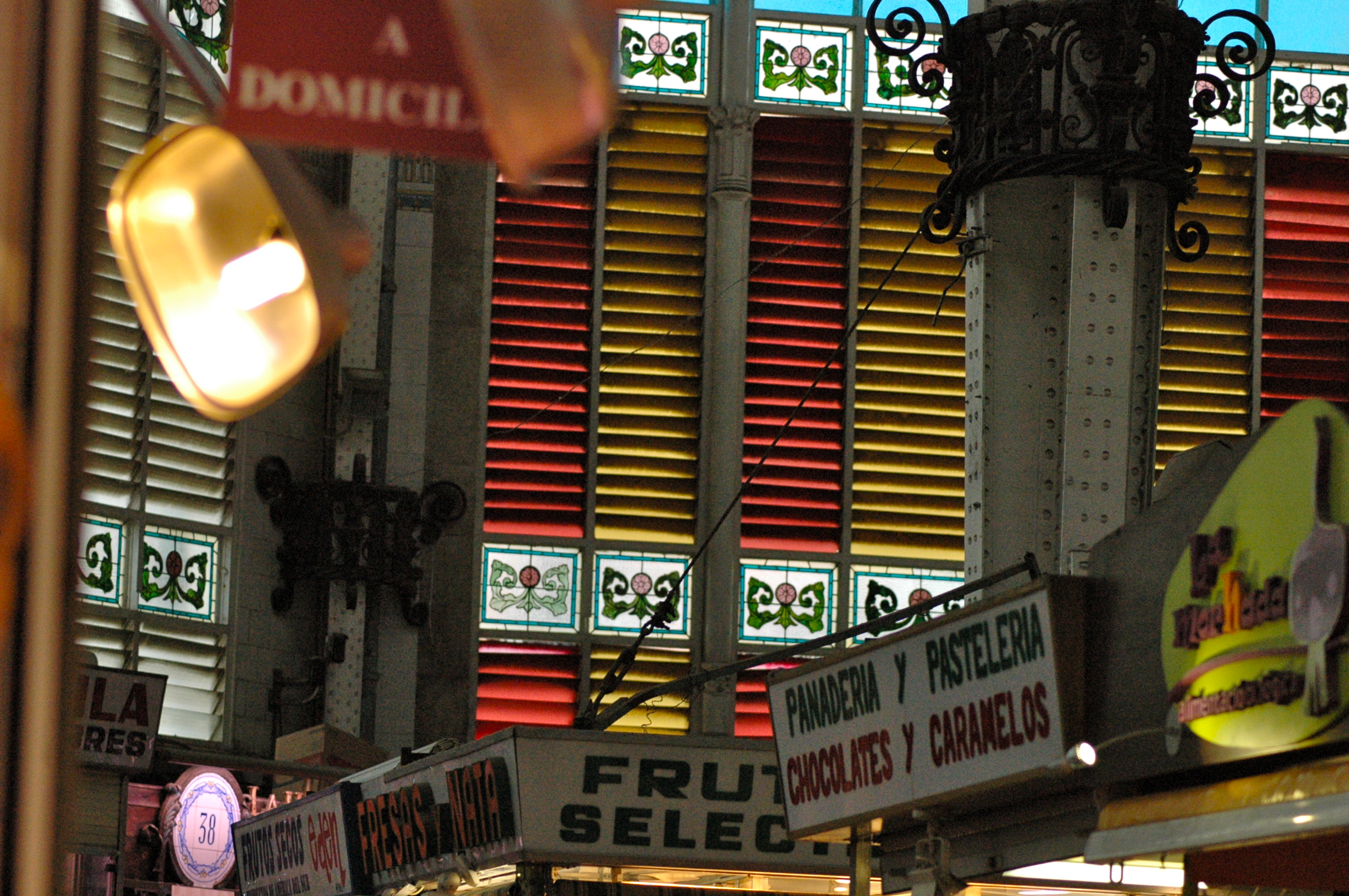
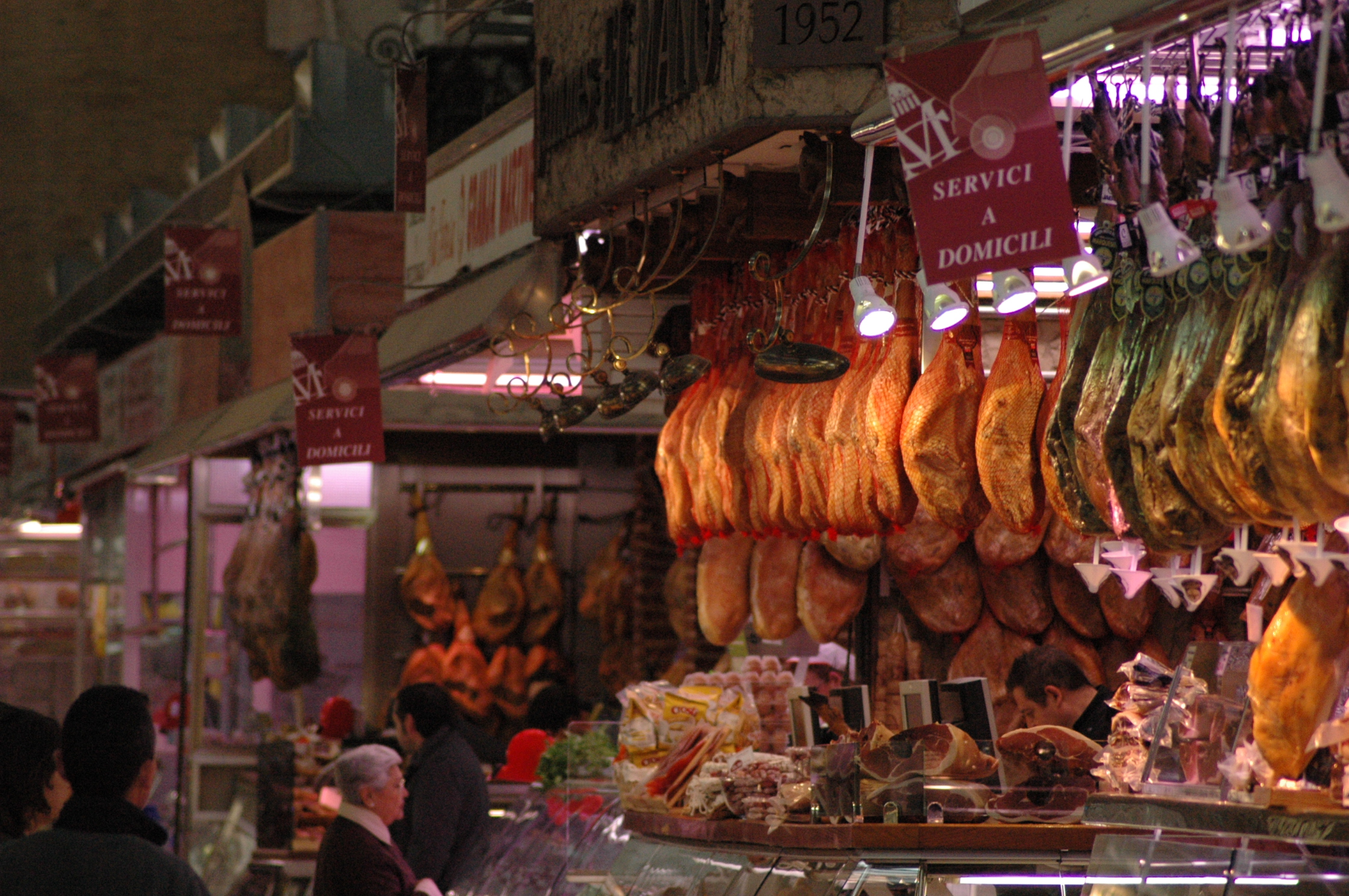
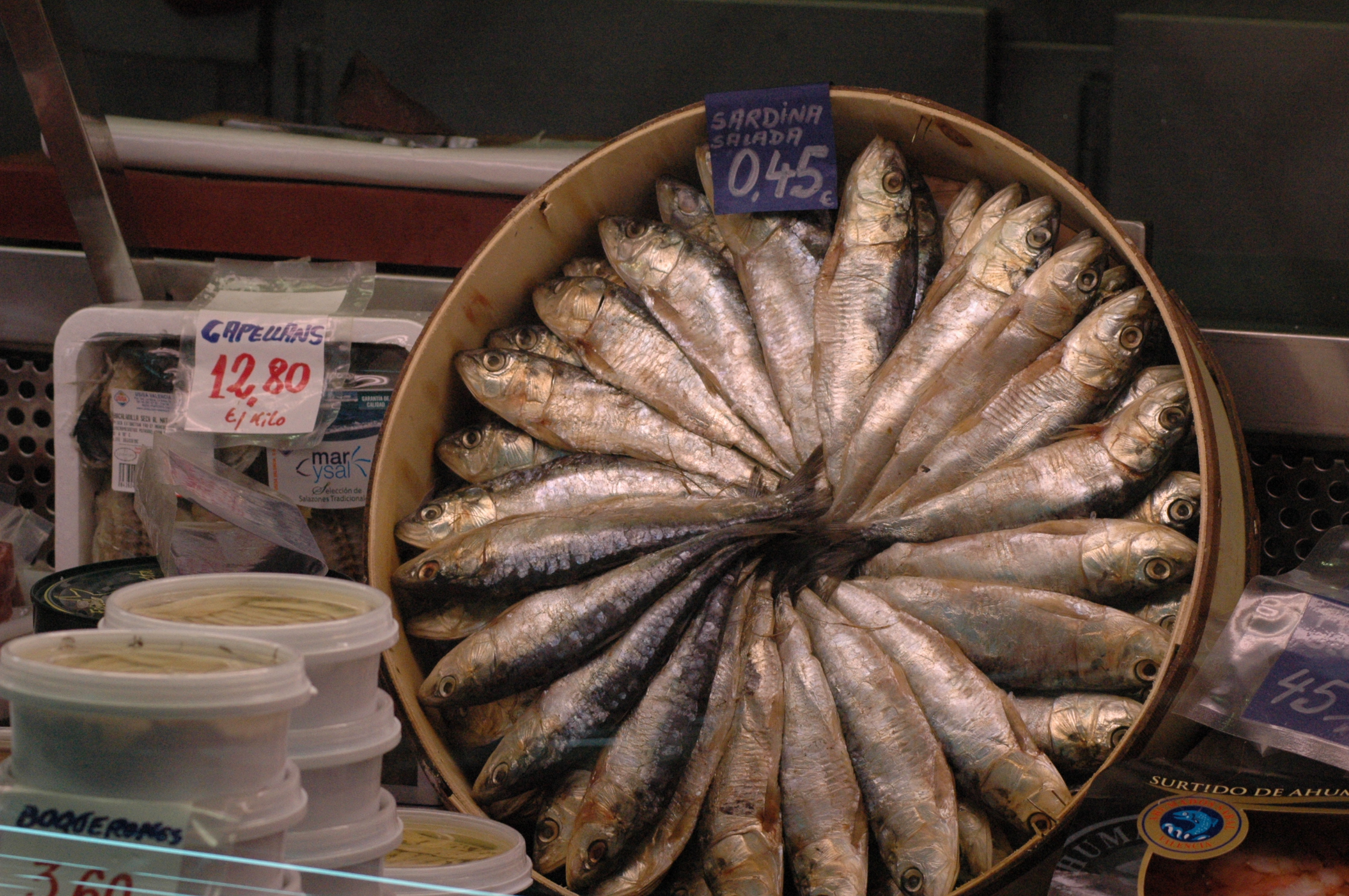
Leaving La Lonja and the fragrant scent of its courtyard-filled orange blossom behind, we headed just around the corner to another of Valencia’s architectural icons: the Mercado Central. Built in the very different Modernista style, the building plays host to Europe’s largest fresh produce market. Like a city within a city, the market is a fascinating labyrinth of scintillating smells and visual spectacles, from huge piles of oranges, stacks of spices and a panoply of fresh fish, to row upon row of iberico hams hung alongside fresh chorizo sausage and huge manchego cheeses. Enamored as much by the food as by the elegant modernista design, I took full advantage of the array of produce around us, taking the opportunity to stock up on a supply of pimenton and saffron which I use with abundance in so much of my Spanish-based cooking at home.

DSC_0267 DSC_0281 DSC05484 DSC_0290 DSC_0289 DSC_0287 DSC_0273 DSC_0292

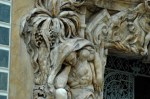
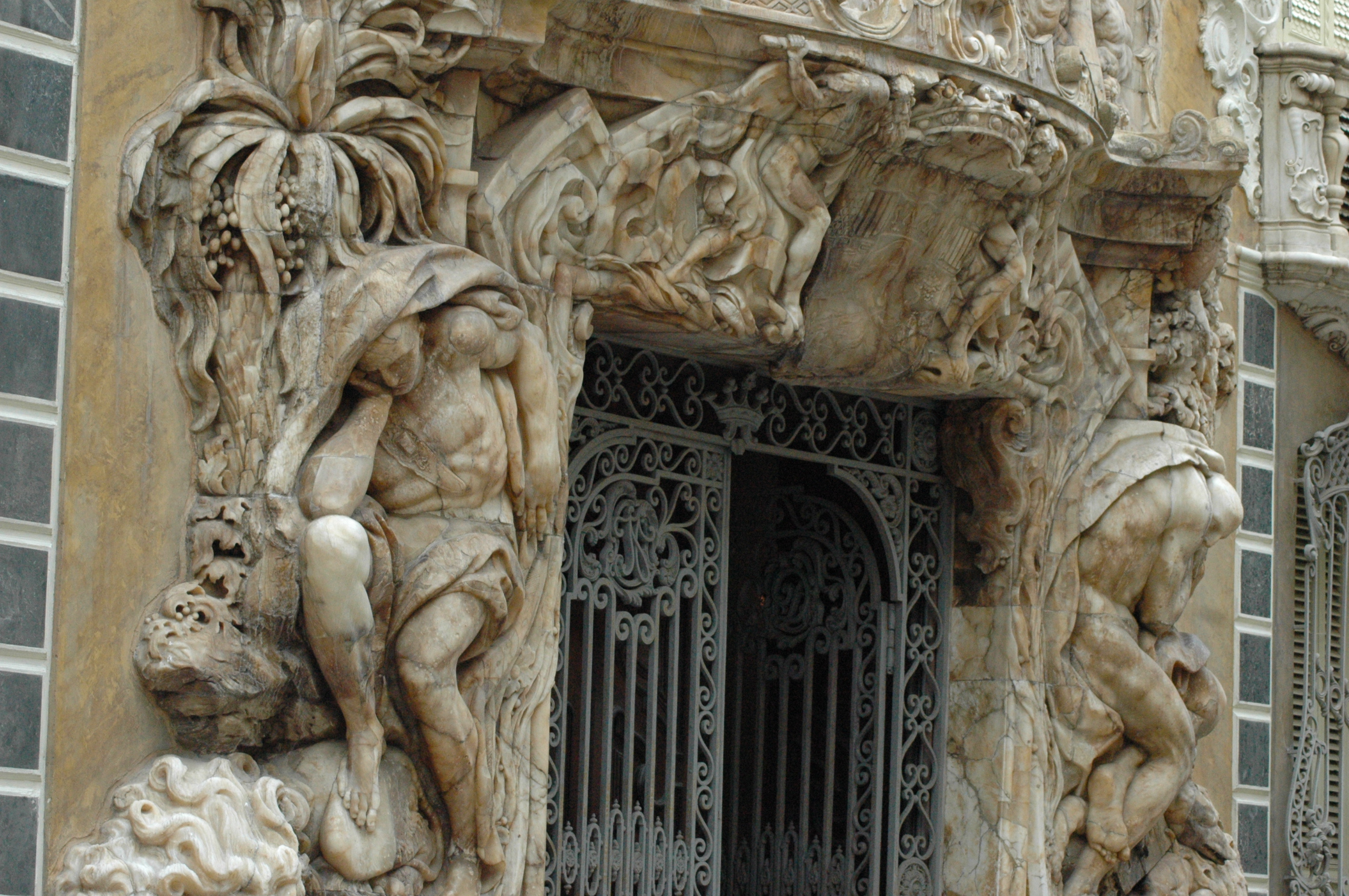
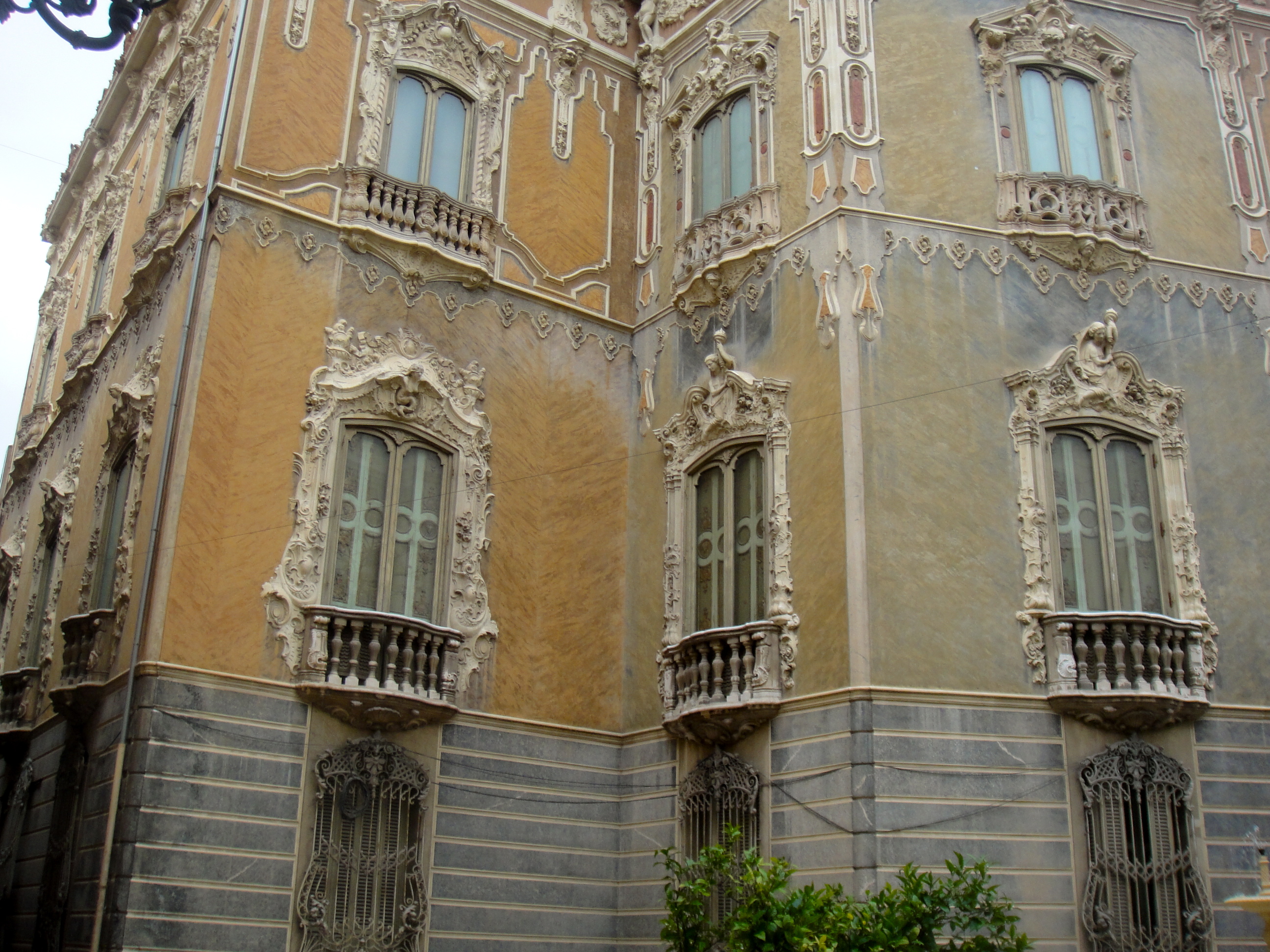
One final stop before a long lunch where we would end up languishing the remainder of the day before our departure home to the UK. Leaving perhaps the most architecturally splendid of Valencia’s historical buildings till last, we headed south of the central cathedral quarter, where our next destination made for a simply unmissable spectacle in the fashionable Calle del Poeta Querol. With its completely over-the-top sumptuous stucco imitation-marble facade, windows literally dripping in the most unrestrained elaborate sculpture and a doorway guarded by a pair of flamboyantly muscled alabaster caryatids, the rococo Palacio del Marques de Dos Aguas makes even Barcelona’s Gaudi houses appear conservative.

We weren’t overly sure what the palace was, or how it had come to be decorated in such a lavish display of extravagant eccentricity, other than it was the family home of the Marquis de Dos Aguas who clearly used the exterior of his house to show off the extraordinary extent of his wealth and artistic sensibilities. But the wealth on show externally was perhaps outdone, astonishingly, by the palace’s interiors, so exceptionally richly decorated that this was like a mini-Versailles, unsparing in every detail of its luxury and opulence. Asides from the grandeur on show, the palace also houses a large ceramics collection, paying homage to the great ceramic tradition in the Valencian region. While interesting, the pieces on show were certainly outdone by the incredible surroundings of the palace, and more often than not I found my eyes wondering to the incredible array of excesses all around rather than rest on the ceramics, from Roman to Picasso, which were on offer for our interest.

DSC05487 DSC_0320 DSC05505 DSC_0316 DSC_0325_2

Our day ended as all days should – a long indulgent luncheon (which deserves a post all of its own) and a quick perusal of the shopping district on the Calle de Colon. Just as we headed back down into the tube, suitcases and a little shopping in hand, the rain we had thus far dodged started to fall again. Like everything with this Valencia trip, the details all fell into place. The weather was merciful and the city completely inviting. The sights were various, the art plentiful, the old town scenic and the modern alternative a breathtaking diversion. Valencia is now ticked off my list of Spanish must-sees, and if I was tracking my progress down that list with a series of pins of a large map of Spain, I’d place a huge golden star where the pin sticks in Valencia, for a destination worthy of plaudits a plenty, and most certainly a return visit, muy pronto. 

All photos and written content are strictly the copyright of Nicholas de Lacy-Brown © 2013 and The Daily Norm. All rights are reserved. Unauthorized use and/or duplication of the material, whether written work, photography or artwork, included within The Daily Norm without express and written permission from The Daily Norm’s author and/or owner is strictly prohibited. 

Valencia (vii) – Photography Focus 3: A tale of two cities

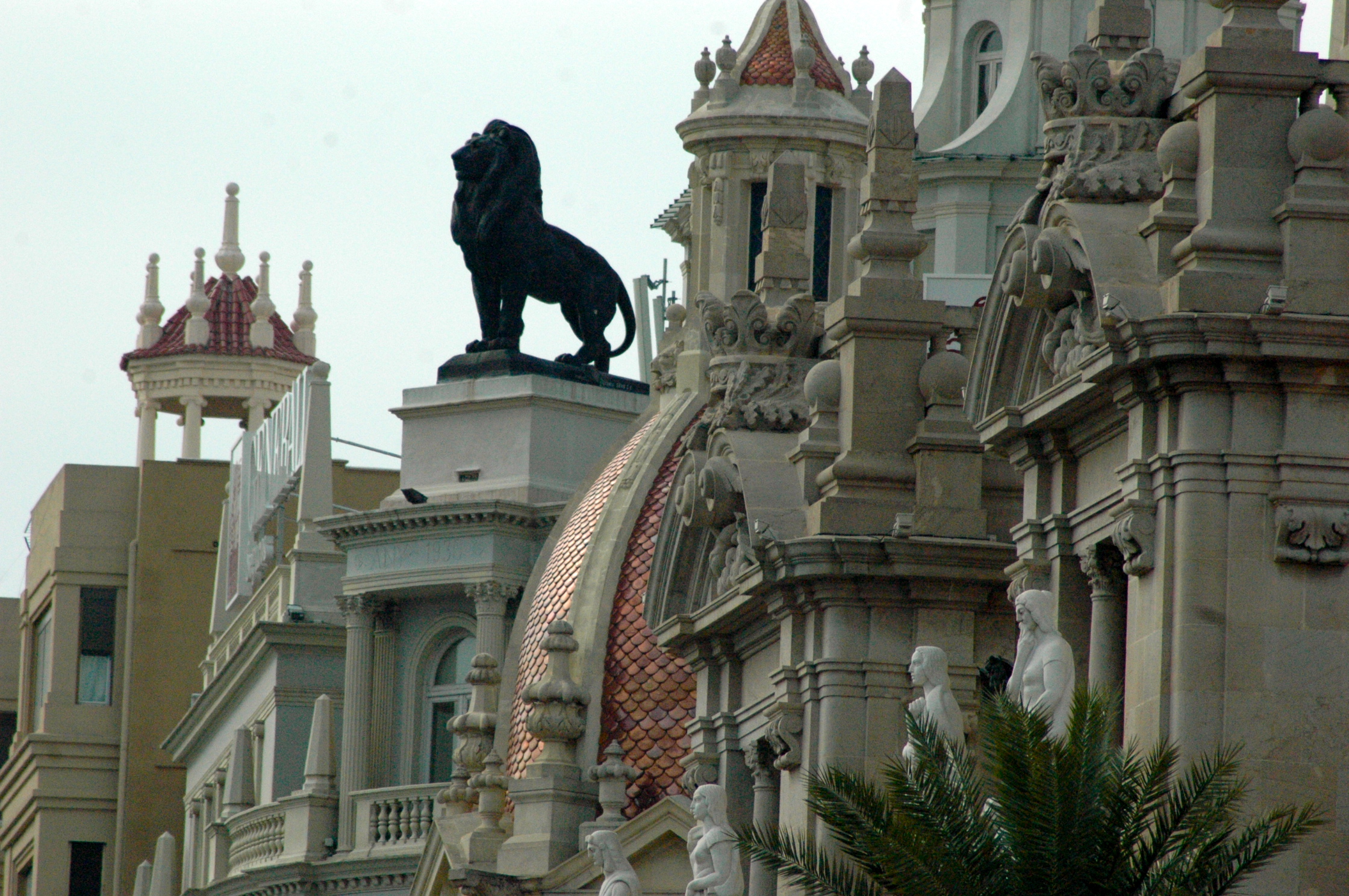
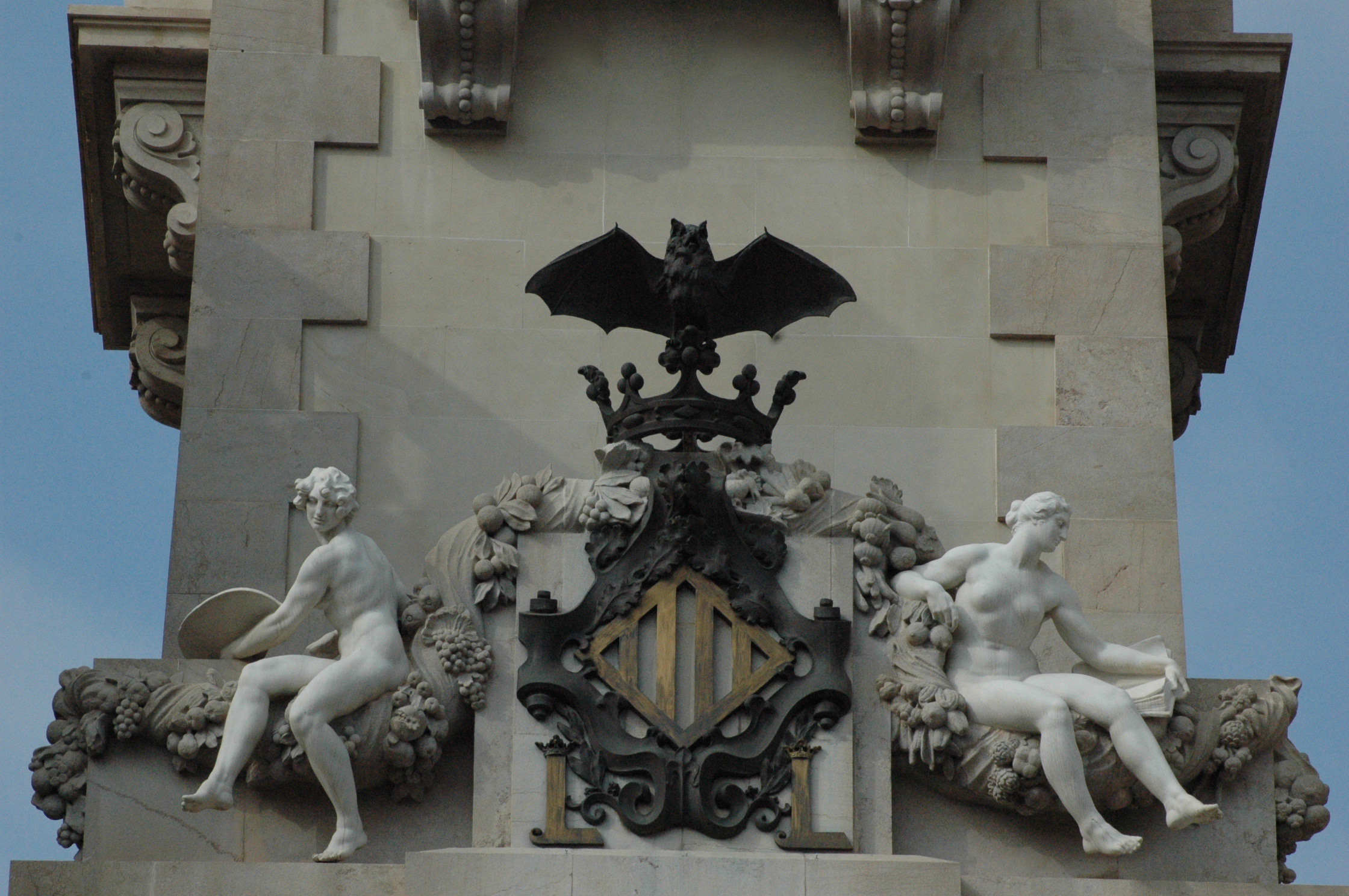
Valencia is a city with many faces, but a clear divide: On the one hand you have Valencia, the shiny, glamorous new modern city, with its sensational innovative Calatrava architecture, glimmering in all its white reflective glory and pushing the city forward into a pioneering new age. It’s the Valencia where all the money has gone, poured in euro-lined gallons like the vast great pools which surround the City of Arts and Sciences. It’s also the Valencia of power: even the older Plaza del Ayuntamiento boasts a conglomeration of statued facades, elaborate tiled domes, and huge soaring art deco architecture. But then again, this is the seat of the Valencian autonomous government.

The seat of modernity and power…

DSC05398 DSC_0729 DSC05221

…versus the old, crumbling historic centre

DSC_0947 DSC_0961 DSC05140

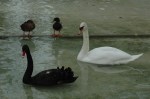
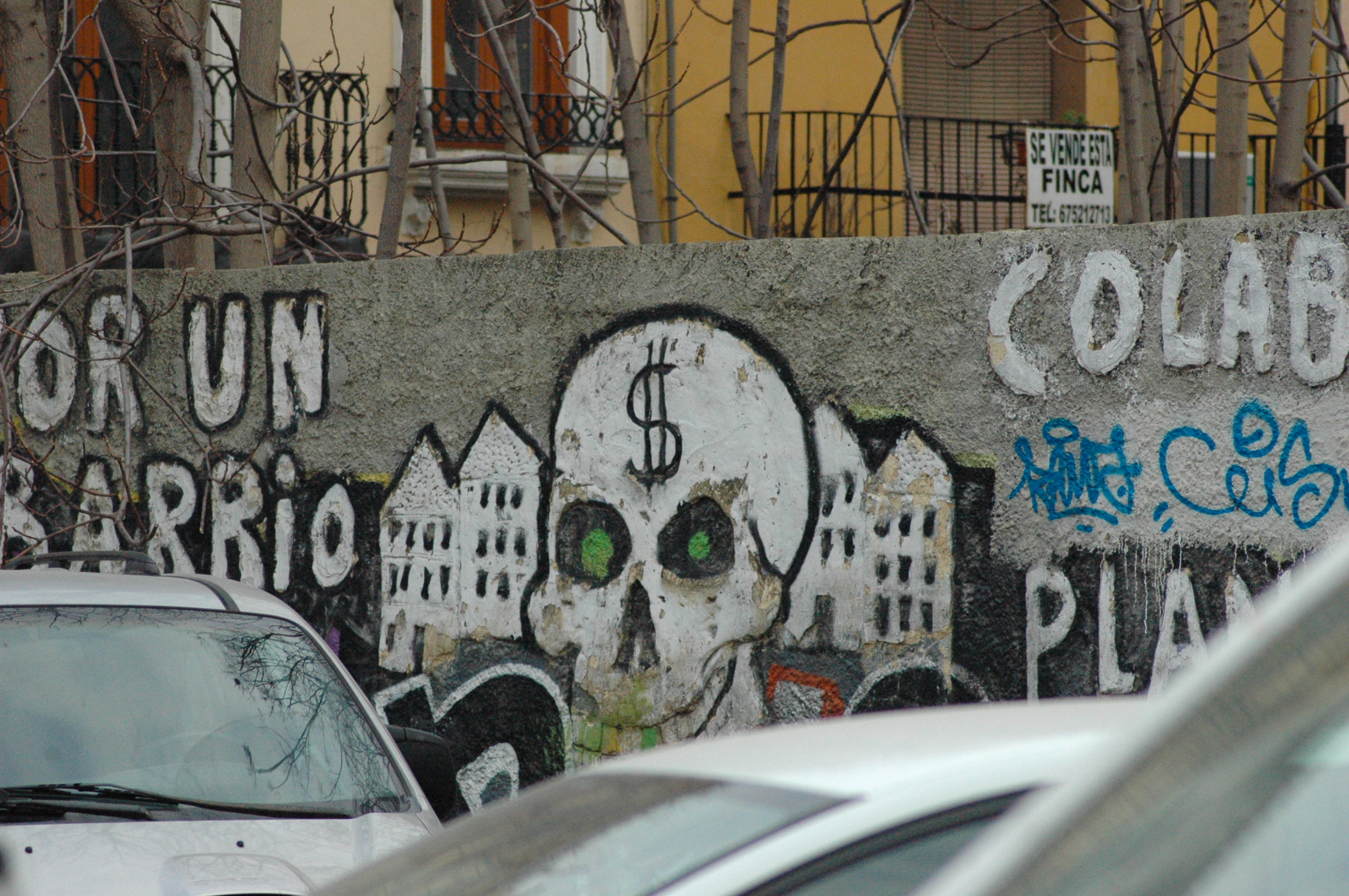
But walk a few roads North, to the old historic centre, and you see quite another side to Valencia. It’s the old quaint quarter, where gothic architecture meets baroque, where the tourists cluster around bird-inhabited fountains, and the women of the city perambulate in traditional costume attracting the flashbulbs of visitors fascinated by the spectacle. Yet here, just beyond, and sometimes on the main squares and old streets, there are vast sites of what should be prime realty, reduced to rubble. Large houses and crumbling walls are painted with graffiti and murals, wires hang loosely over houses which have been boarded up and left to disrepair. This is the Valencia where the money has not flowed, where those local funds, poured into modern architectural projects which leak euros in maintenance costs by the day, could have been so beneficially received. And yet this is the historic heart of the city. Why has it been deserted?

In this photographic focus post, I am showing you a selection of my photos which I think demonstrate the contrasts of this city. I start with a gallery of the sleek modern face of the newly developed old Turia river bed, and the grand spectacle of the city’s administrative centre. There is no doubting the splendour of these grandiose, extravagant architectural spectacles, and while one can easily be cynical about the money spent, that does not stop me admiring the quality of the brilliantly executed craftsmanship.

Contrast that gallery with this, photos of the old historic quarter. As with my experience in Lisbon last year, I find the deterioration and degradation of Mediterranean architecture to be as much picturesque and charming as it is sad. What is worrying, and so apparently wasteful, is how many empty plots we walked past in the prime historic quarter, sometimes with just flimsy building facades standing, covered in scaffolding or loose protective netting. I assume developers had once intended to construct something on the site, but as is the experience of so many developers across Spain (whose worst financial casualty of the recent economic crisis has been the construction industry) they simply ran out of money.

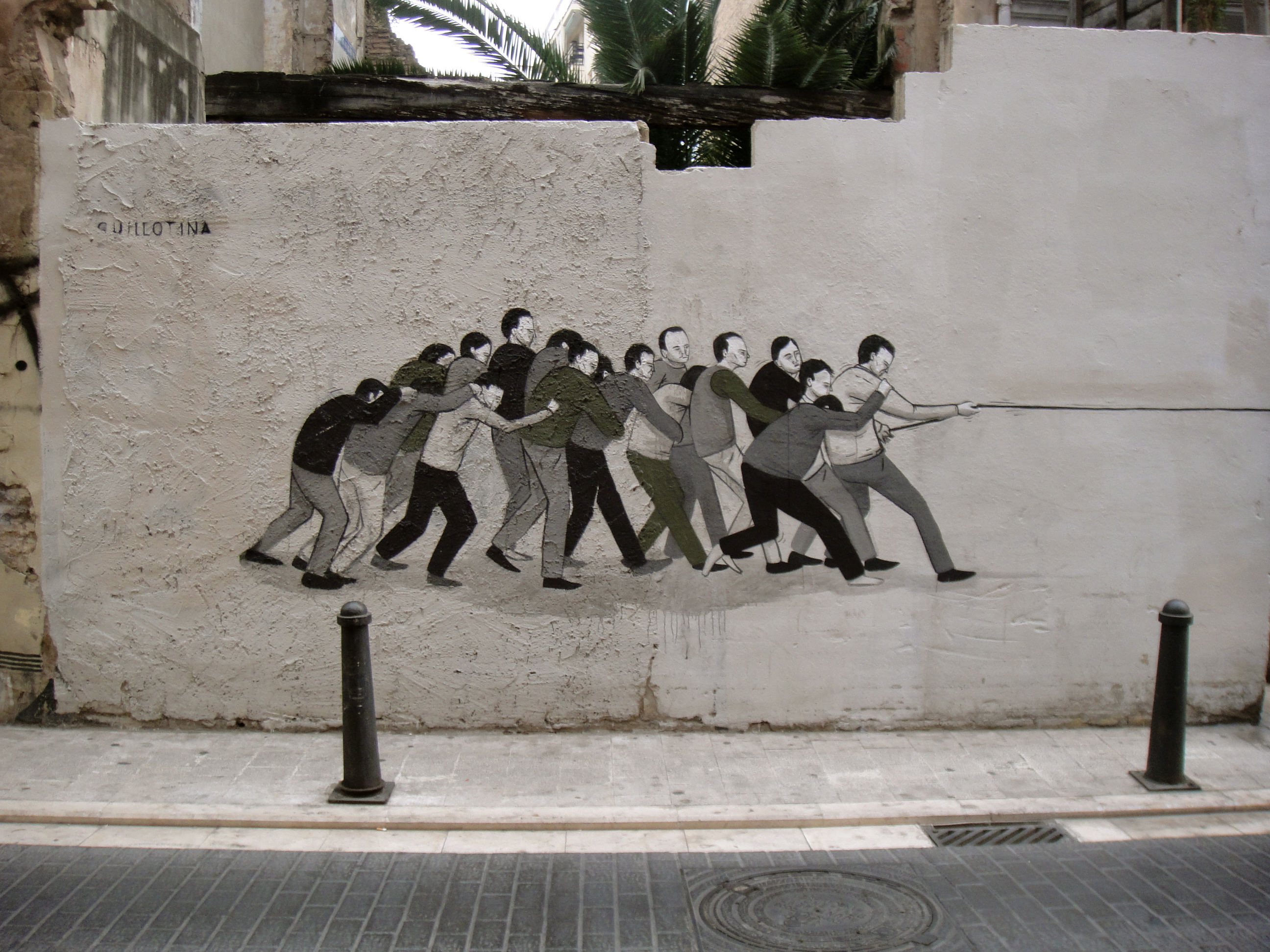
What I loved however is the clear, predominance of artistic spirit in these areas. Where empty sites reveal large, blank sides of buildings, street artists have stepped in to create something dynamic with paint and spray cans on that area. These do not blemish these charming streets as normal graffiti would, but rather imbue them with a creative spirit. My particular favourite was the painting on one wall of a tug of war, showing a troupe of men exasperated by the struggle of pulling on their side of the rope – we never find out who was pulling on the other end, that being left to the realms of imagination beyond the end of the wall.

Despite the fact that the modern face of Valencia is now the iconic façade of the city which has been sent out to the world, it’s still the charm of the historic quarter which attracts me the most. A vivacious creative spirit coupled with faded grandeur means that there is so much more to discover in this area than where the confident architectural icons of the new city reign supreme, providing picture-perfect postcard images handed to you on a plate. Despite the apparent lack of investment in the old quarter, it is undoubtedly this area where the heart and soul of Valencia continues to beat.

All photos and written content are strictly the copyright of Nicholas de Lacy-Brown © 2013 and The Daily Norm. All rights are reserved. Unauthorized use and/or duplication of the material, whether written work, photography or artwork, included within The Daily Norm without express and written permission from The Daily Norm’s author and/or owner is strictly prohibited. 

Valencia (v) – Day 3: Last of the big spenders – Ciudad de Las Artes y Las Ciencias

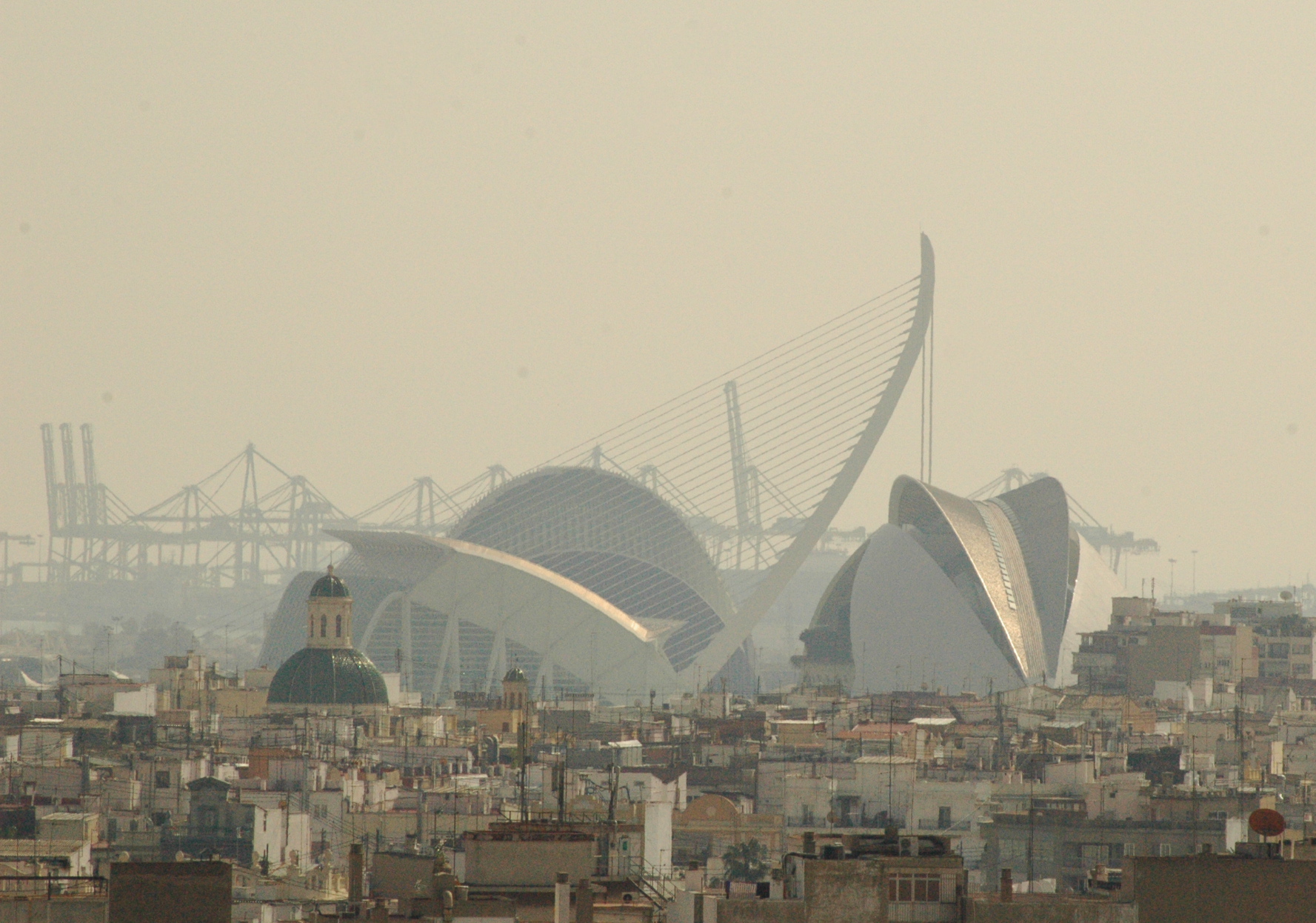
It’s the poster-book image, the flashy, pioneering facade of Valencia which has overtaken all other pictorial references to the city the world across, waving the flag for architectural innovation and groundbreaking artistic grandeur, sweeping the true financial crisis of Spain’s faltering economy beneath its flashy new white reflective surfaces (even though the pure cost of the development undoubtedly punched its own hefty dent in the country’s financial lacuna). The City of Arts and Sciences (La Ciudad de Las Artes y Las Ciencias) is the 21st century icon of not only Valencia, but also of Spain, a symbol of the country’s progressive cultural stance, leaping ahead of its European neighbours in architectural skill, innovation, and pure bare-faced audacity.

DSC05197DSC05268

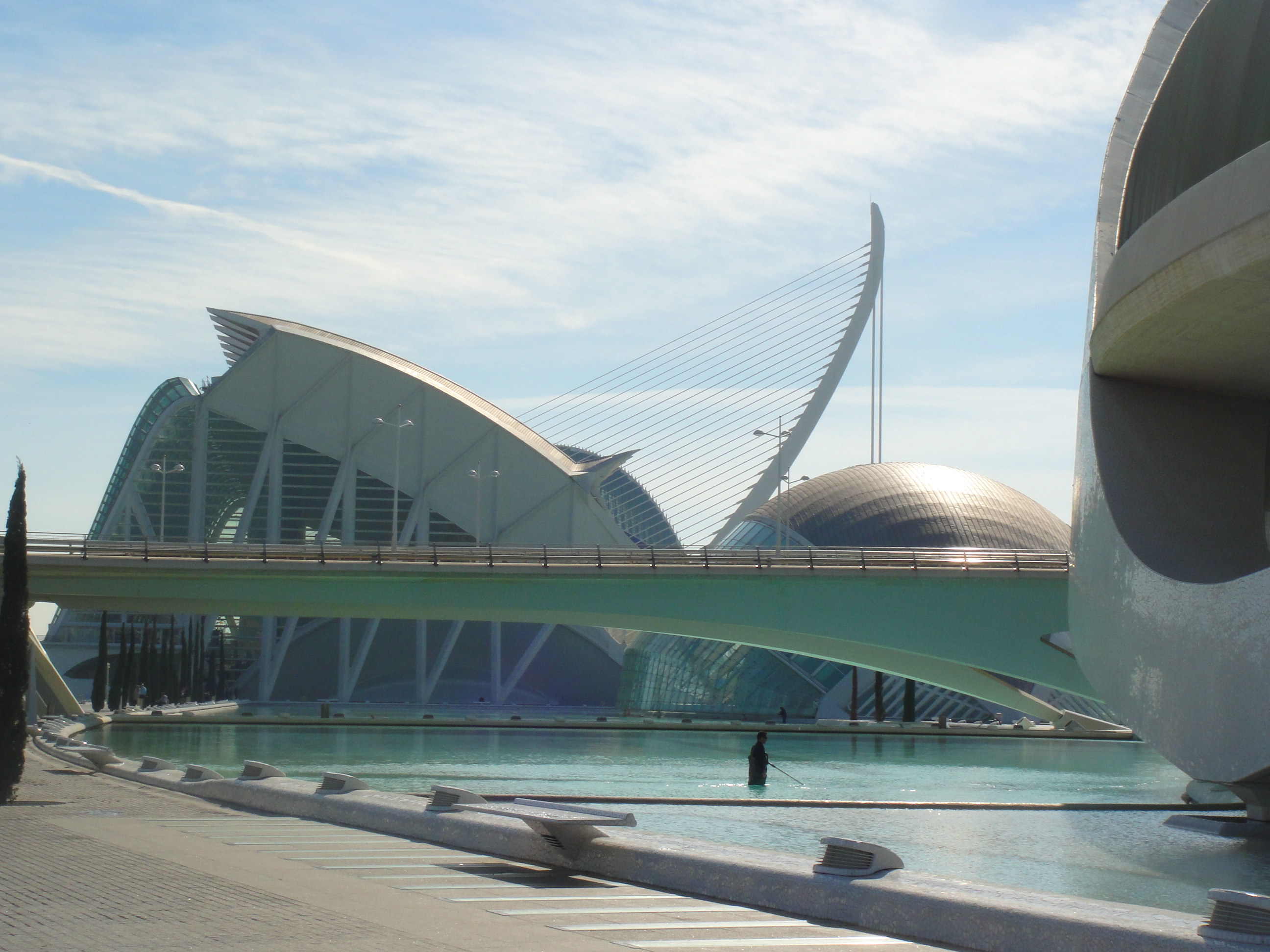
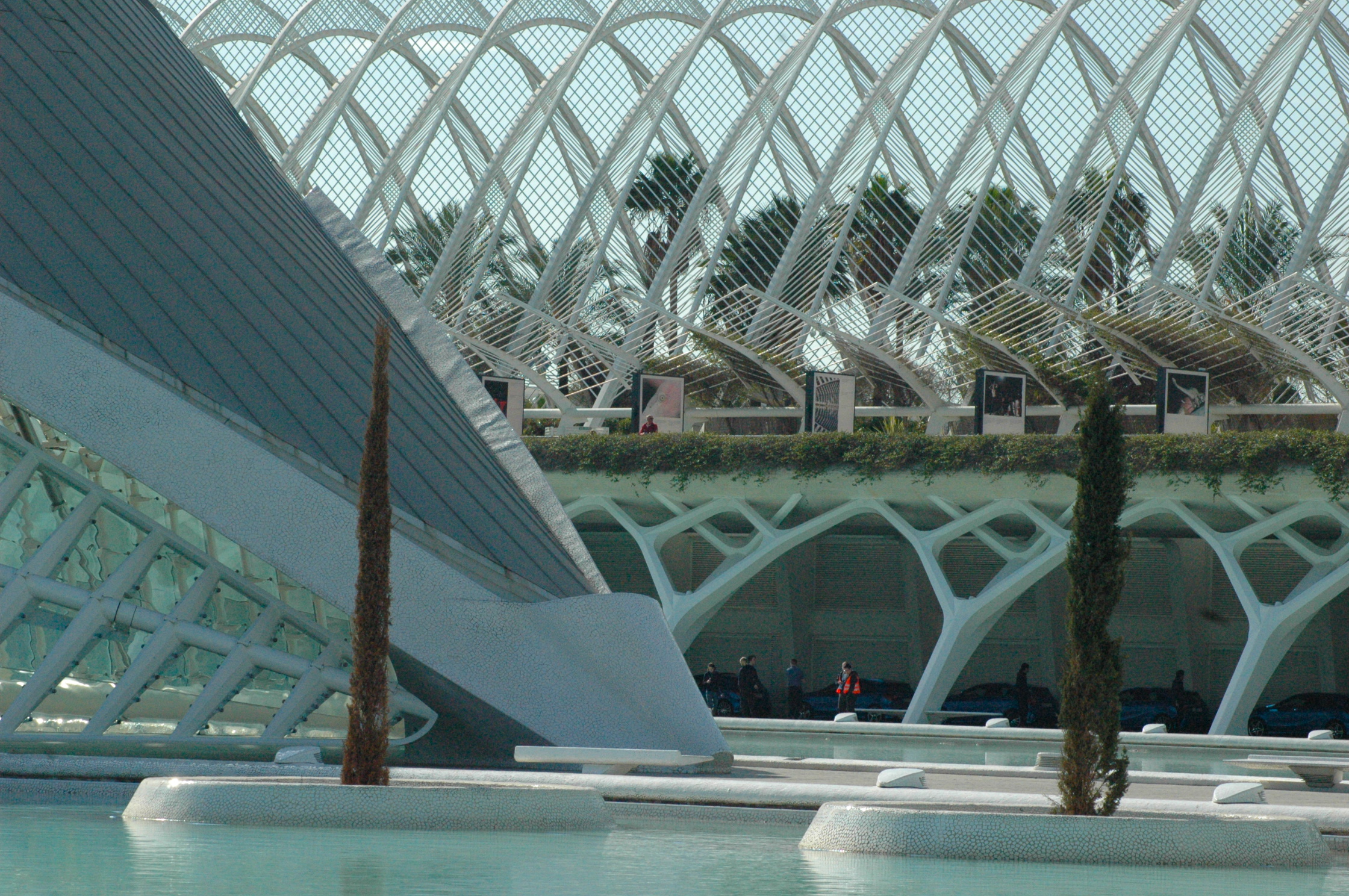
Designed by Valencian-born architect Santiago Calatrava in partnership with Spanish architectural great Felix Candela, the arts and sciences city is a town within a town, a giant complex of architectural spectacles devoted to learning, the arts and science, and set within a glittering azure pool in what was once part of the old Turia river. There are some 7 buildings in all, a panoply of differently angled, curved and bombastically arranged shapes in pearly, clean and uninterrupted white, all dappled and reflected by the blues and turquoises of the huge shallow ponds which surround the buildings, and marking a start contrast to the repetitious lines of one cypress tree after another, each neatly trimmed into perfect alignment with the sharply linear and meandering architecture of Calatrava’s creations.

Cypress trees appear to float on water

Cypress trees appear to float on water

Reaching the arts city by bus (bizarrely, despite spending such a stonking amount of money on developing the site, the city is yet to connect it anywhere close to the metro system, and it’s a good 45 minutes walk from the historic centre), we were simply awestruck by the originality and sheer scale and quantity of the architectural feast on show as we drew progressively closer to the complex. Oohs and aahs simply didn’t cut it when these outlandish buildings emerged before us. It felt a little like entering the set of a huge futuristic feature-film, the warm Valencian sunshine being in itself like studio lights, reflected as it was off the dazzling white surfaces of these luminescent  buildings.

Wanting to take in each and every detail of this incredible place, we simple decided to start off at one end and walk to the other, gawping at and admiring each respective architectural masterpiece in turn.

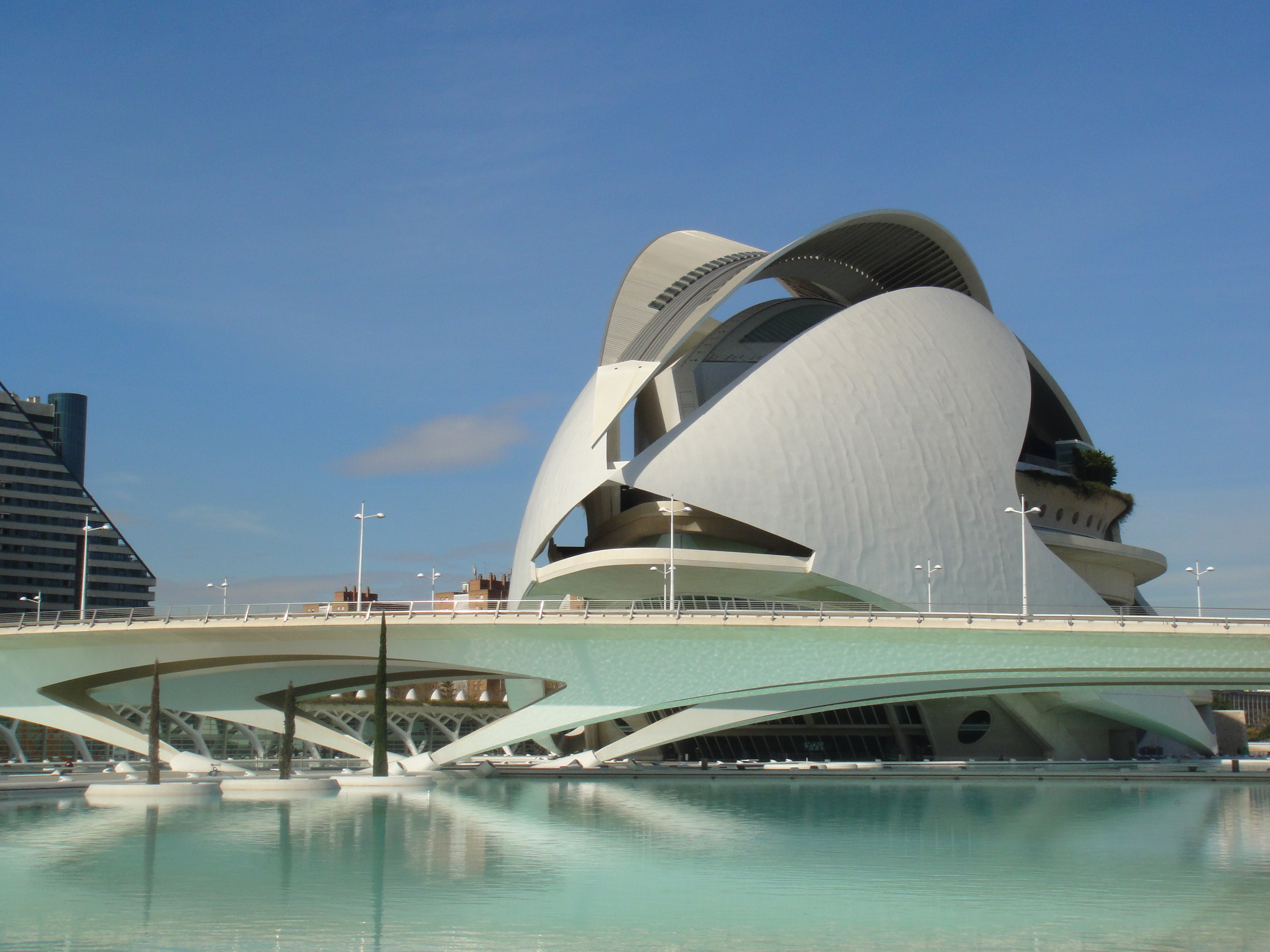
The Palau Reina Sofia

The Palau Reina Sofia

DSC05213

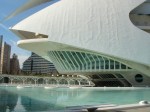
We began at the  Palau de les Arts Reina Sofia, an opera house and performing arts center which, with the capacity for 4,400 spectctors is one of the biggest opera houses in the world, second only in size to the Sydney opera house and containing some 4 auditoriums. Surrounded by some 87,000 square metres of landscape and water, and comprising two huge metal shells weighing over 3,000 tons, the building is like a vast space-age helmet, appearing to float suspended above a sea of disinfectant or other chemical mass. We did however notice that the building, the newest of the complex, is already showing worrying signs of age – the multi-tiled mosaic surface (paying homage to Gaudi) looks as though its cracking and wrinkling all over. Not a good sign for a building which the architect billed some 100million euros for and which cost much, much more to build.

Elegant curved bridge sweeping across the park

Elegant curved bridge sweeping across the park

The opera house is separated from the next building, L’Hemisfèric, by a faultless curving bridge which sweeps with ease and elegance across the large watery space, carrying cars from one side of the old river bank to the other. Meanwhile the Hemisferic is a perfectly rounded glass and silver entertainment venue, part Imax, part planetarium and par laserium (whatever that is). The building is designed to resemble a giant “eye of knowledge”, and when reflected in the watery surrounds makes a perfect oval shape, completing the eye-like illusion. Allegedly the large shutter along its “roof” opens along the curved axis of the “eye” like a large shutter – I wold love to see that in action.

L'Hemisfèric

L’Hemisfèric

Two for the price of one (or possibly not actually...)

Two for the price of one (or possibly not actually…)

The sympathetically designed cafe

The sympathetically designed cafe

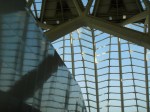
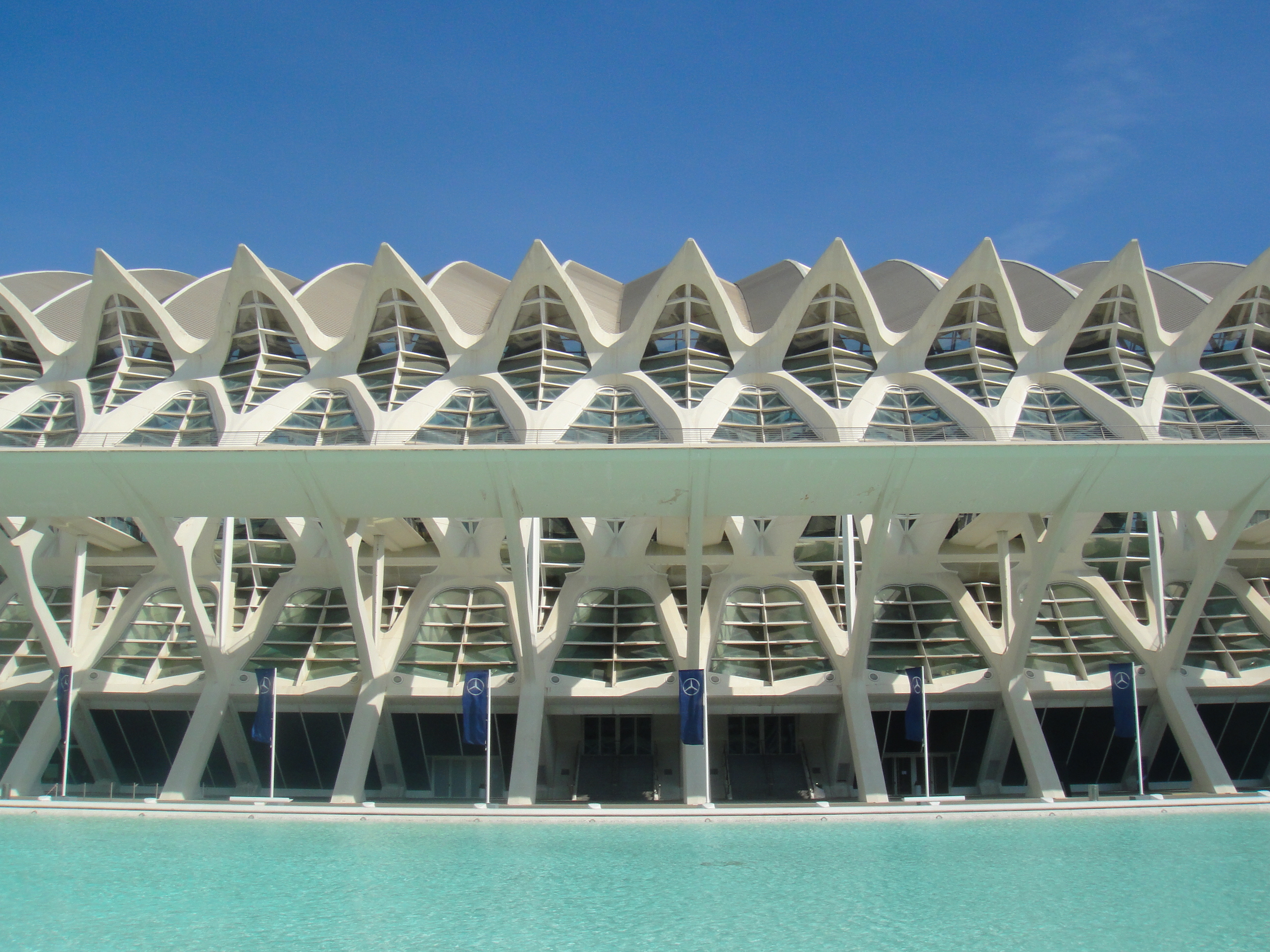
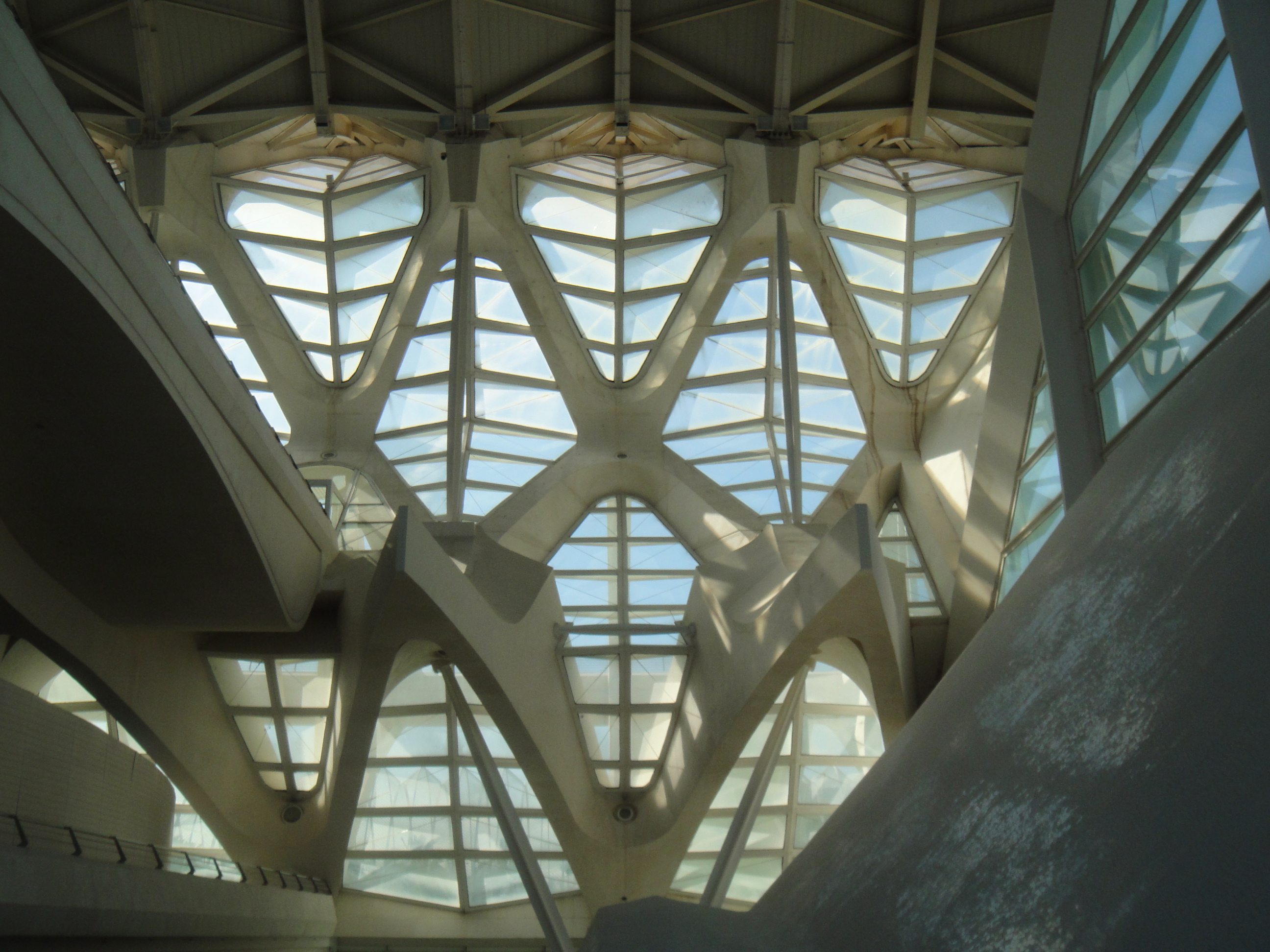
Up next was the vast Museu de les Ciències Príncipe Felipe, an interactive museum of science that is said to resemble the skeleton of a whale, although the spikey diamond shaped window frames reminded me more of a harlequin. While so many of the buildings in the park were shut to the public, this one was open, and at the cost of only 2 euros extra on top of the vast 22 euros aquarium entrance fee, one could tour around the huge science exhibition in this complex. I have to say, I found it all a bit boring and fragmented – there were plenty of self contained little science exhibits which I’m sure would have been of more interesting for school tours following a specific curriculum. Having said this, it was good to marvel at the space – this vast centre is like an airport terminal with so much wasted space – 220 metres long, it comprises 4,000 panes of glass and is also surrounded by it’s own reflective pools which help to magnify the space yet further, and besides which we stopped for a “pick-me-up” expresso sat on equally contemporary looking white angular chairs.

Museu de les Ciències Príncipe Felipe

Museu de les Ciències Príncipe Felipe

Inside the science museum

Inside the science museum

Stairs leading up to the whale bone structure

Stairs leading up to the whale bone structure

The museum's vast interior space

The museum’s vast interior space

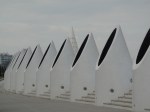
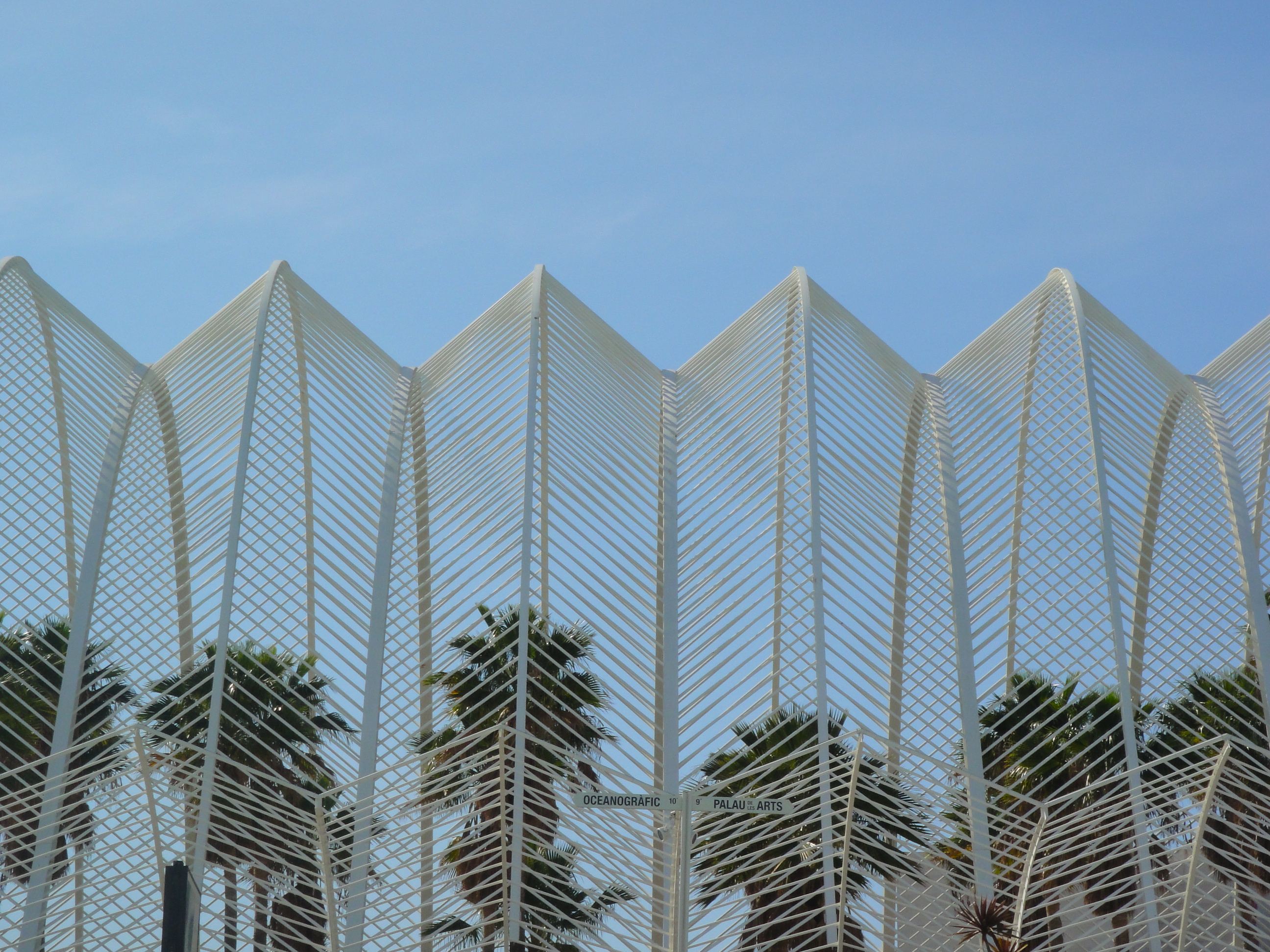
Walking past the science museum one walks either through or under L’Umbracle a feather-resembling landscaped walk way which comprises large super fine archways extending over palms, orange trees, herbs and a plethora of local plant varieties which flourish in this partly protected environment. It amazed me that these tall and slender archways are formed from concrete – they looked so fine and elegant that they appeared feather light, like a hair comb reaching up into the heavens.

L'Umbracle

L’Umbracle

Inside L'Umbracle

Inside L’Umbracle

DSC05412

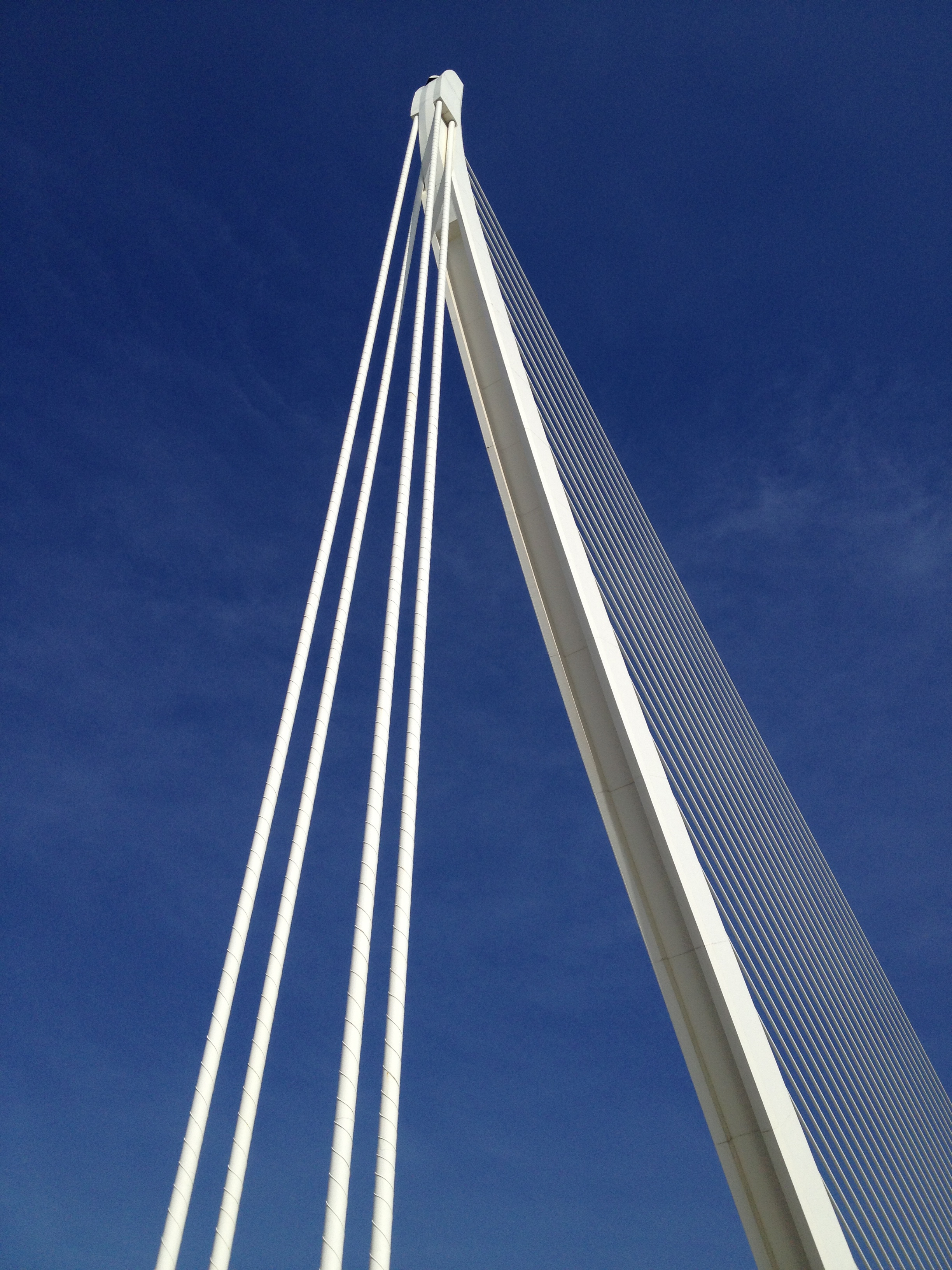
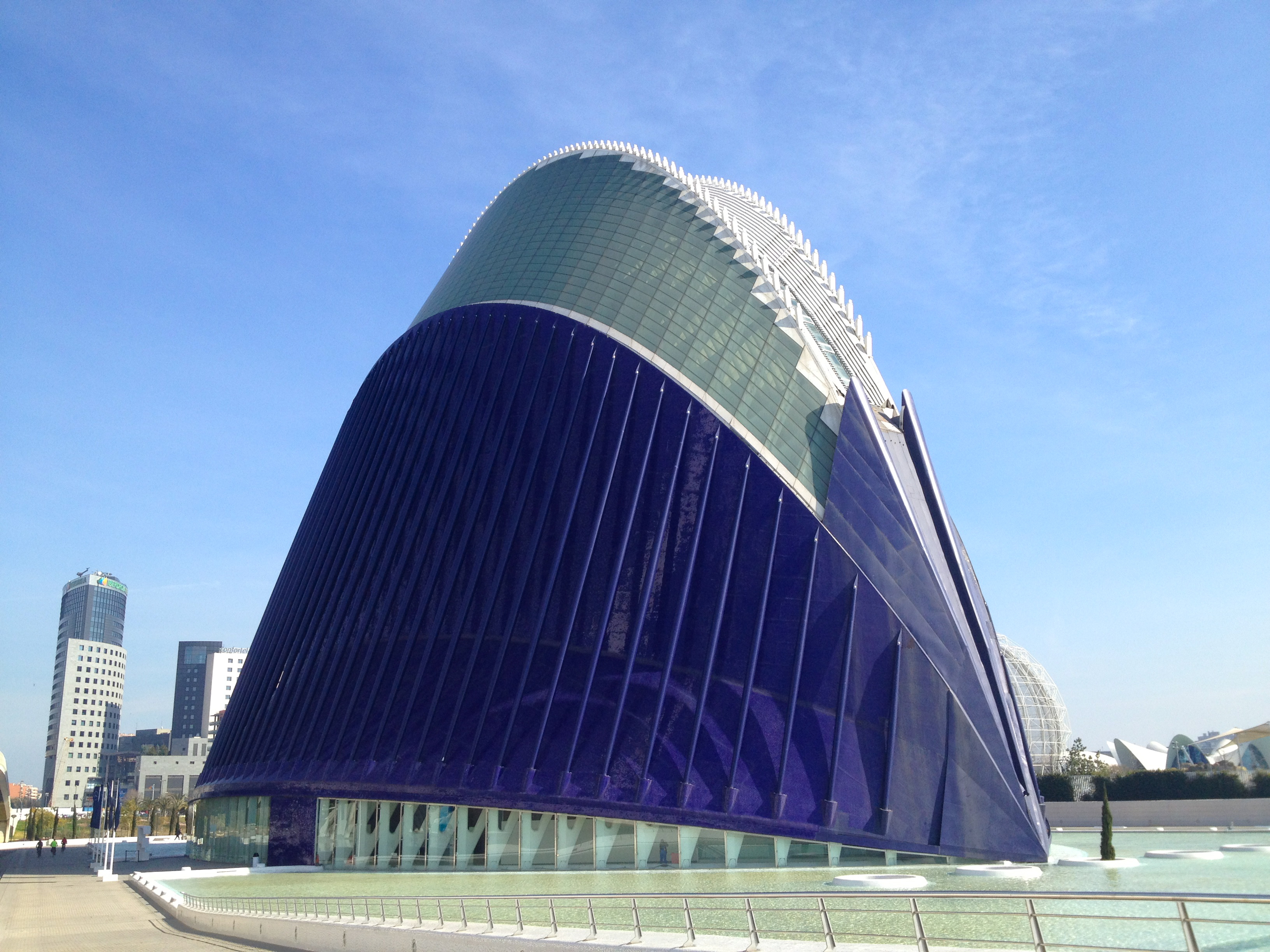
We were making our way to the vast aquarium complex at the far end of the park, but before reaching it passed two other sites of significant interest. First,  Assut d’Or, a suspension bridge so fine and tall that it reaches into the sky like a harp, a ship’s sail, or as some would have it, the “ham slicer”. Beyond that was the only blue building of the white series, L’Àgora looking a bit like a ripening fig. We couldn’t tell what it was from the outside, but apparently it’s a covered plaza in which concerts and sporting events are held – another huge space which, I assume, goes unused for much of the year.

Assut d'Or

The fine harp-like shape of Assut d’Or

With L'Àgora and the Science museum in the background

With L’Àgora and the Science museum in the background

L'Àgora

L’Àgora

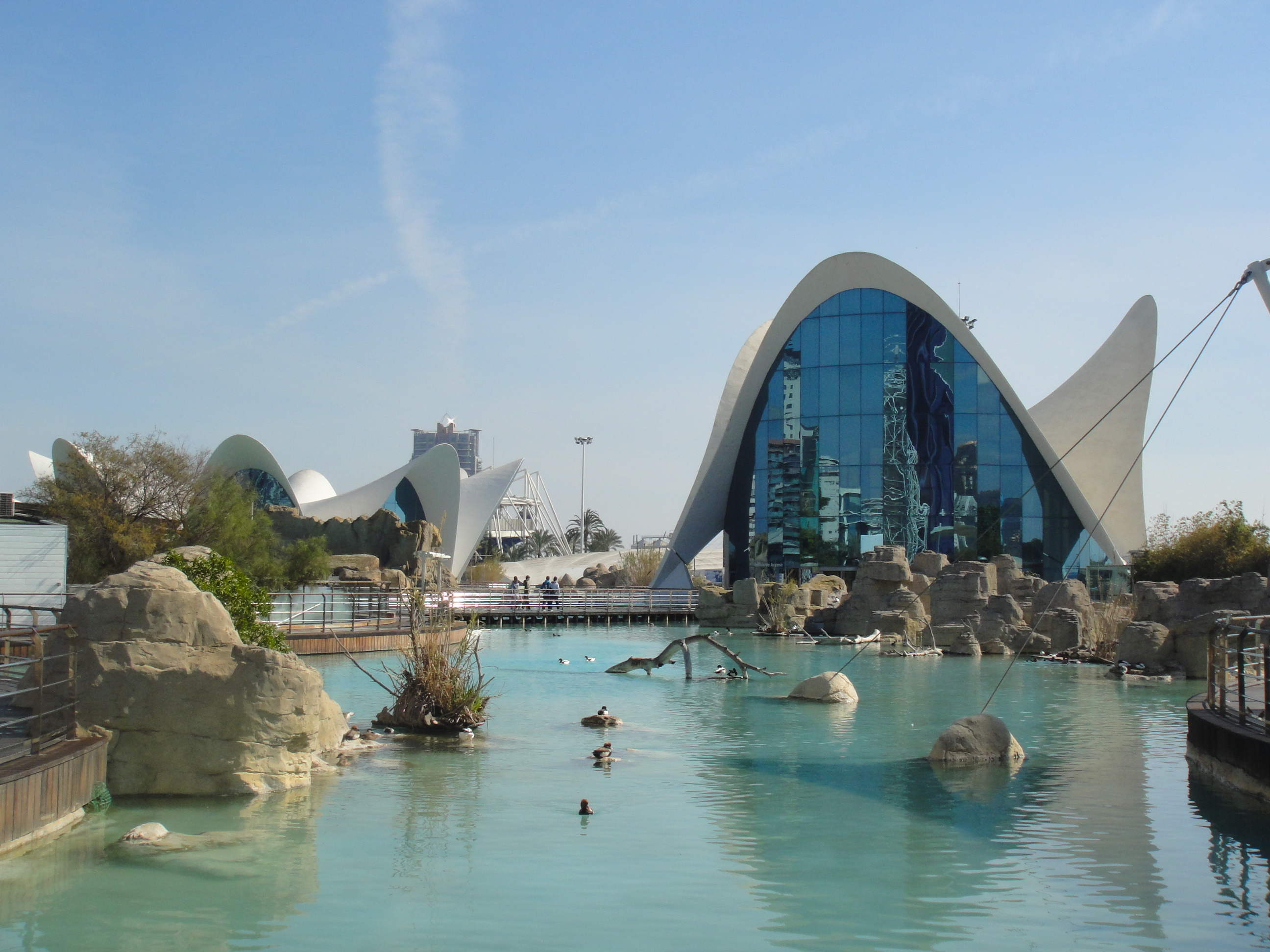
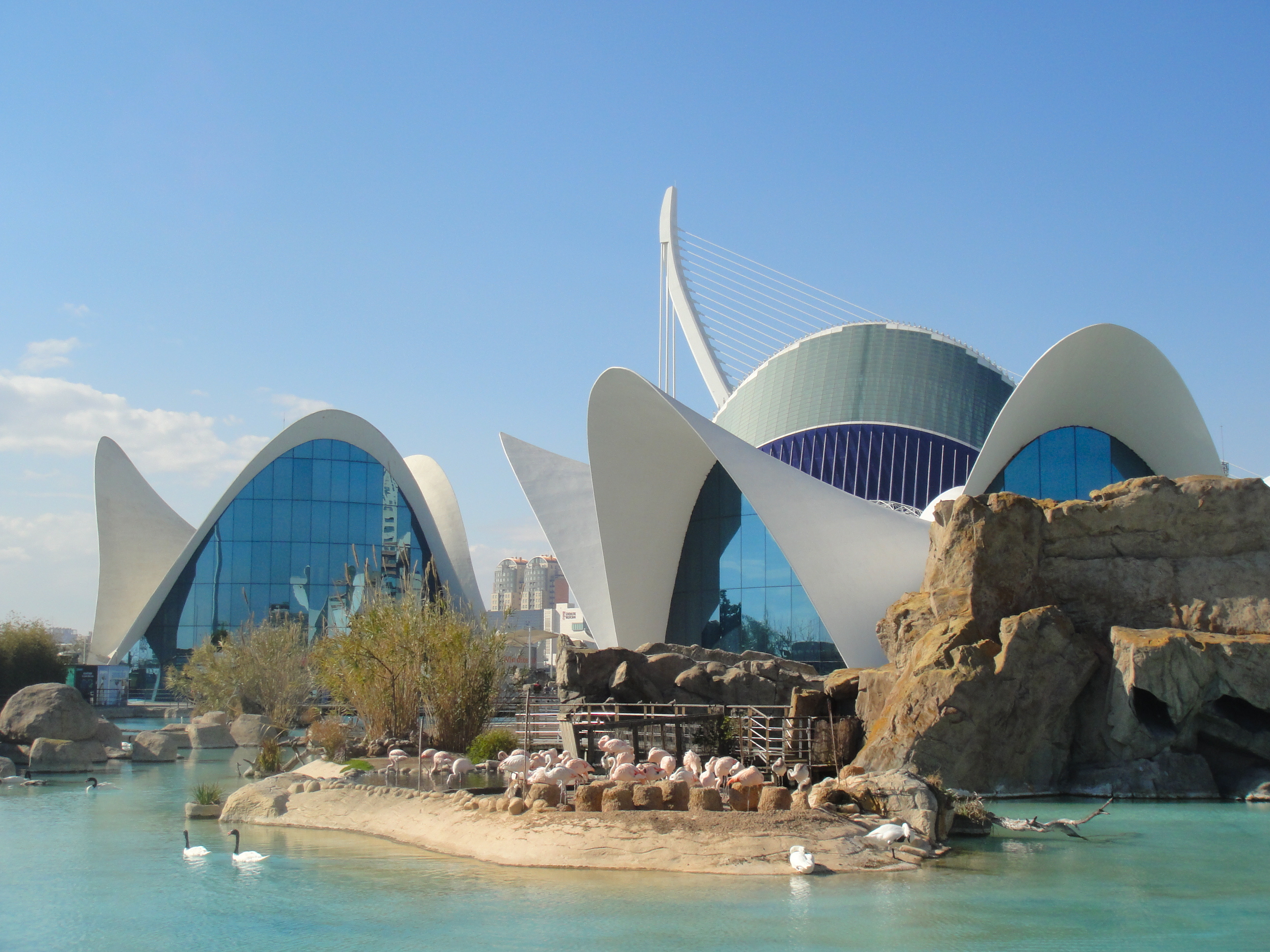
Already pretty exhausted by all we had seen, but still full of enthusiasm for the pure ingenuity and extra-human scale of the site, we finally made it to L’Oceanogràfic, an open-air oceanographic acquarium-come-park, which is the largest aquarium in Europe, and with 110,000 square meters of space,  42 million liters of water, and a number of different buildings representing different aquatic environments from wetlands and tropical seas to antarctic and the pacific, that statistic does not surprise me. Asides from the incredibly varied array of aquatic species found within the park, it is also notable for having two of my favourite buildings in the whole complex. Both by Felix Candela, they were designed to open out from the ponds surrounding them like waterlillies. With super thin concrete shells looking almost like bonnets shaped around large reflective glass windows, these buildings are particularly elegant and looked wonderful as the backdrop to the vibrant pink flock of flamingos ambling in shallow waters near by.

Waterlily bonnets in L'Oceanogràfic

Waterlily bonnets in L’Oceanogràfic

DSC05321

So at the risk of simply writing what is already turning into something of a travel guide into the arts and science city, what was our experience of the park? Apart from being frankly overwhelmed by the size, diversity and other-worldliness of the park, it was hard not to explore the complex with a hint of cynicism  and a touch of distaste at the sheer scale of the extravagance and expense which must have been poured out by the Valencian government in order to pay for this development. While much of Valencia’s city centre is left to slowly crumble, and prime sites near the Catedral are lying empty, further out in the far suburbs of the city, we have this mammoth arts and science centre which appears to belong to another age. Whether that age was the time of optimism (or perhaps just naivety) when economies across the world felt that credit was limitless and pursued vastly expensive projects recklessly unchecked, or whether it is a futuristic age when architecture such as this will become more commonplace (and cheaper to build), who knows. However for the present the site is dogged by controversy; because for much of the time it is empty, unused and silent; because it costs more to upkeep everyday than it can possibly make from revenues (even when we were there there were several men in every pond cleaning the waters, trimming the cypress trees and polishing the white surfaces), and because the local funds diverted into the project could have helped so many living under financial straits in the Valencia region.

Flamingo's bask in the sunny L'Oceanogràfic park

Flamingo’s bask in the sunny L’Oceanogràfic park

The park's "Wetlands" structure

The park’s “Wetlands” structure

Yet there can be no doubting the architectural brilliance of what has been achieved here. Such is the extreme of experimentation that it marks a vast contrast to the rest of Valencia’s historical centre. And this isn’t the first time I have seen such innovation in Spain – there’s the titanium-tiled fish-like Guggenheim in Bilbao for example, and the meandering Marquez de Riscal winery building in La Rioja, as well as a number of other examples of pioneering architecture cropping up across Spain, architecture so forward and extreme that its almost as though Spain, still damaged by the shadow of its savage civil war only two generations ago, is trying to shake of the past by surging forward.

But for now at least, that forward pace is necessarily stunted. The Spanish economy is one of the most precariously shaken in Europe, and the unemployment levels (one third of employable Spaniards are currently unemployed) are probably the worst. But in these grim times, at least we have  masterpieces such as these works by Calatrava and Candela to gaze at in admiration, the manifestation of a crazy dream in a now long-lost time when so many of us were dreamers, untouched by the economic crisis which has now taken an irresolute firmhold across the world.

DSC_1037

All photos and written content are strictly the copyright of Nicholas de Lacy-Brown © 2013 and The Daily Norm. All rights are reserved. Unauthorized use and/or duplication of the material, whether written work, photography or artwork, included within The Daily Norm without express and written permission from The Daily Norm’s author and/or owner is strictly prohibited. 

A tale of two Picassos – the 1901 prodigy and the introspective illustrator of mythology

I take something of a short break from my Valencian reportage to divert my focus slightly to one of the world’s most recognised artist, who is, as ever, creating a fresh storm manifested through two new exhibitions reflecting upon specific aspects of his career; one a period in which he started to develop from young progidy into the artist we know and love today; and the other his propensity towards illustrating mythological figures in his body of work. The first exhibition, Becoming Picasso: Paris 1901recently opened and running until the end of May, is being held here in London, at the Courtauld Gallery. The second, Picasso: Faune, Centaure, Minotareis on show in Valencia itself, and was therefore something I was lucky enough to catch during my stay. Held at the Bancaixa foundation, it’s running for the duration of 2013.

Becoming Picasso…

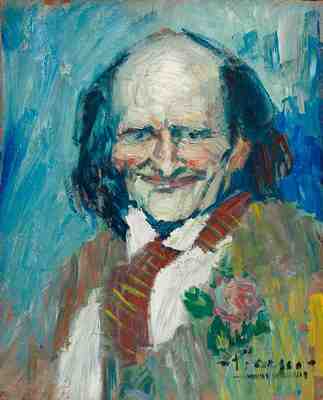
So let’s go back to the beginning, a time when Picasso was yet to find himself painting mixed up bodies, before the great masterpieces of Guernica and Les Demoiselles d’Avignon, when his figures were not delineated in thick black outlines, nor his compositions fragmented by cubes. In 1901, Picasso was but 19, but already showing huge talent as a young Malaga-born prodigy, so much so in fact that his work had already been chosen, in 1900, to represent Spain in the great Exposition Universelles in Paris, followed shortly afterwards, in 1901, by his very own solo show, held in Paris by collector Ambroise Vollard (Cezanne’s principal agent).

Portrait of Bibi-la-Purée (1901)

Portrait of Bibi-la-Purée (1901)

It was partly in preparation for this show that Picasso had such a prolific year in 1901, sometimes painting up to 3 canvases per day in preparation for his first big exhibition. It was a collection which borrowed from other Paris-based artists before him, such as Toulouse Lautrec’s depictions of the debauched Moulin Rouge nightclub, as well as the Spanish influences from which he was born, including the dwarf like characters of Velazquez’s work, replicated to amusing effect in this period by Picasso with paintings such as “La Nana”, a dwarfish dancer working at the Moulin Rouge. It was a period of colour and vivacity, full of latin spirit seeping into paintings such as “Spanish Dancer” and “Spanish Woman”, a rather promiscuous looking woman who again appears to reflect the work of Velazquez who famously portrayed the Spanish royal infantas with their huge skirts and embellished dresses. 

It is with these fascinating paintings that the Courtauld show marks its strong opening, full of the joie de vivre of Paris but presented with a latin twist, far from the Picasso of later years, but neverthless showing prolific skill and a confident hand, even when painted so quickly.

Dwarf-Dancer (La Nana) (1901)
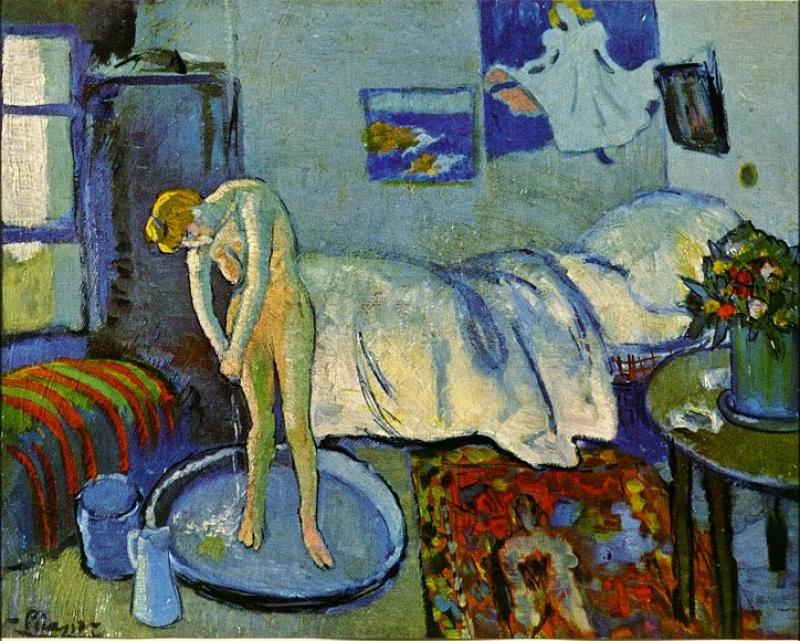
Dwarf-Dancer (La Nana) (1901)

The Blue Room (1901)

The Blue Room (1901)

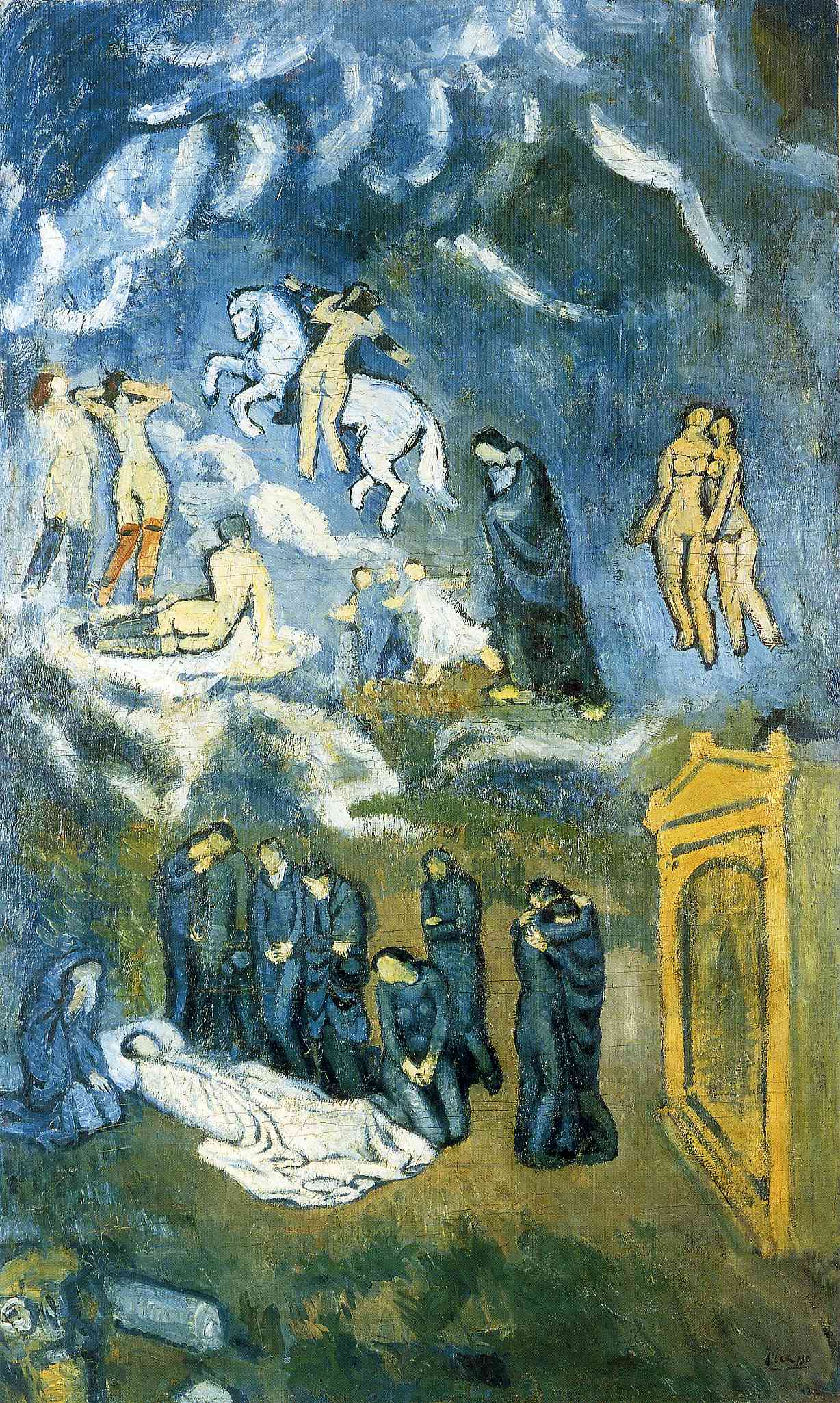
However around the same time that his solo show was being received to critical acclaim, tragedy struck in Picasso’s life. His heartbroken best friend,  Carles Casagemas, shot himself in the head in a Parisian cafe in front of all of his friends. It must have been a highly traumatic event, and the emotional turmoil which results is demonstrated in a marked change to Picasso’s approach. Diverting suddenly from the multi-coloured depictions of Paris as exhibited at the Voillard show, Picasso enters a new “blue” period (as it later became known), works of obvious melancholy. The blue paintings at first reflect on Casagemas’ death itself, as Picasso’s imagination becomes riddled with an almost obsessive preoccupation on his death. Picasso paints his dead body, and an altar-piece sized scene in which Casagemas’ body appears to be riding to heaven surrounded by scantily clad prostitutes taking the place where angels would normally be represented. Again this piece exhibits strong Spanish influences, marking a clear parallel to the impressive altarpiece, “The Burial of the Count of Orgaz” by El Greco, to be found in Spain’s Toledo.
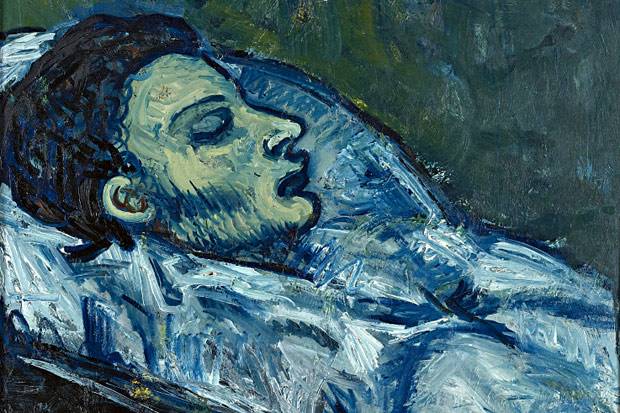
Casagemas in his Coffin (1901)

Casagemas in his Coffin (1901)

Evocation (The burial of Casagemas) (1901)

Evocation (The burial of Casagemas) (1901)

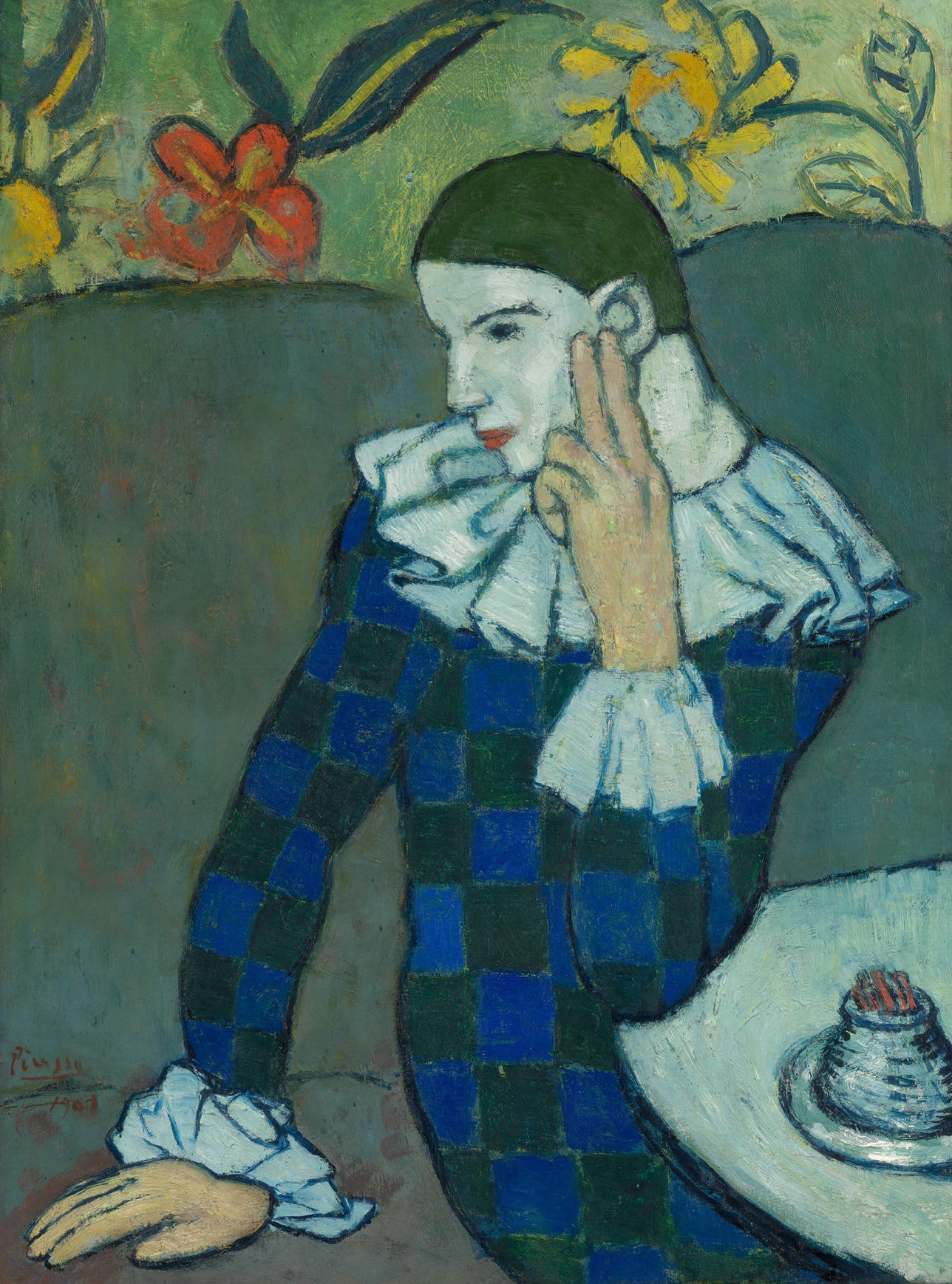
What Parisian scenes Picasso does paint during this period are now marked with the same degree of melancholy. With a clear nod to Degas’ Absinthe drinkers, Picasso’s absinthe-drinking punters are melancholy, drawn out figures, either alone or depicted sat with a mysterious harlequin figure. Meanwhile, away from the cafes, Picasso becomes equally preoccupied with the suffering of others around him, in particular gypsy-looking mothers, shown in the tight embrace of a child to withstand the suffering and hard-bitten existence all around them.
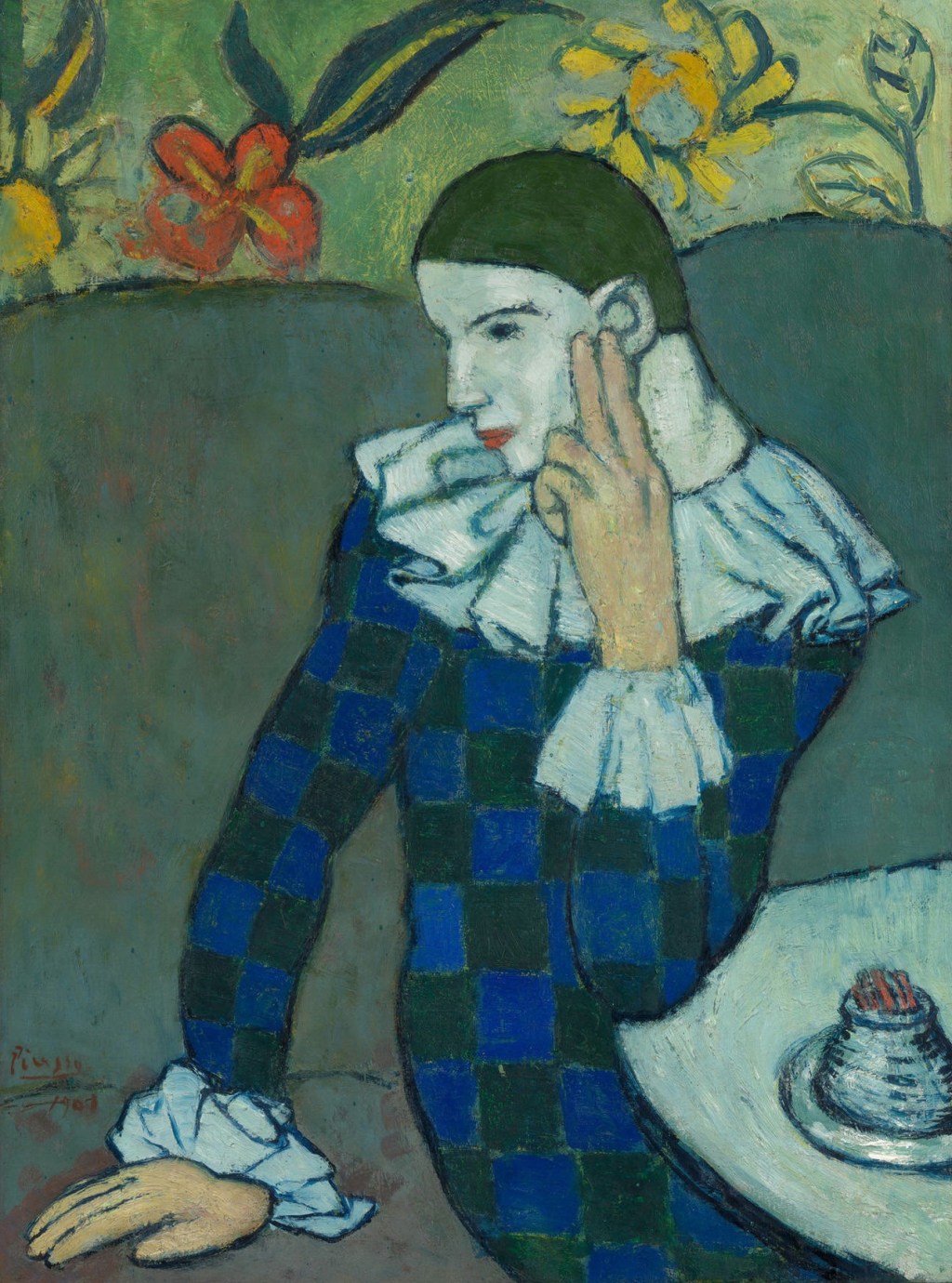
Seated Harlequin (1901)

Seated Harlequin (1901)

Harlequin and his Companion (1901)

Harlequin and his Companion (1901)


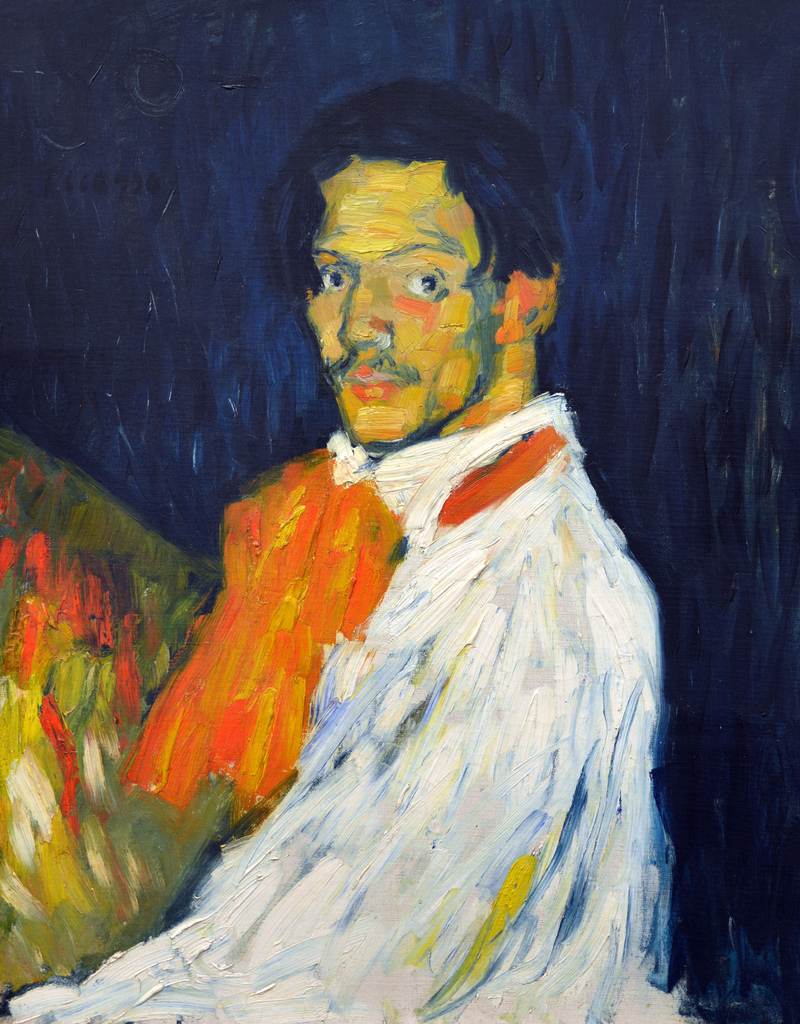
Yo - Picasso (1901)

Yo – Picasso (1901)

And there the show ends. It’s a small and compact exploration of a year which was clearly significant in Picasso’s development as an artist. As his paintings during the year develop, we see him adopting a stronger and darker black outline of his figures, with colour then added in between. It is thought that he had been influenced by the likes of Gauguin and Van Gogh in adopting this approach and taking it forward for the remainder of his career. It was also during this year, and clearly buoyed by his solo exhibition success, that Picasso emerged a more confident artist, as demonstrated by the two self-portraits in the exhibition, entitled “I-Picasso” (“Yo”) and which show the artist staring out boldly, full of strength and belief in his own skills. It was also in 1901 that Picasso, for the first time, started signing his paintings with the simple epithet: “Picasso”.  There was no longer a need for a first name, nor indeed for any further introduction. Bold, prodigious and startlingly original in his changing styles and daring representation, the Malaga-born artist had now made it in Paris, and there was no going back. He had become Picasso.

Picasso: Faune, Centaure, Minotaure

The second show, which I was lucky enough to catch while in Valencia, is held in the rather swish premises of the Spanish bank, Bancaja, who have established something of an art foundation in the Valencia centre. A couple of years back I went to a similar foundation established by La Caixa bank in Palma de Mallorca and remembered thinking then that good old Barclays or Lloyds in London would never have an art foundation like these – and yet it’s a shame, since banks often have huge art collections which never otherwise see the light of day.

This small show, hung across a rather spacious contemporary exhibition area, focuses on Picasso’s preoccupation with mythology, and his use of the mythological figures of the Faun, the Centaur and the Minotaur to depict not only the legendary stories themselves, but also to use those characters in portraying something of himself. Most of the works were either watercolours, lithographs or etchings, and many were illustrations drawn by Picasso in partnership with well-known authors or poets. He also used the mythological figures when designing sets for theatrical and ballet productions and these two were represented in the show.
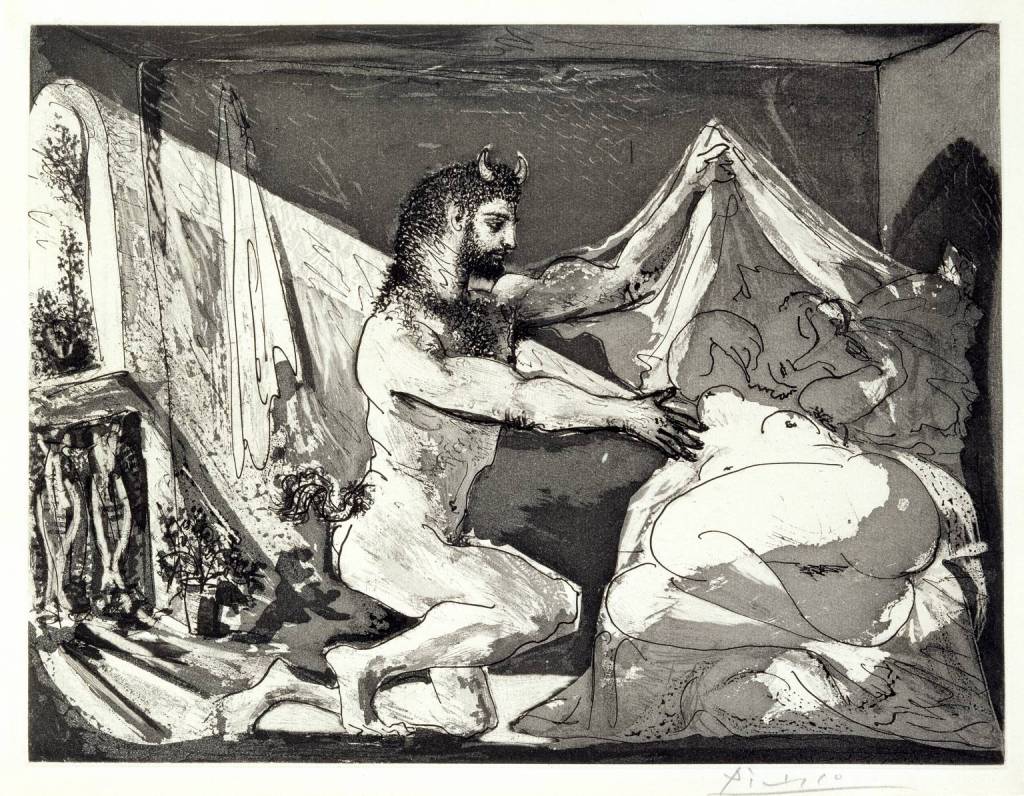
Faun Revealing a Sleeping Woman (Jupiter and Antiope, after Rembrandt) 1936

Faun Revealing a Sleeping Woman (Jupiter and Antiope, after Rembrandt) 1936

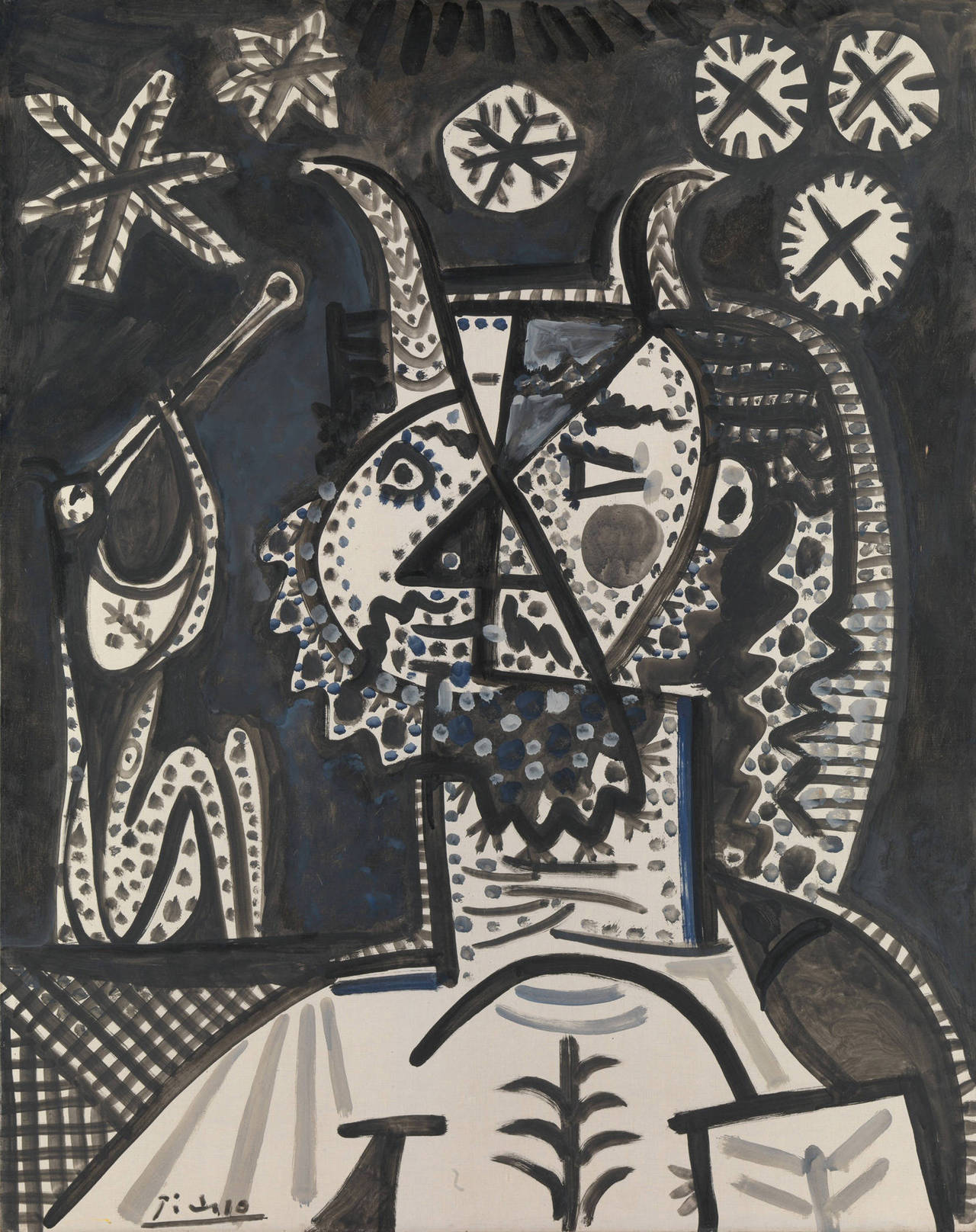
Faun with stars (1955, the Metropolitan Museum of Art, NY)

Faun with stars (1955, the Metropolitan Museum of Art, NY)

Through the faun, Picasso portrayed a happier, jocular ladies man, seducer of women, the party joker; and consequently the sketches and works of Picasso which include the faun are the work of happier times in Picasso’s career, when his subjects and his output appears carefree and creative. It is said that in representing the faun, Picasso looks back to his experiences as a lothario, as a fun and happy lover. In this work (above), “Faun revealing a sleeping woman” (1936) for example, part of the Suite Vollard which was a set of illustrations made as part of a collaboration with Ambroise Voillard, some commentators suggest that the etching was made as Picasso’s relationship with his lover and muse of ten years Marie-Thérèse Walther was coming to an end, and he looked back, nostalgically at their past affection and here, a holiday they spent together in Juan-les-Pins in the South of France.

Centaur and Bacchante, 1947
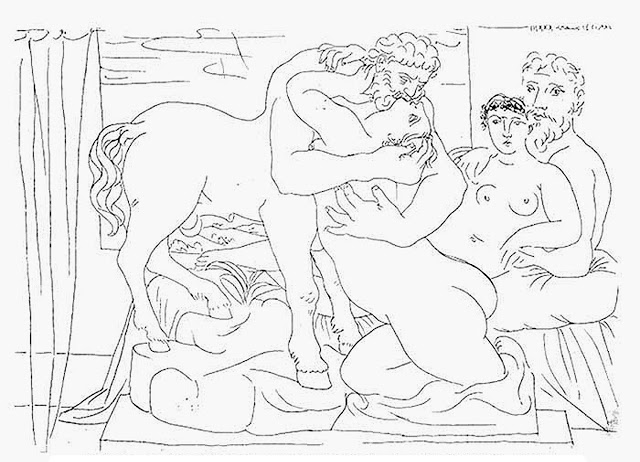
Centaur and Bacchante, 1947

Picasso, Sculptor & Model with Statue of Centaur Kissing Girl, 1933

Picasso, Sculptor & Model with Statue of Centaur Kissing Girl, 1933

Through the centaur, Picasso plays on the traditional perception of the centaur as a mischievous sexual predator, a sexualised lothario, but something of a sexual outcast. On the one hand he shows the centaur painted in the loving embrace of a fellow sexualised bacchant, while on the other showing him as a troubled character who does not fit in within society. In one illustration (which I have been unable to find an image of) Picasso illustrates the rather surreal tale of a man who finds a centaur and brings him to Spain whereupon he tries to find a suitable place for him within society. The centaur is given a job as a picador in the bullring, but the centaur soon leaves the job, disliking the way that the bull would charge at him. Next he tries carting tourists around in a carriage on his back but finds the job too tiresome. Finally he settles in a teaching role. It’s a bizarre tale, but is it one which demonstrates Picasso’s own failure to properly find his niche in society?
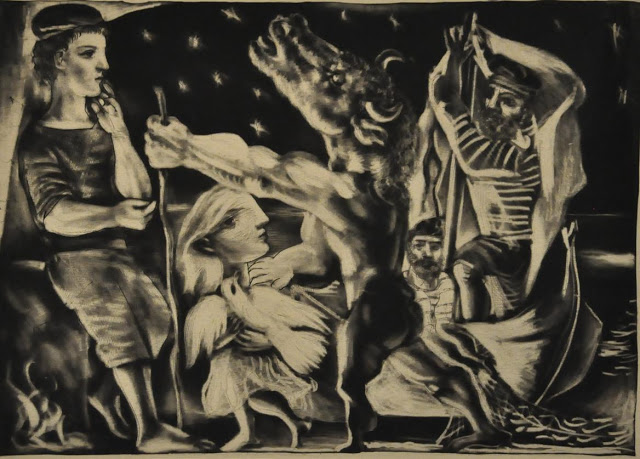
Blind Minotaur Led by a Girl through the Night (1934 Printed in 1939)
Blind Minotaur Led by a Girl through the Night (1934 Printed in 1939)

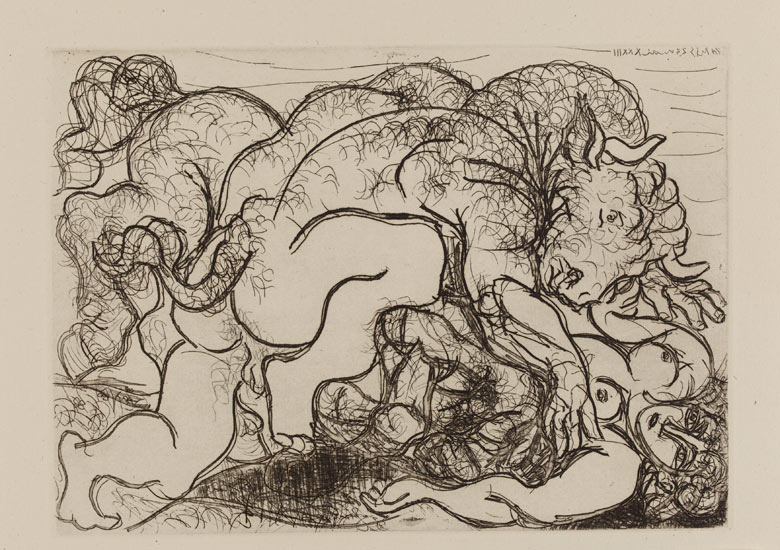
Picasso's Minotaur lying over a female centaur, 1933; plate 87 of the Vollard Suite at the British Museum

Picasso’s Minotaur lying over a female centaur, 1933; plate 87 of the Vollard Suite at the British Museum

Finally, through the minotaur, Picasso reaches his lowest ebb, depicting the troubled, self-loathing and introspective minotaur at the times when Picasso is experiencing his own depression. Sketches showing the minotaur being manipulated by women (such as the illustration of the minotaur being led blinded by a woman into the night, above), injured, murdered and abused litter the period of work which Picasso later revealed to be his lowest and most desperate – it was the time when he was trying to escape a troubled marriage with wife Olga, a time when in paintings such as “Three Dancers” (now in Tate Modern), Picasso’s figures became more severe, defaced and ugly.

So while the Bancaja’s exhibition focused on a fairly narrow chapter of Picasso’s oeuvre, it nevertheless unveiled a number of truths of Picasso’s inner psyche: Picasso the self-doubter, the traumatised, the passionate lover, and the nostalgic and sensitive gentleman. For that reason it was a fascinating biographical tale told through some scintillating visual aids in the mythological genre. If only UK banks could prove such an education.

For details of the two exhibitions above, see the relevant pages of the Courtauld and Bancaja websites.

Valencia (iv) – Day 2: Sea, Sanctuary and Semana Santa

It’s easy to forget that Valencia is by the sea. With its centre some distance inland, you can barely make out the horizon of the Mediterranean, even from the city’s highest point atop the Miguelete bell tower. You can’t smell the sea, nor see boats, and I suppose it doesn’t help that the old river Turia is now dried out, diverted, and turned to gardens. And yet a ten minute journey away on Valencia’s tram will take you swiftly coastwards, where the Mediterranean sea stretches out like a swathe of azure blue above a foreground of softly undulating white sand.

And it was to the coast that we headed on this, second day of our Valencia Odyssey, taking the tube from Xativa out to the old Marina. But before we could even leave the historic centre, our walk took us into the Southern stretch of the city, below the Plaza de la Reina, and into the far bigger, much grander Plaza del Ayuntamiento. If the Catedral and the Plaza de la Virgen behind it is the beating heart of the city, then the Plaza del Ayuntamiento is its administrative brain and spinal cord. The Plaza, and the Ayuntamiento (town hall) sitting at its centre, resembles something closer to New York than old town Valencia. It’s highrises are not glass skyscrapers, but they are tall and magnificent, straight out of the art deco and Modernista era of architecture. At one corner of the square, a whole series of domed and turreted multi-storey business blocks come together like a meeting of the giants, and the effect is magnificent and altogether imposing. In the square’s centre, a vast plaza is broken up with a suitably impressive fountain surrounded by flowerbeds and flower sellers, while numerous benches enable visitors to sit and gaze up at the many elaborate buildings, and the stucco, wrought iron, and sculptures which decorate their facades, sending out a message of the grandeur and supremacy of the administrative heart of this city.

Features of the Plaza del Ayuntamiento

DSC05104Roof decoration aplenty in the Plaza del AyuntamientoDSC_0801 DSC_0806 DSC_0789 DSC_0766 DSC_0815 DSC_0822

Walking through this impressive plaza, and onto the main shopping street lined, amongst others, with the beautiful Modernista Estacion del Norte, and the vast colonnaded bullring (this has to be one of Spain’s most impressive) we made our way down into the fairly modern and efficient (if a little slow) tube and journeyed outwards towards the coast. There, we alighted a few stops before the sea, just as the metro makes its seamless transition into an overland tram, so that we could make a visit to one of Valencia’s more unusual museums – the Museum of the Semana Santa Marinera de Valencia.

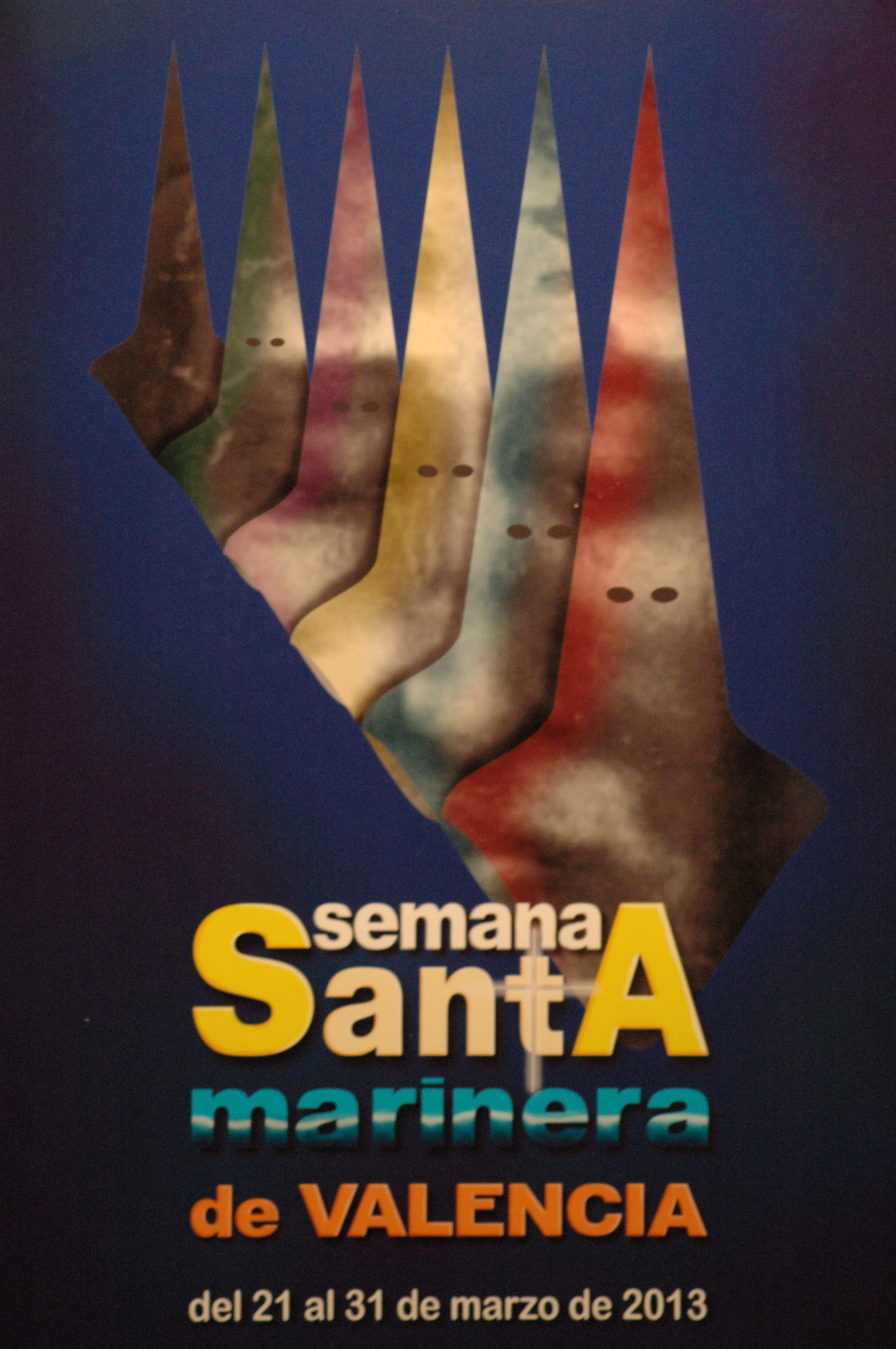
For those unaccustomed to Semana Santa, Spain’s Holy Week celebrations, they are generally mistaken into believing that the sinister hooded figures with eye-holes cut into pointed hoods, marching en masse by candlelight and accompanying religious paraphernalia, are none other than the infamous KKK. This is an unfortunate confusion which comes more of the KKK’s widespread infamy than any ignorance of spiritual and sacred tradition closer to home. For in Spain, long before the 3 K’s surfaced with their abominable practices, the churches of Spain’s towns and cities parade their holy statues out of the churches and around the streets on each of the nights of Holy Week. The men with the hoods are nazareños, Christian faithful who cover their faces as an act of penitence before unveiling their faces again when Christ is risen from the dead. These parades make for powerful spectacles – I know, having seen many in Andalucia, and having been inspired to paint many representations of the same.

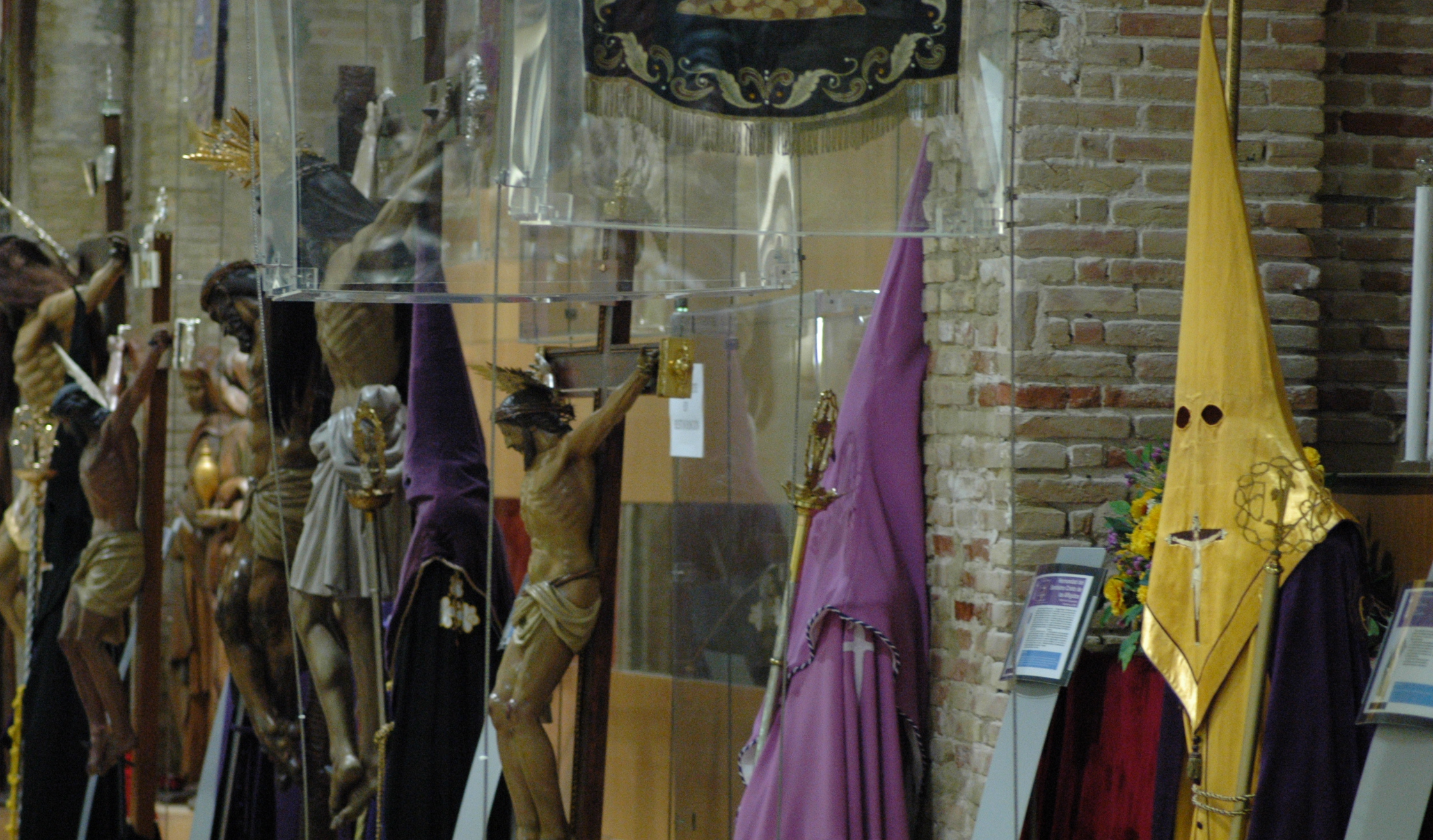
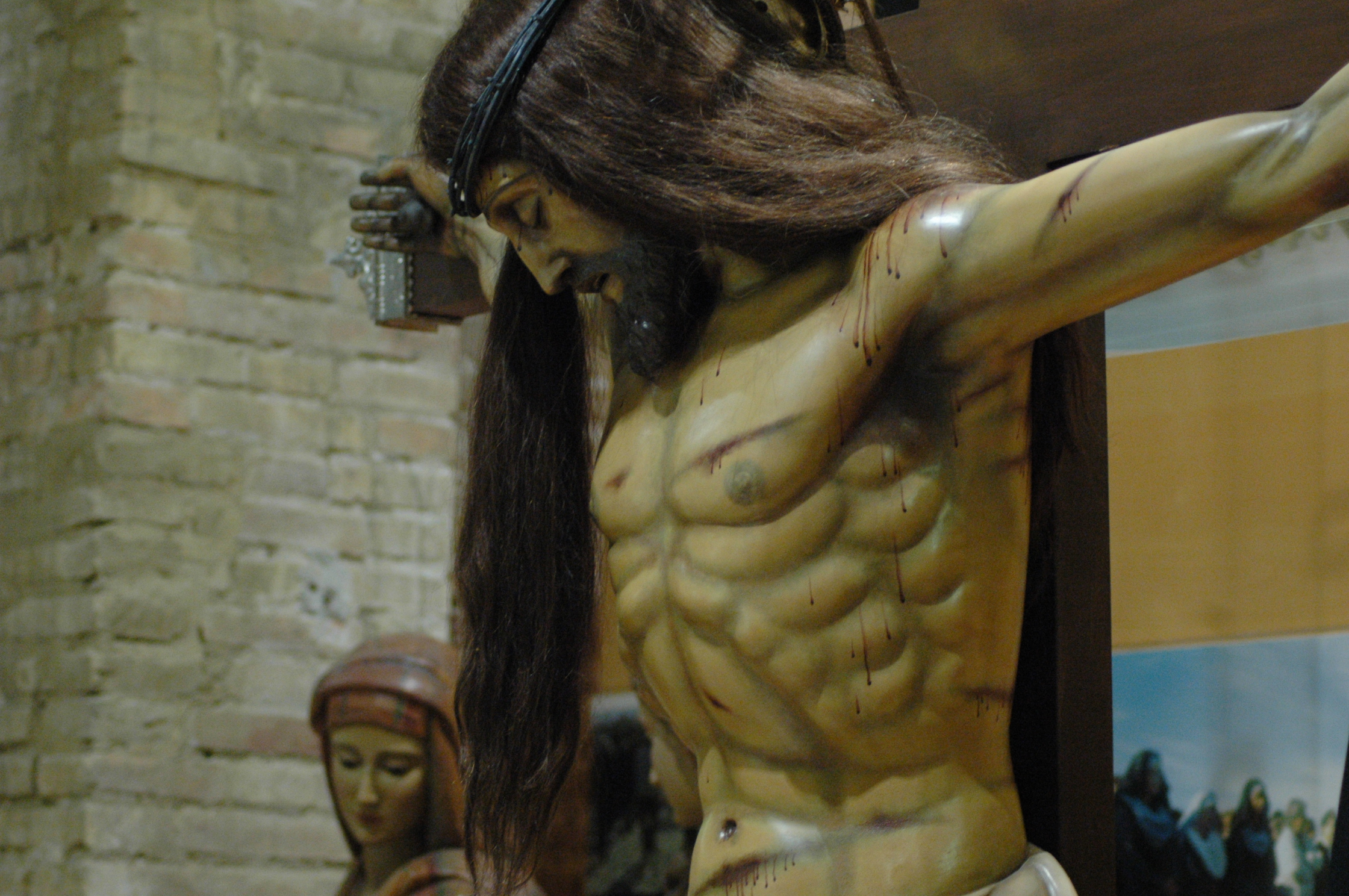
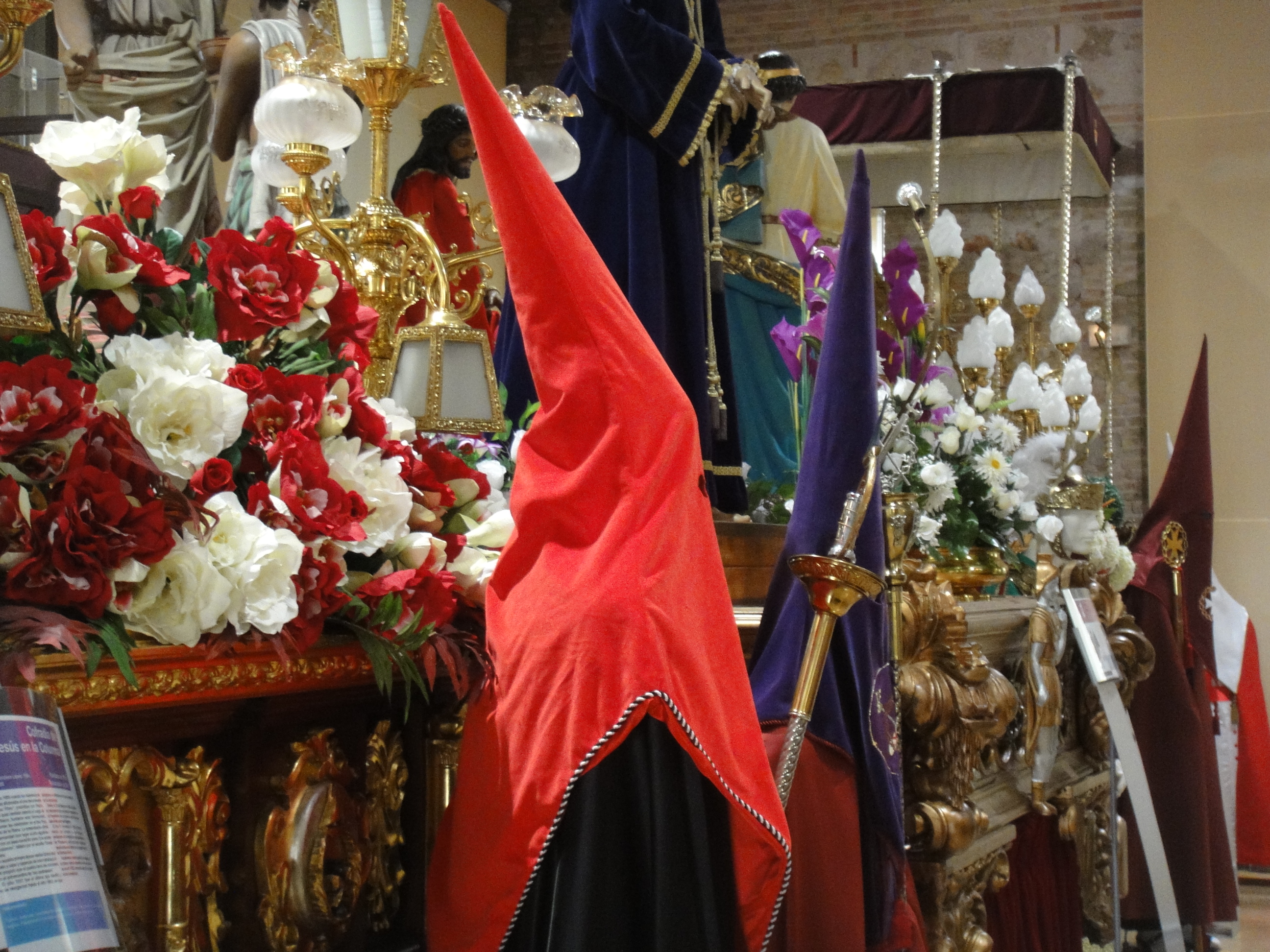
DSC_0863Anyway, here in Valencia, it seems they do things a little different. For one thing their statues are built more as freezes, depictions of the Passion story, tailor made for being paraded rather than living in the side-chapels of churches. Secondly, these larger sculptures are paraded around on wheels, rather than carried by hundreds of men in unison, as is the practice in the South of Spain. Thirdly, and perhaps the reason for the second of these differences, the Semana Santa in Valencia is called the Semana Santa Marinera because the parades actually take place, at least in part, along the beach, hence the location of this museum. This must make for quite a sight. Sadly, owing to the time of year, we had to make do with the museum itself, which is more of a holding place for the floats and costumes during the year. I must say, it made for something of a creepy and solemn spectacle to see all of the statues lined up, the crucifixes with their realistic depictions of bleeding Christ, and the hooded figures set out as mannequins. As interesting as I found it, I’m glad I was not there alone.

DSC_0833 DSC_0848 DSC_0838 DSC05112 DSC_0845 DSC_0858 DSC_0854

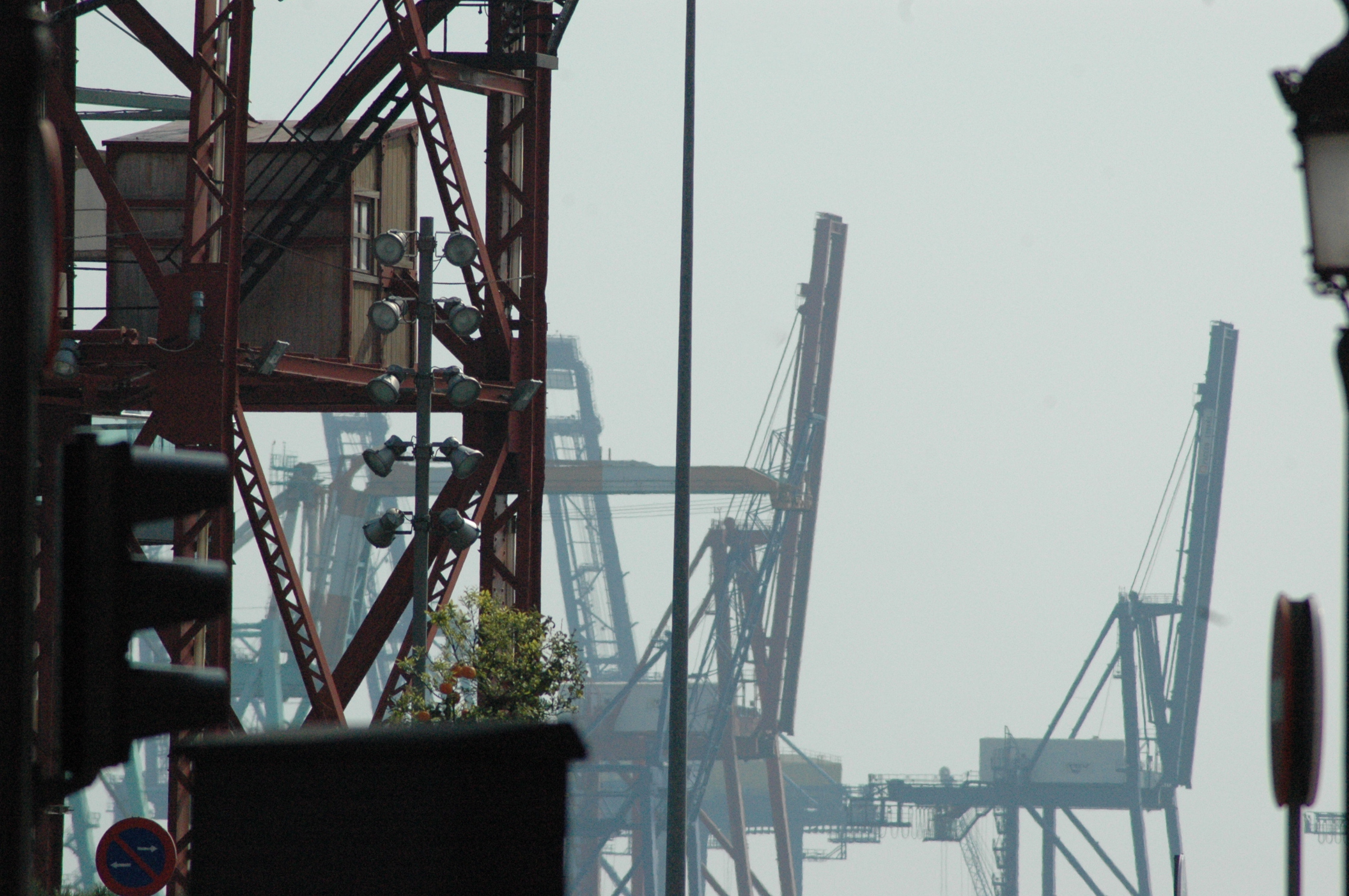
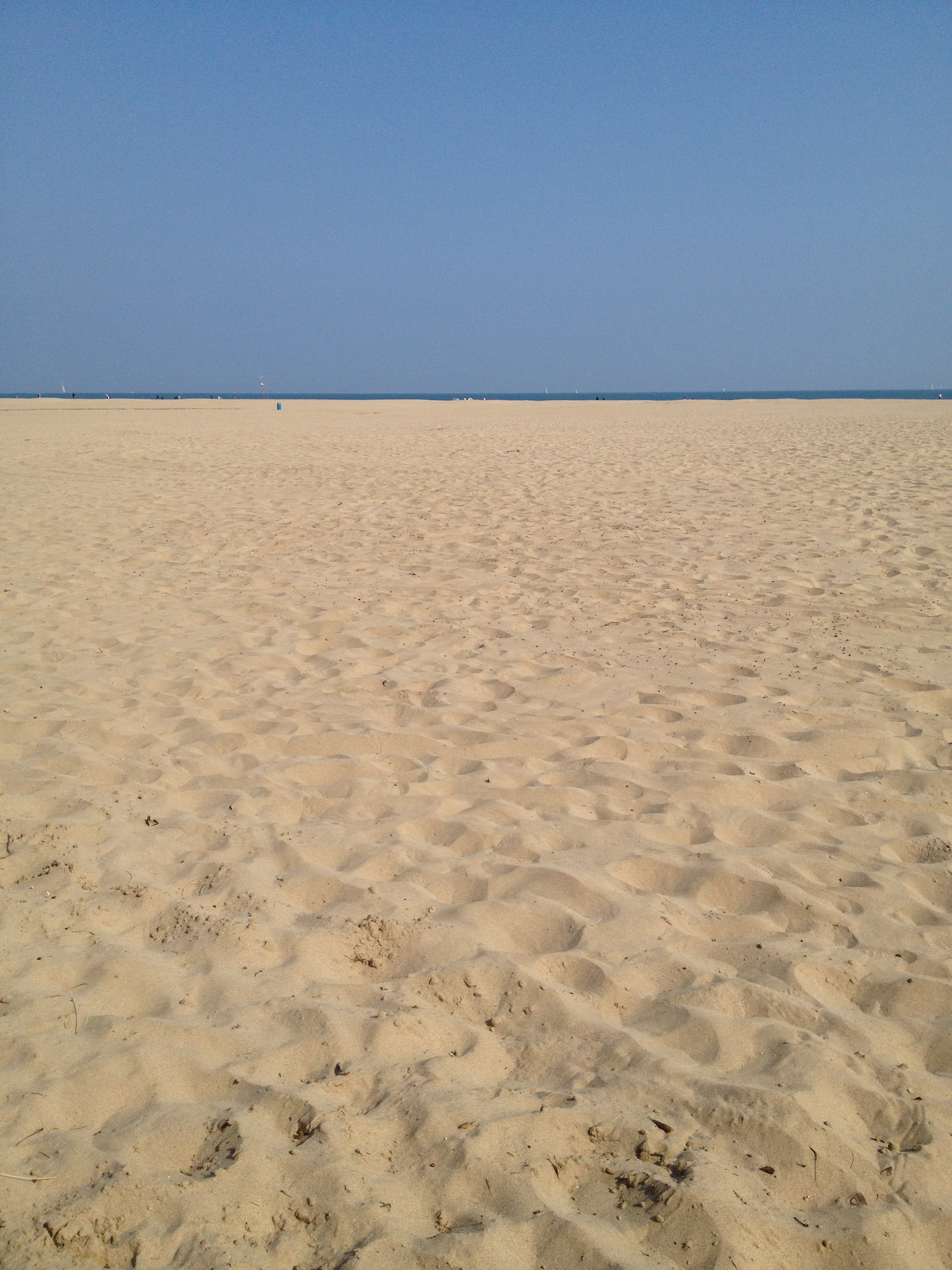
After that slightly macabre visit, it felt good to be out in the sun again and walking towards the sea, not that it was terribly straightforward. It’s obvious that Valencia was not built as a seaside resort. For one thing, the city centre is far from the coast, with the result that the approaching areas are very suburban, and, to be honest, a little scary. Amongst all the tightly packed tower blocks, I felt very conspicuous – the two lone tourists with large cameras in hand walking along slightly lost in this very untouristy area. Eventually, via several main roads and diversions, we made it to the sea, but again the approach was far from obvious (luckily I speak enough Spanish to ask bemused locals where we were going). Valencia is known for having one of the biggest commercial ports on the Med – it is not known for its beaches, and while a rather pleasant paseo maritimo has now been forged along the coast, it is one strip of civility in amongst a whole hotbed of industrialised landscape. The golden sands, presumably imported, look a little out of place in this vast industrial centre, and even the pleasure port, itself a creation of recent decades, still has a very urbanised, working feel to it.

DSC05131 DSC_0876 DSC05118 DSC_0889 DSC_0865

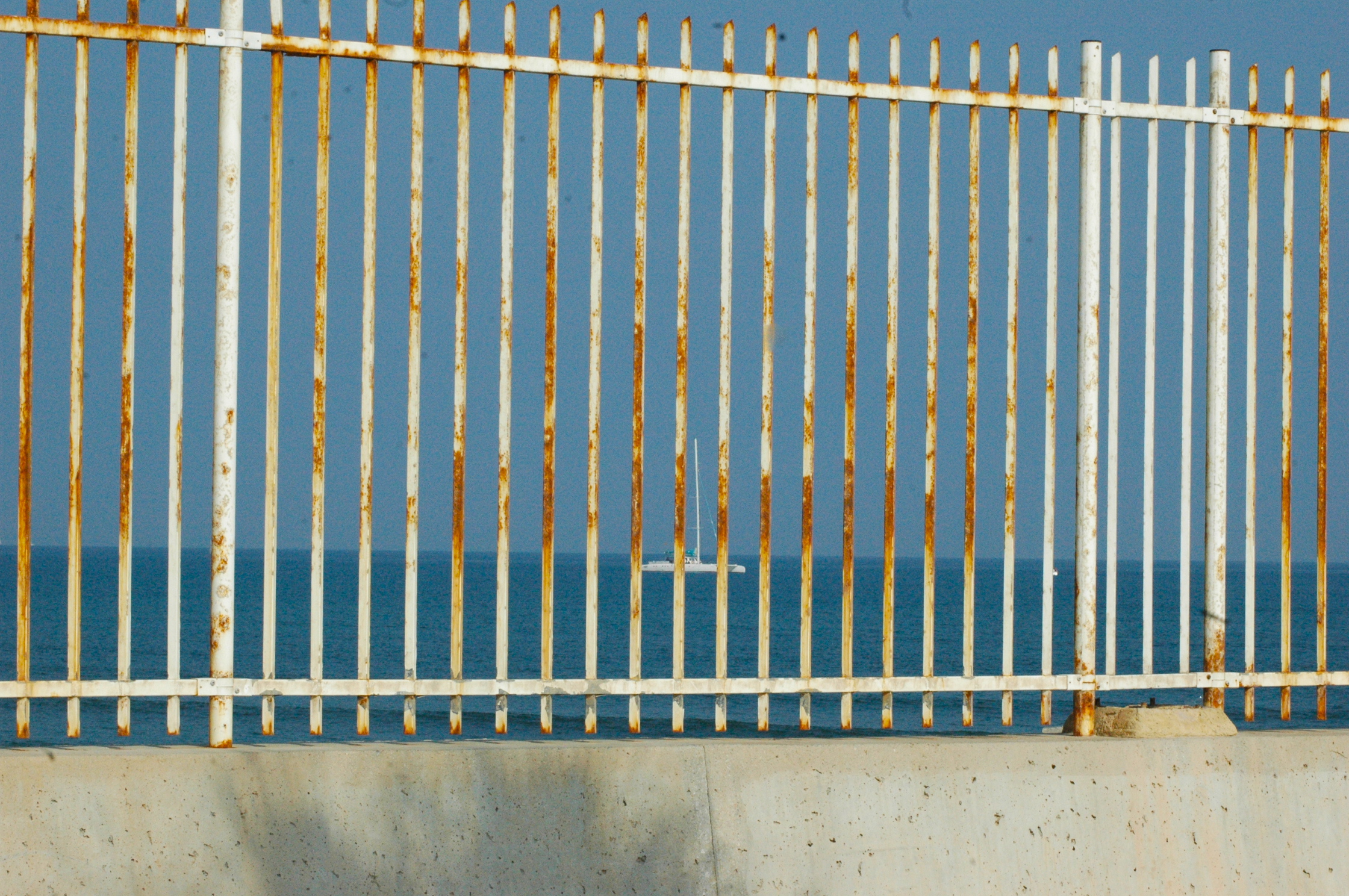
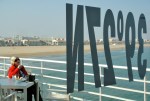
The restaurants along the paseo are clearly tourist-centric however, and as we walked along, I made a point of avoiding every restaurant which had posted a waiter outside, touting for business. As this left no options open to us, we opted instead for the arm of the Marian Real Juan Carlos I. There a rather tatty looking cafe, 39o 27N, appeared nevertheless inviting, offering us a prime position in the sun, next to the sea. Too good to resist in fact, and despite a rather unfortunate incident when I sat on a man’s coat for some 5 minutes believing it to be a complimentary blanket (thus inadvertently stealing his table causing him to walk off in a huff) we relaxed into a good hour’s worth of sun worship next to the blues of the Med and the sparkling white of the shore. From out on the harbour arm, the industrialised landscape beyond almost looked romantic.

DSC05126

Croquetas for lunch…

DSC_0894 IMG_3201 DSC05121

After a few croquetas and a small cerveza, we headed back in land, preferring the pull of the old town to this recently fabricated coastline. Heading up again to the north of the old centre as we had the previous day, we were aiming towards the second of Valencia’s two main artistic attractions: the Institute of Modern Art (IVAM). IVAM is said to be one of Europe’s finest museums of contemporary art. Set within a vast spacious building (as contemporary art museums often are) and close to the old Turia riverbank, it is a building full of fragmented exhibitions, but somewhat lacking in a consistent display. When we turned up, I was a little confused to be handed around 6 leaflets, each in turn providing information about different temporary exhibitions being held at the site. Very little of the museum’s permanent collection, which I understand to be large, was on display – there was an exhibition of the metal abstract sculptures of Julio Gonzalez, and an exhibition of the paintings of Valencian painter, Ignacio Pinazo, another exponent of the Impressionist mood in Spain. Otherwise all offerings were temporary, not that this made them any less interesting.

Jeff Koons jewellery

Jeff Koons jewellery

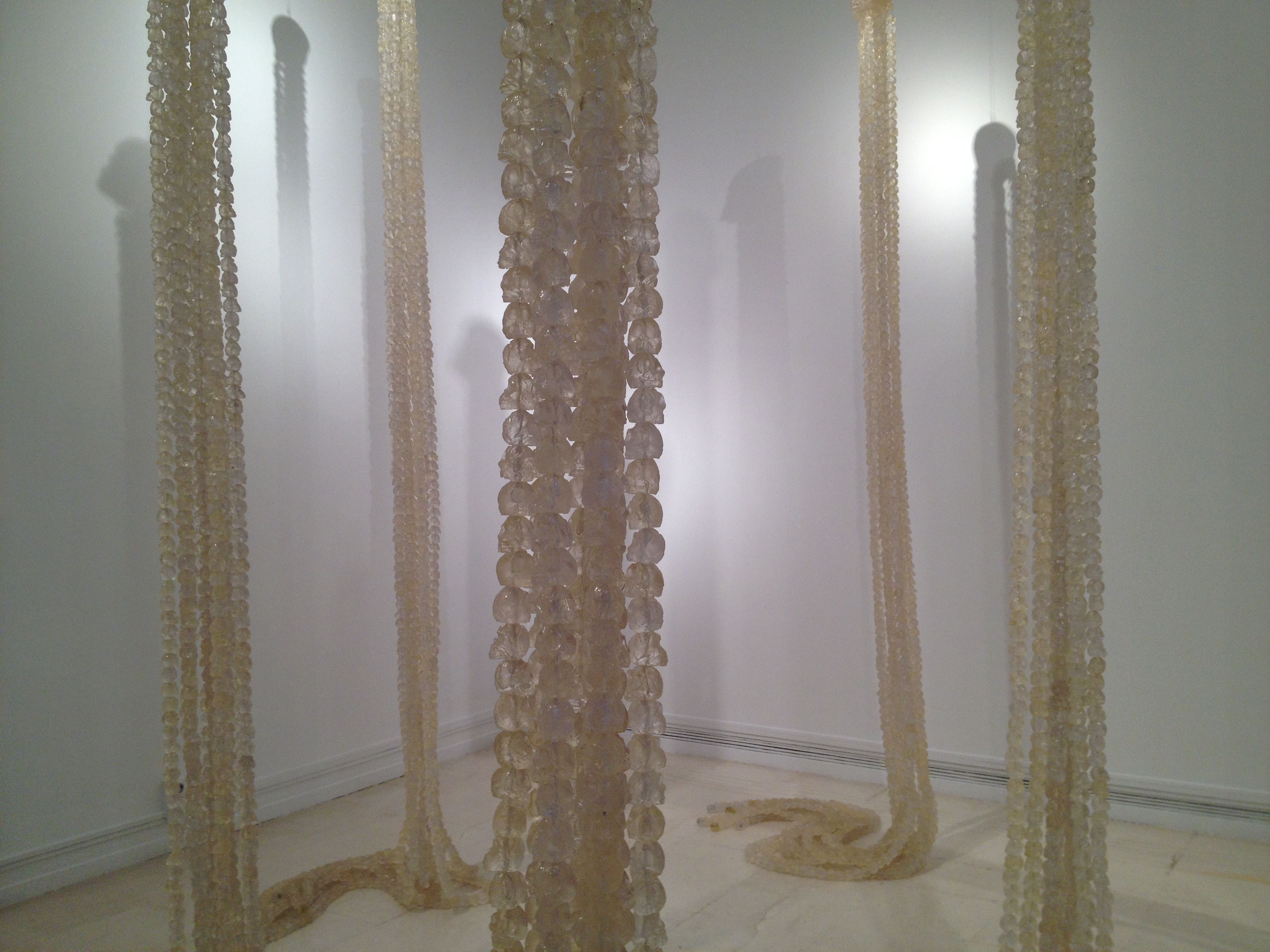
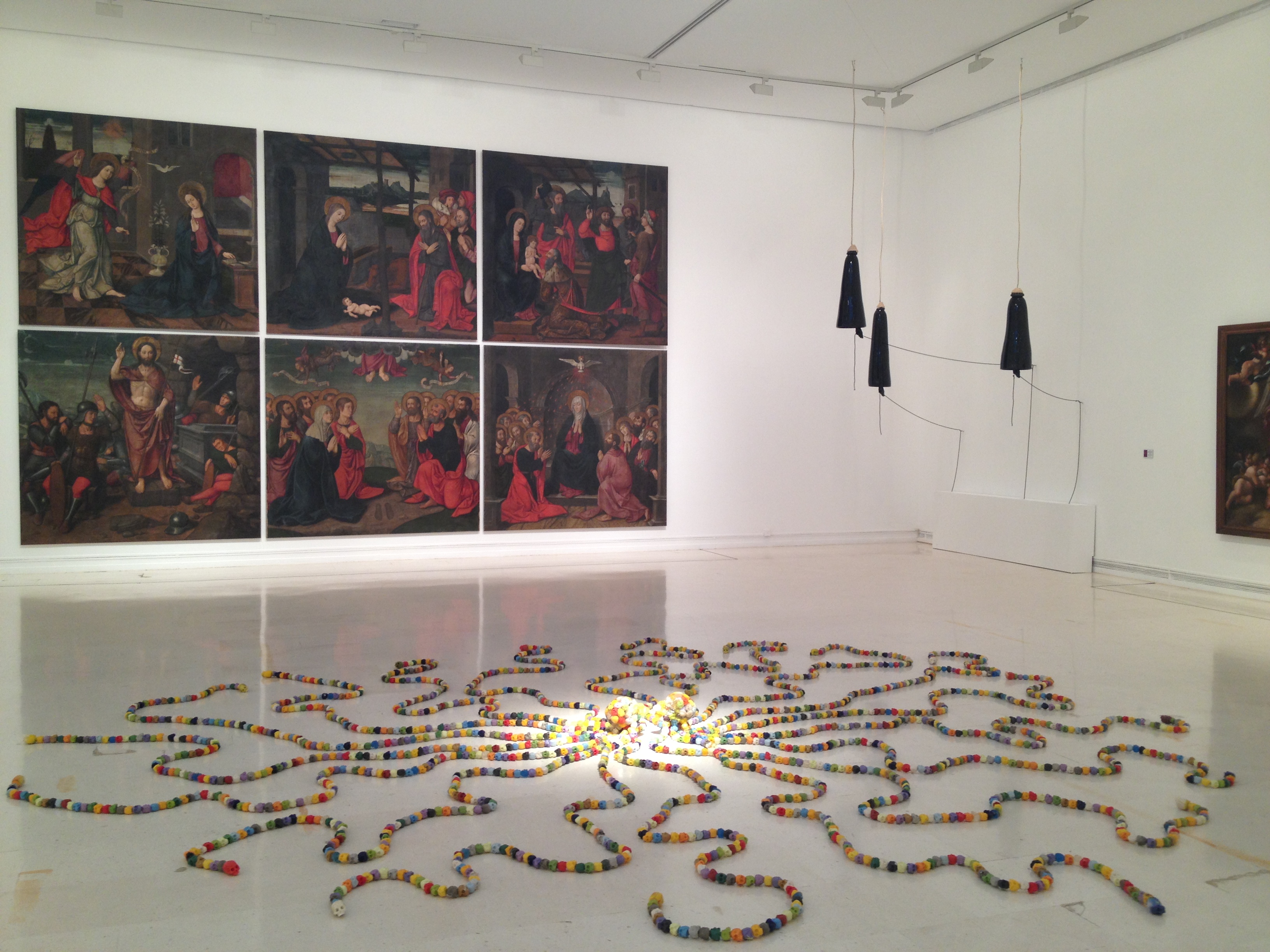
Of particular interest was the exhibition From Picasso to Jeff Koons, an exhibition not of the artists’ ordinary works, but of their creations in jewellery. Thus we were treated to a wide range of artistic jewellery, arranged in various artistic genres, from minimalism to surrealism, and included, as the name suggests, creations from the likes of Koons (his inflated rabbit was made into a rather fetching silver necklace) and Dali (though sadly not his Mae West lips which I have seen recreated as a ruby broach in another exhibition). We also enjoyed a show entitled Arte y Espiritualidad, in which the relationship between art and spirituality was examined. I particularly enjoyed the various installations made from multiple skulls in plastic and pastel coloured material (they looked a bit like sherbet), as well as the interplay between old religious works and very modern creations. I also loved the work of Equipo Cronica, a brilliant Spanish artist who takes works of popular Spanish culture (Picasso, Valezquez, Goya) and reinvents them for the modern age. Below is his work, El Patio de las Tentaciones (1972) which to my mind appears to be based on Velazquez’s Mother Jerónima de la Fuente

Equipo Cronica, El Patio de las Tentaciones (1972)

Equipo Cronica, El Patio de las Tentaciones (1972)

DSC_0941 IMG_3212 IMG_3213

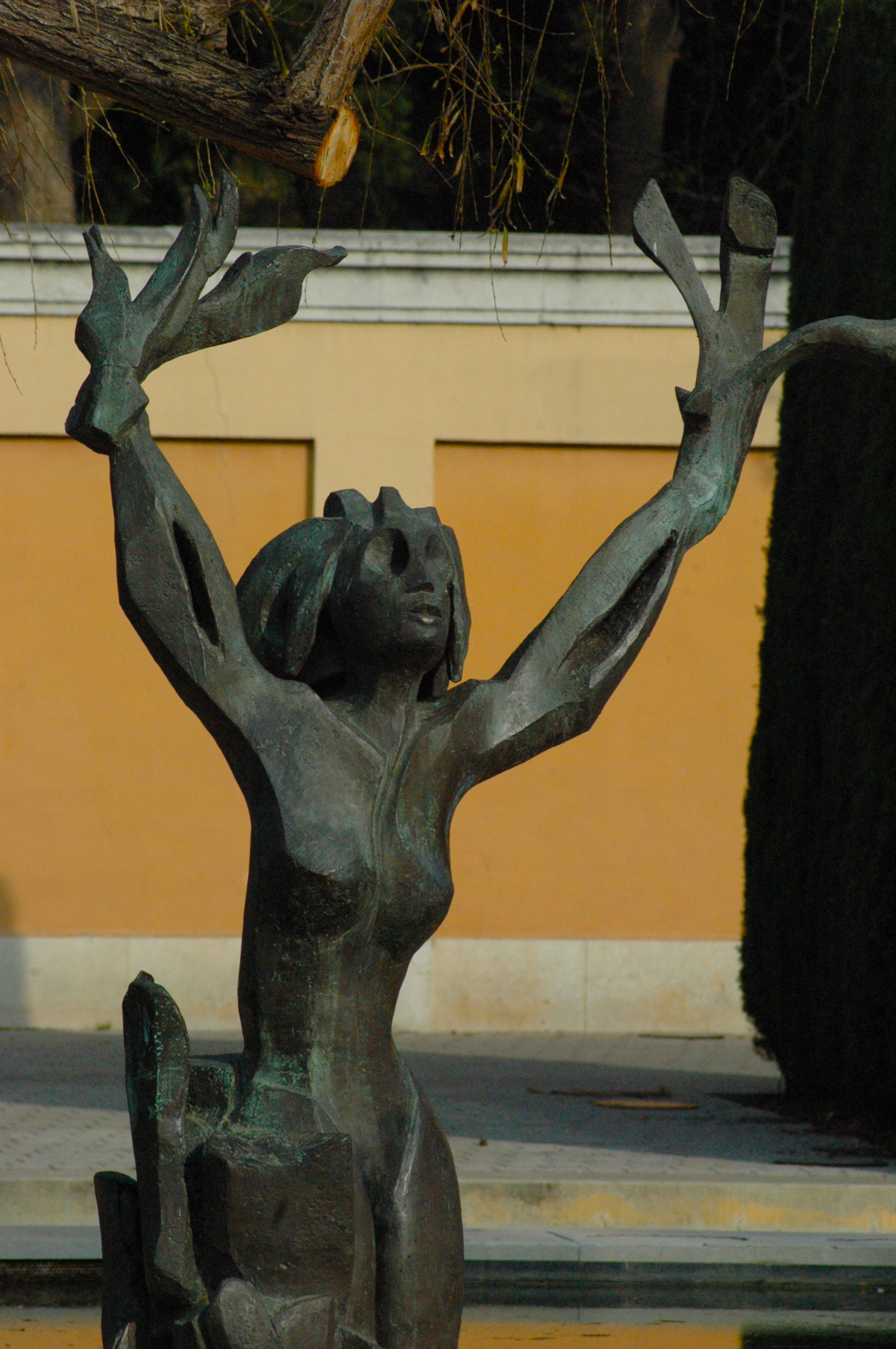
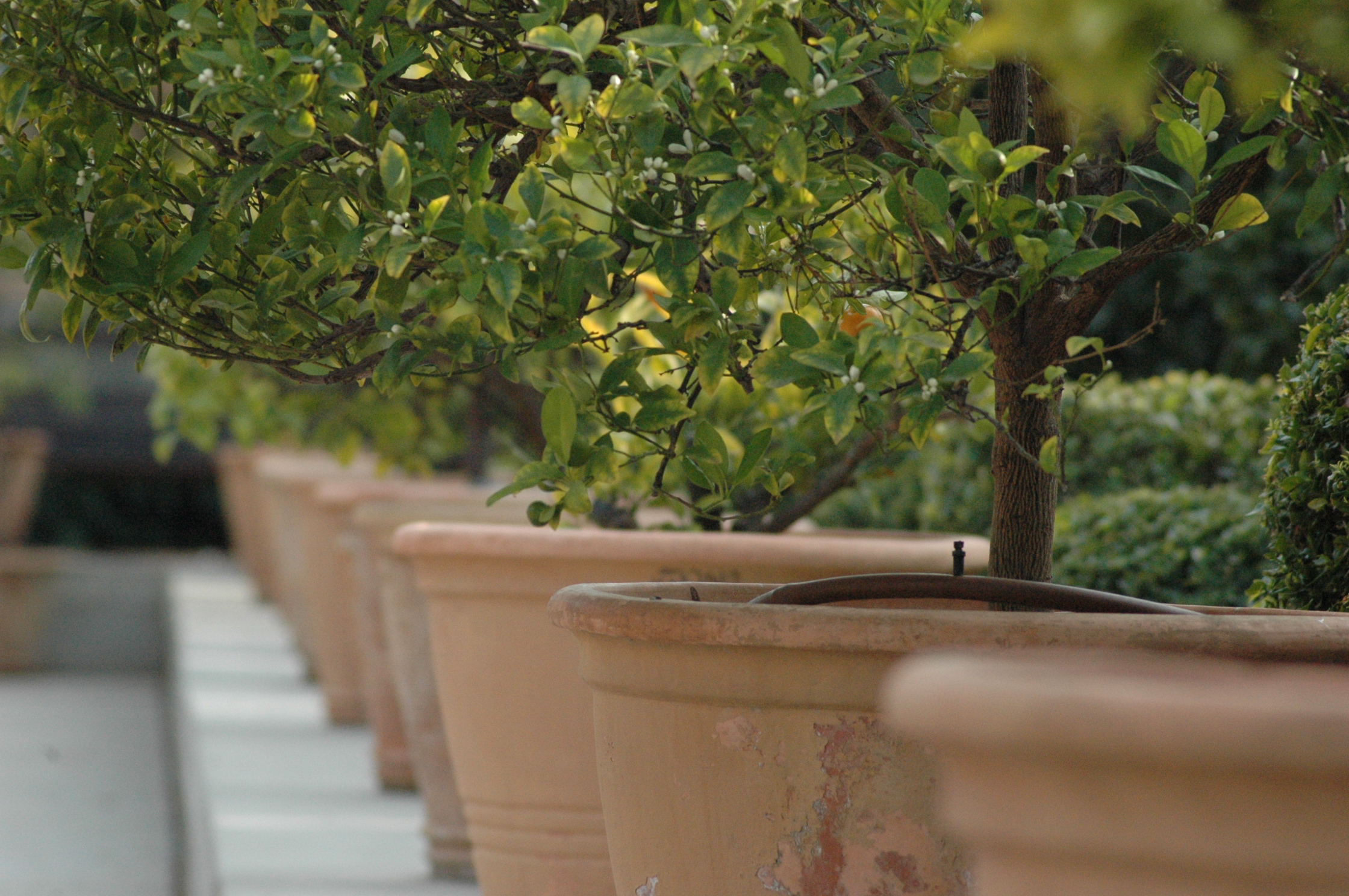
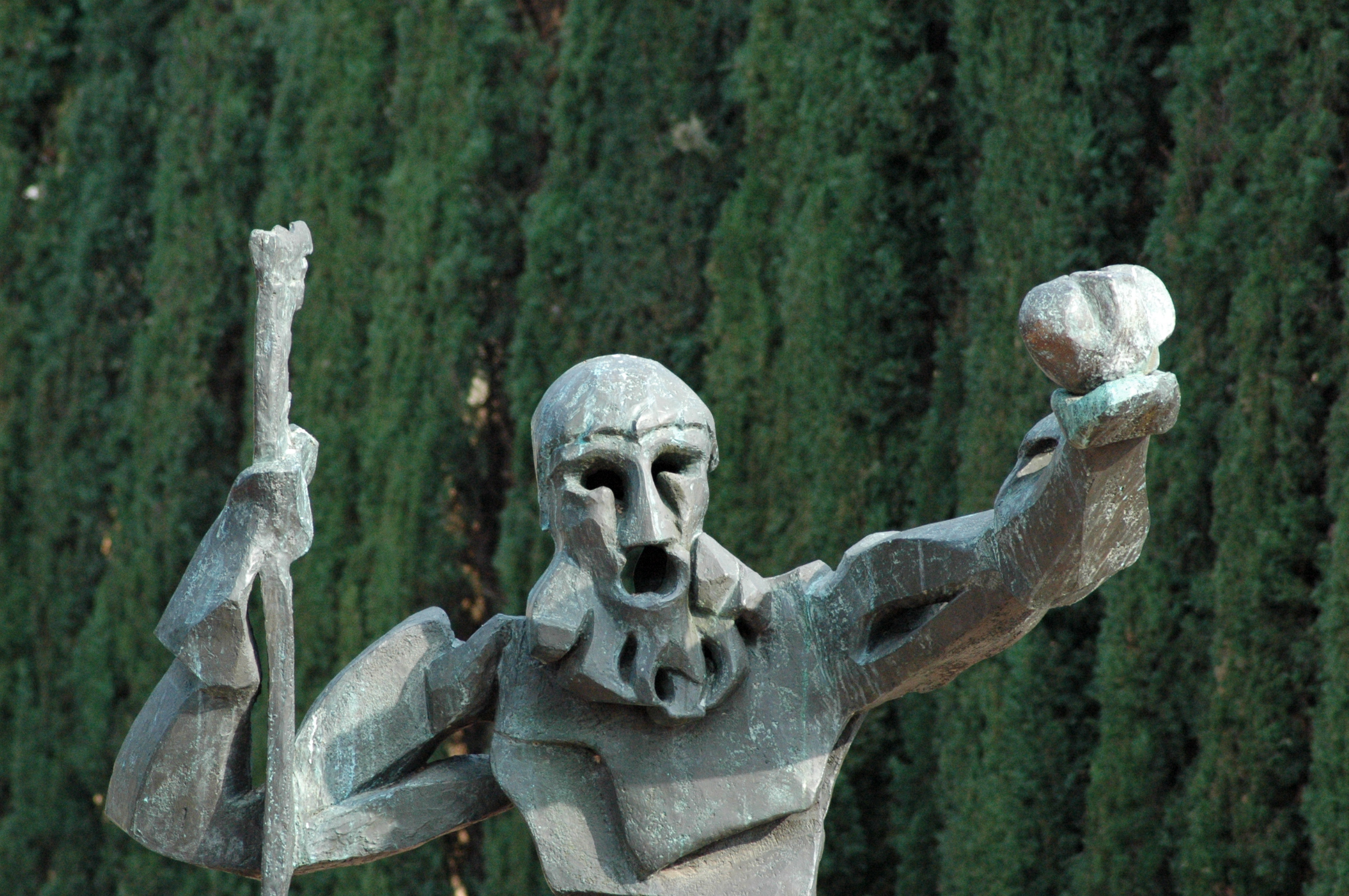
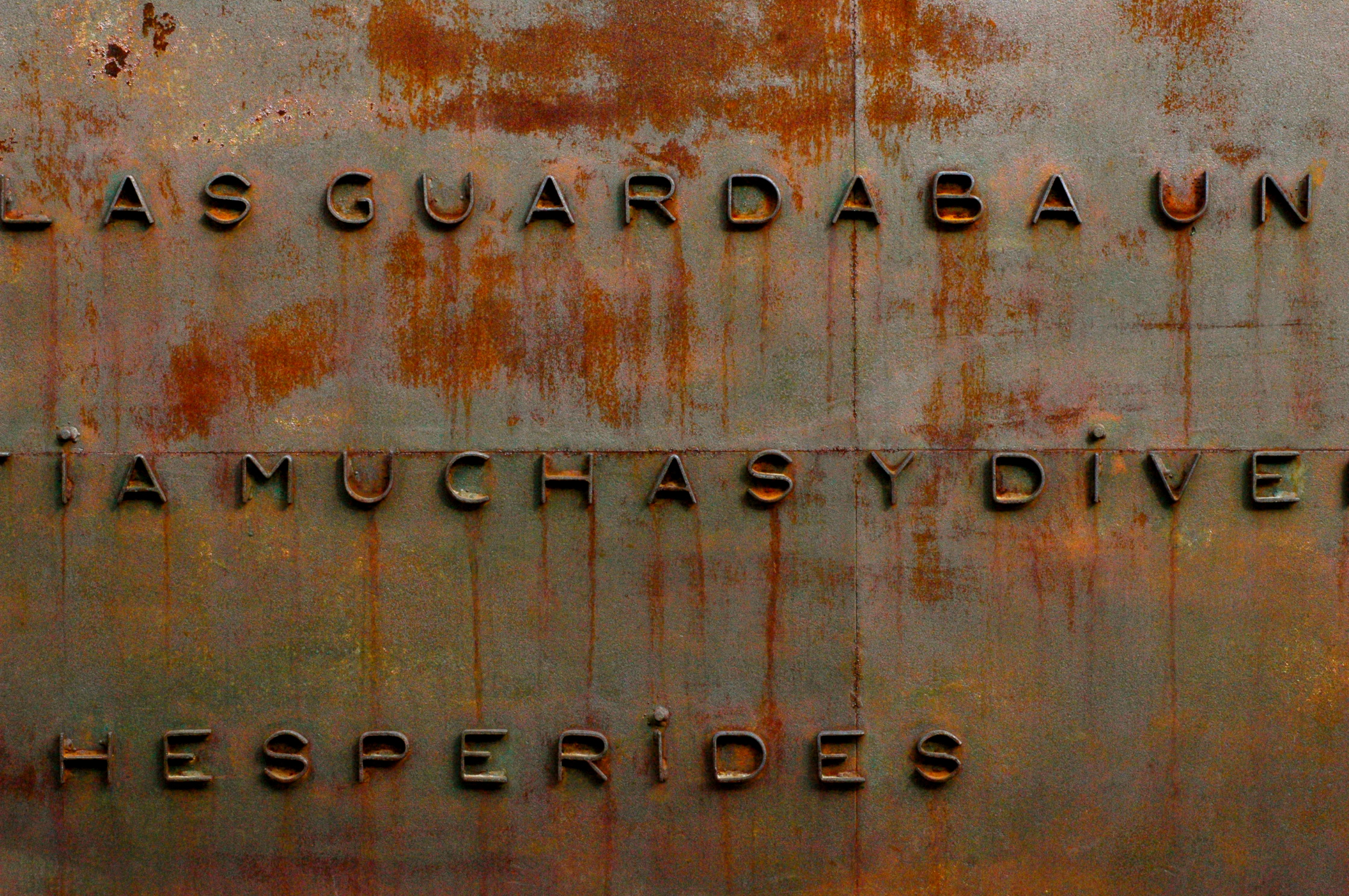
Leaving IVAM, we had one more treat in store before the day’s end. Passing again by chance, we stumbled upon the Jardin de los Hespérides, a stunning contemporary garden space which, I learn subsequently, has been awarded prizes aplenty for its modern garden design. Simple in its layout, and uniform in its alignment of fragrant cypress trees, citruses and low banks of herbs, the garden is a place of calm sanctuary from the bustling city beyond. In the background, the rear of a beautifully ornate church contrasts wonderfully with the abrasive metals and harsh lines which make up the garden. Meanwhile, in the foreground, wonderfully expressive sculptures are like cubist creations come to life.

DSC_0900 DSC_0899 DSC_0918 DSC_0914 DSC_0908 DSC_0934 DSC_0929 DSC_0907 DSC_0937

From Sea and Semana Santa, to a contemporary sanctuary in the midsts of the Valencian city centre, this day has once again introduced us to yet further facets of this diverse and variable city. And yet tomorrow there will be greater variance still – for we’re heading down river, to the City of Arts and Sciences, the modern architectural creation which has propelled Valencia forward as one of the world’s leading exponents of architectural innovation and, perhaps inevitably, the less comfortable epithet of one of Spain’s most extravagant spenders…

All photos and wording are strictly the copyright of Nicholas de Lacy-Brown © 2013 and The Daily Norm. All rights are reserved. 

Valencia (iii) – Photography Focus 1: Modernista architecture

Regulars to my blog will not be at all surprised to know that I was never far from my camera(s) as I traversed the quaint streets, wide esplanades and picturesque squares of Valencia. Photography, like art, is like an inseparable part of my inner personality, almost like an extra limb by which I can capture the compositions which line up and freeze into photo form in my mind’s eye as I look around me. Valencia was, unsurprisingly, ripe fodder for my photographic expressionism, and so many photos have resulted, that I thought it would be prudent to post my body of work thematically.

First up is a concentration on Modernista architecture, the movement of architecture which paralleled, and to some extent expanded our own art nouveau style, an artistic drive which embellished buildings with floral, leafy detail, replaced straight lines with daring curves and undulations, and generally rewrote the rules of conservative architectural standards.

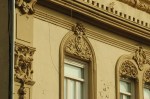
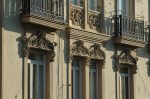
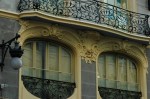
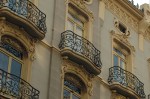
Valencia’s offerings of Modernismo are not as abundant or over the top as the prized examples of Barcelona’s Gaudi-led architecture, but there are nonetheless plenty of buildings to rave about. As a starting point, I was delighted to learn, upon arriving out our hotel, the Vincci Palace, that the hotel itself is set within one of Valencia’s most admired Modernista offerings, complete with elaborate miradores (corner balconies) of which (I was even more excited to discover) our room boasted one of two. In the same street (the Calle de la Paz), various other buildings overflow in Modernista detailing, from plaster rendering which looks almost alive with curving creeping plant details, to equally elaborate ironwork, but all combined with something of a Valencian focus as plaster and stone combines with softly-toned ceramic tiles.

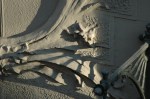
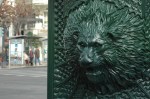
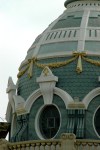
Green ceramic tiling with modernista stonework overlappingLion detailing on an advertising postPlant detailing appearing to emerge from the renderingCeramic detailing on the modernista mercadoDSC_0812

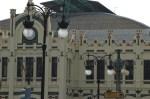
Beyond the Calle de la Paz, examples of Modernismo are sprinkled across the city’s historic quarter, as wooden miradores, rounded windows, and examples aplenty of differing building shapes and styles standout from the more conventional linear architecture all around. In the impressive Plaza  del Ayuntamiento, a plethora of decorated domes, statues and curving, meandering details are scattered across the architecturally diverse central square, while beyond, the Modernista facade of the grand central station, the Estacion del Norte, makes for an impressive entrance to the city’s main transport hub. Also in the centre, the grand Mercado Central is built in the Modernista tradition, with elaborate ironwork, coloured stained glass and more ceramic detailing proclaiming a central food market place for the people built in the Modernismo style.

It is without further ado that I share a gallery of the garlanded, stucco-covered, elaborately decorated buildings and street furnishings which make Valencia’s historic quarter a must-see centre of the Modernista movement.

All photos are strictly the copyright of Nicholas de Lacy-Brown © 2013 and The Daily Norm. All rights are reserved. 

Valencia (i) – Day 1: Beauty and the Bell Tower

As I stood listening to the huge iron bell strike atop the Miguelete tower at 1pm, I was caused to reflect on where I had been just two weeks ago. Having climbed the 330-odd steps to the top of London’s Elizabeth Tower, to view the gigantic bell famous throughout the world as “Big Ben”, my ascendance up this latest bell tower marked my second climb up the steep spiralling steps of a campanile in as many weeks. Yet the differences in the visits were all too visible. In Elizabeth tower, the 330 steps were fairly gentle and wide; here the 207 steps were steep and arduous, narrowing as they got higher. In London, we were the only visitors on the stairs, whereas in the Miguelete tower high numbers of tourists meant crossing each other’s paths going up and down these narrow spirals was perilous to say the least. Up here, our ears only suffered one single bong, whereas up Big Ben at 12pm, 12 huge dongs reverberated around our bodies causing us near deafness and a strong case of jellylegs.

The city, viewed from above

DSC_0578 DSC_0583 DSC_0587

But the biggest differences between these two bell towers were twofold: First, temperature – in London I perished in freezing cold winds, desperate to get inside behind the relative shelter of the clock’s huge stained-glass faces; whereas atop the Miguelete tower, I was in a pleasant 20 degrees. Secondly, the view: From Big Ben the city of London spread out beneath my feet, famous landmarks were one to the dozen, but they were basked in cold and grey and ice; here, another city spread before me – golden browns and auburn hues toped with elegant ceramic tiled domes of blues and greys, eau de nil and white, while towards the sea beyond, the eccentric discordant architectural forms of Santiago Calatrava’s revolutionary arts and science park rose from the now empty basin of the old river Turia. So what was the city I was viewing from this bell tower with such felicitous awe and inspiration? None other than Valencia.

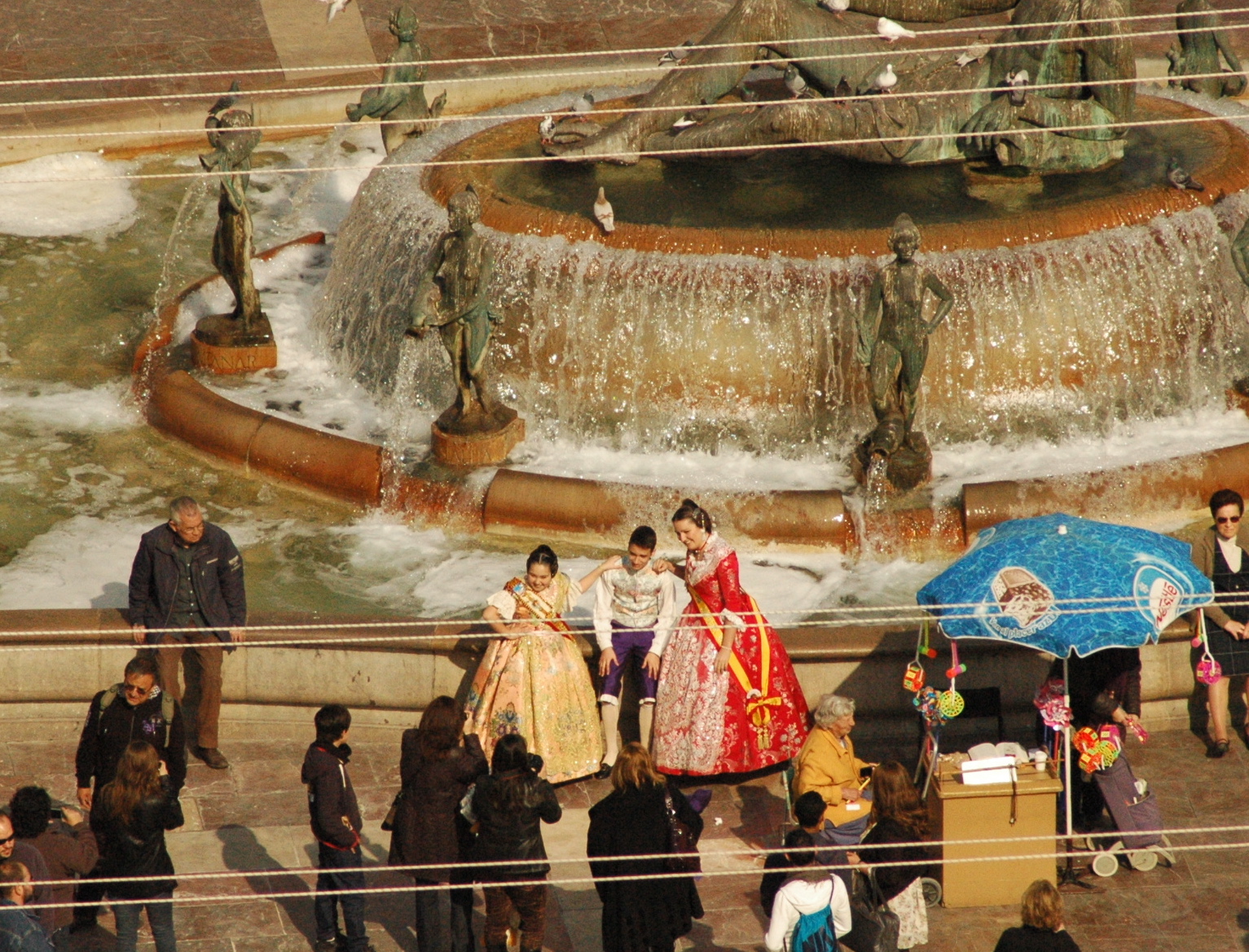
Traditionally dressed Valencians cause a stir in the Plaza de la Virgen

Traditionally dressed Valencians cause a stir in the Plaza de la Virgen

The City of Arts and Sciences in the distance

The City of Arts and Sciences in the distance

Valencia, capital of its own eponymously self-named region and located on the Eastern Mediterranean coast of the Iberian Peninsular, is Spain’s third largest city and one of the most visited in the country. Famous for Las Fallas, its March festival in which huge models are paraded down the city streets in a carnival of colour and festivity, as well as the rather oddly traditional mass human tomato fight (La Tomatina) which is held each August in the nearby town of Buñol, Valencia is a city with many facets, from its charming old centre, to its super modern Ciudad de las artes y las ciencias which boasts such startlingly innovative architecture as to have put Valencia on the architectural map of the world.

It seemed appropriate that having explored so much of my beloved Spain, I would eventually make it to this bustling Spanish centre, and all the more so at Valentines, a festival which shares so much of the city’s name. Romance wasn’t exactly my priority however – I was visiting with my Mother, with whom I have a shared love for Spanish culture – although it was certainly not lacking in the picturesque streets, charming street cafes, and large open squares of this iconic Spanish heartland.

Views of Valencia’s historic quarter

DSC_0473 DSC_0375 DSC_0356 DSC_0439 DSC_0462 DSC_0511

Staying in the heart of Valencia’s historic centre, in the conveniently located, wonderfully modernista Vincci Palace Hotel, we were only a short stroll away from the Plaza de la Virgen and next door, the Plaza de la Reina, in between which the city’s principle cathedral and it’s Miguelete bell tower mark the city’s centre-point. And what a place to begin what has surely followed as a love affair with this diverse and inviting city (although the steep spiralling stairs down from the tower did perhaps make sightseeing for the remainder of the day a little more tiresome). The cathedral’s tower is however only one aspect of this architecturally multi-faceted building. From austere gothic nave, to elaborate renaissance altar, and classical colonnaded rear to a front entrance dripping in baroque details, the cathedral is, to a degree, a perfect representation of this city. Not only is it situated at the beating heart of the city’s historical centre, but it demonstrates the plethora of influences and historical changes which have helped to shape and expand Valencia into the sprawling and diverse city it is today.

The Cathedral's gothic interior

The Cathedral’s gothic interior

and its baroque facade

and its baroque facade

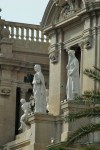
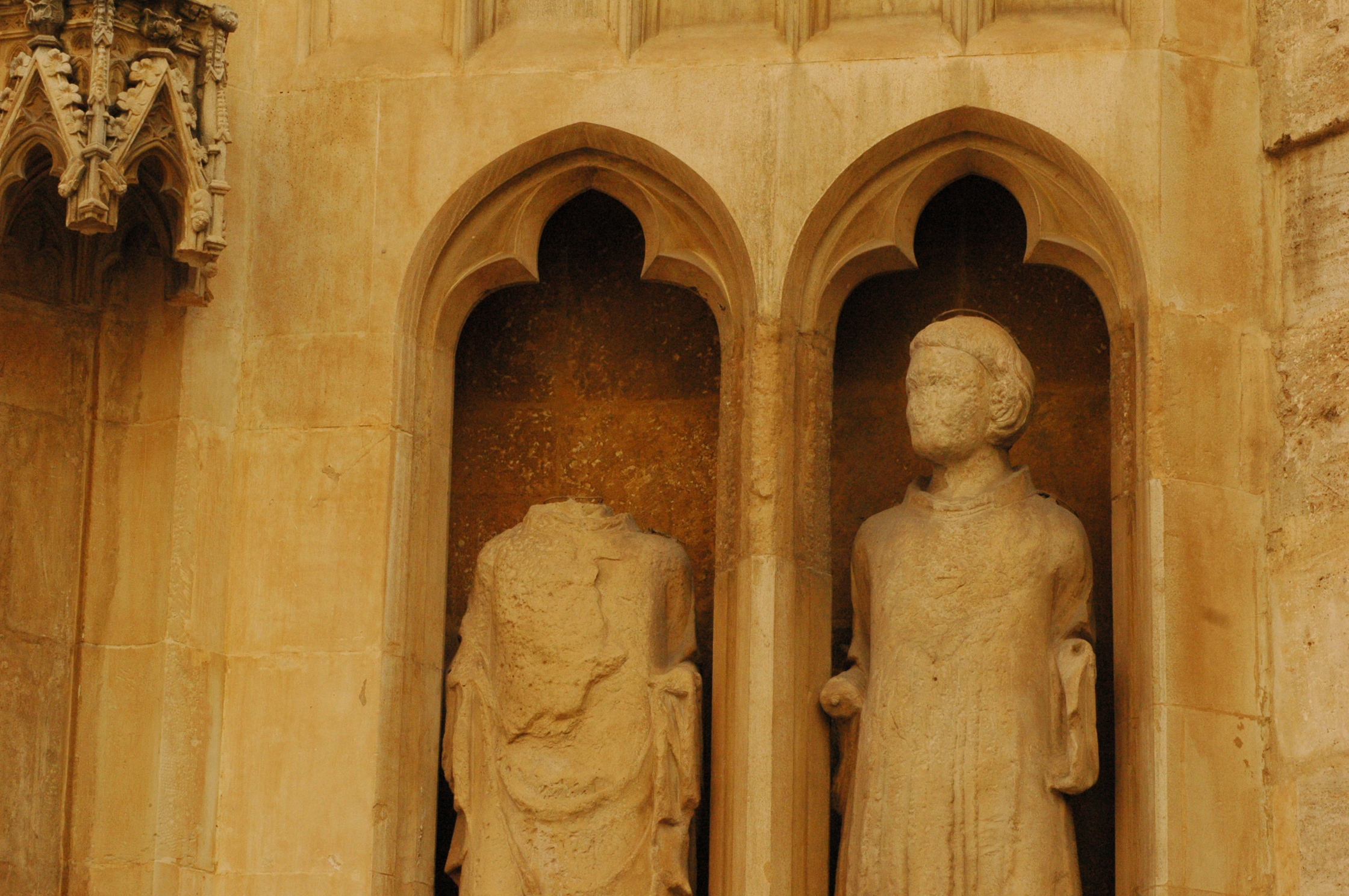
And a poor headless saint

And a poor headless saint

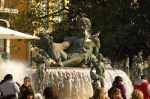
So with a taste for the city’s multi-faceted personality, we spent our morning ambling contentedly from one square to another, down narrow little streets full of souvenir shops and cafes, photographing fountains and statues of (sometimes headless) saints and sinners, and noting the details of human gargoyles and colonnaded arches, heavily decorated churches and shady orange-tree lined courtyards which fill the old quarter.

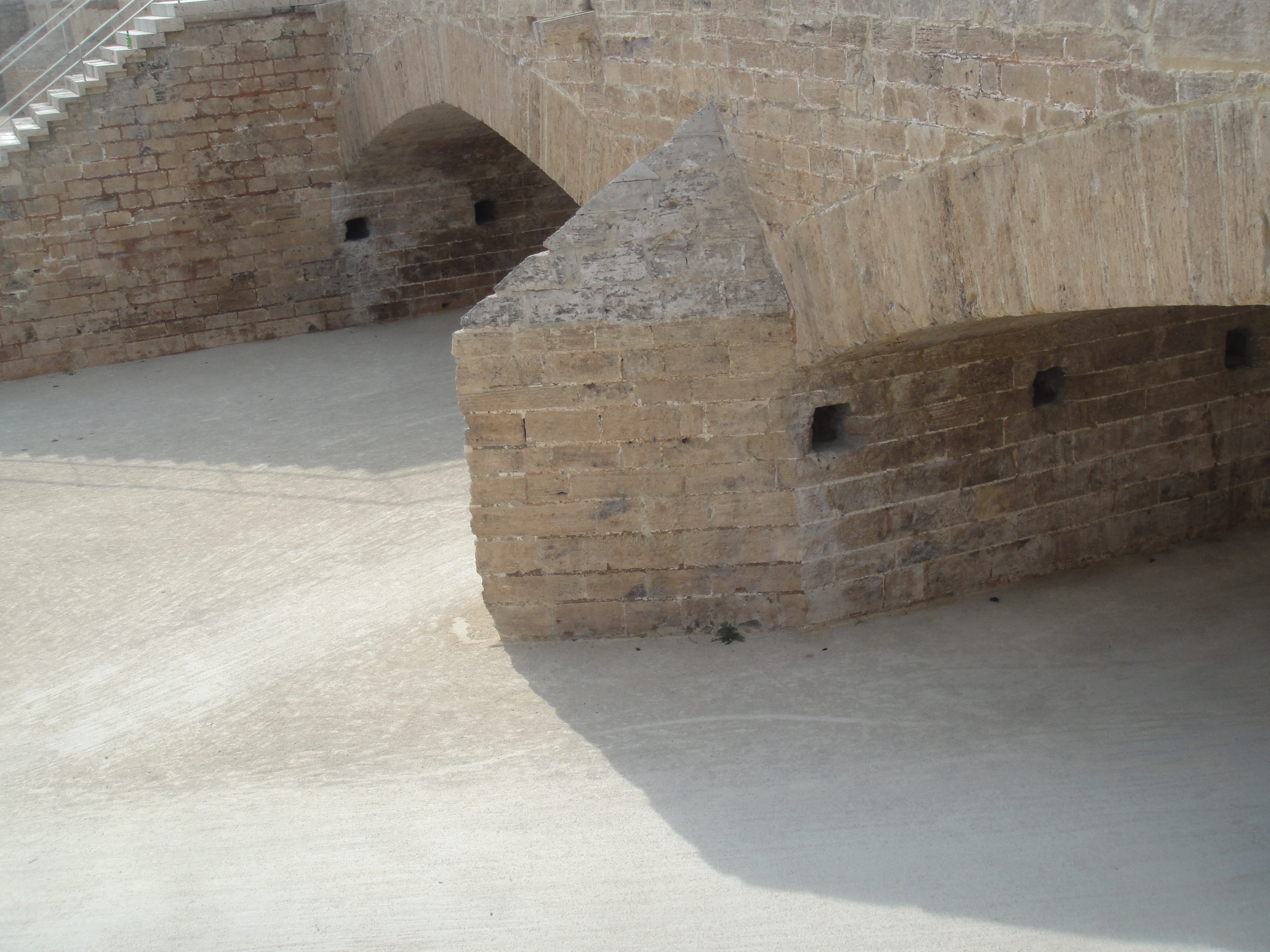
After lunch, and having reached the northern extent of the old town, we crossed what was once the River Turia in pursuit of the city’s fine art collection. The old River Turia is perhaps one of the oddest elements of the city. Once a thriving great river which ran around the city’s historic centre like the caressing arm of a lover, the river caused such devastating floods in 1957 that the decision was taken to divert the river away from the city and out to the Mediterranean via a different course. The result is a strange ghost of what was once – still the river bed runs around the city, and still the bridges which once crossed water cross this large basin. However instead of water, along the old river bed runs extensive gardens for some 9km. The effect is to inject a huge swathe of greenery running through the heart of the city’s modern expanse, but it’s also an odd one – the base of bridges, normally plunging into water, plunge straight into concrete and flower beds instead – a ghost of what once was.

The Museum of fine arts with the gardens now in the old river bed in front

The Museum of fine arts with the gardens now in the old river bed in front

A bridge plunges into concrete on the old river

A bridge plunges into concrete on the old river

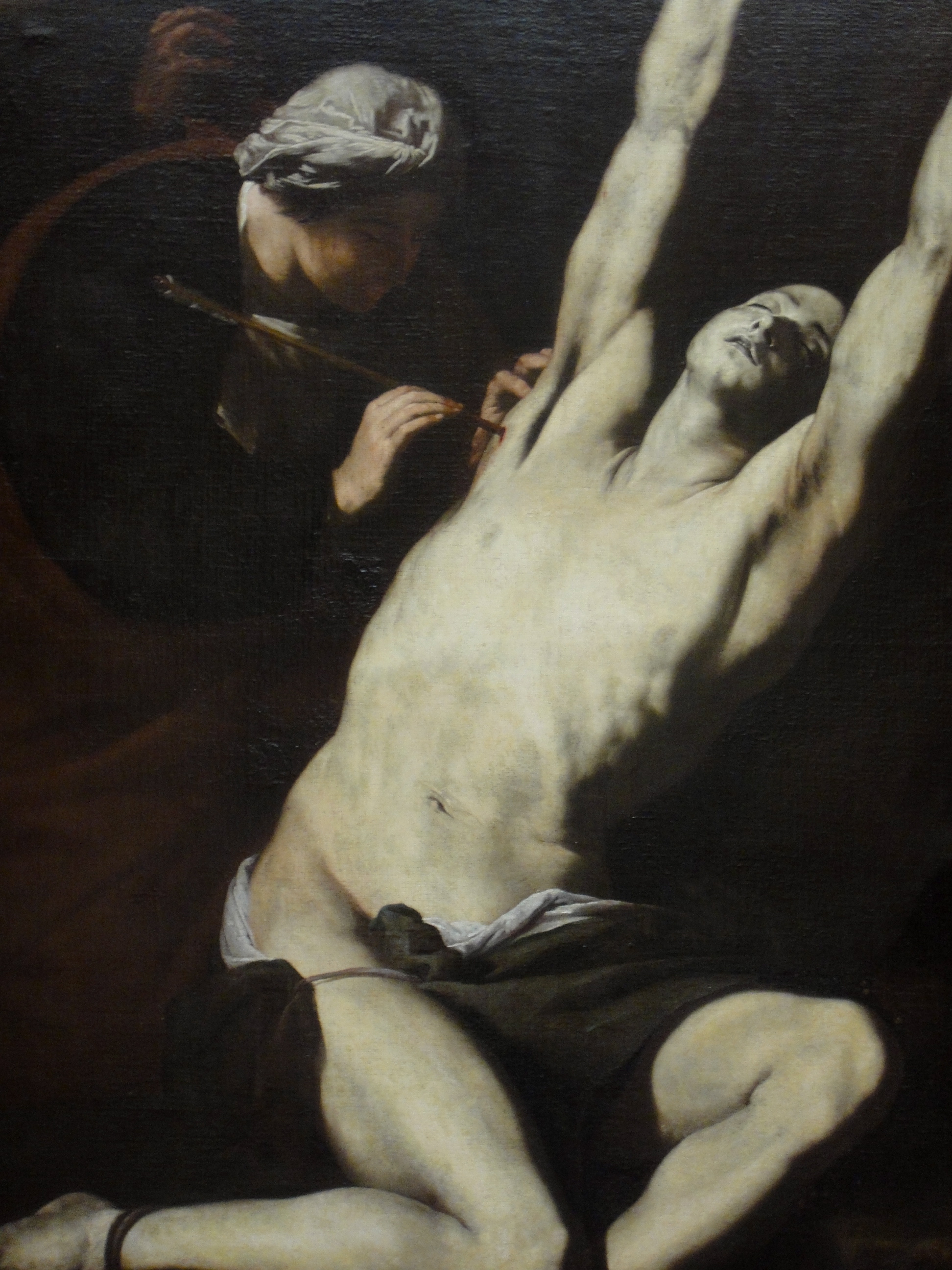
So crossing the ghost of the Turia, we arrived at the aptly named Museo de Bellas Artes. Said to have a collection second only in size to Madrid’s Prado (although I’m not sure how – the Reina Sofia in Madrid seems much bigger, although perhaps Valencia’s complete collection is not out on display) the museum is a cornucopia of paintings from Spain’s golden age of painting, including a self-portrait by Velazquez, several works by Goya, and an incredibly beautiful painting of Saint Sebastian by de Ribera (see below). The purity of his skin, pierced by arrows and tended to by the Saint Irene, against the beauty of his face, almost ecstatic with the extent of his martyrdom, made for an incredible painting to behold.
St Sebastian tended by St Irene, by Jose de Ribera (1591-1652)

St Sebastian tended by St Irene, by Jose de Ribera (1591-1652)

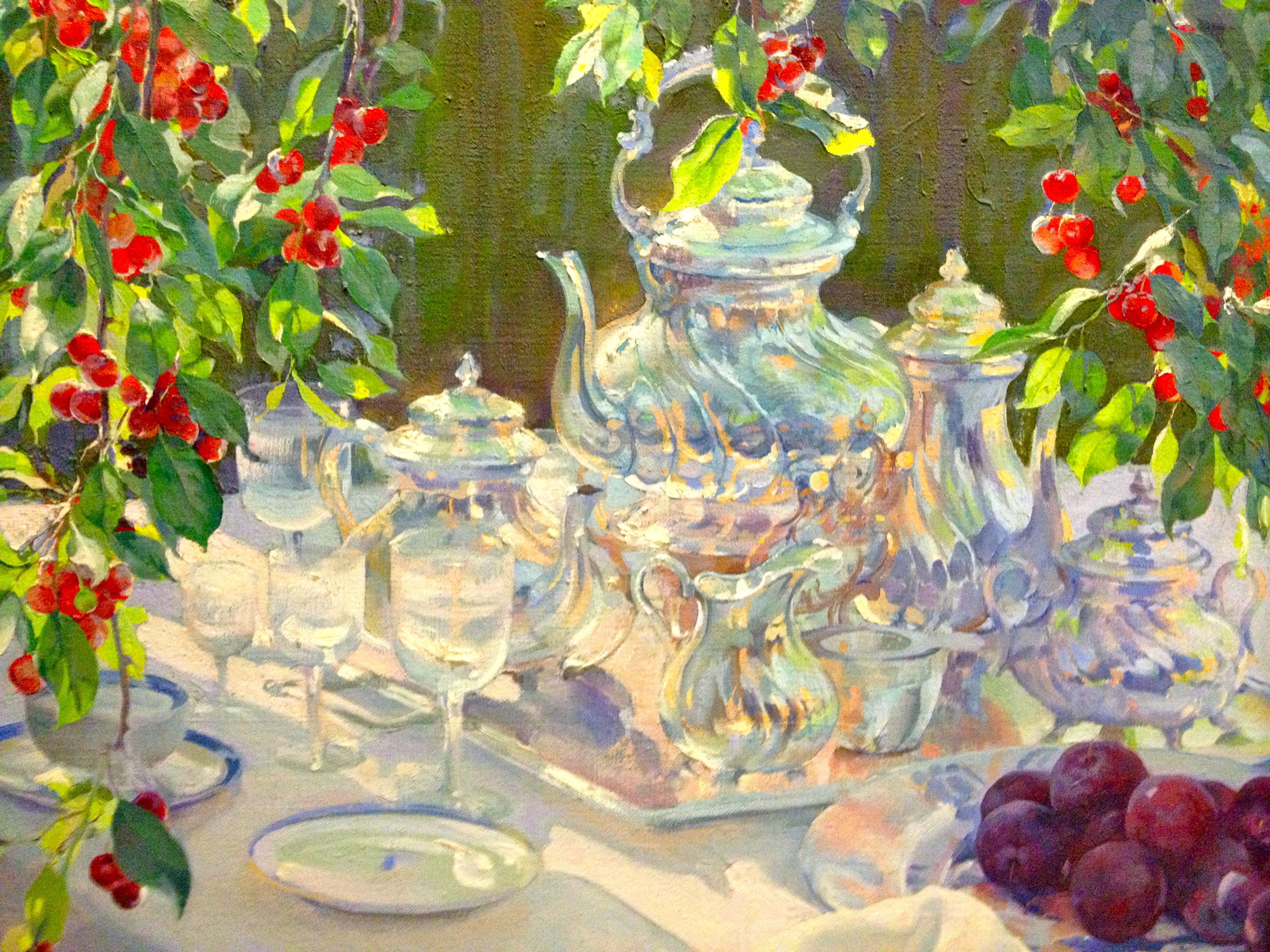
Also at the gallery are the works of leading Spanish exponent of the impressionist school, Joaquin Sorolla. Valencian born, and bequeathing his works to his home city on the condition that they would be collected together in a gallery such as this, the museum boasts a fine collection of mainly portraits which provide an evocative, very personal view of the city and its residents. Of particular attraction, for me, were his nudes and human studies, such as this academic study of a male, below. Also at the more modern end of the collection was this beautiful study of Cherries by Pons Amau, who perfectly captures the effect of sun shining through the leaves of this cherry tree.

Joaquin Sorolla, Academic Study from Life (Man) (1887)

Joaquin Sorolla, Academic Study from Life (Man) (1887)

Francisco Pons Amau, Cherries (1886-1953)

Francisco Pons Amau, Cherries (1886-1953)

Oh and beyond the paintings, I should also mention the museum’s two palatial courtyards, one red and one blue, both bursting with busts and relics from antiquity, the perfect places of calm to explore towards the end of our first Valencian day.

Other highlights from the Museo Bellas Artes

DSC_0700 DSC_0676 DSC_0672 DSC05067DSC_0677

So from the 207 steps of the Miguelete bell tower, across the historic quarter of Valencia, over the old Turia river and around the Belles Artes museum, our first day in Valencia presented a complex opening in this urban tale, a tale in which we were presented with the undeniable beauty of Valencia’s belles arts, as well as the clamouring melodies of its bells, ringing out in recognition that the central heart of this vast city bursts full of vigour for all to see, hear and explore. And that’s just what we intend to do tomorrow.

© Nicholas de Lacy-Brown and The Daily Norm, 2001-2012. Unauthorized use and/or duplication of the material, whether written work, photography or artwork, included within The Daily Norm without express and written permission from The Daily Norm’s author and/or owner is strictly prohibited. Excerpts and links may be used, provided that full and clear credit is given to Nicholas de Lacy-Brown and The Daily Norm with appropriate and specific direction to the original content.