Skip to content

Posts from the ‘Comment’ Category

The Daily Norm’s Christmas Tree of the Week | No.3: Parisian Masquerade

Some people think that black Christmas trees are morbid, but as this tree scheme will hopefully demonstrate, a well decorated black tree can be anything but. Characterised by its sparkling silver masks and its twinkling Eiffel Towers, my Parisian Masquerade tree is a nod to the glamour, elegance and spectacle which France’s capital city exudes in bucket loads. Yes, this week’s Daily Norm Christmas Tree of the week is the third tree out of four in my scheme of plenty, and is perhaps the most tightly co-ordinated and unceasingly bejewelled of the lot.

IMG_5645

Matching perfectly the black and red colour scheme of my lounge (with its dark leathers, urban metals, large mirrors and glass surfaces and splashes of red in the furniture and accessories), my black tree both complements and enhances the interiors, with its baubles of ruby red glitter, black and white patterning and polished silver, while red tinsel adds shape and consistency to the scheme. Meanwhile, the little Eiffel towers, to be found in both metal and blown glass form not only signpost the major theme of the tree, but also reflect the large Eiffel Tower silhouettes which adorn the walls of my lounge. But perhaps the best representation of the spirit of Paris is not in the Eiffel towers, but the undeniable glamour which is manifested in the little glass chandeliers which hang intermittently amongst the baubles – a touch of ballroom elegance for the masquerade which is dancing its way across the branches of this tree.

So for those doubters amongst you who think that a black Christmas tree is better suited to Halloween, I would ask you to reconsider. For in my Parisian Masquerade I believe I have created a scheme which represents the most festive facet of all the season – a representation of the parties and the glamour which Christmas so proficiently entails.

Join me next week for the climax of my Christmas tree review – Number 4!

The Daily Norm’s Christmas Tree of the Week | No.2: Citrus Sunshine

Designed to complement the sunny orange shades of my office which is appropriately named “The Orange Office”, this week’s Daily Norm Christmas Tree of the Week is a burst of citrus sunshine bringing with it all of the essence of a sunny mediterranean shore in the midsts of an otherwise wintery Christmas season.

With its vivid yellow and orange baubles, this christmas tree scheme sits well within a season whose cuisine is alive with spiced citrus scents, but loses none of the vibrancy and freshness of a summer’s day. That nod to the summer is referenced in the hints of cerulean blue, reminding of a clear summer’s sky and the vast blue waters of the mediterranean sea, but the orange and yellow sparkling glittery reindeers nod back to Christmas again, in an evocation which is the height of festive kitsch. The playfulness introduced by my reindeer is accompanied by the jovial multi-coloured forms of metalic robots, only to be offset by the rich regality of purple flashes, which reflect the wealth and abundance of the Christmas season. And all this is tied together upon the branches of a contemporary black tree, sparkling under two sets of yellow flashing fairy lights, and balanced out by ample strings of glittery yellow tinsel.

DSC04345

My “citrus sunshine” tree is a perfect example of how both playfulness and modernity can be achieved within the traditional Christmas season, lending a contemporary air and so blending perfectly with the sleek surroundings of an office environment. Of course such a traditional set up will not be suitable for every setting, in the same way that a traditional fir tree may look out of place in a modern flat. But the best thing about Christmas is its ability to adapt its joy-giving decor to all environments, ensuring that wherever you go or live, Christmas need never be absent.

All photos and written content are strictly the copyright of Nicholas de Lacy-Brown © 2013 and The Daily Norm. All rights are reserved. Unauthorized use and/or duplication of the material, whether written work, photography or artwork, included within The Daily Norm without express and written permission from The Daily Norm’s author and/or owner is strictly prohibited. 

The Daily Norm’s Christmas Tree of the Week | No.1: Scandinavian candy

Christmas time is finally upon us, and with it my home has, as annual tradition dictates, metamorphosed into a festive wonderland befitting the season. For there is nothing quite like the sparkle of fairy lights, the twinkle of glittered baubles, and the Nordic smell of an authentic fir tree to import the feeling of Christmas wonder into the home. In recognition of its power to transform a humble dwelling, I always indulge in abundant homage to the season, installing not one, nor two, but FOUR christmas trees into my home, one for each room of the house. That way, wherever you walk inside in my little London flat, the spirit of Christmas will never be more than a few metres away. In fact upon entering my home and standing in the hallway, you are greeted with the sight of some three of those four trees stood majestically installed in each of their respective rooms.

What with there being four trees, and four weeks left until Christmas, it seemed only proper that I should focus on one of each of my trees each week as I share my Christmas decorations with the world. And for the first week, I would like to share with you what is my newest tree in a scheme of annually recurring decor, and with which I have incorporated all of the fragrant fancy that comes with a real tree, ditching the fake white tree which used to decorate my bedroom.

Tree No.1: Scandinavian Candy

DSC09521

It was after installing my little Scandinavian Forest on my chest of drawers last year, a composition which nodded to the traditional Christmases which the Nordic countries do so well, that I realised that the fake tree which previously stood alongside it no longer fitted the bill. Yearning always for a real tree, and with the plastic white tree turning a progressively unattractive shade of yellow, I decided to go the full hog this year and opt for the real mccoy – a 7 ft Norwegian fir tree, now decadently decorated with decorations of white, green, turquoise, and by way of incorporation with the hints of pink in the paintings which hang in my bedroom, a touch of candy pink too – hence the name I have given to this scheme: Scandinavian Candy.

The biggest change from my normal decorative schemes came with my decision to ditch tinsel in favour of a more traditional paper chain. I always apply tinsel almost as a matter of course, but when I did so on my real tree, it lacked delicacy, and made the tree look altogether more clumsy. So out came the paper, the glue and the scissors, and the result is a tree which is garlanded and shaped by paper chains, but not swamped by them.

Well that’s more than enough talking from me. Time for the tree to shine through photos. Gosh I can smell its fragrant pine needles as I type…divine!

All photos and written content are strictly the copyright of Nicholas de Lacy-Brown © 2013 and The Daily Norm. All rights are reserved. Unauthorized use and/or duplication of the material, whether written work, photography or artwork, included within The Daily Norm without express and written permission from The Daily Norm’s author and/or owner is strictly prohibited. 

It’s beginning to feel a lot like a London Christmas…

Having lived in London for some 11 years now, and been a frequent visitor even before then, I feel like a true Londoner, or at least as true as a Londoner can be in a city which lacks the small touches of friendly familiarities, of daily pleasantries and community feel which are so abundant in small towns and villages elsewhere in the UK. I know I’m a Londoner because I get ferociously impatient amongst ambling tourists; I can’t stand still on a tube escalator – preferring to walk so as to avoid waisting time; and I feel an indefatigable pride when anything big or beautiful happens in the city – which is frequently. And at no other time does that pride manifest more than at Christmas, when London’s streets become alive with the festive spirit.

While this transformation, especially around the shopping heart of the West End, may happen a little too early for some tastes, I revel in the change as soon as the evenings get dark early, yearning for nothing more than late night Christmas shopping on cold dark evenings, accompanied by a cup of sticky sweet mulled wine and the smell of roasting chestnuts wafting in the air.

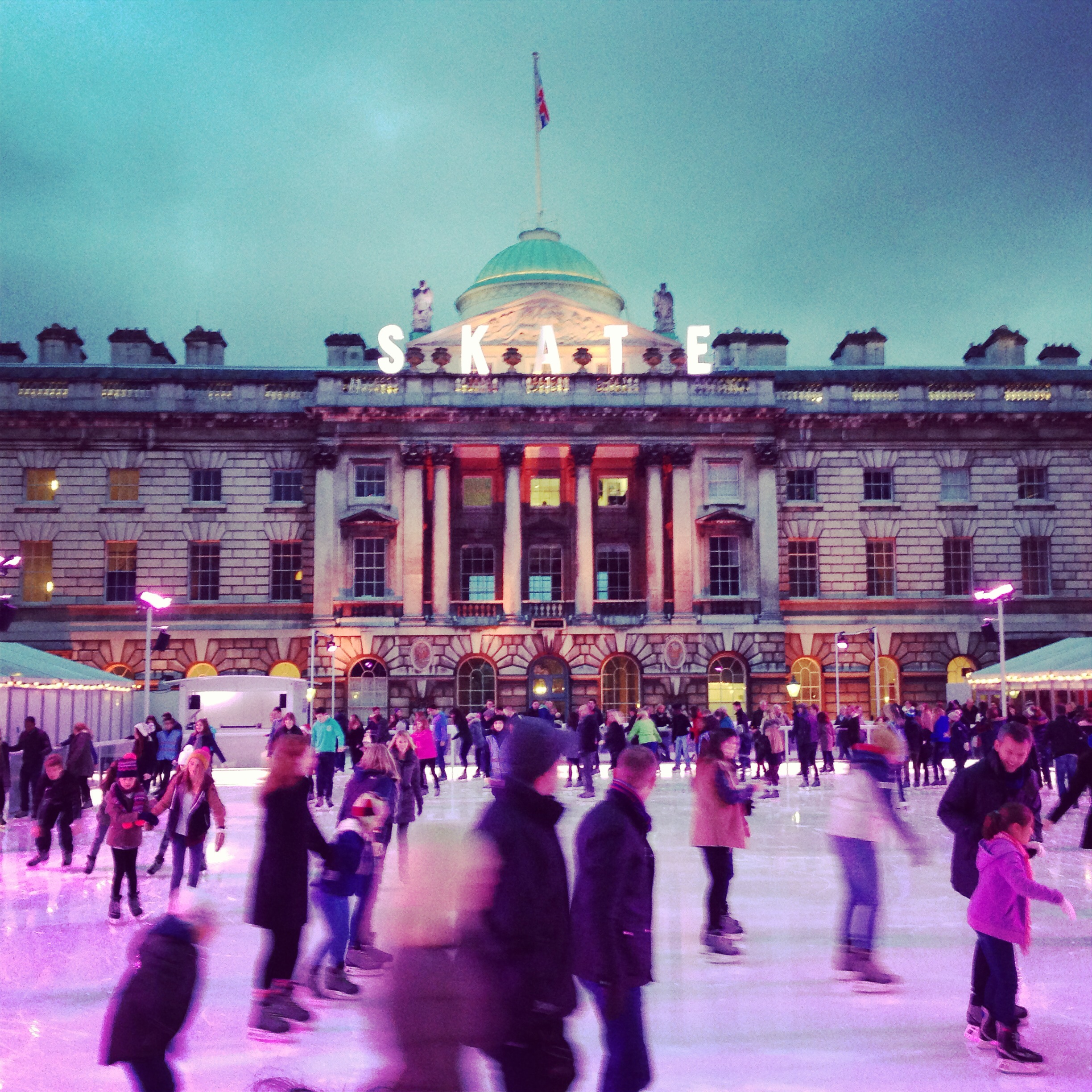
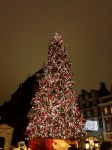
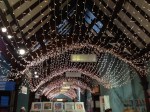
This year, with the spirit of economic recovery looming large, London appears to have gone to town for the festive season with more enthusiasm than ever before. An amble through its streets this weekend with my visiting parents revealed just what an Aladdin’s cave of festive treasures London has to offer, with glorious lights strung across streets and inside shops, with ice-skating rinks popping up in front of every important building, and festive flavours easing their way onto the menus of the majority of London’s many cosy warm eateries.

The Somerset House ice rink

The Somerset House ice rink

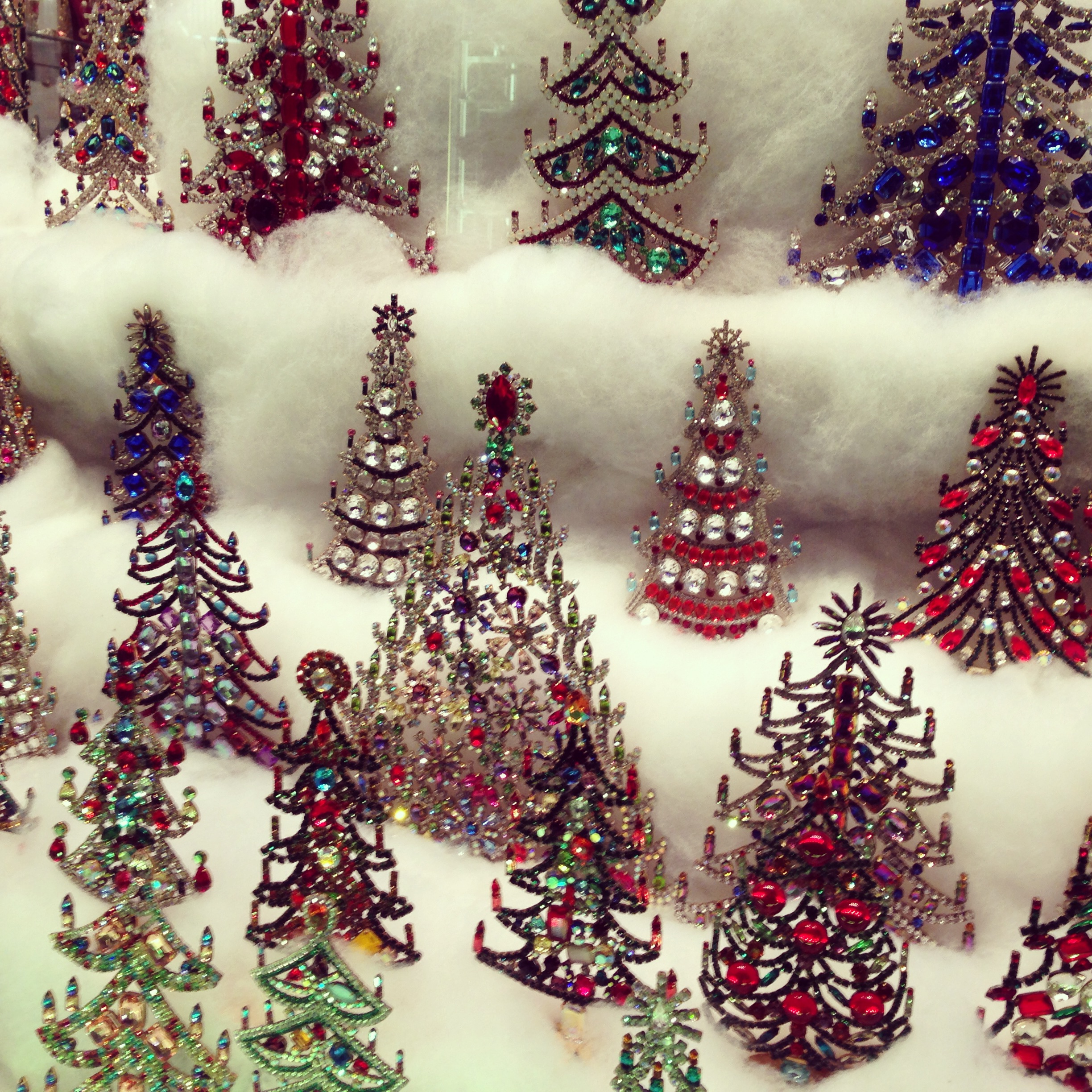
A stunning window display near Charing Cross

A stunning window display near Charing Cross

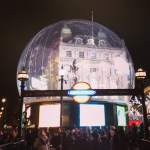
Such a cool idea - Eros turned into a snow globe

Such a cool idea – Eros turned into a snow globe

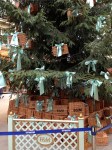
This post attempts to share glimpses of this festive wonderland which has taken the city by storm. The ultimately Christmasy ice-rink in the magnificent courtyard of Somerset House looks glorious as ever, but is accompanied this year by an equally enticing Christmas parade full of festive pop-up shops crammed with the ultimate in unique and luxury Christmas gifts. Meanwhile, down the road, Covent Garden is alive with lights and decorations aplenty, while in Piccadilly Circus, the ultimate in brilliant ideas has been realised as the famous Eros statue has been covered by a large transparent dome and pumped full of fake snow to turn it into the biggest snow globe I’ve ever seen. What a fantastic idea! You’ve also got to love the tree at St Pancras International, where visitors from the continent will be welcomed to London by the ultimate in English elegance – a tree decorated with hampers from the Queen’s grocer, Fortnum and Mason’s. A tree after my own heart.

It’s that time of the year when the Christmas spirit is really starting to creep in… and as these photos show, you would have to be made of stone to escape the first waves of festive happiness washing over London right now. Bring it on.

All photos and written content are strictly the copyright of Nicholas de Lacy-Brown © 2013 and The Daily Norm. All rights are reserved. Unauthorized use and/or duplication of the material, whether written work, photography or artwork, included within The Daily Norm without express and written permission from The Daily Norm’s author and/or owner is strictly prohibited. 

Paris, Dreyfus, and Vienna – the coincidences which led me to De Waal

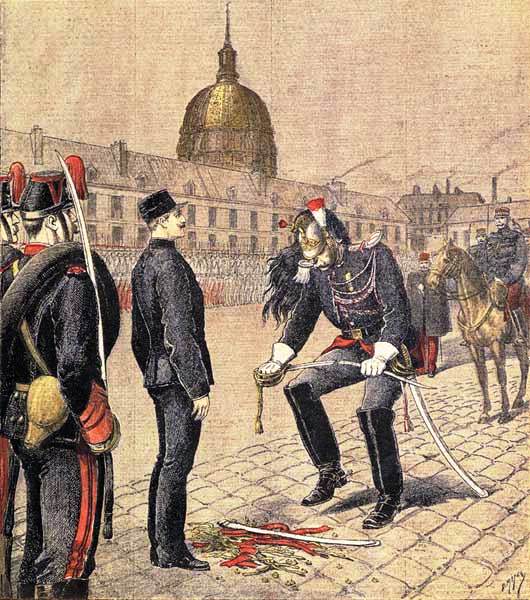
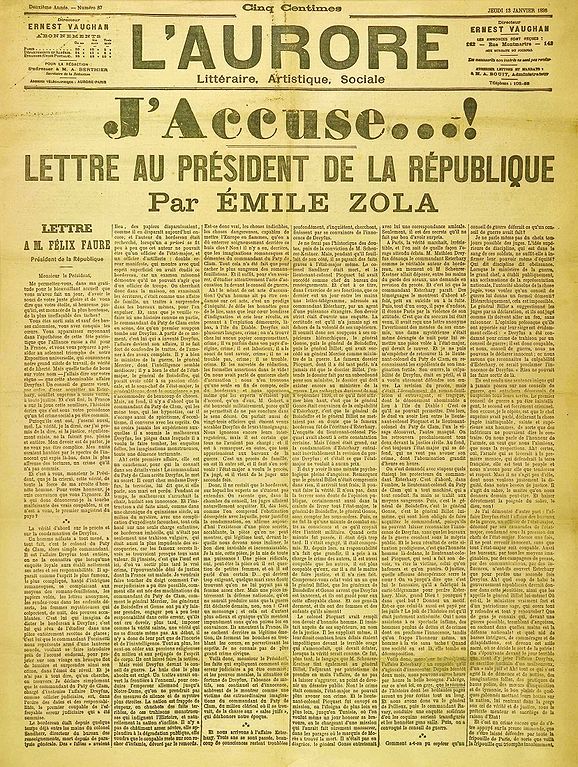
Life is full of coincidences, and for me, this has been no more proved than recently, when I have been beset by a series of overlapping coincidence. The series of greatest significance has been the one leading to this post. It started in the early Autumn, when the fading of summer led me to start feeling my familiar autumn yearnings for a trip to Paris. In part-alleviation of this desire, I started reading the aptly titled Paris Requiem, by Lisa Appignanesi, which is, on its face, a period murder mystery, but set against the historically significant Dreyfus affair. I was already aware of Dreyfus on my periphery, being as the involvement of one of my favourite authors, Emile Zola, had pretty much destroyed his career, forcing him into exile in the UK when he sought to uncover what was one of the greatest conspiracies in French history, and unveiled a disturbingly vehement level of anti-Semitism both at the heart of the French Government and within French society at the end of the 19th Century.

The degradation of Alfred Dreyfus

The degradation of Alfred Dreyfus

The article which incriminated Emile Zola

The article which incriminated Emile Zola

Then, just as I was finishing Paris Requiem, the long-awaited new novel of another favourite author, Robert Harris, was published, this book also dealing with the Dreyfus affair from the point of view of the Army Officer who uncovered the scandal and suffered his own career-breaking consequences in the process. Mid-way through the book, a new documentary series started on TV. Telling the story of the Jews, the narrator, Simon Schama,  also told of this disturbing period of French History.

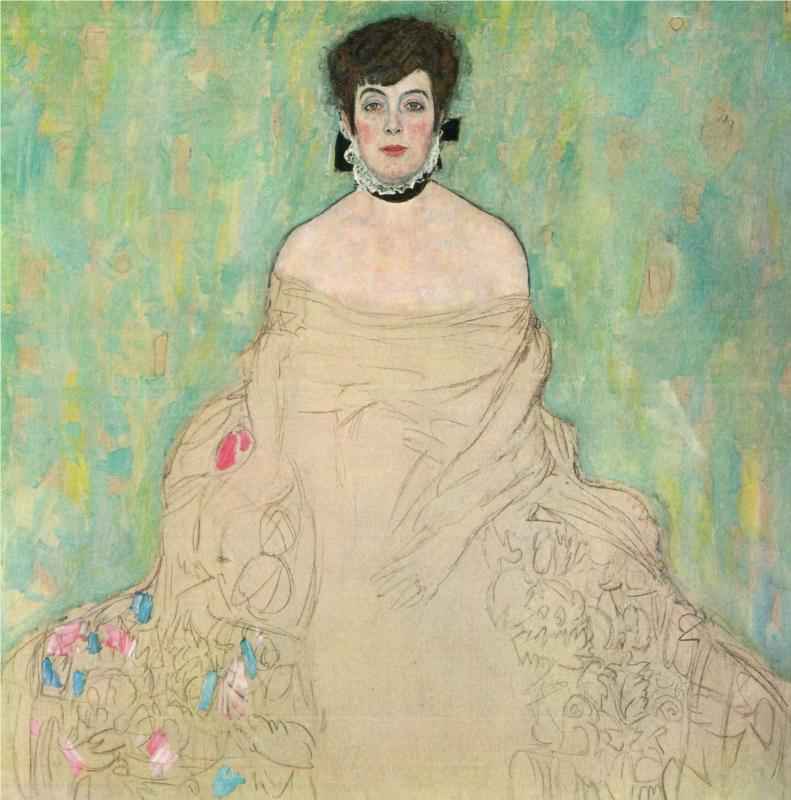
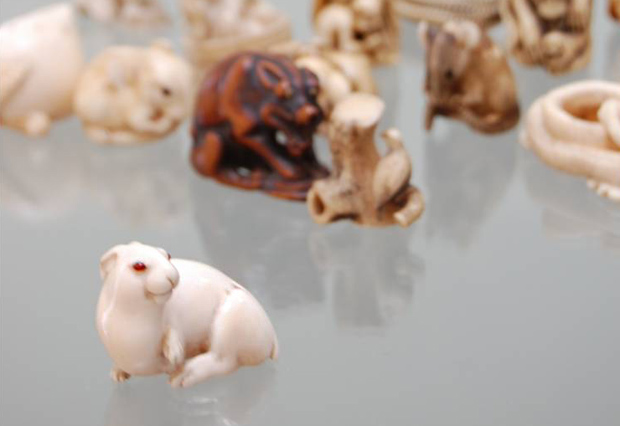
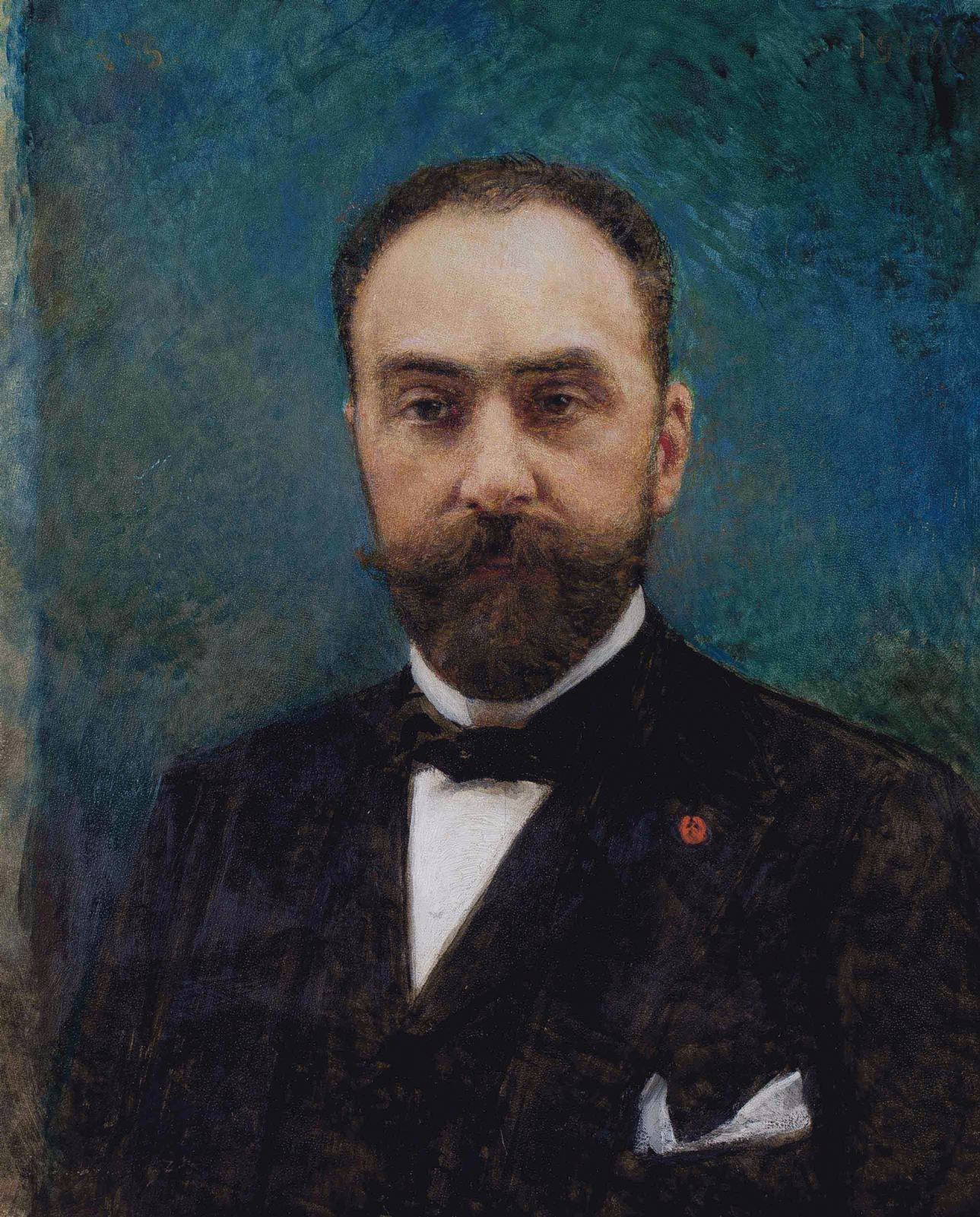
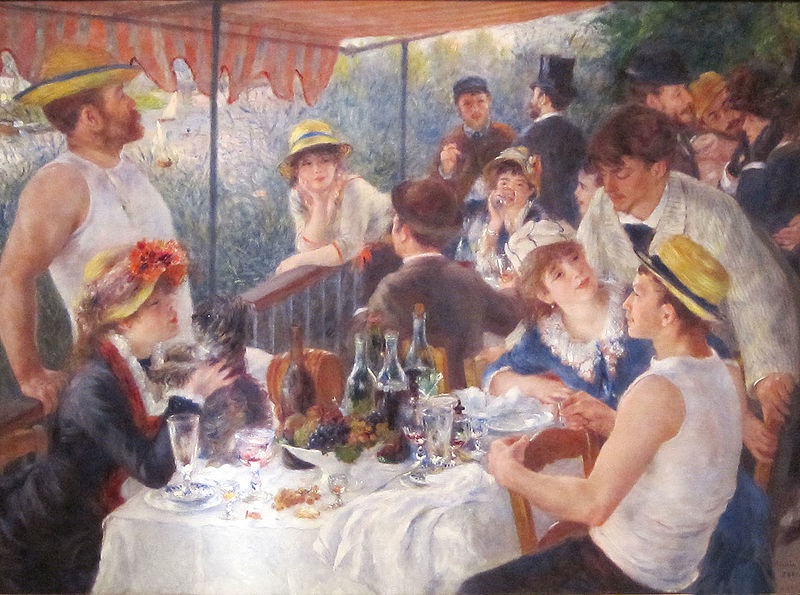
I thought the coincidences had ended there, but when I went to the National Gallery’s excellent new Viennese Portraiture exhibition, Vienna: Facing the ModernI picked up a copy of Edmund De Waal’s The Hare with Amber Eyes in the gift shop, and thought the time had come to read this much applauded novel. So, with Robert Harris’s sensational novel, An Officer and a Spy finished, I started De Waal’s captivating family history, originally narrated by tracing back the story of the Japanese netsuke which he had inherited from his Great Uncle Iggie. Starting off in 19th Century Paris with the story of the formidable art collector Charles Ephrussi (he can be seen in the top hat at the back of Renoir’s The Luncheon of the Boating Party) who was the family member who first bought the netsuke, it turned out that, guess what, Charles too had got himself involved in the Dreyfus affair – being Jewish, his support of the innocent Dreyfus could hardly be avoided, but, like Emile Zola, Ephrussi suffered social rebuffal as a result.

Amalie Zuckerkandl by Klimt - featuring in the National Gallery's new show on Vienna

Amalie Zuckerkandl by Klimt – featuring in the National Gallery’s new show on Vienna

The Netsuke

The Netsuke

Portrait of Charles Ephrussi by Leon Bonnat

Portrait of Charles Ephrussi by Leon Bonnat

The Luncheon of the Boating Party by Renoir

The Luncheon of the Boating Party by Renoir (with Charles Ephrussi in a top hat at the back)

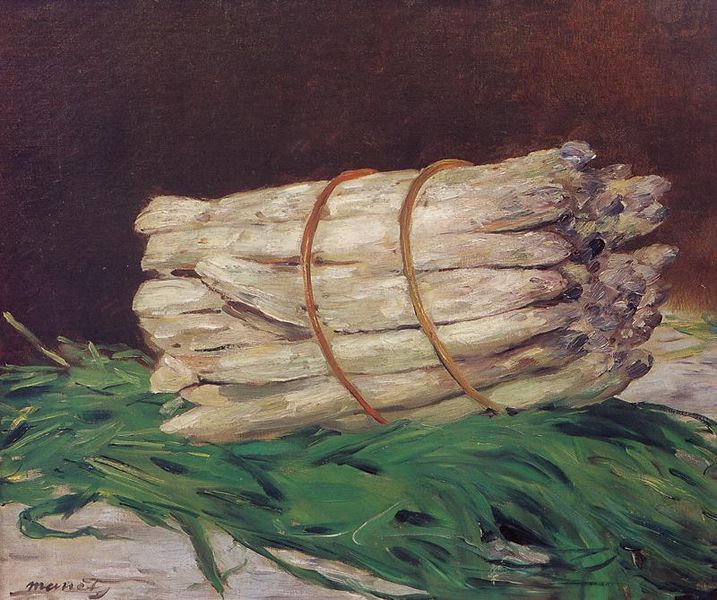
Manet's Bunch of Asparagus (1880) - part of the significant impressionist collection of Charles Ephrussi

Manet’s Bunch of Asparagus (1880) – part of the significant impressionist collection of Charles Ephrussi

So suddenly, this story of Dreyfus, a Jewish scapegoat and symbol of the underlying currents of European anti-Semitism, had become a major focus, appearing, quite by coincidence, in reference after reference of both television and literary entertainment. But of course the Dreyfus Affair was only the start of the tragic scale of anti-Semitism which was to escalate in Europe, and as De Waal’s stunning book goes on to demonstrate, the horror of Europe’s anti-Semitic manifestation as the 1930s took hold was on a scale that none could have imagined in the persecution of that single man back in 1890s France.

Of course we all know the history of the holocaust and of mass-murder and injustice so unprecedented that words alone are not sufficient to describe it. But where De Waal’s book is so powerful, is that through his captivating narration of his family history, by the time the great Palais Ephrussi is ransacked by the Nazis in 1938, its art collections, along with everything else, stolen in a barefaced lawless destruction of Jewish life and liberties, you feel as though you know the family so well, have lived their history to such a degree, that reading of the exorbitant outrage, the dumfounding horrors suffered during that time actually becomes physically painful. You want to turn back the clock  there and then and somehow destroy the Nazi regime singlehandedly; you want to save all of those who suffered, and put all that injustice right.

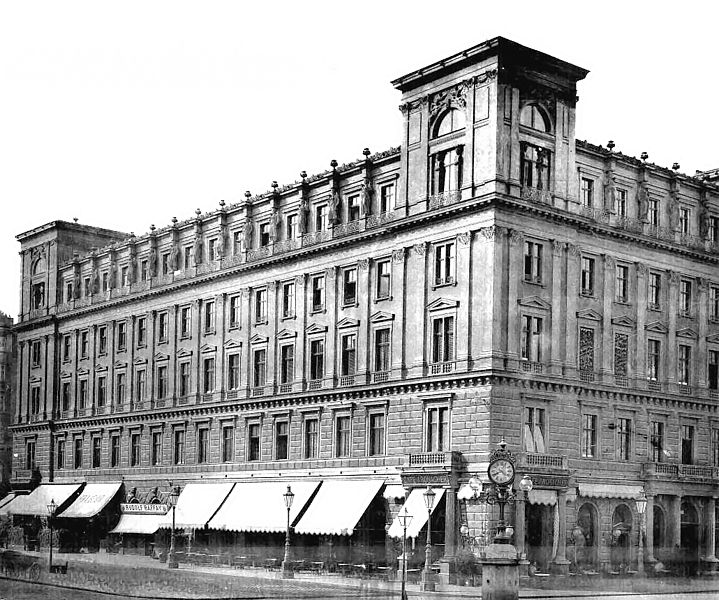
The Palais Ephrussi

The Palais Ephrussi – ransacked by the Nazis

But history is what history was, although books like De Waal’s do an incredible job in bringing those emotions back to light. And, it is not just books which bring history knocking at the door of the present day. The last set of coincidences in this string was that in the same week as I read about the Nazi ransacking of the family art collections of the Ephrussi palace, I read an article about the biggest discovery of Nazi looted art in Munich for centuries, much of which is believed to have been stolen from some of the biggest Jewish collectors of the time, and then, but hours later, I saw that to my amazement, a TV documentary on Edmund De Waal himself was being shown on TV, a documentary which also dealt with the subject of the restitution of stolen Jewish art.

As to that documentary – that has provided its own source of inspirations which I will discuss tomorrow. But for today, what is my message? Well, not only that coincidences can happen in life, but more so that all of this reminder of the great injustices of war have coincided with today, which also happens to be Remembrance Day, when, in wearing a red poppy and marking the end of World War One, we pay our respects to those who have fought in wars throughout history, and in the present day.

Well, in paying my respects to those people this year, I will also be thinking of those who have suffered in wars, not just as fighters, but as innocent victims, families, Jews and non-Jews – the people to whom injustice was so great that history can never erase it, and words can never truly describe it. At 11am today, I will be thinking of them.

img_1562

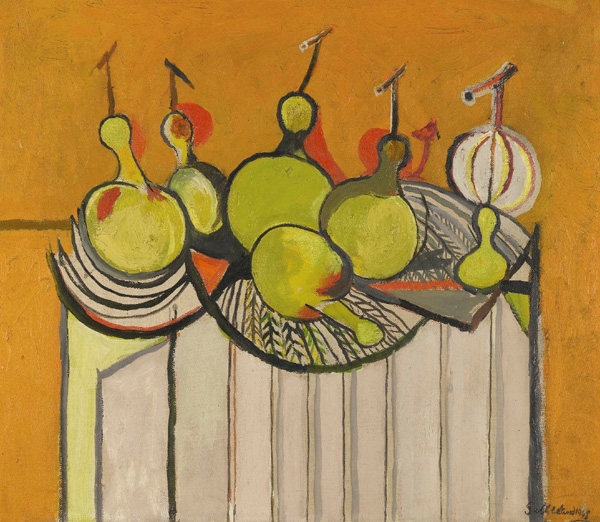
Still life with Gourds

October has been a busy month, and while I could have been indulging more in the autumnal hues of Britain, applying those ruby reds and auburn oranges to canvas, I instead escaped the impending cold and jetted off to retrace a little of my summer in Spain. Then, as is so often the case when one receives a little treat, fate takes back the pleasure with his devilish sense of humour, and gave me a particularly debilitating throat infection. So apart from my Composition 11, which made a study of autumn’s descent on the once green and pleasant leaves of London’s parks, I have been altogether devoid of autumnal artistic activity recently.

So, in the knowledge that art is not all about me (if only…) and pursuing what I love to do more than anything else – gazing longingly at the stunning work of artists who have gone before me – I thought the time was only right to share with you a painting by one of my favourite 20th Century British Artists, Graham Sutherland.

Sutherland, born in 1903, has long fascinated me as one of the most striking and visceral of Britain’s modern-age artists. Made an official war artist during the second world war, Sutherland’s works are full of the morbid, often violent tumult of war, even when war itself is not the protagonist of his canvases. I love Sutherland’s depictions of the crucified christ for example, which exude the pain of the crucifixion without any of the pretensions of a renaissance depiction, and I love his spiky, pugnacious thorn-head images, which in themselves appear to stem from the imagery of the crucifixion’s crown of thorns.

Still life with Gourds (1948) © the Estate of Graham Sutherland

Still life with Gourds (1948) © the Estate of Graham Sutherland

The painting I have chosen to feature on The Daily Norm today is therefore something of a departure from Sutherland’s more savage war and post-war works, and presents a still life composition of gourds which is warming, and even sensuous to the eye, with its bulbous curves and earthy autumnal colour palette. That said, there is some indication of Sutherland’s spiky reflections in the sharp stalks which punctuate the golden background at the top of the vegetables, while the curved lines of the bowl or perhaps table on which the objects sit are finished with sharp almost threatening points.

It’s a hearty autumnal image, but with a perhaps subtle sense of warning about the uneasy seasonal changes which are still to come. Now if this week’s hurricane winds and beautiful calm orange sunrises are anything to go by, I’d say Sutherland has got autumn painted just right.

The image in this post is the copyright of the Estate of Graham Sutherland. Remarkably, the painting appears to be for sale for those lucky few who may be able to afford to add this piece to their collection – go to www.jonathanclarkfineart.com for more details. 

Summertime Sussex (Part 2) – Pre-birthday Garden Party

For me, the highlights of my childhood were the times spent outside in the spring and summer; my sister and I playing endless games such as flower fairies and thundercats in the daffodils, or picnicking under our lilac tree on a Sunday evening; sleeping in my tent on a damp dewy midsummer’s night; the smell of Avon suntan cream and the texture of my mother’s toweling dress; dragon flies hoping over the surface of our still reflective pond water, and the sound of their wings getting stuck underneath the netting which kept cats away from the fish. More recently, I’ve loved to indulge amongst privilege few in the elegant gardens of Glyndebourne opera, dressed up to the nines, a picnic basket in one hand and a glass of champagne in the other; and to this day my favourite thing in all the world is to dine al fresco.

DSC05414 DSC05418 DSC05415 DSC05275

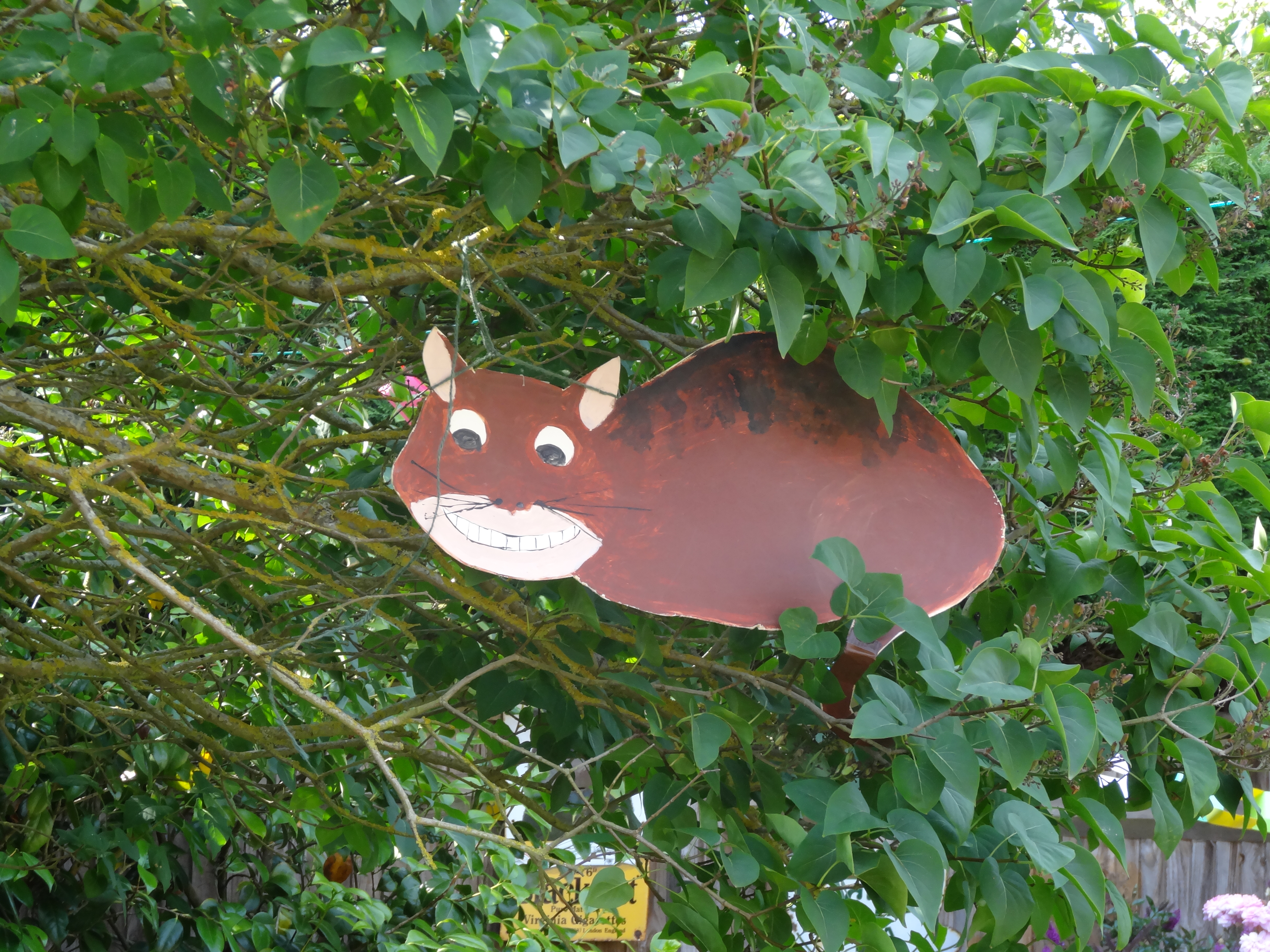
So being that it is approaching my birthday, and that this build up has fallen, fortuitously, within a period of unseasonably fine weather, I decided that when a visit to my family home in Sussex fell due, there could be no better way to celebrate my birthday that with an elegant garden party for all the family. This had parallels to a lavish do that I put on for my 12th birthday, when I transformed the garden into an Alice’s wonderland, painting a Cheshire cat to sit up in the tree, and bedecking the garden with playing card garlands. 18 years later, I got out that same, slightly tatty Cheshire cat that I painted as a boy, and sitting him in the very same, now slightly more slumped iris tree he sat in all those years ago, I went about decorating the rest of the garden for the occasion.

DSC05145 DSC05146 DSC05143 DSC05144

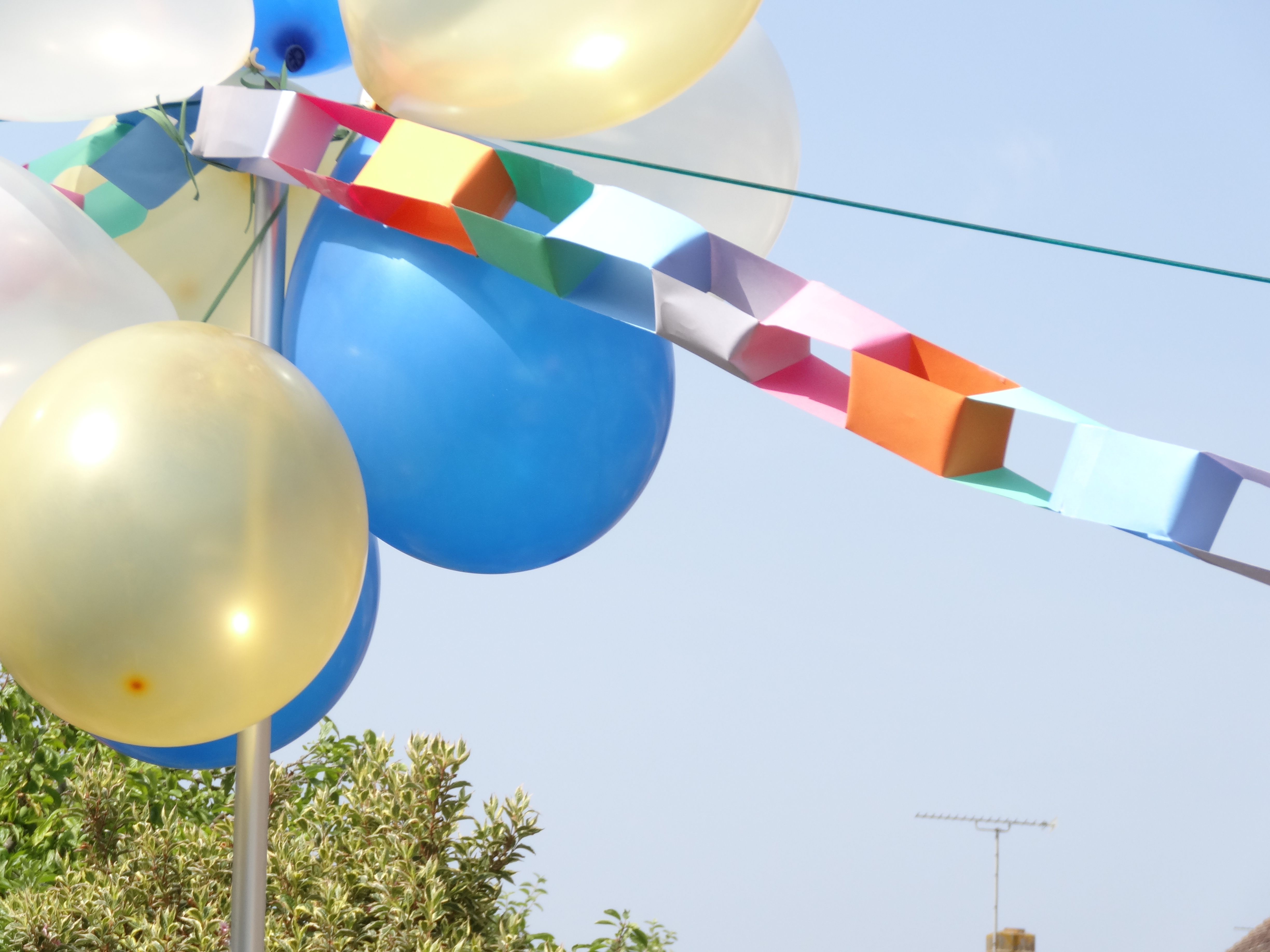
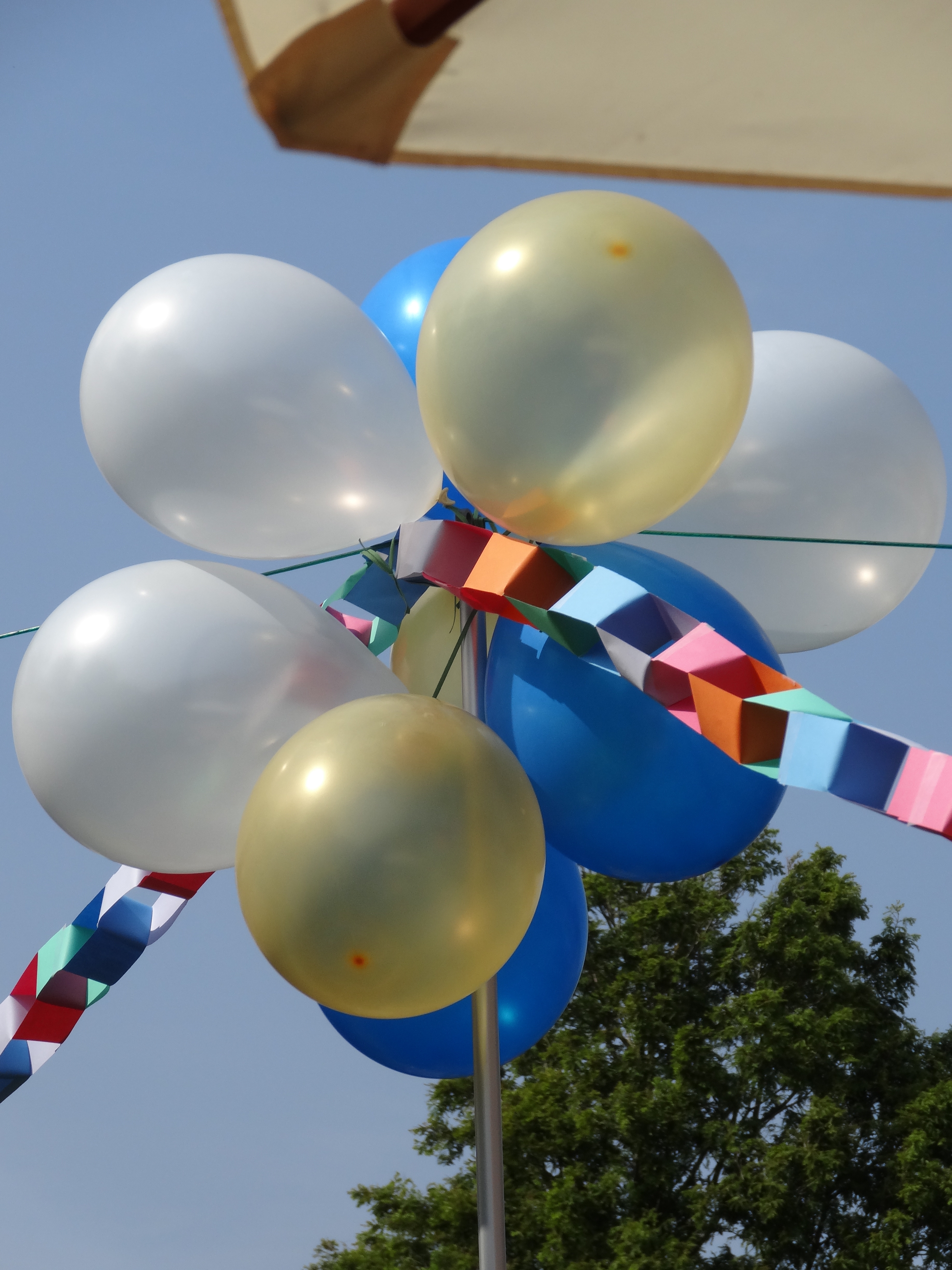
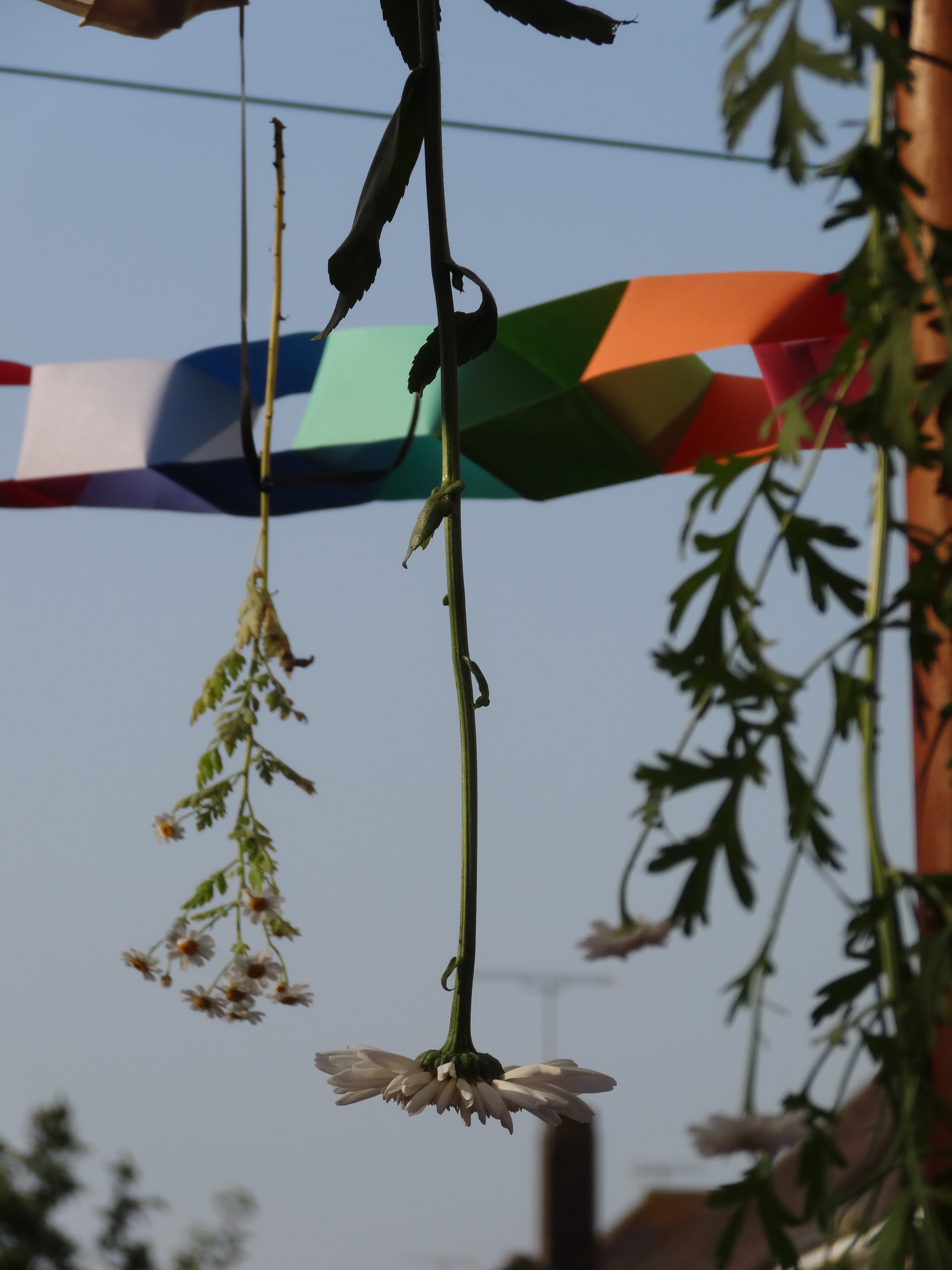
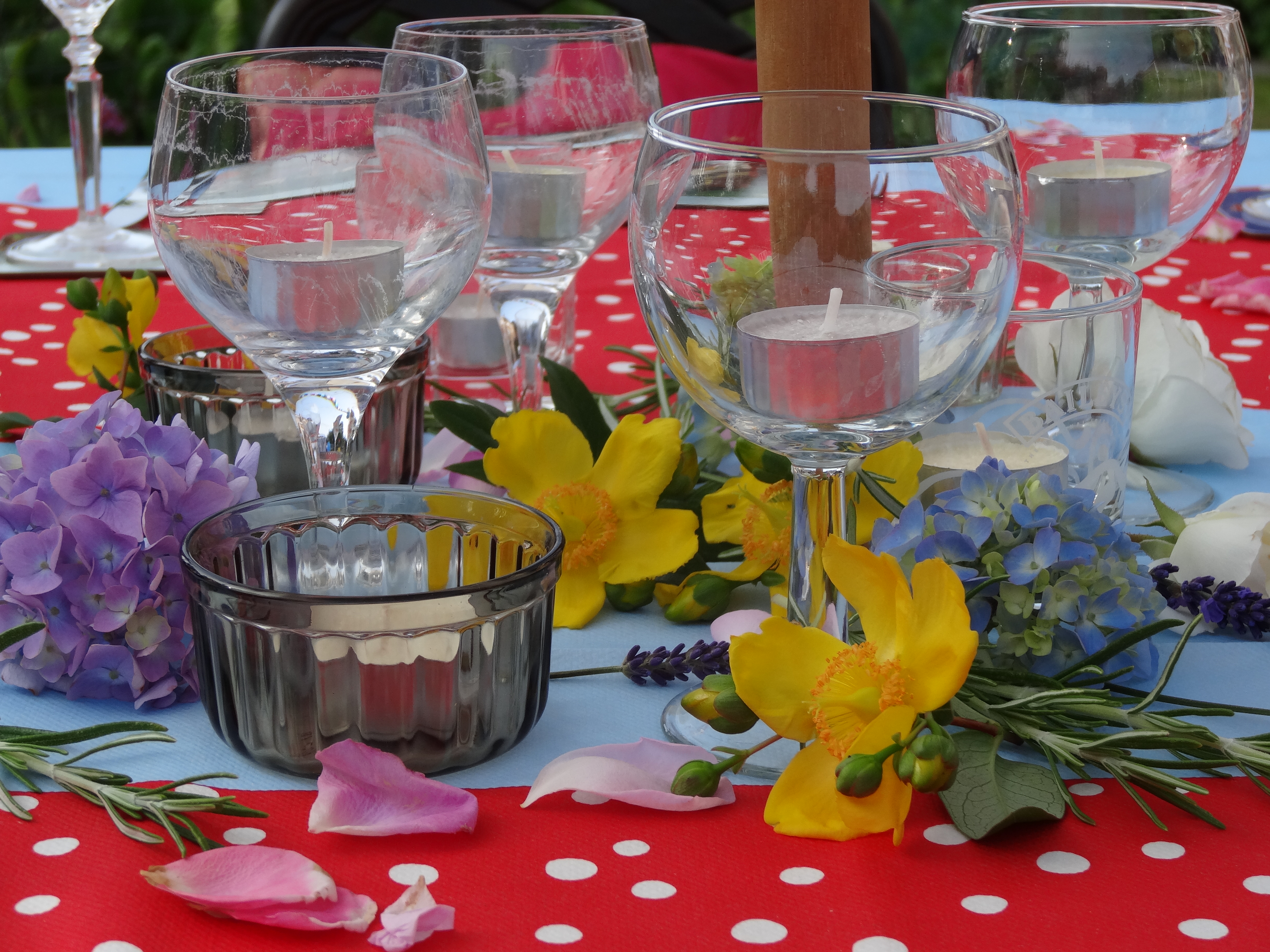
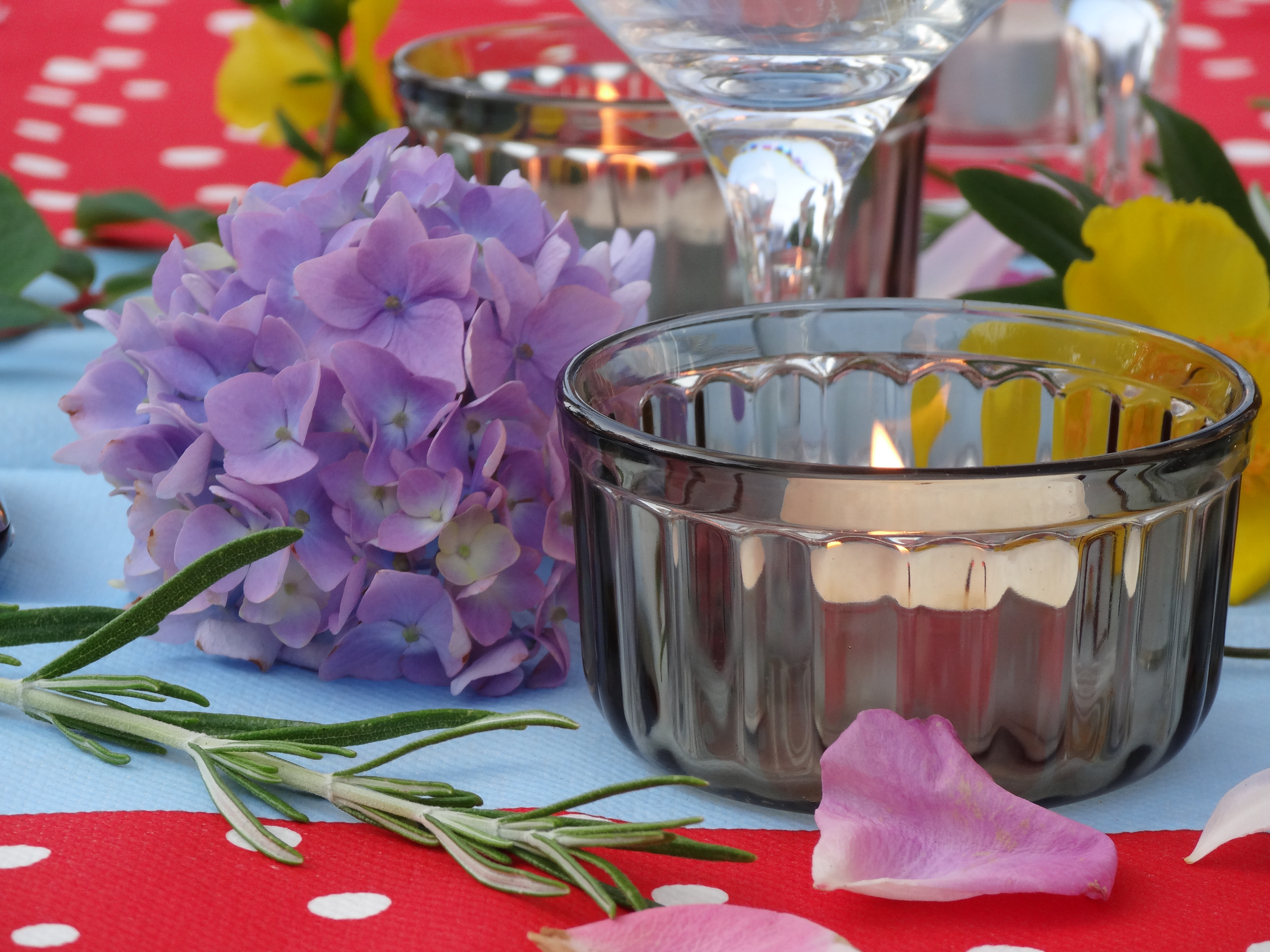
The result was a slightly more elegant affair than the wonderland spectacular I conjured up all those years ago, and perhaps more suitable for the grand old 30 years I will reach on my birthday in two days time. Pearlescent balloons and large oversized paper chains that I made in the car journeying down from London (I wasn’t driving, I should note) were an easy but effective decorative option. But the real heart of the party of course was the table, where I wanted to build a focus while making the table cosy and intimate – something not easily achievable when dining out in the open air. This I did through the use of a large umbrella, from which I dangled single flower stems of every conceivable kind gathered from around the garden (much to my father’s horror). The result was an impromptu chandelier of flowers, forming an elegant canopy over the table and later reflecting the candlelight from the tealights set out in odd glasses on the table below.

DSC05259 DSC05237 DSC05239 DSC05308 DSC05289 DSC05285 DSC05280 DSC05302 DSC05240

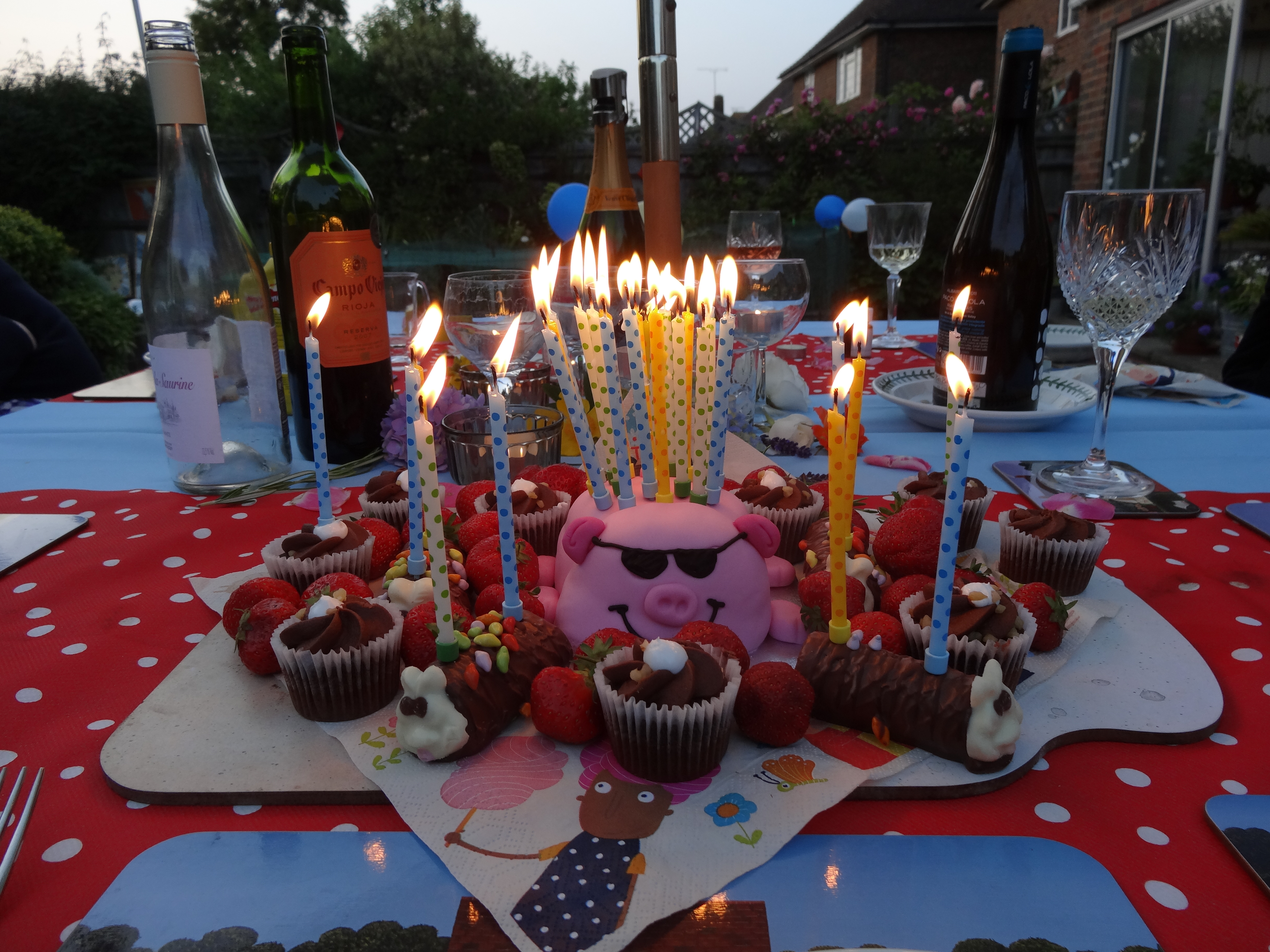
As for the dinner, well a barbeque made posh with all manner of Mediterranean salads and salsas and marinades delighted all family members present, but not nearly as much as the cake – something of a last minute gathering of a Marks and Spencer Percy Pig cake, surrounded by a mud bath of chocolate additions. Most importantly of all were every one of the required 30 candles, the heat from which made for our very own outside patio heater, at least for the short duration before my birthday wish extinguished them forever.

DSC05317 DSC05329

So the moral of the post, apart from to show off my photos of course, is that with a  few single flower stems, an umbrella and a bit of ribbon or string, you can make a table centrepiece that will wow your guests before the food even hits the table.

All photos and written content are strictly the copyright of Nicholas de Lacy-Brown © 2013 and The Daily Norm. All rights are reserved. Unauthorized use and/or duplication of the material, whether written work, photography or artwork, included within The Daily Norm without express and written permission from The Daily Norm’s author and/or owner is strictly prohibited. 

Sunny Sunday Morning

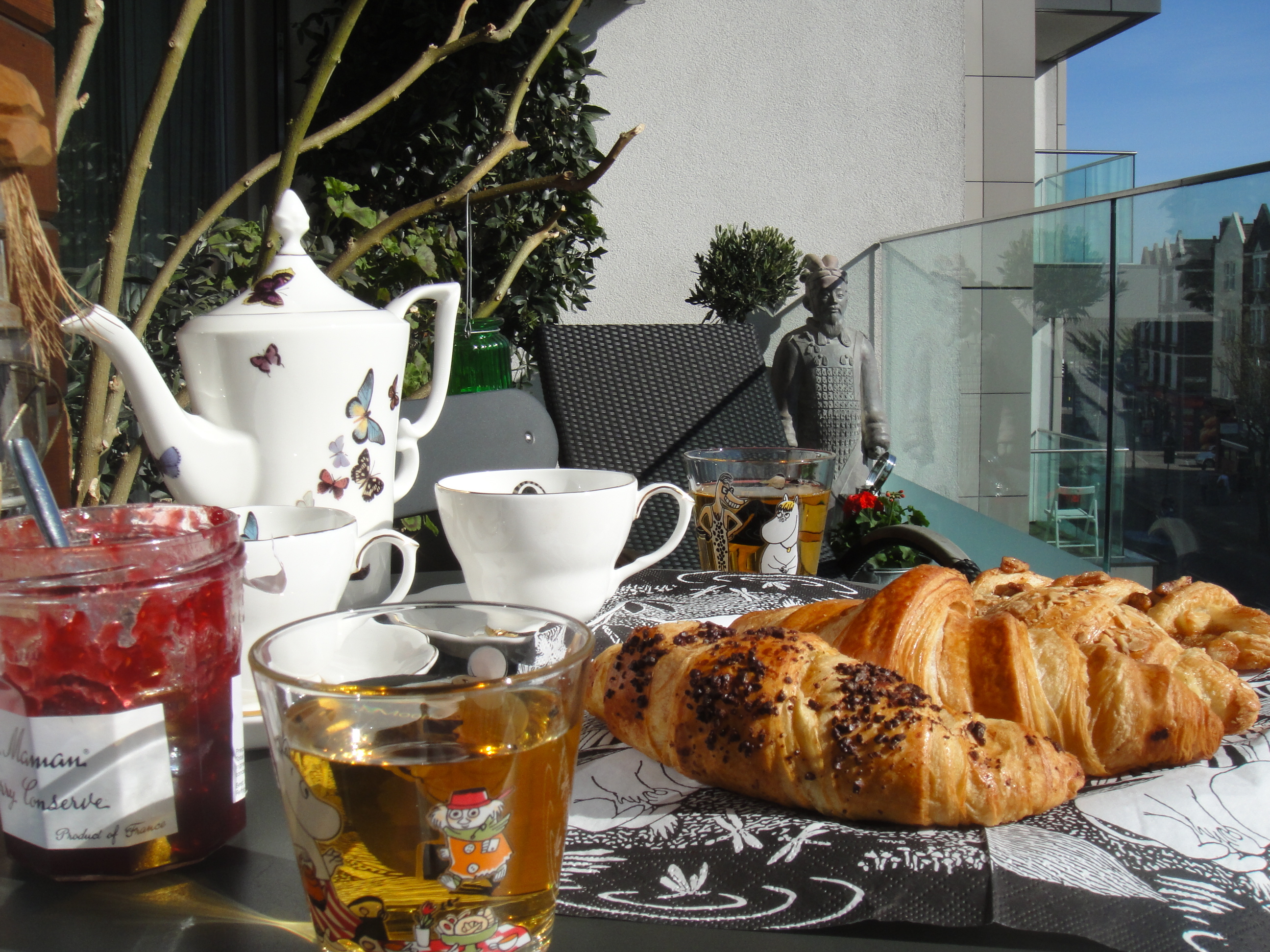
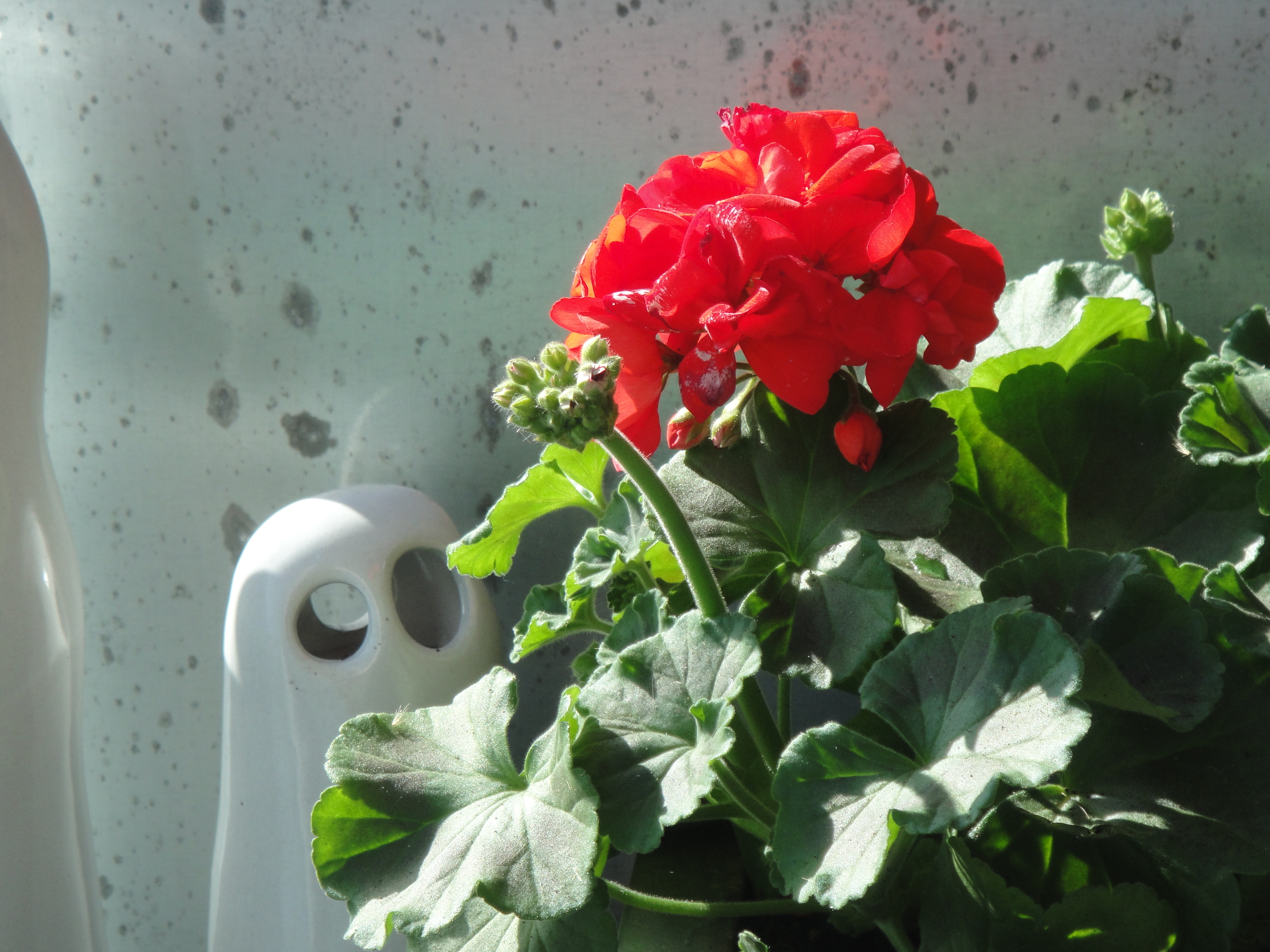
Fresh pastries, a pot of aromatic earl grey tea, the Sunday paper packed with supplements on culture and style and food, fruit juice sparkling as the sun throws long shadows across my little city balcony, a sun which finally possesses sufficient strength to cut through the chilly stubborn wintery air which has dogged the UK weather for the last 6 months. Spring has arrived, my balcony is getting green, and surrounded by newly potted plants purchased from a little garden centre squeezed politely alongside North Dulwich’s train station, my partner and I sat down yesterday morning to a Sunny Sunday morning. Every day should begin this way, but as today’s sardine-squished tube journey has reminded me, very few do. Hence why I felt it only appropriate to share the momentous morning that kicked off yesterday’s Sunday so well, instilling hope into us both that the Summer is on its way.

DSC07425 DSC07440 DSC07439 DSC07438 DSC07434

Wishing you all a good week 🙂

Valencia (vii) – Photography Focus 3: A tale of two cities

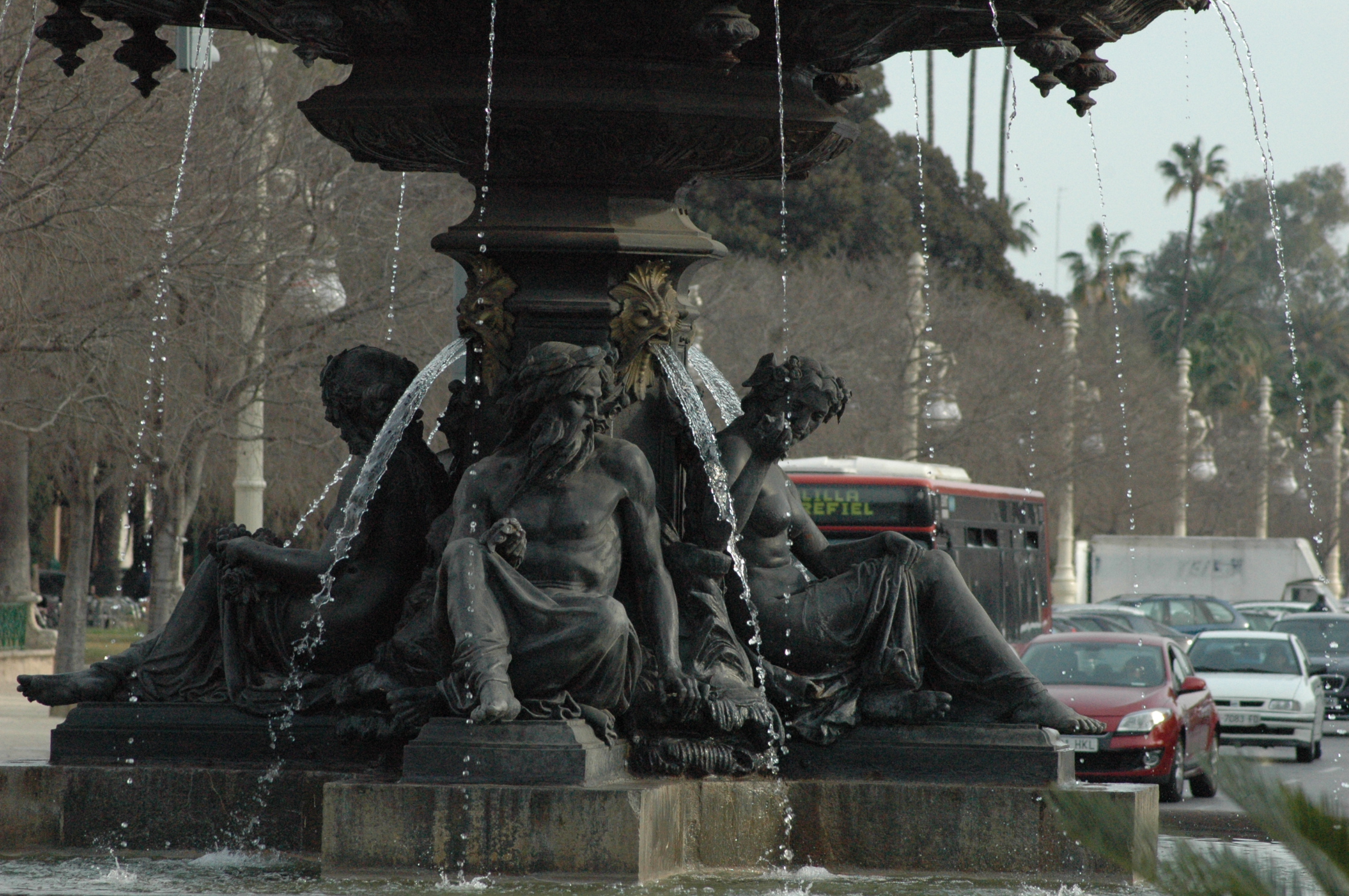
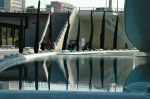
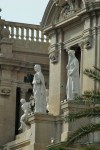
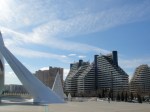
Valencia is a city with many faces, but a clear divide: On the one hand you have Valencia, the shiny, glamorous new modern city, with its sensational innovative Calatrava architecture, glimmering in all its white reflective glory and pushing the city forward into a pioneering new age. It’s the Valencia where all the money has gone, poured in euro-lined gallons like the vast great pools which surround the City of Arts and Sciences. It’s also the Valencia of power: even the older Plaza del Ayuntamiento boasts a conglomeration of statued facades, elaborate tiled domes, and huge soaring art deco architecture. But then again, this is the seat of the Valencian autonomous government.

The seat of modernity and power…

DSC05398 DSC_0729 DSC05221

…versus the old, crumbling historic centre

DSC_0947 DSC_0961 DSC05140

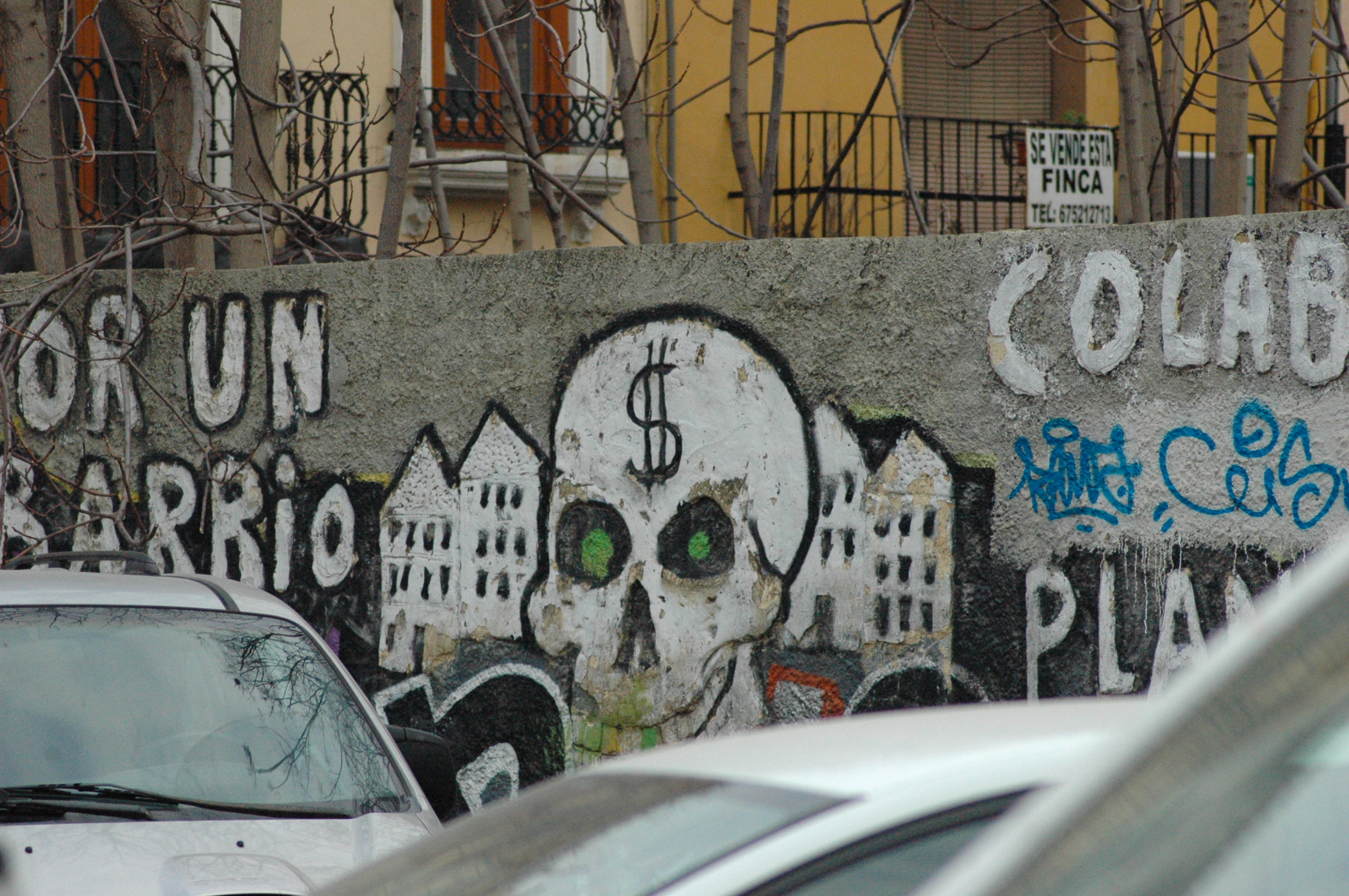
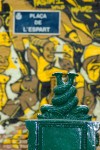
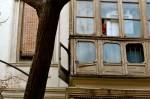
But walk a few roads North, to the old historic centre, and you see quite another side to Valencia. It’s the old quaint quarter, where gothic architecture meets baroque, where the tourists cluster around bird-inhabited fountains, and the women of the city perambulate in traditional costume attracting the flashbulbs of visitors fascinated by the spectacle. Yet here, just beyond, and sometimes on the main squares and old streets, there are vast sites of what should be prime realty, reduced to rubble. Large houses and crumbling walls are painted with graffiti and murals, wires hang loosely over houses which have been boarded up and left to disrepair. This is the Valencia where the money has not flowed, where those local funds, poured into modern architectural projects which leak euros in maintenance costs by the day, could have been so beneficially received. And yet this is the historic heart of the city. Why has it been deserted?

In this photographic focus post, I am showing you a selection of my photos which I think demonstrate the contrasts of this city. I start with a gallery of the sleek modern face of the newly developed old Turia river bed, and the grand spectacle of the city’s administrative centre. There is no doubting the splendour of these grandiose, extravagant architectural spectacles, and while one can easily be cynical about the money spent, that does not stop me admiring the quality of the brilliantly executed craftsmanship.

Contrast that gallery with this, photos of the old historic quarter. As with my experience in Lisbon last year, I find the deterioration and degradation of Mediterranean architecture to be as much picturesque and charming as it is sad. What is worrying, and so apparently wasteful, is how many empty plots we walked past in the prime historic quarter, sometimes with just flimsy building facades standing, covered in scaffolding or loose protective netting. I assume developers had once intended to construct something on the site, but as is the experience of so many developers across Spain (whose worst financial casualty of the recent economic crisis has been the construction industry) they simply ran out of money.

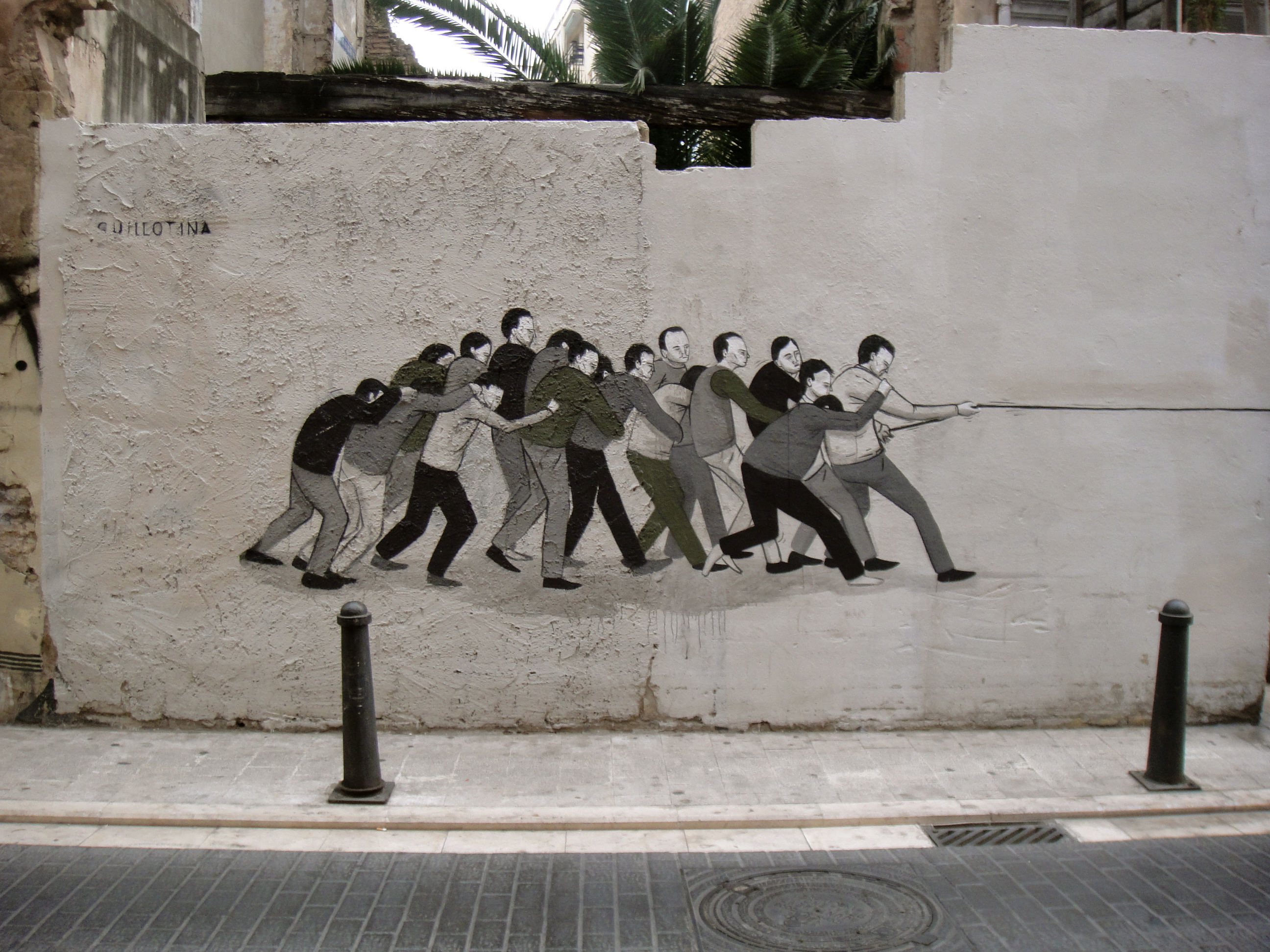
What I loved however is the clear, predominance of artistic spirit in these areas. Where empty sites reveal large, blank sides of buildings, street artists have stepped in to create something dynamic with paint and spray cans on that area. These do not blemish these charming streets as normal graffiti would, but rather imbue them with a creative spirit. My particular favourite was the painting on one wall of a tug of war, showing a troupe of men exasperated by the struggle of pulling on their side of the rope – we never find out who was pulling on the other end, that being left to the realms of imagination beyond the end of the wall.

Despite the fact that the modern face of Valencia is now the iconic façade of the city which has been sent out to the world, it’s still the charm of the historic quarter which attracts me the most. A vivacious creative spirit coupled with faded grandeur means that there is so much more to discover in this area than where the confident architectural icons of the new city reign supreme, providing picture-perfect postcard images handed to you on a plate. Despite the apparent lack of investment in the old quarter, it is undoubtedly this area where the heart and soul of Valencia continues to beat.

All photos and written content are strictly the copyright of Nicholas de Lacy-Brown © 2013 and The Daily Norm. All rights are reserved. Unauthorized use and/or duplication of the material, whether written work, photography or artwork, included within The Daily Norm without express and written permission from The Daily Norm’s author and/or owner is strictly prohibited. 

Valencia (v) – Day 3: Last of the big spenders – Ciudad de Las Artes y Las Ciencias

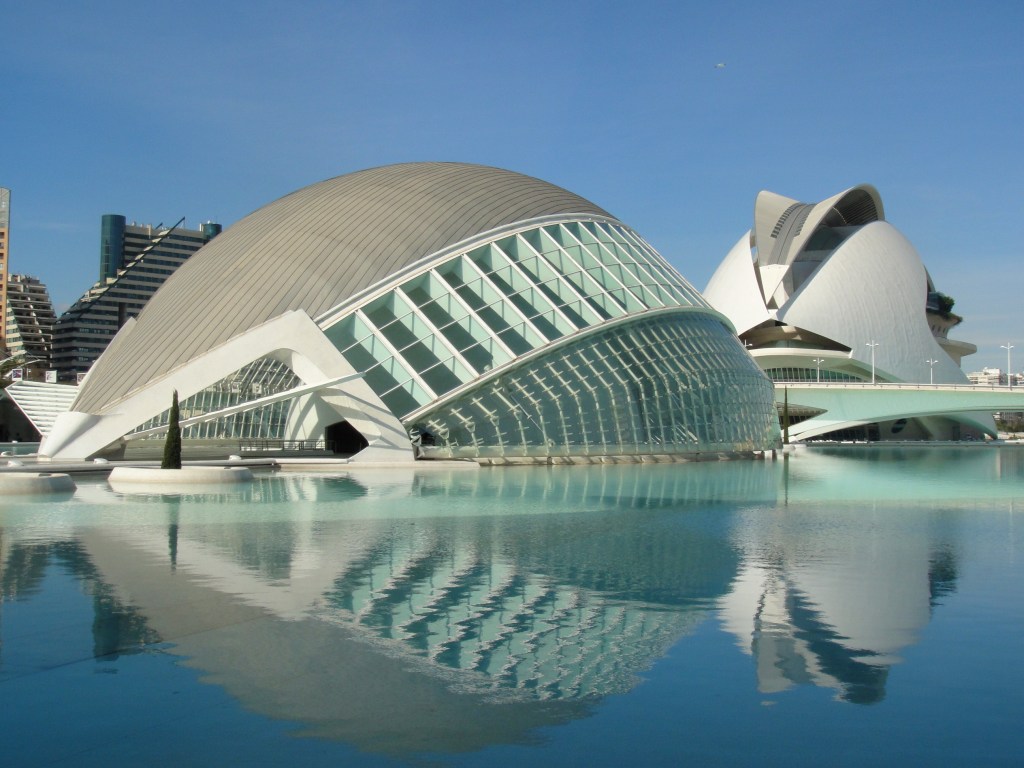
It’s the poster-book image, the flashy, pioneering facade of Valencia which has overtaken all other pictorial references to the city the world across, waving the flag for architectural innovation and groundbreaking artistic grandeur, sweeping the true financial crisis of Spain’s faltering economy beneath its flashy new white reflective surfaces (even though the pure cost of the development undoubtedly punched its own hefty dent in the country’s financial lacuna). The City of Arts and Sciences (La Ciudad de Las Artes y Las Ciencias) is the 21st century icon of not only Valencia, but also of Spain, a symbol of the country’s progressive cultural stance, leaping ahead of its European neighbours in architectural skill, innovation, and pure bare-faced audacity.
DSC05197DSC05268

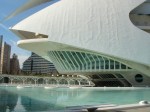
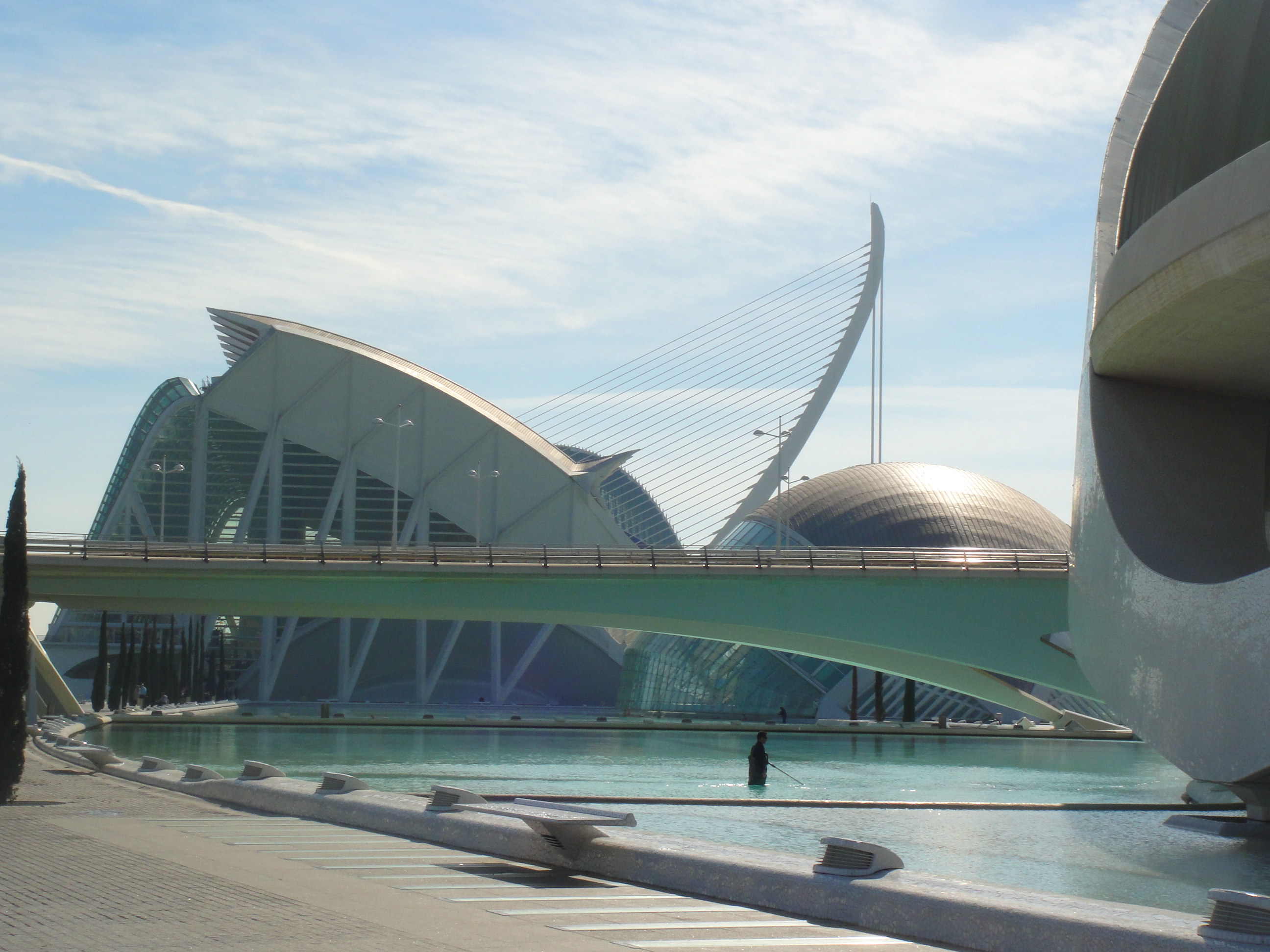
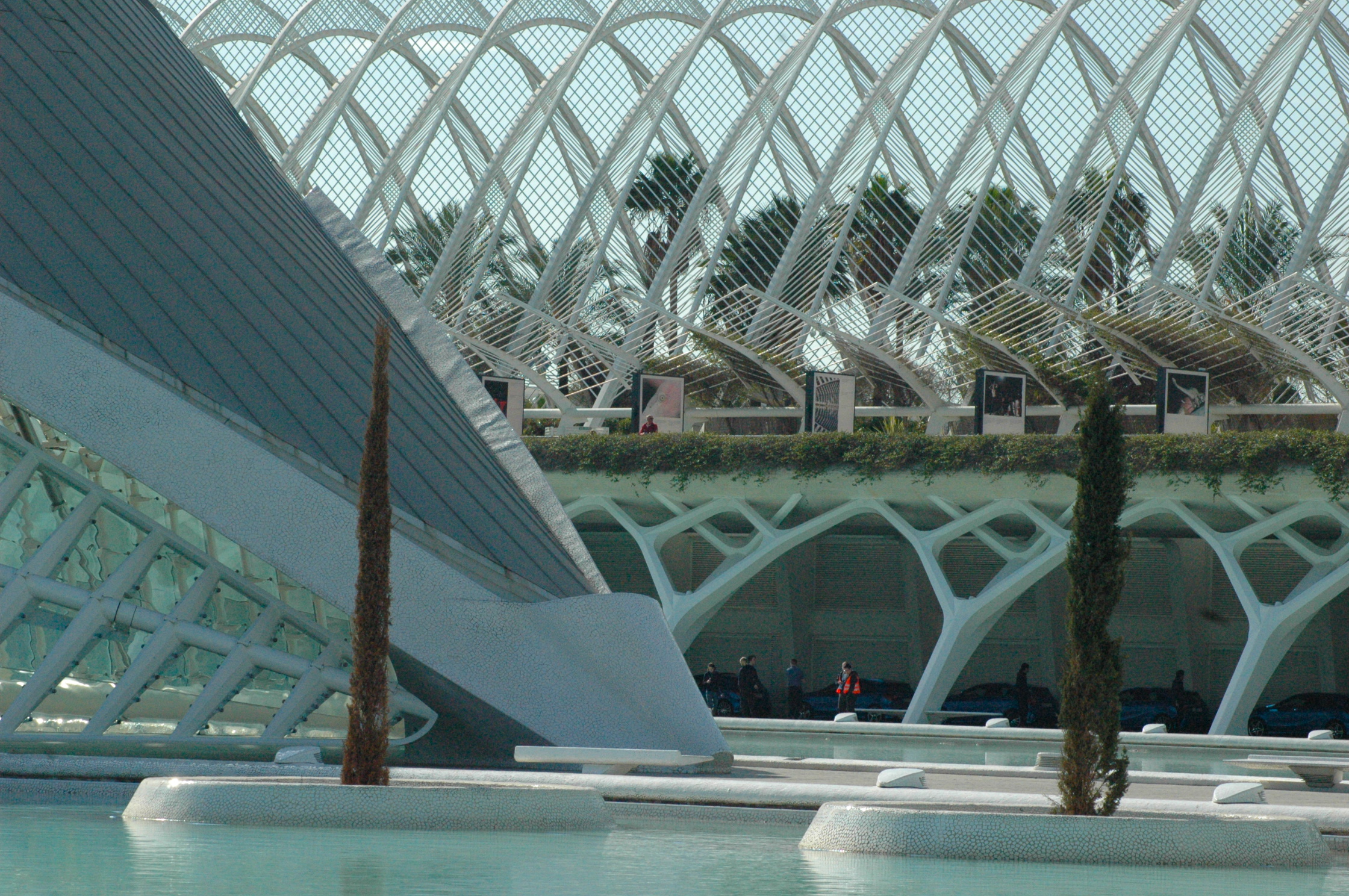
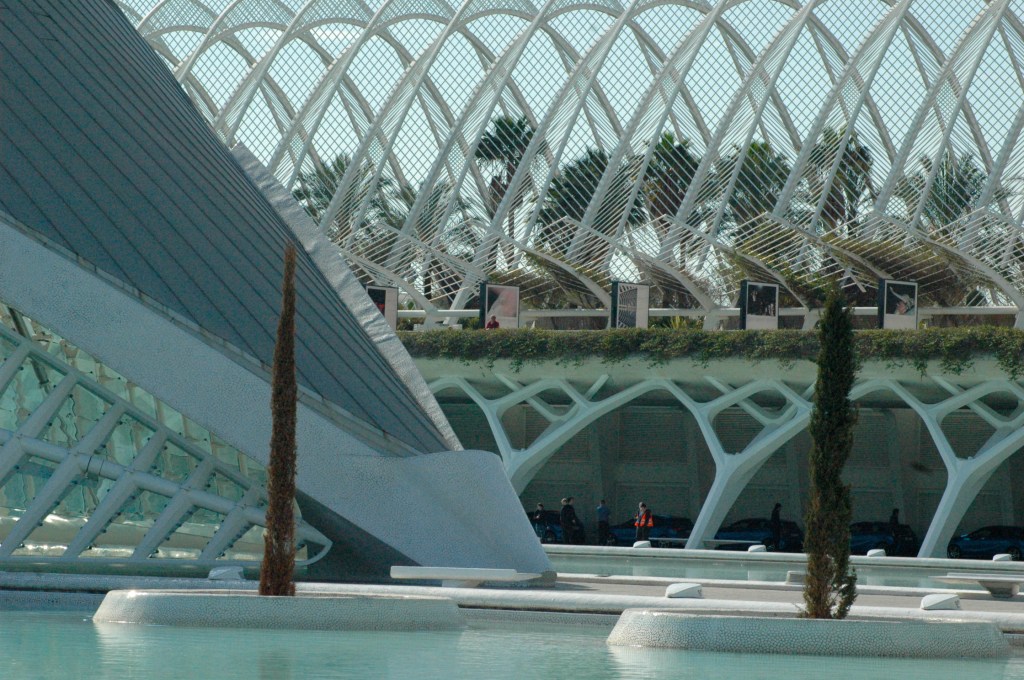
Designed by Valencian-born architect Santiago Calatrava in partnership with Spanish architectural great Felix Candela, the arts and sciences city is a town within a town, a giant complex of architectural spectacles devoted to learning, the arts and science, and set within a glittering azure pool in what was once part of the old Turia river. There are some 7 buildings in all, a panoply of differently angled, curved and bombastically arranged shapes in pearly, clean and uninterrupted white, all dappled and reflected by the blues and turquoises of the huge shallow ponds which surround the buildings, and marking a start contrast to the repetitious lines of one cypress tree after another, each neatly trimmed into perfect alignment with the sharply linear and meandering architecture of Calatrava’s creations.
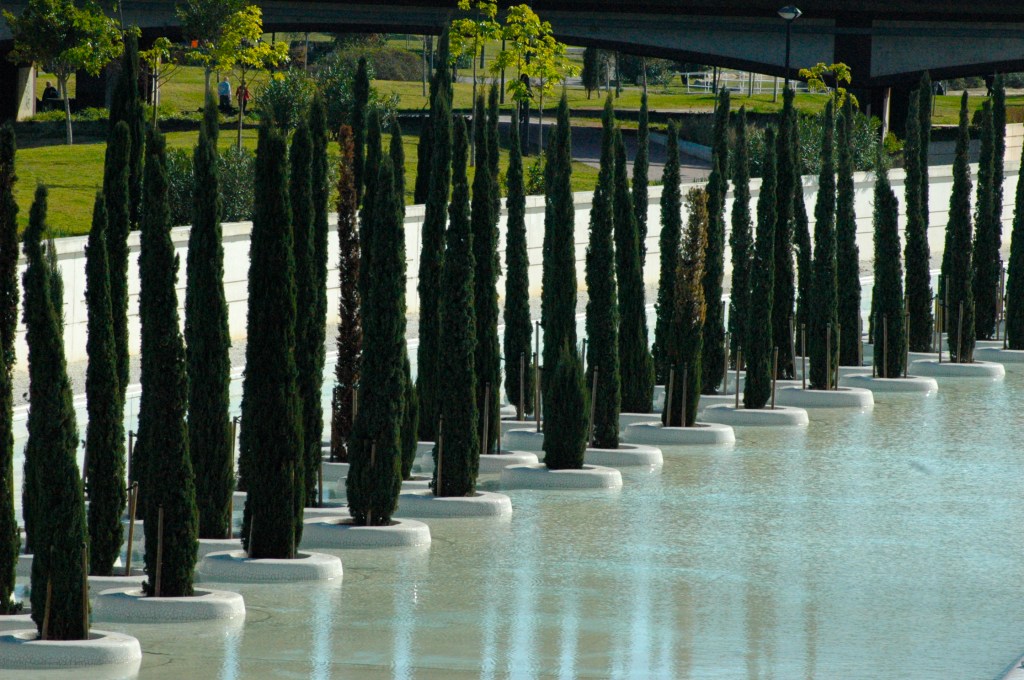
Cypress trees appear to float on water

Cypress trees appear to float on water

Reaching the arts city by bus (bizarrely, despite spending such a stonking amount of money on developing the site, the city is yet to connect it anywhere close to the metro system, and it’s a good 45 minutes walk from the historic centre), we were simply awestruck by the originality and sheer scale and quantity of the architectural feast on show as we drew progressively closer to the complex. Oohs and aahs simply didn’t cut it when these outlandish buildings emerged before us. It felt a little like entering the set of a huge futuristic feature-film, the warm Valencian sunshine being in itself like studio lights, reflected as it was off the dazzling white surfaces of these luminescent  buildings.

Wanting to take in each and every detail of this incredible place, we simple decided to start off at one end and walk to the other, gawping at and admiring each respective architectural masterpiece in turn.
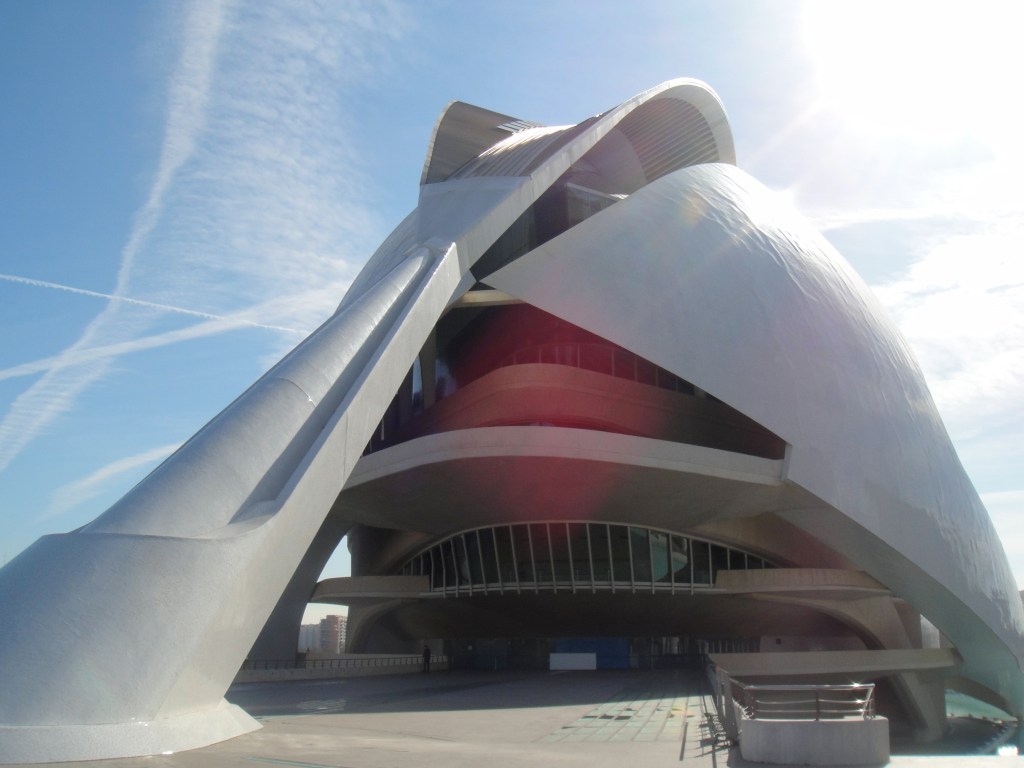
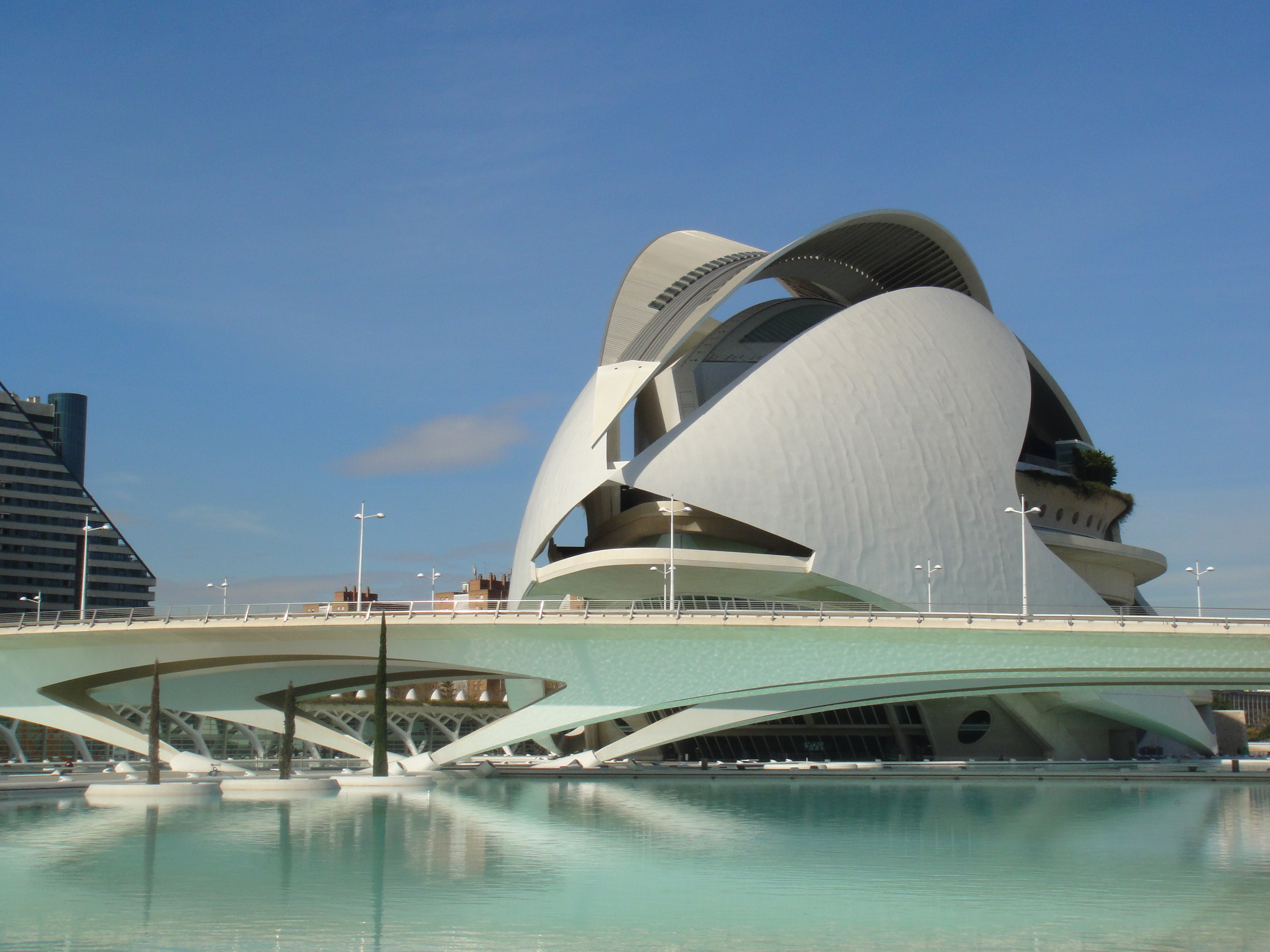
The Palau Reina Sofia

The Palau Reina Sofia

DSC05213

We began at the  Palau de les Arts Reina Sofia, an opera house and performing arts center which, with the capacity for 4,400 spectctors is one of the biggest opera houses in the world, second only in size to the Sydney opera house and containing some 4 auditoriums. Surrounded by some 87,000 square metres of landscape and water, and comprising two huge metal shells weighing over 3,000 tons, the building is like a vast space-age helmet, appearing to float suspended above a sea of disinfectant or other chemical mass. We did however notice that the building, the newest of the complex, is already showing worrying signs of age – the multi-tiled mosaic surface (paying homage to Gaudi) looks as though its cracking and wrinkling all over. Not a good sign for a building which the architect billed some 100million euros for and which cost much, much more to build.
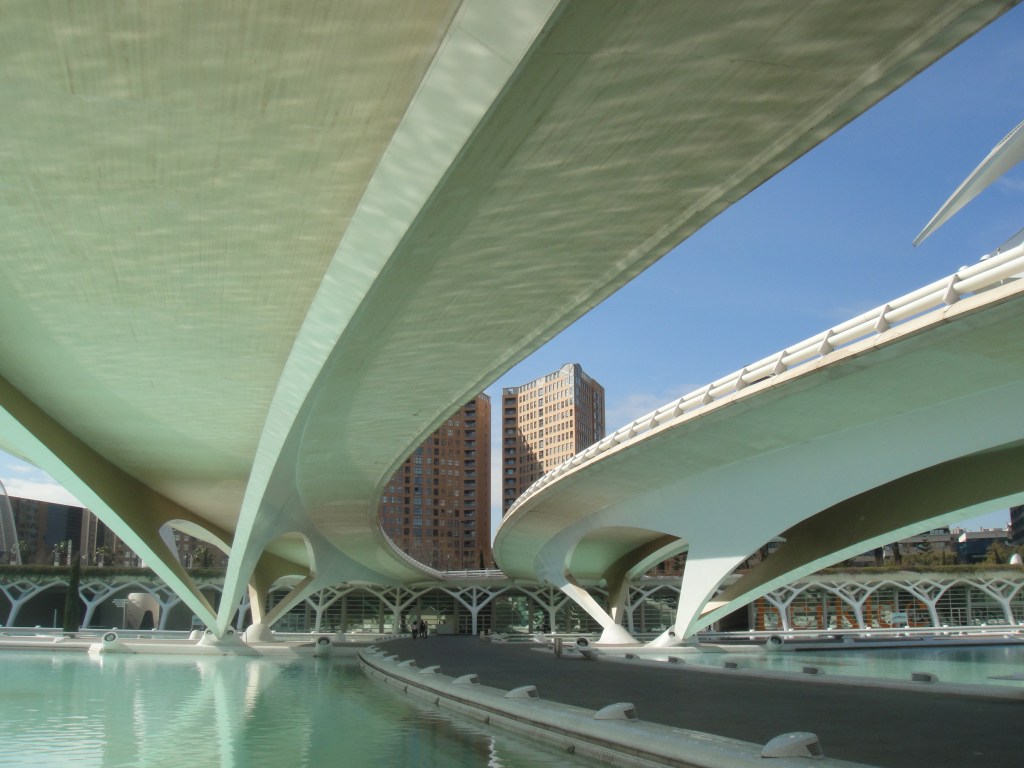
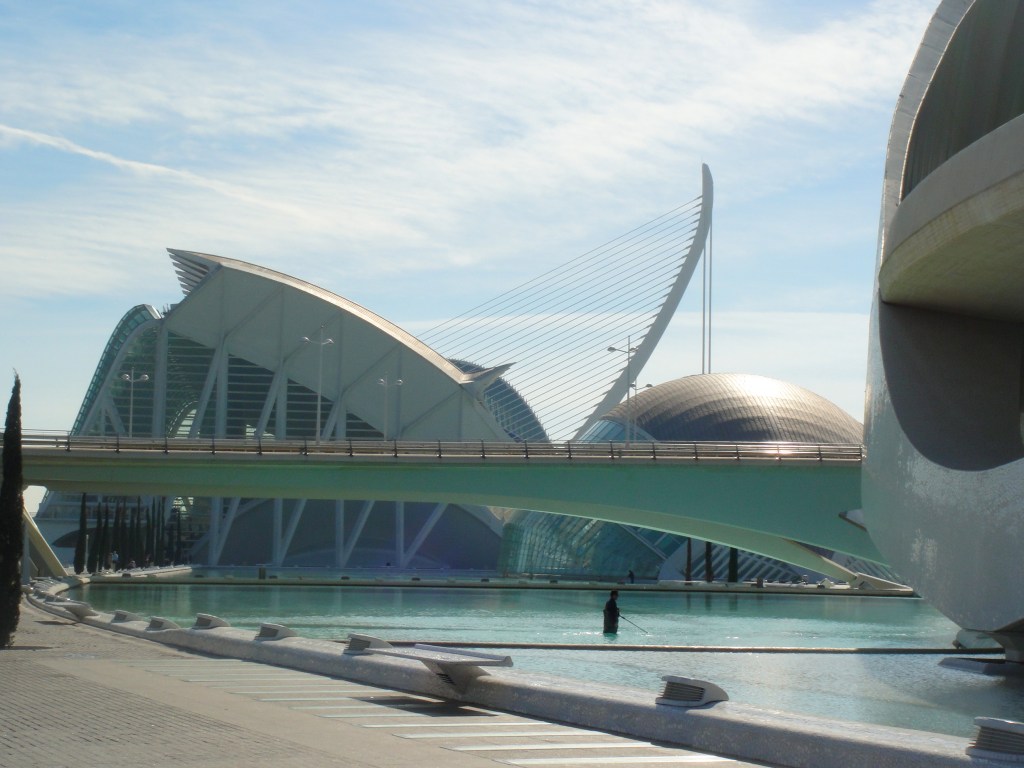
Elegant curved bridge sweeping across the park

Elegant curved bridge sweeping across the park

The opera house is separated from the next building, L’Hemisfèric, by a faultless curving bridge which sweeps with ease and elegance across the large watery space, carrying cars from one side of the old river bank to the other. Meanwhile the Hemisferic is a perfectly rounded glass and silver entertainment venue, part Imax, part planetarium and par laserium (whatever that is). The building is designed to resemble a giant “eye of knowledge”, and when reflected in the watery surrounds makes a perfect oval shape, completing the eye-like illusion. Allegedly the large shutter along its “roof” opens along the curved axis of the “eye” like a large shutter – I wold love to see that in action.

L'Hemisfèric

L’Hemisfèric

Two for the price of one (or possibly not actually...)

Two for the price of one (or possibly not actually…)

The sympathetically designed cafe

The sympathetically designed cafe

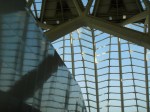
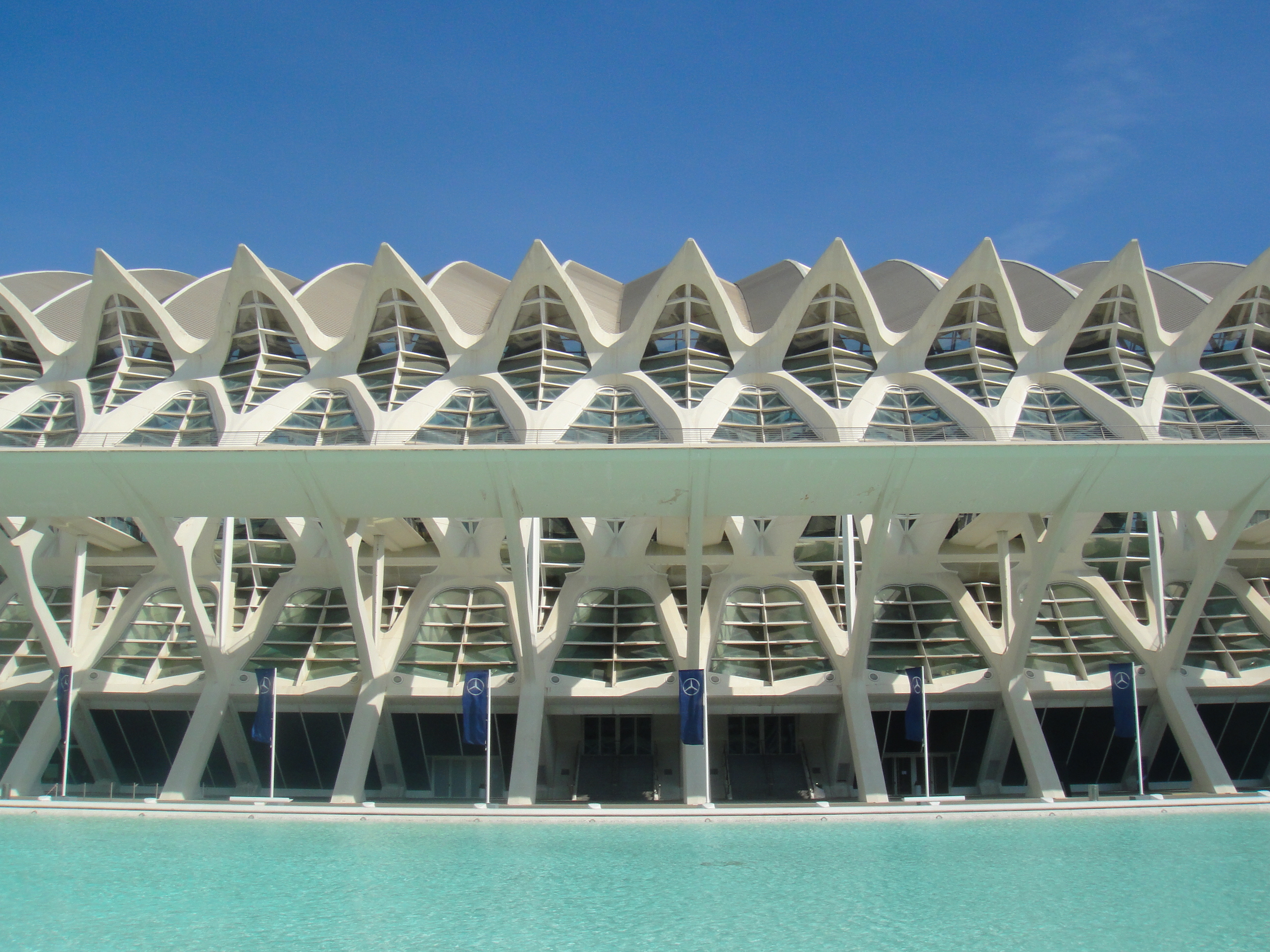
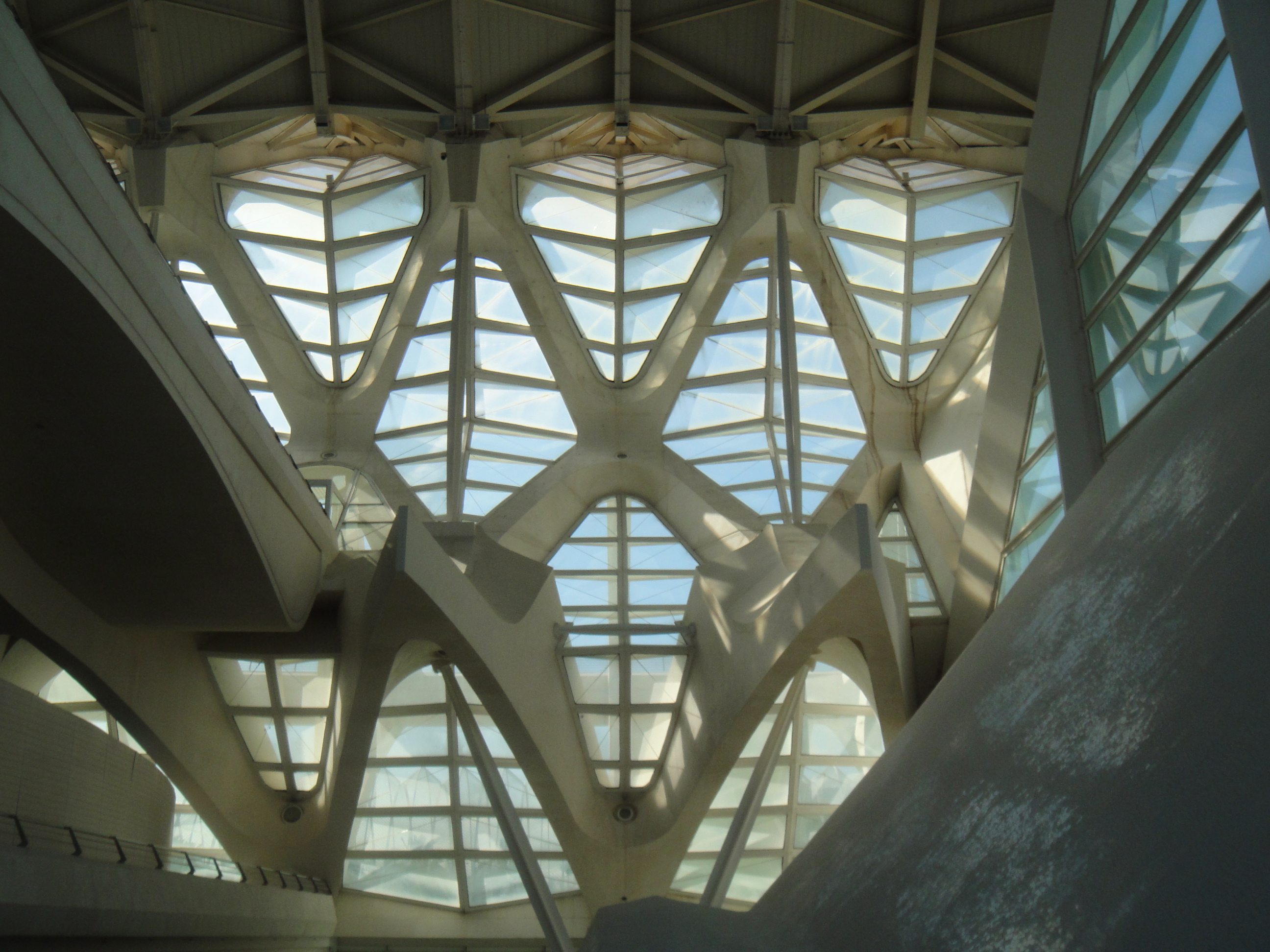
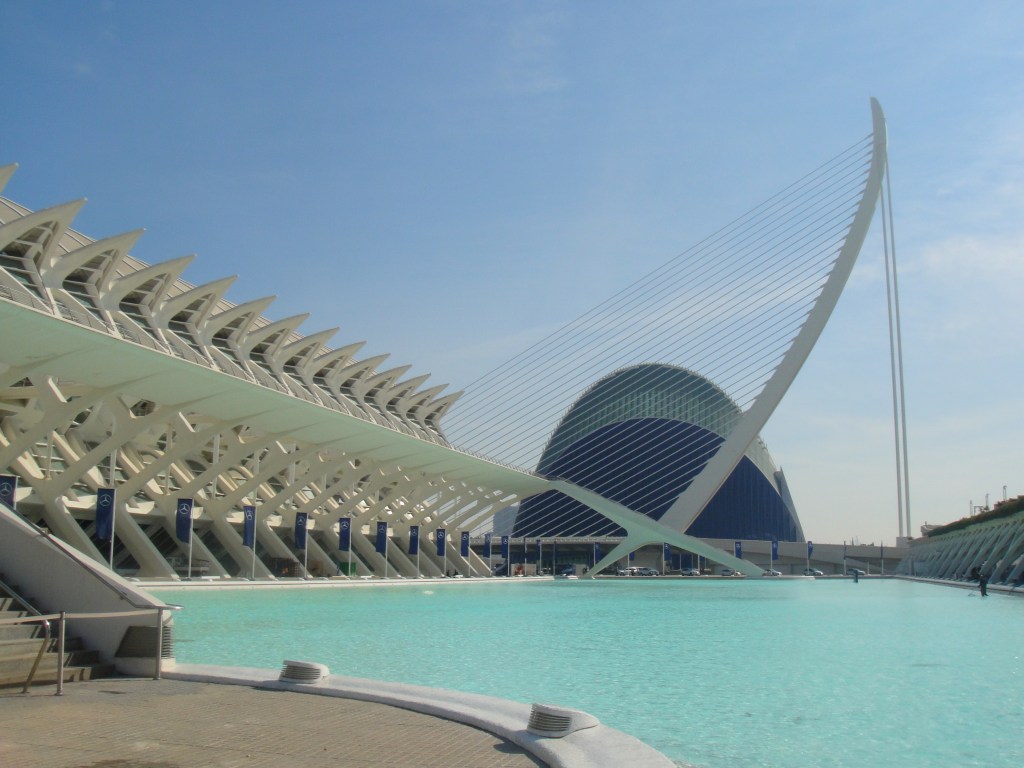
Up next was the vast Museu de les Ciències Príncipe Felipe, an interactive museum of science that is said to resemble the skeleton of a whale, although the spikey diamond shaped window frames reminded me more of a harlequin. While so many of the buildings in the park were shut to the public, this one was open, and at the cost of only 2 euros extra on top of the vast 22 euros aquarium entrance fee, one could tour around the huge science exhibition in this complex. I have to say, I found it all a bit boring and fragmented – there were plenty of self contained little science exhibits which I’m sure would have been of more interesting for school tours following a specific curriculum. Having said this, it was good to marvel at the space – this vast centre is like an airport terminal with so much wasted space – 220 metres long, it comprises 4,000 panes of glass and is also surrounded by it’s own reflective pools which help to magnify the space yet further, and besides which we stopped for a “pick-me-up” expresso sat on equally contemporary looking white angular chairs.
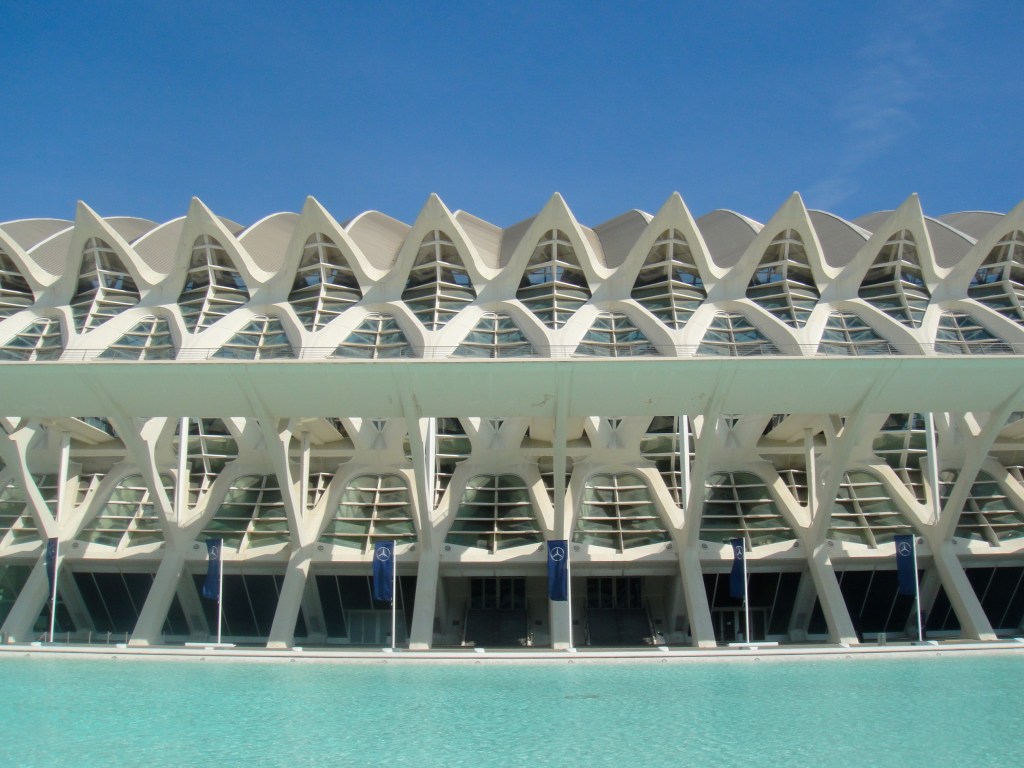
Museu de les Ciències Príncipe Felipe

Museu de les Ciències Príncipe Felipe

Inside the science museum

Inside the science museum

Stairs leading up to the whale bone structure

Stairs leading up to the whale bone structure

The museum's vast interior space

The museum’s vast interior space

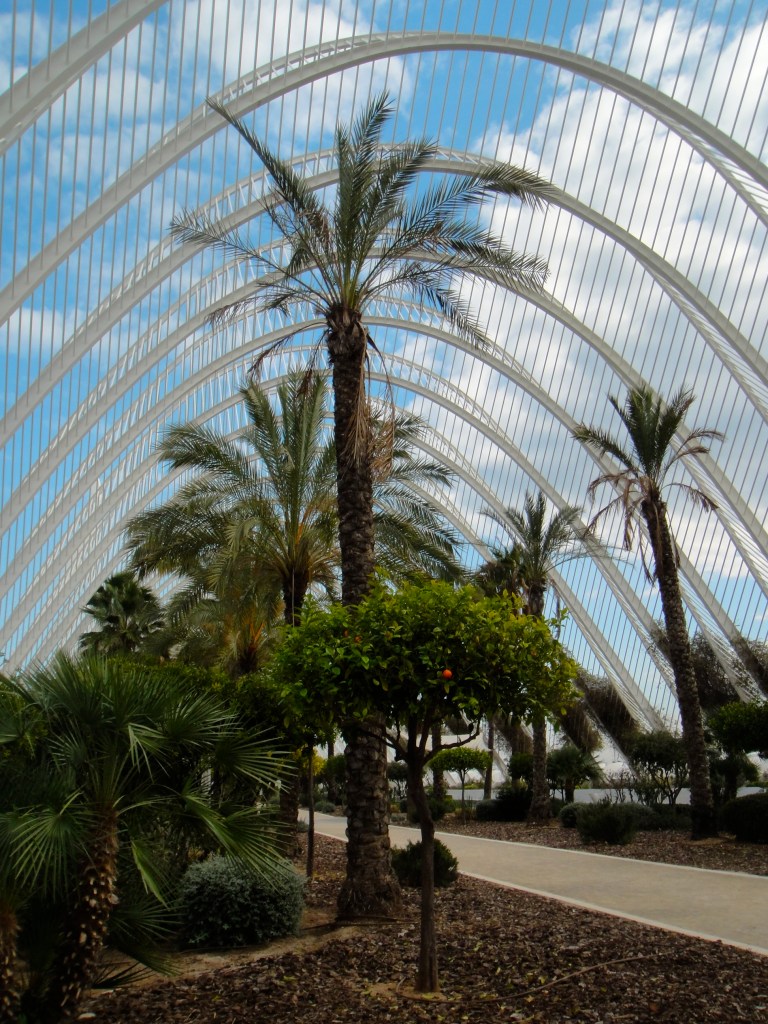
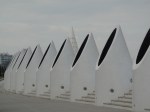
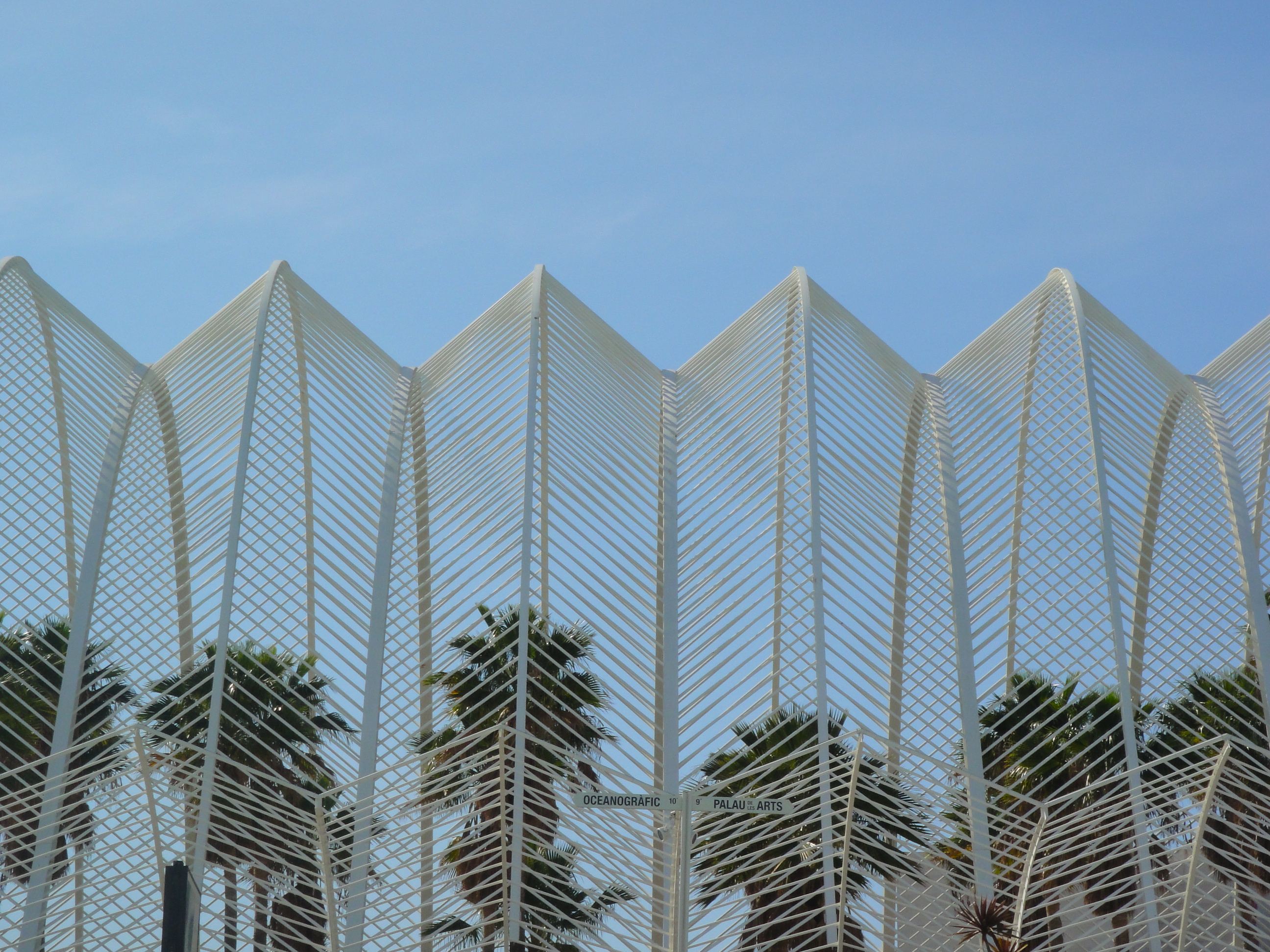
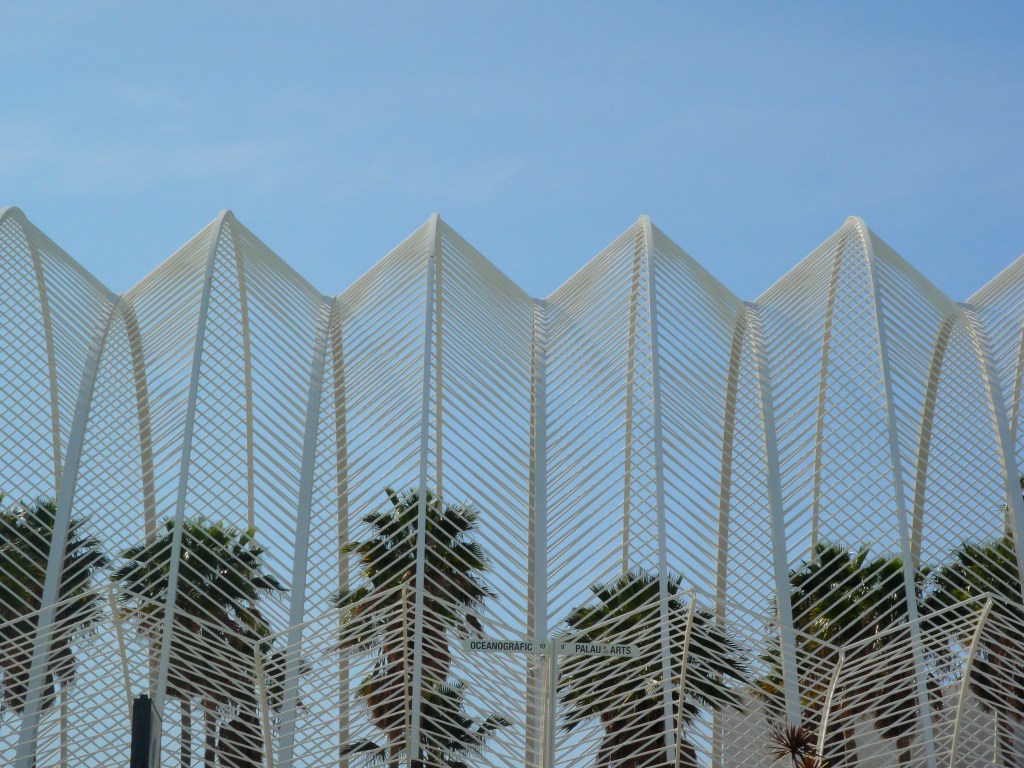
Walking past the science museum one walks either through or under L’Umbracle a feather-resembling landscaped walk way which comprises large super fine archways extending over palms, orange trees, herbs and a plethora of local plant varieties which flourish in this partly protected environment. It amazed me that these tall and slender archways are formed from concrete – they looked so fine and elegant that they appeared feather light, like a hair comb reaching up into the heavens.
L'Umbracle

L’Umbracle

Inside L'Umbracle

Inside L’Umbracle

DSC05412

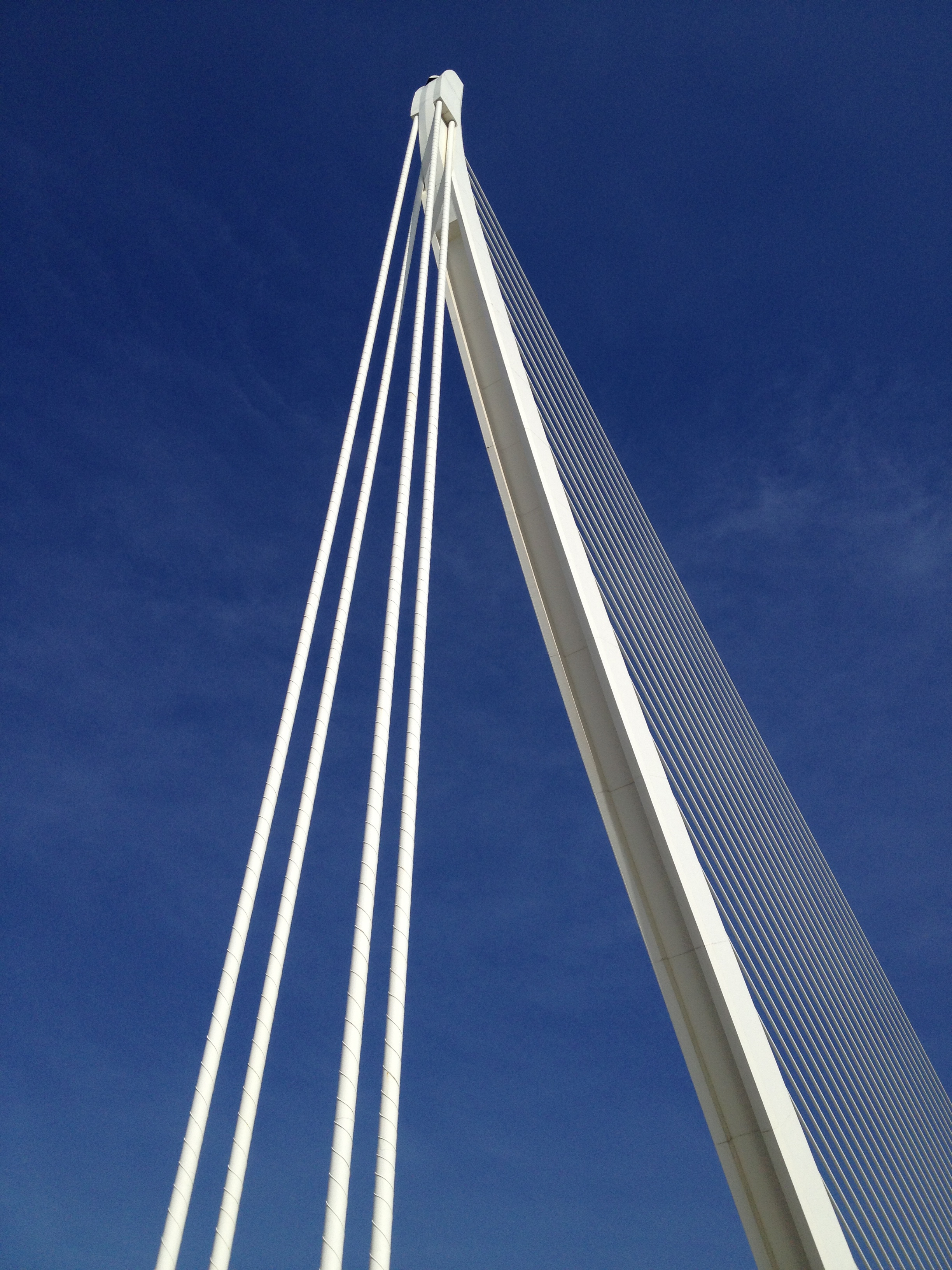
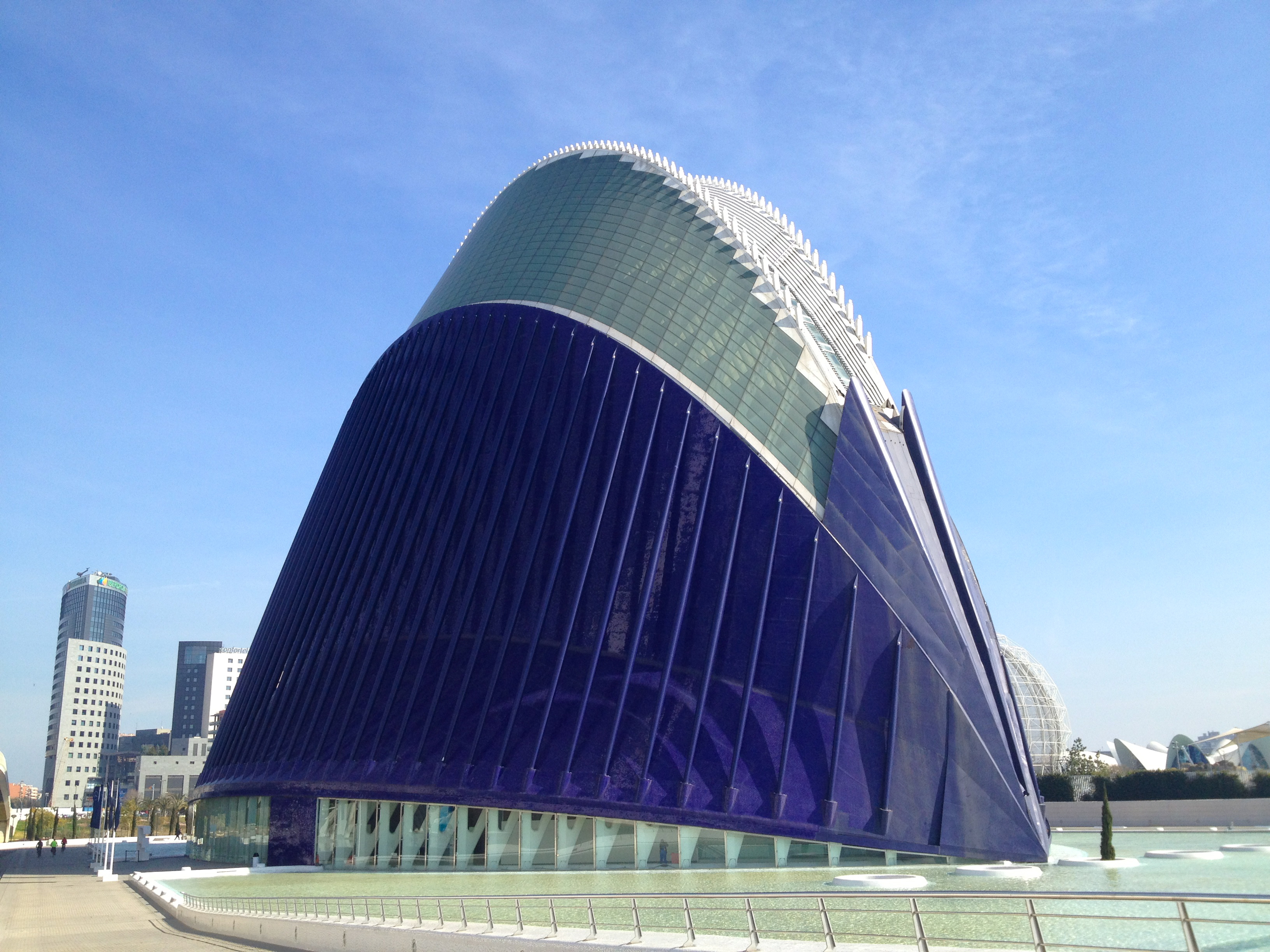
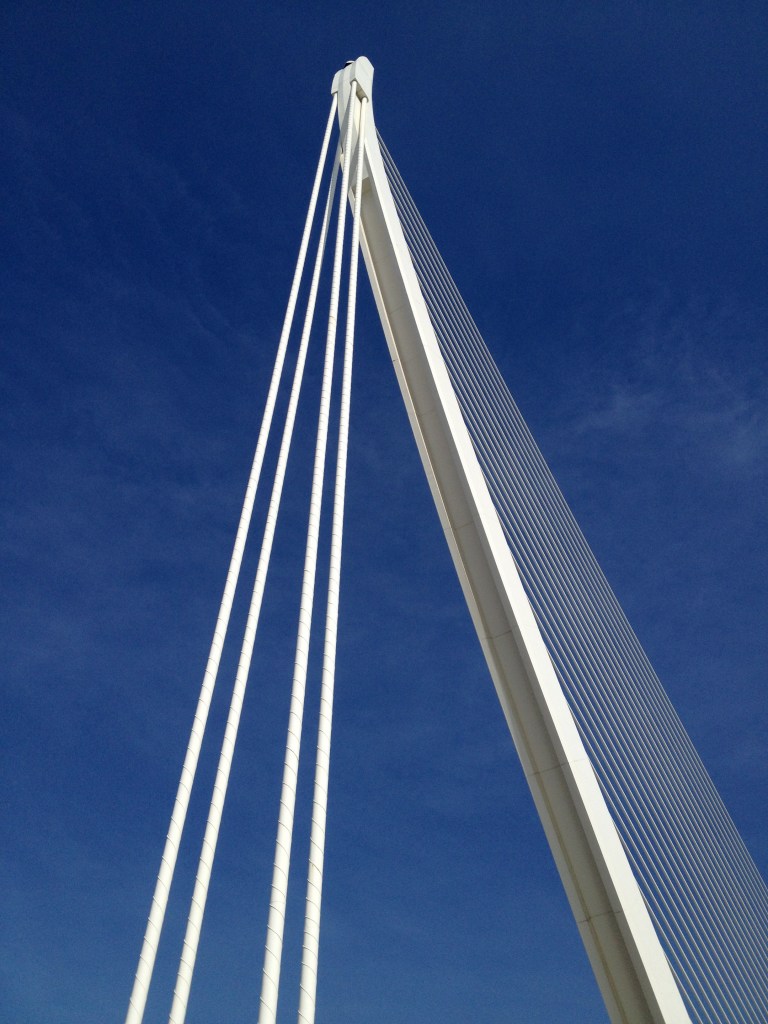
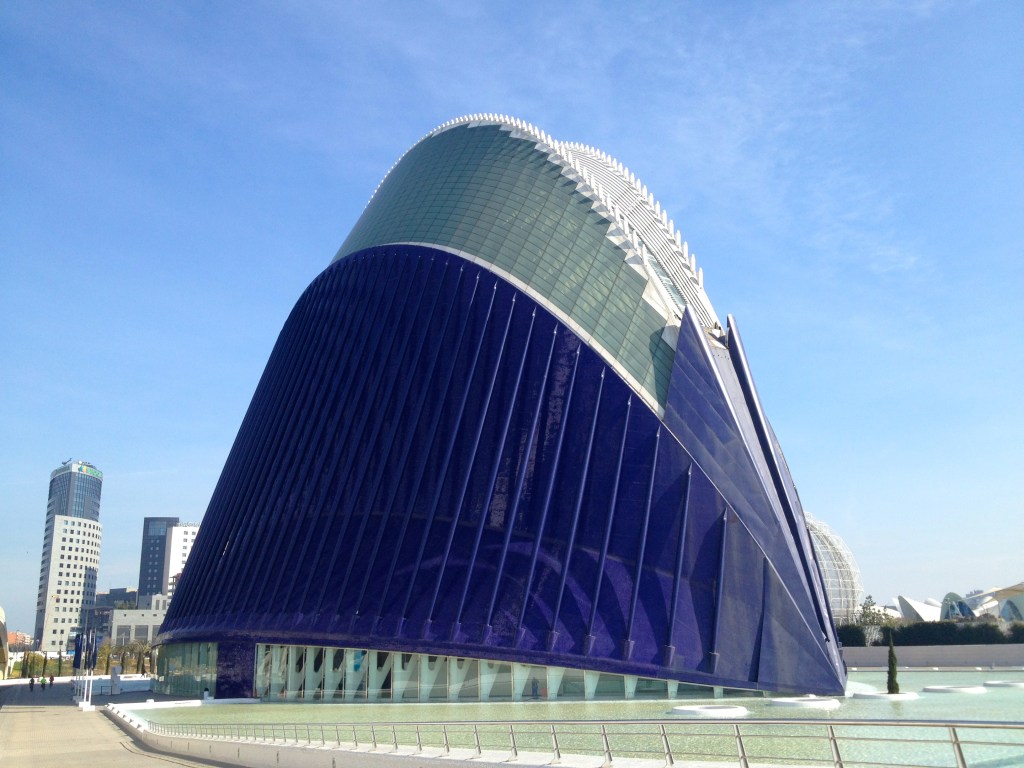
We were making our way to the vast aquarium complex at the far end of the park, but before reaching it passed two other sites of significant interest. First,  Assut d’Or, a suspension bridge so fine and tall that it reaches into the sky like a harp, a ship’s sail, or as some would have it, the “ham slicer”. Beyond that was the only blue building of the white series, L’Àgora looking a bit like a ripening fig. We couldn’t tell what it was from the outside, but apparently it’s a covered plaza in which concerts and sporting events are held – another huge space which, I assume, goes unused for much of the year.
Assut d'Or

The fine harp-like shape of Assut d’Or

With L'Àgora and the Science museum in the background
With L’Àgora and the Science museum in the background

L'Àgora

L’Àgora

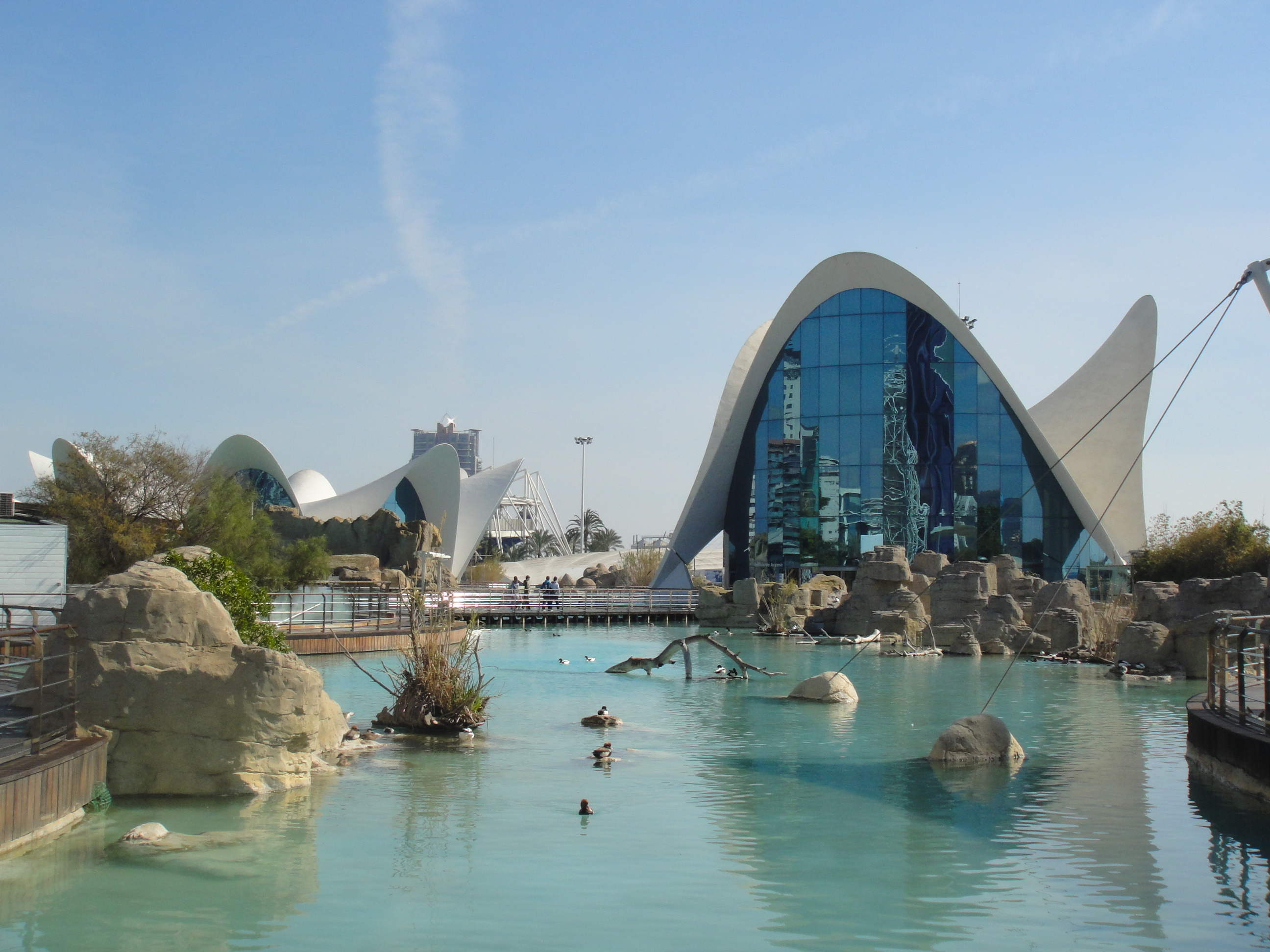
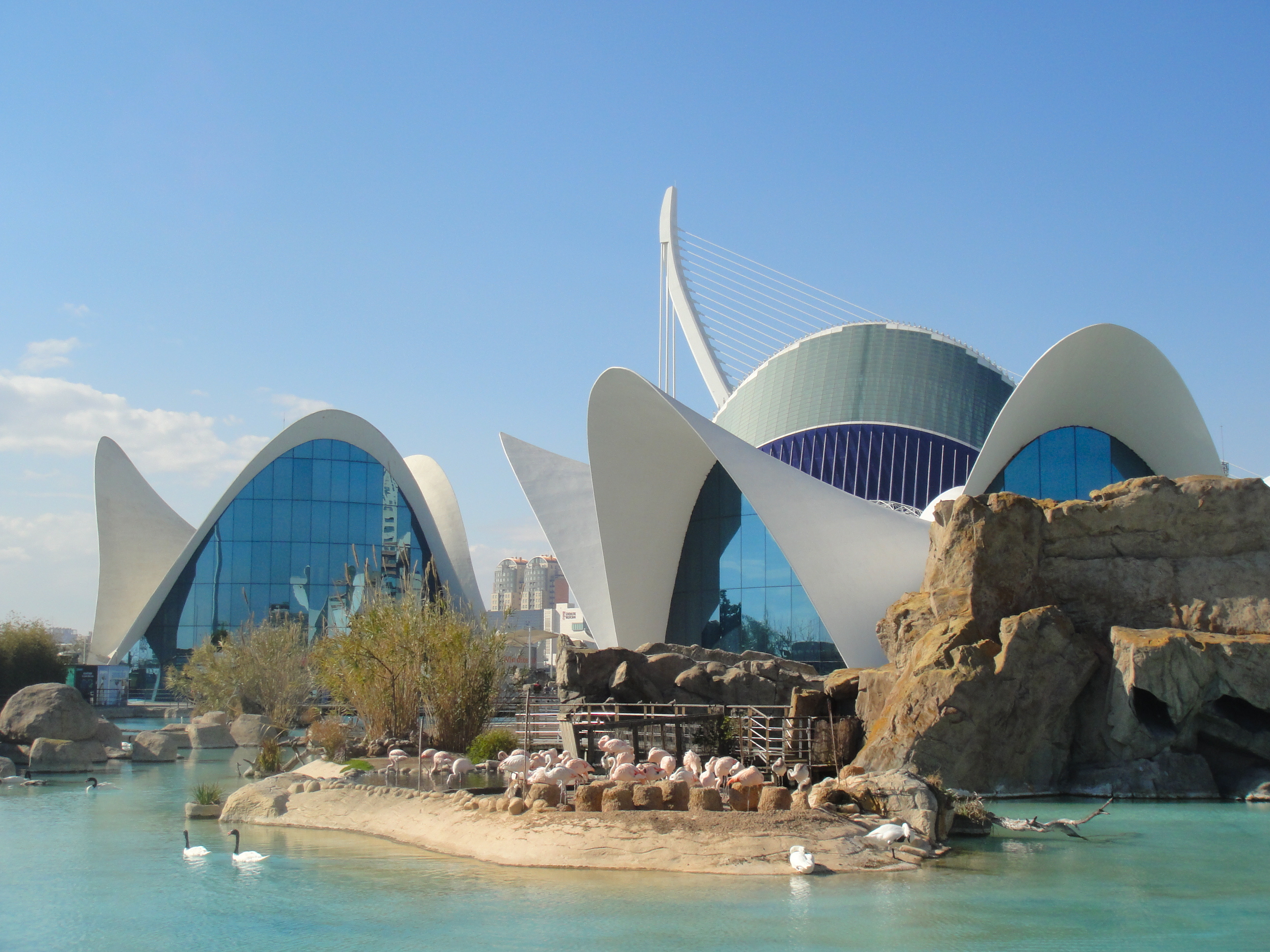
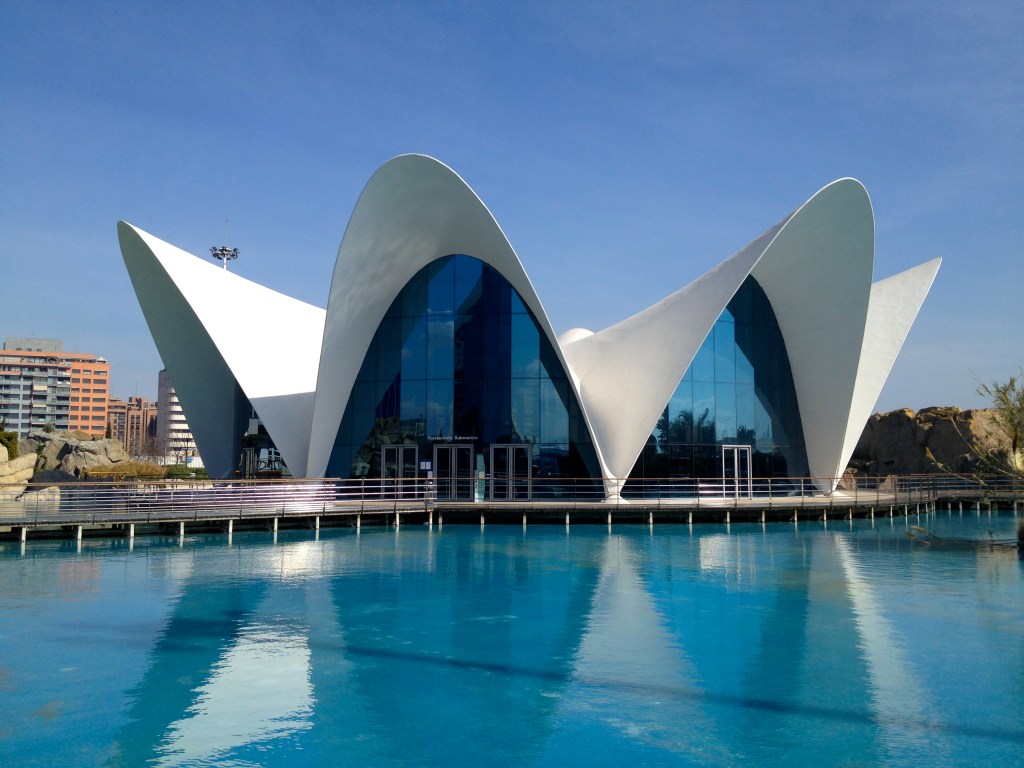
Already pretty exhausted by all we had seen, but still full of enthusiasm for the pure ingenuity and extra-human scale of the site, we finally made it to L’Oceanogràfic, an open-air oceanographic acquarium-come-park, which is the largest aquarium in Europe, and with 110,000 square meters of space,  42 million liters of water, and a number of different buildings representing different aquatic environments from wetlands and tropical seas to antarctic and the pacific, that statistic does not surprise me. Asides from the incredibly varied array of aquatic species found within the park, it is also notable for having two of my favourite buildings in the whole complex. Both by Felix Candela, they were designed to open out from the ponds surrounding them like waterlillies. With super thin concrete shells looking almost like bonnets shaped around large reflective glass windows, these buildings are particularly elegant and looked wonderful as the backdrop to the vibrant pink flock of flamingos ambling in shallow waters near by.
Waterlily bonnets in L'Oceanogràfic

Waterlily bonnets in L’Oceanogràfic

DSC05321

So at the risk of simply writing what is already turning into something of a travel guide into the arts and science city, what was our experience of the park? Apart from being frankly overwhelmed by the size, diversity and other-worldliness of the park, it was hard not to explore the complex with a hint of cynicism  and a touch of distaste at the sheer scale of the extravagance and expense which must have been poured out by the Valencian government in order to pay for this development. While much of Valencia’s city centre is left to slowly crumble, and prime sites near the Catedral are lying empty, further out in the far suburbs of the city, we have this mammoth arts and science centre which appears to belong to another age. Whether that age was the time of optimism (or perhaps just naivety) when economies across the world felt that credit was limitless and pursued vastly expensive projects recklessly unchecked, or whether it is a futuristic age when architecture such as this will become more commonplace (and cheaper to build), who knows. However for the present the site is dogged by controversy; because for much of the time it is empty, unused and silent; because it costs more to upkeep everyday than it can possibly make from revenues (even when we were there there were several men in every pond cleaning the waters, trimming the cypress trees and polishing the white surfaces), and because the local funds diverted into the project could have helped so many living under financial straits in the Valencia region.

Flamingo's bask in the sunny L'Oceanogràfic park

Flamingo’s bask in the sunny L’Oceanogràfic park
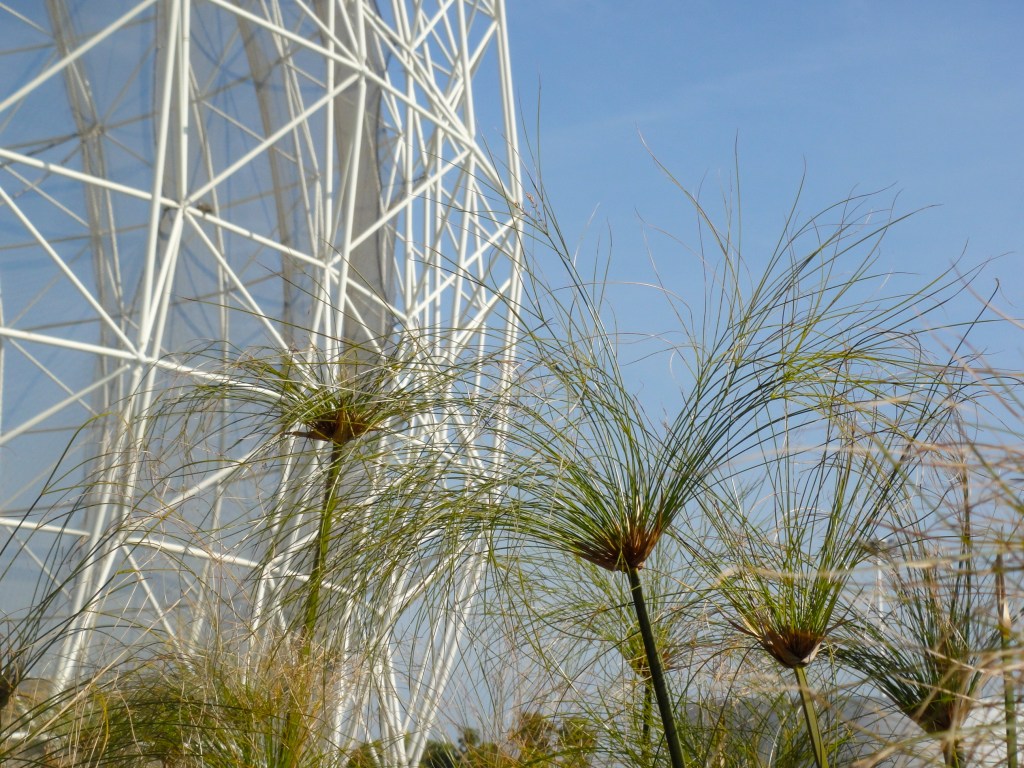
The park's "Wetlands" structure

The park’s “Wetlands” structure

Yet there can be no doubting the architectural brilliance of what has been achieved here. Such is the extreme of experimentation that it marks a vast contrast to the rest of Valencia’s historical centre. And this isn’t the first time I have seen such innovation in Spain – there’s the titanium-tiled fish-like Guggenheim in Bilbao for example, and the meandering Marquez de Riscal winery building in La Rioja, as well as a number of other examples of pioneering architecture cropping up across Spain, architecture so forward and extreme that its almost as though Spain, still damaged by the shadow of its savage civil war only two generations ago, is trying to shake of the past by surging forward.

But for now at least, that forward pace is necessarily stunted. The Spanish economy is one of the most precariously shaken in Europe, and the unemployment levels (one third of employable Spaniards are currently unemployed) are probably the worst. But in these grim times, at least we have  masterpieces such as these works by Calatrava and Candela to gaze at in admiration, the manifestation of a crazy dream in a now long-lost time when so many of us were dreamers, untouched by the economic crisis which has now taken an irresolute firmhold across the world.
DSC_1037

All photos and written content are strictly the copyright of Nicholas de Lacy-Brown © 2013 and The Daily Norm. All rights are reserved. Unauthorized use and/or duplication of the material, whether written work, photography or artwork, included within The Daily Norm without express and written permission from The Daily Norm’s author and/or owner is strictly prohibited.