Skip to content

Posts from the ‘Compendium’ Category

Compendium // Cádiz > Ascending Santa Cruz Cathedral

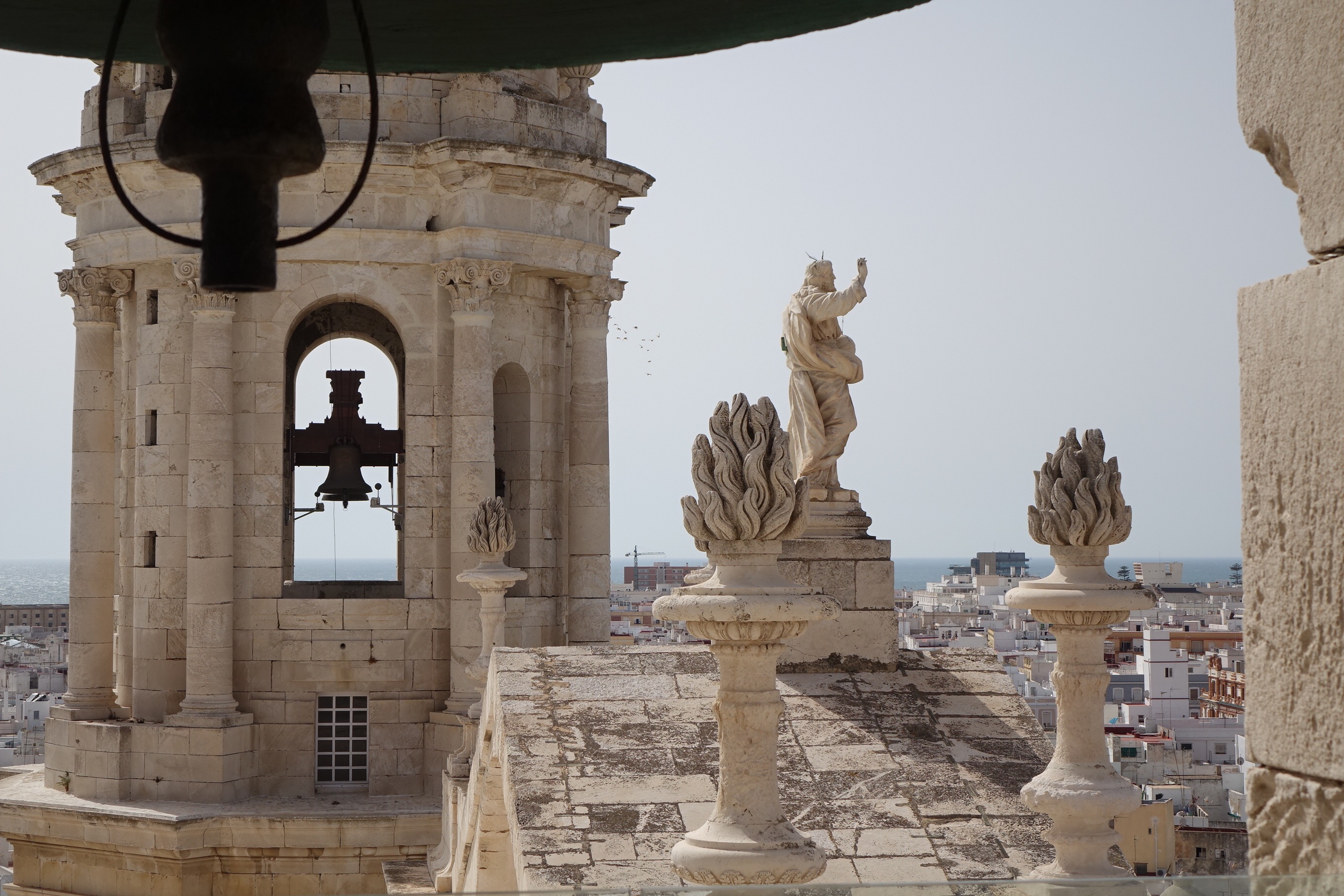
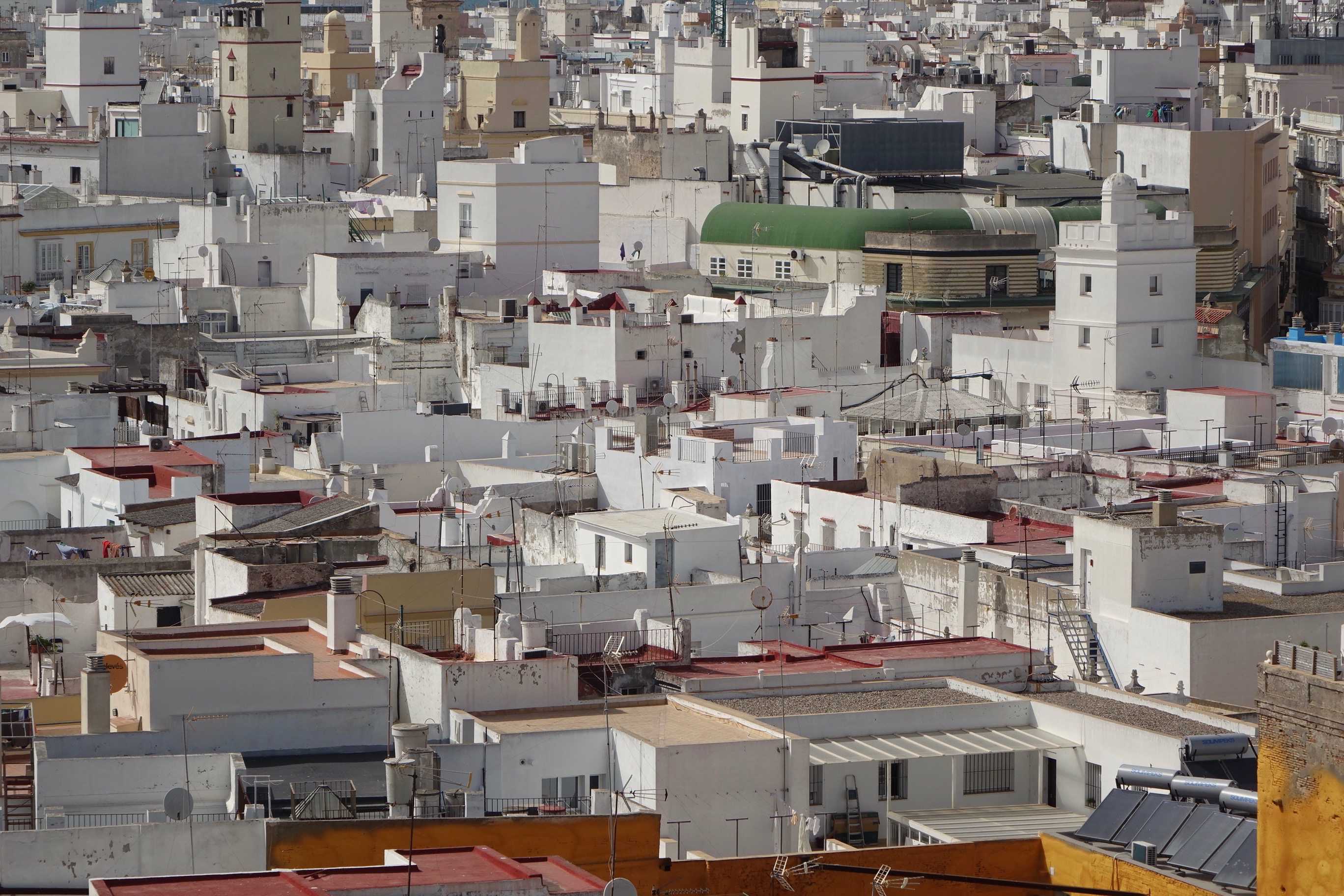
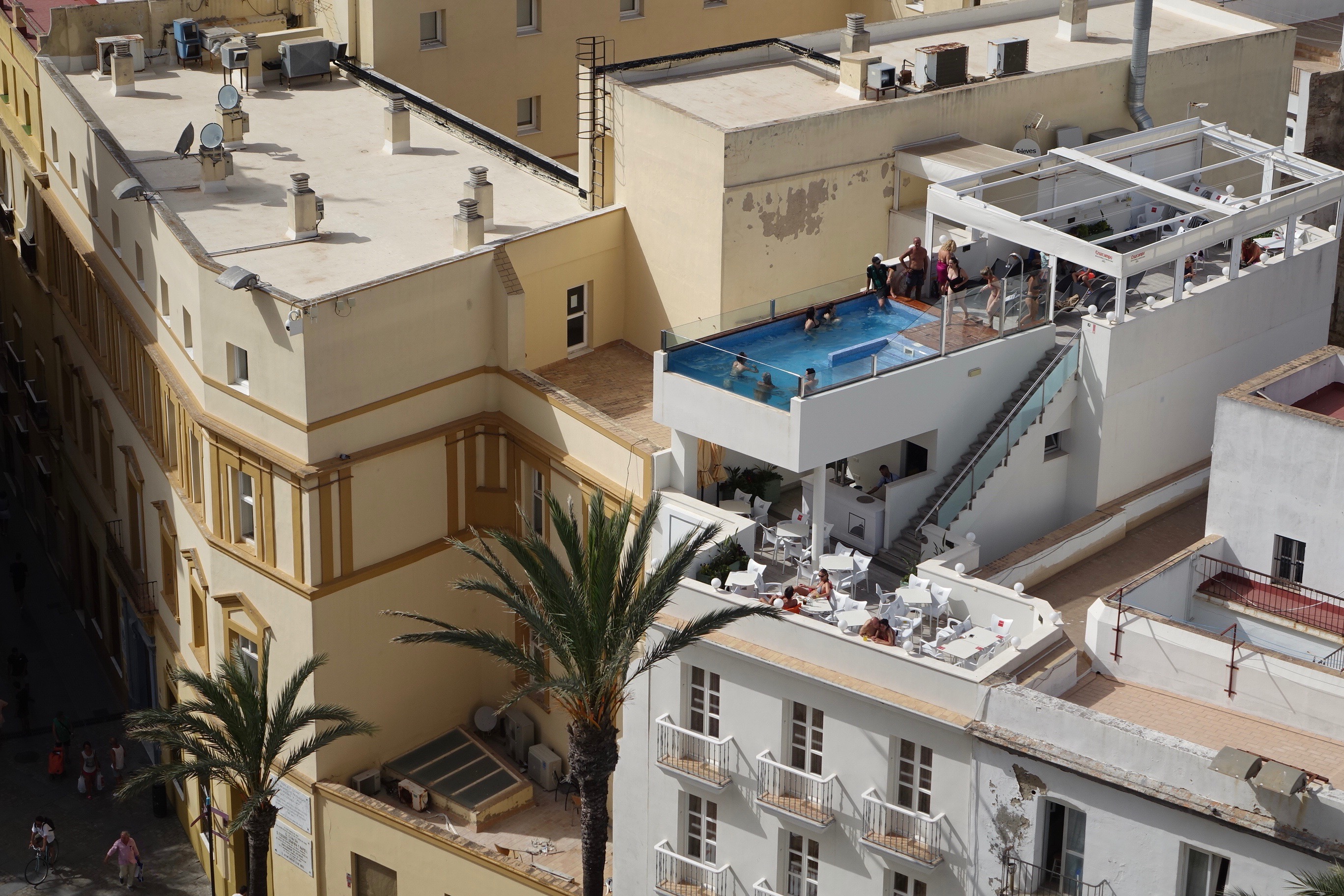
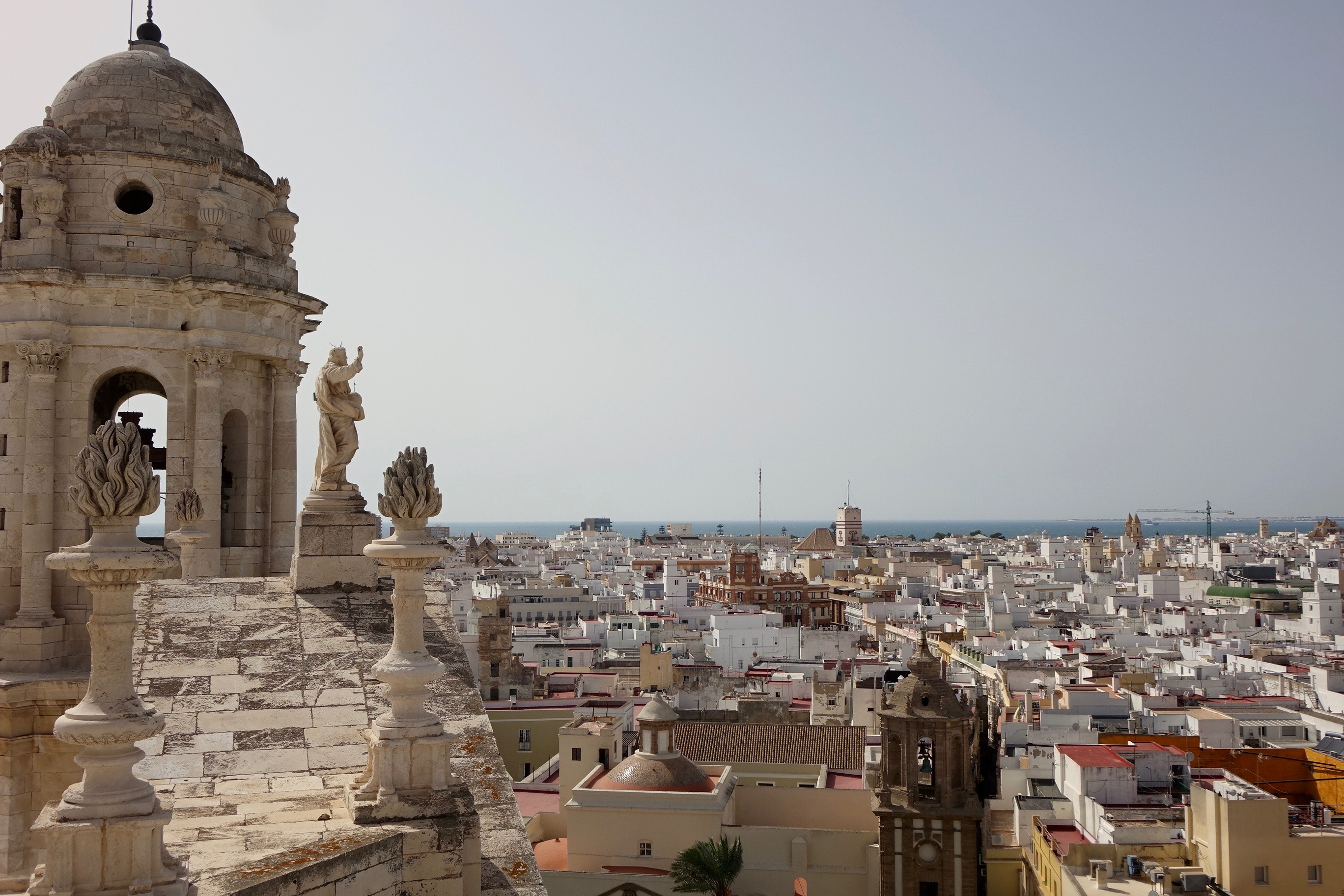
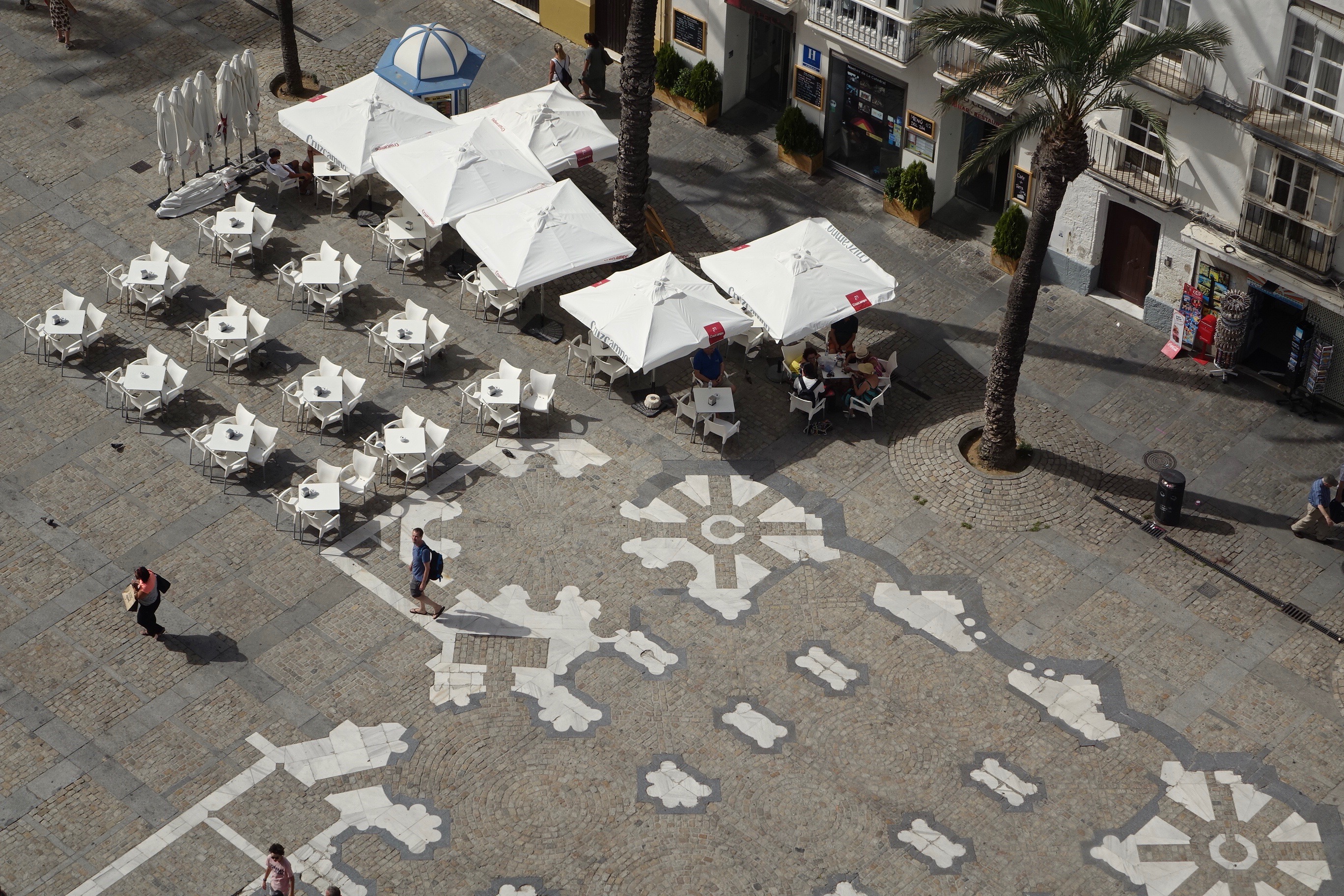
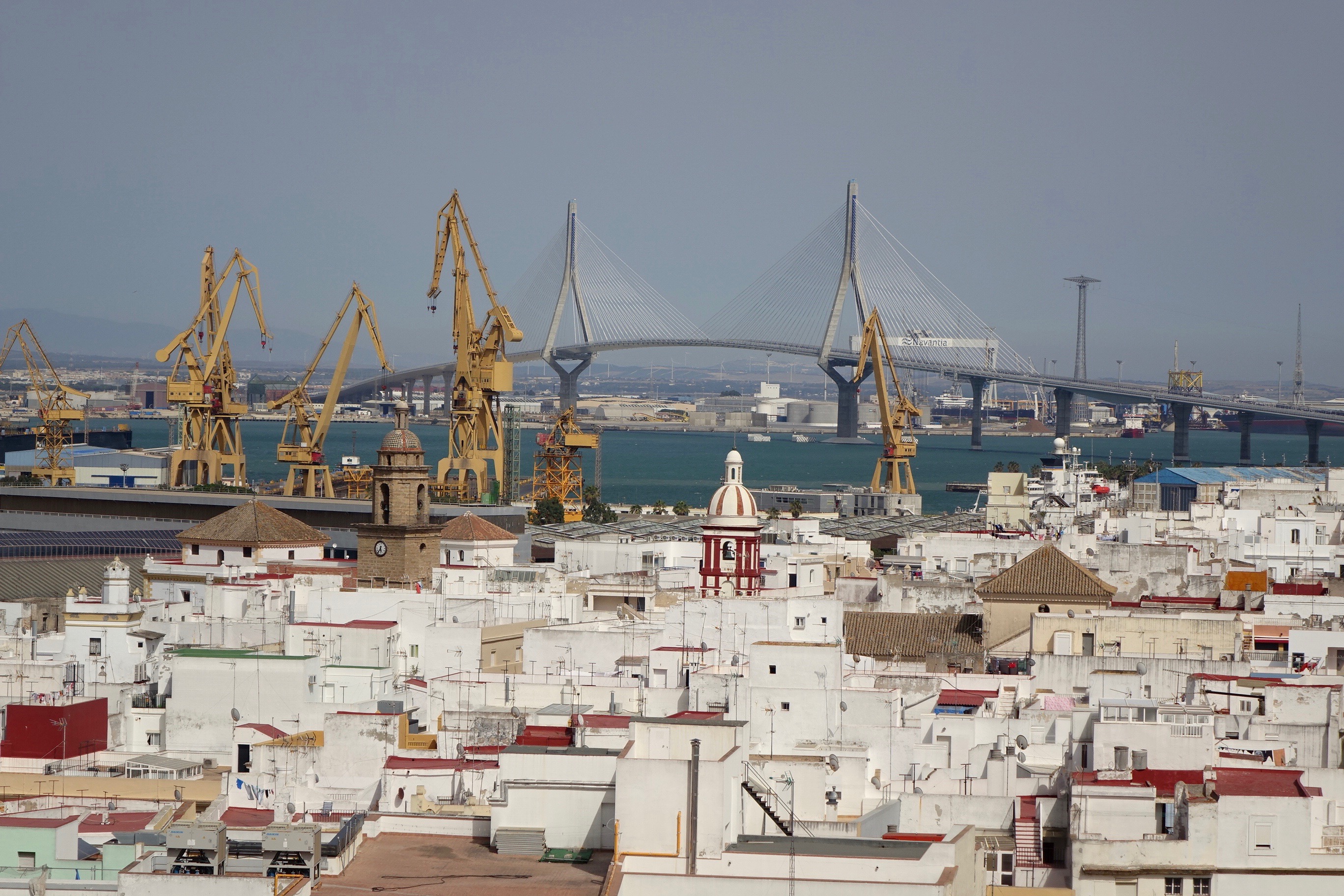
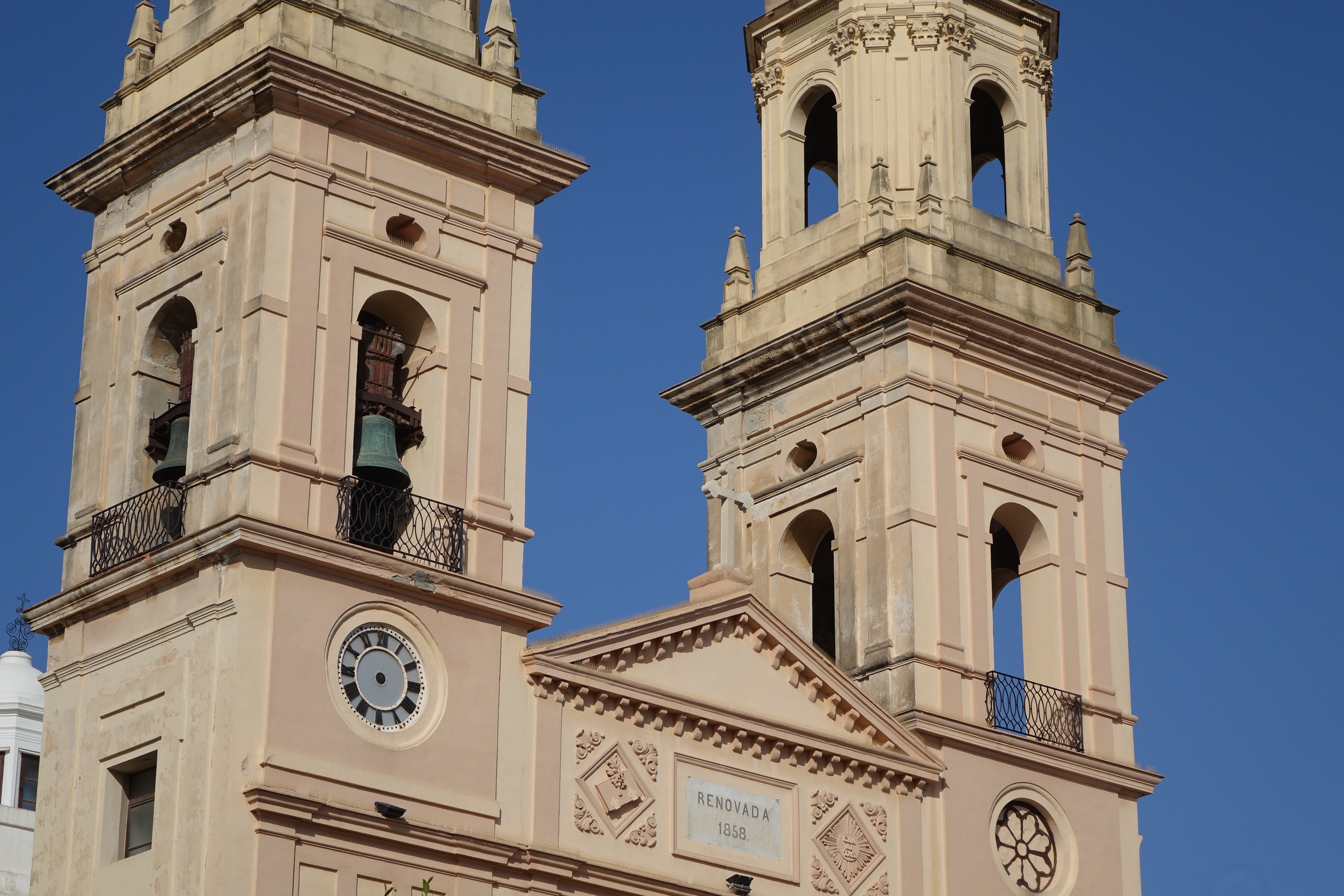
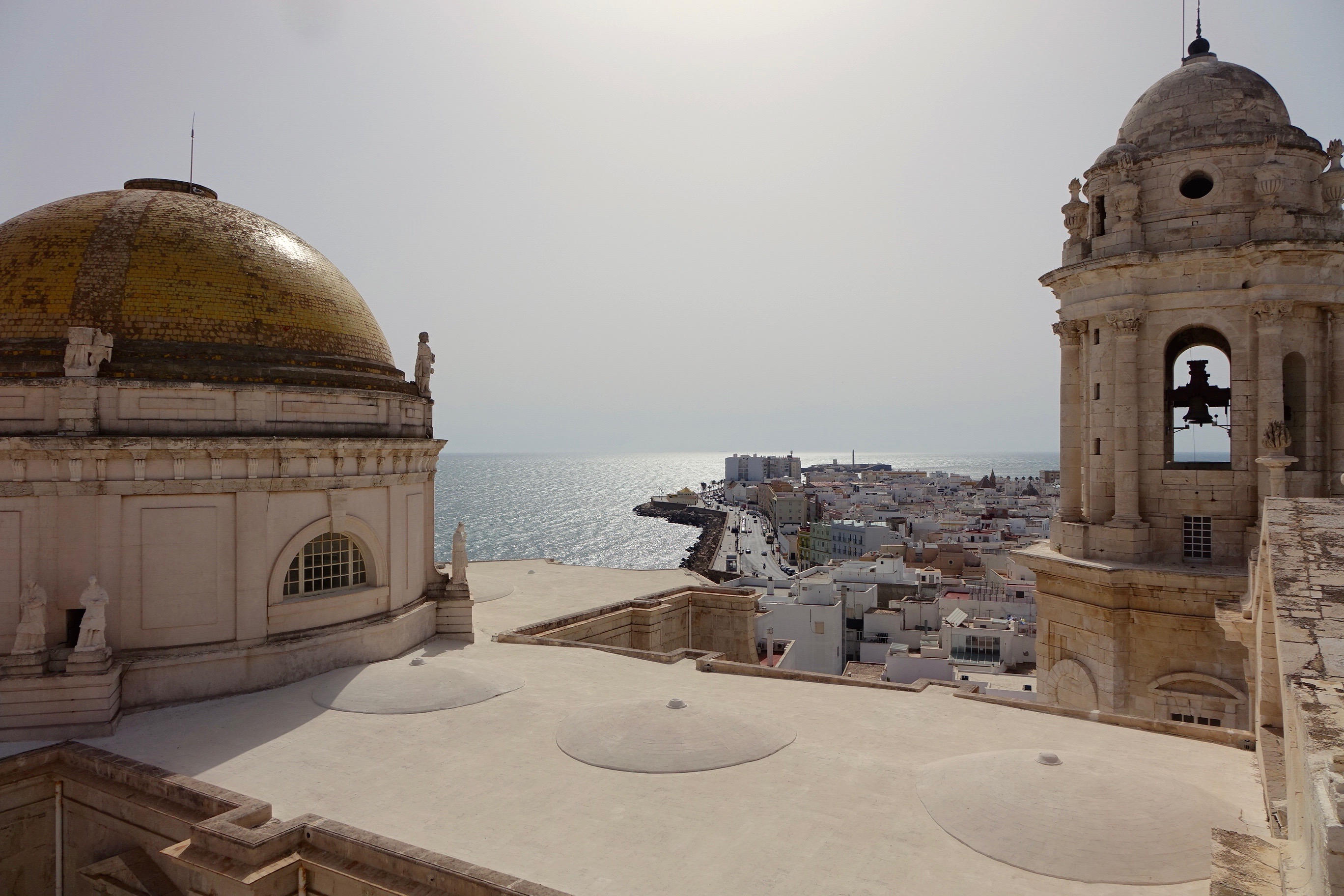
We continue our little tour of Cádiz, Spain’s maritime bastion, with something of a bird’s eye view, or as close as you can come to one in a city which, unusually for Spain, is pretty flat. This leavened geography is of course the result of the city’s seaside location, which is never more obvious than when seen from above – the deep blues of the ocean marking an omnipresent collaboration with Cádiz’s own sea of white washed houses and earthy beige rooftops. Affording us this view was one of two towers either side of the mighty facade of Cádiz’s iconic cathedral – the Catedral de Santa Cruz de Cádiz, whose ascent was happily assisted by the presence of a gently spiraling slope, rather than the usual steep staircase of hell characteristic of most bell towers.  This meant a relatively easy rise to the heady heights of the Cathedral rooftops, even in temperatures of 35c+.

DSC06168DSC06122DSC06121DSC06156DSC06133DSC06153DSC06146DSC06115DSC06119

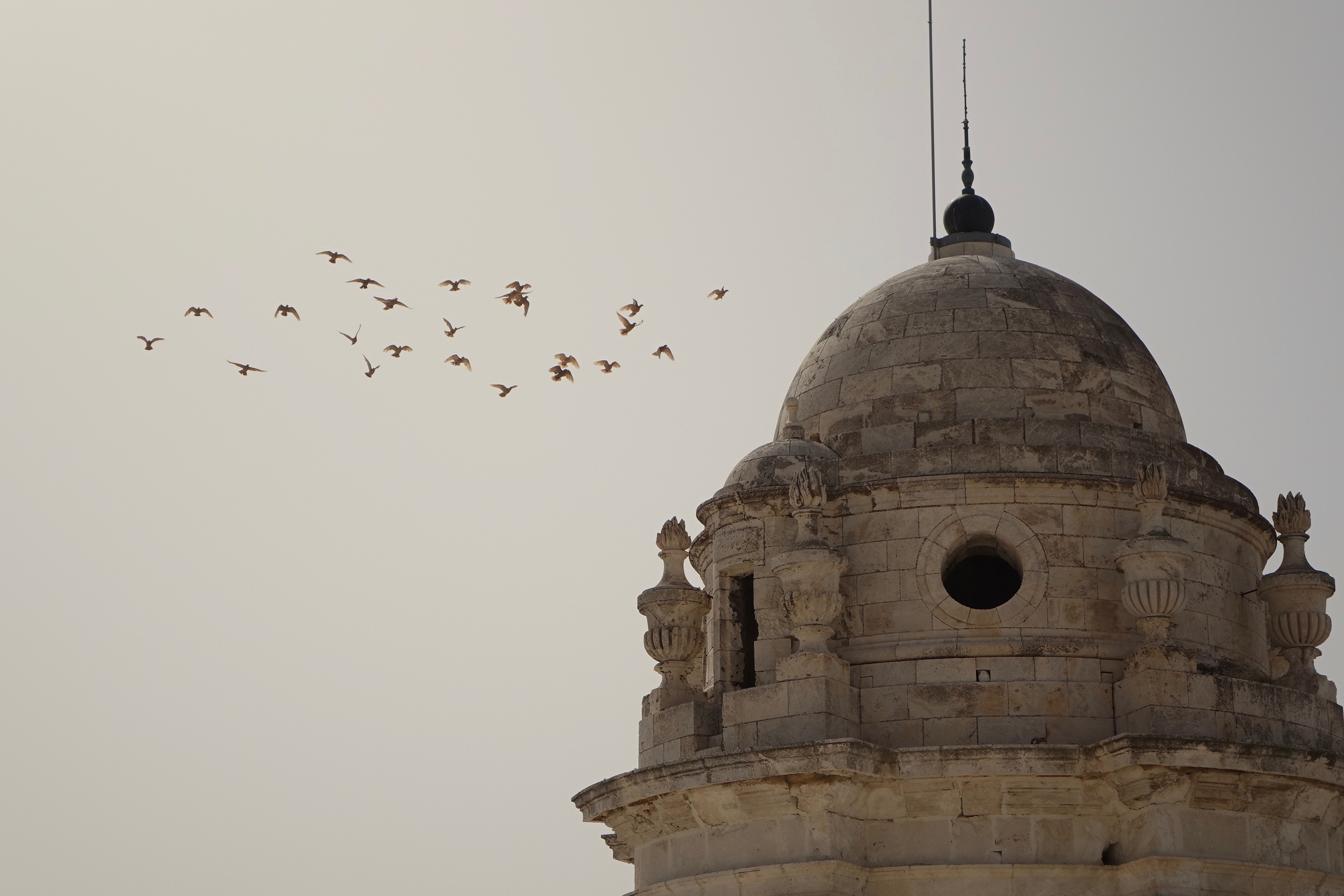
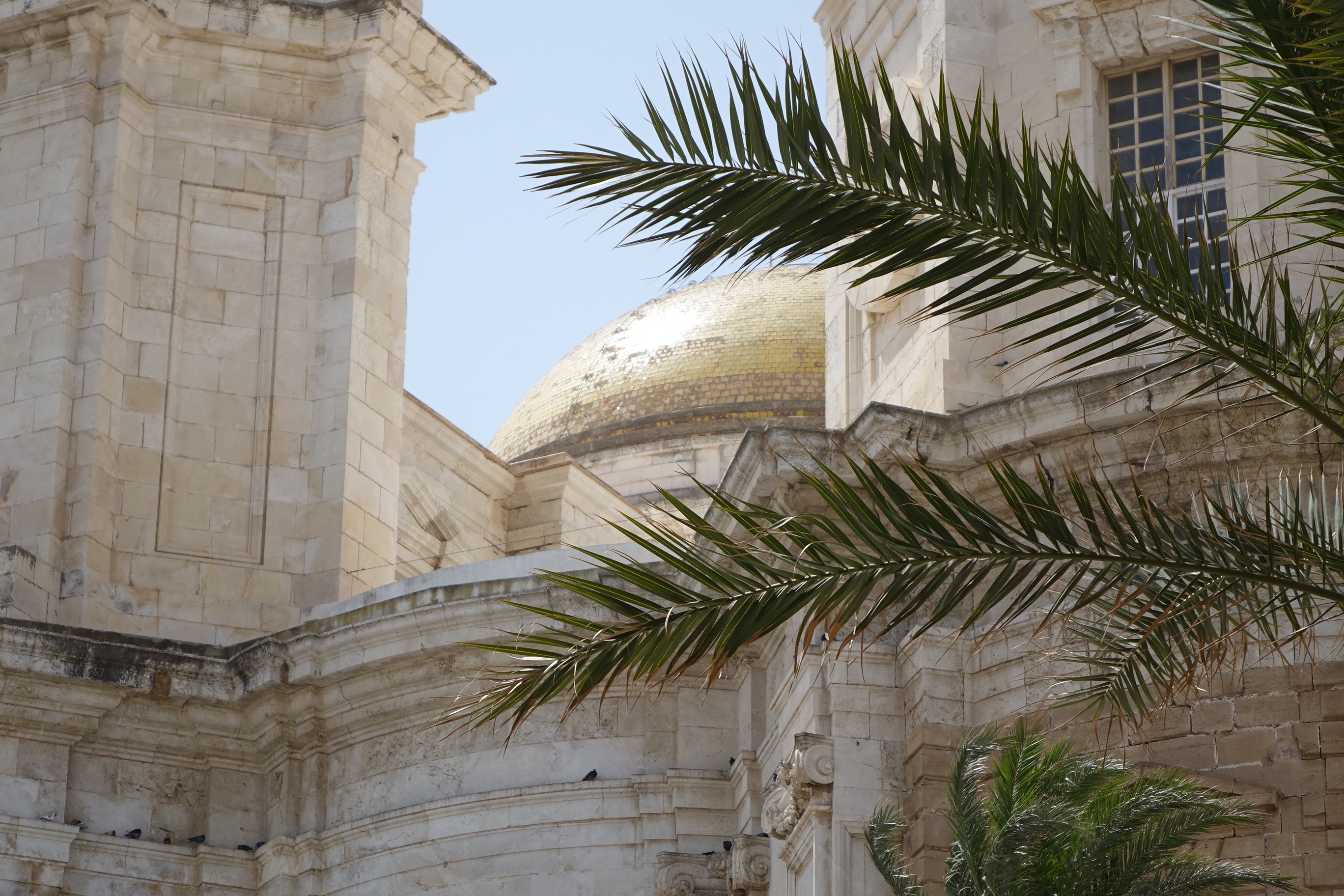
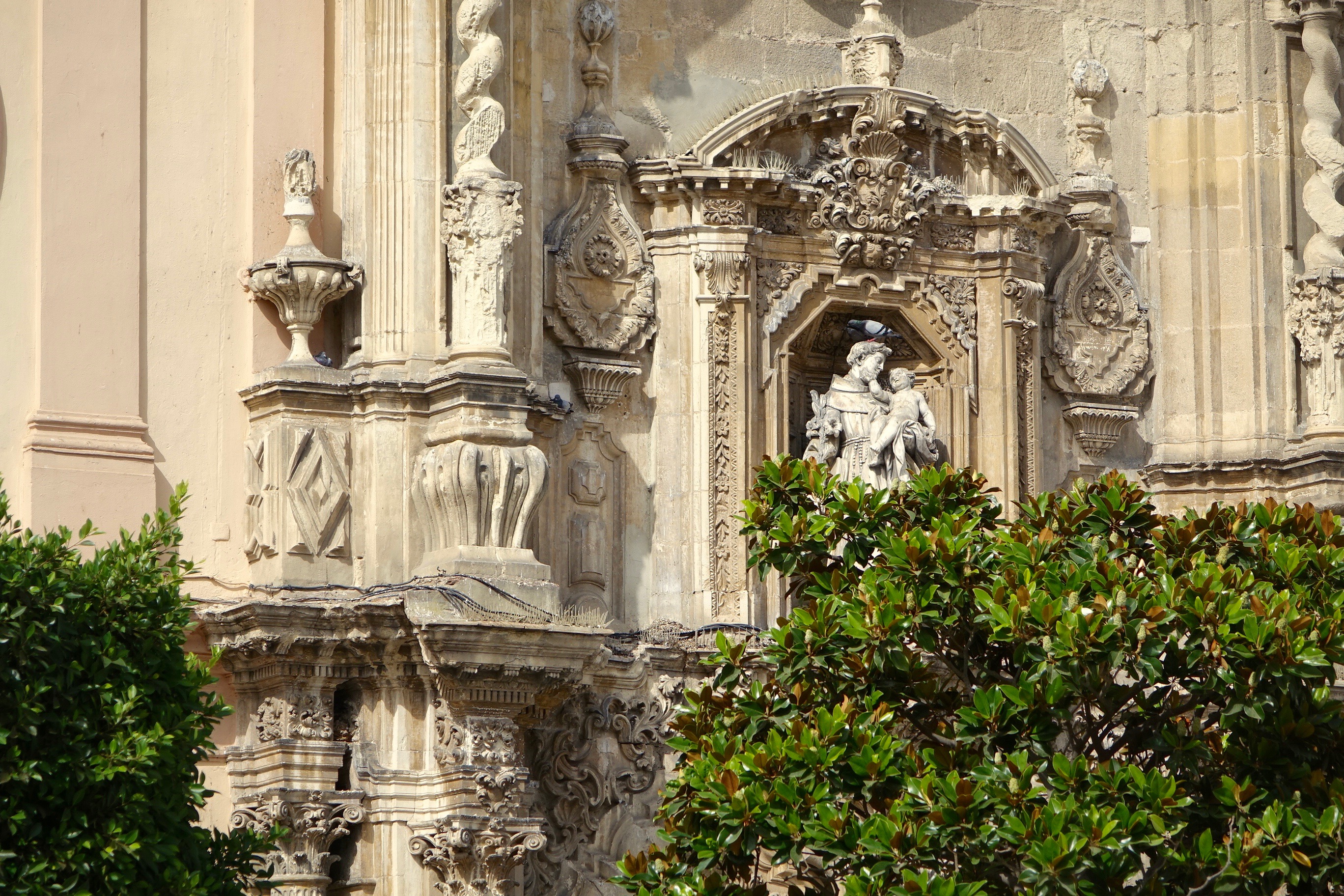
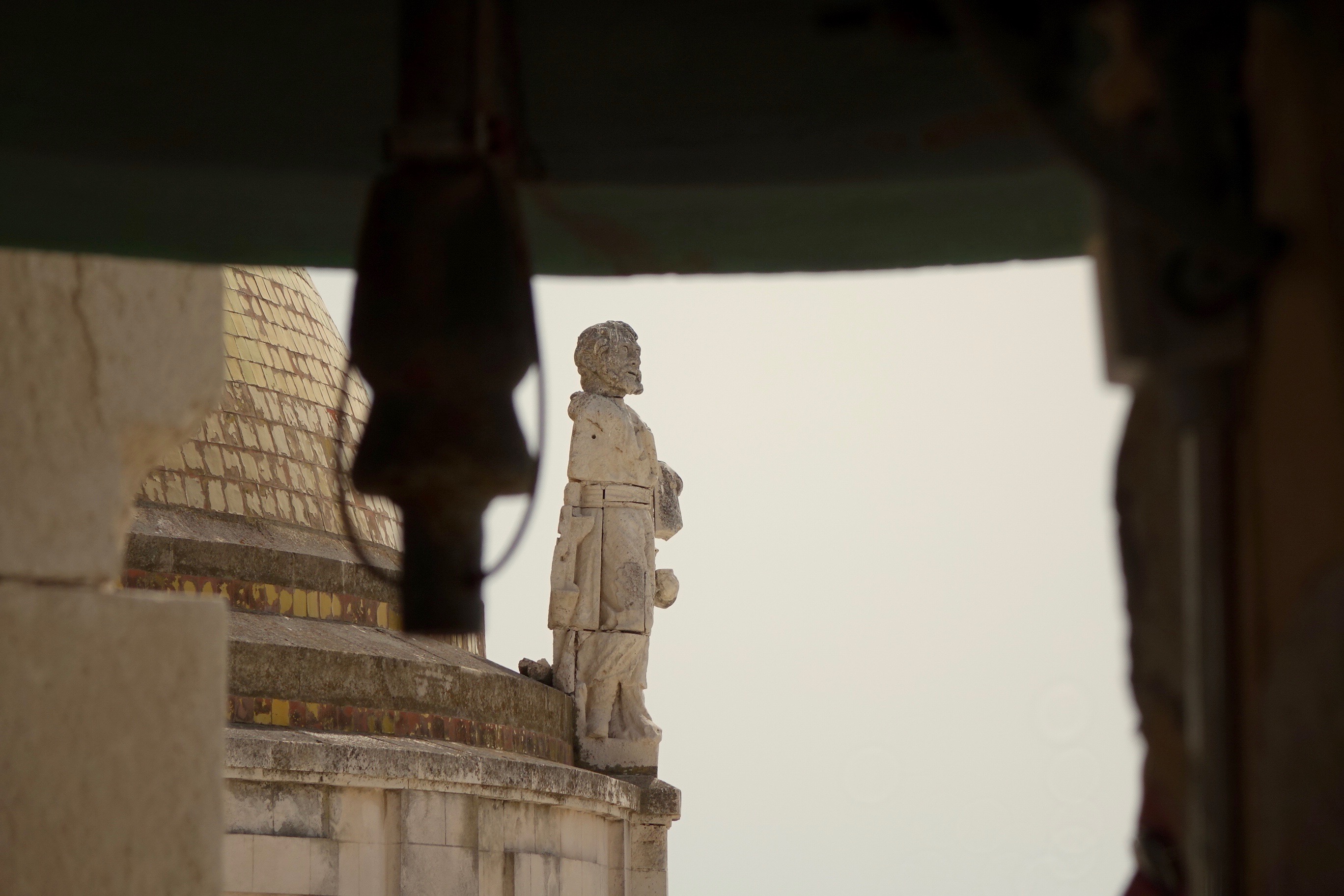
Built in the city’s golden age of the 18th century with money resulting from the thriving new trade between Spain and the Americas, the Cathedral is an impressive focal point of the city. Presenting a mix of neoclassical and baroque elements, the Cathedral is nonetheless characterised by the simpler tiled domes which complete the edifice, and which seem more attuned to a Greek Orthodox church than a magnificent Catholic Cathedral. From the top of the bell tower, those domes were more visible than ever, and the child within me was thrilled as ever to be enjoying this unique perspective of the Cathedral, cracks, moss and all, and to be up where the birds nest, and where the small details of rooftop decoration became larger than life before our very eyes.
DSC06145DSC06141DSC06137DSC06096DSC06120DSC06129DSC06135DSC06098DSC06125

Visiting the Cathedral is a must of Cádiz, but those expecting a spectacular interior may be disappointed to find much of the inside given over to a museum, and the huge vaulting ceilings slowly deteriorating, falling plaster being caught by a web of unsightly nets. My tip is therefore to stay on the outside and ascend the bell towers for the city’s most unbeatable views. It’s the best way to appreciate the scale and magnificence of this iconic building, but likewise to take in Cadiz as a unified landscape, sprawling out beneath you, a city collective bustling with people… for whom the bell tolls.

© Nicholas de Lacy-Brown and The Daily Norm, 2018. Unauthorised use and/or duplication of the material, whether written work, photography or artwork, included within The Daily Norm without express and written permission from The Daily Norm’s author and/or owner is strictly prohibited.

Folio // Cádiz > Idiosyncratic sea-ringed city

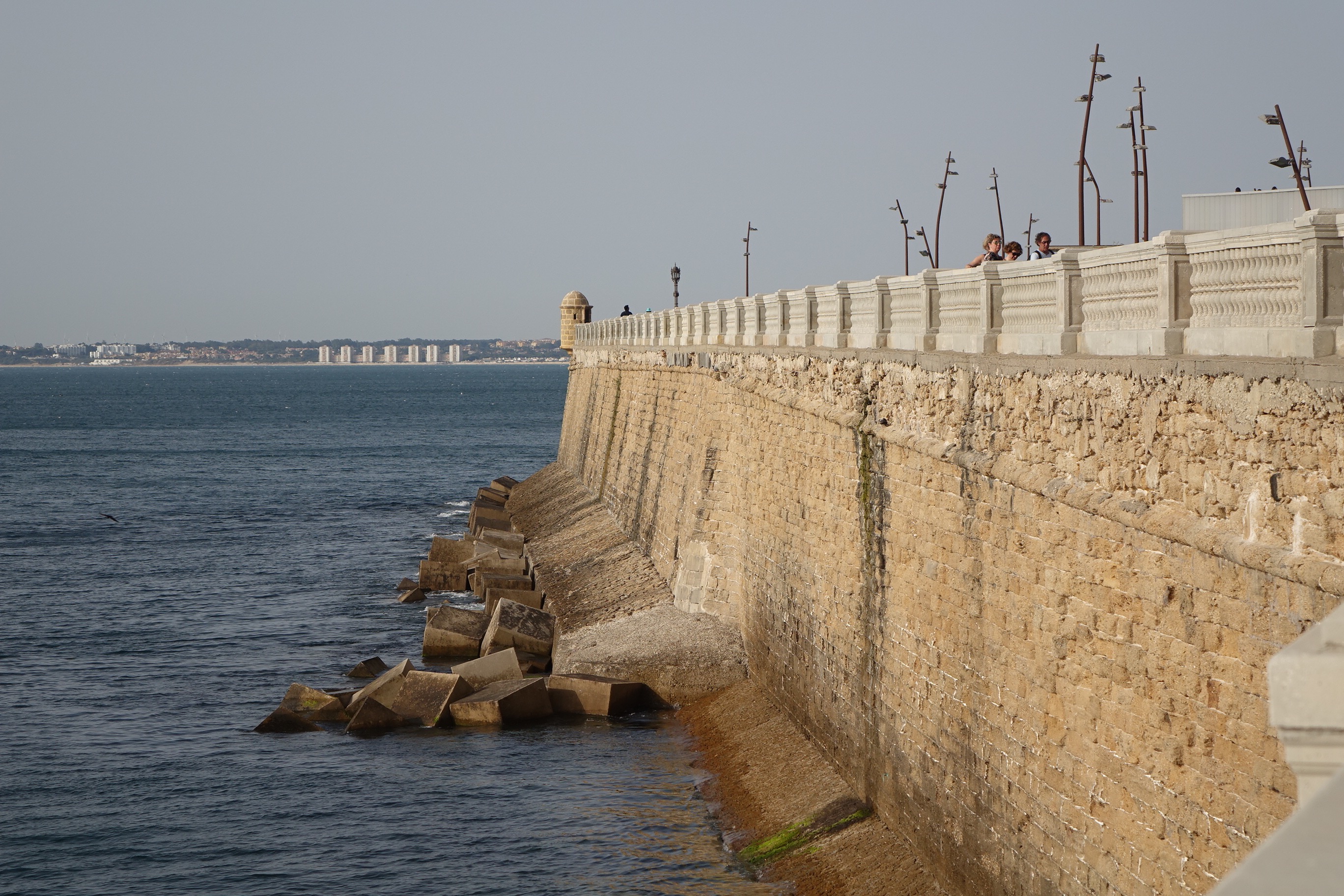
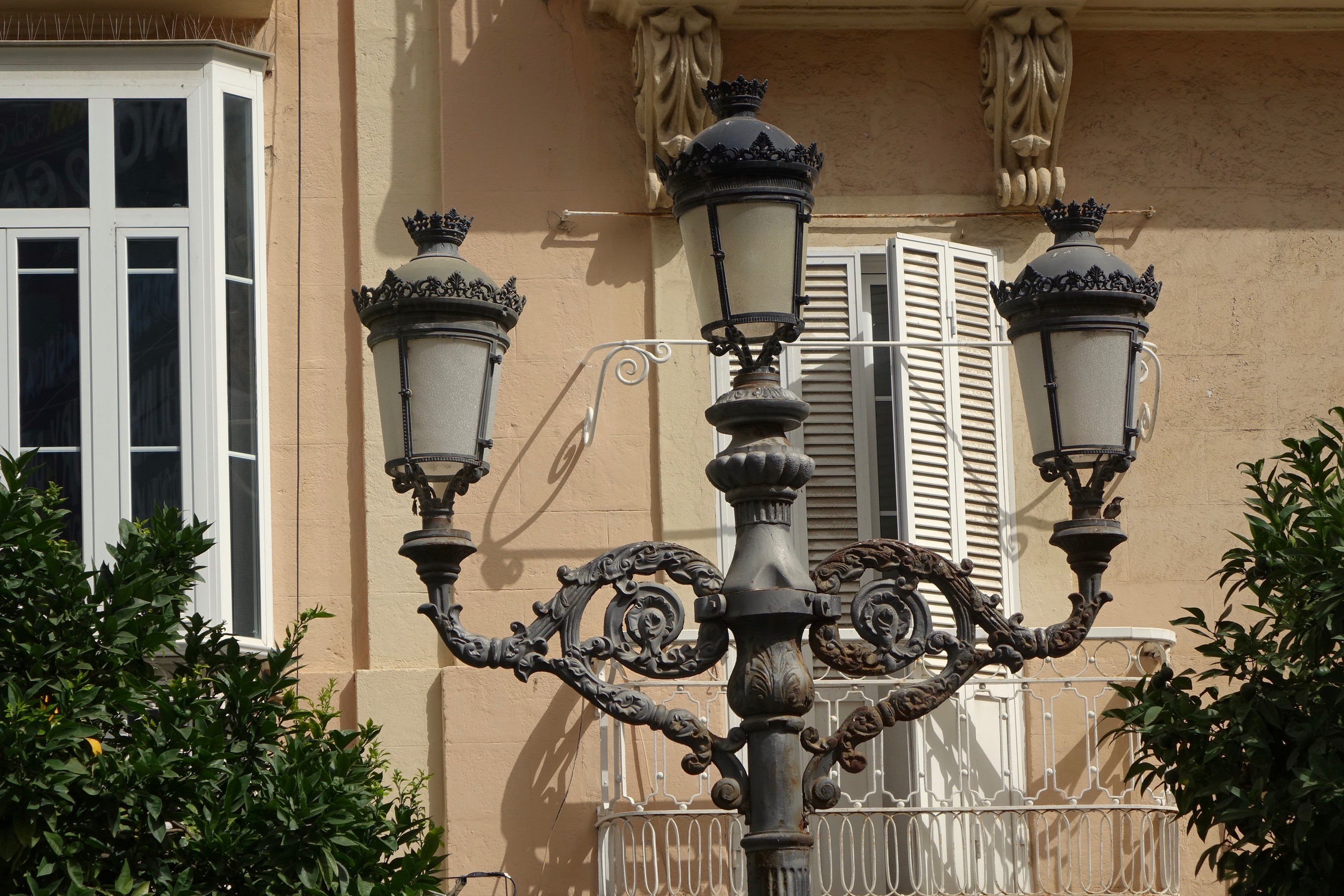
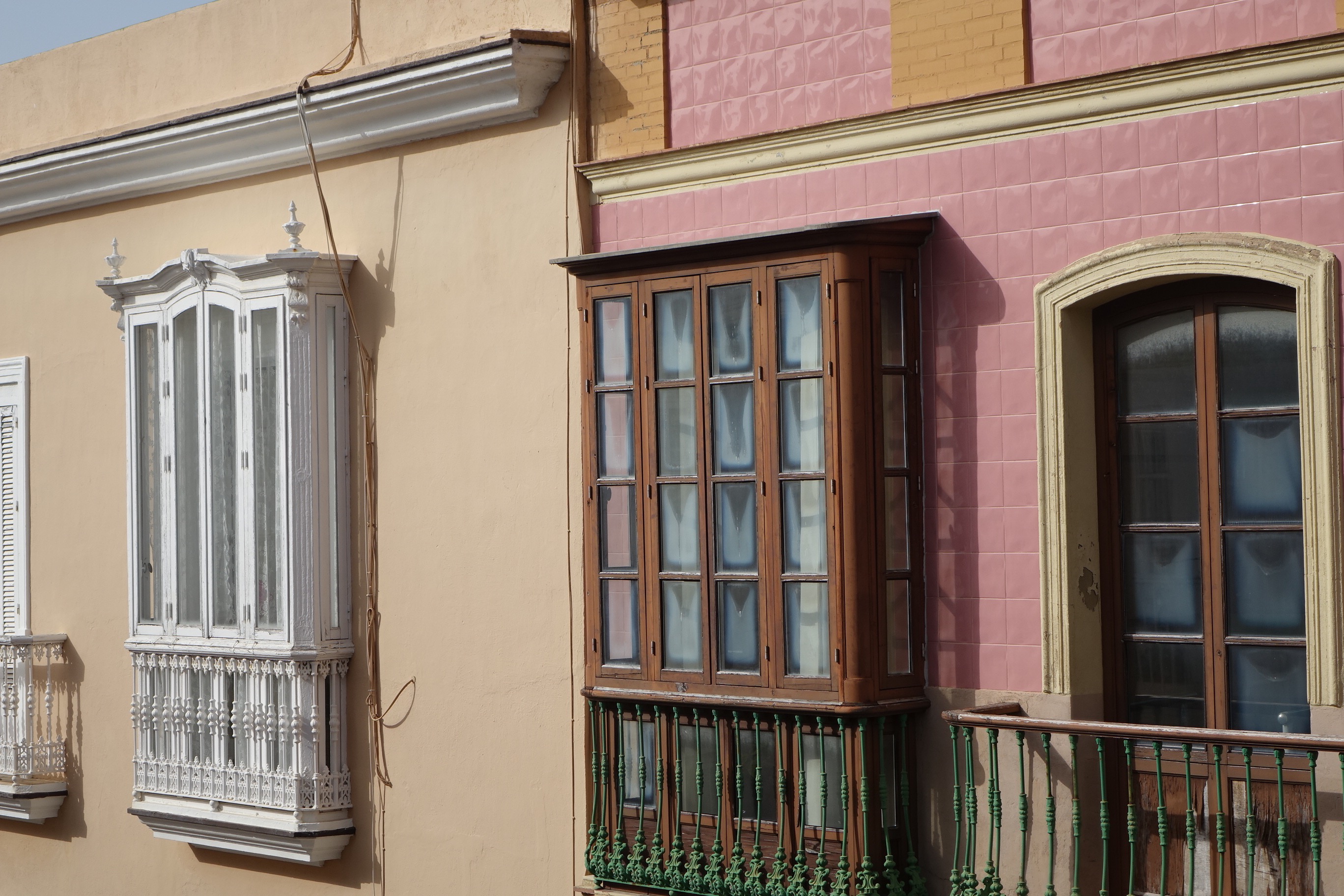
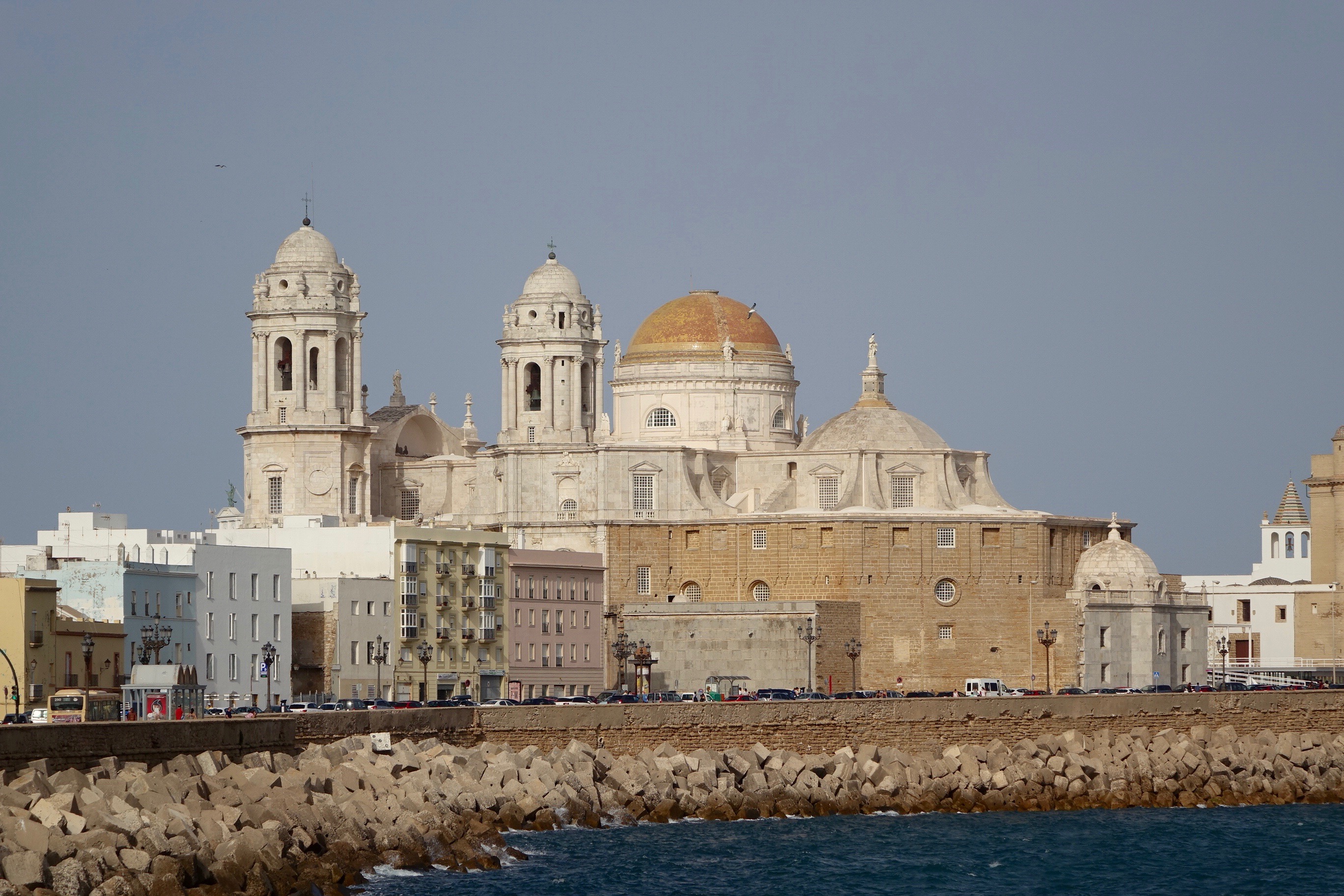
Every Spanish city has something unique in its character. In Seville, the essence of Andalucian vivacity pervades the air along with the sweet perfume of bitter oranges. In Barcelona, the hard lines of a modern city are massaged by the curves of art nouveau and the mosaics of Gaudi. Madrid is the regal, historical heart of a truly Spanish peninsula, while Bilbao feels altogether colder, more industrial but uniquely avant-garde. Cádiz is another of those highly individual urban spaces. It is at once truly Andaluz, with bursts of flamenco music sporadically enchanting the airwaves, and dry heat wafting up from pavements of hard stone and marble, but at the same time it feels different, hardened by an important maritime history, isolated by its solitary geography at the end of a narrow sand isthmus, eroded by winds, battered by foreign invasions.

DSC06184DSC05931DSC06100DSC05976DSC06236DSC06220DSC06171DSC06093DSC05988DSC05934

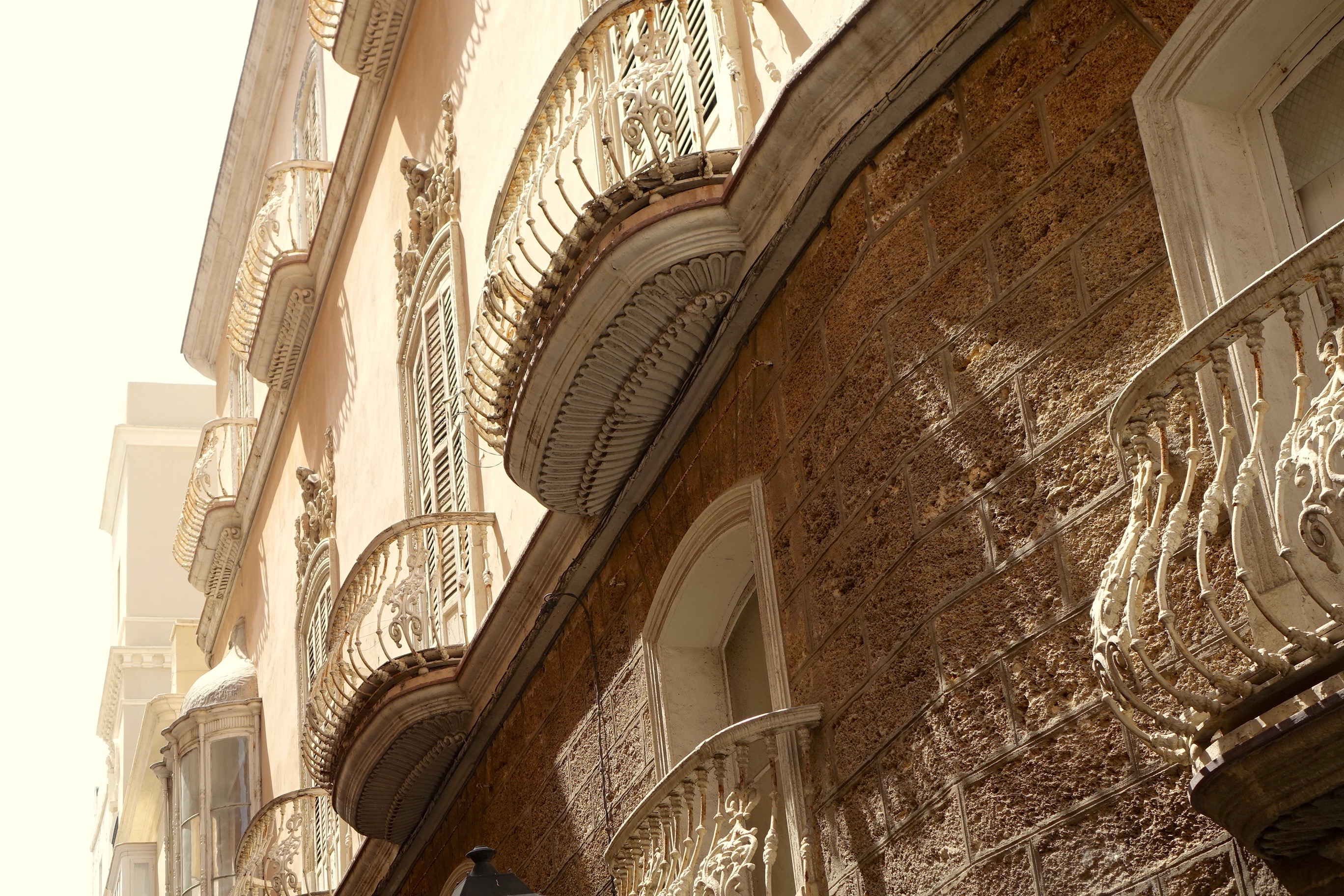
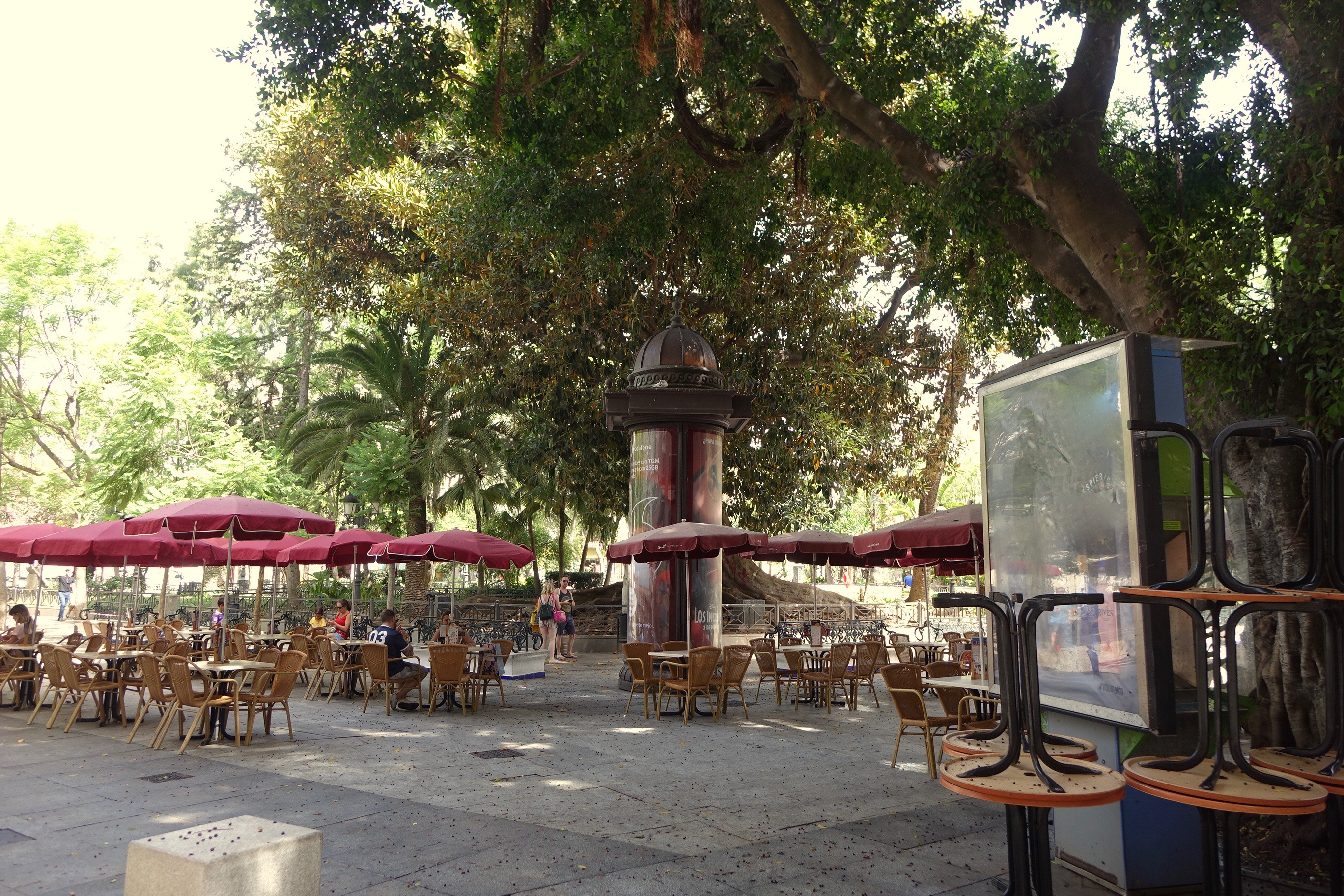
There is a definite laziness about the city, especially in the summer. Squares sheltered by trees and attracting cafes alongside fountains are vital resting places for a population baked by soaring temperatures and battered by winds meeting from the Mediterranean and the Atlantic. But there is a defiance too – long narrow streets, with houses almost touching across the road, crowd in upon one another as though protecting the population from yet another invasion. Sometimes walking there it seemed like the streets would go on, unceasingly, for hundreds of metres, before they finally broke out into a pleasant leafy square or opened up onto the impressive facade of a church or historical mansion. 

DSC06312DSC06223DSC06202DSC06112DSC06175DSC06083DSC06081DSC05936DSC05929DSC05933

Cádiz for me did not feel truly Spanish. Of course it exhibited elements of Andalucia, sharing characteristics of nearby Malaga, and other coastal towns. But Cadiz also exhibited a certain aloofness, an unwillingness to embrace, but to greet with a colder yet still welcome smile, as visitors are invited to unpeel the multiple layers of history in one of Europe’s longest occupied cities in order to find the true spirit of Cádiz beneath them all. 

DSC06239DSC05918DSC06313DSC06180DSC06233DSC06160DSC06033DSC05981DSC05967DSC05946

© Nicholas de Lacy-Brown and The Daily Norm, 2018. Unauthorised use and/or duplication of the material, whether written work, photography or artwork, included within The Daily Norm without express and written permission from The Daily Norm’s author and/or owner is strictly prohibited.

My Travel Sketchbook: The Parque Genovés

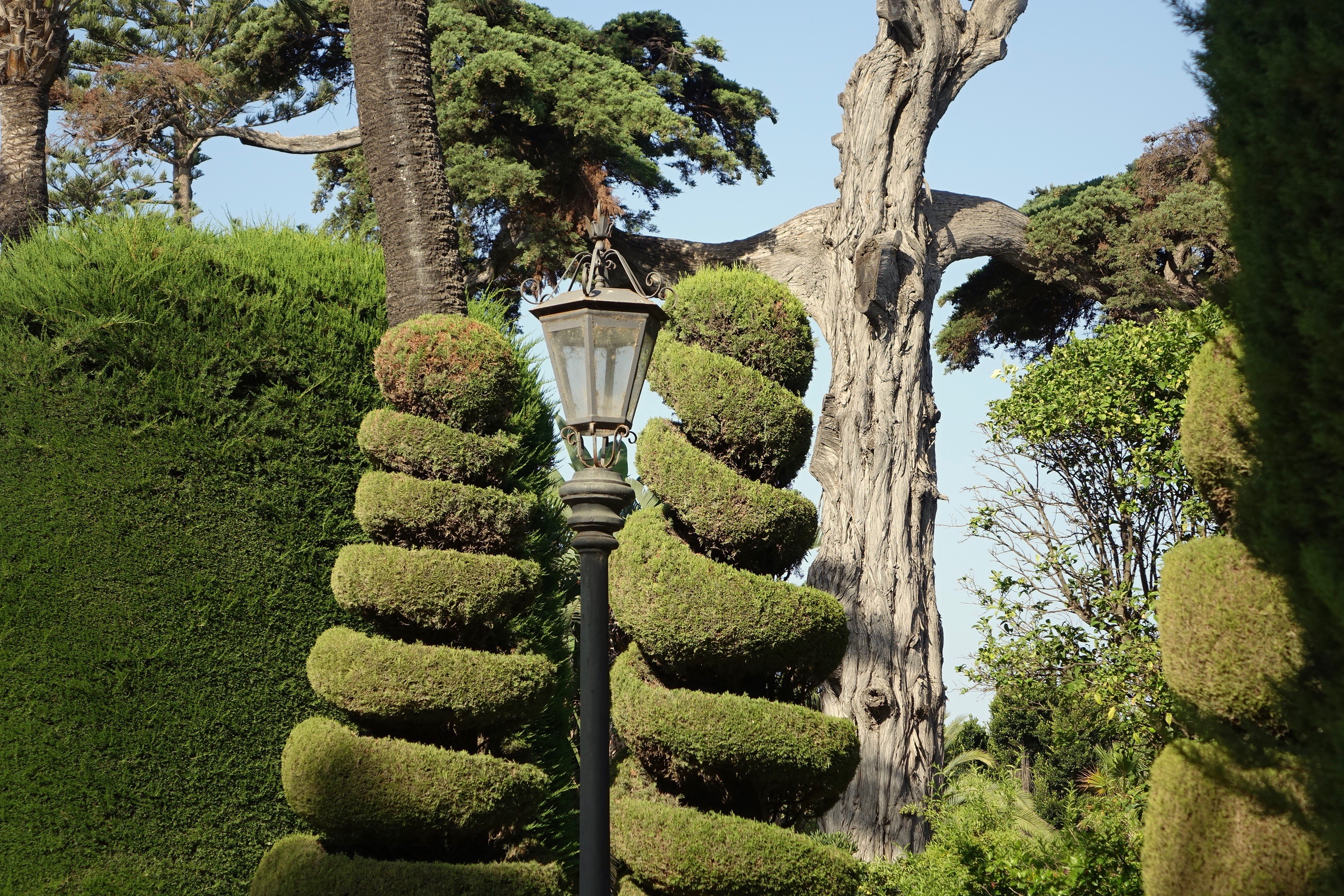
The curves, the twirls, the uninhibited wonder of the topiary of the Parque Genovés could not help but sew the seeds of creation in my head. From one creator to another, the spirit of free and unhindered artistry traversed the air like pollen flying on a Summer’s breeze. Within minutes of entering this verdant wonderland I put pen to paper, and this was the result.

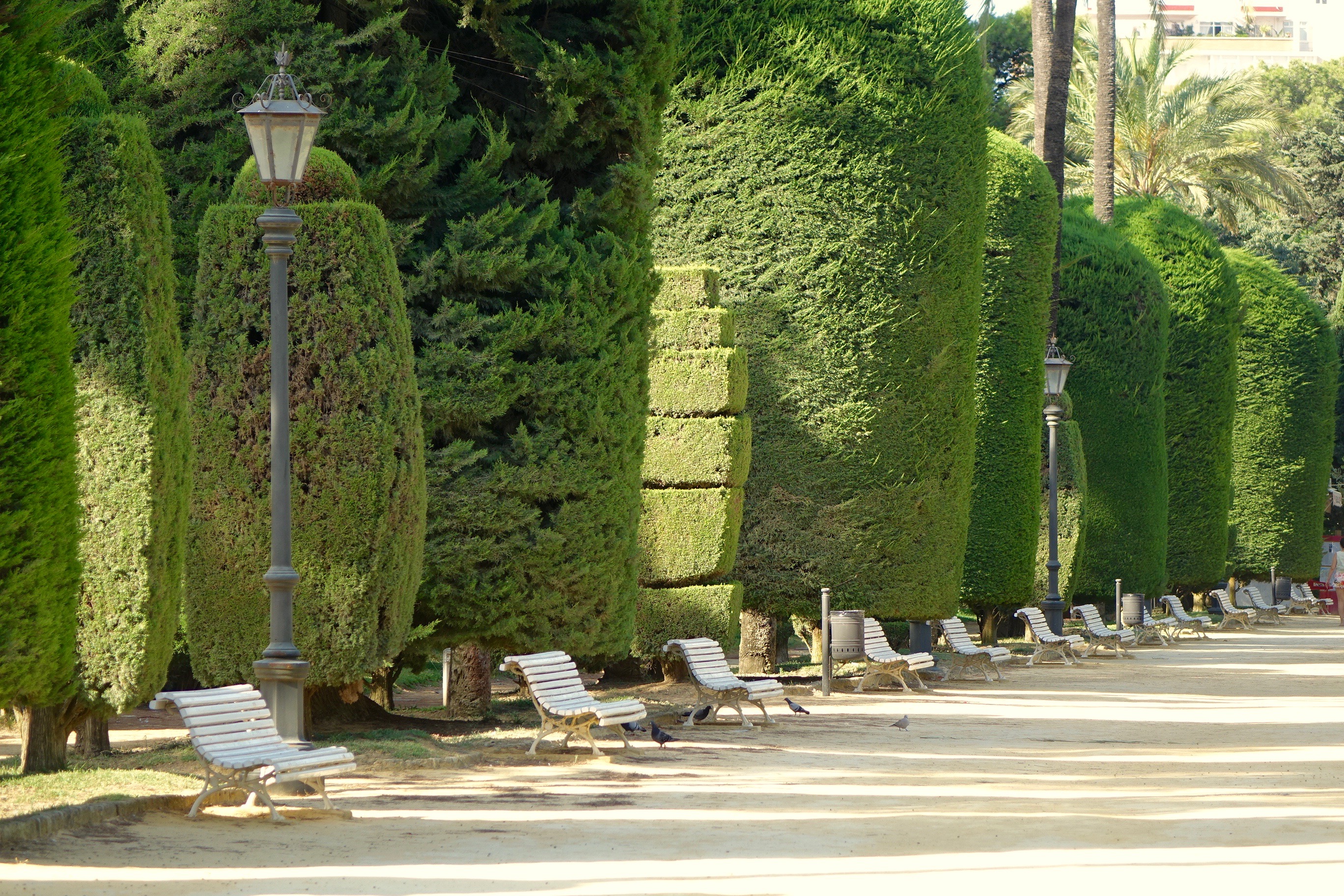
Sat on a bench in this hallway of manicured box-hedge, it was difficult to feel totally at ease. Somehow those twisted and tailored trees took on an anthropomorphic quality; like statesman gathering for a discussion of grave national import. Yet at the same time, the quality of the air, filtered through a haze of botanical layering, and the sound of nearby birds fluttering from one crafted bush to another, induced a somniferous sense of tranquility which pervaded the moment, and this sketch.

Parque Genovés

The Parque Genovés, Cadiz (©2018, Nicholas de Lacy-Brown, pen on paper)

Lucky I had my trusty travel sketchbook with me to capture this scene. As gardens go, the Parque Genovés is a true mark of humankind getting creative with nature, and nature seemingly condescending to the mark of beauty which ensnares it.

© Nicholas de Lacy-Brown and The Daily Norm, 2001-2018. Unauthorized use and/or duplication of the material, whether written work, photography or artwork, included within The Daily Norm without express and written permission from The Daily Norm’s author and/or owner is strictly prohibited. For more information on the artwork of Nicholas de Lacy-Brown, visit http://www.delacybrown.com 
Compendium // Cádiz > Bounteous Botany: Alice’s new Wonderland

What was I expecting of Cádiz, Andalucia’s strange, almost island city, set within ancient fortress walls on the Westernmost end of Spain’s Southern coast? Not this. I imagined a tough, worn-out yellow city, battered by the waves of the sea and of history; hardened edges, hardened people. I never even considered the softness that may lie within.

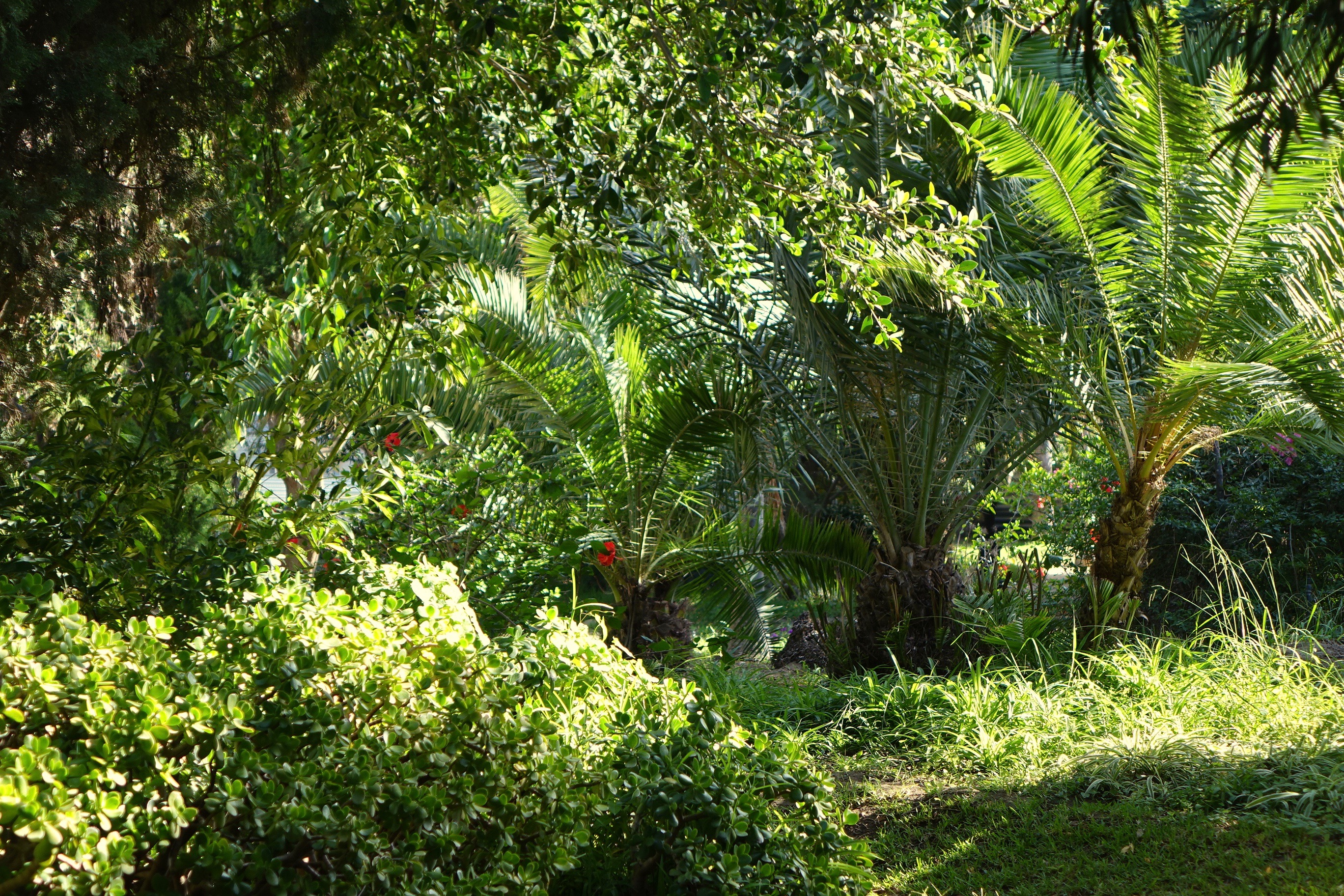
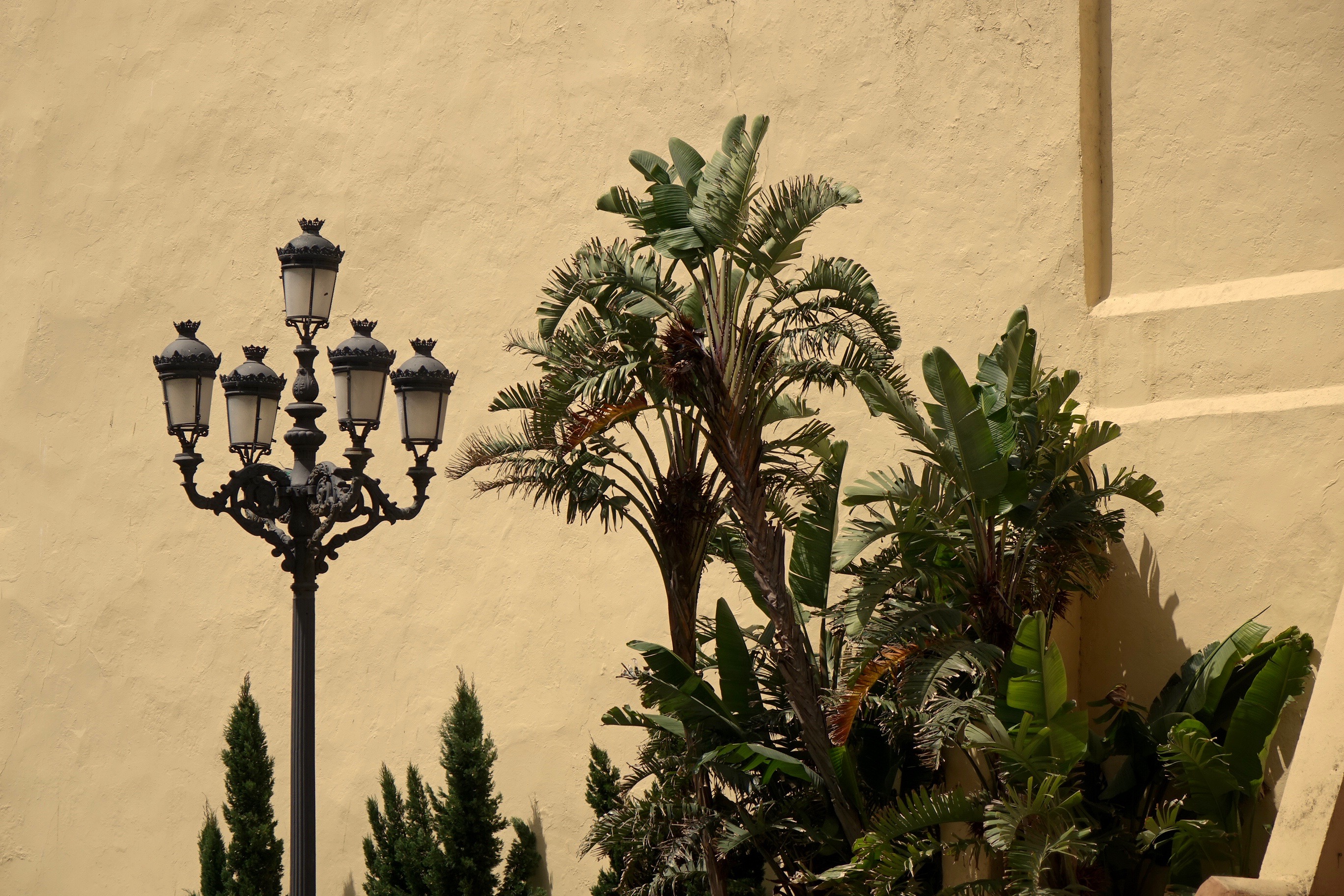
Yet  after a 3 hour bus journey, which took us through a landscape peppered with new power-generating windmills exhibiting something strangely melancholy, yet unique in the surrounding landscape, we arrived into a city which was very different from the Cádiz of my imaginings.  Yes, the city is substantially fortified, a facet of strength exhibited by its mighty domed Cathedral and tight narrow streets, large merchant palacios each built topped with solid stone towers. But what I wasn’t expecting was the greenery: the softening of those fortress edges with a bounteous outpouring of tropical botany and verdant greenery.

DSC06301DSC06224DSC06048DSC06049DSC06028DSC06056DSC06006DSC06020DSC05998

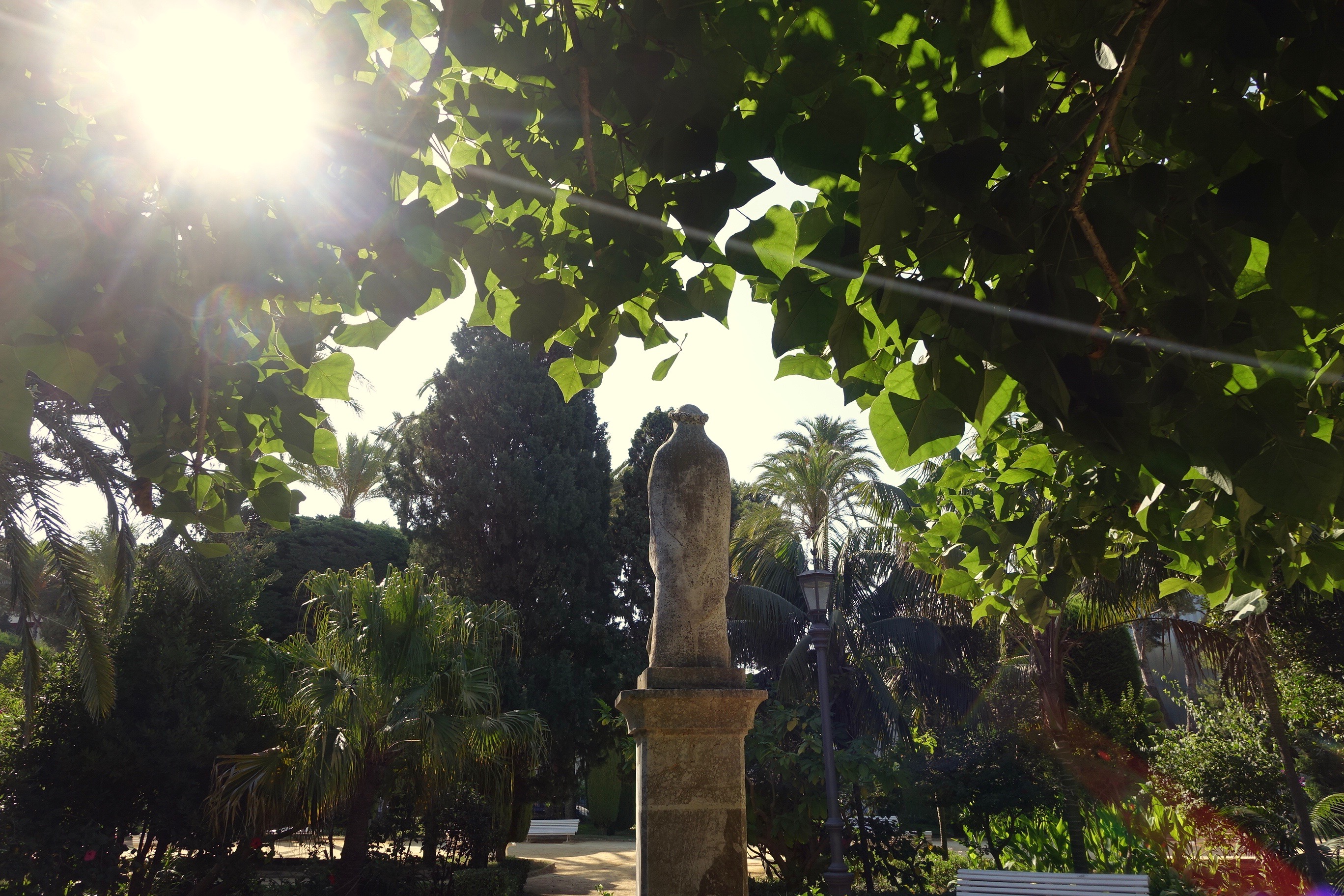
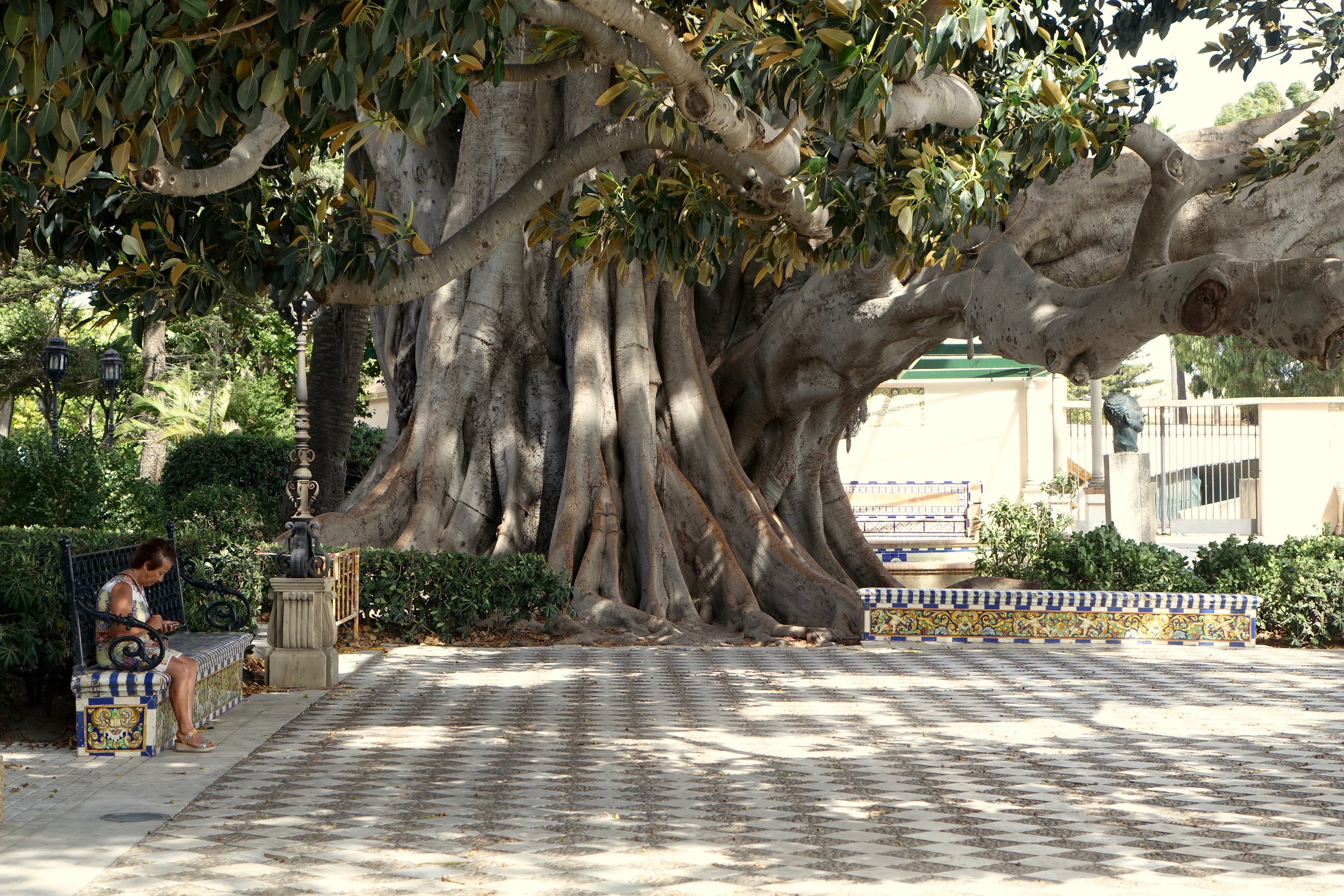
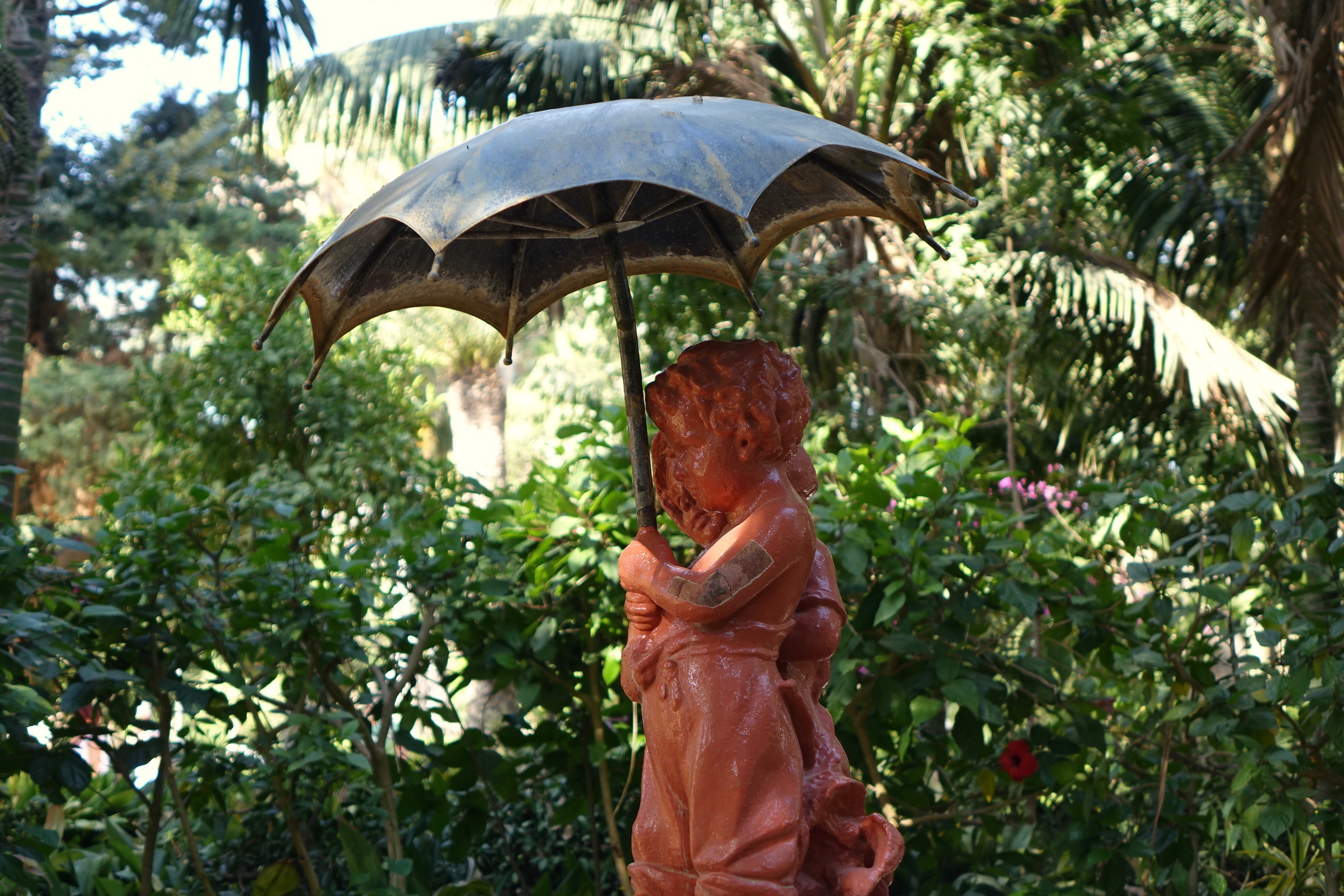
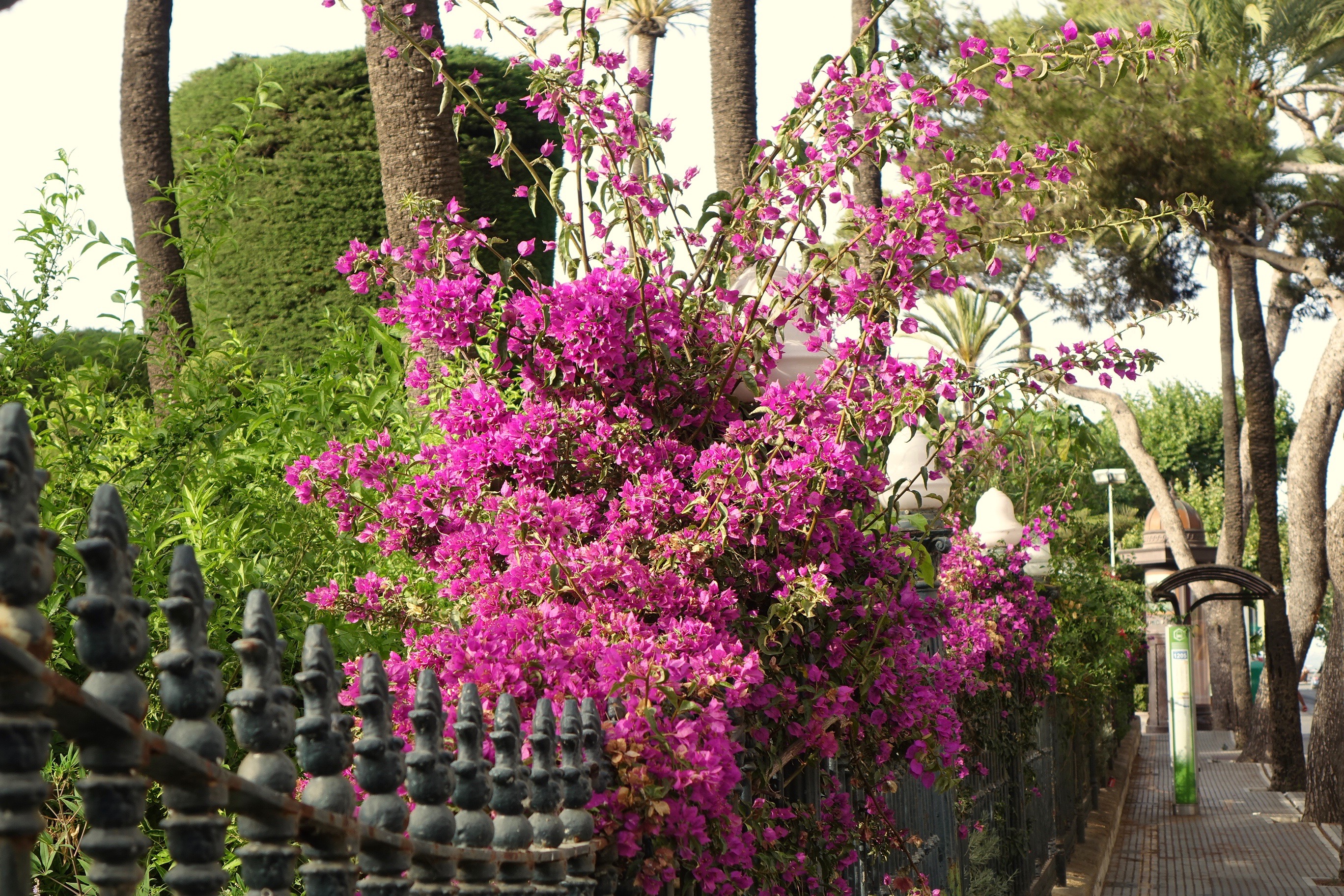
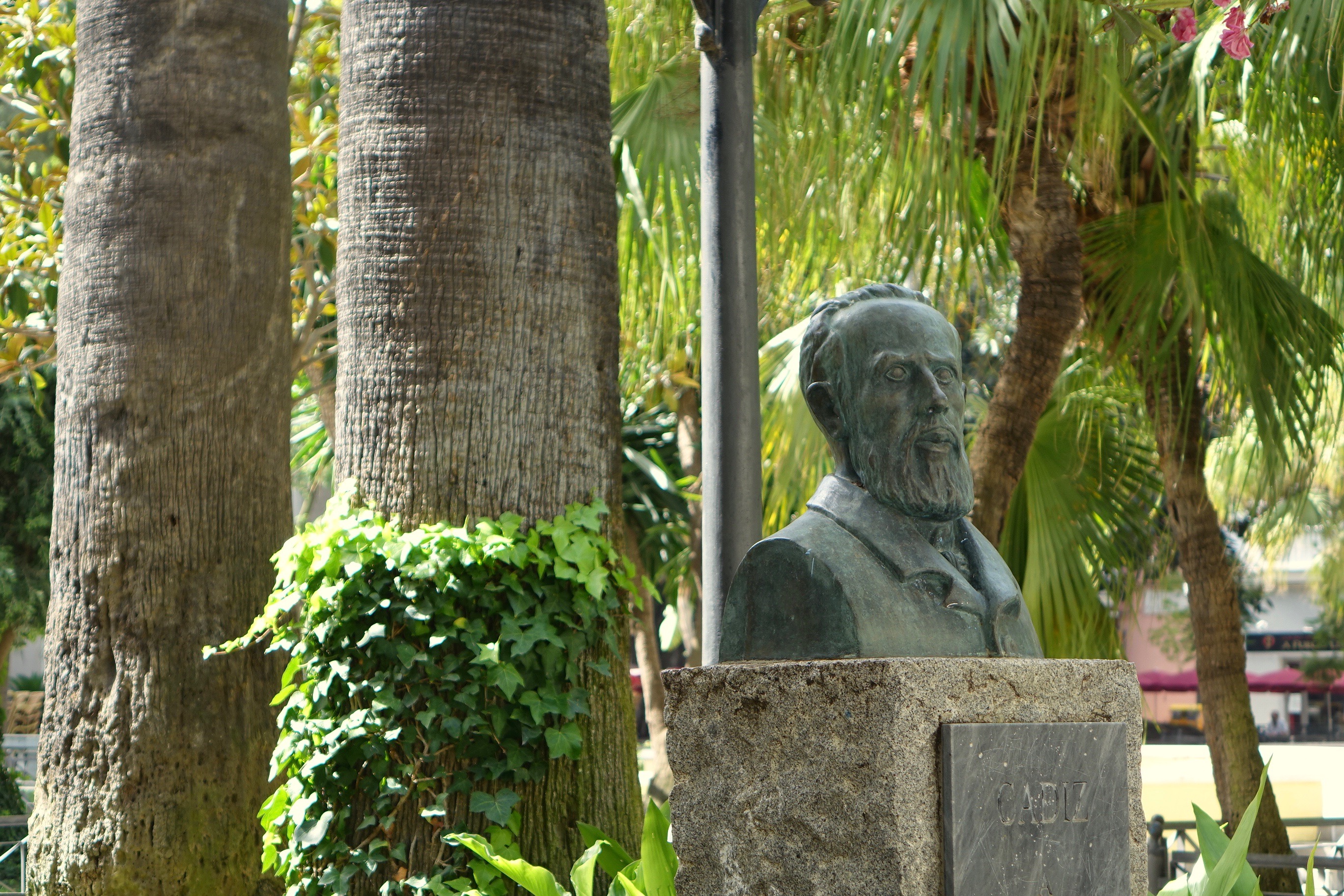
Almost all along the old fortress walls that encase the city you can stroll within the shelter and under the sun-dappled canopy of a multitude of trees set within gardens paved in a checkerboard effect of black and white. In the Jardines de Alameda Apodaca, there is a real sense of Alice’s adventures in Wonderland as you stride between the squares of black and white, pondering whether you are in fact part of an enigmatic chess game, the various sculptures and busts peppering the space providing the pieces… or are they the players? For the victor, what worthier prize than gardens abundant with flamingo pink bougainvillea, or those tree-framed views over the volatile ocean – a heady mix of blue punctuating the jungle of greens.

DSC06260DSC06273DSC06298DSC06251DSC06294DSC06279DSC06266DSC06256DSC06231DSC06259

Make it safely through the garden’s game of chess, and the next space steps up the surreality of the experience one notch further. For in the Parque Genovés, you will truly start to wonder whether you have entered another Cádiz park, or into the warped imaginings of a garden genius. Possibly both. For here, a botanical garden is spruced up as though for a masquerade ball, with long pathways bordered by topiary plucked, trimmed and trained to form impressive twists, twirls and curving figures which take the ephemeral magic of this garden space to new levels. Alice had surely reached her Wonderland with this one.

DSC06228DSC06267DSC06076DSC06060DSC06025DSC06249DSC06246DSC06271DSC06297

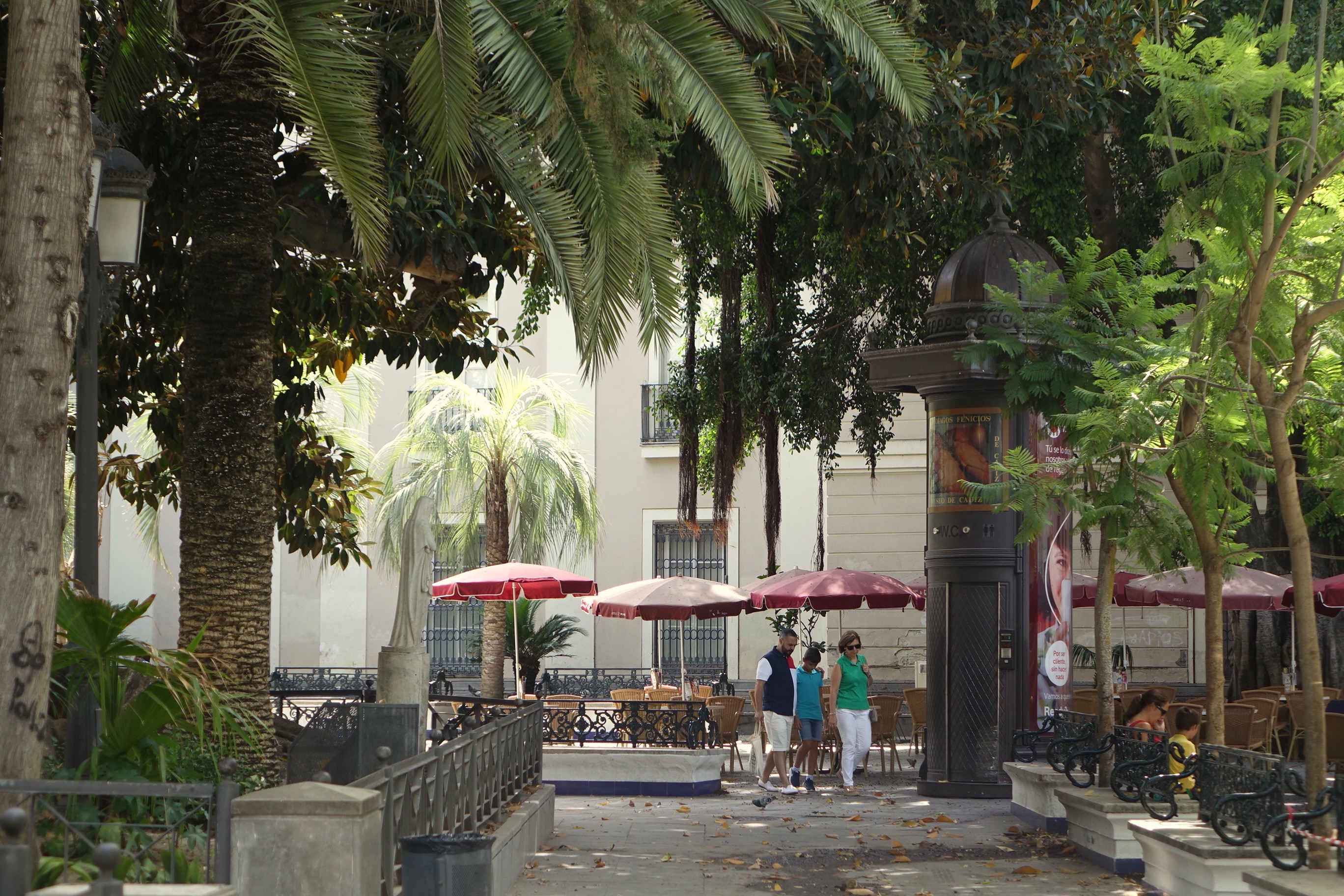
A morning or an afternoon spent strolling through Cádiz’s gardens is an utterly fulfilling experience. Cádiz does not feel like a particularly fast-paced city, but in its gardens, things grind to a somniferous halt as the surreal shapes and near-claustrophobic intensity of the planting opens up another world of the imaginings. For something a little more bustling, head for the Plaza de Mina – a delightful shady park/square lined with little cafes and containing little antique kiosks which have been transformed variously into sweet shops and bookstores. Then there’s the Plaza Candelaria – another leafy plaza, where some of the city’s best restaurants can be found. But more about that another time.

© Nicholas de Lacy-Brown and The Daily Norm, 2018. Unauthorised use and/or duplication of the material, whether written work, photography or artwork, included within The Daily Norm without express and written permission from The Daily Norm’s author and/or owner is strictly prohibited.
Norms in Rome | The Piazza Navona

Norms in Rome, Rome in the Norms… such has been the delicious longevity of the Norms’ devoted acquaintance with Italy’s beating heart that the Norms feel permanently wedded to this city of ancient glory and modern glamour. They’ve been in piazzas aplenty, gorged on delectable Roman food fare, explored ruins, historical monuments and strolled riverside. But as the Norms prepare to take their leave of the city, with their bags packed from some summertime travels, these blobby creatures have made one last visit – to a Piazza equal in glory to the spectacle of the Piazza della Rotonda where their adventure began some three months ago… the glorious Piazza Navona.

IMG_0701

Norms on the Piazza Navona ©Nicholas de Lacy-Brown 2018, pen on paper

Retaining the shape of the Stadium of Domitian which lies beneath its current day ground-level manifestation, but filled with some of the most magnificent sculptures of the Roman baroque, the Piazza Navona embodies Rome at its unique best, evidencing like a geological cross-section Rome’s complex trajectory throughout history. Whether it be those exquisite fountains, the countless cafes, or the temporary carousel which appears whenever a festival is in town, the Piazza Navona is the ideal location for the Norms to bid Rome arrivederci…until their inevitable return very soon.

© Nicholas de Lacy-Brown and The Daily Norm, 2001-2018. Unauthorized use and/or duplication of the material, whether written work, photography or artwork, included within The Daily Norm without express and written permission from The Daily Norm’s author and/or owner is strictly prohibited. For more information on the artwork of Nicholas de Lacy-Brown, visit http://www.delacybrown.com 

Compendium // Porto > The secret side of a garden city

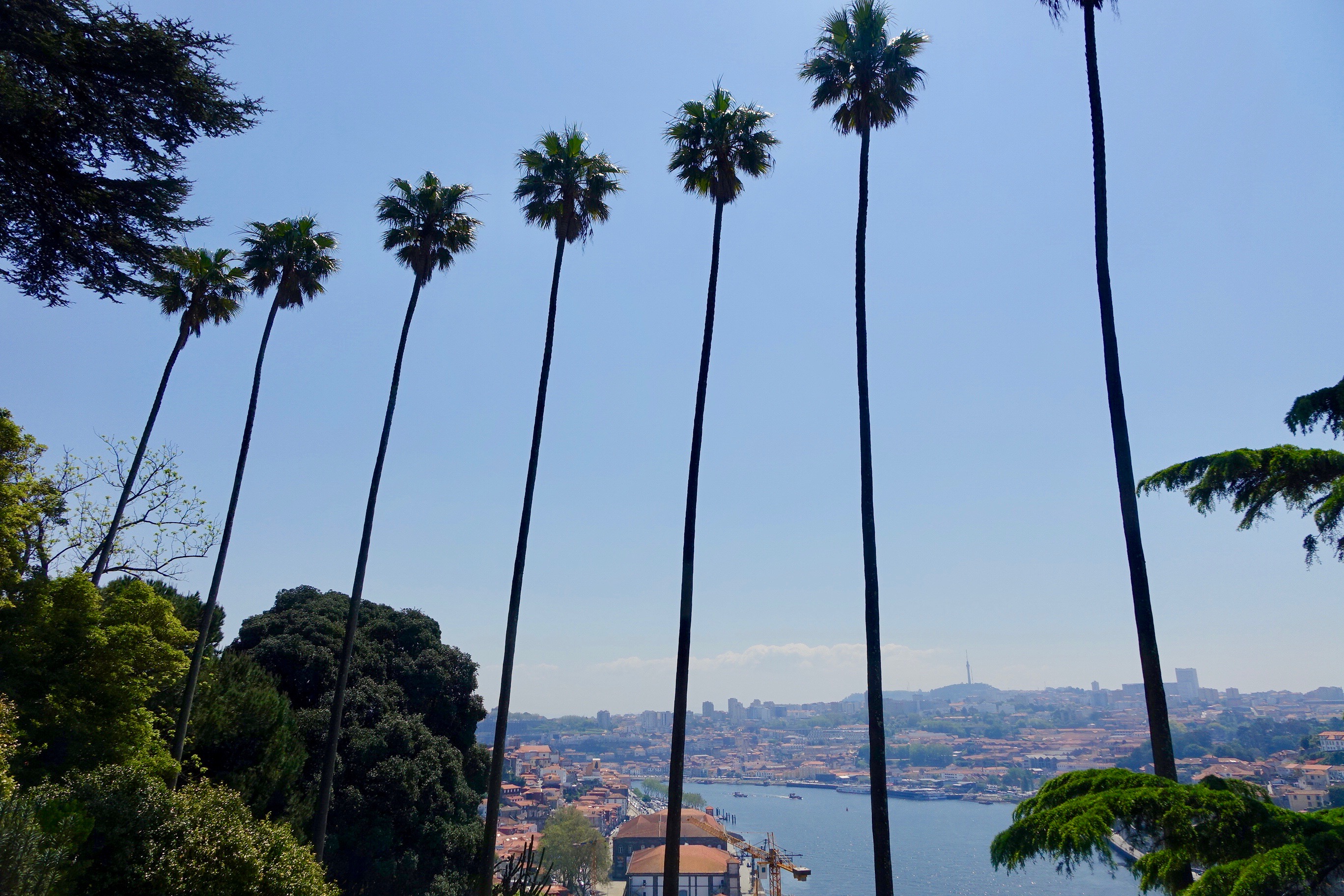
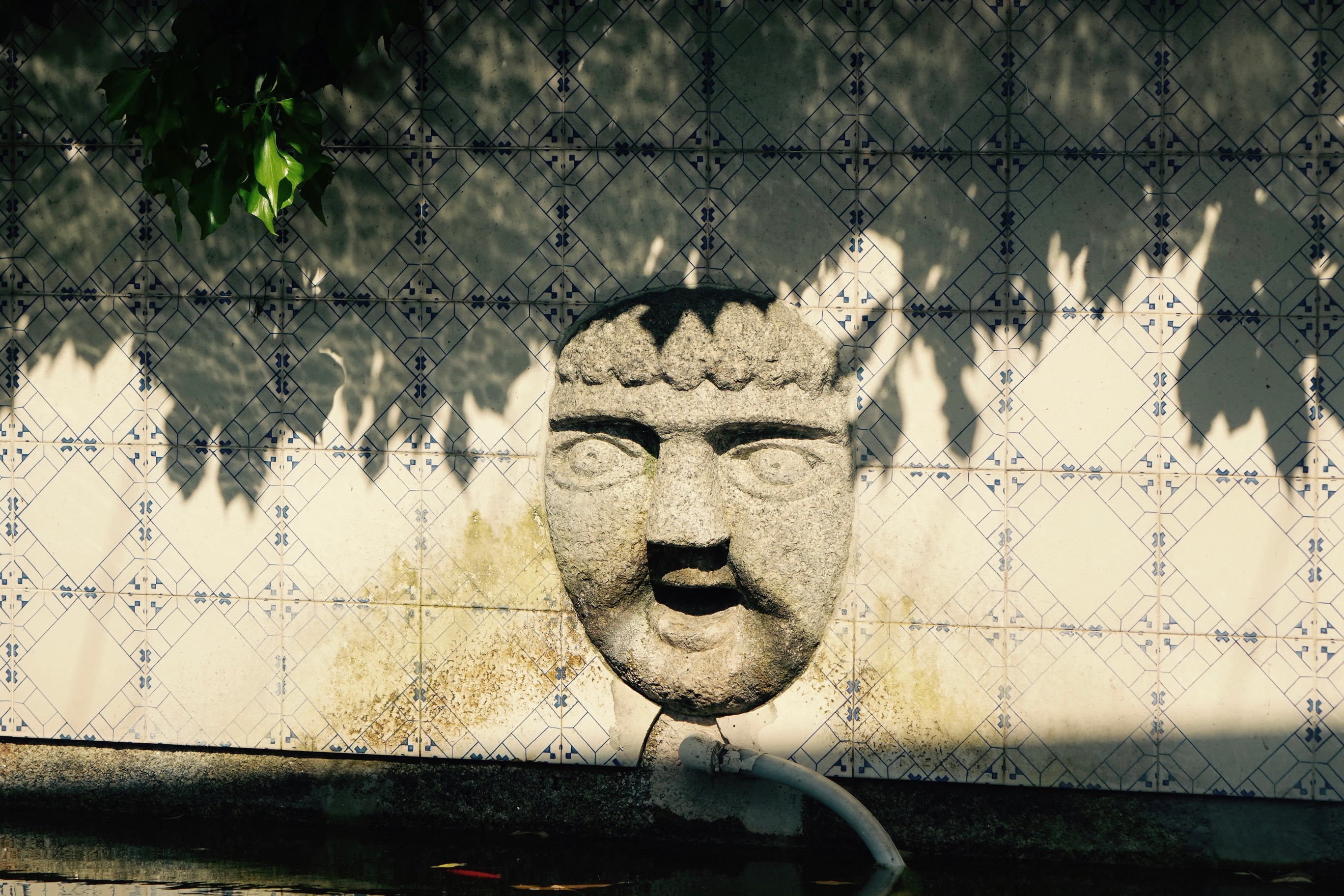
It’s hard not to get comfortable in among the wash of blue and white tiles and the swill of a good sweet port served alongside them, but to rest on ones laurels in Porto is to miss out on one of the city’s best kept secrets: its gardens. Though not obvious from the heart of the Ribeira, even when the city is seen from the rooftops, it’s remarkable how frequently this densely packed city is punctuated by an exquisite green space. And in fact Porto’s gardens not only provide respite from the bustle of the centre: they also provide the perfect viewing platform from which to admire the city… in utmost tranquility.

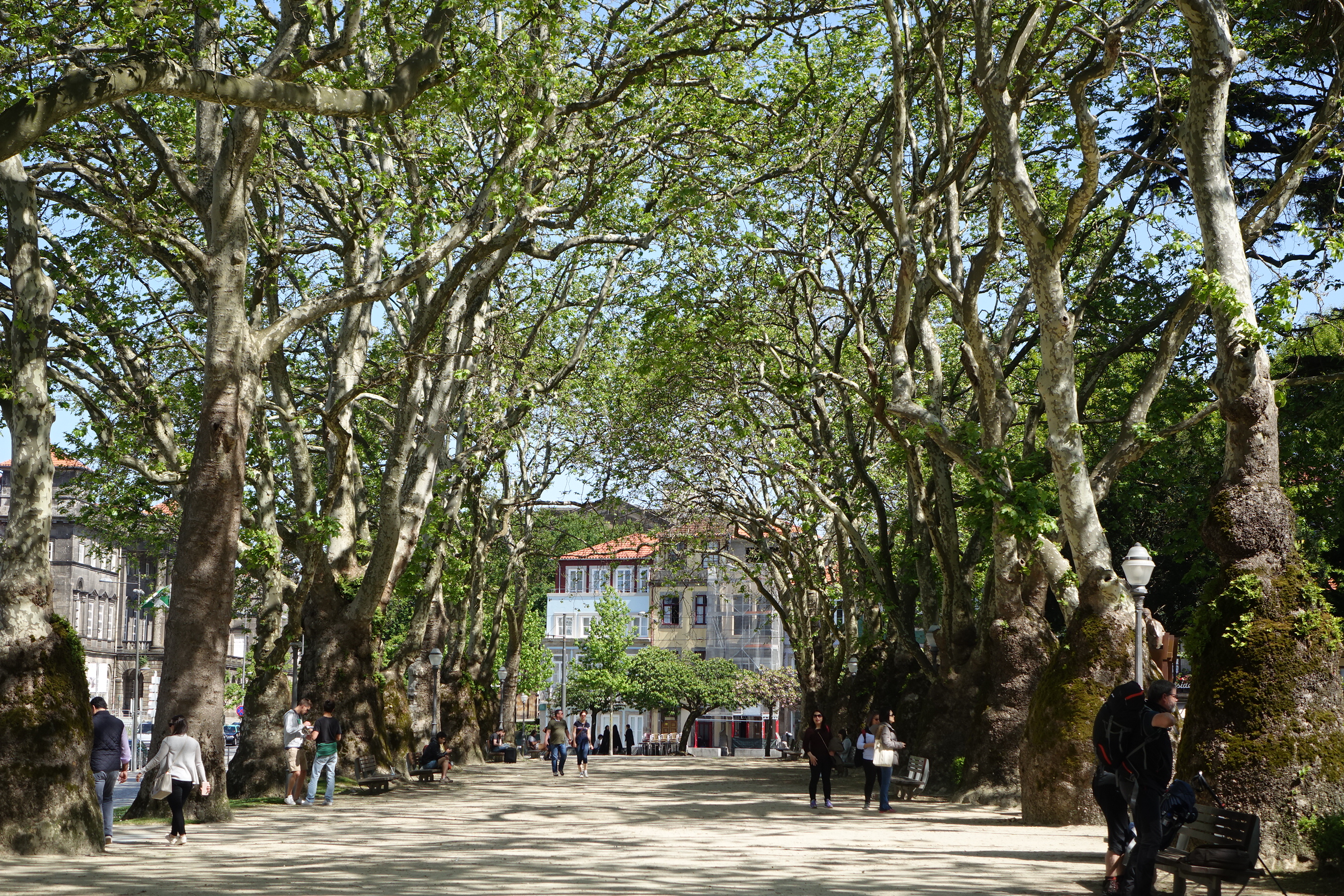
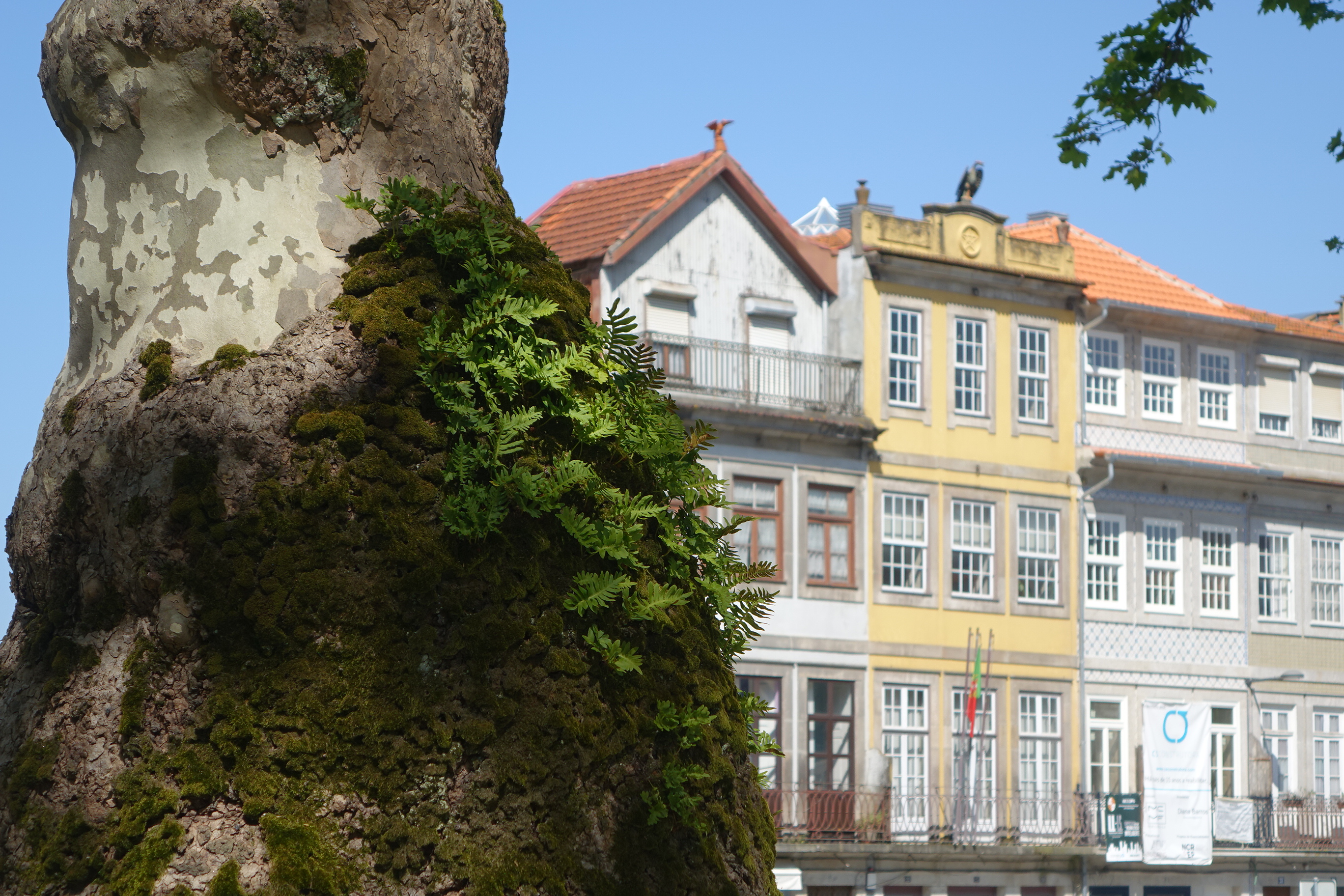
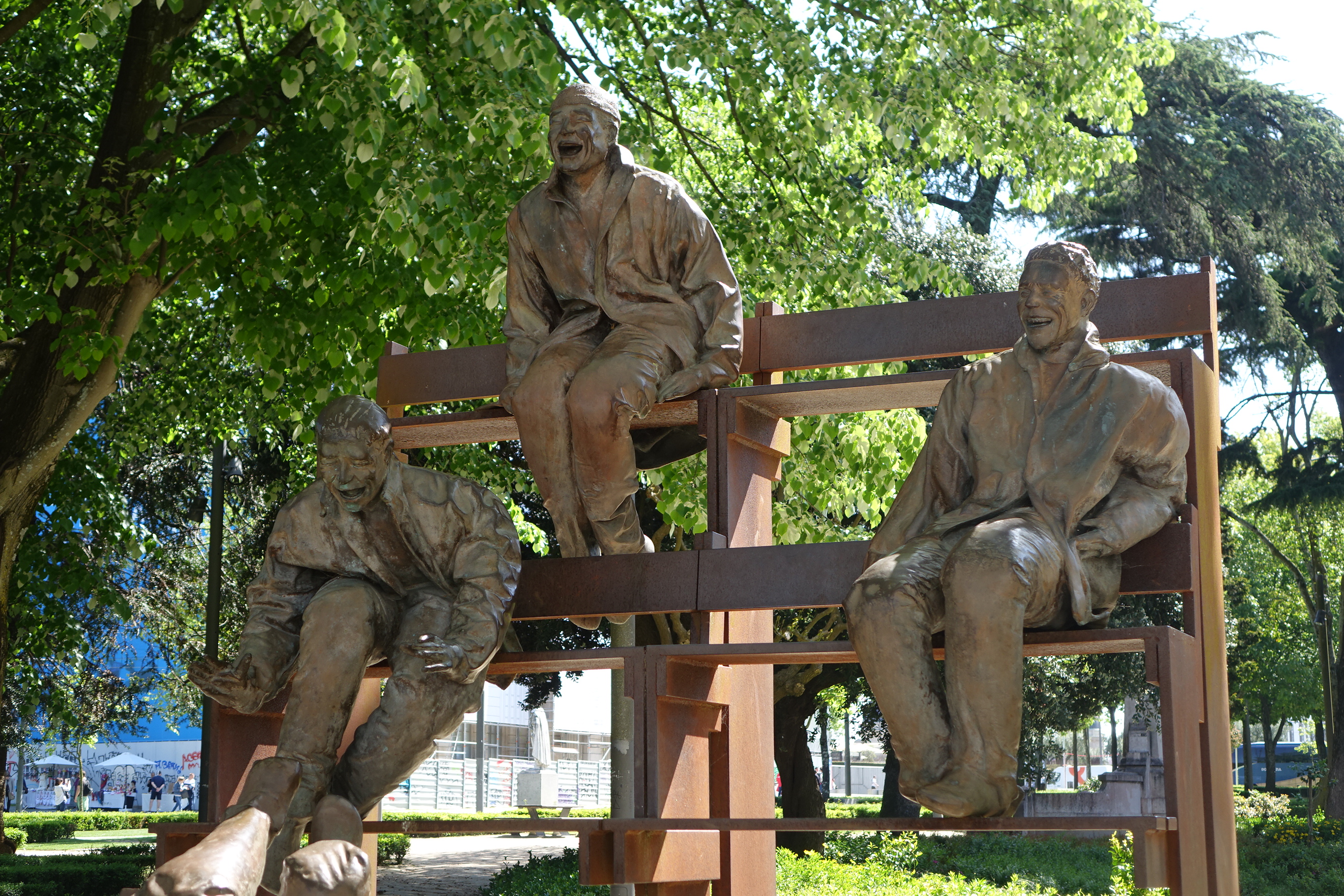
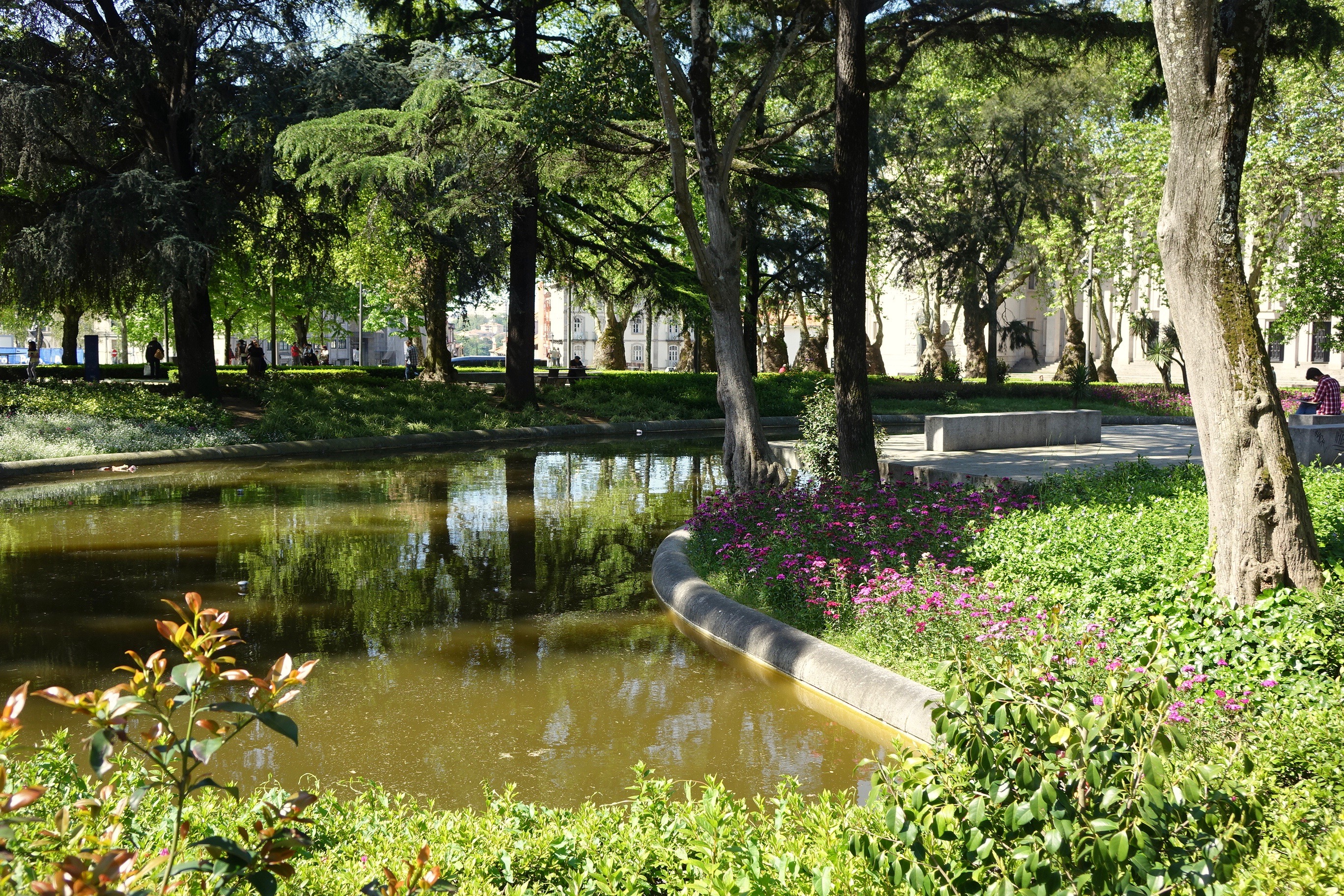
The first garden on my list is the Jardim da Cordoaria. Nestled in between some of Porto’s principle sights – the blue tiled Igreja das Carmelitas and the tall, narrow Torre dos Clérigos, the Cordoaria gardens provide an oasis of calm in the city centre. There, an avenue of what look like birch trees but which seem to grow out of huge almost deformed trunks sets the scene for a garden which is dappled with filtered sunlight and which benefits from a very tranquil pond surrounded by perfectly placed benches. The park is not only peppered with pretty pink flowers and curving meandering paths: it is also a veritable outdoor art galley, filled with amusing sculptures depicting groups of men in conversation or at play. They make a perfect little selfie spot… for those so inclined.

Jardim da Cordoaria

DSC03146DSC03149DSC03136DSC03137IMG_9976DSC03143DSC03130

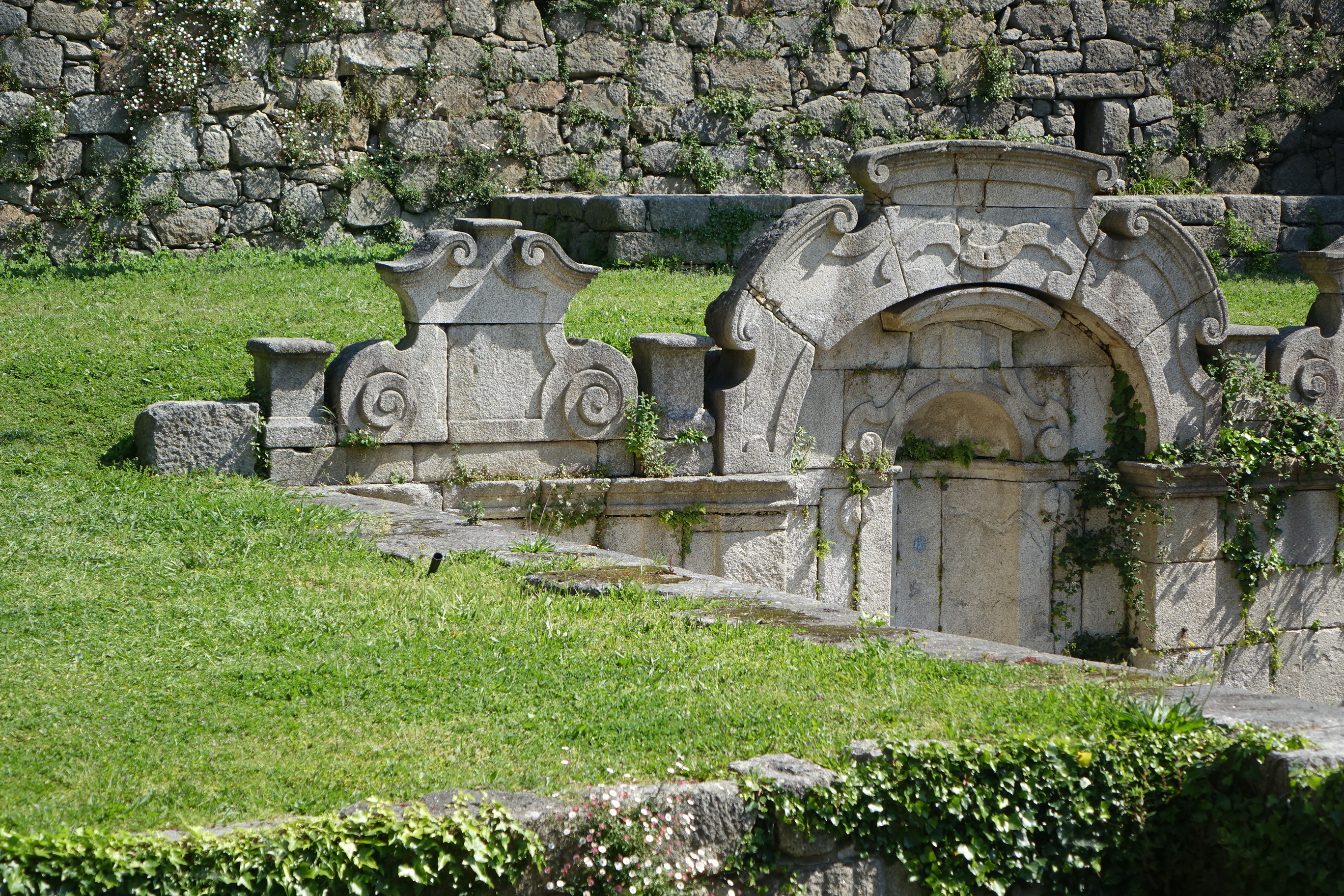
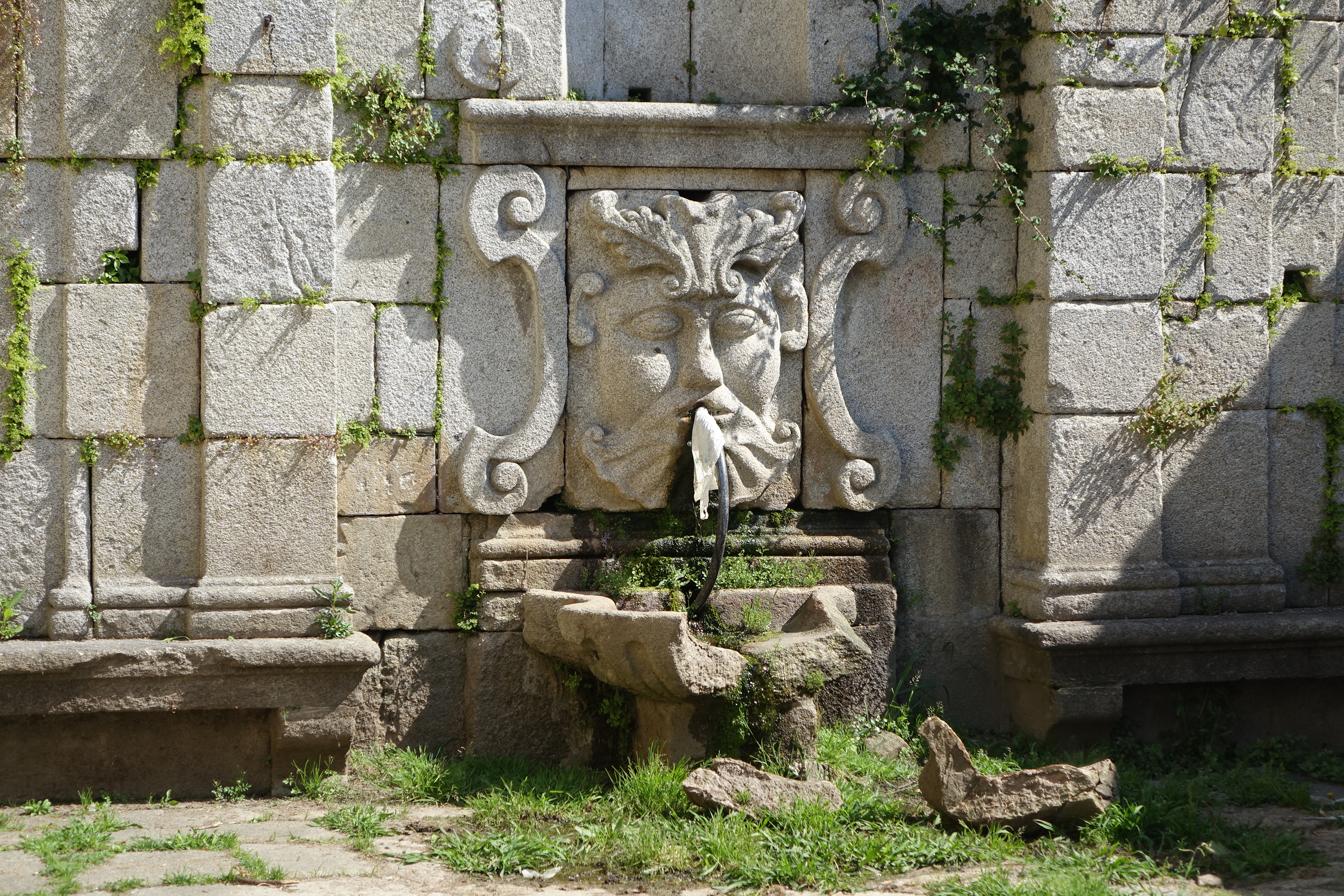
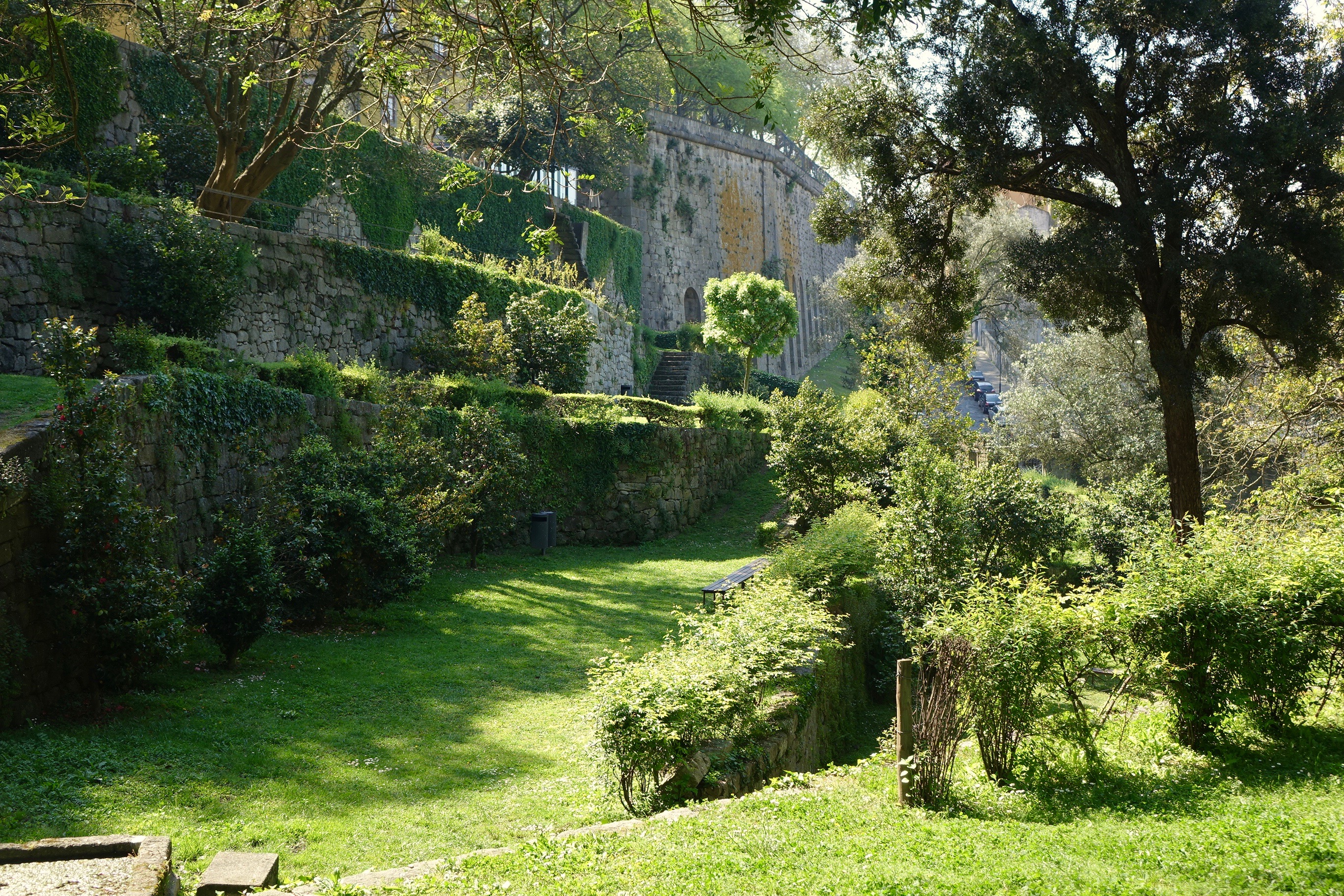
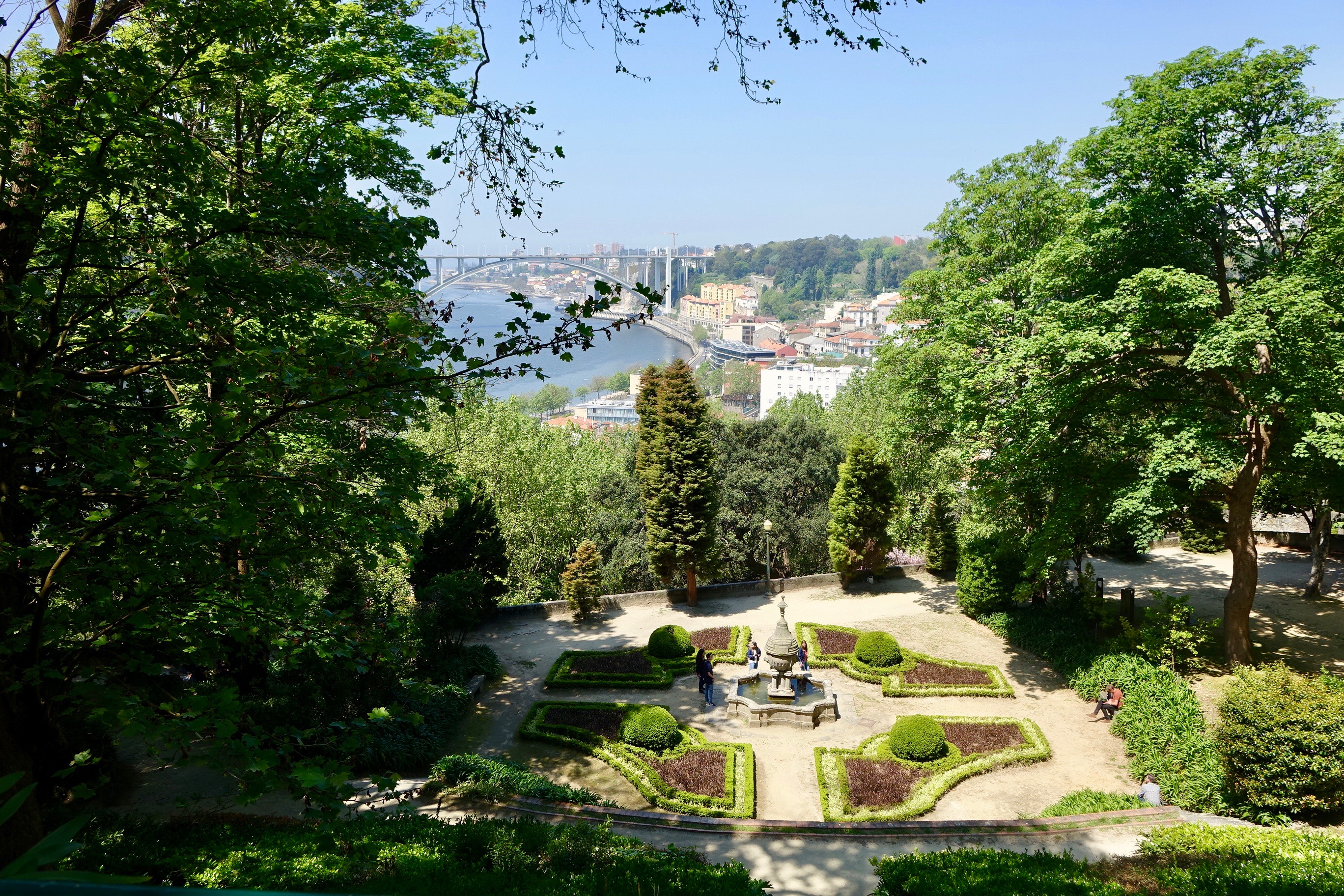
Next up in the garden which satisfies every element of the kind of magical secret garden you long to find in childhood dreams: the Jardim das Virtudes. Literally lining the sloping sides of a masterfully terraced valley, blink and you will miss the discrete entrance to this garden which only starts to come into view when you enter the verdant valley. Once down there, what opens up is a place of spiritual magnitude, with seemingly deserted moss-covered fountains managing only the most meagre trickle into green ponds, while all around, stone walls, topiary and wild flowers give the garden the impression of carefully constructed desertion. And best of all, look between overhanging boughs and around mighty tree trunks and you will be treated to beautiful views over the Duoro river.

Jardim das Virtudes

DSC03573IMG_0136DSC03589DSC03576DSC03588DSC03604DSC03593DSC03578

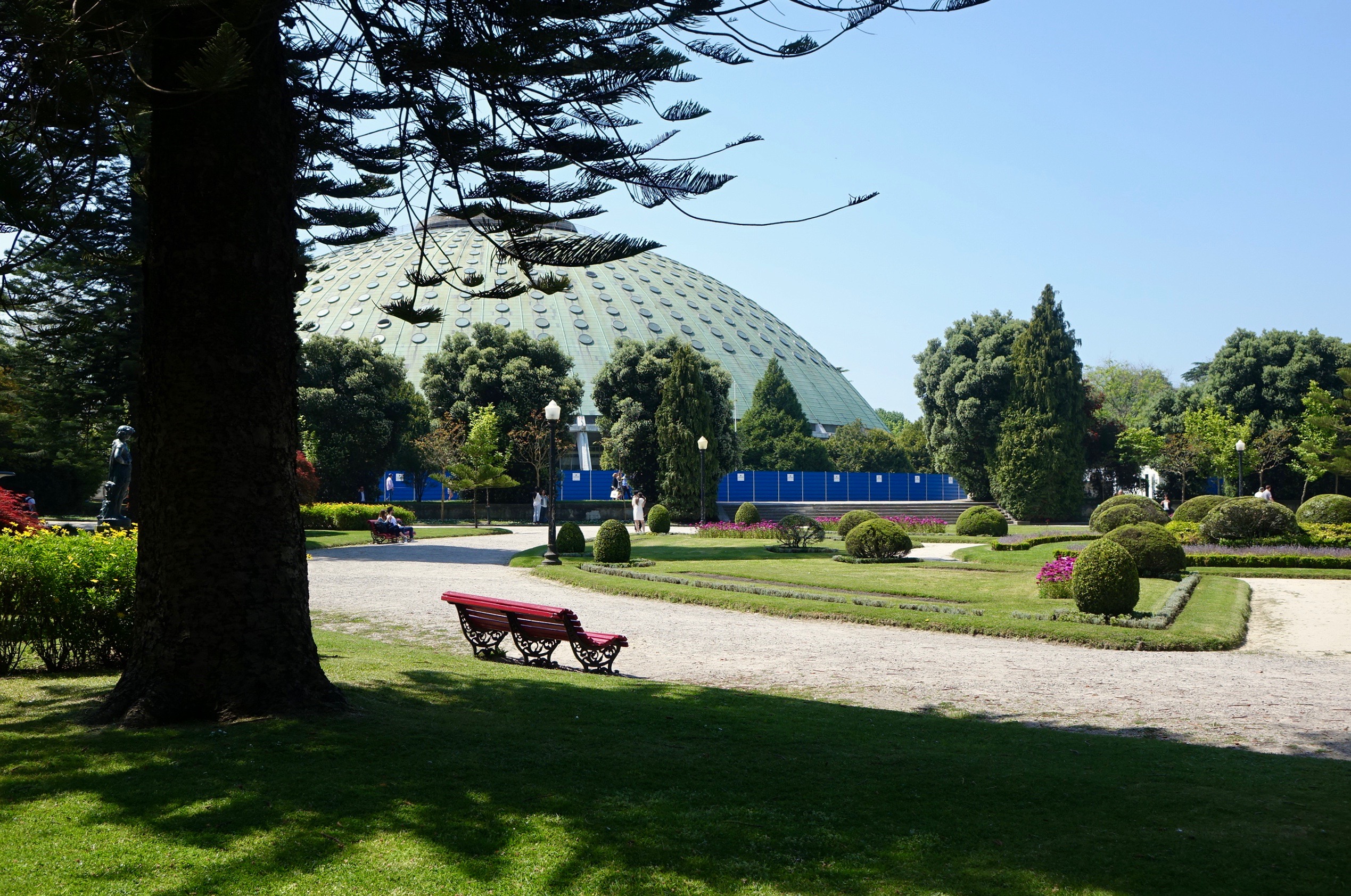
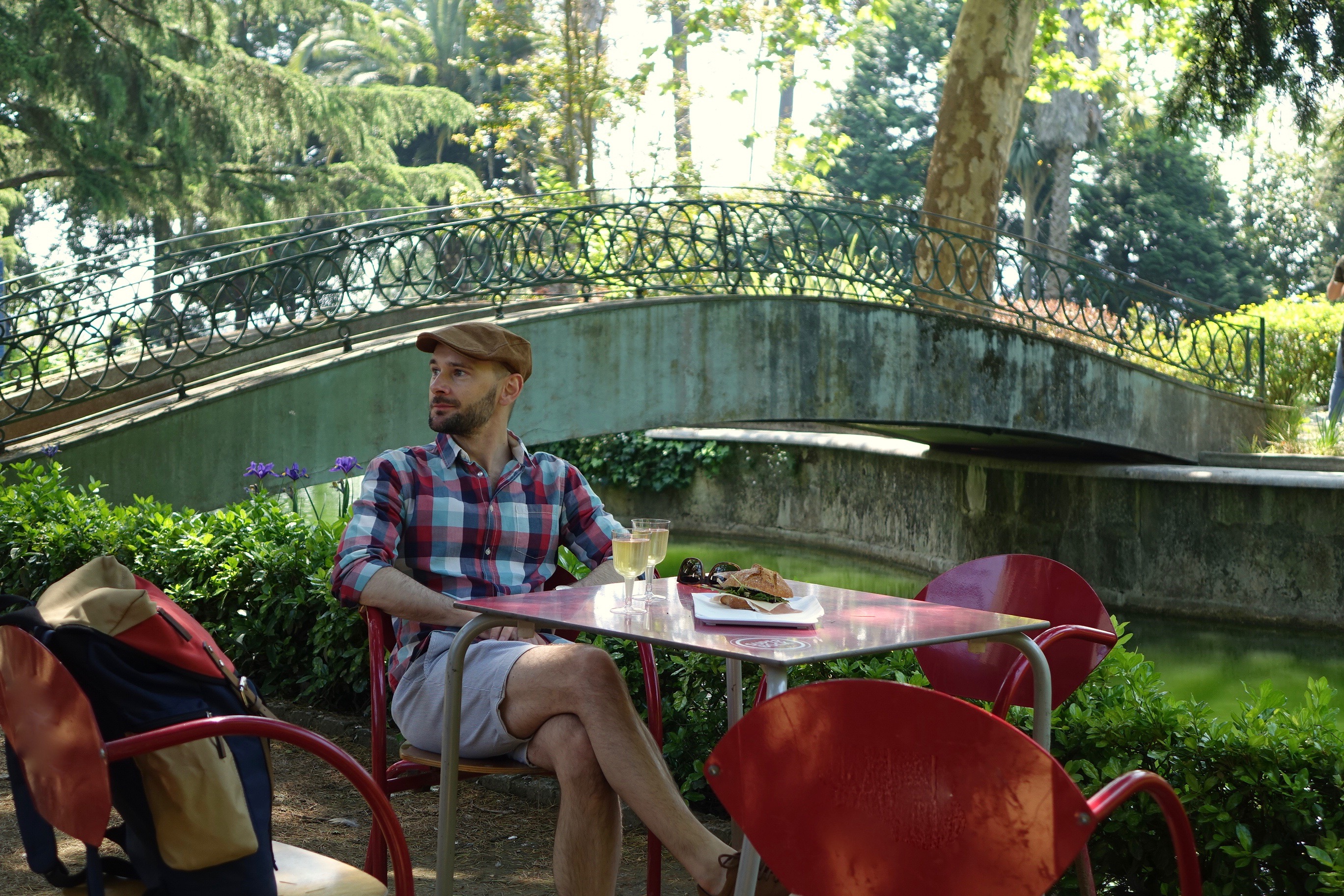
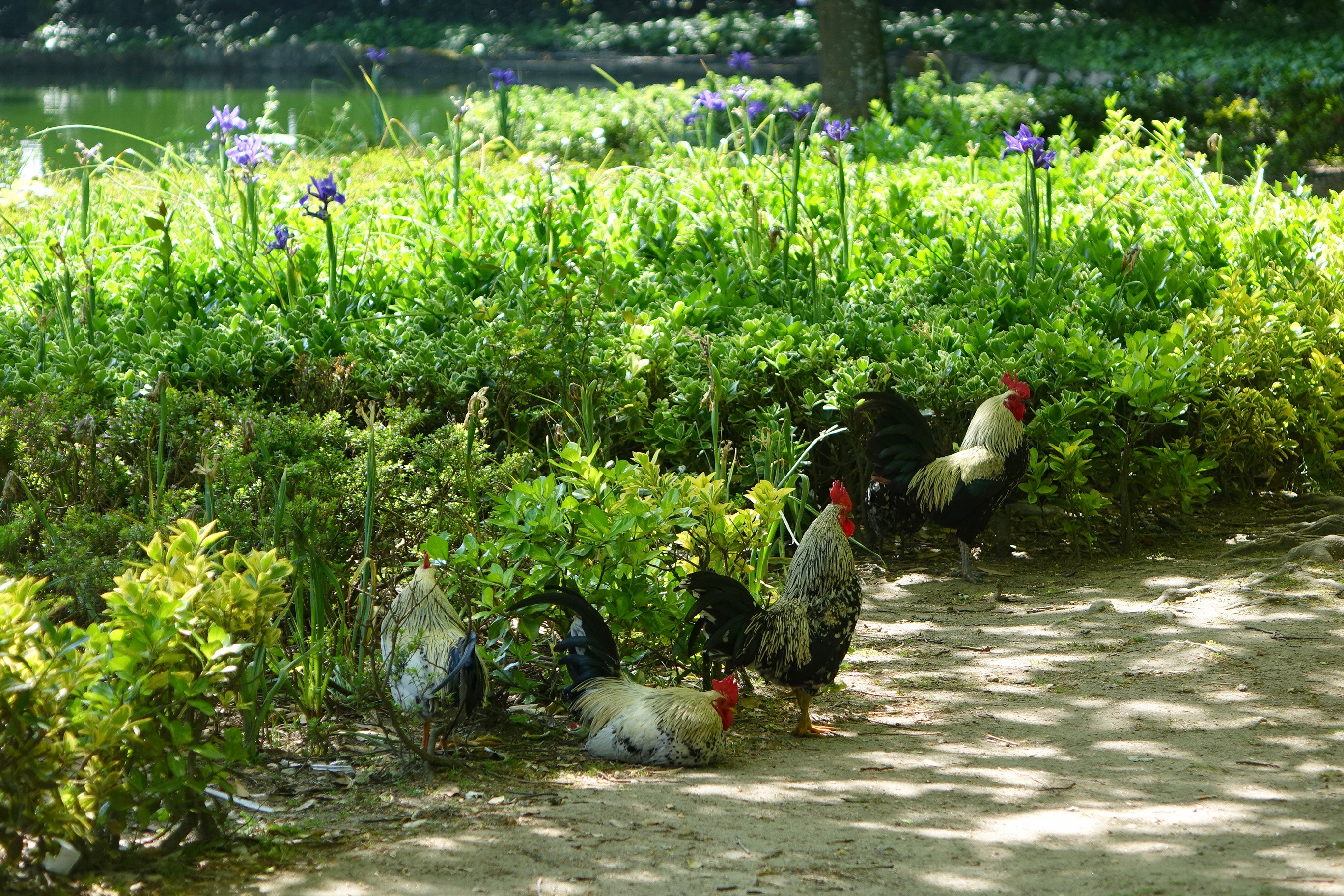
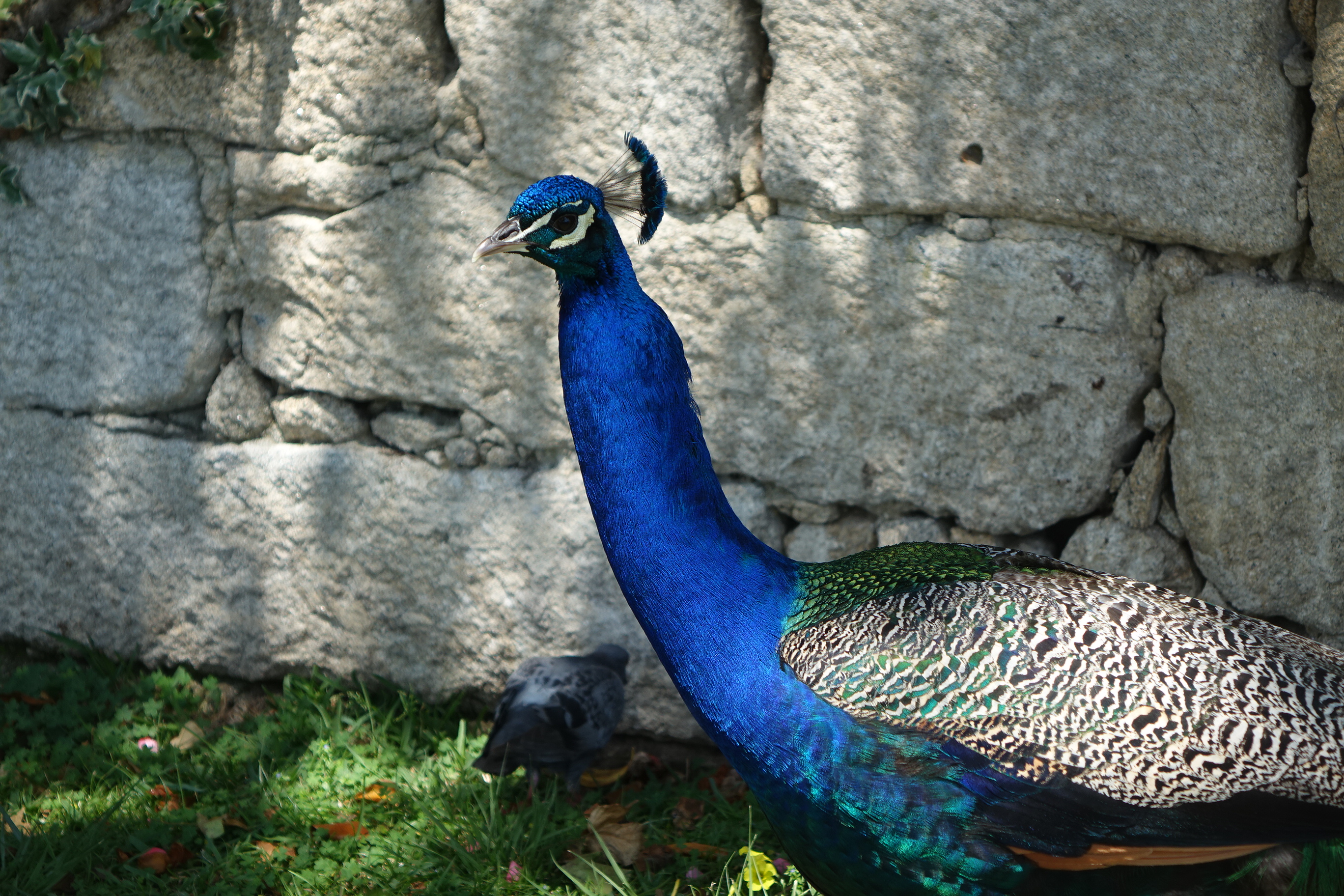
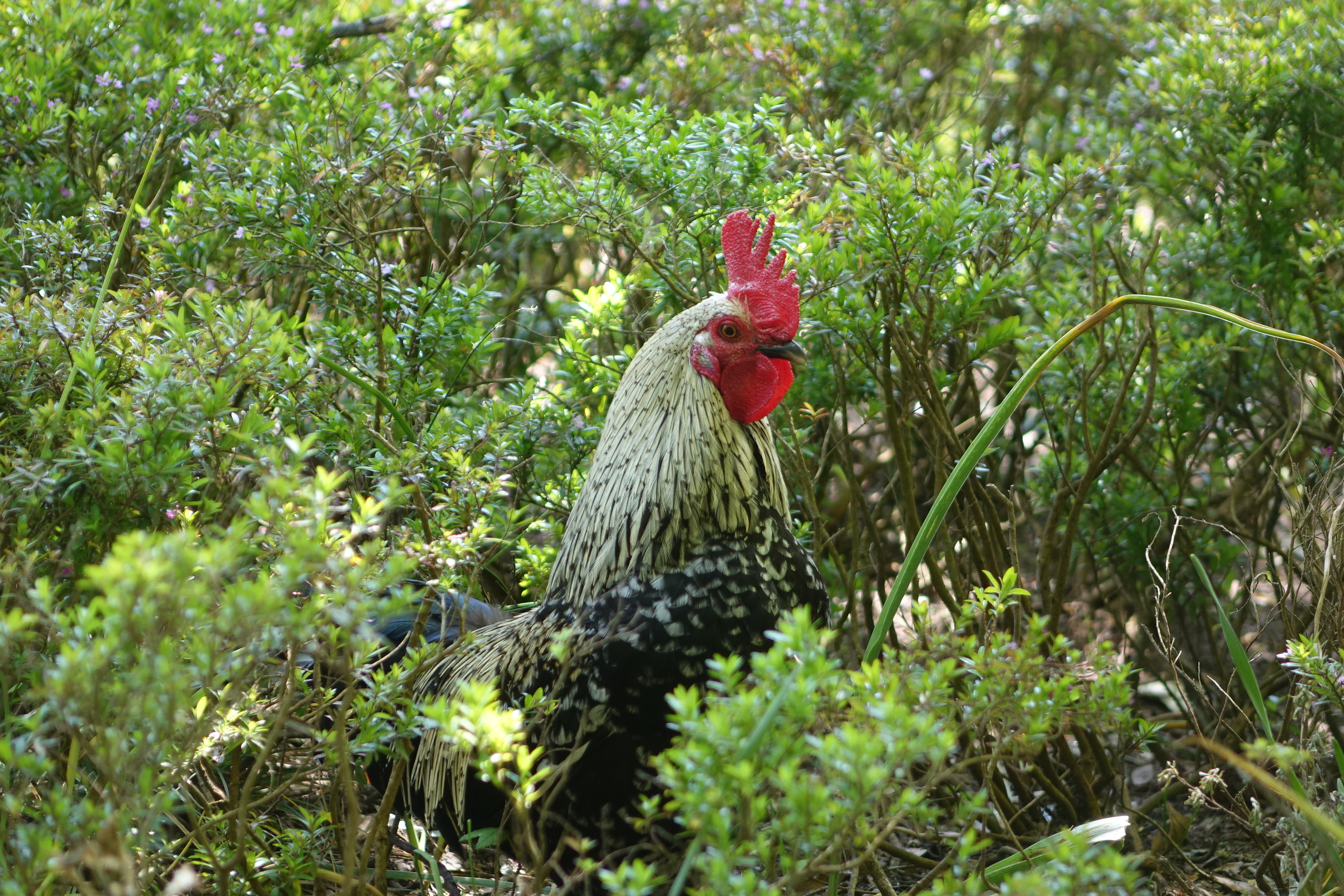
Down the road from the Virtudes gardes is the biggest and perhaps the most impressive garden of them all – the Jardim do Palácio de Cristal. Because here, the visitor with time of their hands (which we sadly lacked) will be treated to not one but a whole handful of differing garden styles and topography, each sharing unbeatable views over Porto’s rooftops and the breathtaking Duoro as it widens on its way down to the sea. In these gardens, asides from a peculiar flying saucer-style construction at its centre, you will see nature at its manicured best, with knot gardens and tropical palms swaying in the breeze, a cafe next to a Monet style waterlily pond and bridge, and roaming free, peacocks and cockerels who defy any form of control on the extravagance of their coats of many colours.

Jardim do Palácio de Cristal

DSC03616DSC03620DSC03636DSC03656DSC03626DSC03668DSC03670DSC03651DSC03654DSC03644DSC03660DSC03632

My final tip would be to leave yourself time to explore these gardens and sink stupendously within their atmosphere of mesmerising stupor. It’s the only way to really experience a garden at its best, leaving thoughts of city life and travel far, far behind.

© Nicholas de Lacy-Brown and The Daily Norm, 2018. Unauthorised use and/or duplication of the material, whether written work, photography or artwork, included within The Daily Norm without express and written permission from The Daily Norm’s author and/or owner is strictly prohibited.

Folio // Porto from the Rooftops

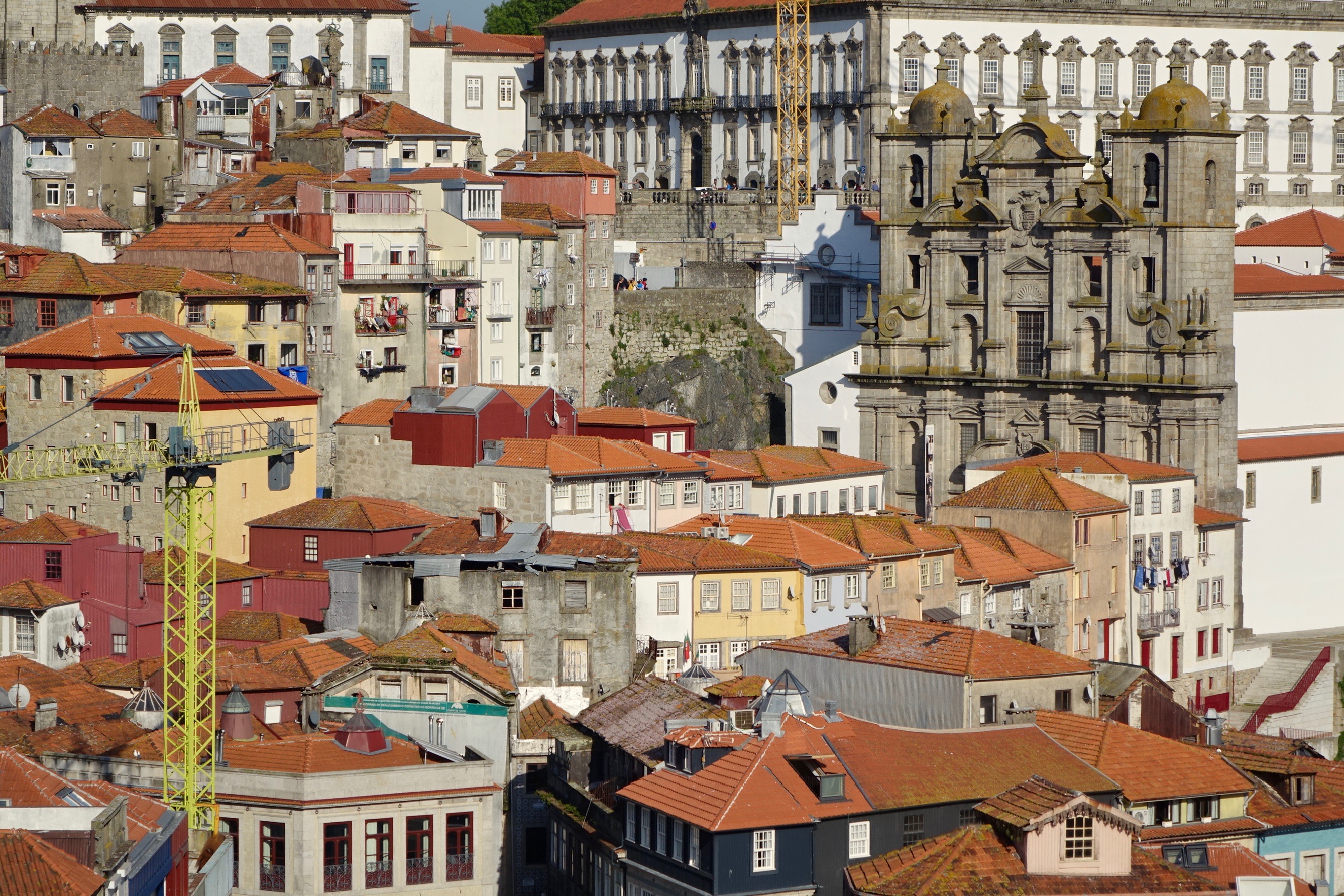
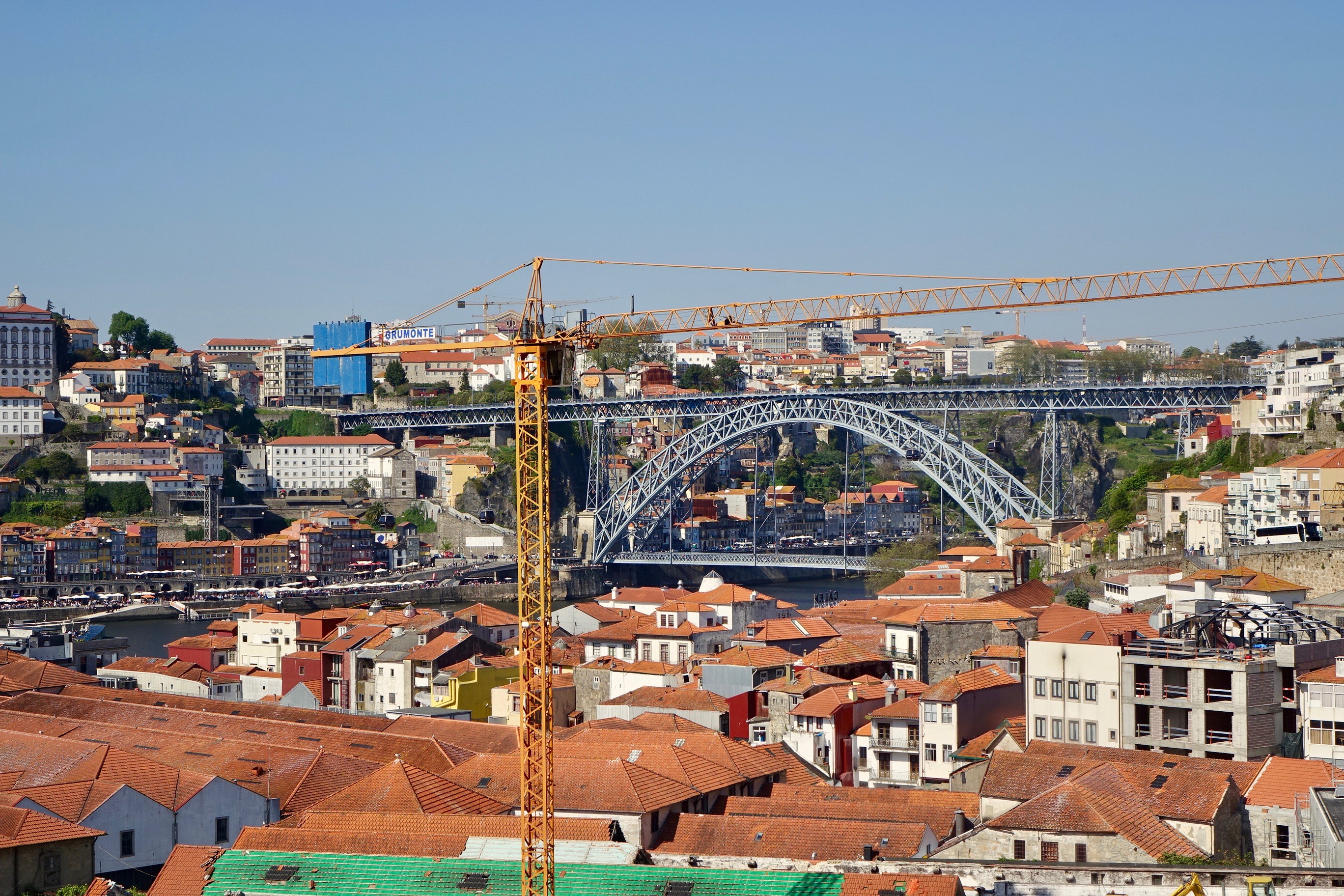
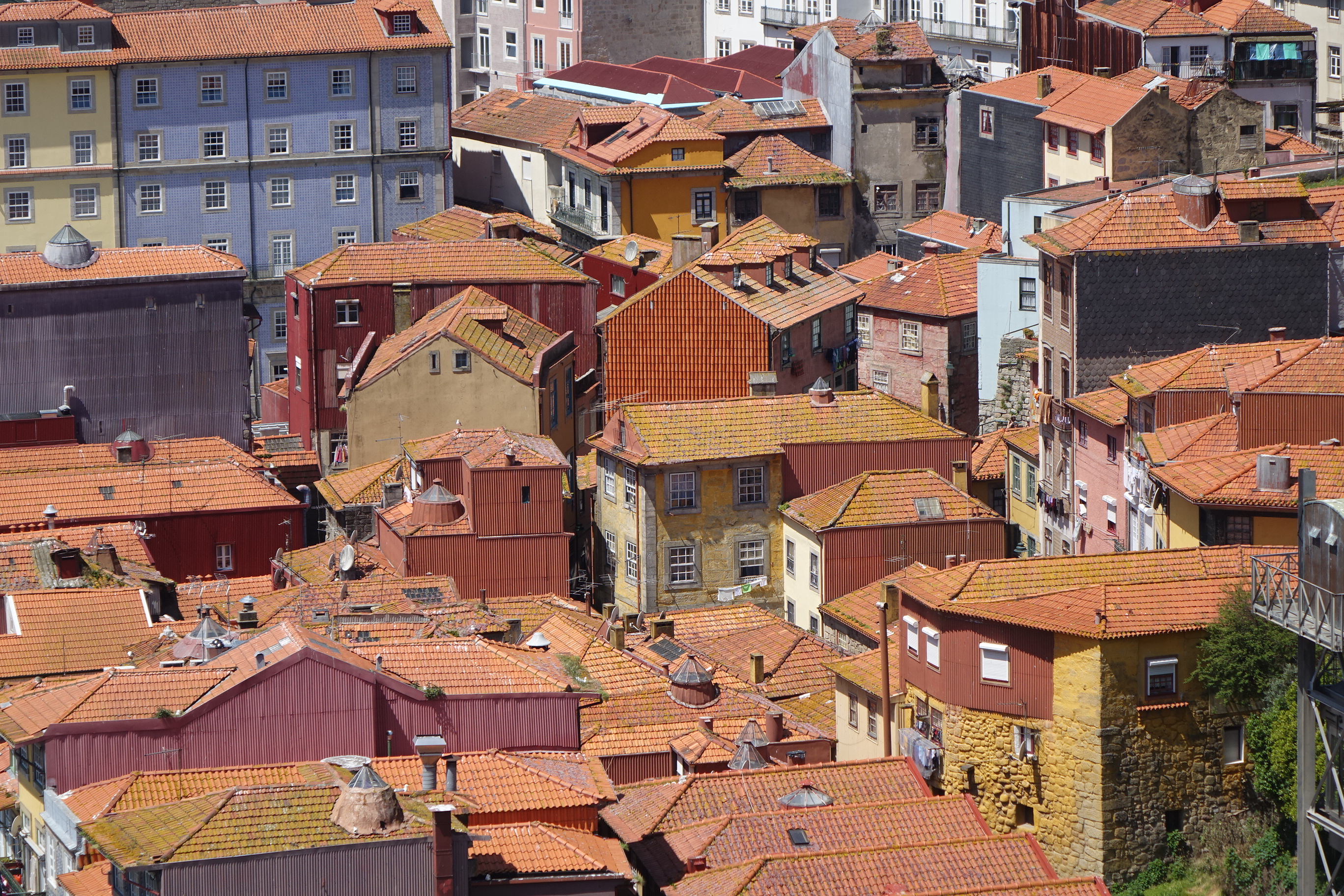
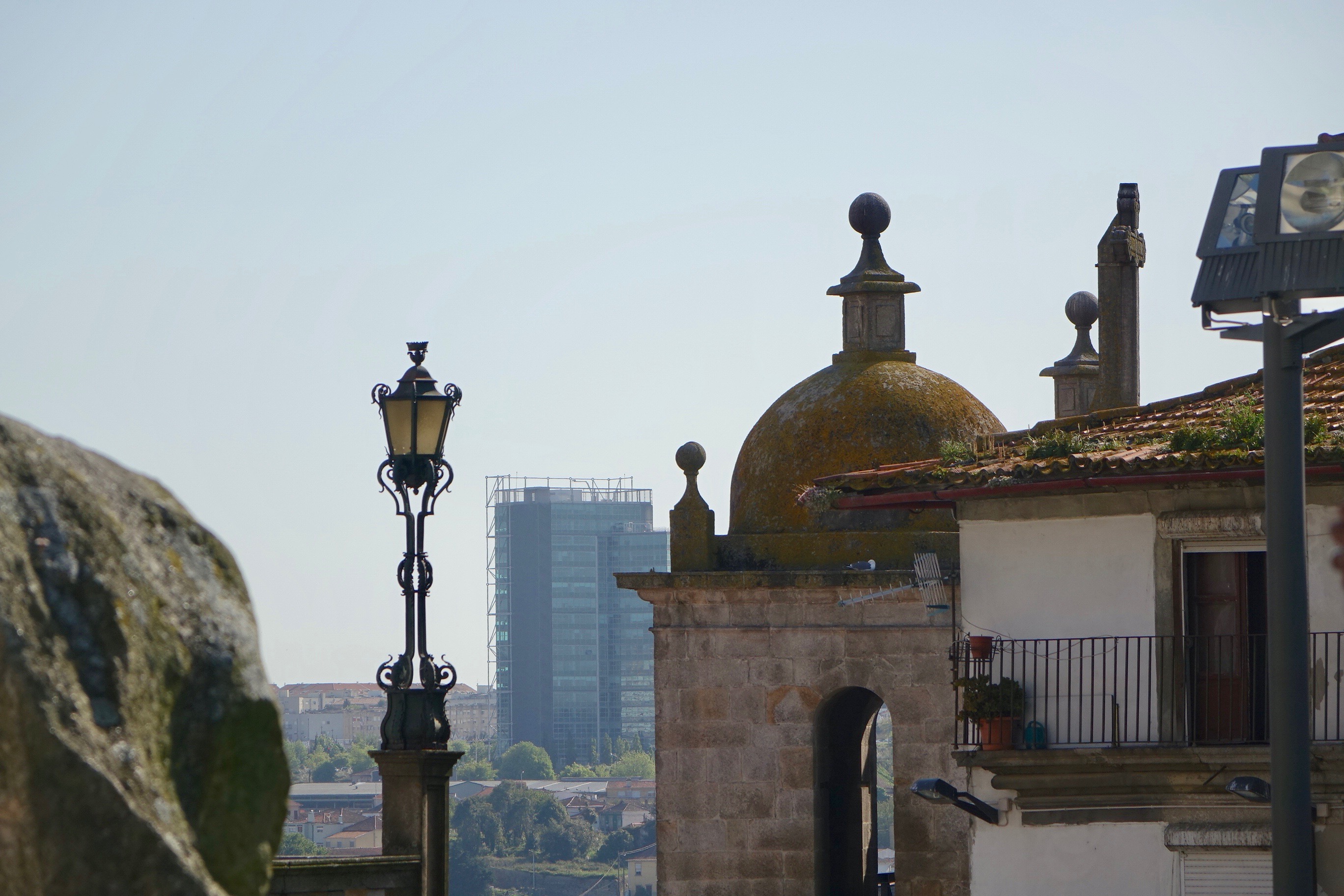
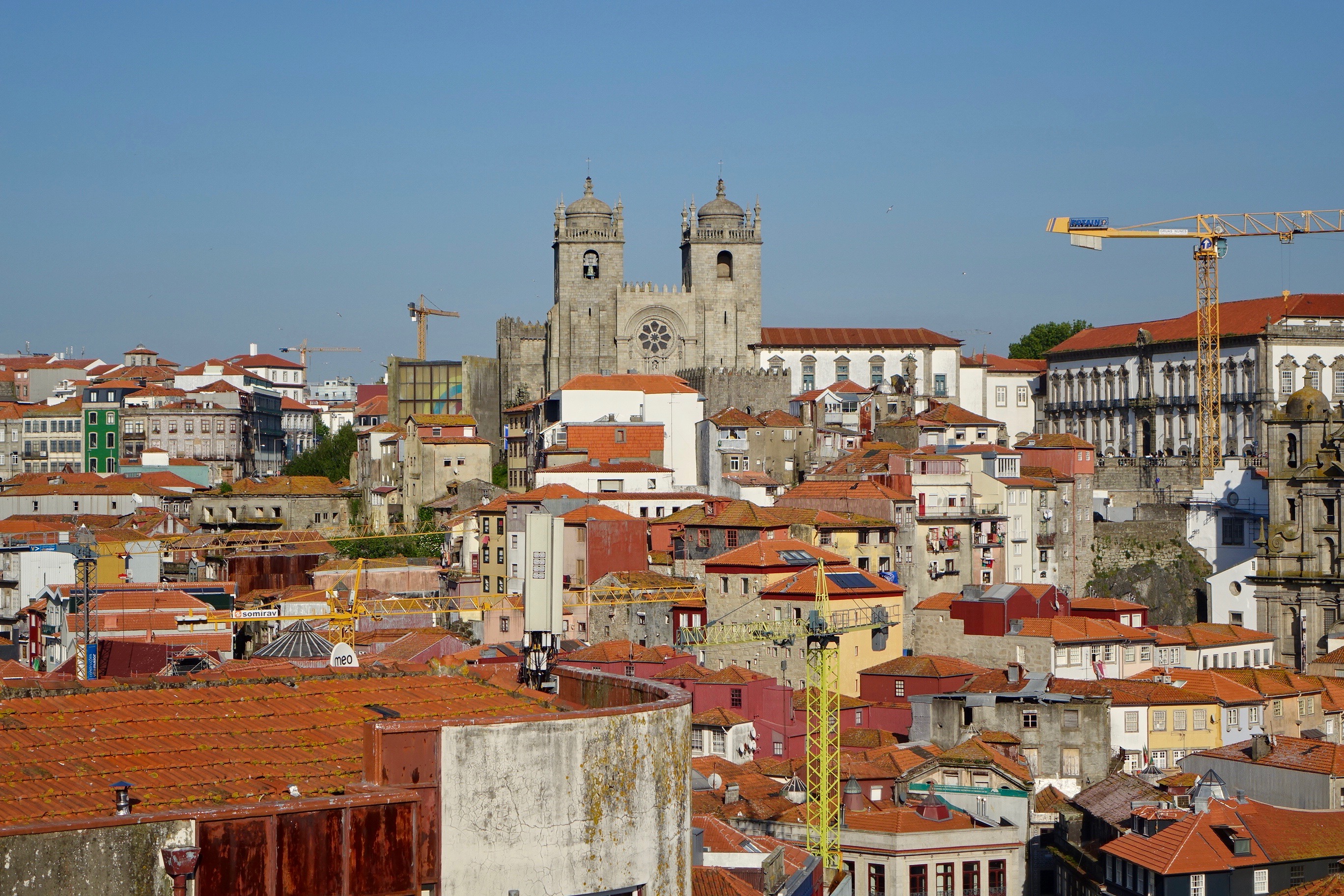
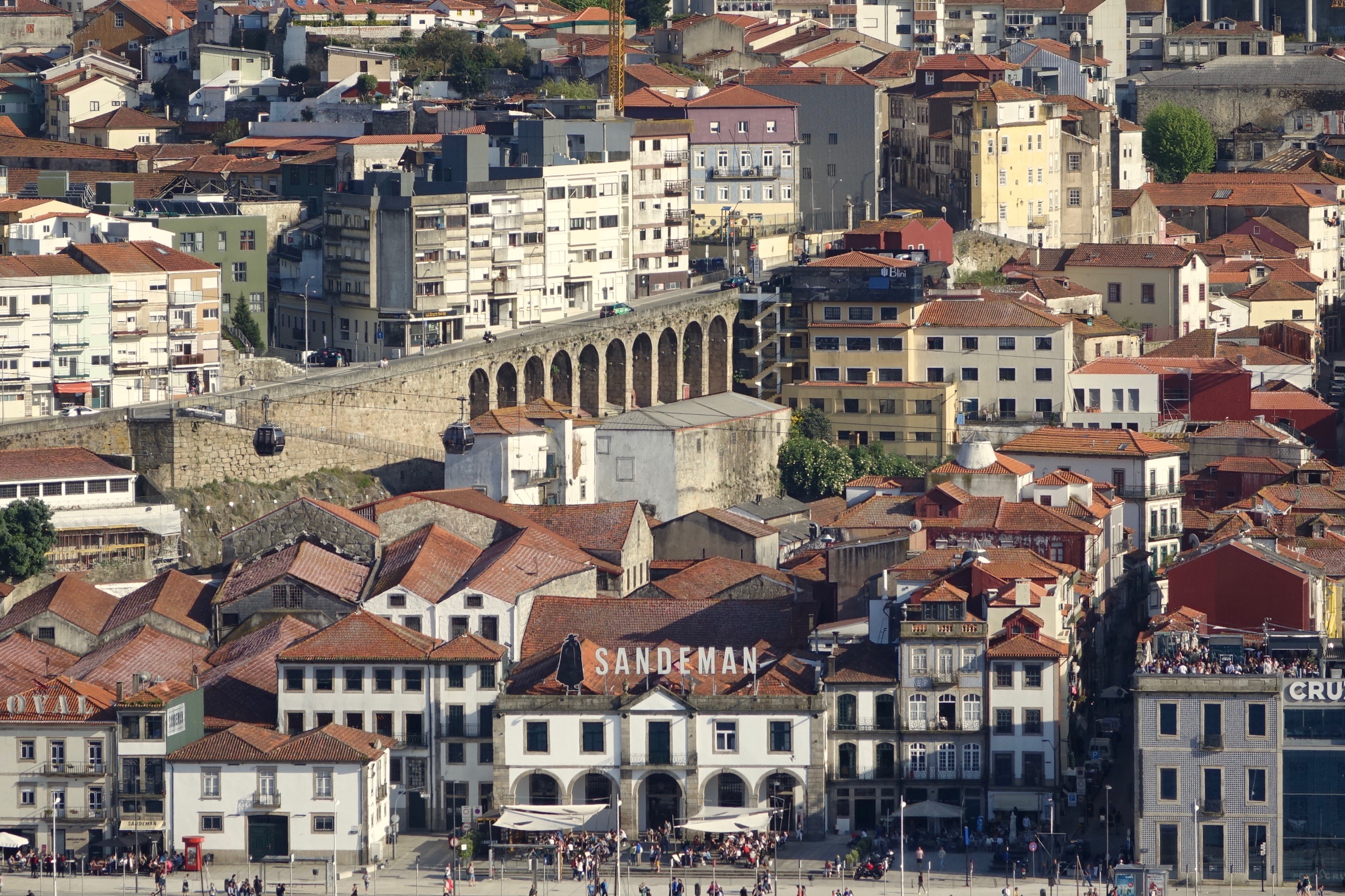
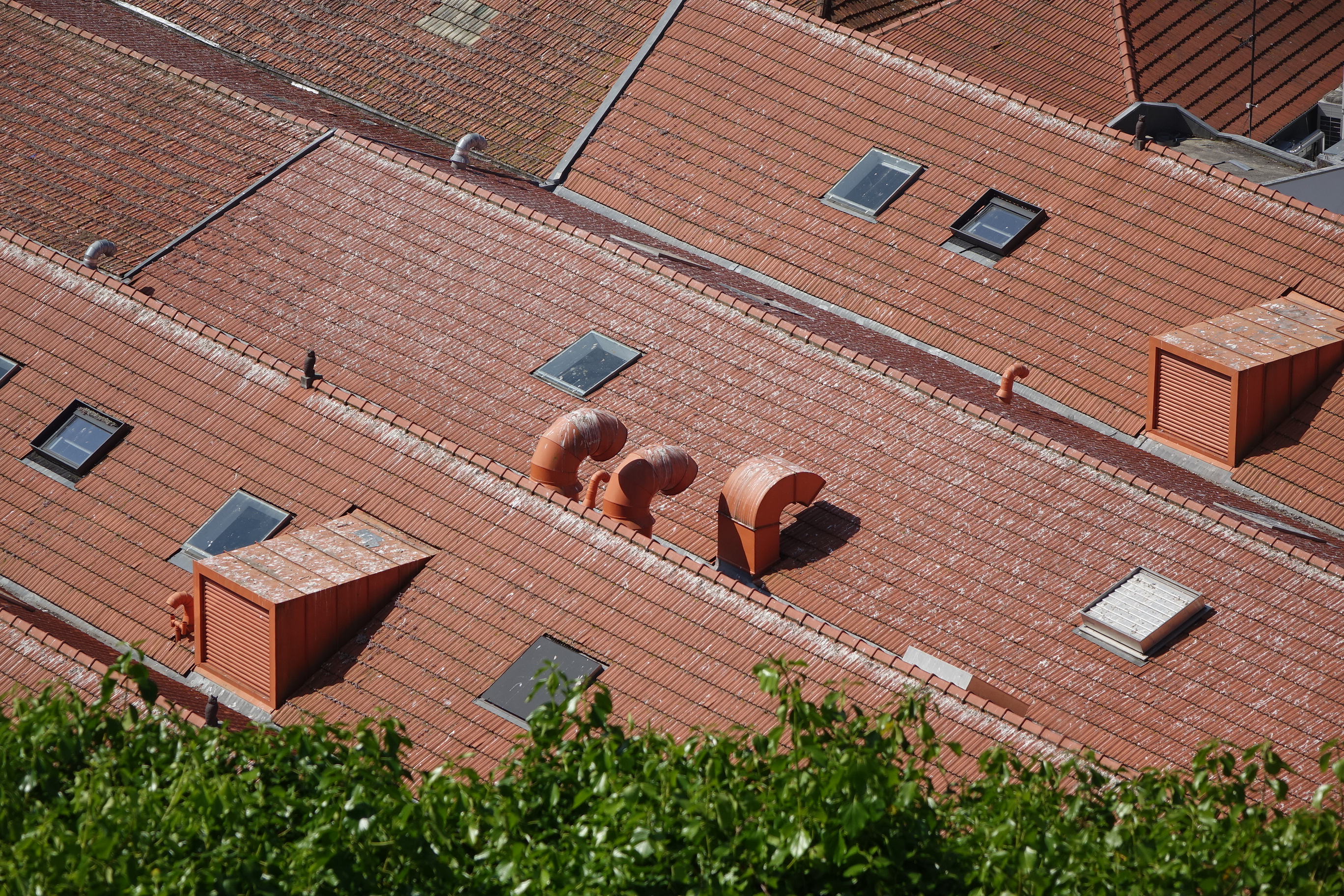
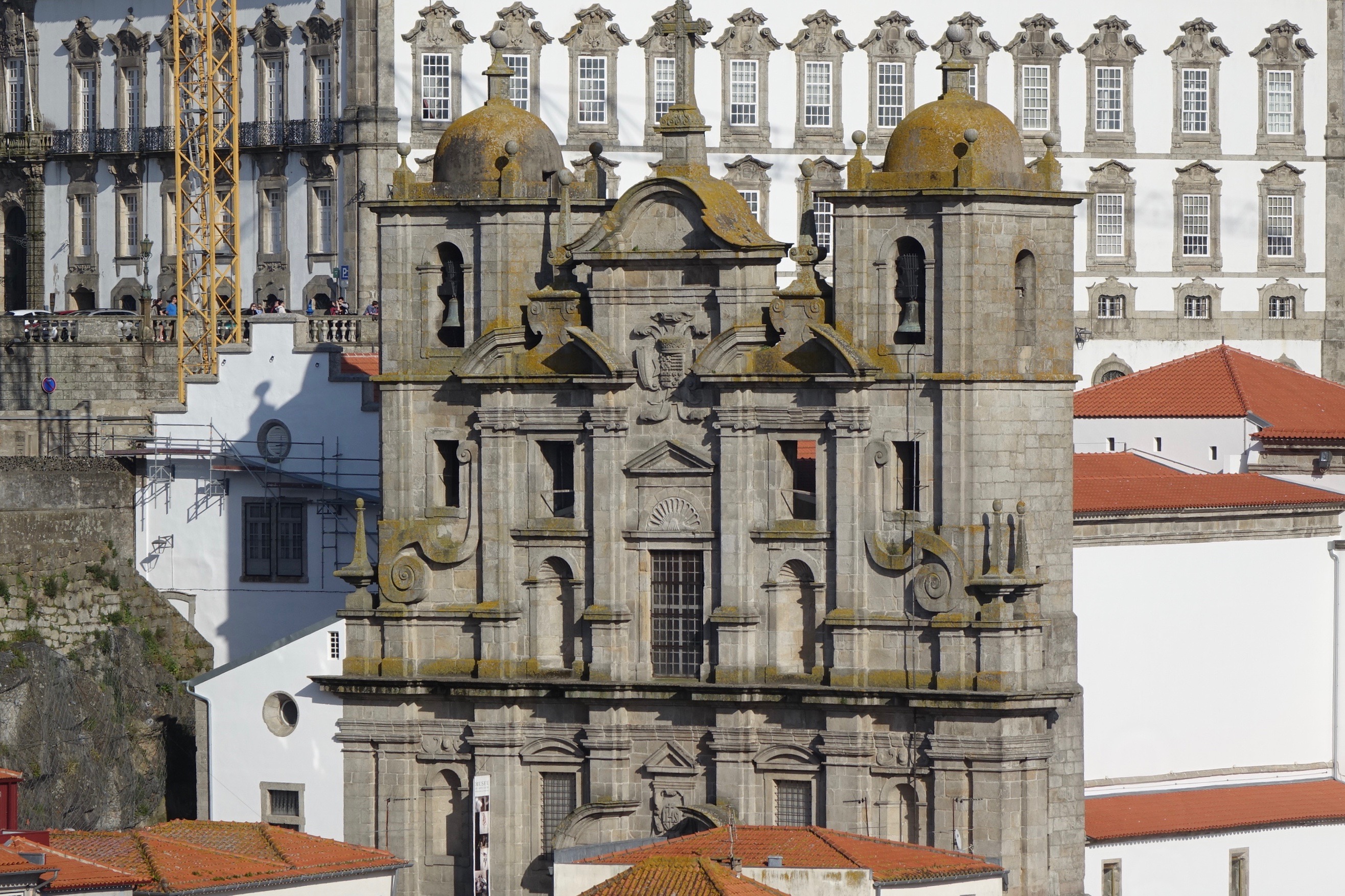
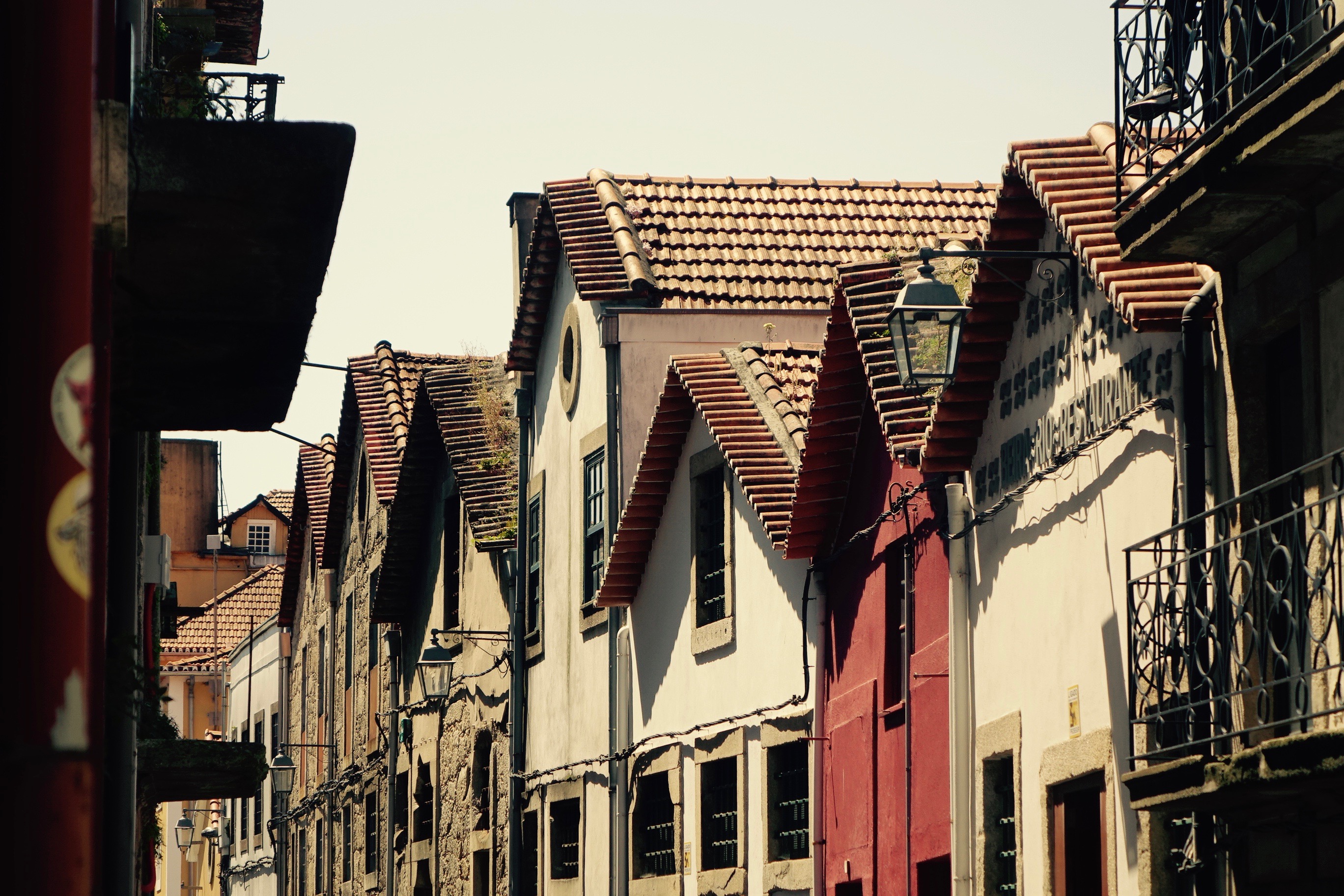
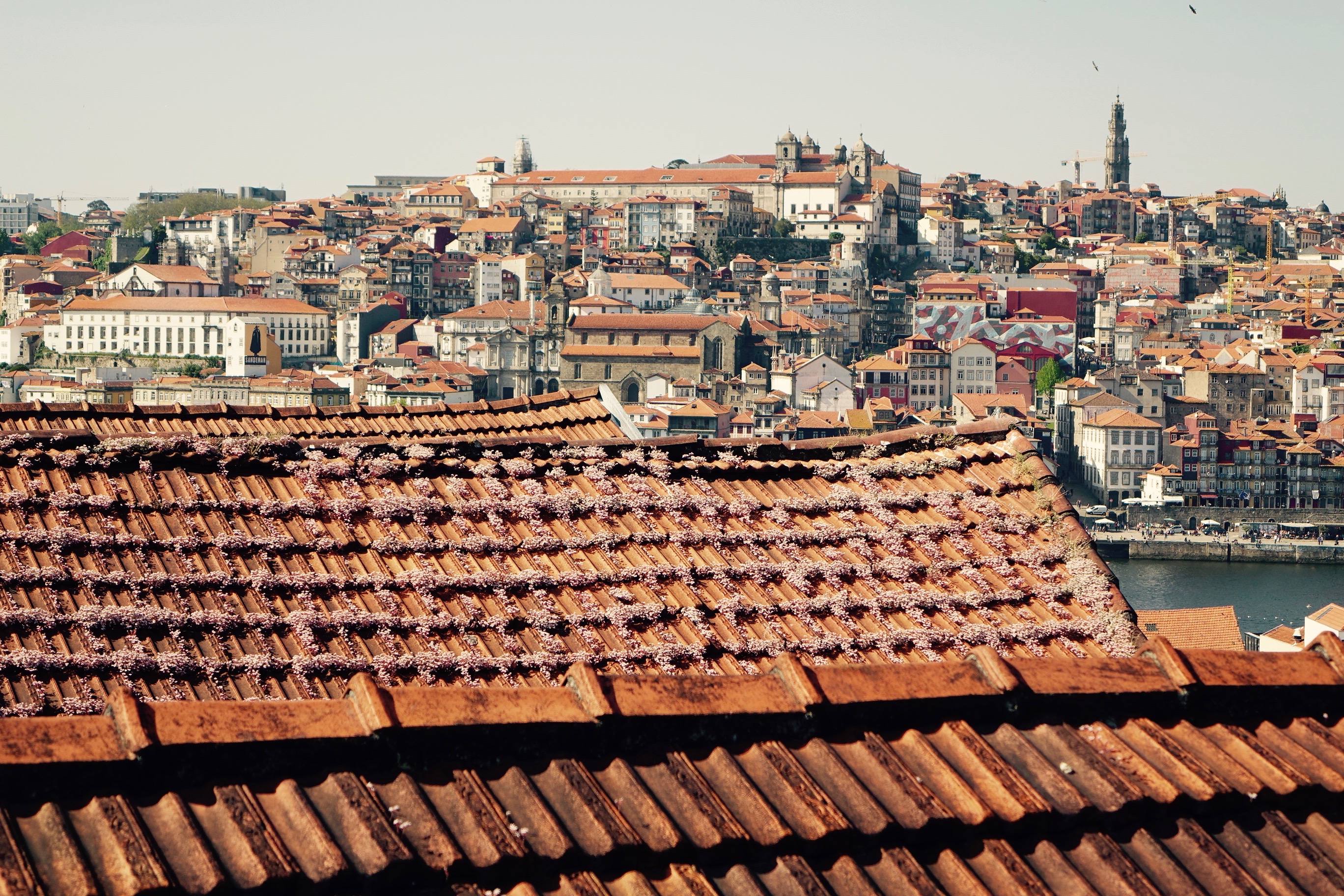
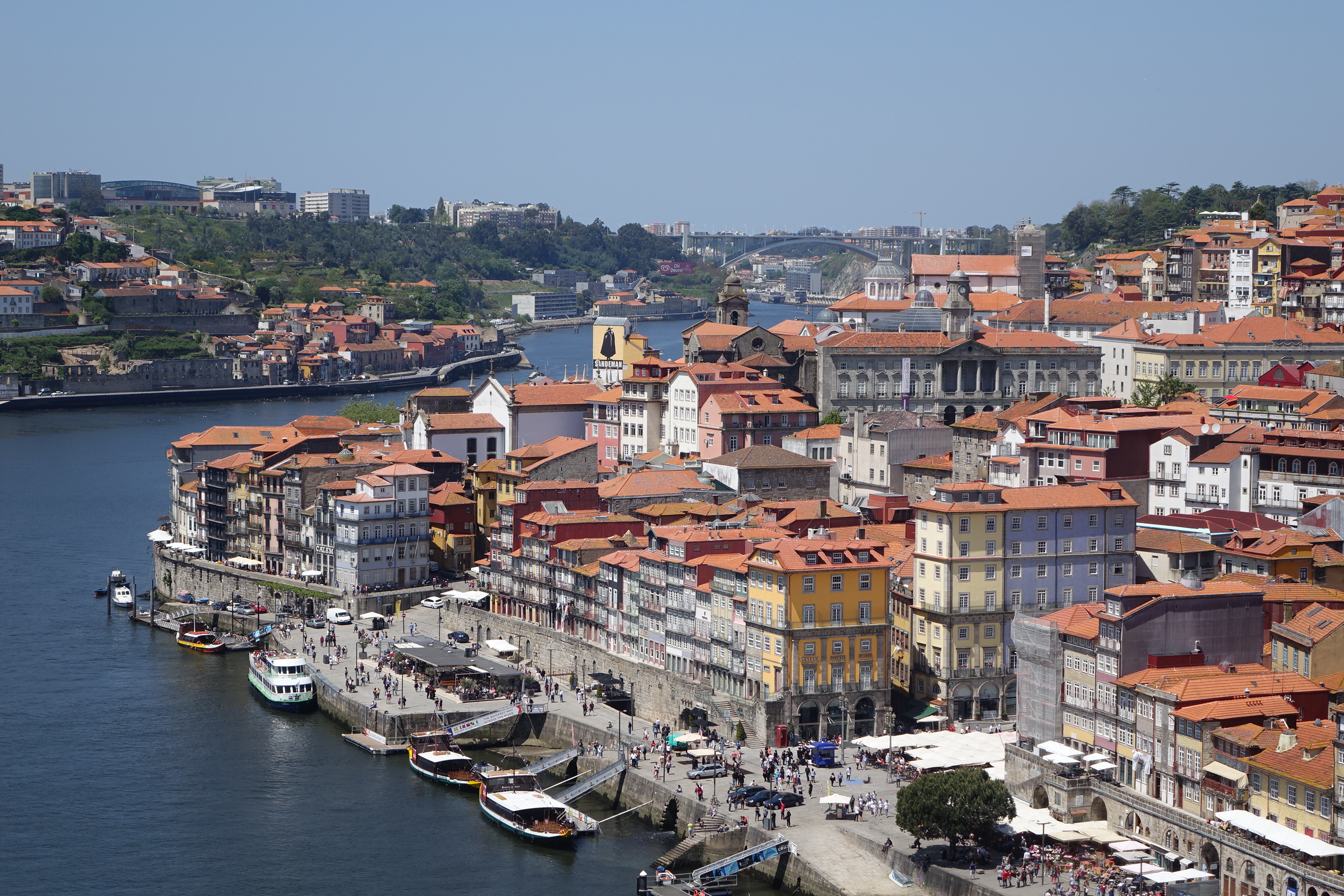
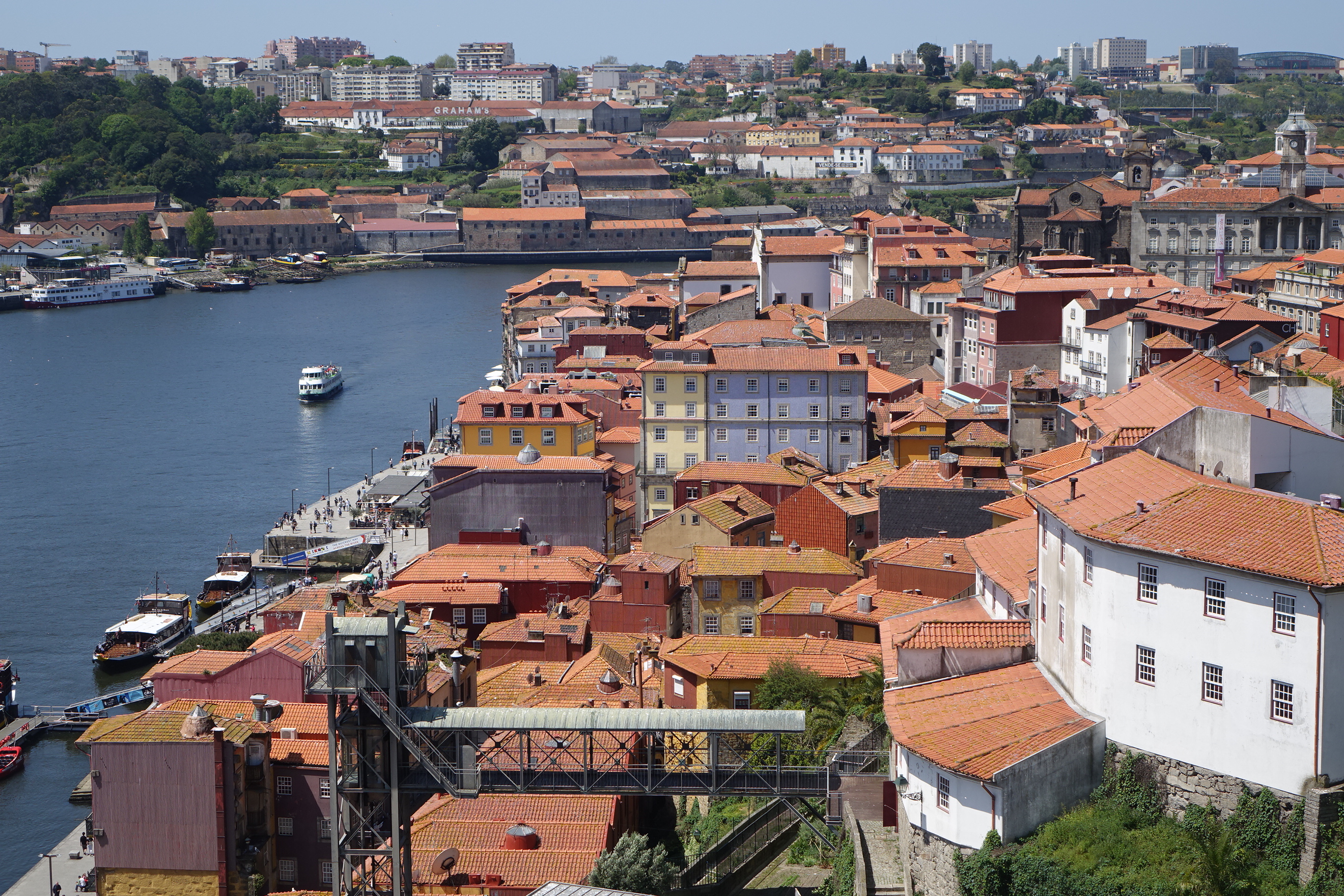
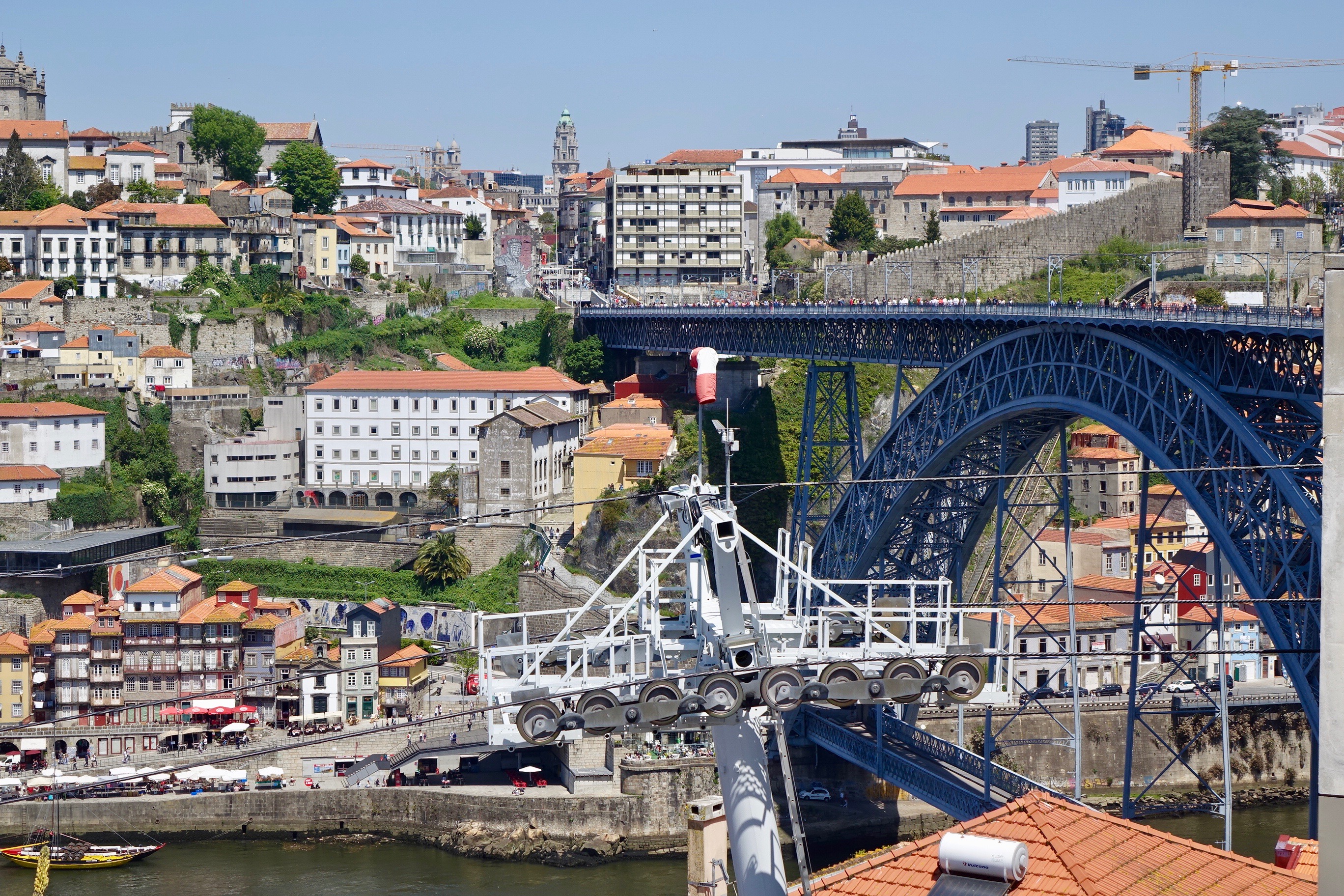
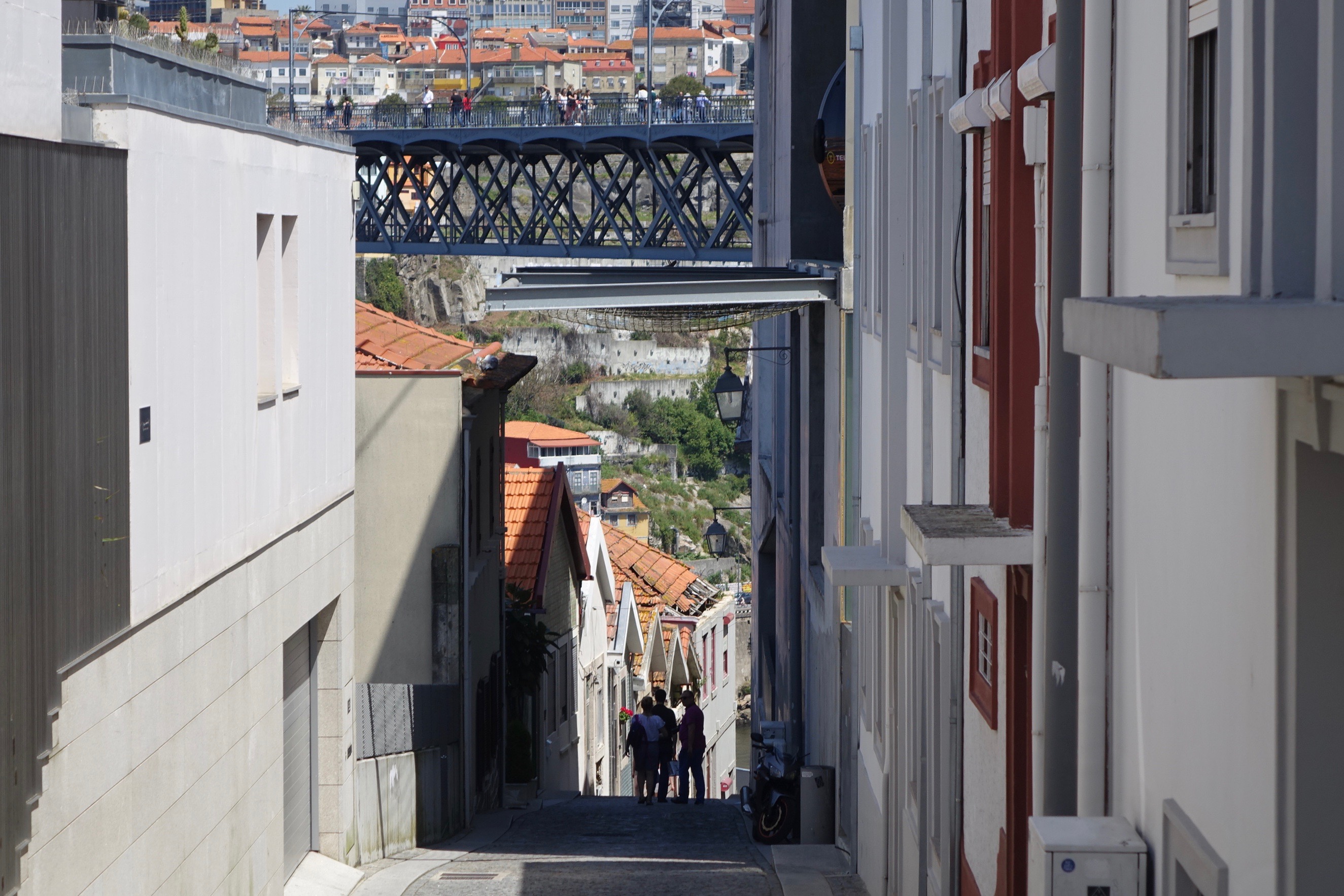
When I look through my photos of Porto, one thing really stands out, even more than the blue and white ceramics which embellish the houses – the rooftops. Swathes of terracotta dominate my photographic collection, and as many will know, I do like a good rooftop, especially when offset by the colours which inherently characterise southern Europe. Porto is no exception for a city resplendent in colour, but what it has more than your average city is a most unusual topography – one which rises and falls over undulating hills so that, even if you’re not climbing up towers and high stories, you can benefit from the most glorious views of warm red roofs and green bushy treetops.

DSC03507DSC03410DSC03257DSC02961DSC03095DSC03501DSC03066DSC02959

This little collection of rooftop photos enjoys a variety of angles, from the Miradouro de Vitoria, an almost hidden street which suddenly opens up into a splendid view over the Ribeira and across to the cellars of the Vila Nova de Gaia, and the spectacular square outside the Sé Cathedral, to the stunning vistas afforded by the Ponte Dom Luís Bridge, and from the heady heights of the dominating Torre dos Clérigos. There, laid out before us, rooftops seemed to jostle for space, vying for light light trees in a forest. And in that forest, cranes seems to rise above the city like new shoots of spring – a sign perhaps that Porto is itself enjoying a new regrowth, as it repairs and reinvents itself in response to its renewed popularity.

DSC03502IMG_0221DSC03505DSC03272DSC03500DSC03249DSC02933DSC02962

© Nicholas de Lacy-Brown and The Daily Norm, 2018. Unauthorised use and/or duplication of the material, whether written work, photography or artwork, included within The Daily Norm without express and written permission from The Daily Norm’s author and/or owner is strictly prohibited.
Compendium // Porto > Port tasting in the Vila Nova de Gaia

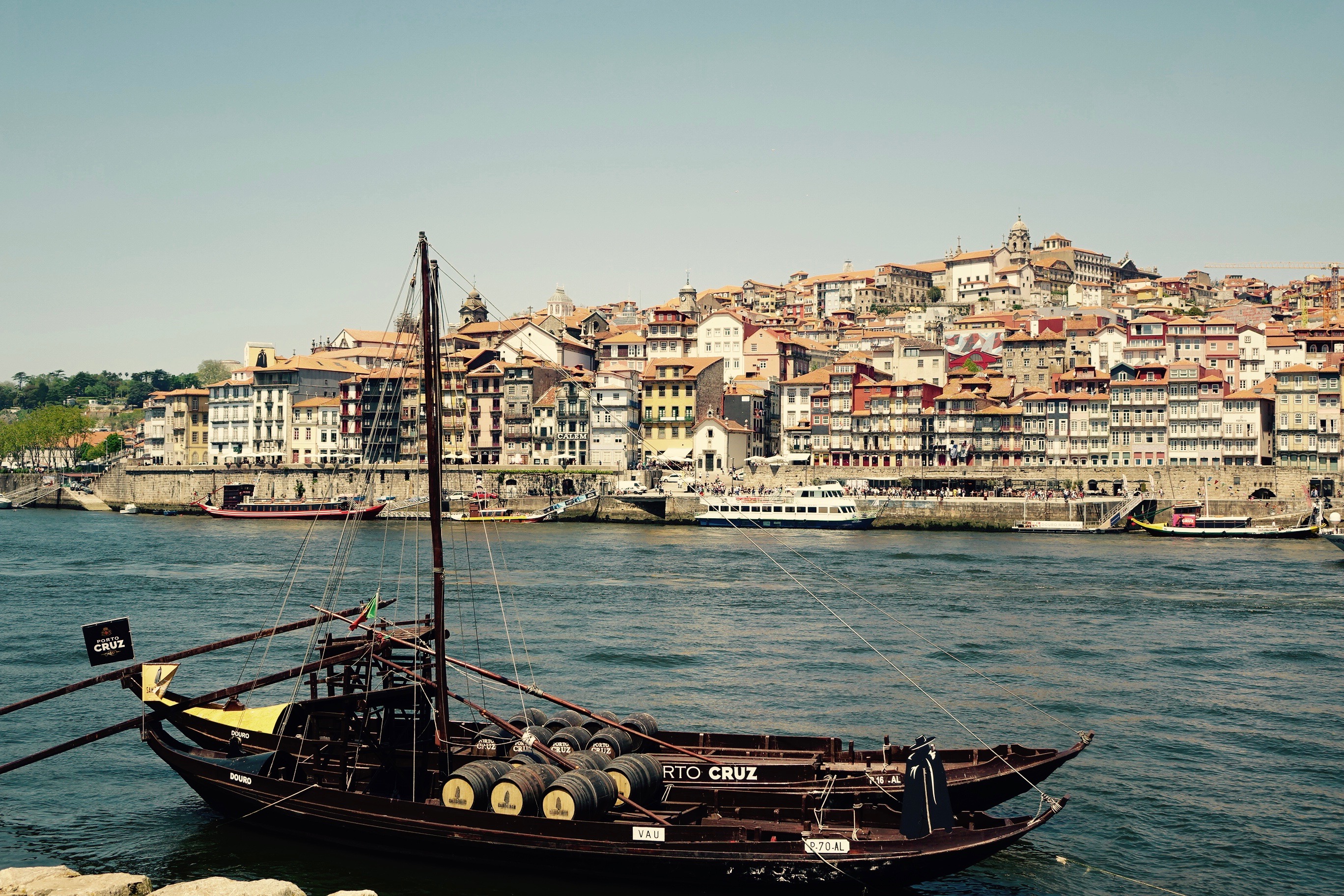
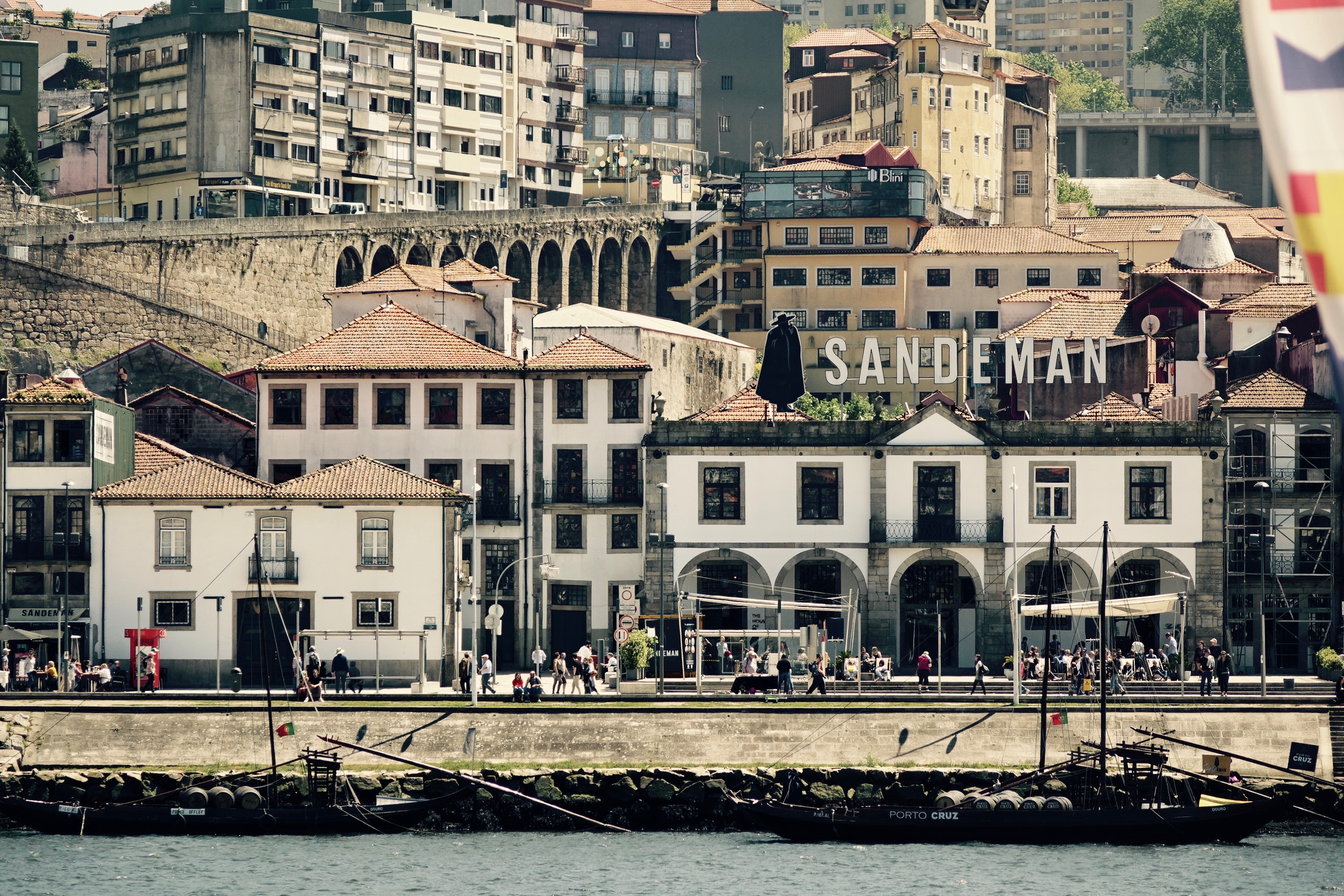
It is a truth universally acknowledged that you cannot go to Porto without tasting the port. It would be like going to York without a trip to Betty’s, or indeed to Champagne without a glass of the bubbly stuff. So having crossed the Duoro river over the mighty Dom Luís Bridge, you will find yourself ideally located to wet your taste buds with the sweet and delectable nectar which has maybe made Porto the favourite haunt of the Olympian gods. For in the Vila Nova de Gaia, the quaint riverside zone bang opposite Porto’s Ribeira, you will find the air filled with the subtle perfume of oak barrels soaked with wine, as you wander past the headquarters of practically every of the most important Port manufacturers in the world.

DSC03430image1DSC03355DSC03323IMG_0085DSC02785DSC03376

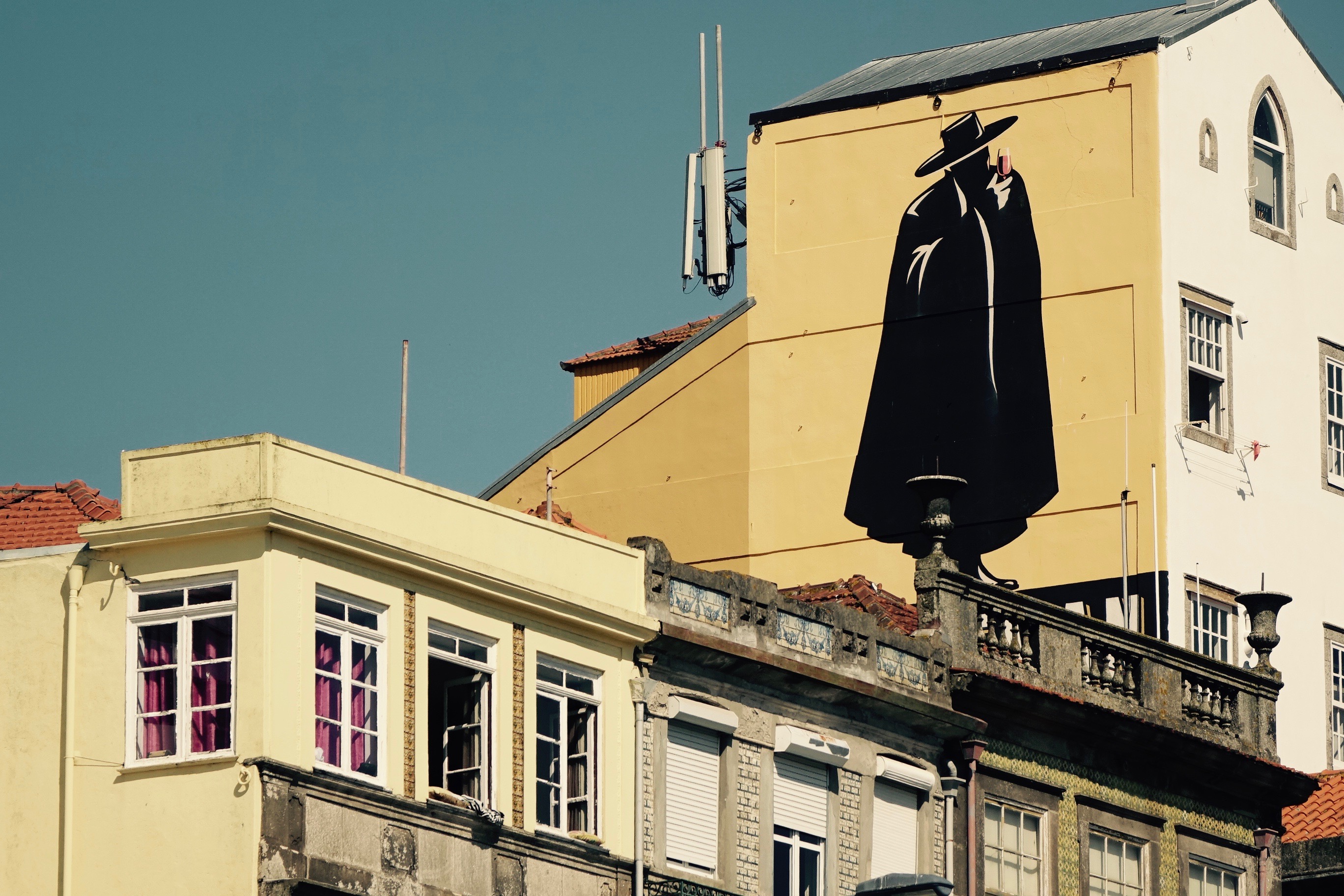
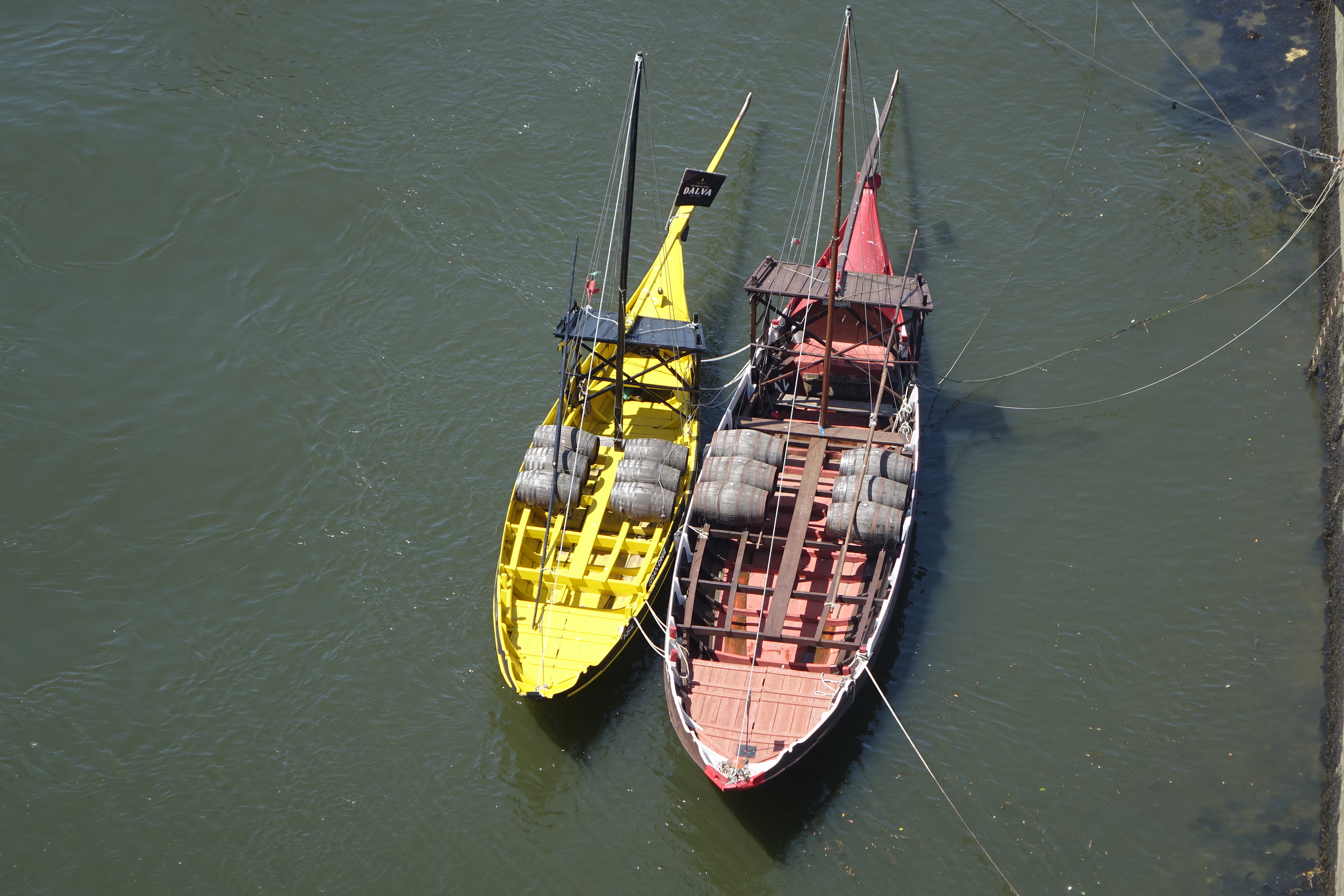
Walking away from the bustling quayside, where boats carrying barrels of port from the vineyards up the Duoro valley can still be seen (probably more for show, but still…), you will find yourself in narrow little streets filled with port showrooms and cellars. Look up, and the large illuminated lettering of each port house exhibits the most famous names in port: Graham’s, Ramos Pinto, Fonseca, Porto Cruz… they’re all there for the tasting. But being mildly patriotic, we decided to head to one of the most famous British-founded brands, and one which today still wears the seal of approval of the British royals: Taylor’s.

IMG_0086DSC03386IMG_0057DSC03364DSC03391DSC03374DSC03419

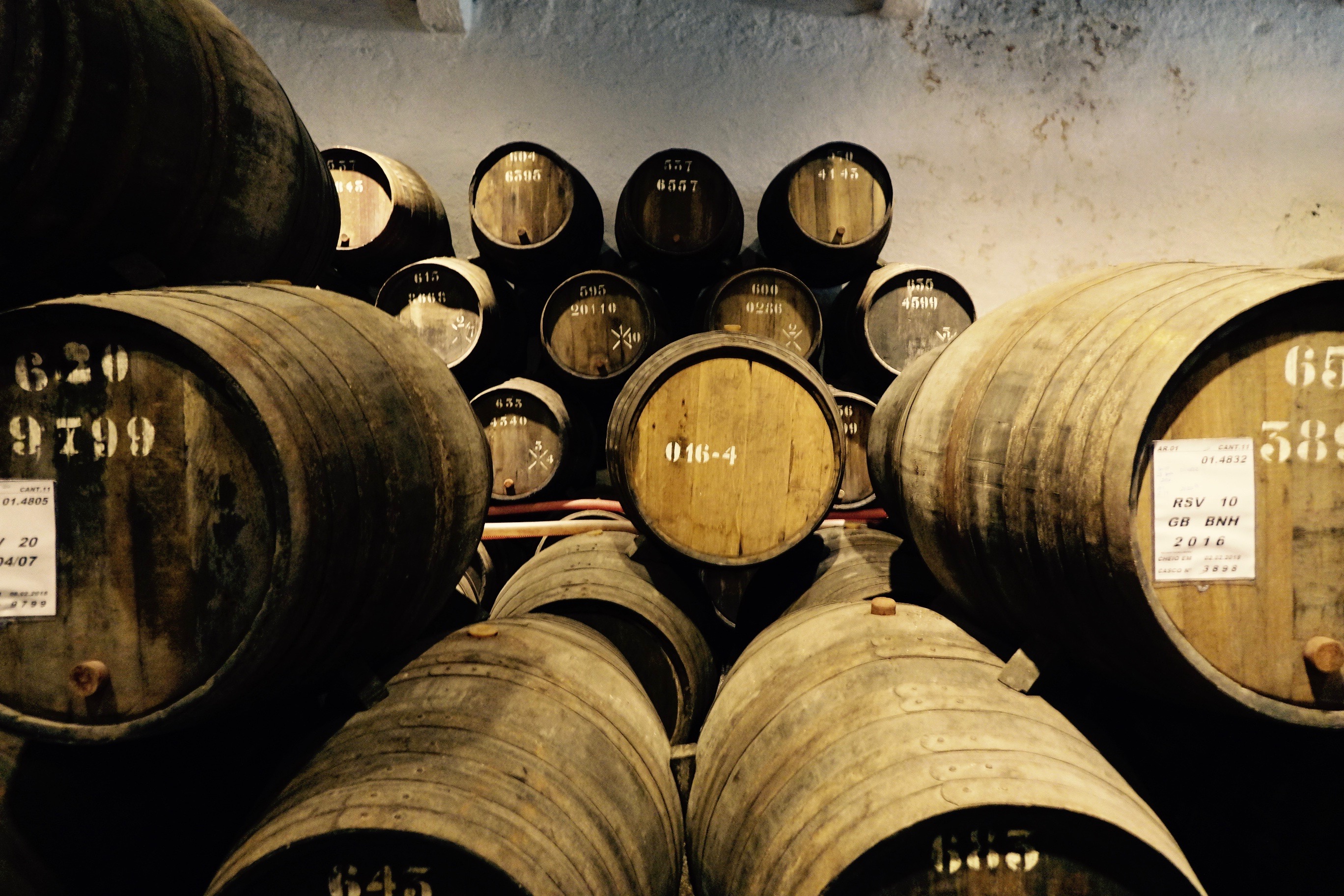
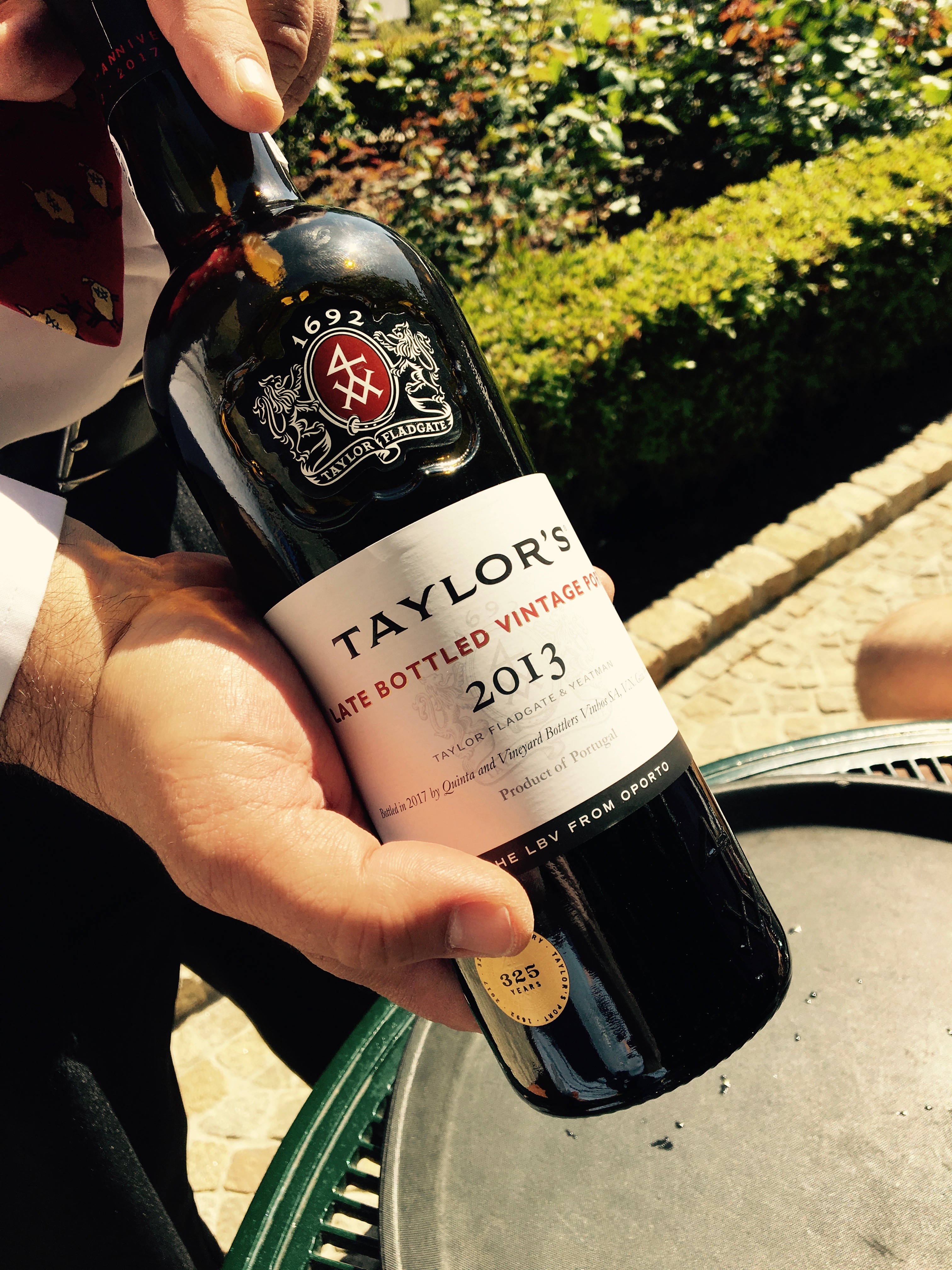
Walking into Taylor’s was bit like visiting a colonial embassy. It felt very British, very sophisticated, but with all the hallmarks of a much hotter climate: plush gardens, a vine dappled courtyard with a tricking fountain, all traversed by peacocks walking haughtily around their dominion. Inside we were given a very handy self-toured audio guide which led us through a vast vault filled on all sides with barrel upon barrel of the famous fortified wine, and the heady scent of fermenting grapes. Past the barrels, a state of the art exhibition taught us more about port than we can ever have wished to know: I can now tell you the difference between a tawny and a late bottled vintage; why tawny’s are honey coloured and standard port red, and the traditions which accompany the human-trod grape harvesting process.

DSC03335DSC03388DSC02855IMG_0177DSC03429DSC03422DSC03412

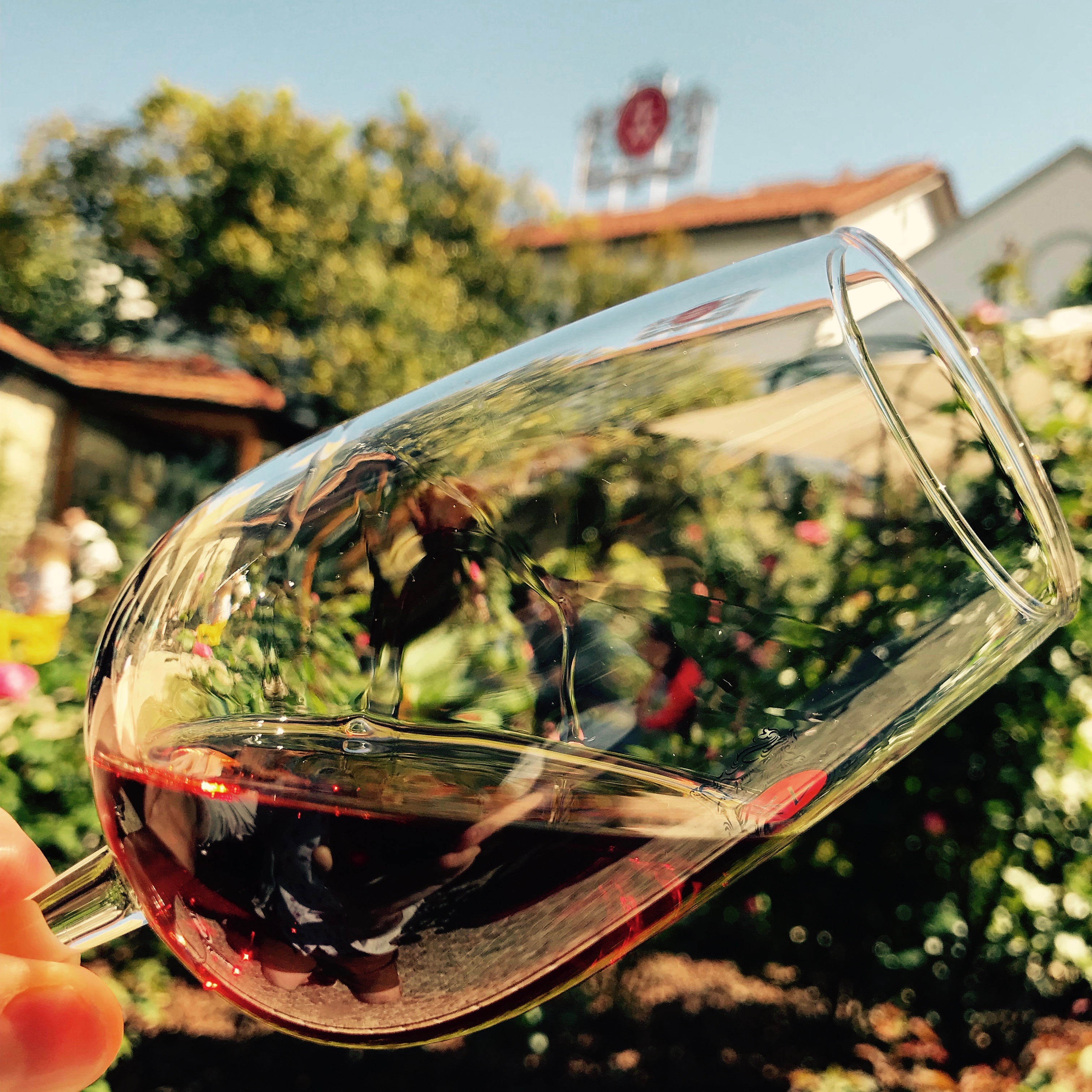
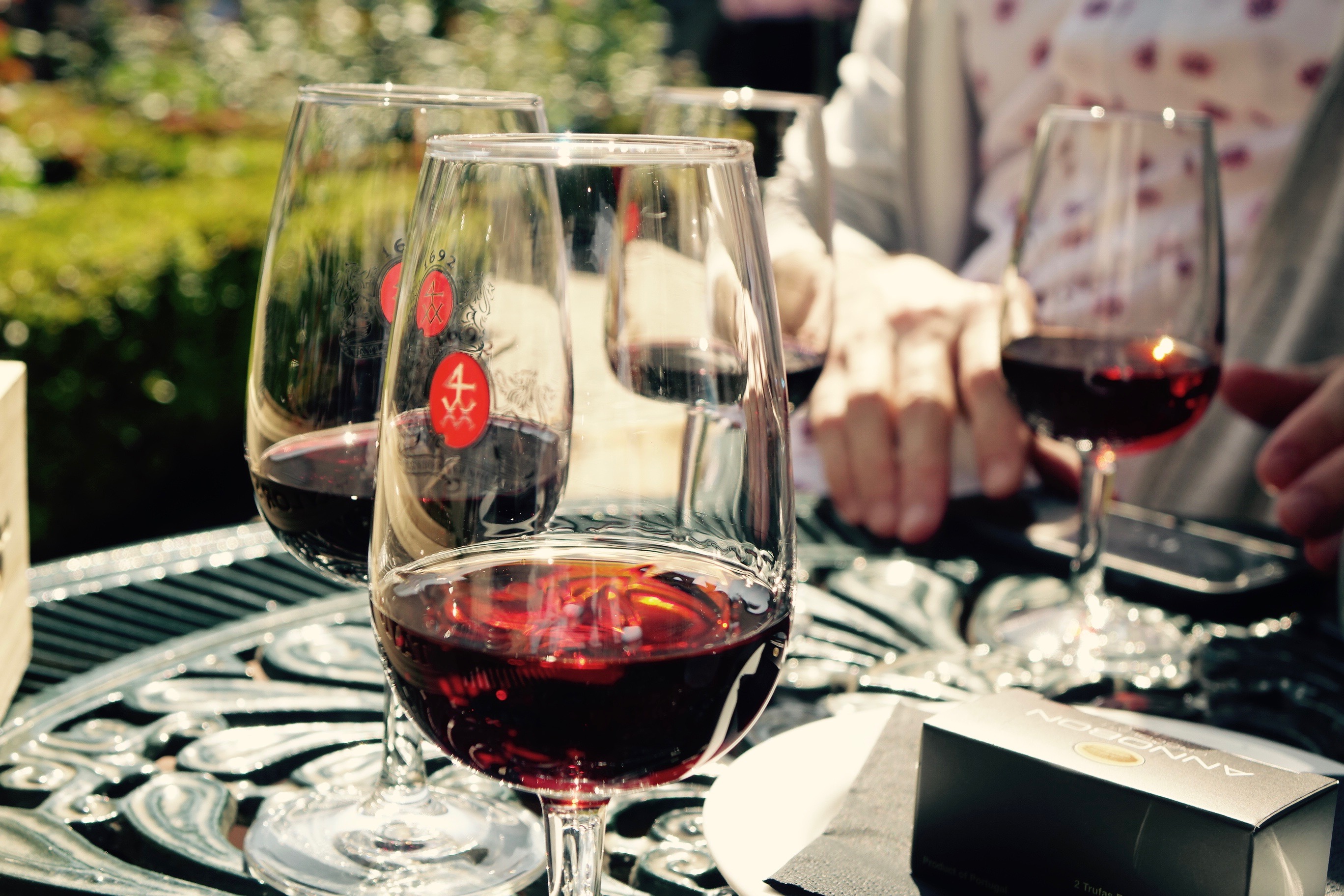
All more interesting than it sounds, although the real treat came at the tasting, enjoyed in the heavenly surroundings of a perfectly tamed box-hedged garden alive with the scent of roses and accompanied by the solemn call of those same majestic peacocks. Served with chocolate truffles picked to perfectly balance the rich syrupy nectar served to use by a manicured waiter, we could quite easily have closed our eyes and followed those gods back to Olympus. Naturally we could not leave without buying a bottle of our favourite: the 20 year old tawny. And whenever it is opened the heady scent will remind me of that moment in Porto’s winey paradise – a treat not to be missed. 

© Nicholas de Lacy-Brown and The Daily Norm, 2018. Unauthorised use and/or duplication of the material, whether written work, photography or artwork, included within The Daily Norm without express and written permission from The Daily Norm’s author and/or owner is strictly prohibited.

Compendium // Porto > Traversing the Duoro

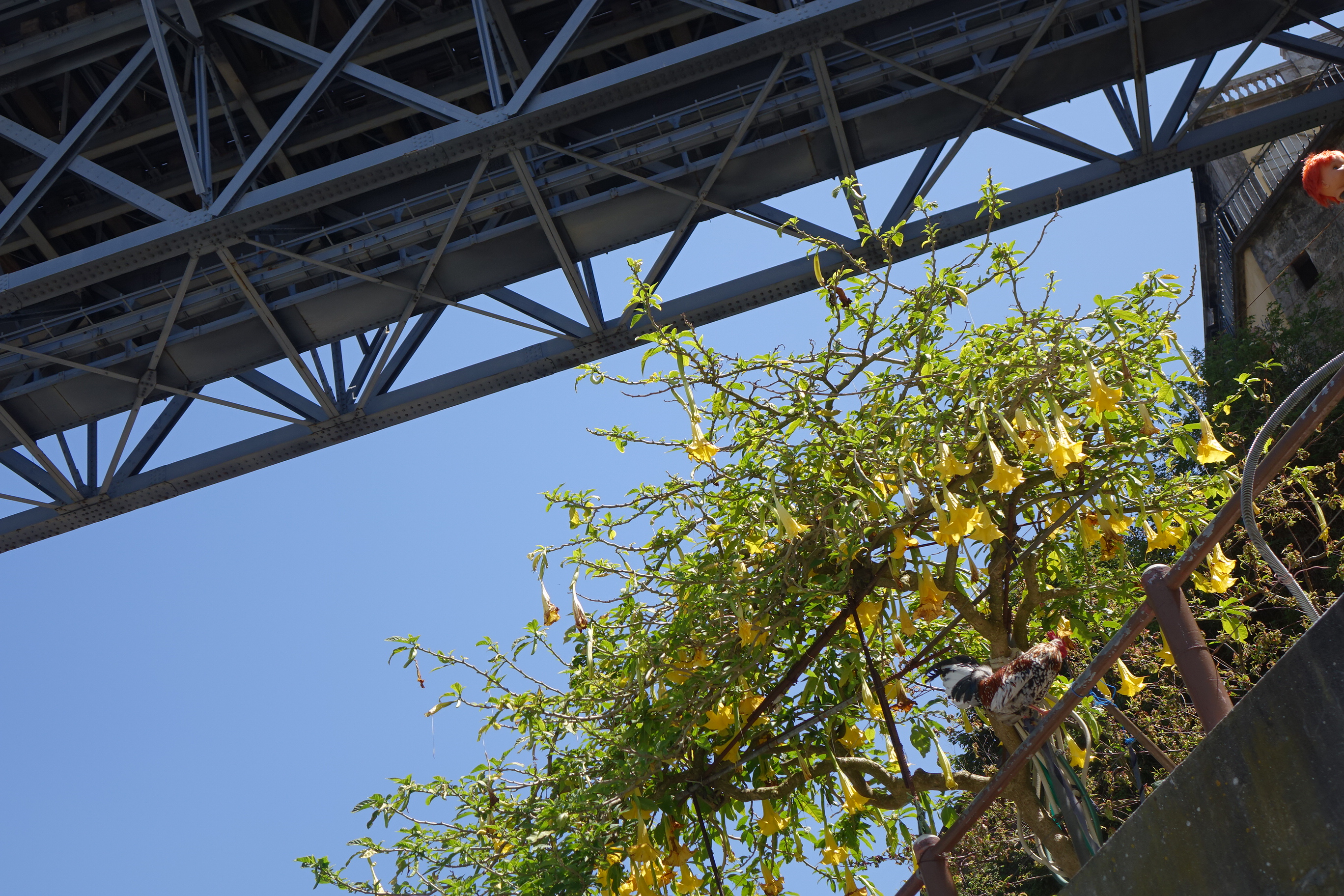
While it may have to beat off competition from ample bottles of port, a rolling city geography and ceramic tiled houses, the Ponte Dom Luís I, aka the Bridge of Luis I, is the undisputed icon of the city of Porto. Extending across the Duoro river with a mighty 172 metre span and a boasting a double decker construction allowing trains to rumble across the top and cars to take the lower road (pedestrians can enjoy both routes), Porto’s bridge is the ultimate way to cross the river which otherwise splits the city in two.

While many assume that the 1886 iron construction was the work of the legendary Gustave Eiffel, it was in fact the design of one of Eiffel’s chief disciples, Théophile Seyrig, Eiffel’s single-story idea having been previously rejected owing to the rapidly expanding city demographic. At the time, it was the widest bridge ever to have been constructed. Today, it may have lost that epithet, but it remains one of the most recognisable bridges in Europe.

DSC03267DSC03280DSC03257DSC03325DSC03273DSC03254DSC03249DSC02793

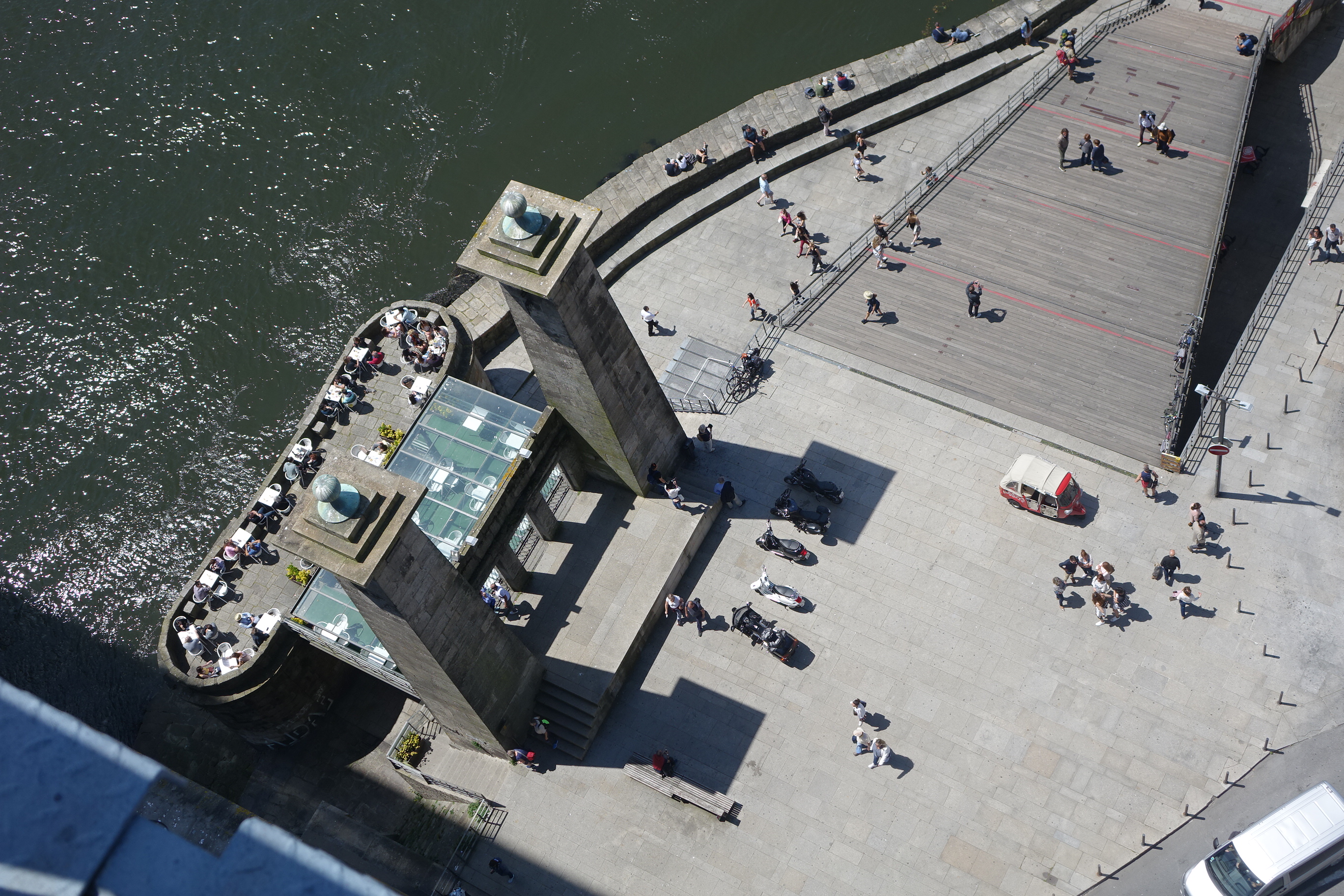
After exploring the wonderful region of the Ribeira, next on your list should be a visit to the Dom Luis bridge which will not only provide you with some stunning rooftop views of Porto, but also take you across to the Vila Nova de Gaia region of the city, where the all important Port houses are to be found. While pedestrians can choose between the upper or lower decks, the latter being reached pretty easily from the riverbank of the Ribeira, we opted for the somewhat more vertiginous upper deck, this being reached by walking in a straight line from the wonderful tile-covered central train station. I’m not a vertigo sufferer, but I have to admit that from up there, my arms turned a little shaky as I extended my camera over the side of the bridge to capture the beautiful views it affords of the city.

But as these photos will demonstrate, those both enamoured and feared of heights should opt for the Ponte Dom Luís I – ultimate icon of Porto and the undisputed platform from which to see the city. And so long as you head over the bridge from the Ribeira to the Gaia, you can rest assured that a glass of ruby coloured port will be waiting for you on the other side. 

IMG_9850DSC03315DSC03312DSC03259DSC03302DSC03286DSC03289DSC03258DSC02790

© Nicholas de Lacy-Brown and The Daily Norm, 2018. Unauthorised use and/or duplication of the material, whether written work, photography or artwork, included within The Daily Norm without express and written permission from The Daily Norm’s author and/or owner is strictly prohibited.
Norms in Rome | Trajan’s Wedding Cake

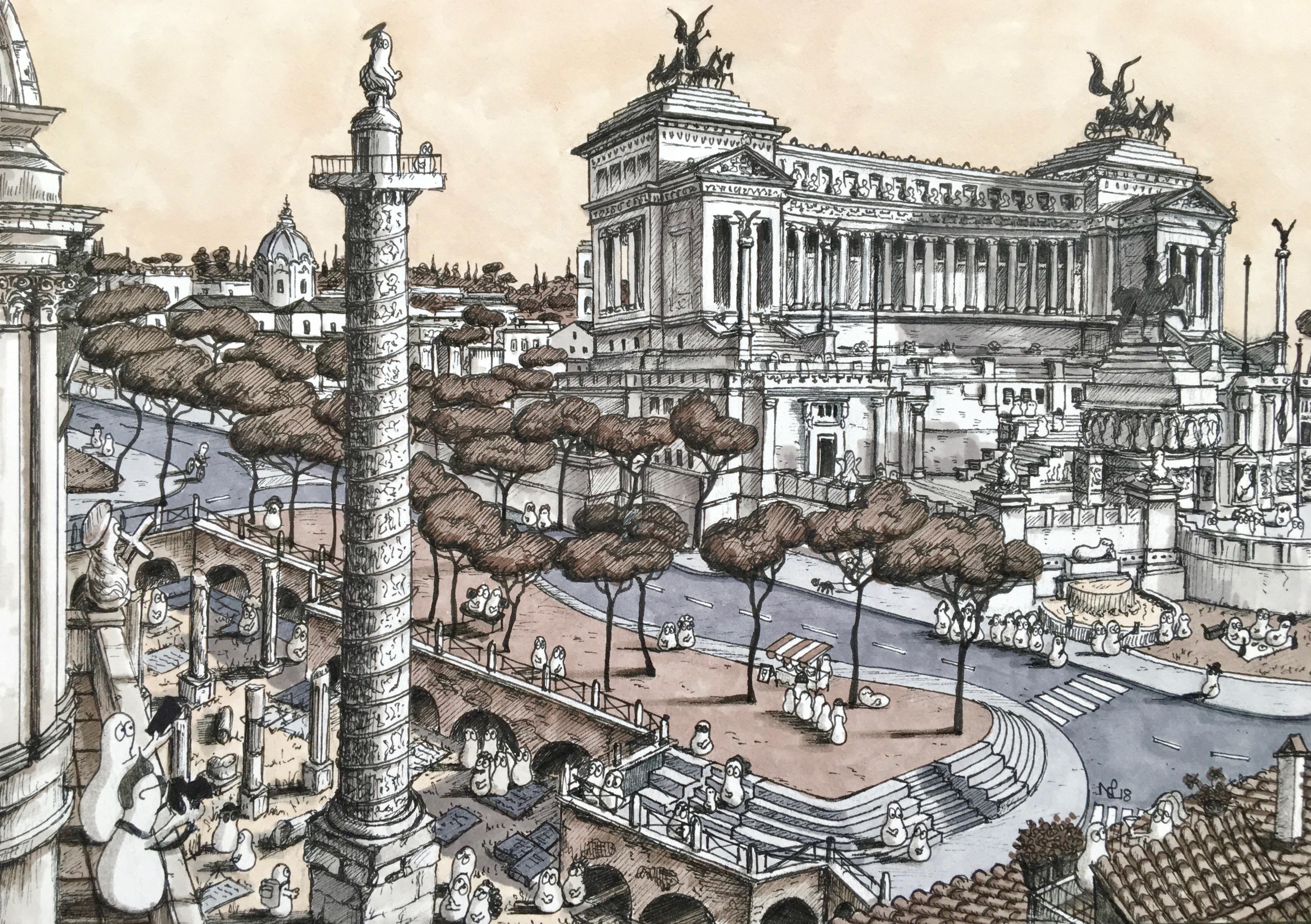
Oh dear. The Norms’ reversion to the simpler things in life didn’t last for long. No sooner had they settled in the laid back Roman neighbourhood of Trastevere than they got itchy bottoms, and decided to trek again across the river in search of the grandeur for which Rome is famous. And this time they have hit the bullseye, arriving at the monument which, in modern times at least, is probably the grandest spectacle the city of Rome has ever created. Conspicuously named the Altare della Patria (Altar of the Fatherland), but otherwise known as “the Wedding cake”, “the Typewriter” and the “English Trifle”, this pompous and mammoth construction was, in the early 20th century, built in honour of Victor Emmanuel, the first King of a unified Italy. However, it caused great controversy in its construction, doing away with large swathes of the historically critical Capitoline Hill as well as sticking out like a sore thumb for its gleaming whiteness in amongst a city of ochres and reds.

Norms Victor Emmanuel II

Norms at the Wedding Cake (2018 ©Nicholas de Lacy-Brown, pen and ink on paper)

Yet for all this, being white themselves, the Norms feel rather attracted to this mass of dazzling white theatricality and have made it a high point in their Roman adventure. That is not to say that they are ignoring the spiralling column of Trajan in the ruins of said Emperor’s forum just across the road. For one really can’t do one of these historical monuments without the other. And happily there’s an ice cream stop between the two, just in case the Norms required further inducement to enjoy these two indisputable icons of Rome.

© Nicholas de Lacy-Brown and The Daily Norm, 2001-2018. Unauthorized use and/or duplication of the material, whether written work, photography or artwork, included within The Daily Norm without express and written permission from The Daily Norm’s author and/or owner is strictly prohibited. For more information on the artwork of Nicholas de Lacy-Brown, visit http://www.delacybrown.com