Skip to content

Reinventing the Ribbon: My Christmas Trees, 2015

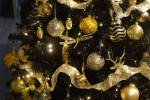
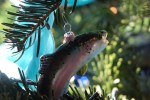
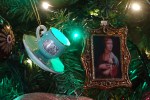
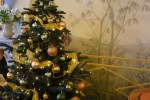
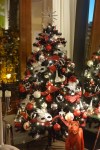
As a largely self-appointed Christmas tree expert (although to be fair, I was the official House of Fraser Christmas decoration expert in 2014 don’t you know…) the festive season is always a busy time for me, and that is just with the four trees that spring up lovingly in my house. But this year, I had the charge of some additional 18 trees for my employment, as well as my parents’ tree back in the UK, bringing this year’s efforts to a grand total of 23 trees. That’s a lot of baubles, lights, prickly branches and this year’s addition – ribbon – to contend with. Is it any wonder the Daily Norm has been so quiet of late? But finally I am in a position to share some of the fruits of my labours with you, my dear readers.

DSC04635DSC04576DSC04698DSC03746DSC04707DSC04368

Rather than focus on each tree in detail, I have instead decided to bombard you with a post full of photographs showing decorative detail. The trees featured largely comprise those in my own new Mallorca home, all four decorated in a unique and individual scheme of their own. But also featuring are a few of the trees I put up for my employer. Across the board, and as I have already mentioned, the newcomer of the season has been ribbon.

I was always a big fan of tinsel, despite its reputation as protagonist of the 80s, to such an extent that some would almost declare its adornment today to be “vintage”. However, my mantra has always been that anything is better than the draped strings of beads of the 90s, and for this reason, tinsel, which glitters and sparkles from every angle has always been a feature of my trees. But tinsel is scarcer out here in the Mediterranean, and when a chance visit to a local florist saw me rummaging in big box of multi-coloured ribbons like a child on Christmas morning, I was hooked. For the way it can crumple and crease, wave and undulate, hang in loops and in haphazard formulations across a tree, I was a tinsel-man transformed. And now all of my trees feature this truly versatile construct, in every colour and texture. For me the result is a level of elegance which my trees have not reached before and which, when coupled with branches fully loaded with baubles both monochromatic and patterned, round and cutely shaped, produces a truly festive display, both at work, and at home.


All photos and written content are strictly the copyright of Nicholas de Lacy-Brown © 2015 and The Daily Norm. All rights are reserved. Unauthorized use and/or duplication of the material, whether written work, photography or artwork, included within The Daily Norm without express and written permission from The Daily Norm’s author and/or owner is strictly prohibited.    

Art in London (Part 1): Calder’s Mobiles

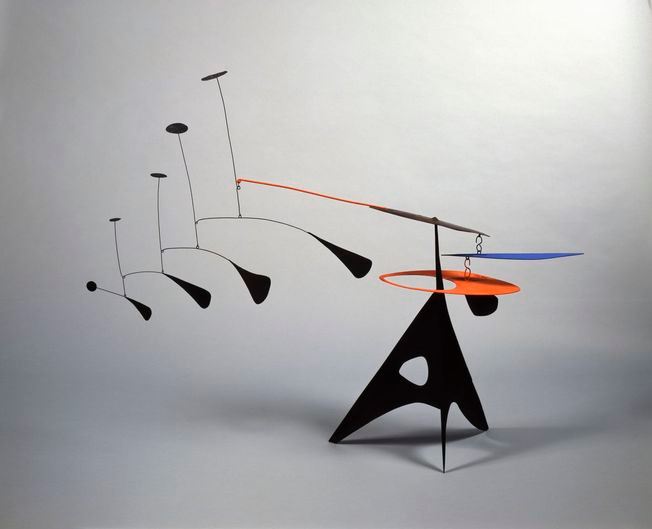
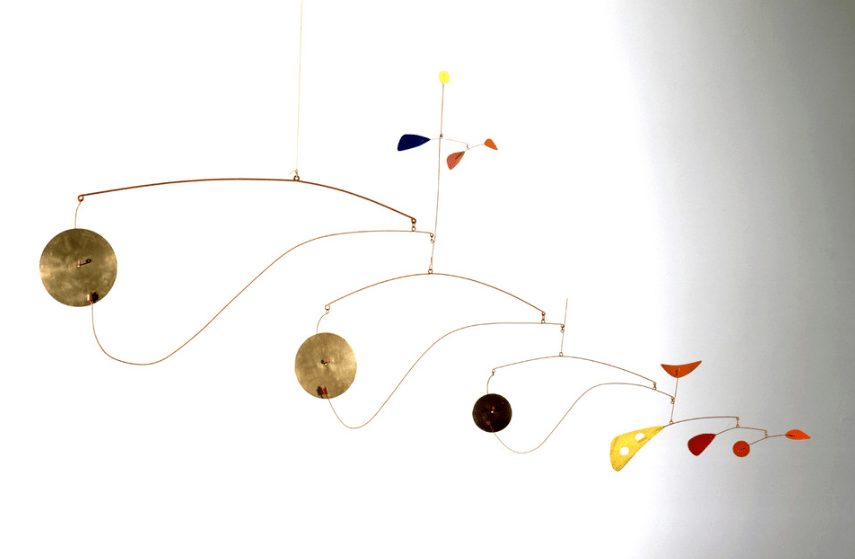
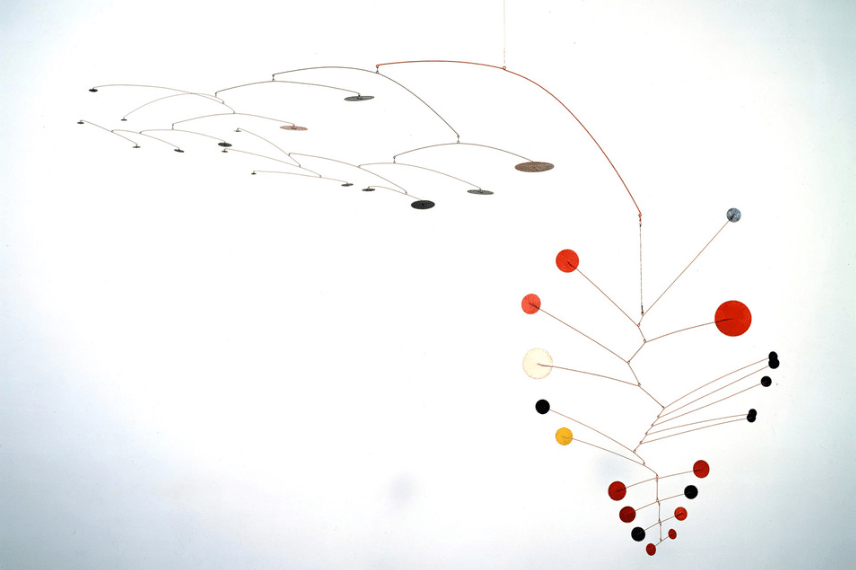
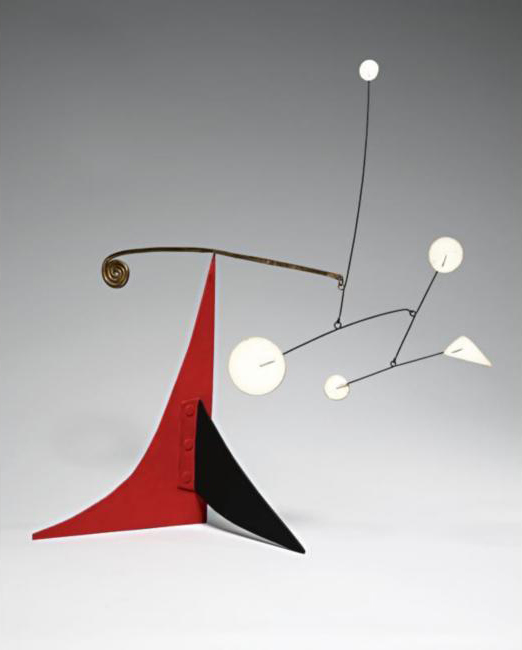
London is alive with some truly exciting artist retrospectives at the moment, each of them tending to focus on a particular aspect of their creative output. In the National Gallery, the portraiture of Goya is the focus of a major show, and likewise in the National Portrait Gallery where Giacometti and his drawings are the stars. Meanwhile, over the river in Tate Modern, a retrospective of Alexander Calder focuses on the works which surely made him famous…sculptures which dance, perform and are always on the move: his mobiles. 

It’s strange to imagine a world where the mobile, that innocuous moving collection of animals and stars hanging above every respectable baby cot, did not exist. But it was Calder who actually invented this type of sculpture, long before it ever became a favourite of the child’s bedroom, and in doing so Calder showed himself to be one of the first ever proponents of performance art, something which is now such a staple of contemporary art spaces across the world.

Mobile2

Triple Gong, 1948 (© 2015 Calder Foundation, New York / DACS, London)

Untitled

Untitled, 1963

Mobile3

Gamma, 1947 (© 2015 Calder Foundation, New York / DACS, London)

In creating the mobile, Calder was looking for a work which moved, and evolved. At first his moving sculptures were controlled, either in the form of puppets which would perform in his own Calder Circus Shows (the likes of which were visited in Paris by some of the biggest names of the 20th century art world), or those carefully choreographed by a series of connected motors and pulleys. But the true mobile, the freely moving construction based on a series of shapes, wires and strings, was created in response to Calder’s desire to free abstraction, and for the bold shapes and colours which he had seen in the likes of Mondrian’s tightly structured geometric works to move about without constraint.

And so were born the sculptures for which Calder became synonymous, and which have cropped up in some of the most culturally enriched open public spaces in the world, including here in Palma de Mallorca, and of course that sensational mobile left by Calder himself by the poolside at the Colombe d’Or Hotel in St. Paul de Vence.
Calder5WhiteBrassSpiralalexandercalder12Standing mobile

For me, ever so fascinated by the mobiles of Calder, this was truly an exquisite show. I wandered between the mobiles entranced by the poetry in their movements; by the constant slow flow and turns of the wire arms whose many delicate branches create an ever changing and unpredictable dance. And beyond the mobiles, the secondary most beautiful vision were the shadows created on the walls, themselves moving, creating the most beautiful abstract art, albeit free and transitory as Calder would have wished.

It’s a unique opportunity to see so many of Calder’s greatest works in one place, and to understand the revolutionary journey, from canvas to moving mobiles, which prompted him to create these most oscillatory of sculptures.

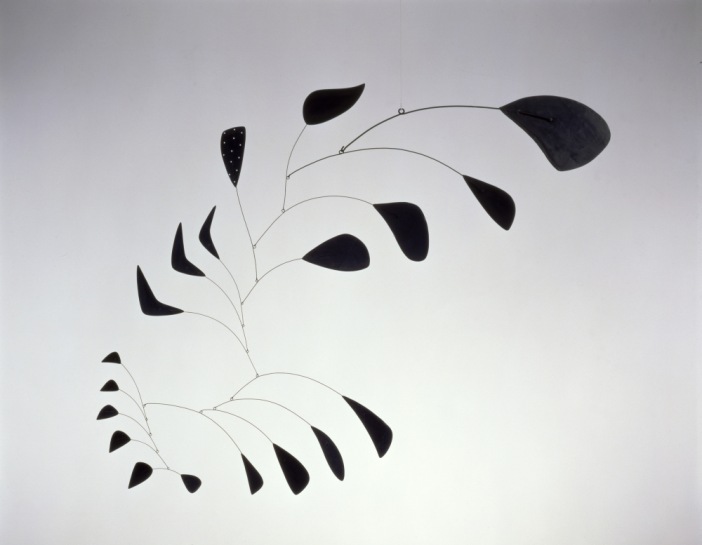
calderverticalfoliage

Vertical Foliage 1941(© 2015 Calder Foundation, New York / DACS, London)

Mobile 4

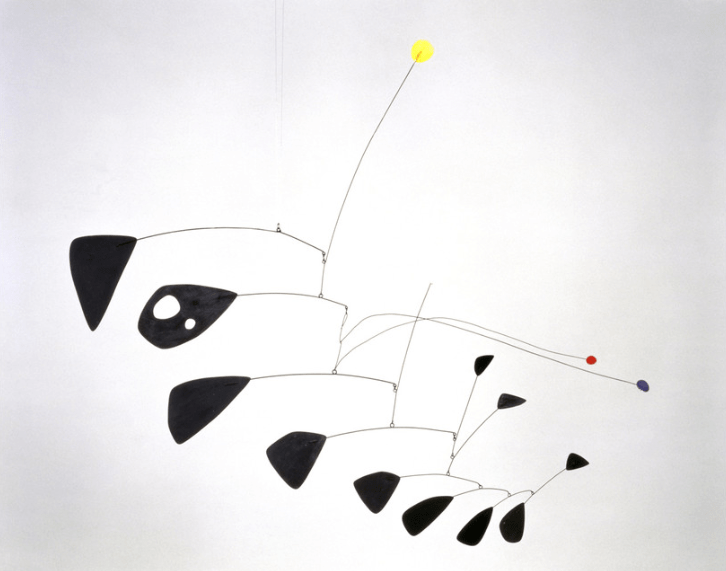
Mobile1

Antennae with Red and Blue Dots, 1953 (© 2015 Calder Foundation, New York / DACS, London)

Alexander Calder, Performing Sculpture is on at Tate Modern, London, until 3 April 2016.

Madrid: A brief encounter

The Christmas season is keeping me busy, very busy. Charged with the decoration of some 15 restaurants across Spain, as well as my usual professional responsibilities, one could say that I am rather busy. And with the decorations comes the requirement of travel, and thus across the skies I am variously flying, leaving what must be like a trail of baubles and glitter in my wake.

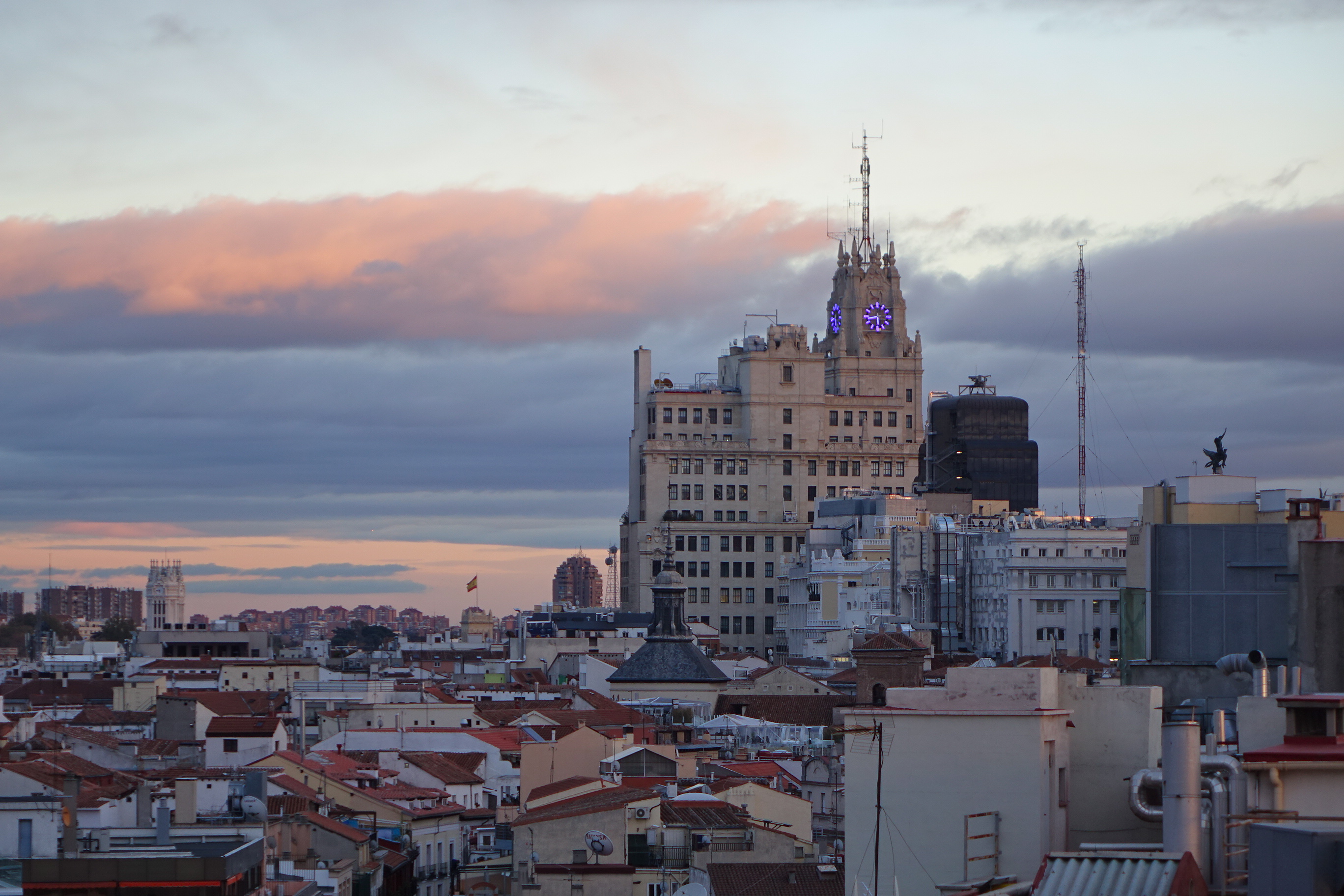
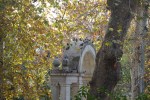
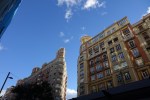
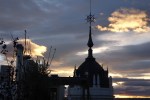
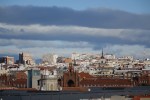
Amongst those places where my Christmas responsibilities recently took me was Madrid. After living for a year in the small but perfectly sized city of Palma, a metropolis the size of Spain’s capital still comes as something of a shock. The scale of the place is impressive, even to a seasoned city-goer, and as I spent a few brief moments strolling along the city’s Gran Via in-between decoration engagements, I could not help but admire the grandeur of the buildings there, and the sheer breadth and beauty of the city’s impressive main roads.

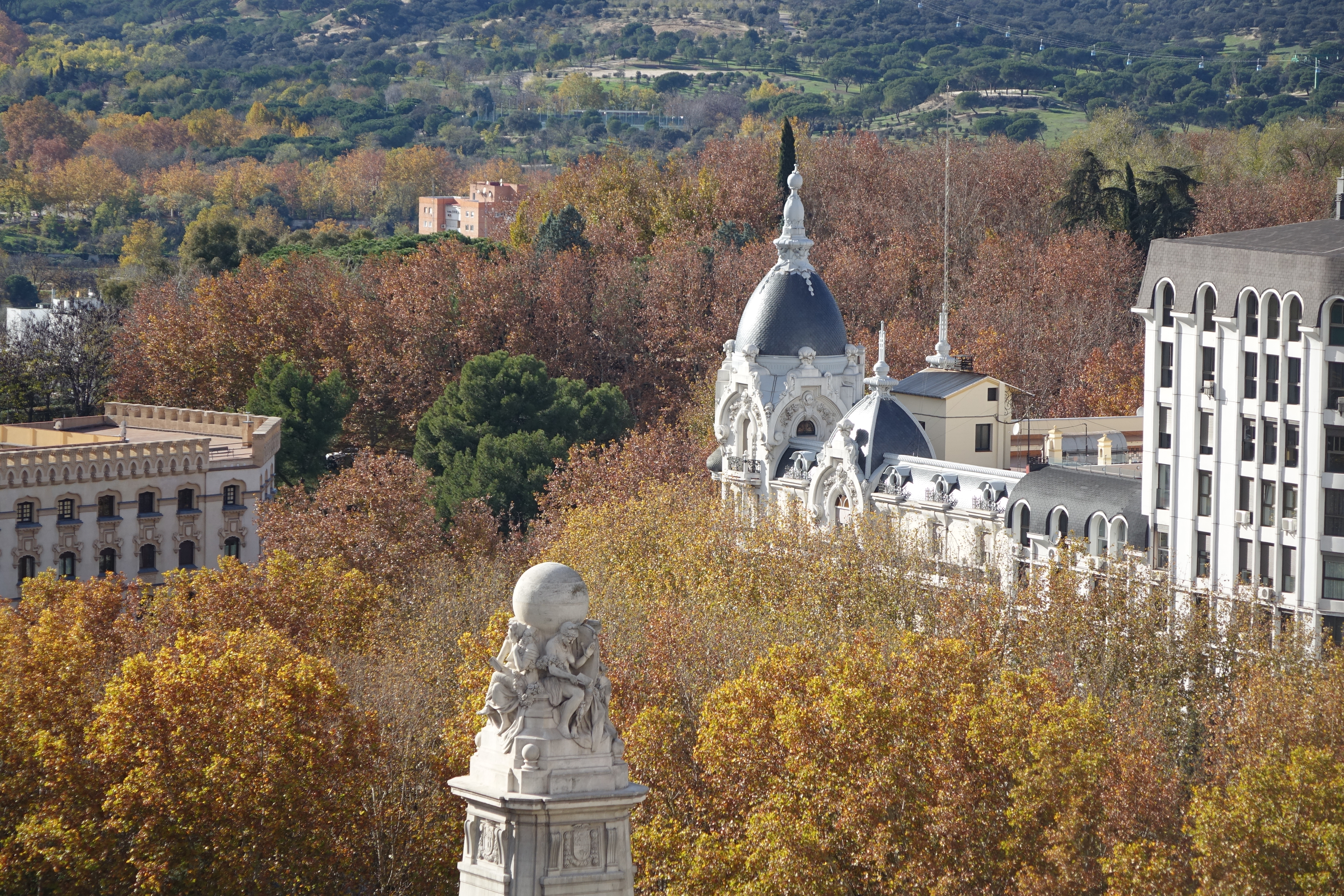
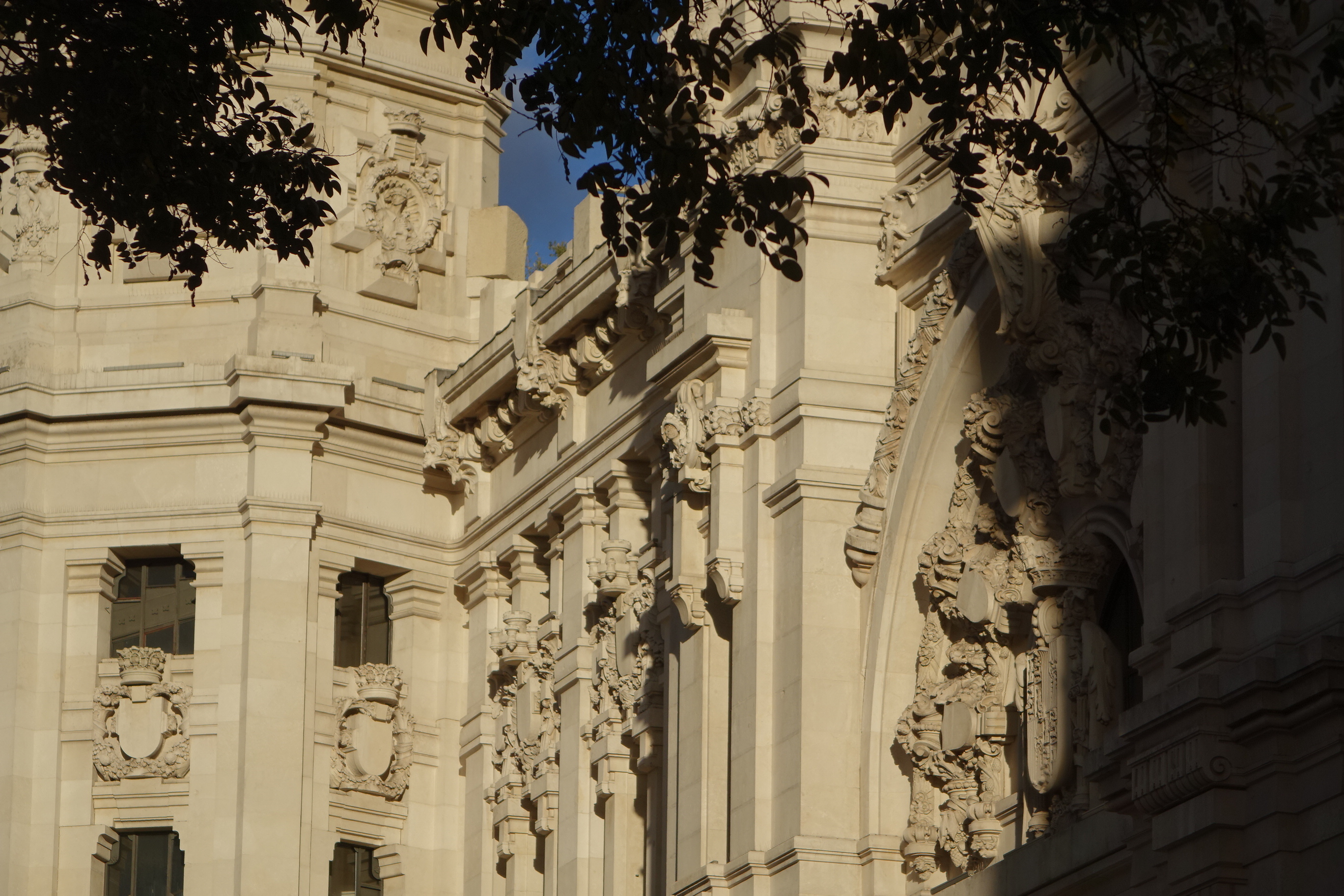
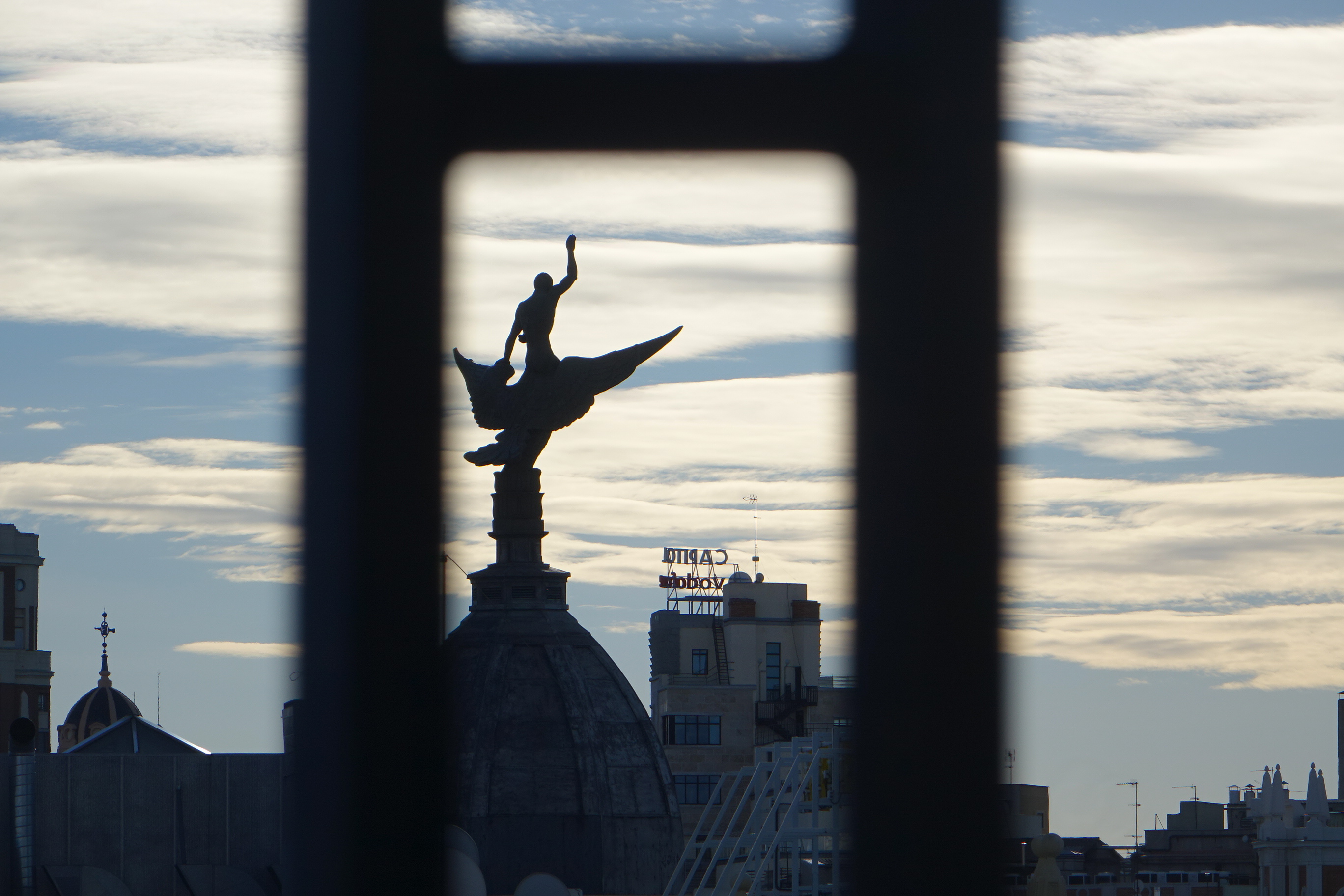
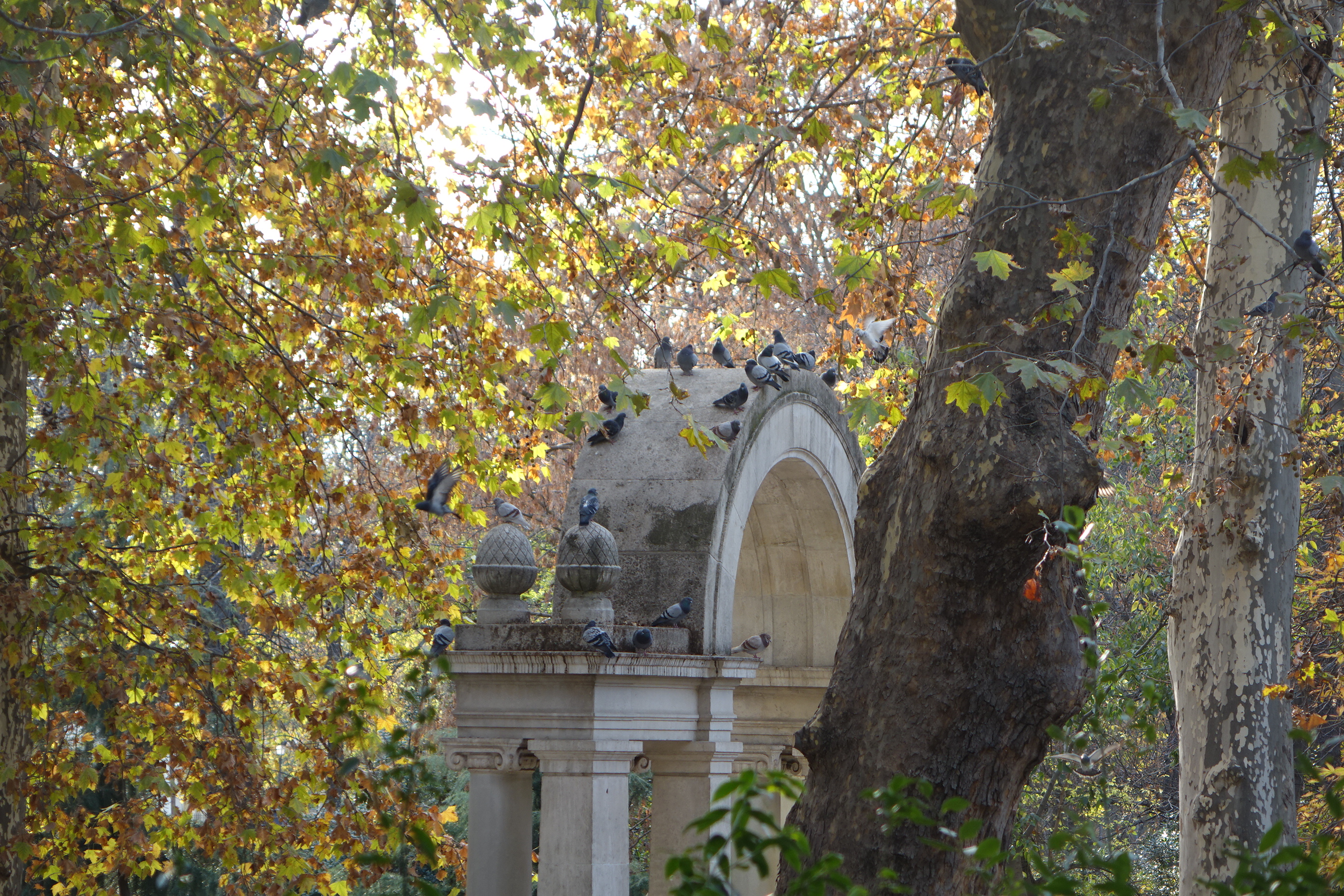
DSC03421DSC03470DSC03550DSC03721DSC03575

This brief encounter with Madrid left me with the decided impression that the city is one undervalued, missed by those who would most probably choose London, New York or Paris when considering a visit to one of the world’s busiest and most culturally enriched cities. But with broad expanses of stunning architecture, much of which hails from the decadent age of the late 20th century, endless days of blue sky and sunshine, and museums which play host to some of the most famous artwork in the world (Las Meninas, Guernica, Goya’s Black Paintings to name but a few…) Madrid surely deserves to be known as one of the most visitable and exciting capital cities in the world.

So along with these musings, my brief trip to Madrid also inspired me to take a few photos, the likes of which are shared in this post. The majority were captured from my hotel rooftop, which had enviable views down the Gran Via from the Plaza España, but with sites as impressive as those, it felt almost as though views from the pavement had been rendered redundant. Nevertheless amongst the set, you can also enjoy some colour-enriched autumn views from the stunning Retiro Park, as well as a few of the many details which make Madrid the great beauty it is.

Yet more praise for Mallorca’s awe-inspiring autumn

Now before your eyes roll upwards as you cast an initial glimpse over yet another post dedicated to Mallorca’s autumn, allow me to excuse my inexhaustible passion for the season as it exists on this island. For coming from England, autumn is an altogether damper affair, and while there are moments when the sun shines and the colours of the trees shine through, by that time, most of the leaves are already sludge on the pavement after the preceding days of rain; and then of course there are the howling winds which have pushed them there.

DSC03167DSC03145DSC03226DSC03166DSC03222DSC03184DSC03224DSC03346DSC03319DSC03255

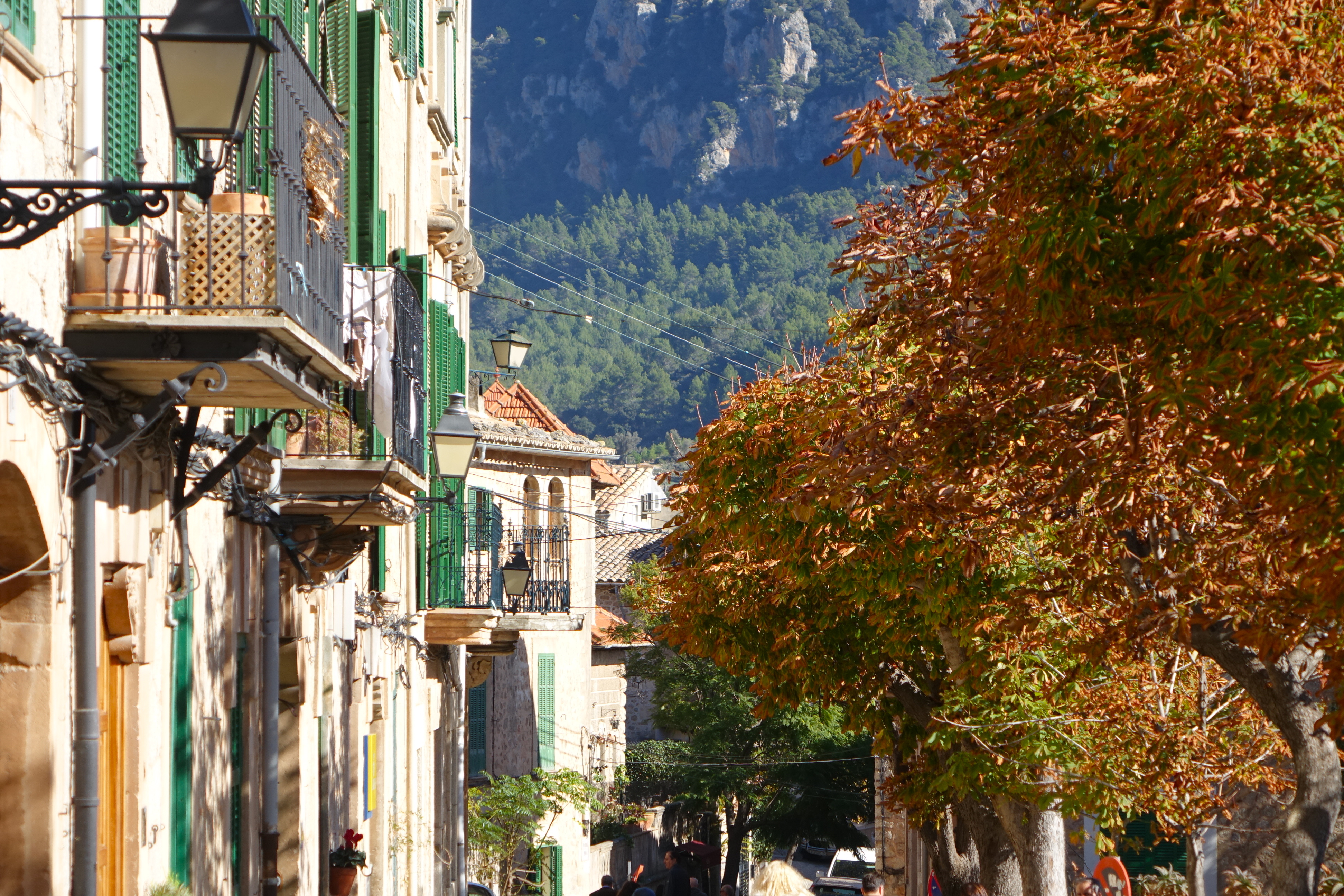
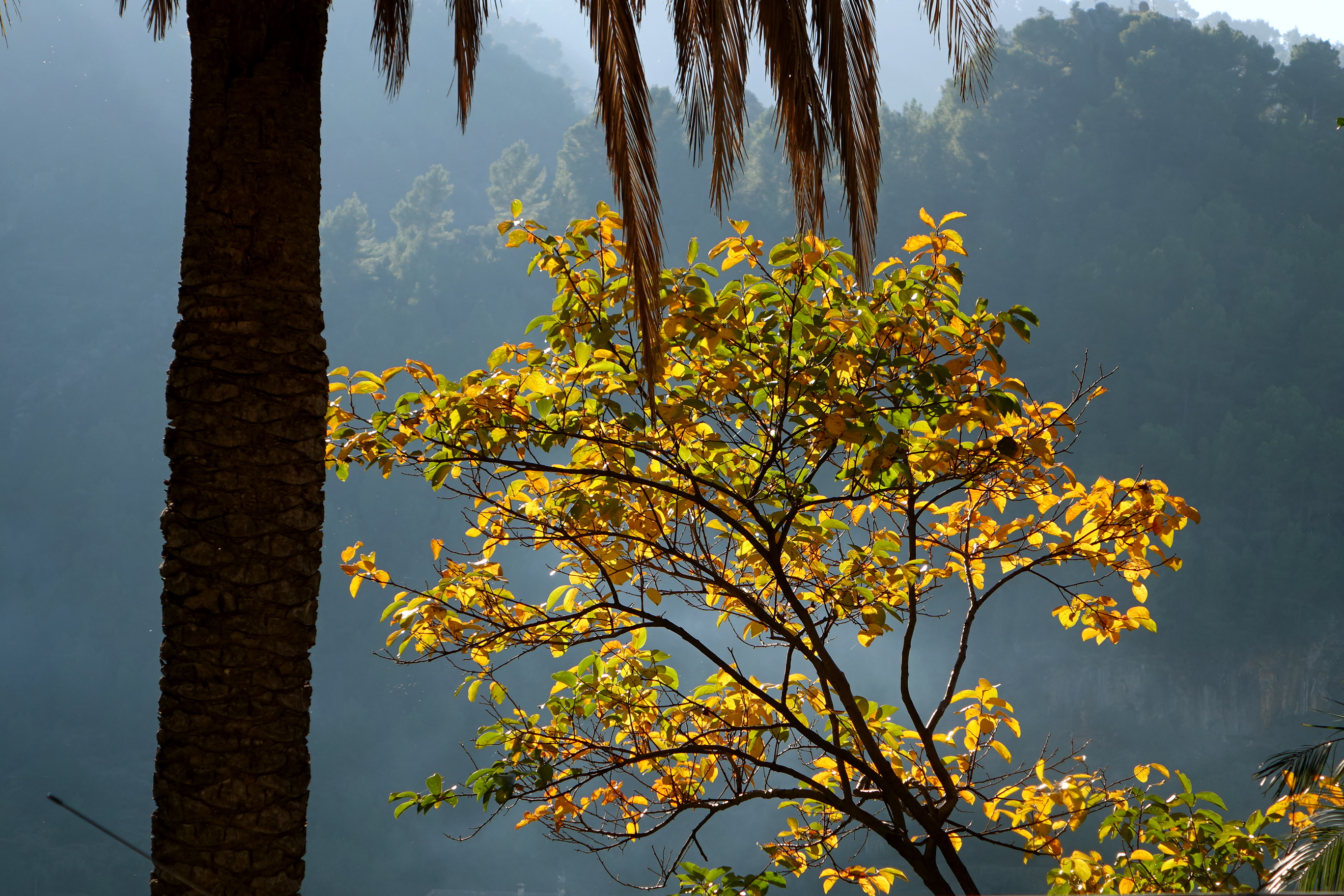
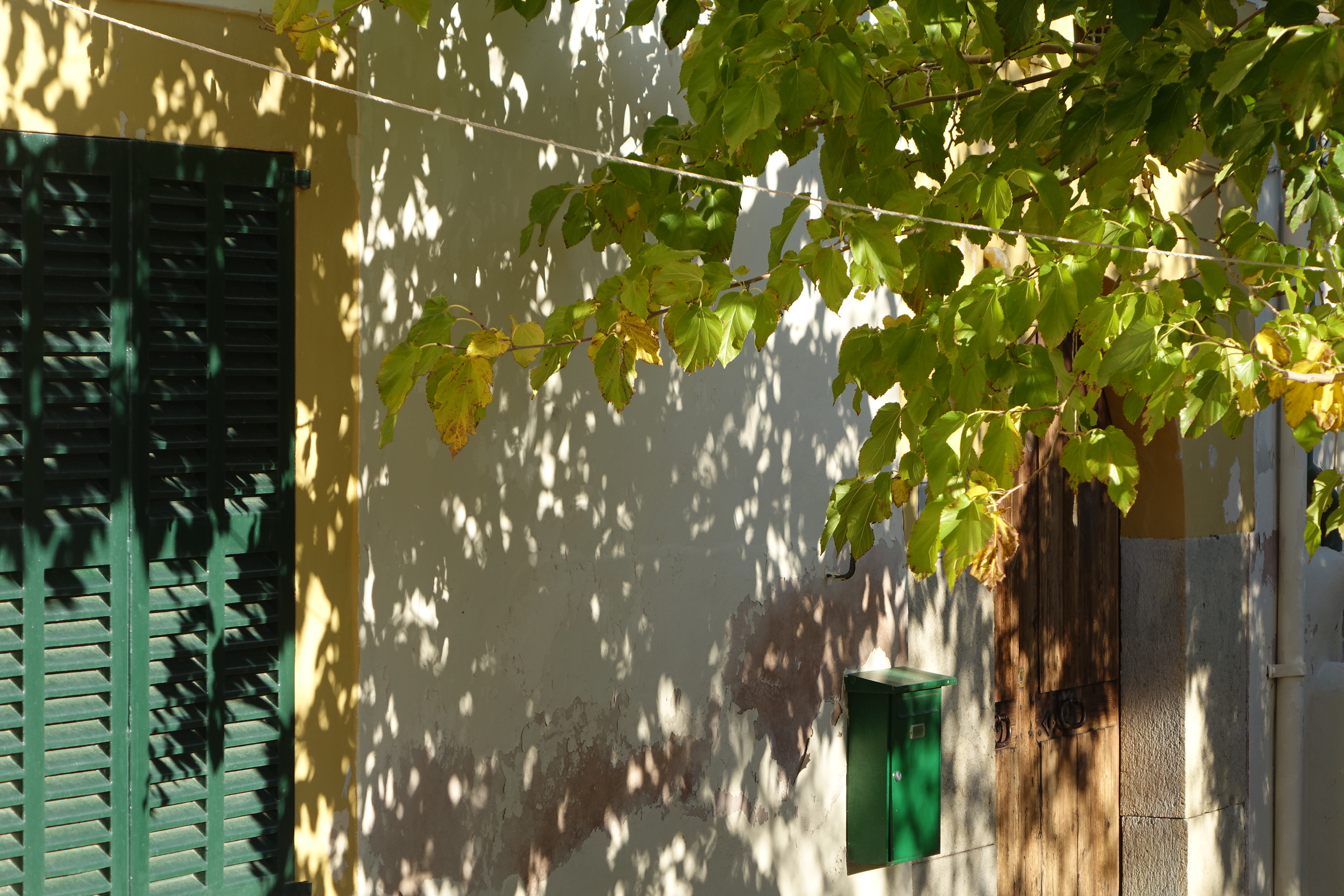
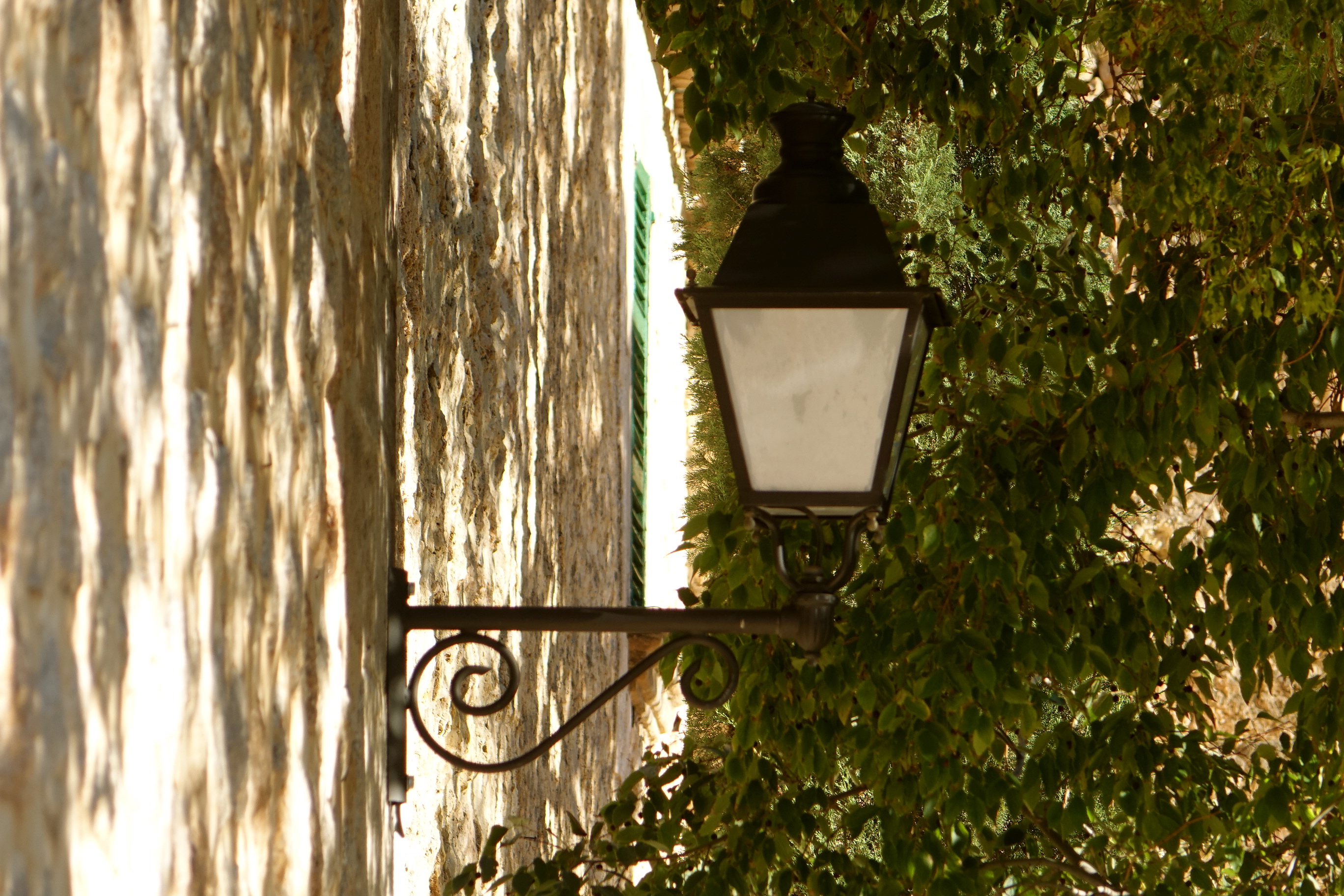
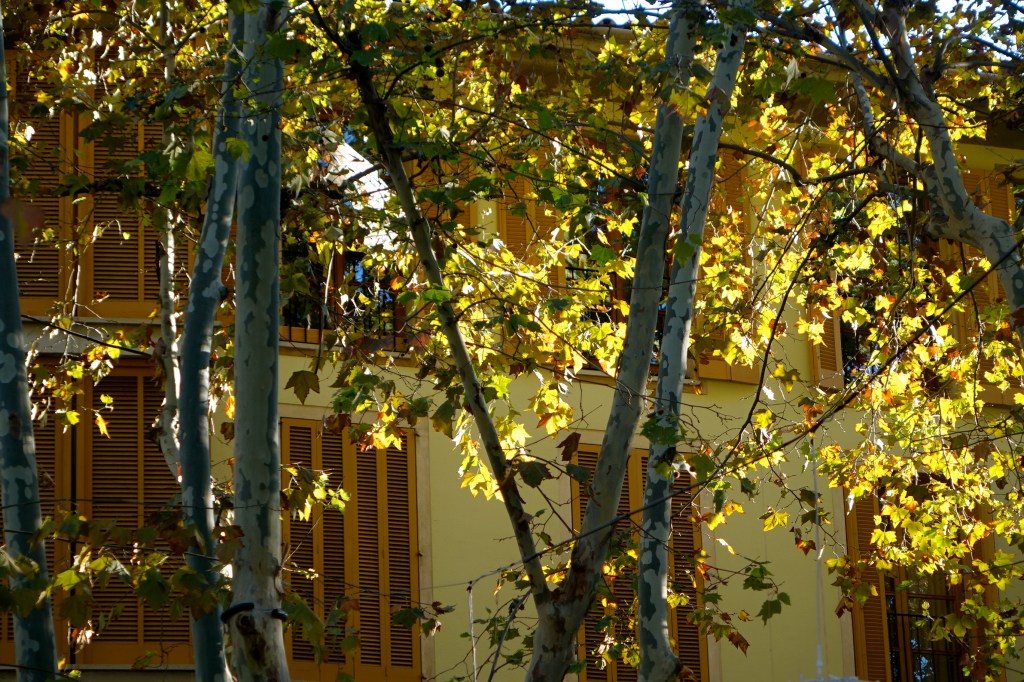
Here in Mallorca, autumn is a very different story. I’ve often seen pictures of the perfect autumn images – trees totally transformed into shades of orange and red, glowing like fire under a crisp blue sky. But I had never experienced such an idealised season before I came to Mallorca. And here, you benefit not just from the beauty which results from consecutive days of sunshine, but also the little quaint villages whose ochre stone walls and green shutters work alongside the autumn shades as though they had been meticulously selected for the purpose..

DSC03364DSC03299DSC03240DSC03351DSC03242DSC03353DSC03328DSC03349DSC03340DSC03367

This union of natural and manmade autumnal magic was no more obvious than on a recent visit to the stunning little village of Valldemossa; a mountainous retreat whose cluster of houses in a deep mountain valley has become the very picture-postcard image of Mallorca. And with good reason, for it’s one of those villages which is utterly quaint at every turn, and at every time of the year… no more so than in autumn, surely my most beloved season in Mallorca.

The real inhabitants of Formentor

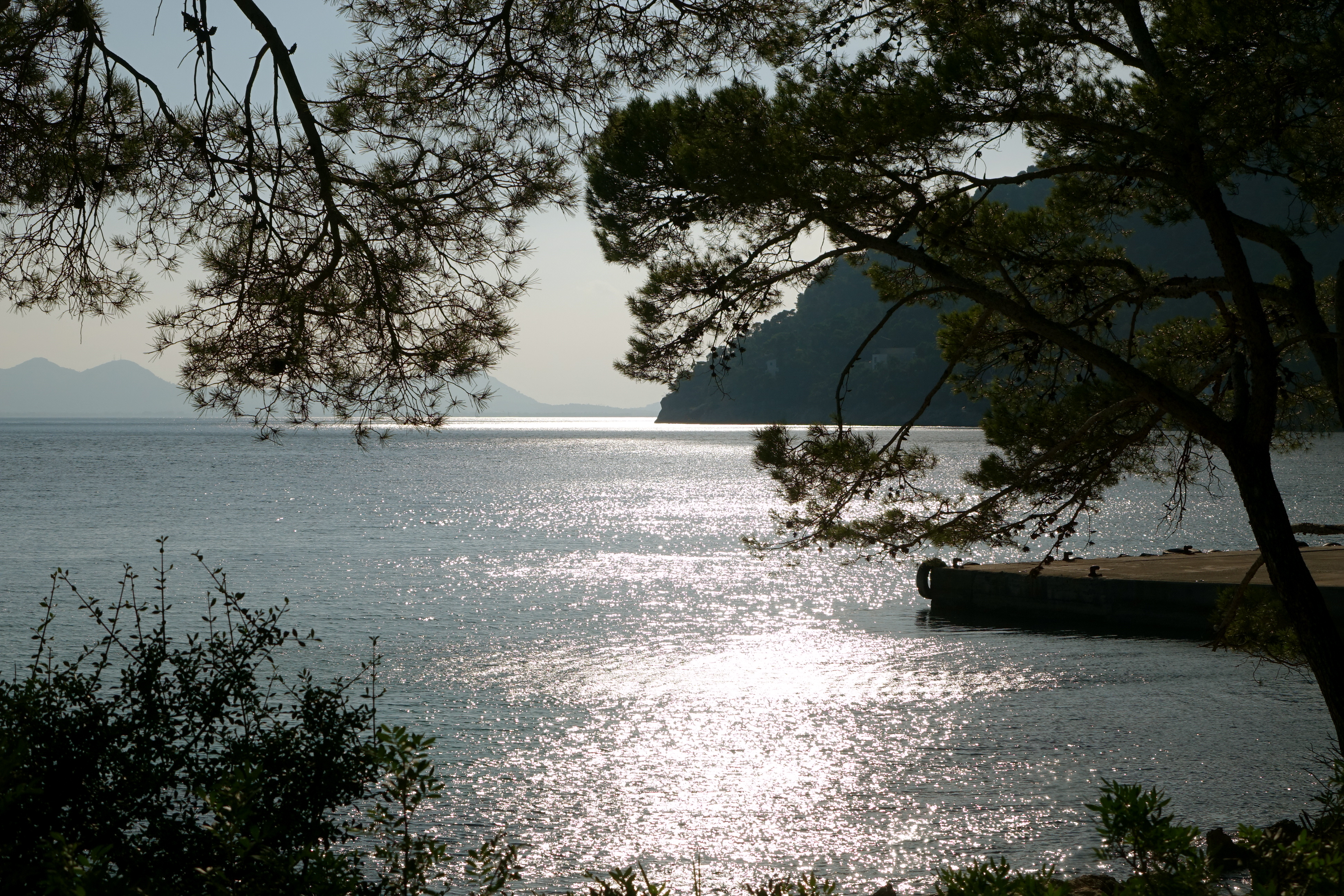
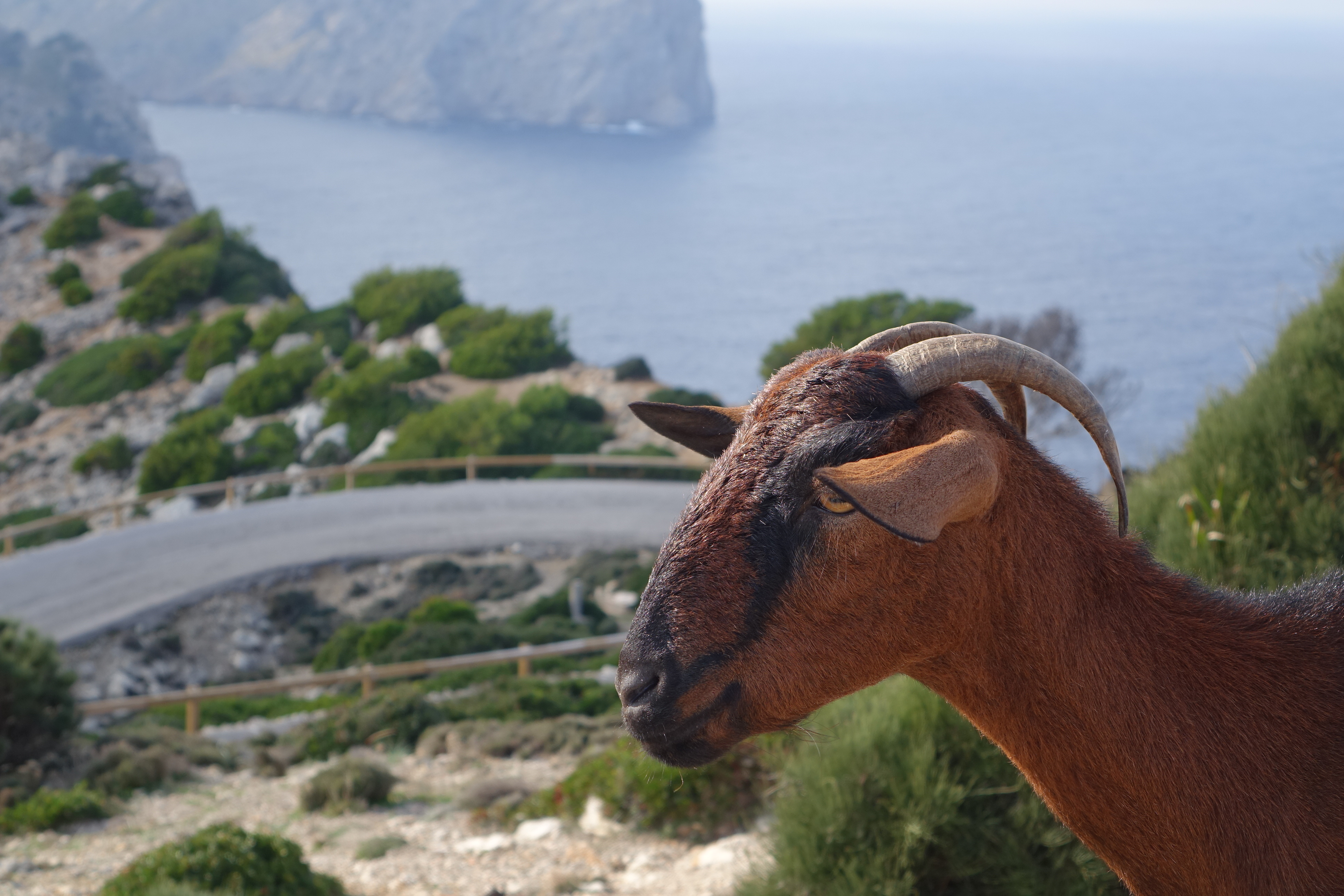
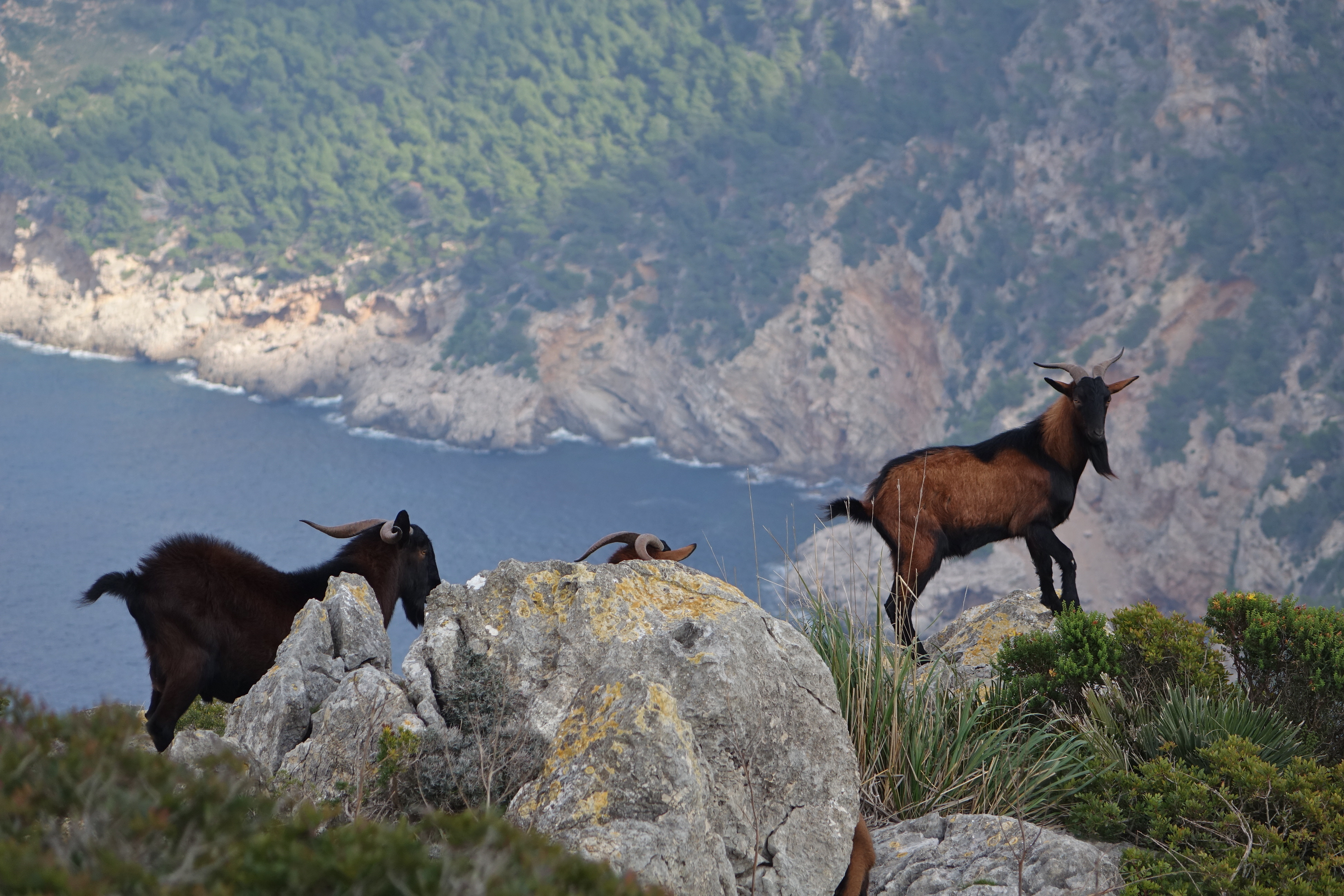
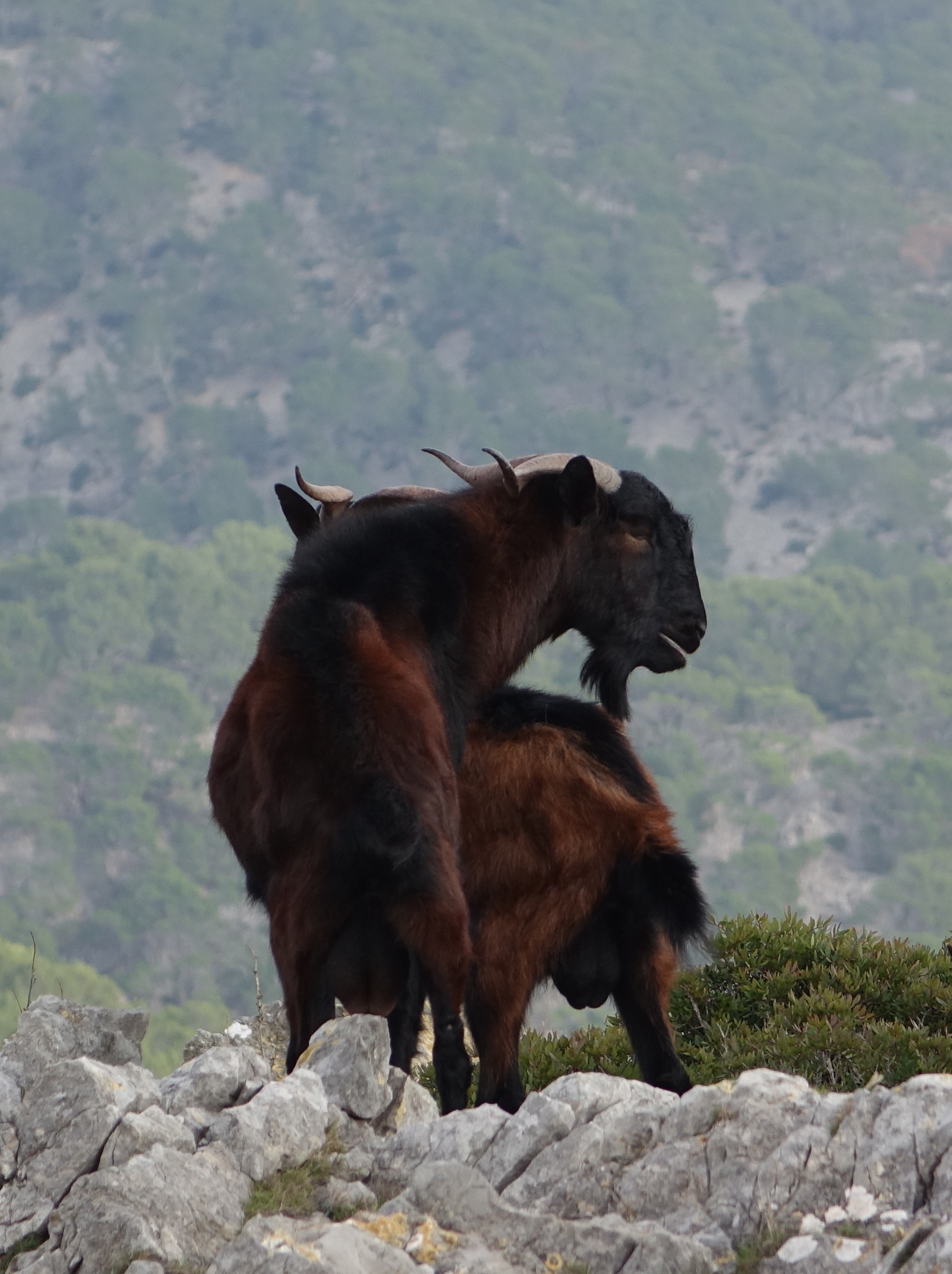
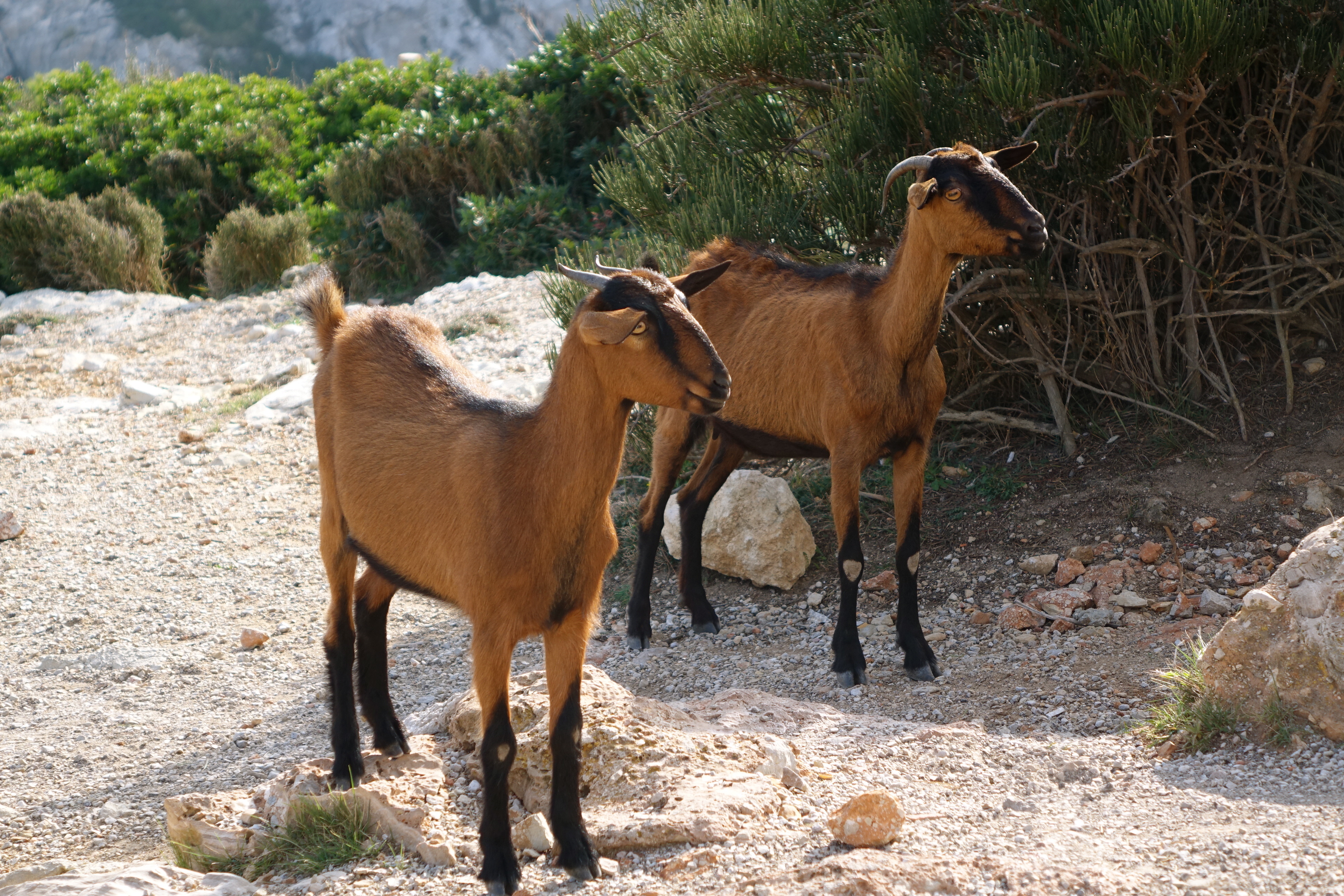
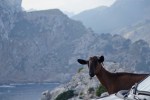
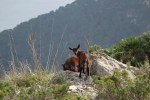
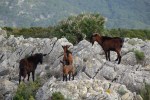
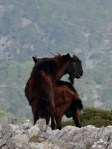
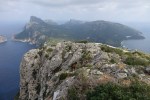
The Cap de Formentor – surely nature at its most dazzling; a mountainous peninsular which forms the crowning glory of Mallorca’s tramuntana mountain range, and its Northern most point. And while thousands of thrill-hunting tourists hit the winding roads of this most stunning of landscapes each year, it’s the mountain goats who can truly lay claim to this unique stretch of paradise.

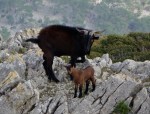
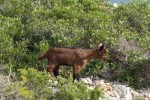
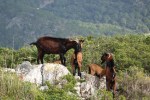
DSC03122DSC03085DSC03075DSC03116DSC03106

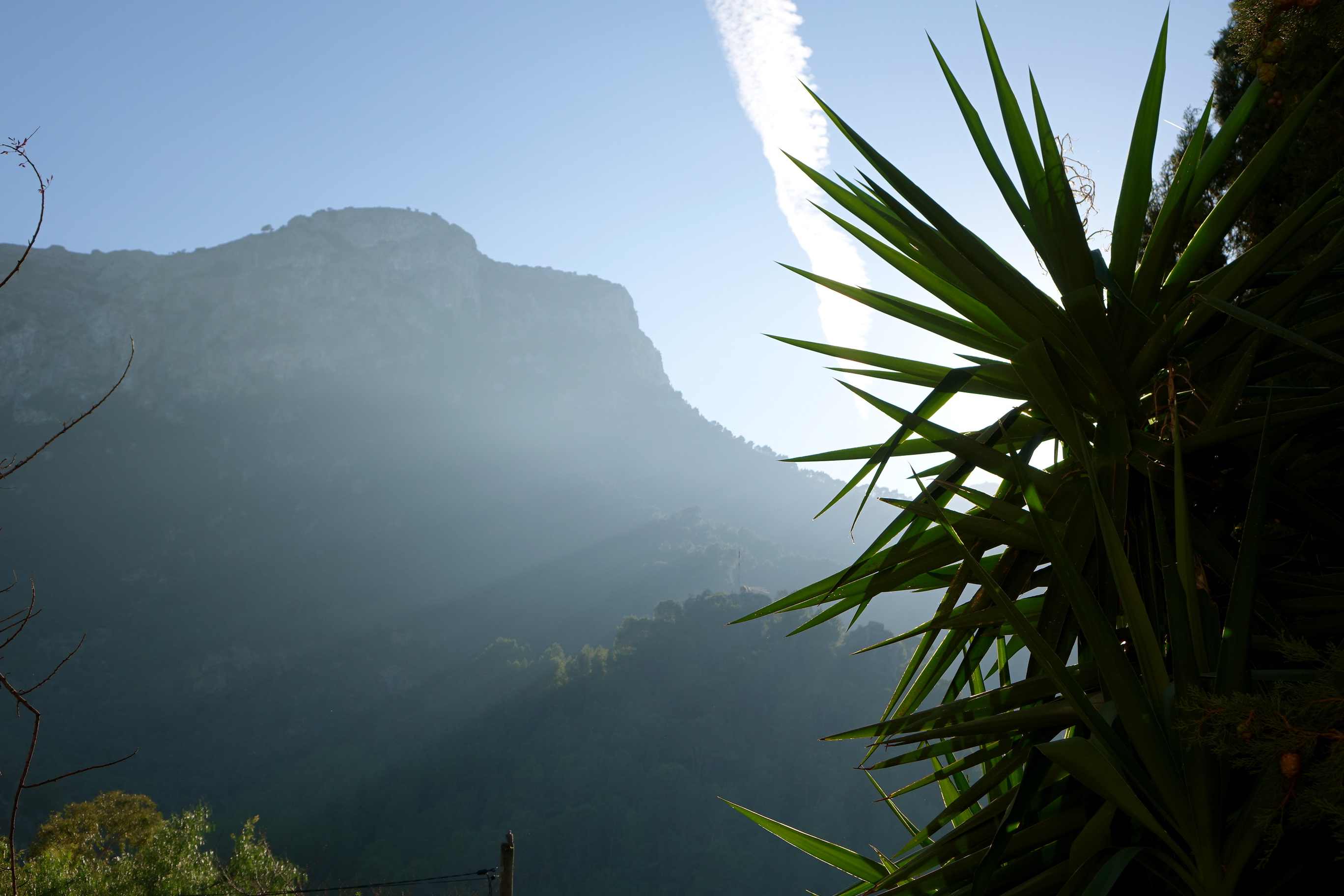
With their incredible sense of balance and tendency to traverse the steepest of cliffs and the most hazardous rocky terrains, the goats which live wild within Mallorca’s mountainous landscape never fail to impress me; that is at least when I manage to catch a glimpse of them. For these wild animals are notoriously shy; one blink and they’re gone. But with a bit of luck and some respectful distance, you can catch a sight of these beautiful animals offset against what must surely be some of the most incredible landscapes in Europe.

All photos and written content are strictly the copyright of Nicholas de Lacy-Brown © 2015 and The Daily Norm. All rights are reserved. Unauthorized use and/or duplication of the material, whether written work, photography or artwork, included within The Daily Norm without express and written permission from The Daily Norm’s author and/or owner is strictly prohibited.

Interpretation No. 17 – Autumn Light, La Rambla

La Rambla, in the heart of Palma de Mallorca, is without a doubt one of my favourite streets in the city. Stretching from the Plaza Mayor all the way to the main Avenidas ring road, and crowned with a discreet but elegant fountain towards its end, La Rambla is, like its Barcelona counterpart, a true artery of the city. Lined with huge trees which tower up to the sky and lean inwards forming a natural canopy, the leafy “ceiling” of this road reminds me of the nave of a cathedral. Meanwhile down at ground level, the street is filled with flower stalls which turn this very green passage into a veritable feast of colour every day.

But of all the times of the year, La Rambla is for me most beautiful in the autumn, when its blanket of leaves turns a golden honey green, and the soft light of the season shines through it like a stained glass window. Thus inspired, I returned to my Interpretations series, painting this simplified landscape of La Rambla when I love it best… first thing in the morning, seen on my way to work, with the autumn sun just ascending and long shadows spilling out across the road.

Interpretation No. 17 - Autumn light on La Rambla (2015 © Nicholas de Lacy-Brown, gouache on paper)

Interpretation No. 17 – Autumn light on La Rambla (2015 © Nicholas de Lacy-Brown, gouache on paper)

© Nicholas de Lacy-Brown and The Daily Norm, 2001-2015. Unauthorized use and/or duplication of the material, whether written work, photography or artwork, included within The Daily Norm without express and written permission from The Daily Norm’s author and/or owner is strictly prohibited. For more information on the work of Nicholas de Lacy-Brown, head to his art website at www.delacybrown.com

The Largest Tree in Palma de Mallorca

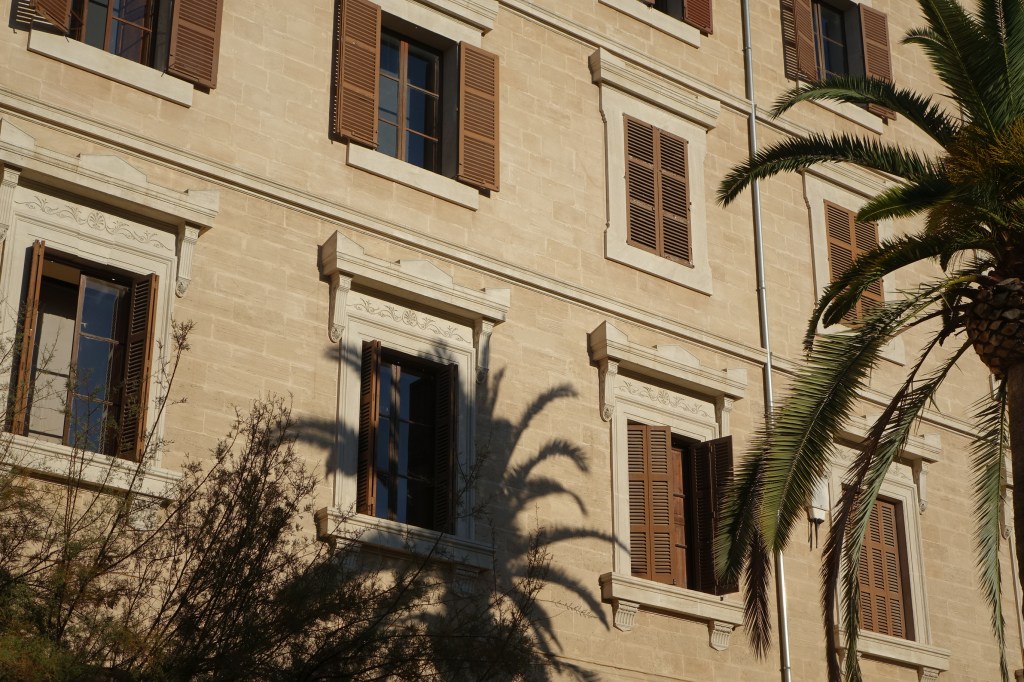
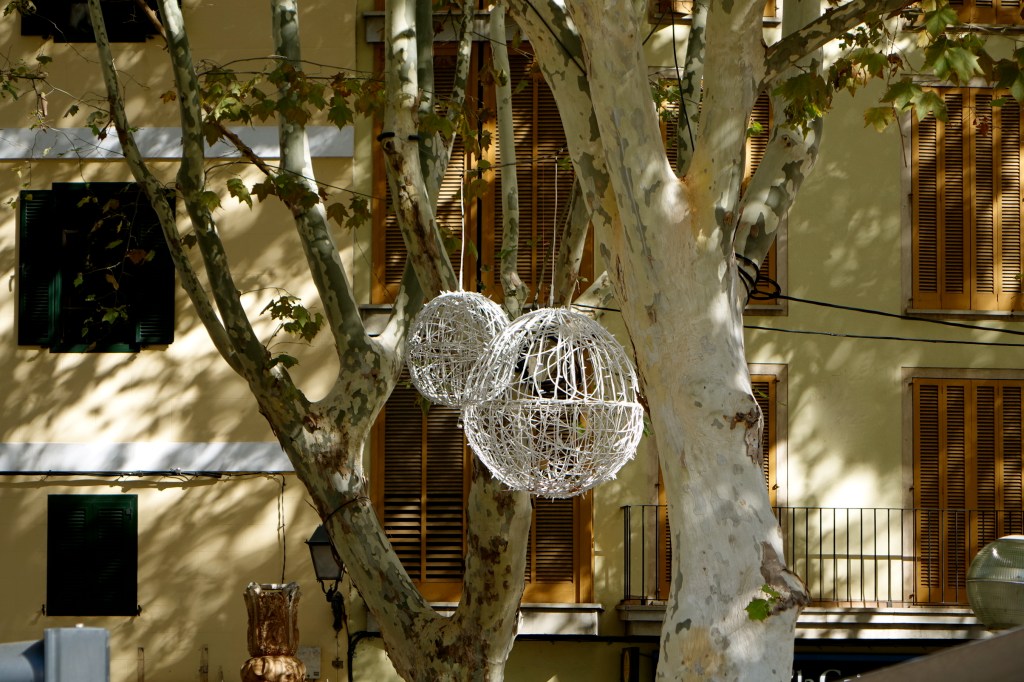
Despite the inherent disruptions entailed by a house move such as ours, it brings with it its new routines, and I love nothing more than the excitement of getting used to a new way of life. And for us, our new area brings an exposure to Palma’s best cafe culture, views of its beautiful leafy river, and a new daily walk to work which takes me through some of the old town’s most charming streets and across its beautiful tree-lined avenues.

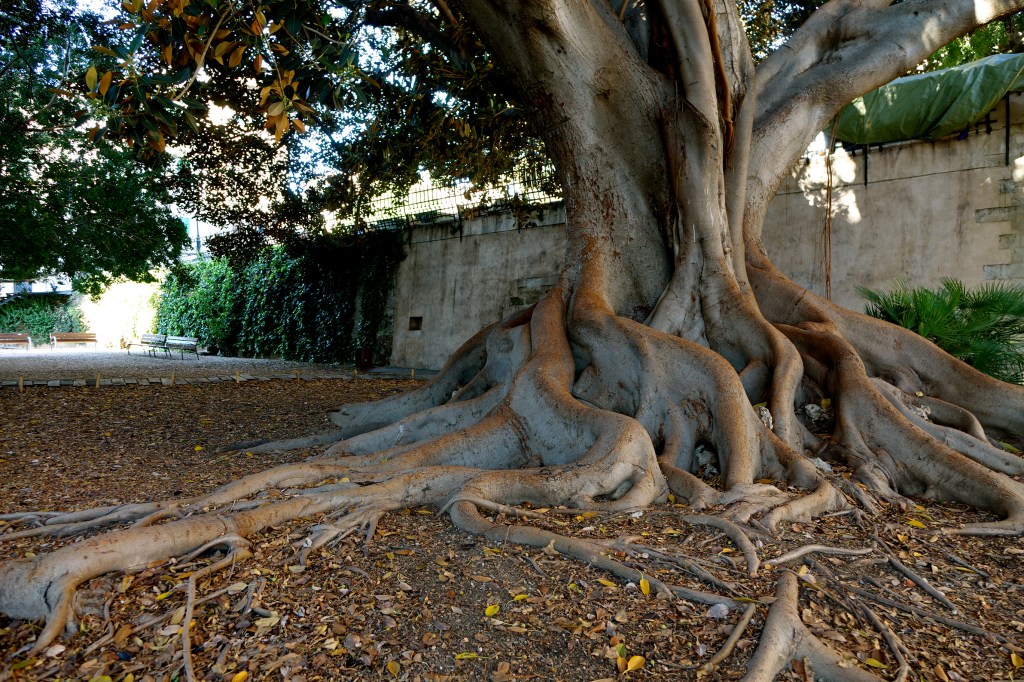
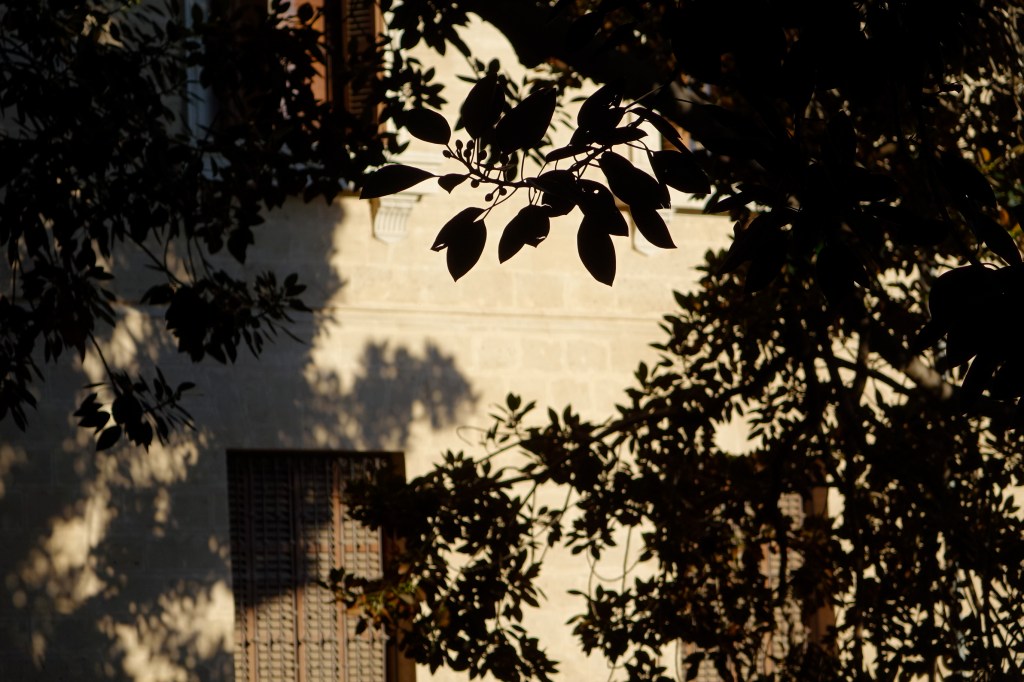
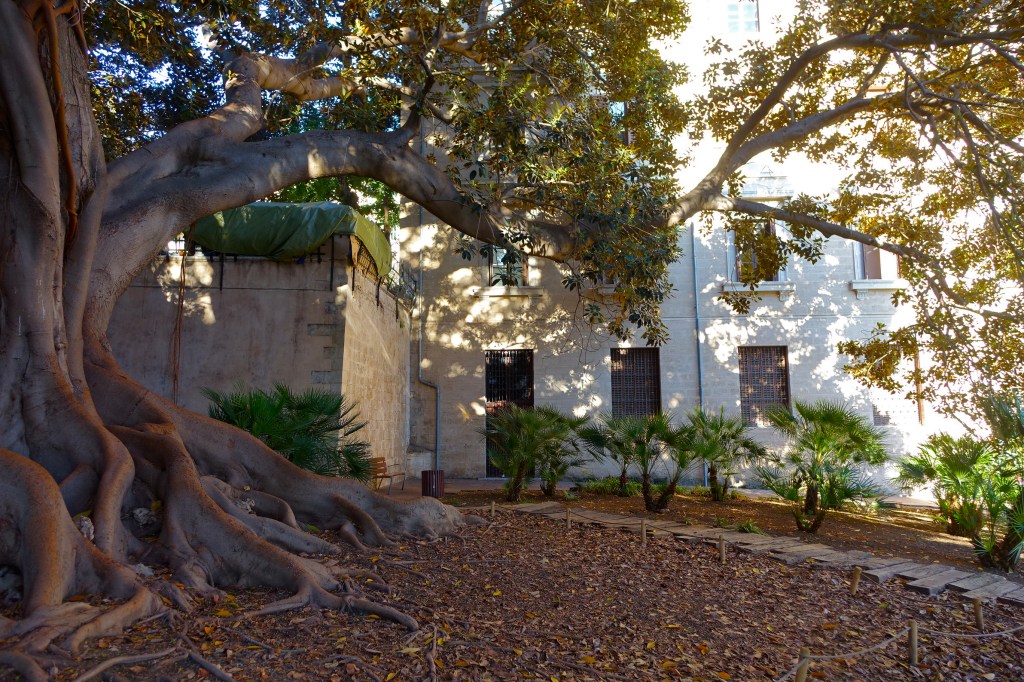
But for me, the most beautiful feature of my daily commute is my route past what must be the largest tree in all of Palma de Mallorca. Sitting in the walled gardens alongside the magnificent building of the Consell of Mallorca, this tree is beyond human or even natural dimensions. Its trunk must be at least 4 metres in diameter, and its sprawling roots could themselves be benches facilitating a cosy spot in the shade. Meanwhile its vast branches create a leafy canopy which must be over 100 metres across, and thus it fills the entirety of the square it rests in.

Its those beautiful branches which take centre stage in this photographic post – a true natural gem in the heart of urbanised Palma.

DSC02763 DSC02756 DSC02765 DSC02764 DSC02758 DSC02754 DSC02751 DSC02762 DSC02760

Interpretation No. 16 – From La Rive Gauche, Paris

Although this week will mark a year’s anniversary since we moved from London to the Mediterranean island of Mallorca, I am invariably a creature of habit, and while I surround myself daily by some of the most beautiful views Europe has to offer, there are still some things I miss about my former London life. Prince among them, ironically, is not a London experience at all, but our annual trip, taking what I always consider to be a glamorous sub-Channel rail journey from London St Pancras to L’Estacion Gare du Nord, to visit my favourite amongst cities, Paris. And as that annual trip always happened around about now, I cannot hide my internal pining for the French city of lights.

So in my efforts to satisfy something of my longings, I have somewhat franco-fied my home life of late. On my ipod, the hauntingly beautiful songs of old 20s French cabaret play; on the TV, film favourites such as La Vie en Rose are on continuous repeat, and moving from my paintbrush, this very Parisian scene emerged – a gouache painting which becomes the newest in my simplified interpretations landscape series.

Interpretation No. 16: From La Rive Gauche (2015, © Nicholas de Lacy-Brown,  gouache on paper)

Interpretation No. 16: From La Rive Gauche (2015, © Nicholas de Lacy-Brown, gouache on paper)

With its simplified colour palette of turquoise, ochre and grey, it reflects the memory of a similar such scene encountered just as we were crossing from the left bank on our last trip to Paris. I remember that the day had been pretty grey, but about the time the sun set, the clouds dispersed and left the sky a creamy golden yellow. This in turn reflected on the water, turning the grey River Seine a beautiful shade of turquoise which then glowed, almost unnaturally, against the greys and beiges of the surrounding city architecture.

It feels good to have Paris back in my life again… even if it is just on paper.

© Nicholas de Lacy-Brown and The Daily Norm, 2001-2015. Unauthorized use and/or duplication of the material, whether written work, photography or artwork, included within The Daily Norm without express and written permission from The Daily Norm’s author and/or owner is strictly prohibited. Excerpts and links may be used, provided that full and clear credit is given to Nicholas de Lacy-Brown and The Daily Norm with appropriate and specific direction to the original content. For more information on the work of Nicholas de Lacy-Brown, head to his art website at www.delacybrown.com
Norms in the Caves of Drach

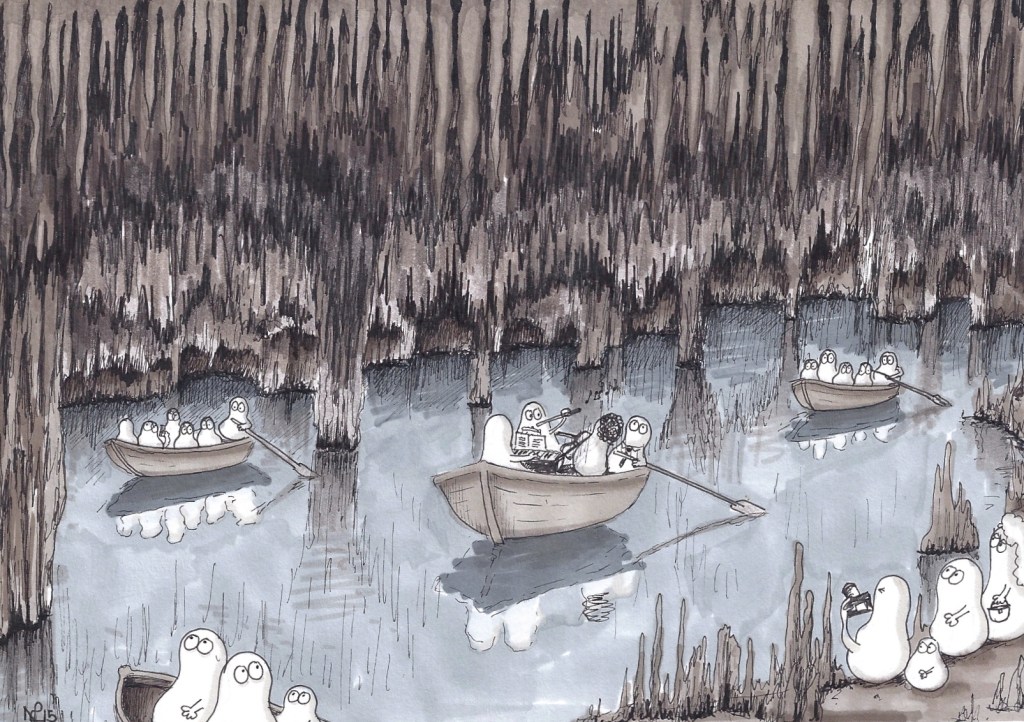
Legend has it that the Norms have lived on the earth for many millions of years, although over that time, it is thought that their bean-like gelatinous form has gradually morphed and evolved. In fact some allege that these famous white blobs once started off as a mere circular structure, although the biological reasoning behind this theory is heavily disputed.

Nonetheless, there is nothing that Norms like to do more (well apart from sip on a steaming cup of hot white chocolate perhaps) than reconnecting with their heritage, and owing to their tremendously long history, this connection can be no better realised than in a good set of caves, themselves the products of millions of years slow limestone dripping.

Norms in the Caves of Drach (2015 © Nicholas de Lacy-Brown, pen and ink on paper)

Norms in the Caves of Drach (2015 © Nicholas de Lacy-Brown, pen and ink on paper)

It is no wonder then that on a recent trip to the Mediterranean island of Mallorca, the Norms were to be found happily visiting the famous Cuevas of Drach; gazing up in wonder at the multiple surreal forms created by the stalactites, and floating, awestruck, across the crystal clear lake, gazing at their milky reflection while a boat full of Norm musicians serenaded them across the water.

You could say they took to it like a Norm to water…,

© Nicholas de Lacy-Brown and The Daily Norm, 2001-2015. Unauthorized use and/or duplication of the material, whether written work, photography or artwork, included within The Daily Norm without express and written permission from The Daily Norm’s author and/or owner is strictly prohibited. Excerpts and links may be used, provided that full and clear credit is given to Nicholas de Lacy-Brown and The Daily Norm with appropriate and specific direction to the original content. For more information on the work of Nicholas de Lacy-Brown, head to his art website at www.delacybrown.com
New Horizons / Goodbye to Loved Ones

There is a very good reason why moving house is said to be one of, if not the most stressful experiences in a person’s average life: because it’s true. What looks on paper to be a simple event, with just a little effort and a few cardboard boxes thrown in, quickly becomes a herculean effort with as much cardboard and bubble wrap as would be required to encase your average skyscraper. Or so it was with my move that is, the second in just 12 months, across from one end of Palma de Mallorca to the other. The move marked a clear inconvenience, but for many reasons was both necessary and desirable. And it was with these many positives in mind that we maintained our resolve as we heaved suitcases full of books and paintings across the cobbled streets and many stairs which fill the centre of Palma.

DSC02686 DSC02736 DSC02658DSC02681 DSC02747 DSC02653 DSC02661

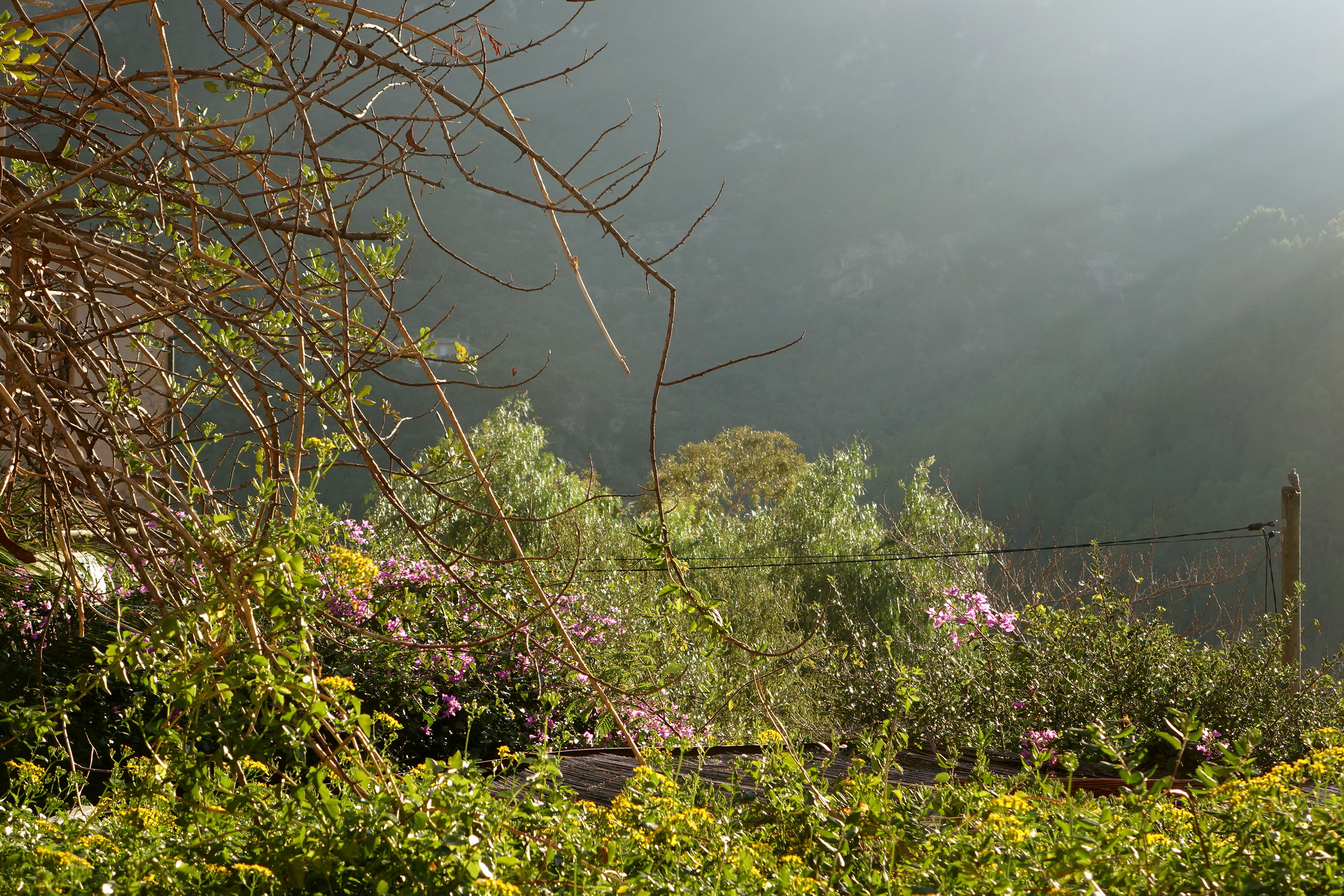
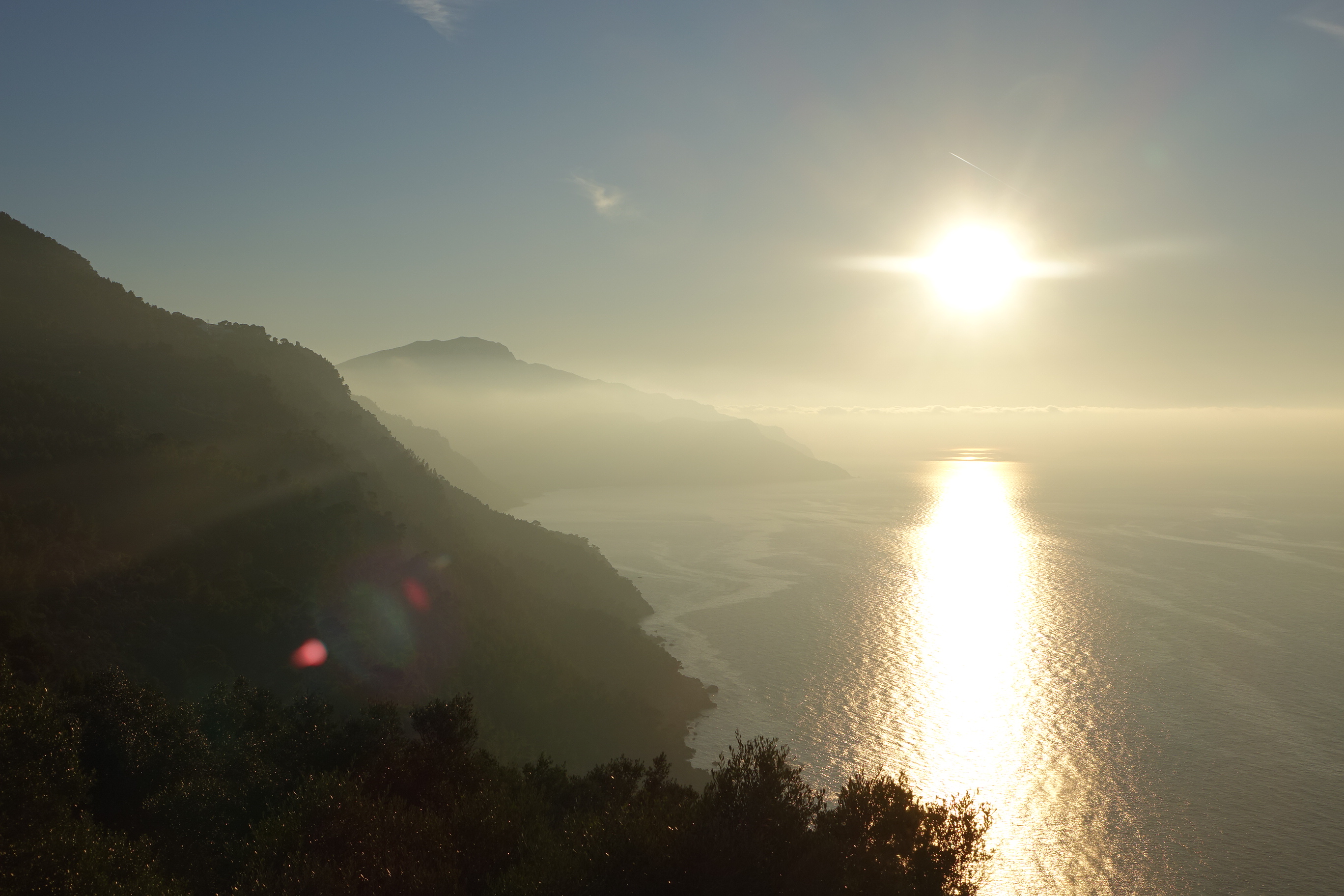
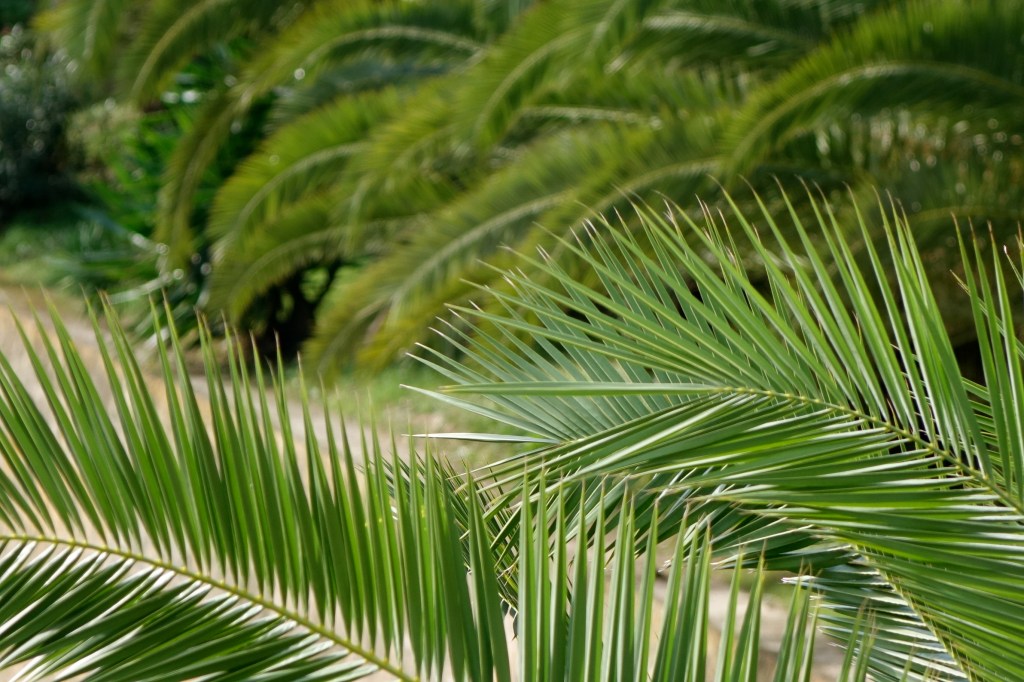
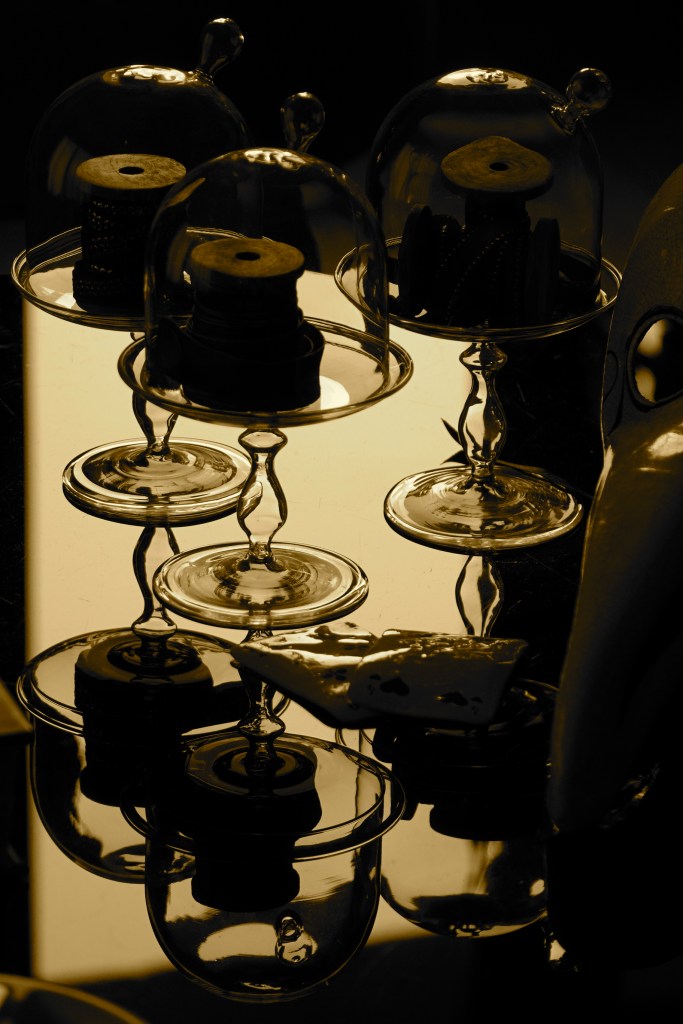
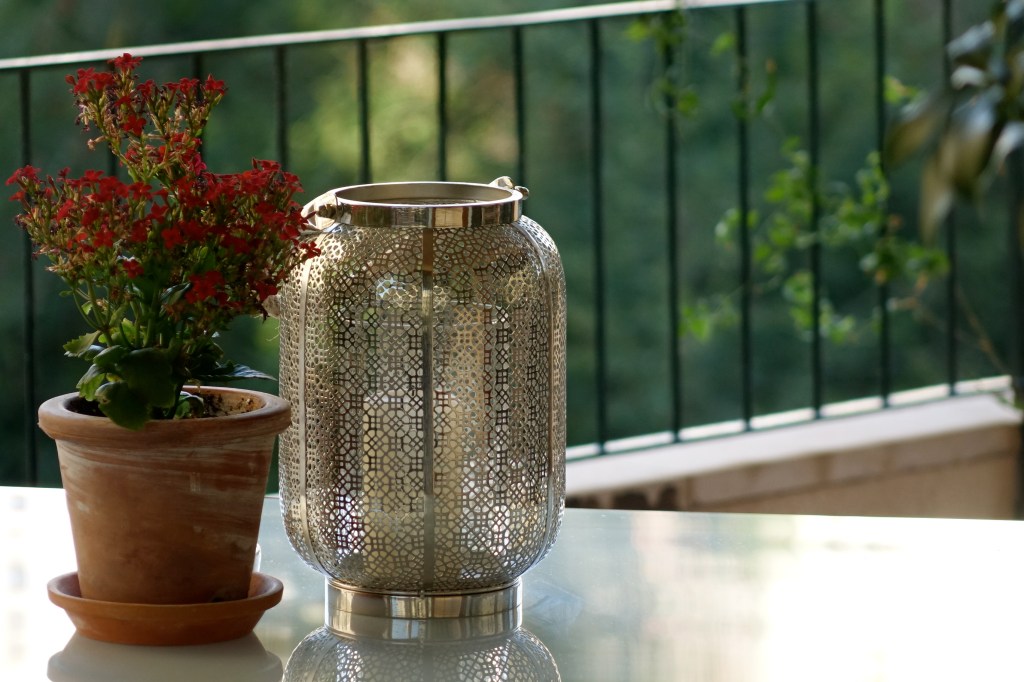
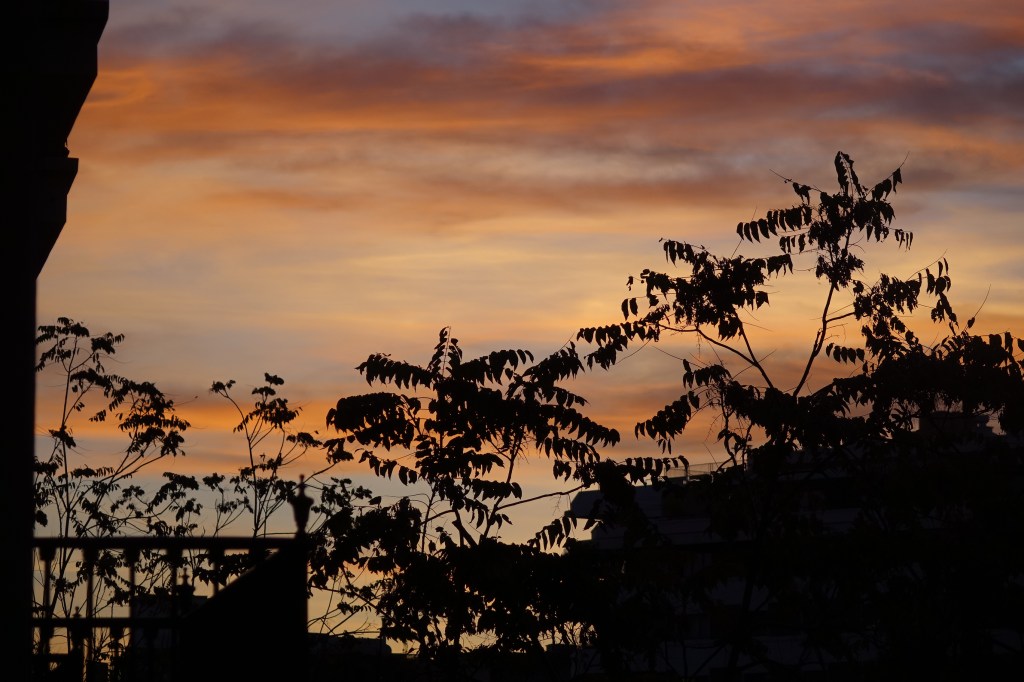
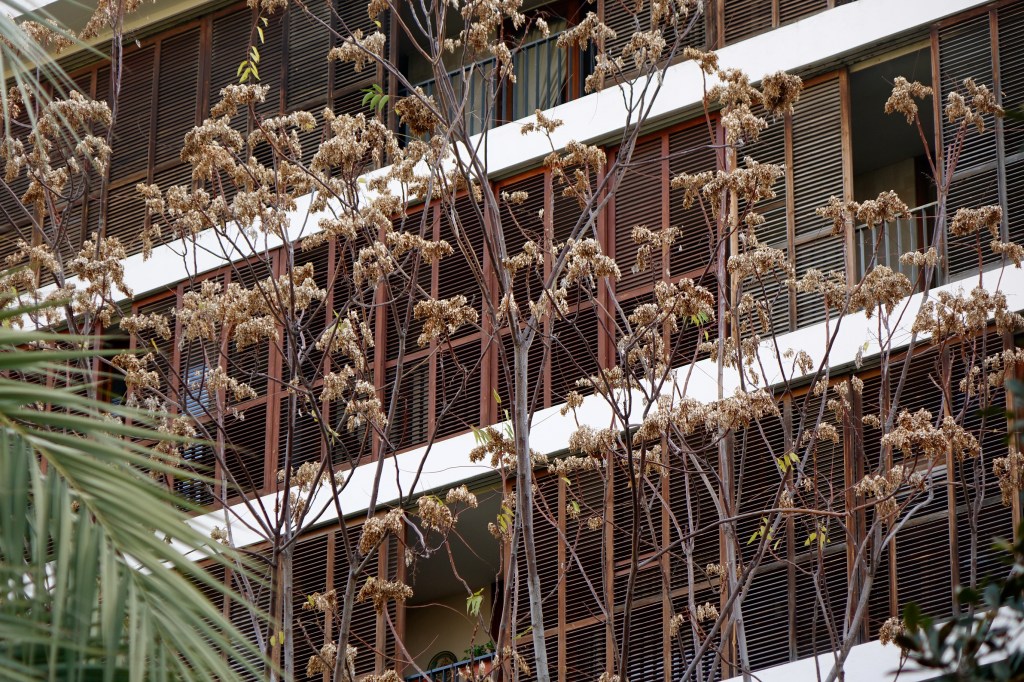
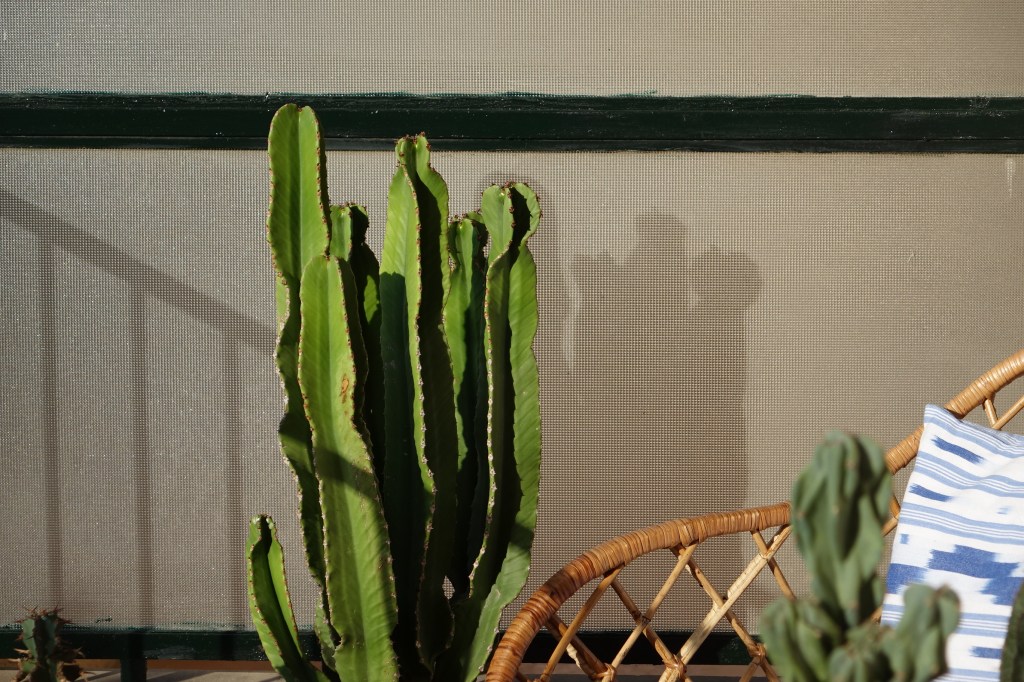
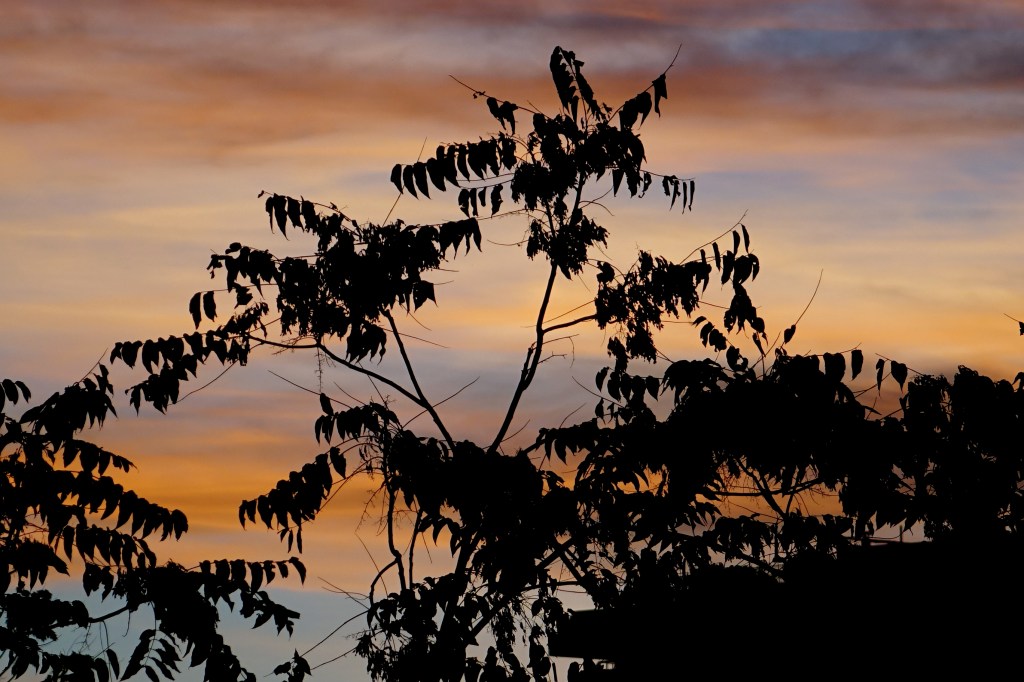
Almost 8 weeks after the moving process first began, we have finally began to settle in our new abode; a modern apartment which is reminiscent of our comfortable London home, except that here we benefit from a sizeable terrace and a wonderful view of palm trees and cypresses – one view you are sure not to get in Blighty. And now with the comfort of settling in finally upon us, the time to contemplate our new space and surroundings has also arrived, and in these first photos, I wanted to share with you some of my first shots, not within the new flat, but outside it. For as I awake in the morning, or gaze at a sunset upon the onset of the night, it is the views from this new home which enchant me… new views to get lost in; new horizons to explore.

DSC02669 DSC02728 DSC02749 DSC02688 DSC02675 DSC02655 DSC02651 DSC02676 DSC02648 DSC02685

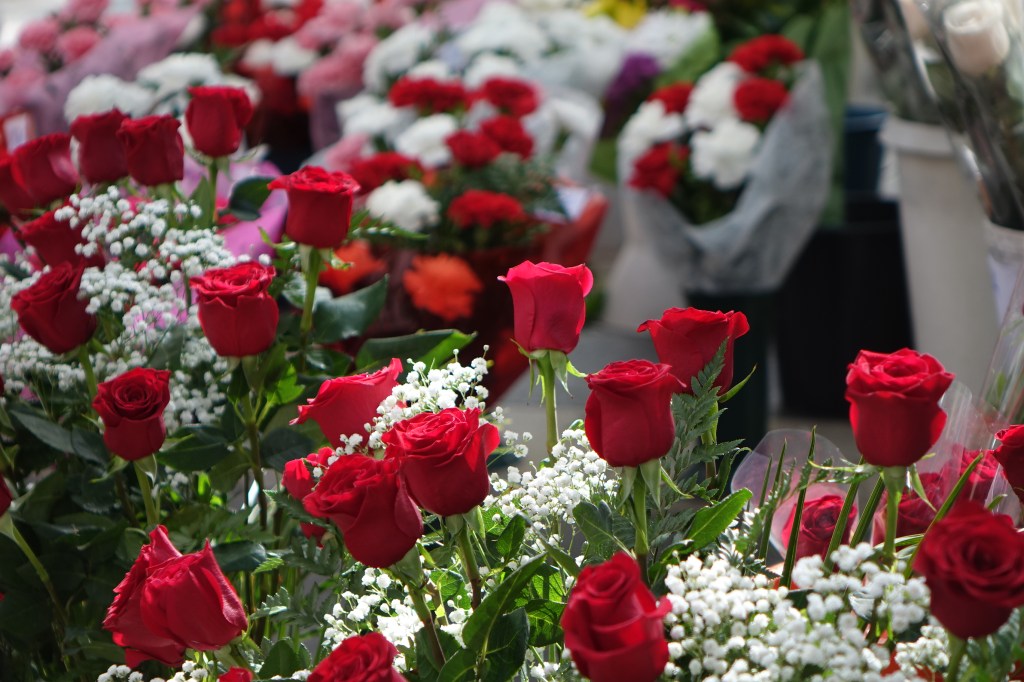
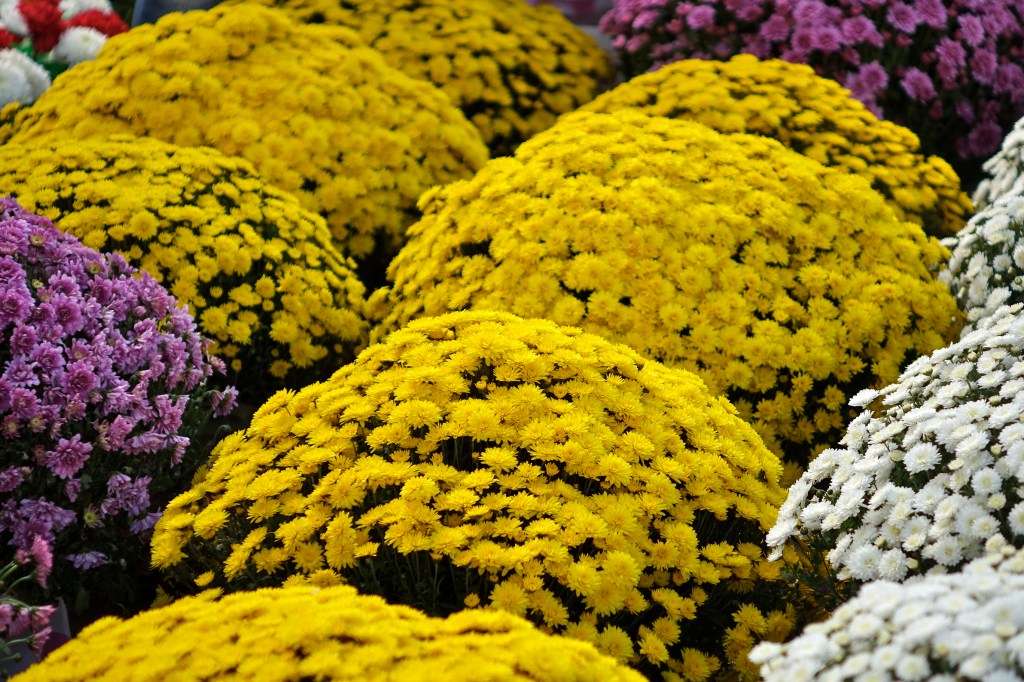
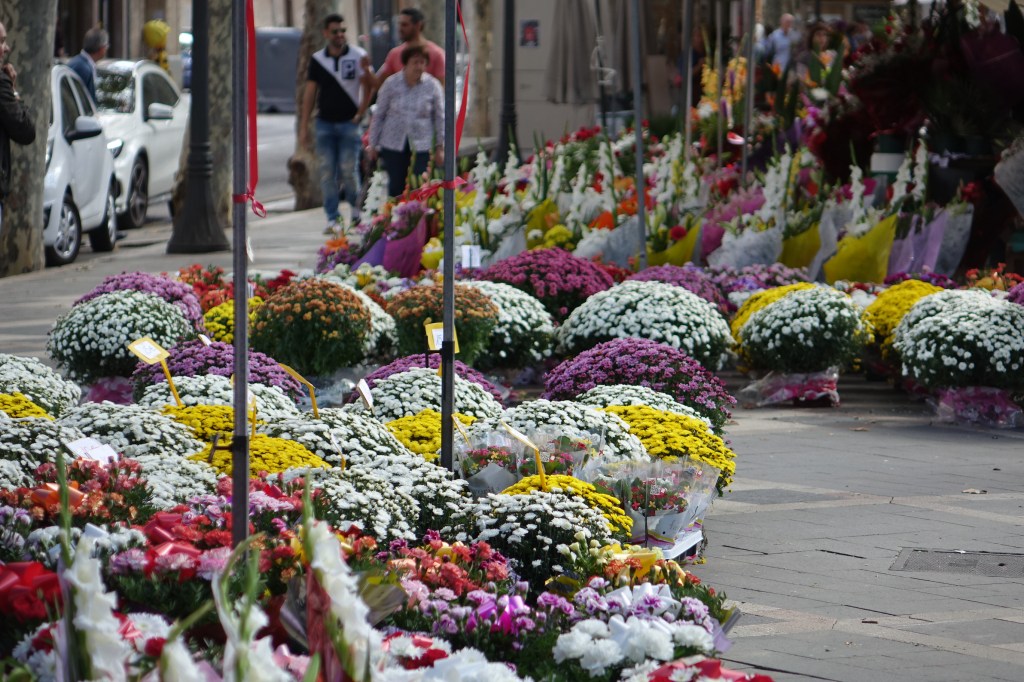
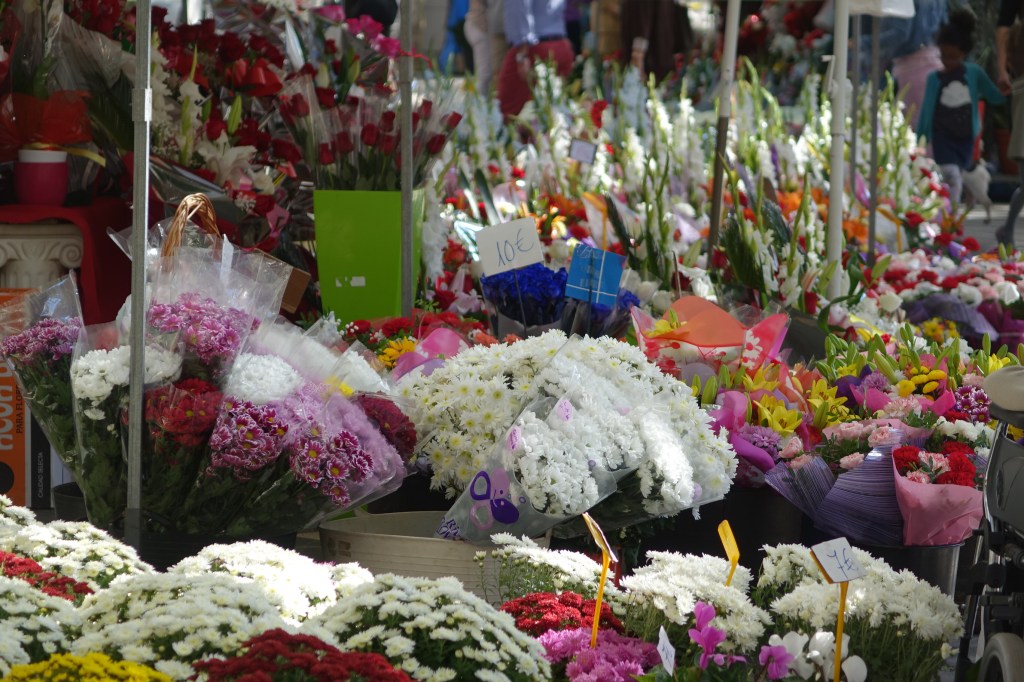
But the time of our acquaintance with a fresh start in a new home coincided with the time of the year when people tend to direct their minds backwards; to a past in which a loved one was by their side; to a time when a person’s presence made their lives very different. For in the world outside of our new home, Spain was marking its day of the dead, and in La Rambla, the sprawling flower market lining the entire central avenue of one of Palma’s principle boulevards, flower arrangements created to newly embellish the gravesides of lost love ones overflowed onto the pavements, so that down this road of some half a kilometre in length, it was like a single wave of bounteous colour had erupted across the ordinarily grey road.

DSC02693 DSC02694 DSC02725 DSC02705 DSC02708 DSC02715 DSC02702 DSC02696 DSC02698 DSC02691

As with the cemeteries I love, the Day of the Dead is undoubtedly characterised by a sense of pathos and loss, but none can deny the beauty which accompanies this annual day of remembrance; when from the bleak monotony of sadness, colour erupts in a floral feast to mark a fresh adieu to lost loved ones.

All photos and written content are strictly the copyright of Nicholas de Lacy-Brown © 2015 and The Daily Norm. All rights are reserved. Unauthorized use and/or duplication of the material, whether written work, photography or artwork, included within The Daily Norm without express and written permission from The Daily Norm’s author and/or owner is strictly prohibited.