Skip to content

BreathNorm – Norms inspired by De Waal

For an artist like myself, whose almost complete inability to paint in anything but the brightest of colours (as followers of this blog, or indeed of my art website may have realised) has made colour something of a trademark of my creative output, I sometimes surprise even myself when I start to find myself drawn towards simple, monochrome, muted colourless creations. It happened for example earlier this year, when I shunned the great pasty-coloured nudes of Lucien Freud in order to give my full attention to the stunning works in black and white that are his etchings. Completely captivated by the simplicity of the medium, yet the extent of intricacy and emotion he was able to capture in simple black lines, I became obsessed by printmaking, and started etching myself – a pursuit which continues to occupy many of my weekends as I dabble further in this new medium.

Now it has happened again, with the pots of De Waal. As I described in my post yesterday, I was delighted when, by sheer coincidence as I am reading my way through the enthralling pages of The Hare with Amber Eyes, I caught a documentary on the BBC’s Imagine show last week, focusing on the book’s author. While I was fully expecting my attention to be held by all references in the programme to the book which has captivated me for the last few weeks of reading, what I wasn’t expecting was to become so completely enamoured by the artworks which this great novelist also creates. I say also – however art is in fact Edmund De Waal‘s primary calling in life, and he was turning his hands to the malleable craft of pottery long before he ever began to trace the heritage of his netsuke whose story formed the basis of the book which has now made him famous around the world.

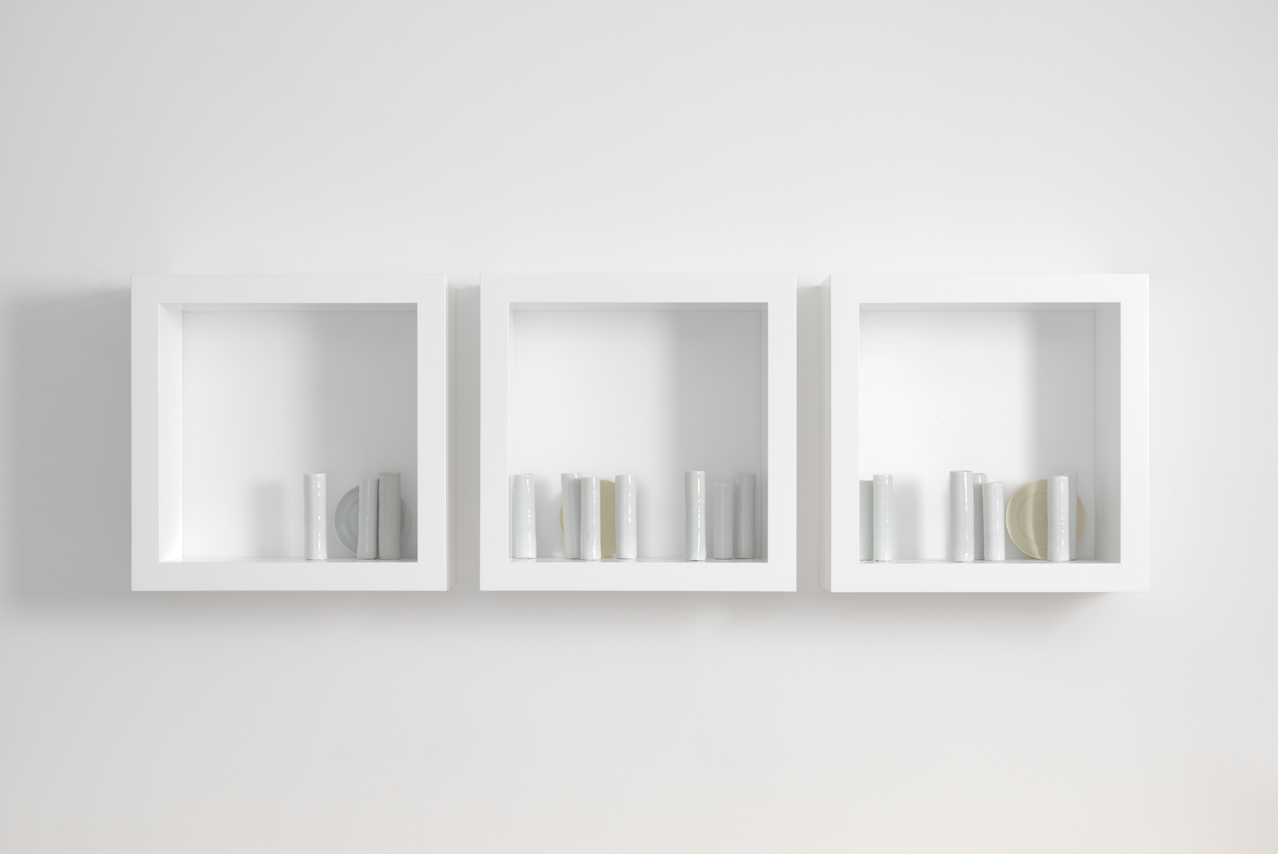
Breathturn II (2013 © Edmund De Waal)

Breathturn II (2013 © Edmund De Waal)

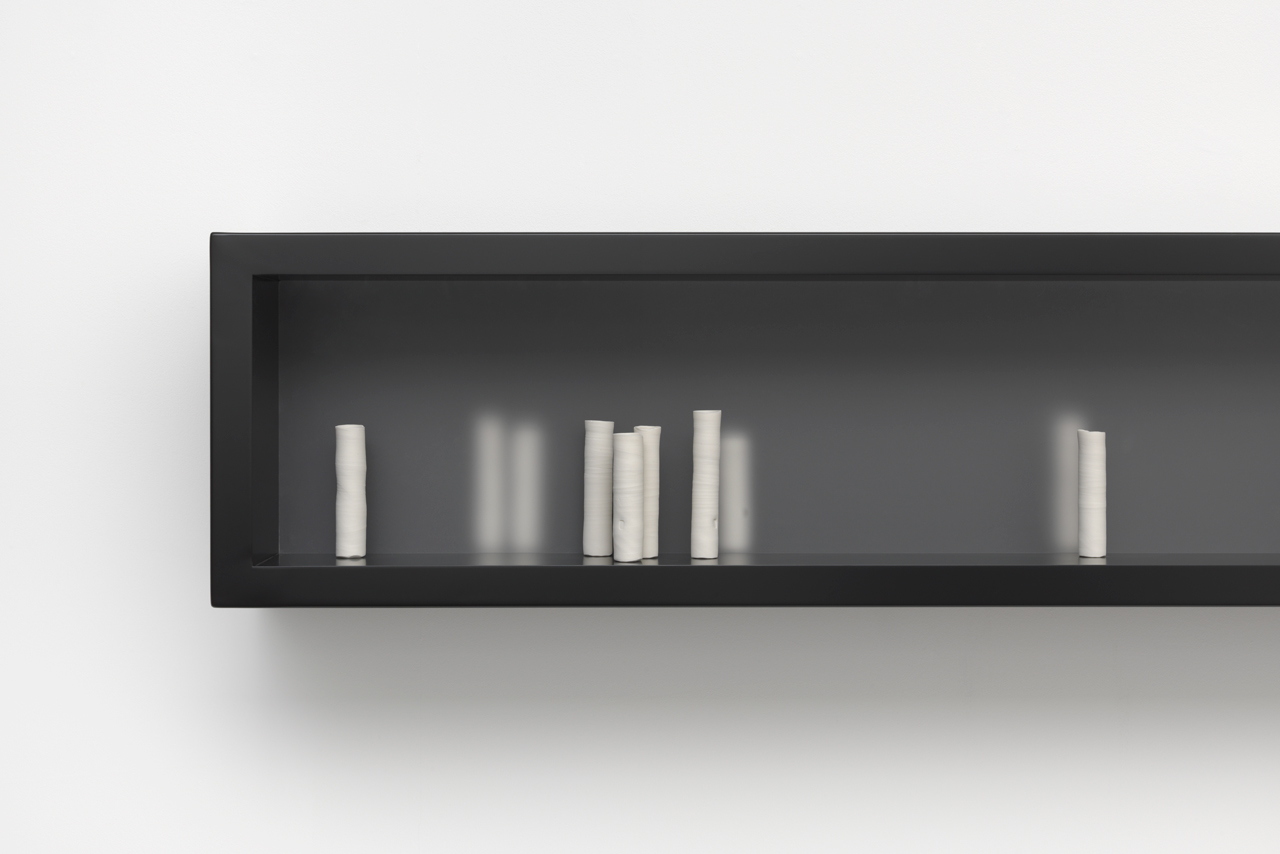
Breathturn IV (detail) (2013 © Edmund De Waal)
Breathturn IV (detail) (2013 © Edmund De Waal)

First Light (2013 © Edmund De Waal)

First Light (2013 © Edmund De Waal)

Edmund De Waal’s art is pottery. He makes pots. But pots whose assemblage is so brilliantly pictorial, so evocative of emotions deeply held within the craftsmanship of their creation, and yet so capable of rousing within the viewer deep, reflective emotions, that as installations, these simple pots create artistic masterpieces worthy of the great art collections of his family predecessors.

De Waal’s pots are simple – usually either in black or white – but their beauty tends to be about two things. First, the naive effortlessness of their shape; the mismatched almost drunkeness of one lean after another, which tends to give each pot a handmade personality all of its own, rather than the feeling of machine manufacture. Second, their grouping – it is the way in which De Waal groups his pots together which makes them so effective as works of art: Is it just that I am coloured by the contents of his book, or by his Jewish ancestry, or did he intend to create row after row of pots so uniquely human in their uneven appearance, that they seem to evoke to Holocaust itself? For me, when I see these works, such as the quartet of huge almost bookcase structures, Breathturn, displaying shelf after shelf of randomly placed pots, I think of the row after row of destitute Jews, stripped of their livelihood and of their dignity, waiting like cattle for train crates on bleak station platforms, ready to face the certain horrors of their final destination.
Your hands full of hours (2013 © Edmund De Waal) (detail)
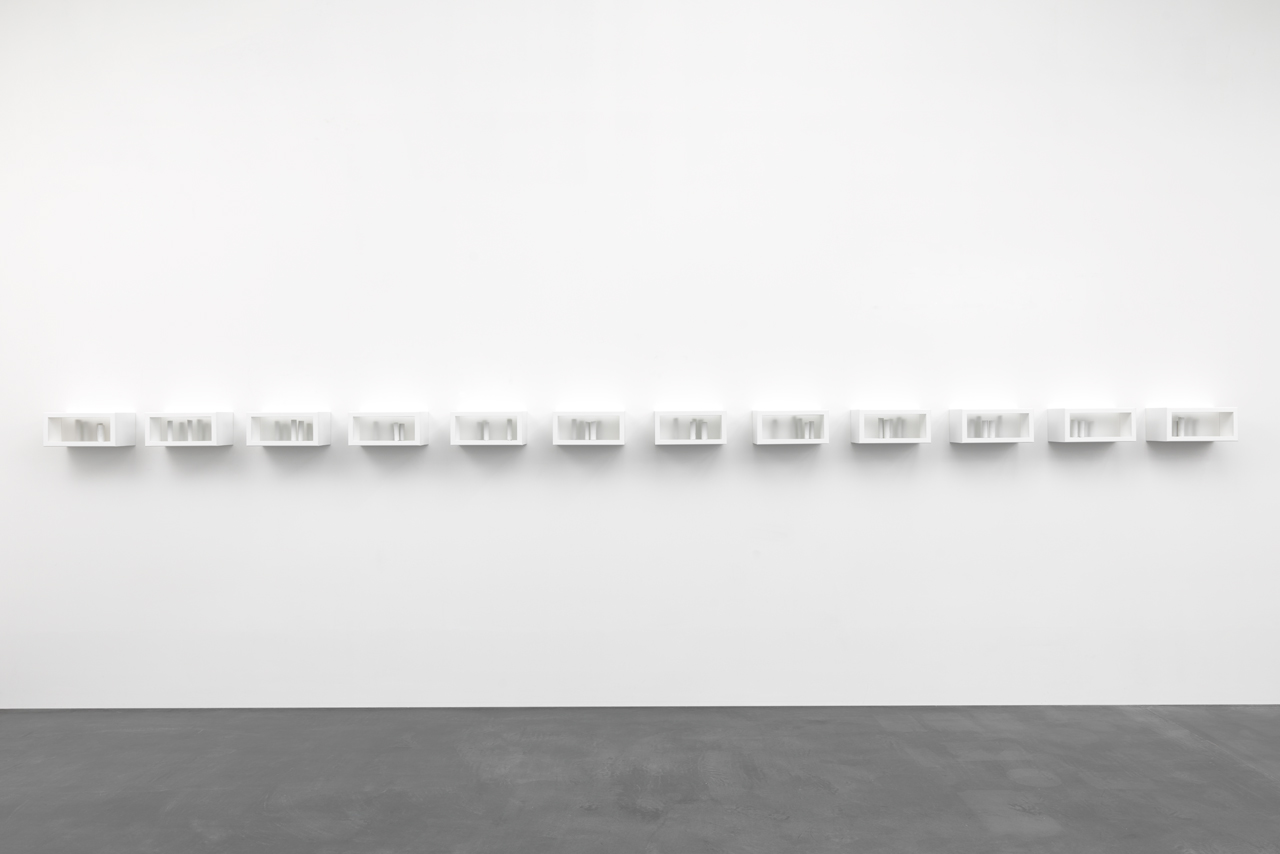
Your hands full of hours (2013 © Edmund De Waal) (detail)

I heard it said (for Berg) (2013 © Edmund De Waal

I heard it said (for Berg) (2013 © Edmund De Waal

How did we live here (2013 © Edmund De Waal) (detail)

How did we live here (2013 © Edmund De Waal) (detail)

The White Road III (detail) (2013 © Edmund De Waal

The White Road III (detail) (2013 © Edmund De Waal

And then there are De Waal’s works which show groups of pots separated by a sheet of translucent perspex, so that you can see the pots behind it, but only in blurred outline. This produces the effect of a solemn group shot, perhaps a family, estranged – people taunted by the shadows or perhaps memories of loved ones; their presence there close at hand, and yet not there, untouchable, ungraspable; the frustrating feeling of irreparable separation, when a blasted great wall separates you from where, or with whom you should be.

These interpretations may well not be what De Waal intended when he made his works, but what does it matter? For in creating works that inspire these kinds of reactions in me, he has surely done the job of a great artist: he has moved his audience to an imagination all of their own.

And, as all the great artists have done before him, De Waal not only got my imagination churning when it came to his own works, but also inspired me to create a Norm re-invention of his pottery installations. And so I leave you with my own little Norm group shot; a homage to all those pots and the great variety of emotions their simple poses evoke.

BreathNorms (after De Waal) 2013 © Nicholas de Lacy-Brown, pen and ink on paper
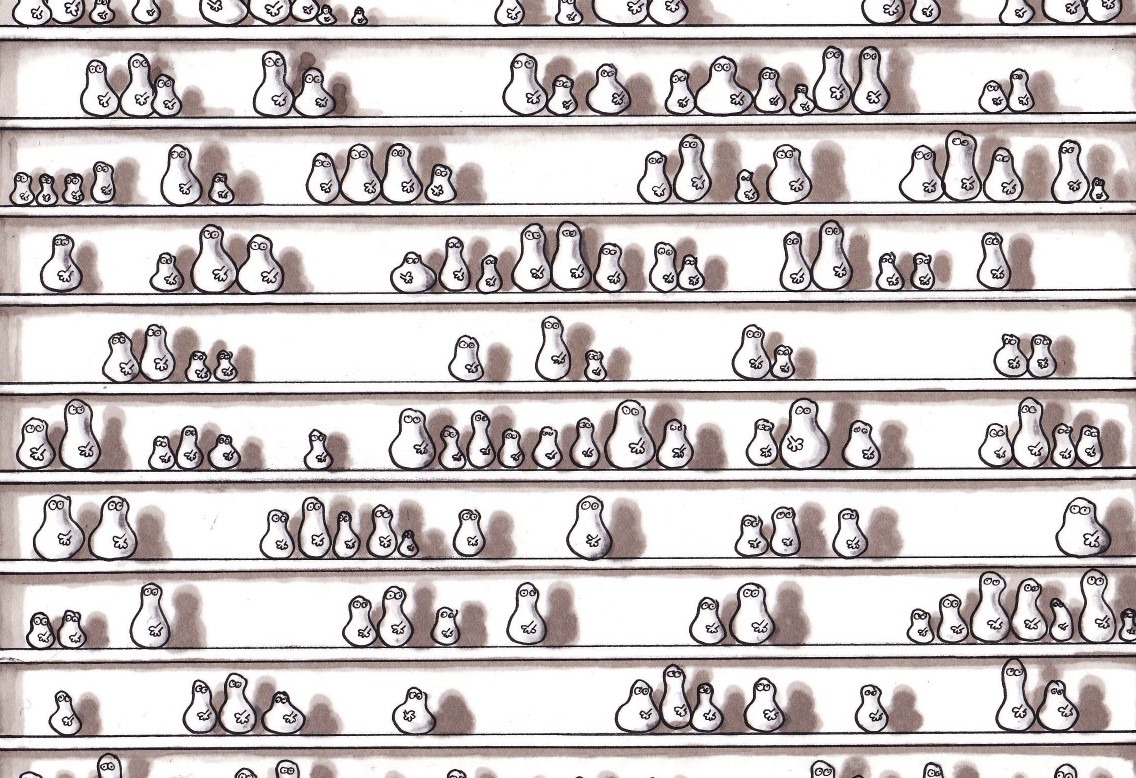
BreathNorms (after De Waal) 2013 © Nicholas de Lacy-Brown, pen and ink on paper

BreathNorm (detail)

BreathNorm (detail)


The photos on this page are the copyright of  © Edmund De Waal, and show the works he prepared for his 2013 exhibition at the Gagosian, New York. Norms are the copyright of me © Nicholas de Lacy-Brown, 2013. The works of Edmund De Waal can be seen on his website, here.

Paris, Dreyfus, and Vienna – the coincidences which led me to De Waal

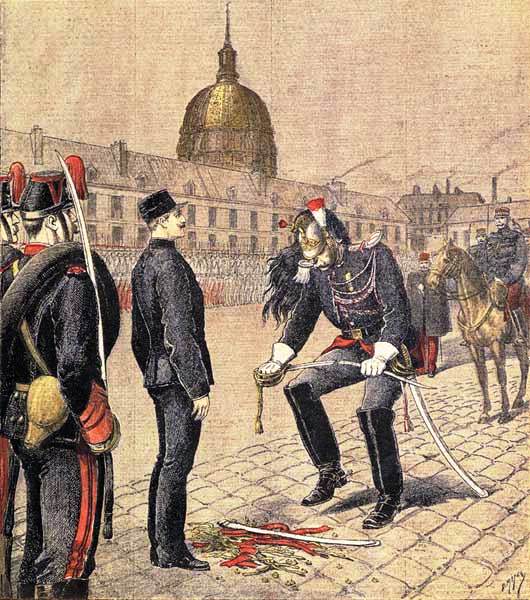
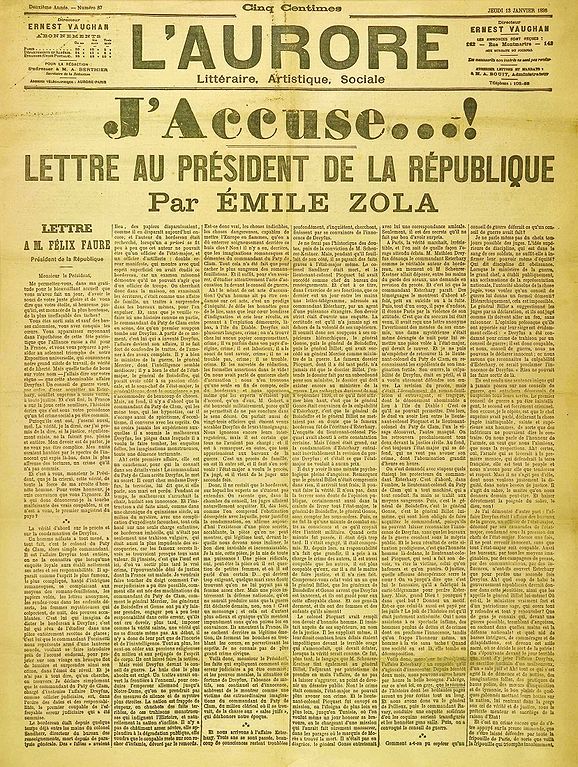
Life is full of coincidences, and for me, this has been no more proved than recently, when I have been beset by a series of overlapping coincidence. The series of greatest significance has been the one leading to this post. It started in the early Autumn, when the fading of summer led me to start feeling my familiar autumn yearnings for a trip to Paris. In part-alleviation of this desire, I started reading the aptly titled Paris Requiem, by Lisa Appignanesi, which is, on its face, a period murder mystery, but set against the historically significant Dreyfus affair. I was already aware of Dreyfus on my periphery, being as the involvement of one of my favourite authors, Emile Zola, had pretty much destroyed his career, forcing him into exile in the UK when he sought to uncover what was one of the greatest conspiracies in French history, and unveiled a disturbingly vehement level of anti-Semitism both at the heart of the French Government and within French society at the end of the 19th Century.

The degradation of Alfred Dreyfus

The degradation of Alfred Dreyfus

The article which incriminated Emile Zola

The article which incriminated Emile Zola

Then, just as I was finishing Paris Requiem, the long-awaited new novel of another favourite author, Robert Harris, was published, this book also dealing with the Dreyfus affair from the point of view of the Army Officer who uncovered the scandal and suffered his own career-breaking consequences in the process. Mid-way through the book, a new documentary series started on TV. Telling the story of the Jews, the narrator, Simon Schama,  also told of this disturbing period of French History.

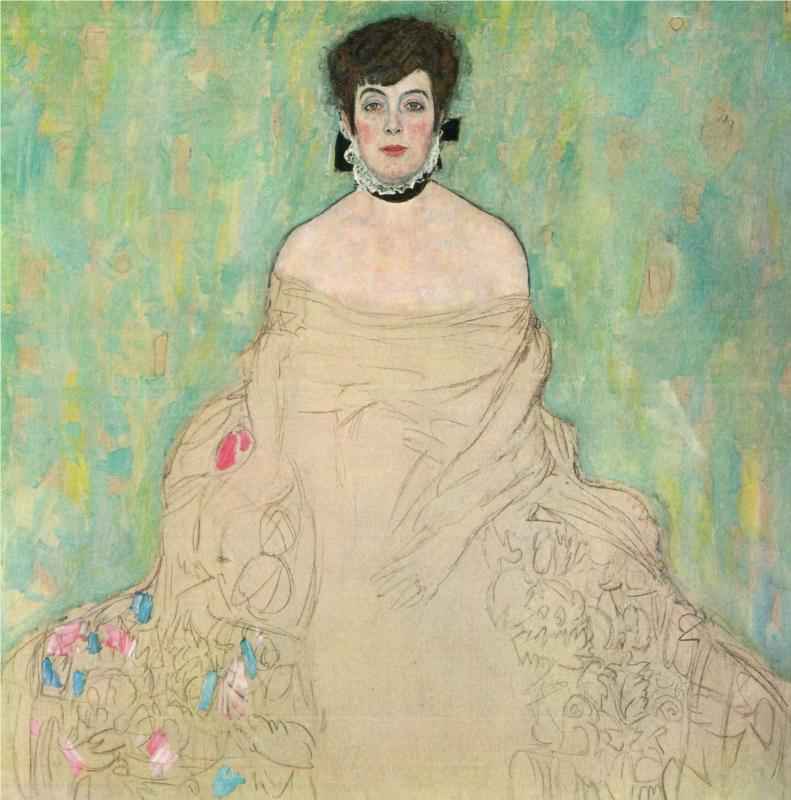
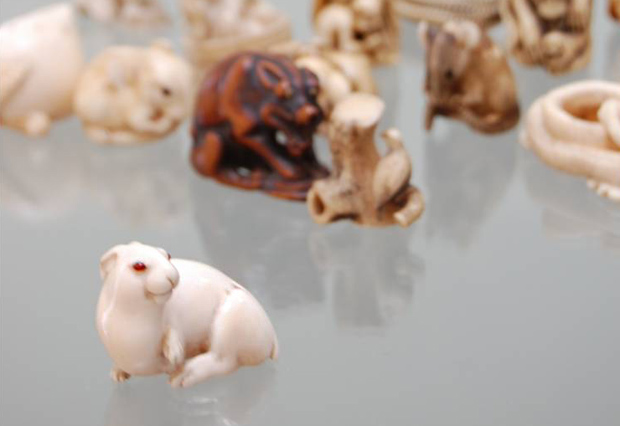
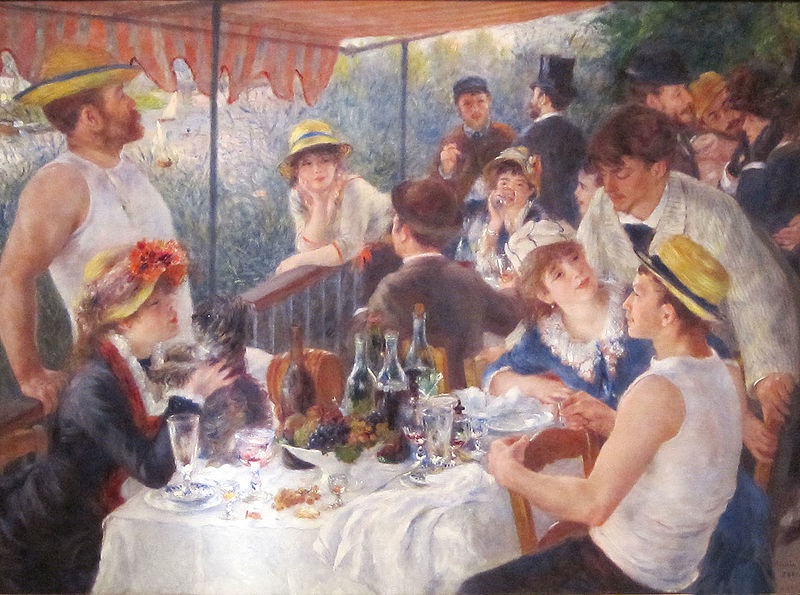
I thought the coincidences had ended there, but when I went to the National Gallery’s excellent new Viennese Portraiture exhibition, Vienna: Facing the ModernI picked up a copy of Edmund De Waal’s The Hare with Amber Eyes in the gift shop, and thought the time had come to read this much applauded novel. So, with Robert Harris’s sensational novel, An Officer and a Spy finished, I started De Waal’s captivating family history, originally narrated by tracing back the story of the Japanese netsuke which he had inherited from his Great Uncle Iggie. Starting off in 19th Century Paris with the story of the formidable art collector Charles Ephrussi (he can be seen in the top hat at the back of Renoir’s The Luncheon of the Boating Party) who was the family member who first bought the netsuke, it turned out that, guess what, Charles too had got himself involved in the Dreyfus affair – being Jewish, his support of the innocent Dreyfus could hardly be avoided, but, like Emile Zola, Ephrussi suffered social rebuffal as a result.

Amalie Zuckerkandl by Klimt - featuring in the National Gallery's new show on Vienna

Amalie Zuckerkandl by Klimt – featuring in the National Gallery’s new show on Vienna

The Netsuke

The Netsuke

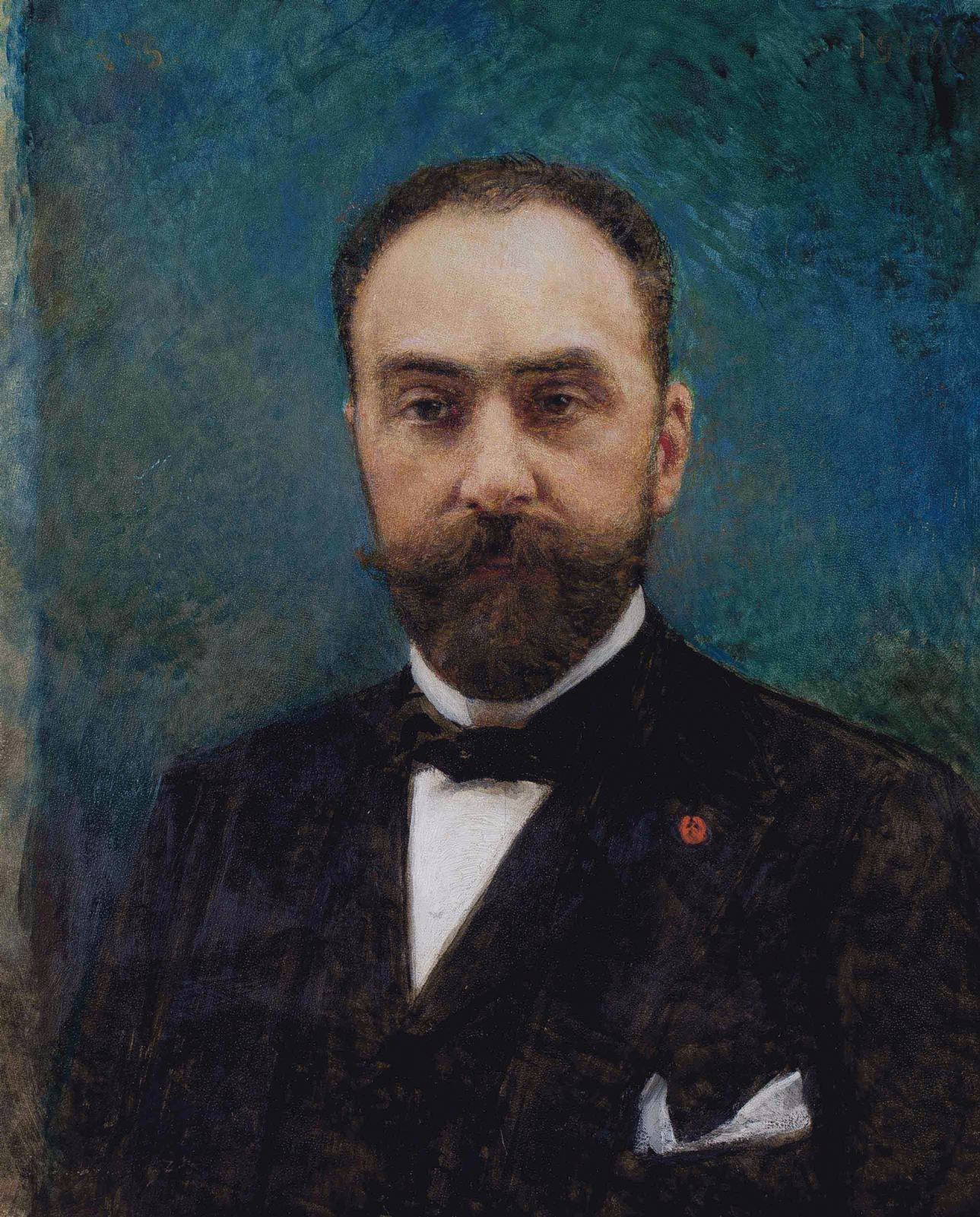
Portrait of Charles Ephrussi by Leon Bonnat

Portrait of Charles Ephrussi by Leon Bonnat

The Luncheon of the Boating Party by Renoir

The Luncheon of the Boating Party by Renoir (with Charles Ephrussi in a top hat at the back)

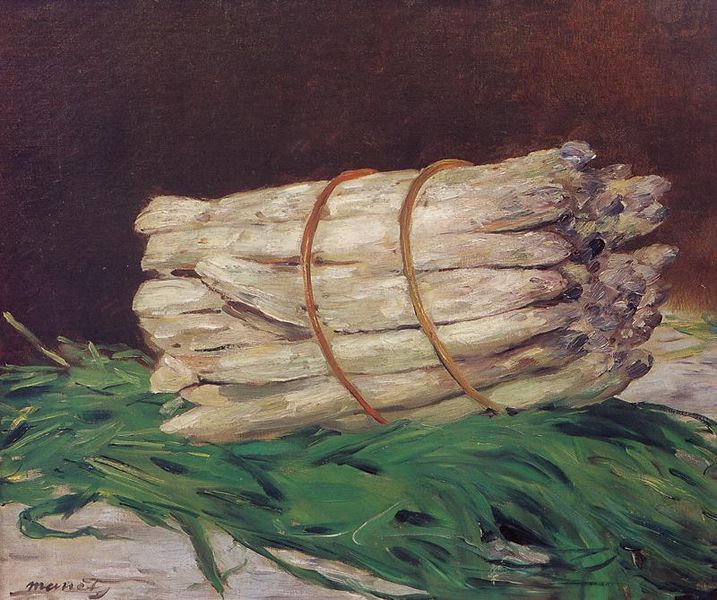
Manet's Bunch of Asparagus (1880) - part of the significant impressionist collection of Charles Ephrussi

Manet’s Bunch of Asparagus (1880) – part of the significant impressionist collection of Charles Ephrussi

So suddenly, this story of Dreyfus, a Jewish scapegoat and symbol of the underlying currents of European anti-Semitism, had become a major focus, appearing, quite by coincidence, in reference after reference of both television and literary entertainment. But of course the Dreyfus Affair was only the start of the tragic scale of anti-Semitism which was to escalate in Europe, and as De Waal’s stunning book goes on to demonstrate, the horror of Europe’s anti-Semitic manifestation as the 1930s took hold was on a scale that none could have imagined in the persecution of that single man back in 1890s France.

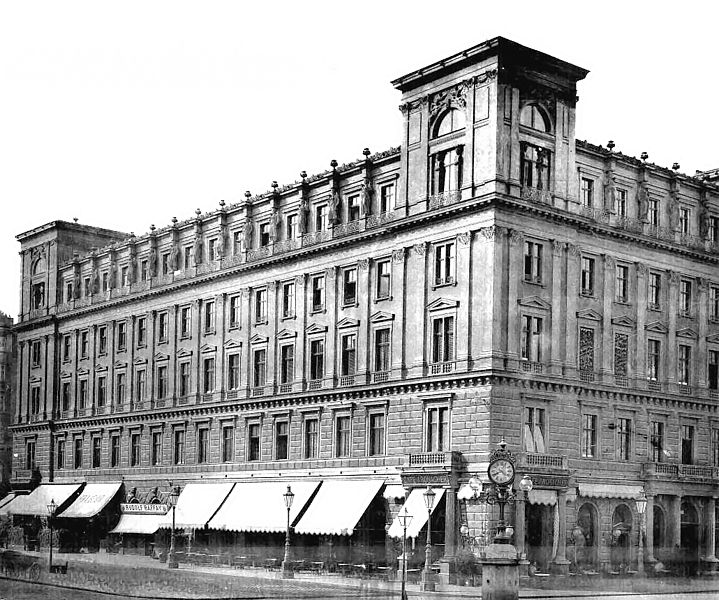
Of course we all know the history of the holocaust and of mass-murder and injustice so unprecedented that words alone are not sufficient to describe it. But where De Waal’s book is so powerful, is that through his captivating narration of his family history, by the time the great Palais Ephrussi is ransacked by the Nazis in 1938, its art collections, along with everything else, stolen in a barefaced lawless destruction of Jewish life and liberties, you feel as though you know the family so well, have lived their history to such a degree, that reading of the exorbitant outrage, the dumfounding horrors suffered during that time actually becomes physically painful. You want to turn back the clock  there and then and somehow destroy the Nazi regime singlehandedly; you want to save all of those who suffered, and put all that injustice right.

The Palais Ephrussi

The Palais Ephrussi – ransacked by the Nazis

But history is what history was, although books like De Waal’s do an incredible job in bringing those emotions back to light. And, it is not just books which bring history knocking at the door of the present day. The last set of coincidences in this string was that in the same week as I read about the Nazi ransacking of the family art collections of the Ephrussi palace, I read an article about the biggest discovery of Nazi looted art in Munich for centuries, much of which is believed to have been stolen from some of the biggest Jewish collectors of the time, and then, but hours later, I saw that to my amazement, a TV documentary on Edmund De Waal himself was being shown on TV, a documentary which also dealt with the subject of the restitution of stolen Jewish art.

As to that documentary – that has provided its own source of inspirations which I will discuss tomorrow. But for today, what is my message? Well, not only that coincidences can happen in life, but more so that all of this reminder of the great injustices of war have coincided with today, which also happens to be Remembrance Day, when, in wearing a red poppy and marking the end of World War One, we pay our respects to those who have fought in wars throughout history, and in the present day.

Well, in paying my respects to those people this year, I will also be thinking of those who have suffered in wars, not just as fighters, but as innocent victims, families, Jews and non-Jews – the people to whom injustice was so great that history can never erase it, and words can never truly describe it. At 11am today, I will be thinking of them.

img_1562

The Daily Norm’s Photo of the Week – Summer harvest in November

It’s been a rather heavy week on The Daily Norm. With my latest artistic output exploring the themes of my brother-in-law’s loss, I could not share these new paintings with you without exploring the meaning behind the images. But with the door hopefully closing on that tragedy, as I pursue instead the happiness which will, I hope, come with a hearty autumn and a celebratory festive season for 2013, I thought I would end this week with a lighter touch. Yep, this week’s Daily Norm Photo of the Week is actually a couple of photos, straight from my autumn balcony.

DSC08563 DSC08567

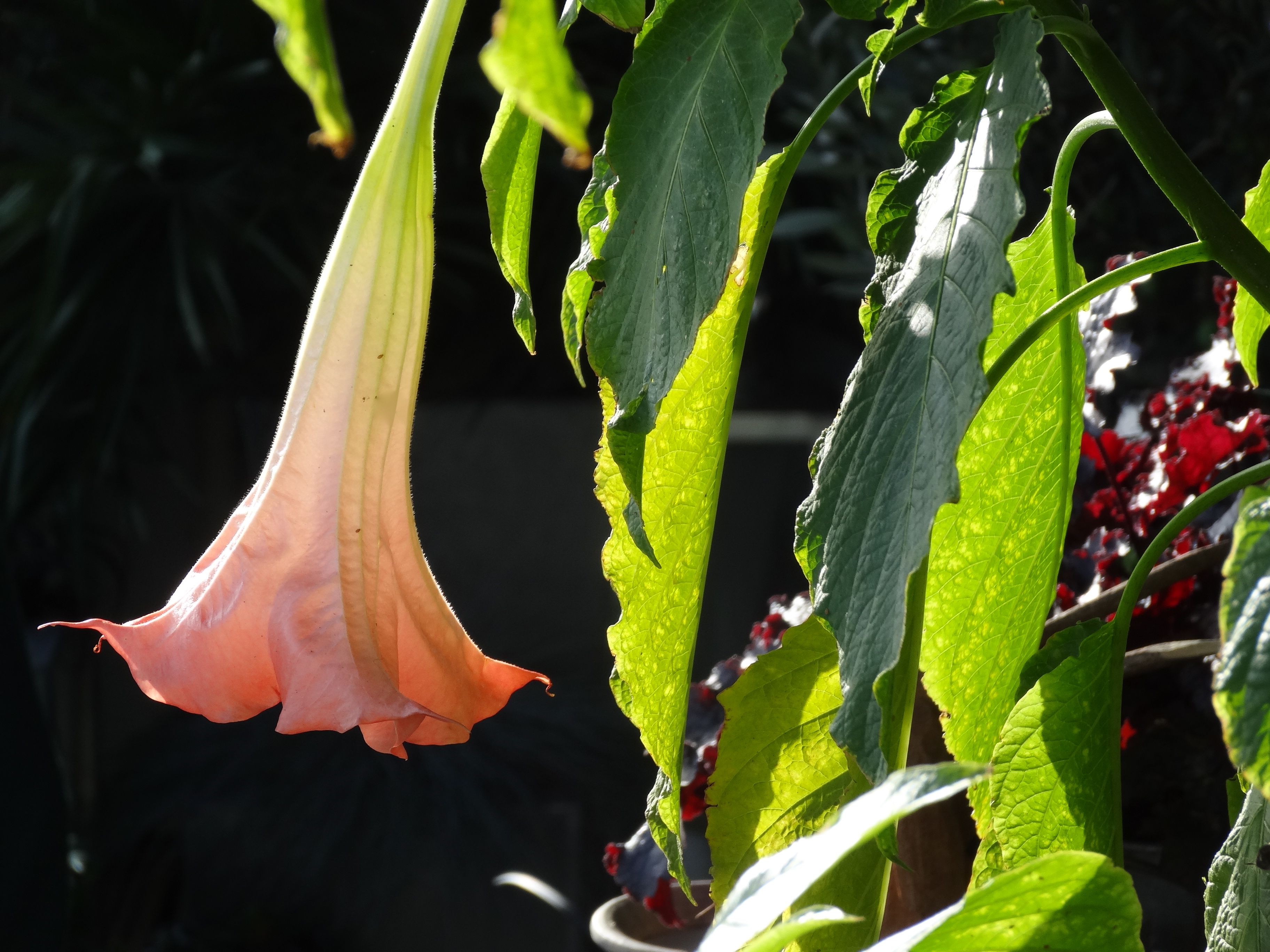
You wouldn’t know that these photos were only taken last weekend, on a fresh November morning, but these reddening olives and my sun-drenched brugmansia are actually the last remnants of the summer still holding strong on my balcony as the cold sets in. Checking out our plants after the ravaging storms of late, Dominik and I were delighted to find that after a summer of hard labour, our olive tree has born fruit – and not just the green olives to be expected, but plump olives slowly turning a sultry shade of red. Surely olive oil chez de Lacy is to follow? Then over to the right of the olive tree, my magnificent Brazilian Brugmansia is past its summer’s glory, dropping a little as it soaks in as much warmth from the wintery sun as it can, but it’s peach-sunset edges and vibrant green leaves shine still full of the balmy promise of summer. Ahhh, those were the days.

8am Wake-up Call

It’s not so much the fact of my brother-in-law’s tragic end that traumatises me as the way I heard the news. It’s the moment that will always haunt me, continues to haunt me even now, 10 months later.

It was the Saturday before Christmas, and there was no more work until after the season itself. I had seen my dear friend Millie the night before, and had gone to bed full of excitement for the season to come. My partner and I had been so enamoured by the romance that comes so easily with the festive season that we fell asleep with Christmas lights still twinkling and the soft choral chants of a cloister monastery singing medieval carols playing quietly on my iPod. And it was to this Elysium of festive tranquility that we awoke that morning, full of happiness for the season to come.

We lay in bed, discussing what we would do that day. How we would finish wrapping presents and go out to savour the spirit of London at Christmas before leaving town. Dominik was checking Facebook, reading my sister’s last message posted online – she too had been wrapping presents till late, waiting for her 3 babies to fall asleep so as not to spoil the surprise.

But 2 minutes later all that was to change. I’ll never forget it. The landline ringing at 8am exactly. It was my family’s number on the caller display. I thought it was a bit early this call, but answered nonetheless, quite innocent of what was to come.

The tone of my mother’s voice told me immediately that something was wrong. Almost gasping for breath, struggling to annunciate between tears, she said the words that have come to haunt me ever since. Nick, she sobbed, something dreadful has happened. Neri was killed in the night.

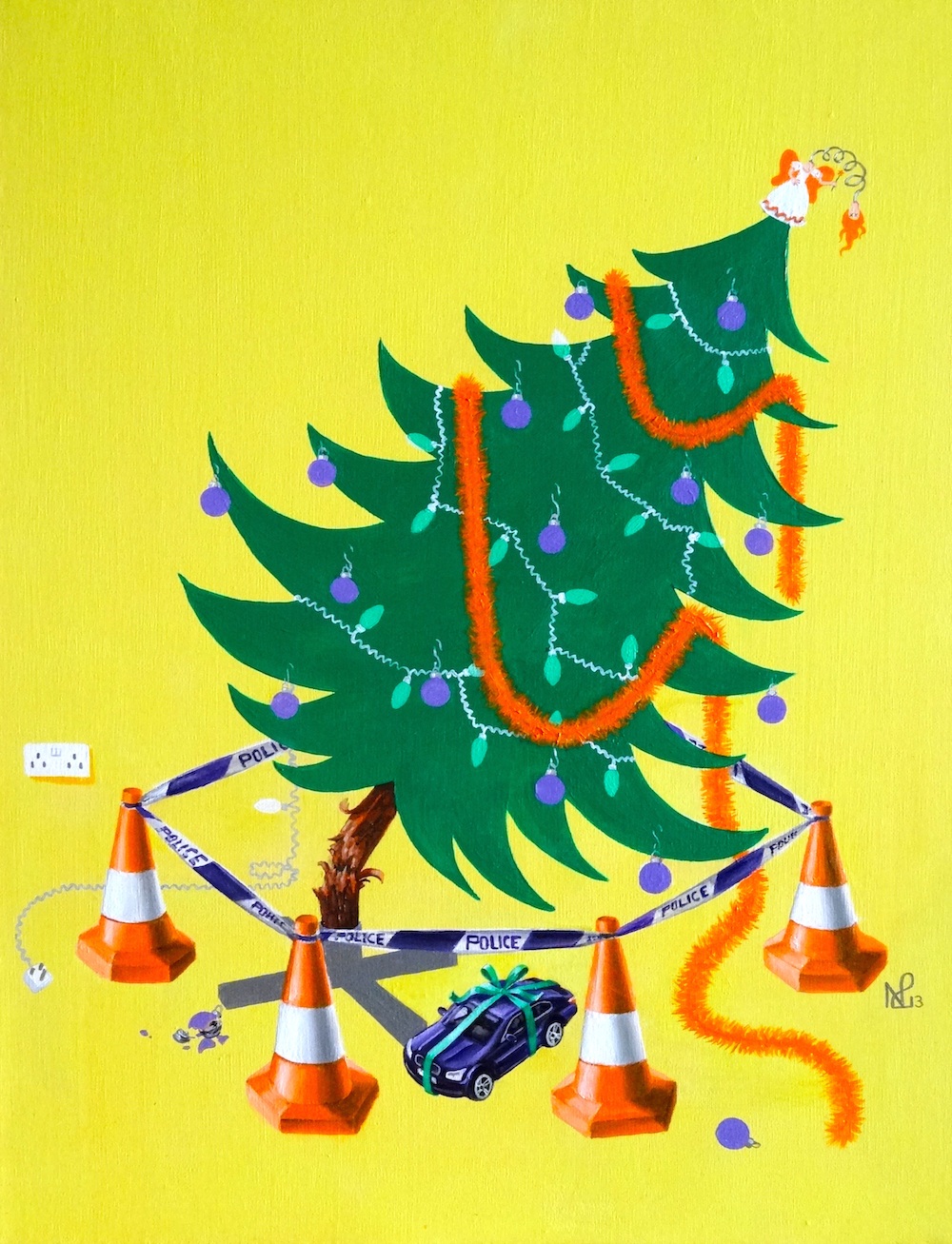
8am Wake-up Call (2013 © Nicholas de Lacy-Brown, acrylic on canvas)

8am Wake-up Call (2013 © Nicholas de Lacy-Brown, acrylic on canvas)

At that moment my world, tangibly, perceptibly, collapsed around me. The hopes and the spirit, the festive joy of Christmas crumbled. All happiness was gone, replaced only by the unquenchable burden of grief.

As the day proceeded and the shock began to take hold, we did not know what to do but to go out. Wandering around the town, London looked the same as it had the days and weeks before. Seeing a city full of the festive spirit, but this time like watching the whole scene unfurl in slow motion. It was as though we were on the outside of a gift shop called Christmas looking in, everyone inside enjoying the warmth and happiness of the season, but our emotions paralysed by the grief which had drowned our souls, as we stood outside in the cold.

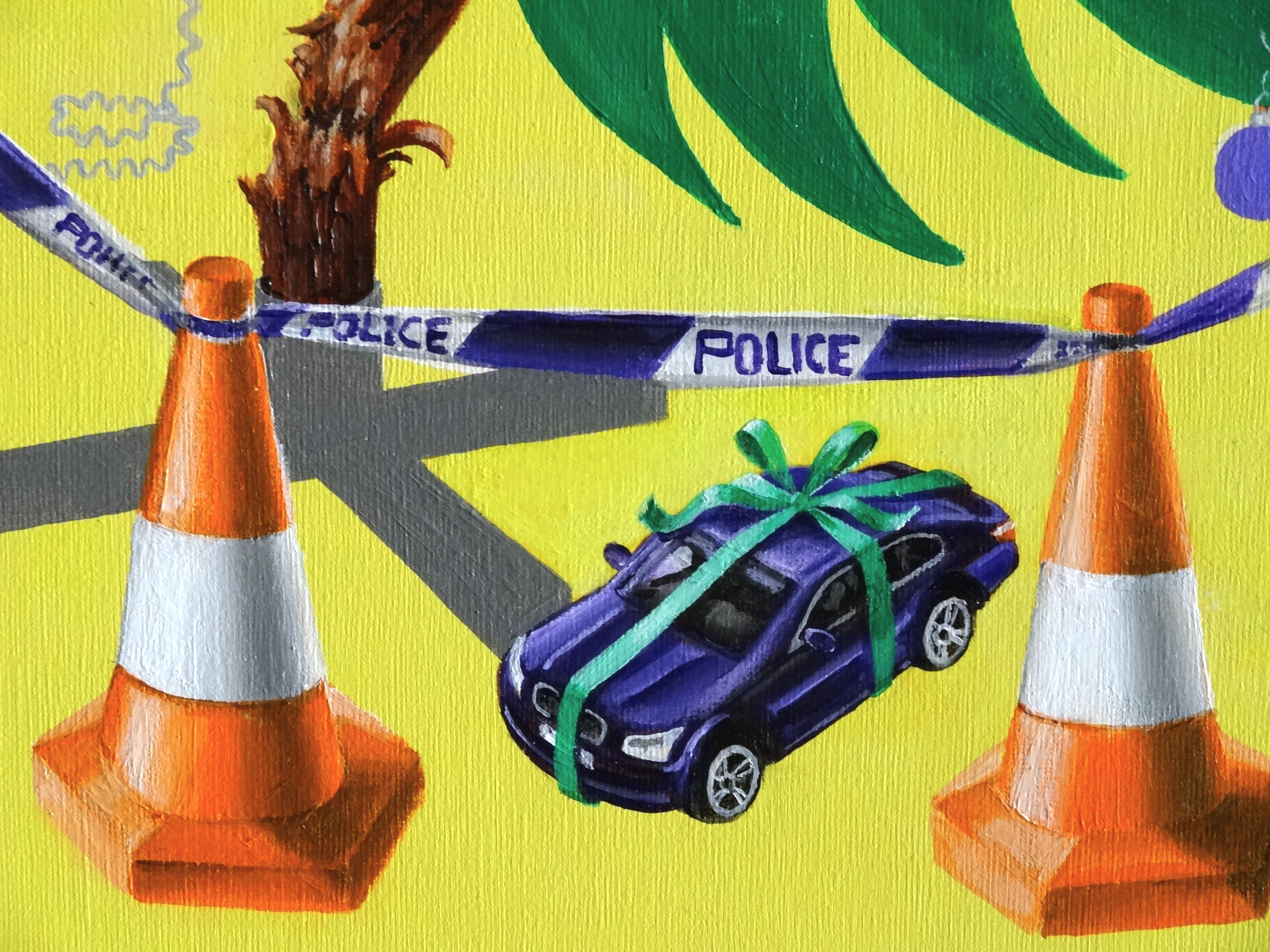
It was the moment when Christmas had ended. Along with so much else. And in this second work, created impulsively in the aftermath of my brother in law’s inquest two weeks ago, I paint the moment when joy, for our family, crumbled before our very eyes. In the simple symbol of a falling Christmas tree, I have attempted to demonstrate how the happiness of Christmas departed us, and our world literally fell apart; the striking colours representing the irony of loss at this, the happiest of all seasons; the only gift under our tree being the ribbon-wrapped car which caused this tragic end. A fate to which we were inescapably tied from that point onwards.

DSC08524

© Nicholas de Lacy-Brown and The Daily Norm, 2001-2013. Unauthorized use and/or duplication of the material, whether written work, photography or artwork, included within The Daily Norm without express and written permission from The Daily Norm’s author and/or owner is strictly prohibited. Excerpts and links may be used, provided that full and clear credit is given to Nicholas de Lacy-Brown and The Daily Norm with appropriate and specific direction to the original content. For more information on the work of Nicholas de Lacy-Brown, head to his art website at www.delacy-brown.com

Return Journey

A little over 10 months ago, just 3 days before Christmas in fact, my brother-in-law was killed in a tragic road traffic accident. It was a tragedy whose catastrophic effects were augmented by the life-changing effect on his three little boys – 2 year old twins and a 4 year old – who in that sudden cataclysmic moment of disaster lost a father, and by the deep heartbreak of his wife, my sister, who lost her husband after only 8 years of marriage. They say that time is a healer – although there are some things which time can never truly mend. It’s as though time acts as a sticking plaster or band aid, only for its thin protection to be unceremoniously ripped away at certain instances of remembrance, one such being the inquest into his death, which we, as his closest family, attended two weeks ago.

I don’t intend to talk about the inquest – it’s details are too sad for sharing; too grave for the lighter side of the blogosphere in which I like to roam. Yet what I did want to share with you is a painting I made, in immediate response to the hearing, a work which for me sums up the sadness of this death. There may be some who believe that to paint a vision of tragedy somehow lessens or trivialises its impact, but I, like many others, would disagree. For just as some of the world’s most famous paintings have been created in a direct response to, and as catharsis for some of history’s worst obscenities (take for example Picasso’s Guernica, or Goya’s 3rd May 1808), so the process of painting has helped me to respond to the horrors of this family loss, in the same way that painting also enabled me to work through the after-effects of my very serious accident 5 years ago.

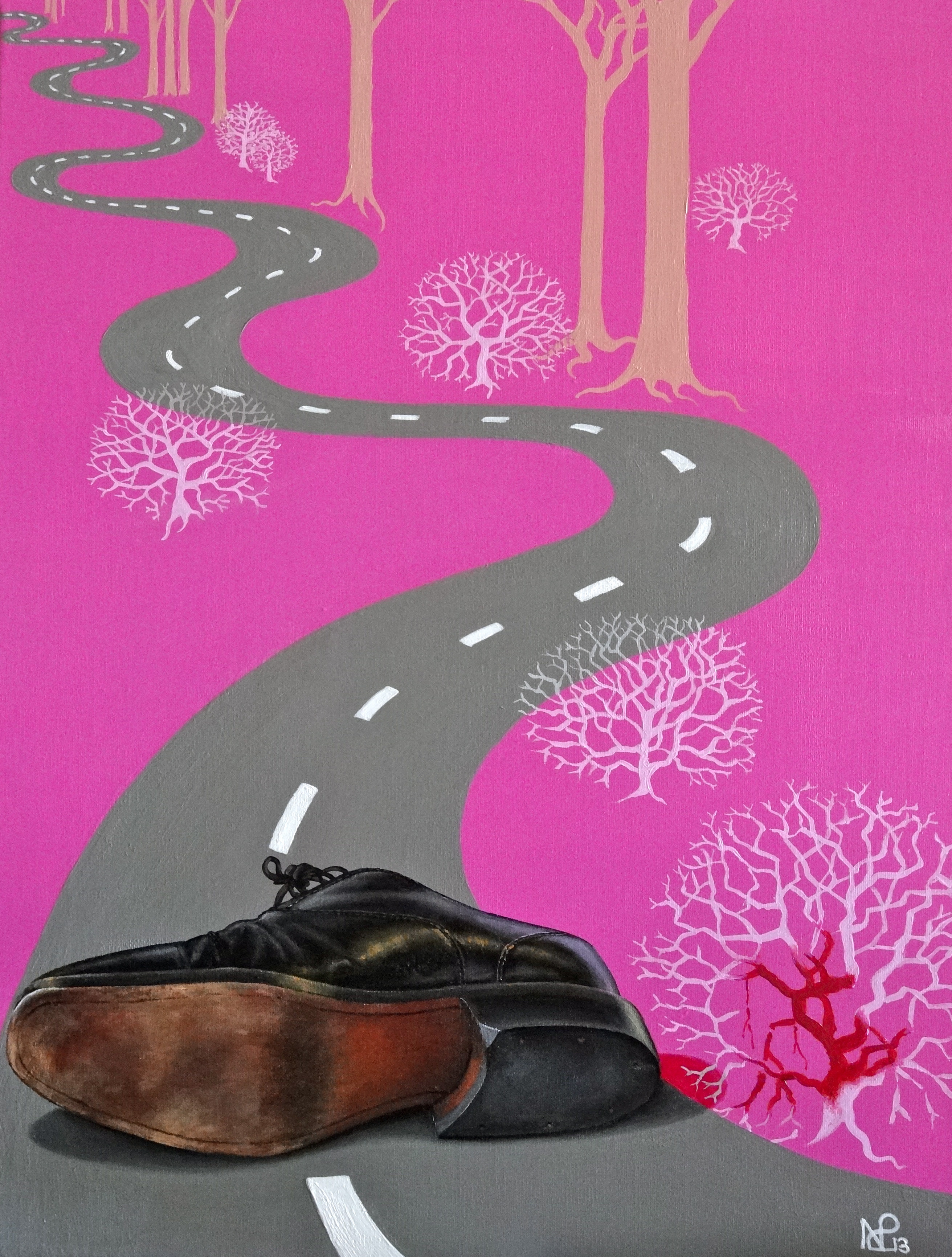
Return Journey (2013 © Nicholas de Lacy-Brown, acrylic on canvas)

Return Journey (2013 © Nicholas de Lacy-Brown, acrylic on canvas)

The painting I am sharing today, Return Journey, is a simple but poignant image, and one which I could not get out of my head once it had formed in response to the testimony of one of the witnesses at my brother-in-law’s inquest. She described how she and the passengers in her car had seen my brother-in-law out on the roadside, alive, but in great peril and, worried for his safety, had taken the first turning round a roundabout, driven back up the opposite carriageway, and then retraced the route where they had first seen him alive. But on their return journey, they could see him no longer – all that visibly remained of my brother-in-law was a single shoe lying in the middle of the carriageway. He was no longer to be found. What we now know is that in the short time between seeing him alive and returning to the scene, he had been struck by a car, and killed.

It’s for that reason that I could not get the image of that lone shoe out of my head, and in creating this work, I felt some sense of catharsis in reaction to that dreadful, but necessary inquest. It’s an image imbued with the heavy shadow of tragedy, but a painting of which I am proud as an artist, and as a family member, in dedication to my brother-in-law’s memory.

© Nicholas de Lacy-Brown and The Daily Norm, 2001-2013. Unauthorized use and/or duplication of the material, whether written work, photography or artwork, included within The Daily Norm without express and written permission from The Daily Norm’s author and/or owner is strictly prohibited. Excerpts and links may be used, provided that full and clear credit is given to Nicholas de Lacy-Brown and The Daily Norm with appropriate and specific direction to the original content. For more information on the work of Nicholas de Lacy-Brown, head to his art website at www.delacy-brown.com

Will this make you Screeeeeam for Halloween?!

Halloween may be about sinister faces carved into pumpkins, the witches costumes and gruesome face-paint, the unsightly shaped jellies and the horror films on TV, but at the end of the day, it’s all manufactured, largely for a bit of fun. But there remains one thing which exists, not just on 31st October, but every day of the year which, even at a distance, could make me scream enough for a lifetime of halloweens: the SPIDER!!

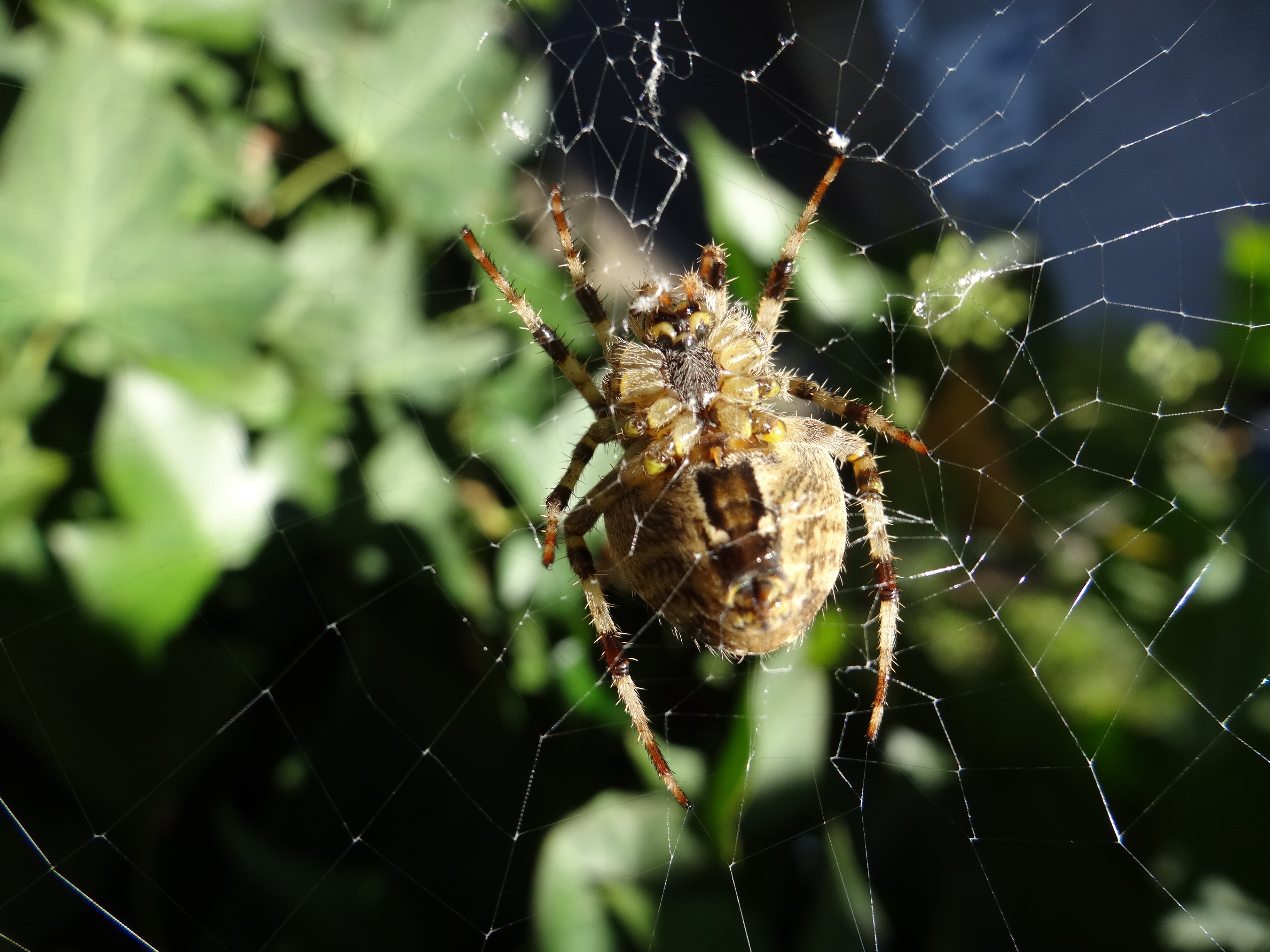
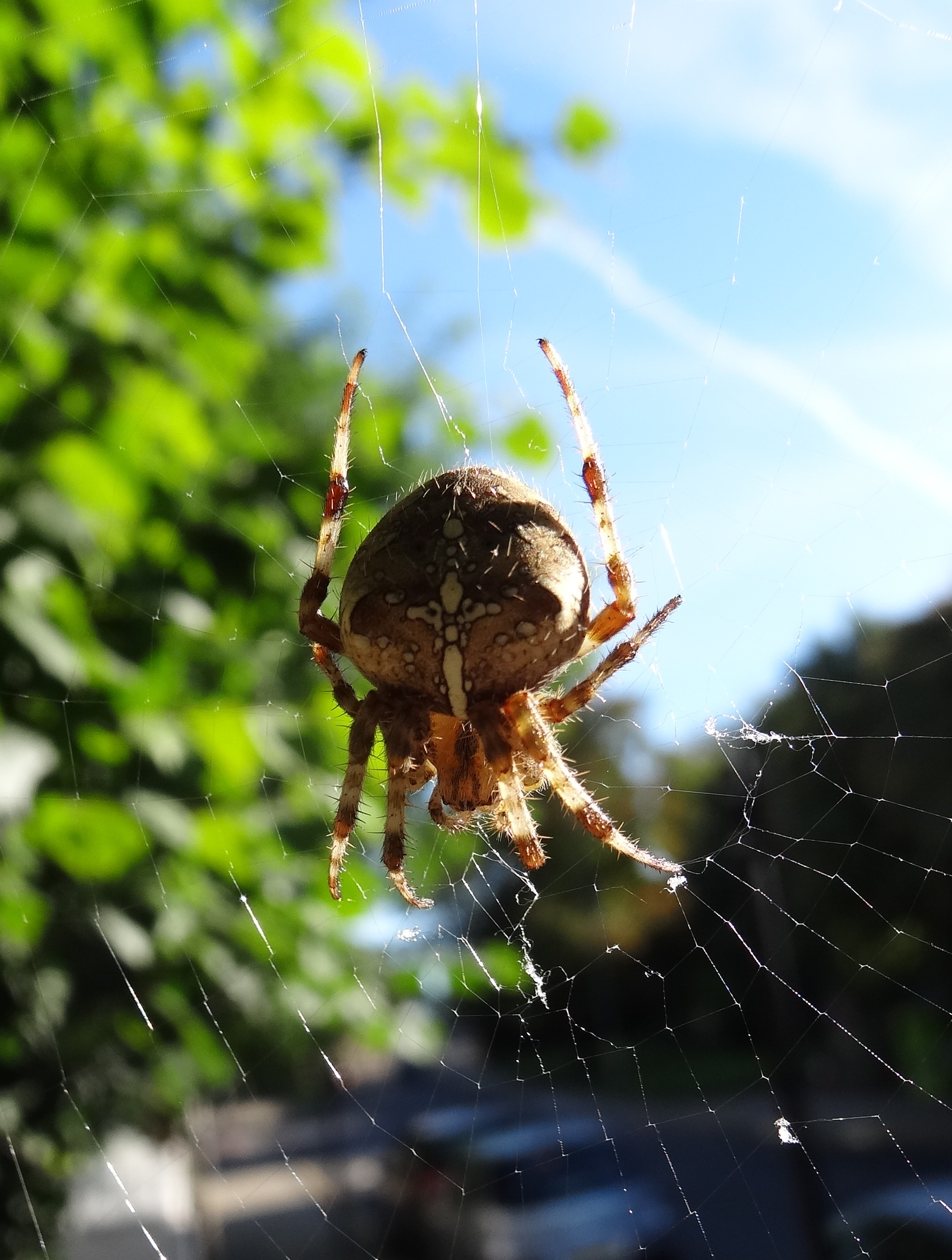
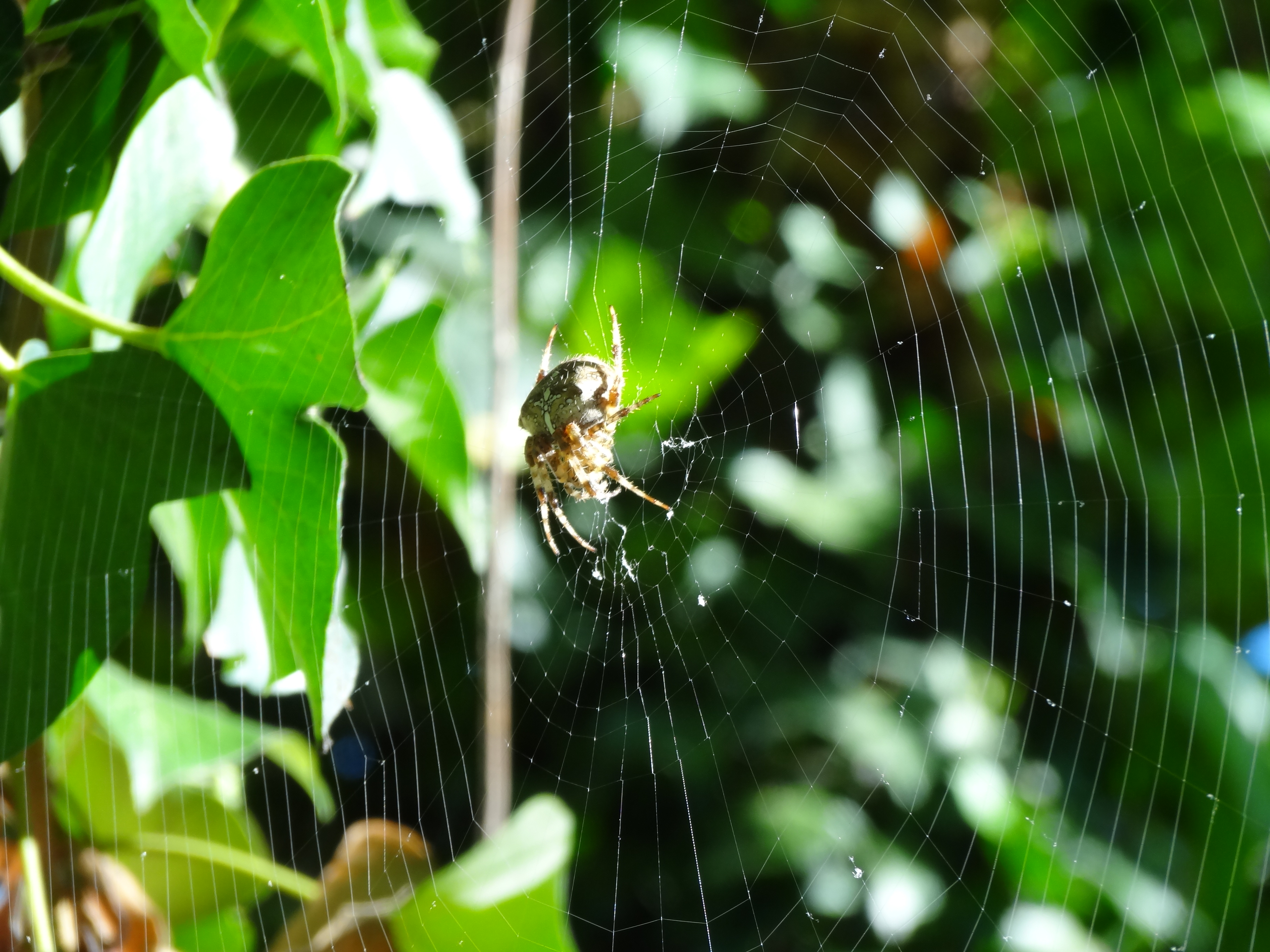
I’ve been saving these gruesome ghastly shots for a few weeks now. Taken on the day when I enjoyed the first sunshine of autumn, inspiring a whole load of autumn photos to boot, this spider was one little beastie of nature who I was not so pleased to meet that day. Leaving the spine-tingling task of applying my camera zoom close enough to the spider to capture this shot to my far braver partner, the photos which result are stunningly detailed, but all the more hideous as a result.

DSC07982 DSC07980 DSC07978

As I type this post, my fingers quiver ever so slightly – for even though these are two dimensional photos, the mere devilish detail of this creepy crawly has me all in a sweat. It’s bulbous brown back is sinisterly marked like a skull, while on its tummy, a complex cluster of furry leg muscles are grouped together, ready to allow the dormant spider to pounce into action, to move its menacing little pincers and strike!

Ooooh, ok, I’m getting carried away. For the rare arachnophiles out there, these photos show the pretty spectacular and surprisingly complex forms of these most feared of little creatures – there is something almost beautiful about the striped brown and beige legs, and the patterning upon its hairy back, reminding me of the workmanship on a tribal mask, with its perfect symmetry. And then of course there’s the web – another wonder of symmetrical perfection, a creation which continues to be a mystery to me, but which, for all its beauty has its own murderous intent.

But before I go getting carried on down that road again, I’m off to settle myself with a cup of tea, and perhaps a few of those gruesome halloween sweets that are practically spilling out of the supermarket this week. Jellied witches finger anyone?

All photos and written content are strictly the copyright of Nicholas de Lacy-Brown © 2013 and The Daily Norm. All rights are reserved. Unauthorized use and/or duplication of the material, whether written work, photography or artwork, included within The Daily Norm without express and written permission from The Daily Norm’s author and/or owner is strictly prohibited. 

Still life with Gourds

October has been a busy month, and while I could have been indulging more in the autumnal hues of Britain, applying those ruby reds and auburn oranges to canvas, I instead escaped the impending cold and jetted off to retrace a little of my summer in Spain. Then, as is so often the case when one receives a little treat, fate takes back the pleasure with his devilish sense of humour, and gave me a particularly debilitating throat infection. So apart from my Composition 11, which made a study of autumn’s descent on the once green and pleasant leaves of London’s parks, I have been altogether devoid of autumnal artistic activity recently.

So, in the knowledge that art is not all about me (if only…) and pursuing what I love to do more than anything else – gazing longingly at the stunning work of artists who have gone before me – I thought the time was only right to share with you a painting by one of my favourite 20th Century British Artists, Graham Sutherland.

Sutherland, born in 1903, has long fascinated me as one of the most striking and visceral of Britain’s modern-age artists. Made an official war artist during the second world war, Sutherland’s works are full of the morbid, often violent tumult of war, even when war itself is not the protagonist of his canvases. I love Sutherland’s depictions of the crucified christ for example, which exude the pain of the crucifixion without any of the pretensions of a renaissance depiction, and I love his spiky, pugnacious thorn-head images, which in themselves appear to stem from the imagery of the crucifixion’s crown of thorns.

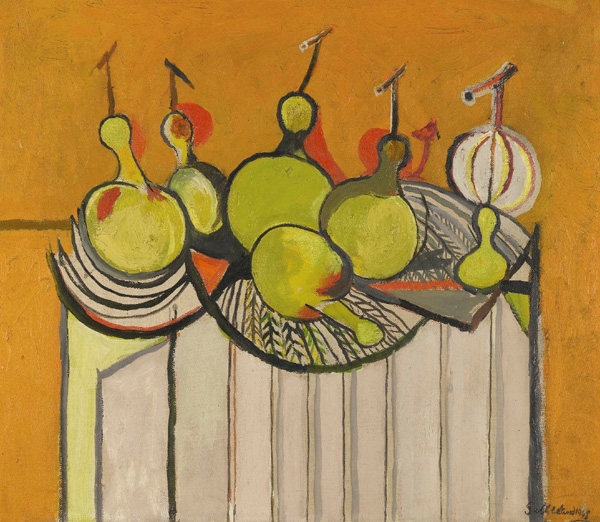
Still life with Gourds (1948) © the Estate of Graham Sutherland

Still life with Gourds (1948) © the Estate of Graham Sutherland

The painting I have chosen to feature on The Daily Norm today is therefore something of a departure from Sutherland’s more savage war and post-war works, and presents a still life composition of gourds which is warming, and even sensuous to the eye, with its bulbous curves and earthy autumnal colour palette. That said, there is some indication of Sutherland’s spiky reflections in the sharp stalks which punctuate the golden background at the top of the vegetables, while the curved lines of the bowl or perhaps table on which the objects sit are finished with sharp almost threatening points.

It’s a hearty autumnal image, but with a perhaps subtle sense of warning about the uneasy seasonal changes which are still to come. Now if this week’s hurricane winds and beautiful calm orange sunrises are anything to go by, I’d say Sutherland has got autumn painted just right.

The image in this post is the copyright of the Estate of Graham Sutherland. Remarkably, the painting appears to be for sale for those lucky few who may be able to afford to add this piece to their collection – go to www.jonathanclarkfineart.com for more details. 

The Daily Norm’s Photo of the Week – Morning Sunrise II

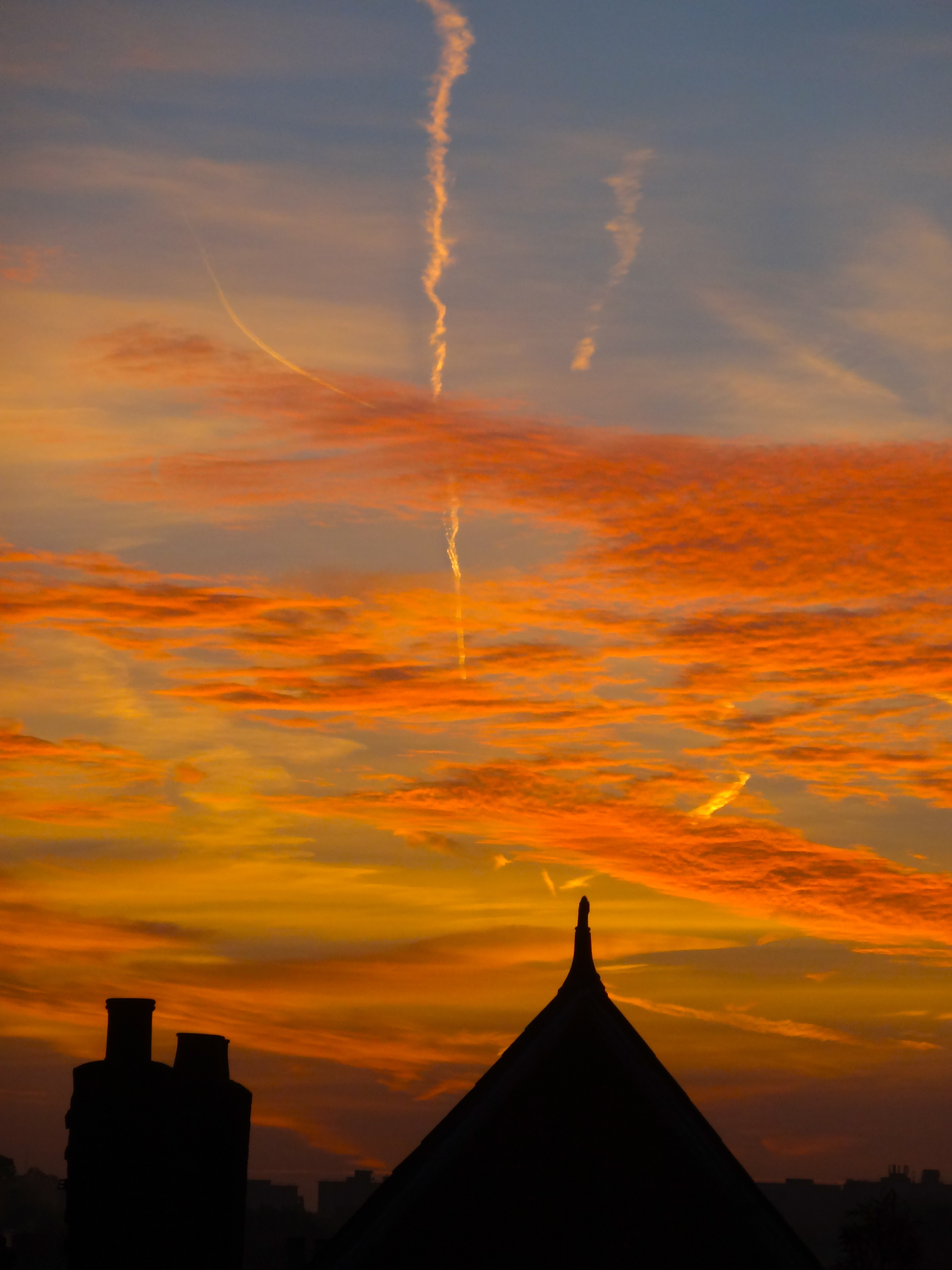
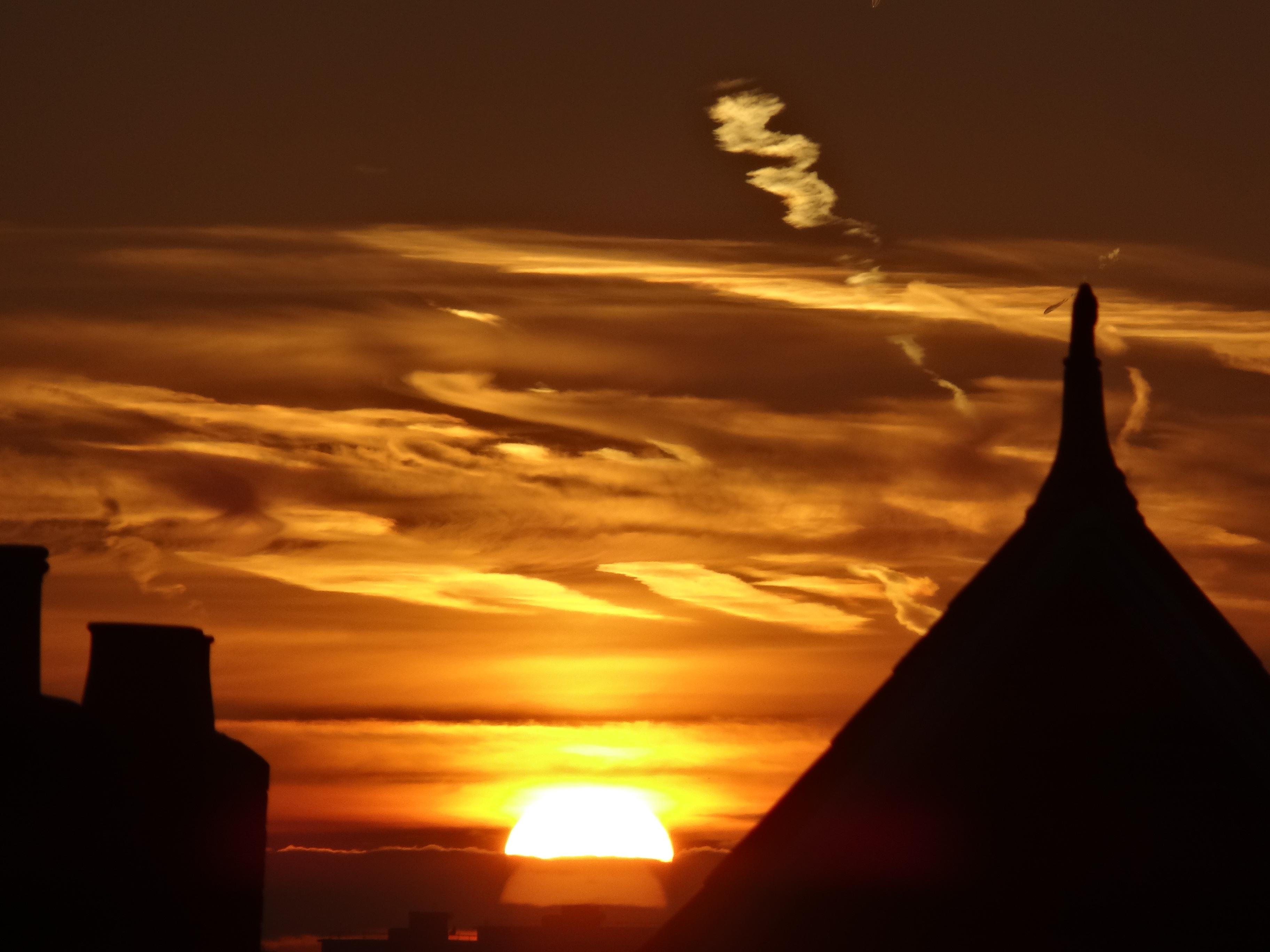
At the risk of sounding, and looking repetitive, I could not help but elect that The Daily Norm’s Photo of the Week  be another stunning sunrise for the second successive week. For while the UK, and now much of Northern Europe has been battered by a much publicised raging hurricane of late, the weather has also provided some rare glimpses of undeniable glory, as this week’s sunrise shot will show.

Soft puffs of raspberry ripple candyfloss cushions are punctuated by the dramatic linear columns left in the trail of early morning planes plummeting through the airspace, while soft mauves and duck-egg blues at the periphery turn progressively more and more orange and vibrant as the sun rises closer to the horizon. This was truly a stunning sunrise, and one which I love so much that I’ve included not one, but four images of its progression, including one rather atmospheric closeup of a nearby roof top, the lead tiles glinting in the soothing light of the sky, and an urban skyline forming a romantic fortress-like accompaniment in the background.

DSC08363 DSC08378 DSC08382 DSC08211

The hurricane which hit our shores may have been the worst in 26 years – but as these sunrise shots show, the calm before the storm was certainly a bloomin’ good one too.

© Nicholas de Lacy-Brown and The Daily Norm, 2001-2013. Unauthorized use and/or duplication of the material, whether written work, photography or artwork, included within The Daily Norm without express and written permission from The Daily Norm’s author and/or owner is strictly prohibited. 

The Daily Norm’s Photo of the Week – Morning Sunrise

It’s that time of the year again – when getting up in the morning to go to work is as welcome as a slap in the face with a cold kipper; when you would be happy to spend the rest of your time confined to the cosy folds of a warm duvet, and when your mind is alive with excuses as to how you can prolong pressing the snooze button on the alarm clock for just 10 more minutes. Yet every so often, the darkness outside is pierced by something of a peachy glow – I know when it’s happened in my bedroom because my blinds take on a kind of mystical shimmer, a bit like the artificial backdrop of a 60s sci-fi movie. And behind those blinds, more often than not, I will find a sight so stunning as to take my breath away; a sight which has my camera clicking, despite the semi-consciousness of my still half-sleeping state; and whose admiration takes up so much of my time that I have to rush to get ready in order to get to work on time.

I am of course talking about sunrises like this one, which is this week’s Daily Norm photo of the week. Everything about this sunrise is completely stunning, from the whispy cloud formations and the dark silhouette of the chimneys, to the great rising sun which appears to have doubled, probably as a result of photographing through double glazing. They say red sky in the morning is a shepherd’s warning, but personally I’m happy being warned of rain, so long as this kind of sight awakes me each day.

DSC08196

All photos and written content are strictly the copyright of Nicholas de Lacy-Brown © 2013 and The Daily Norm. All rights are reserved. Unauthorized use and/or duplication of the material, whether written work, photography or artwork, included within The Daily Norm without express and written permission from The Daily Norm’s author and/or owner is strictly prohibited. 

Related articles

Composition No. 11 – Autumn descends

A couple of weeks ago, a forage amongst the undergrowth and autumn tones of London’s Wandsworth Common inspired a whole series of photographs which celebrated the tangible transformation which accompanies the onset of Autumn. While the weather since that gorgeous sunny weekend has been something of a damp squid (and therefore far from ideal in which to appreciate the ruby hues of Autumn), the inspiration of those initially sun-drenched reflections on the season prompted to me to once again take out my gouache paint box, and create the 11th of my “compositions” series: Autumn descends.

Composition No. 11: Autumn Descends (2013 © Nicholas de Lacy-Brown, gouache on paper)

Composition No. 11: Autumn Descends (2013 © Nicholas de Lacy-Brown, gouache on paper)

Against a backdrop of leaves which turn gradually from summery green, through golden tones until they become a rich autumnal red at the foot of the painting – Autumn in full descent – a group of those delightful forest mushrooms which had prompted me to go out foraging in London’s parks grow whimsically in the undergrowth, each angled playfully one way or another, differing in heights, in shapes and sizes, just like the plethora of mushrooms I found here in London.

Looking out of the window now onto a wet and windy London, I can see that Autumn truly has descended. But it’s not all gloom – Autumn is a time of rich colour and seasonal transformation like none other, something which I hope my latest painting portrays.

© Nicholas de Lacy-Brown and The Daily Norm, 2001-2013. Unauthorized use and/or duplication of the material, whether written work, photography or artwork, included within The Daily Norm without express and written permission from The Daily Norm’s author and/or owner is strictly prohibited. Excerpts and links may be used, provided that full and clear credit is given to Nicholas de Lacy-Brown and The Daily Norm with appropriate and specific direction to the original content.