Skip to content

Posts tagged ‘Andalucia’

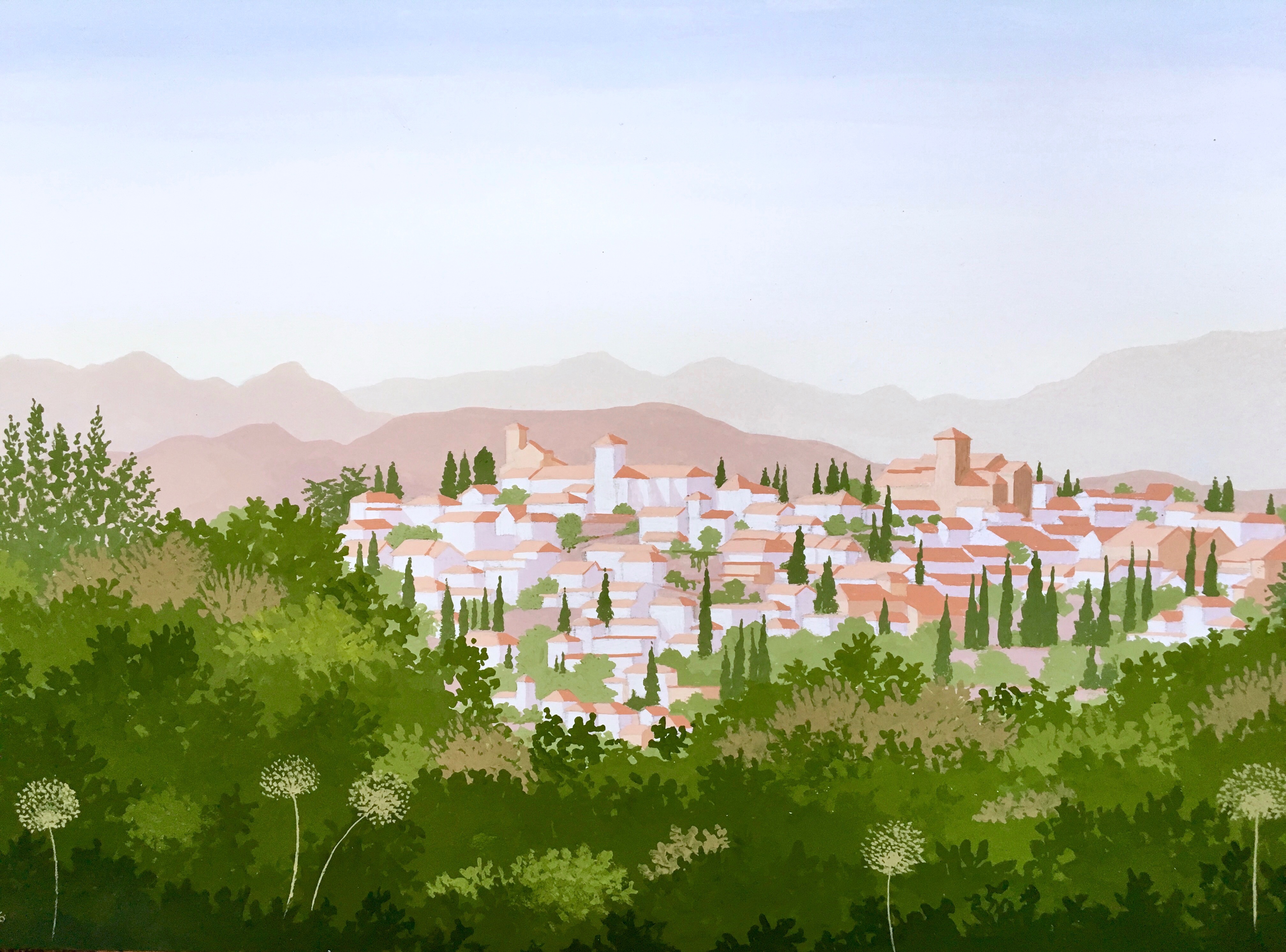
Interpretation No.20: The Albayzín from the Generalife, Granada

After 3 years of on and off painting, I have arrived at no. 20 of my Interpretation series, the gouache landscapes which concentrate on how human built and nature made landscapes interact, signified by simplified flat colour planes. Upon arrival in Granada, I knew I would have to paint a landscape. As cliché as it may be, how could I help but be inspired by the green and auburn rolling foothills of the Sierra Nevada over which the historical, magnificent city of Granada presides? From a first glimpse up at the Alhambra, sitting proudly on the uppermost hills of the city, it was pretty much decided in my head that there lay the protagonist of my Granada painting. That was until I got into the Alhambra itself.

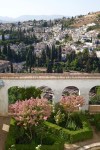
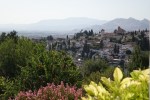
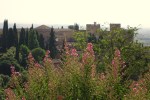
From the gardens of the Generalife l was not only able to enjoy the most mystifying maze-like rose gardens straight out of Lewis Carroll, and fountains redolent of a thousand and one nights. I was also greeted by a view so beautiful that it stopped me in my step. The vista across the valley of the Darro river in Granada, looking over to the ancient Muslim quarter of the city, the Albayzín, arrested my senses. With its sprawl of mostly white little houses nestled in amongst church towers and cypress trees, all gracing a peaceful mountainous landscape, I knew that this was the one. Interpretation 20 was born. I hope you like it.
Granada Interpretation

Interpretation No.20: The Albayzín from the Generalife, Granada (2016 ©Nicholas de Lacy-Brown, gouache on paper)

© Nicholas de Lacy-Brown and The Daily Norm, 2001-2016. Unauthorized use and/or duplication of the material, whether written work, photography or artwork, included within The Daily Norm without express and written permission from The Daily Norm’s author and/or owner is strictly prohibited. For more information on the work of Nicholas de Lacy-Brown, head to his art website at www.delacybrown.com

The Greatness of Granada, Part 3: The Generalife

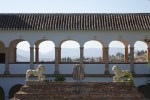
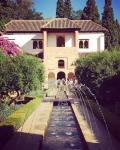
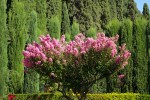
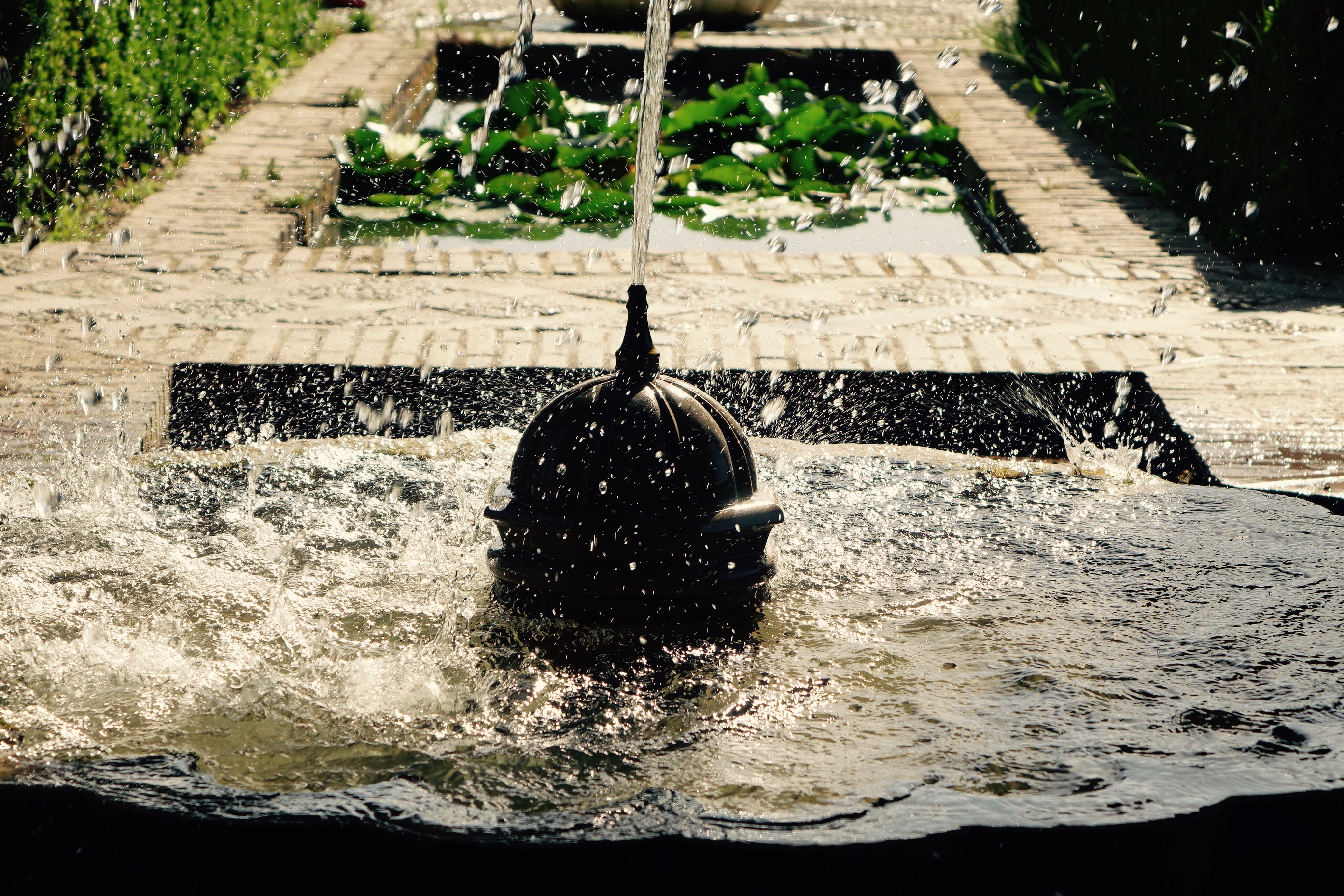
Of all the treasures that the Alhambra complex holds within its vast stone and green boarders, the Generalife gardens are without a doubt my favourite gem. Set apart, across a ravine which was once linked via a covered walkway to the Nasrid palace, the Generalife was once the summer palace of the Nasrid Emirs of the Emirate of Granada. Today it is preserved as a garden paradise which seems a world apart from the ancient and modern sprawling city which spreads out across the Andalucian planes all around it.

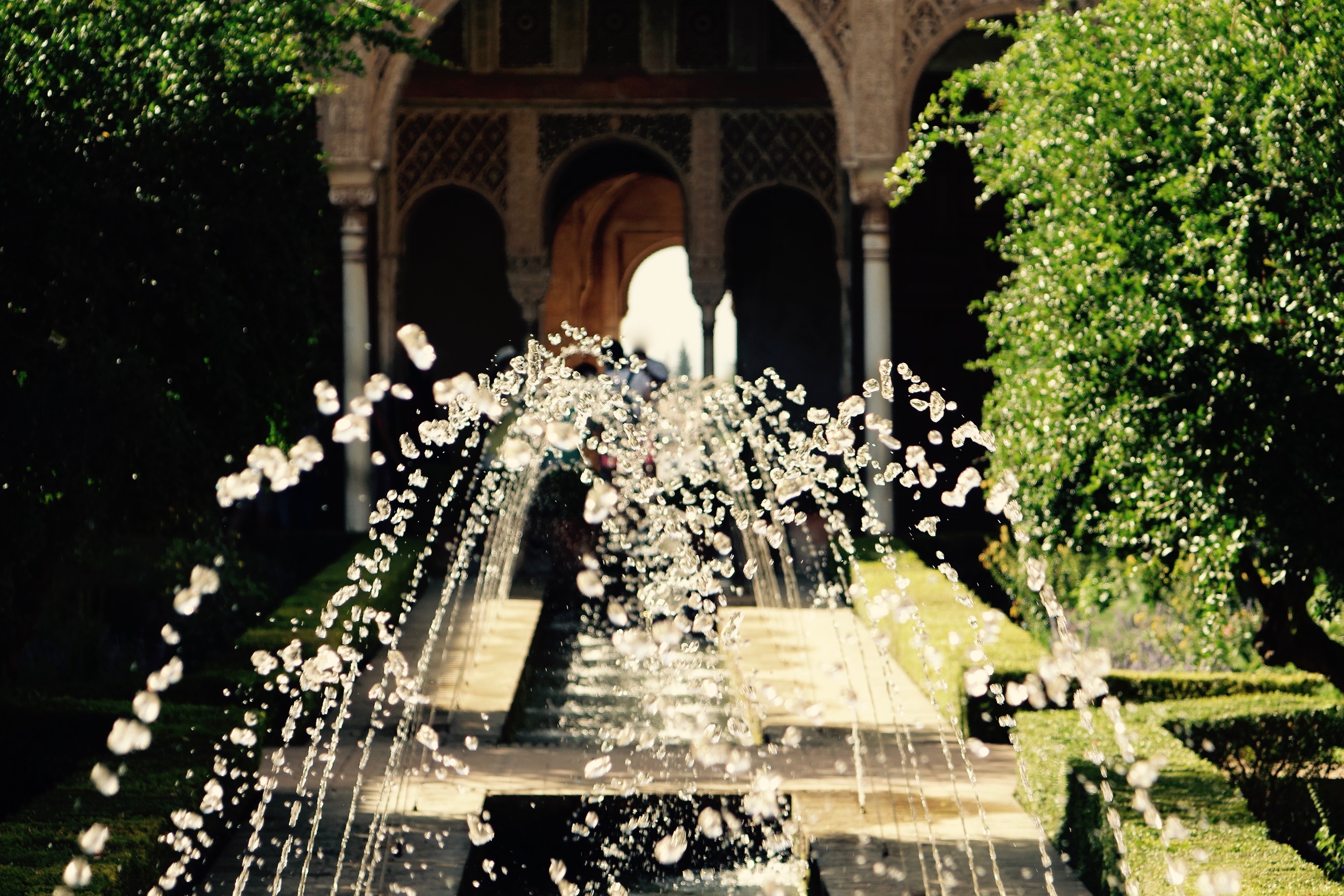
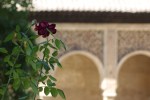
With a multiply arched white palace at its heart, the likes of which appears to have informed all of the most typical Andalucian buildings which have developed in its likeness, as well as a long narrow pool over which arched fountains meet like lovers reaching across a mountain spring, the gardens of the Generalife are the most romantic place of natural contemplation imaginable.

DSC04722DSC04640DSC04781DSC04826DSC04618DSC04773DSC04783

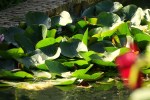
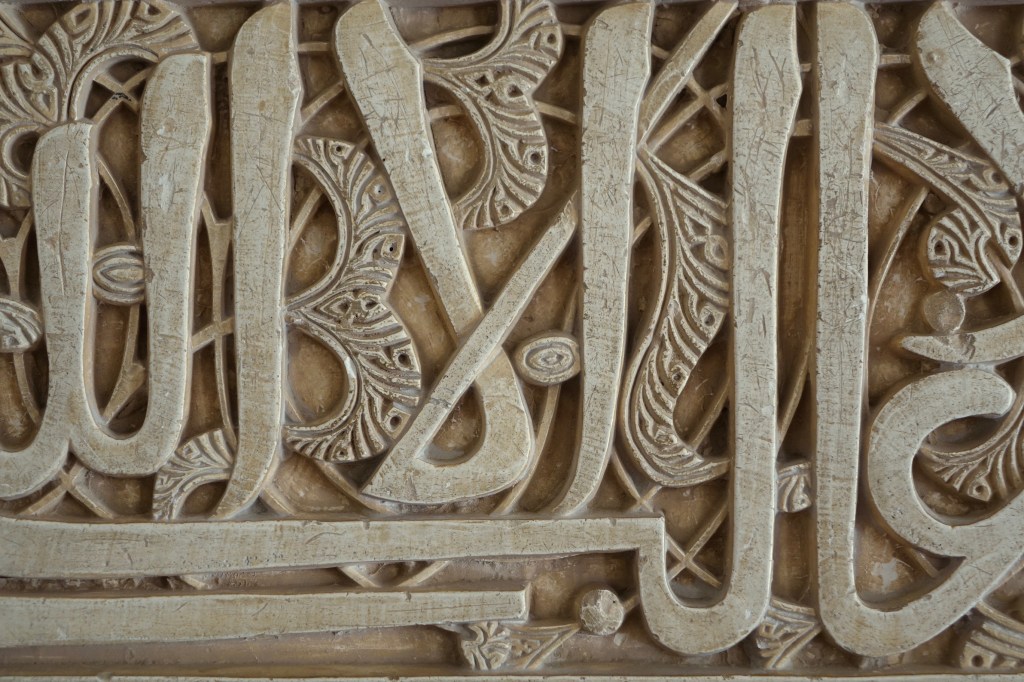
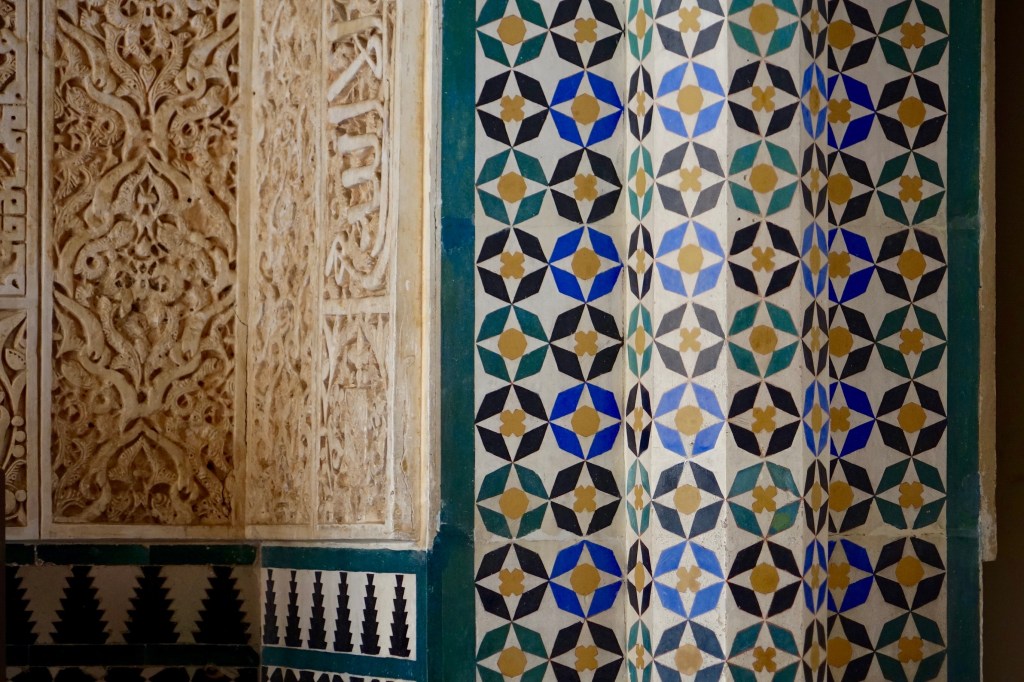
Strolling between trimmed boxed hedges and flowerbeds abundant with fragrant roses and vivid bourganvilla, a walk around the Generalife is like being lost in the gardens of the Queen of Hearts in Alice’s wonderland. There, the many examples of arabic craftsmanship carved deep into the palace walls are overshadowed by the work of tended nature manifest in the multiply-layered gardens. And even on the hottest of days, there is a cool calm which reflects off the surface of mountain-fed water springs which make a visit to the gardens the most pleasant of contemplative activities.

This was my second visit to the Generalife palace and gardens, and the place is as much of a paradise as I remember. Perambulating through the verdant passages during a late afternoon, when the sun over the Albayzín was turning a caramelised yellow, proved to be the most perfect time to enjoy this reflective space. Not even my photos are able to capture the utmost tranquility of those all too brief moments in paradise. But they surely go someway in reflecting the mood of soulful restfulness which the atmosphere of the Generalife creates.

All photos and written content are strictly the copyright of Nicholas de Lacy-Brown © 2016 and The Daily Norm. All rights are reserved. Unauthorized use and/or duplication of the material, whether written work, photography or artwork, included within The Daily Norm without express and written permission from The Daily Norm’s author and/or owner is strictly prohibited. 

The Greatness of Granada, Part 1: Dual Faith, Double Identity

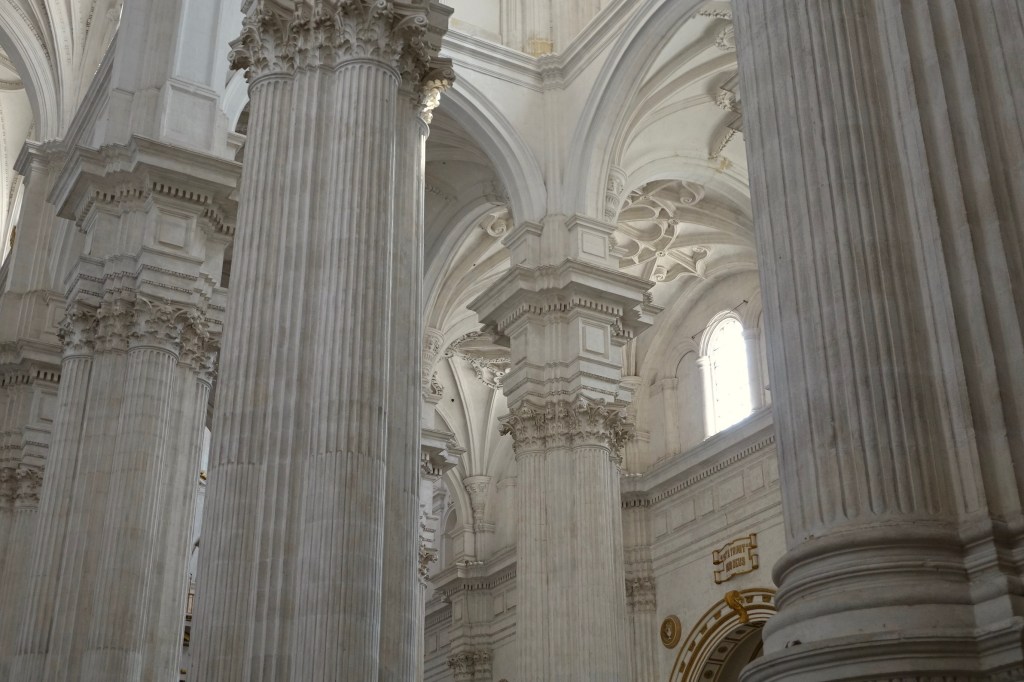
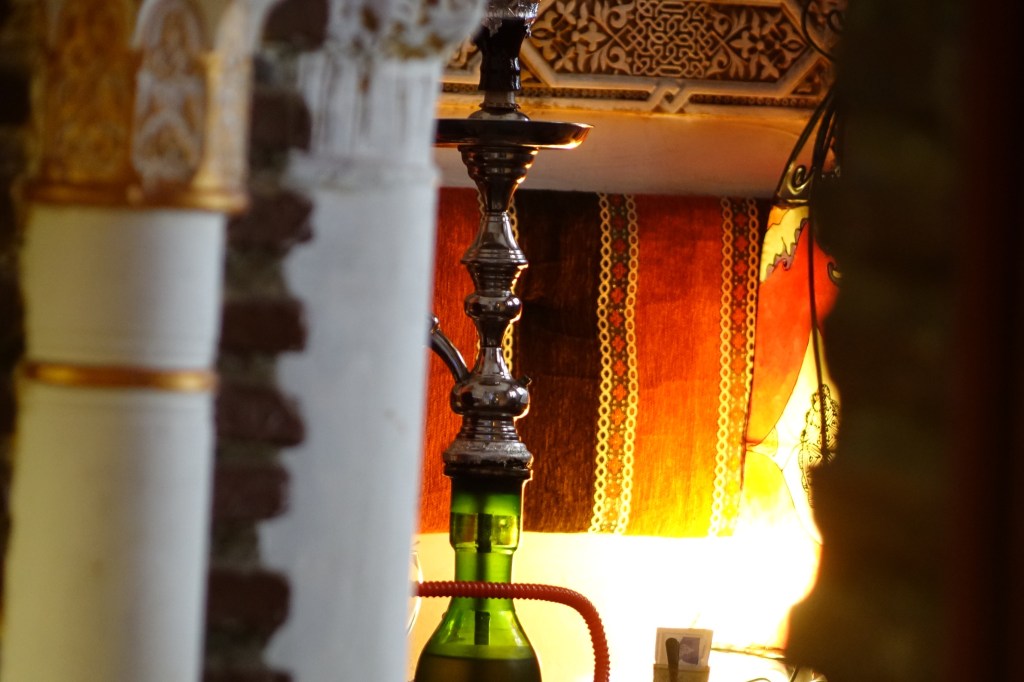
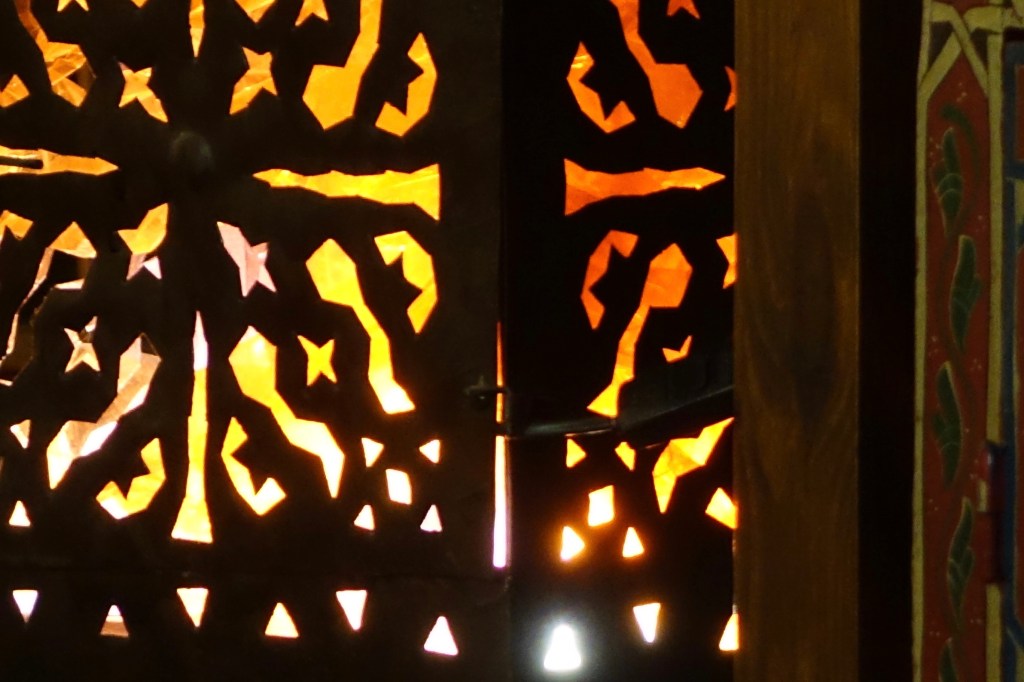
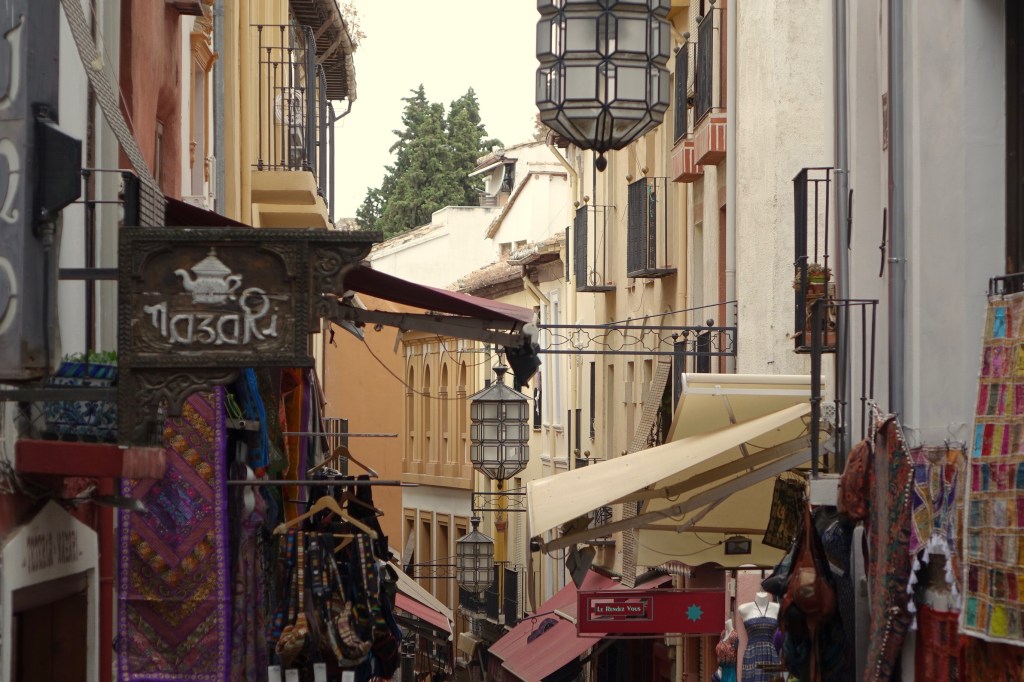
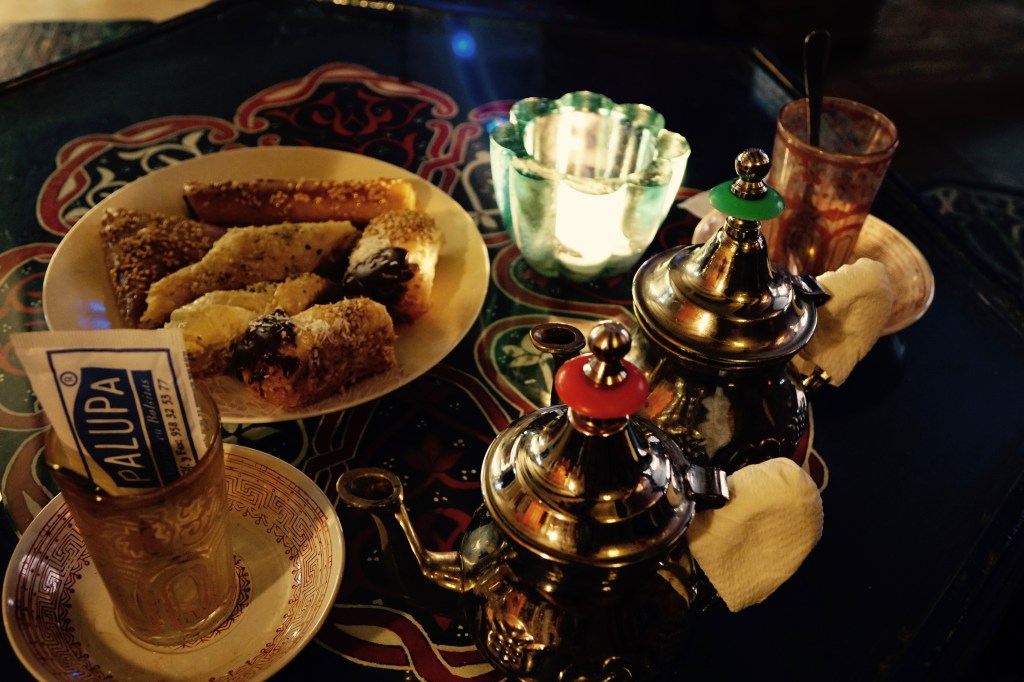
Granada in the heart of Spanish Andalucia is a city deeply characterised by the historical vicissitudes of its religious and political identity. On one street you may confidently conclude that you are in a richly embellished bastion of Catholicism; mere metres away, you feel as though you have been magically relocated to Marrakech. In Granada, you can find shisha pipes being smoked and moroccan mint tea being sipped with baklava right next door to where, in one of Europe’s biggest and most imposing cathedrals, the bells of a campanile call the Catholic faithful to prayer, and incense is swung majestically before a statue of the Virgin Mary. It is a stark contrast which can be noted across the city, recalling the turbulent but glorious history which has made Granada truly unique in the modern world.

DSC04460 DSC04507 DSC04927 DSC04579 DSC04912 DSC04567 DSC04924 DSC04498 DSC04346 DSC04398 DSC04440

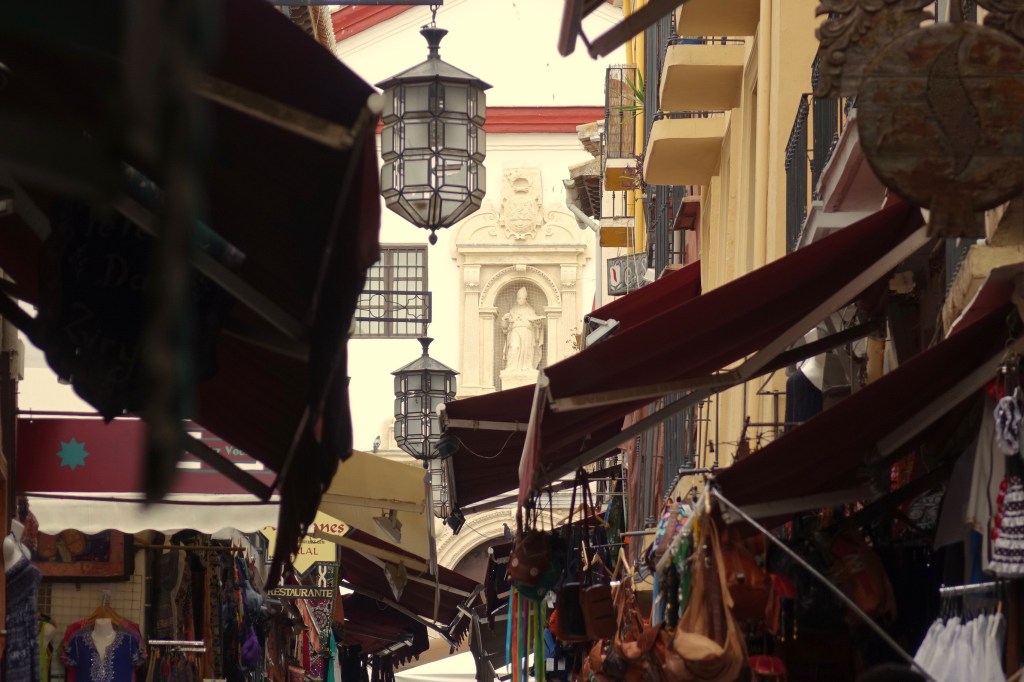
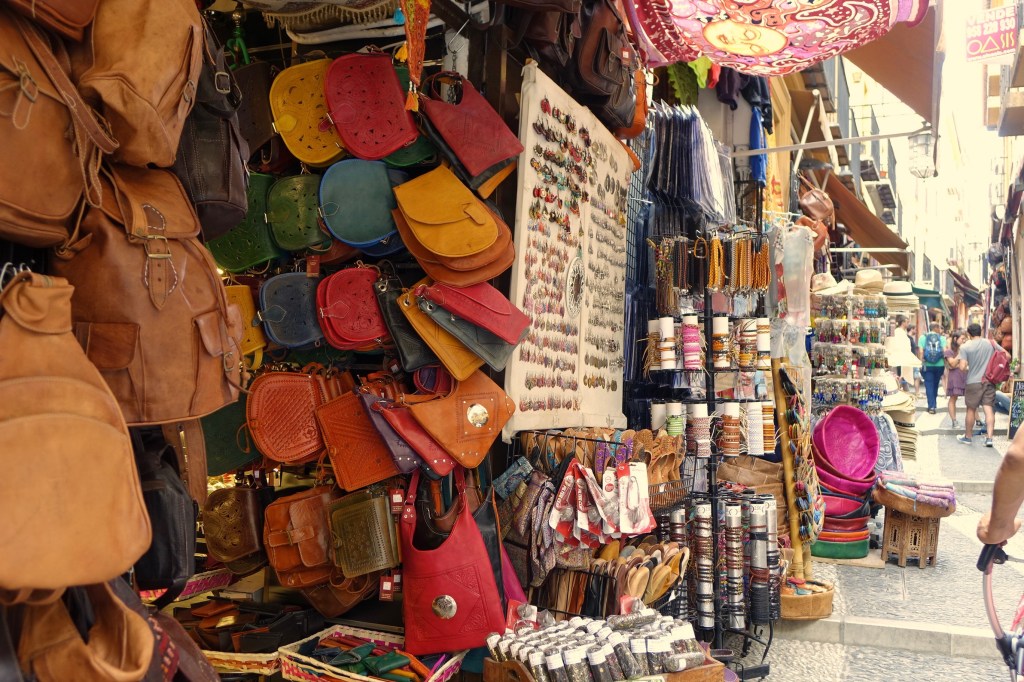
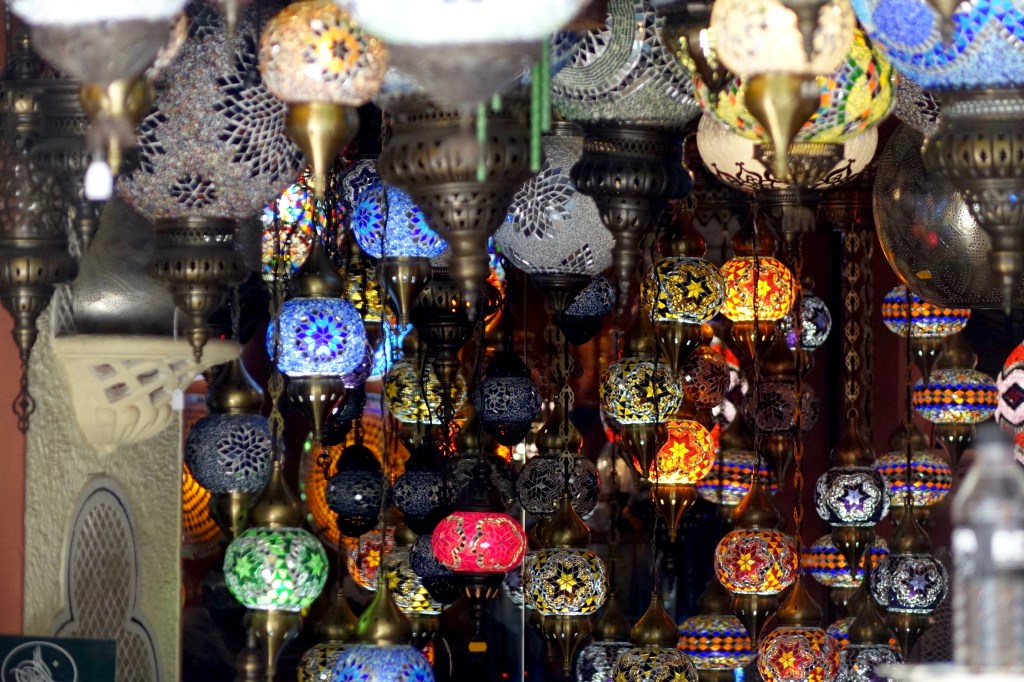
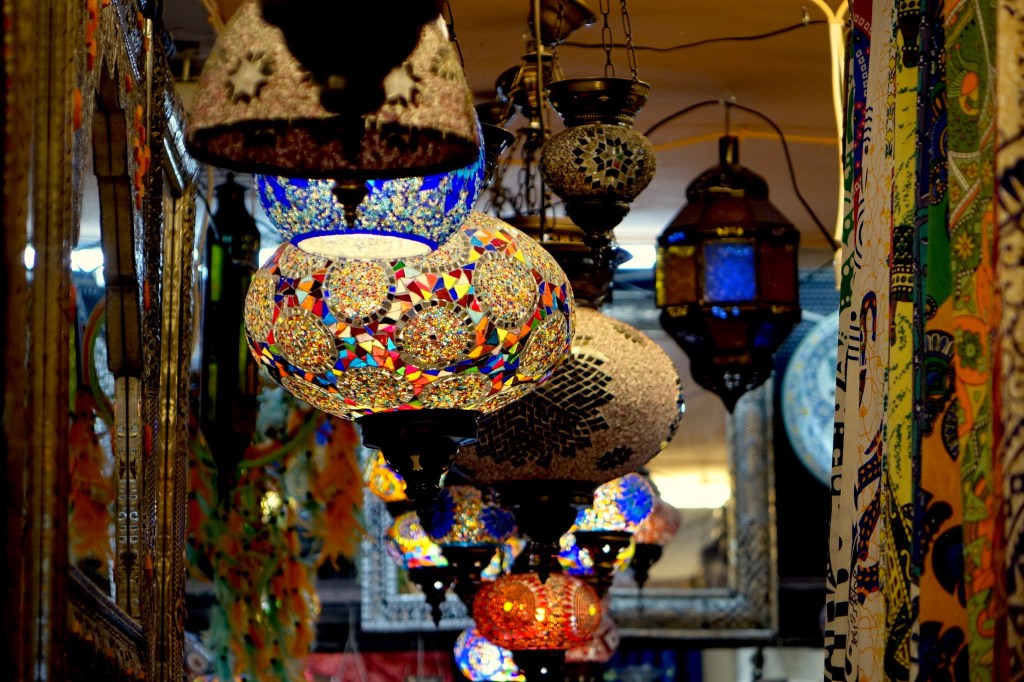
Of course much of what you see today has a ring of Disneyland about it, The tightly packed streets full of arabic wears and shops clustered with so many glittering glass lamps, silks and leather goods that you feel as though you have entered Aladdin’s cave, are all somewhat contrived for the tourists. But they are nonetheless deeply rooted in a past which begun in the early 700s, when the muslims crossed the narrow Straits of Gibraltar and swiftly conquered the Iberian Peninsula, founding Al Andalus, a kingdom of such rich prosperity and harmonious living that it was the nearest any civilisation had come to the Roman Empire before it. But the State’s precarious location encircled by Catholic countries meant that it was never destined to last for ever. One by one, a Catholic reconquista swept through the Iberian Peninsula, reclaiming Spain for the Christian world, until only one citadel of Al Andalus remained, the strongest of all – Granada.

Granada’s magnificent Catholic face

DSC04925 DSC03983DSC04920 DSC04951 DSC04928 DSC04344 DSC04169 DSC04160 DSC04334 DSC04918 DSC04945 DSC04052

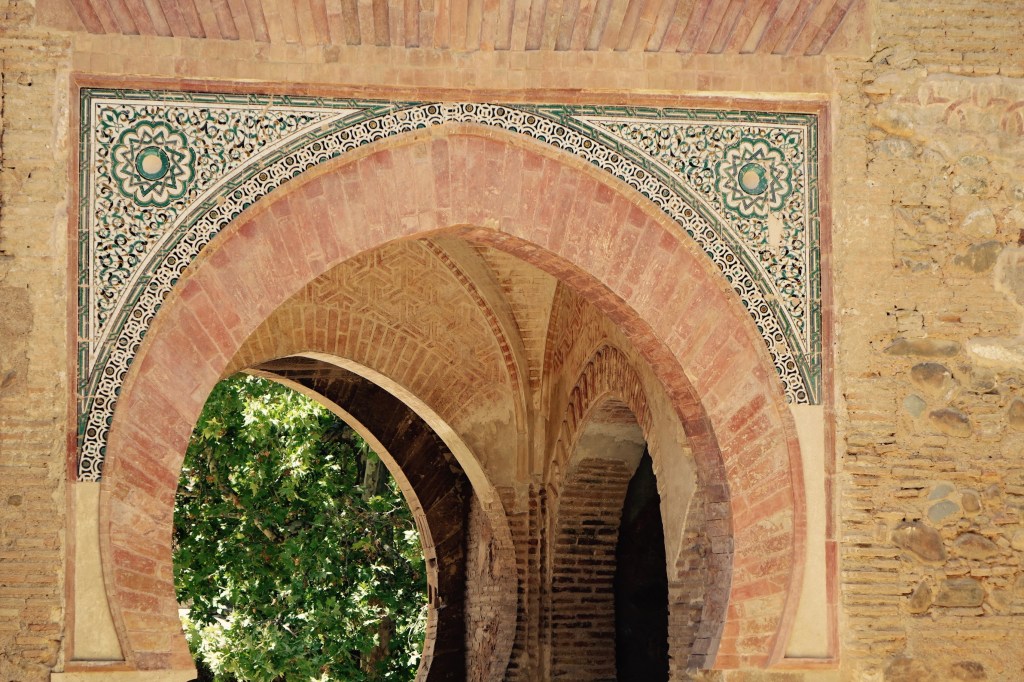
It took some 250 years of negotiations, wrangling and final all out war before Ferdinand and Isabella, the “Catholic Monarchs” were able to complete the Christian reconquest of Spain, take Granada, and banish the Muslims for good. But they were never able to banish the heritage they had left behind. Spectacular monuments such as the Alhambra Palace remained as a clear testament to the stunning creativity of the artisans of Al Andalus, and remain today because their beauty was such that the Christian’s could not bear to destroy them.

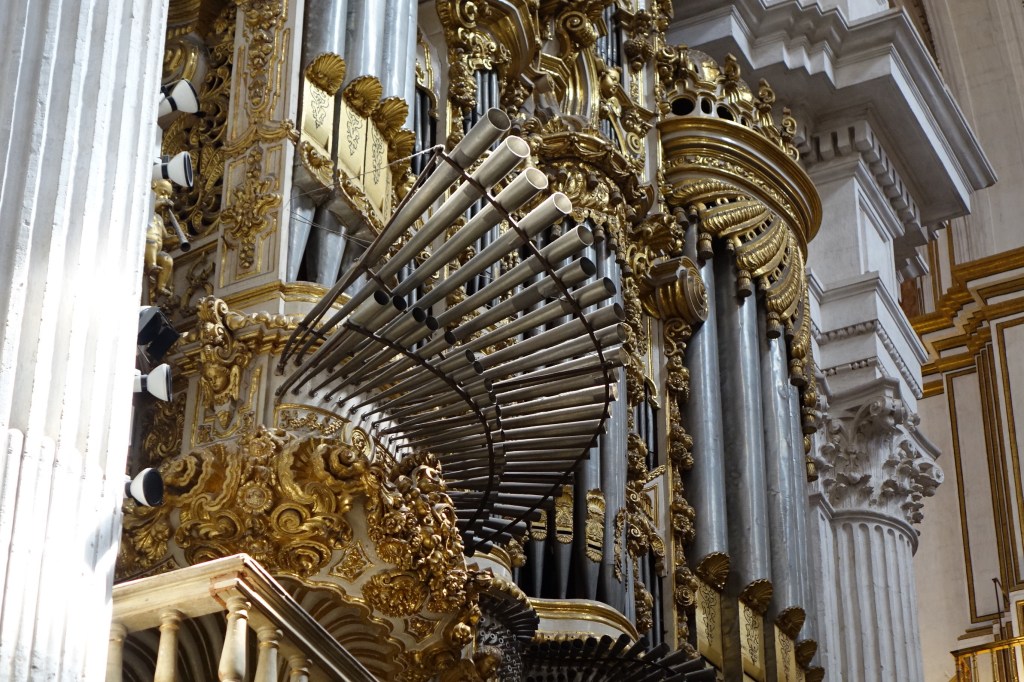
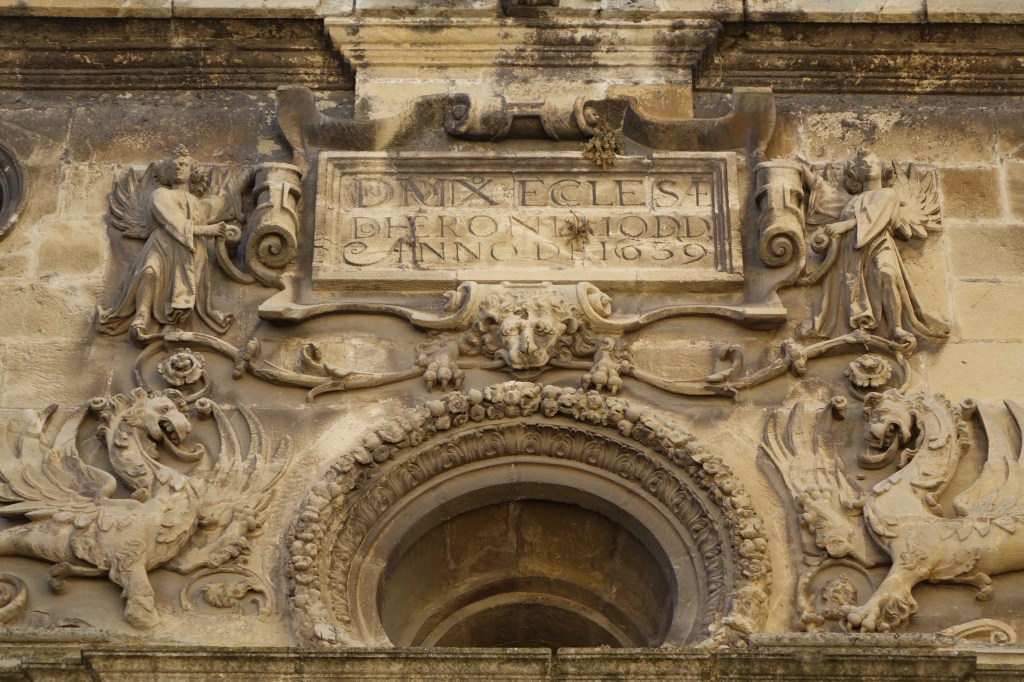
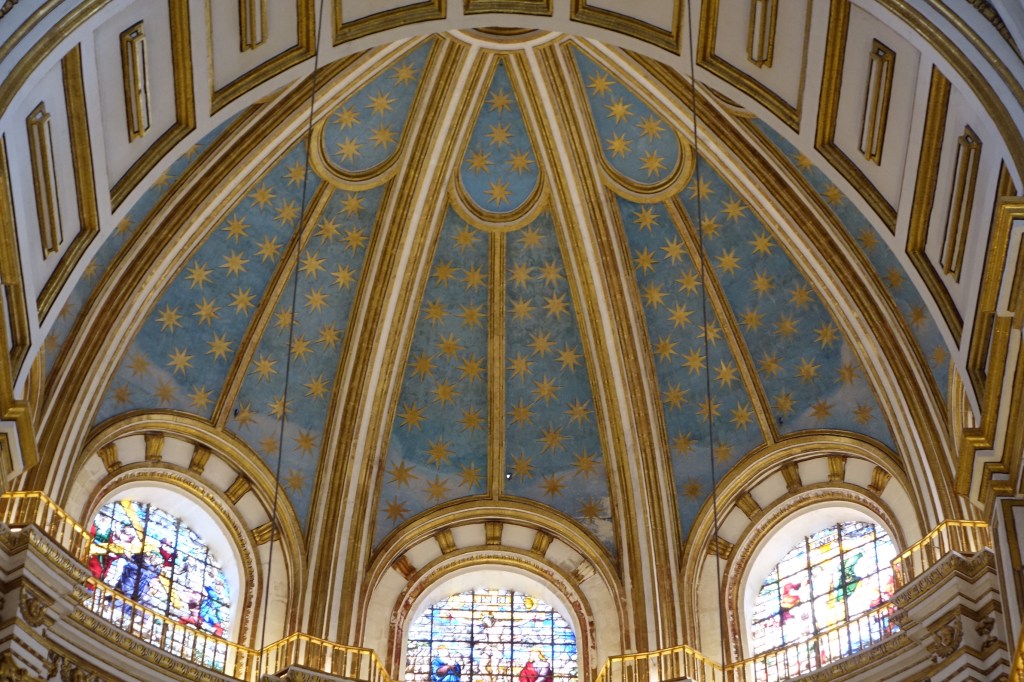
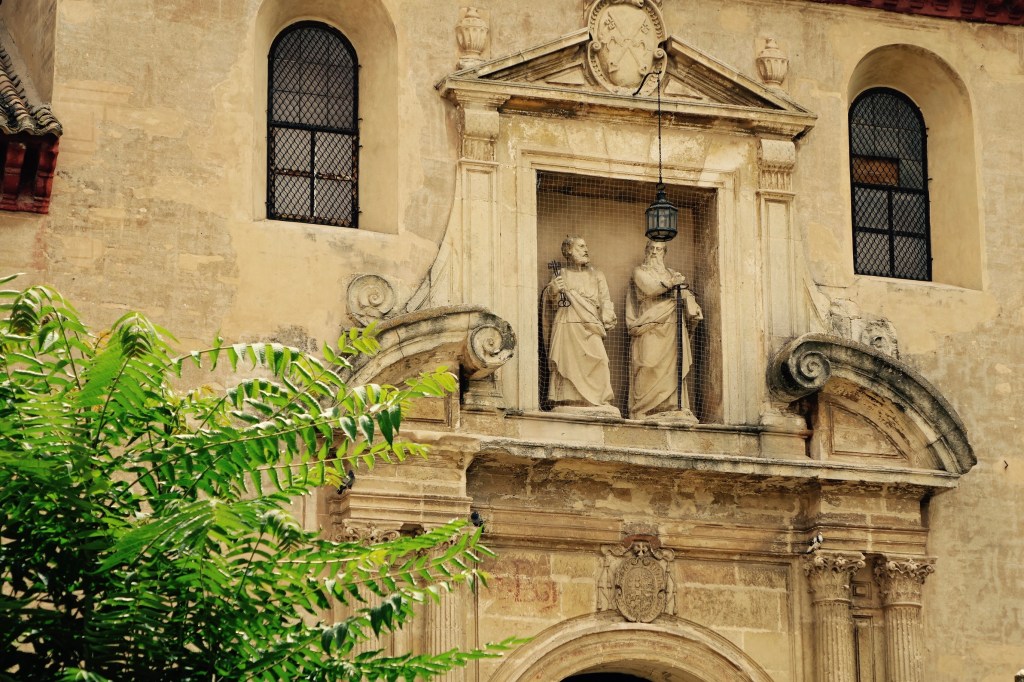
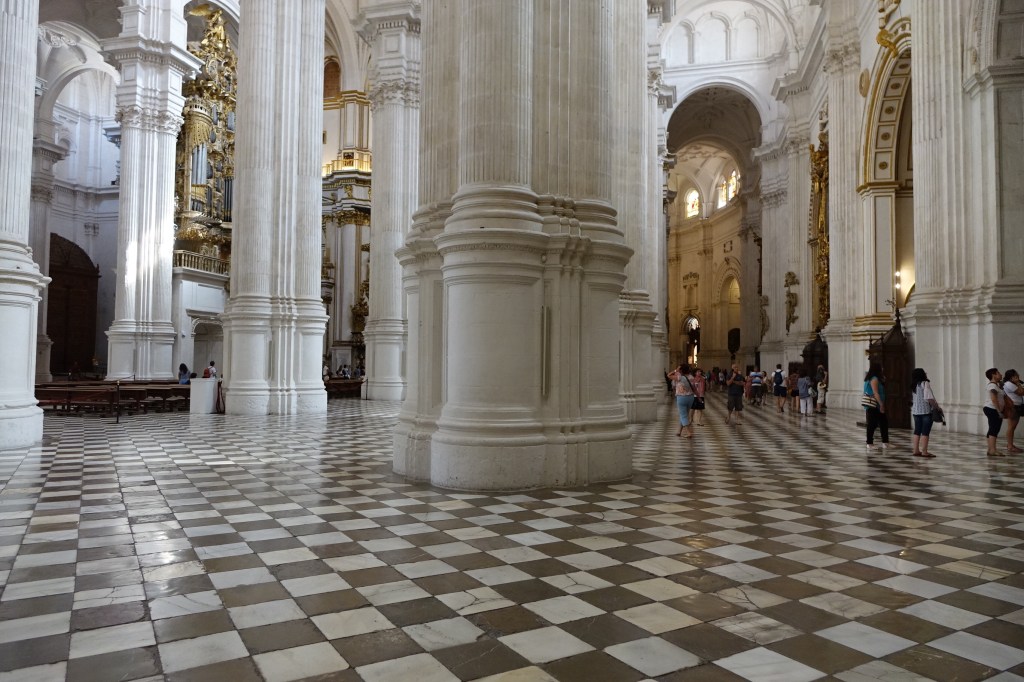
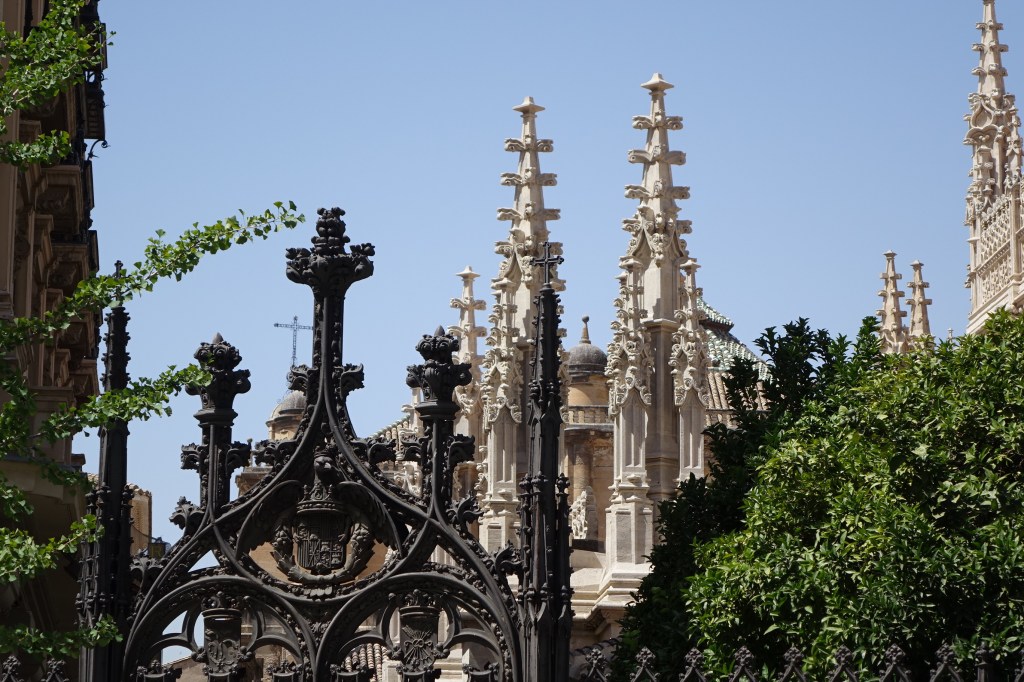
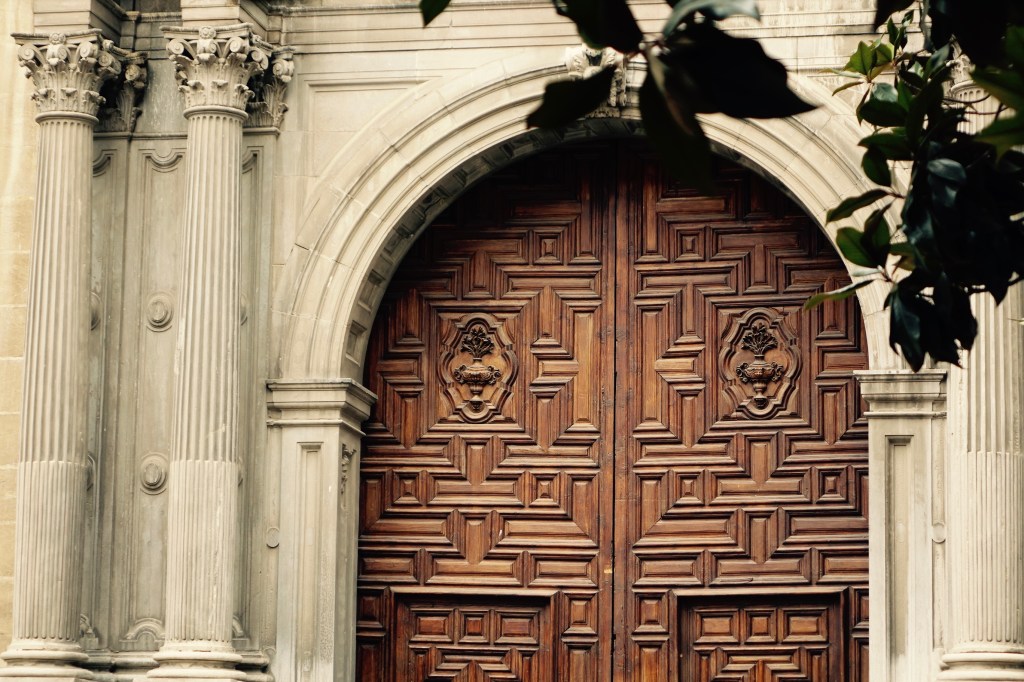
However a visitor to Granada today will likewise note that the city is bounteous in its Christian relics too. Constructions such as the vast Cathedral of the Incarnation are every bit as glorious an architectural gem of the city as the Alhambra, and were no doubt contrived to be all the more beautiful owing to the need for the Christians to show-off their creative prowess in the aftermath of the reconquest.

DSC04005 DSC04009 DSC04202 DSC04185 DSC04178 DSC04199 DSC04182 DSC04204 DSC04187 DSC04200 DSC03988 DSC04006 DSC04197 DSC04179DSC04189 DSC04012

Happily, the dual identity of Granada is one which has returned to the city, long after the terrible years when all non-Christians were expelled from Granada. While much of the Arabian shops and bizarres are laid on for the tourists, there is a very evident presence of a renewed muslim population in the city, allowing visitors – us included – to enjoy the wealth of their religious and social culture alongside the distinctive Spanish culture which has emerged from the years of more recent Catholic rule. These photos are testament to our discovery of both cultures.

All photos and written content are strictly the copyright of Nicholas de Lacy-Brown © 2016 and The Daily Norm. All rights are reserved. Unauthorized use and/or duplication of the material, whether written work, photography or artwork, included within The Daily Norm without express and written permission from The Daily Norm’s author and/or owner is strictly prohibited. 

My Granada Sketchbook: Alhambra, viewed from the Albayzín

I have just returned from Andalucia in Southern Spain. It’s an annual pilgrimage to a place which inspires me deep from within its passionately romantic soul. While the old town of Marbella, in a house radiated by the fragrant perfume of jasmine, is always my base, each year I try to embellish my trip with a sampling of the region’s rich cultural offerings. This year it was the turn of Granada, a true jewel of the Iberian Peninsula, a city so rich in cultural and religious heritage that from one street to another you find yourself whisked across different centuries and richly divergent cultures.

A combination of 4 nights in Granada followed by 12 in Marbella meant for a trip front-loaded by inspirational madness, and a fortnight which then provided ample opportunity to live out the fruit of those ideas. This meant that my trusty sketchbook went with me not just in Granada, where I would sketch sat in shady plazas, and in the echoing gardens of the Alhambra, but also in Marbella, where every morning I got into the habit of finishing off my Granada sketches over a rich coffee and a slice of spongy bizchoco.

Granada Mirador Alhambra

The Alhambra viewed from the Mirador San Nicolas, Granada (2016 ©Nicholas de Lacy-Brown, pen on paper)

Today, I considered this sketch to be the best way to start my Granada tales, for it shows perhaps the most famous Granada view – the stunning Alhambra palace as viewed from the Mirador de San Nicolas, with the might of the Sierra mountains behind it. I’m not going to talk too much about the Alhambra for now… that time will surely arise as I share my Granada adventure with you. But for now I hope you enjoy this first of 9 works created on this very inspirational trip. I look forward to sharing them all with you.

© Nicholas de Lacy-Brown and The Daily Norm, 2001-2016. Unauthorized use and/or duplication of the material, whether written work, photography or artwork, included within The Daily Norm without express and written permission from The Daily Norm’s author and/or owner is strictly prohibited. For more information on the work of Nicholas de Lacy-Brown, head to his art website at www.delacybrown.com

An Englishman in Andalucia

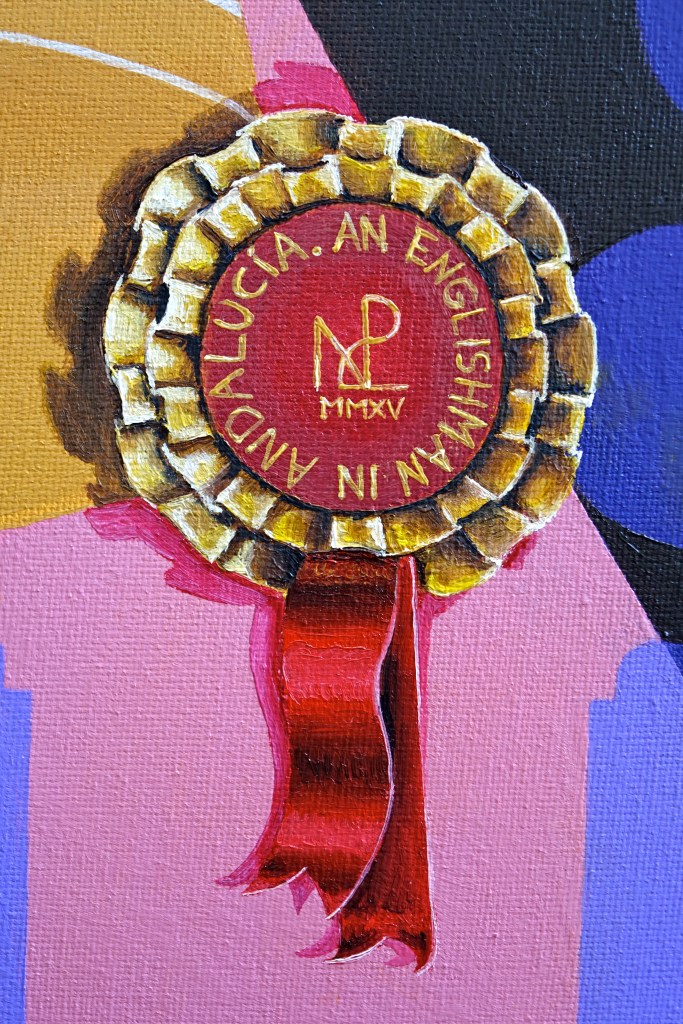
Dark, broody, flames flickering through a purple and chocolate brown backdrop…a portrait on the wall is alive. Dressed in the guise of a toreador, it is my self-portrait, part alarmed, part anxious, as I consider conflict in my life… the ever omnipresent concerns which come of big changes and repercussive decisions, a conflict which is played out in reflection in a Spanish bull ring; the steady workmanship which comes of intricately embroidering the matador’s traje de luz being the catalyst of the conflict, as blood pours from the pin which pierces at the heart of the bull.

An Englishman in Andalucia (2015 © Nicholas de Lacy-Brown, oil on canvas)

An Englishman in Andalucia (2015 © Nicholas de Lacy-Brown, oil and acrylic on canvas)

Set in the context of Andalucia, where I was when I painted the piece, this is the work of An Englishman in Andalucia… when my displacement in Marbella triggered a time of contemplation, when internal thoughts just poured onto the canvas. In the midsts of expressing my preoccupation of the time, I was inspired to utilise the Spanish corrida as my protagonist, having passed a bullfighting poster on my way to the beach. From that second onwards, this painting sprang into mind as I lay on the beach, and that afternoon I rushed home to start work on the piece.

DSC01033 DSC01039 DSC01057 DSC01071 DSC01067

It is a painting which deals with the contrasts and conflicts which are always present in my life. The fact of being English and living in Spain, the repercussions of pursuing a creative career which inevitably meant the sacrifice of another. It is a brooding contemplative piece, but for me its creation made for a satisfying process. And in so far as its motifs are therefore consequently dark, the effect of painting it was to fill my mind with clarity and light.

© Nicholas de Lacy-Brown 2015. Unauthorised use and/or duplication of the material, whether written work, photography or artwork, included on this website without express and written permission from Nicholas de Lacy-Brown is strictly prohibited. For more information on the work of Nicholas de Lacy-Brown, head to his art website at www.delacybrown.com

Marbella in shades of an Andalucian Autumn

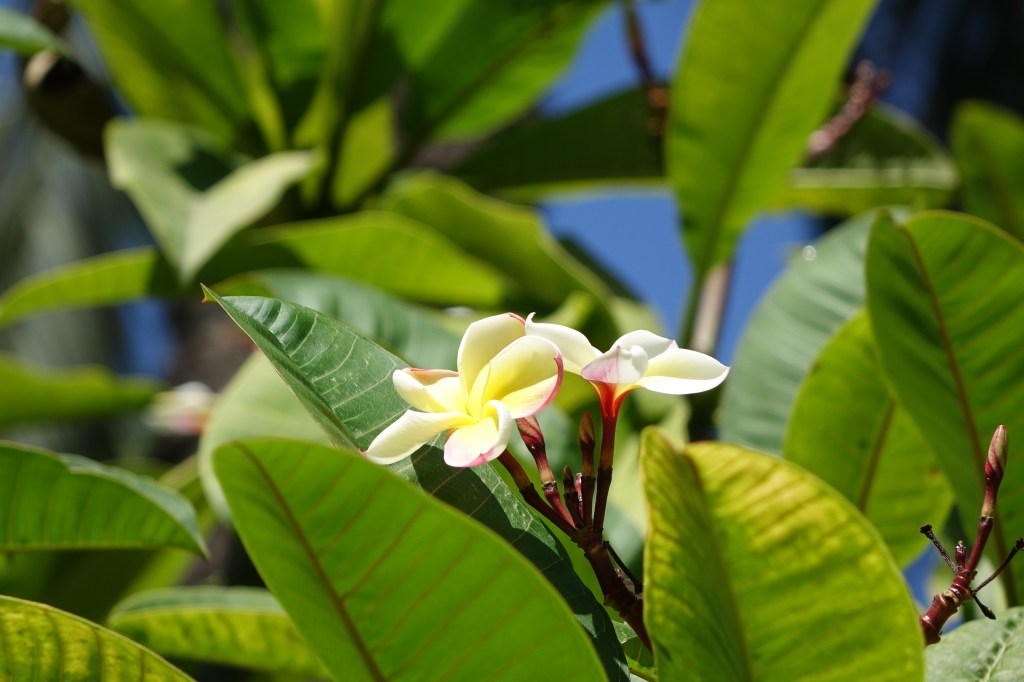
It’s striking how quickly autumn has come upon us, even out here in Spain. Only a few weeks ago I posted my collection of photos with trees still clinging onto the last green leaves of the summer. A mere fortnight later, those leaves have fully caramelised and are starting to scatter to the ground. Last weekend, I took the short one hour trip from the heavenly shores of Mallorca to the equally beautiful seaside haven of Marbella to visit my parents, and to do a little work. There, the autumnal transformation was even more noticeable to me, since only 6 weeks before, I had been in the very same town basking in the heat of the summer.

DSC01694DSC01723 DSC01663DSC01711 DSC01744 DSC01668 DSC01661DSC01699

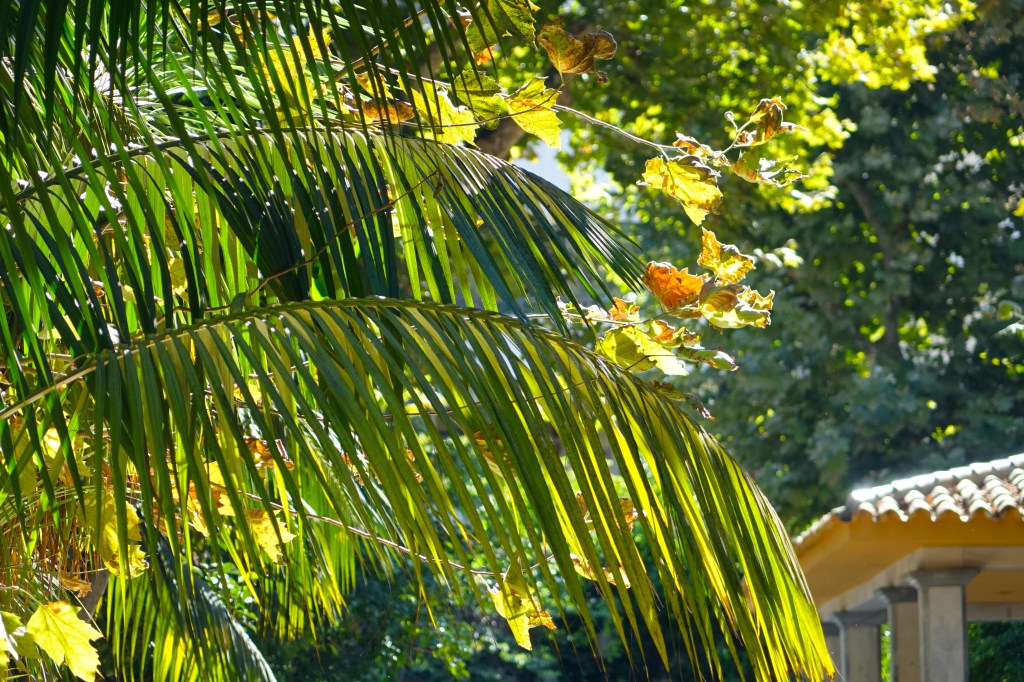
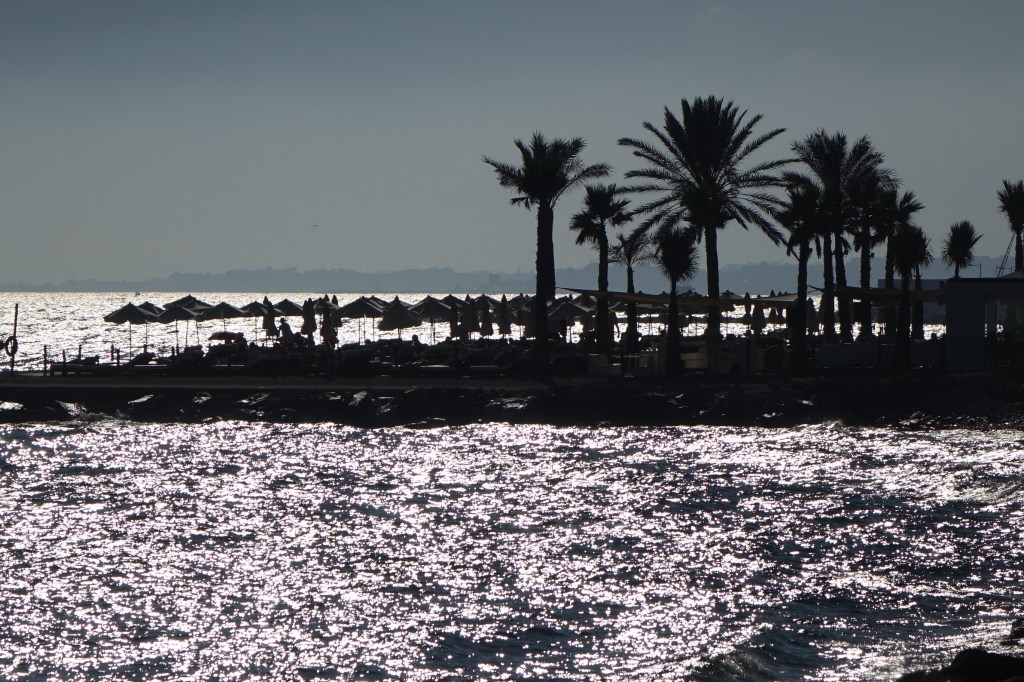
In late September, Marbella was a town transformed. In the creamy golden light of autumn, shadows were slightly elongated, and the orange tone of the sunshine intensified. Trees in Marbella had themselves undergone the inevitable transformation into caramel hues, but with the sun shining through their translucent layers, they looked glorious. But perhaps the most noticeable change of all was the beach. Now a far less hospitable place, with a more bracing wind shorting the shore, but with a low afternoon sun casting a sensational silvery light over the water. Incredible shades of colour in this amazing Andalucian Autumn.

All photos and written content are strictly the copyright of Nicholas de Lacy-Brown © 2015 and The Daily Norm. All rights are reserved. Unauthorized use and/or duplication of the material, whether written work, photography or artwork, included within The Daily Norm without express and written permission from The Daily Norm’s author and/or owner is strictly prohibited.

My travel sketchbook: Plaza de la Victoria, Marbella

The next page of my sketchbook to have its day in the limelight is another sketch from my recent trip to Marbella, this time depicting the Plaza de la Victoria in Marbella’s Casco Antiguo. Nestled besides the famous Plaza de los Naranjos, and filled with trees and foliage, it is a real highlight of Marbella’s quaint Andalucian old town. But it is perhaps the fountain at its centre which gives the square its real character, and sitting at a little cafe serving crispy churros and coffee beside it, I was able to enjoy this perfect vantage point. You can even see the cafe’s popular churros sneaking into the sketch on the left. Ah… the halcyon days of summer.

Plaza de la Victoria, Marbella (2015 © Nicholas de Lacy-Brown, pen on paper)

Plaza de la Victoria, Marbella (2015 © Nicholas de Lacy-Brown, pen on paper)

© Nicholas de Lacy-Brown and The Daily Norm, 2001-2015. Unauthorized use and/or duplication of the material, whether written work, photography or artwork, included within The Daily Norm without express and written permission from The Daily Norm’s author and/or owner is strictly prohibited. 

Musings on Marbella: My little neighbourhood

Marbella is a name synonymous with glamorous hotel resorts, mass tourism and indulgent beach parties, tacky celebrities and multiple cosmetic surgeries. But as I have pointed out so many times before, beyond Puerto Banus and the vast stretches of tourist-ravaged coast either side, the actual centre of Marbella on Spain’s Costa del Sol is an authentic gem in the crown of Andalucia. Not only does the town boast an utterly picturesque old town at its core, including a baroque masterpiece of a church and ancient Moorish walls, but its modern expansion has an altogether more down to earth atmosphere, where chirpy Andalucian locals take a coffee on the sidewalk, walk along the seaside and even head occasionally to the gym.

DSC01089 DSC01090 DSC01087

This is the real Marbella which I am lucky enough to call my neighbourhood, for my family have owned a home at the heart of the old town for almost a decade and a half, and as a result I have become well accustomed to this part of the world. The result is that when I visit, I reflect more introspectively, and create on canvas rather than take a whole raft of new photos of sights often explored before. My collection from this year’s trip is not therefore extensive. But it is characterised by the very authenticity which makes this area of Marbella the real soul of the city, rather than the superficiality which exists at its fringes.

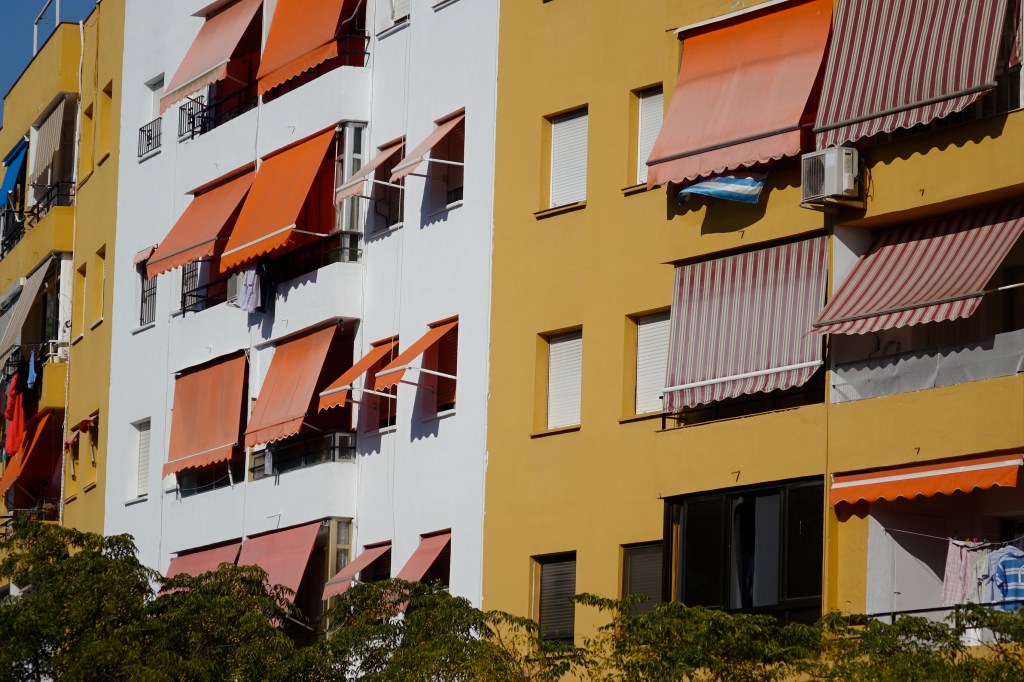
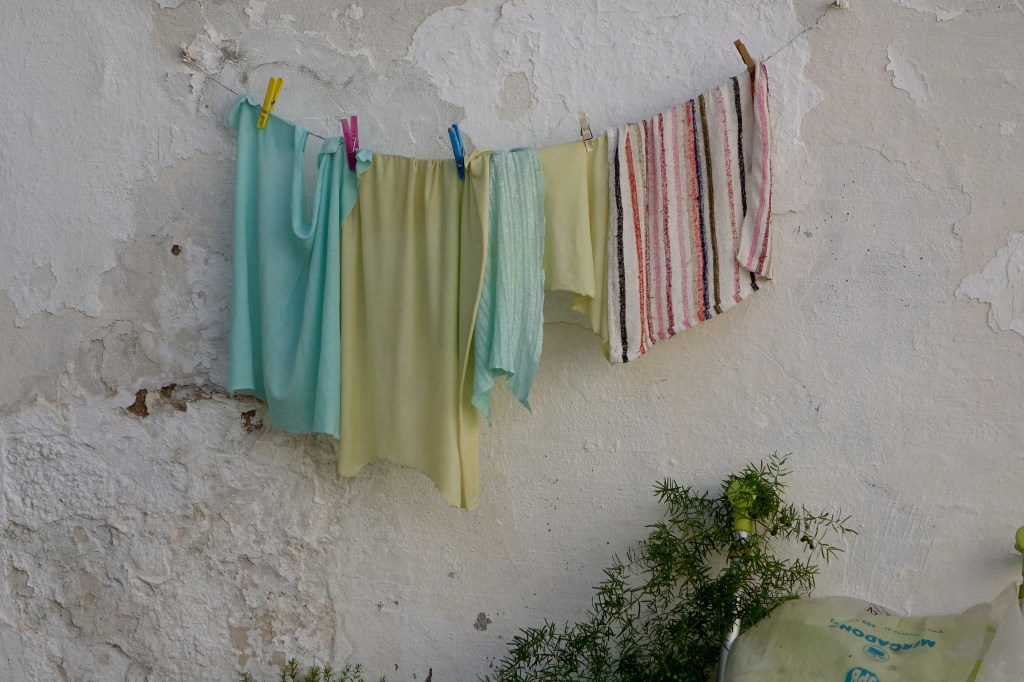
These photos were taken in literally a few hundred square metres of my house and the little hilly street we live in. They present just a few details from the neighbourhood we live in… the real Marbella which so many visitors miss.

All photos and written content are strictly the copyright of Nicholas de Lacy-Brown © 2015 and The Daily Norm. All rights are reserved. Unauthorized use and/or duplication of the material, whether written work, photography or artwork, included within The Daily Norm without express and written permission from The Daily Norm’s author and/or owner is strictly prohibited.

Interpretation No. 15 – Malaga

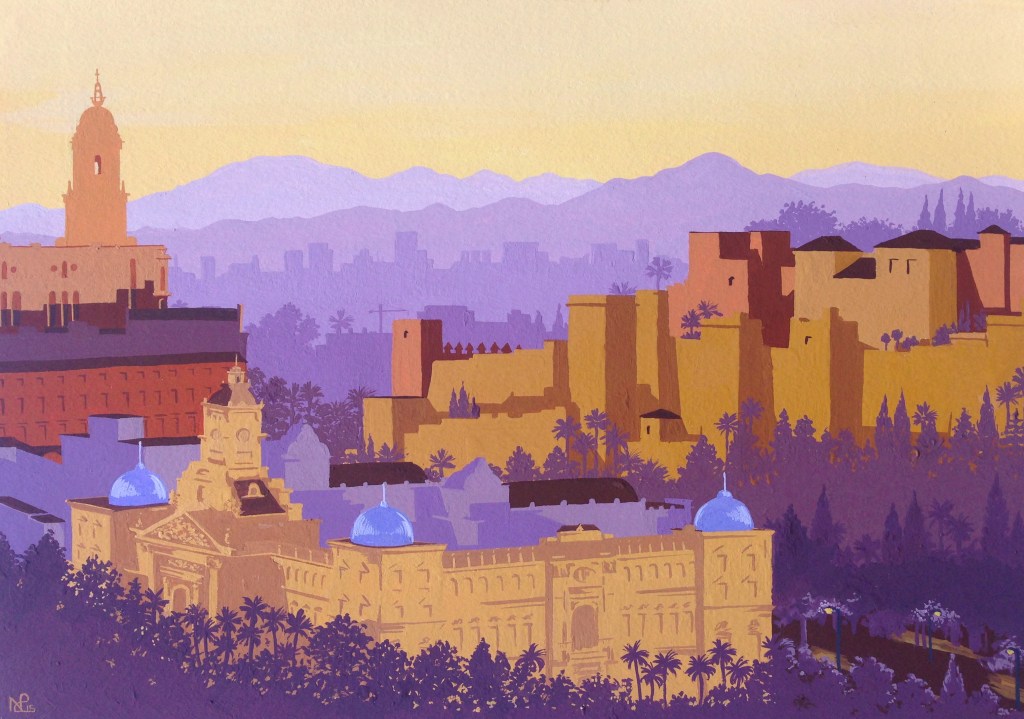
The week ends as it begun, with the introduction of another of my new little paintings, created comparatively quickly (that is, in relation to my oil works) with gouache on paper, and inspired by another stunning landscape of the Mediterranean. As with the other works in my collection of “interpretations” which began back last summer on the Amalfi Coast, my landscape of Malaga attempts to simplify the forms of the landscape by stripping out many of the architectural details, while using flat areas of colour to delineate architectural forms and their contrast with the haphazard lines of nature around them.

Interpretation No. 15 - Malaga (2015 © Nicholas de Lacy-Brown, gouache on paper)

Interpretation No. 15 – Malaga (2015 © Nicholas de Lacy-Brown, gouache on paper)

My photos on Wednesday will hopefully help to persuade you as to why the southernmost large Spanish city of Malaga should have brought out the artist within me, and in creating this 15th interpretative landscape, I have attempted to catch the city at one of its most alluring times, when the sun has set to create a golden backdrop to the diverse architectural shapes of the city: from the baroque majesty of the “one-armed lady” (the cathedral) to the simplified robust walls of the ancient moorish Alcazaba palace.

© Nicholas de Lacy-Brown and The Daily Norm, 2001-2015. Unauthorized use and/or duplication of the material, whether written work, photography or artwork, included within The Daily Norm without express and written permission from The Daily Norm’s author and/or owner is strictly prohibited. Excerpts and links may be used, provided that full and clear credit is given to Nicholas de Lacy-Brown and The Daily Norm with appropriate and specific direction to the original content. For more information on the work of Nicholas de Lacy-Brown, head to his art website at www.delacy-brown.com

My travel sketchbook: El Tajo Gorge, Ronda

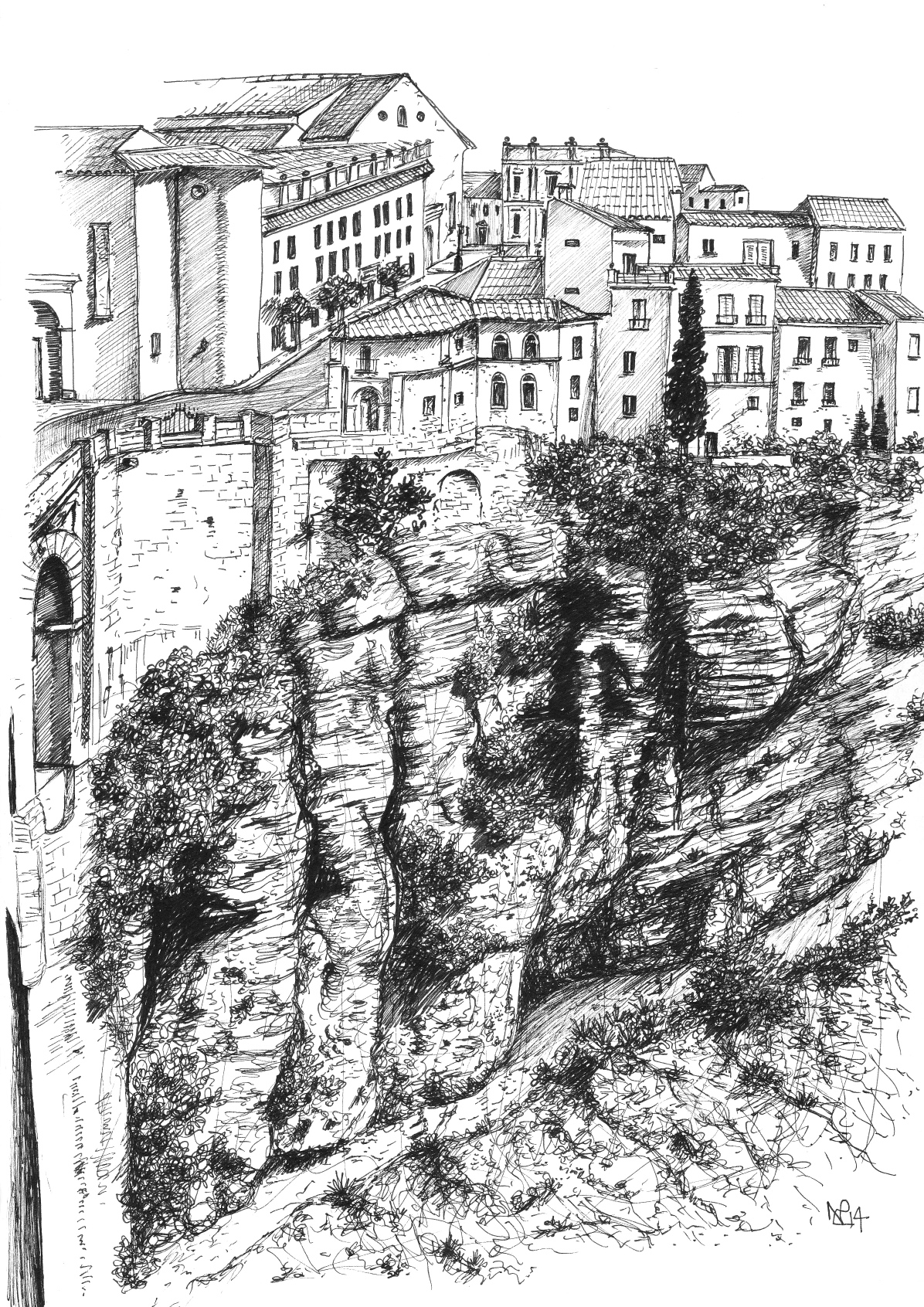
I could have sketched Ronda, the sumptuous Spanish city in Southern Andalucía, forever. Not only were the clusters of white terracotta-roofed old buildings more than easy on the eye, but the great El Tajo gorge upon which the city is precariously built is itself a feast for the eyes, and for a sketchbook. With its multiple craggy rocks, rounded by centuries of weather beatings and the expanse of plant life which has crept over its surface, the steep sided cliffs of the gorge are a picture of complex shapes, angles and shadows, and taken as a whole almost appear to defy gravity, such is the vertical, and in places almost inversed top heavy standing of these vertiginously high cliff faces. All this of course makes for a sensational drawing subject, and within hours of moving into our sumptuously large bedroom and terrace in the Paradores Hotel, I began two pen sketches of the incredible view which we could see from every part of our room.
Ronda 1 - Buildings above the Tajo Gorge, Ronda (2014 © Nicholas de Lacy-Brown, pen on paper)

Ronda 1 – Buildings above the Tajo Gorge, Ronda (2014 © Nicholas de Lacy-Brown, pen on paper)

The two sketches are fairly similar, hence why I am posting them together. They concentrate on the same section of the gorge, with a view onto the oldest quarter of Ronda with its main church stood proudly at the centre. However, one focuses more on a cluster of buildings showing just a little of the gorge below, while the other shows more of the gorge and just a thin slice of the bridge, helping the audience to appreciate just how small the buildings of Ronda appear when perched on the full expanse of this rocky canyon. And this is only what I could see from the hotel – the gorge plummeted deeper still, showing just how dramatic this scenery is.
Ronda 2: The Tajo Gorge (2014 © Nicholas de Lacy-Brown, pen on paper)

Ronda 2: The Tajo Gorge (2014 © Nicholas de Lacy-Brown, pen on paper)

I am delighted with the capacity of these sketches to have captured that drama, along with the great contrast between violently brutal rock face and highly civilised historical architecture which makes Ronda – and now these sketches – so interesting to see.
© Nicholas de Lacy-Brown and The Daily Norm, 2001-2014. Unauthorized use and/or duplication of the material, whether written work, photography or artwork, included within The Daily Norm without express and written permission from The Daily Norm’s author and/or owner is strictly prohibited. Excerpts and links may be used, provided that full and clear credit is given to Nicholas de Lacy-Brown and The Daily Norm with appropriate and specific direction to the original content. For more information on the work of Nicholas de Lacy-Brown, head to his art website at www.delacy-brown.com