Skip to content

Posts tagged ‘Gardens’

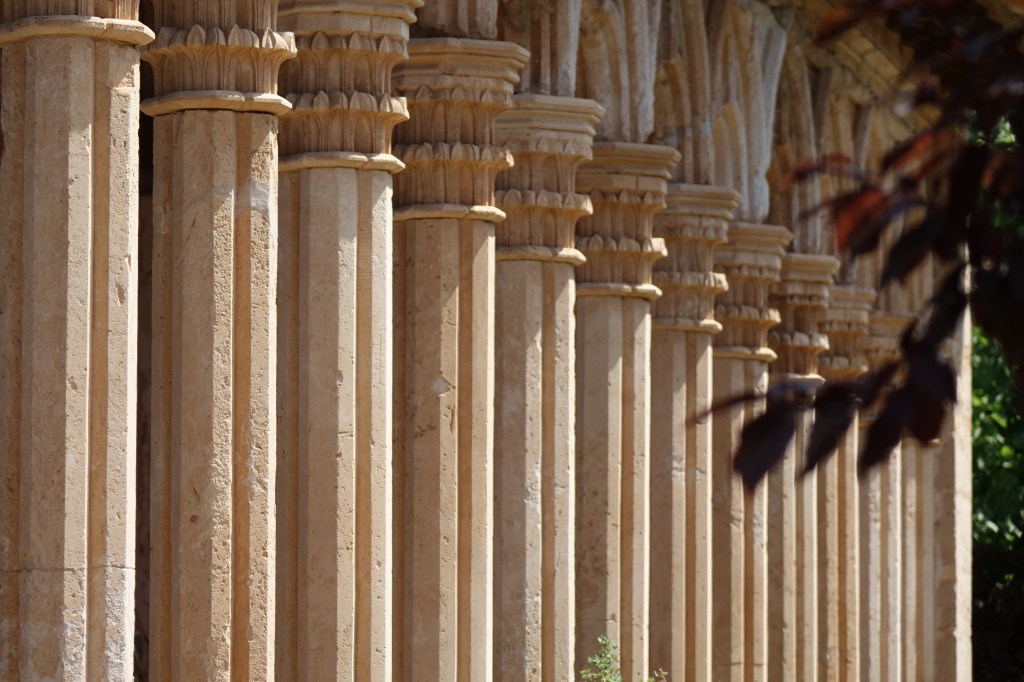
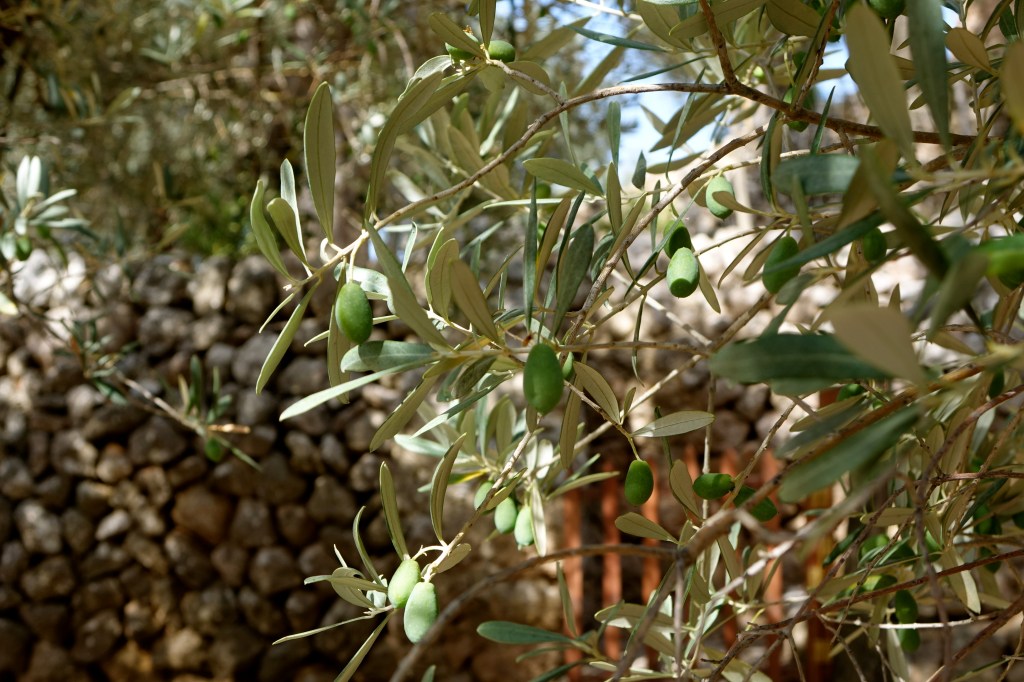
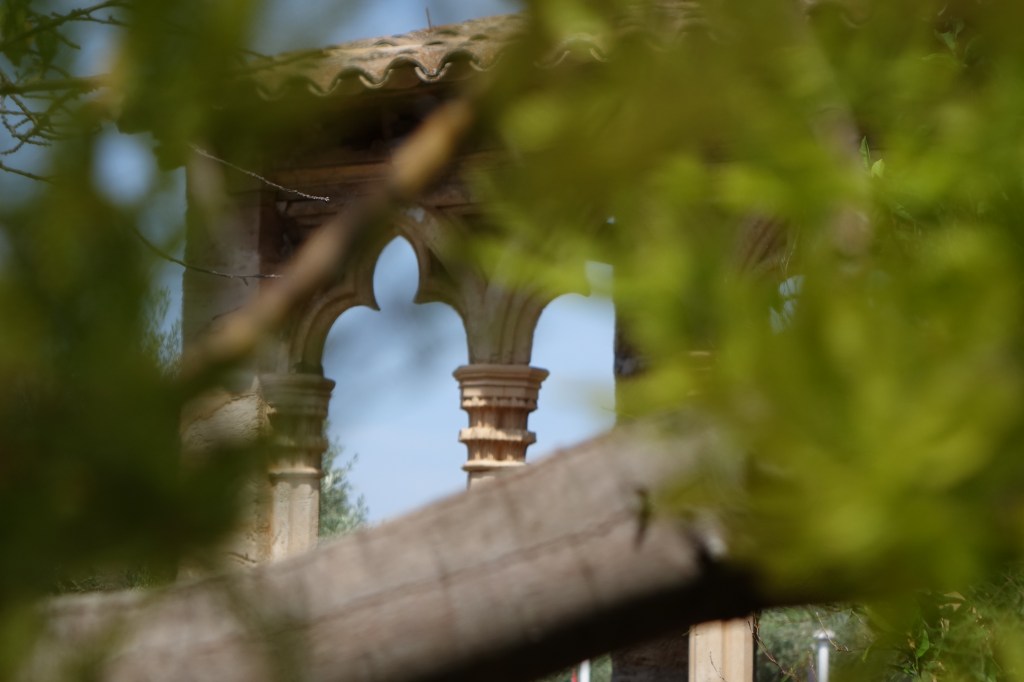
Discovering Mallorca: Botanicactus

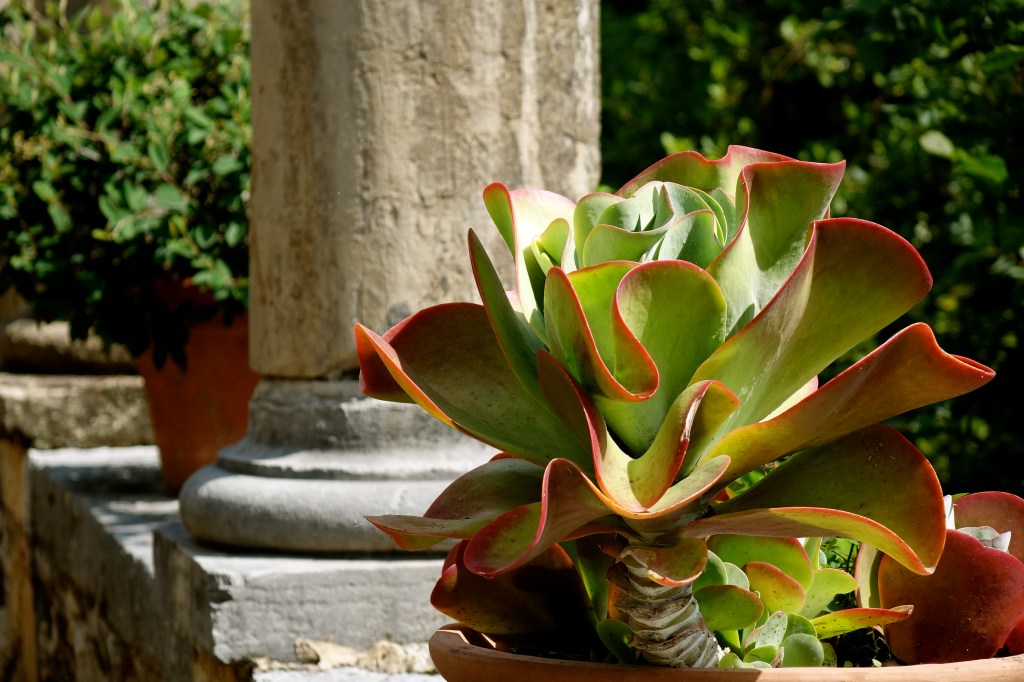
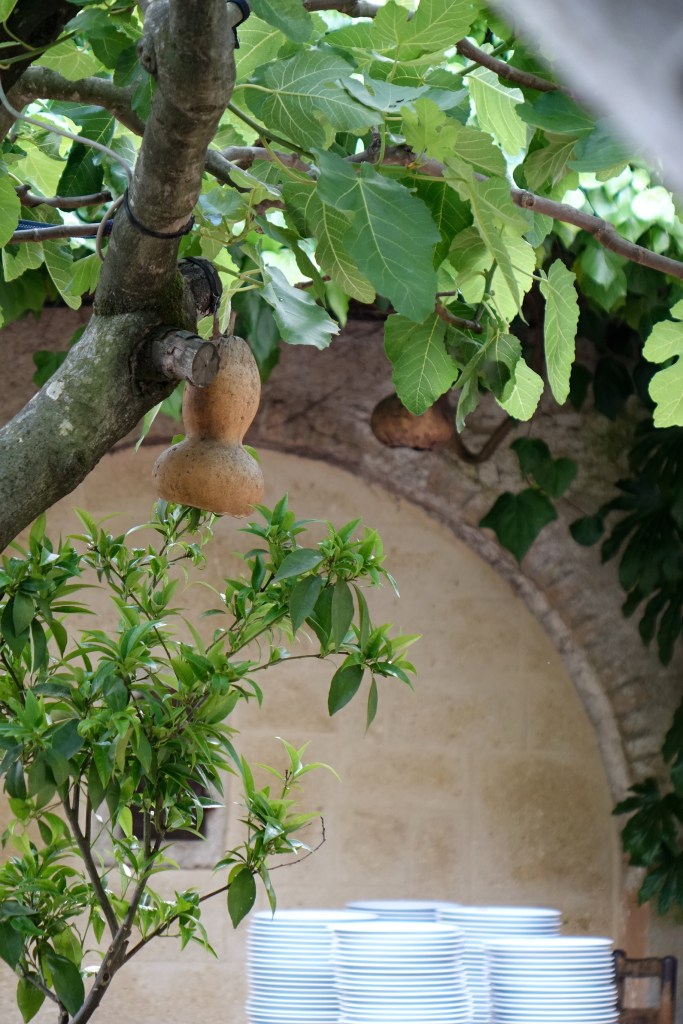
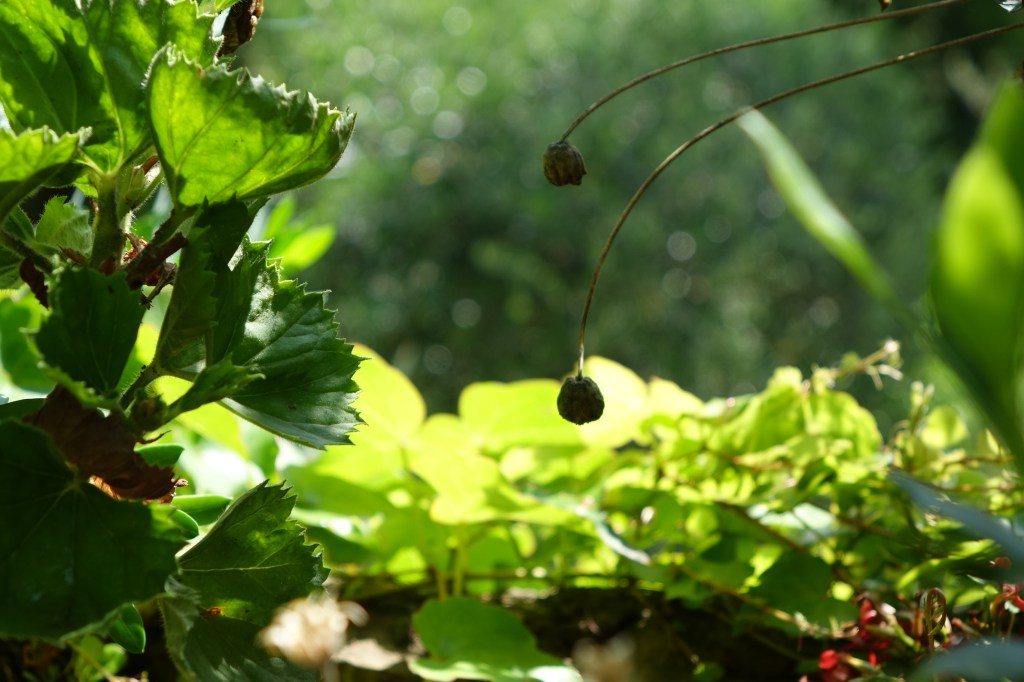
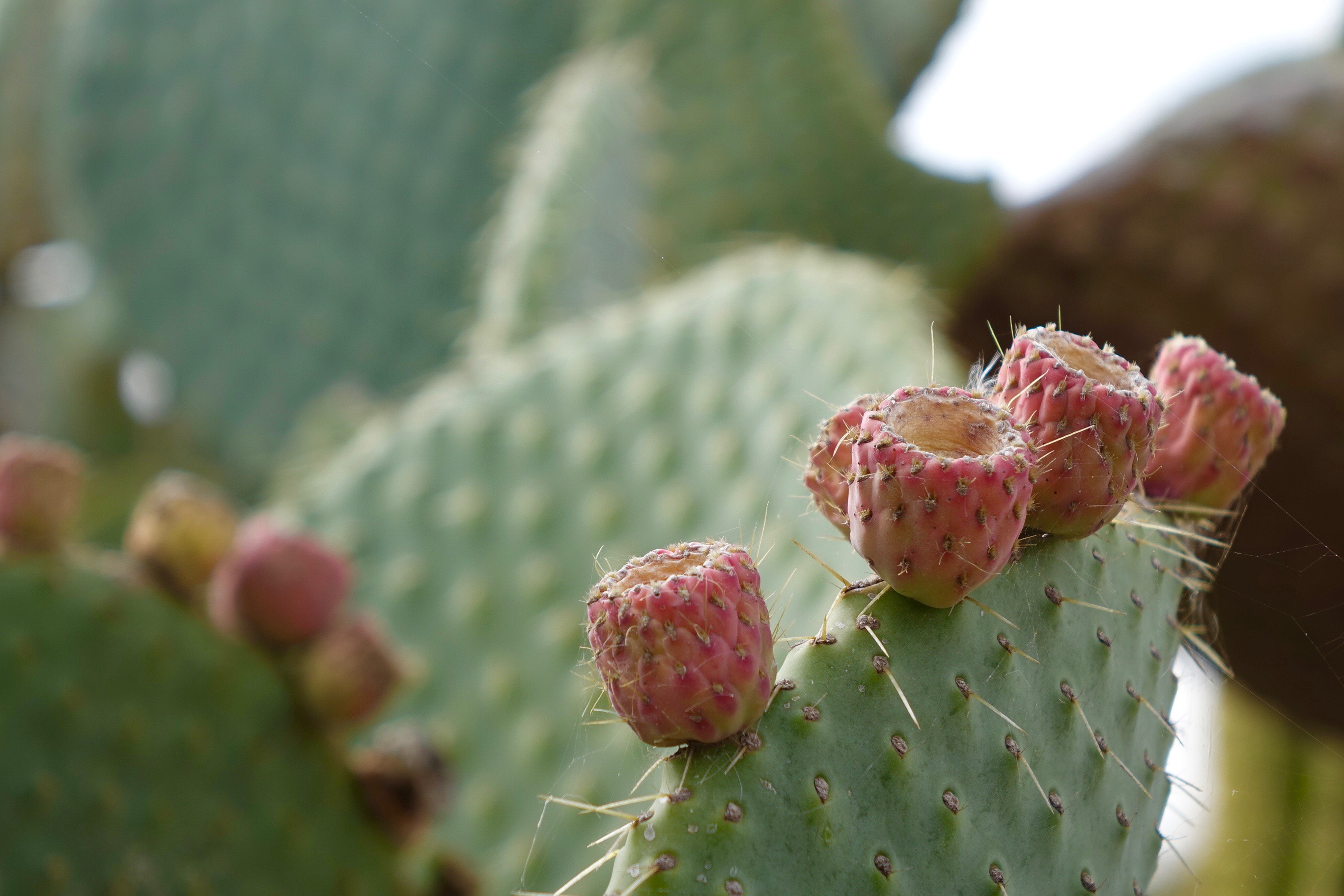
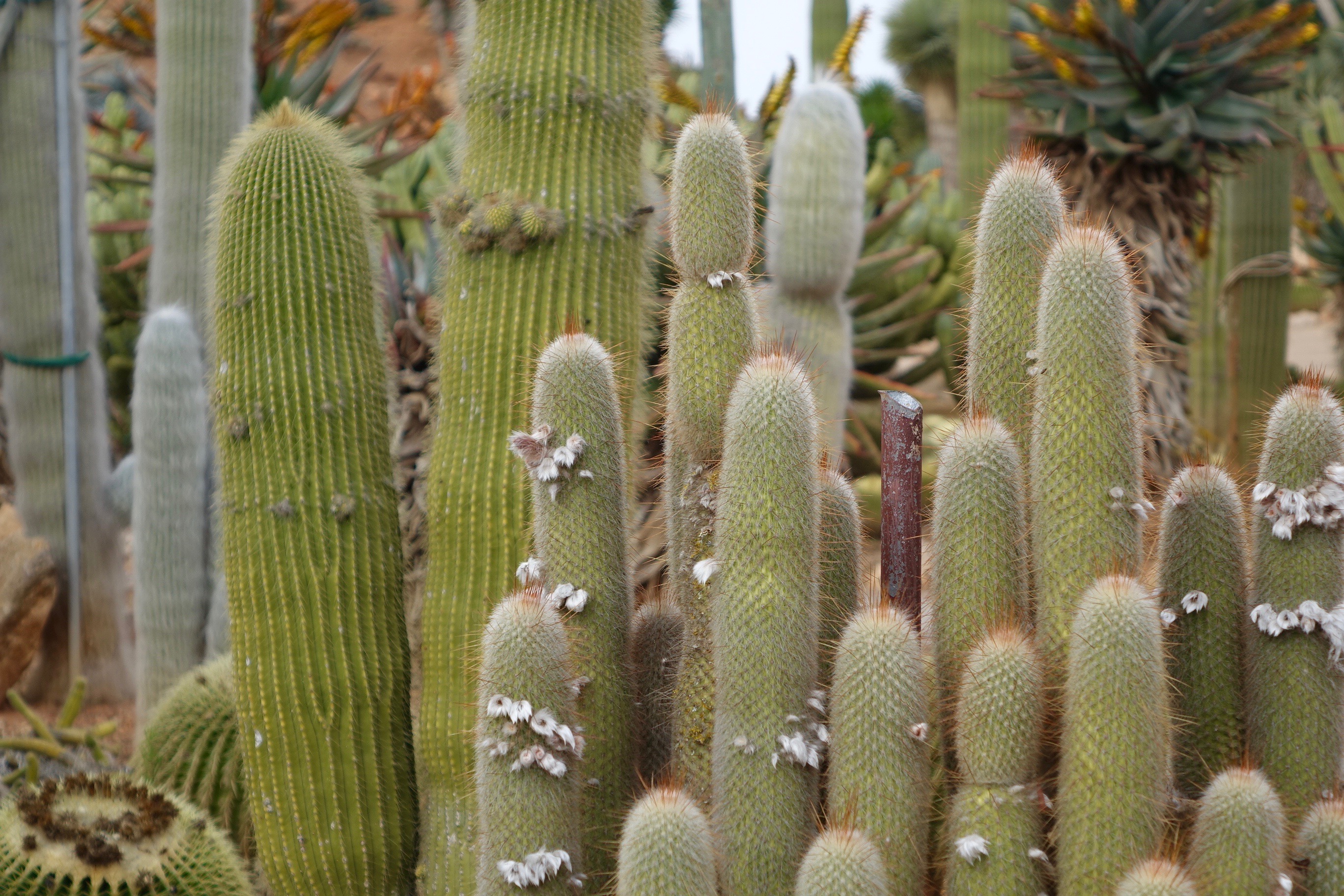
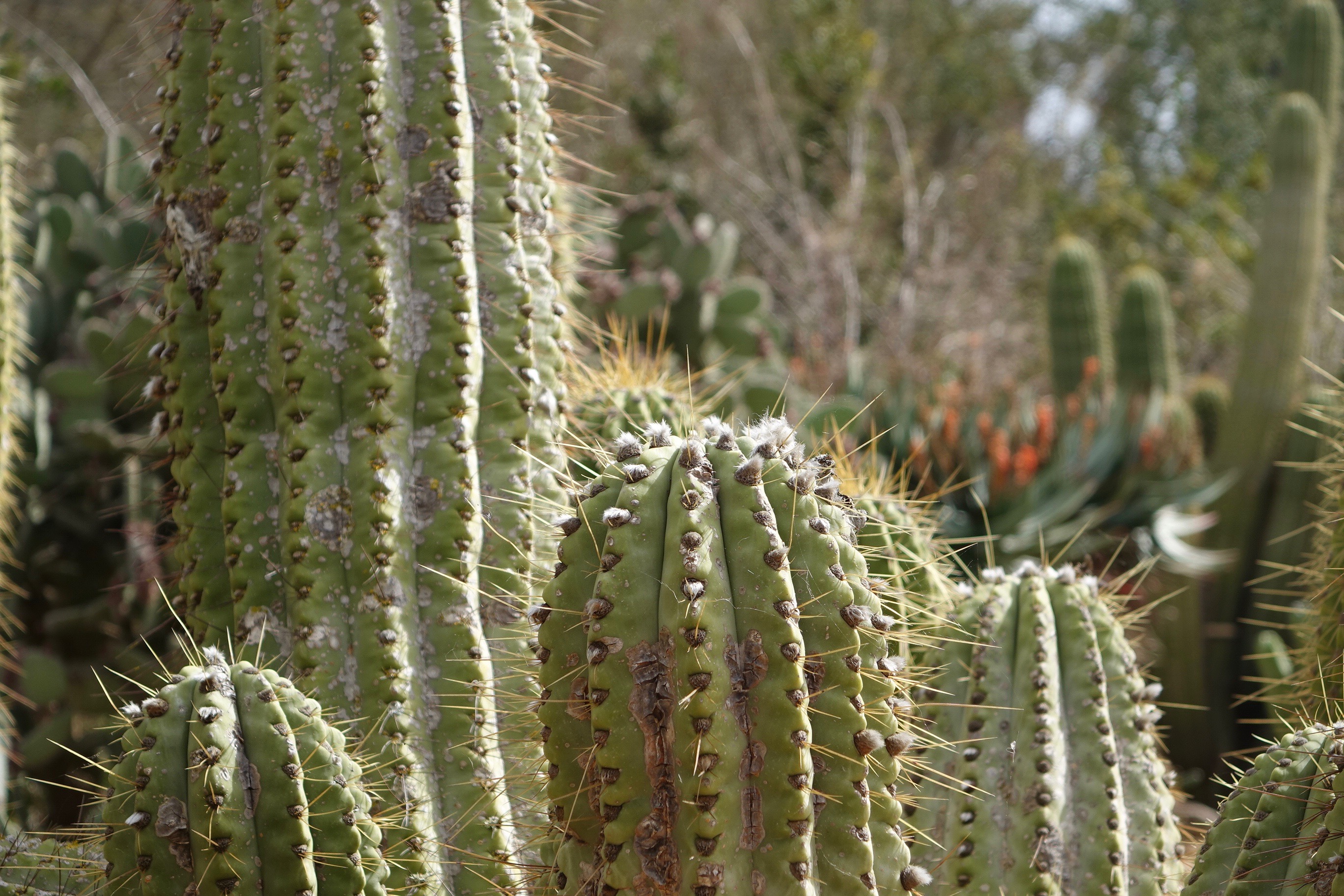
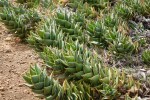
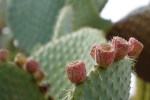
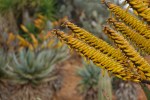
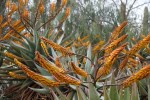
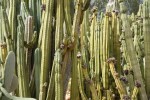
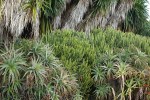
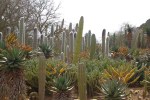
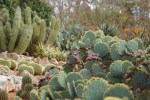
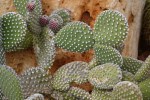
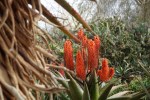
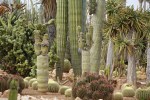
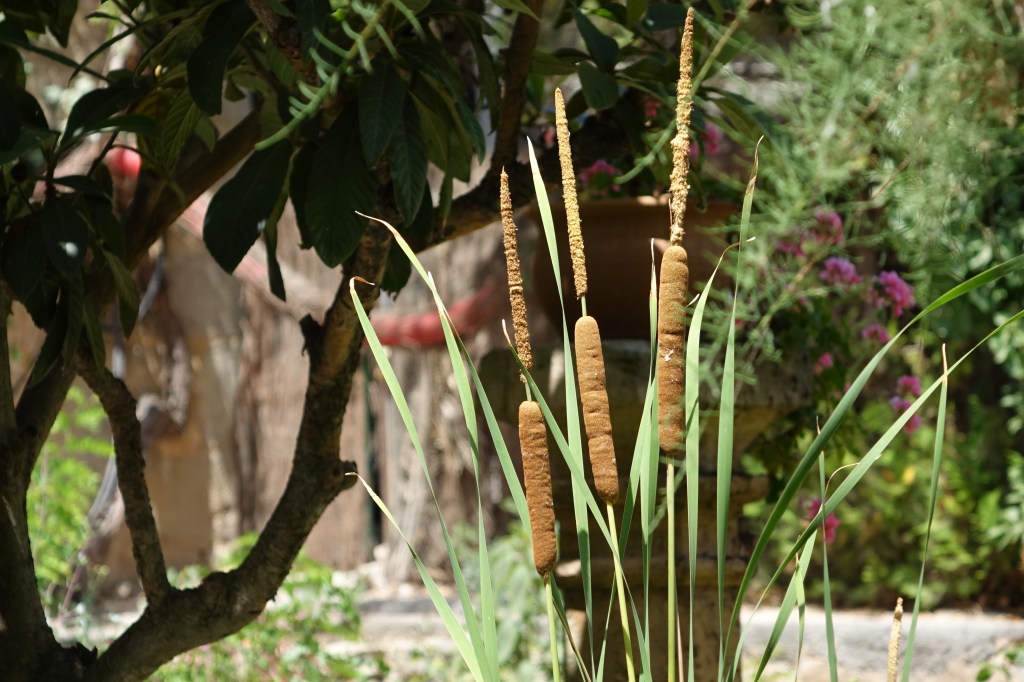
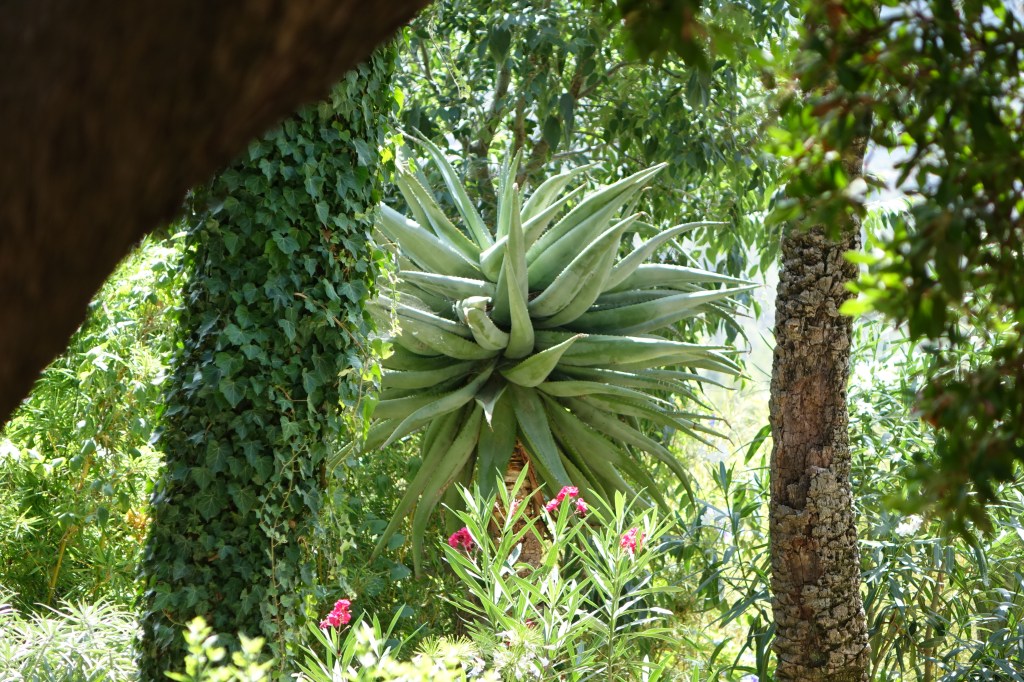
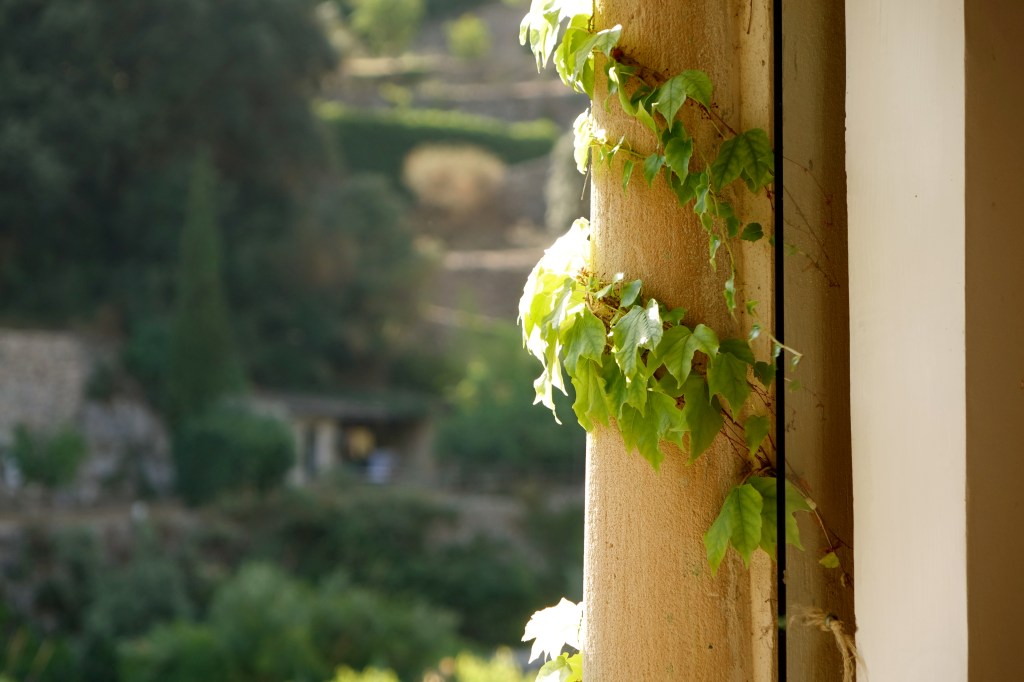
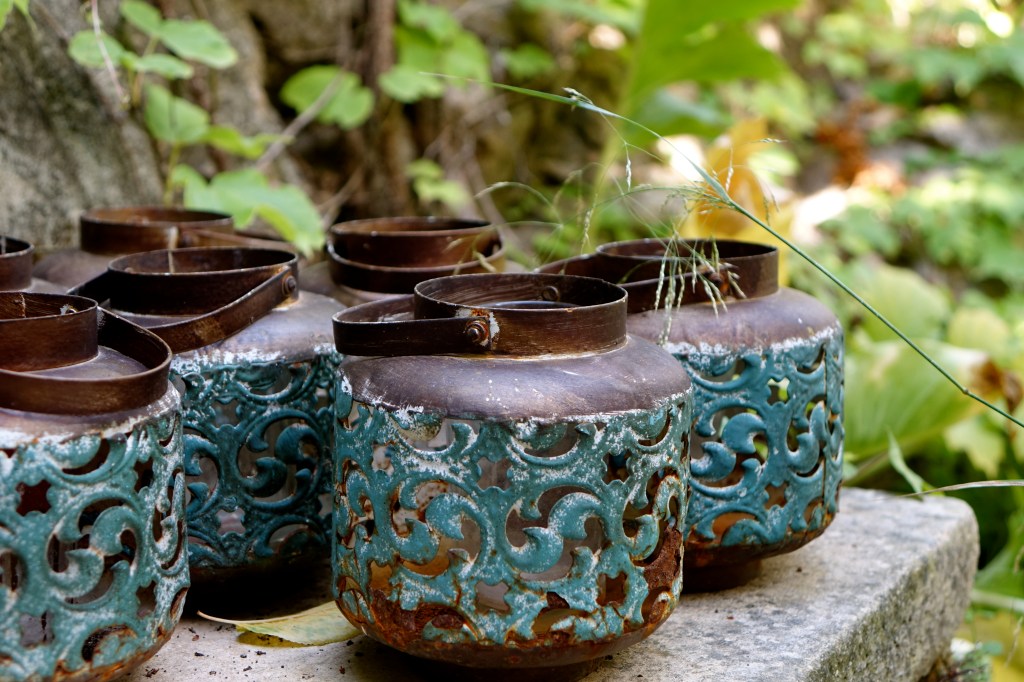
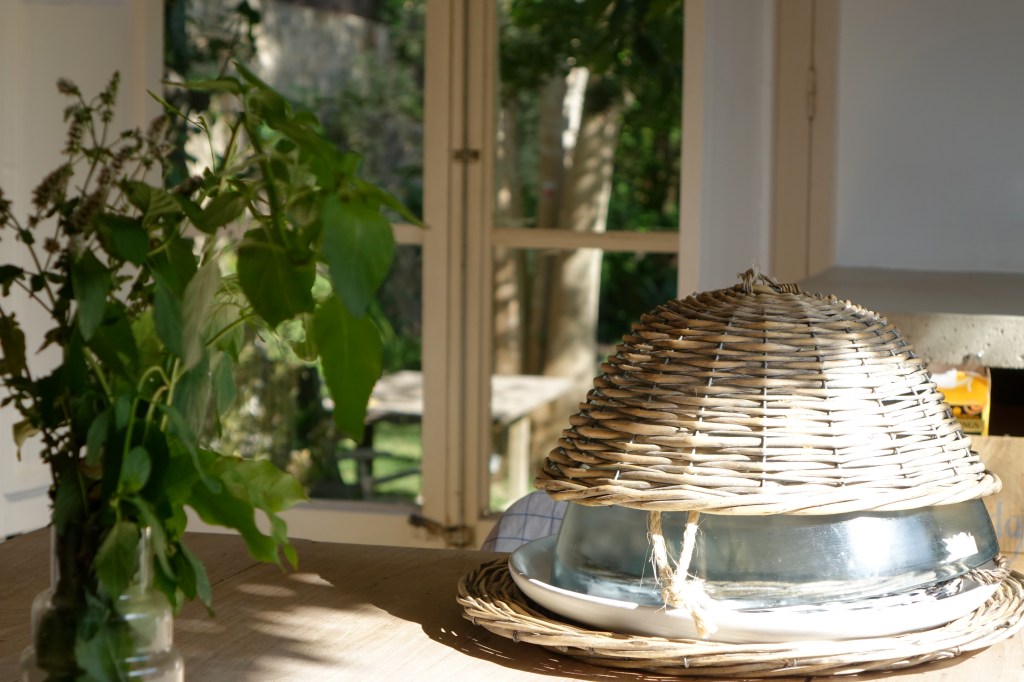
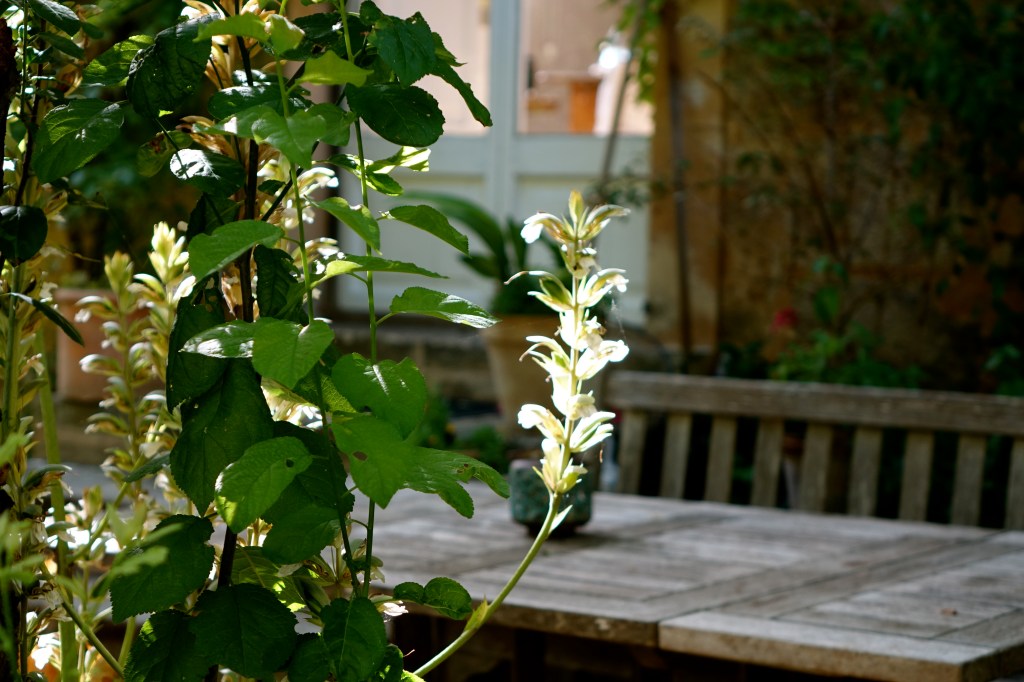
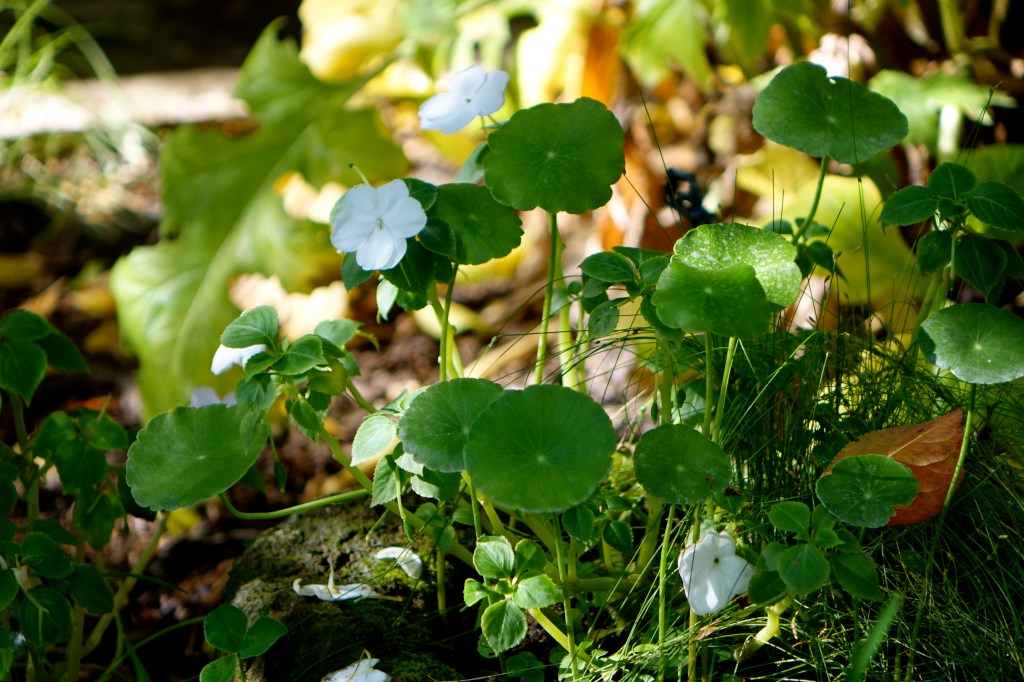
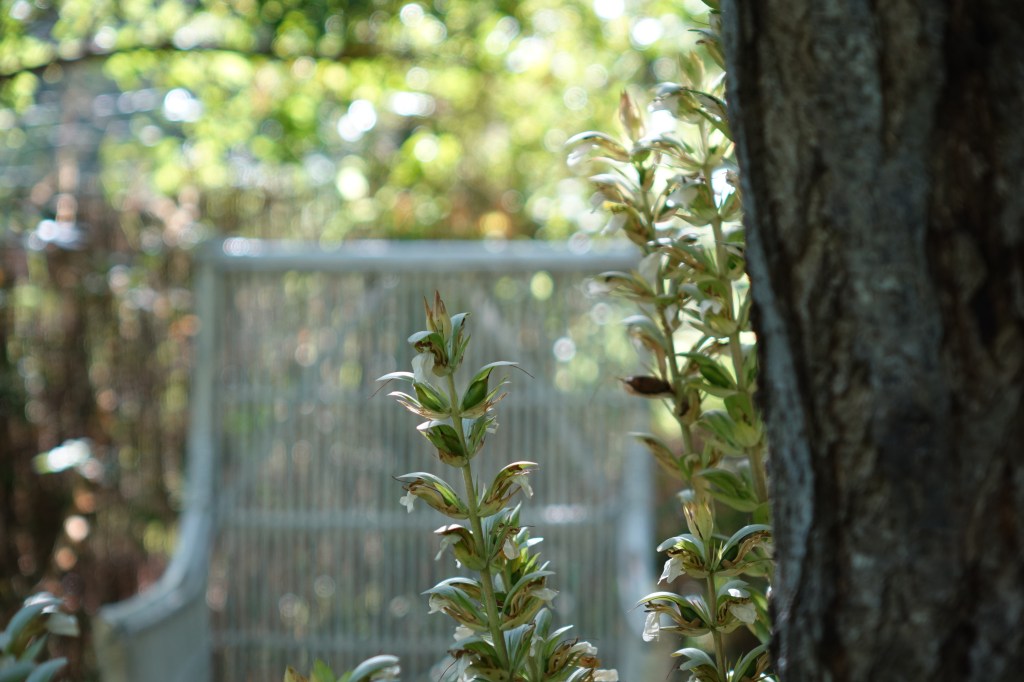
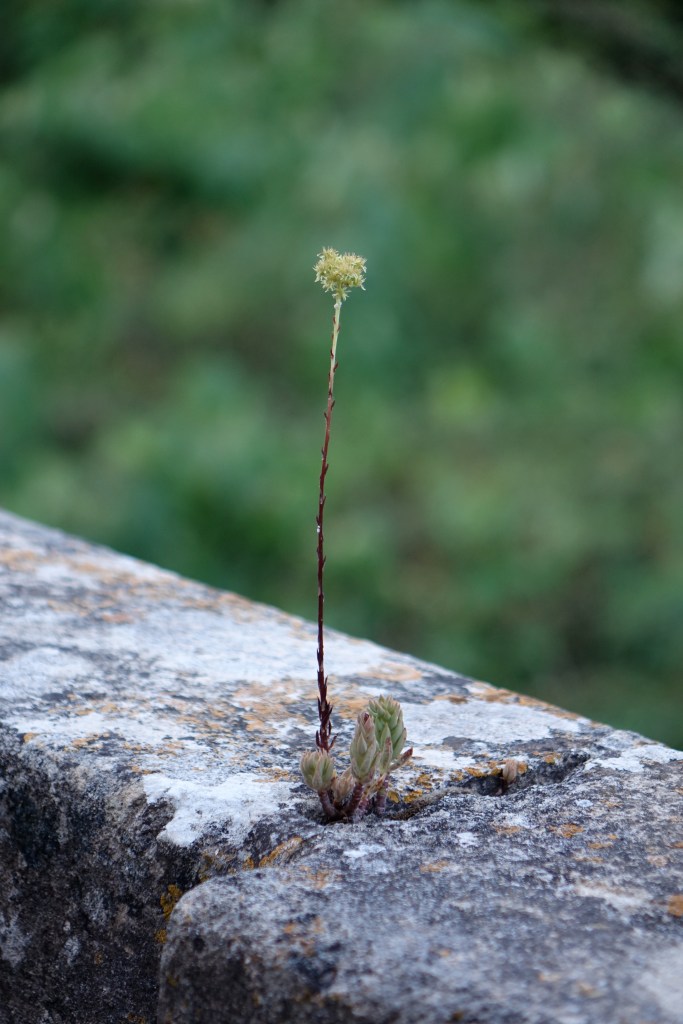
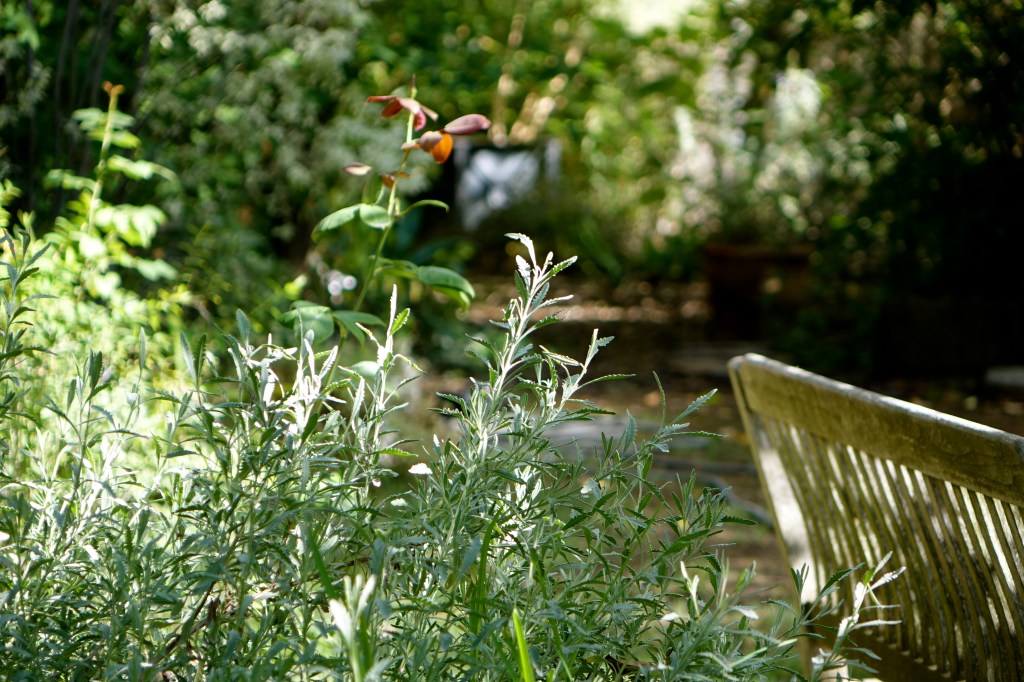
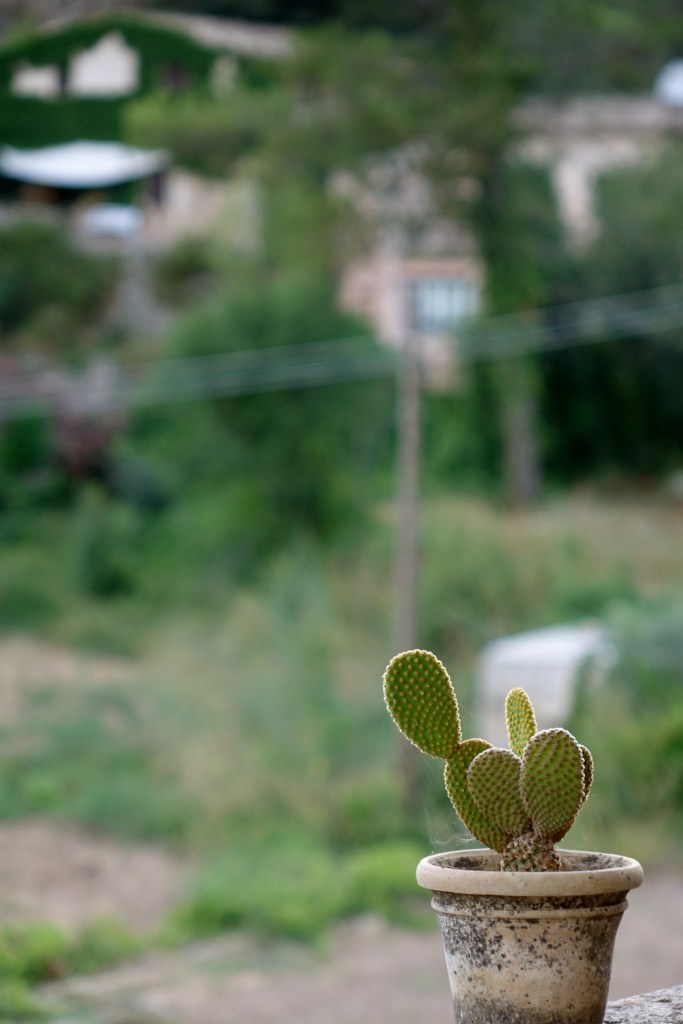
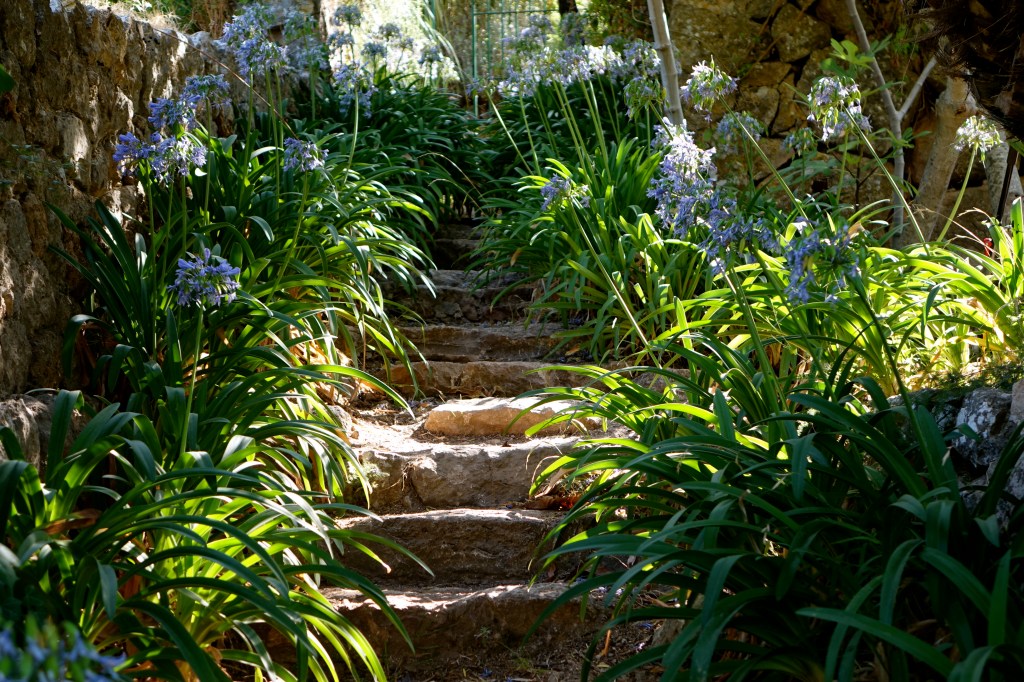
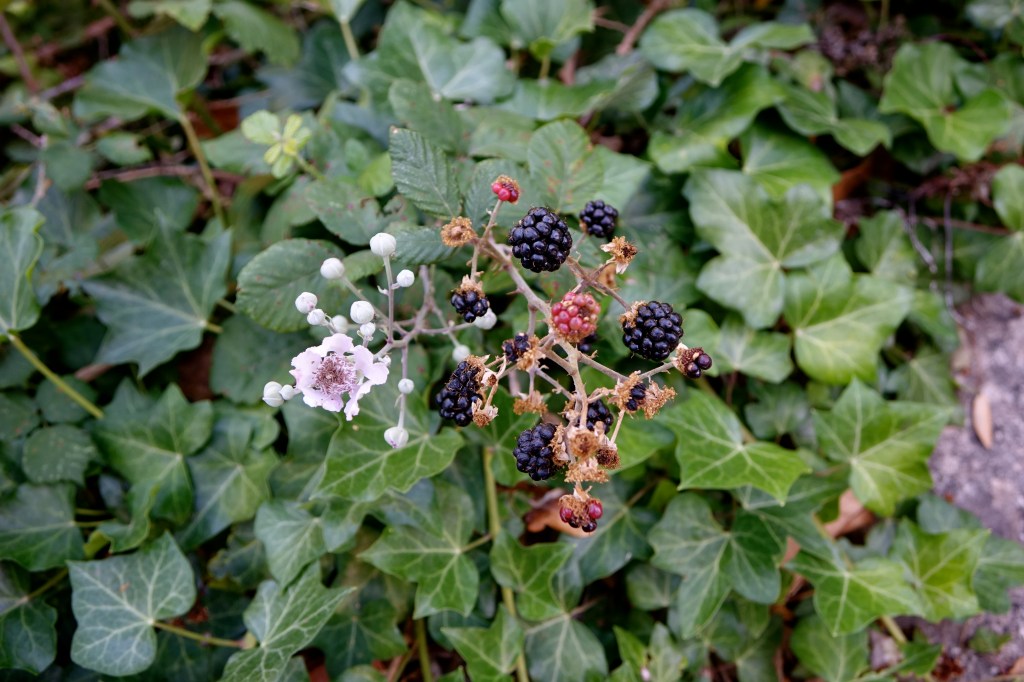
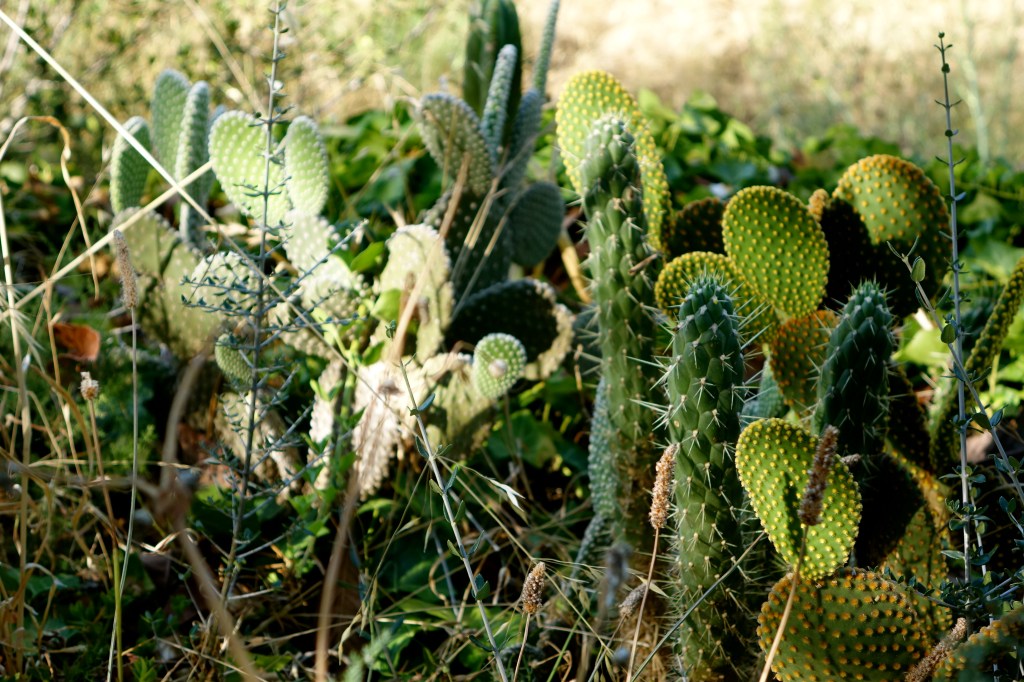
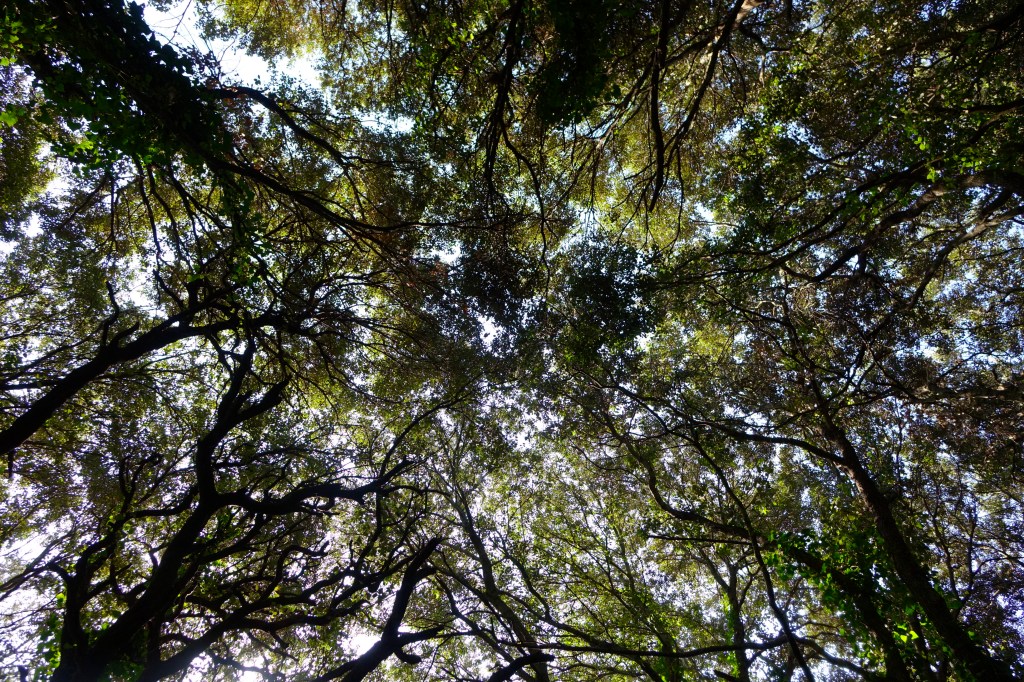
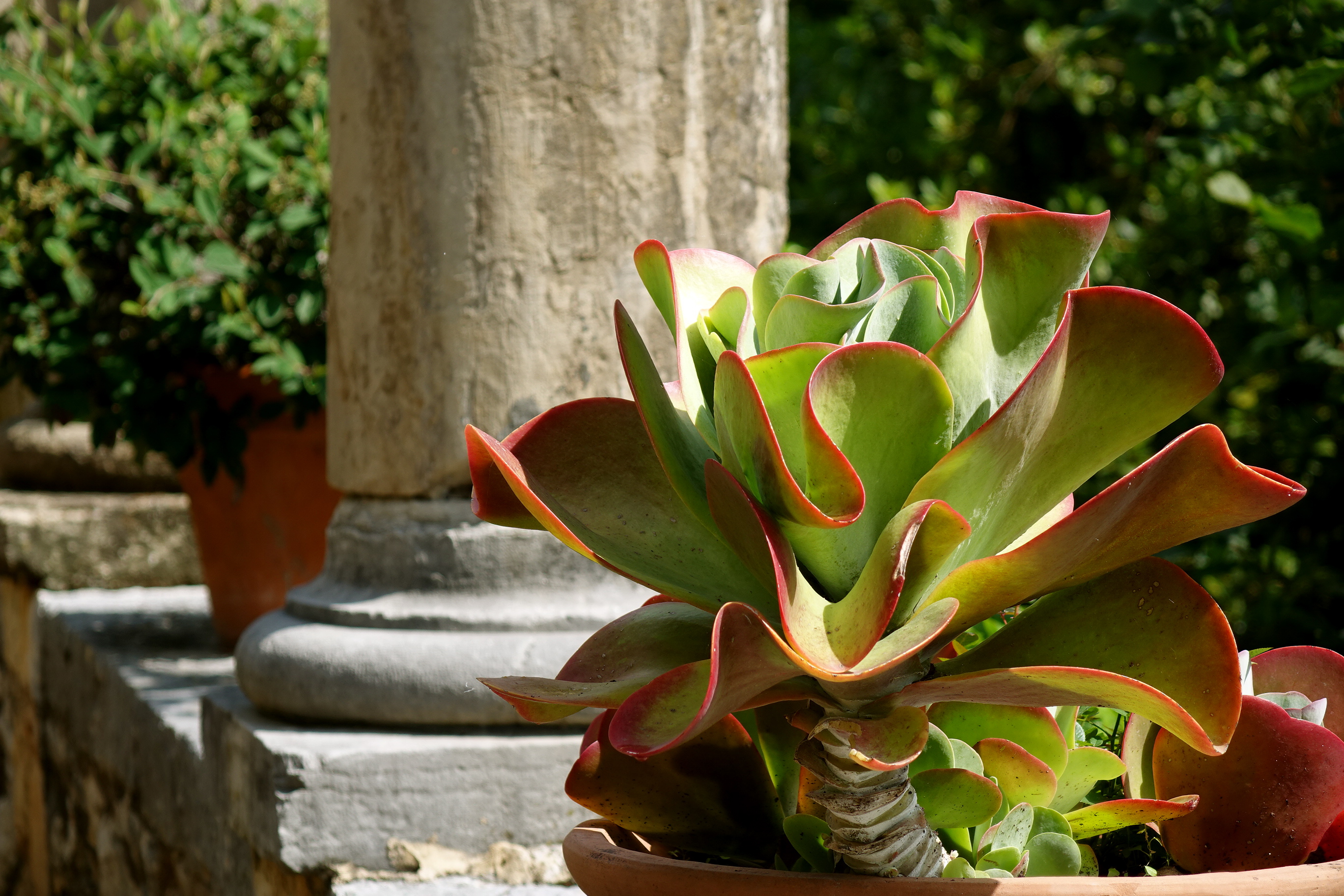
Botanicactus, on the outskirts of Mallorca’s quaint little town of Ses Salines, does what it says on the tin. That is, it’s a large botanical garden with an even greater collection of cacti, and was a true highlight of Easter’s recent weekend of new discoveries on this island of plenty. The collection of plants is indeed so great that it covers some 150,000 square metres of land and features some 12,000 incredible cacti with a staggering 1,000 different species.

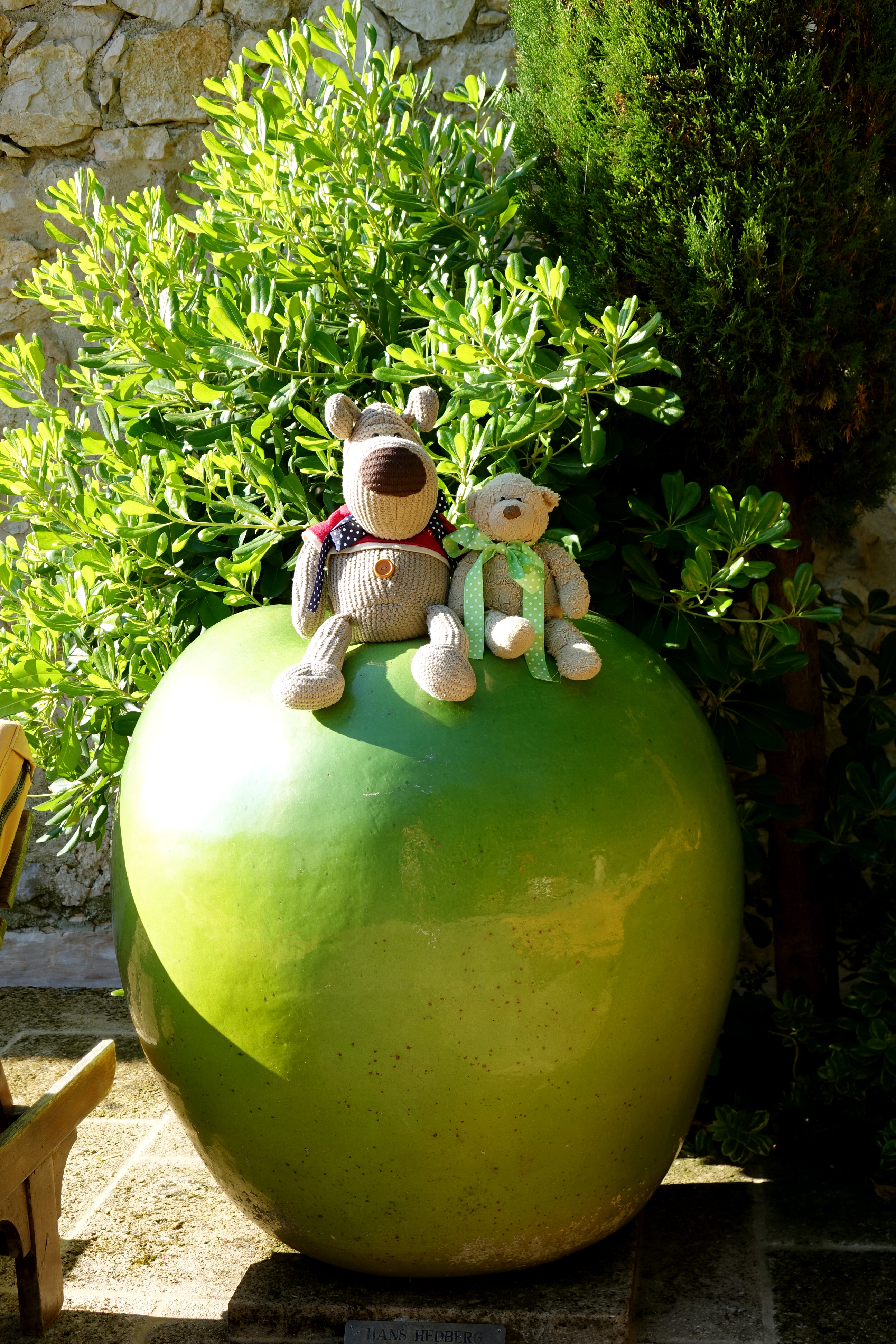
DSC09871DSC09818DSC09855

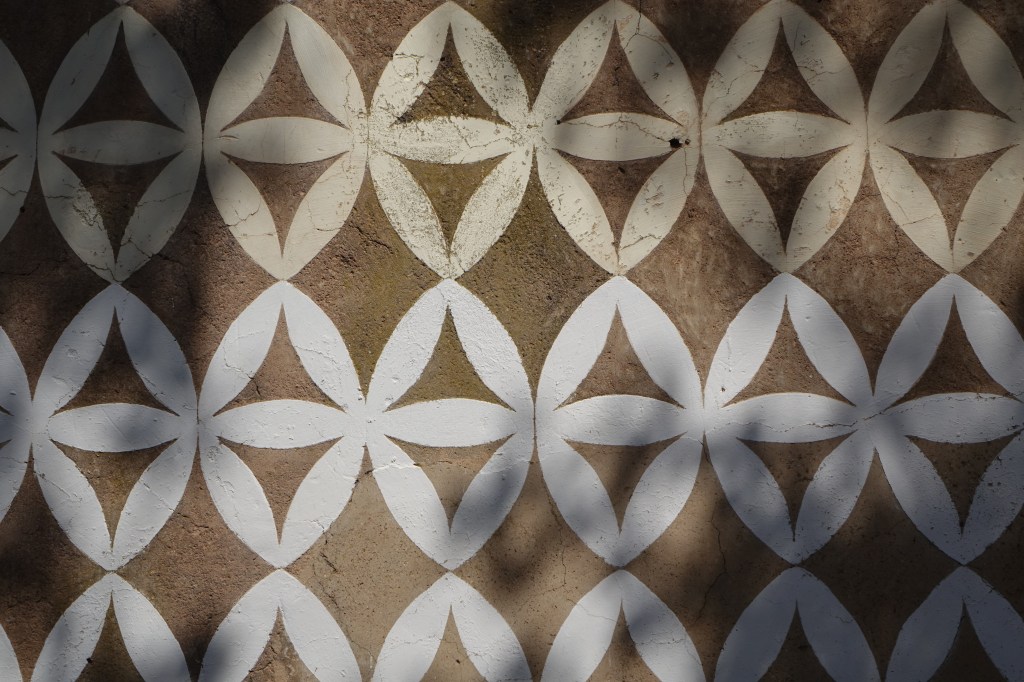
Entering the cactus garden, ringed within an expansive Mexican style tiled-wall, made for an experience quite unlike any other I have had before. This shouldn’t be a surprise, for I have never before been surrounded by such a vast collection of these spiky species, and when cacti grow so huge and tall, and with such an eclectic mix of varieties, the overall effect is to wander into an alien like world, a planet unlike the earth we know so well. The extremes of shapes and colours, all covered by hostile spikes and poisonous looking flowers feels fictional, menacing, and yet immeasurably beautiful.

DSC09856DSC00020DSC09834

What struck me most of all was the beauty of the layering – the complex strata of different species set over and infant of rolling hills which had an overall effect of lavish abundance without equal. Seeing those cacti towering above us, I was unable to believe that these gardens had only been founded some 26 years ago. That just goes to show what some rich Mediterranean soil and a little Mallorcan sunshine can do. Fingers crossed it has the same effect on the cacti we installed on our terrace last autumn…

All photos and written content are strictly the copyright of Nicholas de Lacy-Brown © 2016 and The Daily Norm. All rights are reserved. Unauthorized use and/or duplication of the material, whether written work, photography or artwork, included within The Daily Norm without express and written permission from The Daily Norm’s author and/or owner is strictly prohibited.

My travel sketchbook: Parque de la Constitución

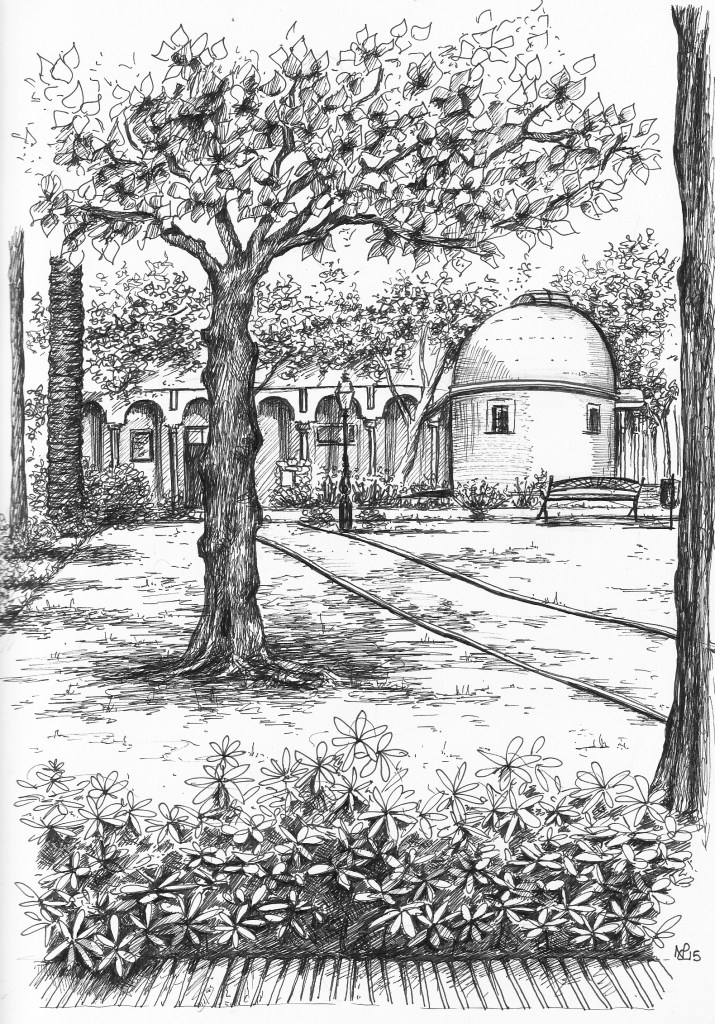
The pages of my travel sketchbook are filling up! Started in Dubrovnik back in May last year, with a somewhat questionable sketch of a church tower and an even more questionable attempt at poetry (for which, apologies), the contents have since matured into something I now carry with pride, as the very best collection of pictorial memories I could hope for. On my recent trip to Marbella, I used the happy balmy time relaxing in the summer climes to make several additions to my sketchbook, and the first is here.

The sketch shows a corner of what must be my favourite park in Marbella, the Parque de la Constitución. Filled with tropical plants, an observatory, a little shady cafe and with a Moorish-styled amphitheatre at its centre, it is a park designed with leisure in mind, and on a hot Marbella day, it is a wonderful space in which to relax. In this sketch, you can just about make out the arabesque arches of the theatre in the background, together with the observatory and a good number of the many trees boasted by the park. A fine place to sketch in the summer. 

Parque de la Constitucion (2015 © Nicholas de Lacy-Brown, pen on paper)

Parque de la Constitucion (2015 © Nicholas de Lacy-Brown, pen on paper)

© Nicholas de Lacy-Brown and The Daily Norm, 2001-2015. Unauthorized use and/or duplication of the material, whether written work, photography or artwork, included within The Daily Norm without express and written permission from The Daily Norm’s author and/or owner is strictly prohibited. 

On the trail of S’Arxiduc (Part 2): Monestir de Miramar

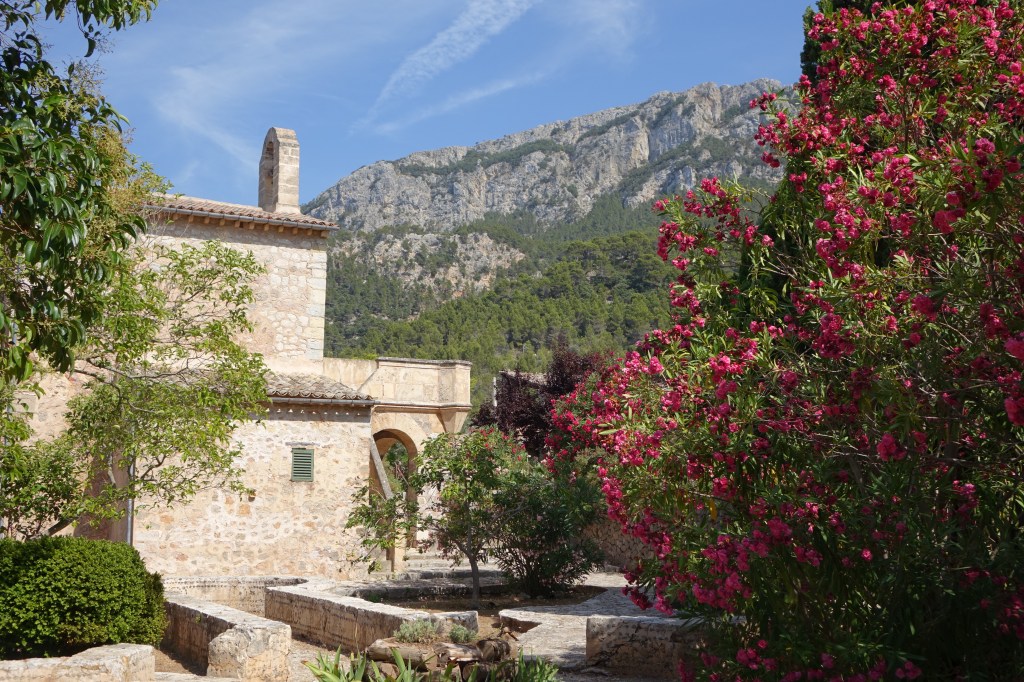
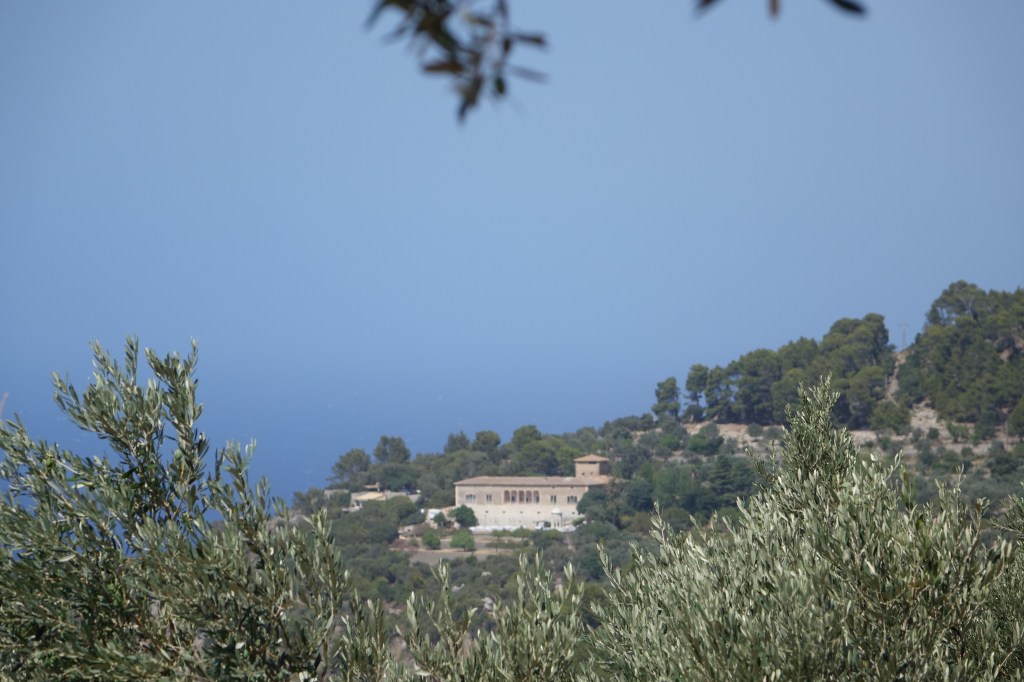
Following on from our visit to Son Marroig, our tour of the Deia coast on the trail of S’Arxiduc, the Archduke Ludwig Salvador, took us back towards Valldemossa and to the Miramar Monastery. Contrary to the name, there is very little left of the 13th Century monastery which once stood on the site, other than one length of what must have been a stunning cloister, now to be found almost floating amidst a garden full of flowers. However what was left of the monastery was purchased by the Archduke in 1872 when he fell head over heels in love with the coast, and there he converted the site into another of his great coastal houses.

The old monastery, the house an its gardens

DSC00206 DSC00217 DSC00353 DSC00250 DSC00226 DSC00202 DSC00218 DSC00264 DSC00356 DSC00262

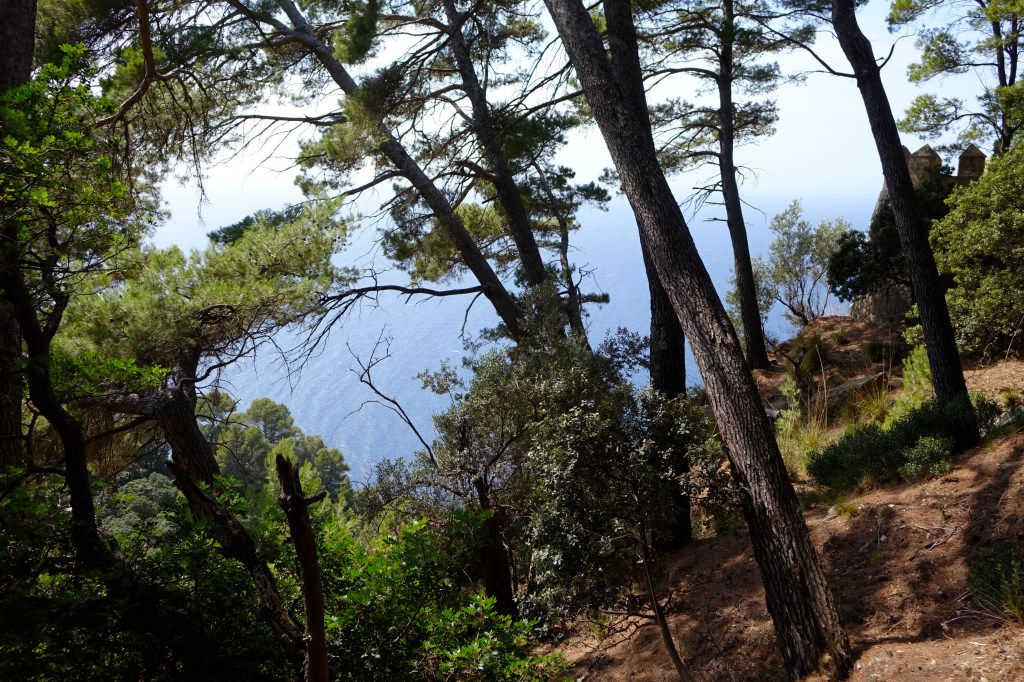
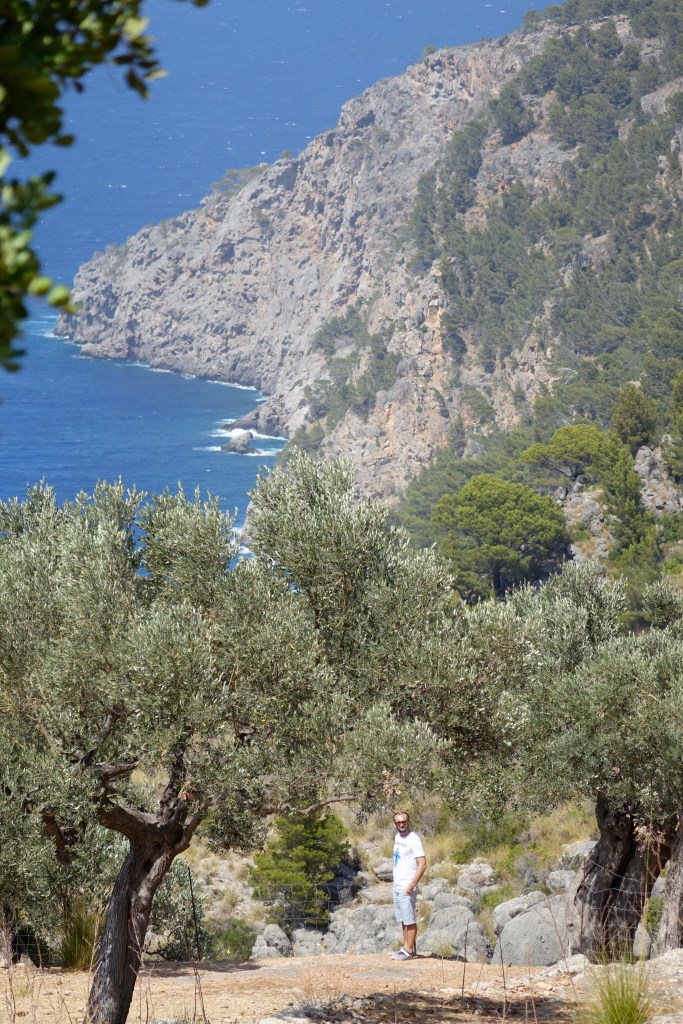
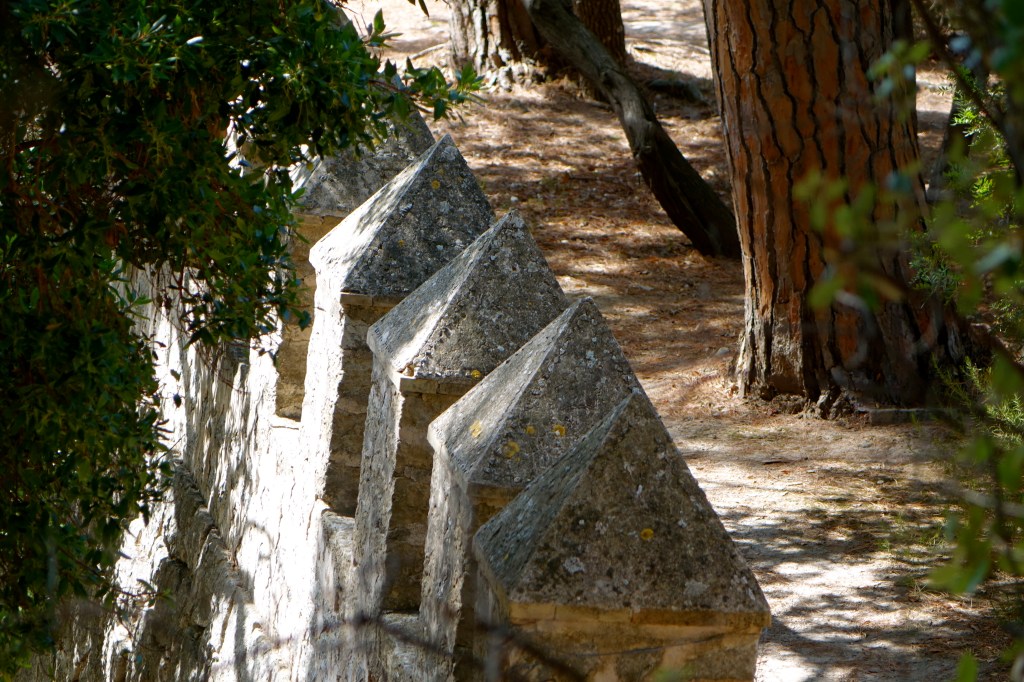
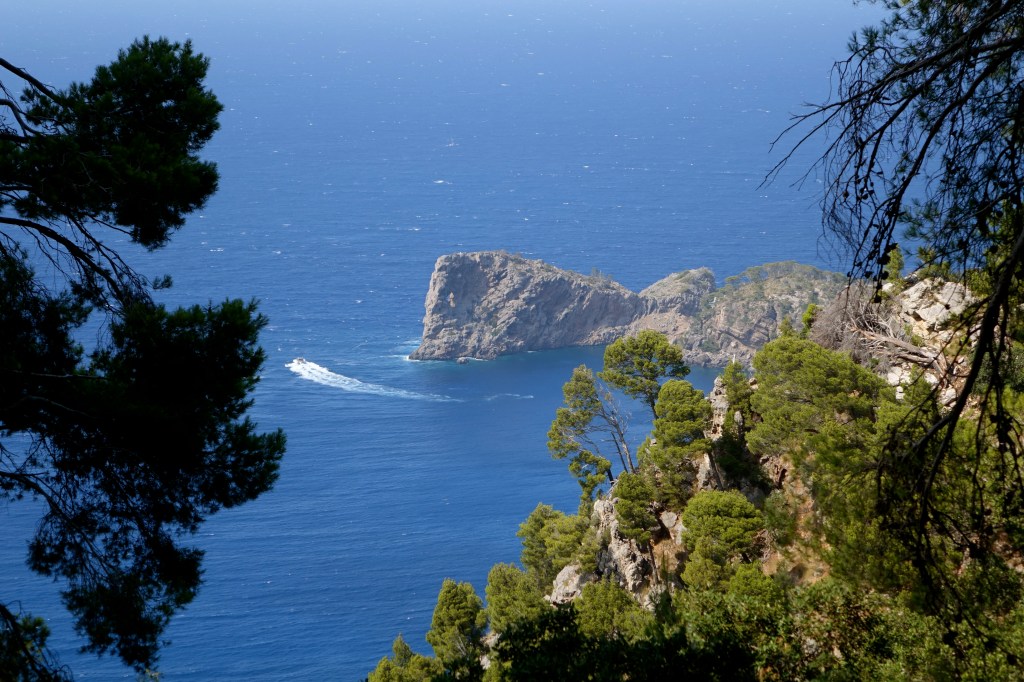
Today the main attraction of the house is undoubtedly the gardens and land which surround it. As the Archduke himself declared: “Without doubt no other place on earth deserves with more reason the name Miramar”. And on this count, I could not disagree, for just beyond the more formal gardens which surround the ancient chapel and old cloister remains, extensive land takes the visitor all the way to a cliff edge which benefits from utterly breathtaking views over to Son Marroig and the stunning emerald sea below. From there, the grounds lead on to a mysterious Italianate pool, and beyond a series of canals and mills which appear to be left over from the ingenious reign of the Moors whose engineering innovations managed to tame this otherwise uninhabitable land long before the Archduke arrived.

Views and aspects of the land beyond

DSC00324 DSC00350 DSC00276 DSC00316 DSC00319 DSC00335 DSC00348 DSC00345 DSC00212 DSC00328 DSC00308 DSC00303 DSC00292 DSC00287

It is not at all hard to appreciate why the Archduke fell so in love with this incredible strip of coastline, and it is thanks to him that much of the coast today remains unspoilt and unashamedly beautiful for us all to enjoy today.

All photos and written content are strictly the copyright of Nicholas de Lacy-Brown © 2015 and The Daily Norm. All rights are reserved. Unauthorized use and/or duplication of the material, whether written work, photography or artwork, included within The Daily Norm without express and written permission from The Daily Norm’s author and/or owner is strictly prohibited.

On the trail of S’Arxiduc (Part 1): Son Marroig

Mallorca is a well-known magnet for people from all nations, and of all the famous foreigners attracted to the island, none has been so well admired locally as ‘S’Arxiduc’, Archduke Ludwig Salvador. Born in 1847 in the Pitti Palace, Florence, the son of Leopold III of Tuscany and Marie Antoinette de Bourbon, he came to Mallorca 20 years later to escape from Viennese court life and immediately fell in love with the island.

Championing conservation before the word even had a meaning, the Archduke was a passionate admirer of the wild beauty of the North-Western Tramuntana coast, and very quickly bought up estates along the coast (including S’estaca which today belongs to Michael Douglas) in an effort to save them from development. Once saved, he devoted himself to studying and recording Mallorcan wildlife and traditions along the land, and his seven volume Las Baleares remains an authority on the subject today.

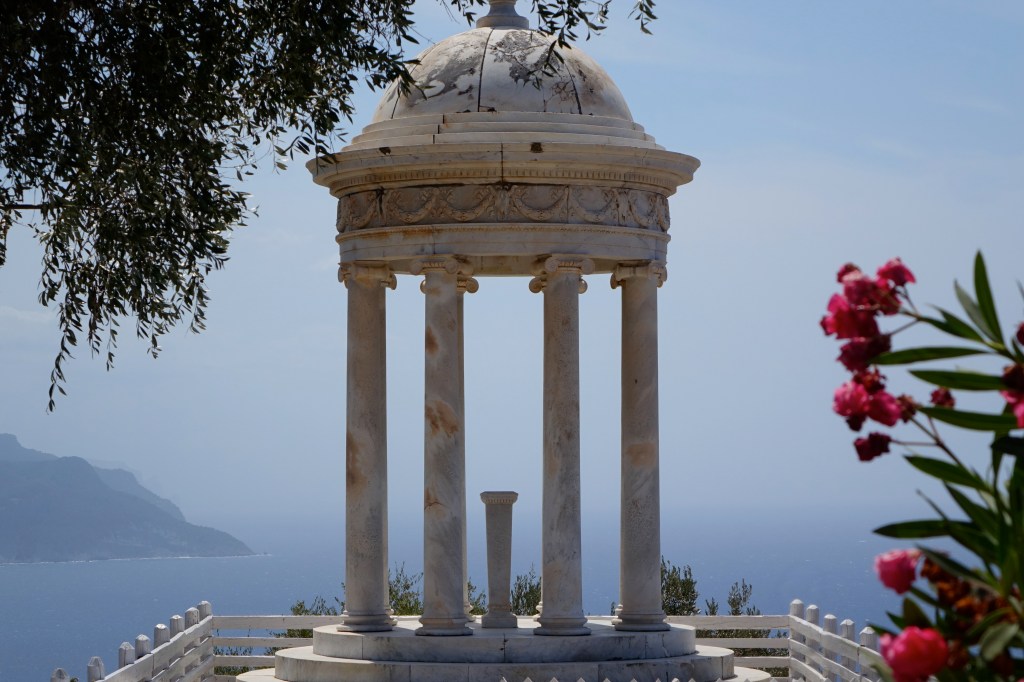
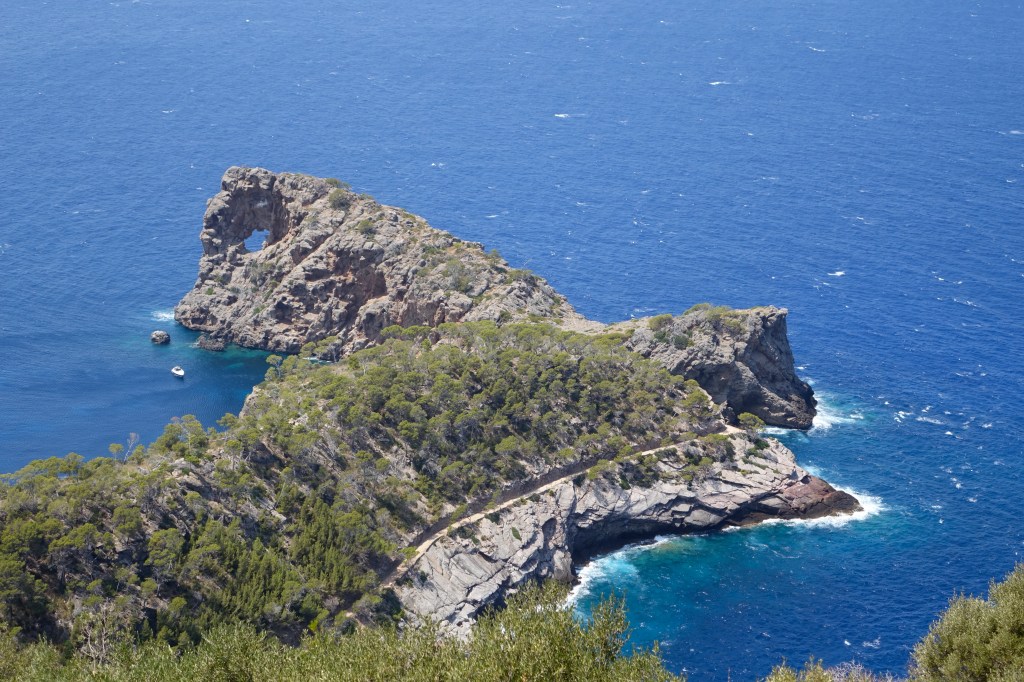
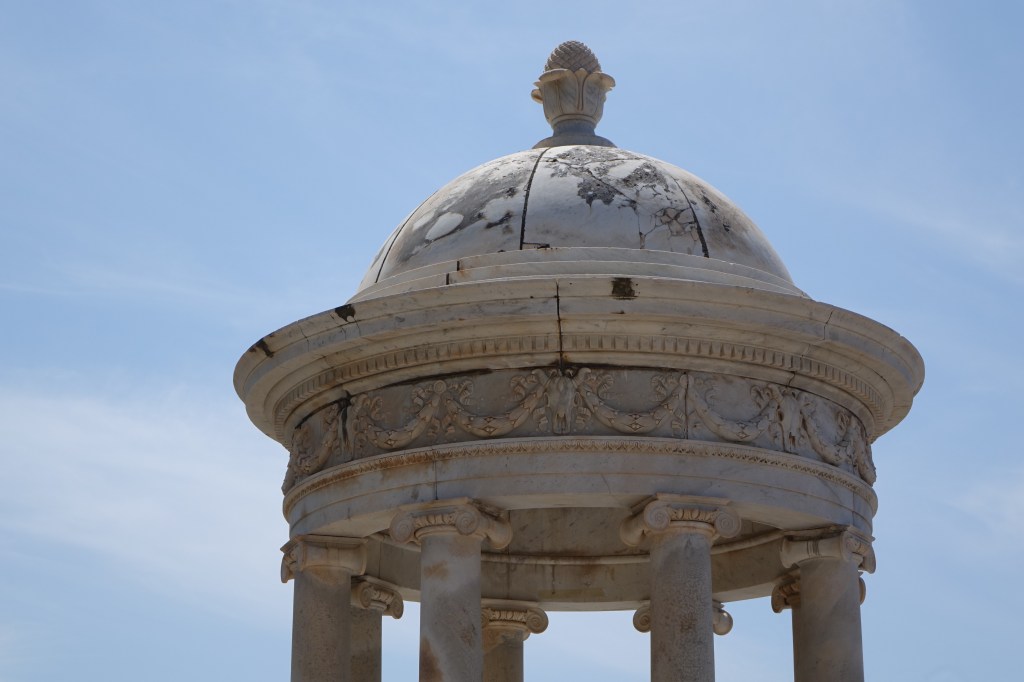
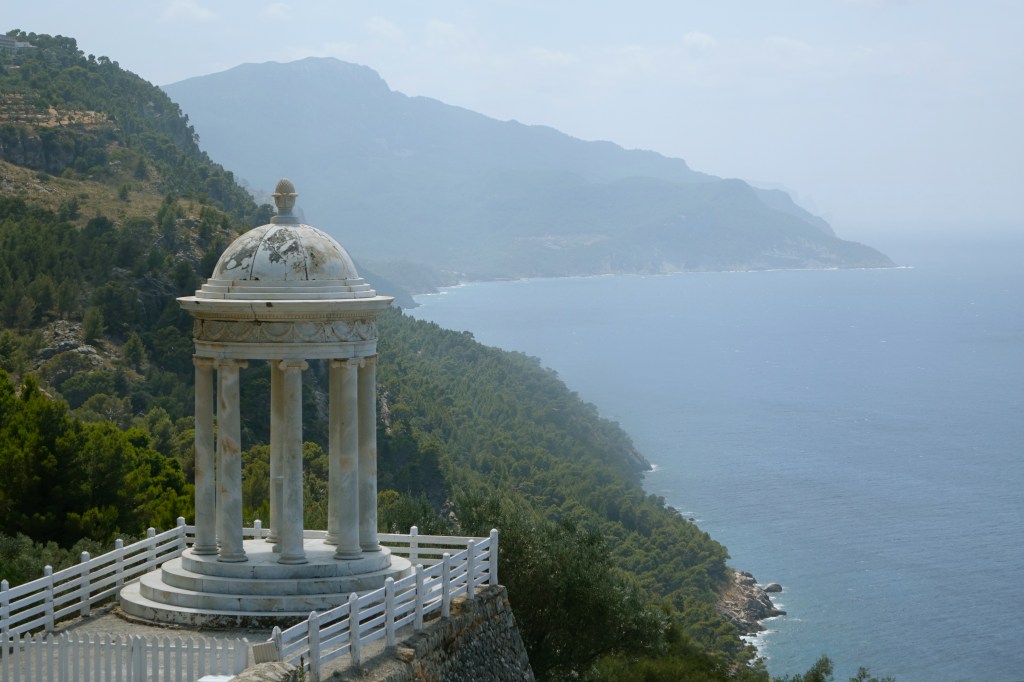
Na Foradada and the famous marble rotunda

DSC00154 DSC00055 DSC00272 DSC00160 DSC00172 DSC00061

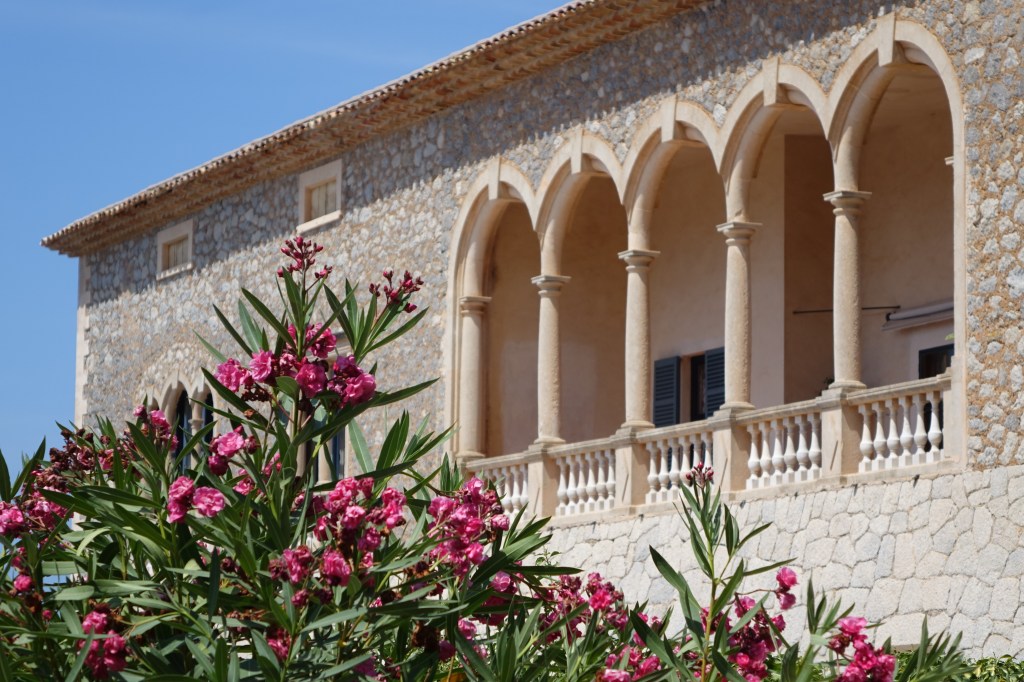
100 years after the centenary of his death, the island of Mallorca is marking the life of this critically important Mallorca enthusiast, including a large exhibition devoted to his life in the Casal Solleric on Palma’s leafy Borne boulevard. So with S’Arxiduc very much on the brain, it felt like the perfect time to visit two of his former properties, which I have so often seen on the way to my beloved Deia and never explored. The first, Son Marroig, was the Archduke’s home and has today been turned into a shrine in his memory.

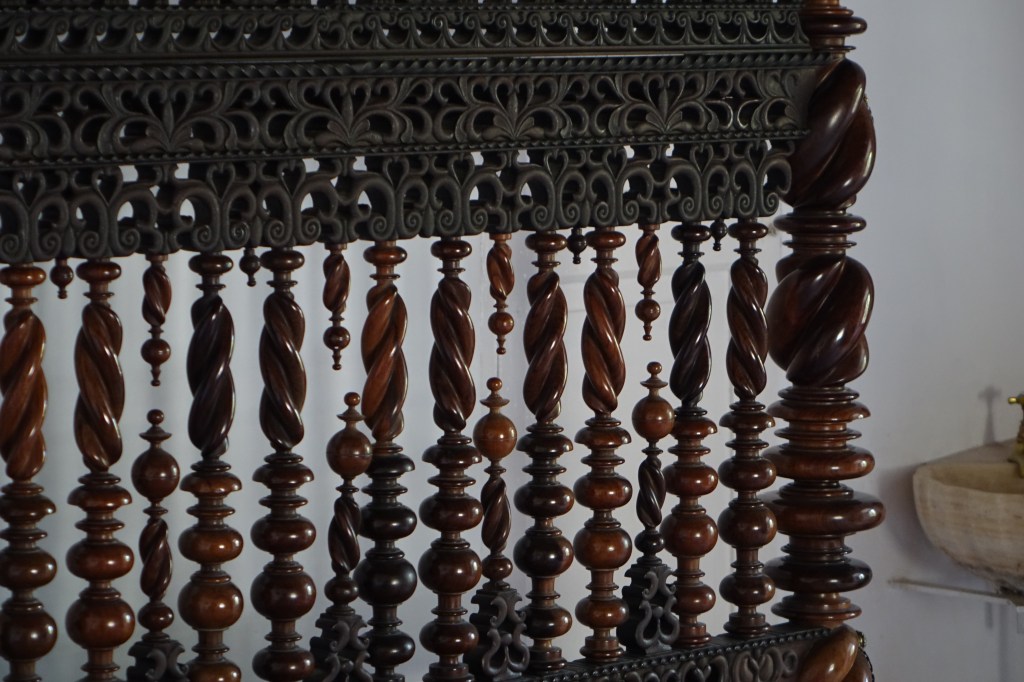
Son Marroig inside

DSC00058 DSC00065 DSC00063 DSC00083

While the house is rich in S’Arxiduc memorabilia together with impressive antique furniture and traditional Mallorquin upholstery, the real gem for me is the outside: sun dappled gardens cooled by a small pond and a lavish array of plants, and beyond them his famous white marble rotunda, made from Carrara marble and imported from Italy, from where you can sit and gaze at the Na Foradada (‘pierced rock’) peninsula, jutting out to sea with a gaping 18-m hole at its centre. It’s a poetic structure from a man who, like no other before, appreciated the true poetry which resounds in this most stunning and unique of Mediterranean coasts.

Gardens of San Marroig

DSC00107 DSC00116 DSC00114 DSC00113 DSC00106 DSC00126 DSC00094 DSC00104 DSC00095 DSC00091 DSC00093 DSC00088

All photos are strictly the copyright of Nicholas de Lacy-Brown © 2015 and The Daily Norm. All rights are reserved. Unauthorized use and/or duplication of the material, whether written work, photography or artwork, included within The Daily Norm without express and written permission from The Daily Norm’s author and/or owner is strictly prohibited.

Mallorca Sketchbook: Garden at the Son Viscos

Readers of my post yesterday will not be surprised that my short stay at the Son Viscos bed and breakfast in Valldemossa provided sufficient inspiration for the creation of a little souvenir artwork. For in that hour or so we spent in the fresh, sun-dappled leafy garden alongside the beautiful light-infused farmhouse kitchen, clutching a glass of chilled white wine in one hand and a book in the other, we felt utterly tranquil. It was as though time had stood still, and there was certainly enough to make this little sketch of the kitchen door, framed by creeping plants, with a rustic set of steps leading up to it from the verdant garden below. Precious memories, now enshrined in this page of my sketchbook.

Garden at the Son VIscos (2015, © Nicholas de Lacy-Brown, pen on paper)

Garden at the Son VIscos (2015, © Nicholas de Lacy-Brown, pen on paper)

© Nicholas de Lacy-Brown and The Daily Norm, 2001-2015. Unauthorized use and/or duplication of the material, whether written work, photography or artwork, included within The Daily Norm without express and written permission from The Daily Norm’s author and/or owner is strictly prohibited.

Mallorca’s ultimate eden: The Son Viscos Bed & Breakfast

Many may smirk when the inhabitants of paradise complain, but even we locals of Mallorca know when enough is enough. And having lived now for almost two months of temperatures in excess of 35 degrees, every so often, one just has to get away from it all. Nothing extreme mind you – I’m not talking the 20 degrees drop which a visit to London may entail, but rather a drive up into the stunning Tramuntana mountains where, at night at least, the air is notably fresher than city life in Palma and sumptuously comfortable. And as this very hot weather happened to coincide with my 32nd birthday (yesterday!) it seemed like the perfect excuse to treat ourselves a little, and book a little night away in a cooler, lusher paradise.

The location we chose could not have been more perfect. Located in the footfalls of the Tramuntana in the valley which gives the magical town of Valldemossa its name, the Son Viscos Bed and Breakfast was like a home from home, but we’re talking the kind of home which only the most avid readers of interior design magazines could wish for.

Interiors of the Son Viscos

DSC00407 DSC00374 DSC00413 DSC00507 DSC00369 DSC00510 DSC00424 DSC00372 DSC00373 DSC00381 DSC00367

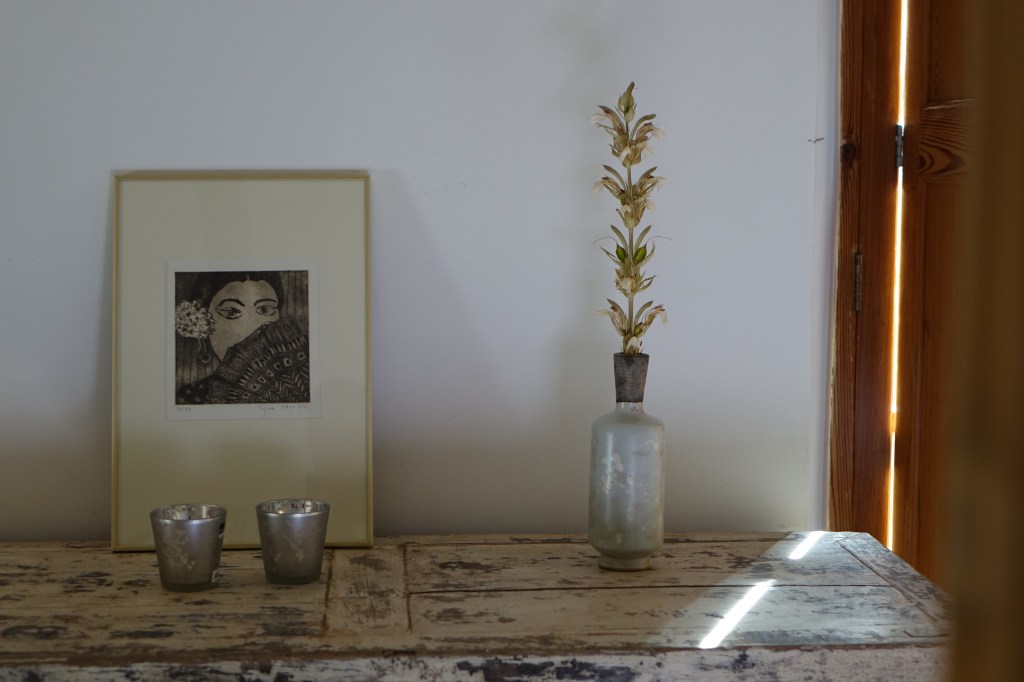
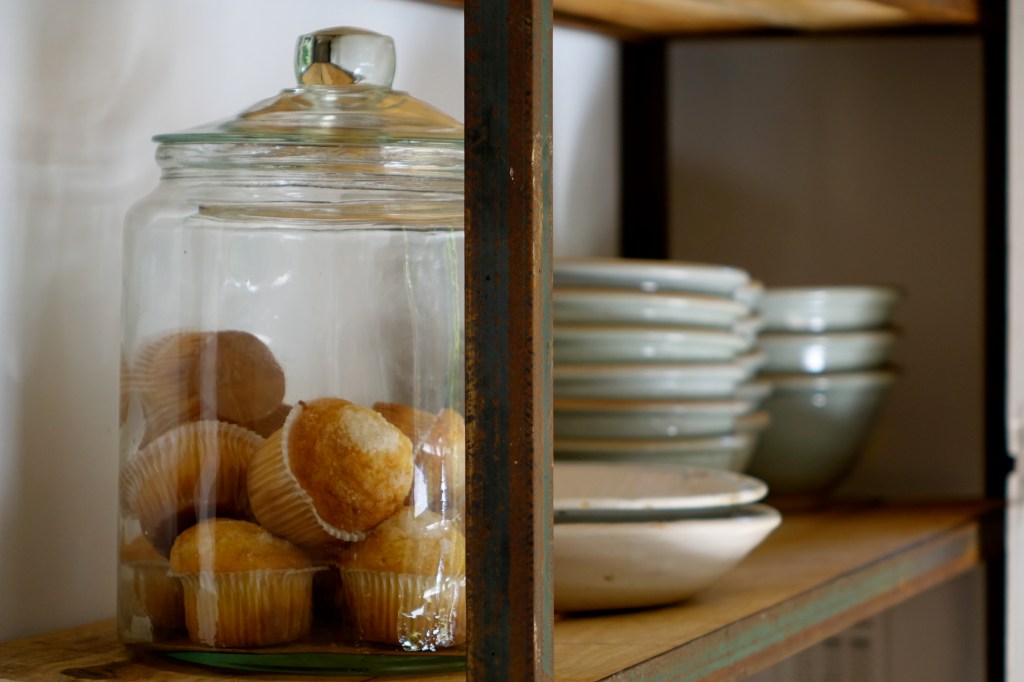
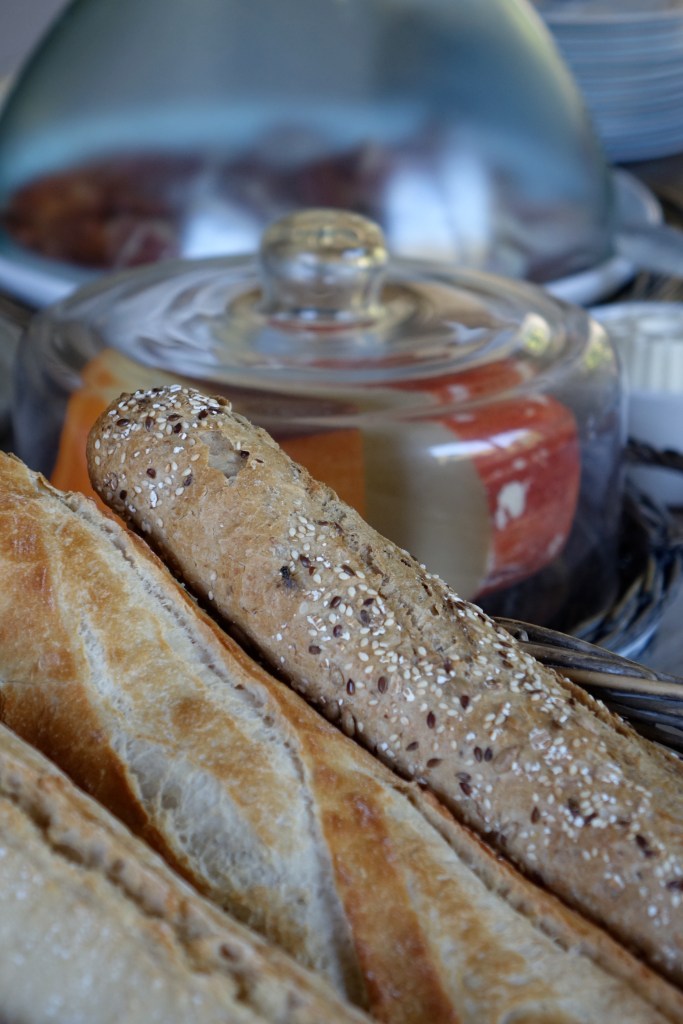
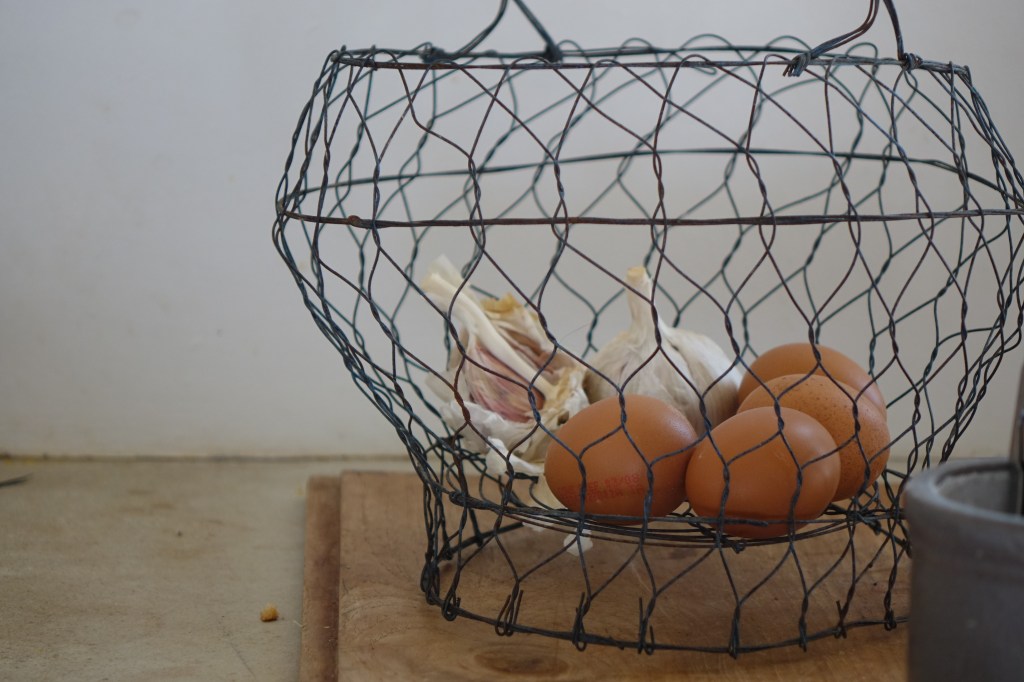
Owned by the proprietors of the popular interior design store, Mosaic, located in cool Santa Catalina in Palma, the Son Viscos hotel is a euphoria of design harmony, with understated muted tones and natural woods offsetting perfectly amongst carefully chosen rustic antiques and ceramic items. The west-facing kitchen, which was flooded with light in the afternoon, and filled with a bounteous feast of the freshest breakfast produce in the morning, was the beating heart of a guesthouse which maintained all of the characteristics of the most welcoming of family homes.

The Son Viscos garden

DSC00389 DSC00533 DSC00398 DSC00396 DSC00388 DSC00485 DSC00382 DSC00434

Our room, the Menta suite, offered the very best of comfort with a lavish but pared down minimalist wooden four poster bed, together with haphazardly placed original art, design arm chairs and super soft towels. Flooded with light from an ample terrace, the room boasted enviable views of the Valldemossa monastery, and benefited from all of the freshness of the lush mountains opposite.

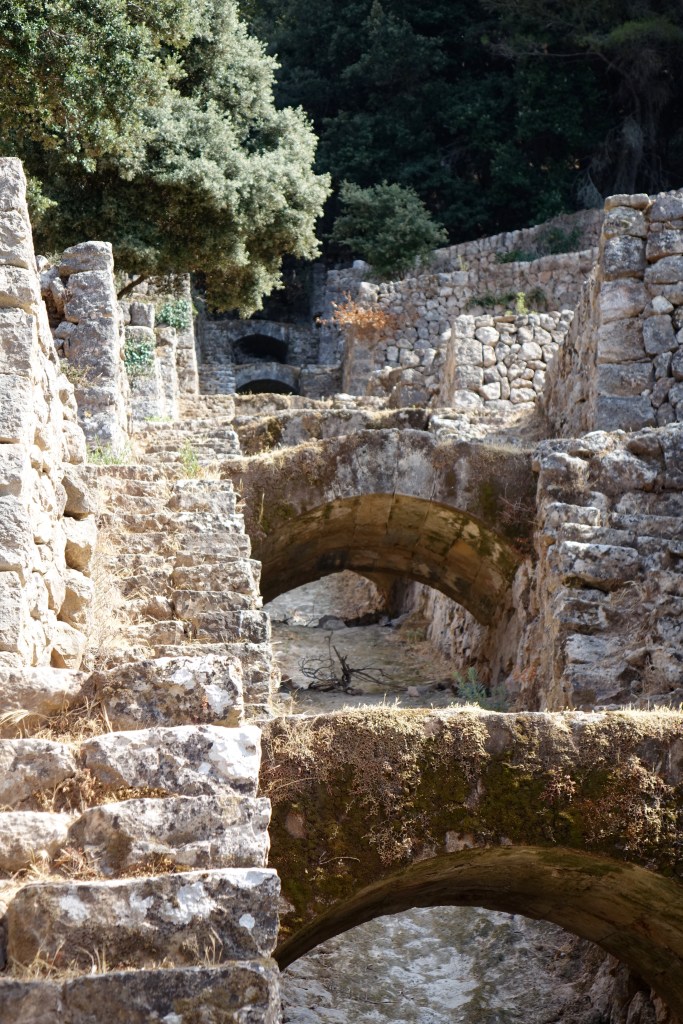
And it was precisely that fresh air which so loving nurtured us as we settled down for our night at the Son Viscos, finally able to escape the suffocating heat which had tampered with our dreams for months. Waking enlivened and refreshed, we had yet more pleasures to discover, for opposite the Son Viscos, the hotel’s extensive grounds extended to sun dappled woods hugging the side of the valley, and included fresh water streams, ancient moorish mills and even a dainty stone bridge which had more than survived the tests of time.

The Son Viscos’ sumptuous grounds

DSC00618 DSC00535 DSC00588 DSC00566 DSC00486DSC00549 DSC00521 DSC00532 DSC00550 DSC00586 DSC00580 DSC00579 DSC00525 DSC00612 DSC00600

The Son Viscos hotel was frankly an experience in a million, for its meticulously conceived design, its perfectly bucolic location, and for the sheer welcoming comfort it offered. As I sit here now, back in hot Palma, recounting my time there I long to return. Something tells me it won’t be long.

All photos and written content are strictly the copyright of Nicholas de Lacy-Brown © 2015 and The Daily Norm. All rights are reserved. Unauthorized use and/or duplication of the material, whether written work, photography or artwork, included within The Daily Norm without express and written permission from The Daily Norm’s author and/or owner is strictly prohibited.

Art on the Riviera: Breakfast at La Colombe d’Or

I wish I could claim to enjoy the kind of artistic notoriety and talent of those celebrated artists exhibited in the stunning collection of La Colombe d’Or and the Fondation Maeght, the latter being the feature of my last Art on the Riviera post. In the second feature of this series, allow me to indulge myself a little by featuring not the work of an artist great, but a painting created by myself.

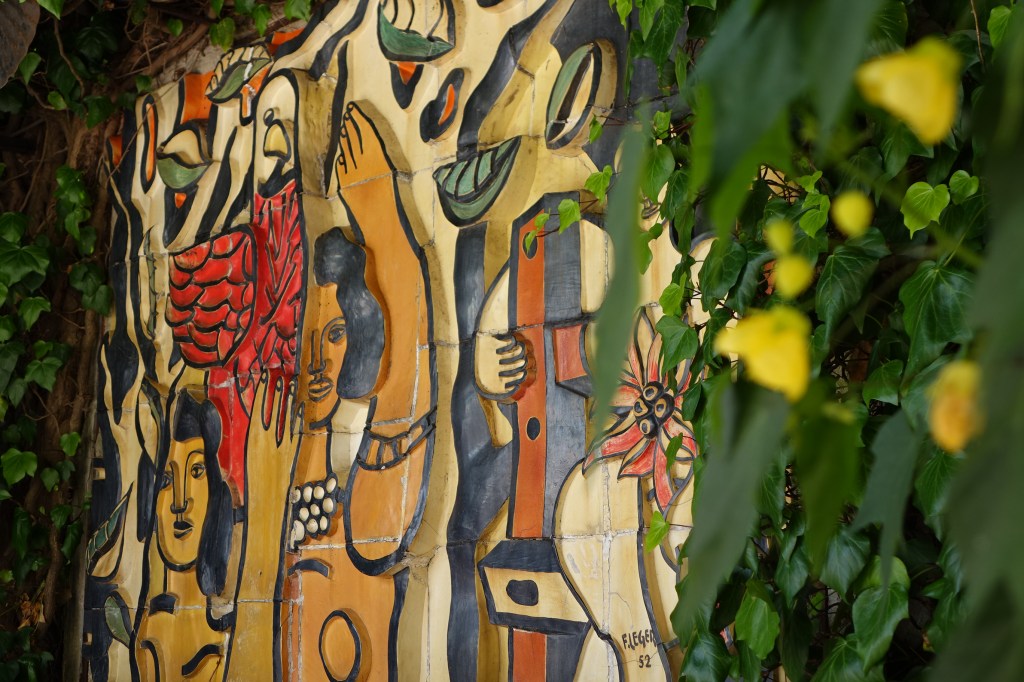
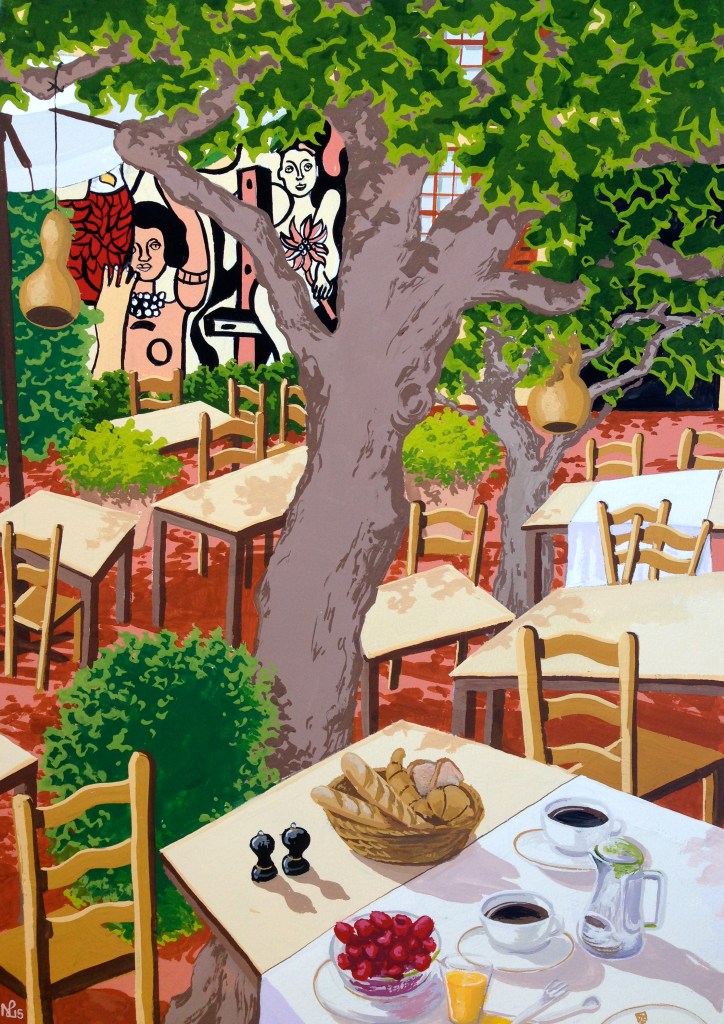
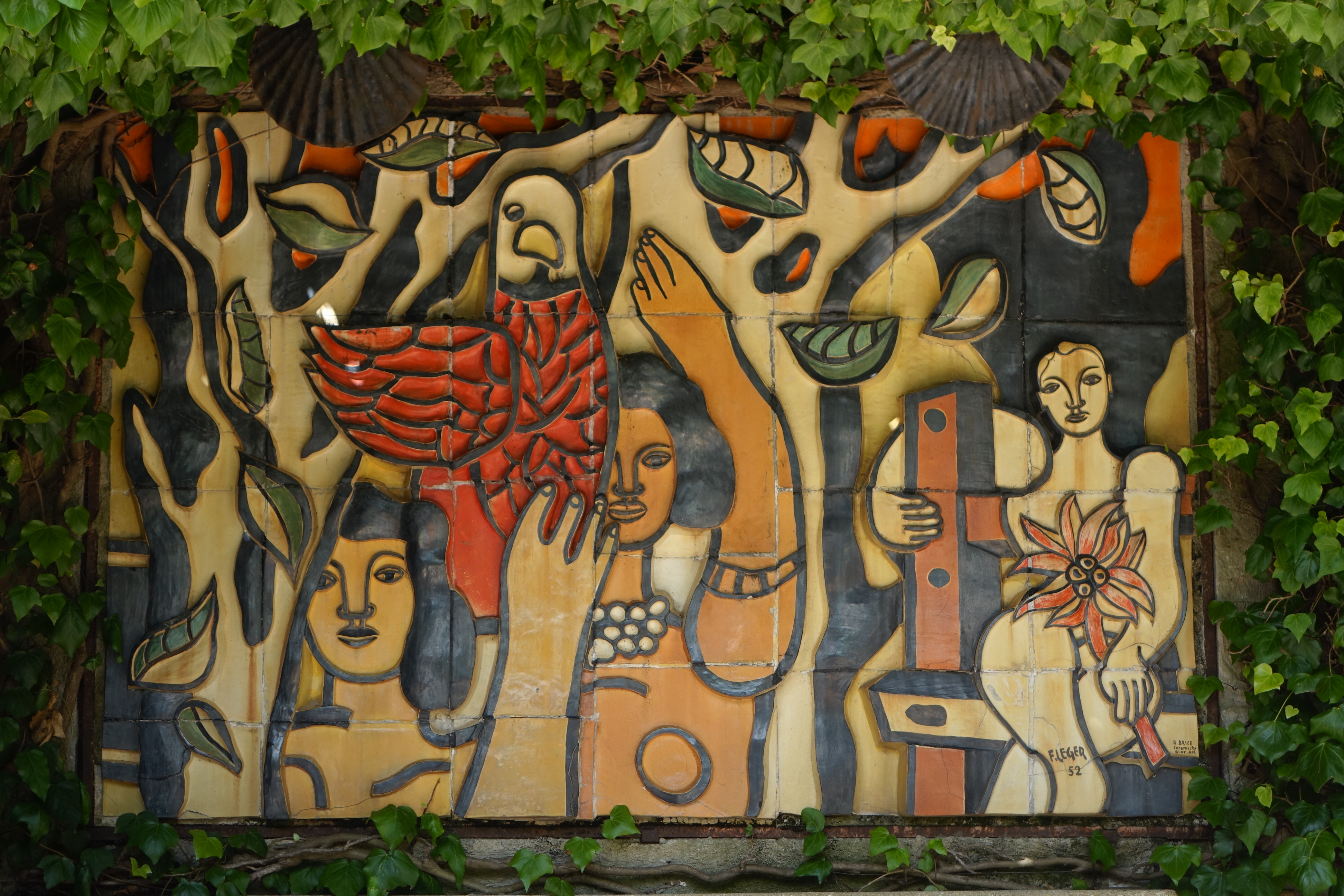
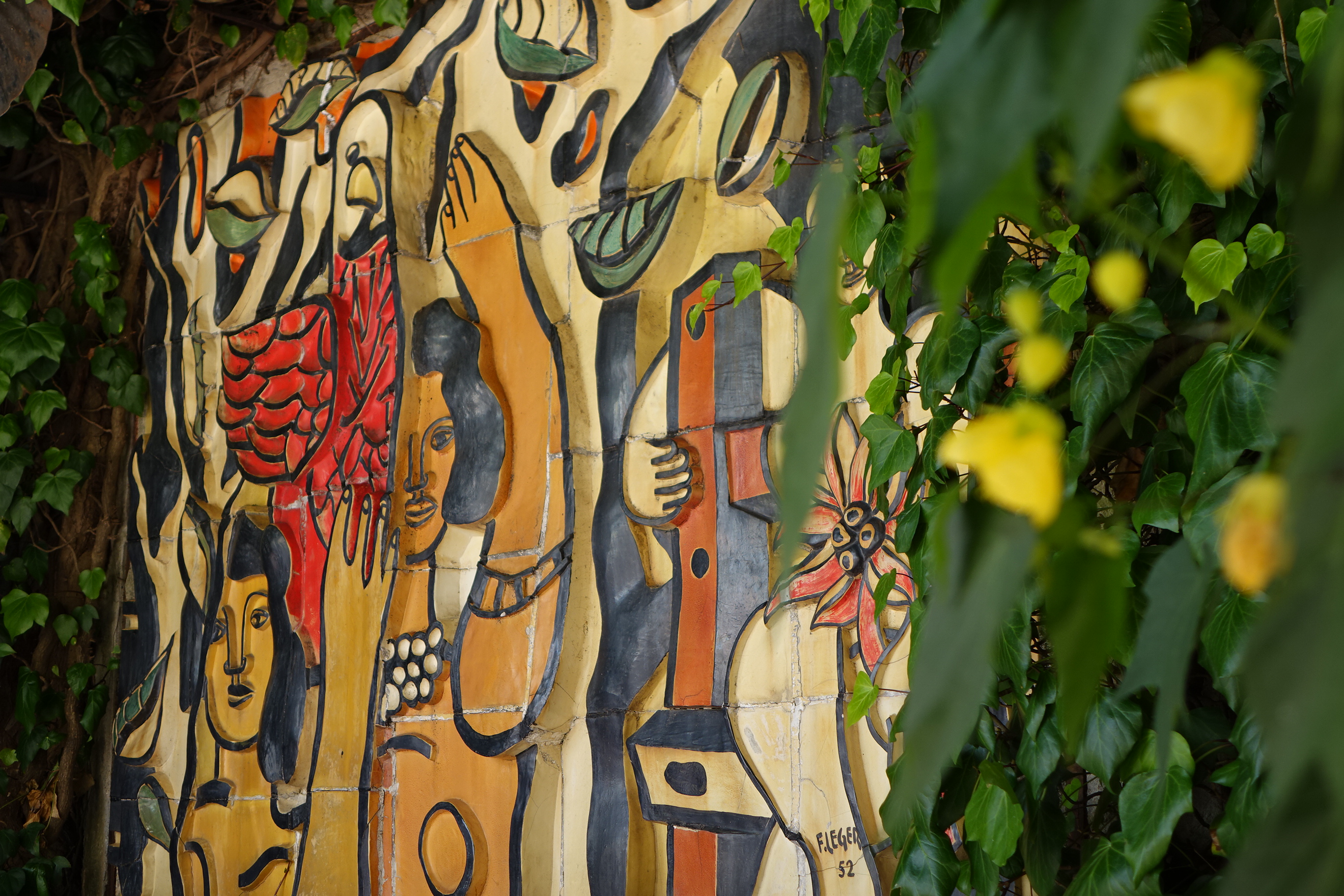
Except that is not perhaps strictly true… for in sharing with you another of my honeymoon artworks, completed while we stayed at the blissful Colombe d’Or hotel, I am also sharing something of the work of much more famous artist, Fernand Léger. This is because in painting a work devoted to our experience of eating breakfast in the garden of La Colombe d’Or, I could not do so without featuring the stunning 1950s ceramic mural by Léger which is famously installed in the garden.

Breakfast at La Colombe d'Or (2015 © Nicholas de Lacy-Brown, gouache on paper)

Breakfast at La Colombe d’Or (2015 © Nicholas de Lacy-Brown, gouache on paper)

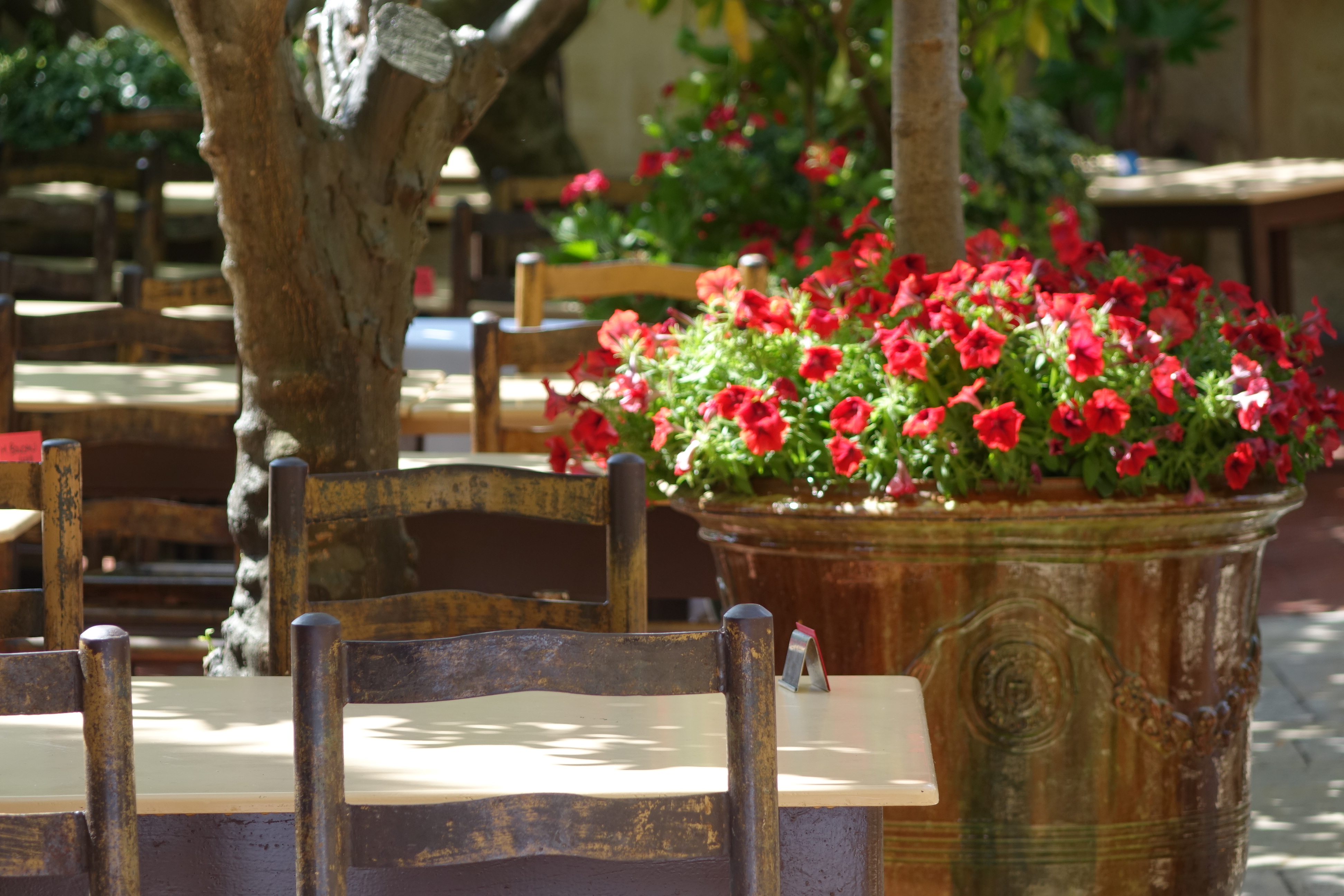
Breakfast at La Colombe d’Or captures the random cosiness of the beautiful restaurant terrace as it was set up for breakfast on those sunny Riviera mornings. Still recovering from a heaving night of fine dining, and before preparation of the terrace for lunch, the restaurant at breakfast had much more of a relaxed feel, like a star of the stage before her makeup was applied. The old rusty tables around which Picasso once sat were scattered haphazardly without a tablecloth – this was only placed on the table when a guest chose from amongst them and sat down to eat petit dejeuner in a dappled spot. Likewise the little vintage metal chairs were randomly placed, their normal cushions not yet affixed.

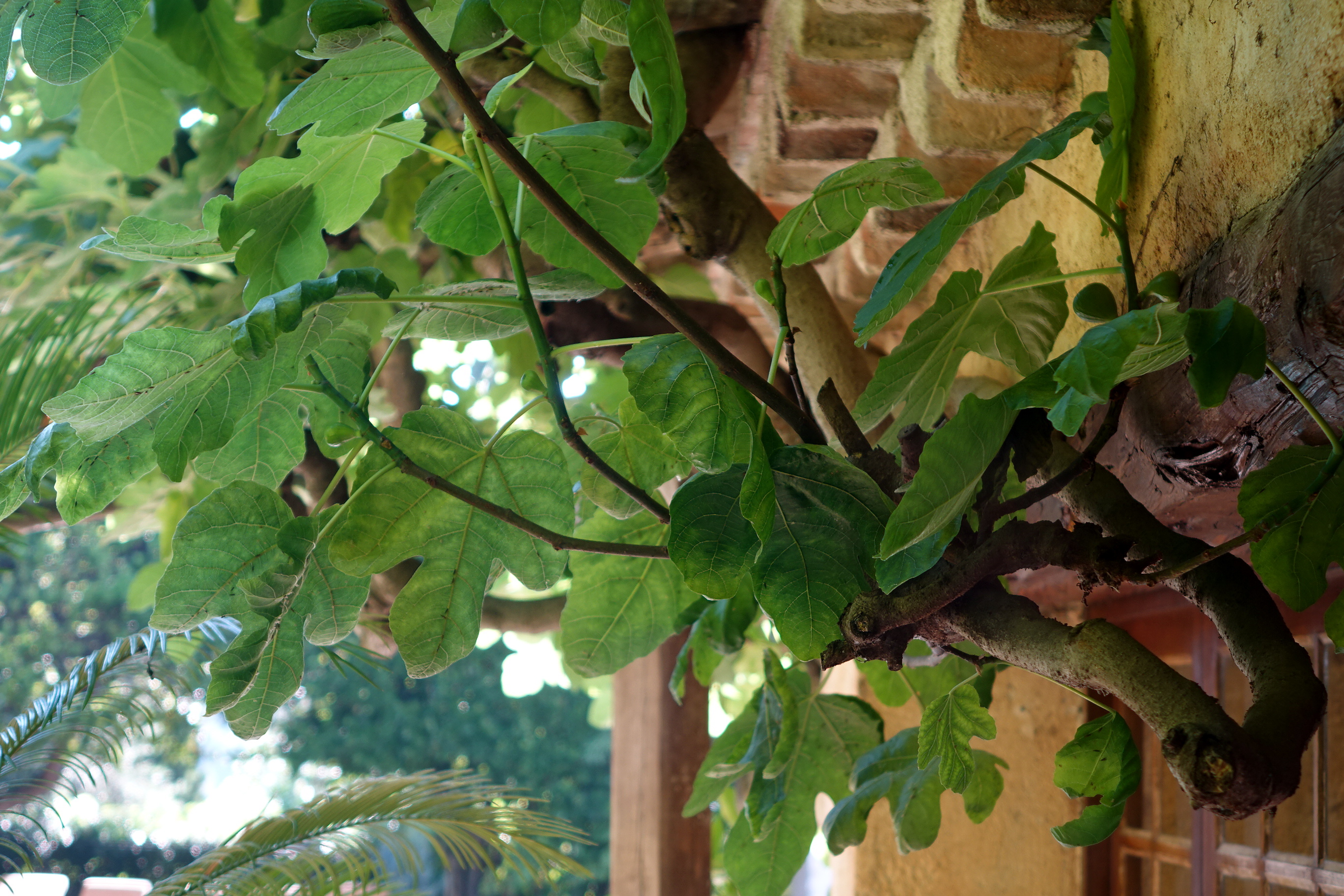
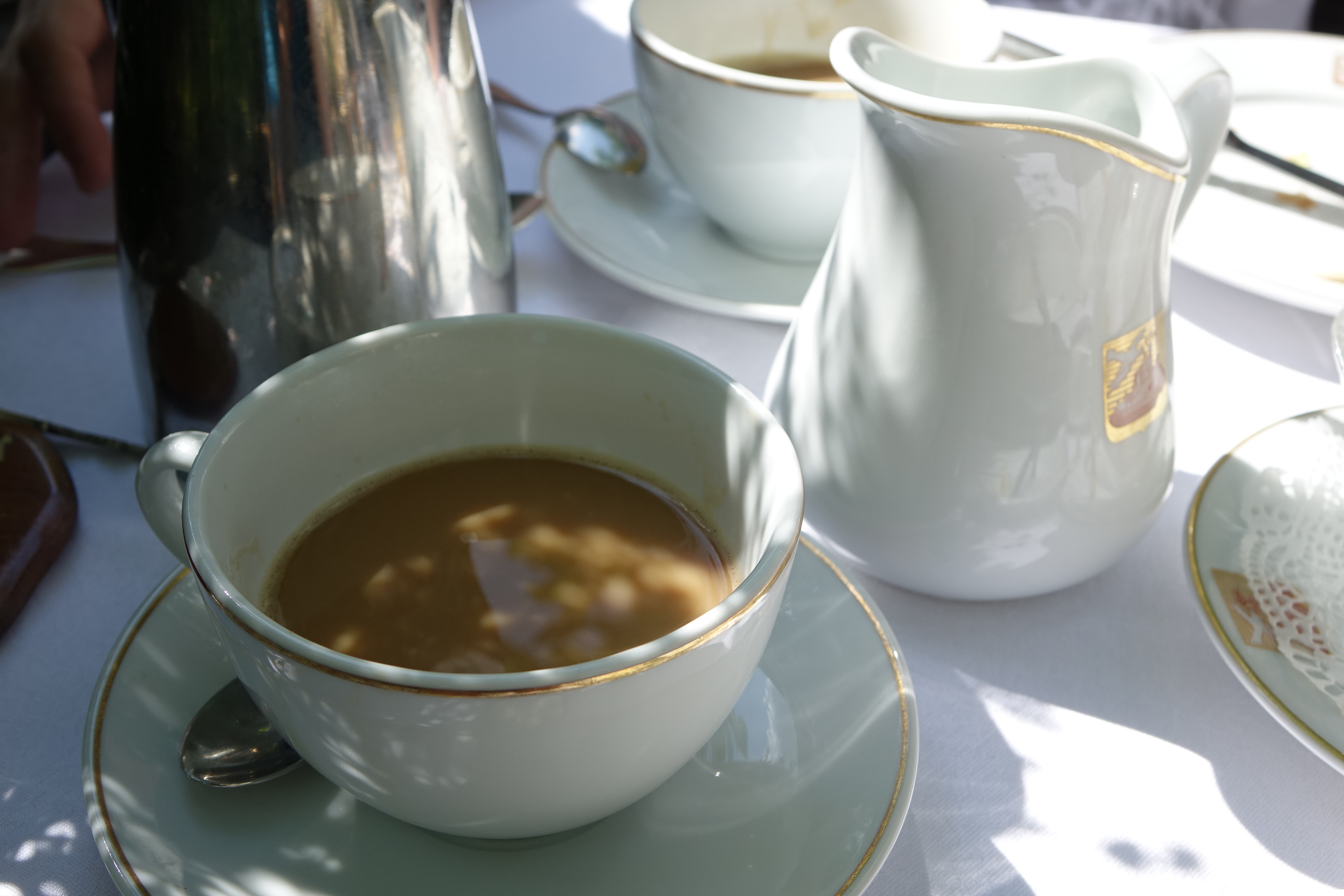
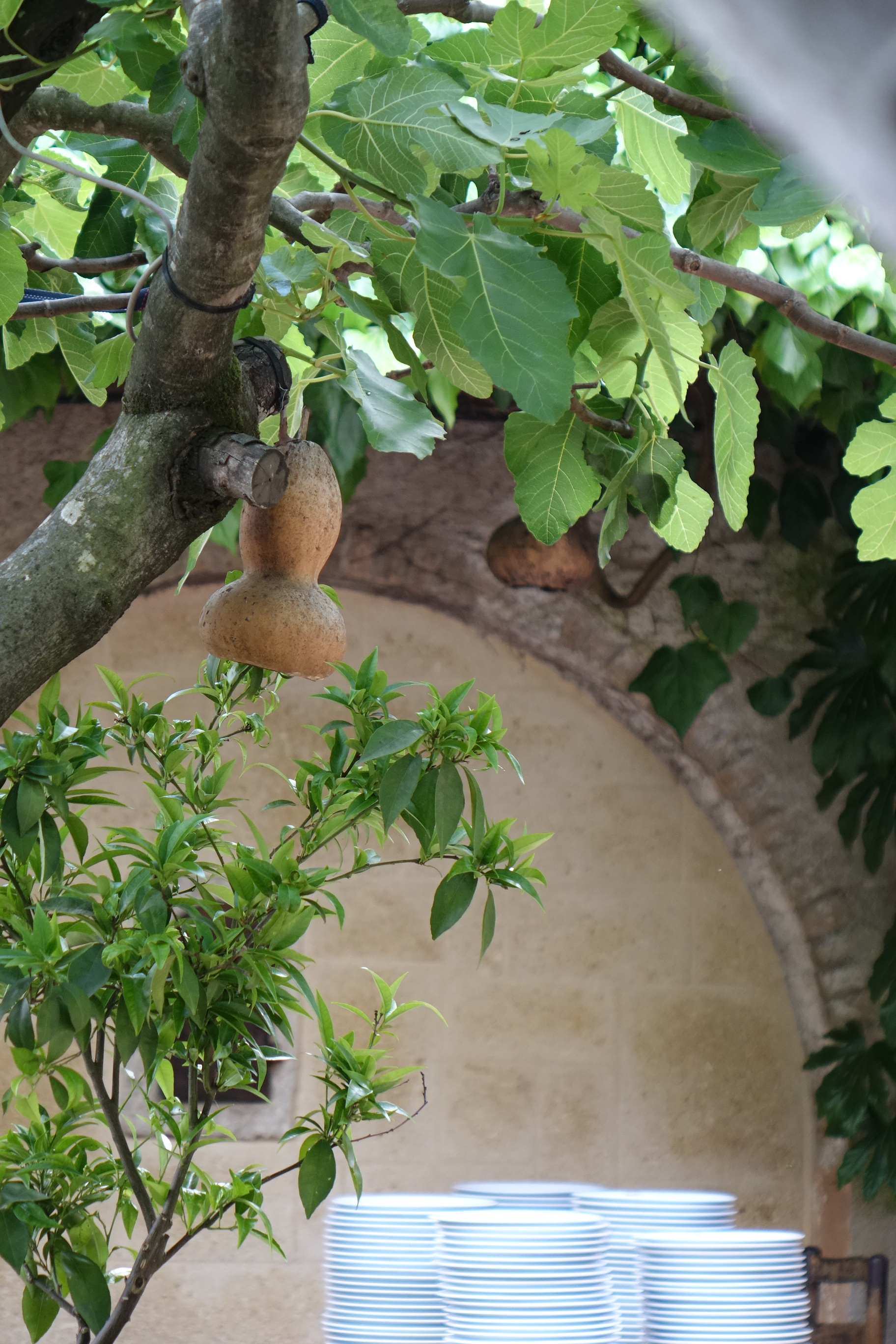
Amongst this friendly scene, the ceramic mural by Léger continued to glimmer in the morning sunshine filtered through the large leaves of the garden’s fig trees, and on the table, an exquisite breakfast of rich coffee, pastries and fruit was served in La Colombe’s iconic branded porcelaine. Breakfast bliss.

© Nicholas de Lacy-Brown and The Daily Norm, 2001-2015. Unauthorized use and/or duplication of the material, whether written work, photography or artwork, included within The Daily Norm without express and written permission from The Daily Norm’s author and/or owner is strictly prohibited. Excerpts and links may be used, provided that full and clear credit is given to Nicholas de Lacy-Brown and The Daily Norm with appropriate and specific direction to the original content. For more information on the work of Nicholas de Lacy-Brown, head to his art website at www.delacy-brown.com

The Honeymoon Chronicles, Part I: La Colombe d’Or

To say that my wedding and the honeymoon which followed was a whirlwind of emotions would be no exaggeration. Within minutes of cutting our sensational ombre wedding cake in Chelsea, we were whisked off in the old fashioned style, straight to our honeymoon, leaving our guests behind, and sadly no tied up cans trailing our vehicle. Our destination was the French Riviera, and with only further wedding cake to keep post-wedding hangovers at bay, we tried to prepare ourselves mentally for this further change in circumstances as we were whisked through the night to the South of France.

DSC07374

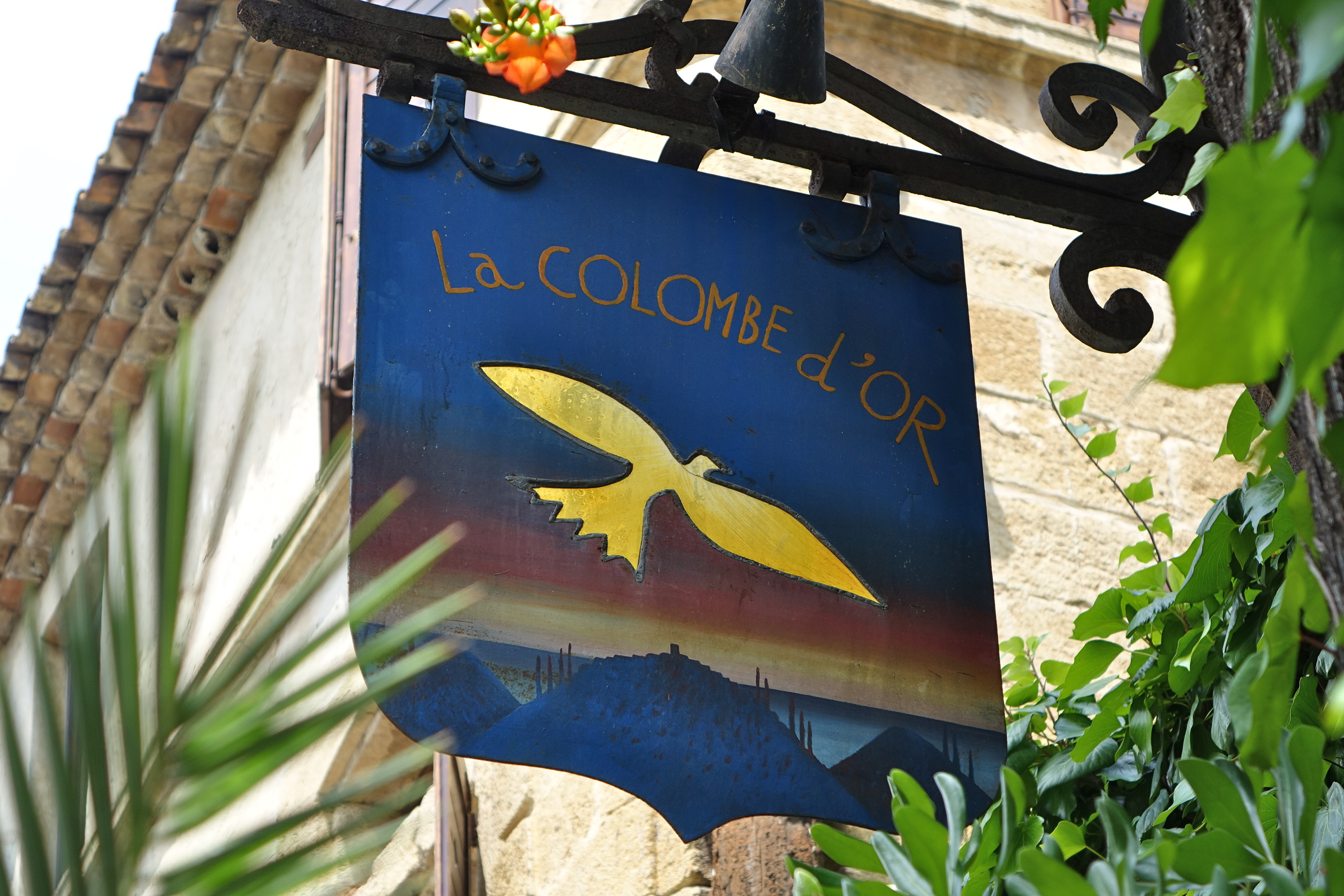
Our arrival in the tiny village of Saint-Paul de Vence near Nice could not have been more different from the city we had departed. Utterly at peace, with a distinctive fragrance of pines and cypresses freshening the air. As darkness had already descended, the village was permeated by little yellow street lamps, subtly illuminating the central plaza where pétanque balls lay in wait for the following day’s play. And amidst the darkness, one sign glowed more than any other: Lighting a golden dove on a blue and yellow sky, it was the sign of La Colombe d’Or – we had arrived.

Our bedroom at La Colombe d’Or

DSC06256 DSC07040 DSC06332 DSC06238 DSC06226 DSC06247 DSC06237 DSC06234

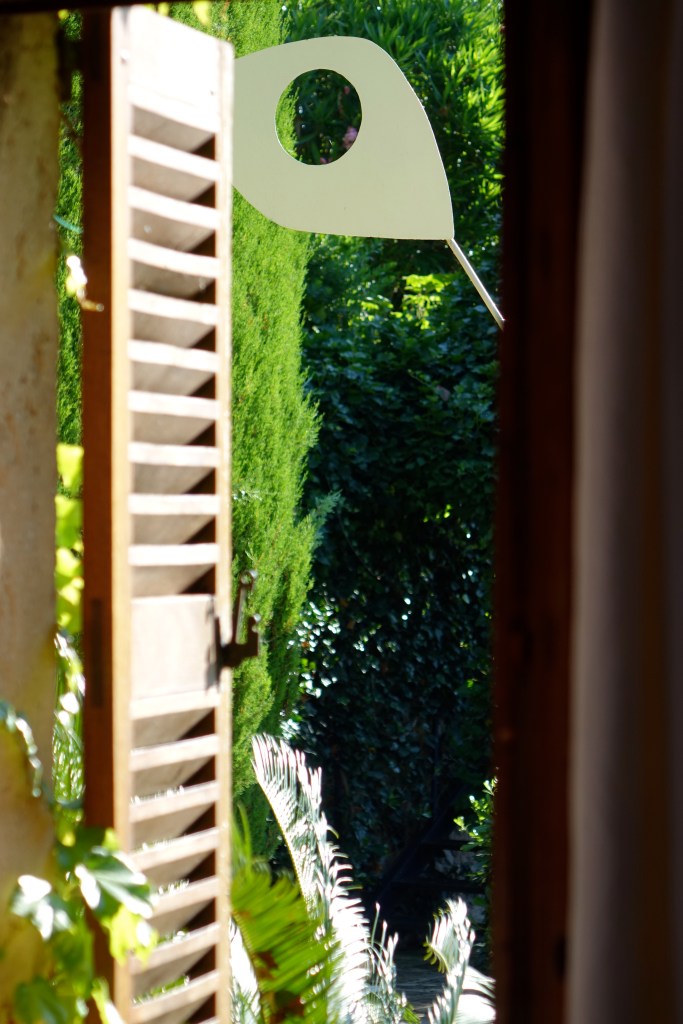
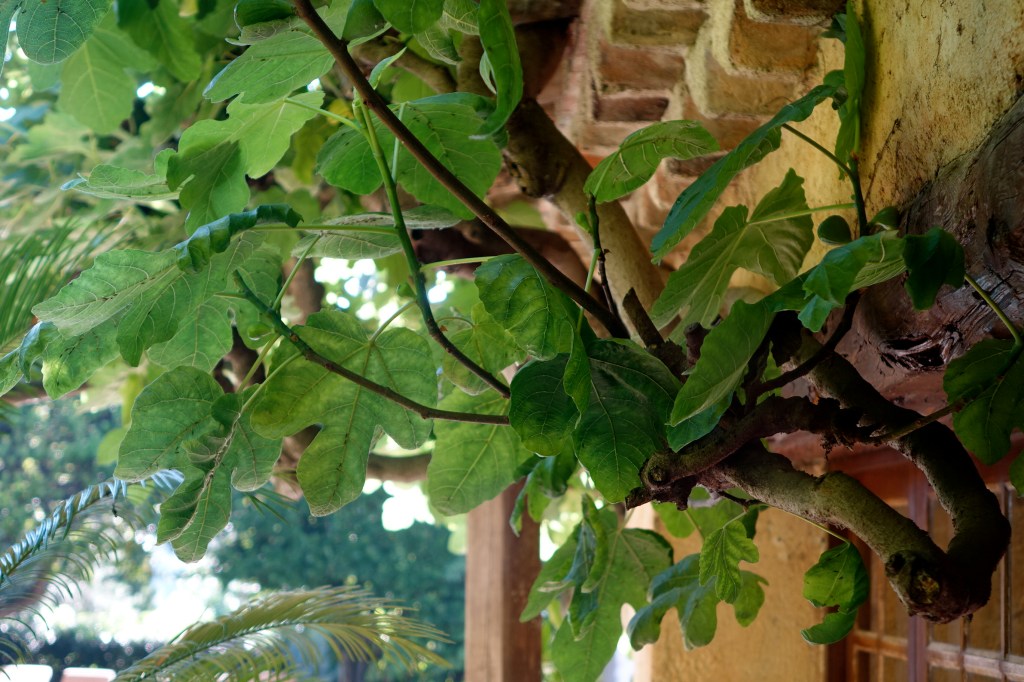
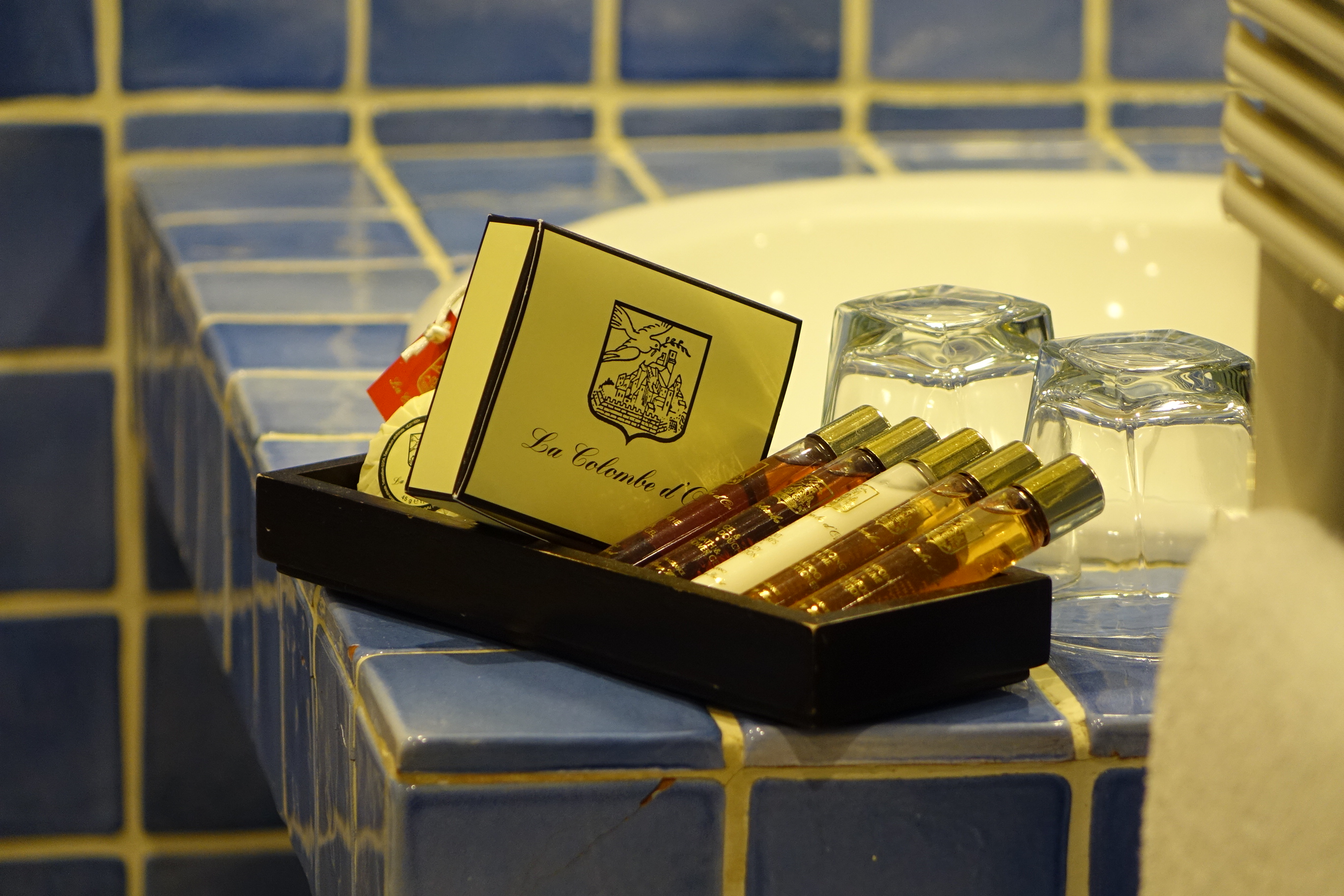
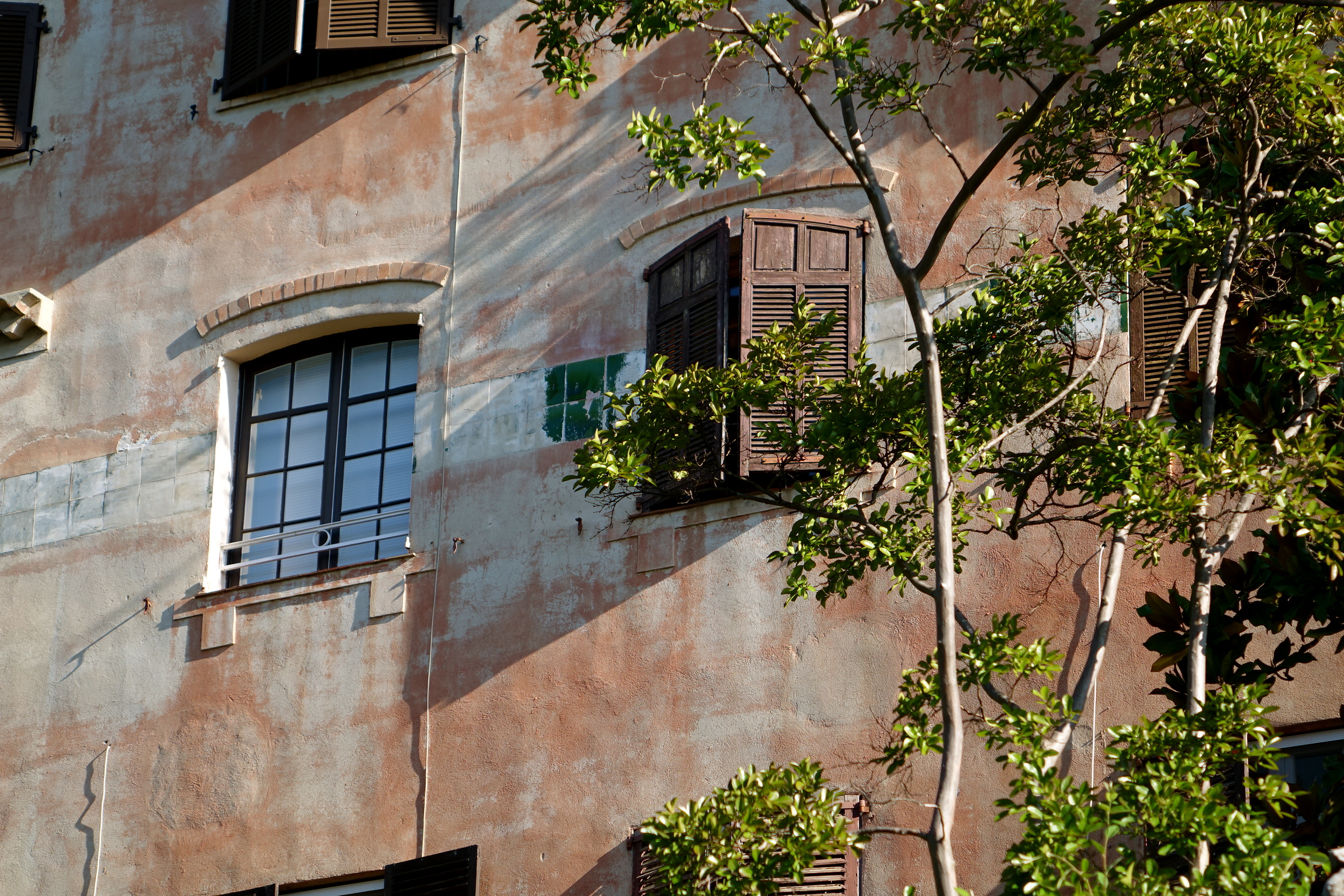
La Colombe d’Or (the golden dove) is a legendary destination in the South of France. First opened in the 1920s by Paul and Baptistine Roux, it began life as a quaint little inn nestled against the magnificent ancient ramparts of the village of Saint-Paul de Vence. Its stunning garden terrace abundant in shady fig trees together with its cosy restaurant interior soon began to attract a faithful clientele, and as the French Riviera became progressively more a centre for thinkers and artists, so too did La Colombe become a gathering place for the crème of the artistic set.

Around the pool and in the gardens

DSC06269 DSC07105 DSC06401 DSC06402 DSC07111 DSC06407 DSC06272 DSC07050 DSC06276 DSC06371 DSC06390 DSC06697 DSC06369 DSC06376

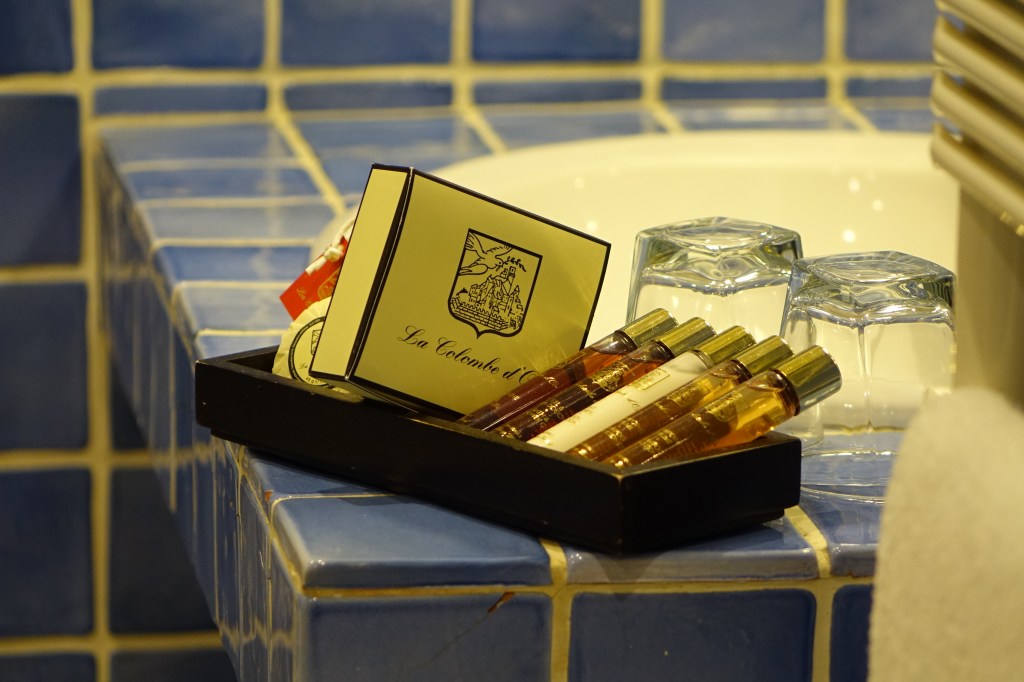
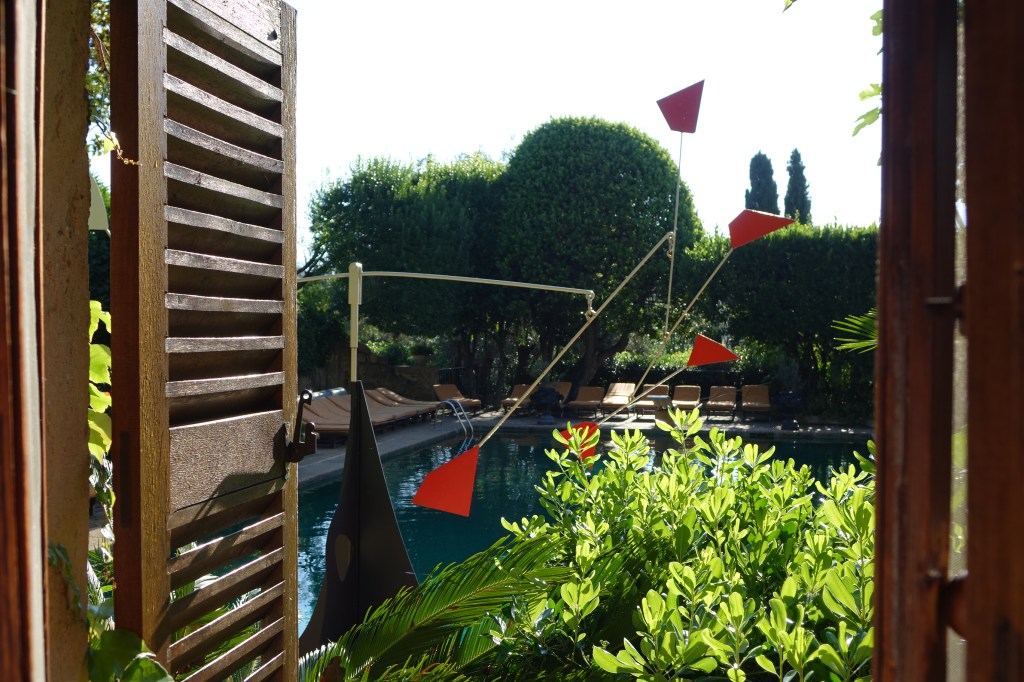
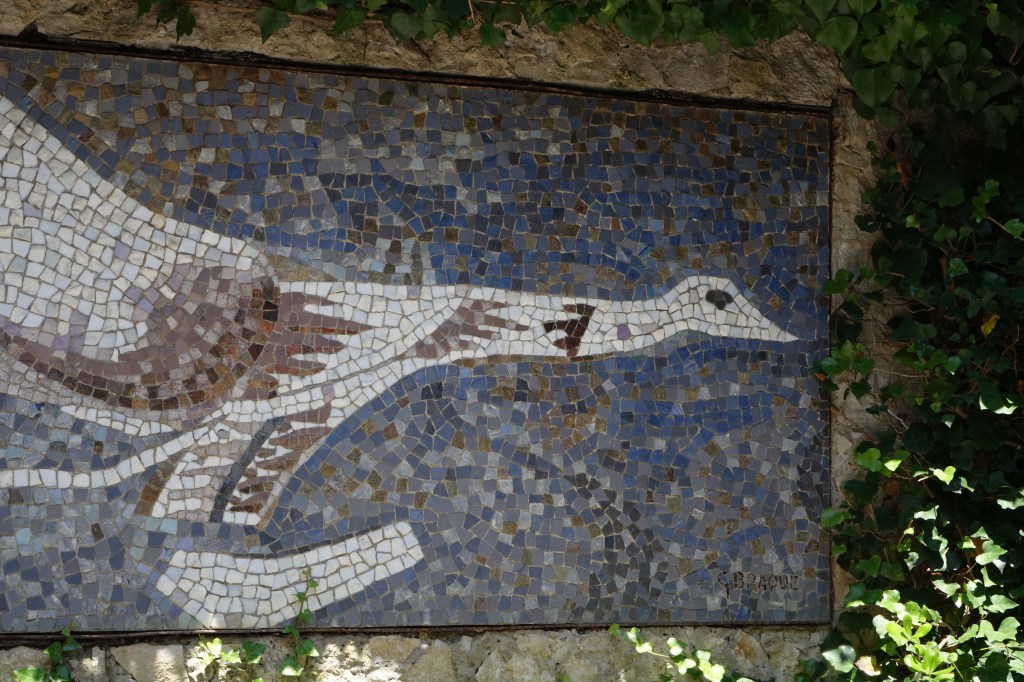
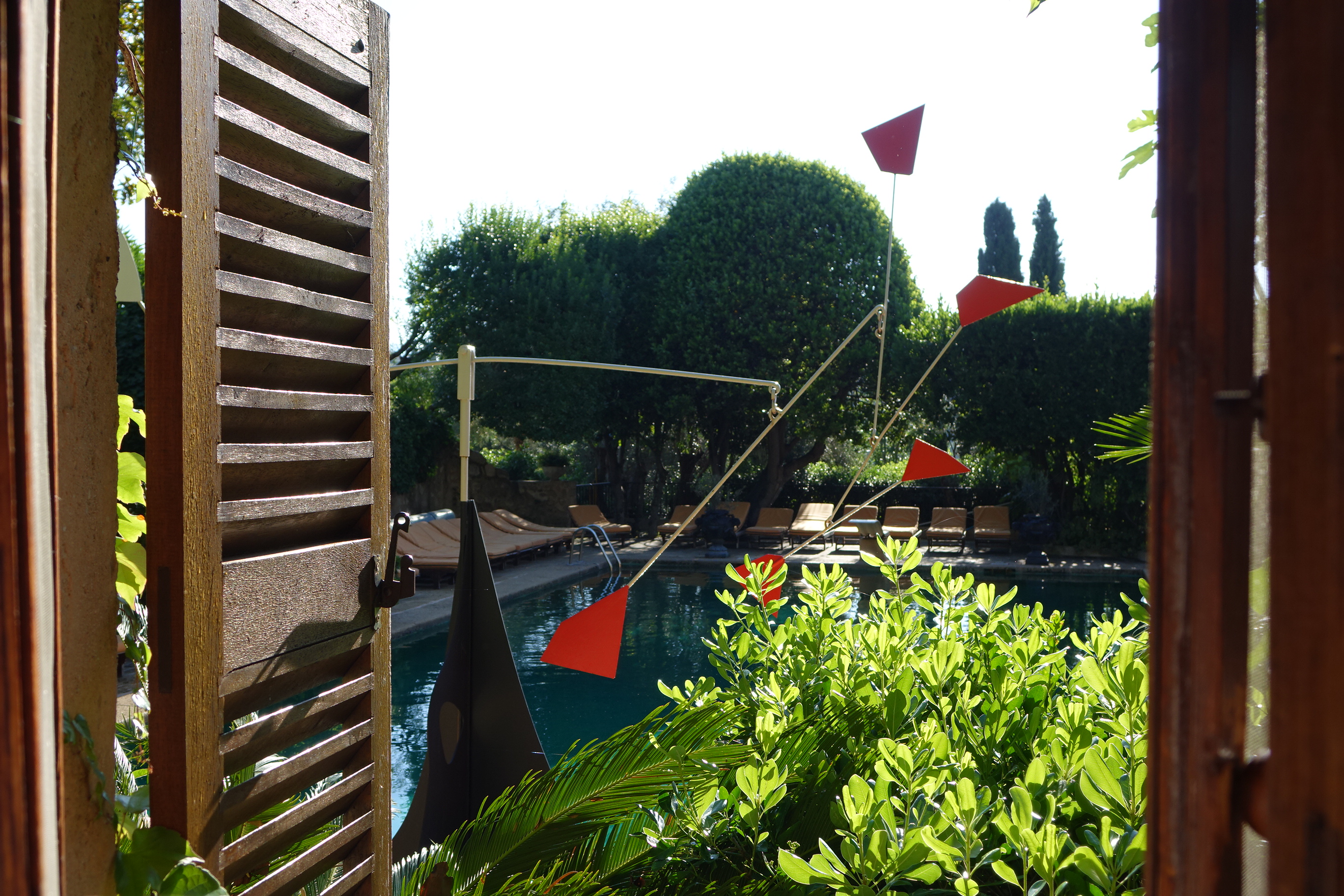
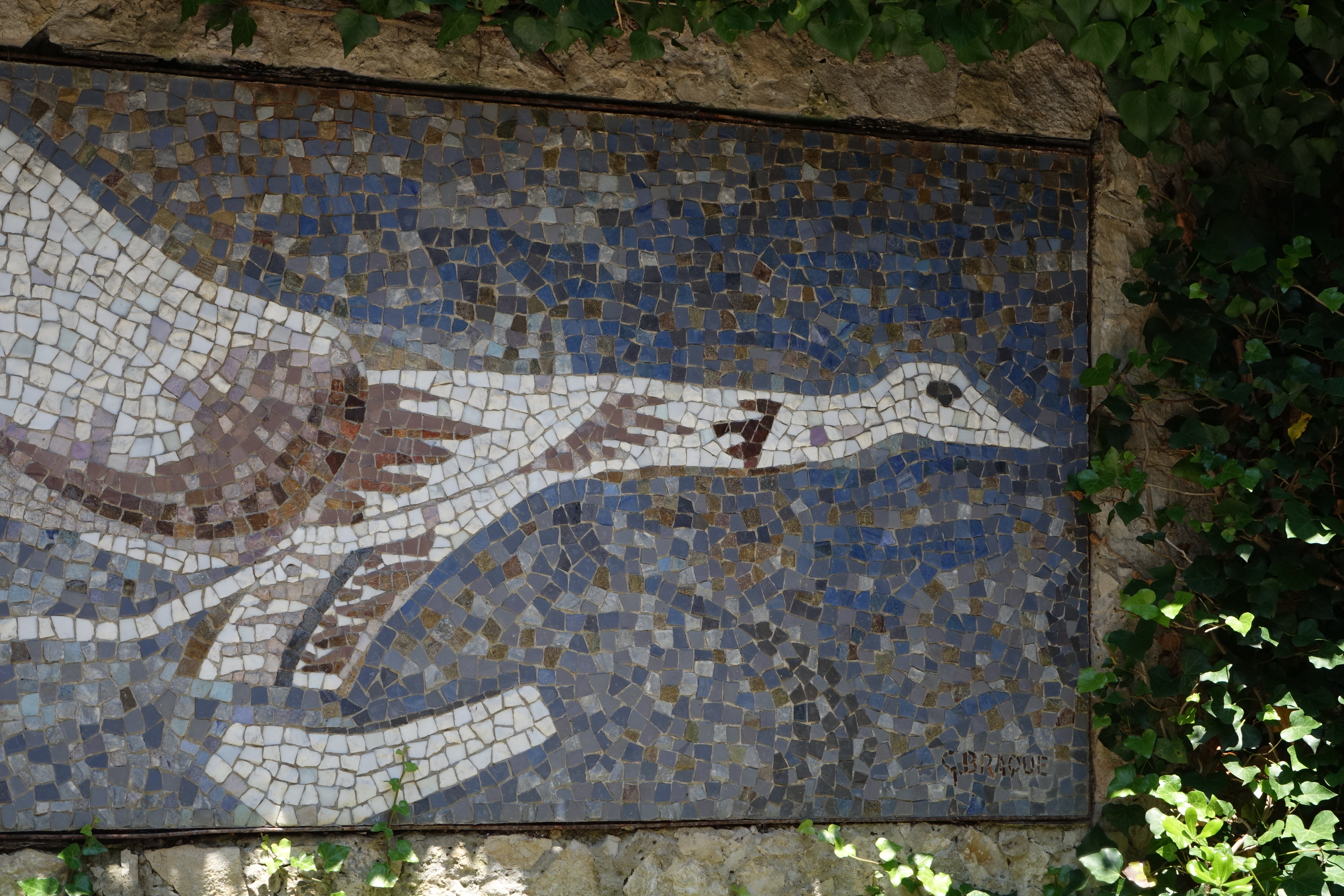
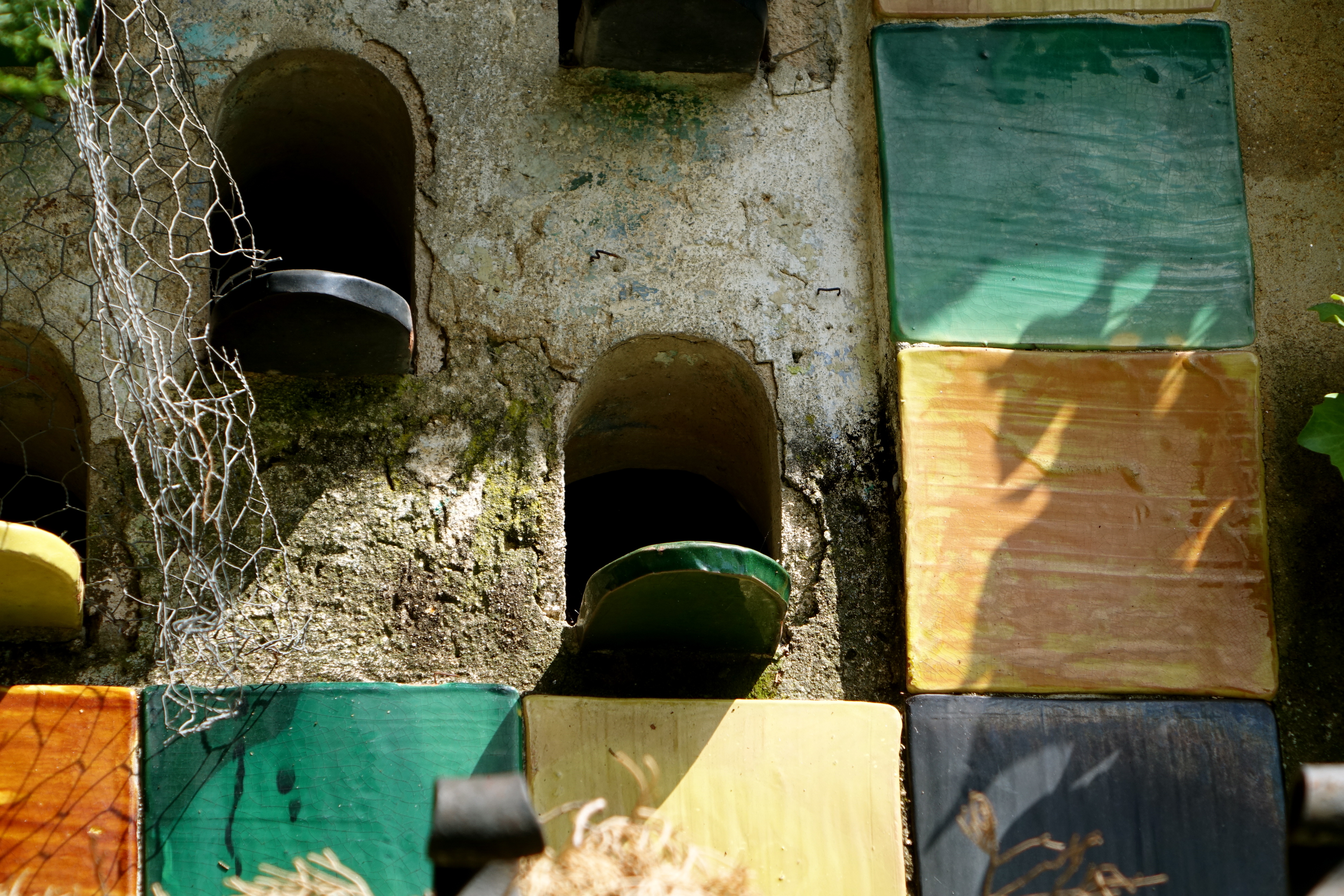
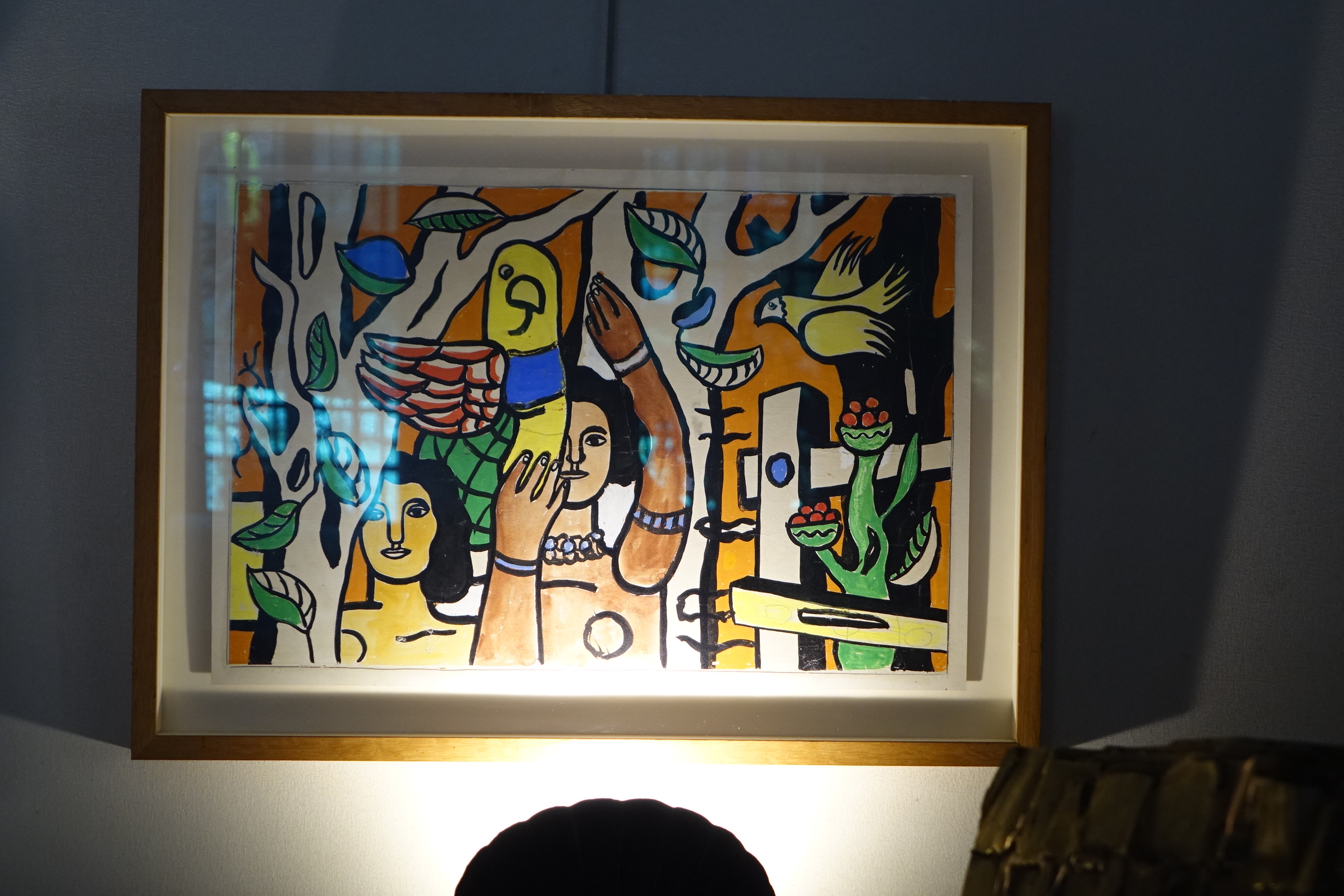
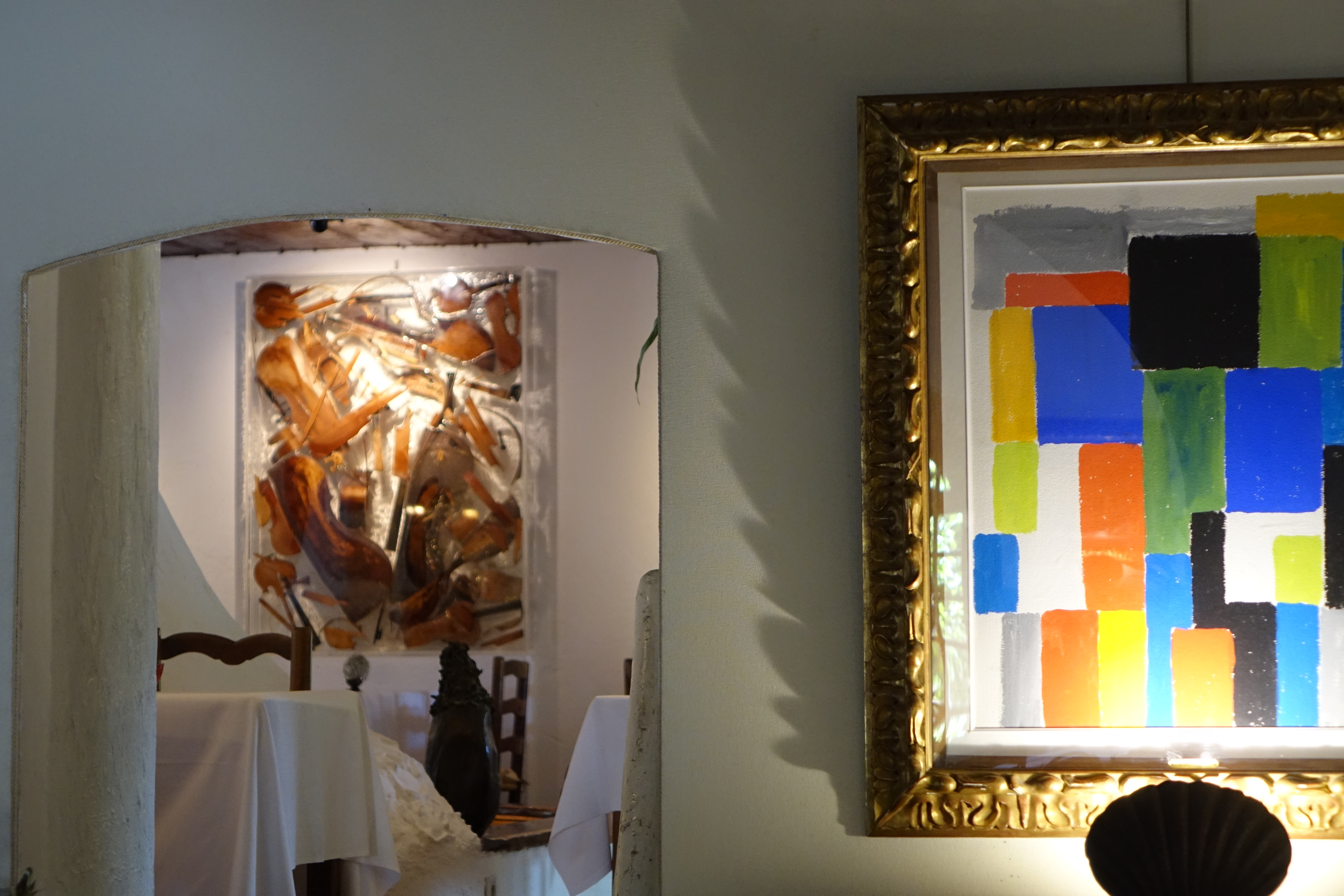
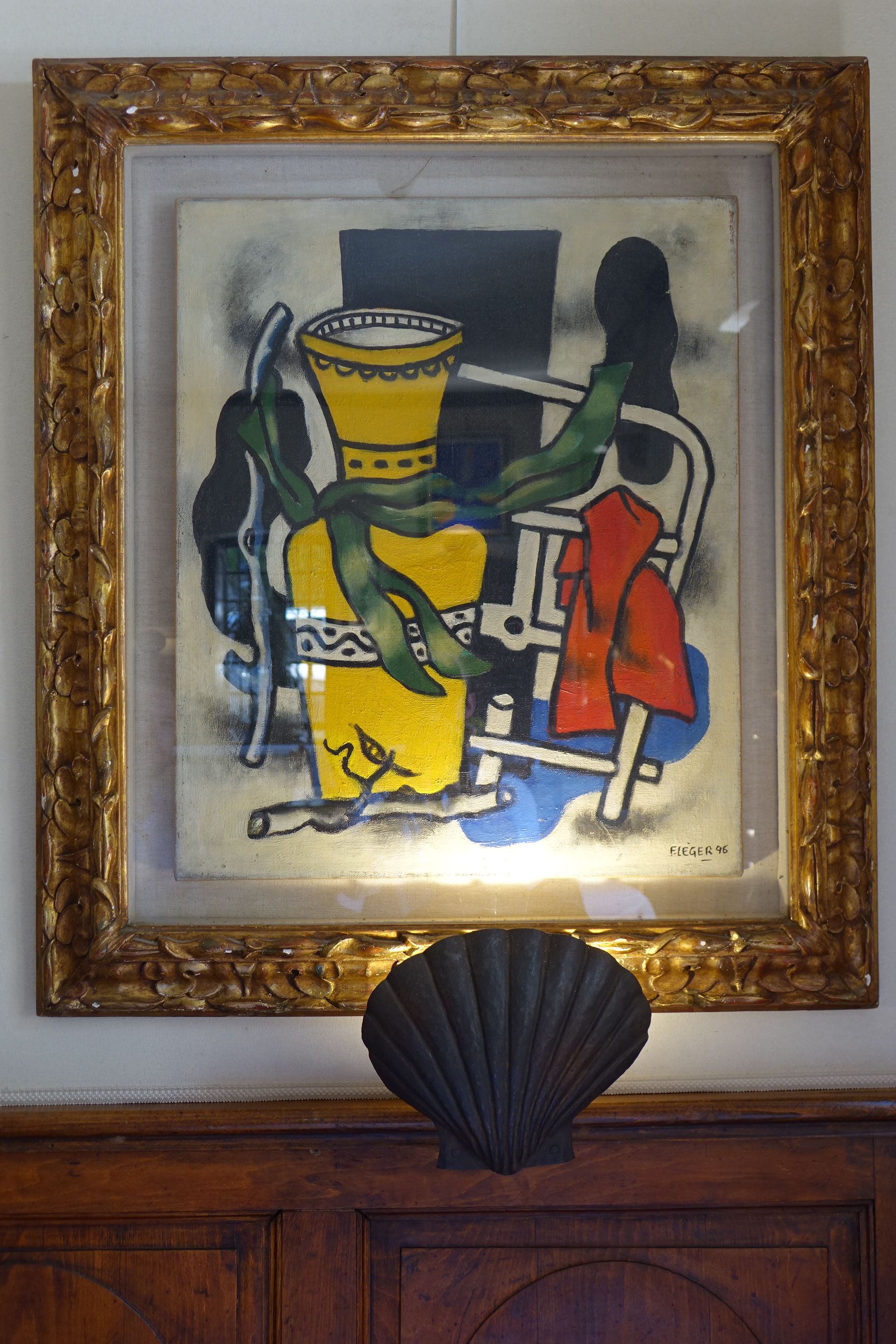
As the years went on, and the Roux family continued to welcome and befriend some of the world’s most famous artists and intellectuals, so too did La Colombe’s remarkable collection of modern art grow, much of which was swapped in exchange for accommodation and their famously delicious Provençal cuisine. So La Colombe d’Or grew, both physically (gradually subsuming neighbouring buildings) and reputationally, and its art collection today stands as one of the most staggering private collections of modern art you could ever hope to see. On its walls, original works by Picasso, Braque, Sonia Delaunay, Calder, Miro, Chagall, Cesar and so many others hang; its leafy terrace is dominated by a stunning ceramic mural by Fernand Leger; and its most stunning swimming pool languishes alongside a remarkable Calder Mobile, a mosaic by Braque, and a recently installed ceramic mural by Sean Scully.

Interiors, and La Colombe’s incredible collection of modern art

DSC06427 DSC07346 DSC07373 DSC07355 DSC06434 DSC07352 DSC06435 DSC07344 DSC07347

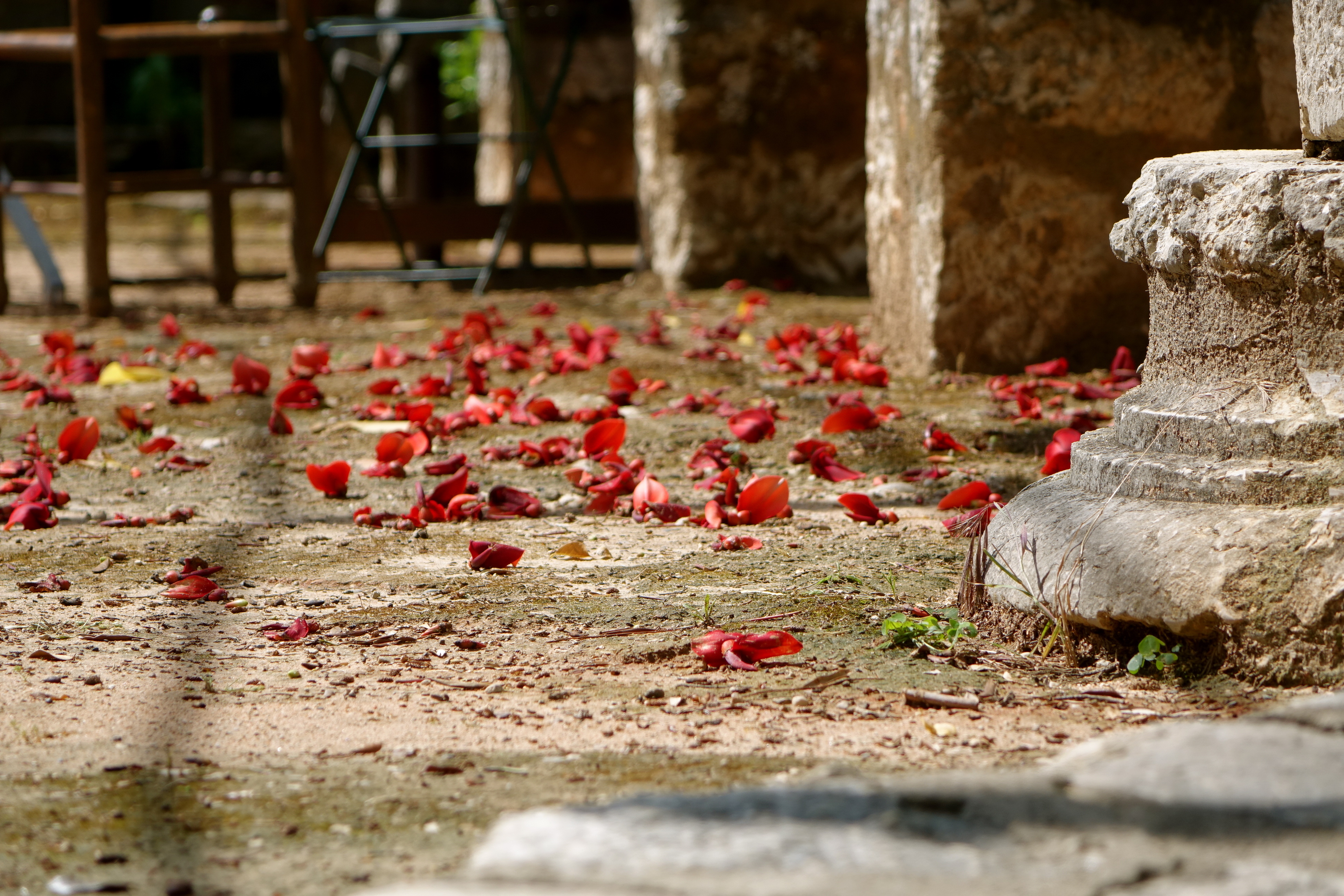
For any enthusiast of 20th century art, or indeed for anyone beloved of the utmost aesthetic tranquility, La Colombe d’Or is a paradise on earth, beyond mere description – it has to be experienced. In the unpretentious little chairs which are clustered on its restaurant terrace, one can see the ghosts of the famous writers and artists who used to sit there in the shadows of the fig trees Jacques Prévert, Yves Montand, James Baldwin, Pablo Picasso… In the unapologetically rustic walls and furniture, you feel as though invited into the warmest of family homes. And in its paradisal gardens, fringed by pillars and scattered with fallen blossom, and alongside that most sensational of swimming pools, you feel as though you have entered some kind of parallel world. Utterly at peace. This was paradise found.

La Colombe’s stunningly cosy restaurant terrace

DSC06333 DSC07367 DSC06410 DSC06421 DSC06352 DSC06349 DSC06354 DSC06350 DSC07370 DSC06412 DSC06335 DSC07360

And so in La Colombe d’Or, we happily stationed ourselves for the first four days of our honeymoon. And so the rush of emotions which had commenced at our wedding continued. It was to be the most sensational few days imaginable.

All photos and written content are strictly the copyright of Nicholas de Lacy-Brown © 2015 and The Daily Norm. All rights are reserved. Unauthorized use and/or duplication of the material, whether written work, photography or artwork, included within The Daily Norm without express and written permission from The Daily Norm’s author and/or owner is strictly prohibited.

Discovering Mallorca: The sleepy wonders of little Biniaraix

They say that the best things in life come in small packages, and this adage could not be better evidenced than in the form of the tiny village of Biniaraix in Mallorca. Nestled amongst the ripples and folds of the Tramuntana mountains, a few kilometres North East of the magnificent town of Soller, Biniaraix is urban living on a miniature scale dominated by the gigantic mountain landscape and extensive citrus groves that surround it.

With only some 150 residents, and roads between the town and Soller which make it difficult for even one car to squeeze through, let alone two side by side, Biniaraix maintains a feel of a village constructed for the horse and cart age. With one main street and various beautiful off-shoots, a single white-peaked church at its centre and a token cluster of cafes and shops straight out of another era, the village is the epitome of cosy.

DSC05967 DSC05999 DSC05941 DSC05968 DSC06045 DSC06039 DSC06019 DSC05958 DSC06035

But Biniaraix also marks the start of the Barranc de Biniaraix, one of the most emblematic dry-stone walks climbing through the Tramuntana mountain range right to the Monastery in Lluc, a walk which is probably one of the most beautiful in all the world, but which we were only able to do the first 10 minutes of before giving up and heading to the Port of Soller for dinner. Still, we were able to get great photos of the village from afar, and even more colour-filled wonders when back in the village.

DSC06029 DSC06023 DSC06048 DSC05993 DSC06032 DSC05974 DSC05981 DSC06037 DSC06005

All photos and written content are strictly the copyright of Nicholas de Lacy-Brown © 2015 and The Daily Norm. All rights are reserved. Unauthorized use and/or duplication of the material, whether written work, photography or artwork, included within The Daily Norm without express and written permission from The Daily Norm’s author and/or owner is strictly prohibited.

The house of Robert Graves

They say that once in a while you will read a book that changes your life. A story of DH Lawrence’s obsession with the inspirational light of the Mediterranean read while I soaked up the sun on the Amalfi Coast last summer came very close (Lady Chatterley’s Villa by Richard Owen). After all, I surely followed his mantra in moving to the Mediterranean. But more powerful still was The White Goddess: An Encounter by Simon Gough.

Telling the real life story of his time with great uncle Robert Graves on the island of Mallorca, it was a story which more than inspired me to move to the Balearic paradise in which I now find myself; it injected my very heart with a passion for the island which formed the genesis of the life I now live; it transported me to a golden era in a utopian island and made me deeply conscious of the life and work of Robert Graves, the English writer and poet who probably did more for Mallorca than any other Englishman before or since when he moved to Deia in the 40s.

The house of Robert Graves

DSC00979 DSC01026 DSC01036 DSC01028 DSC01013 DSC01020 DSC01015 DSC01031 DSC01039 DSC01040 DSC01030 DSC01038

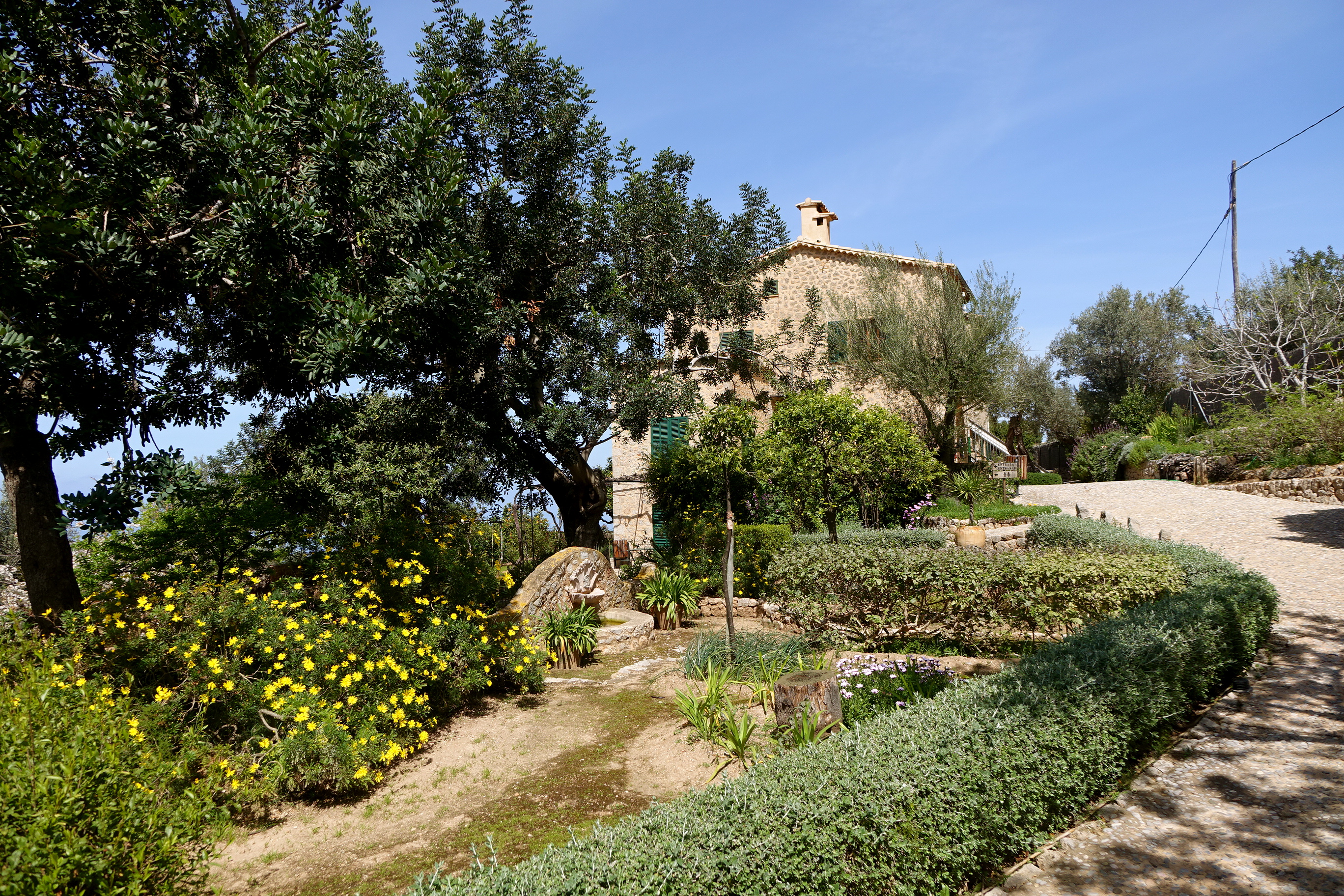
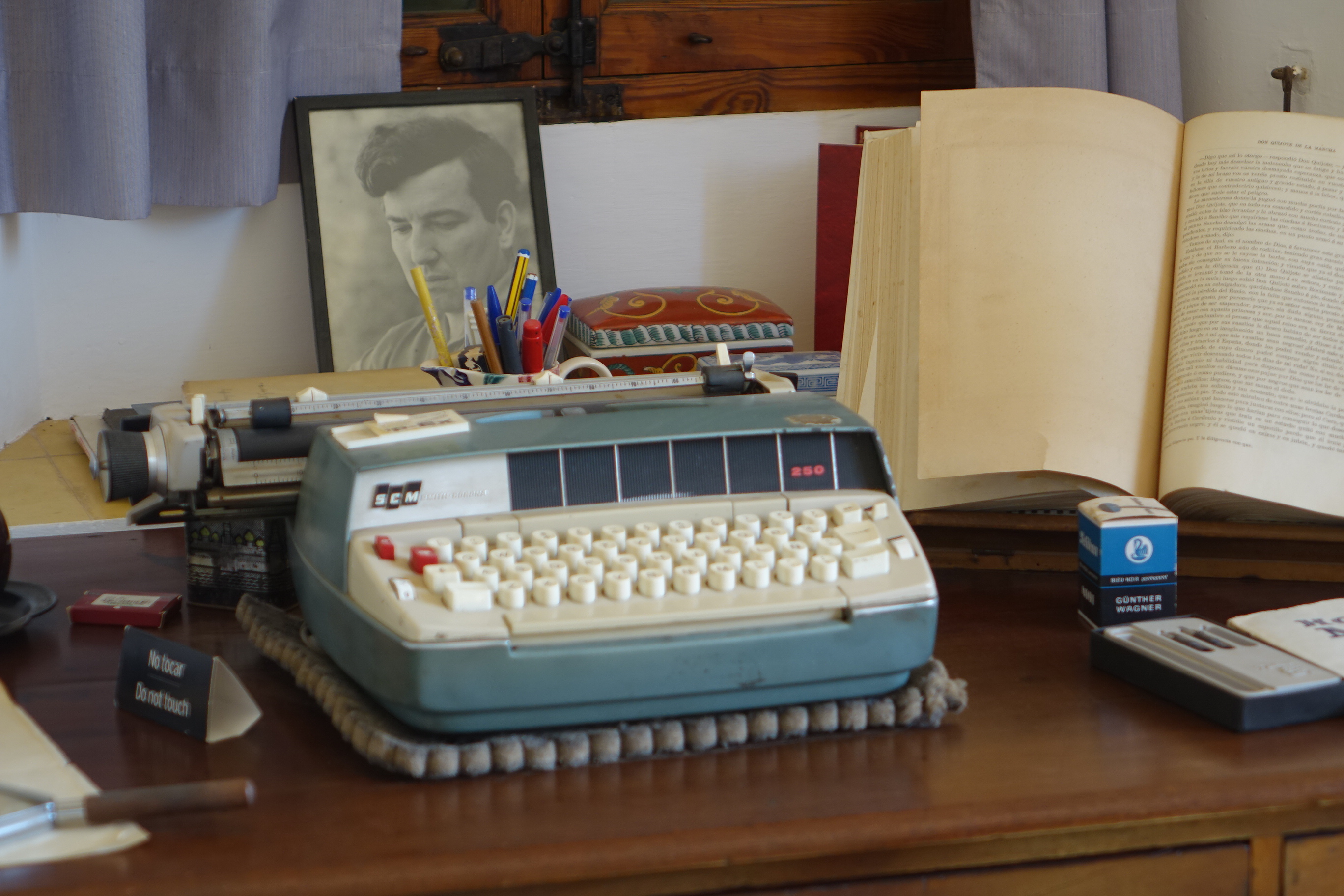
A few weeks ago, I had the opportunity to visit the house of Robert Graves and his family just outside my beloved Tramuntana village of Deia. Replicating exactly how the house would have been in Robert’s day as brought to life again with the help of his son, William Graves, my visit to the house had the power to bring the book I had so admired fully to life. From the glasses laid nonchalantly on the poet’s desk, to the garlic hung anticipating a feast in the little sun-drenched kitchen, the house was every inch the familial idyll I head read about.

…and the gardens he so loved

DSC01010 DSC01043 DSC01004 DSC00987 DSC00989 DSC01003

Only the now busier road alongside the house had the power to transport me back to reality. For no more does the family donkey pass sleepily along its dusty path. But that brief interruption asides, with its garden still abundant and the stunning coastal views ever present, Robert Graves house at Deia remains every inch the paradise which drew him to remain on the island and in his house for the remaining decades of his life, and which inspired him to write his life’s best work. I can only hope that Mallorca will continue to inspire me to my greatest work. In the meantime I plan to reopen the pages of Simon Gough’s stunning novel, to relive the idyll which brought me to Mallorca. 

All photos and written content are strictly the copyright of Nicholas de Lacy-Brown © 2015 and The Daily Norm. All rights are reserved. Unauthorized use and/or duplication of the material, whether written work, photography or artwork, included within The Daily Norm without express and written permission from The Daily Norm’s author and/or owner is strictly prohibited.