Skip to content

Posts tagged ‘Gardens’

Discovering Mallorca: La Granja de Esporles

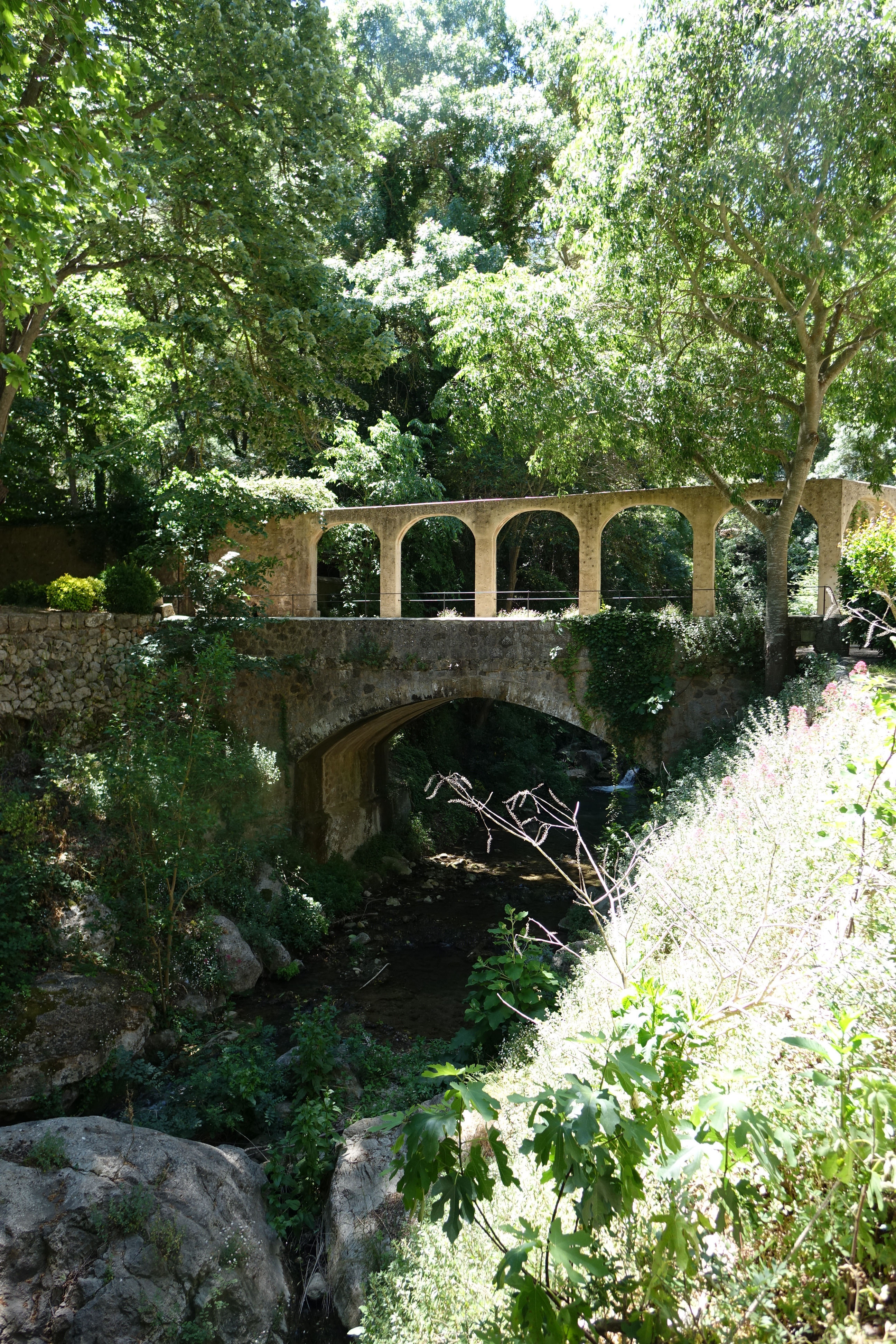
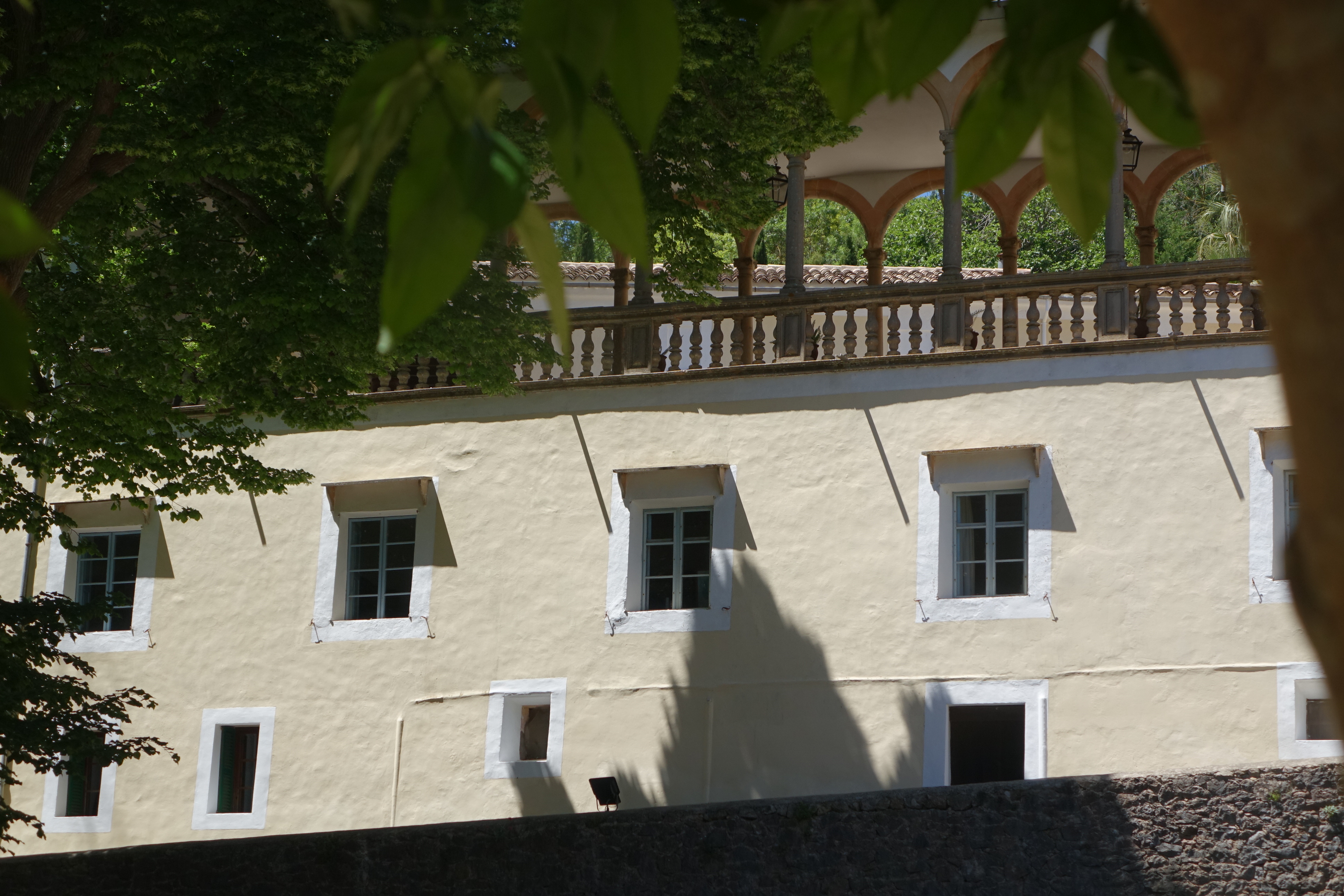
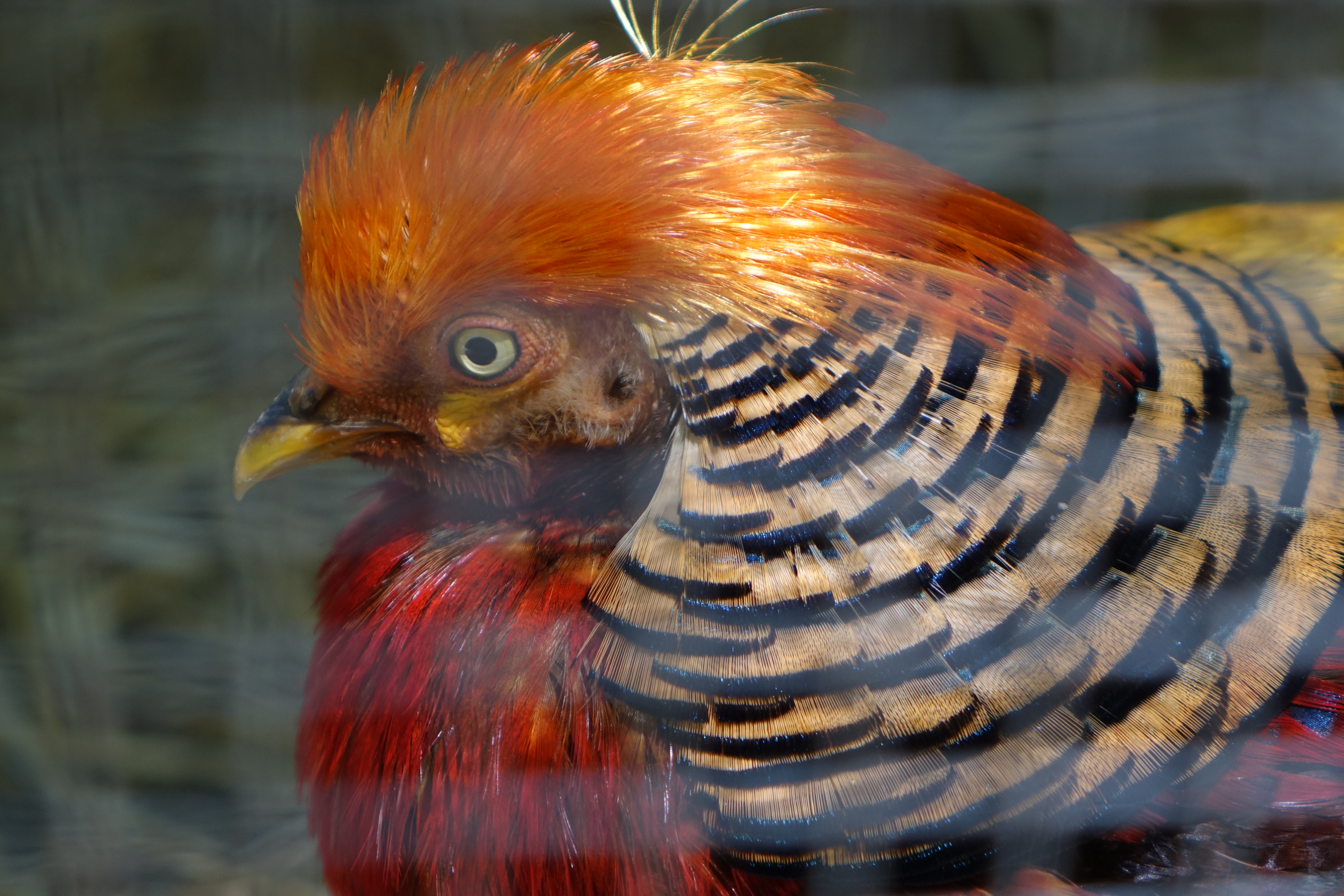
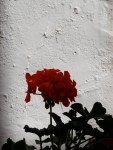
Sometimes the very best discoveries are those made by chance. And such a chance recently led us to a jewel of Mallorca’s Tramuntana mountains – an ancient palace surrounded by the most lush gardens and grounds – of which we previously had no knowledge. Almost like entering a kind of Lewis Carroll surreal wonderland, we came upon La Granja de Esporles in a densly forested turn in the road as we entered the mountains near Valldemossa. Through an opening in the vegetation, a grand building decorated with a series of elegant arches framing an open portico came into view. Around it, a mix of floral gardens, free formed parklands and formal lawns were just about visible. And in the air, a distinct harmony of birdsong became even more evident than normal. We knew that we had to park the car and discover more.

The lush surroundings of La Granja

DSC04454 DSC04789 DSC04538 DSC04499 DSC04780 DSC04751 DSC04485 DSC04540 DSC04603 DSC04502

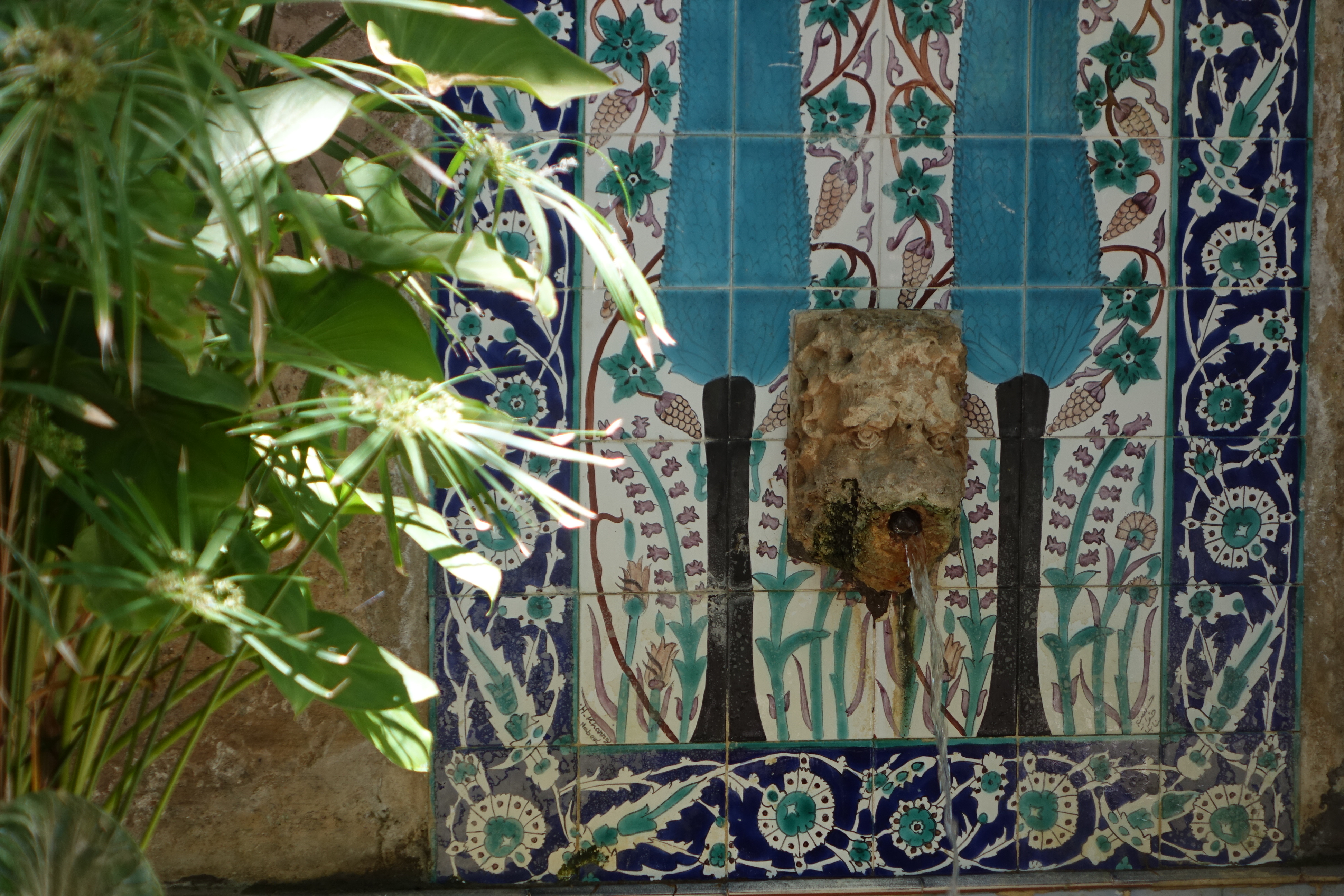
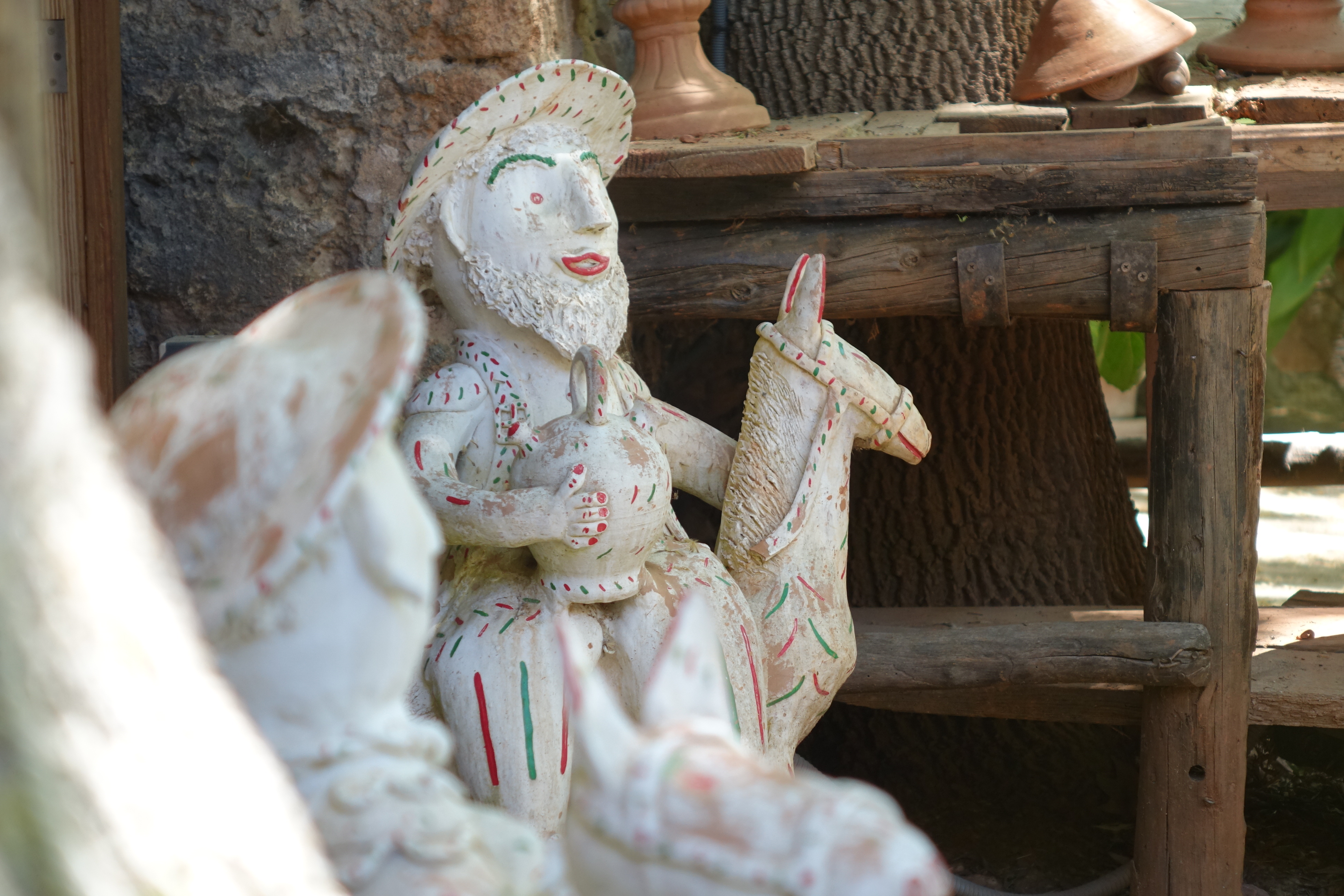
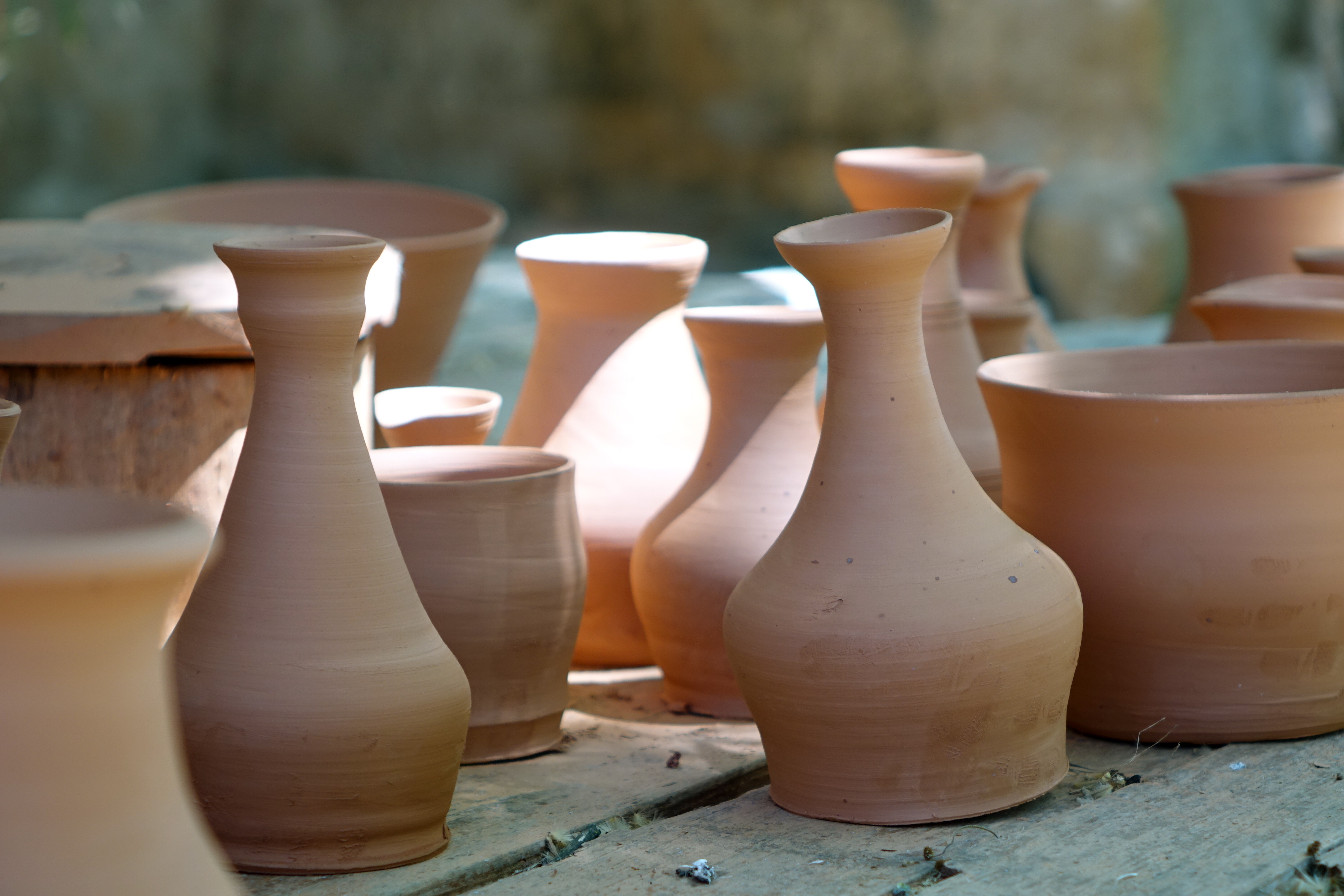
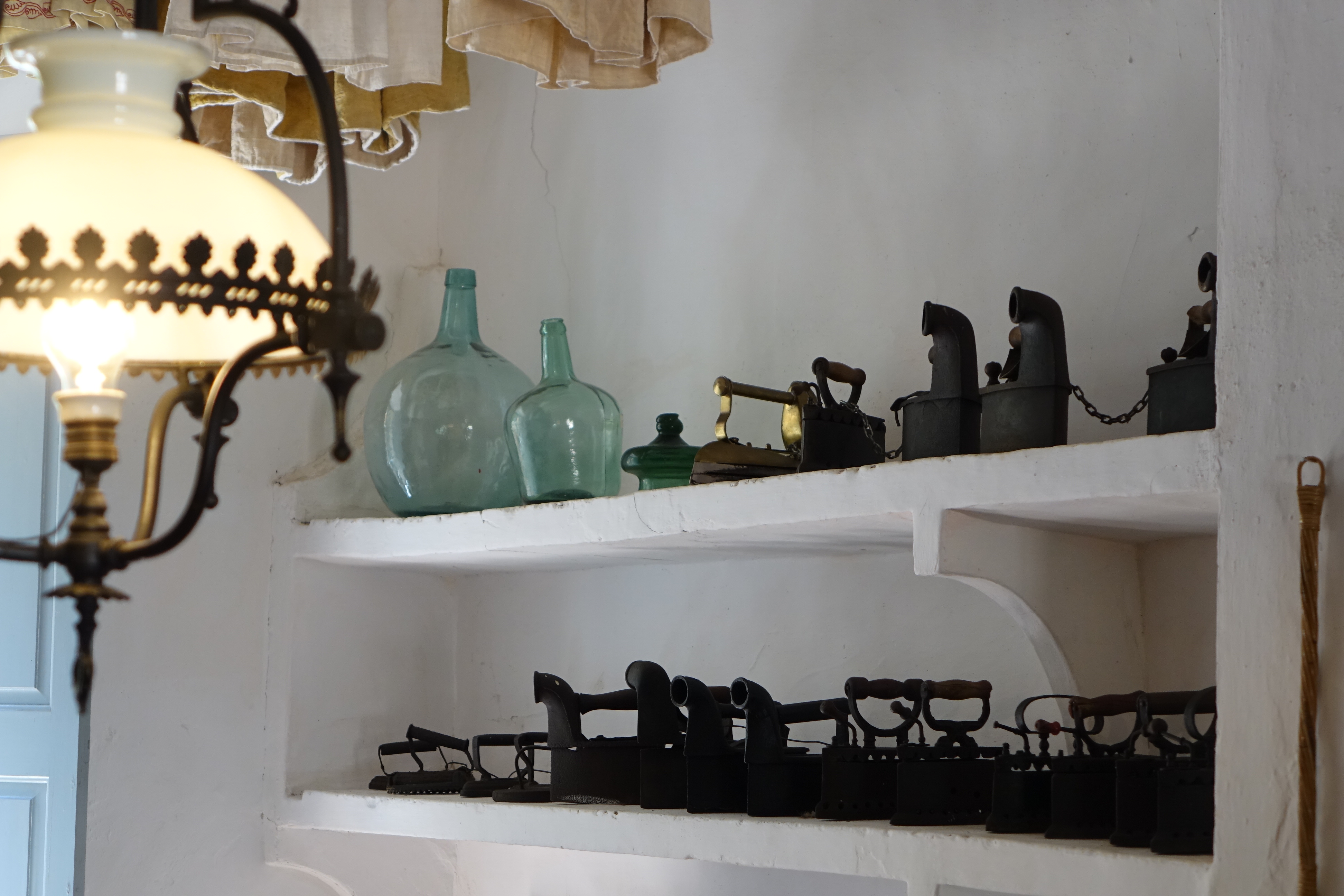
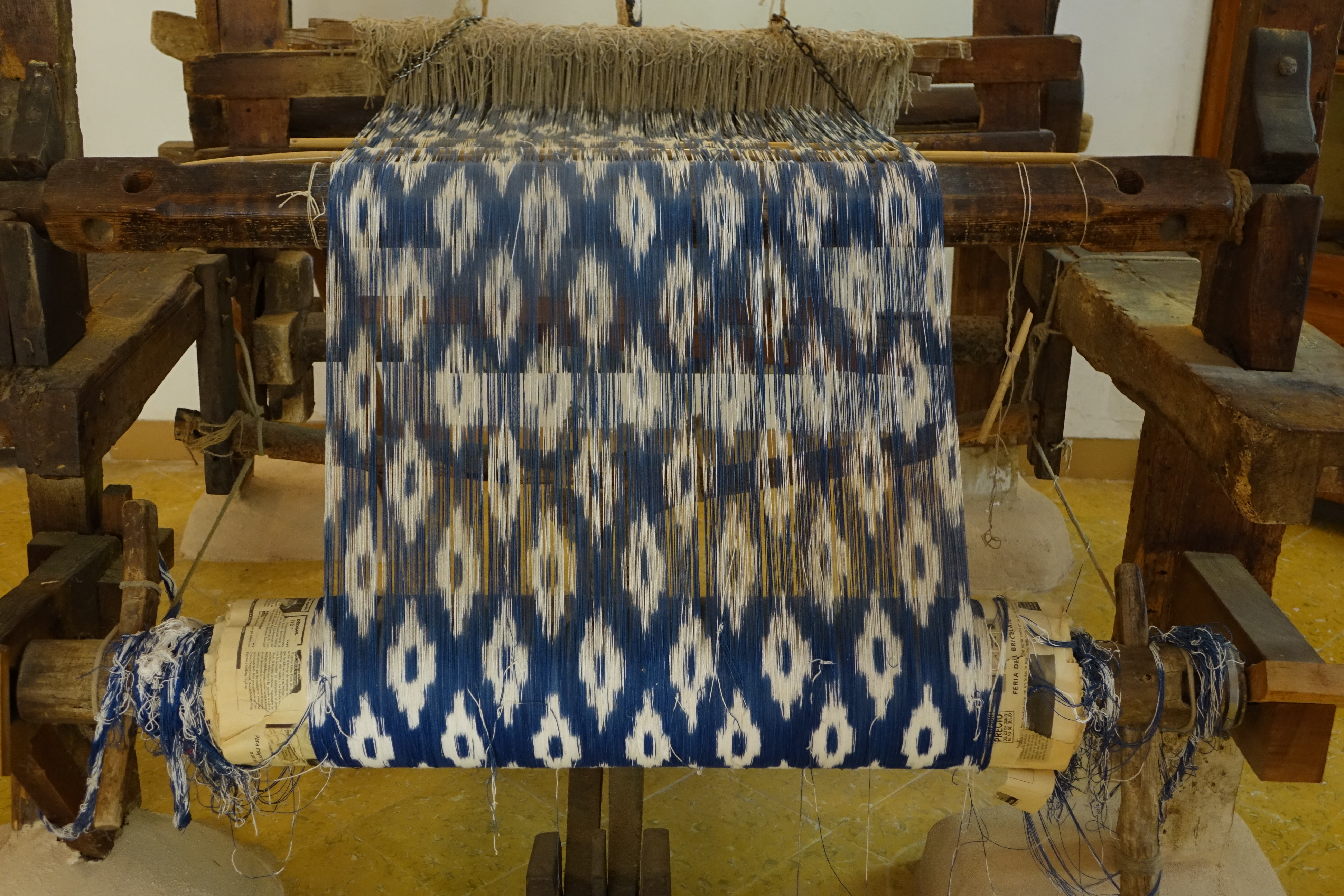
Reaching the front gate, the surreal feeling of this wonderland grew stronger as we encountered people dressed in traditional Mallorquin costume. Only a camera in their hand and a cash booth for tickets betrayed a sense of modernity, but beyond we were once again plunged back into the past as we toured a house packed full of the artisan crafts – lenguas fabric, pottery making, wine production – which are famous across the island, and beyond, the sense of surreal unease increased as we toured a cellar full of medieval torture instruments and childrens’ dolls with two heads…

From the ancient to the surreal…
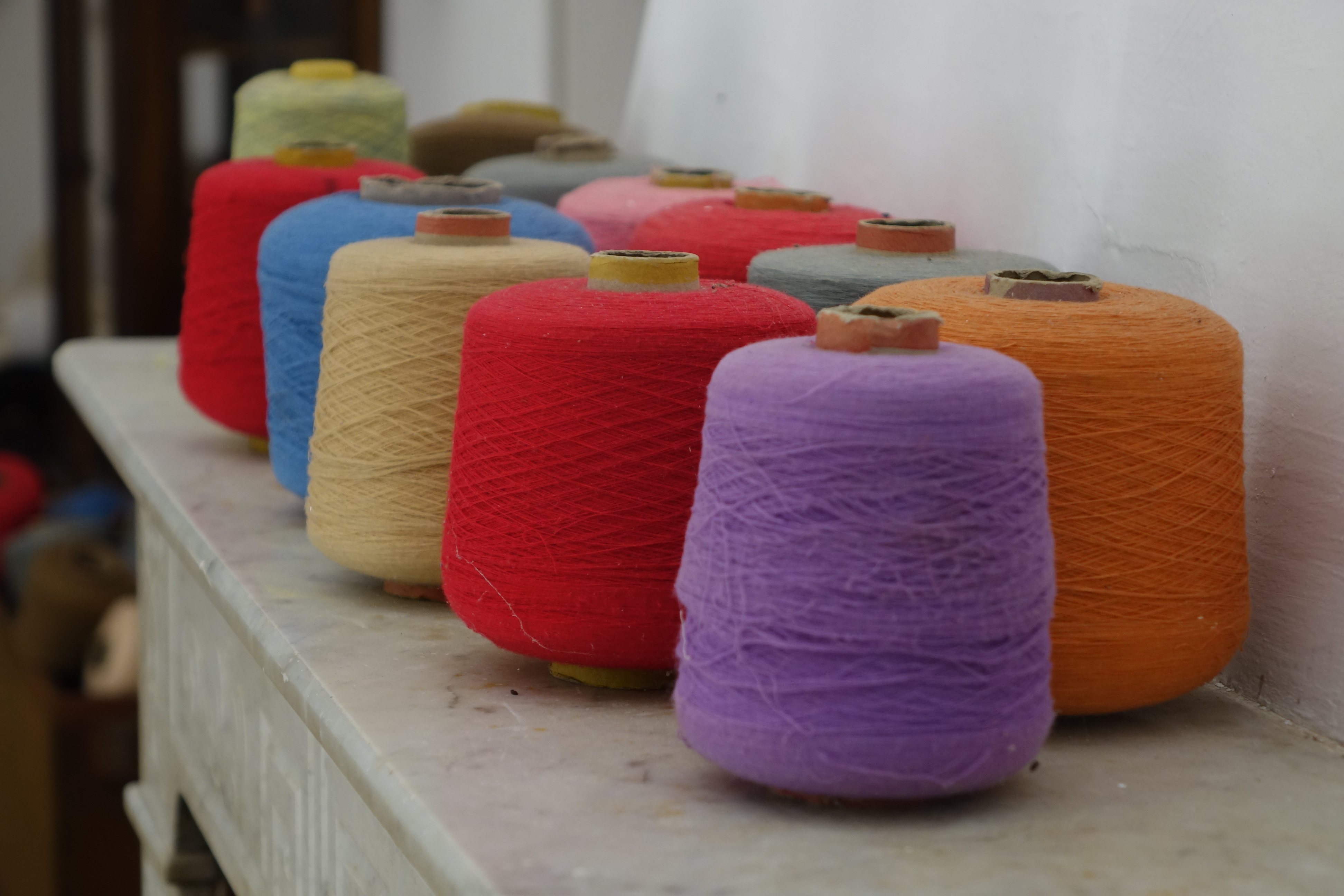
DSC04725 DSC04489 DSC04465 DSC04494 DSC04536 DSC04761 DSC04727 DSC04746

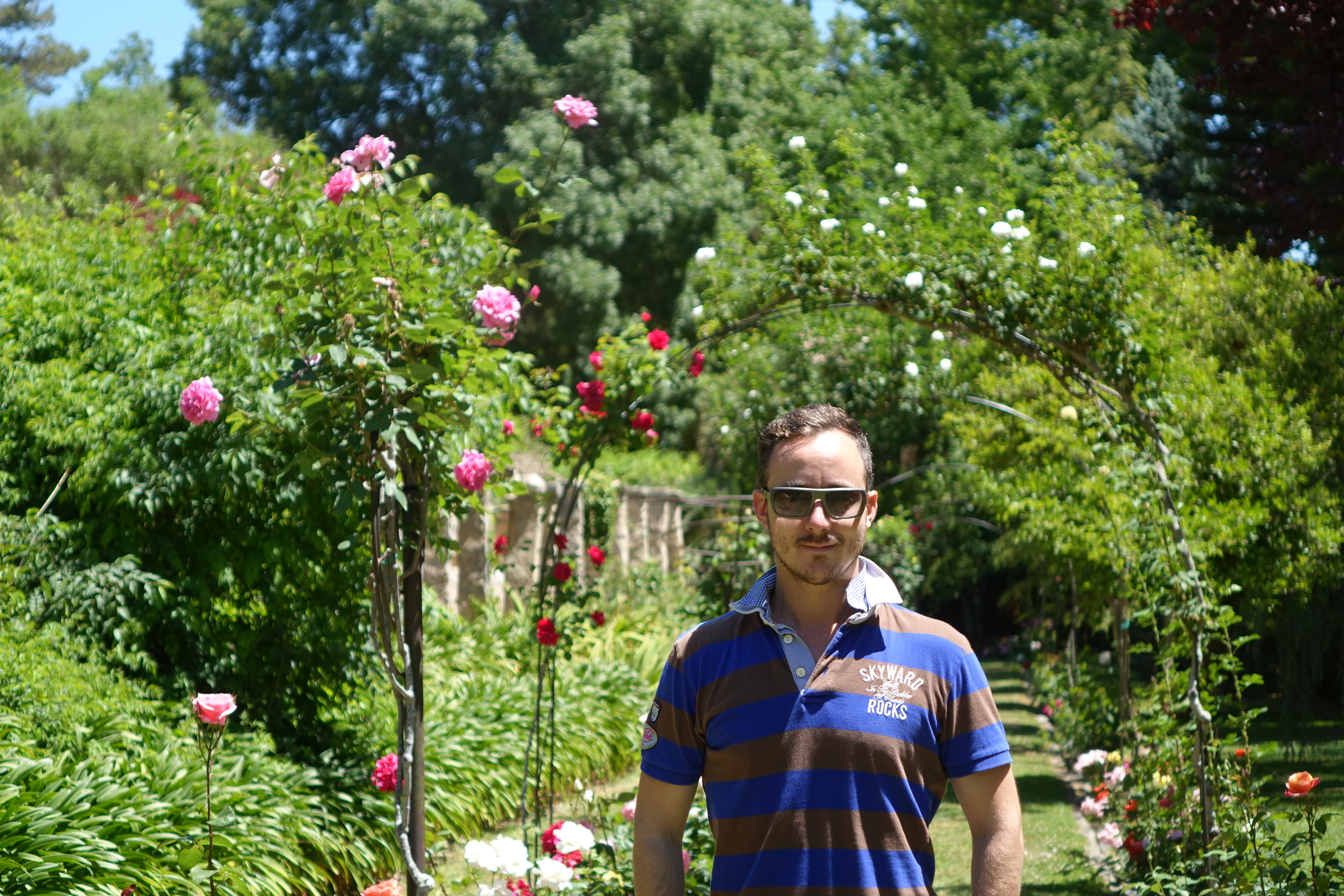
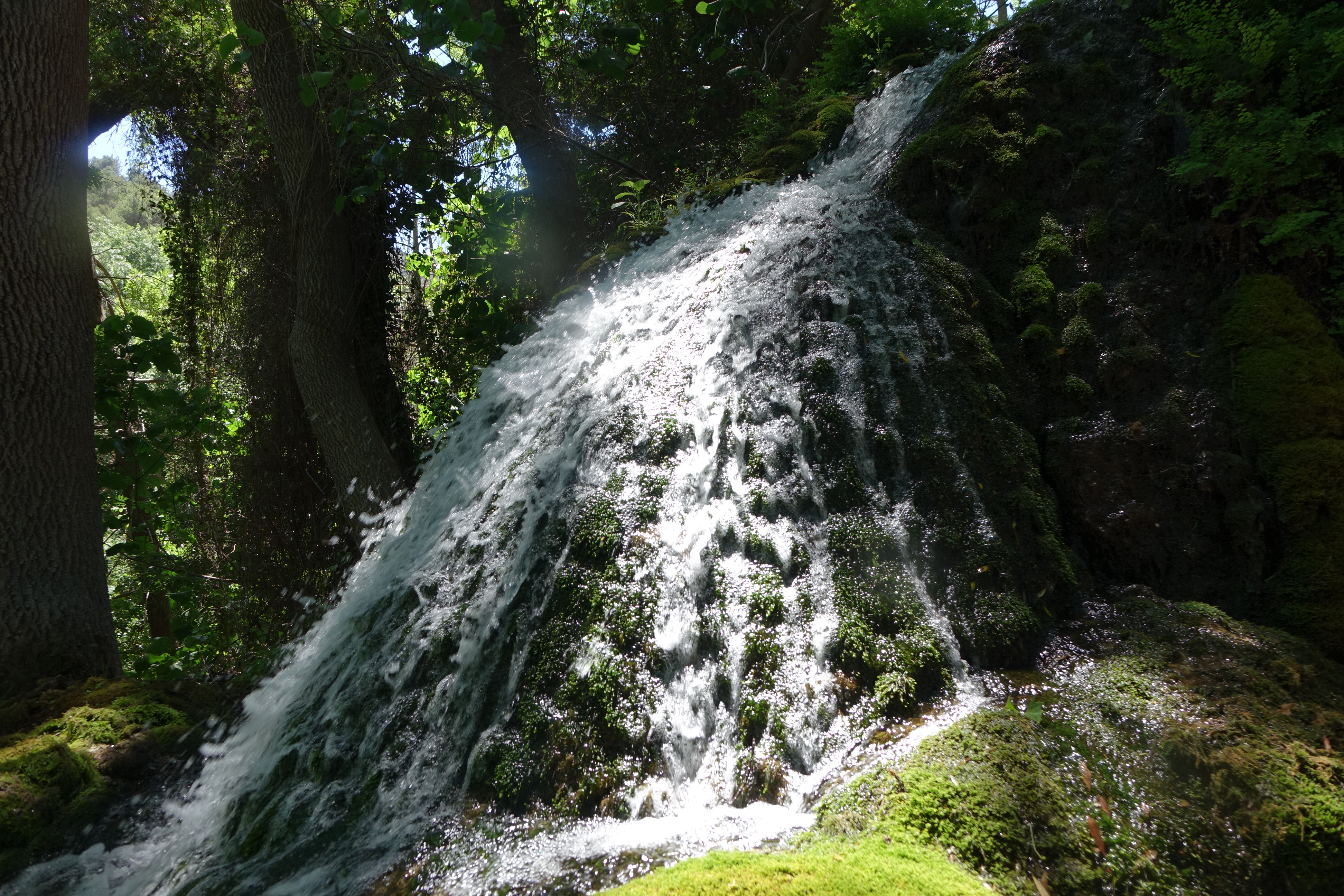
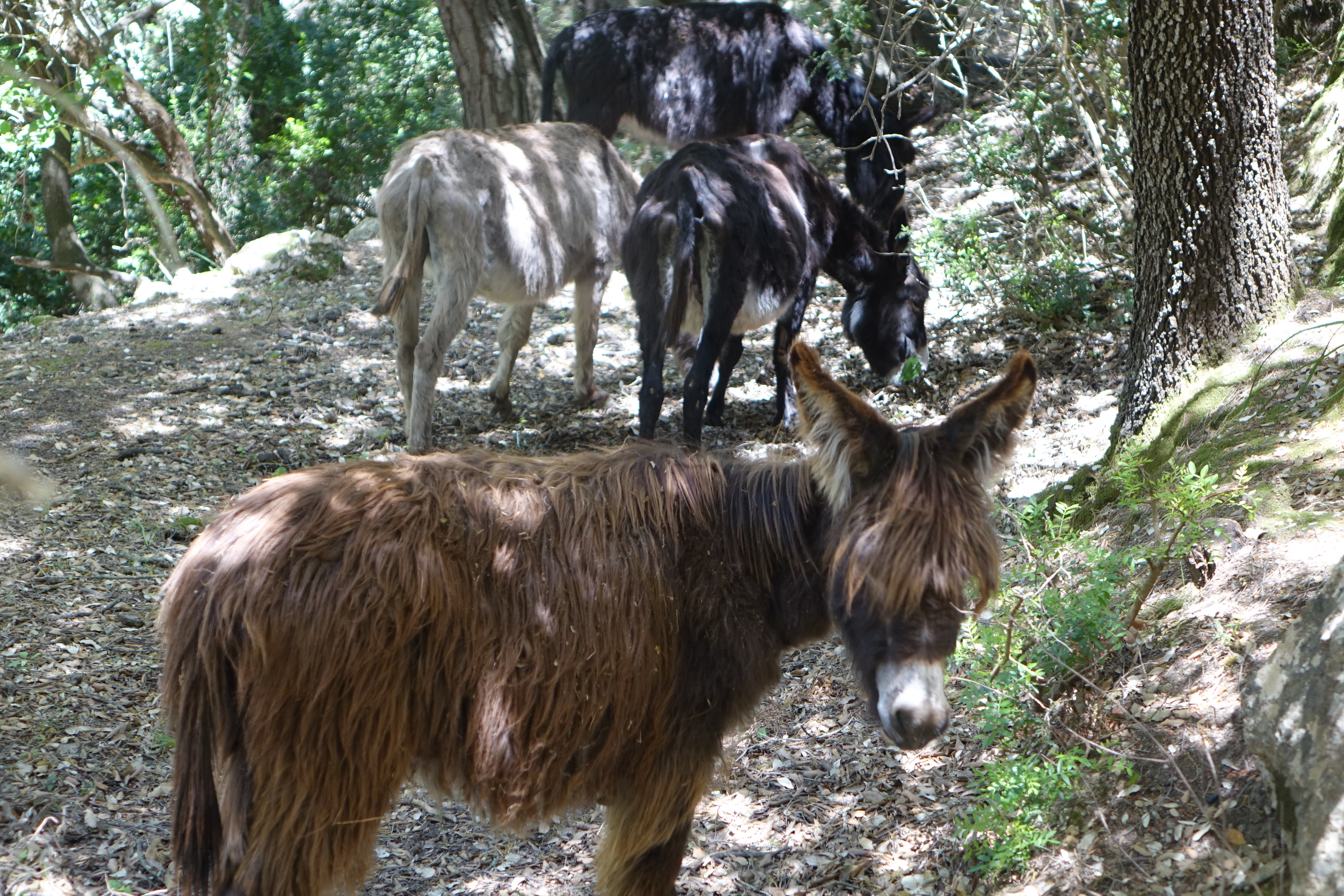
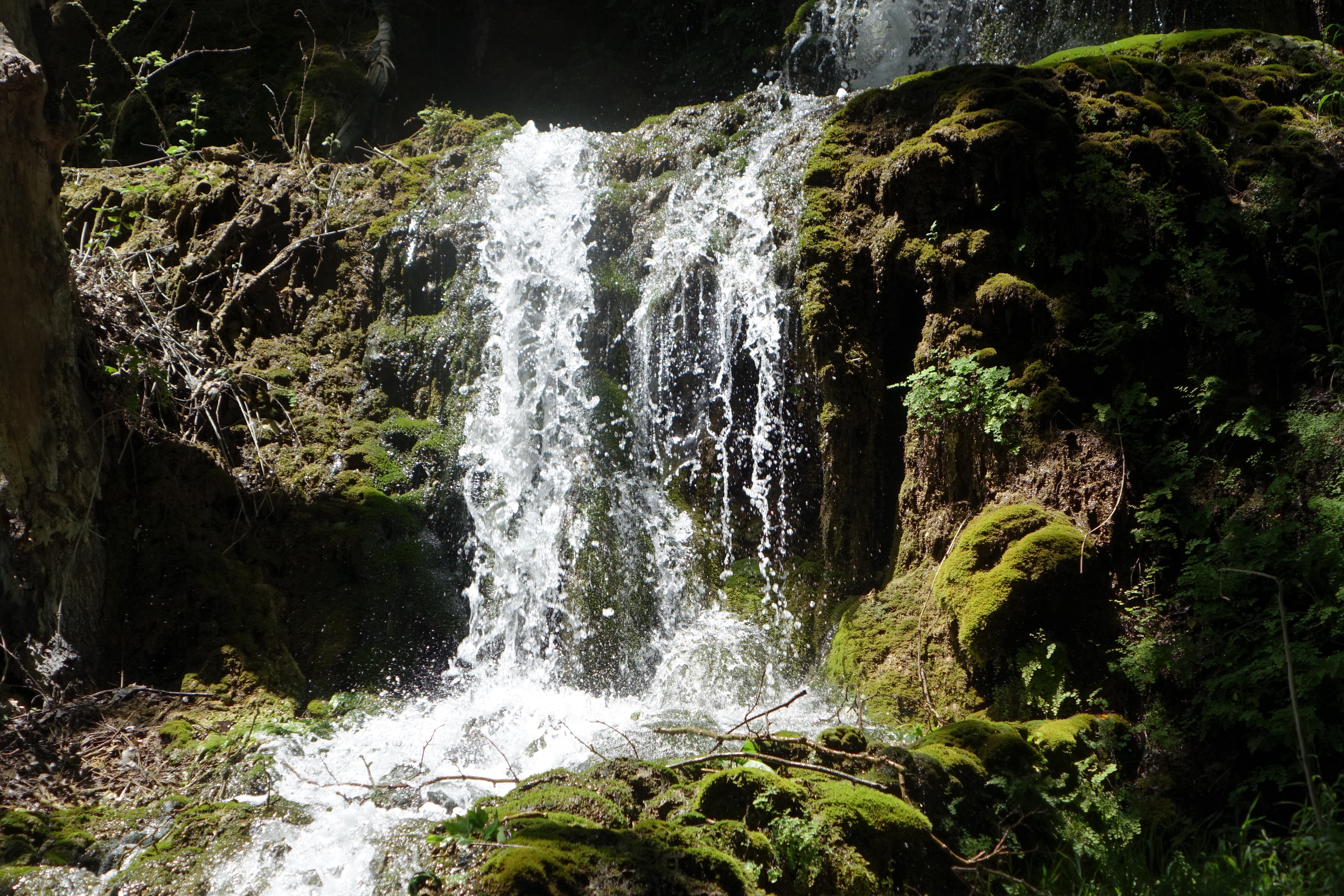
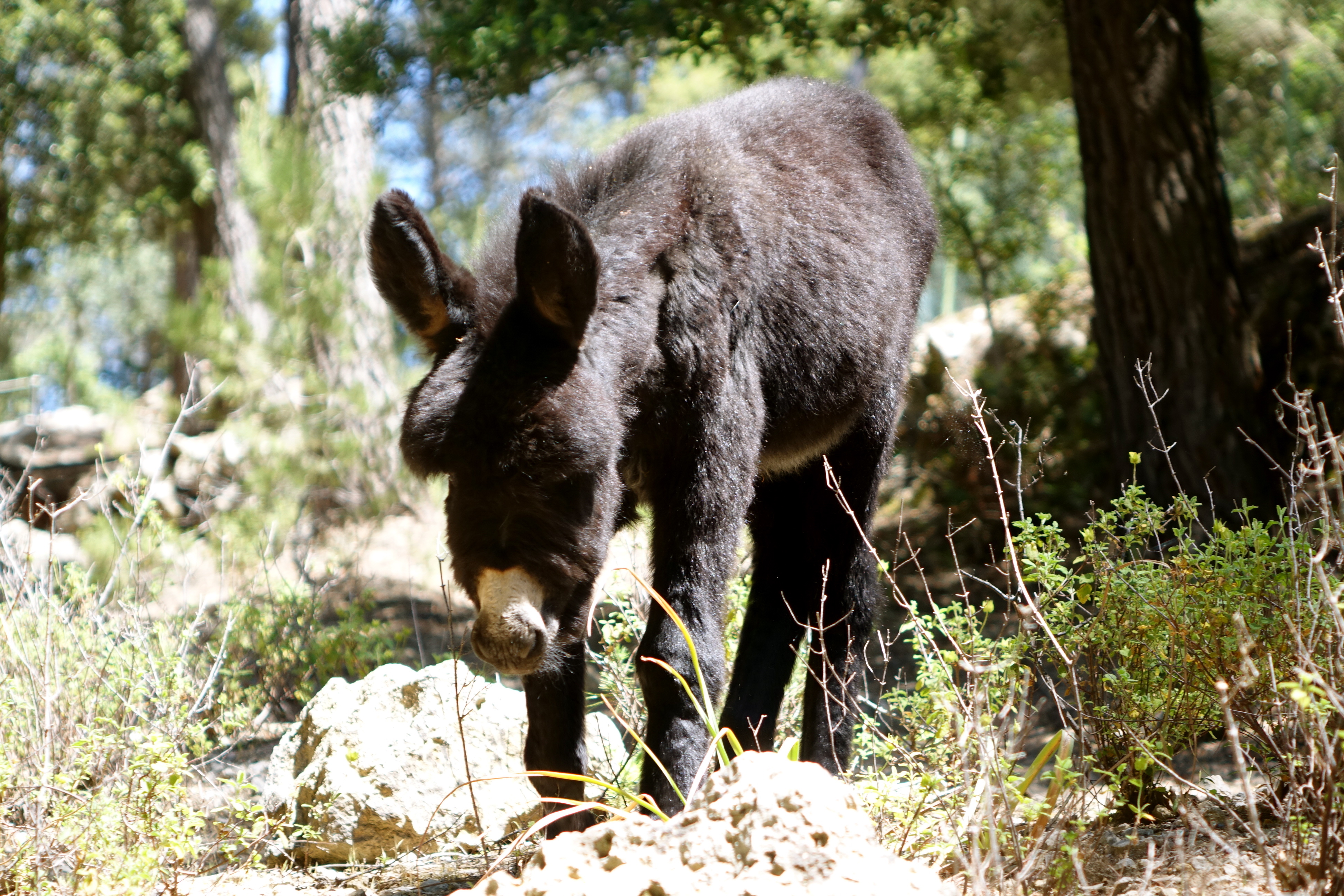
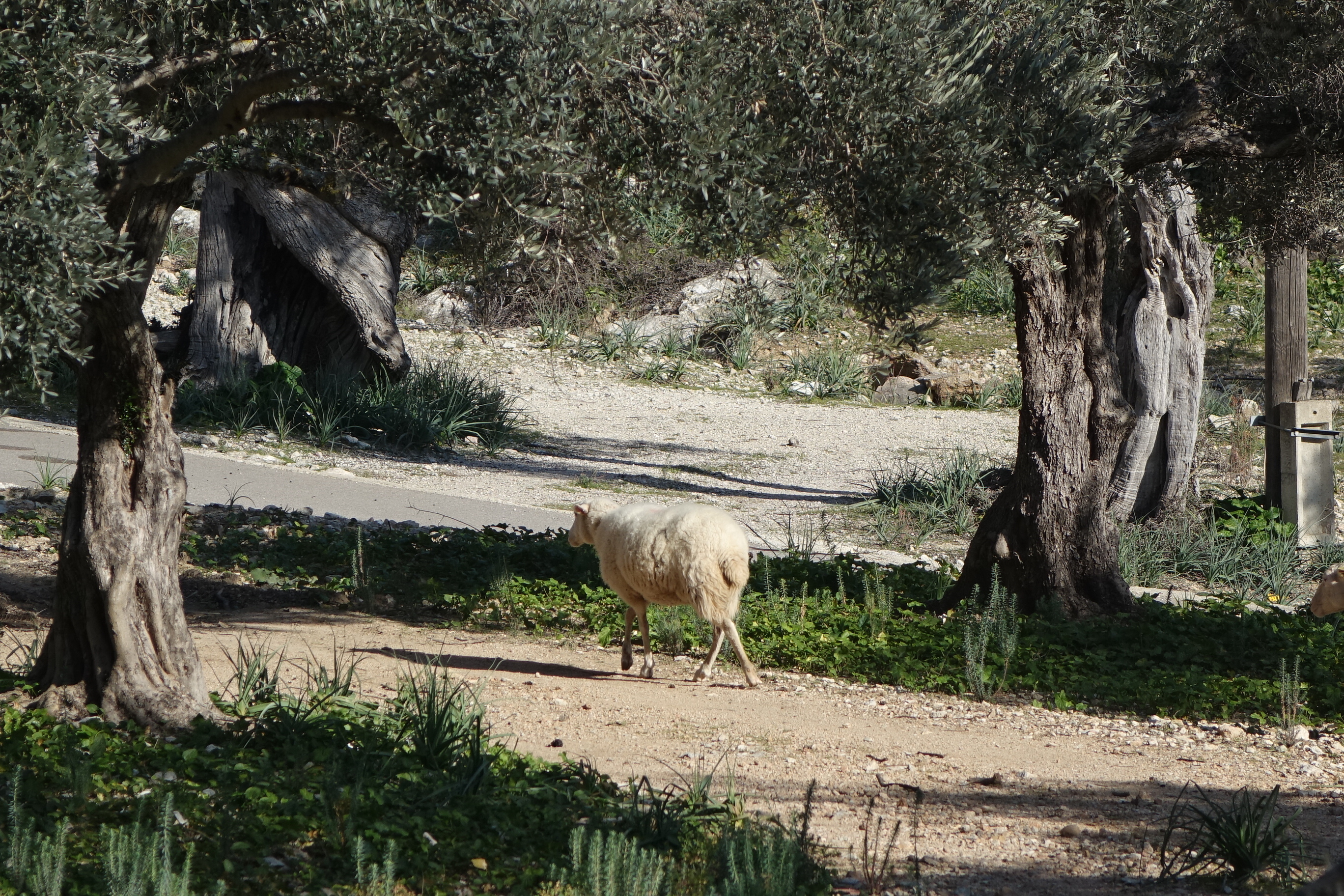
The pure light of reality flooded down upon us as we entered gardens abundant in flowers and larger than life trees. But this was a better kind of reality – a kind of bucolic nirvana in which birds gave out almost tropical sounding calls, and the air was suffused by the fresh dampness given off by a nearby 30metre tall waterfall. Meanwhile beyond this watery masterpiece, sun-dappled forests were enriched with further touches of wonderland, as we encountered baby donkeys asleep under trees, and mountain goats strolling fearlessly across our path. Had we entered paradise?

Freely roaming animals, a vast waterfall and other touches of paradise…
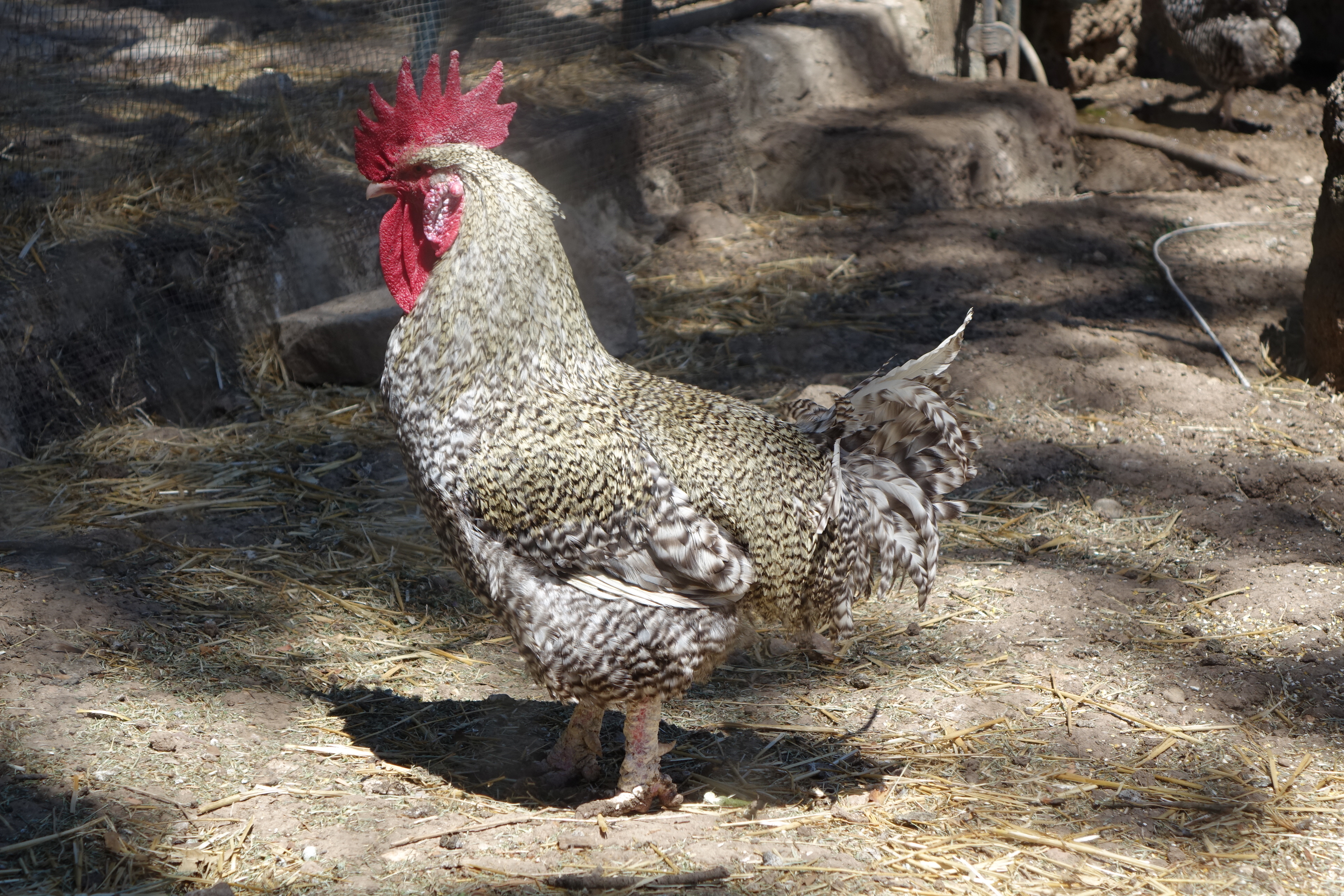
DSC04472 DSC04773 DSC04634 DSC04669 DSC04776 DSC04690 DSC04660 DSC04782 DSC04644 DSC04711

Paradise or otherwise, La Granja is a former lorded estate today owned by the Segui family and opened as a museum in order to promote recognition of traditional Mallorcan crafts and to share the kind of blissful manor house living which was once possible on the island when you had pockets full of money to match. Amongst the natural beauty and a house packed full of history, a horse gala showcasing the incredibly skills of Spanish horses (rearing up on hind legs, trotting to rhythm and so on) rounded off a thoroughly fantastic, much unplanned discovery. Now we are looking forward to the next secret we stumble upon on this ever intriguing island.
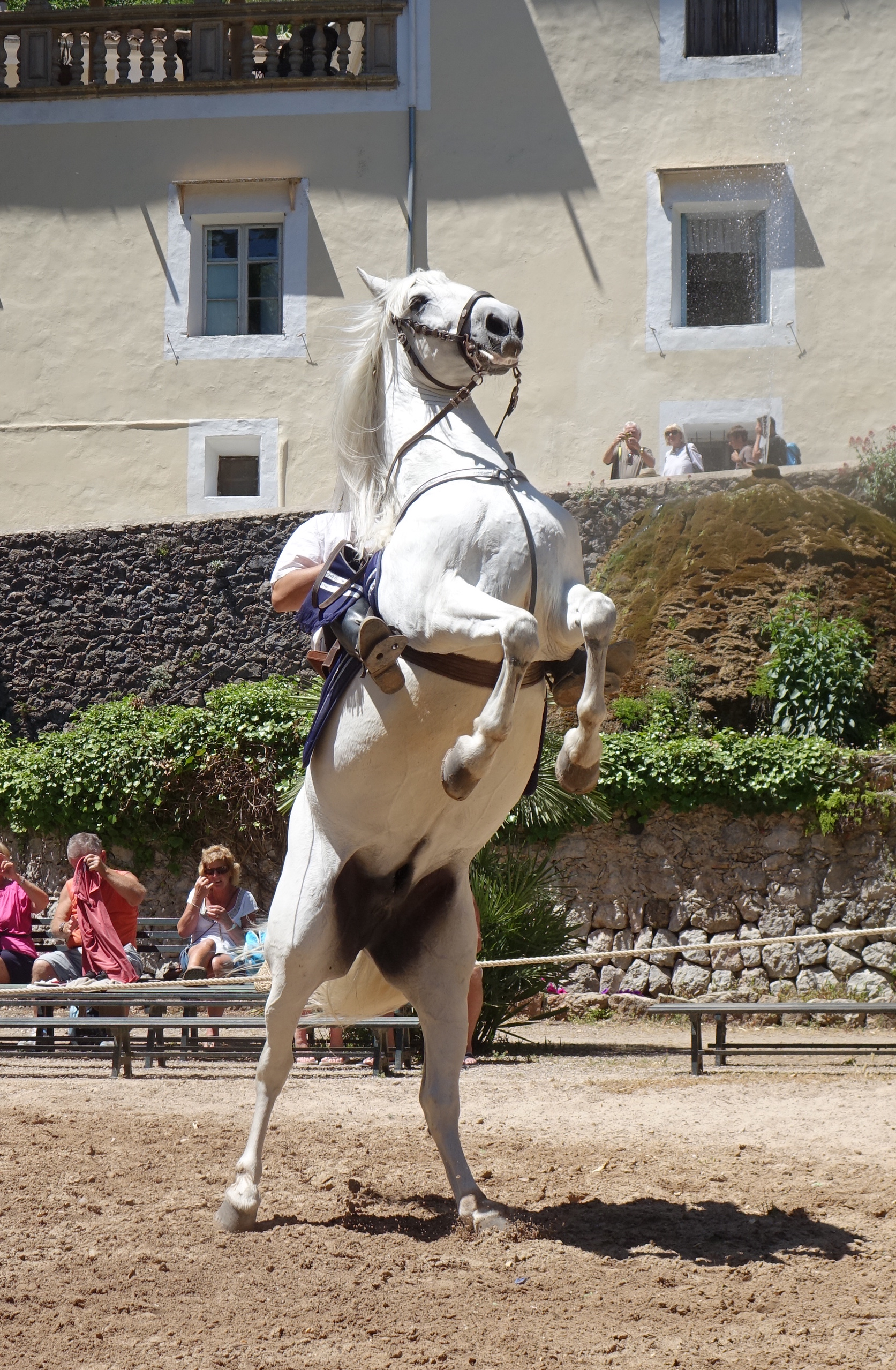
DSC04576

All photos and written content are strictly the copyright of Nicholas de Lacy-Brown © 2015 and The Daily Norm. All rights are reserved. Unauthorized use and/or duplication of the material, whether written work, photography or artwork, included within The Daily Norm without express and written permission from The Daily Norm’s author and/or owner is strictly prohibited.

A homage to the Olive Tree

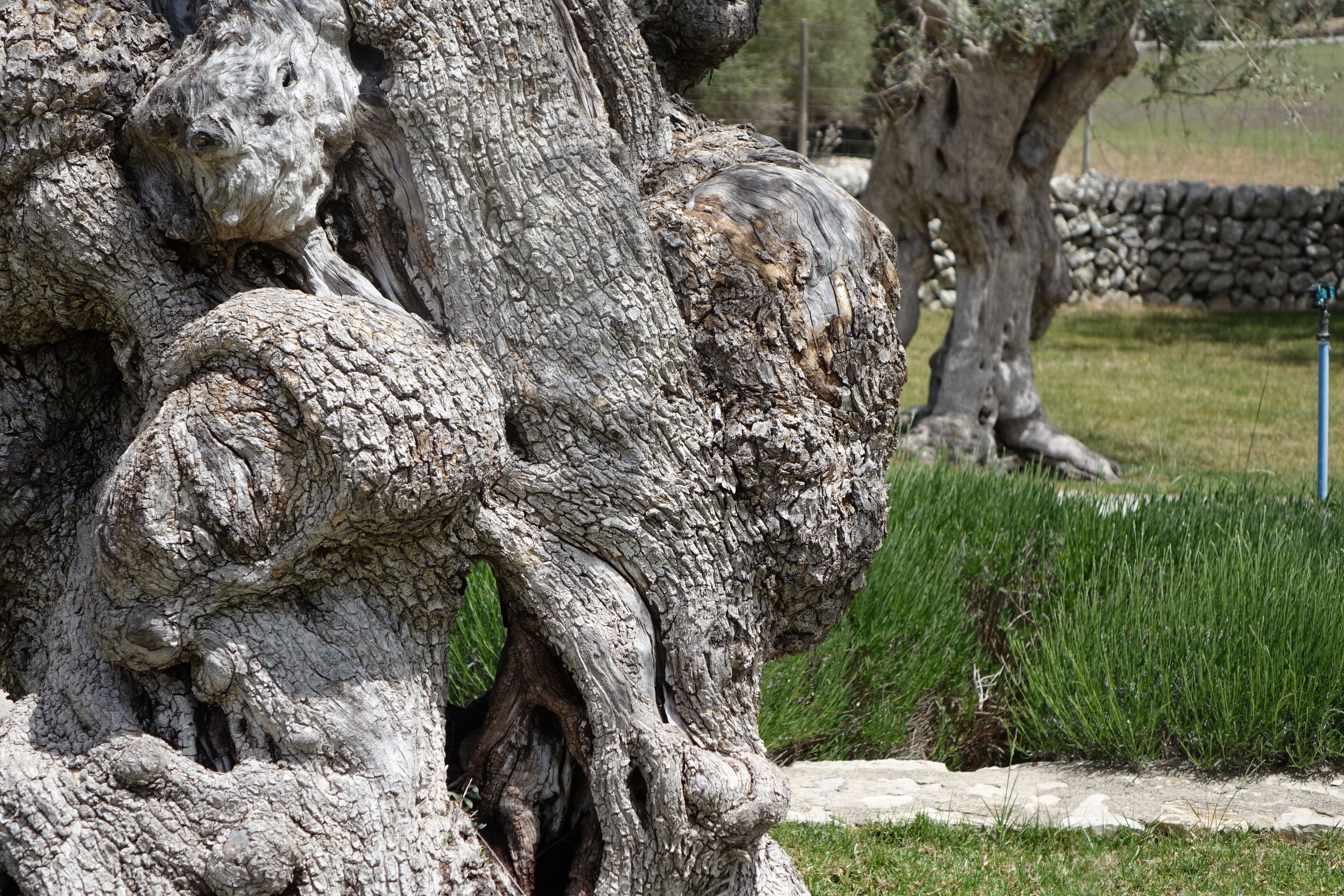
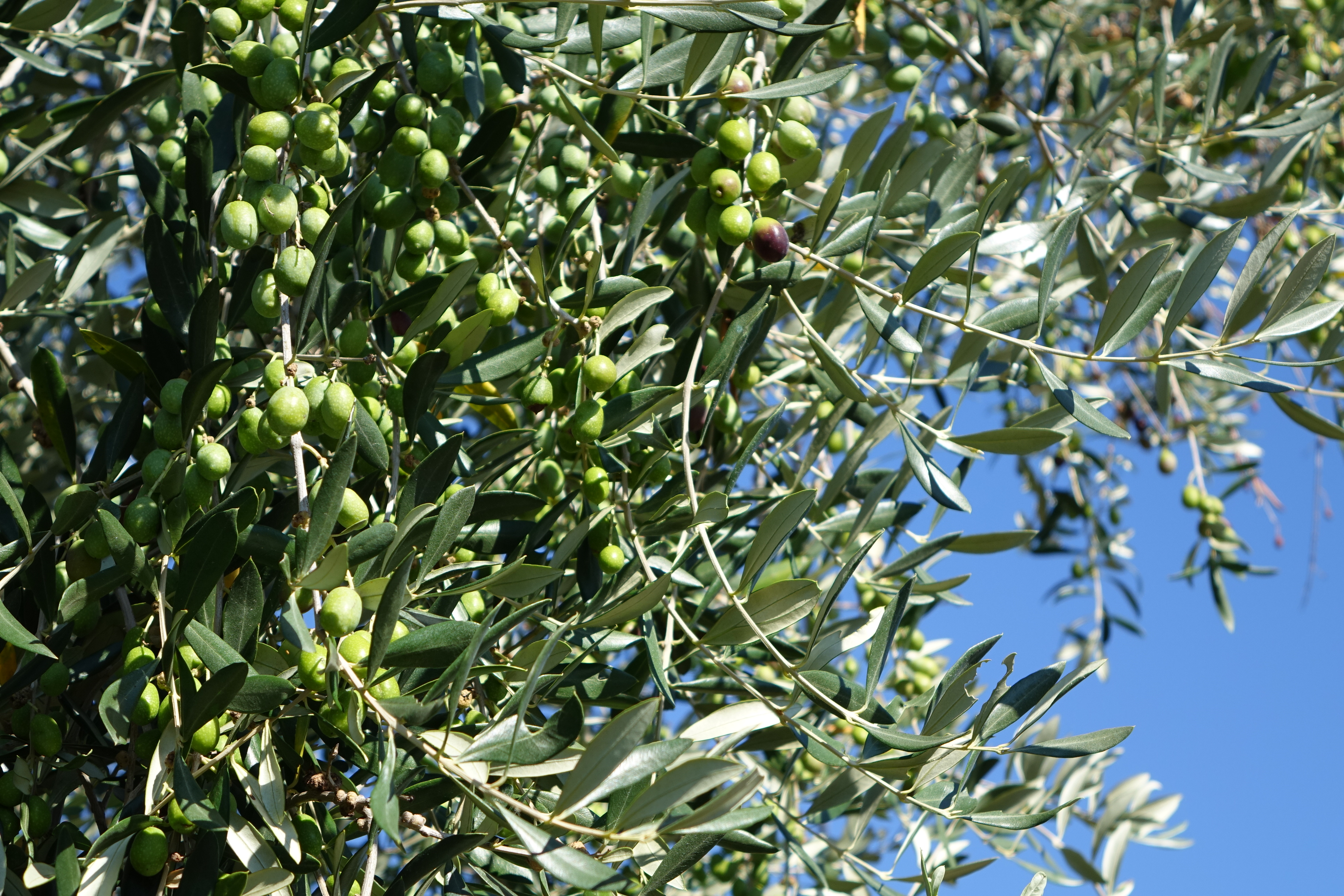
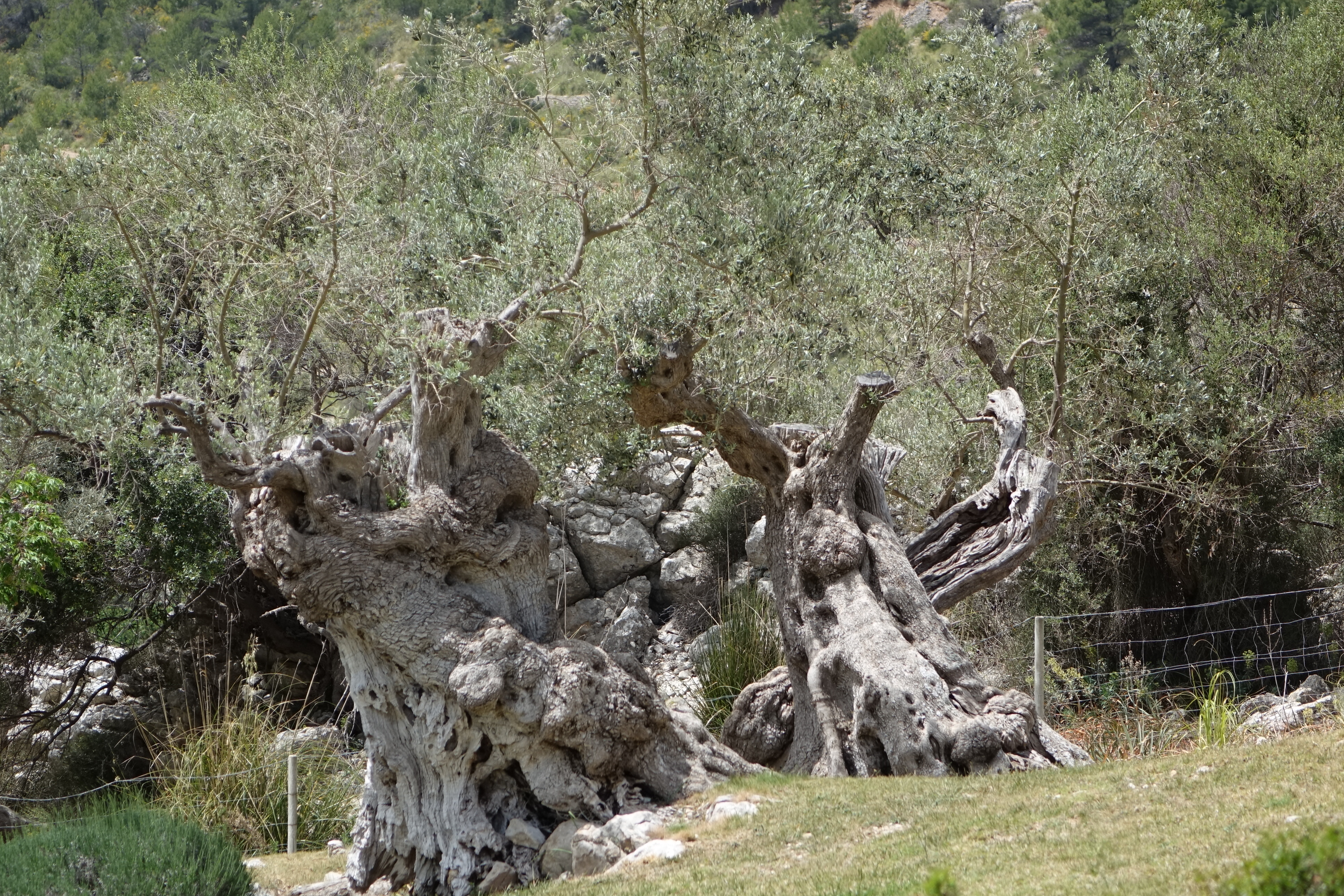
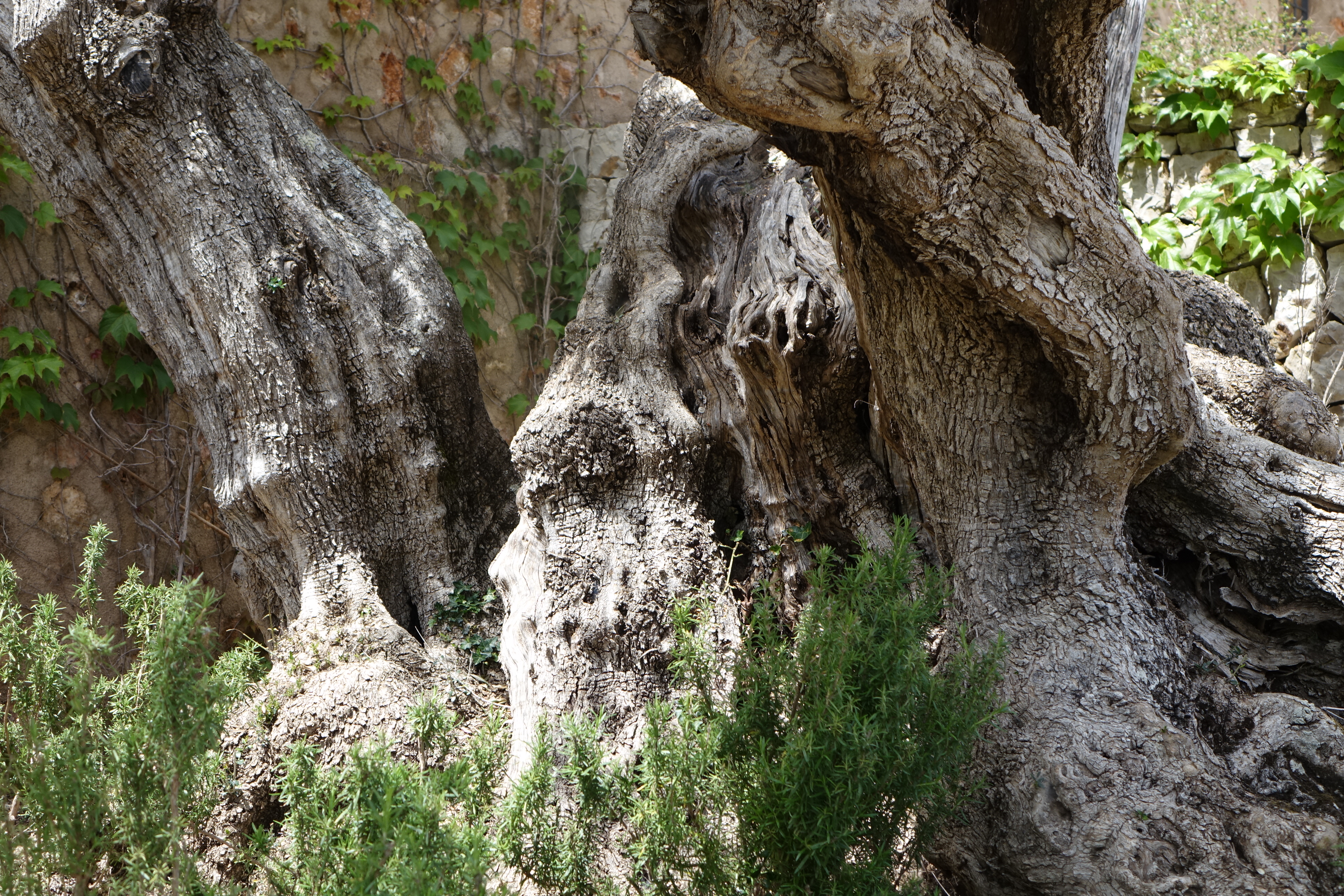
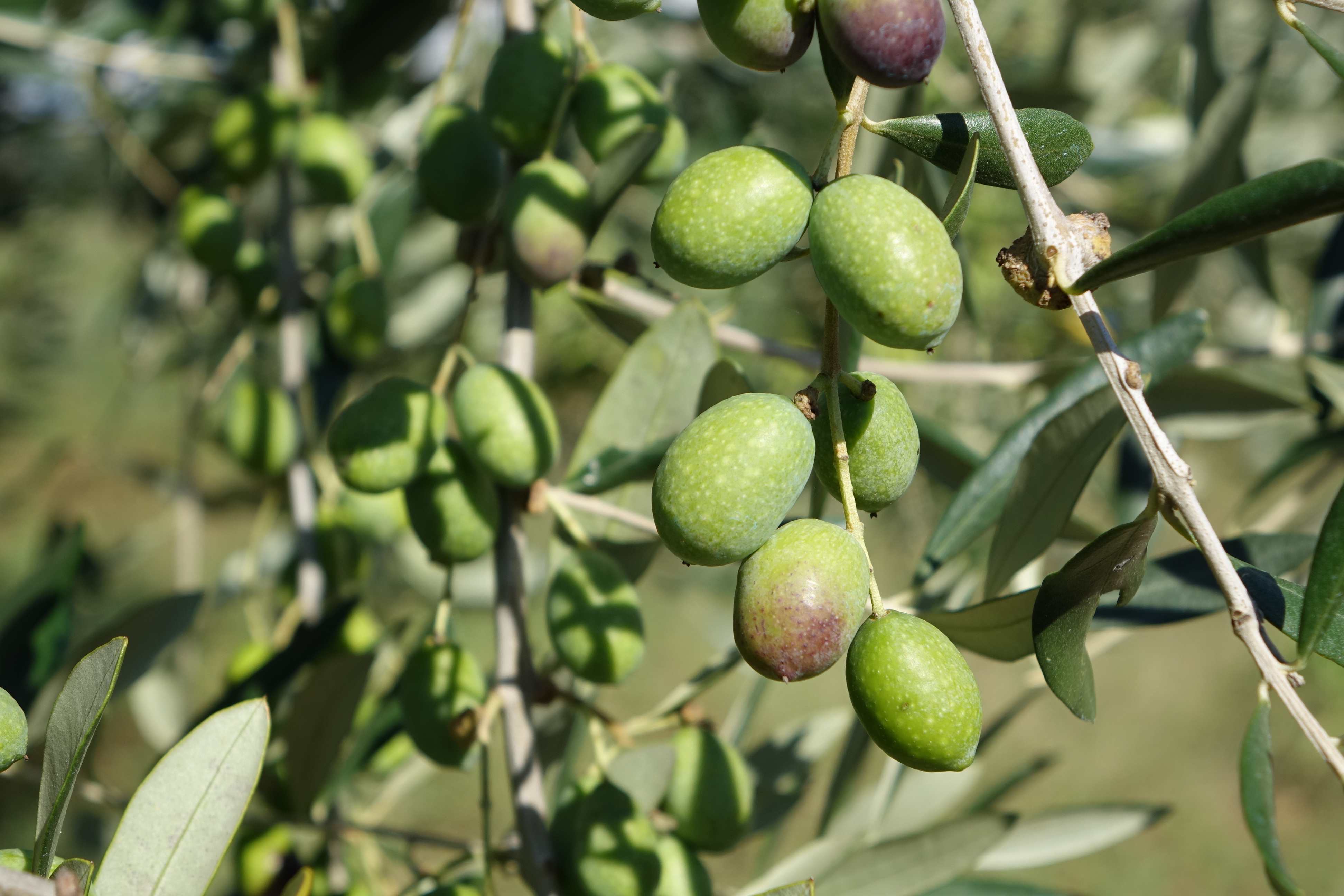
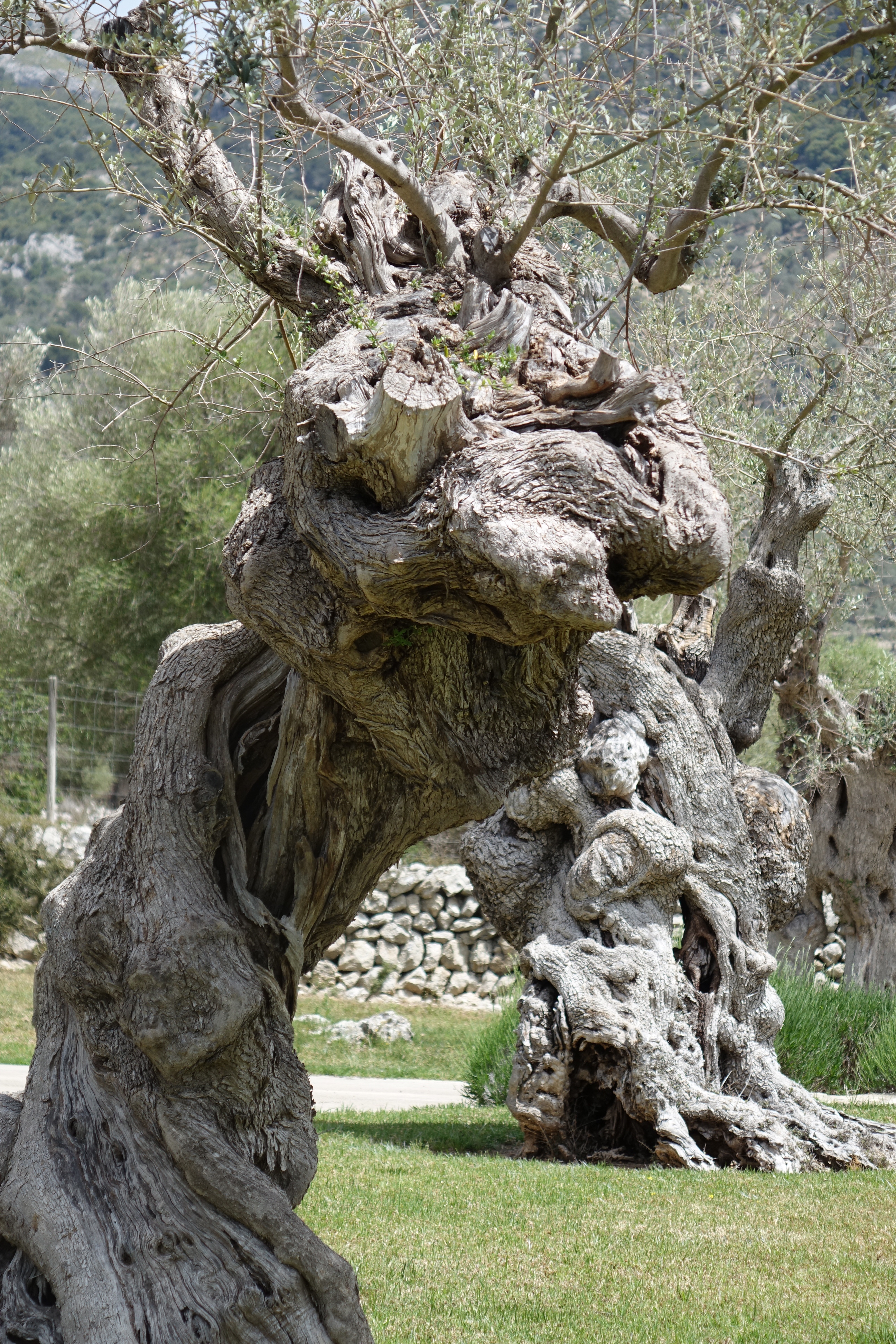
If I were a poet, now would be the time to lapse into a suitably poetical homage to what I consider to be one of the most beautiful trees on the earth: the olive tree. And I should know, for living now on the Mediterranean island of Mallorca, I find myself surrounded by them. And yet poetry has never been my strong point, hard as I might try, but happily I always have my camera, and a photographic homage is surely apt adulation for a tree which is, after all, so visibly magnificent.

DSC08622 DSC04153 DSC04123 DSC04137 DSC04147 DSC04141 DSC08640 DSC05355 DSC04150 DSC04130

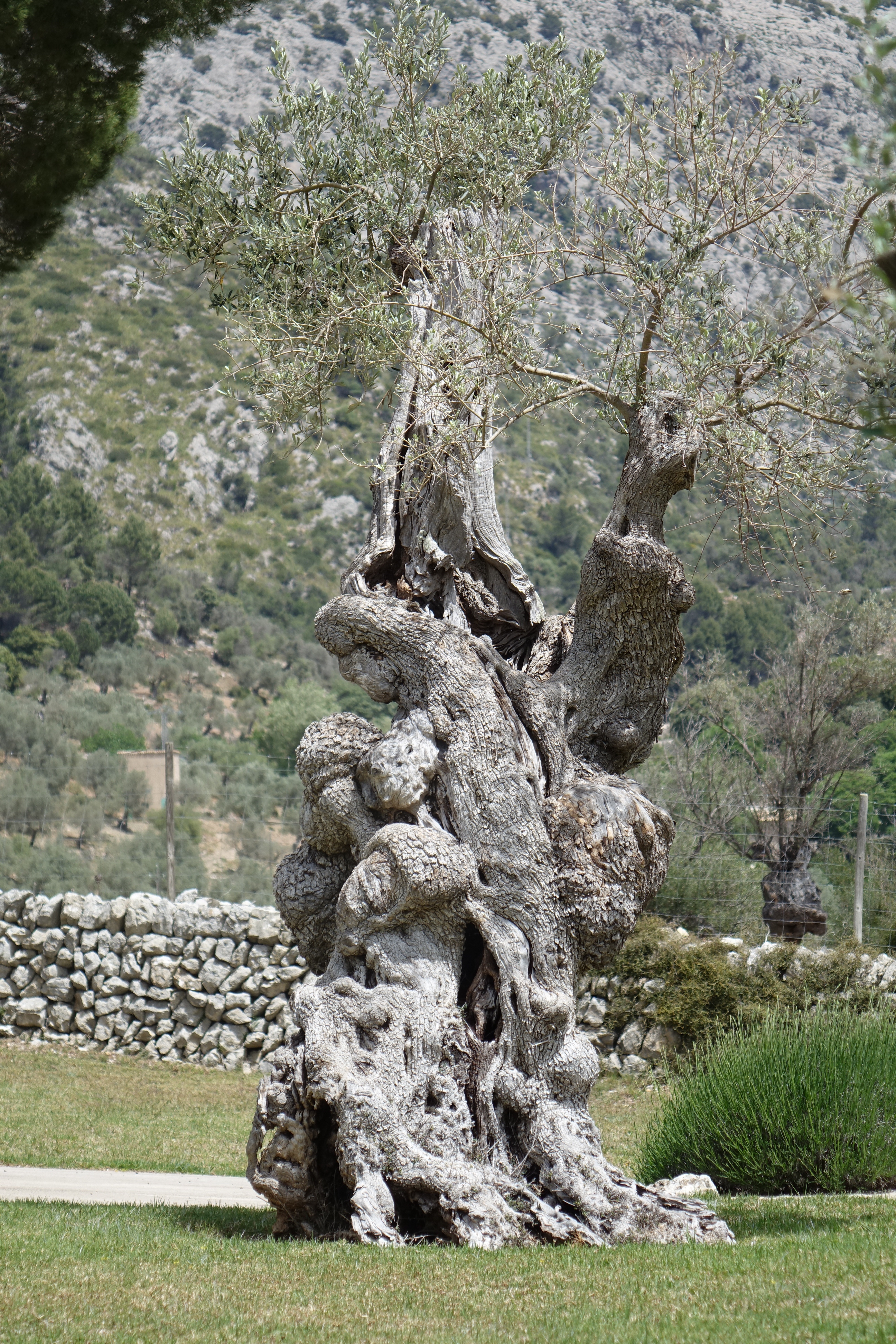
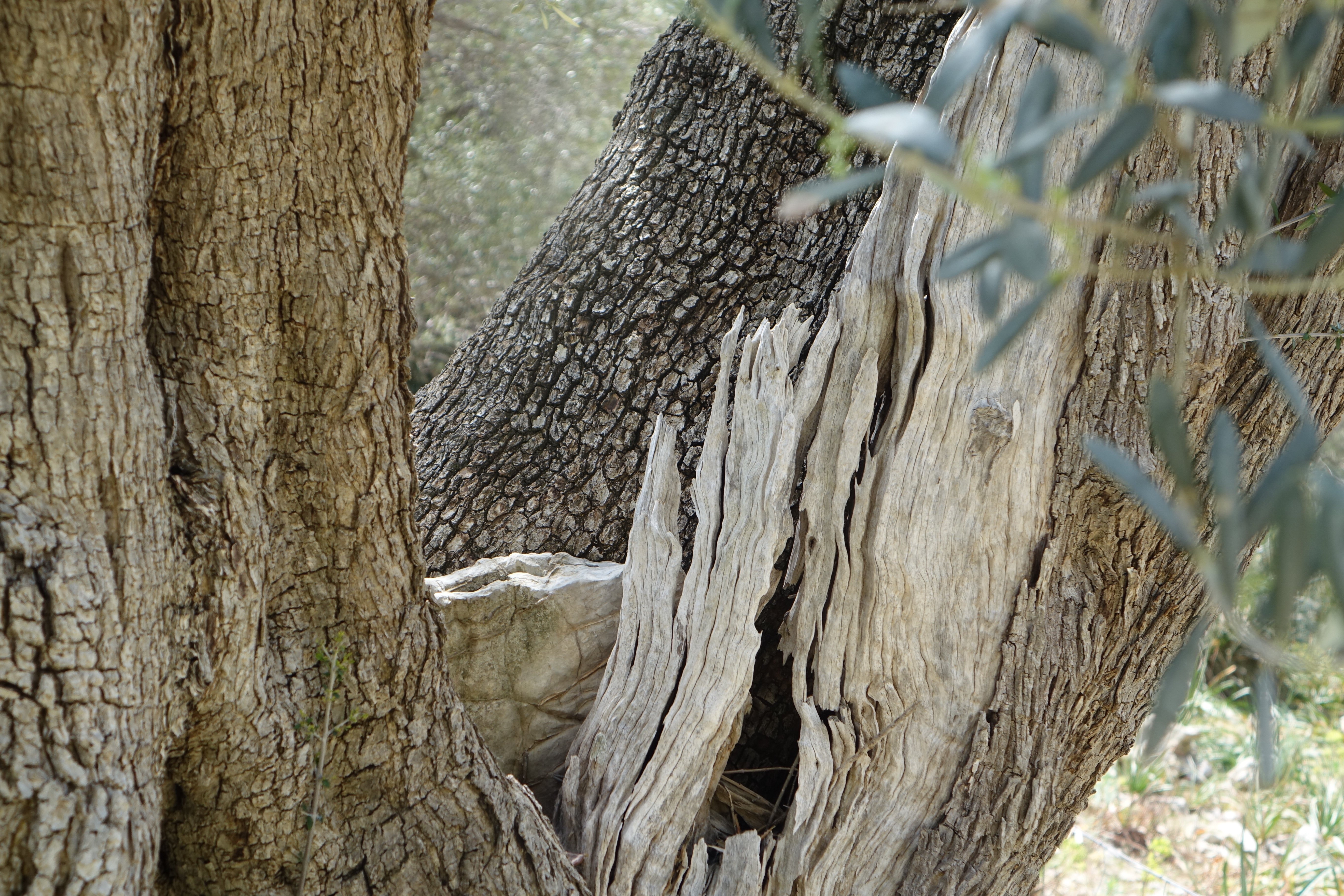
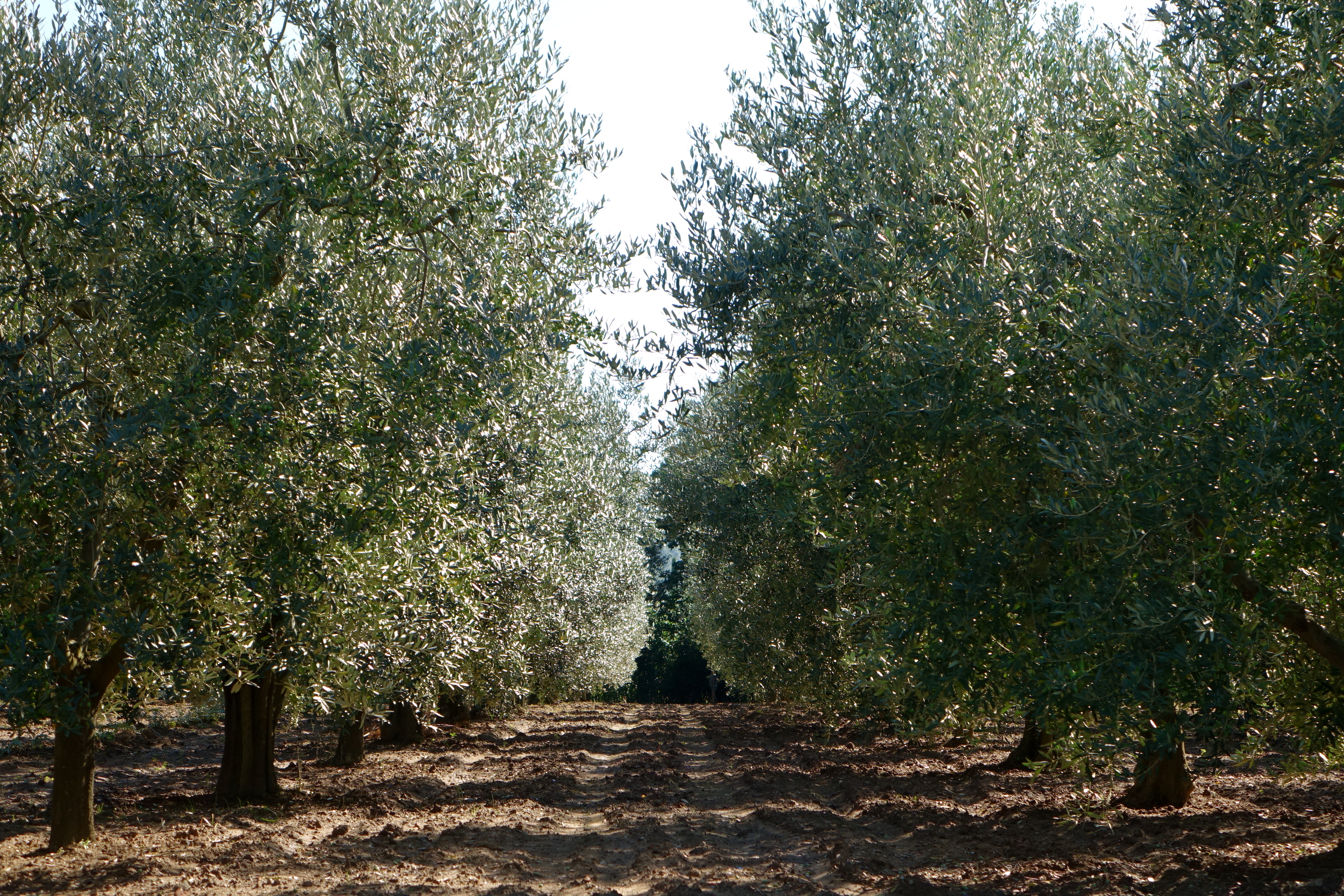
Whether they be young trees cultivated in long lines for the mass production of their oil, or the stunning old trees whose every twist and turn and ancient nook and cranny tells a thousand stories of its longevity on the earth, olive trees are a veritable feast for the eyes. Every tree is so different, and the older they get, the more whimsically sculptural their trunks become – like the creation of the maddest surrealist or the most imaginative fantastical painter. And amongst leaves of near-silver, plump fruit of purple and green, and sometimes even a polished lacquered black are the perfect product of so complex and beautiful a tree.

DSC08617 DSC04138 DSC04157 DSC08626 DSC04139 DSC04142 DSC04161 DSC04122 DSC08951 DSC04144

So with photos taken across Mallorca, this is my homage to the olive tree.

All photos and written content are strictly the copyright of Nicholas de Lacy-Brown © 2015 and The Daily Norm. All rights are reserved. Unauthorized use and/or duplication of the material, whether written work, photography or artwork, included within The Daily Norm without express and written permission from The Daily Norm’s author and/or owner is strictly prohibited.
The Marbella Terrace Project – Part 1: the Mural

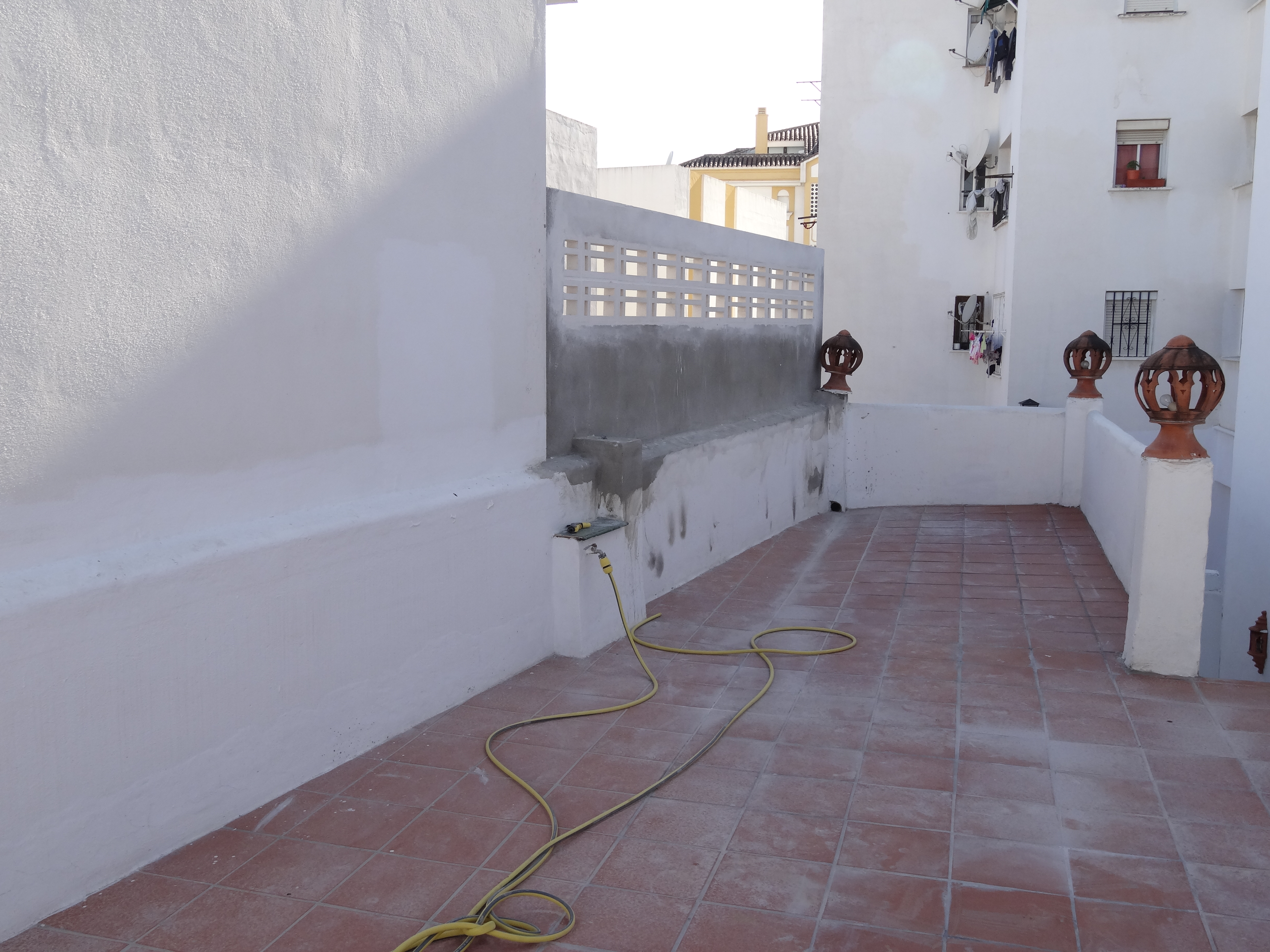
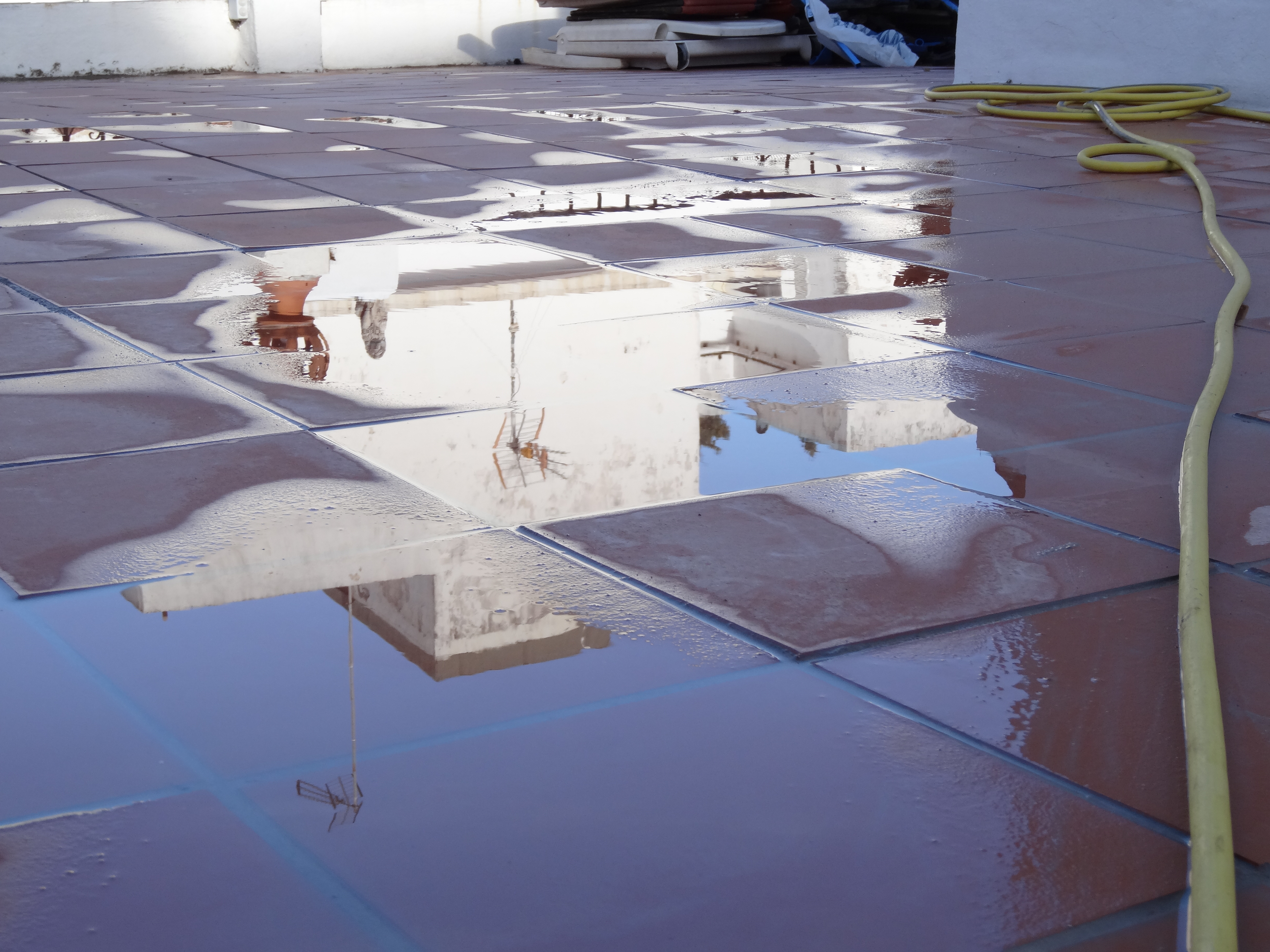
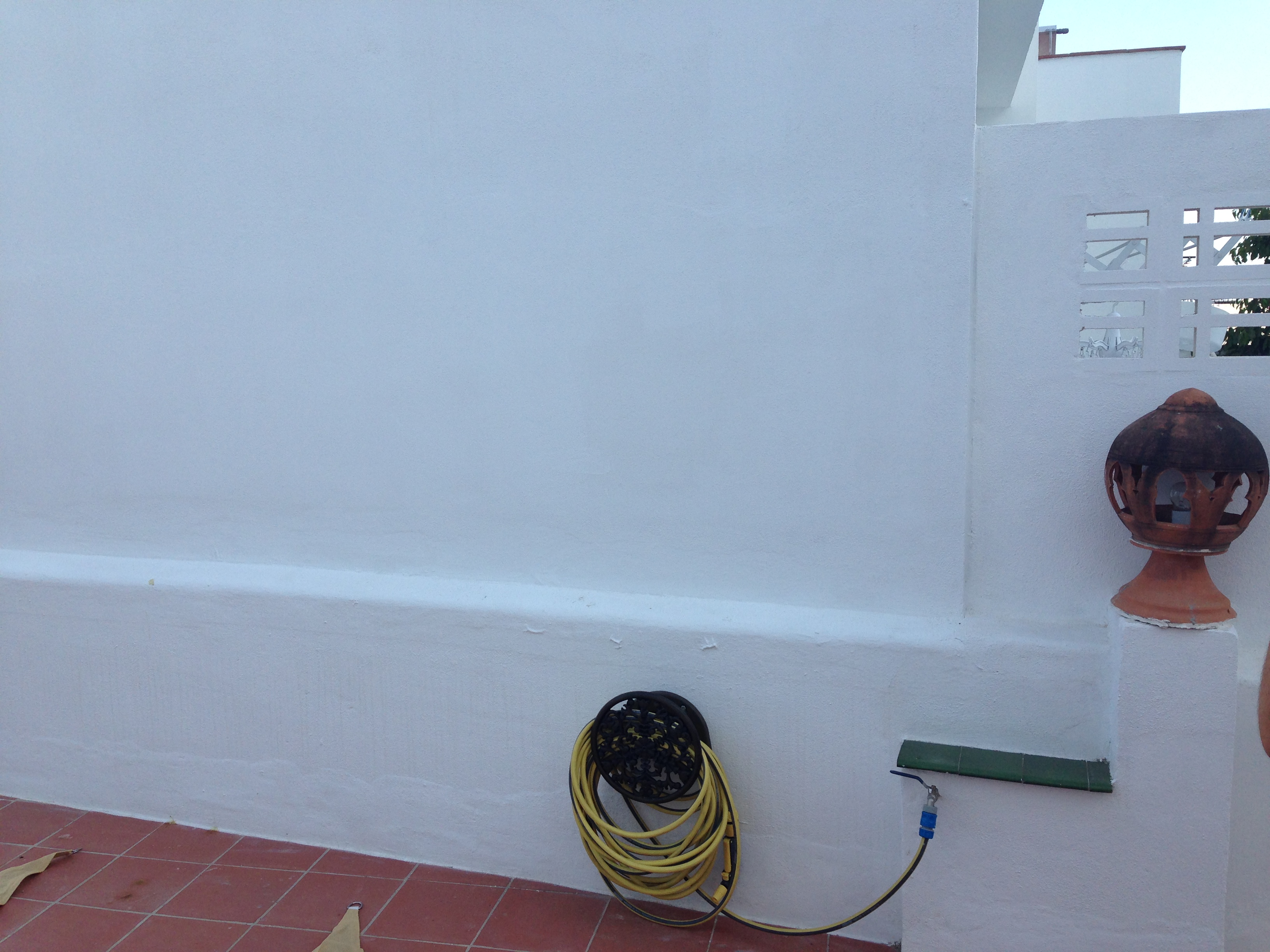
There is nothing quite so sad as seeing a favourite area of a house or garden ravaged, ruined and fallen into disuse. Which is exactly what happened over the last few years to my family’s roof terrace in our town house in Marbella, Spain. Having been at the heart of so many holidays, our roof terrace, once a prime attraction of our house with views across Marbella towards the sea, had become the victim of our neighbours’ renovations and reconstructions, first when the house two doors down was demolished and rebuilt, and then when the house immediately next door was rebuilt likewise, and a new large wall constructed right next to our terrace. What with the continuous process of construction rendering our terrace unusable for years, as well as the direct impact those works had on our terrace floor, its walls and every other surface, our terrace fell into disrepair and disuse. Finally last summer, the construction works ceased, our terrace received its first lick of white paint, and I decided to do something to make it habitable again.

Our terrace in a state of disuse and disrepair

DSC00405 DSC00402 DSC00408 IMG_9315

On tomorrow’s blog, you will see how our terrace went from virtual builders’ site to lavish sun-soaked spectacle, but for today I am concentrating on what is undoubtedly the central focus of my new terrace design. A wall mural. Having been deeply inspired by the simplicity of form and joyful mediterranean colours used by Matisse in his cut-outs which I saw at Tate Modern’s brilliant Matisse show a few months back, I wanted to create a mural which was characterised by the same simple forms of Matisse’s works (not least because they will be easy to touch up if weather exposure damages the mural at a later date), but which also features my own trademark essence of playful surrealism.

Painting my mural

IMG_9420

This slideshow requires JavaScript.

The result is an image which combines a simplistic seashore landscape with Matisse’s famous algae forms, geometric design, a limited colour palette of blue and terracotta, and the energetic depiction of those dancing algae appearing to burst out of a large conch shell until they morph into a burning red sun.

Considering the size of this image (some 2 metres in dimension both ways), the fact that it was painted directly onto a rough concrete wall, and made at height, much of the time painted from an uncomfortable ladder, I am delighted with how this image turned out. Fresh, contemporary yet fun, it turns a blank stark wall into a feature of the terrace and matches perfectly with the painted accessories which complete the design – but more on them tomorrow. For now I leave you with photos of how the mural developed, and a finished look at the mural itself.

The finished mural

DSC06210

All photos and written content are strictly the copyright of Nicholas de Lacy-Brown © 2014 and The Daily Norm. All rights are reserved. Unauthorized use and/or duplication of the material, whether written work, photography or artwork, included within The Daily Norm without express and written permission from The Daily Norm’s author and/or owner is strictly prohibited.
The Daily Norm Photo of the Week: Corked Ladybird

Some animals in this world are so perfectly beautiful that one can only assume that an artist was at play that week that the world was created. Stripy zebras, haphazardly spotted dalmatians, elegantly aesthetic peacocks, rich blood orange butterflies and multicoloured parrots – all bear the hallmark of the creative touch; a natural beauty worthy of the Paris catwalks rather than an African pasture or worse, a cage.

Symmetrical beauty, coupled with rich contrasting colours are two things that nature does best, no more so than in the ladybird, surely the most beautiful insect of the lot. For in its black and red spotted back, the ladybird recalls both the joyful dance of a flamenco polka, while exuding the contemporary style of a fine sports car or high gloss handbag. It is this innate beauty, and the feeling that these creatures somehow represent luckyness, that I have always been attracted to ladybirds, finding that their appearance somehow enhances my life, no matter how short the duration of our encounter.

Photo of week

One such discovery is captured on my Daily Norm photo of the week today, an instance which occurred in the Chelsea Physic garden upon the spongey bark of an old cork tree. The resulting photo is a fusion not just of the spotted retro ladybird, but also of the rippling irregular forms of the cork around it. Another wonder of nature, and one that is growing rarer by the day. Surely it’s worth settling for a screw cap wine bottle when this beautiful tree is saved as a result?

All photos and written content are strictly the copyright of Nicholas de Lacy-Brown © 2014 and The Daily Norm. All rights are reserved. Unauthorized use and/or duplication of the material, whether written work, photography or artwork, included within The Daily Norm without express and written permission from The Daily Norm’s author and/or owner is strictly prohibited.

Positano & beyond | Ravello

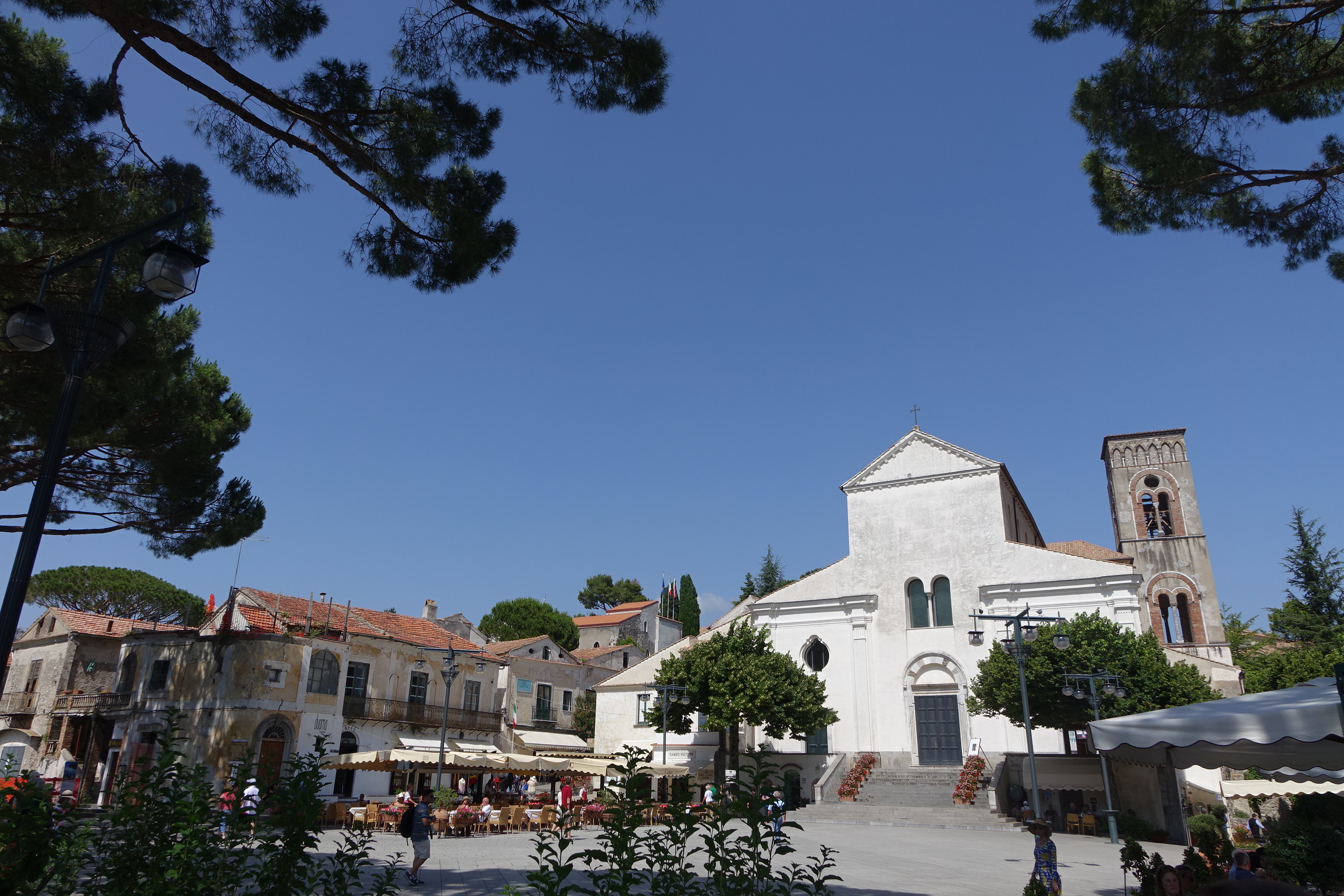
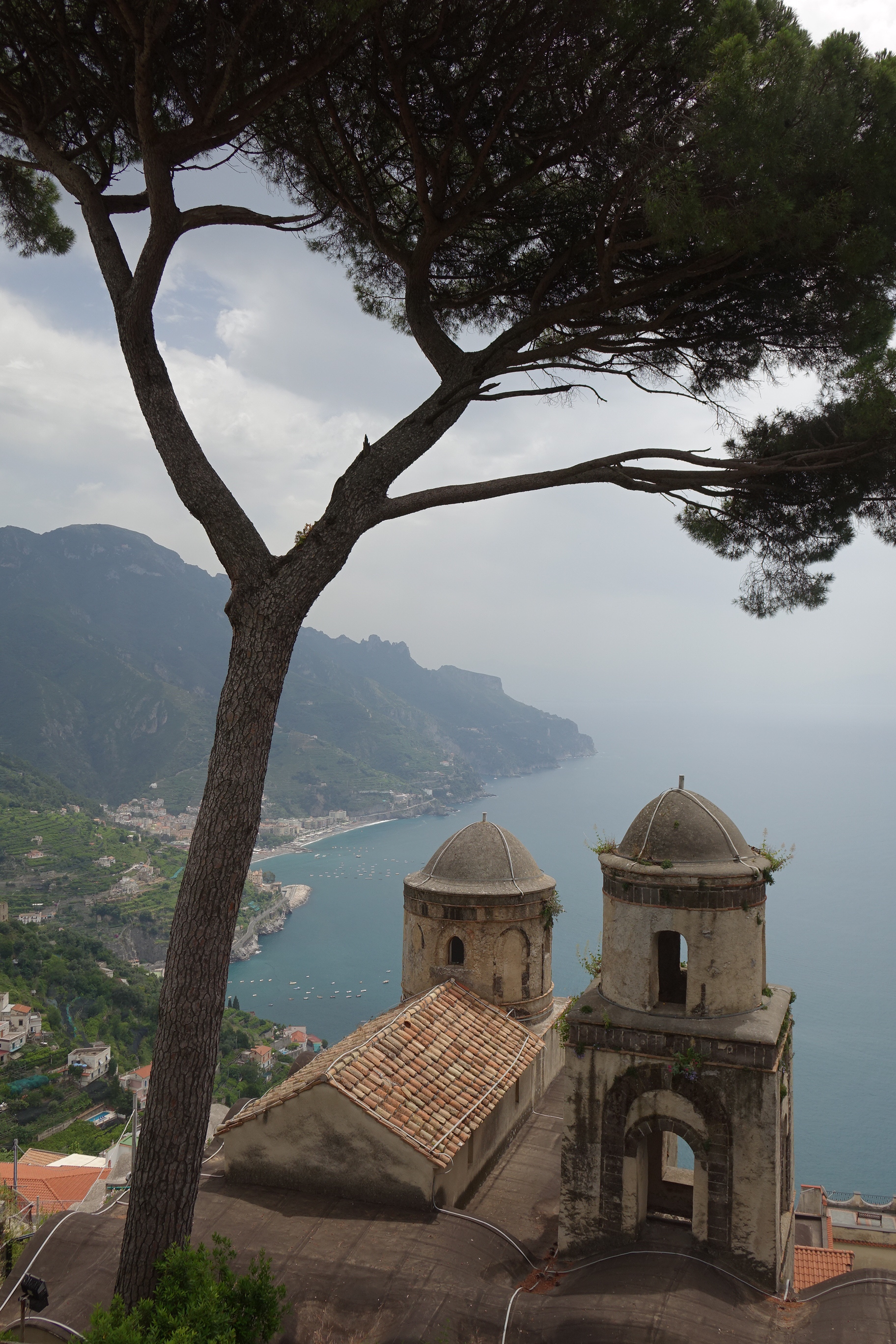
It would have been sinful to take the 45 minute long boat journey all the way from Positano to Amalfi only to miss the real jewel of the Amalfi Coast to be found a mere 5km behind the town. Containing some of the most luxurious of the coast’s hotels, playing host to a string of celebrities past and present from DH Lawrence and Humphrey Bogart, to Salvador Dali and Leonardo DiCaprio, and boasting its own internationally renowned arts festival extending from June until the early Autumn each year, the town of Ravello is an unmissable high point of the Amalfi experience.

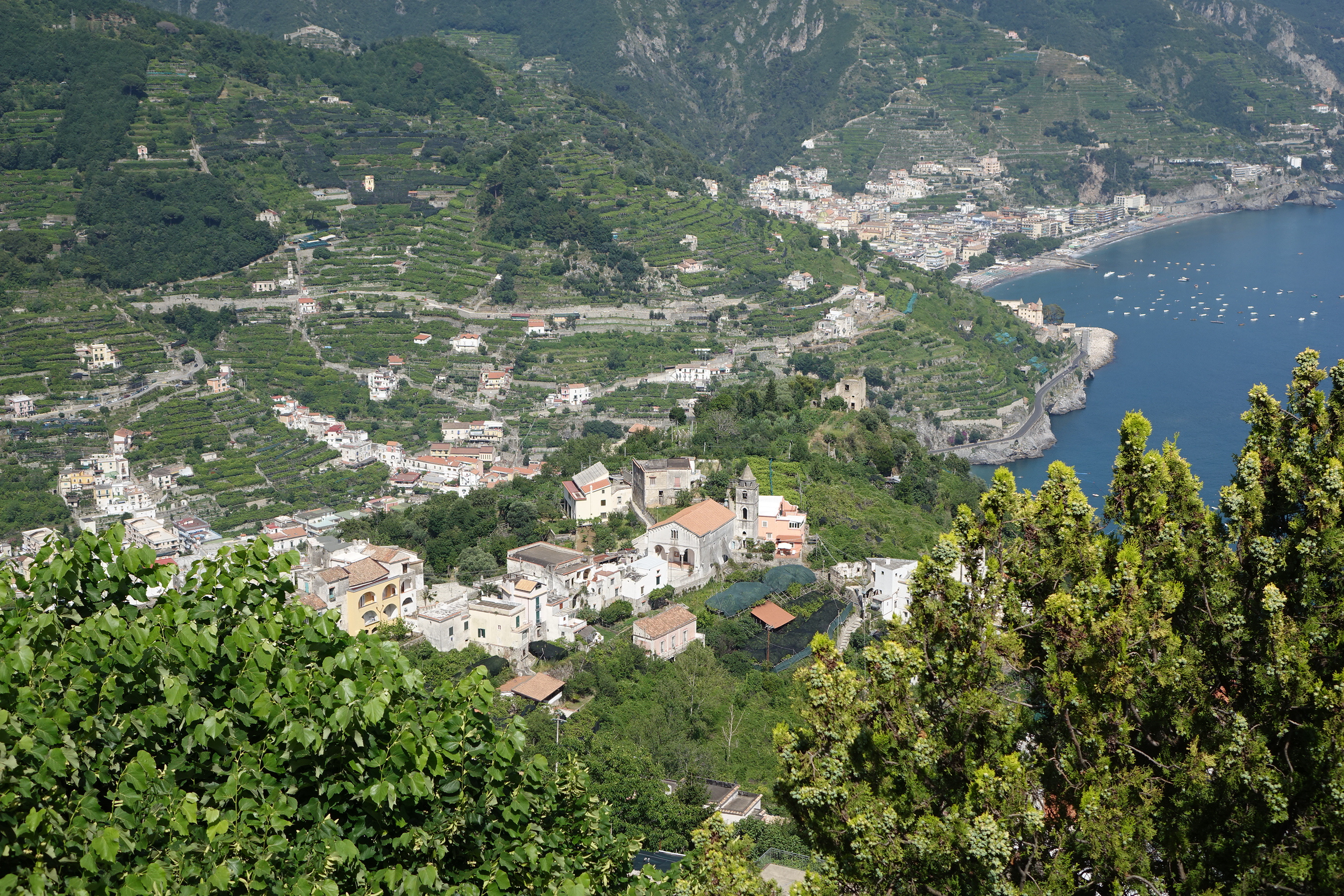
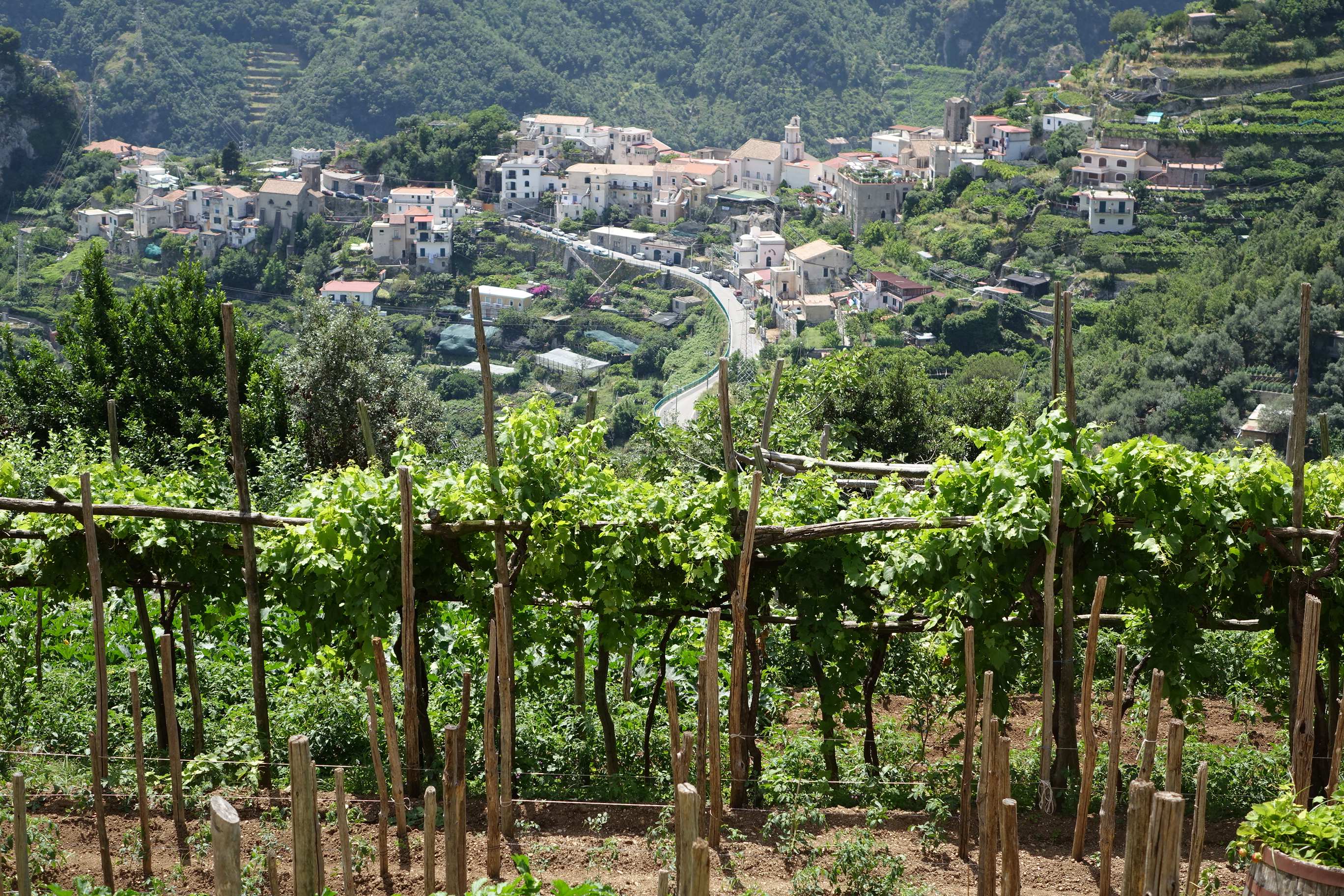
And high it really is. For the mere 5km distance of which I have alluded does not take into account the fact that Ravello is a spectacular 1,200ft above sea level, set along a perfectly situated mountain ridge, and that the journey to get there takes in some of the most dizzyingly vertiginous hairpin bends of all the roads on the coast. Yet even though many a visitor will arrive in the town with their nails bitten down halfway closer to their cuticles, the views that will greet you, and remain in sight from almost every aspect in Ravello are well worth the stomach flips. Glittering, stunning vistas down to the coast around Salerno and beyond make these views some of, if not the most stunning anywhere in Italy.

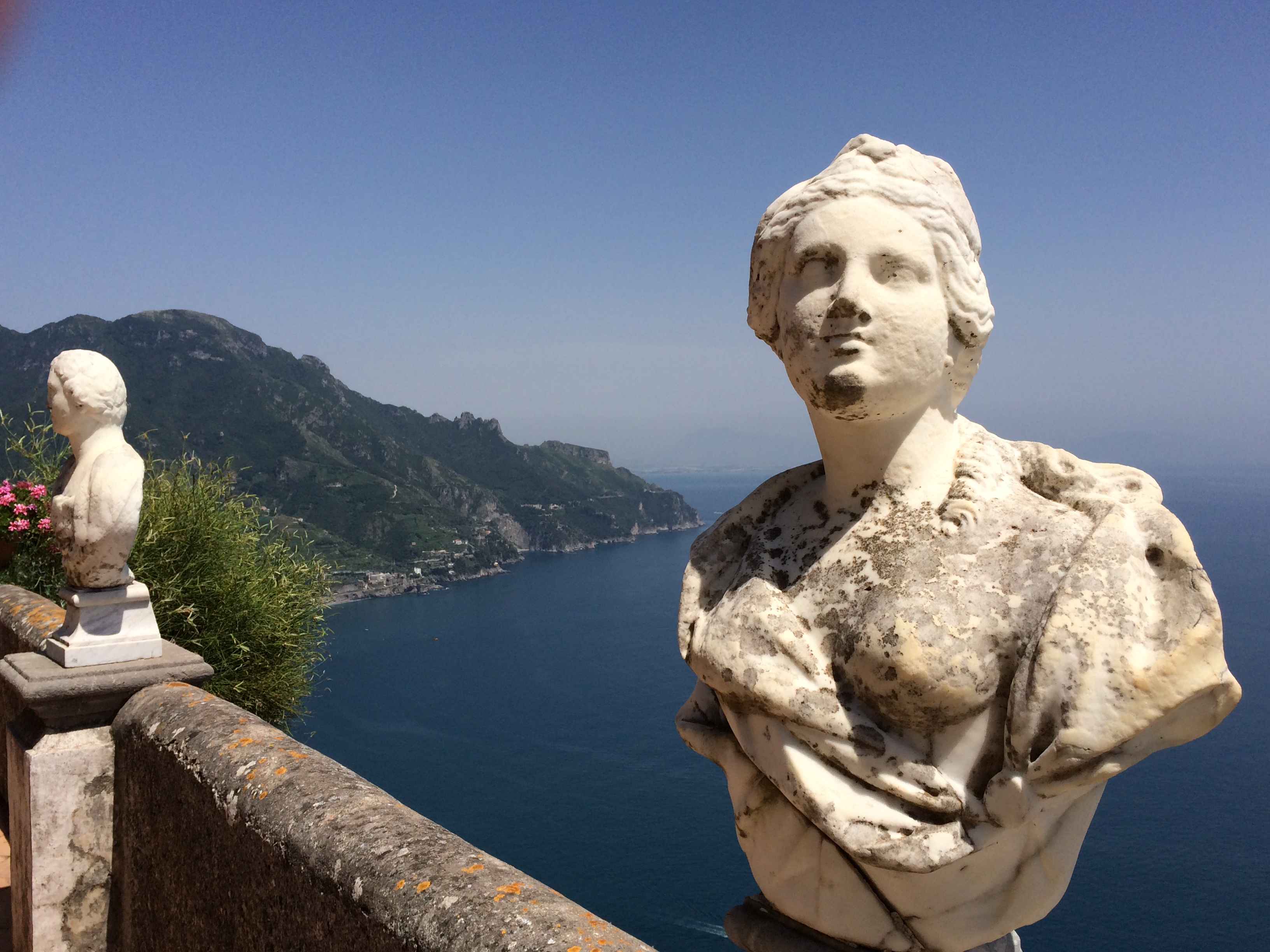
Ravello’s Duomo and the stunning views it’s famed for

DSC03760DSC03735 DSC03725 DSC03740 DSC03580 DSC03738 DSC03688 DSC03417

We and a vast number of other tourists crammed somewhat hazardously into the once-an-hour bus from Amalfi to Ravello and arrived in the town around 40 stomach-churning minutes later. Knowing that Ravello contains two of the most stunning gardens in the Amalfi region, we headed straight for the first – the Villa Rufolo, former villa/palace of the wealthy Rufolo family whose gardens are so picture-perfect that Wagner modeled the magical gardens in his opera Parsifal on them. Owing to the recent start of Ravello’s arts festival, much of these gardens was taken up with the construction of a temporary auditorium and stage benefiting from the very best of the jaw-dropping views (I wonder how anyone concentrates on the performers with these views behind them). However there were still sufficient treats in store in this garden to make us realise quite why the gardens had provided such inspiration to Wagner and many others before and after him.

The Villa Rufolo

DSC03533 DSC03451 DSC03485 DSC03534 DSC03497 DSC03420DSC03438DSC03470 DSC03724

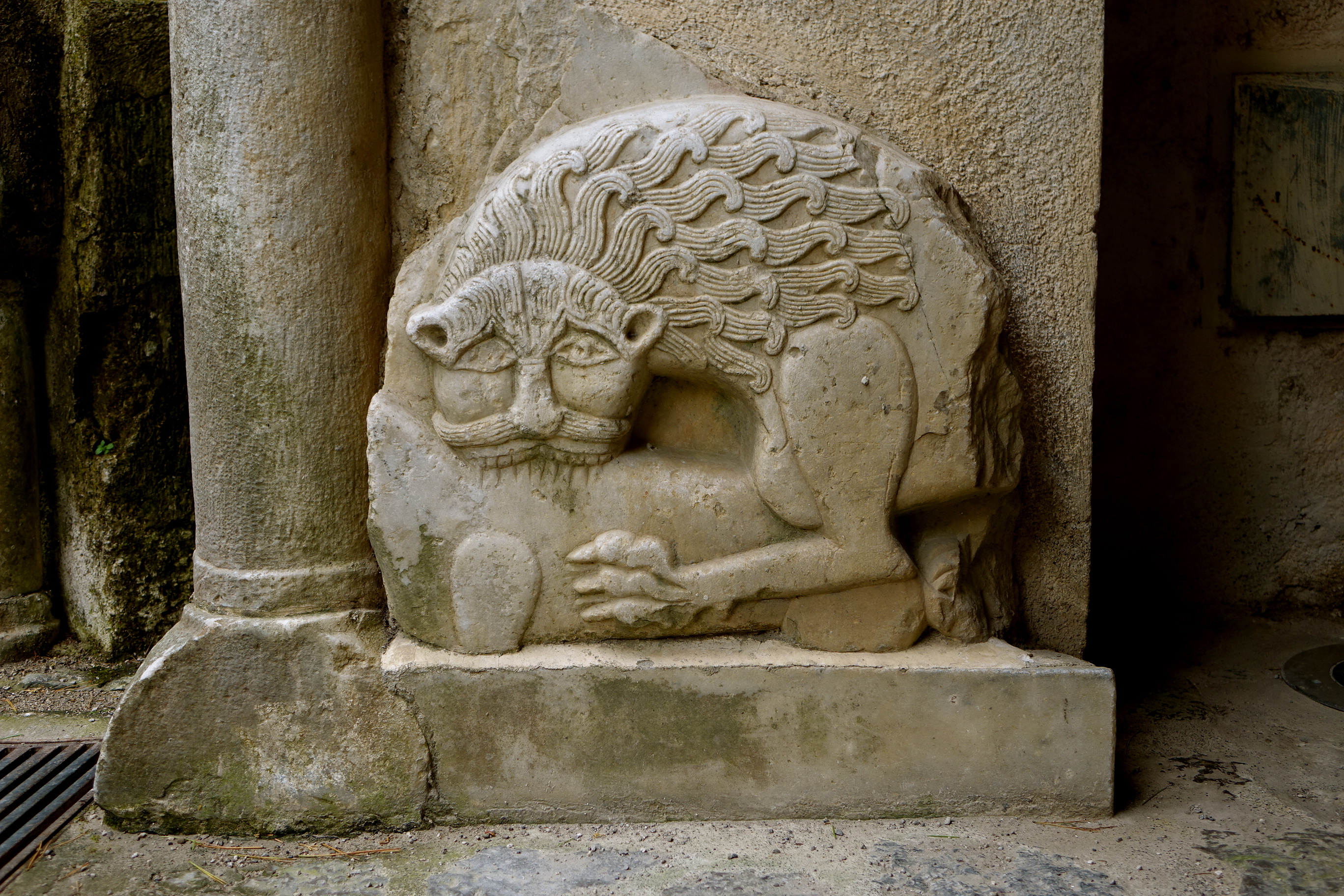
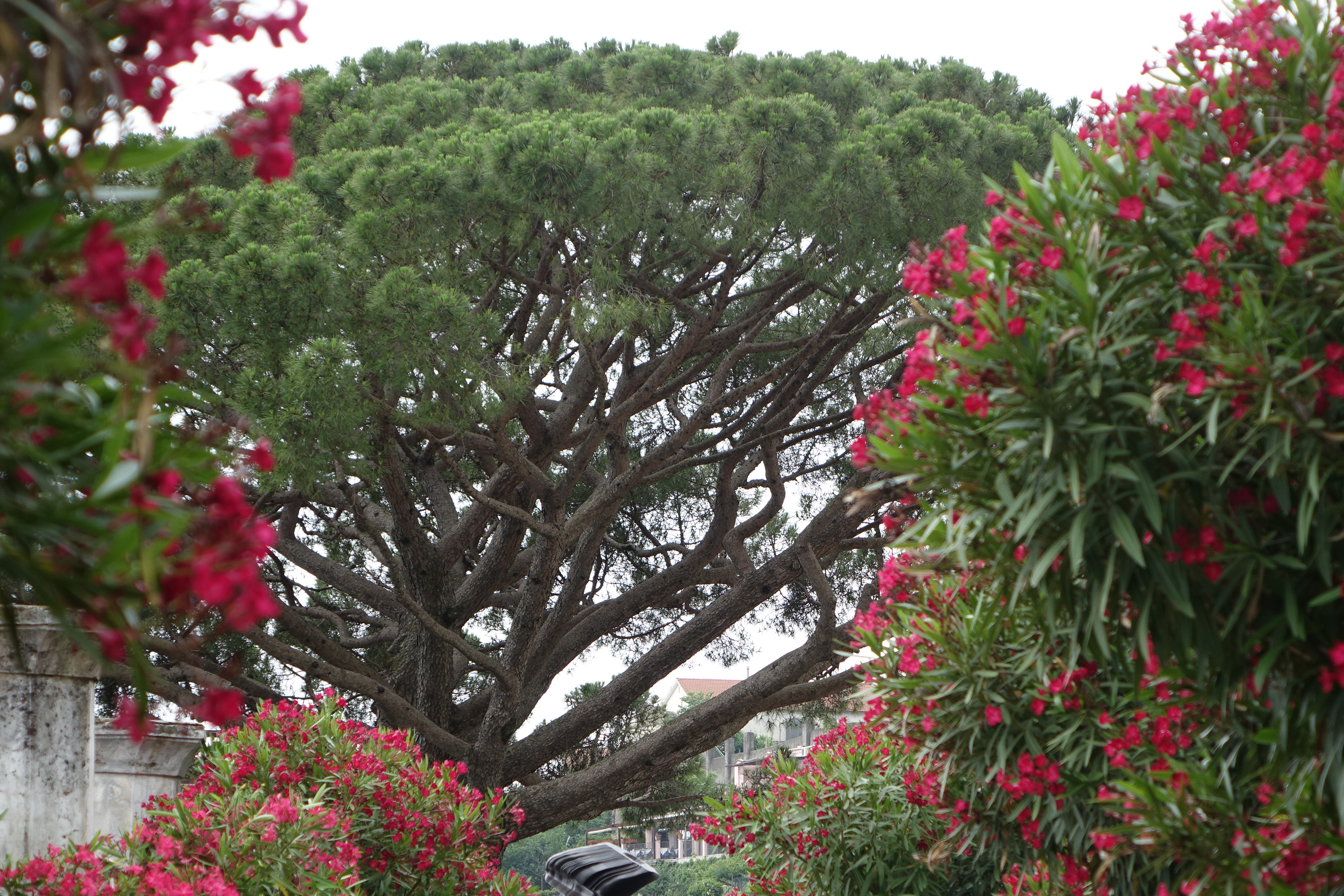
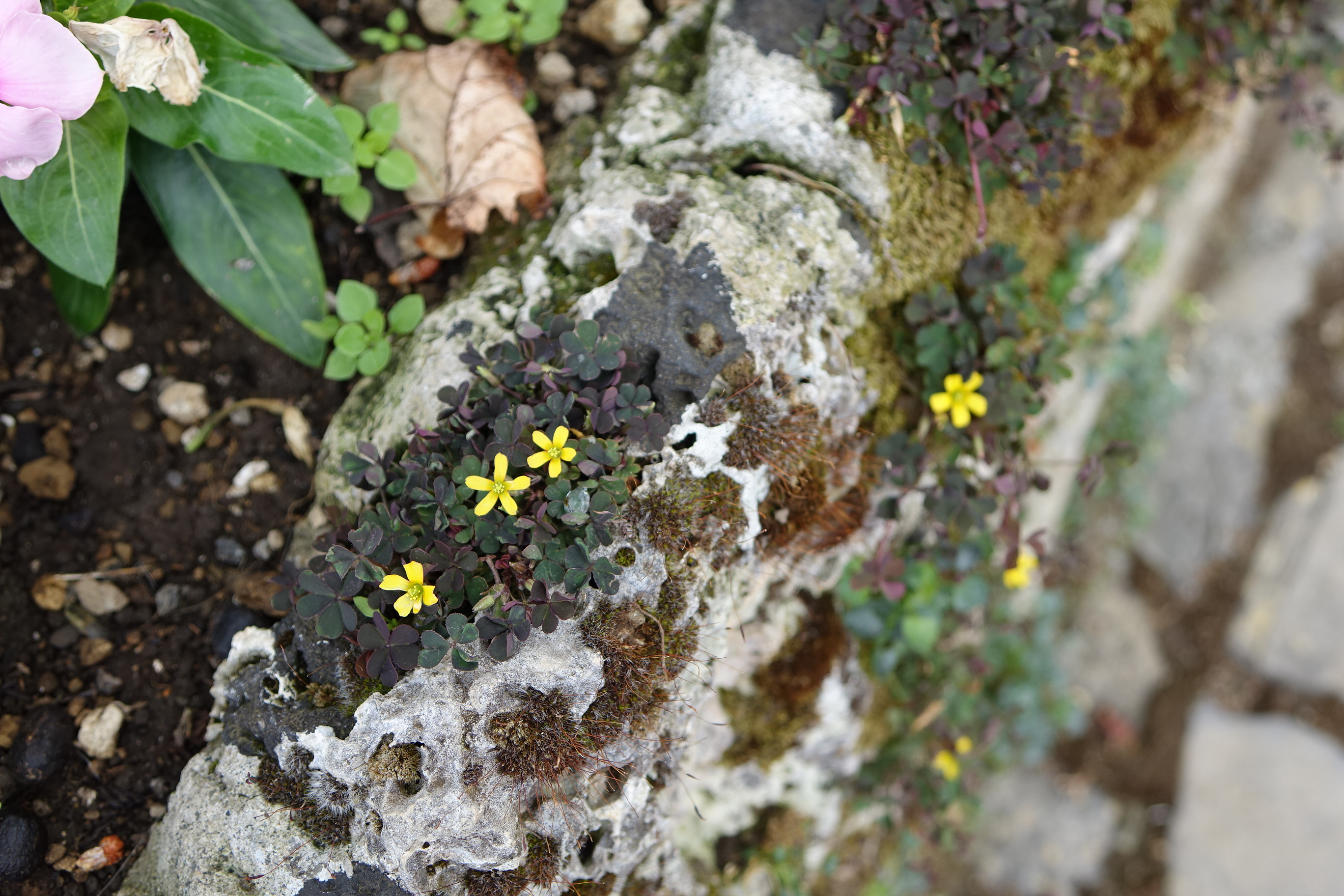
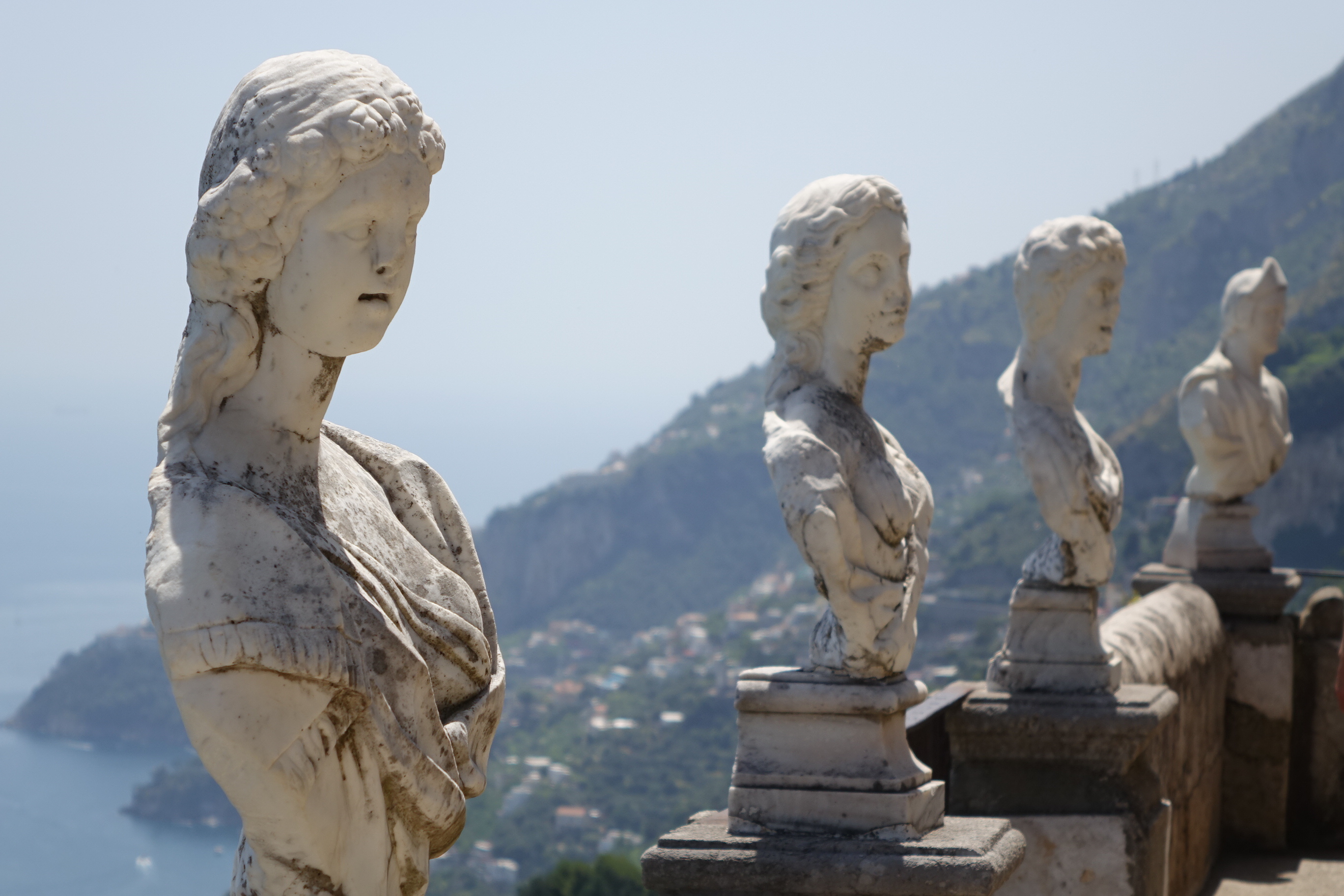
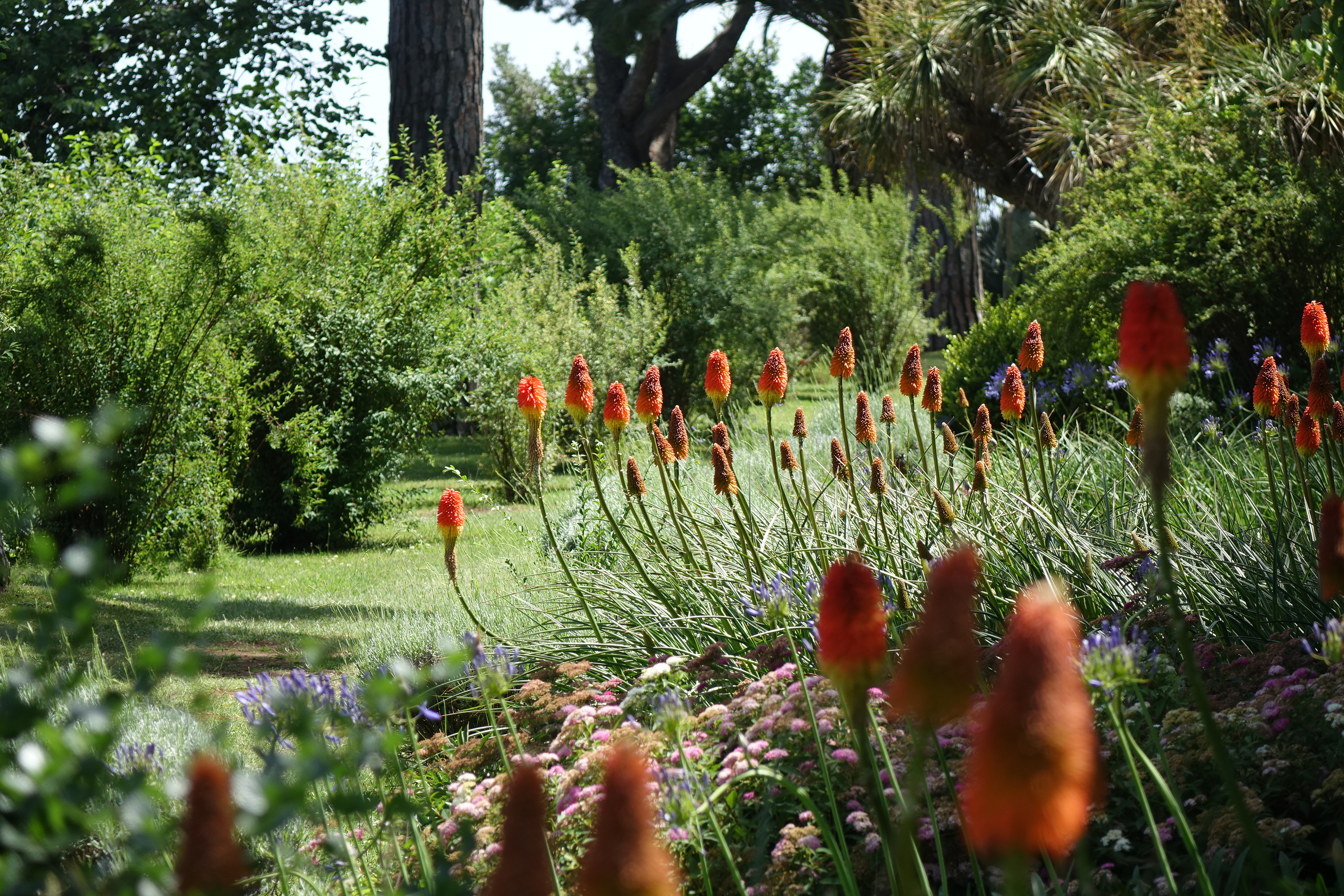
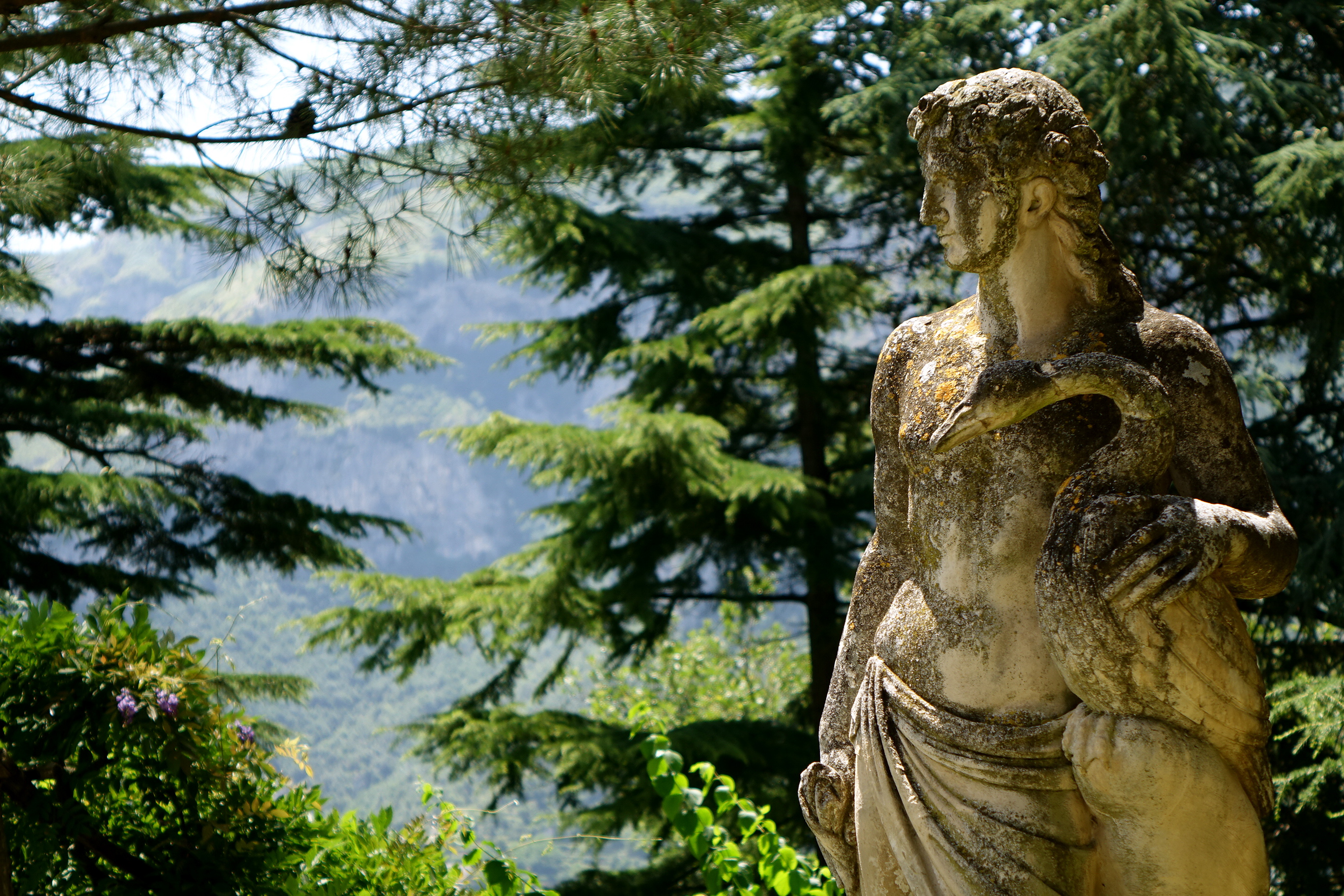
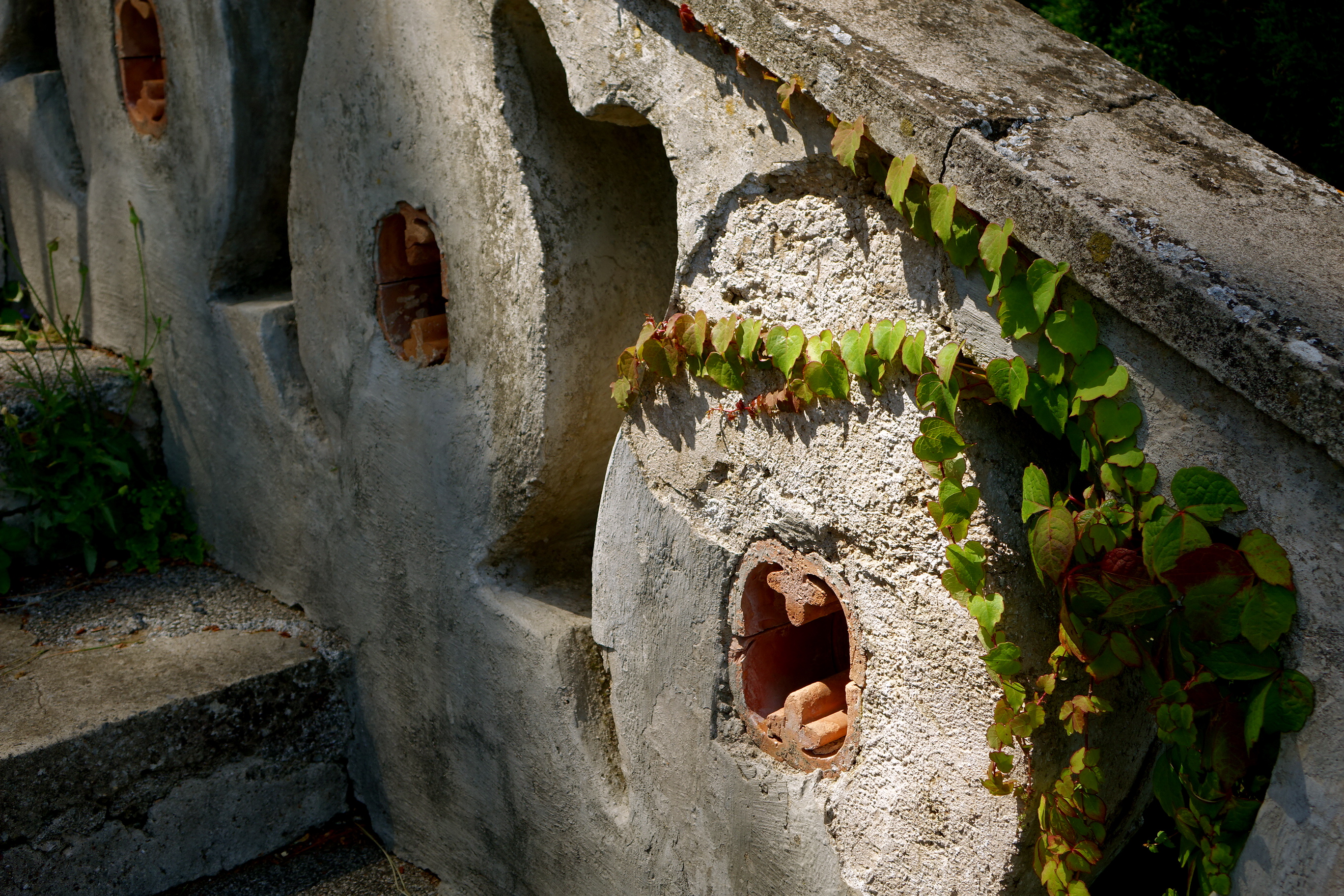
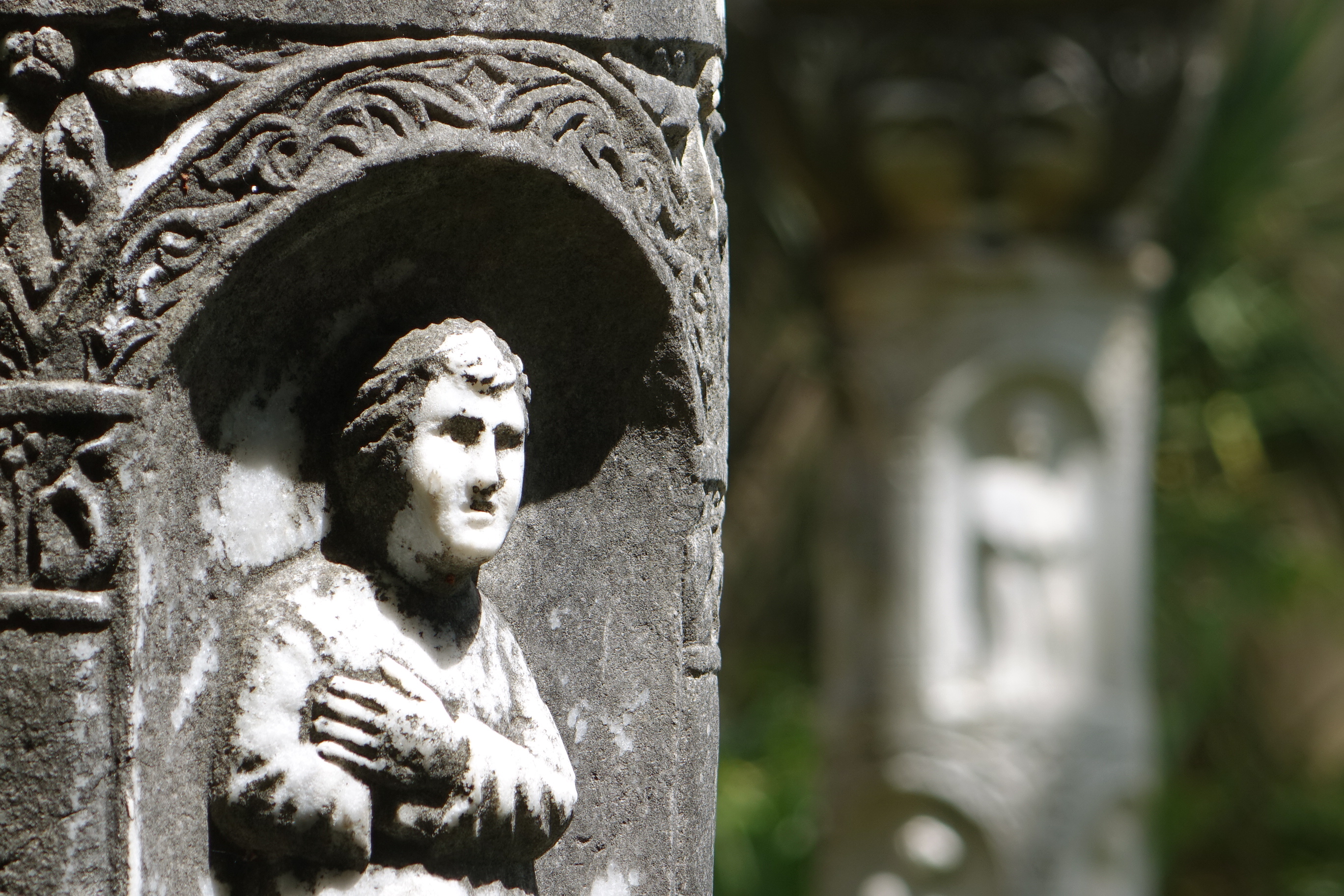
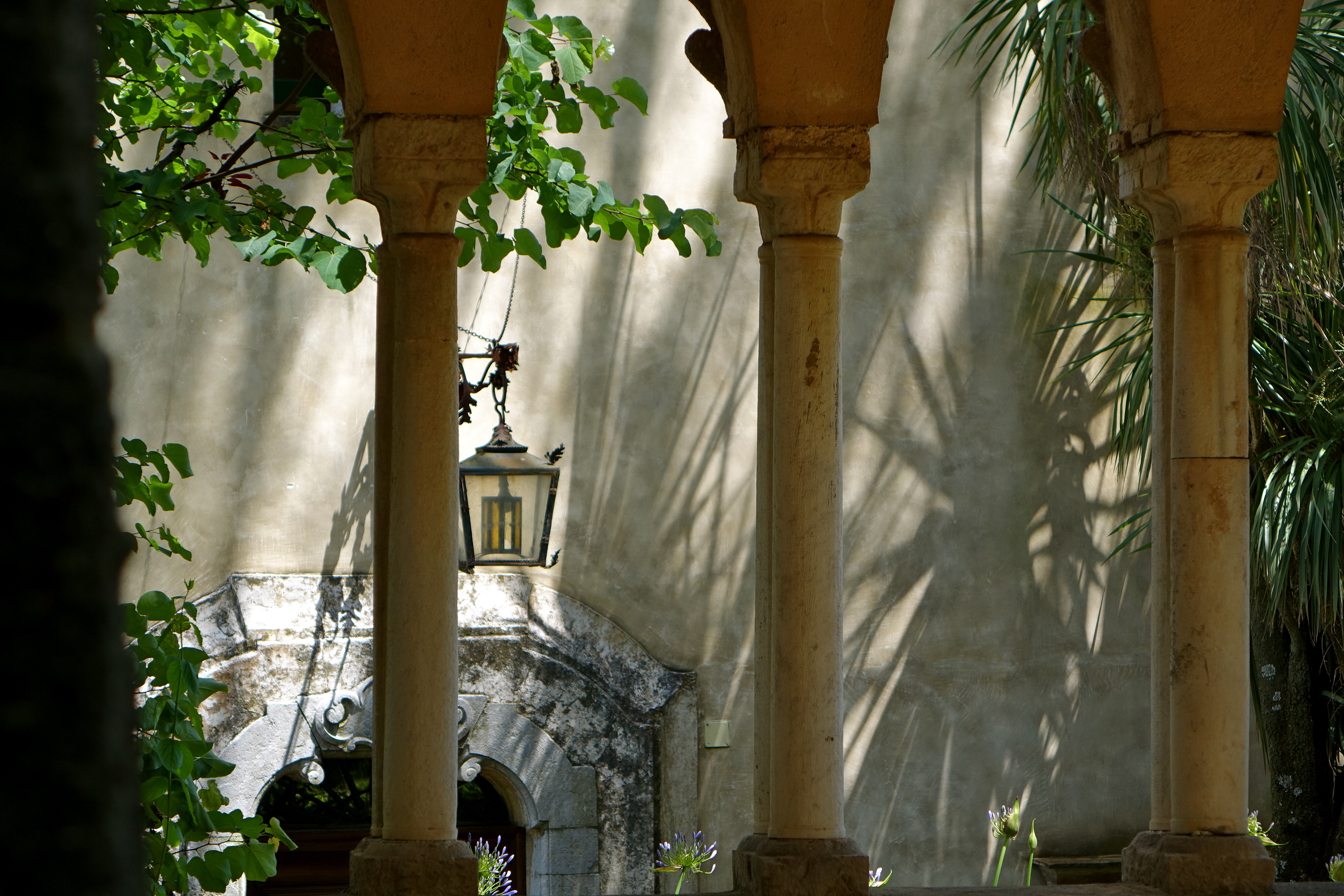
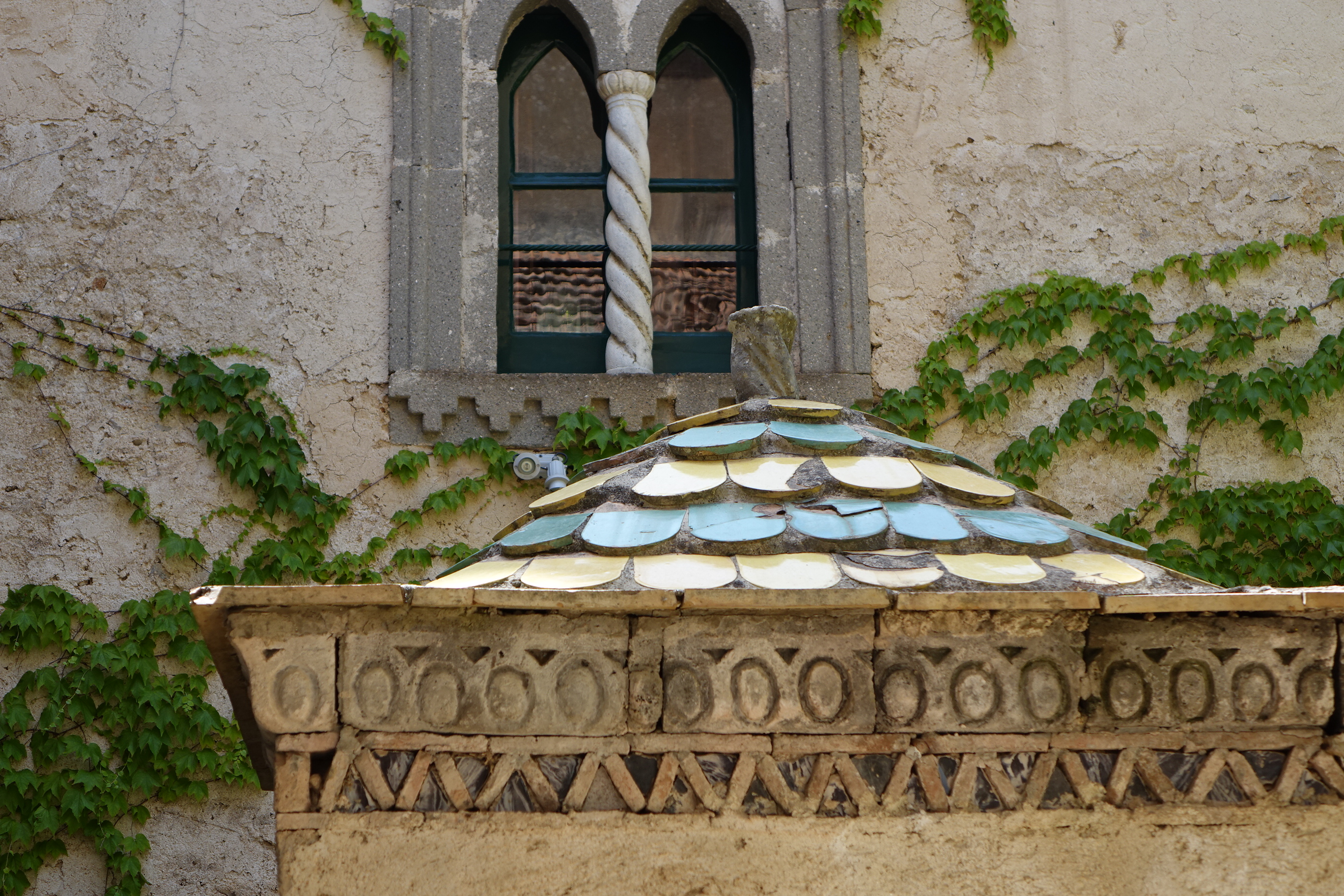
But in retrospect, I can see that the Villa Rufolo was only the appetizer of the great banquet which was to follow – the incredible Villa Cimbrone. Created in the “English style” by Vita Sackville-West who bought the sight for mere spare change, and later made the home of Gore Vidal, these six acres of lush gardens boasting the most incredible position at the edge of a rocky peninsular with commanding views extending almost 300 degrees over coast and valley are probably the most paradisally perfect gardens I have ever been in. They contain almost everything you could want from a garden. Shady sun-dappled paths lined with cypress trees and olives, bouncy green lawns interspersed with moss-covered greek and roman statues, little hidden cupolas and  grottos, and avenues lined with hydrangeas and wisteria and every other kind of beautiful flower. But most stunning of all is what can be found at the bottom of the garden – the Terrace of Infinity, with views over the bay of Salerno so ravishing that Gore Vidal declared it to be “the most beautiful view in the world”. I am not going to disagree.

The Villa Cimbrone

DSC03675 DSC03706 DSC03690 DSC03714 DSC03633 DSC03659 DSC03615 DSC03647 DSC03683 DSC03619 DSC03646 DSC03635 DSC03712 DSC03609 DSC03604 DSC03613 DSC03593 DSC03594 IMG_7388

Asides from those two great garden paradises, Ravello is a small and quiet little town compared with the boutique filled mecca of Capri or the bustling shopping streets of Amalfi down on the coast. With one main square flanked by a simple white washed Duomo and a few friendly cafes, it is the perfect place to sit back and contemplate the breathtaking views that are all around, somewhere to breathe deep the freshest of air in these mountain heights, and try to make sense of what it was to sample paradise, before finally heading back down to sea level, and to reality. But let’s face it, if that reality is still the Amalfi Coast, it’s never going to be far from heaven is it?

All photos and written content are strictly the copyright of Nicholas de Lacy-Brown © 2014 and The Daily Norm. All rights are reserved. Unauthorized use and/or duplication of the material, whether written work, photography or artwork, included within The Daily Norm without express and written permission from The Daily Norm’s author and/or owner is strictly prohibited.

Paris | Photography Focus – Les Jardins et les chaises

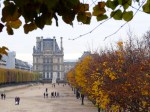
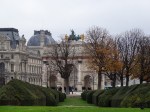
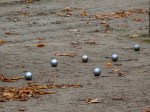
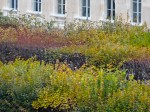
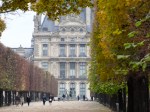
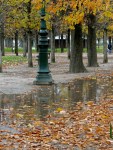
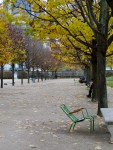
Paris may not be the greenest of cities in the world, but there is something intrinsically Parisian about the parks and gardens which shape it. With their tightly trimmed box hedges and carefully manicured trees, their gravelly, sandy ground and lack of lawns (perfect for a game of  pétanque or boules with a few amis) and with their long wide promenades punctuated by lone statues and cluttered with strolling well-dressed flaneurs with their equally quaffed dogs, the parks of Paris are to me the heart and soul of the city, representing the ordered formality of the Haussmann planned boulevards, reflecting the grandeur of the more built up areas of the city, and providing much needed space for the residents of the city to collectively let their hair down.

DSC08922 DSC08862 DSC09427 DSC08933 DSC09422

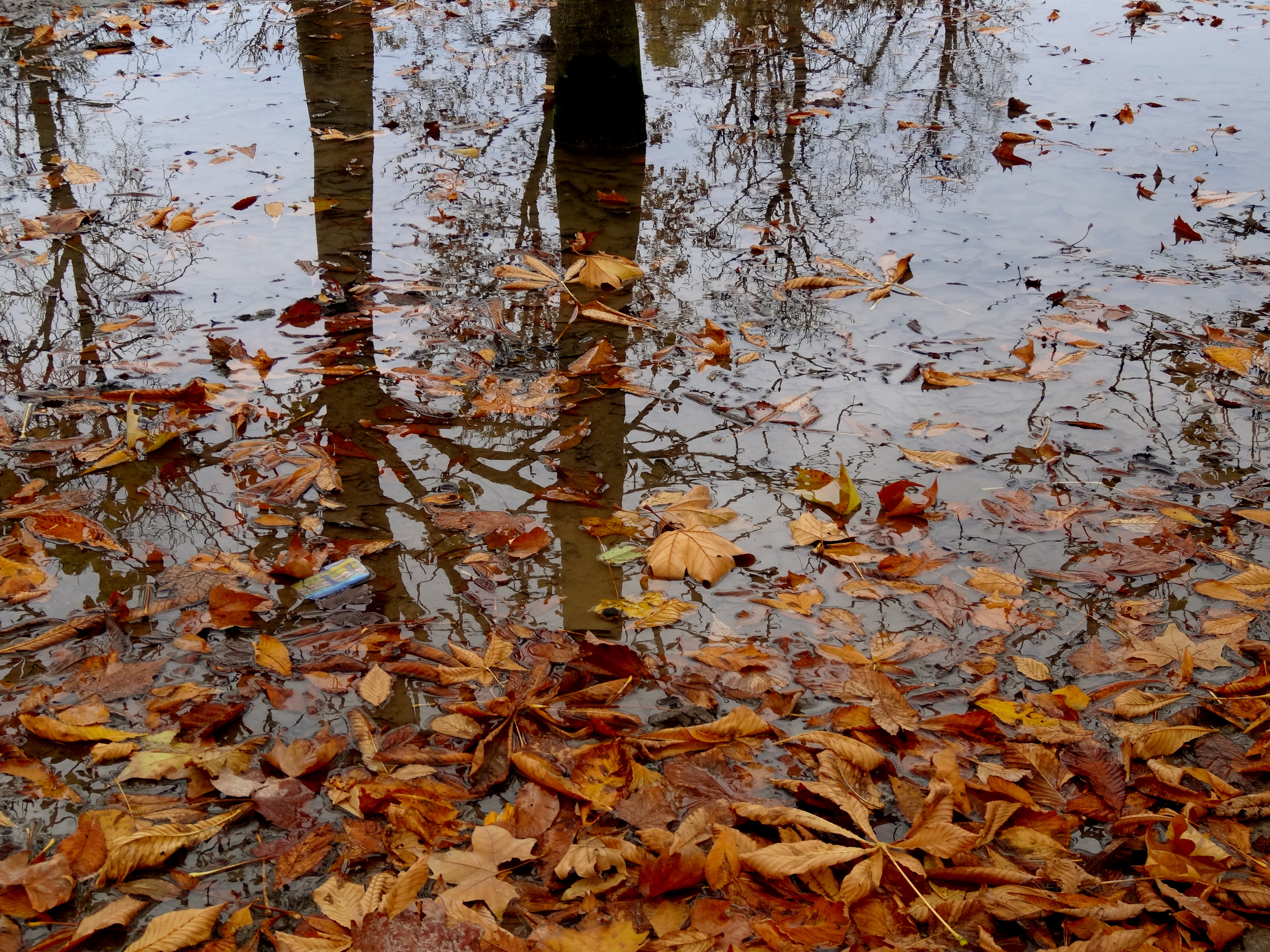
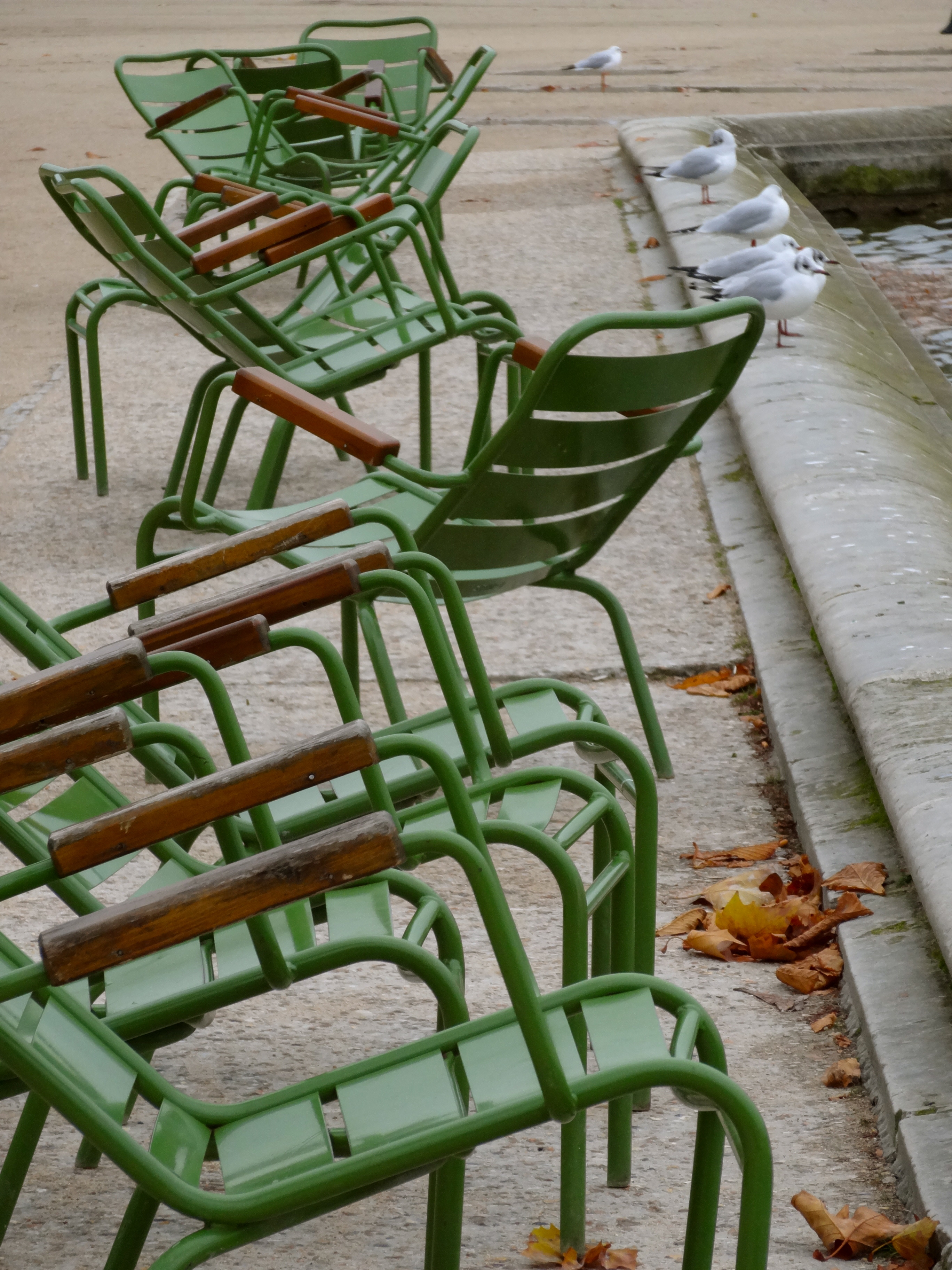
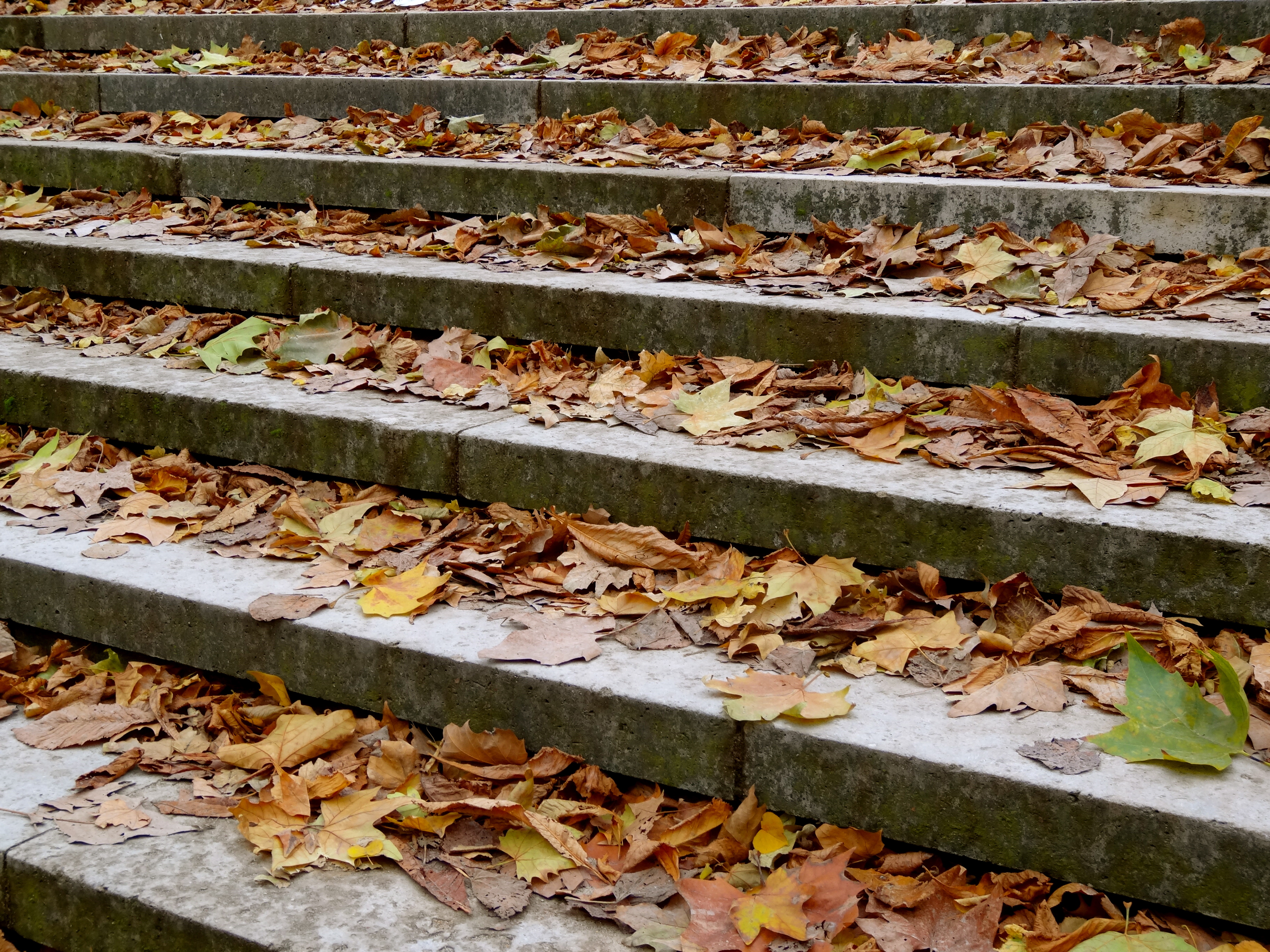
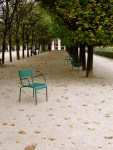
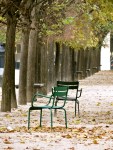
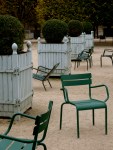
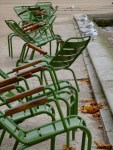
But more than the sandy paths, the clipped hedges and the boules, the randomly collected green metal chairs are for me the symbol of Paris. Rather than, or sometimes as well as the benches which line the parks, Parisian gardens are always full of scattered chairs, some angled at a steep incline to allow the sitter to langour in the sunshine, and others more upright and formal, but none of them attached to the ground so that, at any one time, you can find them in a diverse array of compositions. So characteristic are these chairs of the gardens of Paris that I have made them the focus of my photographic exploration of the Paris gardens which we were strolling through between our various trips to art galleries, photos which also aptly reflect the wonderful array of autumn colours which burned brightly in Paris despite the overcast weather and the very cold winter temperatures. Enjoy!

All photos and written content are strictly the copyright of Nicholas de Lacy-Brown © 2013 and The Daily Norm. All rights are reserved. Unauthorized use and/or duplication of the material, whether written work, photography or artwork, included within The Daily Norm without express and written permission from The Daily Norm’s author and/or owner is strictly prohibited. 

Chelsea Flower Show (i) The grounds and the gardens

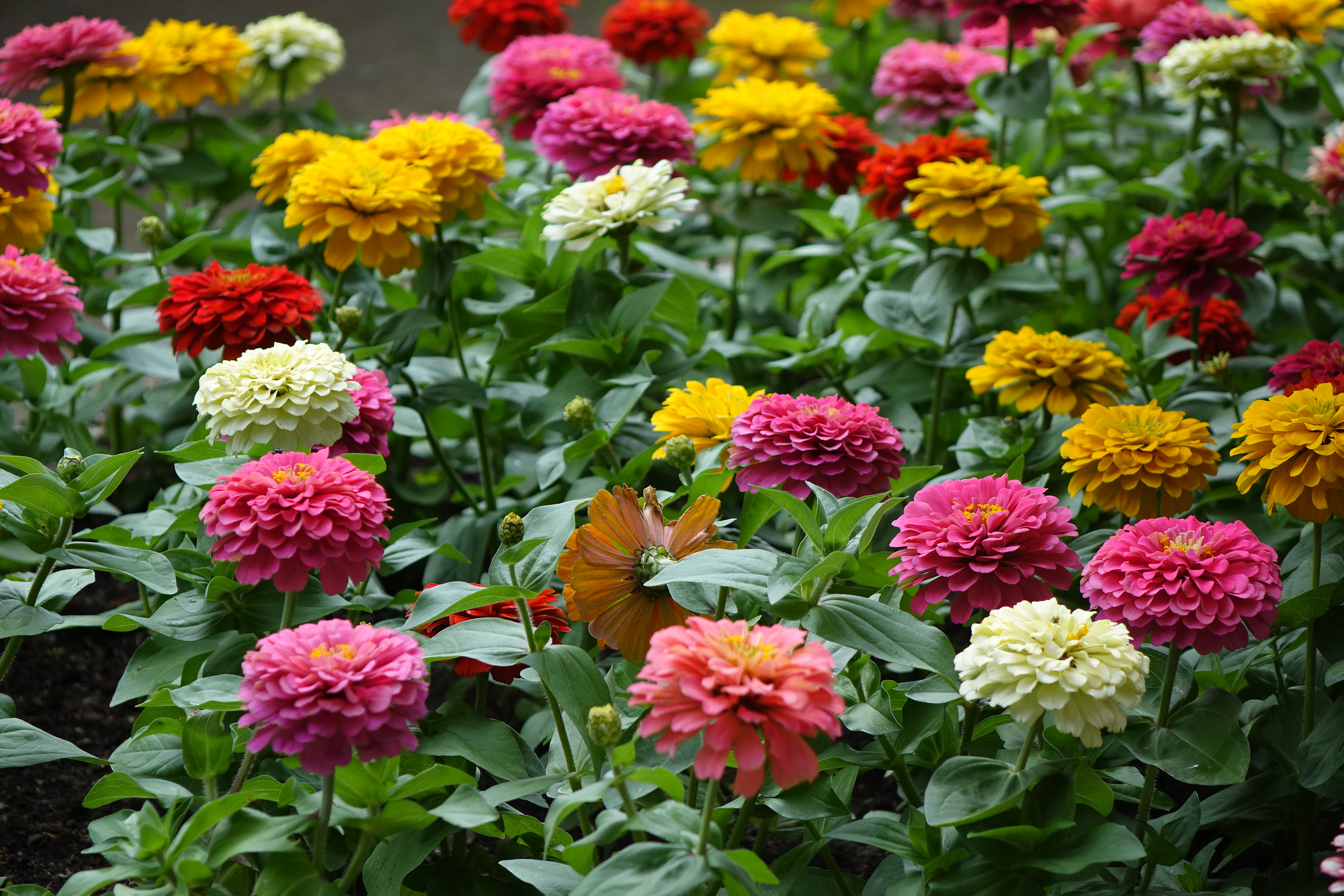
Chelsea Flower Show is the high point in the garden lover’s annual calendar, and frankly, is a pretty important date in the diary of every budding London socialite too. Dressed in their best pastel colour frocks and matching hats, sauntering around the grounds of SW1’s Royal Hospital Chelsea with a glass of champagne in one hand, and generally speaking an umbrella in the other (one may as well be realistic), the best of the celeb, upper crust and garden fanatic world come out every last week of May to hail the Summer gardening season open. This celebration, not only of flowers, but of cutting edge garden design and horticultural supremacy, is a scintillating dalliance with beauty, an artistic explosion of natural aesthetics, and a demonstration of the indubitable improvement which a well tended garden, pot plant or bunch of flowers can bring to anyone’s life.

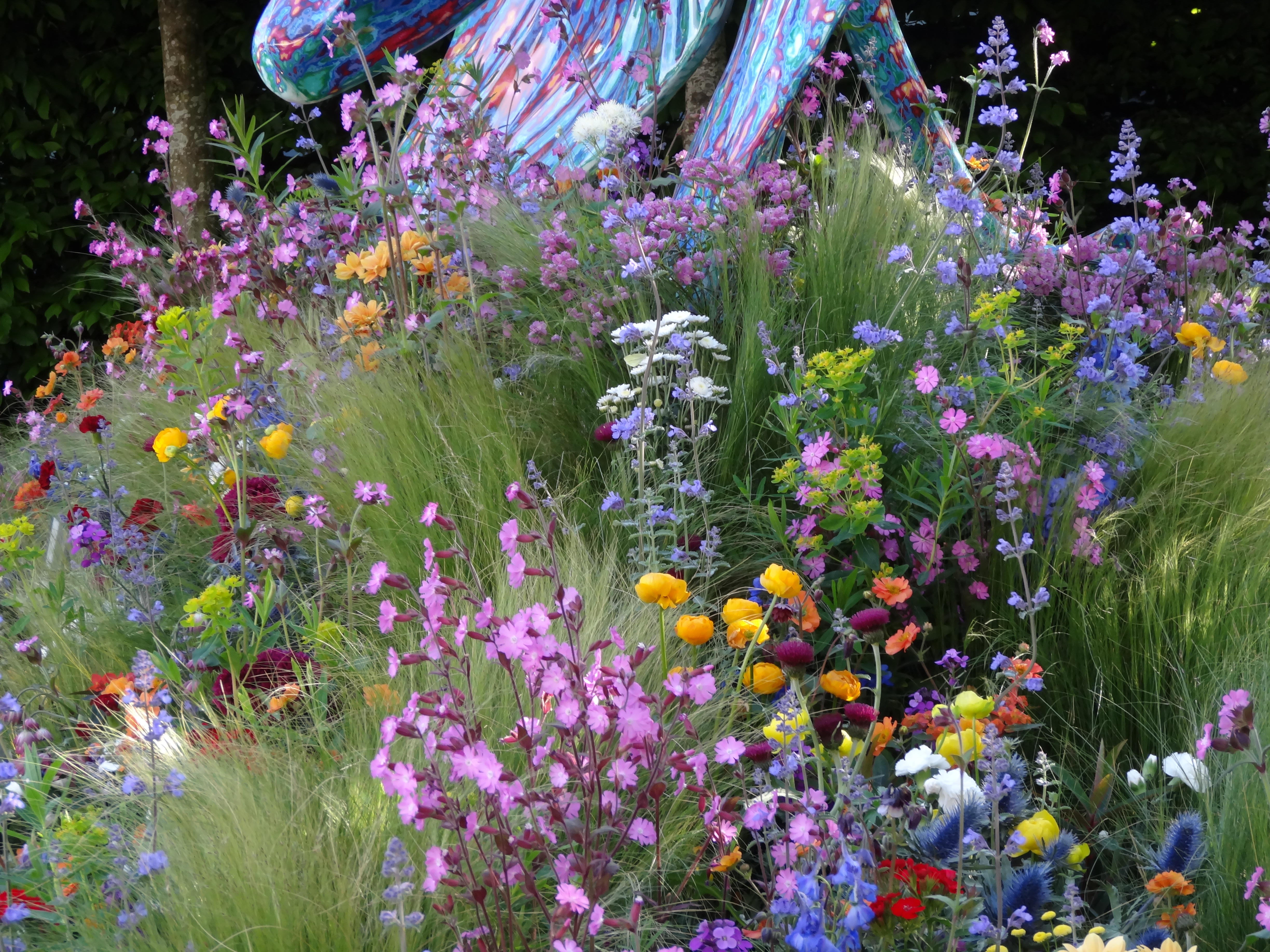
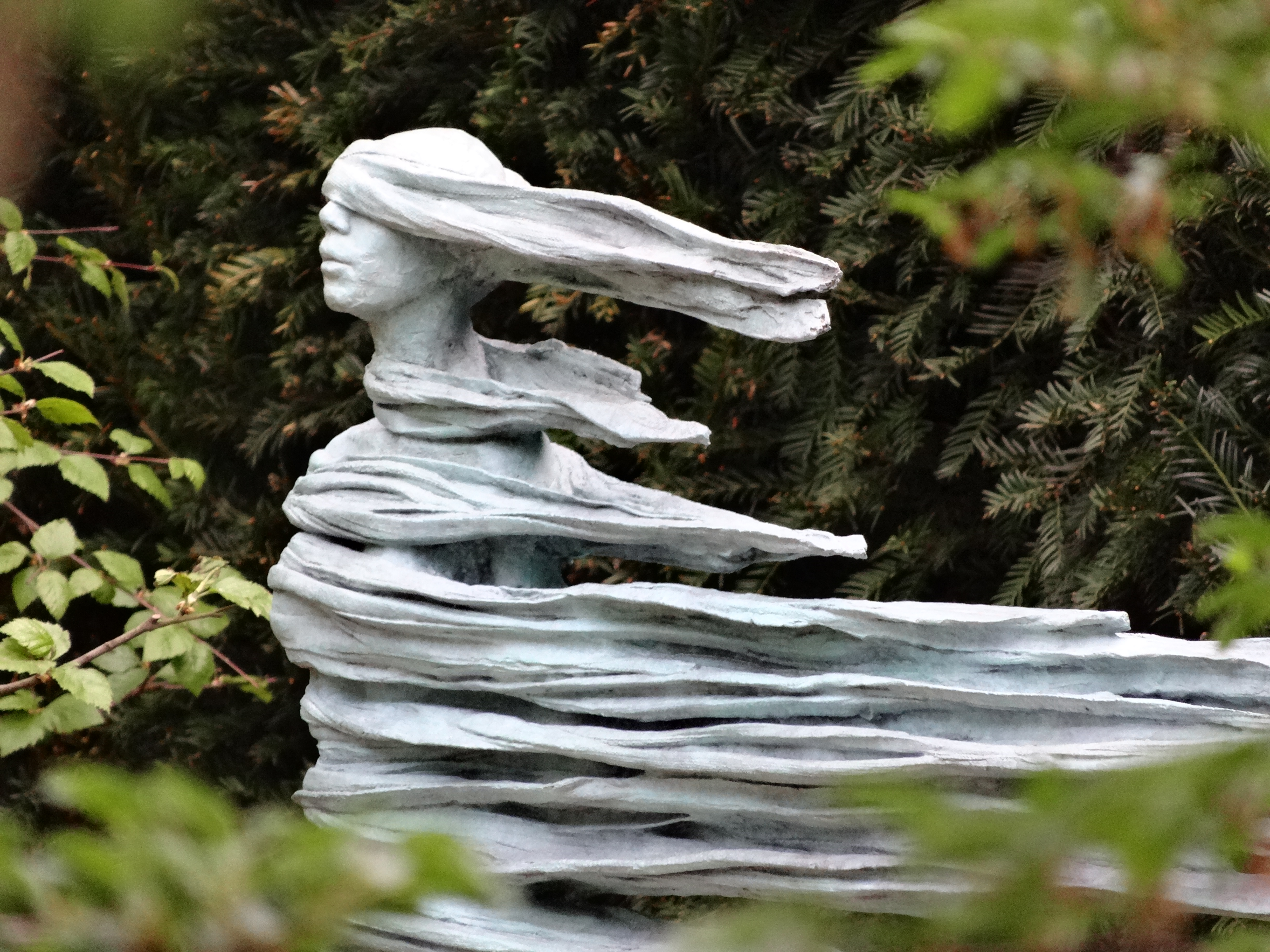
This first of two Chelsea posts shares my experience of the show as I explored the grounds of the vast garden exposition yesterday evening. I was lucky with the weather – had I gone today, most of the gardens would have probably been flattened by the perilous wind and relentless wind which has battered these damp shores all day. But last night, in the yellow light of a low evening sun, I was able to view the show gardens – that is the garden plots pristinely designed by top horticultural masters for competitive purposes – at their very best. From elegant geometric garden spaces, neatly clipped box hedges and satisfyingly swirling water features, to the complete recreation of an almost unwieldy, lush and otherworldly Australian rainforest, the show gardens on offer this year have to qualify for some of the best in the show’s history. And appropriately too – being as this is the show’s centenary year.

DSC01316 DSC01294Crazy water featureSculpture in the Arthritis Research UK GardemThe Homebase Garden

With the aid of a long zoom which was able to traverse the heavy crowds bustling for space around each of the show gardens, I was able to successfully photograph many of the highlights of the show gardens, and here they are!

Read more

A Sussex Sunday

Last weekend, I headed down to verdant (occasionally) Sunny Sussex, the green rolling coastal county of my birth. Sussex, for its occasional dated coastal town and abundance of retirement homes, is a county rich in lush green landscapes, large country houses, expansive farmland extending across the rolling chalky Downs, and fine coastal views. And these attractions are no better appreciated than when a now accustomed Londoner like myself gets to reacquaint himself with the fresh air and vibrant green landscapes of the county on a brief respite from city life.

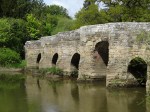
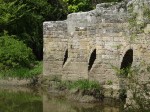
So last Sunday, once my requisite visits to family were completed, purchases made at pet shops for my nephew’s birthday, and a grand familial dinner consumed, I was insistent that I get out into the countryside to sample Sussex at its best. And to do this, my Mother chose well, guiding us into the small town of Pulborough where, on the outskirts, our first visit was to the ancient medieval Stopham Bridge (built 1423) which spans across the river Arun. There in the shadow of this charming, sturdy looking construction, we had lunch at the White Hart, a pub so quaint and old that the plates themselves were probably the straightest surfaces in the place, but whose food was presented with surprising elegance for somewhere so evidently steeped in tradition.

DSC00545 DSC00561 DSC00521

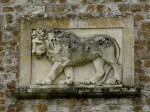
That afternoon, the highpoint of this Sussex sojourn was to visit Parham House, a large country estate and Tudor Palace which had once received the patronage and visitations of Queen Elizabeth I and today, after extensive renovations undertaken in the 1920s, now boasts some exquisite Elizabethan detailing, as well as a comprehensive collection of regal portraits and grand landscapes collected by the various inhabitants across the centuries.

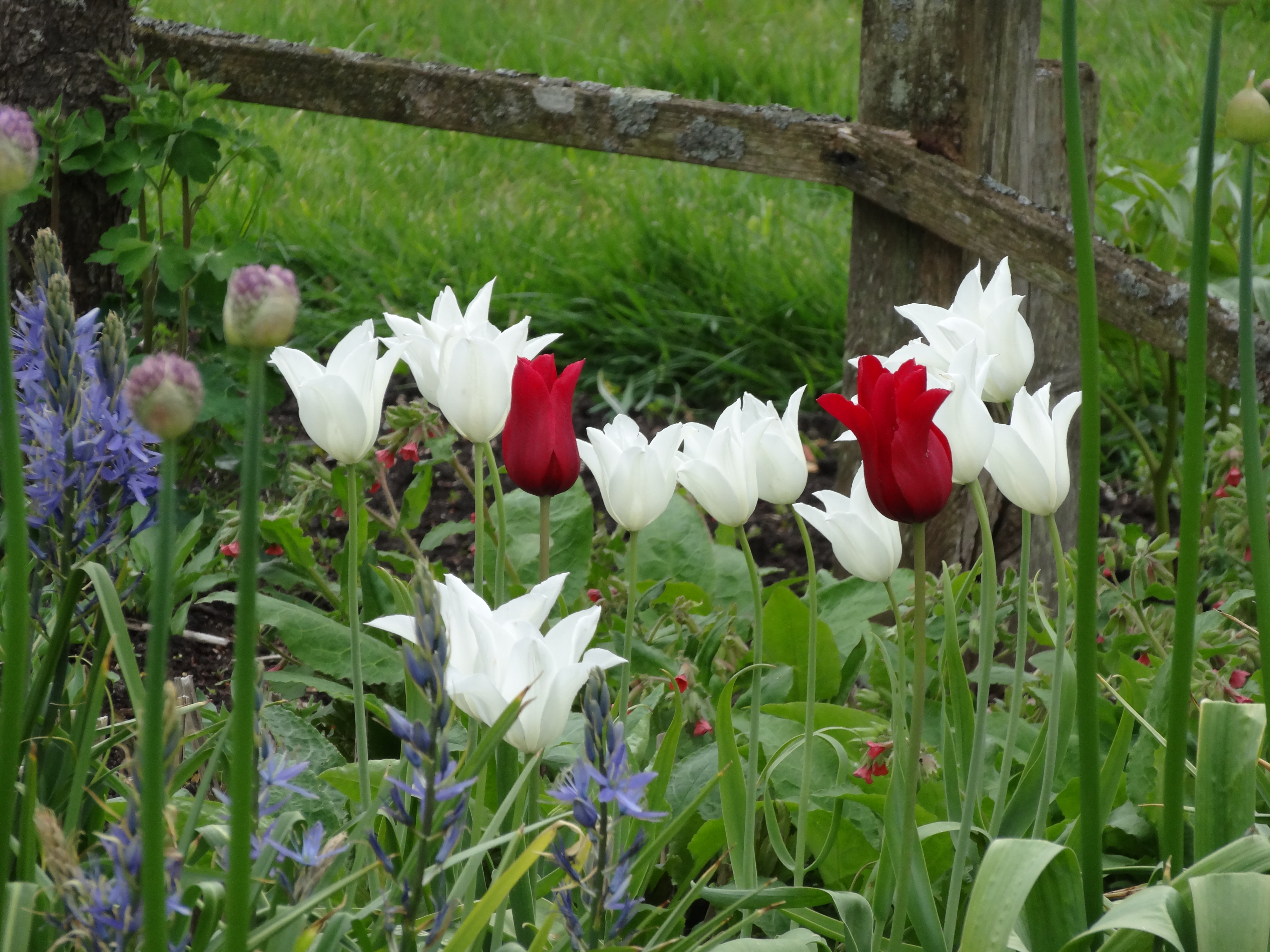
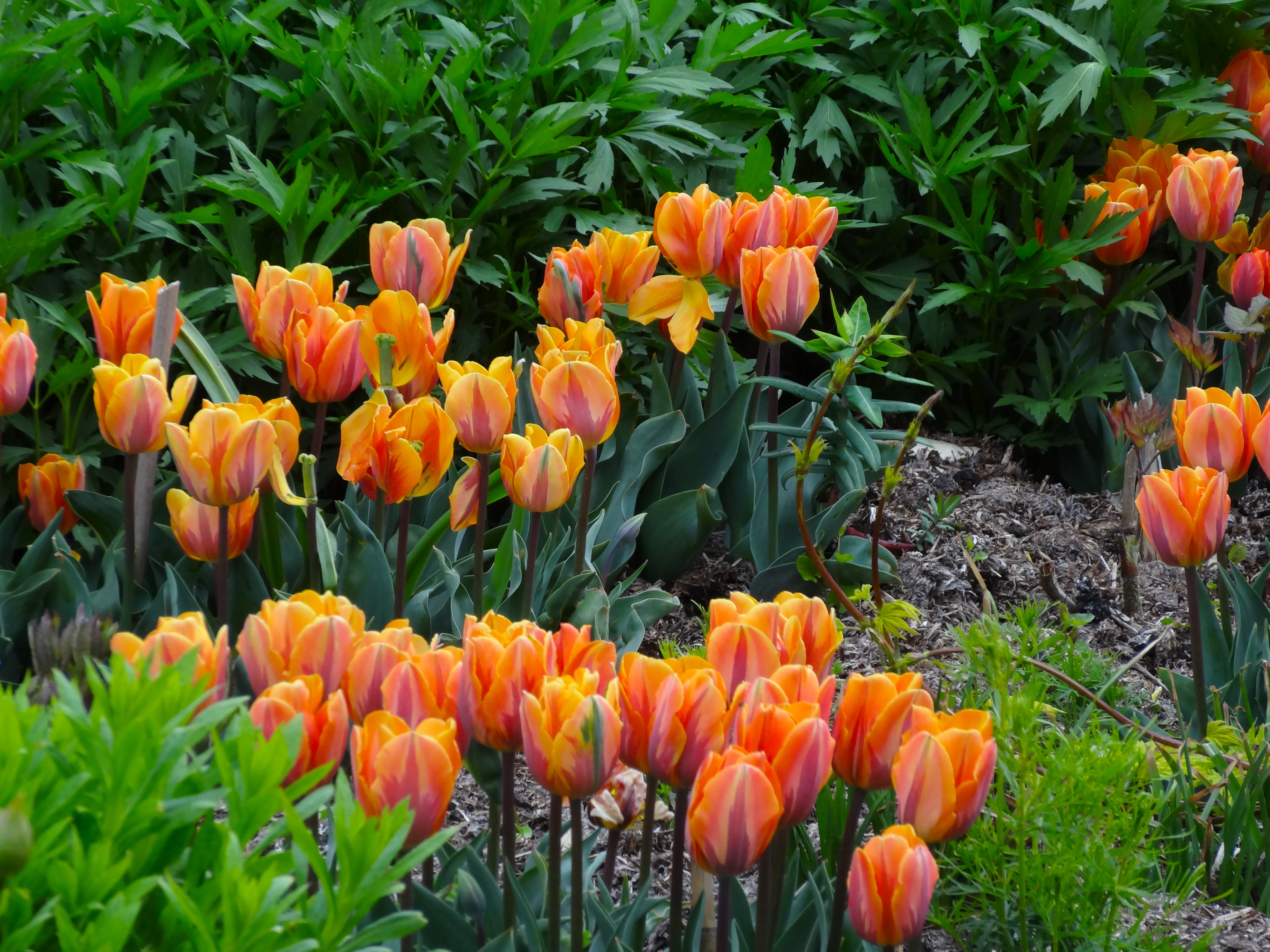
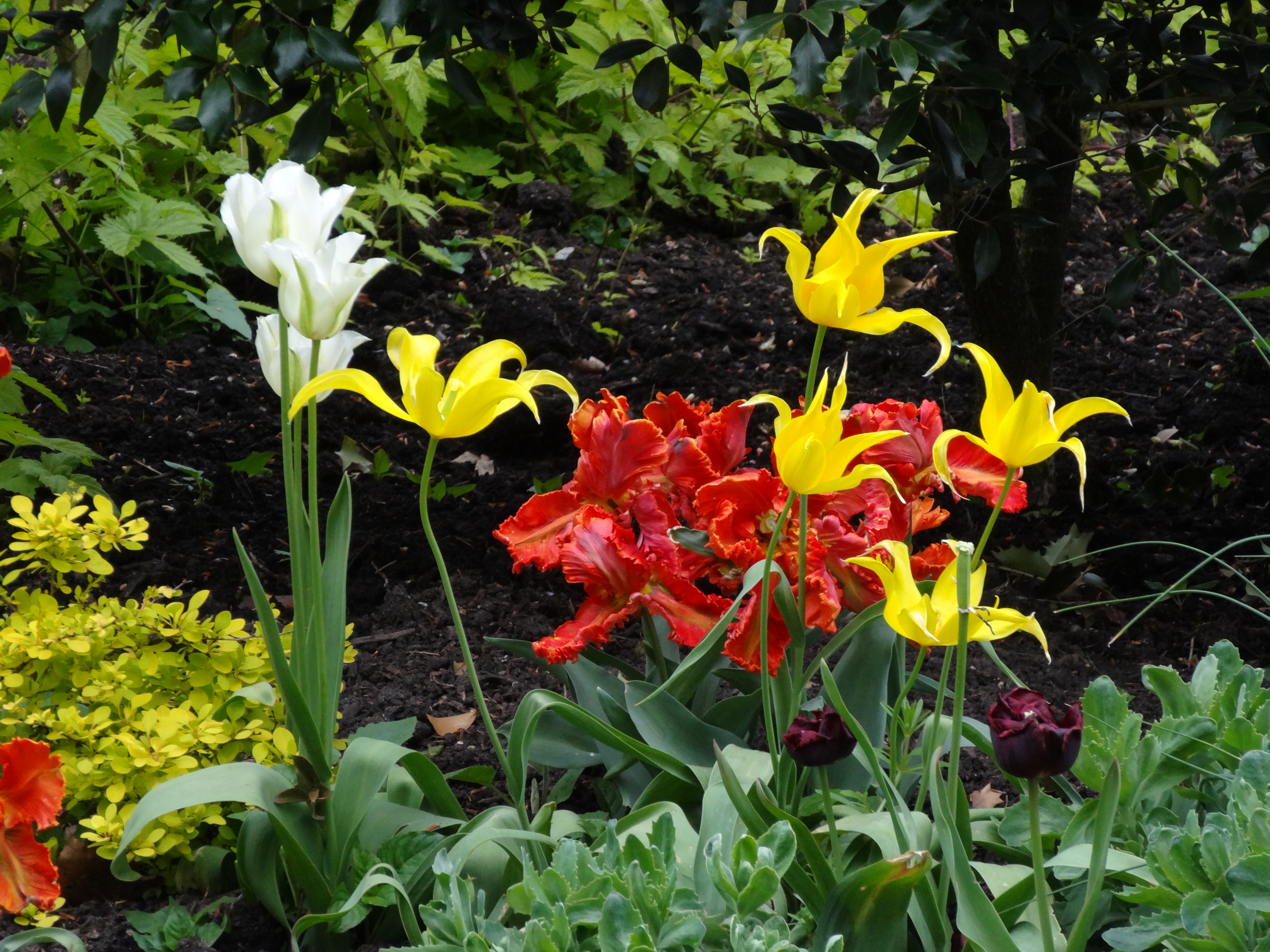
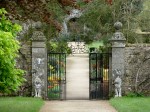
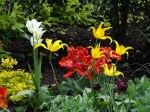
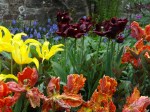
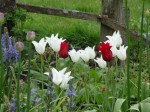
But for me, the best part of Parham is undoubtedly its walled garden, which at this time of year was abundant with colourful tulips, cherry blossom bursting into flower, and rich green foliage unfurling in the warmer Spring-like air. Armed with my new Sony Cybershot HX20V, I was snapping away like crazy, the results of which are here, as promised, for the sharing.

Details of Parham House and Gardens can be found here.

© Nicholas de Lacy-Brown and The Daily Norm, 2001-2013. Unauthorized use and/or duplication of the material, whether written work, photography or artwork, included within The Daily Norm without express and written permission from The Daily Norm’s author and/or owner is strictly prohibited. Excerpts and links may be used, provided that full and clear credit is given to Nicholas de Lacy-Brown and The Daily Norm with appropriate and specific direction to the original content.
 

Marbella in May: a photography experiment (iii) – Park Life

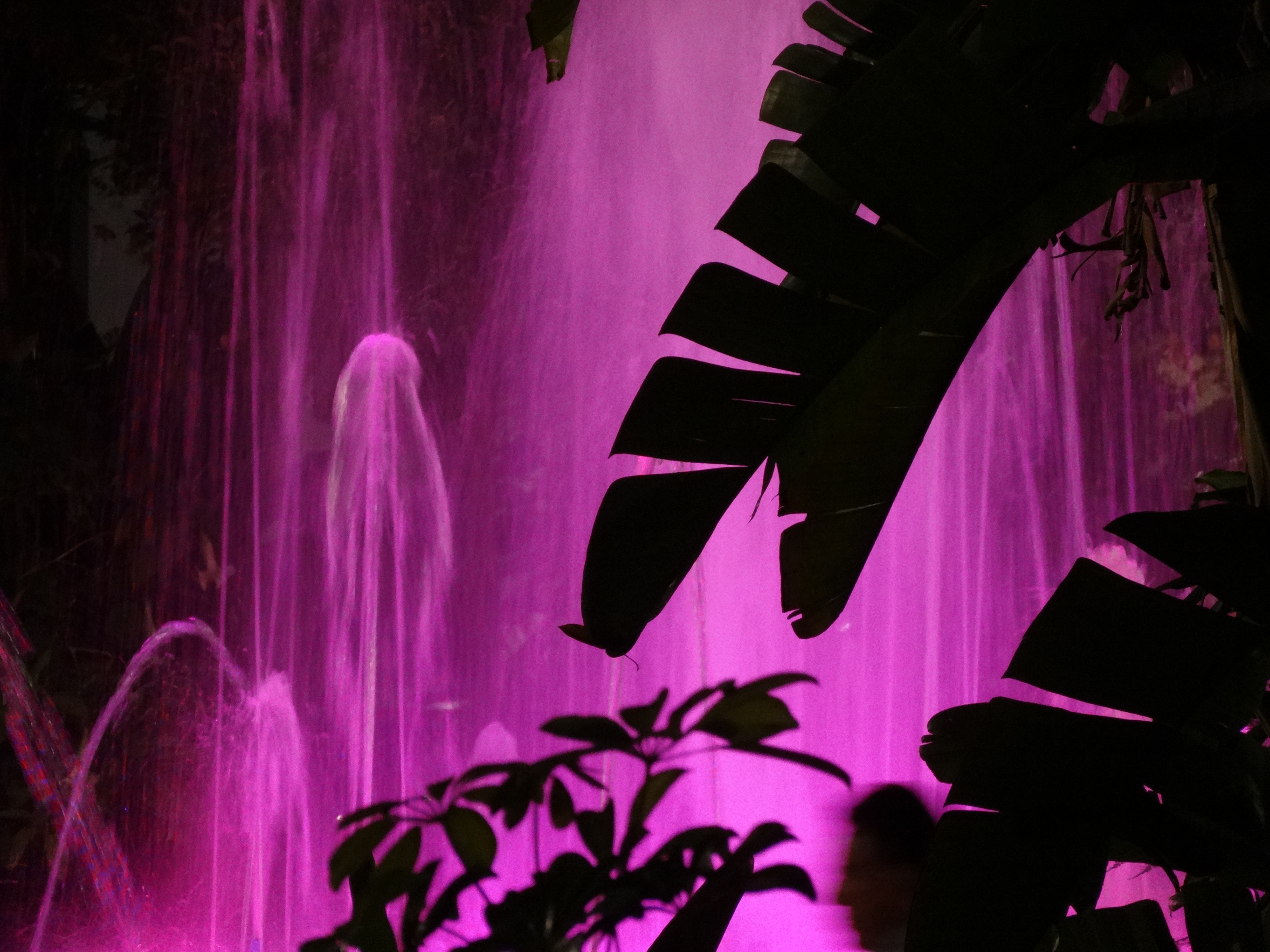
Like many Spanish cities, Marbella is not short on shady spaces, a necessity for surviving the savagery of the searing Spanish sun. But thanks largely to the efforts of a corrupt former mayor, who paved much of the town in marble, Marbella’s parks are as grand as they are green, the many voluptuous tropical plants reflected double in the shiny polished pavements below, and curving elegantly over large ceramic-decorated fountains from which water arcs and spouts and dances whimsically all day long.

The central Alameda park is the gemstone in a series of green sprawling spaces, and has become an appropriate meeting place for Marbella’s locals and tourists alike. It’s various parallel avenues provide plenty of space for a refreshing perambulation, all paths leading to one of the parks two large fountains, while alongside the plants many a bench invites sitters to rest and imagine themselves sat in a richly verdant jungle.

DSC00300 DSC00446 DSC00272 DSC00225 DSC06602

Second only to the Alameda, the Parque de la Constitucion hosts at its centre a semi-circular open air theatre characteristic of those popular in Ancient Greece, while in the park surrounding it, a distinctly moorish feel envelops the fountains, paving and layout. I adore these gardens which, being slightly off centre, exude calm and lack crowds. Strolling between the tall shady cypress trees and besides lawns and flower beds, one could almost be in an English country garden – except for the key addition of sun.

I love Marbella’s park spaces, and more particularly the rich plump tropical and Mediterranean plant species which flourish there. Sitting beneath them I am reminded of an Henry Rousseau paintings albeit only metres from Marbella’s beach on one side and historic centre on the other.

Beyond the park, Marbella is a festival of floral colour and richly leafed greenery. I was struck by the sheer abundance of colourful flowers planted alongside roads and pavements, as well as the sheer volume of newly born leaves upon the trees (no doubt the result of an especially wet winter). I don’t think I’ve ever seen the town look prettier – and luckily my new camera was there to capture it all.

© Nicholas de Lacy-Brown and The Daily Norm, 2001-2013. Unauthorized use and/or duplication of the material, whether written work, photography or artwork, included within The Daily Norm without express and written permission from The Daily Norm’s author and/or owner is strictly prohibited. Excerpts and links may be used, provided that full and clear credit is given to Nicholas de Lacy-Brown and The Daily Norm with appropriate and specific direction to the original content.
Marbella in May: a photography experiment (i) – my patio garden

For me, a travel camera needs to be three things. It needs to be small enough that it can be hidden away in my pocket, ensuring that I exhibit none of the tell-tale signs of being a tourist that a camera strung around the neck shouts out like no other. It must have a good zoom – sometimes the best photos are details seen from a distance so that you can benefit from “framing” the detail with some far off backdrop. Finally it must be capable of exceptional close-ups, as nothing thrills me more than an almost microscopic photo of an insect or flower, exhibiting more exciting detail than can easily been seen through the naked eye.

So when my small pocket camera decided to take early retirement, a tough research trail ensued as I set about trying to find a camera with the triumvirate capabilities I demanded.

Eventually I settled on the Sony Cybershot DSC-HX20V. It’s not exactly pretty to look out, but what it promises to do ticks all of the boxes. For a pocket camera it has an incredibly large 20x optical zoom with a further 20x digital zoom capability. It’s easily pocket size although a little bulkier than my former model (which admittedly only had a 5x zoom). And the real winner is its ability to take incredible micro shots from only 1cm away from the subject (see the lizard below!)

Sold, I bought the camera for a snitch at £229 (from John Lewis) and took it with me, the very next day, when I headed to my second home of Marbella in southern Spain. Notorious for its vivid blue skies, beautiful sea views, consecutive days of sunshine (allegedly) and an old town which is truly a gem of Andalucia, what better place to experiment with my new camera?

DSC00057 DSC00238 DSC00034 DSC00250

What follows are a series of posts which share my first photos using my new camera. I’m so pleased with the results. The details captured at the end of the 20x zoom are really impressive, as are the microshots at the other end of the spectrum.

Up first are photos of my family’s little patio garden out in Marbella. A small plot behind our cosy little old house, it’s a very petite but pleasing garden – our own small slice of paradise.

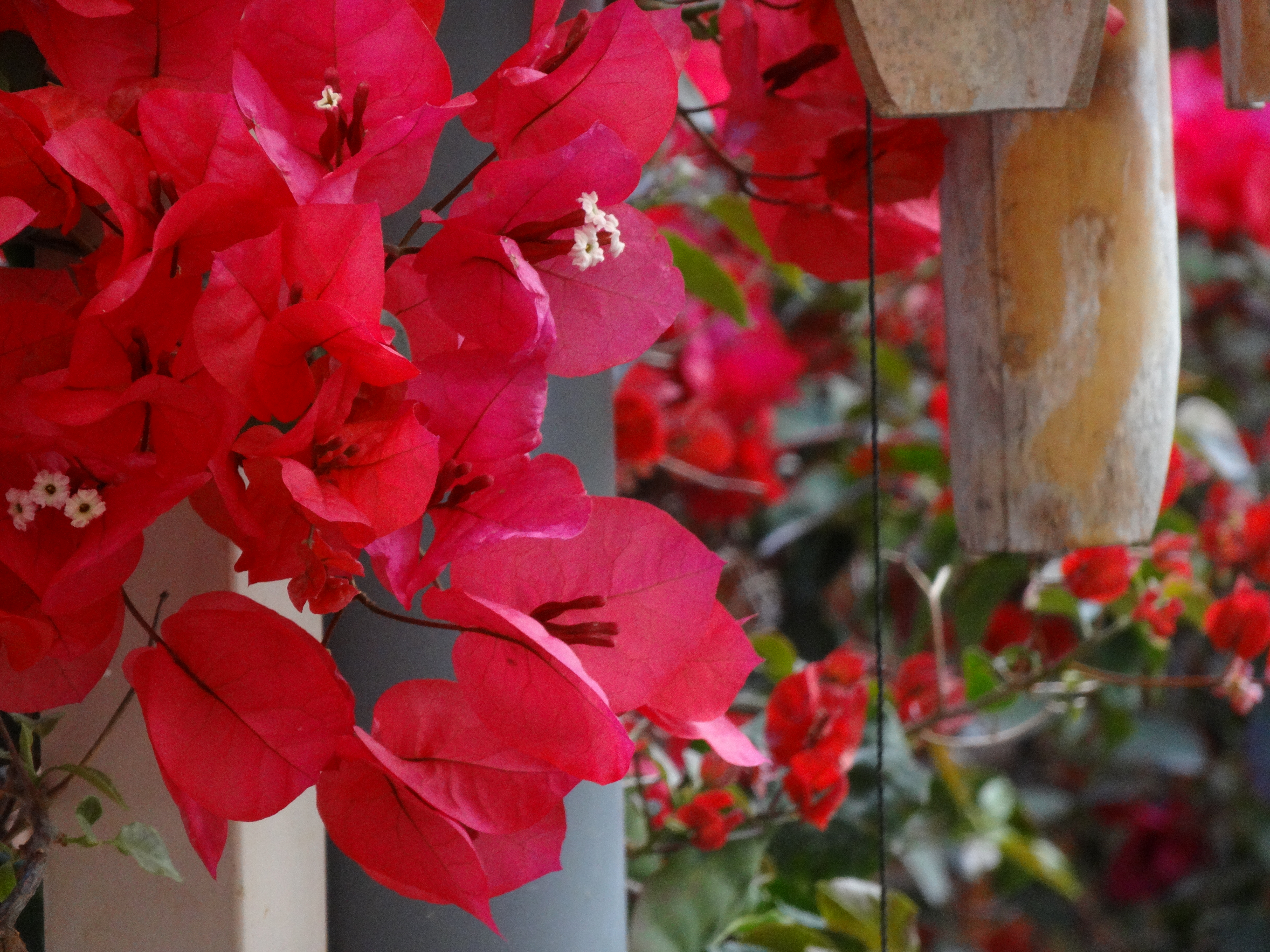
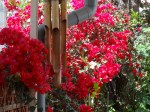
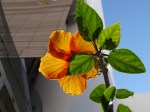
While it looks at its best in the summer, even at this time of year it’s flourishing, as milky white lilies poke up between a large-leafed bird of paradise, the jasmine springs back to life and brightly coloured hibiscus and bourganvilla inject the garden with a panoply of colour.

© Nicholas de Lacy-Brown and The Daily Norm, 2001-2013. Unauthorized use and/or duplication of the material, whether written work, photography or artwork, included within The Daily Norm without express and written permission from The Daily Norm’s author and/or owner is strictly prohibited. Excerpts and links may be used, provided that full and clear credit is given to Nicholas de Lacy-Brown and The Daily Norm with appropriate and specific direction to the original content.