Skip to content

Posts tagged ‘History’

Norms in Rome | The Spanish Steps

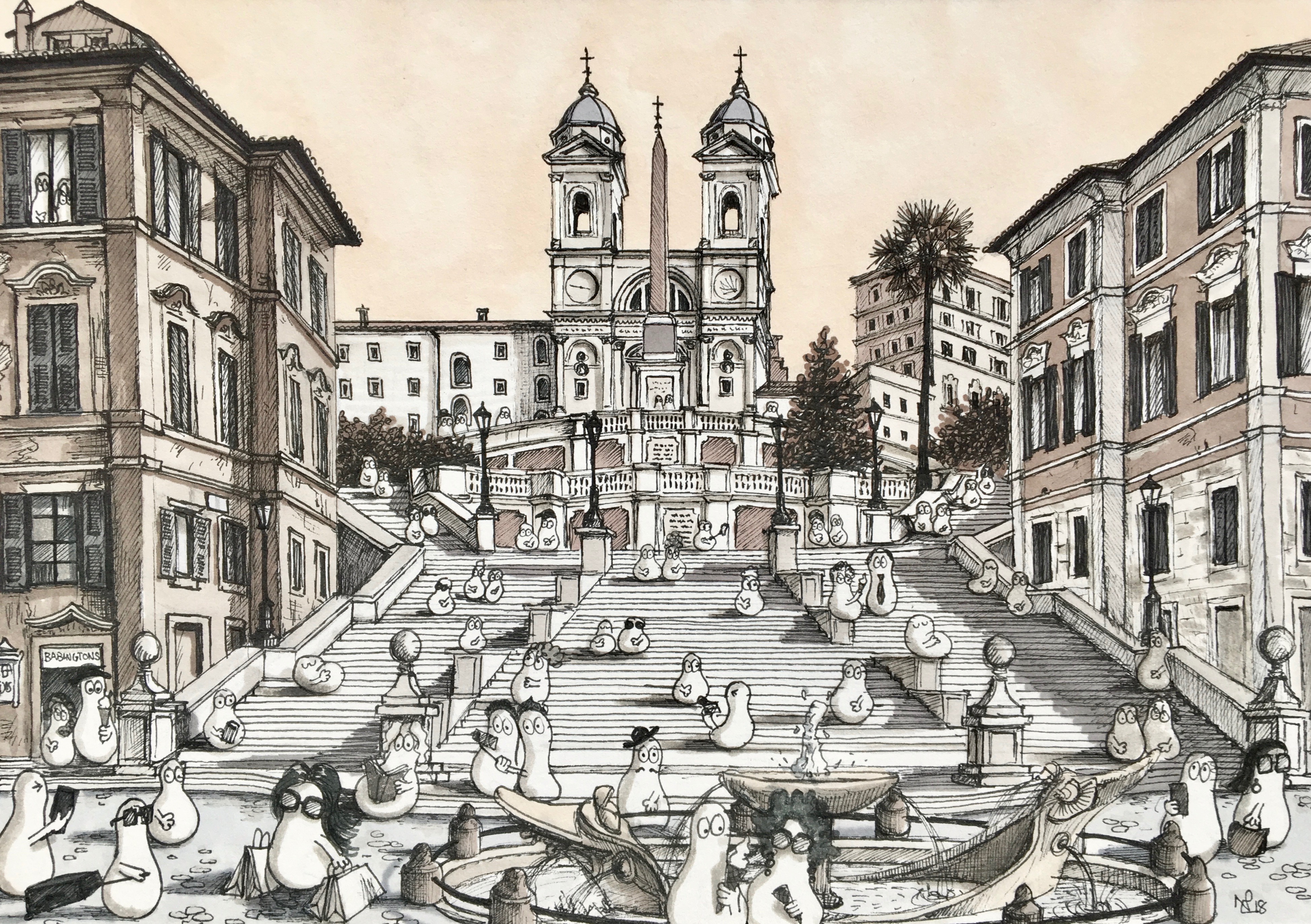
The Norms do enjoy a little bit of something chic, al la mode, au courant. So, when in Rome, do as the Roman high society would have you do, and go shopping in the city’s glitziest boutiques, all of which can be found in the immediate vicinity of the Spanish Steps.

The sweeping staircase of 135 steps has always had a touch of baroque glamour about it, but gained a Hollywood dazzle when it was the backdrop to Audrey Hepburn and Gregory Peck’s not-so-chance encounter in the 1953 epic, Roman Holiday. But even before hitting the silver screen, the staircase was the stuff of romantic legend, as it was location to the house of English Romantic poetic, John Keats, who lived and died in his house on the right side of the staircase in 1821.

Spanish Steps Norms

Norms on the Spanish Steps (2018 © Nicholas de Lacy-Brown, pen on paper)

Naturally, the Norms feel an impulsive need to imbue themselves in the natural elegance of this area, and while they find bouncing up and down the many stairs somewhat tiresome, there can be little denying the true pleasure of both seeing, and being seen in the place that society says really does matter. No wonder the Norms are out in such large numbers to enjoy this true highlight of the Roman cityscape.

© Nicholas de Lacy-Brown and The Daily Norm, 2001-2018. Unauthorized use and/or duplication of the material, whether written work, photography or artwork, included within The Daily Norm without express and written permission from The Daily Norm’s author and/or owner is strictly prohibited. For more information on the artwork of Nicholas de Lacy-Brown, visit http://www.delacybrown.com 

Compendium // Rome > Lunching in the Trastevere

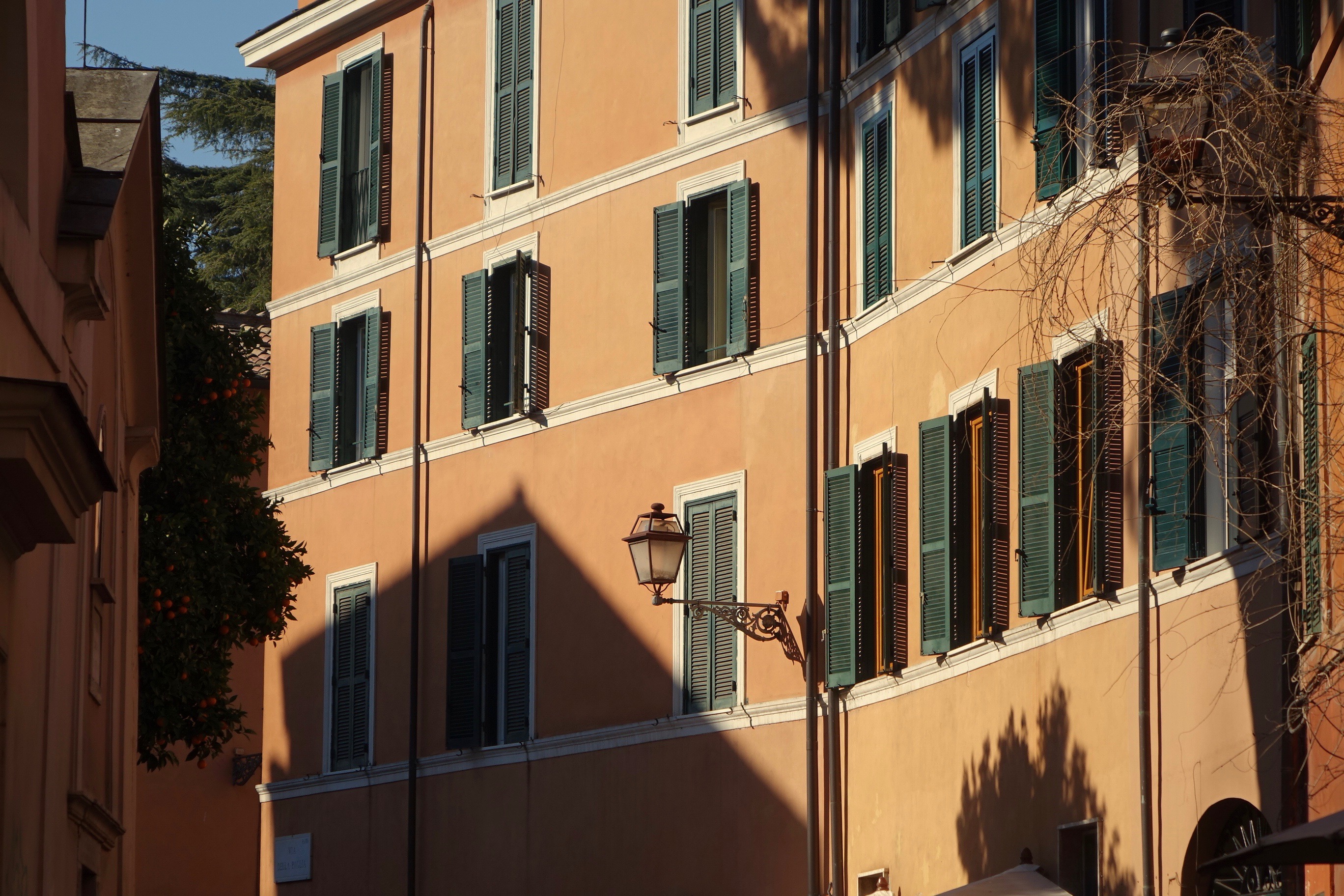
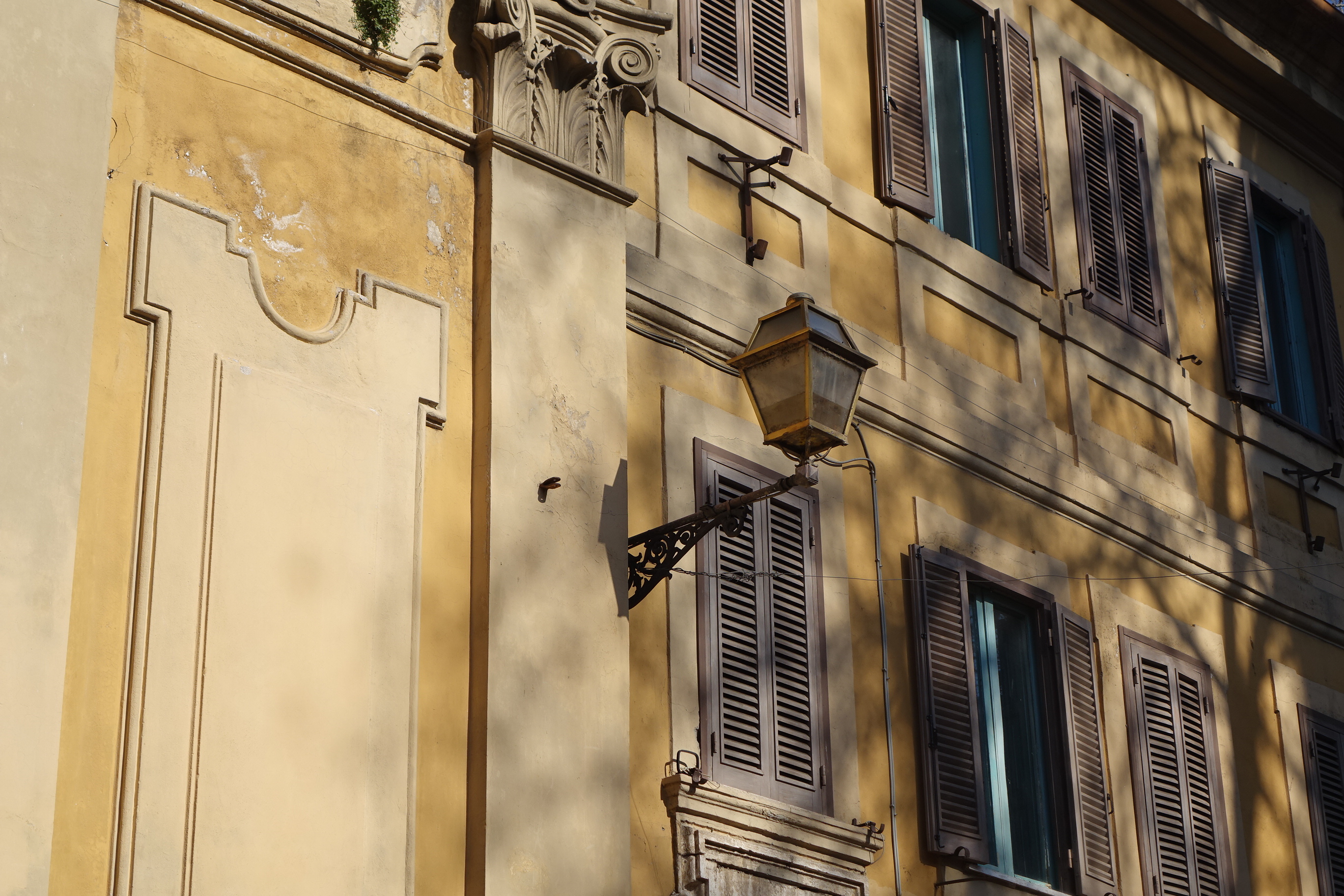
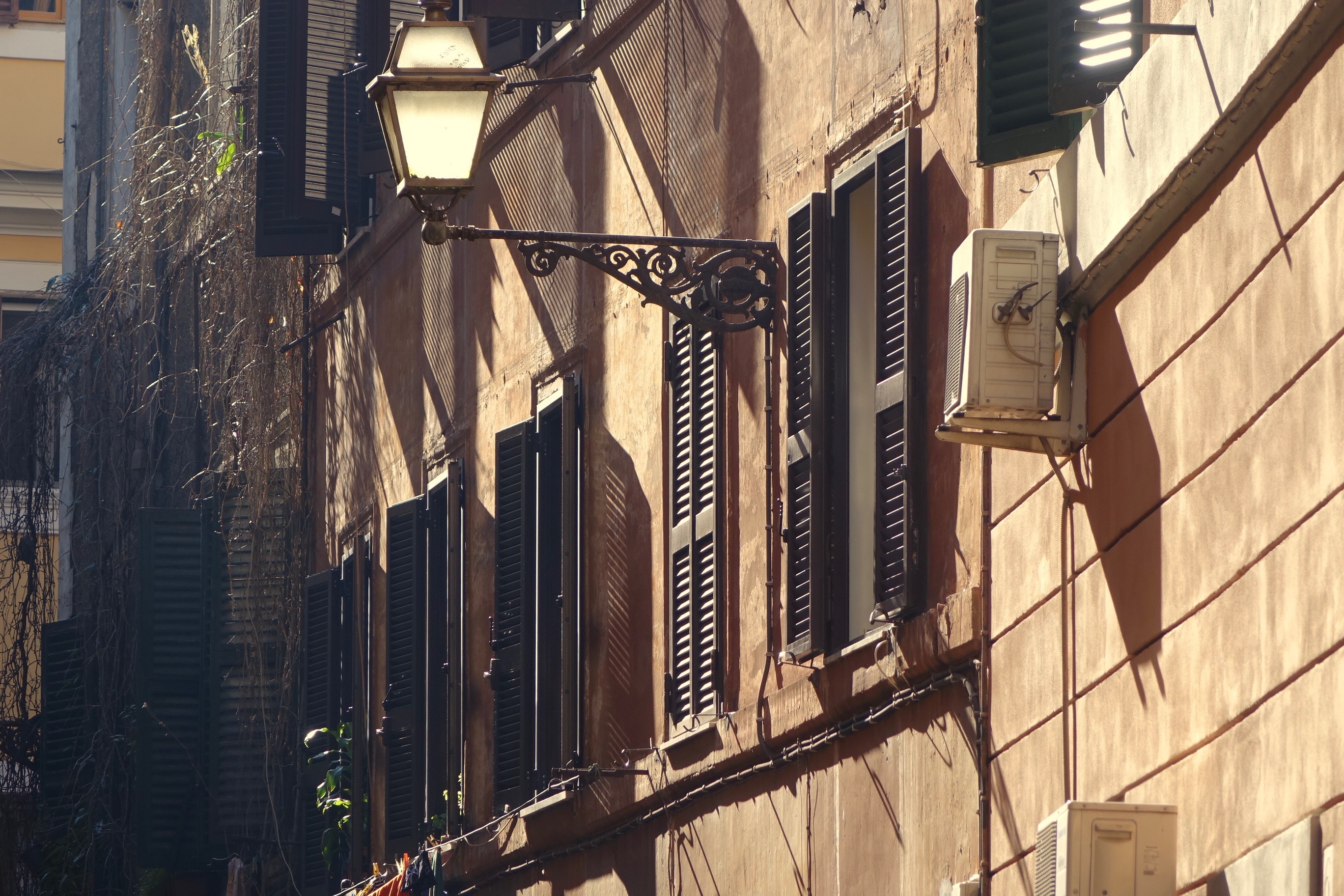
Up until only a year or so ago, the Trastevere was a region of Rome which somewhat alluded me. Set away from the ancient heart of the city, separated, as the name suggests, across the river from the main city sights, it is easy to forget this bustling little cobbled gem. And yet Trastevere, with its streets still strewn with laundry, unplanned crooked little houses and uneven roads is one of the most characterful areas of Rome, and certainly one which, more than any other, hangs on to its authentic, working class past, despite the very obvious charm it now holds for tourists.

Imbued with the kind of gloriously soft glowing light which summer evenings were made for, the Trastevere makes for the perfect location for an early evening perambulation before dinner. However, the result is often coach loads of tourists pumping themselves across the ancient bridges of the Tiber and filling the dear little narrow streets of the Trastevere to near bursting point. Trying to find a free table in these conditions is not fun, and certainly deprives one of the relaxed, authentic charm of the area.

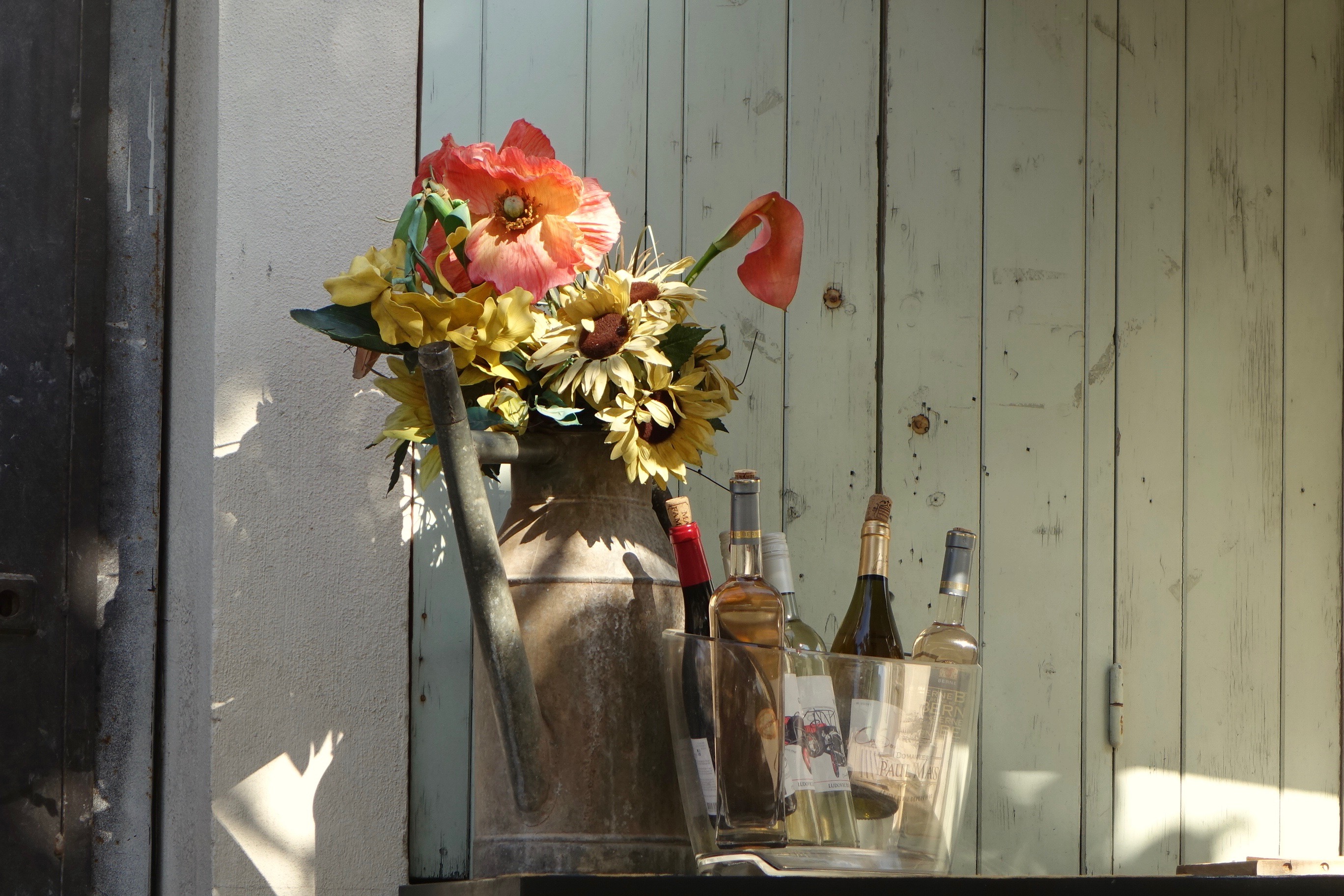
DSC01128DSC03777DSC01121DSC01083DSC03772

In my view, the better alternative is to do the Trastevere at lunchtime, when the narrow streets are filled with the warm glow of a higher midday sun, and some of that sleepiness which characterises the neighbourhood is retained away from the tourist hoards. This is particularly so in the cooler months of the year, when eating al fresco is a real daytime possibility, and the truly uncomfortable heat is yet to hit.

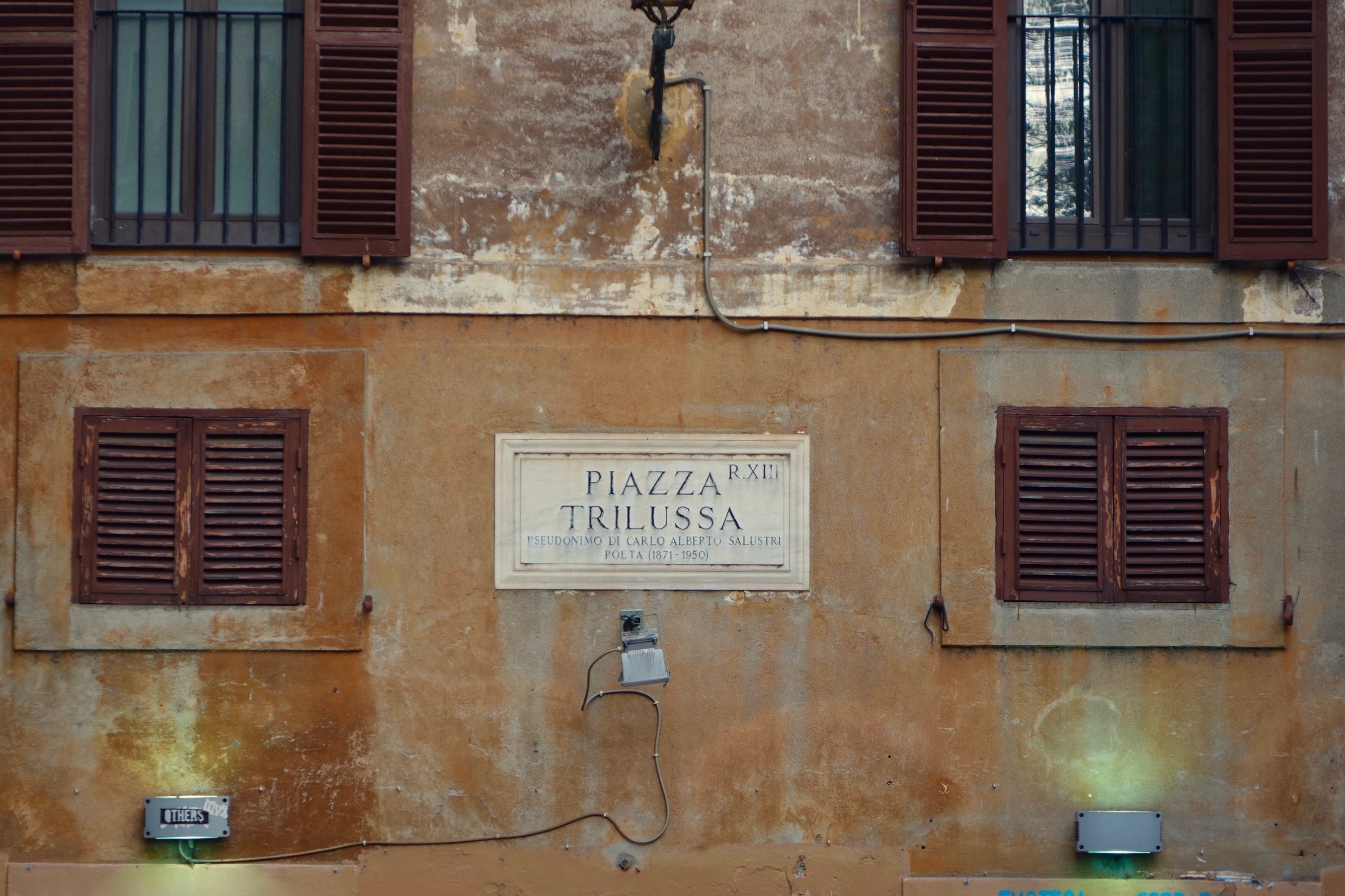
This is exactly what we did one Sunday this January, when the Trastevere seemed to come alive under the midday sun, despite a relatively quiet time of year in the Roman tourist calendar. Even then, the restaurants peppered along cobbled streets and lanes hung with verdant leafy climbing plants were filling fast, and it was almost on the point of giving up and heading pack over the Ponte Sisto that we stumbled upon the restaurant of the same name – the Osteria Pontesisto on the Via di Ponte.

DSC01125DSC01085DSC01082DSC03746DSC01118

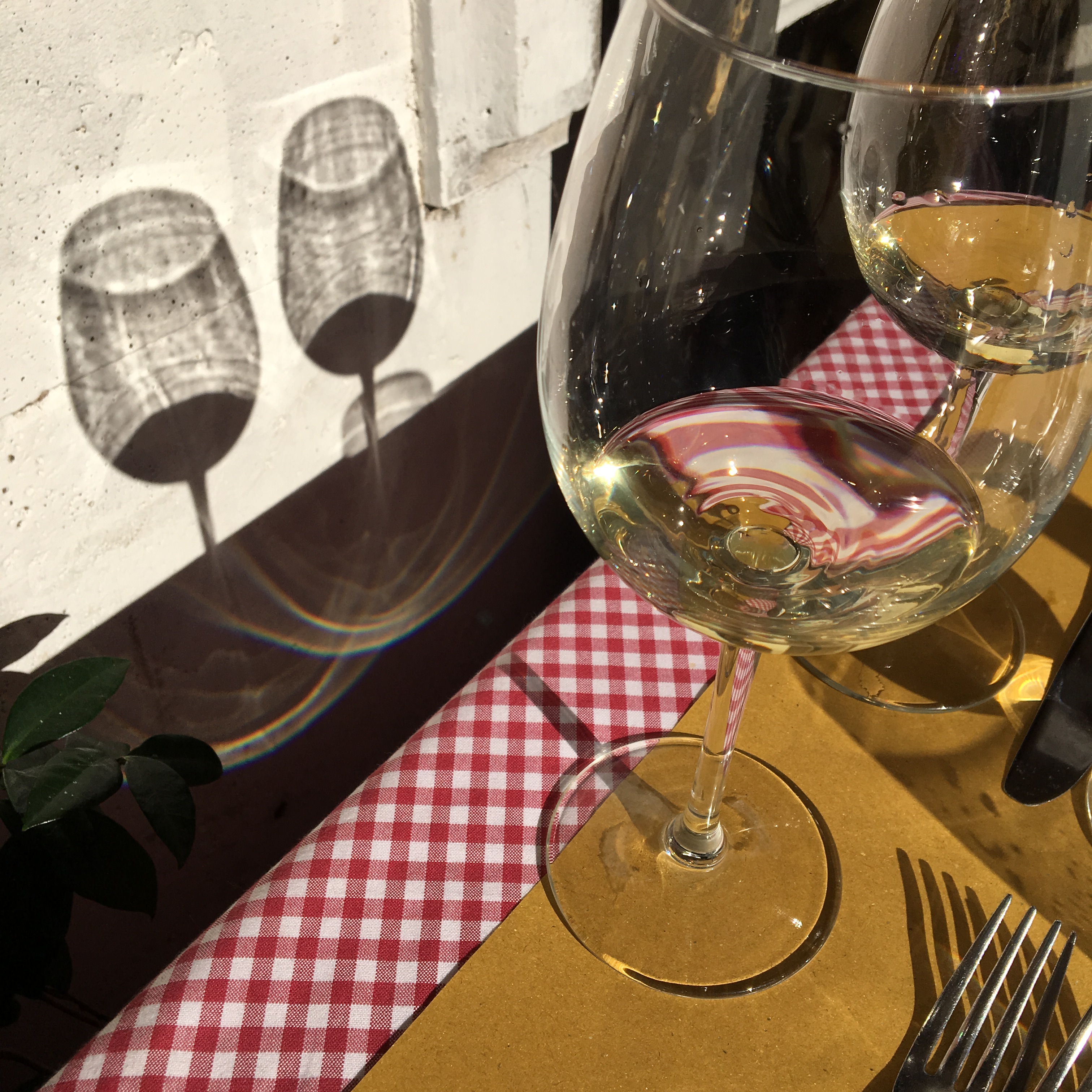
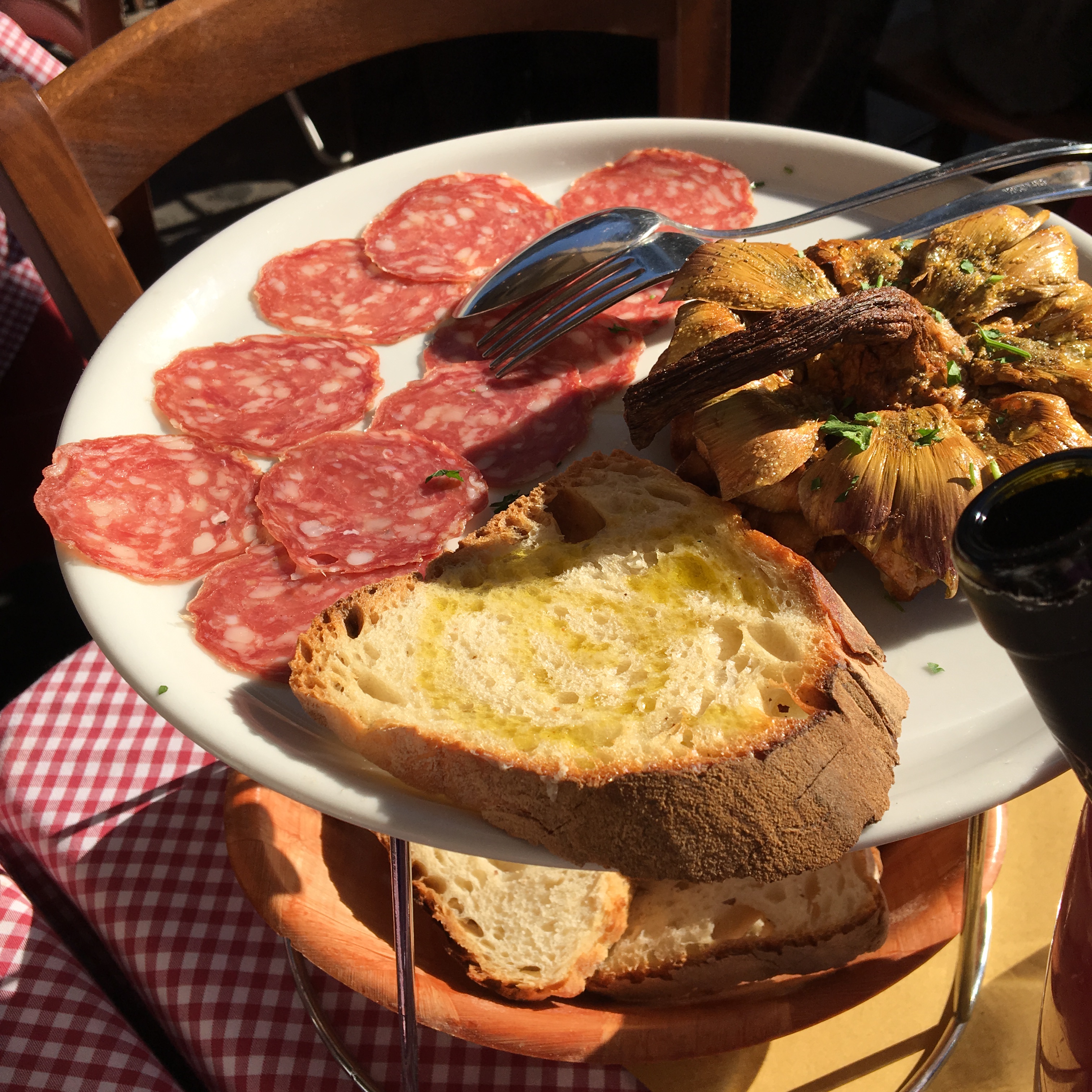
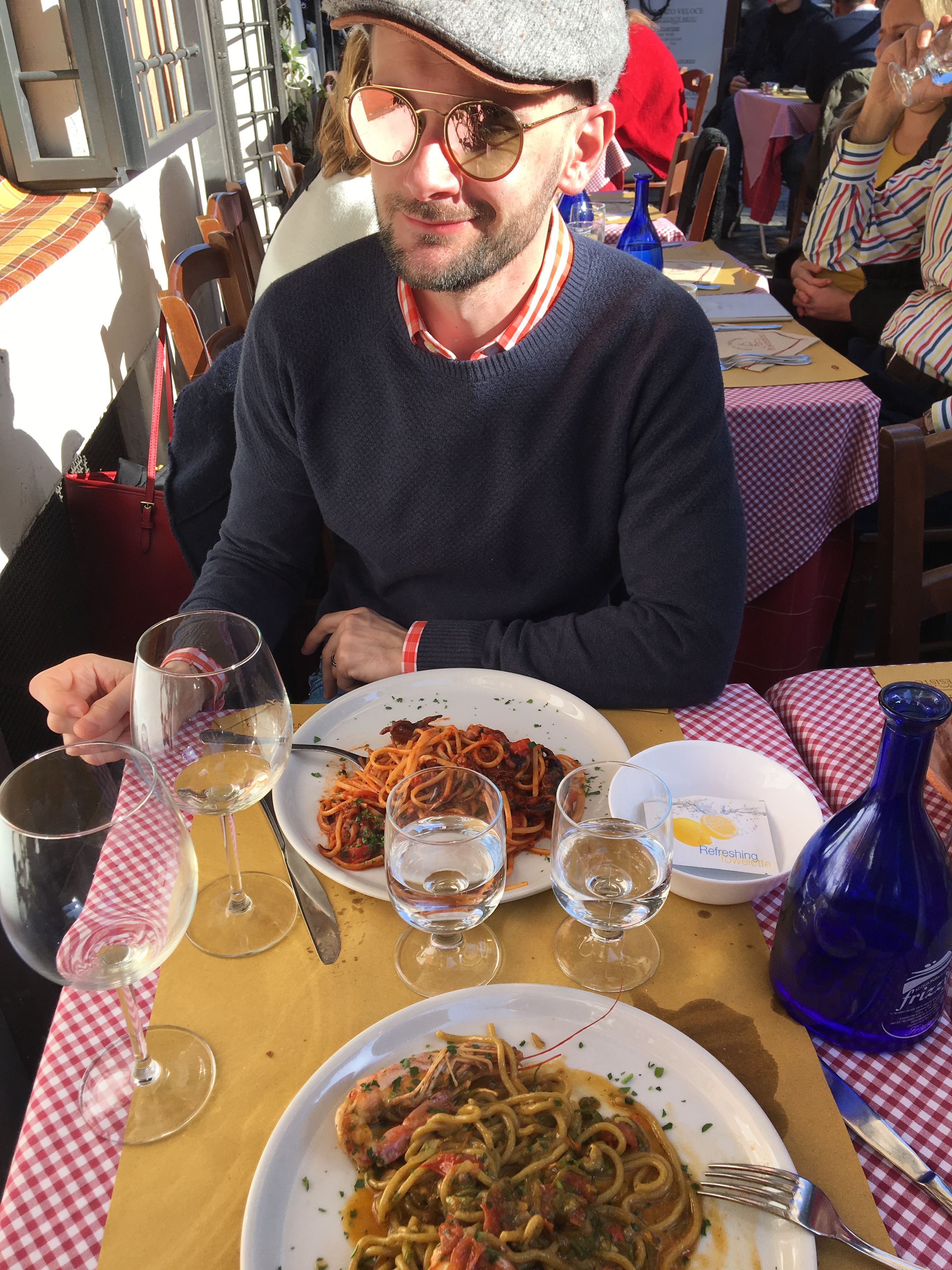
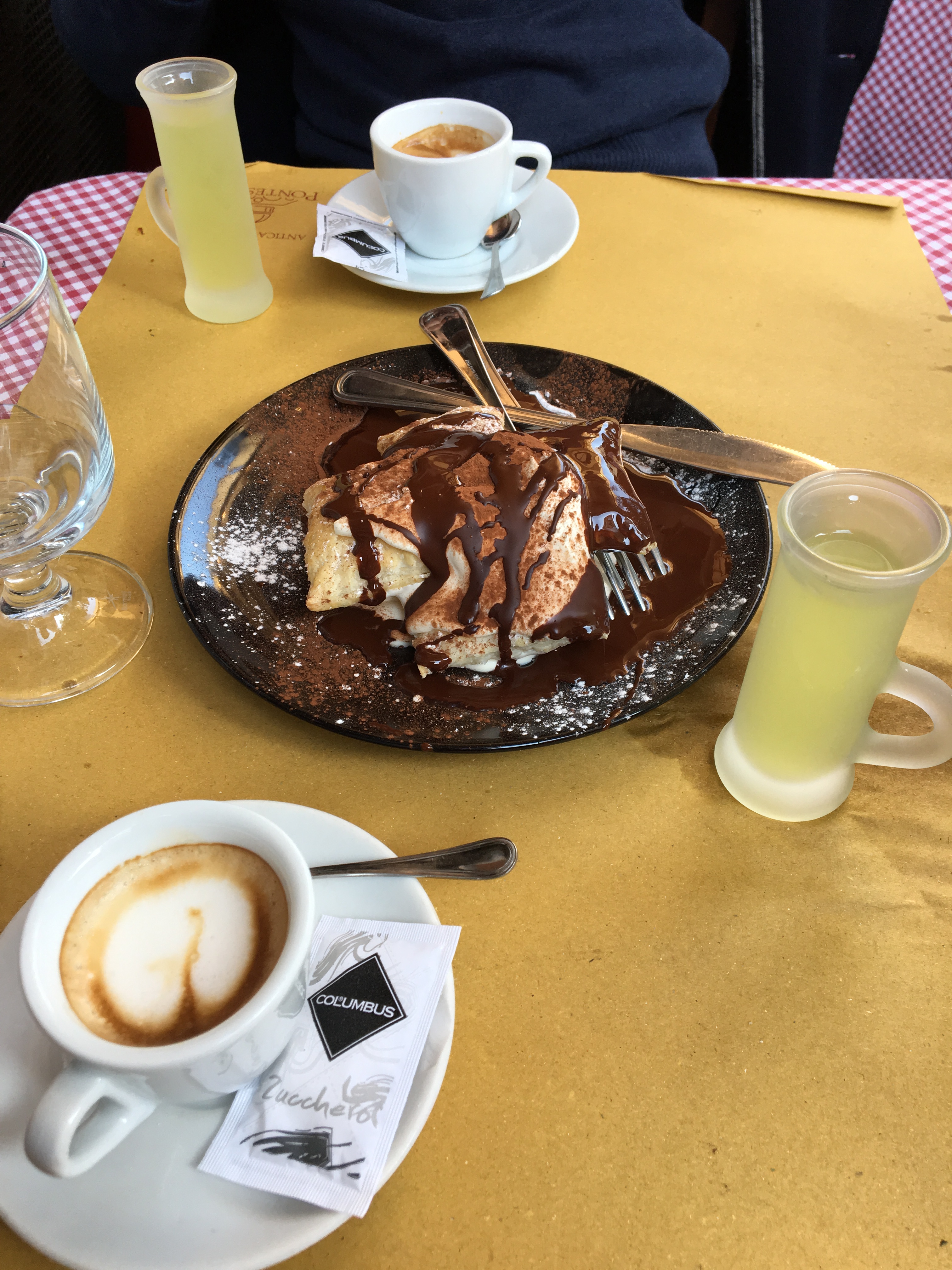
As though in wait especially for us, we took the last sunny table set outside the restaurant’s burnt orange facade. There, soothed by exquisite rays of winter sunshine, a lunch of freshly chilled chardonnay commenced, and continued with an appetizer of Roman fried artichokes and deliciously fresh wild board sausage. Then came the mains, and with it some of the best pasta I have had the pleasure to enjoy – a taglioni of king prawns and courgette flowers which filled my mouth with sensual delight at every mouthful. The soft but certain bite of the al dente pasta; the sweet succulence of the prawns; the perfumed intensity of the fish stock. Dear god it was good. So much so, I was almost too drunk on deliciousness (and wine) to fully appreciate yet another superb dish which was to follow – a homemade puff pastry millefeuille stuffed with fluffy clouds of cream and drizzled with just melted rich dark chocolate. Just. Too. Good.

IMG_7128IMG_7132IMG_7136IMG_7139IMG_7134

The Trastevere is popular for a reason, and sometimes a bit of patience is required before the perfect table reveals itself. But trust me, if that perfect Trastevere lunch is meant to be, that cute little red and white chequered road-side table will be waiting for you. But to be sure, make a reservation at the Osteria Pontesisto. As my lunch told me, you can’t go wrong with that one.

© Nicholas de Lacy-Brown and The Daily Norm, 2018. Unauthorised use and/or duplication of the material, whether written work, photography or artwork, included within The Daily Norm without express and written permission from The Daily Norm’s author and/or owner is strictly prohibited.

Norms in Rome | The Ancient Forum

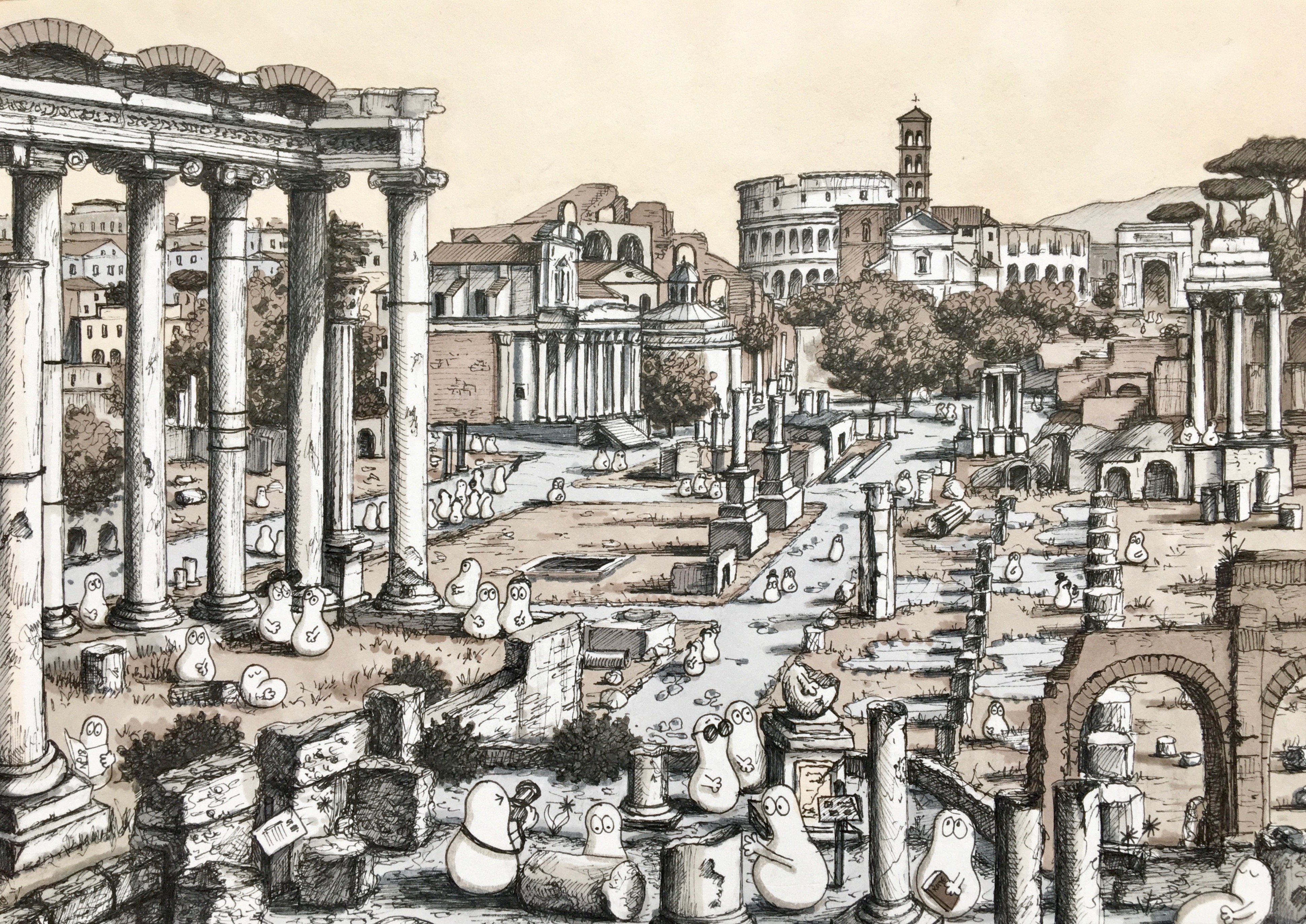
It is a fact universally acknowledged that Norms are mega history buffs. From the ice age to the golden age of the Renaissance, from Emperor Nero to Emperor Napoleon, the Norms soak in historical facts like they do rejuvenating sunshine. Lucky then that in Rome they can get both. In buckets. And where better to start the historical immersion than in the place where it all began: the Forum of Ancient Rome.

It’s not all that much to look at now, with its scattered ruins ravaged by time and multiple pillage, but with a little imagination, how mesmerising it is to recreate the kind of historical drama which played out in this place. Here it was that the steps of the Senate ran with Julius Caesar Norm’s blood. Where the great orator Cicero Norm would enchant his audiences with legal rhetoric. And where, just up the hillside, generations of magnificent but despotic emperor Norms would hold sway.

Forum Norms

Norms in the Forum (©2018, Nicholas de Lacy-Brown, pen and ink on paper)

The broken rubble and the patches of grass don’t seem to do justice to what this place once was. But the Norms love it all the same. Here one can really take a tangible Norm-bounce back thousands of years into the past. And when the time comes to return to the 21st Century, the glory of modern day Rome reminds why this city continues to be a bustling contemporary metropolis, beloved of Norms everywhere.

© Nicholas de Lacy-Brown and The Daily Norm, 2001-2017. Unauthorized use and/or duplication of the material, whether written work, photography or artwork, included within The Daily Norm without express and written permission from The Daily Norm’s author and/or owner is strictly prohibited. For more information on the artwork of Nicholas de Lacy-Brown, visit http://www.delacybrown.com 

Compendium // Rome > Moses, the other great Michelangelo

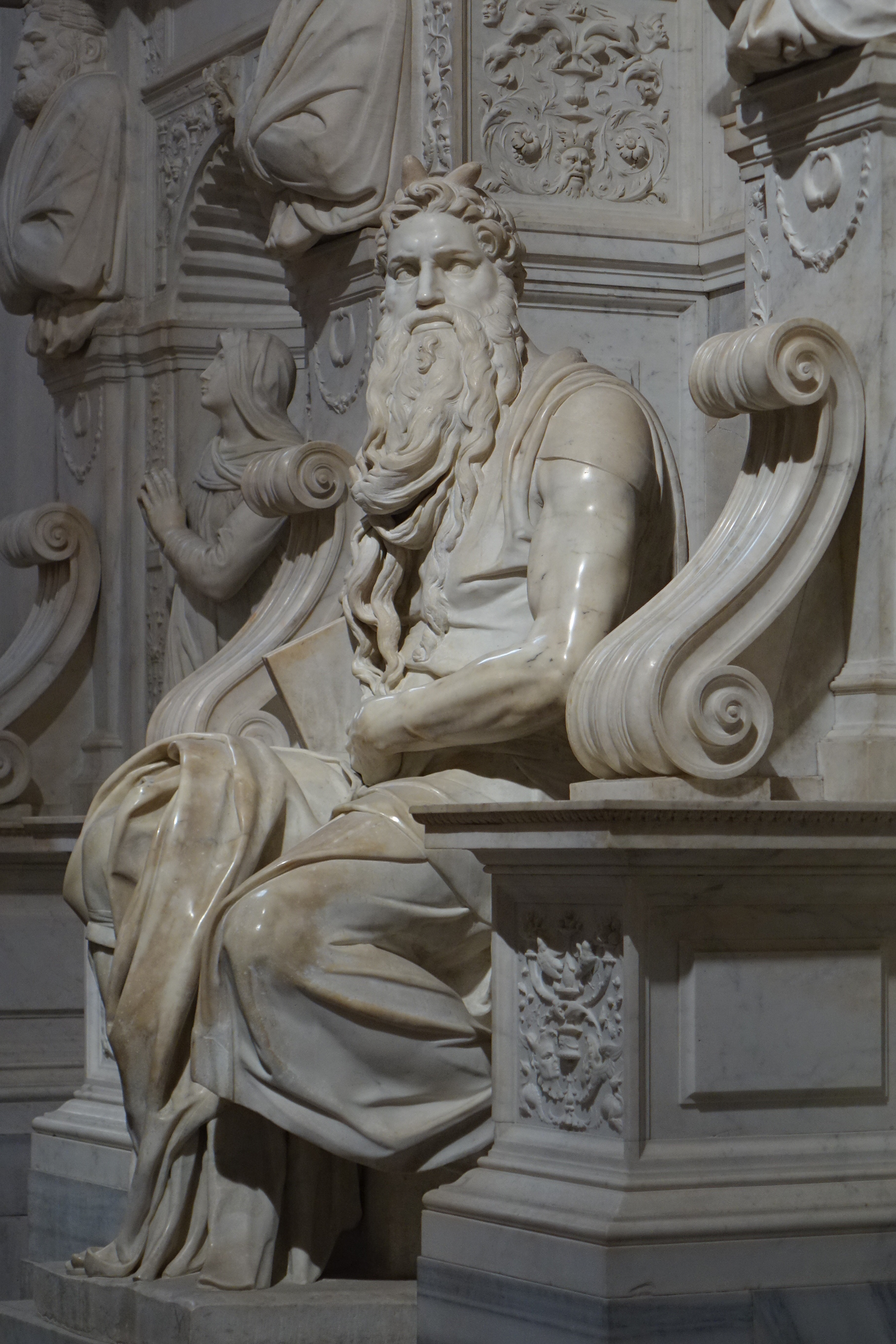
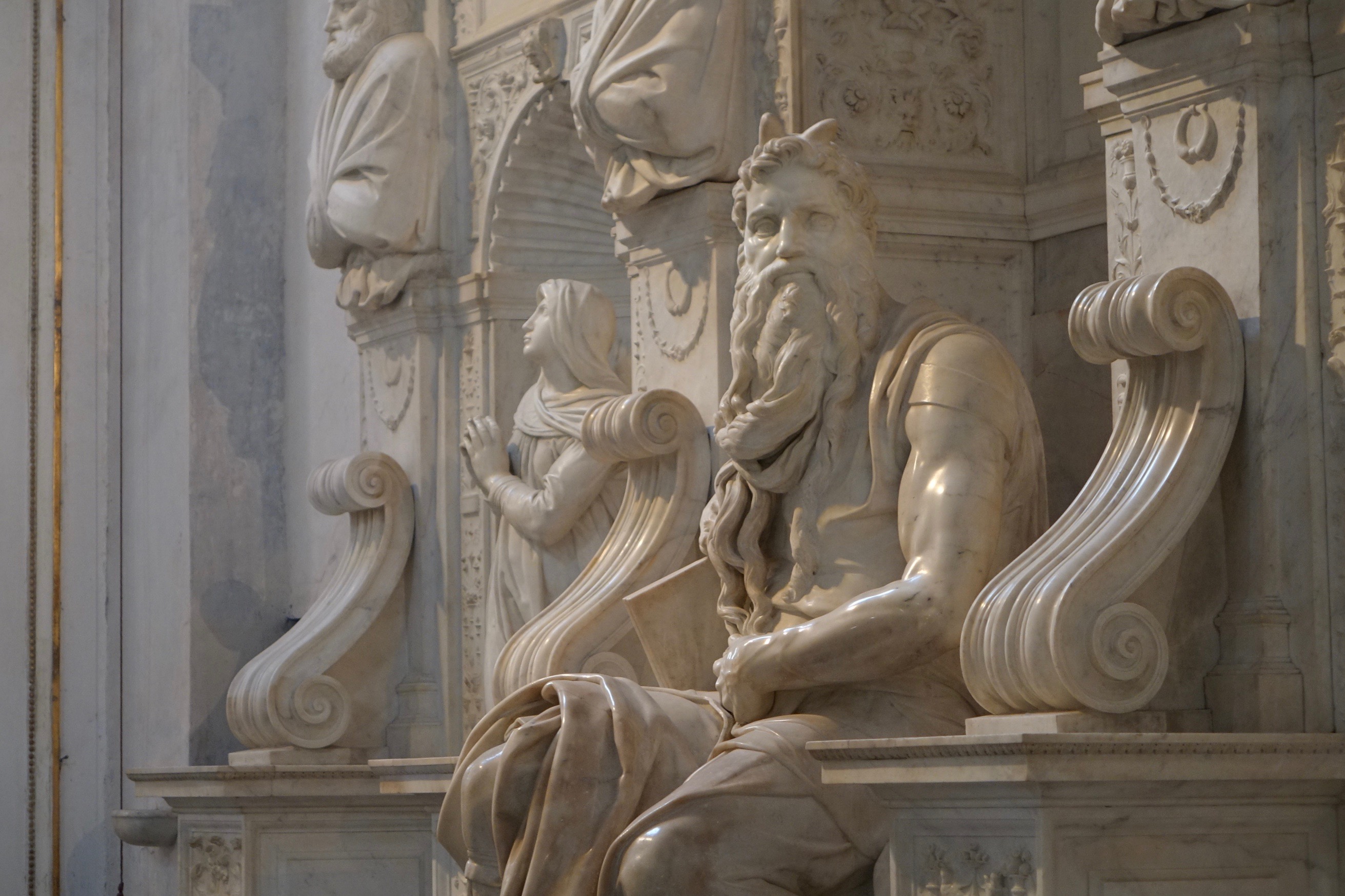
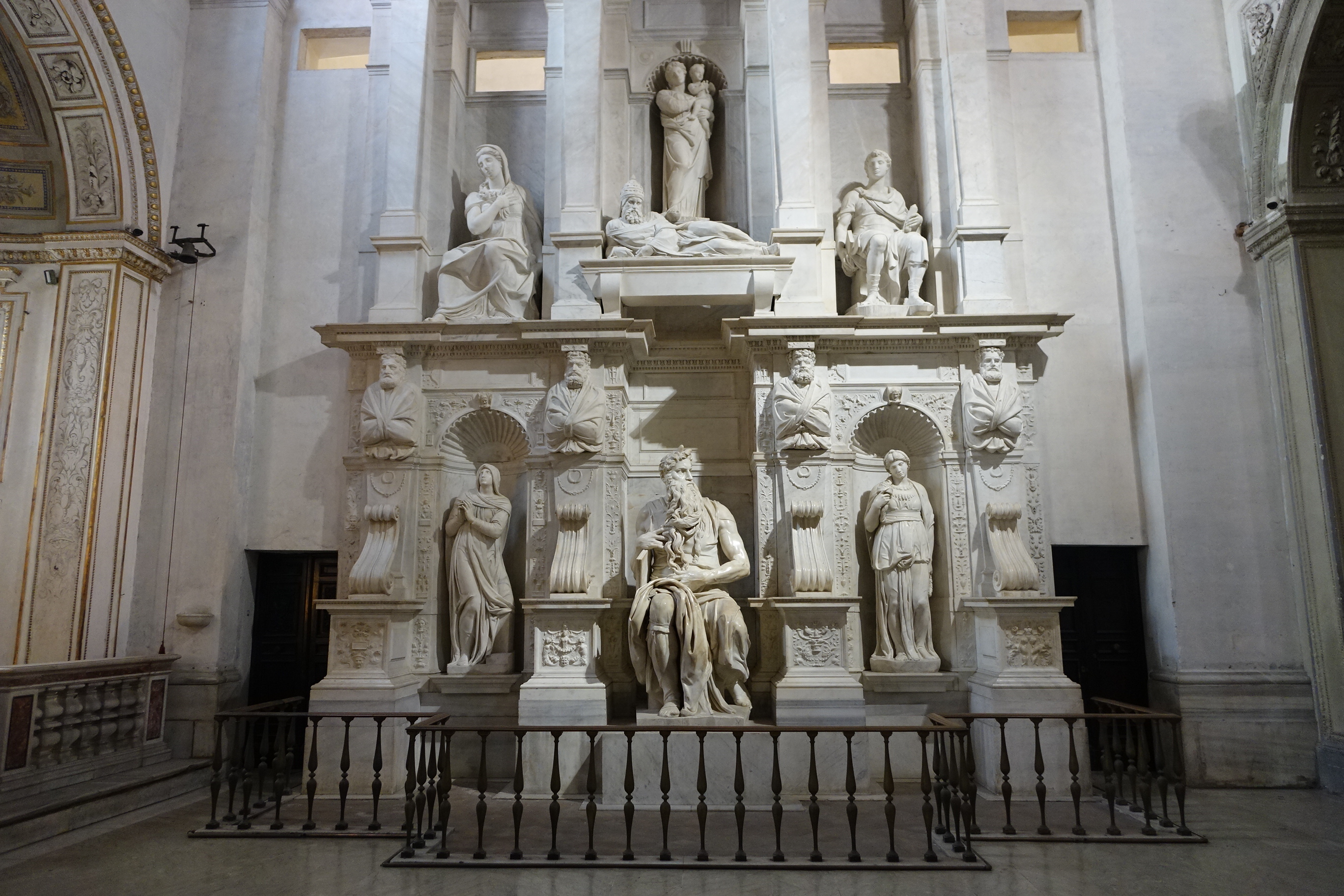
Michelangelo’s David is one of the most cited, famous and admired sculptures in the history of art. Its image graces tea towels and teapots, erotic aprons and nodding-head dolls. And it’s no wonder. When I revisited the great marble man over Christmas, my emotions raised the nearer I got to the splendid stone musculature. We have been left with few Michelangelo sculptures in a truly finished state. Much of the works of his sculptural oeuvre have only just started emerging from their cacophony of natural stone. But in Rome there is another Michelangelo in the ecstatic state of splendid finesse, which is every bit the equal of David for its brilliance of anatomy, and for the emotions captured in marble. I am not talking of the Vatican’s La Pieta, but Moses, a mere stone’s throw from the Colosseum.

DSC00572DSC00575DSC00586DSC00576

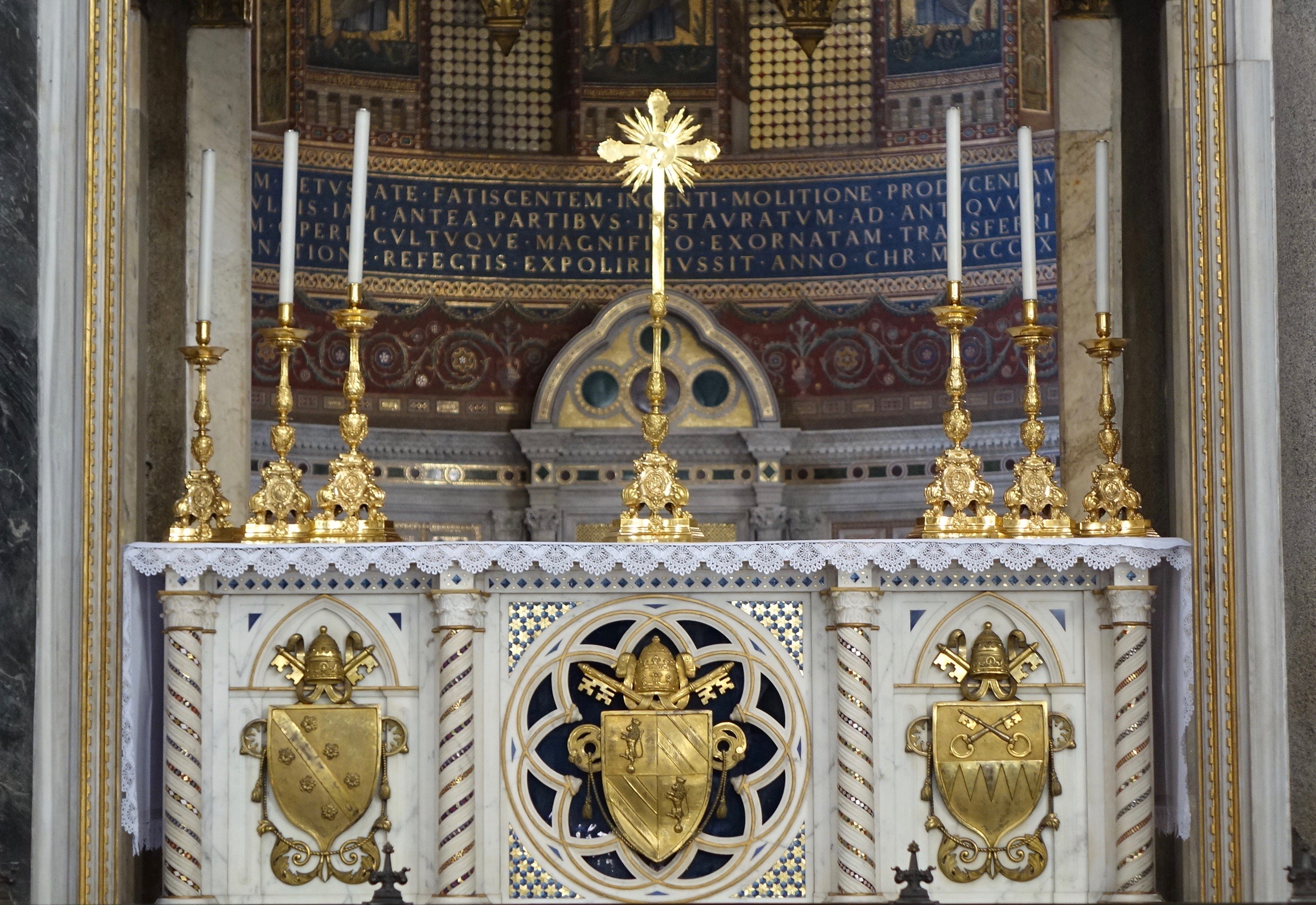
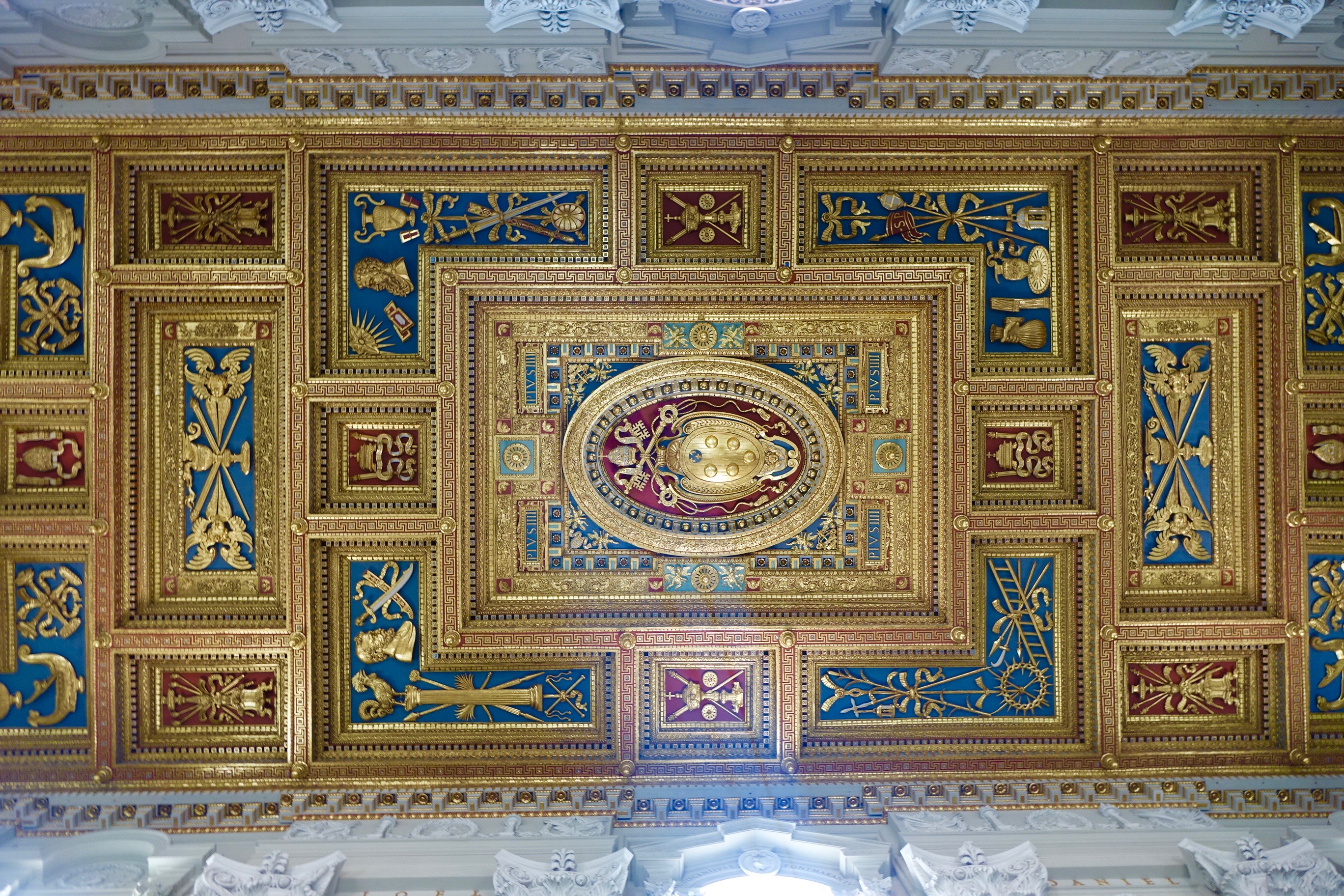
Without a recommendation, you could easily miss San Pietro in Vincoli (St Peter in Chains), the church in central Rome where Moses is held (and which also hosts the chains purported to have held said St Peter in captivity). There, in one corner, the sole direction of the tourist gaze will soon demarcate where Michelangelo’s masterpiece is waiting. Had Moses sat within the mammoth marble tomb structure of Pope Julius II for which he was originally intended, there would have been no missing him. Commissioned by the Pope in 1505, the tomb was designed to hold 40 like-sized sculptures and fill a central apse of the new St Peter’s Basilica. As it was, Michelangelo soon became embroiled in the Pope’s other great commission: the ceiling of the Sistine Chapel, and when his tomb was eventually installed at its current location, Moses took centre stage, his being the only one of the major sculptures for the tomb completed.

Perhaps it was a twist of fate which made things that way. For it would be a crying shame indeed if this truly exquisite statue had been lost in a crowd of 39 others, relegated to a tier some 4 metres of the ground in its intended positioning. Today, by contrast, the relative accessibility of San Pietro in Vincoli means you can get to almost touching distance of the great man, and the effect is ravishing.

DSC00566DSC00578DSC00584DSC00569

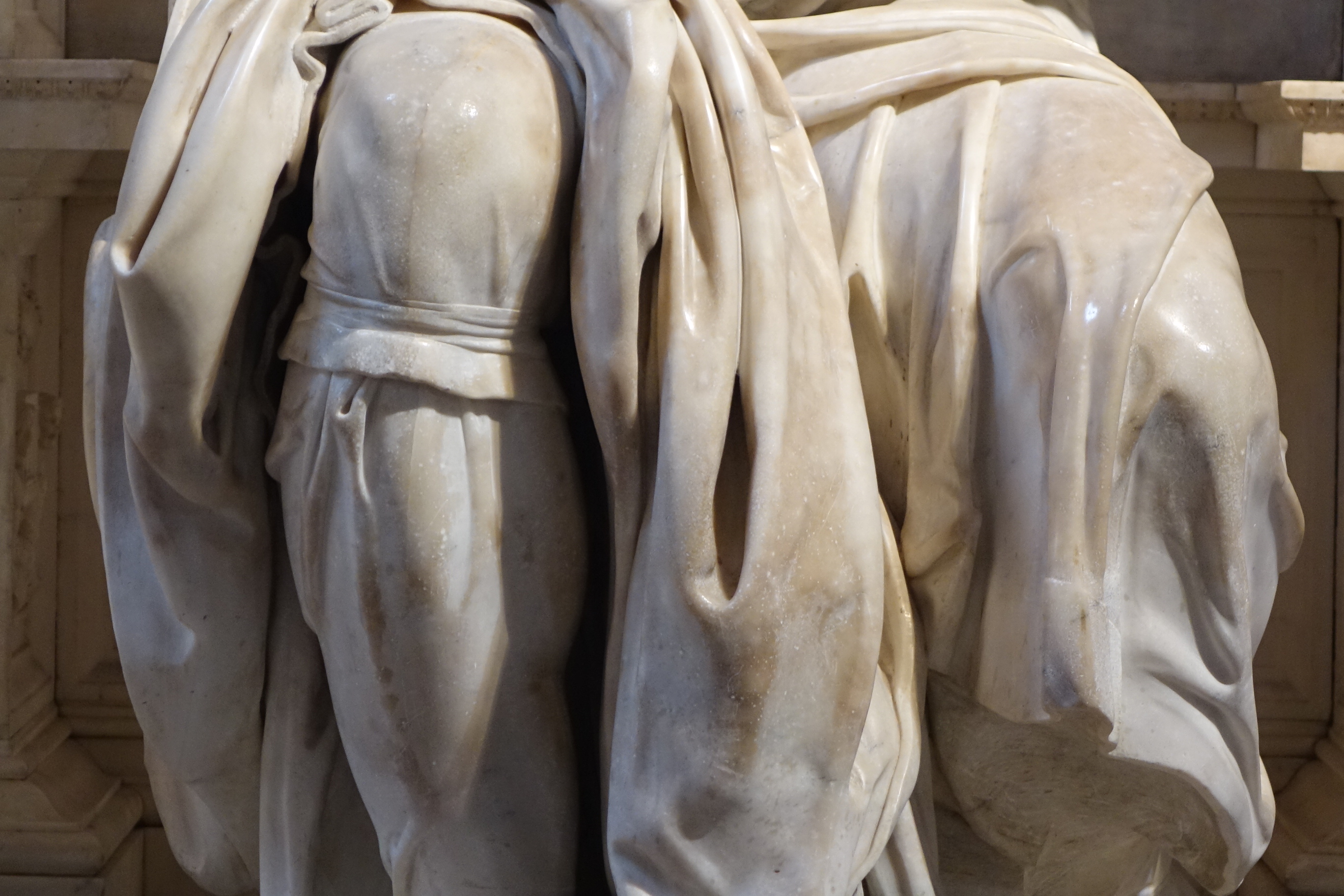
How can I describe an encounter with Moses? Emotional for sure, awestruck most certainly. The way in which Michelangelo so adeptly sculpts the flowing beard of Moses, twisted around his fingers in what appears to be both a moment of contemplation and rage at the idolatry of the Israelites who he finds to be worshiping a golden cow upon his descent from Mount Sinai. There is a beautiful, throbbing intensity about his musculature and his domineering presence. This Moses is both godlike to behold, and intimidating to witness.

Above all things he is a true icon of art history, and what is Michelangelo’s perhaps more overlooked masterpiece, available for all to see (for free) in the very centre of Rome.

© Nicholas de Lacy-Brown and The Daily Norm, 2018. Unauthorised use and/or duplication of the material, whether written work, photography or artwork, included within The Daily Norm without express and written permission from The Daily Norm’s author and/or owner is strictly prohibited.

Compendium // Rome > Lateran, the Alternative Vatican

When many people think of Rome, it’s not the Colosseum they have in mind, but the soaring dome of St Peter’s Basilica at the very Catholic heart of the Vatican City. It is somewhat ironic then that the Vatican, while sitting bang centre in Rome, is not part of the Italian capital at all, but an entirely separate extraterritorial land belonging to the Holy See. Whatever the political geography, the Vatican is a must-see location for any visitor to Rome, but because of that, it’s too often heaving. Without an advanced ticket, you’ll spend far longer in a queue than you ever will inside of St Peter’s or its adjacent museum. Even with a reservation, the queues and security checks try the patience of the most earnest visitor.

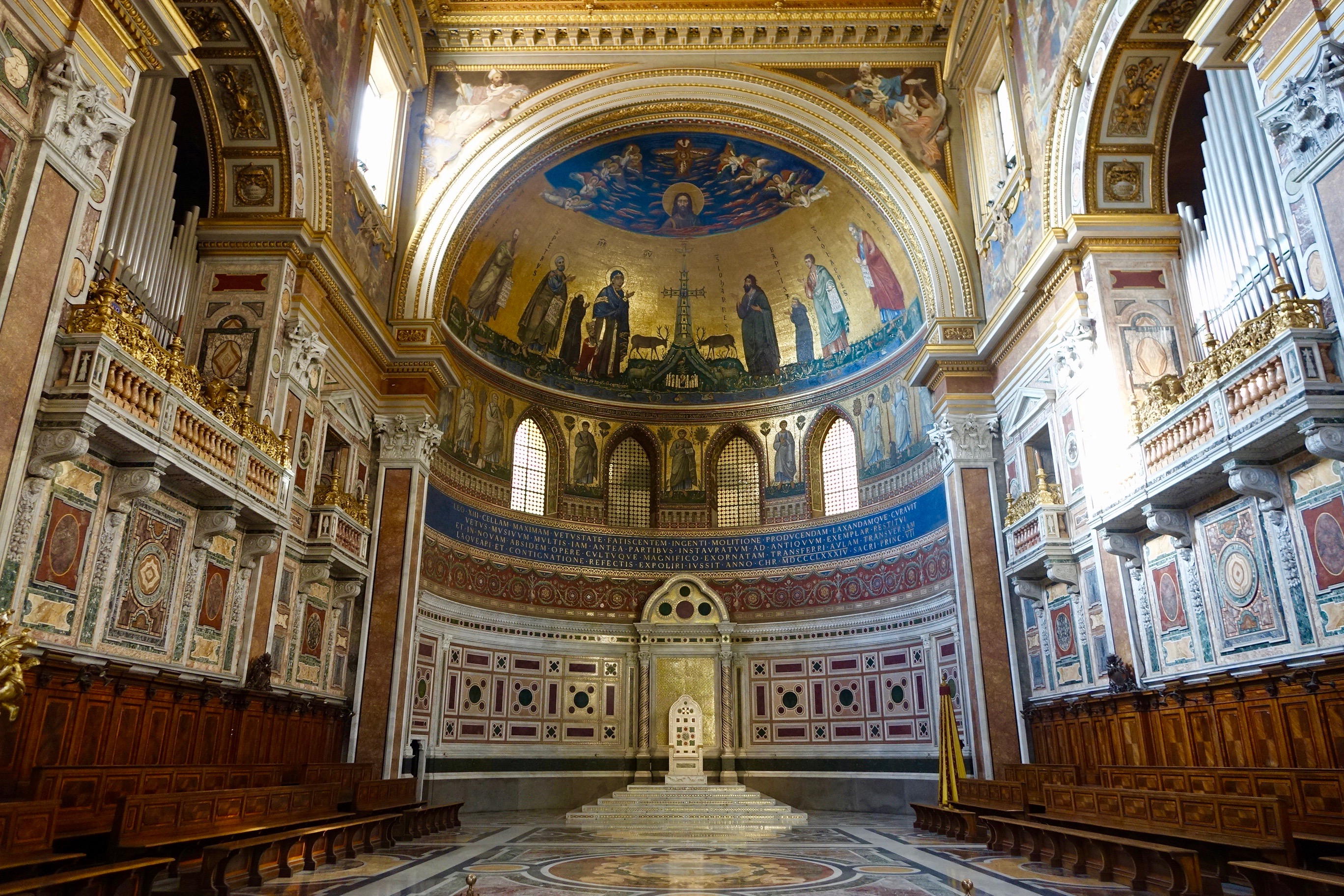
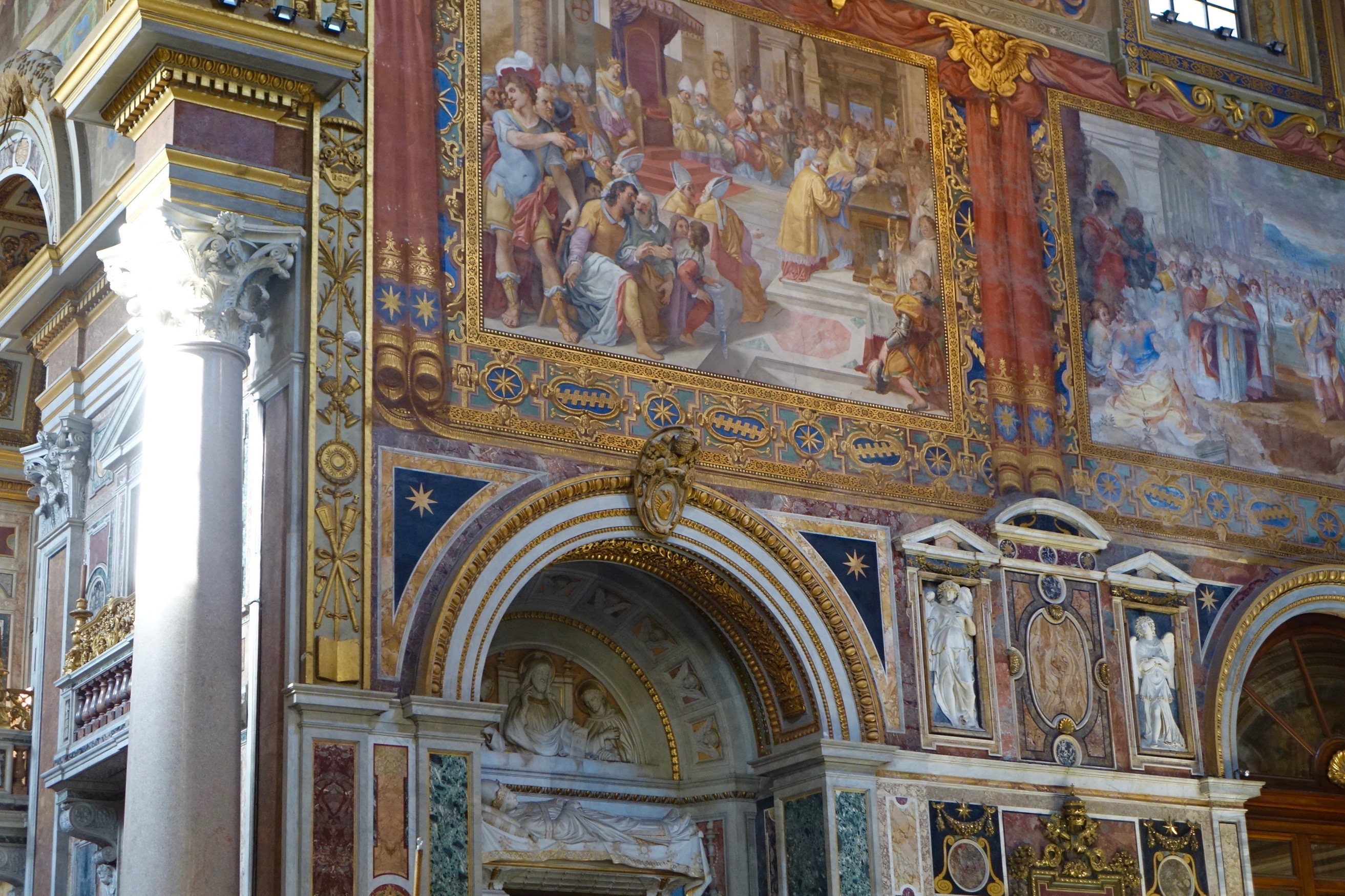
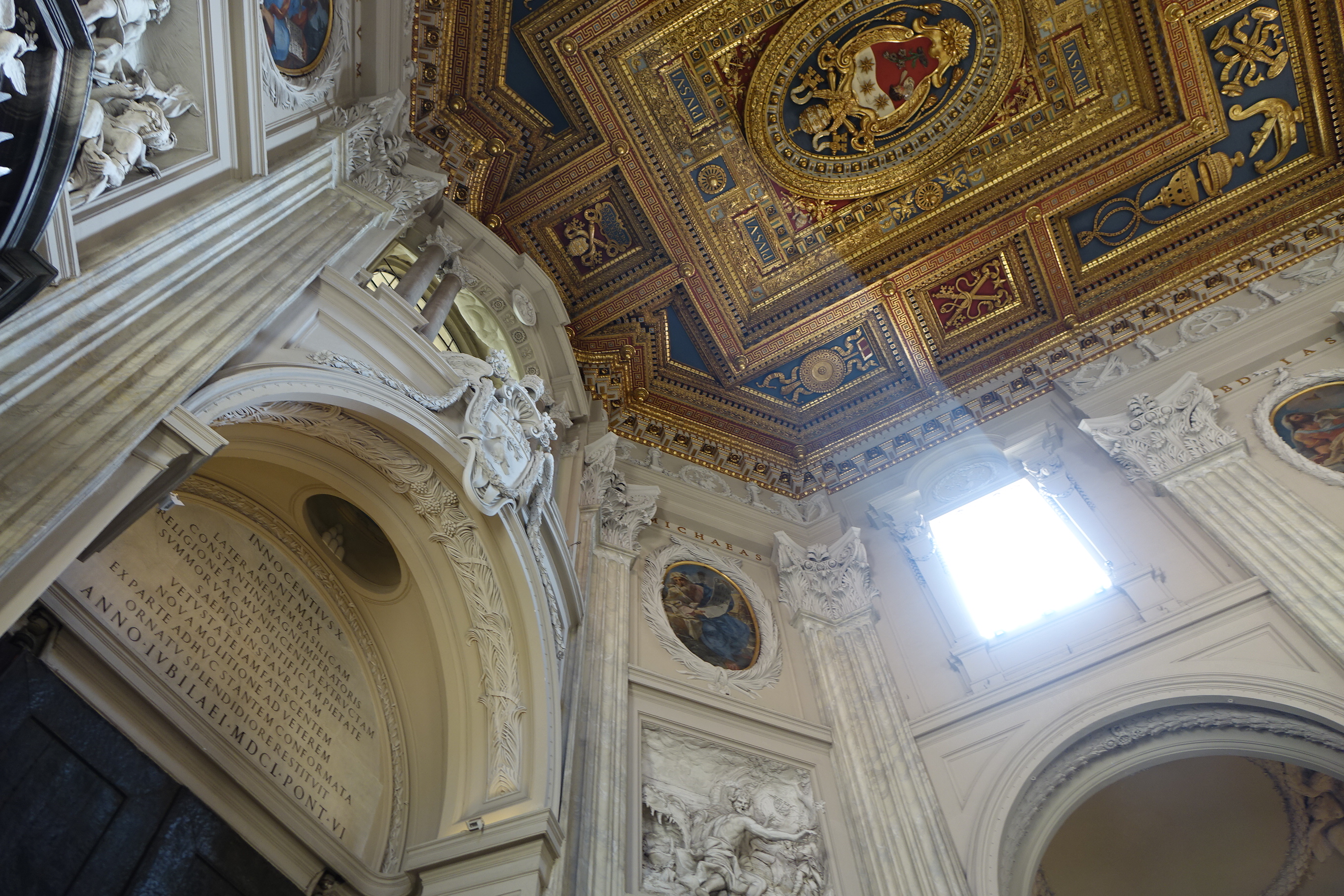
Enter the Lateran Basilica, or to give it its full name, the Cathedral of the Most Holy Saviour and of Saints John the Baptist and the Evangelist in Lateran (also known as the Papal Archbasilica of St John in Lateran, and many other similar variations on the theme). Located on a diagonal 4km axis cutting through ancient Rome from the heart of the Vatican City, the Lateran Basilica is the alternative St Peter’s. Almost as big, just as spectacular, the Basilica is the ecclesiastical seat of the Bishop of Rome and such an equally important a player in Papal History that its story goes hand in hand with that of the Vatican across the river.

DSC00701DSC00706DSC00677DSC00654DSC00694DSC00633DSC00663DSC00665DSC00655

As the oldest and highest ranking of the four papal major basilicas, the Lateran is unique in having the title of “archbasilica” and was, for hundreds of years prior to the dominance of St Peter’s, the home of countless generations of Popes. As the scale of Rome shrank and declined in the early second millennium AD, the area around the Lateran was reduced to a form of bucolic wasteland. Exposed and rundown, the Lateran Basilica and its neighbouring palace became disconnected from the beating heart of Rome, and during the Avignon years of the Papacy, the Lateran deteriorated and eventually suffered substantial fire damage. Thankfully, even from their new lavish seat of St Peter’s, the popes of baroque Rome recognised the importance of the Lateran, and in the 17th century, Pope Innocent X commissioned Francesco Borromini to rebuild the Lateran in the splendid image we see today.

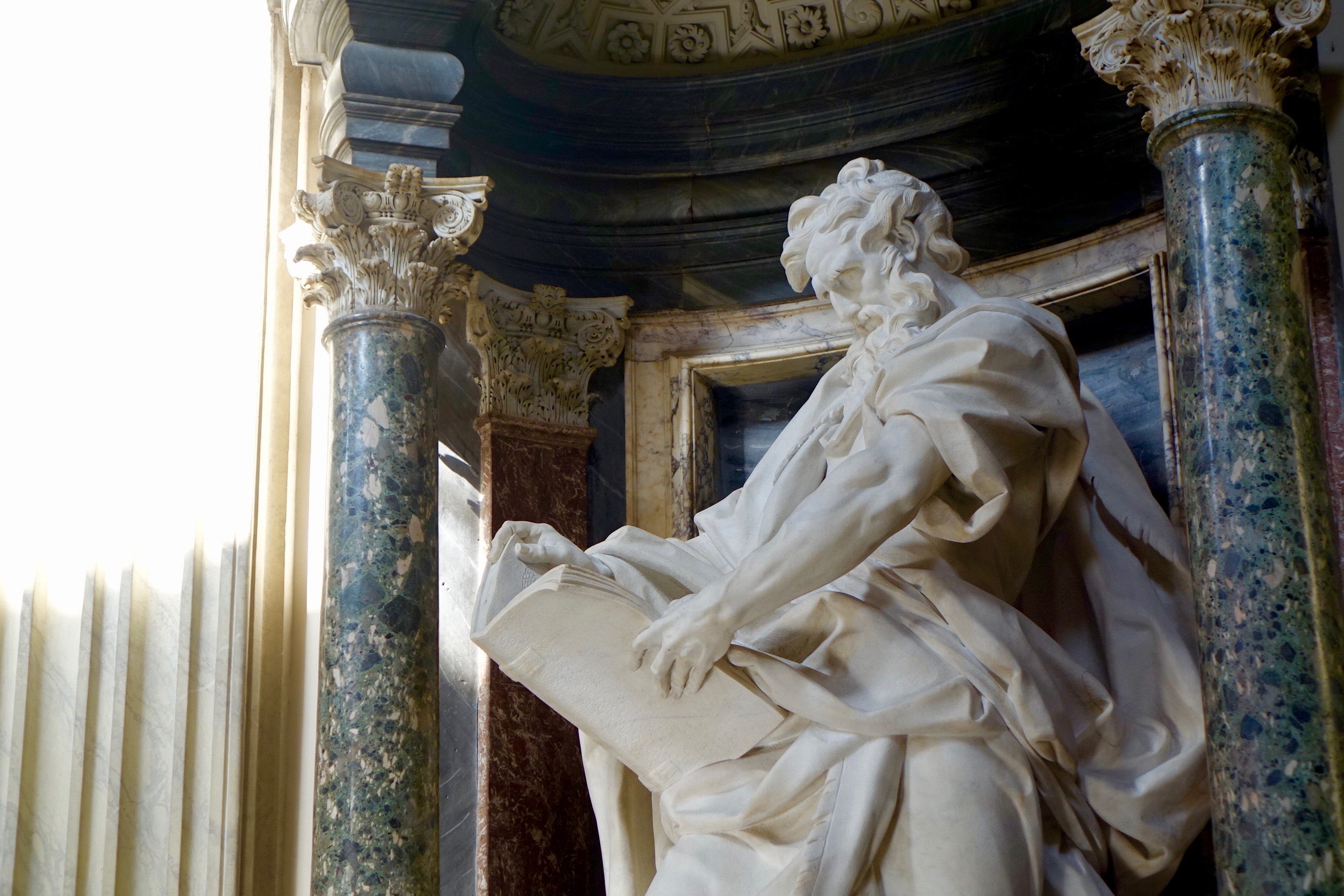
History done, now for the visuals. As the photos show, a visit to the Lateran Basilica is the equal of the glorious Vatican. Flooded with light, the classical baroque facade gives way to an imperial loggia boasting the magnitude and proportions of an Ancient Roman temple, while inside, light floods through windows and bounces off golden mosaics, richly frescoed walls, and luxuriously marble-clad pillars. Most impressive of all things is the spectacular array of sculpted apostles created by the very best rococo sculptors and installed at the beginning of the 18th century. So lifelike, and yet so vast in scale, you feel shrunken into submission before heavenly giants, as though in a nursery rhyme immersed within the branches of Jack’s beanstalk.

DSC00712DSC00697DSC00689DSC00642DSC00684DSC00678DSC00632DSC00656DSC00623 2

I didn’t enjoy my trip to the Vatican museum, being shunted along through bottlenecks crammed to almost scarily unsafe levels with a continuous tidal wave of coach parties. By contrast, the Lateran Basilica, with its lofty grand spaces and comparative tranquility is by far the better alternative, and every bit the equal to its younger cousin over the river.

© Nicholas de Lacy-Brown and The Daily Norm, 2018. Unauthorised use and/or duplication of the material, whether written work, photography or artwork, included within The Daily Norm without express and written permission from The Daily Norm’s author and/or owner is strictly prohibited.

Compendium // Rome > The Perfect Navona Morning

Compendium // a collection of concise but detailed information about a particular subject, especially in a book or other publication. The word says it all, and as The Daily Norm enters a new millennia of posts and travel shares, I have decided to collect thoughts and tips from my own travels in a series of Compendia. Starting in Rome.

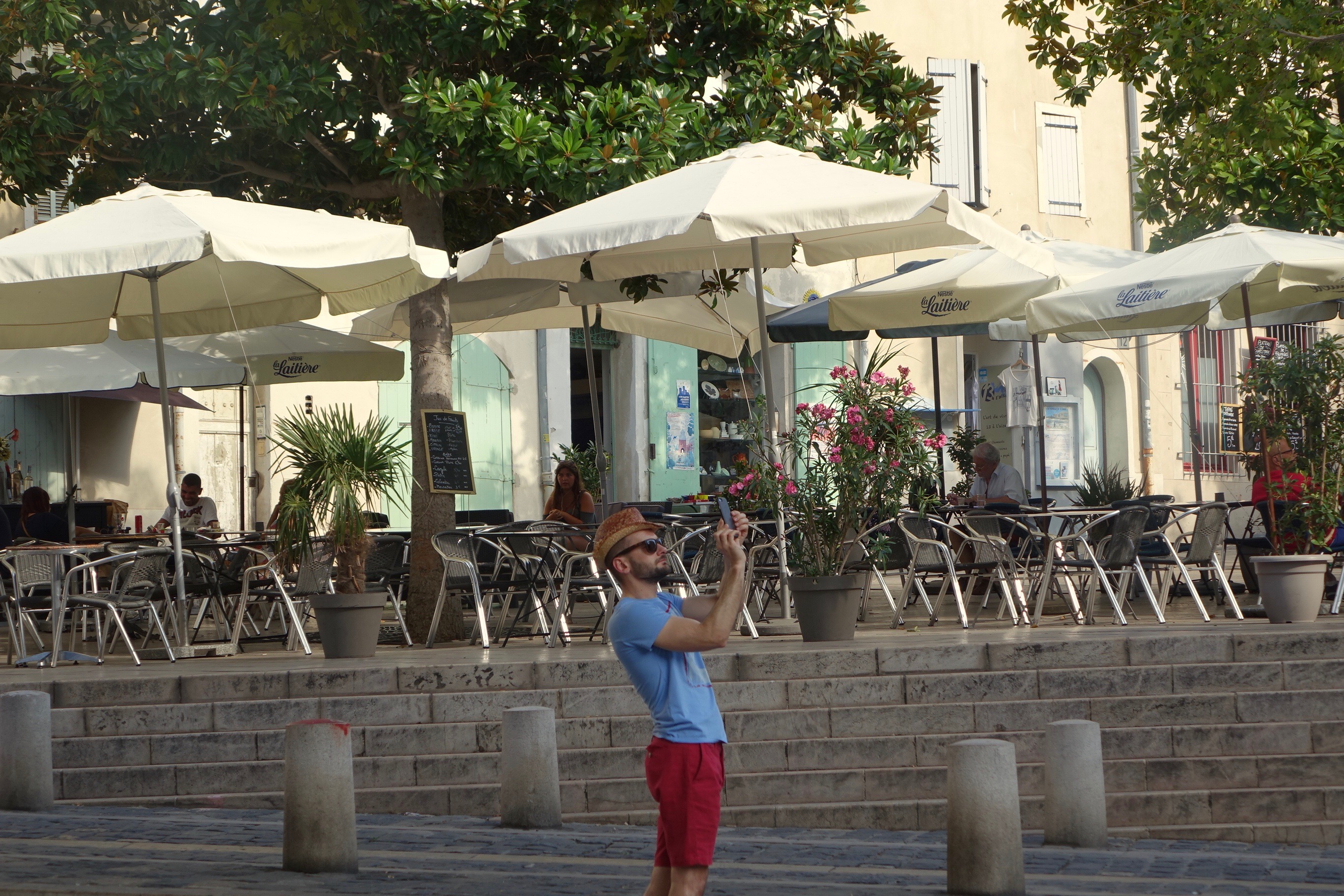
Rome is not just a city. It is an experience ripe like an overflowing cornucopia of delicious fruit, waiting to be savoured across a broad spectrum enveloped in richly historical heritage, diva attitude and unabashed street-by-street beauty all bathed in the most glorious terracotta light. But its global reach today is as mighty as its ancient Empire two millennia ago, not so much for its political prowess but for its tourist pull. So to do Rome well, you need to avoid the pitfalls, the dodgy restaurants, and wherever possible the flag-led, headphone-donned, selfie-stick sustained coach parties. Eugh.

DSC00903DSC00906DSC00919DSC00963DSC00985DSC00936DSC00967IMG_7056

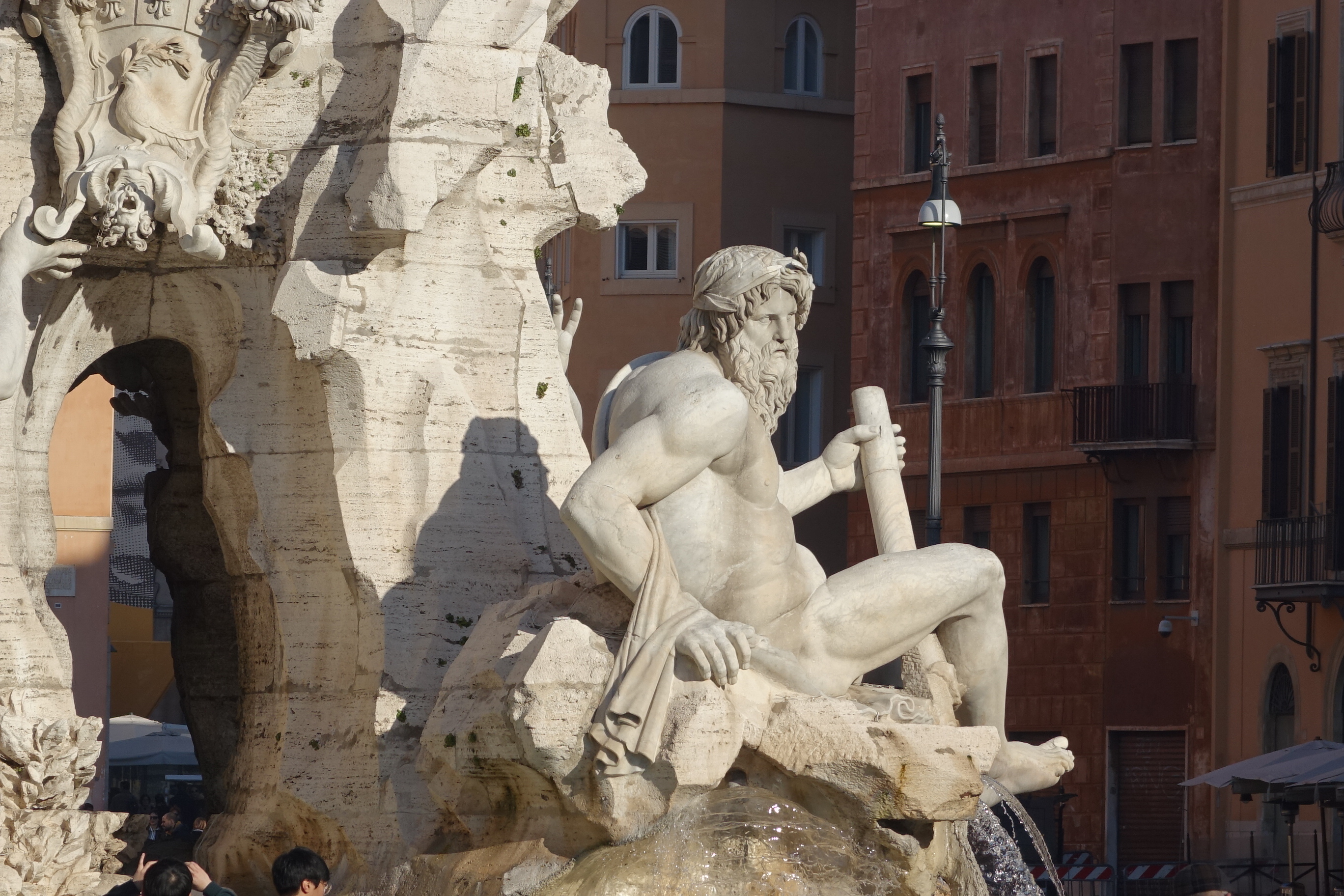
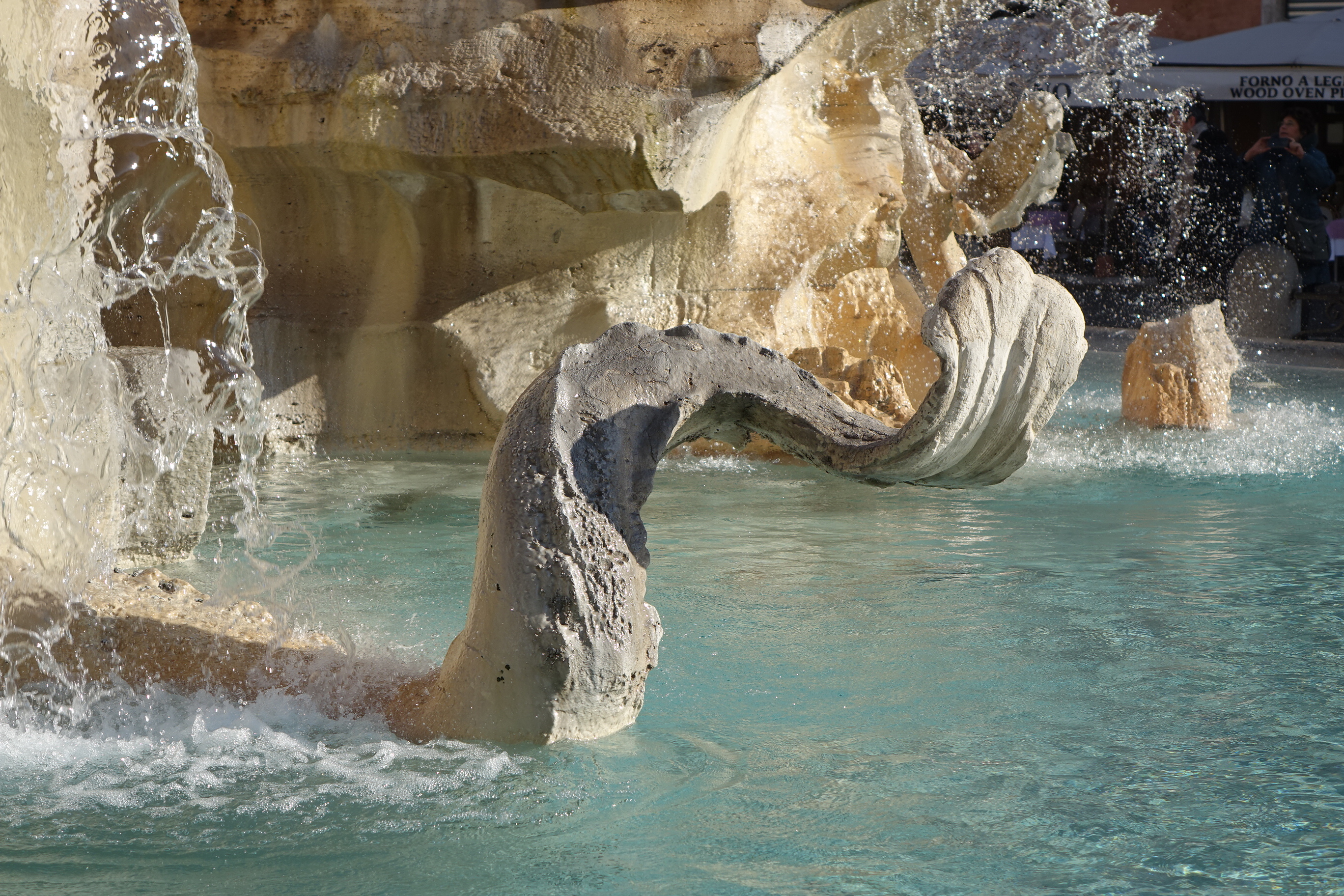
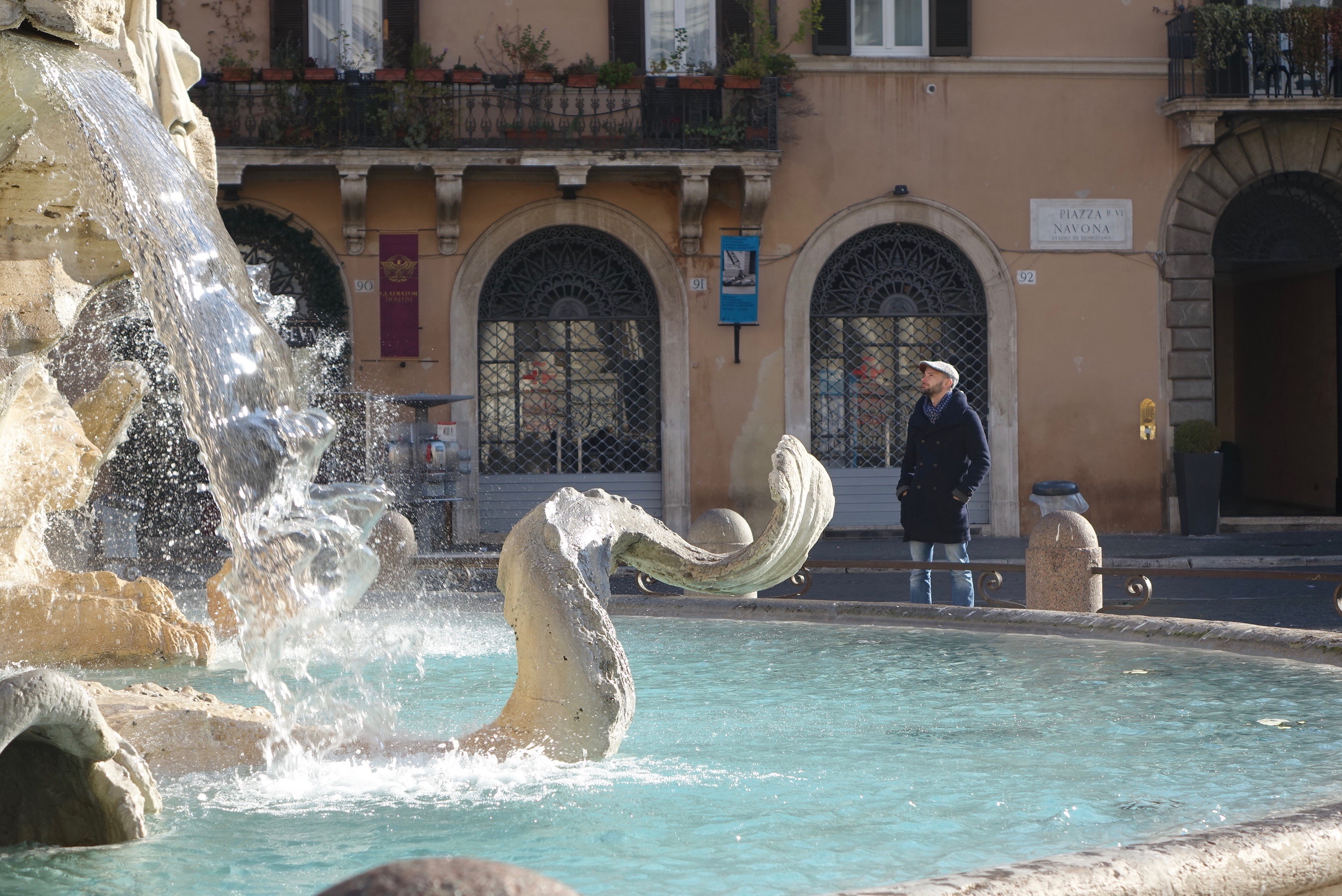
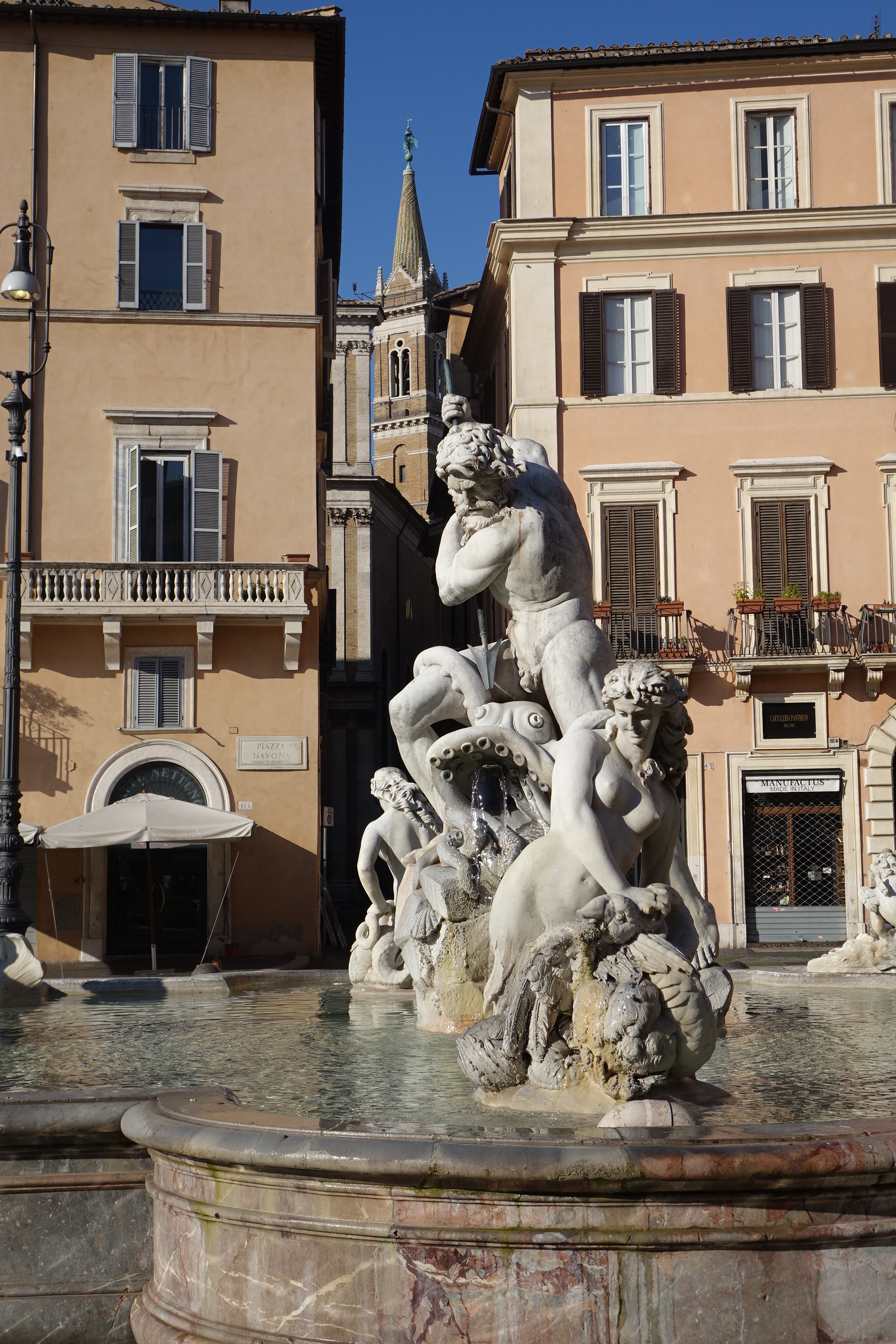
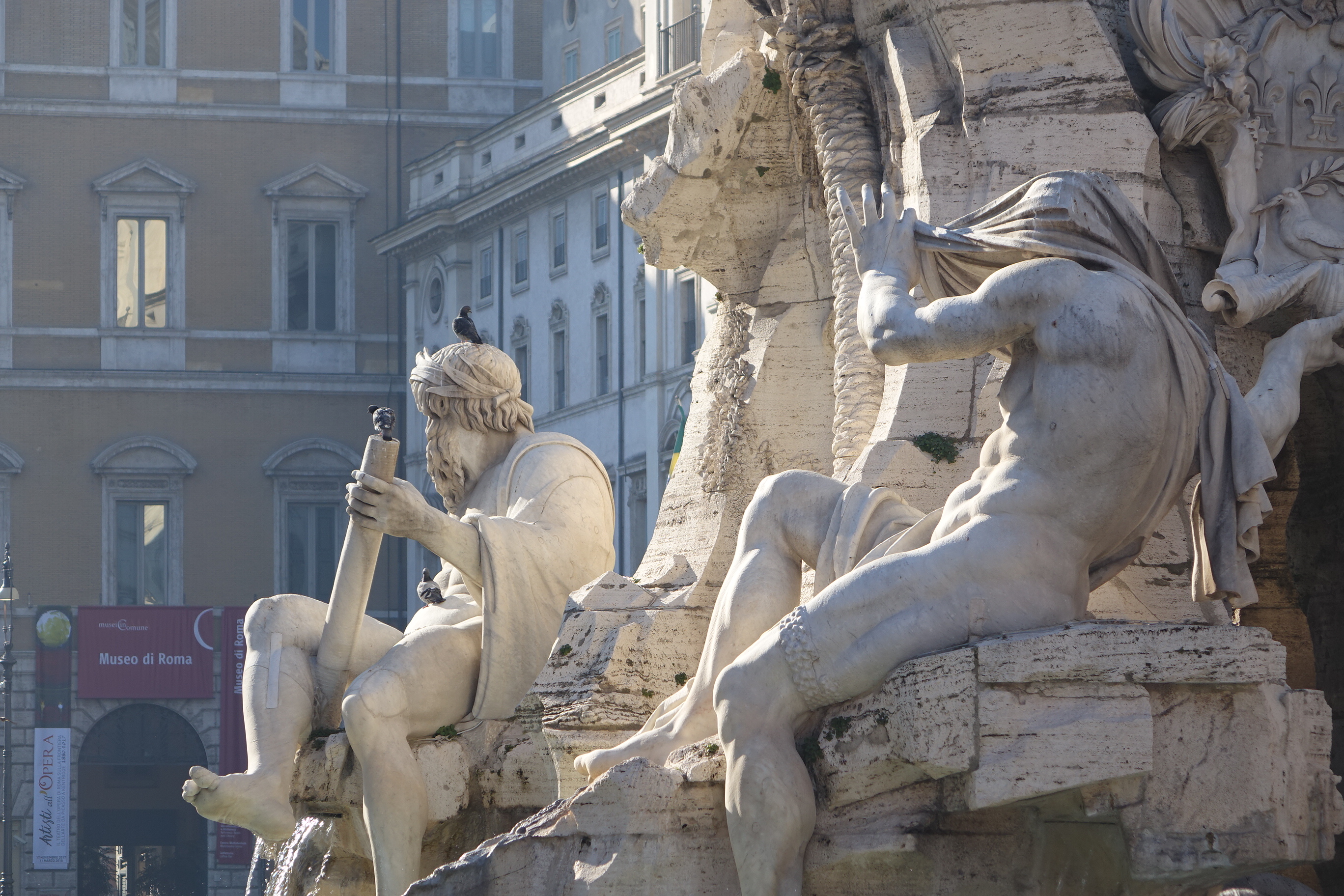
Today’s tip for doing Rome well is to get up early, and savour the delights which come of having this stunning city all to yourself. Even in January, when last I went, the sweet seduction of Rome’s ever present sun invited an early rise and made venturing into the still quiet-streets an easy exercise. Hotel location is always important, especially on a short weekender, and my locality, mere steps from the Piazza Navona, meant that I could enjoy this most spectacular of Roman Piazzas as the first rays of Winter sunshine hit the sculptural masterpieces which have made the Square such an icon of Baroque Rome.

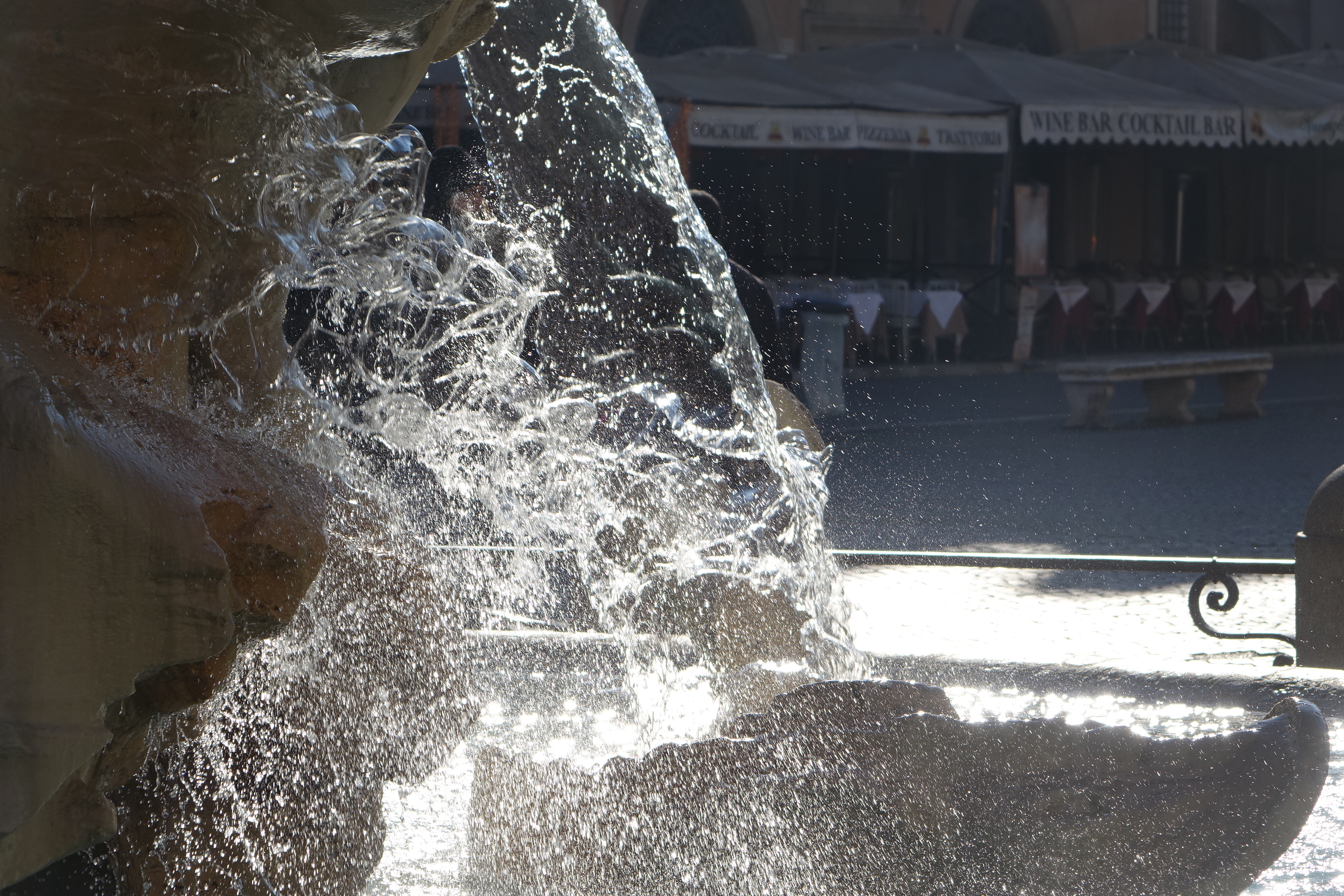
Baroque is certainly the word. For this oblong square, which lends its shape to the Stadium of Domition on whose foundations it has been built, is more of an artfest than it is a mere city space. For it was here that, at the height of Baroque splendour and Papal theatricals, Pope Innocent X commissioned Bernini to create the Fontana dei Quattro Fiumi (Fountain of the Four Rivers) as part of his grand plan to put Rome firmly back on the artistic and power-map of Europe. It is, by far, one of the most spectacular fountains you are ever likely to see, and enjoyed first thing in the morning, before those damned selfie-sticks start sneaking their way into every one of your photos, it makes for the perfect commencement to your Roman day.

DSC00926DSC00958DSC00990DSC00987DSC01007DSC00974DSC00975DSC00928DSC00942DSC00929DSC00982

Turn away from Bernini’s masterpiece, and two other fountain wonders by Giacomo della Porta depicting a Moor wrestling with a Dolphin, and a statute of water-God Neptune respectively can be enjoyed, as can the oval encirclement of the kind of russet, terracotta, pink and butterscotch buildings which make Rome such a year-round place of warmth and splendour. Then, once you’ve soaked in this highlight of Rome, sneak in another anti-crowd coup, and head to my favourite cafe in all of Rome: Caffe Tazza d’Oro on the Piazza della Rotunda, where a simple pastry and a coffee taken standing up at the bar, Italian style, takes on new Roman authenticity, especially with the immaculate ancient Pantheon stands just outside the door.

© Nicholas de Lacy-Brown and The Daily Norm, 2018. Unauthorised use and/or duplication of the material, whether written work, photography or artwork, included within The Daily Norm without express and written permission from The Daily Norm’s author and/or owner is strictly prohibited.

Magnificent Milano (Part 3): The Duomo, Inside and Out

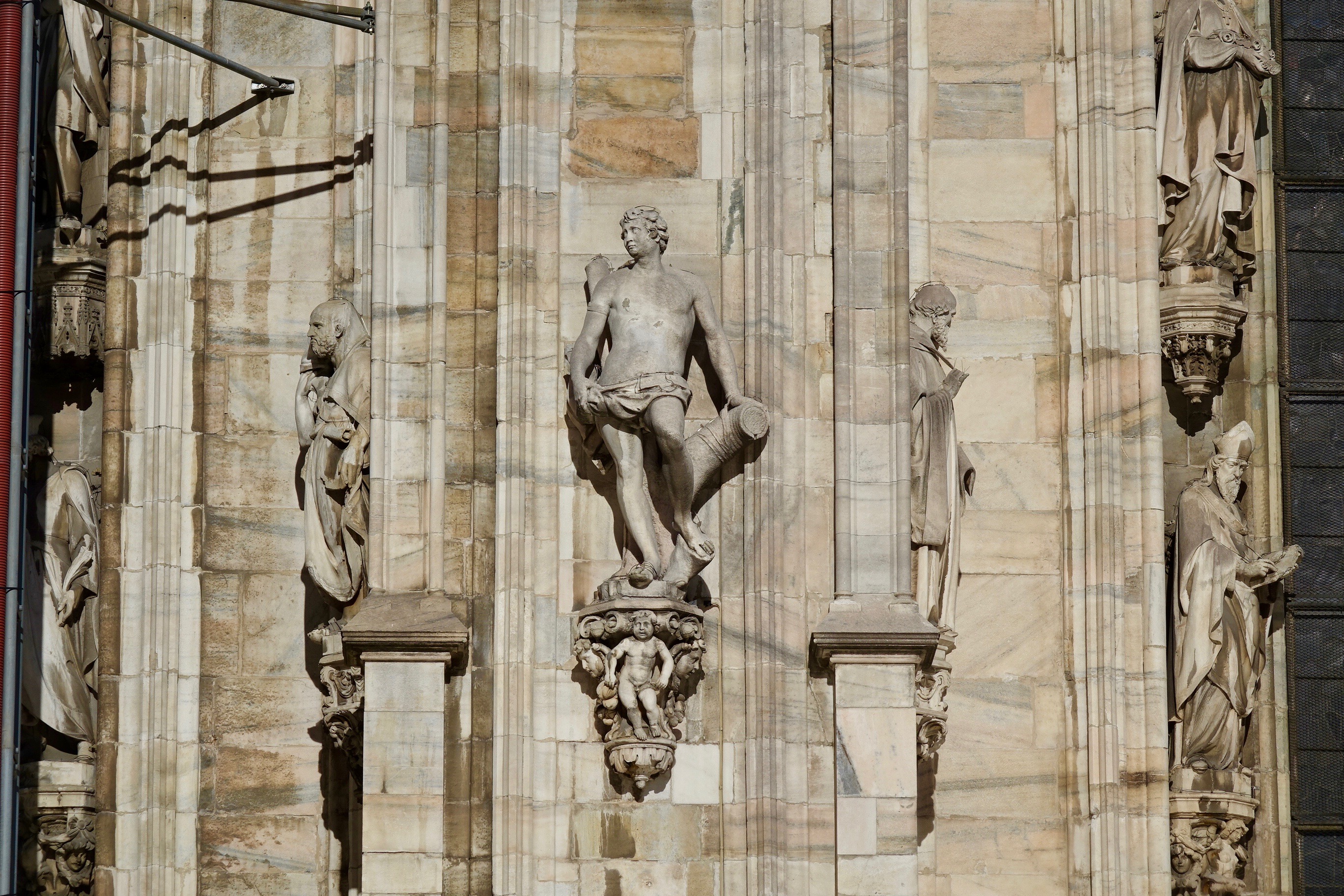
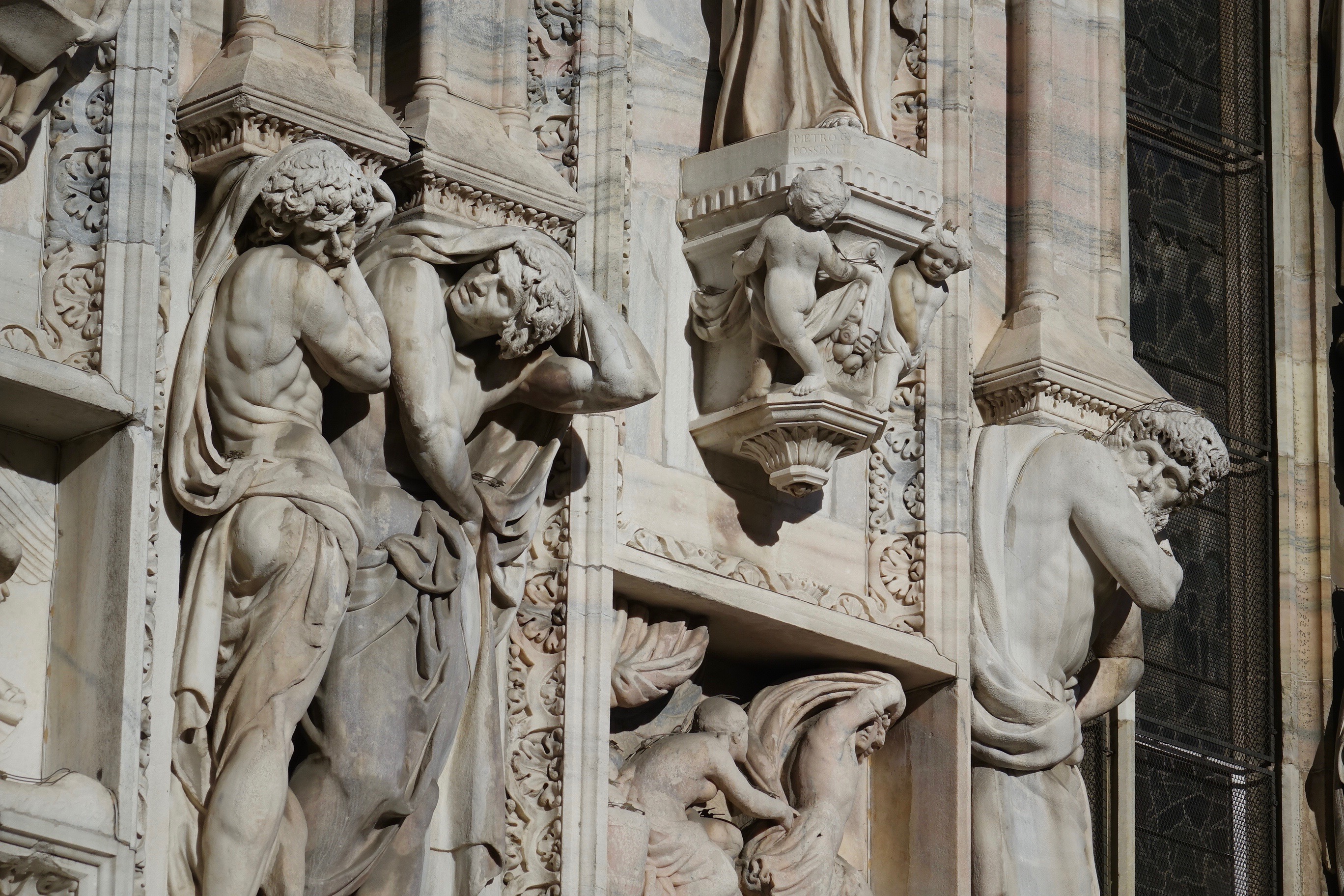
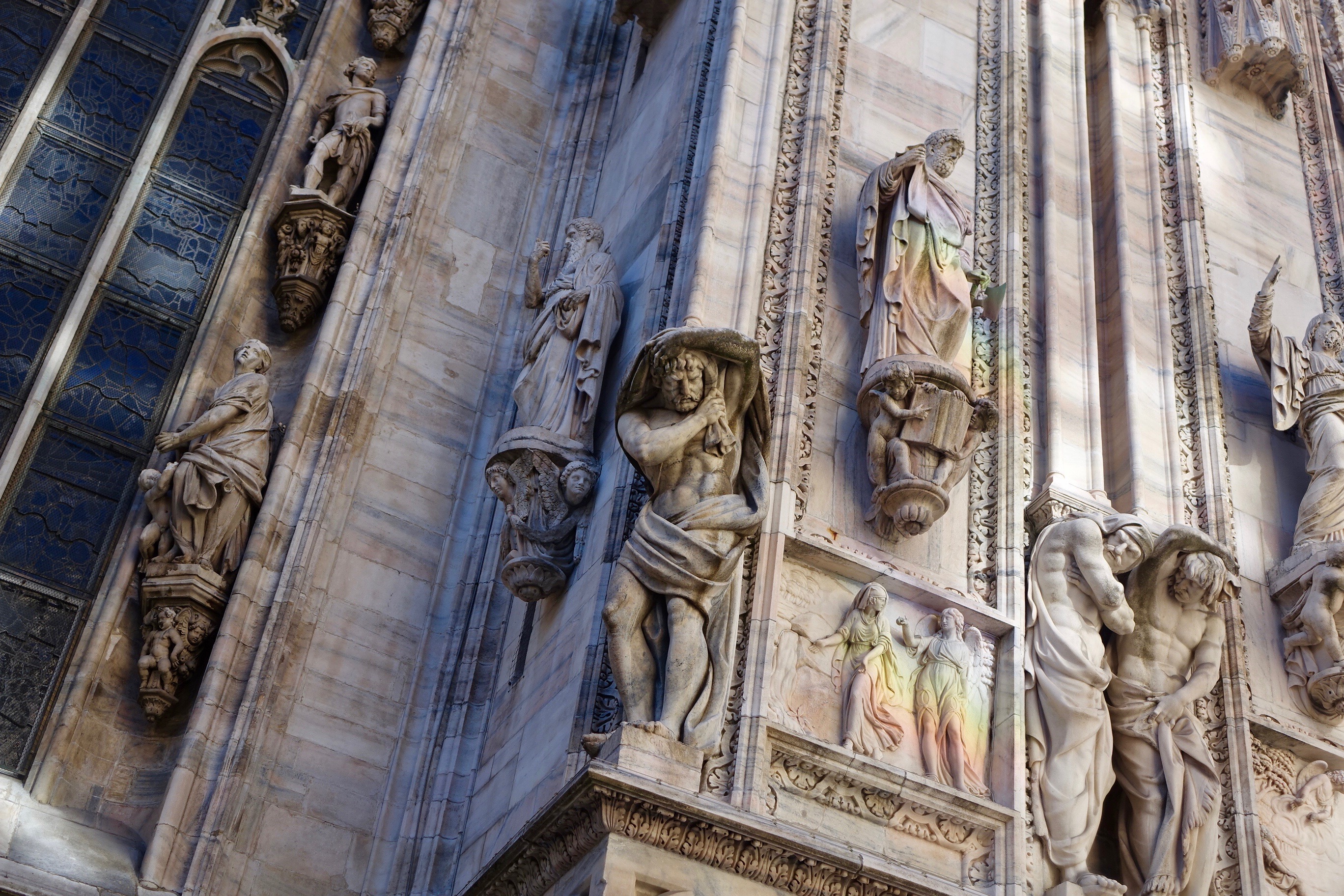
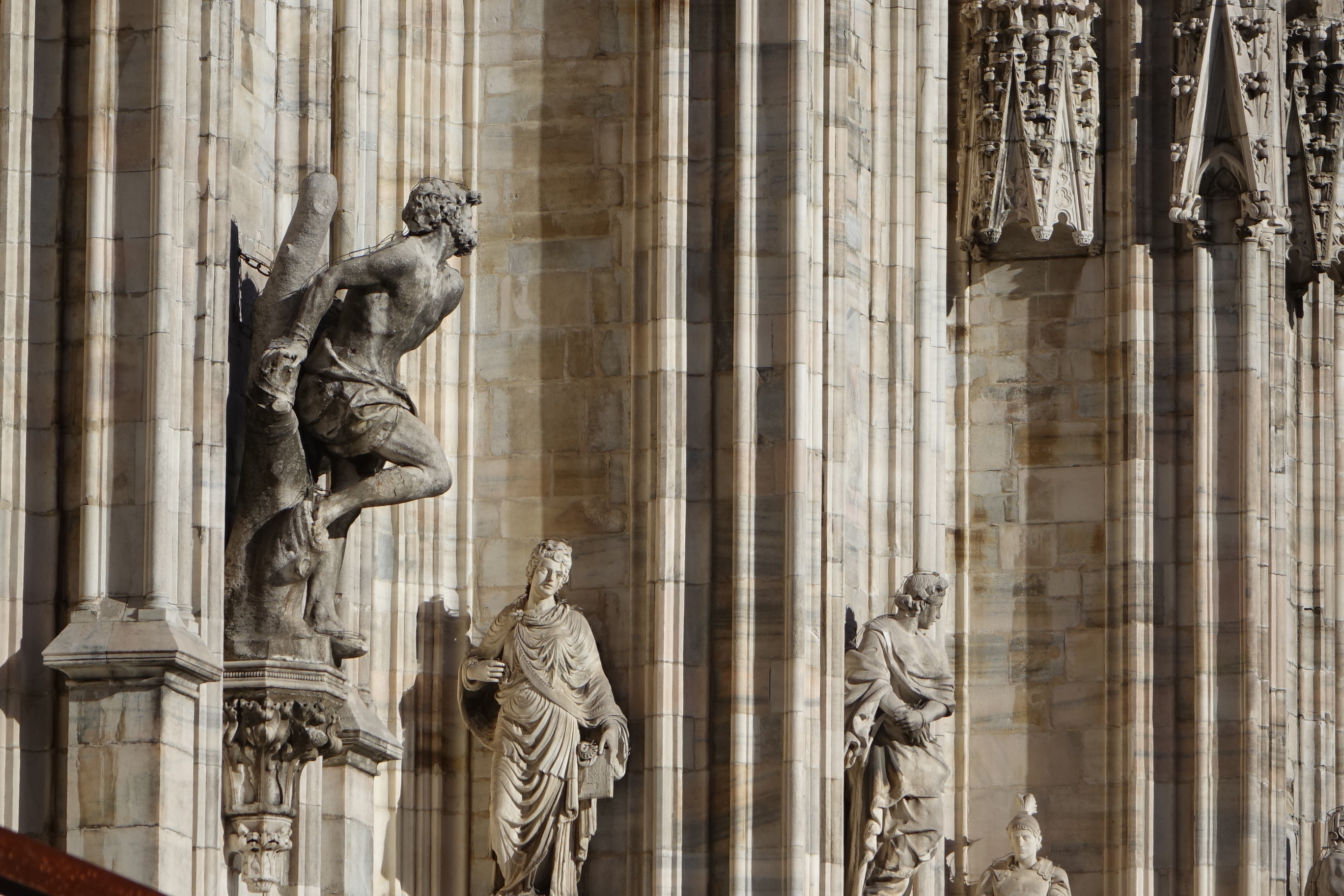
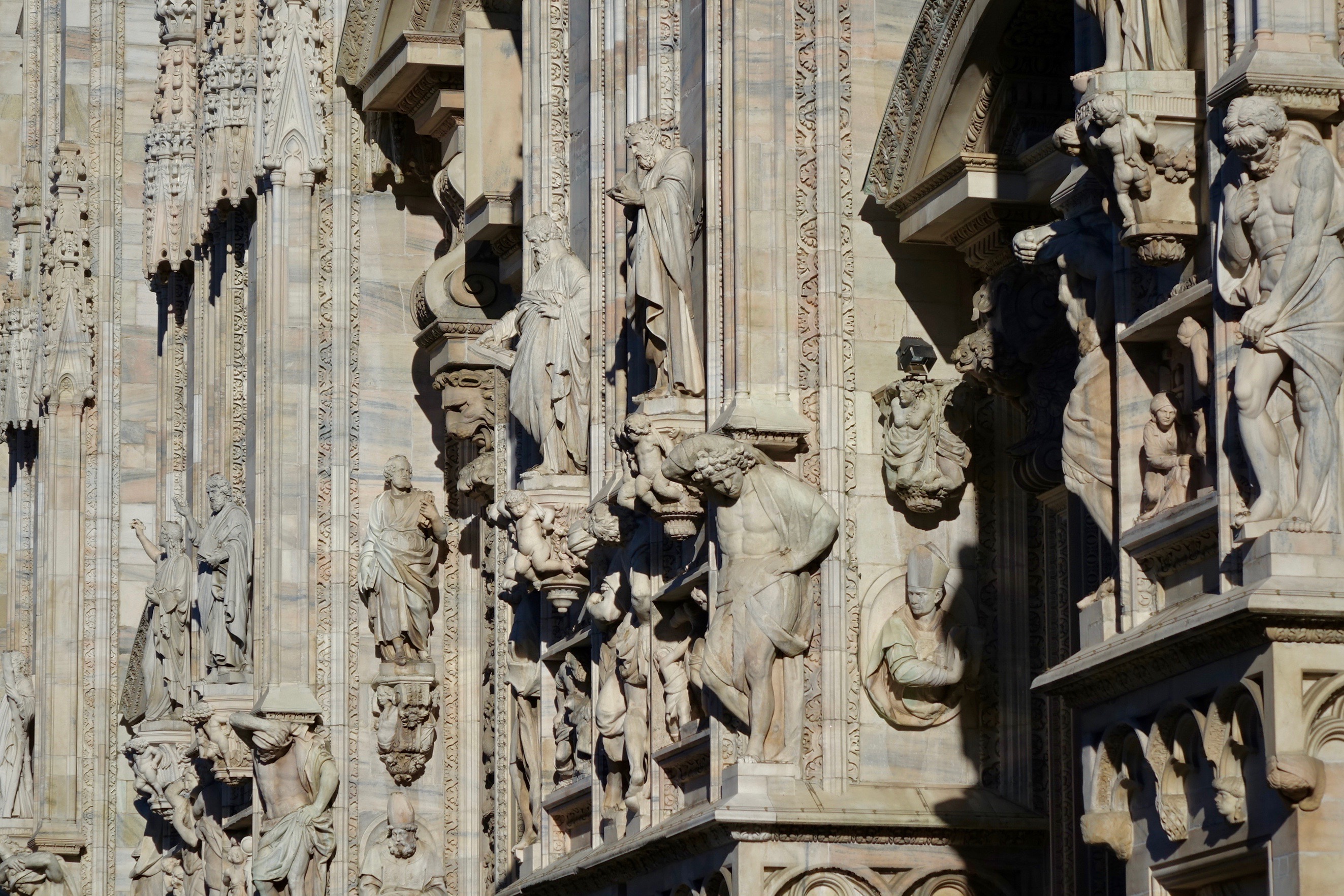
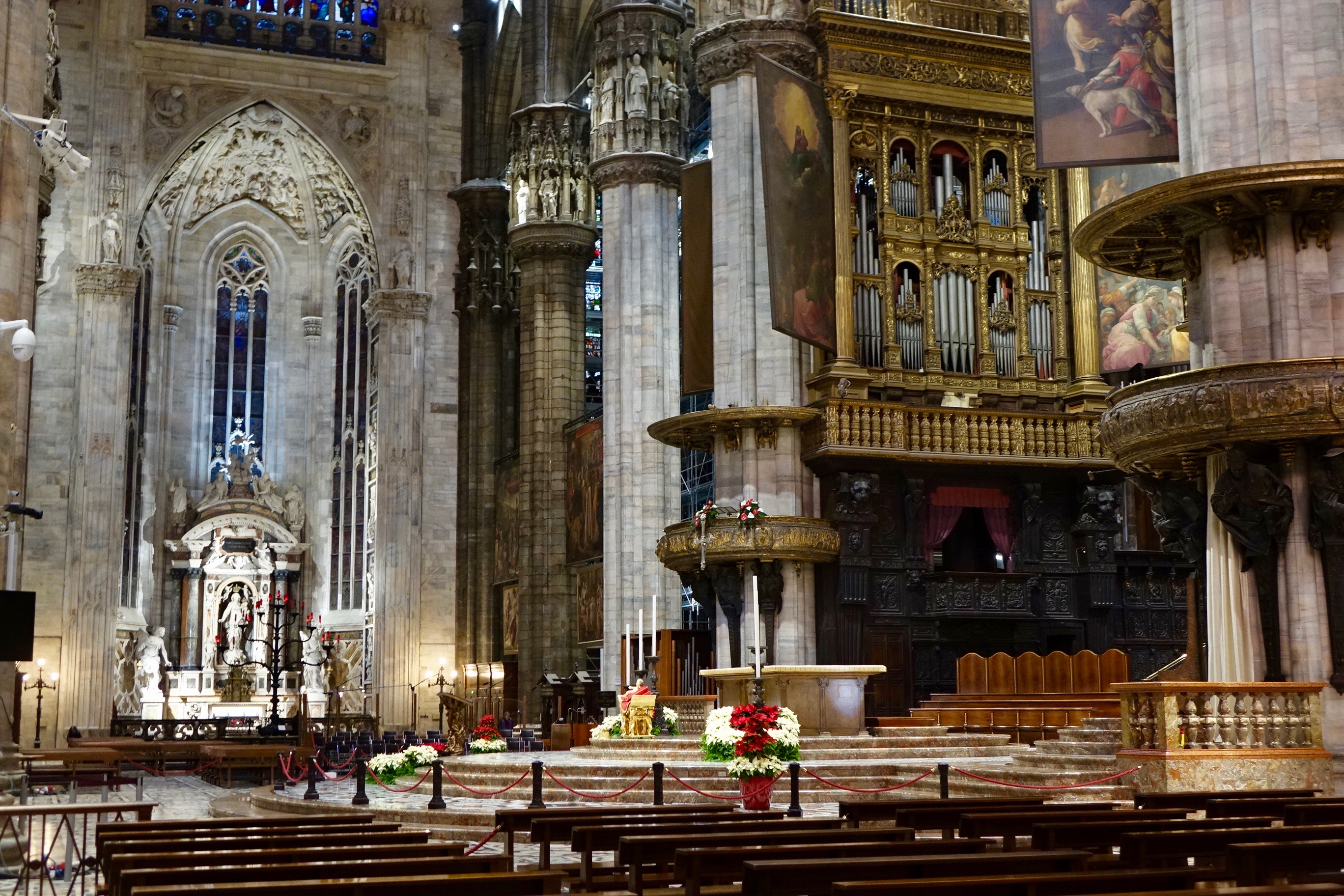
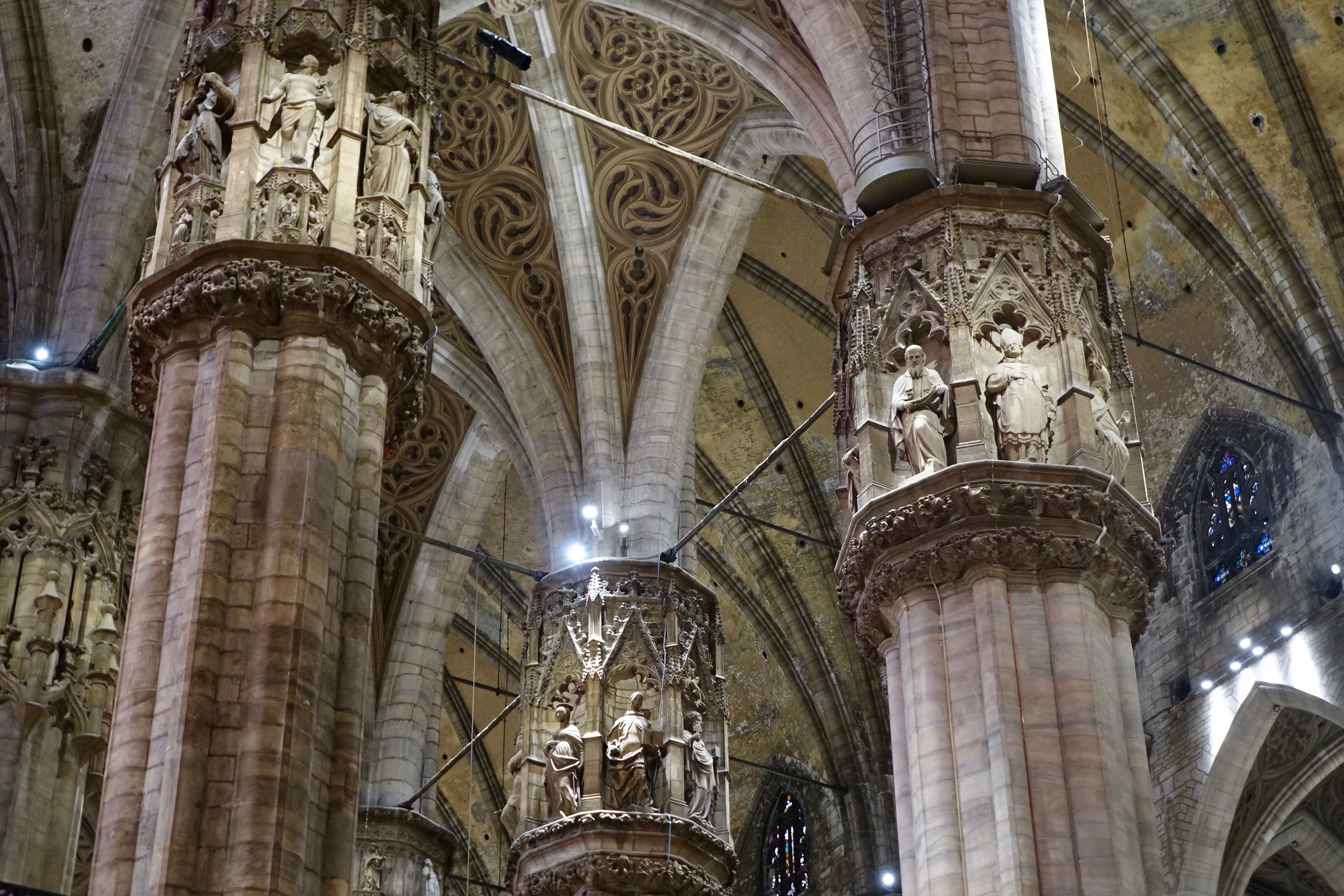
Move aside Prada, take a seat La Scala. For when it comes to the true and undisputed icon of Milan, it’s the mighty cathedral, Milan’s Duomo which will always take centre stage. The ultimate celebration of the gothic style at its most flamboyant, the Duomo is a veritable forest of multiple spires, and a jewellery box of delightfully pearlescent Candoglia marble which is crafted into an entire cast and crew of saints, sinners and ghoulish gargoyles peppering every inch of the abundantly decorated facade.

We must consider ourselves lucky in this century to see the Duomo in its current state of perfection. For the gigantic structure, which is surely one of the most dazzlingly ambitious historical structures to have ever been built, took some 6 centuries to complete after its commencement in 1386. And happily too, it survived the WW2 bombs which made mincemeat of much of the surrounding area.

Outside…

DSC09181DSC09086DSC09089DSC09090DSC09178DSC09175DSC09166DSC09172DSC09168

So not knowing quite where to begin with this enormous building, which is in fact the third largest church in the world, we spent almost a whole sunny day admiring the Duomo from all angles. Starting with the wonderful roof (which will have a post all of its own), we turned our visit on its head, following the great heights of the soaring cathedral with a protracted study of its beautiful exterior furnishings while waiting, somewhat agonisingly, in the freezing wind, as we queued to get inside. While it took some time to defrost when we finally made it through one of the Duomo’s great bronze doors, the visual feast to be discovered within was more than sufficient to warm us up again.

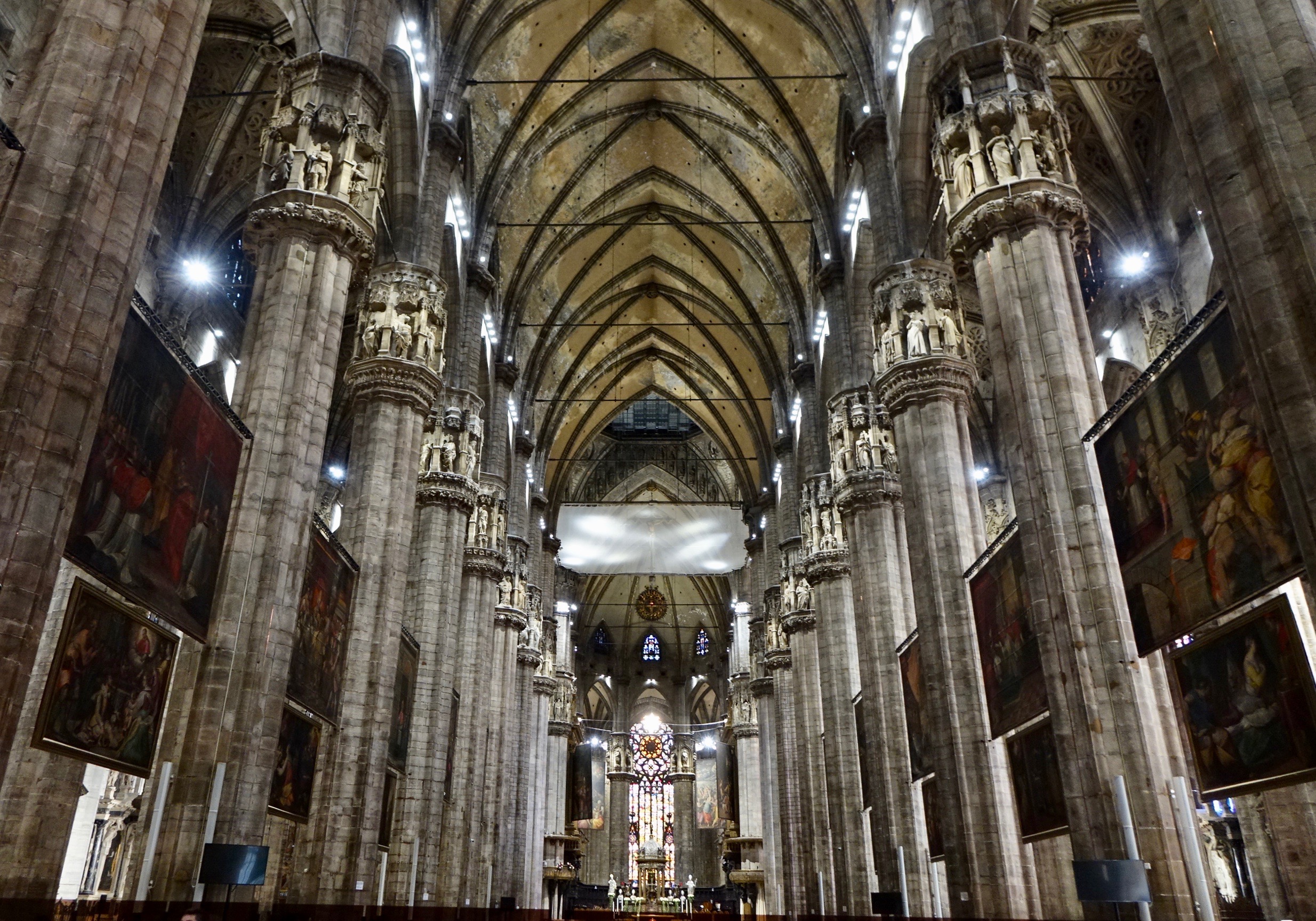
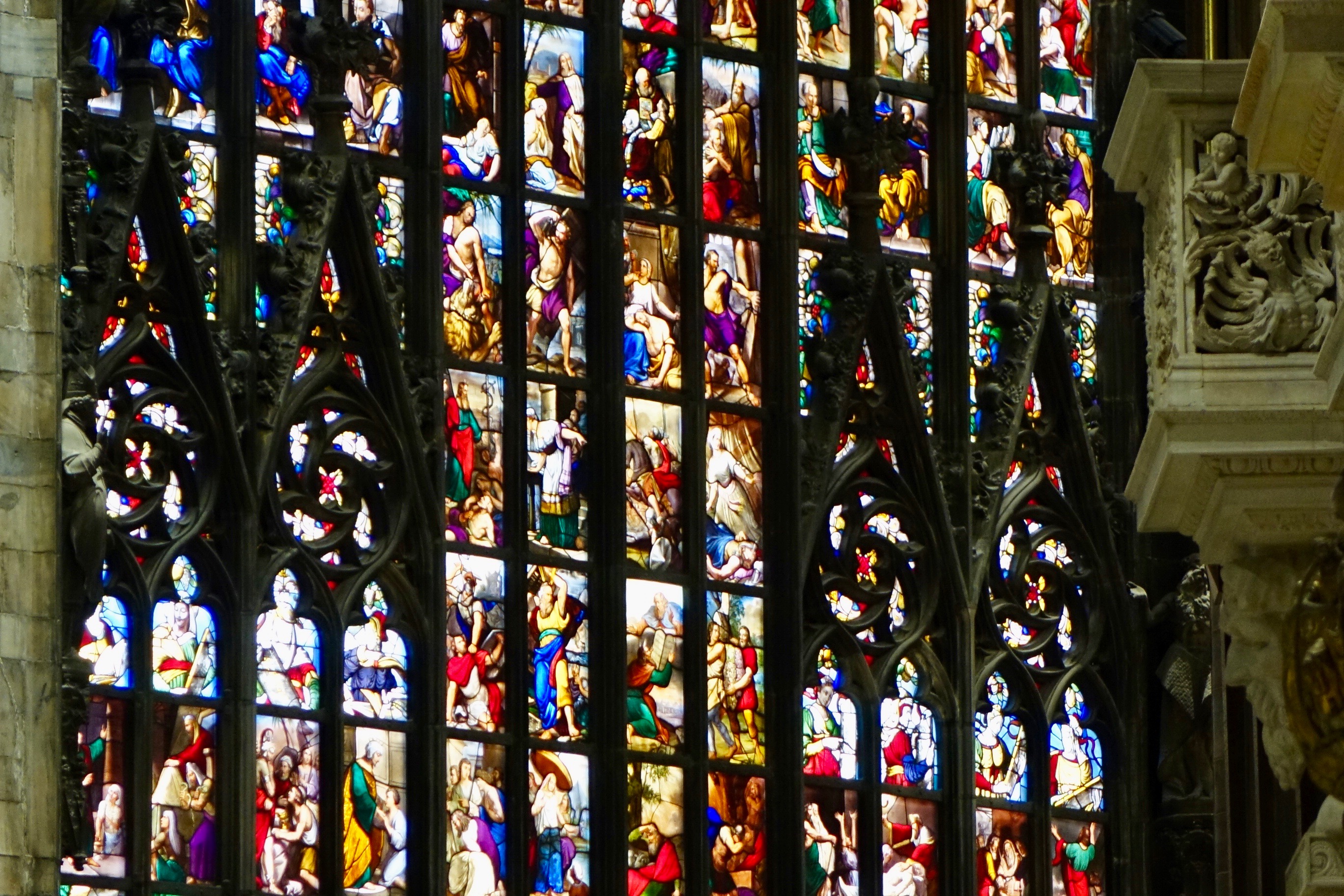
I have been in many a cathedral, but I don’t think I have ever been quite so dazzled as when faced by the sheer scale and magnitude of this cathedral. Appearing even bigger on the inside than it did on the out, I didn’t know whether to focus first on the elaborately patterned marble floor, the soaring forest of 40 great pillars, the soaring, vaulting ceilings far, far above, or the stained glass windows which are the most complex and stunningly coloured I have ever seen. A mere side chapel of this Cathedral is the size of the principal place of worship of most countries. And just one small panel of the great stained glass windows close to the altar was packed with more detail and narrative than you would find across the entire diameter of a finely crafted rose window elsewhere.

…and inside

DSC09188DSC09284DSC09214DSC09194DSC09213DSC09255DSC09232DSC09199DSC09241

If the great propaganda machine of historical Catholicism intended to dazzle and dominate with the sheer theatre of its religious spectacle, this place had me converted. Like a mere supplicant, I felt lost in the scale and sense of awestruck enormity of it all, and by the time we made our way outside again, I had quite lost all sense of proportion. Happily a Milanese lunch, and a quick look at some of the nearby boutique’s average prices gave me the sharp shock I needed to bring me back to reality.

© Nicholas de Lacy-Brown and The Daily Norm, 2011-2018. Unauthorised use and/or duplication of the material, whether written work, photography or artwork, included within The Daily Norm without express and written permission from The Daily Norm’s author and/or owner is strictly prohibited.

Marseille to Marbella, Part II: Le Panier

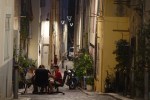
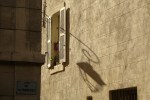
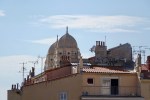
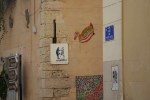
It’s a story which is far from unique: European city, ravaged by the horrors of war, its architectural and cultural heritage trampled into dust by the unforgiving swathe of brutal violence – territory grabs without sensitivity nor foresight, all in the name of victory. Many of Europe’s ancient treasures were destroyed this way, when mass invasions and forced occupations brought with them a path of historical vandalism from which a full recovery has never been made. And Marseille is no exception. For on on the old Vieux Port, only the Renaissance style Hotel de Ville and the Hotel de Gabre remain as a reminder of what the grand old Marseille waterfront would have been in its golden age. The rest was cleared in mass explosions executed by Nazi occupiers who feared the uncontrollable warren of Marseille’s ancient streets, and the potential for hiding in them the “undesirables” they sought to eradicate.

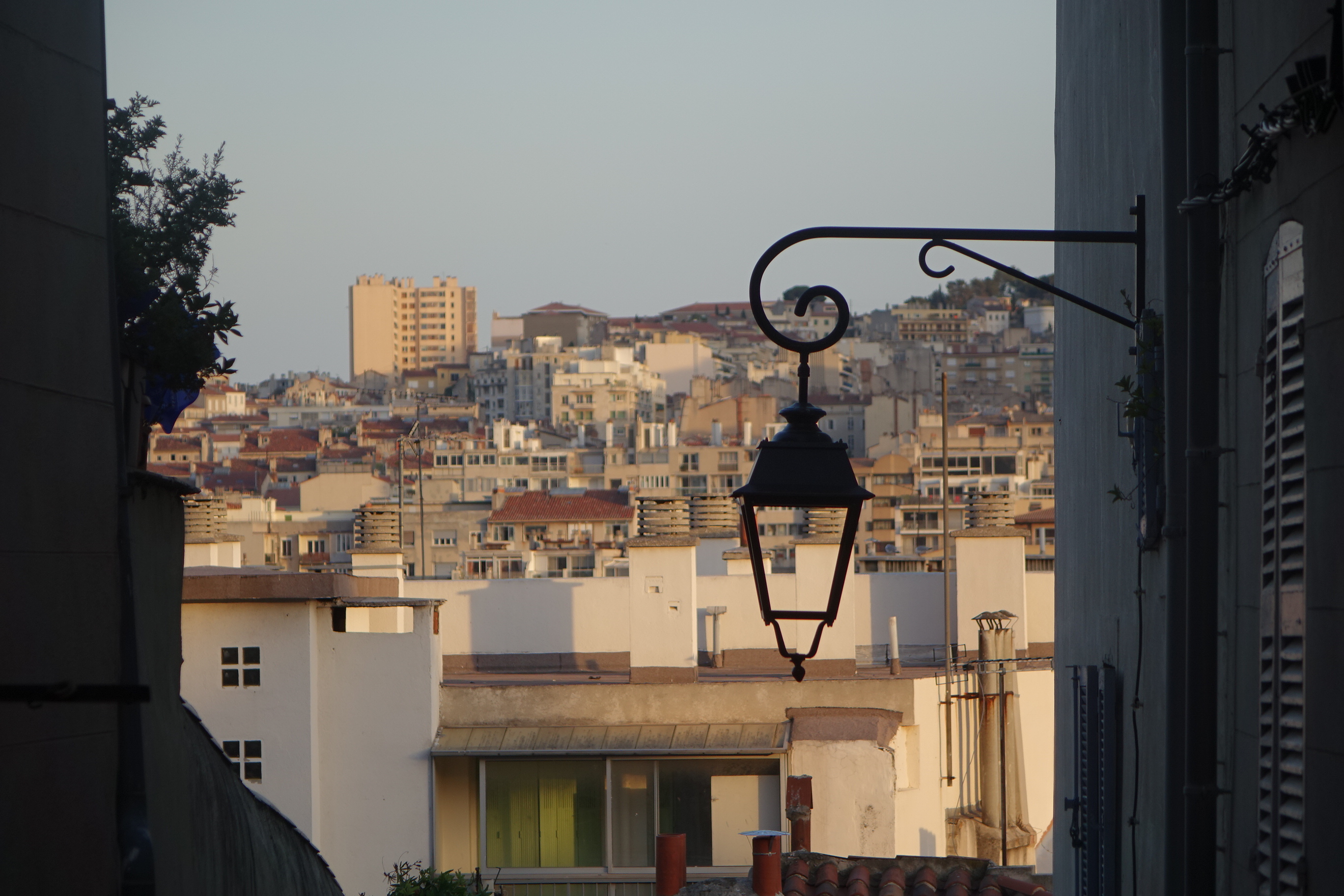
And so, of this uniquely charismatic area of ancient Marseille, Le Panier, only the upper town remains today. Its previous quaint waterside was eradicated in one devastating act of destruction, only to be replaced by the horribly charmless art deco apartment blocks which remain to this day. Yet behind the port, up on the slopes of ancient Marseille, the old core of Le Panier remains, the merciful survivor of Nazi occupation, and clear example of how the city would at one time have looked.

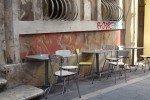
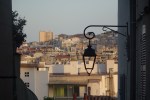
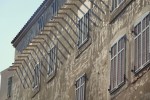
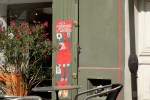
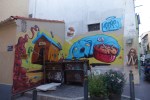
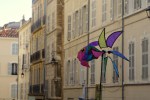
DSC03903DSC03851DSC03821DSC04652DSC03905DSC03840DSC03870DSC03829DSC03860

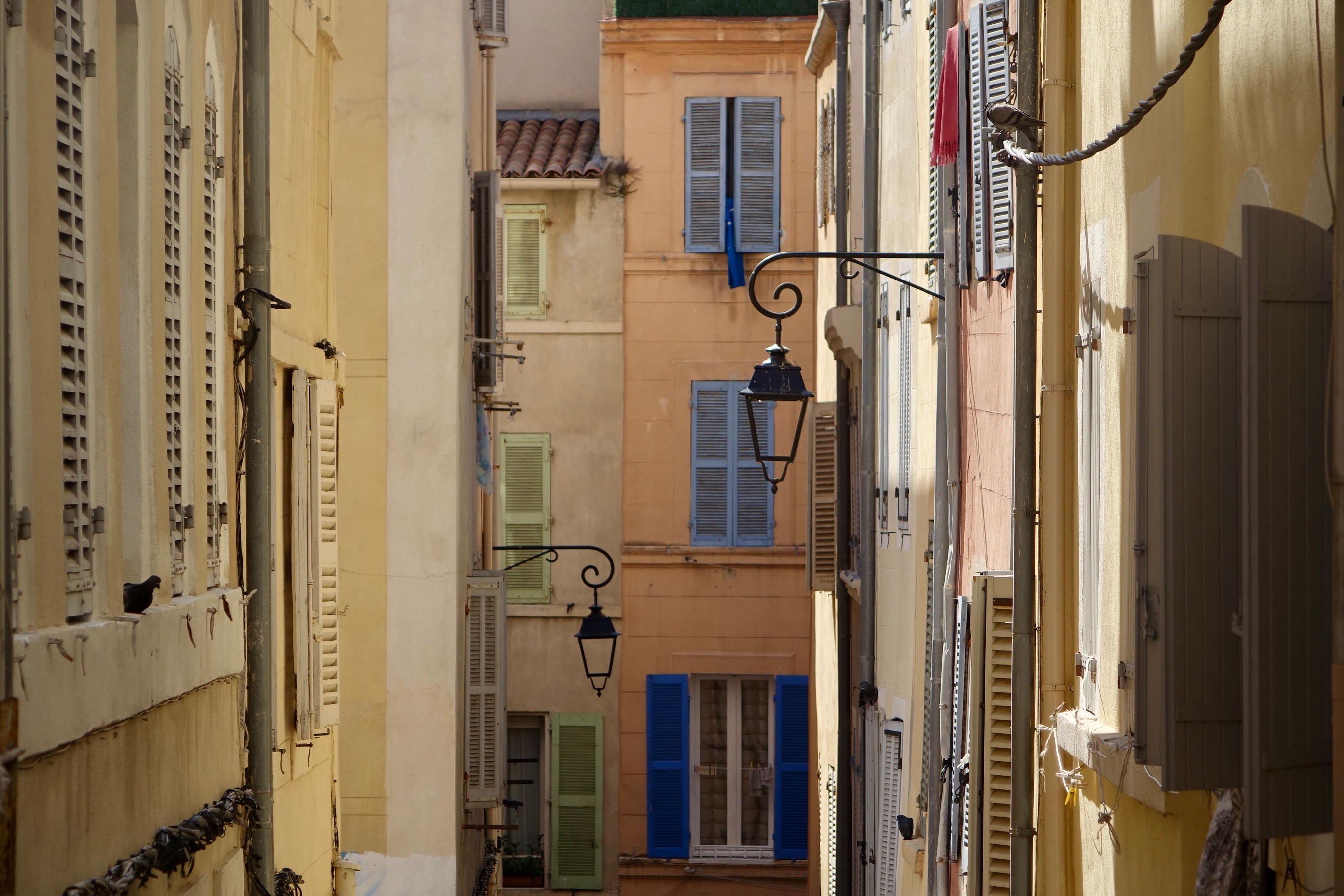
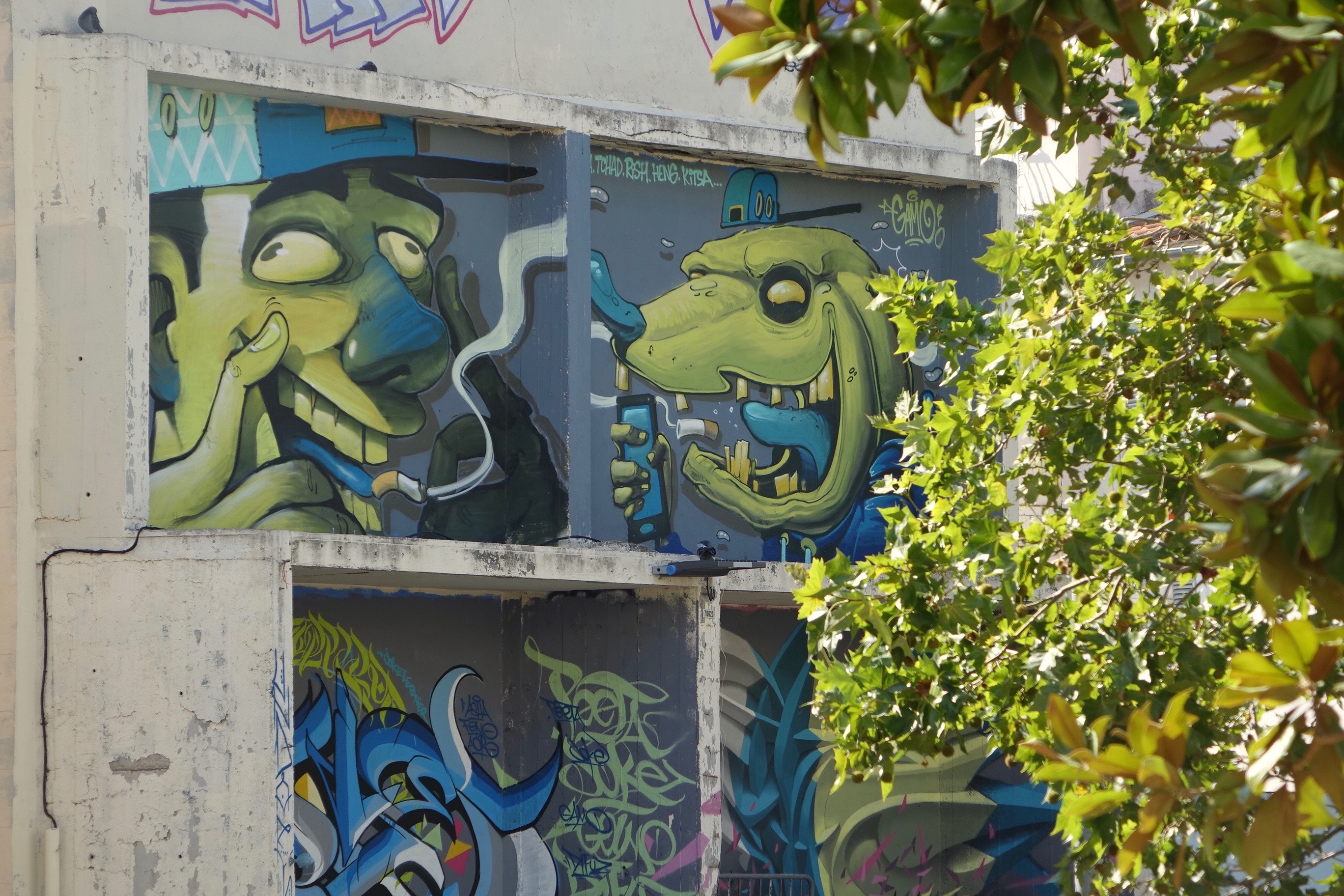
The streets of Le Panier carry a lazy, bohemian milieu characterised by a clearly artistic streak and a decidedly gritty, urban edge. Streets lined by painted shutters and washing hung out to dry are also decorated by large graffiti murals which give an indication of the creatively rebellious inhabitants who occupy the area. Steep slopes give way to quaint restaurants, and the area’s bars and shops are simple and unassuming. Streets are unplanned, cobbled and hilly, but they bare the signs of centuries of unceremonious habitation – the cracks of age and the scars of competing modes of expression.

While resembling something of the charm that the surrounding area of Provence exudes in bucket loads, Le Panier is as authentically urban as it gets. This is the hard edge to the Riviera’s soft, lavender-scented tourist-friendly facade, and is a quintessential representation of a modern Mediterranean city anchored in its history.

© Nicholas de Lacy-Brown and The Daily Norm, 2001-2017. Unauthorised use and/or duplication of the material, whether written work, photography or artwork, included within The Daily Norm without express and written permission from The Daily Norm’s author and/or owner is strictly prohibited.

A Windsor Weekend, Part I: The Castle

The myths and legends surrounding England’s valiant past are so intertwined with our history that it’s sometimes hard to remember what is fact and what is fiction. The tale of King Arthur and the Knights of the Round Table is a typical example of this, and while many have determined the magic surrounding Merlin to be the stuff of fairytales, the fable of King Arthur and his Knights certainly resonates as being a more realistic depiction of historical England. Whether or not the round table existed, the image it evokes – of brave knights, lion-emblazoned coats of arms, and of shiny coats of armour ridden into battle – very much captures a sense of the England of old. And if one place were to lift that image off the pages of legend and into the real light of day, it’s Windsor Castle.

DSC06710DSC06664DSC06715DSC06137DSC06776

Grand, imposing and the very epitome of a medieval-style castle, Windsor is not only a historical monument worthy of legend itself. Rather it always has been, and continues to be a favourite royal residence, and today boasts the record as being the longest occupied palace in Europe, as well as the favourite weekend retreat and place of entertainment of the UK’s current monarch, Queen Elizabeth II. With roots stretching right back to the Norman Conquest of 1066, Windsor Castle has been constantly remodelled and expanded to suit the tastes of each succeeding monarch, from the lavish baroque of Charles II to the Georgian flourishes of George IV and the modernisation of the Victorian and later eras.

While on the outside it appears as stark and imposing as a great stone castle should, on the inside it is very much a palace in the true sense of the word. While some rooms are emblazoned with sparkling armour, decorative weaponry and historical coats of arms, others are masterpieces in rococo and baroque, glistening with gold and chandeliers and filled with the most lavish of palatial furnishings. In 1992, much of this beauty was almost lost forever when a ferocious fire tore through the building and destroyed many of the most important State Rooms. But today, after an award winning restoration, Windsor is not only back to its beautiful self, but much improved, with many interim changes reversed to take the Castle design back to its early glory days.

DSC06771DSC06721DSC06640DSC06699DSC06134

But Windsor is not just a single-building castle, but a complex with gardens, out-buildings and places of worship making up a mini town within a town. Chief amongst these ancillary sights is St George’s Chapel, which is probably one of the most beguilingly beautiful churches I have seen. Gleaming with light filtered through intricately conceived multi-coloured stained glass windows depicting the Kings and Queens of old, the chapel is a masterpiece of the perpendicular gothic. Its lattice stone-weaved ceiling is a work of genius, and in such a good condition that it is hard to think that for the most part, this is the work of 15th Century craftsmen. Its Quire (where the choir sing) is simply magical. The home of the Knights of the Garter, it is a true homage to all things Round Table, adding to the myth which surrounds British history and expressing in a stroke of true theatricality the historical importance of this preeminent body of royal knights. Meanwhile, peppered throughout the chapel are some of the most important monuments you are likely to see in any single one place in England: here lies Henry VIII, the Queen Mother, George V, George VI and Charles I to name but a few. And for those not buried here, monuments to the likes of Prince Albert and Princess Charlotte (who died in childbirth leading to the ascension of Queen Victoria) are masterpieces of pathos carved in stone and crafted in the suitably melodramatic Victorian aesthetic.

DSC06116DSC06074DSC06115DSC06093DSC06157DSC06130

Unfortunately the splendours of Windsor’s interiors are the preserve of the eyes only, as photography is banned throughout. I must therefore content myself with sharing with Daily Norm readers my photos of the joys of Windsor’s grounds, from the incredible exterior masonry and gothic façade of St George’s, to the beautiful moat gardens which, filled with roses, so perfectly soften the hard lines of this mighty castle beyond.

© Nicholas de Lacy-Brown and The Daily Norm, 2001-2017. Unauthorised use and/or duplication of the material, whether written work, photography or artwork, included within The Daily Norm without express and written permission from The Daily Norm’s author and/or owner is strictly prohibited.

The Colours of Marrakech, Part 3: Palaces of Gold

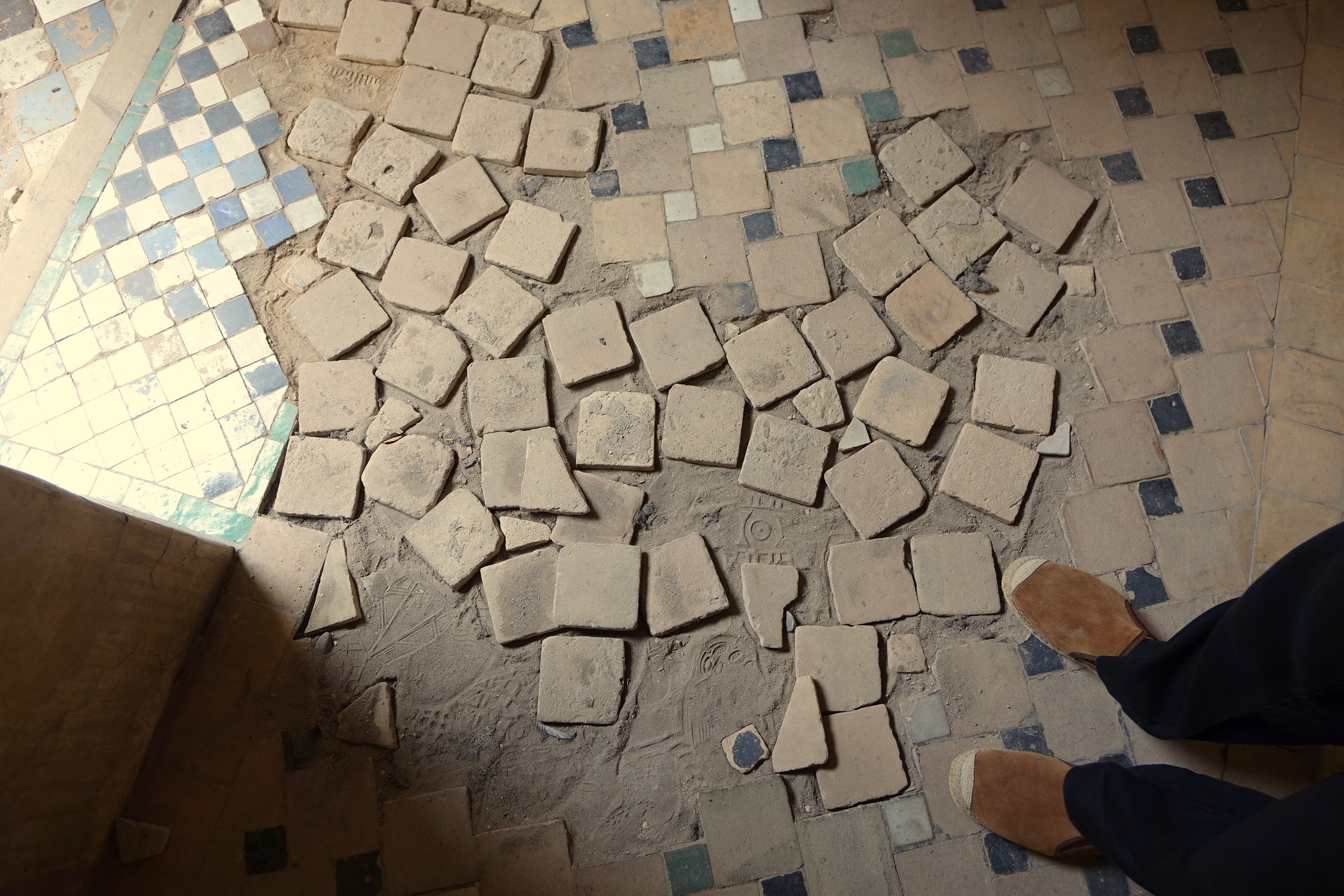
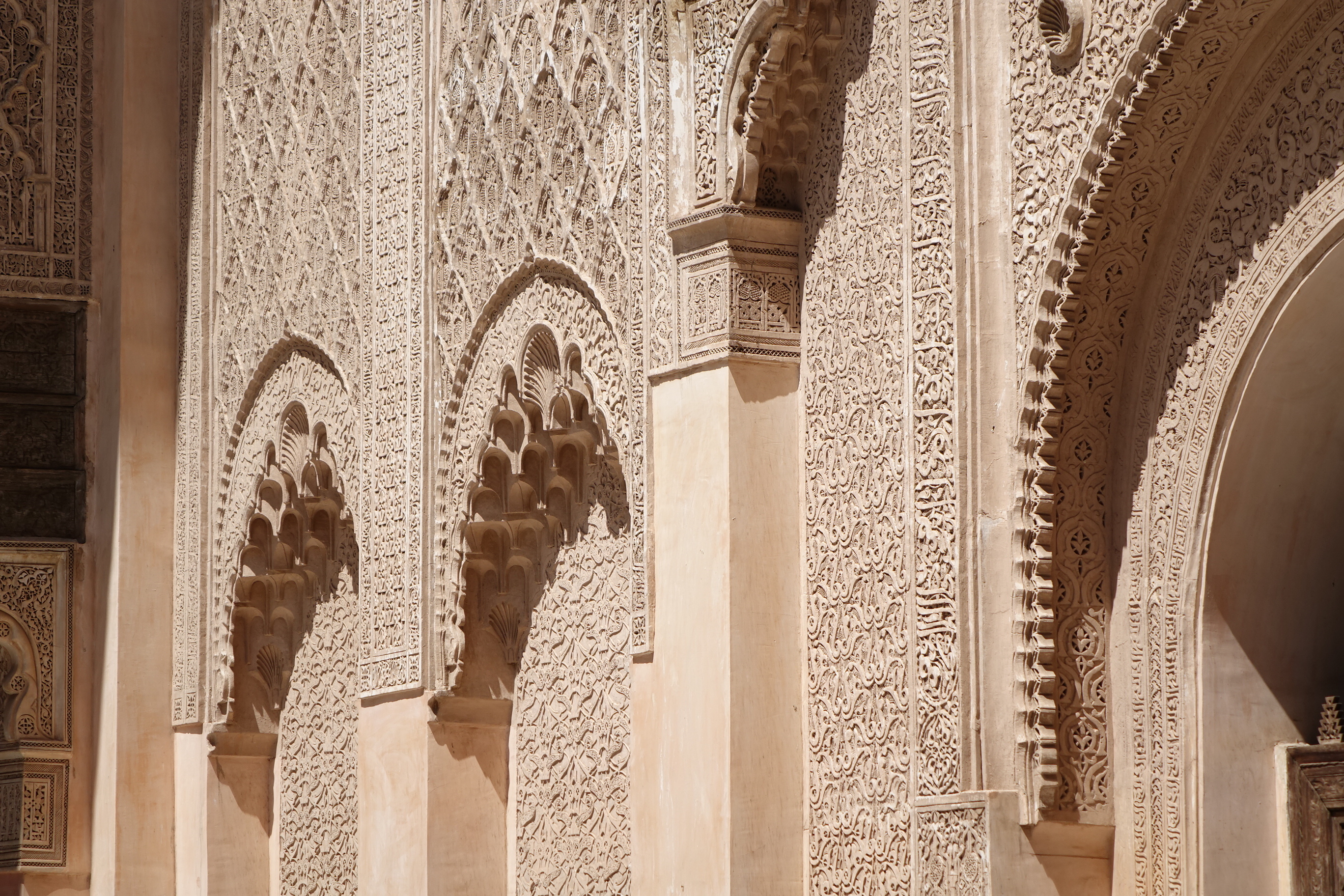
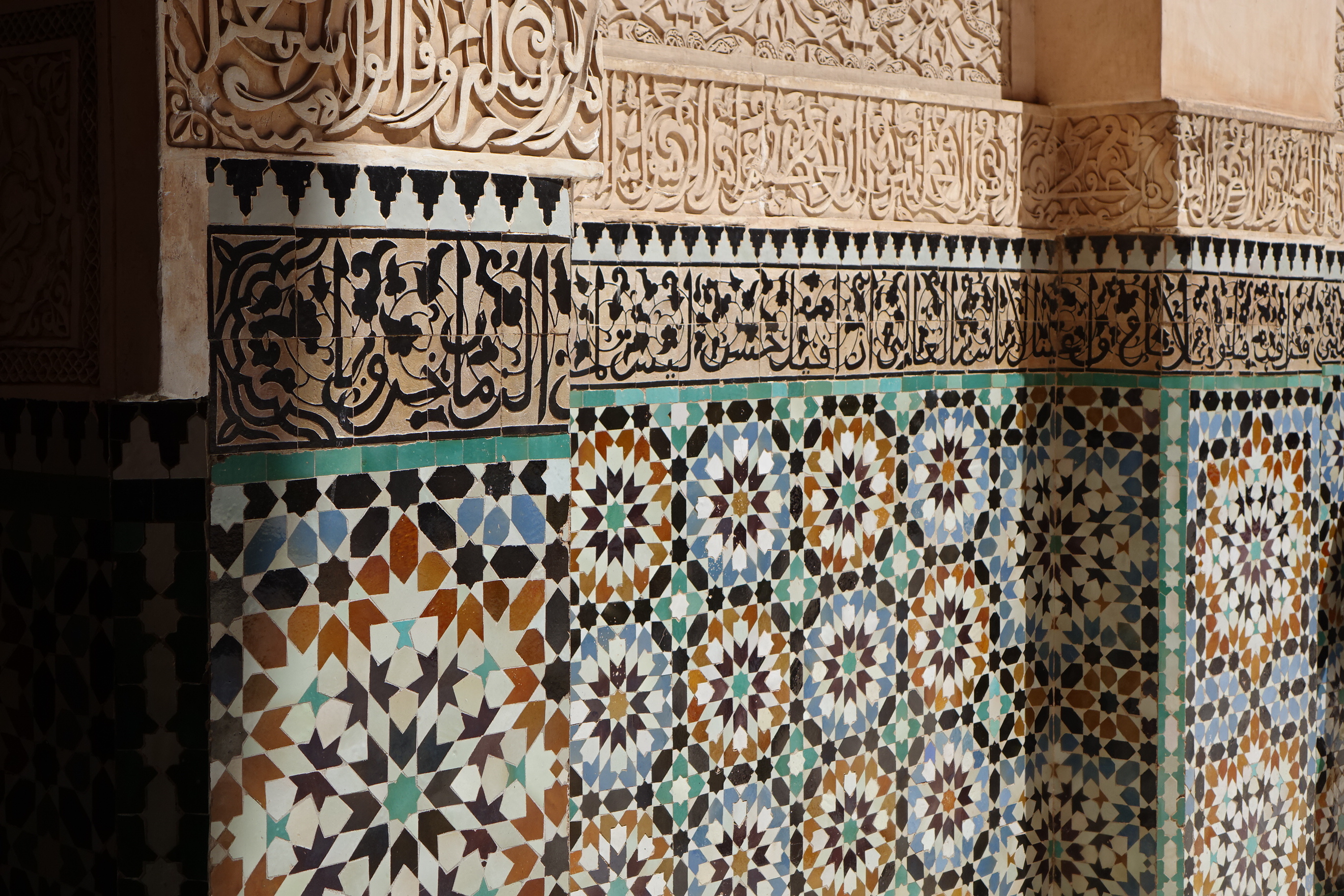
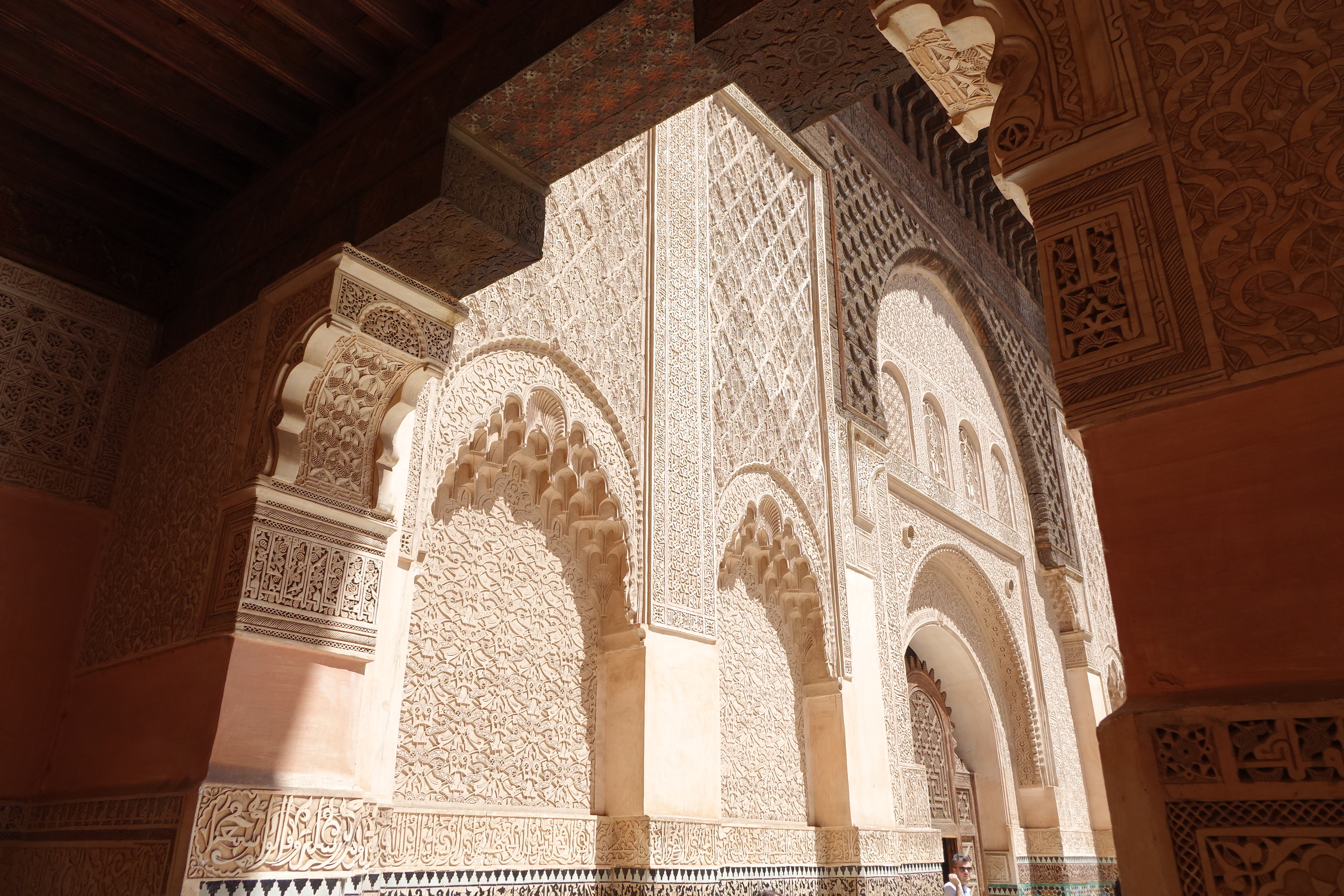
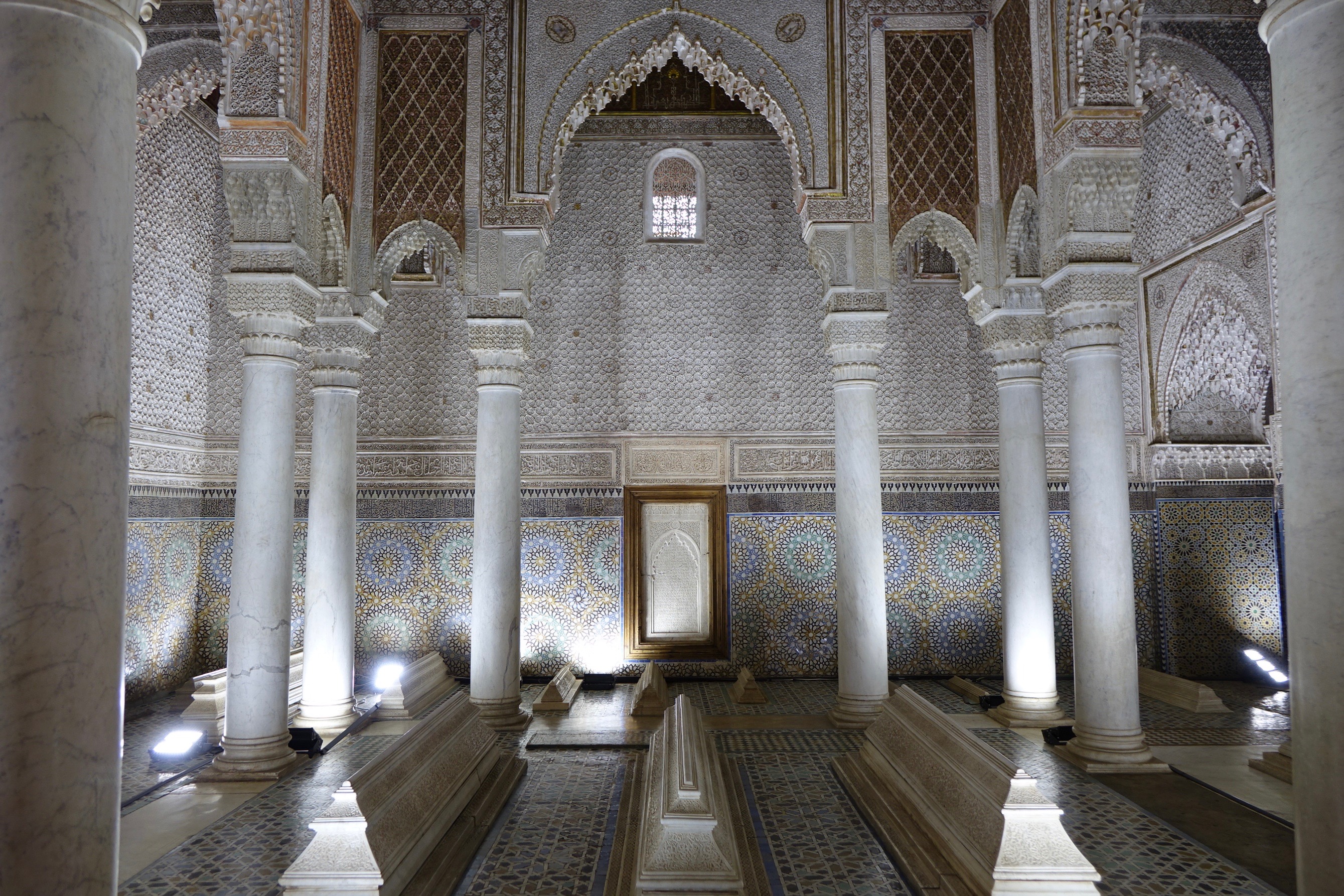
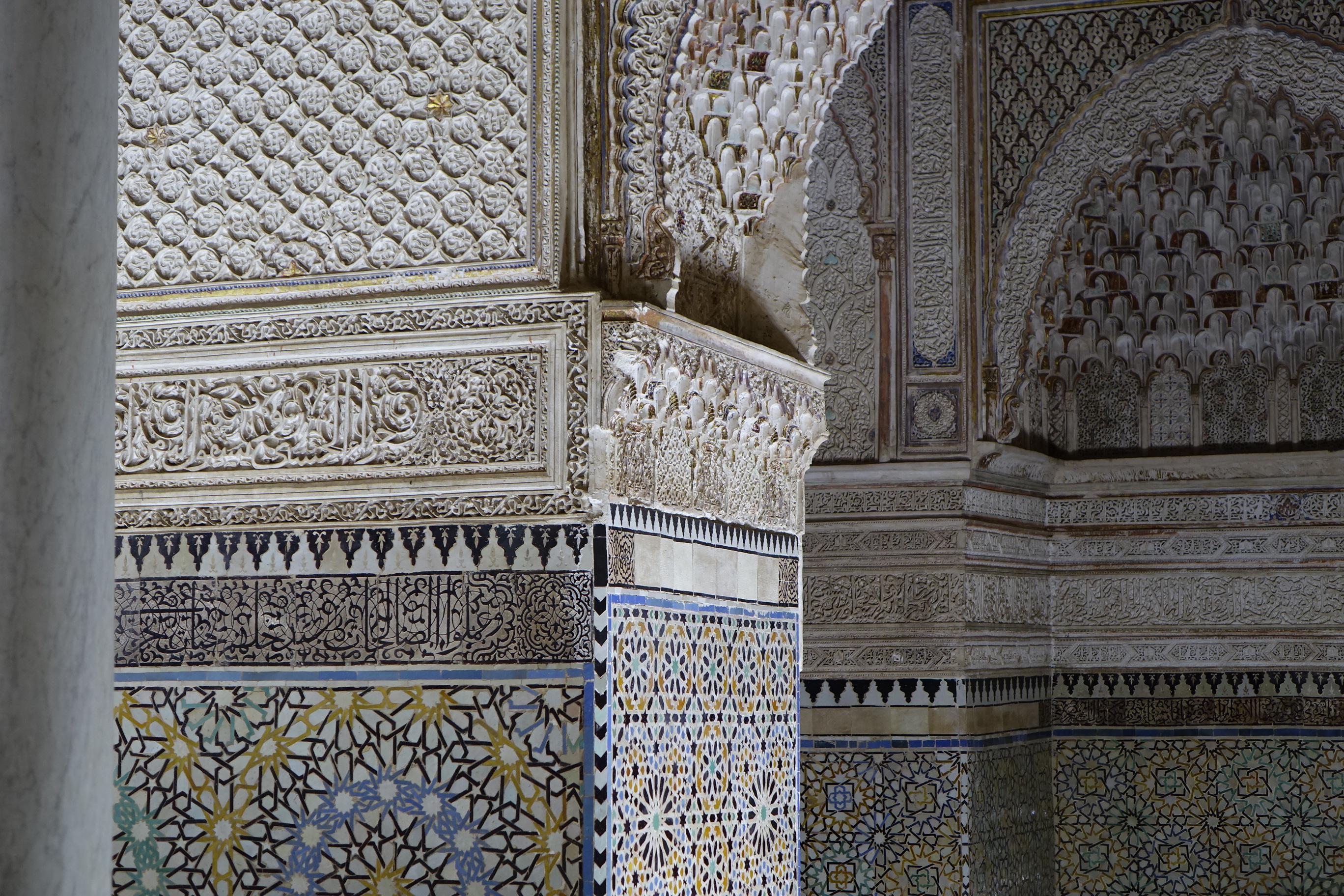
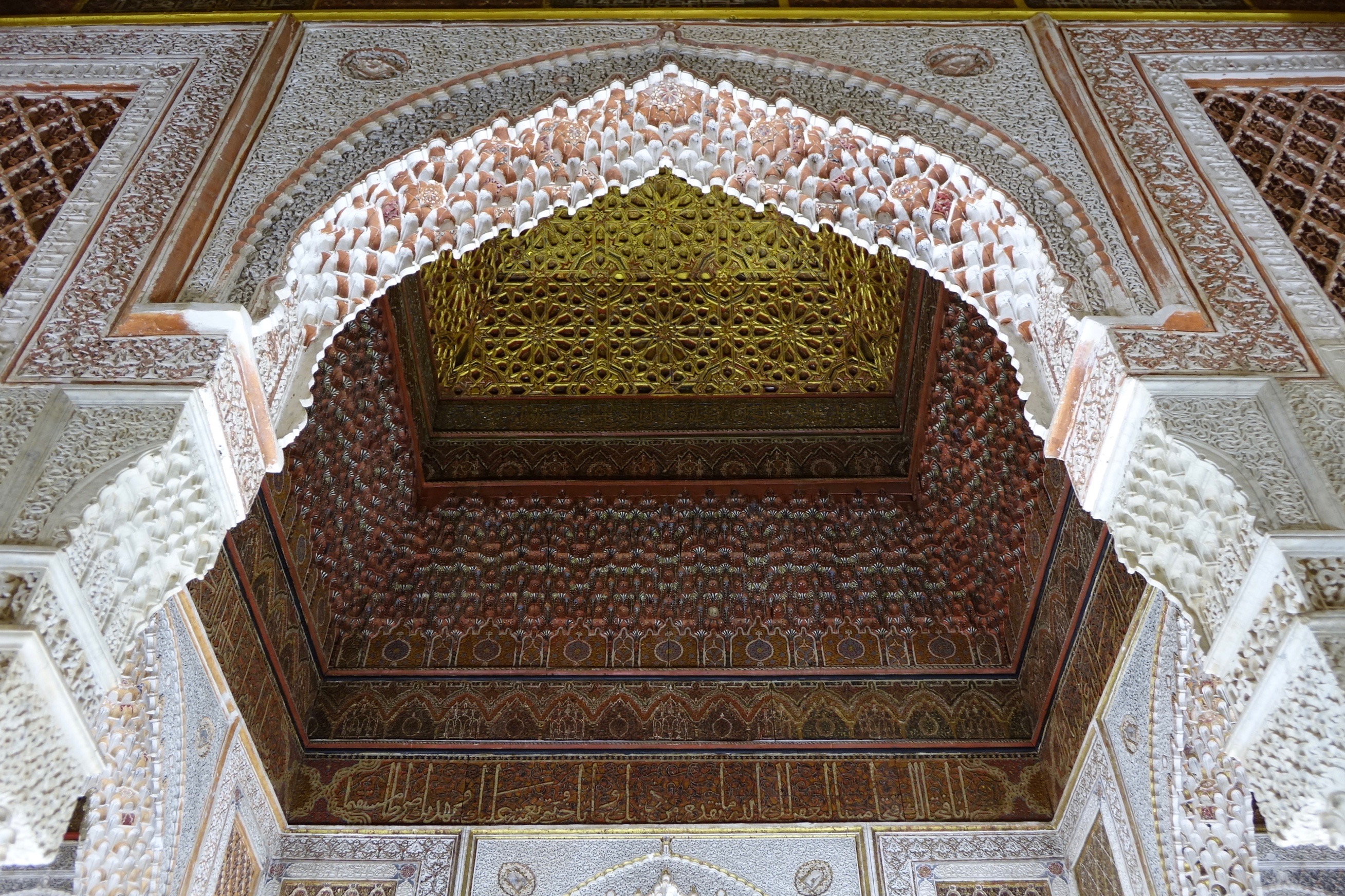
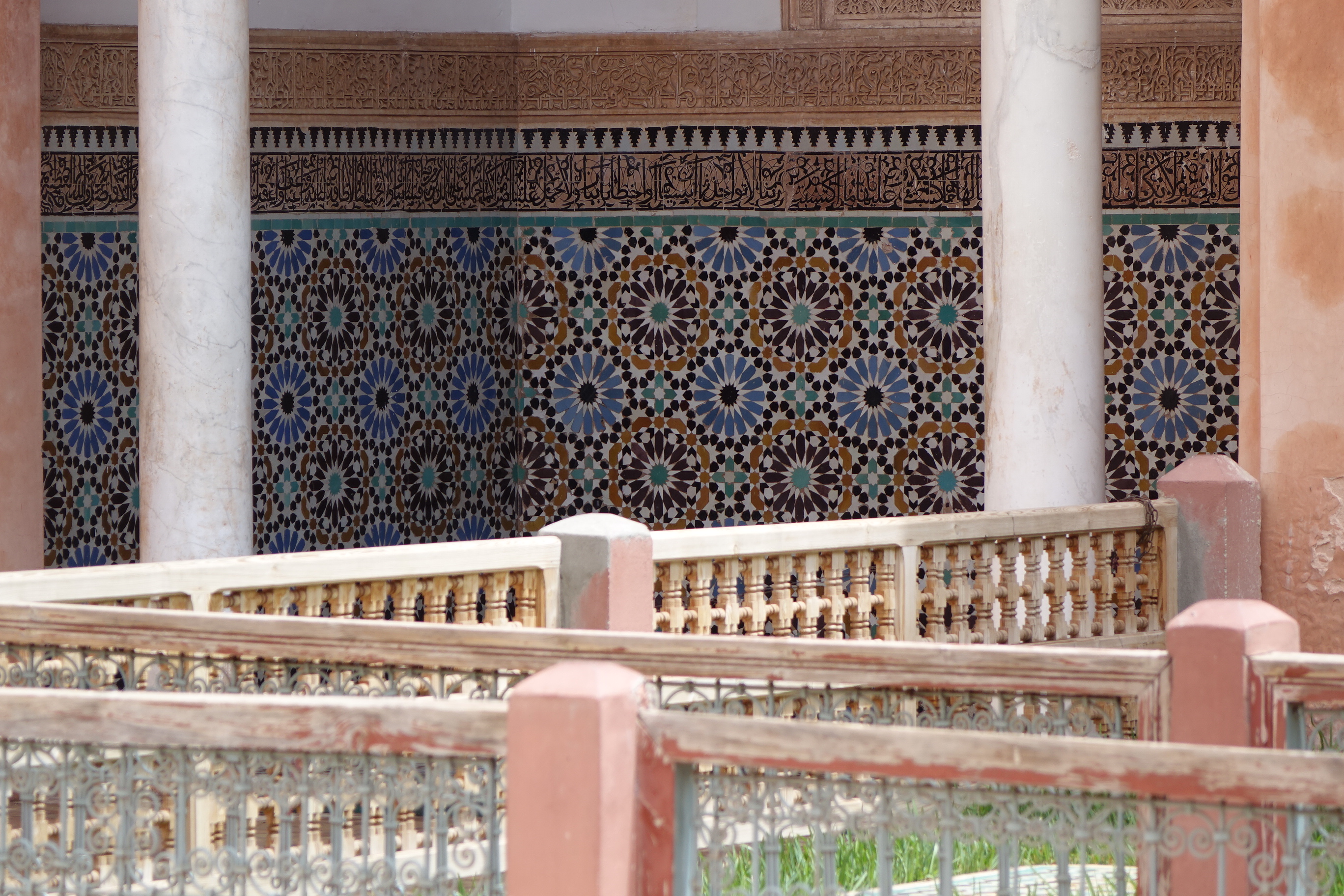
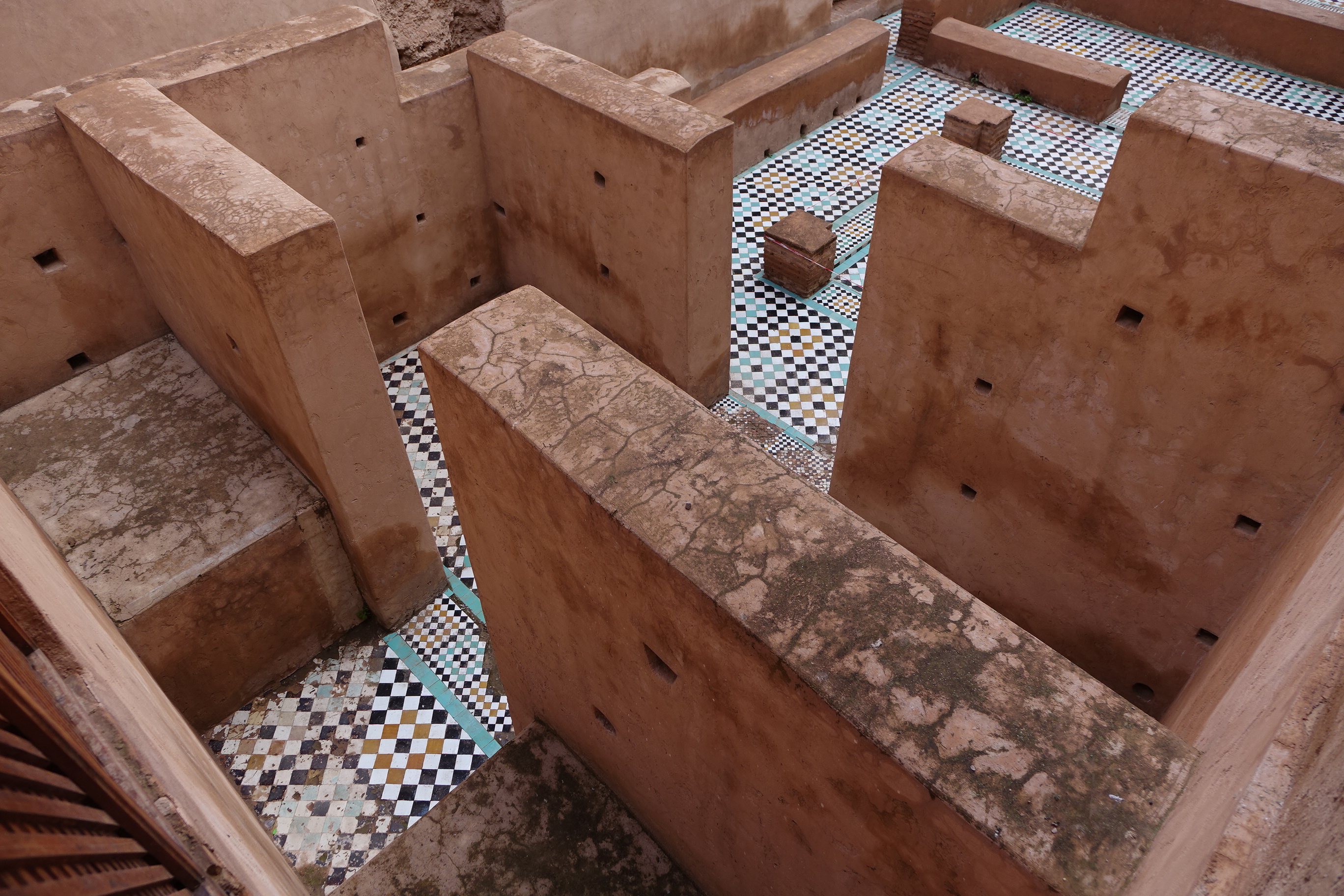
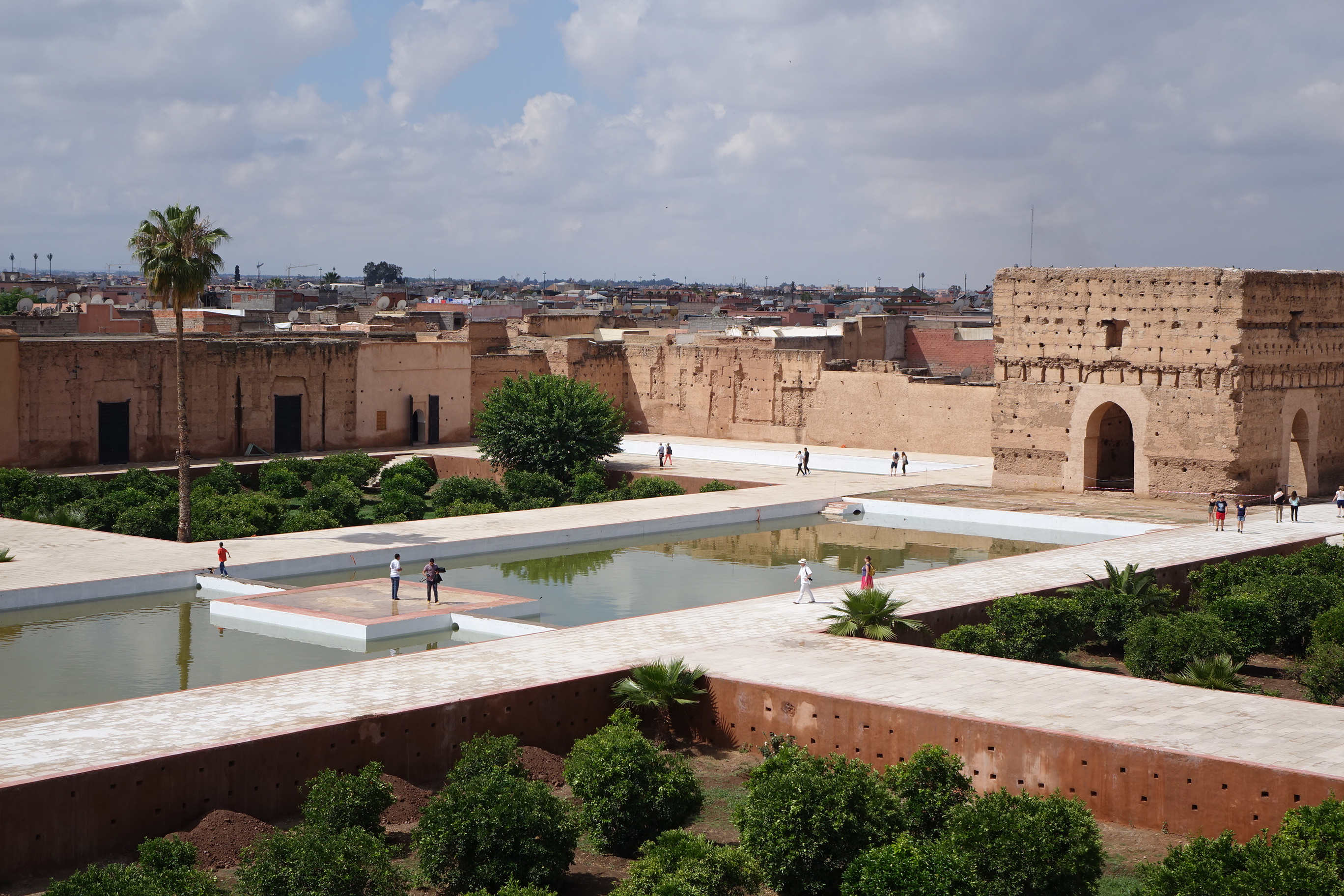
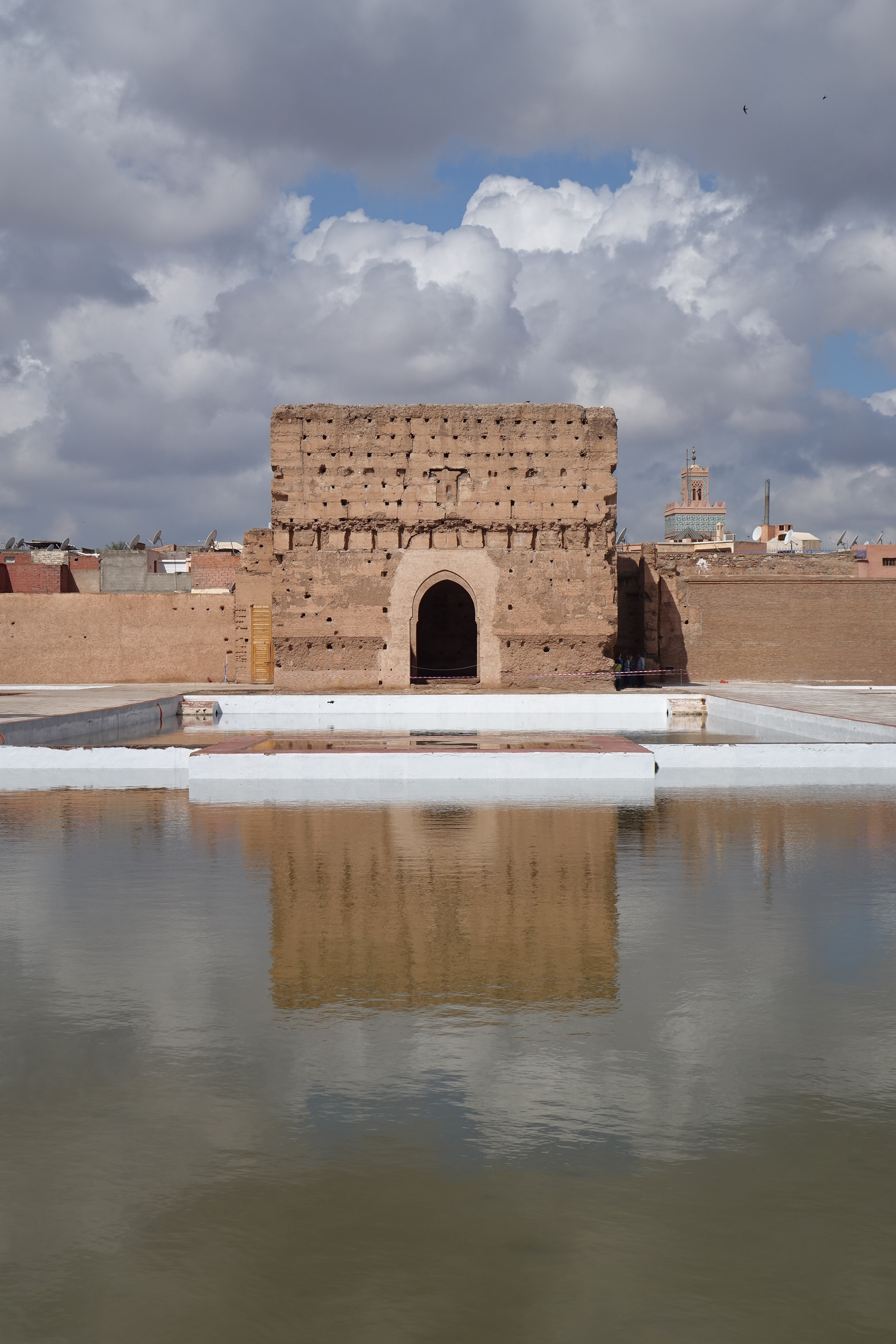
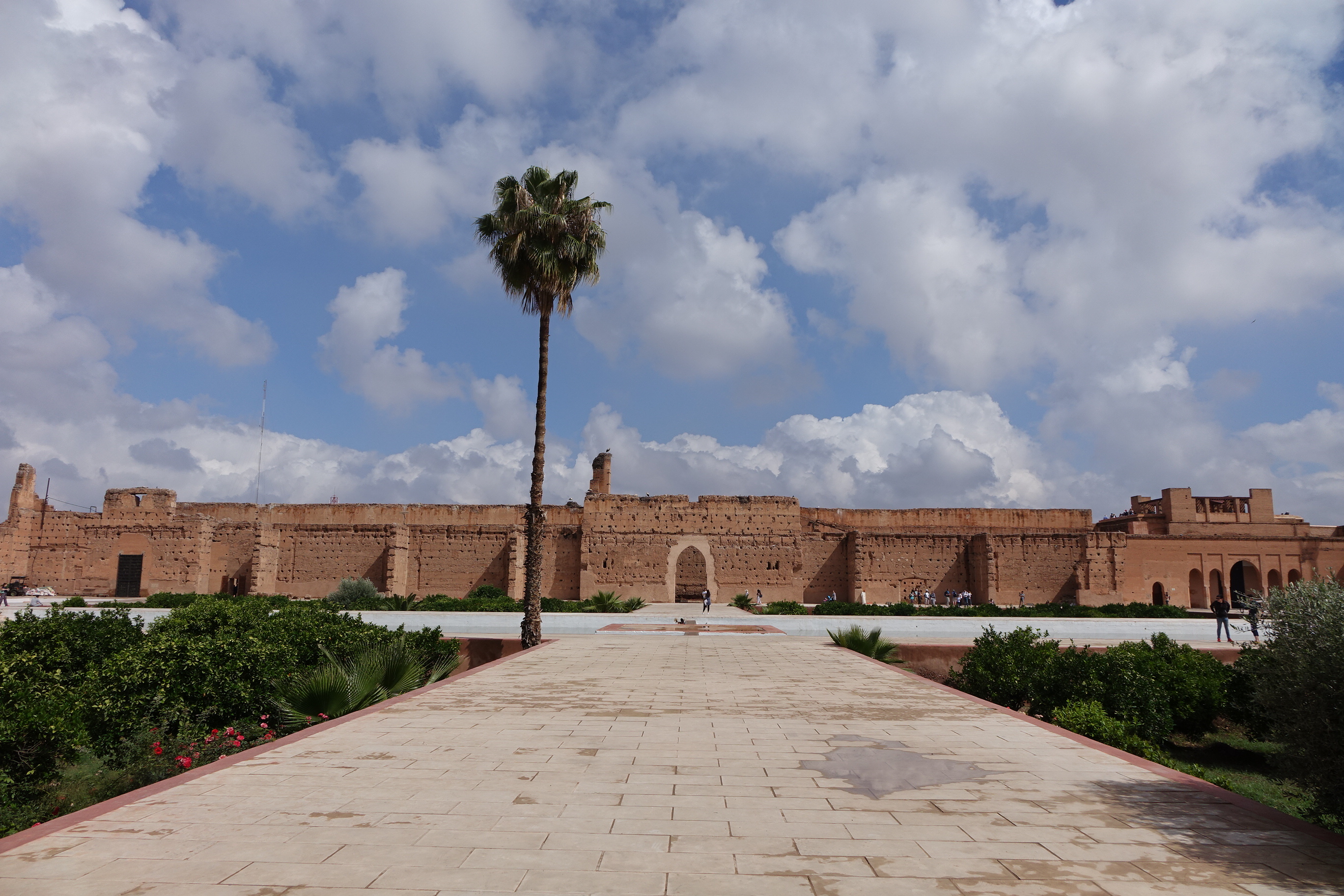
Not everything in Marrakech is pink. Masterpieces are carved out of a rich ochre stone with such intricate geometric embellishment that the stone itself seems to resemble sparkling, resplendent gold. This is the side of Marrakech from Sultans past, when the excesses of power and wealth produced some of the masterpieces of the world’s historical architecture.  The Daily Norm is no stranger to some of Islam’s most stunning architectural inventions, having indulged last summer in the jaw-droopingly extravagant craftsmanship of the Alhambra Palace in Granada, Spain. But in Marrakech, the journey continued, as ancient masterpieces unveiled themselves within narrow doorways in the crowded Souk, and from amongst the crumbling remains of former palaces. These are places both preceding and inspired by Granada’s famous gem, and no less beautiful in their masterful conception. Some are now in a very bad state indeed. The Badii Palace is a mere shadow of its former self. But across them all one common thread remains: the colour of ochre, butterscotch, Gold.
The Medersa Ben Youssef

DSC00404DSC00399DSC00396DSC00378DSC00393DSC00389DSC00390DSC00379DSC00381

The photos on this page are dedicated to three such buildings which we explored during our trip to Marrakech. The Medersa Ben Youssef is perhaps the most extensively and impressively decorated, especially when you consider that it was an Islamic College rather than a palace. Its walls literally weep with honeycomb-like carvings and elaborated horseshoe arches, while perfection in symmetry imbues the space with a finessed tranquility spoilt only by the tourist hoards which inevitably occupy the space.

The Saadian Tombs

DSC00842DSC00838DSC00847DSC00837DSC00854DSC00830DSC00839

Packed with tourists was likewise the trend exhibited by the Saadian Tombs, a complex of some 66 royal tombs which sounded like it was going to be substantial in the guidebook, but was actually little more than a single room preceded by a huge queue and whose entrance was forbidden. Rather tourists were granted a brief glimpse at the tomb room through a very narrow roped off doorway, and the brevity of their indulgence was kept carefully in check by a security guard who looked none too pleased by any such attempt to linger beyond a couple of photographs hastily composed. But it was worth the ill treatment: the tombs were stunning. I have never seen such a highly decorated space so compacted within a small area.
The Badii Palace 

DSC00636DSC00674DSC00755DSC00671DSC00731DSC00630DSC00633DSC00661DSC00619

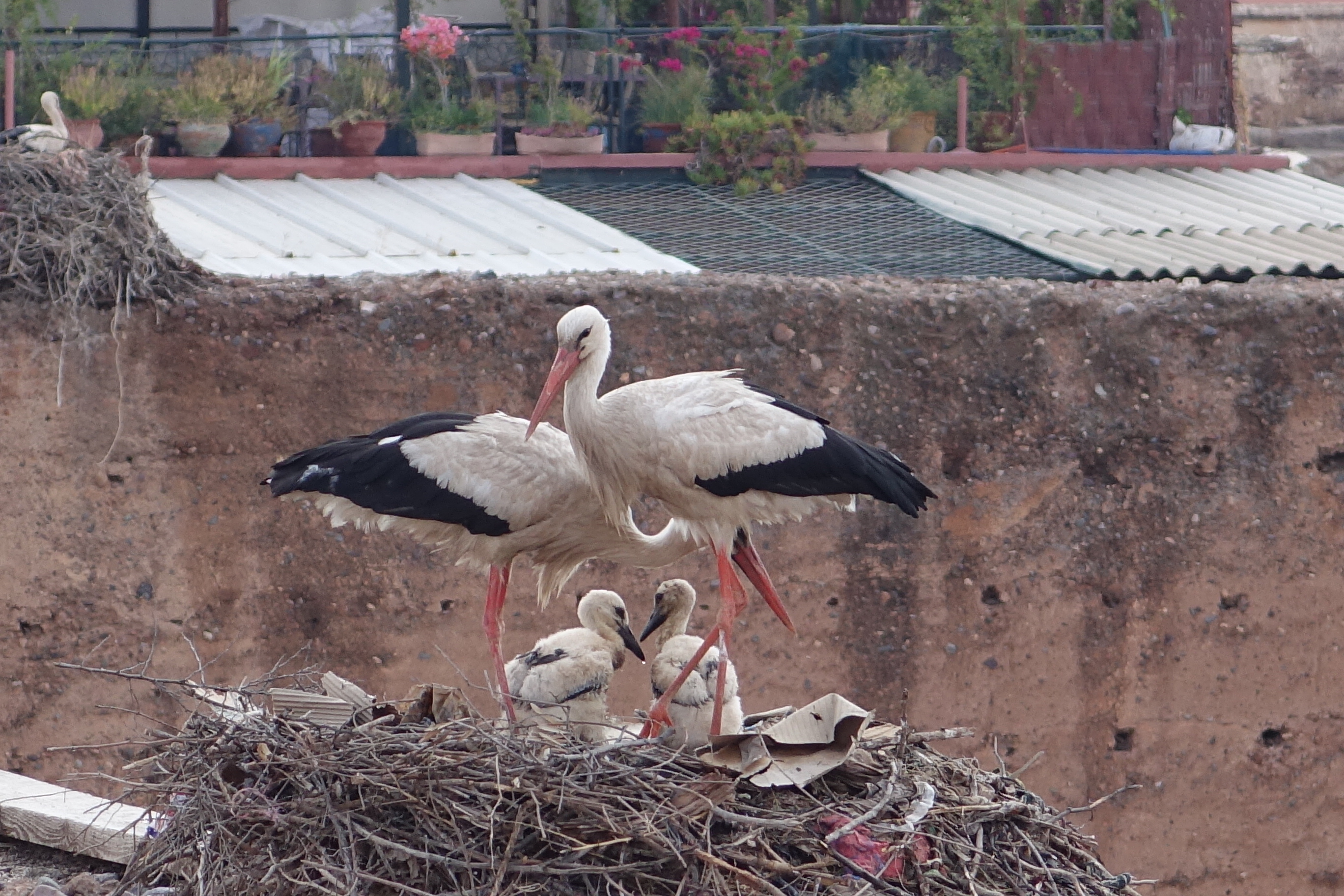
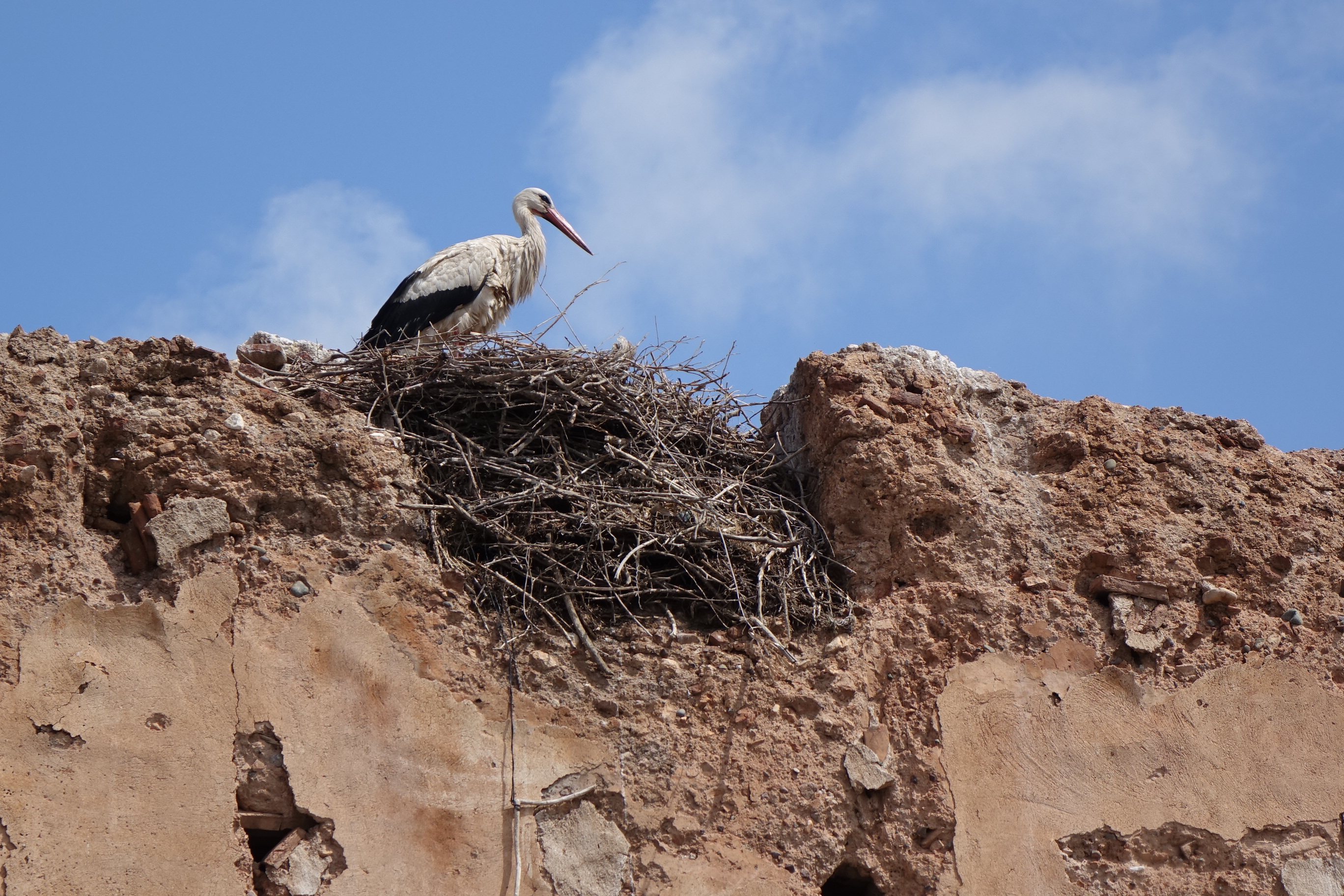
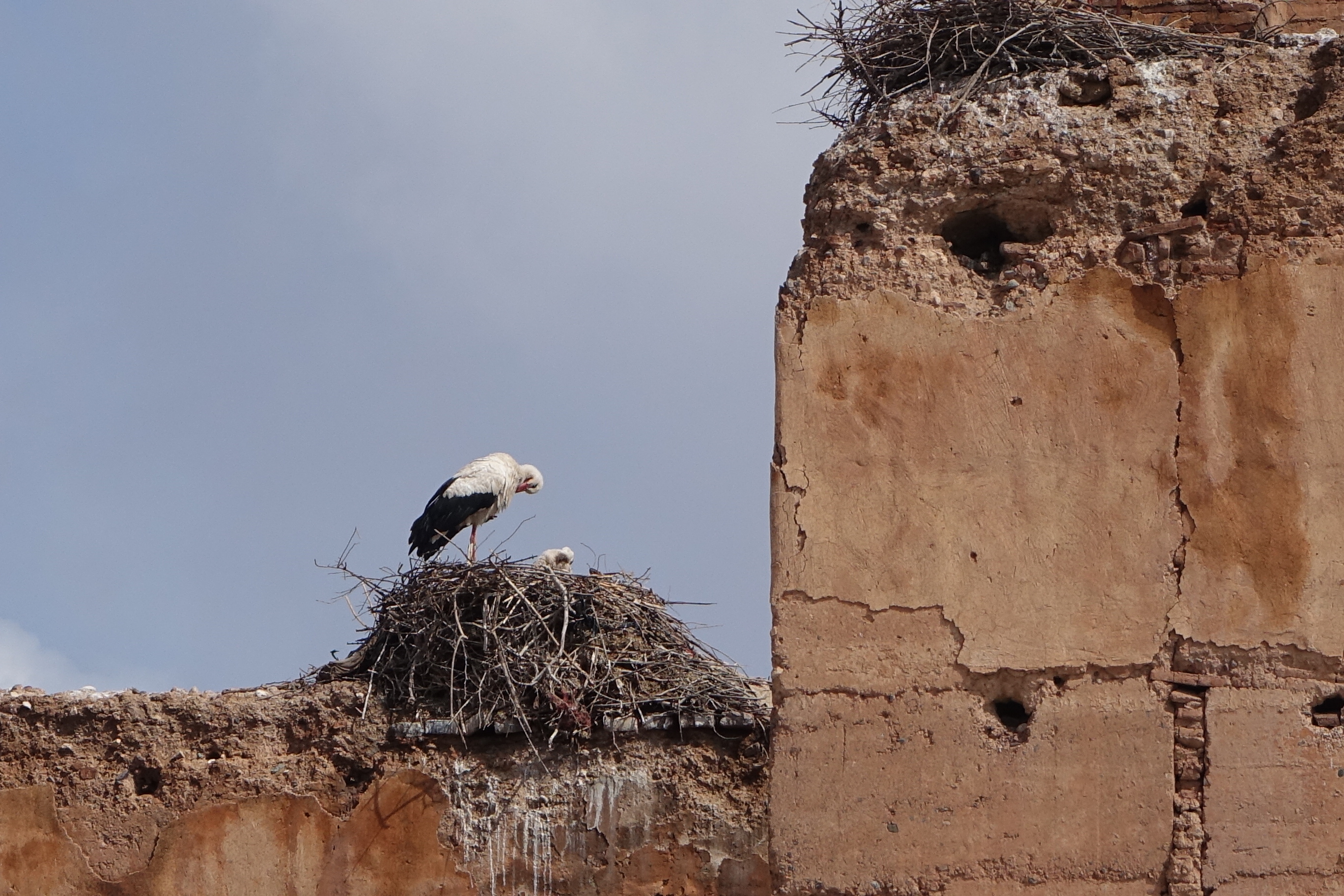
But perhaps our favourite of these golden palaces was the Badii Palace, which is funny really since it was also the least attractive in terms of decoration or embellishment. What took some 25 years to complete and was said to have been one of the most magnificent palaces ever constructed is today a mere skeleton of its former self, having had its riches brutally scrapped by a conquering sultan when he decided to move his centre of power elsewhere. Nonetheless there is a definite poetry in what remains, and an impressive sense of the scale of the original gauged from what is left behind. Best of all are the elegant storks who love to nest on the crumbling site, and probably made for the best photos of them all.
The Badii Storks 

DSC00708DSC00763DSC00717DSC00650DSC00714DSC00624

© Nicholas de Lacy-Brown and The Daily Norm, 2001-2017. Unauthorized use and/or duplication of the material, whether written work, photography or artwork, included within The Daily Norm without express and written permission from The Daily Norm’s author and/or owner is strictly prohibited.