Skip to content

Posts tagged ‘History’

Conscience and Conflict: Pallant House explores British Artists and the Spanish Civil War

As the year draws to a close, it is only natural to look back on the highs and lows, and to review everything a little. When it comes to exhibitions, I wouldn’t say that 2014 was necessarily the strongest of years in the UK. I was left a little disappointed by a number of exhibitions I attended, especially at the Royal Academy and Tate Britain. However that is not to say that there were not a number of sure hits. My top 5 exhibitions of the year (in no particular order) have to include the Matisse Cut-outs at Tate Modern, Malevich at Tate Modern, Egon Schiele at the Courtauld, and Rembrandt at the National Gallery. But for the final of the 5, one further exhibition has managed to squeeze into my year’s hit-list, just before 2014 expired: Conscience and Conflict: British Artists and the Spanish Civil War at the Pallant House Gallery in Chichester.

As far as modern world history goes, the Spanish Civil War is too often overshadowed by the longer, larger Second World War that followed it. But none can underestimate the significance of this conflict which, in effect, lasted decades beyond the cessation of fighting, and not least because this was one conflict where the Fascists won the war, right on the doorstep of democratic civilisation. And it was this fear – the very real concern that fascism might win at a time when two major fascist dictators were already installed in Germany and Italy, and when a greater world conflict seemed more than likely – that inspired the artistic reaction amongst British Artists that is the focus of this excellent exhibition.

Frank Brangwyn: For the relief of women and children in Spain (1936-7), detail
Frank Brangwyn: For the relief of women and children in Spain (1936-7), detail

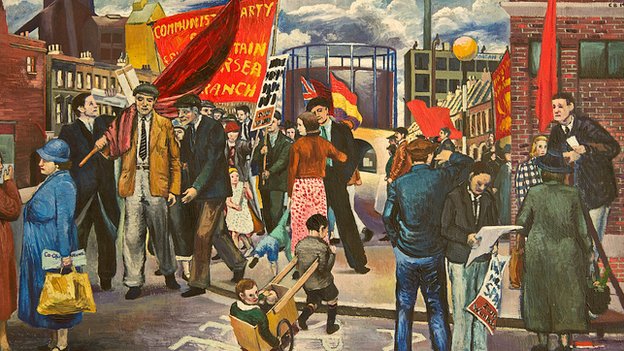
Clive Branson, Demonstration in Battersea (1939)

Clive Branson, Demonstration in Battersea (1939)

Merlyn Evans, Distressed Area (1938)
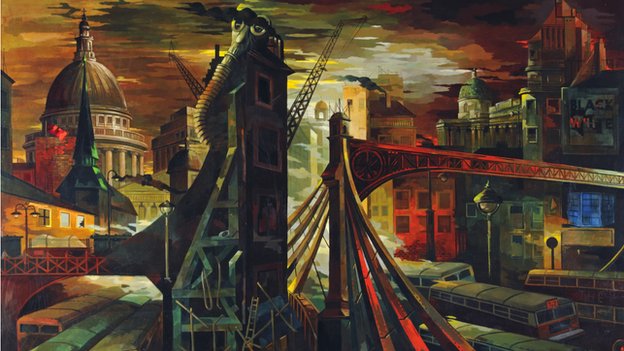
Merlyn Evans, Distressed Area (1938)

Walter Nessler, Premonition (1937)
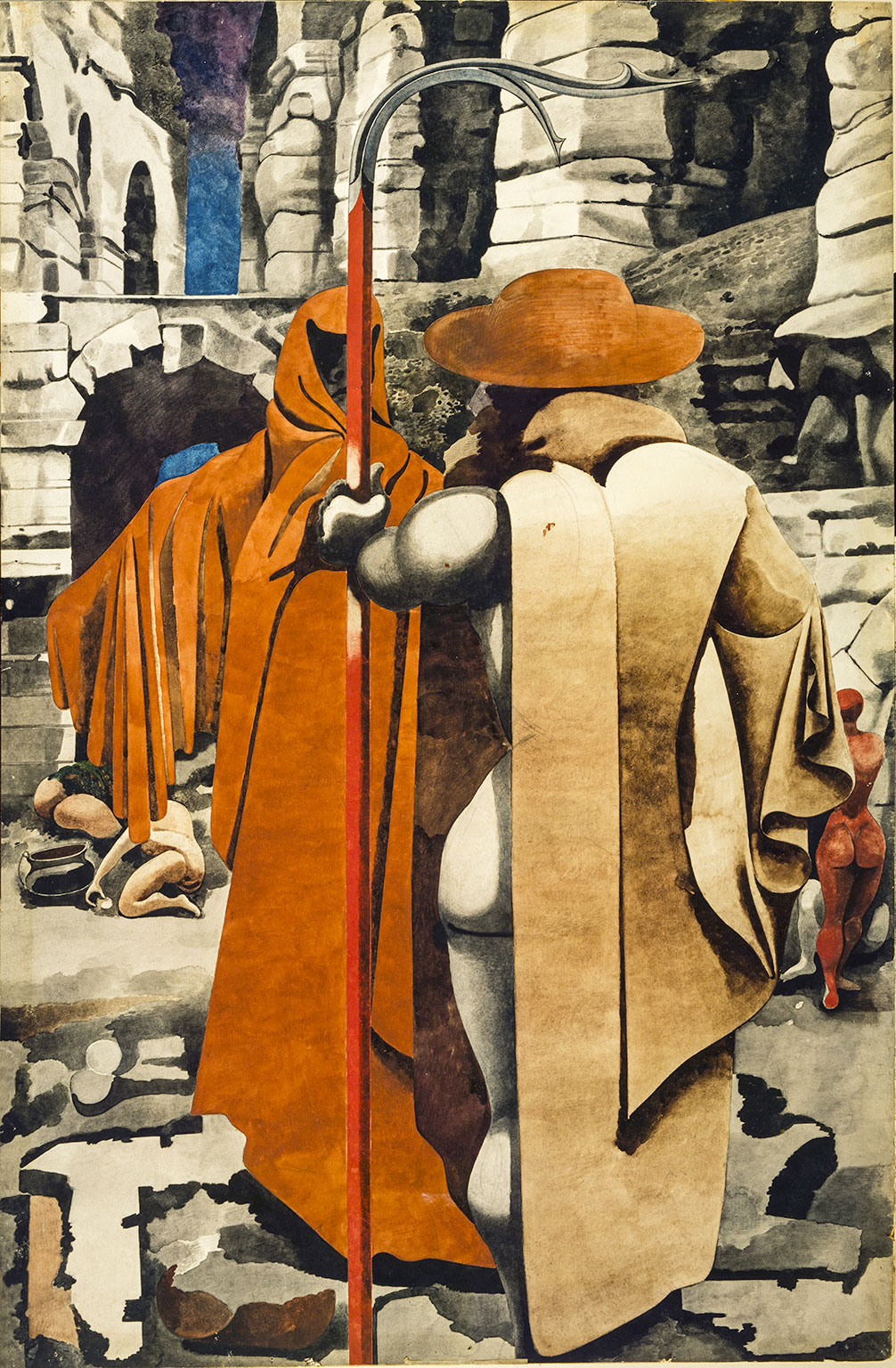
Walter Nessler, Premonition (1937)

Edward Burra, The Watcher (1937)

Edward Burra, The Watcher (1937)

Stanley William Hayter, Paysage Anthropophage (Man-eating landscape) (1938)

Stanley William Hayter, Paysage Anthropophage (Man-eating landscape) (1938)

For British Artists between 1936-9 were reacting not just to the horrors of the war, often with surreal images (Edward Burra’s brilliant watercolours being a prime example), destroyed landscapes (Merlyn Evans), and distraught victims (Henry Moore and Picasso), but also to the innate frustration that the British Government had adopted a non-interventionist policy. This felt like utter madness when the fascist leaders of Europe were actively intervening in the Fascist cause, and caused artists of Britain to uprise, creating brilliant propaganda posters supporting the Republican Cause and, ultimately, fighting in the war themselves.

Pablo Picasso, Weeping Woman (1937)

Pablo Picasso, Weeping Woman (1937)

John Armstrong, Invocation (1938)
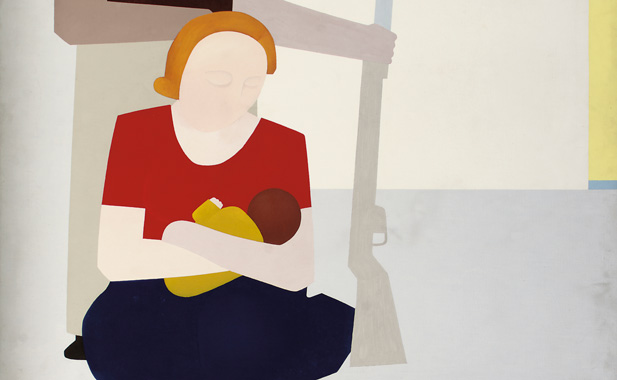
John Armstrong, Invocation (1938)

Alastair Morton, Spanish Civil War (1939)
Alastair Morton, Spanish Civil War (1939)

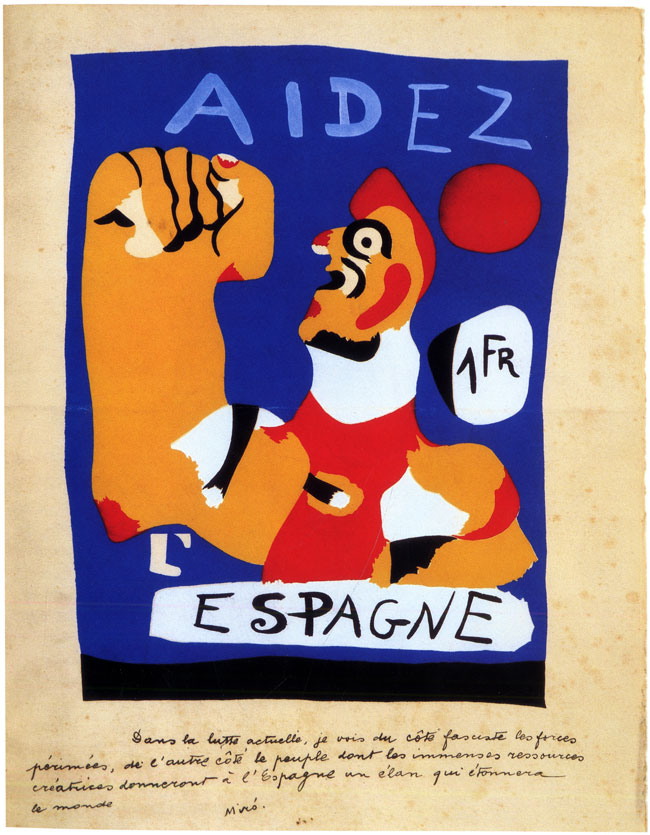
Joan Miro, Aidez L'Espagne (Help Spain) (1937)

Joan Miro, Aidez L’Espagne (Help Spain) (1937)
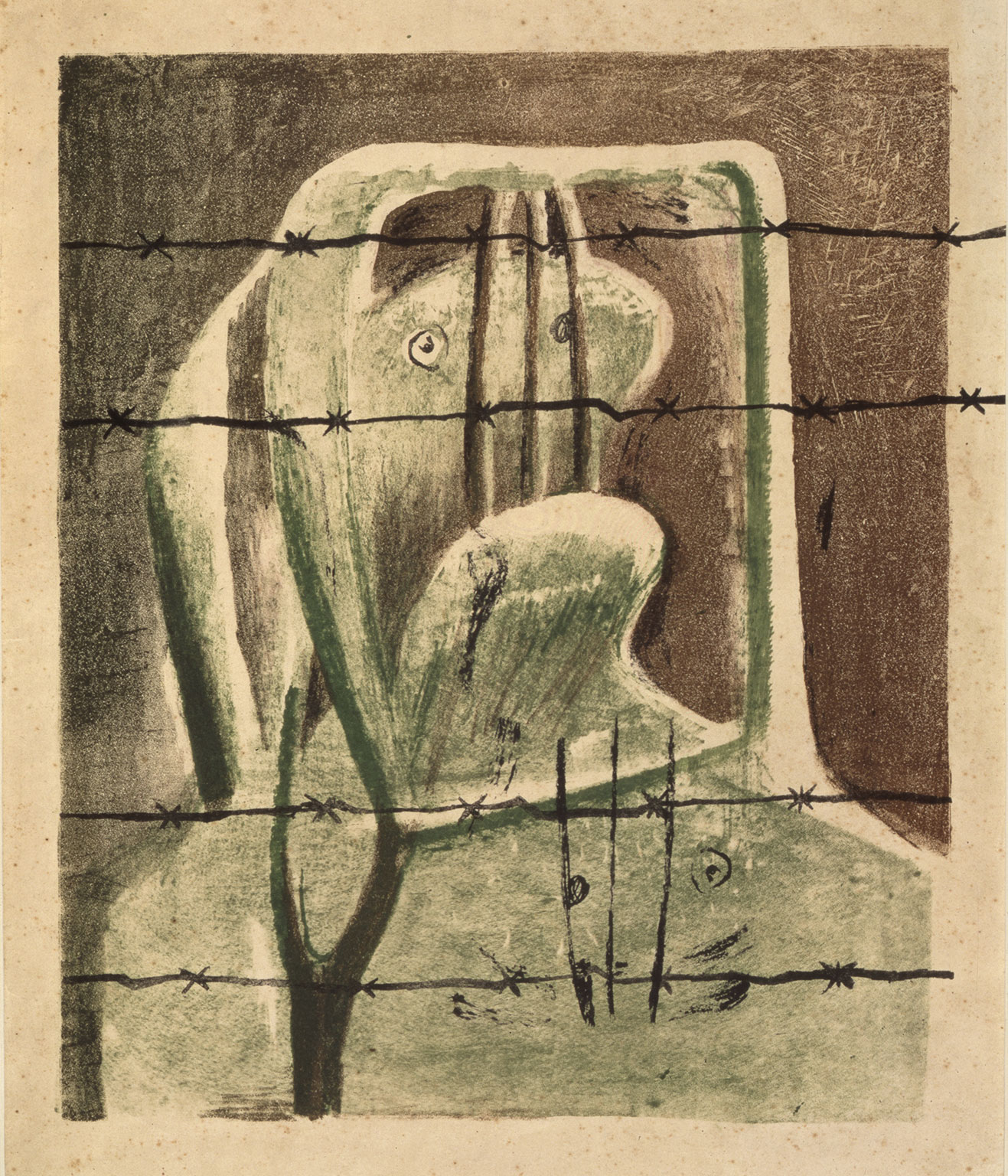
Henry Moore, Spanish Prisoner (1939)

Henry Moore, Spanish Prisoner (1939)

So this is an exhibition of posters and of paintings, all sharing the high tensions and morbid premonitions of the time. How apt, for example, was Walter Nessler’s Premonition in 1937, in which he imagined London suffering the same bombardment as had destroyed the Basque town of Guernica only weeks before. How right he was, for only 3 years later, his imagined landscape would become a stark reality for Blitzed London. Those tensions are also brilliantly played out in posters such as Brangwyn’s For the Relief of Women and Children in Spain, which uses the catholic imagery of Mary to emphasise the war’s human plight, especially amongst Spanish Children, and of course in Picasso’s Weeping Woman, painted at the same time as the most famous of all reactions to the war, Guernica, and which makes for a sensational focus of this exhibition.

Conscience and Conflict has only 6 weeks to go, but it’s a truly brilliant exhibition, and if you can’t make it your last favourite of 2014, make it your first of 2015. The exhibition closes on 15th February 2015.

Discovering Palma: The ancient and the sacred

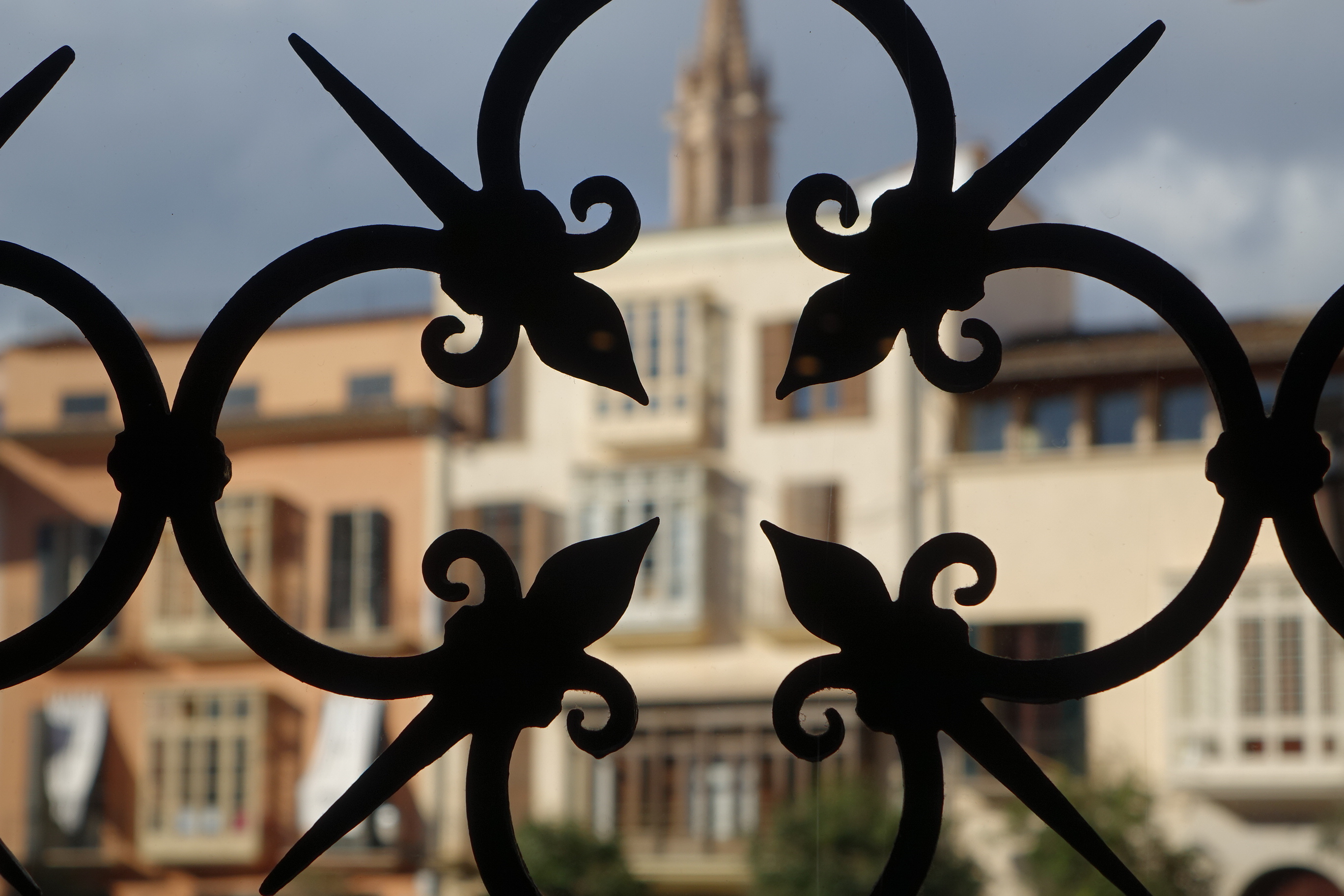
With my mother in town this last weekend, it was time to go back to tourist status, a role I slip into particularly well having only been a fully fledged resident of Palma de Mallorca for less than a month. As such I am still very much in the discovery stages, and already I have ascertained that the sprawling and ancient old town of Palma contains as many hidden corners as it does winding multi-directional streets. And by far the most sprawling, seemingly unplanned and historically rich of all the quarters is that to be found immediately behind and to the East of the Cathedral: the old moorish heart of the city.
DSC01812DSC06907 DSC01845 DSC01834 DSC01844

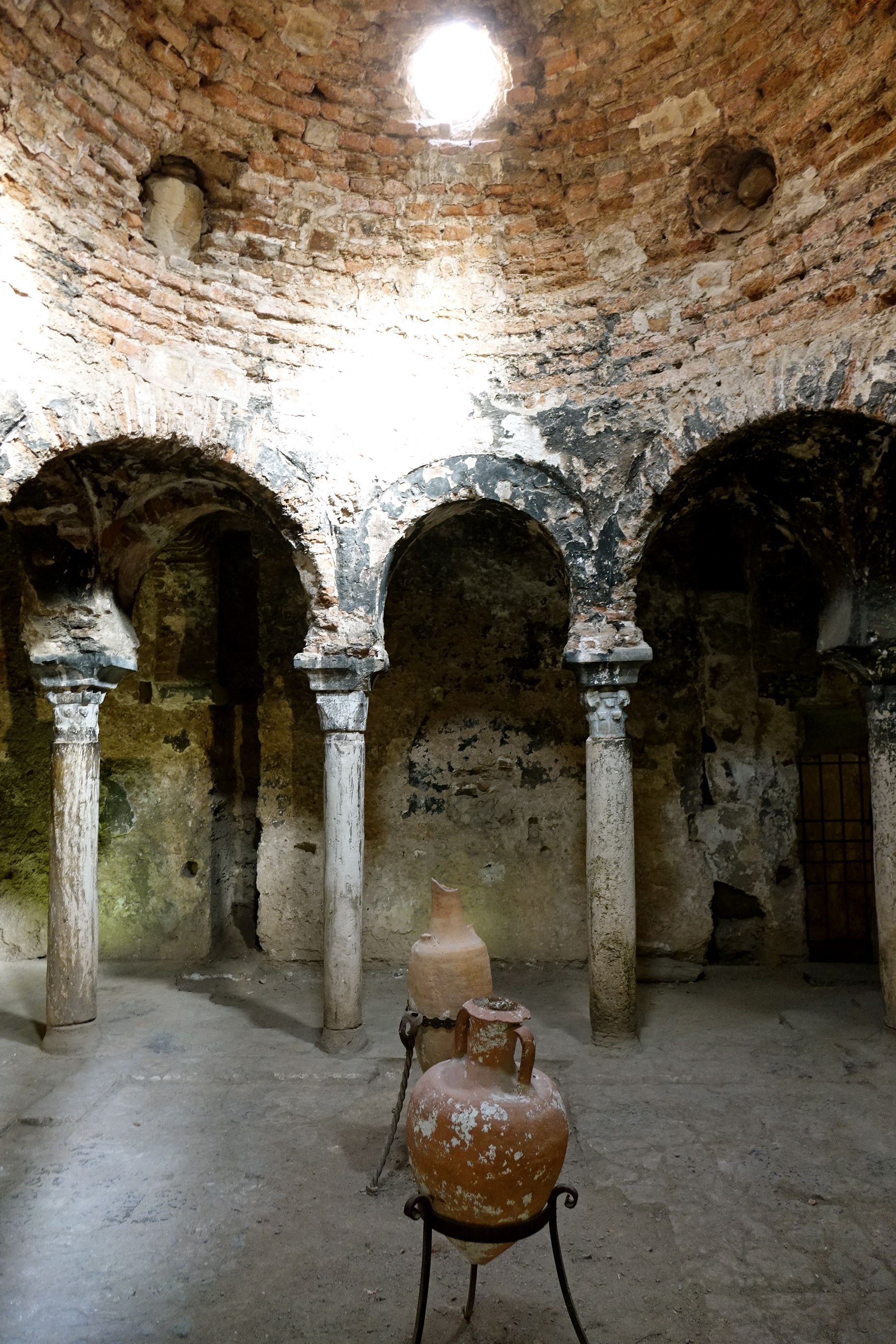
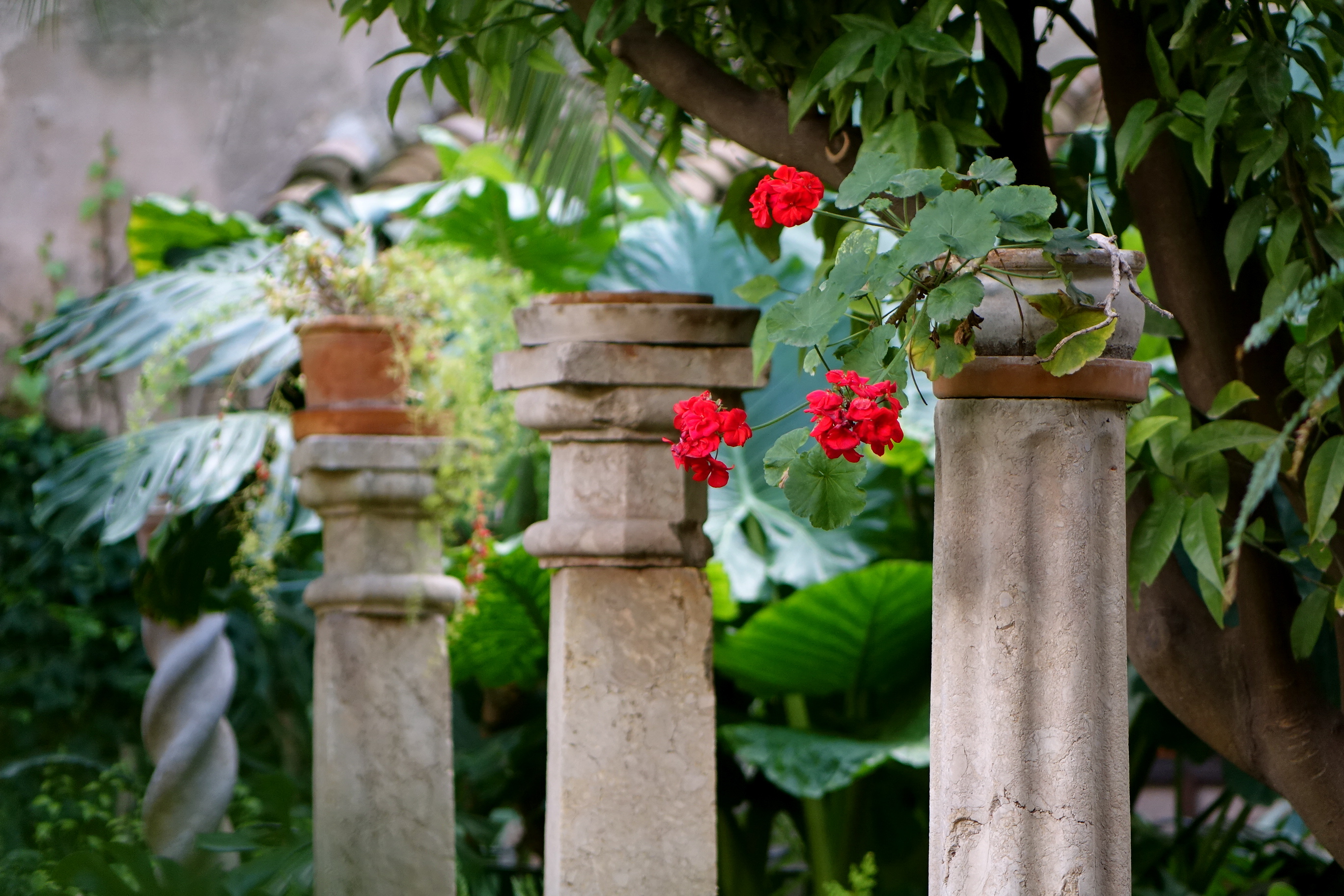
With the weekend’s festivities meaning closure of many of the main sites, we began our whistlestop tour of the city with one of the attractions that was open: the old Arabic Baths. And thus began a tour which focused on the ancient, and the sacred. The Arab Baths are not as fine and complete a monument to the previous moorish rulers of Spain as, say, La Mesquita in Cordoba or the baths in Ronda, but they are still a beautiful and historically poignant monument to a bygone age. Dating back to the 11th century and containing two halls – one for hot steaming and the other a warm ante-room, today the baths are little more than a stone archive, although one can easily decipher the moorish arches whose antiquated stone is dappled with the sharp light filtering through holes built into the domed ceiling. The best part of the baths for me however is the gardens of the adjacent Can Fontirroig manor – a lush spot which looks as beautiful in the winter as in the spring, especially when graced with the sun which happily accompanied our weekend.

DSC01866 DSC01820 DSC01886 DSC01864 DSC01873 DSC01863 DSC01868

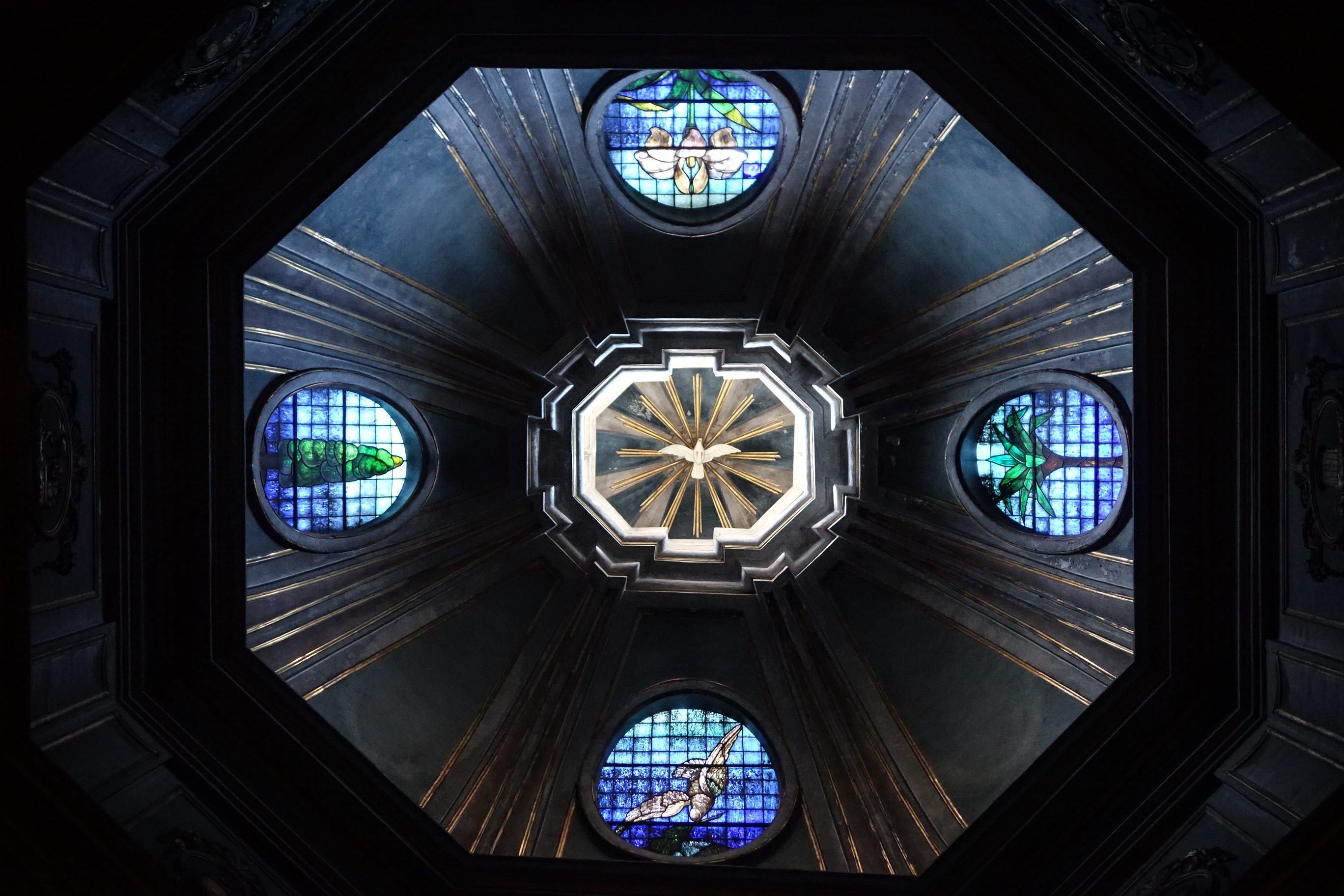
Leaving the baths and unfurling one further winding street after another, we came upon the Convent of Santa Clara, a romantically austere building and church whose side chapels are filled with the gilded floats which will be paraded in the city’s Easter processions, and whose nun inhabitants bake traditional convent sweets for sale. Naturally we couldn’t resist the purchase of a marzipan, nor a bag of our favourite polverones – a fragile powdery biscuit named after the dusty nature of its constitution.

DSC01904 DSC01918 DSC01914

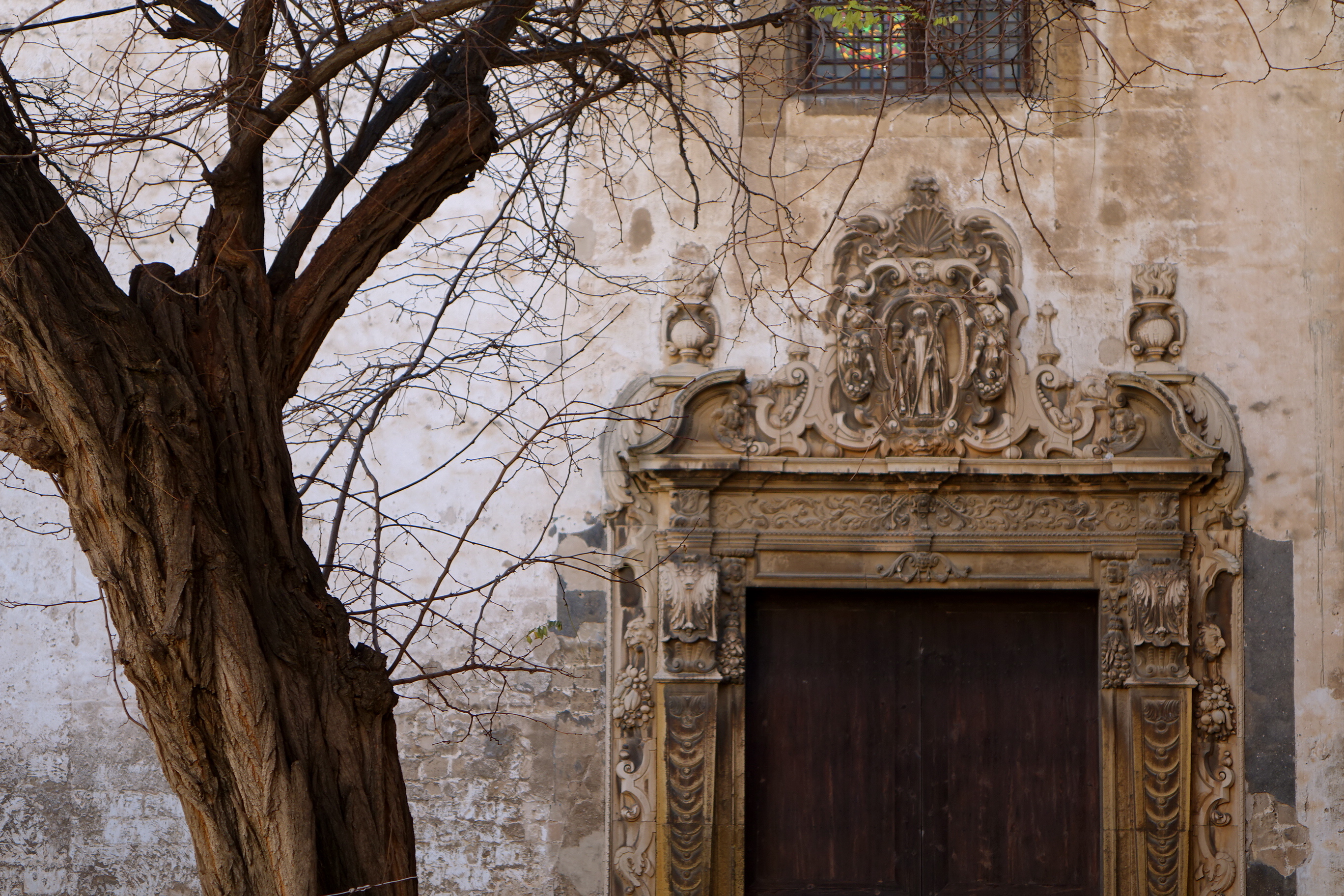
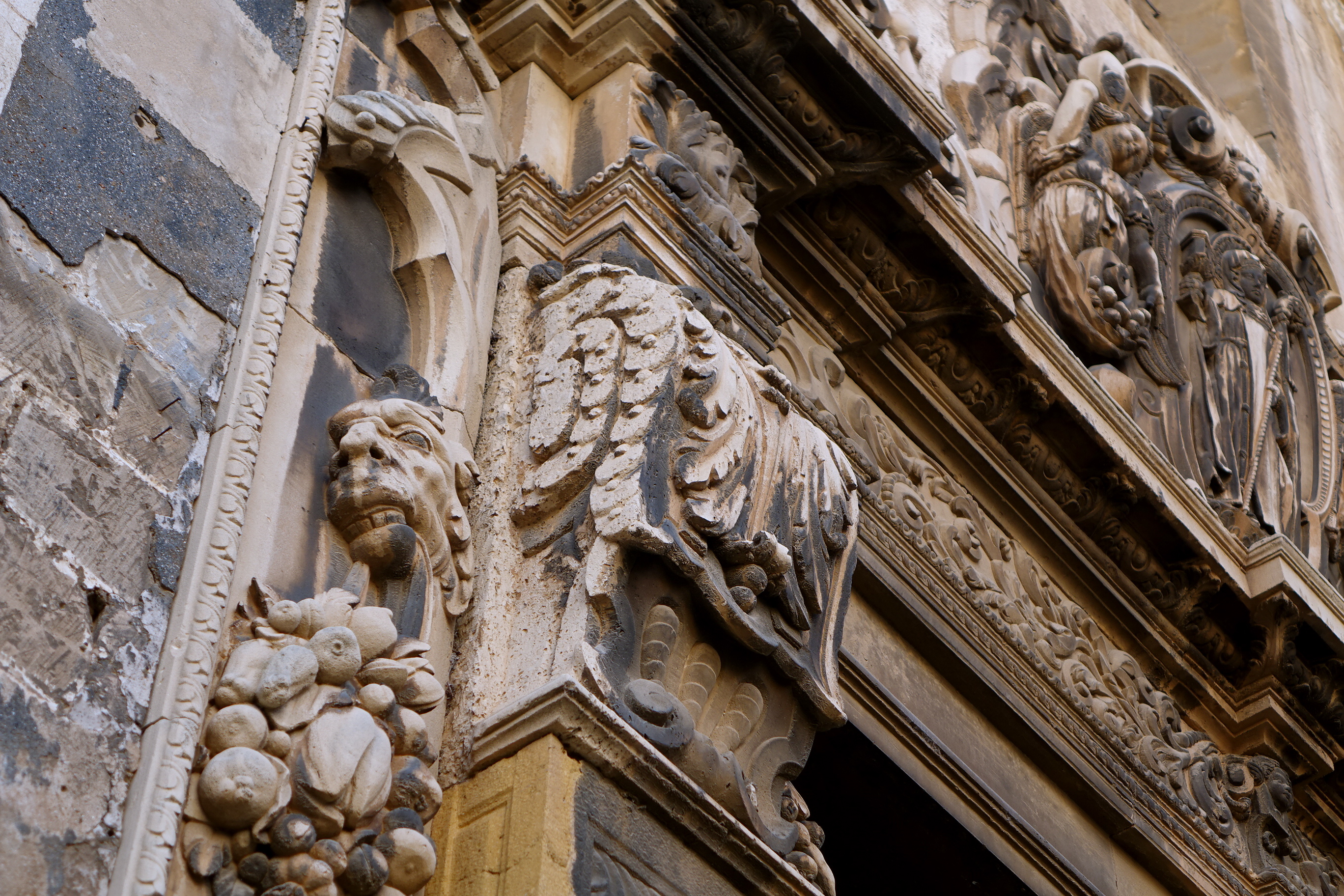
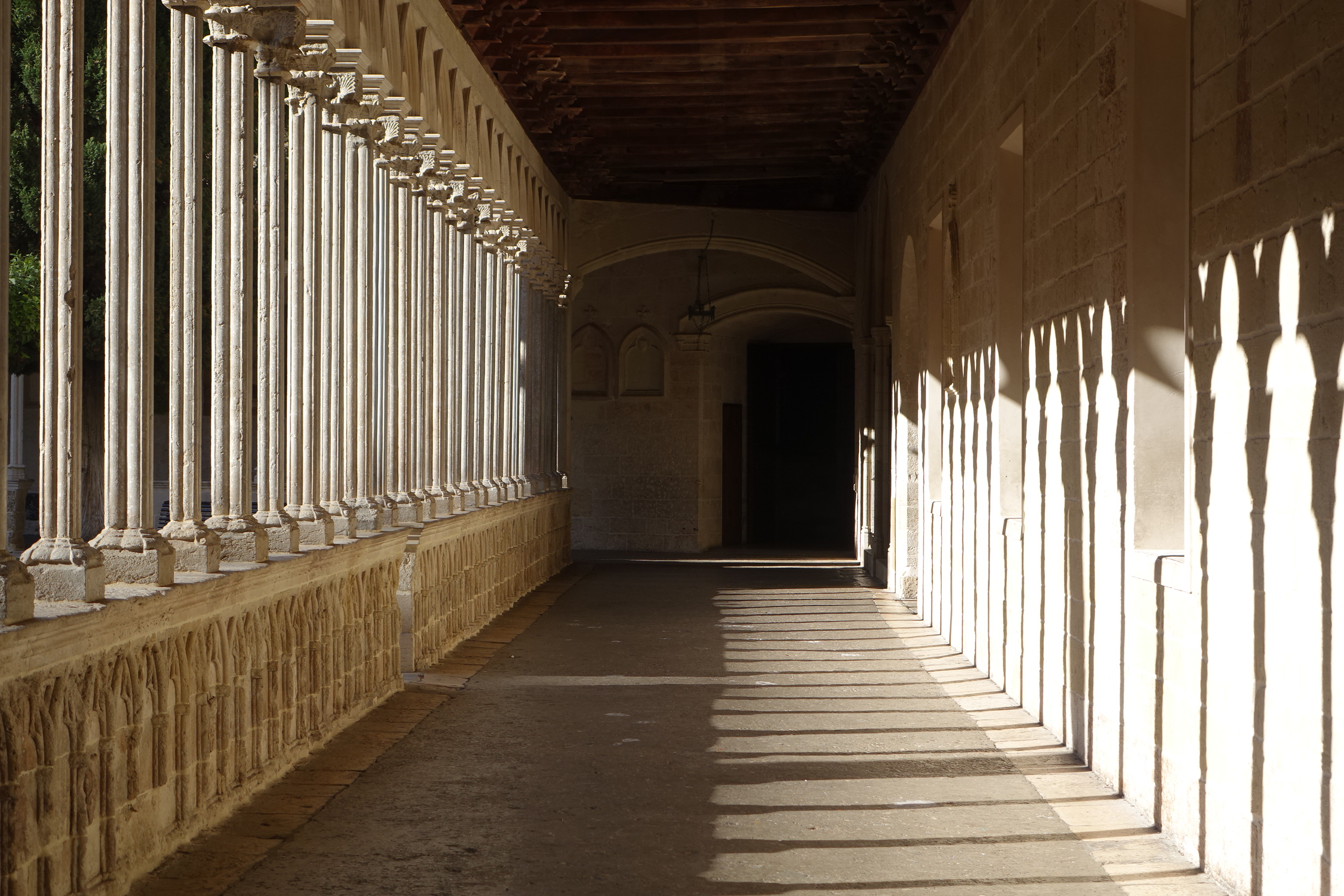
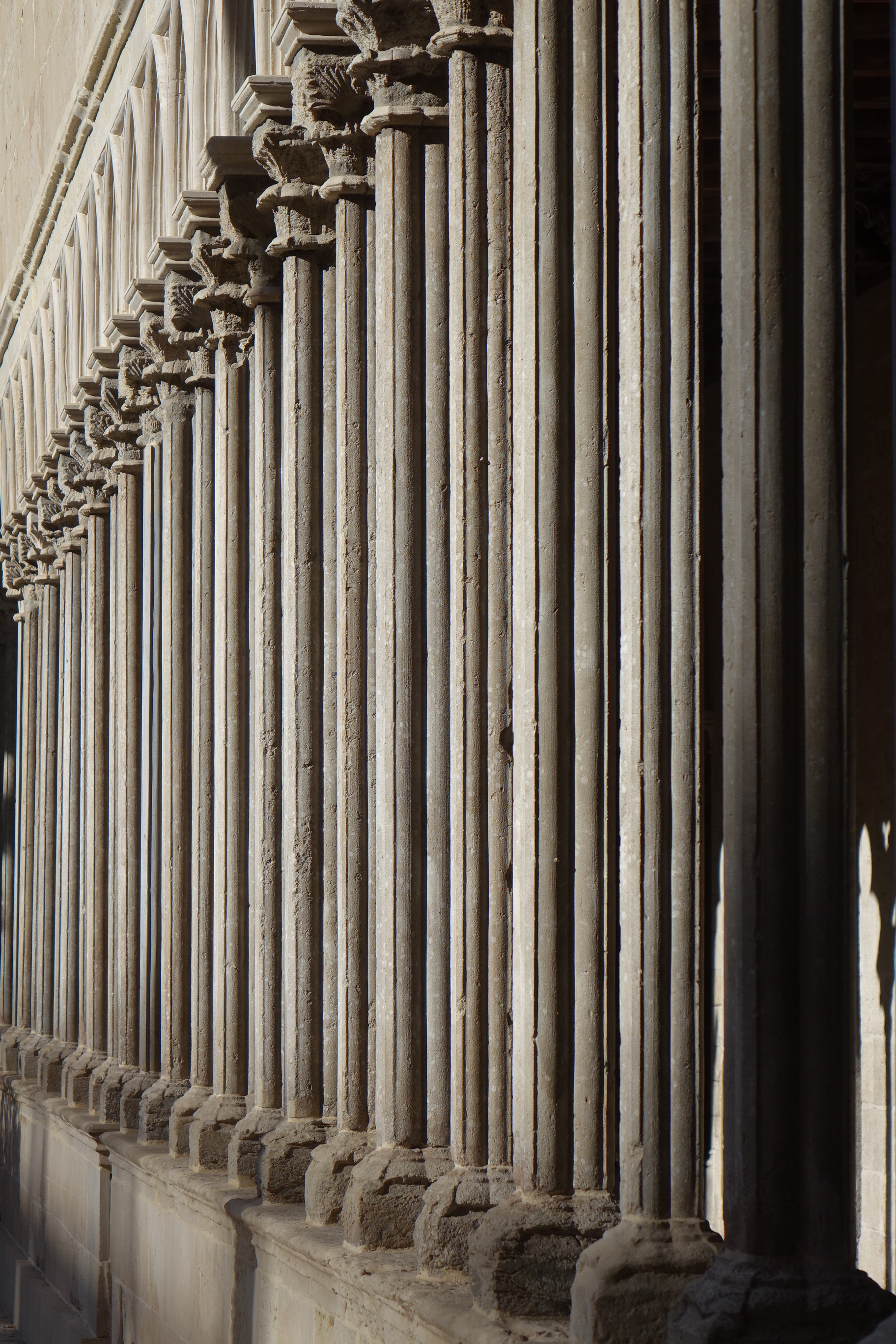
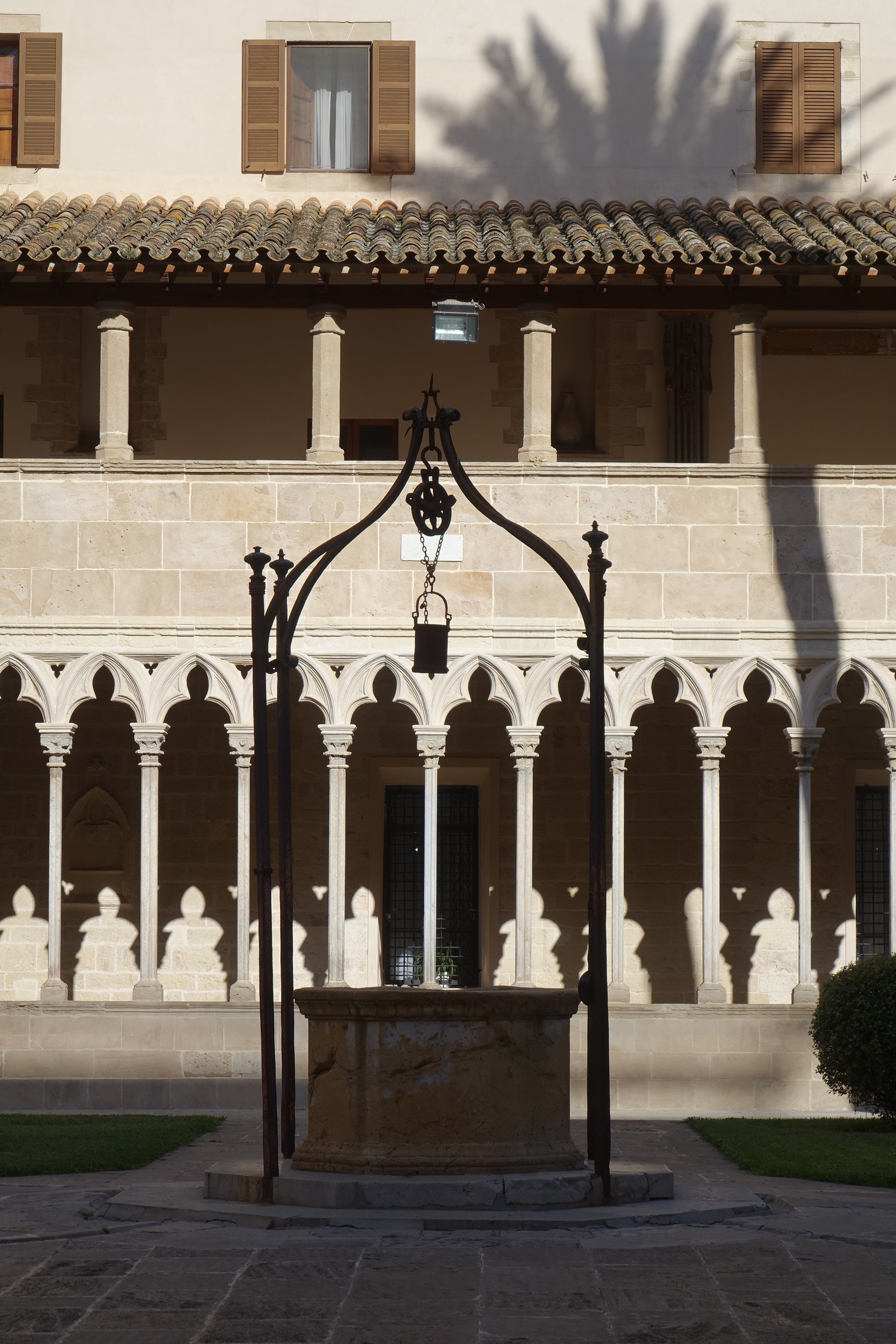
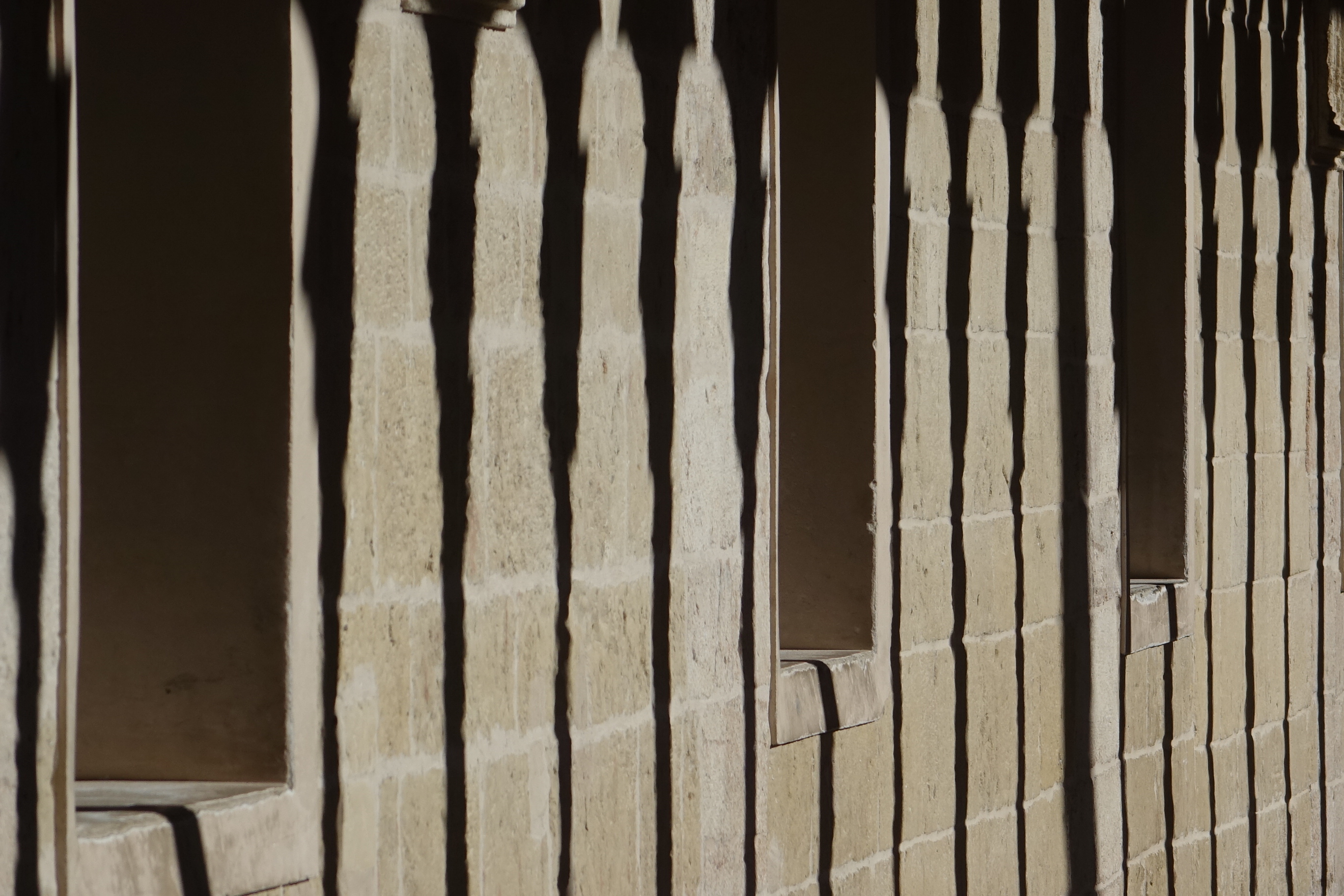
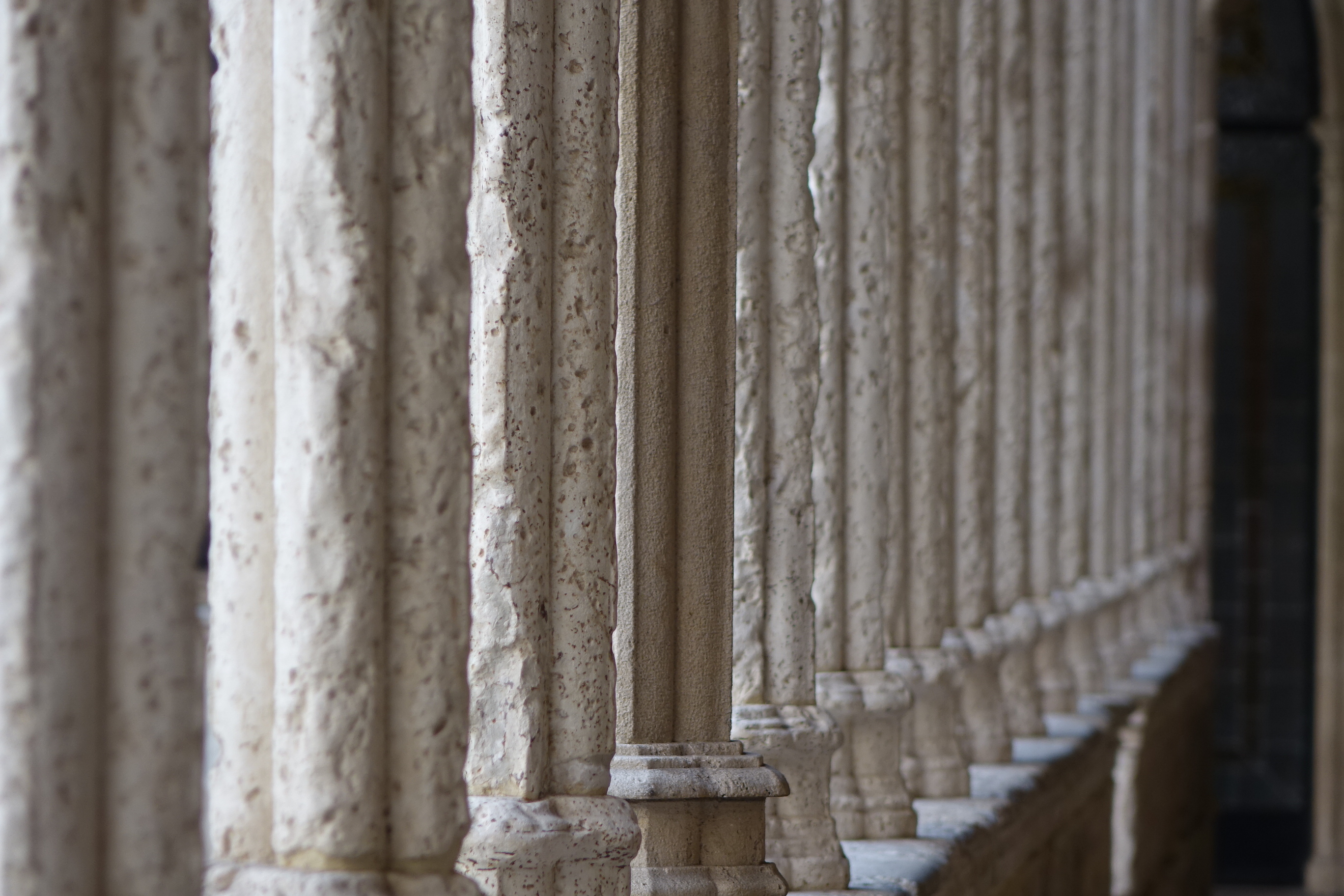
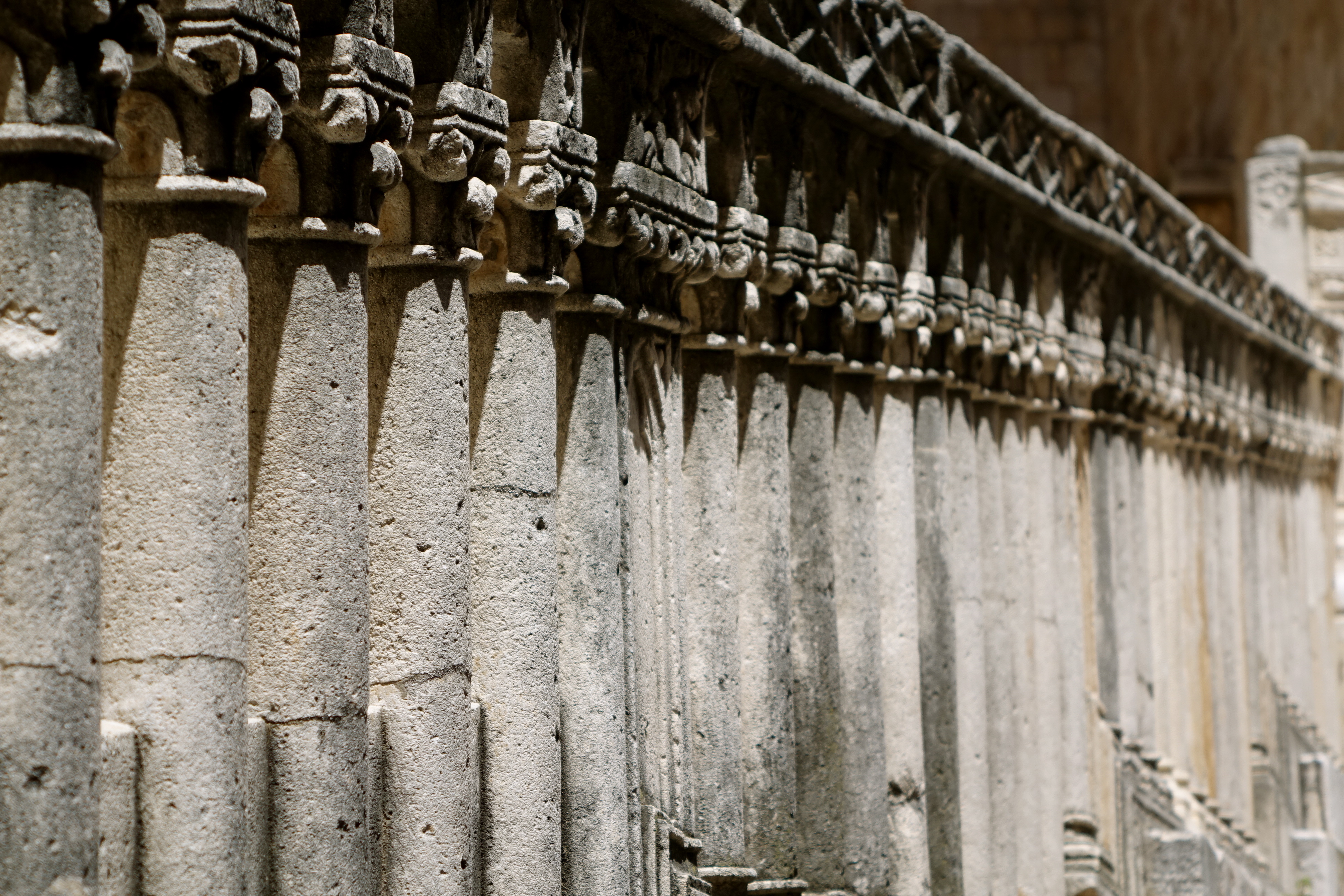
This led us swiftly onwards to yet another of Palma’s religious hot spots: the Franciscan Monastery whose stunning baroque facade dominates the Plaça de Sant Francesc with its exquisitely detailed depiction of the immaculate conception  crowned with Saint George and the Dragon. But the Monastery’s greatest asset has to be the significant cloister set alongside the large main basilica. Drenched with sunshine, the multiple thin columns are amongst the most elegant I have seen in any of Spain’s many monasteries, and lend the cloister a special airyness which made our visit on this sunny afternoon especially hypnotic.

DSC02107 DSC02059DSC02054 DSC02106 DSC02052 DSC02038 DSC02102 DSC02105 DSC02034 DSC02088 DSC02351 DSC02354 DSC02346 DSC02353

Happily those sugary sweets purchased a little earlier from the nuns of Santa Clara gave us the pick me up we needed – at least until we were able to end a thoroughly illuminating day’s sightseeing with a much needed authentic chocolate stop at Can Joan de S’Aigo – surely the perfect traditional way to end our dip into Palma’s history.

All photos and written content are strictly the copyright of Nicholas de Lacy-Brown © 2014 and The Daily Norm. All rights are reserved.

Prague (Part 2): Photo focus – An ode to Art Nouveau

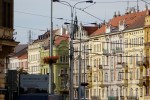
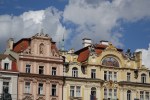
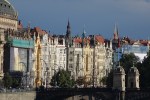
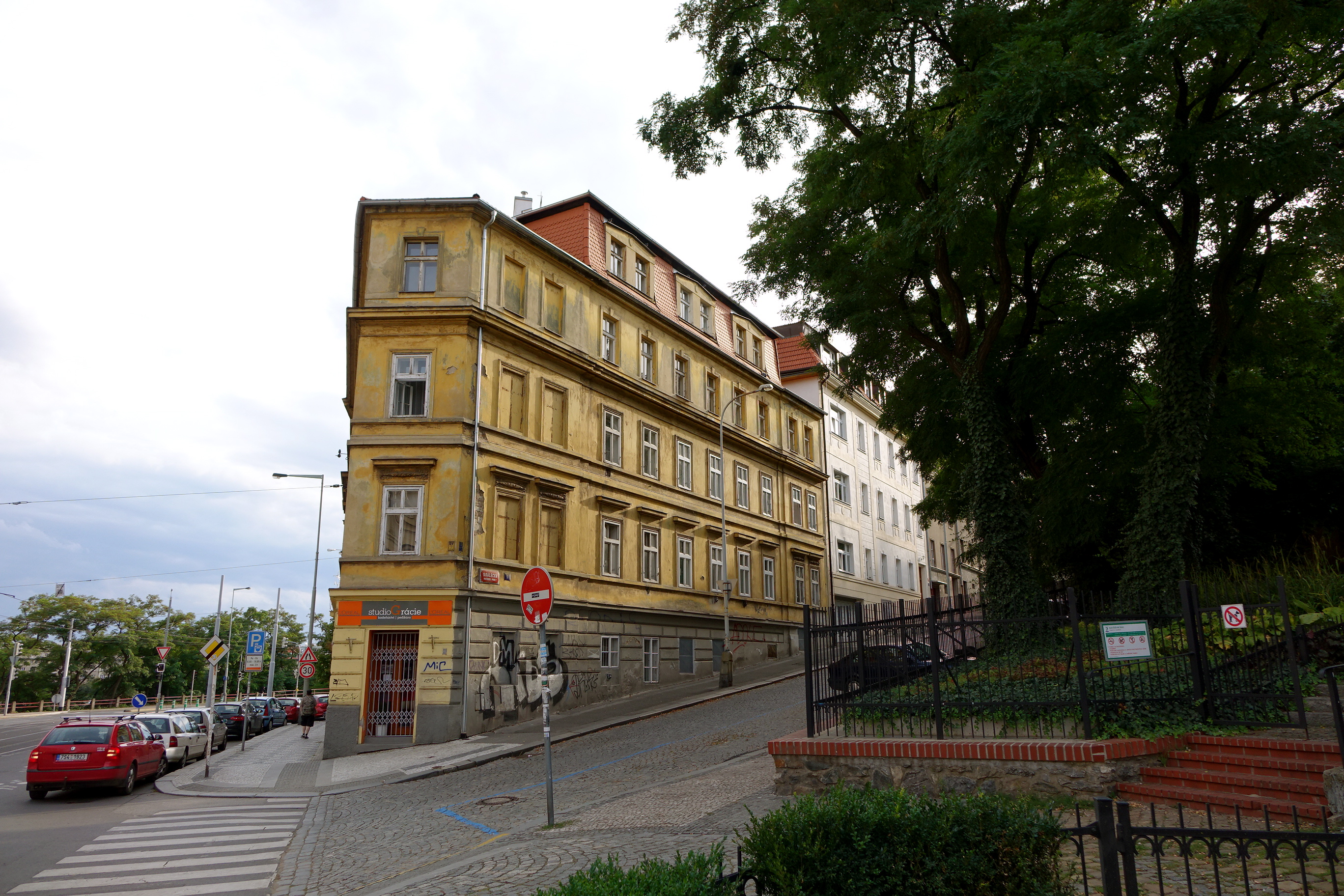
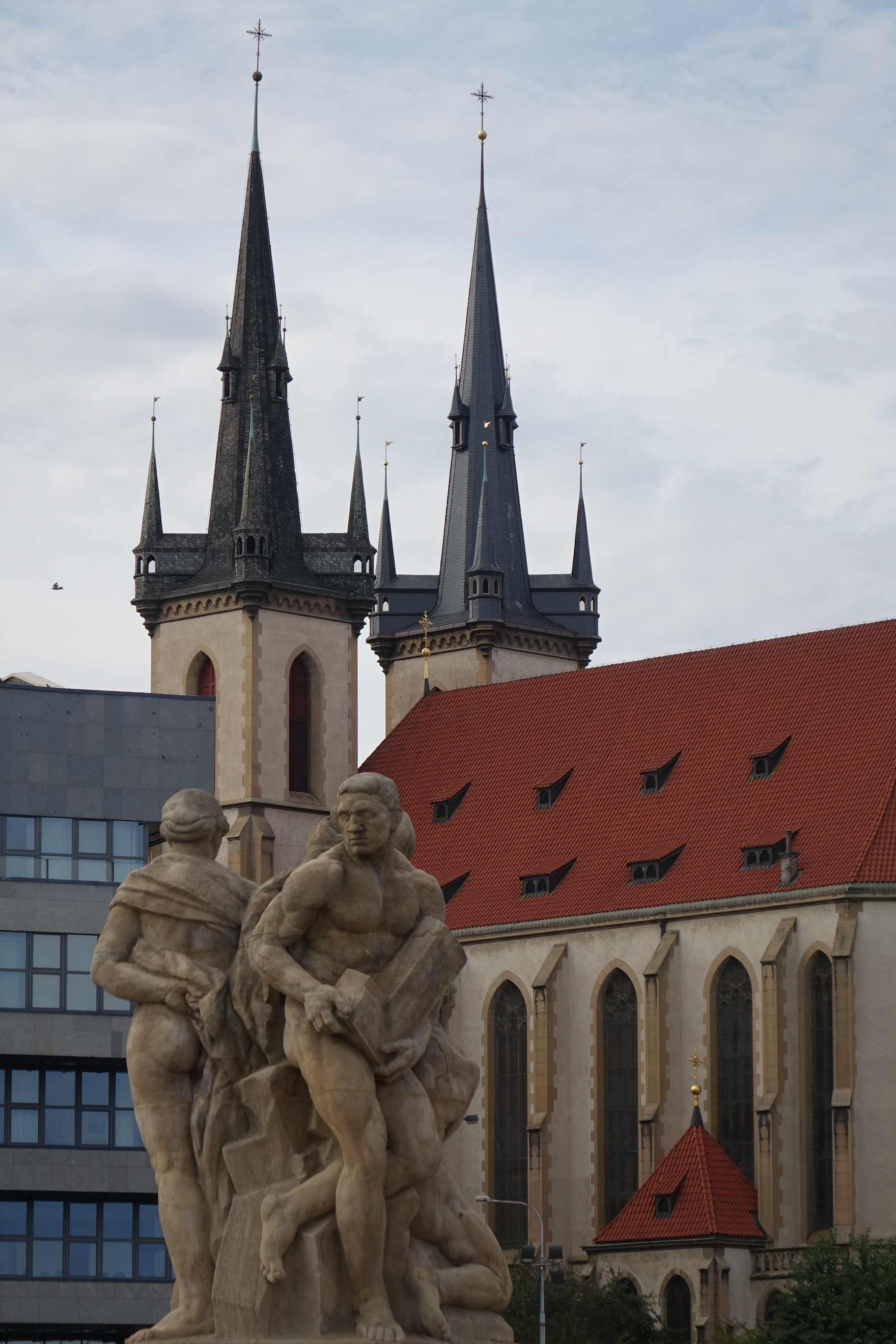
Yesterday I had a good old moan about Prague – its lack of customer service; the hideous proliferation of British loutish stag parties (for which all of England should be ashamed); and the general state of decline which much of its treasures have been left to fall into. And yet, while I stand by everything I said in that post, the fact remains that Prague is an unusually beautiful city, unusual to the extent that its architectural treasures are consistently spread, and barely interrupted by even the slightest hint of modernity. Indeed, unlike so many European cities which have been rendered patchy or obliterated in their entirety by the ravages of 20th century warfare, Prague is a city of architectural constancy, with street after street boasting beautifully intact period architecture full of embellished details, pointed roofs, gold leaf and pastel coloured facades.

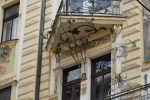
Of the many architectural styles on offer, one of the most prominent and surely most beautiful is Prague’s wealth of art nouveau. It’s everywhere: up the grand central boulevard comprising Wenceslas Square; adorning the outside of the Hotel Central and the central railway station; in the elegant tiled and painted frescoes on apartment block facades; and of course in the artwork of the much famed Czech-born artist Mucha, whose flamboyantly graceful posters of theatre stars and society icons were the very quintessence of the art nouveau style. According to my guidebook, the reason why there is such a proliferation of art nouveau in Prague is for the simple reason that whole swathes of the city were demolished and rebuilt at the very time when the style was in its ascendancy, and the result is streets crammed full of the elegant curved lines and aesthetically perfect adornments which characterise the period.

DSC07354 DSC07491 DSC06488 DSC07419 DSC06451

As if it weren’t obvious already, Prague’s art nouveau and similar architectural embellishments are the subject of this first photo-focus post arising out of my recent Prague trip, and should give you an excellent idea of the variety and extent of art nouveau offerings in the Czech capital. And these are only the features I noticed. For in the course of concentrating on finding my way around the city, I would so often forget to look up to note the detailed embellishments which pepper the buildings, especially further up near the top of the elegantly crafted facades, and consequently I have surely missed many of the city’s great gems. But those I did see proved highly satisfying, along with a visit to the Mucha museum featuring some 100 or so posters, paintings and sketches by the great artist. His work is not to all tastes – it’s surely the height of chocolate box prettiness – but it remains, in my view, the very archetype of an era when beauty and elegance were at the forefront of everyone’s imaginations. If only the same could be said of today.

All photos and written content are strictly the copyright of Nicholas de Lacy-Brown © 2014 and The Daily Norm. All rights are reserved. Unauthorized use and/or duplication of the material, whether written work, photography or artwork, included within The Daily Norm without express and written permission from The Daily Norm’s author and/or owner is strictly prohibited.

Prague (Part 1): Iron behind the Velvet Curtain

When you mention the Czech city of Prague to anyone, their eyes turn a little gooey as a child’s might before a sparkling Christmas tree. They will tell you about the beauty of the architecture, “like a fairytale” they say. They will extol the baroque virtues of the Charles Bridge, and recount memories of evenings drinking local beers in the great Old Town square. And perhaps I will remember Prague for a city of fantastical beauty – which it surely is – when I look back on the place in years to come. But now, freshly returned from this capital city of the Czech Republic, another more overriding sensation of disappointment dominates.

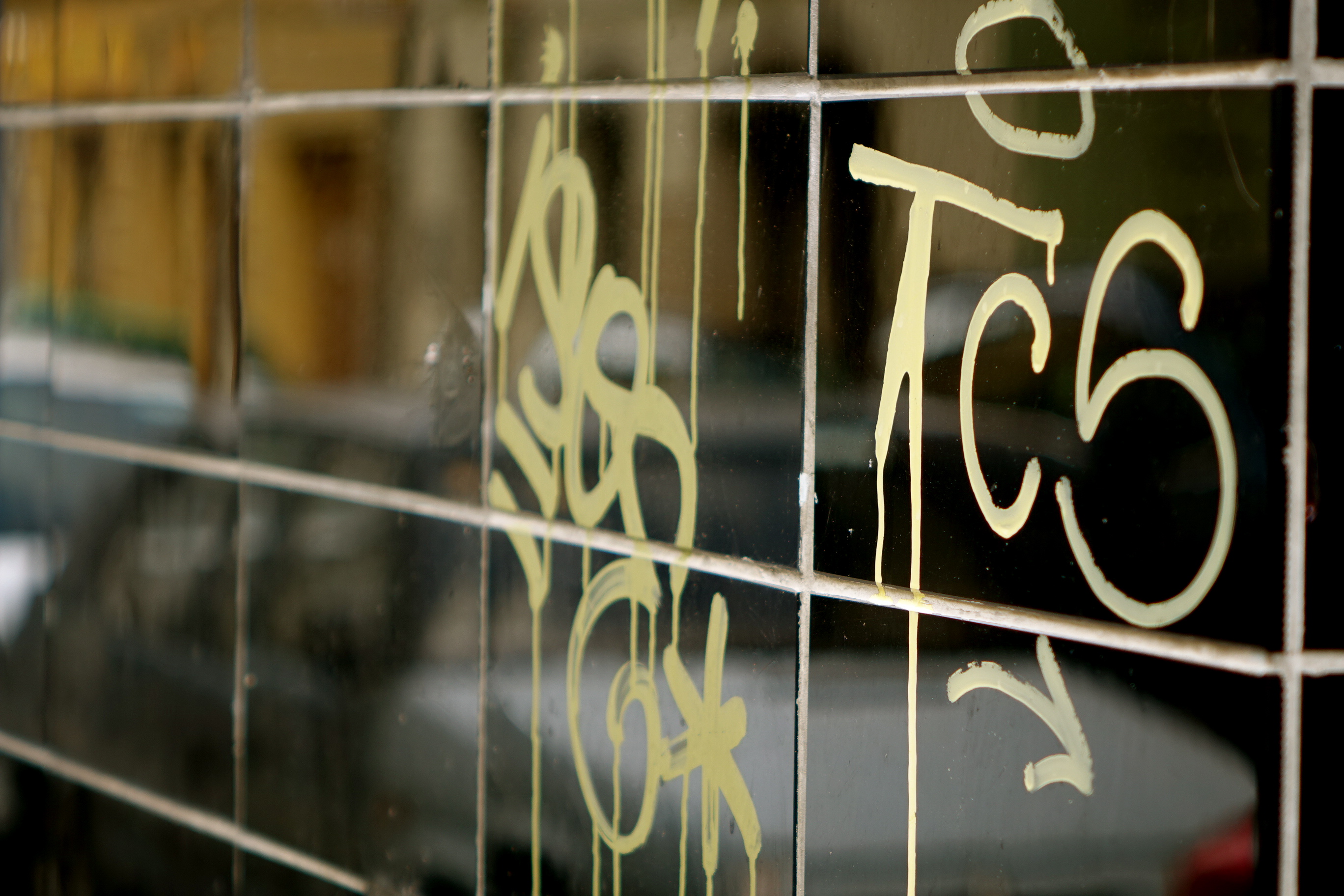
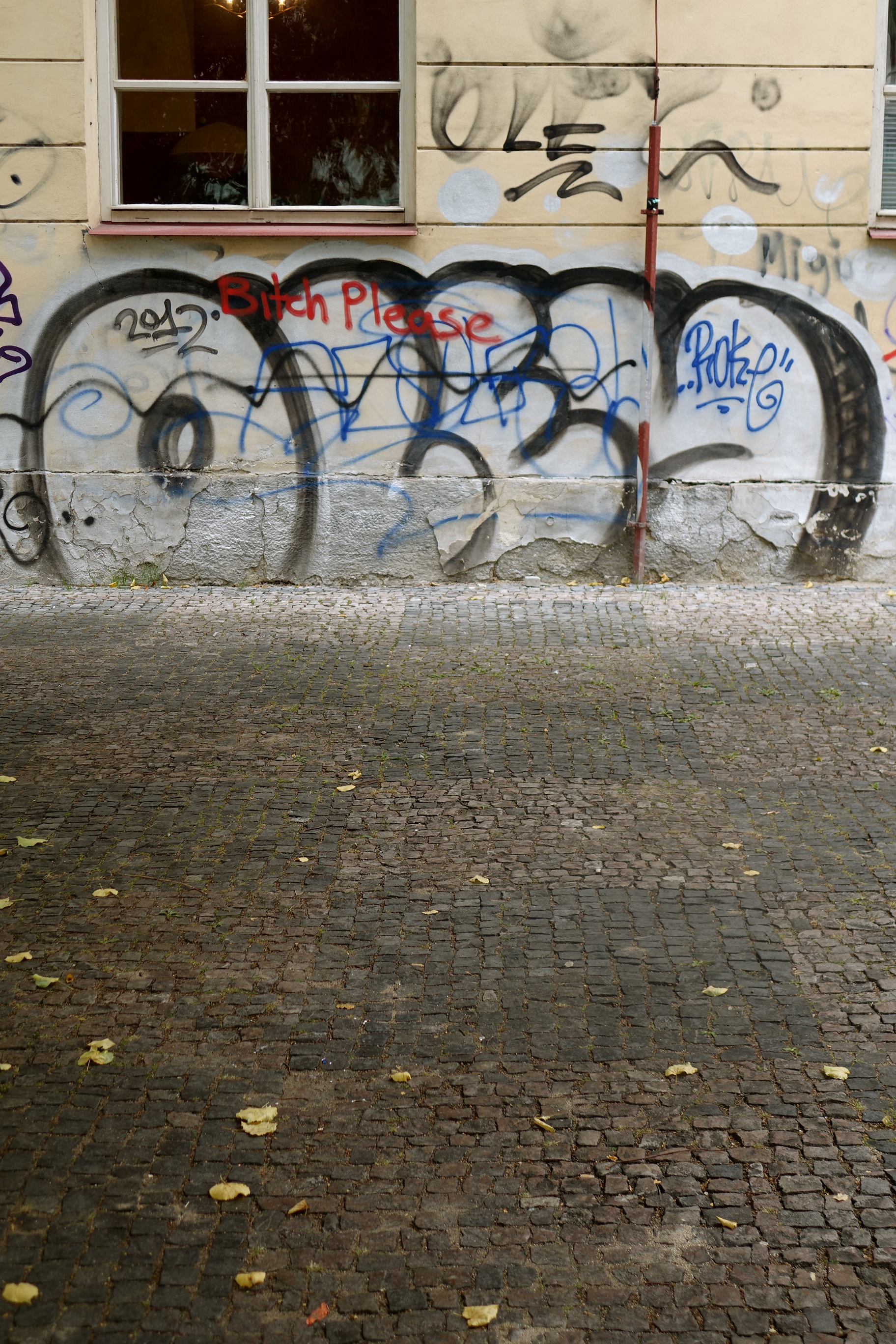
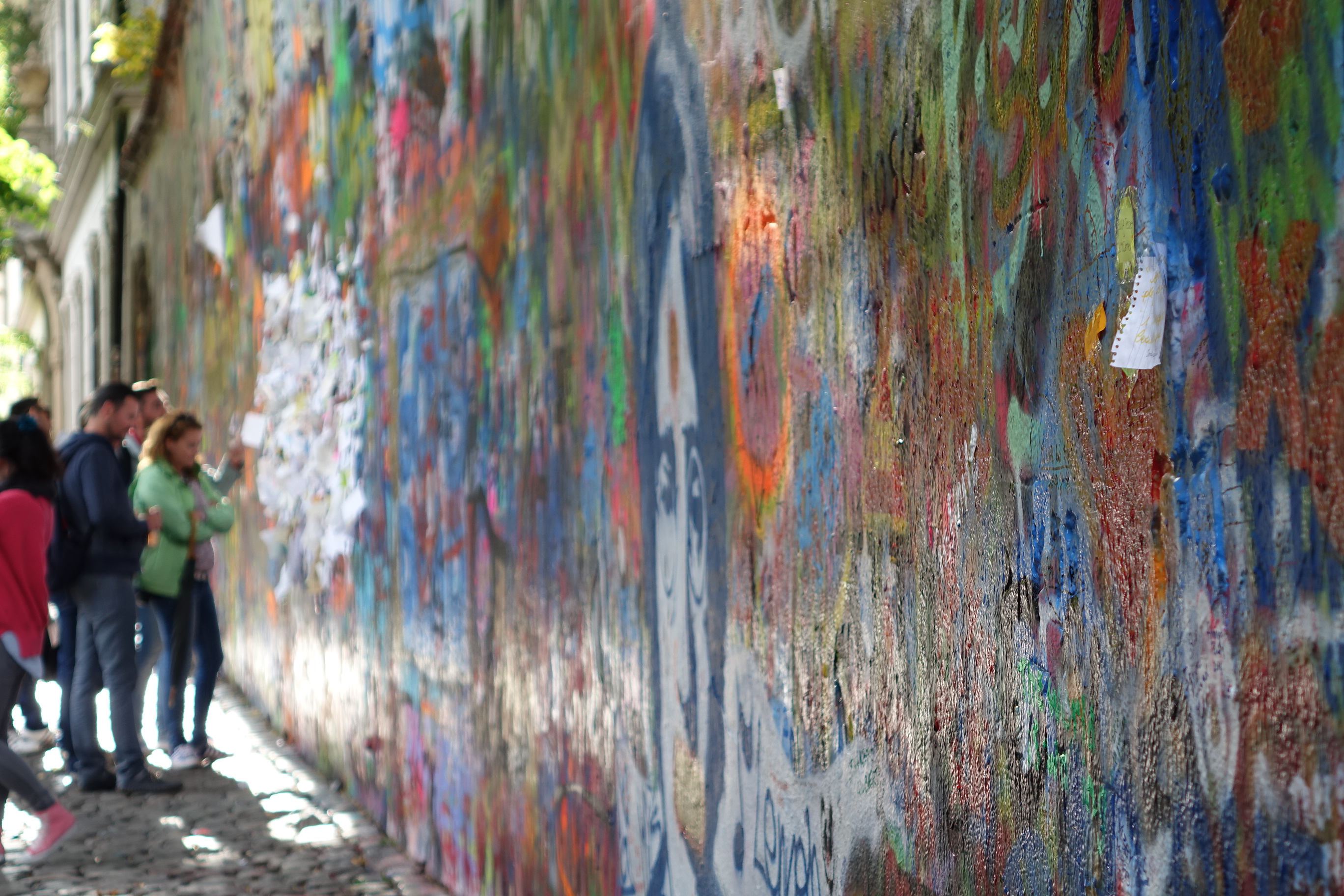
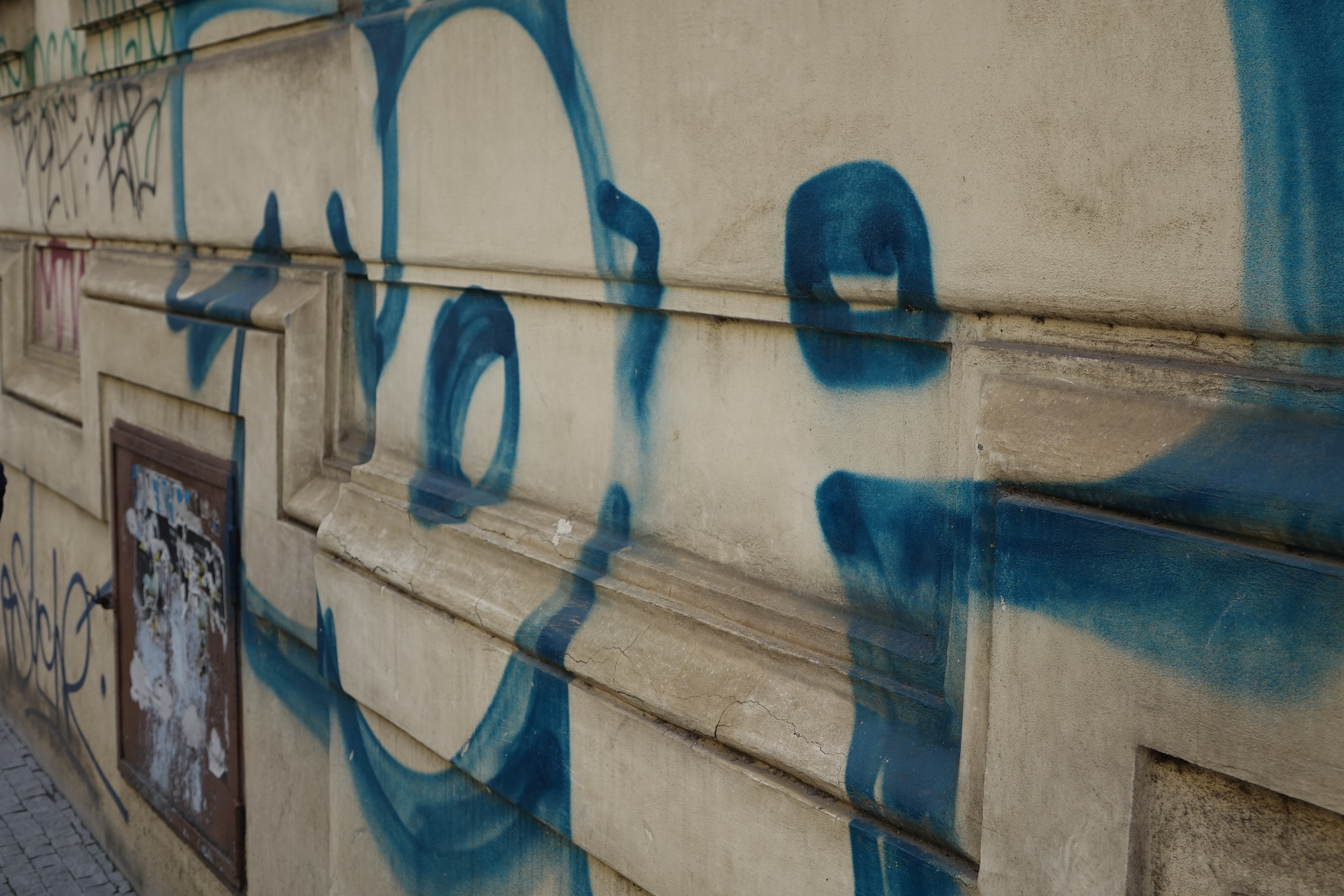
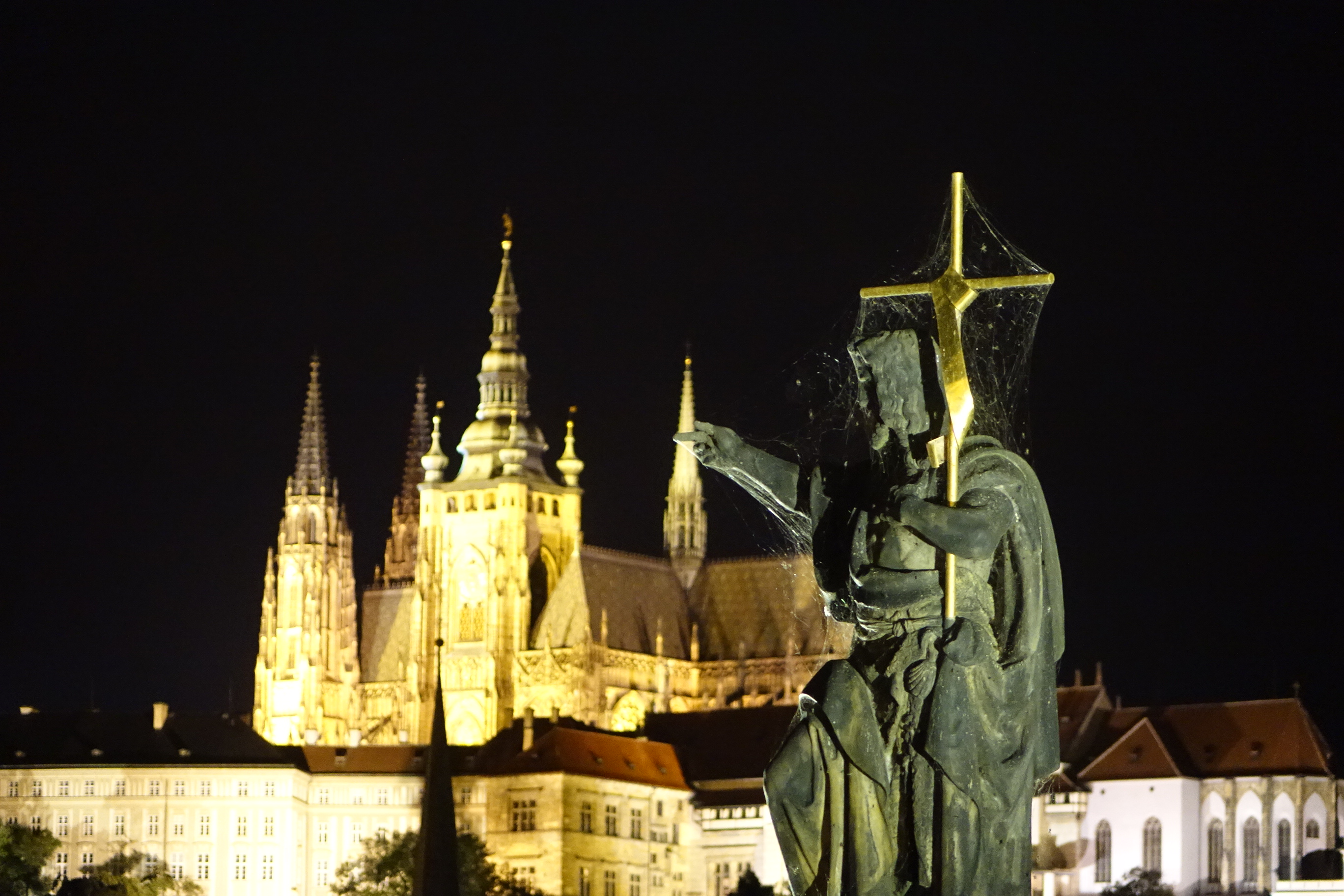
Disappointment because in Prague I did not feel welcome by the locals, whose complete lack of customer service caused me to feel on edge, and sometimes angry throughout my stay. Disappointment because the beauty of the city was constantly polluted by the sound (and sight) of drunk English stag parties collapsing all over the cobbled squares of the old town, dressed in t-shirts carrying loutish slogans and indecent images, their rowdy conversations following a similar vibe. Disappointment because, despite what is indeed a town with all of the ingredients of beauty, the Czechs have allowed it to fall woefully into decline. Case in point: the statues and lamps on the Charles Bridge, covered with cobwebs, looking as though they last received a clean close to the time when they were first installed, so darkened by dirty and pollution that you can barely make out their features; or what about the graffiti littering the streets of the old town – that was not something which featured in the fairytales I read when I was a child.

DSC07162 DSC06377 DSC06458 DSC07165 DSC06609 DSC07155 DSC06459 DSC07056 DSC07150 DSC06478 DSC06472 DSC06375

It’s difficult to pinpoint exactly what has gone wrong in Prague. On the one hand it’s surely a symptom of the city being ravaged by tourism. The squares and streets of the old town, the Charles Bridge and the Prague Castle area are so overrun by tourists that the local businesses and attractions and the people who work in them have become complacent, and worse: irritable. Perhaps it was the consequence of visiting the city near the end of the summer high season, but in almost every attraction we visited, we received attitude from the staff, who tutted when asked a simple question, and made it clear that being asked where the entrance was, or where the gift shop is was far too much of a hassle for them to answer.

In the cafes we received a similar reception. In one café on the main square, we asked the waitress, who demanded we pay upon ordering and took a 15% tip upfront out of our change, to bring us milk for our coffee. 5 minutes later, no milk. We asked again. Another 5 minutes past. No milk. On the third time of asking, she cleared a dirty table next to ours, took the half-used dirty milk jug from the table and deposited it on our table. Looking at her in disbelief, we asked for fresh milk. She went away and 5 minutes later brought us back two capsules of long-life milk. Was she having a joke at our expense? We were in no mood to laugh and left. Our still black coffee had gone cold by then in any event.

The famous Charles Bridge in need of a clean-up

DSC06581 DSC06669 DSC06589 DSC07218 DSC06591

Of course it could be that the Czechs are thoroughly fed up with tourists, and not least the English, the nationality which tends to comprise the majority of the drunken babble of stag-do parties which have imposed their anti-social egocentric beer-soaked weekend brawls on the city. That inexcusable arrogance is shameful for England, and a complete impediment on decent tourists from enjoying the sights nearby. But I am not a drunken English “stag” – I am a polite enthusiastic visitor. Why treat me with such disdain?

The second possible reason for the attitude of the Czechs is revealed when you scratch just slightly beneath the surface and wander out of the old town. Beyond the velvet curtain – the showpiece that is Prague’s historical tourist centre – is a jarring throwback to reality. A reminder that only one generation back this city, like the whole country, was firmly ensconced behind the iron curtain of Communism – a period of hardship which still appears to rub off on generations of Czechs, and perhaps feeds their general attitudes and behaviours today. In the area of the National Gallery’s modern art museum for example, you can still find huge geometric monuments to the Communist era set alongside wide industrialised roads and ugly concrete bridges, now largely the haunt of the homeless. The art museum itself is set within a vast Communist building, the Veletrzni palac, with all of the characteristics of concrete pre-fab architecture which we have come to associate with the era.

Throwback to Communism

DSC06396 DSC06384 DSC07498 DSC07284 DSC06448 DSC07059

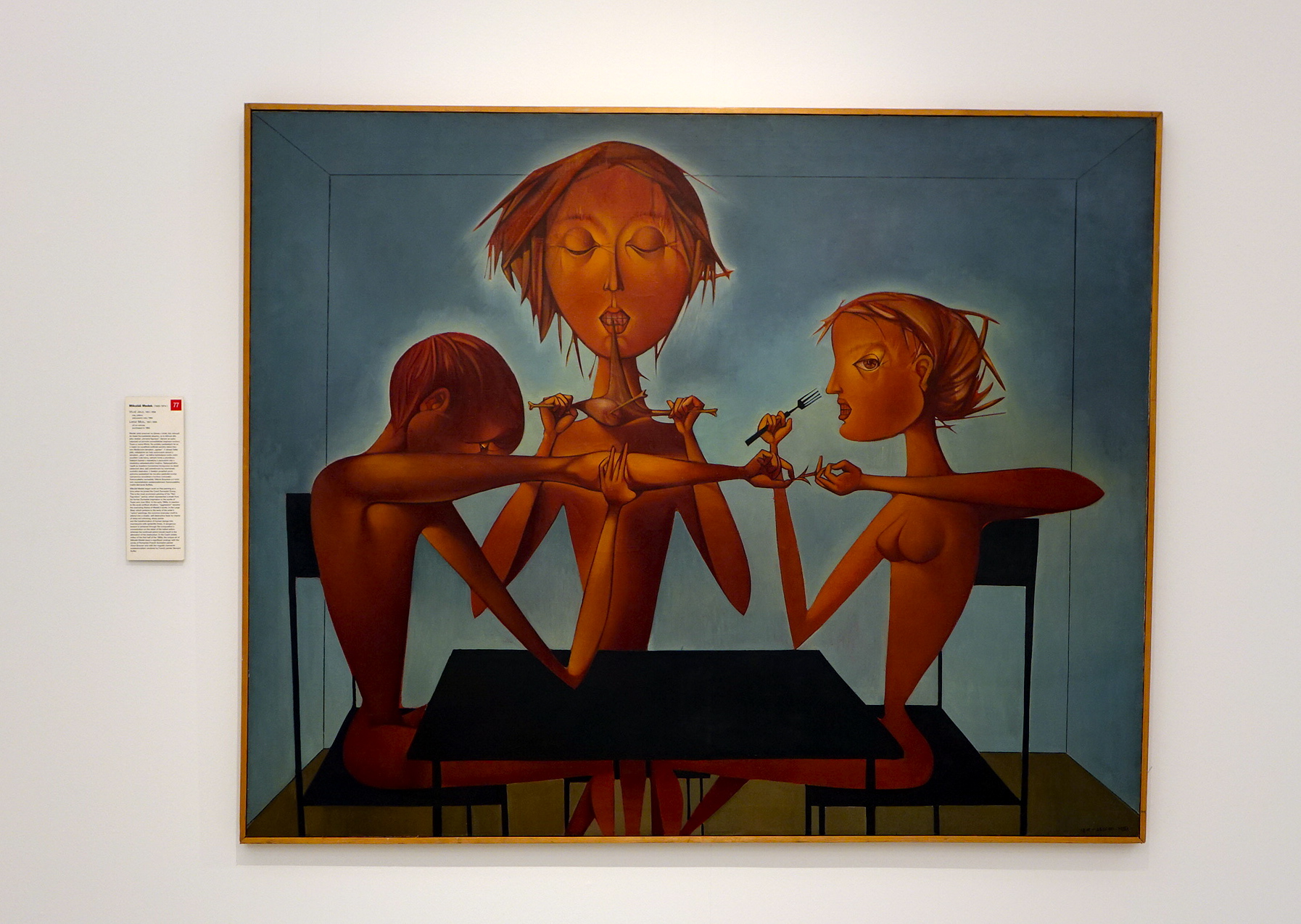
But heading inside that slight intimidating Community palace, I found a collection of art so incredible that my previous disillusionment with the city was completely suspended. In amongst a collection of Czech contemporary art was a platform for innovative expression almost without comparison in the art of so many other countries during that time. Jan Zrzavy’s painting of Cleopatra, for all its simplicity and vibrancy of colour was a complete masterpiece, while the work of Mikulas Medek with a family ripping apart their dinner was at once unsettling and uncompromisingly aggressive as it was utterly captivating and brilliant. I adored Bohumil Kubista’s cubist rendition of Saint Sebastian and couldn’t get enough of the odd Klimt and Schiele on show. But beyond these excellent works, the museum also contains some absolute gems of late 19th and early 20th century art: a whole room full of Picassos, works by Gauguin and Rousseau and Toulouse Lautrec. A Ferdinand Leger and several Cézannes – a superb collection almost hidden away in these depressing still suppressed suburbs of the city.

Artworks from the collection of the National Gallery

DSC06437 DSC06415 DSC06429 DSC06402 DSC06409 DSC06422 DSC06418 DSC06397 DSC06427 DSC06401

Which just goes to show that sometimes the best of a city can be found where the tourists do not go, where the scenery may be bleaker, but history is richer and the environment more authentic. Away from the tourist masses, the raw reality of Prague’s chequered history packs a bigger punch, but it is not allayed by the frustrations which are inherent with the tourist industry. Instead we find a Prague recently free of the iron shackles by which it was bound for several hard decades in the mid 20th century; reminders of hardship and the reasons why its citizens are perhaps not so friendly as we might otherwise expect. But there also you can find a truer Prague, a real city, and in its midst’s, an art collection worth travelling to Prague for.

All photos and written content are strictly the copyright of Nicholas de Lacy-Brown © 2014 and The Daily Norm. All rights are reserved. Unauthorized use and/or duplication of the material, whether written work, photography or artwork, included within The Daily Norm without express and written permission from The Daily Norm’s author and/or owner is strictly prohibited.

Dubrovnik | Day 3 – A tale of two cities

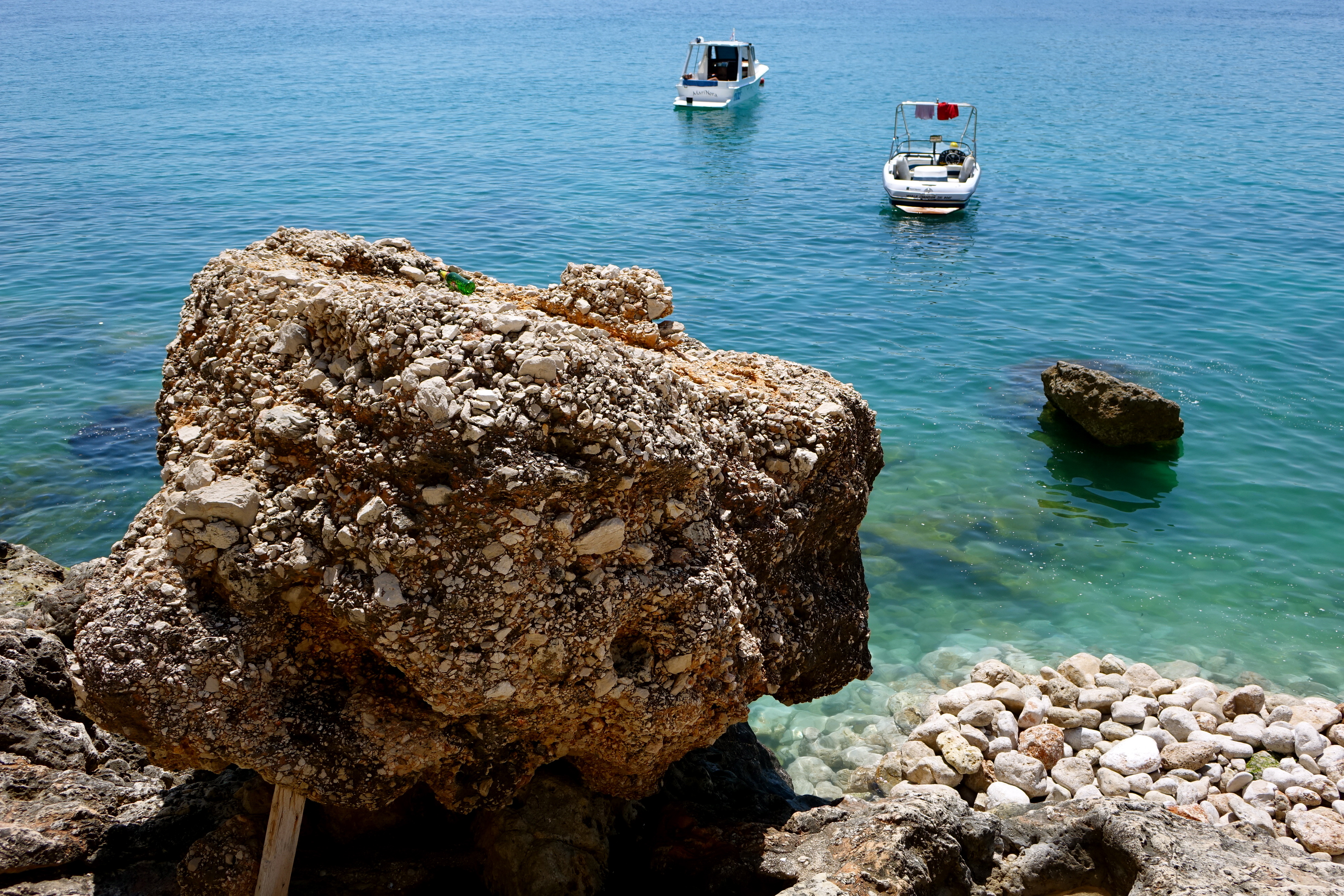
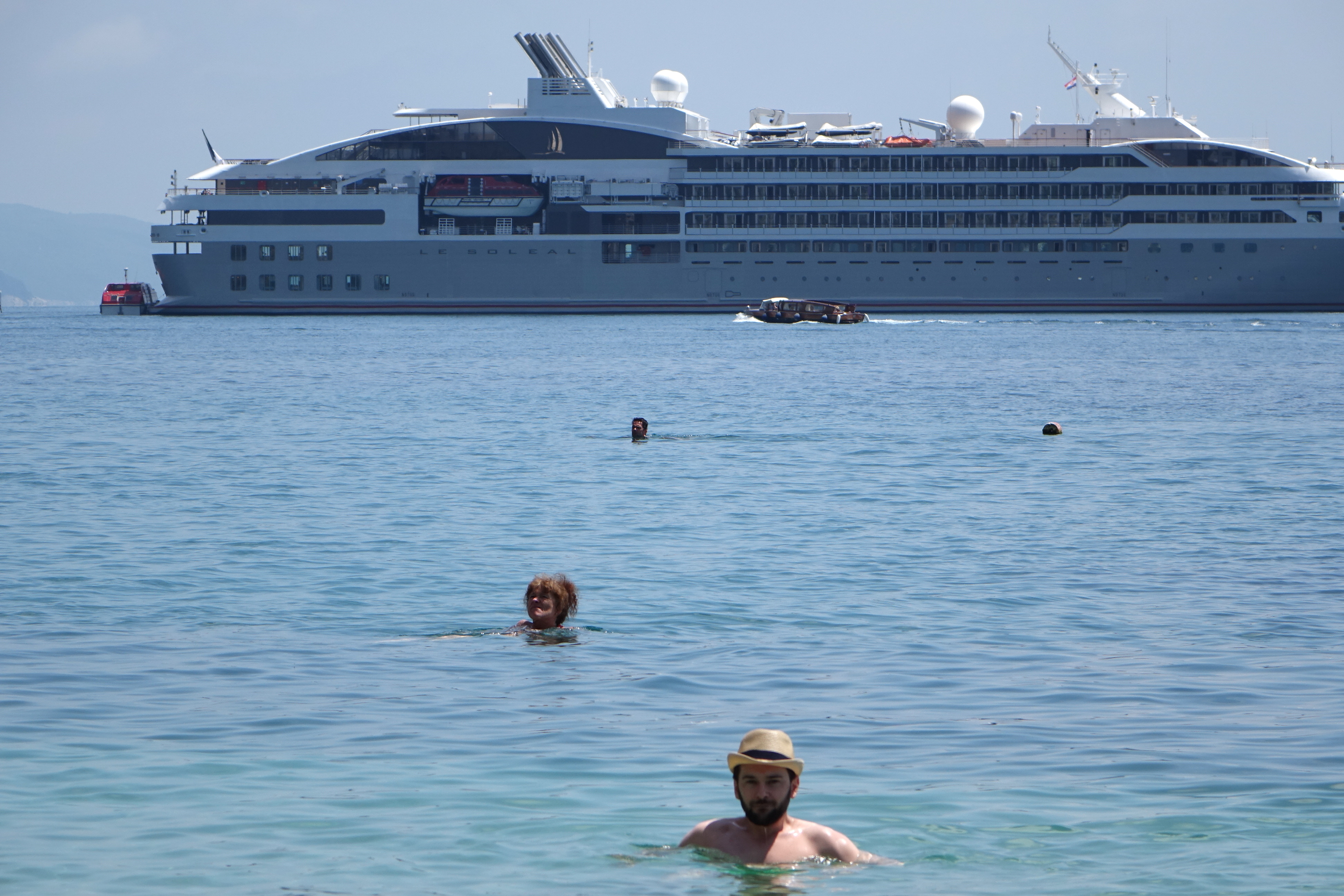
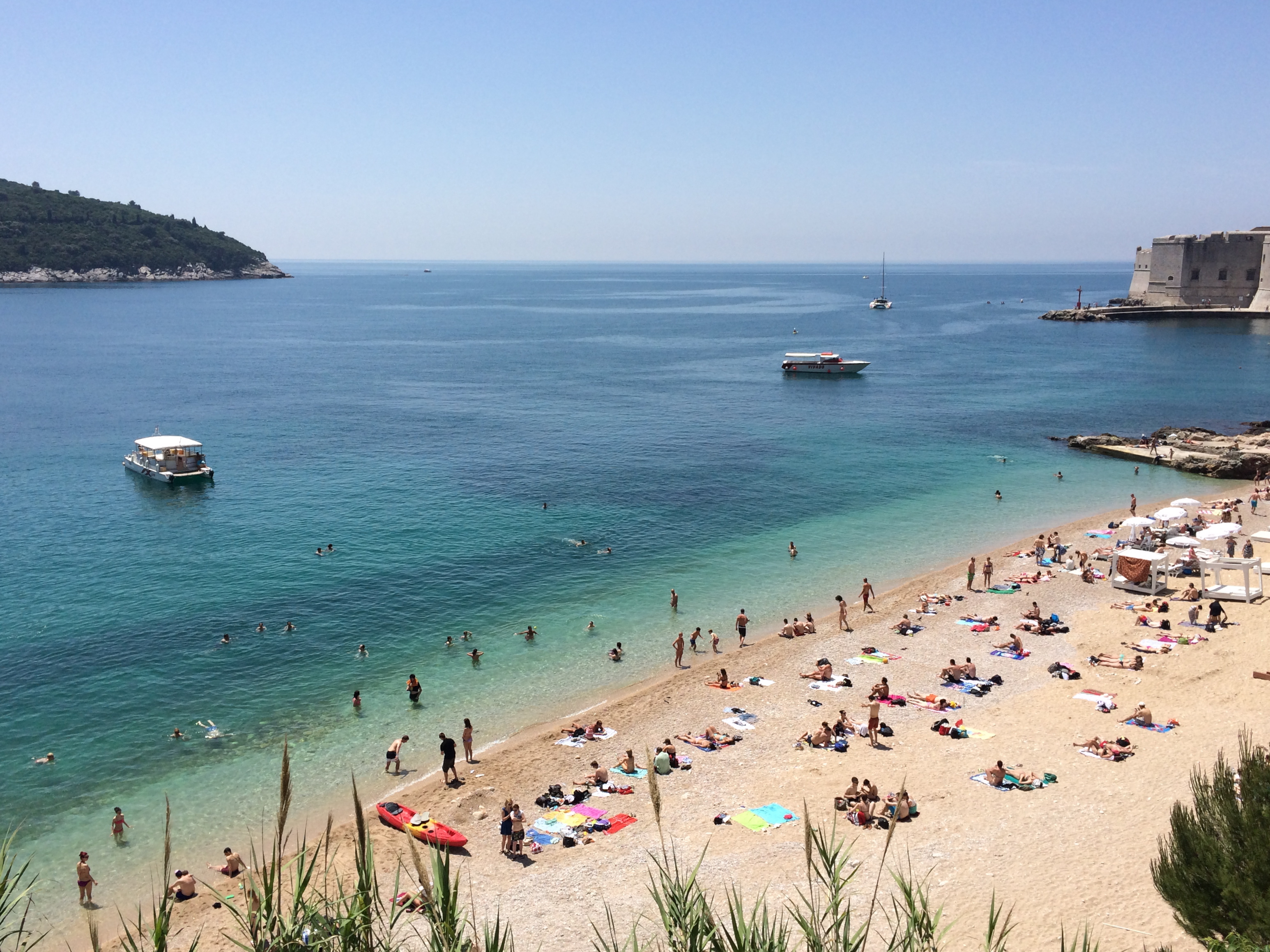
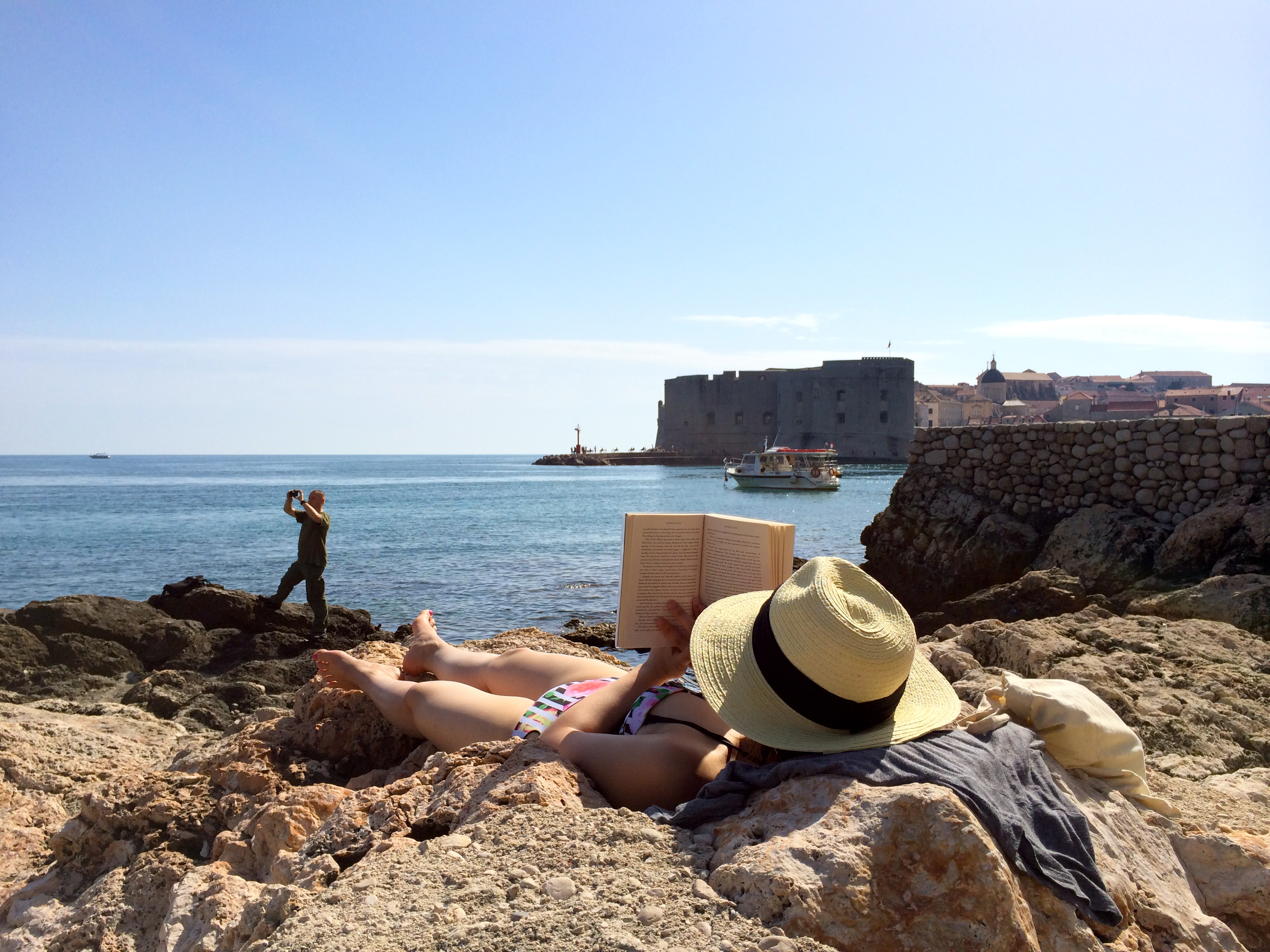
It is a rare thing indeed to find a holiday destination with mixes both superbly intact historical treasures with a good old golden beach. One can only dream of taking a dip in the sea when sweating profusely around the dry old ruins of Rome’s forum; and in Paris, a manmade beach clinging to the side of the moderately filthy River Seine in the summer months is about as good as it’s going to get. But in Dubrovnik, Croatia’s diamond of the Dalmatian Coast, you truly get the best of both worlds. Not only is the city a treasure trove of historical beauty encased in a perfectly unbroken ring of ramparts, but immediately outside of those stone walls are long beaches and crystal clear cerulean blue seas. And what’s more, Dubrovnik has to be one of the only beaches in the world where you can lounge out in the sun and swim lazily in the shallow waters while being afforded a stunning view of one of Europe’s most unique medieval cities.

Charismatic old streets in the South of the city

DSC01415 DSC01372 DSC01400 DSC01391 IMG_6162DSC01413

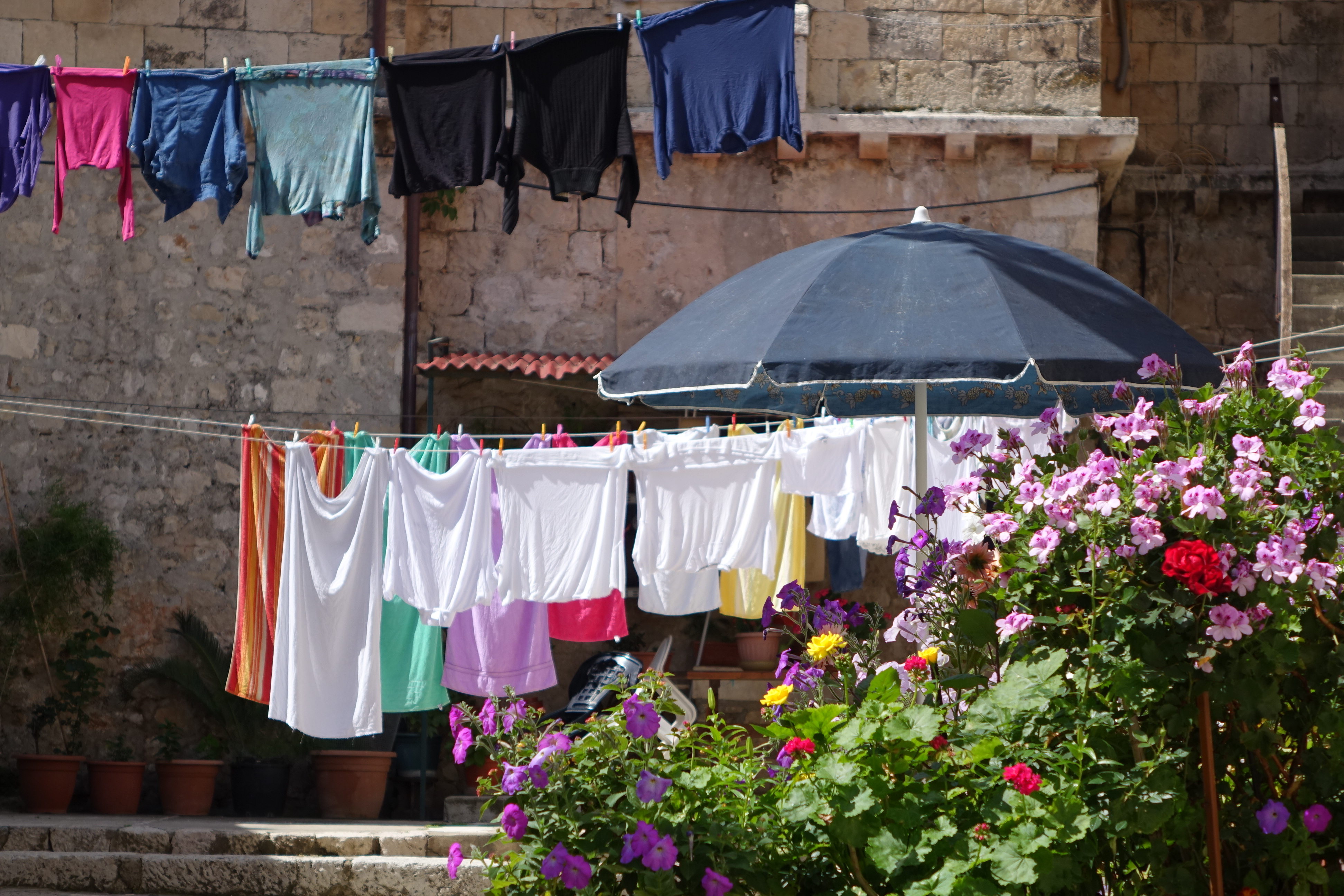
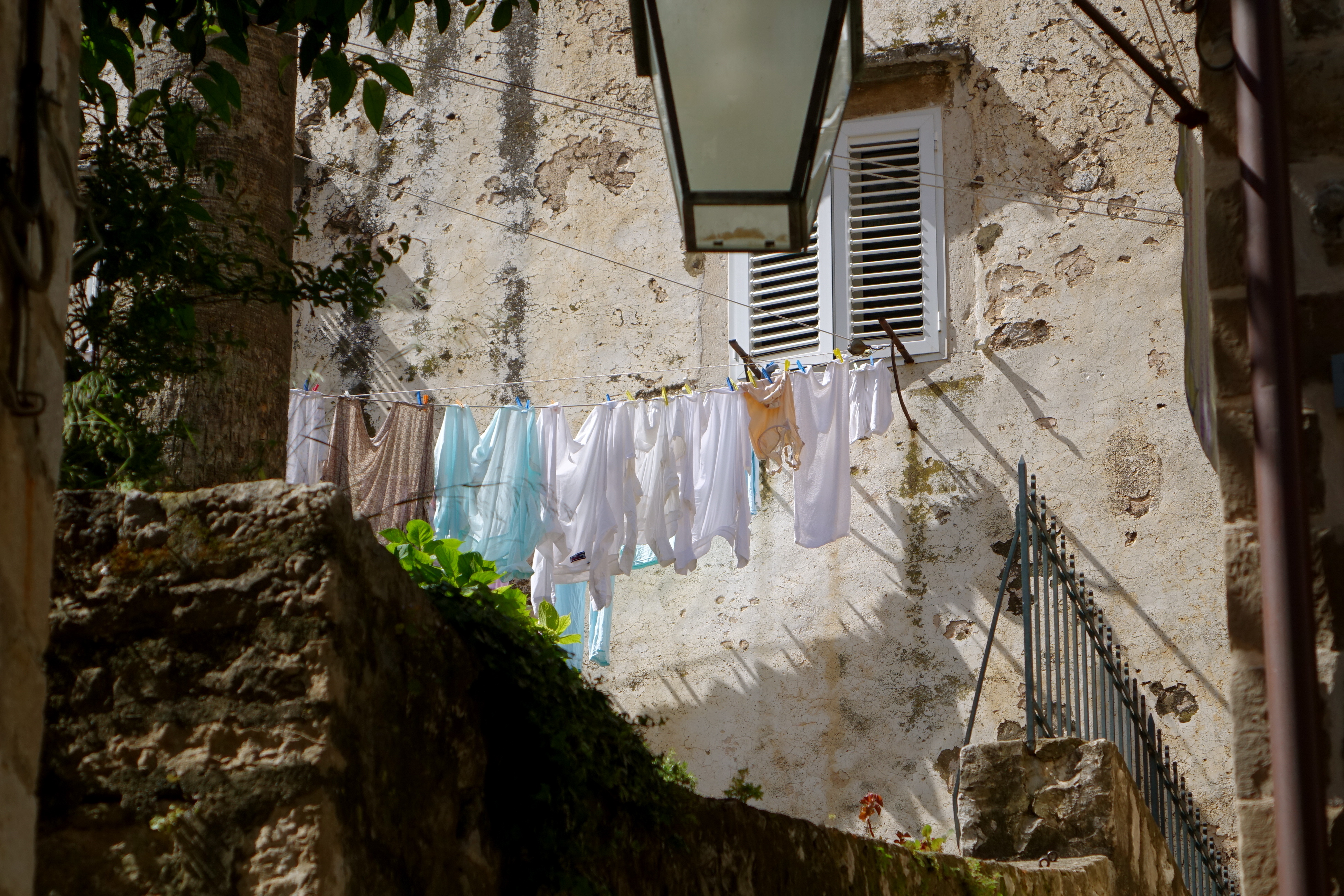
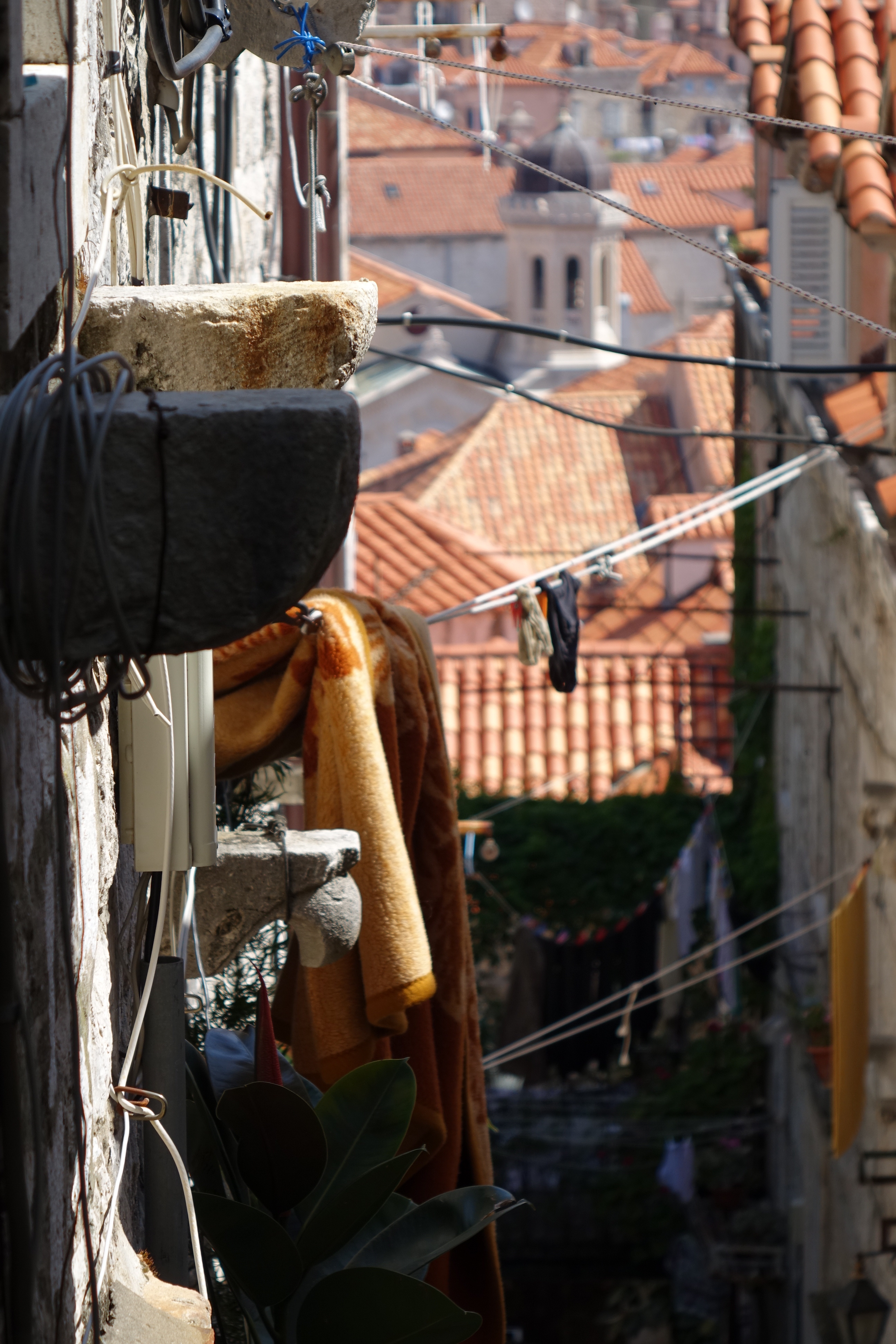
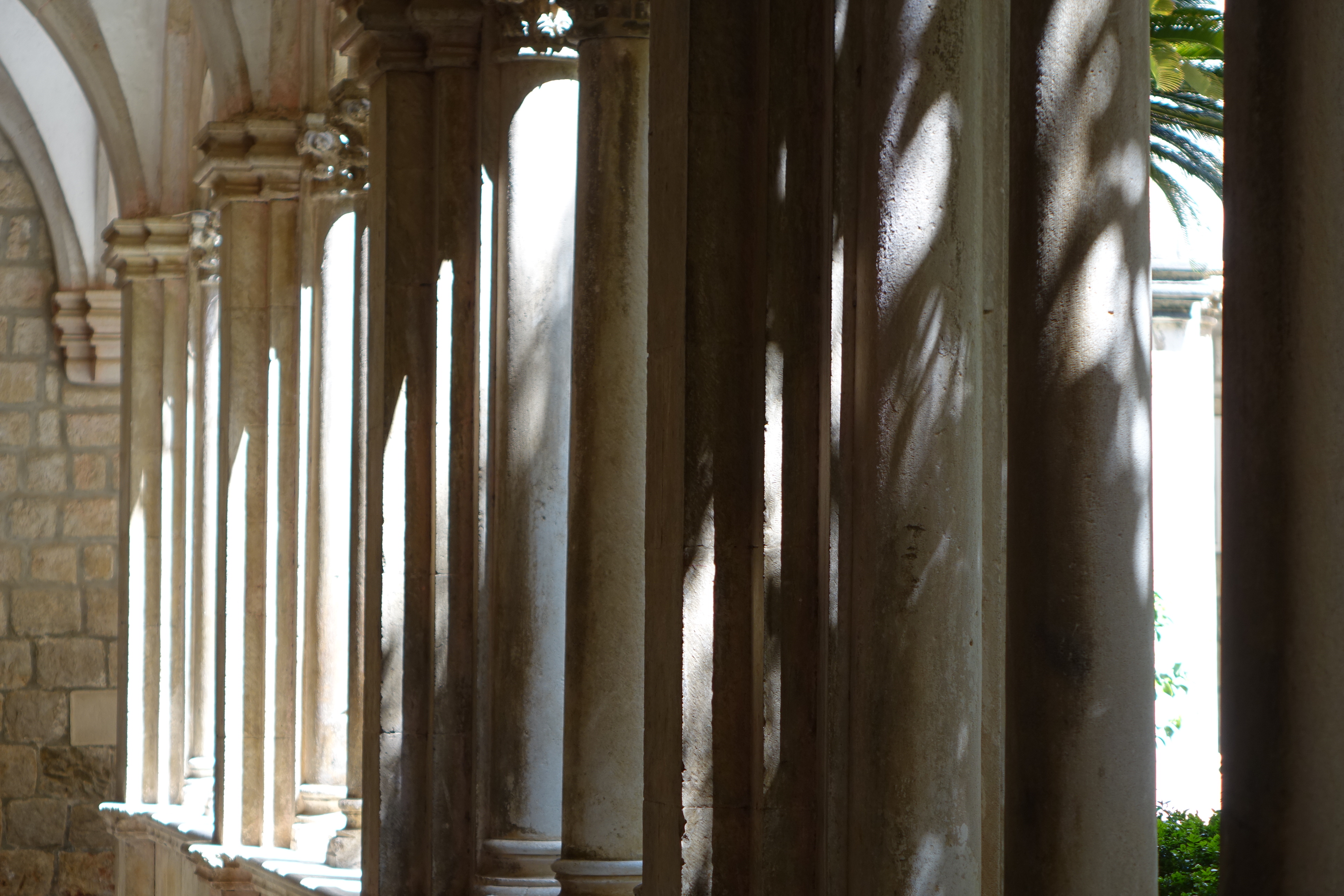
Day 3 of our trip made for a perfect demonstration of this fortuitous combination. In the morning we undertook yet further explorations of some of the narrower “back” streets climbing up to the seaward extent of the walls, where streets form successively more beautiful labyrinths of plant pots and strung out laundry, and the steps get steeper and steeper as you advance towards the sea. This then led us to the city’s Domenican Monastery, a place which is not only the epitome of tranquillity with a stunning cloister whose stony silence is interrupted only be the gently dappling of the sun, but whose museum claims to hold the heart of St Luke the Evangelist himself, as well as a good few other body parts of the great faithful.

The Domenican Monastery

DSC01467 DSC01497 DSC01487 DSC01491 DSC01518 DSC01489 DSC01375

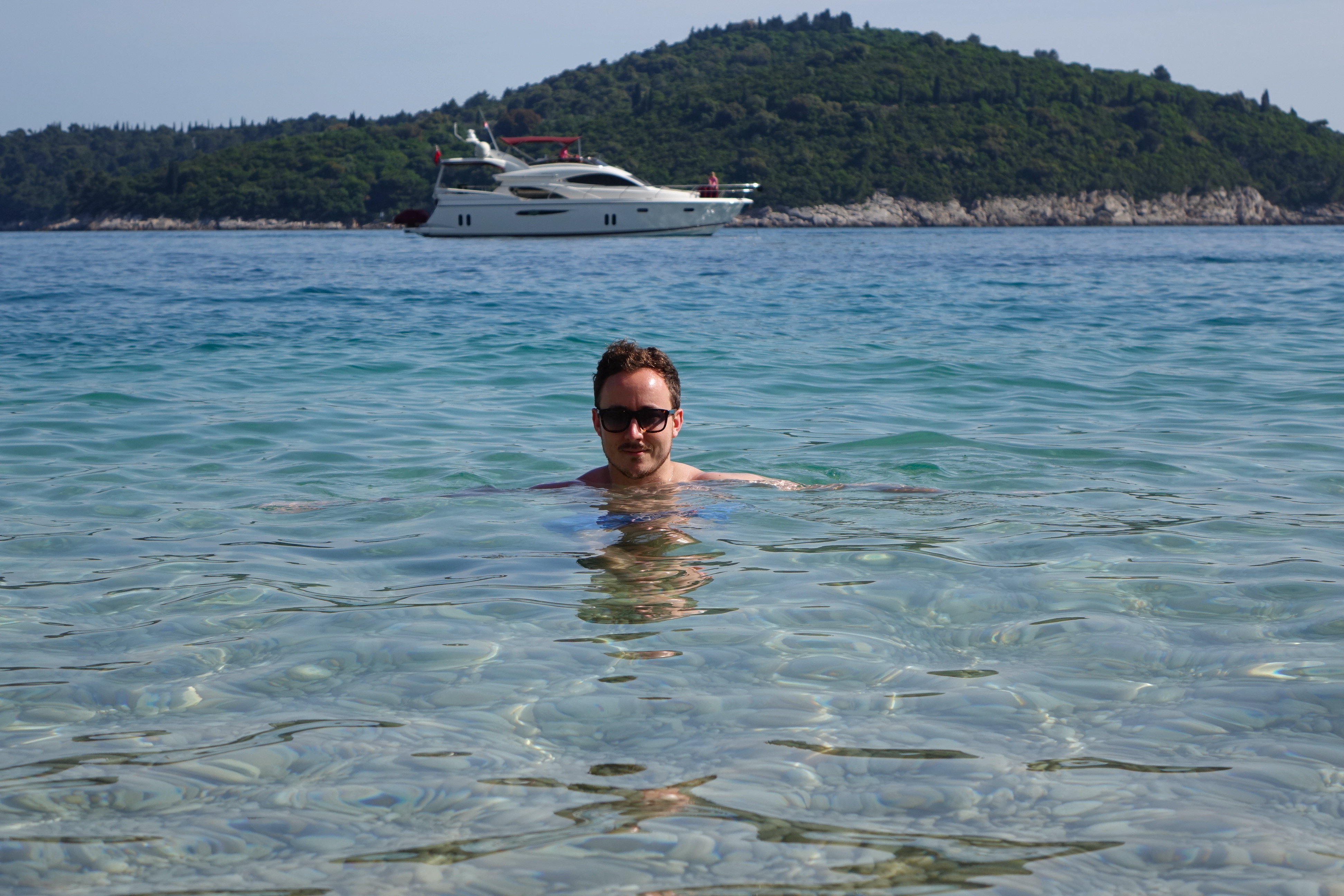
In the afternoon, by contrast, we made our way down the winding streets which lead Eastwards out of the city, beyond the protection afforded by the mighty walls, and onto the nearest stretch of beach to the city – a wonderfully golden expanse fringed by warm shallow waters and of course benefitting from that incredible backdrop of the city. As this was, ostensibly, a city trip and we knew that this beach day was likely to be a unique endeavour, we splashed out on hiring two comfy loungers and eating our way slowly through the menu of the beach restaurant ably servicing the many beach goers. And in that mode we enjoyed this second face of the city, plunging regularly into its incredibly warm and clear waters, gazing in wonder at the views of the city rippled in the almost still Adriatic waters.

The beach of Dubrovnik

DSC01525 DSC01527 DSC01530 IMG_6036 DSC01560 IMG_6114 DSC01581 IMG_6091

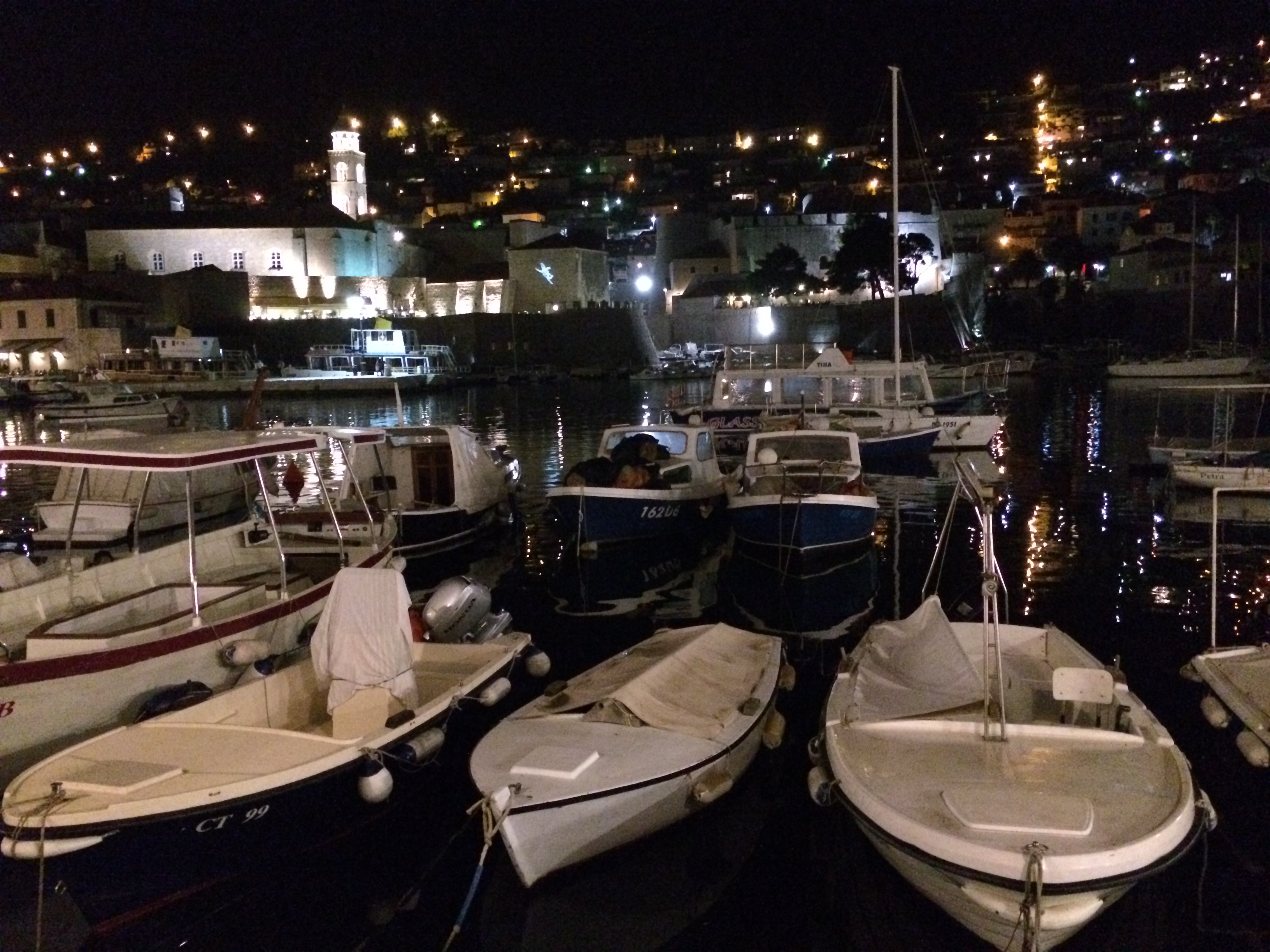
As evening descended , it seemed only appropriate that our evening dinner should combine both facets of sea and city – and dining out on the visually spectacular terrace of the restaurant 360, positioned up on one wing of Dubrovnik’s old walls, we were afforded a view not just back to the old city, but also over its port where small fishing boats barely moved in the still air of this warm evening. The food was apt accompaniment to this eye-watering view: my crispy sea bass with spiced cous cous and a basil puree deserves particular mention, although star of the show was a bottle of Croatian red – Lasina (2011) – one of only 600 bottles ever made, and so deliciously complex and richly velvet that I wished they had made a thousand more. But then that’s Dubrovnik all over: a place of rare treasures unrepeated elsewhere in the world, and all the more enjoyable for it.

360 Restaurant and Dubrovnik at night

IMG_6144 IMG_6145 IMG_6149 IMG_6153

All photos and written content are strictly the copyright of Nicholas de Lacy-Brown © 2014 and The Daily Norm. All rights are reserved. Unauthorized use and/or duplication of the material, whether written work, photography or artwork, included within The Daily Norm without express and written permission from The Daily Norm’s author and/or owner is strictly prohibited.

Countdown to my new Solo Exhibition | 4 days – ¡Guerra!

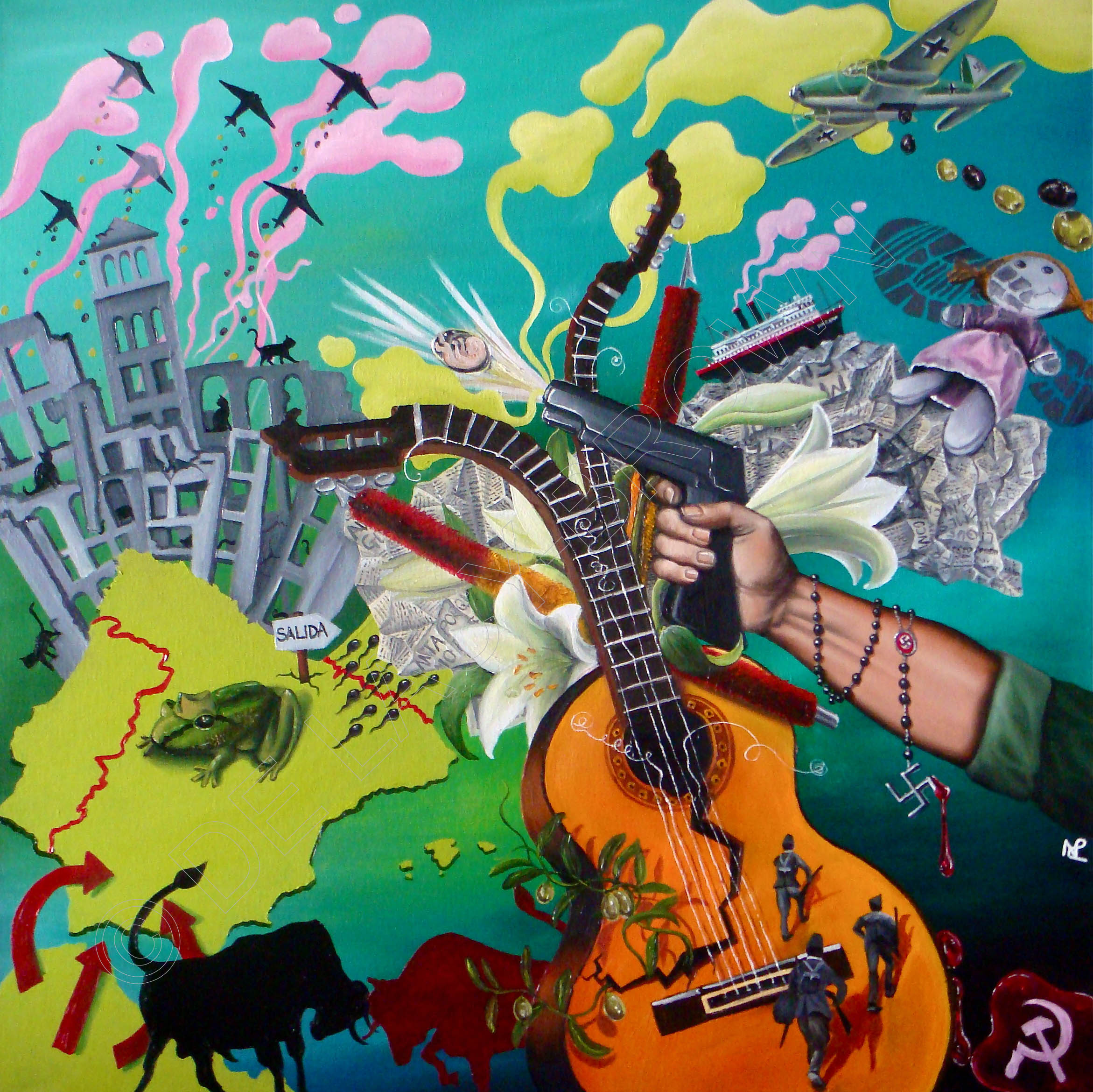
With 4 days left to go until my exhibition, I wanted to take you to sunnier climes in exploring some of the collection which will be on display as my work goes on show at The Strand Gallery, albeit not necessarily calmer times. For in painting the first of what was to become a comprehensive series of works based on my most beloved of countries, Spain, I reached back into history for inspiration, and more particularly to one of the most turbulent periods of Spanish history – the Spanish Civil War of 1936-9.

The Spanish Civil War has been somewhat overlooked in the typical school’s history curriculum in favour of the more wide reaching first and second world wars. It was perhaps for this reason that I became so engrossed in the story of the war when I first started reading about it during my post-accident convalescence in 2009. Of course I was well aware that the war had happened, but knew nothing of the shocking details which meant that only a little over 70 years before, the country which today seems such a calm sanctuary of beach tourism and a hotbed of cultural highlights, was ravaged by one of the most severe wars in history. And what made the war even more shocking to my mind was the fact that it had seen one Spaniard turn against another, families literally split in two and generations of friends turn in on one another. Here there was not the kind of national solidarity which comes of an entire nation being invaded by an external aggressor, but a country made cannibal, turning in on itself.

¡Guerra!: The Spanish Civil War (Oil on canvas, 2009 © Nicholas de Lacy-Brown)

¡Guerra!: The Spanish Civil War (Oil on canvas, 2009 © Nicholas de Lacy-Brown)

The more I read about the war, the more engrossed I became, and it was only a matter of time before an image started to emerge in my head for a painting depicting the conflict. So taking a 90cm x 90cm canvas, I set about painting what was to initiate an entire series of Spanish paintings, this one showing the country at its lowest ebb. From the Spanish guitar shown split at the painting’s centre as a symbol of Franco’s attack on the Andaluz gypsy culture, and the bombings of the innocent down of Guernica, to the imprint of a soldier’s show trod across an abandoned doll, symbol of the total disregard for innocent lives, even children’s – this painting contains all of the ingredients which made the Spanish Civil War so shocking to me.

And yet despite the somewhat grim tale it portrays, the work remains one of my favourite paintings, and hangs in prime position above my bed, where it has remained since it was first created. Should I sell the work at my forthcoming Strand Gallery show, it will be a hard one to part from.

© Nicholas de Lacy-Brown and The Daily Norm, 2001-2014. Unauthorized use and/or duplication of the material, whether written work, photography or artwork, included within The Daily Norm without express and written permission from The Daily Norm’s author and/or owner is strictly prohibited. Excerpts and links may be used, provided that full and clear credit is given to Nicholas de Lacy-Brown and The Daily Norm with appropriate and specific direction to the original content. For more information on the work of Nicholas de Lacy-Brown, head to his art website at www.delacy-brown.com

Nicholas de Lacy-Brown’s new solo exhibition, When (S)pain became the Norm, will be at London’s Strand Gallery from 13 – 18 May 2014. For more details, click here.

WW1 Centenary | The Dead Stretcher-Bearer

This year marks the centenary of the start of the First World War, and there will no doubt be a series of events commemorating the start of the Great War as the year goes on, especially towards the end in the months when the actual conflict began. One of the first events to mark the centenary in London is the latest temporary exhibition at the National Portrait Gallery in London. The Great War in Portraits looks at the war, not through the more typical Nash depictions of ravaged landscapes and desolate trenches, but through portraits of the people who began the war, led the armies, fought and, all too often, gave their lives.

The exhibition is a small but perfectly formed homage to this most terrible of conflicts, which ranges chronologically from the period immediately predating the conflict (in which portraits of the relevant royals of Germany, the United Kingdom and Russia are on display, as well as Frans Ferdinand of Austria-Hungary whose murder precipitated the whole war) and continues into the conflict, right through to the end when artists used their skills to depict the horrific injuries inflicted upon soldiers, and struggled to find a way of expressing the true horror of the conflict through creative means.

But one artist who certainly didn’t struggle to depict that horror, and who created what for me was the star painting of the show, is Gilbert Rogers. In 1919, when the general censorship on morale-destroying honest depictions of war had slipped away, and representations of its true horrors began to surface from beneath the censors, Rogers painted this work, The Dead Stretcher-Bearer, which represents the horror and futility of war with unflinching directness. Doing what the title of the work suggests, the painting shows a stretcher-bearer dead on the very stretcher which it was his duty to carry, probably killed in the course of trying to rescue another injured soldier.

Gilbert Rogers, The Dead Stretcher Bearer (1919)

Gilbert Rogers, The Dead Stretcher Bearer (1919)

The paint has been applied coarsely and liberally without too much detail – instead the application of white to mark the shine on the masterfully conceived folds of the tarpaulin covering the soldier’s body attracts all of the viewers attention, focusing our mind at the very heart of this tragedy. Meanwhile the muddied colour palate and the pools of water demonstrate in simple brushstrokes the horrific conditions of trench warfare, while those limited colours are interspersed with dashes of red, the colour which has later become such a hallmark of the conflict.

This painting is but one brilliant canvas in this moving and enthralling show. To see the works yourself head along to the NPG – The Great War in Portraits runs until 15 June. Admission is free.

Barcelona | Photography Focus: Tragedy beneath tranquility

Many years ago, when I first visited Barcelona, I stumbled upon the idyllic Plaça de Sant Felip Neri in the gothic quarter of the city when I had been visiting the cathedral nearby. I was struck by the beautiful tranquility of the place, created as it was by the gently trickling octagonal fountain across which sunlight was peppered, scattered through the dappled shadows cast by leafy trees in the square’s centre, and the decided absence of tourists, many of whom never find this little tucked away place. Back then I could never have imagined that years later I would be staying in the very stylish Hotel Neri situated on one corner of the square; nor had I any idea that this quiet little square, which has all of the appearance of one of the most serene spots of the city, actually hides the secret of one of the most violent and tragic occurrences of its past.

The only sign that cataclysm once cut through today’s unbroken silence is the deep scarring which can be seen punctuated into the surface of the Oratory of Sant Felip Neri whose entrance stands upon the square. For several metres up from the old pavement, the church’s facade is almost eclipsed by a tide of deep pock marks which comprise the violent scars of one of the most tragic incidences of the Spanish Civil War. On 30th January 1938, Nationalist armies bombed the square. The resulting explosion not only caused catastrophic damage to the fabric of the square (much of which was since rebuilt), but it also resulted in the death of 42 innocent citizens, many of whom were children running for shelter in the Oratory when the raid approached.

DSC02948 DSC02860IMG_4025 DSC03369 DSC02932

It’s therefore something of an irony that this place of uninterrupted tranquility hides such a devastating history; almost as though it has become a living memorial to that moment of great tragedy. And yet despite the sadness which is broken into the fabric of the square, these deep and unforgettable scars are actually incredibly beautiful to look at, their beauty being perhaps manifested in their power to prompt reflection upon a troubled past, and an appreciation of the peaceful present. With the sun still dappling across the square, it remained one of my favourite places in the city – a place to think, and just to admire. And luckily for me, this time round, I had a hotel room looking directly onto it.

It is therefore unsurprising that during my short stay at the Hotel Neri, I collected a good few photographs of this stunning square, which now become the focus of this post. But before I leave you to those shots, here are two more interesting facts about the square: First, it was to this church that Gaudi was headed when he was hit so prematurely by a tram. Secondly, the square was the setting for a lunch between the protagonists of Woody Allen’s brilliant homage to the city, Vicky Cristina Barcelona, when Javier Bardem’s character accidentally plays “footsie” under the table with Vicky rather than Cristina. Clearly a further excuse to take another look at that wonderful film – as if another were needed.

All photos and written content are strictly the copyright of Nicholas de Lacy-Brown © 2014 and The Daily Norm. All rights are reserved. Unauthorized use and/or duplication of the material, whether written work, photography or artwork, included within The Daily Norm without express and written permission from The Daily Norm’s author and/or owner is strictly prohibited. 

BreathNorm – Norms inspired by De Waal

For an artist like myself, whose almost complete inability to paint in anything but the brightest of colours (as followers of this blog, or indeed of my art website may have realised) has made colour something of a trademark of my creative output, I sometimes surprise even myself when I start to find myself drawn towards simple, monochrome, muted colourless creations. It happened for example earlier this year, when I shunned the great pasty-coloured nudes of Lucien Freud in order to give my full attention to the stunning works in black and white that are his etchings. Completely captivated by the simplicity of the medium, yet the extent of intricacy and emotion he was able to capture in simple black lines, I became obsessed by printmaking, and started etching myself – a pursuit which continues to occupy many of my weekends as I dabble further in this new medium.

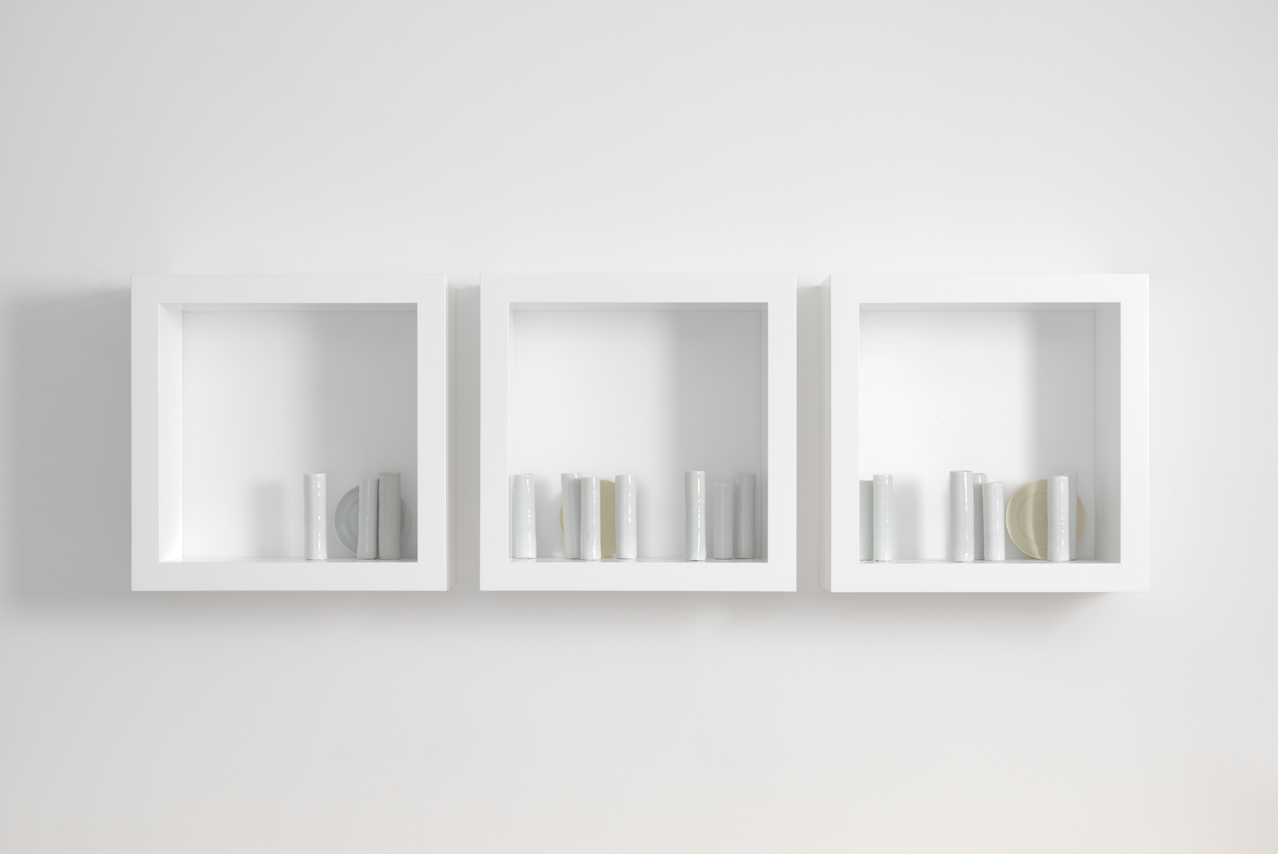
Now it has happened again, with the pots of De Waal. As I described in my post yesterday, I was delighted when, by sheer coincidence as I am reading my way through the enthralling pages of The Hare with Amber Eyes, I caught a documentary on the BBC’s Imagine show last week, focusing on the book’s author. While I was fully expecting my attention to be held by all references in the programme to the book which has captivated me for the last few weeks of reading, what I wasn’t expecting was to become so completely enamoured by the artworks which this great novelist also creates. I say also – however art is in fact Edmund De Waal‘s primary calling in life, and he was turning his hands to the malleable craft of pottery long before he ever began to trace the heritage of his netsuke whose story formed the basis of the book which has now made him famous around the world.

Breathturn II (2013 © Edmund De Waal)

Breathturn II (2013 © Edmund De Waal)

Breathturn IV (detail) (2013 © Edmund De Waal)

Breathturn IV (detail) (2013 © Edmund De Waal)

First Light (2013 © Edmund De Waal)

First Light (2013 © Edmund De Waal)

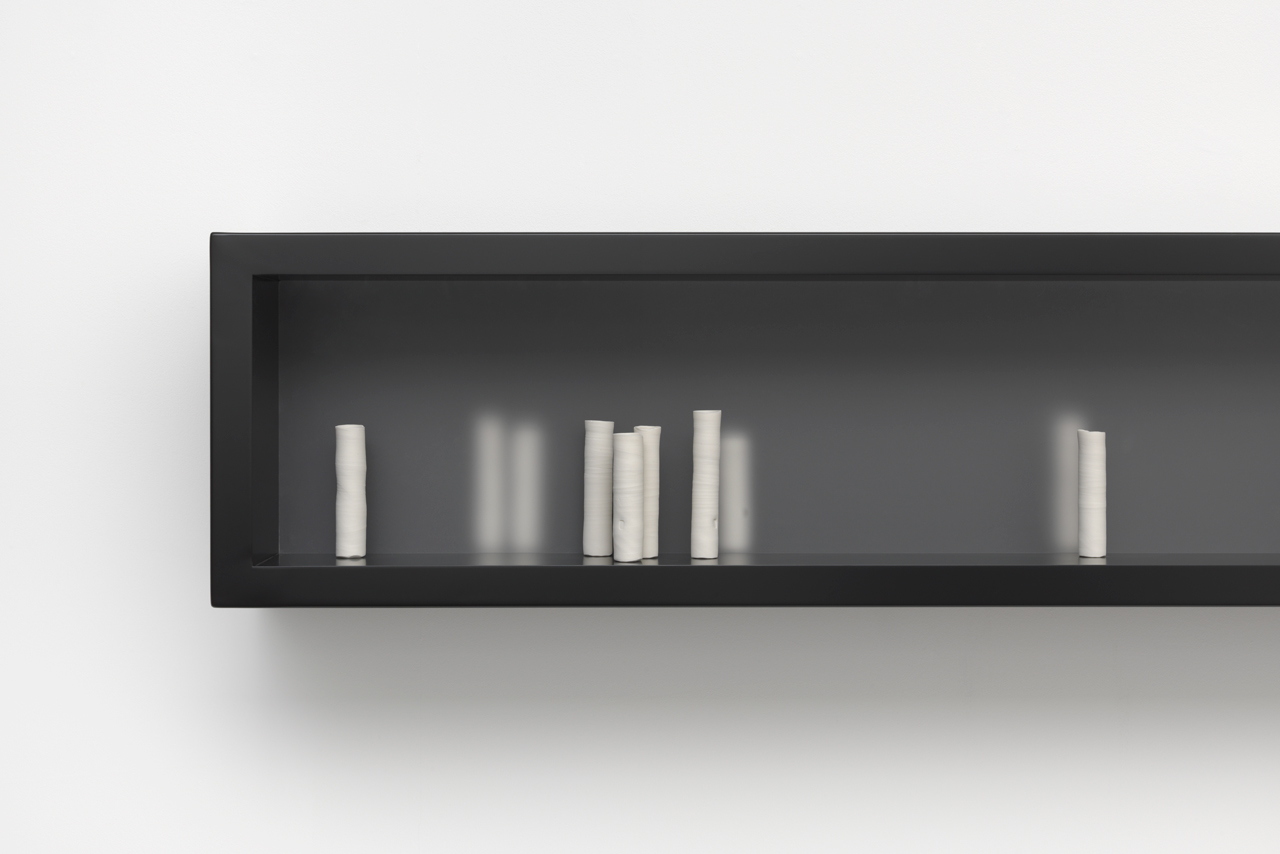
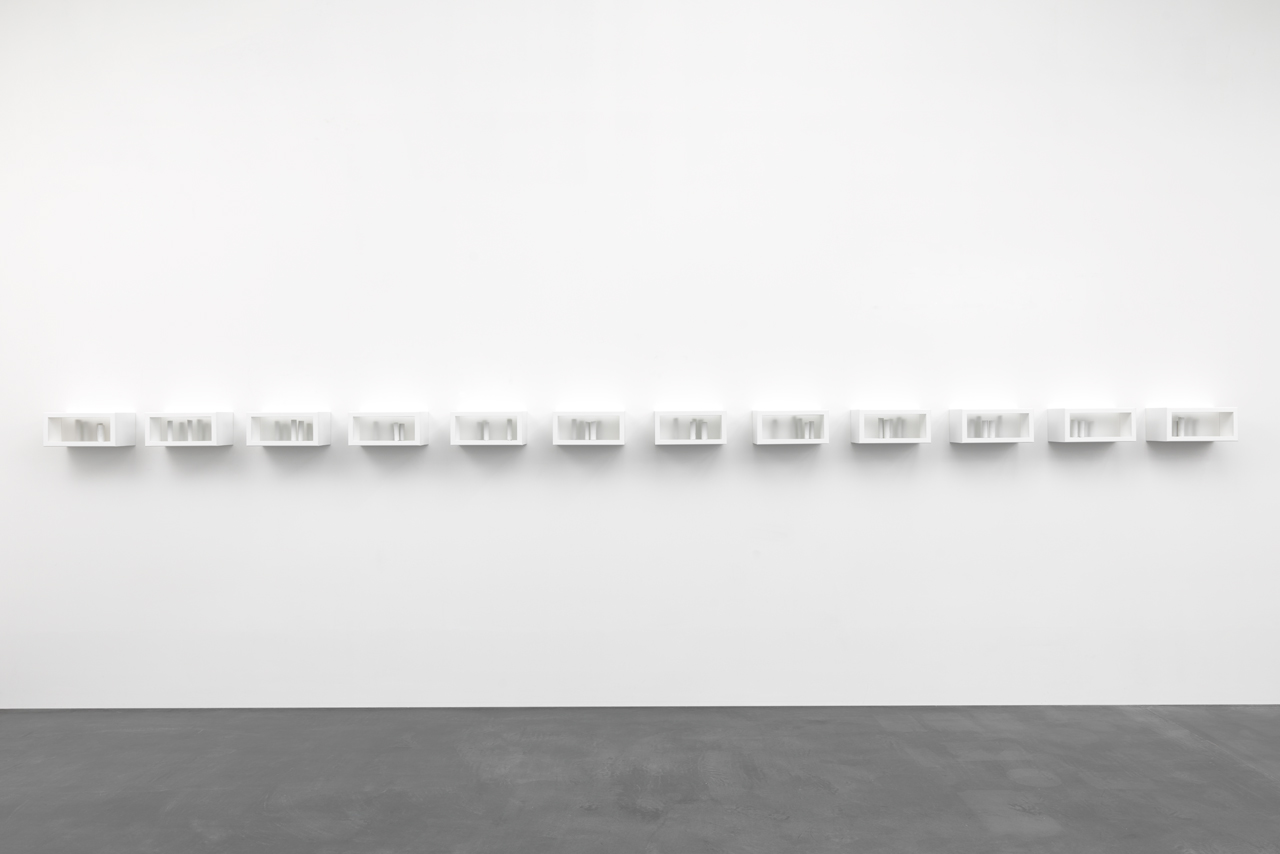
Edmund De Waal’s art is pottery. He makes pots. But pots whose assemblage is so brilliantly pictorial, so evocative of emotions deeply held within the craftsmanship of their creation, and yet so capable of rousing within the viewer deep, reflective emotions, that as installations, these simple pots create artistic masterpieces worthy of the great art collections of his family predecessors.

De Waal’s pots are simple – usually either in black or white – but their beauty tends to be about two things. First, the naive effortlessness of their shape; the mismatched almost drunkeness of one lean after another, which tends to give each pot a handmade personality all of its own, rather than the feeling of machine manufacture. Second, their grouping – it is the way in which De Waal groups his pots together which makes them so effective as works of art: Is it just that I am coloured by the contents of his book, or by his Jewish ancestry, or did he intend to create row after row of pots so uniquely human in their uneven appearance, that they seem to evoke to Holocaust itself? For me, when I see these works, such as the quartet of huge almost bookcase structures, Breathturn, displaying shelf after shelf of randomly placed pots, I think of the row after row of destitute Jews, stripped of their livelihood and of their dignity, waiting like cattle for train crates on bleak station platforms, ready to face the certain horrors of their final destination.

Your hands full of hours (2013 © Edmund De Waal) (detail)

Your hands full of hours (2013 © Edmund De Waal) (detail)

I heard it said (for Berg) (2013 © Edmund De Waal

I heard it said (for Berg) (2013 © Edmund De Waal

How did we live here (2013 © Edmund De Waal) (detail)

How did we live here (2013 © Edmund De Waal) (detail)

The White Road III (detail) (2013 © Edmund De Waal

The White Road III (detail) (2013 © Edmund De Waal

And then there are De Waal’s works which show groups of pots separated by a sheet of translucent perspex, so that you can see the pots behind it, but only in blurred outline. This produces the effect of a solemn group shot, perhaps a family, estranged – people taunted by the shadows or perhaps memories of loved ones; their presence there close at hand, and yet not there, untouchable, ungraspable; the frustrating feeling of irreparable separation, when a blasted great wall separates you from where, or with whom you should be.

These interpretations may well not be what De Waal intended when he made his works, but what does it matter? For in creating works that inspire these kinds of reactions in me, he has surely done the job of a great artist: he has moved his audience to an imagination all of their own.

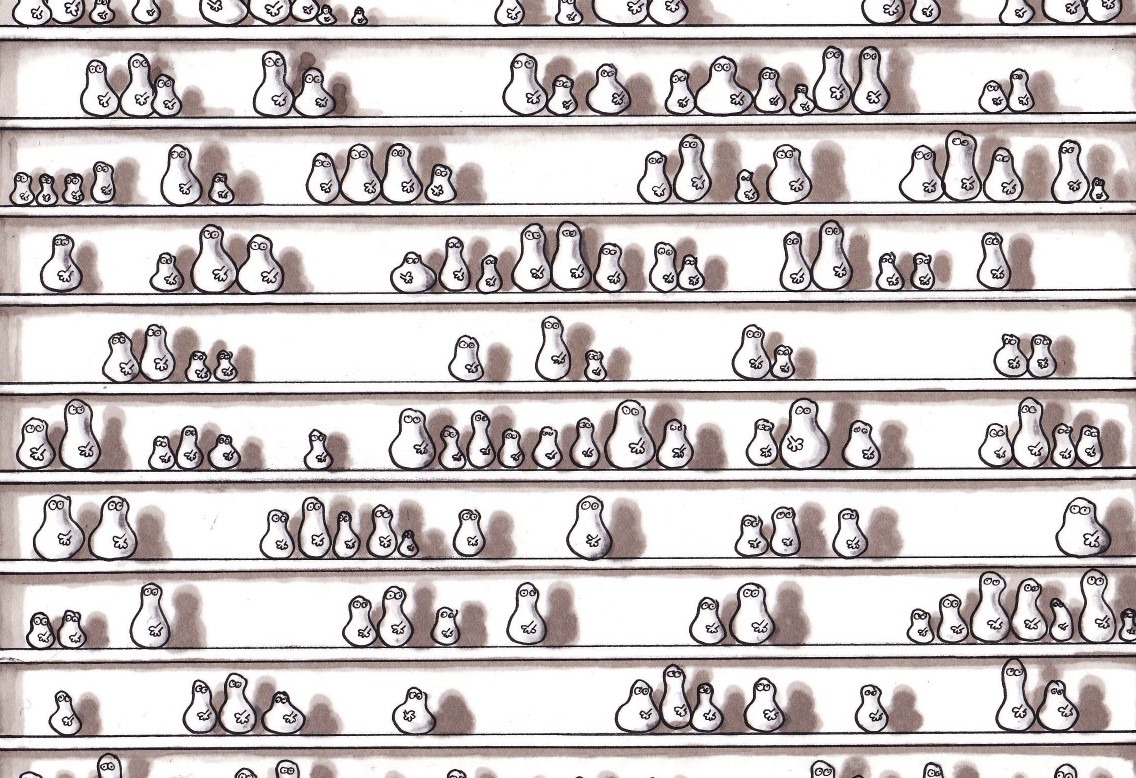
And, as all the great artists have done before him, De Waal not only got my imagination churning when it came to his own works, but also inspired me to create a Norm re-invention of his pottery installations. And so I leave you with my own little Norm group shot; a homage to all those pots and the great variety of emotions their simple poses evoke.

BreathNorms (after De Waal) 2013 © Nicholas de Lacy-Brown, pen and ink on paper

BreathNorms (after De Waal) 2013 © Nicholas de Lacy-Brown, pen and ink on paper

BreathNorm (detail)

BreathNorm (detail)


The photos on this page are the copyright of  © Edmund De Waal, and show the works he prepared for his 2013 exhibition at the Gagosian, New York. Norms are the copyright of me © Nicholas de Lacy-Brown, 2013. The works of Edmund De Waal can be seen on his website, here.

Paris, Dreyfus, and Vienna – the coincidences which led me to De Waal

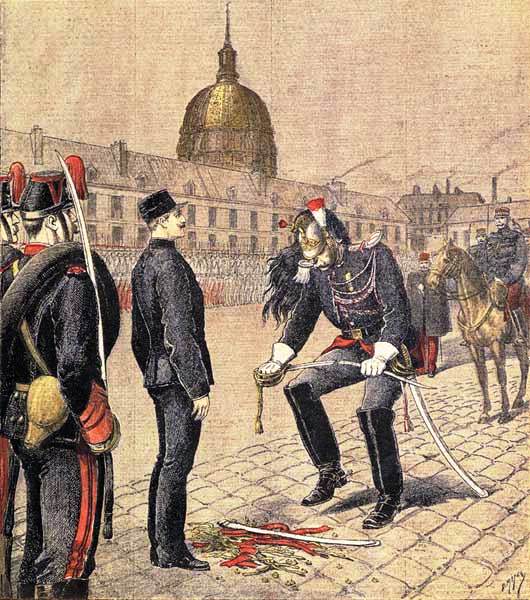
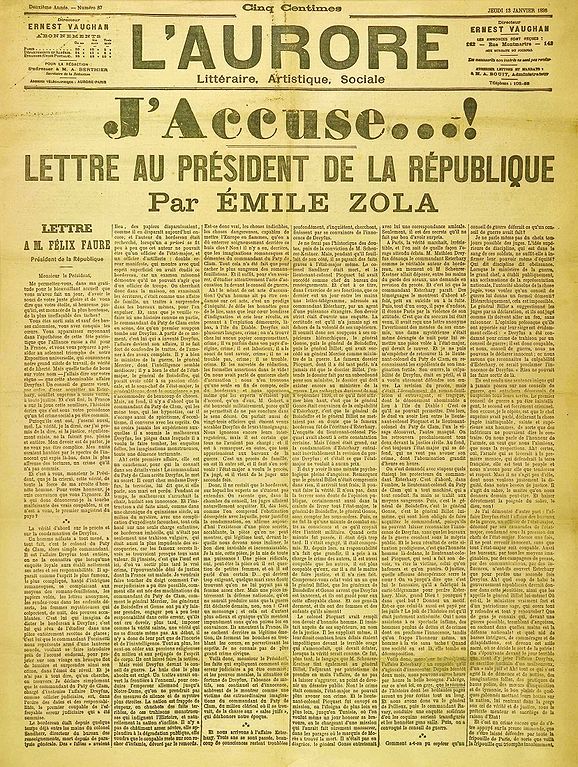
Life is full of coincidences, and for me, this has been no more proved than recently, when I have been beset by a series of overlapping coincidence. The series of greatest significance has been the one leading to this post. It started in the early Autumn, when the fading of summer led me to start feeling my familiar autumn yearnings for a trip to Paris. In part-alleviation of this desire, I started reading the aptly titled Paris Requiem, by Lisa Appignanesi, which is, on its face, a period murder mystery, but set against the historically significant Dreyfus affair. I was already aware of Dreyfus on my periphery, being as the involvement of one of my favourite authors, Emile Zola, had pretty much destroyed his career, forcing him into exile in the UK when he sought to uncover what was one of the greatest conspiracies in French history, and unveiled a disturbingly vehement level of anti-Semitism both at the heart of the French Government and within French society at the end of the 19th Century.

The degradation of Alfred Dreyfus

The degradation of Alfred Dreyfus

The article which incriminated Emile Zola

The article which incriminated Emile Zola

Then, just as I was finishing Paris Requiem, the long-awaited new novel of another favourite author, Robert Harris, was published, this book also dealing with the Dreyfus affair from the point of view of the Army Officer who uncovered the scandal and suffered his own career-breaking consequences in the process. Mid-way through the book, a new documentary series started on TV. Telling the story of the Jews, the narrator, Simon Schama,  also told of this disturbing period of French History.

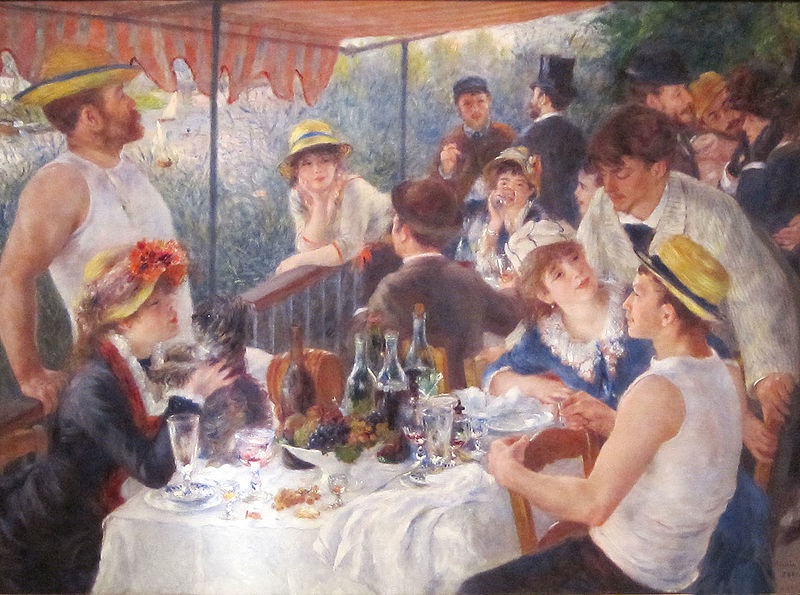
I thought the coincidences had ended there, but when I went to the National Gallery’s excellent new Viennese Portraiture exhibition, Vienna: Facing the ModernI picked up a copy of Edmund De Waal’s The Hare with Amber Eyes in the gift shop, and thought the time had come to read this much applauded novel. So, with Robert Harris’s sensational novel, An Officer and a Spy finished, I started De Waal’s captivating family history, originally narrated by tracing back the story of the Japanese netsuke which he had inherited from his Great Uncle Iggie. Starting off in 19th Century Paris with the story of the formidable art collector Charles Ephrussi (he can be seen in the top hat at the back of Renoir’s The Luncheon of the Boating Party) who was the family member who first bought the netsuke, it turned out that, guess what, Charles too had got himself involved in the Dreyfus affair – being Jewish, his support of the innocent Dreyfus could hardly be avoided, but, like Emile Zola, Ephrussi suffered social rebuffal as a result.

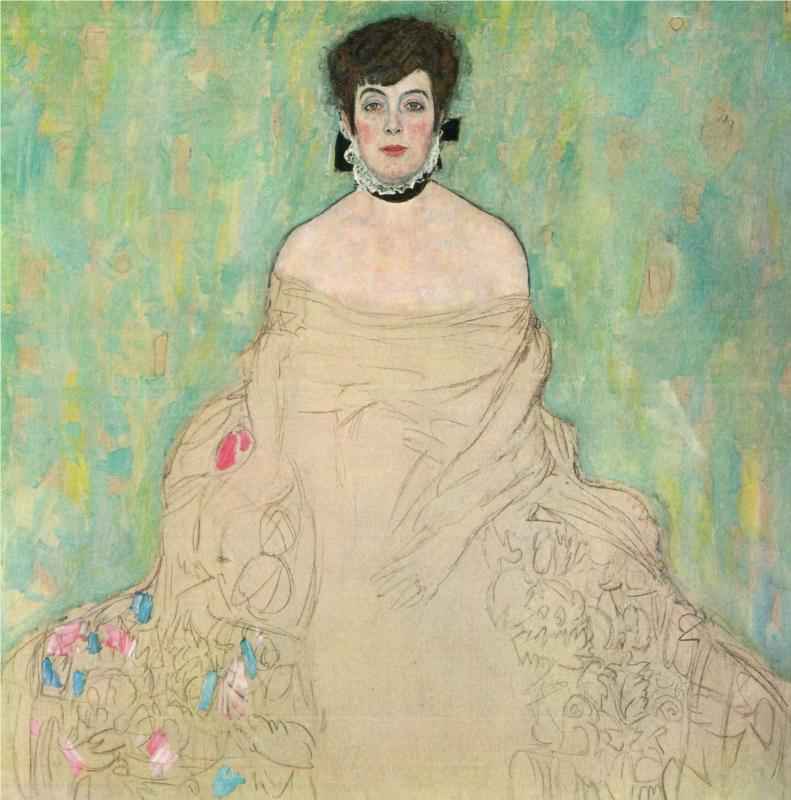
Amalie Zuckerkandl by Klimt - featuring in the National Gallery's new show on Vienna

Amalie Zuckerkandl by Klimt – featuring in the National Gallery’s new show on Vienna

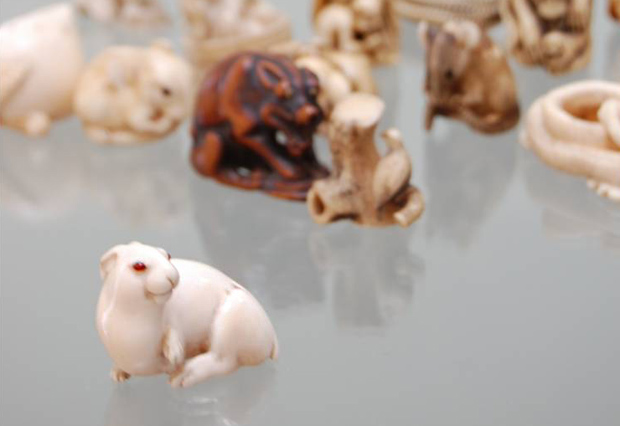
The Netsuke

The Netsuke

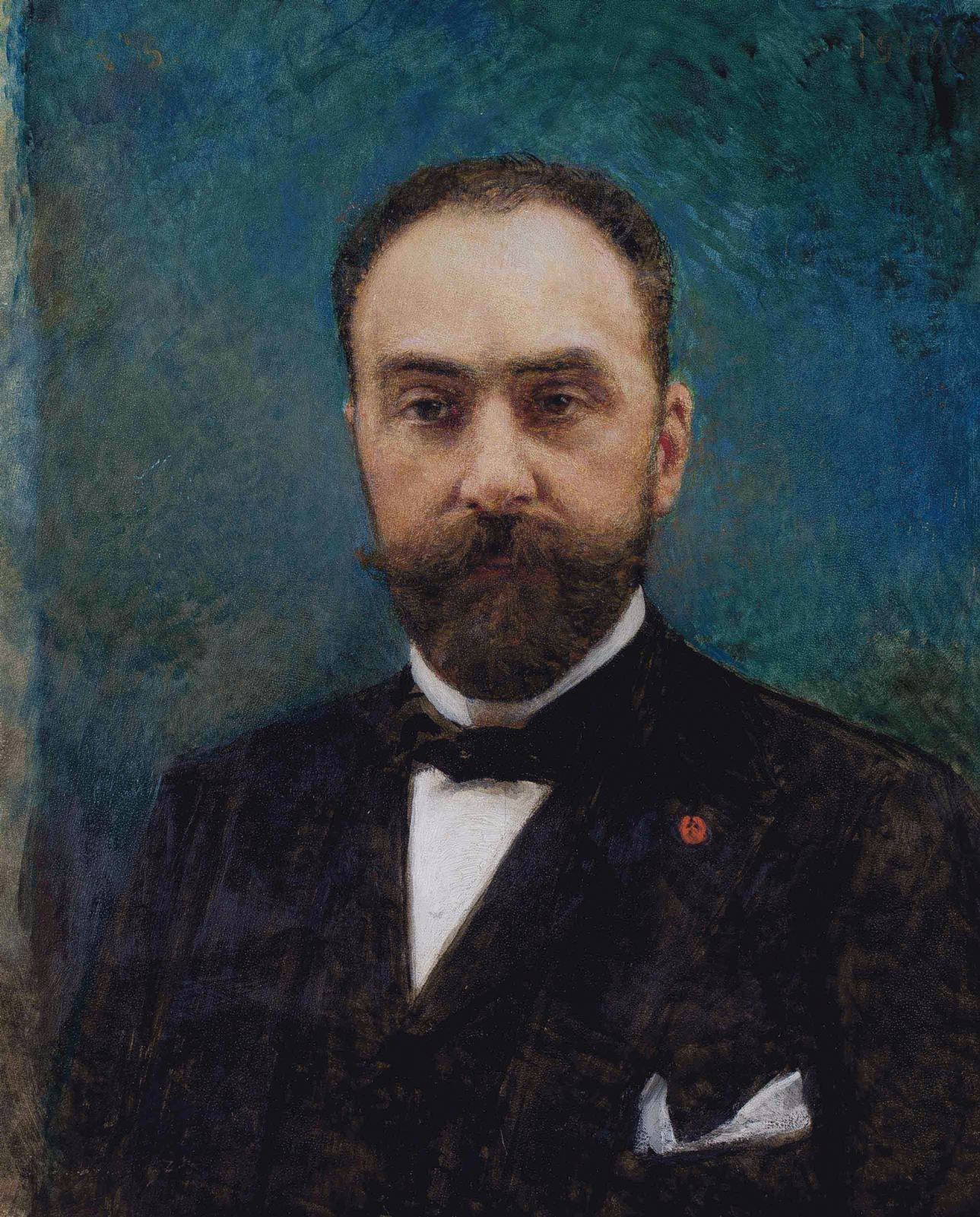
Portrait of Charles Ephrussi by Leon Bonnat

Portrait of Charles Ephrussi by Leon Bonnat

The Luncheon of the Boating Party by Renoir

The Luncheon of the Boating Party by Renoir (with Charles Ephrussi in a top hat at the back)

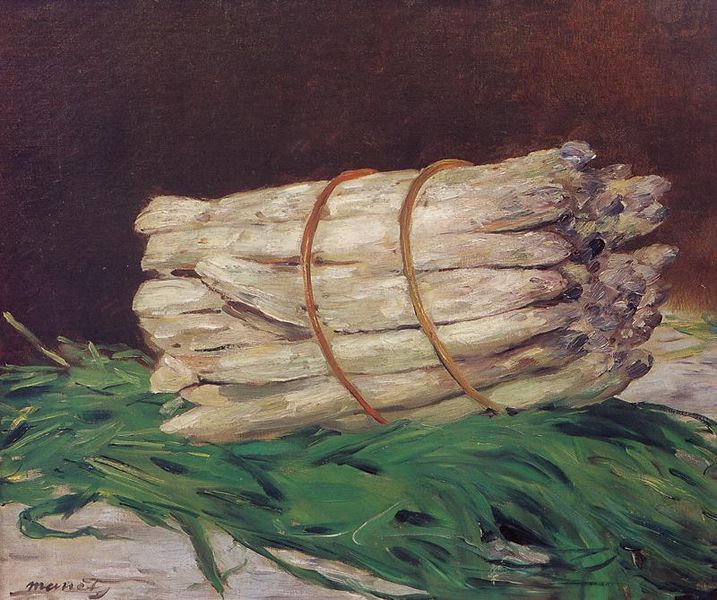
Manet's Bunch of Asparagus (1880) - part of the significant impressionist collection of Charles Ephrussi

Manet’s Bunch of Asparagus (1880) – part of the significant impressionist collection of Charles Ephrussi

So suddenly, this story of Dreyfus, a Jewish scapegoat and symbol of the underlying currents of European anti-Semitism, had become a major focus, appearing, quite by coincidence, in reference after reference of both television and literary entertainment. But of course the Dreyfus Affair was only the start of the tragic scale of anti-Semitism which was to escalate in Europe, and as De Waal’s stunning book goes on to demonstrate, the horror of Europe’s anti-Semitic manifestation as the 1930s took hold was on a scale that none could have imagined in the persecution of that single man back in 1890s France.

Of course we all know the history of the holocaust and of mass-murder and injustice so unprecedented that words alone are not sufficient to describe it. But where De Waal’s book is so powerful, is that through his captivating narration of his family history, by the time the great Palais Ephrussi is ransacked by the Nazis in 1938, its art collections, along with everything else, stolen in a barefaced lawless destruction of Jewish life and liberties, you feel as though you know the family so well, have lived their history to such a degree, that reading of the exorbitant outrage, the dumfounding horrors suffered during that time actually becomes physically painful. You want to turn back the clock  there and then and somehow destroy the Nazi regime singlehandedly; you want to save all of those who suffered, and put all that injustice right.

The Palais Ephrussi

The Palais Ephrussi – ransacked by the Nazis

But history is what history was, although books like De Waal’s do an incredible job in bringing those emotions back to light. And, it is not just books which bring history knocking at the door of the present day. The last set of coincidences in this string was that in the same week as I read about the Nazi ransacking of the family art collections of the Ephrussi palace, I read an article about the biggest discovery of Nazi looted art in Munich for centuries, much of which is believed to have been stolen from some of the biggest Jewish collectors of the time, and then, but hours later, I saw that to my amazement, a TV documentary on Edmund De Waal himself was being shown on TV, a documentary which also dealt with the subject of the restitution of stolen Jewish art.

As to that documentary – that has provided its own source of inspirations which I will discuss tomorrow. But for today, what is my message? Well, not only that coincidences can happen in life, but more so that all of this reminder of the great injustices of war have coincided with today, which also happens to be Remembrance Day, when, in wearing a red poppy and marking the end of World War One, we pay our respects to those who have fought in wars throughout history, and in the present day.

Well, in paying my respects to those people this year, I will also be thinking of those who have suffered in wars, not just as fighters, but as innocent victims, families, Jews and non-Jews – the people to whom injustice was so great that history can never erase it, and words can never truly describe it. At 11am today, I will be thinking of them.

img_1562