Skip to content

Posts tagged ‘Holidays’

The Sicily Series | Part X – Baroque Round-up

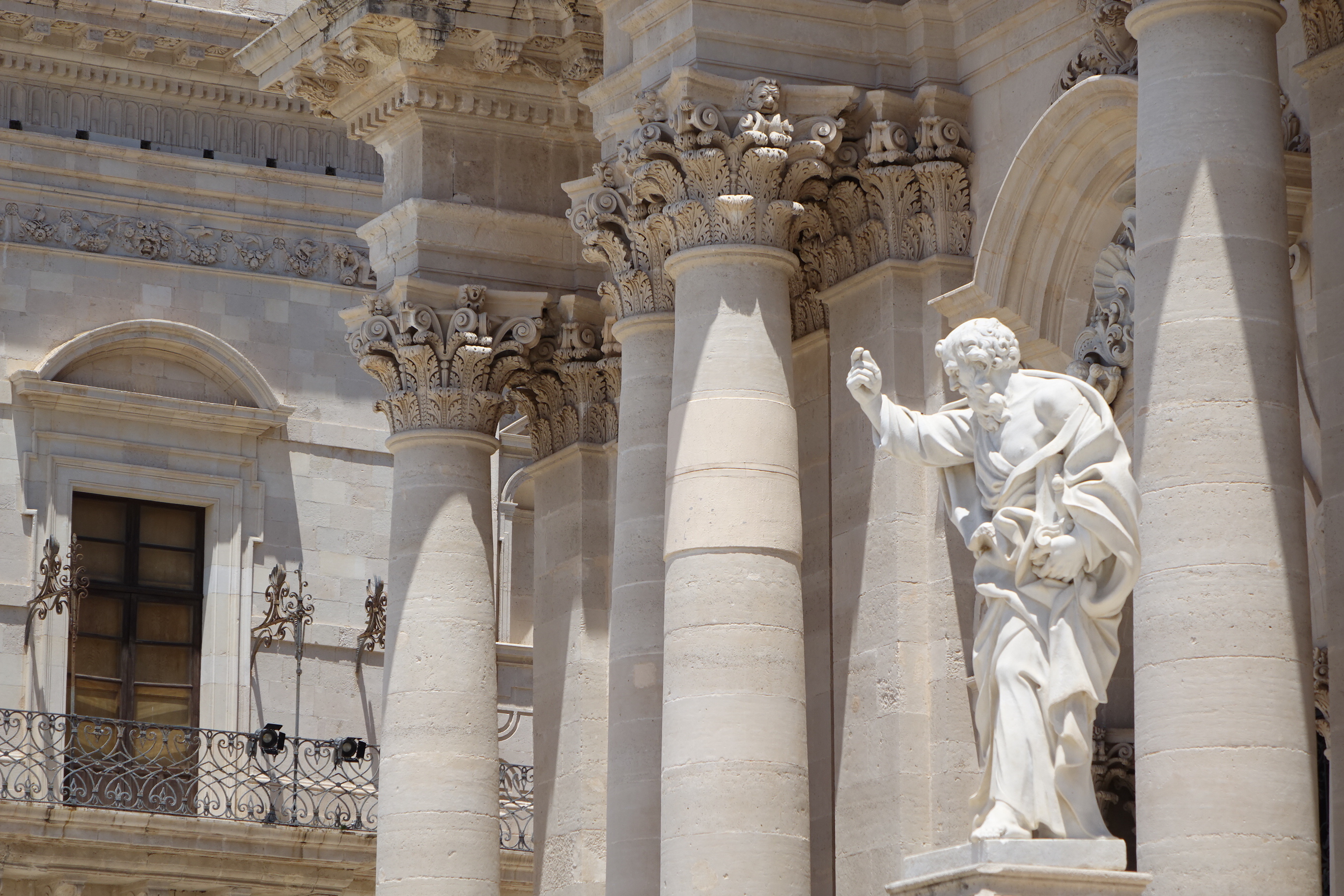
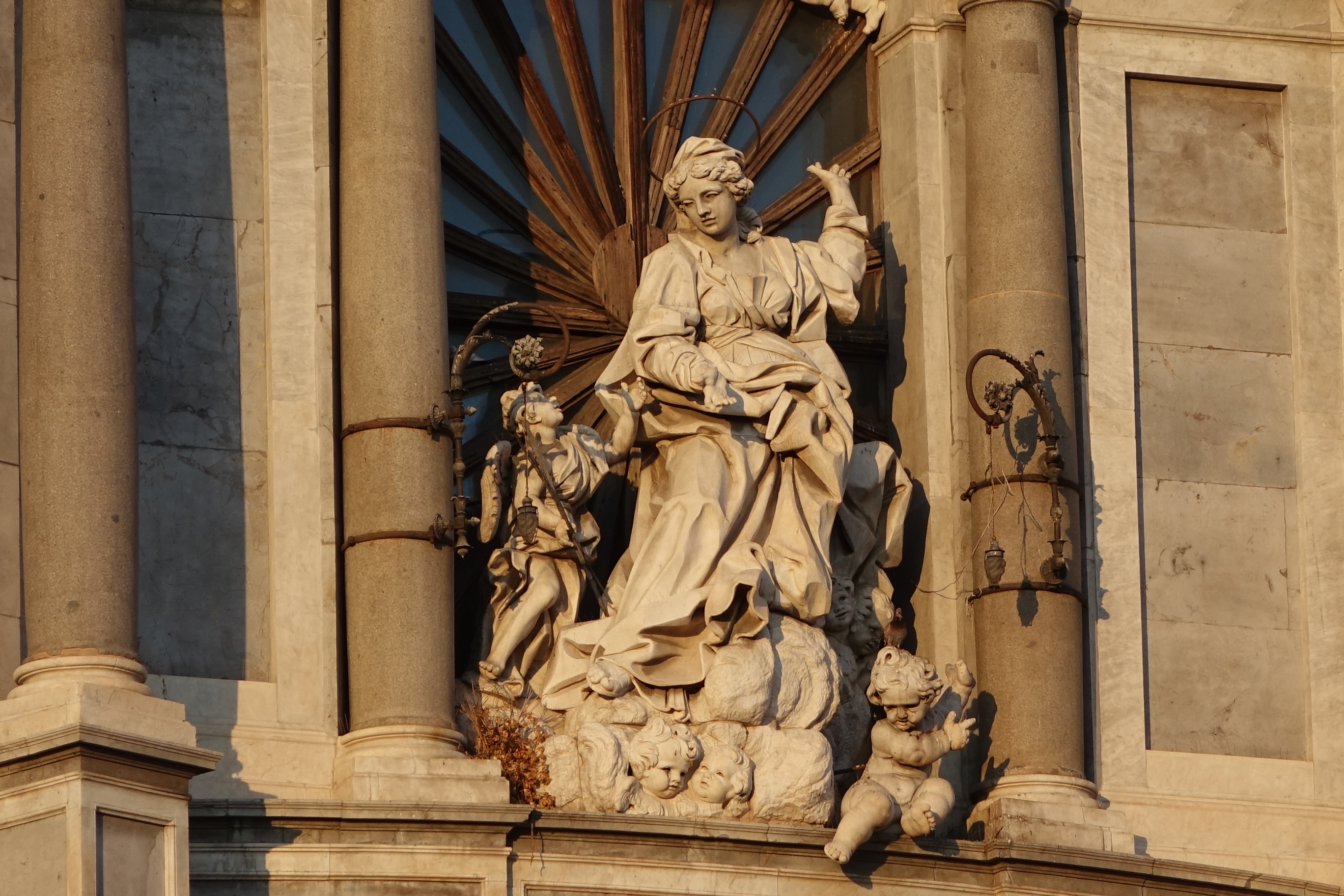
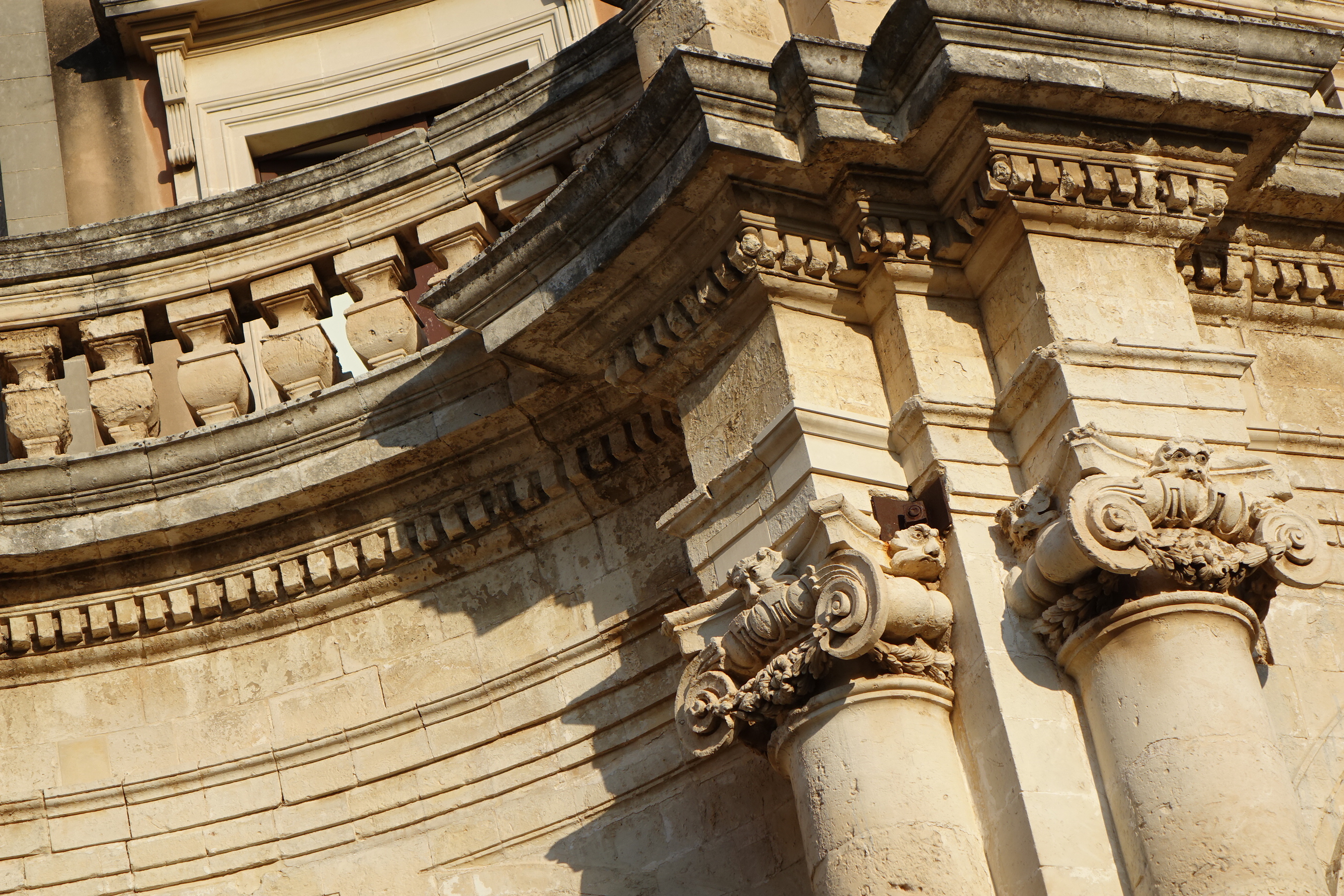
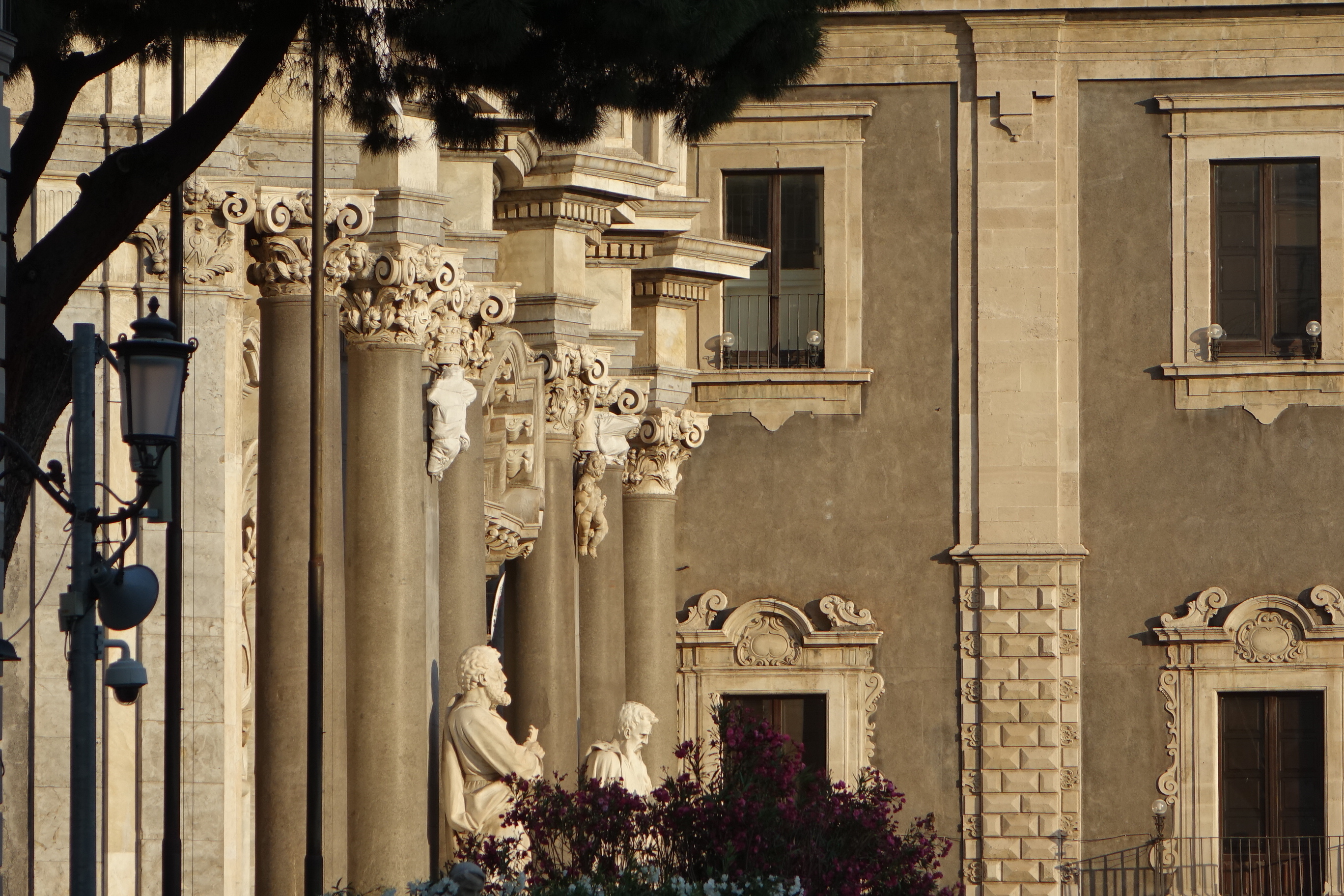
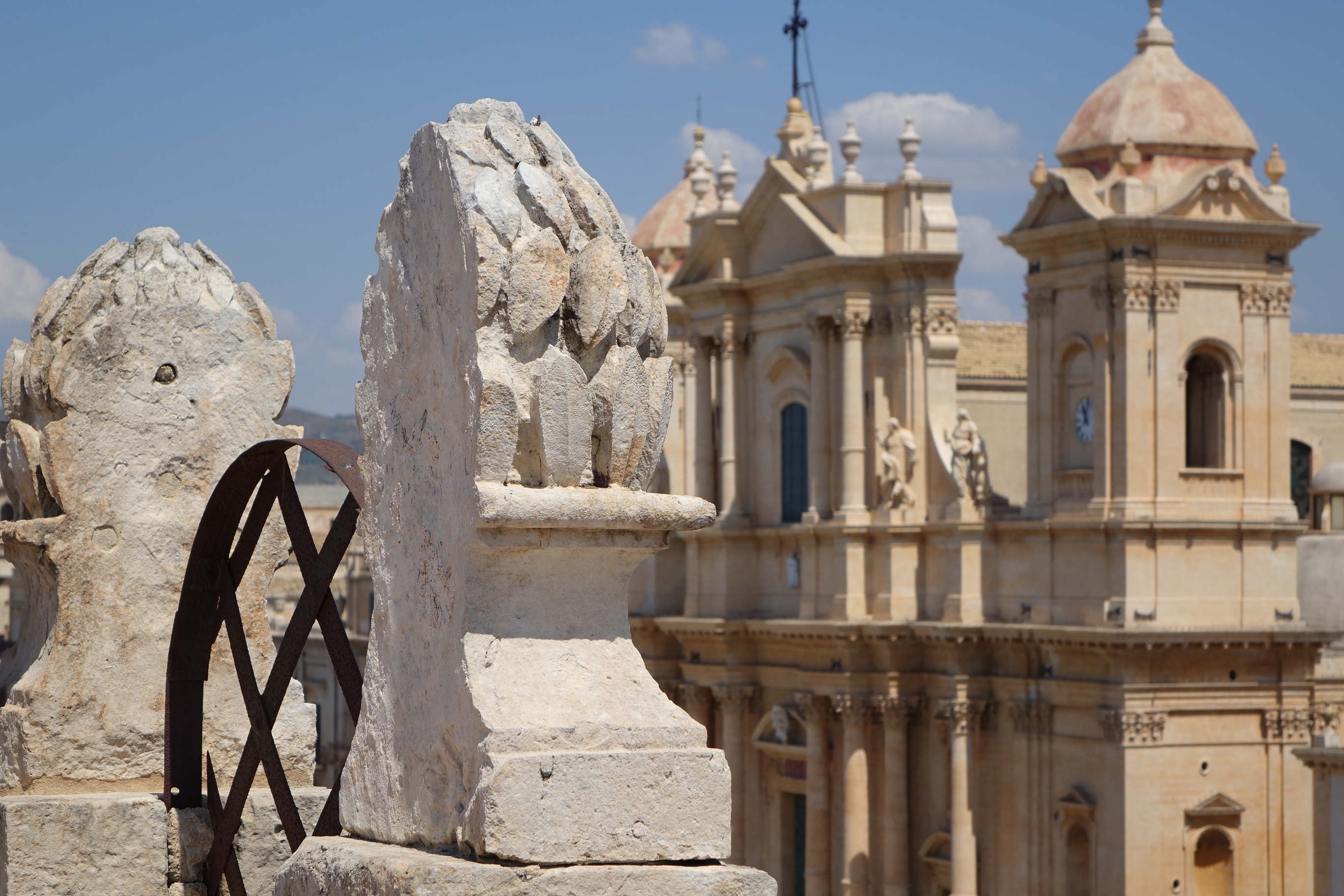
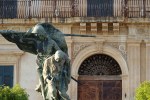
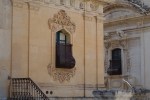
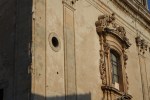
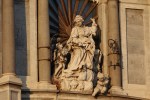
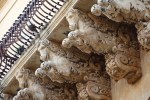
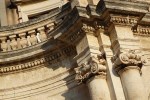
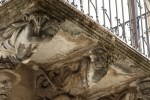
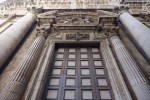
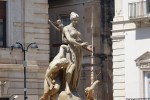
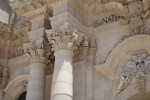
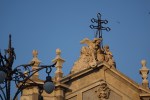
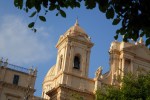
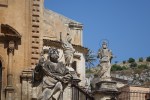
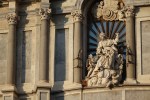
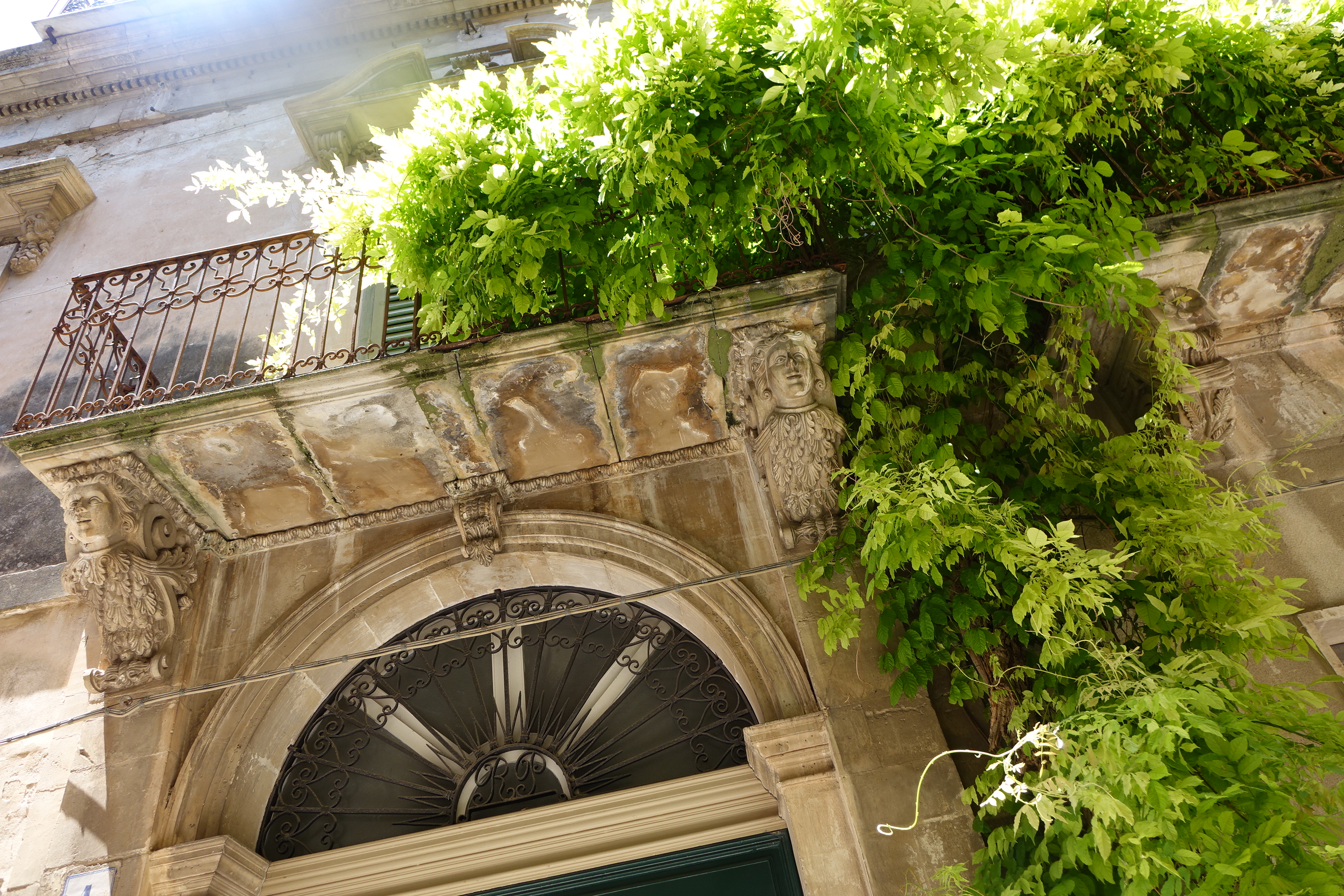
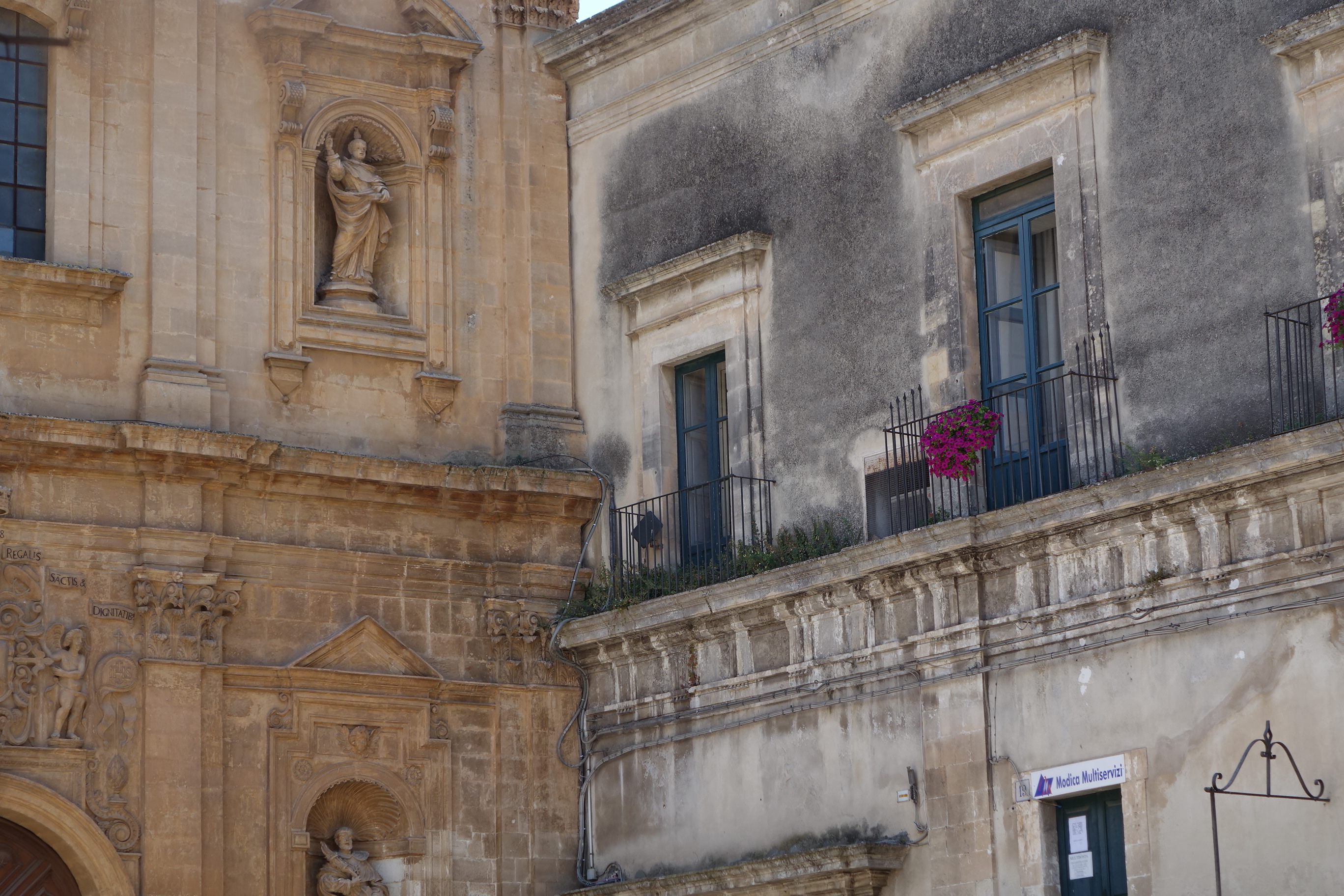
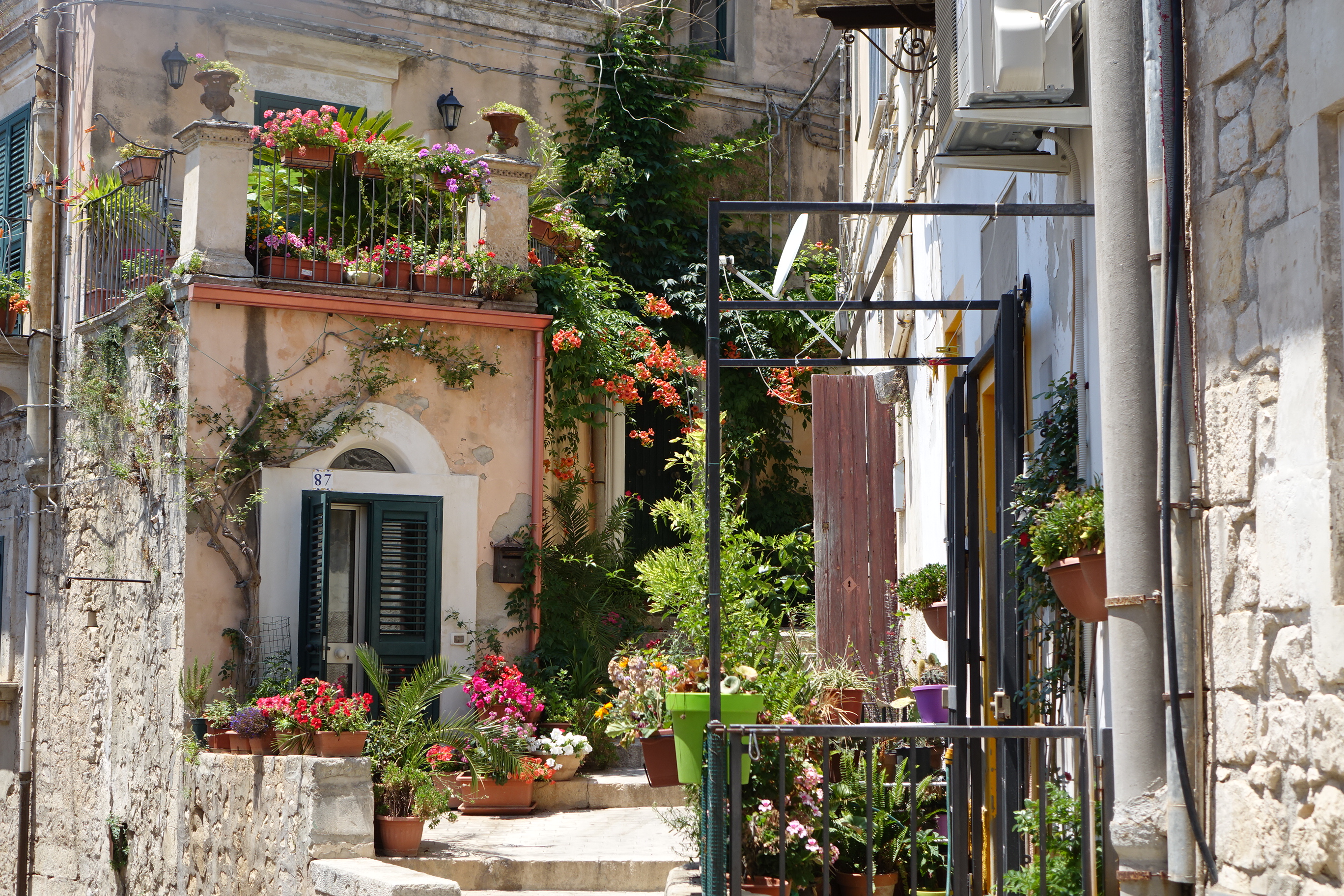
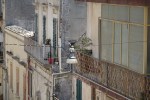
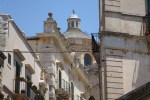
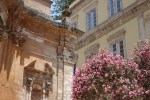
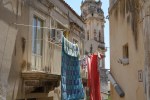
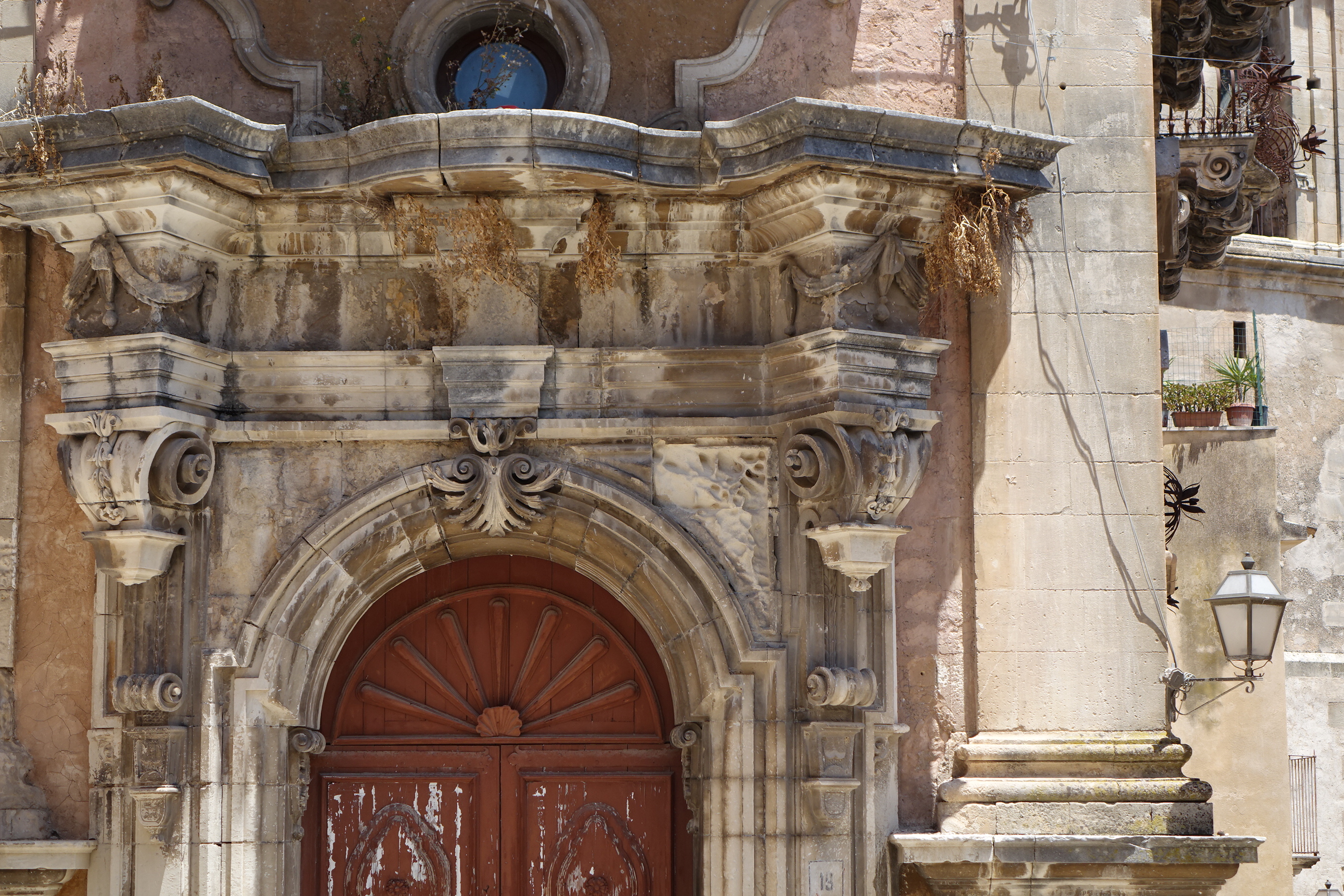
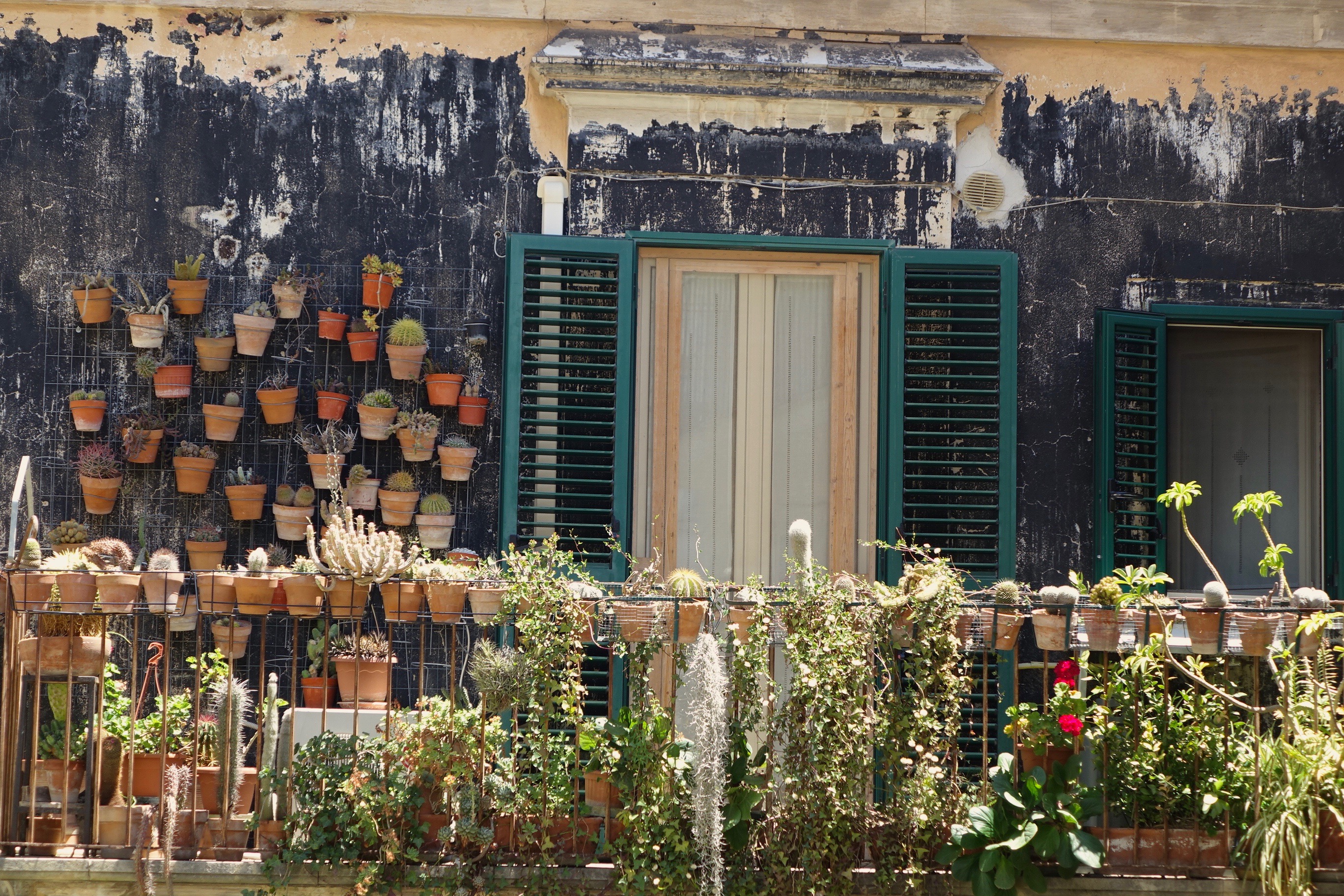
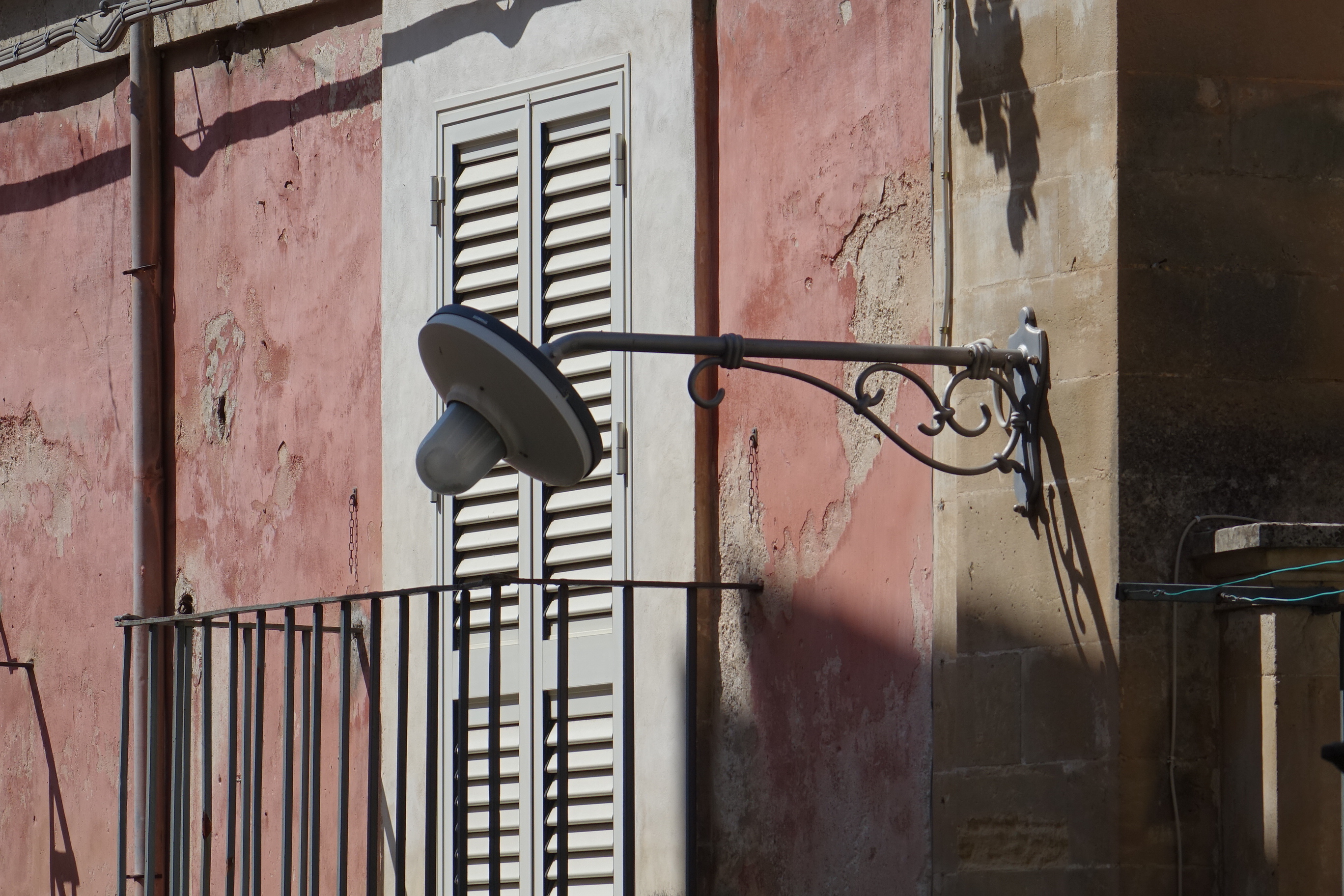
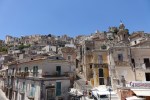
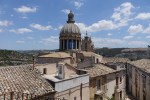
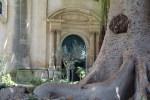
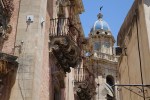
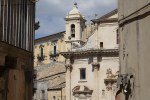
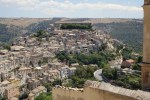
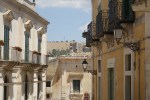
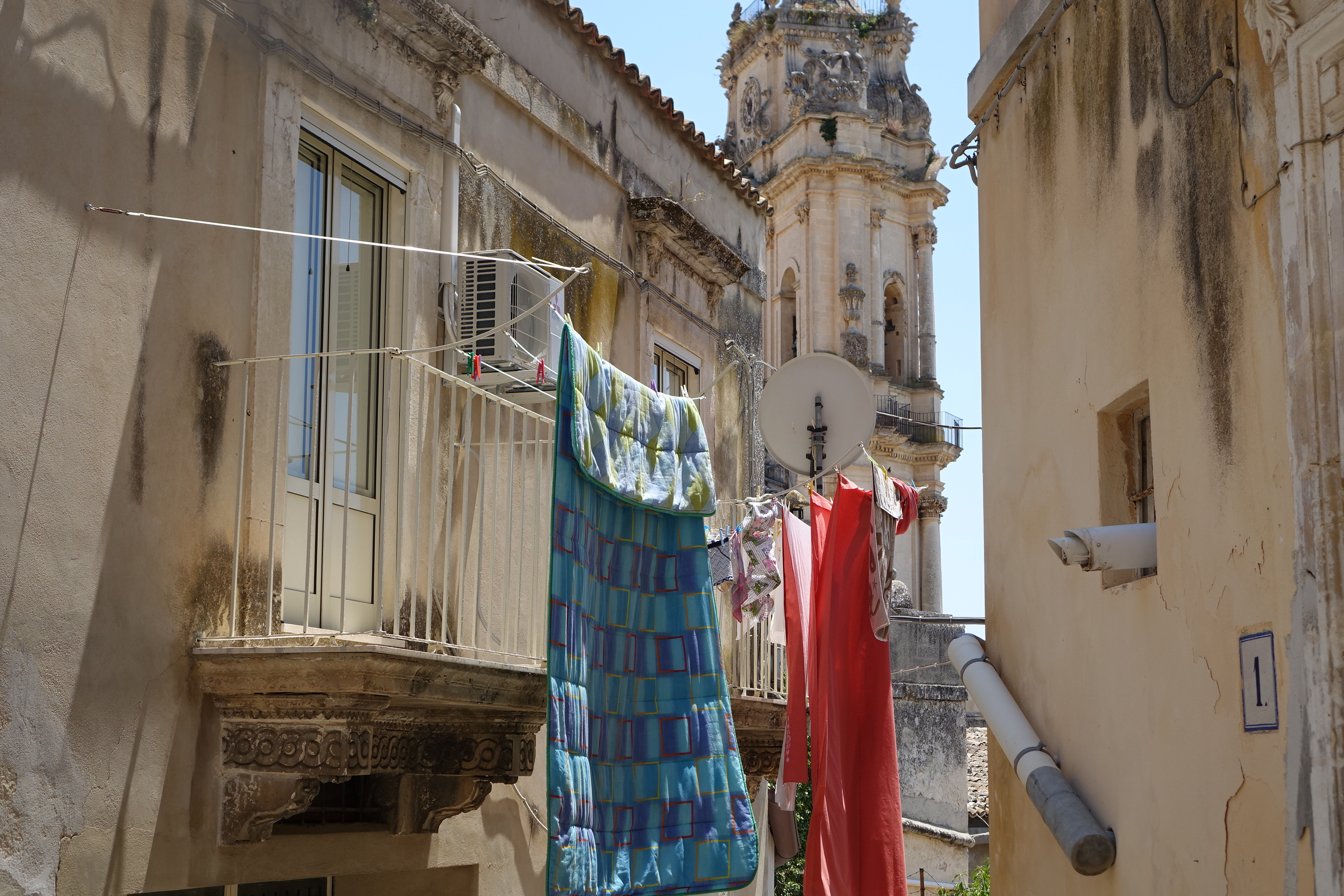
From Catania to Noto, and all the lavishly decorated theatrical towns in between, Baroque was a huge feature of our Sicilian adventure, and very much characterised the look and feel of South Eastern Sicily. Yes, of course modernity has crept in, placing its often ugly stamp around these towns of baroque splendour, but Sicily is no Manhattan, and for the most part it is the ancient architecture which continues to dominate, even though it is often tired, dilapidated and a mere shadow of its former self. This, I think, is the true essence of the Sicilian Baroque: complete over the top theatricality while bearing all the signs of age and weathering which is a side effect of the harsh climate and the poor economic conditions which still dominate in the region.
DSC03548DSC03554DSC02129DSC03429DSC01962

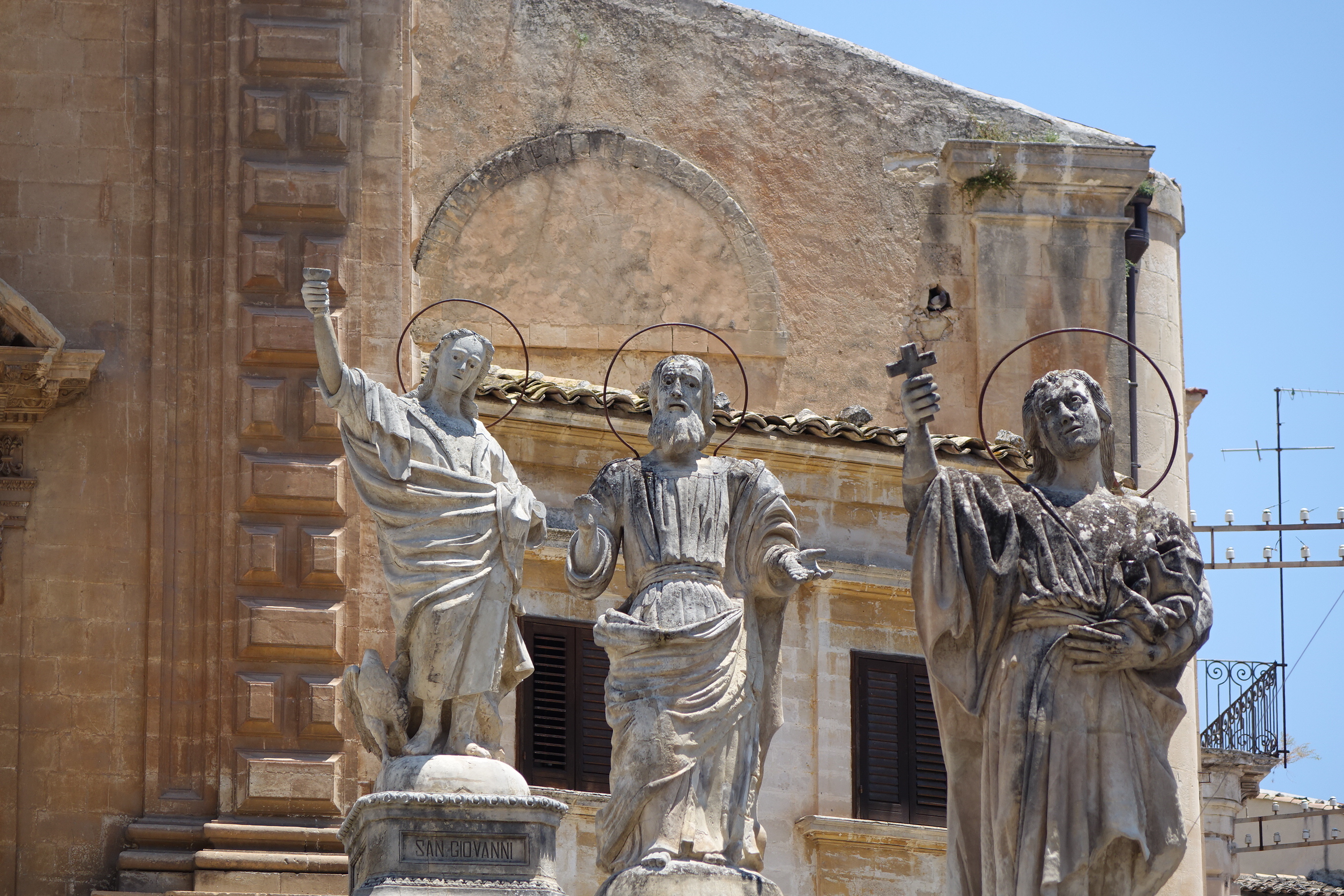
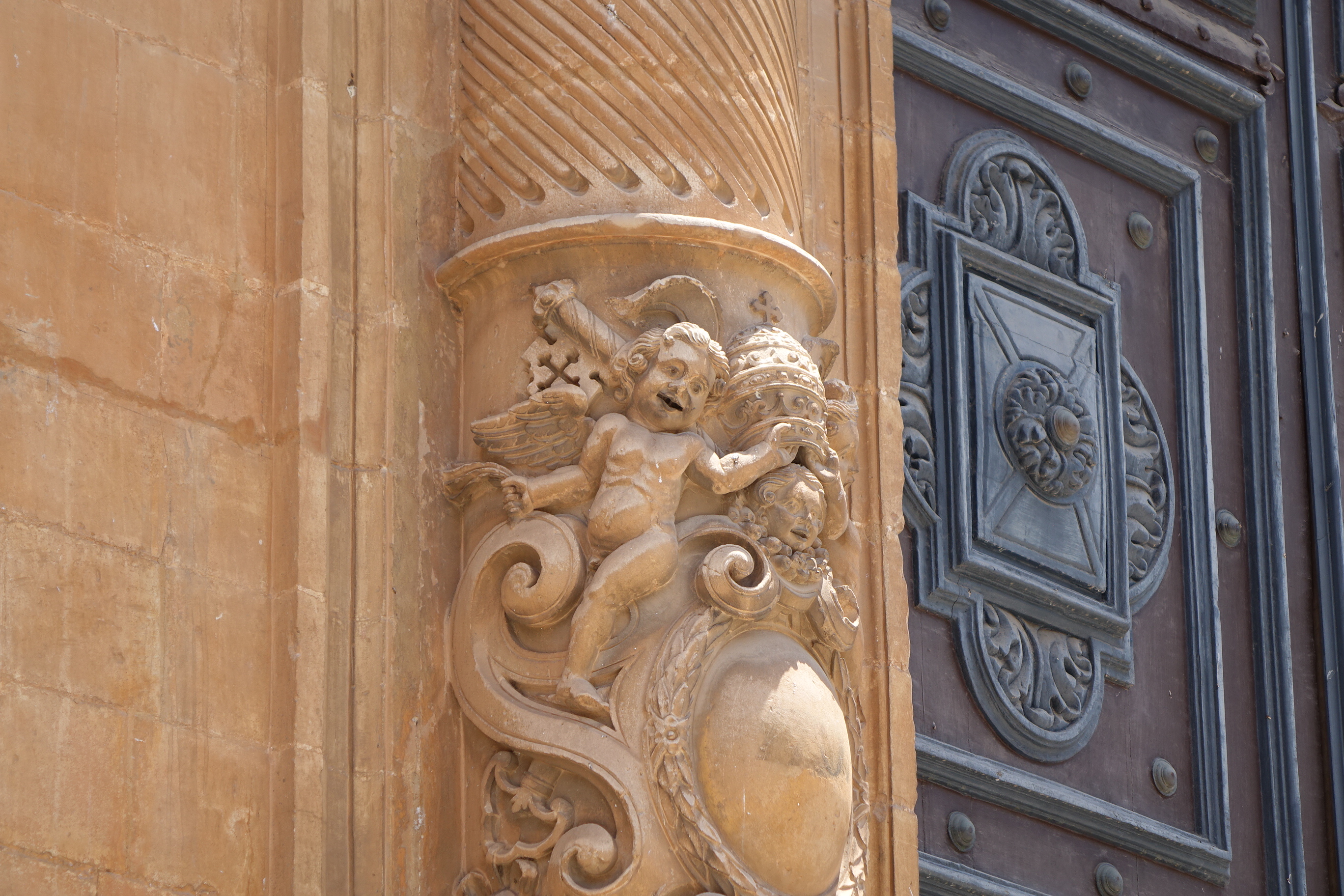
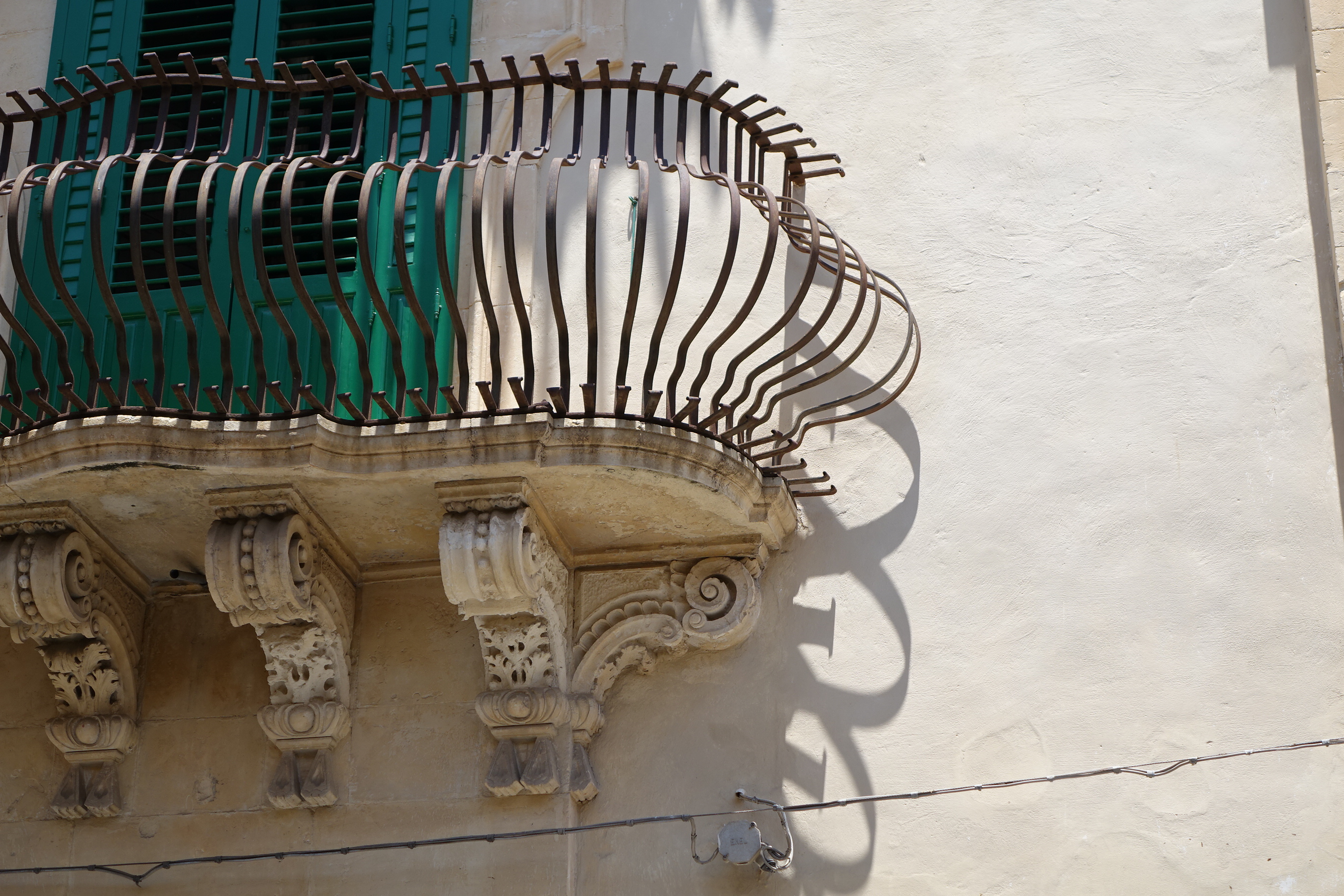
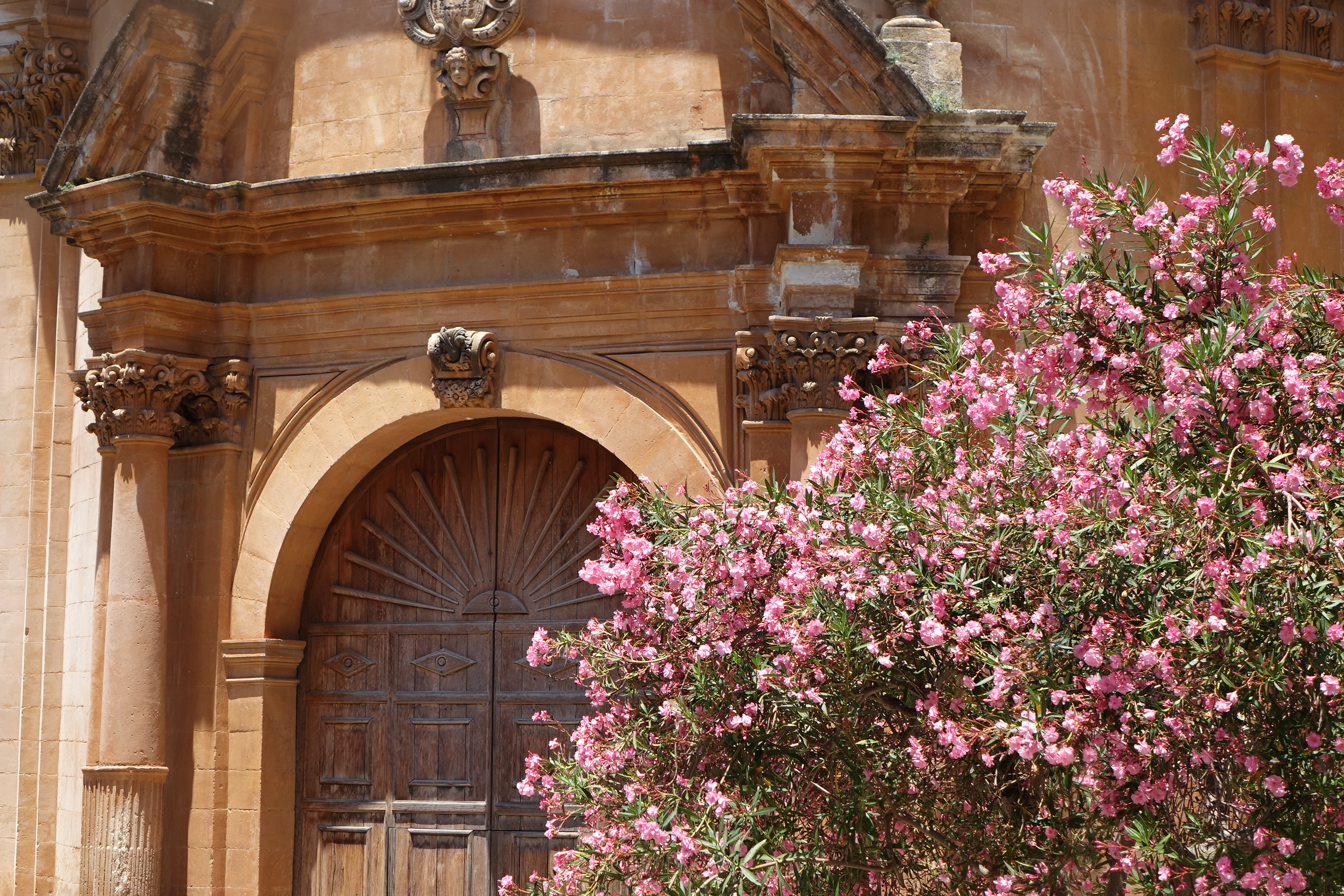
For me, nostalgically romantic as ever, it is this battered and broken appearance which gives the Sicilian Baroque its charm, furnishing it somehow for my perception of what the Mediterrananen aesthetic should always look like. Fascinated, I took a lot of photos, as the elaborate lines and fantastical detail of the baroque flourishes became more and more over top. While, throughout the Sicily series on my blog, you will already have seen many of these, I thought I would end this Daily Norm trip to Sicily with a final round up of the many baroque splendours on show.

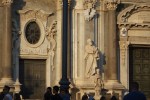
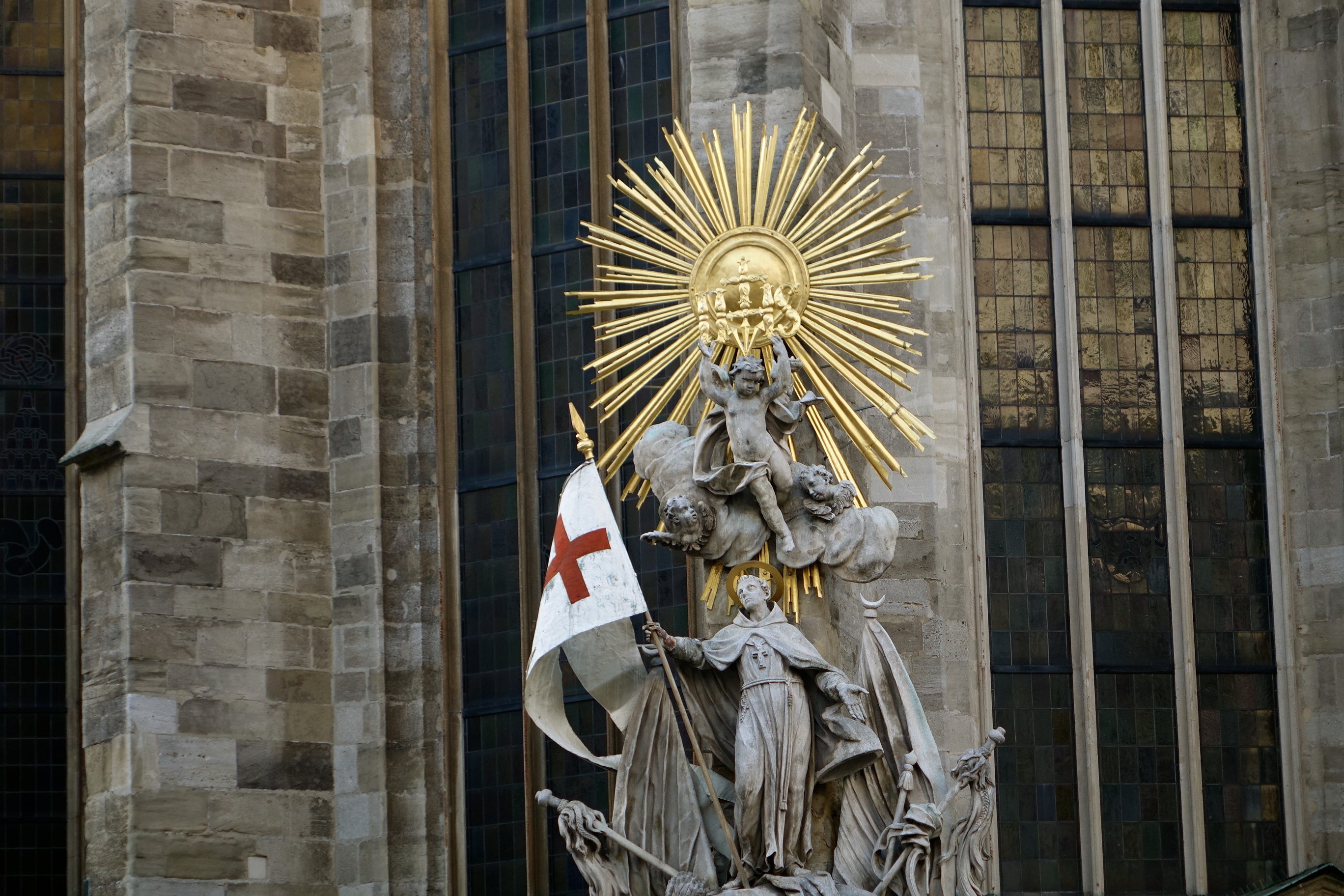
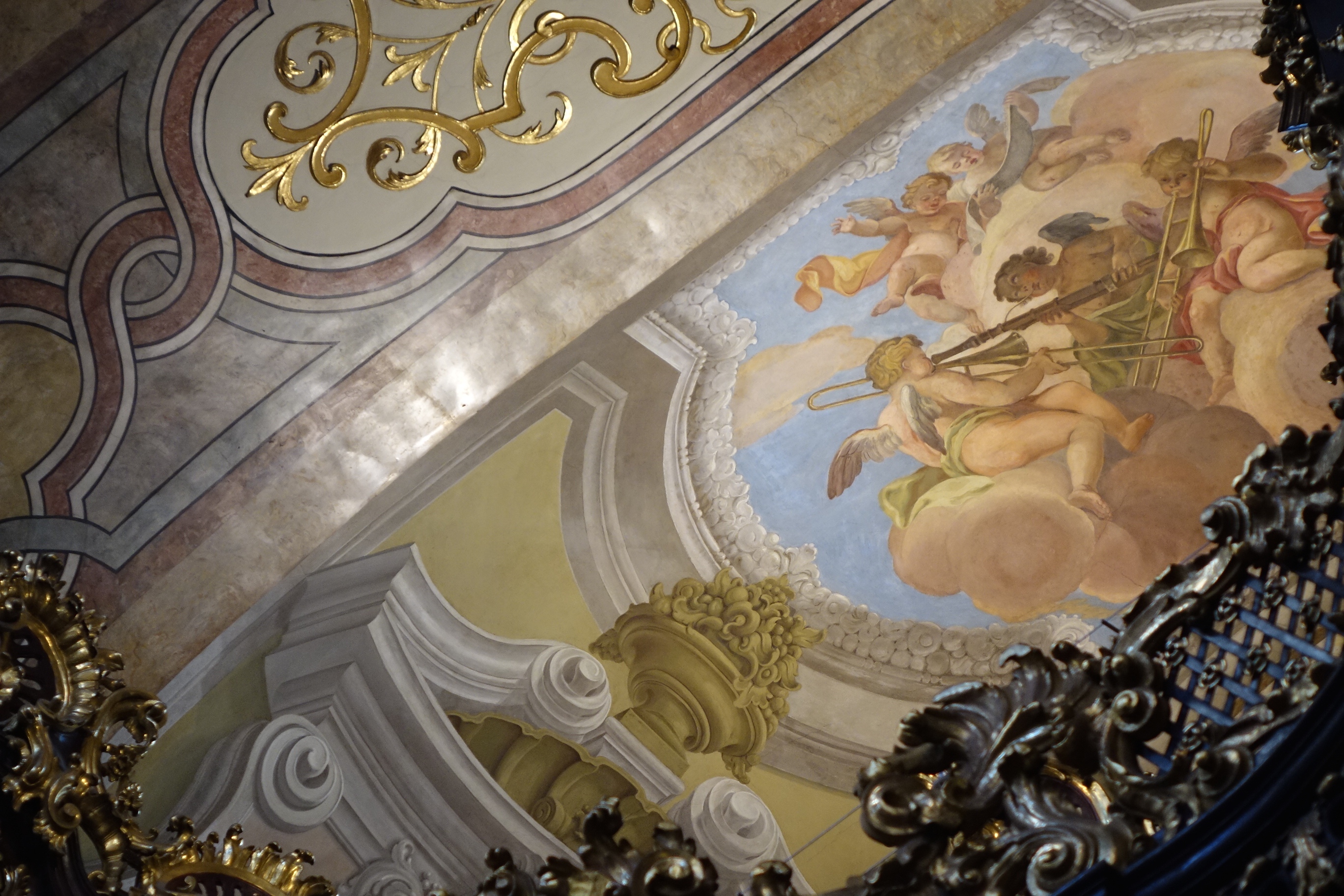
So let me indulge you in the beautiful Baroque of Sicily, in the abundance of putti (cherubs) and swirling clouds that offer the promise of paradise. Gaze in wonder as life-like statues of the apostles and the saints appear to come to life upon their baroque stage-set, and be dazzled by the plethora of intricately carved balcony corbels, each displaying its unique take on the ultimate Sicilian decoration, as angels and demons, animals and even house owners are rendered in stone and set at the base of palace balconies where they can be best admired from the street below.
DSC03266DSC03244DSC02897DSC02829DSC01963DSC01898DSC03180

Sicily is characterised by its food and its people, by its climate and its architecture, but chief amongst its influences are the tectonic actives and that ever dangerous volcano, Etna, which have so often caused havoc on the island. But with disaster comes beauty, and were it not for the great earthquake of 1693, Sicily might never have been presented with this opportunity to redesign itself in the baroque style. Today we cannot help but admire this aesthetic all the more, both for its fortuitous advent, but also in the knowledge that its fragile foundations may be rocked again one day when the powers below the earth decide its time to stir again…

© Nicholas de Lacy-Brown and The Daily Norm, 2001-2017. Unauthorized use and/or duplication of the material, whether written work, photography or artwork, included within The Daily Norm without express and written permission from The Daily Norm’s author and/or owner is strictly prohibited. 


The Sicily Series | Part IX – Momentous Modica: the Churches and the Chocolate

Modica, the momentous mountainous town lying somewhere in the craggy landscape between Ragusa and Noto, was the last visit of our multiple Baroque exposure during just a few days in the south of Sicily. Who knew that there could be such a concentration of putti and angels, of curling stone foliage and grandiose capitals, all to be found in comparatively tiny towns heavily overshadowed by these architectural masterpieces. But just as Noto had been notable for its golden yellow consistency, Ragusa for its hillside spectacle, and Ortygia for its elegance on water, Modica impressed us with the sheer magnificence of its churches, and for the unique quality of its famous chocolate.

DSC03667DSC03640DSC03623DSC03581DSC03606

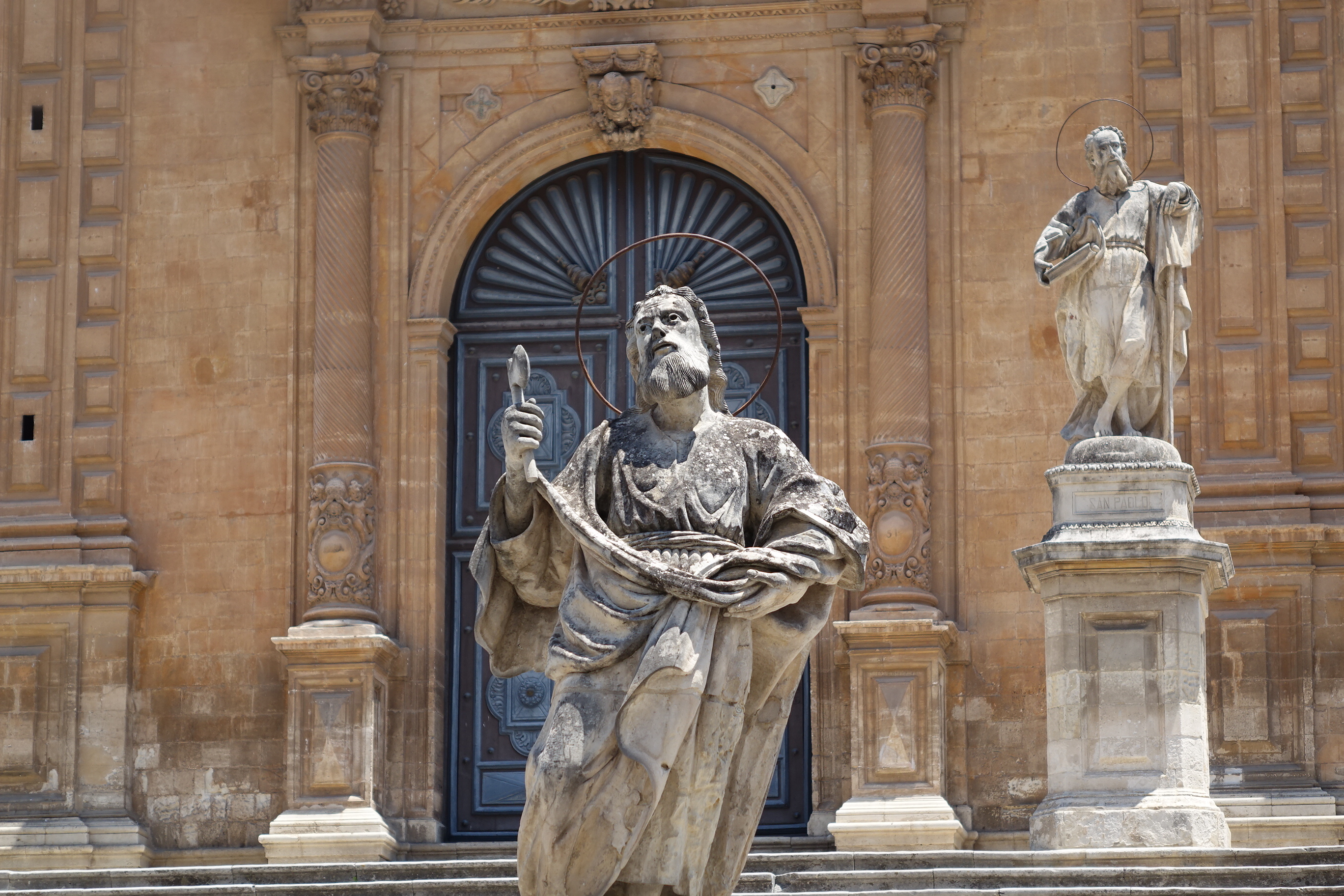
Modica, like Ragusa, is a town clustered around several steep hillsides before filling, in a dense mass of stone coloured houses and richly decorated public buildings, the lower town below. It is so tightly packed into and around the natural valley carved into steeply sloping hillsides that Modica is almost like shanty towns of South America, only much richer in its decoration. For amongst this swathe of little stone houses are two spectacular churches which just take the breath away. The first, the Chiesa di San Pietro, is framed by a series of fully lifelike, wonderfully detailed statues which line the grand staircase leading to its vast iron doors and another ridiculously over the top facade comprising an opulent broken pediment and rusticated pilasters. But if this church was to win the prize for its excesses of sculpture, the church of San Giorgio would carry away the award for theatre. For sat atop of sweeping soaring multi layered staircase, this masterpiece of the baroque is like the hotly anticipated starlet descending onto the stage from on high, a veritable wedding cake sitting abreast a multi-tiered display stand from which she demands the respect and astonishment of all who come before her.

DSC03546DSC03644DSC03535DSC03625DSC03601

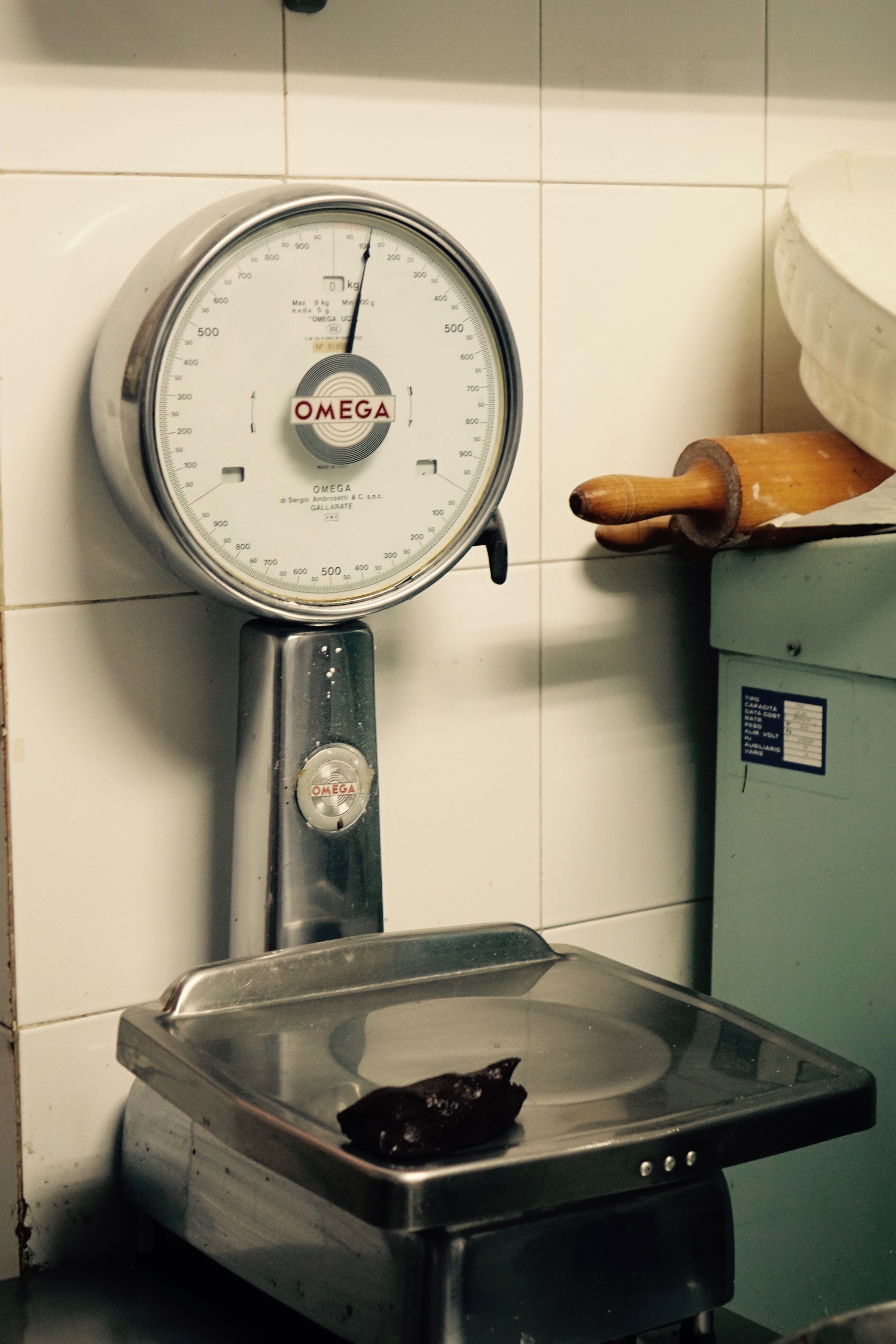
But Modica is not just a place which is inspiring for the eyes. The tastebuds will get a good tickle too. For Modica has another defining feature too: its chocolate which, usefully in this climate, never melts. Reticent to indulge too heavily (this was the end of the holiday after all, and the pasta carb-count was already at an all time high), we were nevertheless dragged into the chocolate dream that Modica presents so well by a very charming shop keeper from whom we had bought a parking voucher in his Pasticceria Frisby on the Via Vittorio Veneto (n.38). Generous to the full, he not only allowed us to taste the uniquely granular chocolate, but took us out to his kitchen and showed us how to make it too. Comprised essentially from bitter dark chocolate heavily sweetened with a coarse sugar which is not allowed to melt (hence the grainy texture) and various dried ingredients to make different flavour variations, the resulting chocolate paste is essentially banged into shape in a series of traditional moulds before being set in the refrigerator, traditionally wrapped and sold.

Learning the trade: Chocolate making in Pasticceria Frisby

DSC03672DSC03675DSC03676DSC03686DSC03688DSC03690DSC03692

In that chocolate shop, we had our share of banging the chocolate, of tasting the various stages (pure bitter chocolate not to be recommended) and generally enjoying the utmost hospitality of this wonderful shopkeeper and his wife. Of course we left their store with far too much chocolate at frankly stupidly cheap prices. But above all things we left with a warmth in our heart founded on the great kindliness shown by those two chocolatiers. We arrived to Sicily thinking it would be a hard land full of mafiosi and moody islanders. We left touched by the hospitality we had been shown, and determined to return to this island of plenty.

© Nicholas de Lacy-Brown and The Daily Norm, 2001-2017. Unauthorized use and/or duplication of the material, whether written work, photography or artwork, included within The Daily Norm without express and written permission from The Daily Norm’s author and/or owner is strictly prohibited. 

My Sicily Sketchbook: Cattedrale di Noto

It was the evenings in Noto that we enjoyed the most. Strolling down the Corso Vittorio Emanuele with the sun sinking straight ahead to the West lent an ephemeral golden light to the time of the passeggiata stroll, touching people’s heads with a radiant halo, and reflecting wonderfully across every shiny surface, each café table top, ice cream kiosk and resplendent baroque building.

From the first of these euphoric evenings onwards, we found ourselves a local haunt. The Chiosco della Cattedralle was a cafe sprawling out of an old fashioned gelato kiosk which benefitted from an unrivalled position in front of the sweeping staircase leading up to Noto’s Cathedral of Saint Nicholas. Appropriate, give the name, that I should feel so comfortable there, although my partner was likewise a fan – for there we could enjoy the best affogato al caffe in town, while the prosecco packed a mean punch too.

Cattedrale di Noto 2

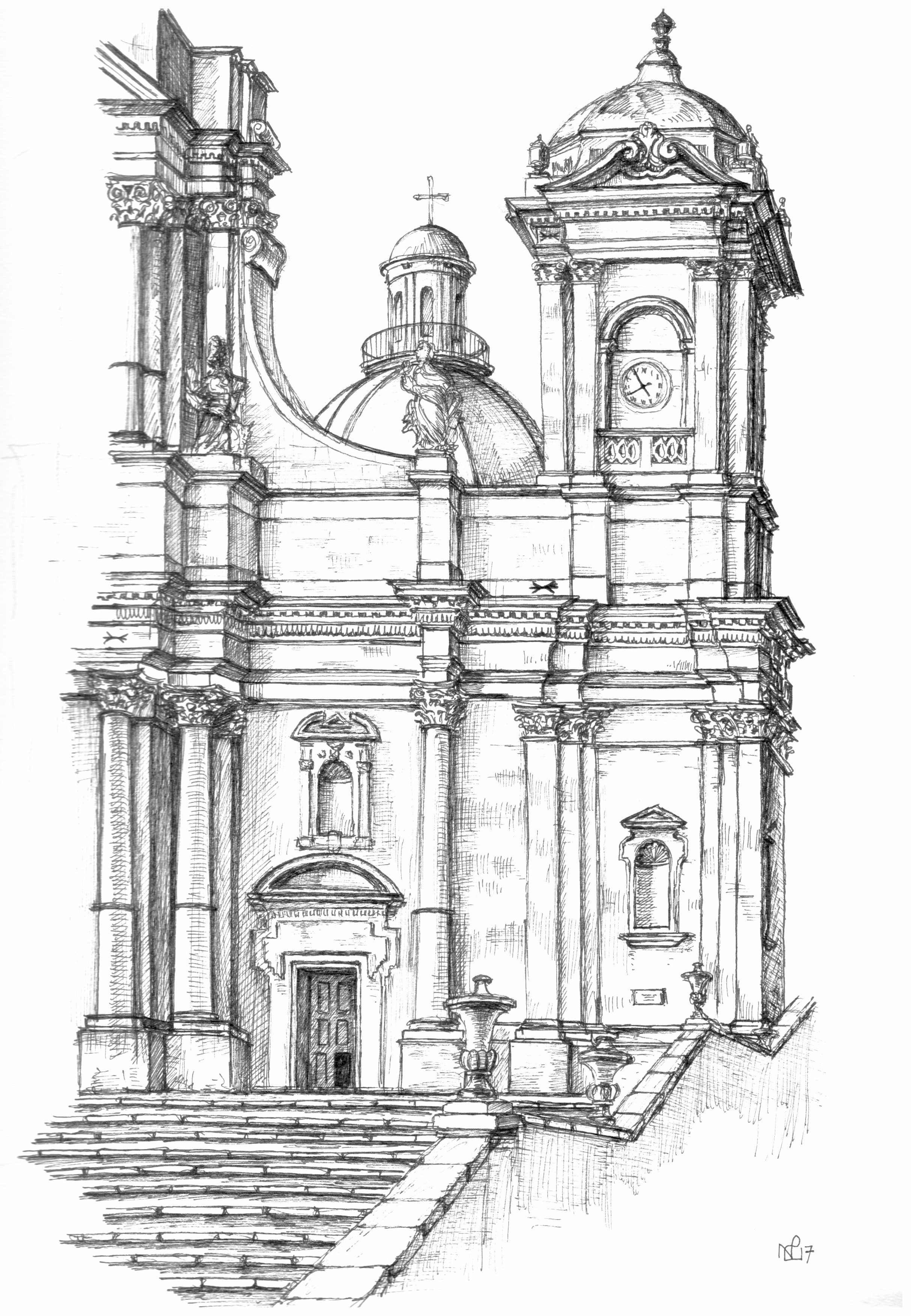
Cattedrale di Noto (Pen on paper, ©2017 Nicholas de Lacy-Brown)

So with affogato, prosecco, a book (for Dominik) and a sketchbook (for me) we would hang out each evening in front of our favourite cathedral view, and it was in those delirious moments of complete calm that I set about sketching the marvellous vista before us. Of course being baroque, the facade of Noto’s cathedral is pretty much as complex as they get, and there was no way I was going to attempt to capture it all. Contenting myself instead to a small portion of the mighty facade, I created this work, a sketch which remained mercifully free of drips of melted affogato, but which nevertheless retains for me the beautiful spirit of those golden summer evenings in one of the most beautiful towns in Italy.

IMG_1826

Sketching in Noto…
© Nicholas de Lacy-Brown and The Daily Norm, 2001-2017. Unauthorized use and/or duplication of the material, whether written work, photography or artwork, included within The Daily Norm without express and written permission from The Daily Norm’s author and/or owner is strictly prohibited. For more information on the artwork of Nicholas de Lacy-Brown, visit http://www.delacybrown.com 

The Sicily Series | Part VII – Rocky, Resplendent, Regal Ragusa

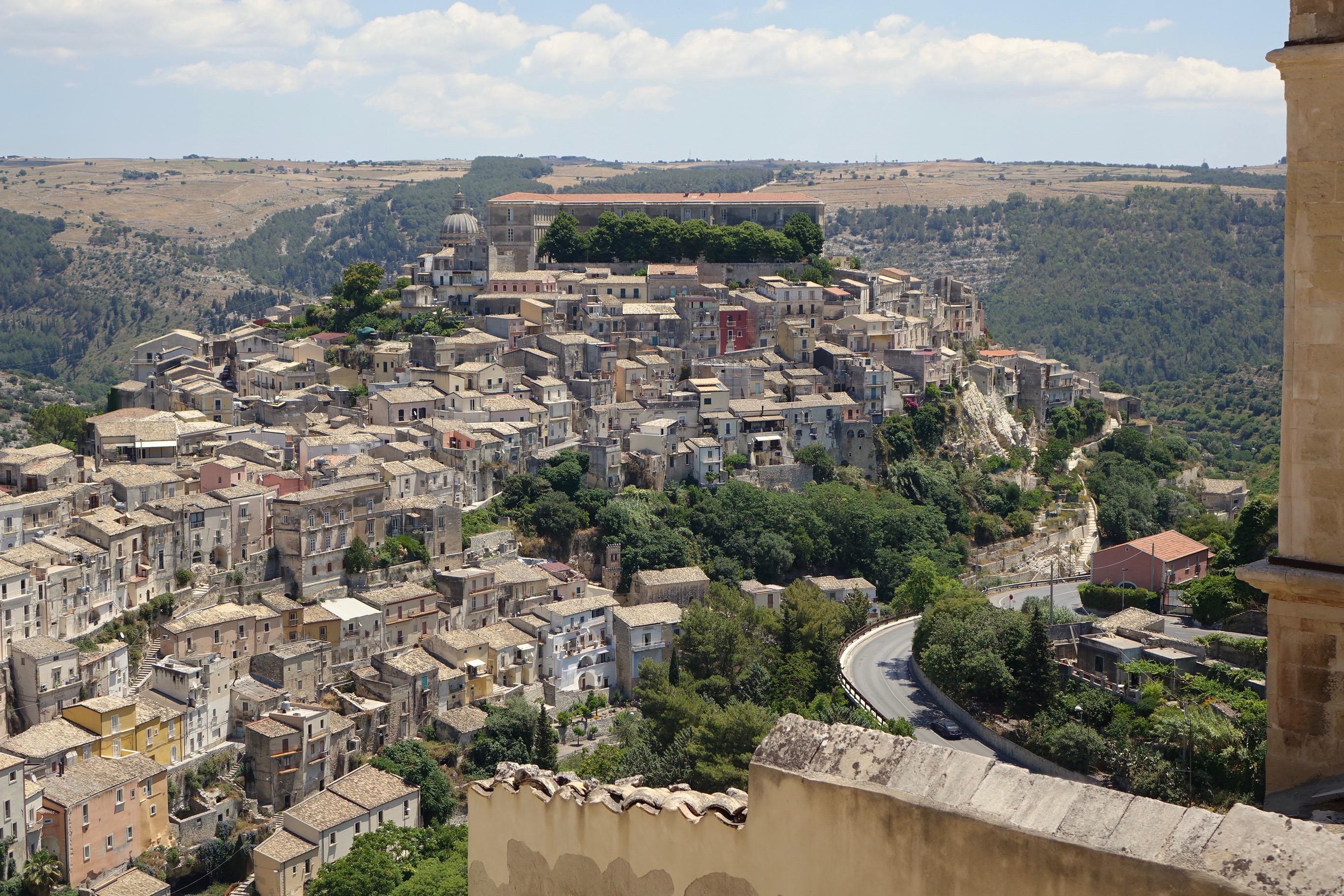
It was a fair old drive from Noto to Ragusa, although the fact that our satnav tried to turn us right into a mountain ravine did not help. But when we arrived we felt a little disappointed. Sure, it had a grand looking cathedral and some nice-ish streets but what was it worth the near-death experience on the journey? It was only when we sat down at a local cafe, coffee needs predominating, that I opened my Baedeker and realised that Ragusa is actually a town split geographically in two. And we were in the wrong bit. For the real star of Ragusa, and well worth the fuss, is Ragusa Ibla, its ancient town, built on a steep hilltop across the other side of a rocky mountain valley which splits the town in two.

Of course we were parked on the wrong side of the divide, but the walk at least offered us the best possible vistas of Ragusa Ibla: a cluster of houses and churches which appear to defy gravity in their precarious positioning upon the steep slopes of the hill, and which collectively takes the breath away for the sheer feat of this human intervention upon the Sicilian landscape.

DSC02971DSC02963DSC02945DSC02986DSC02968

There were many steps down to the crevice which carves Ragusa in two, and many slopes within the old town itself, but the climbing and panting and general opposition to the heat was both a necessity in this car-defying town, and a very useful mode of calorie consumption. It came, after all, just before our arrival in the Piazza del Duomo, where lunch next to a deliciously somniferous trickling fountain provided me with the star dish of the holiday as far as I was concerned: spaghetti with local Bronte pistachios, hard pecorino cheese and gamberetti. Washed down with a little local Etna wine and heaven descended, and that was before the typical ricotta desert of cannoli deconstructed into a mass of creaminess and crumbling texture.

DSC02989DSC03046DSC02970DSC03013DSC03095

Stamina recovered, we were able to discover the quaint nature of this beautiful town, another with its fair share of fairytale like Baroque brilliance but on a somewhat more compact scale. Walking the narrow streets provided an inescapable exposure to wafts of garlic and pistachio, and to the perfume of herbs drooping from pots crammed onto wrought iron balconies. Some streets were so narrow as trigger maze-like disorientation. Others gave way onto stunning vistas, such as the great glass dome of the Cathedral of San Giorgio which rises above the old town, or the views across the arid mountainous landscape.

But for all those views, and the indelible beauty of Ragusa Ibla, gosh how we bemoaned its location as we made the hike up hundreds of steps, in full 30-something degrees of heat, back to our car parked in the other half of the city. But as we all know, it’s the inaccessible places that are often the greatest gems, and that was certainly the case with the treasure of Resplendent Ragusa.

© Nicholas de Lacy-Brown and The Daily Norm, 2001-2017. Unauthorized use and/or duplication of the material, whether written work, photography or artwork, included within The Daily Norm without express and written permission from The Daily Norm’s author and/or owner is strictly prohibited. 


The Sicily Series | Part V – The views that put Taormina on the map

Despite the chic which characterises the burgeoning boutique-lined streets and bustling café-filled piazzas of Sicily’s Taormina, the attraction which really put the town on the map was in situ long before the fashionistas took up residence. For the picture-postcard undisputed highlight of Taormina is its ancient Greek Theatre, a stone semi-circular auditorium which benefits from a stunning altitude which gives its stage the most enviable of backdrops of the sea, the coast and the magnificent silhouette of Mount Etna beyond.

Taormina’s Ancient Theatre

DSC02677DSC02664DSC02667DSC02676DSC02652DSC02675DSC02648DSC02679DSC02644

Imagine the scene: a balmy summer’s night, a bustling old theatre, a chorus of masked greek players performing Antigone or Media, and beyond, the silhouette of Etna, cloud slowly smoking from its crater like a wise old onlooker smoking a pipe in the distance. Yes your bottom might be a little sore from the stone seats, but imagine the view, and the naturally occurring brilliant acoustics which somehow manage to transport the voice of the actors on the stage to the very highest seat, despite there being no speakers nor modern day technological intervention. Sadly our trip to Taormina’s theatre did not coincide with one of the festivals when this magnificent theatre is put back to use, but that did nothing to dispel the magic of the place which was omnipotent across its ancient structure.

But the ancient theatre is not the only place from which Taormina’s trademark views can be enjoyed. From the Municipal Gardens, crafted as they were by Florence Trevelyan along another ridge of high hillside, the views of Etna and the coast are uninterrupted, and delightfully framed by the bounty of cypress trees and pines, flowers and topiary which fills the happily verdant gardens.

The Municipal Gardens

DSC02407DSC02396DSC02371DSC02381DSC02387DSC02377DSC02401DSC02395DSC02369DSC02354DSC02385DSC02336

Taormina’s location is undoubtedly the reason for its historical roots and its current popularity, and views are by far the town’s most ravishing feature. But ultimately it’s the happy combination of history, views, boutique shopping and café-culture-comfort which makes the town such a pleasure to visit. After all, what better way is there to contemplate a view than with an aperol spritz in one hand, and a few bags of shopping in the other?

© Nicholas de Lacy-Brown and The Daily Norm, 2001-2017. Unauthorized use and/or duplication of the material, whether written work, photography or artwork, included within The Daily Norm without express and written permission from The Daily Norm’s author and/or owner is strictly prohibited. 

Revealing my Festive Wonderland

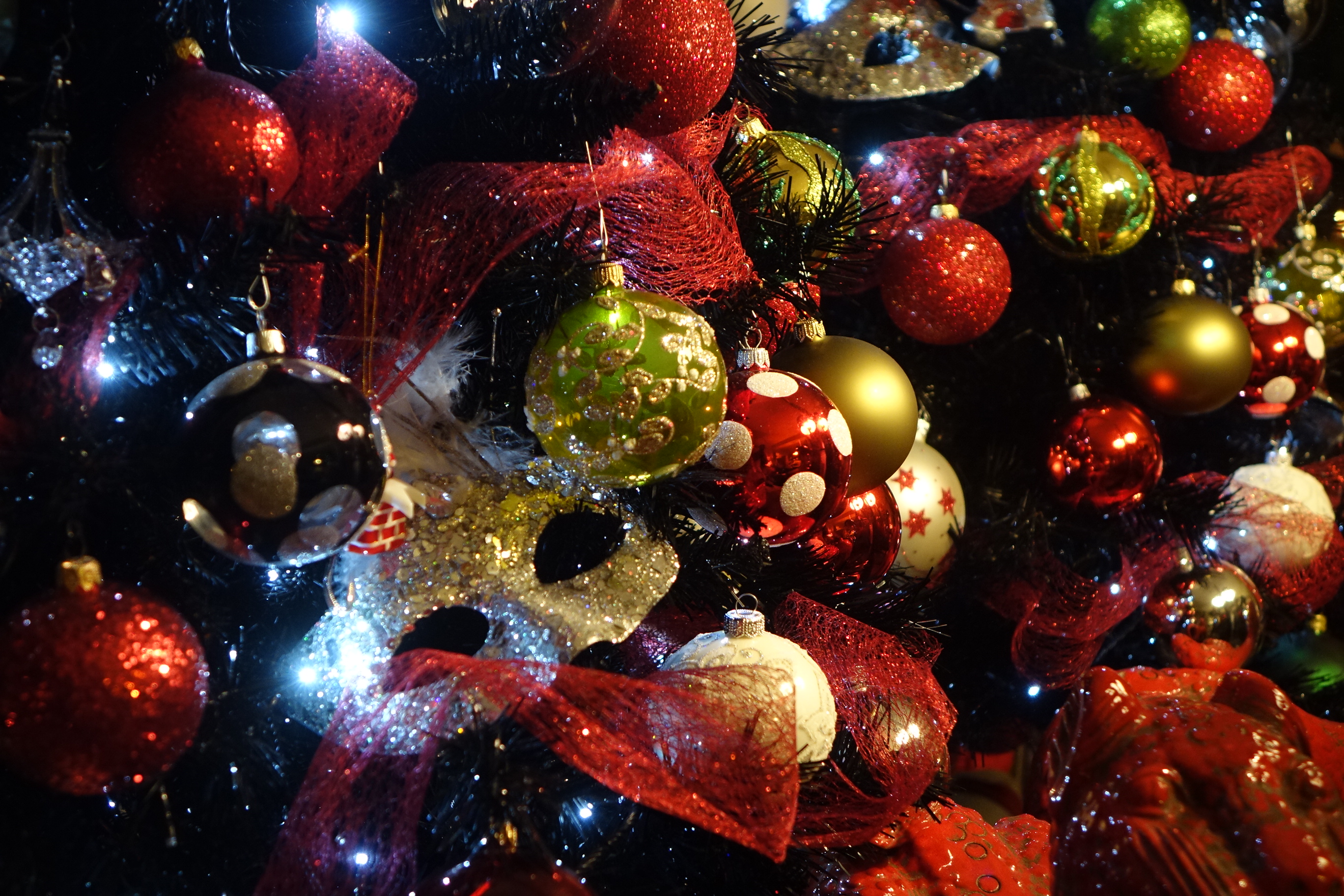
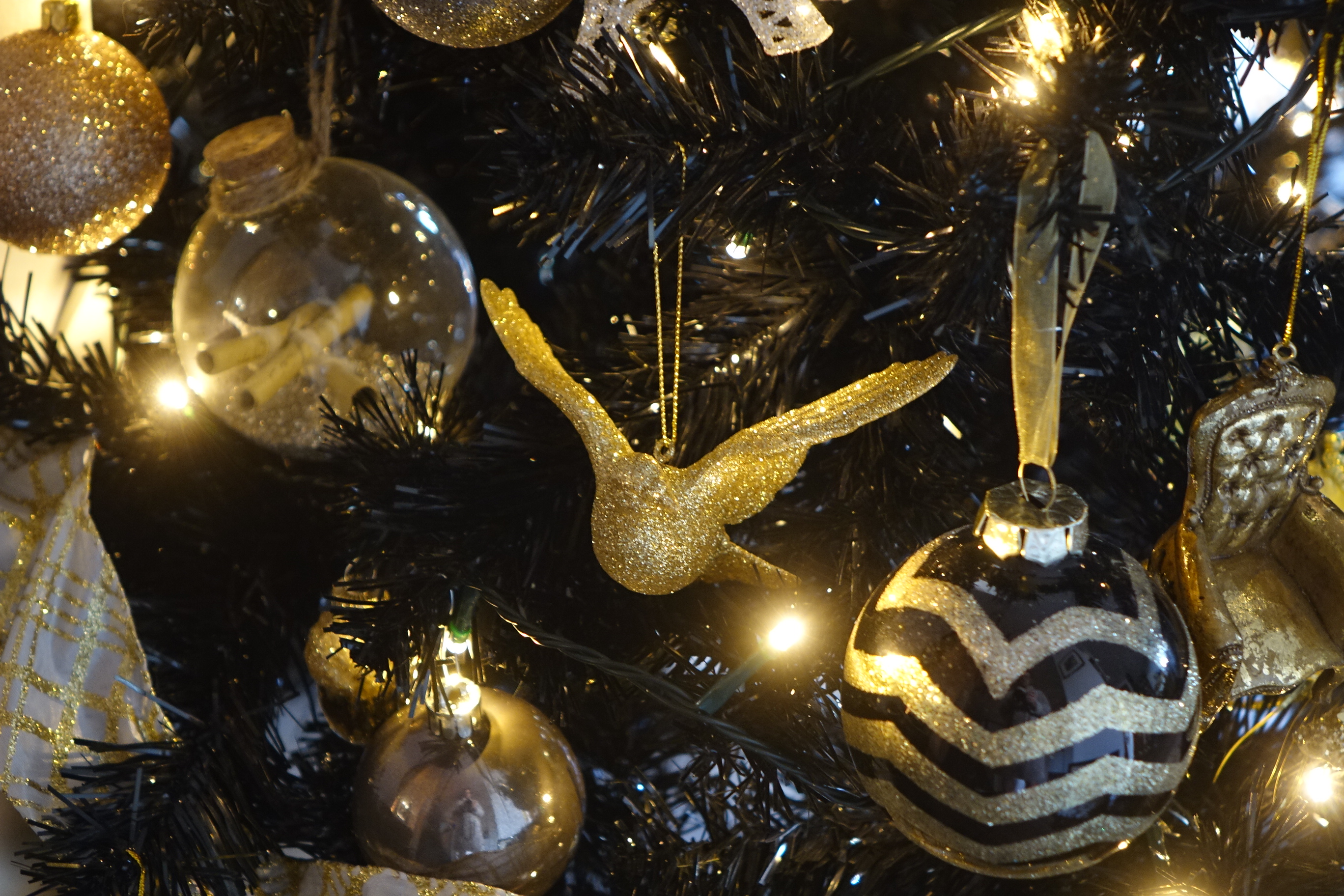
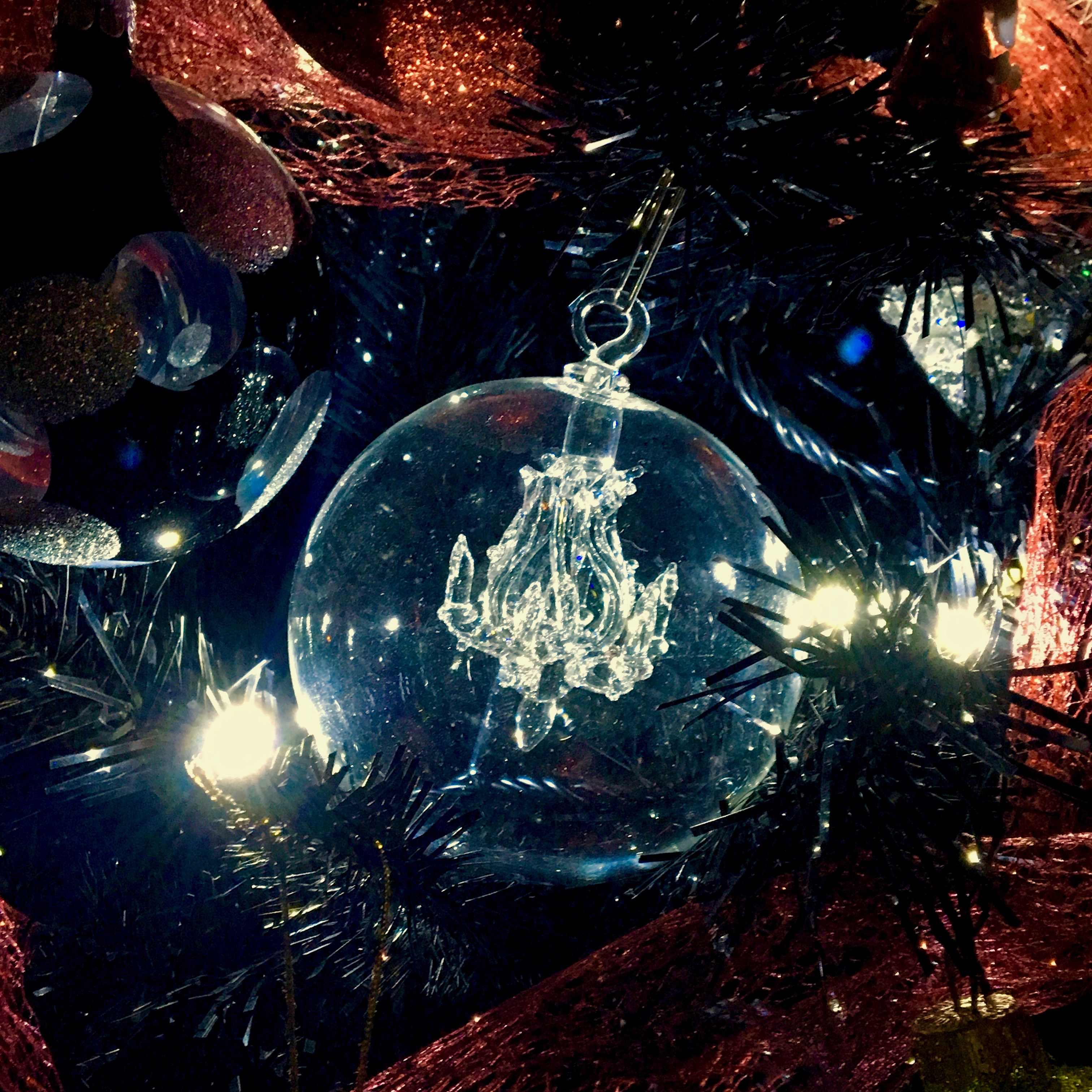
A few weeks ago, the three photos I posted signified the official arrival of Christmas in my home, even though back then it was still November. Now, some 30 Christmas trees later (most of which were for work I should add), time has galloped onwards and as only ten days remain until the full celebration of Christmas truly begins, there can be no doubt that we have well and truly arrived at the festive season. What better time then to share with you the very Festive Wonderland which is this year’s Christmas manifestation of my home.

Christmas decoration is very much part of my annual creative calendar. I relish the opportunity to transform my home with seasonal touches which have the power to add insuperable cosiness and magic in every corner. Thus, over the years, I have amassed quite a collection of baubles and trees which, while changing slightly throughout the years, retains the same core of cherished pieces, each involuntarily launching their own sentimental tale of memories past. However, the rather open-plan layout of my apartment in Mallorca means that my various trees, which in London would have each graced separate rooms, are here seen together in more of a unified space. The effect is quite magical, as tree is reflected in tree, and different coloured light sparkles across the entire living space.

dsc06547dsc06672dsc06667dsc06704dsc06629dsc06717dsc06600dsc06621dsc06685img_6451

So here I present a miscellaneously mixed magical gallery of decorating touches, featuring bauble details, whole tree portraits, and my favourite photos of all – those blurred out of focus light landscapes which in themselves seem to carry the festive magic which is the effect given by such a mixed scheme of light and glitter.

Merry Christmas everyone!

© Nicholas de Lacy-Brown and The Daily Norm, 2001-2016. Unauthorized use and/or duplication of the material, whether written work, photography or artwork, included within The Daily Norm without express and written permission from The Daily Norm’s author and/or owner is strictly prohibited.

From Illyria to Italy, Part 5: The Colours of Rome

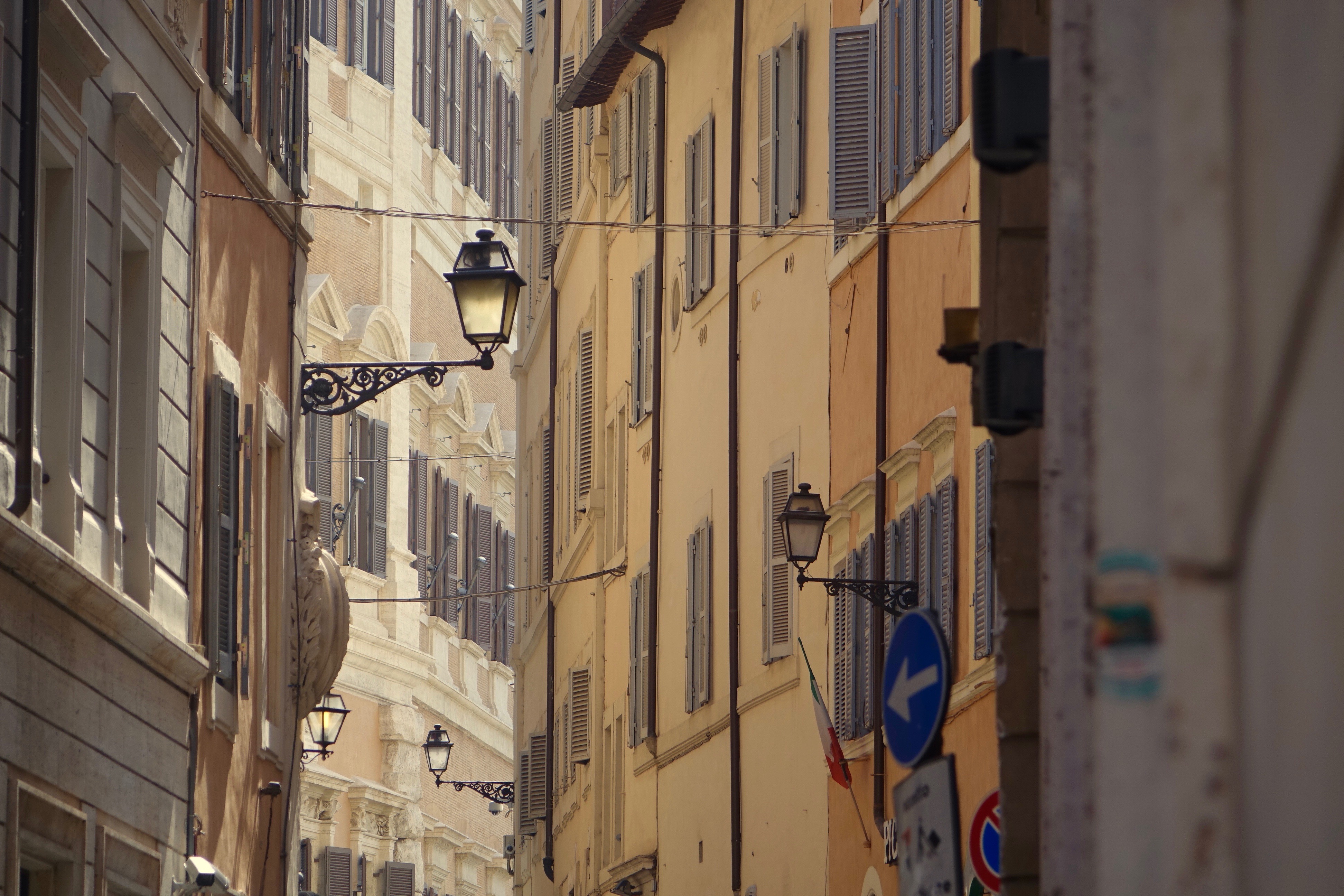
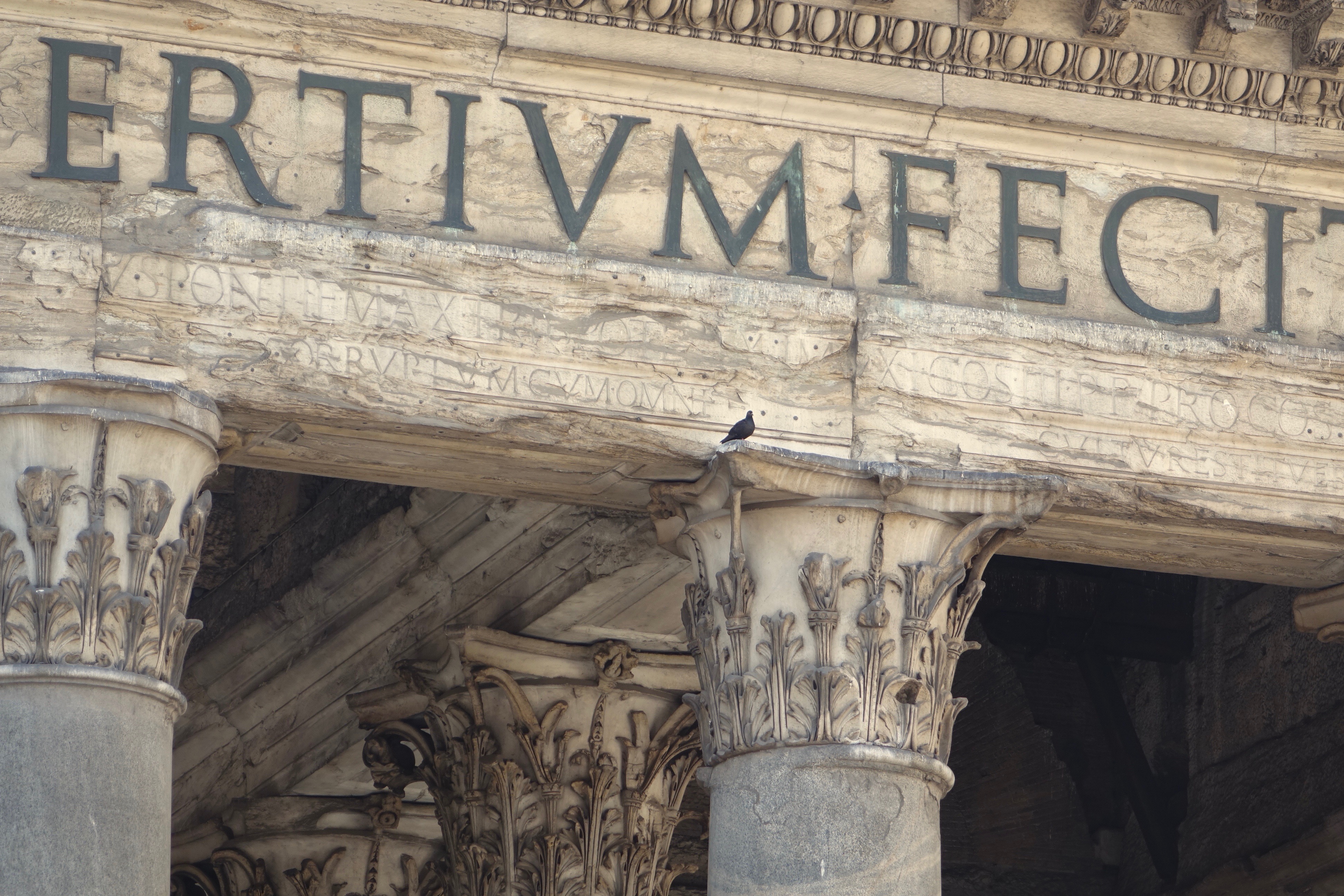
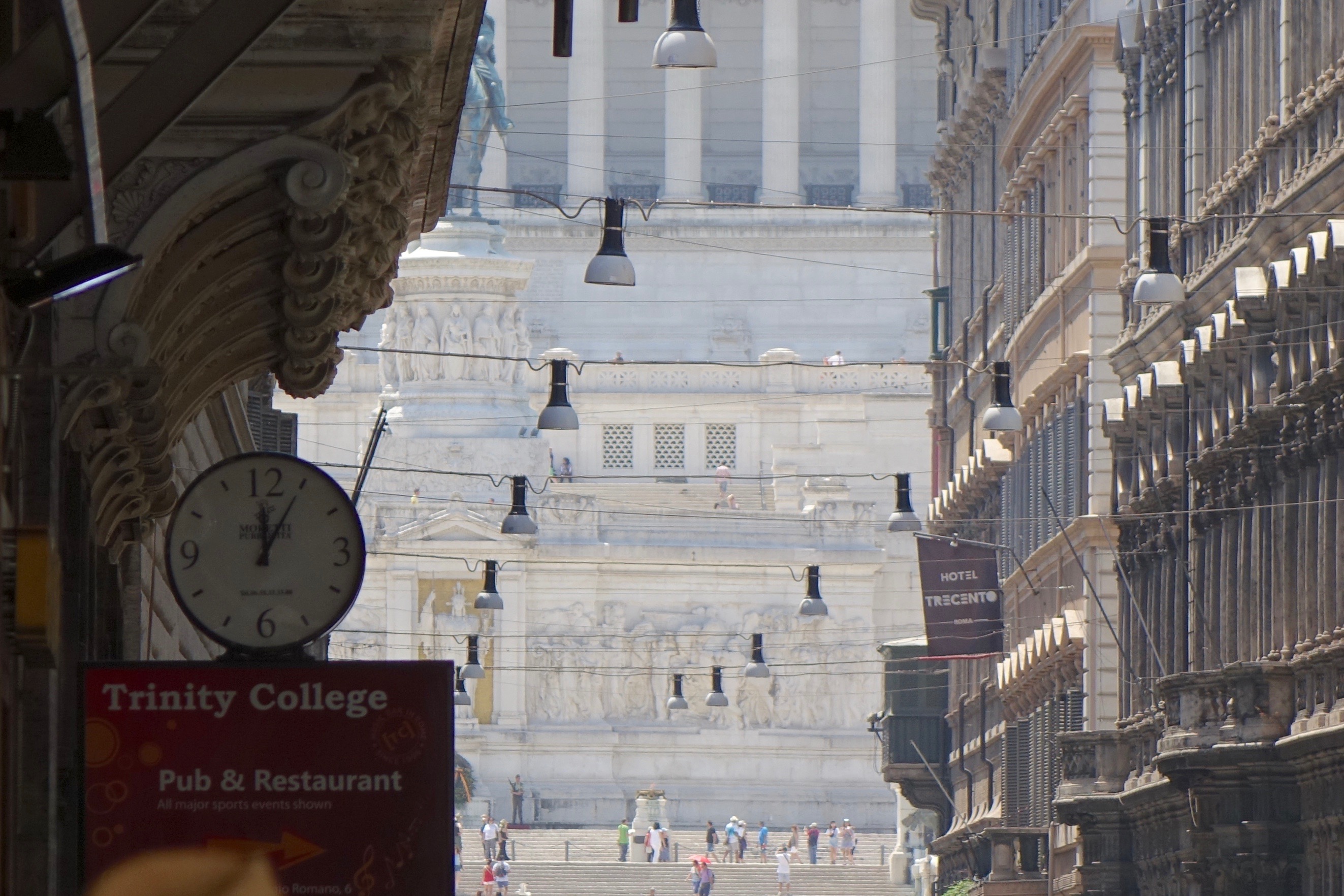
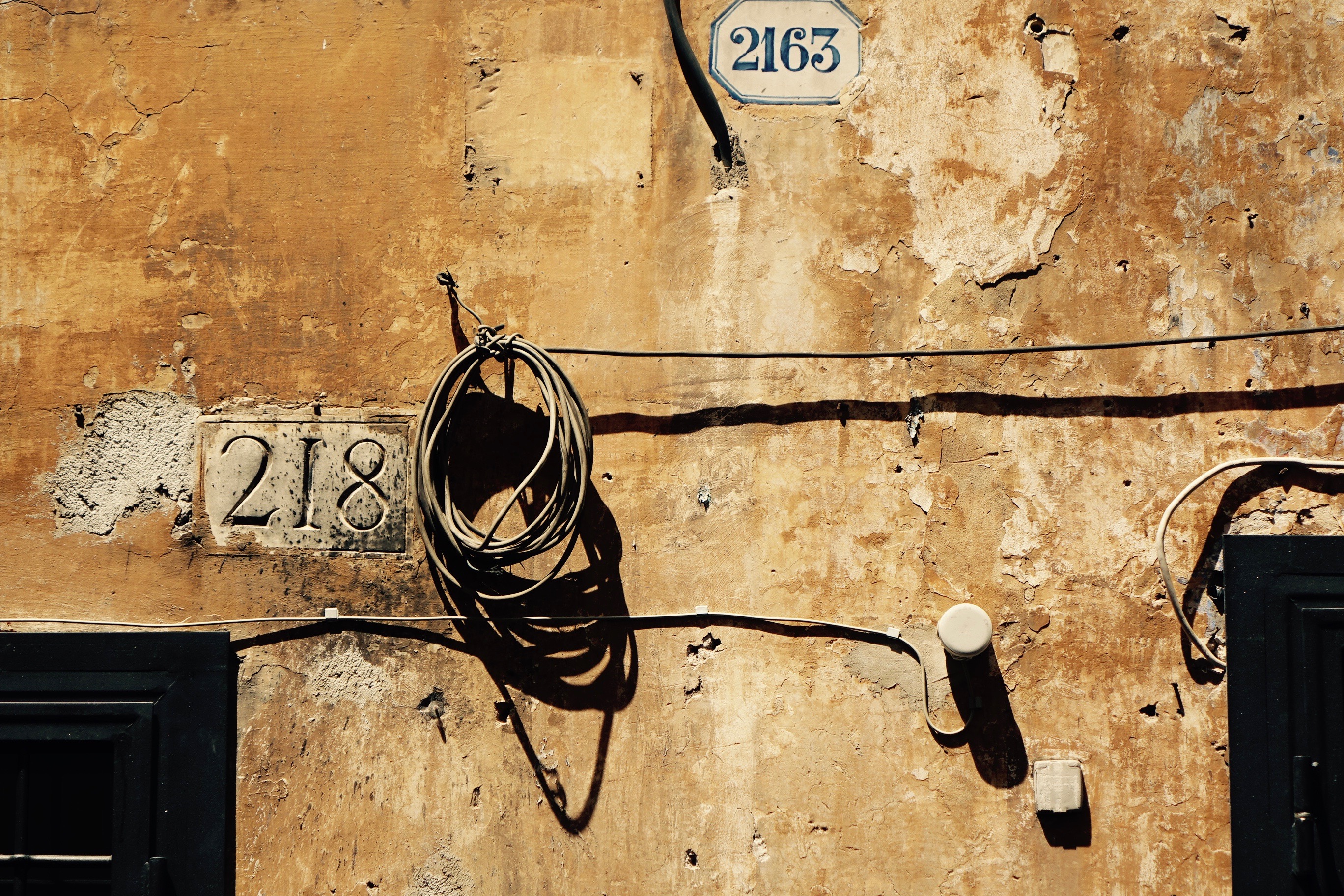
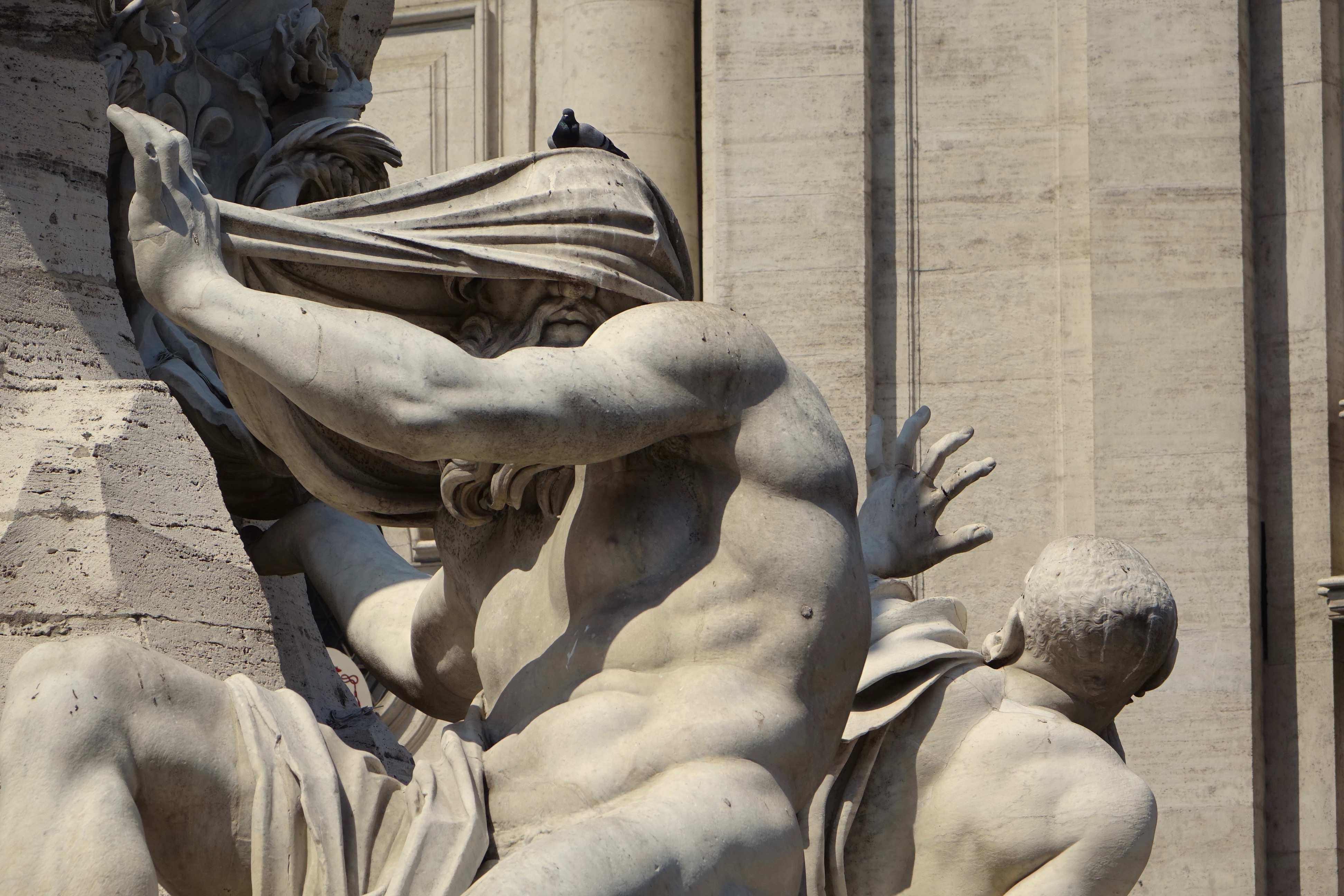
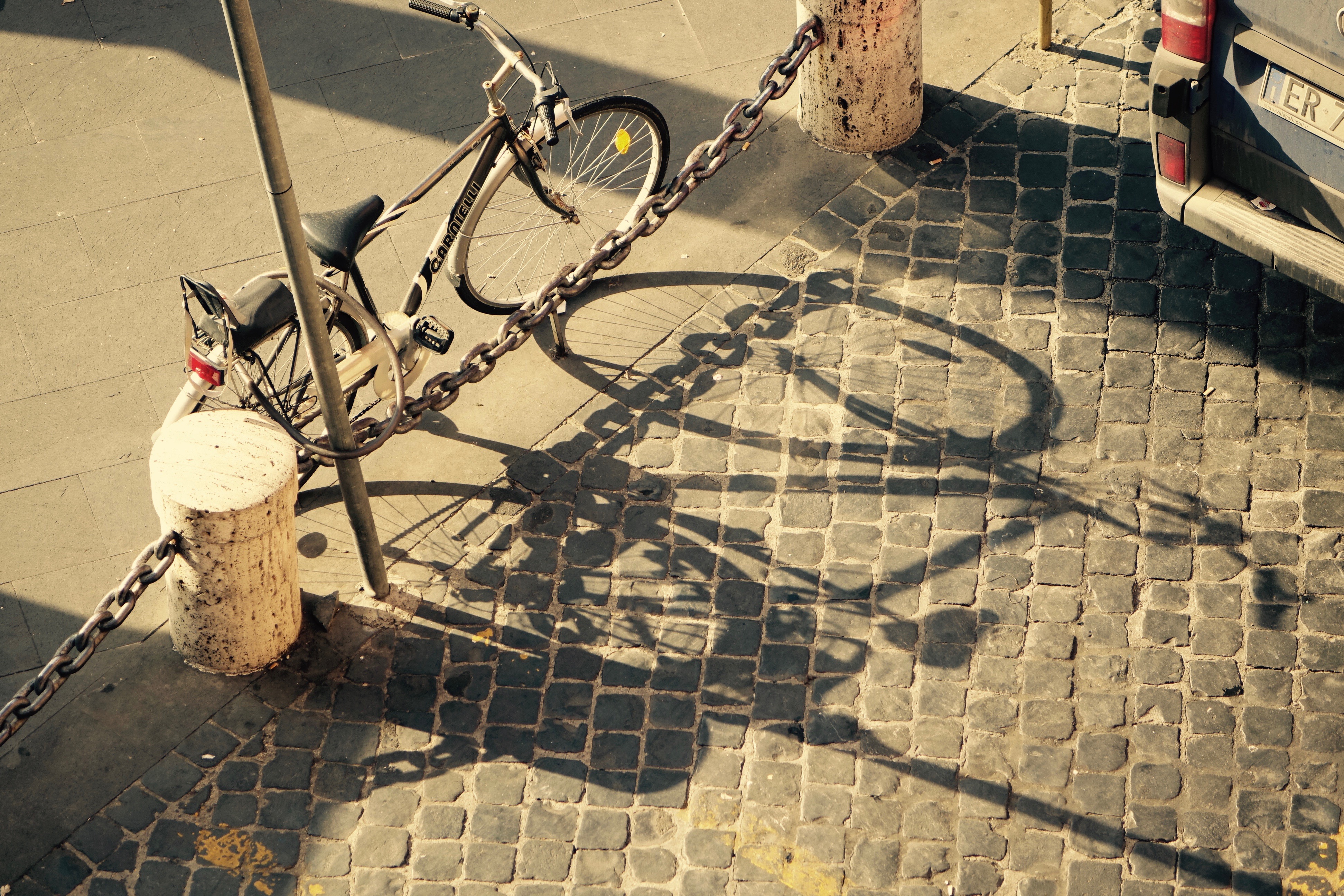
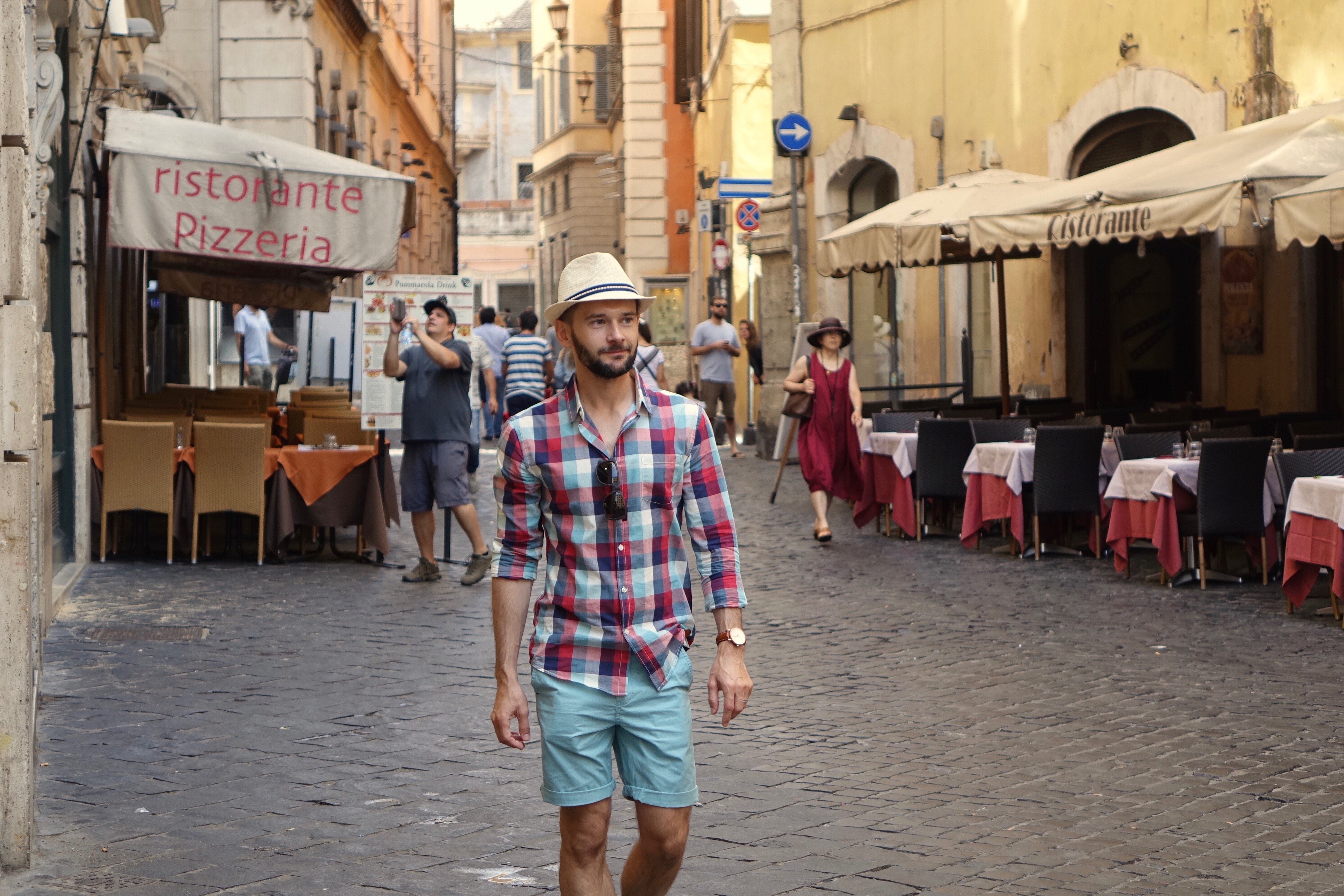
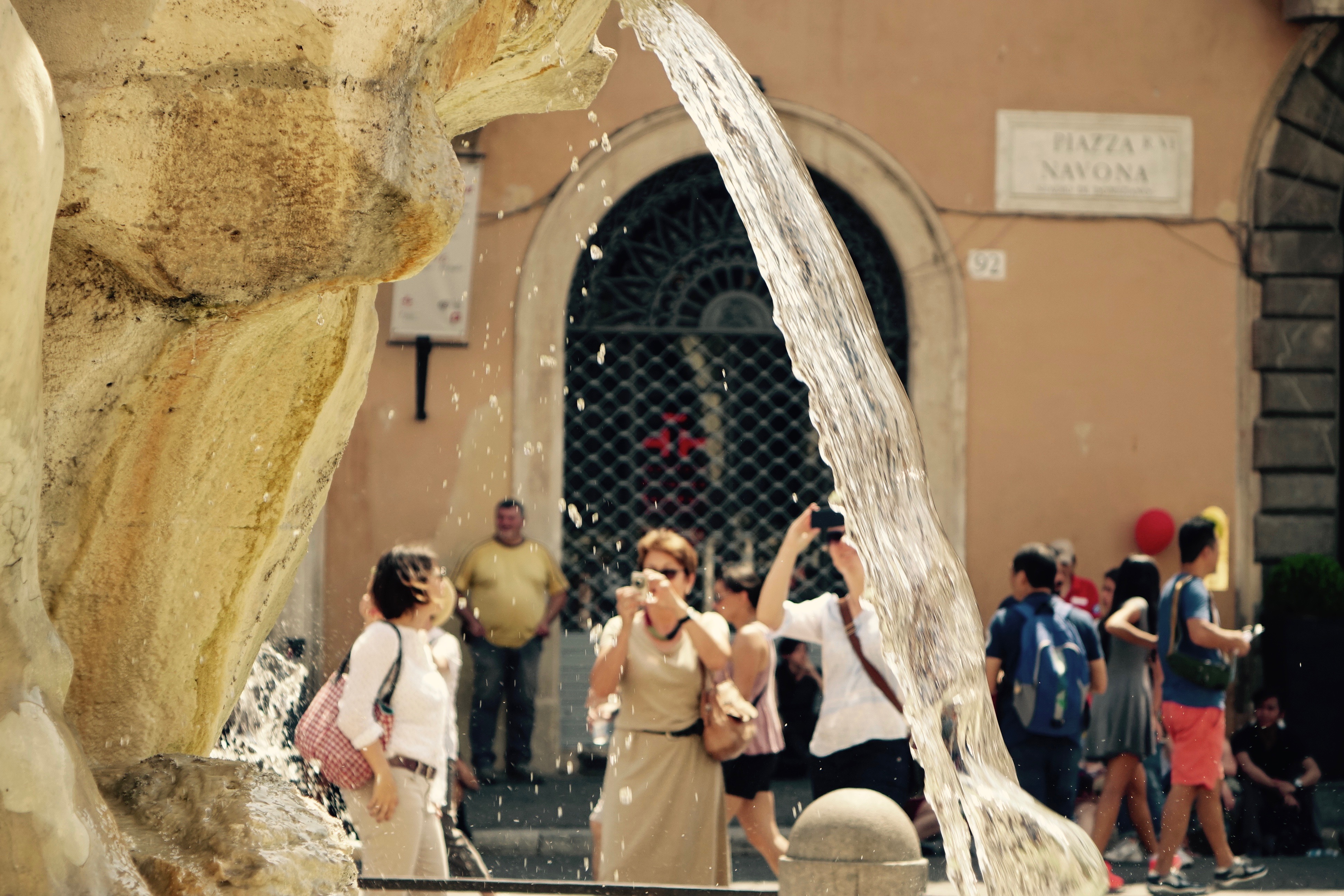
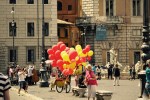
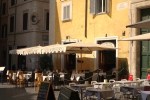
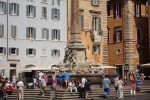
Campo dè Fiori, Piazza della Rotonda, the Via del Corso and the Lungotevere. The names of Rome’s russet coloured streets resonate with the same romantic euphony which make the city unique. Uniquely ancient, with the potency of history bleeding from every crack and cobble; uniquely passionate, its tempers flared by the heat and its vivacity for living played out in its food, its art, and in its attitude. Roma. Even the name’s mellifluous voyage across the tongue recalls a thousand stories of Emperors and Popes, Michelangelo and Bernini, pomp and glory, ascent and fall.

DSC03323DSC03285DSC03299DSC03360DSC03336

Rome has an energy which infects and conquers. It’s tiring for sure, manic in places, rammed full of tourists and trying to cross its roads is frankly a deathly pursuit. But who cannot be seduced by the smell of freshly ground coffee wafting through the streets; by the fashionista ragazzi slowly wafting through the strada of Spagna with their newest accessories on show; by the slowly melting gelati, the magnificent marble fountains and the restaurants spilling out onto Piazzas with their red Vichy tablecloths and mountains of spaghetti.

DSC03381DSC03645DSC03648DSC03692DSC03416DSC03795DSC03305

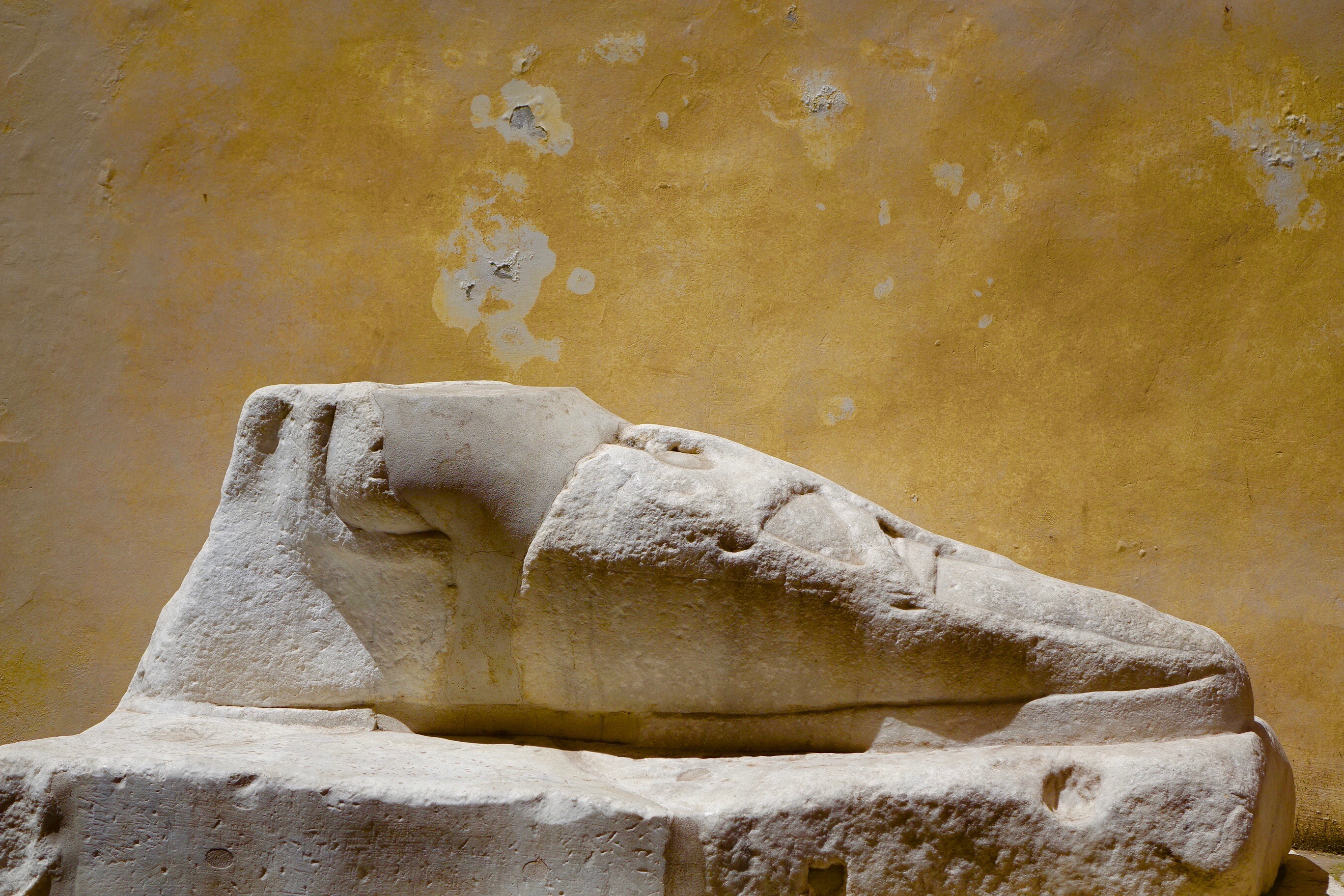
But perhaps above all things, Rome is a city of art. On every corner, at the centre of every square, and in even the smallest of chapels, there sits a masterpiece whose magnitude marks out an entire chapter in the pages of art history. Rome is for art what Manhattan is for skyscrapers. A living museum with an astonishing collection at every turn.

DSC03339DSC03428DSC03723DSC03825DSC03616

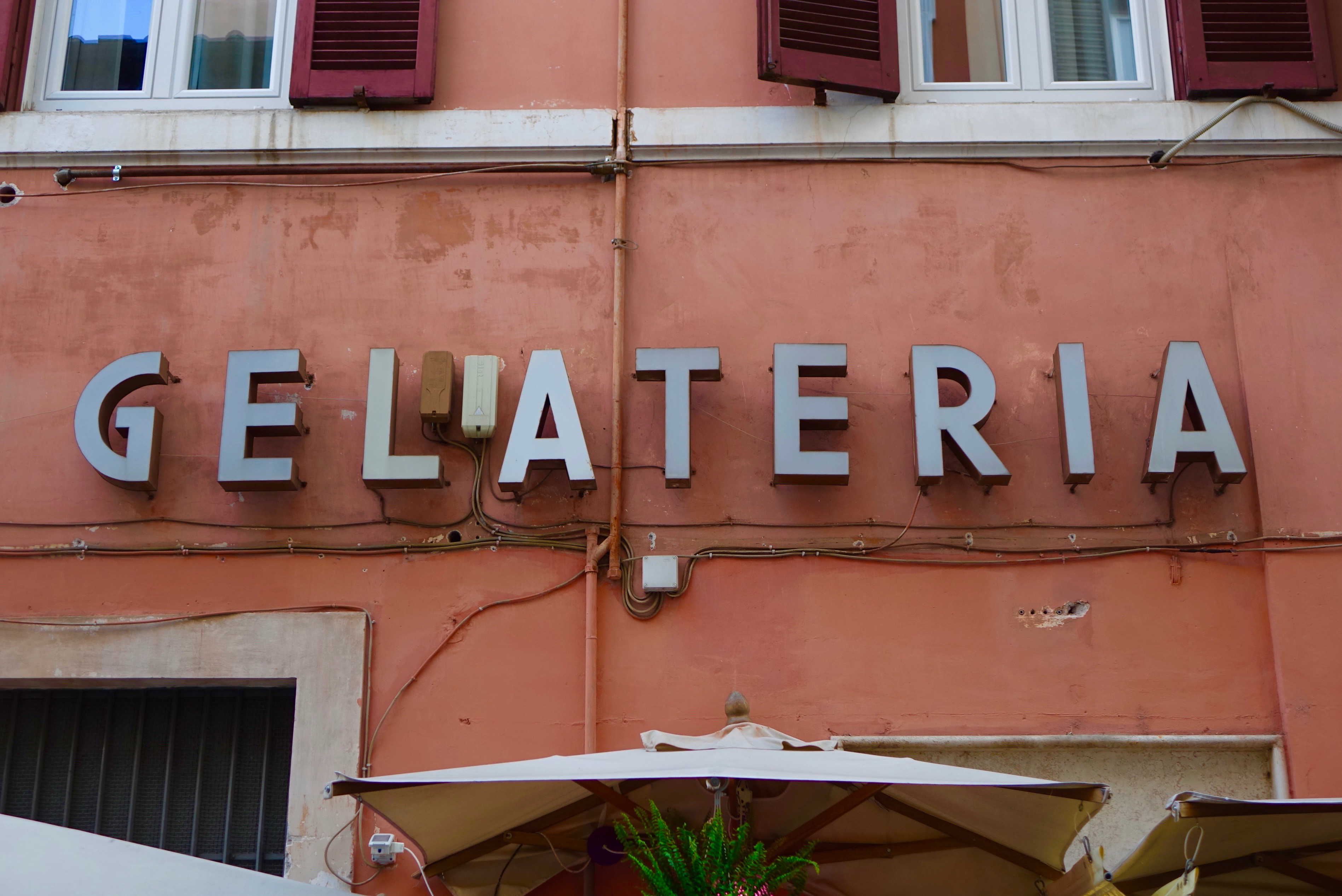
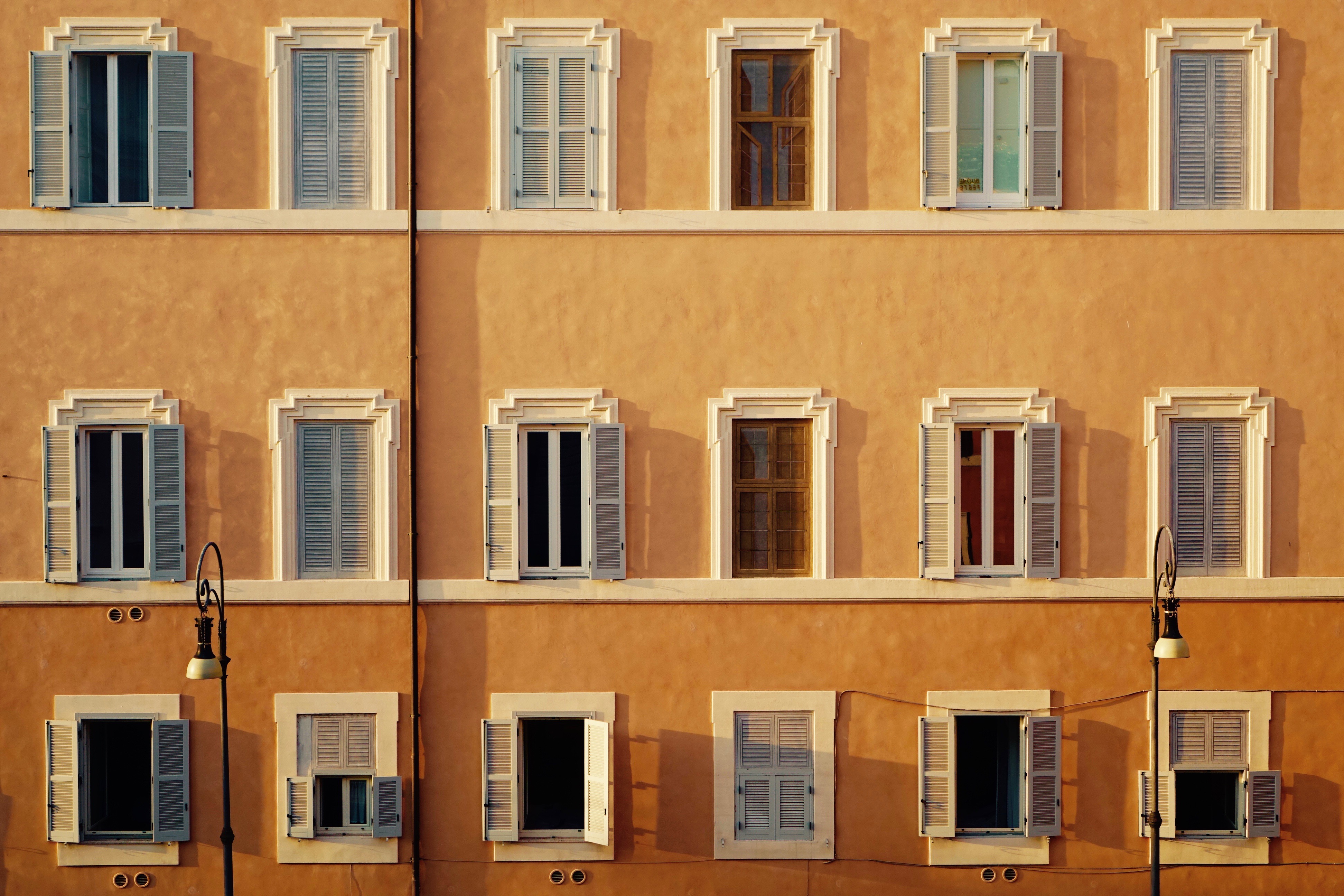
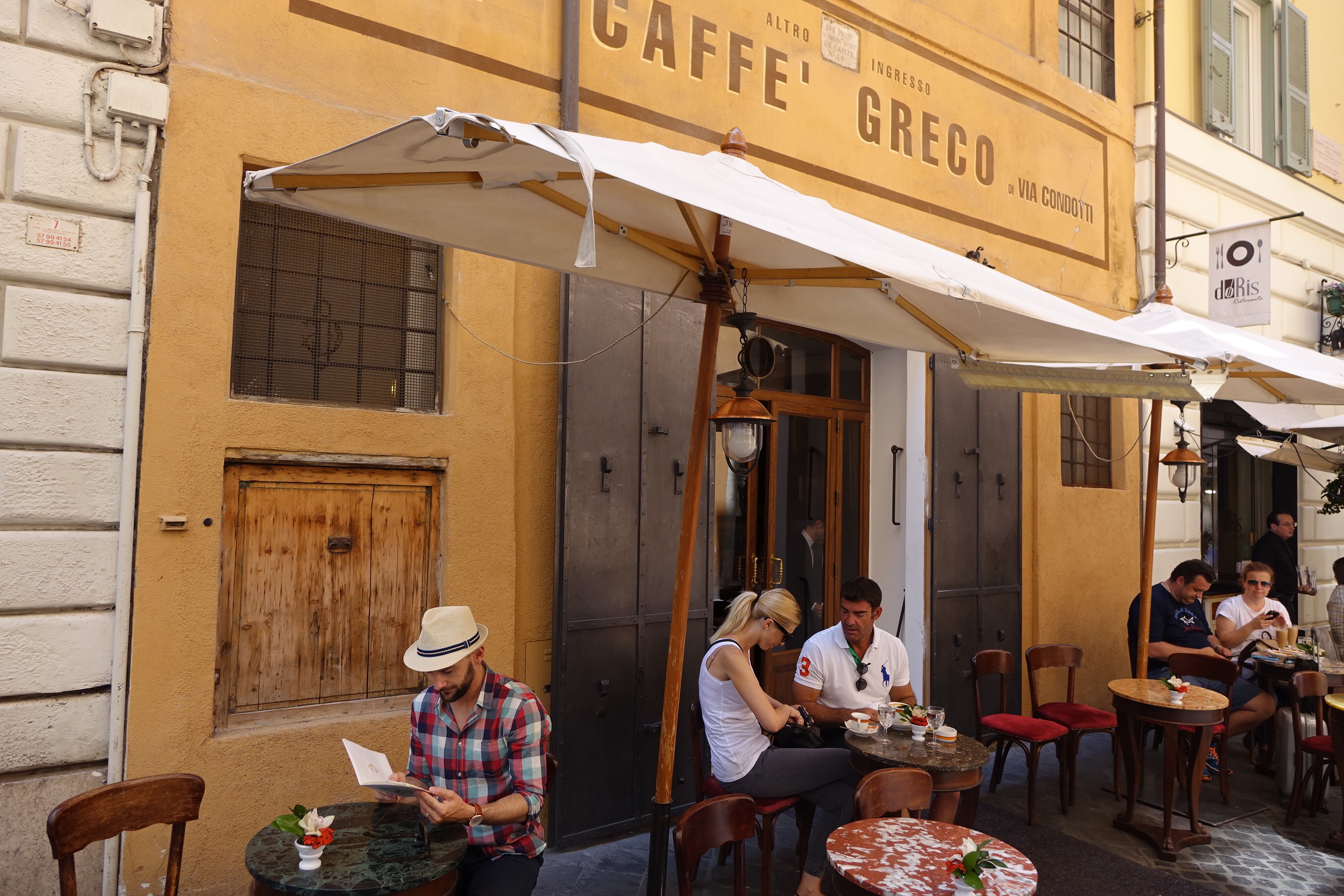
So when we eventually made it from Croatia to Italy, from Split to Rome, we drunk in the infectious atmosphere of Rome like someone devoid of water after a week in the desert. We went to galleries, we went to cafes, we even endured the coach-party crush of the Vatican Museum. But our favourite pursuit was simply to be in Rome. To wander the streets and let the city wash over us, tantalising each of the senses in turn. Smell: a rich creamy coffee propped up at the bar of the Tazza d’Oro or outside the illustrious Caffe Greco. Taste: dinner by candlelight on the Via Condotti. And for our eyes, the simple feast of colour which adorns every street and building. It is this palette of colour, the terracottas and ochres, deep sanguine red and golden custard, which is the focus of this post. A collection of photos which need say nothing more than narrate the story of a city whose heart is worn so explicitly on its multi-coloured sleeve.

All photos and written content are strictly the copyright of Nicholas de Lacy-Brown © 2016 and The Daily Norm. All rights are reserved. Unauthorized use and/or duplication of the material, whether written work, photography or artwork, included within The Daily Norm without express and written permission from The Daily Norm’s author and/or owner is strictly prohibited. 

Discovering Mallorca: The walled wonder of Alcúdia

The Mallorca winter has been pretty comfortable so far. With barely three days of rain, temperatures in the teens, and sunshine pretty much every day, few can complain about the 2016 winter, although residents everywhere are looking a little worried about the sheer lack of rain, especially if this coming summer is as dry and hot as the last. Nonetheless, winter is winter when all is said and done, and even when we stroll out into a crisp sunny day, I still reminisce about the days of the summer and early autumn, when our coats remained out of sight, and trousers too had an only infrequent airing.

In the midst of these remembrances, one such special sunny day (some time at the beginning of October when my mother was in town) came to mind, and I realised that until now, it had gone unreported on The Daily Norm, such was the shockingly busy month which followed with a house move followed by a manic season of multiple Christmas decorations. Driving to the North of the island, the day afforded us yet another new discovery on this island of plenty, as we headed to the town and municipality of Alcúdia.

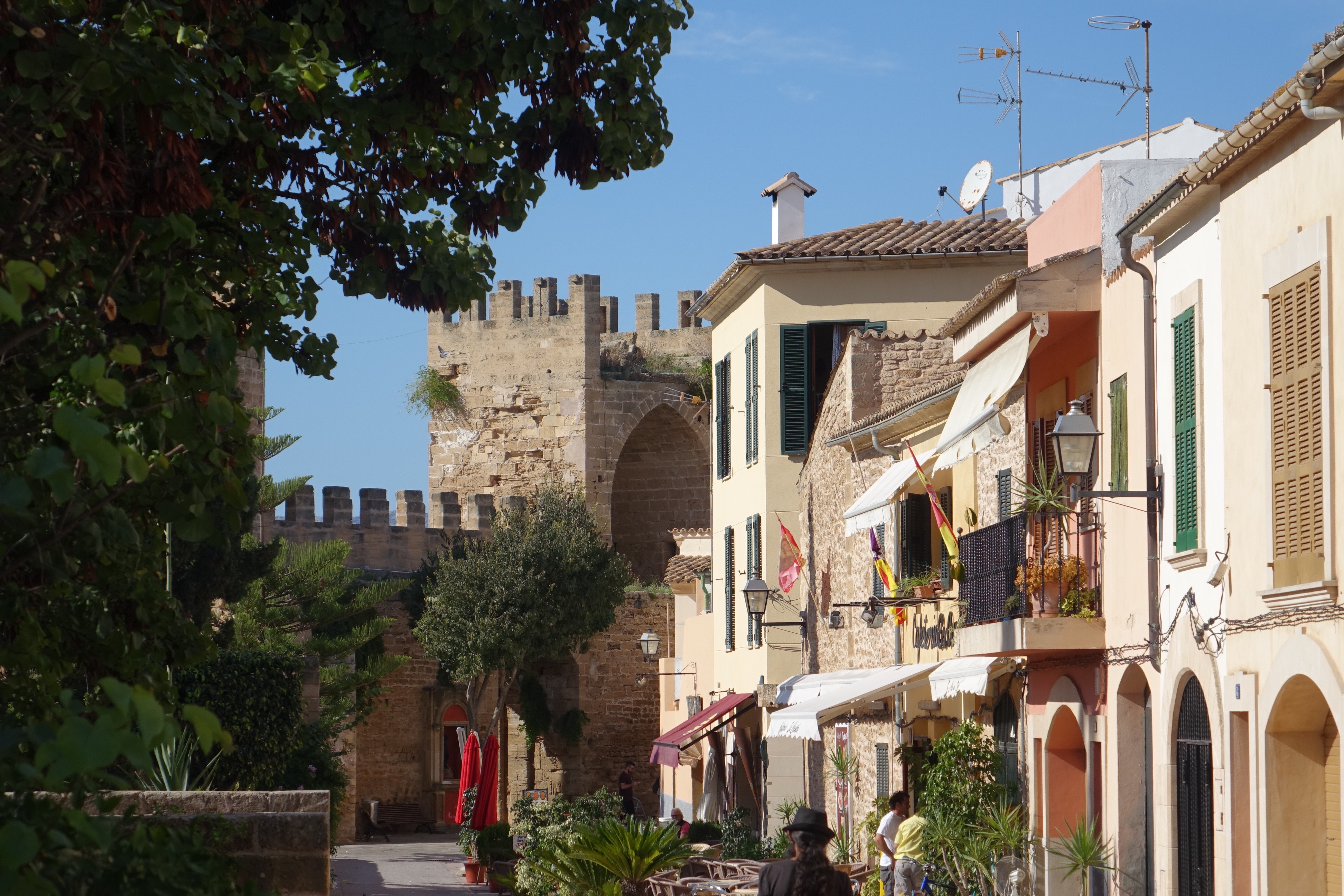
The old town of Alcúdia 

DSC02281DSC02299DSC02254DSC02286DSC02289DSC02261DSC02243DSC02240DSC02294DSC02230

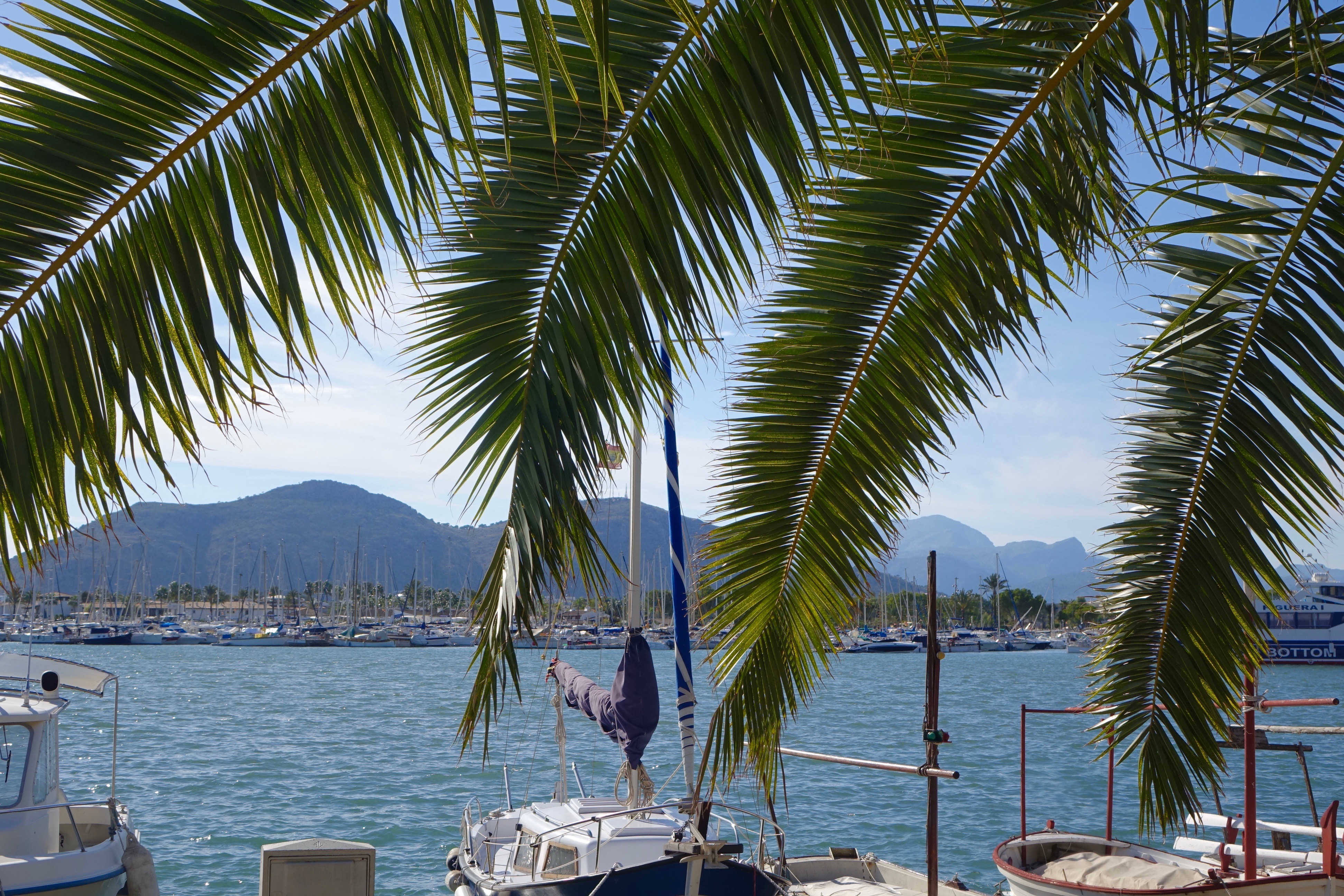
As with much of the island, Alcúdia has become synonymous with its long stretch of shallow sandy beaches, which predictably attracted an influx of tourism and the accompanying construction of endless 1970s hotels, a sight which, while improved by the sparkle of the cerulean Mediterranean sea, is not the most aesthetically pleasing.

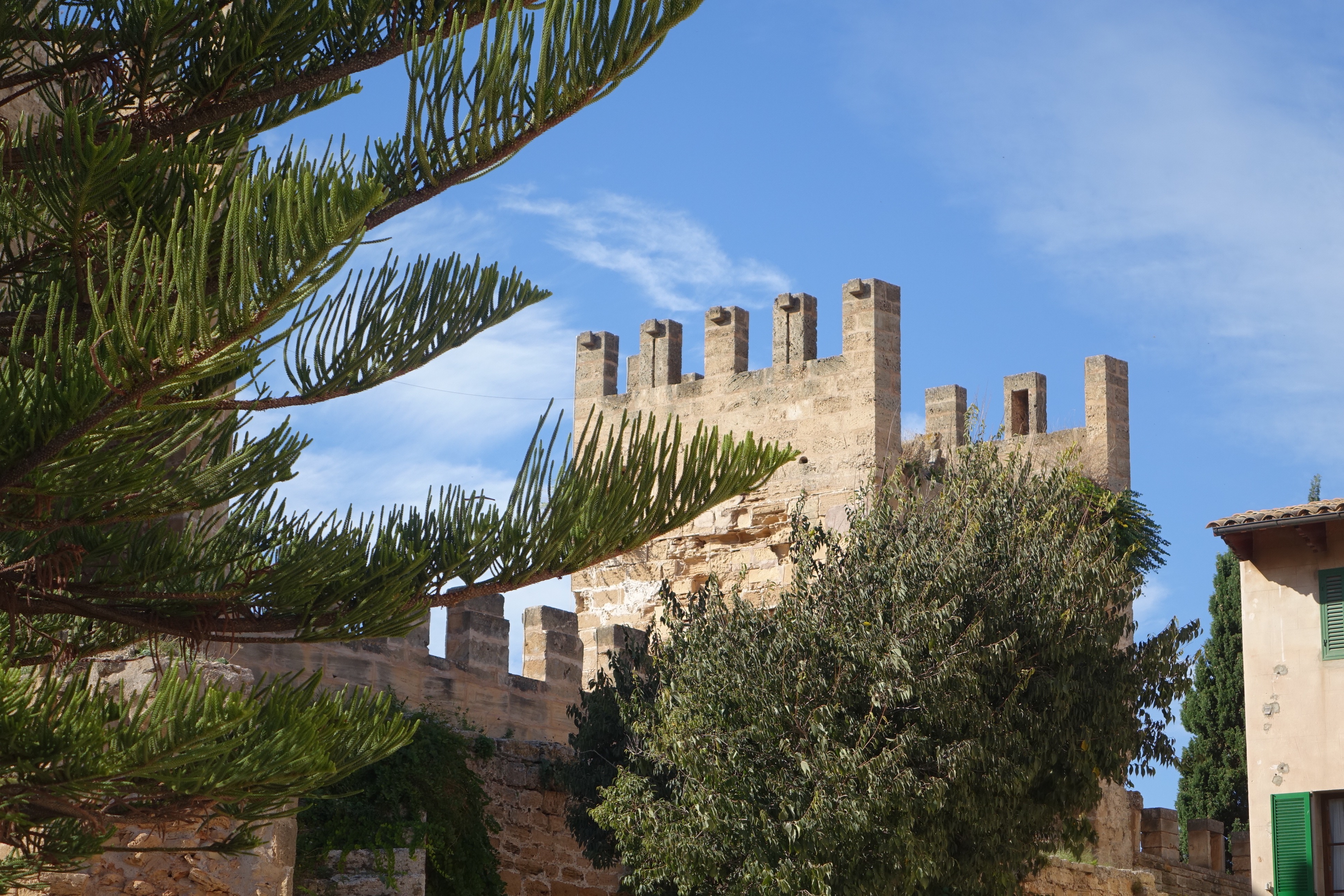
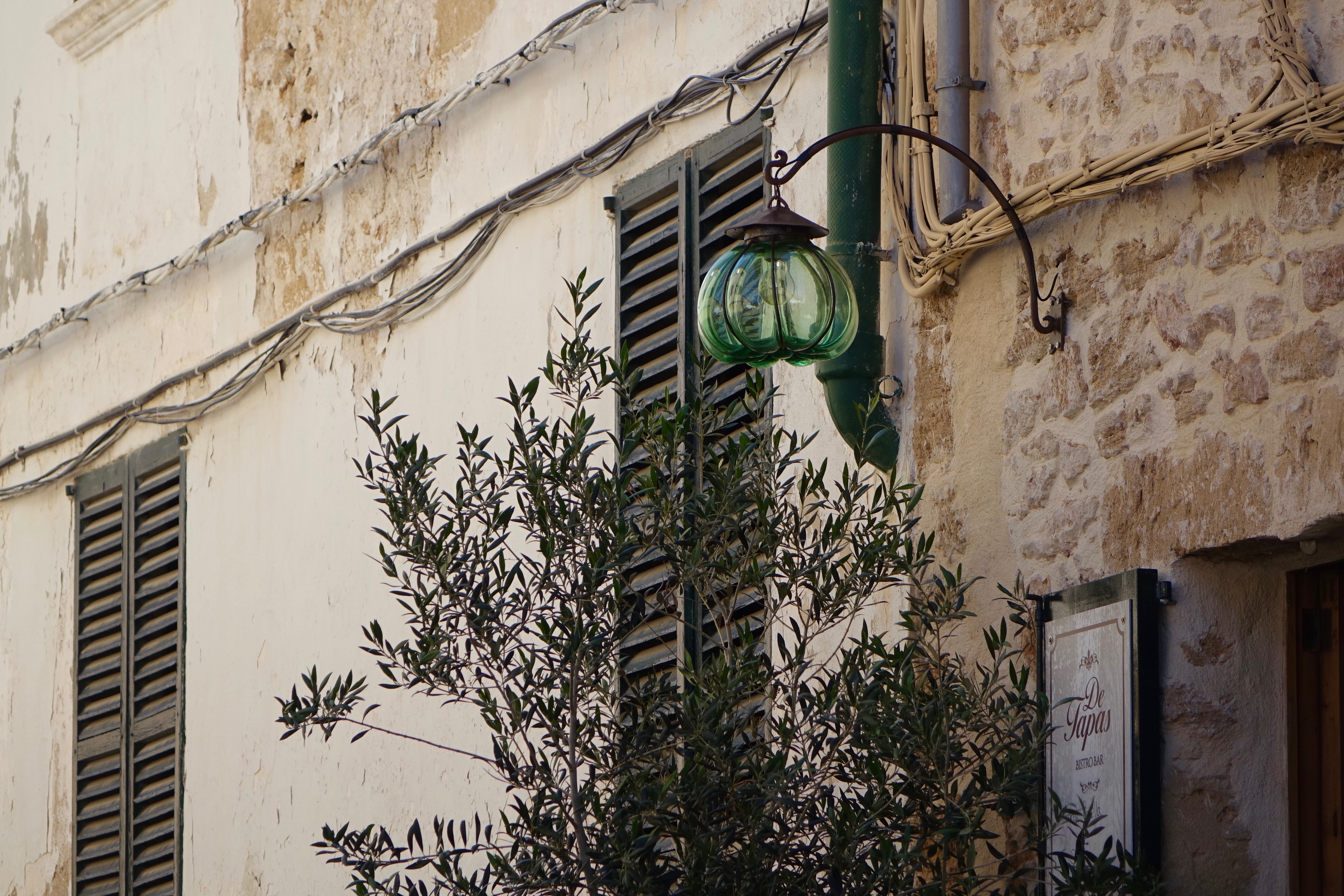
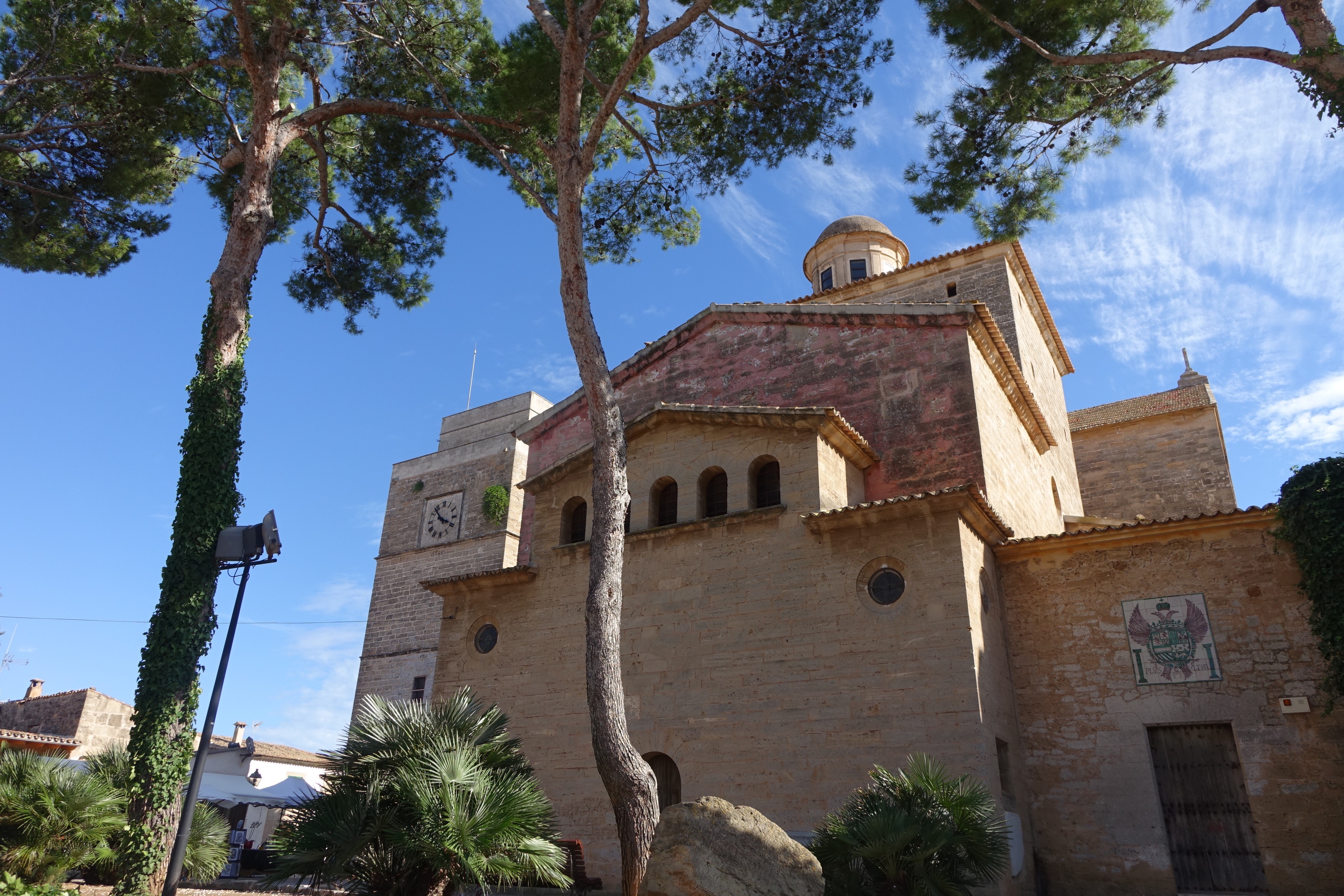
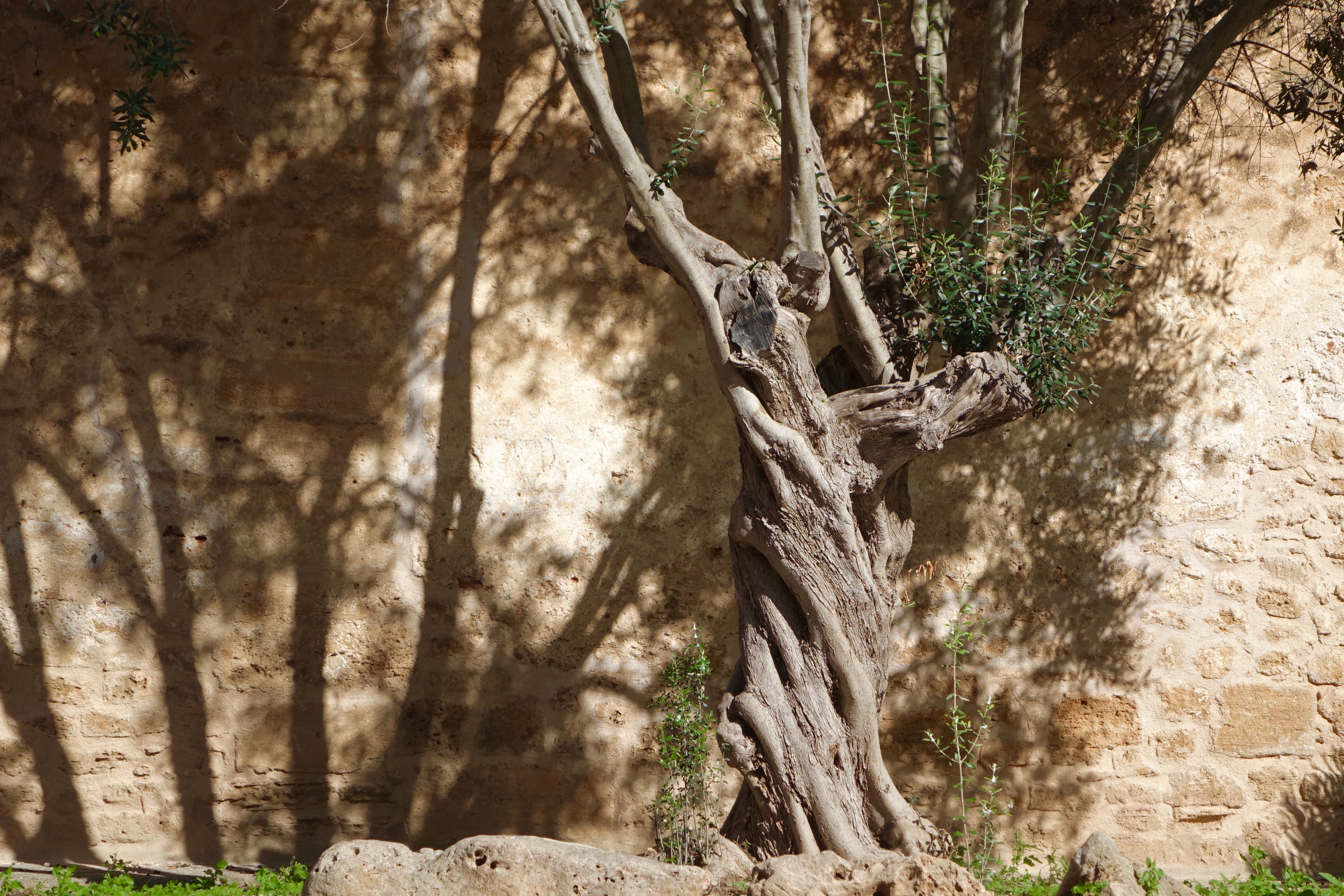
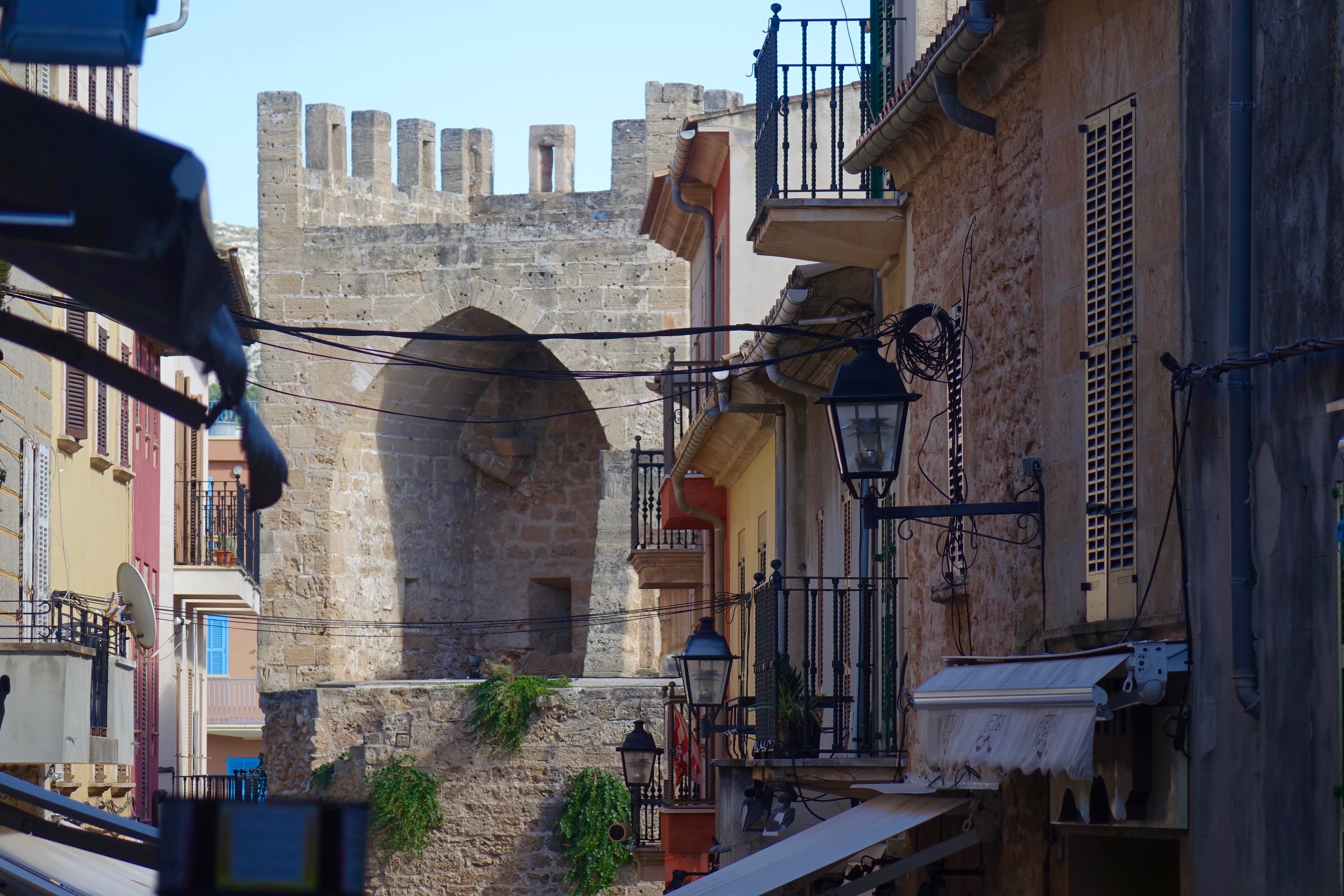
However, head inland, and you reach the real Alcúdia, and there, behind a circle of painstakingly restored medieval walls, you find an arabic citadel perfectly brought back to life. With its narrow streets filled with little shops pouring out onto the streets, and small scenic squares bustling with a range of popular restaurants, it is no wonder that the town has become a favourite of tourists hanging out on the north of the island, making it second only to Palma as the island’s most beautiful historical town.

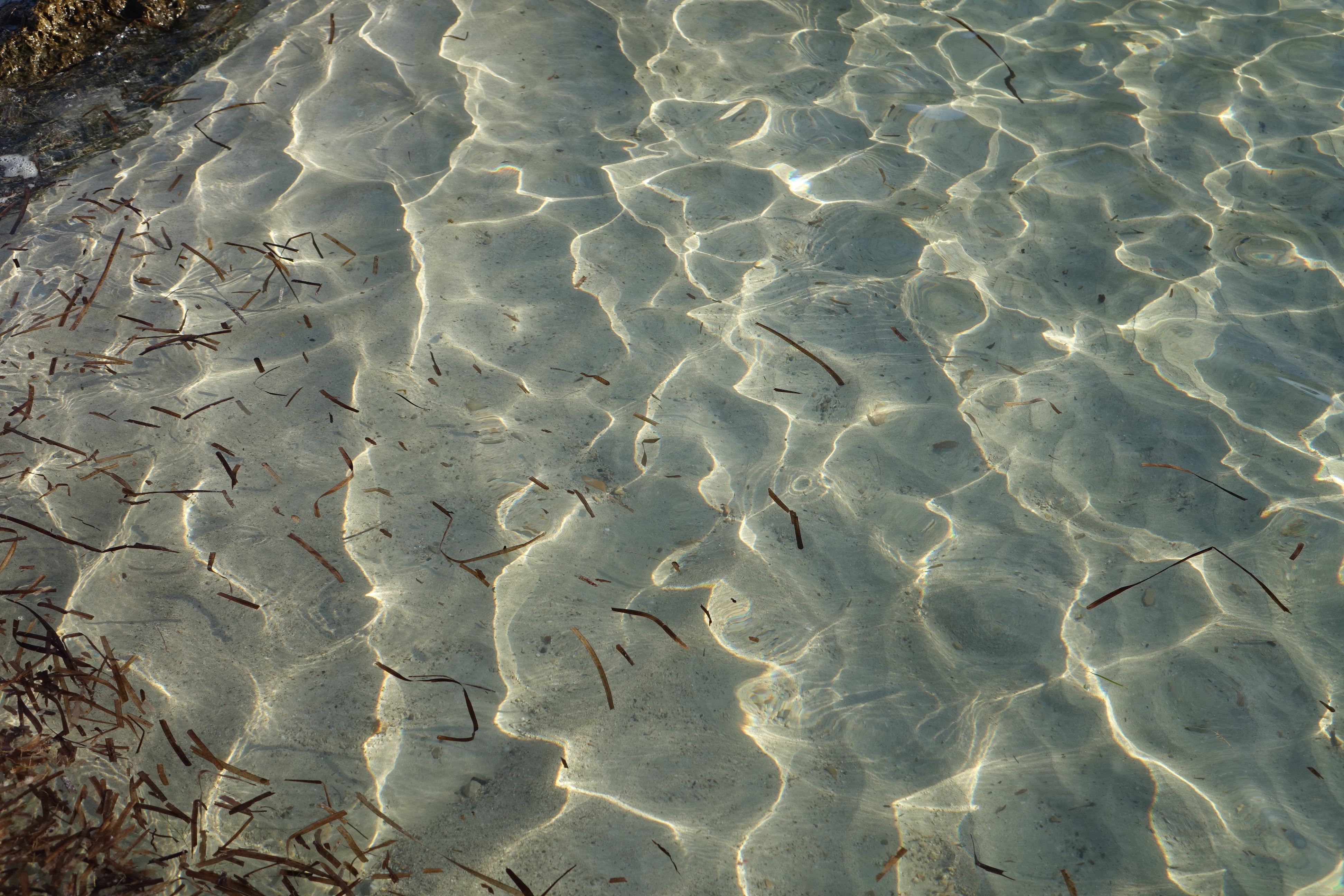
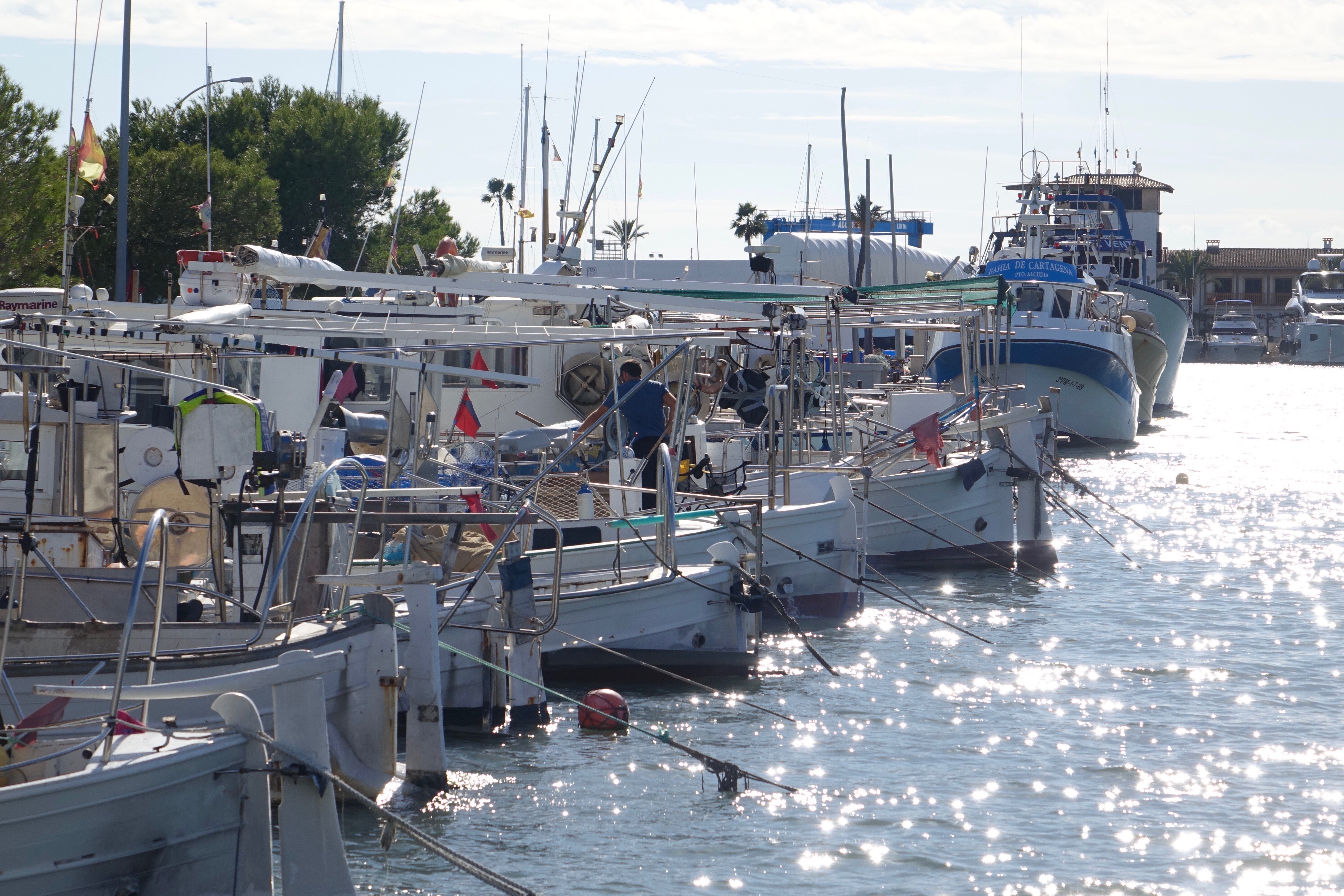
Nearby beaches and the port

DSC02303DSC02364DSC02320DSC02309DSC02357DSC02304DSC02337DSC02329DSC02301

As I sit now in my cosy apartment, breathing is the perfumed scent of the hyacinths imported into our home from the nearby flower market on La Ramblas, I’m dreaming of those summer days when we can wonder freely, without coats, and with the air flowing around our knees. Something tells me the time is close at hand. And in the meantime I leave you with my photos of Alcúdia, and the memories of the pleasantly warm first encounter of this magical town.

All photos and written content are strictly the copyright of Nicholas de Lacy-Brown © 2016 and The Daily Norm. All rights are reserved. Unauthorized use and/or duplication of the material, whether written work, photography or artwork, included within The Daily Norm without express and written permission from The Daily Norm’s author and/or owner is strictly prohibited.
Onwards to Vienna, Part 2: The Churches

If the Ringstrasse and the palatial buildings that line it are demonstrative of Vienna’s more recent 19th century prowess (and, with the recent additions of the MuseumsQuarter, its 21st century cultural advances to boot) then its spectacular churches are demonstrative of a magnificent history which goes back yet further. For these religious monuments have truly stood the test of time, from their inception as far back ago as the 13th century, to the progressively exquisite embellishments which have since followed.

The Stephansdom inside and out

DSC05889DSC05757DSC05758DSC05804DSC05817DSC05816DSC05807

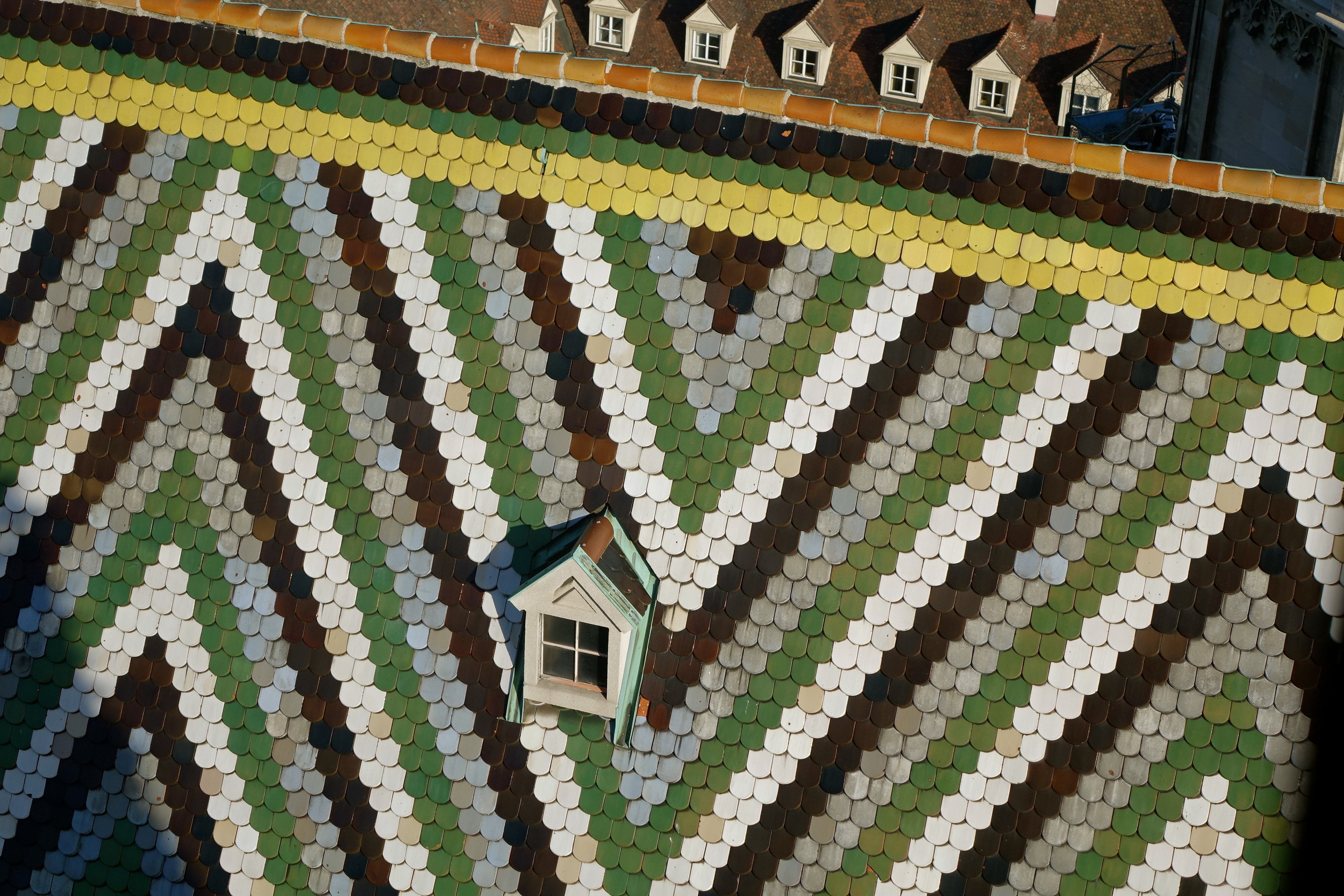
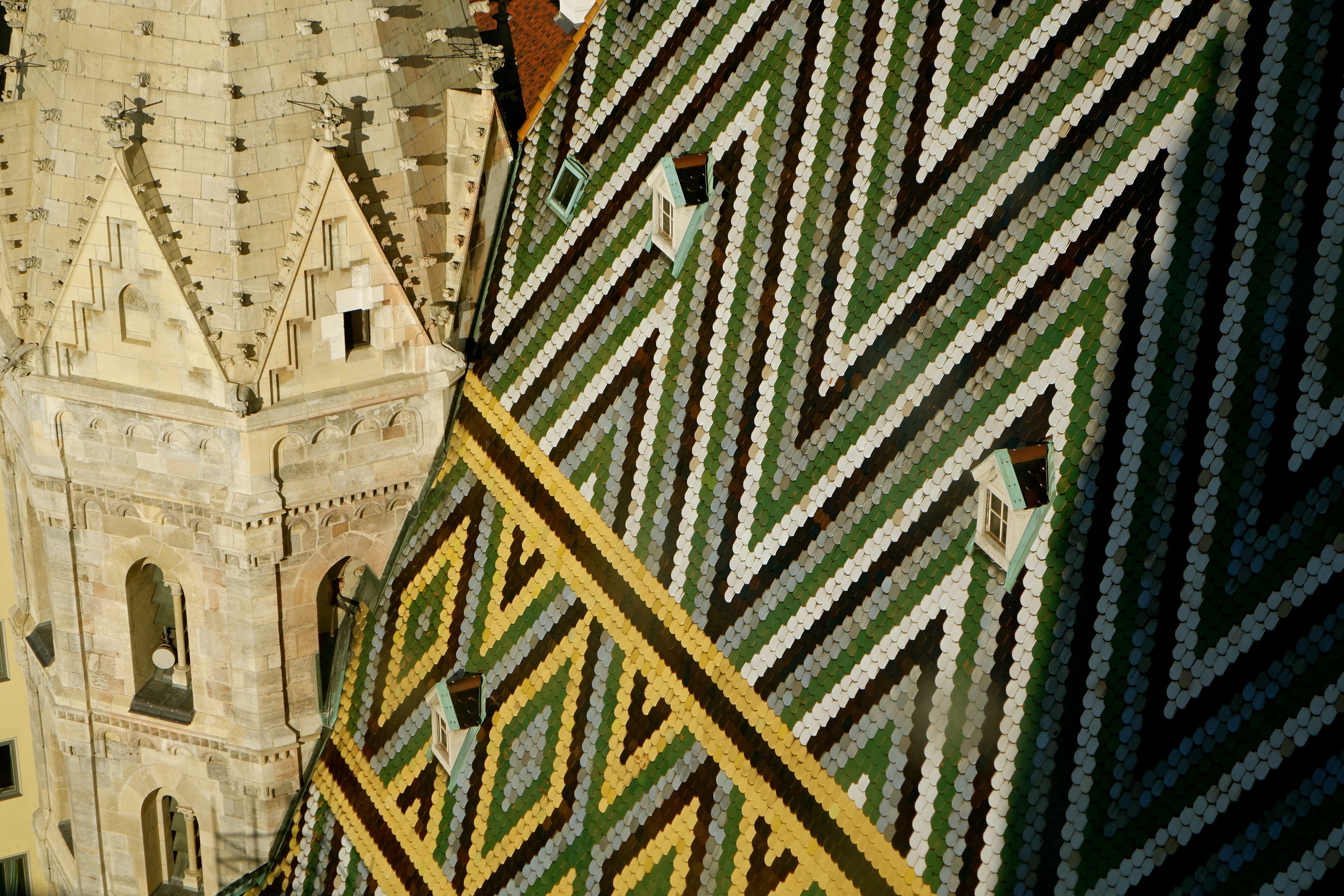
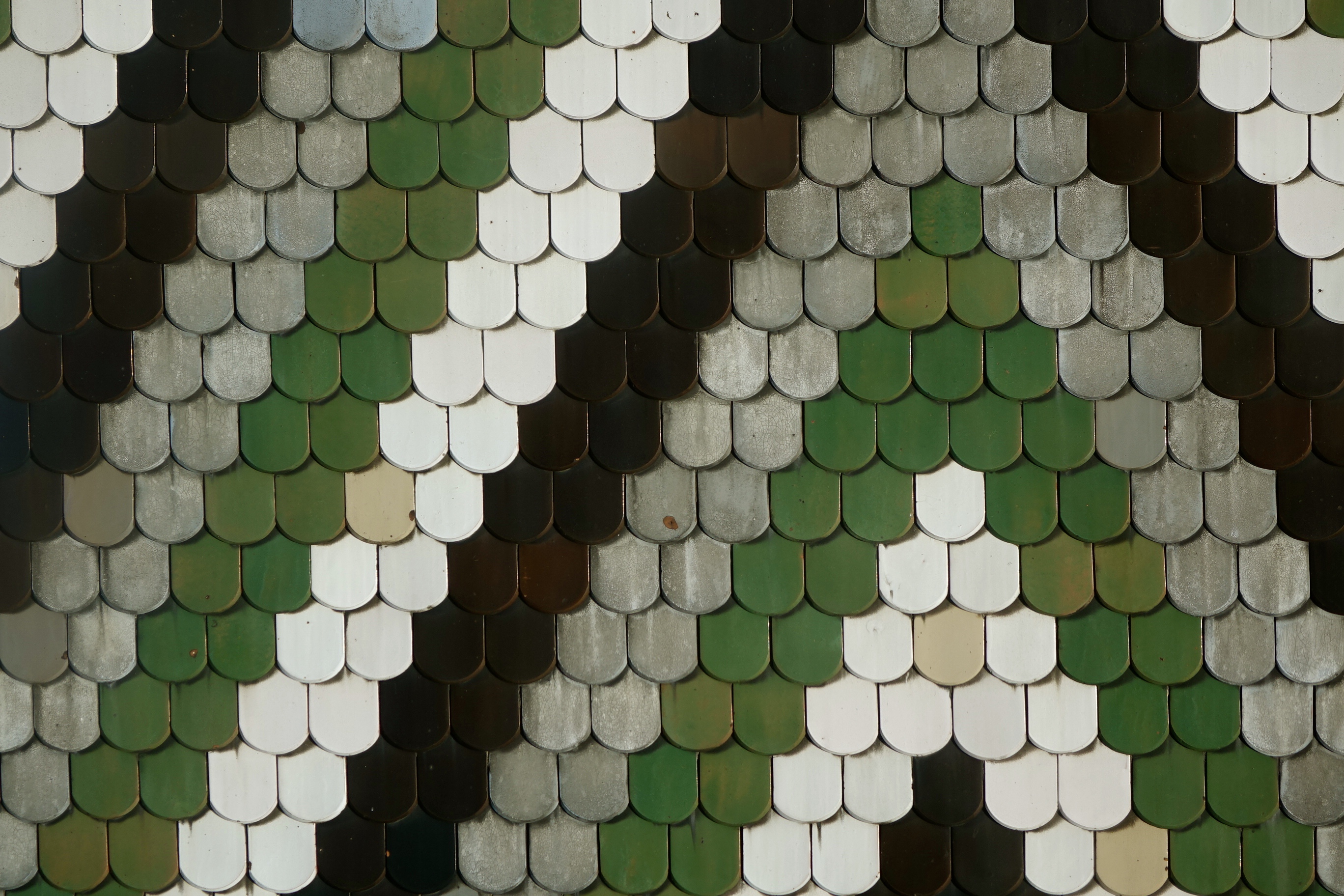
We begun our tour of Vienna’s grandest religious spectacles with the centre point of them all, the Stephansdom cathedral. Often called the soul of the city itself, it is perhaps no coincidence that the cathedral contains a great many of the remains of some of the most historically significant of the Hapsburg rule which lorded over Vienna, and the empire which spread out around it, for centuries. But rather than begin this visit from the inside, we instead claimed the 300 or so steps of its main gothic spire, taking advantage of the aspect which is perhaps most characteristic of this building – its enormous height. There, from somewhere close to the top of the “Steffi” or spire, we were able to enjoy magnificent views not only over all of the city, but of the incredible tiled roof which contains almost a quarter of a million glazed tiles, meticulously restored after the damage inflicted towards the end of the second world war.

Vienna from the top of the Stephansdom

DSC05773DSC05791DSC05792DSC05783

Having caught our breath upon our rather perilous descent down a very narrow spiral staircase, we did not linger in the inside of the cathedral for long. This was not so much owing to a lack of content, but to both the queues for, and the price of, admission, both of which inspired us to take our leave and seek further thrills in this city of plenty.

The Stephansdom’s spectacular tiled roof

DSC05774DSC05771DSC05780DSC05795DSC05772DSC05756

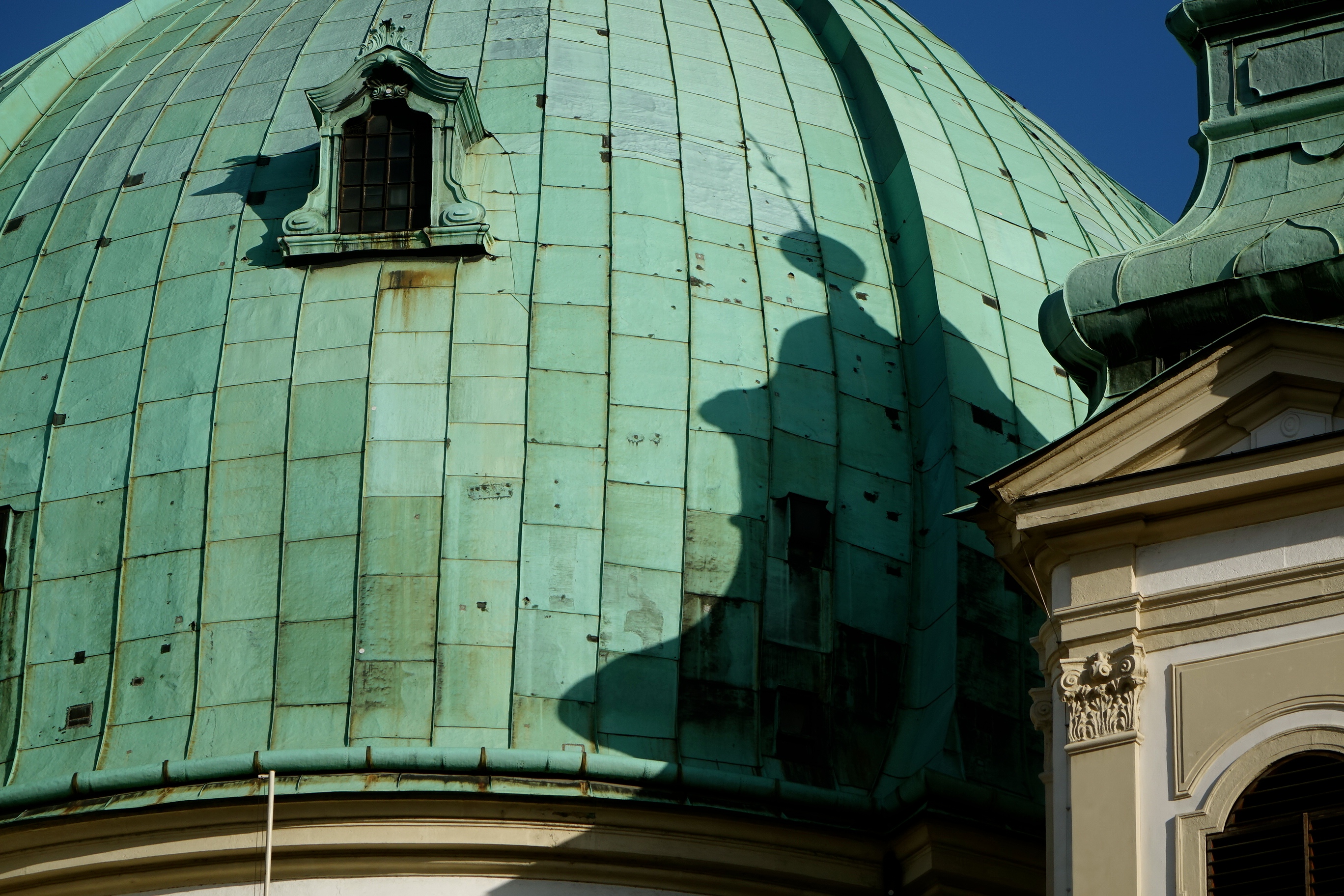
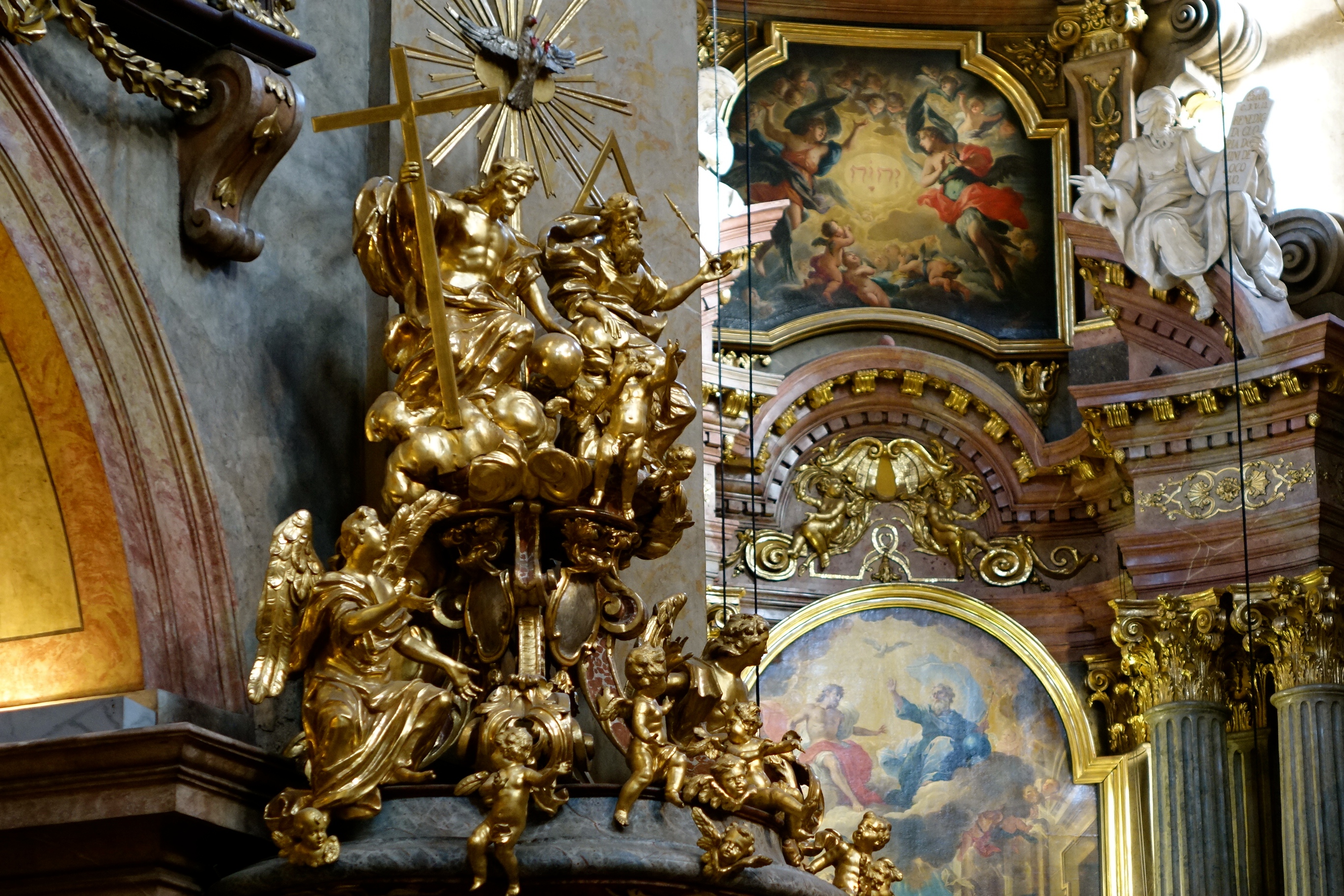
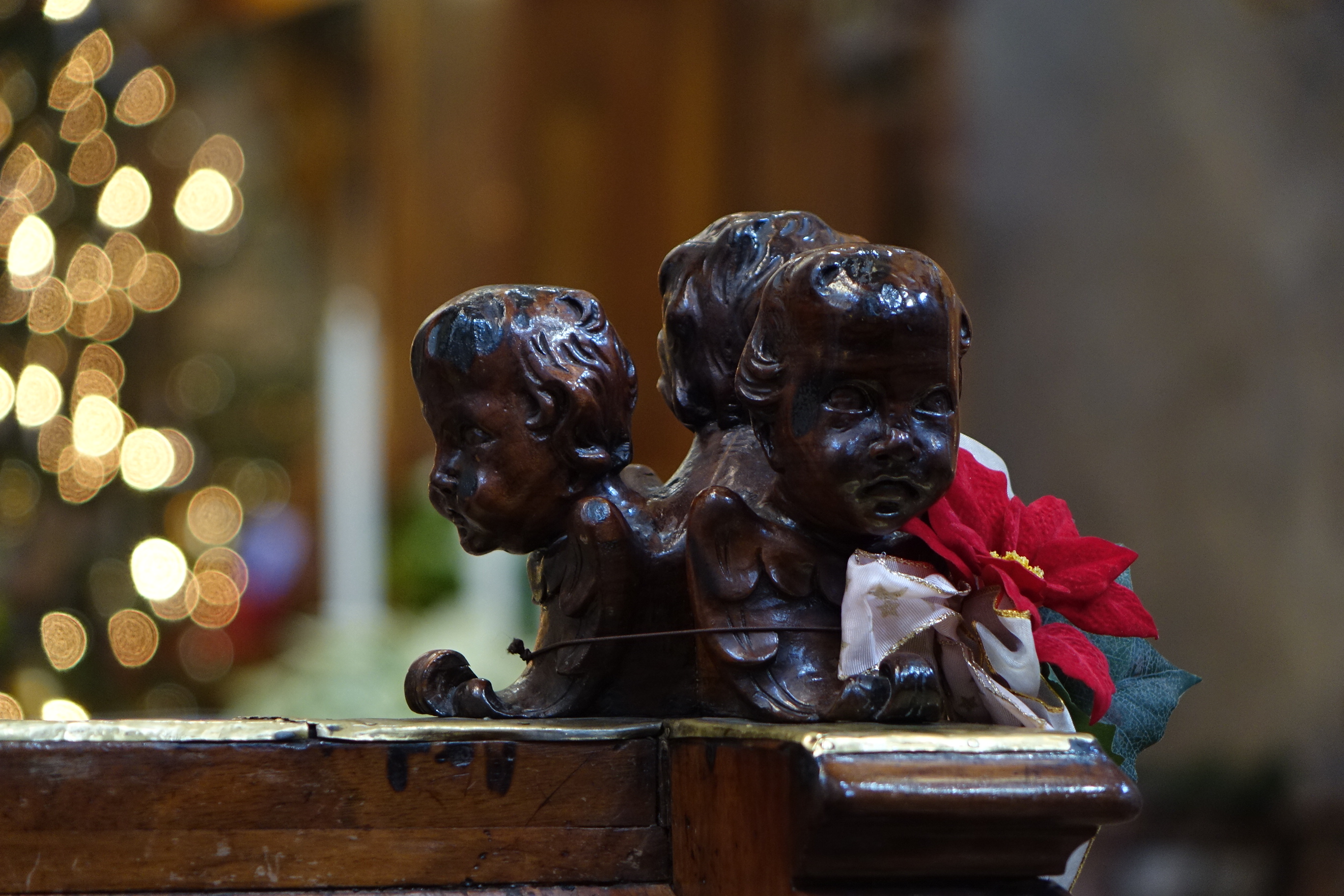
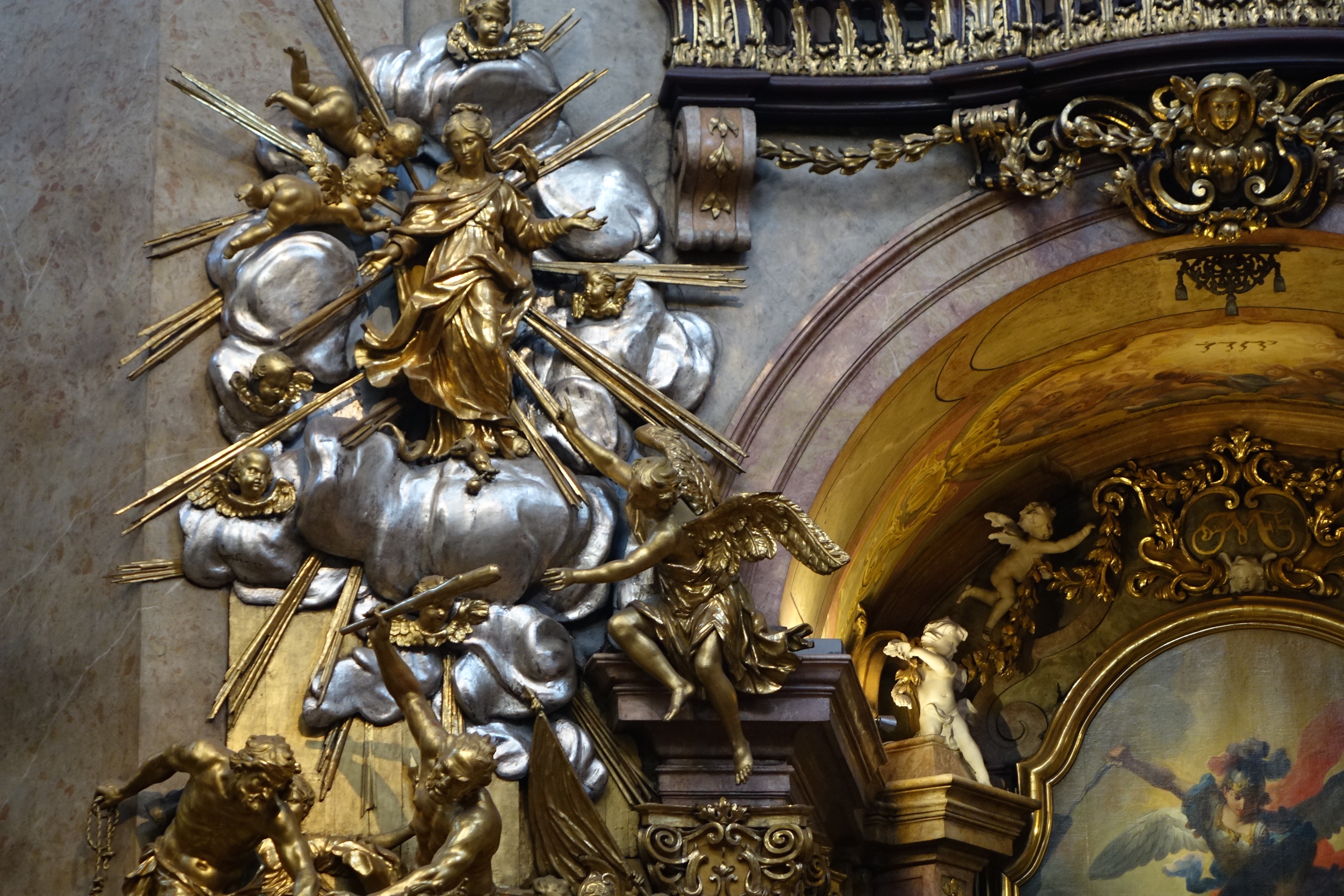
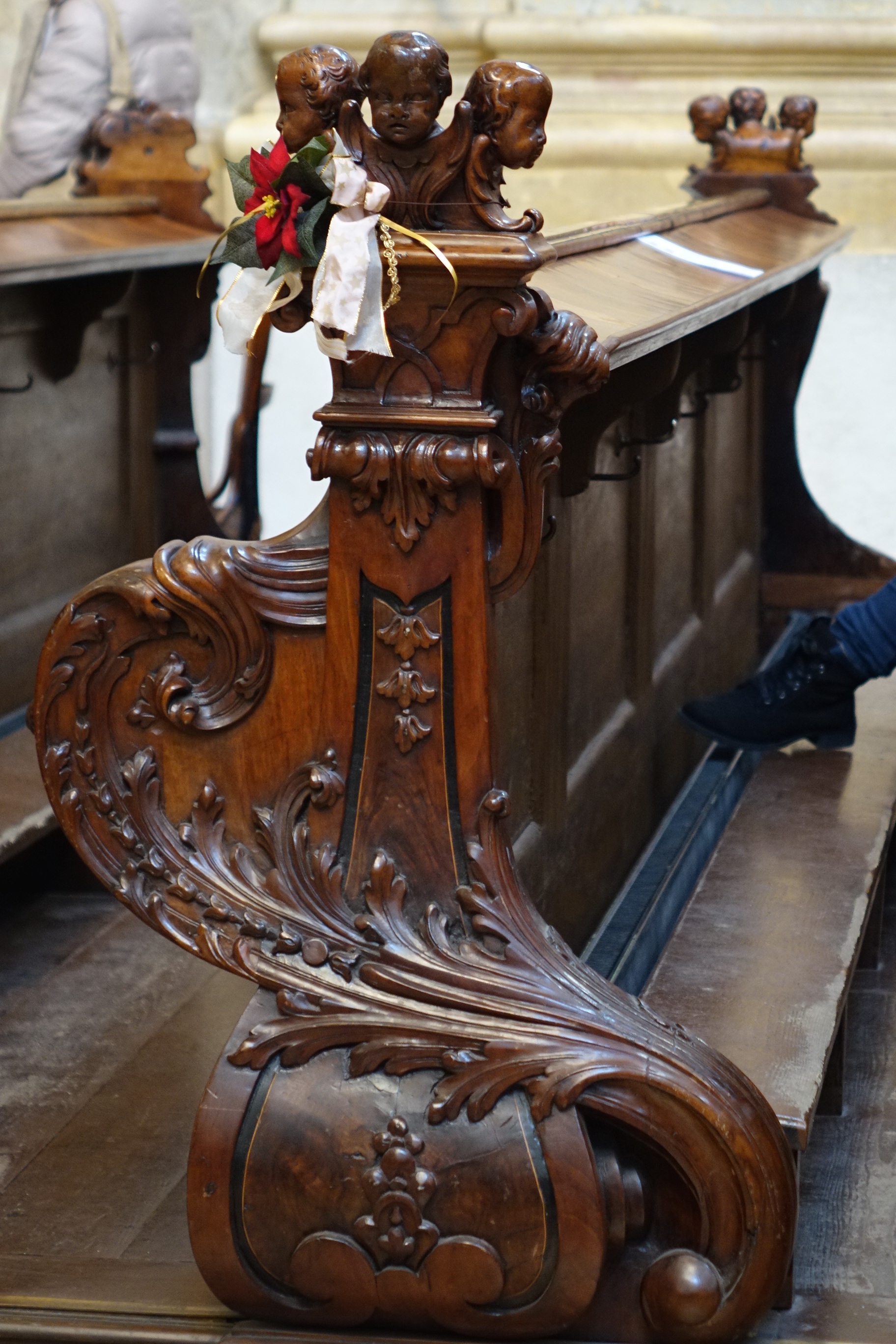
Next on the list was the equally impressive domed Peterskirche, a romantic oval-based construct remodelled in the 18th century on St Peter’s in Rome, and by no means lacking the exuberant ostentatious interiors of its inspiration. For the interiors of Peterskirche are amazingly lavish, with an eye-catching pulpit meticulously sculpted by Matthias Steindi, and frescoes embellishing the huge dome depicting the Assumption of the Virgin by J M Rottmayr. From the extravagant altar to the richly carved pews, this was a church whose every detail was dripping in embellishment, and easily the equal of the Stephansdom up the road.

Peterskirche

DSC05833DSC05826DSC05848DSC05880DSC05843DSC05869DSC05850DSC05863DSC05864DSC05847

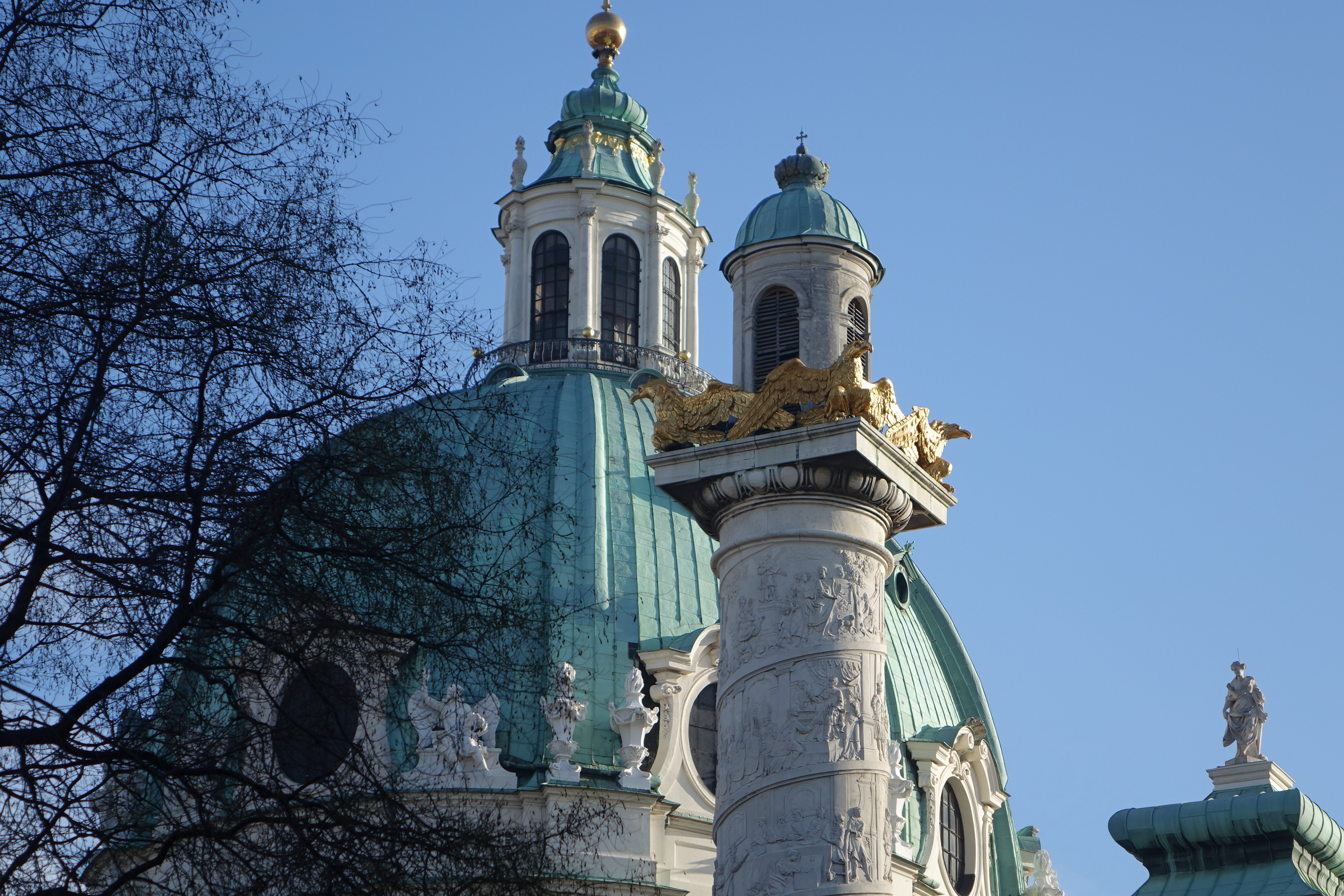
We encountered several other religious spectacles as we proceeded with our tour around Vienna, although we seldom ventured inside. One we would have liked to have explored, on the inside and out, was the last iconic church of the city, Karlskirch, sitting at one end of the central Karlsplatz. But as I bemoaned in Monday’s post, a further prohibited entrance fee found us fleeing from the tourist entrance, leaving us to appreciate this columned baroque masterpiece from the outside – an aspect which, like so many others of the magnificent buildings clambering to be admired in Vienna, could not fail to impress.

Karlskirche

DSC01234DSC06223DSC06219DSC06225DSC06222Karlskirche_Wien

All photos and written content are strictly the copyright of Nicholas de Lacy-Brown © 2016 and The Daily Norm. All rights are reserved. Unauthorized use and/or duplication of the material, whether written work, photography or artwork, included within The Daily Norm without express and written permission from The Daily Norm’s author and/or owner is strictly prohibited.
Photos from Venezia: Capturing a city

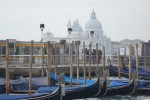
I defy even the most inexperienced of photographers not to start snapping away, be it on a traditional camera or on a mobile telephone, when they go to Venice. It is, I would venture to guess, almost scientifically impossible for a visitor to the city not to become captivated by the beauty which exists at every corner, to fall under the spell of its utterly unique character, and to therefore attempt to capture themselves a little piece of the city, be it through photos or souvenirs (or usually both).

Regular readers of The Daily Norm have probably already noticed that I took a fair number of photos on my recent trip to Venice, even though it meant defying the cold and taking off my new comfy rabbit-lined gloves (bought on the Rialto Bridge) in order to do so. But despite the so often gloomy winter weather, it will come as no surprise that Venice inspired an entire flurry of photos, and I have plenty still to share in addition to those already posted.
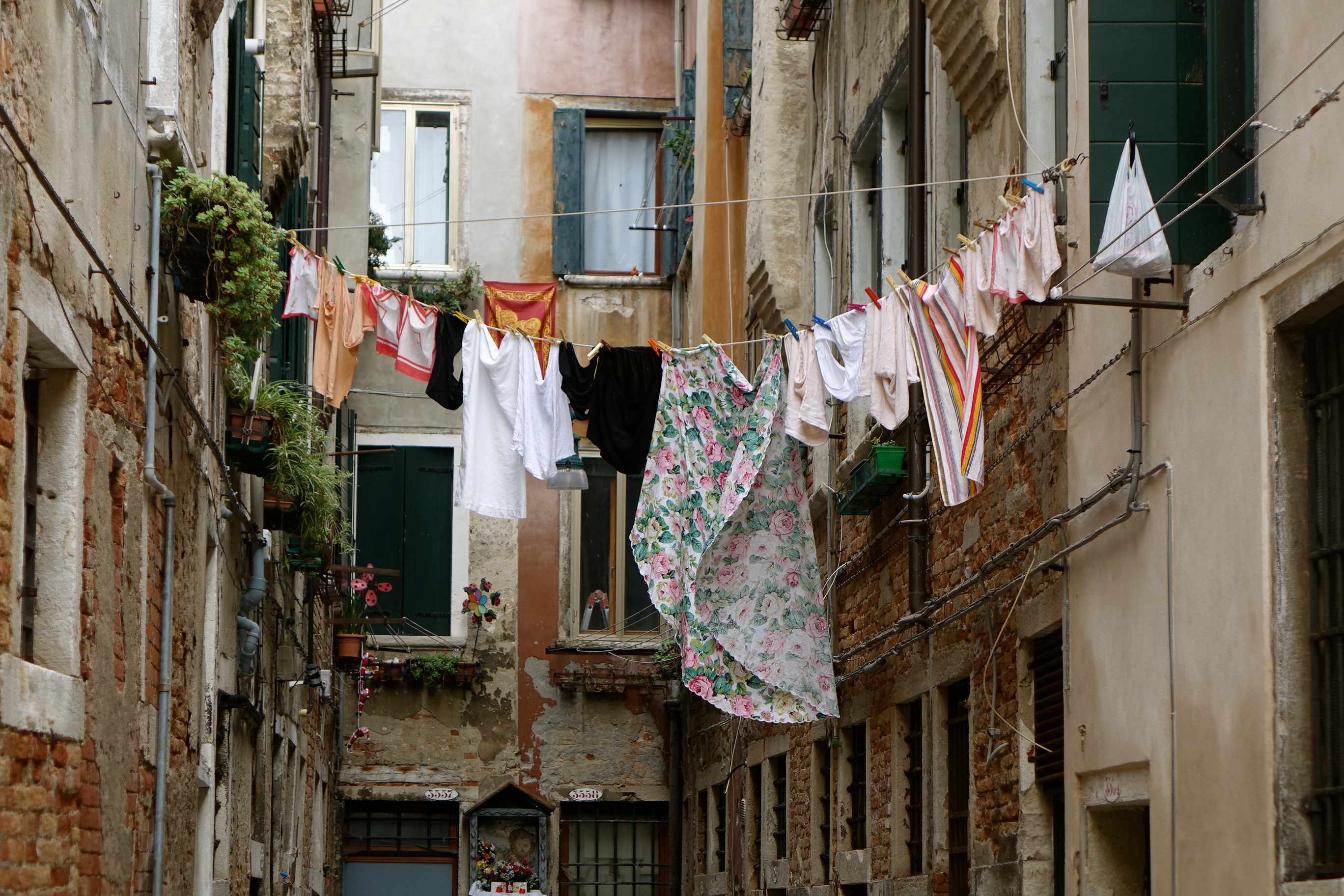
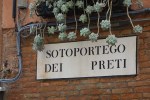
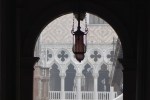
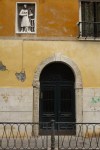
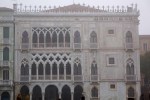
DSC04979DSC04976DSC04876DSC04978DSC04946DSC05557

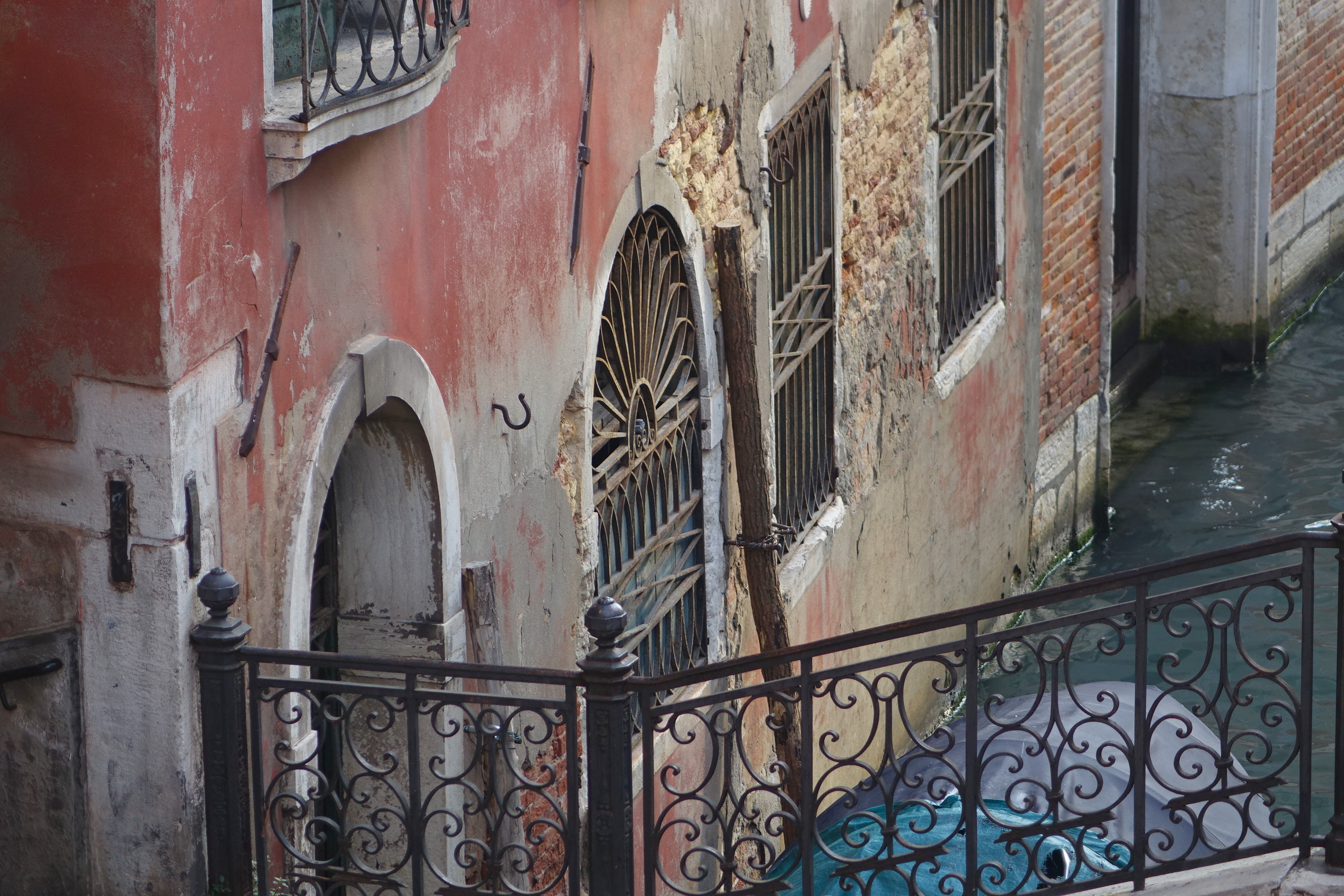
And so in this last post looking back over my recent Venetian adventure, I am including a miscellany of photos which do, I think, effectively capture something of the essence of the place. Through the textures of the city – from crumbling walls to luxurious golden silk, and through the colours – ocres, yellows, the turquoise green water and of course the characteristic Venetian red; through its historical palaces, and even a shop filled with old waterlogged books…This is a selection of photos which is innately Venetian, transporting me back to that foggy, watery wonderland where a part of my heart remains firmly captured by the city in turn.

All photos and written content are strictly the copyright of Nicholas de Lacy-Brown © 2016 and The Daily Norm. All rights are reserved. Unauthorized use and/or duplication of the material, whether written work, photography or artwork, included within The Daily Norm without express and written permission from The Daily Norm’s author and/or owner is strictly prohibited.