Skip to content

Posts tagged ‘Italy’

The Sicily Series | Part V – The views that put Taormina on the map

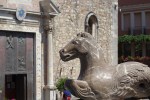
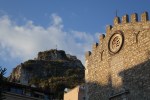
Despite the chic which characterises the burgeoning boutique-lined streets and bustling café-filled piazzas of Sicily’s Taormina, the attraction which really put the town on the map was in situ long before the fashionistas took up residence. For the picture-postcard undisputed highlight of Taormina is its ancient Greek Theatre, a stone semi-circular auditorium which benefits from a stunning altitude which gives its stage the most enviable of backdrops of the sea, the coast and the magnificent silhouette of Mount Etna beyond.

Taormina’s Ancient Theatre

DSC02677DSC02664DSC02667DSC02676DSC02652DSC02675DSC02648DSC02679DSC02644

Imagine the scene: a balmy summer’s night, a bustling old theatre, a chorus of masked greek players performing Antigone or Media, and beyond, the silhouette of Etna, cloud slowly smoking from its crater like a wise old onlooker smoking a pipe in the distance. Yes your bottom might be a little sore from the stone seats, but imagine the view, and the naturally occurring brilliant acoustics which somehow manage to transport the voice of the actors on the stage to the very highest seat, despite there being no speakers nor modern day technological intervention. Sadly our trip to Taormina’s theatre did not coincide with one of the festivals when this magnificent theatre is put back to use, but that did nothing to dispel the magic of the place which was omnipotent across its ancient structure.

But the ancient theatre is not the only place from which Taormina’s trademark views can be enjoyed. From the Municipal Gardens, crafted as they were by Florence Trevelyan along another ridge of high hillside, the views of Etna and the coast are uninterrupted, and delightfully framed by the bounty of cypress trees and pines, flowers and topiary which fills the happily verdant gardens.

The Municipal Gardens

DSC02407DSC02396DSC02371DSC02381DSC02387DSC02377DSC02401DSC02395DSC02369DSC02354DSC02385DSC02336

Taormina’s location is undoubtedly the reason for its historical roots and its current popularity, and views are by far the town’s most ravishing feature. But ultimately it’s the happy combination of history, views, boutique shopping and café-culture-comfort which makes the town such a pleasure to visit. After all, what better way is there to contemplate a view than with an aperol spritz in one hand, and a few bags of shopping in the other?

© Nicholas de Lacy-Brown and The Daily Norm, 2001-2017. Unauthorized use and/or duplication of the material, whether written work, photography or artwork, included within The Daily Norm without express and written permission from The Daily Norm’s author and/or owner is strictly prohibited. 

The Sicily Series | Part IV – Beaching at Isola Bella

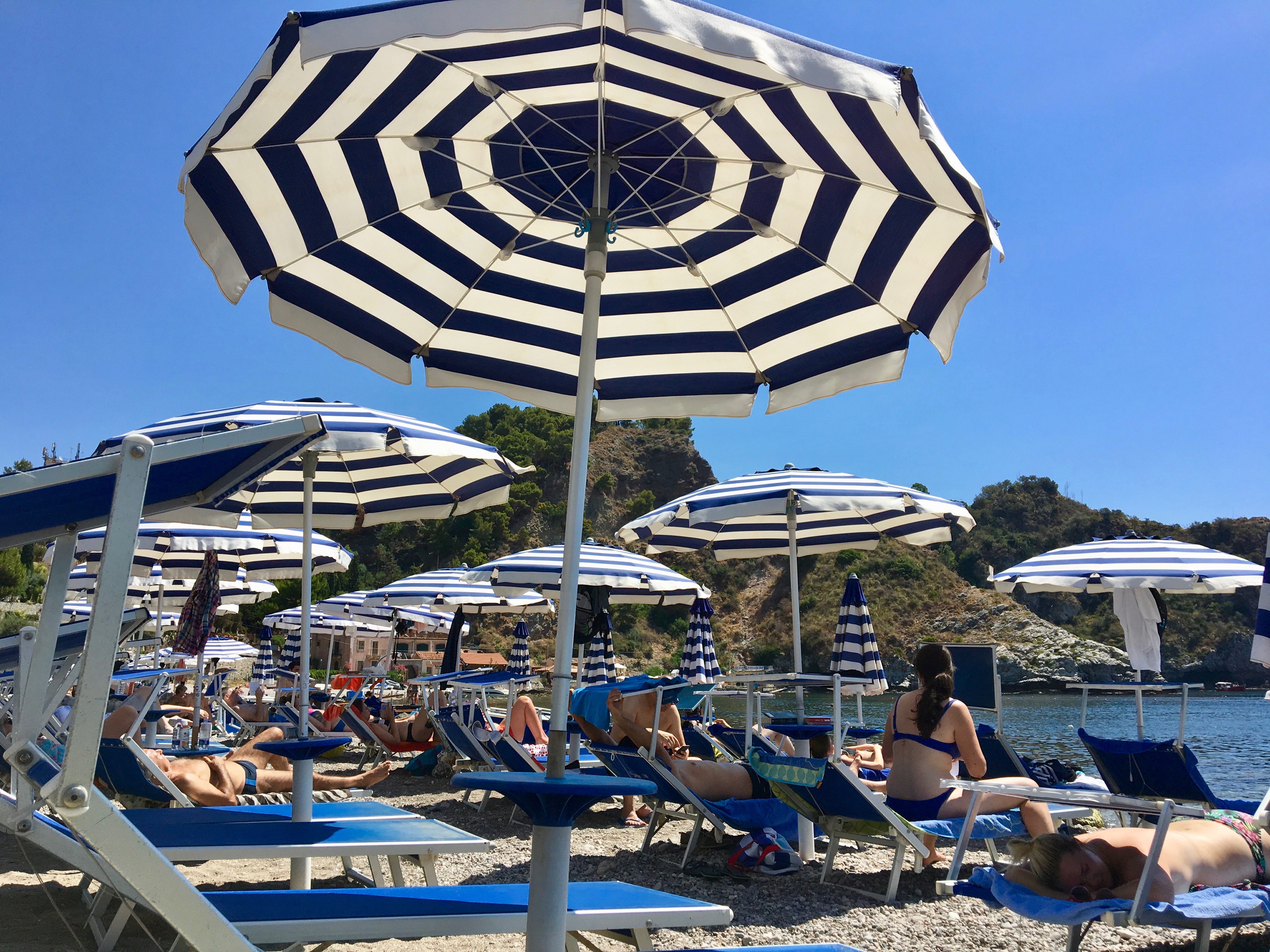
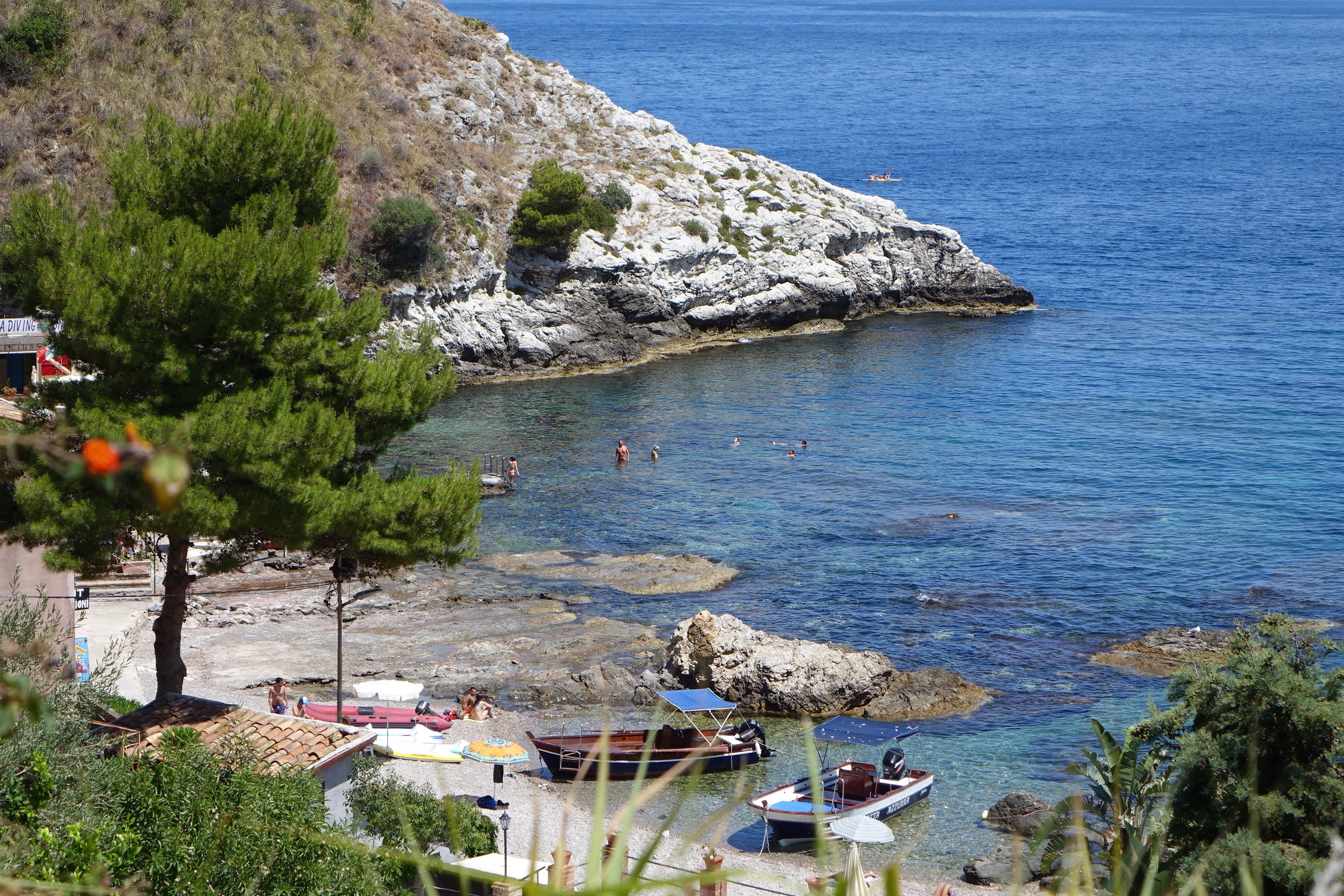
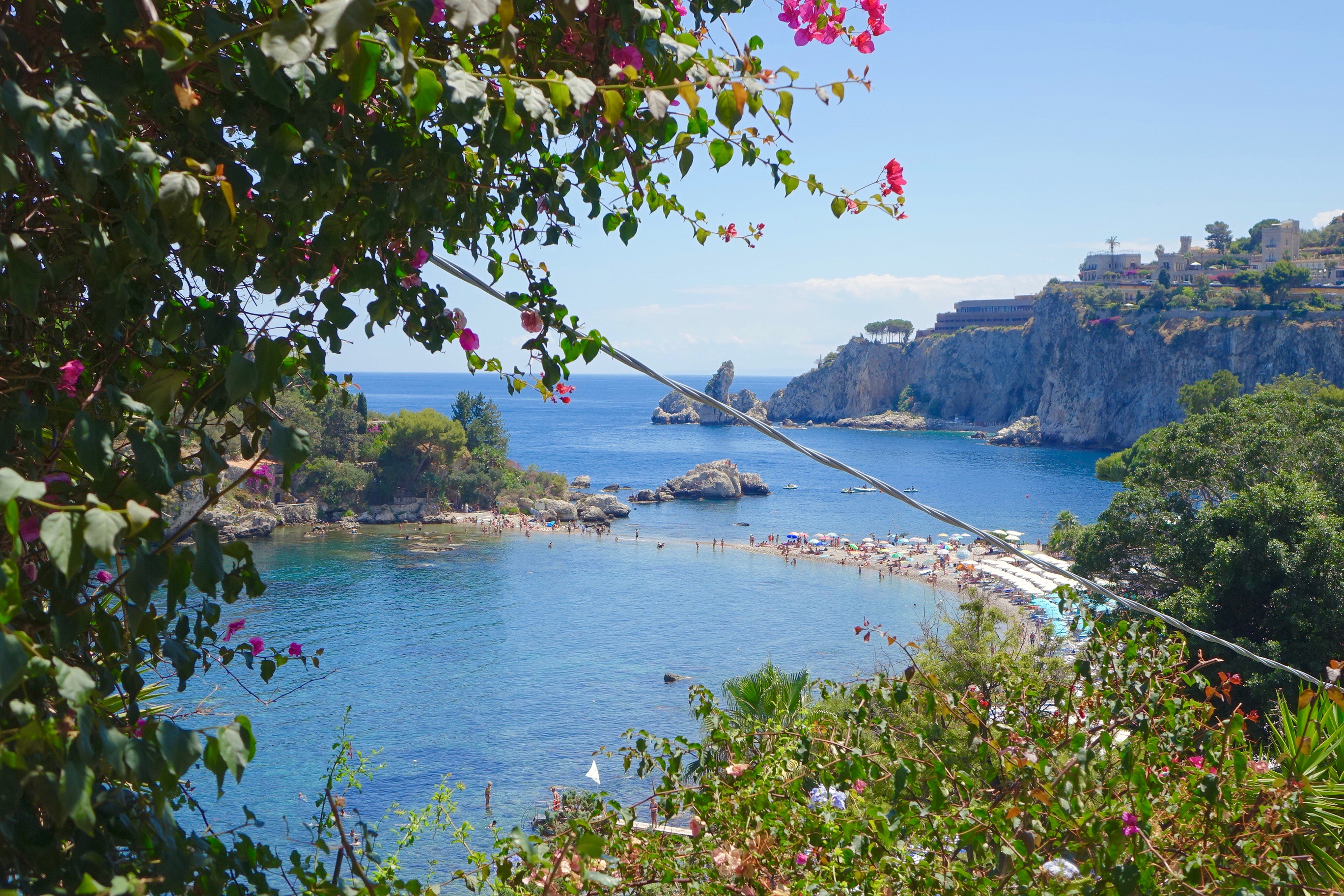
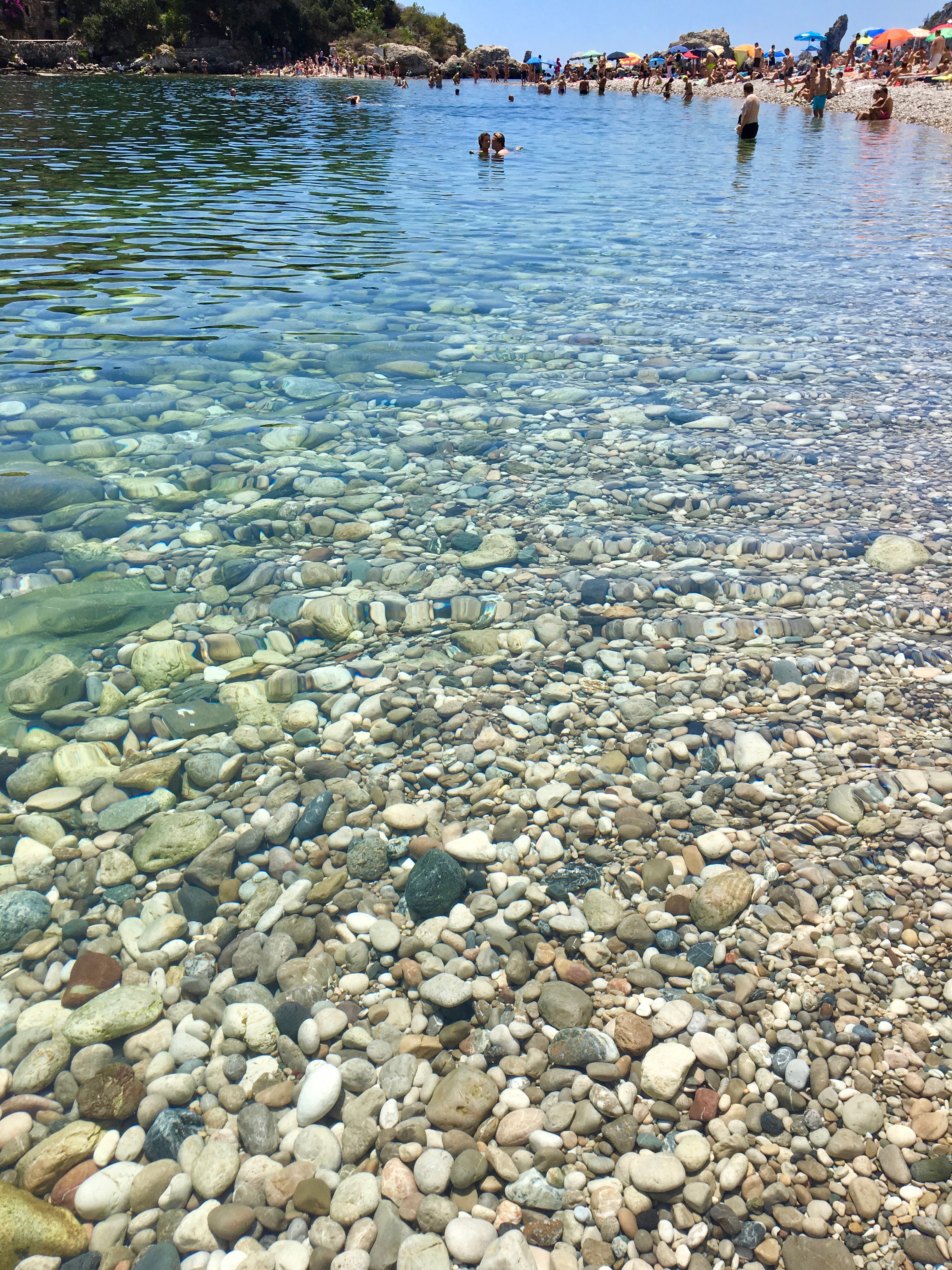
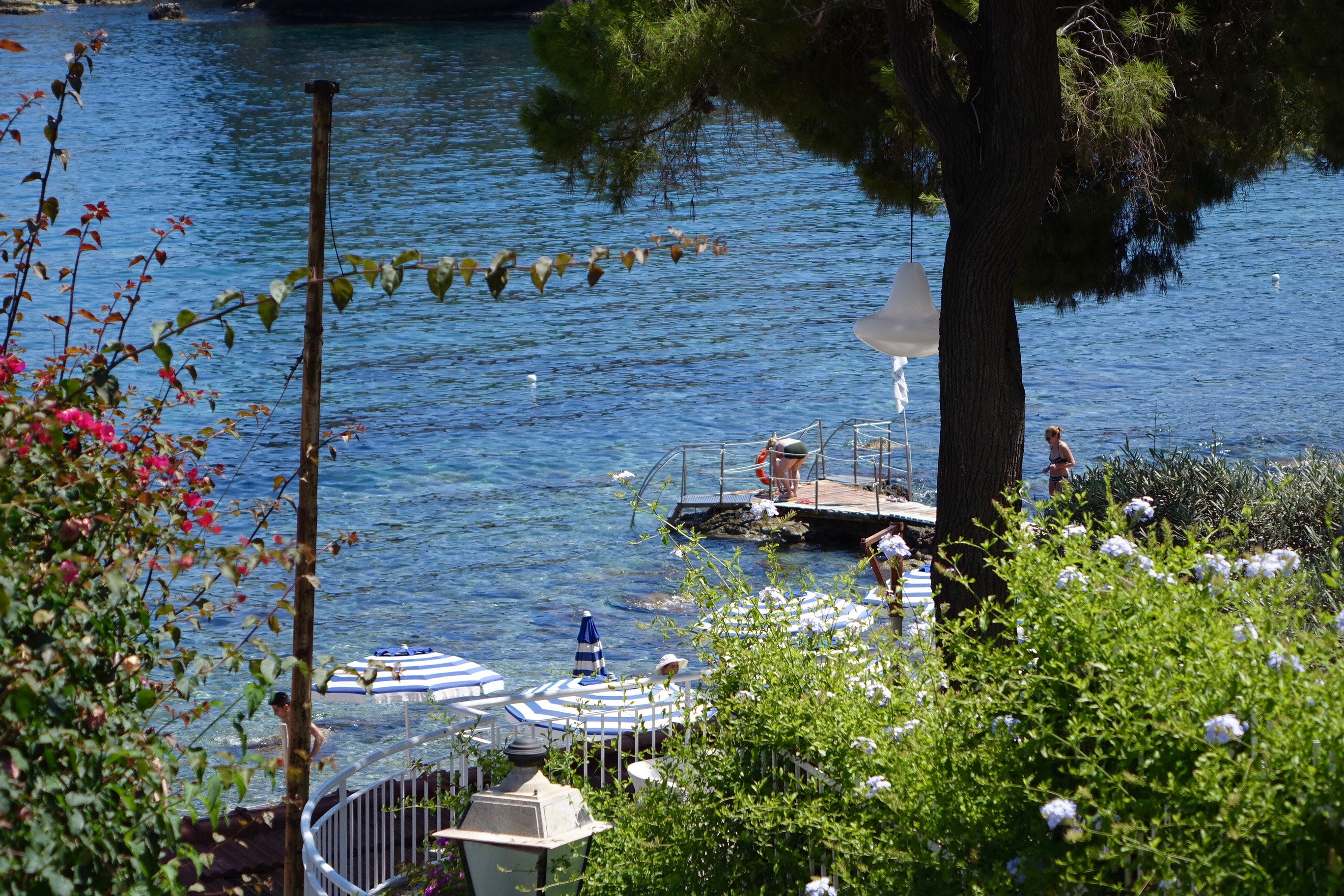
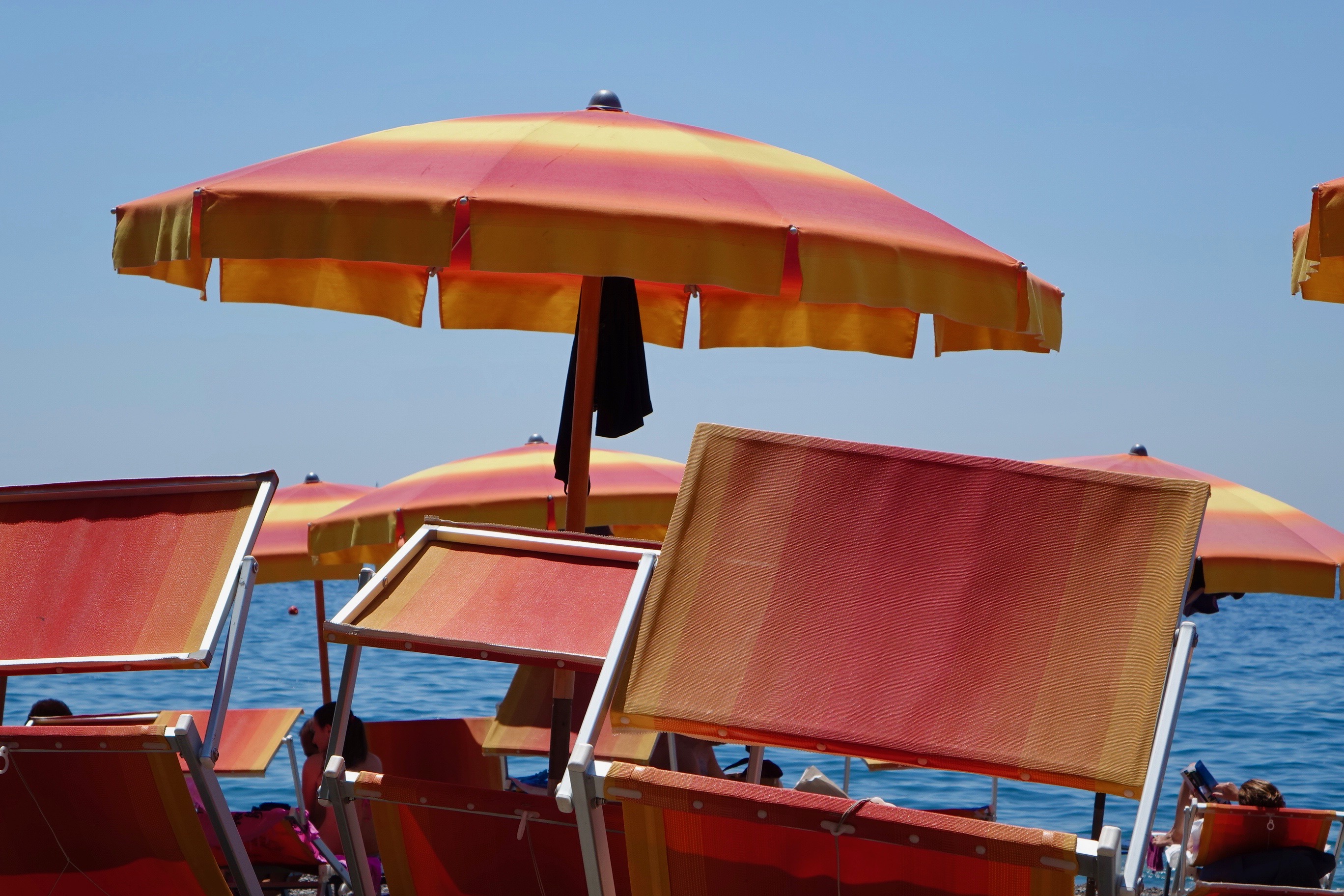
I am something of a lucky Mediterranean beach regular. Whether it be hanging out on the beaches of the Costa del Sol at my parents’ house, or whiling away the hours during almost 3 years residency on the stunning island of Mallorca, the beach and I have become firm friends. I was even born by the sea in England, and lived by the coast my whole pre-adult life. But every beach, and every coast has its own character, never more so than the Italian Riviera which is synonymous with carefully raked sand, striped umbrellas, and sunbeds usefully fitted with a kind of head shade contraption. Genius. I don’t spend all that much time on Italian beaches, so it was with some delight that I passed some brief hours on the beach of Isola Bella, the stunning little semi-circular inlet which, as the name suggests, has a “beautiful island” at its centre. That island, rumoured to have once been the home of long term English Taormina resident, Florence Trevelyan, is today a natural habitat, but retains a cute little house and a pebbly walkway which, when the tide is low, allows access to those beachgoers wanting a stroll around a mysterious feature of this otherwise very Italian beach.

DSC02551DSC02323IMG_1621DSC02617IMG_1609DSC02620DSC02768DSC02555DSC02548

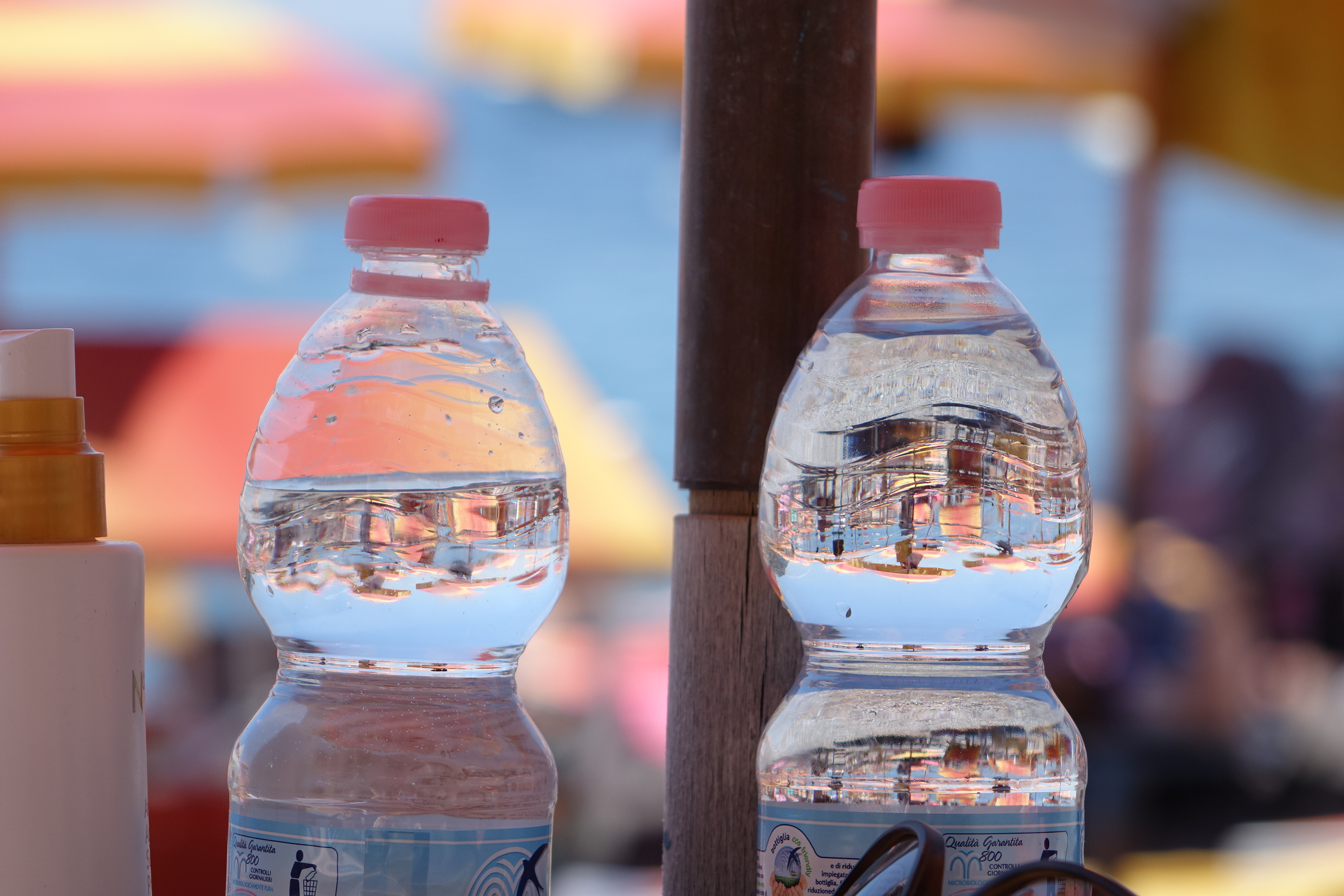
Having explored the island ourselves, a venture which required a carefully balanced walk across countless pebbles and the urgent purchase of jelly shoes to protect our battered feet soles, we spent the rest of our time on this beach lounging amongst striped umbrellas aplenty, reading calmly as the sound of waves gently nudged the shore, and best of all, breaking for lunch, where a beach side café served up grilled squid with a picture perfect view of the sea from whence it came. However perhaps my favourite experience at this splendid Sicilian beach came not from our daytime sampling, but from a walk at night, when the hoards had gone, and only the moonlight remained, casting an eerie silvery glow upon Trevelyan’s island sanctuary and the calmly rippling waters. Lying on the pebbles, feeling the heat of the day slowly reflect off their surface, and listening to the water and is popped and sploshed against the larger rocks made for one of the most memorable, and romantic, moments of our trip. It wasn’t so much the time for admiring the beauty of this beach, but one in which the senses of sound and smell were tantalised like never before.

DSC02549DSC02310DSC02547DSC02317DSC02545IMG_1428IMG_1626DSC02553DSC02566

© Nicholas de Lacy-Brown and The Daily Norm, 2001-2017. Unauthorized use and/or duplication of the material, whether written work, photography or artwork, included within The Daily Norm without express and written permission from The Daily Norm’s author and/or owner is strictly prohibited. 

The Sicily Series | Part III – Taormina Town

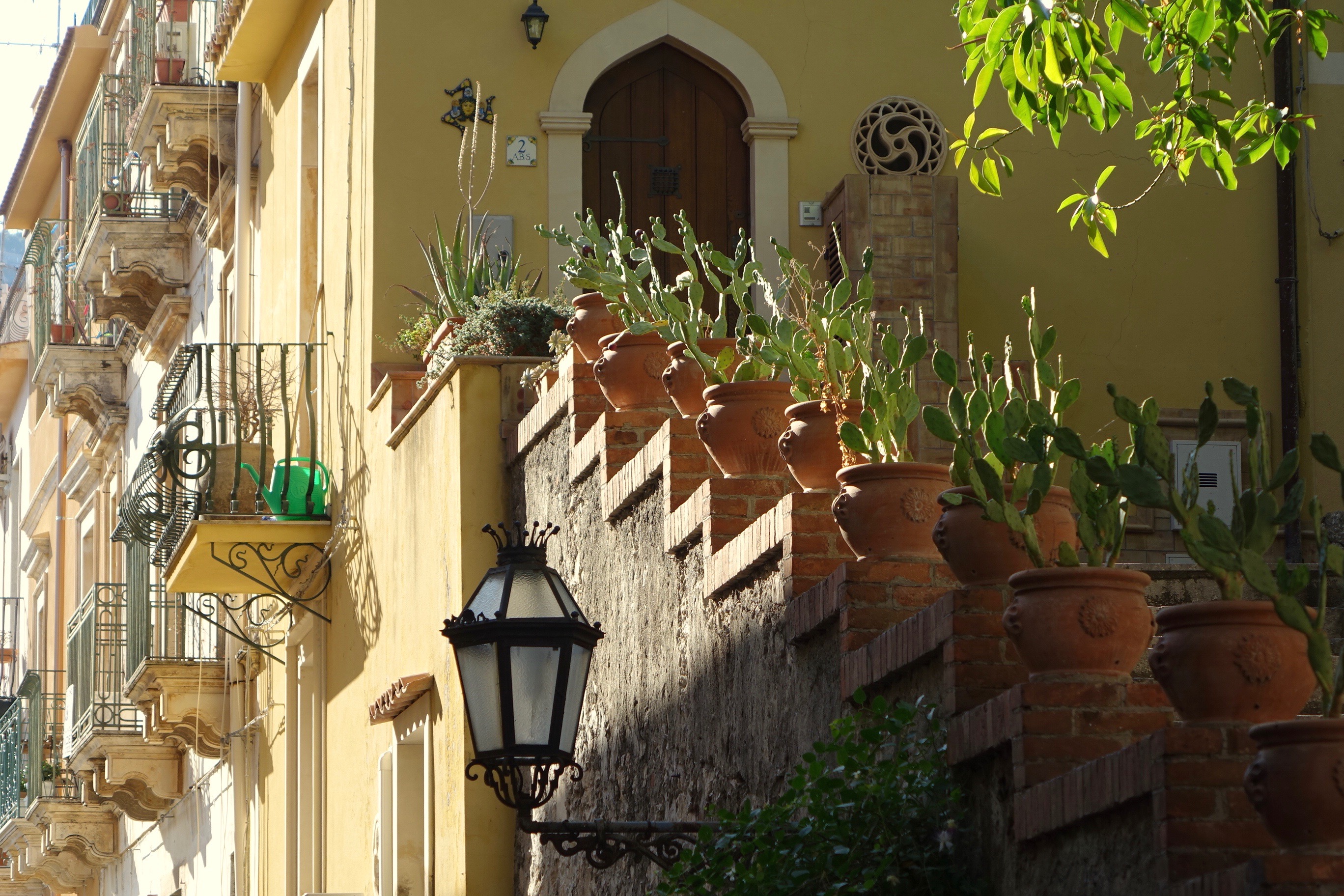
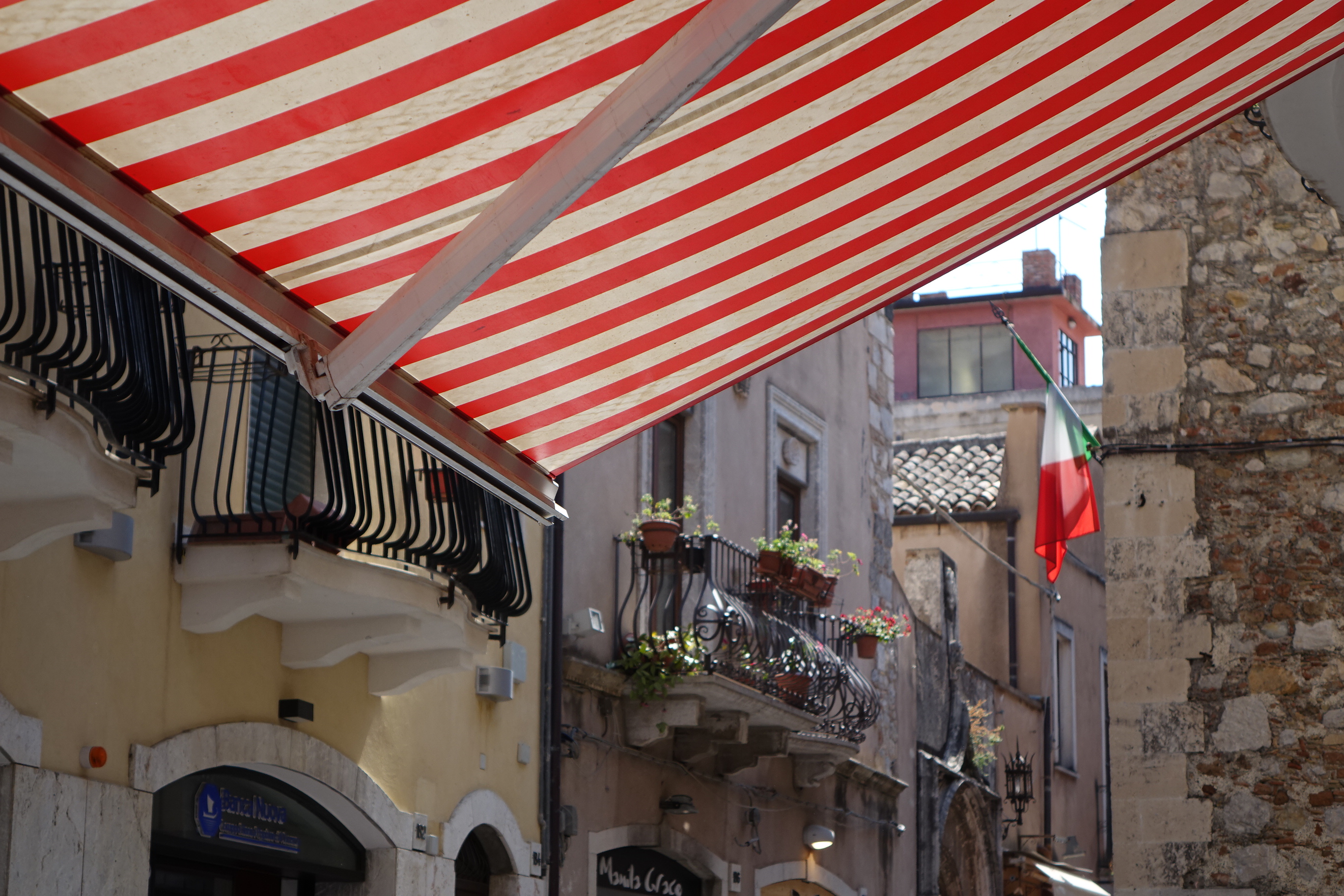
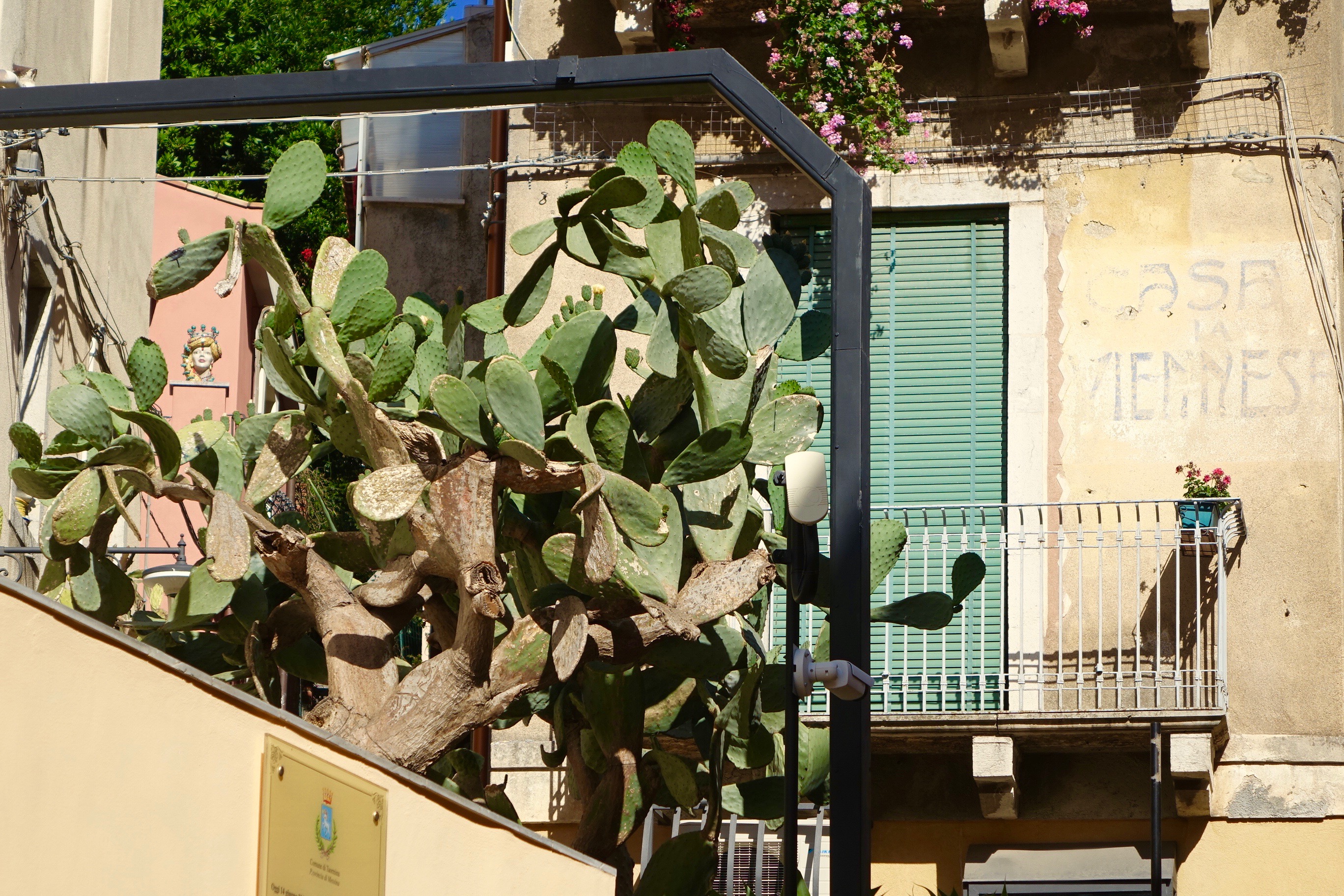
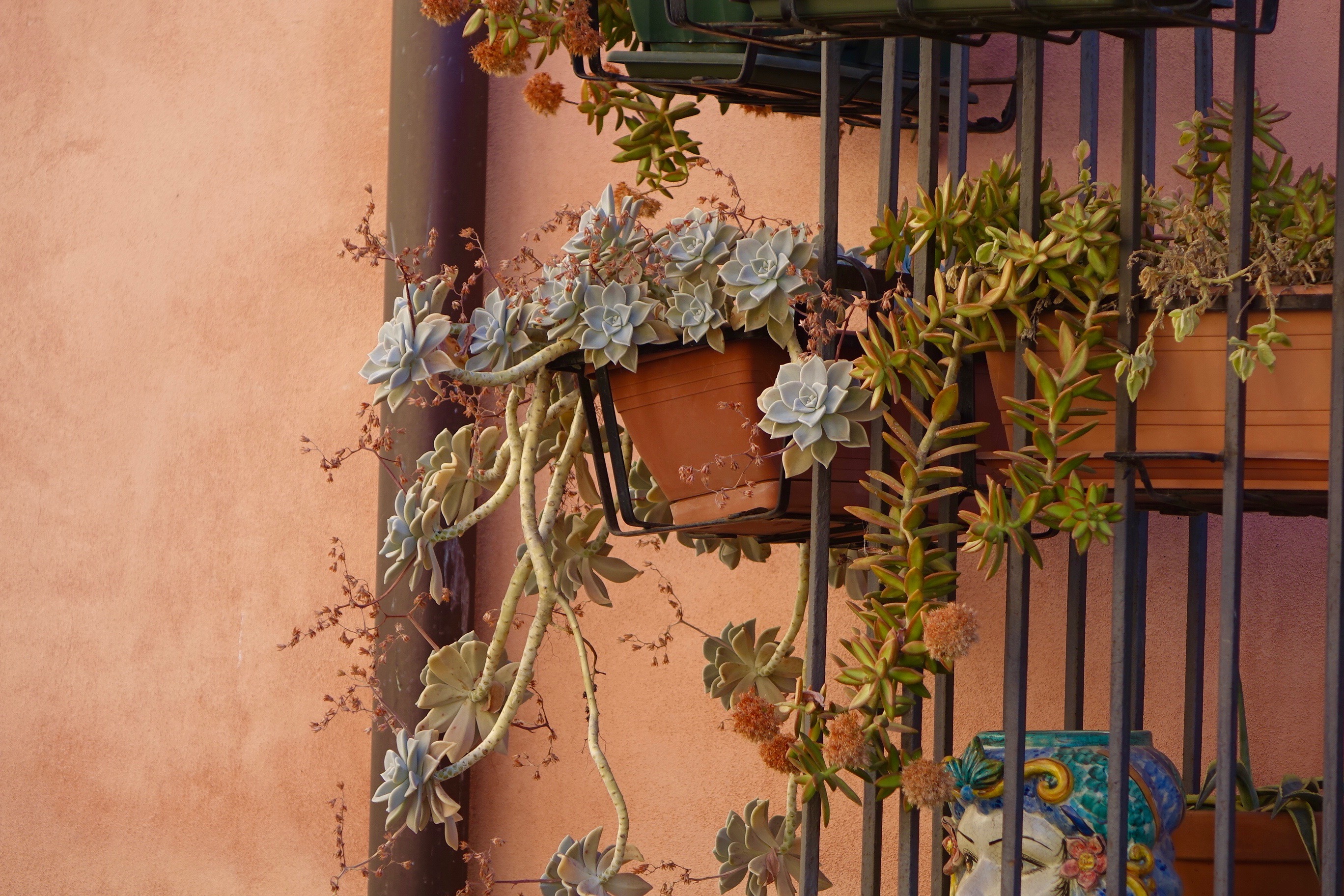
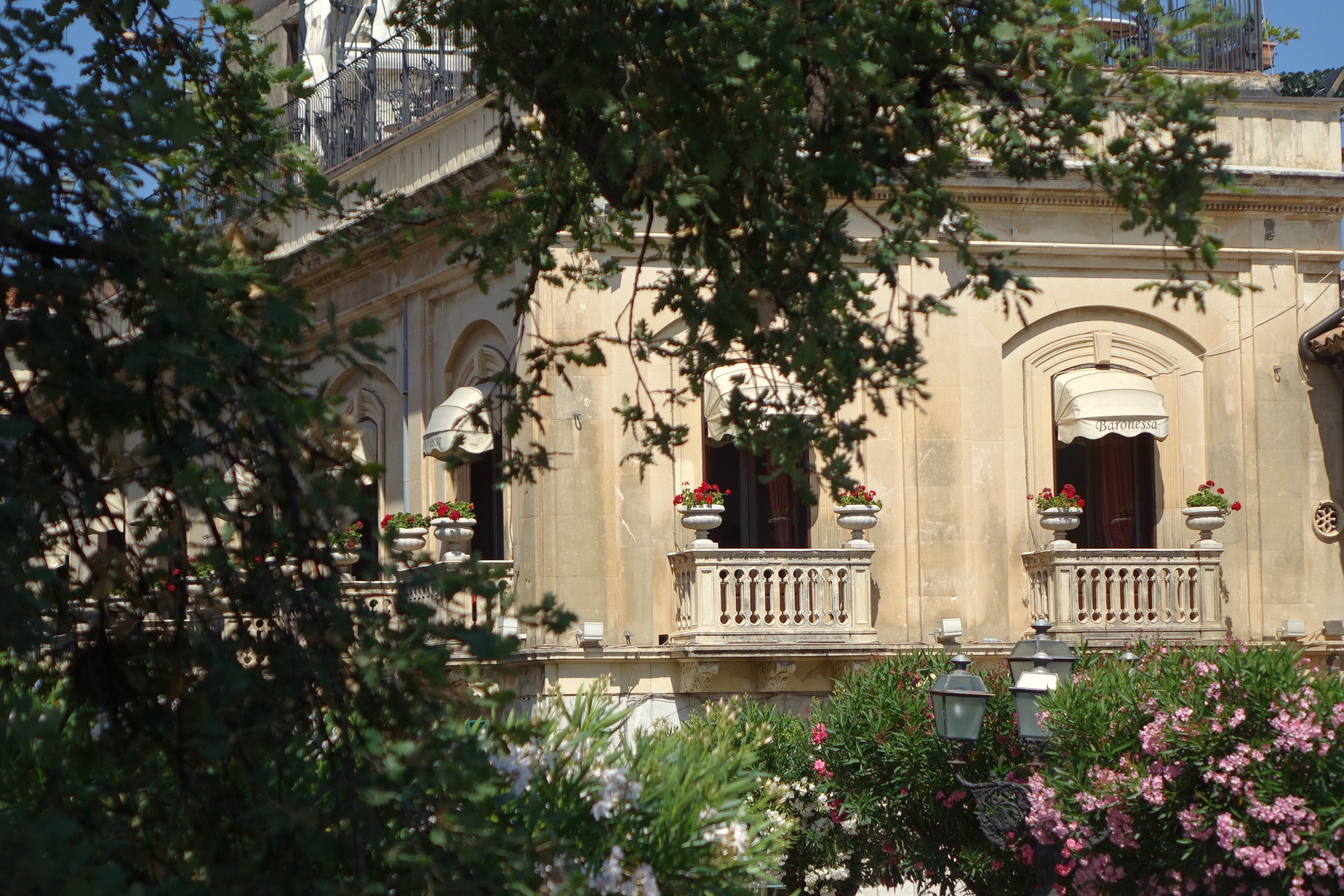
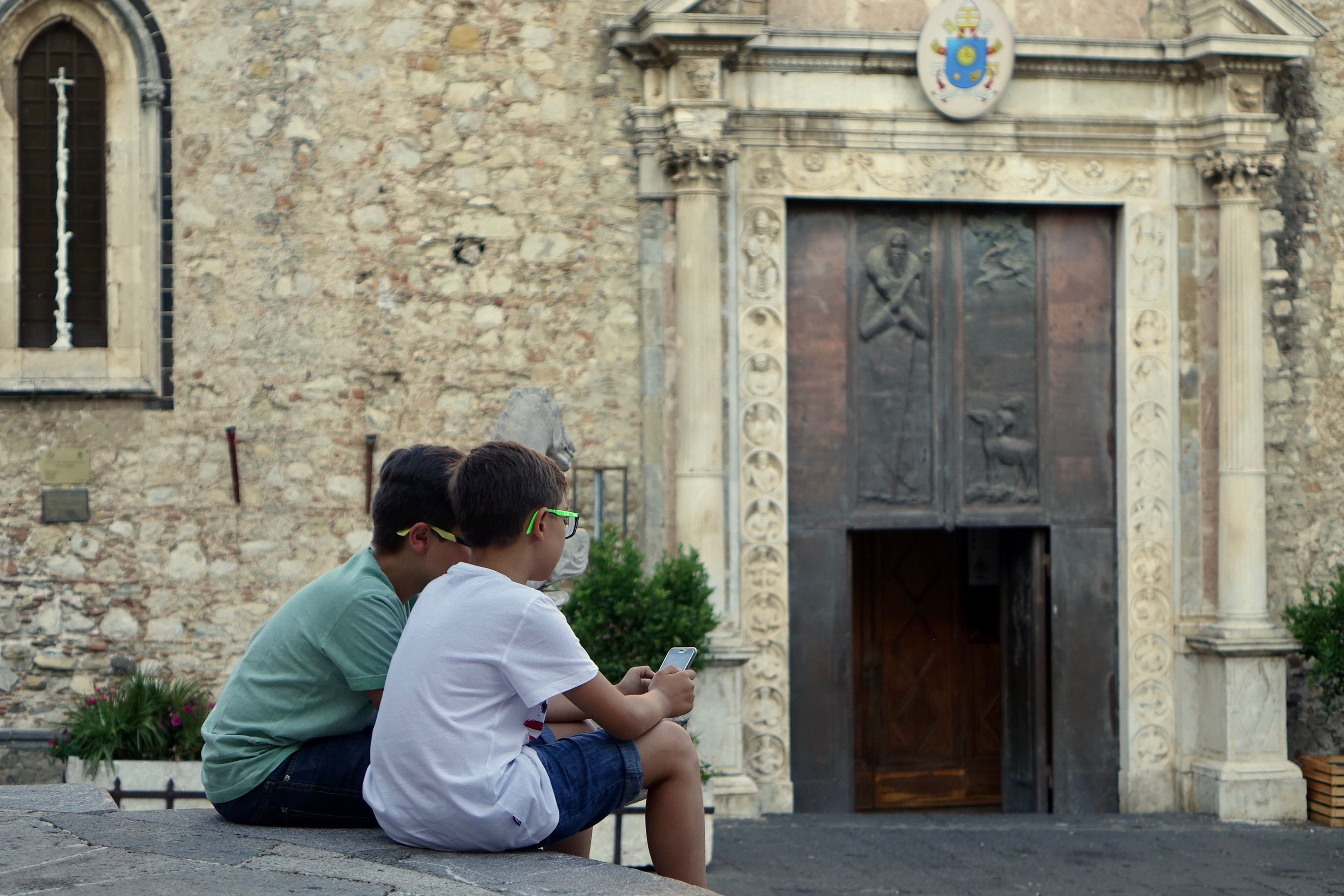
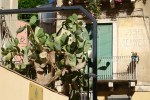
From the dusty, bustling and chaotic streets of Catania, we moved upwards and outwards along Sicily’s Eastern Coast to the popular tourist town of Taormina. Situated in a delightful apartment by the sea, which benefitted from both an extensive green garden, full of lizards and ferns, and an incredible sea view over the beach of Mazzaró, we were only metres from the cable car station which led us straight to Taormina, perched upon its rocky heights. There was something about the quaint little cable cars which took us up from the coast to this ancient town which reminded very heavily of the set-up in Capri, and indeed the town of Taormina also had something of the Capri style about it.

DSC02229DSC02257DSC02686DSC02264DSC02285DSC02286DSC02630

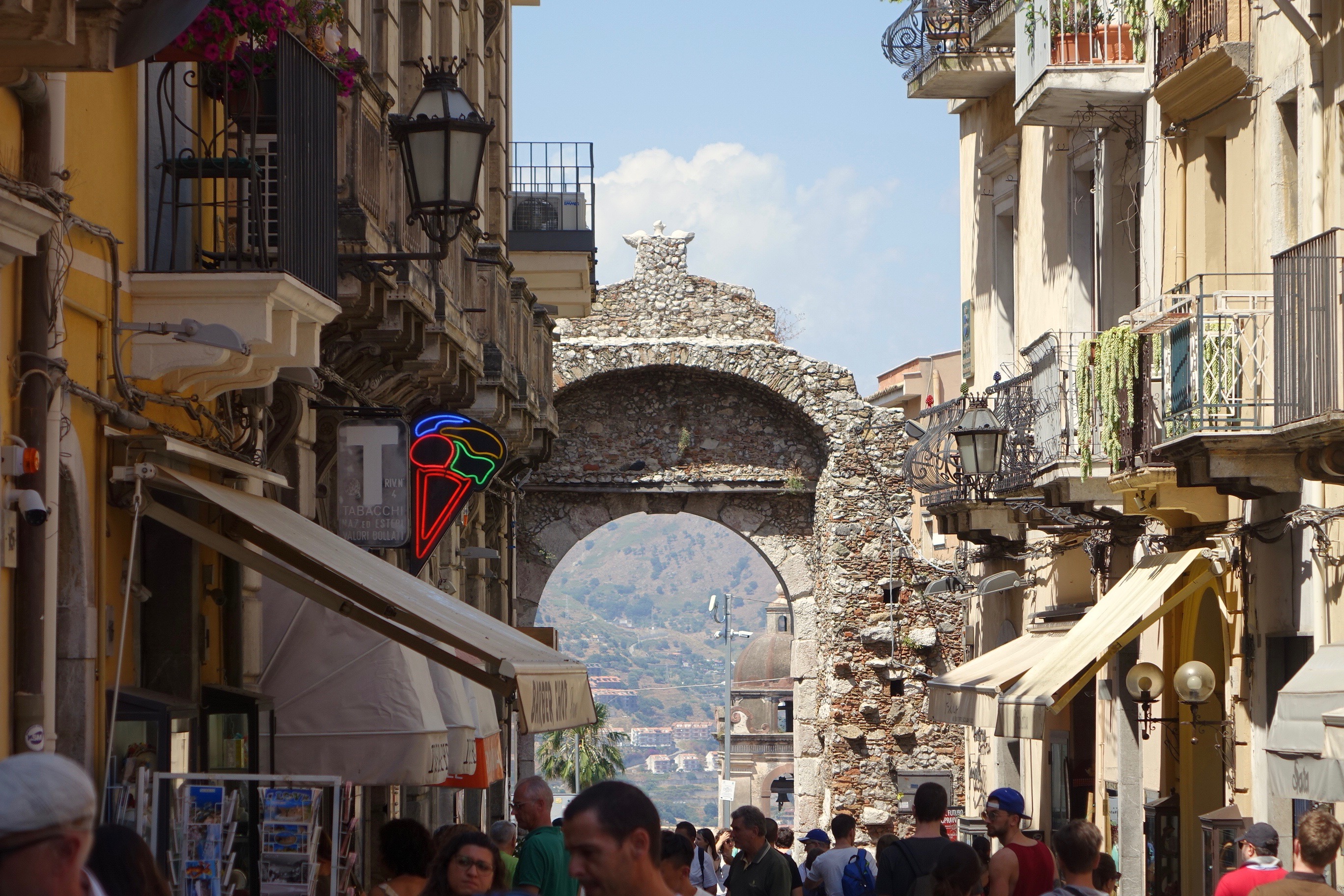
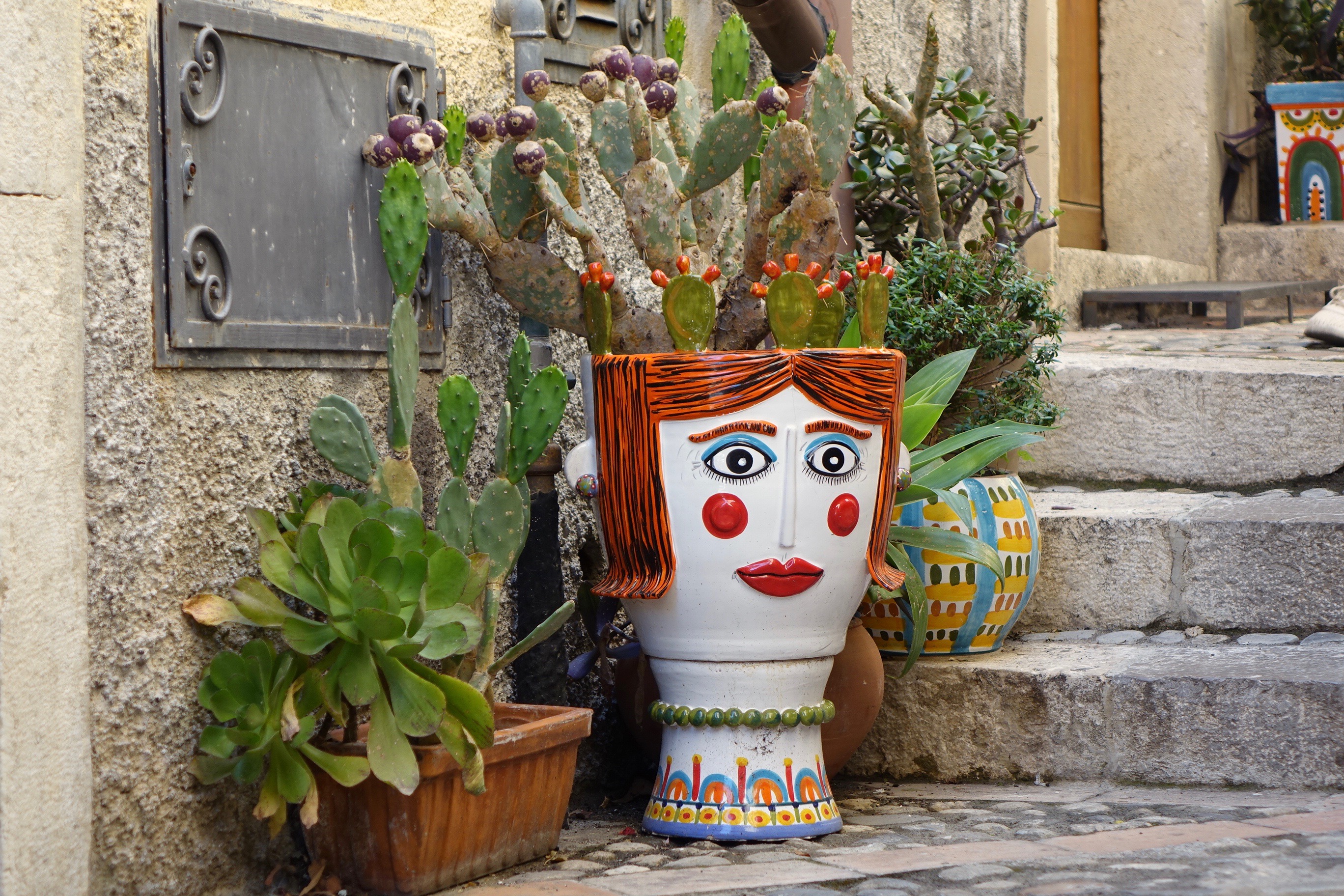
While the popularity of the town of Taormina has very much hinged upon the presence of its stunning Greek theatre and its dramatic Etna backdrop (more about that next time), no doubt the heritage of having taken its rightful place as a stop on the Grand Tours of old has contributed to the somewhat classy breed of tourism which characterises Taormina today. Of course you’ll see the odd inappropriately vested tourist ambling along the salubrious Corso Umberto, but you’ll also notice that he looks out of place. For today’s Taormina is a town of quaint old streets and pricey boutiques, of people-watching cafes and streets adorned with fountains and churches and marbled pavements. In short, everything that in combination makes for my favourite kind of holiday destination.

DSC02628DSC02278DSC02245DSC02711DSC02318DSC02323DSC02631

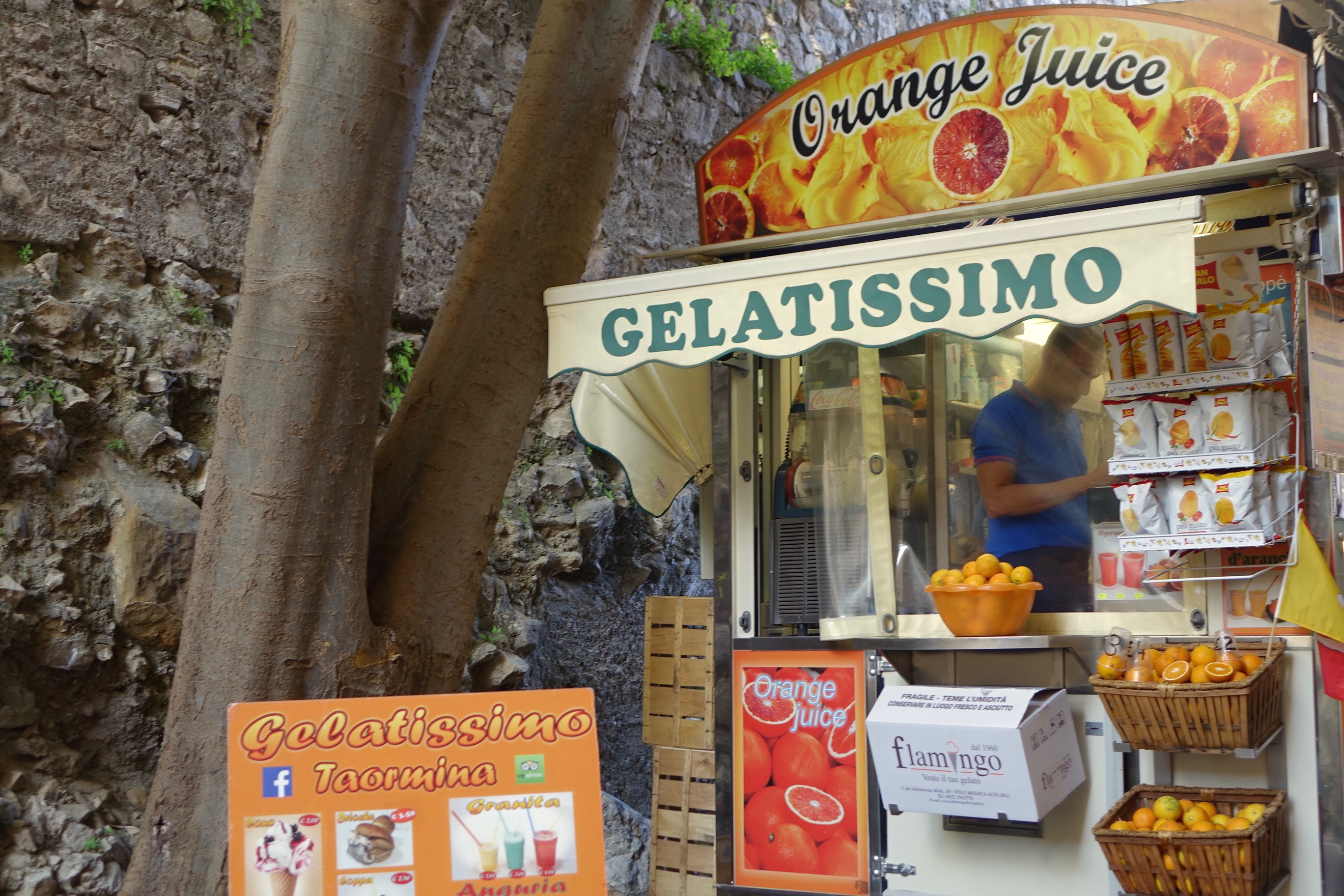
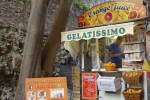
So the town of Taormina very quickly became our favourite Sicilian haunt, to enjoy an Aperol Spritz, to listen to the many street musicians frequently assembled, to watch as the milky afternoon sunshine bounced of glittering carts serving gelato and granita di limone, and to admire the breathtaking views which offered a vista across the long Eastern coast, sprawling hillsides and of course the mighty silhouette of Etna beyond. The photos on this page offer something of the wonderful atmosphere of Taormina. A place to see, and to be seen in.

© Nicholas de Lacy-Brown and The Daily Norm, 2001-2017. Unauthorized use and/or duplication of the material, whether written work, photography or artwork, included within The Daily Norm without express and written permission from The Daily Norm’s author and/or owner is strictly prohibited. 

The Sicily Series | Part II – La Pescheria, Soul of the City

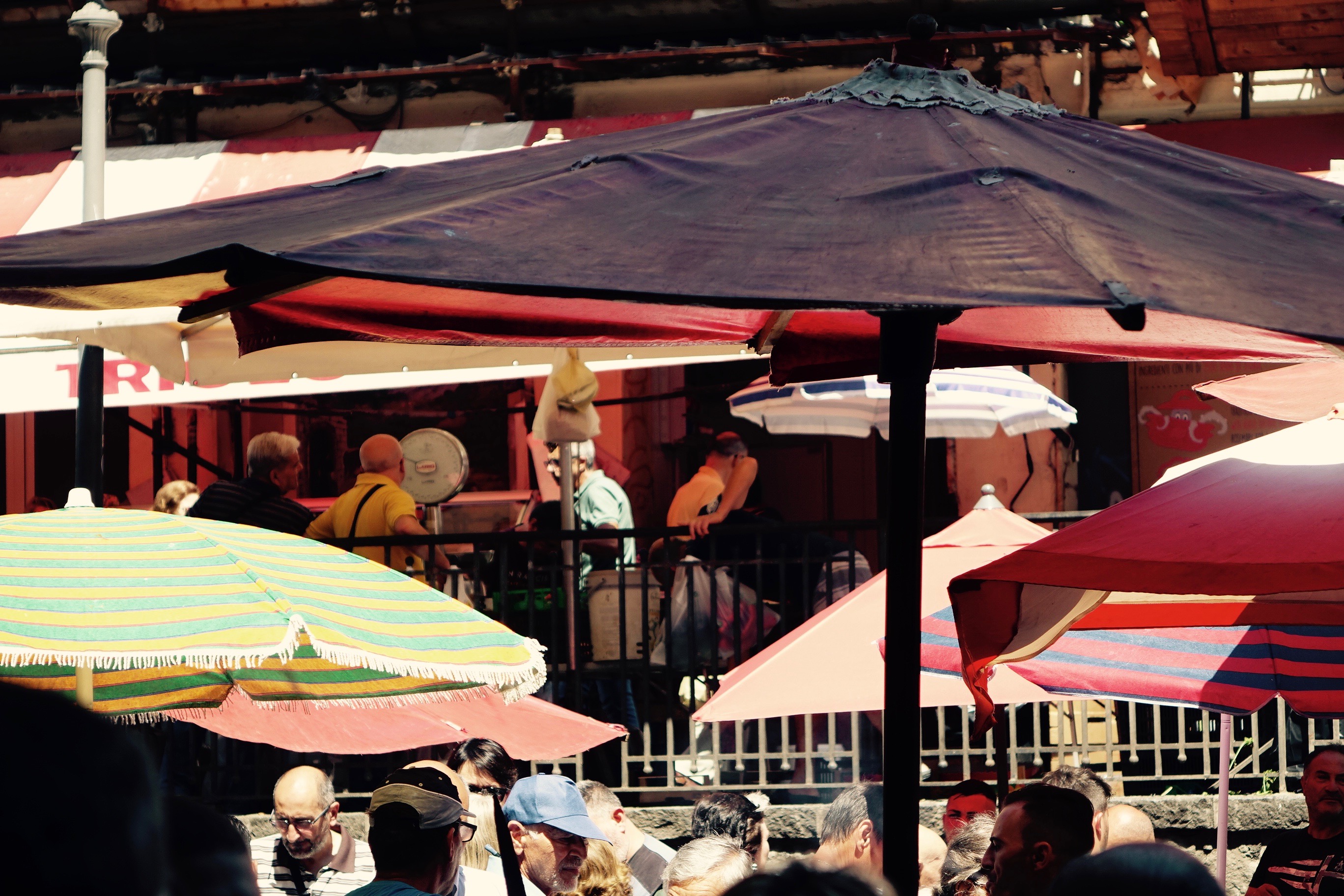
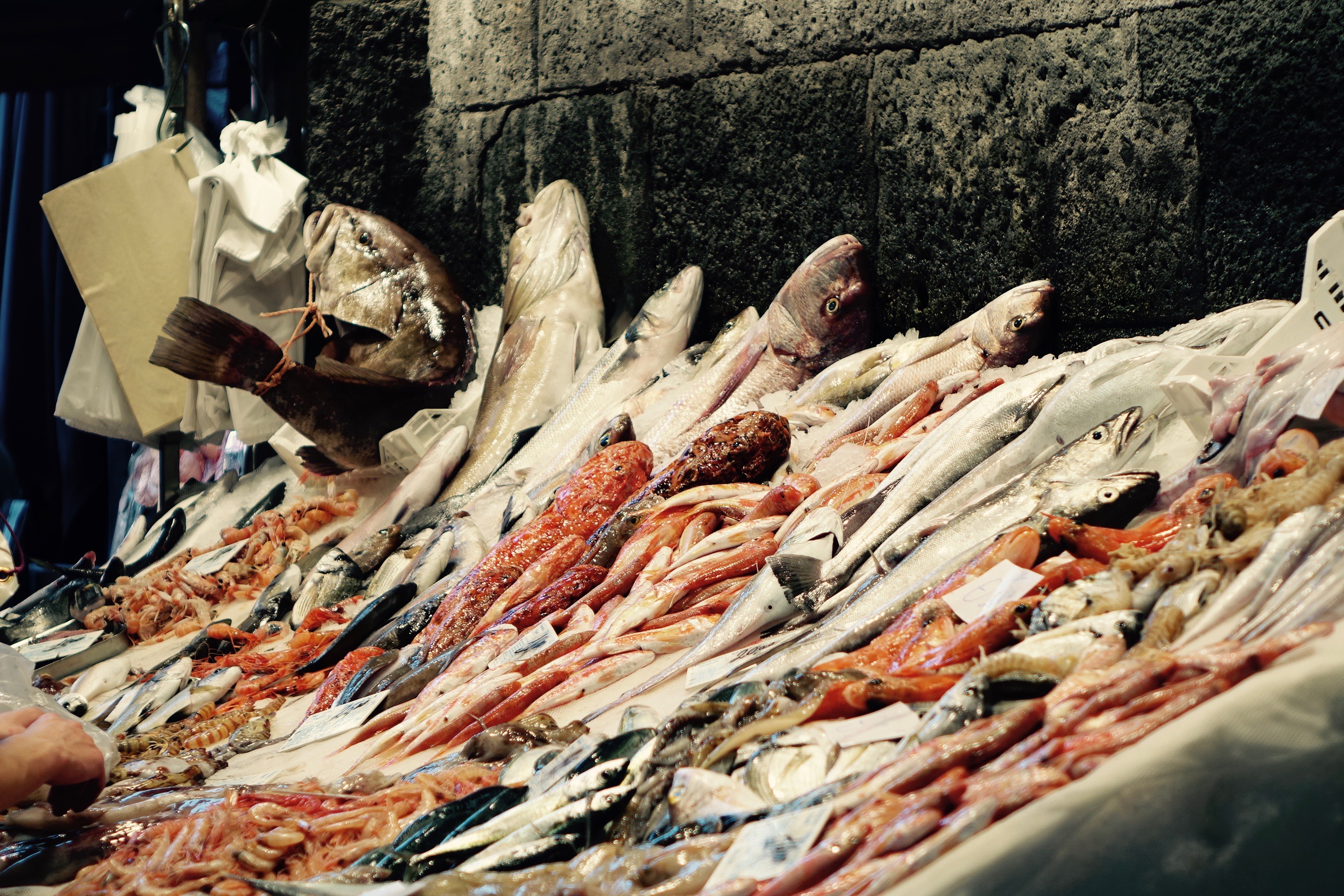
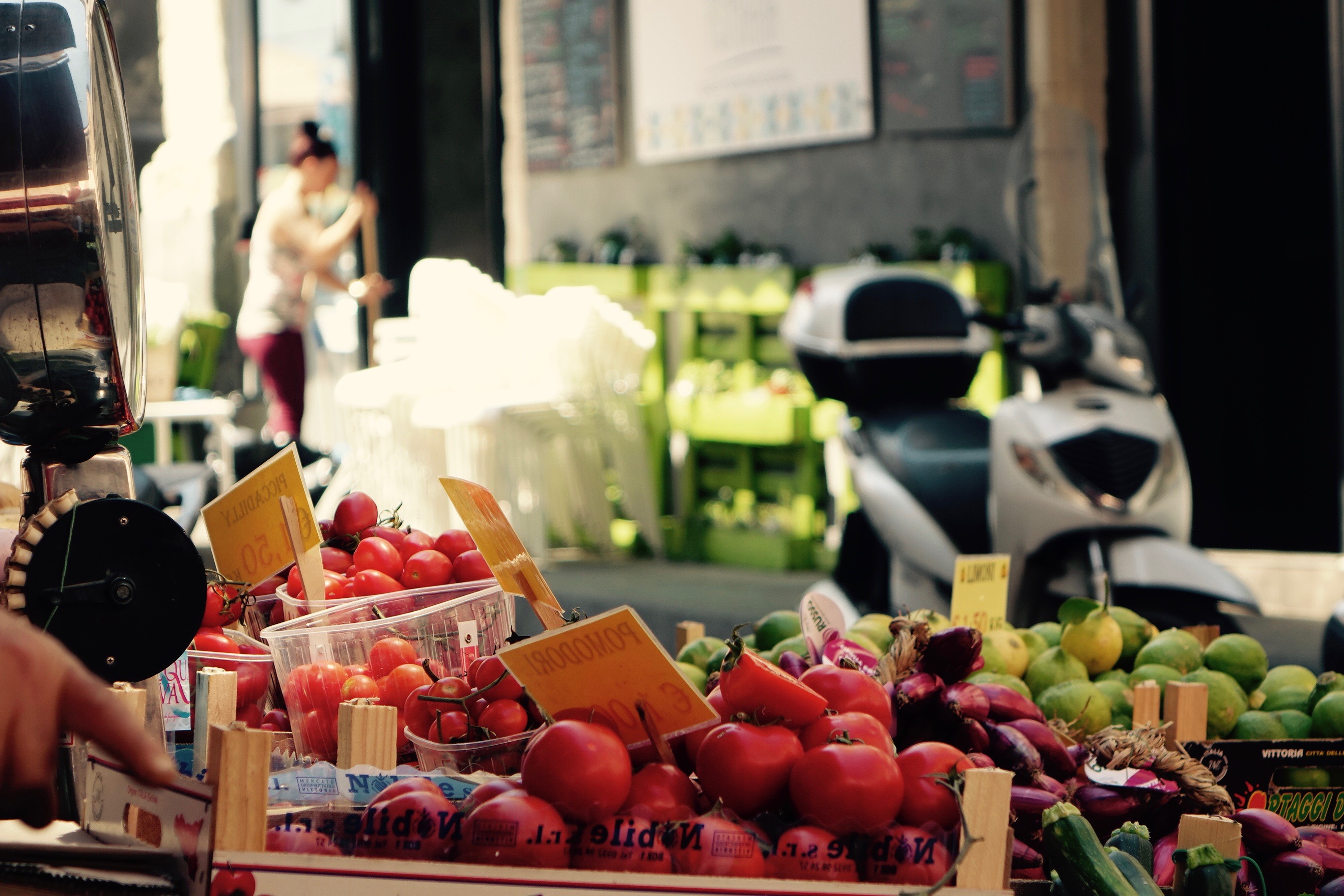
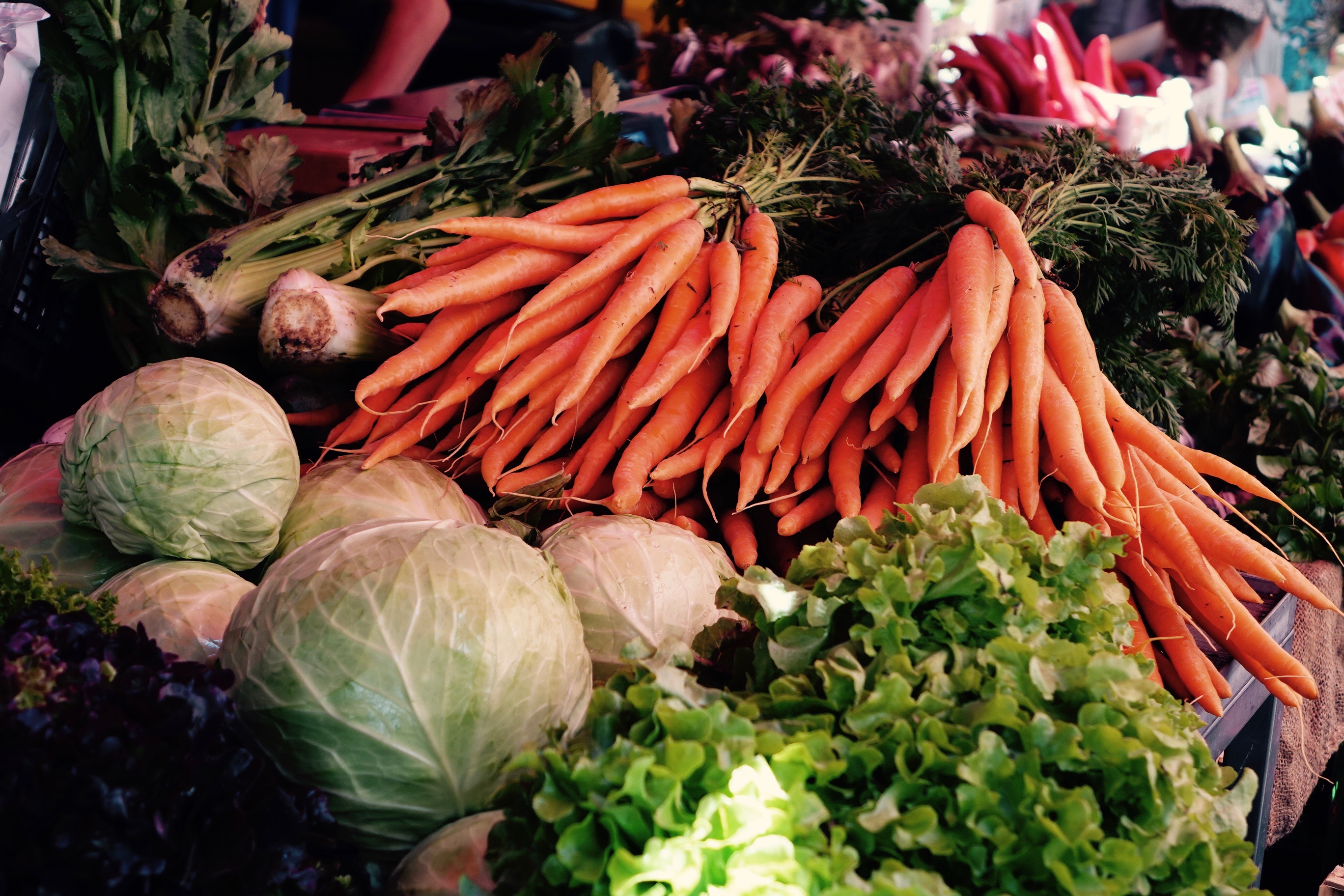
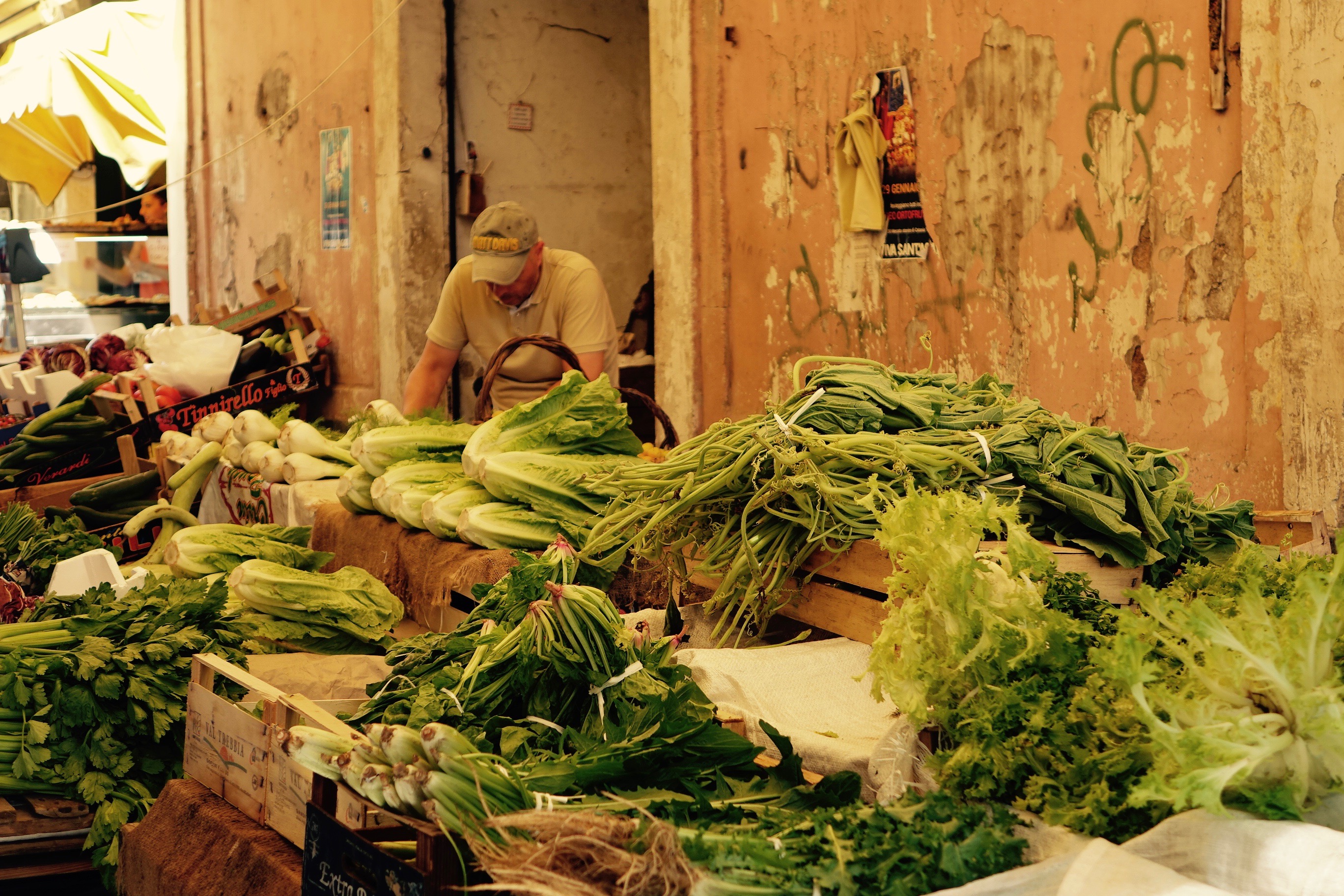
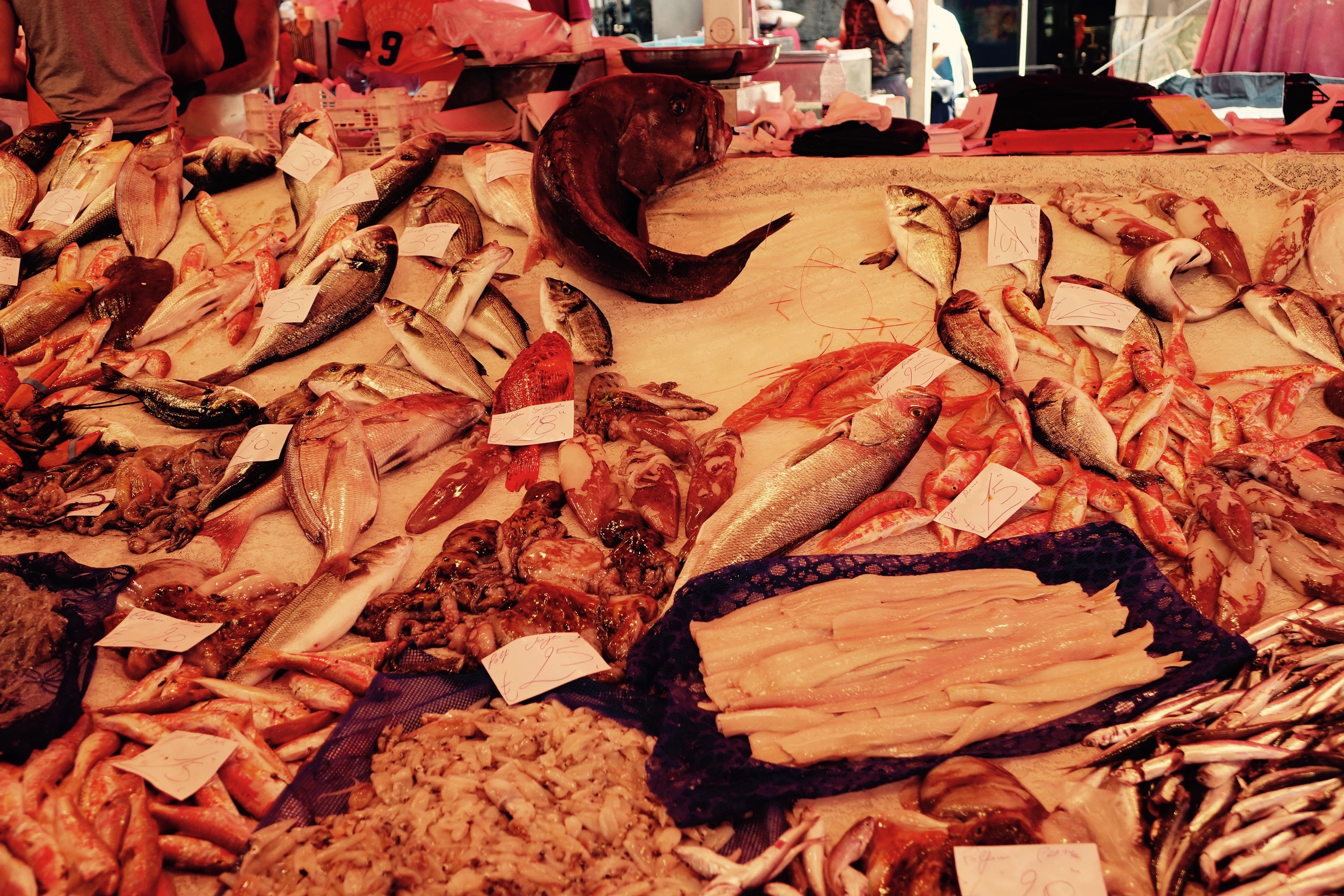
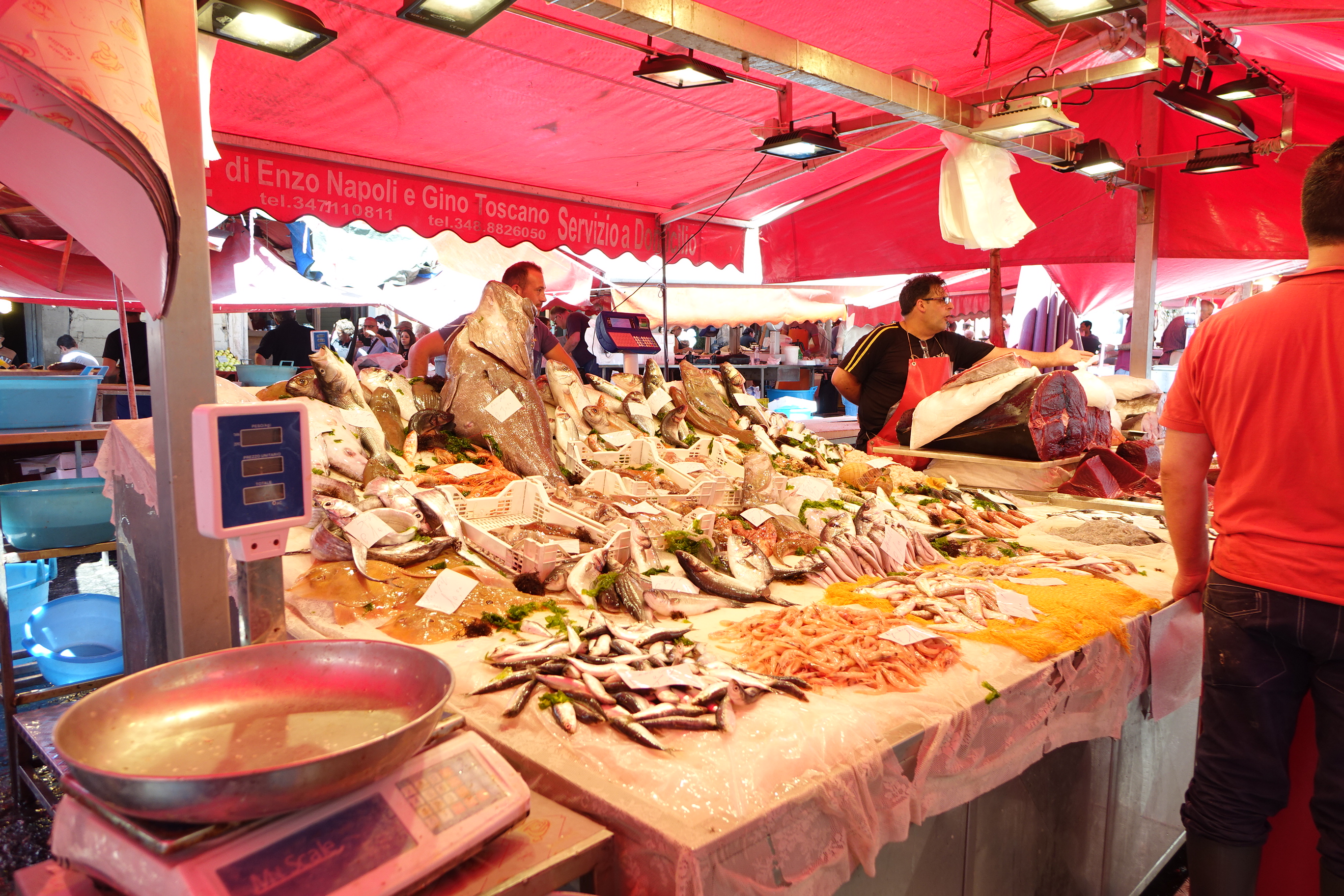
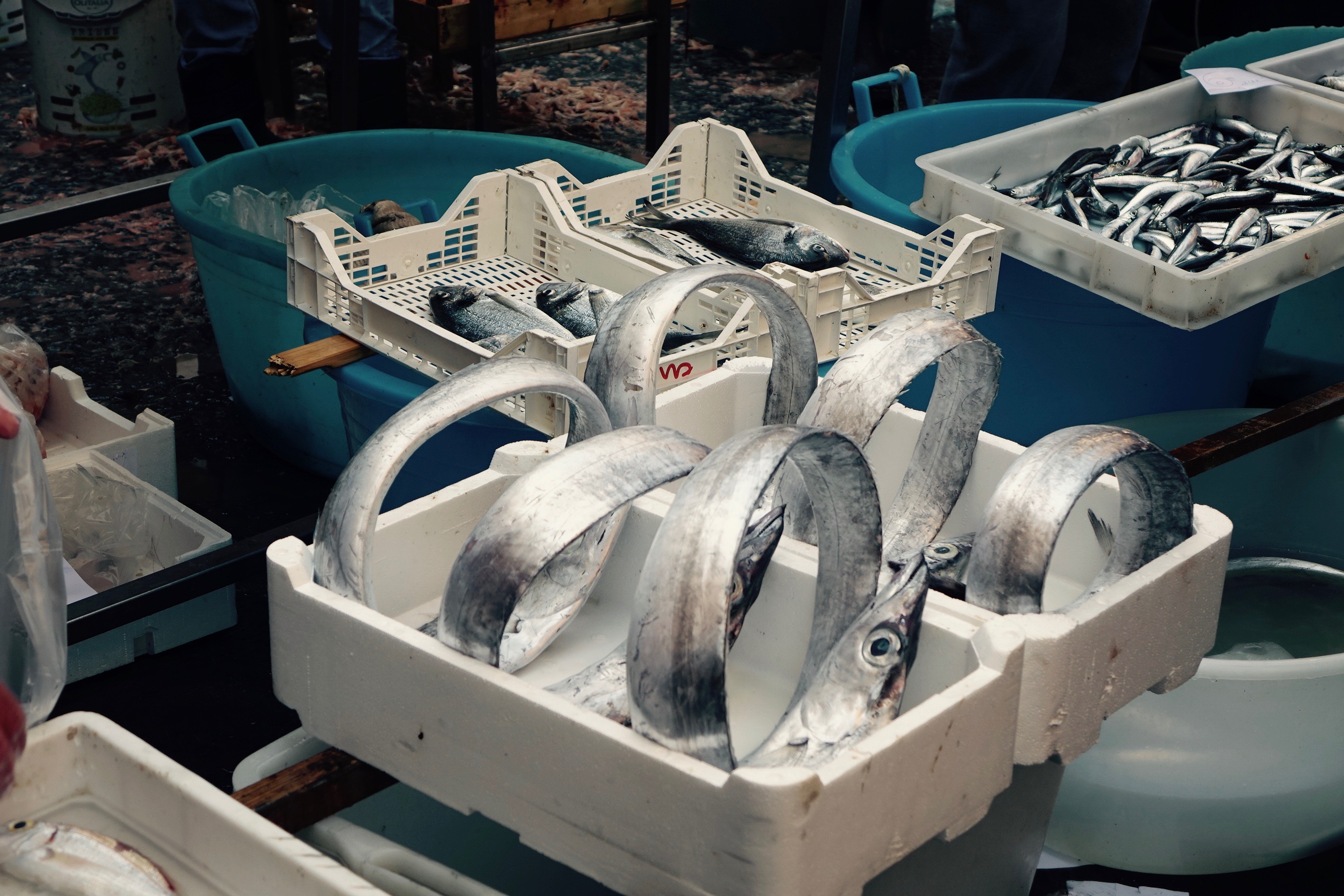
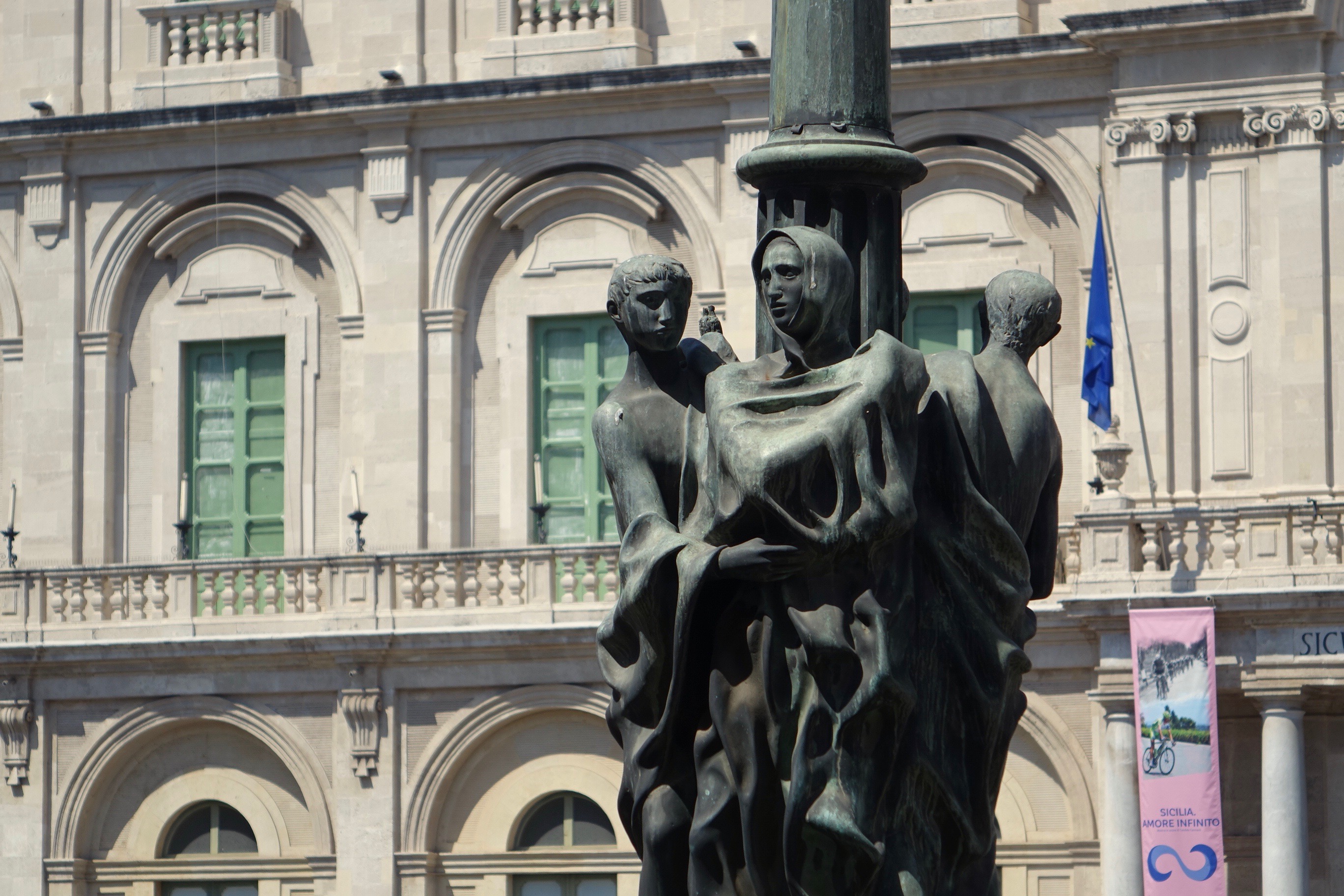
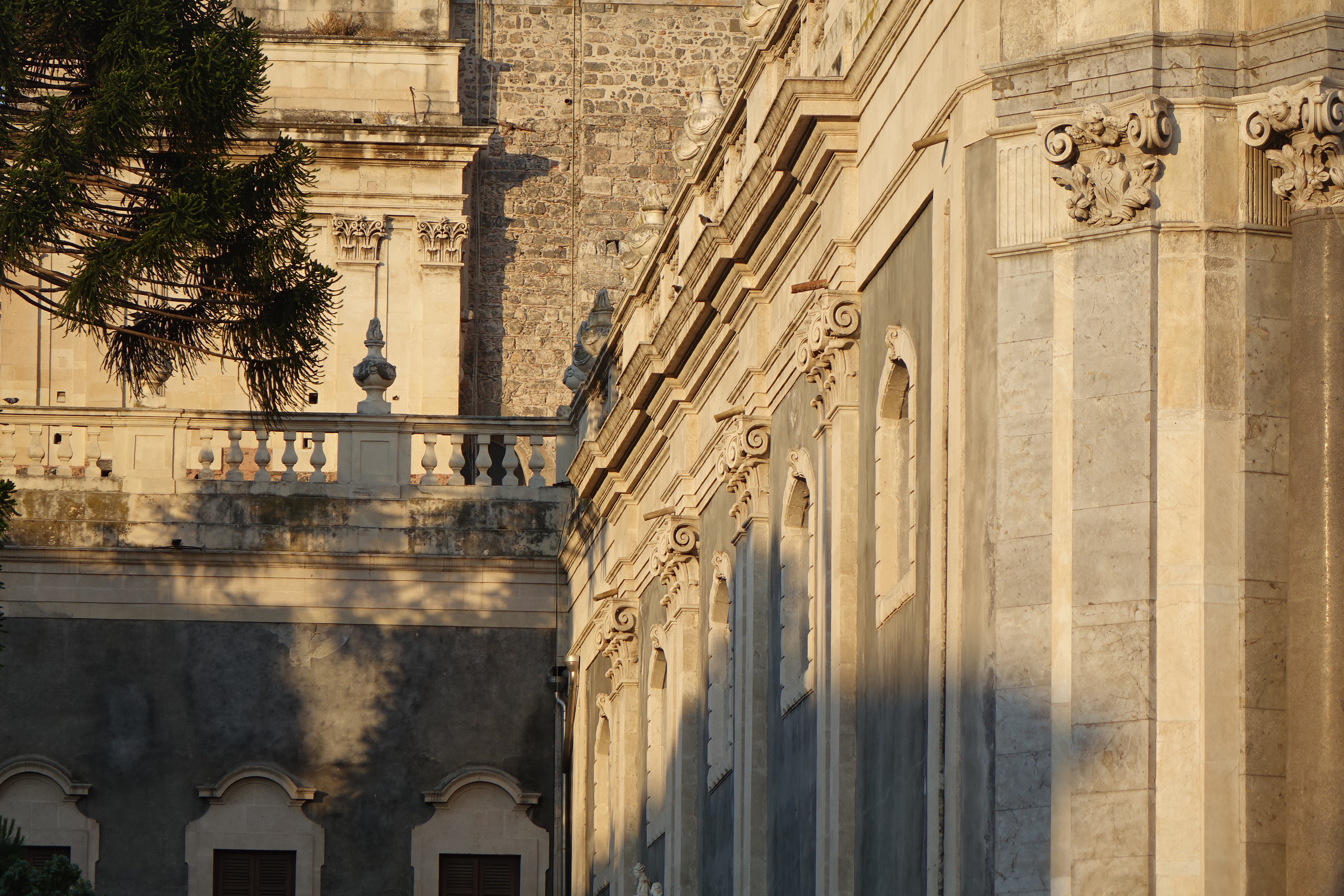
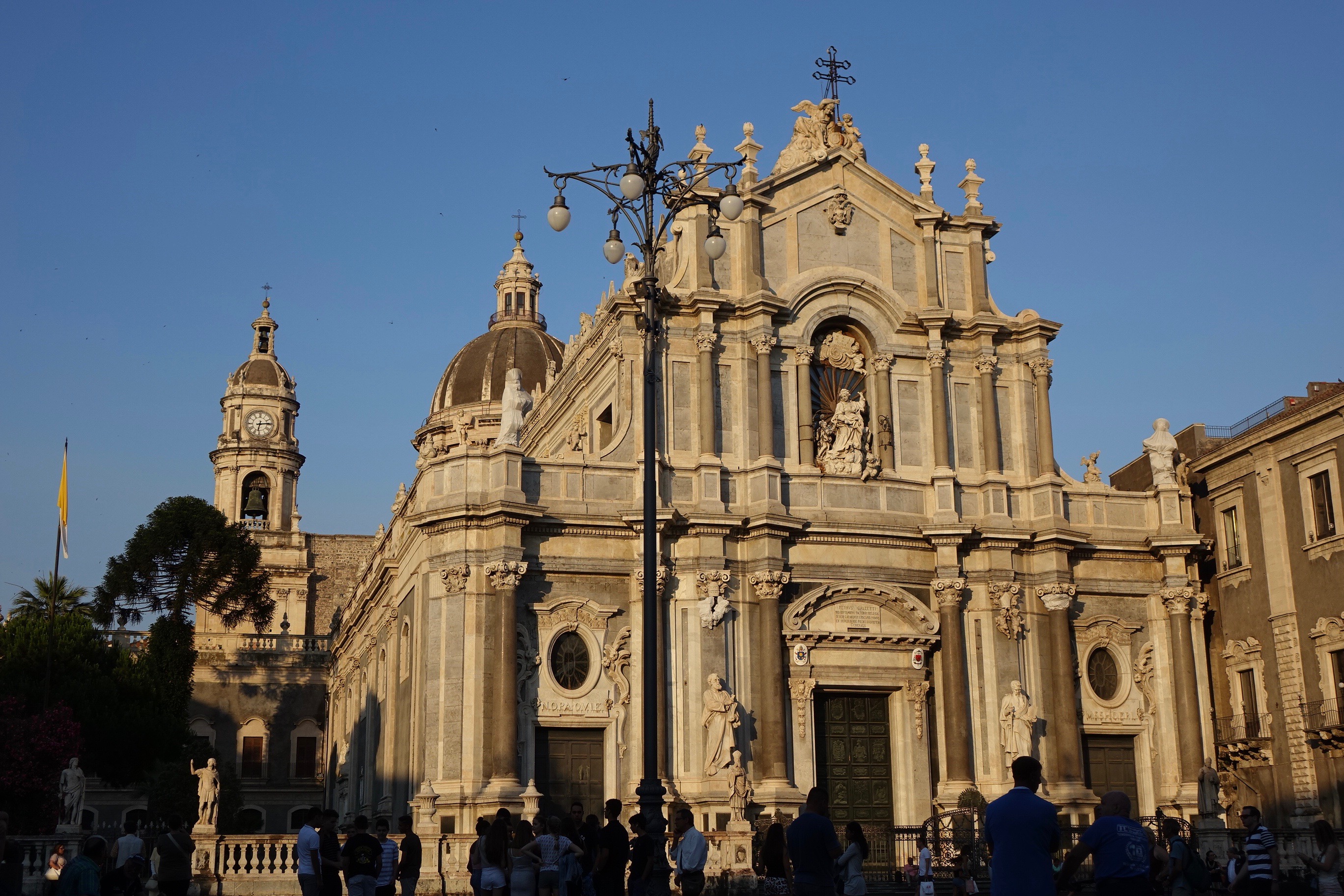
You can smell Catania’s famous daily fish market, Le Pescheria, long before you approach it… that unmistakable smell of the sea tinged by an ever so decipherable pungency of putrid flesh together with the fresh zing of lemon, the fragrant perfume of fresh herbs and the pure scent of water, the neutral base note which both reflects and is imbued with the distinctive nature of the surrounding area. In Catania, that is a smell which is characterised by the scorching heat absorbed into and evaporating off the dark lava stone walls of its ancient Etna-born palazzos. Follow the scent, past the resplendent Baroque Duomo, and you find yourself in Catania’s burgeoning and frankly raucous market, starting with the abundance of locally caught fish, and spreading outward into the streets beyond where stalls loaded with fruit and vegetables, herbs and spices, bread and cheeses populate every spare inch of the pavements.

The famous fish market

DSC02056DSC02037DSC02043DSC02044DSC02047DSC02035

I have been to many wonderful European markets. Each have their own character, and every one of them is utterly captivating for the breadth of fresh produce and characterful salesmen. But Catania’s market feels more historical and more authentic than any I have visited. Gathered together among the foundations of ancient Roman ruins and decaying Medieval walls, the stalls of the fish market are collectively transportative, with the power to recall the bustle of a Roman Forum or a scene from the Renaissance. The market takes us back to the roots of modern civilisation, stripping back our senses to a basic appreciation of nature at its best: enviably fresh fish, sensationally plump vegetables, none of them the result of quality control but a product of nature’s caprice. And beyond the produce, perhaps the best thing about Catania’s market is its people, the fishermen and stall holders who are so full of passion, who will declare strong and loud that their fish is the best, outdoing one another to see who can attract the most attention, and secure the quickest sales of their freshly acquired catch.

To be accompanied by some super-fresh fruit and veg… (and cheese)

DSC02070DSC02064DSC02066DSC02068DSC02063DSC02079DSC02074DSC02075DSC02077DSC02072

All of this combines to make a visit to Catania’s market an ultimately thrilling experience, full of noise, of smells, and of colour; shades of pink and red and green and blue whose vibrancy truly shines against a backdrop of black lava stone. This is street theatre at its thrilling best, as fishermen slice open slithering fish and proudly display their decapitated fish heads while elegantly dressed women totter in heels, neatly stepping over pools of water stained with blood. Catania is a city with real spirit and an abundance of outwardly expressed emotion, but it is perhaps in its market where Catania’s soul truly resonates.

…and some more fish

DSC02038DSC02055DSC02034DSC02052DSC02033DSC02032DSC02030

© Nicholas de Lacy-Brown and The Daily Norm, 2001-2017. Unauthorized use and/or duplication of the material, whether written work, photography or artwork, included within The Daily Norm without express and written permission from The Daily Norm’s author and/or owner is strictly prohibited. 

The Sicily Series | Part I – Catania, Black City

Over the last few weeks, the Daily Norm was all about Marrakech, and the highly spiced rose city will resonate long in the minds of Norms and the Daily Norm writer. But now this blog has headed back to European shores, albeit not far from the desert sands of Morocco. For one of the Mediterranean’s most southern points, and its largest island, is the Italian island of Sicily, known for some as the ball being carefully nudged by the point of Italy’s toe. Famous for its volcanoes, its mafia, its voluminous seafood and rolling agricultural land, for its ruins and its baroque splendour, Sicily is a veritable melting pot of historical and cultural highlights, and the perfect location for any aesthete on holiday.

DSC01998DSC02084DSC01918DSC02016DSC01959DSC01994DSC02125DSC01893

But Sicily is a large island and we would be pushed to do it all in the time available. So with only a little over a week at our disposal, we concentrated our energies on the Eastern coast, and the lands above and beneath the mighty shadow of Mount Etna, one of Europe’s most active and prominent volcanoes. With its proximity to Greece as well as Italy, the Eastern side of Sicily is one heavily characterised by a history of both Greek as well as Roman civilisations, not to mention the Arabic and Spanish influences which also made their mark during their respective occupations. All of these influences were clear to see upon our first stop in Sicily, in its second biggest city and the tenth largest in Italy: Catania.

DSC02133DSC02122DSC01969DSC01996DSC01954DSC01952DSC01941DSC01927

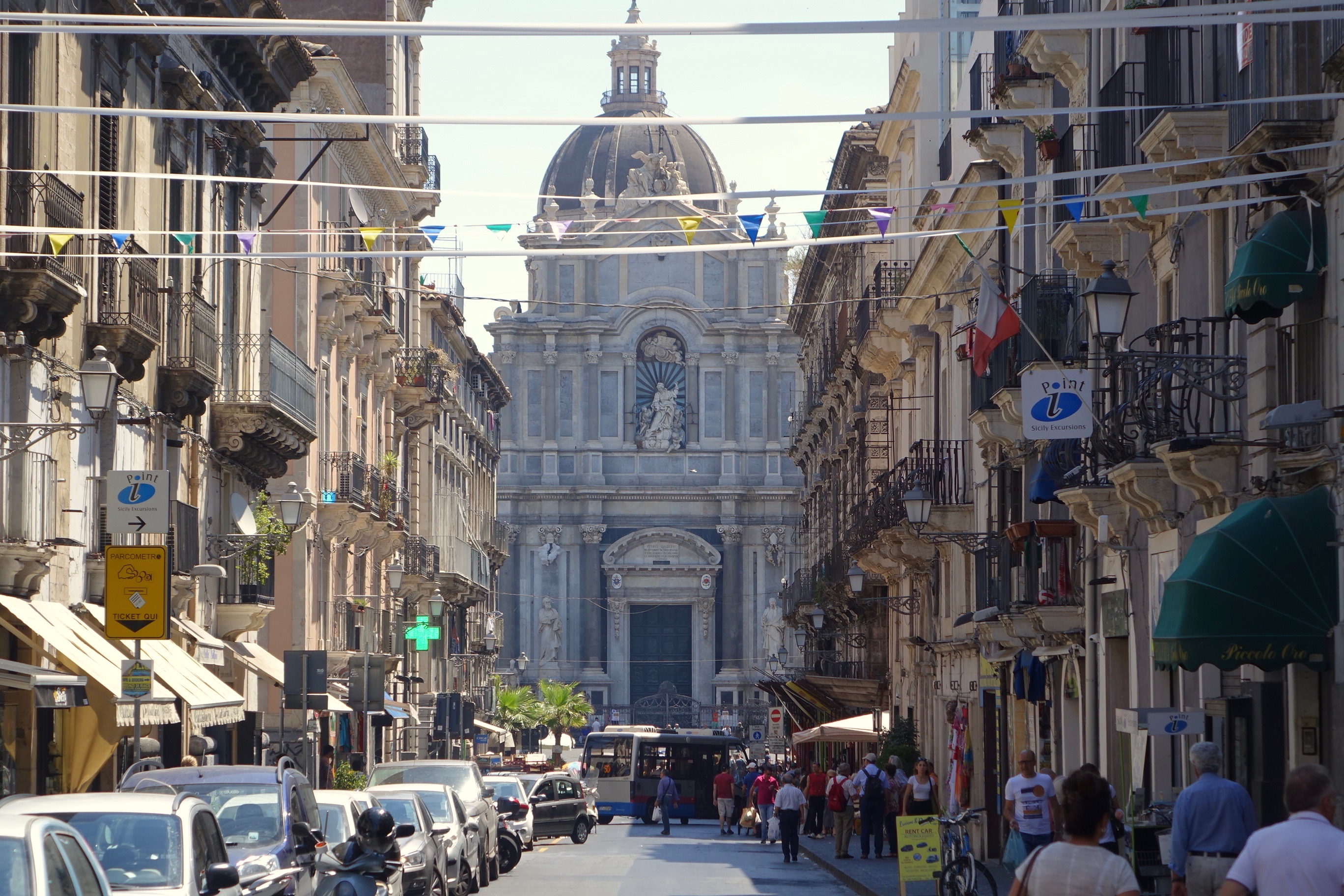
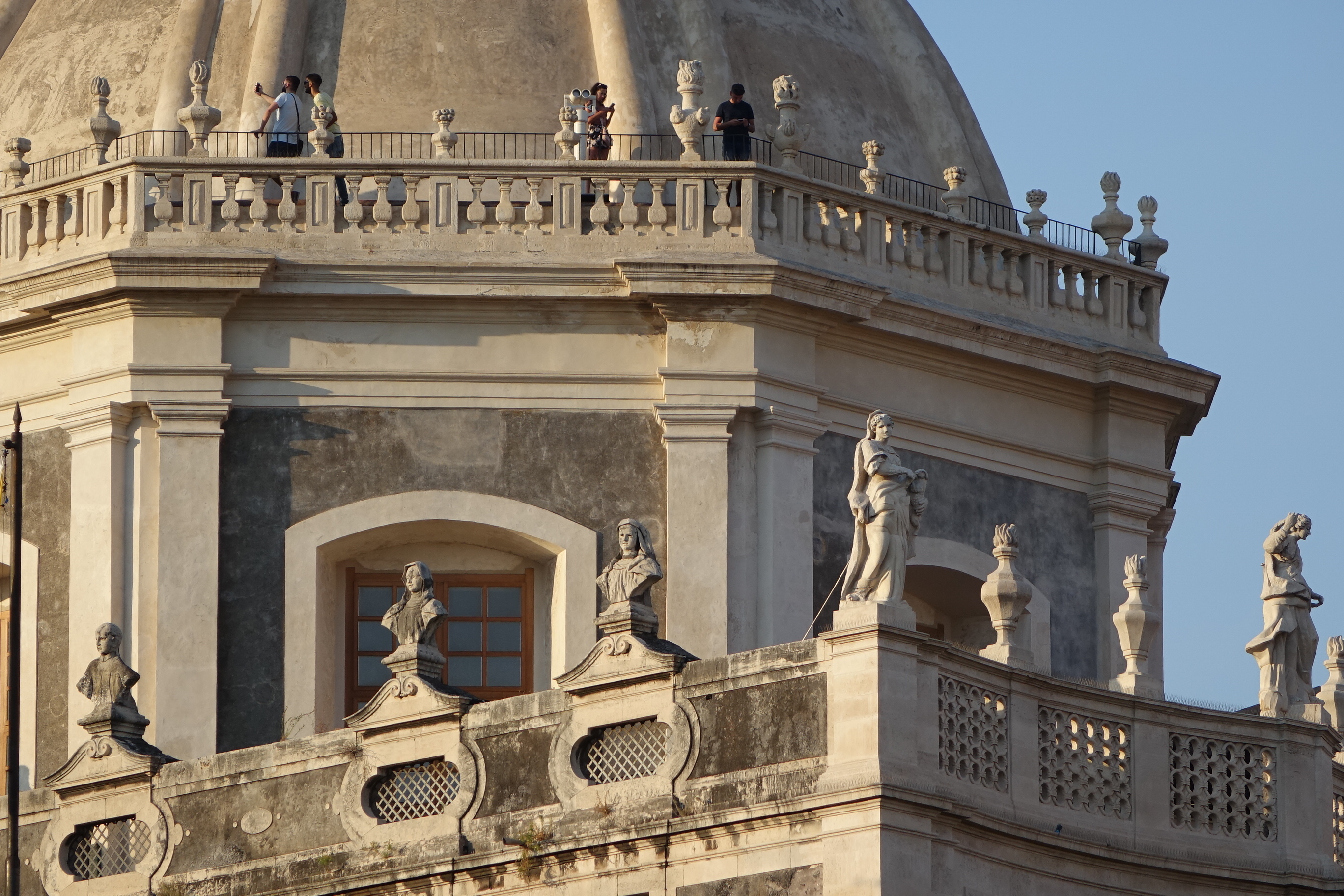
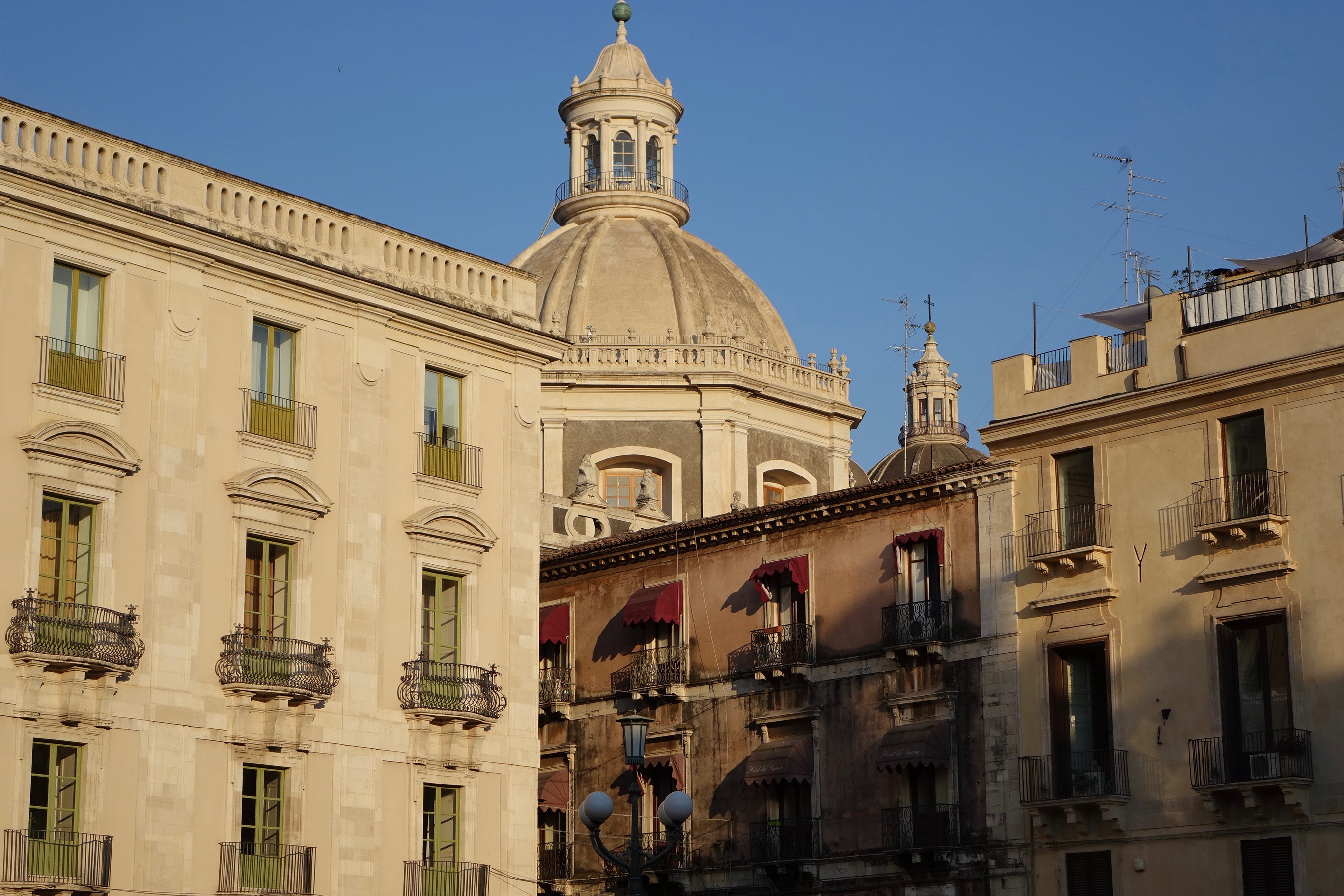
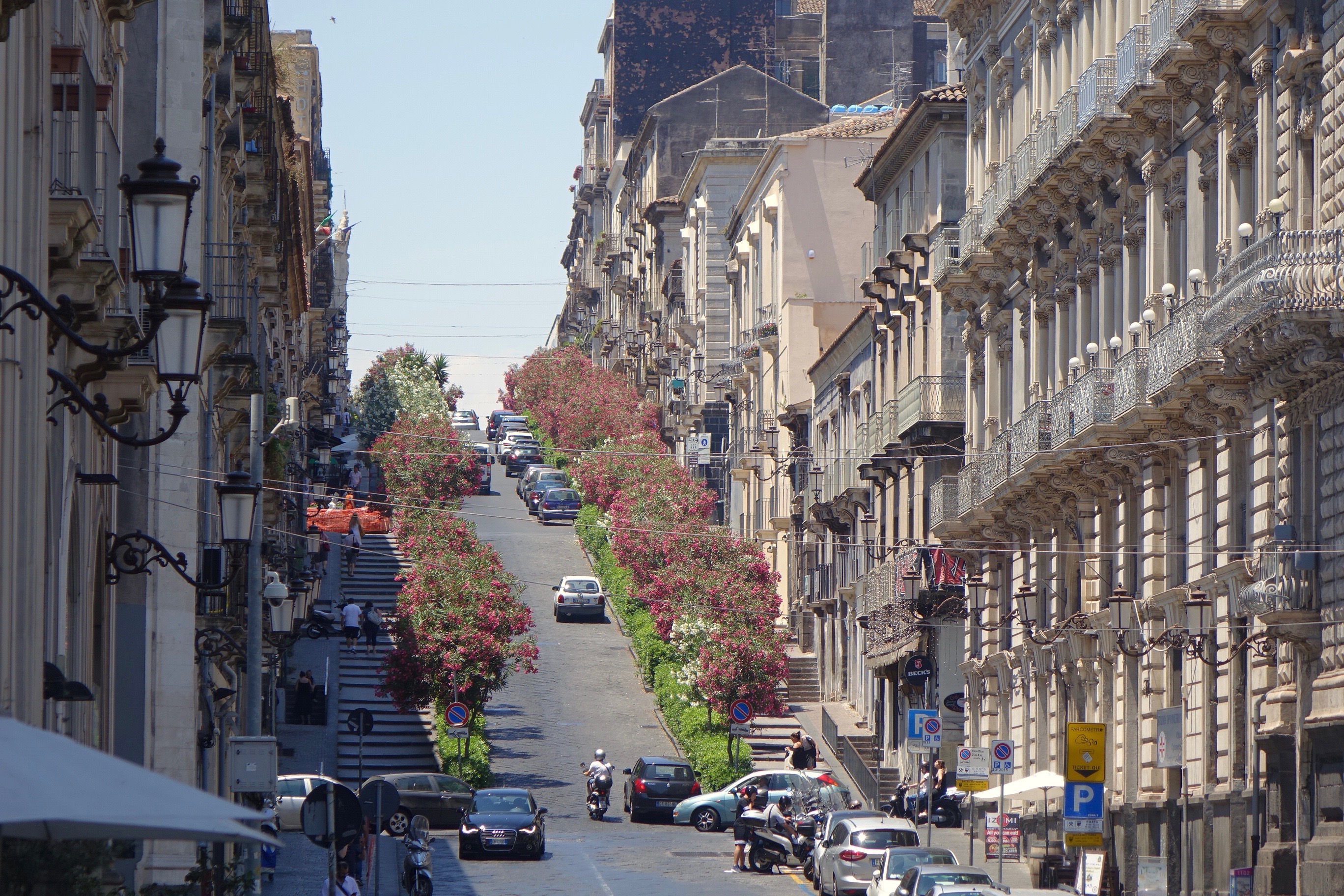
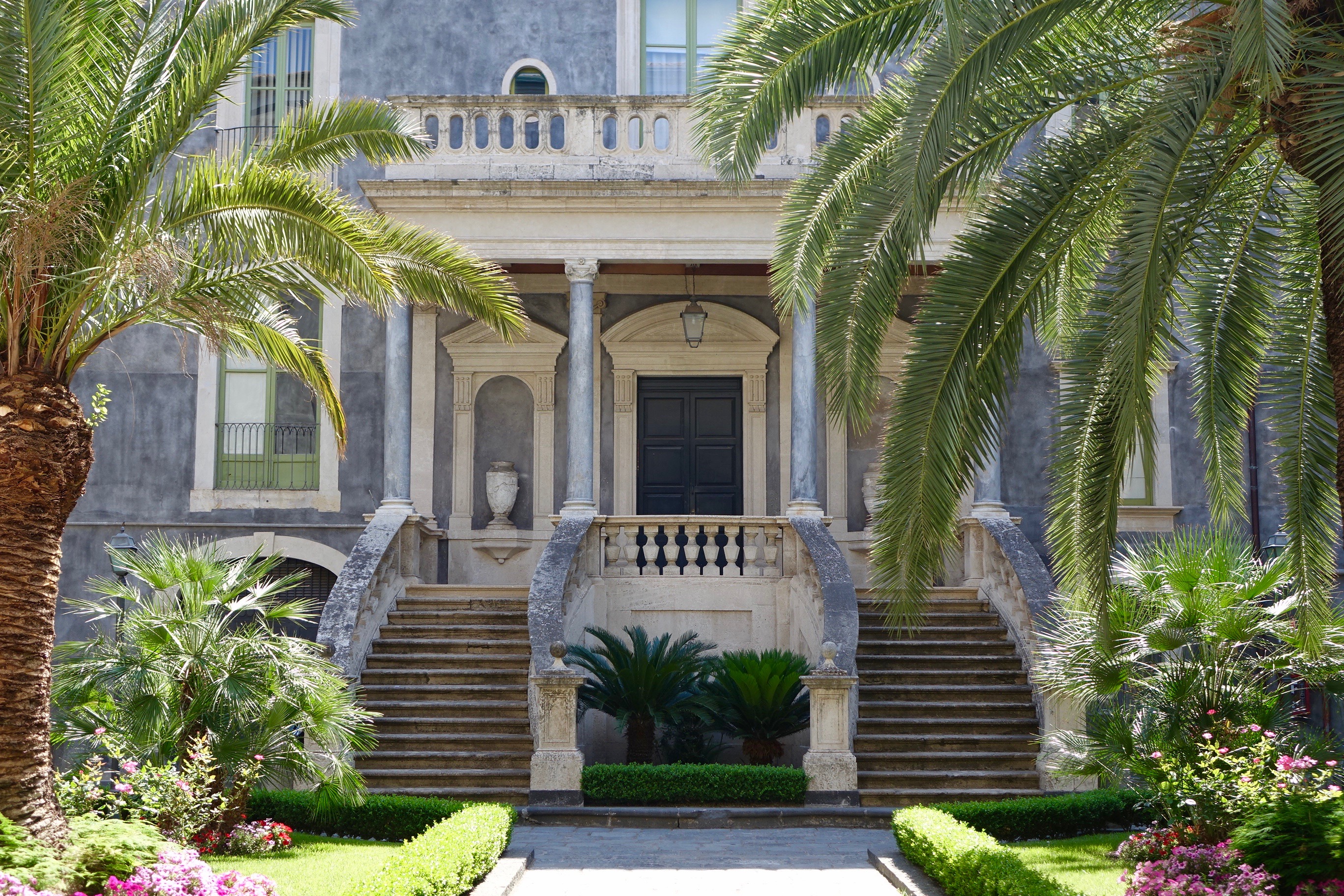
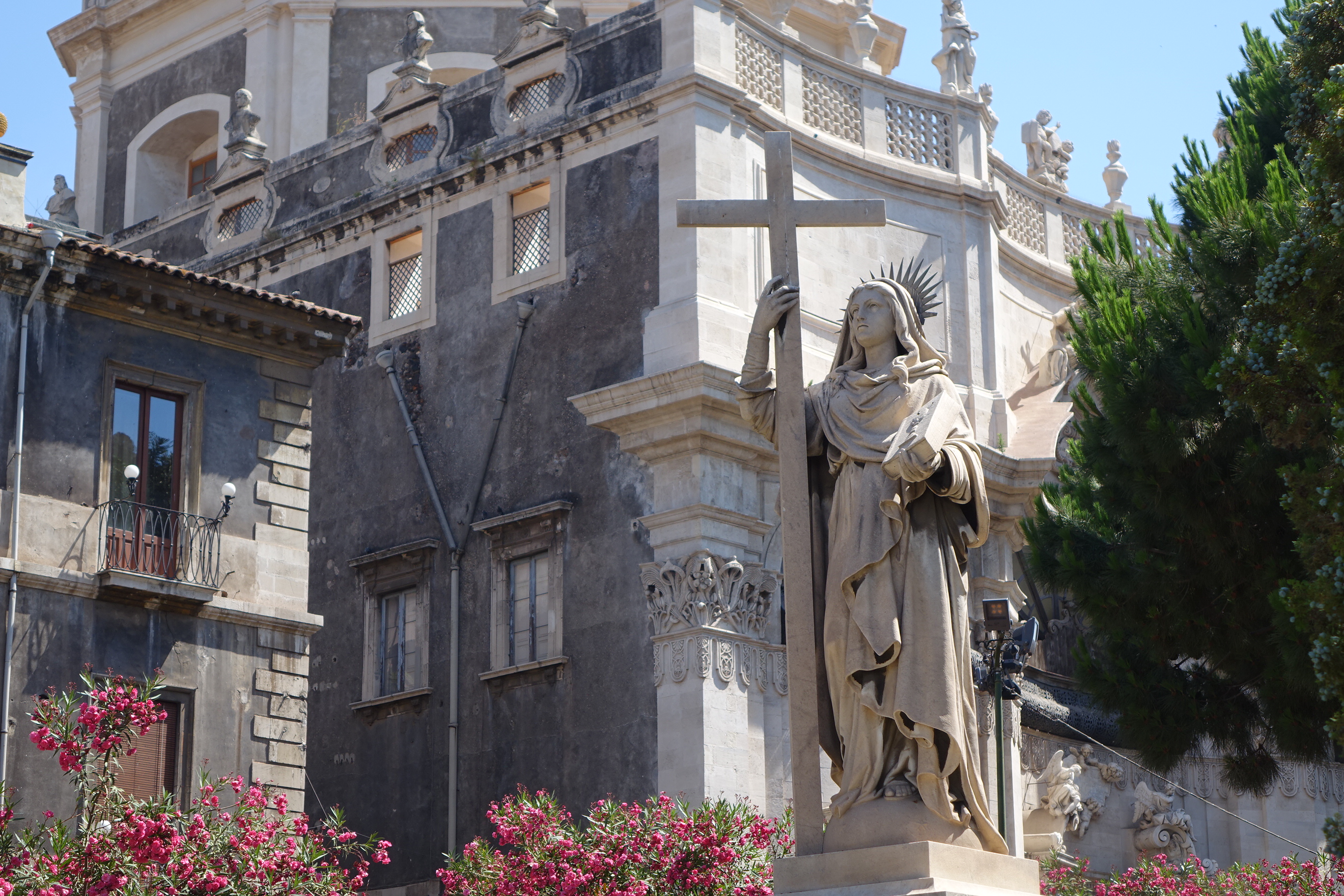
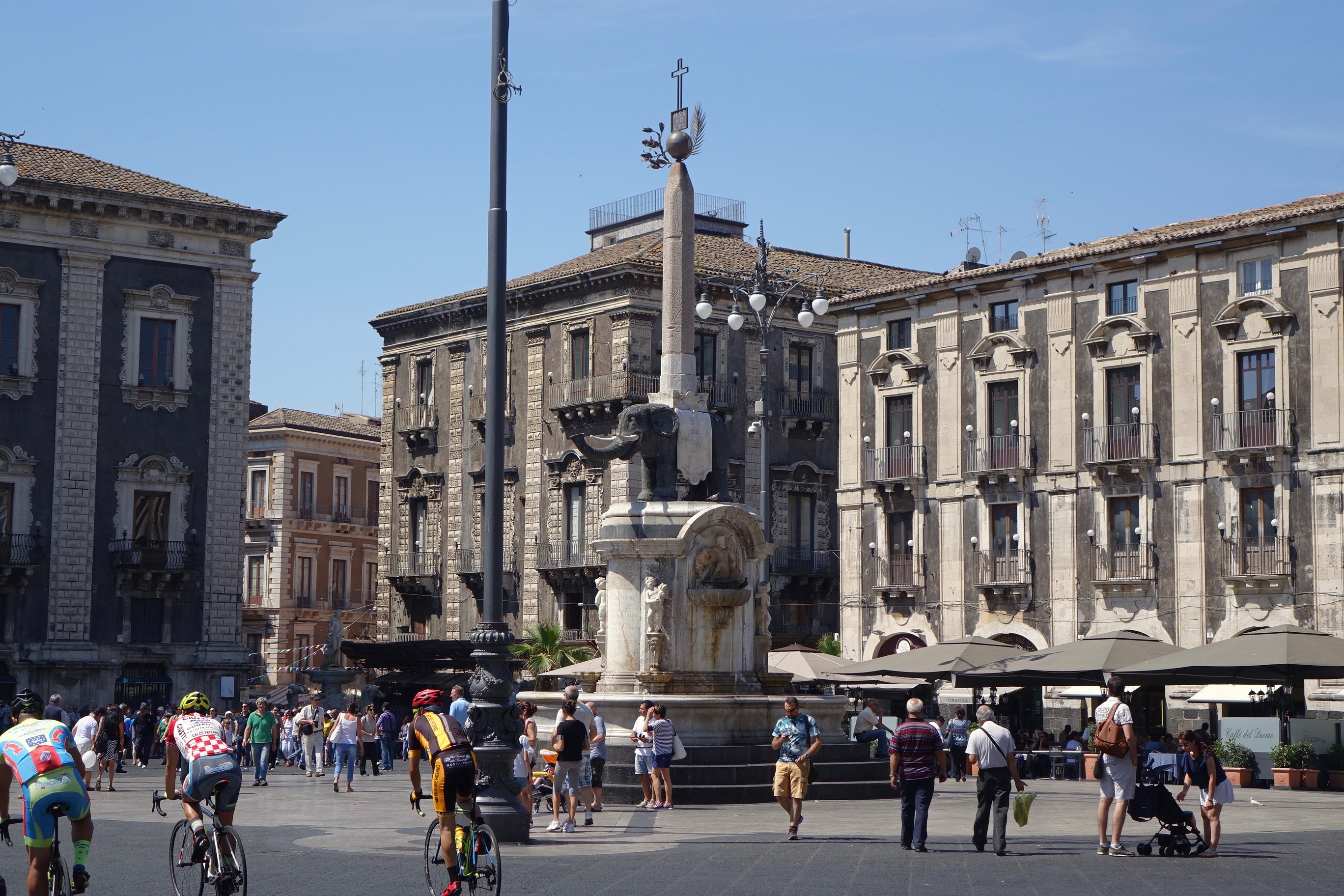
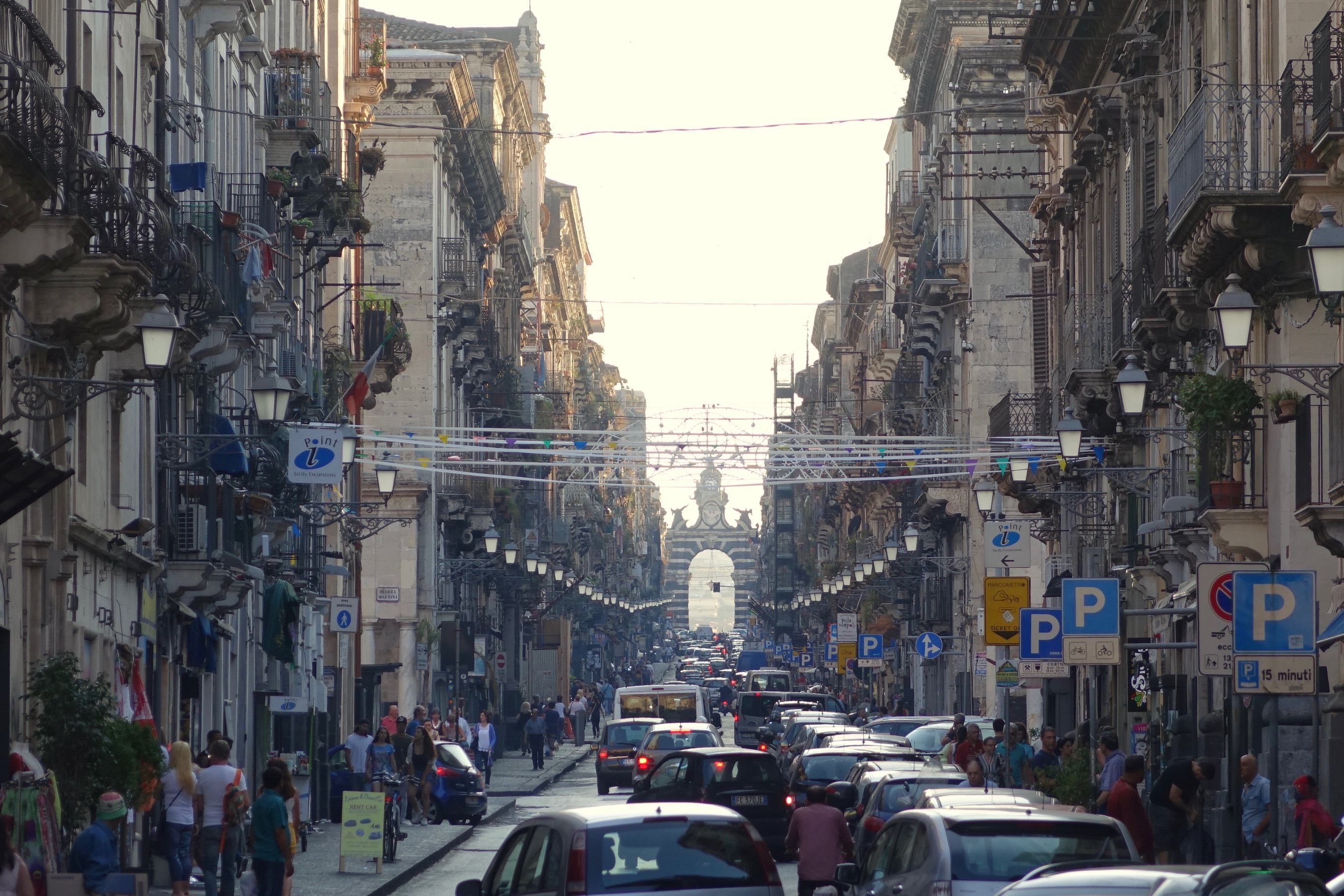
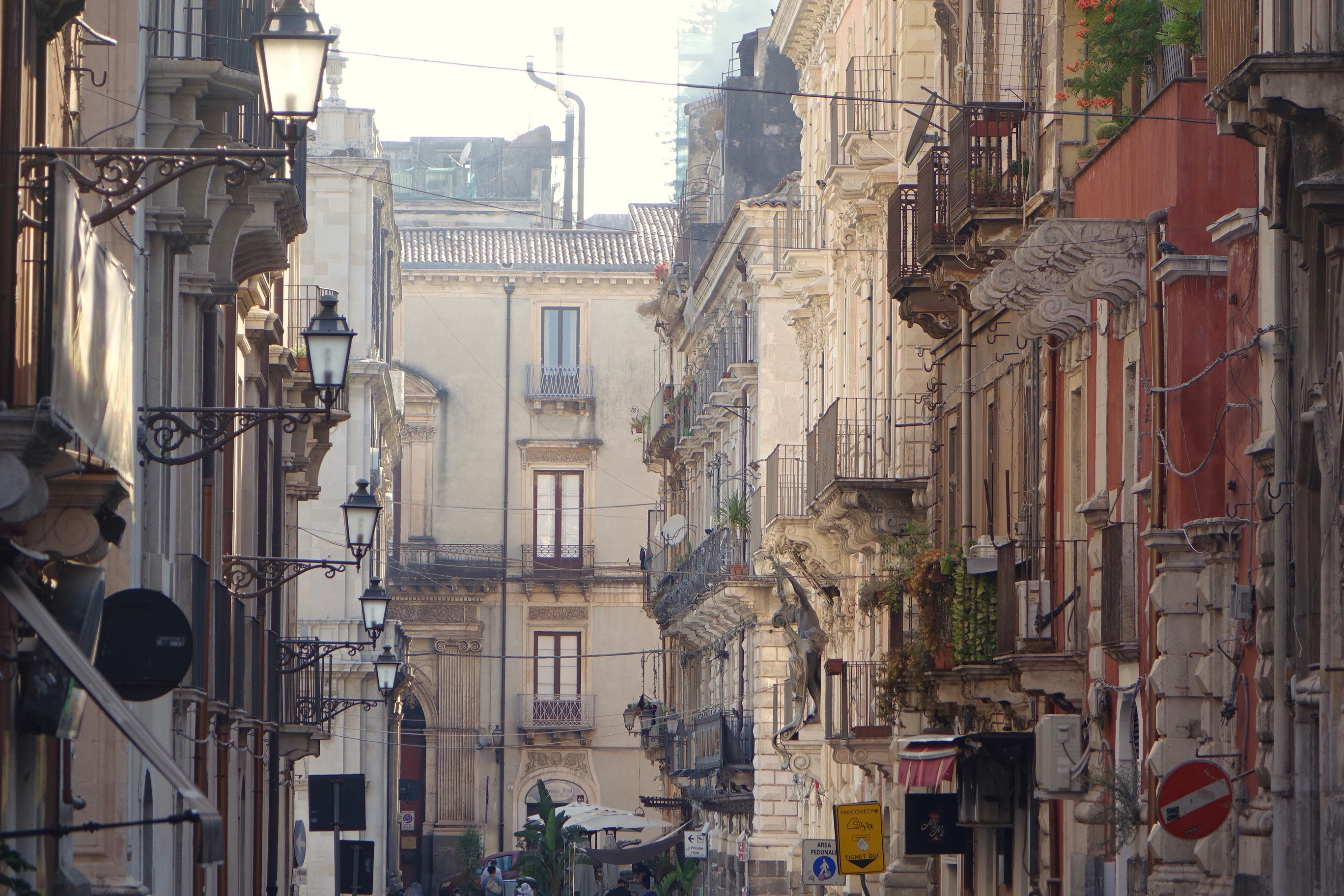
Both the scale of this bustling city, as well as its historical and geographical influences were immediate upon arrival in Catania. Bracing ourselves behind the wheel of an all-too-new hire care, our first encounter with Catania was with its wild roads, filled with drivers, irritated by the heat and paying little attention to generally accepted driving rules. Mercifully unscathed, it was only when we parked that we were able to calmly appreciate Catania, a city whose roads seemed to stretch off into an eternity of traffic jams sparkling like slowly moving jewels, whose streets are crammed with more churches than there are shops, and whose landscape is rendered tiny by comparison with the mighty silhouette of Etna which is omnipresent in the background, wherever you look.

DSC02143DSC01890DSC02142DSC01904DSC02135DSC02087DSC02004

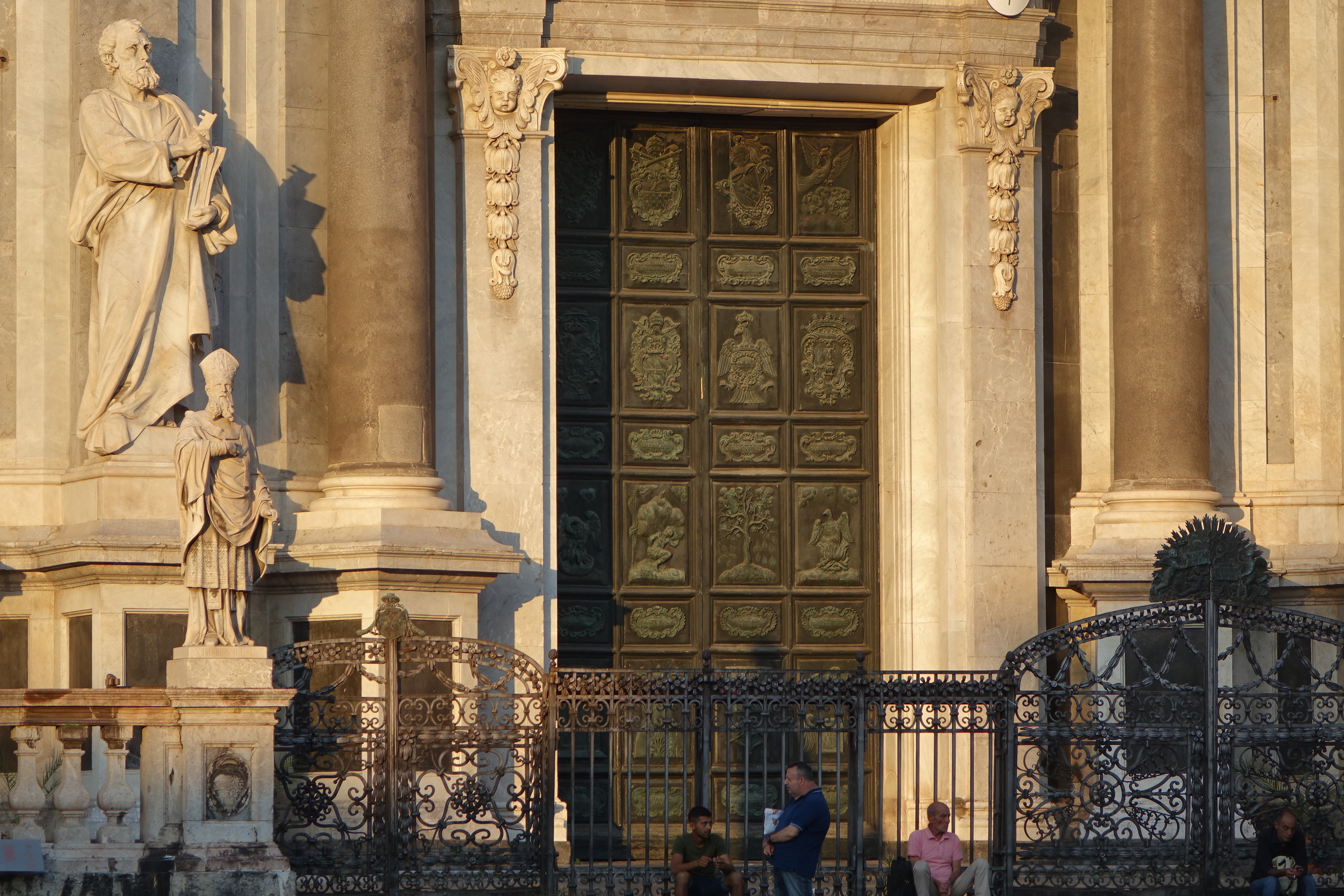
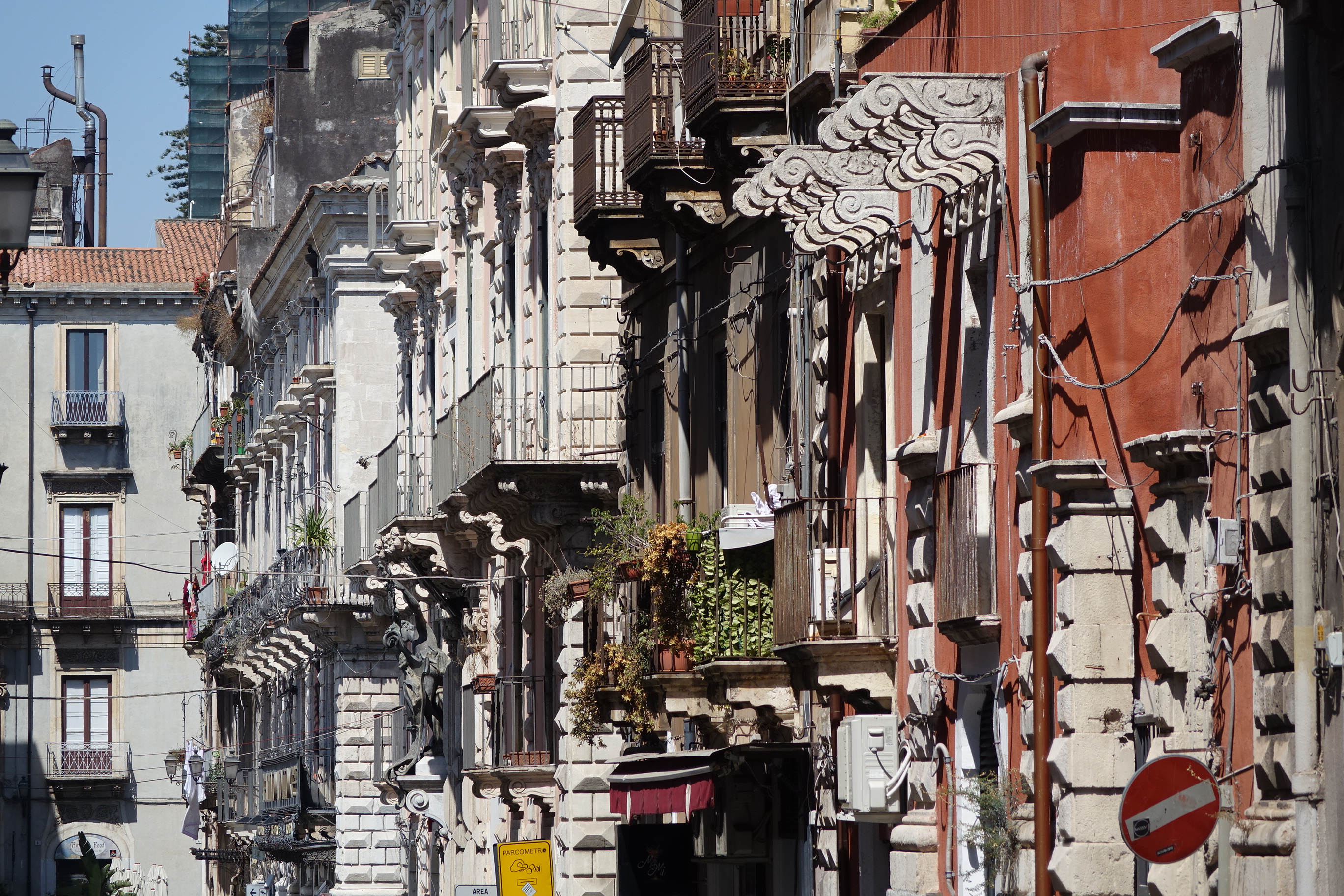
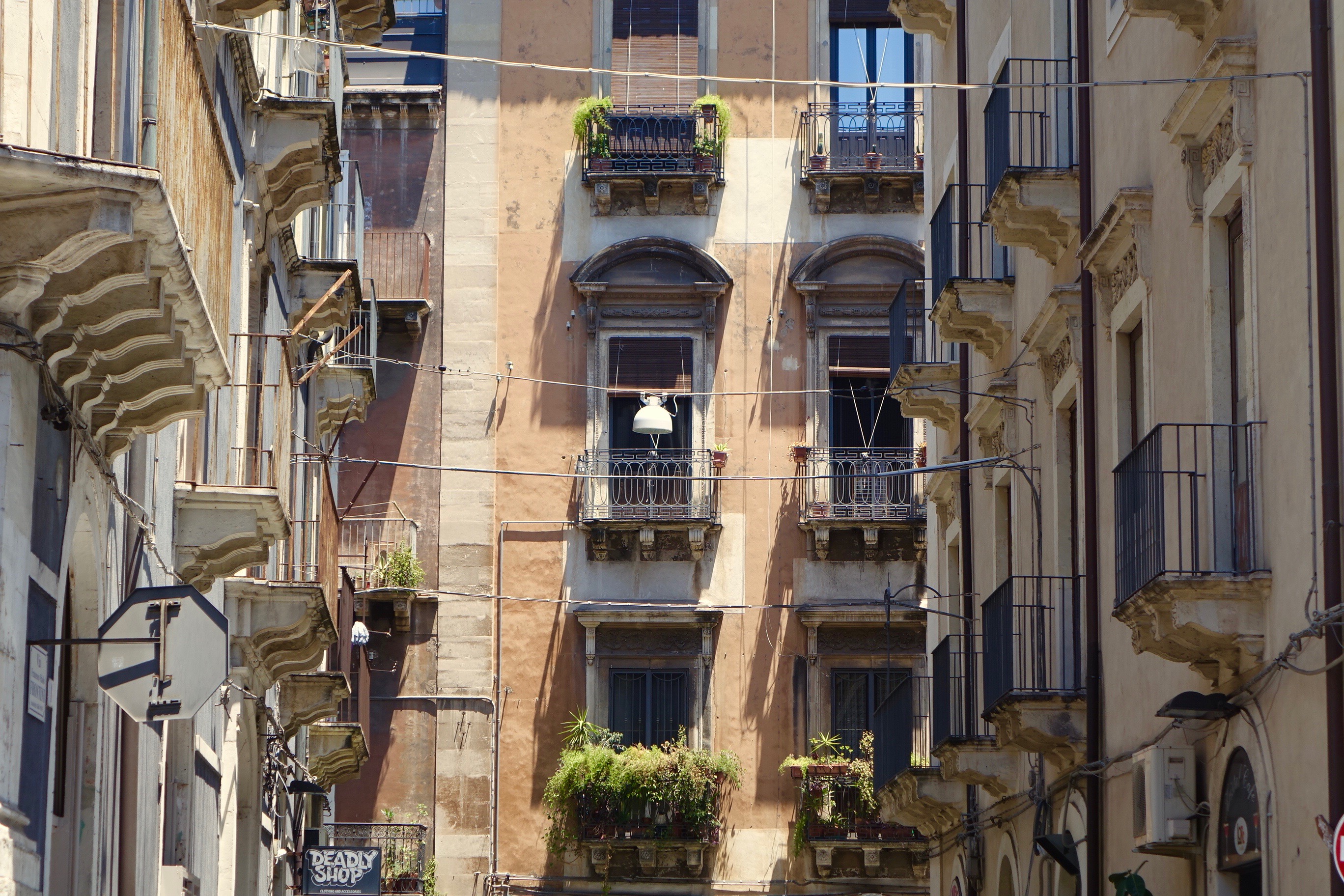
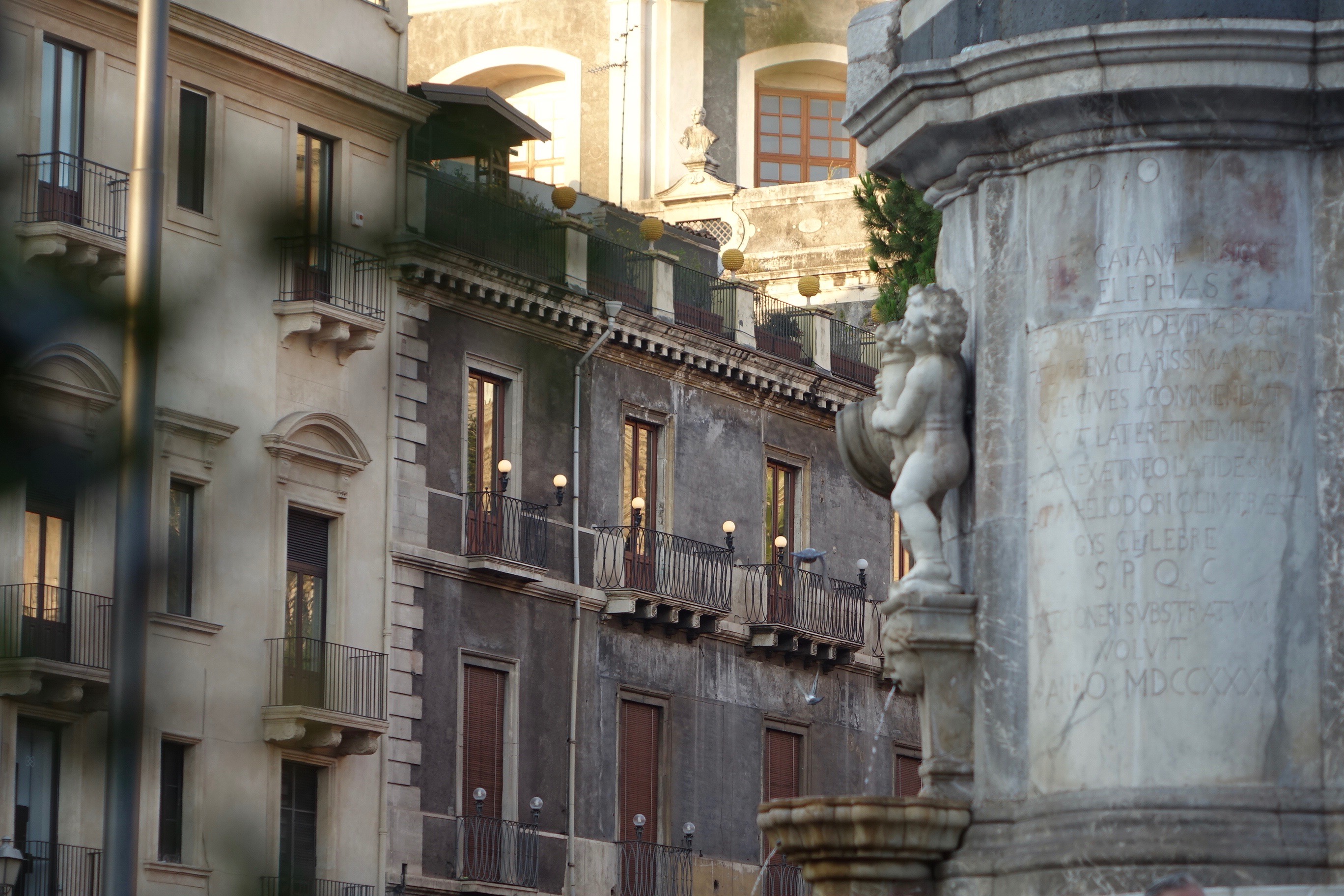
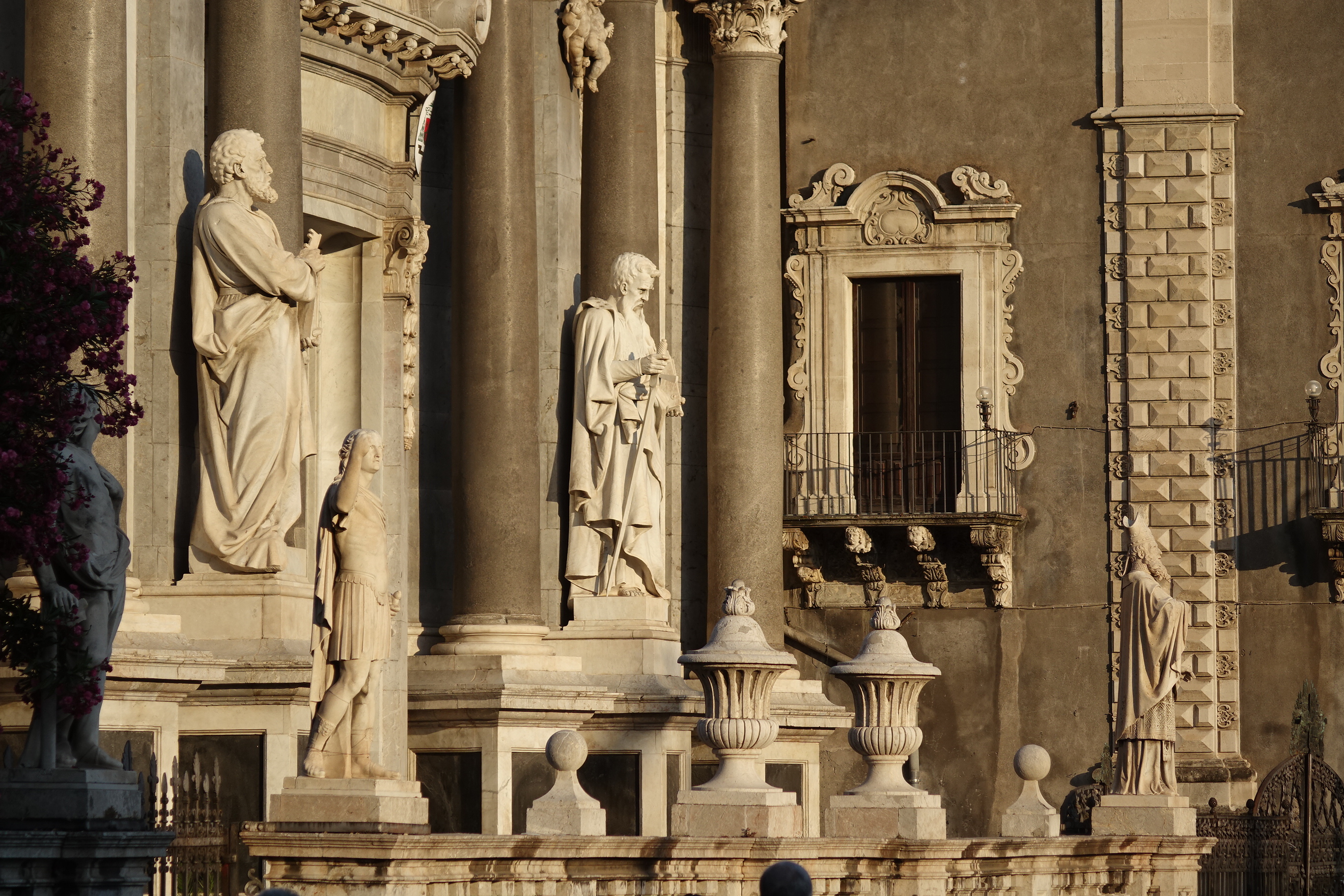
For me, Catania was a city with much of the hectic disorder of Naples, but with the refinements of Rome. It is one characterised by the breadth of its architectural splendour, from frequently arising Roman and Greek remains squeezed between more modern houses, to the exquisite quality of its baroque architecture. And above all, it is one which has earned its epithet: “black city”, forged as it is from the lava stone which nearby Etna has regularly granted the city, Surprisingly hard but tellingly cratered, the lava stone from which Catania is built is a true testament to this city’s unavoidable relationship with its nearby volcano – both the source of its wealth, and the constant threat of its destruction.

DSC02085DSC02014DSC02009DSC01944DSC01935DSC01919DSC01842DSC01840

Perhaps it is this vulnerability which gives Catania the undeniable spirit which pervades it. Its residents can be excused for living by the ethos: carpe diem. After all, Etna is continuinuously erupting, and no one can ever be sure just when the next large eruption will reach this heavily inhabited Sicilian city. So seize the day we certainly did, passing 24 hectic hours in Catania in what was a relentless conveyor of churches, coffees, aperol spritz and lots of pasta. And what a great beginning to our Sicily trip it was!

© Nicholas de Lacy-Brown and The Daily Norm, 2001-2017. Unauthorized use and/or duplication of the material, whether written work, photography or artwork, included within The Daily Norm without express and written permission from The Daily Norm’s author and/or owner is strictly prohibited. 

Norms in Siena

Readers of my post a few weeks back will remember my reaction, close to ecstasy, when I sat with my Partner in the Piazza del Campo in Siena at sunset and sipped upon a frothy prosecco and savoured several balls of stracciatella ice cream as around us the bustling city relaxed and wined and dined its way into the end of the day. In their parallel little world, the Norms enjoy very similar tastes to myself – who frankly could not – and sunset in Siena suits them down to the ground.

The Norms love ice cream. Its soft roundness reminds them of their dulcet gelatinous forms (not that Norms would go as far as eating themselves, perish the thought!). They adore prosecco too, the bubbles increasing ten-fold the bounce which characterises their unique Normy gait. But best of all the Norms are number one fans of the sunshine, which warms their blue blood and makes them glow like high wattage lightbulbs. That’s why, in this happy little depiction of the Norms in Siena they all look so very healthy and content. Saluti to that!

Norms in Siena

Norms in Siena (2017 ©Nicholas de Lacy-Brown, pen and ink on paper)

© Nicholas de Lacy-Brown and The Daily Norm, 2001-2017. Unauthorized use and/or duplication of the material, whether written work, photography or artwork, included within The Daily Norm without express and written permission from The Daily Norm’s author and/or owner is strictly prohibited. For more information on the artwork of Nicholas de Lacy-Brown, visit http://www.delacybrown.com 

Siena: Doing the Duomo

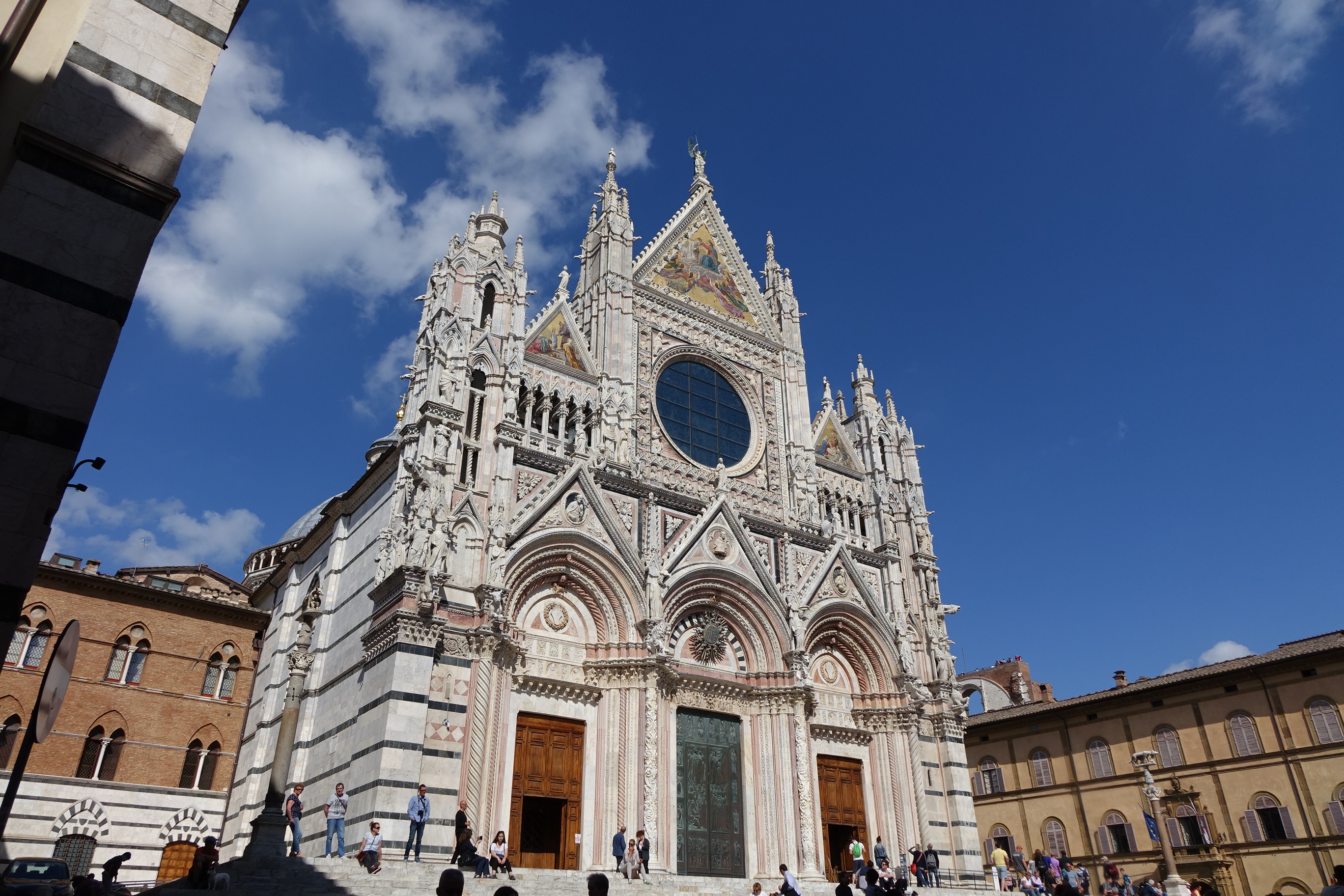
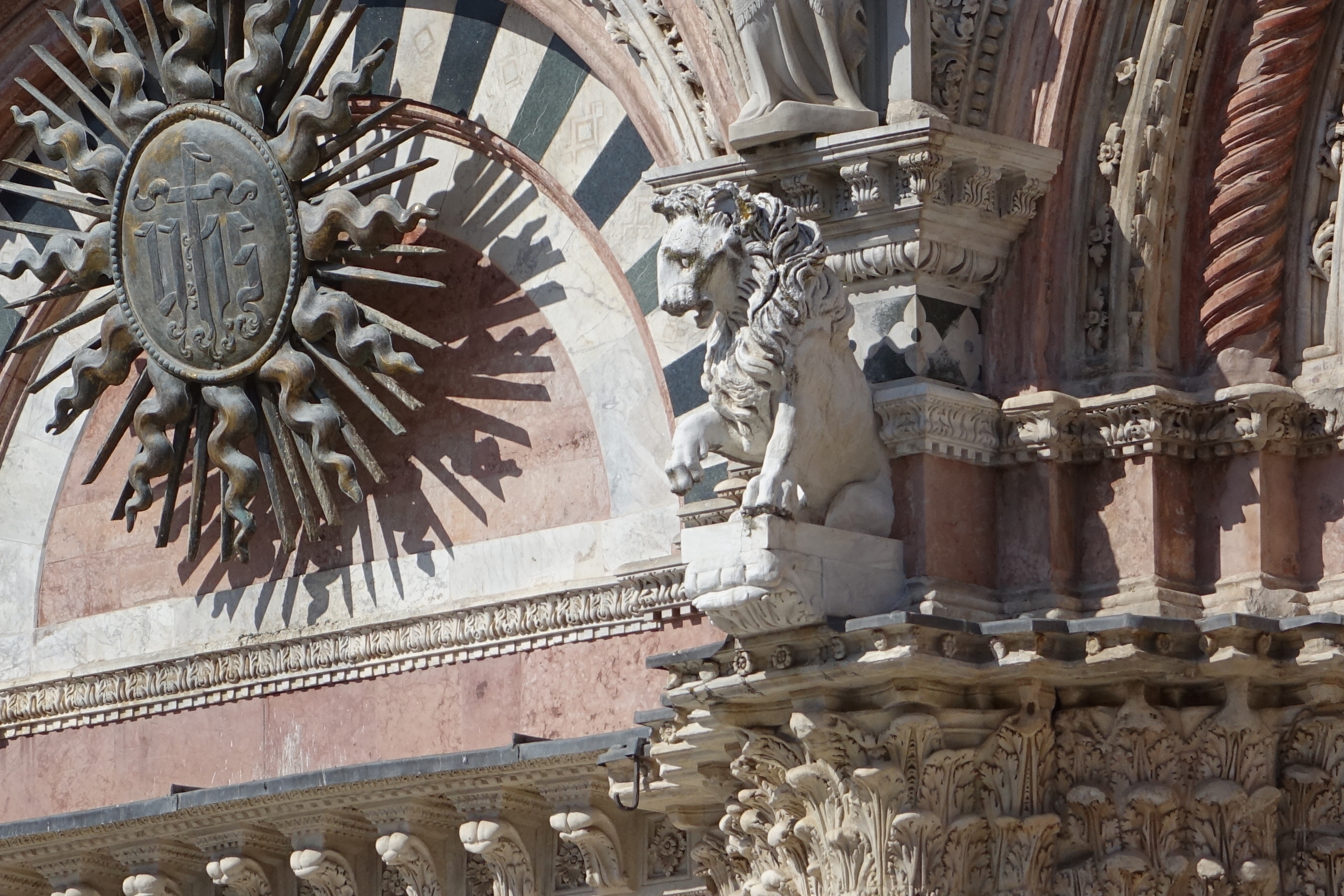
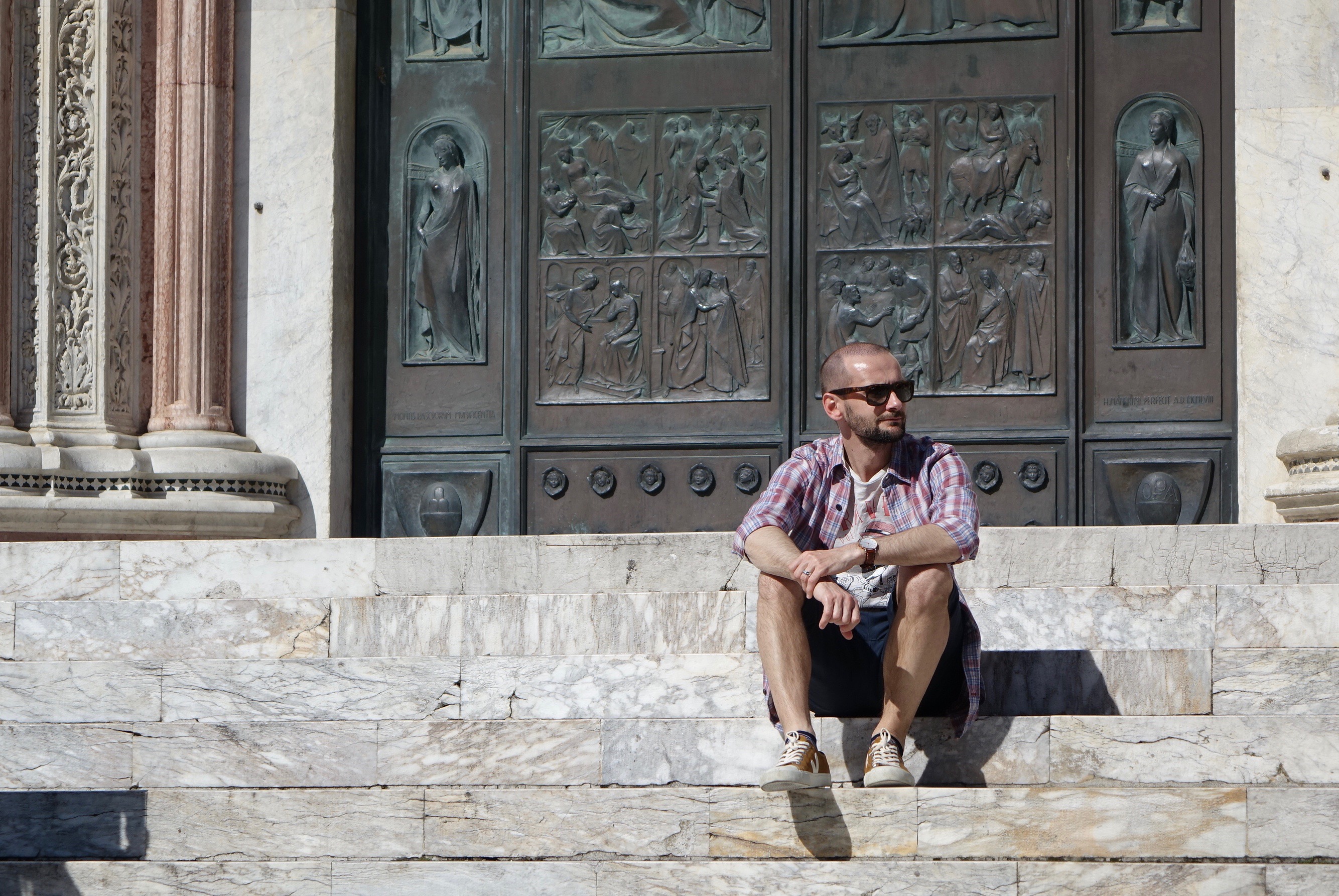
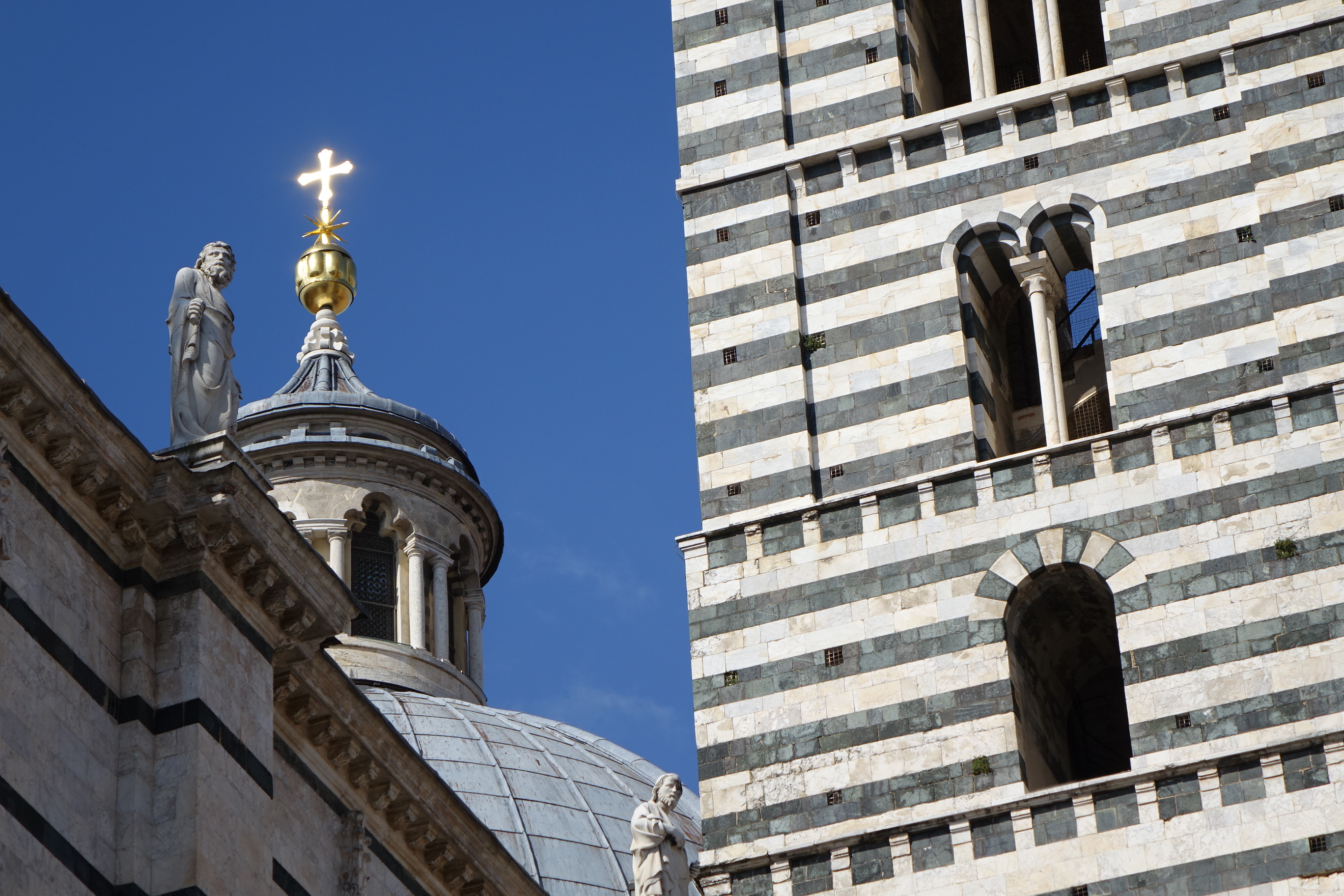
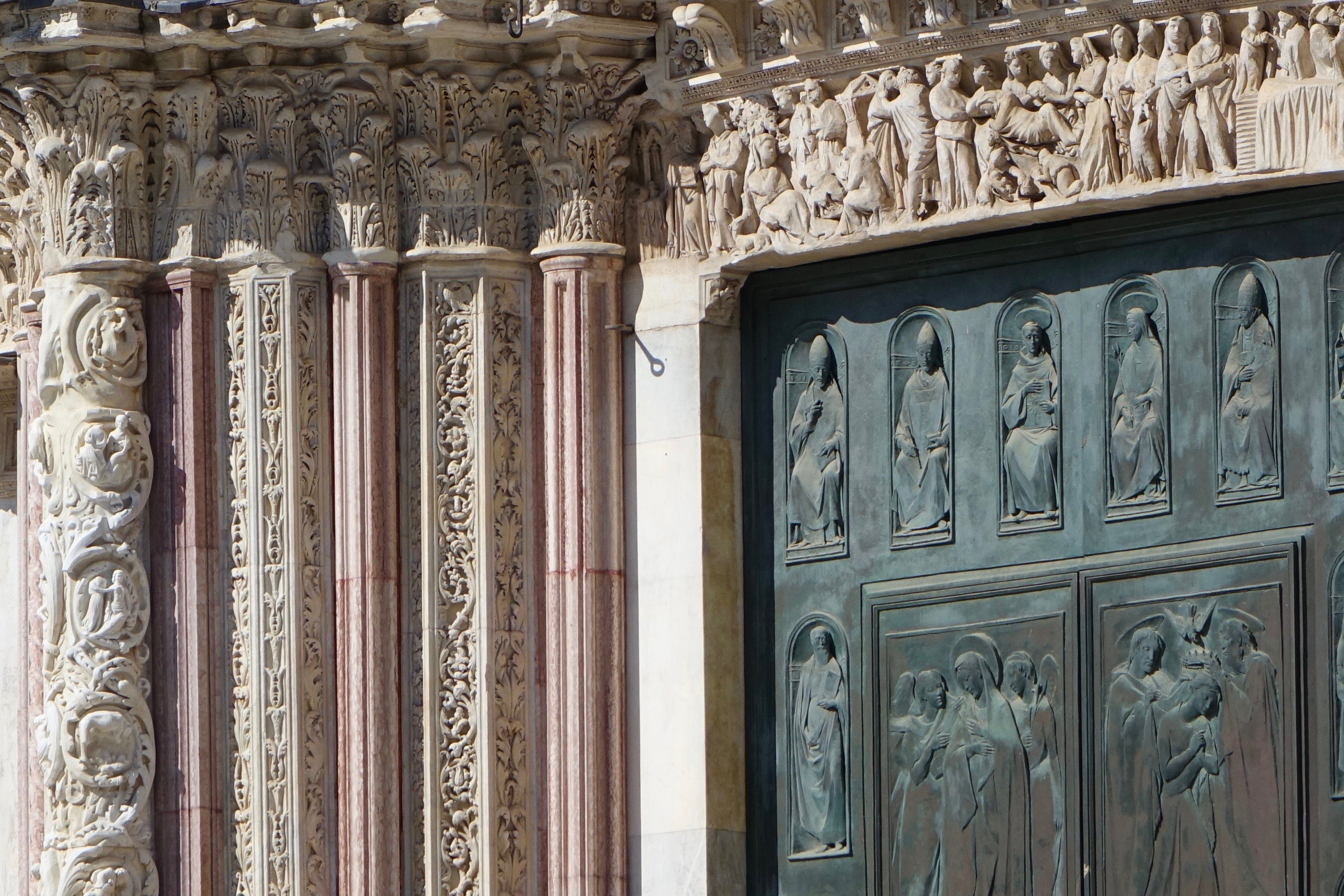
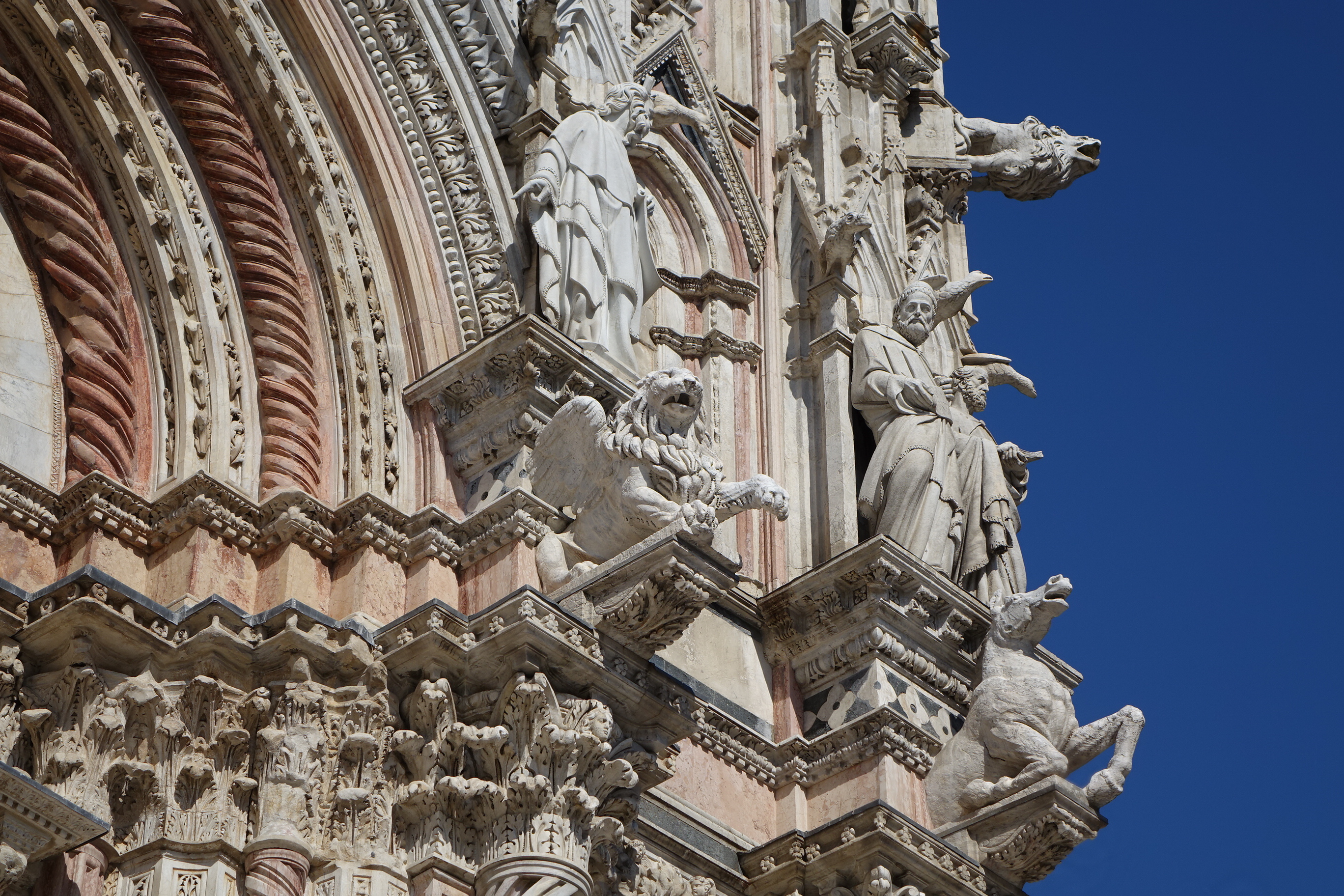
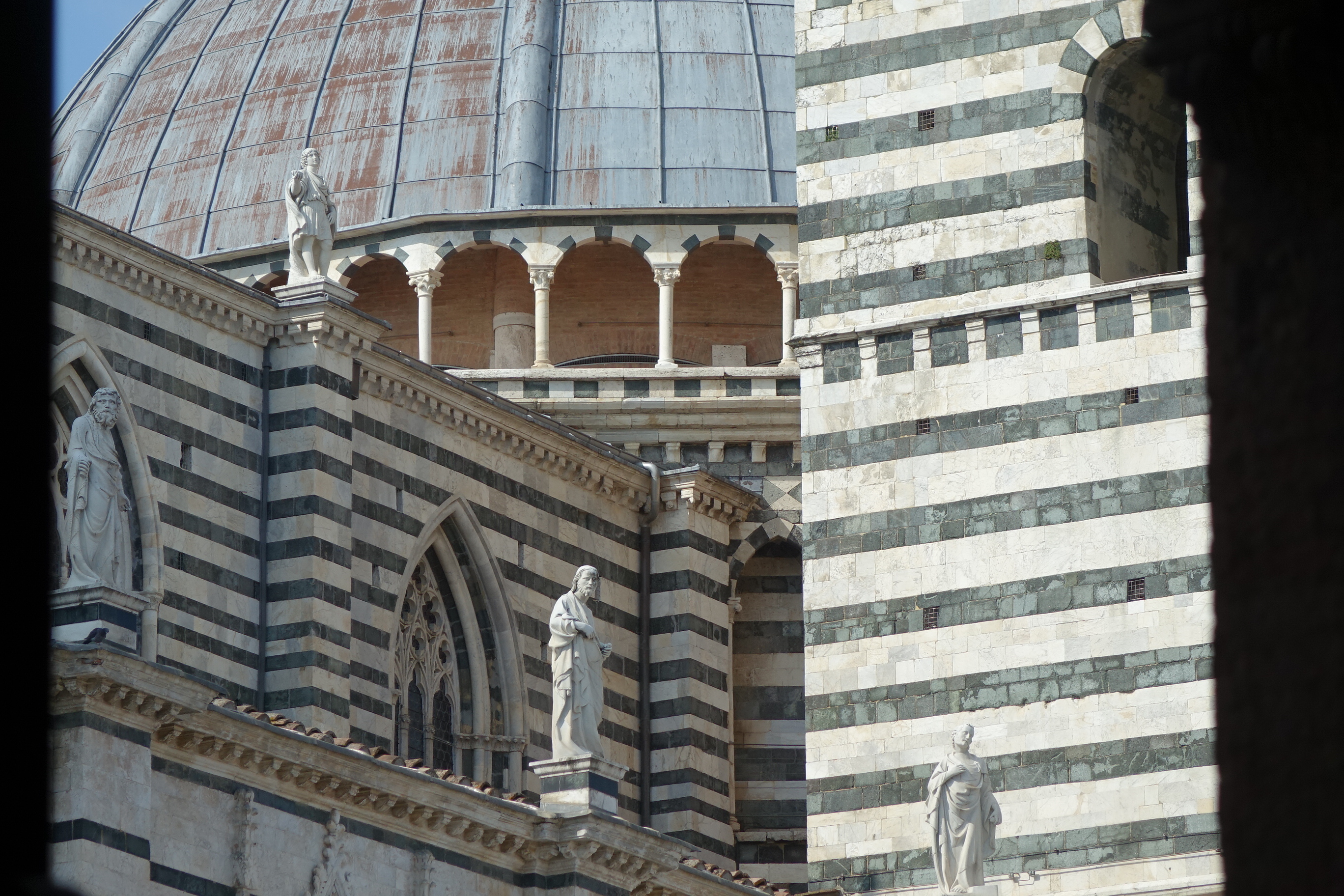
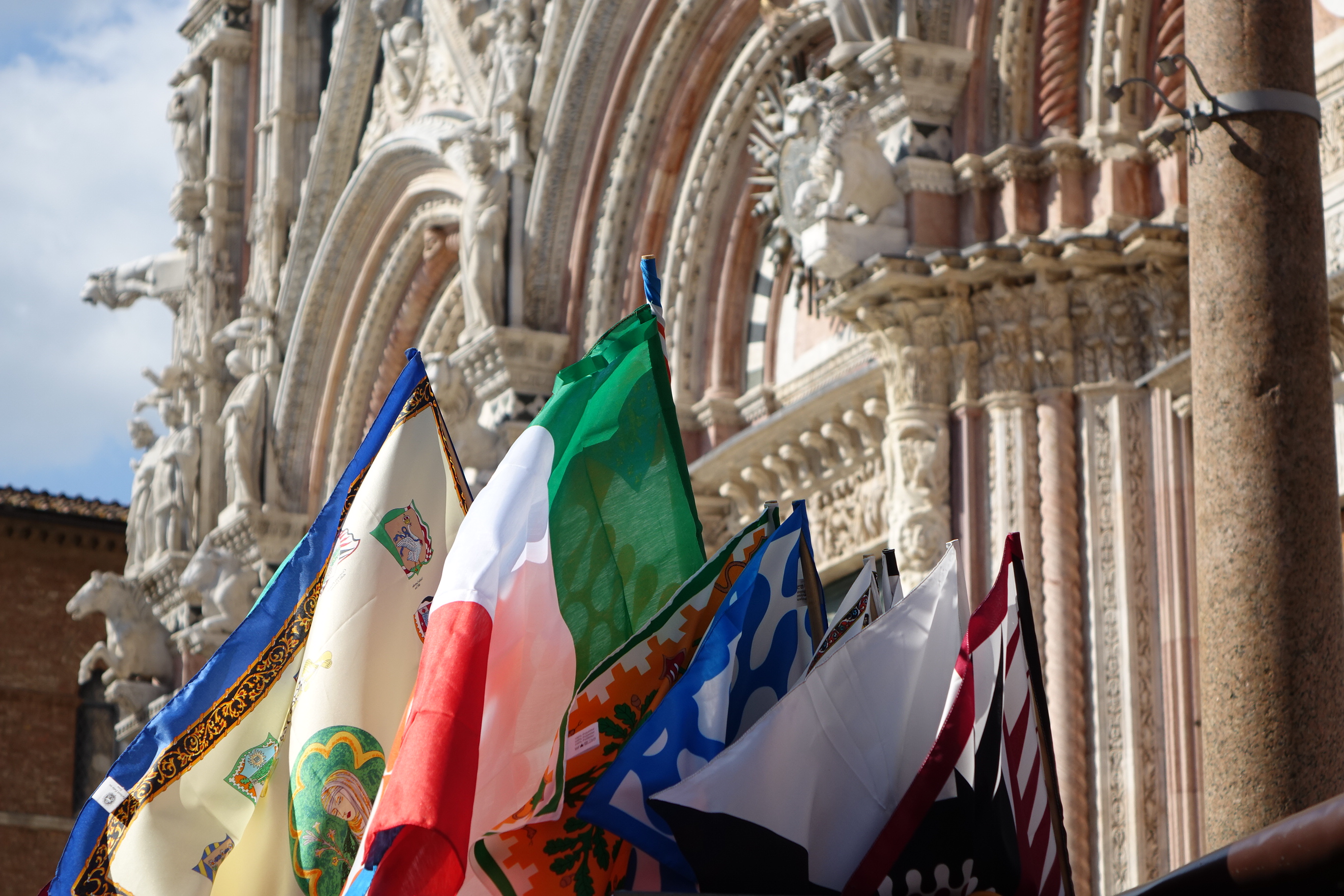
In choosing Siena’s most iconic building, there are two clear contenders. Sat at the pithy core of the citrus-sliced semi circle of the Piazza del Campo, the Palazzo Pubblico is a clear contender. With its soaring bell tower of red brick characterised by medieval power status and the objective to outdo rival Florence, the Palazzo is in every way iconic as a symbol of Sienese politics and ambition. But while for me the Palazzo and surrounding Piazza may be the brains of Siena, its beating heart and most charismatic structure of all is its Duomo. With a lavishly intricate facade made of blackish green, coral pink and creamy white marble, together with a multitude of gold enhanced mosaics and relief sculptures, the Duomo looks good enough to eat – a minty humbug and a prize wedding cake al rolled into one.

The Duomo and its facade

DSC08856DSC08833DSC08859DSC08868DSC08860DSC08843DSC08894DSC08862DSC08881DSC08880

But to focus on Siena’s exterior would be to miss the treasures on the inside, which range from Michaelangelo’s treasured sculpture of Saint Paul, Nicola Pisano’s impressively intricate Carrara marble pulpit, Donatello’s bronze relief, The Feast of Herod, Bernini’s sunburst lantern atop the dome, and an incredible marble floor depicting a series of biblical tales with pristinely cut delicately interlaced pieces of multicoloured stone which was the life work of some 40 artists across 200 years. What’s more, in the Piccolomini Library off to one side of the main nave, there is the staggering feat of Bernadino di Betti’s ceiling and wall frescos whose multiple areas of gold embellish the room with a lavishness equal only to a jewellery shop.

The Piccolomini Library

DSC08967DSC08969DSC08970DSC08978DSC08972

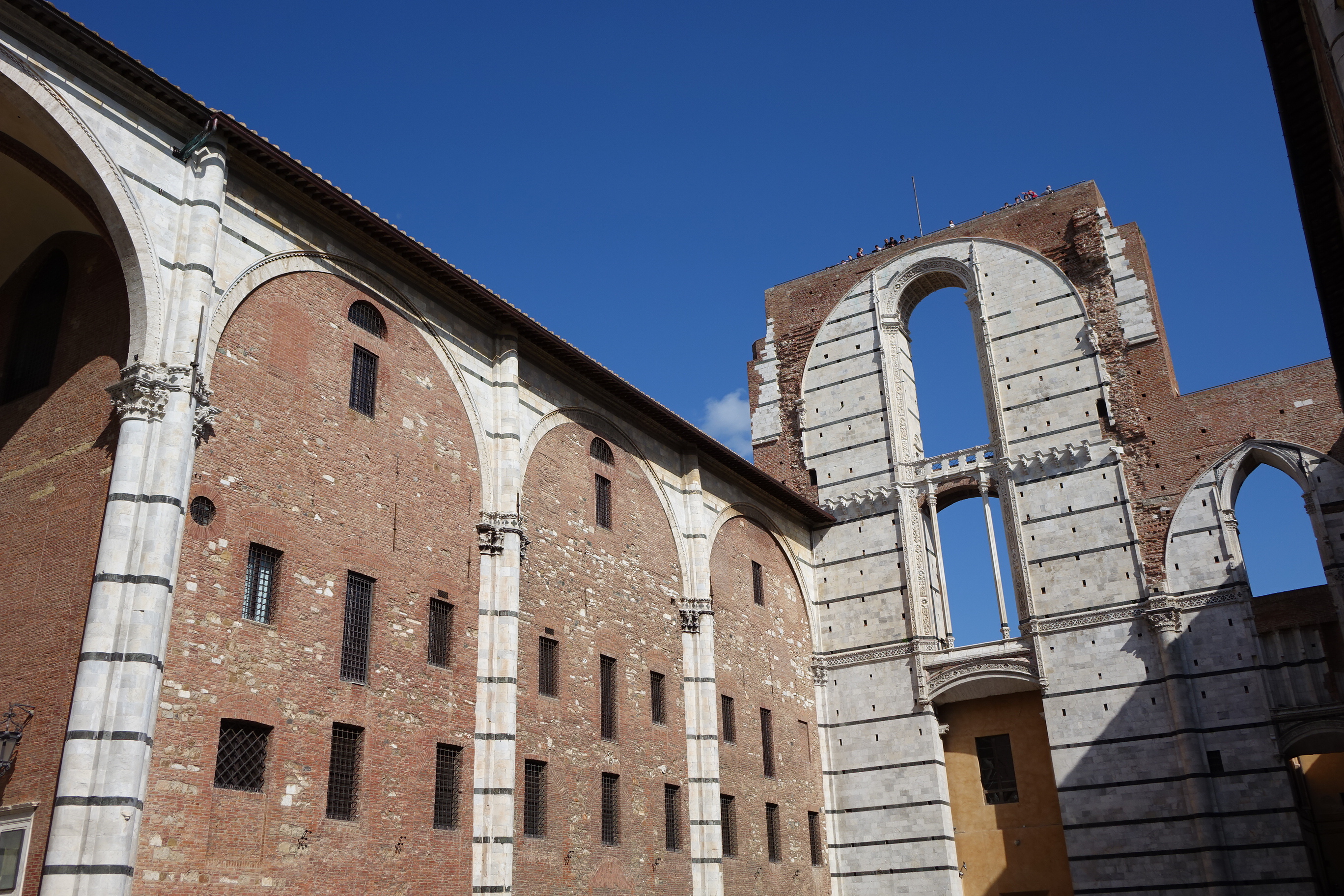
Interestingly however, the Cathedral might well have been far greater and even more exorbitantly lavish had a planned (and commenced) extension in the 14th century, intended to more than double its size, been completed. Sadly owing to the onset of the Black Death in 1348, the work was ceased, and the evidence of errors in the construction meant that it was never continued. All that remains of the plans today is a the large outer shell which helps to illustrate the scale to which the Duomo extenders aspired and the power and ambition of the city.

The interior and the incredible pictorial floors

DSC08922DSC08947DSC08936DSC08956DSC08914DSC08938DSC08909

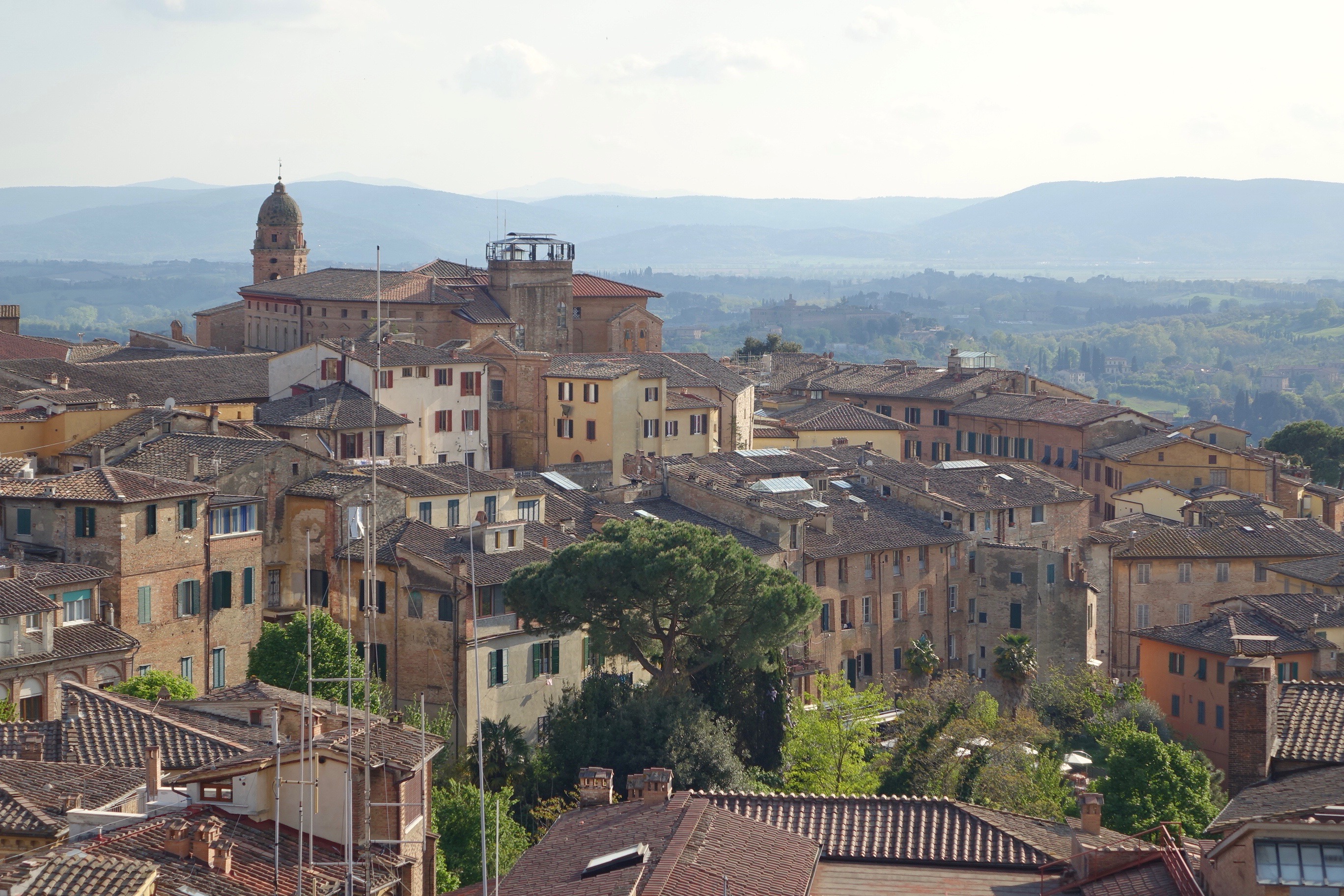
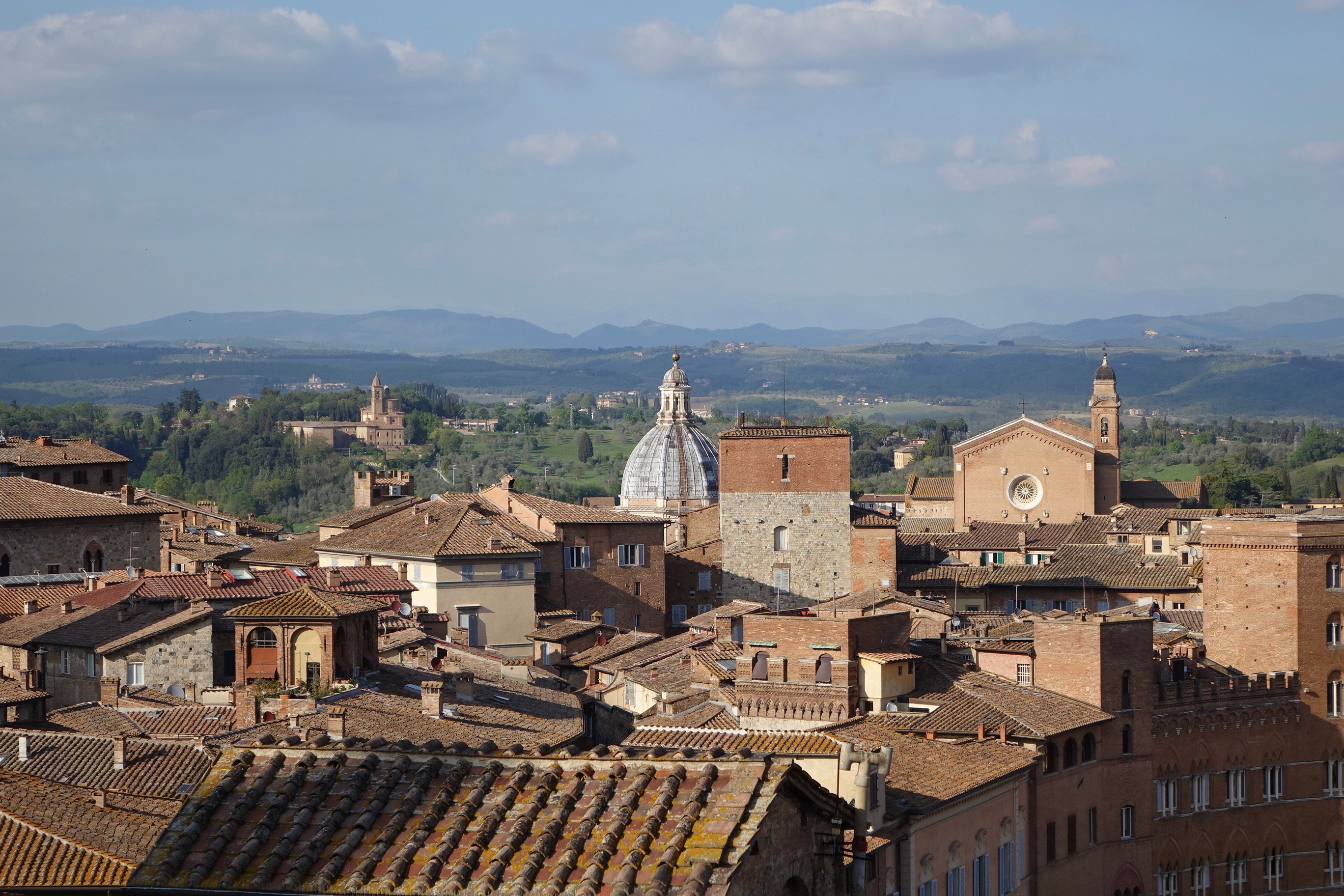
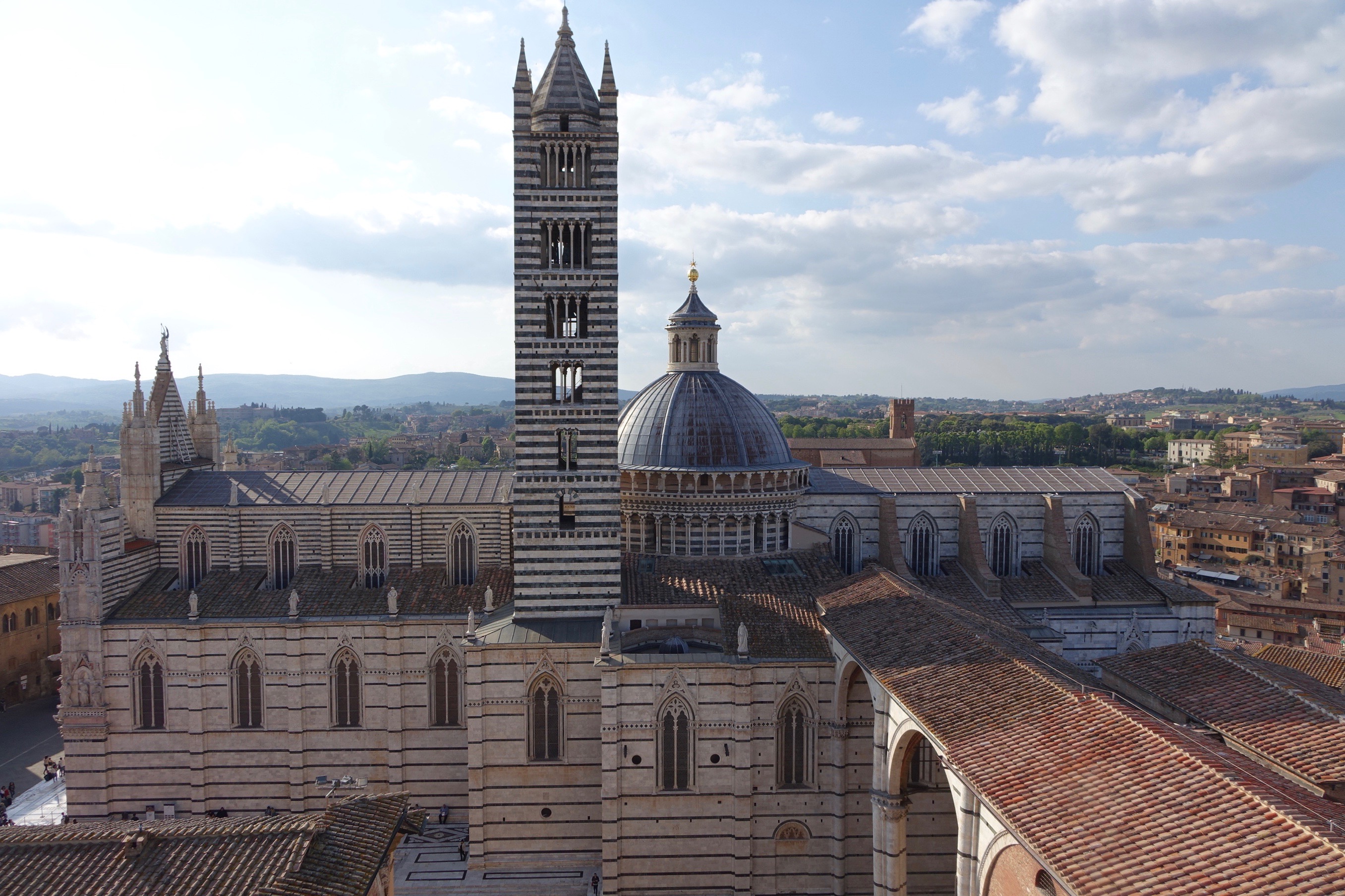
So with those unbeatable views I’m brining this Siena and Tuscany series of posts to a close. They’re photos which capture a region of outstanding natural beauty, and hold the memories of adventures which I will long cherish… until the next time I’m lucky enough to visit the home of my in laws.

Up in the gods… and the views of Siena from the top

DSC09031DSC08902DSC09020DSC09042DSC09000DSC09024DSC09046DSC09017DSC09023

© Nicholas de Lacy-Brown and The Daily Norm, 2001-2017. Unauthorized use and/or duplication of the material, whether written work, photography or artwork, included within The Daily Norm without express and written permission from The Daily Norm’s author and/or owner is strictly prohibited.

Tuscan Towns #5 – Siena

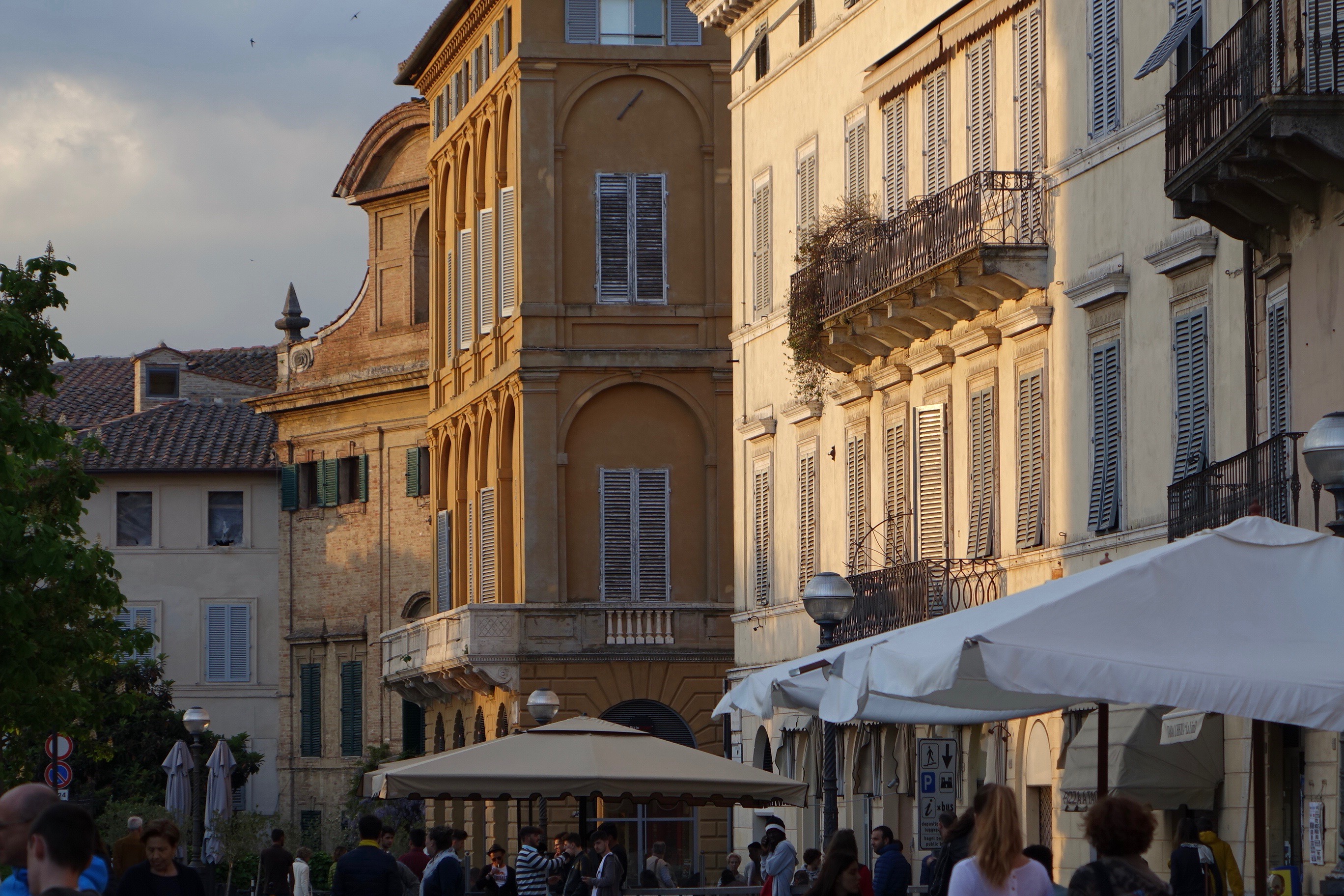
Of all the towns we visited during our last trip Tuscany, with Siena I have saved the best till last. More of a city really, this glorious product of the golden age of Renaissance is disproportionately heavy on art historical treasures, elegant shopping streets and stunning piazzas culminating in the most magnificent of them all – the Piazza del Campo. Siena’s geographical position, up on a steep hill and surrounded by verdant rolling countryside, is no doubt both the reason for its untouched beauty and for its prowess as a self-defended city. Today the city is almost intact in its historical architecture, with barely a modern blemish staining its golden walled, silver cobbled streets. The only embrace of modernity has been the emergence of super chic boutique shops and cocktail bars serving plate upon plate of tempting aperitifs, best enjoyed with an Aperol Spritz amidst the bustling atmosphere of locals filling out these packed social hang-outs.  Siena is a place of vespas and La Bella Vita, of large sunglasses and shopping bags, of that irrefutable union between seductive Italian passion and the innate elegance which can be found in every street. It is Italy at its urban best, surrounded by the most beautiful rural landscapes imaginable.

The seductive streets of Siena

DSC08831DSC08908DSC08825DSC08905DSC08906DSC09078DSC09051DSC09176

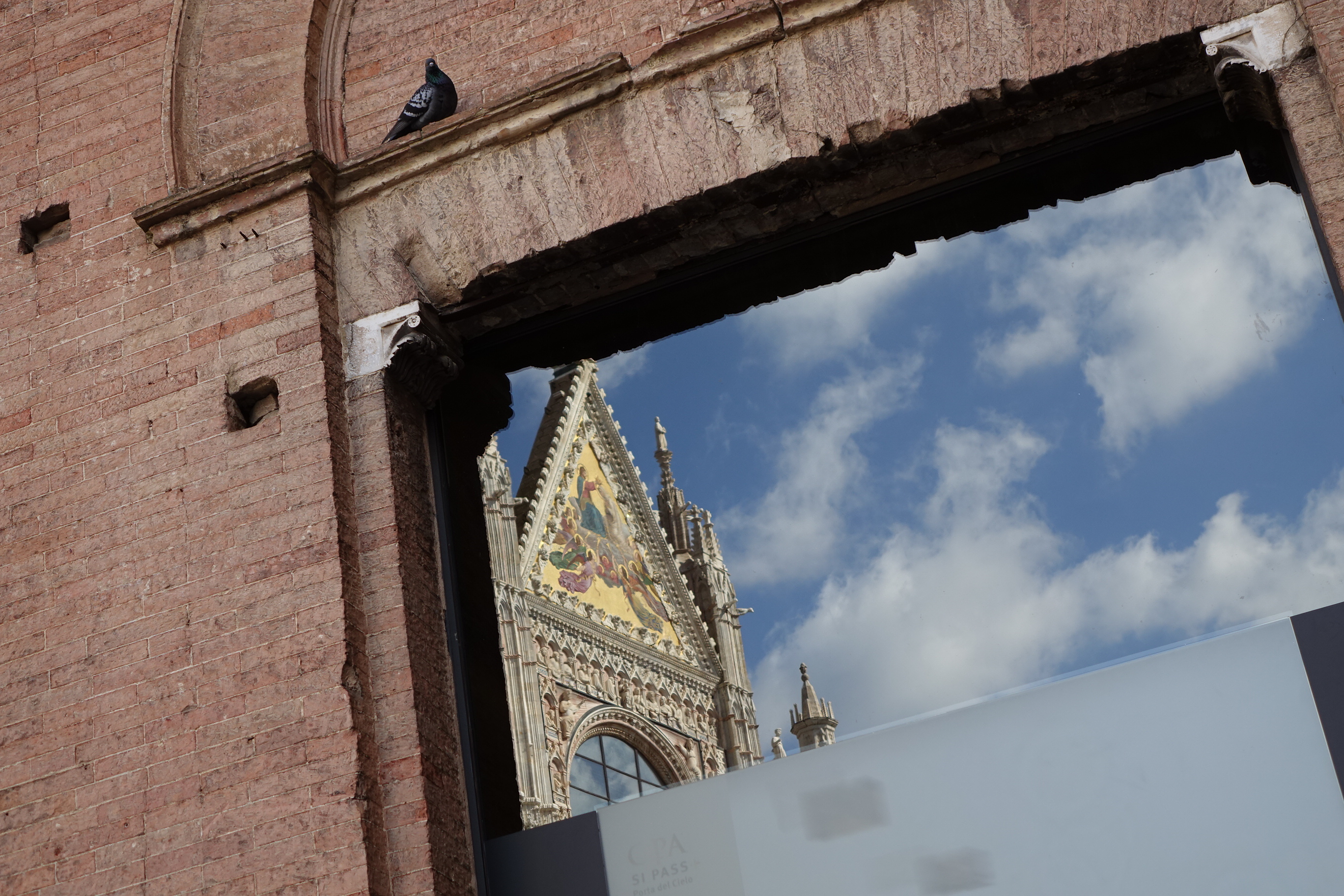
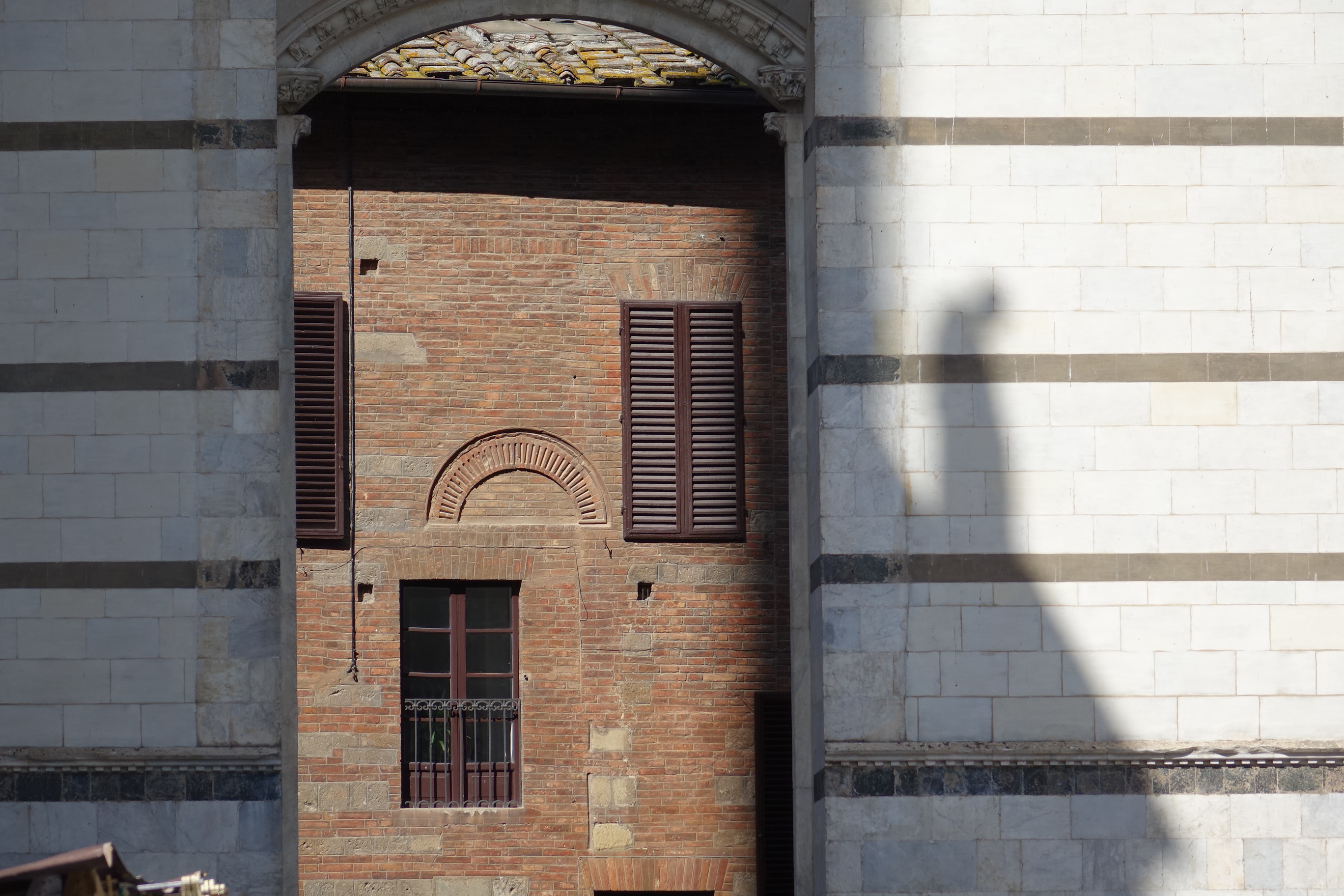
We entered Siena up a set of steep staircases, arising, blinded by the light, as though from a cellar onto the reflected glory of the Duomo, its black and white stripy façade literally glimmering as the sunshine hit the golden details of its external mosaics. What an entrance to a city! It was the ultimate precursor to a place whose treasures fill the senses like tree blossom swept liberally into the wind. A stunning mosaic here, a mighty altarpiece there. Cafes that dazzled, sculptures to inspire, street corners whose tangible charm roused the soul and inspired the mind. We went, of course, into the heart of the Duomo, but that adventure I will leave for the second part of this article. Rather today I want to concentrate on the soul of this ravishing city which, quite justifiably, has been declared a UNESCO world heritage site and is one of the most visited in all Italy.

DSC09183DSC09173DSC08895DSC09171DSC09087DSC09169DSC09071DSC08897DSC08896

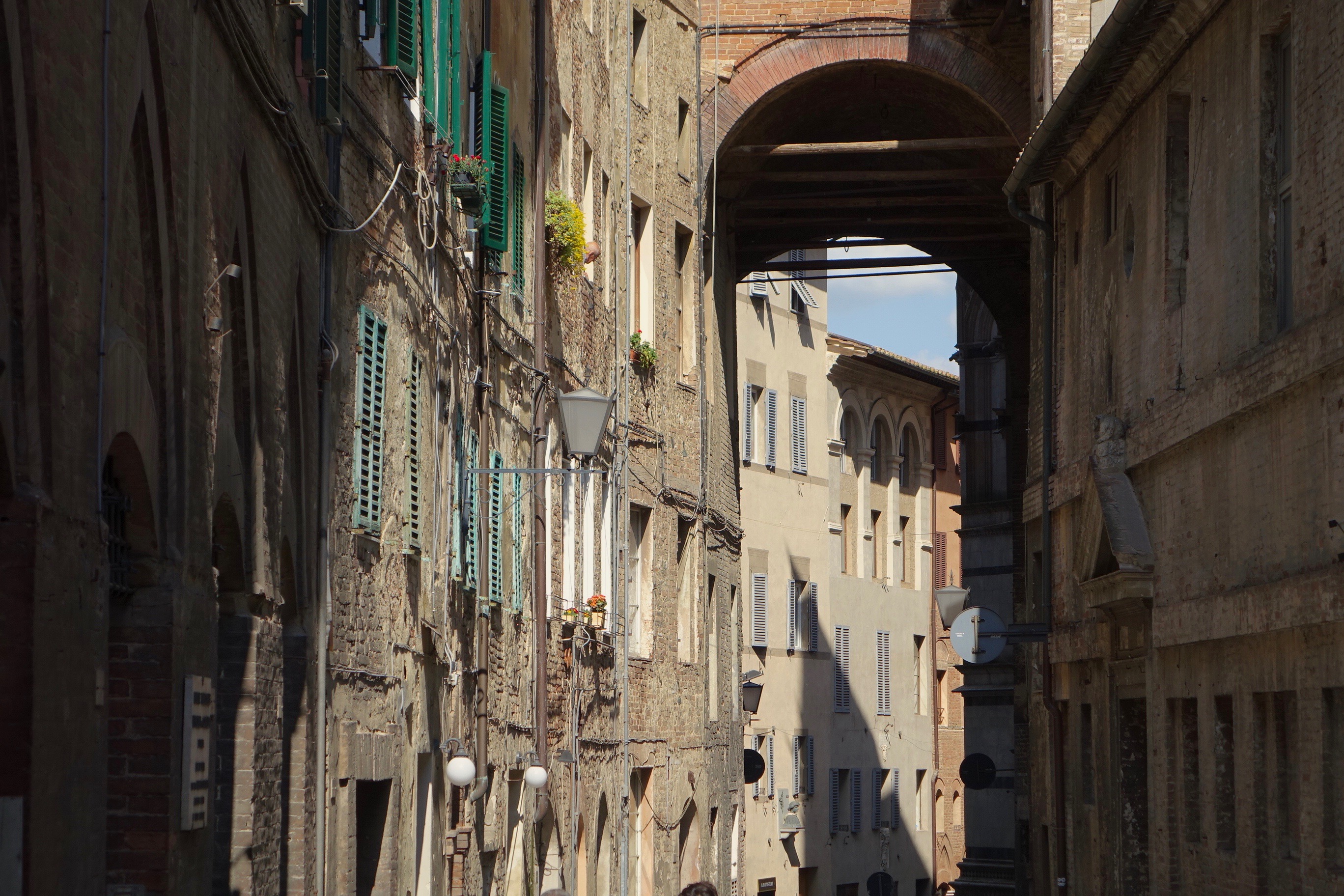
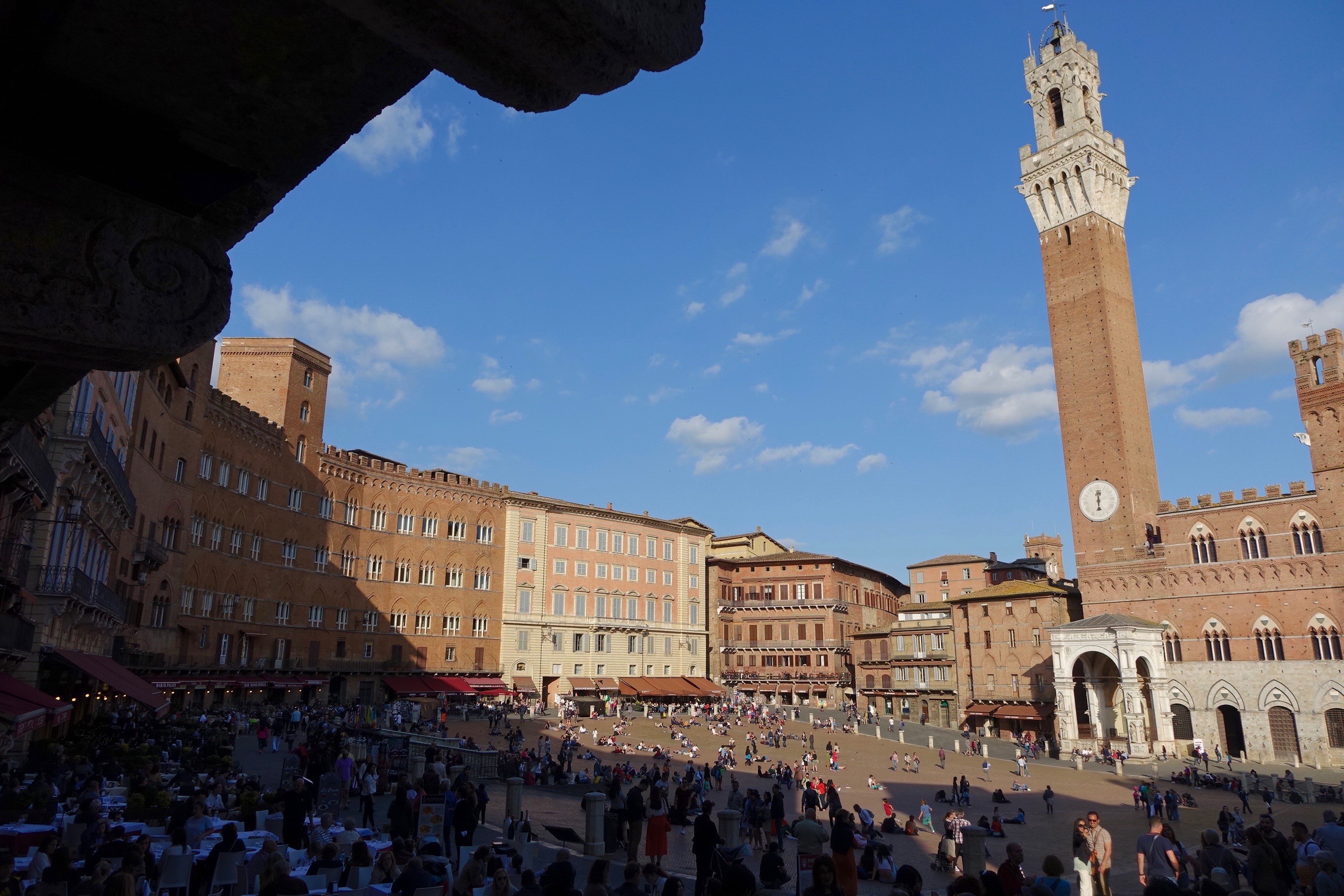
Getting lost in Siena’s uniquely sloping cobbled side streets is one of the greatest joys that Tuscany can offer, but after a time, the idea of being lost here becomes something of a fiction. For just as all roads in Italy may lead to Rome, as though in defiance of the expression, all roads in Siena lead to the magnificent Piazza del Campo, whose enormous semi-circular construct more or less dictates the layout of the remainder of the city.

The Piazza del Campo

DSC09133DSC09073DSC09059DSC09065DSC09061DSC09090

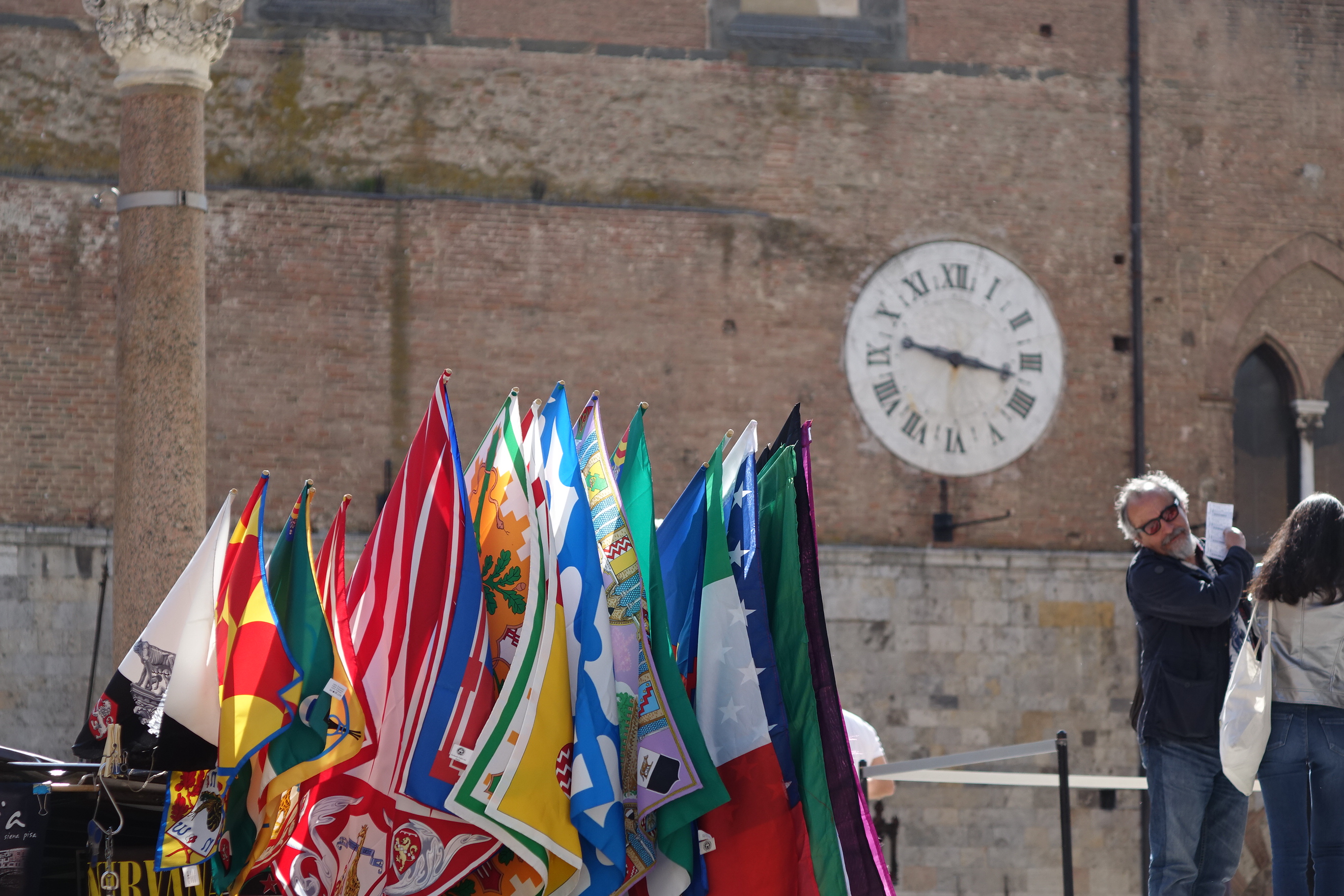
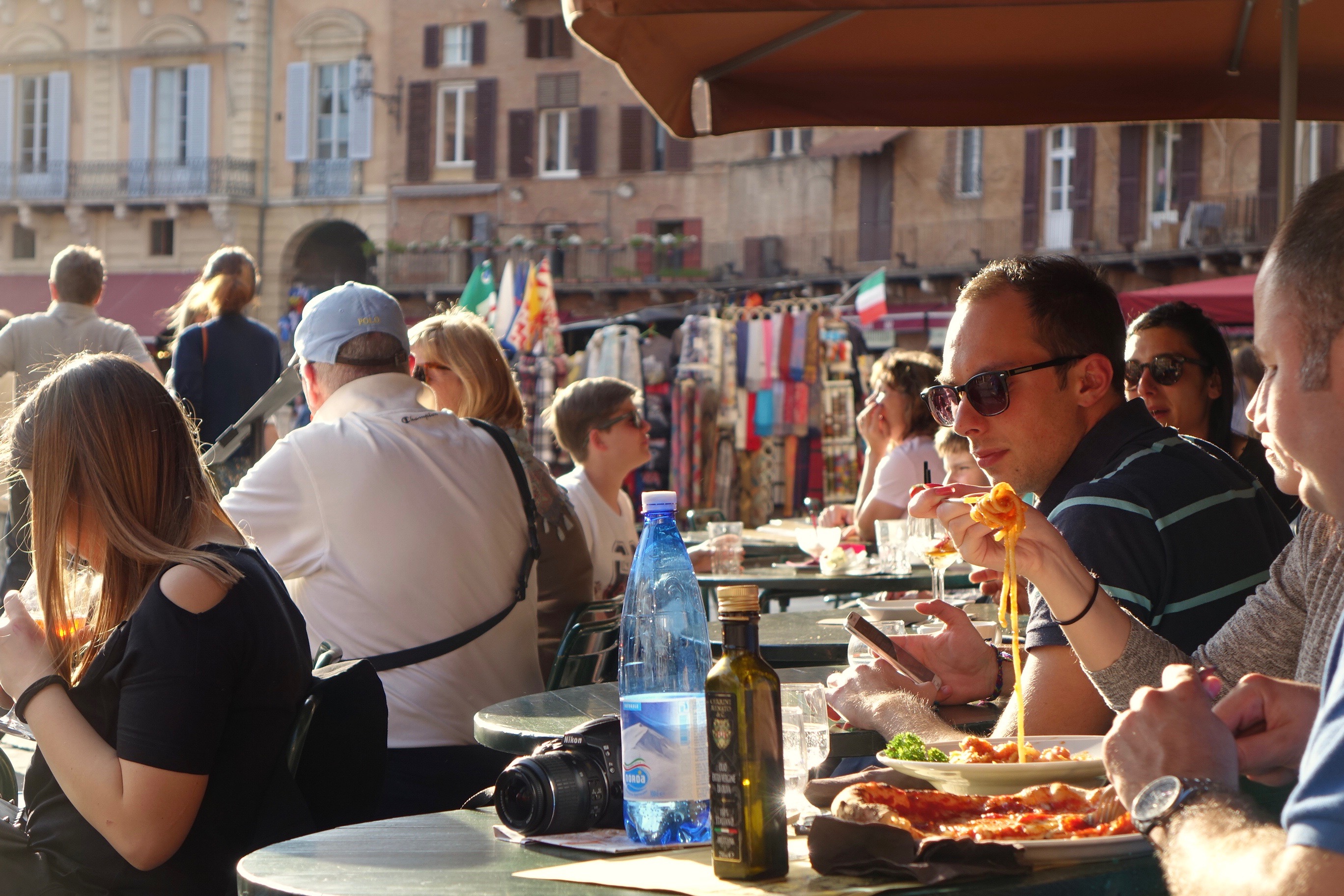
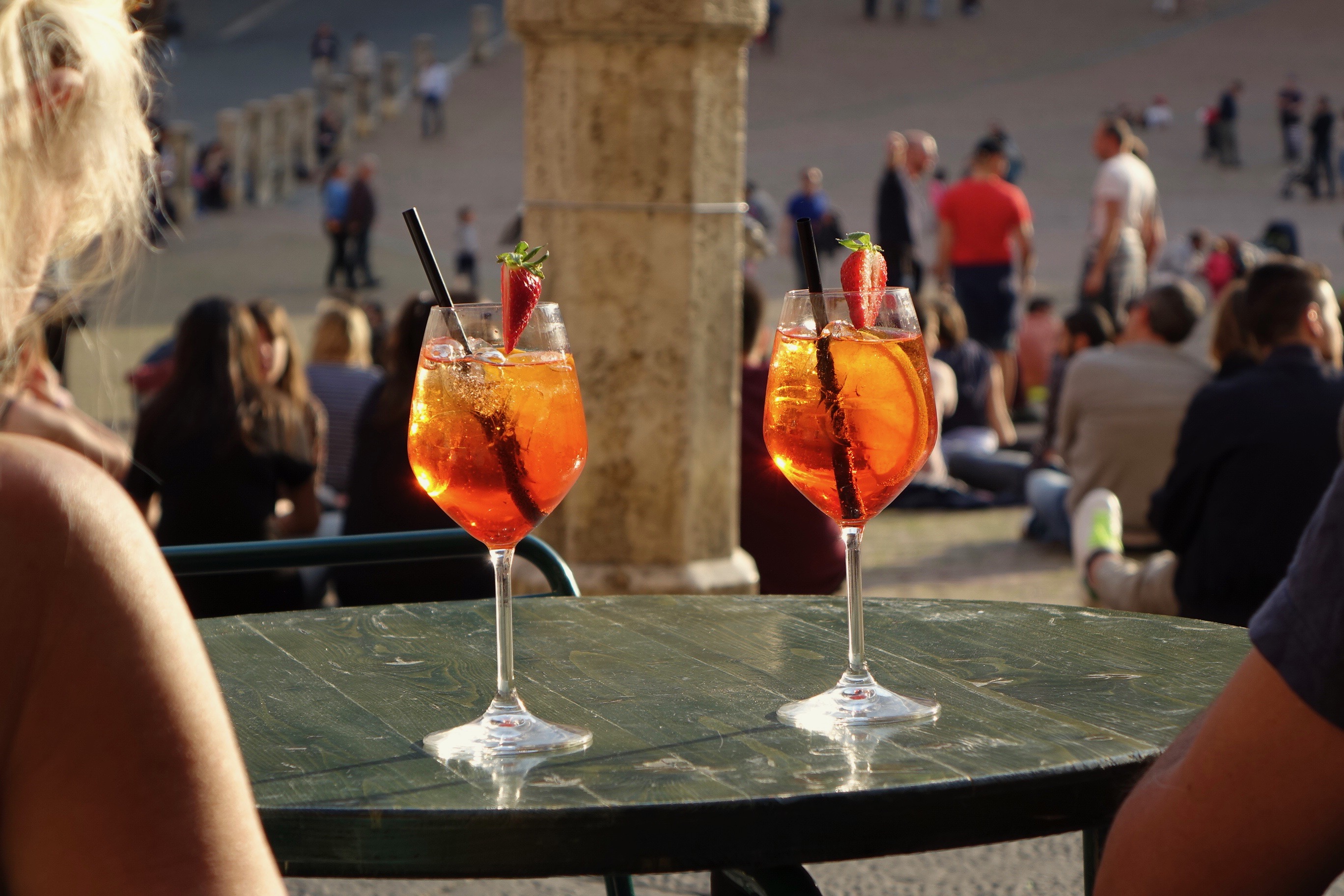
It was in that delightful main square that our visit concluded. As we approached, the atmosphere of a thousand visitors lying out on the sloping pavements to enjoy the sun, or sipping upon spritz and bubbles in one of the many cafes which line the square was highly tangible. It was like human electricity, building up in the semi-circular square before finding occasional release as it leaked into the side streets through the Piazza’s odd openings. Once in, the space literally dazzled as before us the enormous scale of the campanile of the Palazzo Pubblico unveiled itself and the Piazza, which is famous for the annual Il Palio horserace which plays out around the square, glowed as sun rays met red and ochre brick. There we sat, at one such café, as the sun swept a shadow across the curve of the Piazza much like the effect of a sun-dial. Soaking in the last of the rays, as golden sunlight reflected against the prosecco and gelato on our table, we people watched and soaked in the atmosphere, and observed a city which seemed to exude contentment. We were certainly contented in turn. It was a visit which would provide the highlight of our year so far. I wouldn’t be surprised if we were return again, before the year is even out.

The highpoint: Prosecco on the Piazza

DSC09114DSC09142DSC09119DSC09106DSC09112DSC09130

© Nicholas de Lacy-Brown and The Daily Norm, 2001-2017. Unauthorized use and/or duplication of the material, whether written work, photography or artwork, included within The Daily Norm without express and written permission from The Daily Norm’s author and/or owner is strictly prohibited.
Painting my travels: Castagneto Carducci

Painting is slowly re-entering my life. It’s been a long few months without it. As many an artist will tell you, it’s difficult to find inspiration when life is unstable, and an international move, a new London job, plus a mammoth redecoration project has done few favours in terms of my artistic production. But how could I not be inspired by my recent venture to Tuscany? The photos I have been sharing over the last couple of weeks go far in demonstrating just what kind of a place it is. As soon as I awoke on the first sunny day, the birdsong, fresh air and sunrays combined to fill my mind afresh with hypothetical paintings. And this one is the first to result from that round of preliminary creative ideas.

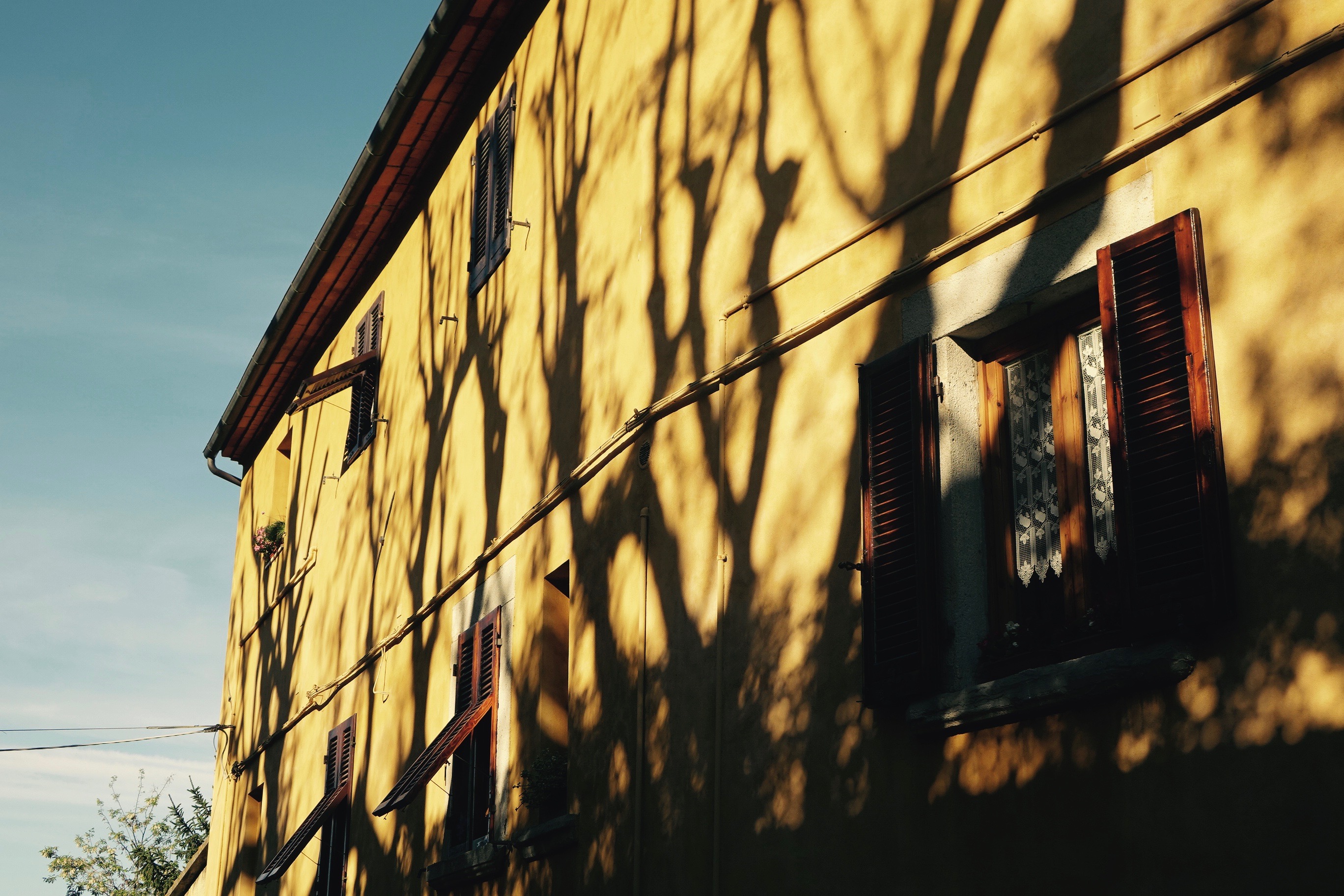
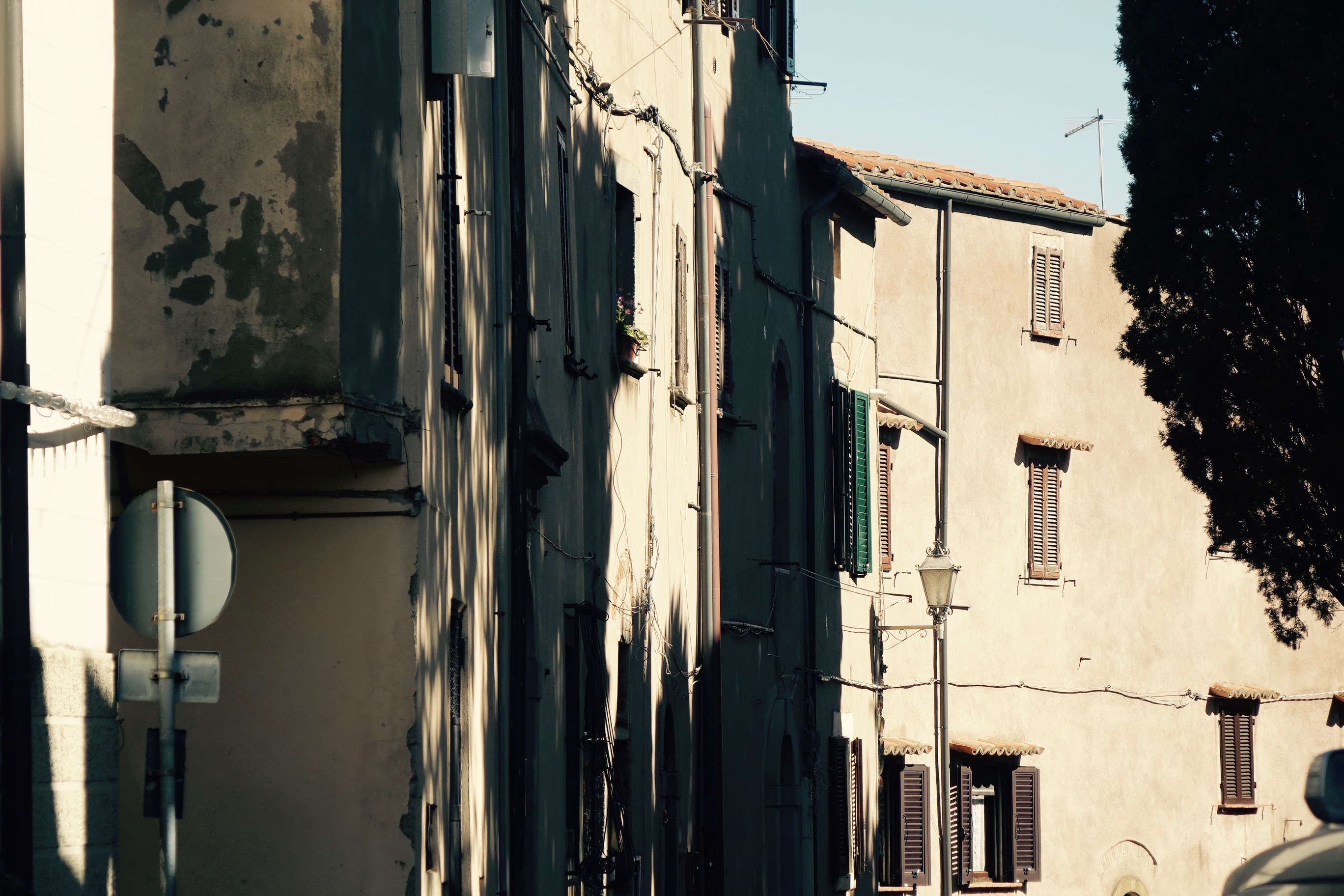
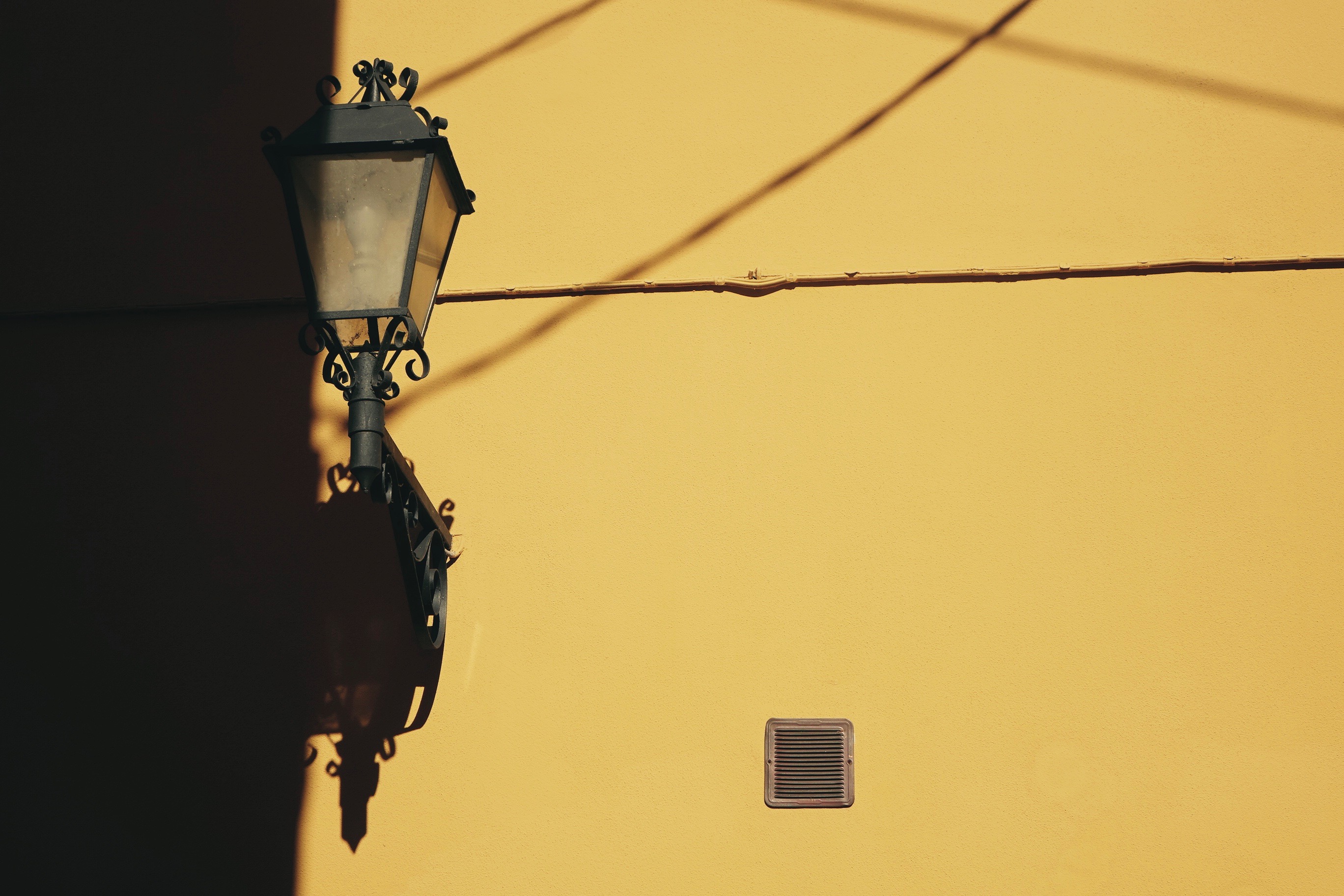
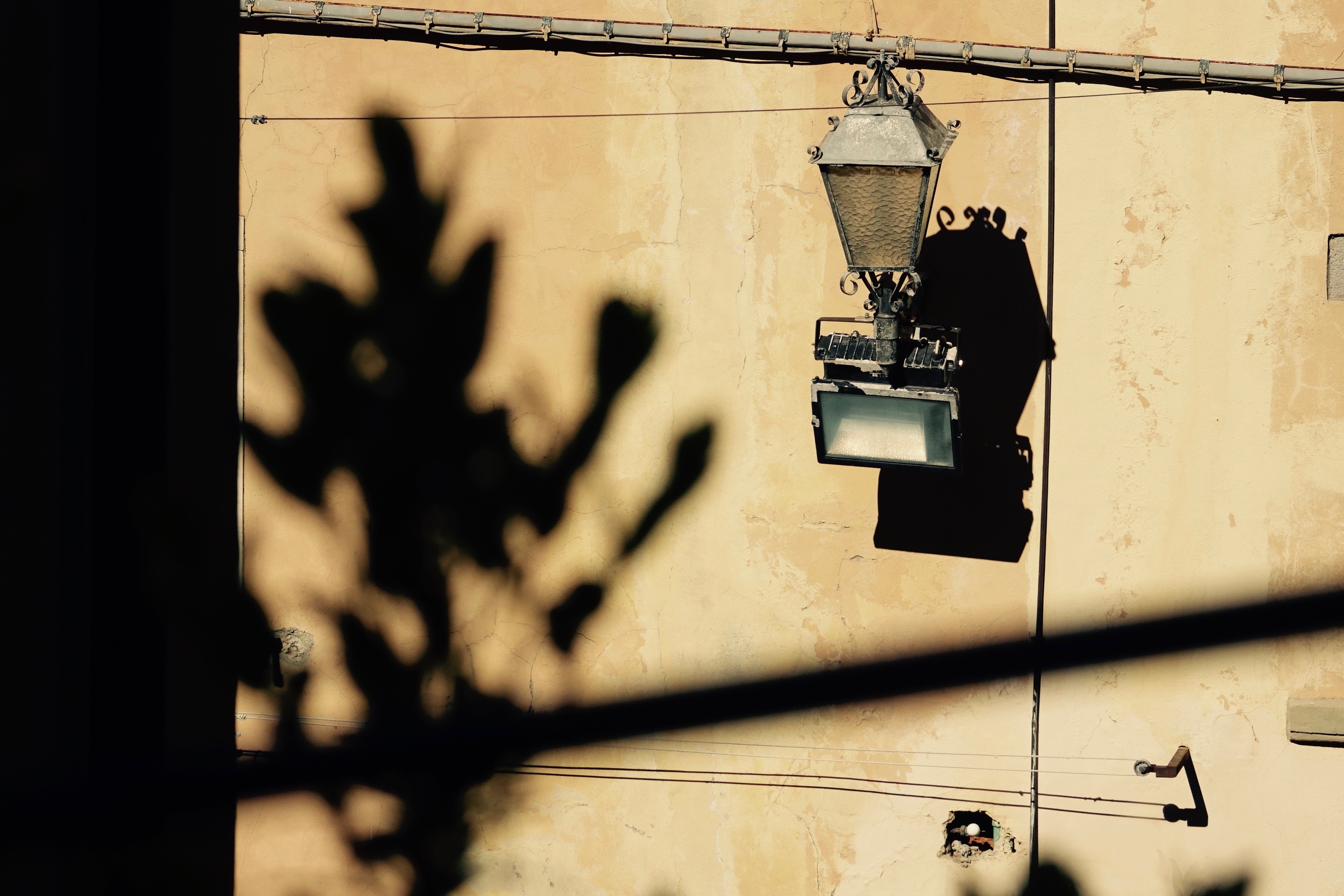
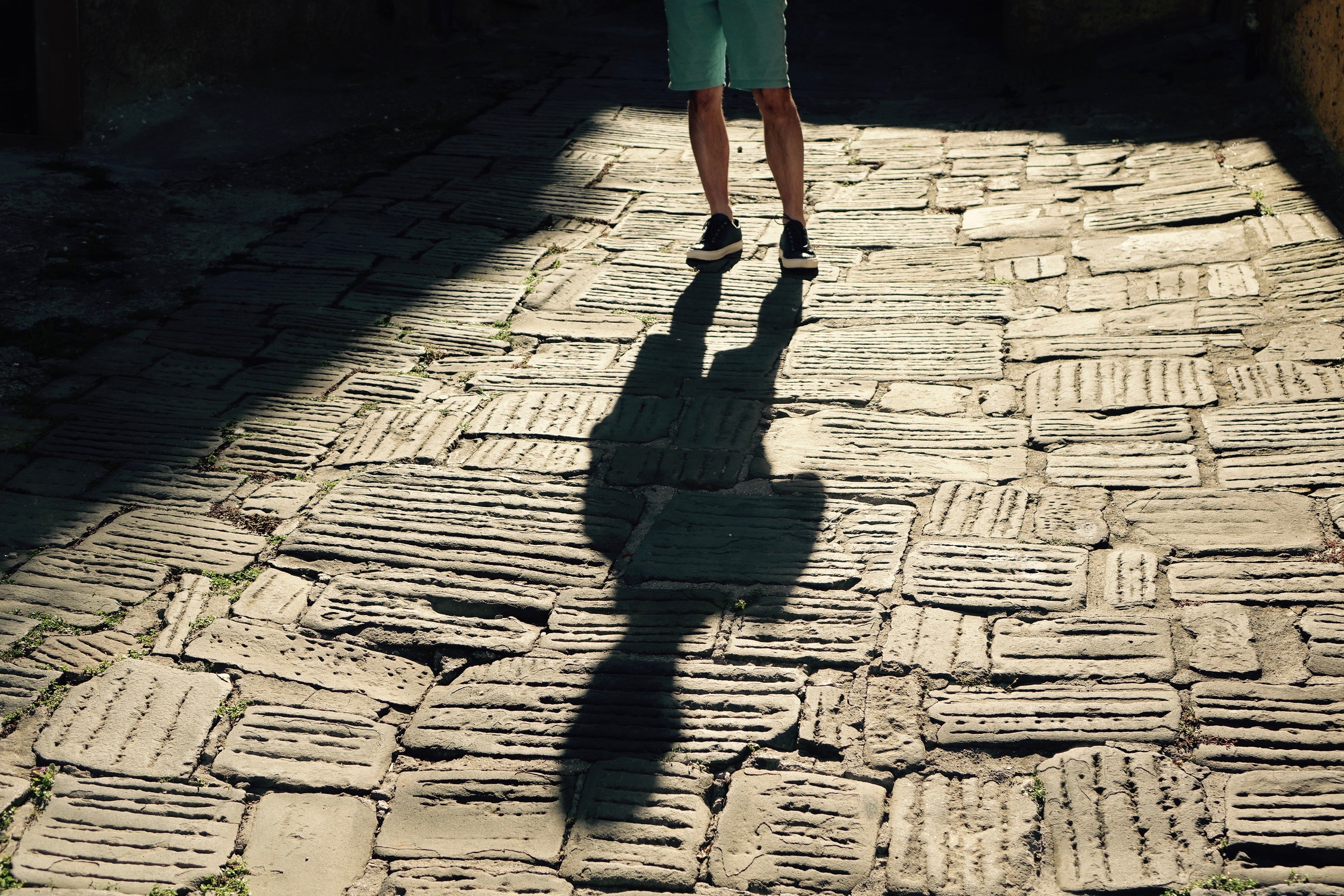
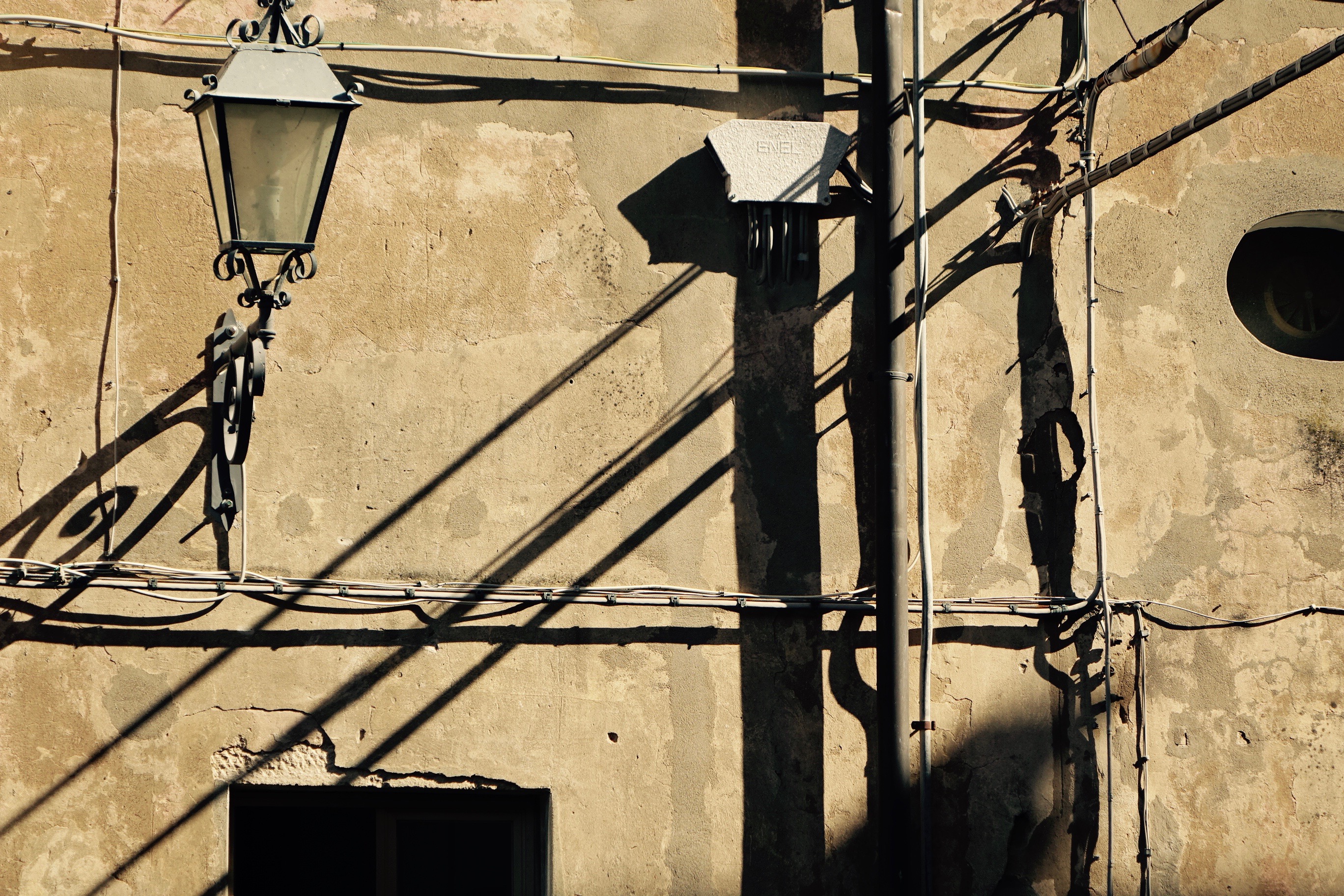
My 2016 collection, interpretative abstract, instigated a new abstract language in my art, one which has followed through to subsequent creative projects, and even the way I choose to capture landscapes in my photography. This meant that as I wandered the towns of Tuscany, I saw the sunlit streets not as townscapes, but as a series of abstract compositions. I was aided in this interpretation by the stark contrast between shadow and light, often casting distinct geometric patterns and lines across monotone building walls, and likewise by the nature of Tuscan streets which are inherently narrow resulting in a more dynamic composition of vertical and horizontal planes.

Castagneto #1 FINAL

Castagneto Carducci #1 (2017 ©Nicholas de Lacy-Brown, watercolour and gouache on paper)

The result is this painting, entitled simply Castagneto Carducci #1, after the town which inspired it and which was featured on Wednesday’s Daily Norm. It uses watercolour, which is not a medium I utilise often, but whose transparency leant a very authentic depth to the depiction of the texture of Tuscan walls. But it also uses gouache in creating flatter colour planes, and the combination of media, together with an angular geometric finish to street-inspired constructs, forms a landscape which is at the same time an abstract composition.

© Nicholas de Lacy-Brown and The Daily Norm, 2001-2017. Unauthorized use and/or duplication of the material, whether written work, photography or artwork, included within The Daily Norm without express and written permission from The Daily Norm’s author and/or owner is strictly prohibited. For more information on the artwork of Nicholas de Lacy-Brown, visit http://www.delacybrown.com 


Tuscan Towns #4 – Castagneto Carducci

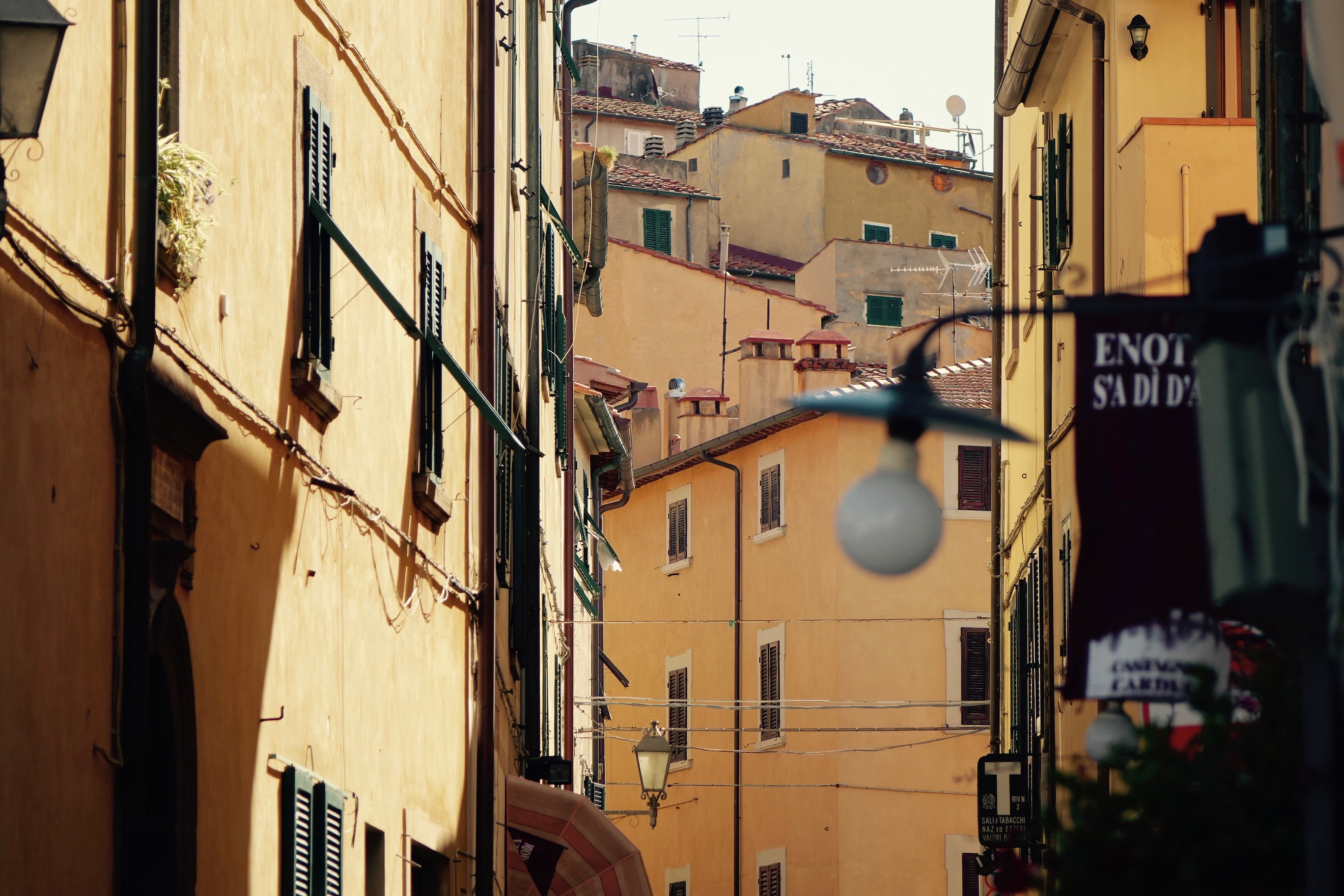
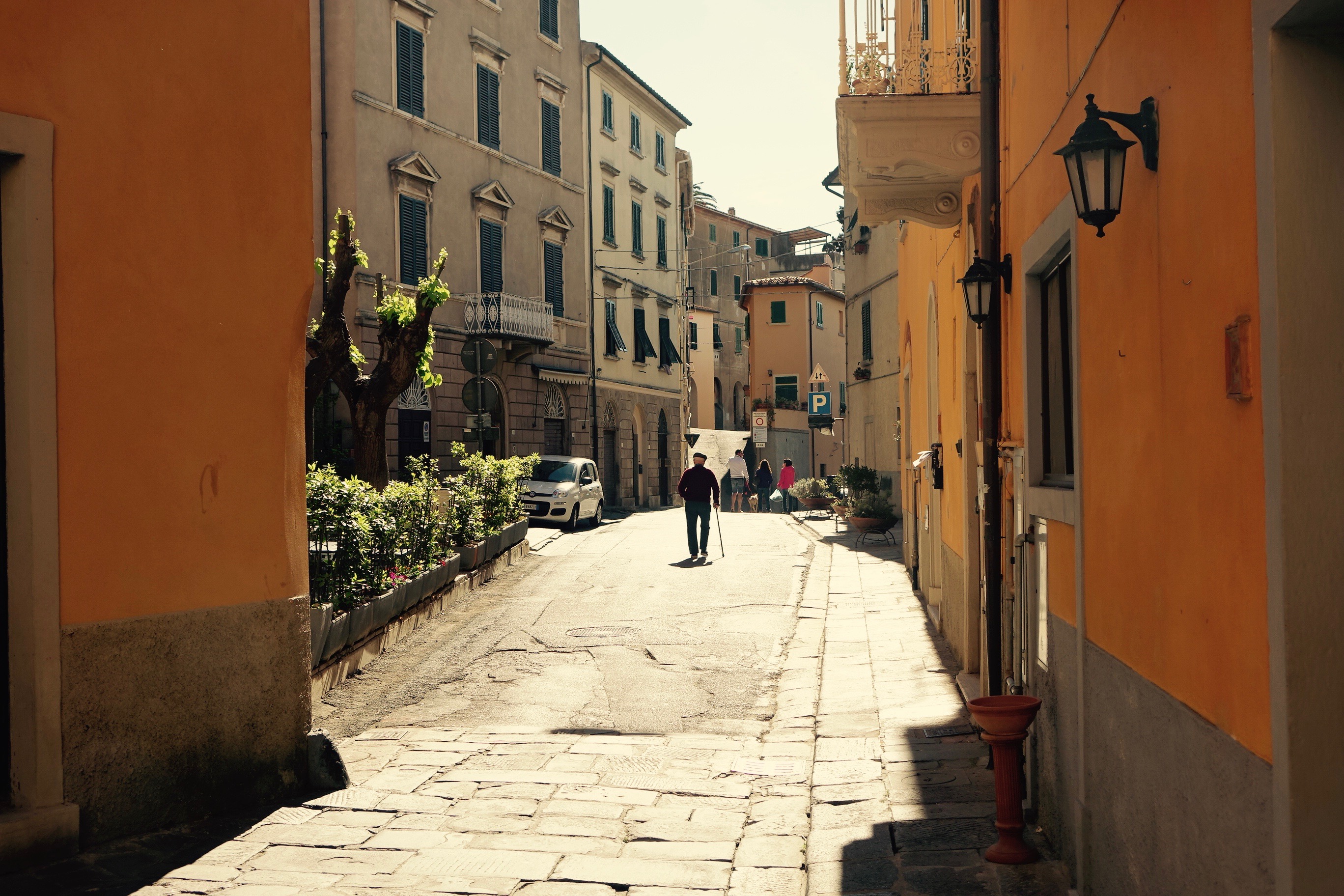
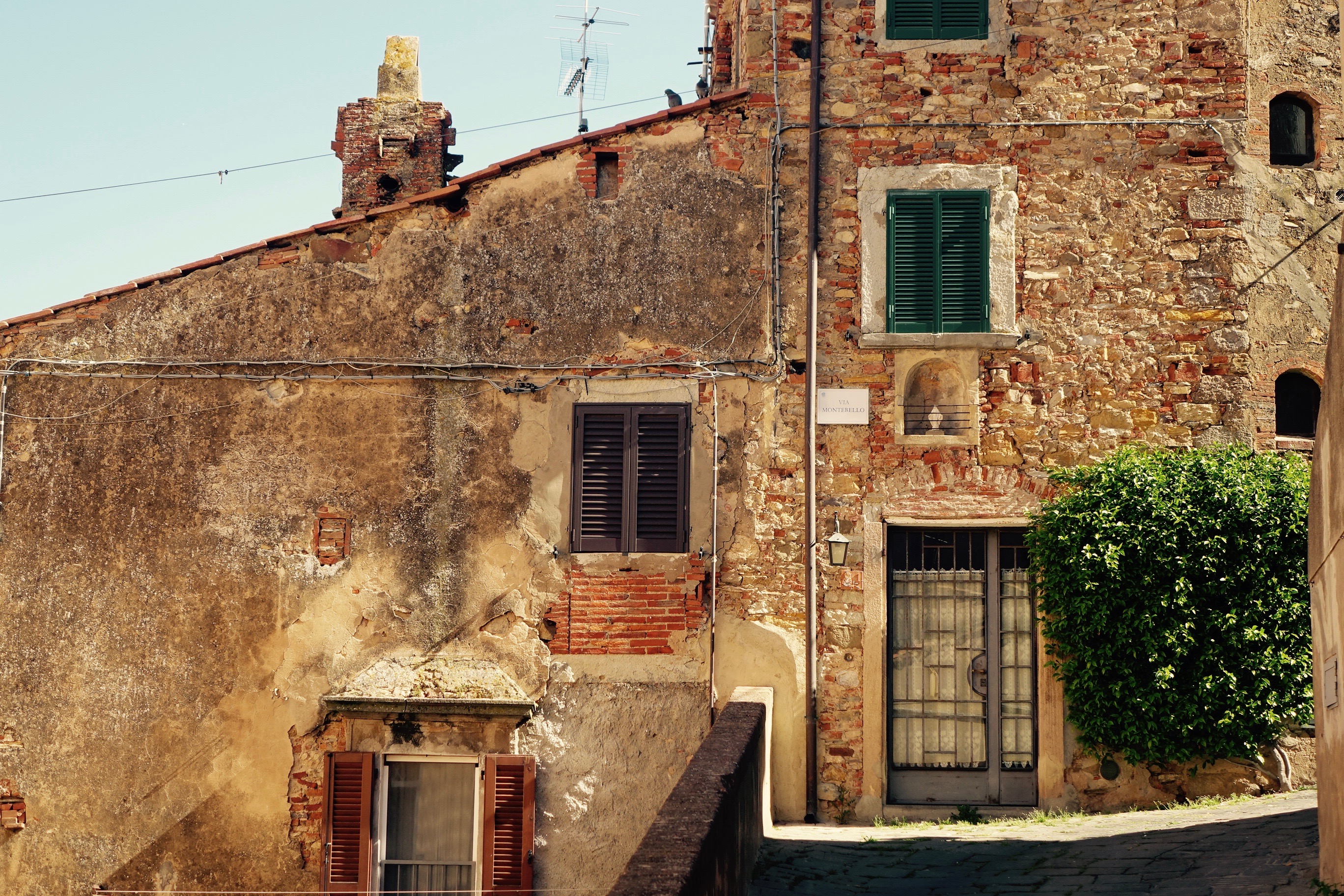
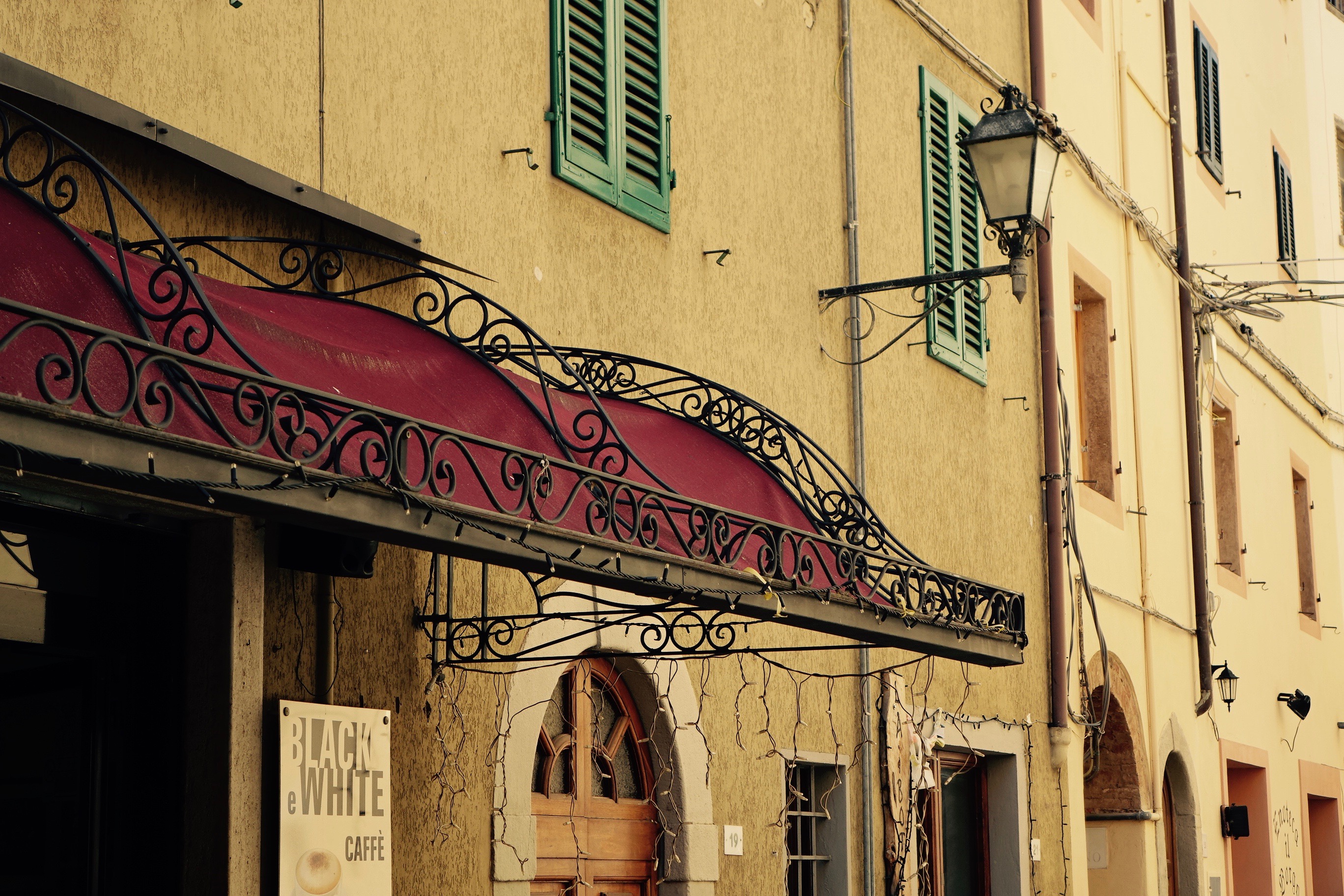
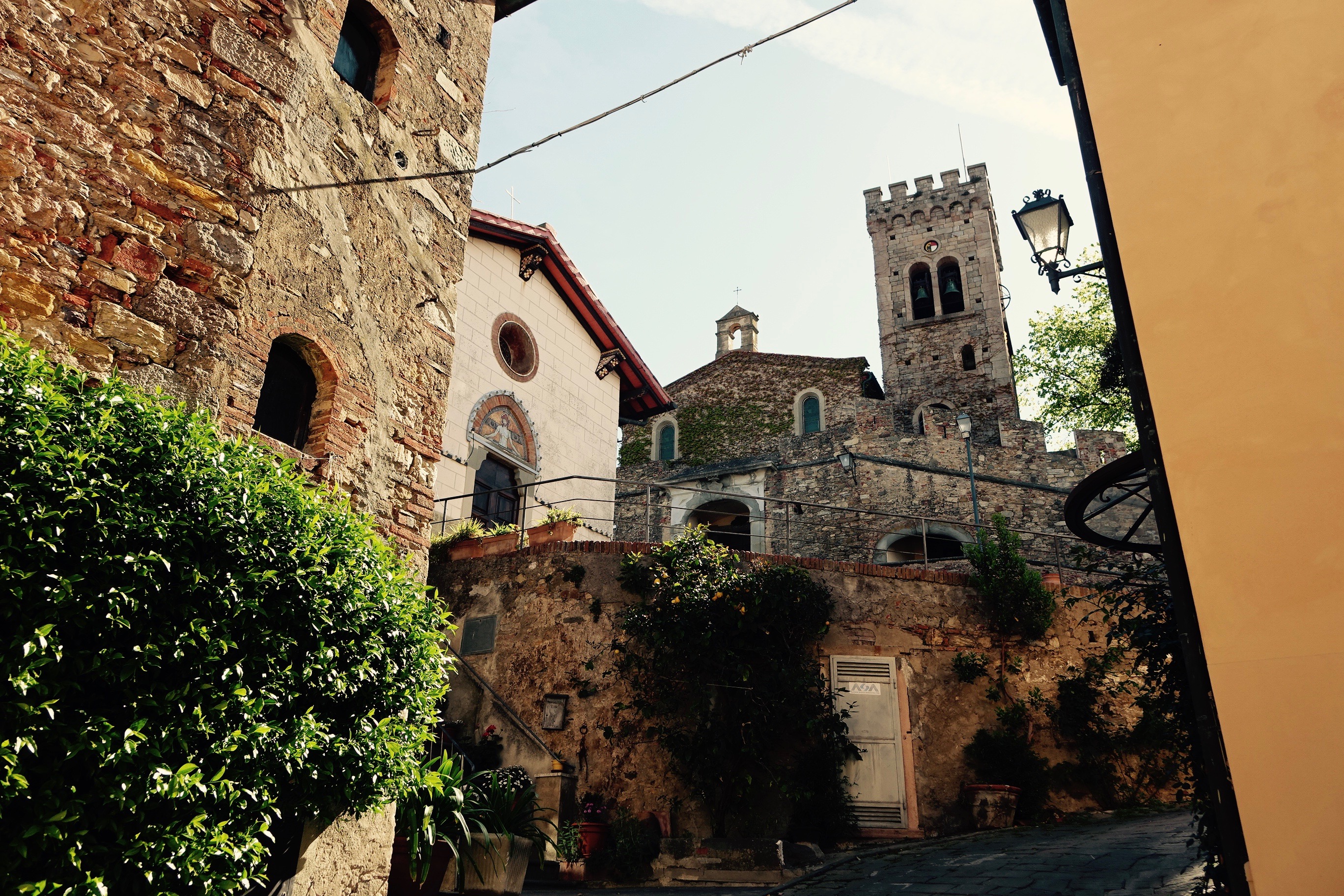
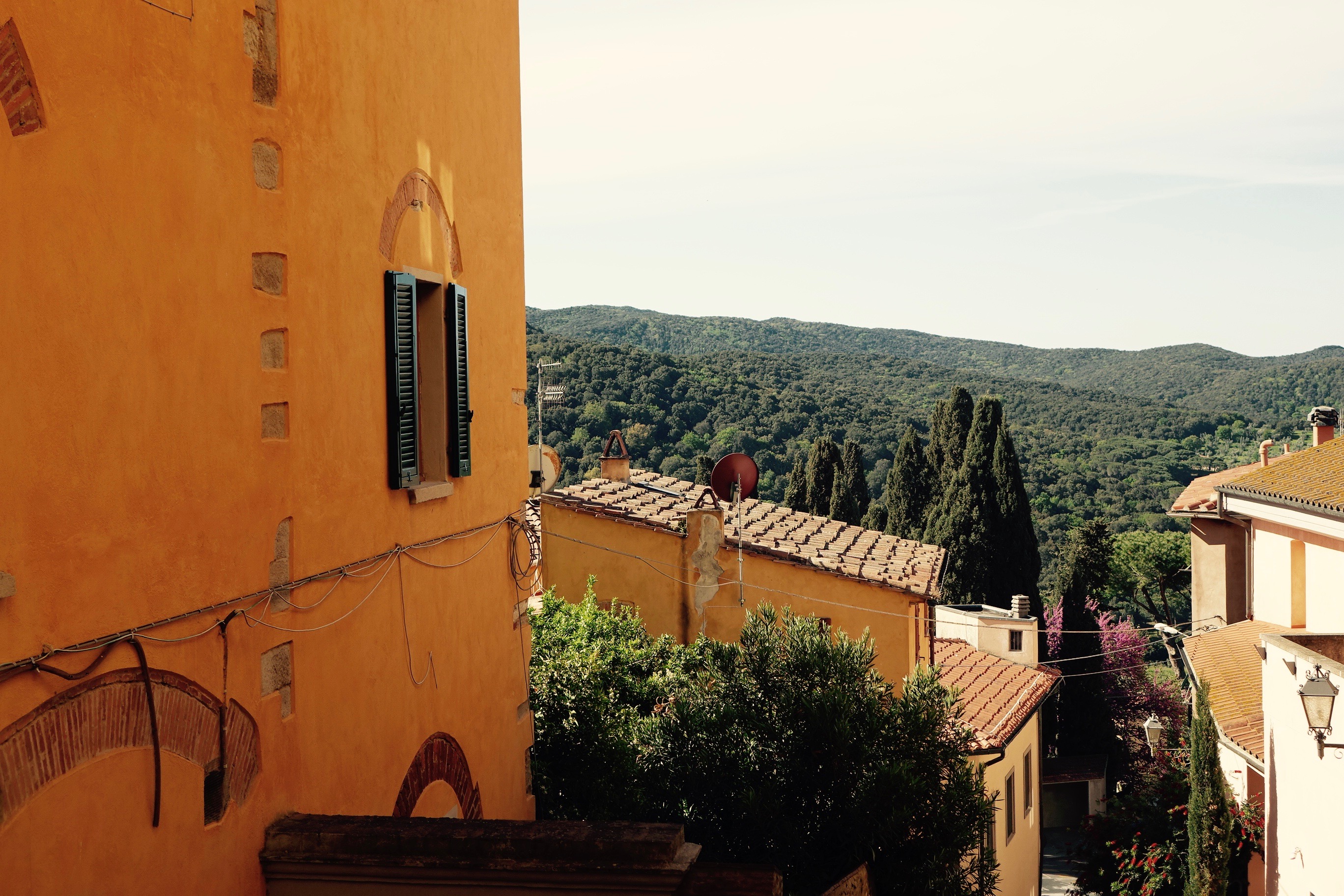
For a town with a mouthful of a name, Castagneto Carducci, just uphill from the sandy beaches of Donoratico, is paradoxically small. Distinctive for its coloured houses painted, unlike so many of the stone villages of Tuscany, in sunny shades of pink, yellow and other pastel tones, Castagneto contrasts perfectly with its surroundings of green hills and perfectly regulated striped vineyards. This is not the first time the village has featured on   The Daily Norm, since it is the closest little Tuscan town to my in laws’ home. In fact as we proved on this occasion, a brisk 40 minute walk through the vineyards of Donoratico followed by an uphill climb will see you arrive on foot at the church topped-summit of the town in no time. From there, it is views a plenty, not only of the surrounding countryside but of the quaint streets spilling out across the hilltop.
DSC09934DSC09961DSC09916DSC09938DSC09907DSC09930DSC09950DSC09948DSC09978DSC09966DSC09947

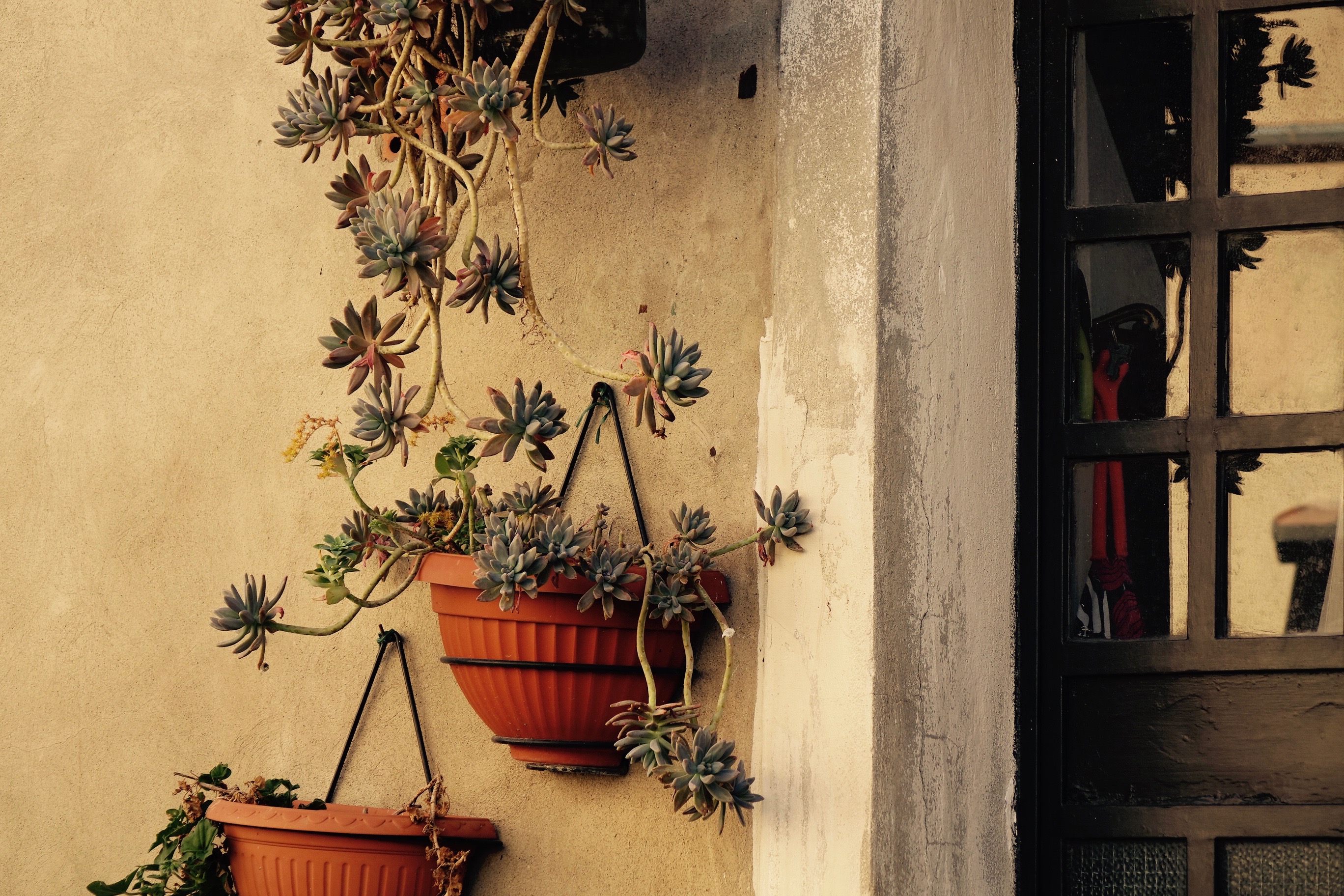
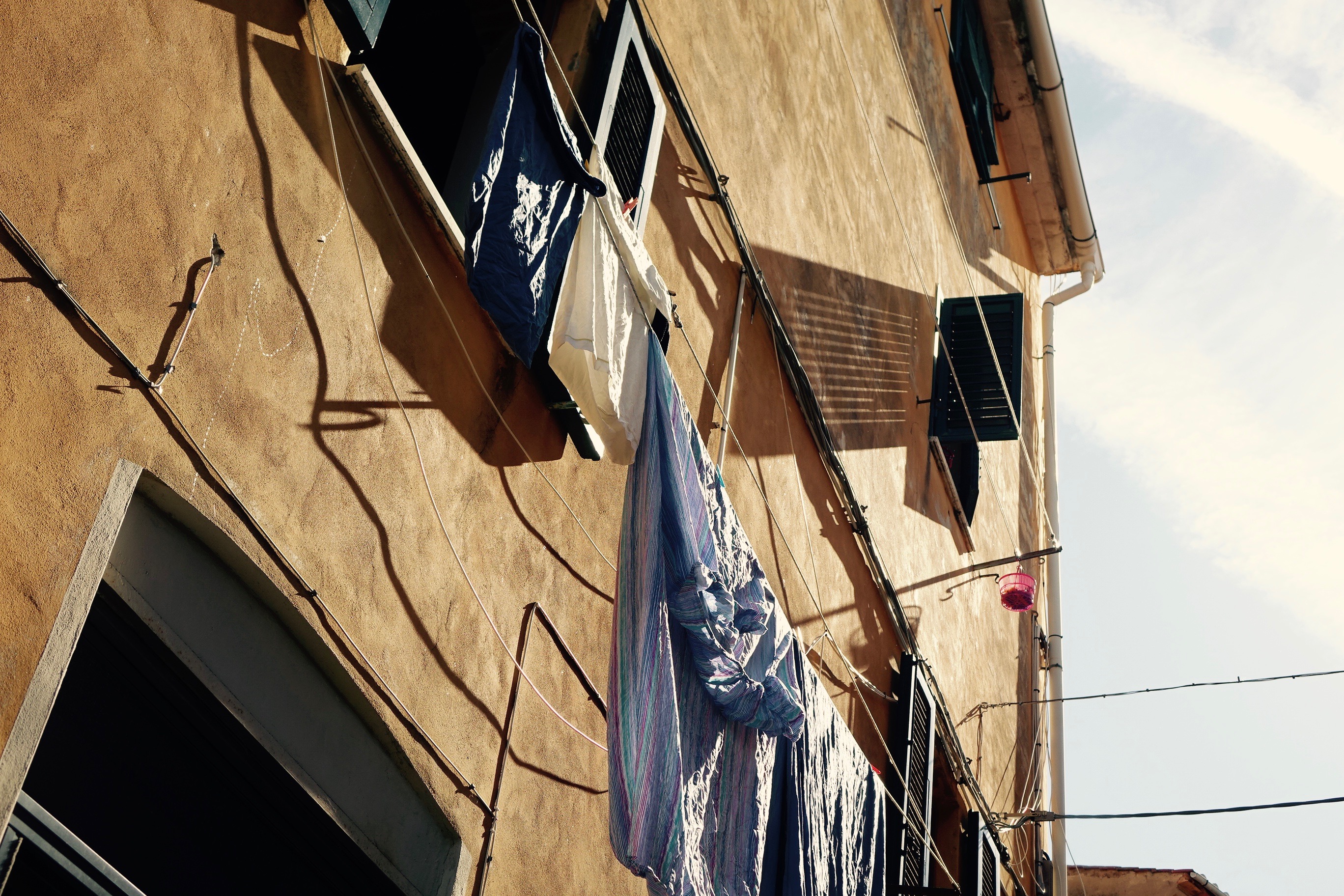
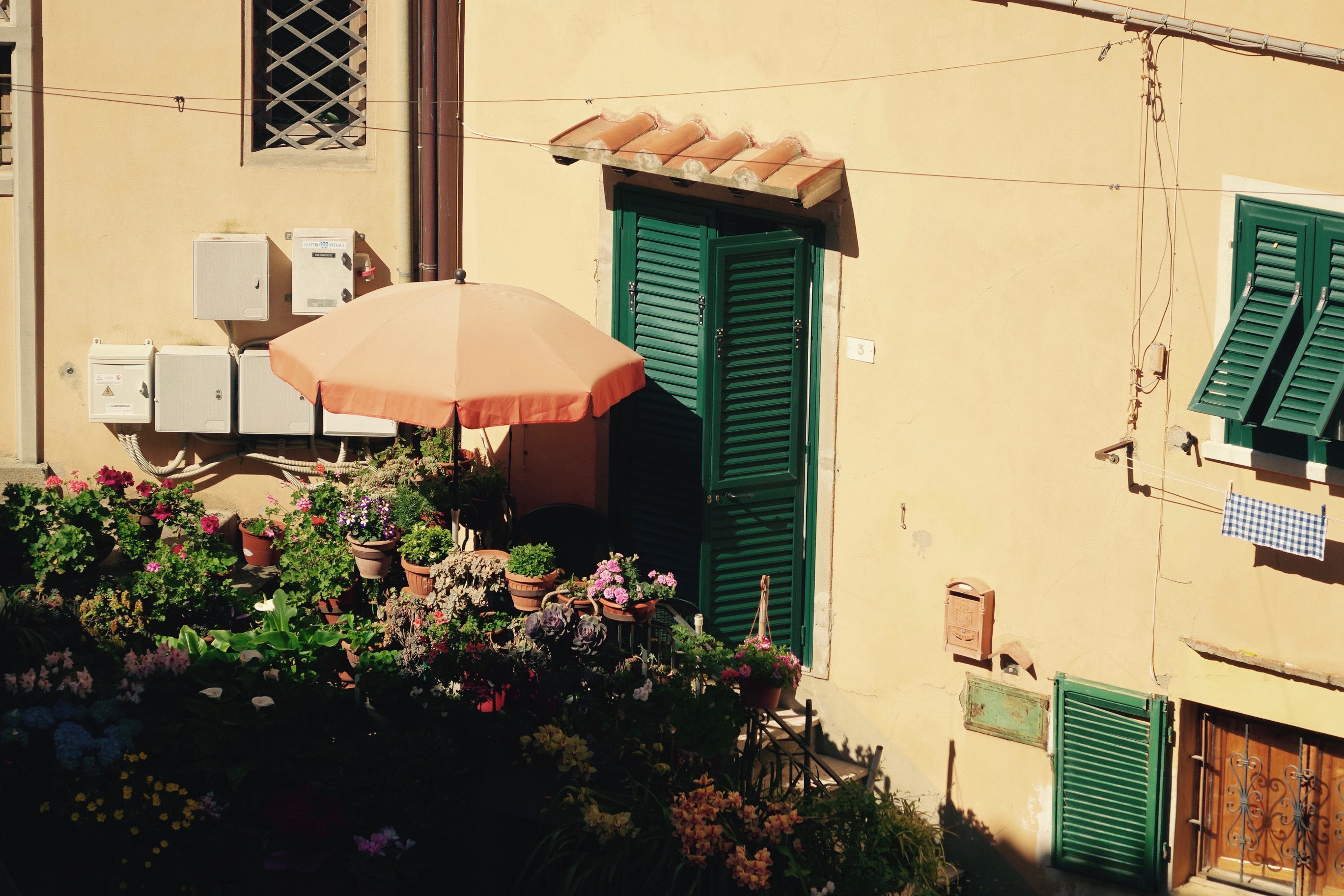
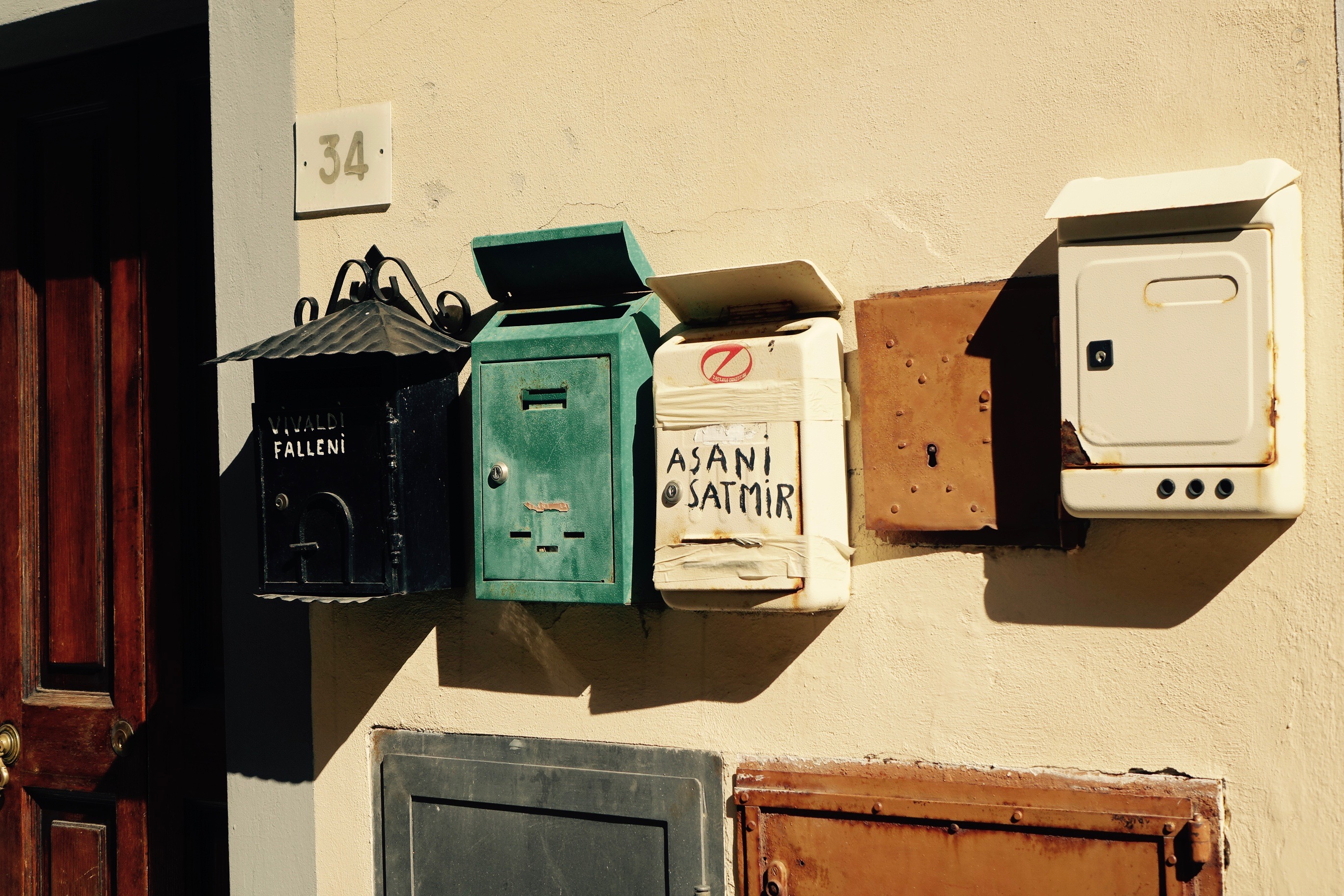
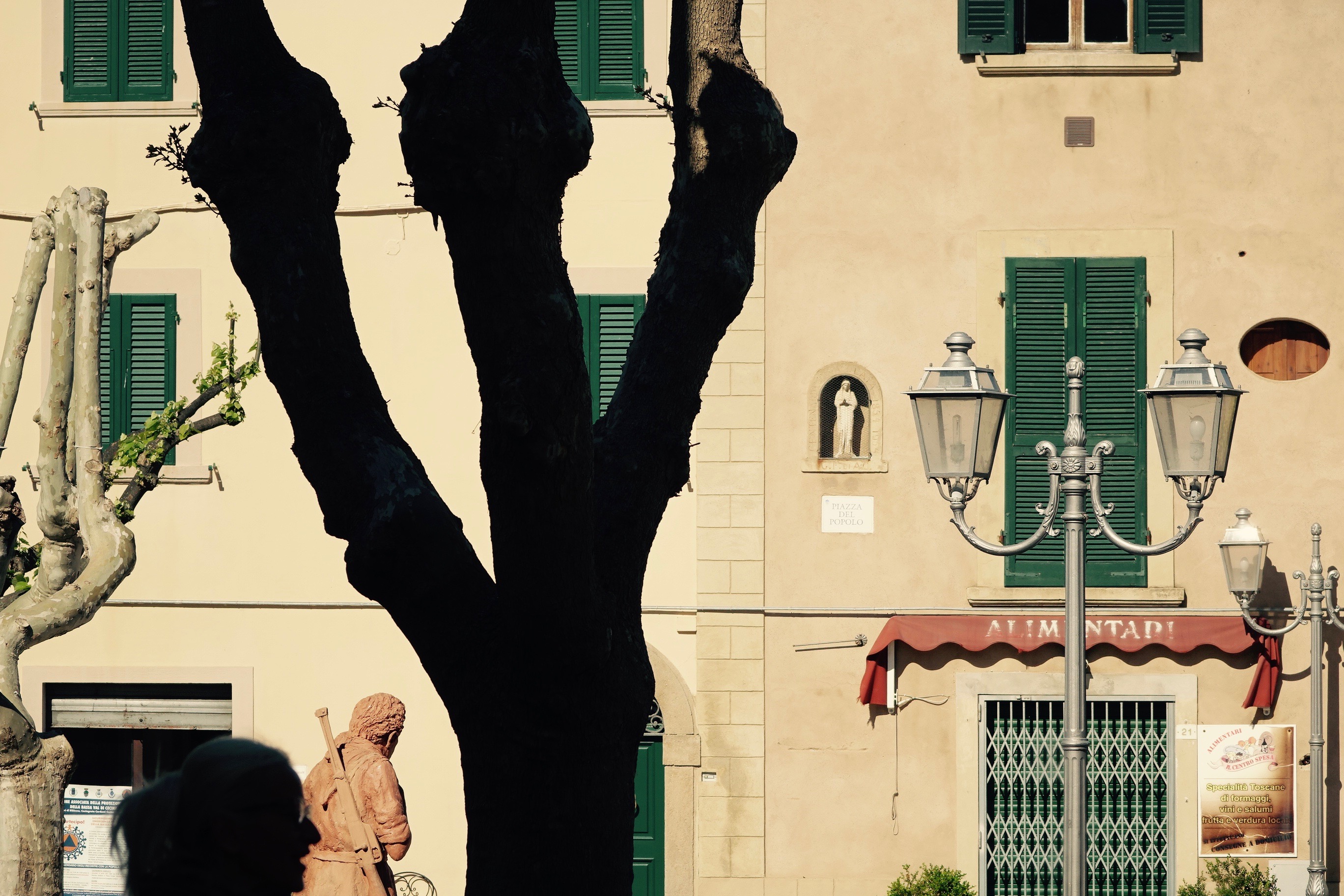
Like so many of the Tuscan Towns I am featuring on this blog, Castagneto is a town which oozes idyllic charm. While the tourist trade has made sure to embellish the town’s best features and offer visitors boutique shops selling local produce, cuddly wild boars and hand-painted ceramics, my favourite places to visit are those which are the preserves of the locals – the small little cafes where locals prop up the bar to drink an espresso and a brioche; the hilly side streets whose pot plants and strung out washing are just as picturesque as the countryside views over which the tourists ogle; and the little passages where a simple parked vespa or a decorative street lamp look like works of Italian art.

DSC09937DSC09958DSC09912DSC09897DSC09893 2DSC09919DSC09955DSC09951DSC09929DSC09917DSC09906DSC09902

If you can only get to tour one or two of Tuscany’s quaint little towns, Castagneto is a perfect choice. With its various cafes and small up-scale shops, several restaurants making the most of the views and a perfect winding route around town which will take in the small church and iconic town hall, Castagneto has all the ingredients to afford the visitor a satisfying stroll. And if I were to recommend Bolgheri at around 5pm for a cocktail or afternoon coffee, Castagneto is a perfect choice for a morning coffee. Our sun drenched cup accompanied by brioche and croissants stuffed with frutti di bosco and cream was the best breakfast experience of my trip, and should not be missed, especially with views as fine as this.

DSC09956DSC09949DSC09900DSC09946DSC09939DSC09924DSC09885DSC09918DSC09910DSC09911DSC09921DSC09783

© Nicholas de Lacy-Brown and The Daily Norm, 2001-2017. Unauthorized use and/or duplication of the material, whether written work, photography or artwork, included within The Daily Norm without express and written permission from The Daily Norm’s author and/or owner is strictly prohibited.