Skip to content

Posts tagged ‘Marbella’

Second Chance Summer – a weekend in Marbella

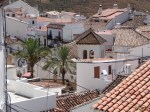
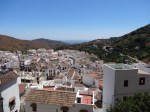
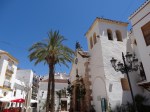
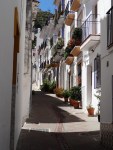
Having spent last week extolling the virtues of the recently arrived season of Autumn, those posts followed a pleasant Sunday walk, on which the sun shined and magnified the kaleidoscope of autumn’s palette to magnificent effect. Come the end of the week, when the wind direction turned swiftly northern, lambasting all who stood in its path with a wintery chill, I upped sticks and left the British to it, flying out of London’s Gatwick and heading south for still-sunny Spain. There, arriving into the balmy evening warmth of Mediterranean Marbella, you would have been excused for thinking that it was the height of summer still, a conclusion confirmed when, 5 minutes into our walk from bus station to family home down in the core of Marbella’s Andalucian old town, we were shedding British jacket and jumper, stuffing our newly aired scarves back into our bags, and swiftly replacing trousers with shorts, despite the late hour of the day.

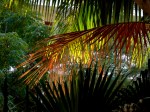
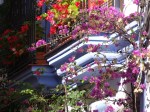
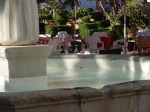
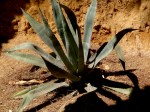
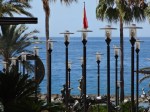
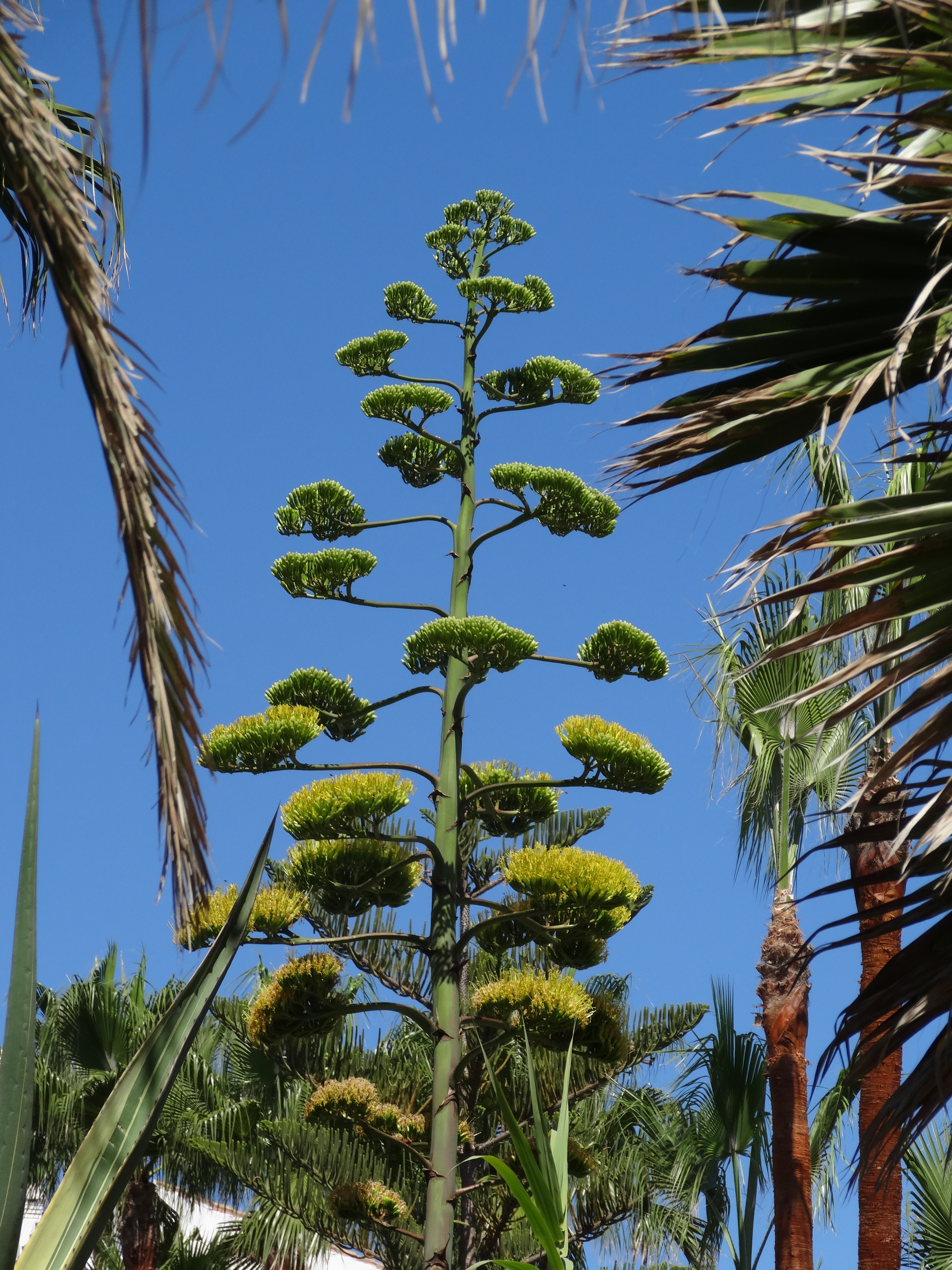
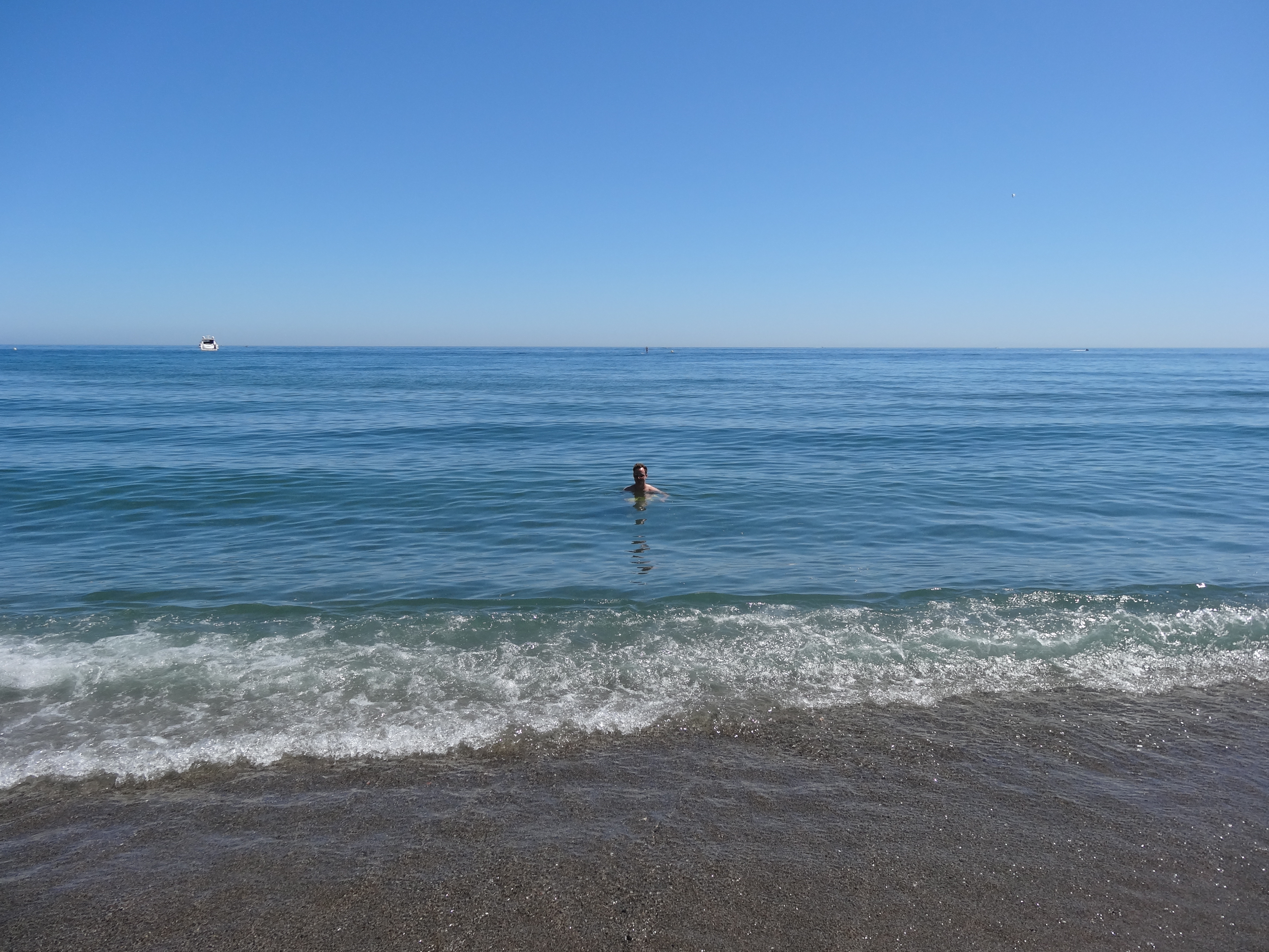
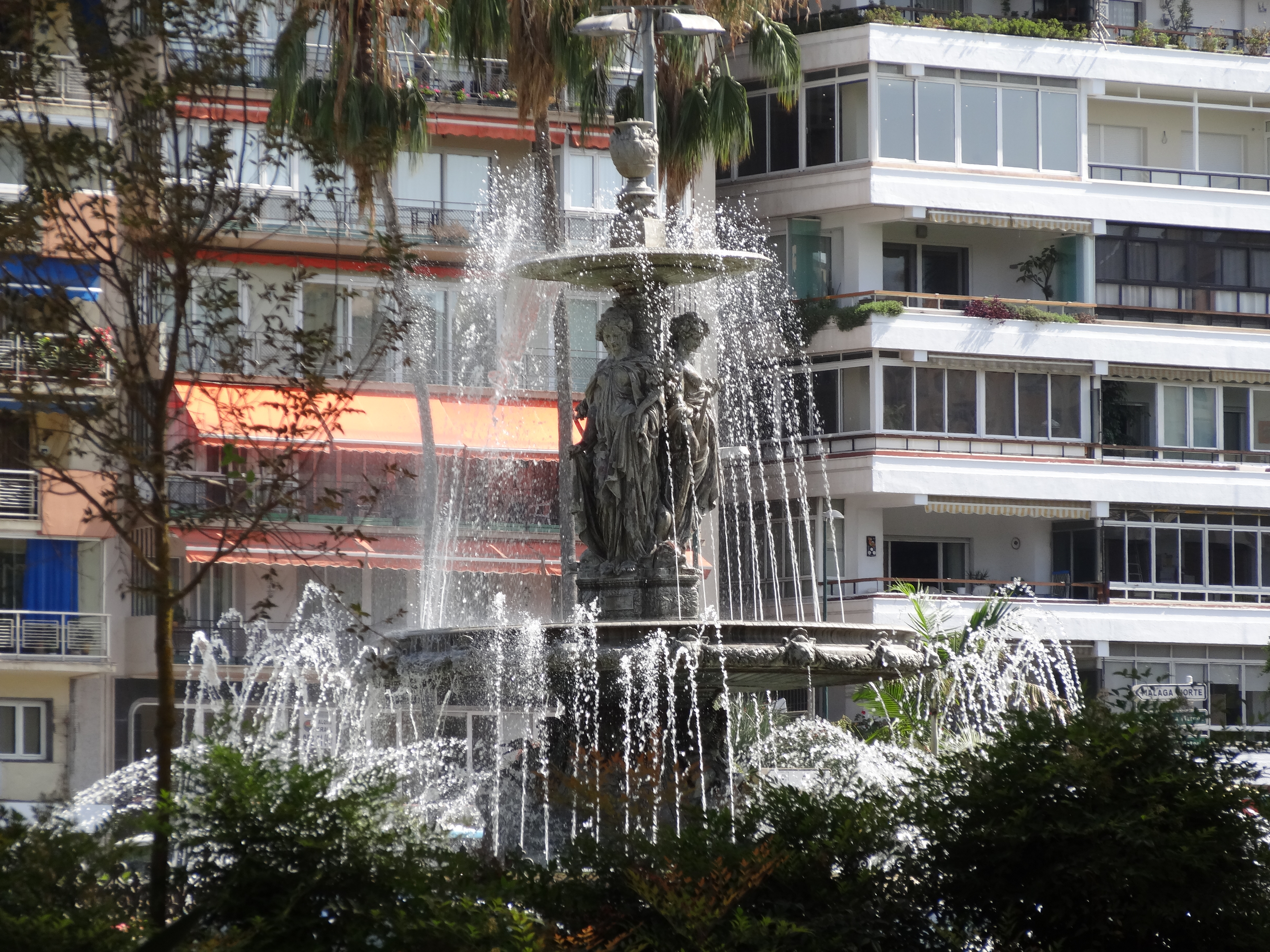
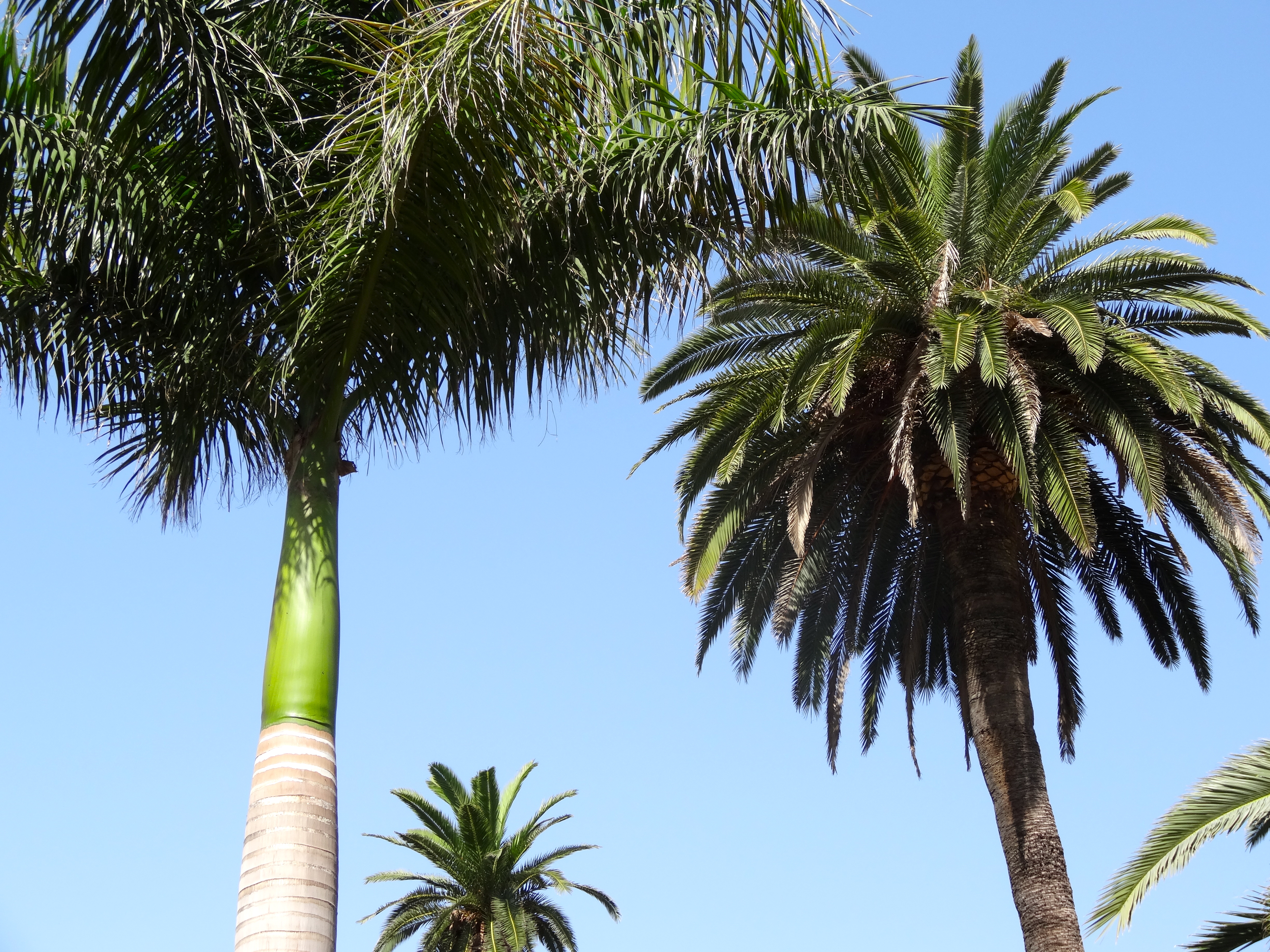
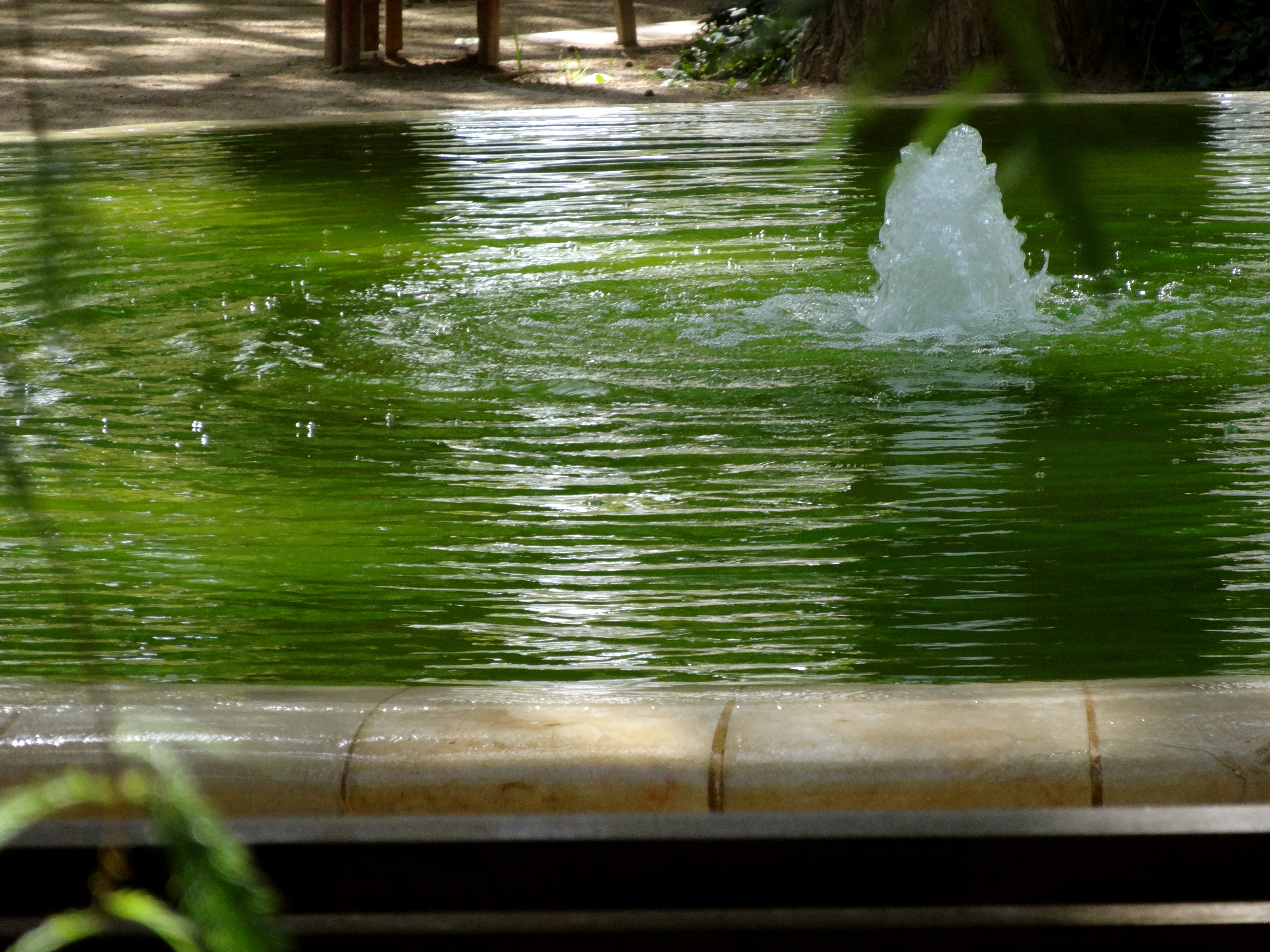
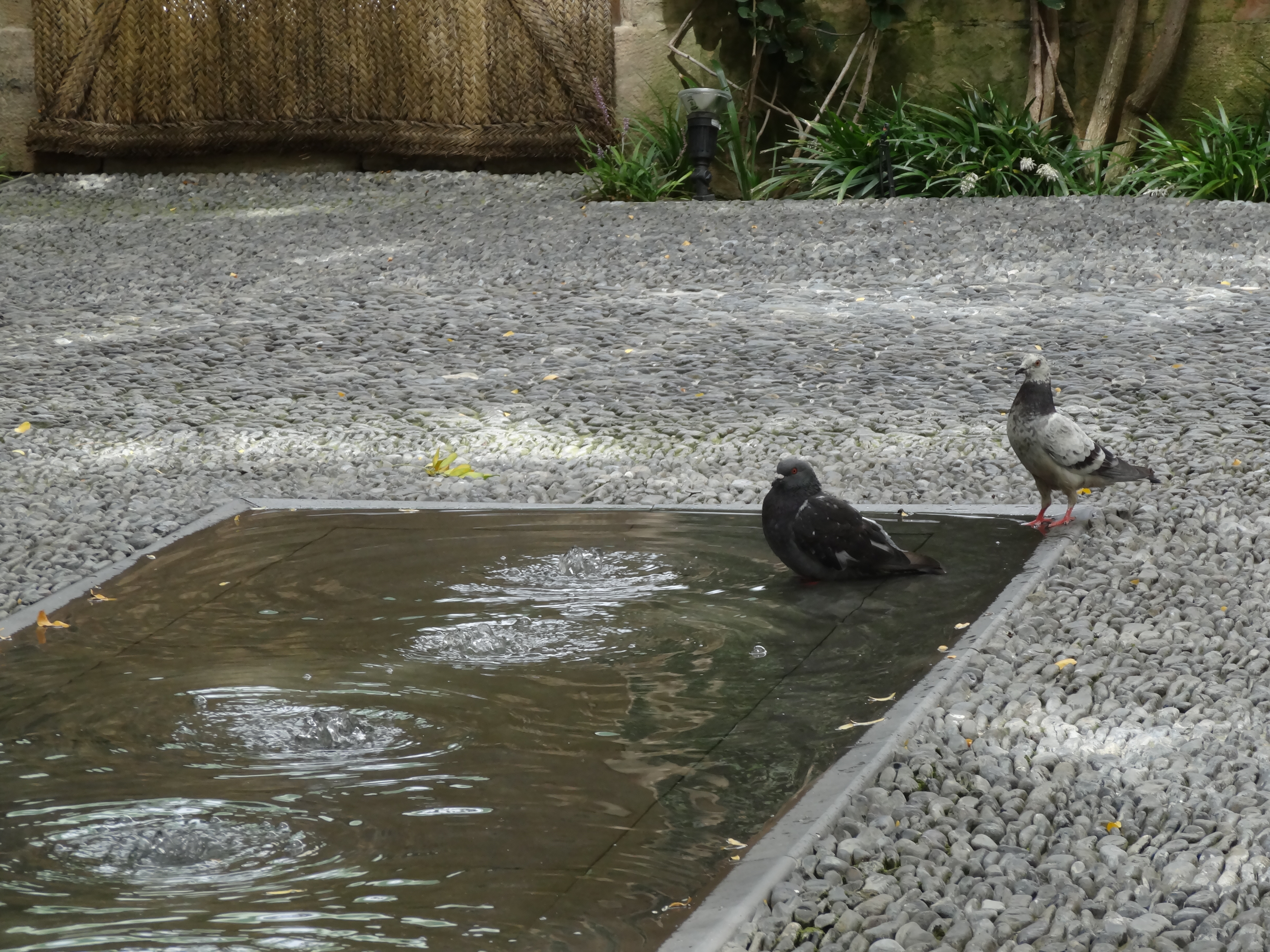
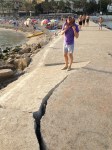
DSC08257 DSC08228 IMG_5262 DSC08236 DSC08245

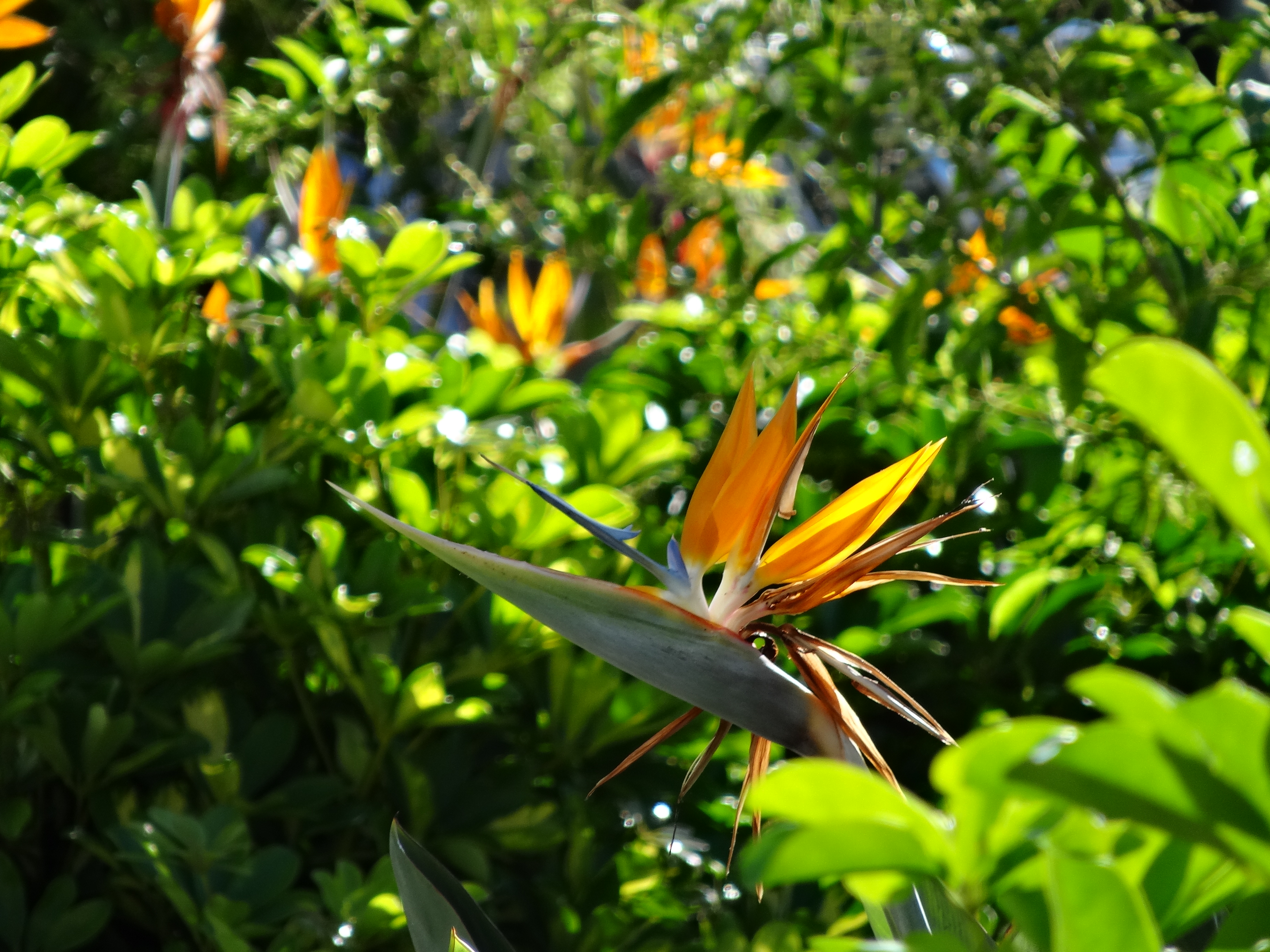
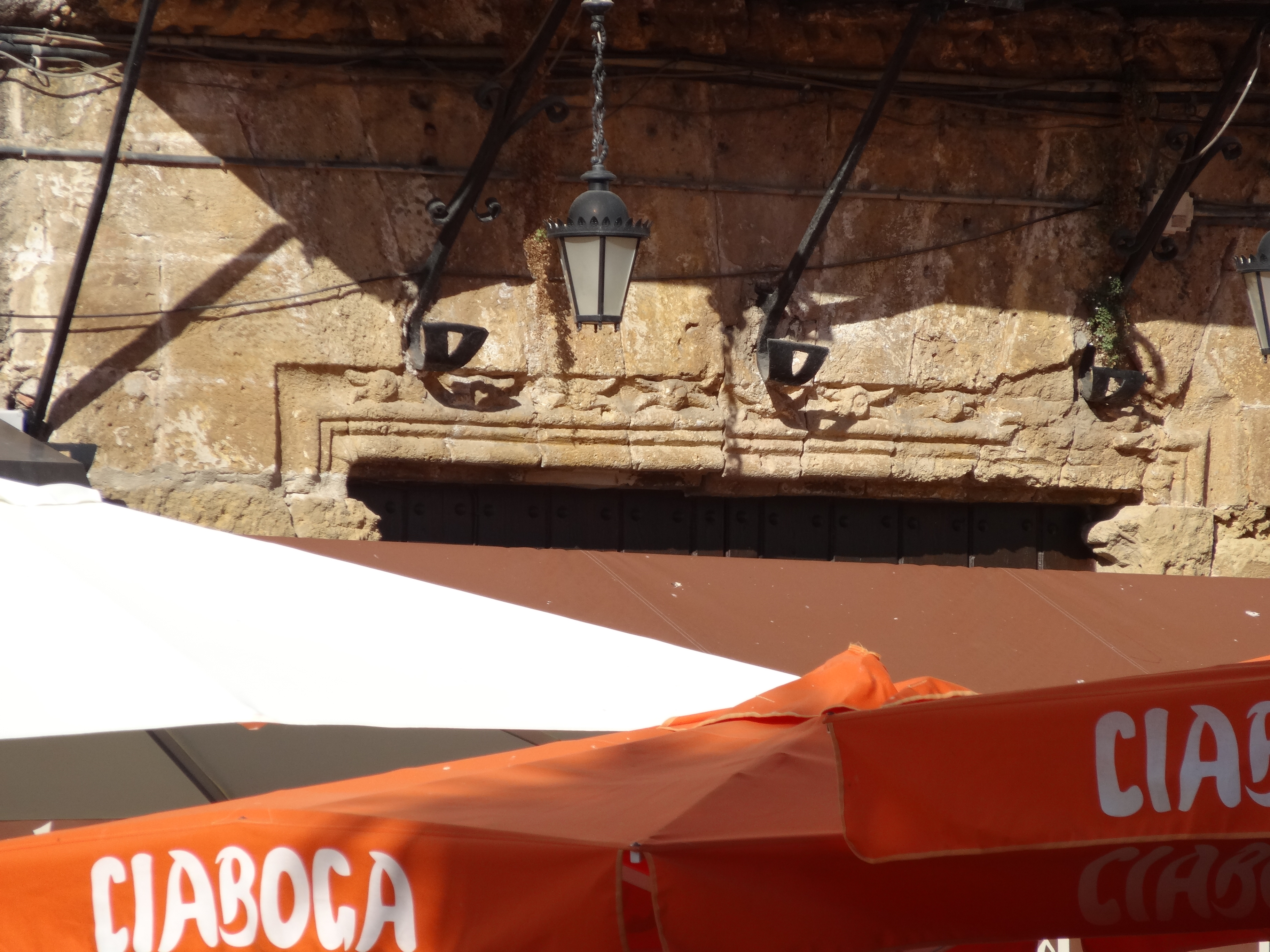
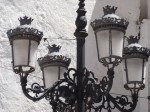
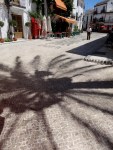
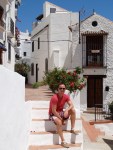
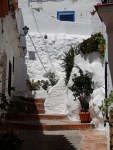
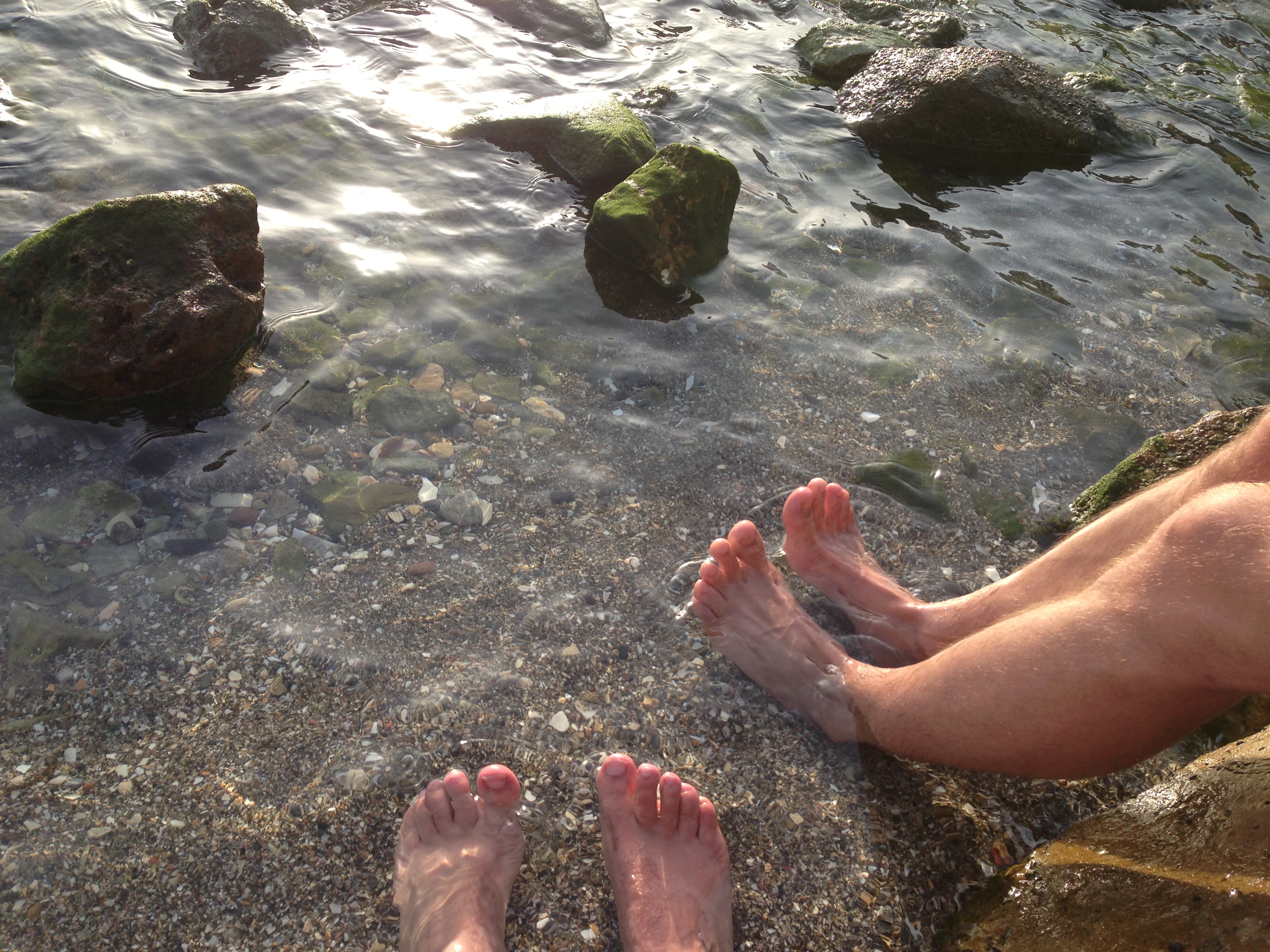
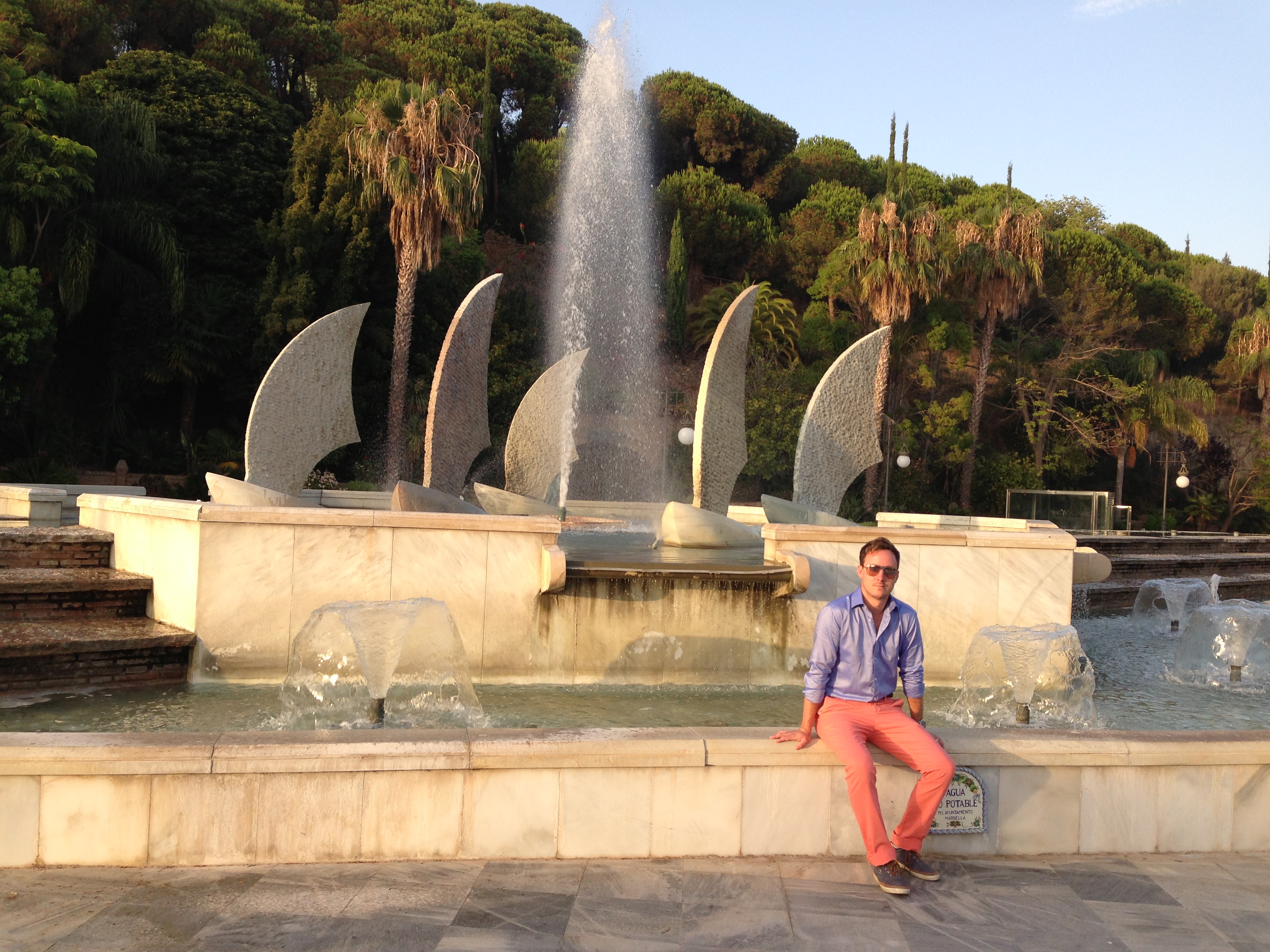
And so, as a long weekend proceeded in these indisputably superior climes, (it’s primary intention being to celebrate the birthday of my mother who, like me, cannot bear the thought of spending a birthday in any weather other than guaranteed sunshine), we enjoyed what felt like a second chance of summer, albeit just for a couple of days. Naturally enough, where we strolled in the relentlessly charming town of Marbella, my camera came with me, and the photos which result show Marbella still glowing in the late summer sunshine, but itself showing a few signs that the season is coming to an end: green tiled roof tops for example are partially covered by a scattering of golden leaves; and beaches, their sparkling glow perfected by a stronger winter’s sun, are emptier and more sedate. But these signs are but small when compared with the seasonal variety which descends upon England’s landscapes at this time of year, and in my photos you will once again see a city which, but for a few days exception, is a perfect summertime paradise, all year round.

All photos and written content are strictly the copyright of Nicholas de Lacy-Brown © 2013 and The Daily Norm. All rights are reserved. Unauthorized use and/or duplication of the material, whether written work, photography or artwork, included within The Daily Norm without express and written permission from The Daily Norm’s author and/or owner is strictly prohibited. 

Marbella Twenty-Thirteen | Favourite Photos

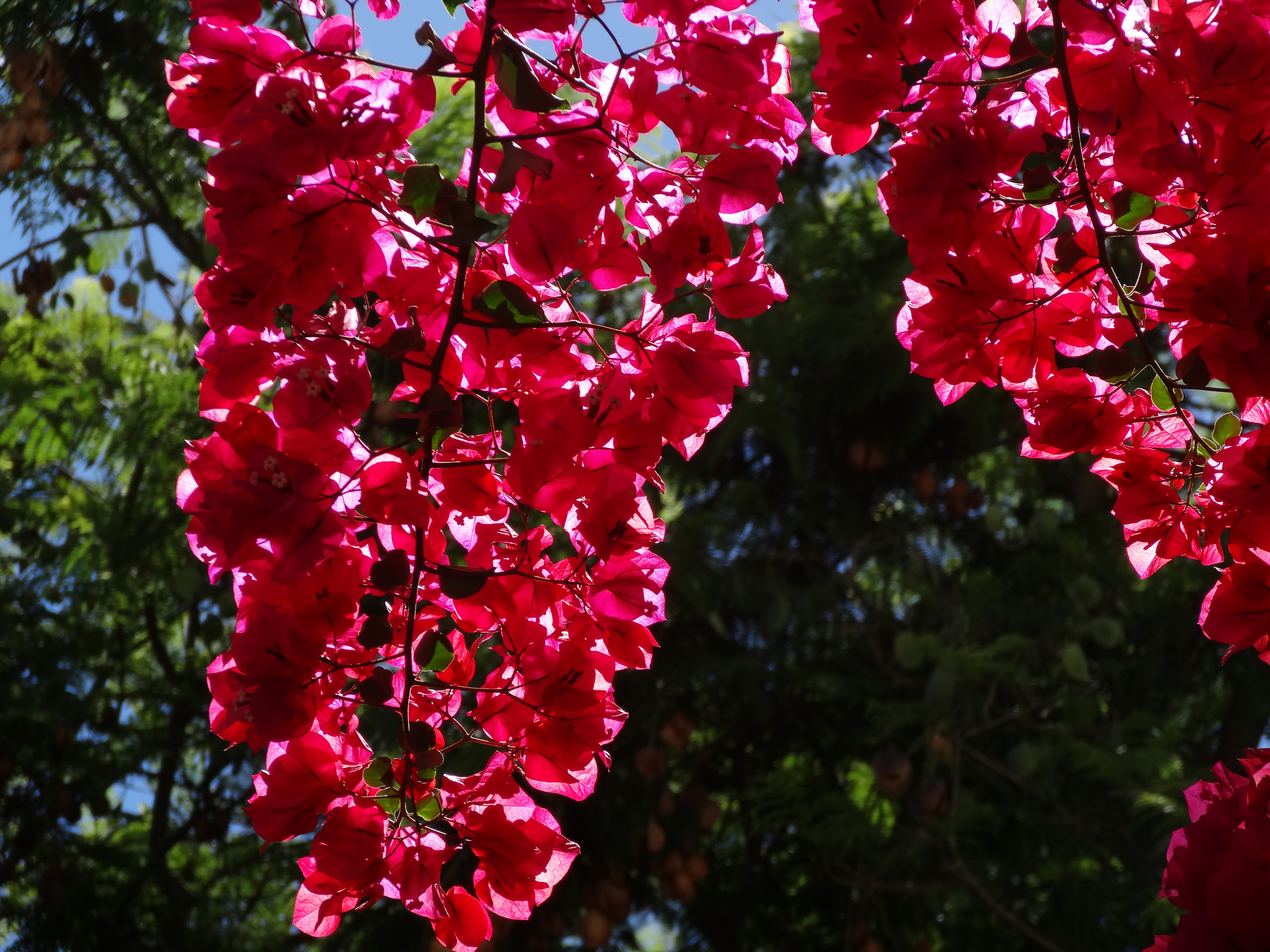
As my Marbella season comes to an end, and the third of my summer-time travel tripartite waits eagerly in the wings for Daily Norm exploration  (yes, Poland is on its way…!) I wanted to end this series of Summer Spain posts, as I so often do, with a series of some of my favourite miscellaneous photos. Like always, these photos really are a hodgepodge selection, from beautiful stained-glass butterflies and fuchsia pink bourganvilla, to crazy curly street lamps and olive oil bottles glinting in the sun. I love the smaller details which have been captured in this set, such as the tiny little yellow ladybird who appeared like a birthday good luck charm on my 30th when I sat sipping champagne by the sea; and the amazing black and white polka dot body of that incredible butterfly whose startling orange wings glowed like a light suspended in midair when caught by the rays of the sun. But some of these photos also capture wider planes and more general atmospheres, such as the cafe scene in orange square and that fatty delicious churros I ate on my birthday.

DSC05481 DSC06467 DSC05557 DSC05619DSC06560

As ever these are a set of photographic memories which I will always cherish as something to look back on in the privacy of my own home, but which are somehow all the richer, for my being able now to share them with you. Enjoy.

All photos and written content are strictly the copyright of Nicholas de Lacy-Brown © 2013 and The Daily Norm. All rights are reserved. Unauthorized use and/or duplication of the material, whether written work, photography or artwork, included within The Daily Norm without express and written permission from The Daily Norm’s author and/or owner is strictly prohibited. 

Composition No. 9: Ojén Rooftops

I’ve always loved terracotta tiled roofs, for the same reason I suppose that I love palm trees and the chirping sound of cicadas in the heat – because they remind me of the Mediterranean, of the sunshine, of the summer. And is there a sight more conceivably Mediterranean than a little hill top village, a cluster of white washed walls when seen from the side, and a angular hodgepodge of terracotta roofs when viewed from above?

It was exactly this kind of collective village feel that I tried to emulate when I moved onto my 9th gouache composition in the dying days of my Spanish holiday, and having visited the hilltop village of Ojén up in the mountains behind Marbella. The lower section of the village, when seen from the upper road which cuts through its centre makes for a rather breathtaking spectacle; its terracotta roofs uniform apart from the odd turquoise ceramic exception; this consistent sea of peachy-red marking a wonderful contrast against the undulating hillsides which form a backdrop against the village, rolling steadily down the mountain as they fade outwards towards the sea. I was particularly enamoured by the hills around Ojén, not least because, whether it be by reason of agriculture or just because of the natural lie of the land, the hillsides appeared to be almost spotty on the one hand with olive trees, like the polka dot traje de flamencas of the flamenco dancers, and crossed with horizontal stripes on the other.

Composition No. 9: Ojén Rooftops (2013 © Nicholas de Lacy-Brown, gouache on paper)

Composition No. 9: Ojén Rooftops (2013 © Nicholas de Lacy-Brown, gouache on paper)

Naturally I couldn’t resist but reflect these patternings in my latest gouache composition, the likes of which I present, fresh from my artist’s sketchbook, terracotta roofs (and those odd turquoise exceptions) included. I hope you like it.

© Nicholas de Lacy-Brown and The Daily Norm, 2001-2013. Unauthorized use and/or duplication of the material, whether written work, photography or artwork, included within The Daily Norm without express and written permission from The Daily Norm’s author and/or owner is strictly prohibited. Excerpts and links may be used, provided that full and clear credit is given to Nicholas de Lacy-Brown and The Daily Norm with appropriate and specific direction to the original content.

Marbella Twenty-Thirteen | Ojén

When I think Andalucía, I think narrow white washed streets clinging to steep mountain sides; seas of terracotta tiled roofs jostling for space in a crowded maze of twisting ancient streets; houses almost spilling from inside out, as residents take to sitting outside in the cooler evening air; and those white washed walls being intermittently punctuated by rich floral sprays such as the vivid pinks of brugmansia and the fragrant perfume of jasmine. And while Marbella, the location of my ultimate of August holidays, has its fair share of white washed wonders collected together in the winding cobbled streets of its stunning old town, it’s the little hilltop Andalus villages which for me characterise the very epitome of Southern Spanish charm.

So to discover these little hilltop gems one has to leave Marbella, and the sprawling Costa del Sol behind, but this isn’t exactly easy to do for the likes of me who has no car – the Costa, unbelievably is not on the Spanish train network, and the destinations served by the local bus service are limited. Happily however, there is one exception to this sorry state of transportation – every few hours, a bus leaves from Marbella centre and makes the 30 minute journey, up into the mountains, to the nearby hilltop village of Ojén, home to none other than Julio Iglesias himself.

Scenery from Marbella to Ojén

DSC06308 DSC06316 DSC06330

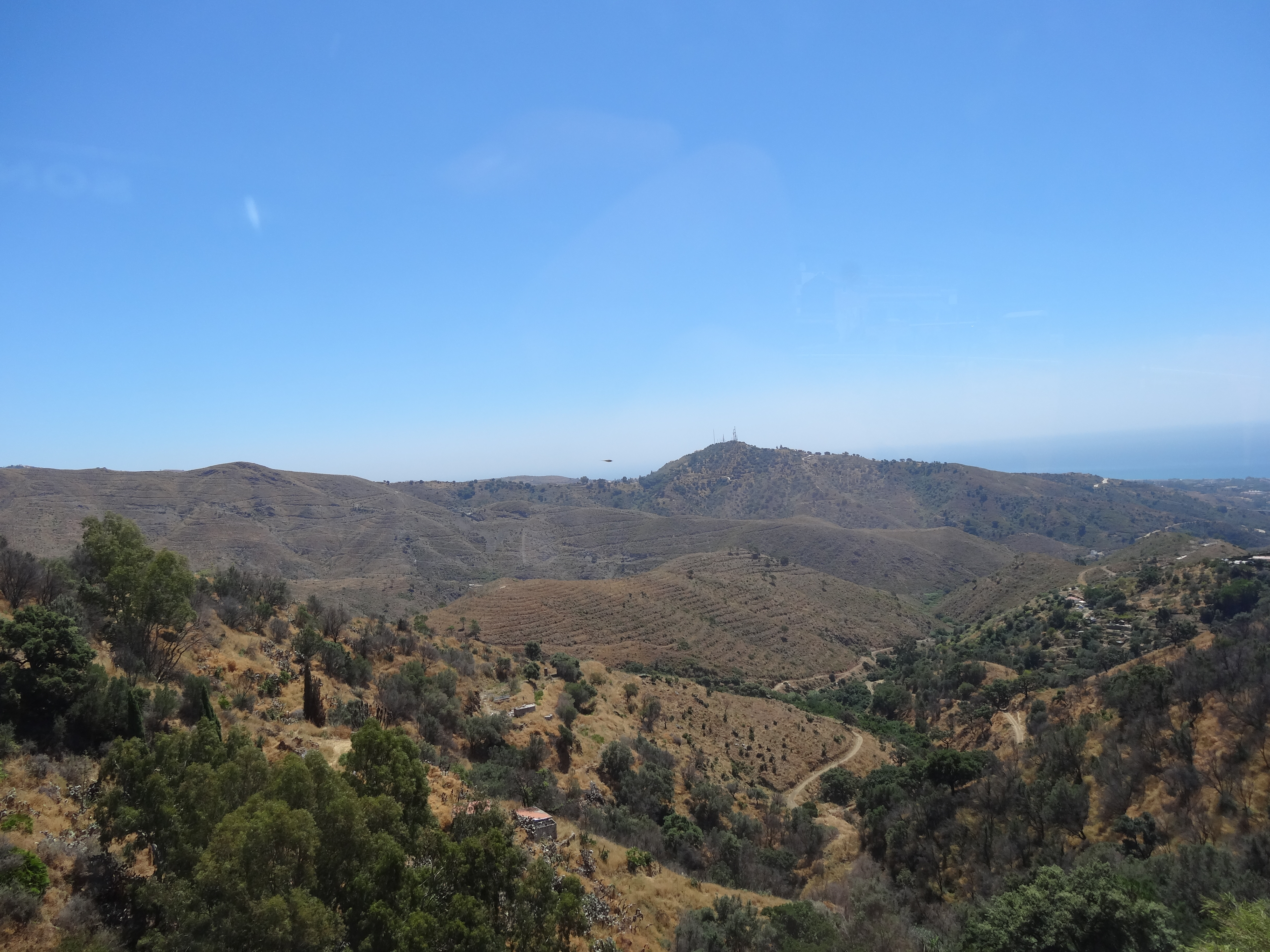
As soon as you leave Marbella’s centre and begin to ascend the main road into the Sierra Blanca mountain range which rises so prominently behind the town, you notice the scenery begin to change. As the bus descends and the road skirts the steepening mountain sides, the landscape opens up before you so that urban dwellings are replaced by vast ochre planes, their rocky arid topography punctuated by olive trees and the odd cypress. At this time of year the landscapes are particularly dry, but this year they retain the black charred scarring which a devastating forest fire caused last year when it spread across the planes of Andalucía. This does nothing to distract from the beauty of the landscape however, whose slopes and pastures meander and undulate downwards towards a stunning view of the Mediterranean sea and Marbella some 1000 metres below.

A few minutes of winding roads later, and the little village of Ojén appears. Home to around 1000 people, it is a cluster of dazzling white set against the ochres and browns of the surrounding hillsides. Those hillsides are reflected in the streets and homes of the village which, in places, appear to be almost precariously clinging to the hillsides and near vertical angles, the stone sloping streets following suit and making a climb upwards under the midday sun a challenging prospect. But my goodness me, what a gem of a town this is – a magical collection of Andalucía’s best – those white washed houses and little tiled roofs, old woven chairs left outside tiny town houses, windows open in a vain attempt to catch a little breeze.

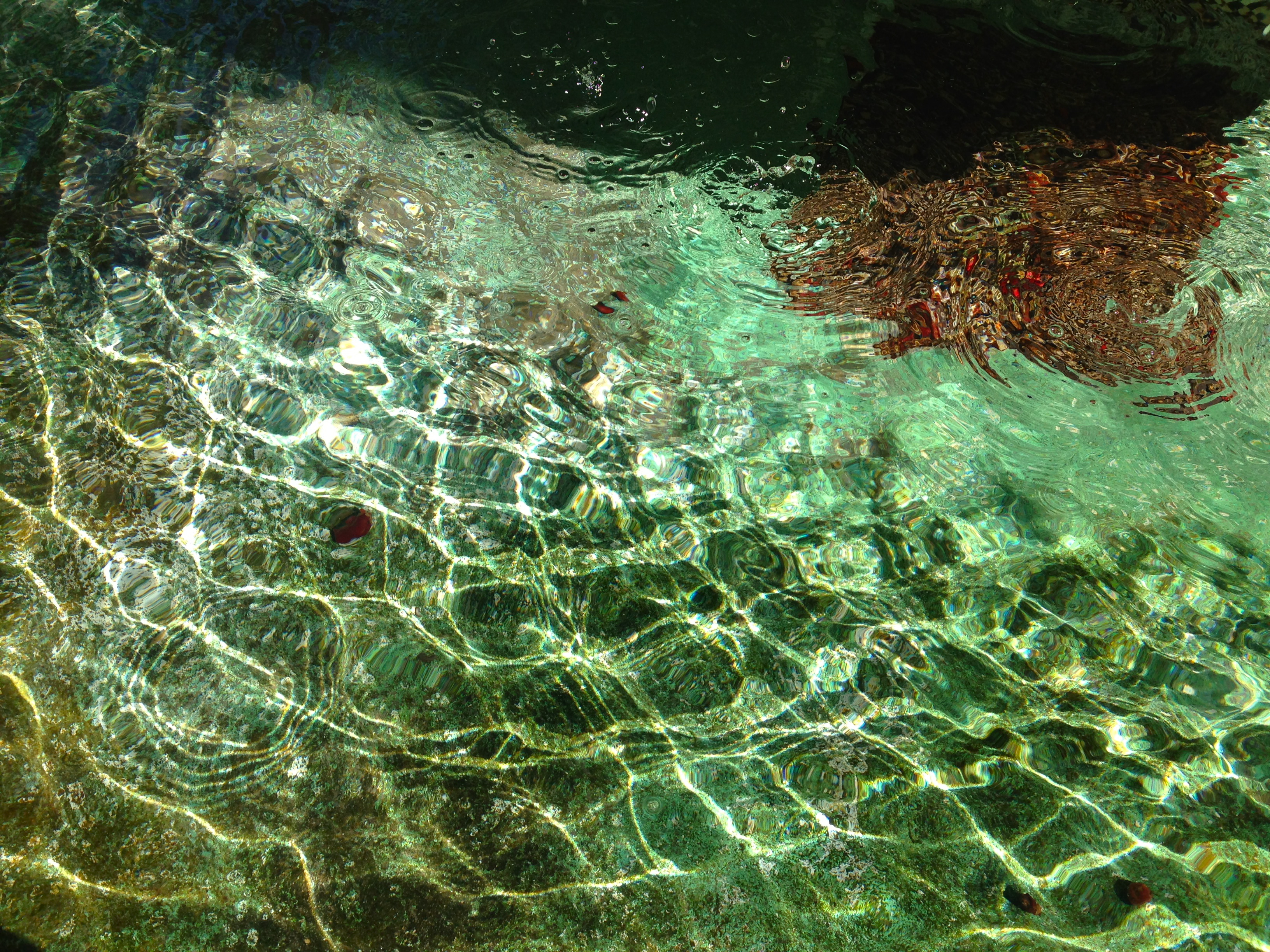
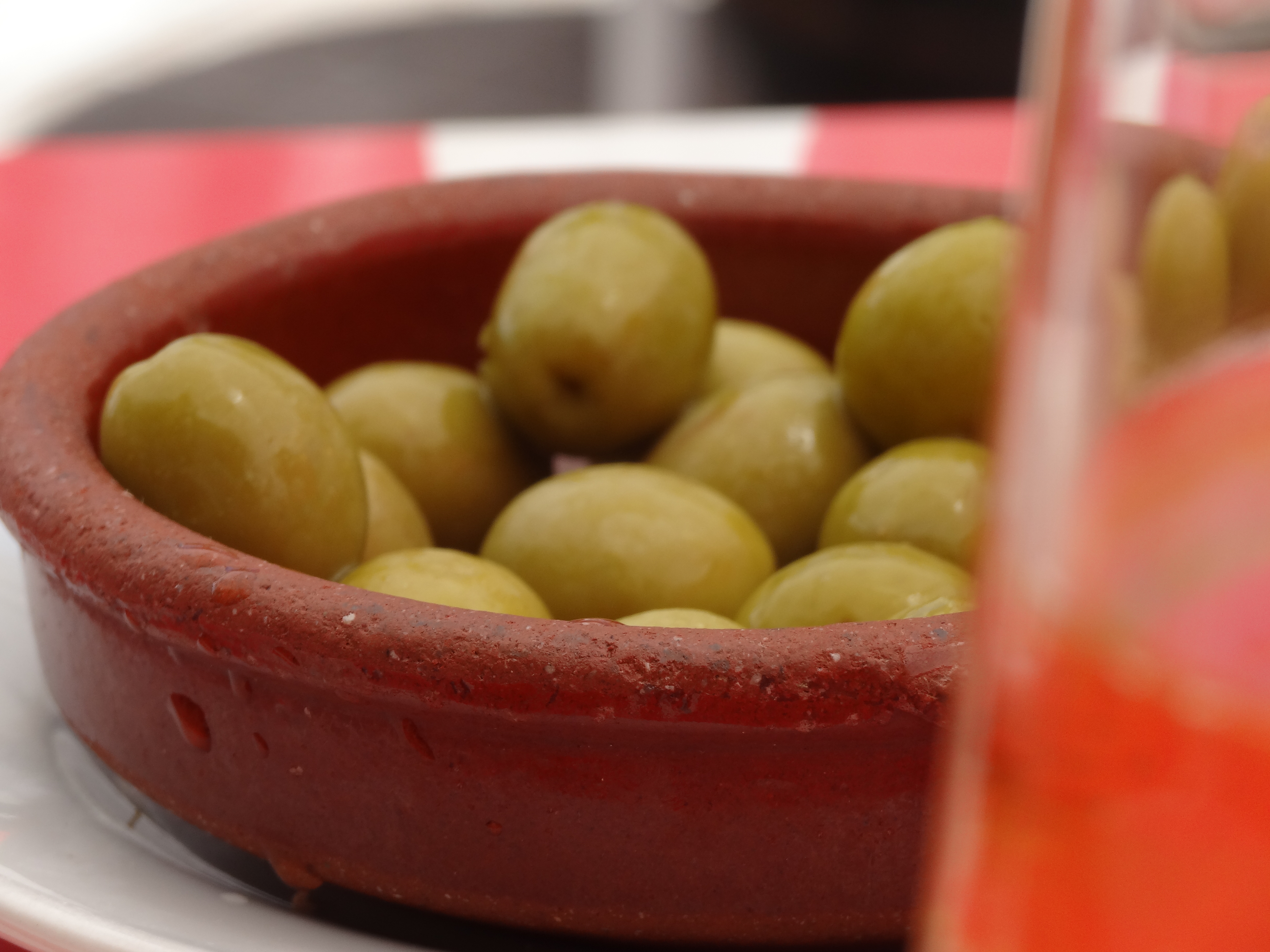
Perhaps the highlight of this town is the central square, surrounded by little bars and a tiny church at its centre, the baking marble pavements cooled slightly by the sound and spray of trickling water from a large fountain which remains remarkably cold even in the average 40 degrees of a typical summer’s day. It was there that my partner and I headed one lunchtime, braving the heat in order to recapture a moment we had enjoyed in the village a few years before, when we ate a plate of Spanish ham in the cheapest of cafes, but whose flavour was so intensely salty and rich that no tapas has lived up to it since. This time round, the ham did not disappoint, and basking in the almost oven-like heat of the square, we revelled in the soft melting fat and unctuous meaty texture of that ham, washed down with a small cerveza, some bread and olives. Surely as typically, simply delicious as Andalucía gets.

DSC06343 DSC06345

I leave these reflections with some photos from the day; a collection of images straight from the heart of Andalucía.

All photos and written content are strictly the copyright of Nicholas de Lacy-Brown © 2013 and The Daily Norm. 

Marbella Twenty-Thirteen | Puerto Banús

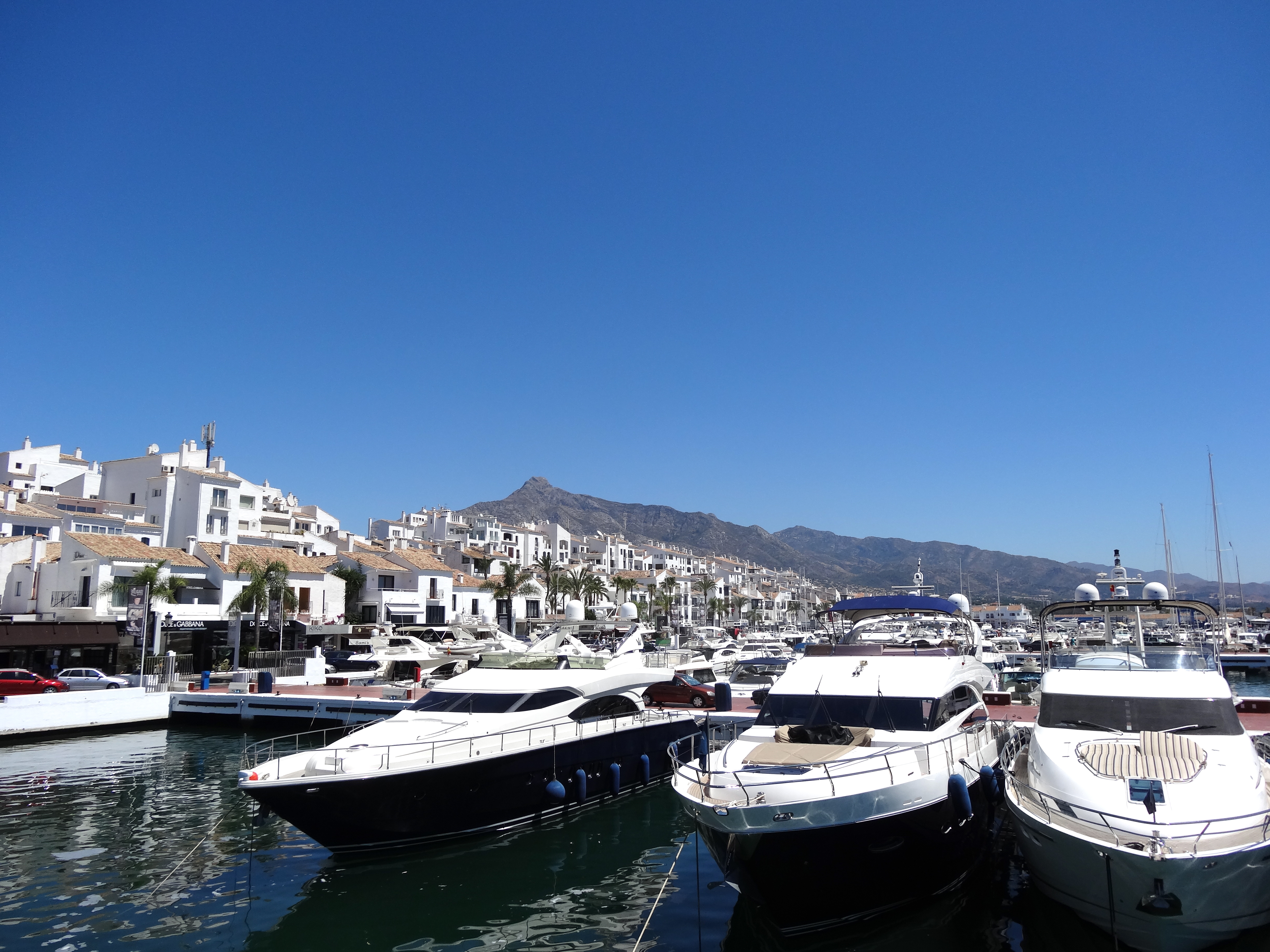
While Marbella is pretty much famous throughout the world for its richer, glitzier suburb marina of Puerto Banus, about 10km along the coast from the centre, the port, which houses the big gaudy yachts, the high end fashion boutiques and the boy-toy roof-off sports cars is far removed from the true Marbella, which at its heart has a gem of an old town, and in the streets around it extends a charm of a bustling Spanish town, but one which has authenticity and a feel of Spanish community running through its every vein. Puerto Banus is a different kettle of fish altogether. If superficial needed a dictionary definition, Puerto Banus would be it. Constructed from scratch in the late 1960s by Jose Banus, and opened at a lavish 1970 gala with attendees such as Grace Kelly, then Princess of Monaco present, the port very quickly became the favourite destination of the jet set and those with plenty of cash to splash. Today, the port retains its self-indulgent character, albeit that the occupants have probably become richer, and almost certainly tackier, with their fake bodily parts, hideously botoxed blown-up lips, overly worked tans and hair extensions. The lack of taste in the place really does grate, and after an hour or so amongst the nouveau riche, I am rarely happier to get back to the Andalus authenticity and charm of Marbella’s old town.

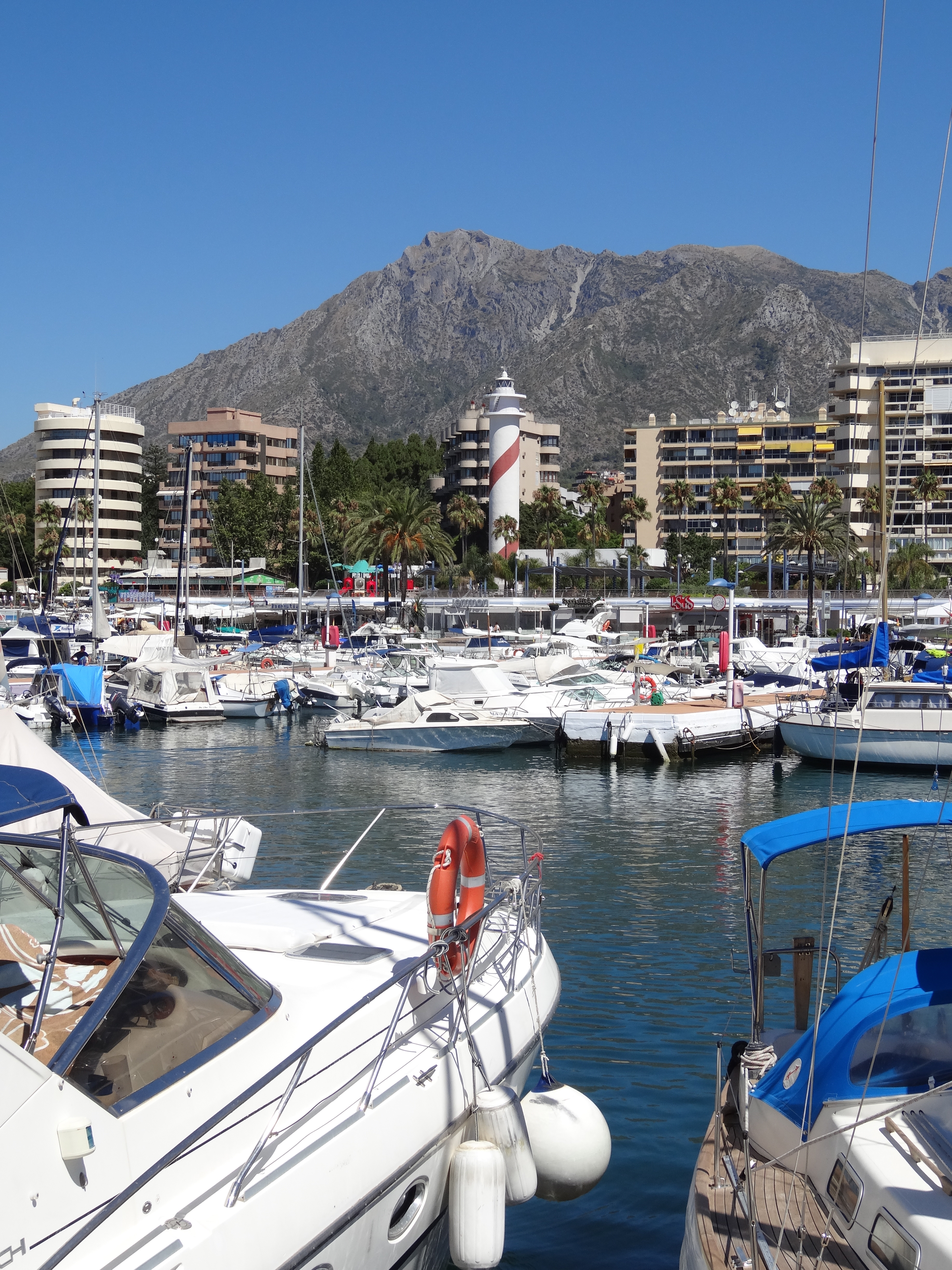
Taking the boat from Marbella to Banus…

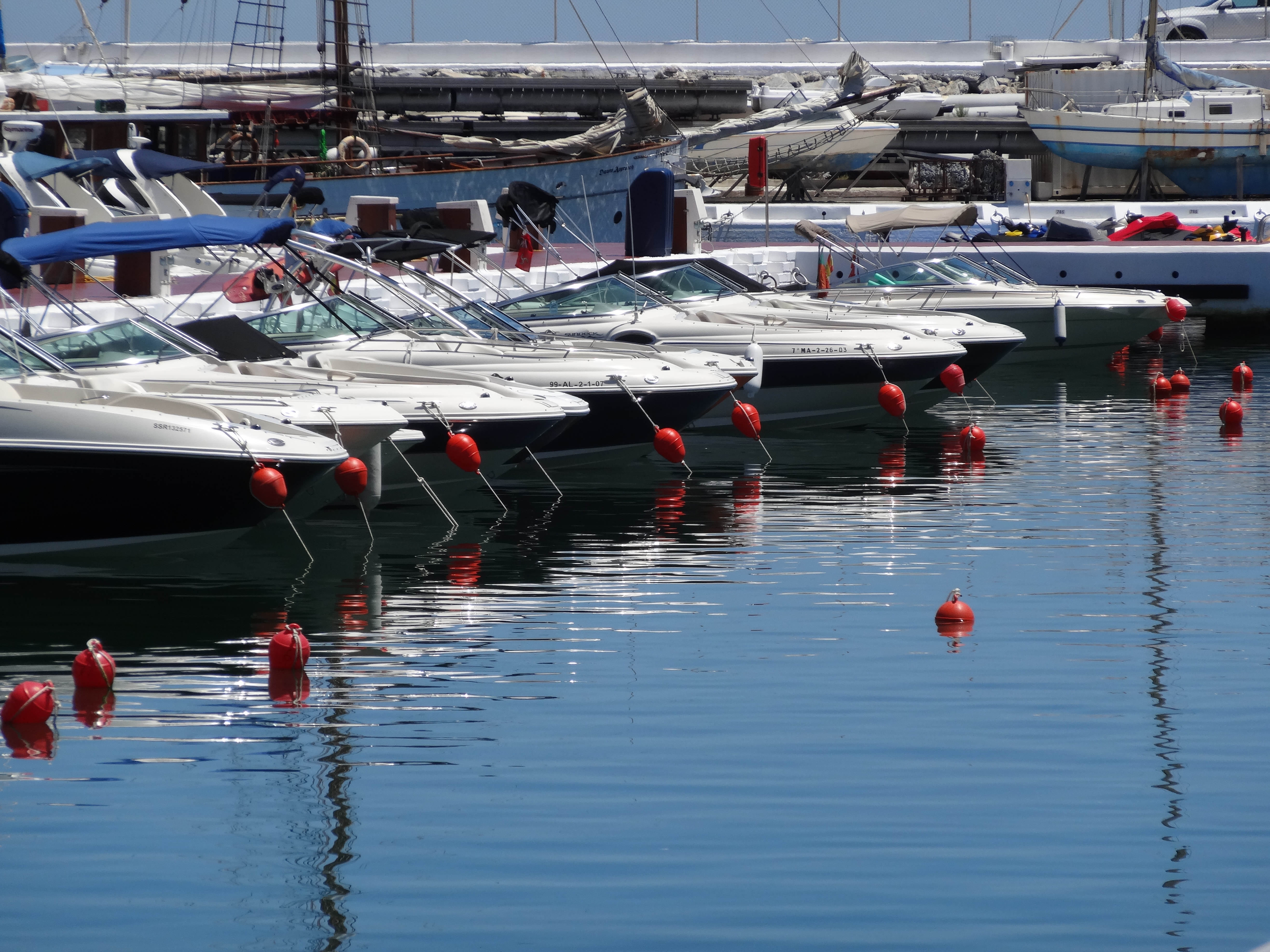
Marbella's port

Marbella’s port

DSC05632

The catamaran taking us to Banus

The catamaran taking us to Banus

IMG_4075

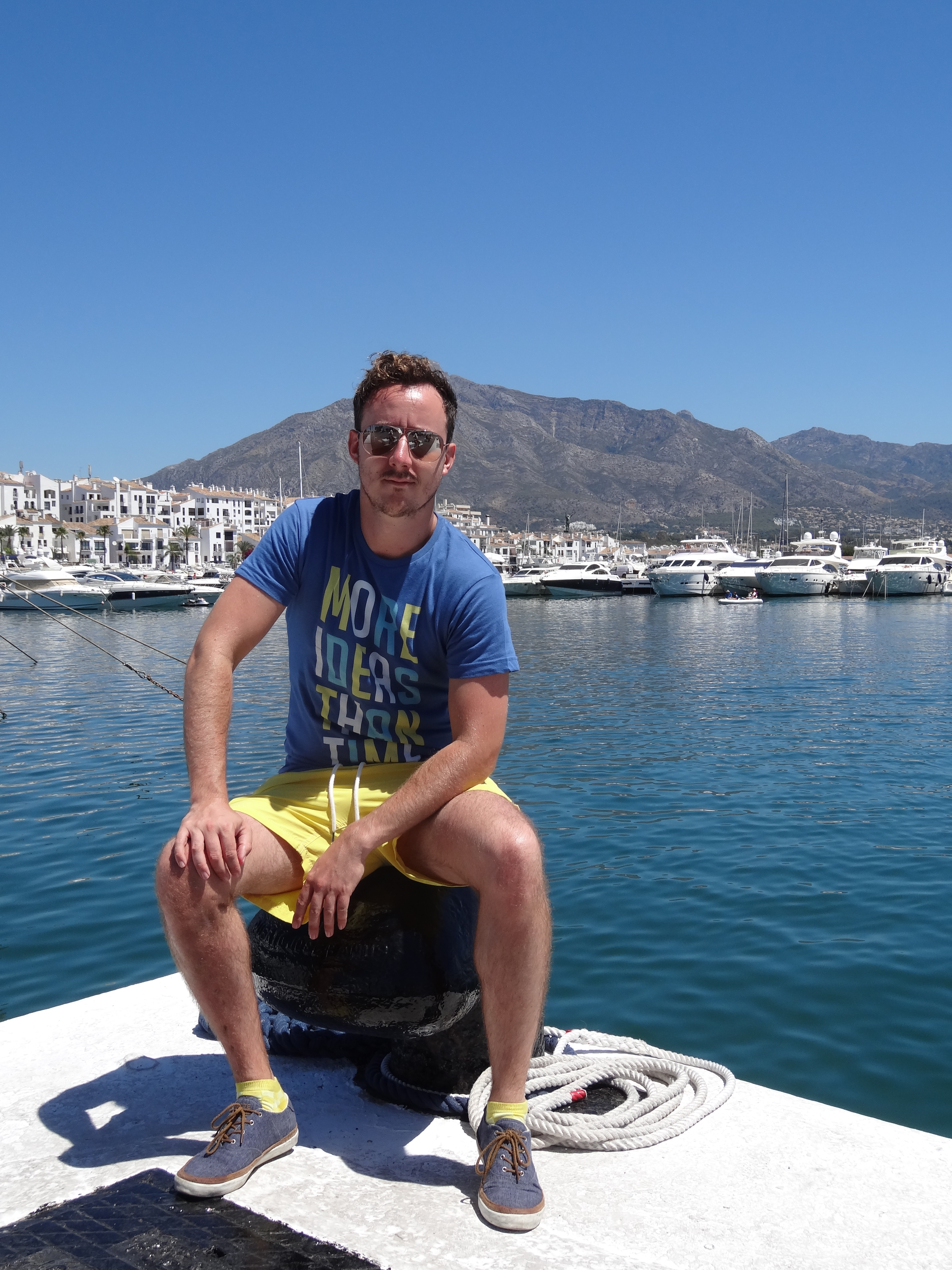
But get away from the tacky masses, and block out the drones of Essex accents and other unsavoury lingos, and the fact remains that Puerto Banus, built in a uniform dazzling low-rise white, with similarly sparkling white yachts before it and the stupendously beautiful Marbella mountain rising up behind it, is really very beautiful. And there is no better way to approach the port and therefore regard it from a safe distance in all its peopleless beauty than to take a boat from Marbella’s slightly less salubrious marina, to Banus. At the cost of only 8 euros one way, it’s almost the same price as a taxi, but the trip affords stunning views of the Marbellan coastline, reminding passengers of just why the town was named “Sea Beautiful”.

Puerto Banus in all its glory

DSC05679 DSC05685 DSC05674 DSC05663 DSC05672

Once in Puerto Banus, a few restaurants round the corner from the main boutique-filled thoroughfare enable quiet al fresco dining with a stunning port-side location, while just outside of Puerto Banus, in the stretch between Banus and Marbella are situated some of the most stunning, tranquil and quiet beaches in all of Marbella. So when my partner and I headed to Banus by boat this summer, we were surprised how much of an enjoyable experience we could extract from a Port which we have formerly declared a no-go zone. Not only did the lunch trip and the boat over afford us stunning views of the marina and the coast, but our return journey provided us with the most beautiful vistas of them all. Because for those with the energy and the appetite for a long walk, the walk on foot, along Marbella’s amble seaside-promenades from Banus back to the centre of Marbella, is undoubtedly the most stunning walk to be had on all of the Costa del Sol. While it takes a good 90 minutes without stopping, and longer when you stop to take advantage of the tranquil beaches and the well-situated seaside cafes, the path takes you past bounteous plump cacti, extravagant private villas, luxury hotels and quiet beaches which resemble something out of paradise. The walk is in fact so close to my heart that a couple of years back it inspired me to paint “Paseo Banus” (see below).

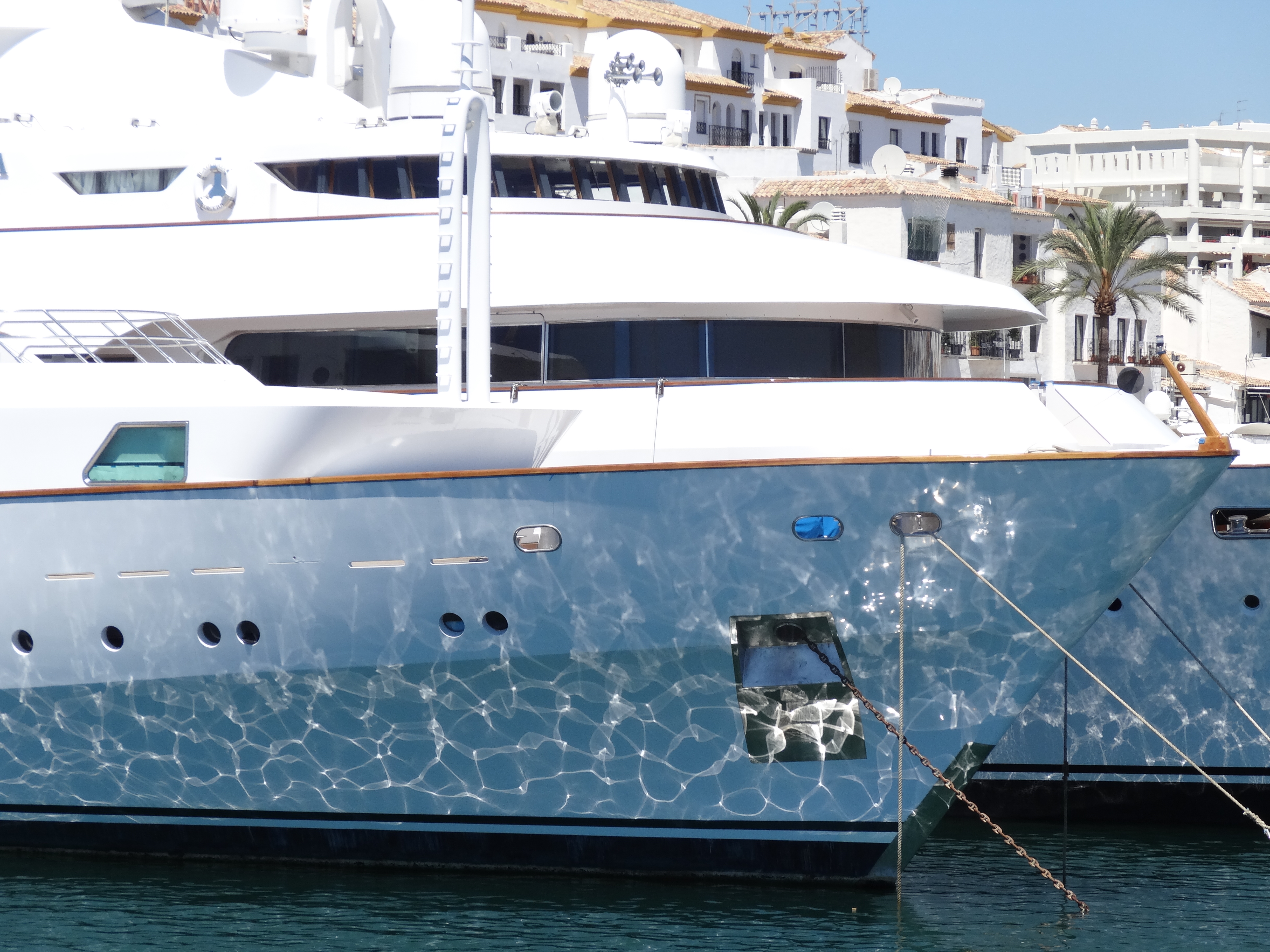
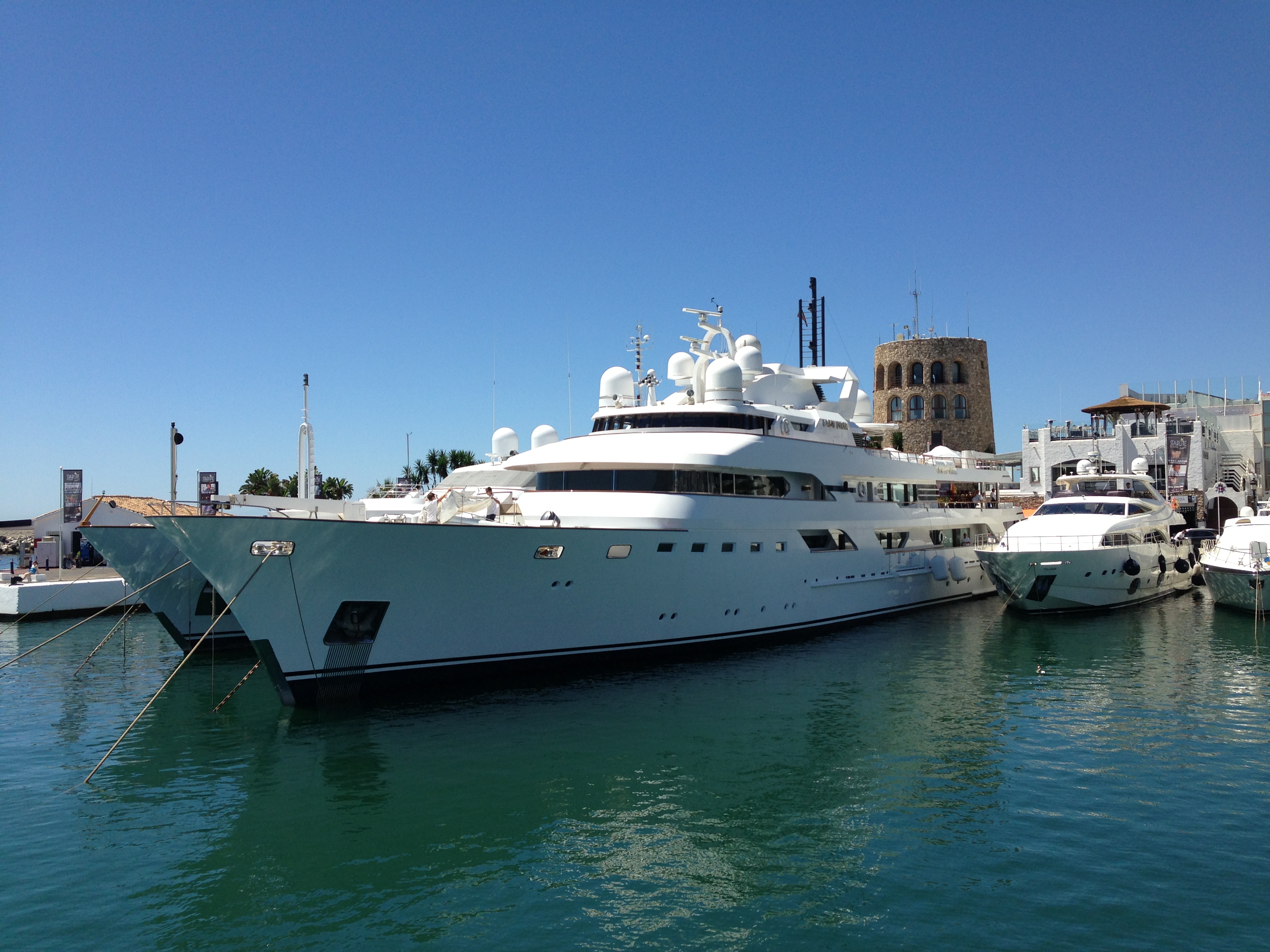
The famous Banus yachts

DSC05657 IMG_3586 DSC05662 DSC05687 DSC05669

The photos which you now see are from our trip to Banus, and the stunning walk home to Marbella’s centre which followed. Our walk probably took around 3 hours by the time we had stopped off at our favourite café Cappuccino Grand Café (and on another occasion Ibiza’s favourite – Café del Mar) and also spent a good hour dipping in and out of the super-calm sea, revelling in being the only people on a very quiet beach. But what an afternoon it was – sunny, hot, tranquil, beautiful – the riches of Marbella reserved for those who make the effort to walk out to them.

Walking from Banus back to Marbella

DSC05689 DSC05698 DSC05693 DSC05706 DSC05692 DSC05703 DSC05718 DSC05713 DSC05705

…and the painting it inspired

Paseo Banus (2011 © Nicholas de Lacy-Brown, Acrylic on canvas)

Paseo Banus (2011 © Nicholas de Lacy-Brown, Acrylic on canvas)

All photos and written content are strictly the copyright of Nicholas de Lacy-Brown © 2013 and The Daily Norm. All rights are reserved. Unauthorized use and/or duplication of the material, whether written work, photography or artwork, included within The Daily Norm without express and written permission from The Daily Norm’s author and/or owner is strictly prohibited. 

Composition No. 8: La Flamenca

Enrapturing, passionate, chromatic; clapping hands, a deep pulsating rhythm manifested in stamping feet, forceful bursts at the hip, all the way up to the twisting, extending, angular movements in the fingers; her face revels in an outward disclosure of passion felt deep within; her wailing, harsh swansong sings of deep sorrow; of inherent, historical pain; her dress, an abundant effluvia cascade of polka dots and frills moves to the same captivating rhythm as the dancer, its multiple layers swaying and bouncing, augmenting the dazzling mirage of a tangible passion climaxing towards its duende.

The dance of flamenco has long fascinated me, captivated my very heart and soul as it leaves me spell bound, pinned to the spot, enraptured by the raw materialisation of an emotional depth and cultural heritage which is so different from any dance ever made in the polite ballrooms of the west. When I went to see a concert of Estrella Morenete this Spring in London, I sat throughout much of the performance in tears. There is something about flamenco – its melodies and rhythms just as much as its dance which has the power to transport directly into the heart of Spain, and I think for this reason alone, I am in love with it.

Composition No. 8 - La Flamenca (2013 © Nicholas de Lacy-Brown, gouache on paper)

Composition No. 8 (La Flamenca) (2013 © Nicholas de Lacy-Brown, gouache on paper)

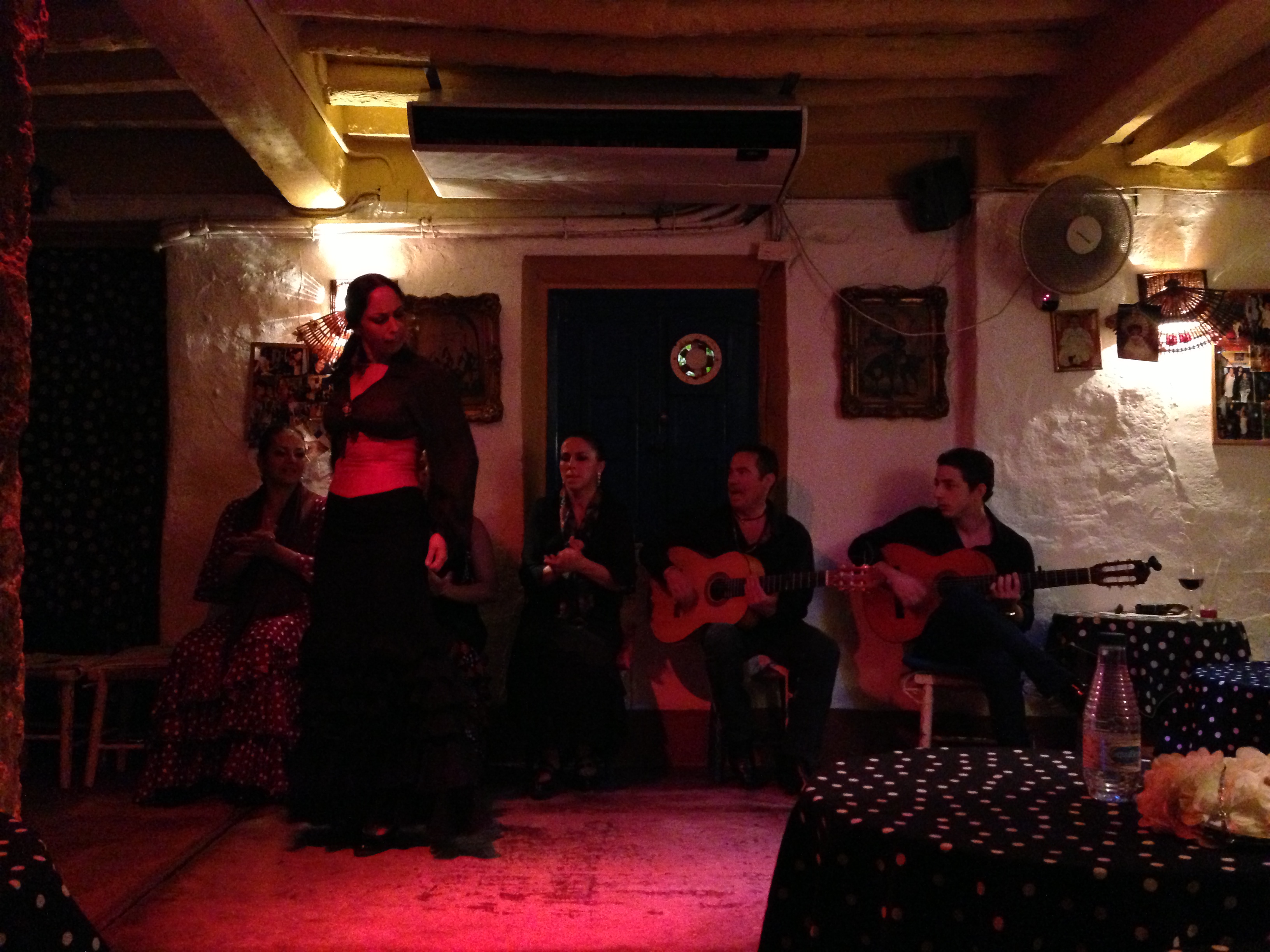
This summer’s return to Spain of course never failed to inspire me artistically as the last few posts on The Daily Norm will demonstrate – and where that inspiration led to paintings, I continued to explore the medium of gouache which I first started using a few months back. When I headed along to the Flamenco Ana Maria in Marbella’s old town on the night before my birthday, and was again entranced by the exquisitely spontaneous emotional outpouring of the music and the dance, I knew that Flamenco would inspire my next gouache. So following on from my series of “compositions” in which I take more of an abstract attitude to otherwise figurative works, I constructed my dancer (on a page twice the size of my other compositions numbers 3-7) utilising the idea of an overlapping construct which I have been exploring in my other works, something which worked well when I was unable to settle on one pose, and so instead depicted several poses, all overlapping into a collective exploration of the electric impassioned movements of a flamenco dancer.

Her dress, my favourite feature, is a cornucopia of different reds, polka dots and of course those lacey frills, while the background attempts to reflect not only the angular, chromatic, discordant sounds of the flamenco rhythms and moves of the dance, but also echoes the kind of rich elaborate Moorish wooden ceilings which were introduced in Spain during the Islamic occupation of Al Andalus, and are now an iconic feature of the Islamic architecture which has helped to shape the cultural character of the South, and is indeed accredited to having given birth to the songs and movements of the Flamenco we know and love.

So without further ado, I leave you to look at my new composition, and also, below, a series of photographs from our recent visit to the Flamenco in Marbella. Hasta luego.

IMG_3861 IMG_3859 IMG_3852 IMG_3864 IMG_3849

© Nicholas de Lacy-Brown and The Daily Norm, 2001-2013. Unauthorized use and/or duplication of the material, whether written work, photography or artwork, included within The Daily Norm without express and written permission from The Daily Norm’s author and/or owner is strictly prohibited. Excerpts and links may be used, provided that full and clear credit is given to Nicholas de Lacy-Brown and The Daily Norm with appropriate and specific direction to the original content.

Málaga | Part 2 – The Jungle and the Genius

It is said that Henri Rousseau, the post-impressionist famous for painting lush jungle scenes complete with hunting lions, terrified tigers and monkeys feasting off tropical fruits, never actually went to the jungle. Rather he took his inspiration from the plentiful species of tropical plants kept in greenhouses at the Jardins des Plantes in Paris. Yet had Rousseau travelled a little further south, to his neighbouring Spain and down to the Mediterranean city of Málaga, he might have stumbled there upon a jungle paradise so profuse in its verdant abundance despite being located right at the heart of the urban city, that he might truly have considered himself to have entered Amazonia.

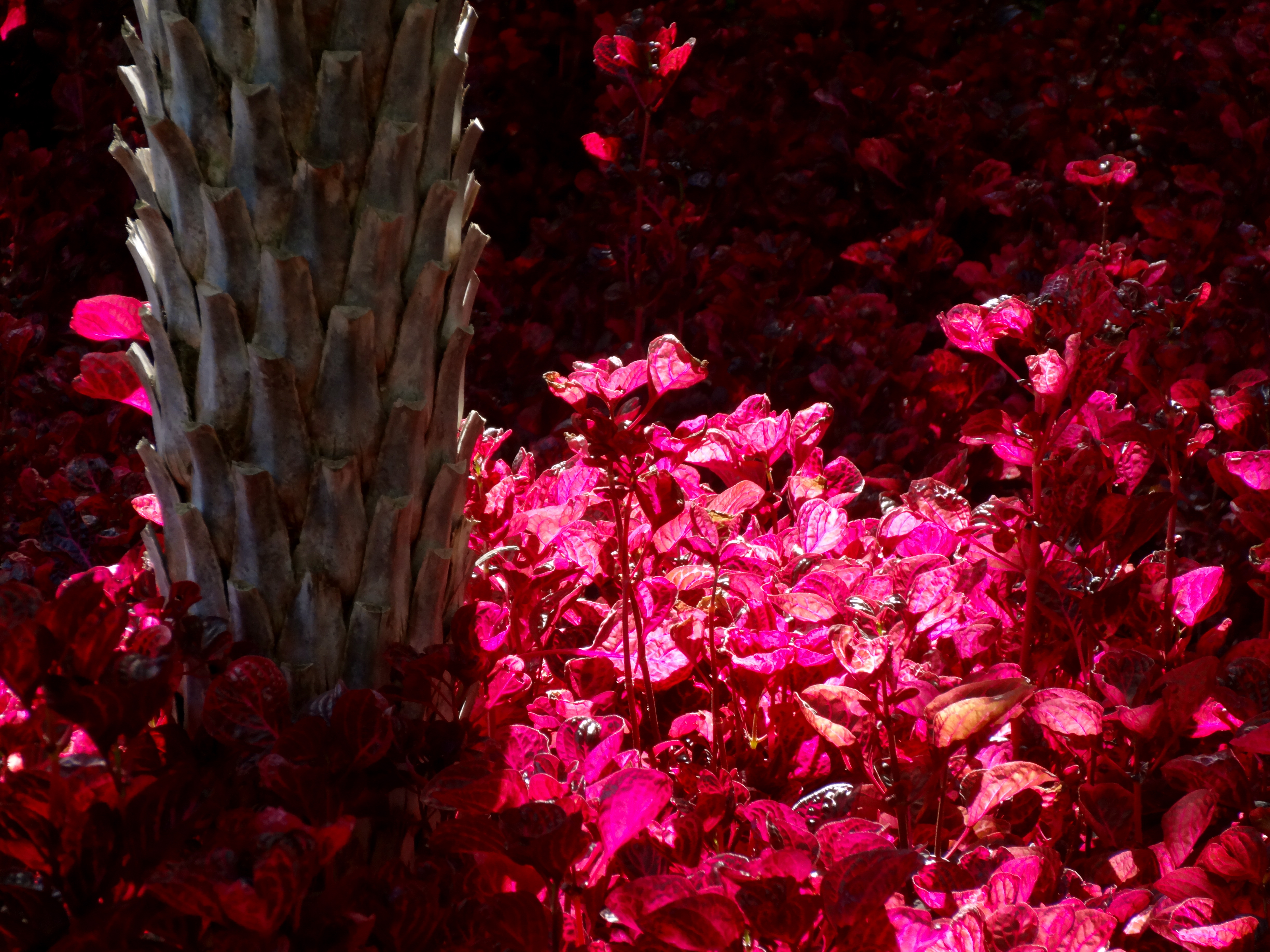
Yes, my thoughts could not help but stray to Rousseau, one of my favourite of all artists, as we strolled – my partner and I – through Málaga’s impressive centre at the start of our second day in the city, discovering there this inexhaustible cornucopia of botanical ravishment running alongside the port on one side, and the city’s main artery – the aptly named Paseo del Parque – on the other. So profuse in their scale and variety, palms and flowers, ferns and fronts burst from flower beds like an unplanned jungle paradise, with rich coloured leaves glowing red and pink and a vibrant lime green against the morning sunshine, while winding paths cutting through overhanging boughs and under a shelter of richly layered leafy canopy made for a walk which was both tranquil and invigorating.

DSC06047 DSC06063 DSC06036 DSC06053 DSC06107 DSC06073 DSC06044 DSC06033 DSC06057 DSC06046 DSC06049

I could go on about that park all day, and I could show you so many more photos of the rich variety of plant life than I have featured on this page. Needless to say, the park – a free-to-access world of botanical discovery – is but one further feature which makes a visit to Málaga such a satisfying experience. For beyond the impressive galleries, the museums and the imposing cathedral lies a city whose natural landscape benefits from a glittering coastline, a wide sandy beach and a flashy new marina, as well as a backdrop of undulating mountains and a city centre bursting with plant life. And beyond the greenery, a city of elegant narrow winding streets and broad boulevards lined with shiny marble pavements has developed, with large squares and shops, cafes and restaurants to rival any of Spain’s more prominent cities.

DSC06100 DSC06088 DSC06110 DSC06077 DSC06104 DSC06076DSC06097

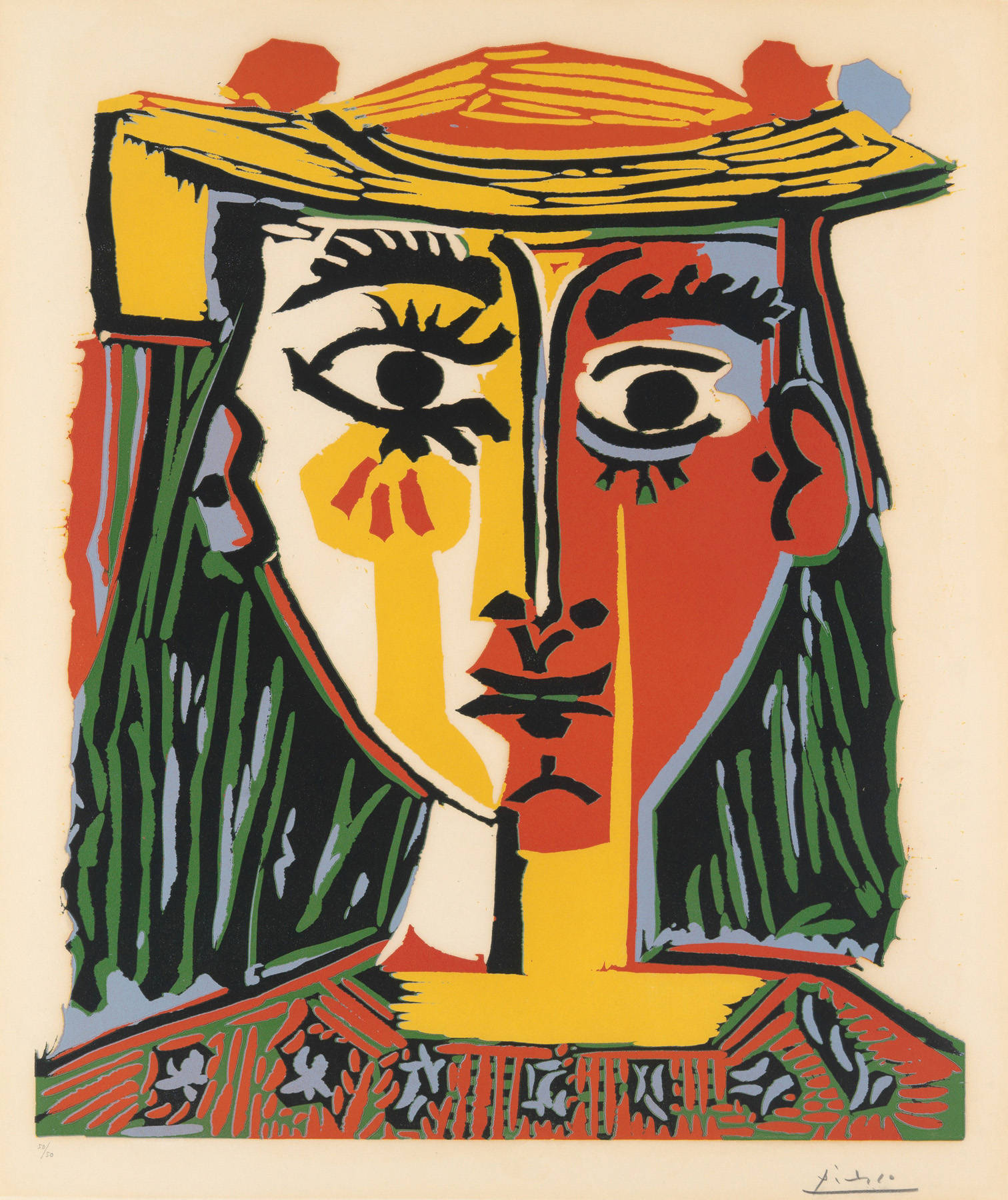
But there’s no denying that for all the history, the seaside location and the jungle which so entranced me, Málaga is perhaps best known for being the birthplace of perhaps the most famous artist of all times – the breaker of faces, father of cubism and all round genius Pablo Picasso. And unsurprisingly, the city’s superb Museo Picasso Málaga remains the number one attraction of the city. Located a mere block away from the cathedral, the museum is located in a former palace which has been so sympathetically but innovatively modernised to house the museum that I love visiting just to see the building alone. With its all white walls, preserved moorish ceilings, and groups of precisely aligned red geraniums all housed in black ceramic pots, it is the height of architectural chic, and the perfect backdrop to Picasso’s multi-coloured works.

The chic gardens of the Museo Picasso Málaga

DSC06149 DSC06142 DSC06158 DSC06143

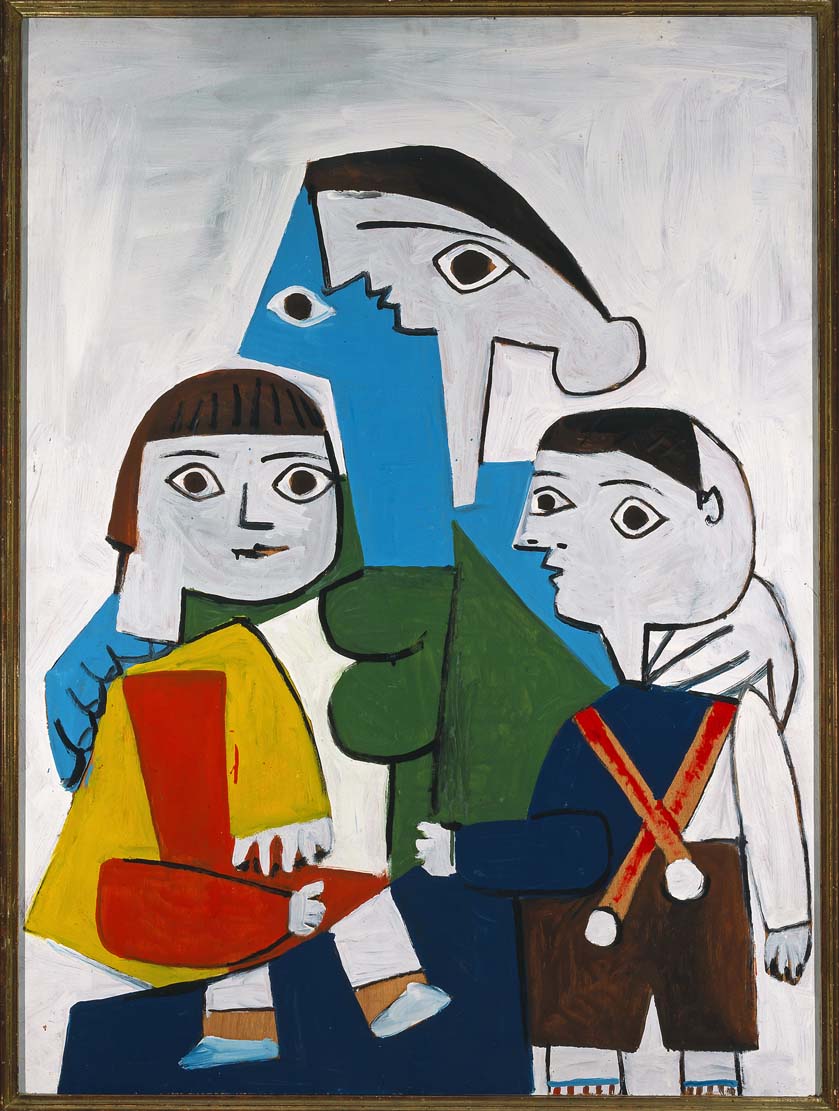
Although I must have been to the museum at least 3 times before, I could not resist returning on this trip to Málaga, not only to indulge in the beauty of the museum’s surrounds, but also to enjoy the temporary shows which have been organised in celebration of the museum’s 10th anniversary. The first was an exhibition dedicated to Picasso’s depiction of family – a show which proved to be comprehensive in scale and offered an expansive view across the whole of Picasso’s career, as his depictions of family and friends remained a consistently prominent theme running throughout his art, but one which became subjected to his ever changing styles, from fine art figuration, to cubism, from blue period to pink, and finally to the fragmented faces and naive representation for which Picasso is now most famous.

media-fotos-Maternidad sobre fondo blanco ampliada 20120819picasso-60 picasso-met-2010-32

The second temporary exhibition had very little to do with Picasso at all – rather concentrating on the actor come photographer come artist come director Dennis Hopper, who made for a superbly curated, dynamic show which explored not just the persona of Hopper but also the time in which he lived through photographs of 60s America, through his association with revolutionary artists such as Andy Warhol and David Hockney, and through his collection and contribution to the pop art movement. A brilliant show and demonstration that the Picasso museum is not just a one-trick pony, but an important contributor to Málaga’s dynamic cultural landscape.

Dennis Hopper by Andy Warhol

Dennis Hopper by Andy Warhol

But what with the culture, the ever beckoning elegant streets, the vast parks and the long seaside paseos, the Picasso Museum pretty much marked the end of the road for us, as our feet throbbed and our energies became exhausted in the hot August heat. For only 40 minutes away by bus, Marbella again awaited, amid promises of lazy beach days, of mint tea in the garden under the perfumed jasmine tree, of painting in the afternoons and long seaside coffees in the morning, and of a little old town house which, for its proximity to the stunning city of Málaga alone, I feel very lucky to call home.

Marbella Twenty-Thirteen | Life’s a Beach

My second selection of photographs from my two week rendezvous in Spain’s Marbella is, for a town named after the beautiful sea which laps up along its sandy shores, rather appropriately collected around a beach theme. For without long days languishing along the plentiful sandy stretches, dipping in and out of the warm Mediterranean sea, and breathing in the mixed smells of sun tan cream, the salty sea breeze, and the acrid fishy smoke from barbequed sardines roasting upon one of the many beach chiringitos, a holiday in Marbella would lose its soul.

I didn’t take my camera to the beach nearly as much as we took ourselves along – after all, those pesky grains of sand tend to get everywhere, and a rogue sandy particle imbedding itself within the internal mechanisms of my camera is one holiday souvenir I can easily do without. However, those few occasions when my camera remained at my side were pretty active in the photography stakes. One feature of the beach which never failed to inspire me was the kaleidoscope of colours on offer.

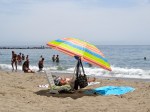
DSC06453 DSC06298 IMG_4041

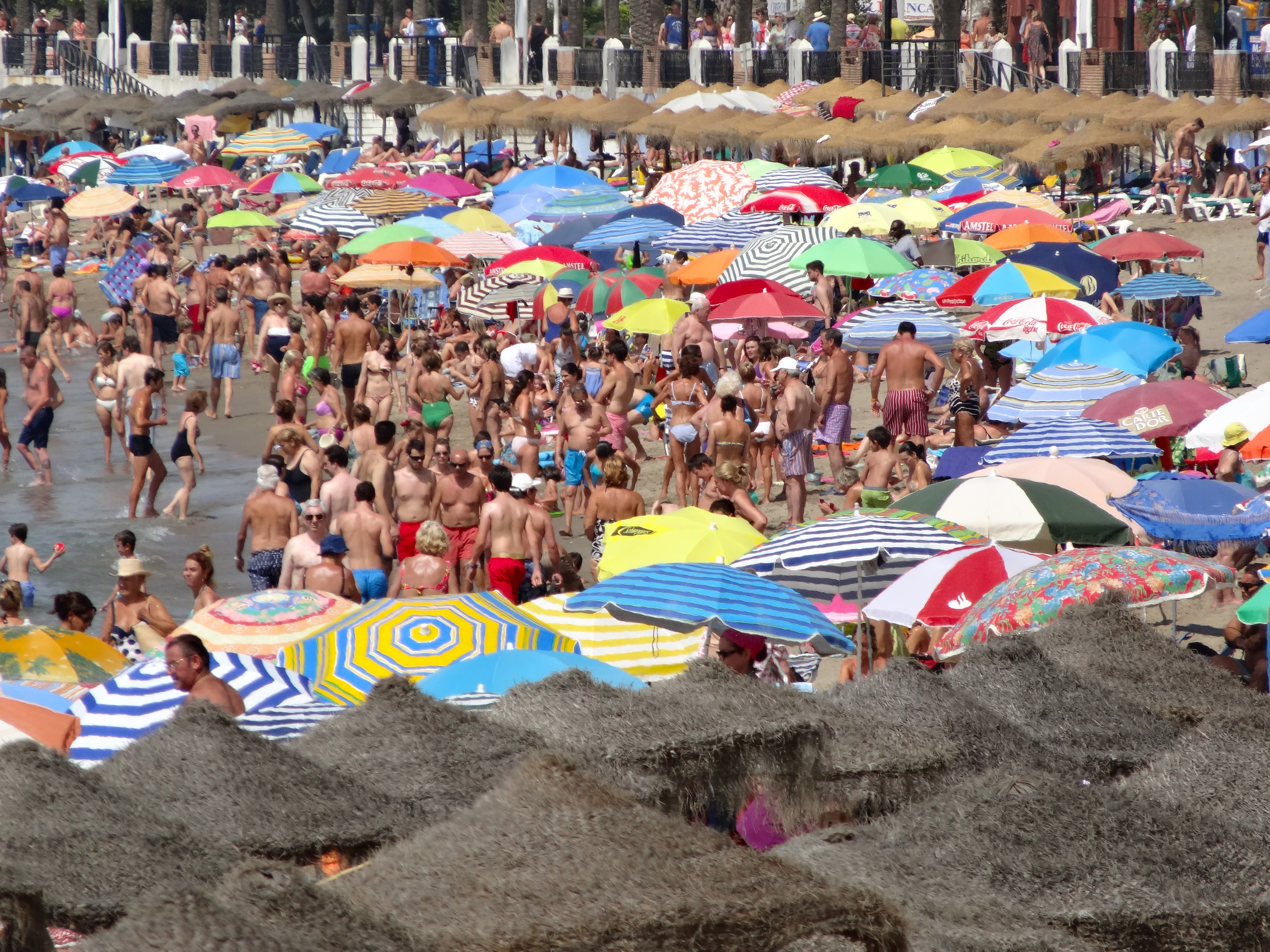
Under the bluest of blue skies, the sea took on a welcoming turquoise creaminess, while the sand glowed yellow and beige. Against that backdrop the hundreds of beach umbrellas brought along by the daily beach masses provided the finishing touches to what were an entire rainbow of vivid tones. One of my favourite photos just has to be the beach viewed from the paseo above, tanned crowds packing onto the sands and the swathe of multi-coloured umbrellas extending for as far as the eye can see – a vast snaking swirl of beach activity, and the very epitome of the Spanish summer season.

All photos and written content are strictly the copyright of Nicholas de Lacy-Brown © 2013 and The Daily Norm. All rights are reserved. Unauthorized use and/or duplication of the material, whether written work, photography or artwork, included within The Daily Norm without express and written permission from The Daily Norm’s author and/or owner is strictly prohibited. 

Marbella Twenty-Thirteen | Double-Starred Calima for the Big 3-0

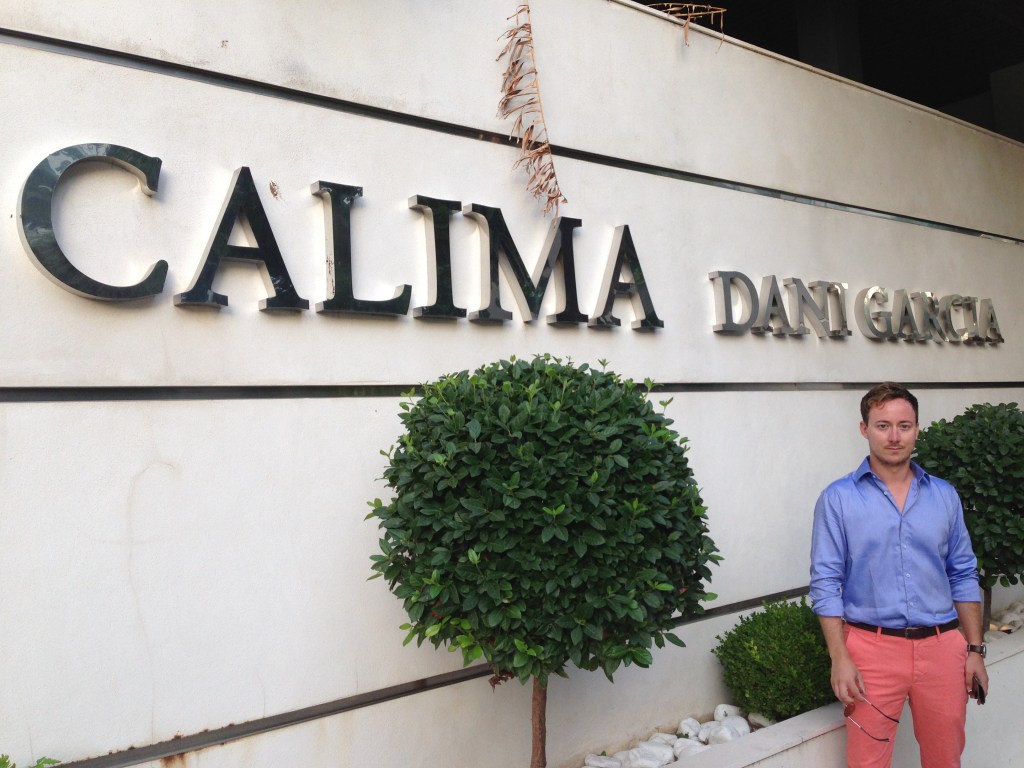
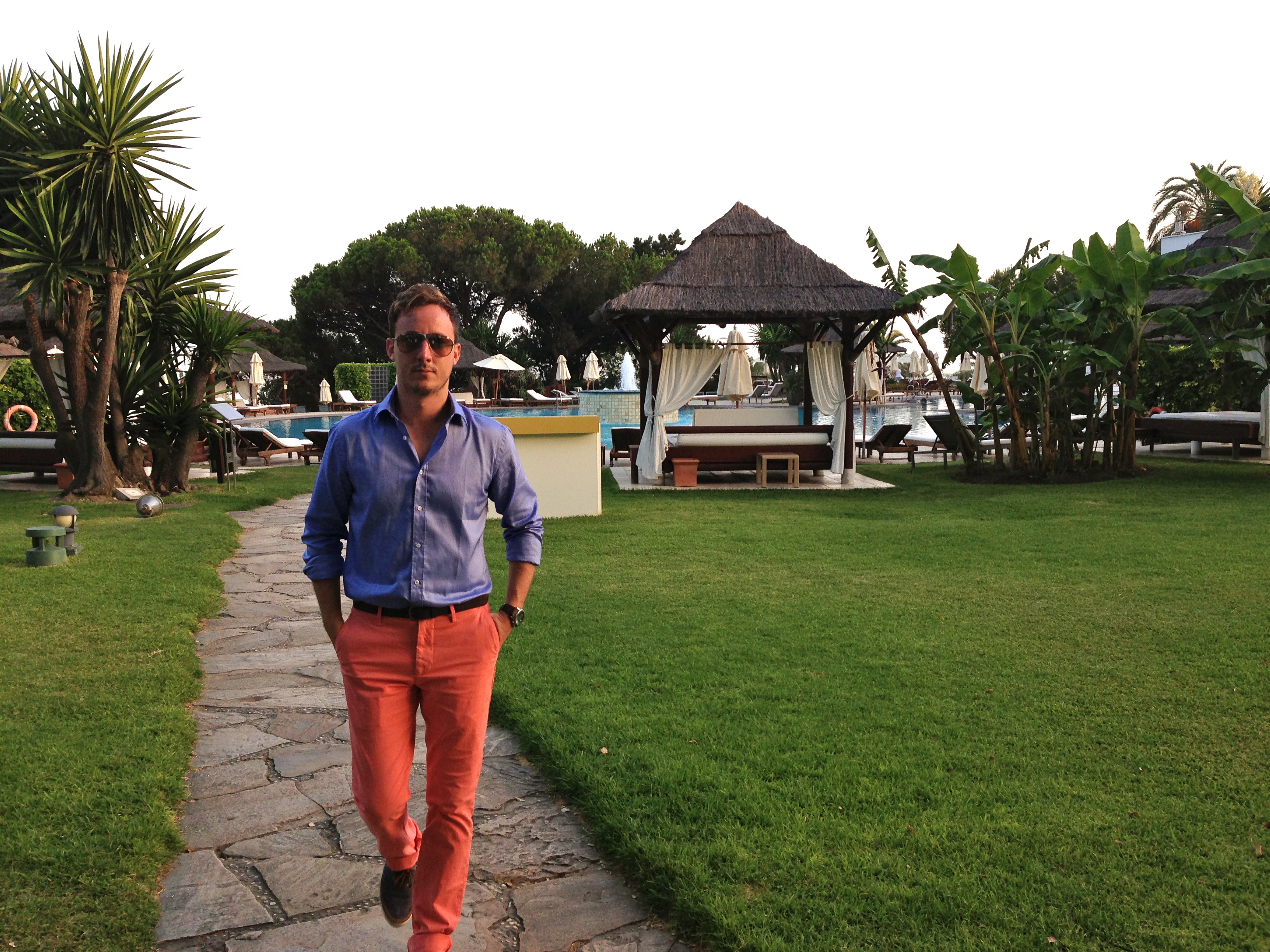
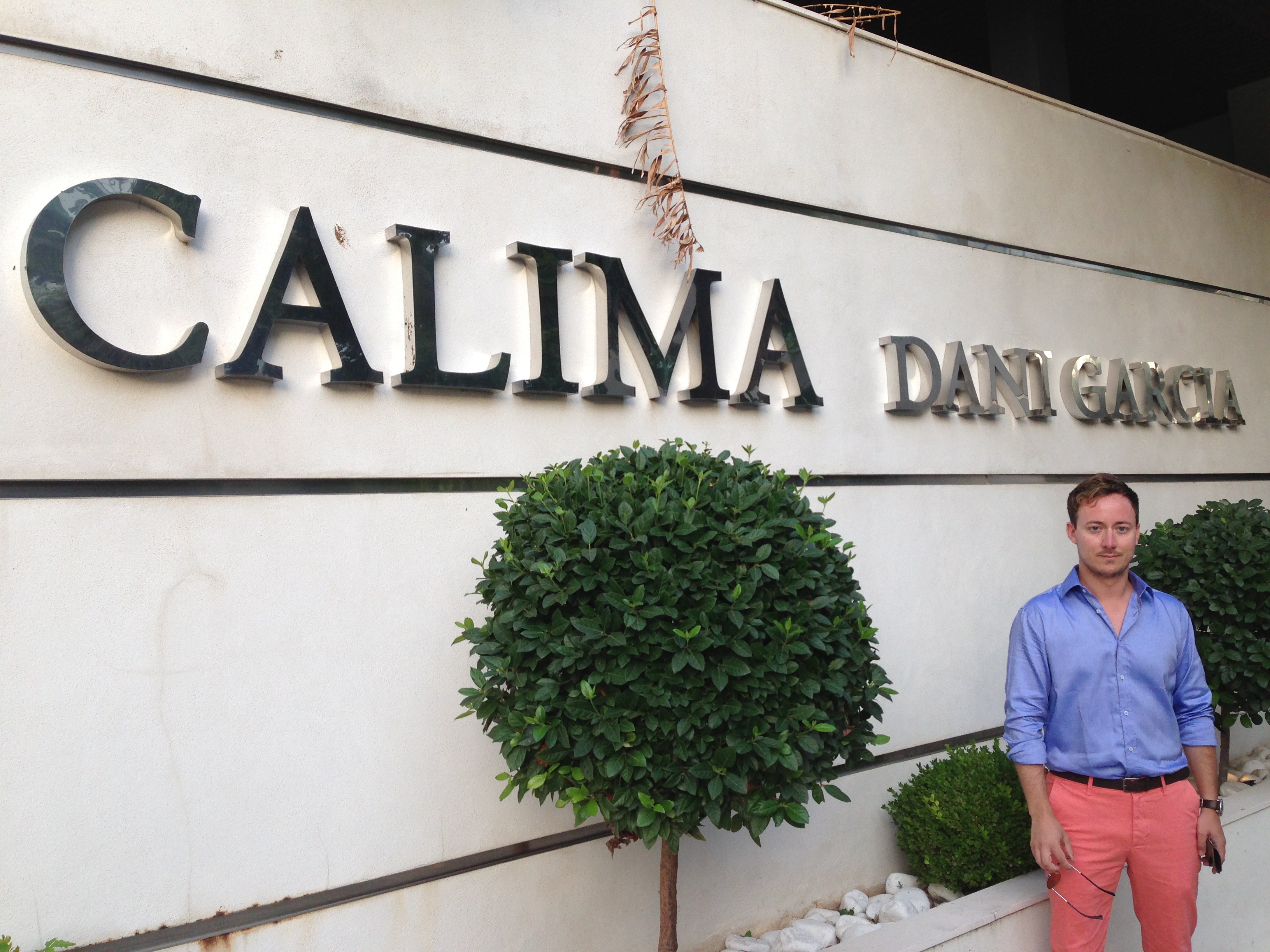
For a relatively small town sitting in the shadows of the larger cities of Malaga and Seville either side of it, Marbella has an astonishing number of restaurants to suit every taste, and of those a large proportion find themselves glowing at the higher end of the gastronomic echelons. Yet only one restaurant in the whole of Andalucia can boast the glittering accolade of two Michelin stars, and that sparkling temple to gastronomy is to be found tucked away in the pine-tree sheltered gardens of Marbella’s Gran Melia Don Pepe hotel, with its large open veranda facing straight onto the Mediterranean Sea. I am talking about Calima by Spanish extrovert chef Dani Garcia, a restaurant which many have called “Fat Duck by the Sea” in homage to Heston Blumenthal’s innovative cooking style, a testimony with which the judges at Michelin would surely agree. And having read rave reviews about the place in the UK press way back in the Spring, I knew that this glittering gem in Marbella’s foodie crown had to be sampled – and when better than on the evening of the biggest birthday in my life so far!

En route to Calima

IMG_3904 IMG_3913 IMG_3921

Working under the tag line “Cocina Contradicion” Dani Garcia promises to bring to the table cusine embracing multiple contrasts, while savouring traditional Andalucian flavours and exciting the senses. A quote on his website pretty much says it all:

“Into a tradition-based sauce, pour opposing and unique flavours, add a tablespoon of intense nuances, a pinch of talent and a sprig of innovation. Add a mixture of disconcerting textures and sprinkle with thrill.”

He promised food theatre, flavour sensation and gastronomic thrill, but would Dani Garcia’s cooking live up to the mark? Well as we sat down at our sumptuous table, one of only four enjoying the stunning Mediterranean view (that’s what booking 3 months in advance gets you!) and saw the 22 course tasting menu with its €139 price tag, we certainly hoped that we were in for a treat. And, on the whole, we were not disappointed.

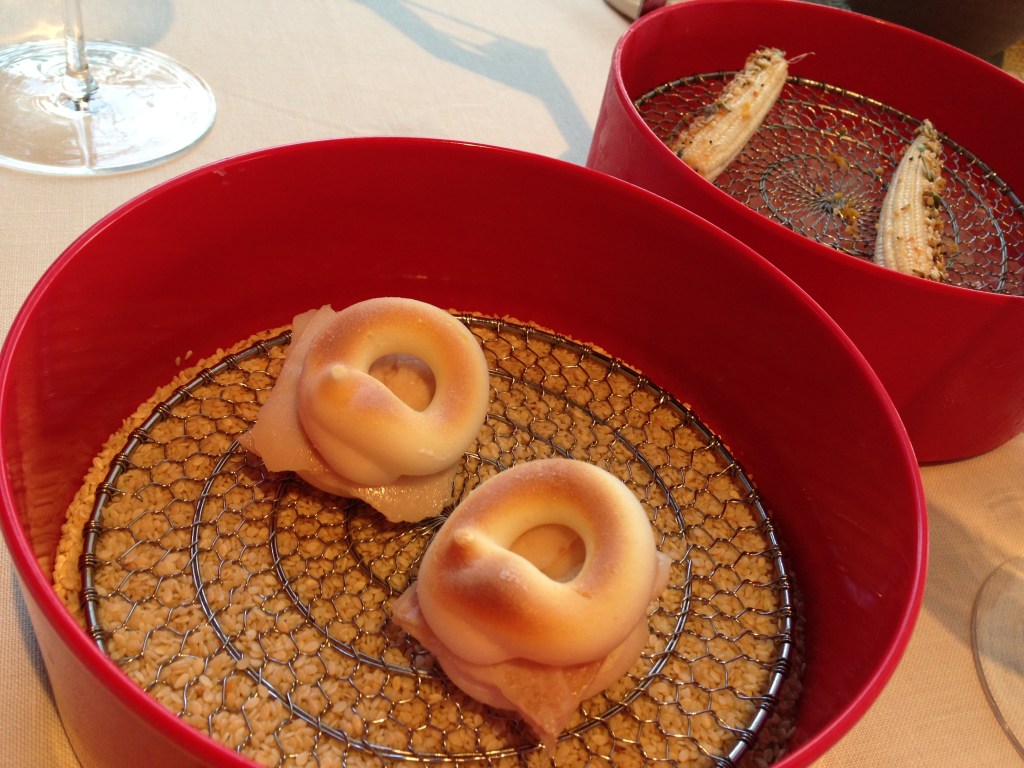
The prospect of eating 22 courses is somewhat alarming, until your realise that really, these courses can be called nothing really more than bitesize samplings. Consequently, by the end of the meal, it’s highly unlikely that you will feel full up. At Calima, it’s also highly likely that you would have forgotten much of what you have eaten. For while we were given a copy of the menu, we did at time feel as though we had a conveyor belt of food before us. No sooner had one course come, than it was whisked away by the very attentive waiting staff and another introduced. The overall result of this was that, first and foremost, we felt that the dining experience was too rushed to properly appreciate the complex flavours of each dish, and indeed to revel in the beautiful appearance of every course, but secondly, it means that in writing this review, my memory of the dishes consumed is scant to say the least. Luckily I took photos of each course, so that you can see, if not read about each tantalising sampling.
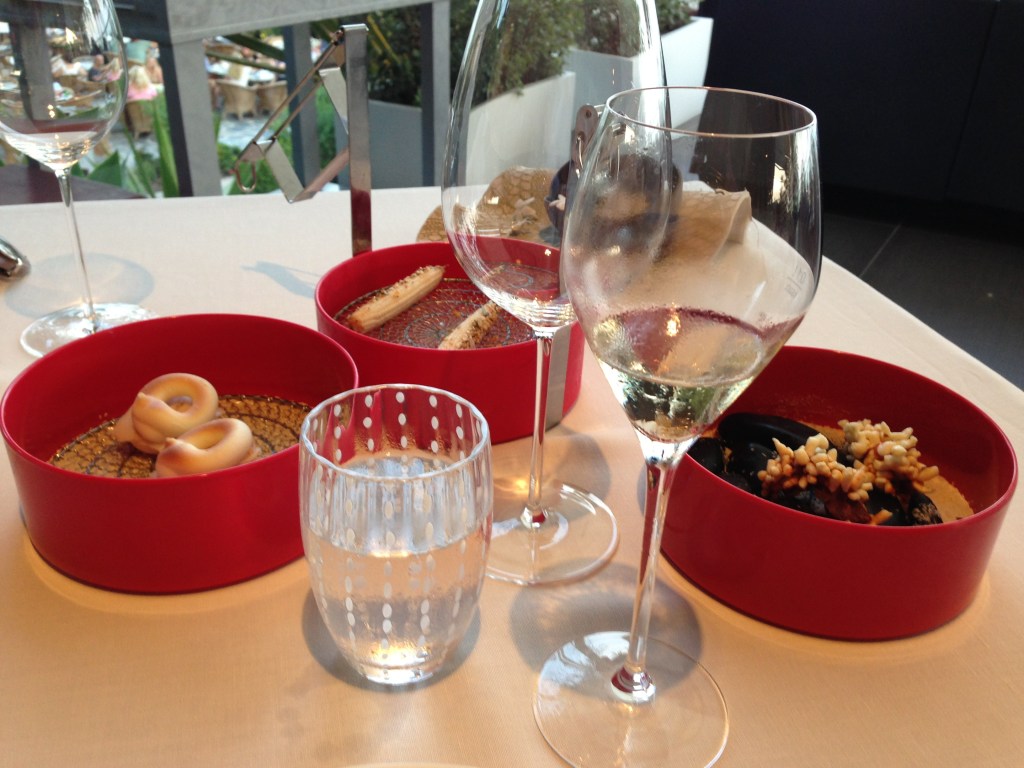
IMG_3932 IMG_3933 IMG_3935

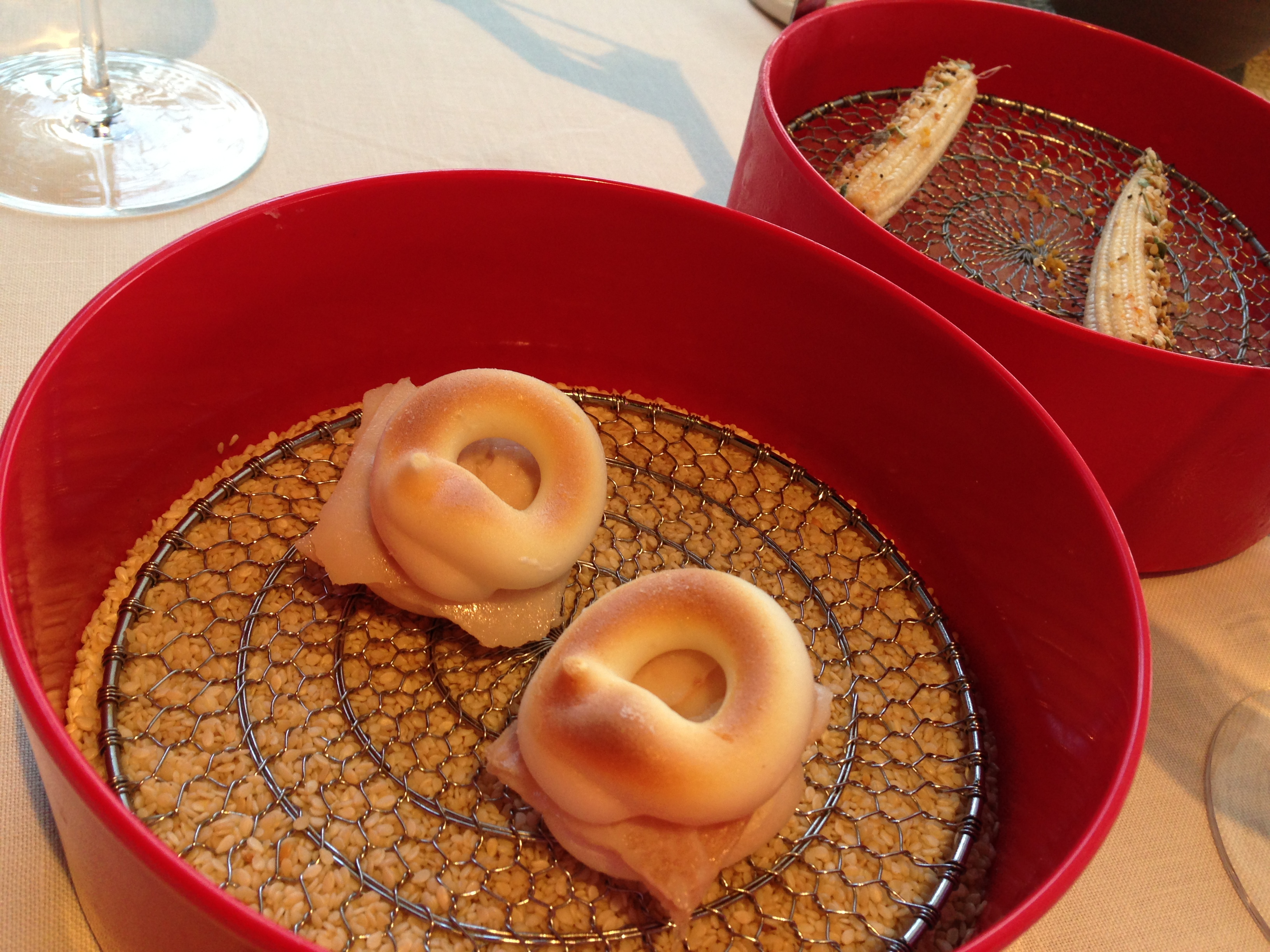
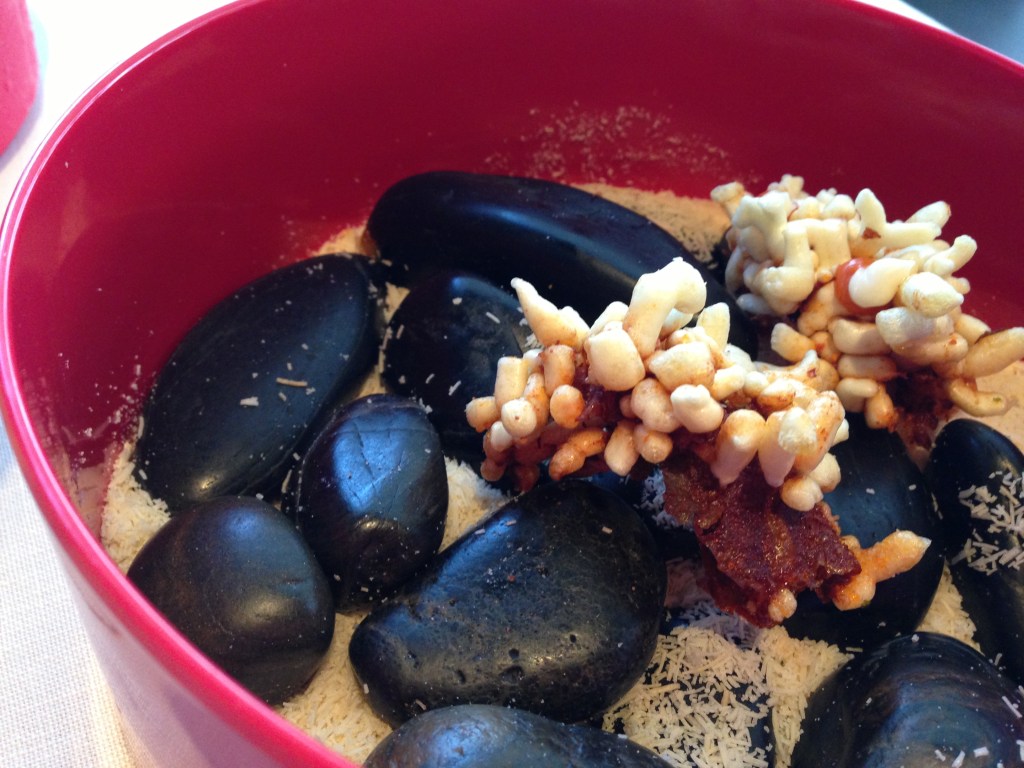
So the tasting menu began with three little “snacks” – I felt a little disappointed that three courses had been served at once, but then that very much set the tenet for the evening: efficiency and speed. I wasn’t disappointed by the flavours however, starting with crunchy baby sweet corns layered with a “kimchi” seasoning which, much like Garcia had promised at the outset, popped and crackled on the palate with sweet and sour contradictions. Alongside that, a kind of aerated bagel seemed to melt in the mouth before I had properly appreciated what was inside, and a clustering of what can only be described as rice crispies enveloped deceptive flavours in their recreation of the traditional patatas bravas tapas dish.

IMG_3936 IMG_3938 IMG_3940

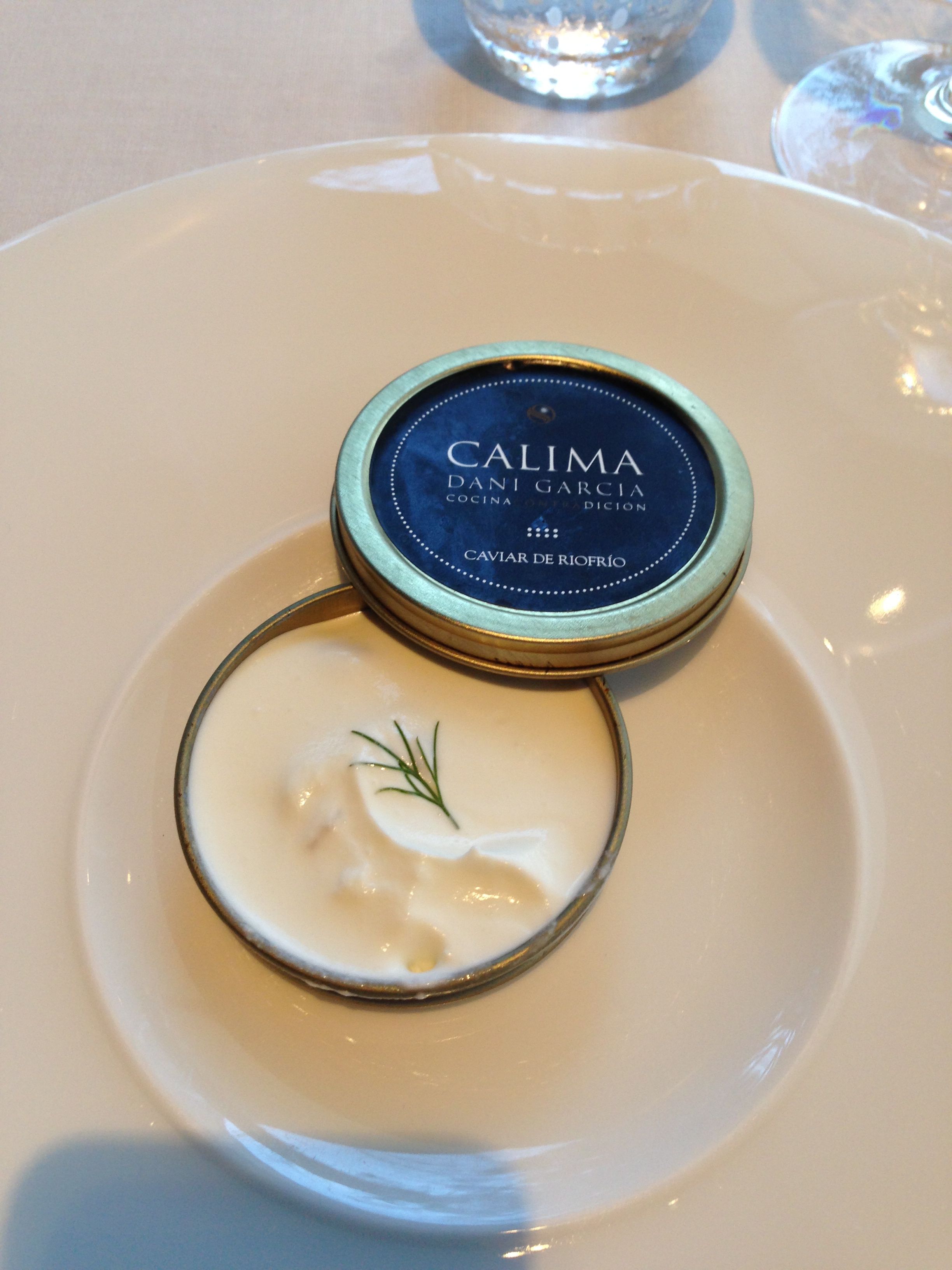
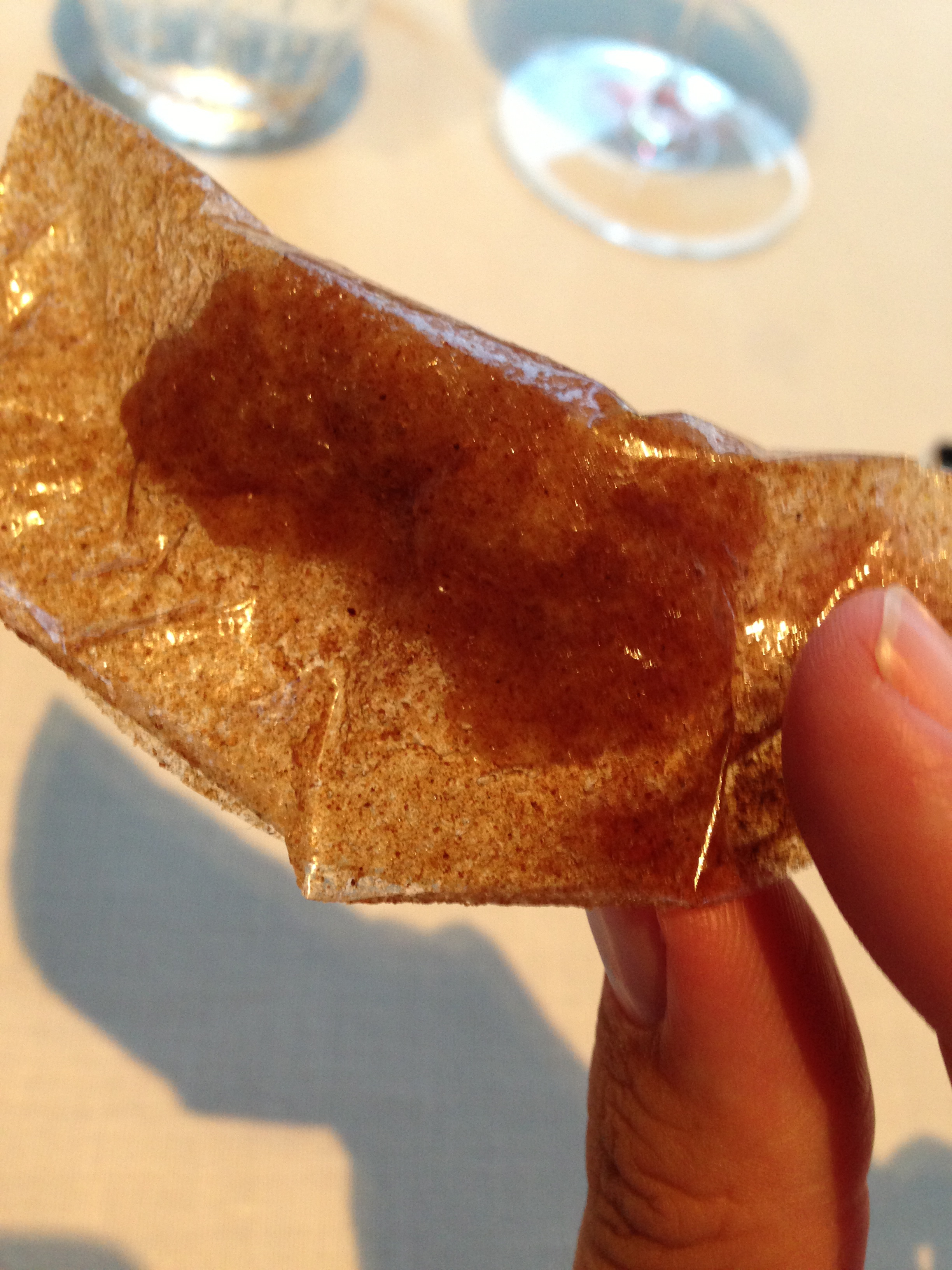
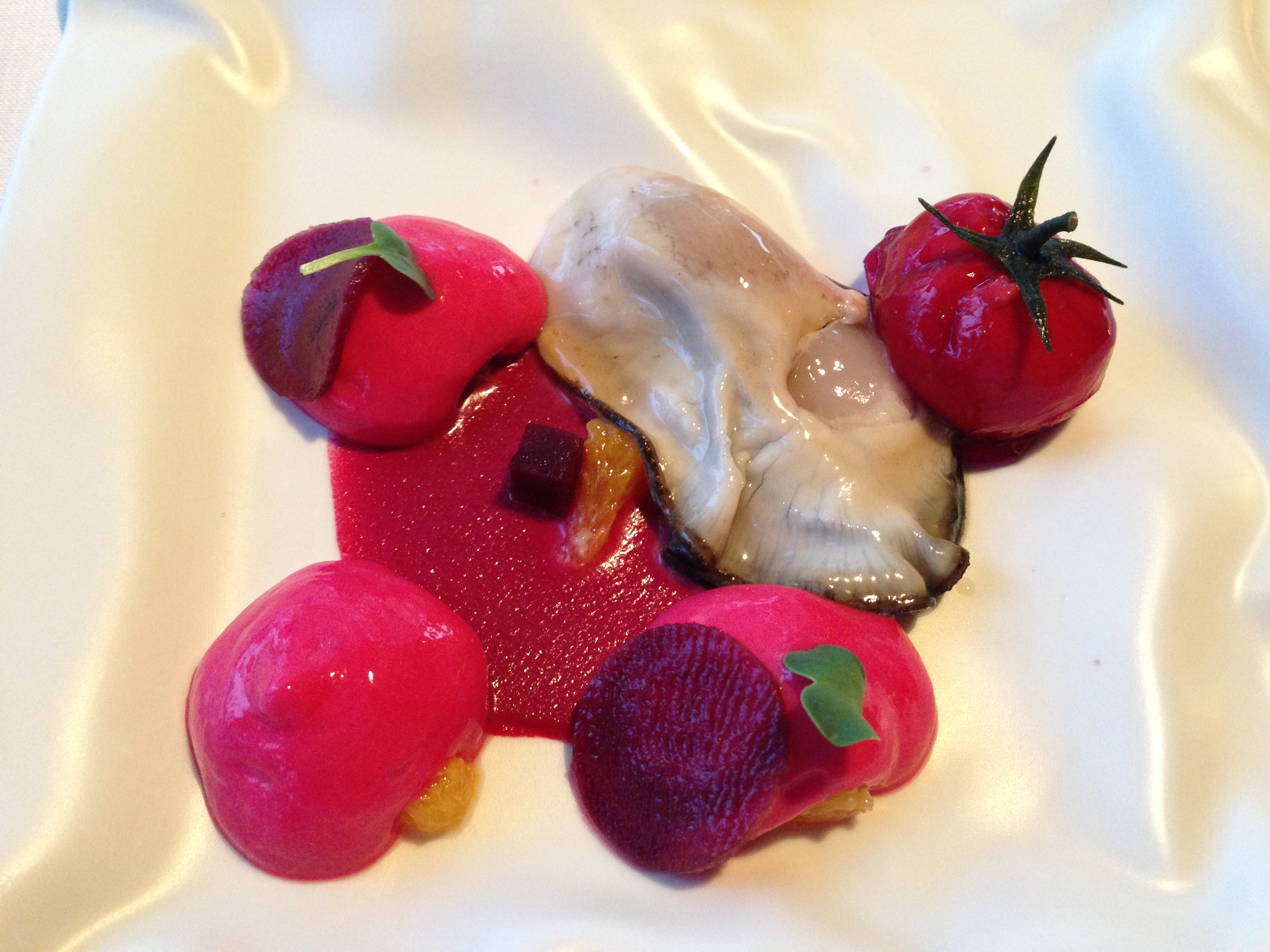
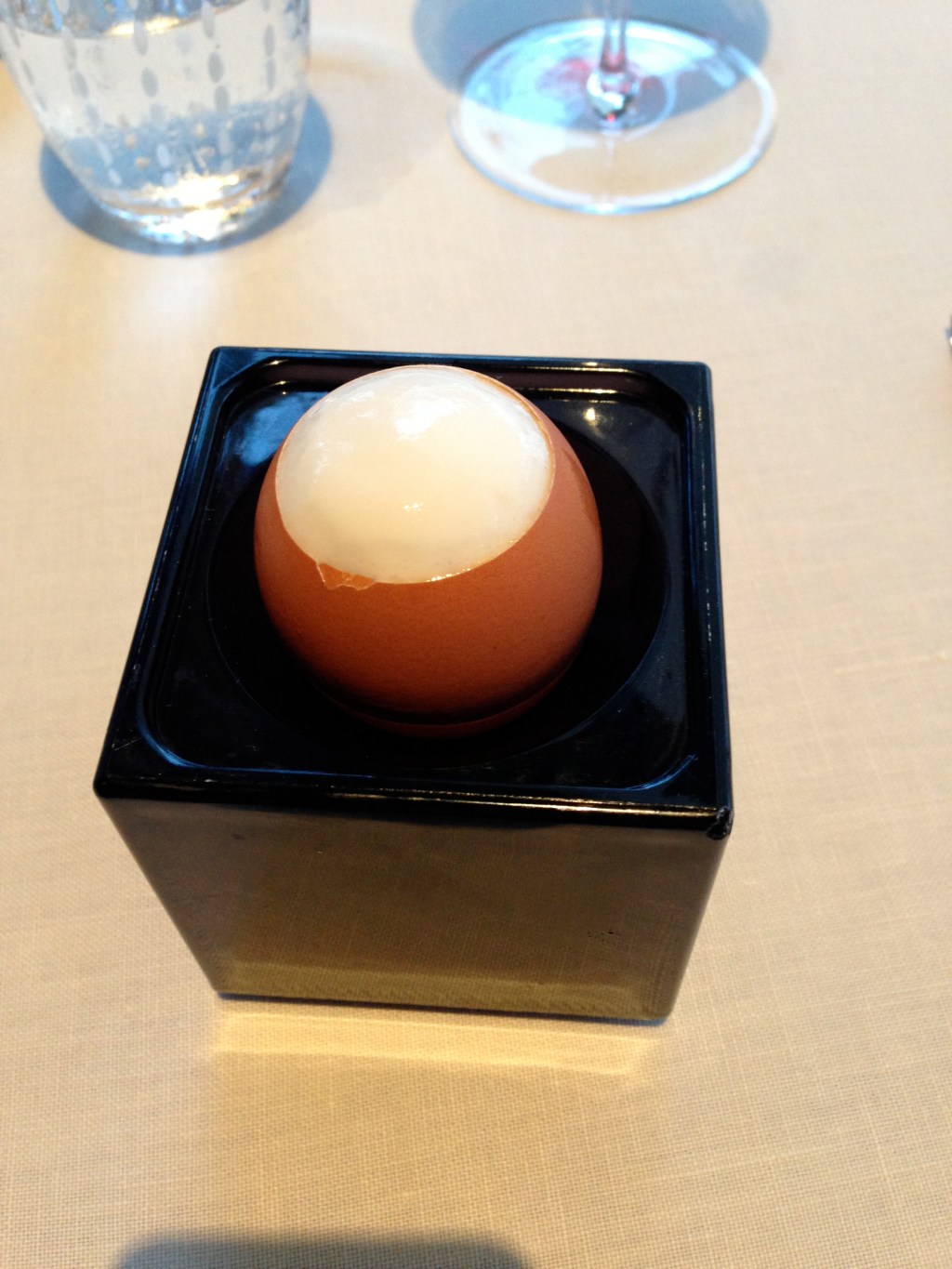
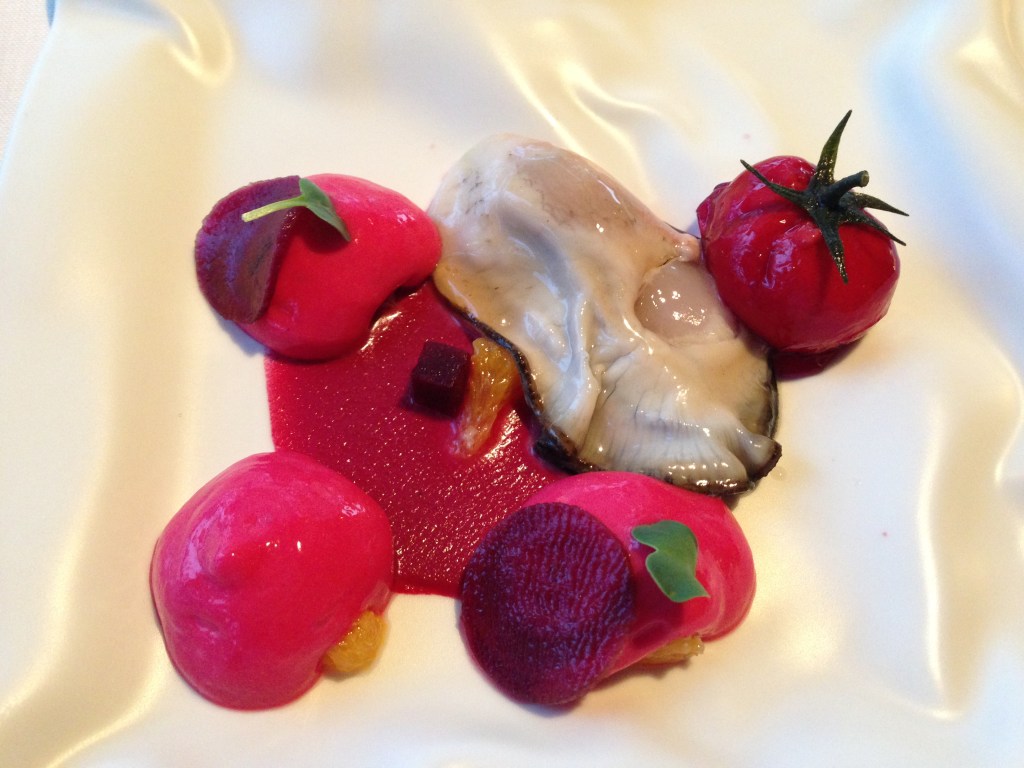
We moved onto a sensational reinvention of the typical caviar tin – this one filled with an unctuous cream combined with dates and caviar making for an incredible flavour balance, and something which should surely be tried at home. Following on, a little “empanadilla” again melted in the mouth owing to its “pastry” of sweet rice paper (contrasting deliciously with its smokey meaty interior). Next, the kind of theatre to be expected of a Michelin star eatery: “egg with no egg” – an apparently goey soft boiled egg which actually contained a foamy, fruity smoked fish concoction. Further theatre followed with a box full of almonds, two of which were frozen droplets of foie masquerading as almonds, but exploding in the mouth like a foie gras ice cream truffle. Serious yum. Such a beautifully multi-coloured fusion followed, as the vivid purples and sunshine yellows of tomatoes, and beetroot and oranges contrasted fantastically with the plumpest oyster of my acquaintance; while further theatre was presented in the form of a tomato which was actually a jelly-skinned fake containing a rich moussey interior.
IMG_3941 IMG_3943

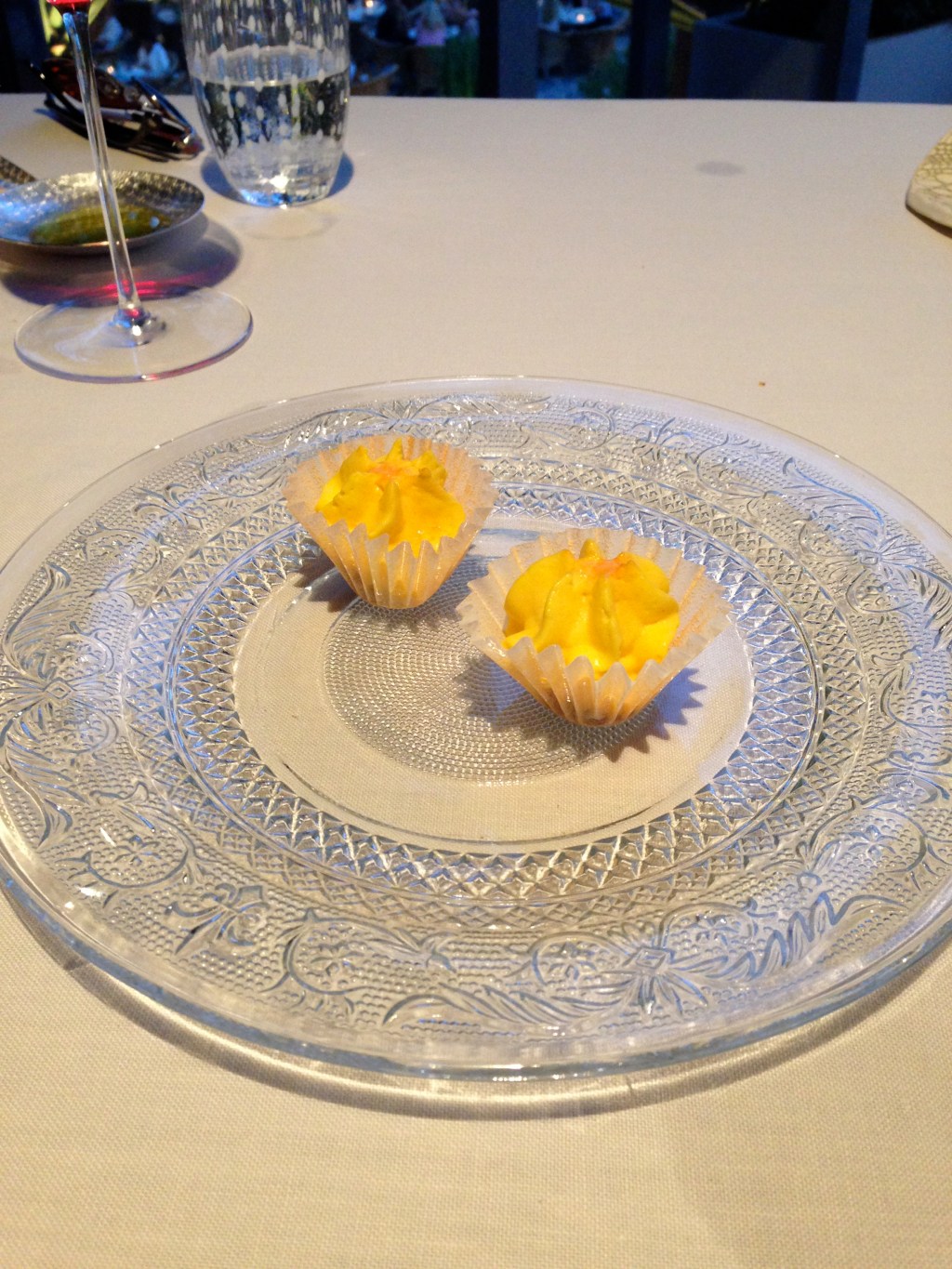
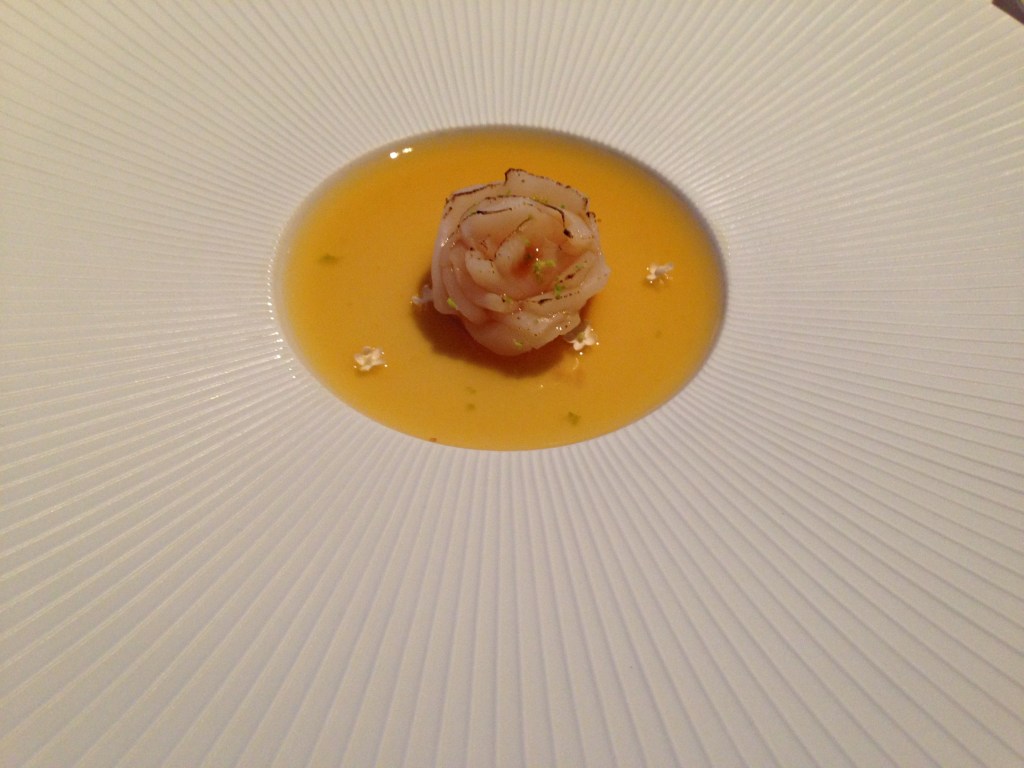
Probably the most beautiful dish of all followed on: entitled simply “Rocky Seabed”, it appeared to be a rock clustering of sea life served on a decorative box of shells and sea salt. It was in fact entirely edible – the rock collapsed and melted in the mouth like a wafer-thin rice cake, while the treats on top, including Marbella-fished baby shrimps were an exquisite cocktail of jellies and seasonings. My favourite dish of the lot. Then came the “muffins” which contained a yellow smoked fish cream and whose paper cases were also edible. This was followed by a sensationally presented scallop dish, in which thinly sliced scallops were presented like a rose, surrounded by tiny edible flowers and served with a sharp and sweet citrus cream.

IMG_3945 IMG_3951 IMG_3954 IMG_3959

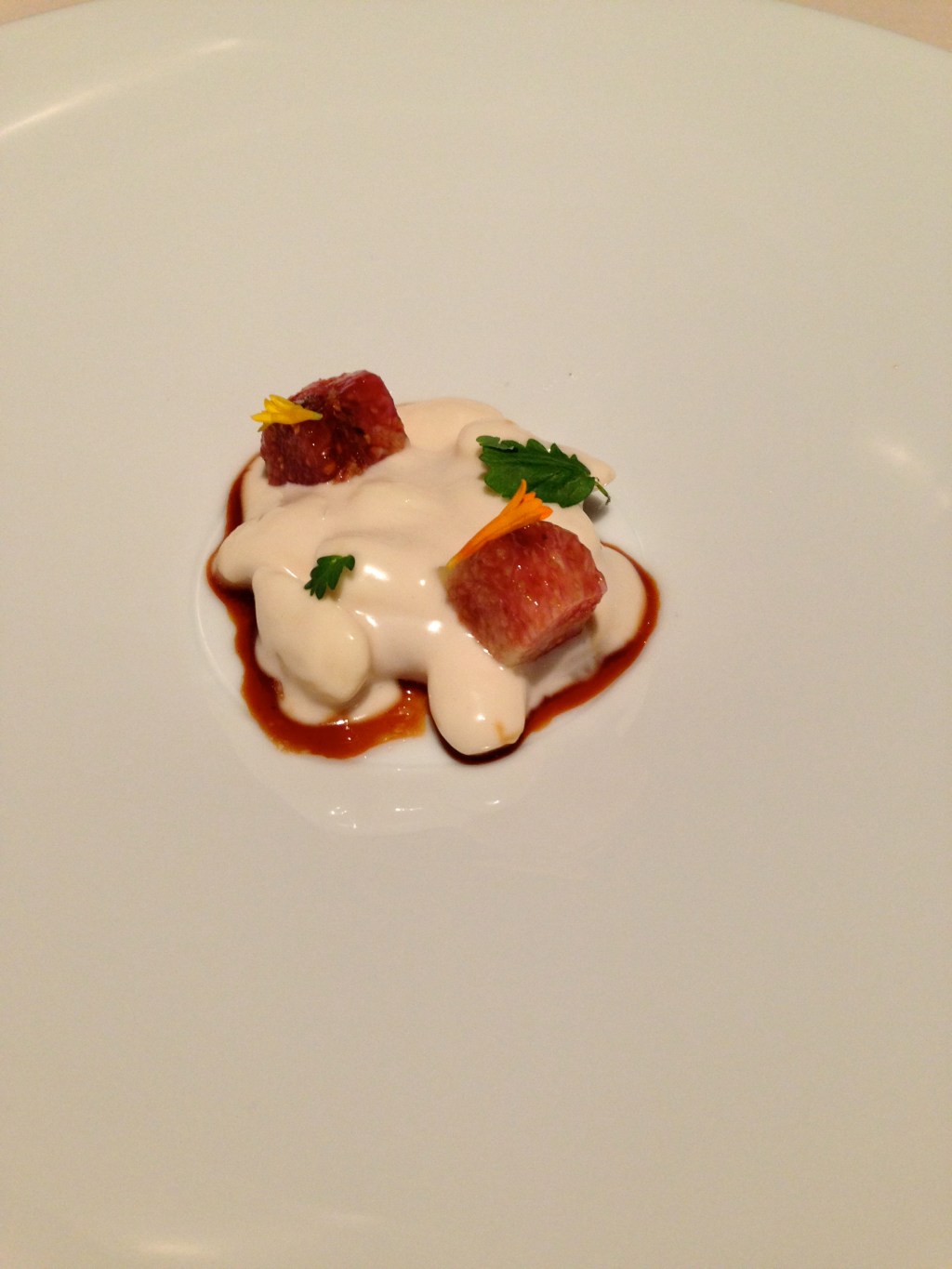
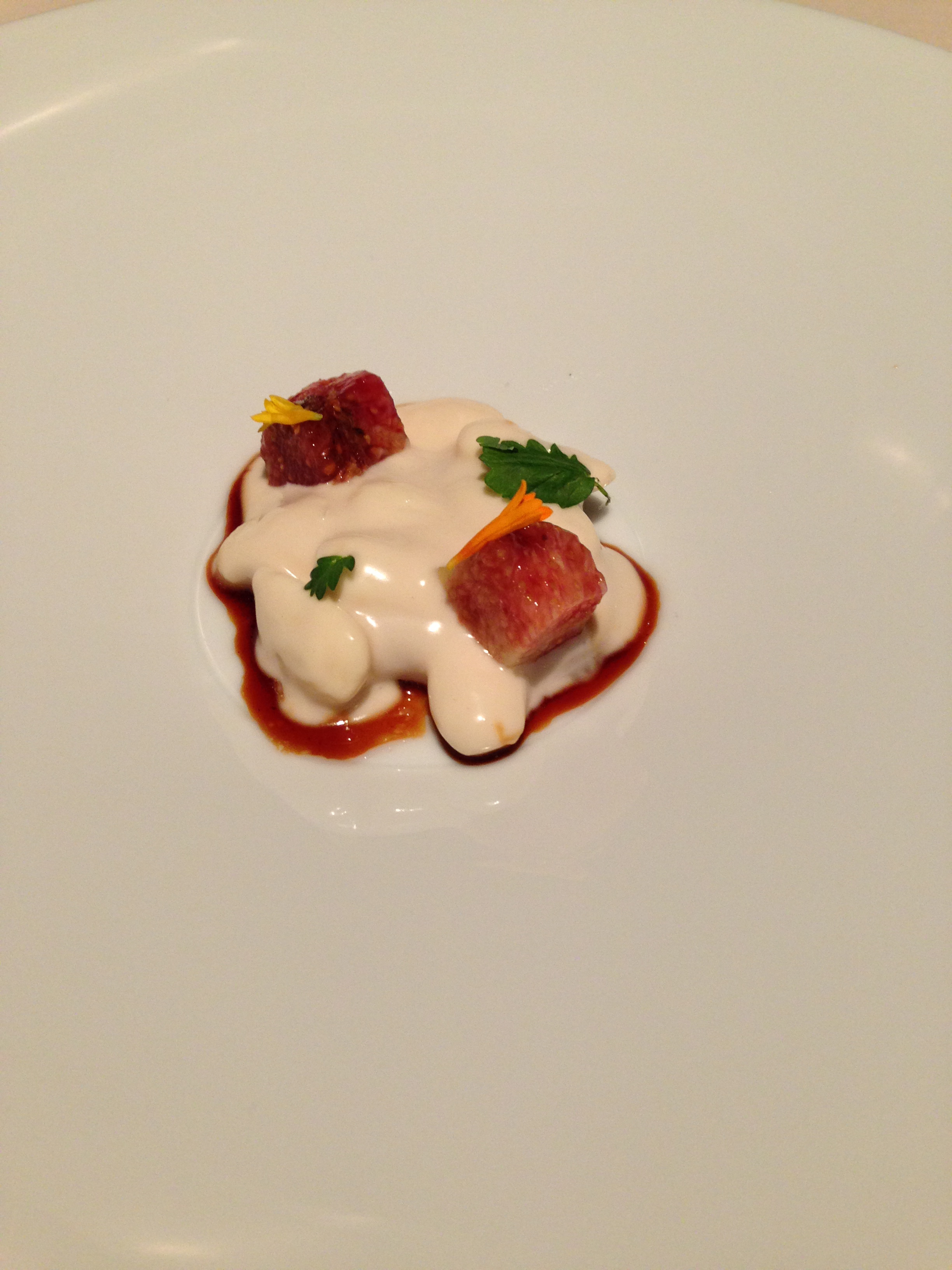
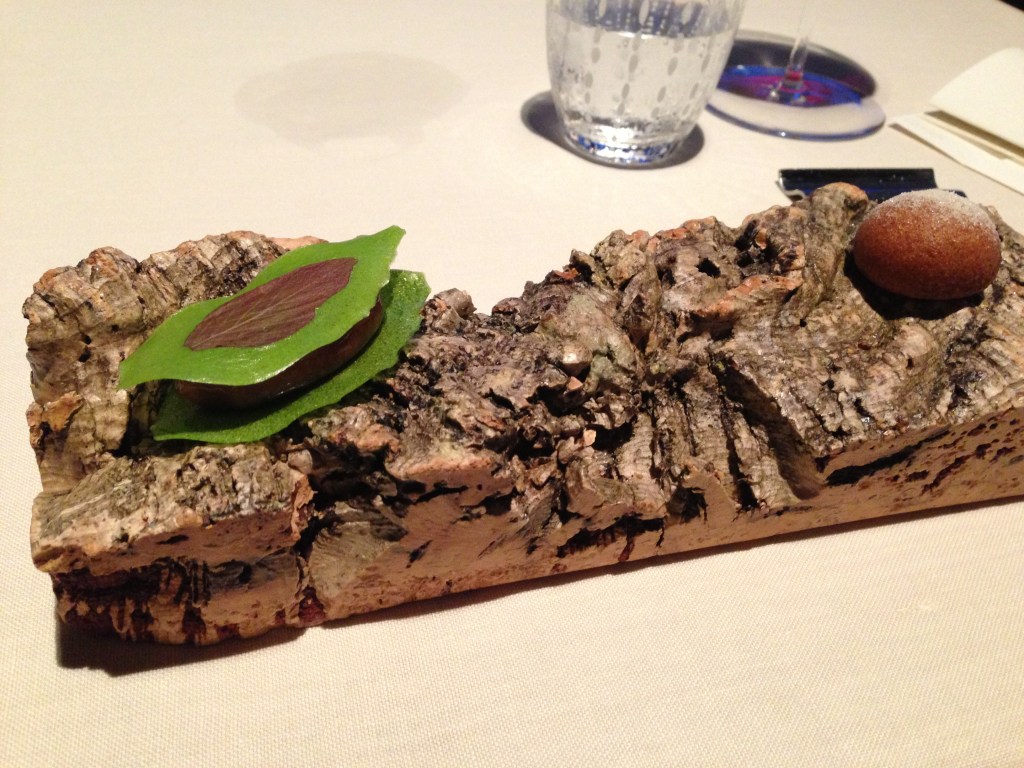
Up next, a partridge foie dish – two explorations on the foie theme, one like a round truffle, the other a soft mousse in between two crispy wafers, both presented elegantly on a block of real wood. Then another of my favourite dishes: wafer thin potato pillows scented with lemon flavourings and dipped into an exquisitely rich, salty meat gravy. Eel followed: tender slices of eel buried in an avalanche of garlic cream, balance with blood red orange and again decorated with edible flowers.
IMG_3965 IMG_3968 IMG_3971

Read more
Composition No. 7: Andalucía

As regular readers of The Daily Norm will know, over the past few months, my own art work has become dominated by a simplified use of flat tones, overlapping forms, and abstract compositions using as my newly preferred medium gouache paint on paper. What has resulted is a series of what I have loosely called “compositions” but which are progressively becoming more figurative rather than compositional, as these quasi abstract images are used more and more to provide a narrative of a scene, essence or depiction.

Following on from a series of compositions inspired by my holiday in Provence, and a single piece (Composition No.6) depicting a day at the seaside in Sussex, I had a feeling that once out in Marbella in Spain, I would again become inspired to pick up my fine-tipped paint brush and start producing another gouache piece. In fact so sure was I that inspiration would hit me that a box of gouache paints was one of the first things to make it into my suitcase.
And of course as soon as I reacquainted myself with the charming historic centre of Marbella, with its white washed houses basking in the sunshine, with the terracotta floor tiles and with the polka dots of flamenco whose rich chromatic melodies can be heard wafting in and out of households around the old town, I felt the urge to take out those very same paints and get to work.

Composition No. 7: Andalucía (2013 © Nicholas de Lacy-Brown, gouache on paper)

Composition No. 7: Andalucía (2013 © Nicholas de Lacy-Brown, gouache on paper)

The result is this piece: Composition No. 7: Andalucía – a simple title for what is a simple attempt to capture the essence of Andalucía, and the iconic symbols which have come to represent the region around the world – the Spanish fan, a necessary antidote to the searing summer heat; the polka dots and guitar of the flamenco passion which stirs the region’s hearts; the windows, always open to capture whatever breeze they can, the richly decorated iron bars providing both security and decoration while facilitating this necessary ventilation;  and pots of geraniums scattered across walls forming in themselves a kind of polka dot pattern of floral colour across a blank white canvas.

I really hope you like this latest addition to my Compositions series.

© Nicholas de Lacy-Brown and The Daily Norm, 2001-2013. Unauthorized use and/or duplication of the material, whether written work, photography or artwork, included within The Daily Norm without express and written permission from The Daily Norm’s author and/or owner is strictly prohibited. Excerpts and links may be used, provided that full and clear credit is given to Nicholas de Lacy-Brown and The Daily Norm with appropriate and specific direction to the original content.