Skip to content

Posts tagged ‘Naples’

Vintage Italy – advertisements from a golden age

Many may have empathised with the characters Gil and Adriana in Woody Allen’s 2011 film, Midnight in Paris, who were accused of having suffering from “golden-age nostalgia” – the condition whereby a person believes that a previous era was better than the present. In a way, the purpose of the film was to disprove this way of thinking, since Gil’s obsession with the 1920s led him to meet Adriana who was from the 1920s but who herself thought the golden age was the Belle Epoque, who in turn met the likes of Degas and Manet in the Belle Epoque who in turn thought the golden age was the renaissance…and so it goes on. Which just goes to show that “the grass is always greener” applies to the past as well as a comparison of your own life with other possibilities.

italy


Despite this chord of warning which was espoused in Woody Allen’s film, I have to admit to suffering from a little golden-age nostalgia myself. Who could not pine after the elegance of evening dress in the 20s and before – the Downton Abbey style of dressing for dinner every evening and the top-hatted gentlemen in the Moulin Rouge? True, much of my nostalgia is probably founded in fiction – of course we all know that sanitary conditions and general quality of life was probably much lower then than we are used to now, especially for the poor. But nonetheless, the charm of past years cannot help but seep into my imagination, and fill my days with a warm sense of longing for a time of sophistication and innocence. And that charm is no more embodied than in the multi-coloured art work of vintage advertisements at the start of the great commercial age.

venice 2011087_1_l AP513H-vesuvius-gulf-of-naples-italy-1920s


I love old adverts. This passion is directly inherited from my father who collects enamel advertisement signs and various advertising paraphernalia. Sadly I have to make do with reproduction postcards and posters, but the images are no less pleasurable for the reproduction. And following on from my recent series of Italy posts, I thought I would share with you a few classic examples of the vintage advertising age promoting the very cities which I have just visited: Venice, Rome and Naples.

photo 1 AP463-roma-rome-italian-travel-poster-1935 Napoli 1960

With their bold lettering, romanticised skies, bright colours and simple motifs, it is completely understandable how these posters would have been effective in luring the pre or post-war era of awakening travellers to the charms of Italia. If only adverts today could exude such innate charisma. Oh no… there I go with my golden-age nostalgia again. I think I’d better leave you with the posters. Till next time…

photo il_570xN.342658530

Natale Italiano | Naples – A photographic miscellany

You’d be forgiven for assuming from my recent posts of late that I am on something of a downer on Naples. Much has been said about the graffiti and the grime, the overflowing bins and the dodgy back streets. However let me dispel any illusion that I am anything but a fan of this city. Who could be otherwise? Exuding a loud passionate spirit like no other Italian city to the North, Naples is unapologetic in every way, from its robust flavours and shouting locals, to its busy seaside port and its unabashed hoarding of some of the most stunning artistic treasures of art history stretching back to ancient Rome and before.

Benefitting from its stunning Mediterranean location, just North of the idyllic Sorrento peninsula and nestled in a bay in front of the towering majestic presence of Vesuvius, Naples cannot help but exude beauty from every vantage point. But beyond the general geography of the region, Naples is a city which is full of eclectic contrasts, sensational architecture, and all of the small urban details which get my camera clicking faster than a hungry Neapolitan can finish off one of their tasty pizzas (which is fast).

DSC01450 DSC01813 DSC01774DSC01678 DSC01709

So in my last photographic miscellany of my extensive 5 week Italy blog season (well, I say last, but look out for the atmospheric black and white special coming up at the end of the week!) I explore all of the street details, the architectural peculiarities, and all of the beautiful and unique characteristics which make Naples the seductive city it is.

All photos and written content are strictly the copyright of Nicholas de Lacy-Brown © 2014 and The Daily Norm. All rights are reserved. Unauthorized use and/or duplication of the material, whether written work, photography or artwork, included within The Daily Norm without express and written permission from The Daily Norm’s author and/or owner is strictly prohibited. 

Natale Italiano | Naples – Day 2: Diamonds in the Rough

In nature as in life, some of the greatest contradictions can be found together. Inside a dull-looking pebble, the brightest of sparkling diamonds can be found; from a single block of hard marble cut out of the Carrara quarry, the magnificent muscular form of Michelangelo’s David emerged; and in the ugly hostile exterior of an oyster shell is born the beauty of the perfect pearl. In Naples, such contradictions are not hard to find. In the grim graffiti covered streets emerge beautiful palaces and stunning churches; in the foothills of the life-destroying Mount Vesuvius, agricultural production thrives in richly fertile soils; and in the dark and dirty alleyways of the Spaccanapoli, treasures of sublime artistic beauty wait in the shadows to be discovered.

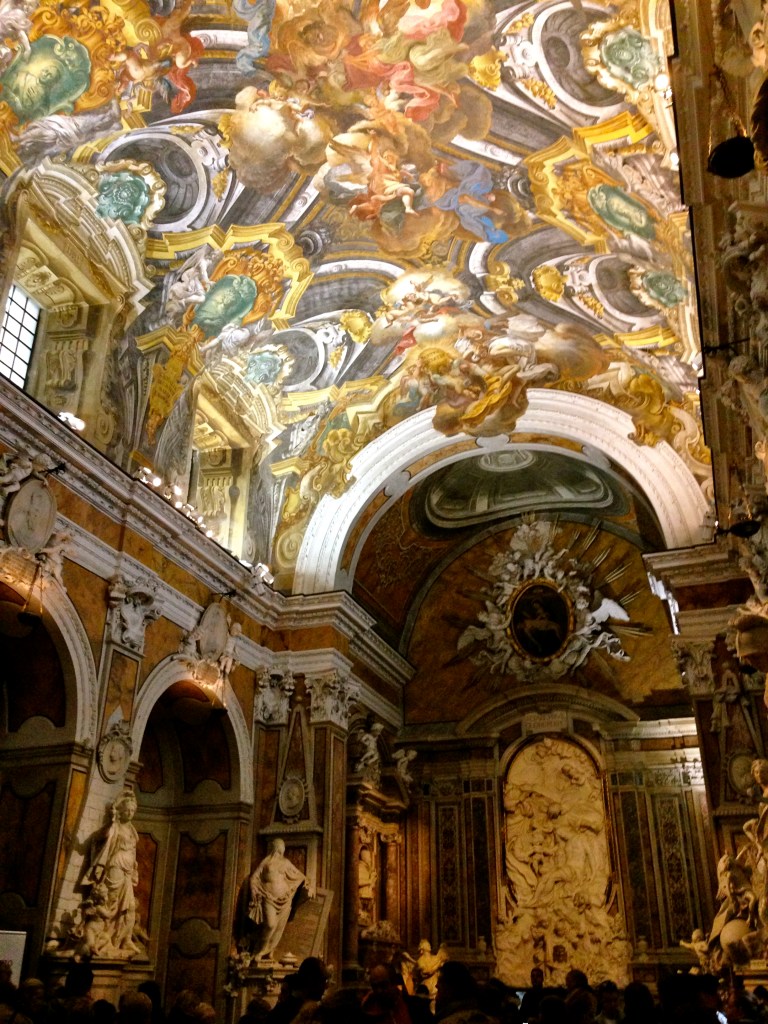
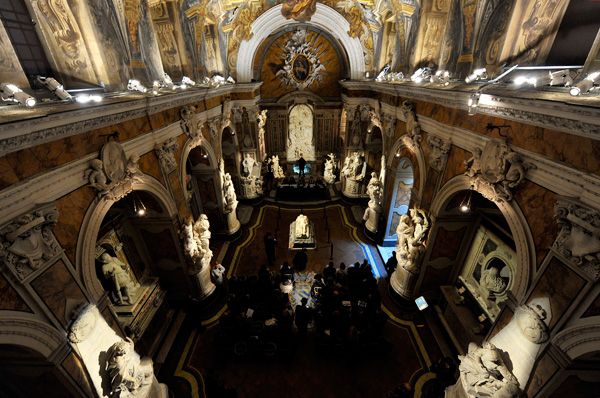
It was to these treasures that we headed on our final day in both Naples, and Italy, unwilling to leave the city without our own experience of these infamous sights. The first was the Capella Sansevero, whose location down a tiny side street was made obvious by the queues of tourists forming round the corner and leading up to both its front door and, somewhat illogically, to the ticket office from where a ticket had to be purchased before you could then join the second queue into the main chapel. The queues were off-putting at first, and we almost gave up on this treasure, being as we were short of time before our flight home to London. But persevering in respect of both queues, we soon made our way, slowly but surely, into what has to be one of the most stunning baroque creations of Italian art history.

The Capella Sansevero

Cappella Sansevero Interni Cristo Velatocappella-sansevero_05IMG_7127 san_severo sansevero8

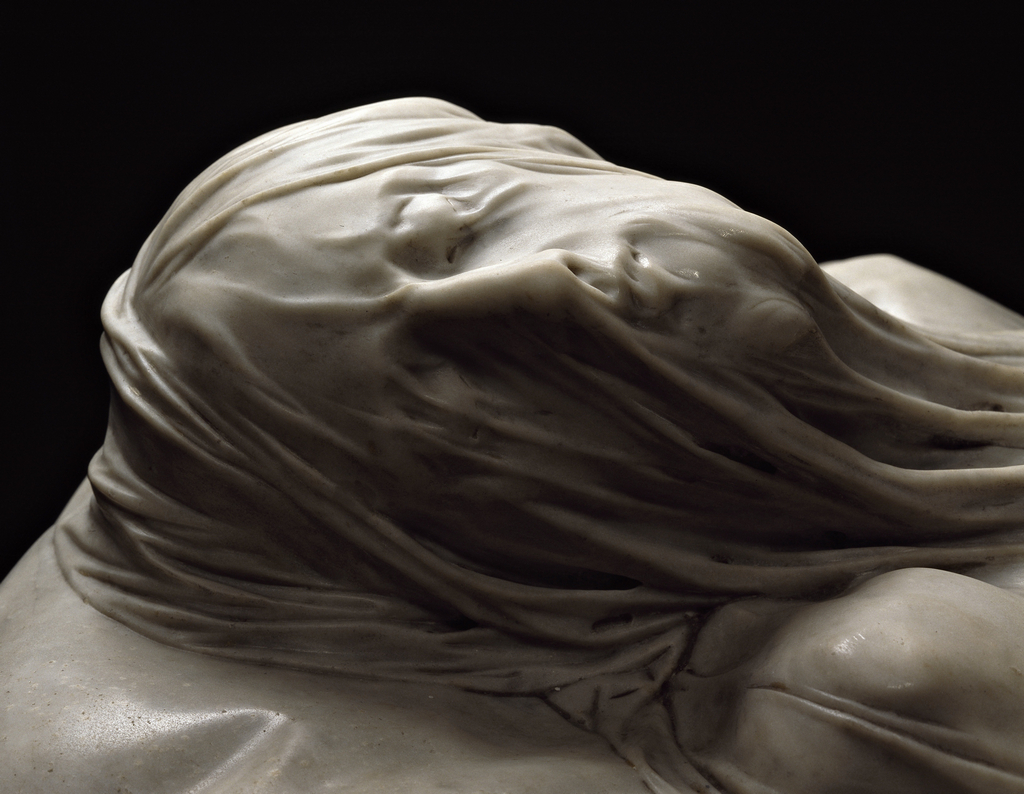
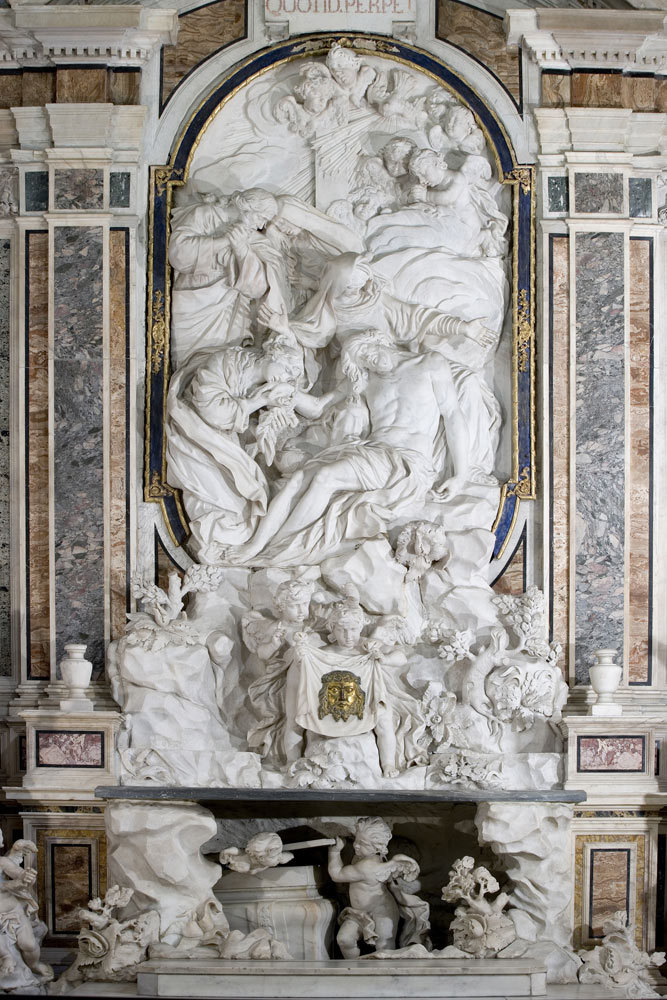
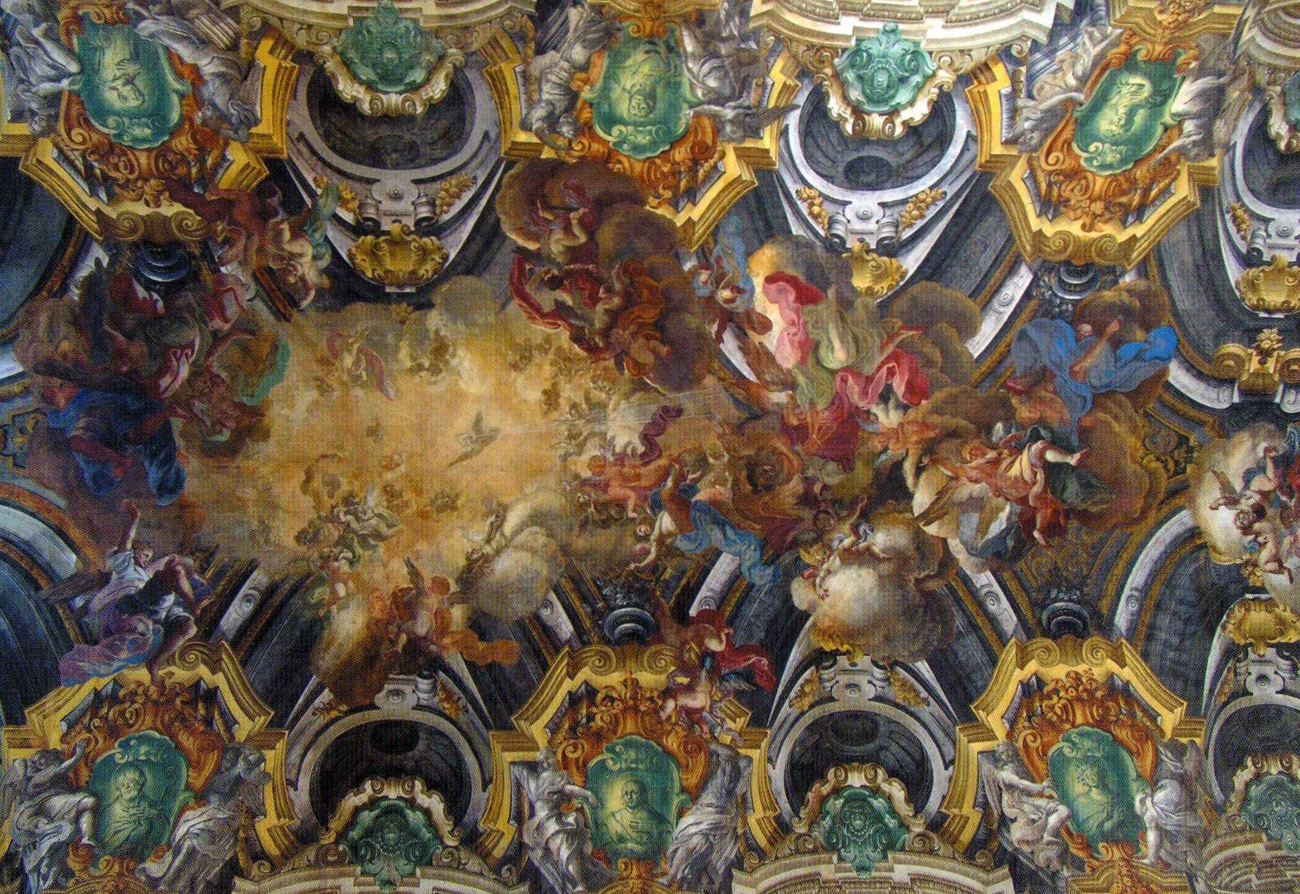
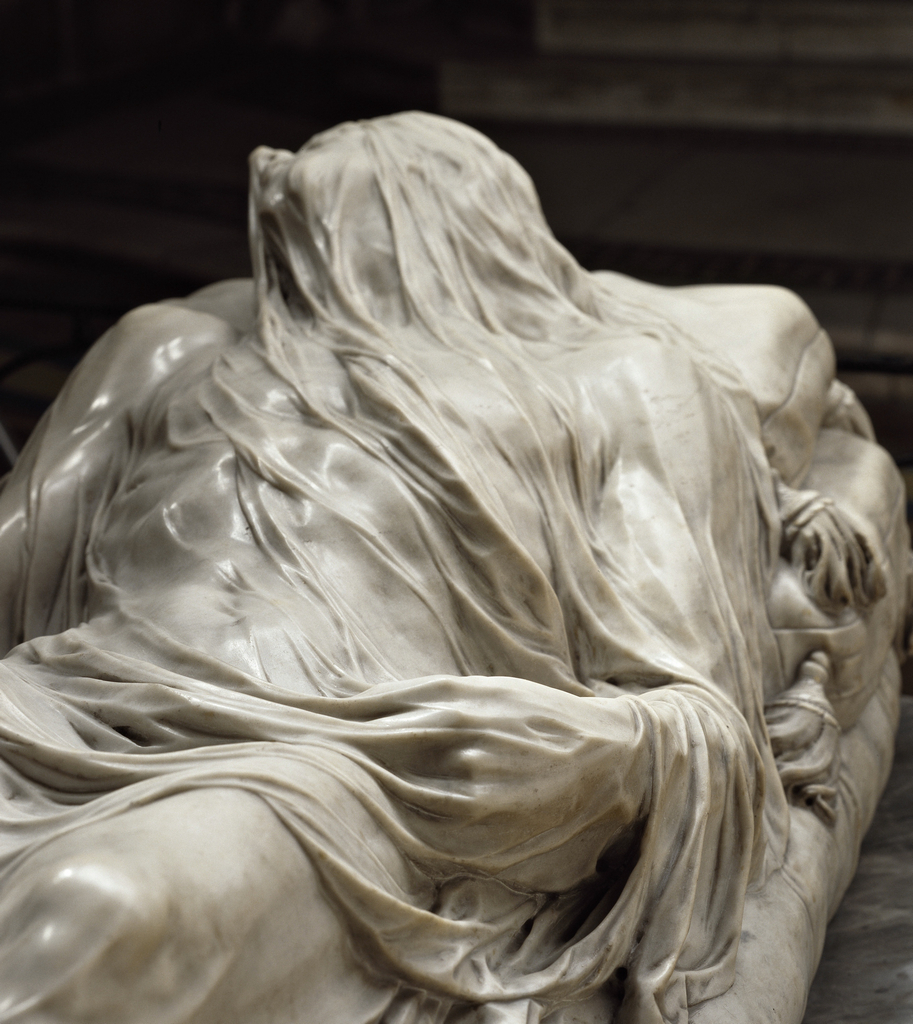
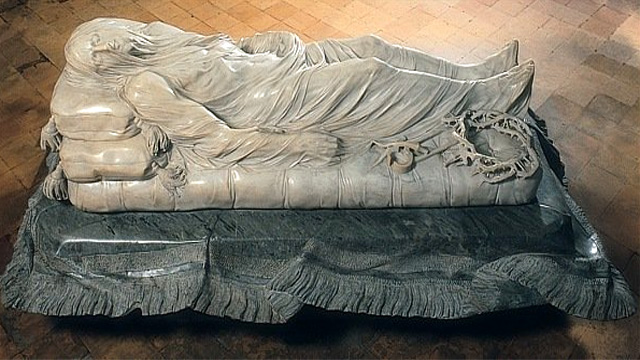
Originating from 1590 but substantially embellished by Raimondo di Sangro, the Prince of Sansevero, it contains some 30 incredible works of art created by some of the leading Italian artists of the 18th century. A masterfully elaborate frescoed ceiling almost gets lost amongst the crowds of marble sculptures which fill every alcove and appear to metamorphose out of the altar, but the sculpture that really pulls in the crowds is “The Veiled Christ” by Giuseppe Sanmartino. Looking at this stunning depiction of the dead Christ covered with a shroud you are almost in denial that this masterpiece of deception can be marble, so fine are the features of the shroud which even show the scars sustained by Christ during his crucifixion beneath its apparently fine drapery.

Sanmartino’s Veiled Christ
13906228_cristo_velato_cappella_sans 0563B_ 013 0563B_ 014

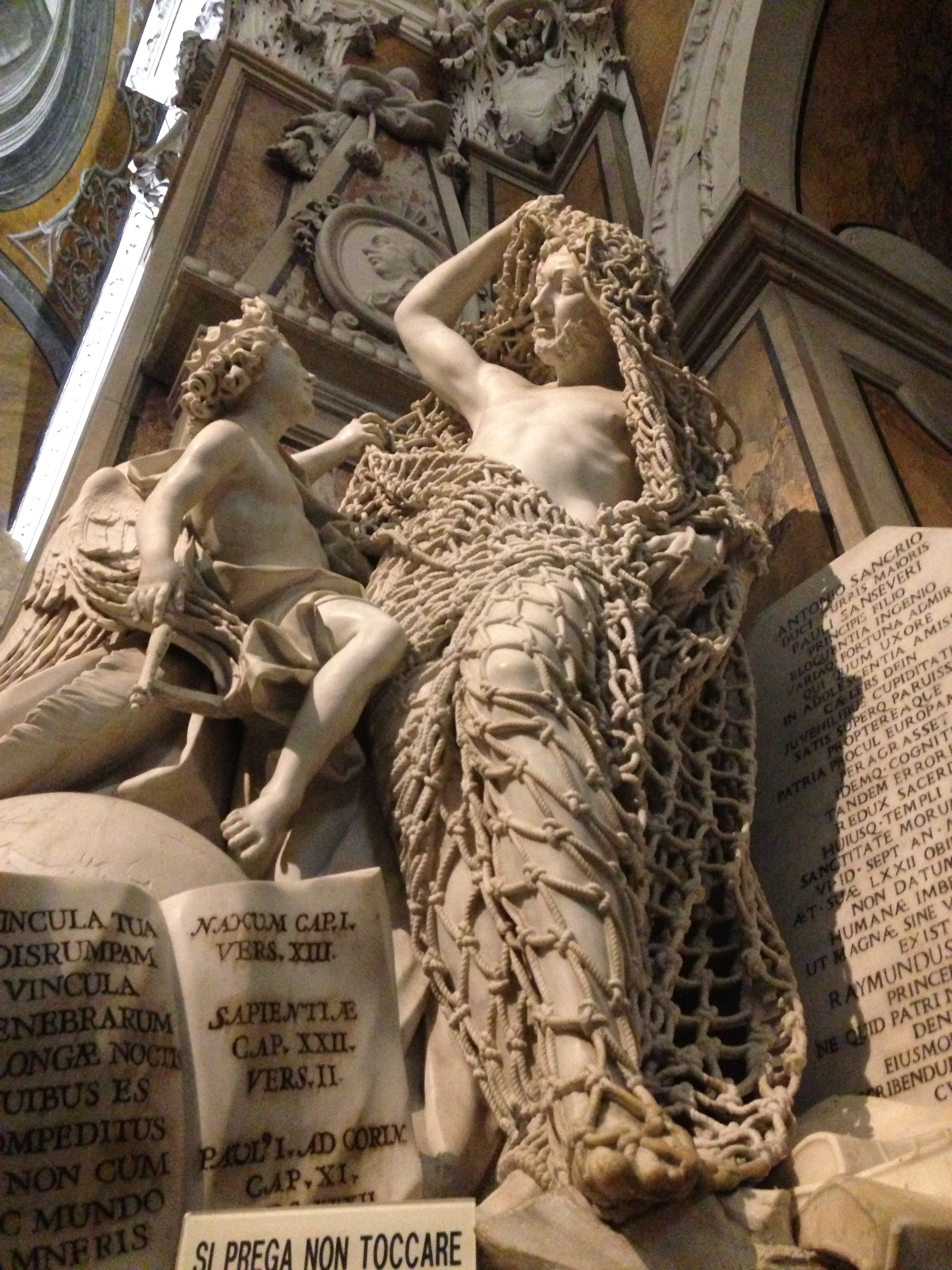
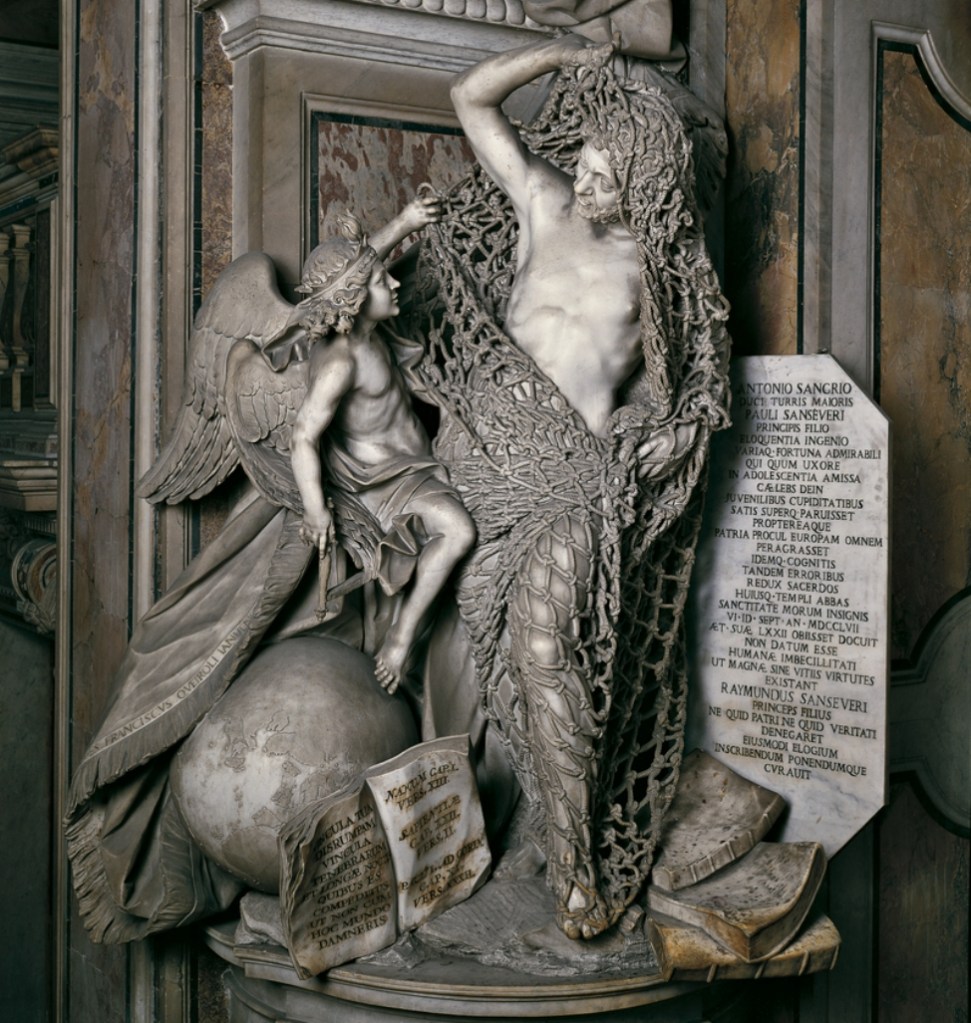
However for my money, the real star of the show, and too often overlooked in preference for the Veiled Christ, is Francesco Queirolo’s The Release from Deception (Disinganno) which shows a figure (some say it is Raimondo’s father) emerging from an intricate bundle of nets to look at a small angel who has appeared besides him. The netting is so incredibly intricate, with every knot and twist captured to perfection, that this sculpture has me entranced in absolute awe at its brilliance. How the sculptor managed to create this from a single block of marble, with all of those empty spaces cut out between the rungs of rope, I will never know. As far as I am concerned, this is the greatest masterpiece of sculpture ever to have been created in all the world. The visit to Naples was worth it for this alone.

Queirolo’s Disinganno
FT05_SAN SEVEROIMG_7126

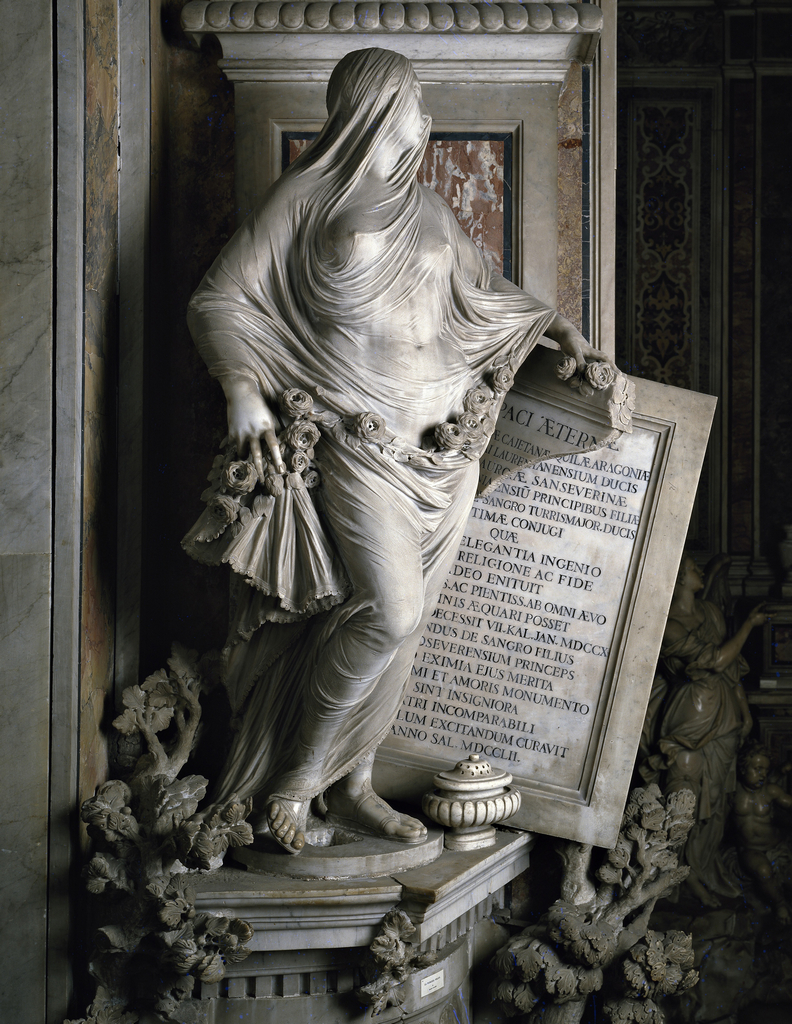
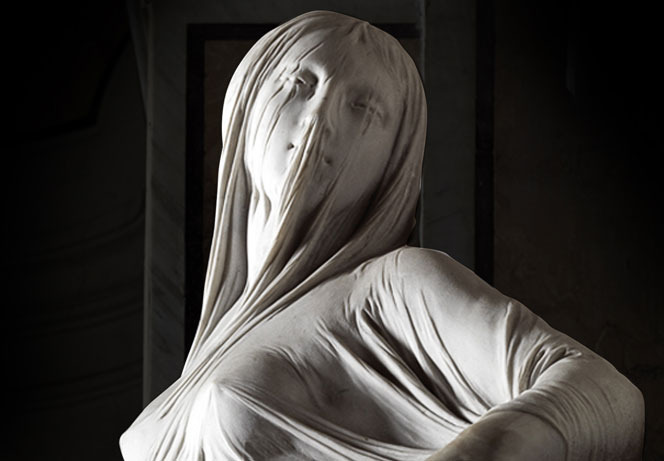
and another masterpiece of the Capella, Antonio Corradini’s Veiled Truth (Pudicizia)

0563A_ 013 8042OP346AU30300 IW_Antonio-Corradini_LaPudicizia_01

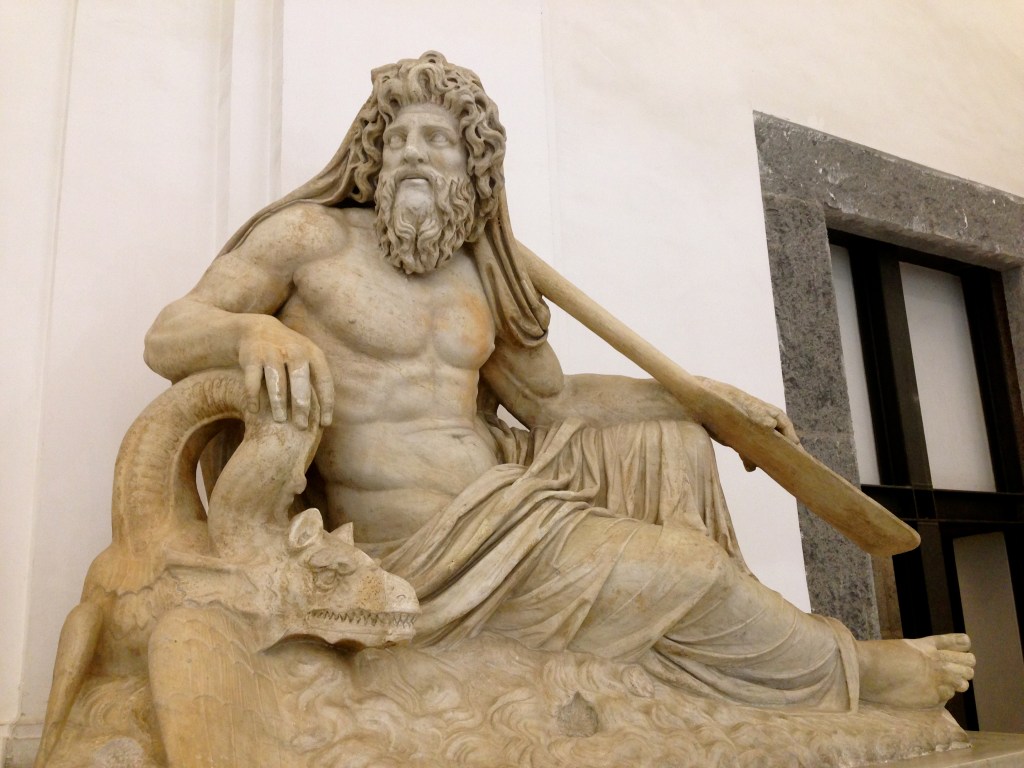
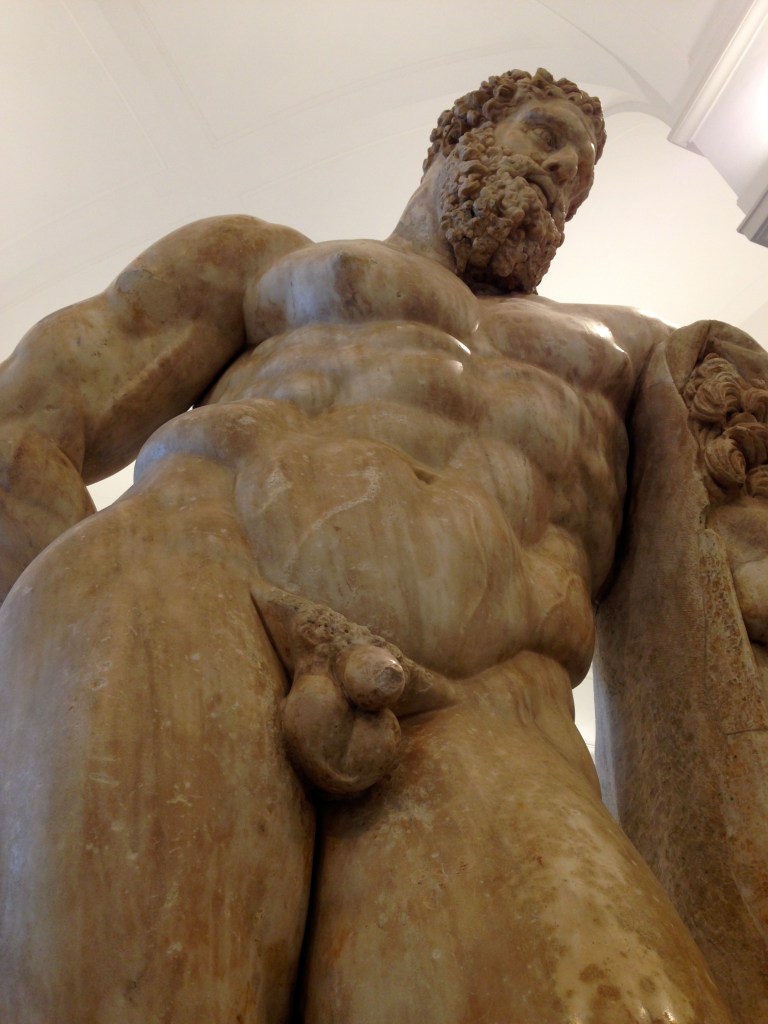
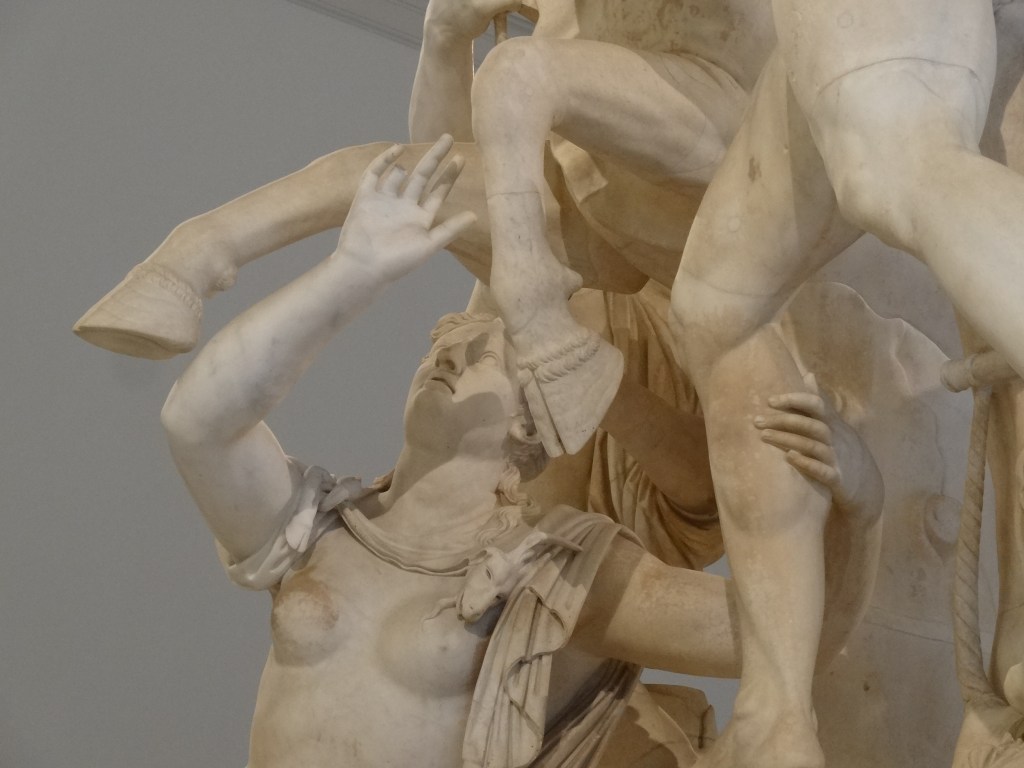
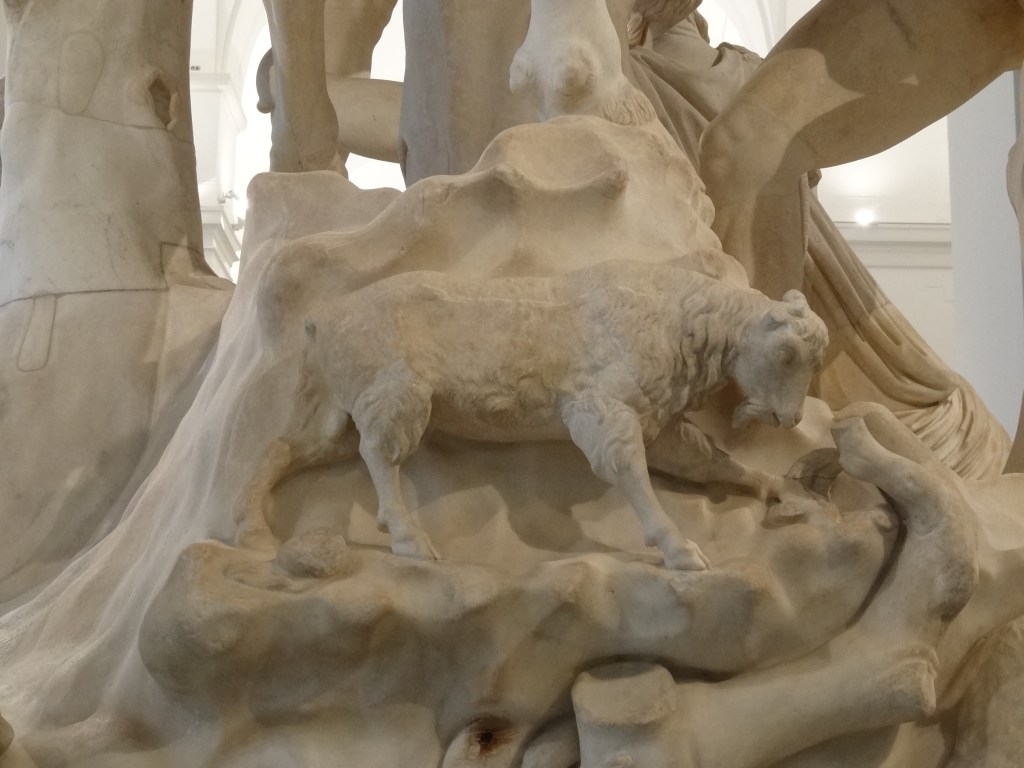
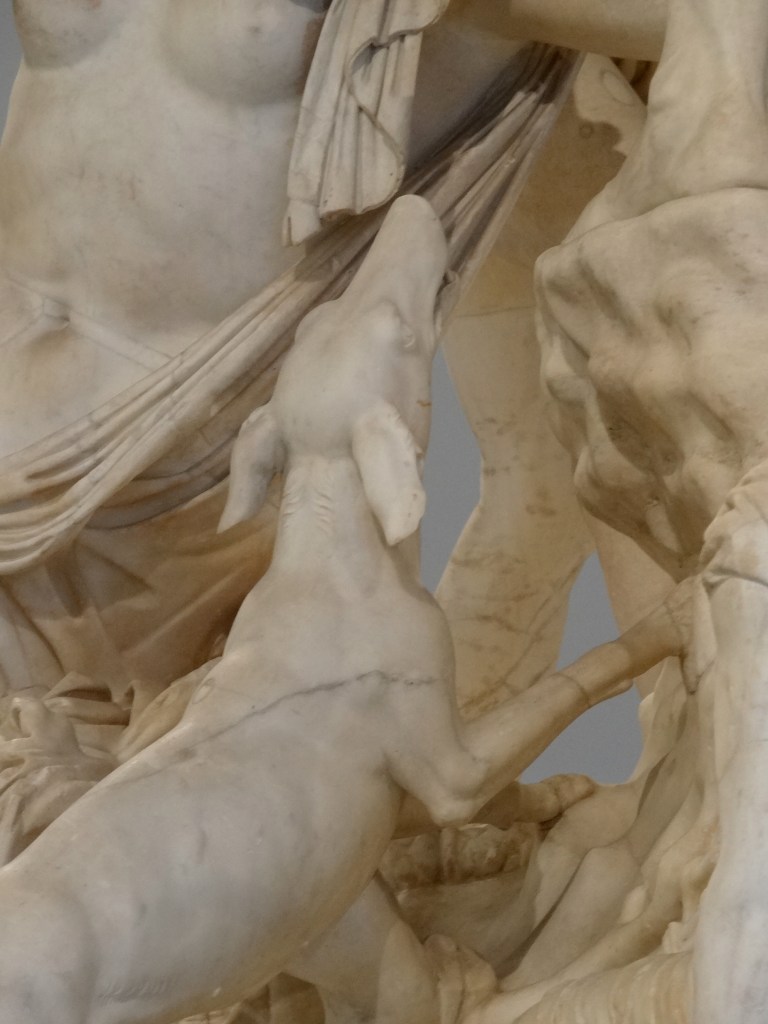
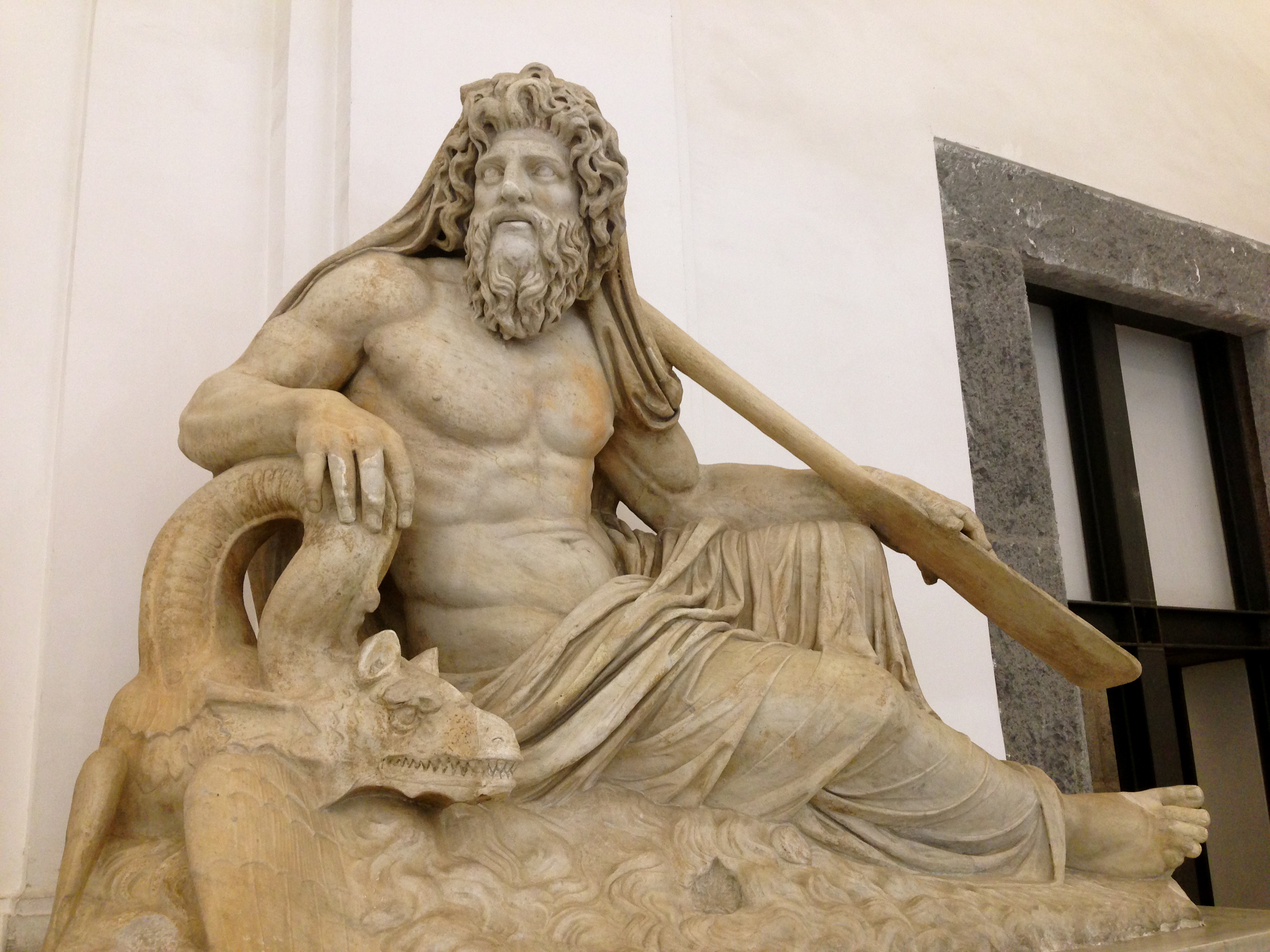
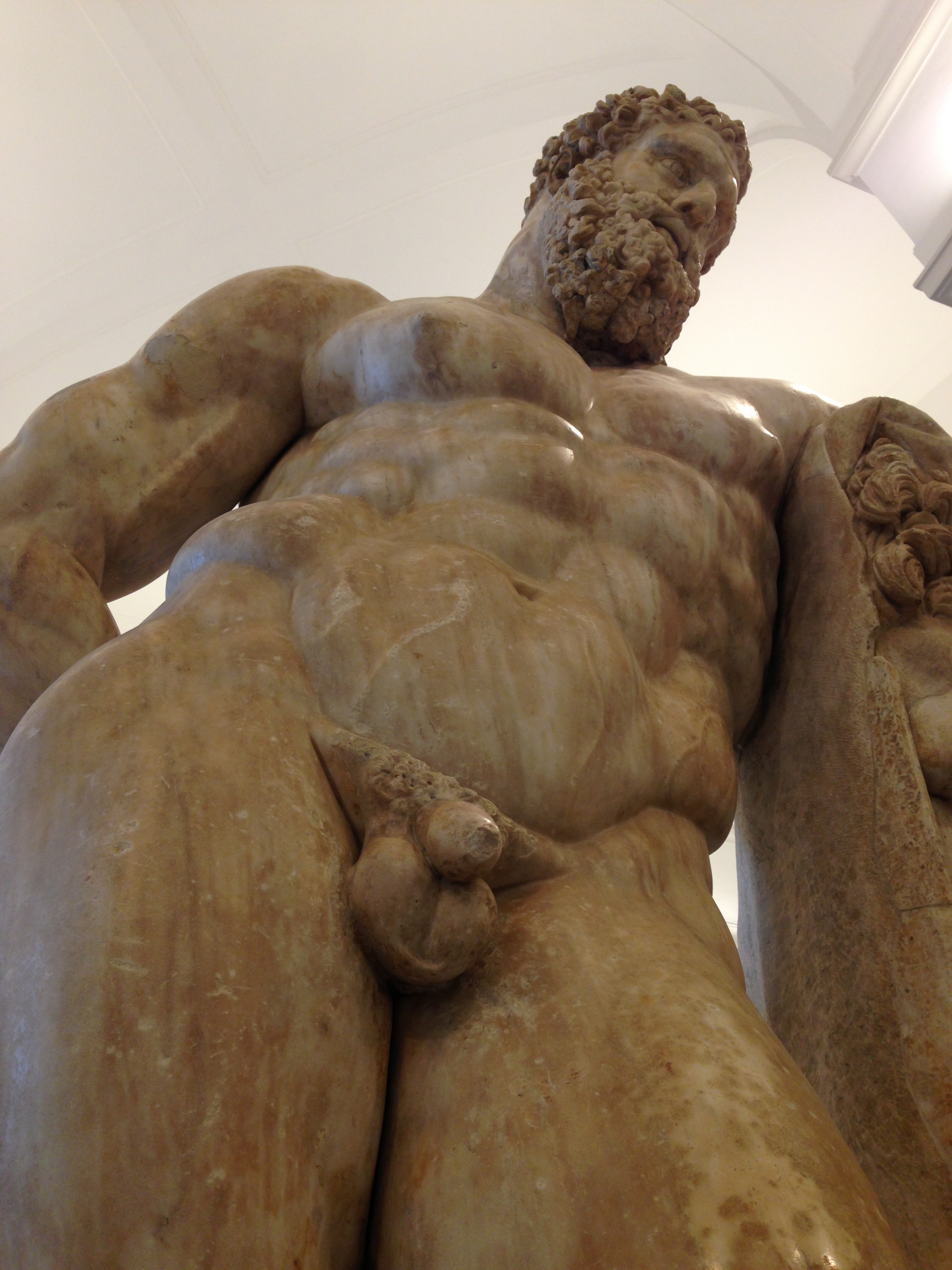
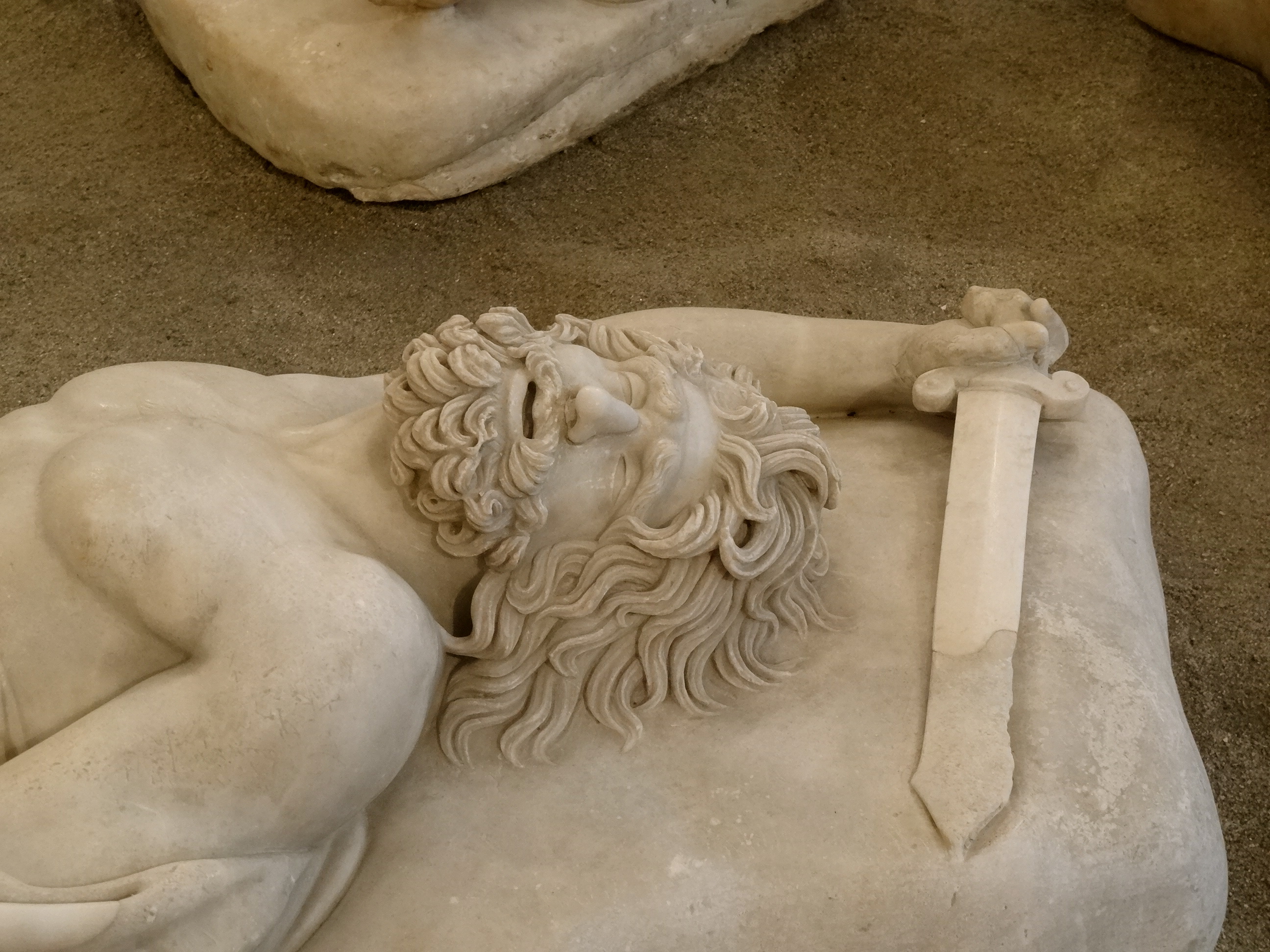
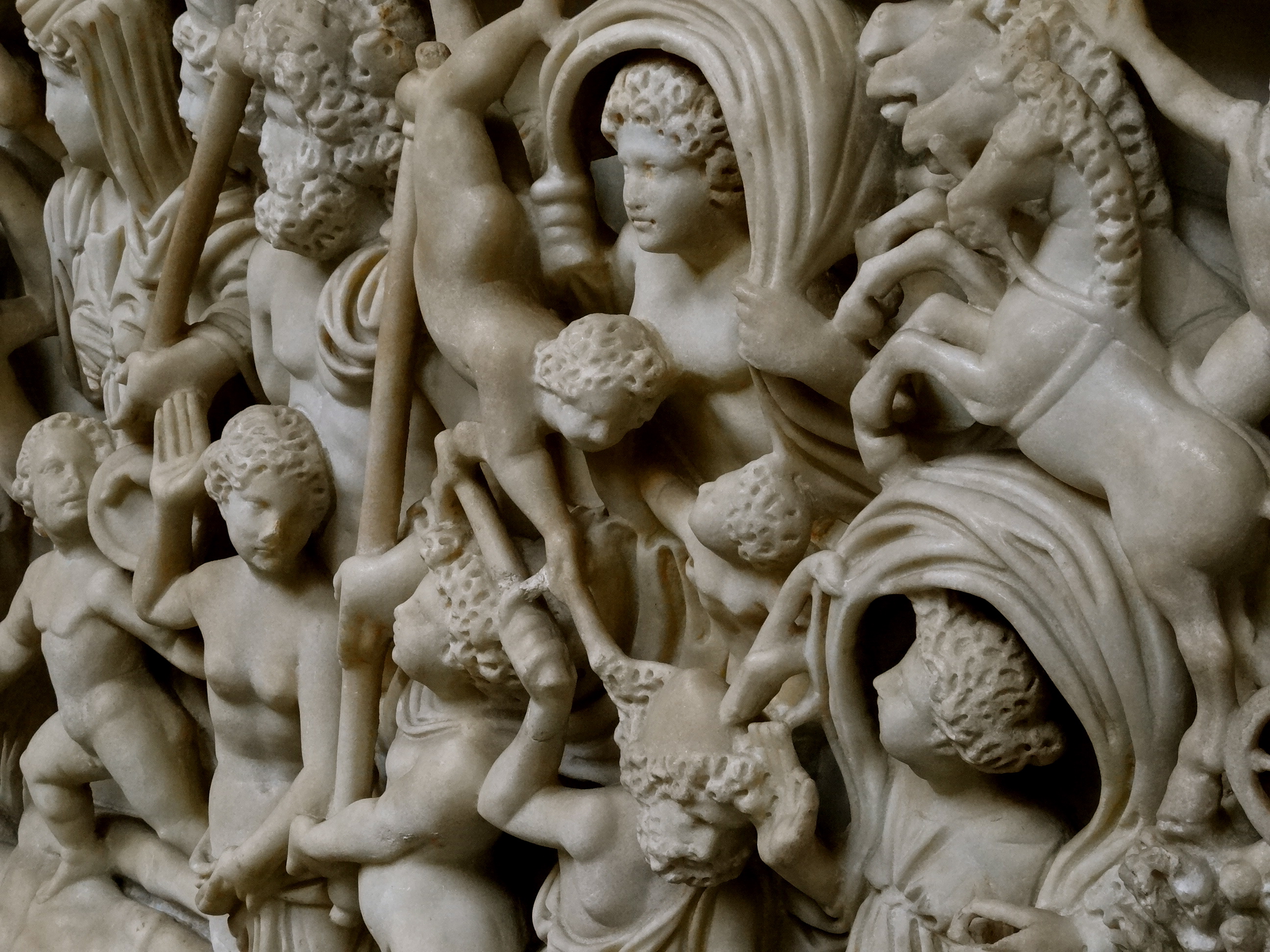
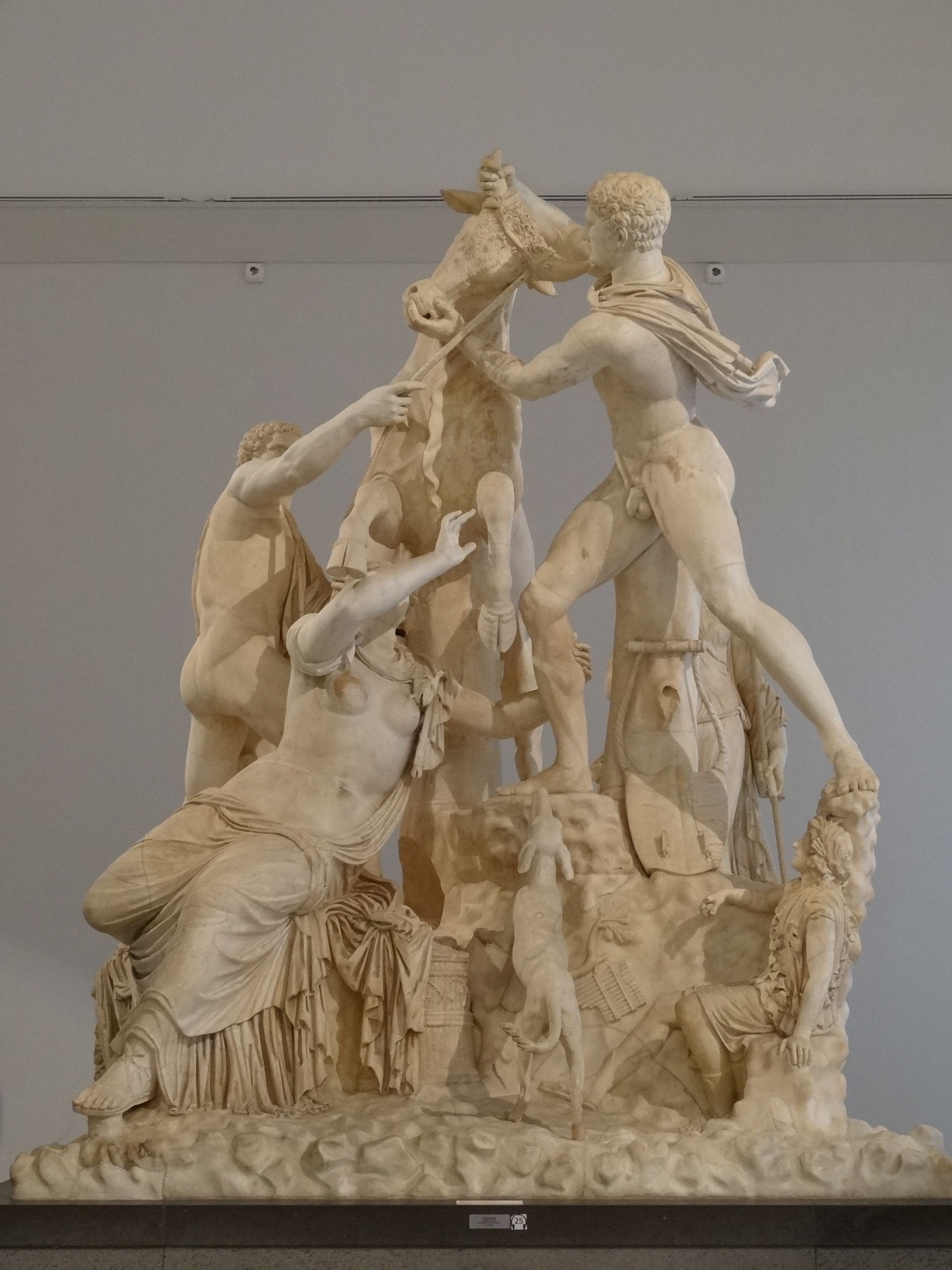
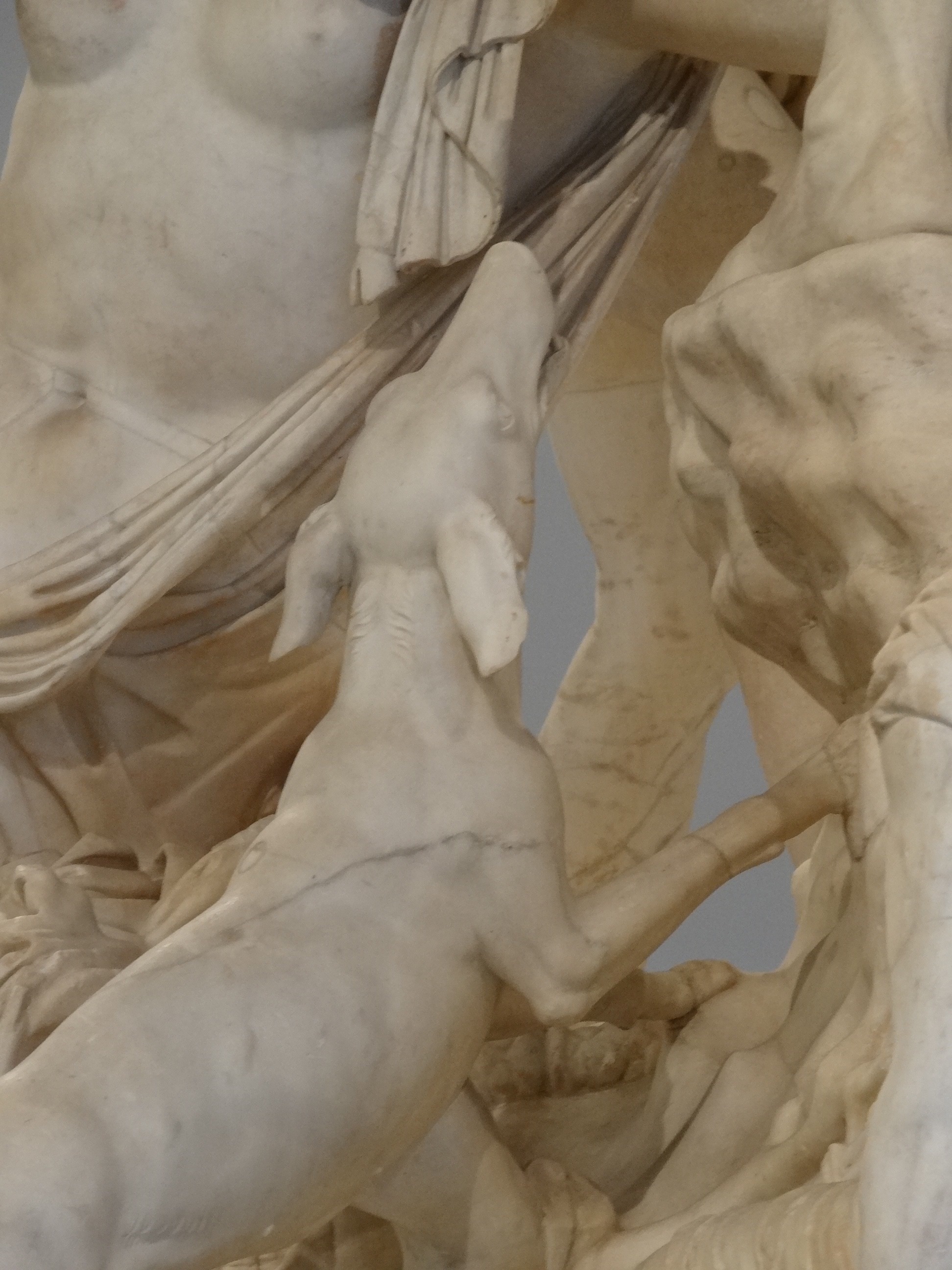
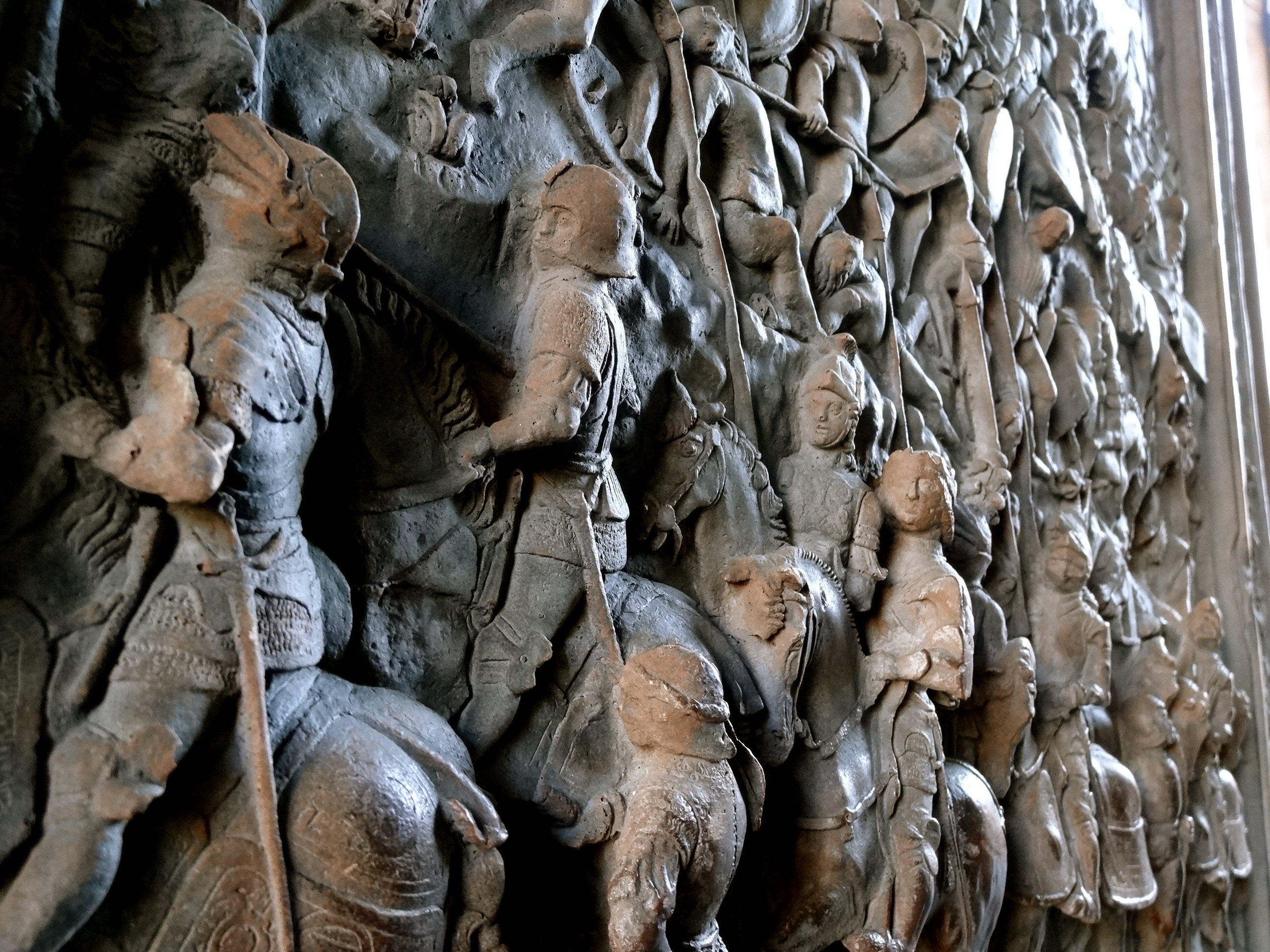
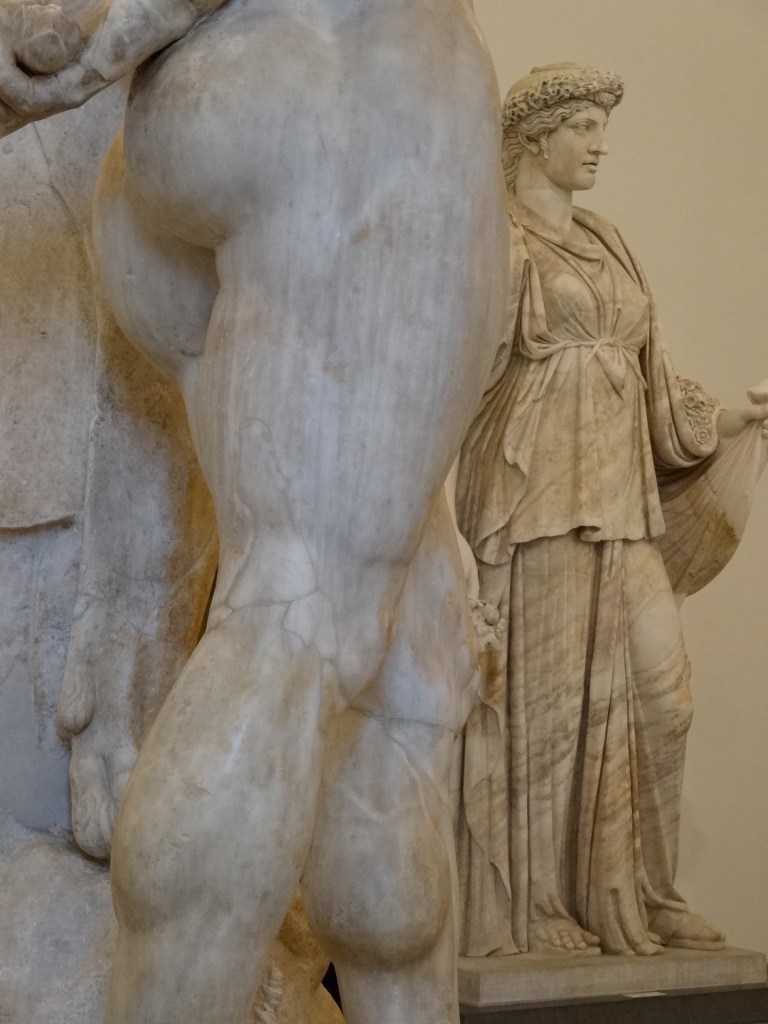
But despite being deeply satisfied by our acquaintance with these works, a second collection of masterpieces awaited us – masterful not just because of their brilliant execution, but because of the time in which they were made, and the miracle of their survival. I am of course talking about the stunning collection of art and sculptures collected together in another of Naples’ artistic gems – the Archaeological Museum. A must for anyone who does not make it to Pompeii or wonders, if they have gone, what happened to all of the fine art which was originally excavated on the site, this museum is the home not only of treasures found in the Roman towns crushed by Vesuvius in AD 79, but also in other Roman excavations elsewhere in Italy. Number one of these incredible discoveries has to be the Farnese Bull – a group sculpture which is the largest single sculpture ever recovered from antiquity to date and thought to have been commissioned at the end of the 2nd Century BC and carved from a single block of marble.

Masterpieces of the Archeological museum
DSC01970 IMG_7141 IMG_7172 DSC01955 DSC02077

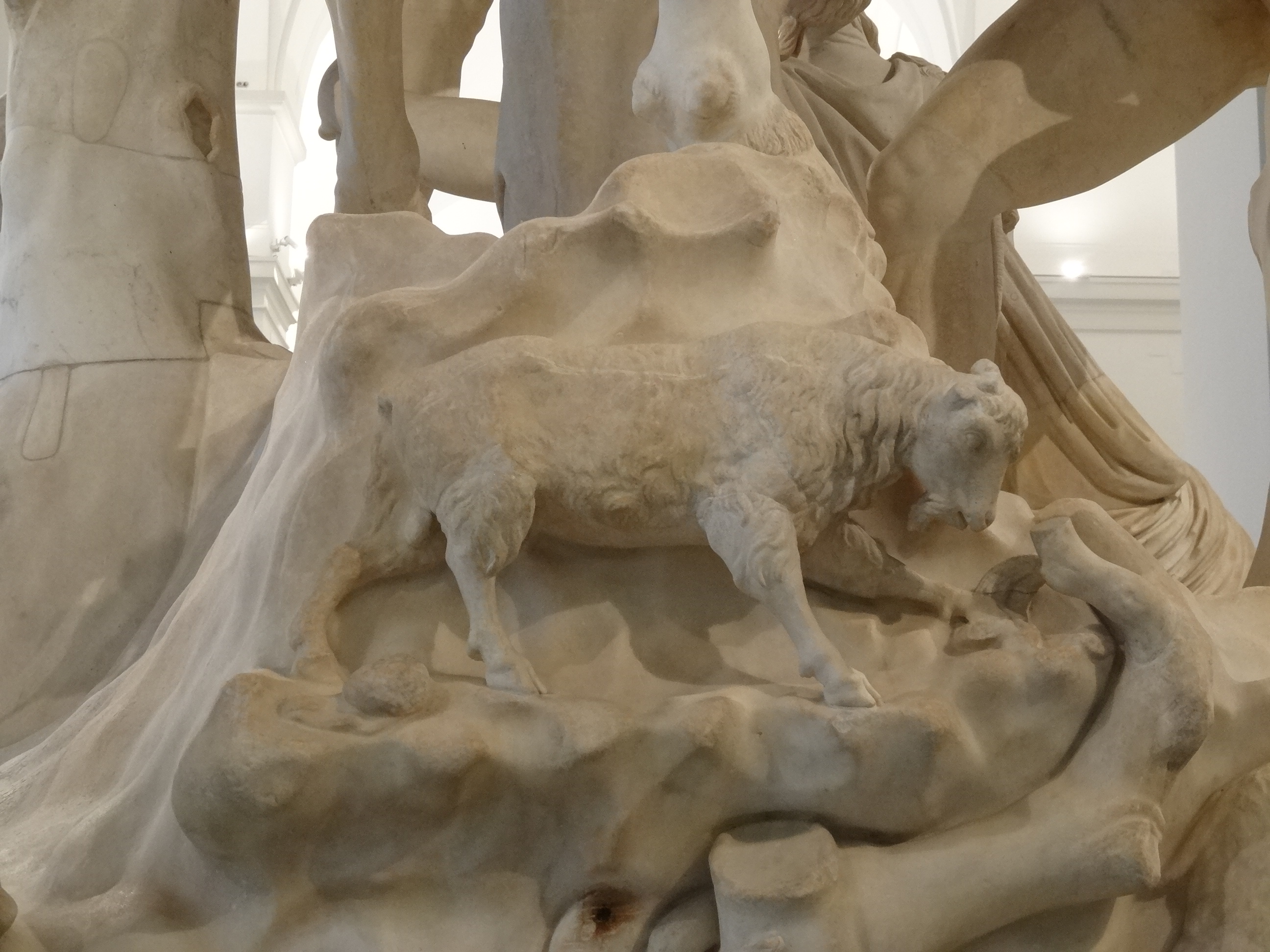
This colossal marble sculptural group represents the myth of Dirce, wife of the King of Thebes, who was tied to a wild bull by the sons of Antiope as punishment for the ill treatment inflicted on her. It was unearthed in 1546 during excavations at the gymnasium of the Roman Baths of Caracalla and thereafter adorned the Farnese Palace in Rome, hence the nickname it has acquired having been restored by Michelangelo himself. The size and scale of this piece is as breathtaking as the detail of Quierolo’s Disinganno, and an appropriate finish to an enchanting tour of the treasures of Napoli.

The Farnese Bull

DSC01988 DSC01990 IMG_7183 DSC01998 DSC01995 DSC01991

Our trip to Naples ended, as all trips should, with a Neapolitan pizza and a bottle of Chianti. Thus it was, slightly tiddly, that we made our way back to the hotel, collected our baggage, and headed home to the UK; Home to London with bags stuffed full of Venetian masks, replicas of the Bucca della Verita, packets of Roman coffee and a couple of bottles Neapolitan limoncello – a manifestation in souvenirs of the most incredible Natale Italiano we could ever have hoped for.

Check out my final photo posts from the trip – coming later this week.

The Daily Norm’s Photo of the Week: Quartieri Spagnoli

In last week’s photography post focusing on the deteriorating face of the urban sprawl of Naples, I reflected, not without sadness, upon the degeneration of a city whose streets and houses were once the envy of the Mediterranean, but which today are the sad victim of reckless neglect and intentional vandalism. And in that post I also mused at the possible cause of this generalised decline – whether it be the possible inertia of a local government faced with the impossible scale of its urban problems, or the significant gap between rich and poor which continues to characterise the city today.

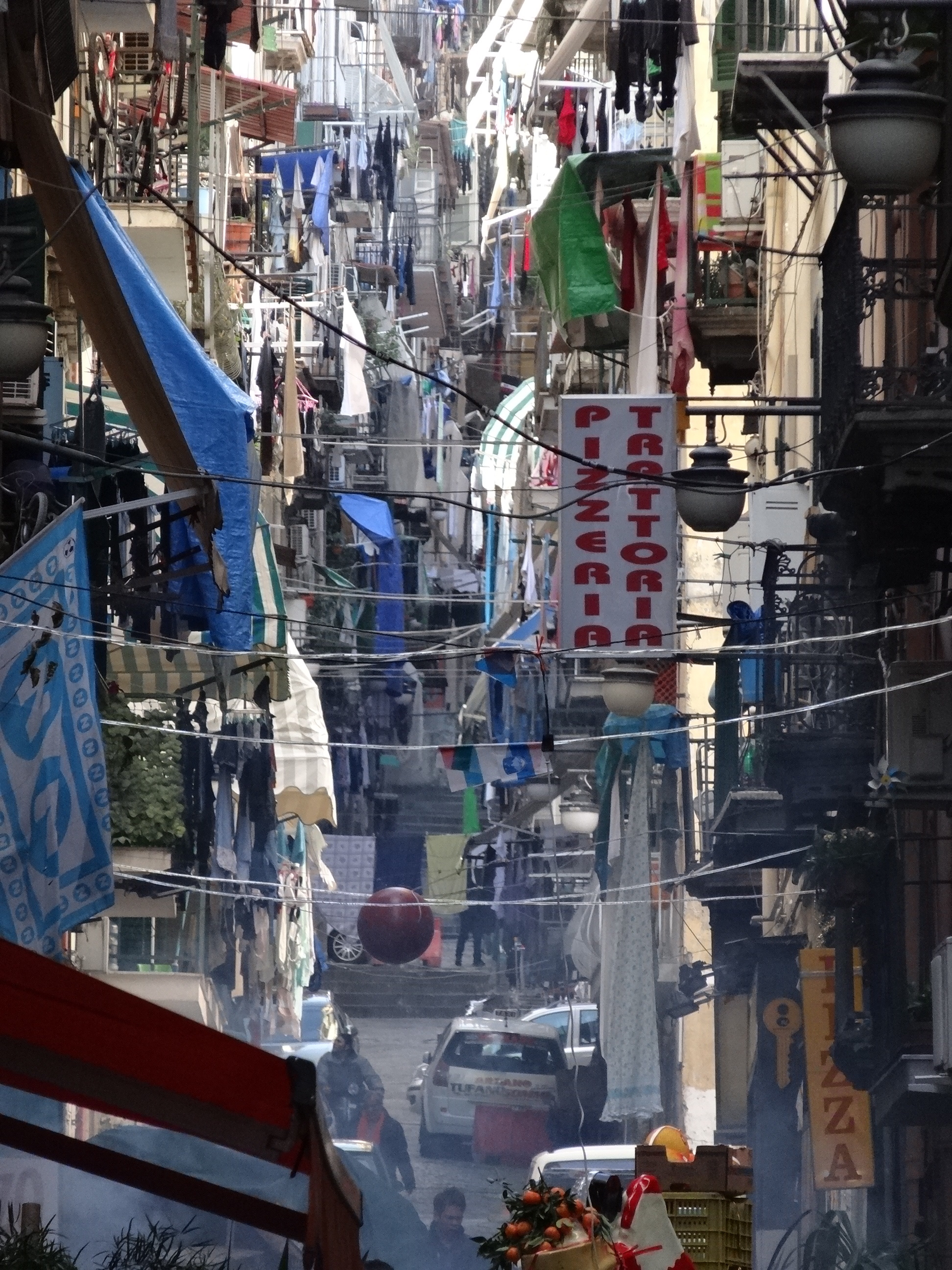
Yet while it is almost inevitably the poorer parts of the city which demonstrate the most obvious signs of neglect and deterioration, there can be no doubting that as a subject for photography, these areas are as captivating as the glossier hotel-packed areas of the city’s coastal facade. And this is no more so than in the Quartieri Spagnoli region of the city – a complete ramshackle hodge-bodge of homes and businesses crammed into tiny hilly streets. While tourists are urged to enter the area with caution, the braver amongst them may well be rewarded for their efforts by the interesting photos which result.

DSC01879

While we did not venture very far into the area, I love this photo which I took of the Quartieri Spagnoli so much that I decided to give it a post all of its own. From the little basket of oranges in the immediate foreground and the differently shaped lamps and shop signs framing the scene from the right and left, to the profusion of laundry hanging out to dry and the wires which criss cross the street; this photo, which shows a typical street of the Quartieri Spagnoli, is a perfect representation of the tightly packed highly populated region, and the Napolese character which it exudes.

All photos and written content are strictly the copyright of Nicholas de Lacy-Brown © 2014 and The Daily Norm. All rights are reserved. Unauthorized use and/or duplication of the material, whether written work, photography or artwork, included within The Daily Norm without express and written permission from The Daily Norm’s author and/or owner is strictly prohibited. 

Natale Italiano | Naples – Photography Focus: Grime beneath the Gloss

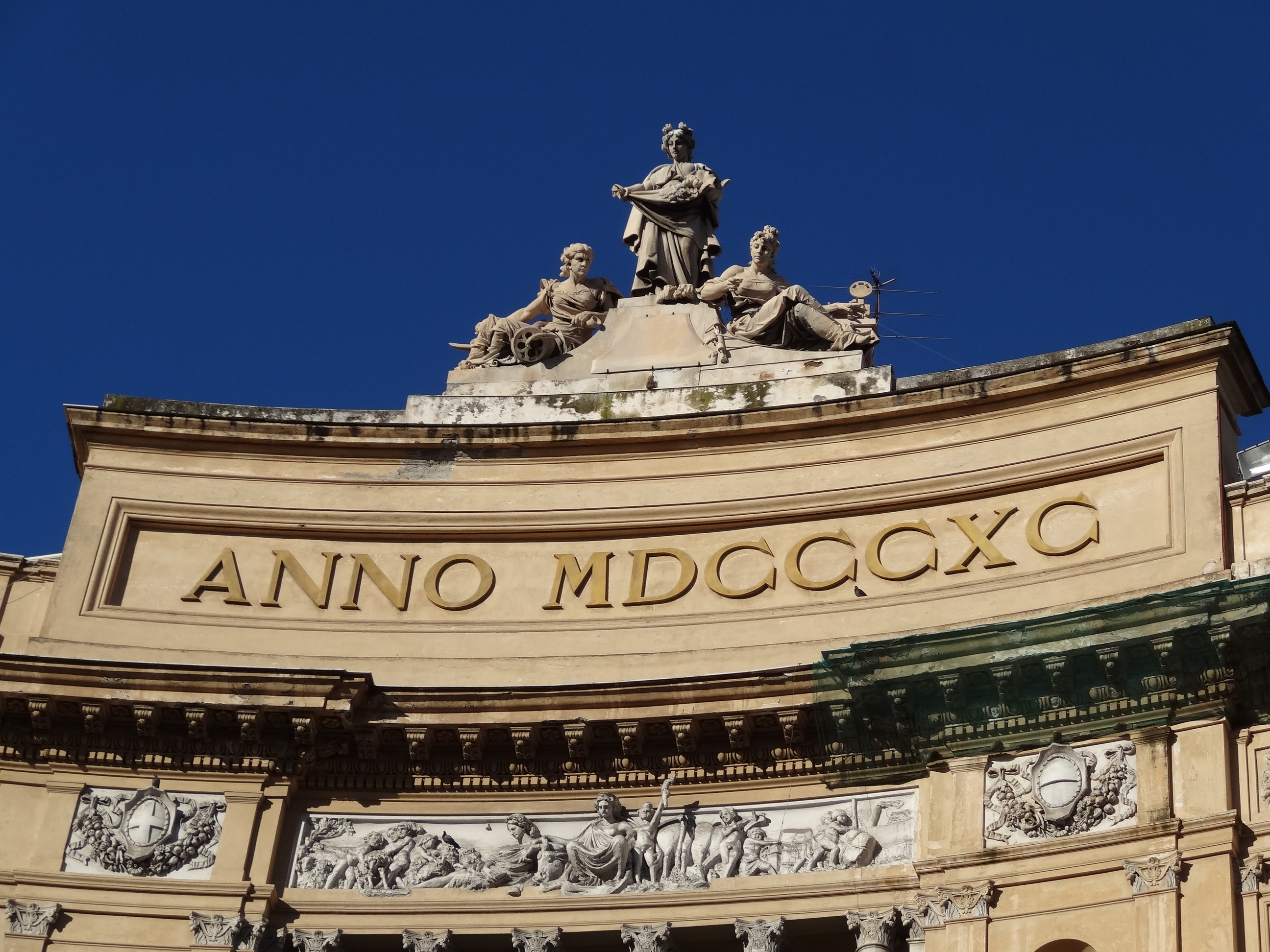
Walking through the elegant marble floored glass and steel shopping arcade of the Galleria Umberto I, past the sweeping facade of the Palazzo Reale or along the hotel-lined coastal path , you’d be excused for thinking that Naples is a city as extravagantly wealthy and elegant as Vienna or London or Paris. But Naples is a tale of two cities; a metropolis of two very irreconcilable extremes of wealth and poverty.

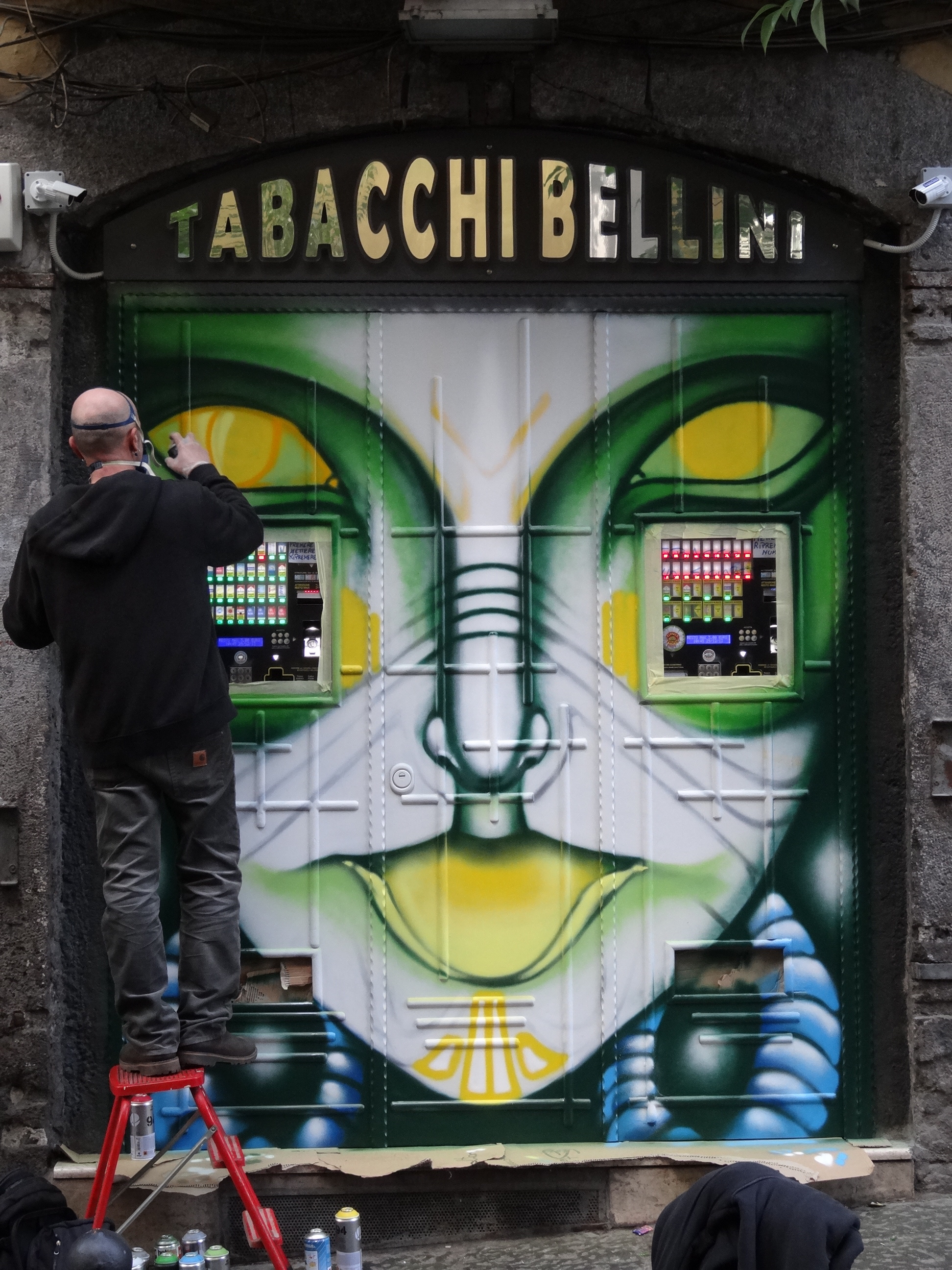
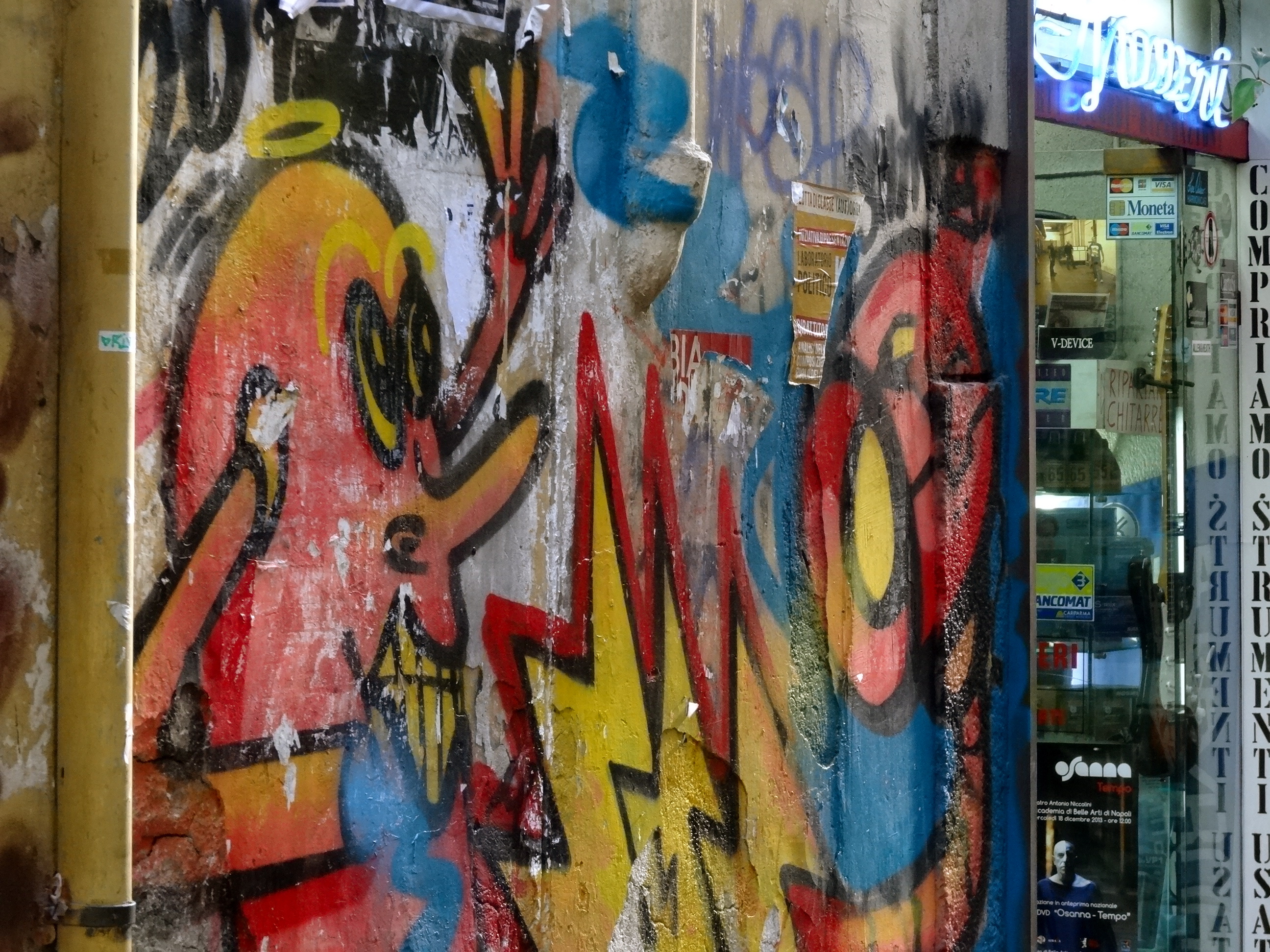
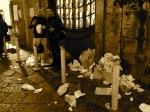
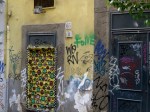
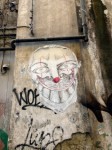
And you don’t need to wander far from the Mediterranean facade to encounter the results of this cultural conflict. Tour guides are careful in warning tourists away from the tightly packed Quartieri Spagnoli district which sits bang in the centre of Naples, but is neverthelss renowned for cramped living conditions, narrow hilly streets and the poverty of its residents. Strung with laundry and dense with local shops and businesses, the area is among the most characterful of the city; but pretty scary, especially after  dusk. Meanwhile, even in the areas where tourism is encouraged and the masterpieces of the city are to be found in their multitudes such as the Spaccanapoli and the Decumano Maggiore, the streets and shops and doorways and houses are covered from head to toe with layer upon layer of ugly graffiti, while further up the facades, the distinct evidence of decay, even on the most palatial of residences, is plain to be seen.

DSC01898 DSC01897 IMG_7131 DSC01900 IMG_7132

But beyond the extremes of rich versus poor, which has no doubt contributed to the miserable living conditions in which many Neapolitans live, Naples appears to be a city which has given up on itself, and lost control of its appearance, and perhaps also its pride. For me it felt like an instance in my own home – when a few things need cleaning up, I’m keen to do the job and have my home sparkling again. But when the dirt and mess mounts up, my energy fails me, and the situation only becomes worse as an inertia takes over any enthusiasm to clean up the mess. In Naples, the same kind of inertia appears to have crept in a long time ago. And it’s a shame – a real shame. For looking upwards in all of the areas mentioned above, you can see palaces and churches which more than rival the architectural gems of the cities further North in Italy, and yet those same beautiful buildings have been gradually covered in graffiti; their pavements covered with rubbish spilling from the bins; and the distinct smell of urine left to stagnate against their walls.

Even in the sunshine (when let’s face it, everywhere looks better), you cannot help but notice these defects which are gradually turning Naples into the kind of dump it does not deserve to be. I’m not sure what the answer is – after all, where would you begin in the mammoth clean-up operation required by this city? But I really hope that one day soon, the Italian government, if not the Naples one, sits up and recognises that in Naples’ decline, they are losing a real, historically important, artistically significant treasure.

All photos and written content are strictly the copyright of Nicholas de Lacy-Brown © 2014 and The Daily Norm. All rights are reserved. Unauthorized use and/or duplication of the material, whether written work, photography or artwork, included within The Daily Norm without express and written permission from The Daily Norm’s author and/or owner is strictly prohibited. 

Corot and Degas – The Castel dell’Ovo in Art History

I’ve spoken before about the novelty of coincidence – when a chain of events leads you to discover things over and over, or when two apparently novel similarities inexplicably collide – and concluded that rather than being mere coincidence, such occurrences are probably the result of becoming cognisant to something you hadn’t noticed before, something which translates into all of the succession of sightings or experiences which follow. It might also be to do with environmental or social factors which all of a sudden affect more people than just yourself. Still, a little piece of me makes me wonder whether such occurrences are in fact the work of fate, and disguise some hidden meaning or key to the future – we will probably never know.

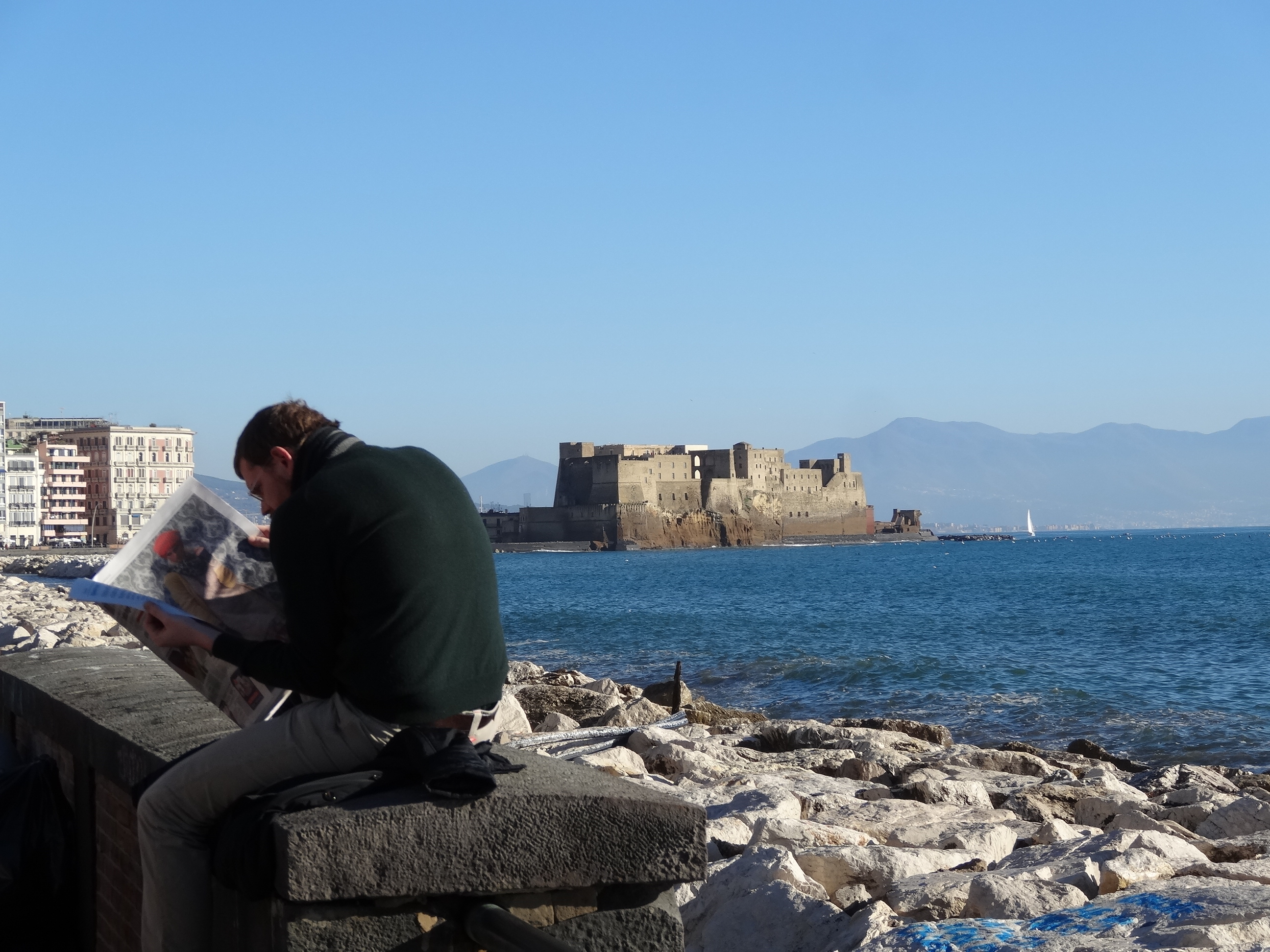
But one little coincidence which happened the other day seemed so relevant to my current string of Naples posts that I felt compelled to share it, not least because it comes with a little art added in for good measure. I didn’t know Naples very well before my most recent visit, and still less the coastal areas of the city which I had never experienced before. It was therefore with some unbridled delight that I recently discovered the stunning seaside promenade, with the beautiful Castel dell’Ovo and its little marina which is surely the centrepiece of the famous curving coastal bay.

The Castel dell'Ovo

The Castel dell’Ovo

Imagine my surprise then when, upon my return, I strolled into London’s National Gallery one lunch time (as I often do) to spend a brief 10 minutes or so amongst some of my favourite Impressionist masterpieces, and discovered a new Degas painting which I hadn’t seen there before. The work, entitled Hélène Rouart in her Father’s Study is a rather striking portrait of the named Hélène – so far no coincidence there. But because Hélène was allegedly the daughter of a rich collector, Monsieur Rouart, what stands out in the work is the array of antiques and fine art which Degas portrays in the background. Amongst them he paints a small little painting, almost indecipherable because of his loose brushstrokes, but nonetheless unmistakably a coastal landscape. Looking at the description to find out more was when the penny dropped – it was a painting of the Castel dell’Ovo by Jean-Baptiste-Camille Corot!

Hélène Rouart in her Father's Study (Edgar Degas, 1886)

Hélène Rouart in her Father’s Study (Edgar Degas, 1886)

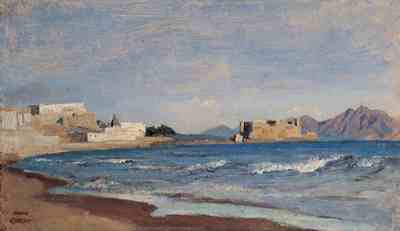
Allegedly the work had hung in the study of Hélène’s father where the portrait is set, and upon subsequent investigation, I have found an image of the painting in all its glory. It’s the Castel dell’Ovo for sure, looking almost unchanged despite being painted some 200 years ago when, in 1828, the French artist spent some seven weeks in Naples and its surroundings painting some 6 recorded views of the city.

Napoli, Castel dell'Ovo (1828)

Napoli, Castel dell’Ovo (1828)

And another painting by Corot of the same view

And another painting by Corot of the same view

So was it my new acquaintance with the Castel dell’Ovo which made me notice this new Degas, and through it a Corot depiction of the Castel dell’Ovo for the first time or some more fate-led coincidence? Who knows. But what I can conclude is that both paintings make for excellent lunchtime viewing and a perfect interlude to my blog’s adventures in Napoli.

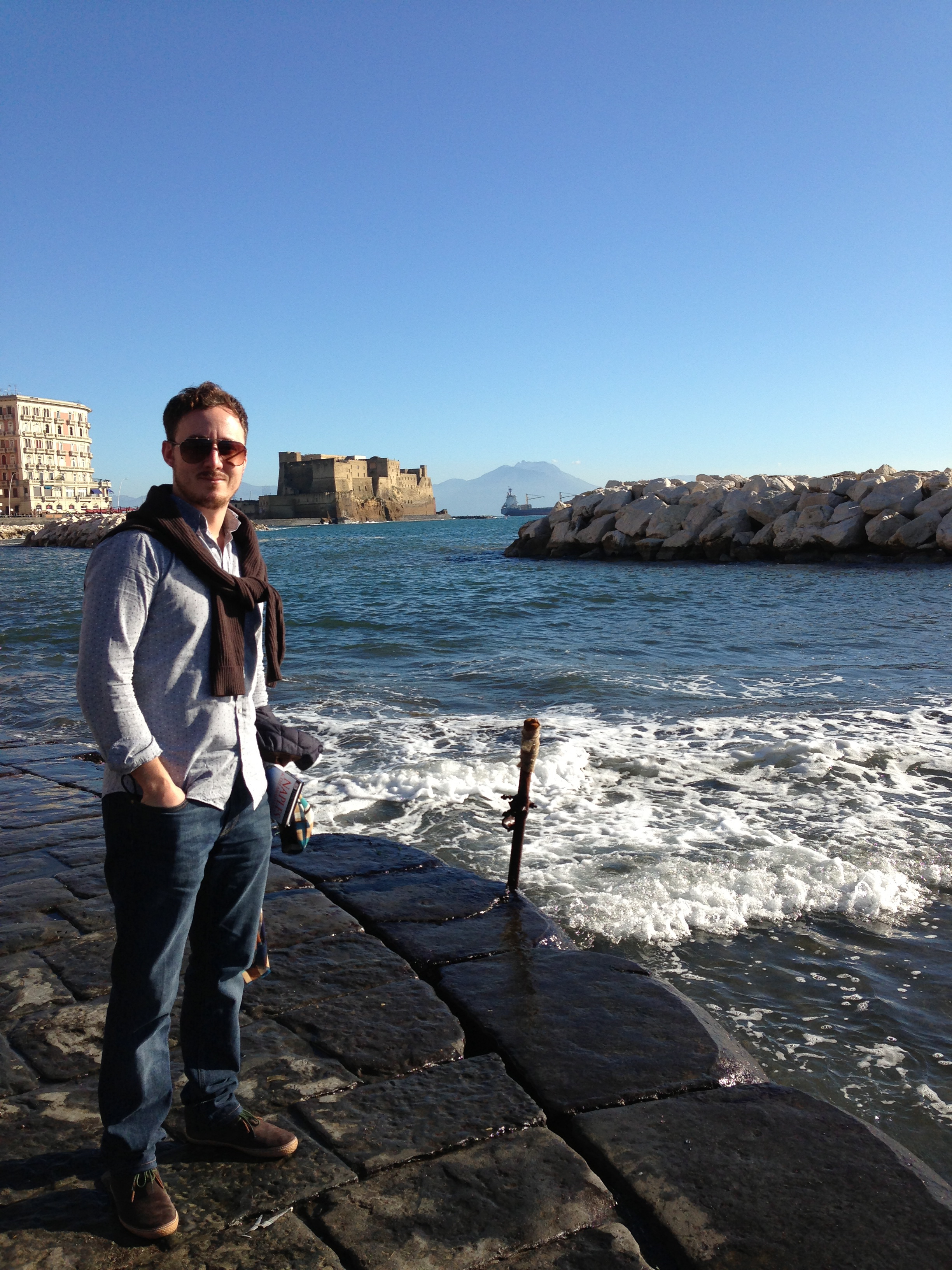
Wish I was back there - me in front of the same view

Wish I was back there – me in front of the same view

Natale Italiano | Naples – Photography Focus: Ripples of the Riviera

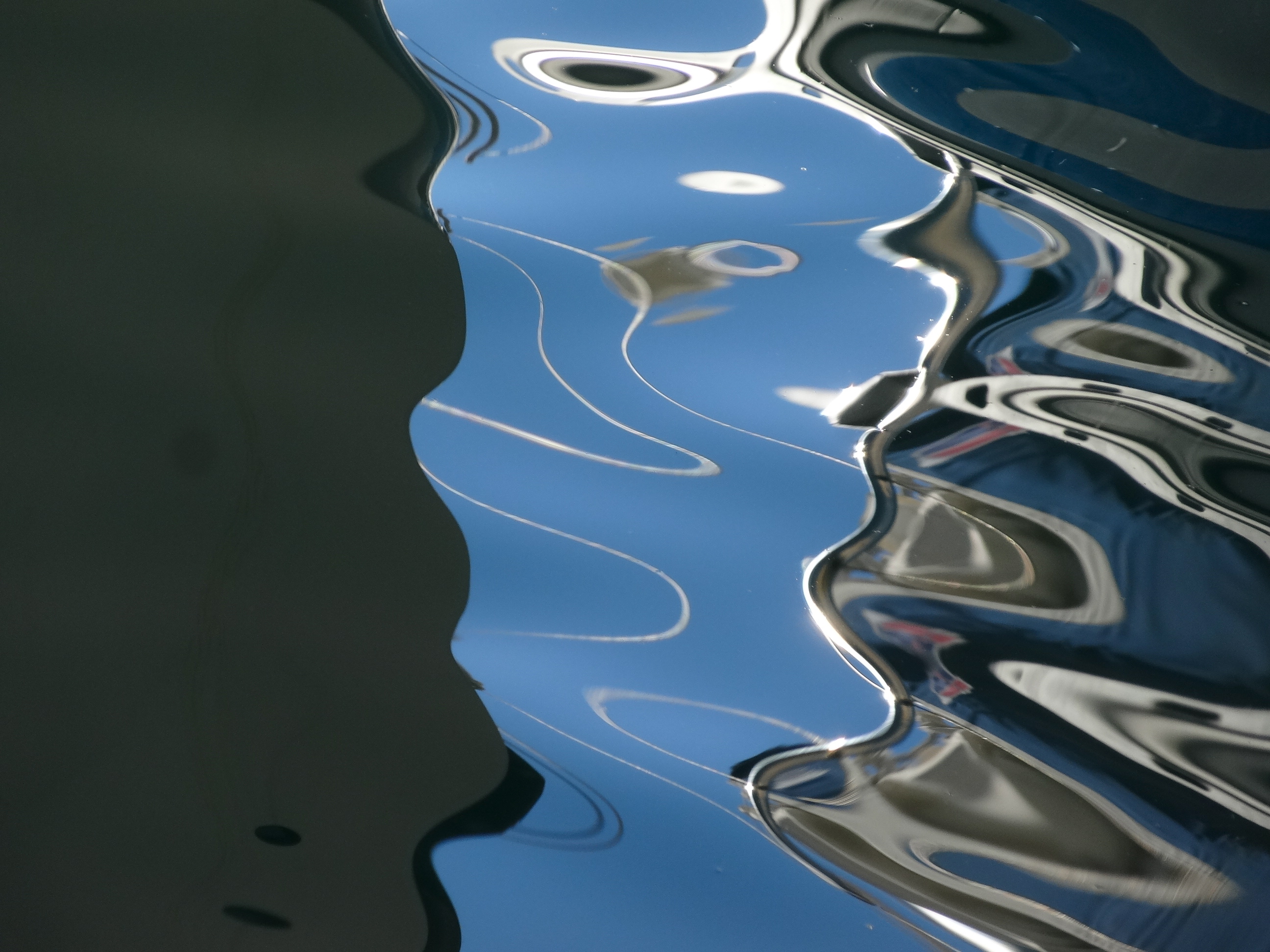
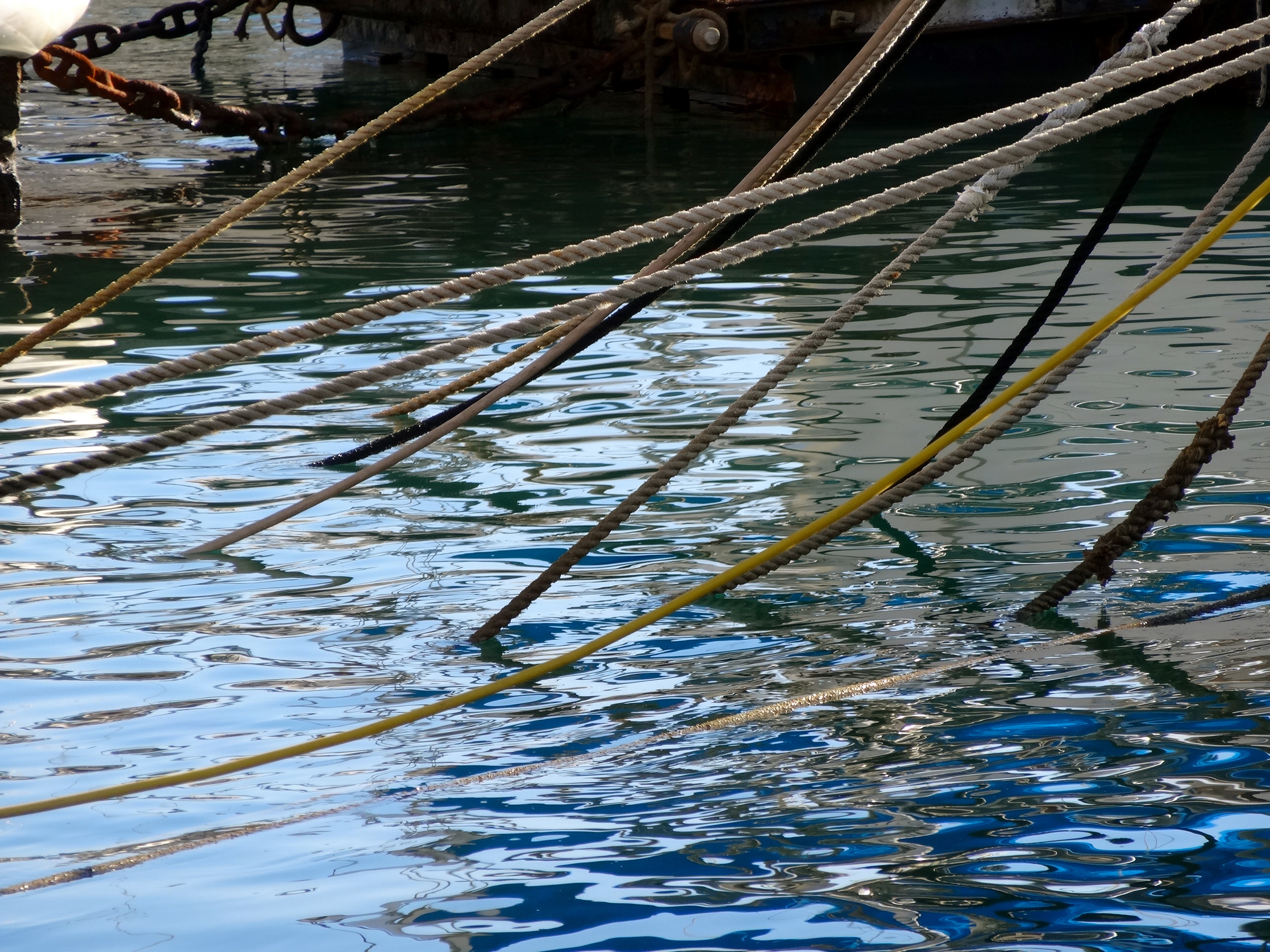
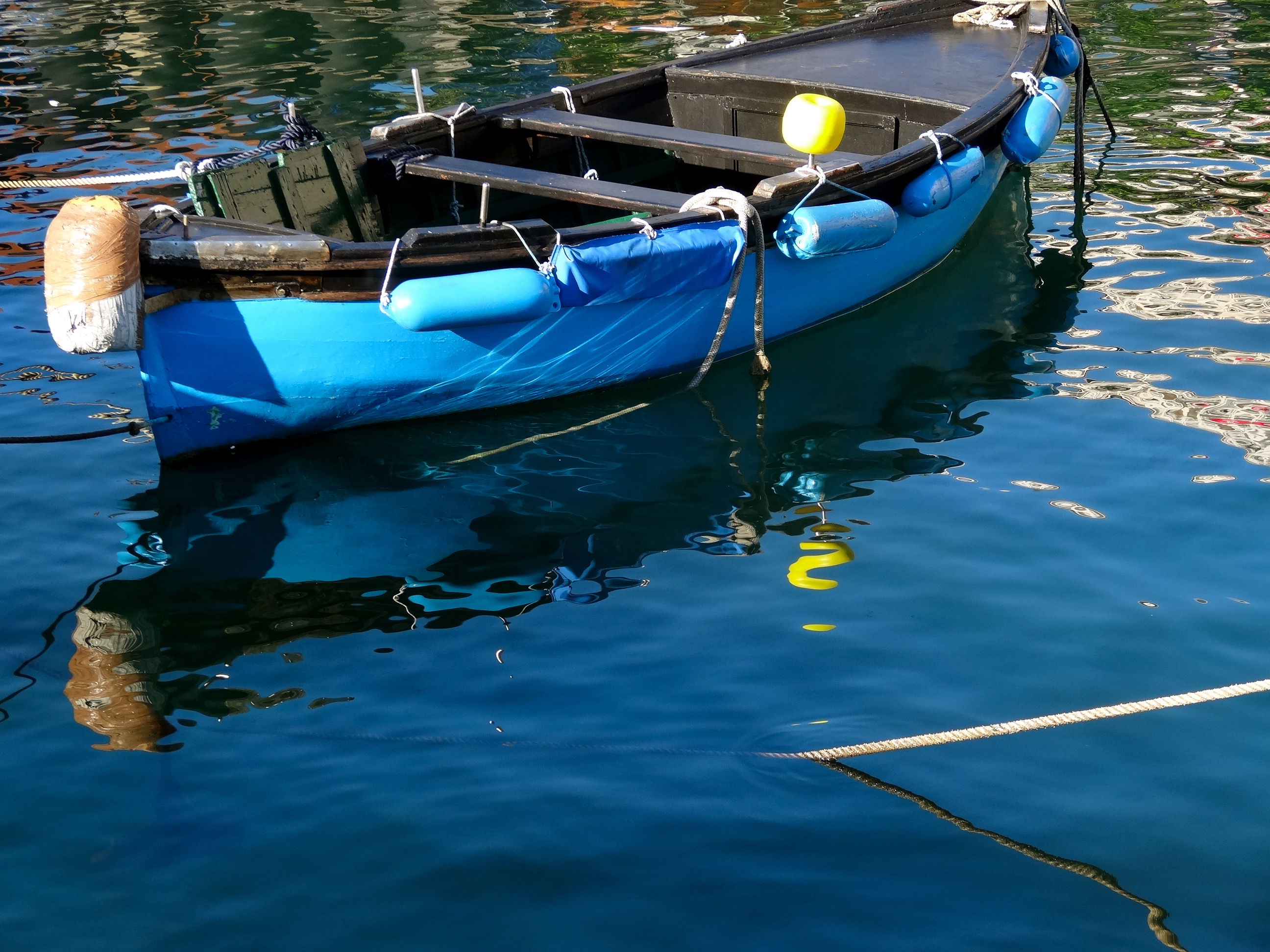
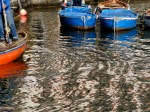
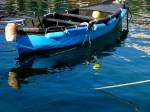
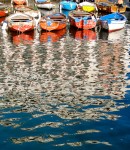
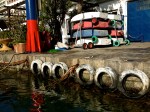
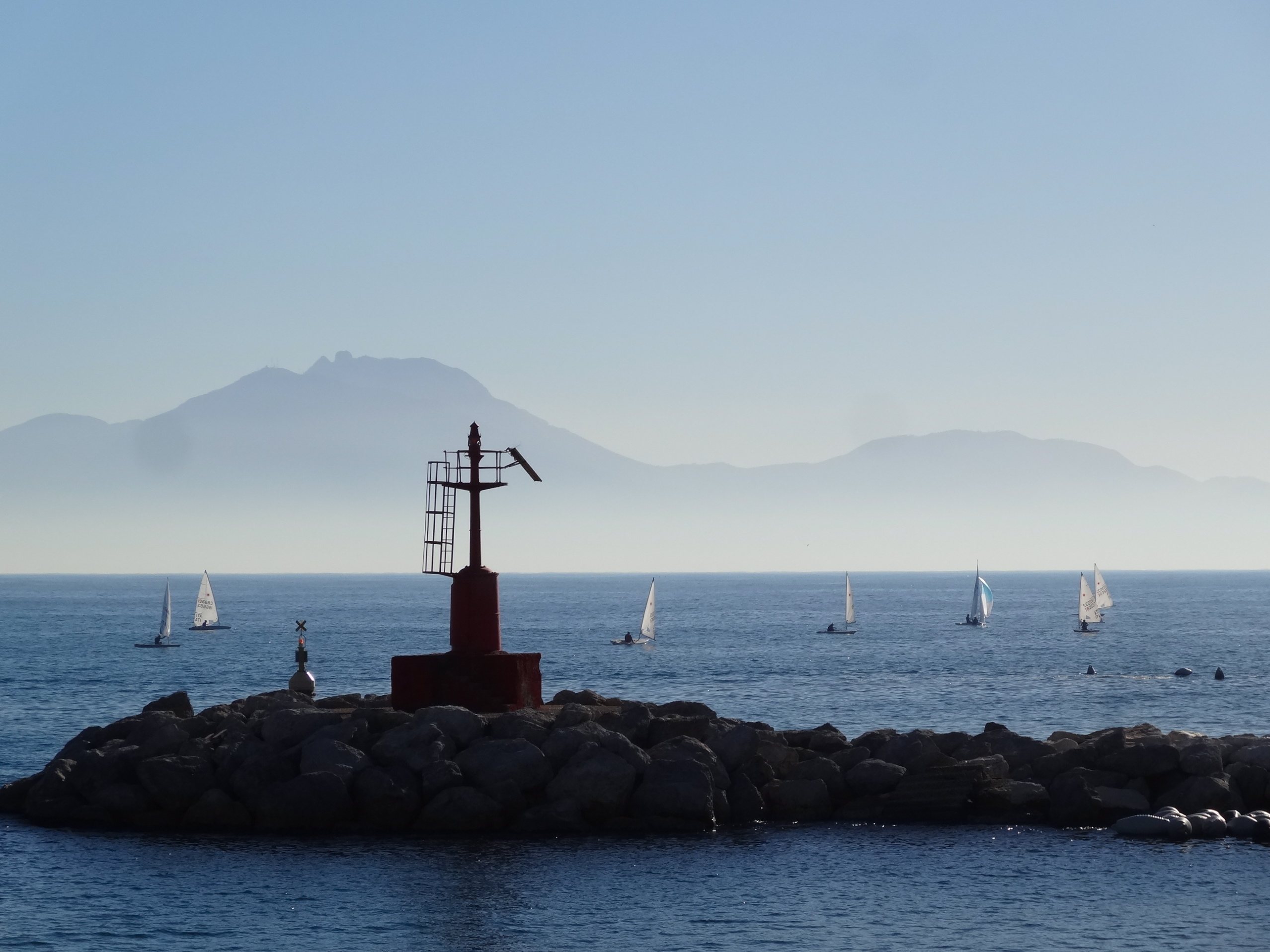
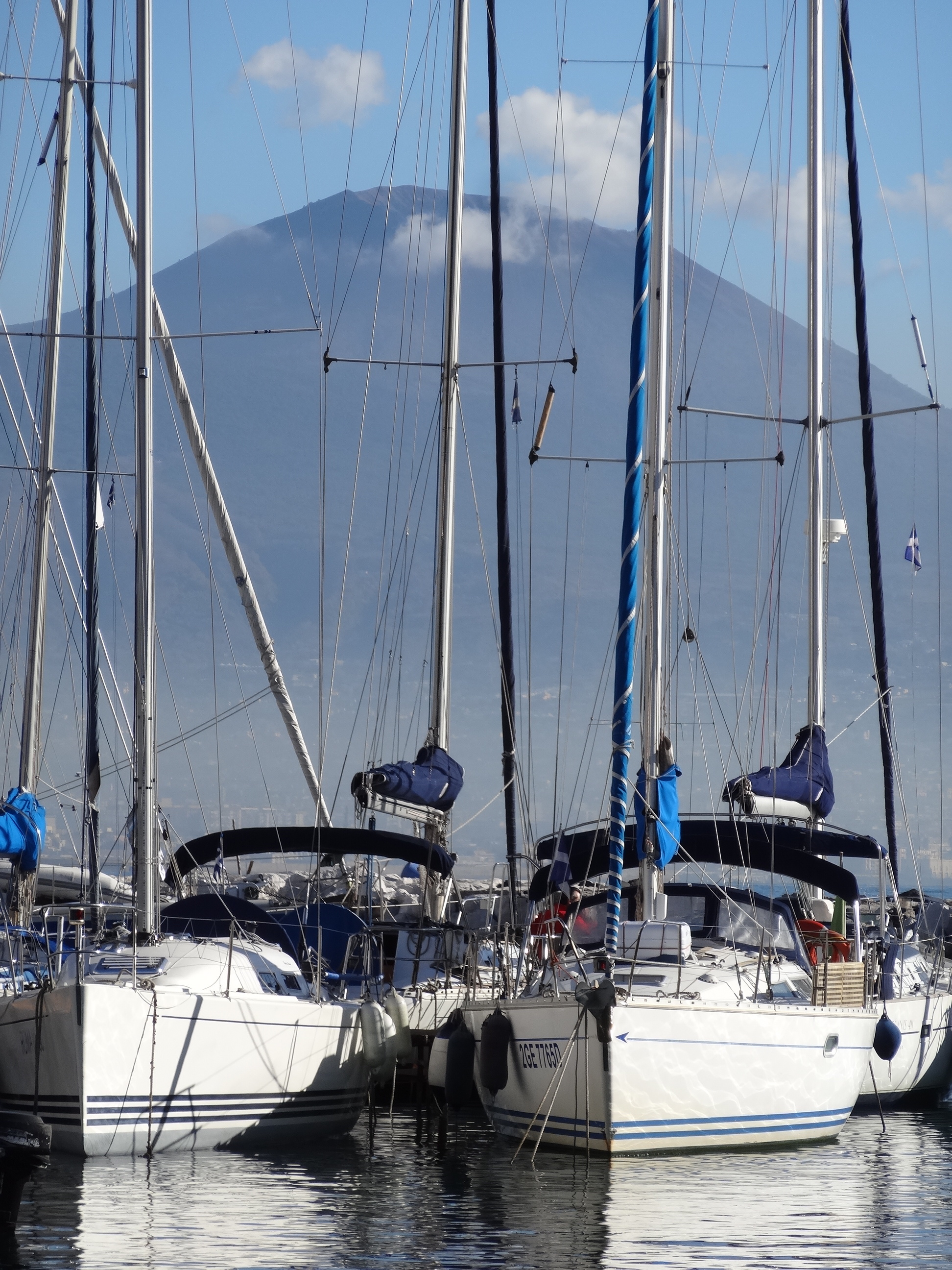
I may have thought the ripples and watery reflections of Venice were great, but in the sun-drenched marinas of Naples, we were given a ripple spectacle like Venice on ecstasy. Boats in vibrant primary colours of yellow and red and blue scattering a kaleidoscope of colour into the water, yachts with their proud white masts punctuating the cerulean ripples reflected below, and the sunshine glinting over the sea like a carpet of crystals – this was photographically seductive, ripple-ravishing heaven.

No doubt it was the timing of this visit – a sunny stroll on an otherwise cold December day – which made the experience of dipping into the sensations of the summer all the more special. Breathing air which is tinted with warmth feels like indulging in a glass of heavenly nectar after a day when wretched thirsty work has left the mouth parched; being by the sea when all of the senses have become numbed by the smoke, the rush and the monotony of city life is like a face splashed with freshness on a hot clammy day; feeling the rays of the sun filling the skin with its vitamin-filled goodness is like applying a glinting layer of gold to a dull pot of steel.

DSC01564 DSC01612DSC01563 DSC01625 DSC01568

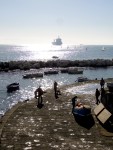
Not only did this reconnaissance with the summer make us feel optimistically alive, and produce some stunning photos of the water, but it also seemed to have the world out to enjoy the weather in unison. And so this little set of photos includes not just the incredible effects of mother nature’s fusion of sunshine and water, but also glimpses of Neapolitan life, as fishermen go about their business by the waters edge, and locals come out from their winter-clad houses to enjoy the hope that the fine weather brings.

All photos and written content are strictly the copyright of Nicholas de Lacy-Brown © 2014 and The Daily Norm. All rights are reserved. Unauthorized use and/or duplication of the material, whether written work, photography or artwork, included within The Daily Norm without express and written permission from The Daily Norm’s author and/or owner is strictly prohibited. 

Natale Italiano | Naples – Day 1: Coastline Castles and the Spaccanapoli

After the dazzling ancient spectacles and baroque masterpieces of Rome, and the elegant watery wonderland of Venice, we weren’t exactly enamoured by Napoli when we arrived one late afternoon after Christmas. Described by some as the last bastion of civilisation before Italy turns savage to the South, it felt to us a little like civilisation had gone away for the holidays. Our purported 4 star hotel, La Ciliegina had to be accessed up some dark and dingy lift shaft in a side street block of flats; everywhere we ventured in this crowded rowdy city was doused with layer upon layer of graffiti (even their most sacred palaces and churches) and a most unwelcome rain shower meant that the darkest most intimidating of Naples’ unfriendly looking cobbled streets took on an even more sinister guise, not helped by the shuttered (graffitied) shops and the eery lack of visitors. And all the time our ears were ringing with the forewarnings which had been consistently delivered at every mention of a visit to the city: beware pickpockets, muggers, criminal gangs. Gosh, we had even left our wallets locked away in the hotel safe for fear of attack!

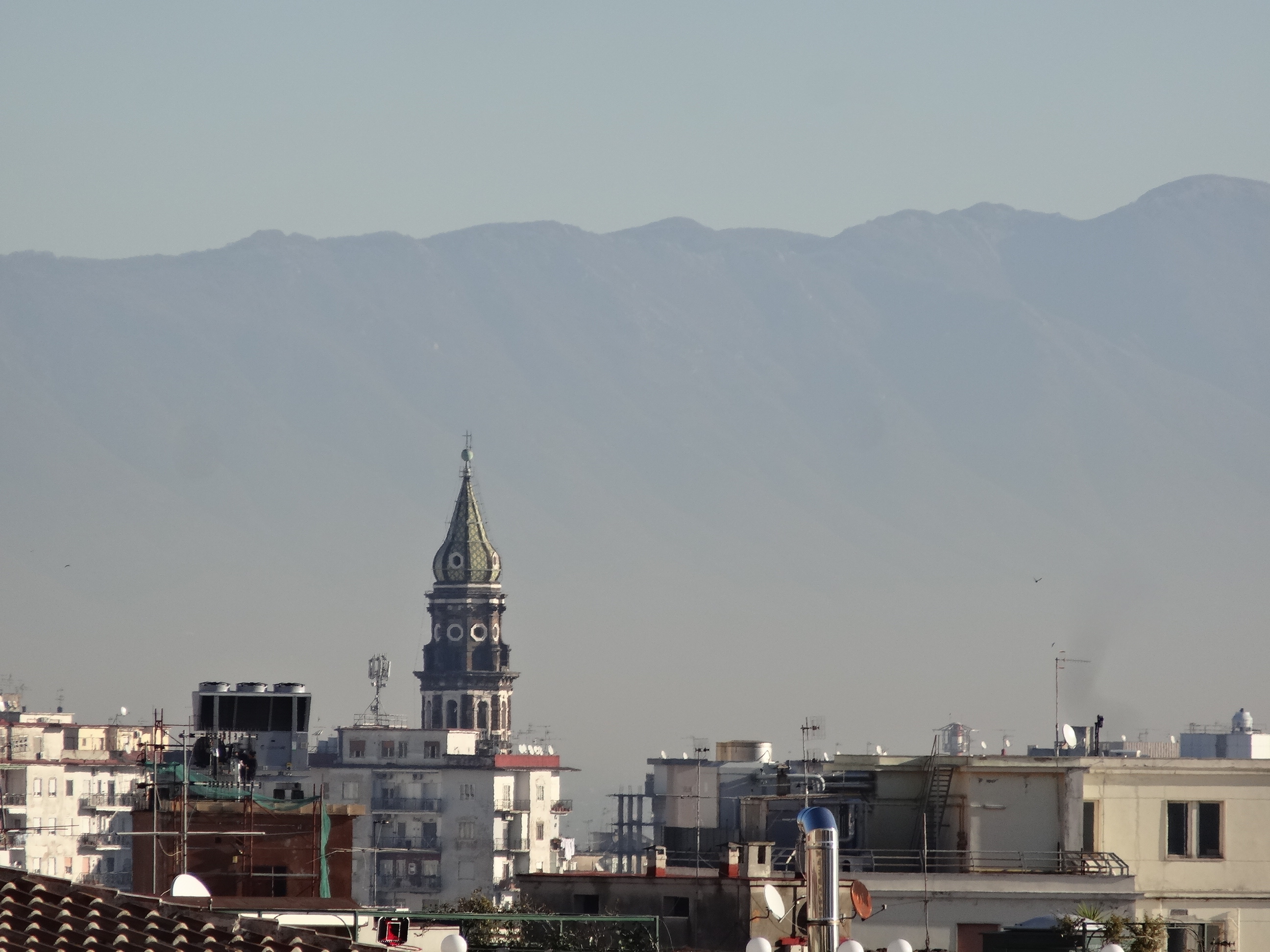
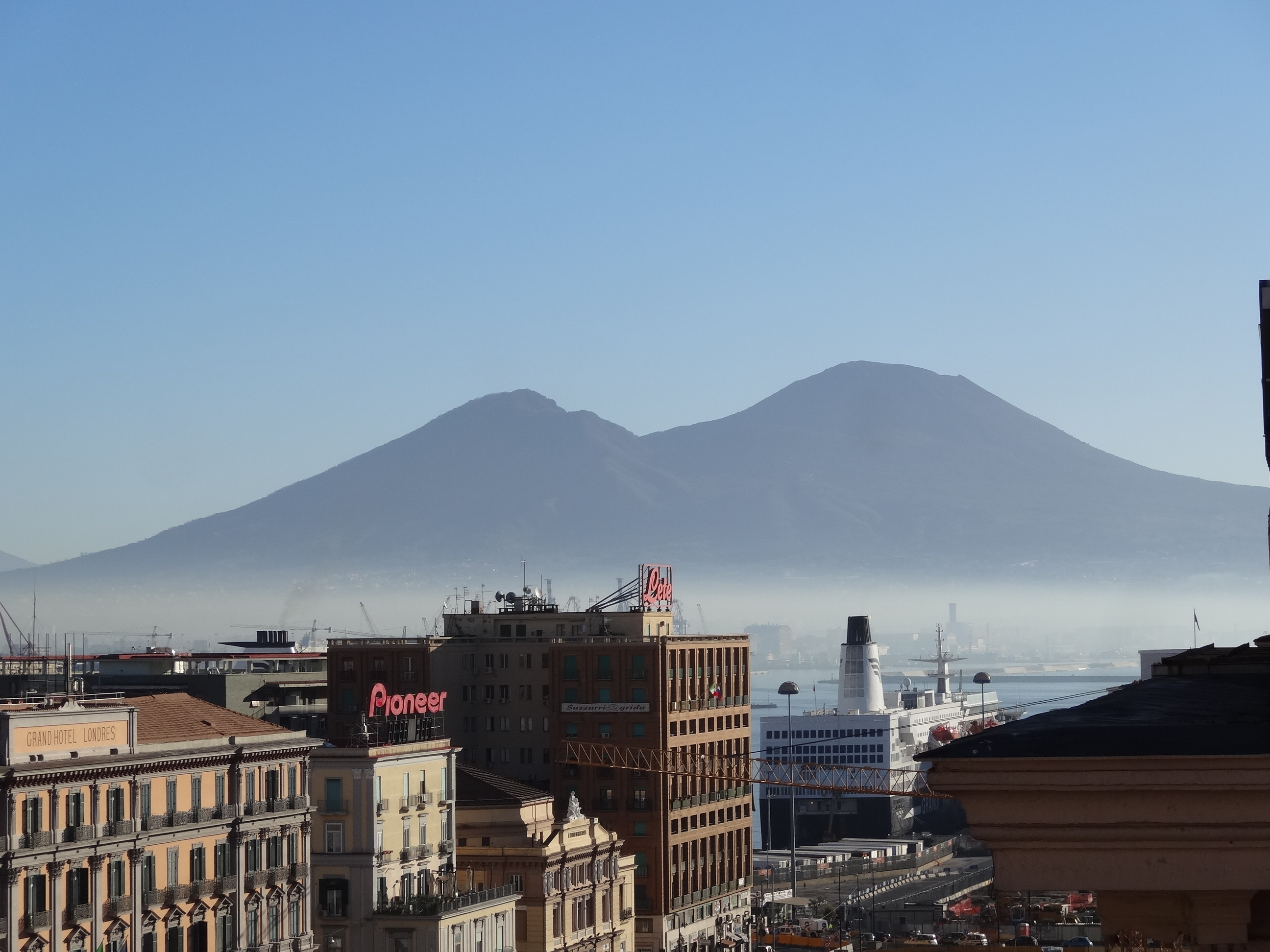
But come the following morning when the sunshine washed its warming radiance across the city, suddenly Naples was a different place. Walking up to the hotel rooftop and seeing the dazzling spectacle of mount Vesuvius, its slopes partially shrouded in mist like some ancient Japanese silk painting, and its grand peaks rising up into the blue sky at the end of the wide sweeping bay of Naples, was like a postcard dream straight out of the summer. Filled with a new sense of excited anticipation, we headed out into Naples to reacquaint ourselves with the city afresh.

IMG_6888 DSC01386 DSC01388DSC01397

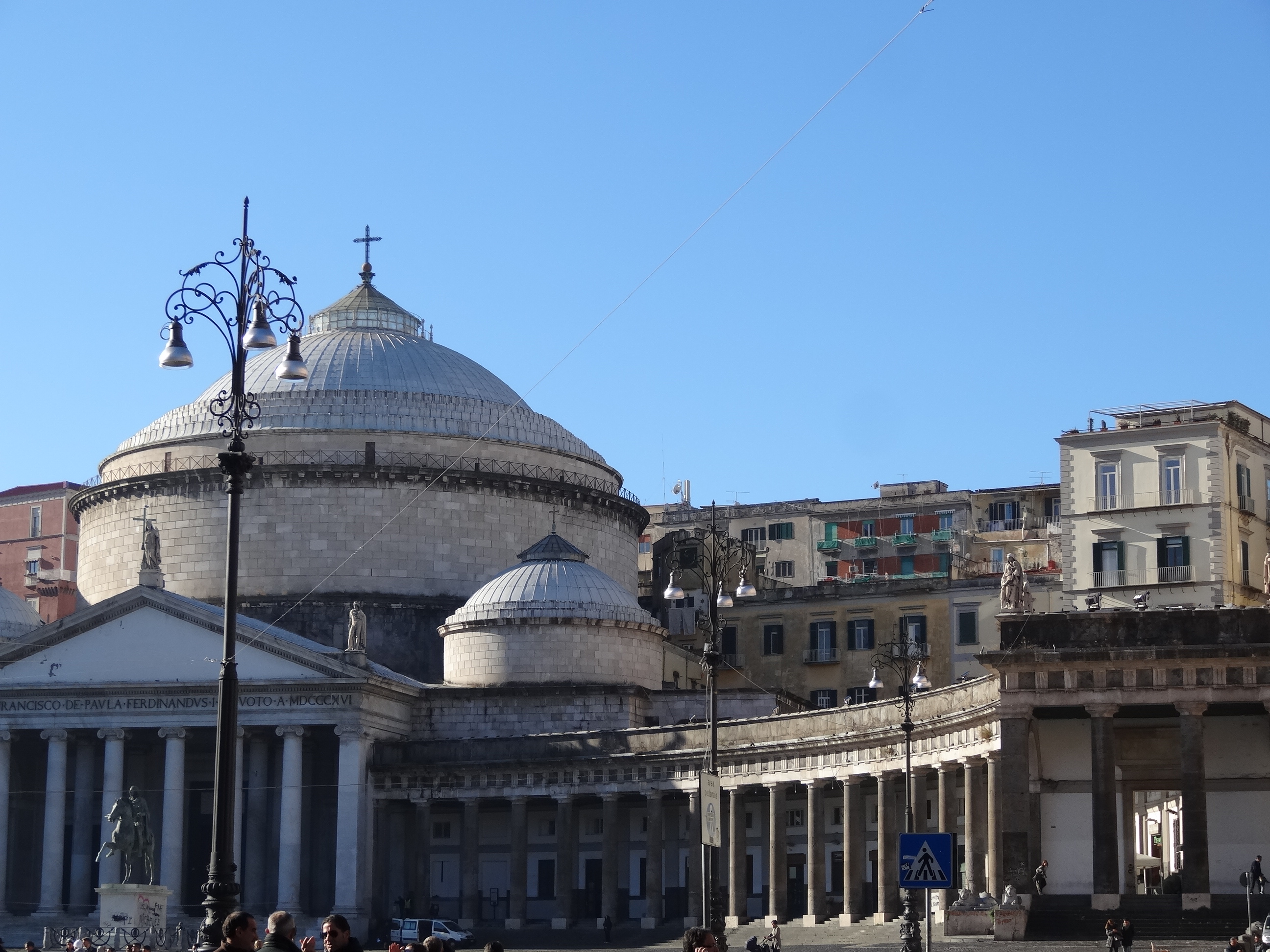
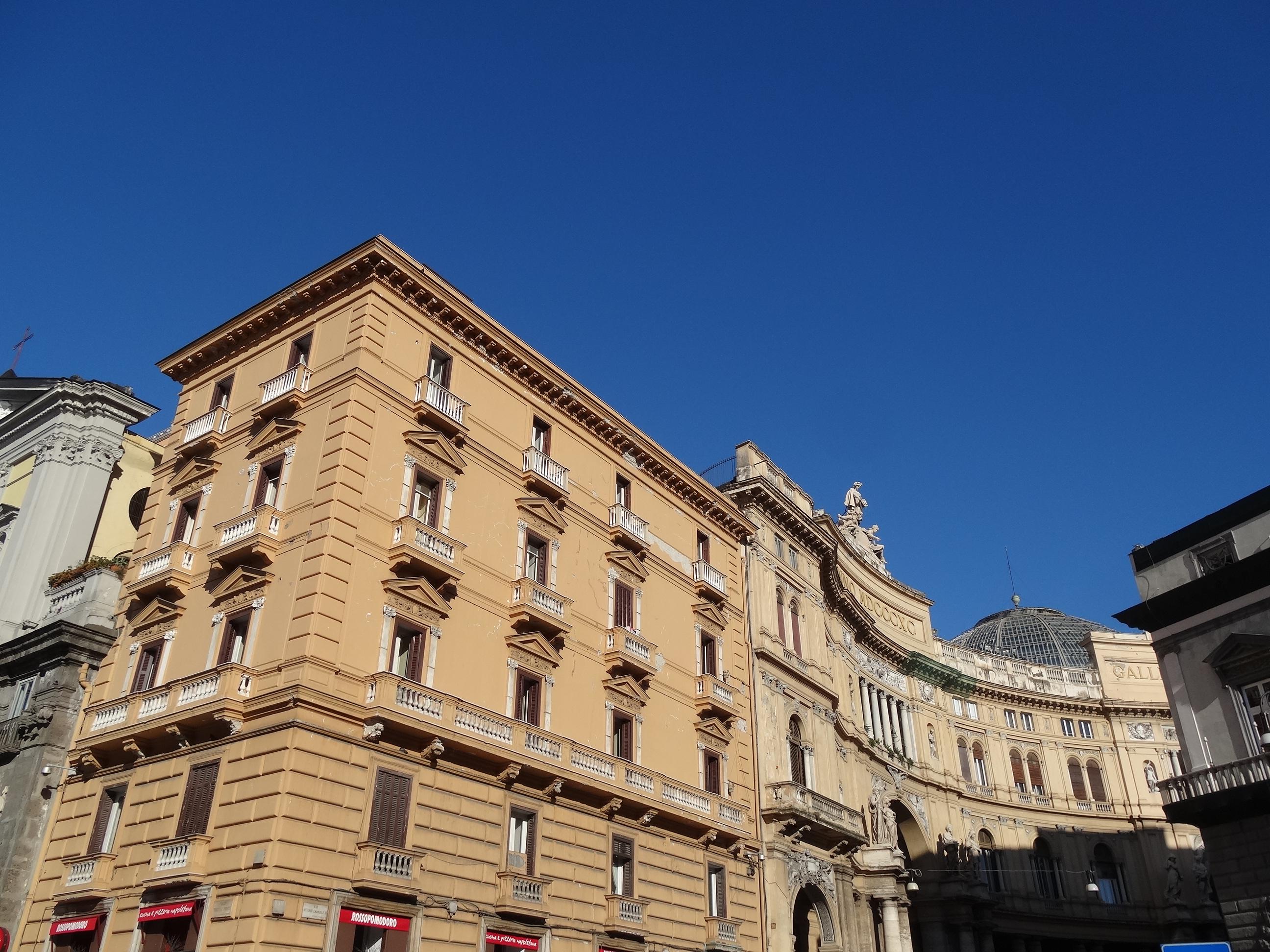
It’s so true what people say: the sun changes everything, and the Naples we found that morning was no longer a dingy den of backstreets but an elegant city of faded grandeur, with its stunning shopping arcade straight out of the Belle Époque (the Galleria Umberto I) and its vast semi circular Piazza Plebiscito nestled between the Basilica di San Francesco and  the old palace dating back to Bourbon rule.

DSC01435 DSC01443 DSC01442

But with the weather so good, we were not about to hang around in the city centre. Rather, after so many months separation, there was only one thing we wanted to embrace that sunny morning – the sea. And so heading down the pine tree lined Via Cesario Condole, our nostrils filling progressively with the light salty perfume of the sea, we soon encountered an even more spectacular view of Vesuvius – with the sparkling sun-drenched waters of the Mediterranean sea lapping up against its feet.

DSC01488 DSC01520 DSC01464IMG_6930IMG_6955

And so began possibly our favourite day of the whole Italy holiday, as we got to know the seafront of Naples with its small marinas, two castles and lines of elegant hotels all under the warmth of a very welcome winter sun.

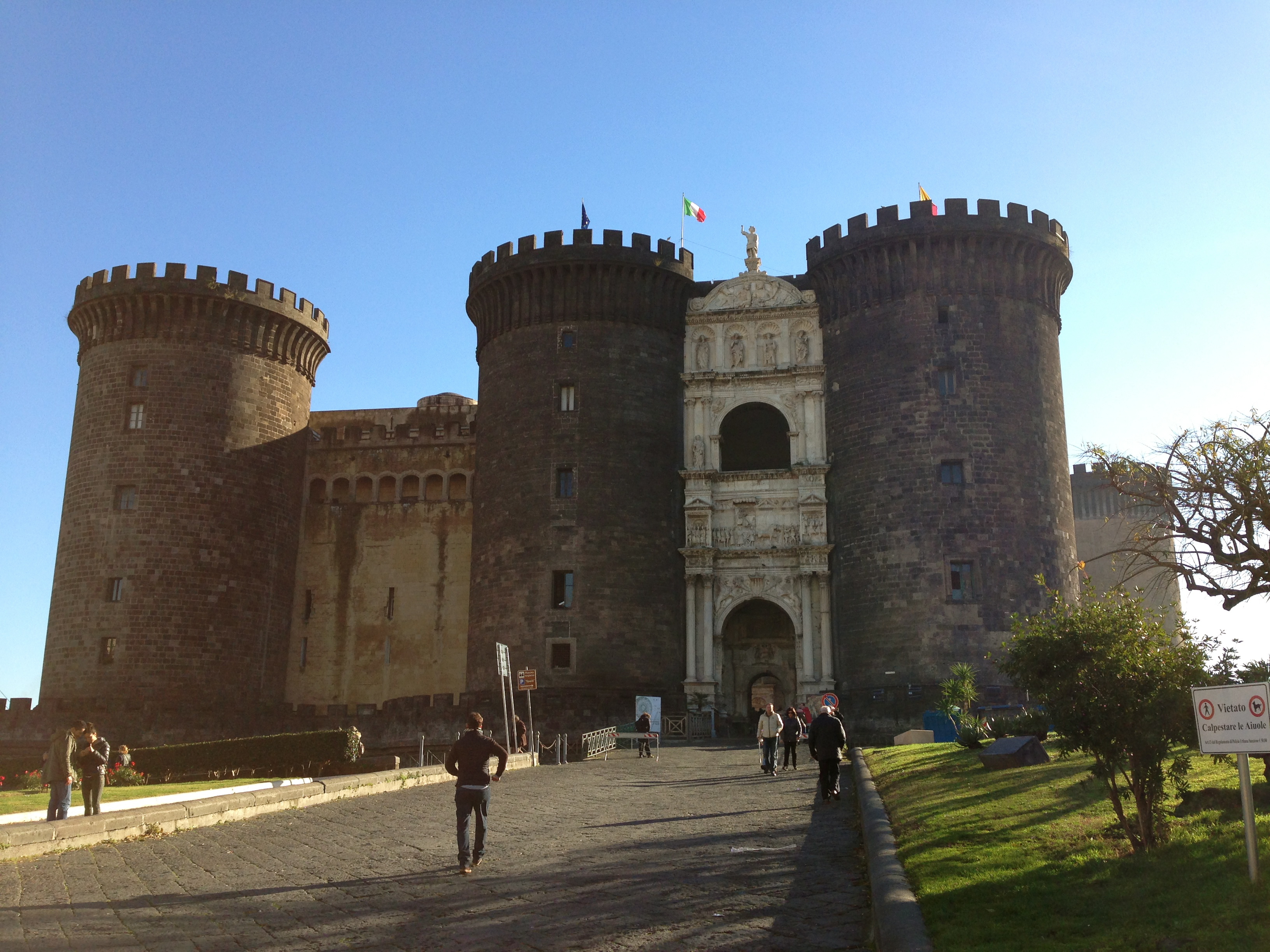
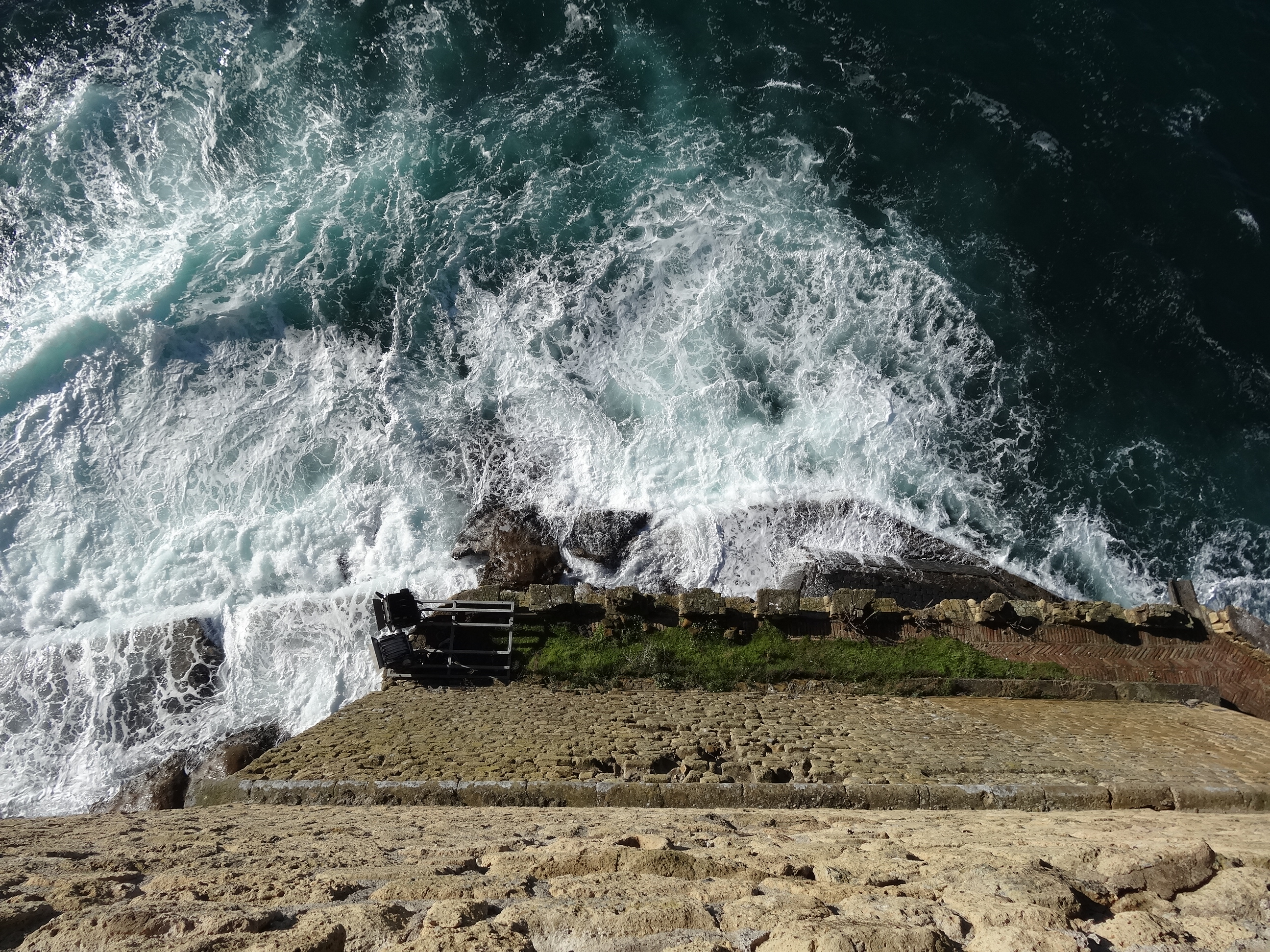
After a quick stroll around the Castel Nuovo, we headed down to the much prettier Castel dell’Ovo, which juts out to sea at one end of the bay of Naples, and encircles in its embrace a little marina. That delightful situation became the sight of an hour or so of enthusiastic photography (see tomorrow’s post) and a divine coffee by the waterside. We also trekked around the vast castle walls from where views of Vesuvius to the south and Naples’ urban sprawl to the North were better than ever. And in the latter vantage, we set our eyes upon a rather welcoming looking seaside cafe and headed straight there for a well earned lunch.

The Castel Nuovo

IMG_6895 DSC01423 IMG_6896 DSC01414DSC01403

and the Castel dell’Ovo and its marina

DSC01710 IMG_6975 IMG_6987 DSC01653 DSC01671 DSC01721 DSC01587

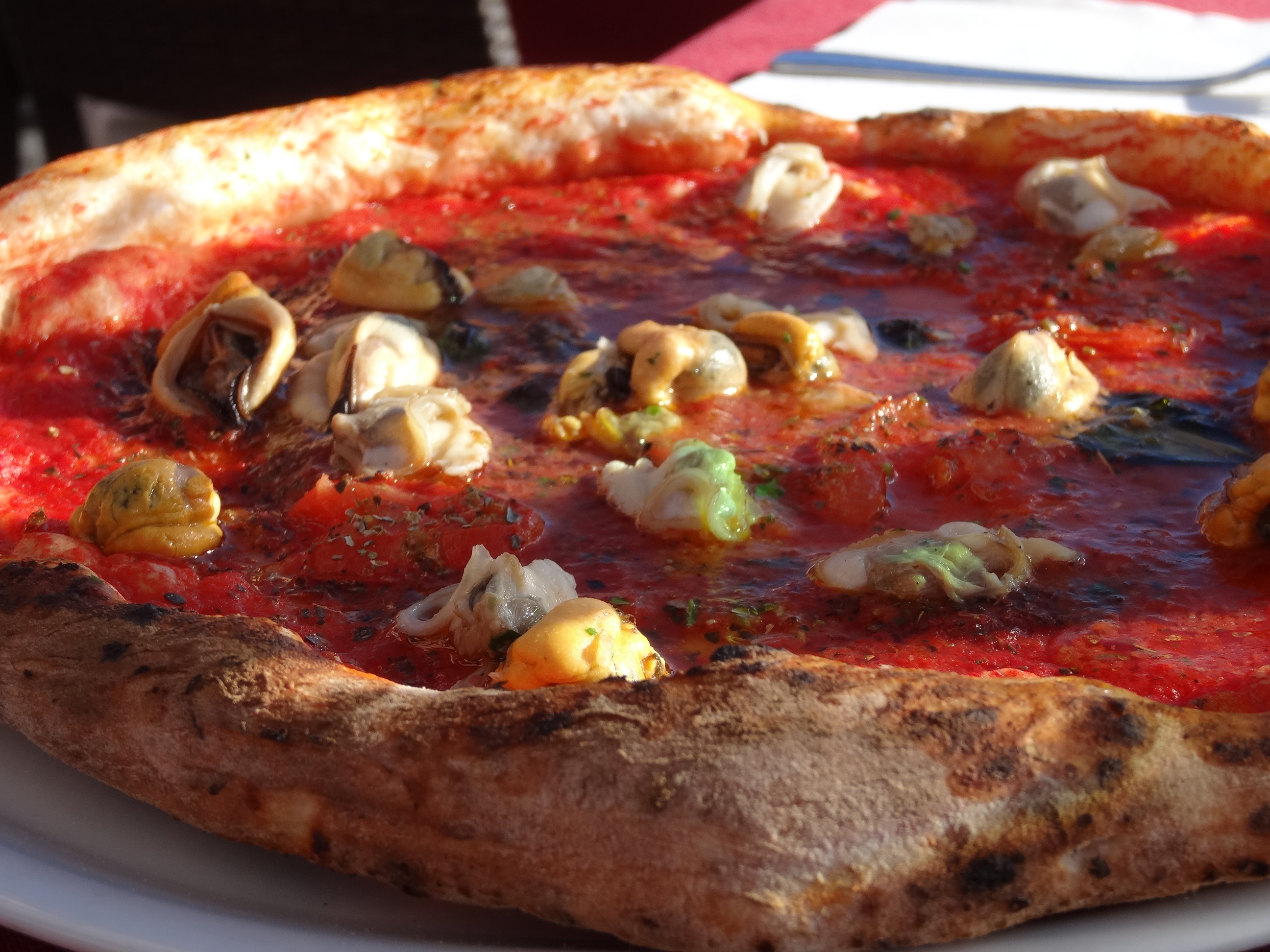
What does one eat in Naples? Well pizza of course, and I ate my first with this spectacular seaside view before me. I have to say, Neapolitan pizzas were a little stodgier than I was expecting, but then I am used to the crispier bases which I gather may be a bastardisation of the north. There was no denying taste or flavour though – covered with a rich pesto, my pizza tasted as good as it looked, helped down by a very chilled and very summery glass of white wine.

DSC01696DSC01697

Read more

The Daily Norm’s Photo of the Week: The Napoli Puddle of Mystery

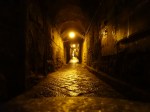
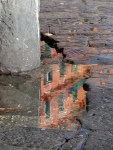
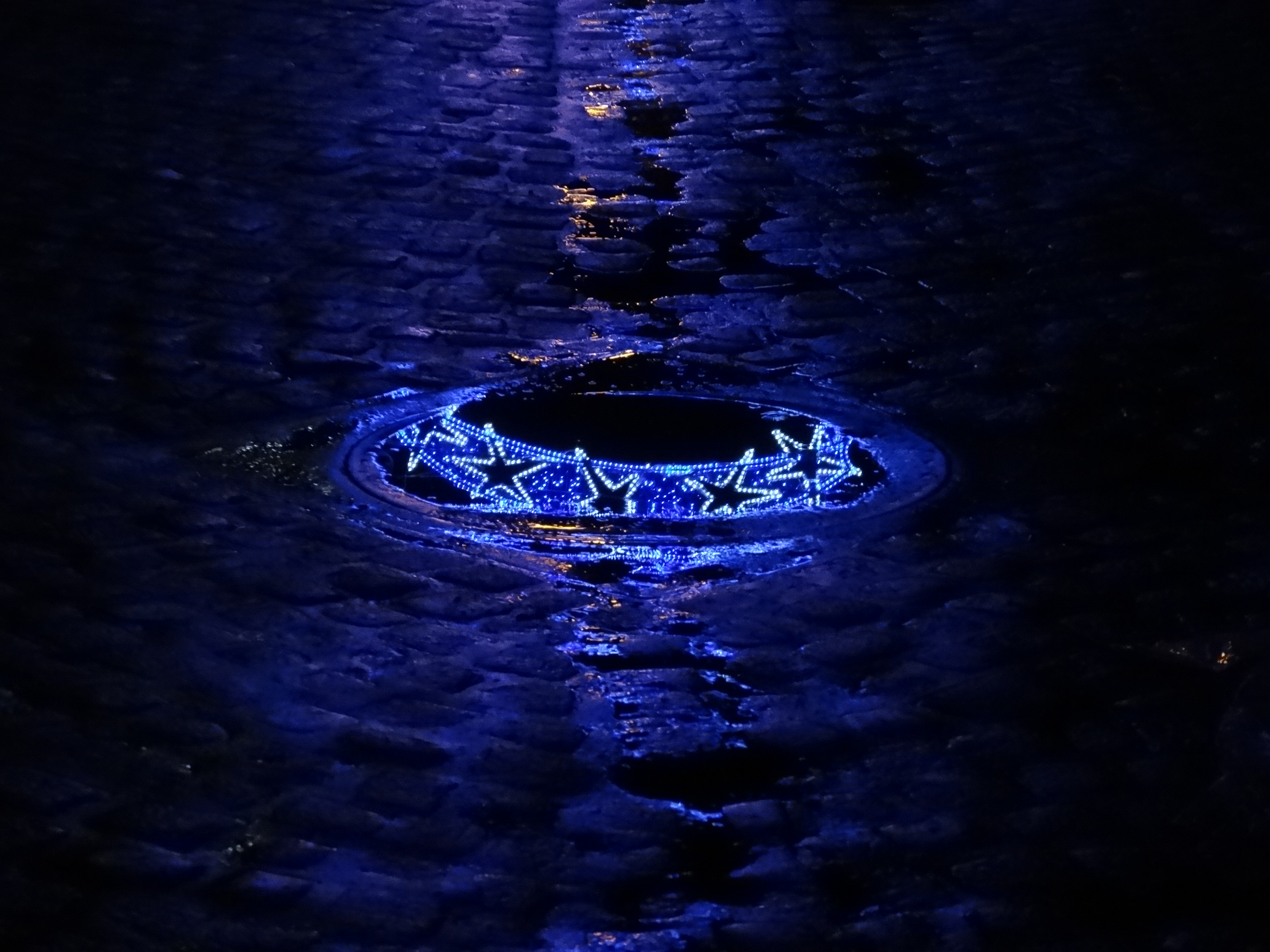
Following on from the all sparkling, all dancing spectacle of yesterday’s Italian festive lights post, today’s post, and indeed this week’s Daily Norm photograph of the week, focuses specifically on one photo from Italy which, like yesterday, features Christmas lights, but is characterised by an altogether different mood. With its gloomy dark lighting, this photograph is an altogether more mysterious image, one which feels edgy, and almost intimidating, as though we have emerged from the darkness which surrounds the frame of the photo. In the sinister blue glow, the glistening cobbles of a Naples street can be seen, fresh after a recent rainfall. The crack down the cobbles, which has collected more water owing to the incline of the road runs almost like a wound through the centre of the photo; while the puddle in the centre, reflecting the street decorations hung above, looks like some kind of mysterious magical cauldron, filled with a potion created with a sorcerer’s touch.

DSC01366

The fact of the matter is that no matter how fantastical my description, or indeed the finish of this photo may be, it was taken in the notoriously dark, gloomy and at times dangerous streets of Naples’ old town one December evening after the rain. Because of the rainfall, the usually crowded streets were near deserted, and the shop keepers had shut up shop for the night. That made the area, with its dark unforgiving alleyways no friend of the guileless tourist, and for me this photo carries with it the dark edginess of the mood prevailing at that time. Needless to say, shortly after it was taken my partner and I ran off to the safety of our hotel, my camera safely stowed away as we did so!

All photos and written content are strictly the copyright of Nicholas de Lacy-Brown © 2013 and The Daily Norm. All rights are reserved. Unauthorized use and/or duplication of the material, whether written work, photography or artwork, included within The Daily Norm without express and written permission from The Daily Norm’s author and/or owner is strictly prohibited.

Natale Italiano | Photography Focus – Christmas Lights of Italy

If I could point to one event in my life which changed my entire outlook, totally revolutionised my innermost creative soul and ultimate appreciation for art and aesthetics, and instigated my love for travel and gastronomy, it was my art history trip around Italy in my gap year of 2001/2. Travelling from Venice, to Verona, Florence to Siena, and finally Rome and Naples, my eyes were opened to an art historical universe the surface of which I had previously only scratched. But despite the very obvious attractions of those travels, one element I really loved was the fact that it introduced me to Italy in the period immediately before Christmas. In doing so, it transported me to a world whose Christmas celebrations lacked the commercial exploitation of the UK or the US, and which retain a certain charm and unique family-aspect which I just adored. While not religious myself, there was something about the fusion of those stunning candlelit churches packed with some of the world’s most famous renaissance art together with the essence of the true Christmas story which struck me as being ultimately and authentically festive, and whenever I now consider Christmas, I often look back on my time in Italy with the greatest fondness.

So when the opportunity arose this year to spend Christmas in Italy, part visiting my partner’s Tuscany-based family, and part travelling to a few of the country’s most attractive cities, I jumped. And what will now follow on The Daily Norm are a plethora of Italia posts which will explore my incredible Christmas travels across Venice, Rome and Naples. With much to explore, and yet the Christmas period fast running out, I thought I would start this set of posts with the most Christmassy of them all (lest that by the time I otherwise reach it in the ordinary chronology of things, it may already be mid-January and the thought of Christmas would be as welcome to my readers as an out-of date chocolate bar) – the Christmas lights of Italy!

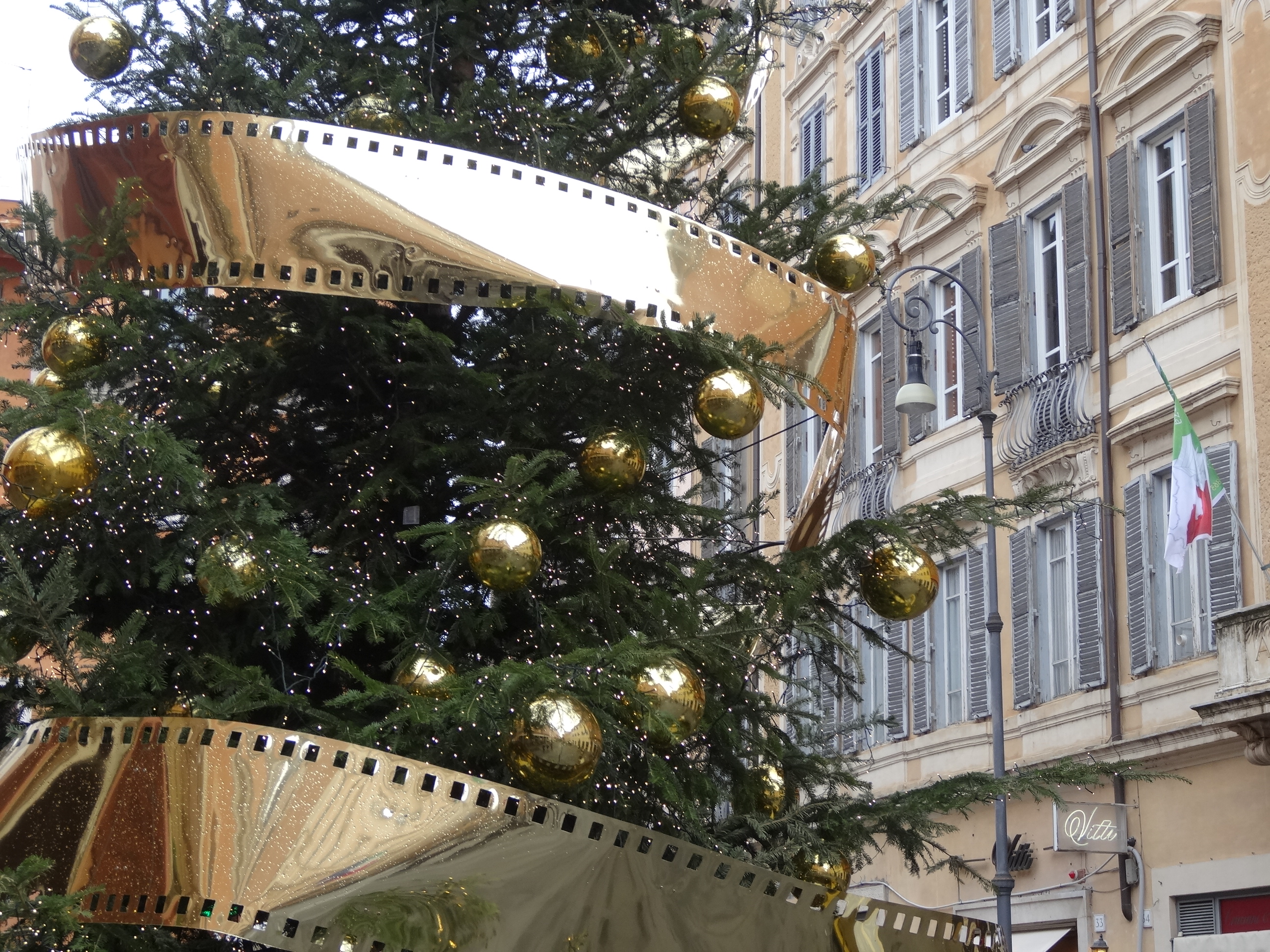
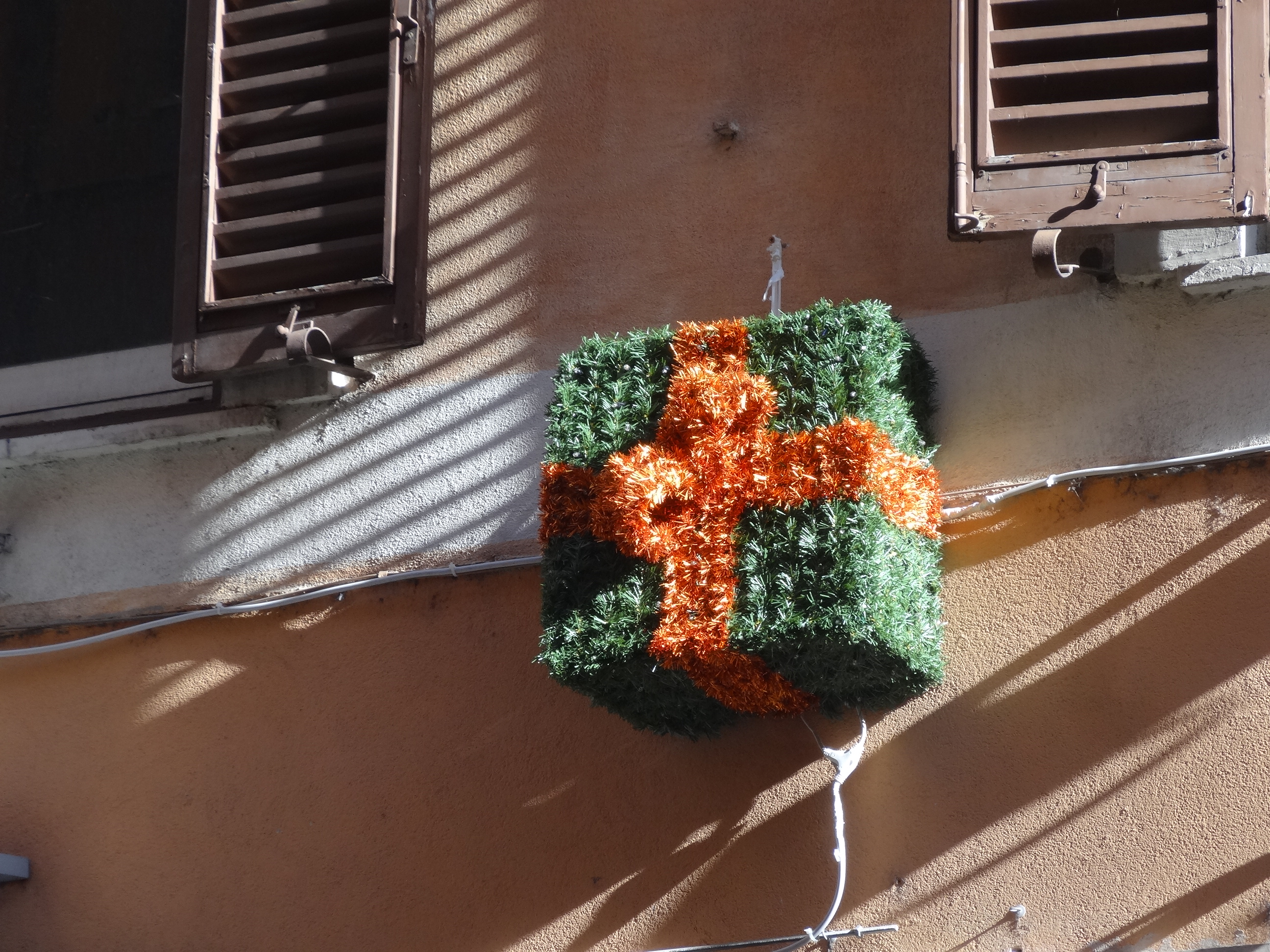
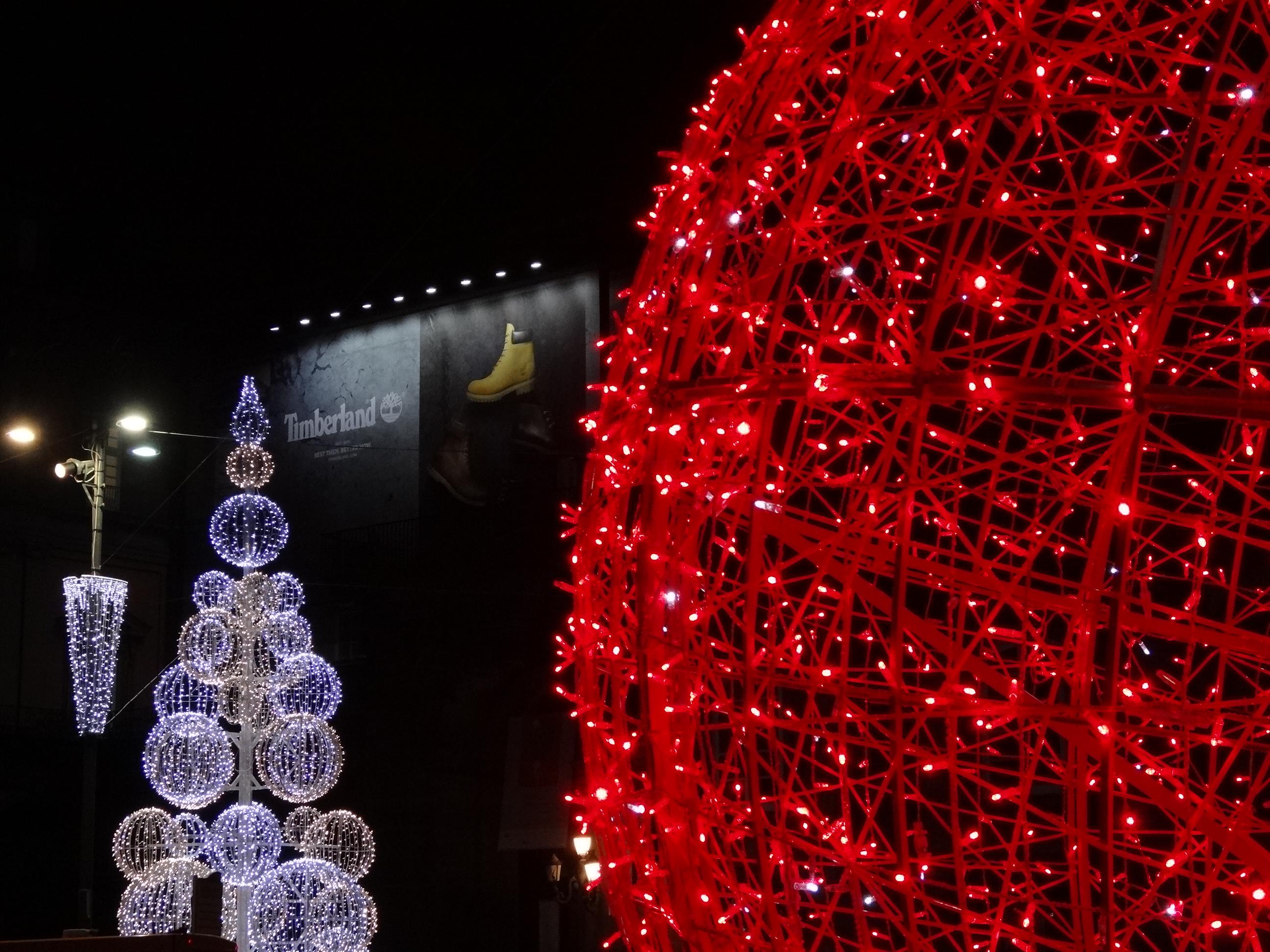
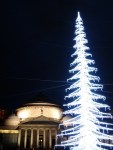
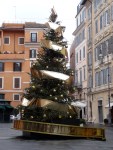
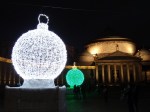
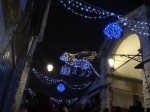
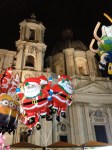
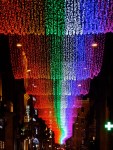
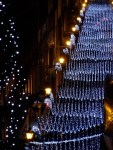
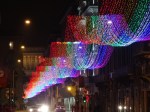
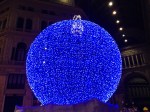
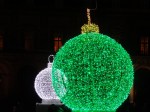
DSC01326 DSC00814 IMG_7088 DSC01212 DSC01341Yes, there was never going to be a chance that the super sophisticated cities of Italy would do Christmas without introducing a fetching spray of lights to buildings and monuments, bringing a whole new veil of elegance to their already astonishing city facades. But tacky Santa’s and red-nosed reindeers these are not. When Italy does lights, it gives us elegant shopping streets strung with uniform and co-ordinated white lights, whose subtle sparkle reflects gloriously in the glossy facades of designer stores and boutique hotels. When Italy does trees, it brings us large Christmas trees tastefully lit and situated before some of the most recognisable monuments around the world – St Mark’s basilica in Venice, the Spanish Steps in Rome, St Peter’s in the Vatican. And when Italydoes novelty decorations, its offerings remain inexorably sophisticated, like the illuminated oversized baubles in streets and piazzas in Naples, whose glorious halo of coloured light could be seen for miles. As this photographic post hopefully shows, this is Christmas done with style.

All photos and written content are strictly the copyright of Nicholas de Lacy-Brown © 2013 and The Daily Norm. All rights are reserved. Unauthorized use and/or duplication of the material, whether written work, photography or artwork, included within The Daily Norm without express and written permission from The Daily Norm’s author and/or owner is strictly prohibited.