Skip to content

Posts tagged ‘Photography’

Finding inspiration from Marbella’s final resting place

There’s something inherently beautiful about a cemetery. It’s not just the peace and quiet, which is of course an inevitable feature of every cemetery or graveyard, but the tangible demonstration of human emotion shown by the care taken by those living for the memories of their beloved dead. This can be seen through the wording of a grave, through the flowers carefully laid alongside it, and through the regular cleaning of the stone with as much care as would be taken for a feature of a living household. There is also something innately civilised about caring for the dead and paying homage to the past, not least because it can make us more appreciative of our life and the lives of others still around us.

While I do like an English graveyard, headstones tilting in all directions and covered in moss and decay, my favourite type of cemetery is a Spanish cemetery, whose tranquil atmosphere is more than embellished by the regular presence of sunshine filtering through the large dark cypress trees which are a regular inhabitant of such places. But I also love how seriously Spanish society takes its dead, and whenever I take a stroll in Marbella’s cemetery in Southern Spain, I am always touched by the number of locals visiting their family graves, with rubber gloves and cleaning products to hand, ensuring that all looks clean and well maintained. It’s a bit like the beginning scene from Pedro Almodovar’s brilliant film, Volver, when a visit to the family grave is both a family tradition and a time to gather and reminisce.
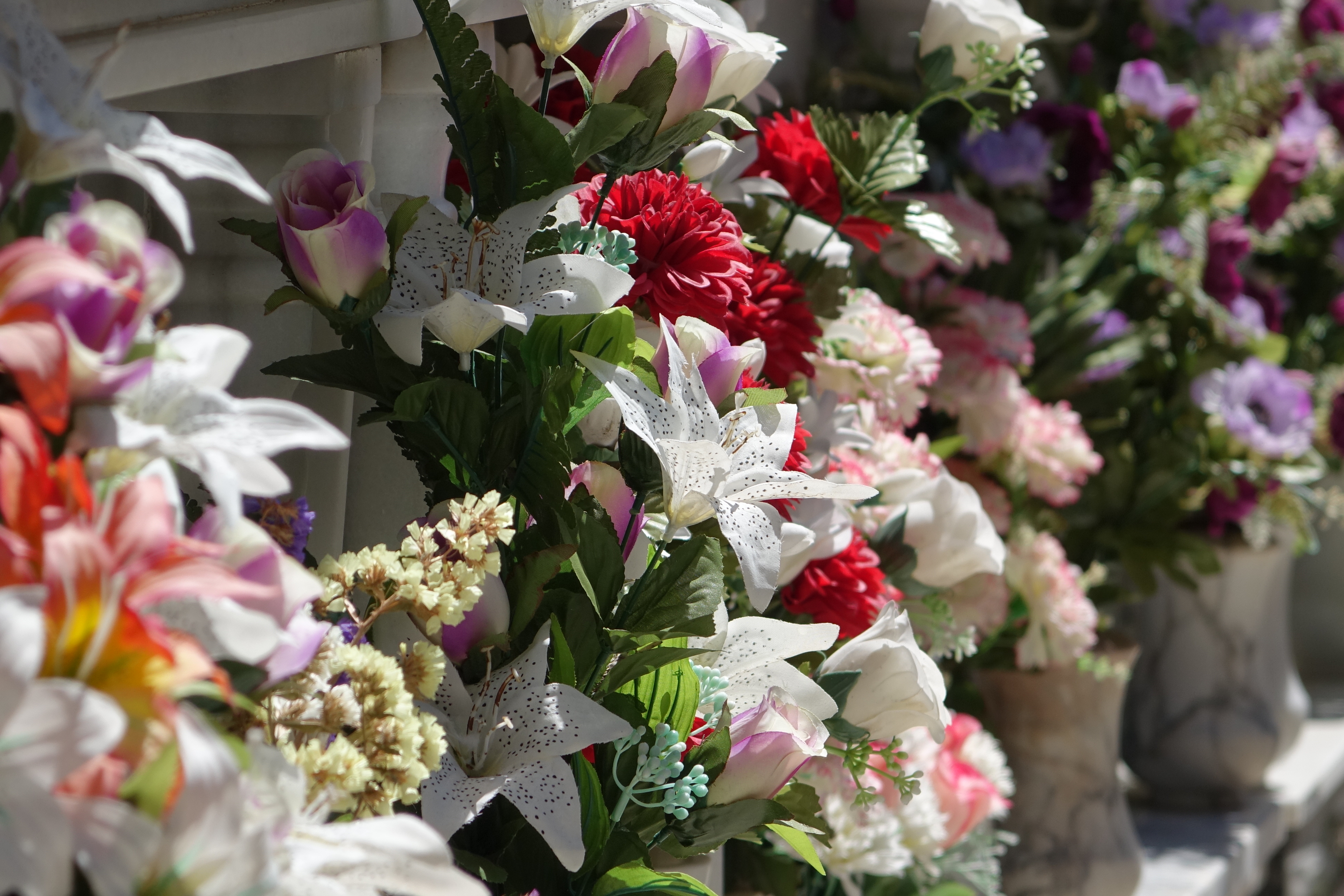
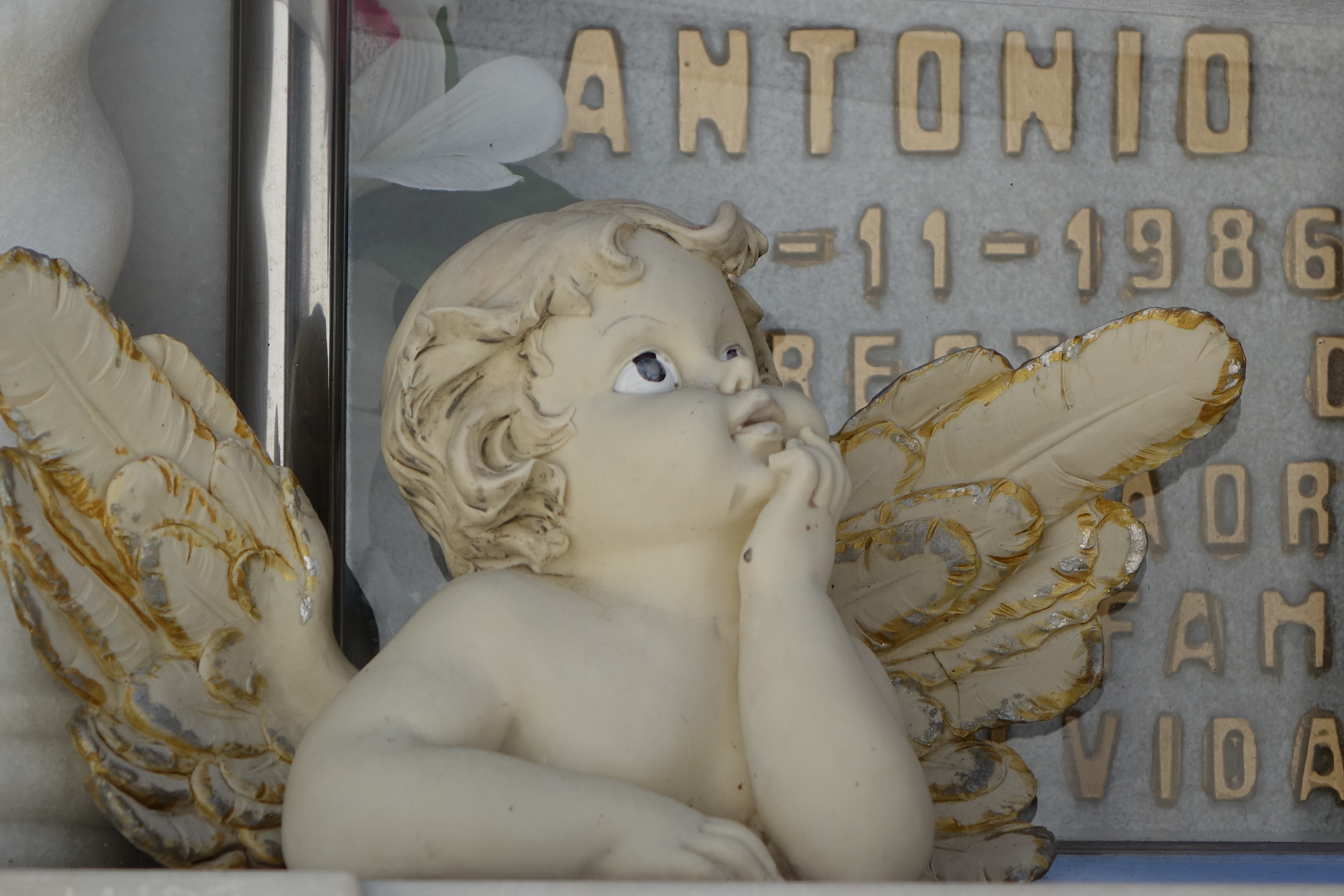
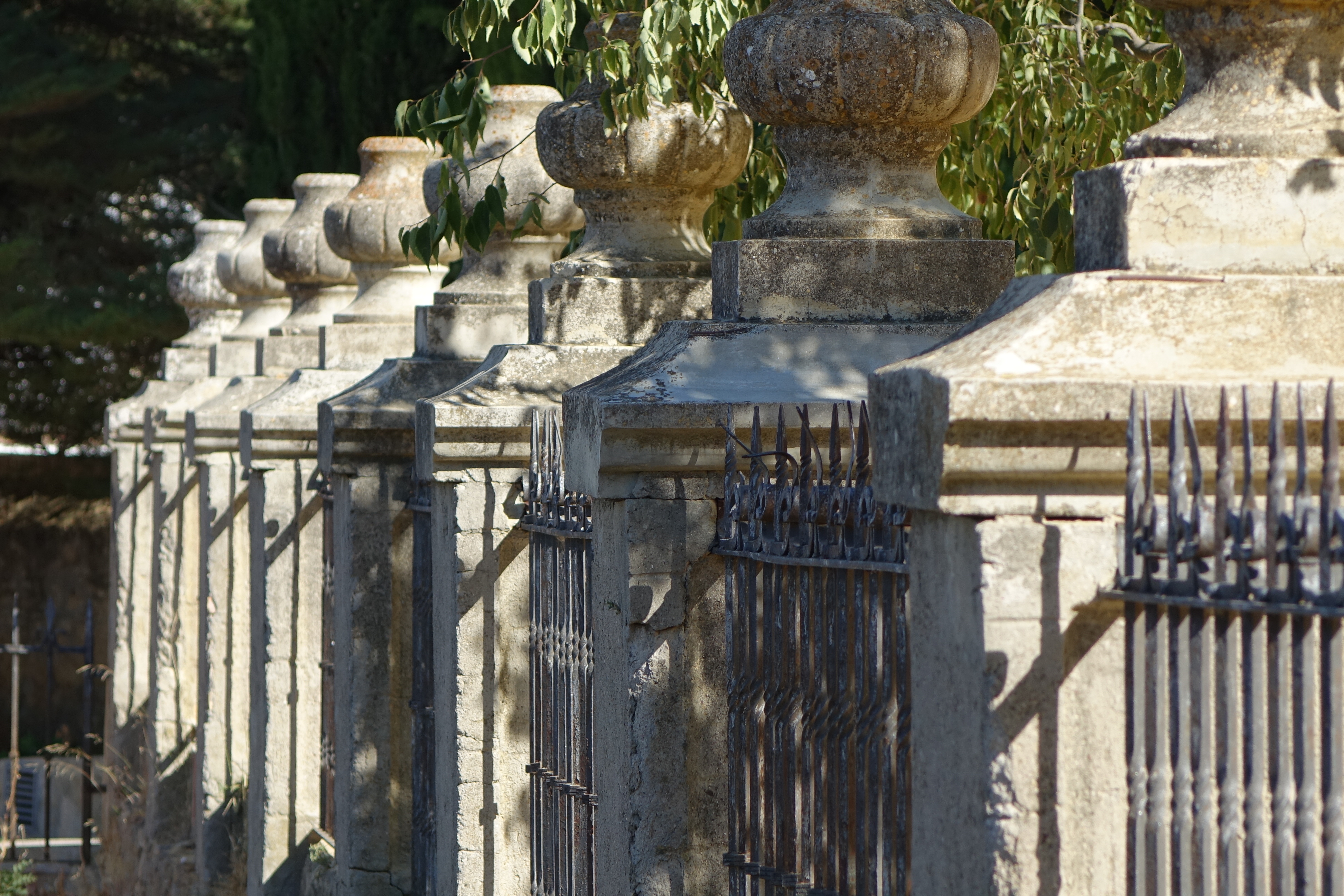
DSC05934 DSC05910 DSC05928 DSC05935 DSC05939

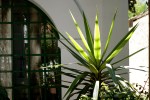
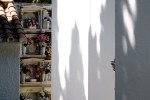
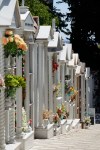
Of course it will come as no surprise to regular readers of this blog that my overriding reasons for visiting a Spanish cemetery are artistic ones, and Marbella’s has more than once inspired me to take many a photograph of the scene. For in the sheer volume of marble fronted graves, both within private family mausoleums and piled up on top of one another like bookshelves in neat rows, these graves make for an excellent photographic subject, not least because of the variety and dedications, flowers, family memorabilia and photos. And on top of all of that, the sunshine is always on hand to provide warmth to the photographs and plenty of contrast between light and shade.

So here are the photos I took on my recent stroll around Marbella’s cemetery. Hopefully like me you will see the inherent beauty of the place, which far from being morbid, is a place of tranquillity, devotion and hope.

All photos and written content are strictly the copyright of Nicholas de Lacy-Brown © 2014 and The Daily Norm. All rights are reserved. Unauthorized use and/or duplication of the material, whether written work, photography or artwork, included within The Daily Norm without express and written permission from The Daily Norm’s author and/or owner is strictly prohibited.

Ronda Roundup

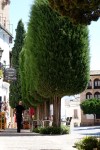
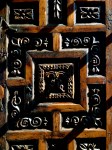
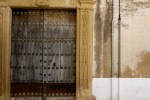
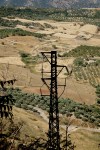
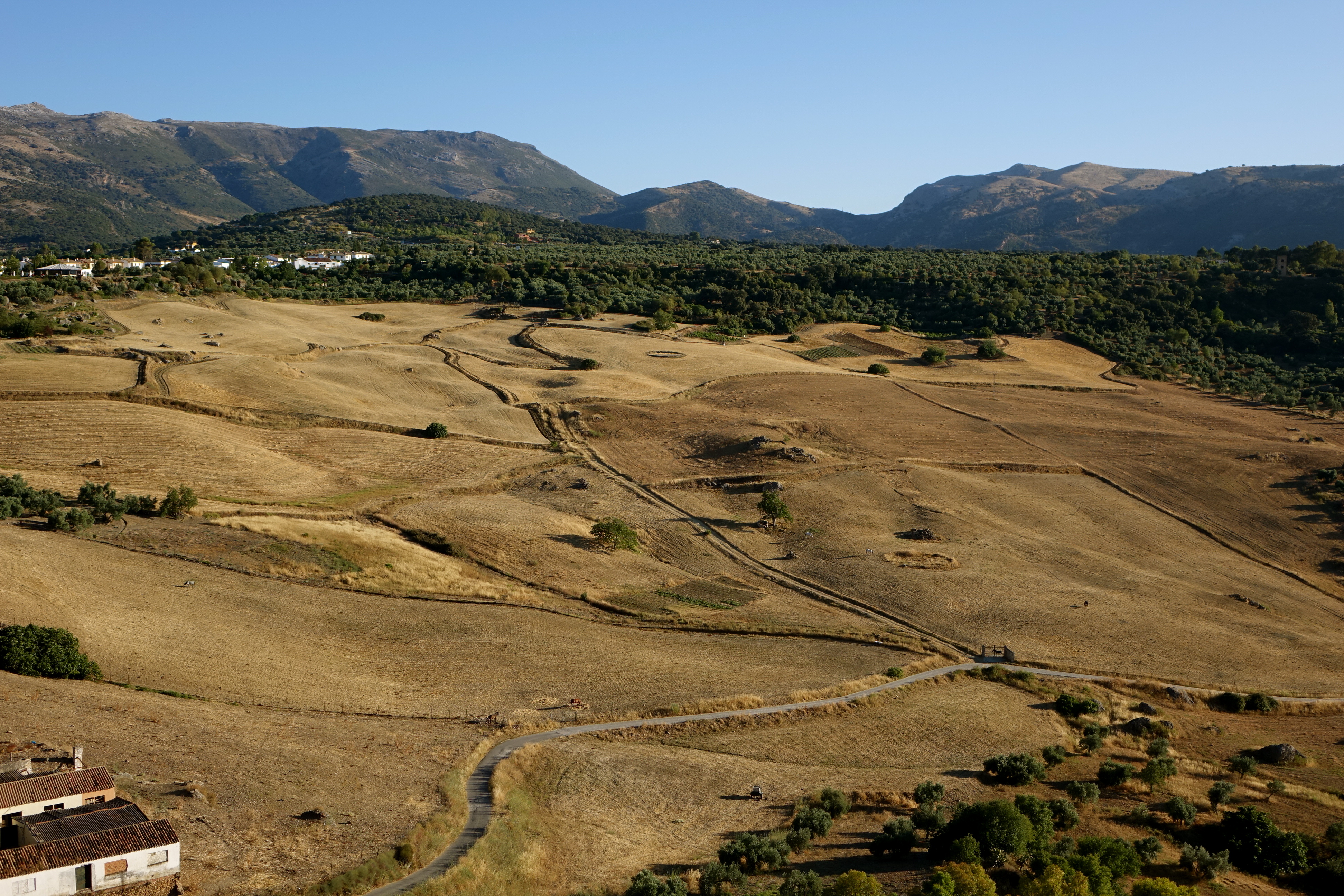
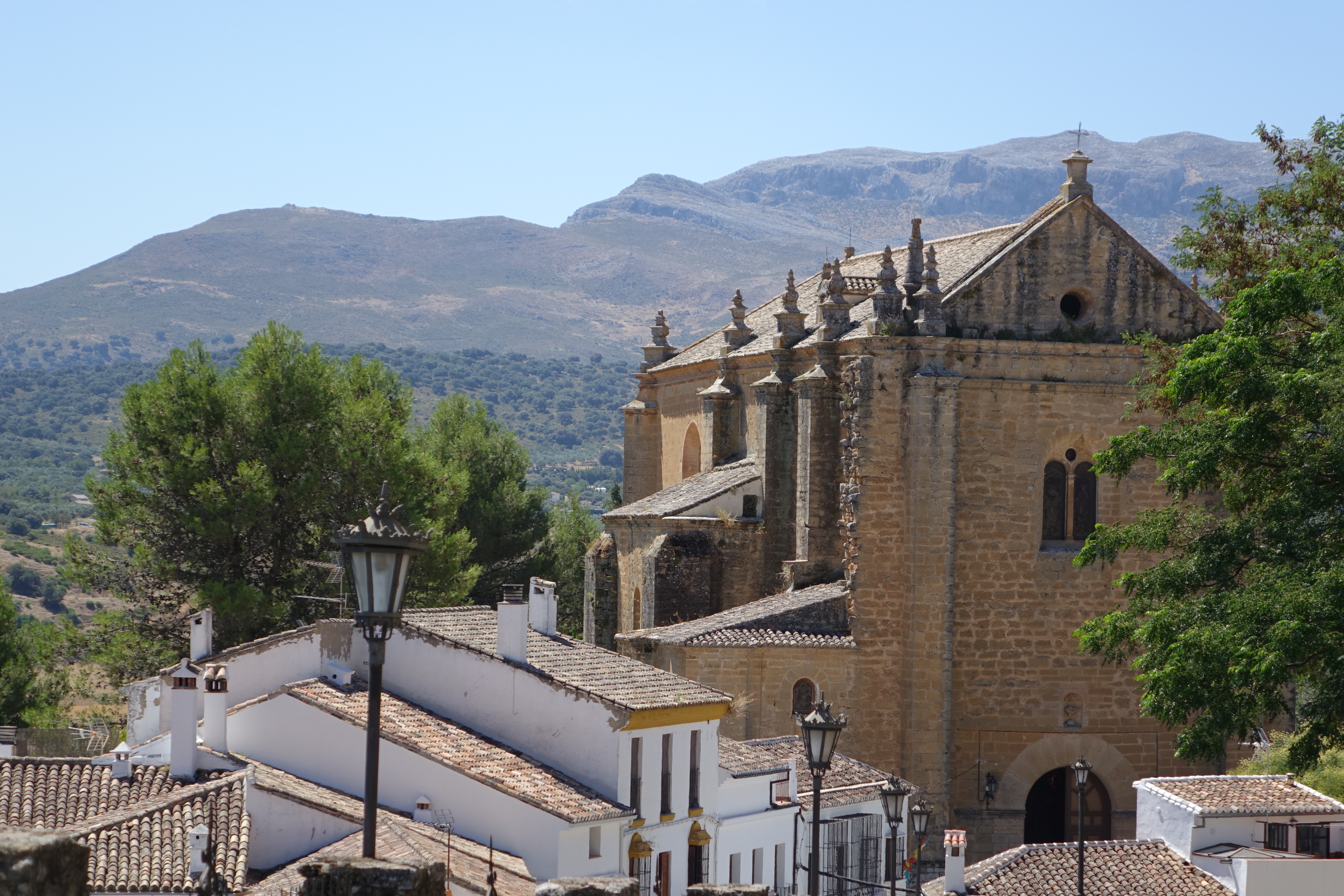
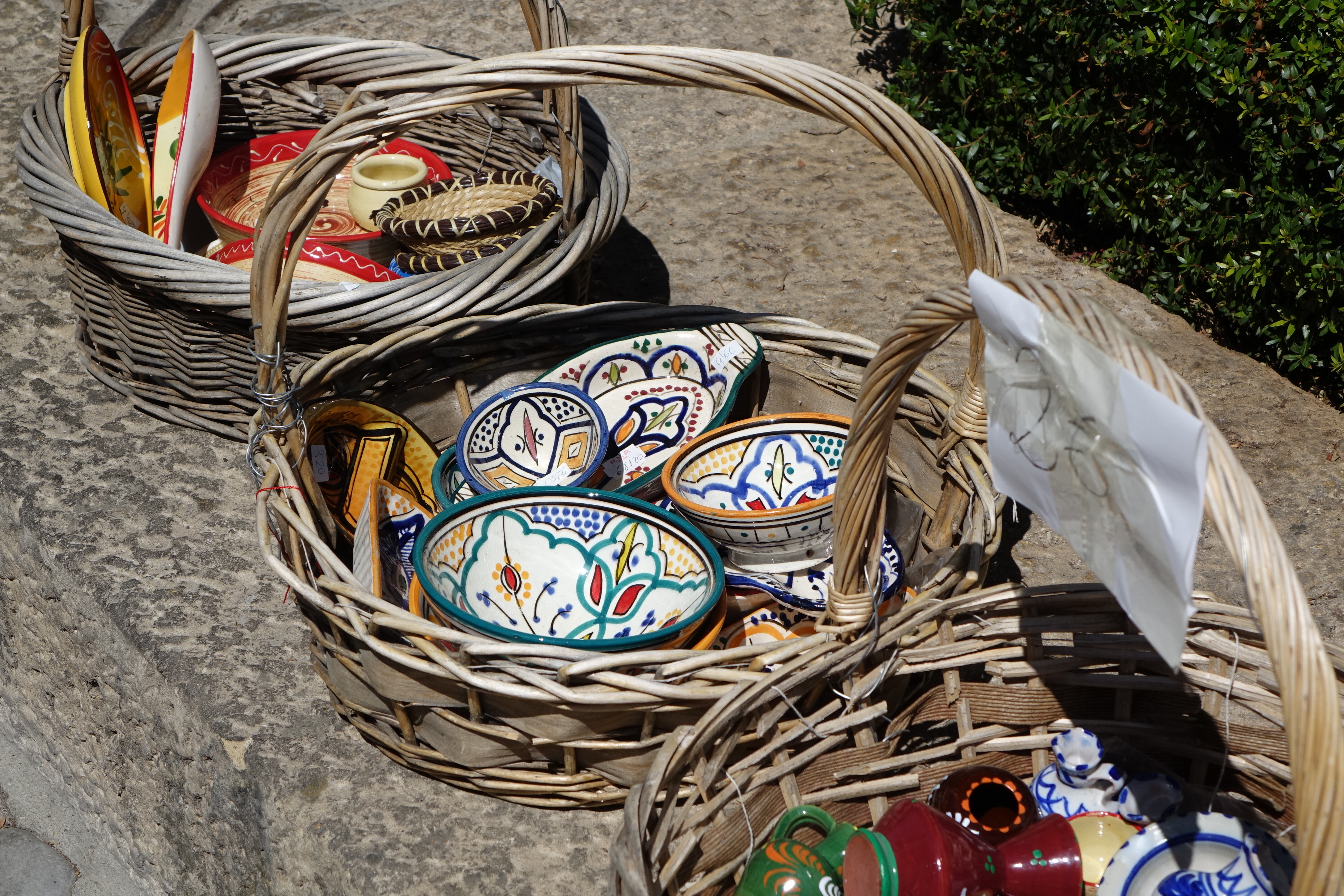
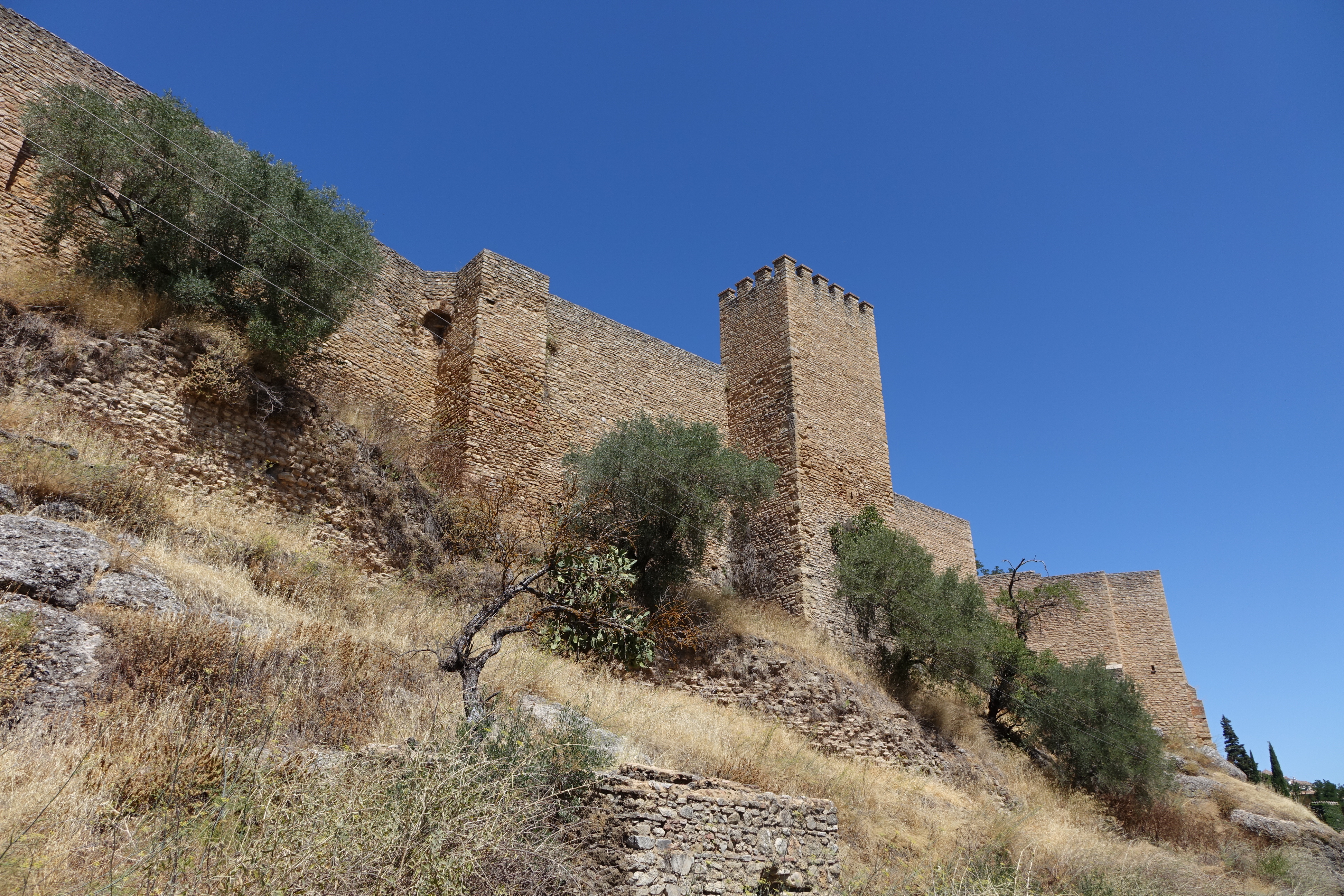
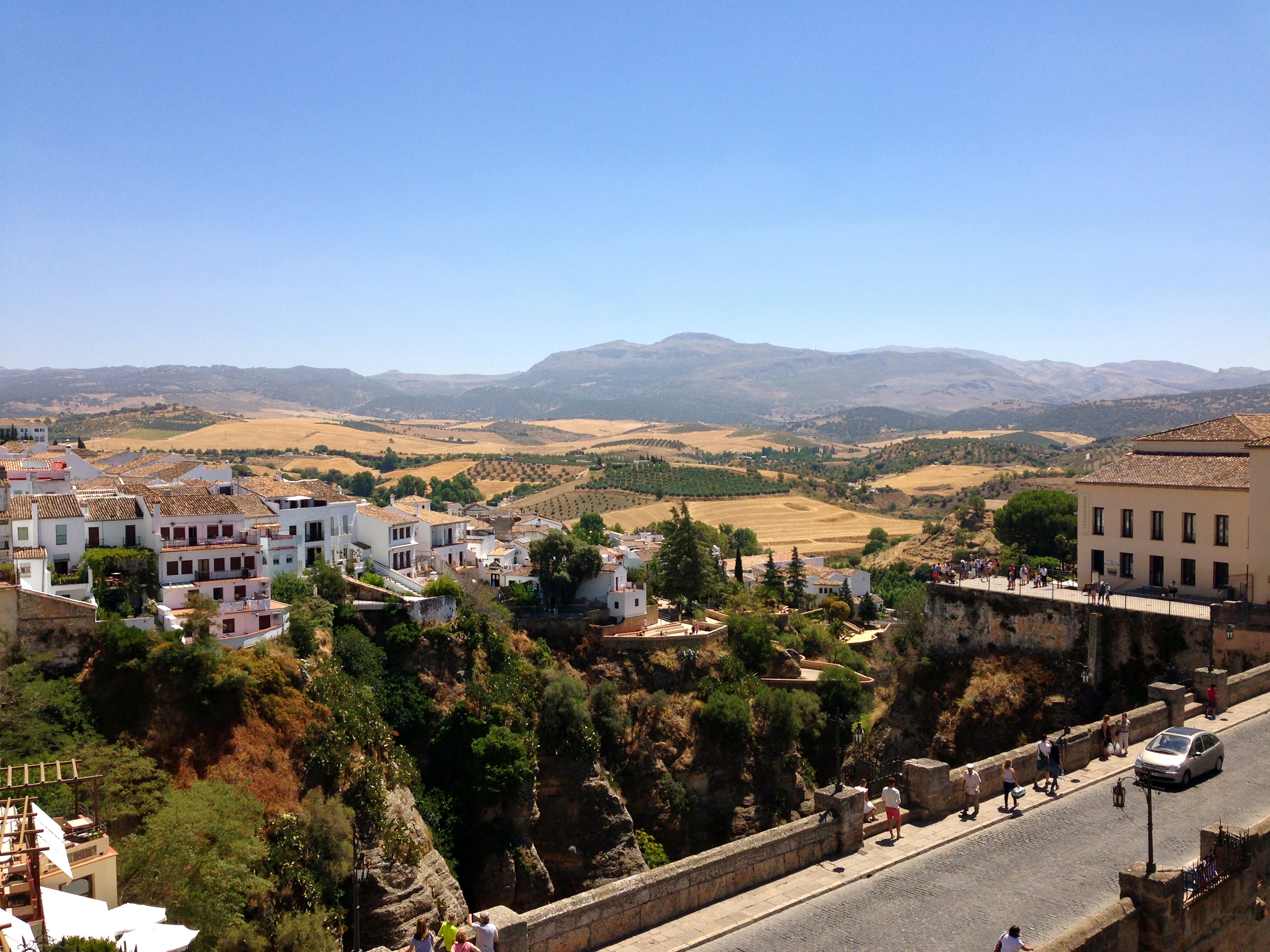
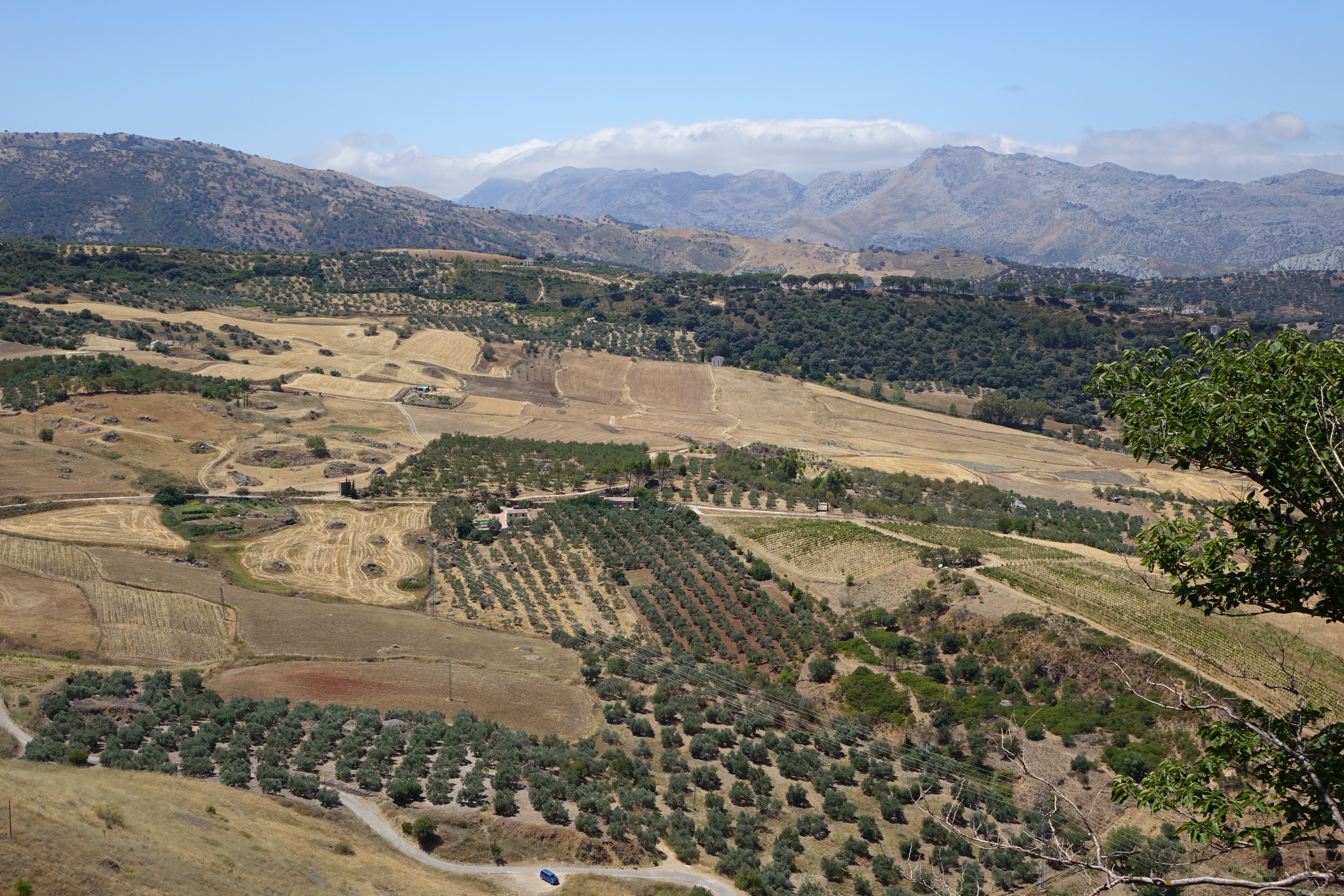
If one is to weigh up beauty in proportion to blog content, I haven’t written about Ronda in Southern Spain all that much. And I surely haven’t had enough opportunities to post the wealth of photos I took on my two day trip to the city either (a quantity you could say is also out of proportion to the length of the trip, but there you go). But happily with each new day comes a new excuse to write about Ronda, and today I’ve put together a group of miscellaneous photos which act as a kind of sample from my 48 hours in that picture-perfect hill top town. 

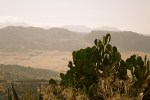
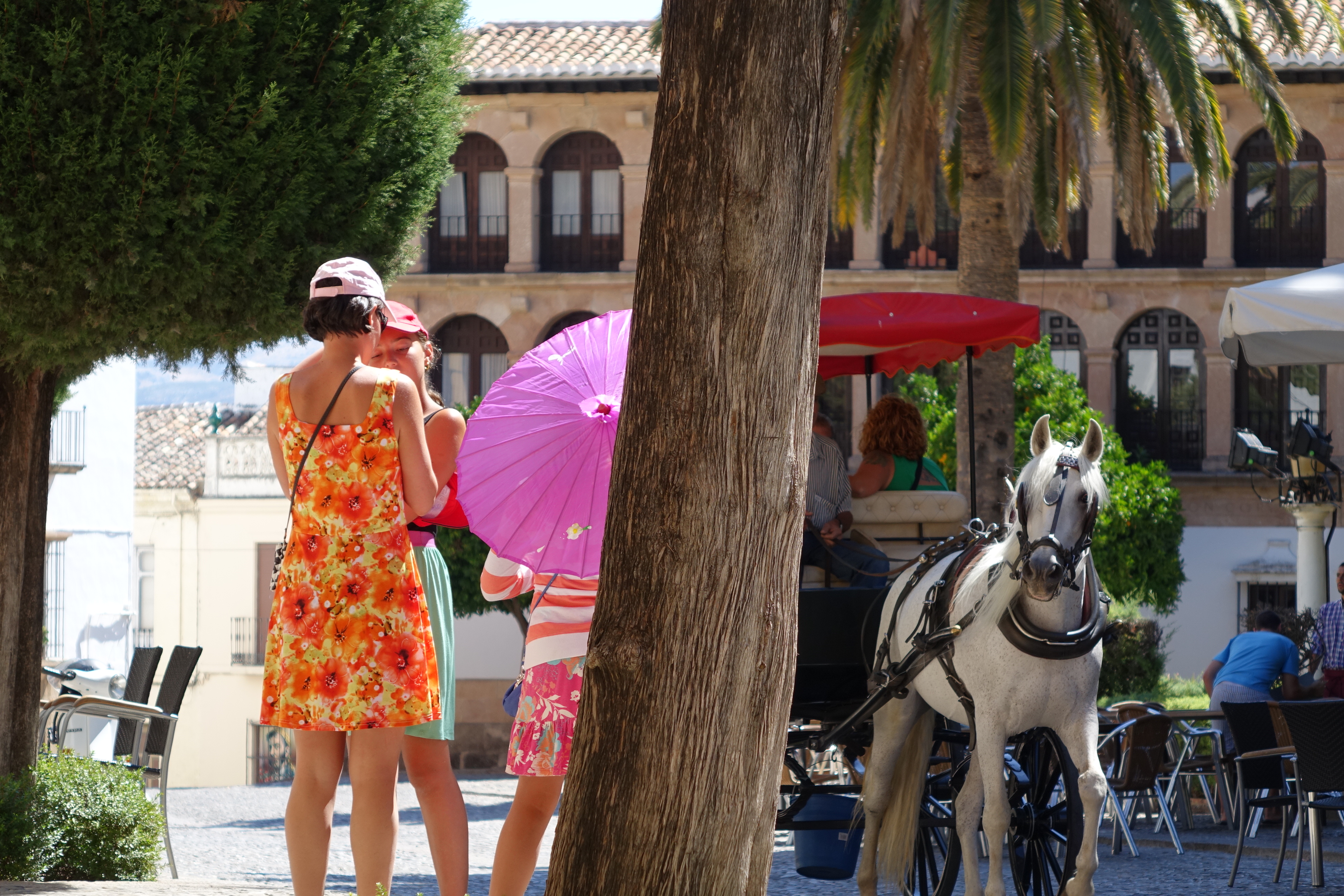
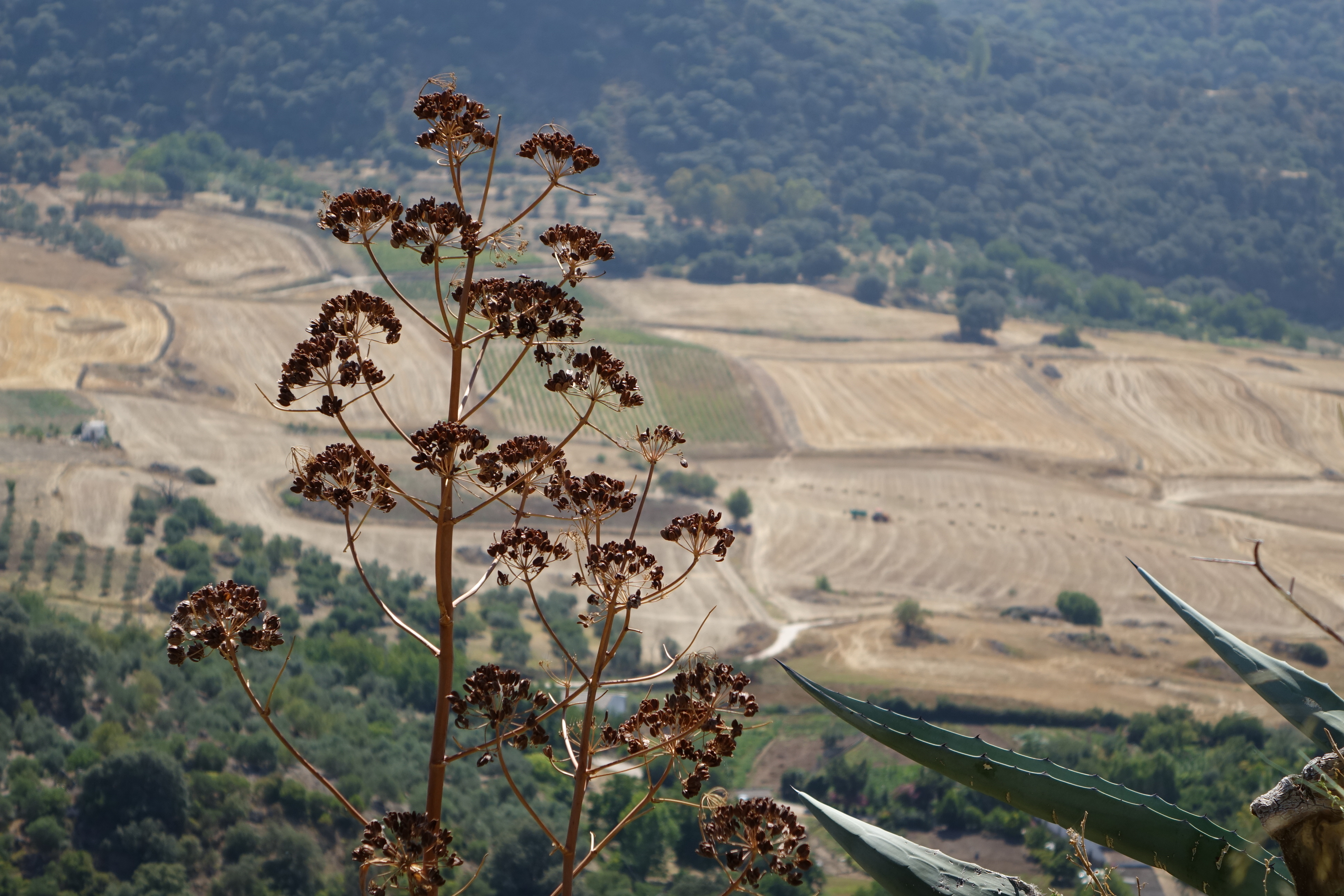
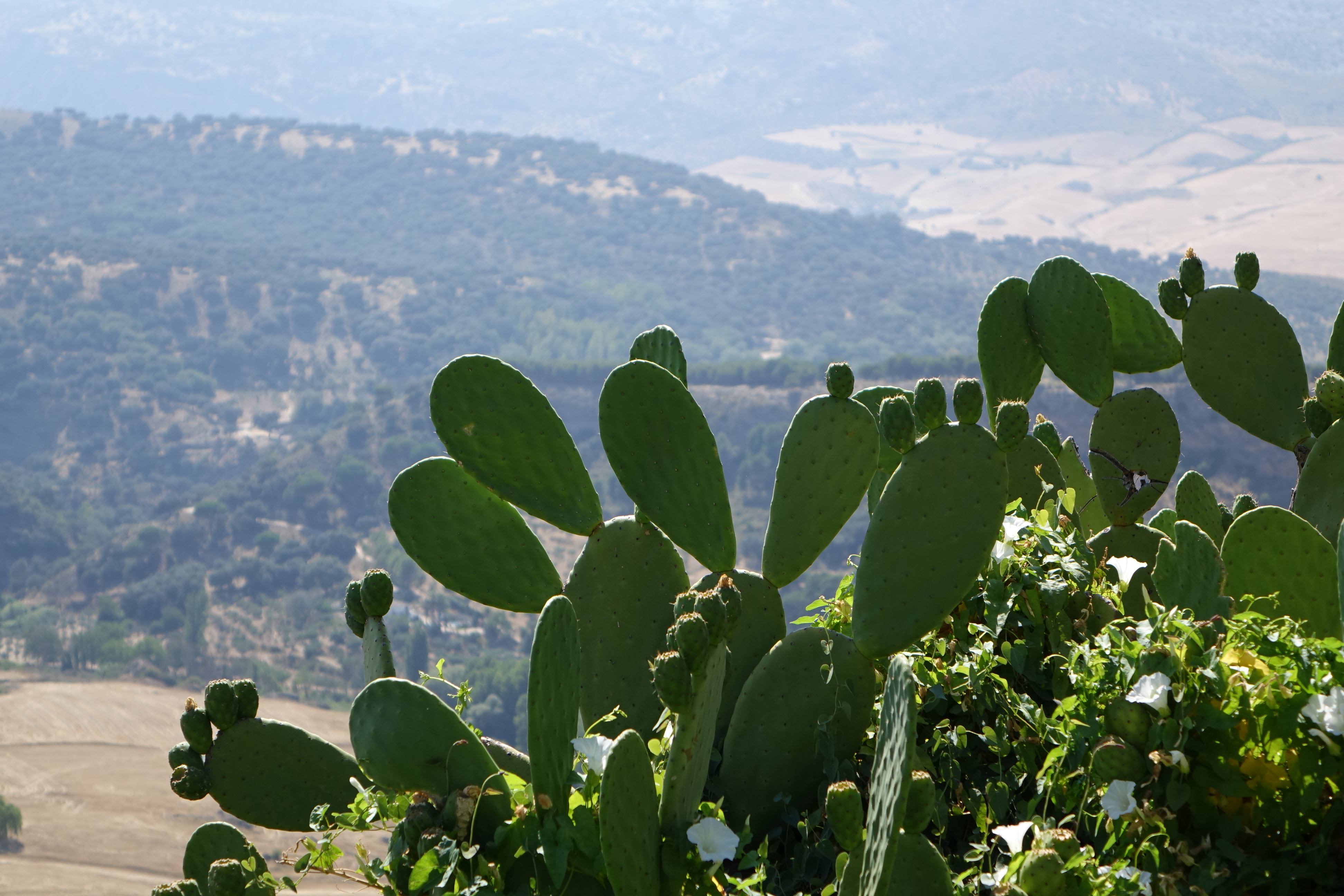
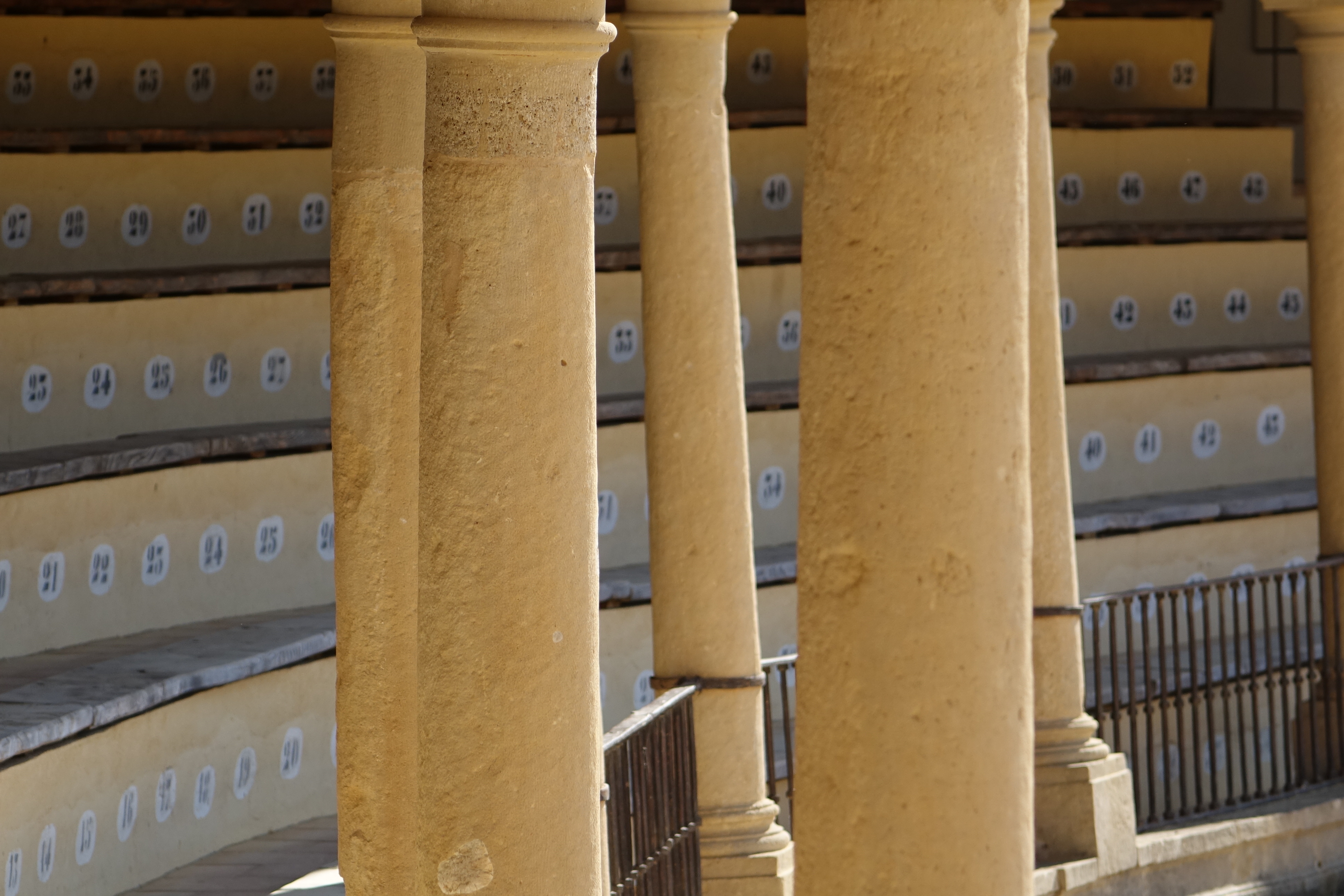
As has become somewhat the norm of my photography, I have concentrated more on architectural and urban details in exploring the town with my SLR bridge camera, making the most of soft focus capabilities when taking group shots, as well as the ability of the camera to excel under conditions of both light and shadow. But I have also used the frame of each photo to capture little vignettes of the city, such as the little horse and carts which ferry tourists around the old town, or the large succulent cactus which so beautifully compliments the arid golden landscape beyond it. 

DSC05105 DSC05171 DSC04908 DSC04996 DSC05033

I of course realise that this blog has become more of a homage to travel than to art in recent times. But as these photos will hopefully show, there is no greater inspiration for an artist than travel, and no greater art than that which captures the beauty which is so much easier to appreciate when the eye is not accustomed to it.

All photos and written content are strictly the copyright of Nicholas de Lacy-Brown © 2014 and The Daily Norm. All rights are reserved. Unauthorized use and/or duplication of the material, whether written work, photography or artwork, included within The Daily Norm without express and written permission from The Daily Norm’s author and/or owner is strictly prohibited. 

Ronda | Day Two: Ronda Joy for the Birthday Boy

Being a proponent of self-indulgence in all forms I am a great lover of birthdays. And being a great lover of birthdays I very often get disappointed when they are anything less than perfect. Which is most of the time – after all, when one is hoping for perfection you will almost certainly be on the look out for problems. But this year’s birthday, my 31st I am loathe to admit was, perhaps because it was so unplanned and unexpected (original plans to go to Cadiz being abandoned) utterly and in every way perfect. For how could it be otherwise, waking up in the glorious Spanish city of Ronda to some of the most spectacular views the country has to offer. 

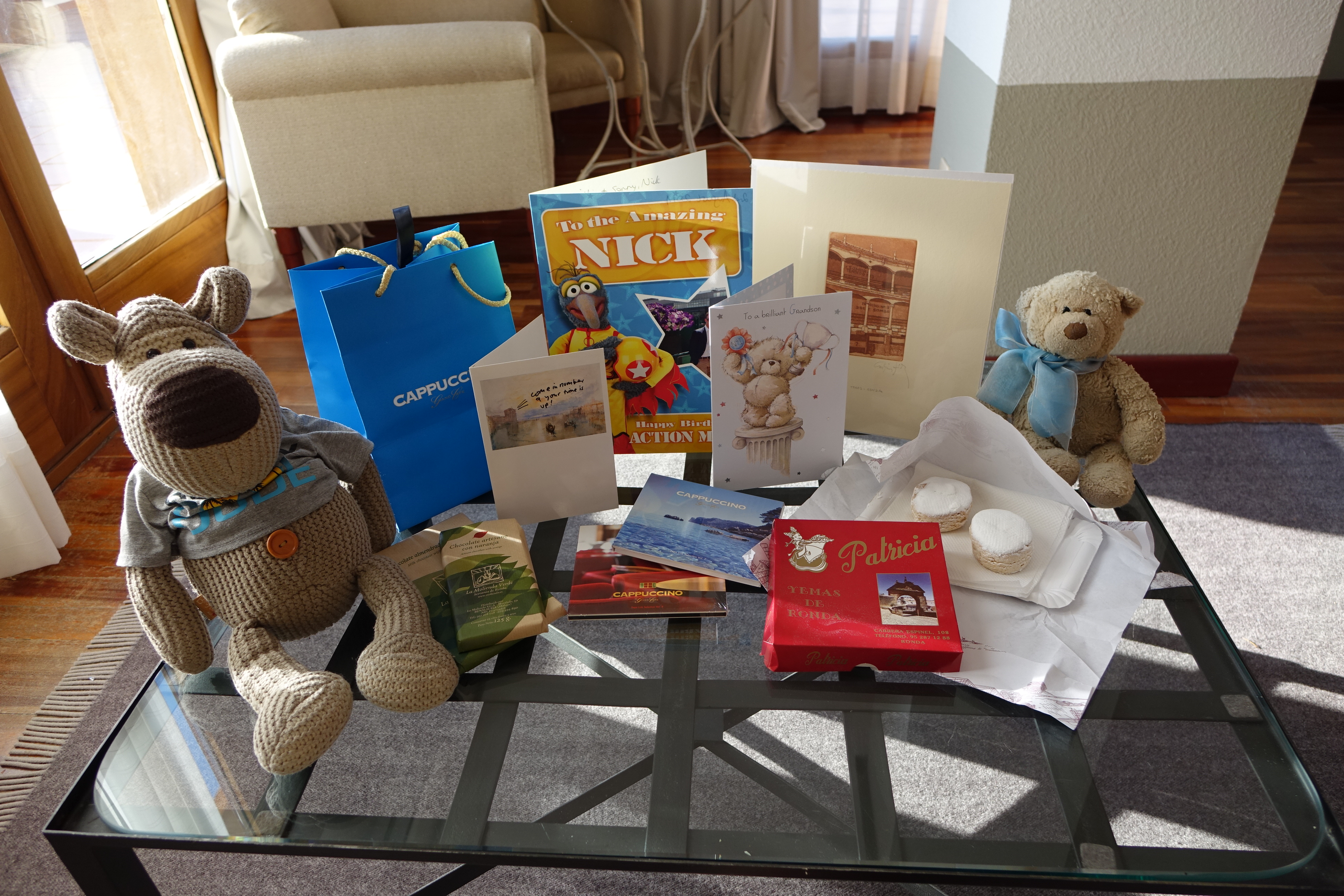
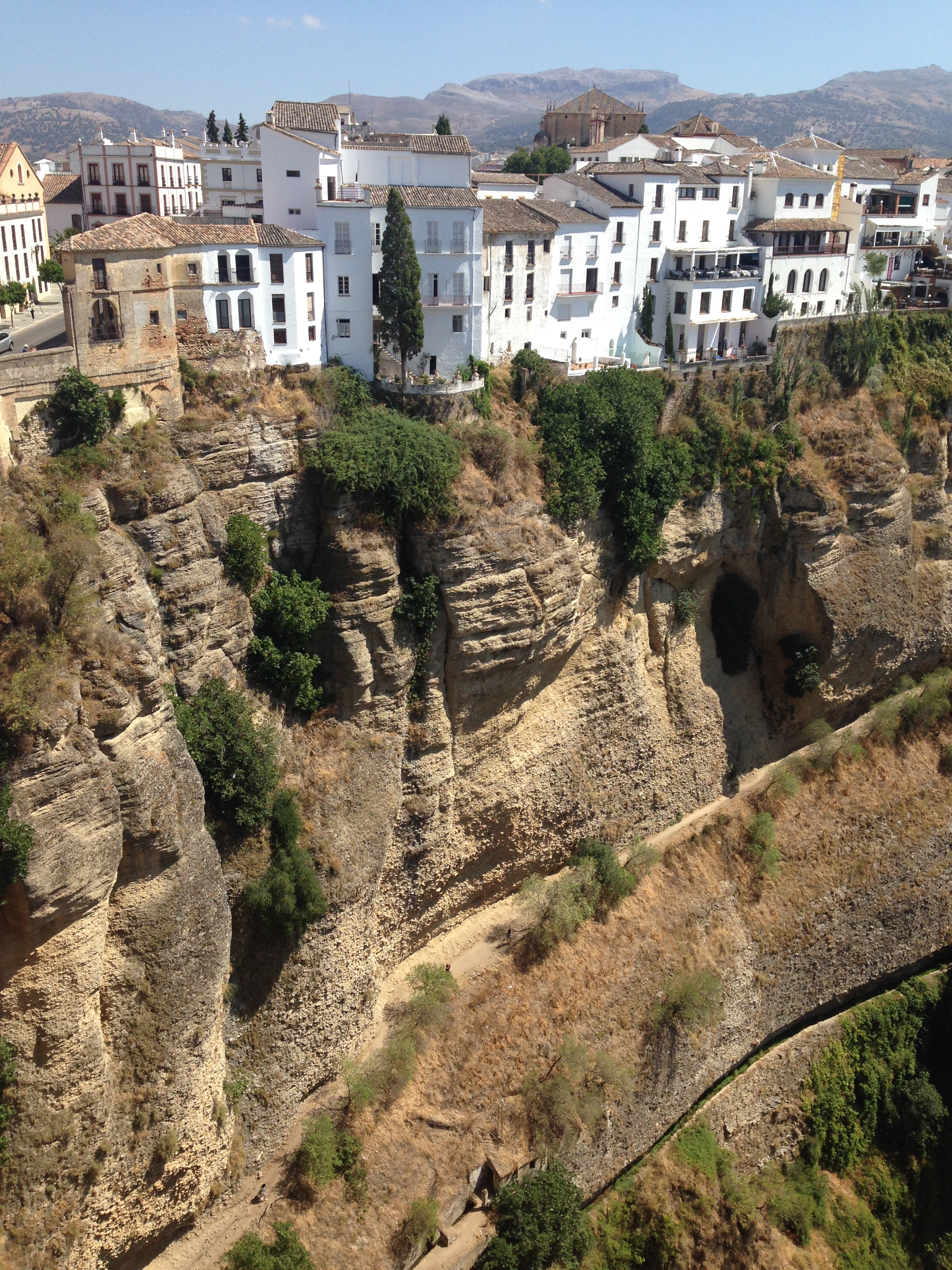
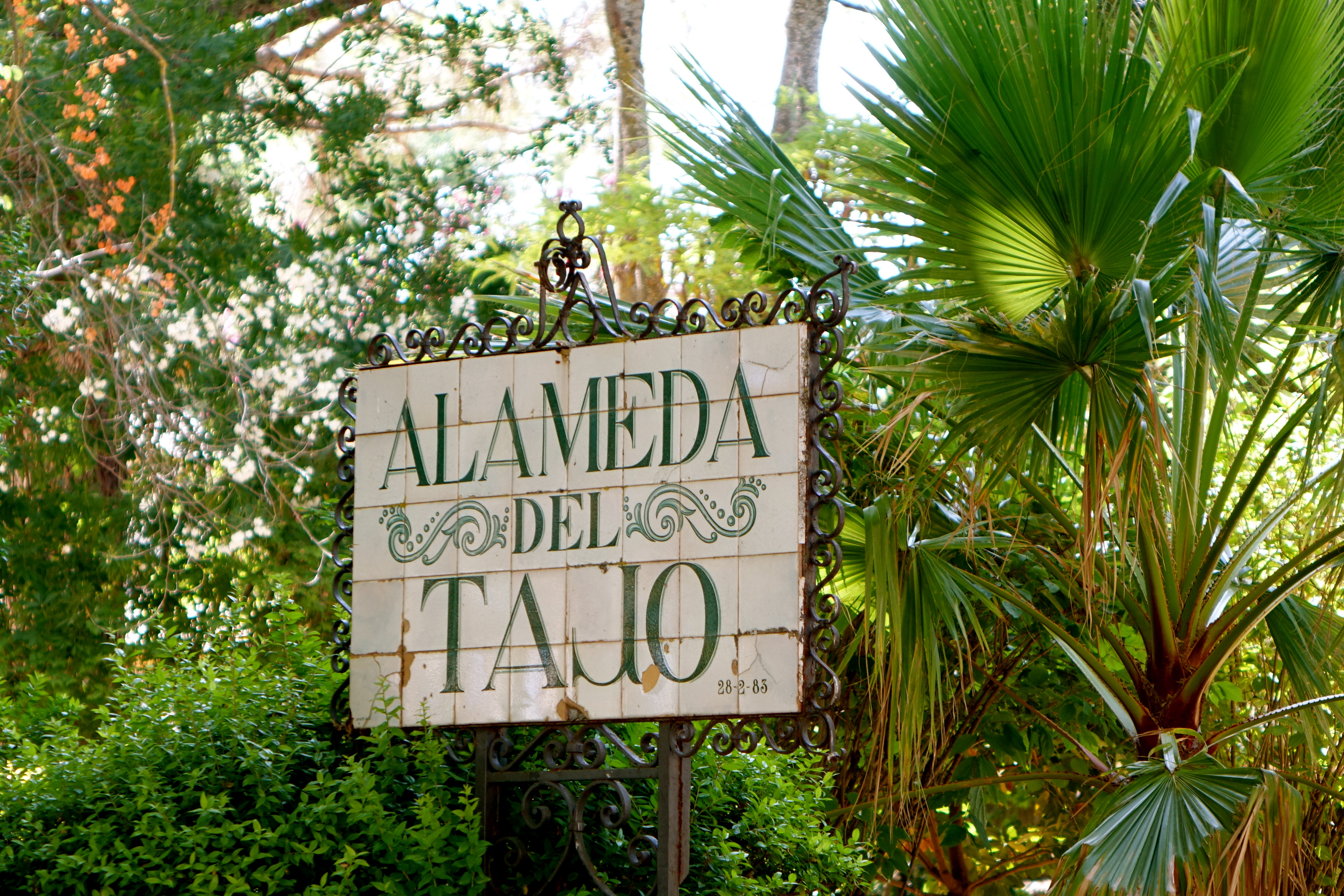
Those views, of golden fields, red rocky outcrops, white washed houses dazzled by the sun, and the vast imposing structure of the New Bridge, accompanied me throughout the early exciting stages of my birthday: admiring the views, taking a bath still admiring the views, unwrapping those few presents and cards I had brought with me from the UK, eating breakfast in the hotel restaurant still admiring the views, and finally getting my fill of those same stunning views as we strolled through the morning tranquility of the Almeda Park. 

Opening up my birthday presents and walking out into Ronda’s delightfully sunny morning

DSC05179DSC05673 DSC05370 DSC05724 DSC05405 DSC05361 DSC05542 DSC05398

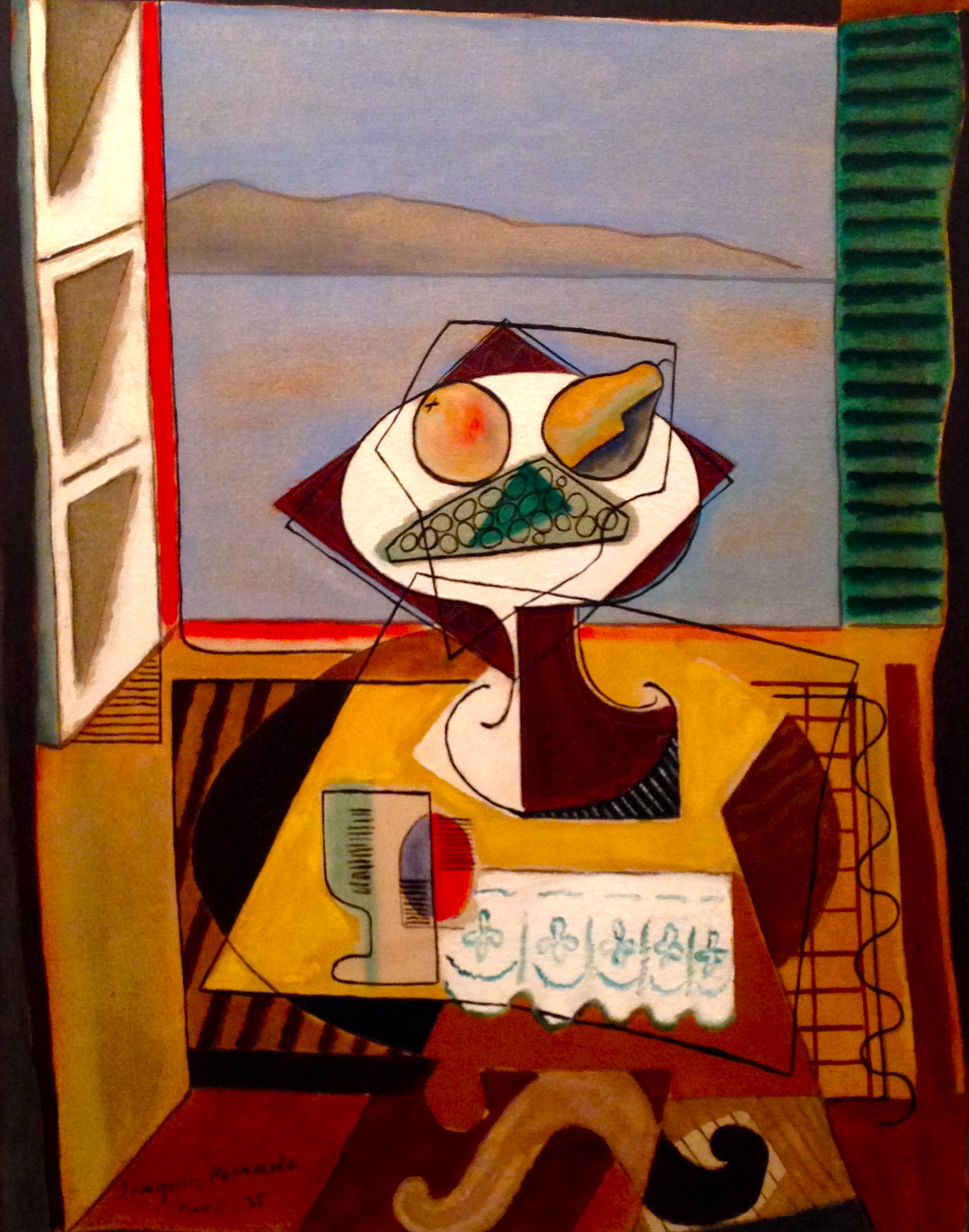
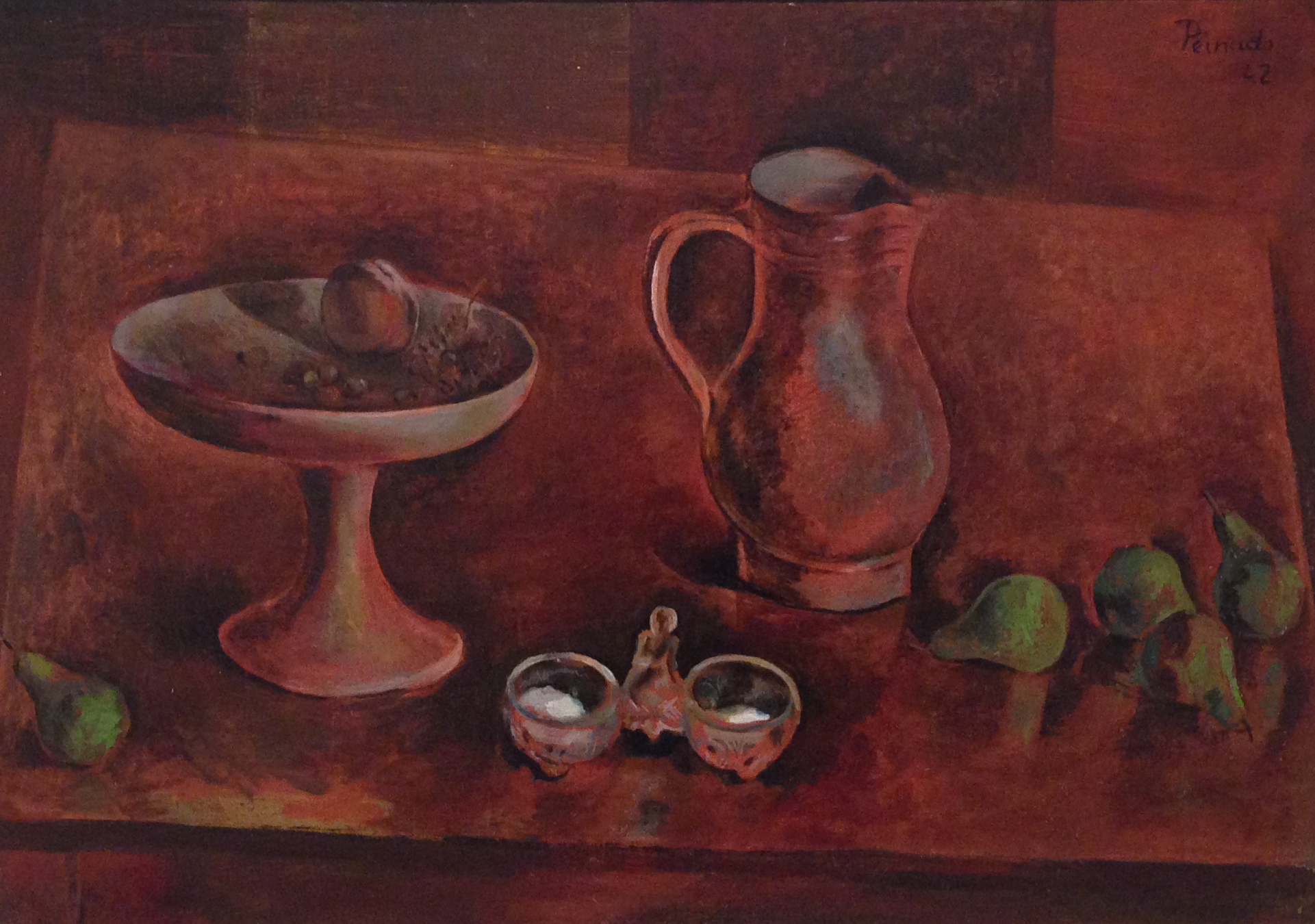
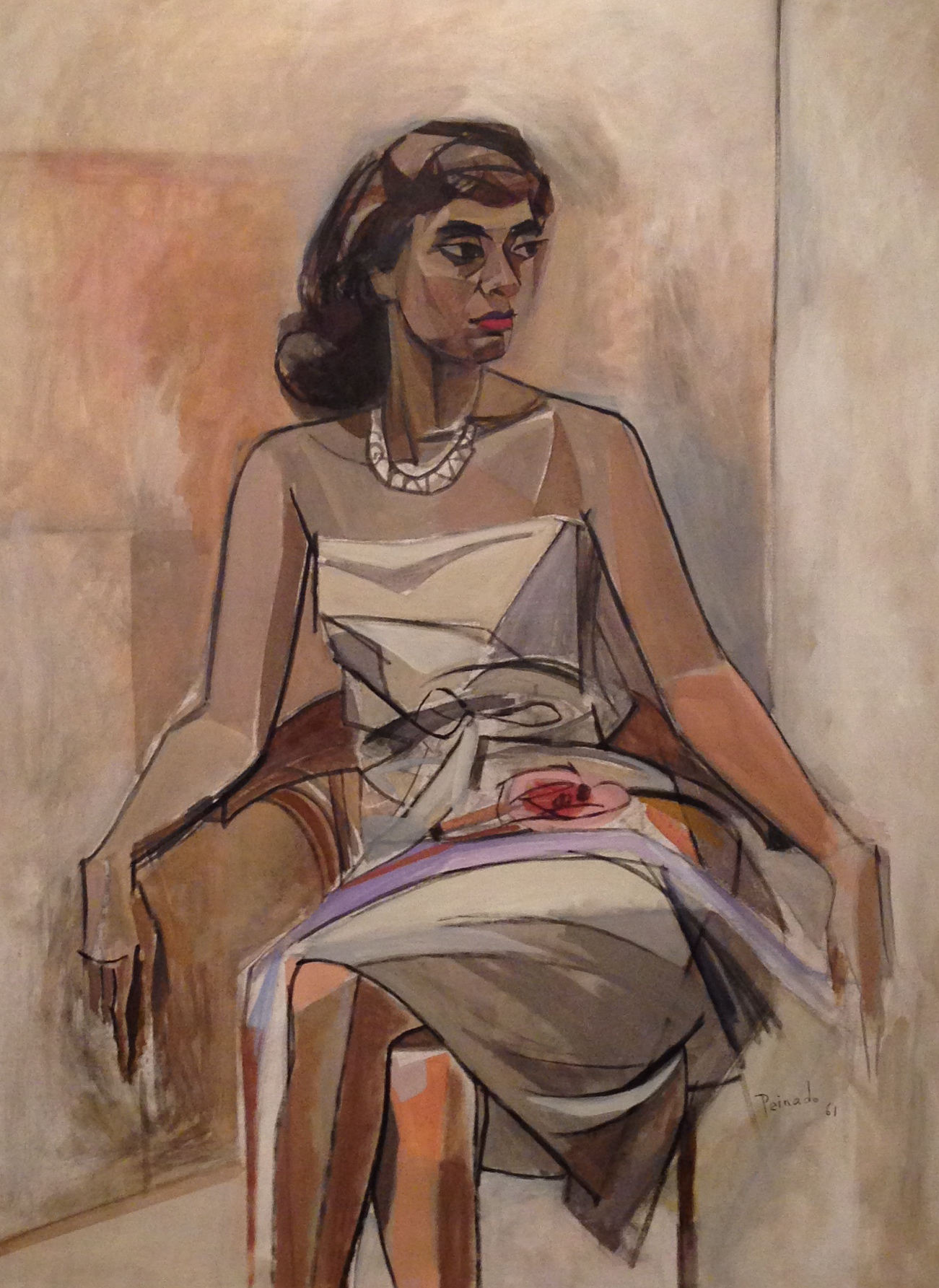
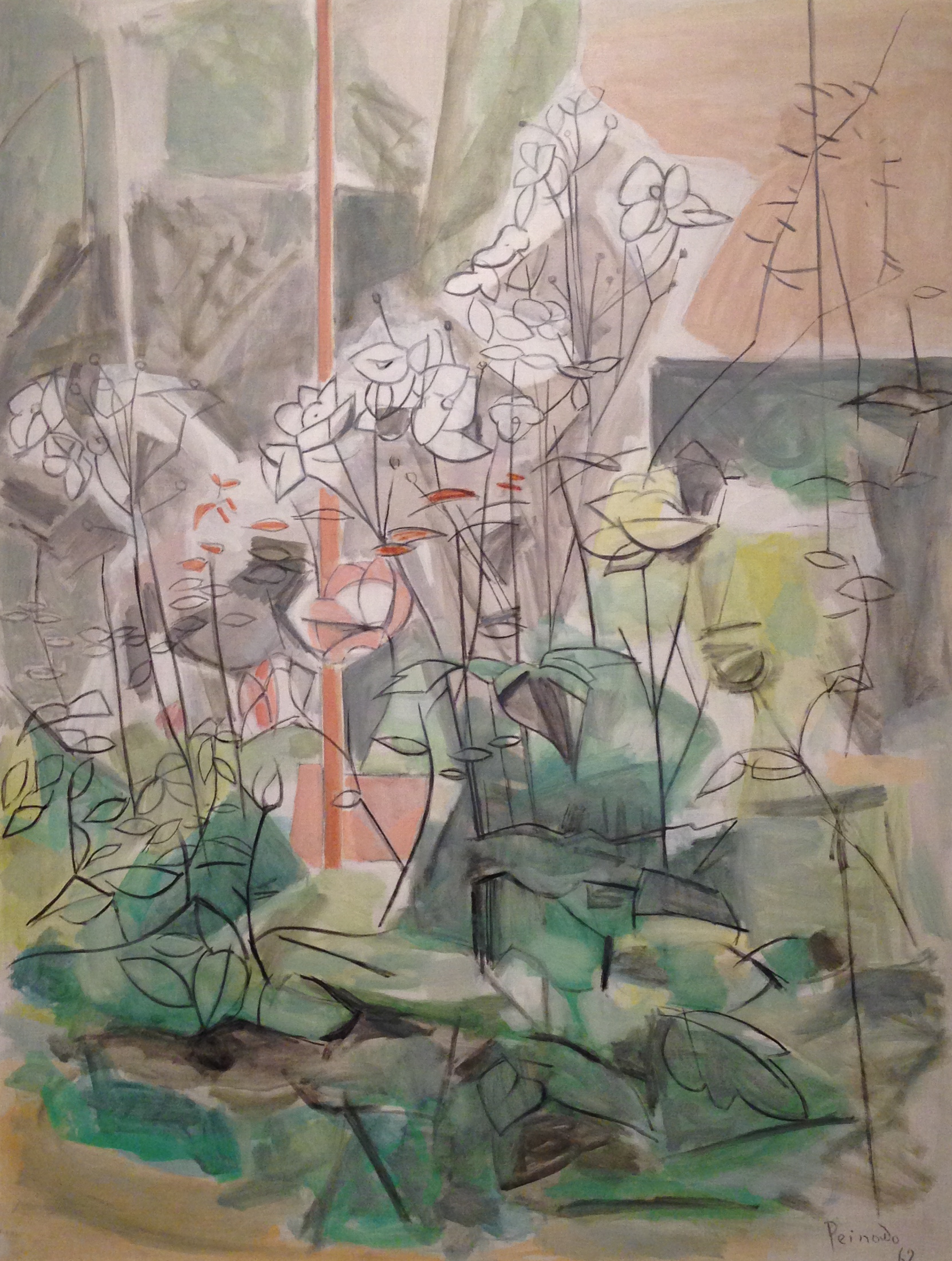
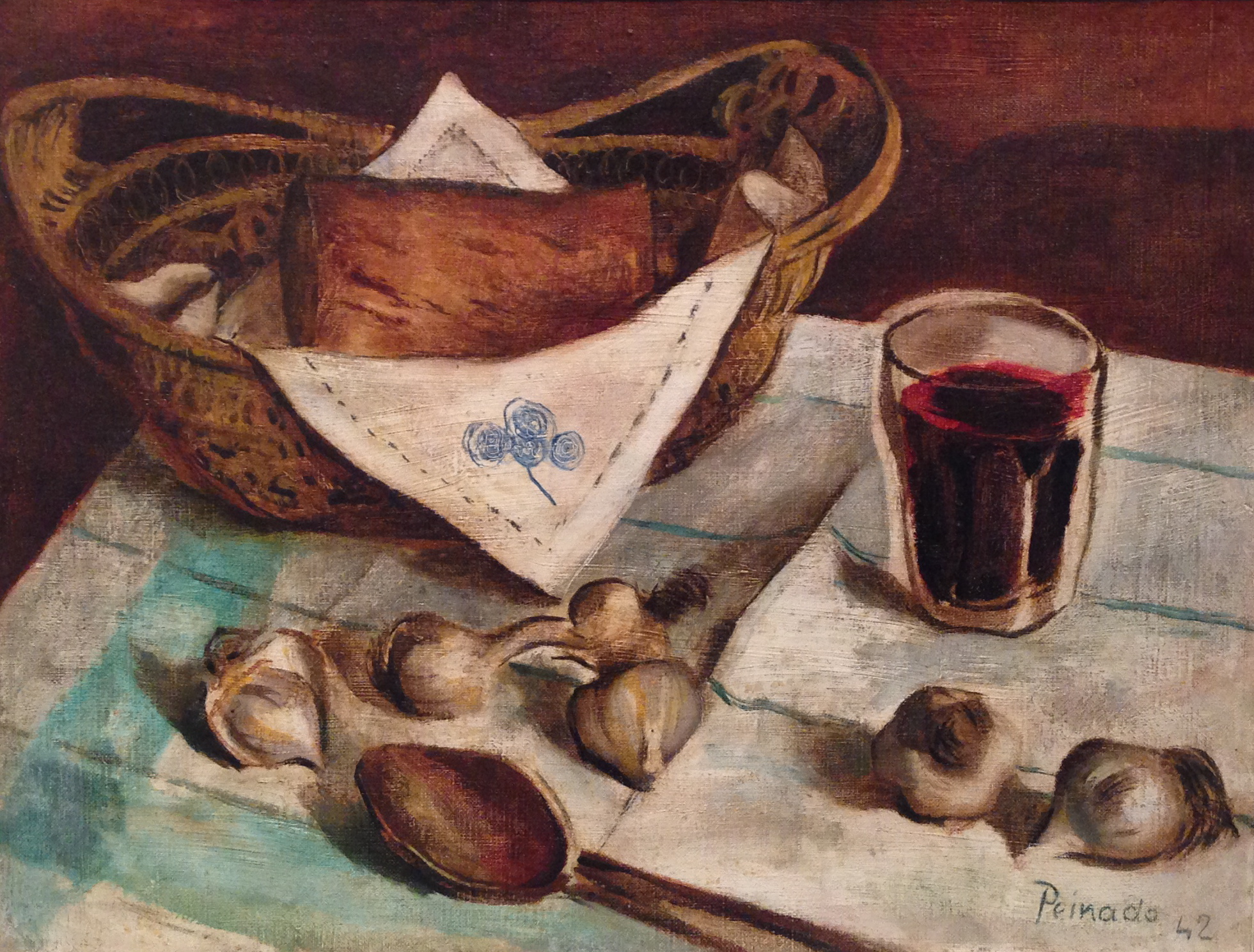
All that set me up in perfect stead for the day to come, energy levels sky rocketing inspired by the beauty all around us. We headed straight over the vast gorge to the fairly new museum of another artist who had been inspired by these landscapes as well as the wealth of art historical references boasted by Spain: Ronda born Joaquin Peinado. His works, largely figurative moving into cubism, all wonderfully colourful and full of energising geometric forms, are contained in the beautifully converted Moctezuma Palace which is today owned by the Unicaja Ronda Foundation. The conversion makes for the perfect meditative surroundings where art is appreciated at its best: marble floors, clean white walls and incredibly detailed ancient mudejar ceilings. And just in case the building itself does not do it for you, the paintings on show are comprehensive and varied: Not only was a plentiful collection of the work of Peinado himself on show, but the museum was also hosting a temporary exhibit of Picasso’s Voillard Suite of around 100 prints. Those works, which are mainly crafted in etchings and lithographs and depict themes of the minotaur and the sculptor and model, demonstrate once again the versatility of Picasso and how prolific he was in the field of print.

Highlights from the Peinado Museum

IMG_9492 IMG_9501 IMG_9507 IMG_9500 IMG_9493 IMG_9494 IMG_9503 IMG_9497 IMG_9496 IMG_9505

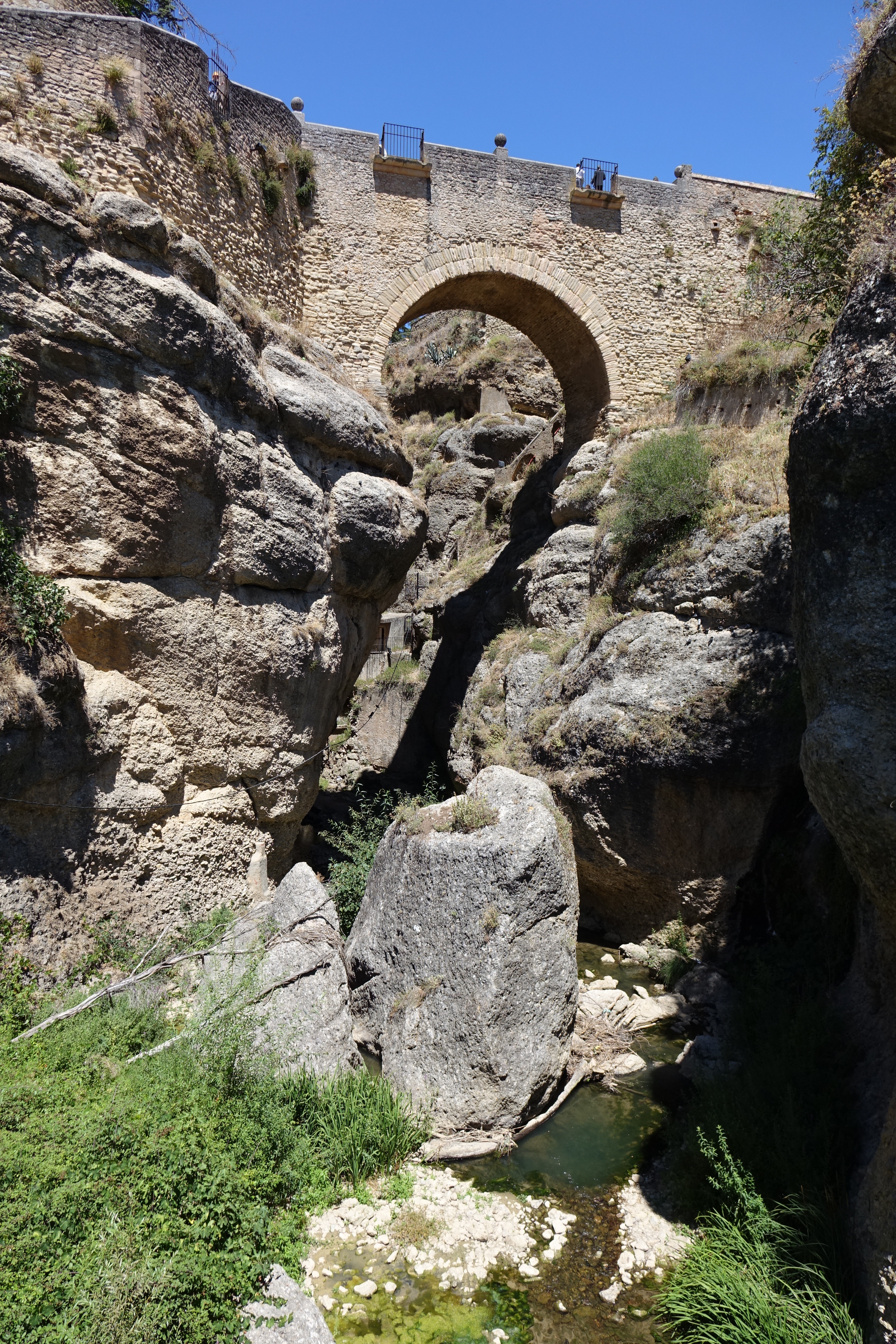
If my birthday had ended there, stepping out after that wonderful art gallery experience, I would have been happy, but it was far from over. Next the compulsory coffee, enjoyed in the heart of the old town in the Plaza Duquesa de Parcent, after which a quite random walk took us quite accidentally but fortuitously down around the outskirts of the old arab ramparts of Xijara and to the Islamic remains of the city. Chief among them are the almost fully intact Arab Baths, which today make for an atmospheric visitor’s attraction with sunlight flooding through the small star shaped holes in the stone ceiling, even though the water is today long gone. Then, just outside the baths, the incredible Old Bridge (so called) crossing the El Tajo gorge is likewise a supposed remnant to the old arab civilisation in the city. Today it makes for a stunningly impressive sight.

Arab Ronda

DSC05464 DSC05501 DSC05424 DSC05495 DSC05448 DSC05467 DSC05430 DSC05453

Read more

Ronda | Day One: Matadors, Miradores and Multiple Moments of Epiphany

I am going to say something potentially controversial. I think that the experience of a moment of epiphany is the preserve of artists and creatives. Not because other people can’t be placed in the often emotional, sense-tantilising circumstances that give rise to such a moment, but because they do not have the creative mentality which makes them aware of it, or at least of just how sensational are the surroundings giving rise to it. Not everyone therefore will necessarily understand me when I say that in Ronda, a small mountain-top city in Spain’s Andalucia, the surroundings were so bone-achingly beautiful that I experienced multiple moments of epiphany – times when situation, atmosphere and inspiration combine into a powerful fusion of mood and moment; when creative ideas pop and flow from my head like bubbles out of a fast-moving fountain. (The blogosphere does however tend to me full of creatives, and I therefore retain high hopes that most of my readership will be able to flow effortlessly along with me as I describe the happening of those moments under the hot sunny skies of a summer-baked rolling Spanish landscape). 

The Spanish City of Ronda

The Spanish City of Ronda

The first of those moments occurred shortly after our arrival in this incredibly placed city up in the vast mountain ranges that sit behind Marbella. As if the incredible view of vertiginous mountain passages on the wildly meandering road from Marbella to Ronda weren’t enough, but up in the city itself, our hotel (and one of the town’s best) – the Paradores – was so sensationally located as to give us the very best views wherever in the hotel we happened to be situated. Located bang next door to Ronda’s iconic Puente Nuevo, the newest and largest of three bridges that span the 120-metre-deep chasm that carries the Guadalevín River and divides the city, the hotel has an enviable location right on the edge of the vast El Tajo gorge on which the whole city is precariously perched. 

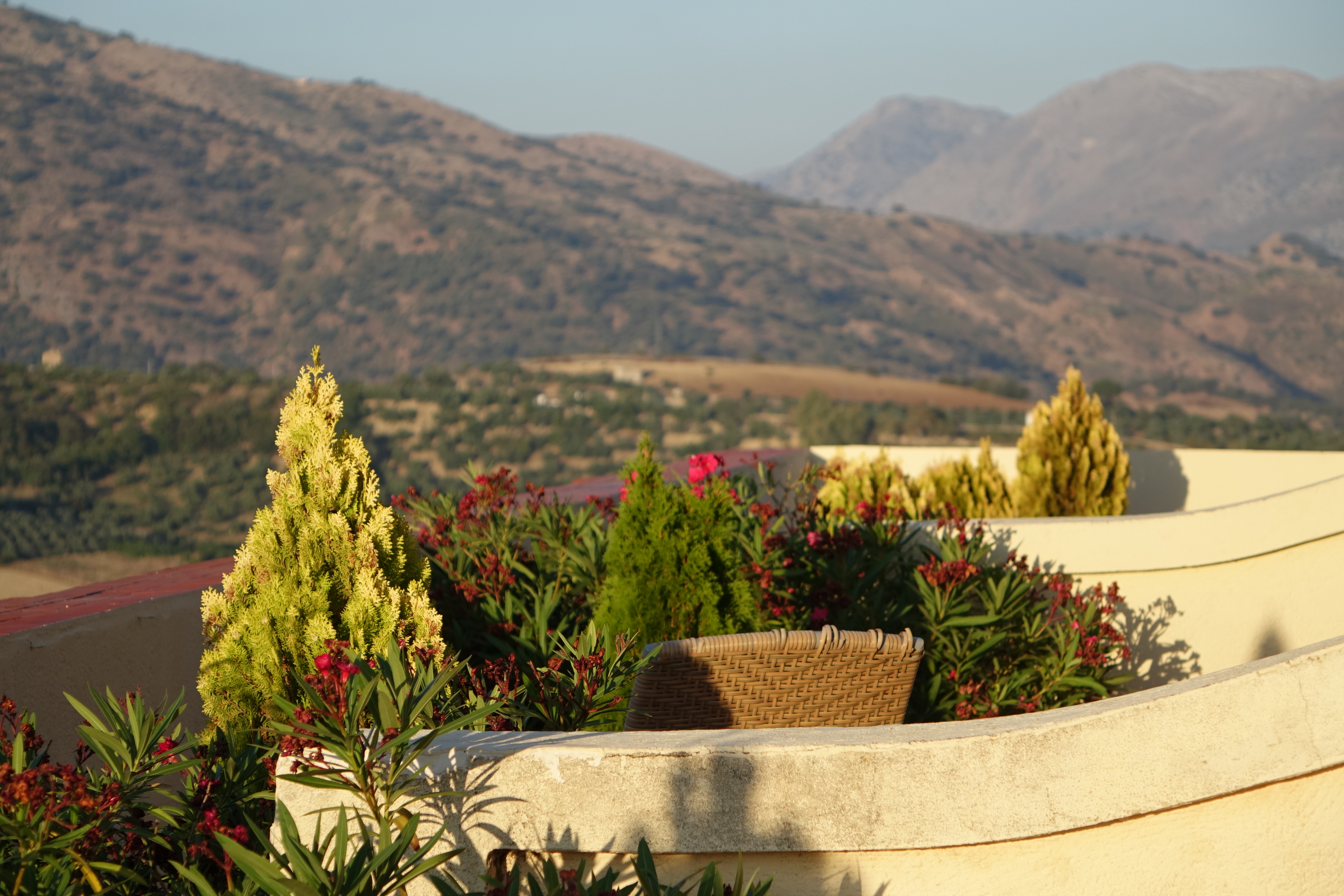
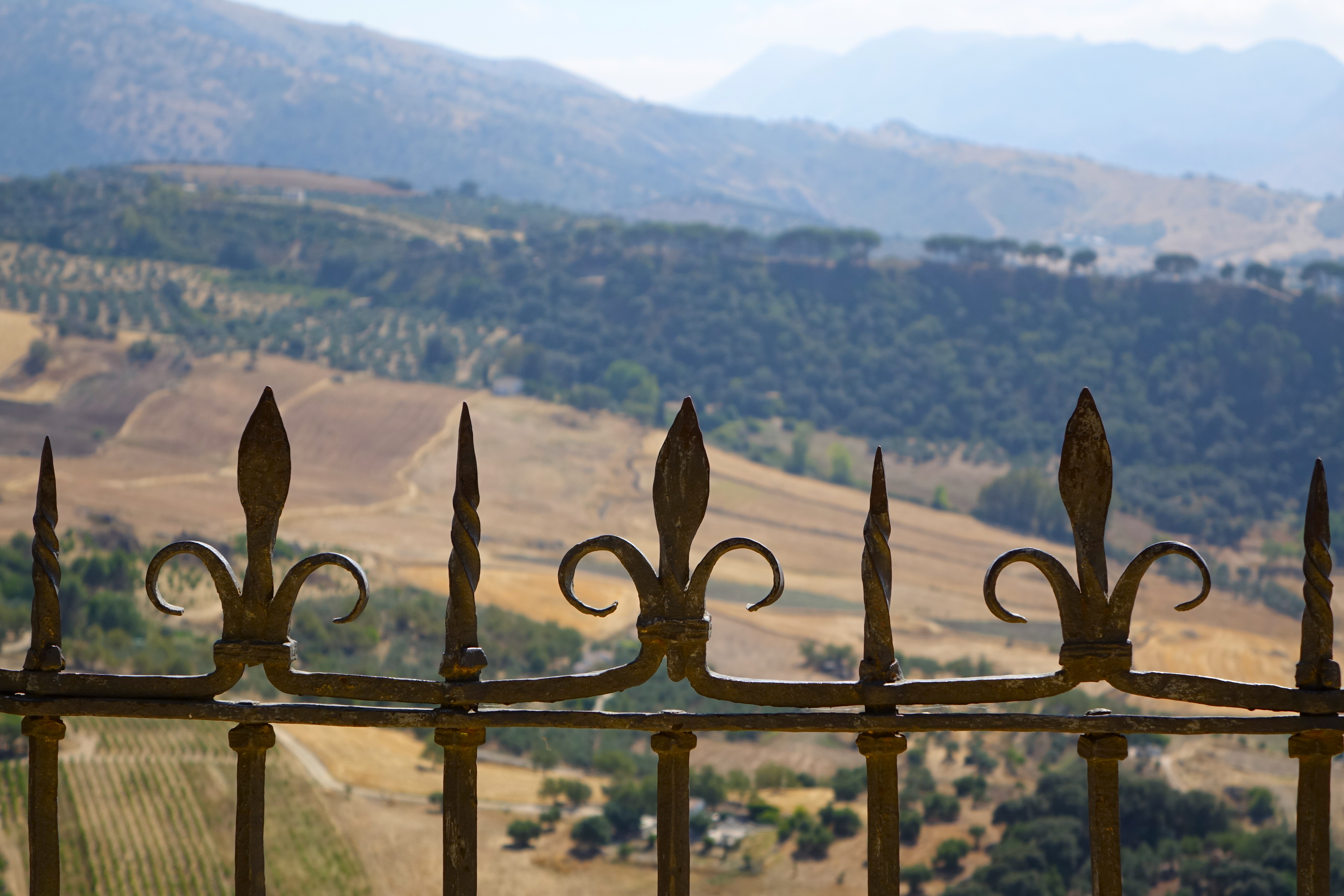
But my moment of epiphany came not in the hotel lobby, or in its well appointed restaurant or swimming pool gardens, but in our own room which we had, with great fortune, been allocated with a vast hotel terrace spanning one whole corner of the hotel and presenting the most sensational almost 360 degree views of Ronda, the El Tajo gorge, the bridge and the mountainous valleys and hills beyond. Looking over the variously angled terracotta rooftops of Ronda’s old town houses, across the rocky gorge and over to vast planes in a tapestry of sun-burnt browns, coppers, umbers and olive greens, we could see hints of Tuscany, moments of Malta, the green verdancy of lush tropics, but predominating over all the unmistakable russet richness of a Spanish landscape. In those fields were every conceivable shade of orange and red; pastures haphazardly placed and others neatly planted with olive trees; curving meandering roads lined with cypresses and Spanish firs, and exposed hard-edged rocky outcrops with birds of prey flying overhead. 

What a view…the Paradores Hotel, our terrace, and the landscape beyond

DSC05709 DSC04834 DSC05152 DSC05108 DSC04912 DSC04815 DSC05155 DSC04884 IMG_9461 DSC04832 IMG_9465

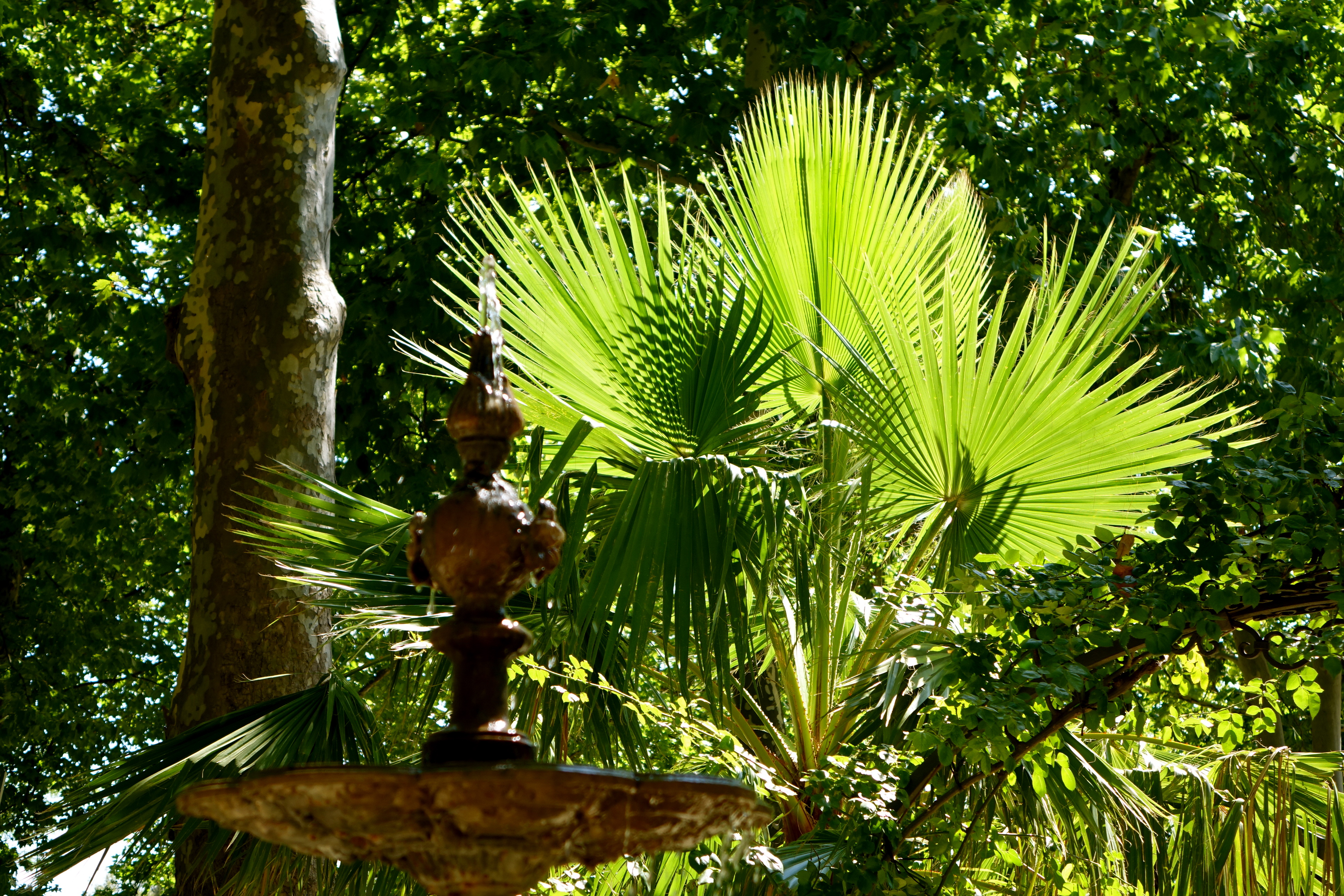
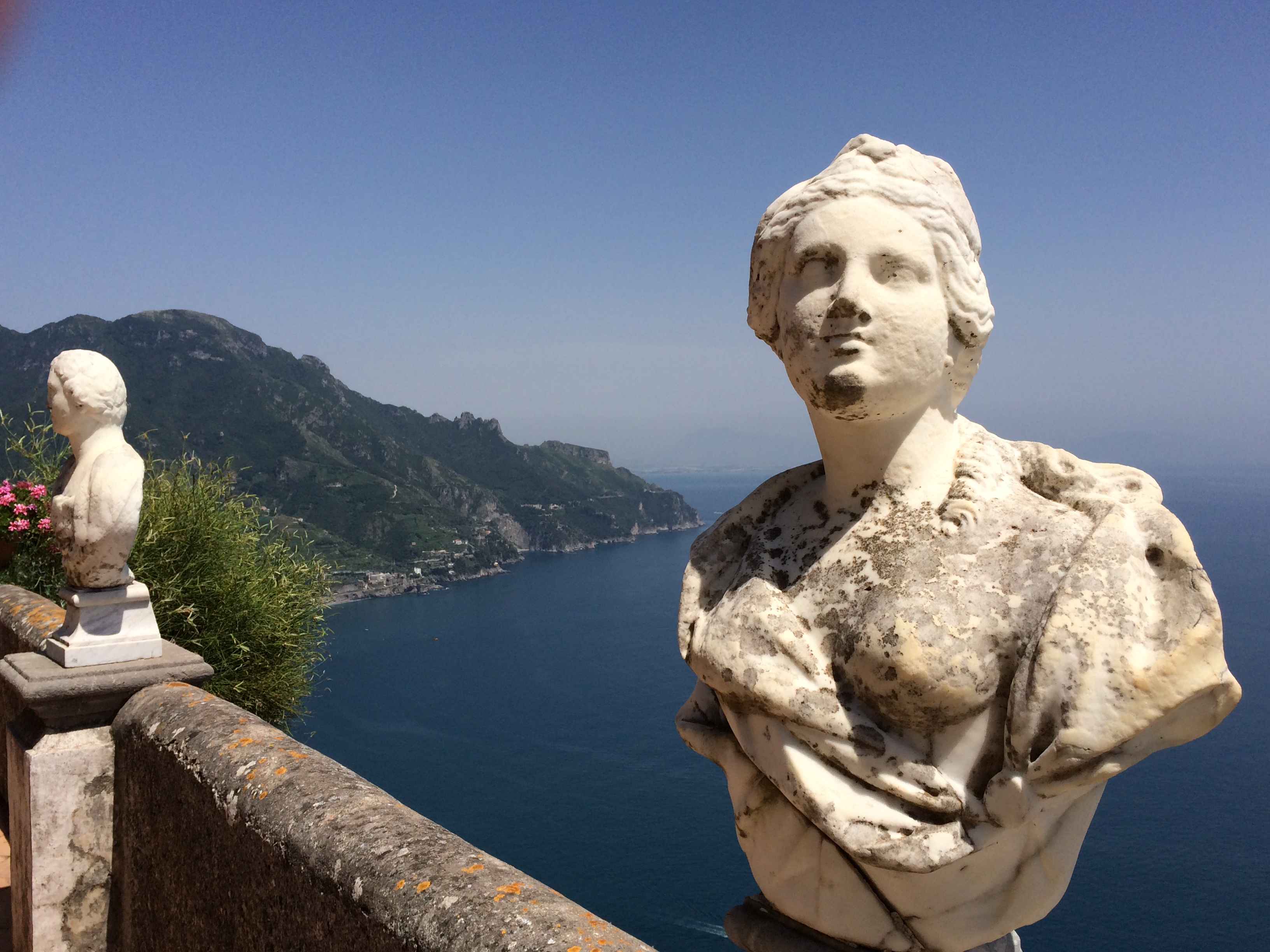
From the hotel, we were but moments away from the Alameda Park; lush botanical gardens whose beauty would themselves make for a view worthy of lavished attention, but which are largely overlooked because of the incredible mountain views which span the entire length of the gardens at the bottom of their sun dappled paths. This reminded me of those sensational gardens at the Villa Cimbrone in Ravello – stunning gardens, much overlooked by visitors who rush to the Terrazzo dell’lnfinito (Terrace of Infinity) to see the unbeatable views of the Mediterranean which the terrace affords. 

The stunning Alameda Park

DSC04865 DSC05287 DSC04859DSC04864 DSC05299 DSC04873 DSC04870 DSC04880 DSC05004 DSC04902 DSC04899 DSC05291 DSC05253

Read more

Photo Focus: Marbella Mix

It’s Marbella week on The Daily Norm, a blog which has become progressively taken over by a summer of Mediterranean (and Adriatic!) travel as I seek to pursue the only true source of a man’s spiritual and creative happiness: La Dolce Vita itself. And back in Marbella, the place which has been my family home for over decade and which has given birth to so many of my most successful creative moments, the typically Andalucian charming little old town which inspired me from my first visit in the year 2000 continues to do so these 14 years later. Still, when I walk around the town, I take my camera with me, for the excitement that this Spanish beauty instils in me continues to inspire creativity of every form, and a camera is a necessary tool in those moments.

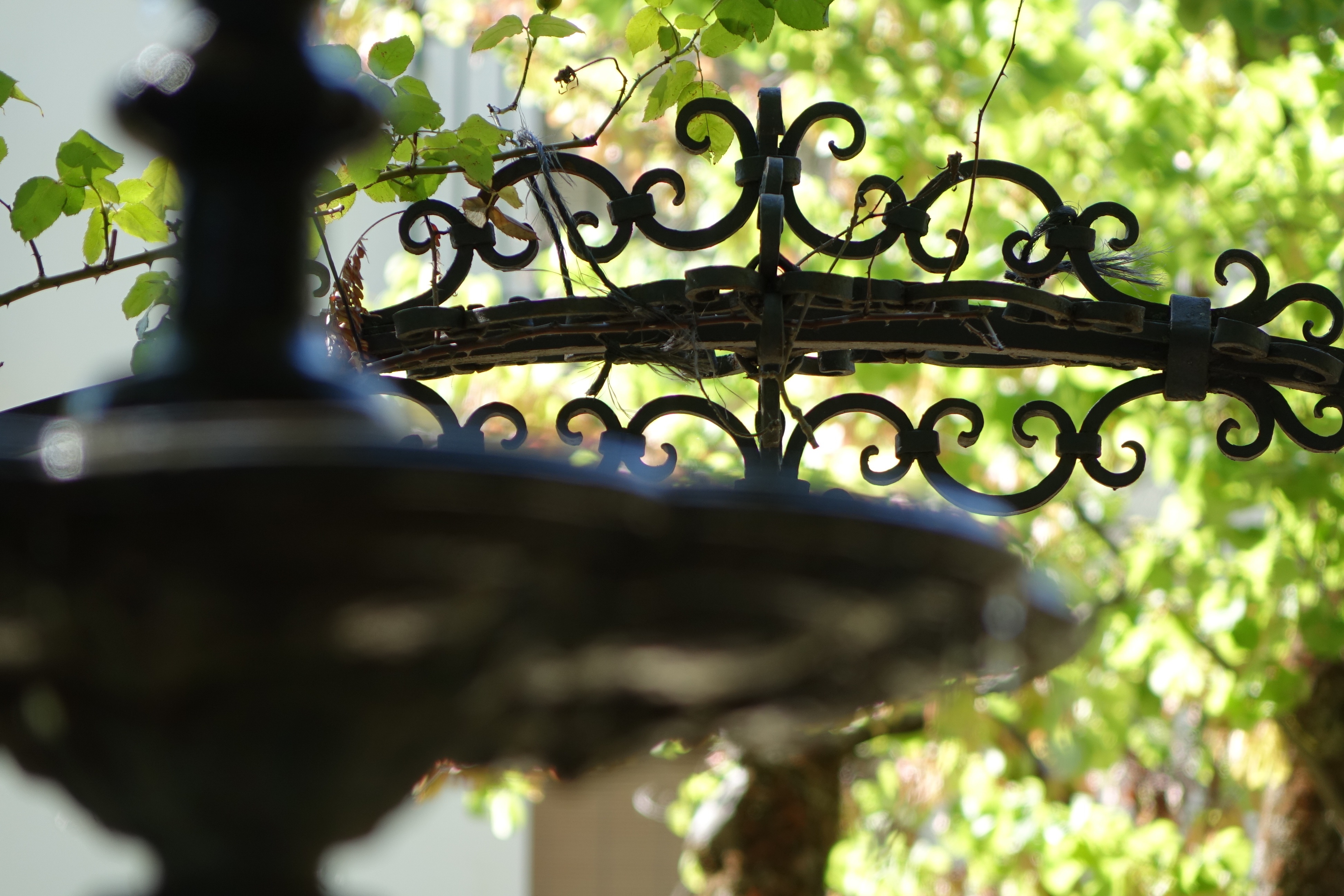
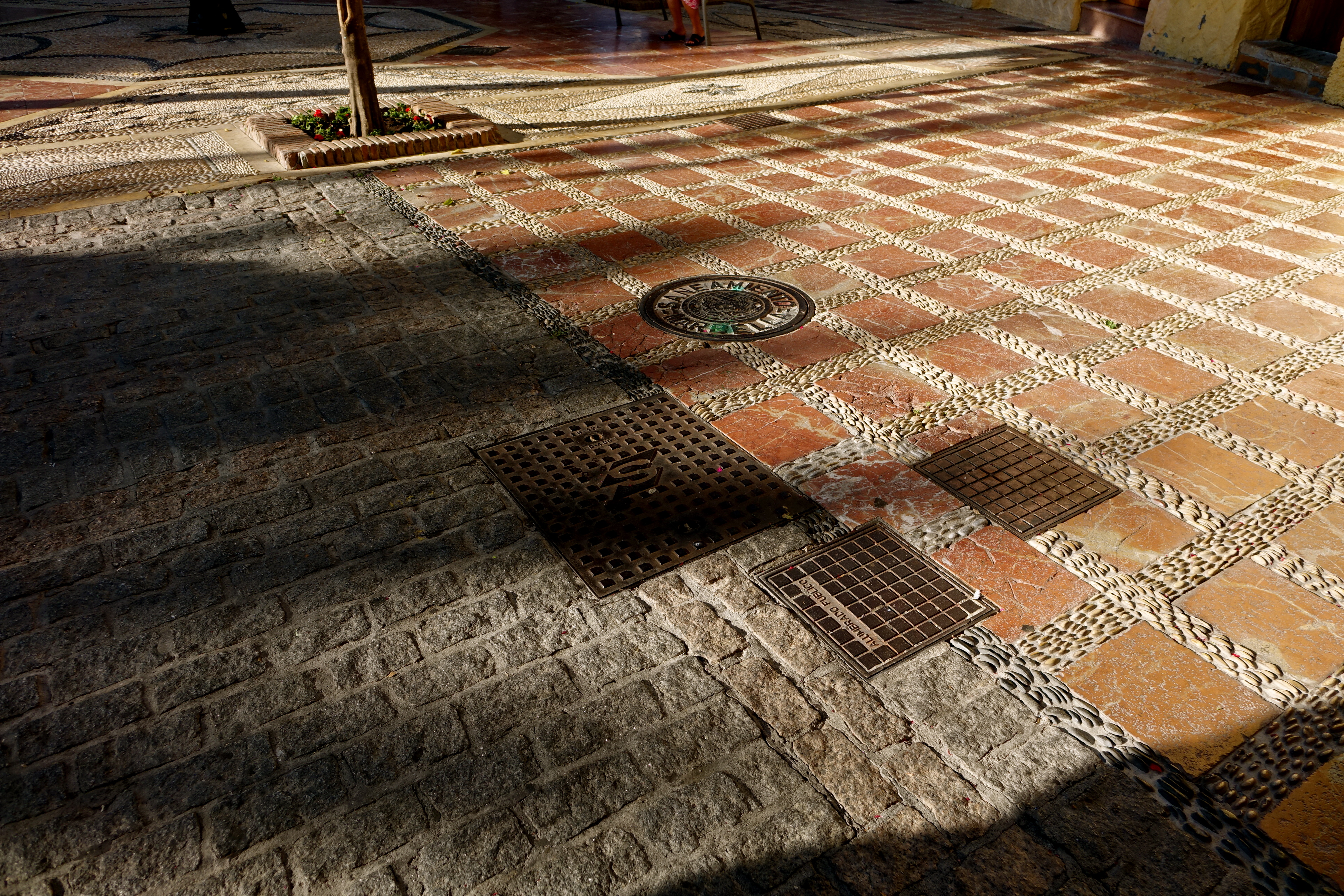
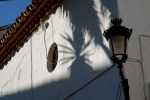
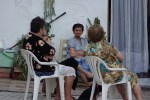
So this post contains just a few of the Marbella shots I took while I spent two wonderful weeks recently ambling down its little narrow alleyways, through large cobbled squares, and around its lush gardens and seaside promenades. In this mixed old bunch of shots, you’ll enjoy energetic bursts of fountains glittering in the hot afternoon sun, you’ll see old Spanish locals creating a picture-postcard grouping as they gather together out in the warm balmy evening air to gossip; and you can share in the burst of optimism which the long shadows and sharp sunshine of an early Spanish morning can bring – when hope itself goes out for a promenade. Amongst the Marbella locals, you’ll see a rather friendly pigeon enjoying those ample fountains, you can meet the rather handsome patron saint cast in bronze outside the Iglesia de la Incarnacion, and, like the lady in one photo, you’ll want to sit out in an Andaluz square reading while the sun breaks out around you.

DSC06140 DSC06024 DSC05989 DSC06177 DSC06144

These photos are very much an expression of the true authentic heart of one of Andalucía’s most overlooked historical centres. For as I’ve said so many times before, Marbella is not just about the superficial glitz of Puerto Banus – it has a heart and soul too.

All photos and written content are strictly the copyright of Nicholas de Lacy-Brown © 2014 and The Daily Norm. All rights are reserved. Unauthorized use and/or duplication of the material, whether written work, photography or artwork, included within The Daily Norm without express and written permission from The Daily Norm’s author and/or owner is strictly prohibited.
The Daily Norm Photo of the Week: Capri Lizard

Poking his head up over the rough dusty ground of Capri, is a sly little lizard, eyes fixed on the viewer who finds him. His tongue sticks out slightly from his shiny scaled face, but still his eyes stay fixed on yours, as behind that steely gaze, a tiny mind calculates whether it is better to flee or attack. Yet in the apparent calm of his contemplation, who would have known that right behind him was a vertiginous drop, several hundred metres down to the crystal blue sea of the Mediterranean. 

This week’s Daily Norm photo of the week features a very mischievous little lizard, caught in a moment of fleeting movement as this incredible scaly creature ran alongside the edge of a sharp cliff edge plunging down to the sea alongside the vast limestone Arco Naturale in Capri. Despite their not insignificant population in this hot rocky land of Capri, many of whom would be caught in the corner of an eye scattering across our path, it’s always difficult to capture a lizard up close – after all, they move at the speed of lightening, and usually into the shade away from human sight. And that is why I was so pleased to have captured this image – a fleeting glimpse into this speedy creature’s life. 

DSC02684

All photos and written content are strictly the copyright of Nicholas de Lacy-Brown © 2014 and The Daily Norm. All rights are reserved. Unauthorized use and/or duplication of the material, whether written work, photography or artwork, included within The Daily Norm without express and written permission from The Daily Norm’s author and/or owner is strictly prohibited.
The Daily Norm Photo of the Week: Corked Ladybird

Some animals in this world are so perfectly beautiful that one can only assume that an artist was at play that week that the world was created. Stripy zebras, haphazardly spotted dalmatians, elegantly aesthetic peacocks, rich blood orange butterflies and multicoloured parrots – all bear the hallmark of the creative touch; a natural beauty worthy of the Paris catwalks rather than an African pasture or worse, a cage.

Symmetrical beauty, coupled with rich contrasting colours are two things that nature does best, no more so than in the ladybird, surely the most beautiful insect of the lot. For in its black and red spotted back, the ladybird recalls both the joyful dance of a flamenco polka, while exuding the contemporary style of a fine sports car or high gloss handbag. It is this innate beauty, and the feeling that these creatures somehow represent luckyness, that I have always been attracted to ladybirds, finding that their appearance somehow enhances my life, no matter how short the duration of our encounter.

Photo of week

One such discovery is captured on my Daily Norm photo of the week today, an instance which occurred in the Chelsea Physic garden upon the spongey bark of an old cork tree. The resulting photo is a fusion not just of the spotted retro ladybird, but also of the rippling irregular forms of the cork around it. Another wonder of nature, and one that is growing rarer by the day. Surely it’s worth settling for a screw cap wine bottle when this beautiful tree is saved as a result?

All photos and written content are strictly the copyright of Nicholas de Lacy-Brown © 2014 and The Daily Norm. All rights are reserved. Unauthorized use and/or duplication of the material, whether written work, photography or artwork, included within The Daily Norm without express and written permission from The Daily Norm’s author and/or owner is strictly prohibited.

Positano & beyond | Photos Part 5 – Epilogue

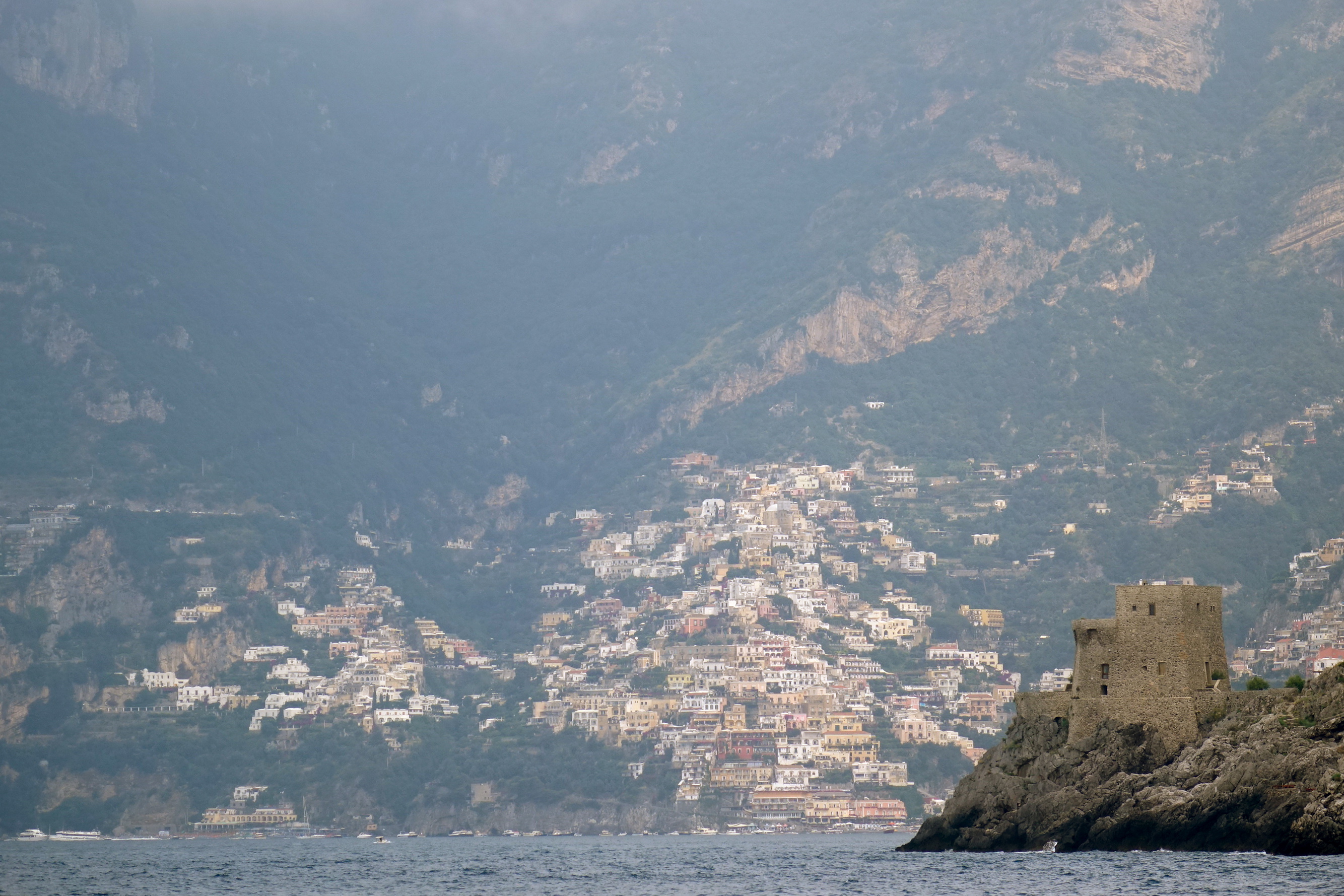
I began my Daily Norm tale of my time on Italy’s stunning Amalfi Coast with a post examining the unrivalled beauty of the town of Positano, which we had made our base, and in particular the ravishing sea views from our room. As the weeks have gone by, and I have shared with you tales of our visits to Capri, Amalfi and Ravello, as well as walks around Positano and days on the beach, not to mention my many sketches and paintings which the trip has inspired, it has never failed to amaze me what a beautiful place the Amalfi Coast is. Of course you realise it when you are there – how can you not? Yet it is of course so easy to slip into easy complacency when you are surrounded by perfection at all times. But happily, complacency never got so much that my photographs, or indeed my artistic expressions of Positano and beyond ever ceased, and sat now in a far more urbanised London environment reviewing both my posts on this blog as well as my many photos and souvenirs from the trip, I can appreciate with renewed energy that it really was a paradise on earth.

DSC04207 DSC02337 DSC04224 DSC02243 DSC04167

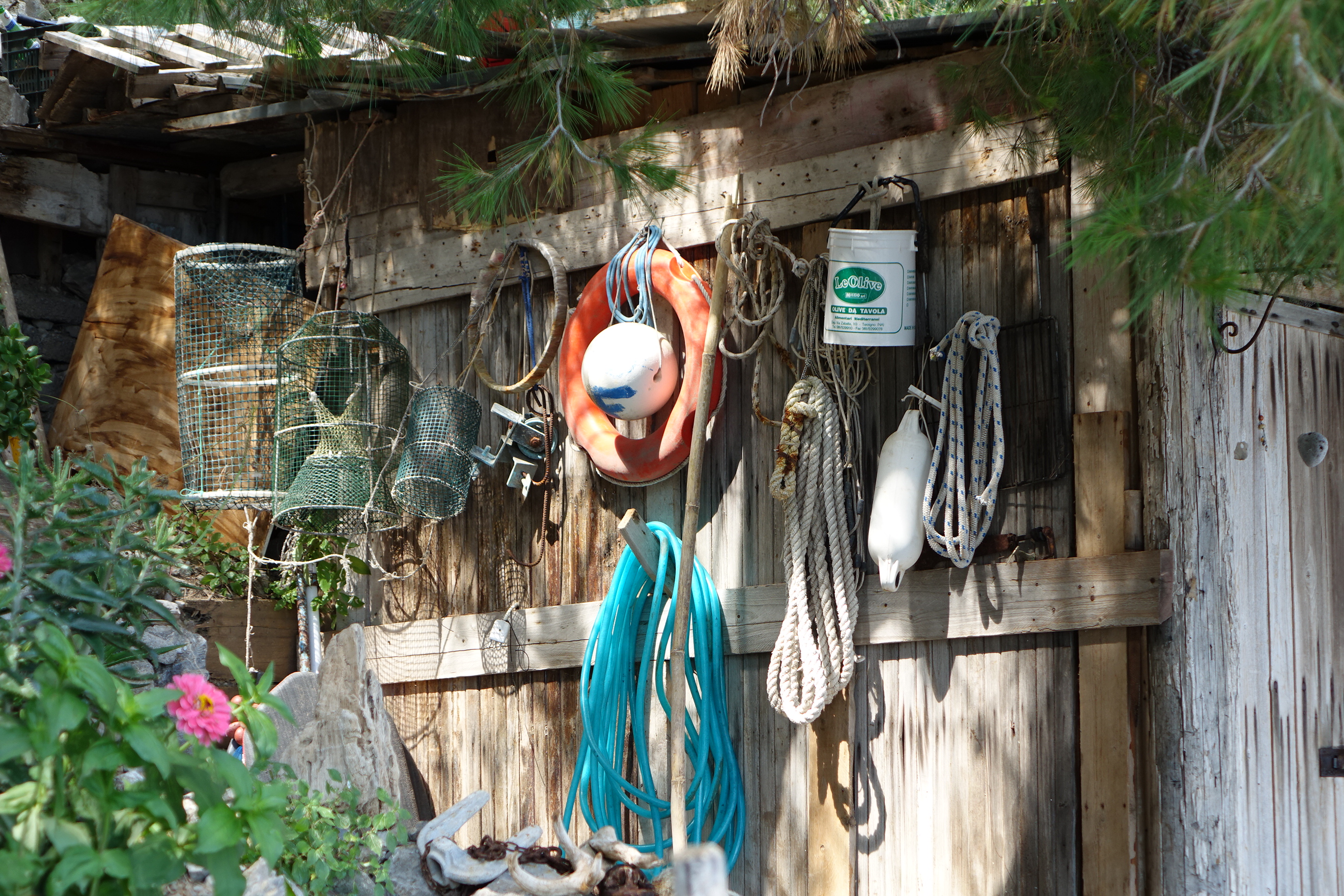
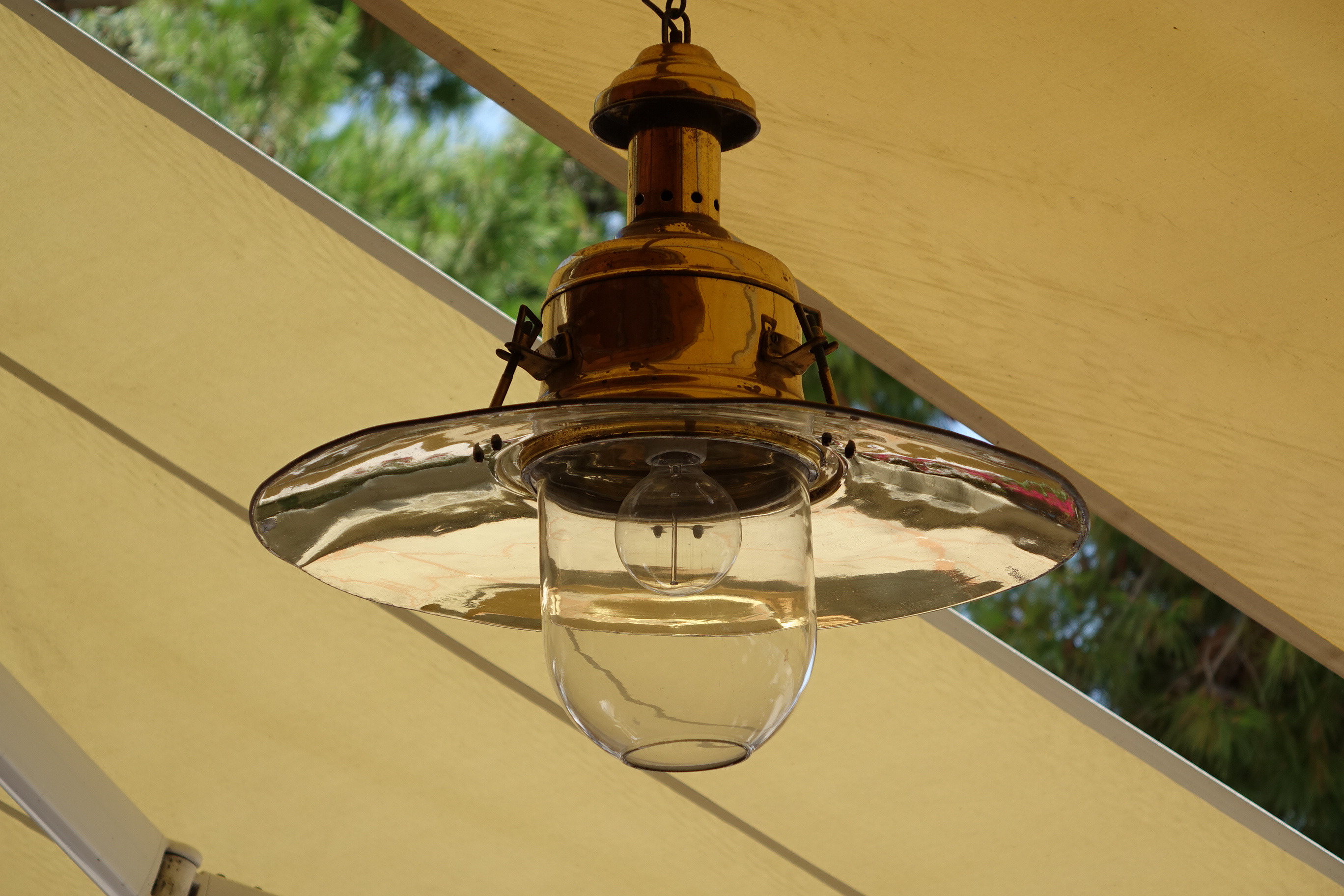
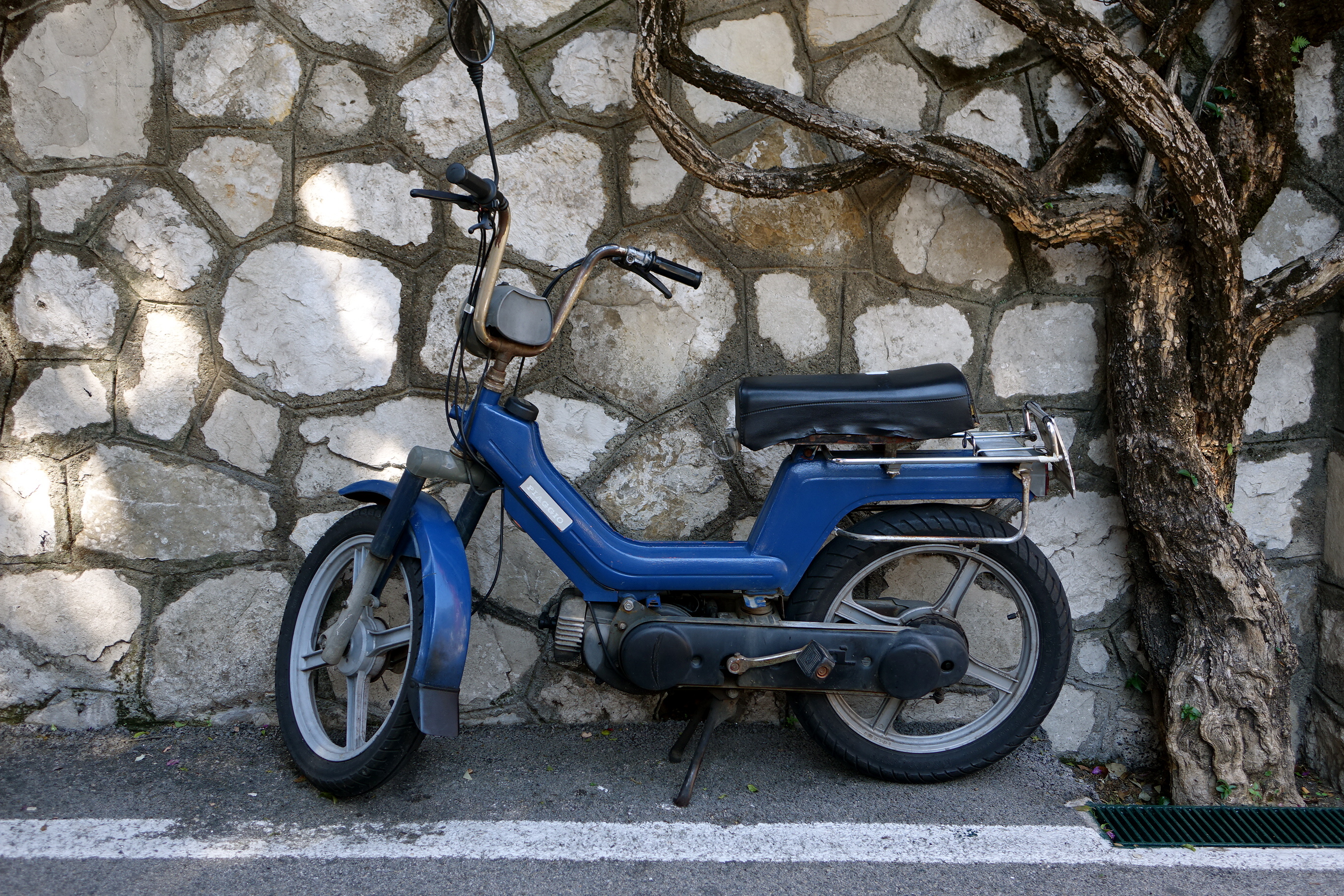
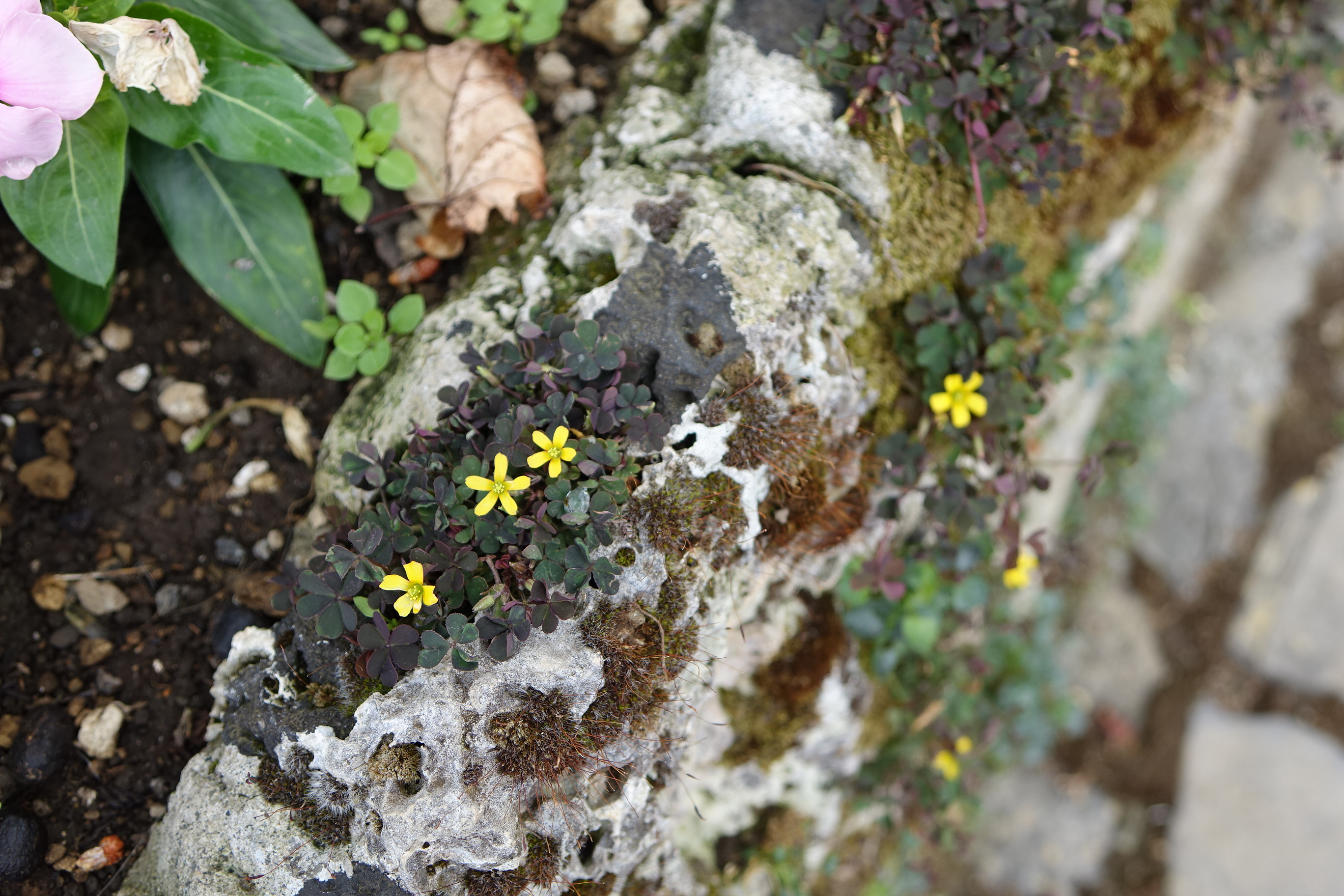
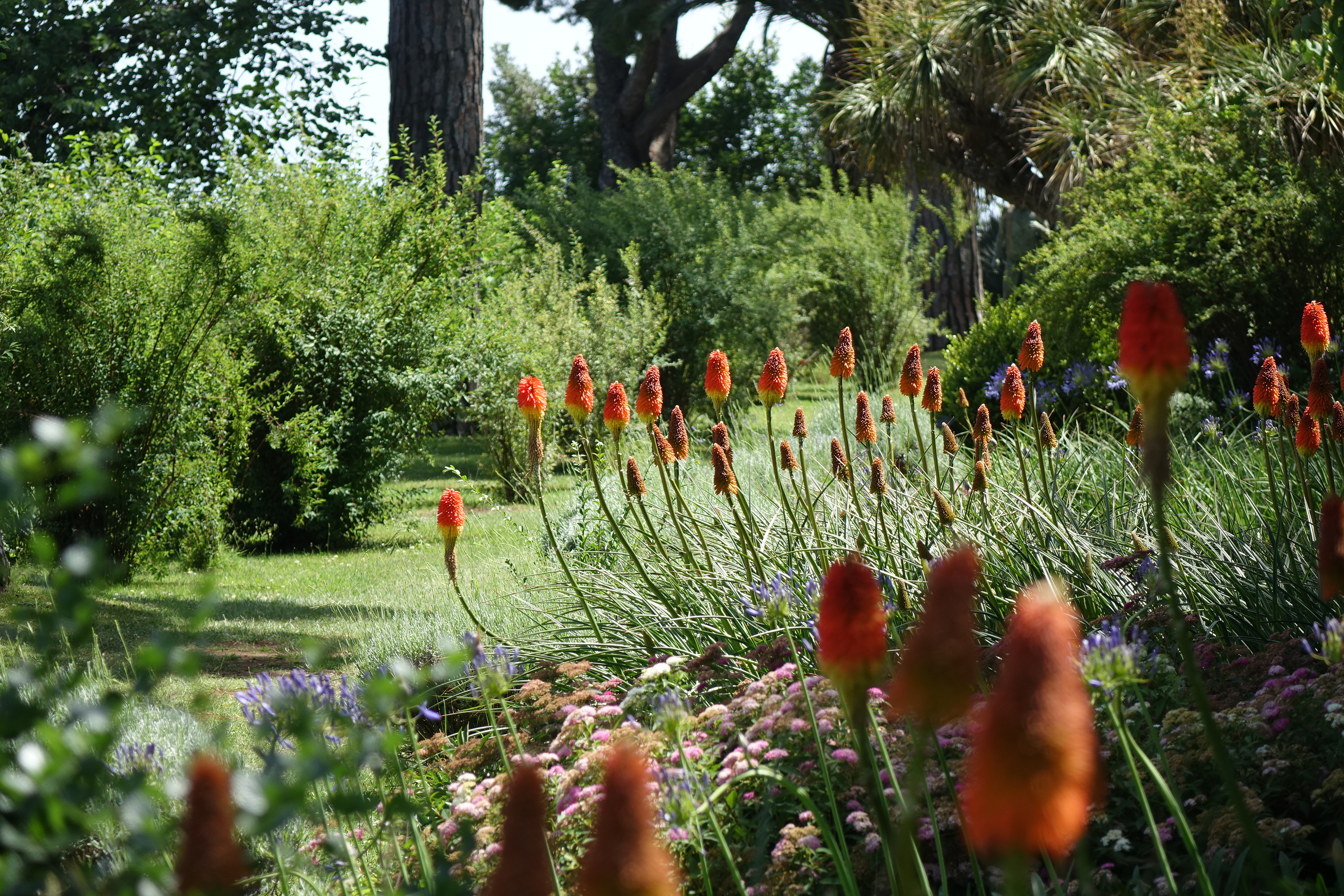
My final hurrah at this conclusion to my Amalfi Coast series is a good old hodgepodge of miscellaneous shots which otherwise never made their way in to any of my more focused posts. They are accordingly a wide-ranging bunch, from further shorts of the lush green gardens of Ravello, to yet more views from our hotel balcony. The selection is also packed, as always, with plenty of the finer details which caught our attention and tickled our interest when we ambled through the quaint narrow streets of Amalfi’s coastal towns. Sure they may have bankrupted us, but they sure were wonderful places to explore.

And with these photos I bid a hearty farewell to my engorged photo album of Positano & beyond, as my travel-hungry eyes rove around the globe in search of new pastures to explore. The possibilities are quite frankly endless. Best get saving…

All photos and written content are strictly the copyright of Nicholas de Lacy-Brown © 2014 and The Daily Norm. All rights are reserved. Unauthorized use and/or duplication of the material, whether written work, photography or artwork, included within The Daily Norm without express and written permission from The Daily Norm’s author and/or owner is strictly prohibited.

Positano & beyond | Ravello

It would have been sinful to take the 45 minute long boat journey all the way from Positano to Amalfi only to miss the real jewel of the Amalfi Coast to be found a mere 5km behind the town. Containing some of the most luxurious of the coast’s hotels, playing host to a string of celebrities past and present from DH Lawrence and Humphrey Bogart, to Salvador Dali and Leonardo DiCaprio, and boasting its own internationally renowned arts festival extending from June until the early Autumn each year, the town of Ravello is an unmissable high point of the Amalfi experience.

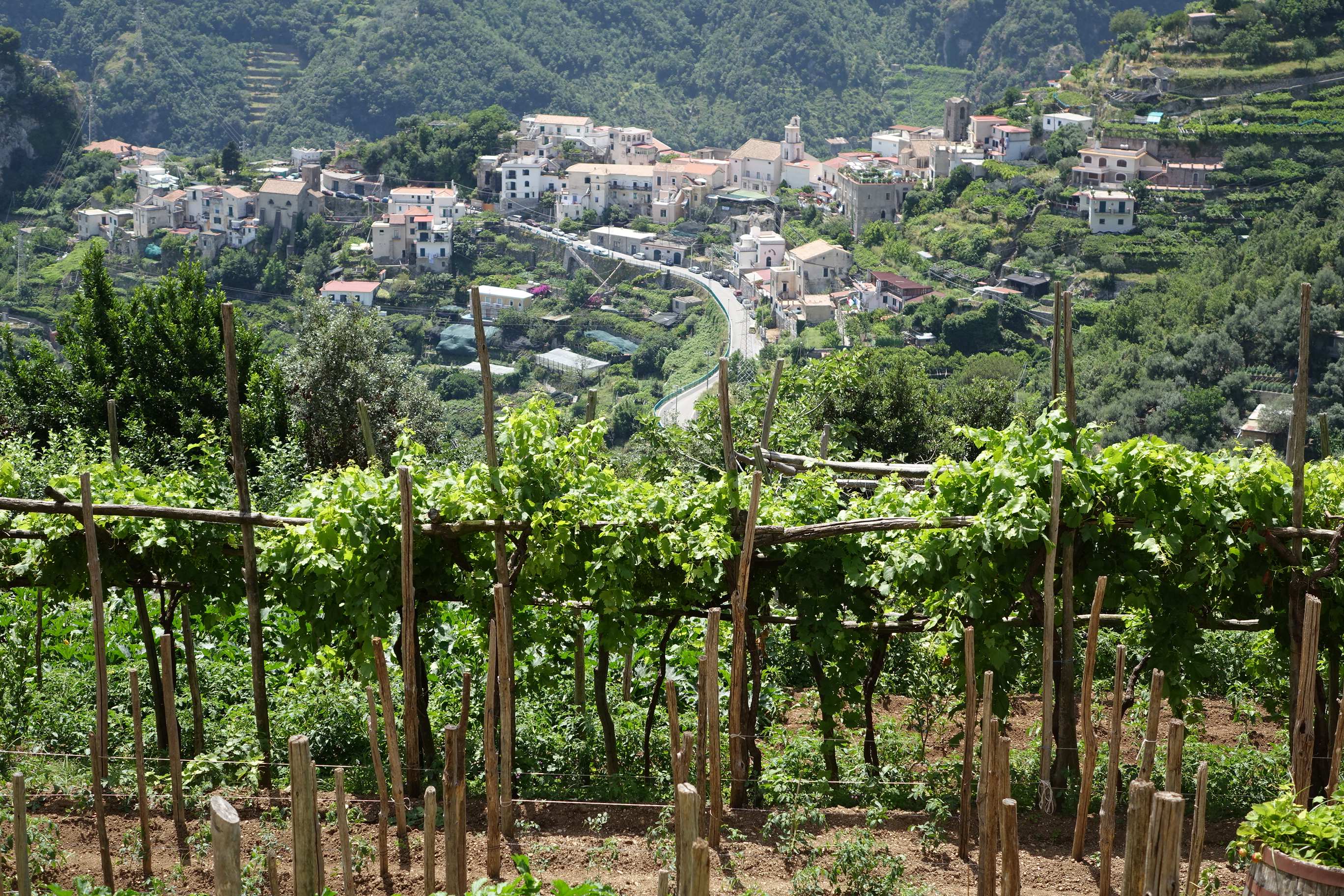
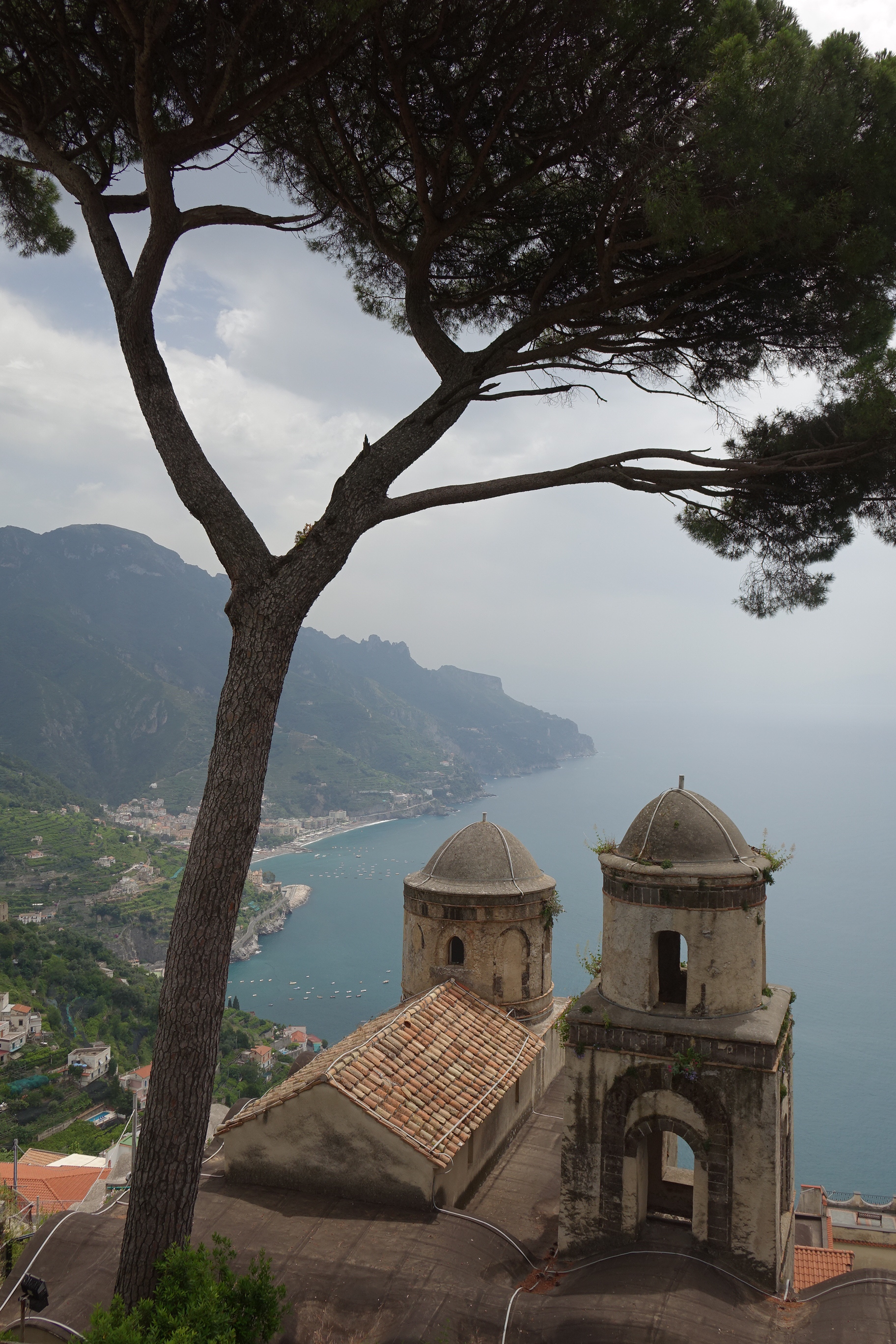
And high it really is. For the mere 5km distance of which I have alluded does not take into account the fact that Ravello is a spectacular 1,200ft above sea level, set along a perfectly situated mountain ridge, and that the journey to get there takes in some of the most dizzyingly vertiginous hairpin bends of all the roads on the coast. Yet even though many a visitor will arrive in the town with their nails bitten down halfway closer to their cuticles, the views that will greet you, and remain in sight from almost every aspect in Ravello are well worth the stomach flips. Glittering, stunning vistas down to the coast around Salerno and beyond make these views some of, if not the most stunning anywhere in Italy.

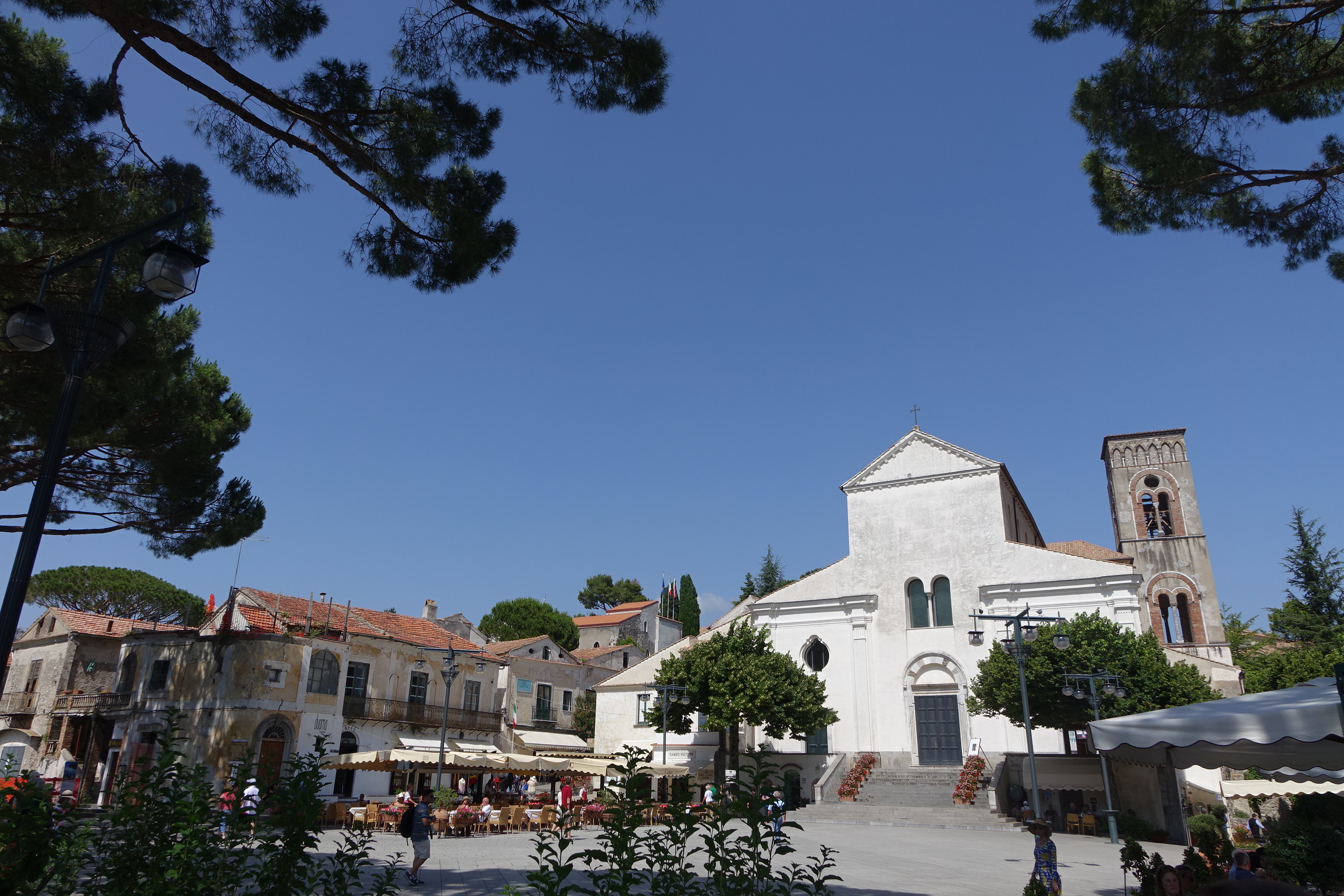
Ravello’s Duomo and the stunning views it’s famed for

DSC03760DSC03735 DSC03725 DSC03740 DSC03580 DSC03738 DSC03688 DSC03417

We and a vast number of other tourists crammed somewhat hazardously into the once-an-hour bus from Amalfi to Ravello and arrived in the town around 40 stomach-churning minutes later. Knowing that Ravello contains two of the most stunning gardens in the Amalfi region, we headed straight for the first – the Villa Rufolo, former villa/palace of the wealthy Rufolo family whose gardens are so picture-perfect that Wagner modeled the magical gardens in his opera Parsifal on them. Owing to the recent start of Ravello’s arts festival, much of these gardens was taken up with the construction of a temporary auditorium and stage benefiting from the very best of the jaw-dropping views (I wonder how anyone concentrates on the performers with these views behind them). However there were still sufficient treats in store in this garden to make us realise quite why the gardens had provided such inspiration to Wagner and many others before and after him.

The Villa Rufolo

DSC03533 DSC03451 DSC03485 DSC03534 DSC03497 DSC03420DSC03438DSC03470 DSC03724

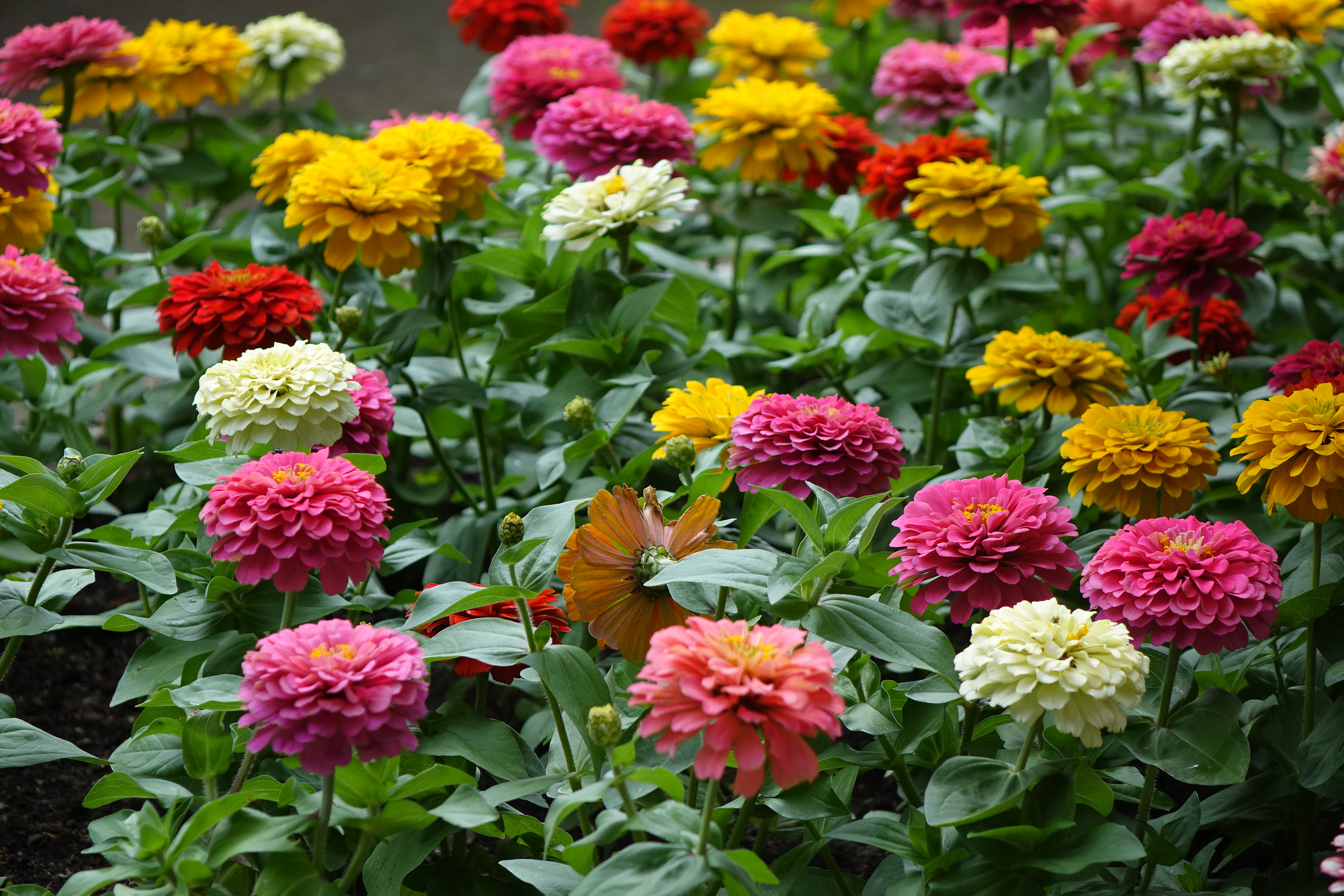
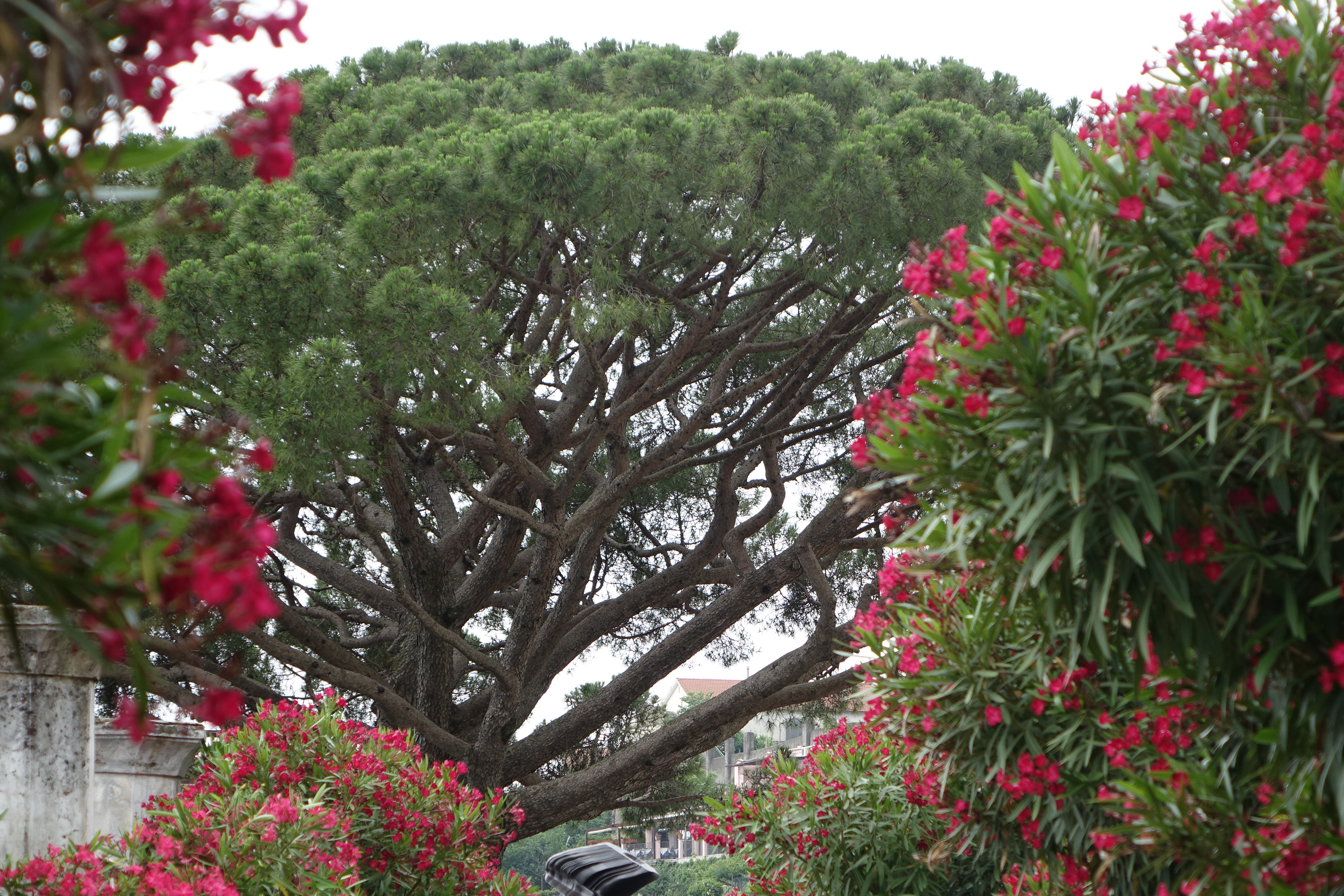
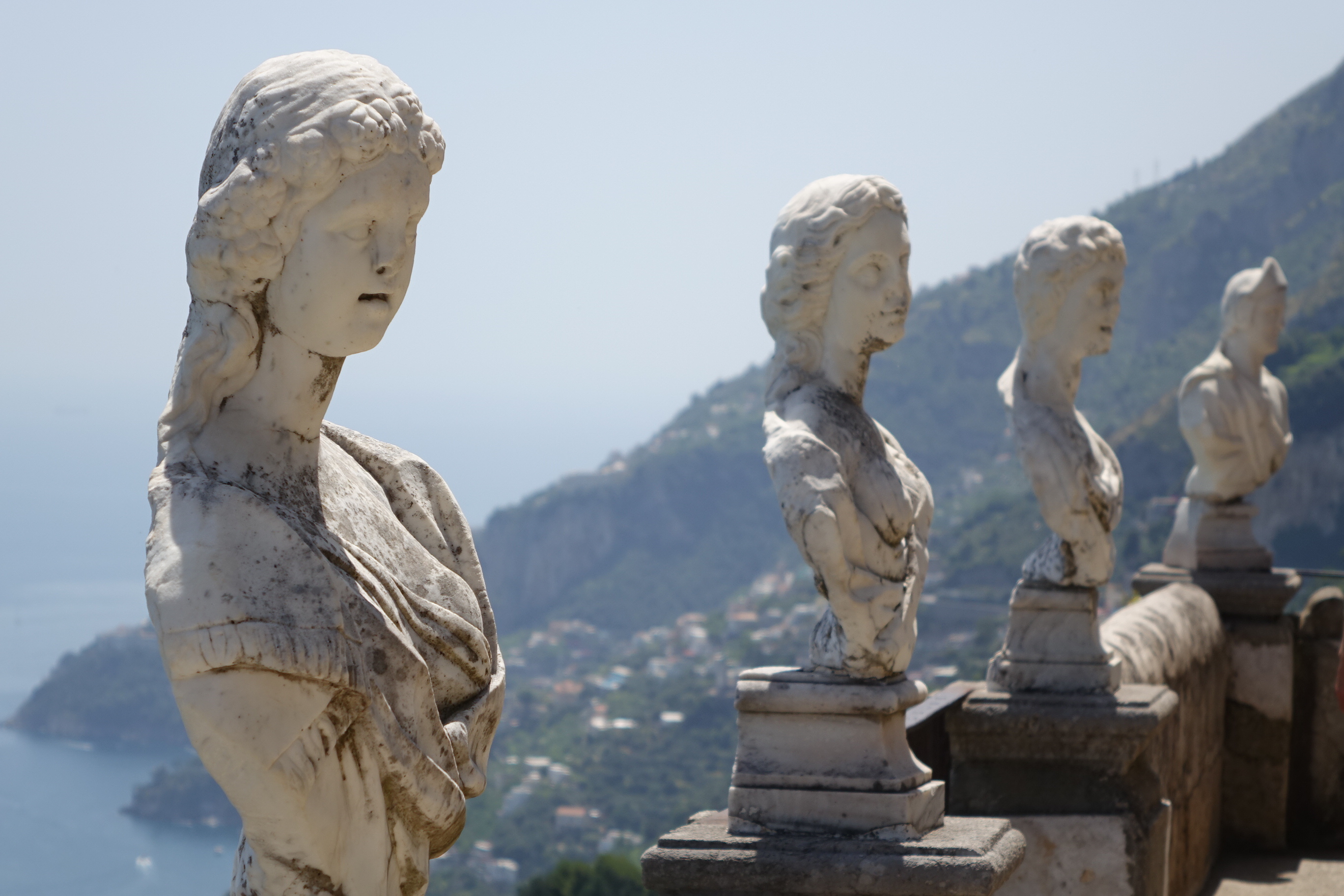
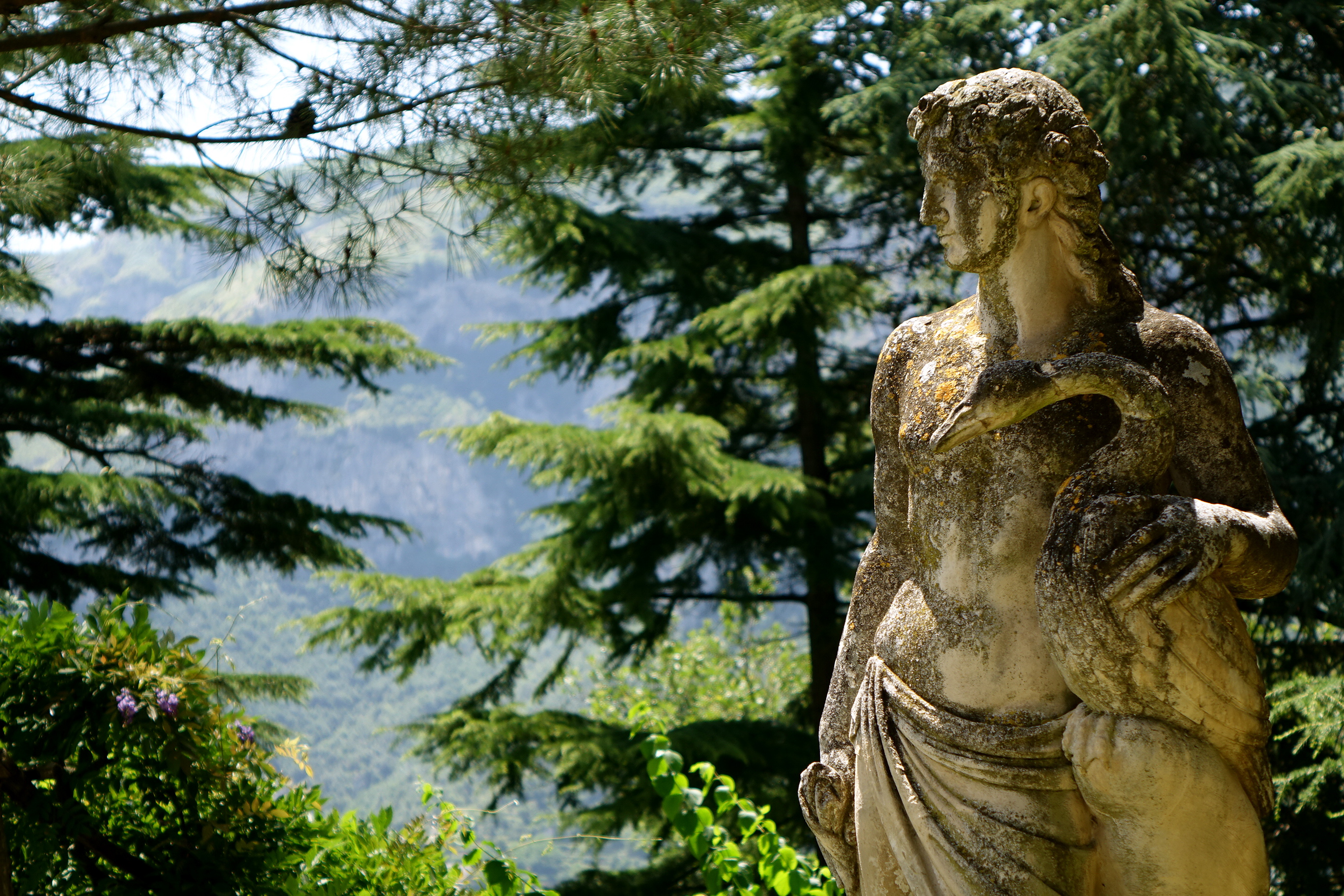
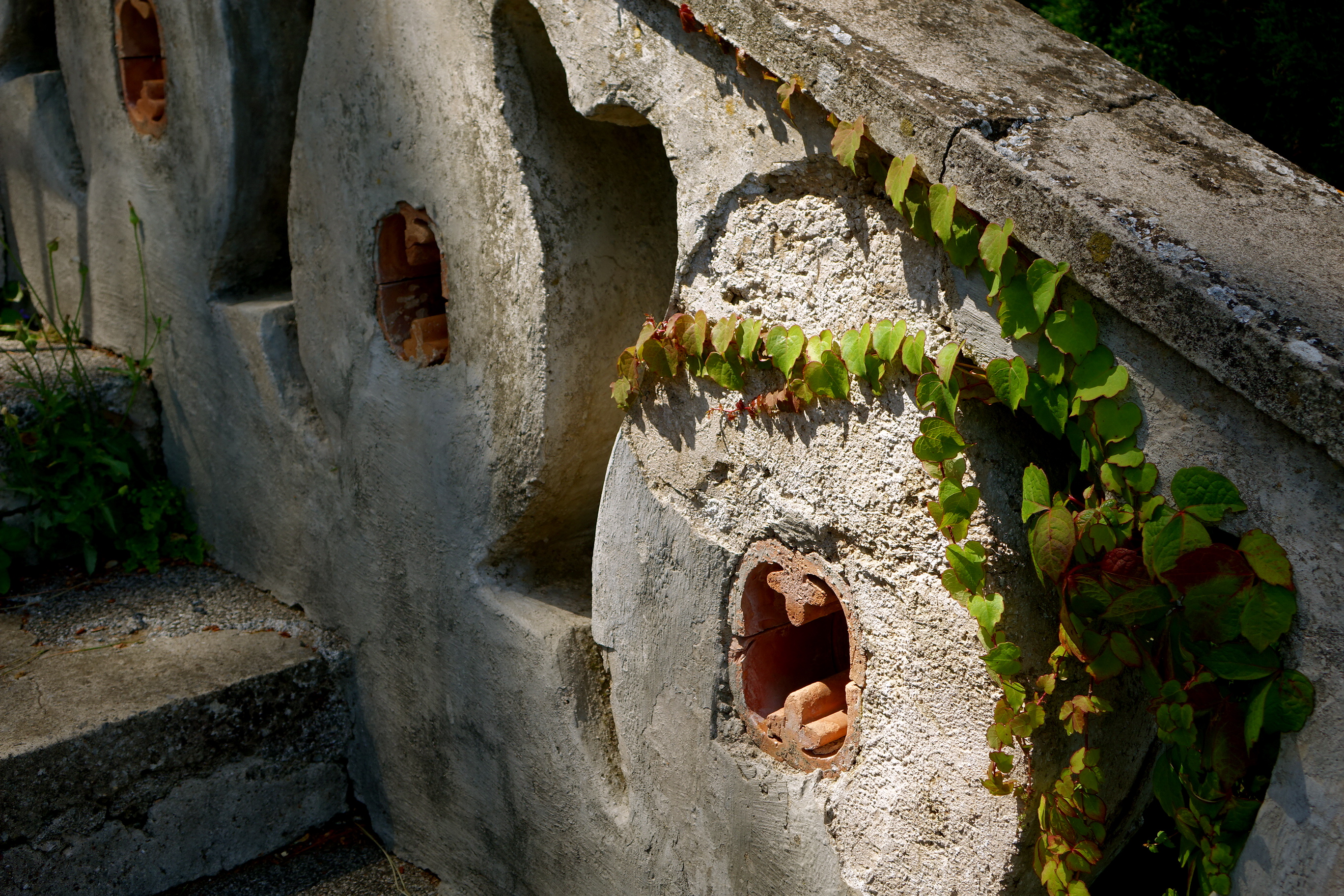
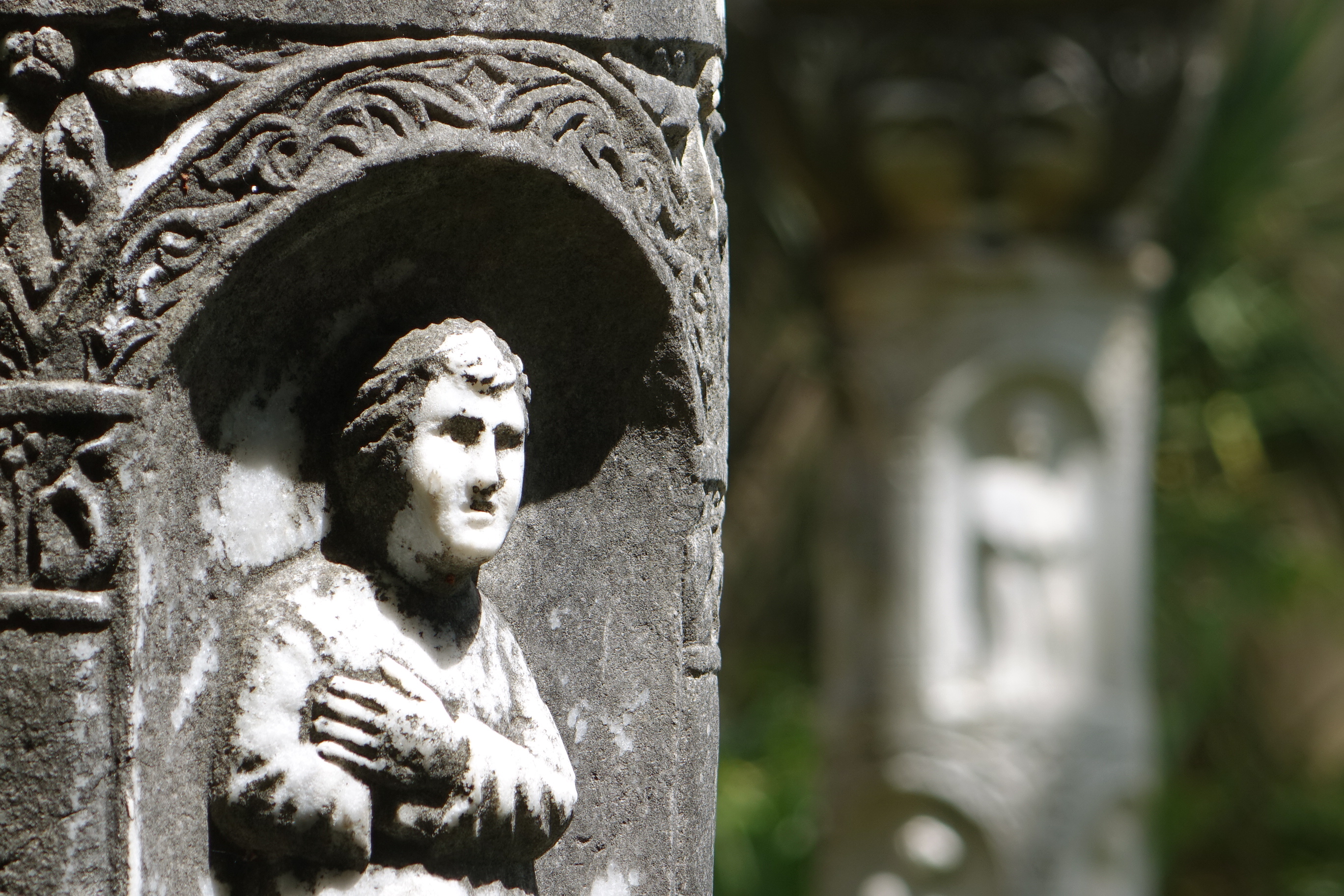
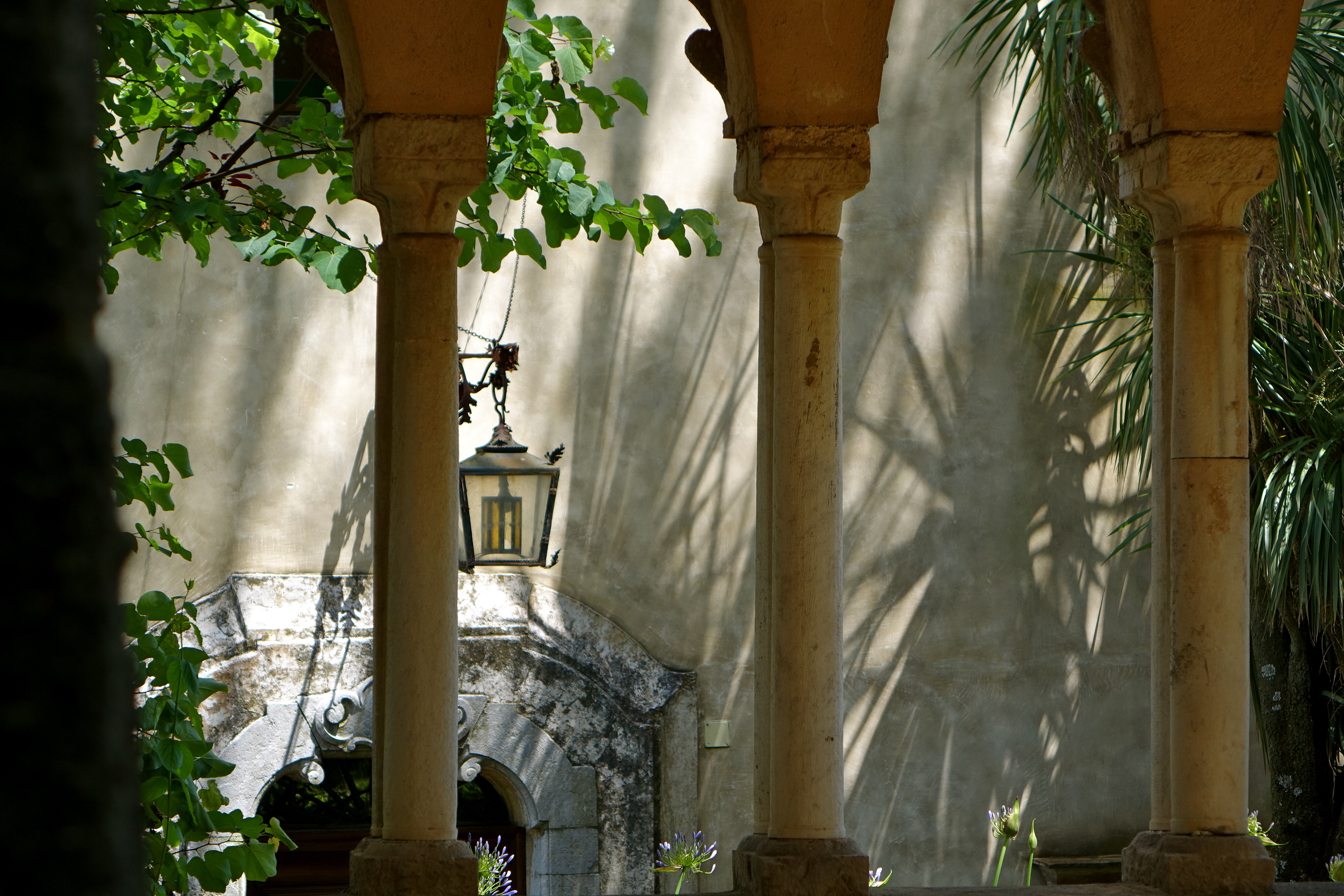
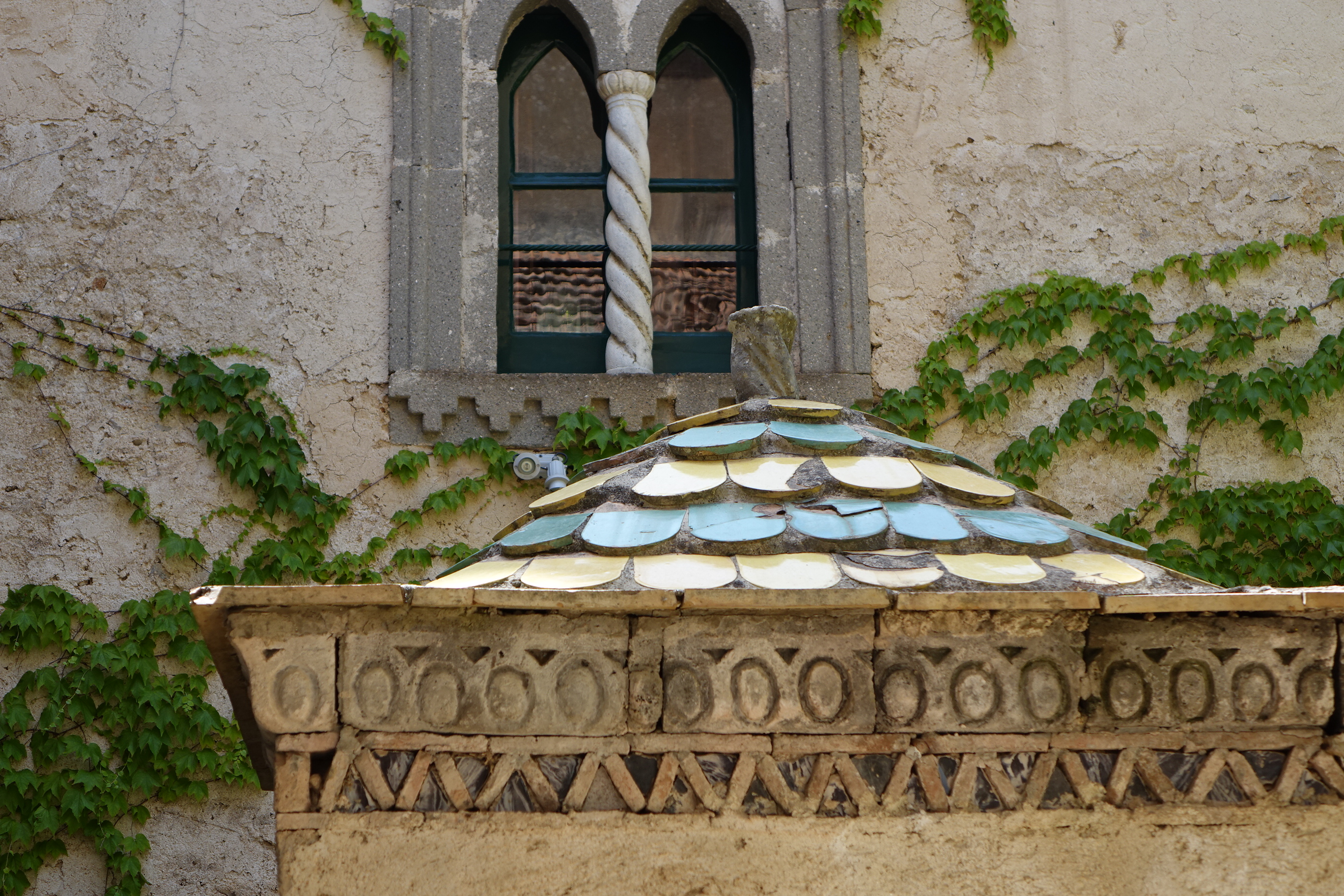
But in retrospect, I can see that the Villa Rufolo was only the appetizer of the great banquet which was to follow – the incredible Villa Cimbrone. Created in the “English style” by Vita Sackville-West who bought the sight for mere spare change, and later made the home of Gore Vidal, these six acres of lush gardens boasting the most incredible position at the edge of a rocky peninsular with commanding views extending almost 300 degrees over coast and valley are probably the most paradisally perfect gardens I have ever been in. They contain almost everything you could want from a garden. Shady sun-dappled paths lined with cypress trees and olives, bouncy green lawns interspersed with moss-covered greek and roman statues, little hidden cupolas and  grottos, and avenues lined with hydrangeas and wisteria and every other kind of beautiful flower. But most stunning of all is what can be found at the bottom of the garden – the Terrace of Infinity, with views over the bay of Salerno so ravishing that Gore Vidal declared it to be “the most beautiful view in the world”. I am not going to disagree.

The Villa Cimbrone

DSC03675 DSC03706 DSC03690 DSC03714 DSC03633 DSC03659 DSC03615 DSC03647 DSC03683 DSC03619 DSC03646 DSC03635 DSC03712 DSC03609 DSC03604 DSC03613 DSC03593 DSC03594 IMG_7388

Asides from those two great garden paradises, Ravello is a small and quiet little town compared with the boutique filled mecca of Capri or the bustling shopping streets of Amalfi down on the coast. With one main square flanked by a simple white washed Duomo and a few friendly cafes, it is the perfect place to sit back and contemplate the breathtaking views that are all around, somewhere to breathe deep the freshest of air in these mountain heights, and try to make sense of what it was to sample paradise, before finally heading back down to sea level, and to reality. But let’s face it, if that reality is still the Amalfi Coast, it’s never going to be far from heaven is it?

All photos and written content are strictly the copyright of Nicholas de Lacy-Brown © 2014 and The Daily Norm. All rights are reserved. Unauthorized use and/or duplication of the material, whether written work, photography or artwork, included within The Daily Norm without express and written permission from The Daily Norm’s author and/or owner is strictly prohibited.
Positano & beyond | Amalfi

We had been some time on Italy’s stunning Amalfi Coast before we actually visited the town of Amalfi itself. Or perhaps I should call it a city, for Amalfi is a place rich in maritime history left over from a time when it was as important on the trading map as Venice and Genoa. Today however it is a mere shadow of its former glory – small in size and population, but still retaining all the highlights of its historical magnificence. 
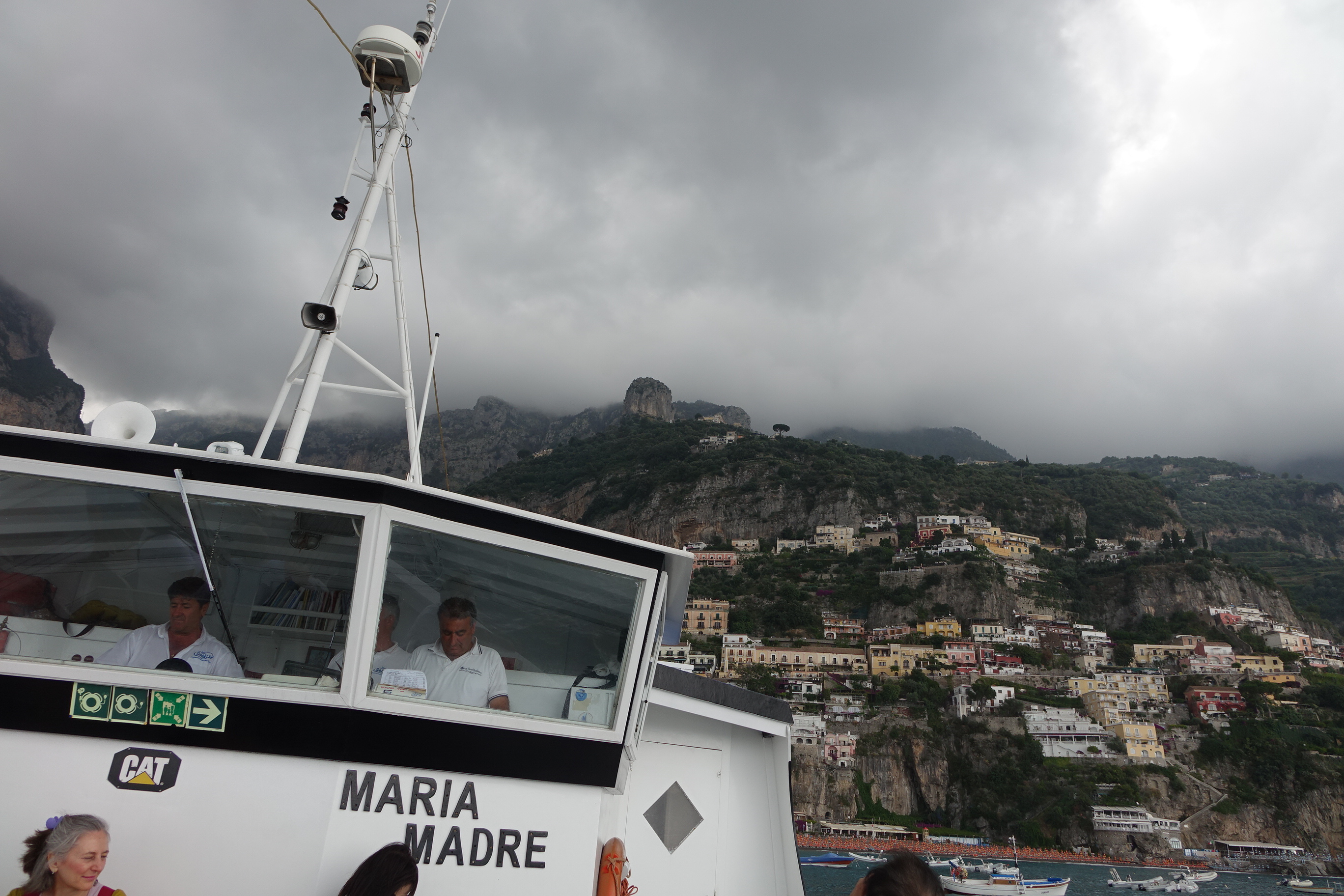
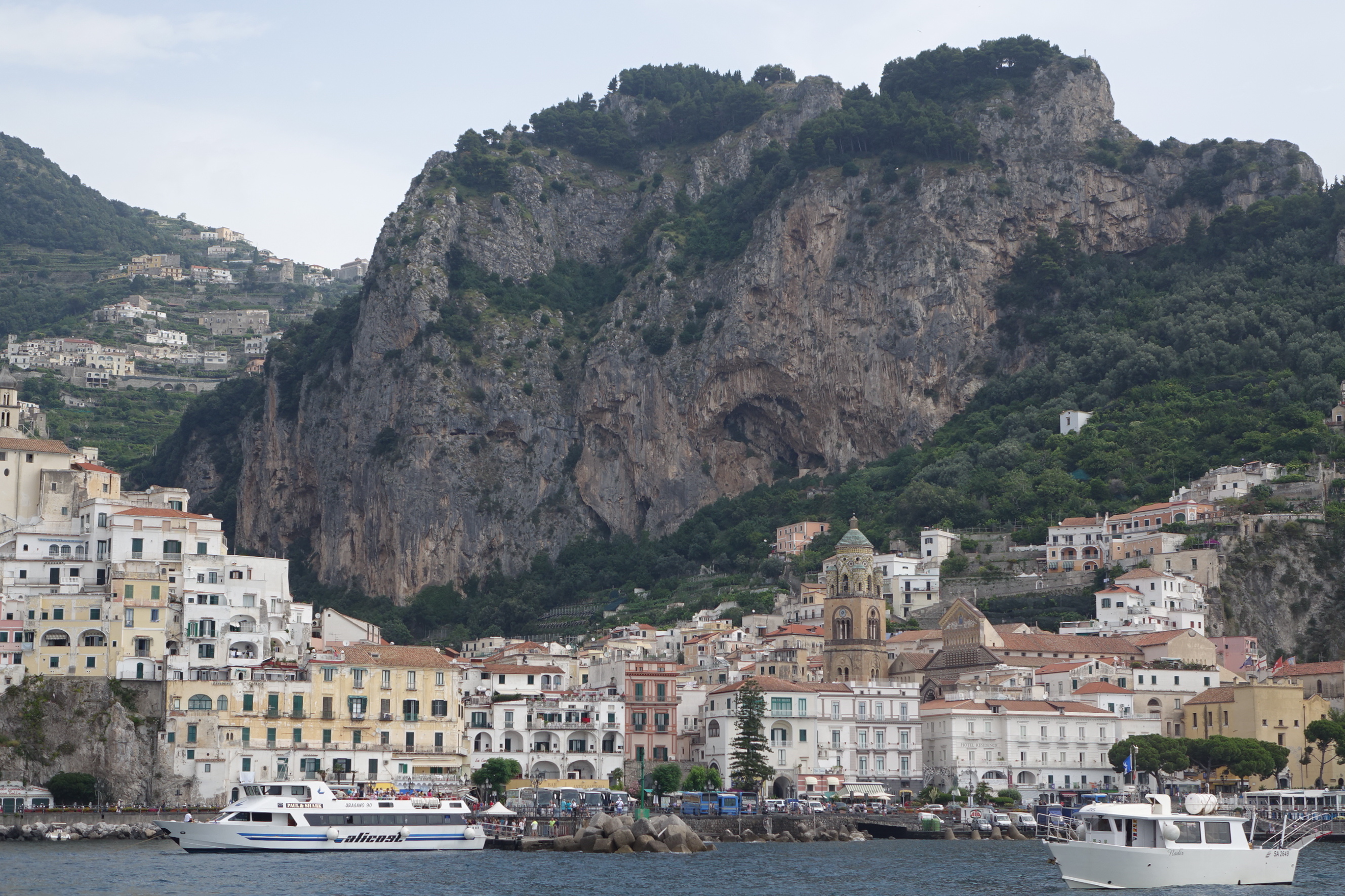
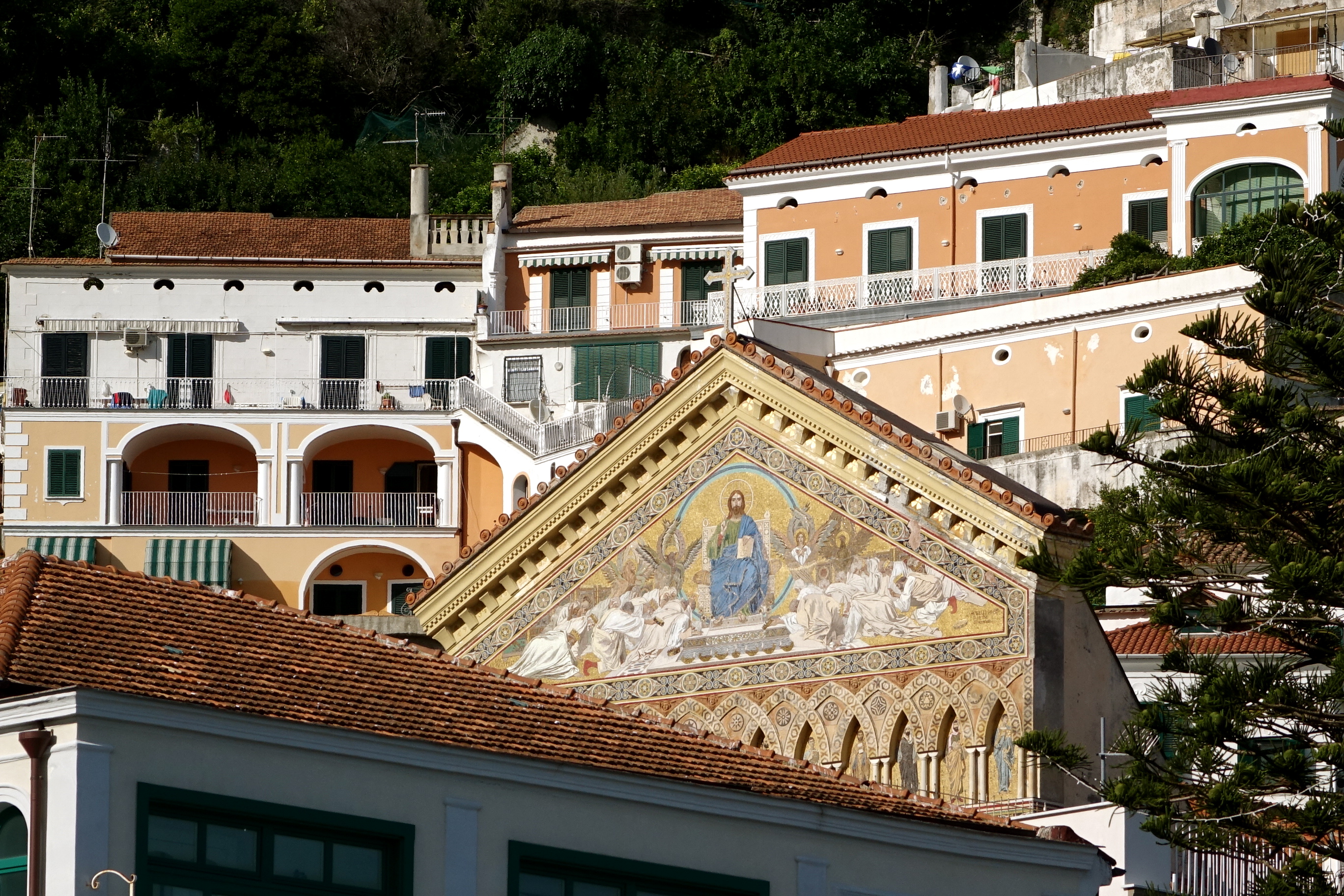
We set out to Amalfi one stormy morning from Positano, after a night when humid thunderstorms had tried to break through the sauna of heat clinging to the mountain sides down by the sea. However within the 45 minutes of our boat journey along the coast, the clouds were already rolling away, and the arrival of the sun coincided perfectly with our arrival into Amalfi, it’s magnificent gold tiled Duomo reflecting the sun like a lone diamond and glinting visibly all the way out to sea. 

Journey and arrival…

DSC03208 DSC03239 DSC03280 DSC03292

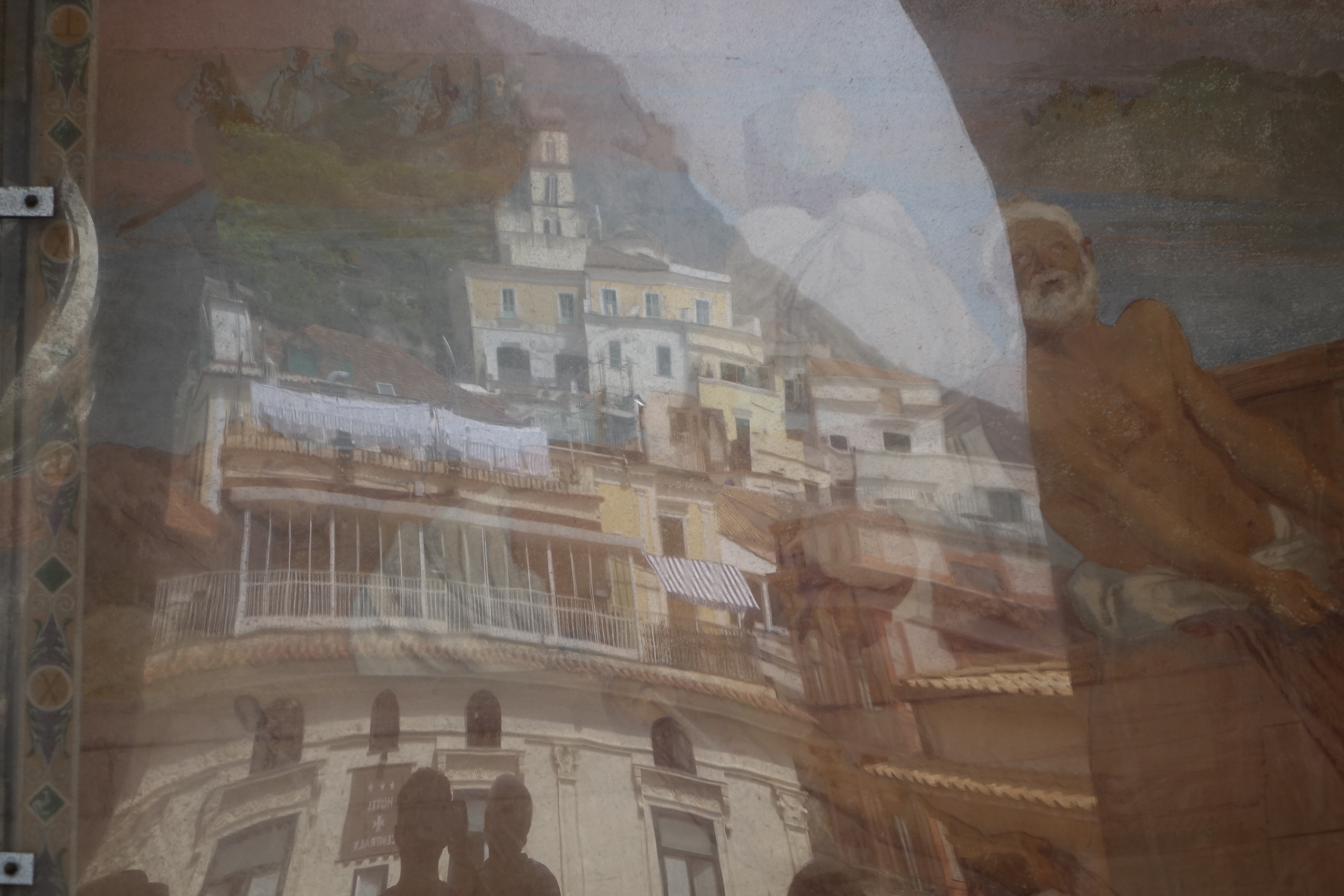
As the boat docked on Amalfi’s busy quayside it was already obvious that the town had a much more tangibly urban feel than little Positano. Along the seafront, larger ornate apartment blocks stood proudly like the kind usually found in Rome or Naples; in its port boats glided in and out with greater regularity and purposefulness; and in its squares, crowds bustled in a way which inferred that real life was going on here, as well as tourism. 

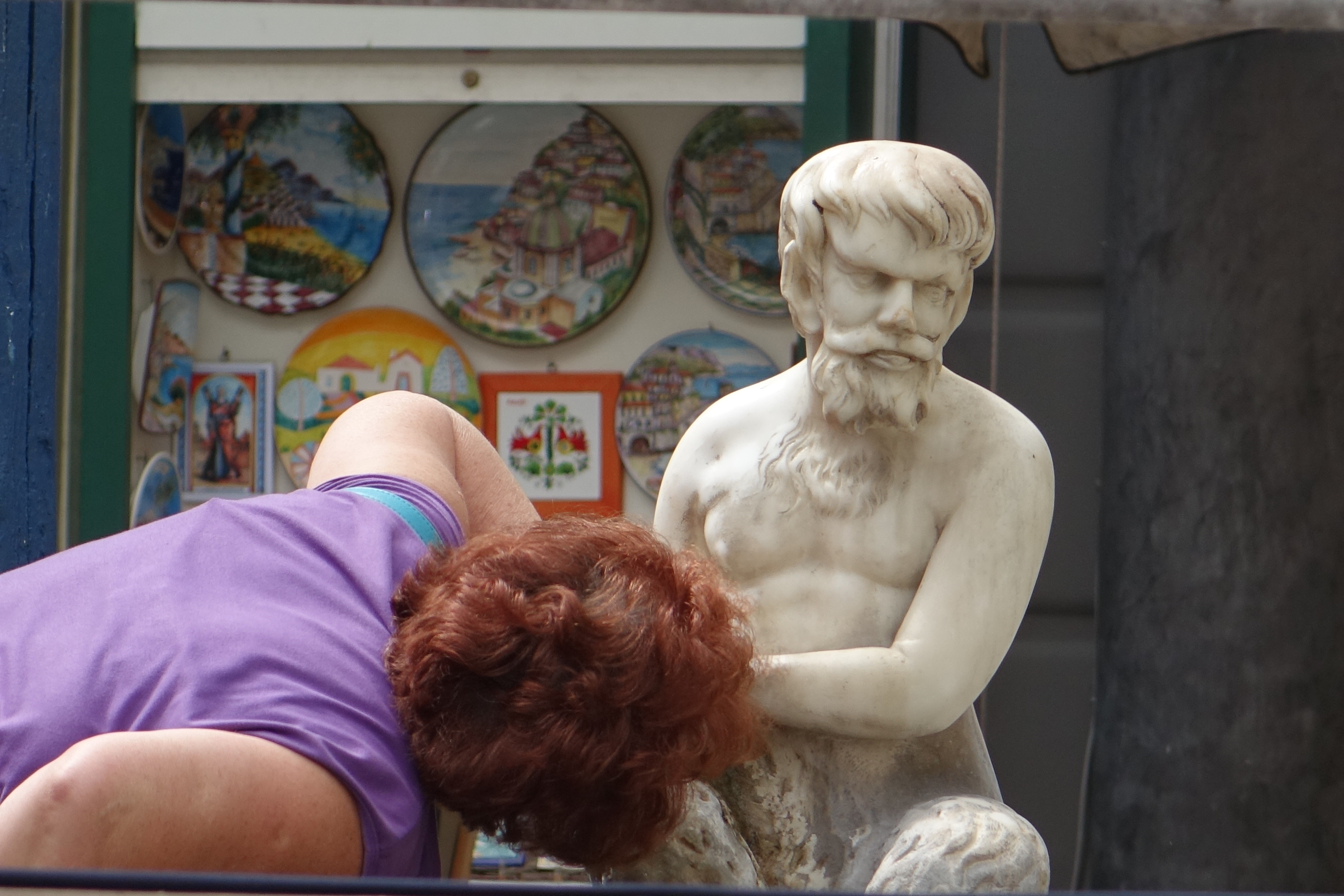
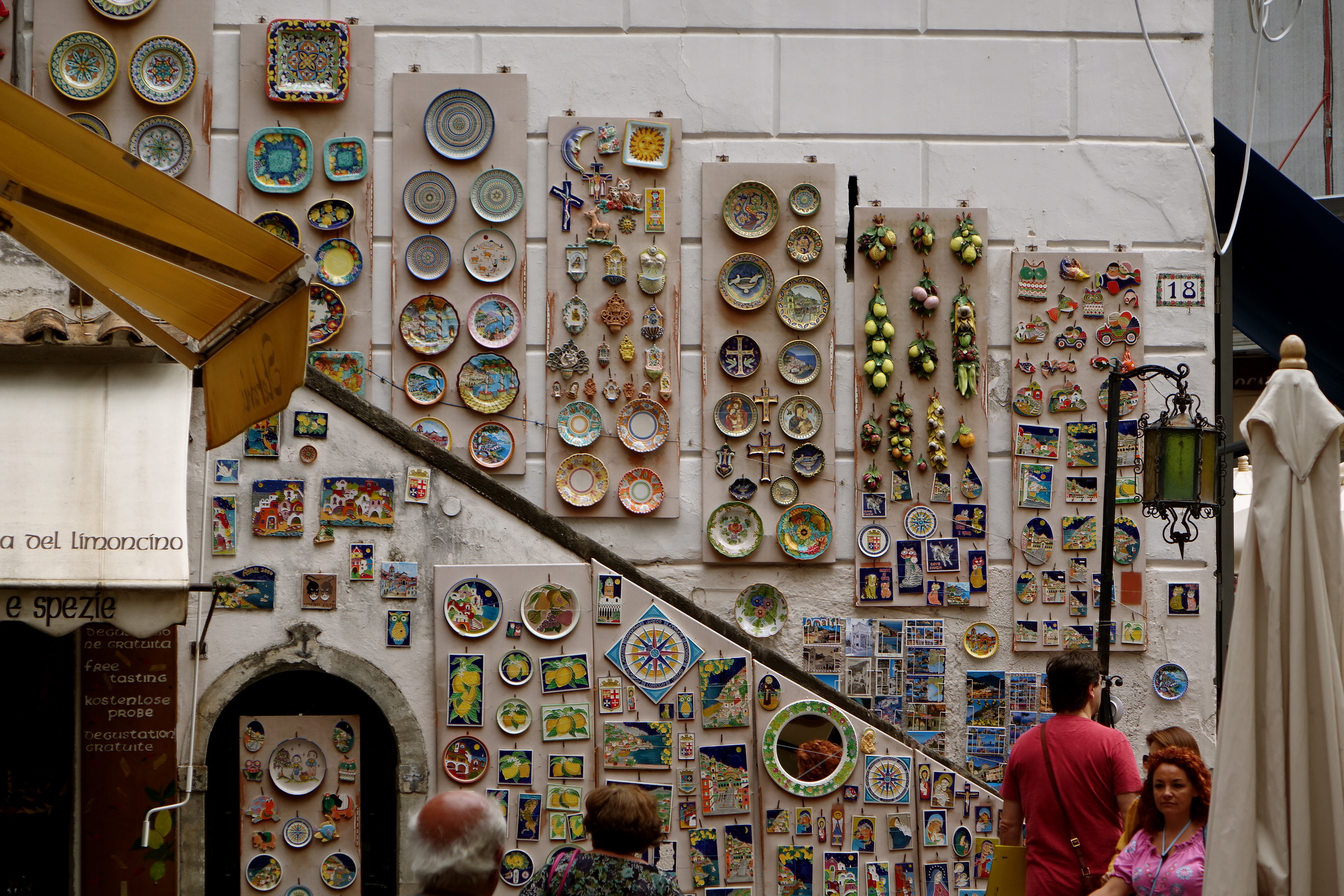
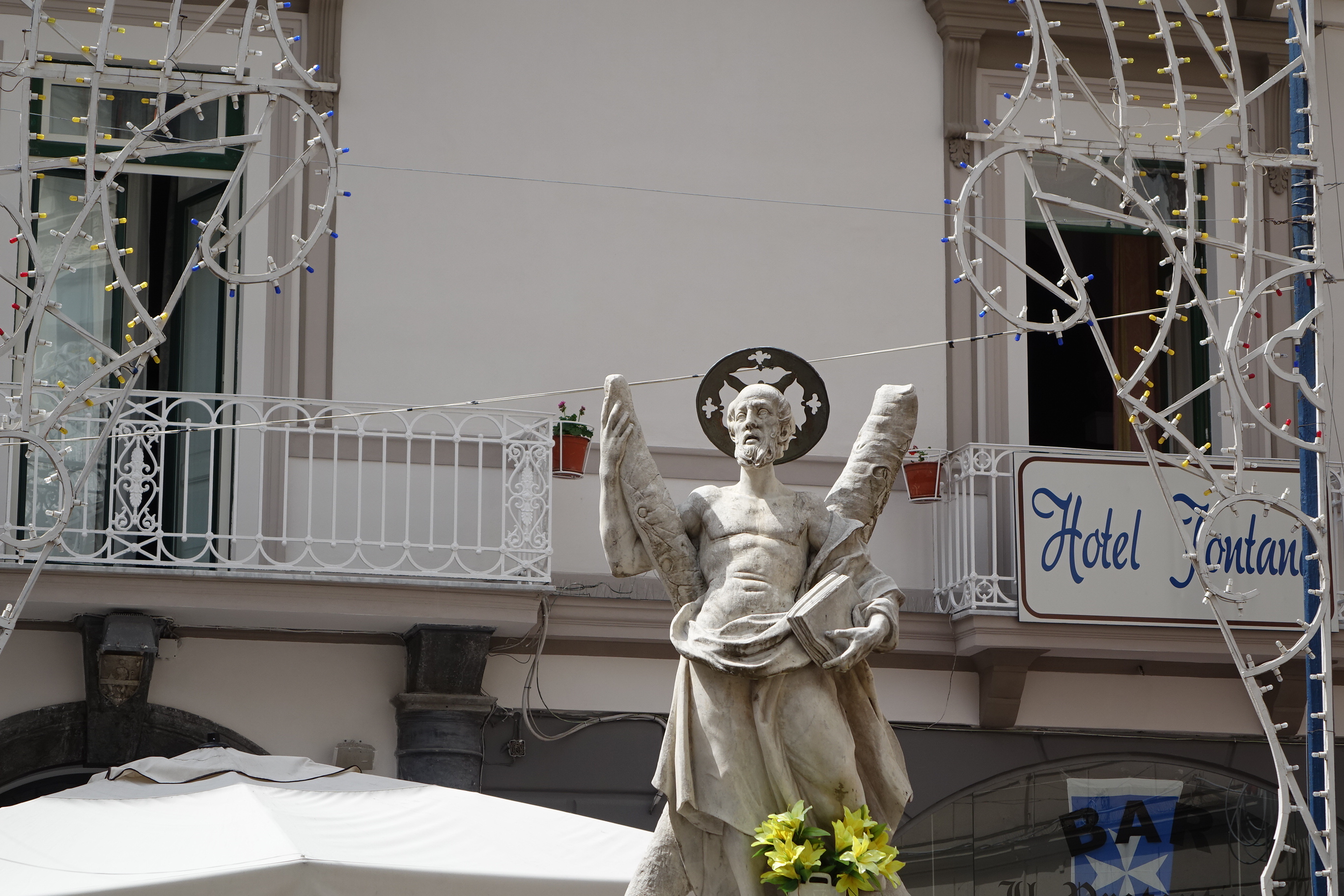
The streets of Amalfi

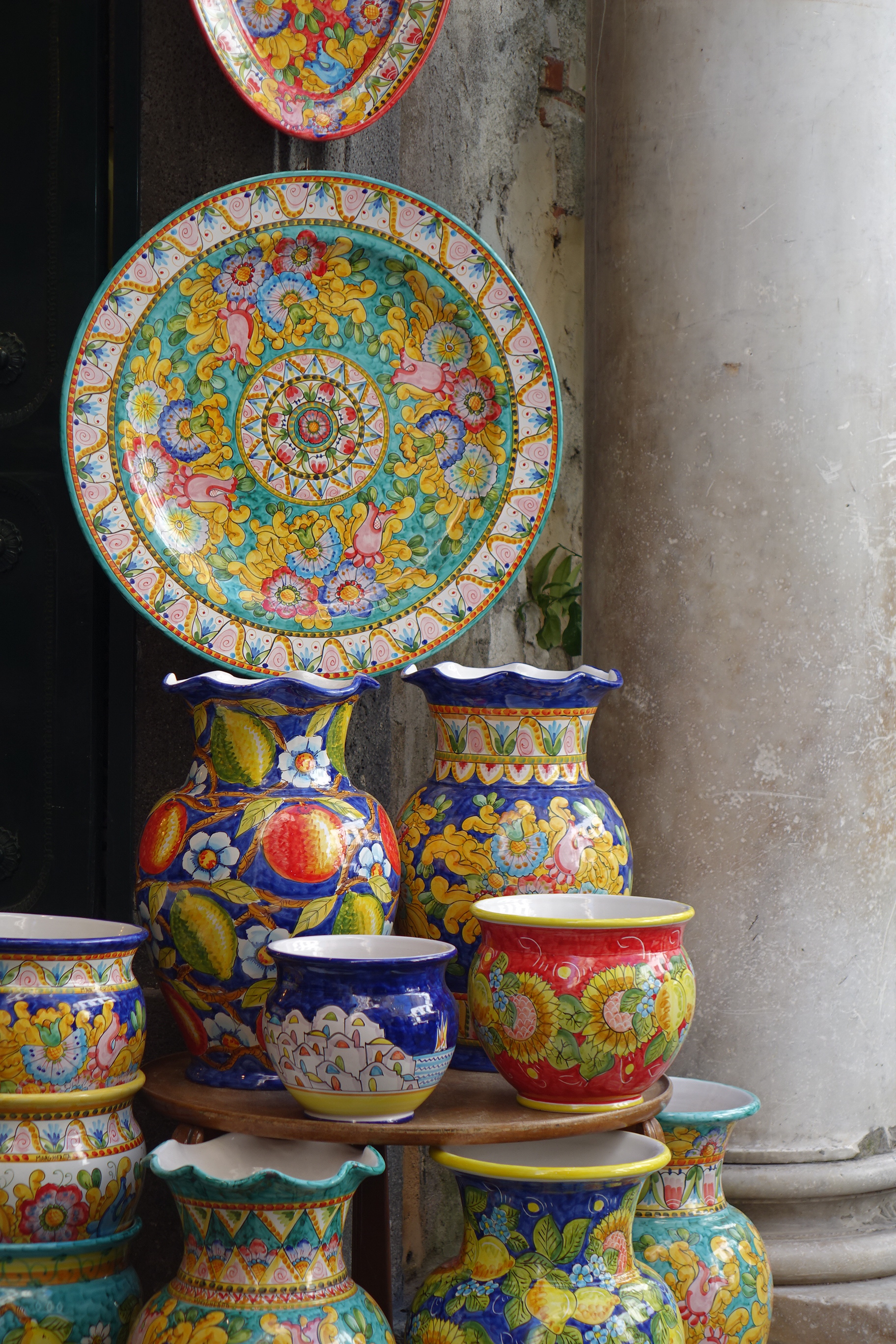
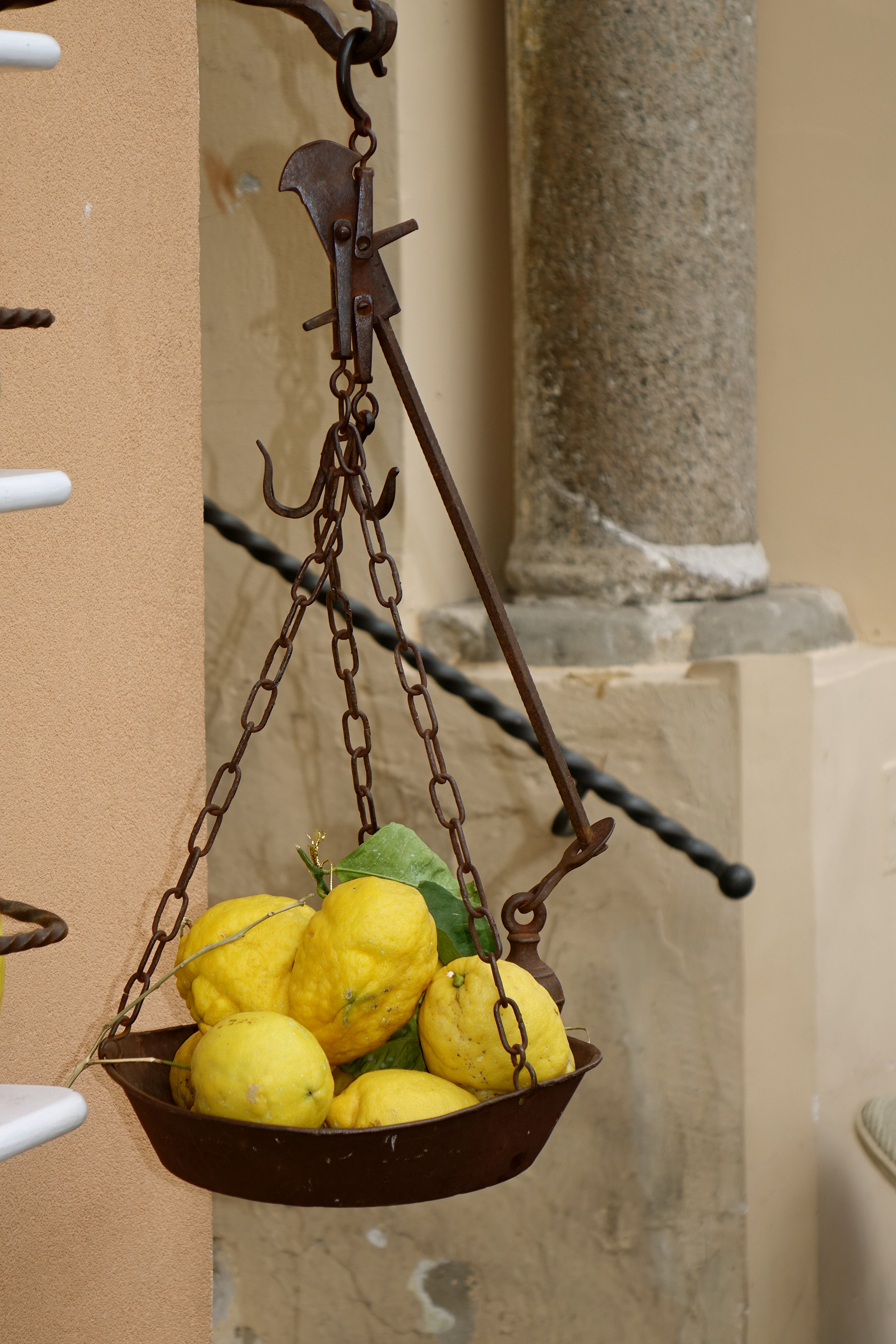
DSC03936 DSC03927 DSC03902 DSC03889 DSC03888 DSC03874 DSC03388 DSC03377 DSC03365 DSC03335 DSC03321 DSC03903 DSC03332 DSC03331 DSC03314 DSC03383 DSC03342 DSC03324

Read more