Skip to content

Posts tagged ‘Photography’

Marbella in May: a photography experiment (iv) – a Marbellan Miscellany

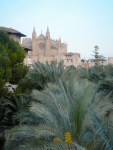
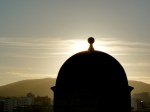
Marbella has very sadly become synonymous in the British vernacular with the orange Essex tans, hedonistic lifestyle and flashy gaudy inhabitants of its brash z-list celeb-stuffed suburb, Puerto Banus. Yet Marbella the town, which is a good 10km along the coast from that rather vulgar port, is one of the true gems of Andalucia.

It’s picturesque positioning between the sparkling blue sea and the prominent mountain landscape behind it provides the setting, while a charming little old town full of quaint narrow white washed alleys, impressive ancient churches and grand old squares is the ultimate in authentic Spanish attractiveness.

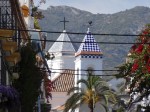
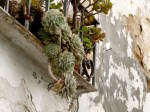
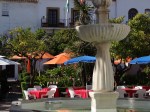
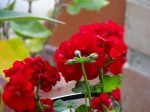
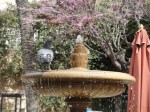
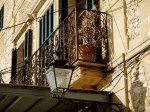
Being lucky enough to benefit from a family home just north of the old town’s central orange-tree lined square, I get to stroll around Marbella’s postcard-perfect old town on a daily basis but never tire of its scenic charms, from old cracked stone fountains to crumbling white washed walls, elegant wrought iron window grills hung with ceramic pots and bright red geraniums. I must have photographed it a thousands of times, but it never stops inspiring me to take a few more.

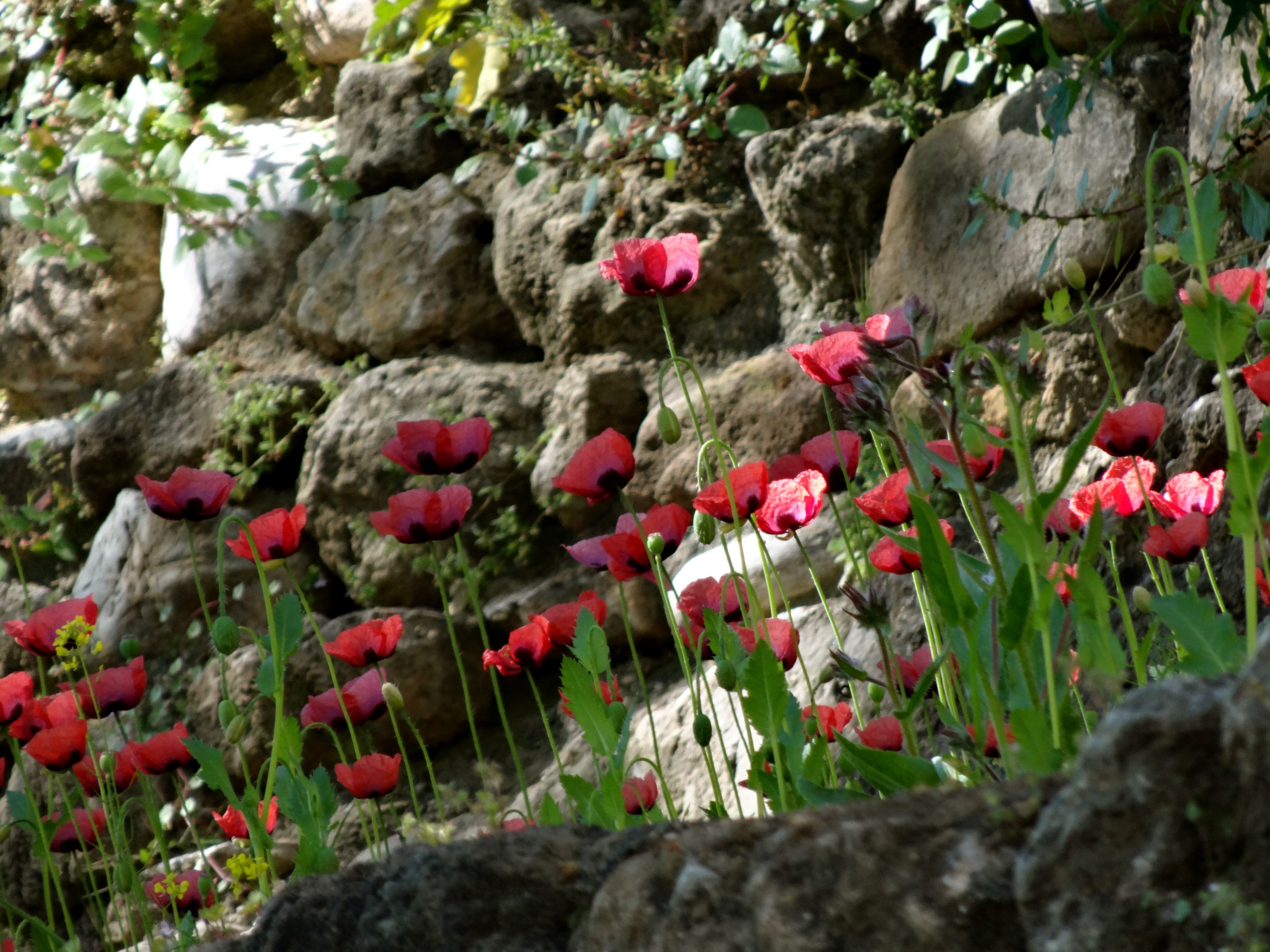
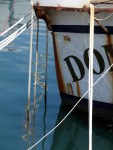
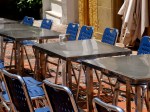
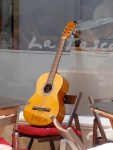
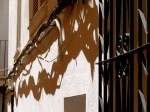
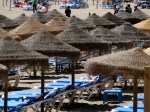
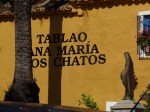
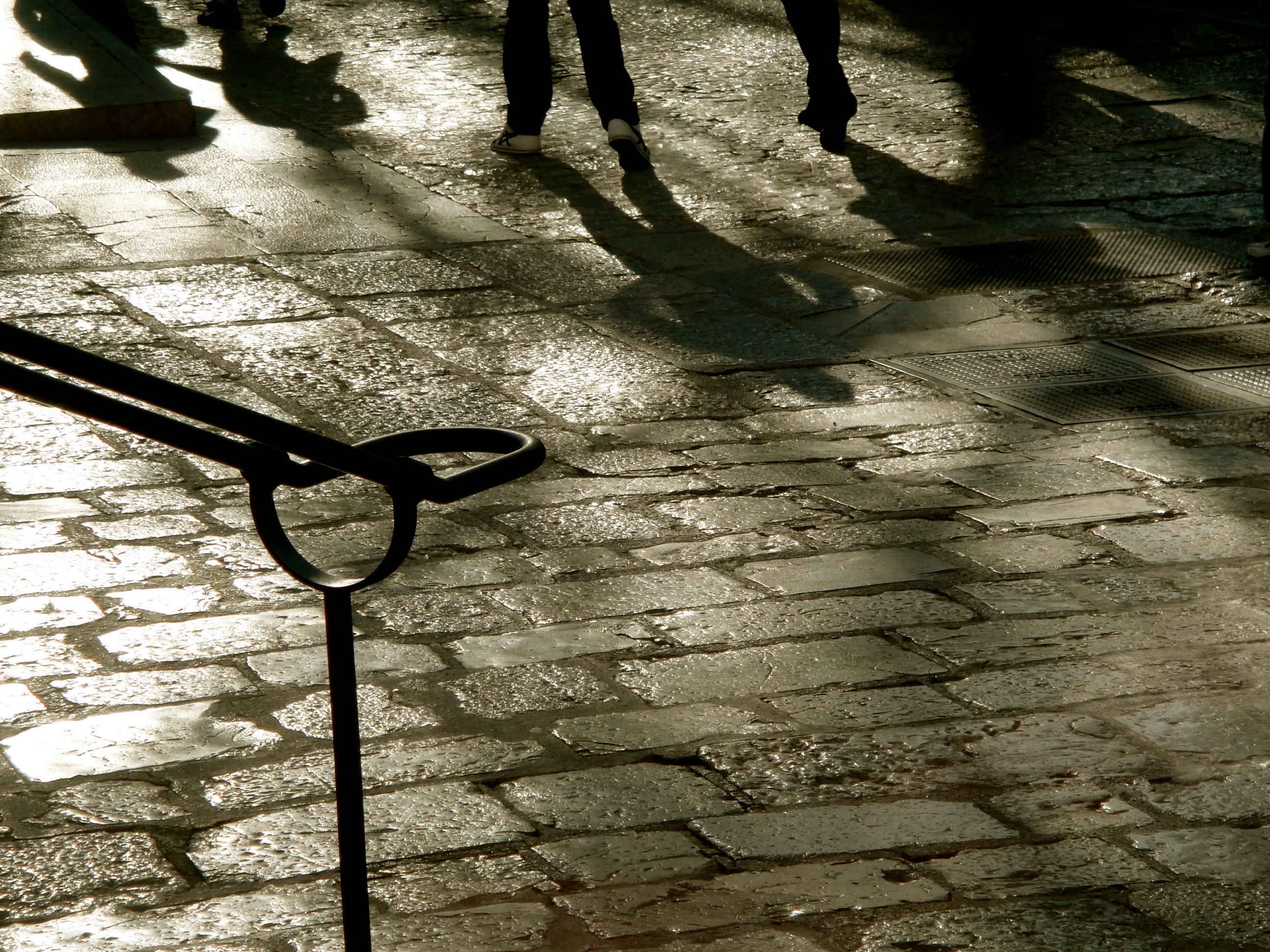
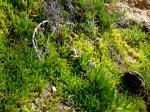
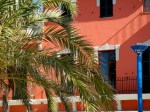
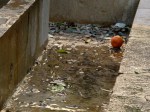
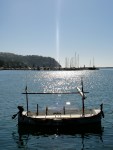
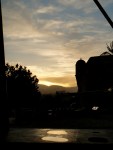
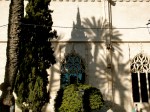
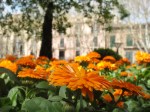
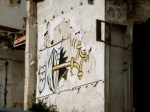
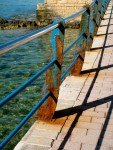
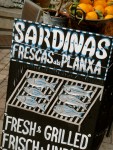
DSC00216 DSC00336 DSC00344 DSC00146

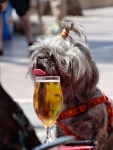
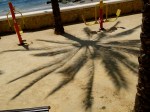
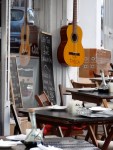
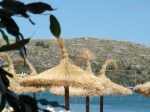
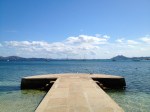
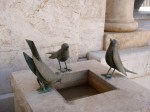
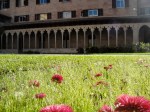
So here, in the final post of photos from the recent Marbella test run of my new Song Cybershot HX20V, here are some of my favourite shots of the town, from historic centre to the beach beyond. Once again, the camera’s 20x optical zoom proved a real treat when capturing far off details such as the little dog looking like it was about to dip into a glass of beer, and an impressive sailing ship, passing by while I was munching upon those delectable fried aubergines.

The camera’s test run is complete. I can confirm my purchase has been a success. And now I look forward to bombarding you with new photos throughout the summer taken with the camera which will never be far from my side.

© Nicholas de Lacy-Brown and The Daily Norm, 2001-2013. Unauthorized use and/or duplication of the material, whether written work, photography or artwork, included within The Daily Norm without express and written permission from The Daily Norm’s author and/or owner is strictly prohibited. Excerpts and links may be used, provided that full and clear credit is given to Nicholas de Lacy-Brown and The Daily Norm with appropriate and specific direction to the original content.

Marbella in May: a photography experiment (iii) – Park Life

Like many Spanish cities, Marbella is not short on shady spaces, a necessity for surviving the savagery of the searing Spanish sun. But thanks largely to the efforts of a corrupt former mayor, who paved much of the town in marble, Marbella’s parks are as grand as they are green, the many voluptuous tropical plants reflected double in the shiny polished pavements below, and curving elegantly over large ceramic-decorated fountains from which water arcs and spouts and dances whimsically all day long.

The central Alameda park is the gemstone in a series of green sprawling spaces, and has become an appropriate meeting place for Marbella’s locals and tourists alike. It’s various parallel avenues provide plenty of space for a refreshing perambulation, all paths leading to one of the parks two large fountains, while alongside the plants many a bench invites sitters to rest and imagine themselves sat in a richly verdant jungle.

DSC00300 DSC00446 DSC00272 DSC00225 DSC06602

Second only to the Alameda, the Parque de la Constitucion hosts at its centre a semi-circular open air theatre characteristic of those popular in Ancient Greece, while in the park surrounding it, a distinctly moorish feel envelops the fountains, paving and layout. I adore these gardens which, being slightly off centre, exude calm and lack crowds. Strolling between the tall shady cypress trees and besides lawns and flower beds, one could almost be in an English country garden – except for the key addition of sun.

I love Marbella’s park spaces, and more particularly the rich plump tropical and Mediterranean plant species which flourish there. Sitting beneath them I am reminded of an Henry Rousseau paintings albeit only metres from Marbella’s beach on one side and historic centre on the other.

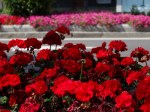
Beyond the park, Marbella is a festival of floral colour and richly leafed greenery. I was struck by the sheer abundance of colourful flowers planted alongside roads and pavements, as well as the sheer volume of newly born leaves upon the trees (no doubt the result of an especially wet winter). I don’t think I’ve ever seen the town look prettier – and luckily my new camera was there to capture it all.

© Nicholas de Lacy-Brown and The Daily Norm, 2001-2013. Unauthorized use and/or duplication of the material, whether written work, photography or artwork, included within The Daily Norm without express and written permission from The Daily Norm’s author and/or owner is strictly prohibited. Excerpts and links may be used, provided that full and clear credit is given to Nicholas de Lacy-Brown and The Daily Norm with appropriate and specific direction to the original content.

Marbella in May: a photography experiment (ii) – Cappuccino Cocktails

You join me on the second post sharing my photos from a little weekend’s experimenting with my new Sony Cybershot DSC-HX20V camera in Marbella, Southern Spain. By lunchtime on day one of our stay, I was already at ease operating this simple to use camera, and taking full advantage of its excellent 20x optical zoom facilities.

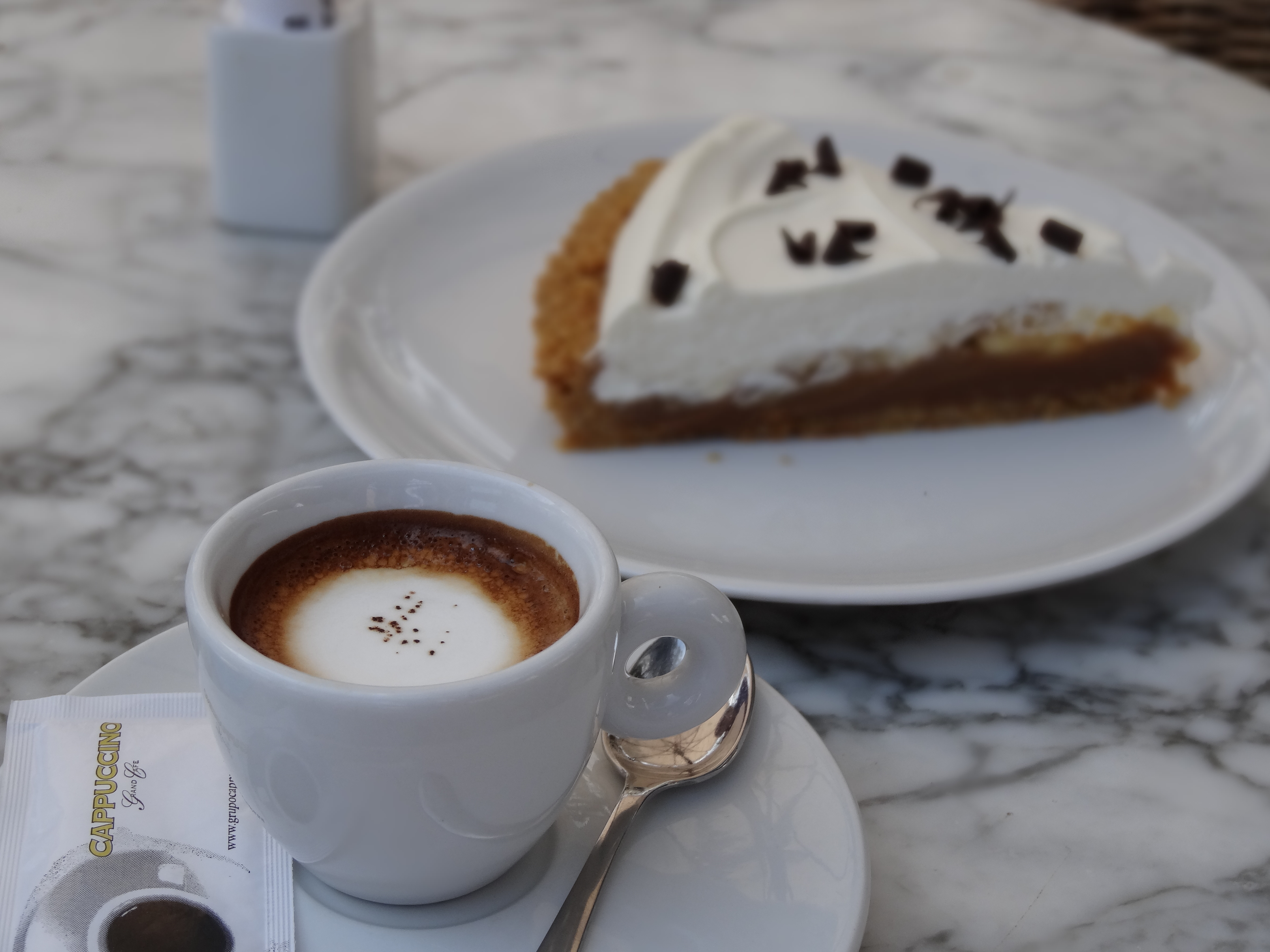
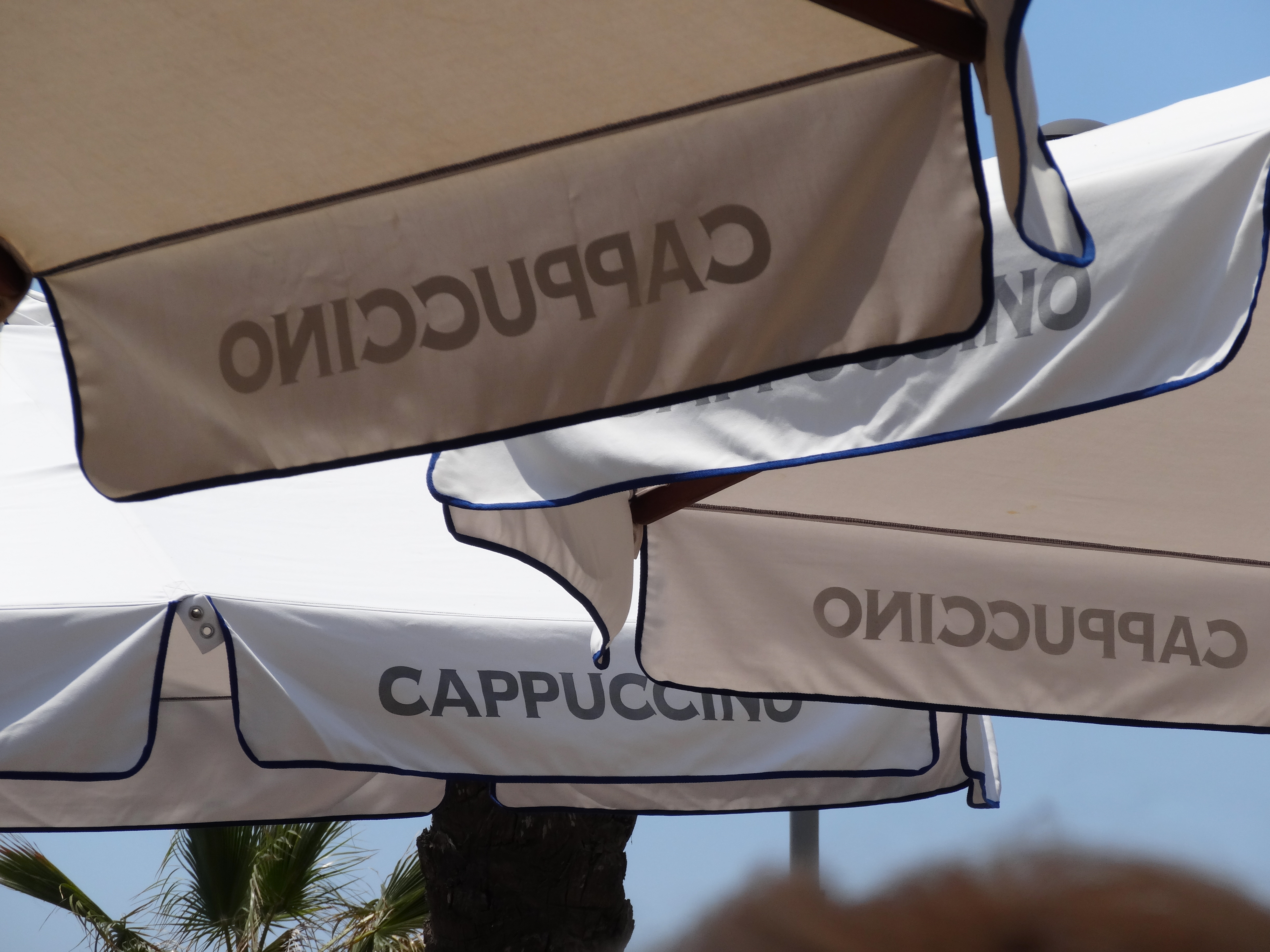
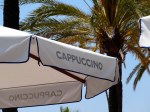
Today’s photos see me catching the mellow halcyonic lunchtime atmosphere in the sun drenched pine tree sheltered garden patio of my favourite of all cafe-bars, Cappuccino Grand Cafe Marbella, which is situated in the beach side grounds of the plush Gran Melia Don Pepe hotel.

DSC00202 DSC00195 DSC00191 DSC00171 DSC00189

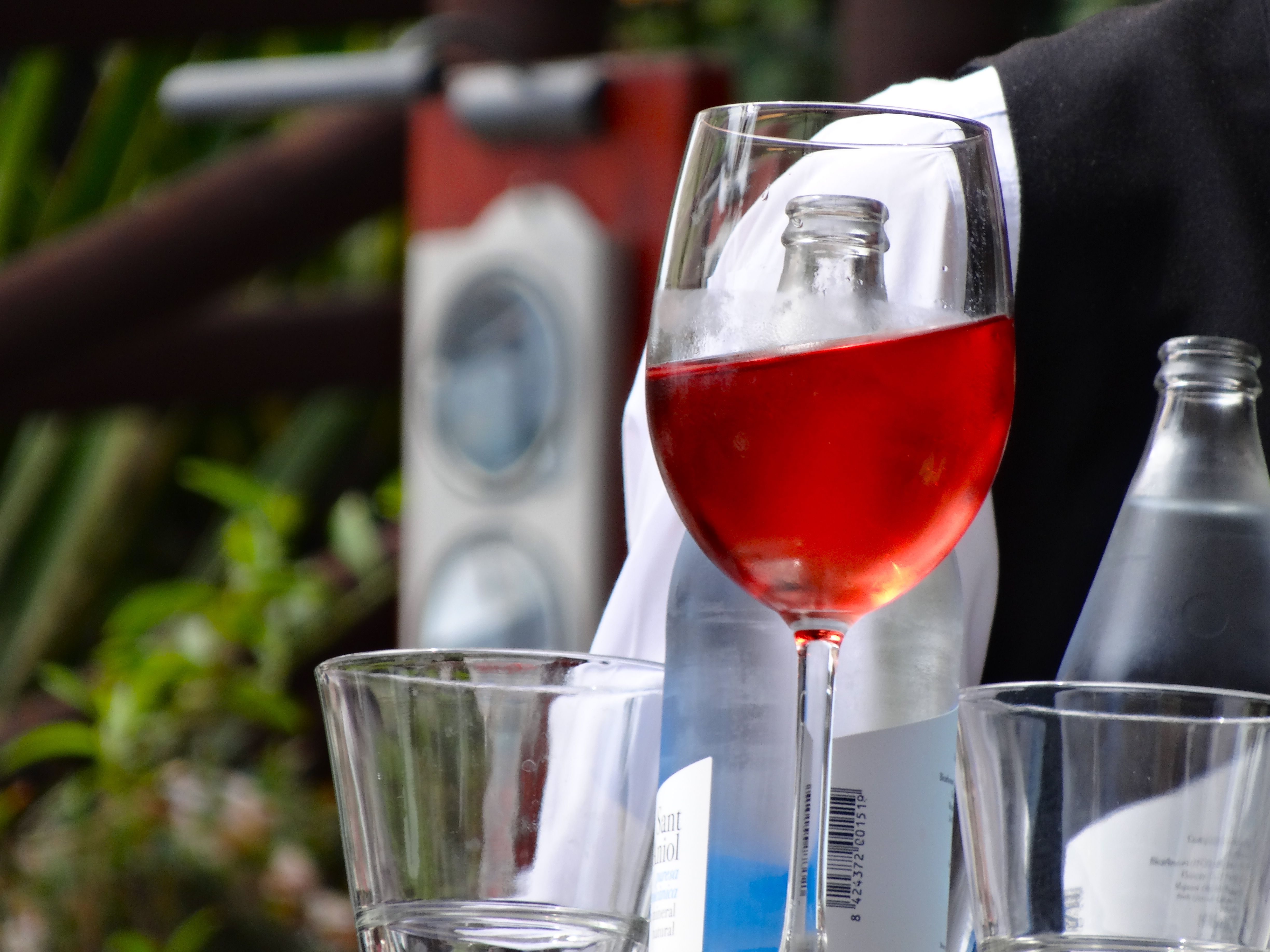
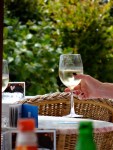
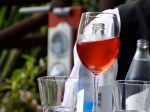
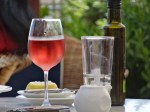
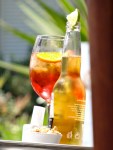
Sitting in the sunshine sipping upon a cool glass of Albariño wine and indulging in that always satisfying past time of people watching, I became captivated by the vividly colourful cocktails, green bottles and fruity rose wines being carried around by the crisp model-like waiters.  With a long zoom at my disposal, I was able to capture the kaleidoscope of colourful thirst-quenchers, their jem like glow augmented when shimmering against the potent midday Marbellan sun.

I love the ability of the camera to focus out the surrounding diners, concentrating on the vivid colours and the clarity of light. And of course I have to thank Cappuccino for providing the most chic of all surroundings as inspiration for these simply satisfying images.

© Nicholas de Lacy-Brown and The Daily Norm, 2001-2013. Unauthorized use and/or duplication of the material, whether written work, photography or artwork, included within The Daily Norm without express and written permission from The Daily Norm’s author and/or owner is strictly prohibited. Excerpts and links may be used, provided that full and clear credit is given to Nicholas de Lacy-Brown and The Daily Norm with appropriate and specific direction to the original content.

Marbella in May: a photography experiment (i) – my patio garden

For me, a travel camera needs to be three things. It needs to be small enough that it can be hidden away in my pocket, ensuring that I exhibit none of the tell-tale signs of being a tourist that a camera strung around the neck shouts out like no other. It must have a good zoom – sometimes the best photos are details seen from a distance so that you can benefit from “framing” the detail with some far off backdrop. Finally it must be capable of exceptional close-ups, as nothing thrills me more than an almost microscopic photo of an insect or flower, exhibiting more exciting detail than can easily been seen through the naked eye.

So when my small pocket camera decided to take early retirement, a tough research trail ensued as I set about trying to find a camera with the triumvirate capabilities I demanded.

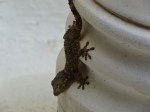
Eventually I settled on the Sony Cybershot DSC-HX20V. It’s not exactly pretty to look out, but what it promises to do ticks all of the boxes. For a pocket camera it has an incredibly large 20x optical zoom with a further 20x digital zoom capability. It’s easily pocket size although a little bulkier than my former model (which admittedly only had a 5x zoom). And the real winner is its ability to take incredible micro shots from only 1cm away from the subject (see the lizard below!)

Sold, I bought the camera for a snitch at £229 (from John Lewis) and took it with me, the very next day, when I headed to my second home of Marbella in southern Spain. Notorious for its vivid blue skies, beautiful sea views, consecutive days of sunshine (allegedly) and an old town which is truly a gem of Andalucia, what better place to experiment with my new camera?

DSC00057 DSC00238 DSC00034 DSC00250

What follows are a series of posts which share my first photos using my new camera. I’m so pleased with the results. The details captured at the end of the 20x zoom are really impressive, as are the microshots at the other end of the spectrum.

Up first are photos of my family’s little patio garden out in Marbella. A small plot behind our cosy little old house, it’s a very petite but pleasing garden – our own small slice of paradise.

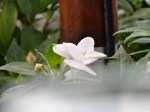
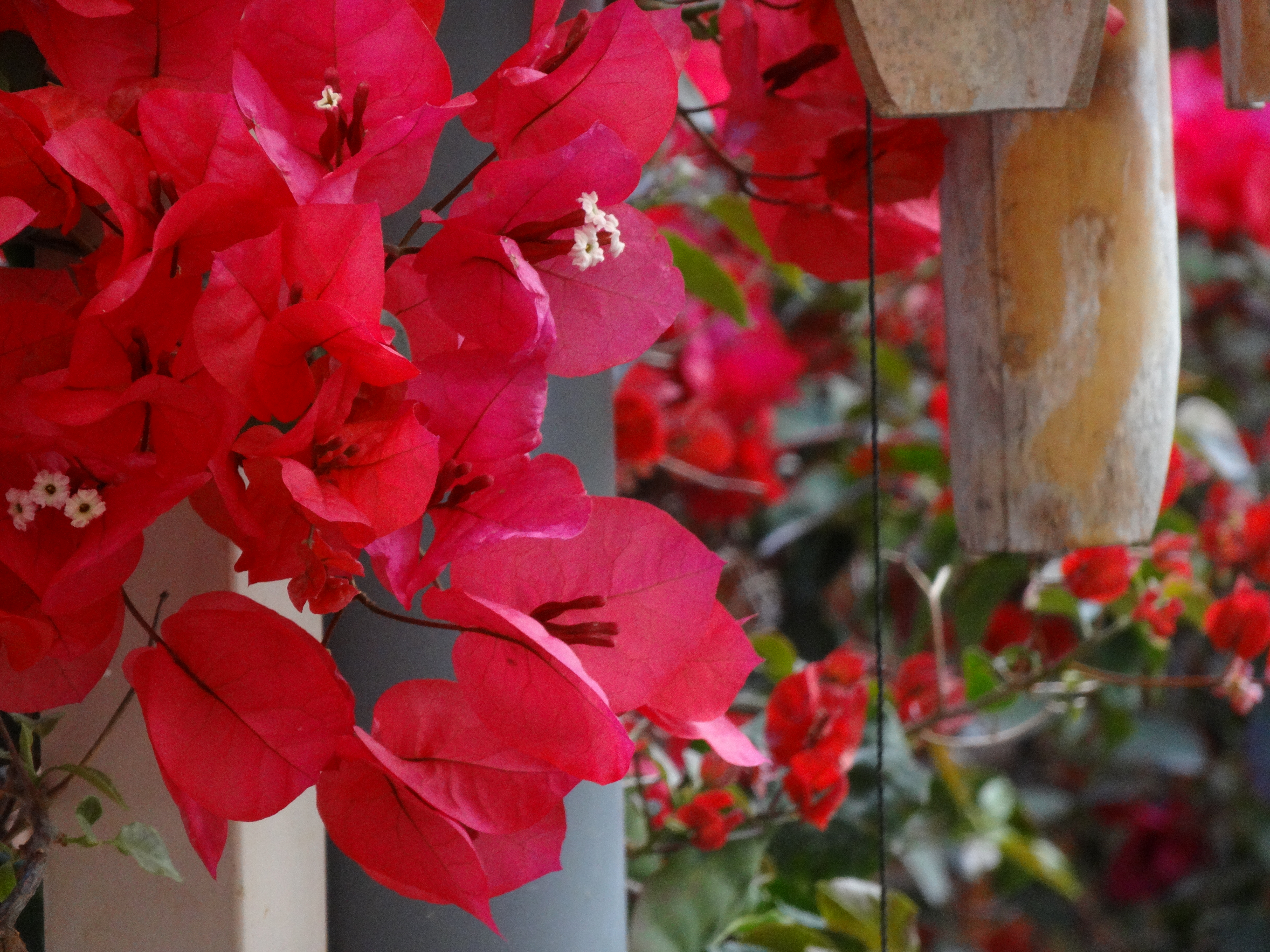
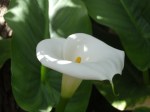
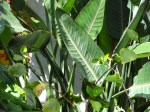
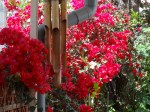
While it looks at its best in the summer, even at this time of year it’s flourishing, as milky white lilies poke up between a large-leafed bird of paradise, the jasmine springs back to life and brightly coloured hibiscus and bourganvilla inject the garden with a panoply of colour.

© Nicholas de Lacy-Brown and The Daily Norm, 2001-2013. Unauthorized use and/or duplication of the material, whether written work, photography or artwork, included within The Daily Norm without express and written permission from The Daily Norm’s author and/or owner is strictly prohibited. Excerpts and links may be used, provided that full and clear credit is given to Nicholas de Lacy-Brown and The Daily Norm with appropriate and specific direction to the original content.

Sunny Sunday Morning

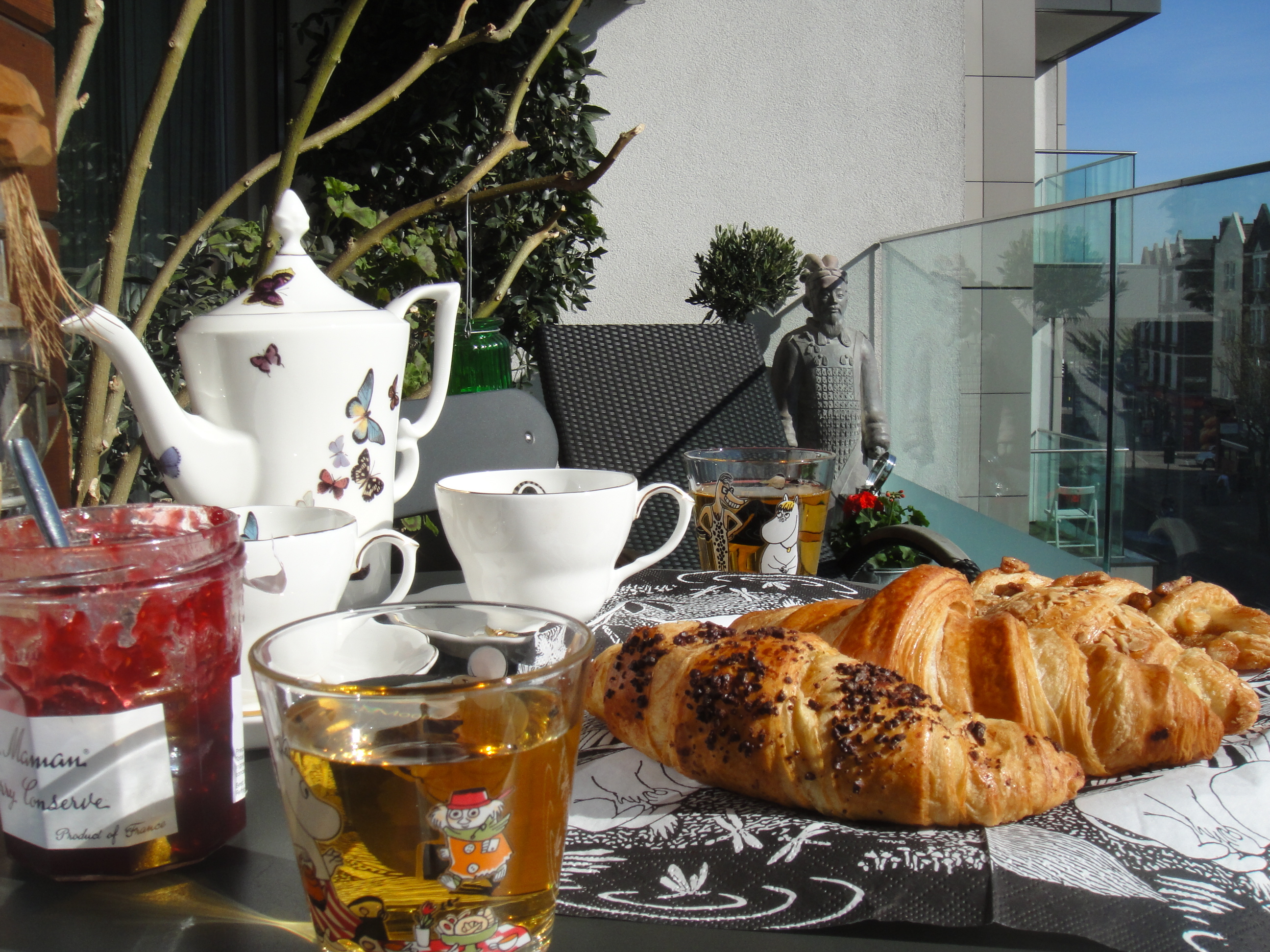
Fresh pastries, a pot of aromatic earl grey tea, the Sunday paper packed with supplements on culture and style and food, fruit juice sparkling as the sun throws long shadows across my little city balcony, a sun which finally possesses sufficient strength to cut through the chilly stubborn wintery air which has dogged the UK weather for the last 6 months. Spring has arrived, my balcony is getting green, and surrounded by newly potted plants purchased from a little garden centre squeezed politely alongside North Dulwich’s train station, my partner and I sat down yesterday morning to a Sunny Sunday morning. Every day should begin this way, but as today’s sardine-squished tube journey has reminded me, very few do. Hence why I felt it only appropriate to share the momentous morning that kicked off yesterday’s Sunday so well, instilling hope into us both that the Summer is on its way.

DSC07425 DSC07440 DSC07439 DSC07438 DSC07434

Wishing you all a good week 🙂

Springtime debuts in Dulwich

Waking up on Saturday to the sun streaming into my room and what looked like the faint glimmer of blue sky seen through a crack in my blinds was an odd sensation. Not having to rush up to turn the heater on before swiftly re-burying myself back into the warmth of my duvet was another. For this kind of good weather just doesn’t happen here in the UK, where winter appears to have reigned for so long that most of us had given up any hope of ever having a summer, the assumption being that the White Witch of Narnia was obviously back in power again. Indeed after the coldest March for over 40 years, and an equally chilled start to April, the final debut of Spring this weekend, right at the end of April, was not an event that could be allowed to pass unmarked.

Better late than never I say, and how better to celebrate this sunny saturday than by behaving as a tourist in my own city? Yes, it was to the London suburb of Dulwich, in the south east of the city, and more specifically to the village thereof that we headed to mark the arrival of Spring, a village which, despite some 10 years as fully fledged resident of London, I have never visited. The reason for this? Generally speaking the fact that there is no tube there – but as we found out today, the village is well connected by both bus and train. We took the no. 37 from Clapham Common, which got us to Dulwich, via Brixton and Herne Hill in around 20 minutes.

DSC07336 DSC07374 DSC07352 DSC07370 DSC07339 DSC07378

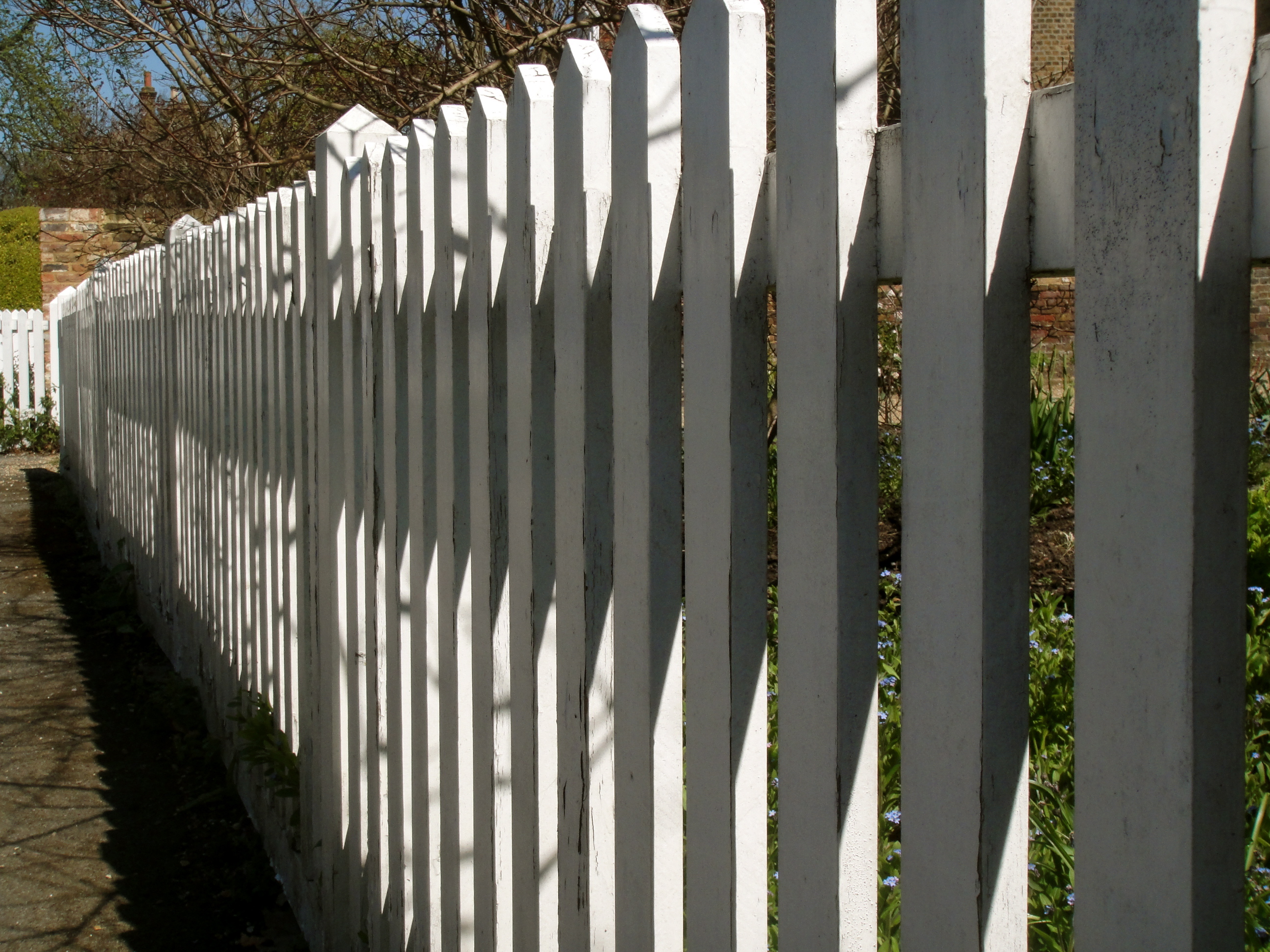
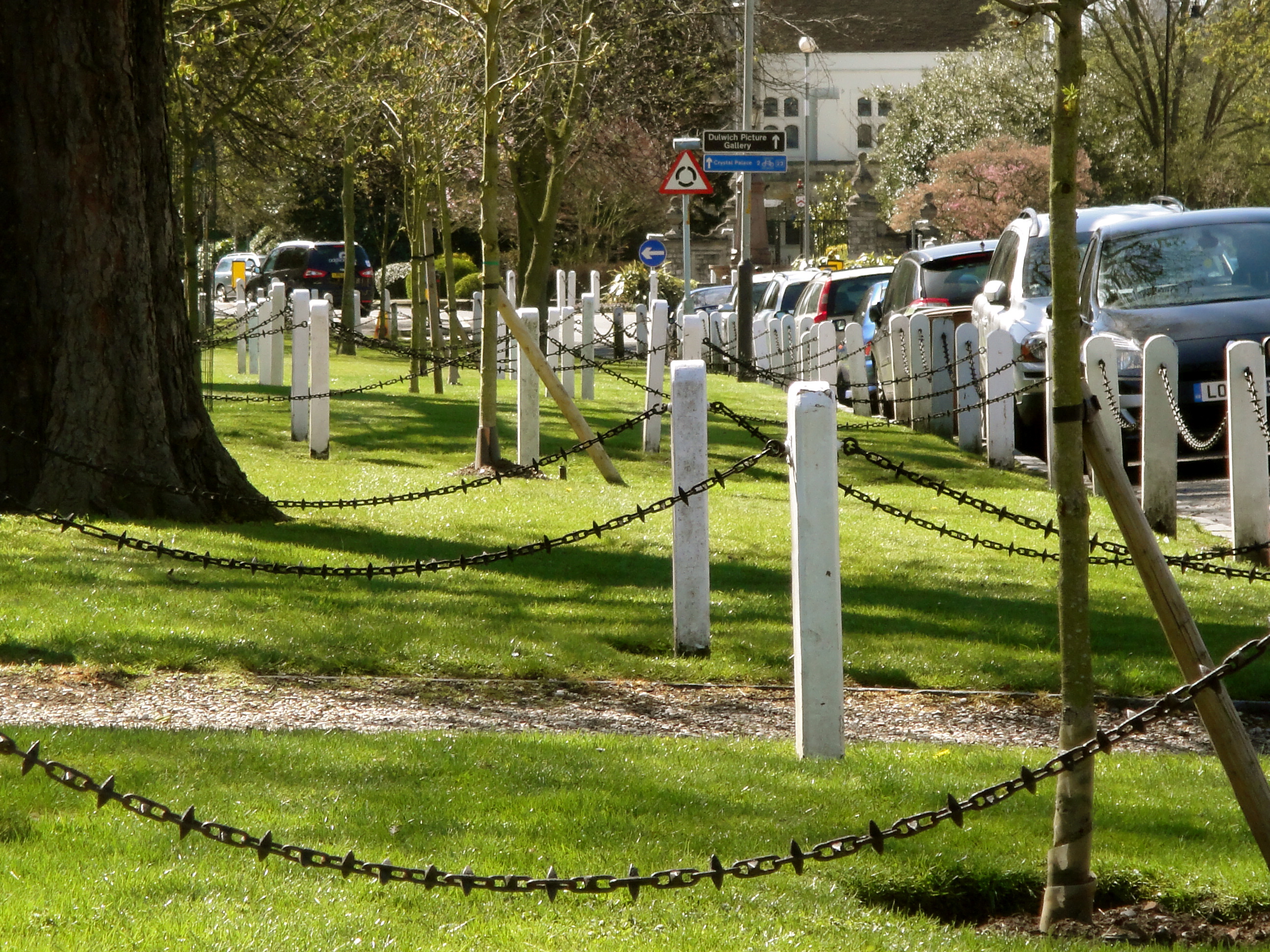
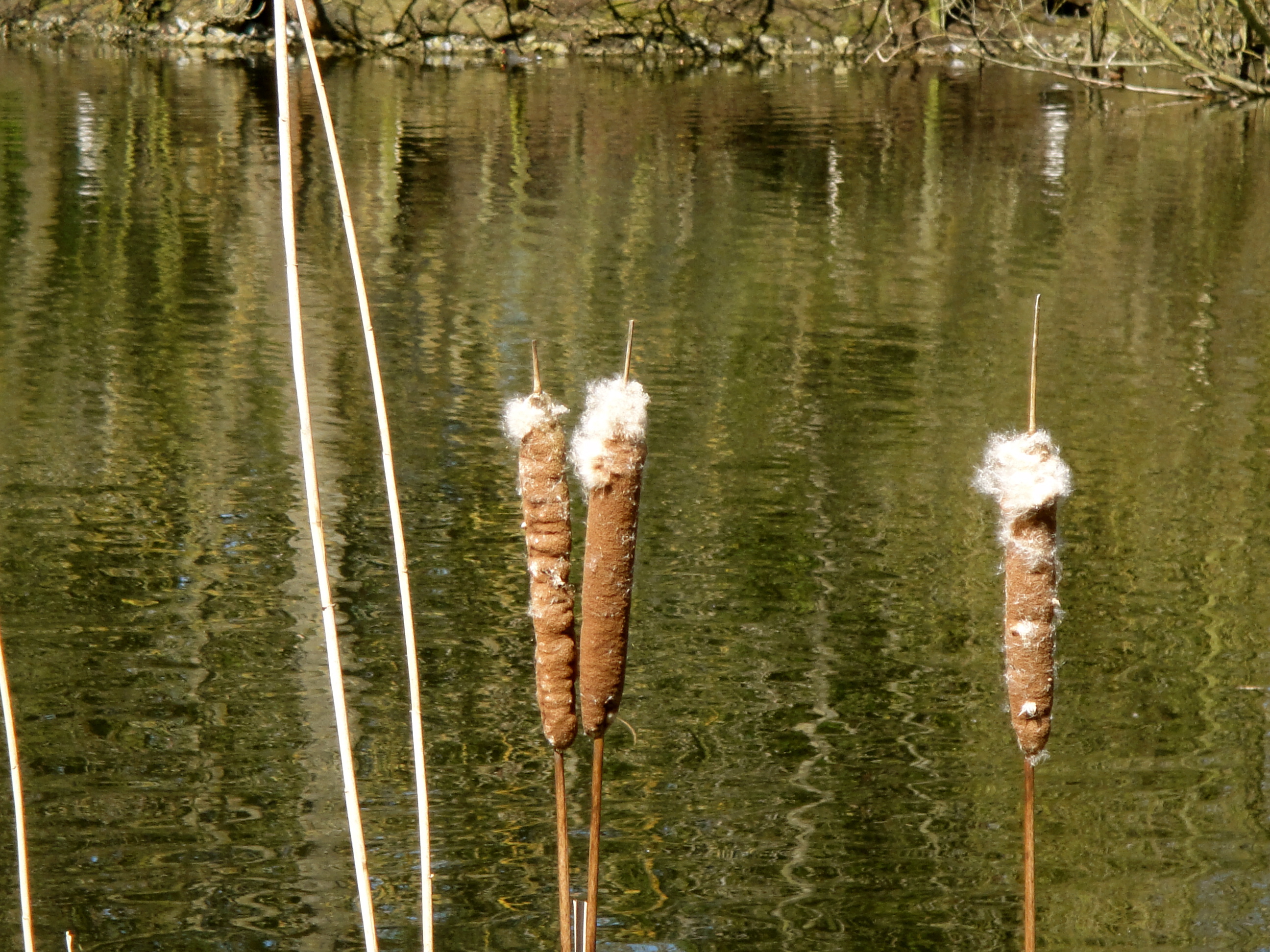
Dulwich Village is, as my photos will demonstrate, a secluded and rather affluent little enclave, full of picket fences, young families of well-oiled business men and plenty of “ladies that lunch”, yummy mummies and the like. Best of all, what with all the wealth and the family living, together with the rather large expenses houses and spacious gardens, the area of Dulwich is particularly green, full of blossoming trees and robust lawns as well as large open spaces such as Dulwich Park which has its very own boating lake, tennis courts and well-manicured gardens. All very civilised. And of course perfect surroundings for a day which felt ripe with the first inklings of Spring.

DSC07347 DSC07368 DSC07344

The main purpose of our visit was to visit the Dulwich Picture Gallery, a gallery which is so well-established (and is in fact the oldest public gallery in the UK, opening in 1811 at the bequest of Sir Francis Bourgeois RA) that again I wonder why on earth I haven’t visited before. The gallery, which boasts in its permanent collection a singularly impressive selection of notable artists from Velazquez and Gainsborough, to Rembrandt and Canaletto, is quite small but perfectly formed. This first visit to the gallery had been moreover prompted by a temporary exhibition, Murillo & Justino de Neve: The Art of Friendship,  which, as the name suggests, explores the work of a master of the Spanish golden age, Bartolomé Esteban Murillo (1618-1682), and in particular the particularly prolific body of work he created under the patronage of collector Justino de Neve.

DSC07364

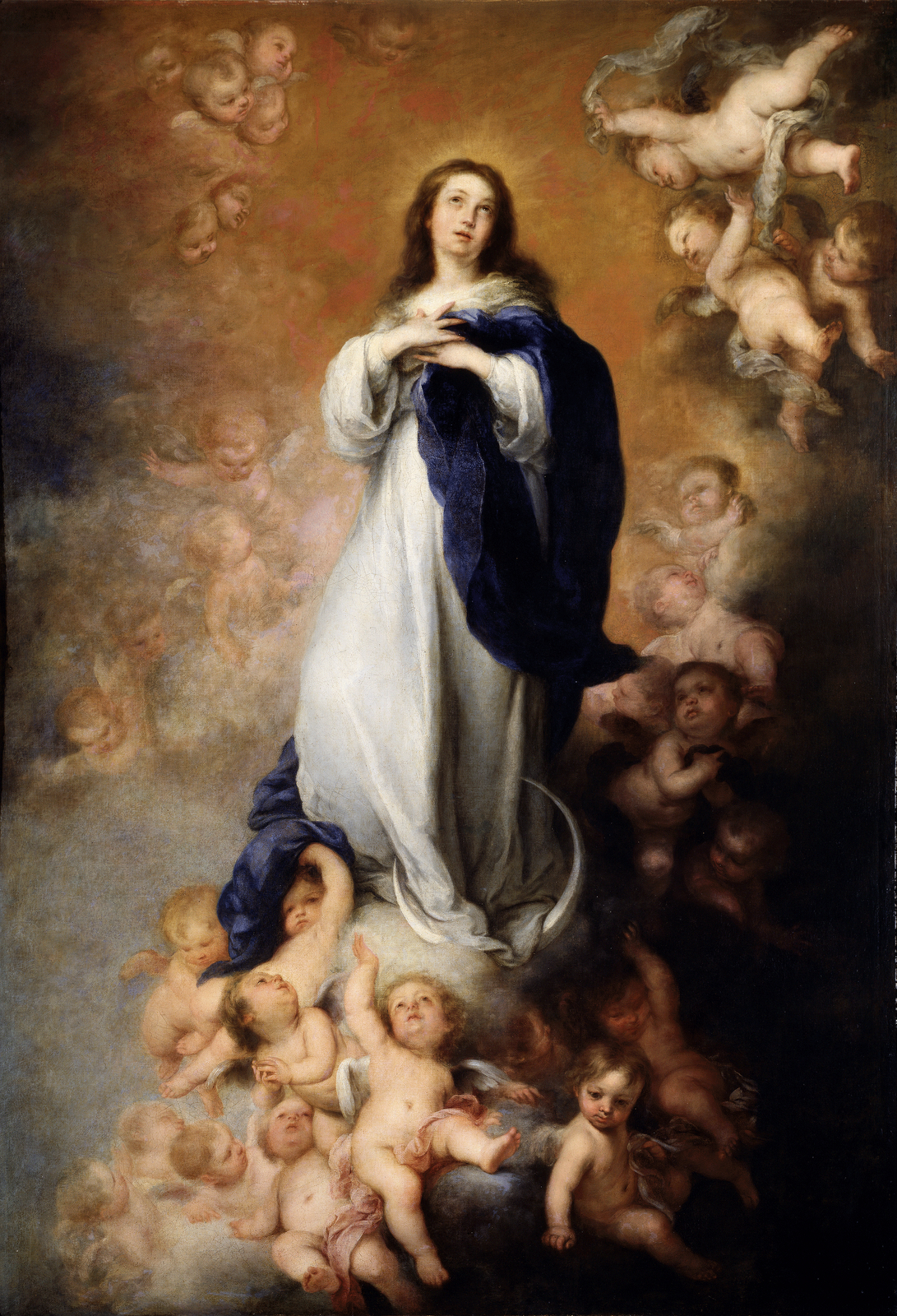
De Neve was a man with some not insignificant sway in 17th century Seville, the city of Murillo’s birth, and managed to secure for Murillo a number of high profile commissions, including works for Seville Cathedral like The Baptism of Christ whose exhibition in this show marks the first time the painting has been removed from Seville Cathedral since it was put there in the 1600s. There are various others of those commissioned religious set pieces in the show which has been curated to represent something of a gloomy baroque atmosphere, with darkened walls, and a central “nave” to the exhibition, lined with large lunette canvases and culminating with the star of the show, the Inmaculada Concepcion de los Venerables, a stupendously ephemeral, light infused portrait of the immaculate conception, boasting all of the trademarks for which Morillo became famous, such as the vaporescent light, idealised figures and soft melting forms. The painting, exhibited for the first time back in the sumptuously carved frame for which it was originally intended, is an incredibly well executed work, with its cascade of angels fading gradually into the distance, and its radiant golden light off-set against the blue of Mary’s robes. Yes, it’s a little saccharine for some tastes, but when seen in the right light, it’s an undeniably impressive almost awe-inspiring piece. Sadly, correct lighting was not something that this gallery did particularly well, with so many of the darker paintings being almost eclipsed by reflective light with the result that one could only see the painting by standing at a very specific and distant angle – it’s luckily the gallery was not busier or I fear everyone would have been vying for the same spot.

Murillo, Inmaculada Concepcion de los Venerables (1678)

Murillo, Inmaculada Concepcion de los Venerables (1678)

Murillo, The Baptism of Christ (1967-8)

Murillo, The Baptism of Christ (1967-8)

After a stroll around the Dulwich Picture Gallery’s fine accompanying gardens, complete with a winding path suitable for a contemplative perambulation, and various sculptures to tempt the eye, we headed back into Dulwich Village, where the bustling restaurant Rocca seemed a batter choice than the chain fodder of Pizza Express and Cafe Rouge across the way. As the name suggests, the restaurant presents italian fair, but its menu is depressingly anglicised. Pasta with peas and cream, spaghetti bolognese and tagliatelli carbonara – it doesn’t get much more cliché – and the pizzas, which came in a range of ingredient combination, also lacked the innovation (and the requisite crispy thin base) that comes to be expected of modern Italian cuisine. Nonetheless, we started the meal with a delicious octopus carpaccio (pictured) which was well seasoned and marinaded in chilli and oil, while a lemon and orange tart for dessert, in a rich buttery pastry went down particularly well.

DSC07375

We ended our day by strolling around Dulwich Park, another of the vast green areas of which London so can proudly boast to be one of the greenest cities in Europe. Here the sense of familial civility reached its height, with young families and loved-up couples enjoying the warmth and serenity of a first day of Spring, bobbing around in the peddle-boats of the boating lake as they did so; a scene of such unabashed idealism that I  thought for one moment that I could see the golden glow of Murillo’s paintings emanating into the ephemeral space above.

DSC07386 DSC07356 DSC07393 DSC07353

Murillo & Justino de Neve: The Art of Friendship is on at the Dulwich Picture Gallery until 19 May.

© Nicholas de Lacy-Brown and The Daily Norm, 2001-2013. Unauthorized use and/or duplication of the material, whether written work, photography or artwork, included within The Daily Norm without express and written permission from The Daily Norm’s author and/or owner is strictly prohibited. Excerpts and links may be used, provided that full and clear credit is given to Nicholas de Lacy-Brown and The Daily Norm with appropriate and specific direction to the original content.

Mallorca (Part X) – Photography Focus 3: Favourite Shots

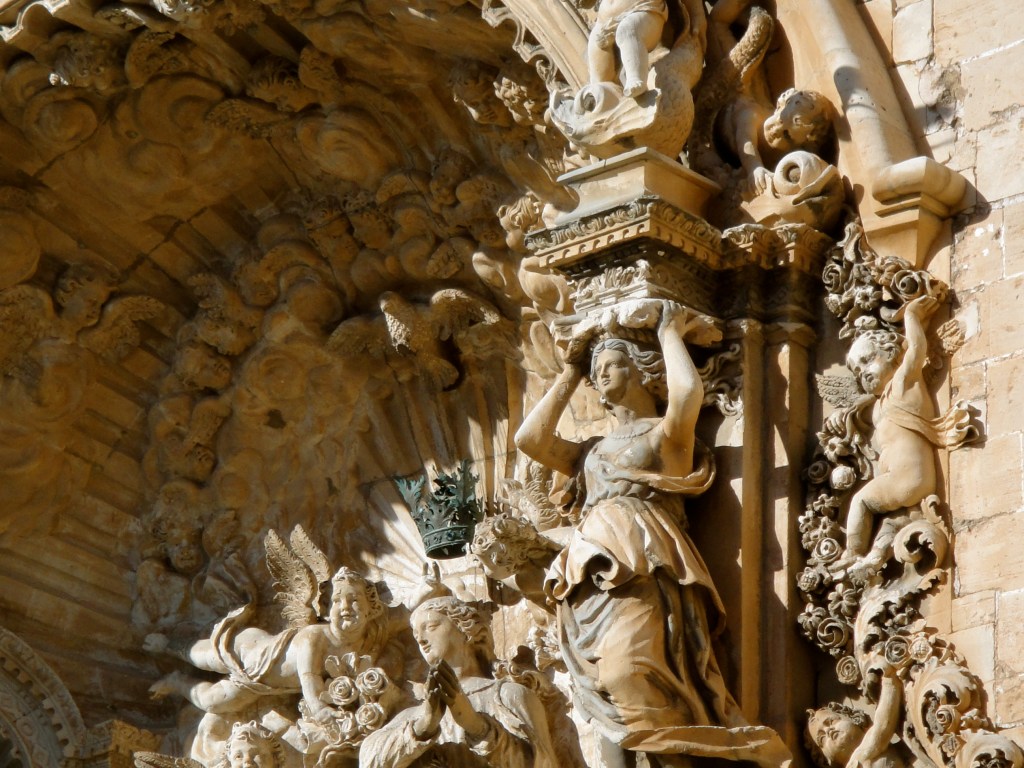
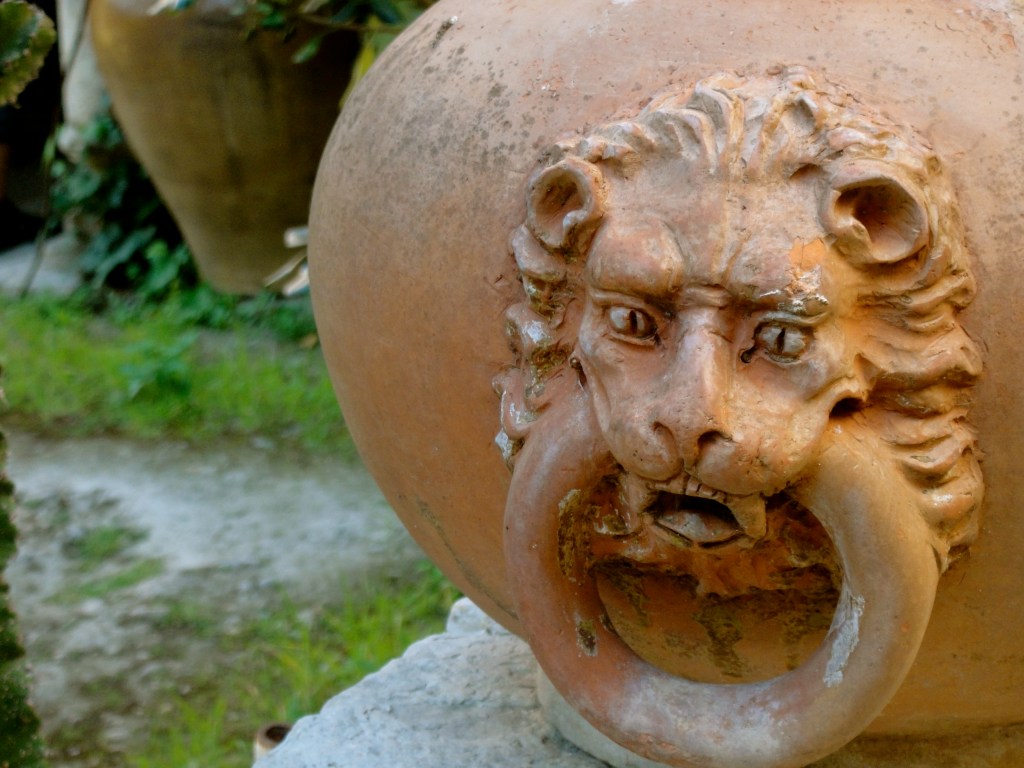
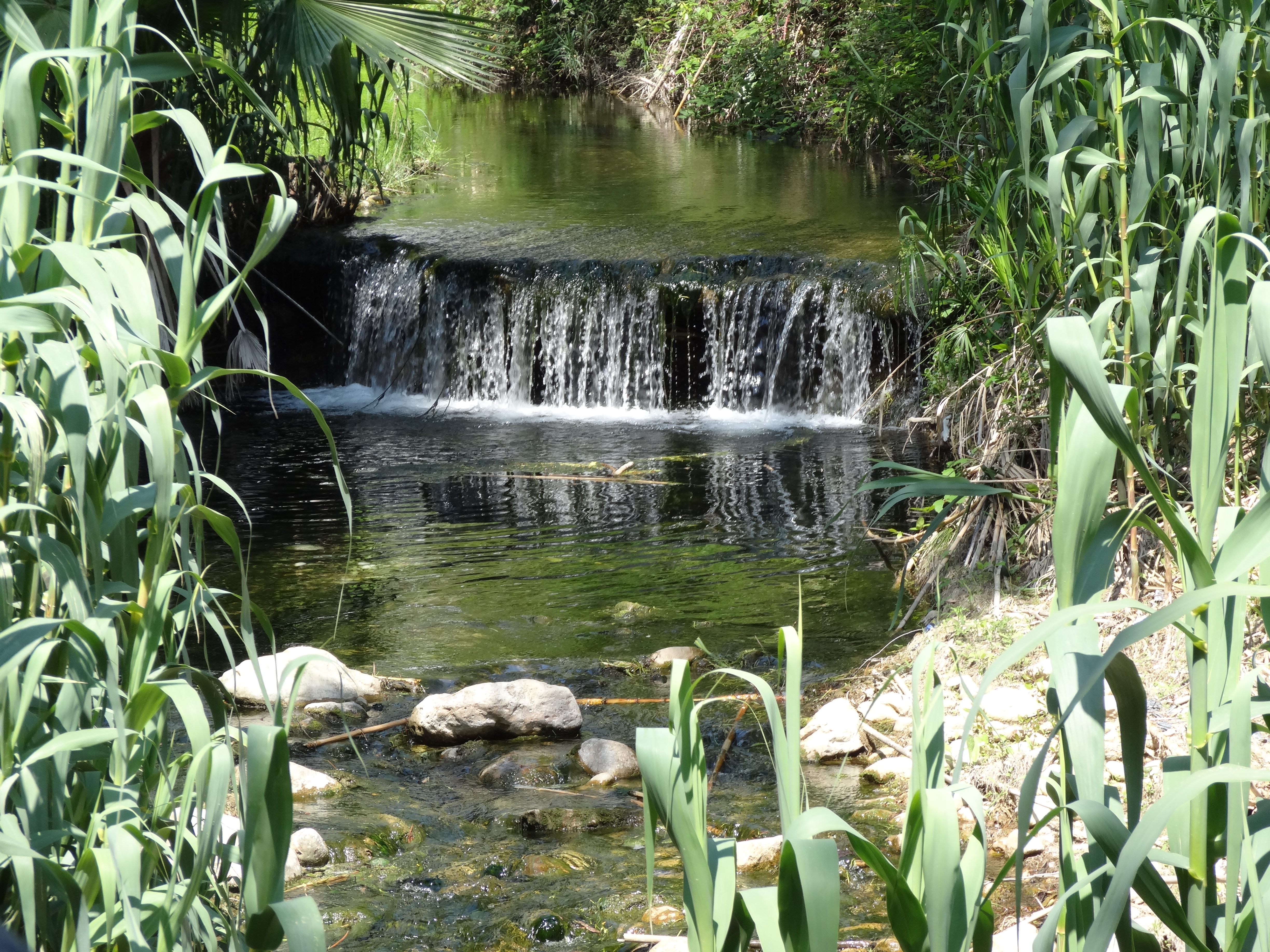
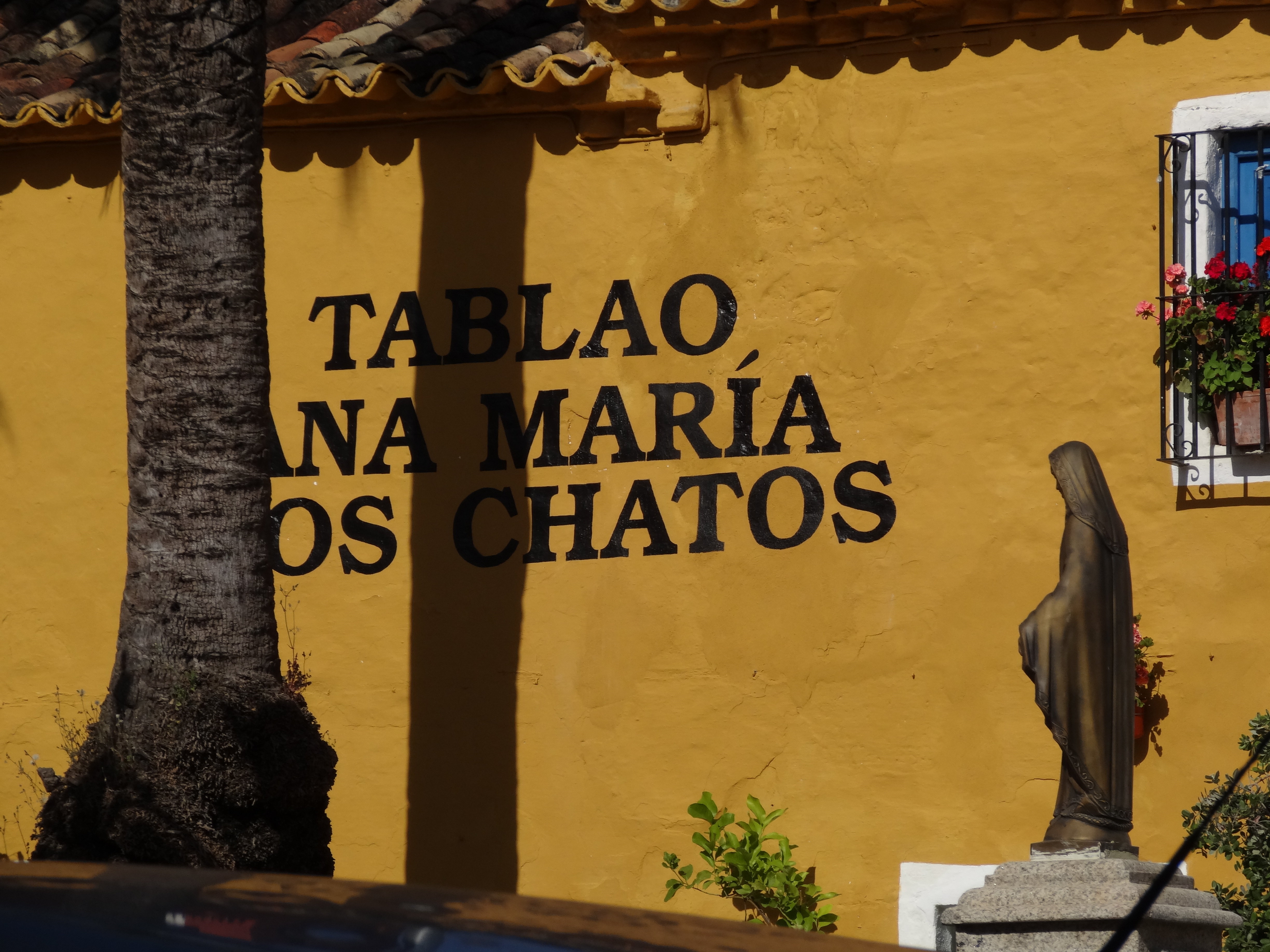
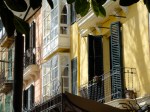
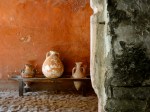
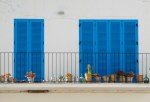
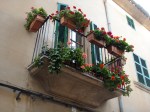
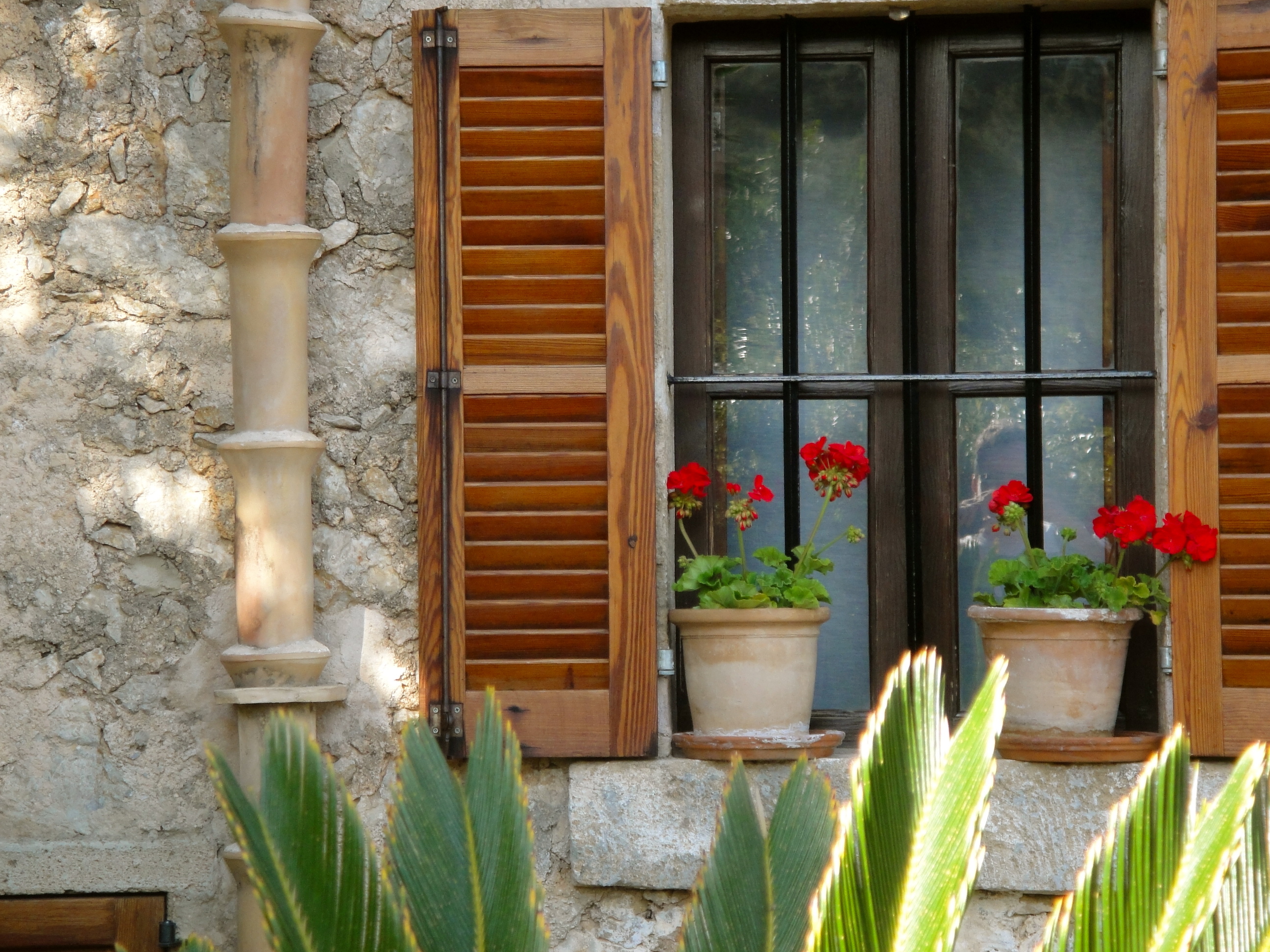
A super-season of Mallorca posts closes with a collection of some of my favourite photographs of the bunch. Consistent with the photographs posted with my 9 previous Mallorca posts, these shots are characterised by the indefatigable spread of resplendent colour across the island, by the elegant historical streets of Palma and by the luscious coastal scenery. They exude the caressing warmth of an early summer’s sunshine, creating complex images interlaced with delicate shadows which add a second dimension to the subject captured; they are a manifestation of the tradition and charm which is inherent within every narrow street or cracking green shutter, in the ritualistic Easter parades, and the dominating influence of religious ideals; and they are a an assemblage of now cherished memories, tastes and sensations, collected together for prosperity.

DSC05749 DSC07136 DSC06231 DSC07130DSC05714

From lush cacti by the dazzling Mediterranean sea and sundrenched geraniums in a picturesque patio garden, to the perfectly geometric classical architecture of the Cathedral and the palaces of Palma, to sunsets, and plant pots and fountains and street furniture, these are the details of Mallorca which caught my eye, small hidden gems which can so often be lost in the spread of a wider landscape or ignored by comparison with the grand spectacles on offer all around: Art in themselves, but made all the more desirable within the carefully measured composition of a photograph. I hope you enjoy them as much as I did taking them.

Thanks to everyone who followed my Mallorca trip on the Daily Norm. For now, it’s back to England, the land of the Norms who are surely due a post or two. But coming soon not too long down the line: Provence. See you then!

All photos and written content are strictly the copyright of Nicholas de Lacy-Brown © 2013 and The Daily Norm. All rights are reserved. Unauthorized use and/or duplication of the material, whether written work, photography or artwork, included within The Daily Norm without express and written permission from The Daily Norm’s author and/or owner is strictly prohibited. 

Mallorca (Part IX) – Day 5: Picture-Perfect Pollença

What is about to follow should carry a health warning. A place which is so inexplicably stunning that photographs can barely carry the burden of the beauty that they must nurture between their two dimensions; a landscape of such paradisal similitude that words alone can barely acknowledge the almost unfathomable idyll of this earthly heaven. What is about to follow is the town and port of Pollença on Mallorca’s Northern coast.

Since first seeing a photo of  the port of Pollença, its faultless panorama of distant misty mountains behind a crystal aquamarine sea, in a booklet advertising the various branches of my favourite of all cafés, Cappuccino Grand Café, I knew that I had to visit. But tucked away in a little natural marina, surrounded by vast rocky outcrops and large irregularly shaped mountains, and situated at the very Northern tip of the island, Pollença seemed to me as it looked: an almost unobtainable dream-town, far from reach, and always left to another trip. But on this triumphant return to Mallorca, I was determined to make the journey to this paradise on earth, no matter the effort it took, and in so doing feast my eyes on the town which had inspired writers like Agatha Christie, and artists like Anglada-Camarasa, while also enabling me to tick the final Cappuccino of Mallorca off my list – the last of the café’s branches in which I would unapologetically indulge.

DSC07150 DSC07103 IMG_4011

As it turned out, Pollença wasn’t all that difficult to get to from Palma. All it took was a direct bus service from Palma’s main transport hub in the Plaça España and a journey of around 1hr 15 mins (at the cost of around 6 euros each, one way). The only downside was that the buses weren’t regular. We took a bus at around 12.30, but were restricted to taking a return bus at around 19.15 (since the only one in between would only have given us just over an hour in the port) – however this extended stay gave us time to explore the town of Pollença in addition to the port, something which I wouldn’t have missed for the world.

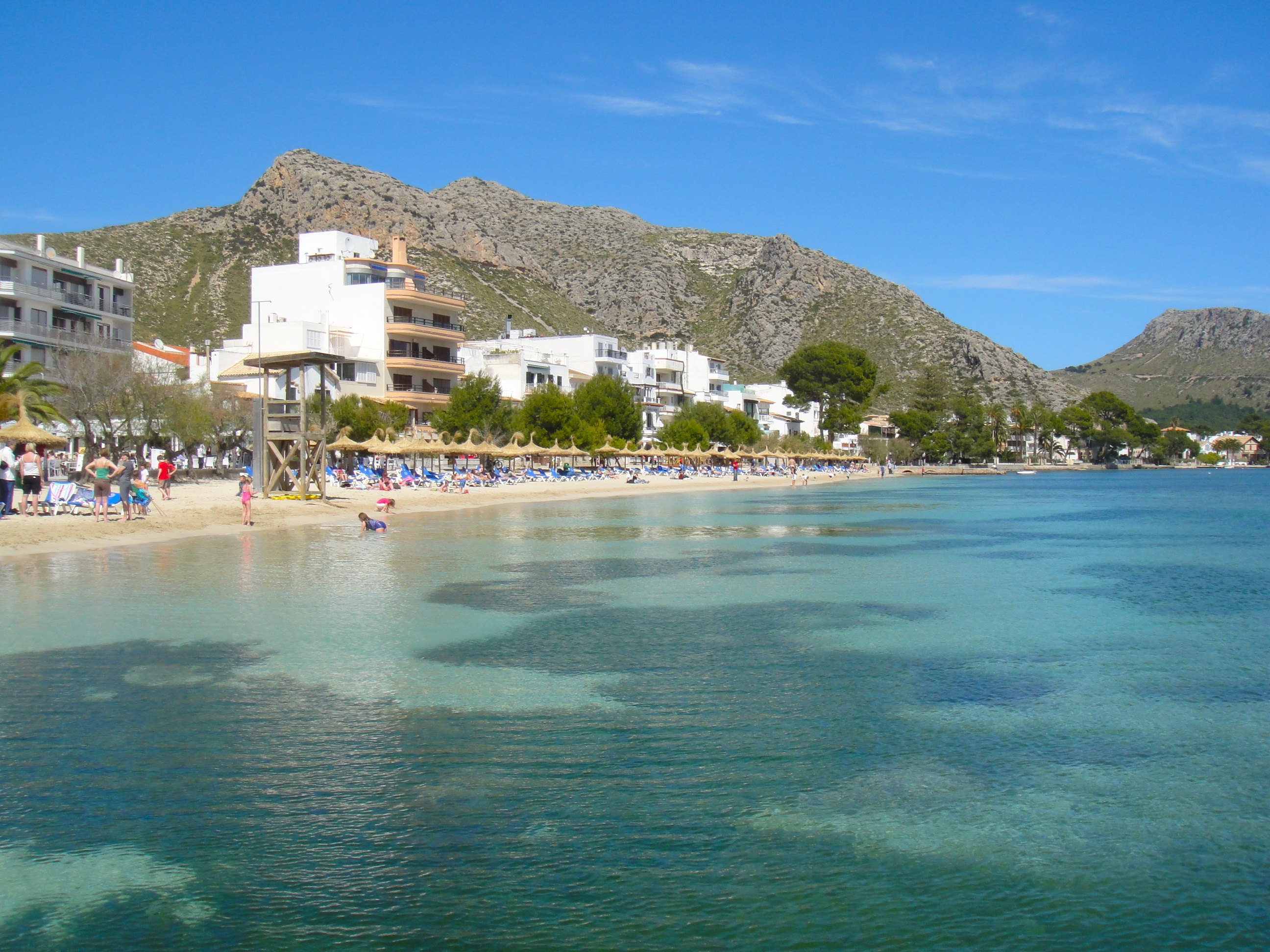
Now I won’t lie. When we reached the port and got out of the bus, I wasn’t sure we had arrived in the right location. Assuming the port to be something of elysium, I was surprised when we were dropped off in a busy run of the mill seaside resort, with souvenir shops and restaurants aplenty. My partner and I exchanged seriously sceptical glances – maybe we would have to take that early bus back after all. But we shouldn’t have worried. Just a short stroll eastwards out of the centre and the beach starts getting nice – really nice. The waters make you want to rip off your clothes there and then and jump in the crystal cerulean elixir, the soft golden sand tempting you to roll about in its soft embrace, feeling its tiny clean granules slink and slip their way between your toes and into every fold of your clothes.

DSC07025 DSC07082 DSC07108

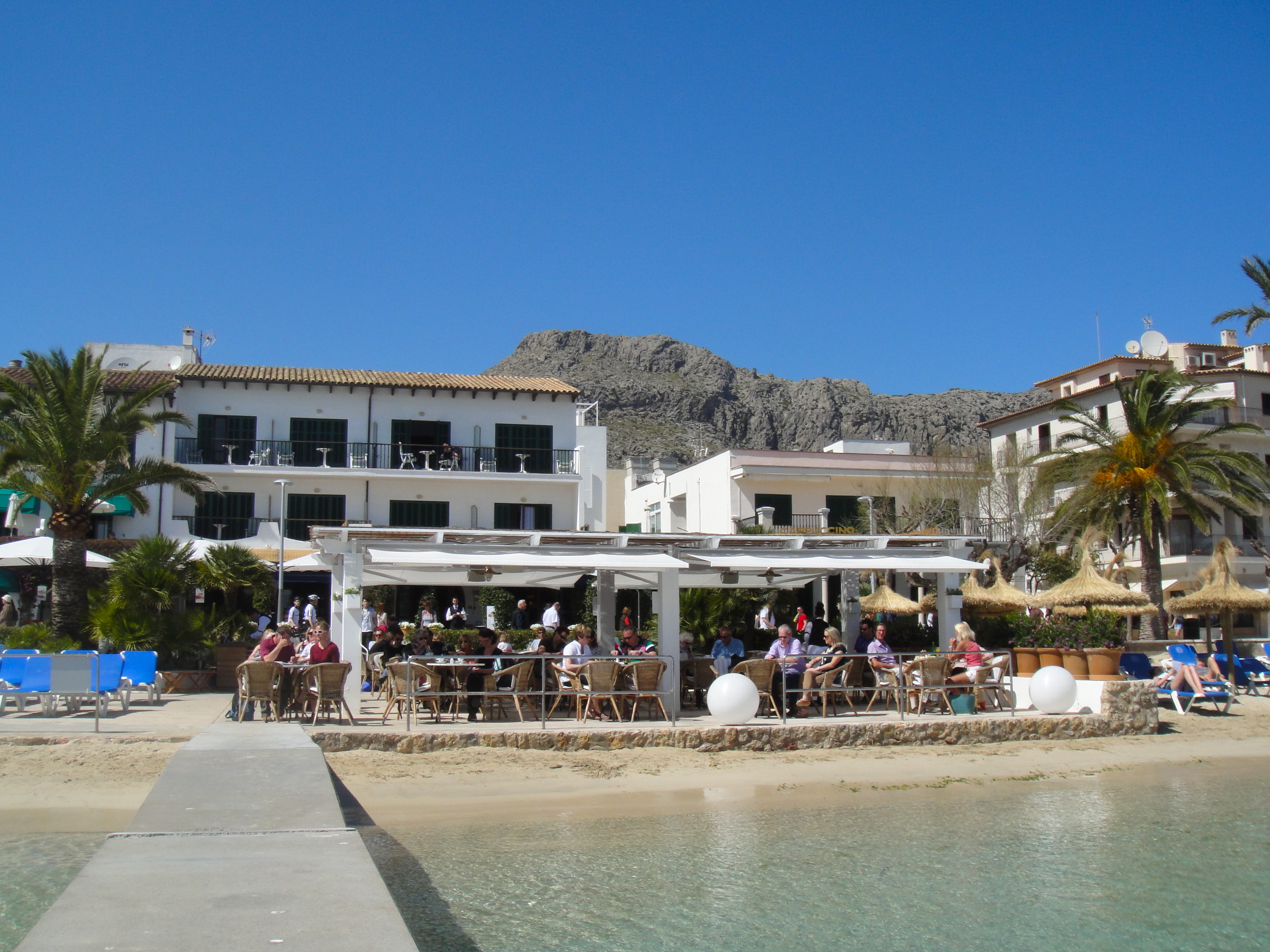
But of course we resisted, for what we saw, looming in the distance like a heavenly mirage in a dessert was Cappuccino, in a location every bit as splendid as the photographs suggested – set in a decadent old hotel directly overlooking the waterfront, and benefitting from tables jutting out to sea on a little decked pier, a pier on which, to our great fortune, a table in the front line seemed to wait for us, beckoning us to sit and enjoy what must have been one of the most stunning views I have ever enjoyed over lunch.

And so there, listening to the tranquil jazz of Pepe Link’s Cappuccino soundtrack, back on their finest albariño white wine, and tucking into yet more samplings from their faultless kitchen, we were in such an ecstacy of pleasure that for a time, we actually went silent. How on earth can life be so beautiful? Is it truly possible to be sat in front of a earthly view of paradise, benefiting from the full strength of a glorious Spring day’s sun, when only a couple of hours away in the UK, it was snowing?!

DSC07146 DSC07047 DSC07041 IMG_4010 DSC07079 DSC07028 DSC07144

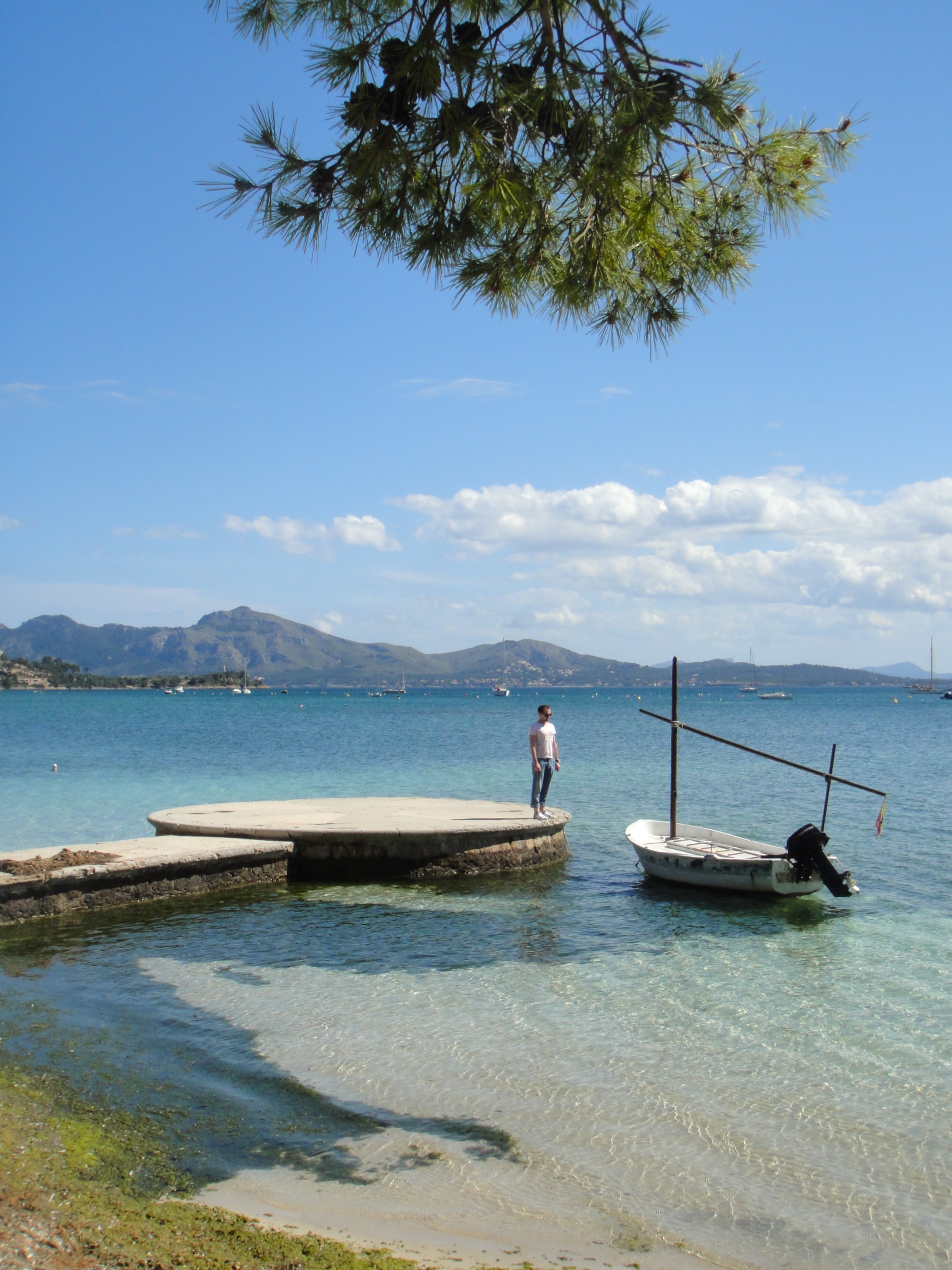
Our disbelief at the beauty of Pollença’s Cappuccino was only augmented further when, taking the “pine walk” along the almost 180 degrees curve of the bay, we found ourselves ambling along a path dappled with sunshine as it bled through the branches of lush, hanging pines extending over the sea, contrasting in deep verdant tones against the pure paradisal blues of those waters. I have never seen sights like it.

DSC07099 IMG_4042 DSC07078 DSC07121 DSC07105 DSC07112 DSC07090 DSC07128

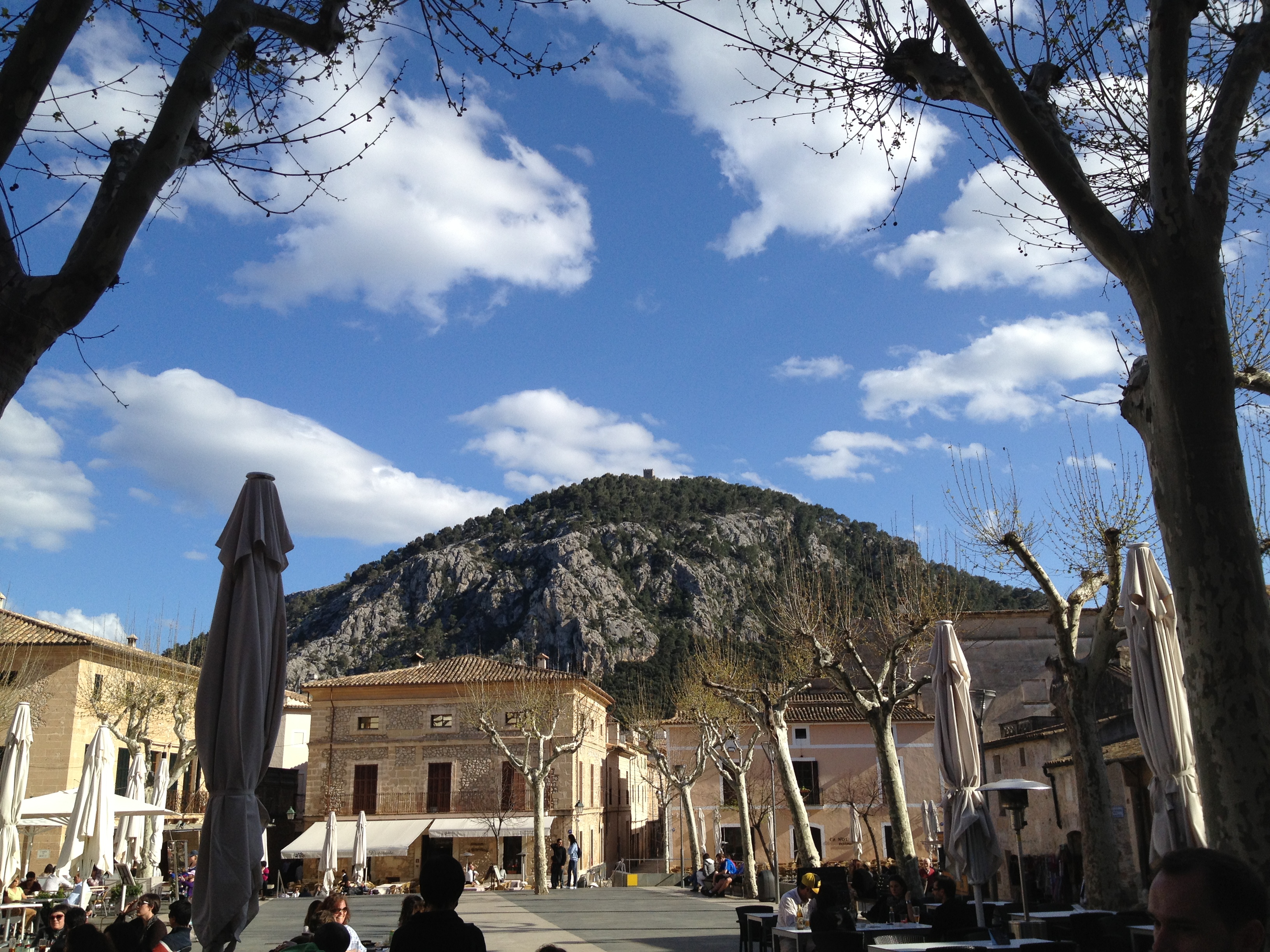
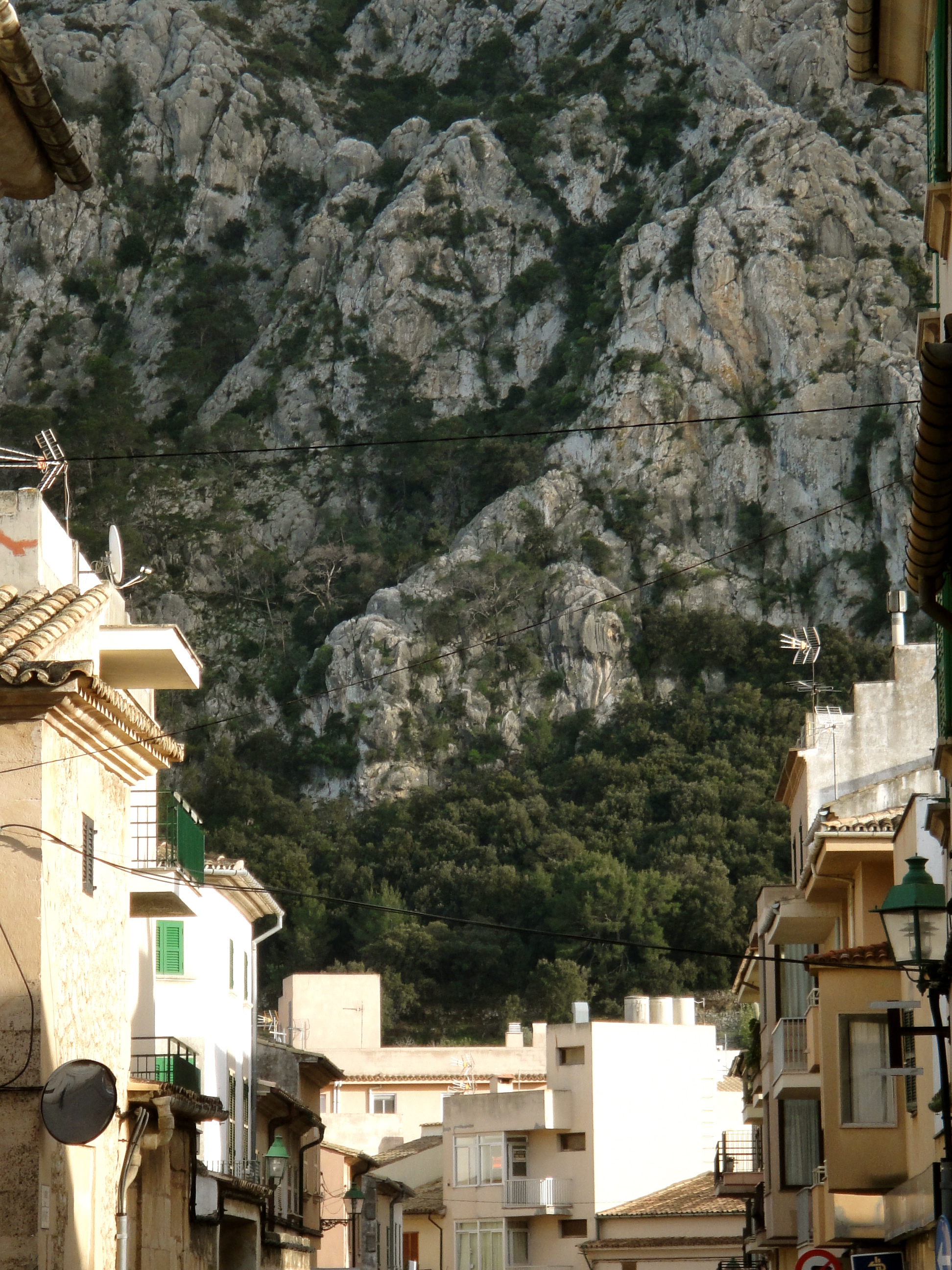
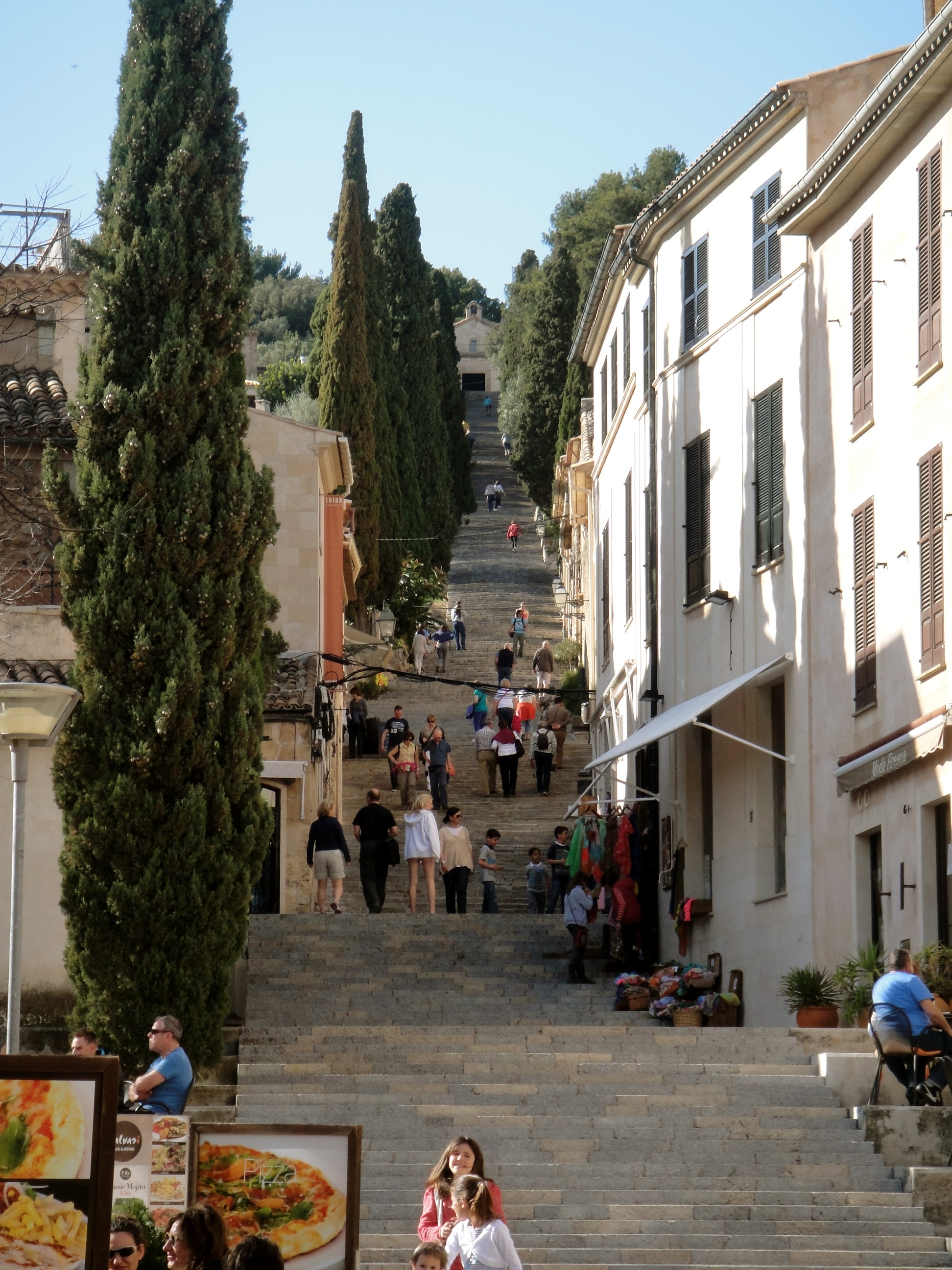
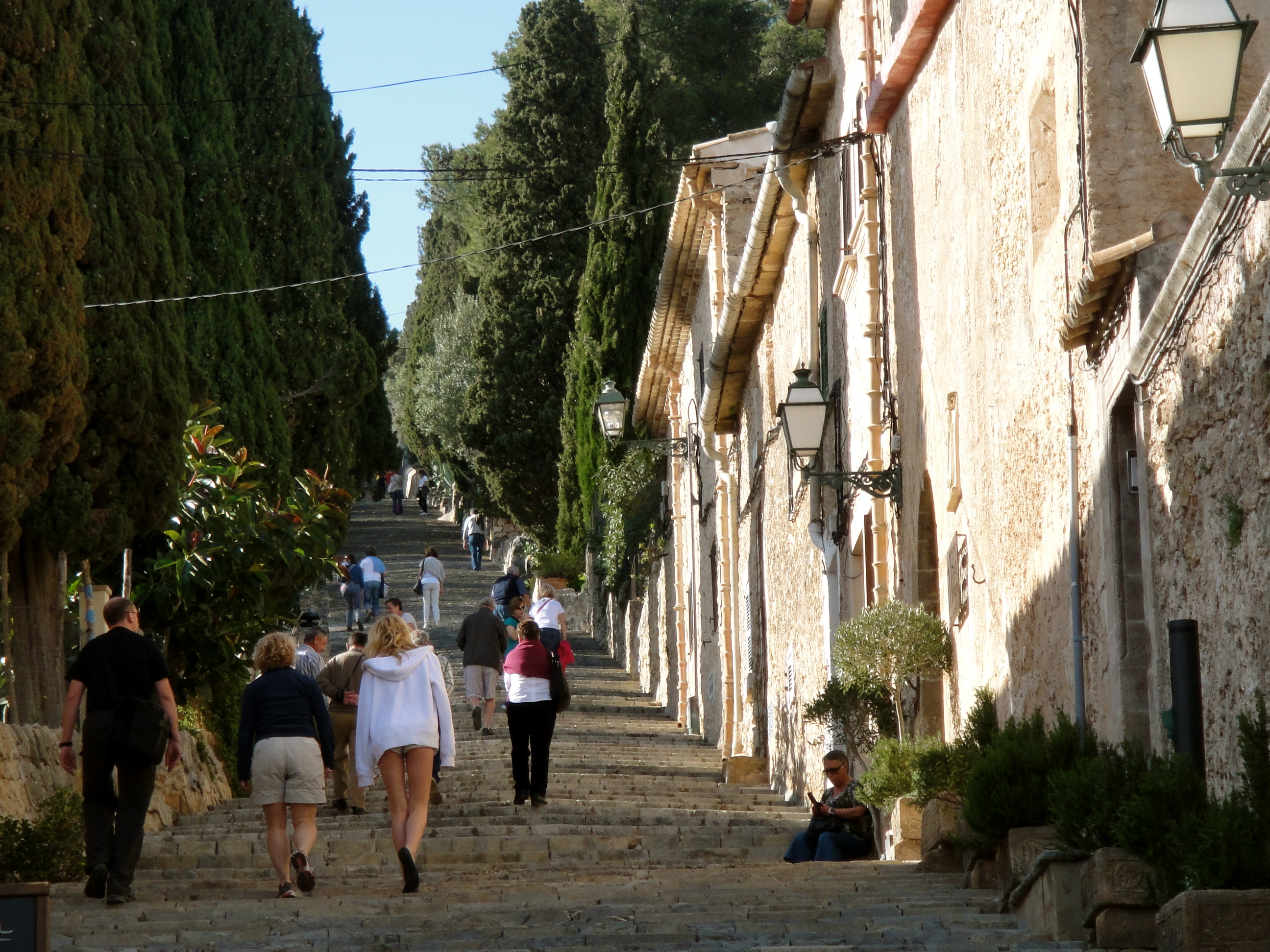
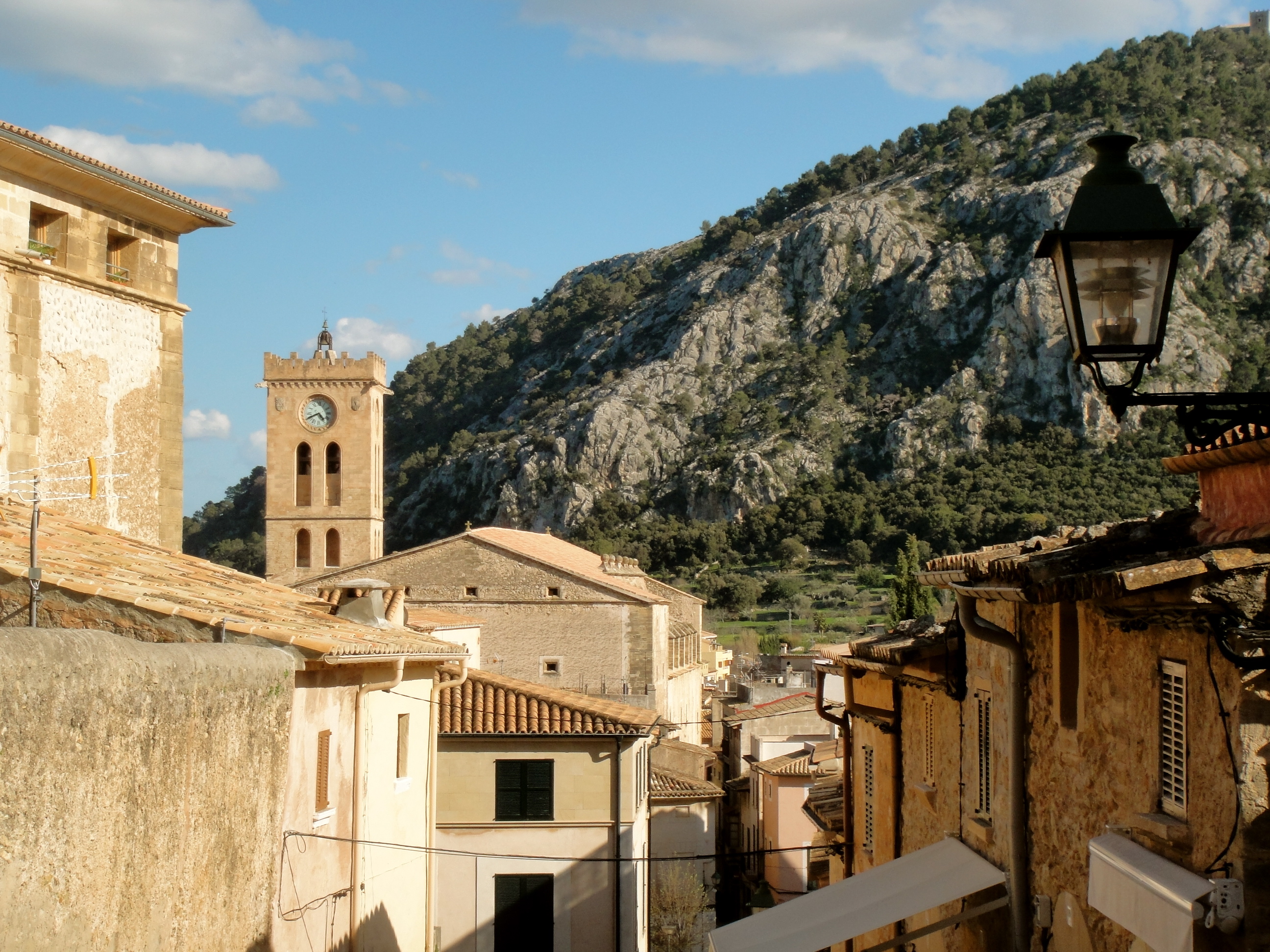
While we could easily have stared at the port of Pollença all day, time was inevitably ticking fast, and with only 2 hours until that bus back to Palma, we thought we had better visit the town of Pollença itself. Situated around 6km inland from the port, Pollença is a small labyrinthine town which benefits from a stunning situation against a backdrop of foreboding granite mountain cliffs, rising like a volcanic explosion out of the ground behind the town. At its centre, a charming Plaça Major is full of bustling little cafes and nobbly looking trees, while all around, little narrow streets are flanked by green shutters and cosy stone houses. But undoubtedly the most stunning sight of Pollença, and something which for us was completely unexpected, is the Escalera del Calvari, a steep straight 365-step cypress-lined stairway which leads up to a simple chapel and some pretty spectacular views. The staircase is understandable the town’s most treasured landmark and makes for something of an aweinspiring sight when you turn out of the Plaça Major and see the steps looming in the distance.

IMG_4052 DSC07167 DSC07200 DSC07162

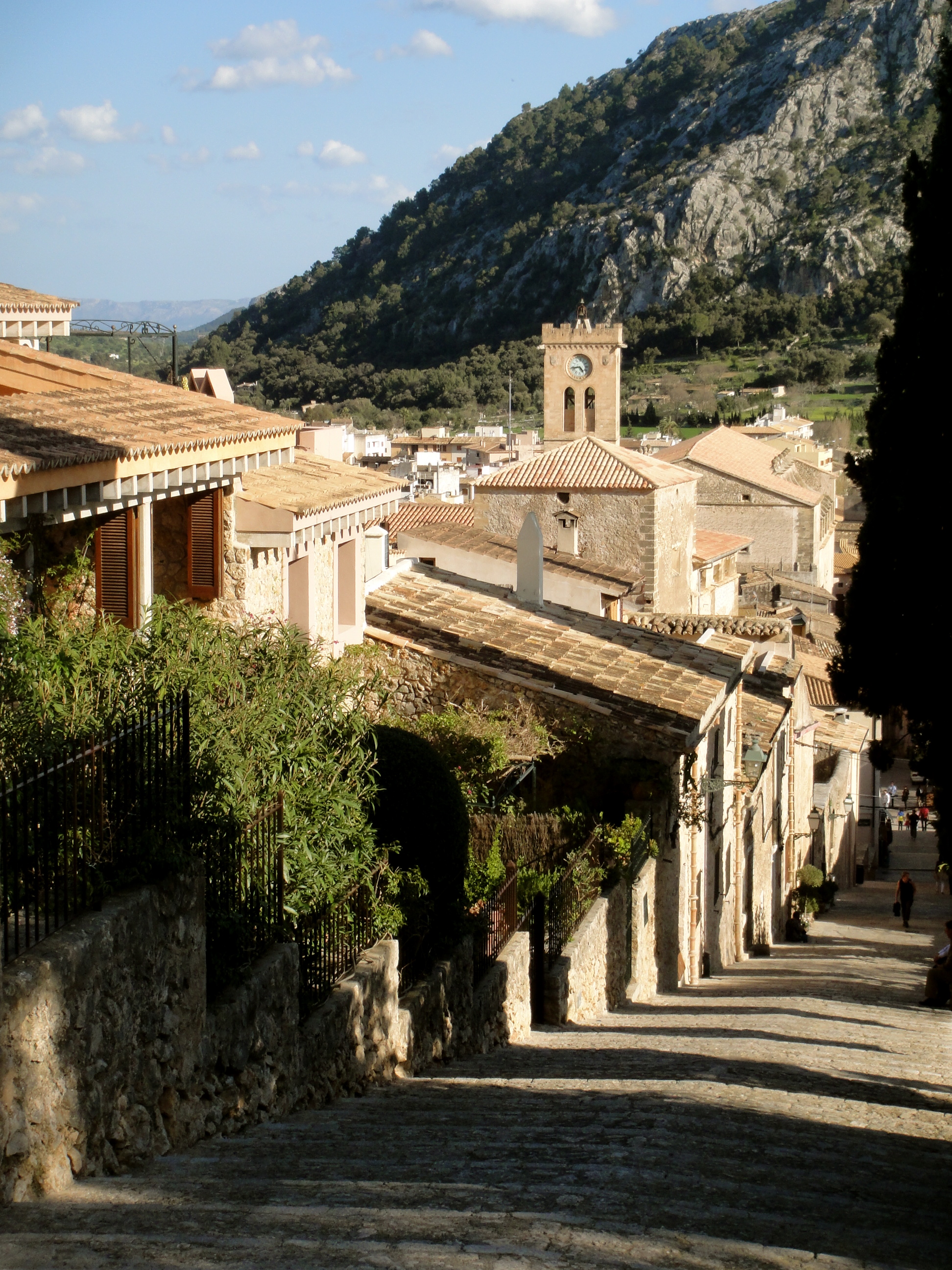
Of course as soon as we saw the stairs, we knew we could not leave Pollença without reaching the top, and that is exactly what we did, bounding at first up those steps before slowing down to an agonising but thrilling climb, turning every few steps to see the view of the town, transforming from stone houses to roof tops, flanked more and more by the bigger and stunning mountains as we got higher – all the way to the top where the view, stretching all the way out to sea was just phenomenal.

DSC07181 DSC07180 DSC07165DSC07170

And it was up there, at the top of the Calvary stairs, that I had a realisation of just how perfect this trip to Mallorca had been, each day an adventure of some new and beautiful location, a trip on which Palma had become like a home to us, and Mallorca had opened its arms to us in a gastronomic, artistic and historical embrace. And here we were, each day getting better and better until, at the very end, we climaxed at this highpoint of the trip, both physically and metaphorically, at a high point of the island, looking over the roof tops of beautiful Pollença, and with a trip of truly treasured memories now behind us.

And as for the journey down – while yes, it felt almost symbolic, forewarning of our return home to reality the following day, we were also able to stride confidently, knowing for certain that this will not be our last ascent of that stairway, nor our last adventure on this wonderful island. With so much more to explore, and such joy in the repetition of revisiting those places we have loved so much, how could we not return to the incredible island of Mallorca?

DSC07183 DSC07178 DSC07182

All photos and written content are strictly the copyright of Nicholas de Lacy-Brown © 2013 and The Daily Norm. All rights are reserved. Unauthorized use and/or duplication of the material, whether written work, photography or artwork, included within The Daily Norm without express and written permission from The Daily Norm’s author and/or owner is strictly prohibited. 

Mallorca (Part VIII) – Photography Focus 2: Modernista Architecture

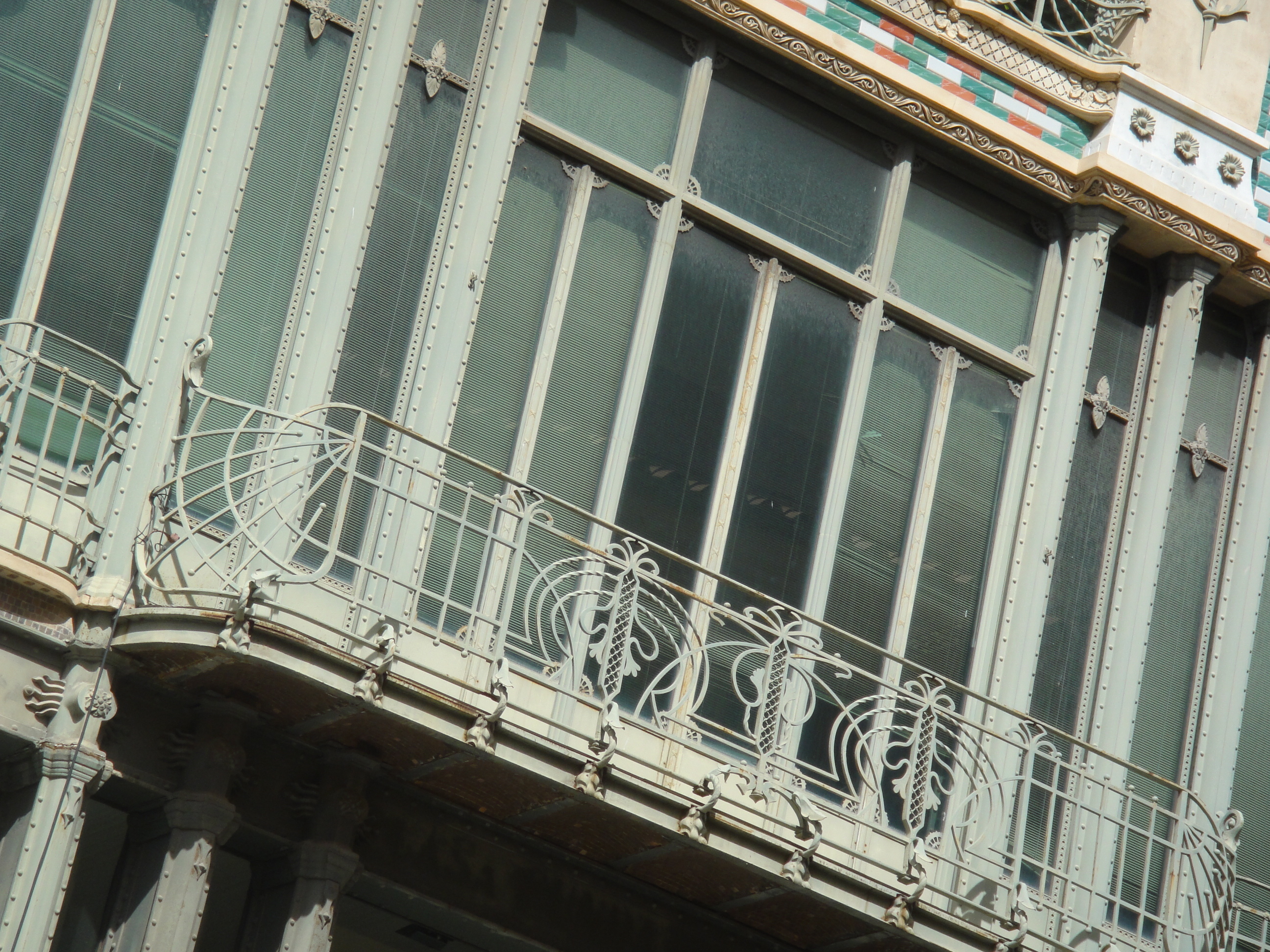
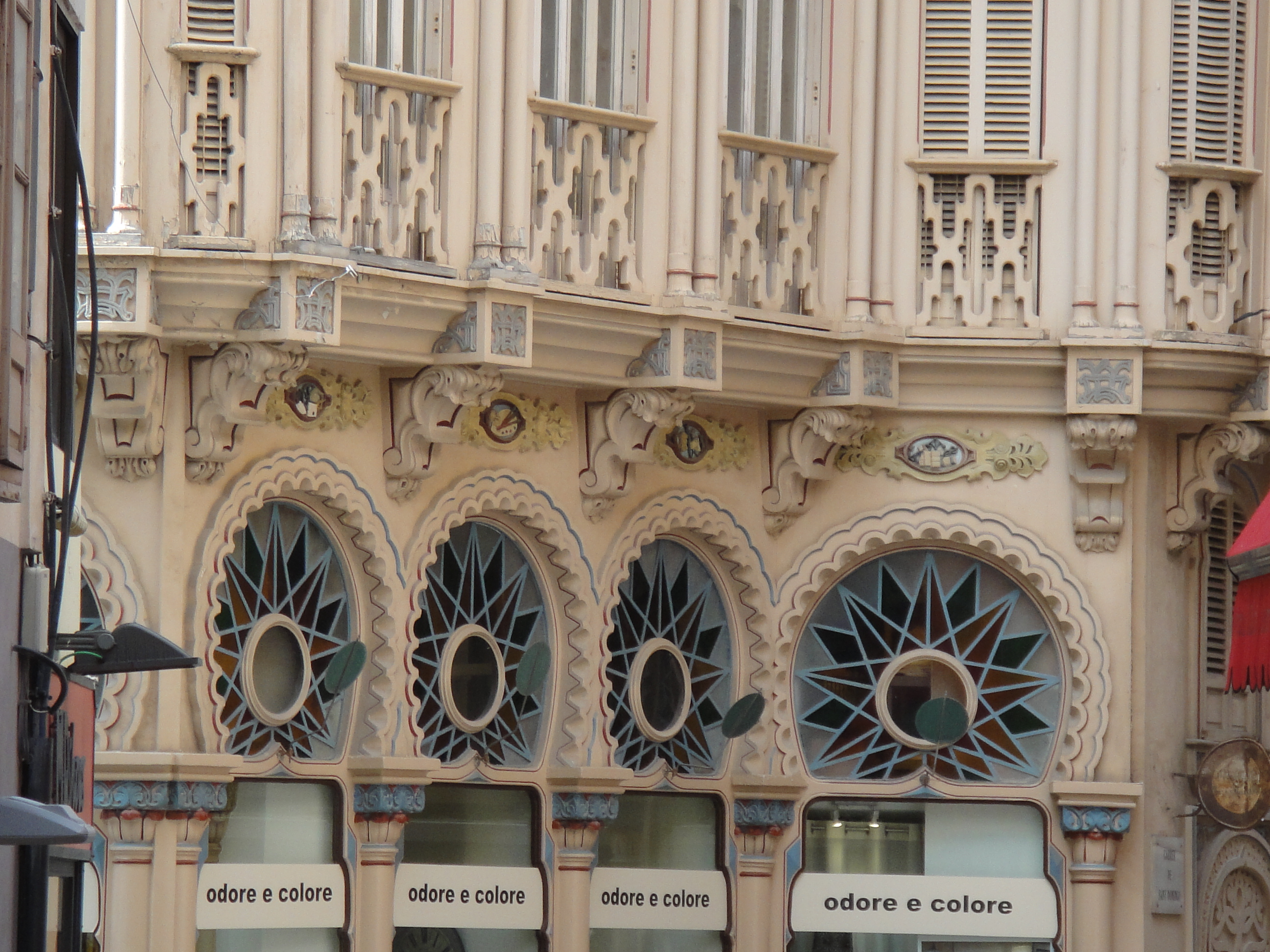
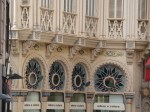
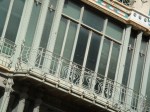
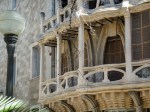
As readers of my Valencia series of posts back in February will know, I am a huge admirer of architecture, both ancient and modern. But perhaps my favourite style of architecture is a period sitting somewhere in between – an era when curved decorative lines replaced rigid linear forms, when natural forms such as flowers, leaves and waves appeared to sprout, almost like nature has regained supremacy over man, from the plasterwork and wrought iron of buildings, and when aesthetic considerations reigned over calculations of cost and practicality. I am of course talking about the era of the art nouveau, which, in a progressively more industrialised Catalonia at the beginning of the 19th Century, had its very own, perhaps more eccentric off-shoot – modernisme.

While perhaps not as abundant as the prized examples of modernismo architecture which can be found in the city of Barcelona, a lesser known collection of what are quite frankly gems of the period are ripe for discovery in Palma de Mallorca. Palma was developing a wealthy and increasingly outward-looking bourgeoisie by the end of the 19th century, and come the 1900s, the development of wealth and industry, as well as an increased awareness and pride in Catalan identity, encouraged the rich of Palma to display their wealth in a progressive and concrete form – through the construction of modernist palaces.

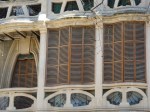
DSC06449 DSC07239The Cassayas apartmentsWindow detailing on the Can ReiWindow of L'Aguila

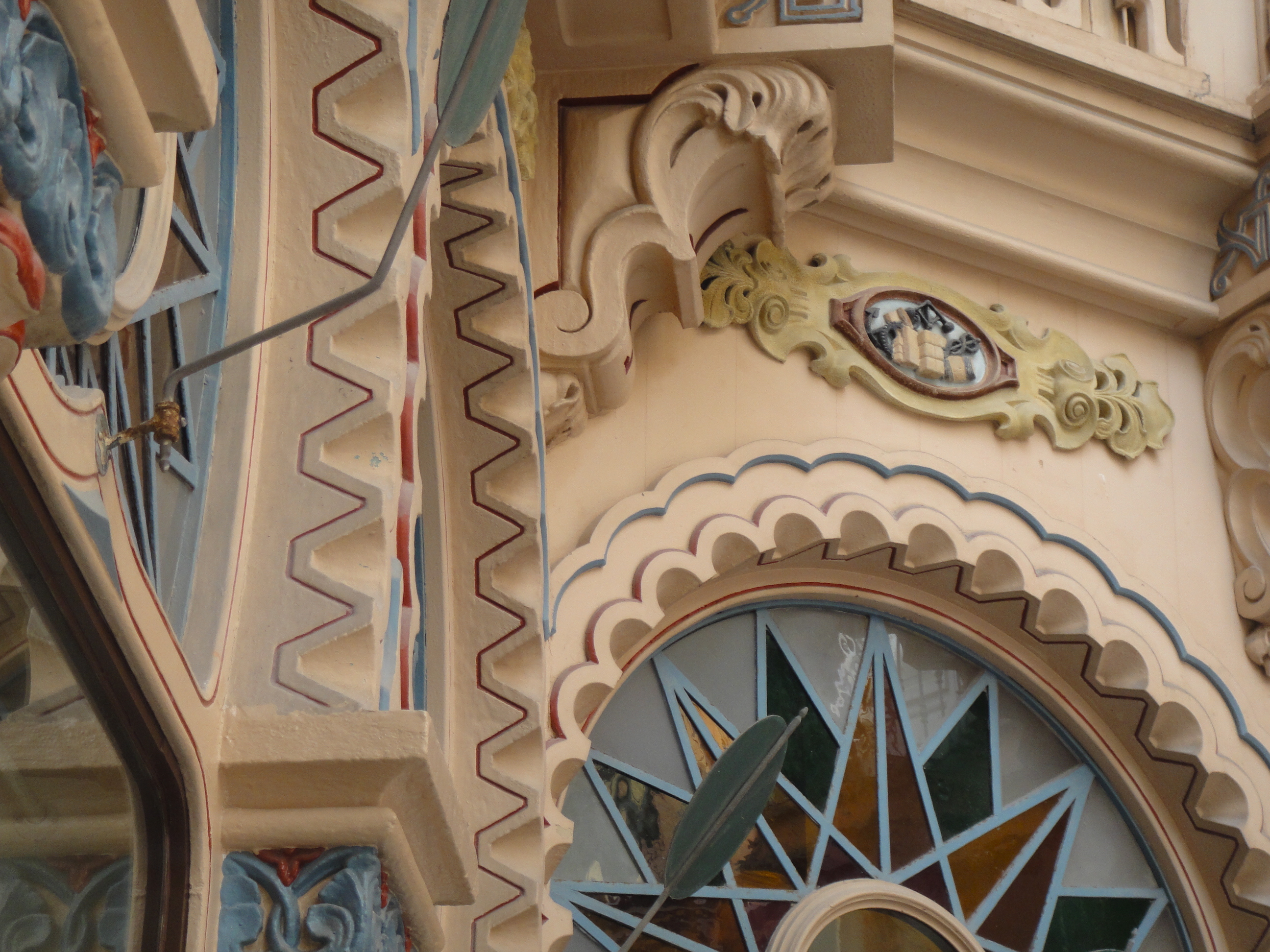
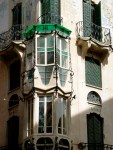
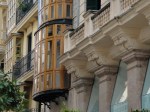
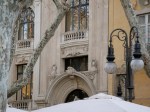
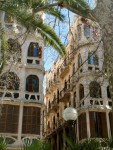
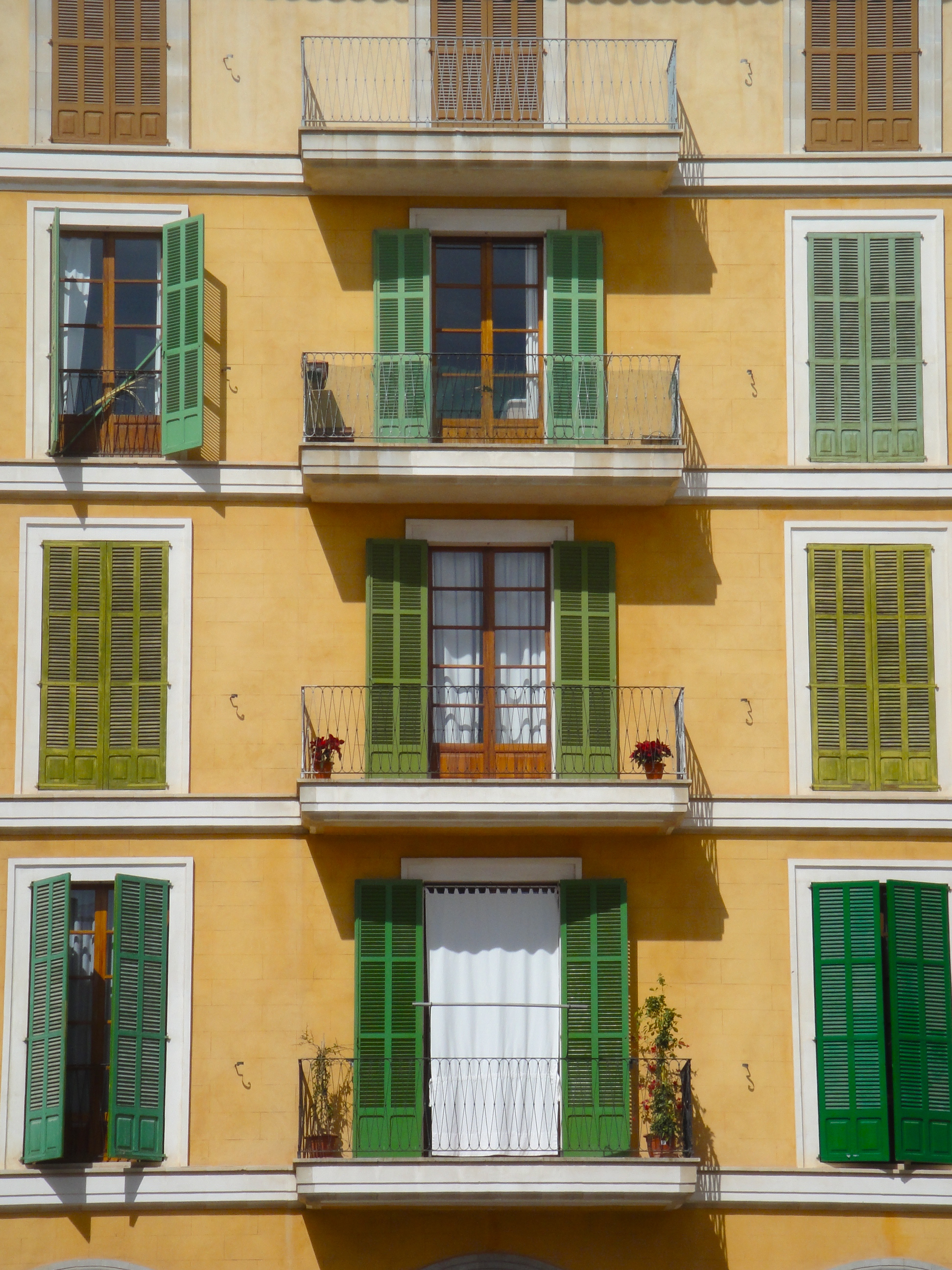
The result is a central core of Palma (from the Passeig de Born Eastwards to the Placa Major) which is full of surprisingly rich examples of modernismo, surely second only to Barcelona, who’s most famous proponent of modernismo, Antoni Gaudi, himself spent time in the city of Palma, overseeing the restoration of Palma’s cathedral. While Gaudi did not add any of his infamous weird and wonderful architectural creations to the streets of the city, many of his rivals in Modernisme did. These included Lluis Domenech i Montaner, who built the lavish Gran Hotel (which is today the home of the Fundacio La Caixa), and Josep Cassayas who built two exquisitely curvaceous twin apartment buildings on the Placa Mercat, just opposite the Gran Hotel. I love in particular the detailing of these apartments, for example the curved window shutters which seamlessly align with the curves of the building’s delicate facade.

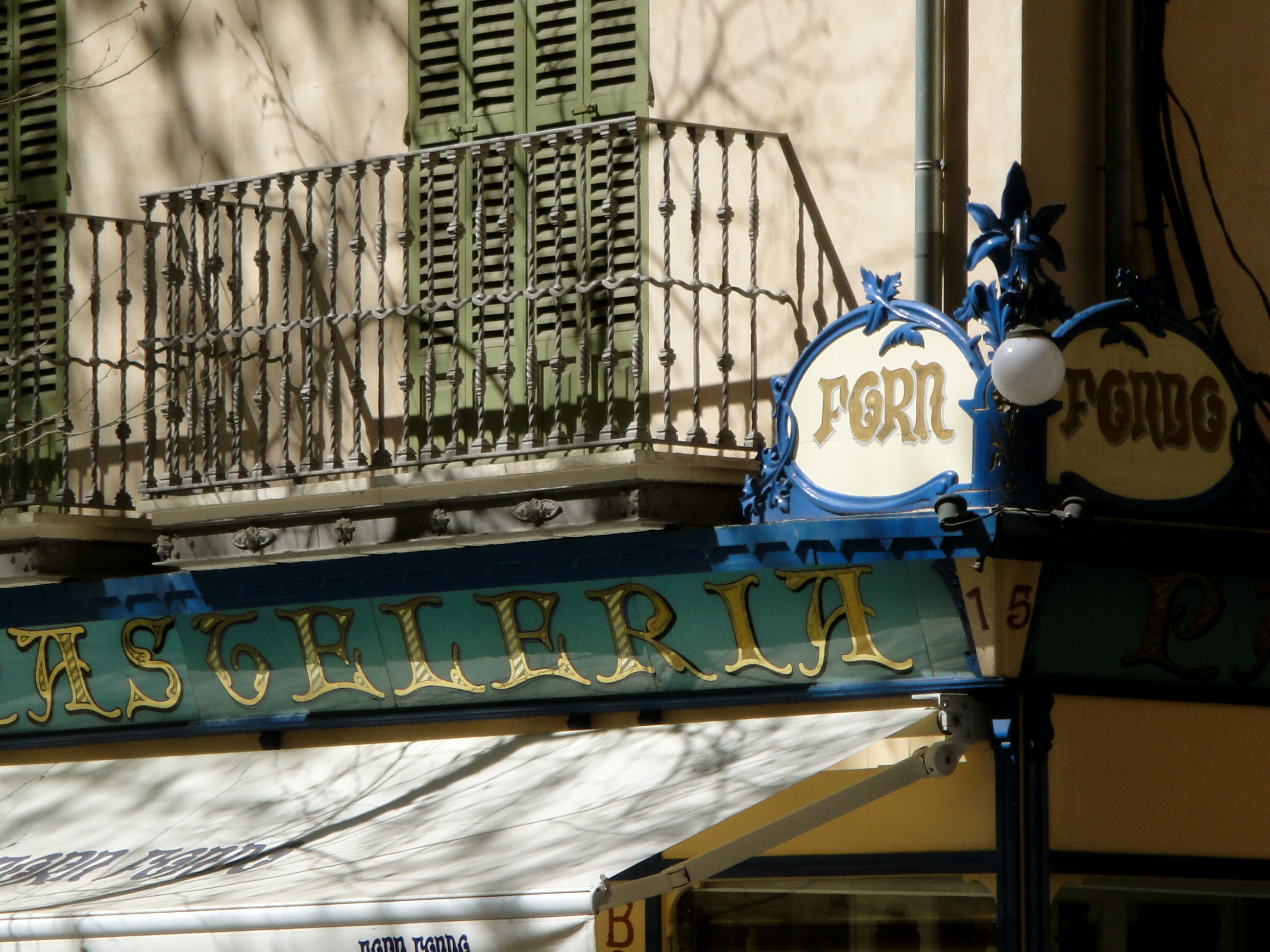
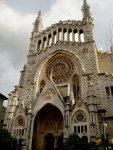
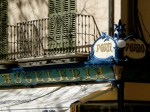
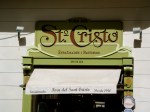
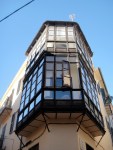
Meanwhile, just south of the Placa Mayor, the Can Rei, which today houses a takeaway of my beloved Cappuccino Grand Cafe, bears the closest resemblance to the great masterpieces of Gaudi, the use of ceramics and floral motifs, as well as balconies flanked with dragons reminding me of Gaudi’s Casa Batllo in Barcelona, while next door, the former department store L’Aguila by Gaspar Bennassar features beautiful geometric windows which appear to forecast the move towards the more linear art deco. Further afield beyond Palma in Soller, the pupil of Gaudi, Joan Rubio i Bellver, made his mark, building the astonishingly original and imposing facade of Sant Bartomeu church, while next door, he constructed the fortress-like structure of the C’an Prunera, which includes a wonderful twin corner balcony and some beautifully complex wrought iron window grilles.A Modernismo shop frontDSC07233Window grill in SollerDSC06789 DSC05757

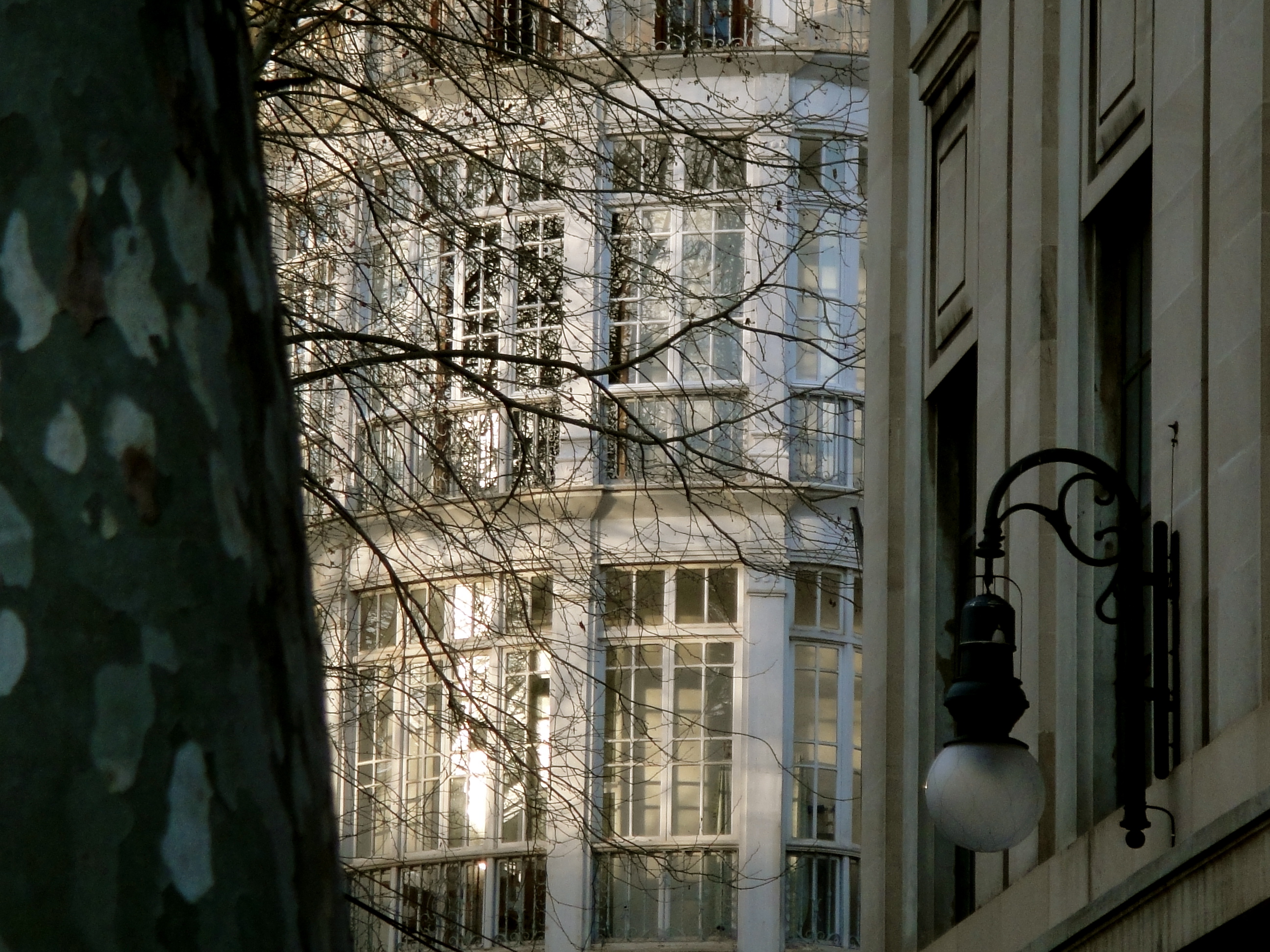
I leave you with a selection of my photos of these stunning feats of architecture, and in particular many of the details which make the buildings so utterly unique, and aesthetically superior to anything built before or since. In addition, these photos include a few shop fronts which appear to slot seamlessly into the Modernist mood. Palma’s modernist profile is just another facade to this captivating creative city, but one which to my mind is too often overlooked when compared with cities such as Barcelona. As these photos will show, this is yet another reason why Palma should be proclaimed a priority destination of artistic pilgrimage for art and architecture lovers everywhere.

All photos and written content are strictly the copyright of Nicholas de Lacy-Brown © 2013 and The Daily Norm. All rights are reserved. Unauthorized use and/or duplication of the material, whether written work, photography or artwork, included within The Daily Norm without express and written permission from The Daily Norm’s author and/or owner is strictly prohibited. 

Mallorca (Part VII) – Day 4: Palma, city of art

After two days of travel both Westwards along to Andratx, and Northbound along the rickety mountain pass of the Ferrocarril de Soller, we thought that it was probably about time we stayed put in Palma for once. After all, the city is close to bursting at the seams with cultural, gastronomic and historical attractions for the discerning city visitor, so it was only right that we should spend a day pursuing such pleasures (also, being that the Saturday was the one day between an almost solid block of Easter public festivals when all the museums were actually open, we thought we had better make the most of it).

I’ve already mentioned that Palma is a city which is exceptionally well-endowed with art aplenty, especially in proportion to its size. In Palma, not only do you have the temple to contemporary and modern art that is Es Baluard, but in addition there are two museums founded by the formerly super-rich March family, one by Juan March and the other by his son Bartolomé, both of which boast an impressive array of contemporary art; there are various bank-owned foundations, displaying, usually for free, their own permanent collections and temporary exhibitions; and in addition there are a spattering of privately owned art galleries and collections rising up all over Palma’s elegant historic streets.

The Palau March
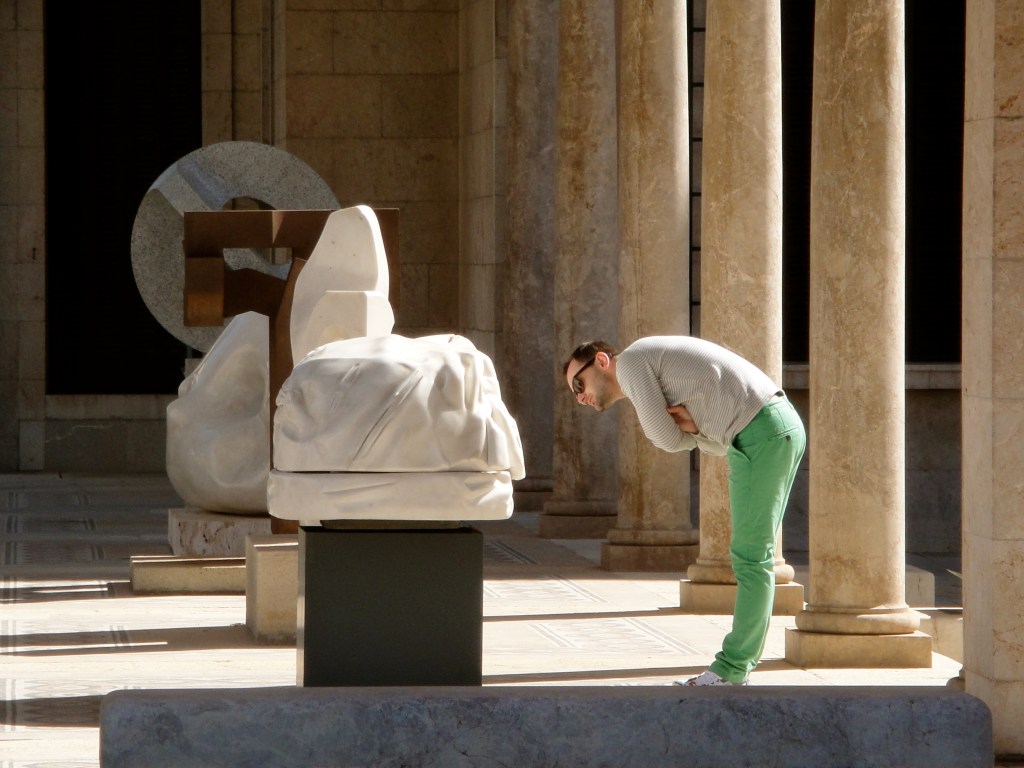
The Palau March

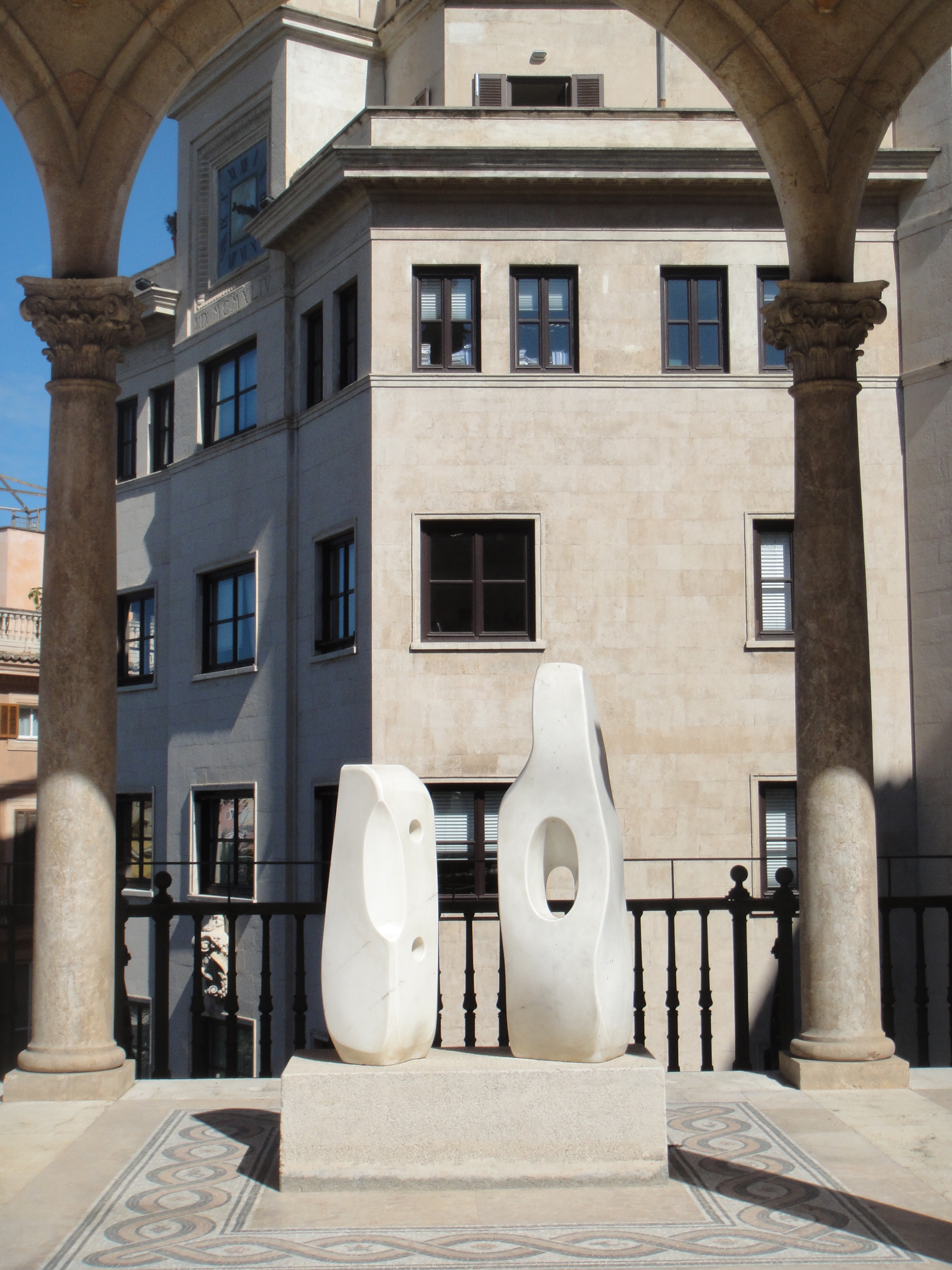
Sculpture out on the terrace of the Palau March

Sculpture out on the terrace of the Palau March

DSC06715

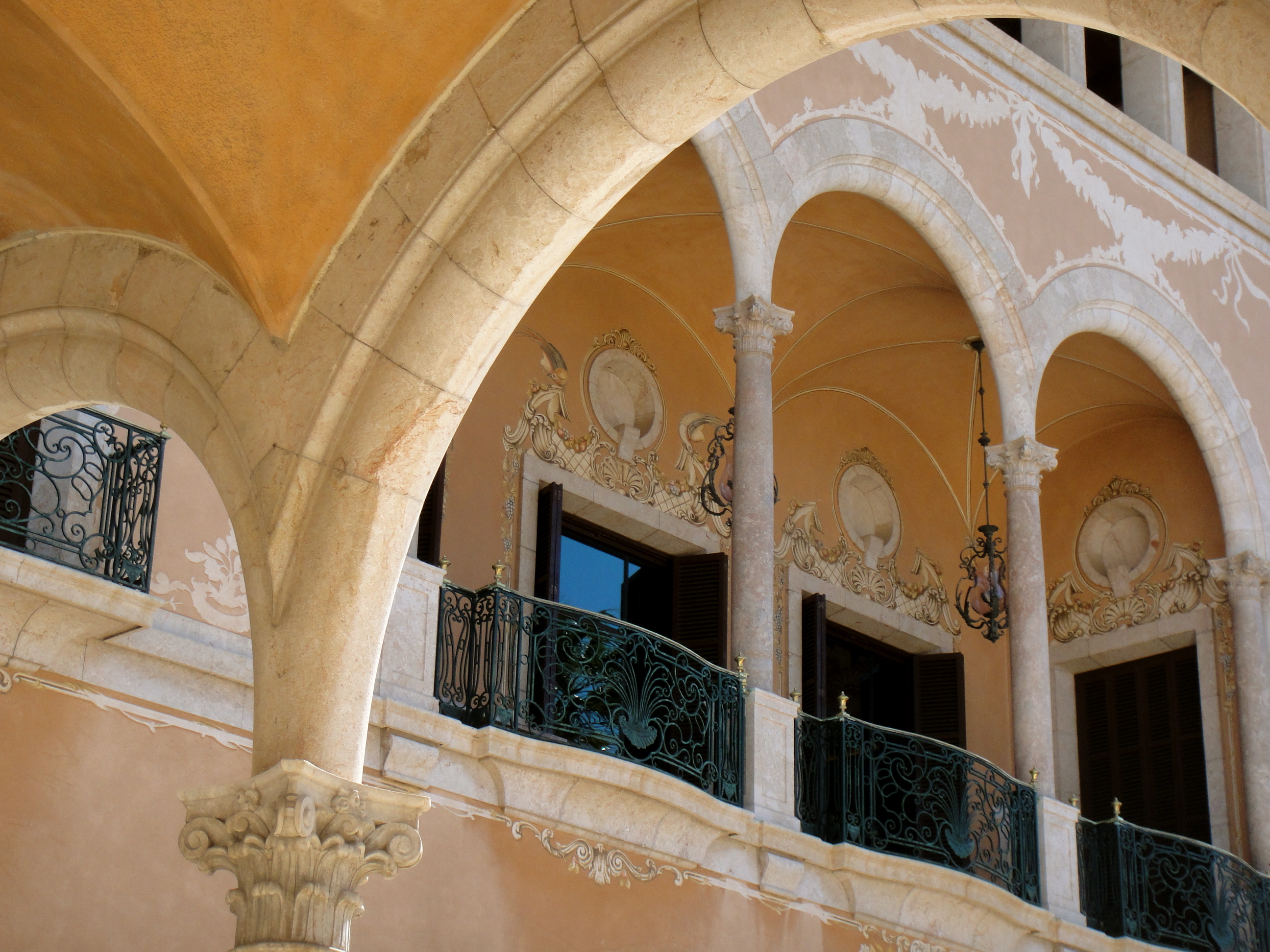
It was to the two March centres of art that we ventured first, starting with the impressive Barbie pink, colonnaded private palace of the Bartolomé March household, the Palau March, which sits astride both the Almudaina palace and the Cathedral, thus demonstrating from its position alone just how unfathomably rich Señor March must have been.

Upon entering the palace, you arrive on an open colonnaded terrace with commanding views over the Avenida Antoni Maura and the port beyond it, views which could however be missed, such are the array of attention-grabbing contemporary sculptures on display. Amongst March’s fine collection are some of the biggest names of 20th century sculpture, from an organic, curvaceous twin structure by Barbara Hepworth, to an impressive bronze torso by Rodin. However, of the various sculptures on show, our favourite had to be the sculpture by Joan Robert Ipousteguy (Untitled, 1920), an entirely captivating piece, were an almost fused interlocked embrace of two lovers carved in a smooth rounded marble is interrupted by the odd hole or chasm, inviting the viewer to peer into the sculpture for the details which lay, almost hidden from view, inside the marble, such as the passionately intertwined tongues of the kissing lovers, to a view of a small air pocket, seemingly created in the gaps between their bodies, in which defined body parts can just about be made out. How the sculptor achieved such startling detail in the most inaccessible of places I will never know.
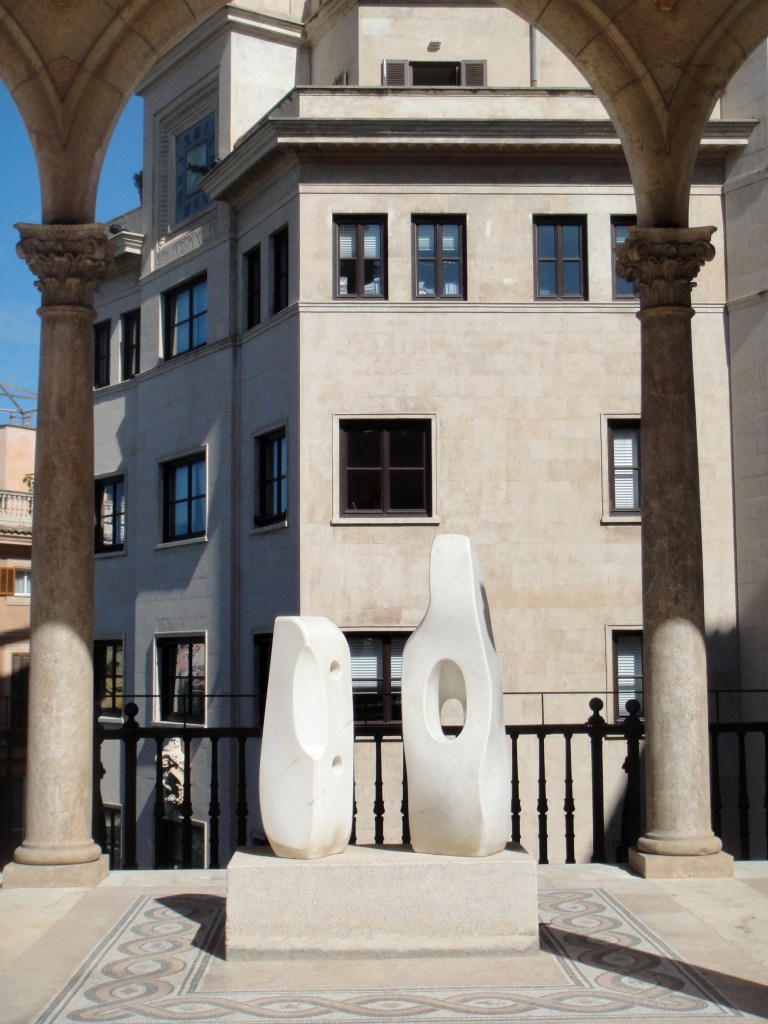
Hepworth, Autumn (1966)

Hepworth, Autumn (1966)

Joan Robert Ipousteguy (Untitled, 1920)

Joan Robert Ipousteguy (Untitled, 1920)

Inside the Ipousteguy

Inside the Ipousteguy

Rodin torso

Rodin torso

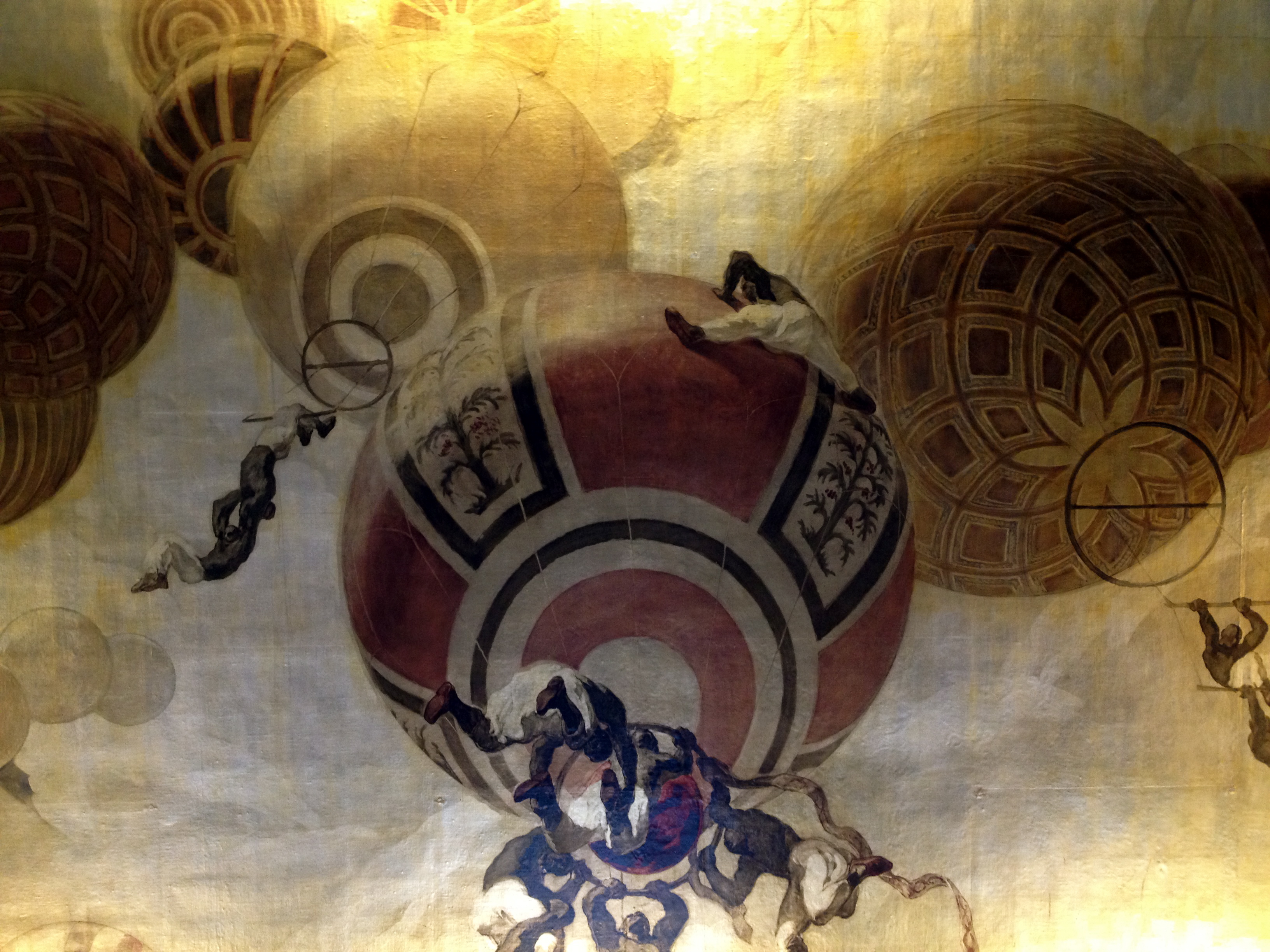
Having been enthralled by the sculpture on the outside, we were equally captivated in the inside of the palace, first by a vast 18th century Neopolitan nativity scene, full of fantastic details, including scenes of whole villages, shops, dwellings and landscapes asides from the main nativity scene; second by a collection of superb Dali print works, which were religiously charged throughout. Then, moving upwards through the palace, we gazed in wonder at some of the ceiling frescos which had been painted there, as recently as the 1940s. One scene in particular, in which a series of gymnasts hanging off variously sized hot air balloons were rising and falling in the illusionary airspace, was particularly original in its depiction – it certainly beats the normal scenes of cherubs and angels.

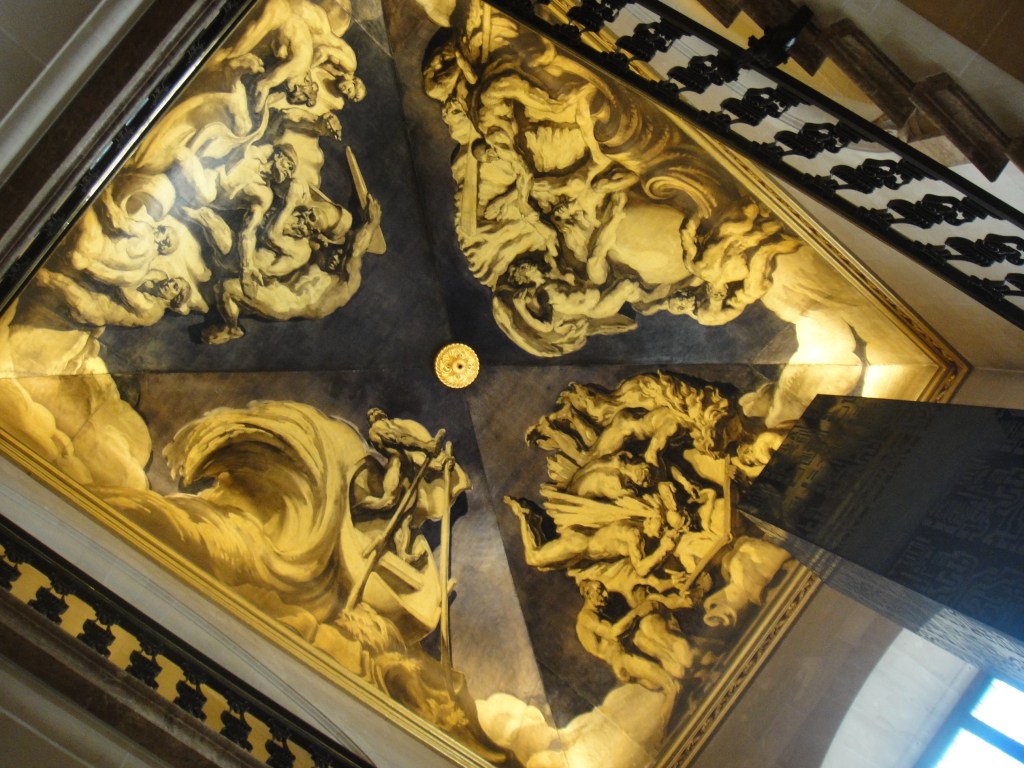
IMG_3883 DSC06725

Leaving the palace, and soaking in sunshine over a cafe on a cobbled terrace beyond, we headed up through the colourful yellow and green Plaça Major, full of street performers and excitable tourists and locals alike, past Palma’s ancient olive tree, and onto the second of the March cultural foundations, this time founded, from what I can gather, by Bartolomé’s father, Juan March. His collection forms the Museum of Contemporary Spanish Art a superb collection of the Spanish greats such as Dali, Picasso and Miro as well as many lesser well-recognised names. While the collection is quite small, it’s free to see, and held within the beautiful old palace where Juan March was born.

The Plaça Major
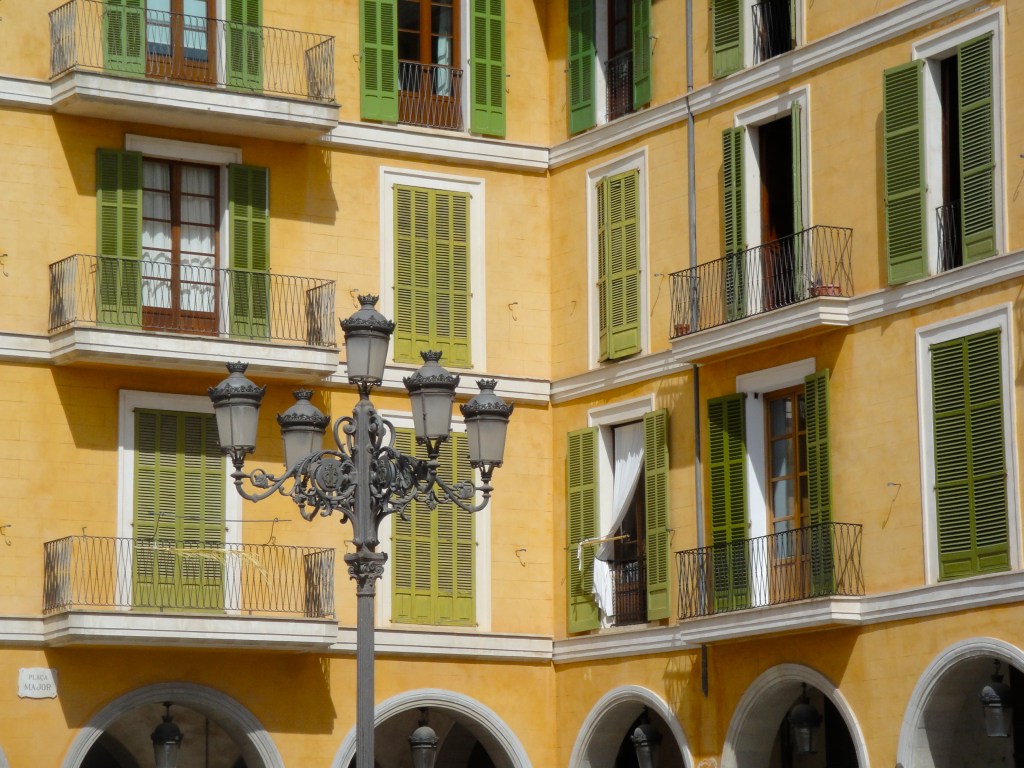
The Plaça Major

DSC06462 DSC06458

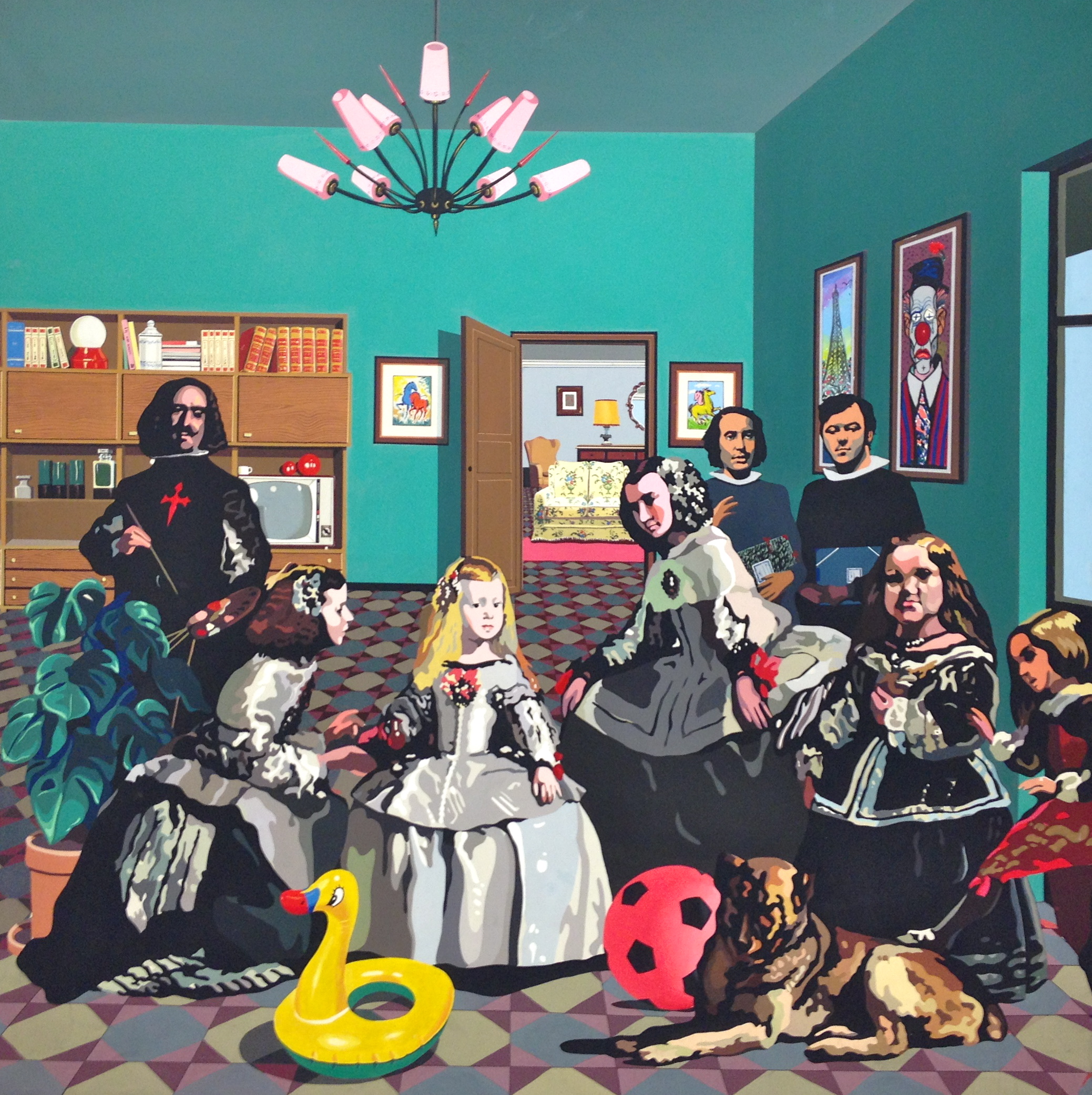
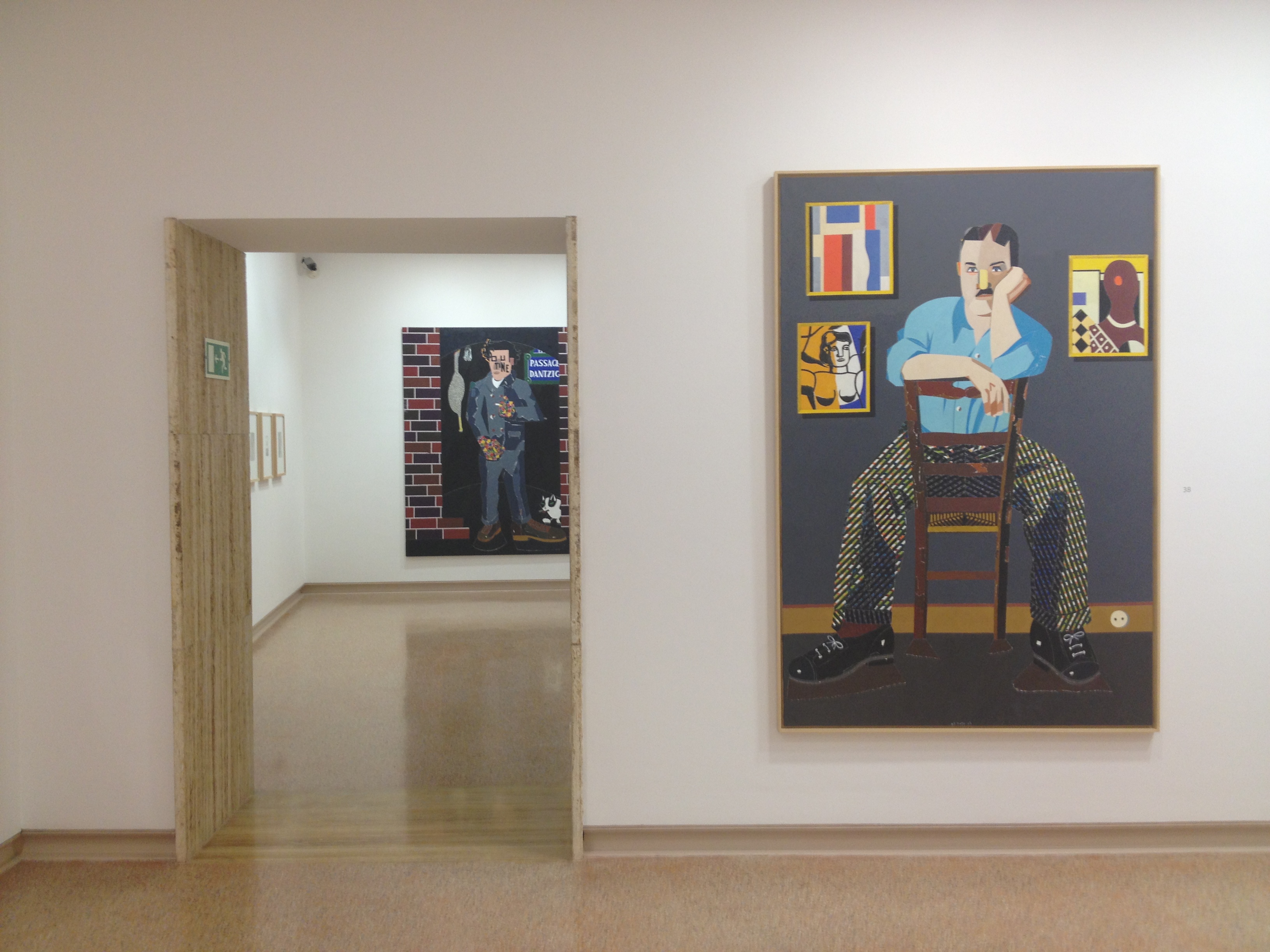
My particular favourite of the collection was the transformation of Velazquez’s famous Las Meninas into a modern domestic scene by Spanish art duo, Equipo Cronica. As I have since discovered, this is one of many reimaginations that the duo have made of Las Meninas and other iconic Spanish works. We also thoroughly enjoyed a temporary exhibition of the work of artist Eduardo Arroyo, who through both photography and painting created a whole series of magnificent portraits, of both famous artists and personalities, and people personal to his own life. I particularly enjoyed his photographs, covered with round stickers to create a polka-dot veil, semi-obscuring the portrait, a little like Lichtenstein but taken one step further. Also particularly original and whimsical were his painted parodies of artists such as Van Gogh and Fernand Leger.
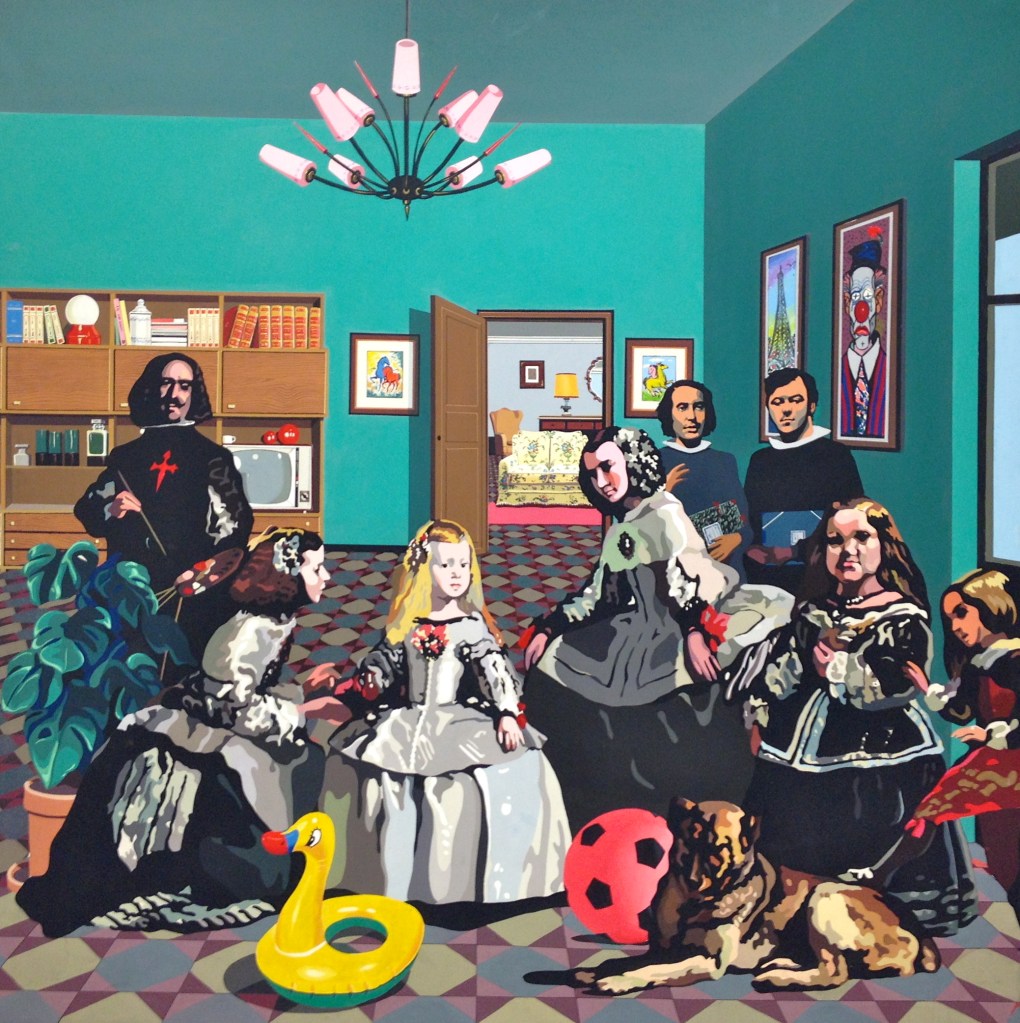
Equipo Cronica, The Little Room (1970)

Equipo Cronica, The Little Room (1970)

The Eduardo Arroyo exhibition
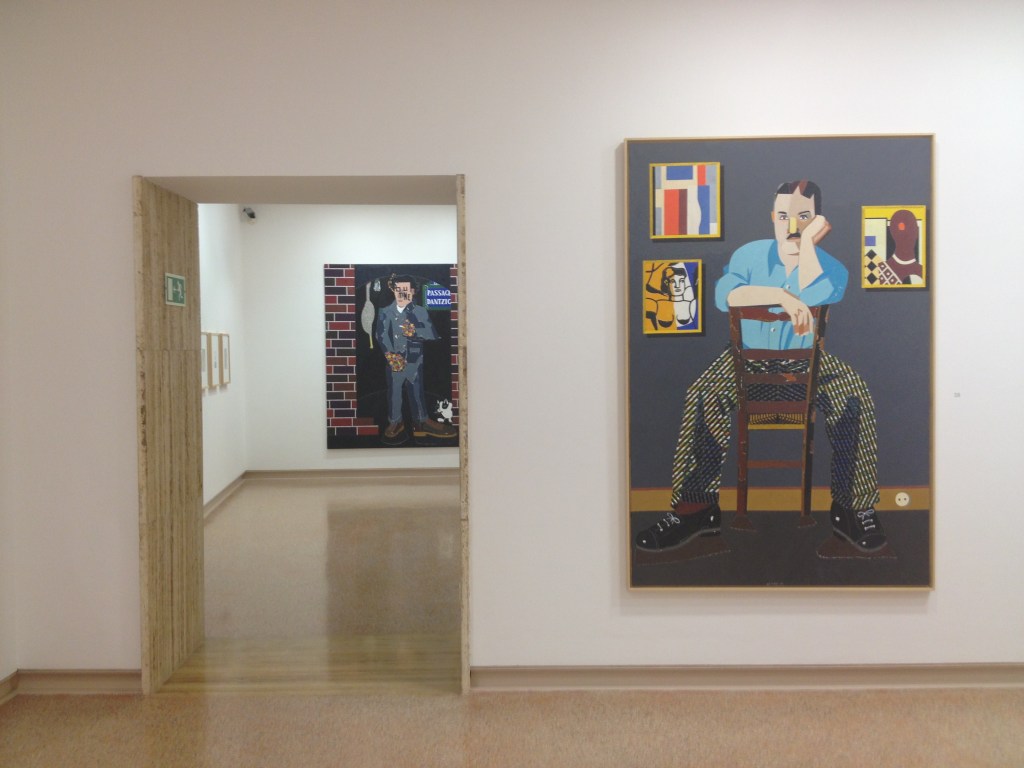
The Eduardo Arroyo exhibition

Eduardo Arroyo's portrait of Leger (in the foreground)

Eduardo Arroyo’s portrait of Leger (in the foreground)

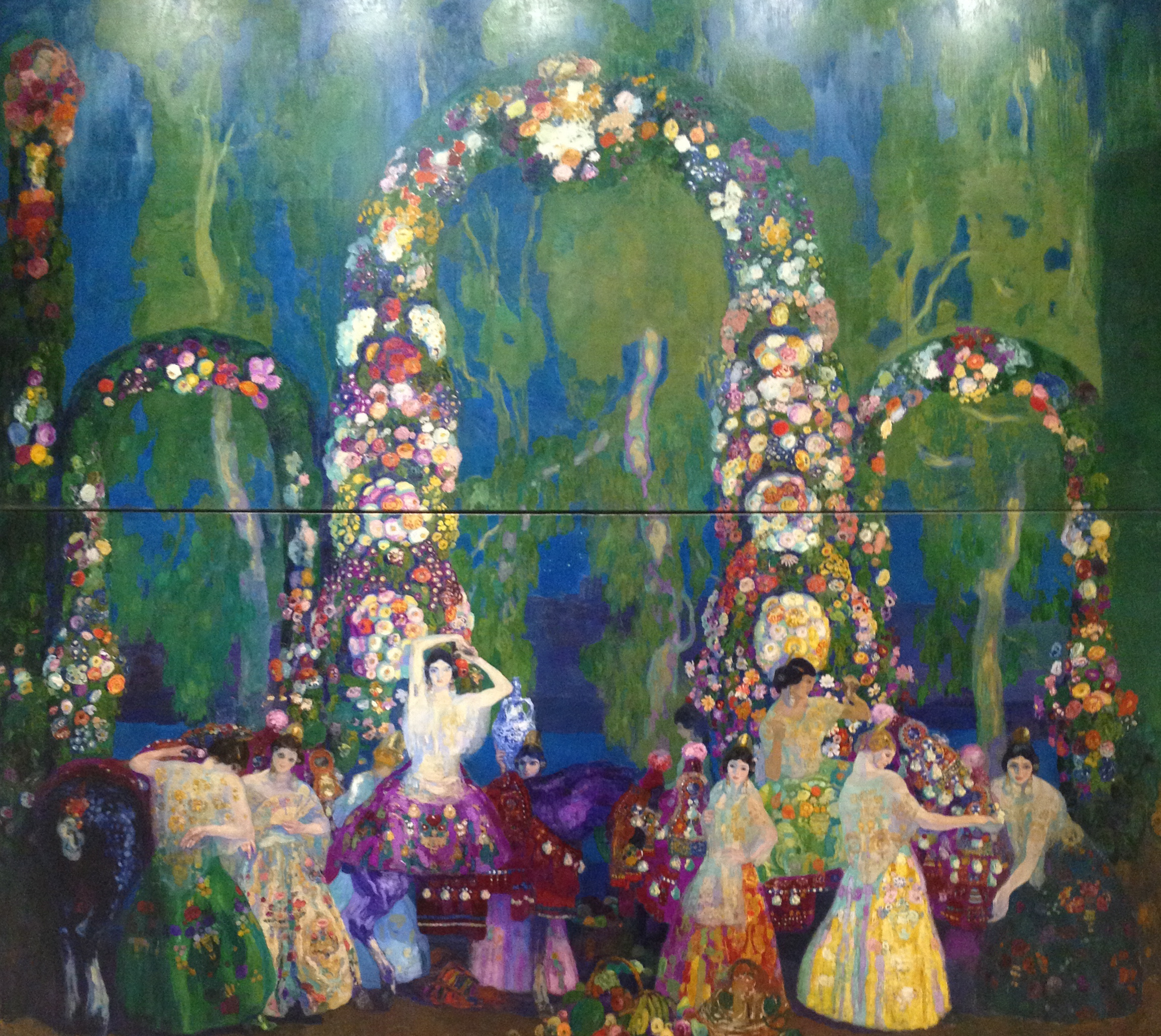
Subsequently, and I’m not entirely sure how (it’s exhausting me even describing it), we wandered into yet another art gallery following the March foundation, this time the Fundacio La Caixa, a brilliant cultural foundation run by the Caixa bank and held within the stunning modernist building which used to house Mallorca’s Gran Hotel (see my photography post tomorrow for more on Palma’s modernismo architecture). The foundation lays on various temporary exhibitions throughout the year, such as the one currently on show examining past and modern high rise buildings and towers. But my favourite aspect of the foundation is their permanent collection, and in particular the works of Mallorcan artist Anglada-Camarasa, who painted vast canvases literally alive with a plethora of vivid colours used to describe pictorially the spirit and fervour of Spanish gypsy culture, flamenco, fiestas, and Valencian costume.

Anglada-Camarasa's vast work, Valencia (1910)

Anglada-Camarasa’s vast work, Valencia (1910)

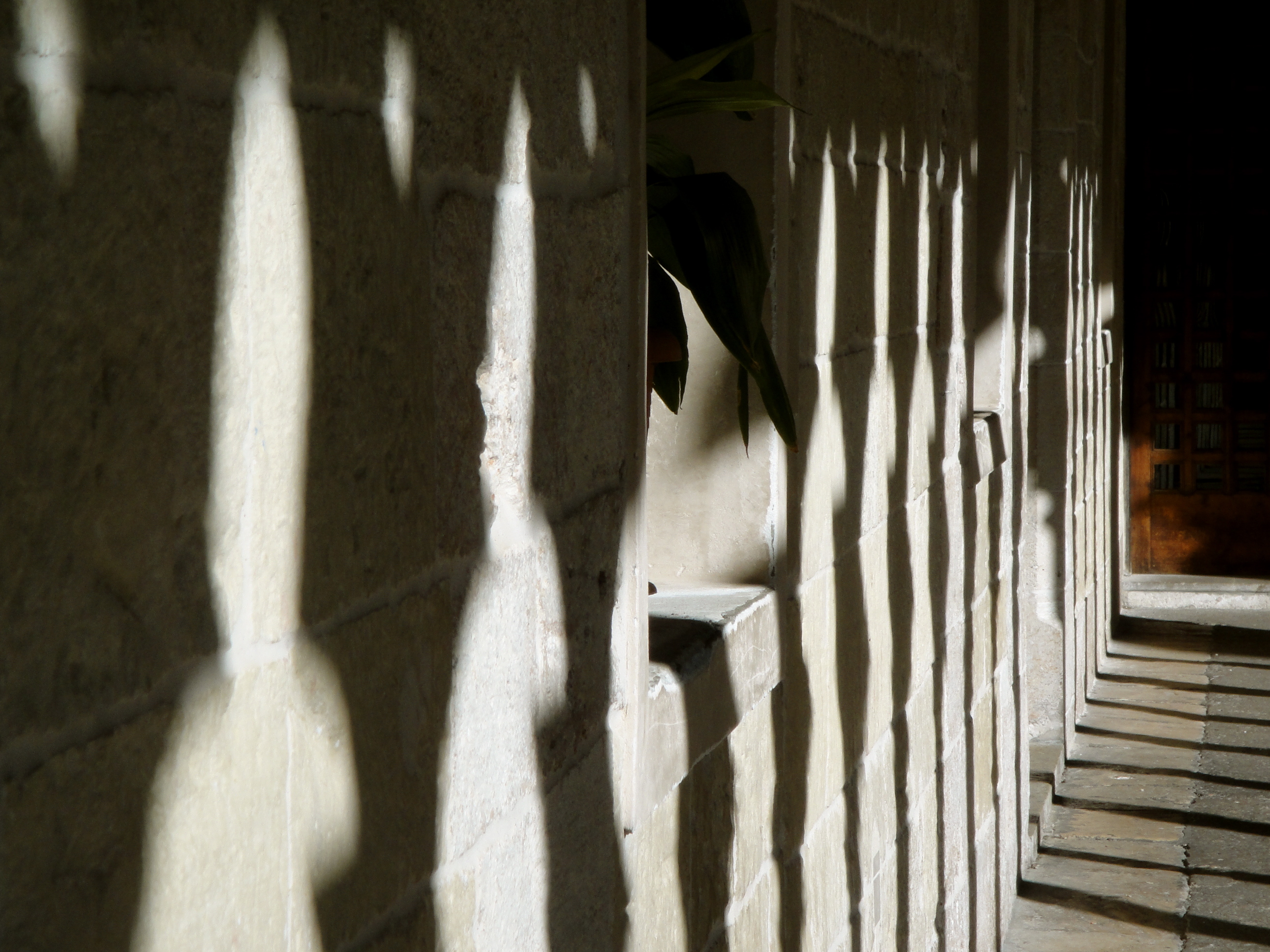
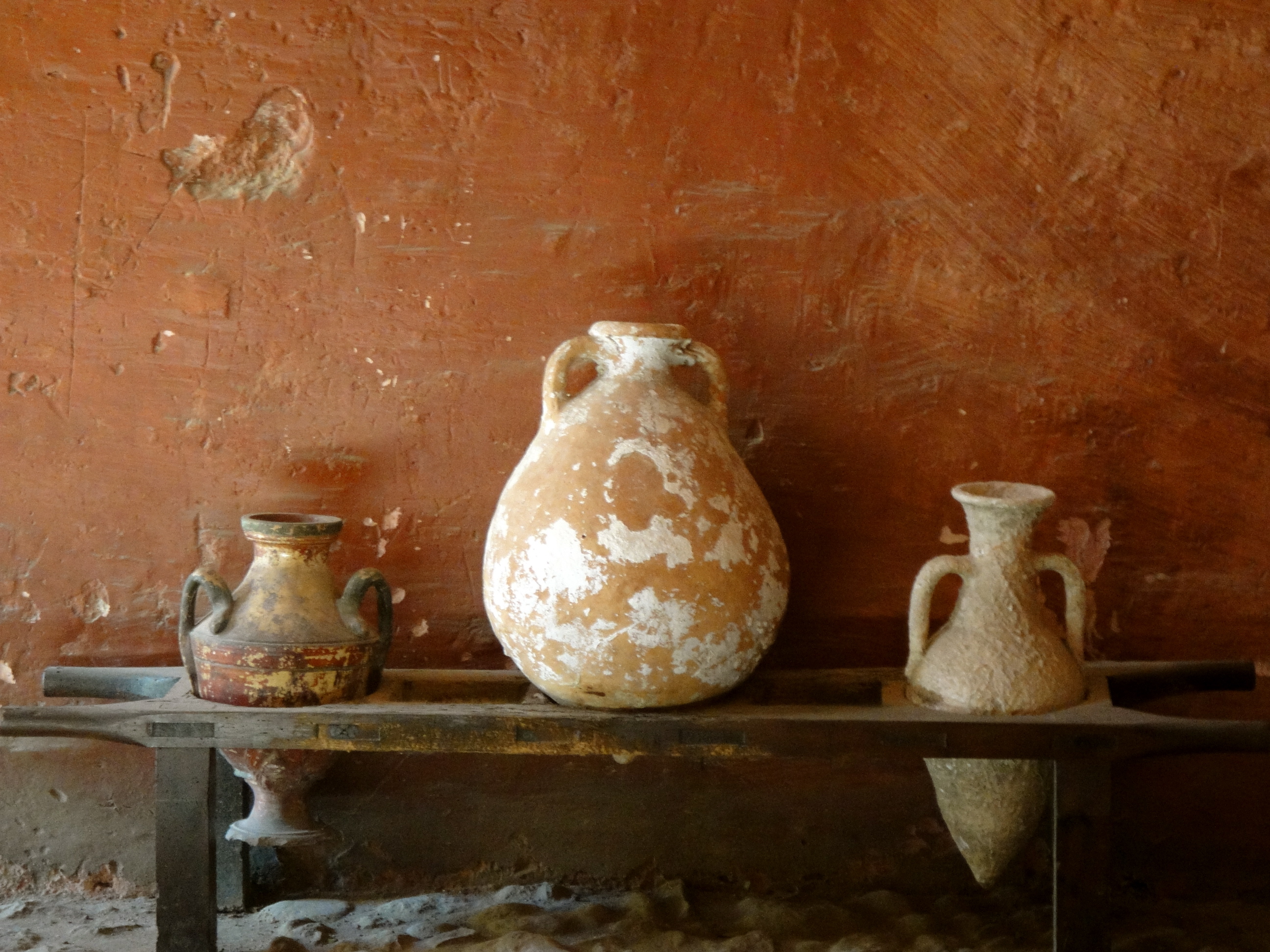
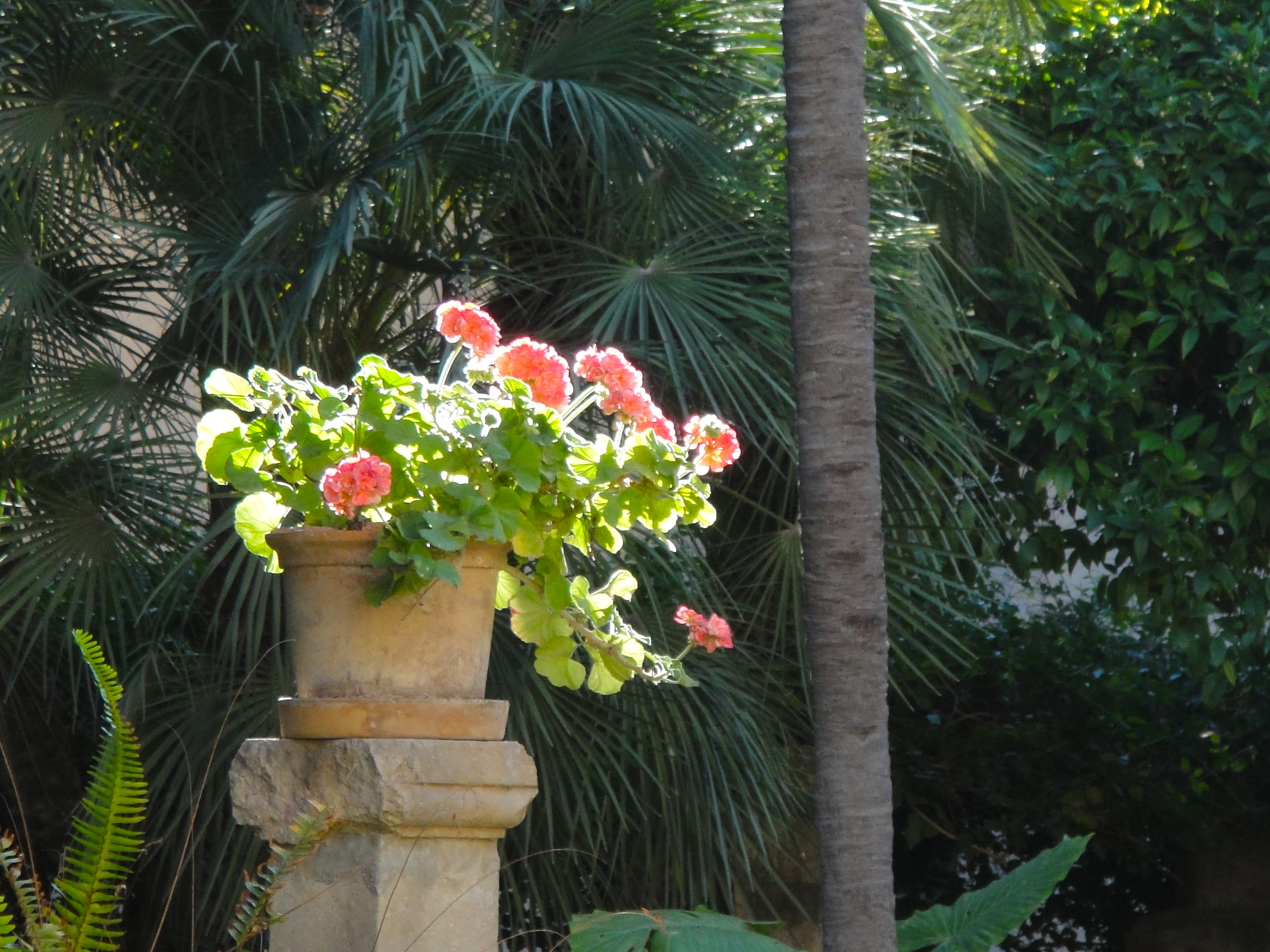
Exhausted, and almost overwhelmed by the artistic capacity of what is fundamentally a small Spanish city, we lunched and rested before setting out for more of a tranquil afternoon within the shady narrow back streets of the historic core of Palma in the vicinity of the Cathedral. There, not far from the Plaça Major, we indulged in a time of contemplation in the stunningly tranquil sun-dreched cloisters of the Real Convento de San Francisco, followed by a further dalliance with history`in the nearby Arab Baths, the last surviving wholly-Moorish building in the city, and also with its own seductively serene gardens in which to enjoy the sunshine dappled through the verdant hanging palms, lush ferns and vivid pink geraniums.

The cloisters of the Real Convento de San Francisco

The cloisters of the Real Convento de San Francisco

DSC06870 DSC06884

...and the Convent's stunning exterior

…and the Convent’s stunning exterior

DSC06896 DSC06897 DSC06895

The Arab baths and gardens

IMG_3973 DSC06906 DSC06916 DSC06899 DSC06920 DSC06940 DSC06943

Finally, believing the day’s activities to be at an end, Palma pulled out yet a further artistic treasure from its magic hat of apparently ceaseless culture – the Museo Can Morey de Santmarti which holds a vast and completely impressive collection of some 200 lithographs, etchings and other prints by Salvidor Dali. And thus ending the day as we had begun it, we gazed again at the thrilling works of this Surrealist master, but this time doing so almost on our knees, such was the exhaustion of our legs after so comprehensive a day of artistic and historical discovery – a state of physical exhaustion which is clearly testament to the sheer abundance and variety of attractions on offer in this utterly compelling Mallorcan city.

All photos and written content are strictly the copyright of Nicholas de Lacy-Brown © 2013 and The Daily Norm. All rights are reserved. Unauthorized use and/or duplication of the material, whether written work, photography or artwork, included within The Daily Norm without express and written permission from The Daily Norm’s author and/or owner is strictly prohibited.