Skip to content

Posts tagged ‘Photography’

Marseille to Marbella, Part VII: Aix, Le Marché

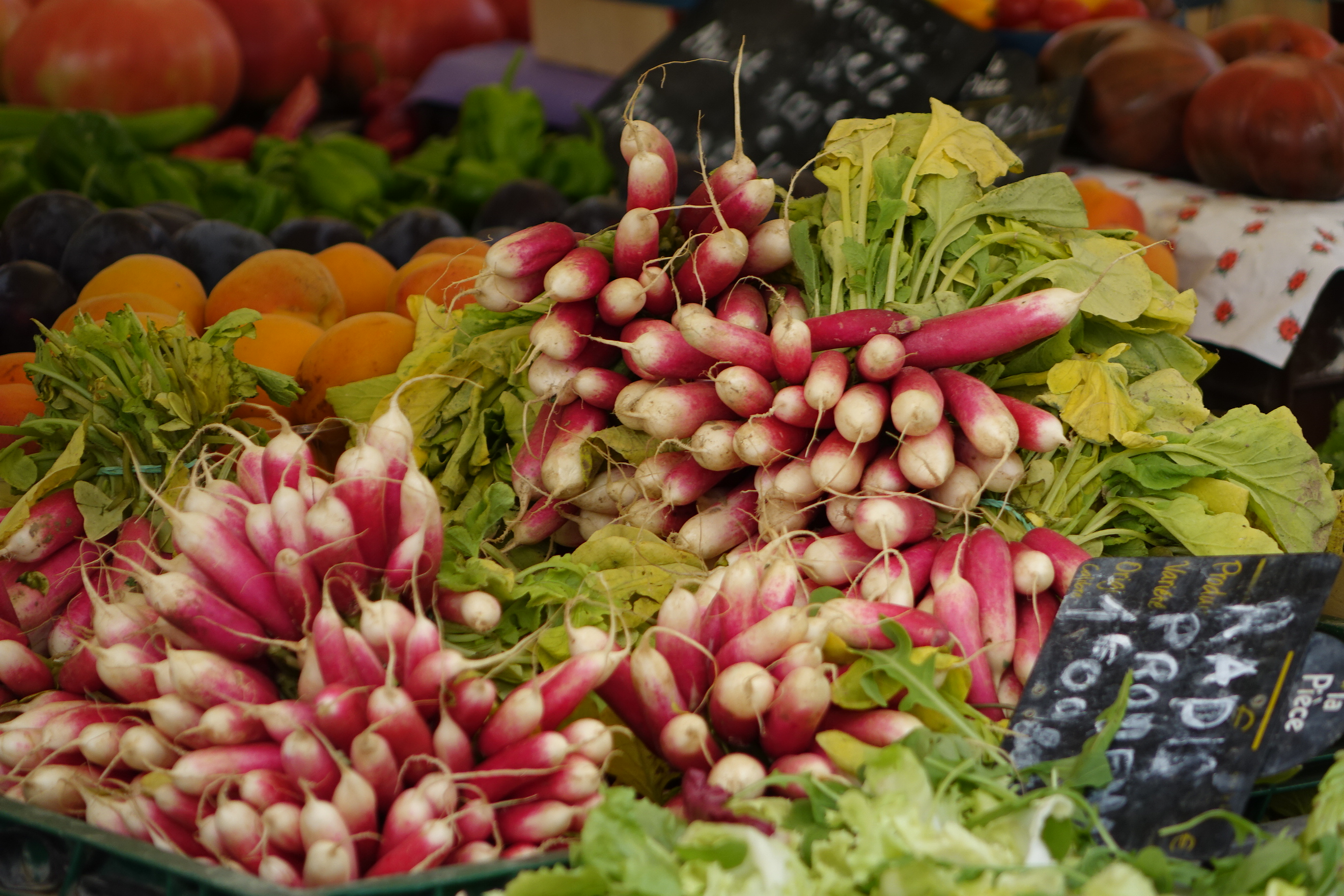
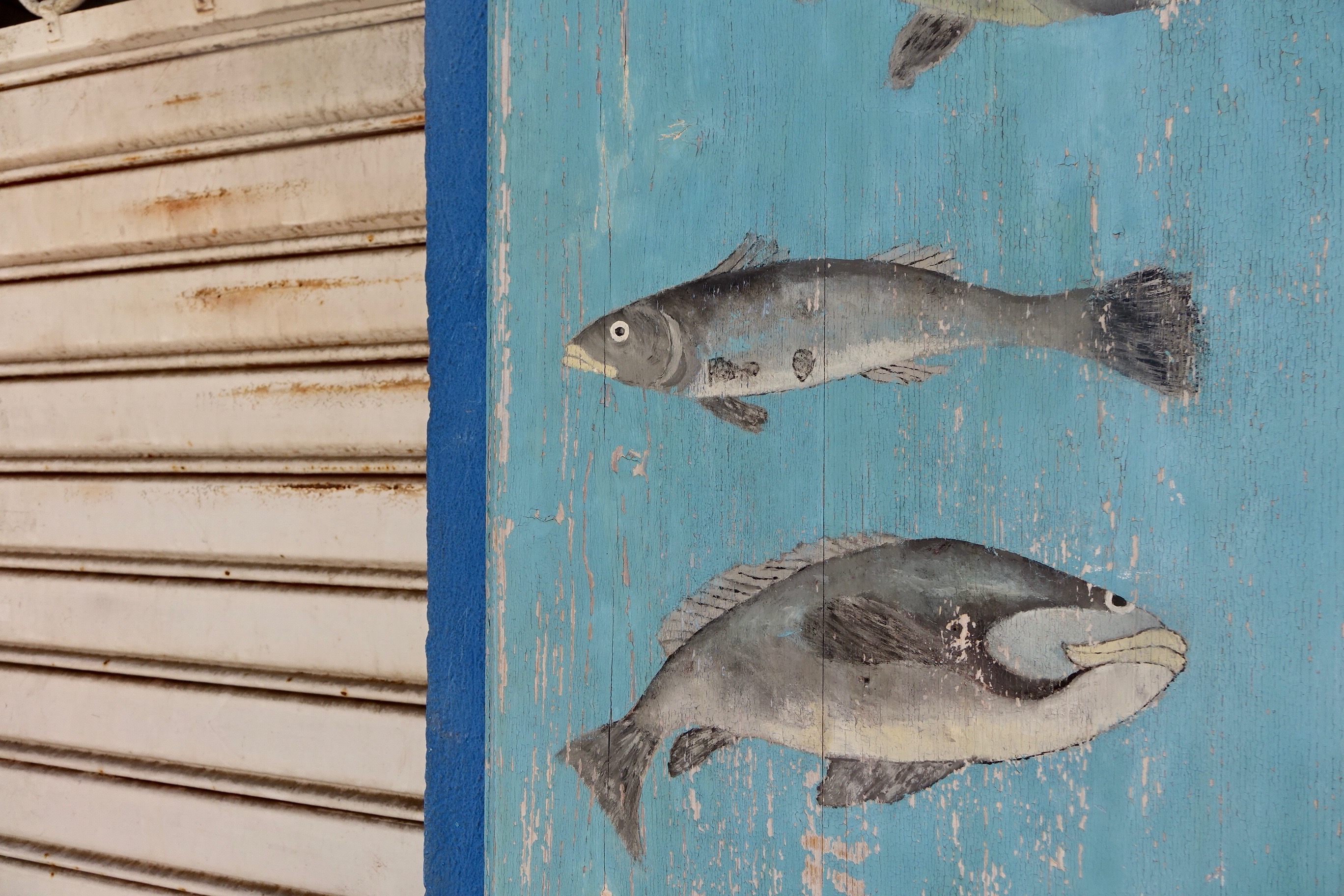
Colour, colour, colour! Shiny red apples, ruby like strawberries, resplendent silver fish and emerald green herbs. Courgettes in forest green, sage green, yellow green and white, blackboards written with curly french writing. And king of it all those sunflowers: a full, powerful sunshine punch of yellow with a deep fury chocolate brown at its centre, signalling the very epitome of this Provençal heartland. This is the market of Aix-en-Provence, the sensory spectacle to which I rushed on my birthday morning, and which is such a sight for the eyes that it deserves a post all of its own.

DSC04820DSC04832DSC04855DSC04813DSC04815DSC04835DSC04806DSC04822

I can only imagine how Paul Cezanne, famous son of the city, became inspired by the bustling, vivid life of Aix’s morning market. Who could not become an artist when basking in the glories of a sun filled square, filled with stripy umbrellas casting a warm glow over stalls full of just-picked produce and carefully nurtured harvests. Yet despite its beauty, this is no artwork to be admired on a gallery wall: The beauty of le marché in Aix is that it continues to be such a vital cog in the life of the city. It is a place for bargaining and butchering, for perusing and tasting. And in Aix’s market, watching the picky locals carefully choose the very best from an already magnificently presented selection was almost as captivating for me as the produce itself.

The market of Aix is a king amongst European street markets. Not big, not intimidating, but utterly authentic and wonderfully, completely charming.

© Nicholas de Lacy-Brown and The Daily Norm, 2001-2017. Unauthorised use and/or duplication of the material, whether written work, photography or artwork, included within The Daily Norm without express and written permission from The Daily Norm’s author and/or owner is strictly prohibited.

Marseille to Marbella, Part VI: Aix, Le Birthday Boy

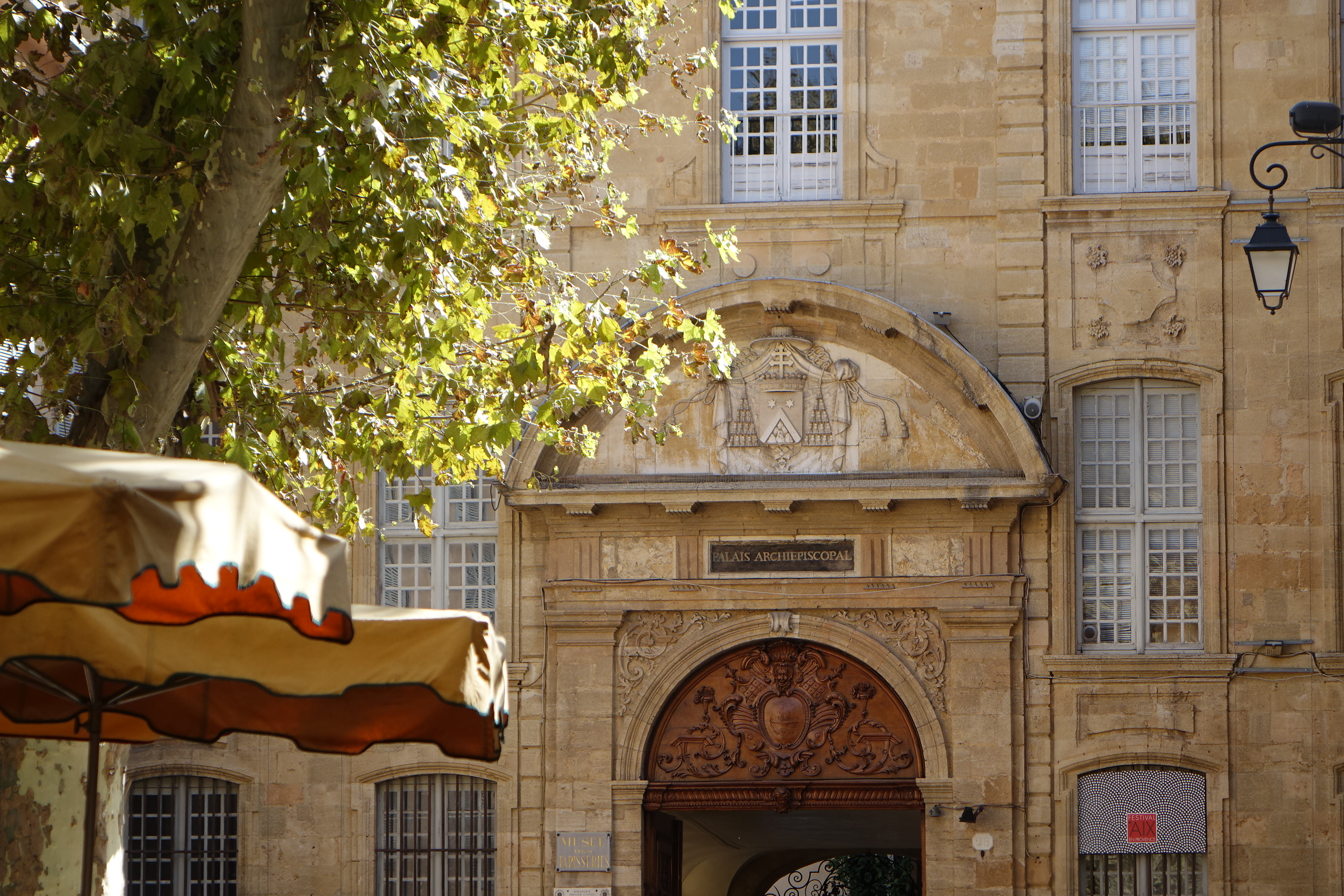
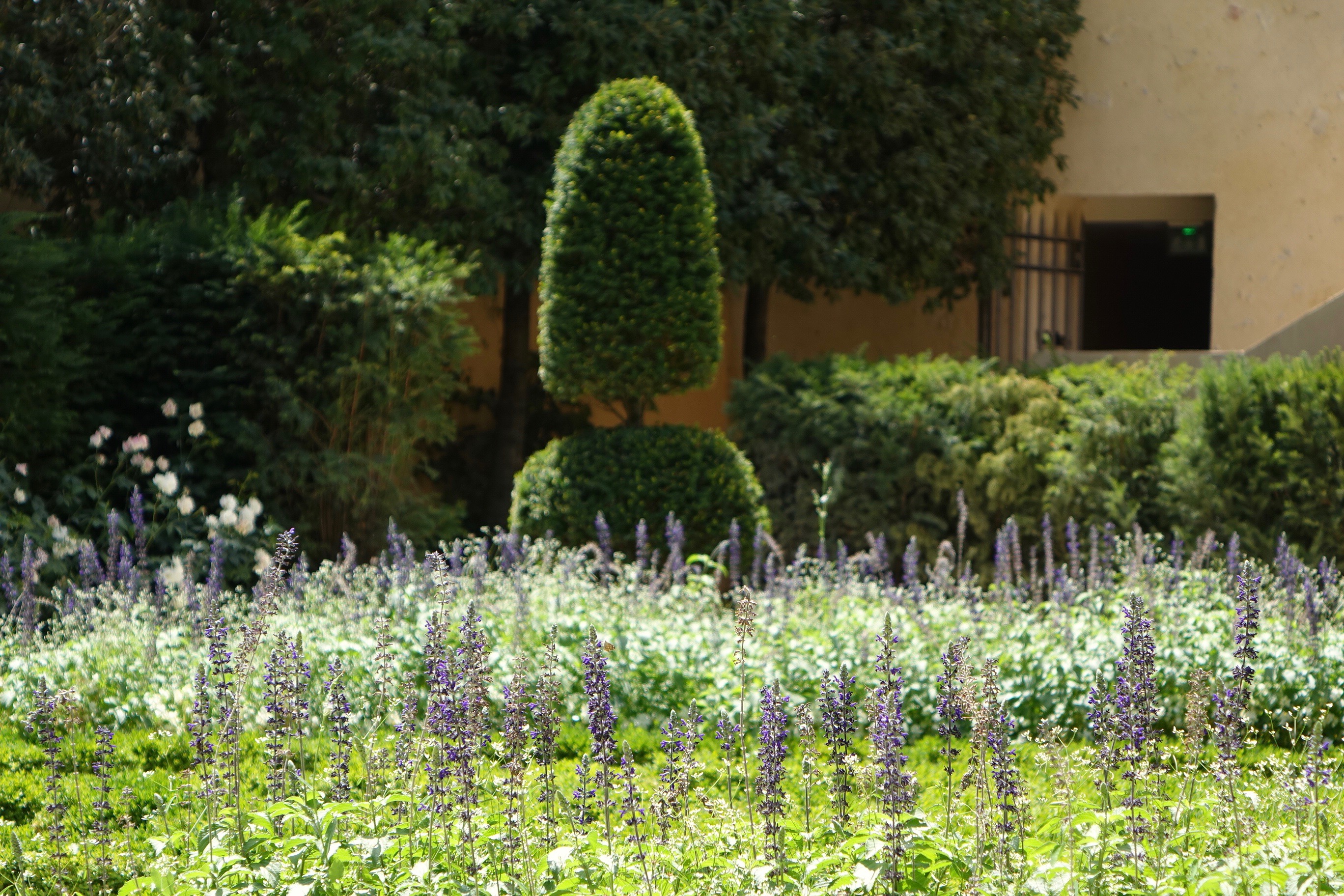
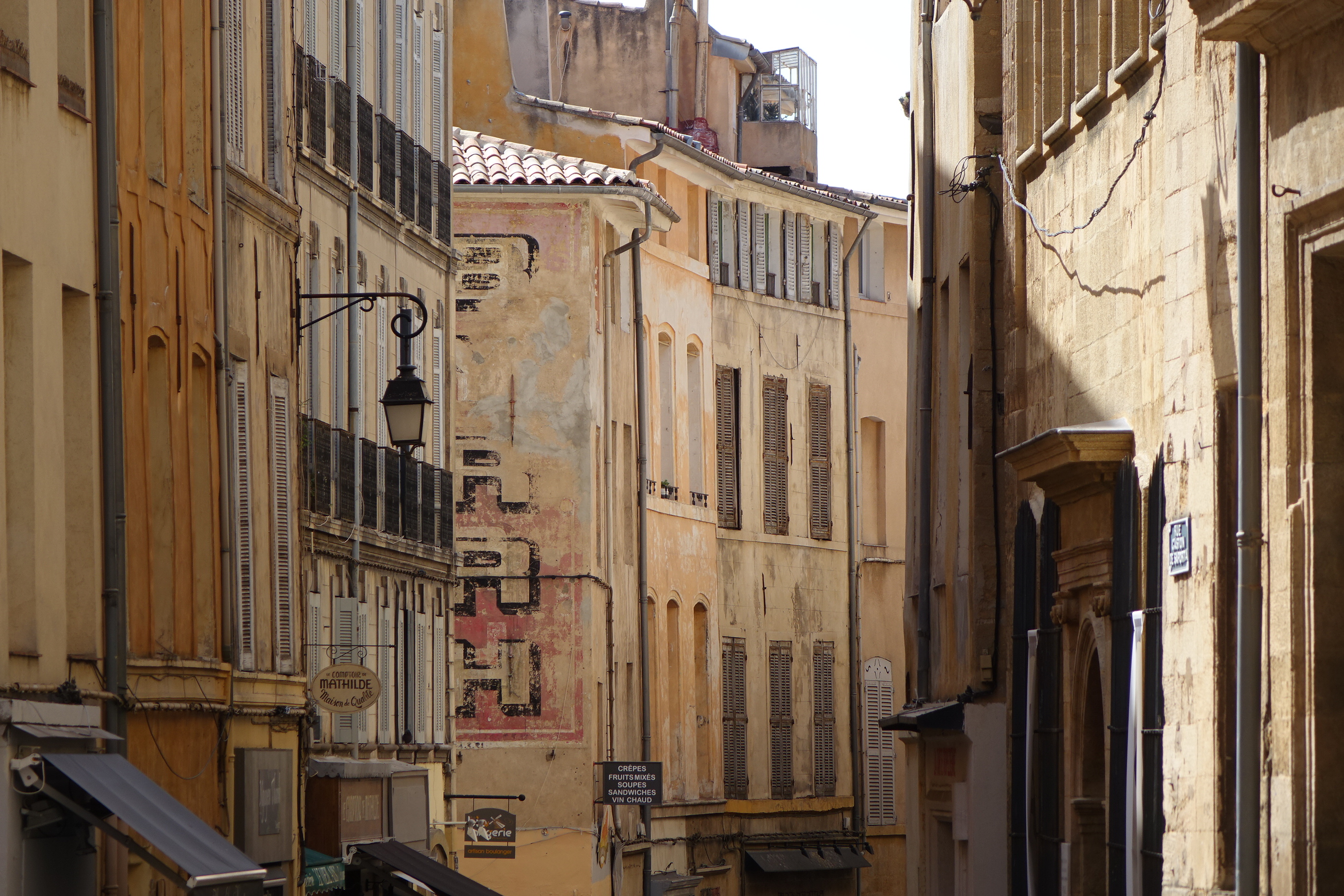
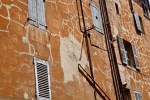
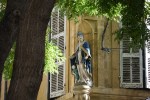
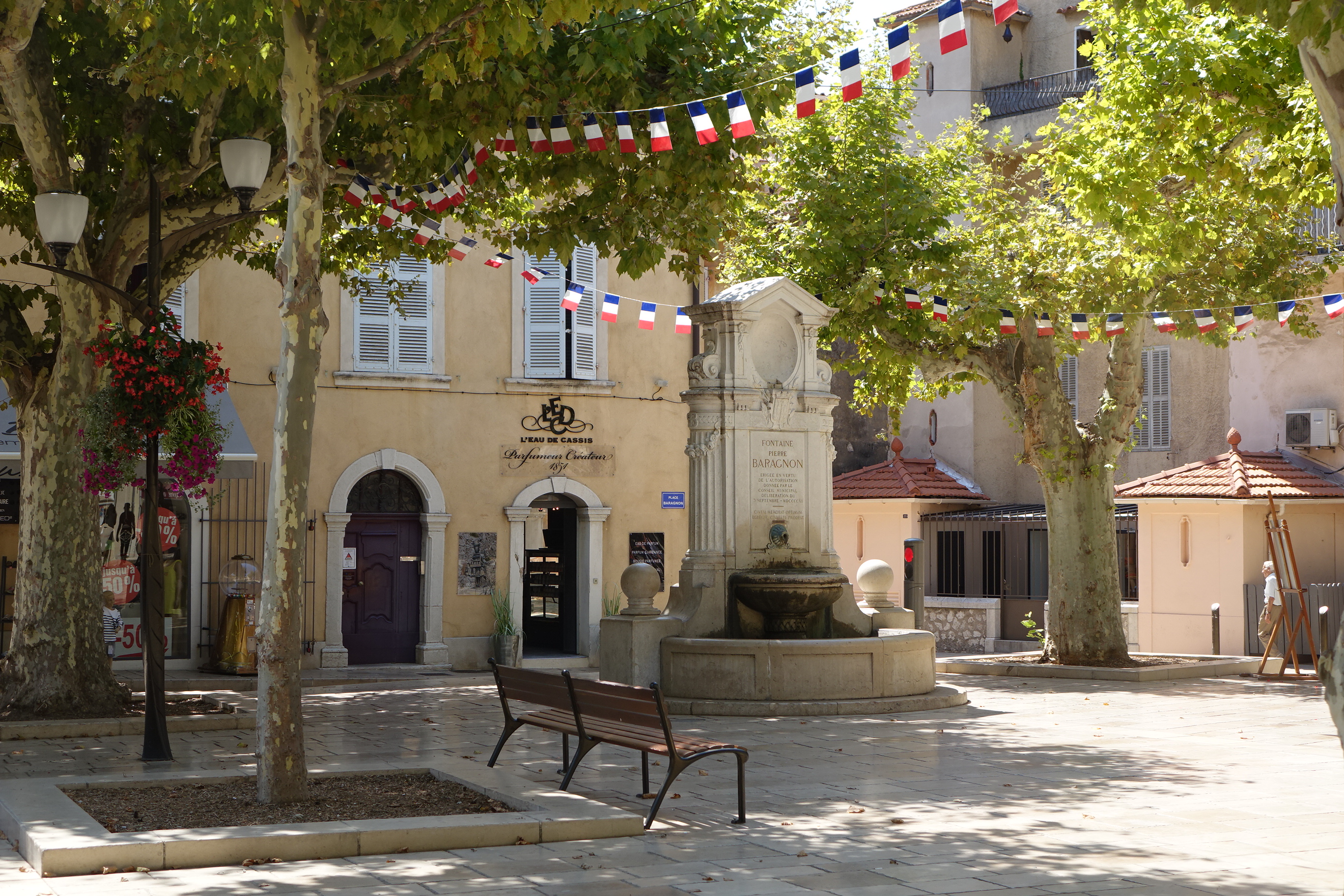
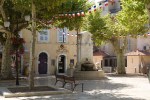
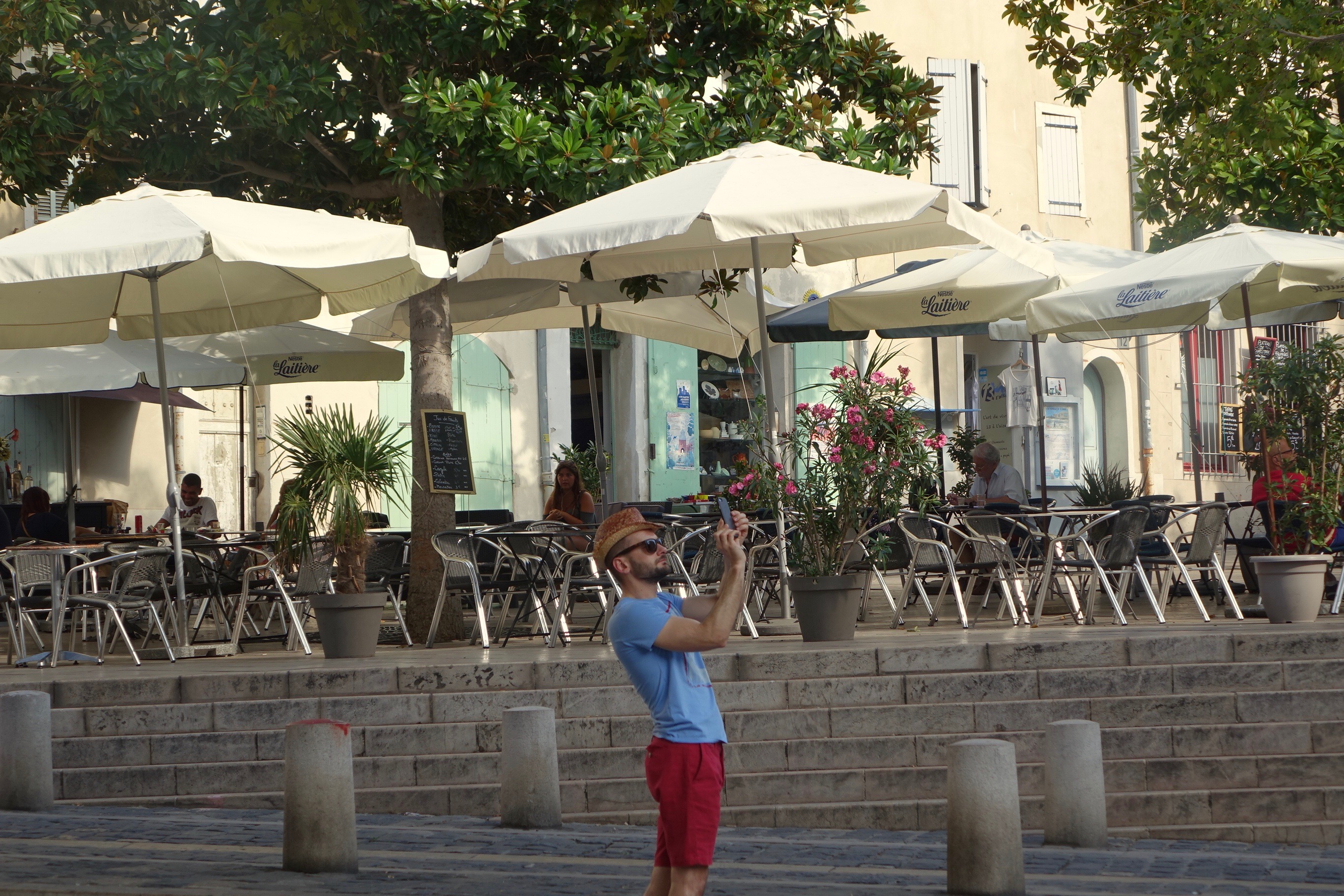
I adore Aix-en-Provence. Apart from the inimitable Paris, it is undoubtedly my favourite city in France. Elegant, leafy, filled with bustling squares and trickling fountains, it is a city which is inescapably gentrified, and which exudes a real sense of cultural enrichment and a proud artistic heritage which resonates at every corner. Ever since we first went back in 2013, a visit which led to my painting, Aix: City of a Thousand Fountains, Aix has held a prominent place in my heart. If you want true Provence, the kind of Provence which you’ve seen on postcards or dreamt about in visions framed by lavender-scented cobbled streets and rosé wine supped amongst stripey-shirted waiters and vichy table-clothes, this is really it. Aix is a veritable feast of pretty squares and idyllic leafy shopping streets. Dare I say that it is close to perfect?

DSC04914DSC05000DSC04948DSC04875DSC04736DSC04796

So when we decided to head down to Marseille around the time of my birthday, Aix had to feature, and given that it is truly my favourite place in the region, it felt like the perfectly appointed seat of celebration for my impending anniversaire.  Soon enough we were bedded into a lovely little attic room in the Hotel des Quatre Dauphins (very La Bohème) named after the four dolphin fountain of the same name which trickles away in this very ochre-coloured stately area of Aix. Within seconds we were on the main leafy thoroughfares of Aix, where Cezanne, Aix’s most famous son, used to sip on wine and consider how best to capture the nearby Mount St Victoire. And all around we were surrounded by cafes and galleries and boutiques aplenty. During 24 hours in Aix we must have seen over 200 paintings in exhibitions which ranged from the Jaeger collection to a retrospective of Sisley landscapes. We had breakfast opposite the multi-coloured food market (more about that later in the week), lunch in the imperial surroundings of the Hotel de Caumont and dinner in a tiny patio hung with decorative laundry and bourganvilla. Could there be a better way to spend a birthday?

DSC04879DSC04974DSC04732DSC04987DSC04921DSC04928

So once again Aix proved to be the perfect Provençal destination, and a flawless birthday gift. It’s one of those towns which seems to glow with a golden sheen, like Rome whose streets bask in the reflected light which bounces of its terracotta walls. Here the effect is created by walls painted in butterscotch and caramel, and reflected across the streets with the aid of sunlight magnified in trickling fountains. It really is an aesthete’s paradise. That’s why Aix can make a Cezanne of us all.

© Nicholas de Lacy-Brown and The Daily Norm, 2001-2017. Unauthorised use and/or duplication of the material, whether written work, photography or artwork, included within The Daily Norm without express and written permission from The Daily Norm’s author and/or owner is strictly prohibited.

Marseille to Marbella, Part V: Cassis

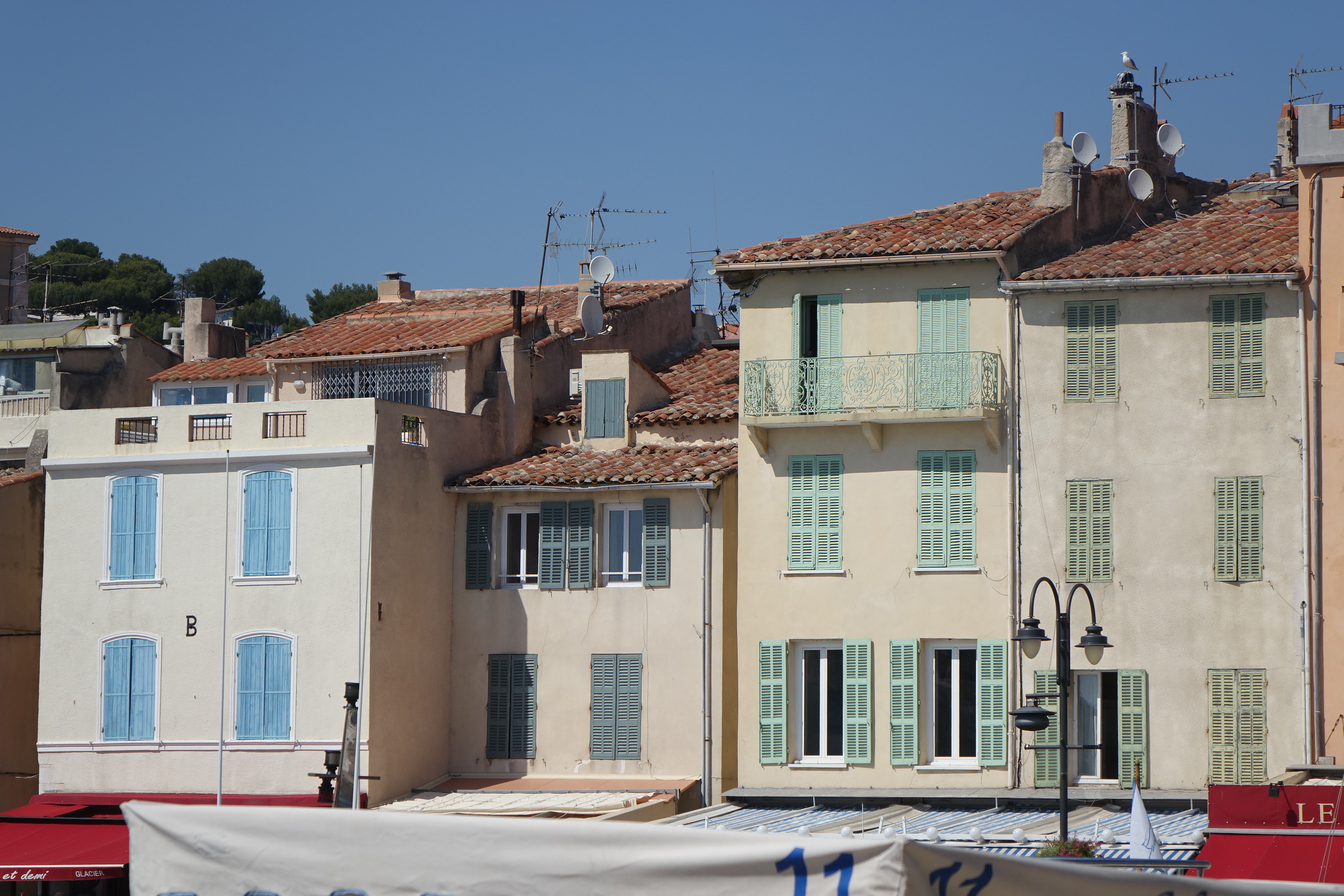
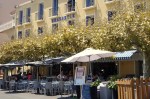
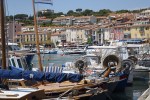
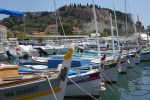
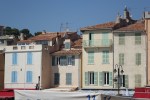
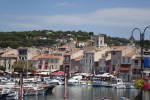
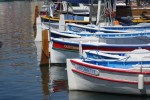
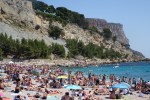
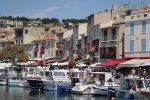
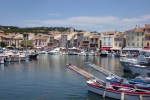
As soon as we stepped out of the train station at Cassis, the little port town a few kilometres East of Marseille, I declared that I was in love. The smell of heated pines, coupled with the accompaniment of persistently chirping cicadas was confirmation that we had entered a kind of Mediterranean paradise. That conclusion was further fortified as we made our way closer to the coast, and found plunging into a slightly opaque dazzlingly turquoise sea steeply cast mountains rippling with shades of terracotta and violet. But best of all was the harbour itself, a kind of St Tropez in miniature, with splendidly multi-coloured houses in every shade of pastel lining the waterfront, while before them, a veritable collective of fishing boats and yachts added luxury to the scene.

DSC04577DSC04593DSC04613DSC04545DSC04554DSC04521DSC04639

Living in Mallorca for close on 3 years means that this kind of glittering seaside scene is no stranger to me. Yet there is something about a port in the French Riviera that exudes a kind of innate elegance which is somewhat less tangible elsewhere in the Med. Maybe it’s the old men gathered drinking pernod and exchanging gossip in the tree-lined squares which neighbour the harbour. Or perhaps it’s the perfume of Marseille soap and lavender which manages to pervade and harmonise with the delicate scent emanating from the sea. Or maybe it is the cafes and bistros, whose location affords them the very freshest of seafood and extravagant shell fish, and of course the very best in chilled Provencal rose. I’m not sure I can truly put my finger on what it is that singles out these Riviera havens, but I know that Cassis is as insuperably handsome as it gets.

DSC04503DSC04513DSC04585DSC04580DSC04589DSC04494DSC04607DSC04563

A few minutes was all we needed to located the best table alongside the waterside, a large plate of gigantic grilled prawns and several glasses of rose so cold that ice clung to the side of the gently perspiring wine glass. Somewhat heady on all that peach-coloured elixir, we wafted around the port like fallen bourganvilla petals dancing in a light summer’s breeze, utterly caught up in the aesthetic delights of the place. That momentum pushed us towards the emerald sea, and there in water frothed up by a robust Mediterranean current, we plunged into the ambient waters from where Cassis appeared all the more stunning.

Compared with the urban cacophony of Marseille, Cassis proved the ultimate Riviera balm; a true treasure of the French Mediterranean whose soft palette and pervasive elegance ensnared our senses and charmed our imagination, long after the Riviera train scooped us back into the smoggy fold of Marseille.

© Nicholas de Lacy-Brown and The Daily Norm, 2001-2017. Unauthorised use and/or duplication of the material, whether written work, photography or artwork, included within The Daily Norm without express and written permission from The Daily Norm’s author and/or owner is strictly prohibited.

Marseille to Marbella, Part III: Waterfront Renaissance

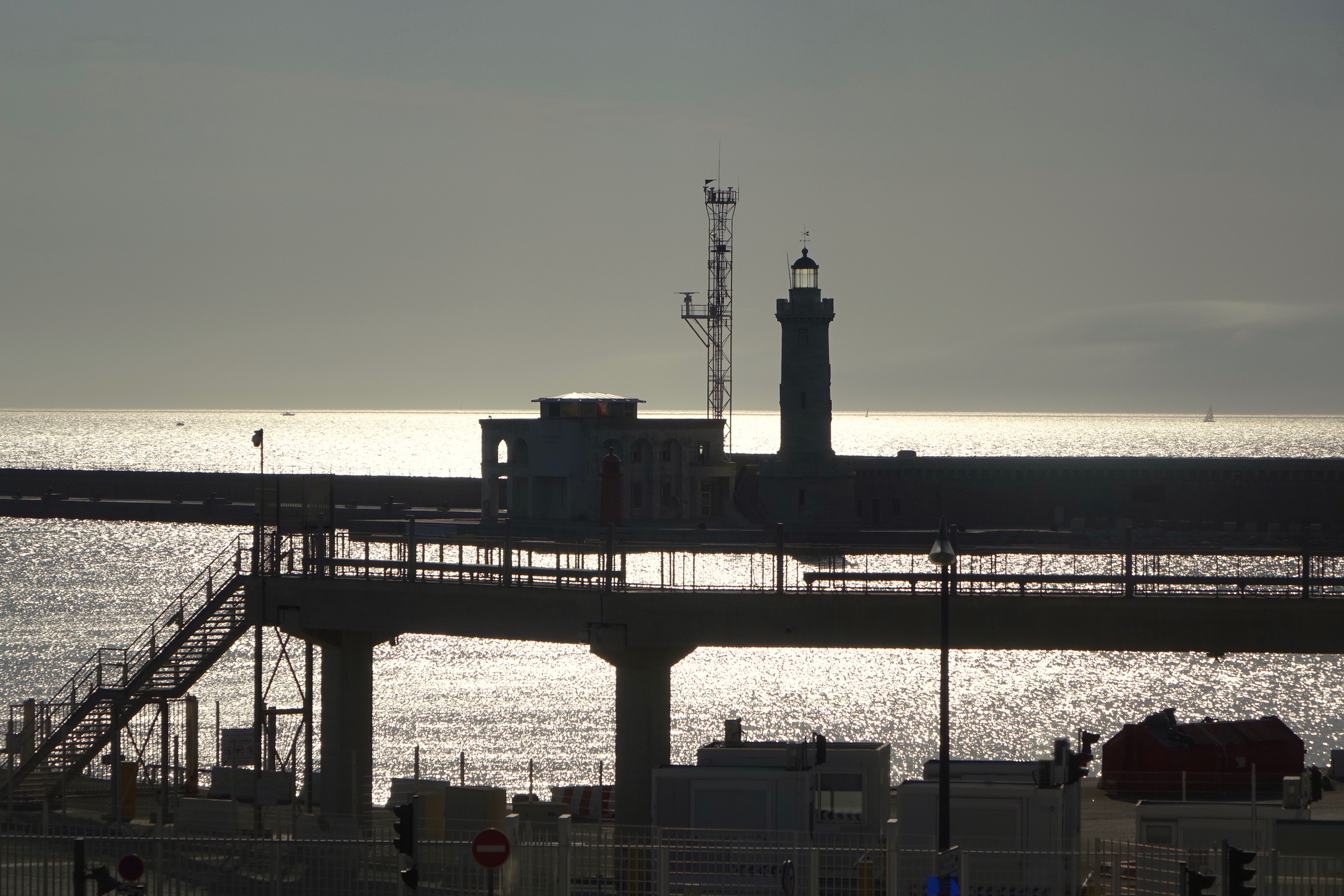
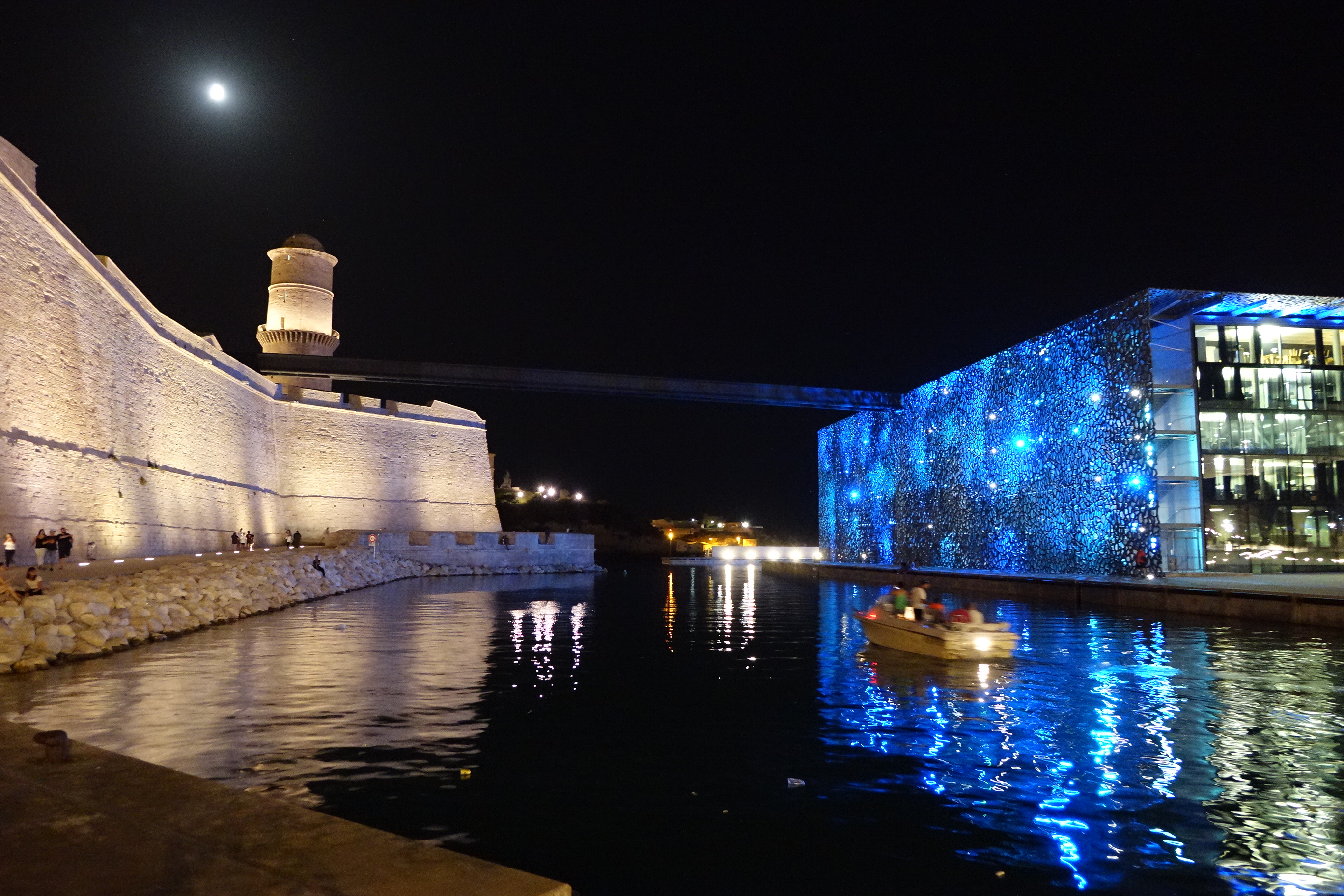
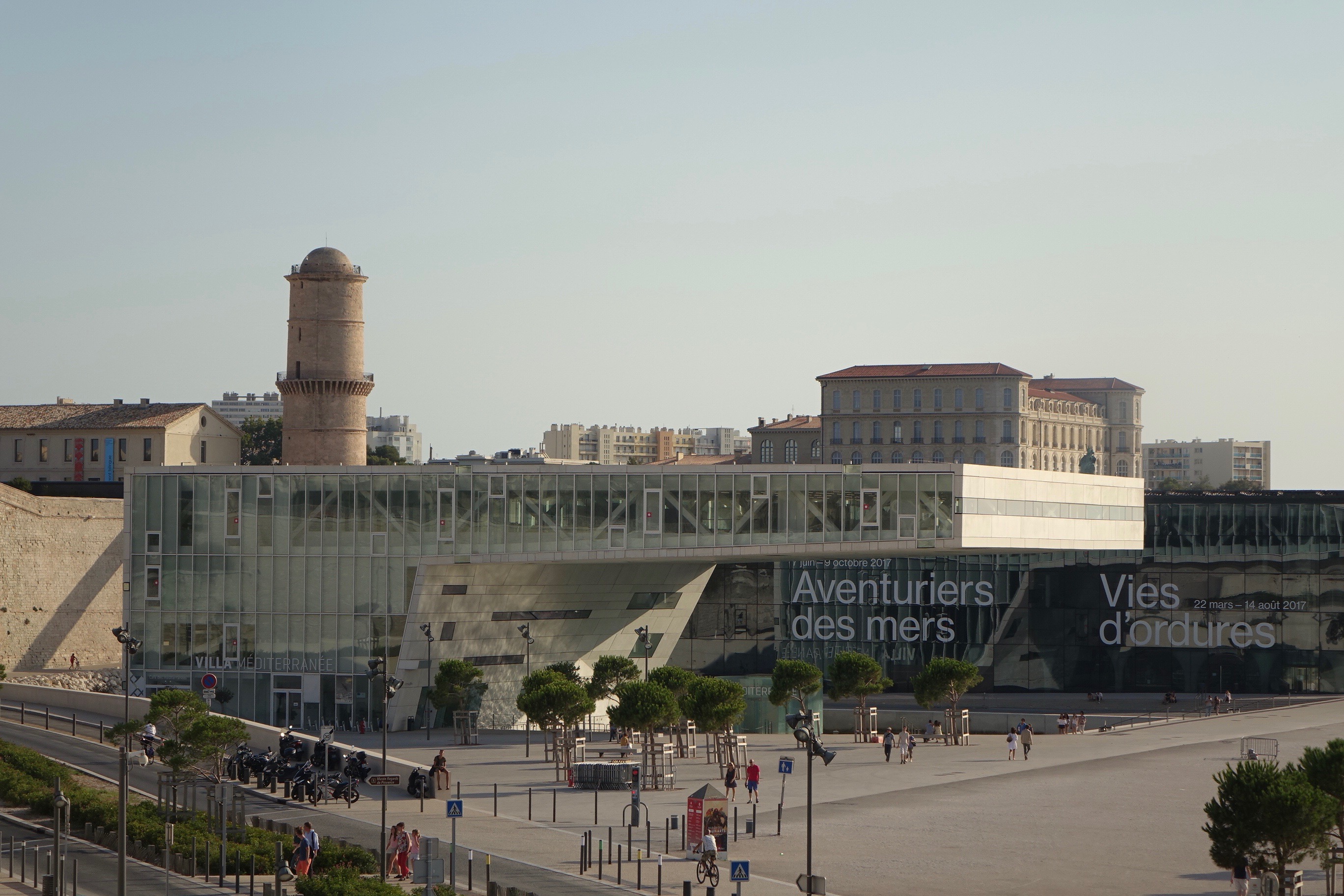
The shady reputation which has dogged Marseille for years was, at least in part, shaken off in the run up to 2013 when the epithet of European Cultural Capital for the year prompted France to pull put all the stops to initiate a revolutionary new look for a waterfront in decay. Sweeping away much of the city’s industrialised port, and making magnificent new use of the ancient stone fortresses which stand like a gateway to the city and recall the age of Dumas and the Count of Monte Cristo, the city embarked on an architectural and cultural renaissance which has reinvented the city’s place on Europe’s artistic map.

MuCEM and the Fort St-Jean

DSC03956DSC03990DSC04189DSC04062DSC04038DSC04058DSC04001DSC03975DSC03955

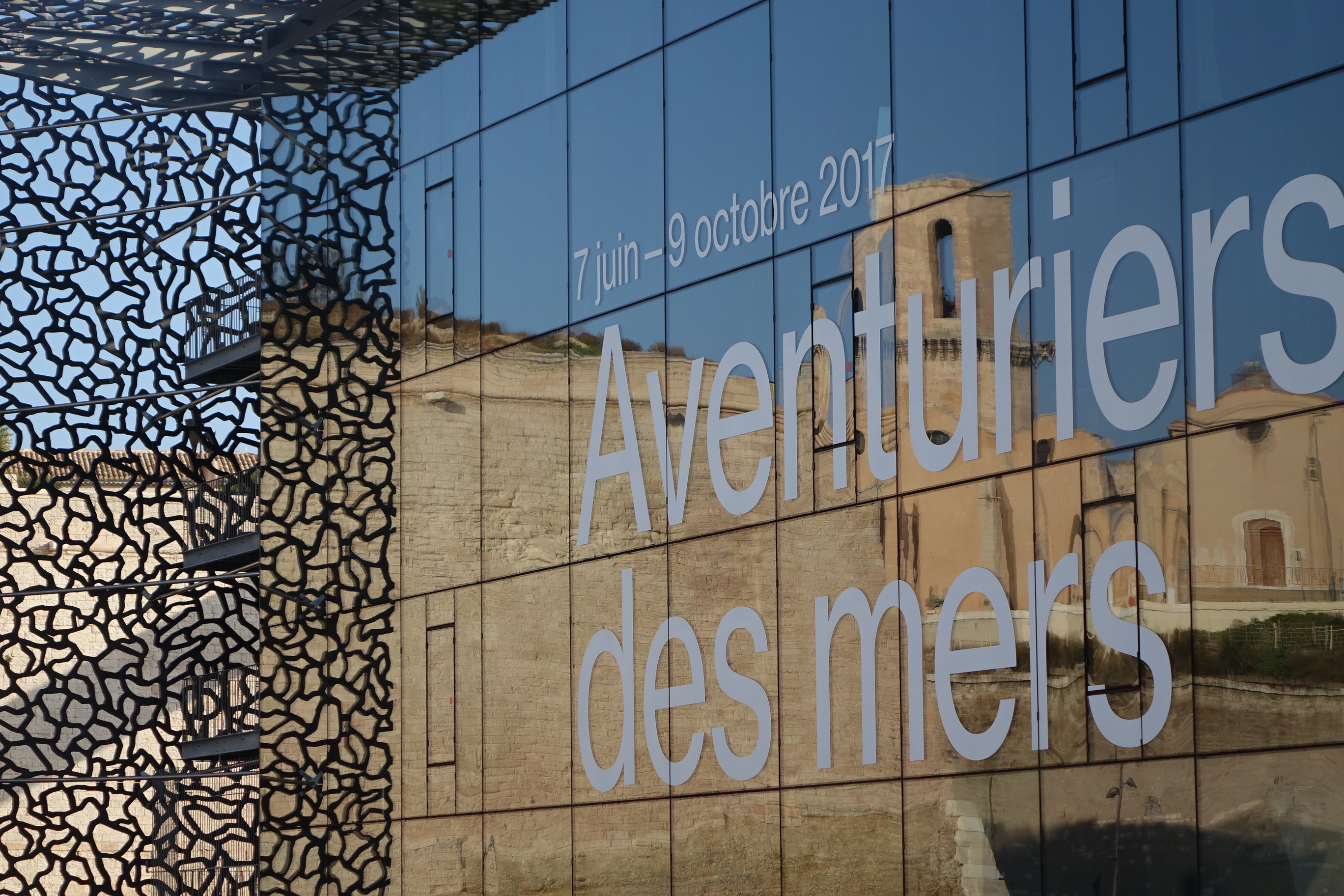
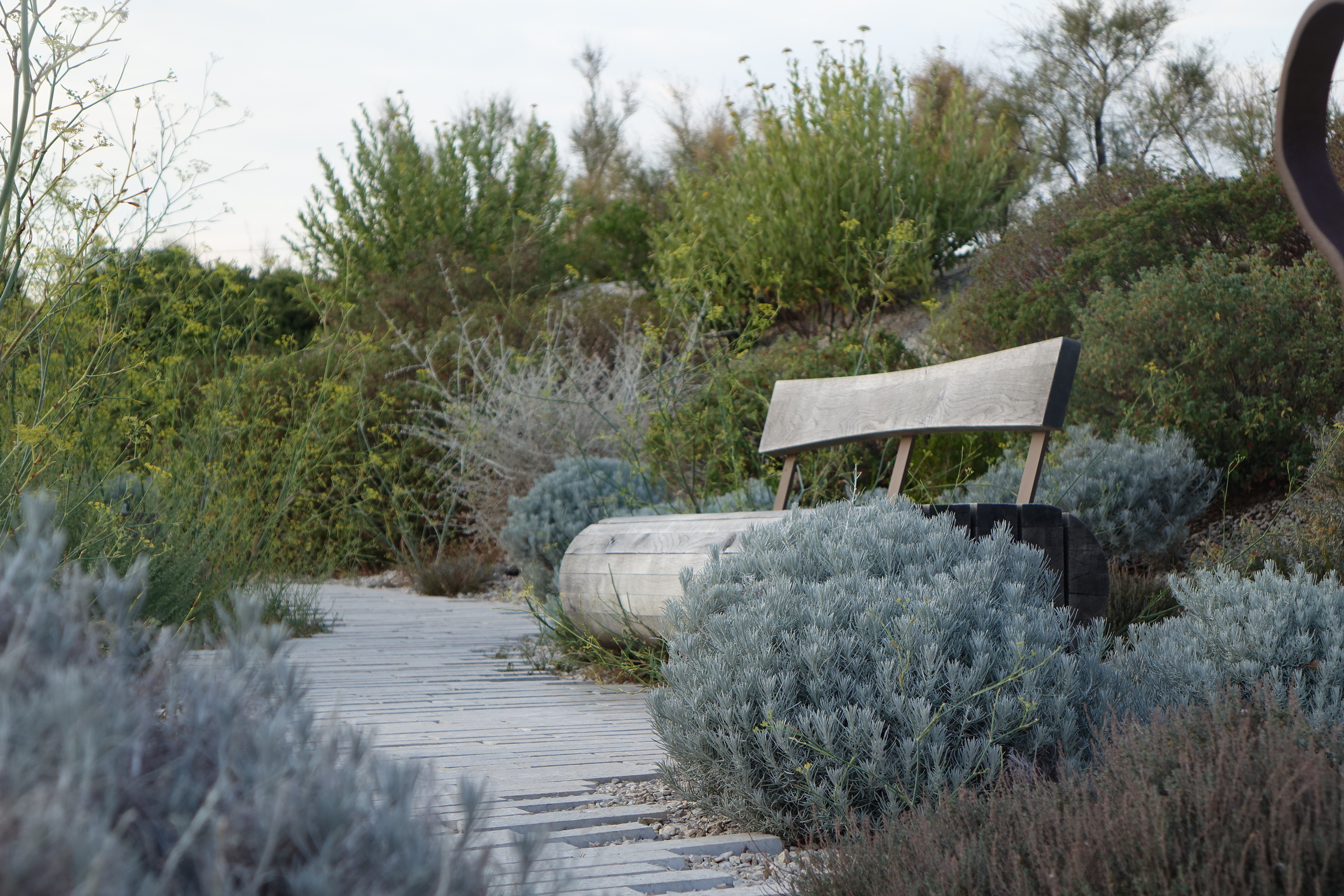
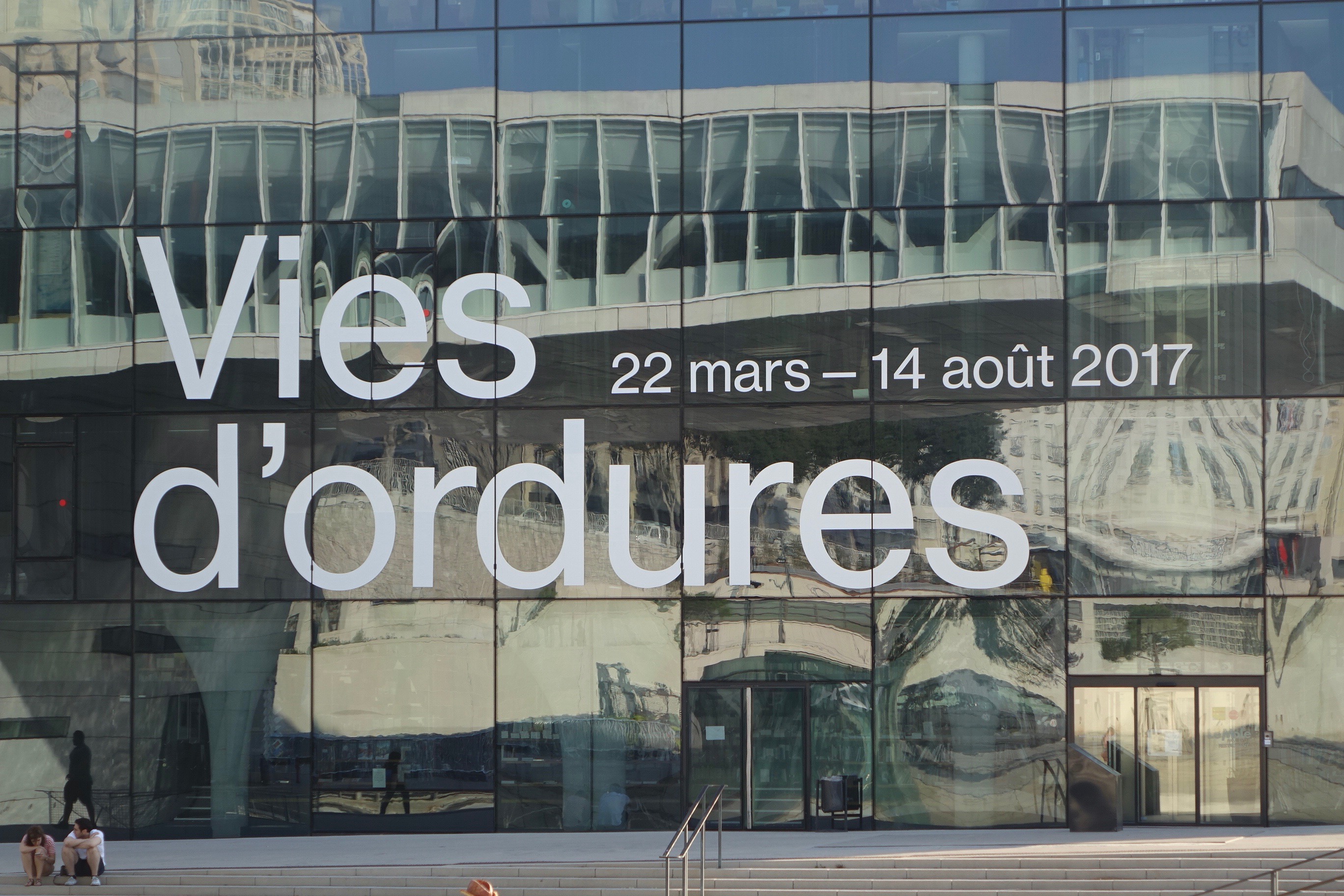
The result is a new waterfront which combines a freshly gentrified old neighbourhood with the implantation of stunning new architecture to produce a dazzling display of cultural verve immediately alongside the Mediterranean sea. Central to the architectural revolution is the Musée des Civilisation dÉurope et de la Méditerranée (MuCEM), a masterly conjoining of a Rudy Ricciotti’s striking modern cube, covered from top to bottom with what looks like a giant lace mantilla, and, across a vertiginous narrow footbridge, the restored Fort St Jean, which today is awash with Mediterranean inspired gardens and striking sculpture. This combination of ancient and modern works surprisingly well. Both buildings are imposing and structural, but in their newly polished finish look dazzling, particularly at night. Next door to MuCEM another striking addition is the Villa Méditerranée, featured in Stefano Boaeri’s striking cantilevered construction which appears to defy gravity as it bends horizontally across a pool of Mediterranean water. 

The Villa Méditerranée and MuCEM by night

DSC03947DSC03936DSC04694DSC03943DSC03911DSC03918DSC04707DSC03927

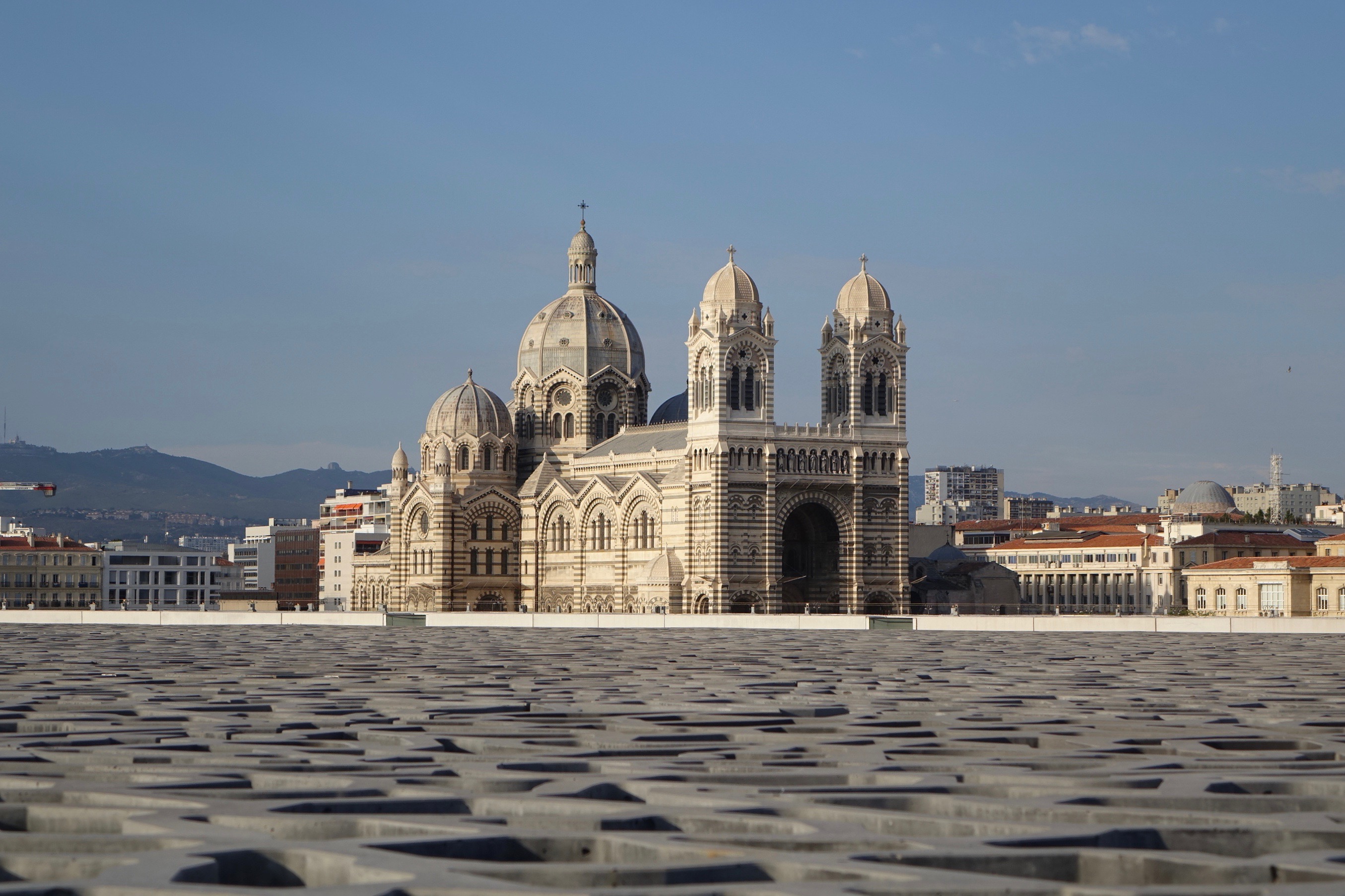
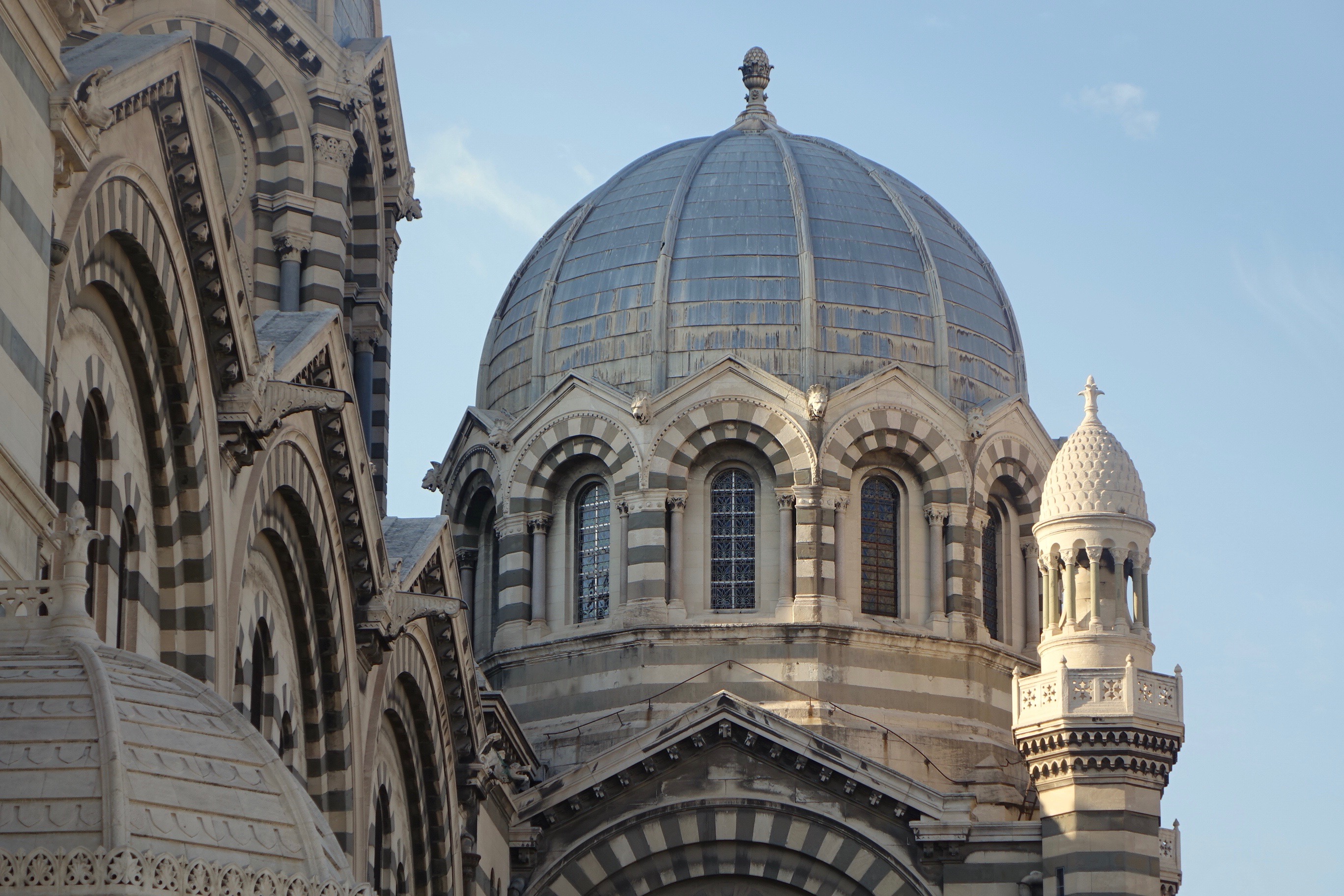
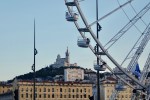
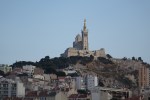
But this waterfront would not be complete without the church which stands guardian over it all: the Cathédrale de la Major. Wedged between the sea and the district of Le Panier, the imposing 19th century structure looks like a cross between the Sacre Coeur in Paris, and Santa Maria Novella in Firenze. It’s stripes stone construction seems to echo the typical dress of Riviera beach goers, while adding a touch of elegant sobriety to this newly revolutionised cultural hub.

The Cathédrale de la Major

DSC03934DSC03998DSC03931DSC03924DSC03919DSC03916

© Nicholas de Lacy-Brown and The Daily Norm, 2001-2017. Unauthorised use and/or duplication of the material, whether written work, photography or artwork, included within The Daily Norm without express and written permission from The Daily Norm’s author and/or owner is strictly prohibited.

Marseille to Marbella, Part II: Le Panier

It’s a story which is far from unique: European city, ravaged by the horrors of war, its architectural and cultural heritage trampled into dust by the unforgiving swathe of brutal violence – territory grabs without sensitivity nor foresight, all in the name of victory. Many of Europe’s ancient treasures were destroyed this way, when mass invasions and forced occupations brought with them a path of historical vandalism from which a full recovery has never been made. And Marseille is no exception. For on on the old Vieux Port, only the Renaissance style Hotel de Ville and the Hotel de Gabre remain as a reminder of what the grand old Marseille waterfront would have been in its golden age. The rest was cleared in mass explosions executed by Nazi occupiers who feared the uncontrollable warren of Marseille’s ancient streets, and the potential for hiding in them the “undesirables” they sought to eradicate.

And so, of this uniquely charismatic area of ancient Marseille, Le Panier, only the upper town remains today. Its previous quaint waterside was eradicated in one devastating act of destruction, only to be replaced by the horribly charmless art deco apartment blocks which remain to this day. Yet behind the port, up on the slopes of ancient Marseille, the old core of Le Panier remains, the merciful survivor of Nazi occupation, and clear example of how the city would at one time have looked.

DSC03903DSC03851DSC03821DSC04652DSC03905DSC03840DSC03870DSC03829DSC03860

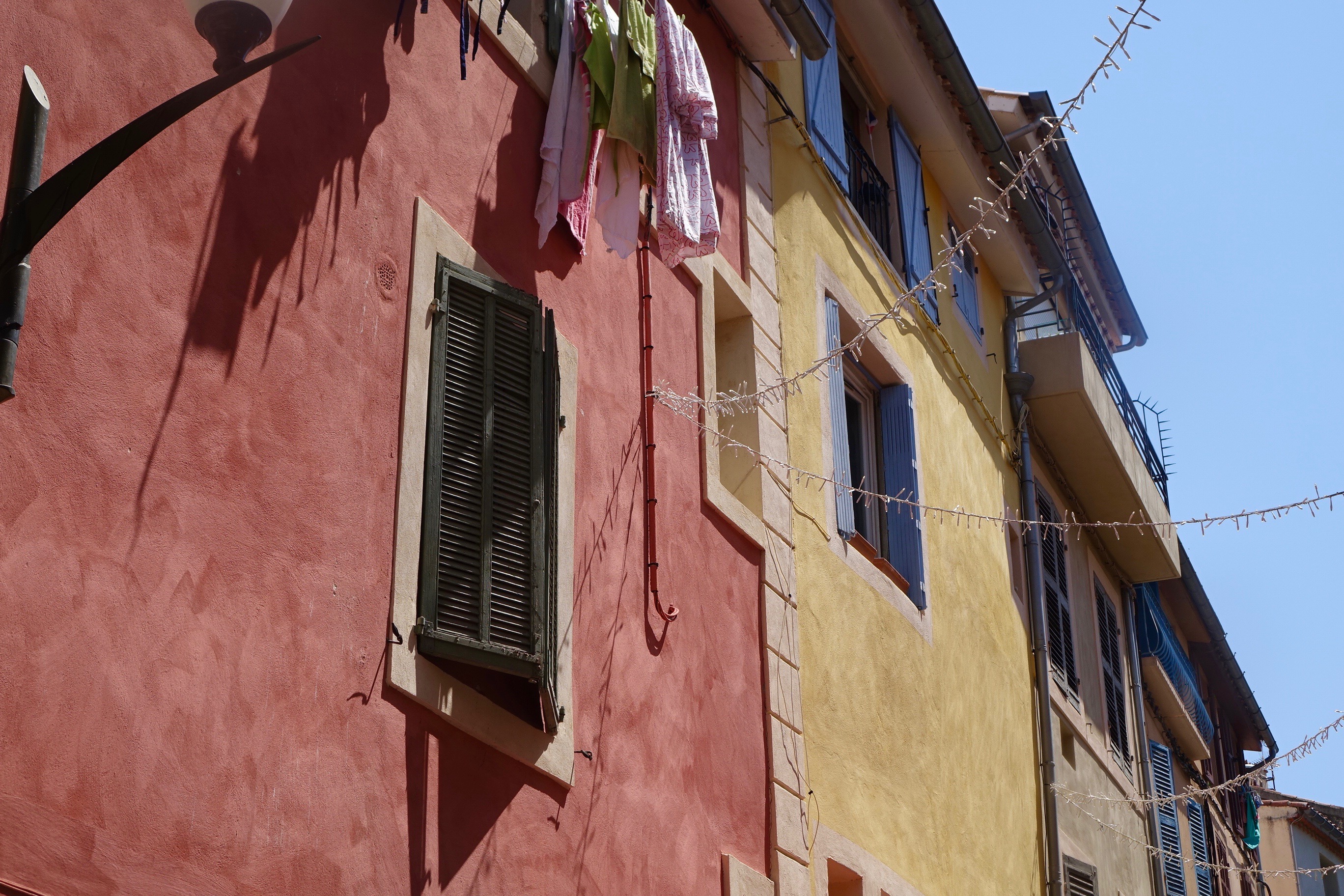
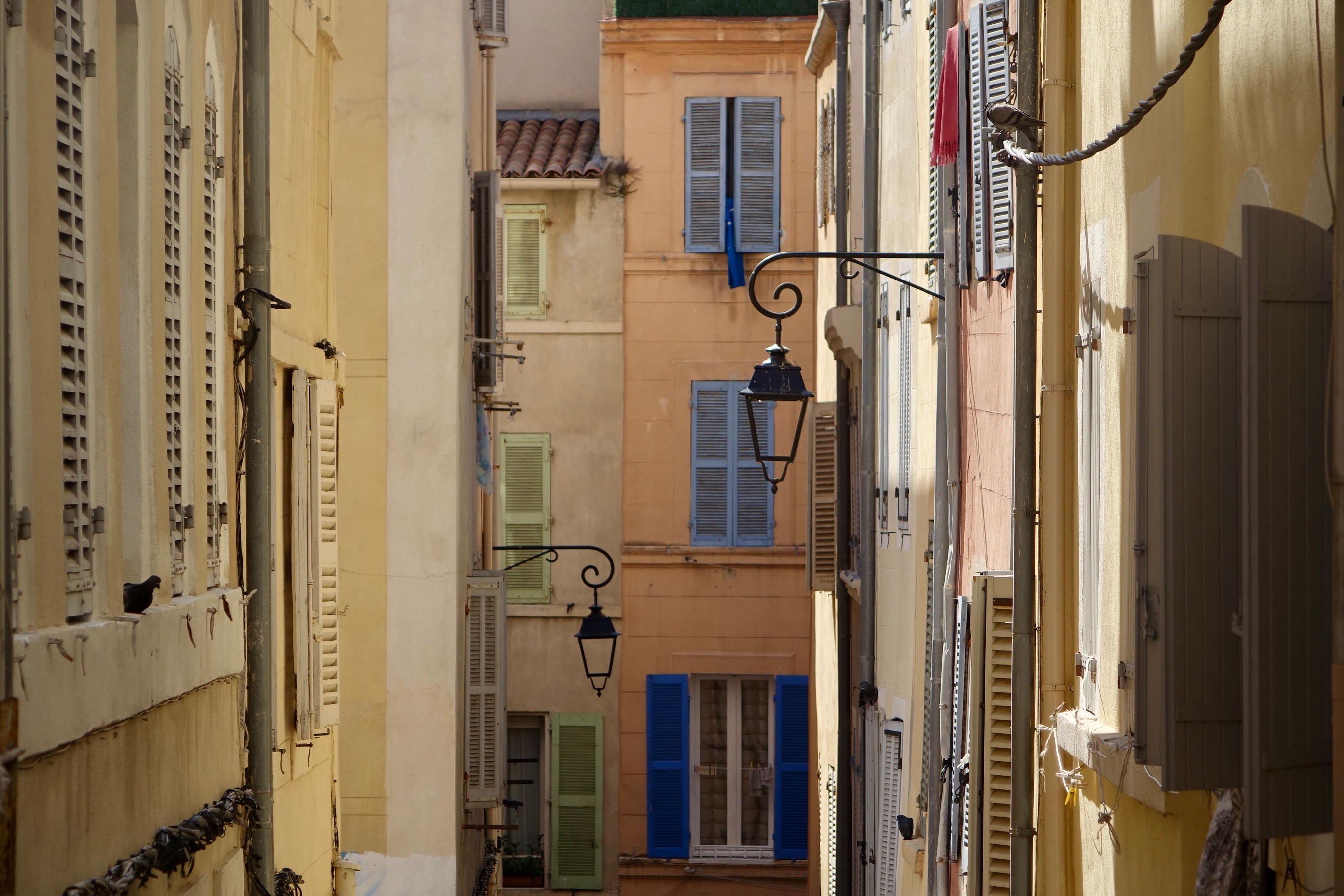
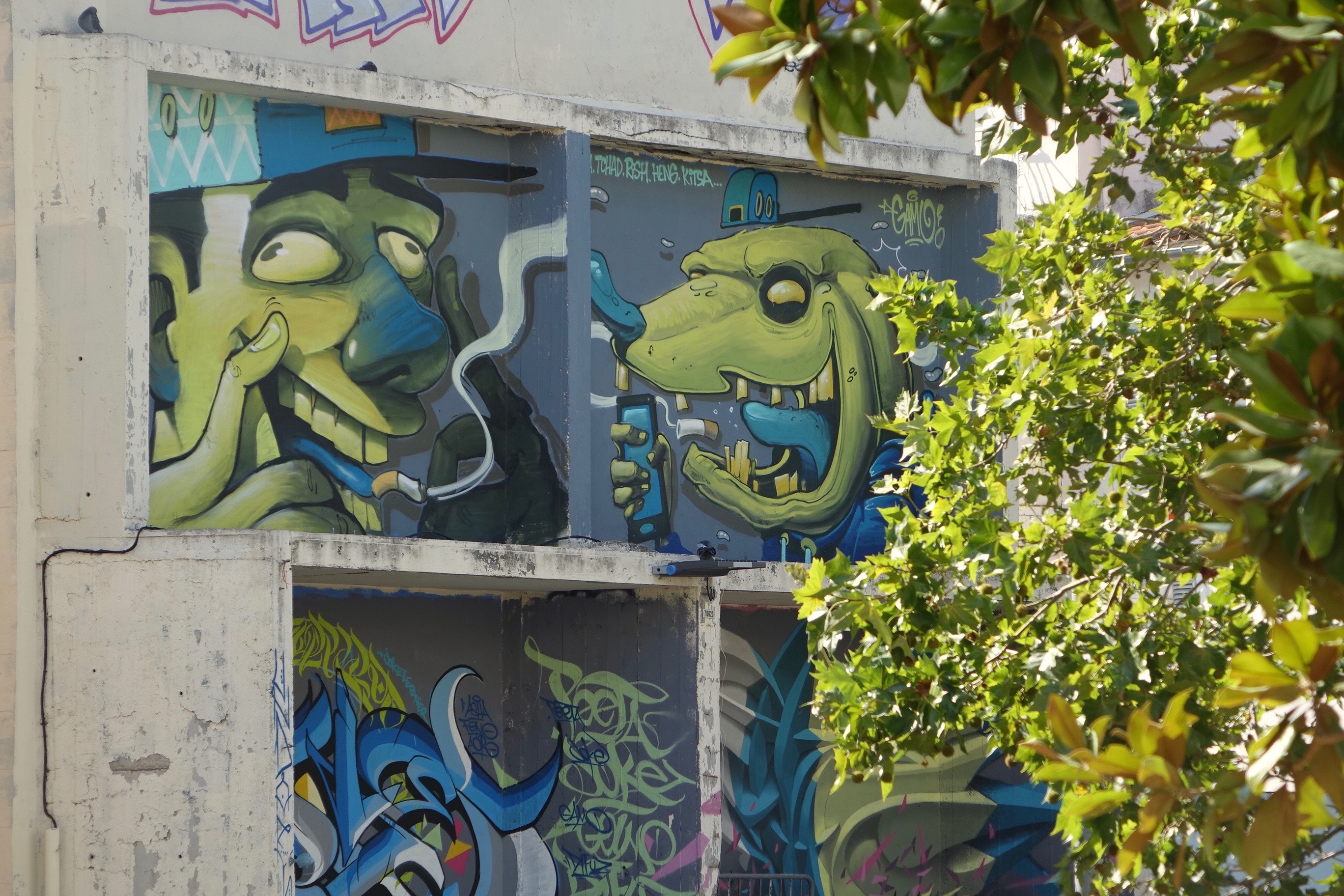
The streets of Le Panier carry a lazy, bohemian milieu characterised by a clearly artistic streak and a decidedly gritty, urban edge. Streets lined by painted shutters and washing hung out to dry are also decorated by large graffiti murals which give an indication of the creatively rebellious inhabitants who occupy the area. Steep slopes give way to quaint restaurants, and the area’s bars and shops are simple and unassuming. Streets are unplanned, cobbled and hilly, but they bare the signs of centuries of unceremonious habitation – the cracks of age and the scars of competing modes of expression.

While resembling something of the charm that the surrounding area of Provence exudes in bucket loads, Le Panier is as authentically urban as it gets. This is the hard edge to the Riviera’s soft, lavender-scented tourist-friendly facade, and is a quintessential representation of a modern Mediterranean city anchored in its history.

© Nicholas de Lacy-Brown and The Daily Norm, 2001-2017. Unauthorised use and/or duplication of the material, whether written work, photography or artwork, included within The Daily Norm without express and written permission from The Daily Norm’s author and/or owner is strictly prohibited.

Marseille to Marbella, Part I: Downtown City

Marseille is one of those cities that’s got a bit of a reputation. Like Naples and Palermo, (and even Barcelona before its Olympics regeneration), Marseille is characterised by an idyllic location which has been both its enemy and its friend. For with popularity has also come rapid growth, and the result is an uncontrolled urban sprawl where street crime has taken the place of riviera recreation, and the high temperatures have combined with a generalised lethargy to improve what are often grave social divides and ever evident crime and economic issues. Yet for all that, Marseille is a city with an undeniable arresting quality; which is so historically wealthy and with so vibrant and diverse a population that you cannot help but be mesmerised.

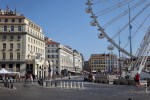
DSC04094DSC04487DSC04083DSC04426DSC04113DSC04079

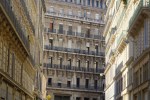
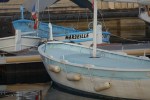
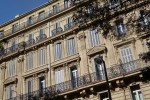
Such is Marseille, France’s second city, and in many respects like Paris by the sea, except that in Marseille the social divide is perhaps even more visible. Here, Haussmann mansions have been given a graffiti facelift, and where the Seine would cut through Paris with all its luxuriant wateriness, in Marseille the sea, and all its accompanying ship building industrial heritage and fishing paraphernalia, predominates all.

This first look at our summer trip from Marseille down to Marbella takes the Daily Norm back a few weeks, to the sunny days of August when temperatures were at an all time high. Our arrival, on the Eurostar train from London into Marseille’s Gare St Charles, was one greeted by temperatures close to the 40s. Yet this was no blue-shuttered port or seaside retreat in which to enjoy the summer weather at ease. Marseille hit us with the full impact of its teeming urban sprawl which literally shimmered in the heat as the fumes of traffic and food and generalised humanity combined with fresh sea breezes and an awful lot of sunshine.

DSC04047DSC04099DSC03785DSC04068DSC04146DSC04465

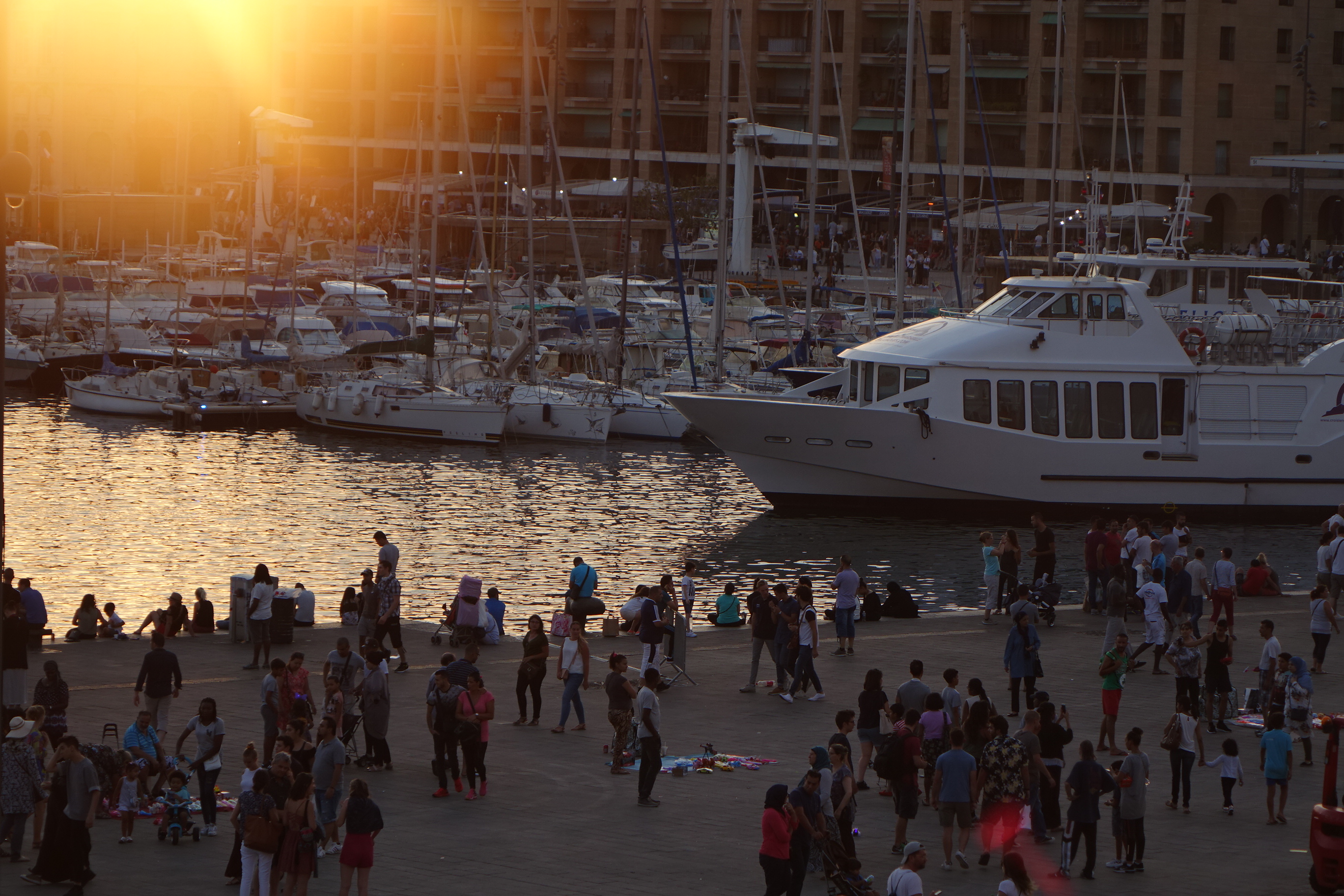
From streets crammed with shops and markets, and bustling with faces from across the world, to the city’s true heart, the Vieux Port, where people milled to watch boats stride in and out of the harbour, it wasn’t hard to get to know Marseille: a city which wears its heart on its sleeve and is emotionally, viscerally real.

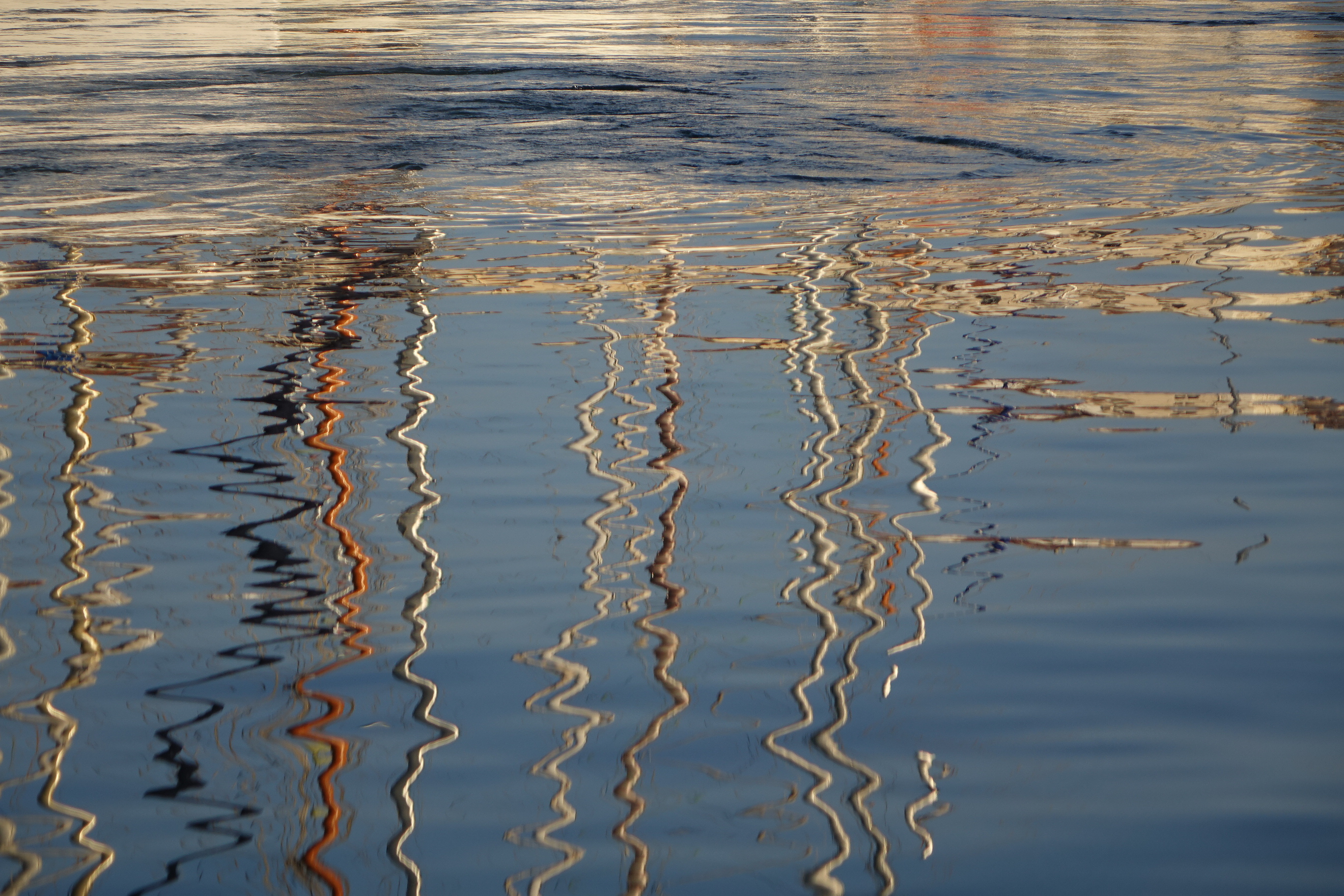
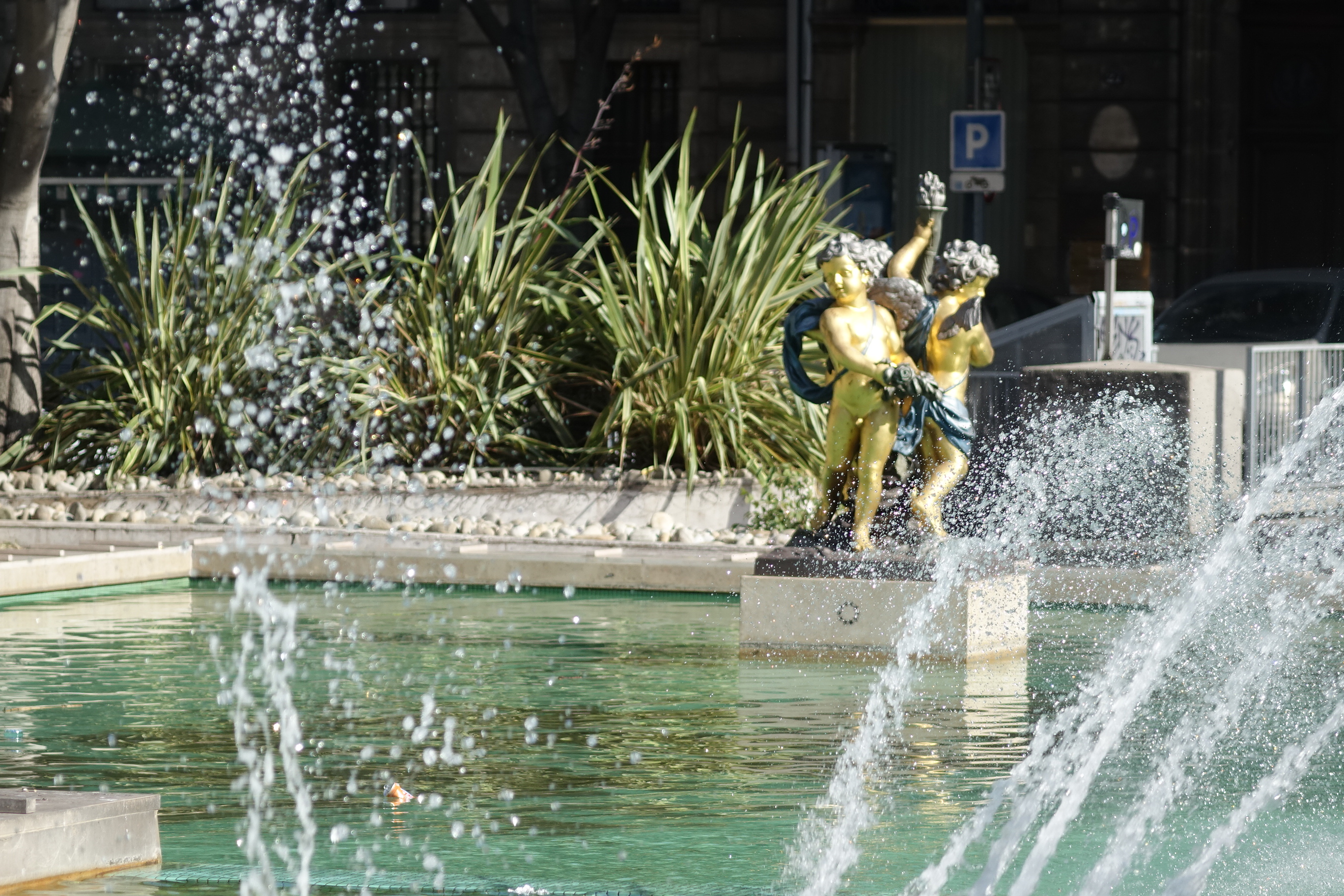
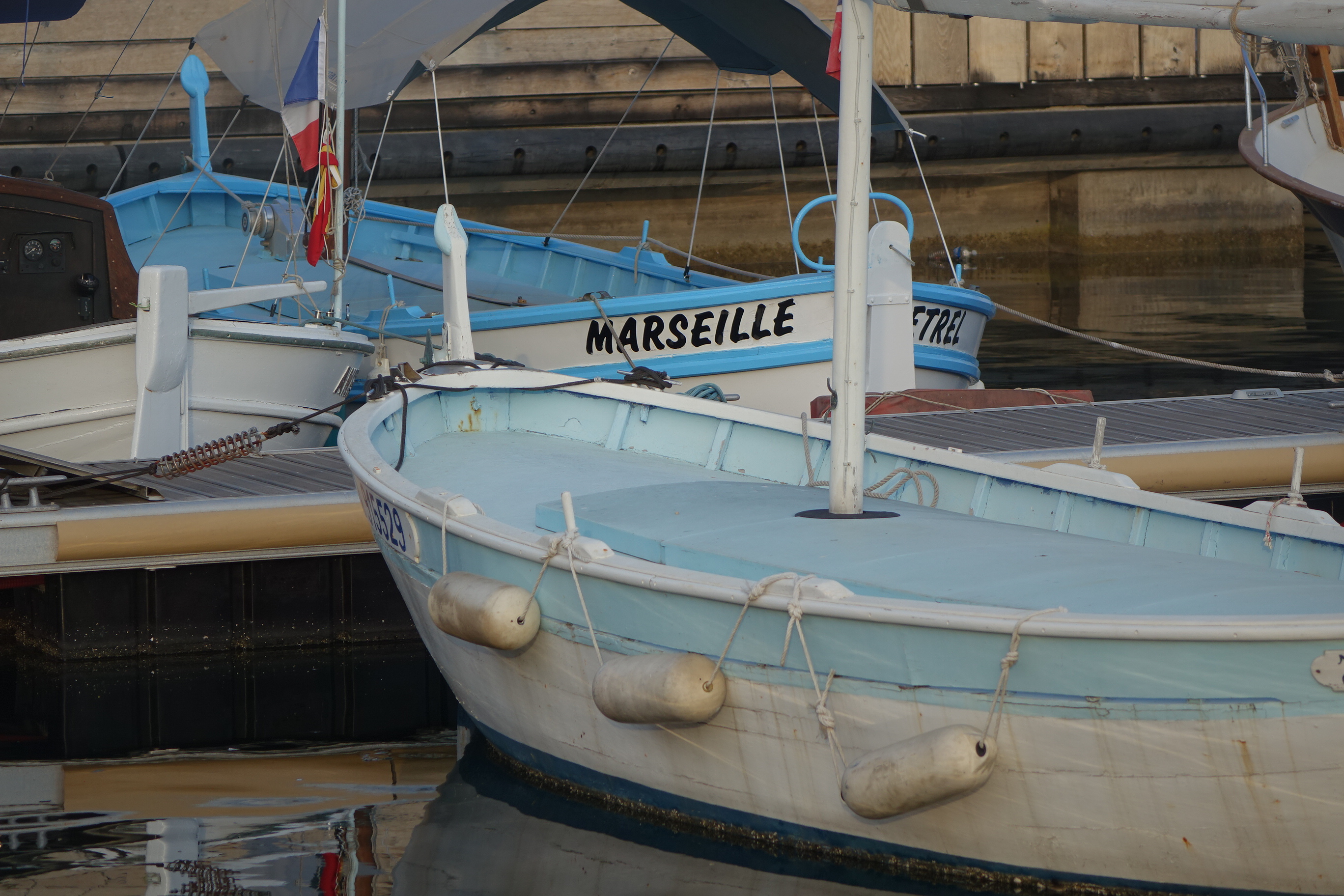
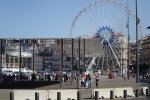
Marseille may be the capital of the French Riviera but St Tropez it is not. Rather, this thriving metropolis combines elements from across France and its ancient empire: it is a true world city with an evidently international demographic. What it lacks in luxury, it makes up for in spirit. And as you can see from this first raft of photos, it is a city of a not insignificant aesthetic appeal.

Bienvenue à Marseille!

© Nicholas de Lacy-Brown and The Daily Norm, 2001-2017. Unauthorised use and/or duplication of the material, whether written work, photography or artwork, included within The Daily Norm without express and written permission from The Daily Norm’s author and/or owner is strictly prohibited.

A Windsor Weekend, Part IV: The Park

The true might and scale of Windsor Castle is best appreciated at a distance. When approaching by train, the station at Windsor and Eton Riverside gives the appearance of a toy town construction as it sits in the shadow of the mighty castle silhouette on the skyline behind it. From the river, the great Castle pervades all watery reflections as a mirror image in the Thames doubles its impact. But best of all is the Castle viewed from the vast grounds which surround it, as the sprawling regal complex stands at the apex of a 2.65 mile perfectly straight road which cuts through Windsor Great Park: a true demonstration of its domination over the land.

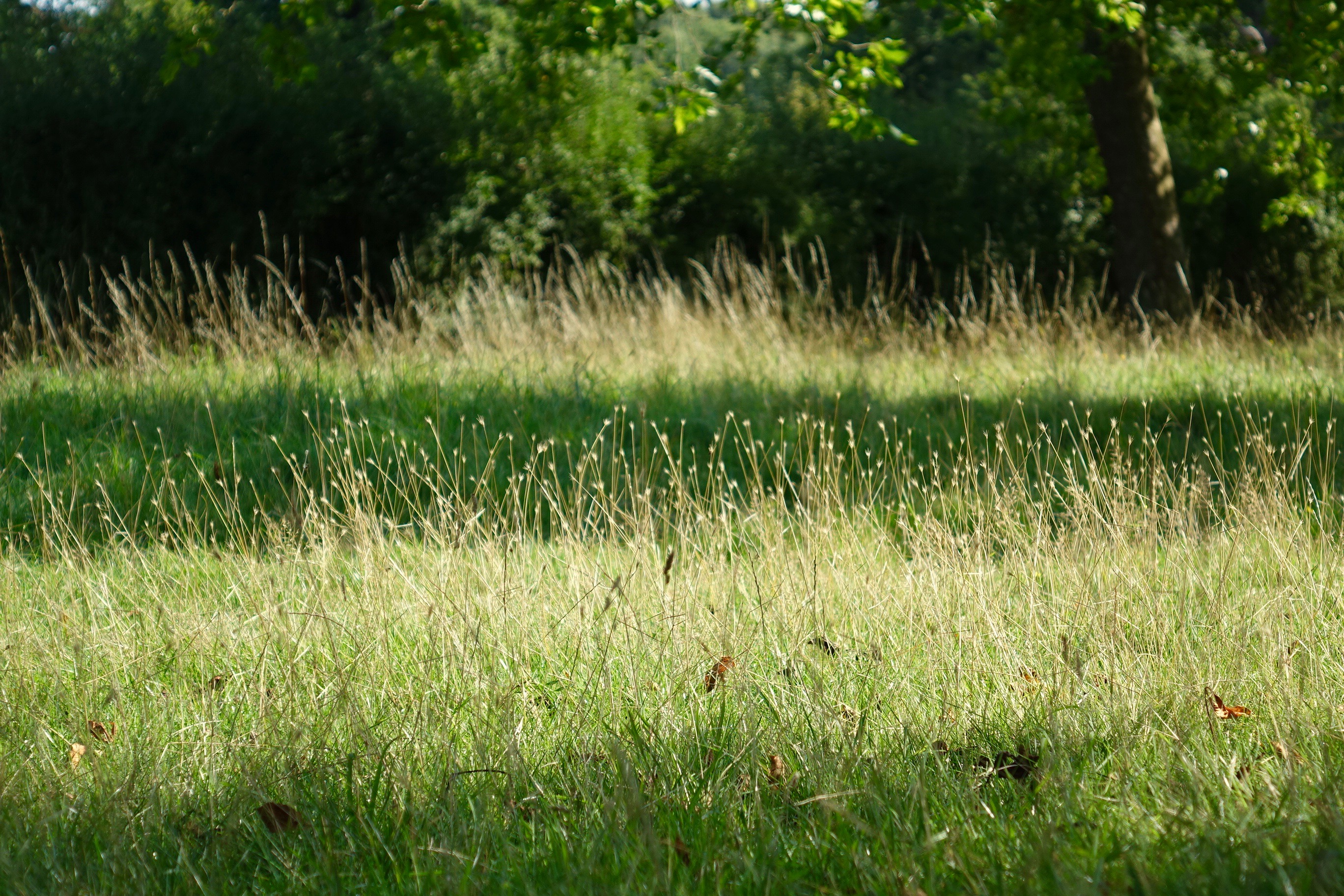
Windsor Great Park is great indeed, humongous in fact. Had we wanted to explore each of its 2020 hectares we would have been exhausted indeed. And it would almost certainly take weeks to do it all. For these great hunting grounds of monarchs past are today the site of sprawling forests, vast landscaped gardens and agricultural land, and contain some of the most beautiful unspoilt countryside within the outer reaches of London.

DSC06272DSC06386DSC06413DSC06614DSC06418

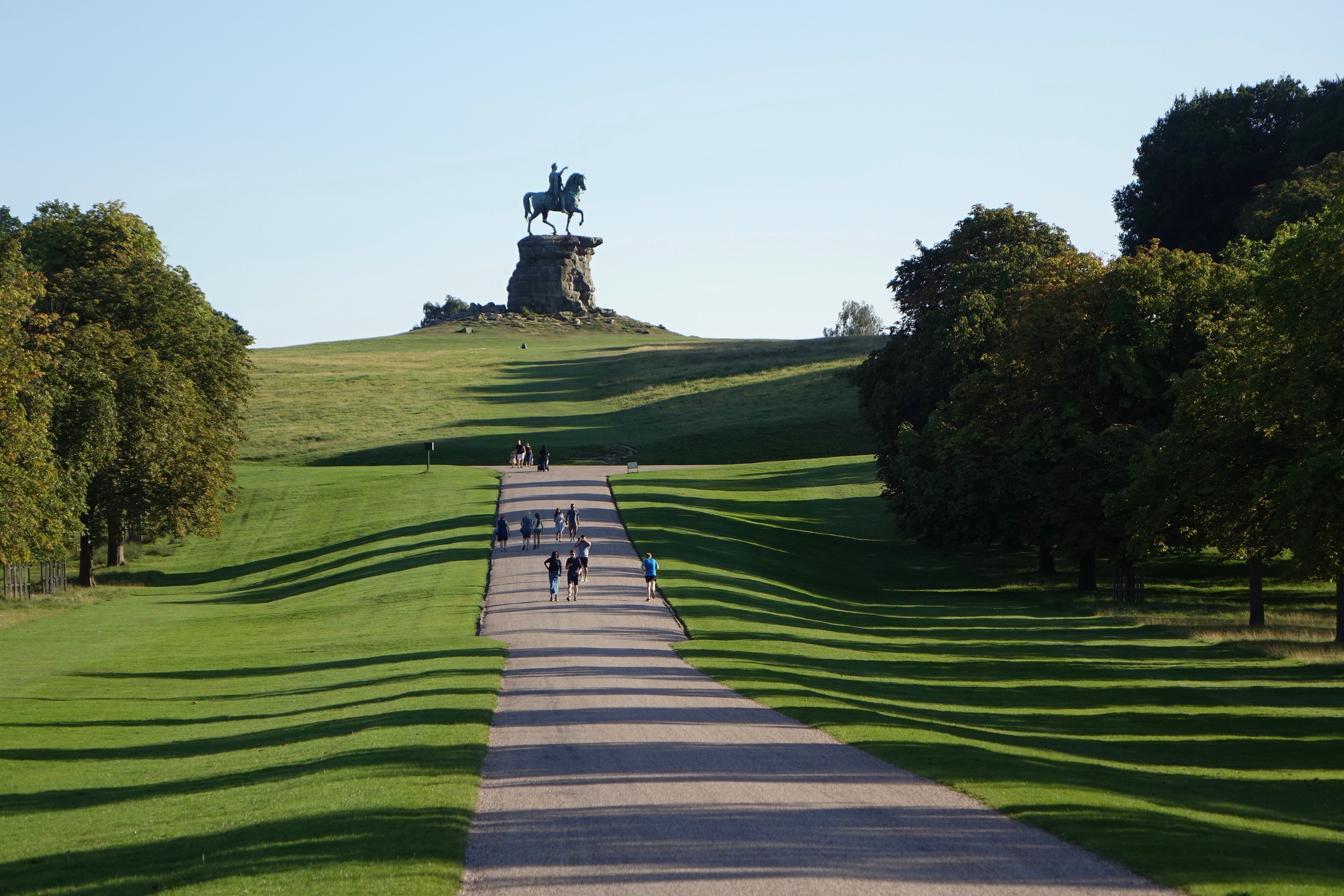
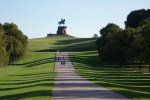
We restricted ourselves to the closet section of the park to Windsor town centre, namely the Long Walk and the land around it. Stretching from the Castle at one end to a grand imperial sculpture of George III upon a stallion at the other, the path is at the centre of a stunning tree and lawn lined avenue which seems to stretch as far as the eye can see. When setting off, the equine statue appears to be at the end of the world as it appears, tiny like a speck of dust on the far horizon. But as you proceed upon the Long Walk, admiring a progressively more bucolic scene unfold on either side, the true pomp and  enormity of the sculpture becomes clearer as behind, Windsor Castle shrinks in size.

DSC06280DSC06548DSC06269DSC06242DSC06601

It was a hard slog, but we eventually reached George III, with the final efforts of our ascent to the base of the statue aptly rewarded by the most dazzling view of Windsor Castle far off in the distance. But turning the other way, we saw an idyllic landscape of rolling hills, woods and fields unfurl into the distance, and unable to resist a little embrace of this less landscaped scene, we delved into the forests and fields, snacking upon beautifully sweet forest berries as we did so. Here, only the unfortunate sound of Heathrow aircraft interrupted us. Otherwise the world was utterly still, and we found ourselves wonderfully at ease in this most heavenly of natural surroundings – the playground of the many Kings and Queens who have enjoyed the very rich landscapes which surround their home at Windsor.

© Nicholas de Lacy-Brown and The Daily Norm, 2001-2017. Unauthorised use and/or duplication of the material, whether written work, photography or artwork, included within The Daily Norm without express and written permission from The Daily Norm’s author and/or owner is strictly prohibited.

A Windsor Weekend, Part III: The River

We are not the most social pair, my partner and I. When it comes to the choice between a crowded room or an empty field, we will always go for the latter, finding beauty in the tranquility of nature, rather than the bustle of a hyperactive grouping. Perhaps it is the after-effect of city life – I remember sometimes feeling the opposite living in Mallorca, when the loneliness of the stark mountain scenery had us wishing for civilisation and the safety that comes with being one of a crowd.

Given that it was the bank holiday weekend, Windsor was pretty packed, and when it came to that same choice between a crowded high street and the contemplative remoteness of nature, we embraced the latter to the strongest possible degree, even when it took real efforts to do so.

DSC05907DSC05837DSC05844DSC05811

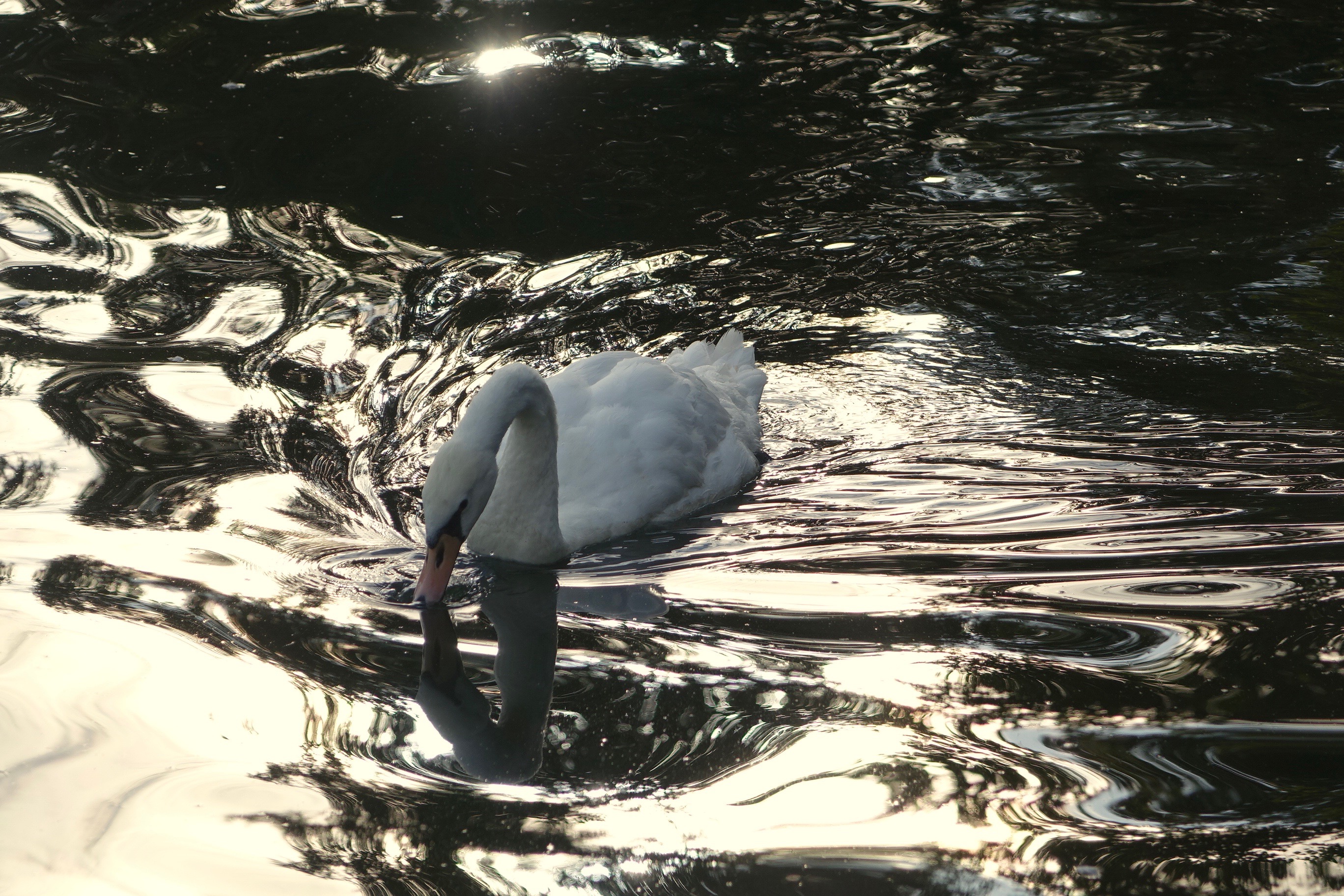
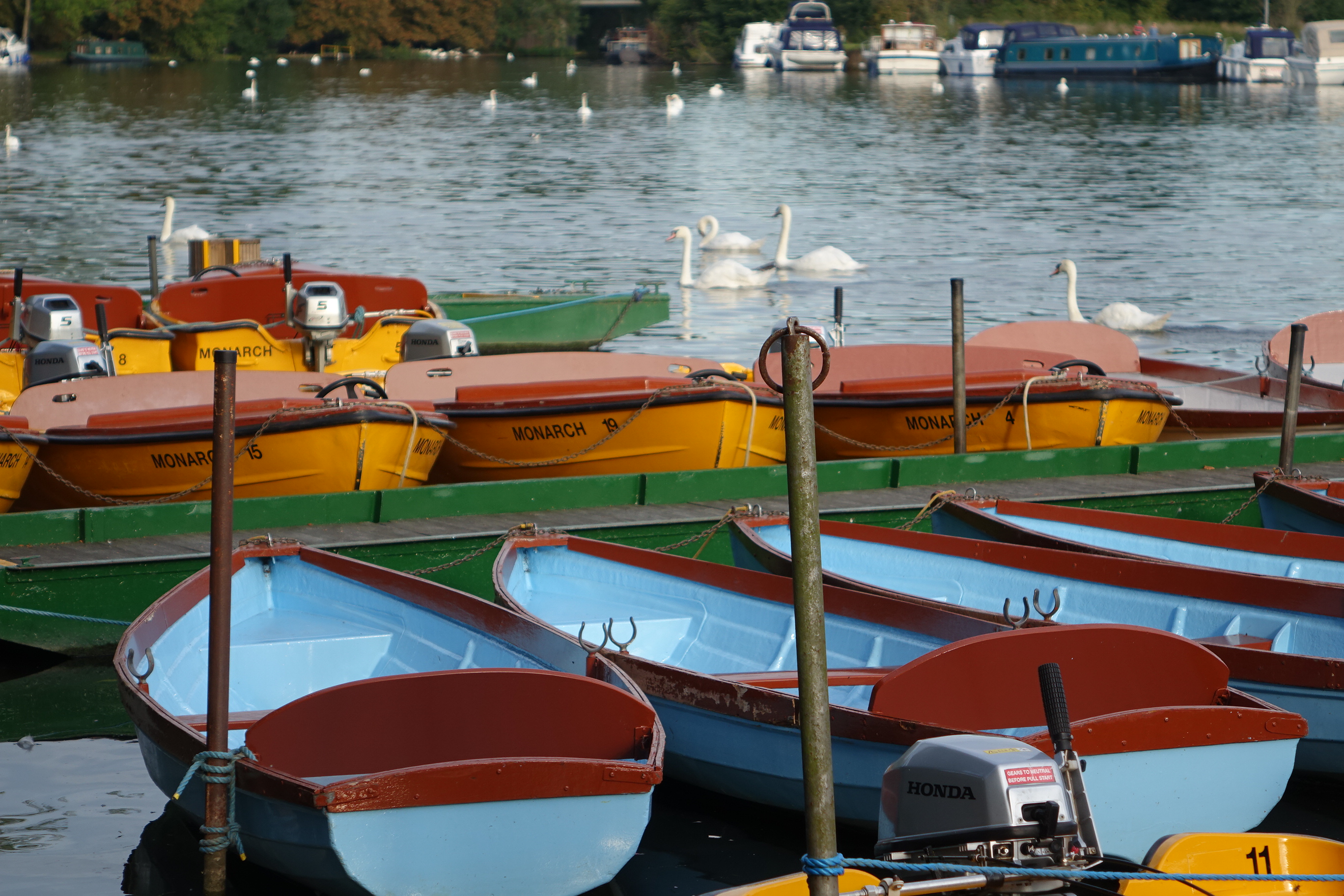
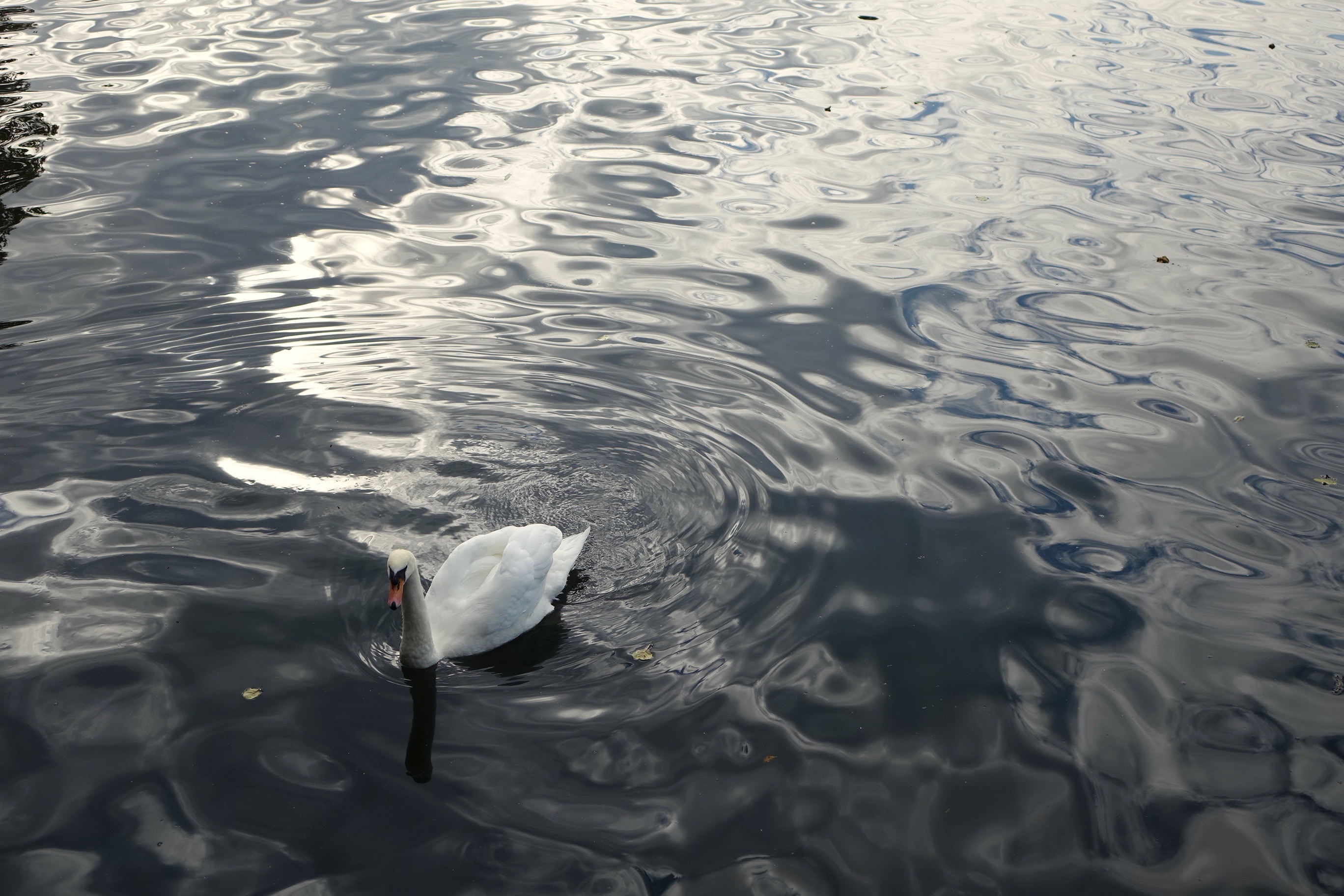
Chief amongst those endeavours was our determination to rise early and enjoy the town, and more particular the banks of the River Thames, without the interruption of crowds. And so by 7:30am, we were already to be found down by the mirrored surface of the water with only swans for company. And what a lot of swans there were. At one point, when we wandered under a bridge onto a tiny peninsular literally loaded with swans preening themselves, sleeping and feeding, we empathised perfectly with how Edgar Degas must have felt, when he walked into the dressing room of the Opera Garnier in Paris, with countless ballerinas preening themselves in preparation for their stint on stage.

DSC05589DSC05870DSC05980DSC05946

The River Thames was very much the perfect swan lake for us that golden early morning, and with very little else to disturb the silence, we enjoyed a walk of utmost tranquility before the imposing silhouette of Windsor Castle. Gradually, as the hours ticked on, more people appeared: jogging, walking the dog, and getting ready for the day. But having had our fill of nature enjoyed in the quiet peace of daybreak, we were once again ready to face those burgeoning Windsor weekend crowds.

© Nicholas de Lacy-Brown and The Daily Norm, 2001-2017. Unauthorised use and/or duplication of the material, whether written work, photography or artwork, included within The Daily Norm without express and written permission from The Daily Norm’s author and/or owner is strictly prohibited.

A Windsor Weekend, Part II: The Town

The title of this post is perhaps a little misleading. For as any visitor to Windsor by train will know, Windsor is not a town that flies solo. Rather, just across the river is the equally prestigious town of Eton, and together they make up an inseparable twosome with only a narrow stretch of tranquil water flowing between them. So today’s post will look, photographically speaking, not only at Windsor, but Eton too, for each one of them is historically important and aesthetically quaint, and both are surely the very quintessence of the picture-postcard English town.

The little town of Windsor is very much shaped by the castle which sits at its heart. The main high street encircles the vast outer walls, and every shop and business is turned towards the Castle as though they are spectators at a show. Given the size of the Castle, it is perhaps unsurprising that Windsor looks small and cute by comparison – much like Queen Mary’s dolls house which resides famously within the State Rooms of the Castle on the hill. But it is this scale which characterises Windsor as being an idyllic little urbanisation, with history oozing from its shops and houses as much as from the Castle.

DSC05801DSC05678DSC05806DSC05736DSC05618DSC05721DSC05549

As though playing up to the English stereotype, the town is a hotpot of quaint little English pubs, sweet shops and of course fish ‘n chips – tourists must flip out when they stumble upon this paragon of Britishness. Not quite as entertained by the English ideal, I was instead enamoured by the chocolate-box quality of the place – by the houses which appeared to be leaning and creaking in every direction, as though reminding all visitors that their foundations are historical, a far cry from the modern lines and standard shapes of the 21st Century.

This charming idyll continues across the river to Eton, which is of course famous for its school, educator of Kings and Prime Ministers from across the ages. While Eton’s high street will greet you, long before the school, it is clear that Eton is very much subservient to its principal offering: hence why the shops are in business to take photos of the students, to dress them in their Sunday and uniformed best, and to boast, through souvenirs, the great educational treasure which the town holds within its midsts.

DSC06632DSC05681DSC06163DSC06040DSC05690DSC05540DSC05775

Not far up the high street, that great bastion of refined education and privilege looms from beyond the buildings like a Tudor palace. It wasn’t possible to gain entrance, but peeks inside from the grounds betrayed a college which, like the Castle over the river, plays to the global mythology of a Harry Potter-like college oozing with age and historical significance. This is an expensive school, and the ravishing historical lines of its red-bricked building, its gardens abound with flowers, and its grounds running straight down to the river betray an establishment where students will benefit from the very best education and exposure to England at its verdant, bucolic best.

There was no hiding our pleasure at walking these grounds, smelling the fresh air and sitting back to enjoy the somniferous trickle of the calm river Thames. And even though a hint of envy might have entered our afternoon tranquility, when our own schools compared, somewhat less favourably, with this, it was largely with a sense of pride that we traversed the grounds of Eton. For as English stereotypes go, this is a ravishingly beautiful one, and something which the lucky few should enjoy to the full, never taking for granted the unspoilt beauty and prestige with which they will formerly enter the world of adulthood.

© Nicholas de Lacy-Brown and The Daily Norm, 2001-2017. Unauthorised use and/or duplication of the material, whether written work, photography or artwork, included within The Daily Norm without express and written permission from The Daily Norm’s author and/or owner is strictly prohibited.

A Windsor Weekend, Part I: The Castle

The myths and legends surrounding England’s valiant past are so intertwined with our history that it’s sometimes hard to remember what is fact and what is fiction. The tale of King Arthur and the Knights of the Round Table is a typical example of this, and while many have determined the magic surrounding Merlin to be the stuff of fairytales, the fable of King Arthur and his Knights certainly resonates as being a more realistic depiction of historical England. Whether or not the round table existed, the image it evokes – of brave knights, lion-emblazoned coats of arms, and of shiny coats of armour ridden into battle – very much captures a sense of the England of old. And if one place were to lift that image off the pages of legend and into the real light of day, it’s Windsor Castle.
DSC06710DSC06664DSC06715DSC06137DSC06776

Grand, imposing and the very epitome of a medieval-style castle, Windsor is not only a historical monument worthy of legend itself. Rather it always has been, and continues to be a favourite royal residence, and today boasts the record as being the longest occupied palace in Europe, as well as the favourite weekend retreat and place of entertainment of the UK’s current monarch, Queen Elizabeth II. With roots stretching right back to the Norman Conquest of 1066, Windsor Castle has been constantly remodelled and expanded to suit the tastes of each succeeding monarch, from the lavish baroque of Charles II to the Georgian flourishes of George IV and the modernisation of the Victorian and later eras.

While on the outside it appears as stark and imposing as a great stone castle should, on the inside it is very much a palace in the true sense of the word. While some rooms are emblazoned with sparkling armour, decorative weaponry and historical coats of arms, others are masterpieces in rococo and baroque, glistening with gold and chandeliers and filled with the most lavish of palatial furnishings. In 1992, much of this beauty was almost lost forever when a ferocious fire tore through the building and destroyed many of the most important State Rooms. But today, after an award winning restoration, Windsor is not only back to its beautiful self, but much improved, with many interim changes reversed to take the Castle design back to its early glory days.
DSC06771DSC06721DSC06640DSC06699DSC06134

But Windsor is not just a single-building castle, but a complex with gardens, out-buildings and places of worship making up a mini town within a town. Chief amongst these ancillary sights is St George’s Chapel, which is probably one of the most beguilingly beautiful churches I have seen. Gleaming with light filtered through intricately conceived multi-coloured stained glass windows depicting the Kings and Queens of old, the chapel is a masterpiece of the perpendicular gothic. Its lattice stone-weaved ceiling is a work of genius, and in such a good condition that it is hard to think that for the most part, this is the work of 15th Century craftsmen. Its Quire (where the choir sing) is simply magical. The home of the Knights of the Garter, it is a true homage to all things Round Table, adding to the myth which surrounds British history and expressing in a stroke of true theatricality the historical importance of this preeminent body of royal knights. Meanwhile, peppered throughout the chapel are some of the most important monuments you are likely to see in any single one place in England: here lies Henry VIII, the Queen Mother, George V, George VI and Charles I to name but a few. And for those not buried here, monuments to the likes of Prince Albert and Princess Charlotte (who died in childbirth leading to the ascension of Queen Victoria) are masterpieces of pathos carved in stone and crafted in the suitably melodramatic Victorian aesthetic.

DSC06116DSC06074DSC06115DSC06093DSC06157DSC06130

Unfortunately the splendours of Windsor’s interiors are the preserve of the eyes only, as photography is banned throughout. I must therefore content myself with sharing with Daily Norm readers my photos of the joys of Windsor’s grounds, from the incredible exterior masonry and gothic façade of St George’s, to the beautiful moat gardens which, filled with roses, so perfectly soften the hard lines of this mighty castle beyond.

© Nicholas de Lacy-Brown and The Daily Norm, 2001-2017. Unauthorised use and/or duplication of the material, whether written work, photography or artwork, included within The Daily Norm without express and written permission from The Daily Norm’s author and/or owner is strictly prohibited.