Skip to content

Posts tagged ‘Tourism’

Discovering Mallorca: The divine delights of Deia’s mountainous heights

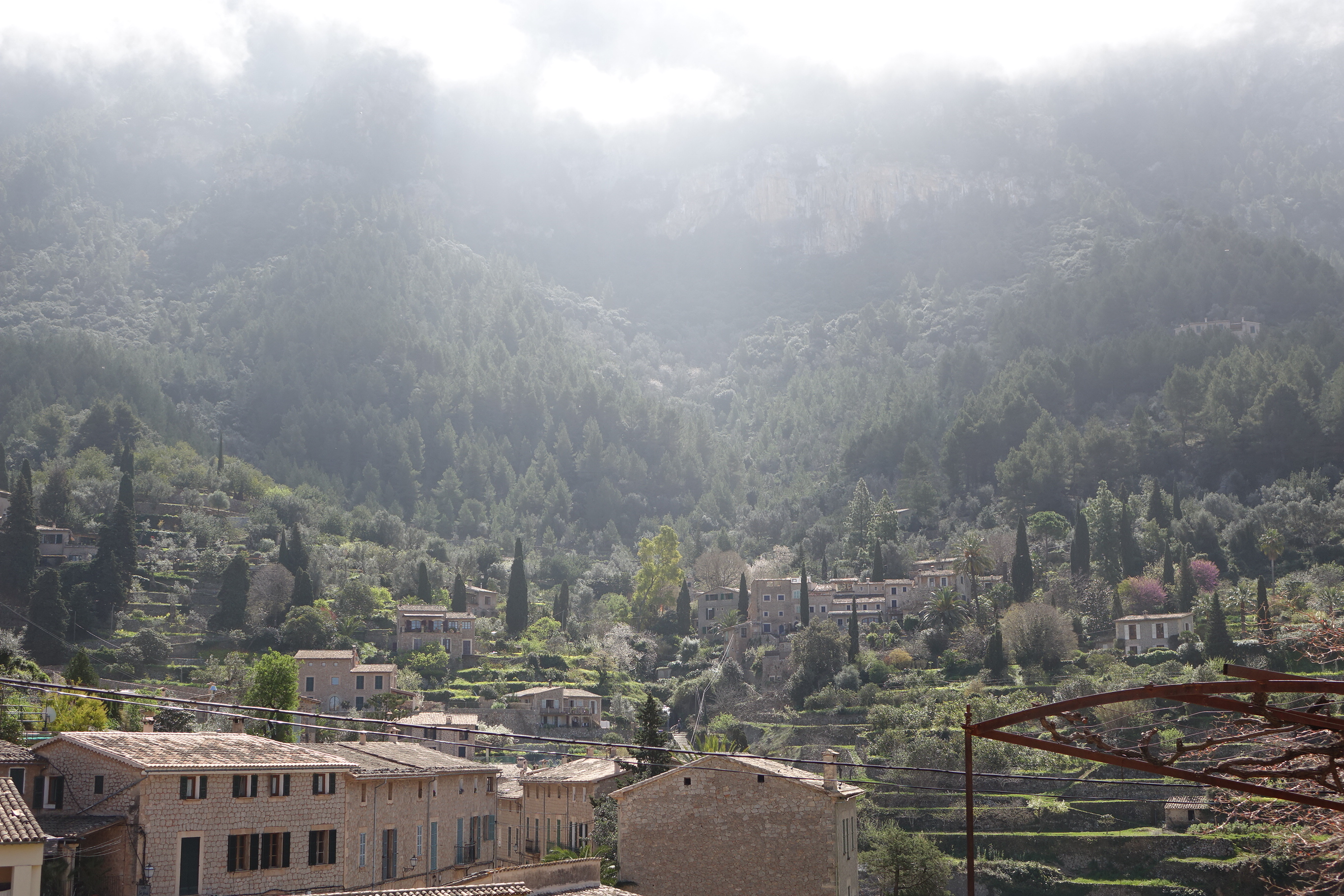
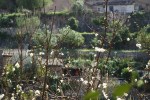
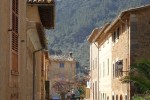
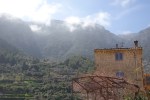
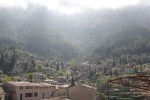
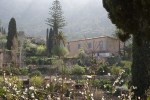
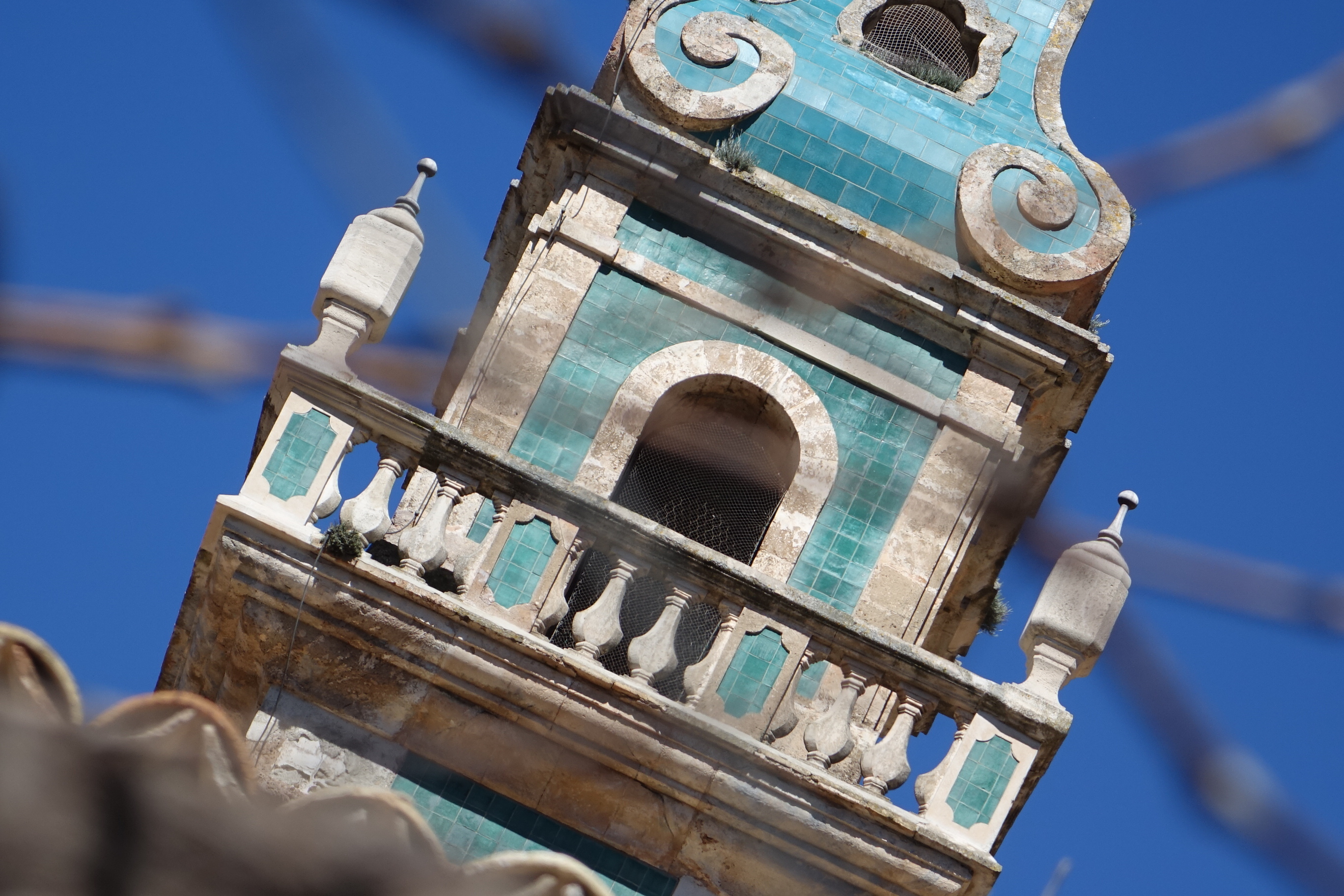
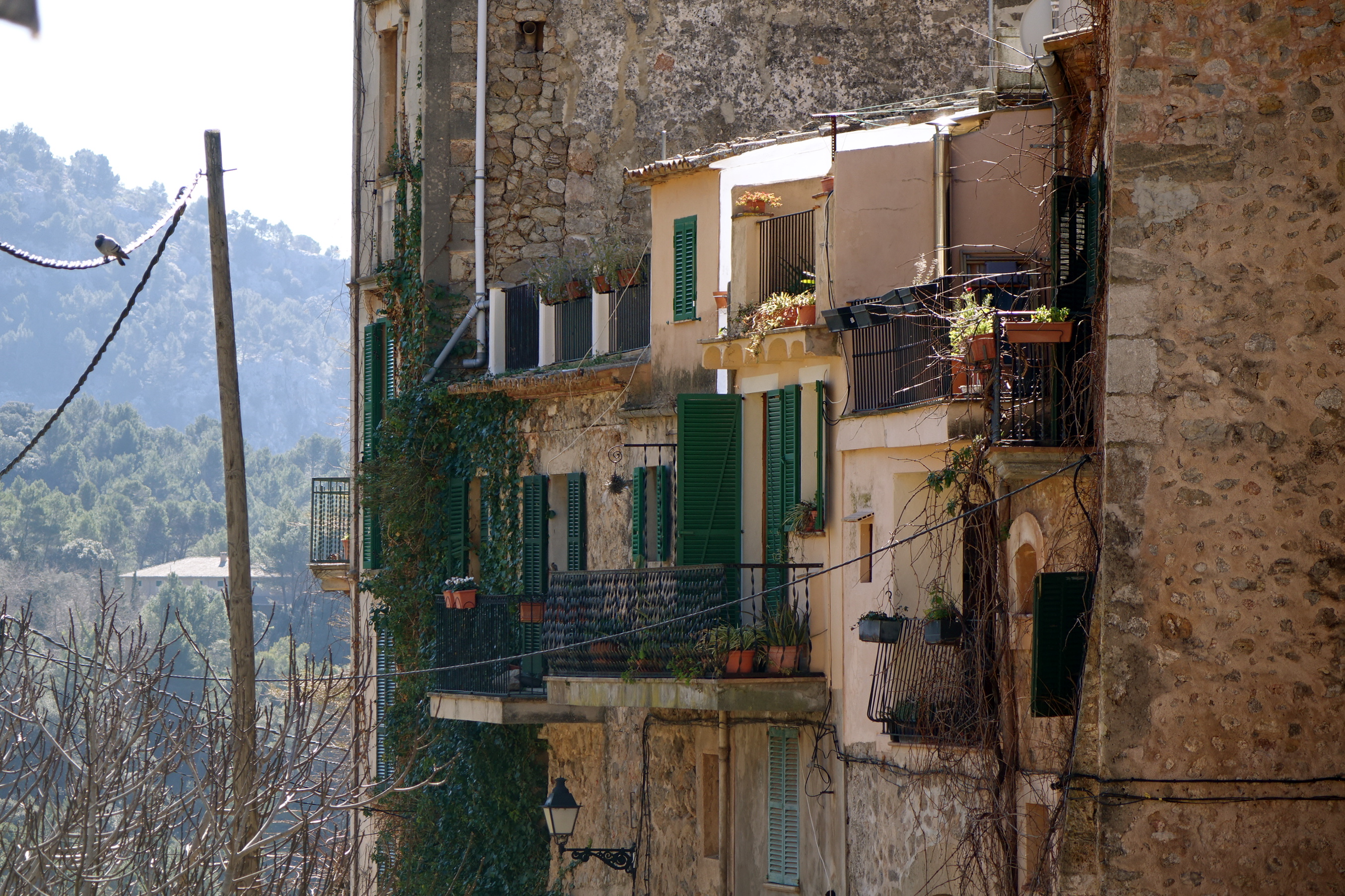
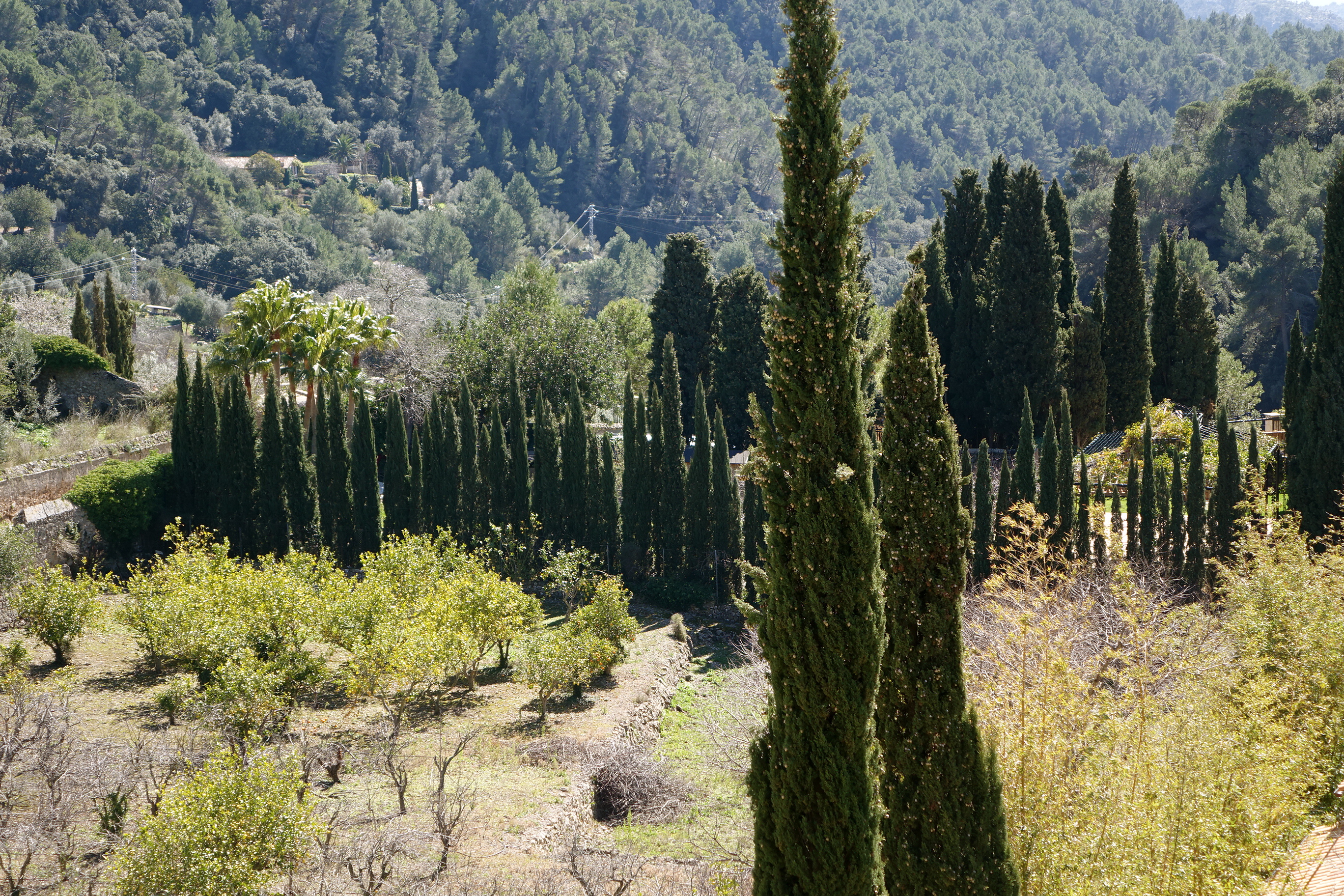
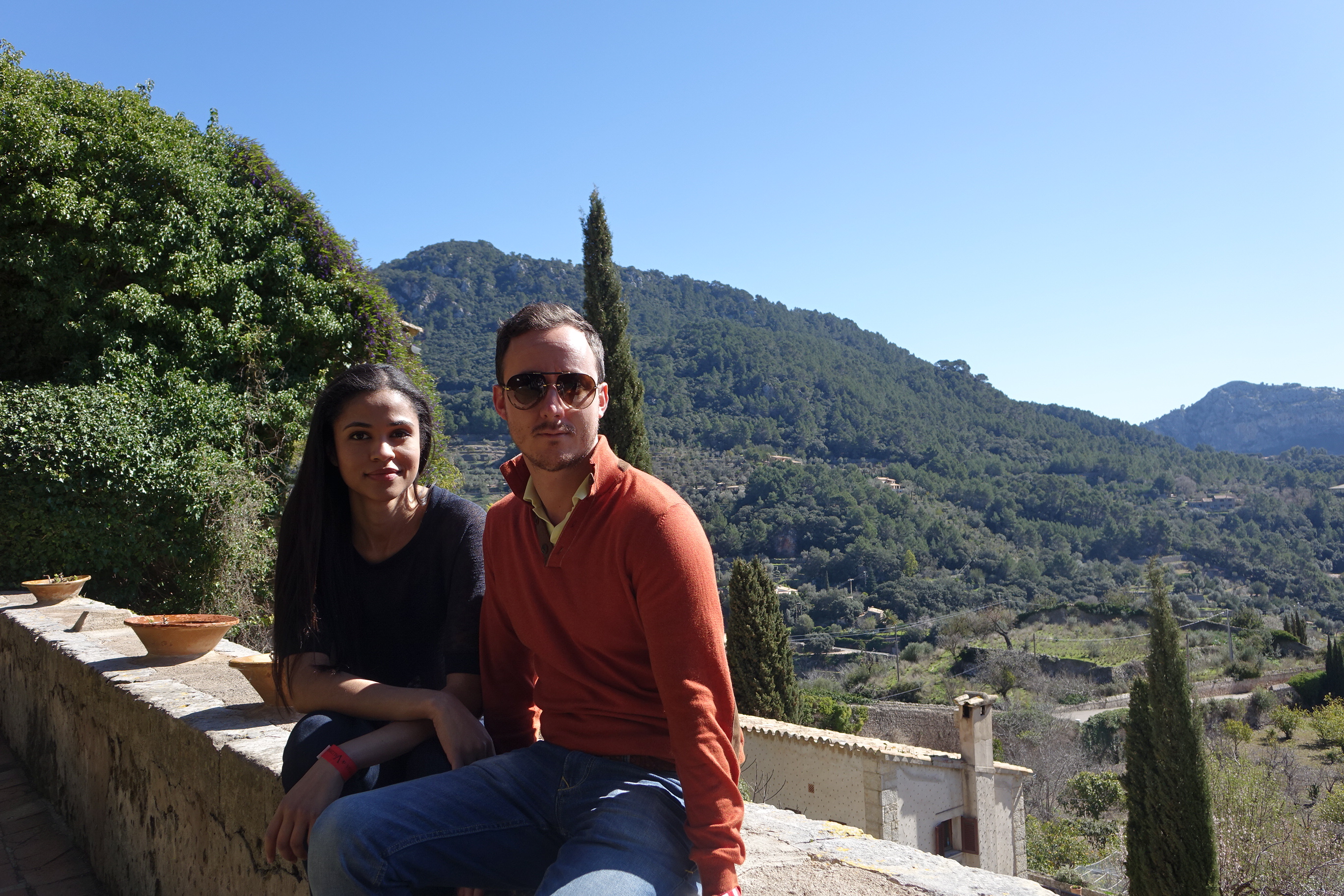
I count myself as really quite lucky to have seen some spectacular places in my short life. True, I have rarely ventured beyond Europe, but within its boarders, I have enjoyed incredible sights such as the stunning craggy cliffs of Capri, the wonderfully intact historical citadel of Dubrovnik, the romantic watery paradise of Venice, and the city of light, Paris. But none of the aforementioned or indeed so many of the other places I have been wowed by in life have ever taken my breath away quite as much as the tiny village of Deia on Mallorca’s north western coast.

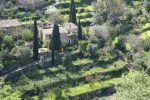
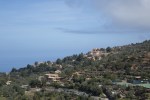
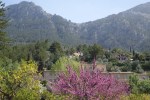
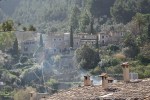
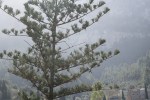
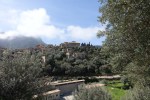
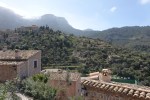
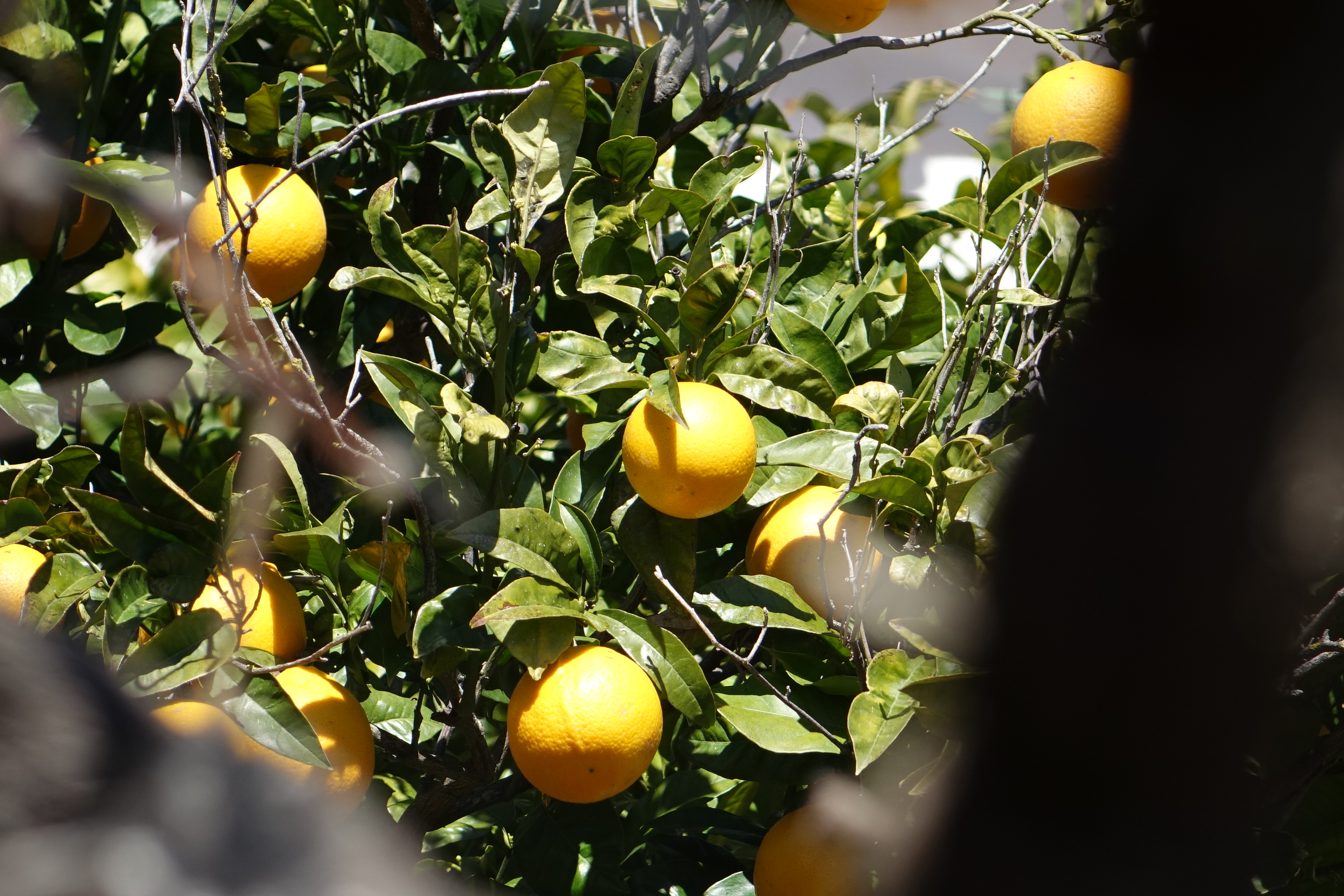
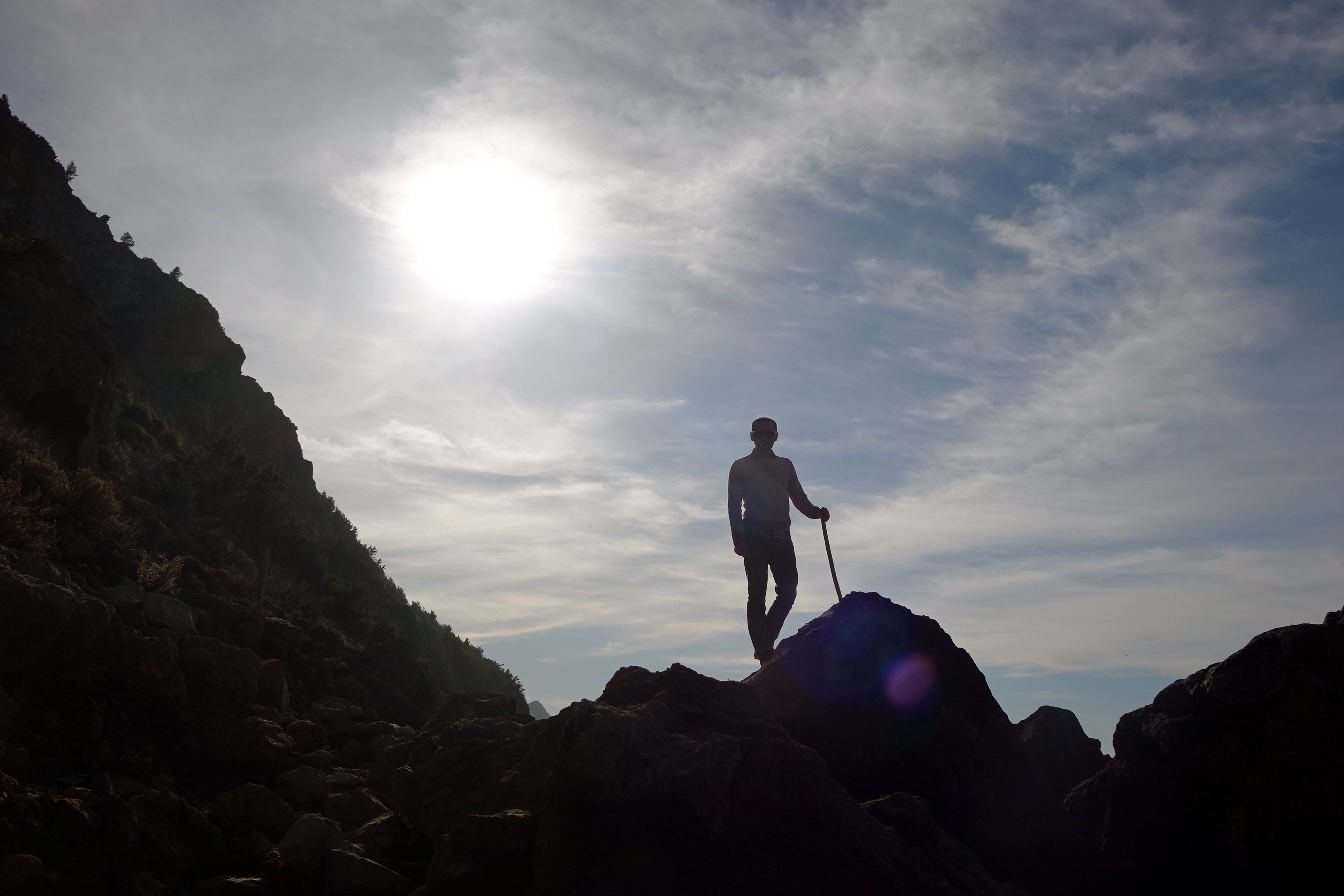
Set within the craggy heights of the UNESCO protected Tramuntana mountain range, and in the shadow of the island’s second talest mountain, the mighty Teix, Deia is a village which enjoys a unique location, clinging to a rounded hill within a vast mountainous cluster which in itself is only metres from a plunge down to a crystal clear turquoise coastline. Famous for being the village to host many an artist, famous celebrity (Catherine Zeta Jones and Michael Douglas, Andrew Lloyd Webber and Richard Branson amongst them) and world-renowned writers (Robert Graves being the one to really place Deia on the map), there can be no guessing why this tiny settlement has attracted so many prominent and creative people over the years. Its scenery is other-wordly, as the village nestles amongst mountains so high that clouds collect along their slopes as though hiding the way to a real Mount Olympus – home to the gods. Meanwhile, on those fertile terraced slopes, an abundance of greenery including a vast bounty of citrus trees fills the air with such floral freshness that even breathing becomes a pleasure.
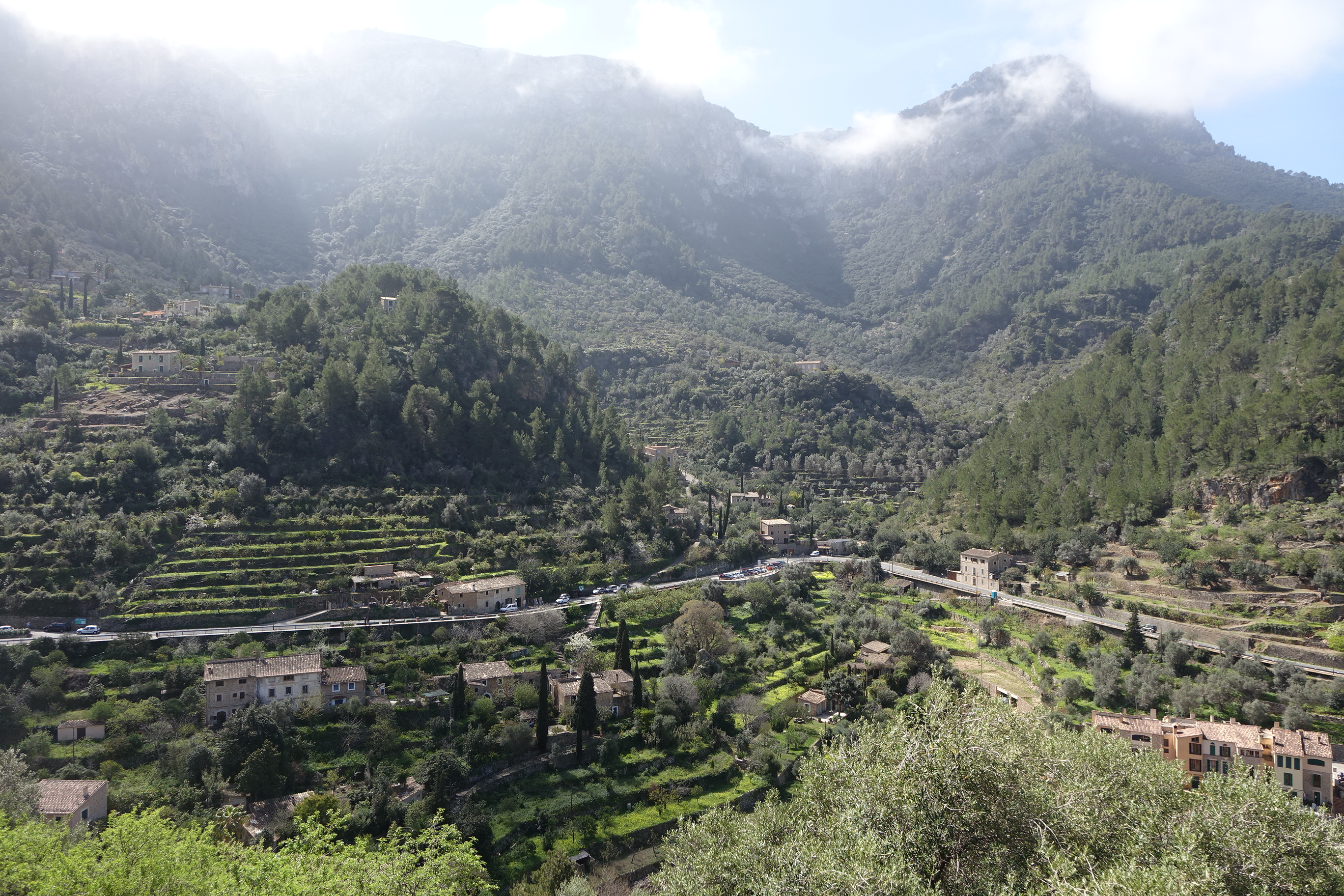
DSC00944 DSC00955 DSC00932 DSC00952 DSC00934

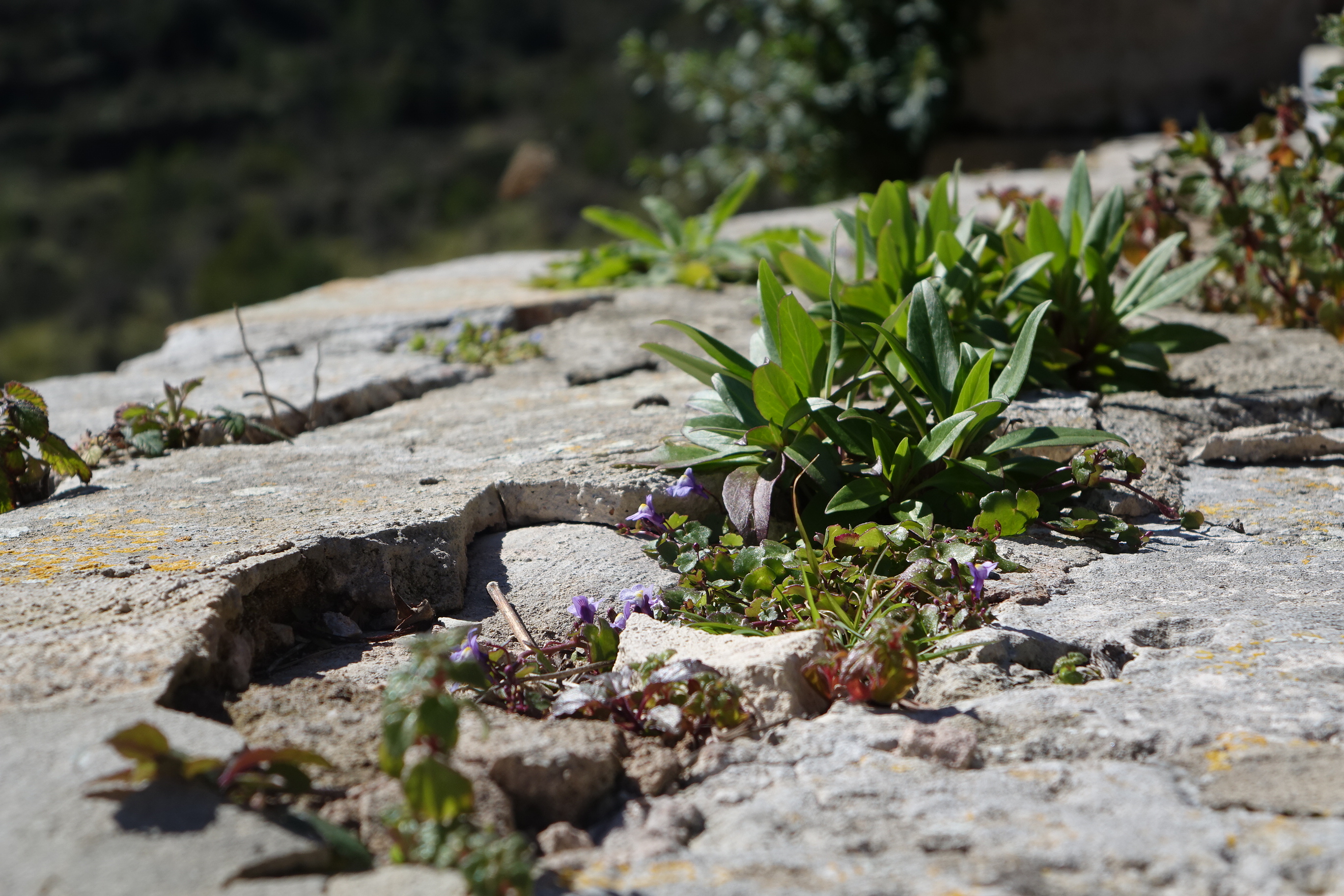
I could go on about Deia forever, and I am certainly keen to apply this magical place to canvas. But for now I shall leave you with a few photos of the village – pictures which, to my mind, fail to do the mystical wonder of this place justice, but which at least give you an idea of just how idyllic an old village in Mallorca can get. I give you Deia: paradise sitting on the slopes of an almost authentic Mount Olympus.

All photos and written content are strictly the copyright of Nicholas de Lacy-Brown © 2015 and The Daily Norm. All rights are reserved. Unauthorized use and/or duplication of the material, whether written work, photography or artwork, included within The Daily Norm without express and written permission from The Daily Norm’s author and/or owner is strictly prohibited.

Discovering Mallorca: Valldemossa and its port

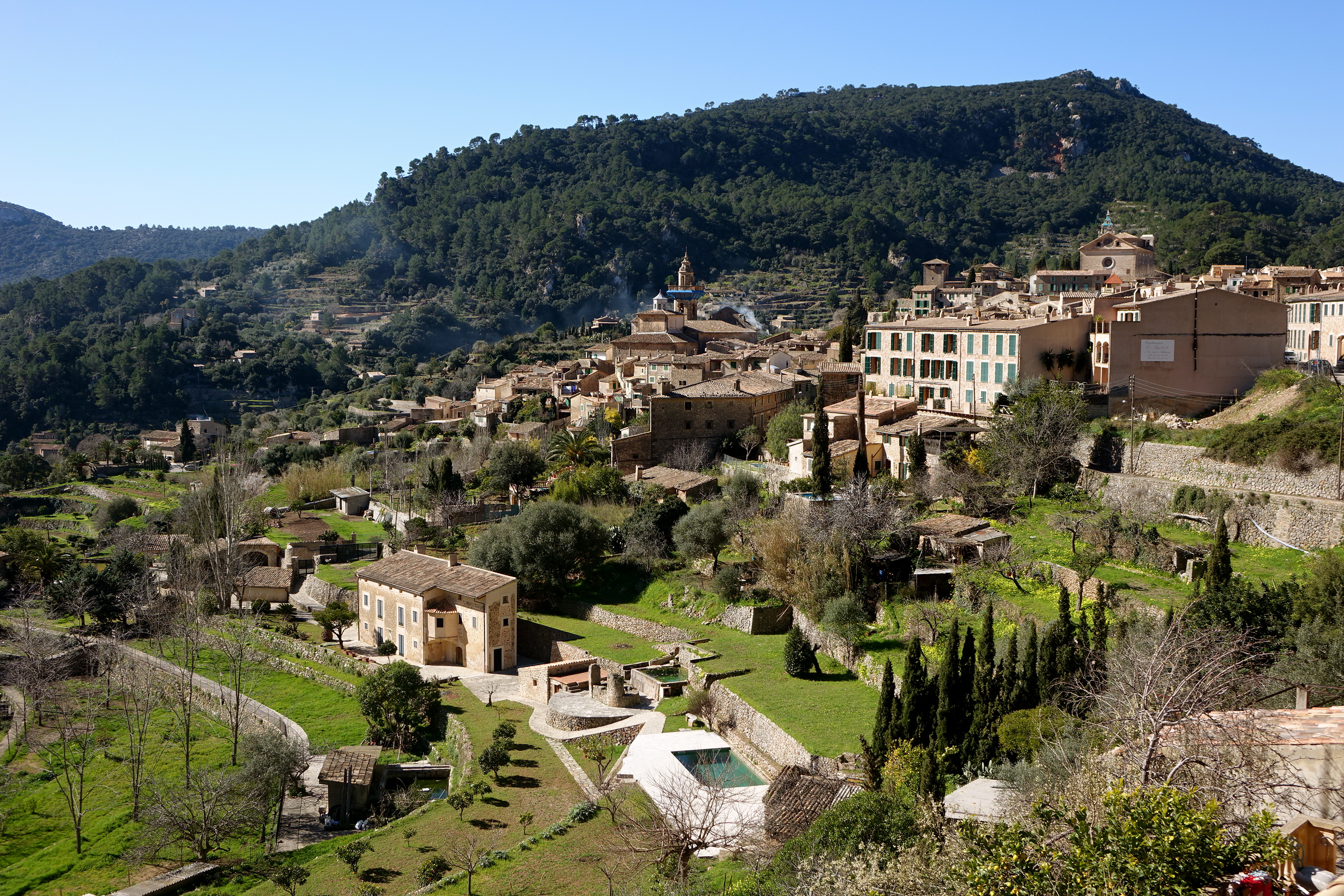
Mallorca has been, and continues to be, the home of many notable persons, and chief amongst them were Fédéric Chopin and his lover, the pioneering French writer George Sands, who, in her account of their 1839 stay described the natural beauty which pervades Mallorca. That is no more so than in the stunning hilltop village where Chopin and Sands made their home, Valldemossa, a picture-perfect rural retreat which is every bit the archetypal Mallorcan village, with its stone-built houses, green wooden window shutters, and small shop-lined cobbled streets.

The hilltop village of Valldemossa

DSC08676 DSC08679 DSC08677

It was to this bucolic idyll that we recently ventured, taking with us our friend visiting from London in order to share with her this most perfect example of a Mallorcan pueblo. Valldemossa is not huge – indeed it comprises of a main shopping street with a few narrow side streets each plied with their fair share of pretty cafes and shops selling local produce. But its best selling point is the grand turquoise-tile-topped Real Cartuja monastery which was itself home to Chopin and Sands. Towering above both the town and the stunning mountain valley which gives the village its name, the monastery is a place of utmost solitude and tranquility, not least on its breathtaking garden terraces, which tickle each of the senses with their bounty of flowers, perfumes and unbeatable vistas, all accompanied by the gently bonging of sheep bells in the distance.

The Real Cartuja monastery and its surroundings

DSC08698 DSC08694 DSC08729 DSC08764 DSC08797 DSC08748 DSC08682 DSC08747 DSC08679 DSC08776 DSC08700 DSC08790 DSC08756 DSC08708 DSC08704

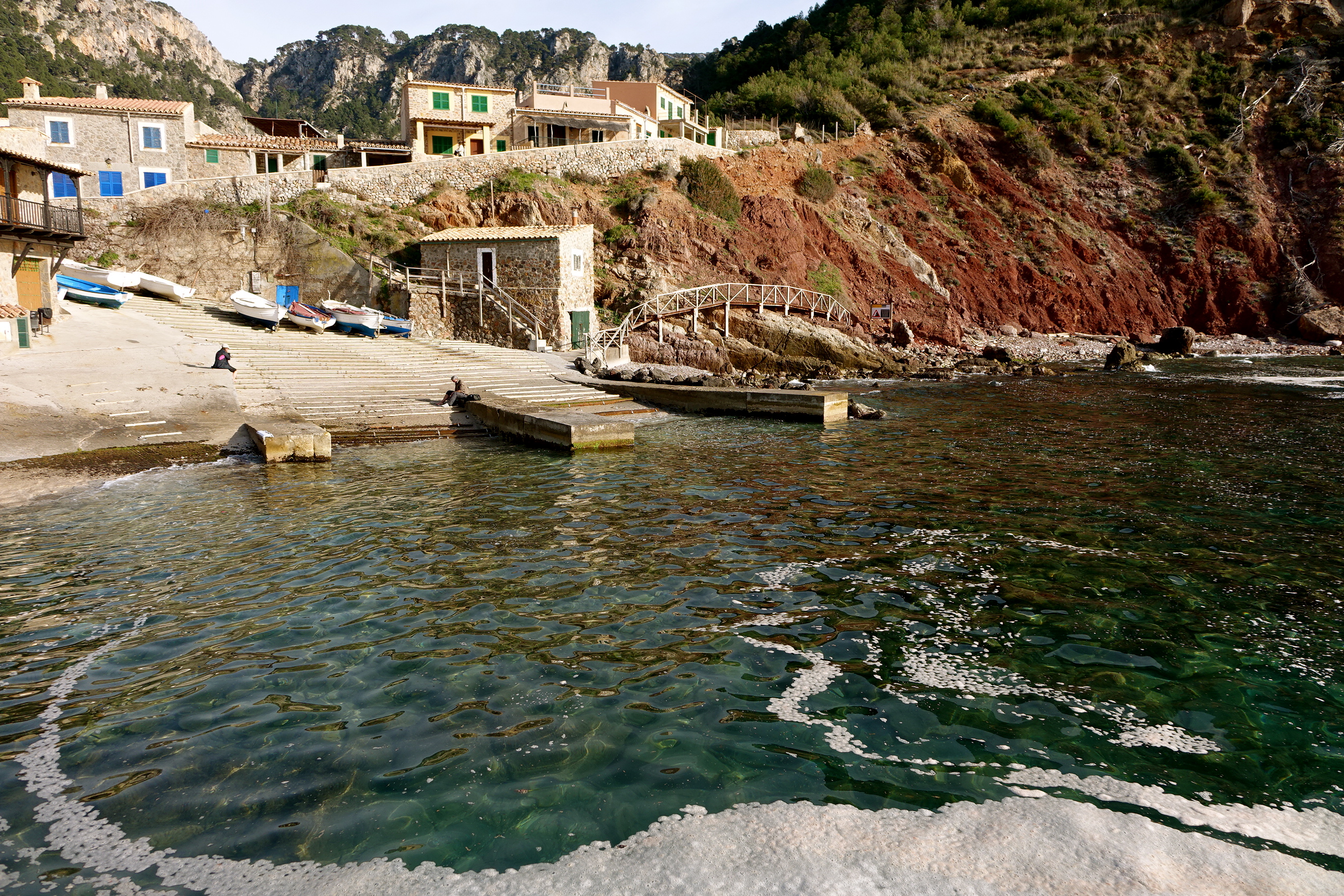
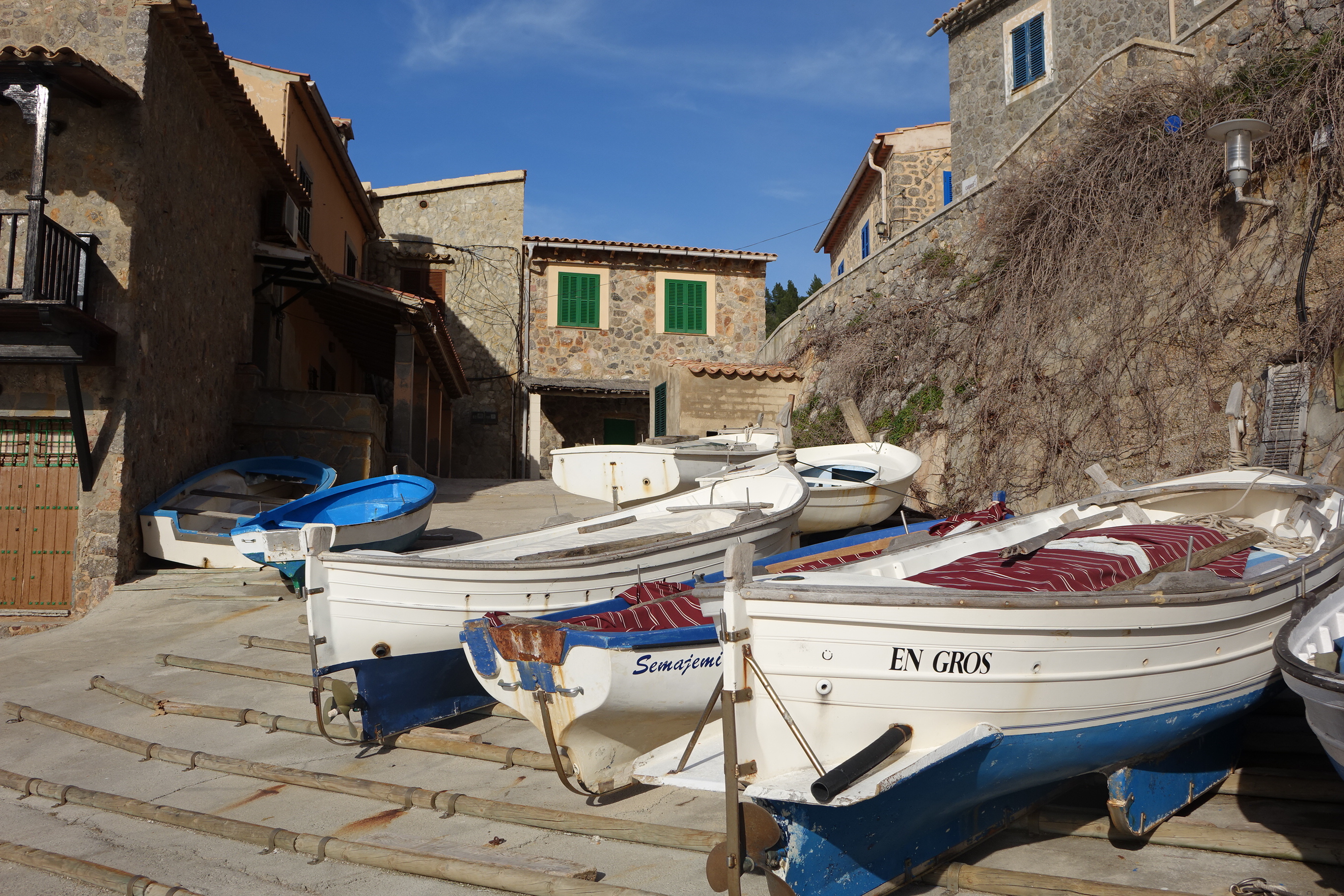
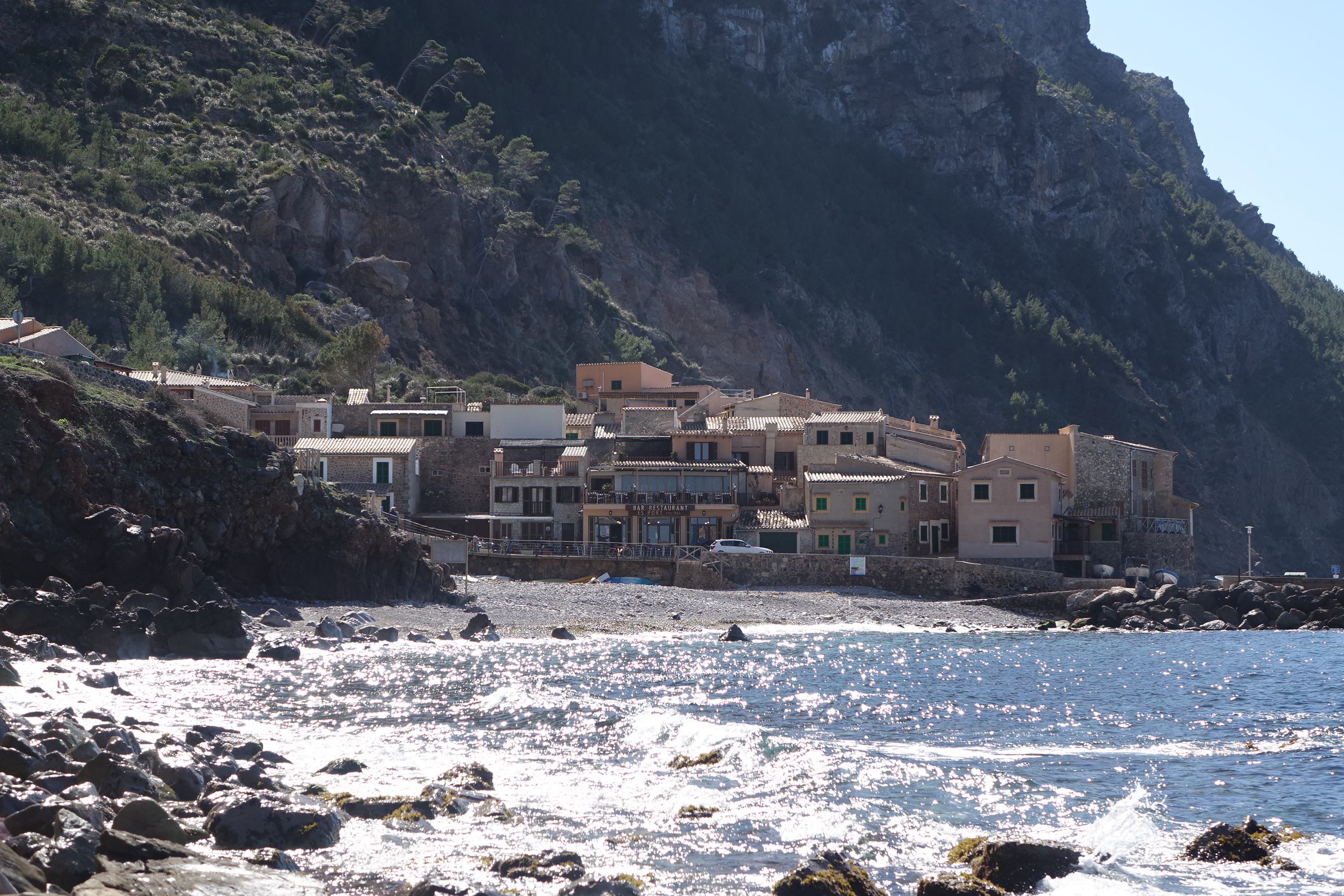
But Valldemossa does not stand alone, and rather benefits from its own little fishing village; an even more idyllic spot which, while appearing to be close to the upper village on the map, is in fact down a perilous zig zag of hair-pin bends which are enough to put the fear of god into the most experienced of drivers, let alone me. But the views which greet the visitor upon their descent are well worth the effort, for the little port of Valldemossa is surely one of the most beautiful I have seen on the island.

The port of Valldemossa

DSC08863 DSC09024 DSC09028 DSC08876 DSC08869 DSC09026 DSC08881 DSC08912

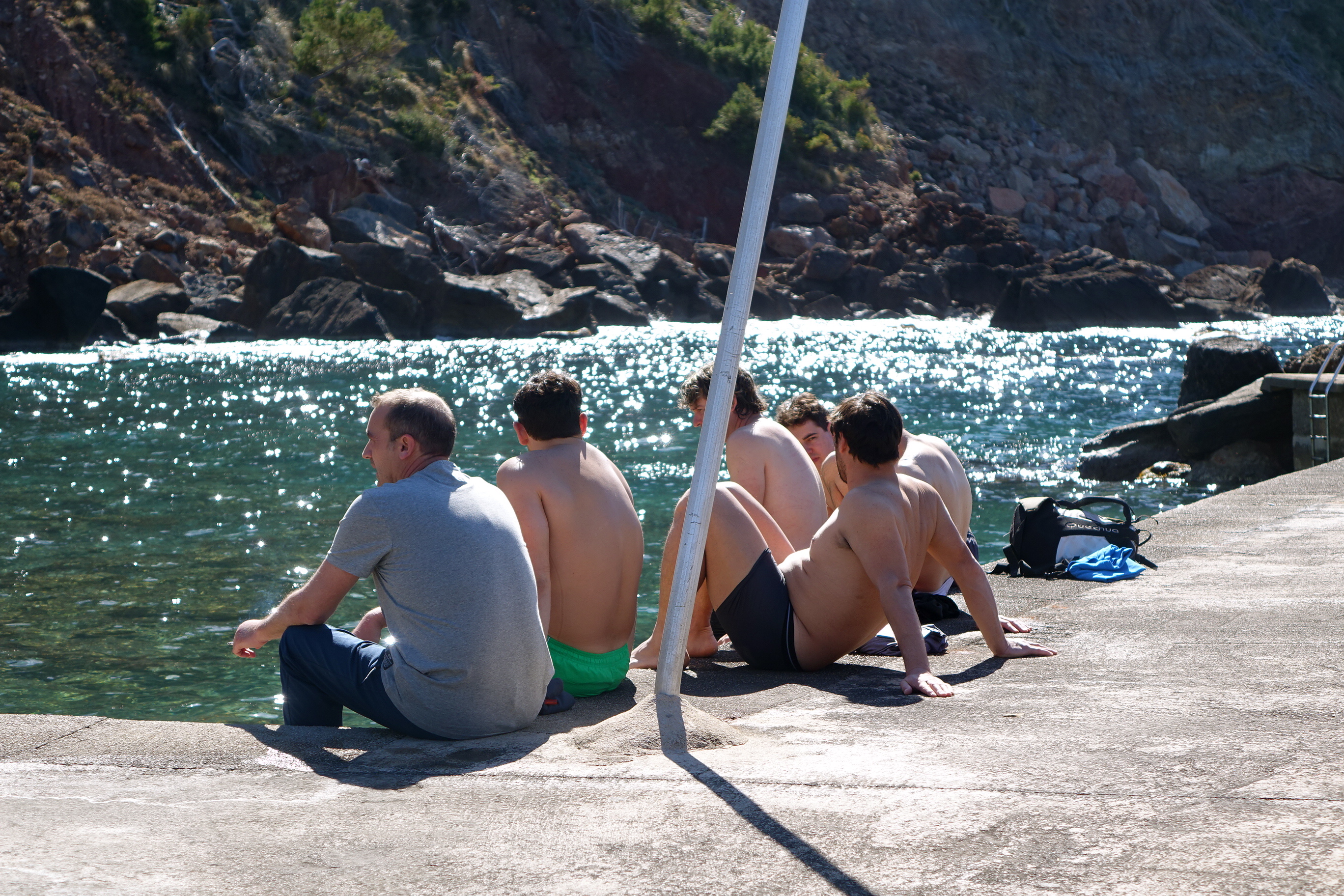
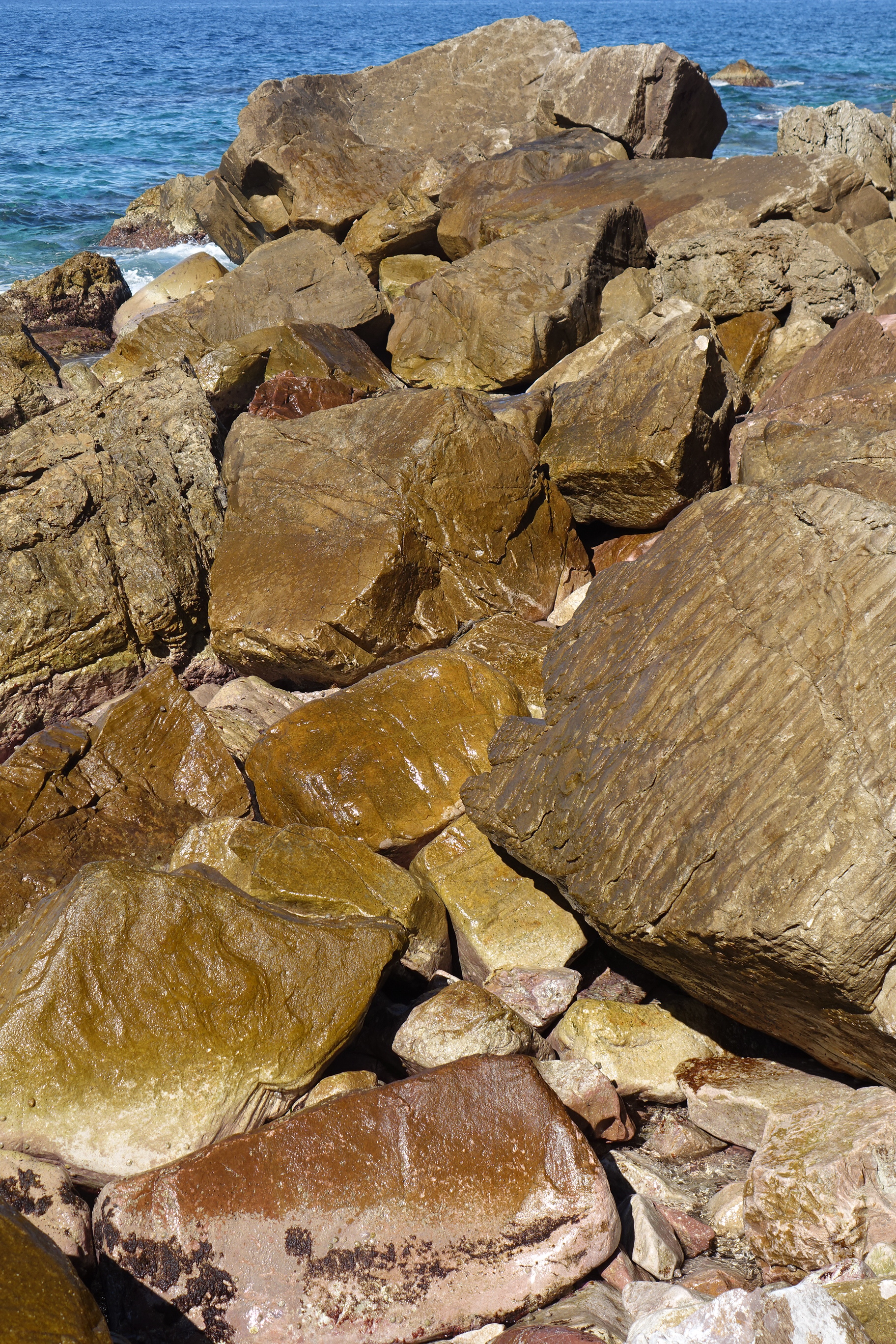
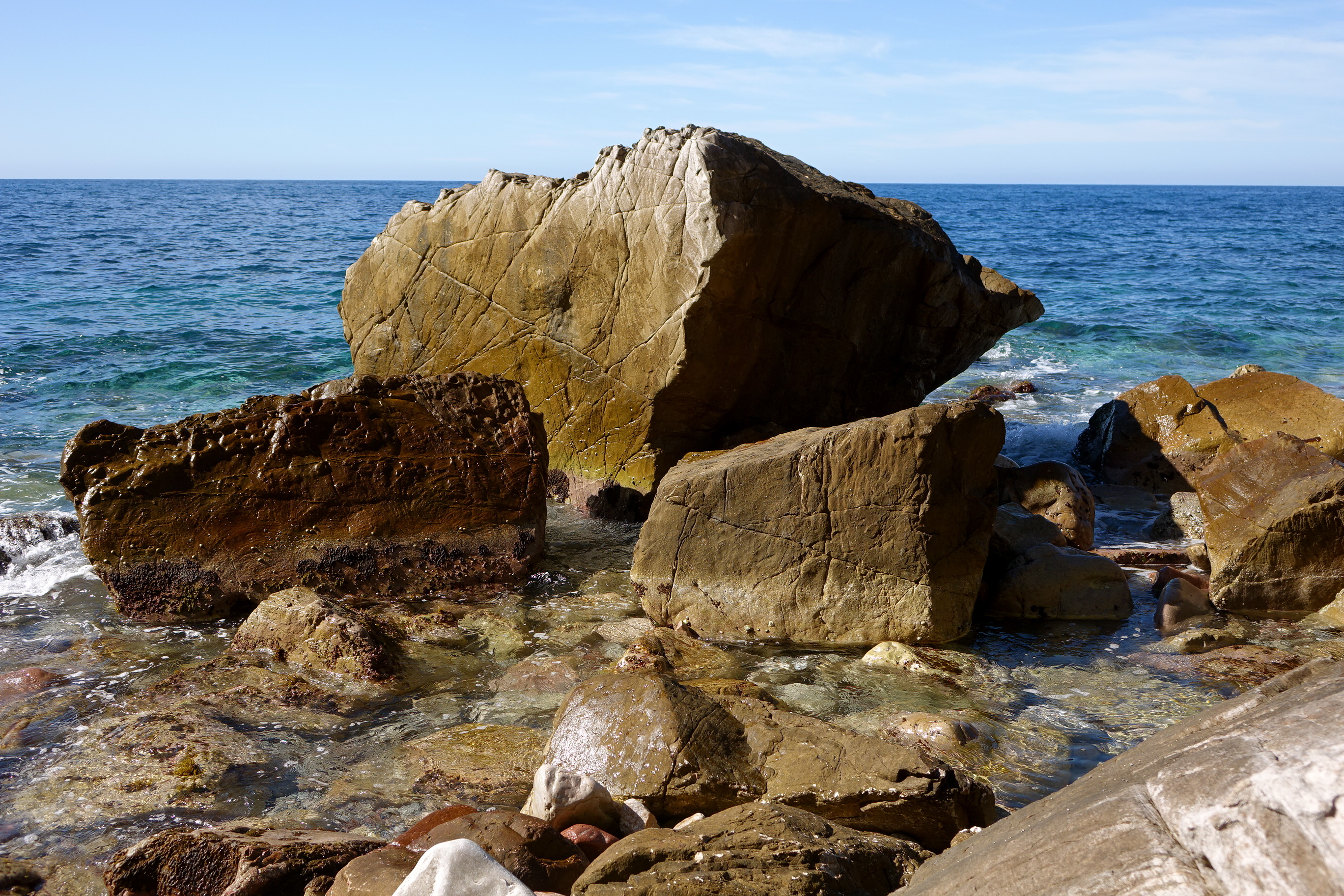
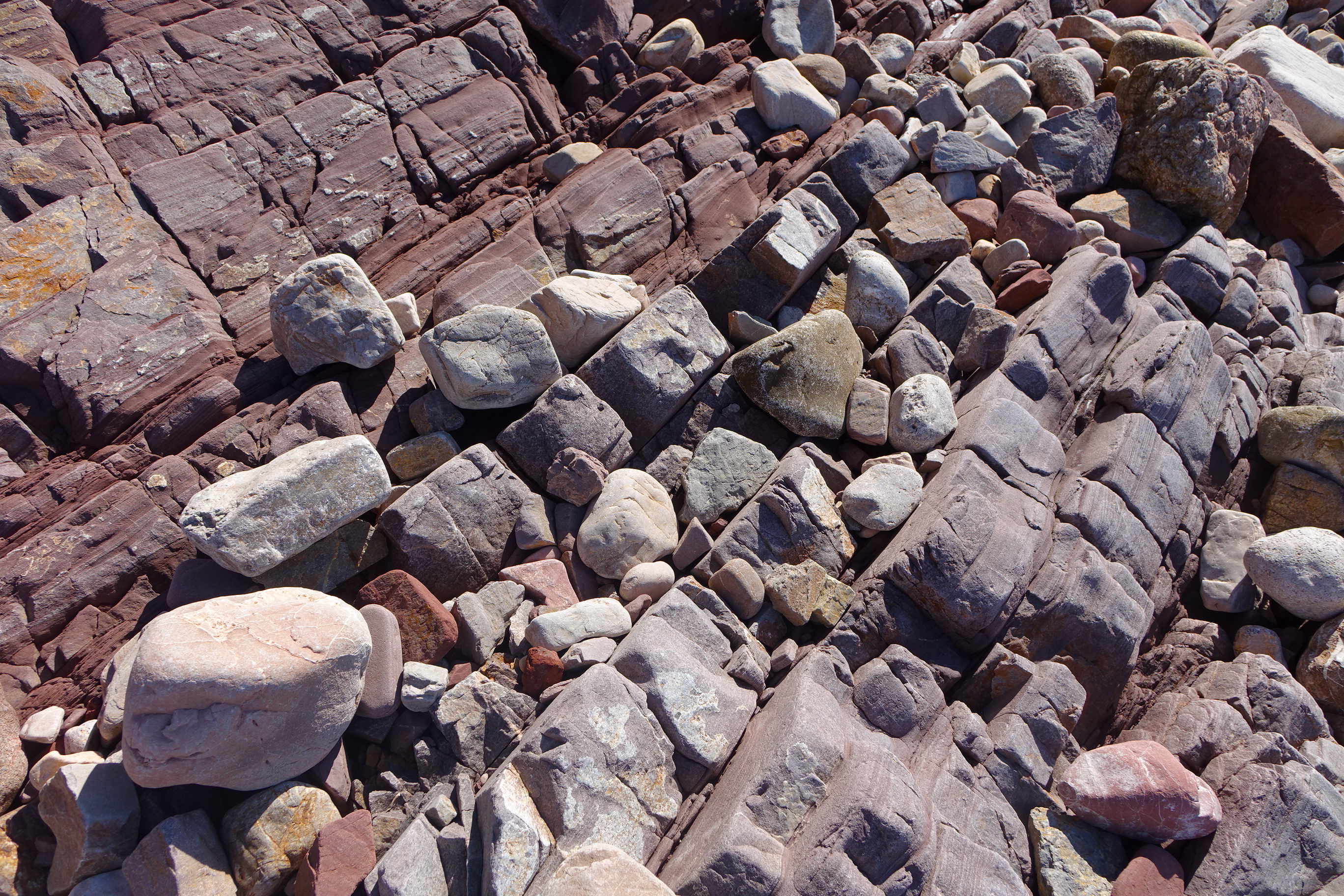
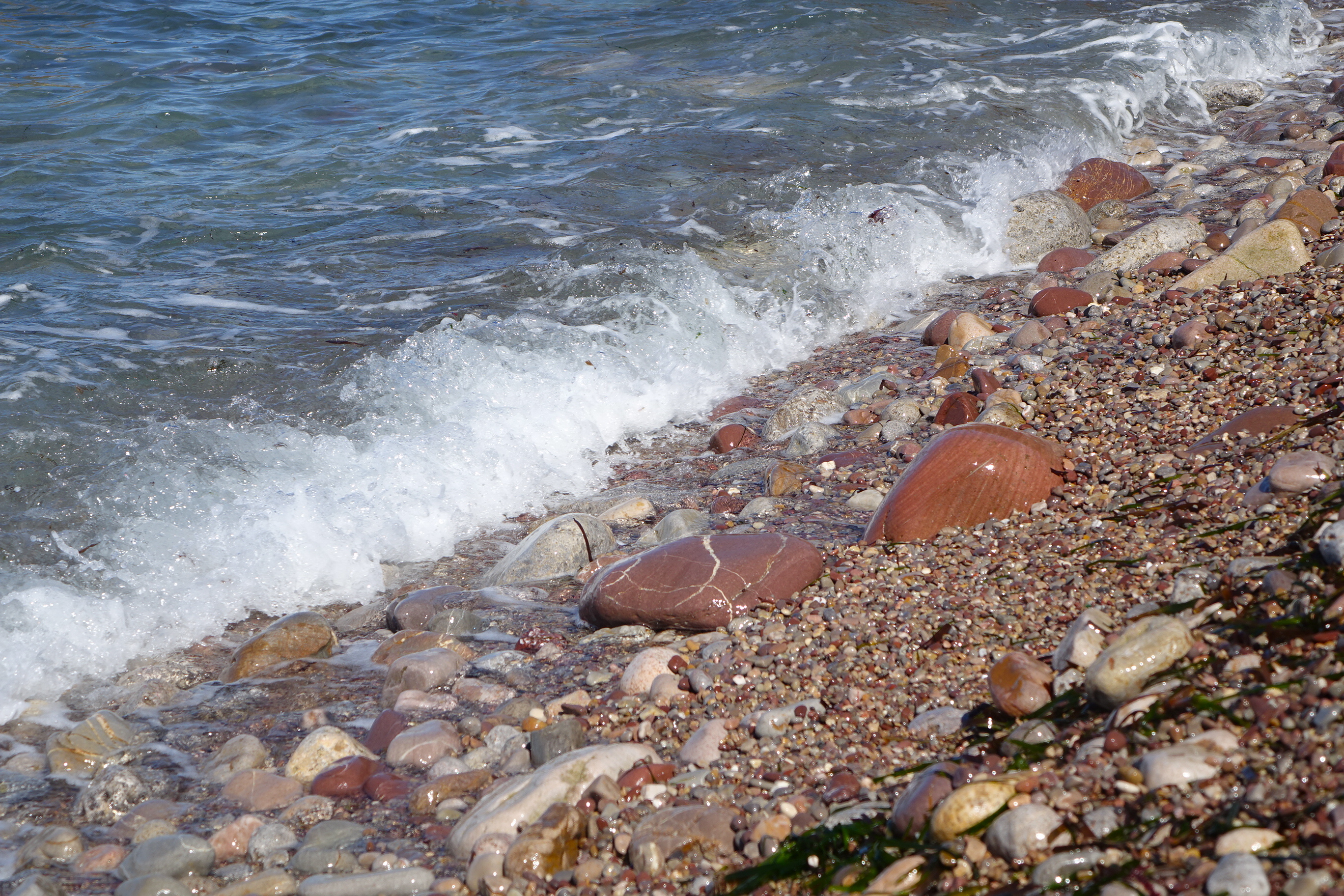
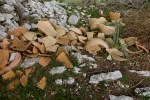
In the port itself, a handful of unostentatious fishermen’s cottages make up a tiny settlement which is situated amongst some of the most stunning mountain scenery imaginable. For surrounding the port are steep rocky mountain cliffs plunging directly into the crystal clear seas, while on the odd beaches formed from falling stones, one can find rocks of hugely varying colours, from the most peachy pink to a deep golden ochre.

A rainbow panoply of rocks

DSC08988 DSC09005 DSC08969 DSC08932 DSC08885DSC08954DSC08929 DSC08958 DSC08947 DSC08884

Between these two sites, both the port and village of Valldemossa, there could be no doubting the reasons as to why George Sand had been so inspired to describe the natural beauty of Mallorca, nor the impetus for other visitors, both renowned or otherwise, to make the island their home. But while many of Mallorca’s most beautiful spots have been ravaged by tourism and modernity, both parts of Valldemossa retain a local authentic charm which cannot help but present Mallorca at its very charming best.

DSC08993

All photos and written content are strictly the copyright of Nicholas de Lacy-Brown © 2015 and The Daily Norm. All rights are reserved. Unauthorized use and/or duplication of the material, whether written work, photography or artwork, included within The Daily Norm without express and written permission from The Daily Norm’s author and/or owner is strictly prohibited.

Mallorca Moments: Almond island in bloom

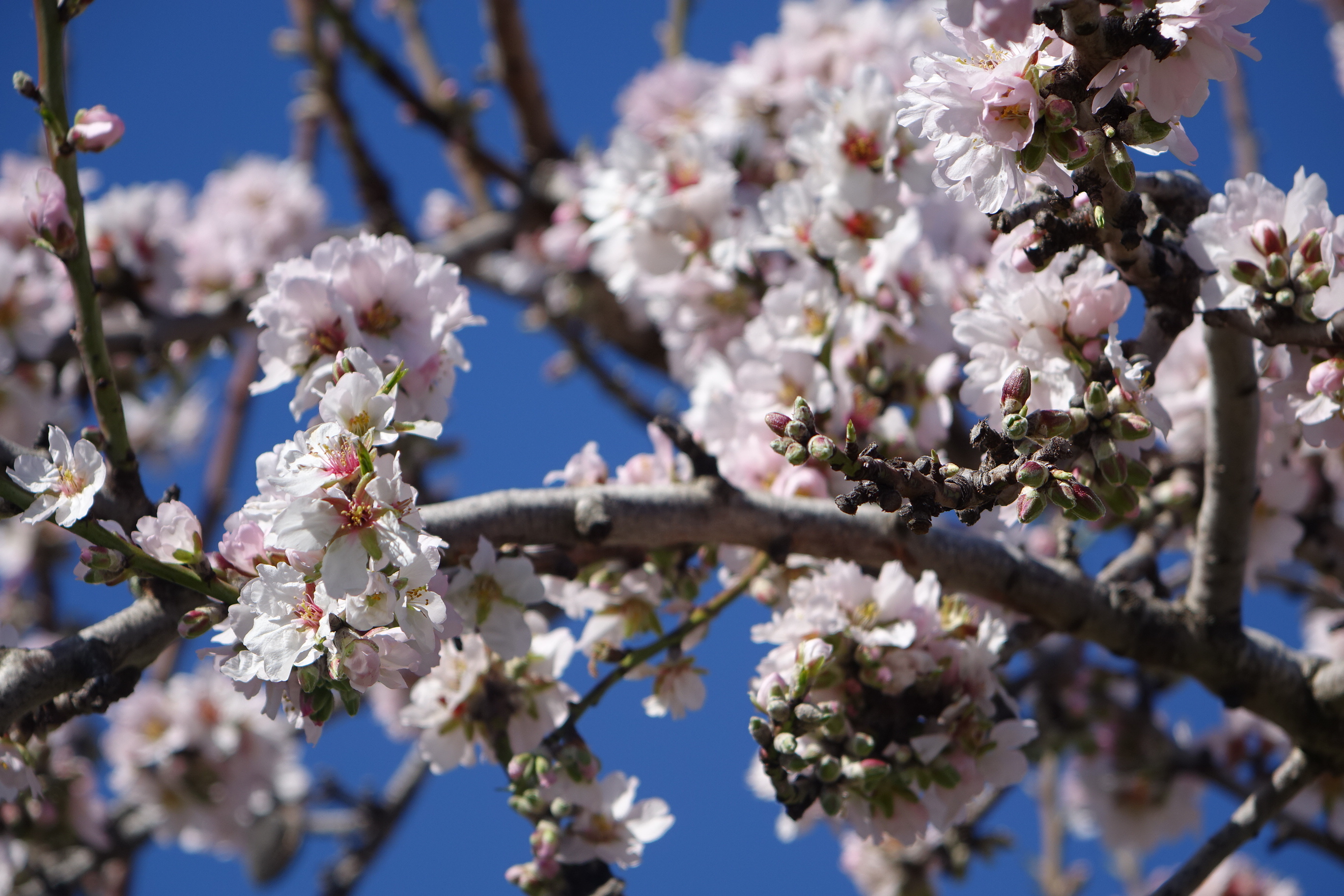
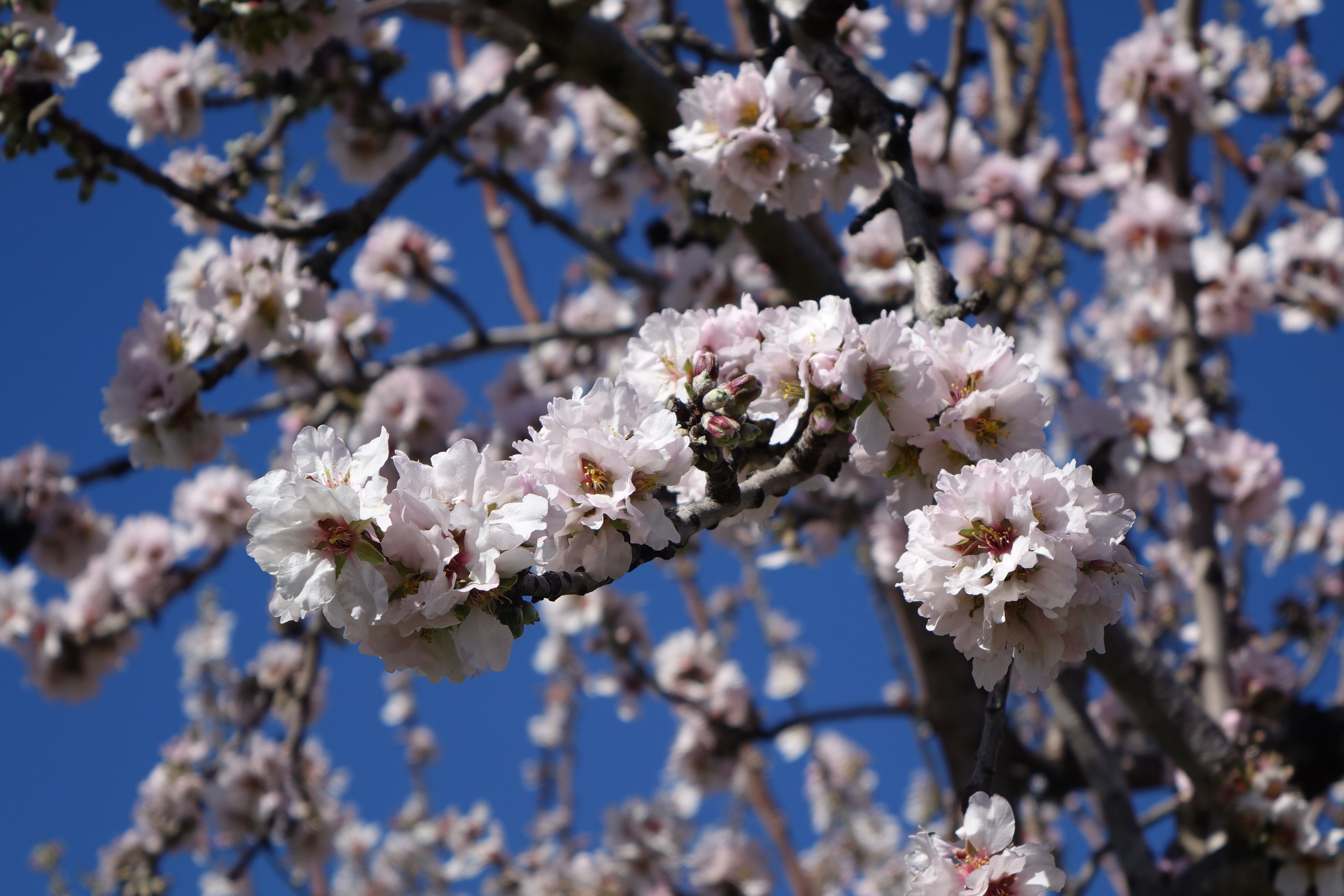
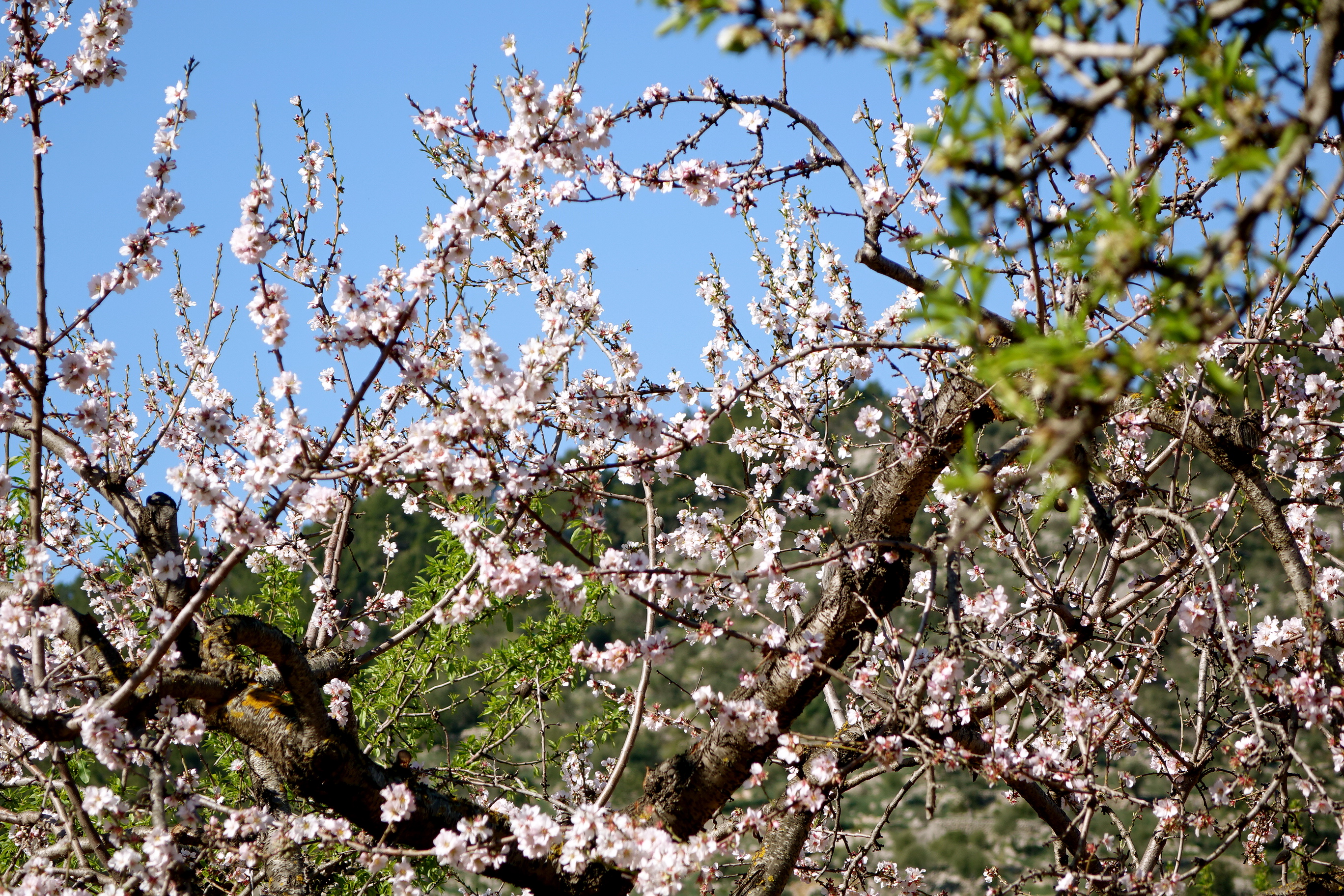
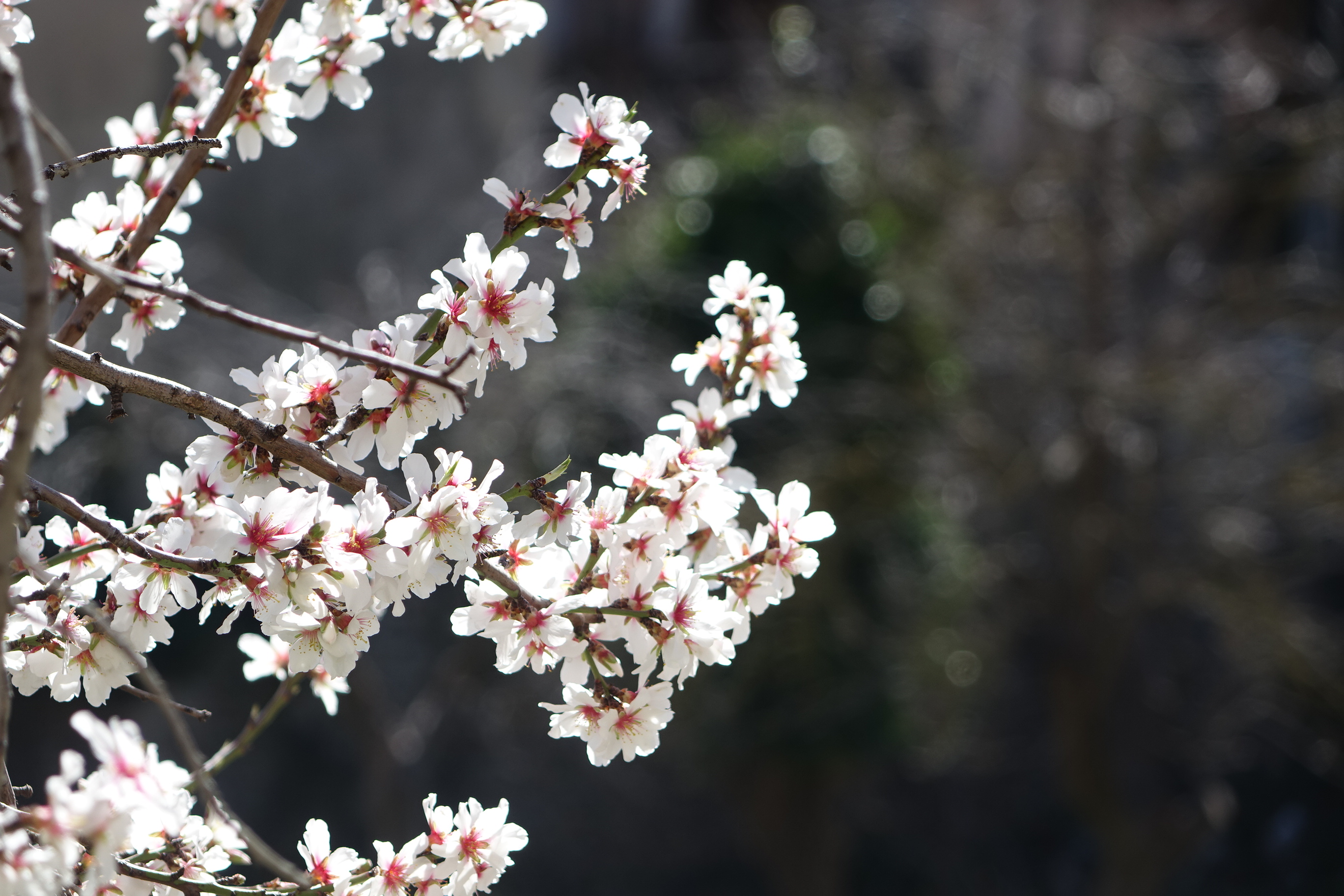
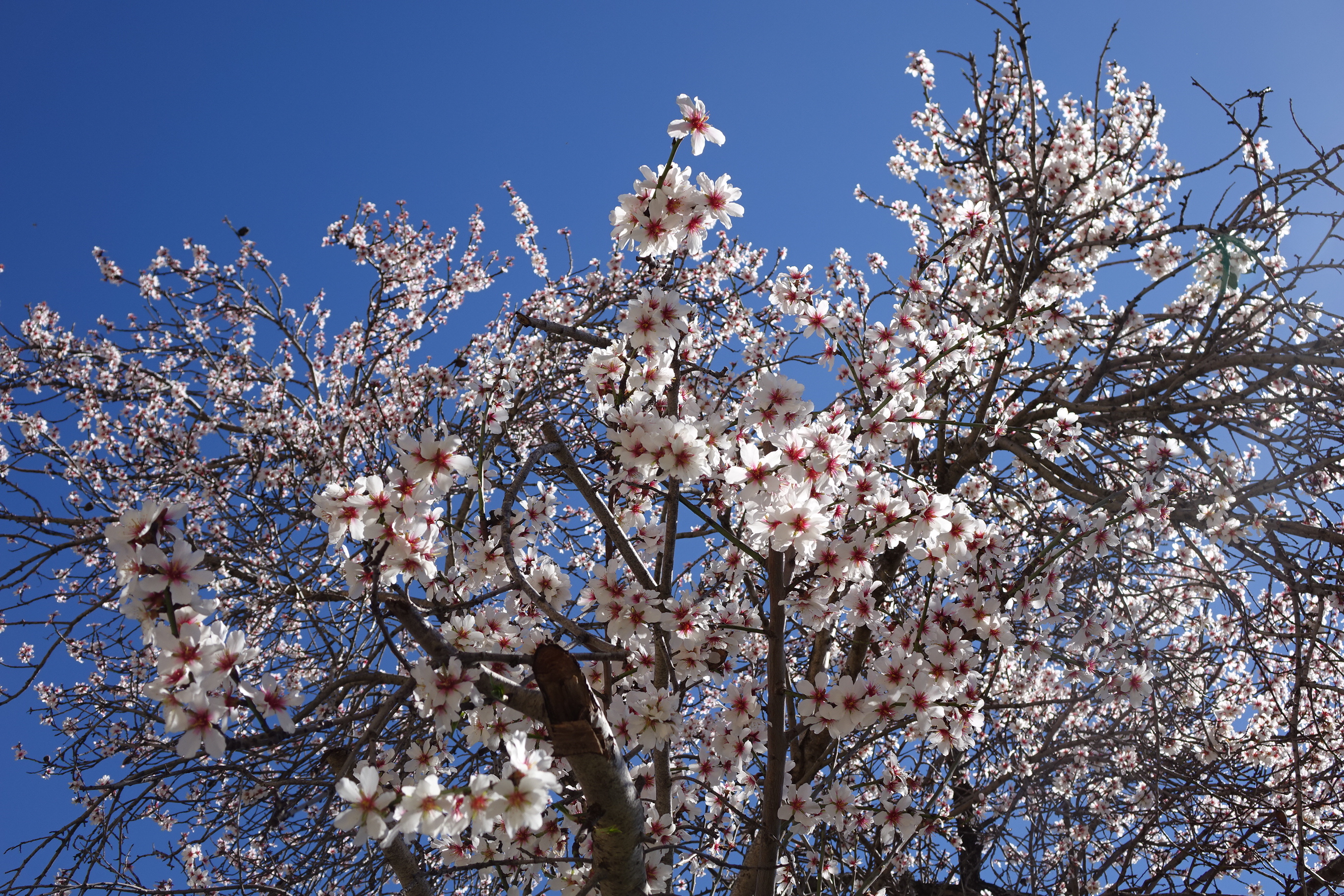
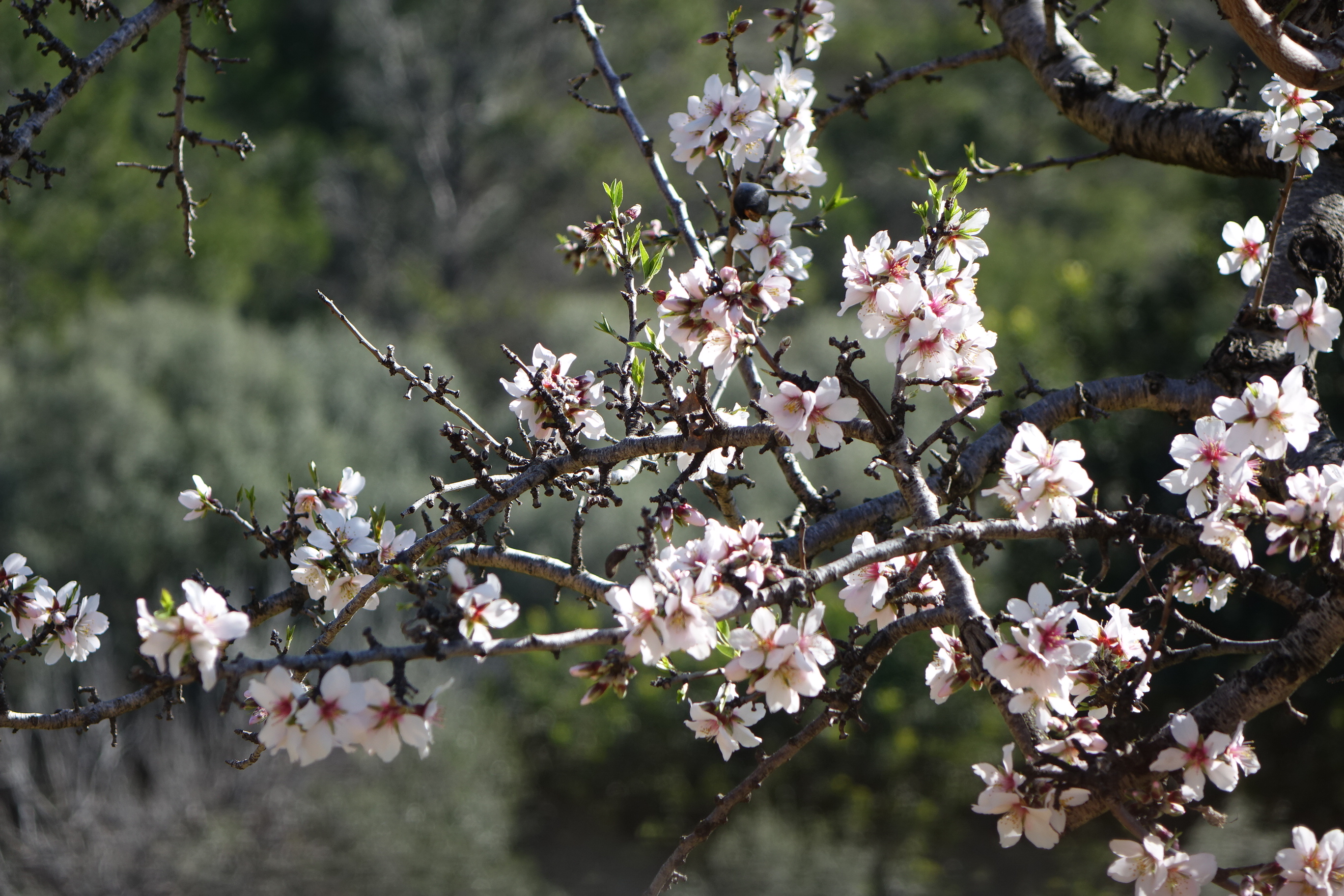
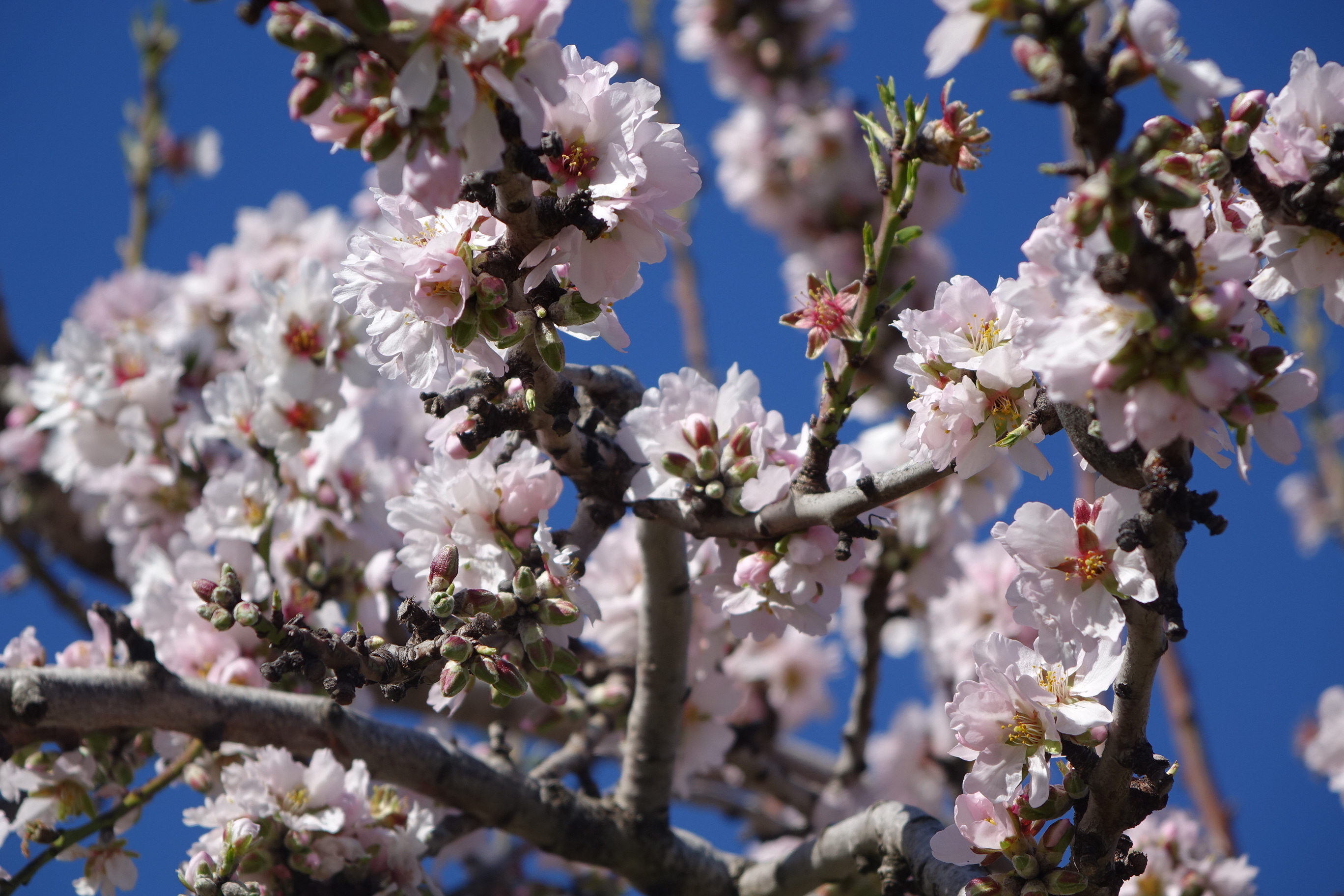
While Mallorca may be famous all around the world for its stunning white sandy beaches, rocky coves and cerulean blue seas, at this time of the year, it is even more notable for the abundant almond blossom which turns the island white. For Mallorca is very much the island of the almond: those sweet little nuts are the basis of much of the island’s cuisine from the nutty picada forming the base of many a meat dish, to the fluffy almond sponge which makes a traditional Gato Mallorquin. So with all of those many thousands of almond trees bursting into bloom at roughly the same time, Mallorca in March is an island transformed and even more dazzling than ever.

DSC08625 DSC08646 DSC08637 DSC08609 DSC08639 DSC08660 DSC08605 DSC08844

The demands of work have meant that I have somewhat missed the boat in the almond blossom stakes, with much of the floral magnificence already past its best. But when I set out last weekend on a happy voyage into the mountains, my sighting of a few trees left in blossom set against a beautiful Spring blue sky made me slam on the breaks of my car so that photos could be taken and the delicate beauty of these flowers shared for all to see. With their pretty pink interior and pure white petals, it’s hard to think that these stunning flowers become small brown nuts, but luckily for us in Mallorca, it’s a transition which will happen every year so that this magical tree can be enjoyed in all the various stages of its glory.

DSC08843 DSC08826 DSC08629 DSC08632 DSC08647 DSC08649 DSC08837 DSC08646

All photos and written content are strictly the copyright of Nicholas de Lacy-Brown © 2015 and The Daily Norm. All rights are reserved. Unauthorized use and/or duplication of the material, whether written work, photography or artwork, included within The Daily Norm without express and written permission from The Daily Norm’s author and/or owner is strictly prohibited.
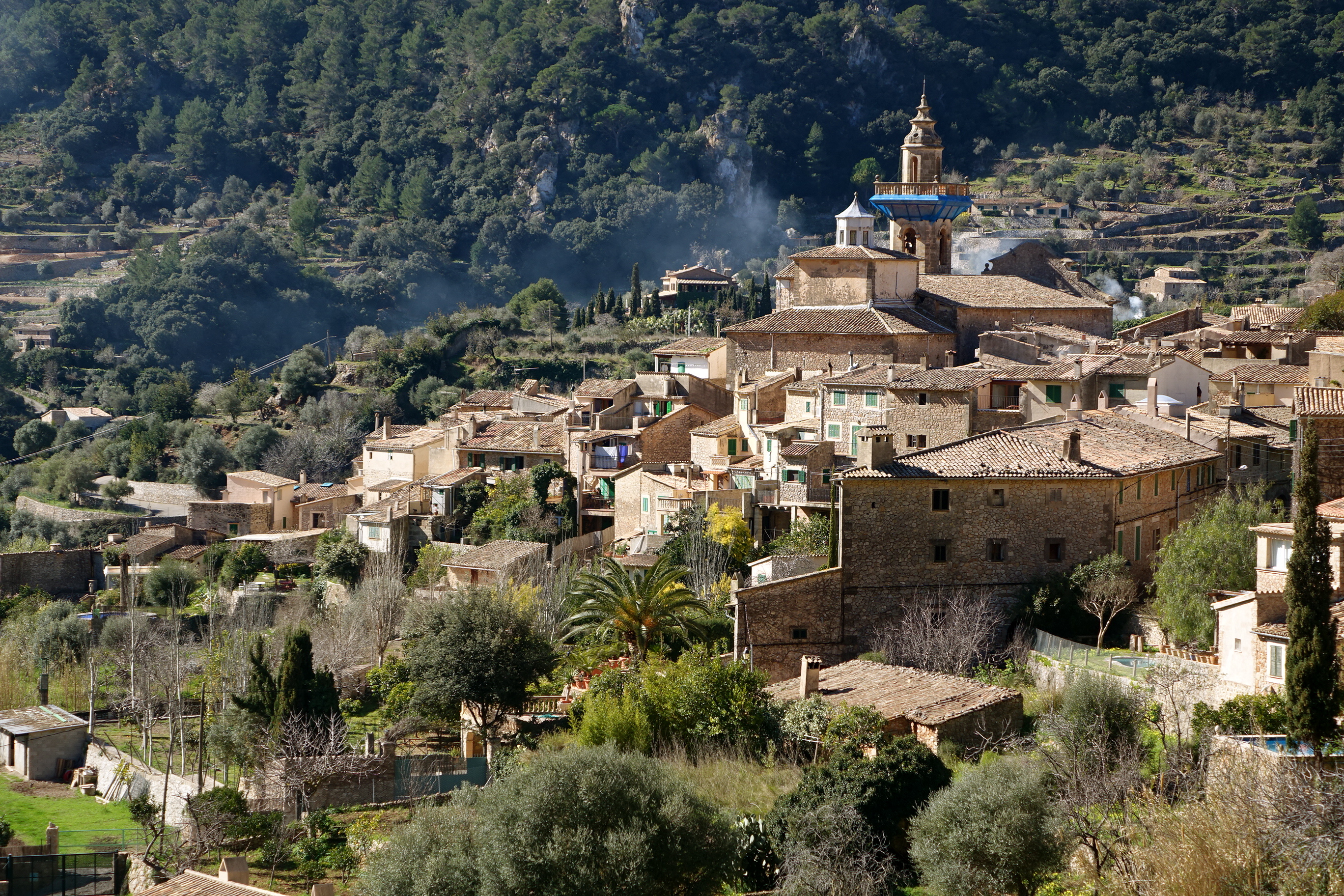
A two-hour trip to Valencia

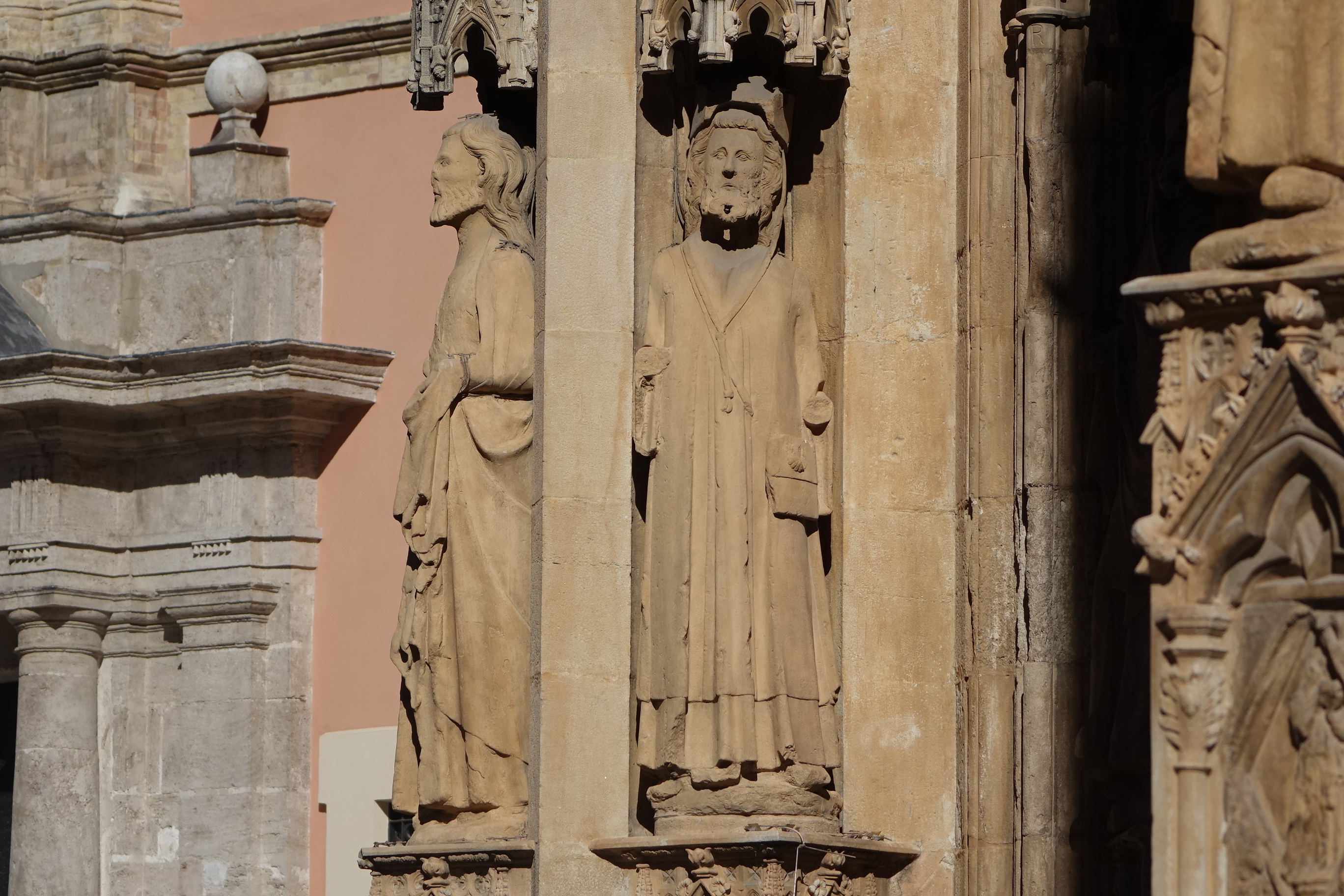
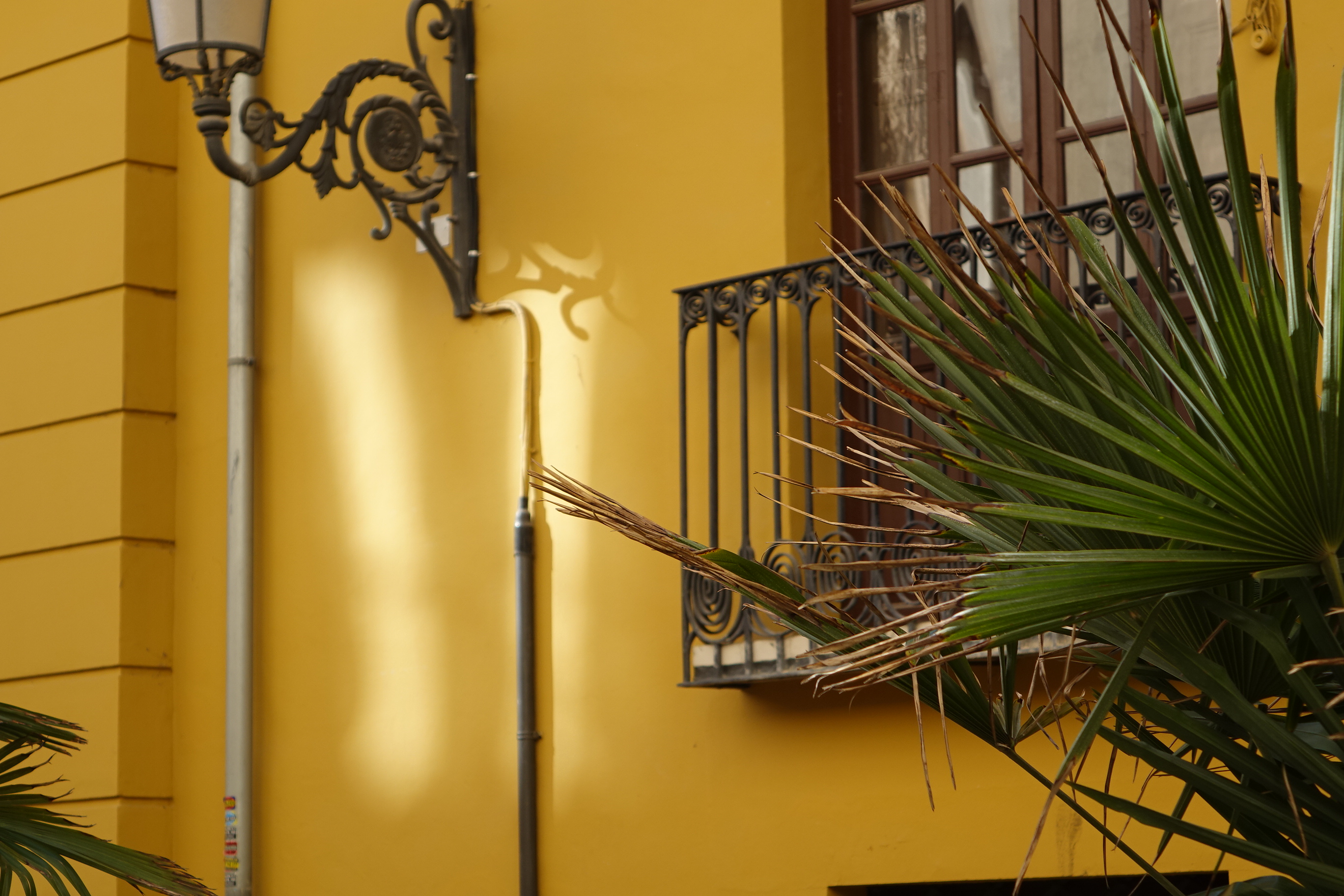
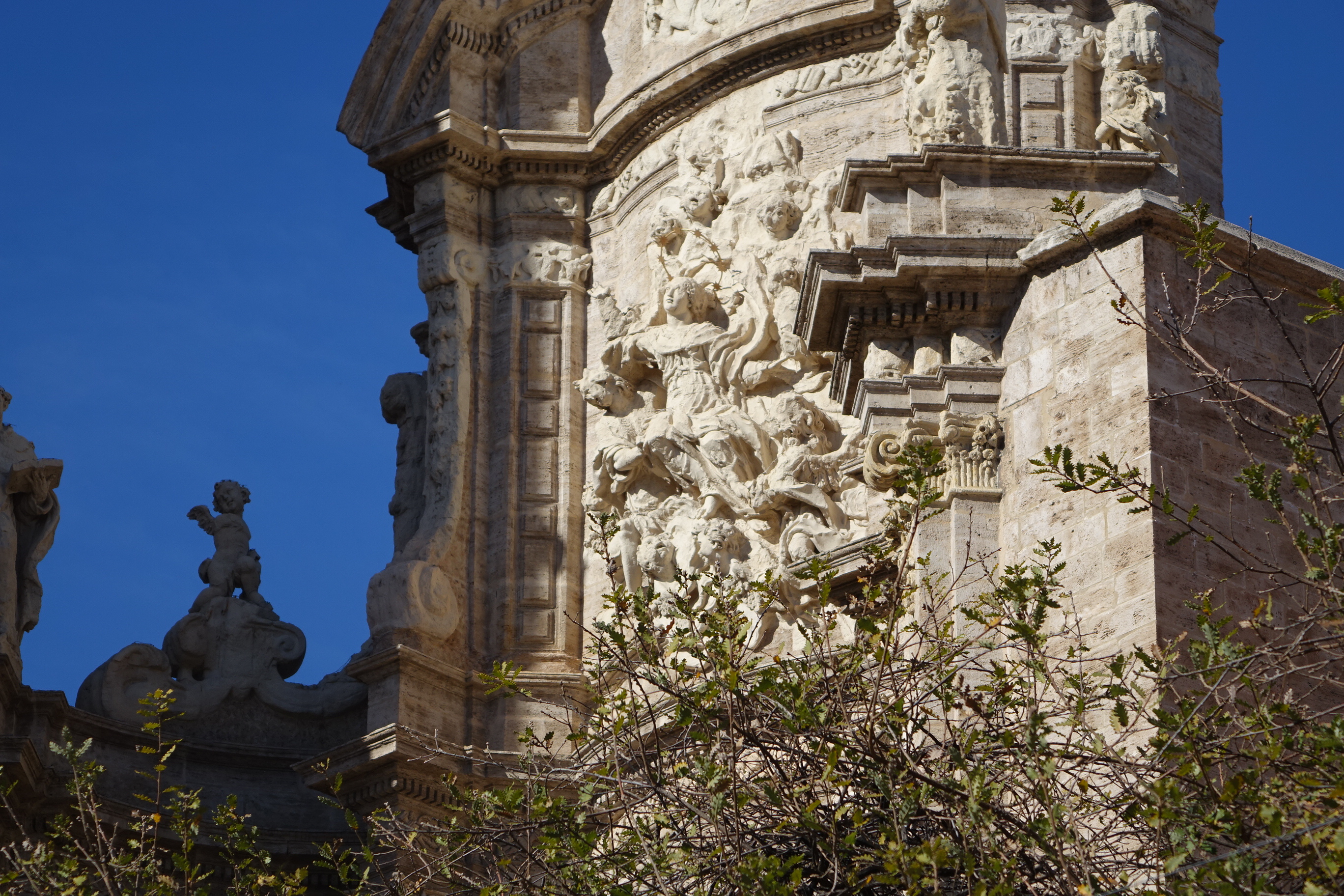
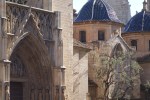
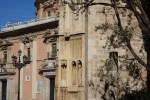
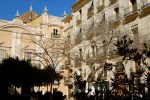
If there was to be a definitive demonstration of the term jet-set, a 2 hour trip from Mallorca to Valencia and back again would surely be it. And today that is exactly what I did. Flying from our sunny isle, over the deep blue waters of the Mediterranean to one of Spain’s sunniest cities, just for a quick work meeting and then back again. Happily, amongst my work responsibilities, I was able to fit in a few minutes to stroll around the city. For Valencia’s old town’s is surely one of the most stunning in all of Spain and well worth a full weekend’s exploration. Nonetheless, with only 20 minutes to spare before my flight, I made the most of the time available to me, shooting these photos which I now share.

DSC08502 DSC08577 DSC08549 DSC08584DSC08492

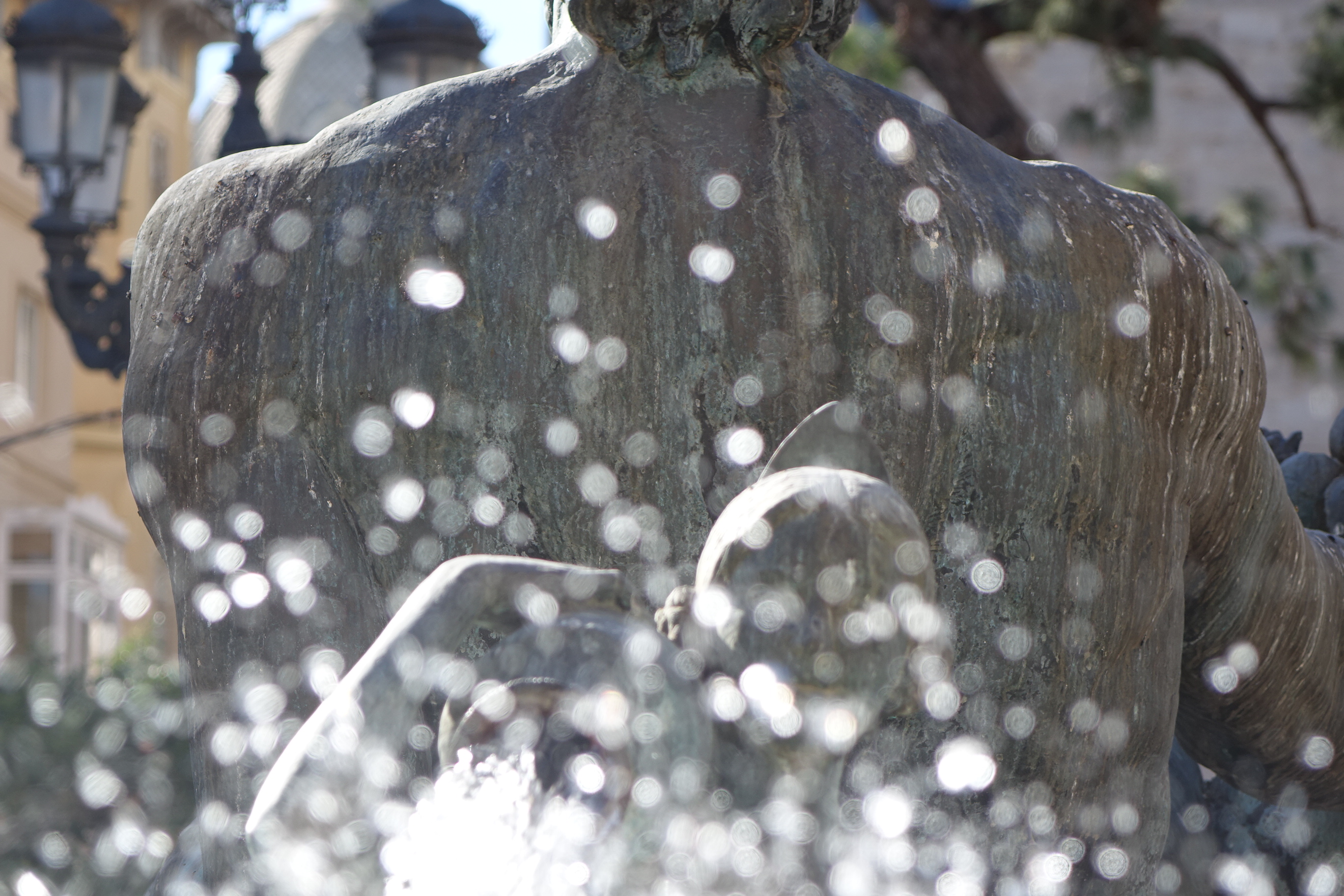
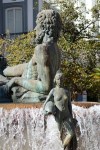
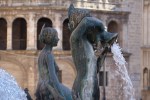
The photos mainly focus on the picture-worthy Plaza de la Reina, and its sister plaza – de la Virgen, both sandwiching the beautifully quasi-baroque Valencia Cathedral between them. While the Plaza de la Reina is very much the bustling centre of the old town, where cafés spill over onto sunny pavements, taxi drivers meet for a chat, and residents wait for the city’s many buses, the Plaza de la Virgen is a grander affair with the Romanesque arches of the cathedral its backdrop and a magnificent fountain with a grandiose Neptune at its centre.

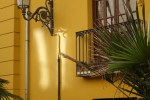
As my photos perhaps suggest, I couldn’t get enough of that stunning fountain which never fails to enchant me, whenever I am lucky enough to visit this marble clad urban space. But also evident from this little selection of photos is the purity and strength of the colours. Just look at those rotund oranges, and that amazing blue sky; that sun dappled yellow wall and those white and blue dazzling fountains of water. They are the colours which made Spain so utterly seductive to me, and the reason why eventually I found myself moving here permanently. Adios for now…

All photos and written content are strictly the copyright of Nicholas de Lacy-Brown © 2015 and The Daily Norm. All rights are reserved. Unauthorized use and/or duplication of the material, whether written work, photography or artwork, included within The Daily Norm without express and written permission from The Daily Norm’s author and/or owner is strictly prohibited.

Discovering Palma: Bellver and the Bosque

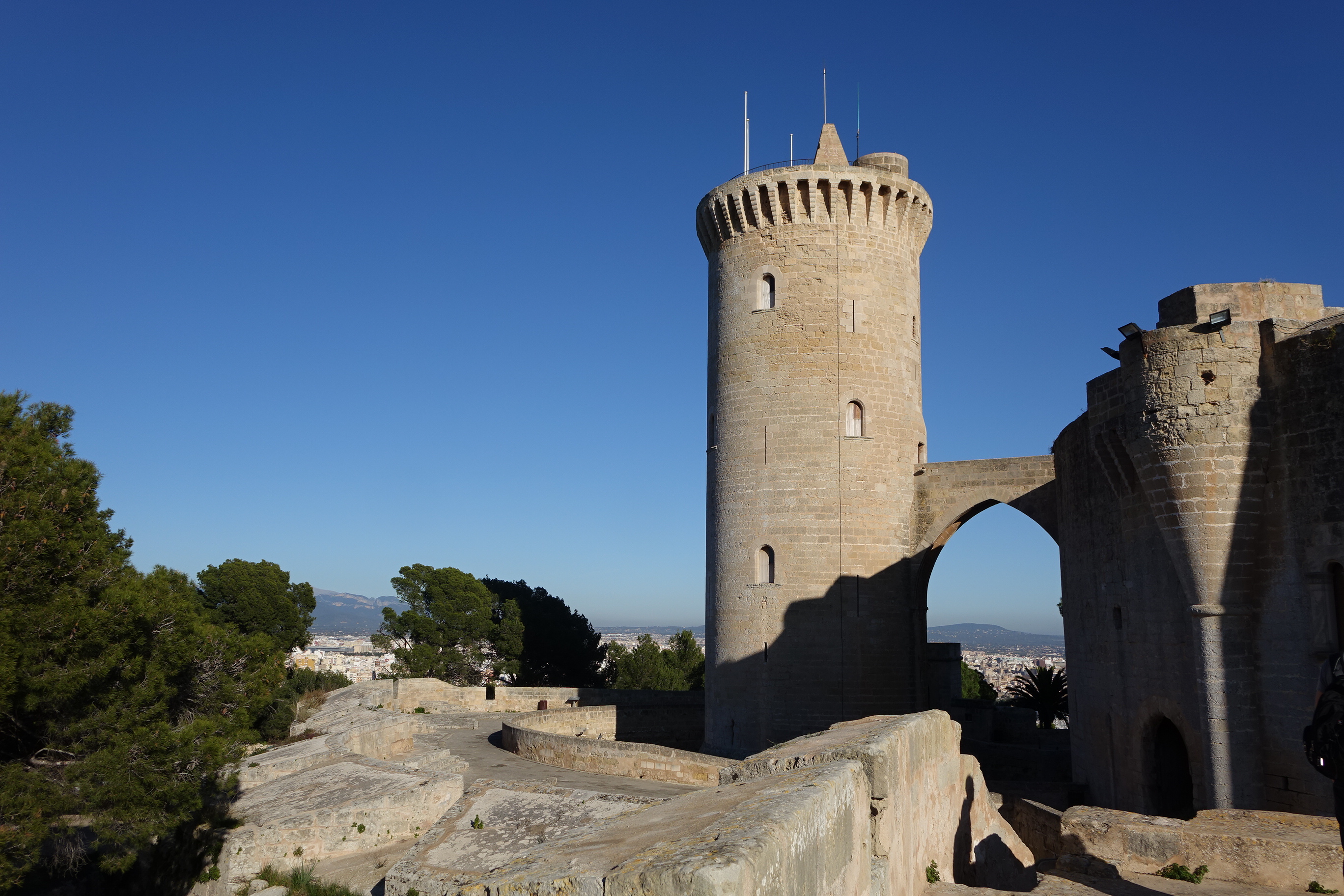
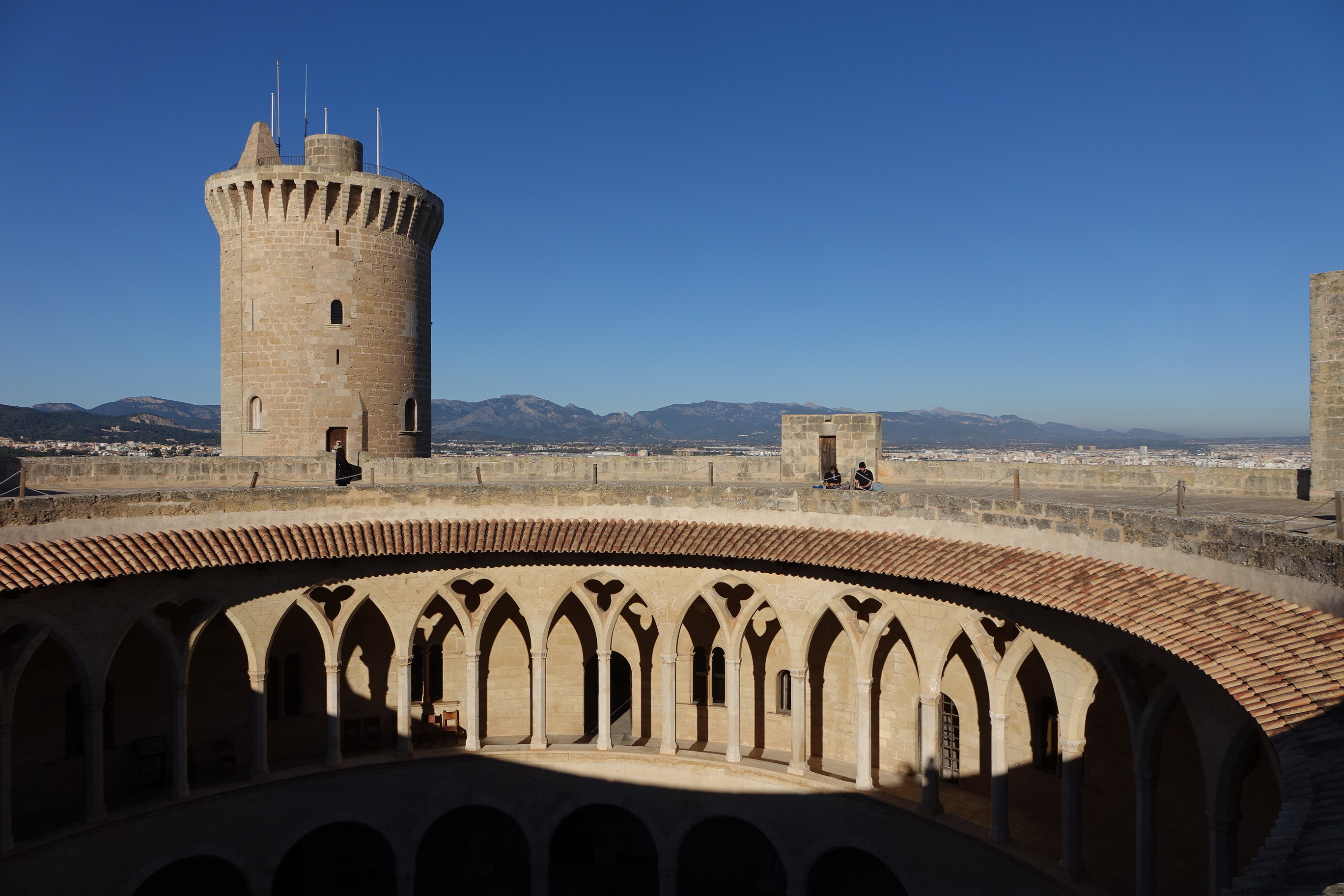
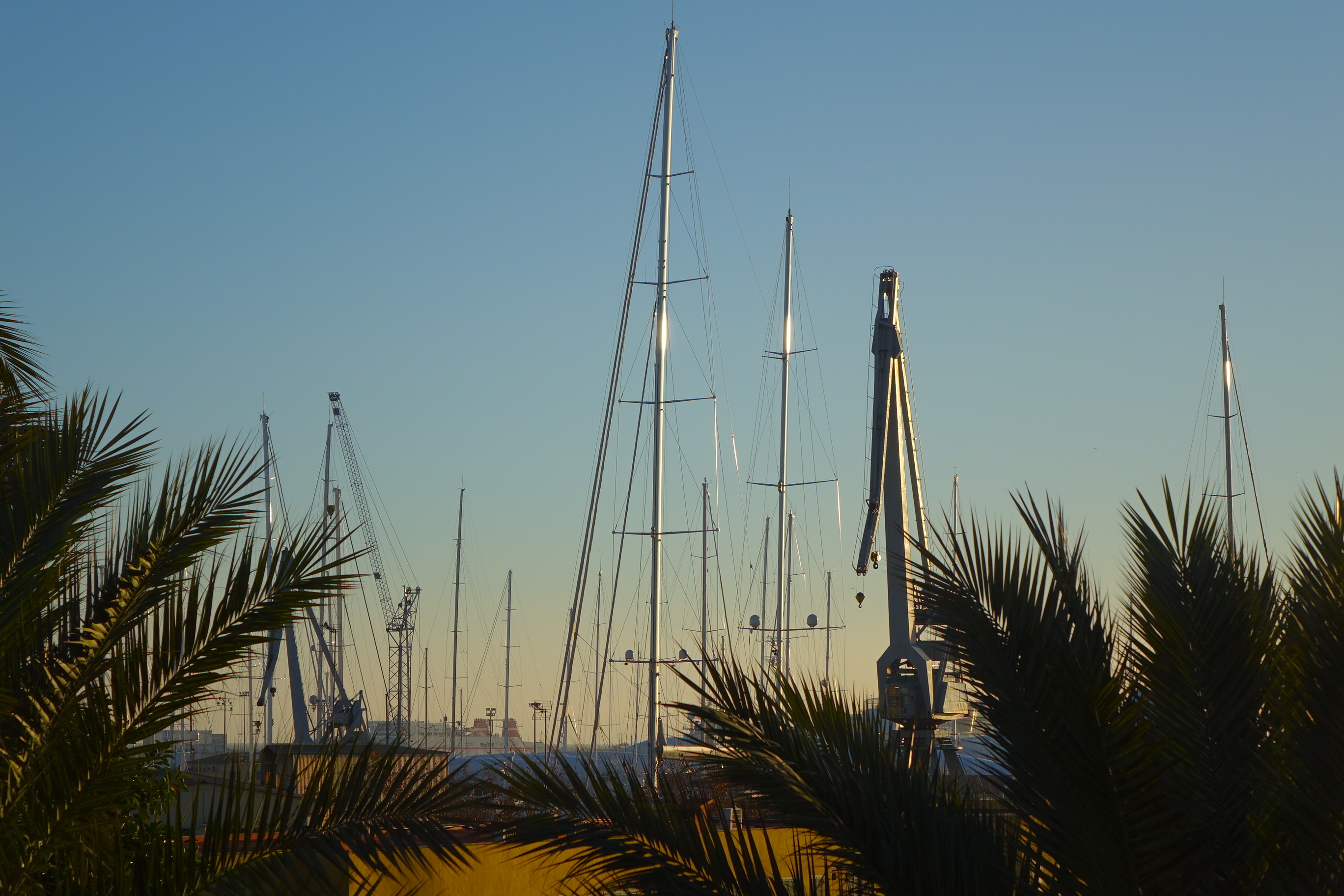
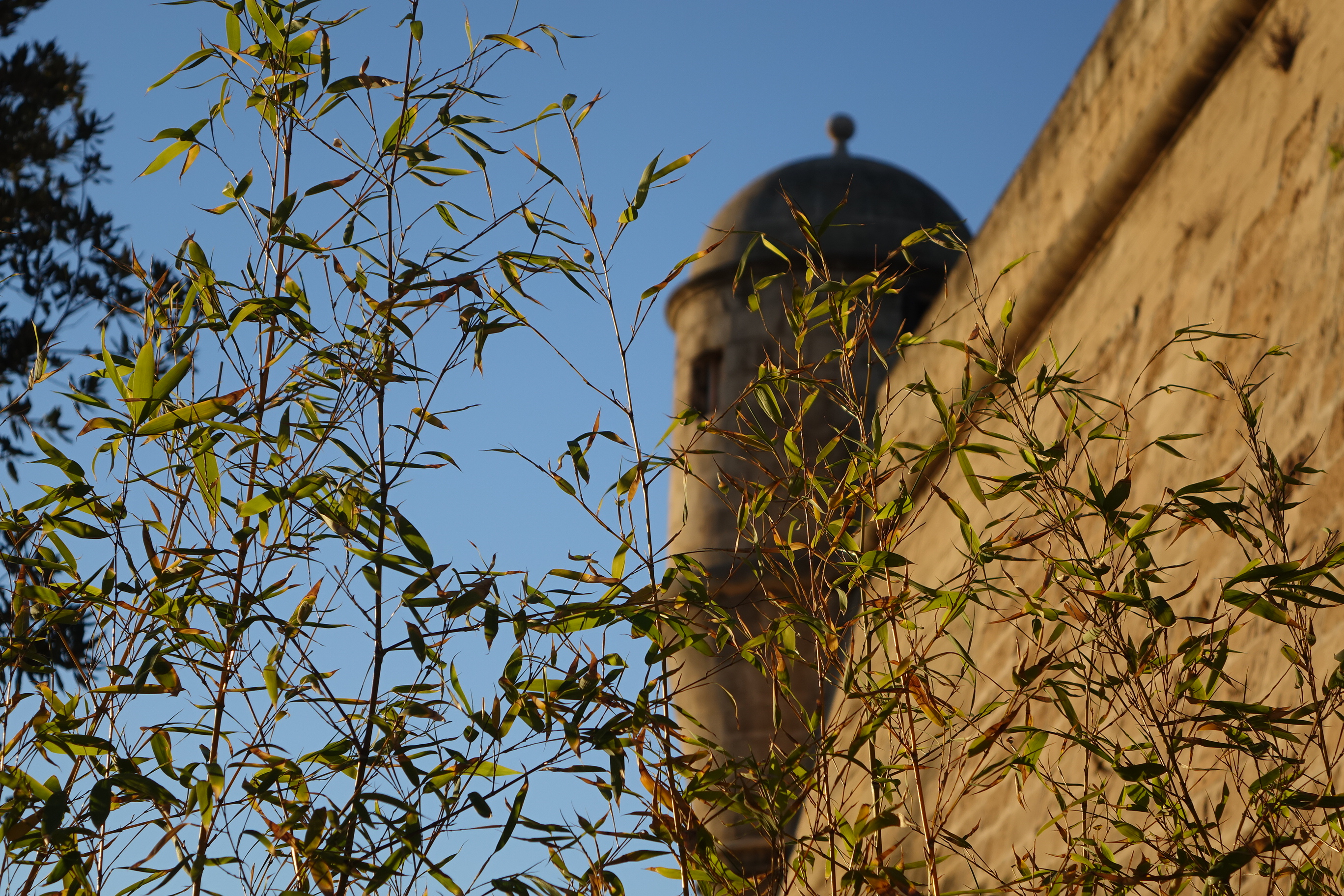
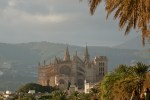
Palma de Mallorca is a city as diverse as the entire island of Mallorca itself. From stunningly unspoilt medieval and modernista old town to sprawling industrial port and modern suburbs, Mallorca is a city with many faces. But asides from its iconic cathedral, its second most distinctive landmark is surely its castle, the Castell de Bellver, sat majestically upon the most westerly of hills overlooking the city. I never fail to enjoy casting my eyes in a westerly direction on any random afternoon, for always silhouetted against the sinking sun in this most satisfyingly shaped of castles: one of the best remaining examples of a rounded gothic castle left in Europe, and featured in my most recent (and first) of Palma paintings.

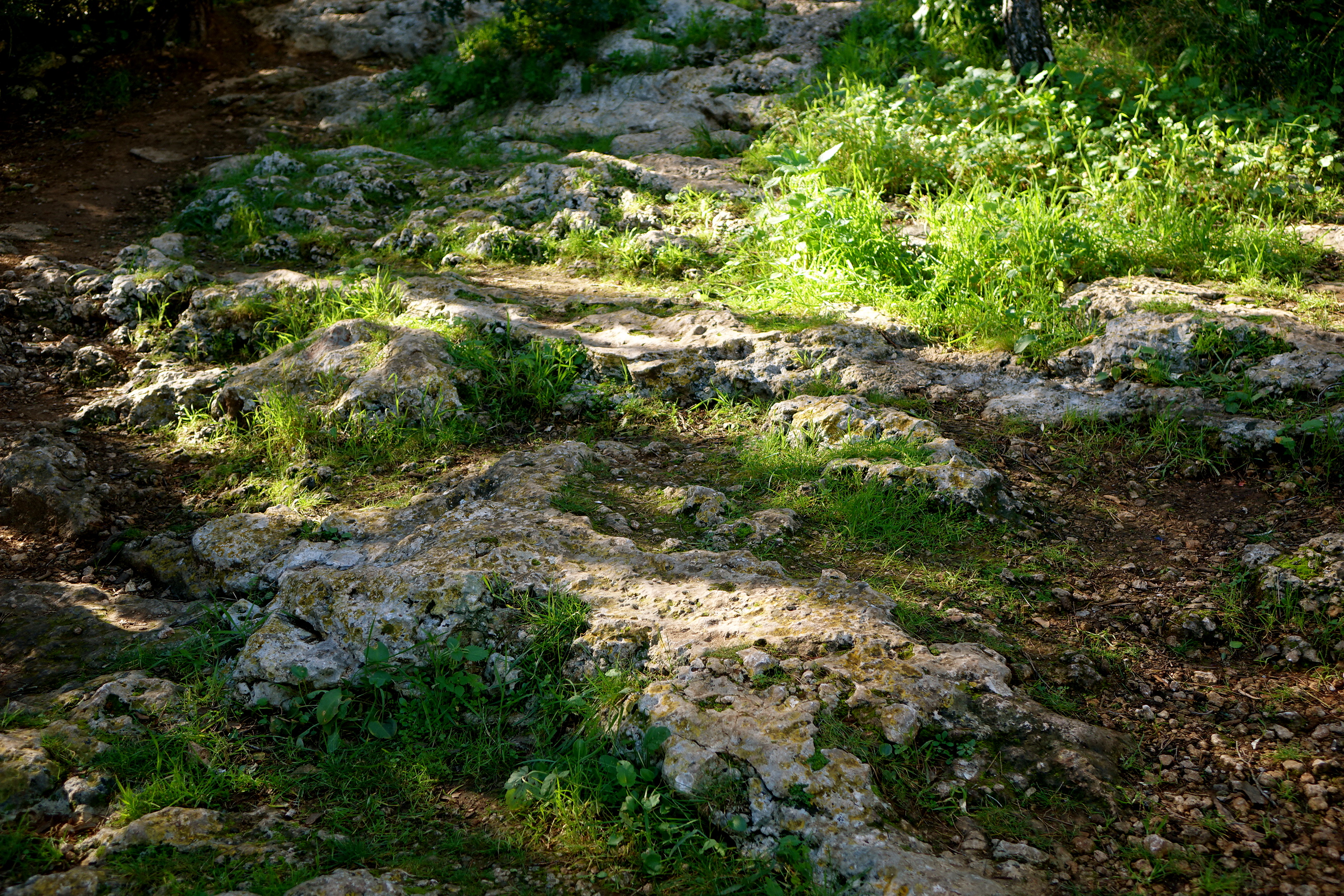
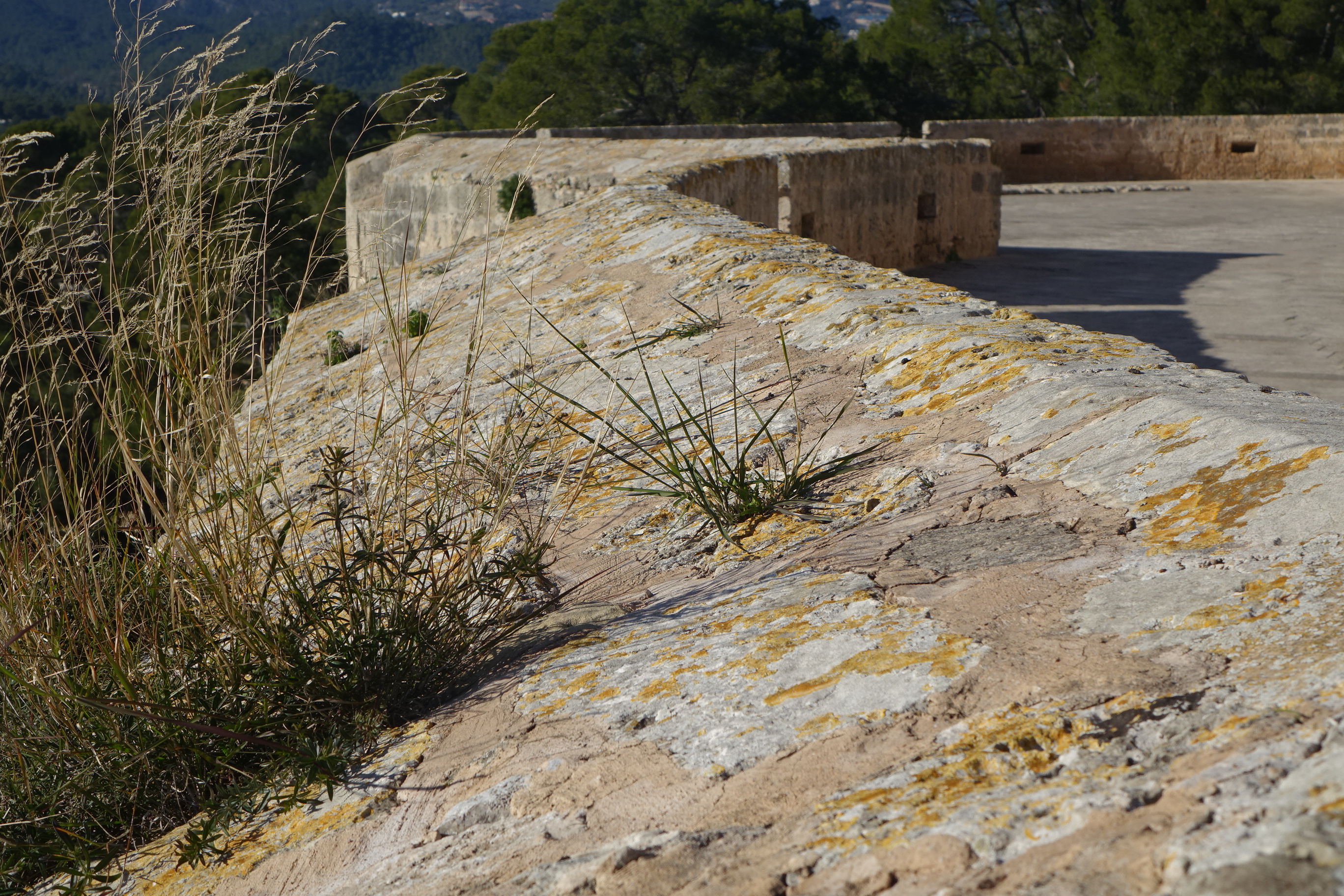
Taking time, as we do, to explore this magnificent new city we now call home, my partner and I recently headed to the castle of Bellver, attracted not only by its rich historical heritage, but also by the lush forest or bosque which surrounds it. Extending for acres around the castle and covering the hill like drizzled icing atop a moist victoria sponge, the bosque is by far the greenest expanse available for Palma locals to enjoy, and with its dense vegetation and rocky untouched landscape, it is a bucolic paradise in the midst of a sprawling metropolis.

The bosque

DSC04008 DSC04020 DSC04002 DSC04016 DSC04030 DSC04003 DSC04004

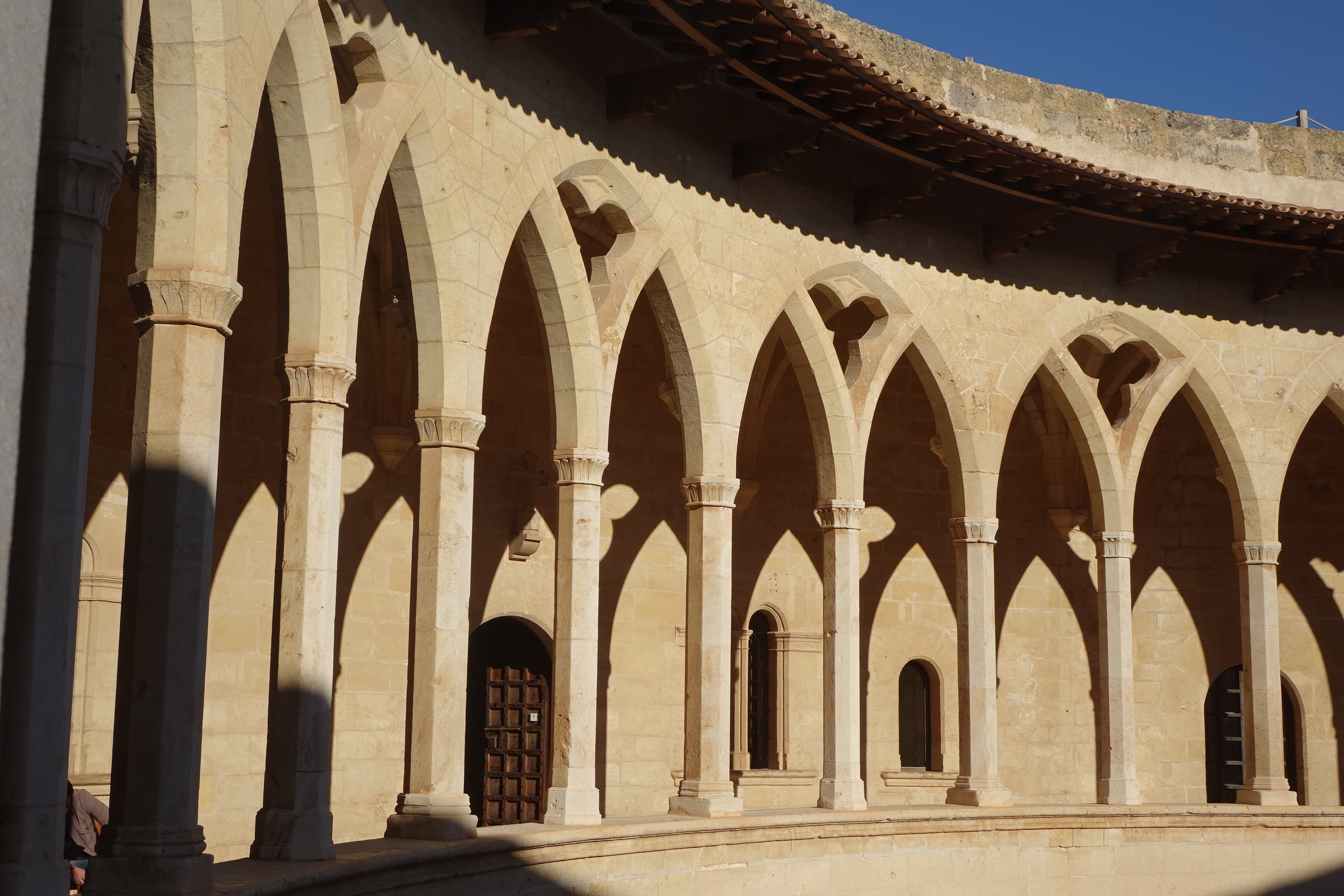
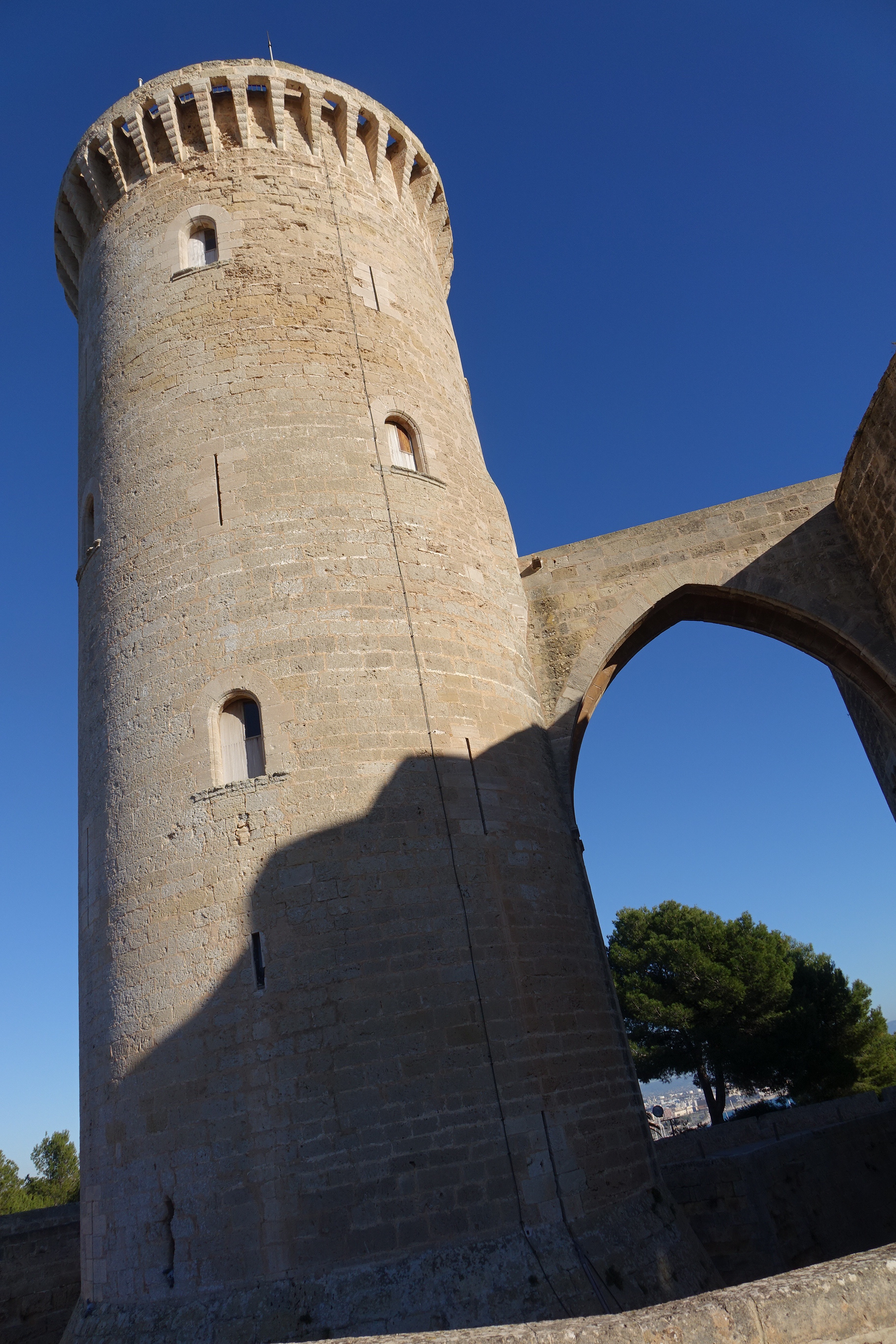
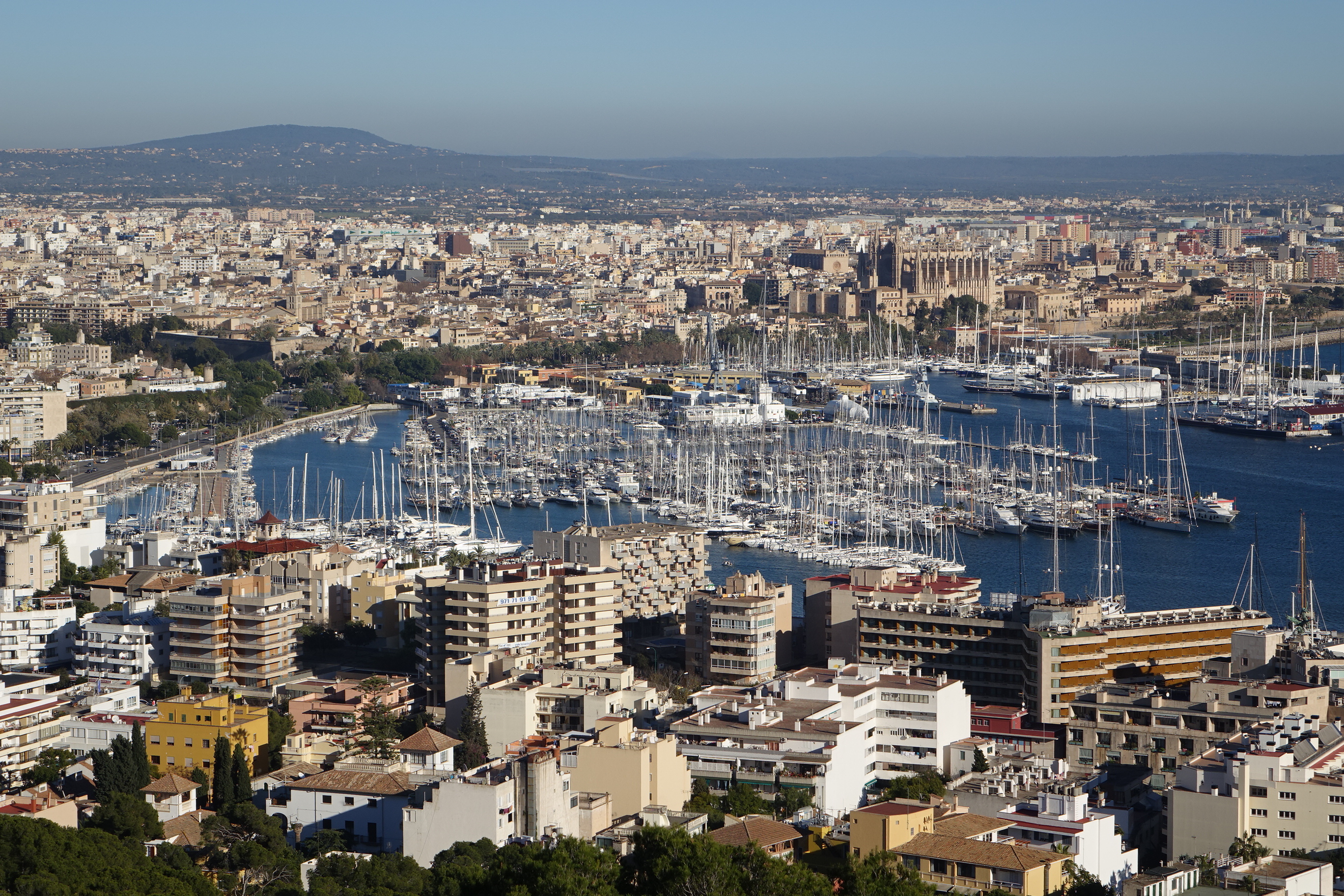
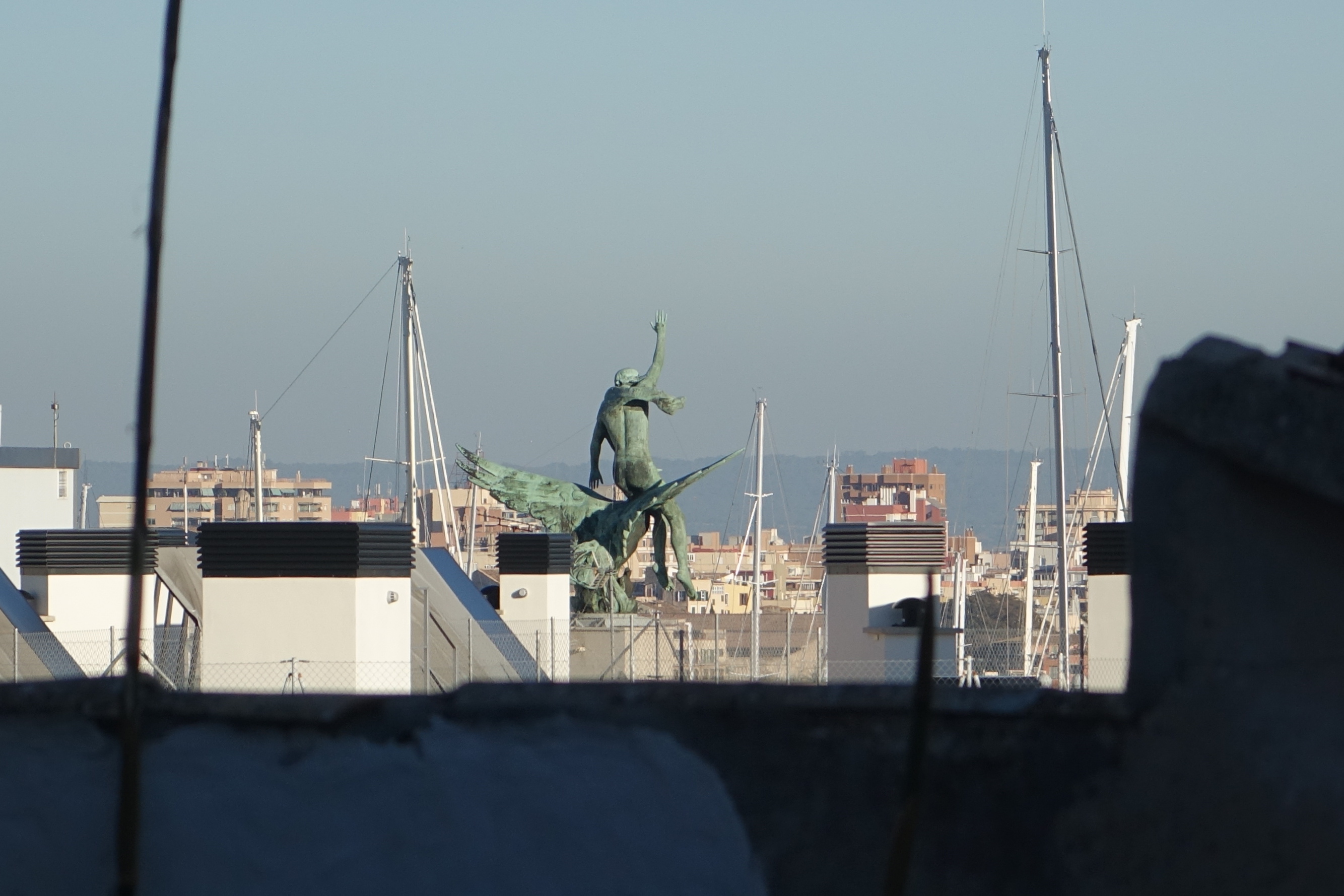
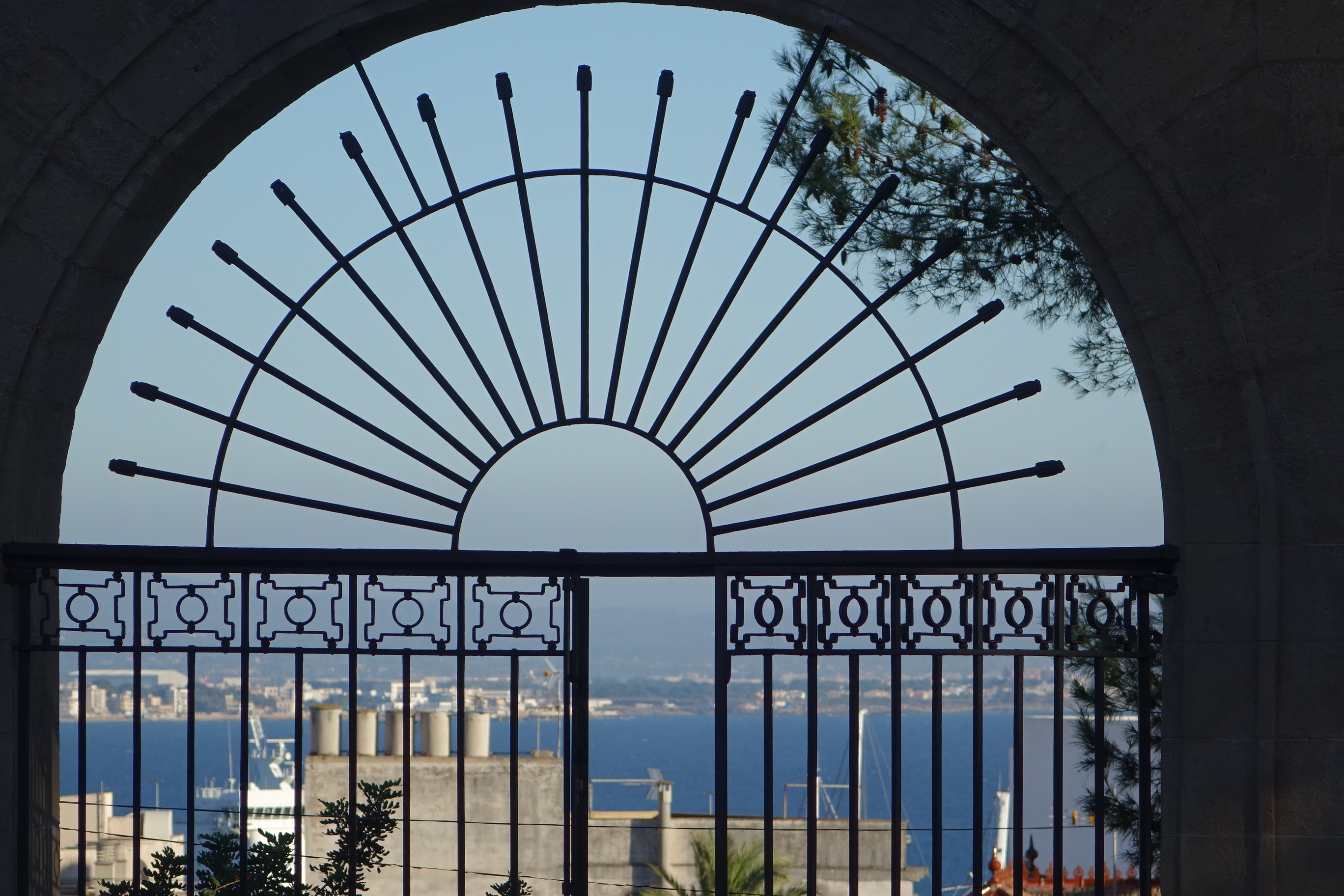
Having walked through the forest, enjoying dappled sunshine and all number of naturally occurring mediterranean plants, we reached the castle which looked even more stunning close up, with an unbeatable blue sky its harmonious backdrop. Asides from admiring the castle’s unique rounded architecture and the uniquely slim arched bridge which joins its main turret with the main structure of the building, the best aspect of this visit had to be the views afforded from the castle. Bellver indeed – for these are beautiful views of Palma which simply cannot be equalled from down at sea level.

Bellver Castle: inside and out

DSC04097 DSC04126 DSC04143 DSC04089 DSC04095 DSC04141 DSC04091 DSC04087 DSC04075

Views to write home about

DSC04197 DSC04133 DSC04063 DSC04045

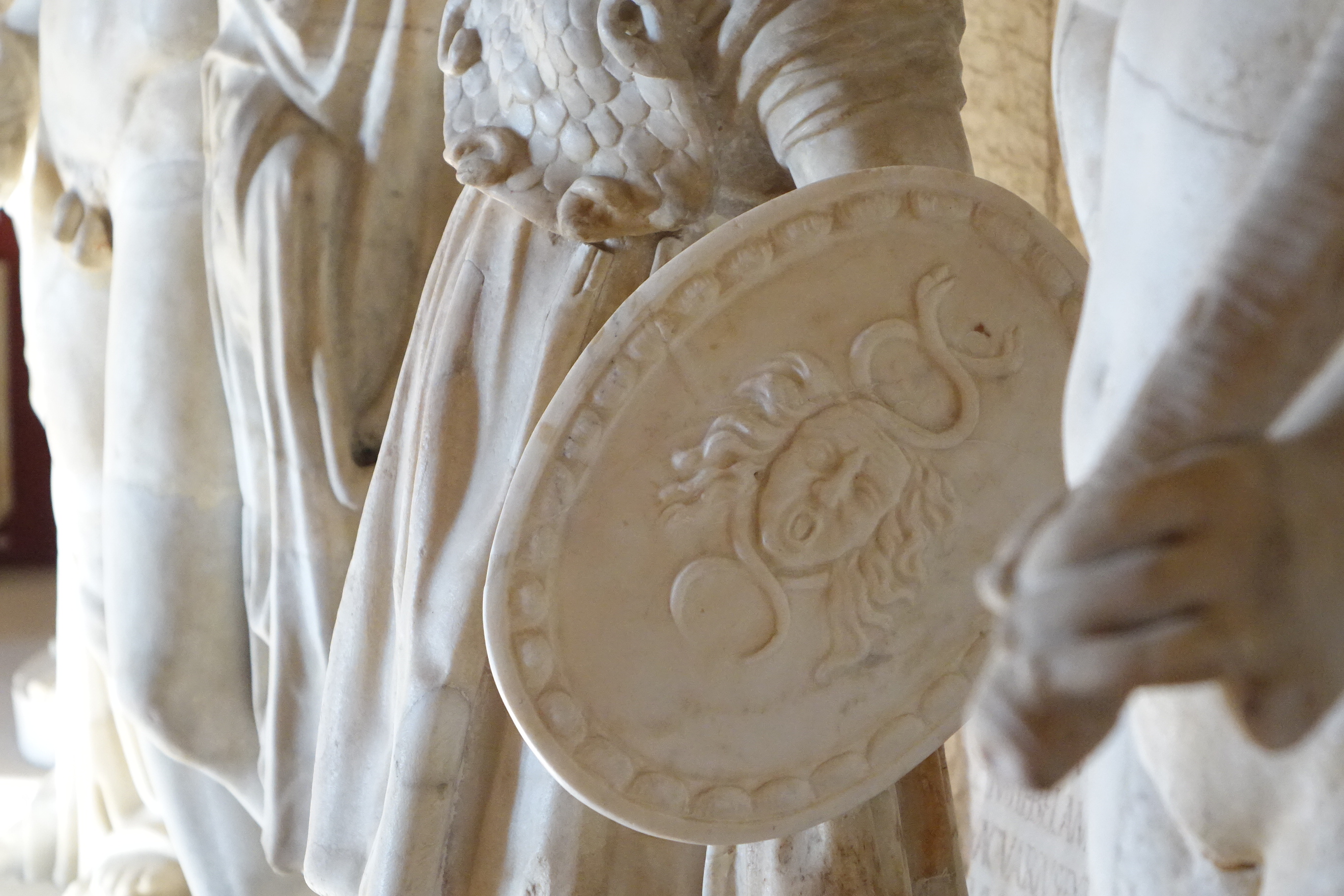
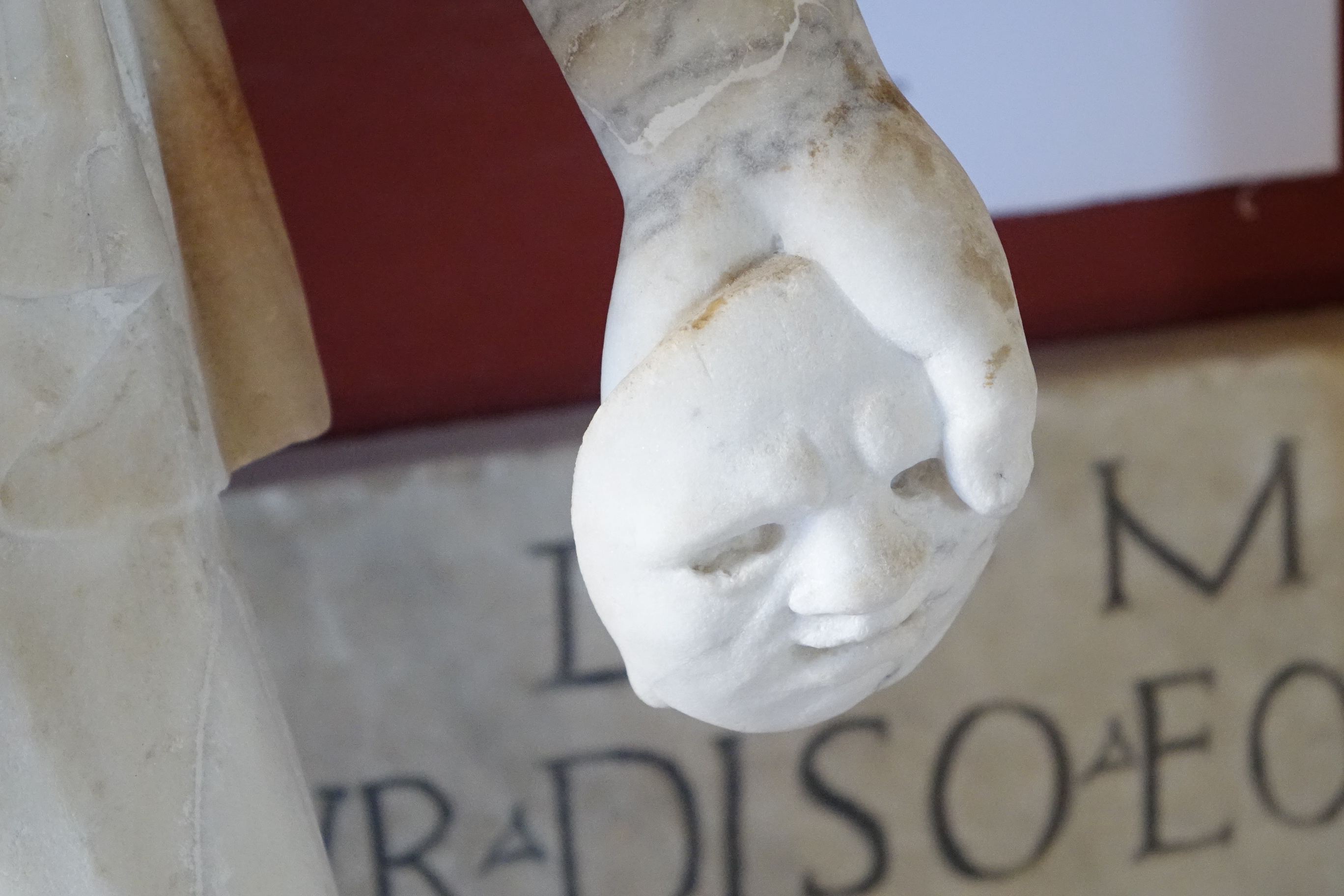
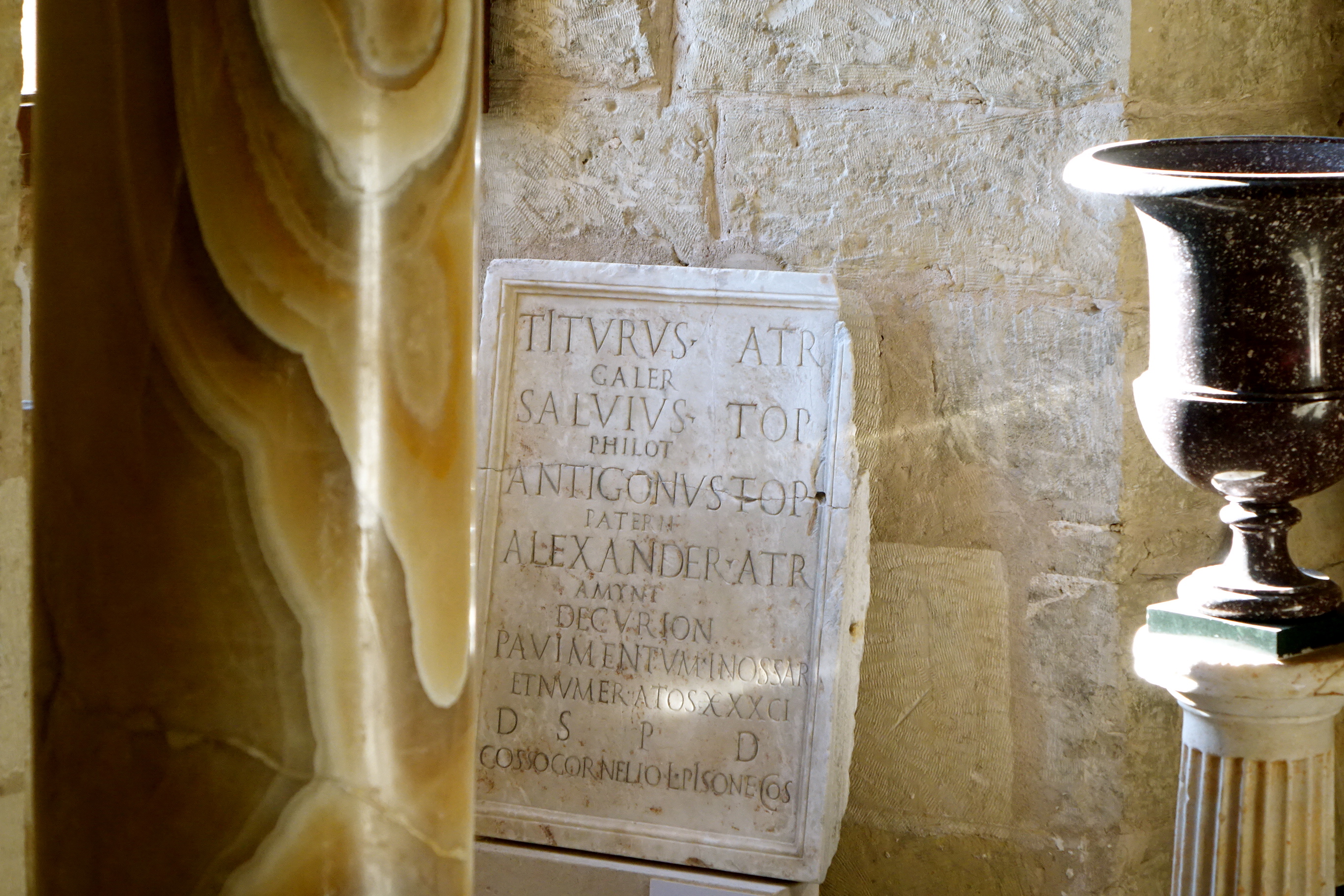
Collections of Roman sculpture inside Bellver castle

DSC04187 DSC04174 DSC04191 DSC04189 DSC04179 DSC04177

Nonetheless, down from the hill we eventually trekked, only to find Palma’s old centre every bit as beautiful from up close as it had been from up on that hill. The cathedral’s ocre structure glowed peach like in the dying sun, and before it the blue sea sparkled as it transformed into a steady golden mass. Beautiful Palma – I could carry on admiring you forever. And I hope to do just that.

A city to be admired, from up close, far away and especially at sunset

DSC04231 DSC04227 DSC04211 DSC04212 DSC04208 DSC04207 DSC04204 DSC04213 DSC04206 DSC04217

All photos and written content are strictly the copyright of Nicholas de Lacy-Brown © 2015 and The Daily Norm. All rights are reserved. Unauthorized use and/or duplication of the material, whether written work, photography or artwork, included within The Daily Norm without express and written permission from The Daily Norm’s author and/or owner is strictly prohibited.
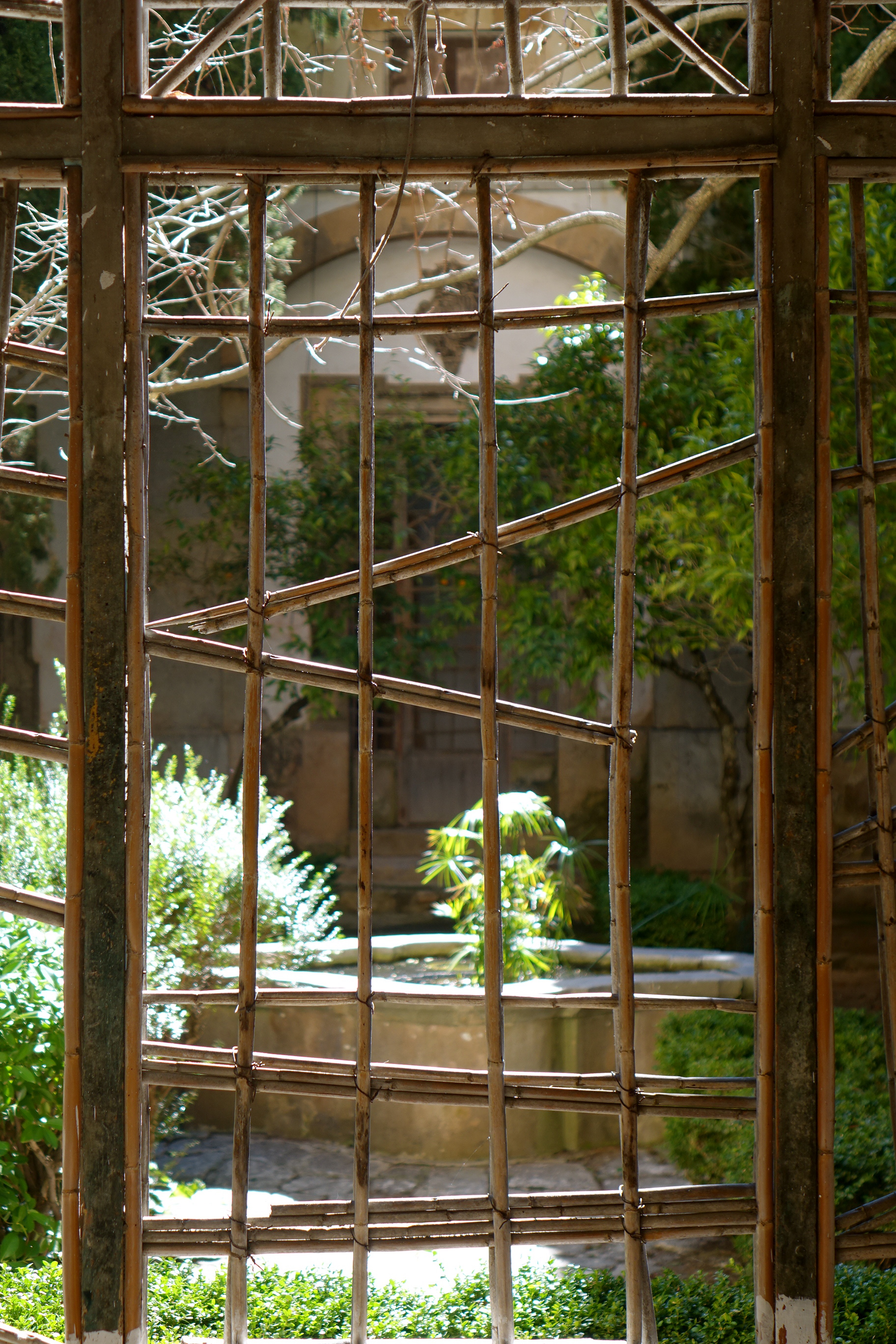
Interpretation No. 12 – Capuchin Monks, Amalfi

The heady days of Amalfi coast indulgence are now too many days behind me to count – it must be at least 250 rather forlorn days since I sampled the paradise of Amalfi, Capri and Positano during a blissful week on the Italian coast last summer. And it has been almost as long since I last thought to paint the place, even though it was on my hotel balcony on the Amalfi Coast that my collection of interpretations began. It was therefore something of a blast from the past when, opening up sketch book the other day in order to start a new gouache project, I discovered a half finished gouache painting based on the Amalfi Coast, left sadly uncompleted.

My feeling with paintings is that each painting has its time, and even when a project goes unworked for some time, it should always be left until the time is again right to continue it. A painting should never be destined for the bin. So when I reopened this hitherto unfinished work, I so enjoyed the breath of fresh Italian air that gushed open my opening it that I decided that the time was right to finish it off, even if it meant completing the Amalfi scene here in my new home of Mallorca.

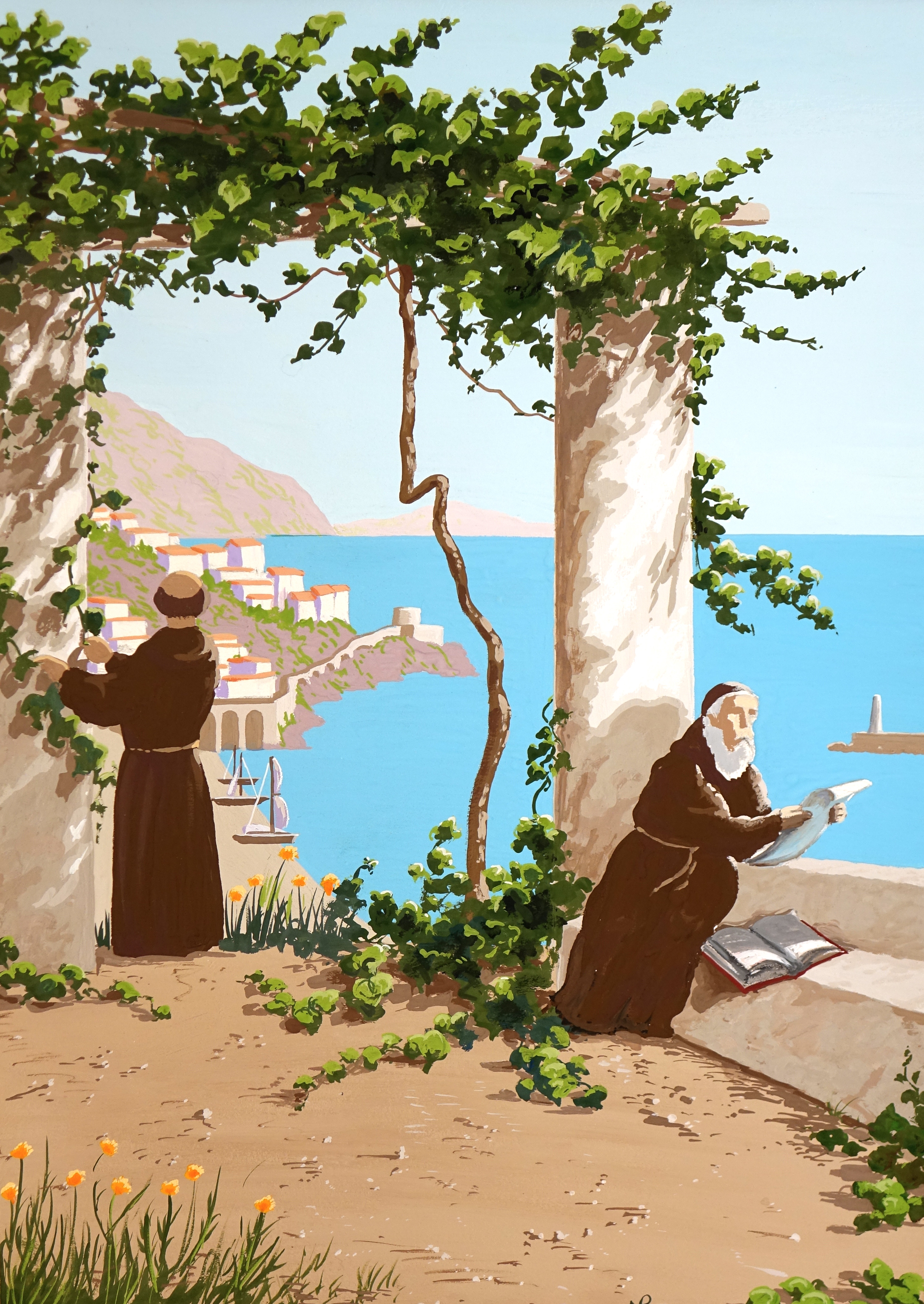
Interpretation No. 12: Capuchin Monks, Amalfi (2014-15 © Nicholas de Lacy-Brown, gouache on paper)

Interpretation No. 12: Capuchin Monks, Amalfi (2014-15 © Nicholas de Lacy-Brown, gouache on paper)

The painting, which will be the 12th in my collection of gouache interpretative landscapes, was actually based on an old engraving we picked up in Amalfi just before catching a boat back home to Positano. Being a city renowned for its ancient homemade papers, we could not resist buying a print on Amalfi’s finest, and as soon as we found this image, I was captivated. There was something about the alluring tranquil activity of the Capuchin monks depicted, one tying back a vine and the other reading before a view of Amalfi, that made me want to recreate this idyllic scene of the joie de vivre for modern times.

The original engraving we purchased in Amalfi (c. 1880, artist unknown)

The original engraving we purchased in Amalfi (c. 1880, artist unknown)

A gouache interpretation was born and now, thanks to my rediscovery of the image, it is completed. I am pleased with the relative simplification I have achieved by repainting the scene in broad flat gouache colours, and I have to say that the colour has certainly brought this 19th century engraving back to life. It could almost be modern day except that, sadly (or not for those rich enough to stay there), the Capuchin Monastery of Amalfi is today the swish Gran Hotel Convento di Amalfi, a place from which this view can still be very much enjoyed, albeit sadly without the monks.

© Nicholas de Lacy-Brown and The Daily Norm, 2001-2015. Unauthorized use and/or duplication of the material, whether written work, photography or artwork, included within The Daily Norm without express and written permission from The Daily Norm’s author and/or owner is strictly prohibited. Excerpts and links may be used, provided that full and clear credit is given to Nicholas de Lacy-Brown and The Daily Norm with appropriate and specific direction to the original content. For more information on the work of Nicholas de Lacy-Brown, head to his art website at www.delacy-brown.com

Winter Weekend in Ibiza | Part 1: The Dalt Vila

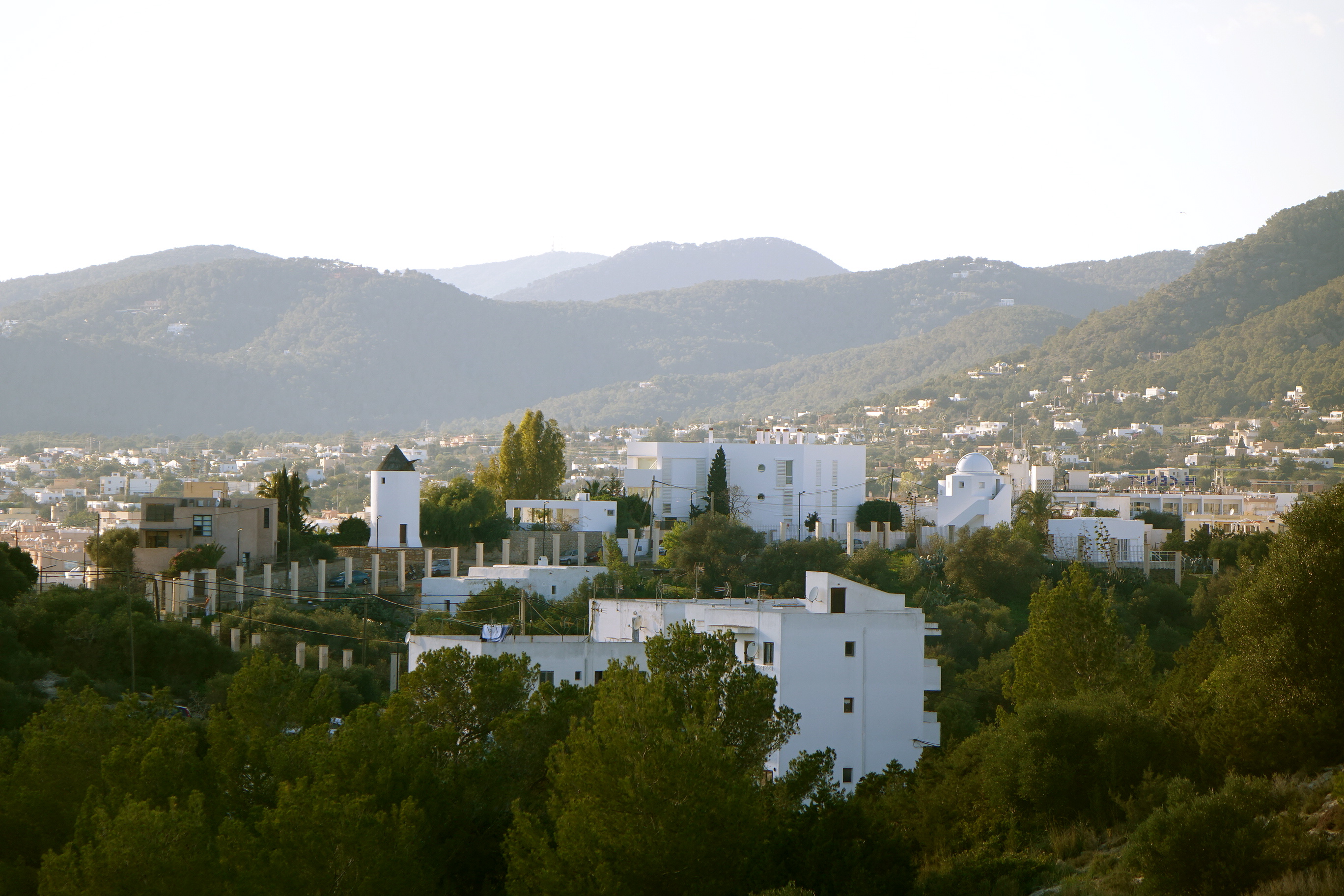
When I think of Ibiza, images of boozy beach parties and cocktails under the stars accompanied by the mechanical beat of Buddha bar and the chilled groves of Café del Mar spring to mind. And while for thousands every year, a trip to the Balearic’s most infamous island means, in the words of the Vengaboys, that they’re “gonna have a party, Whoa! in the Mediterranean sea…”, at this time of the year, the only party you’re going to have is with the shadows filling the deserted streets and beaches. For as I discovered when a business trip took me to Ibiza last weekend, Ibiza is officially in the midsts of its hibernation.

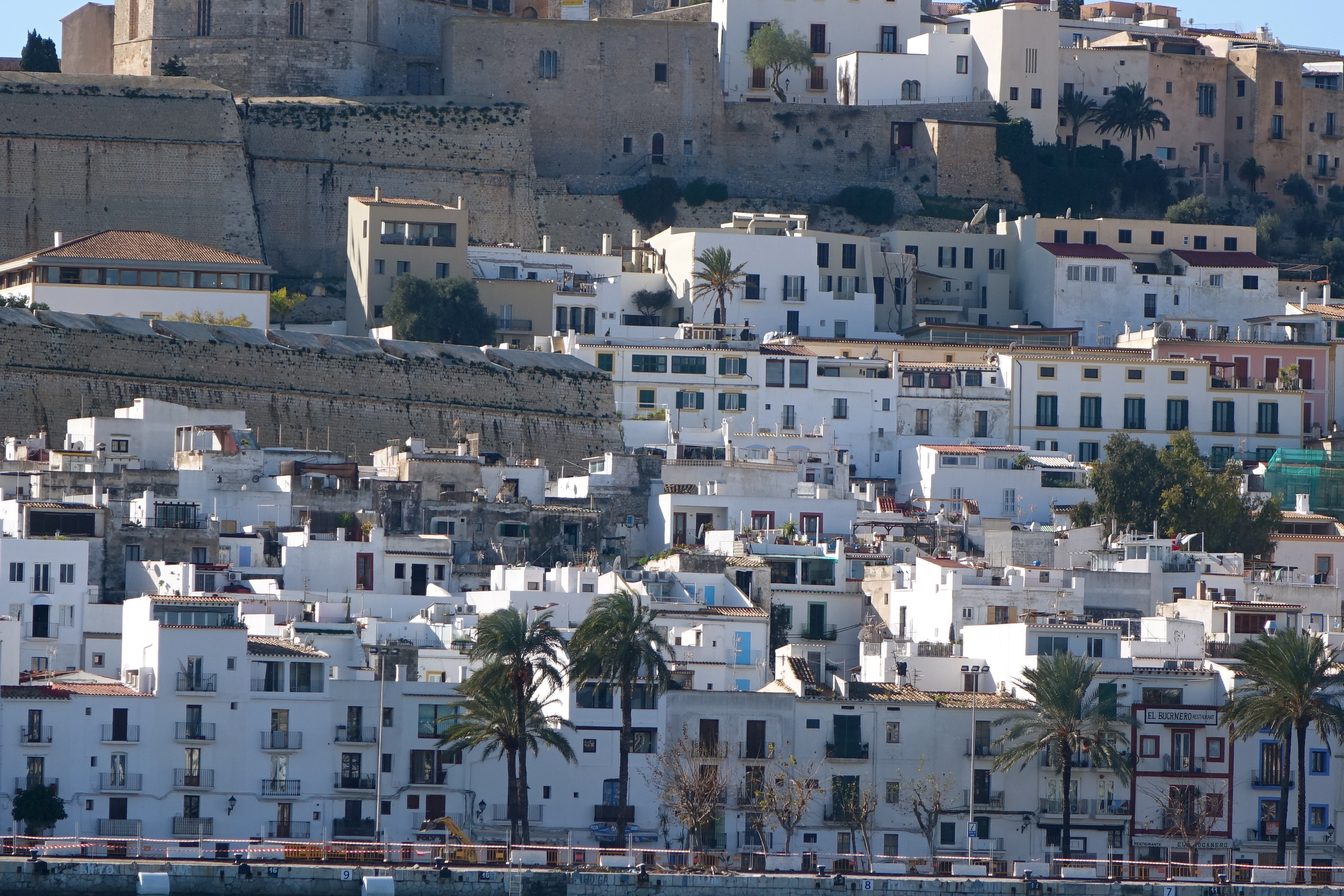
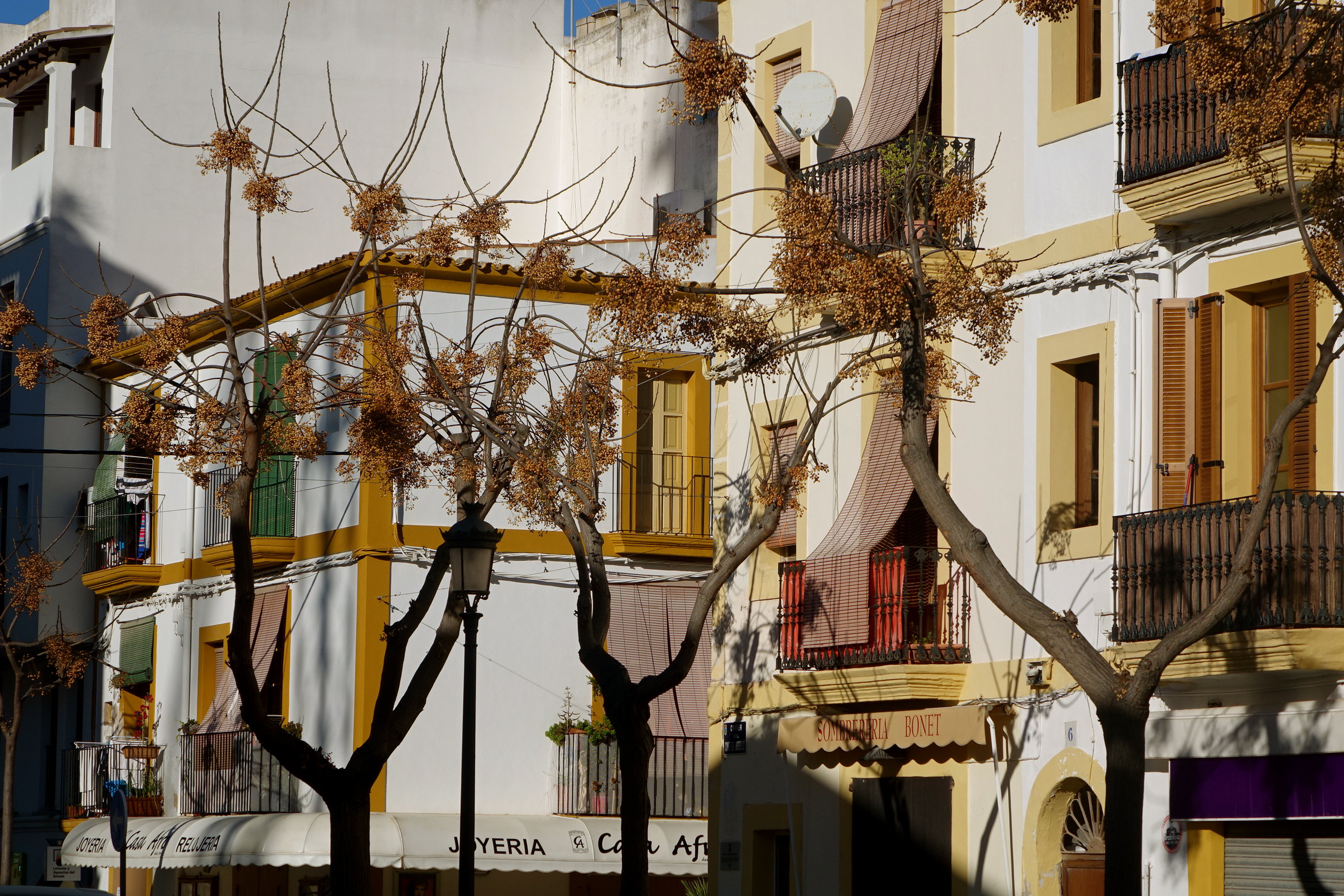
Ibiza’s historical old town

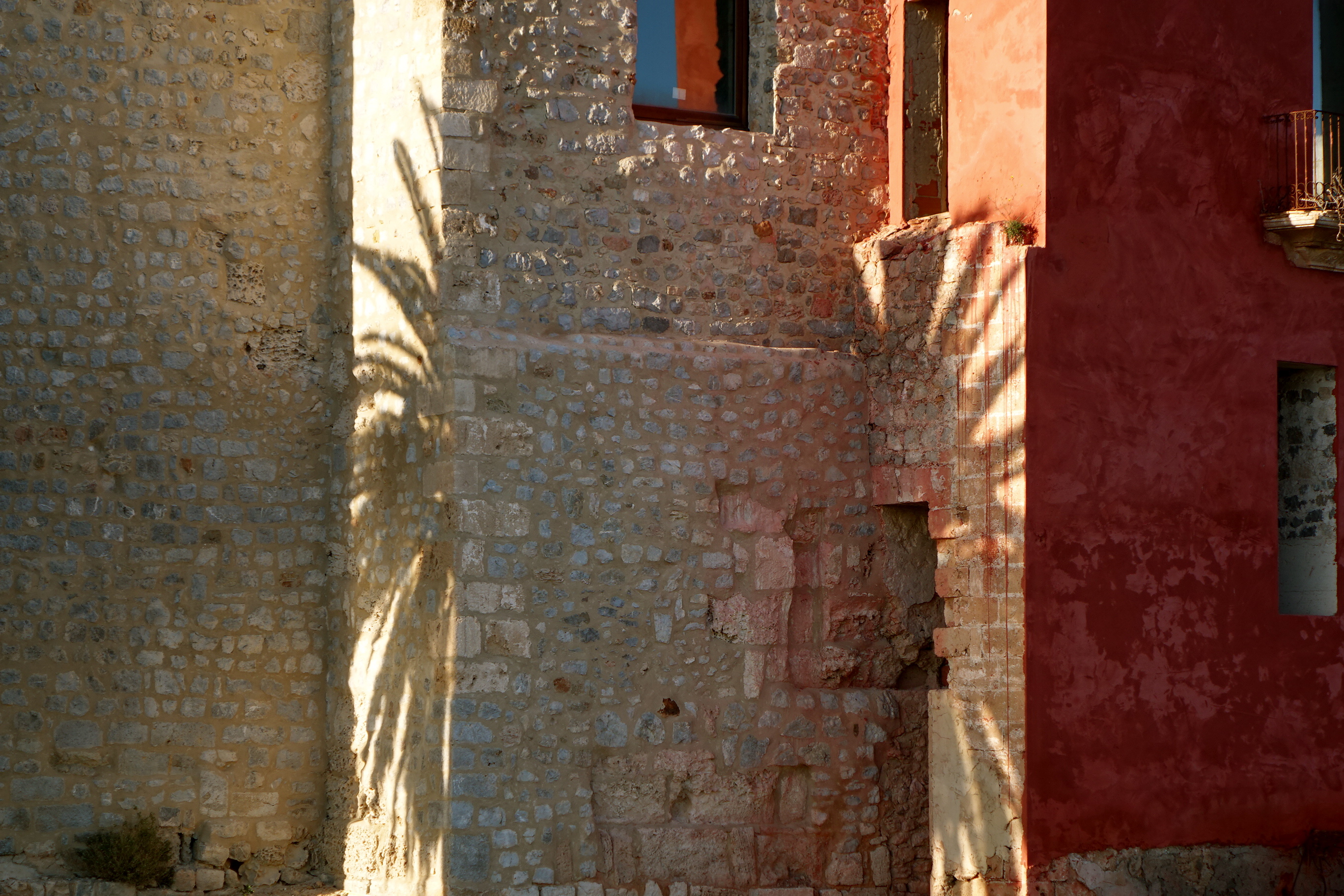
DSC06331 DSC06425 DSC06283 DSC05985

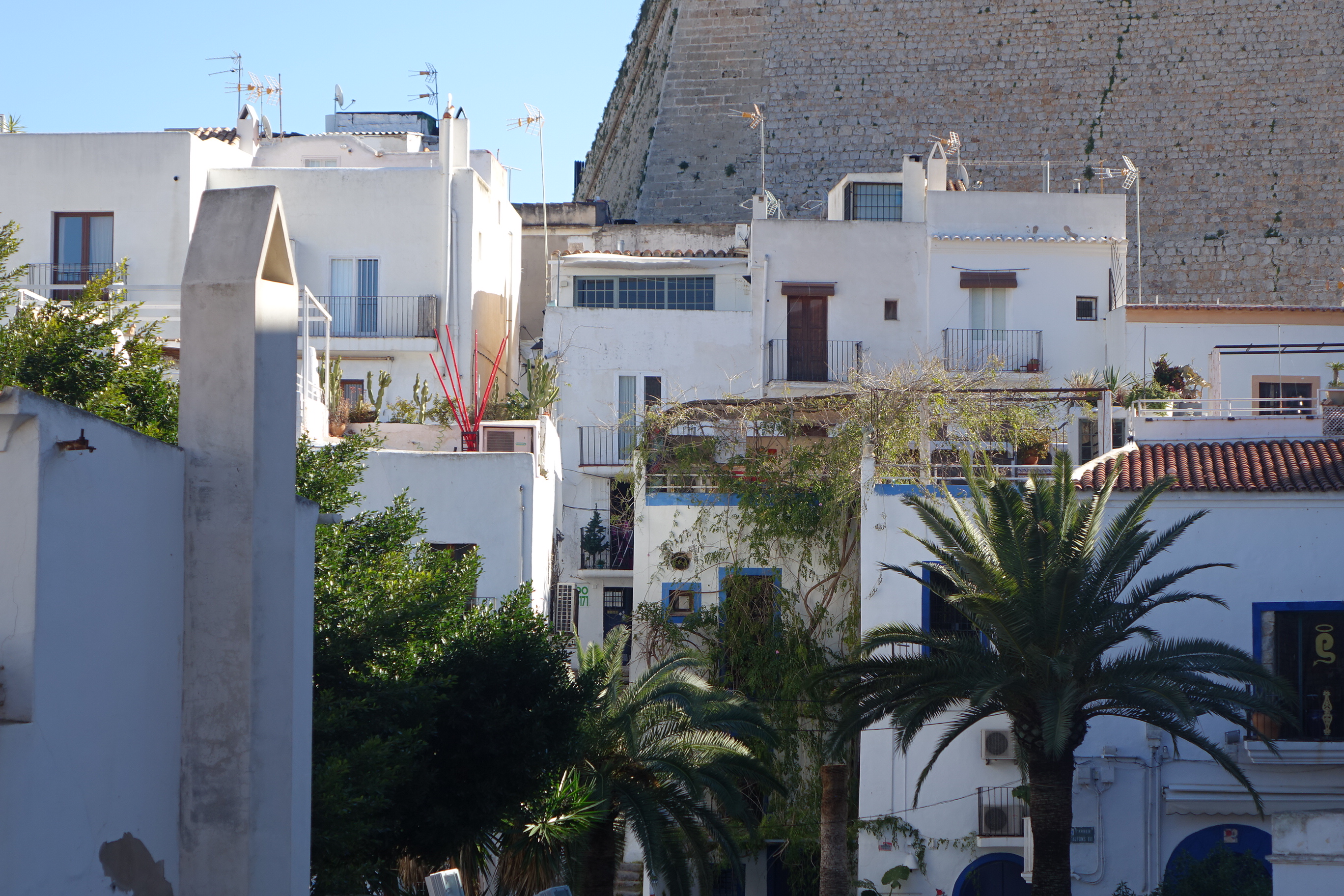
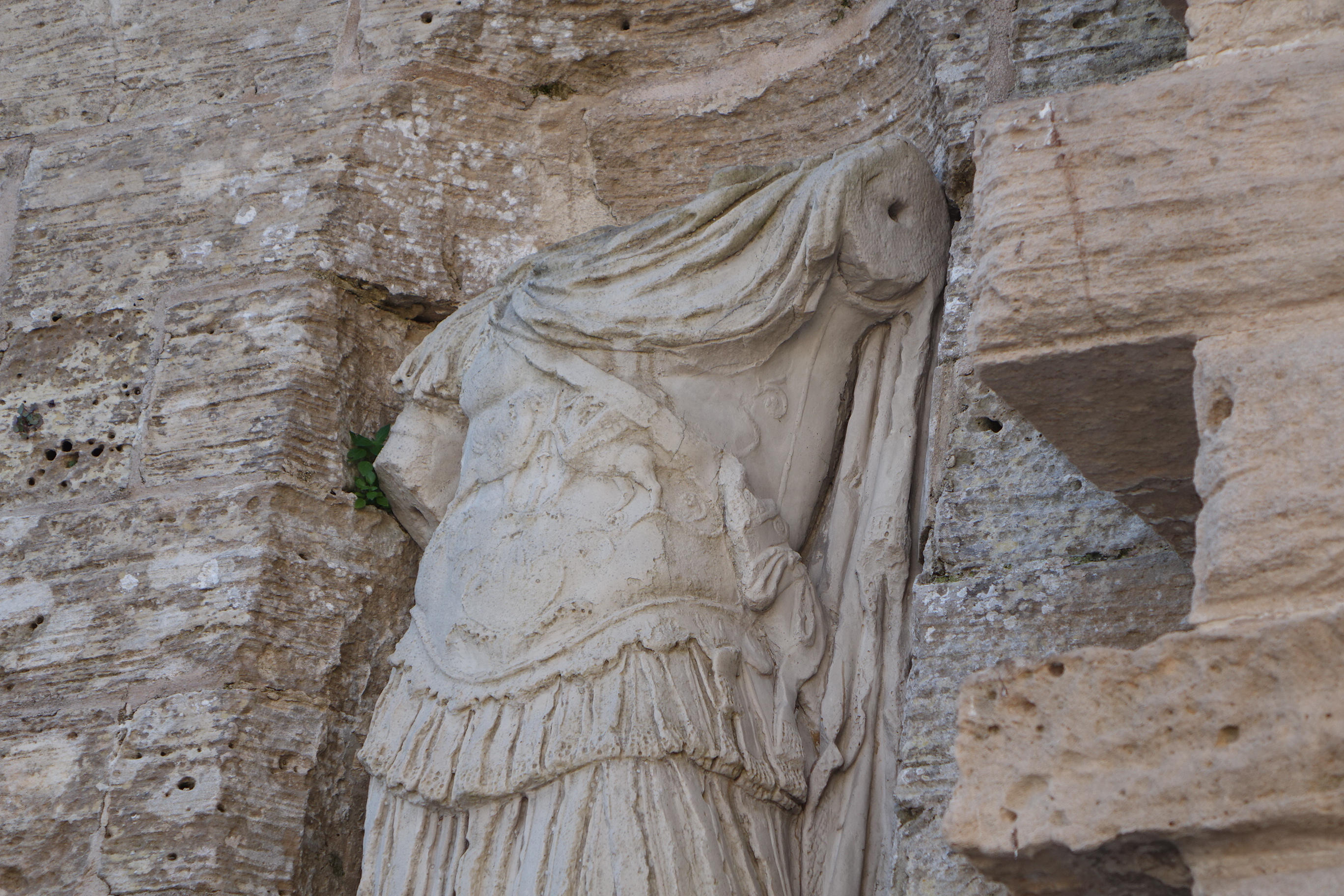
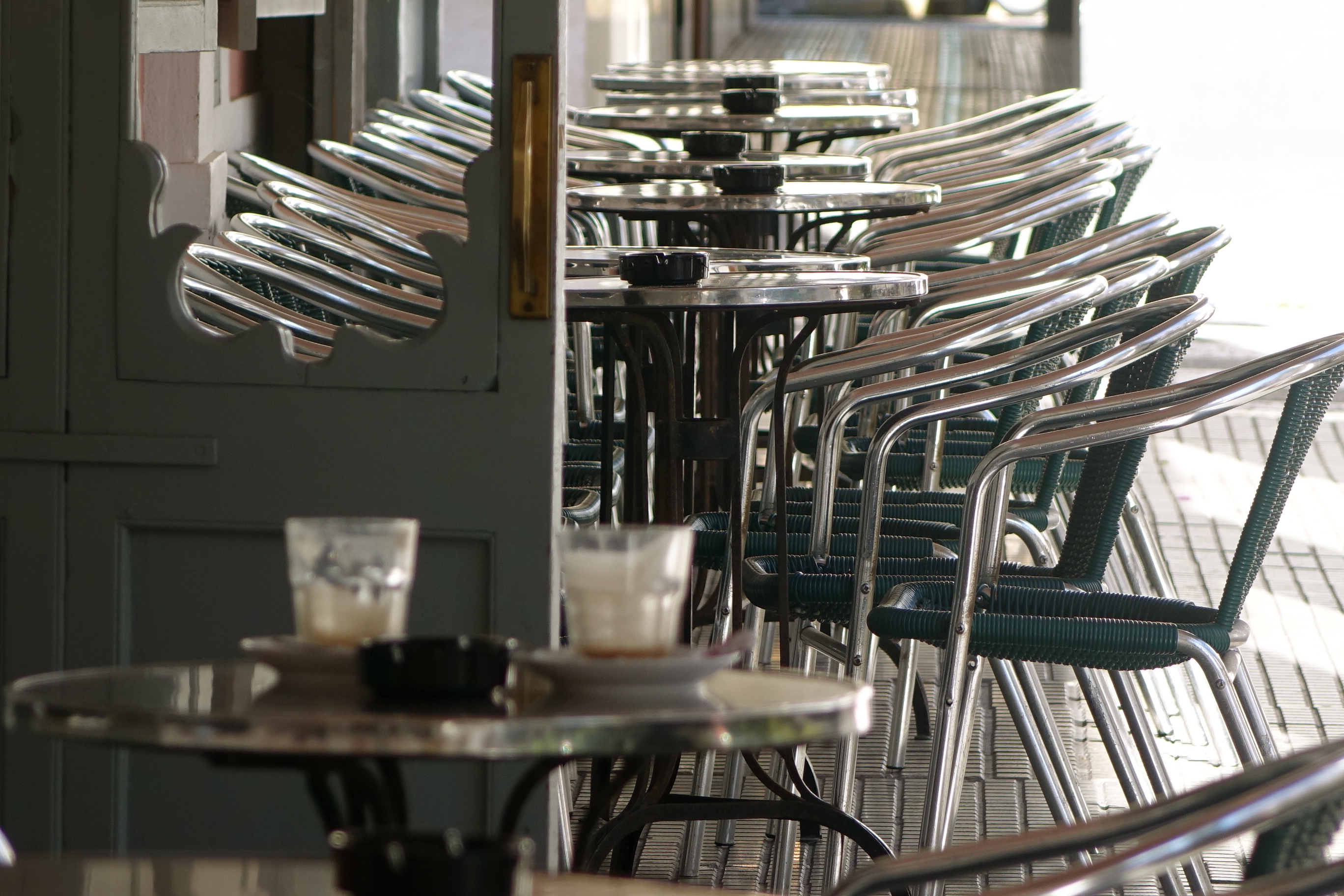
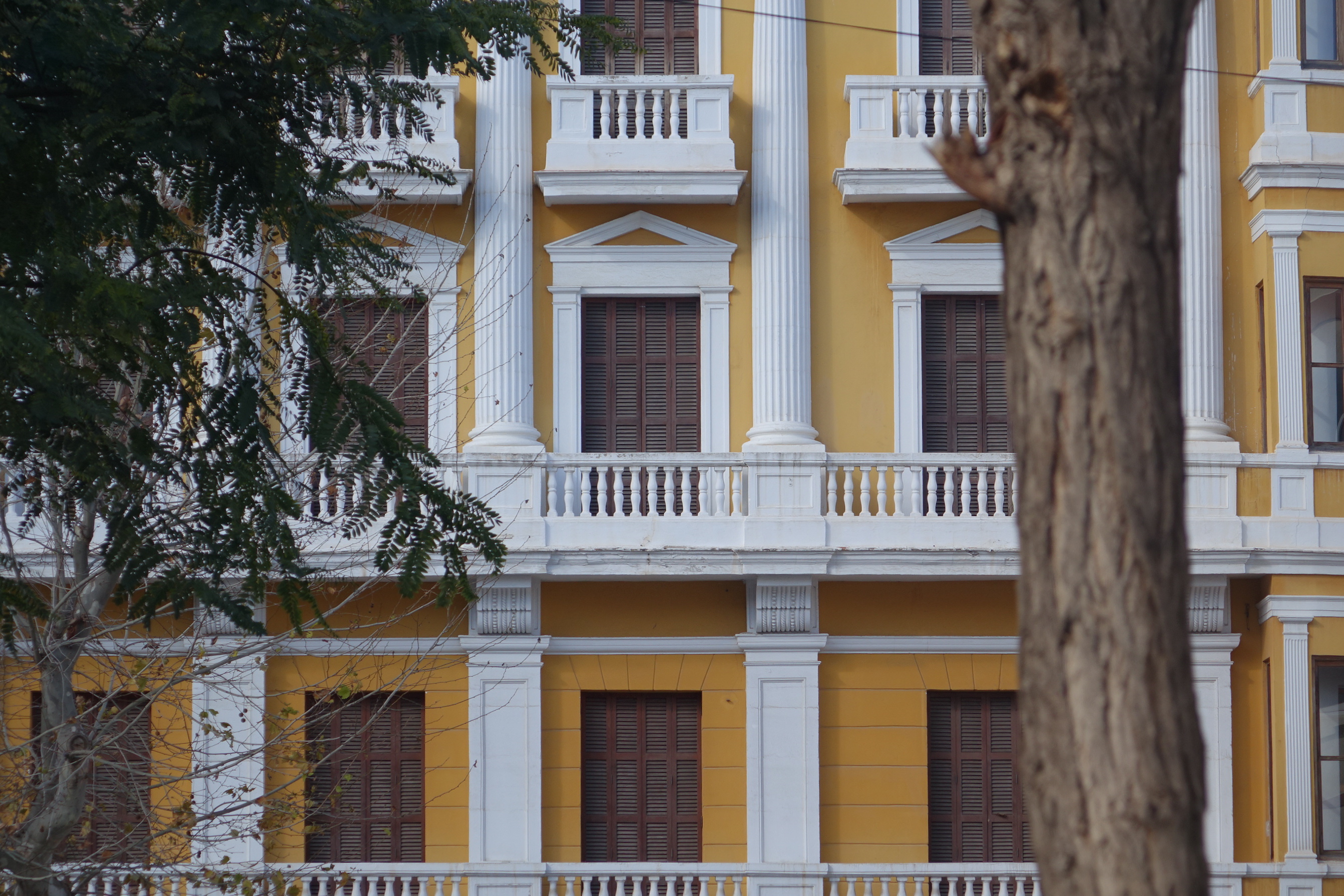
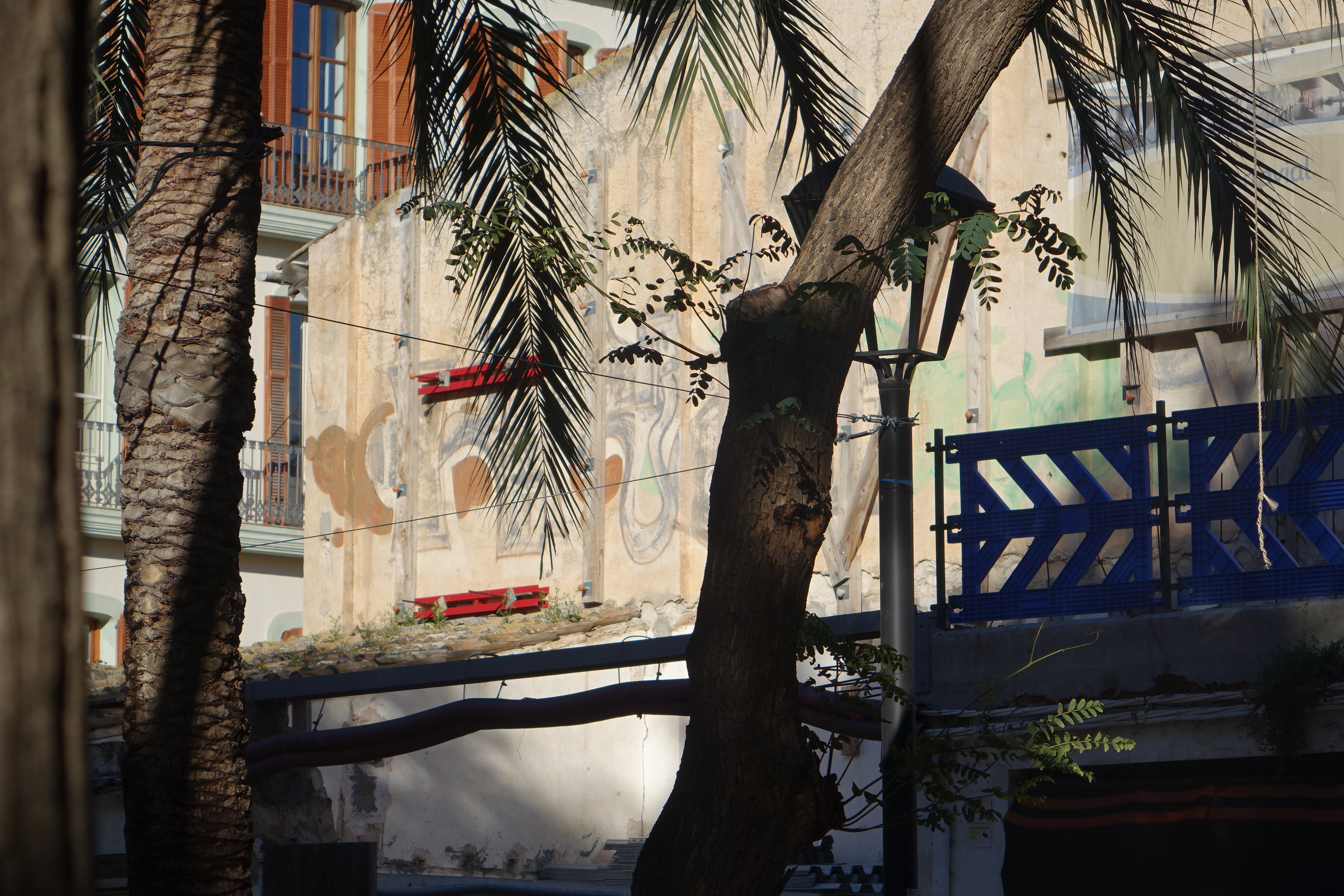
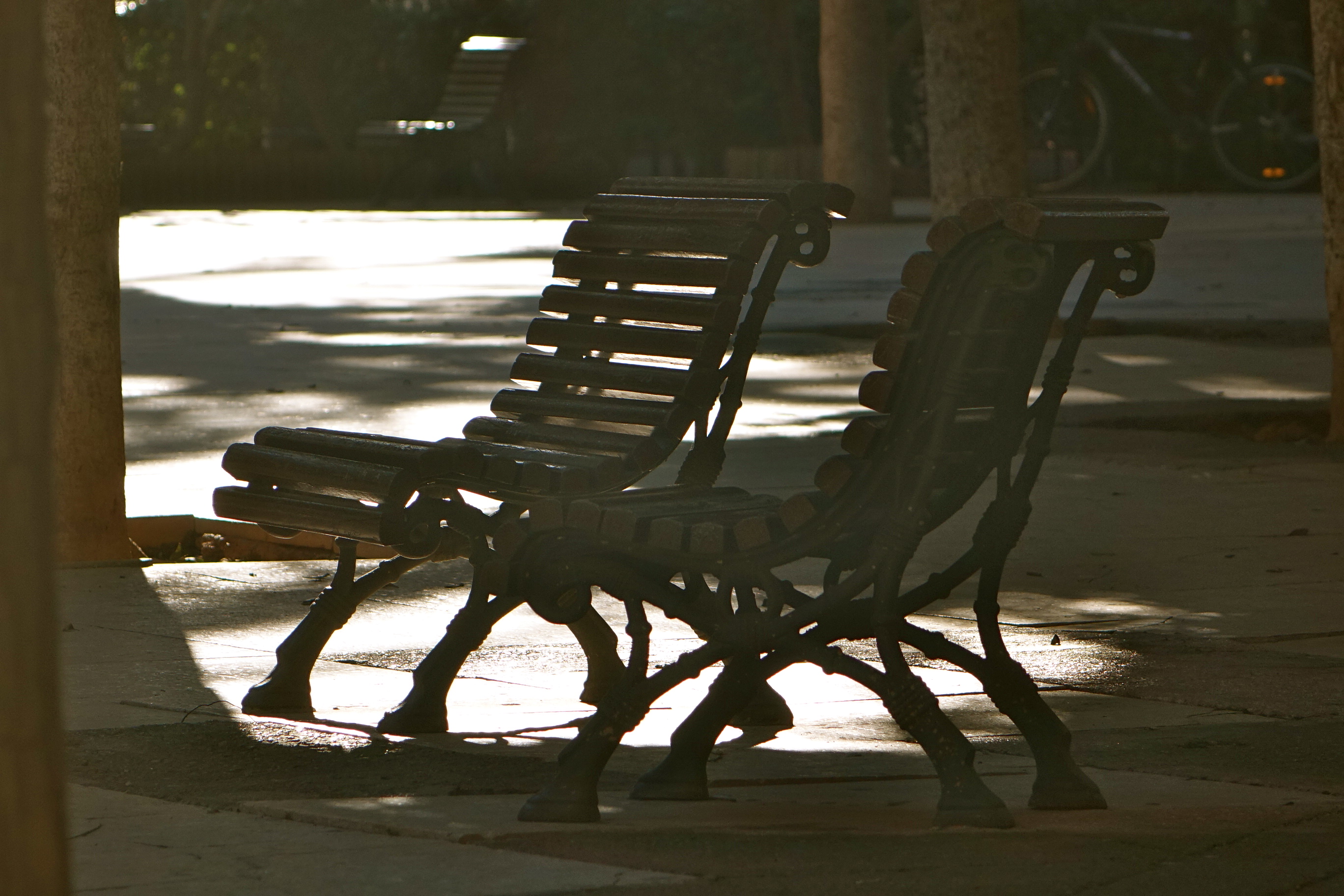
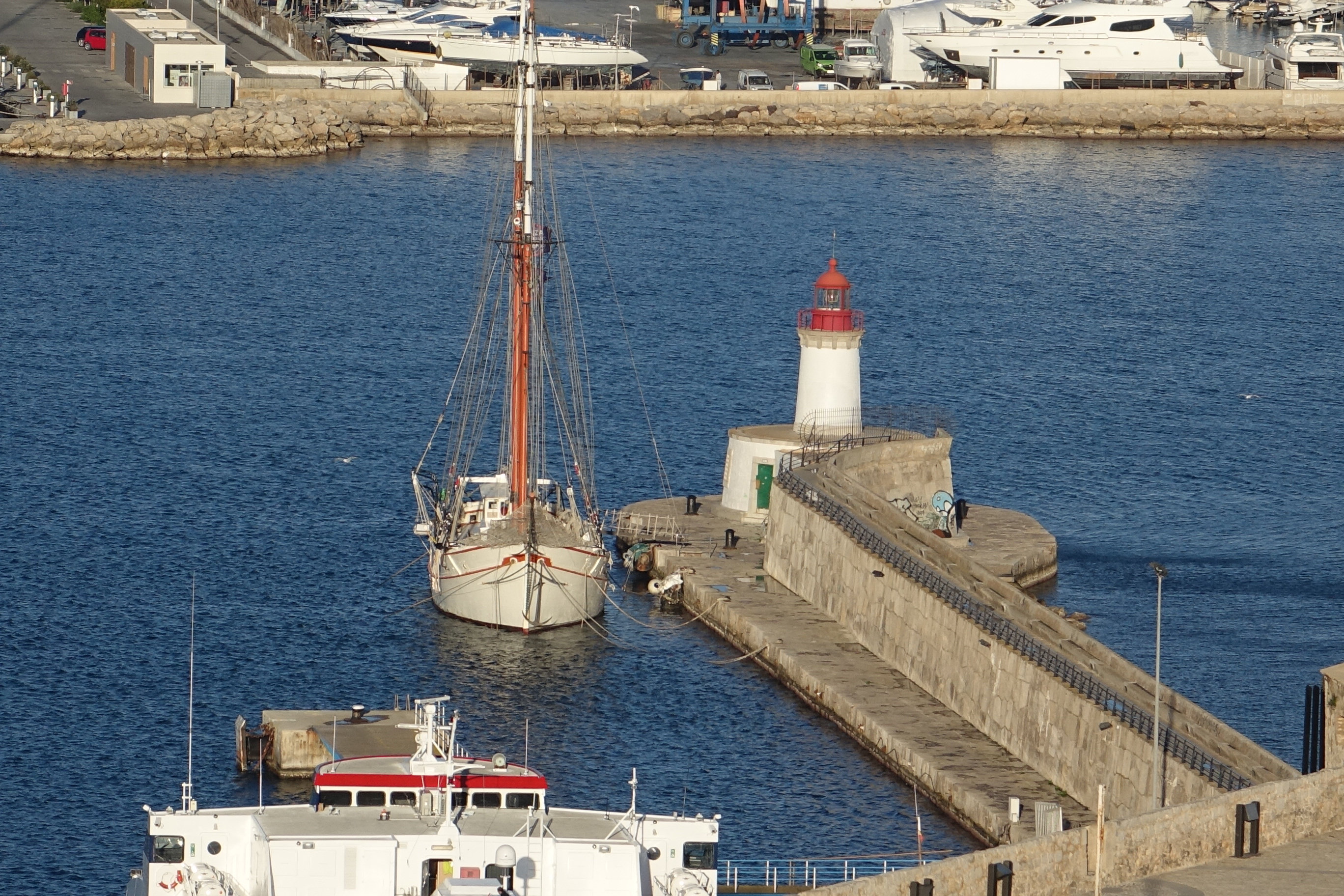
This is no more obvious that in the hilly streets of the Dalt Vila, or “upper town” as the ancient old town of Ibiza’s capital is called – an area packed with stunning little cobbled streets which twist and turn all the way up to the Santa Maria d’Eivissa, the church which towers across Ibiza’s main port. While the plethora of quaint little houses lining those streets suggested that in the warmer months, they would be a tourist’s paradise, in January not a single business was open. And so it was that my Winter Weekend in Ibiza was a rather bizarre affair. For the Med’s party paradise was punctuated with neither a disco beat, nor any other human sound, and the only action that could be found was in the modern extension of the city (the Eixample), where some locals continued to live on, despite the silence all around them. 

Historical streets of the Dalt Vila

DSC06112 DSC06424 DSC06358 DSC06395 DSC06340DSC06101DSC06406DSC06124DSC06455 DSC06242 DSC06495 DSC06088 DSC06100 DSC06098 DSC06374 DSC06397 DSC06504 DSC06240

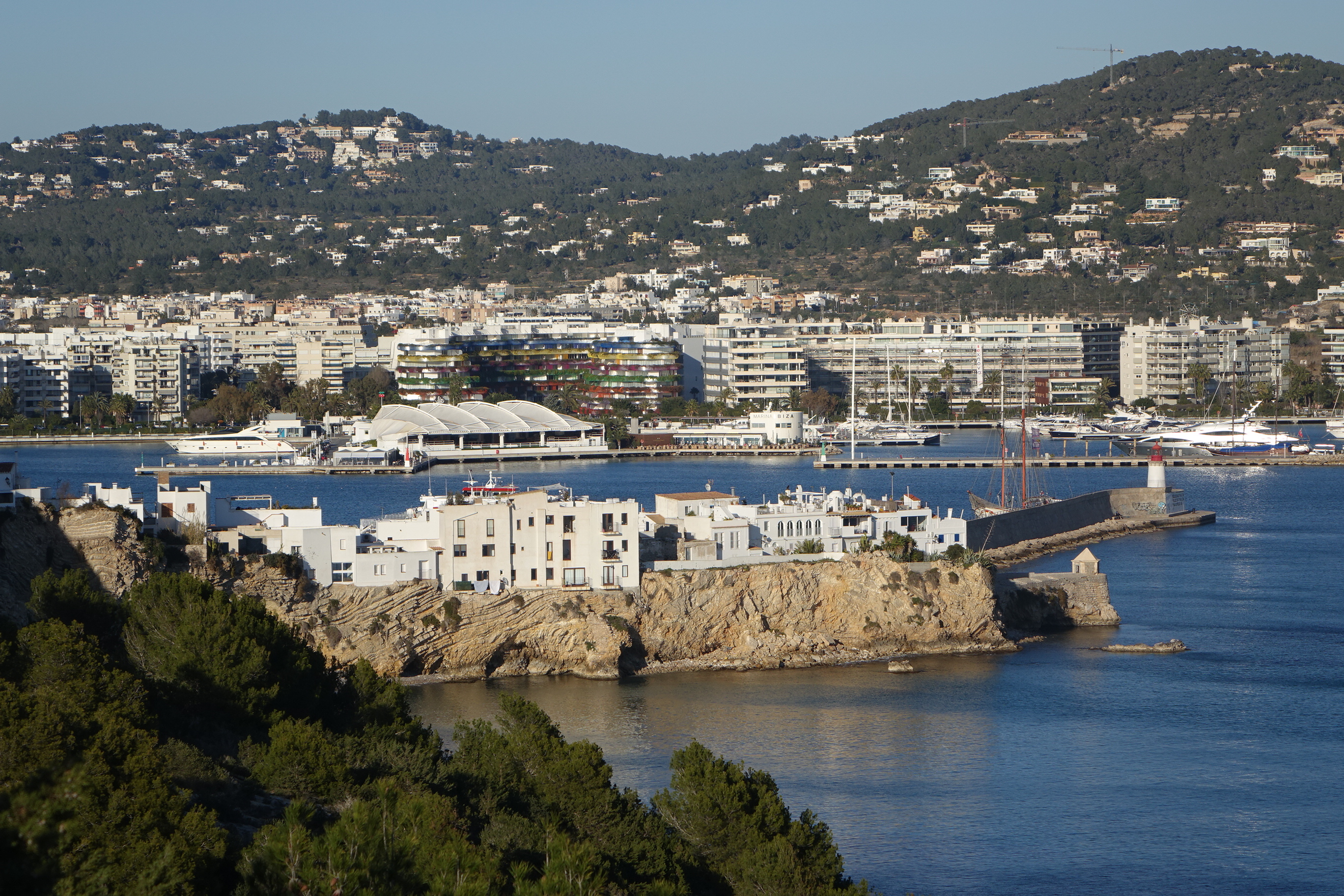
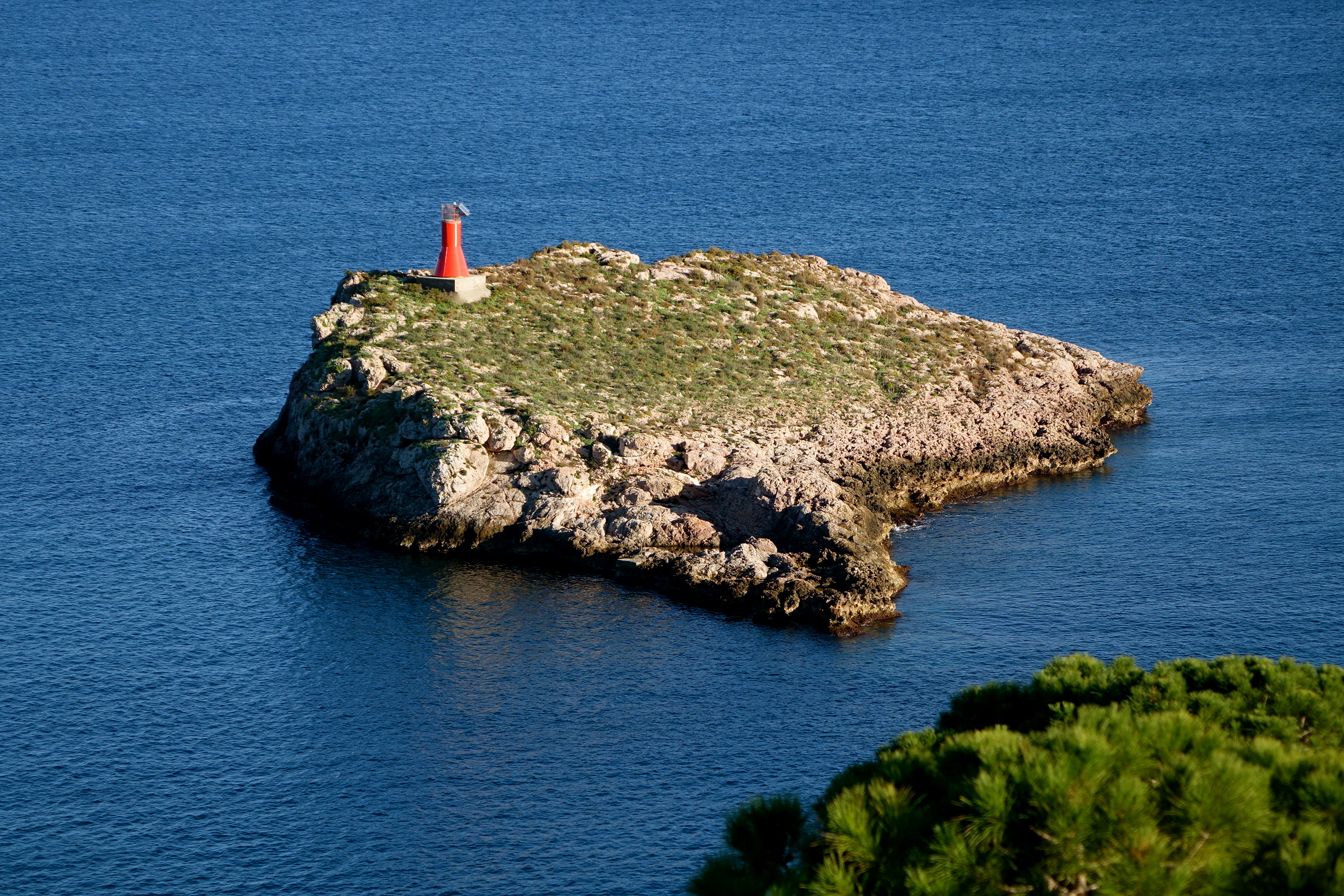
Of course this desertion was not all bad. For crowds are undoubtedly overrated, and while the town undoubtedly lacked the charm it would exhibit when open for business, I was at least joined by my partner, and together we were able to explore both the old town and its surroundings relatively undisturbed. And with the sun shining its winter warmest, this could not have been a more pleasant experience, not least when the steep roads out of the old town took us onto the vast ancient city ramparts and the natural rocky outcrops upon which the city is built.

Rocky outcrops and views of the stunning natural surroundings

DSC06216 DSC06231 DSC06204 DSC06206 DSC06213 DSC06194 DSC06205 DSC06499 DSC06259

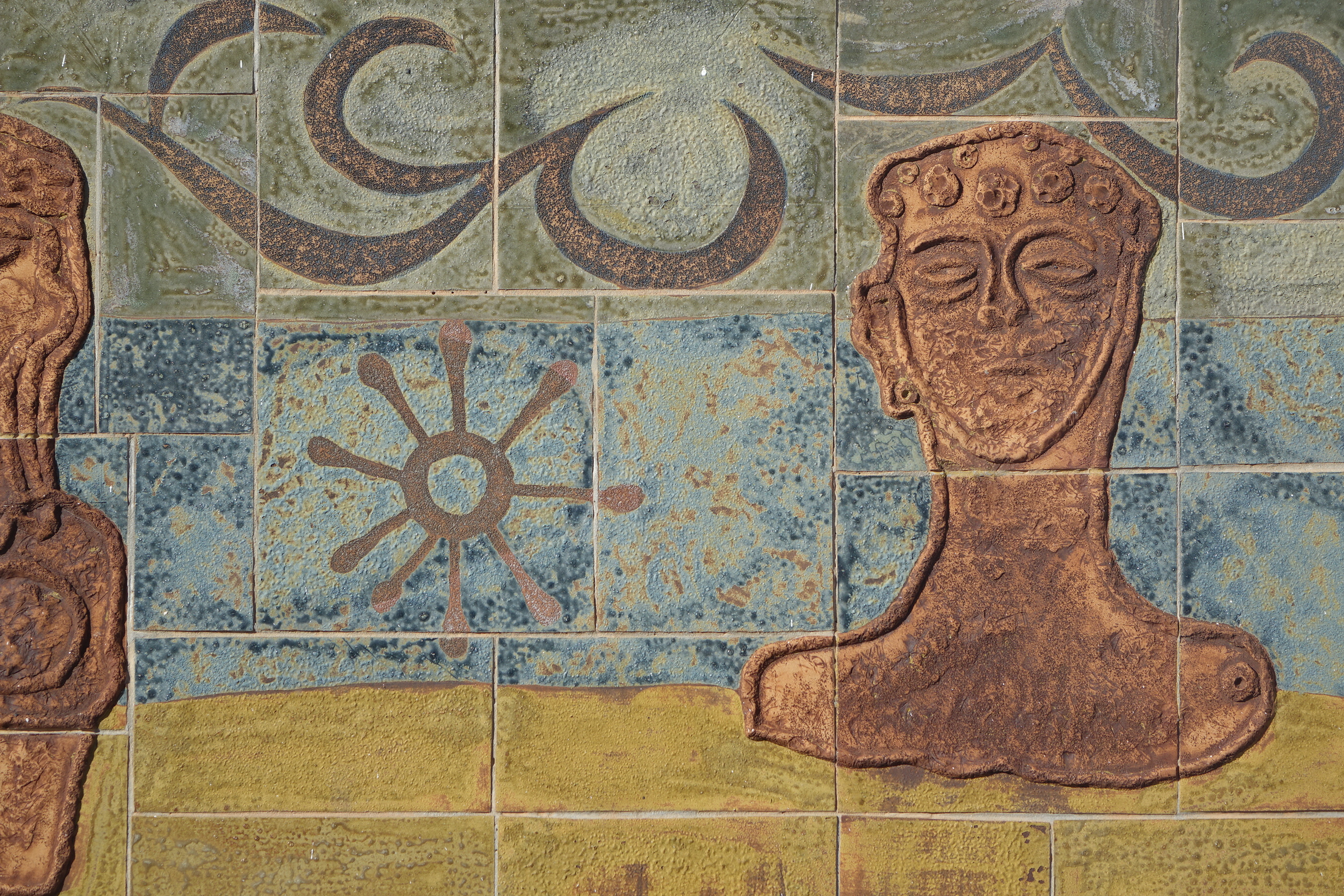
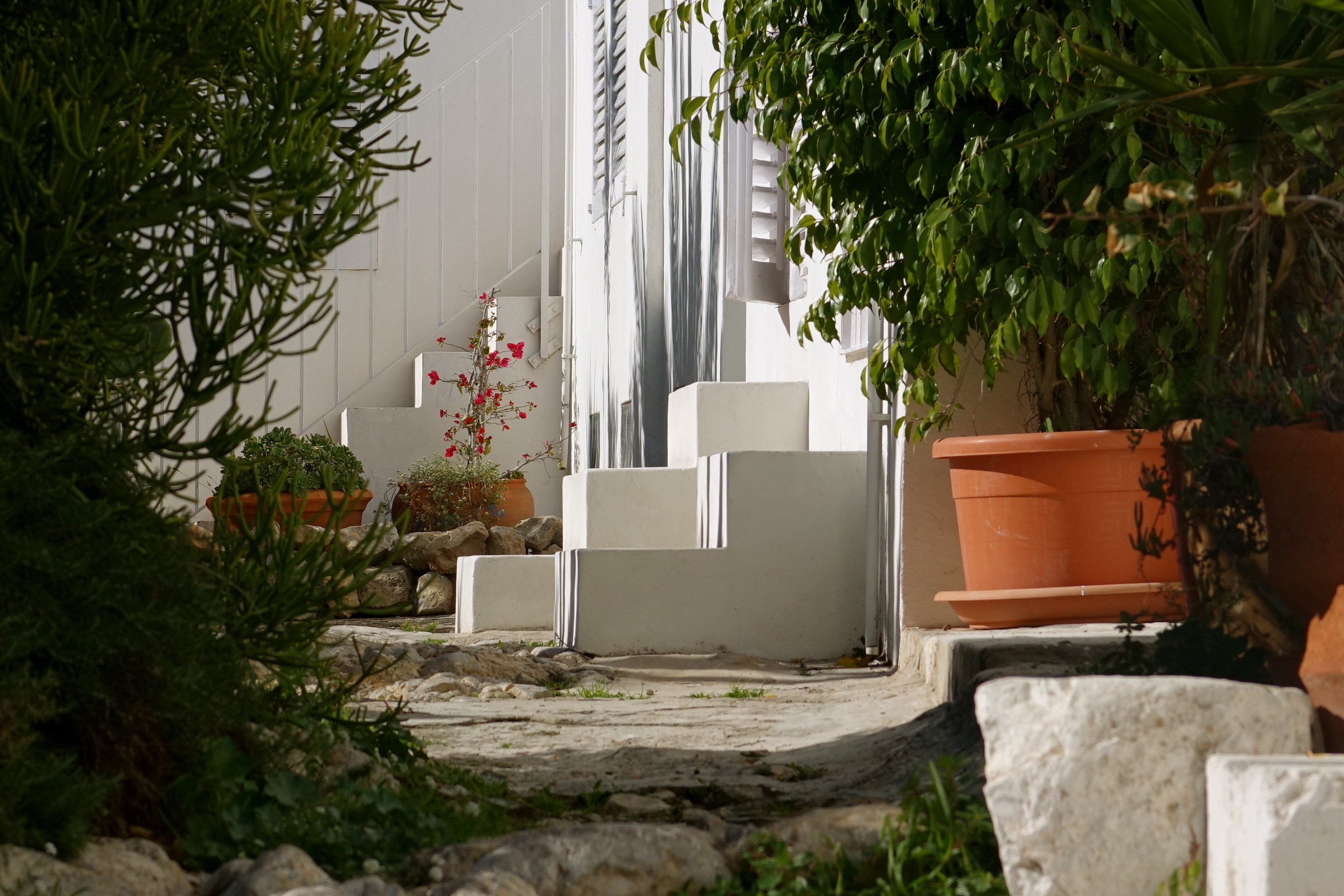
So while this first set of photos is unlikely to feature much by way of people action, I think it aptly demonstrates what is undoubtedly a charming and unique historical centre and a feature of the island which undoubtedly falls unjustifiably within the shadow of Ibiza’s  all encompassing party reputation. After all, the clubs and the larger louts form a very small part of an island which is otherwise both geographically stunning and historically rich – features which are no more obvious than in January when the drunks are safely ensconced a thousand miles away.

DSC06250

All photos and written content are strictly the copyright of Nicholas de Lacy-Brown © 2015 and The Daily Norm. All rights are reserved. Unauthorized use and/or duplication of the material, whether written work, photography or artwork, included within The Daily Norm without express and written permission from The Daily Norm’s author and/or owner is strictly prohibited.

Rural idyll in Mountainous Mallorca

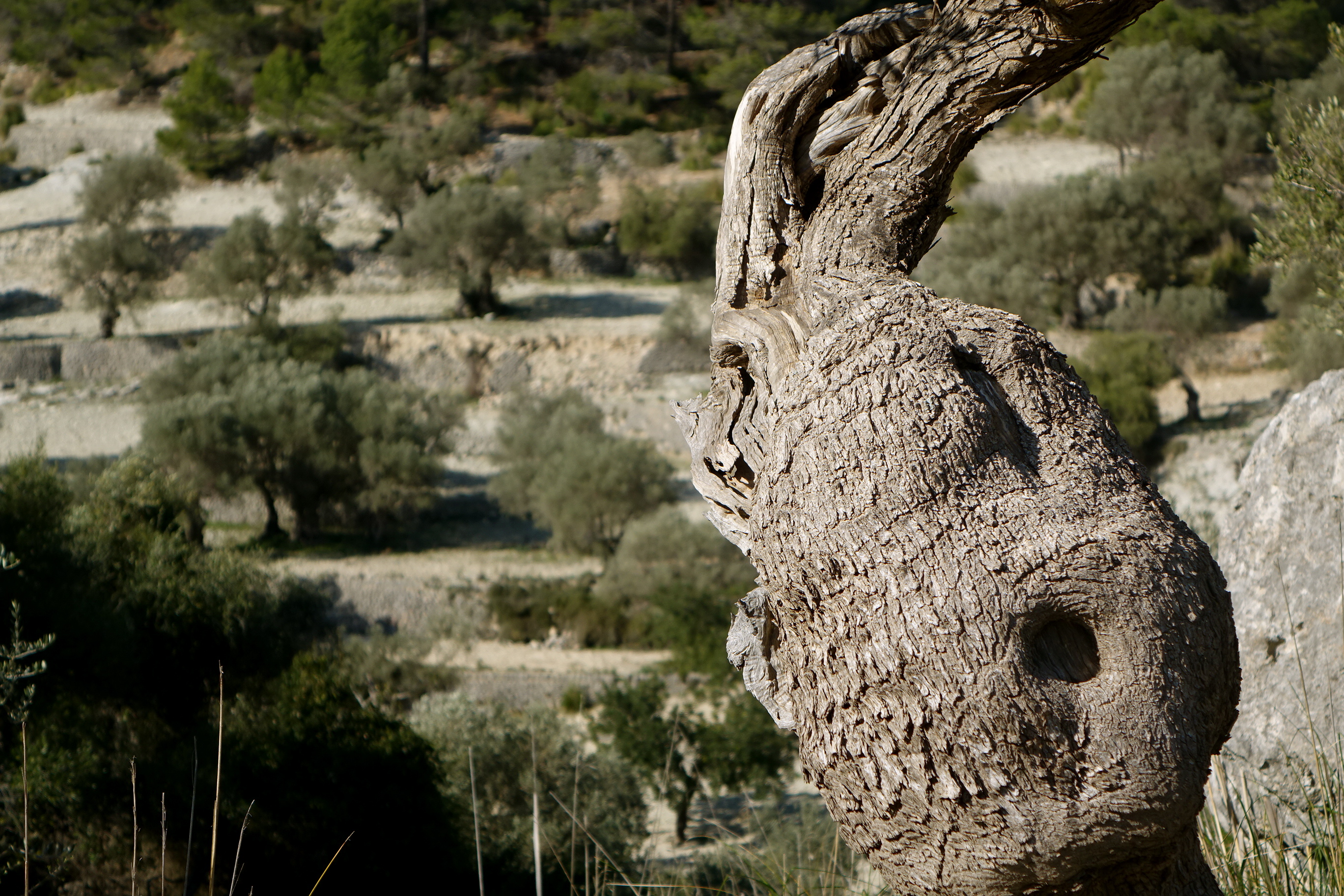
It is sometimes difficult to remember, when passing most of one’s time in the bustling city centre of Palma de Mallorca, that mere miles outside of the city lies some of the most stunning natural scenery in all of the Mediterranean. From wide planes peppered with ancient windmills and sprawling olive and citrus groves, to incredibly vast vertiginous mountain scenery, Mallorca is an island rich in stunning vistas and bucolic idylls, and when I got myself a set of wheels last week, I enjoyed my first samplings of the island at its very best.

The car took us deep within the vast Serra de Tramuntana, a stretch of mountains which forms the backbone of the island sprawling from South West to North East, and which was awarded UNESCO world heritage status in 2011. Reaching the village from Palma involves an easy motorway drive East to Alaró from where the road turns inwards into the heart of the mountains.

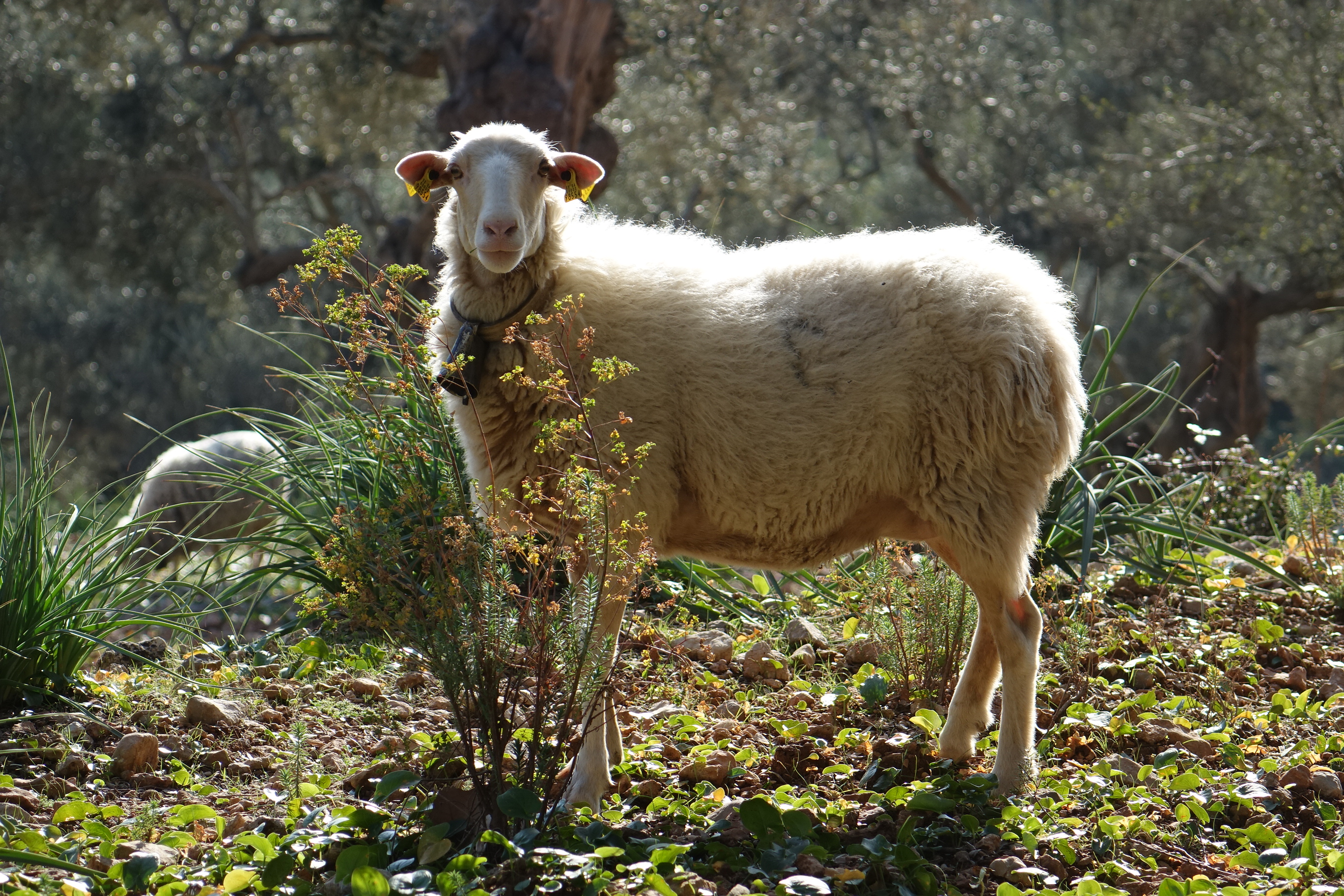
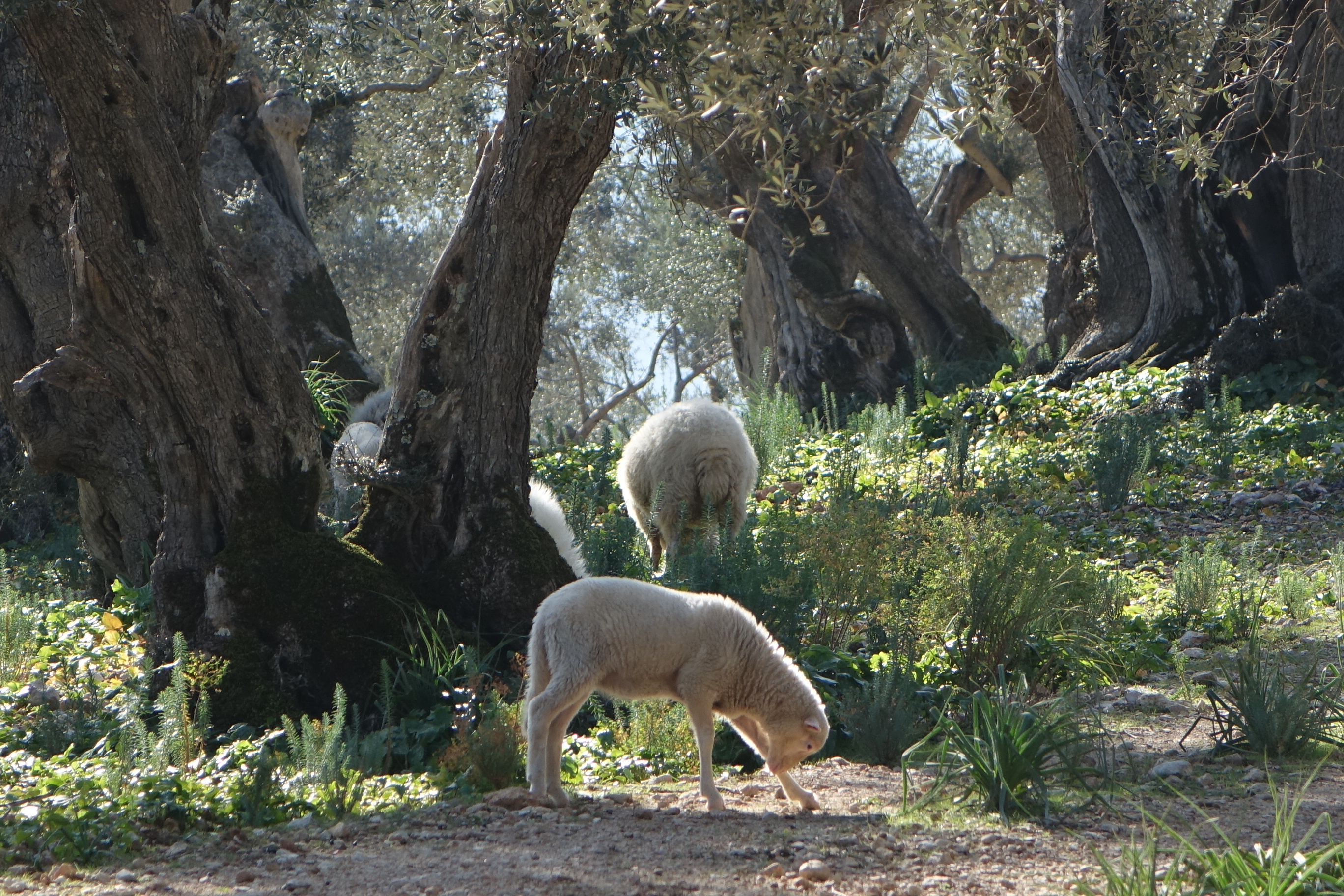
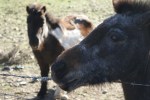
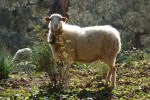
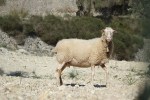
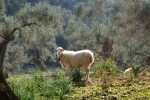
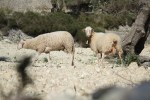
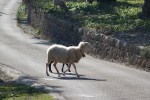
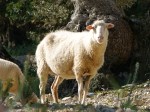
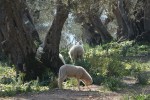
Sheep

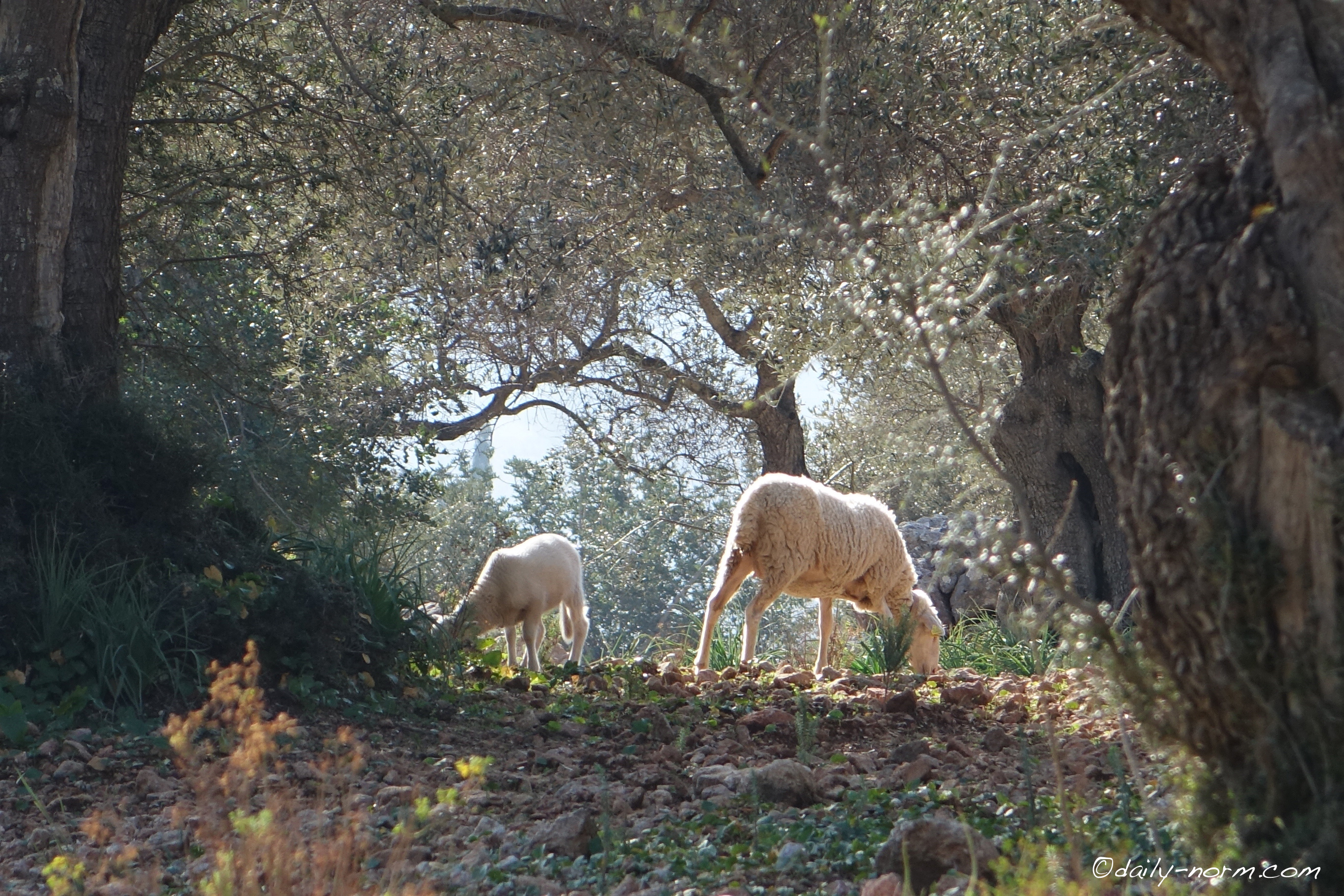
While the meandering mountainside road can be a little nail-biting at times, the accompanying views and sensationally untouched countryside are amongst the most stunning I have ever seen. Beneath towering mountains, terraced planes filled with olive trees and red stony terrain play host to mountain-hardy sheep and goats who totter around with iconic bells hanging around their necks. The result is a soporific melody of soft bells jangling in the still mountain air, a soundtrack which mesmerises me into an other-worldly state of epiphany. 

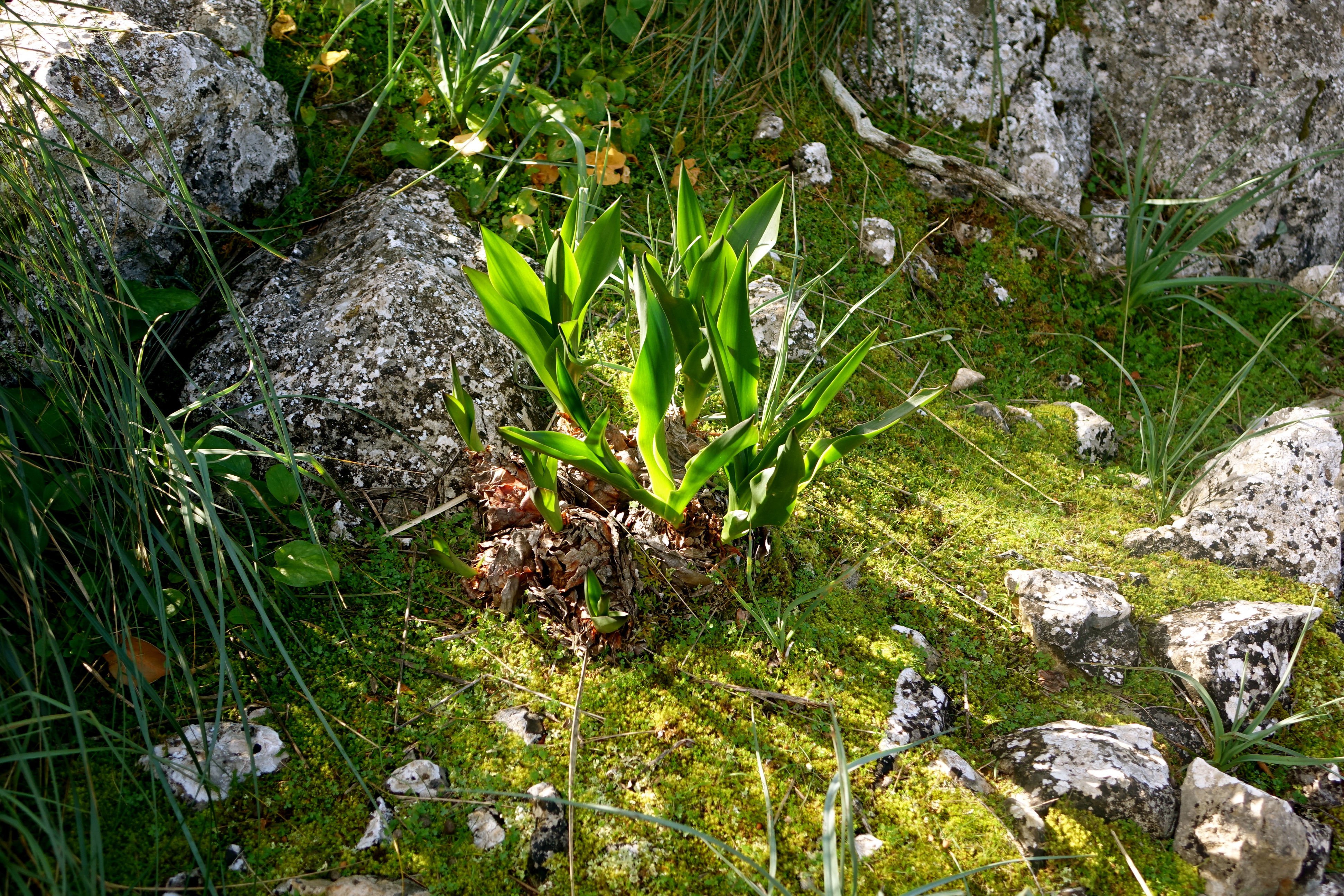
DSC05274DSC05369 DSC04917 DSC05036 DSC05319 DSC05178

Meanwhile through the delicate olive branches, soft warming sun rays bounce and scatter light across a crumbling dry soil, and all around insects stir against their beds of rustic tree bark and rocky-bound plant life. The landscape is almost biblical in its magnificence, and of course it lends itself to photography like none other.

So let me leave you to enjoy the fruits of my first visit inland. I can assure you now that there will be many more new mountain adventures to come.

All photos and written content are strictly the copyright of Nicholas de Lacy-Brown © 2015 and The Daily Norm. All rights are reserved. Unauthorized use and/or duplication of the material, whether written work, photography or artwork, included within The Daily Norm without express and written permission from The Daily Norm’s author and/or owner is strictly prohibited.

Demons and dynamite: The Palma Correfoc

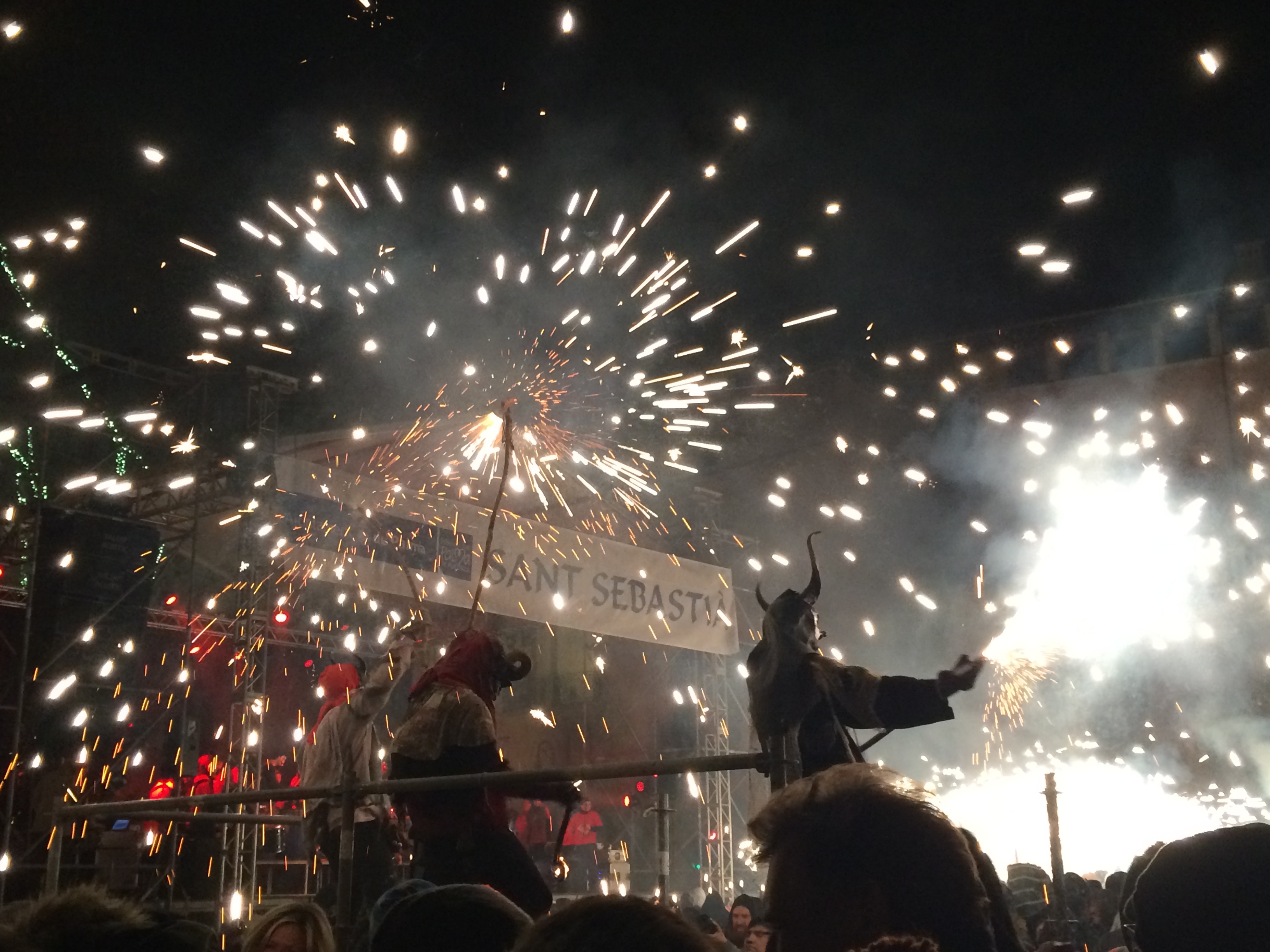
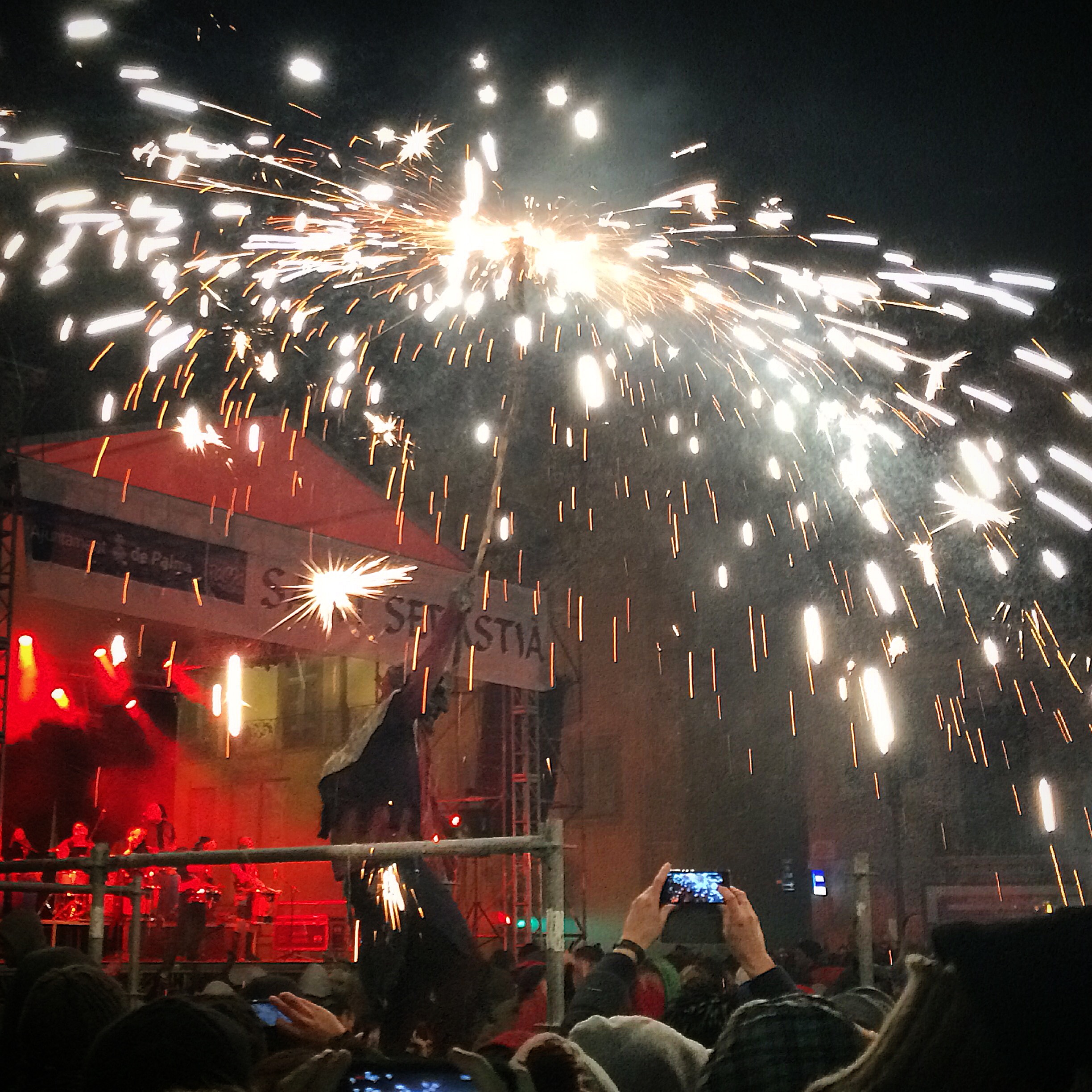
I’m feeling very spoilt by my relocation to Palma de Mallorca. Spoilt because every day, the sun shines a little stronger and for a little longer, despite the fact that we are heading deeper into the winter. Spoilt because each week I discover some sensational new landscape a mere stone’s throw from my front door. And now spoilt because a mere 10 days after the Christmas lights were switched off after the 12th night, they are now back on again, twinkling their beautiful best in celebration of Palma de Mallorca’s patron saint: Saint Sebastian.

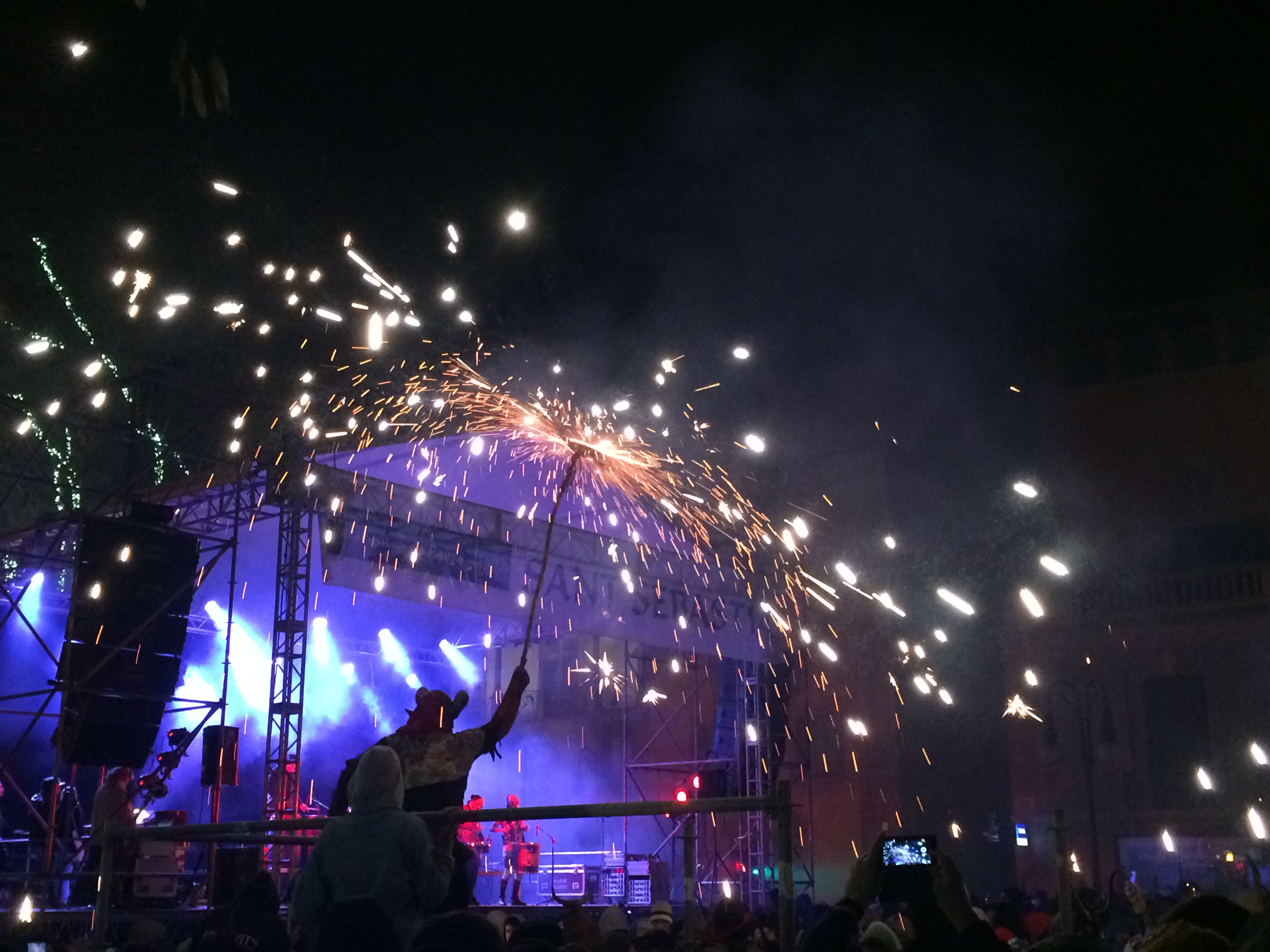
And as public festivals go, it looks as though this one is set to be a biggie. As I write, stages are being erected in almost every square in the city; a programme of extensive musical entertainment is waiting in the wings; and a mountain of fireworks is being heaped by the cathedral ready to be ignited. But although most of the celebrations will kick off this evening, on Saturday night, a very unique event hit the streets of Palma: the Correfoc.

IMG_1045 IMG_0992 IMG_1046

Roughly translating as a firerun, there is frustratingly little that can be found on the internet to explain the history of what is ostensibly a satanic orgy of dancing demons setting off a continuum of shrieking fireworks to the beat of traditional gralla drums. But whatever the source of this tradition, this typical folk festival characteristic of a Catalan celebration is an eye-opening sight to behold. Except open your eyes too wide and you could live to regret it – for in a crowded spectacle alive with the pop and crackle of a bounty of exploding whizzing fireworks set off in all directions including over the heads of the heaving crowds, health and safety is not exactly paramount.
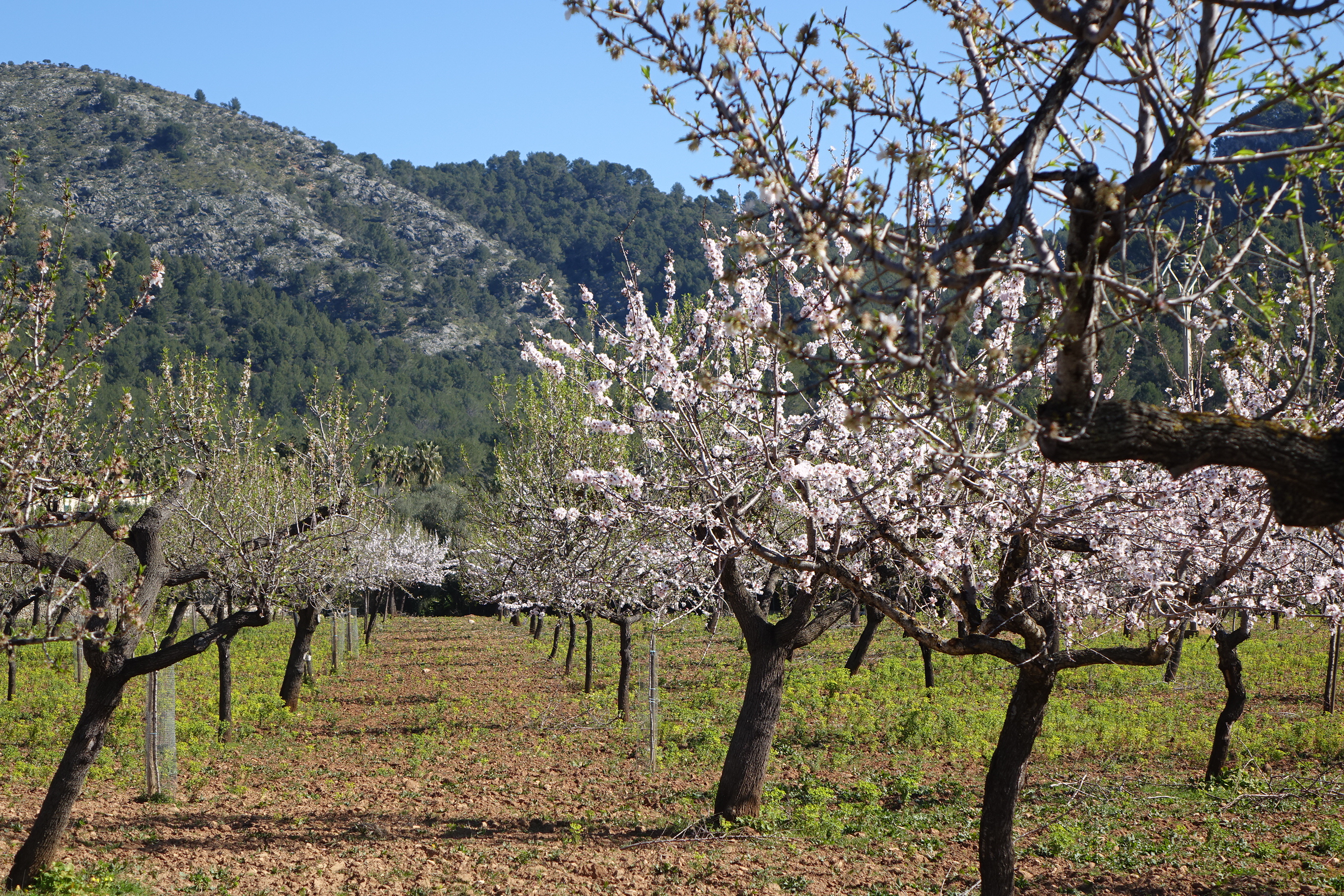
But everyone knows that health and safety spoils a real party, and Palma’s unrepeatable firey festival certainly proved worth the risk. Grinding dancers gyrating to the carnal rhythm of drums; horrific demon costumes silhouetted against the mass of burning fireworks; and the sound of fireworks shrieking like taunted spirits as they burst and and flew through the air; all the elements amassed to create a spectacle which felt like both a surreal nightmare and an incredible piece of performance art, and Palma’s biggest street party.
IMG_1031 IMG_0997 IMG_1048 IMG_1027 IMG_1049 IMG_1361


Mallorca Photo Folio: The reds and the greens

Last week I took you on a whistlestop tour around the city of Palma but only through the narrowest application of my artist’s palette. For the focus of my photo folio selection was shades of glittering silver – the kind of metallic sparkle which we now see regularly when the sun breaks free of wintery clouds and reflects over the expansive Mediterranean sea. This week’s folio selection follows the trend of the moment: Christmas, and as such concentrates on the colours of the season: the reds and the greens, and much in between.

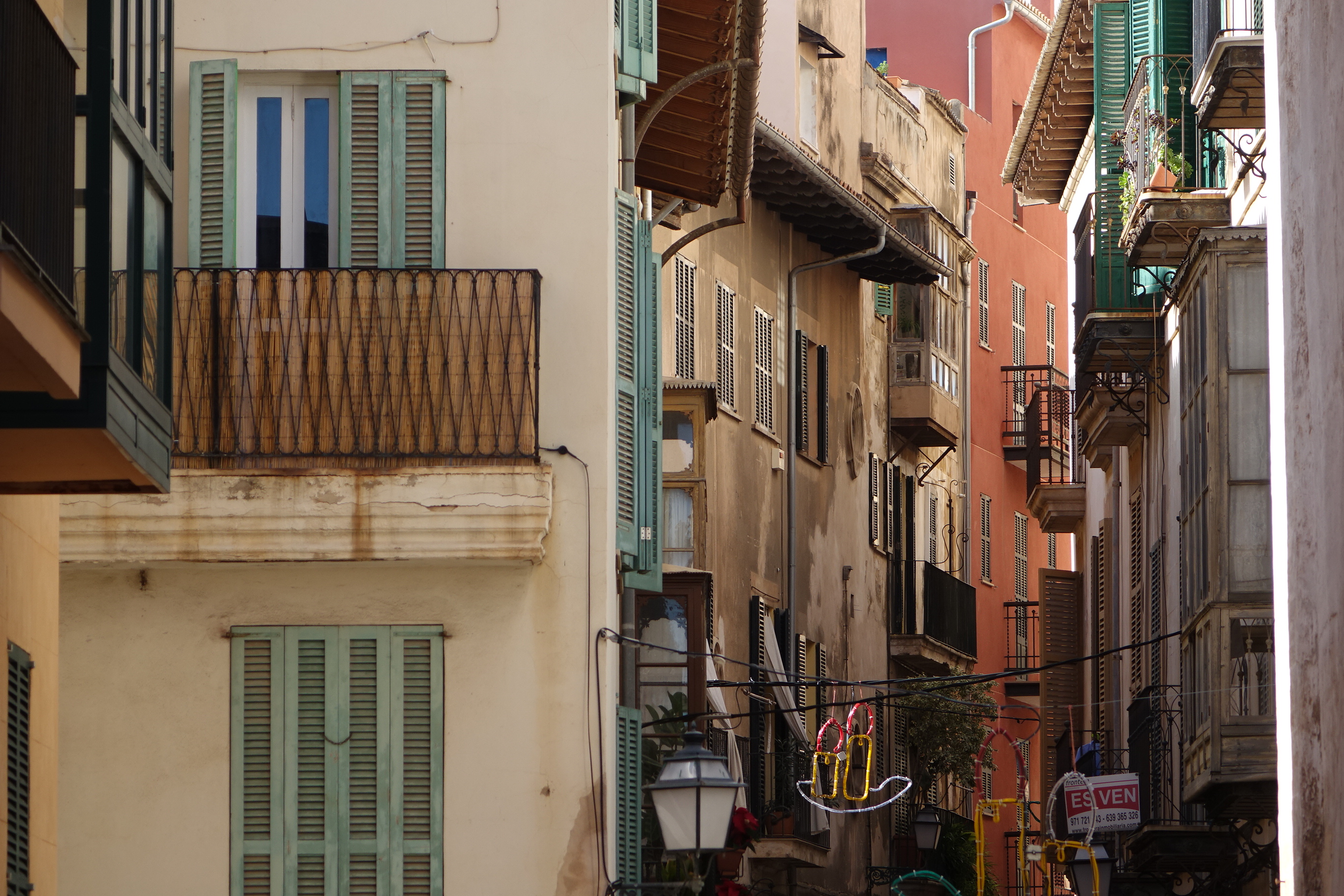
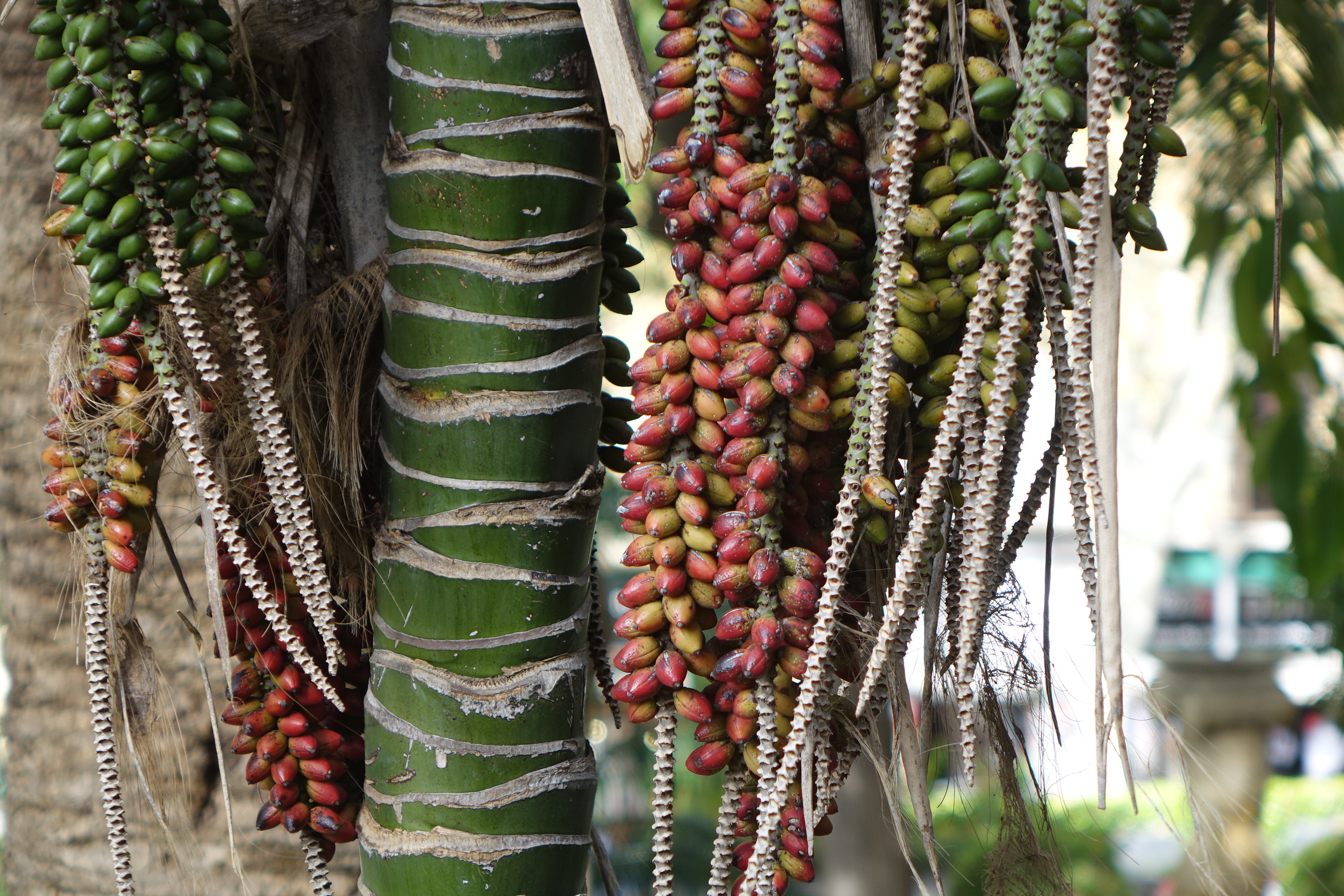
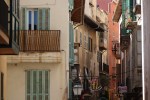
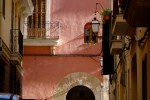
Ironically, despite their being the colours of Christmas, red and green have a prominent presence here in Mallorca all year around, where the sight of green wooden shutters on sunbaked terracotta walls is amongst the most common on the island, and where tropical green leafed plants are abundant in rotund red fruits. So far from being Christmassy, these colours actually inject a feeling of the tropical into this photo collection, reminding me of paintings by the likes of Gauguin, whose earthy red paintings fringed with green tropicana were the staple of his Tahiti collections.

DSC02013 DSC01067 DSC00407DSC02430DSC01073

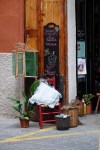
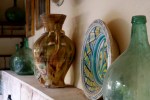
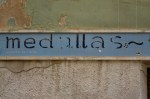
Back in the urban jungle of Palma, these photos are reflections on a city ripe with life, leisure and lovely, lovely views. They feature the colourful abundance of painted palaces, the plants which are lustrous and healthy even at this time of the year, and the little characterful features which make Palma such an inspirational place to live in.

All photos and written content are strictly the copyright of Nicholas de Lacy-Brown © 2014 and The Daily Norm. All rights are reserved.