Skip to content

Posts tagged ‘Travel’

Norms in Siena

Readers of my post a few weeks back will remember my reaction, close to ecstasy, when I sat with my Partner in the Piazza del Campo in Siena at sunset and sipped upon a frothy prosecco and savoured several balls of stracciatella ice cream as around us the bustling city relaxed and wined and dined its way into the end of the day. In their parallel little world, the Norms enjoy very similar tastes to myself – who frankly could not – and sunset in Siena suits them down to the ground.

The Norms love ice cream. Its soft roundness reminds them of their dulcet gelatinous forms (not that Norms would go as far as eating themselves, perish the thought!). They adore prosecco too, the bubbles increasing ten-fold the bounce which characterises their unique Normy gait. But best of all the Norms are number one fans of the sunshine, which warms their blue blood and makes them glow like high wattage lightbulbs. That’s why, in this happy little depiction of the Norms in Siena they all look so very healthy and content. Saluti to that!

Norms in Siena

Norms in Siena (2017 ©Nicholas de Lacy-Brown, pen and ink on paper)

© Nicholas de Lacy-Brown and The Daily Norm, 2001-2017. Unauthorized use and/or duplication of the material, whether written work, photography or artwork, included within The Daily Norm without express and written permission from The Daily Norm’s author and/or owner is strictly prohibited. For more information on the artwork of Nicholas de Lacy-Brown, visit http://www.delacybrown.com 

Siena: Doing the Duomo

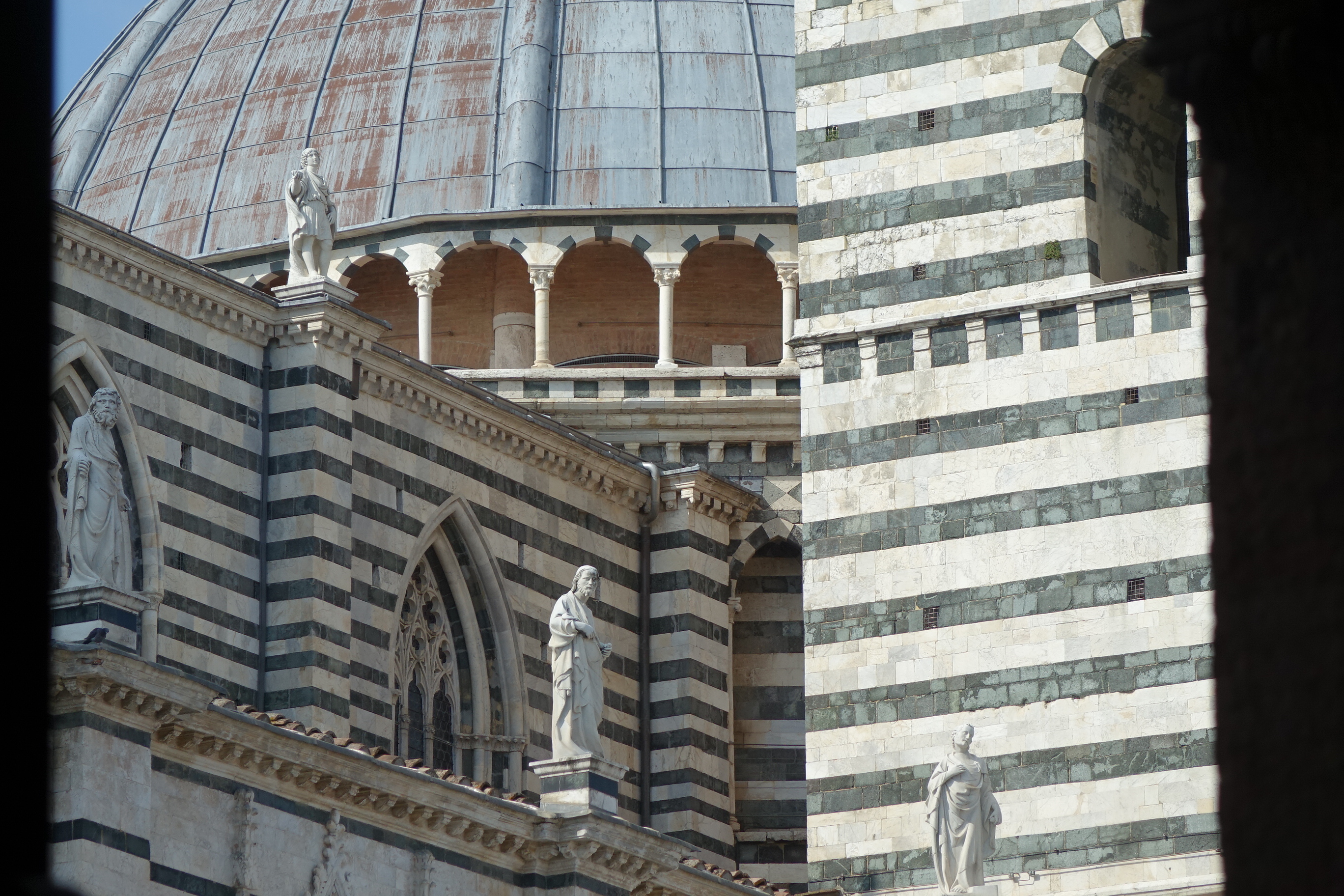
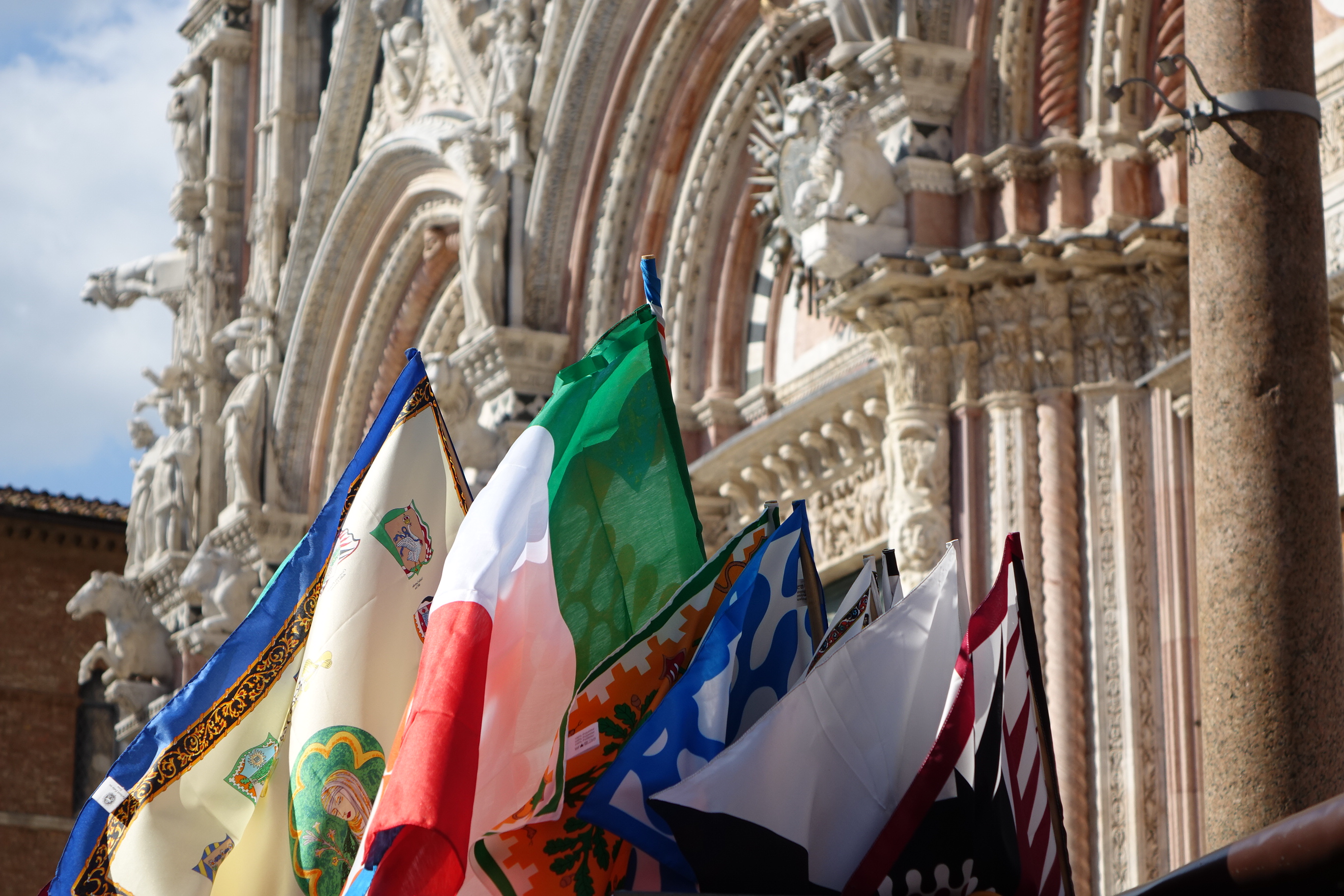
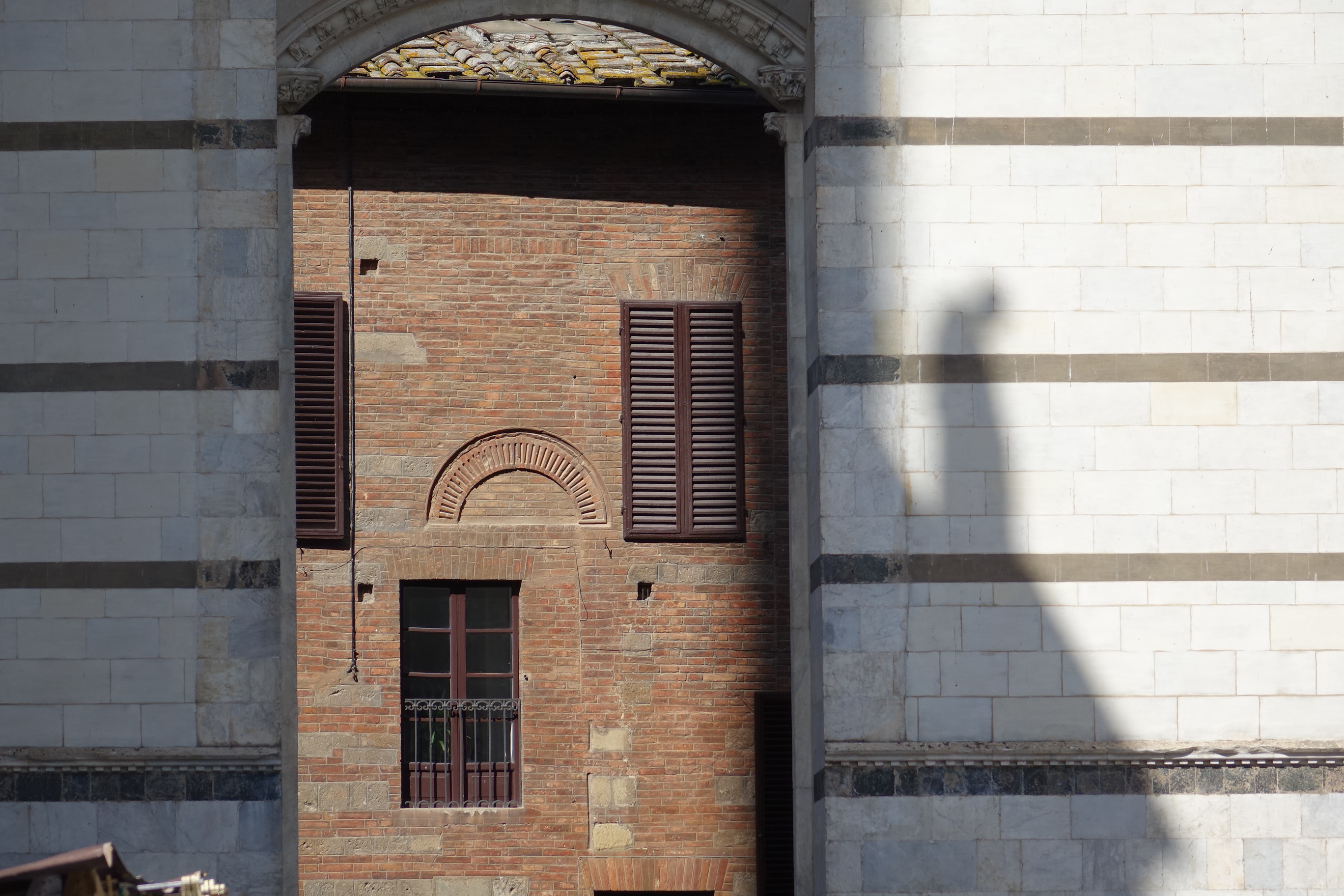
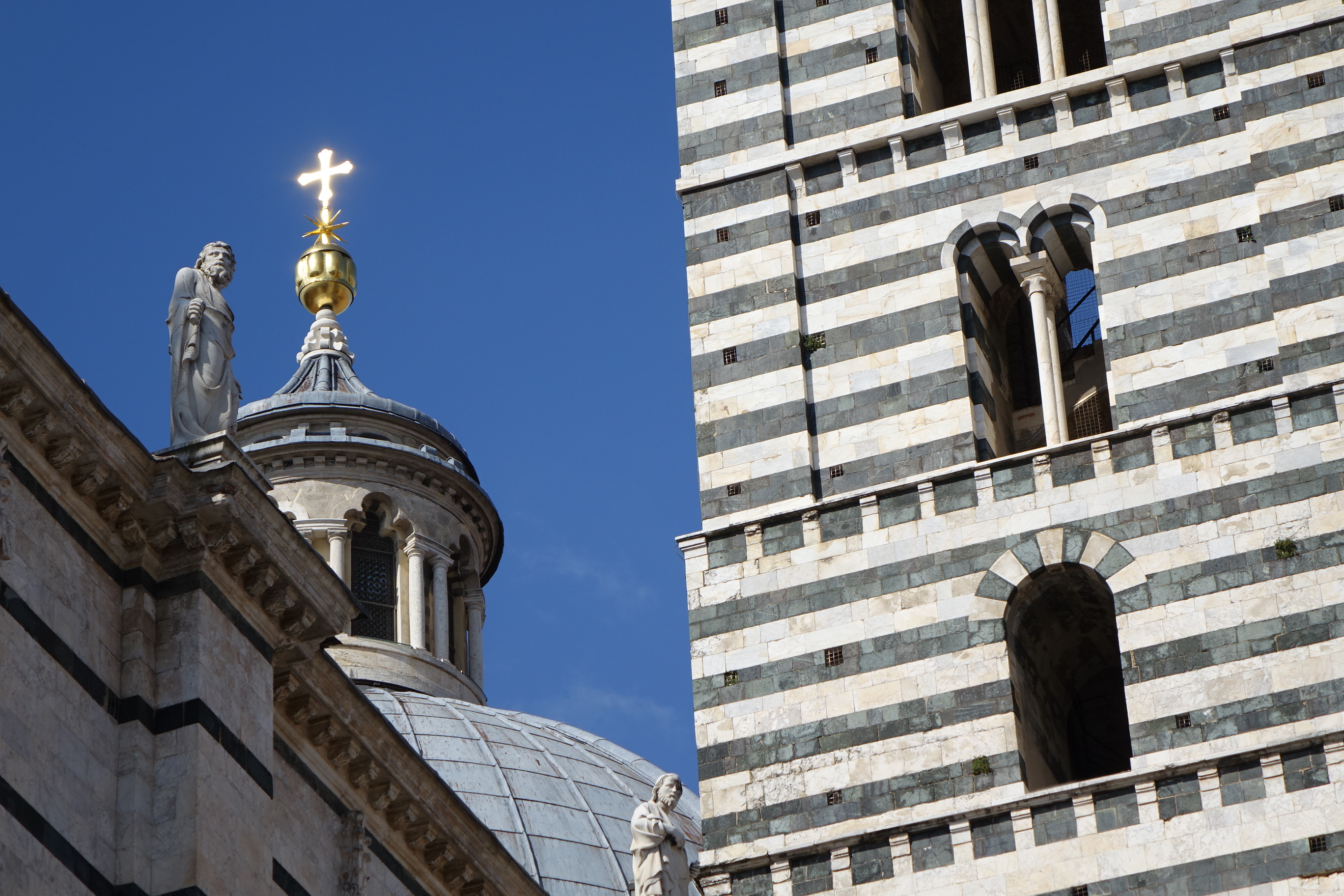
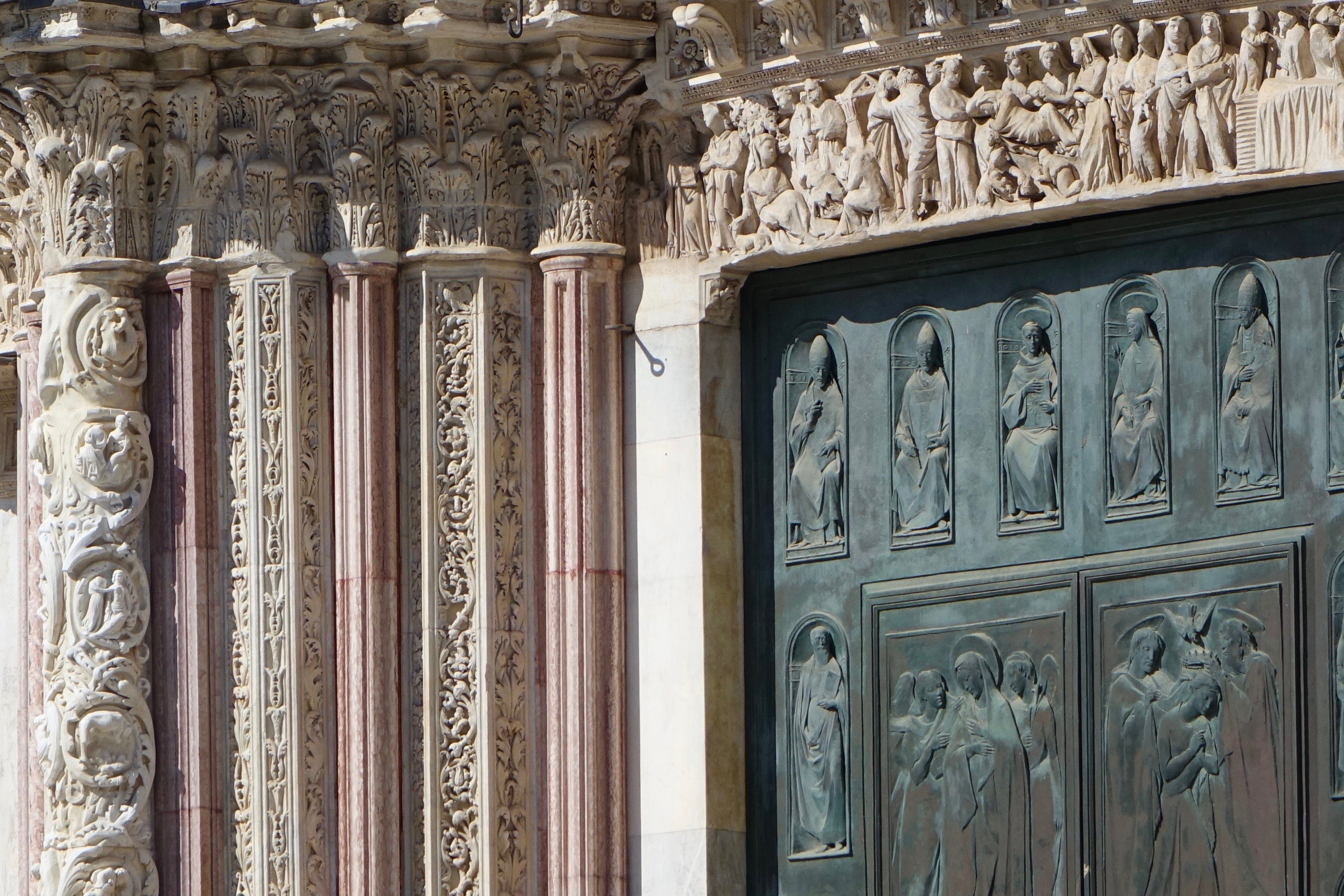
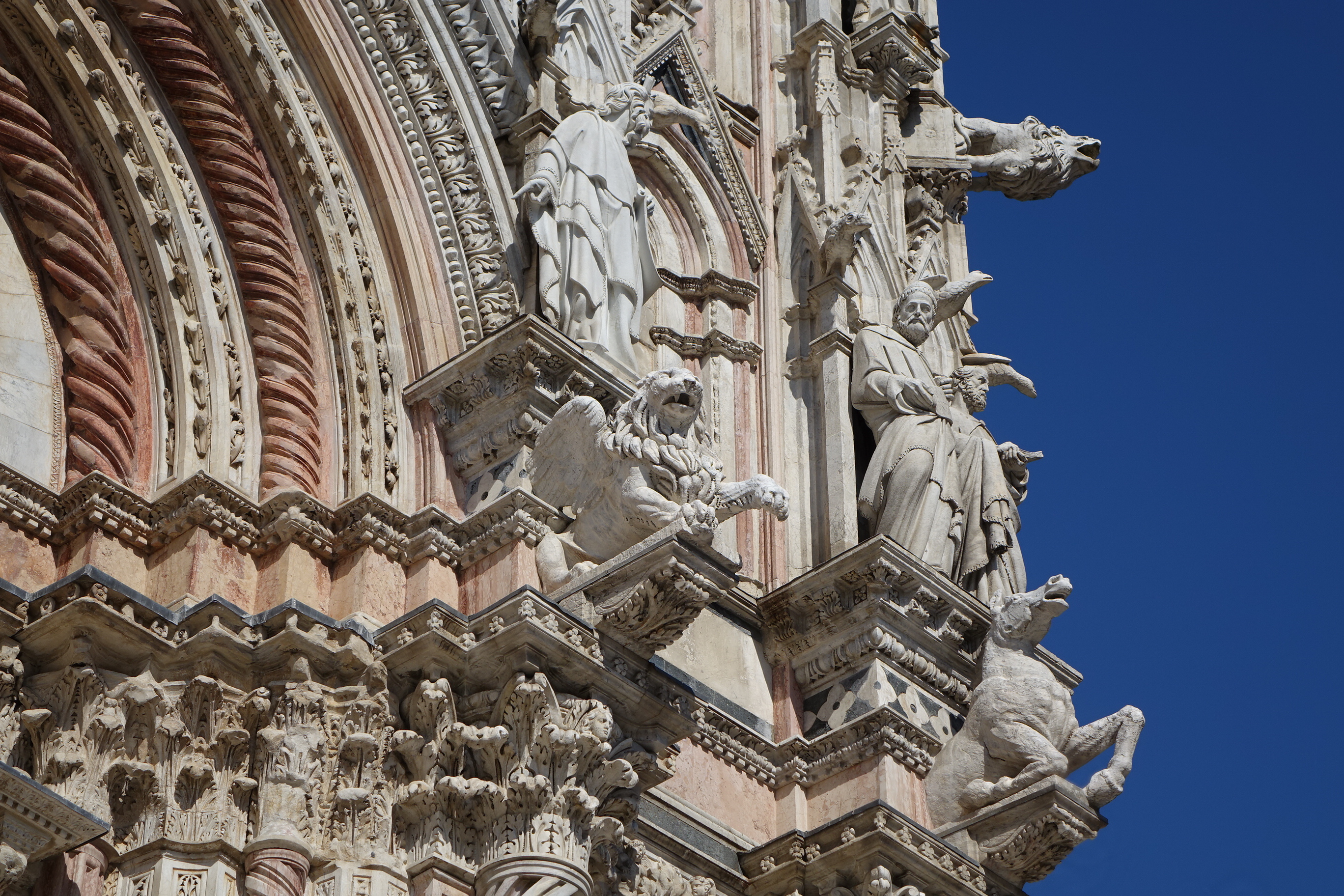
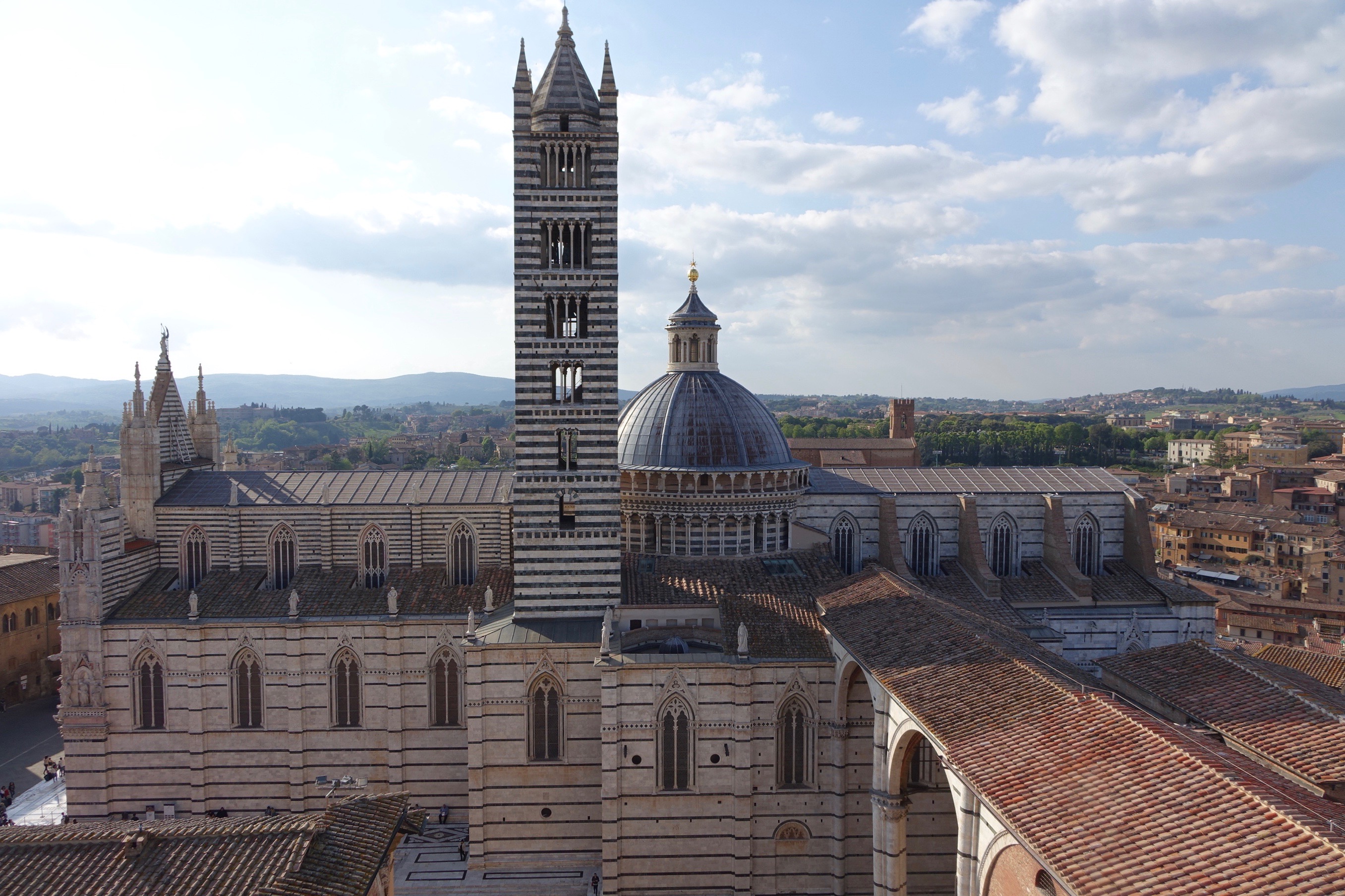
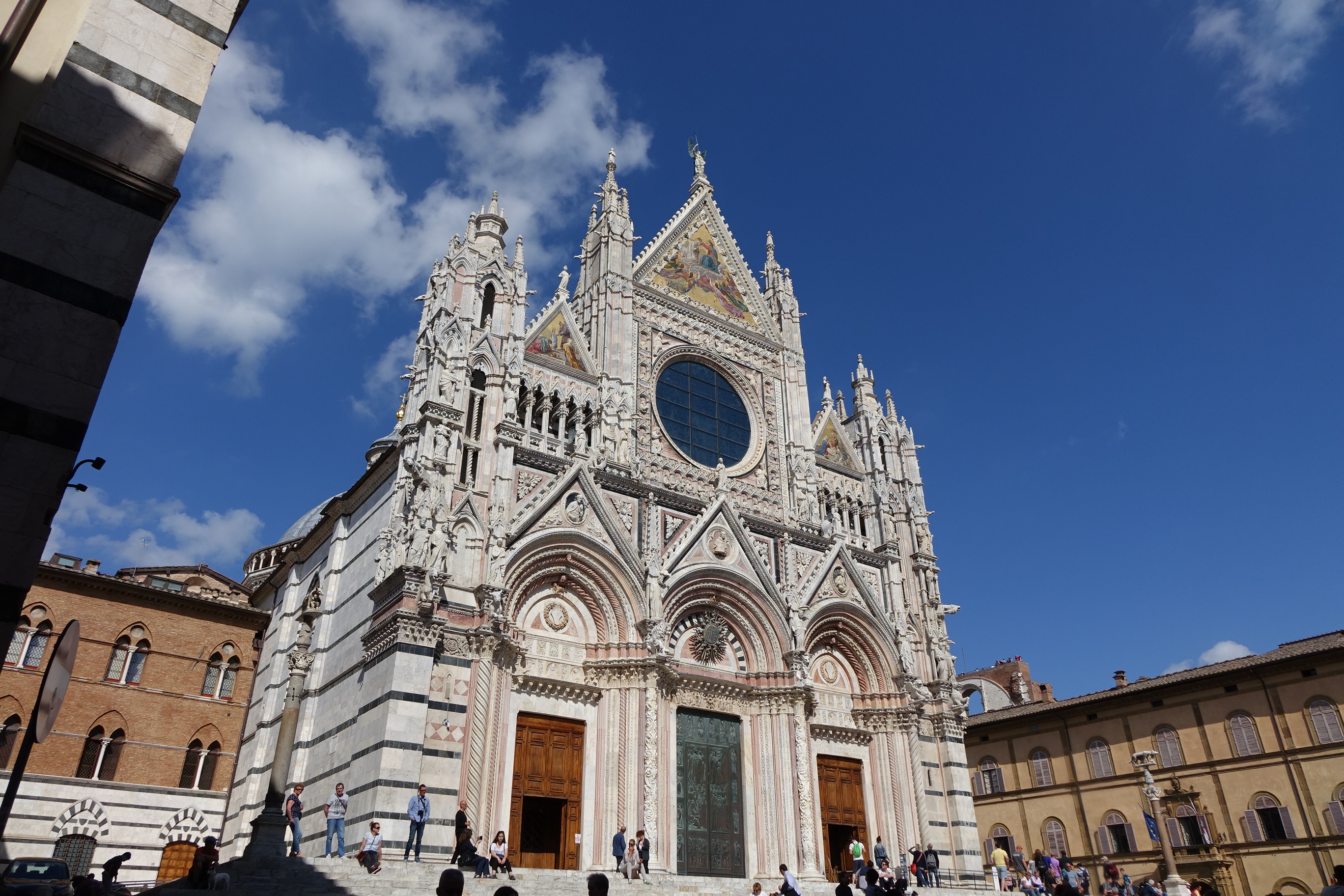
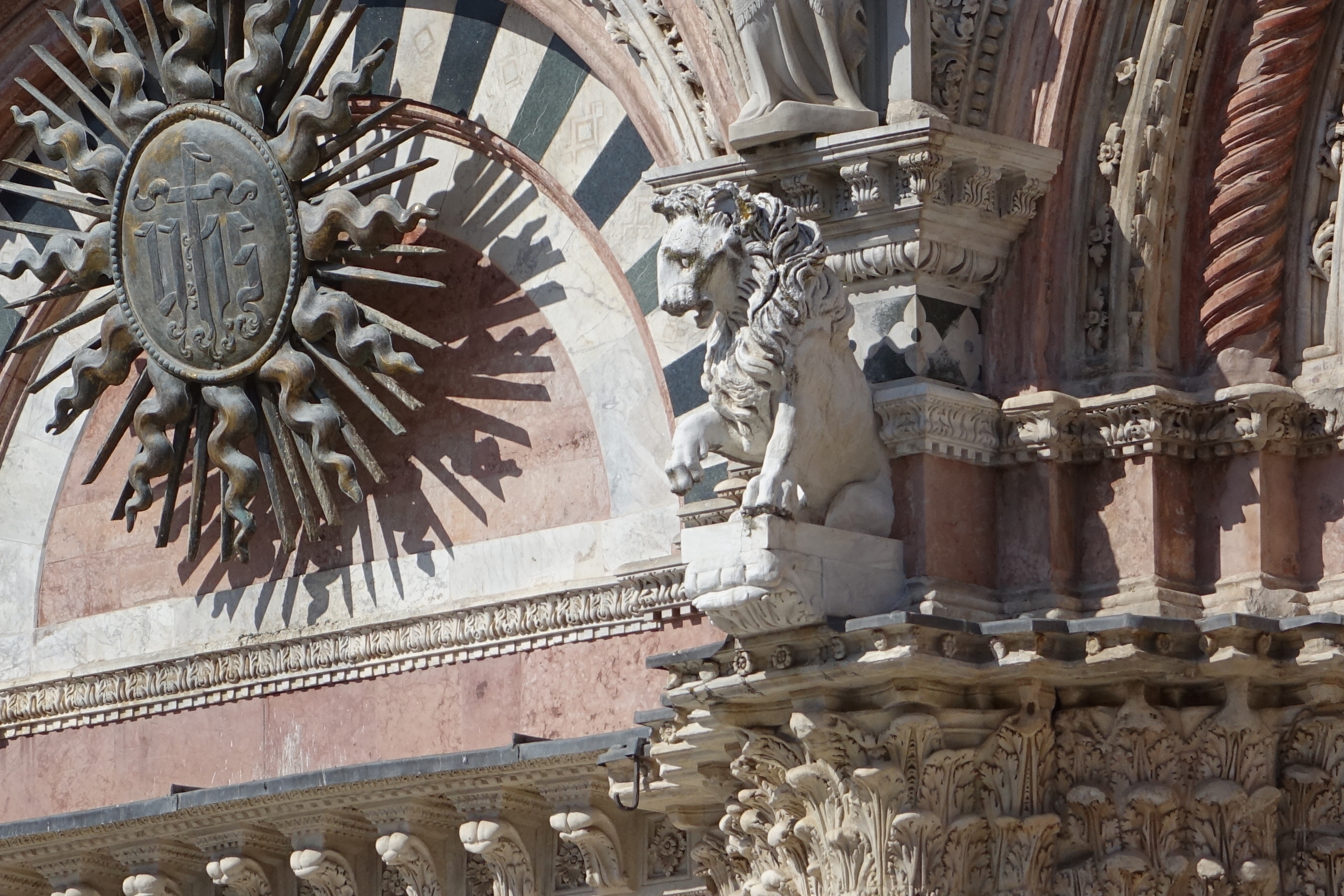
In choosing Siena’s most iconic building, there are two clear contenders. Sat at the pithy core of the citrus-sliced semi circle of the Piazza del Campo, the Palazzo Pubblico is a clear contender. With its soaring bell tower of red brick characterised by medieval power status and the objective to outdo rival Florence, the Palazzo is in every way iconic as a symbol of Sienese politics and ambition. But while for me the Palazzo and surrounding Piazza may be the brains of Siena, its beating heart and most charismatic structure of all is its Duomo. With a lavishly intricate facade made of blackish green, coral pink and creamy white marble, together with a multitude of gold enhanced mosaics and relief sculptures, the Duomo looks good enough to eat – a minty humbug and a prize wedding cake al rolled into one.

The Duomo and its facade

DSC08856DSC08833DSC08859DSC08868DSC08860DSC08843DSC08894DSC08862DSC08881DSC08880

But to focus on Siena’s exterior would be to miss the treasures on the inside, which range from Michaelangelo’s treasured sculpture of Saint Paul, Nicola Pisano’s impressively intricate Carrara marble pulpit, Donatello’s bronze relief, The Feast of Herod, Bernini’s sunburst lantern atop the dome, and an incredible marble floor depicting a series of biblical tales with pristinely cut delicately interlaced pieces of multicoloured stone which was the life work of some 40 artists across 200 years. What’s more, in the Piccolomini Library off to one side of the main nave, there is the staggering feat of Bernadino di Betti’s ceiling and wall frescos whose multiple areas of gold embellish the room with a lavishness equal only to a jewellery shop.

The Piccolomini Library

DSC08967DSC08969DSC08970DSC08978DSC08972

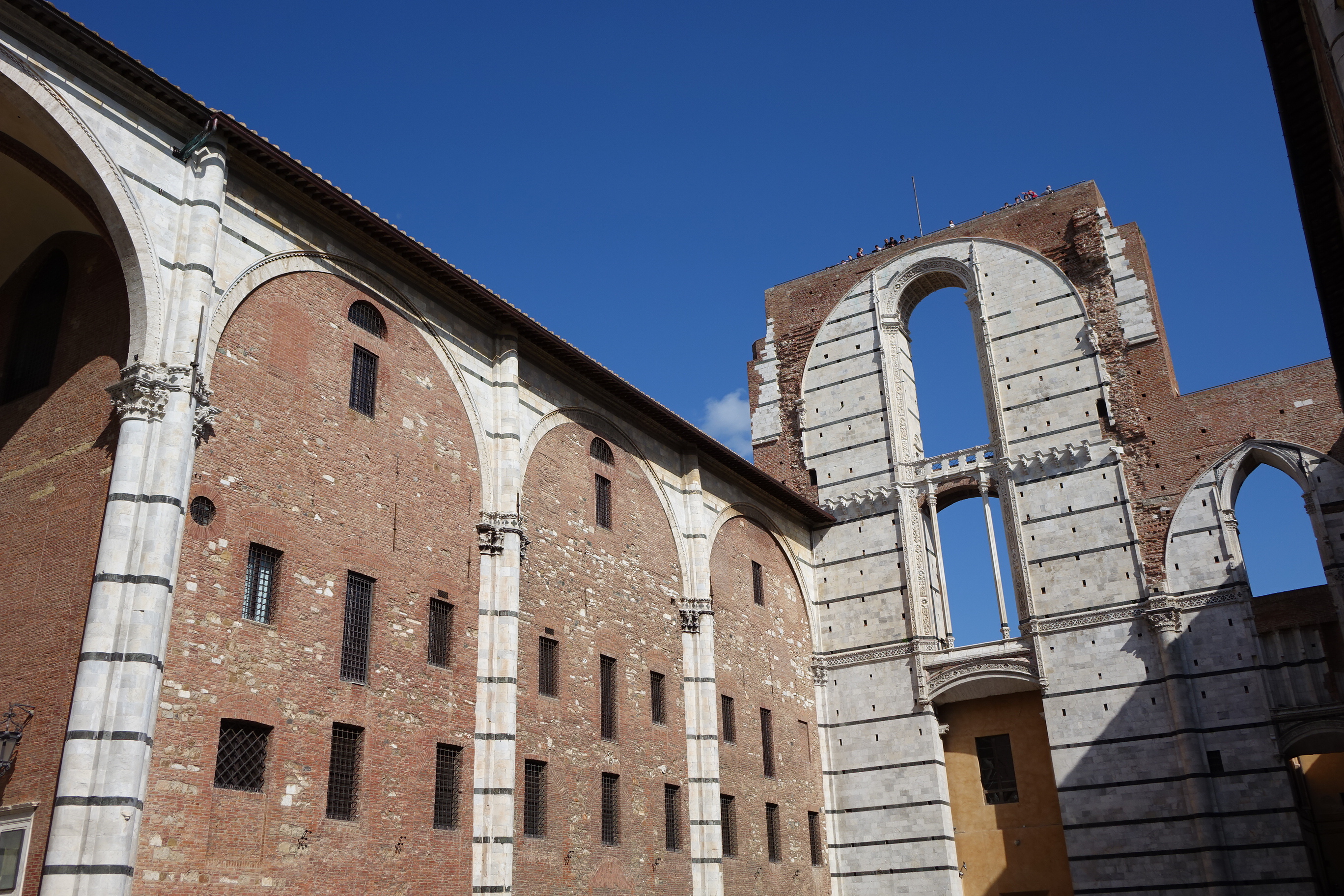
Interestingly however, the Cathedral might well have been far greater and even more exorbitantly lavish had a planned (and commenced) extension in the 14th century, intended to more than double its size, been completed. Sadly owing to the onset of the Black Death in 1348, the work was ceased, and the evidence of errors in the construction meant that it was never continued. All that remains of the plans today is a the large outer shell which helps to illustrate the scale to which the Duomo extenders aspired and the power and ambition of the city.

The interior and the incredible pictorial floors

DSC08922DSC08947DSC08936DSC08956DSC08914DSC08938DSC08909

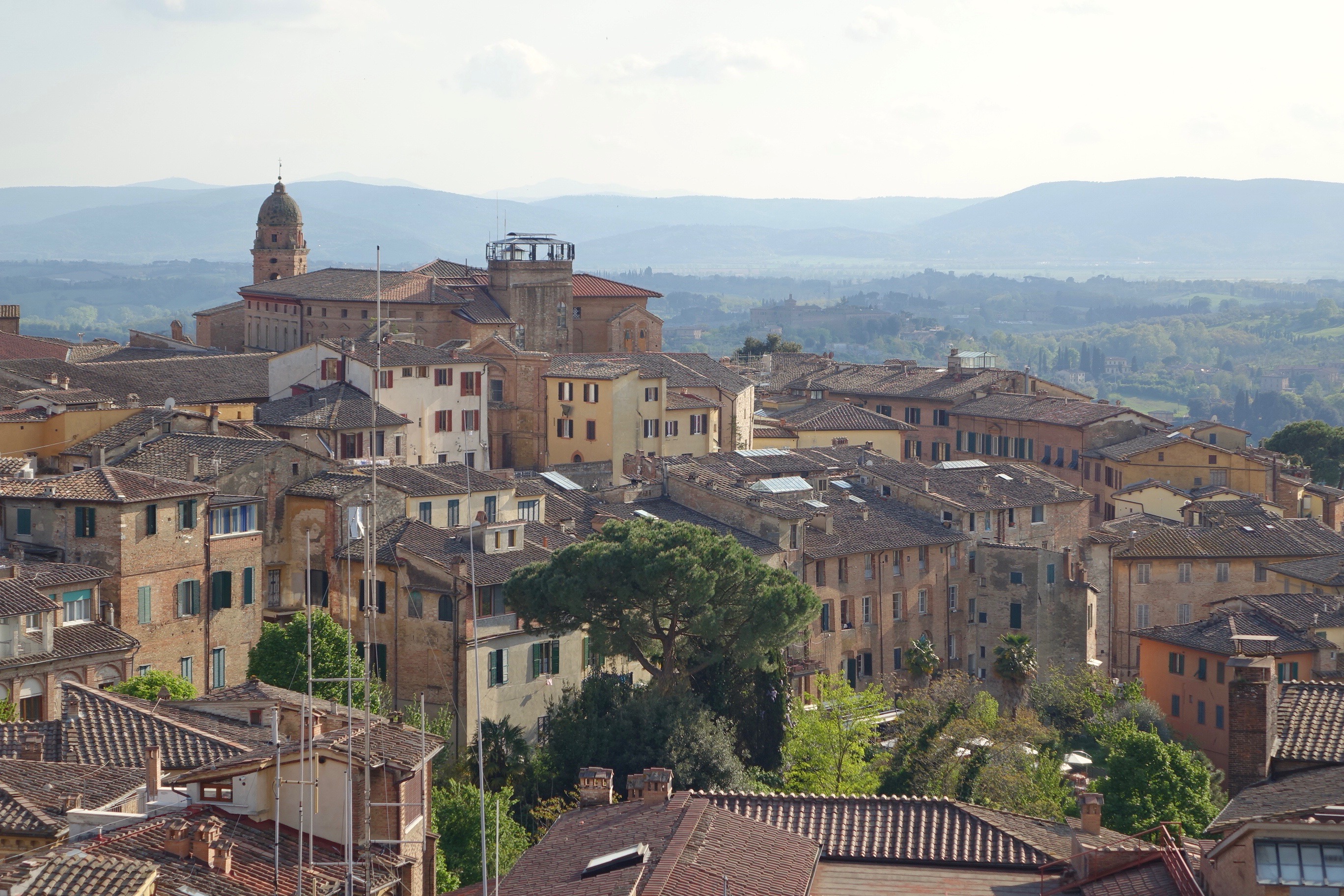
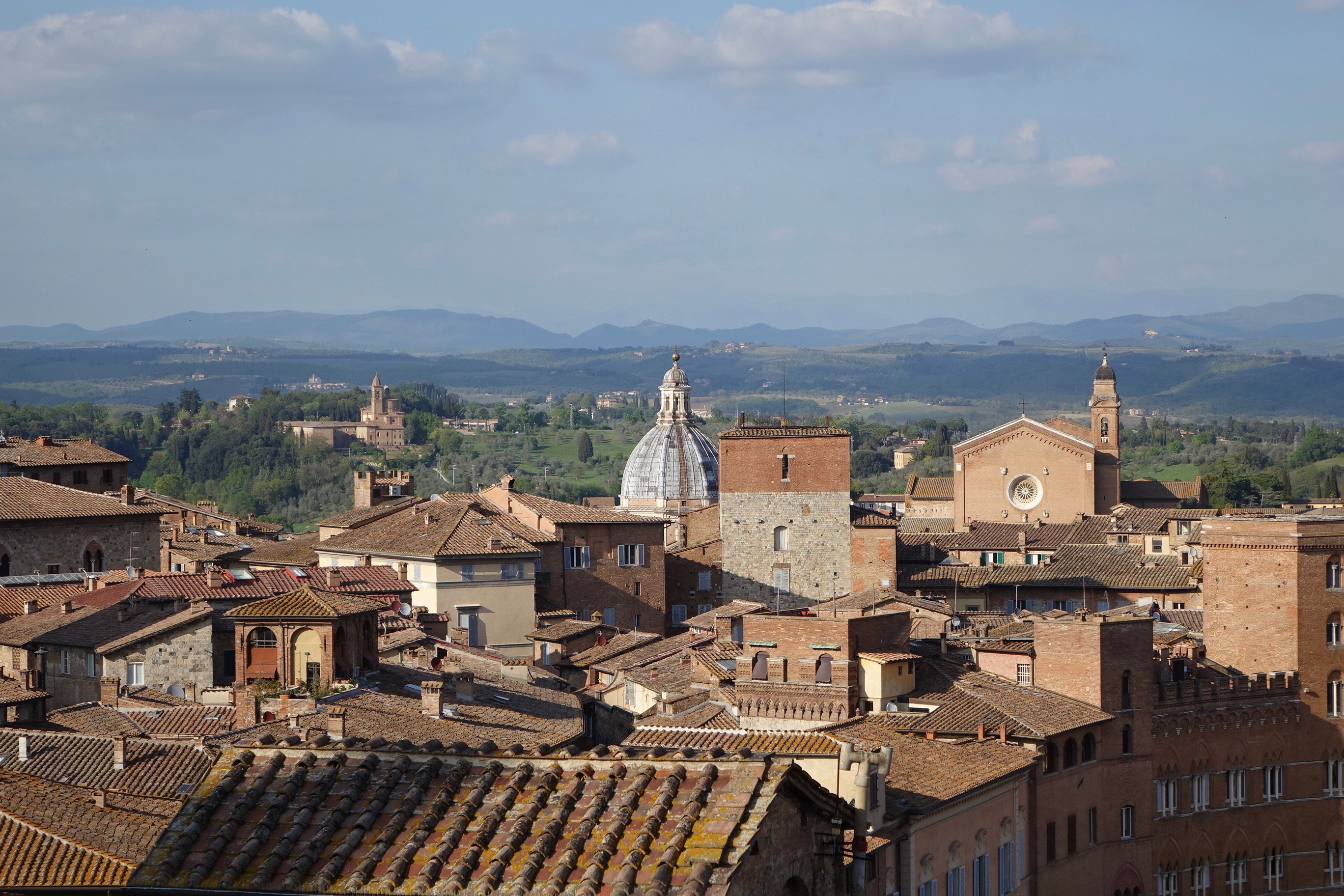
So with those unbeatable views I’m brining this Siena and Tuscany series of posts to a close. They’re photos which capture a region of outstanding natural beauty, and hold the memories of adventures which I will long cherish… until the next time I’m lucky enough to visit the home of my in laws.

Up in the gods… and the views of Siena from the top

DSC09031DSC08902DSC09020DSC09042DSC09000DSC09024DSC09046DSC09017DSC09023

© Nicholas de Lacy-Brown and The Daily Norm, 2001-2017. Unauthorized use and/or duplication of the material, whether written work, photography or artwork, included within The Daily Norm without express and written permission from The Daily Norm’s author and/or owner is strictly prohibited.

Tuscan Towns #5 – Siena

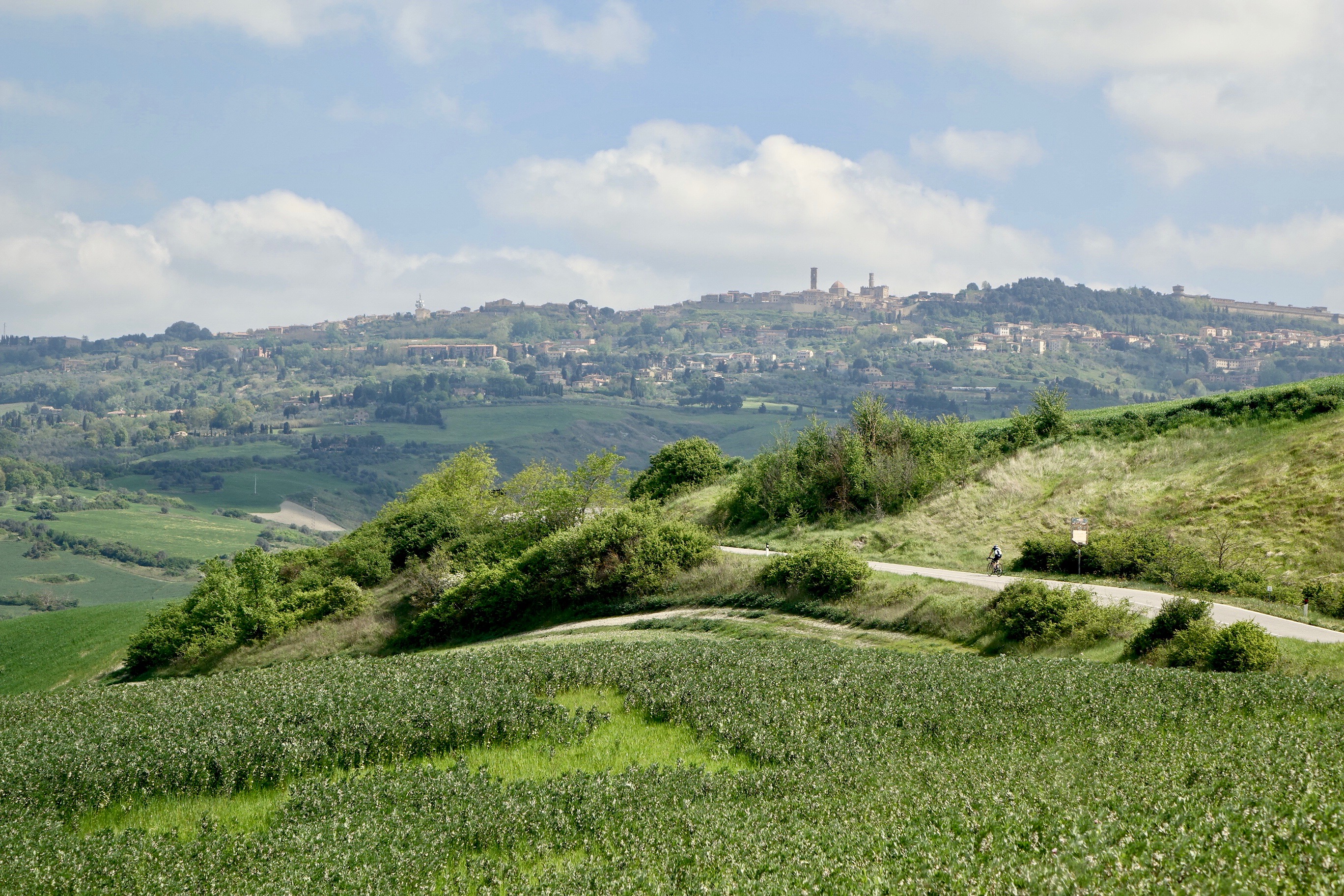
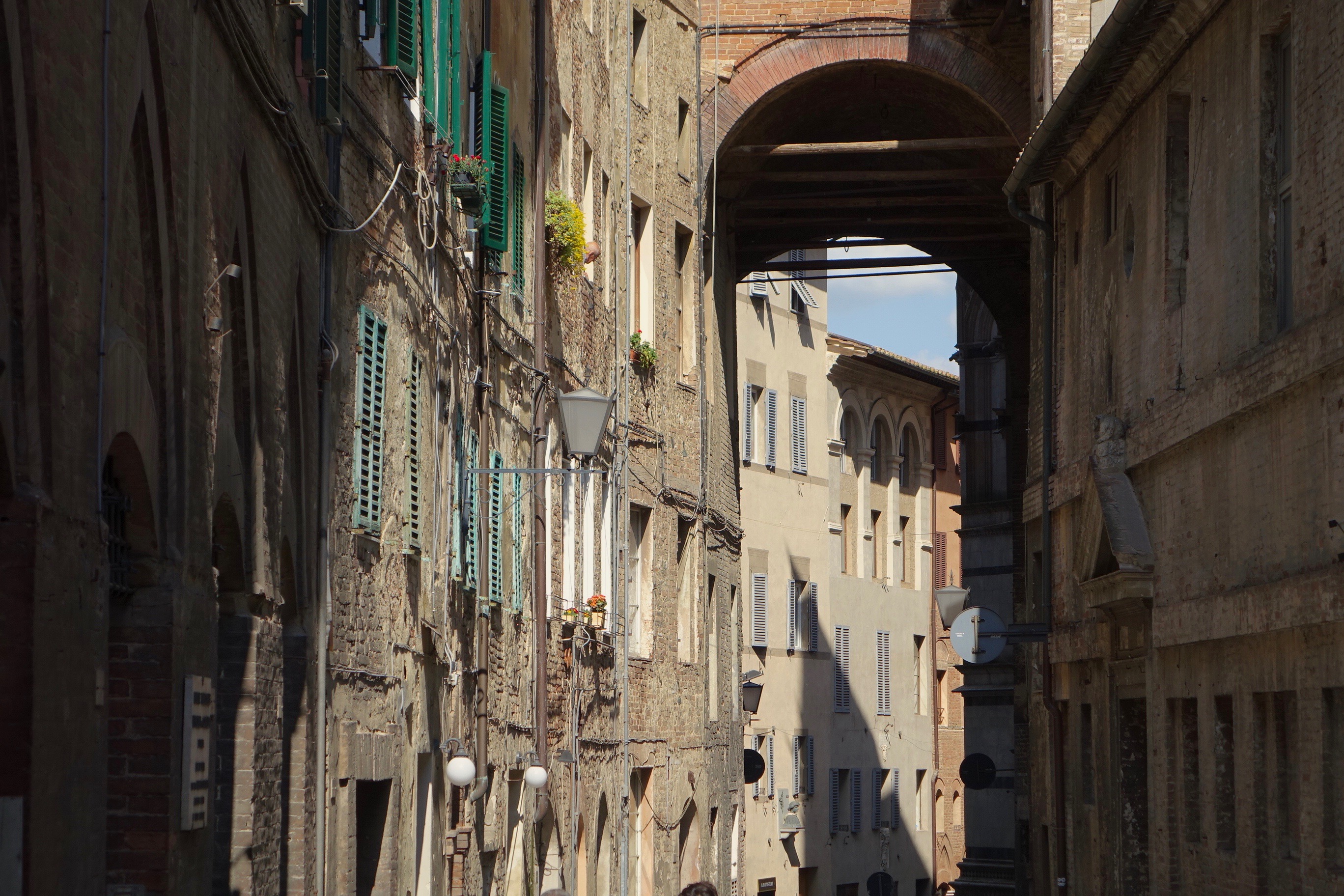
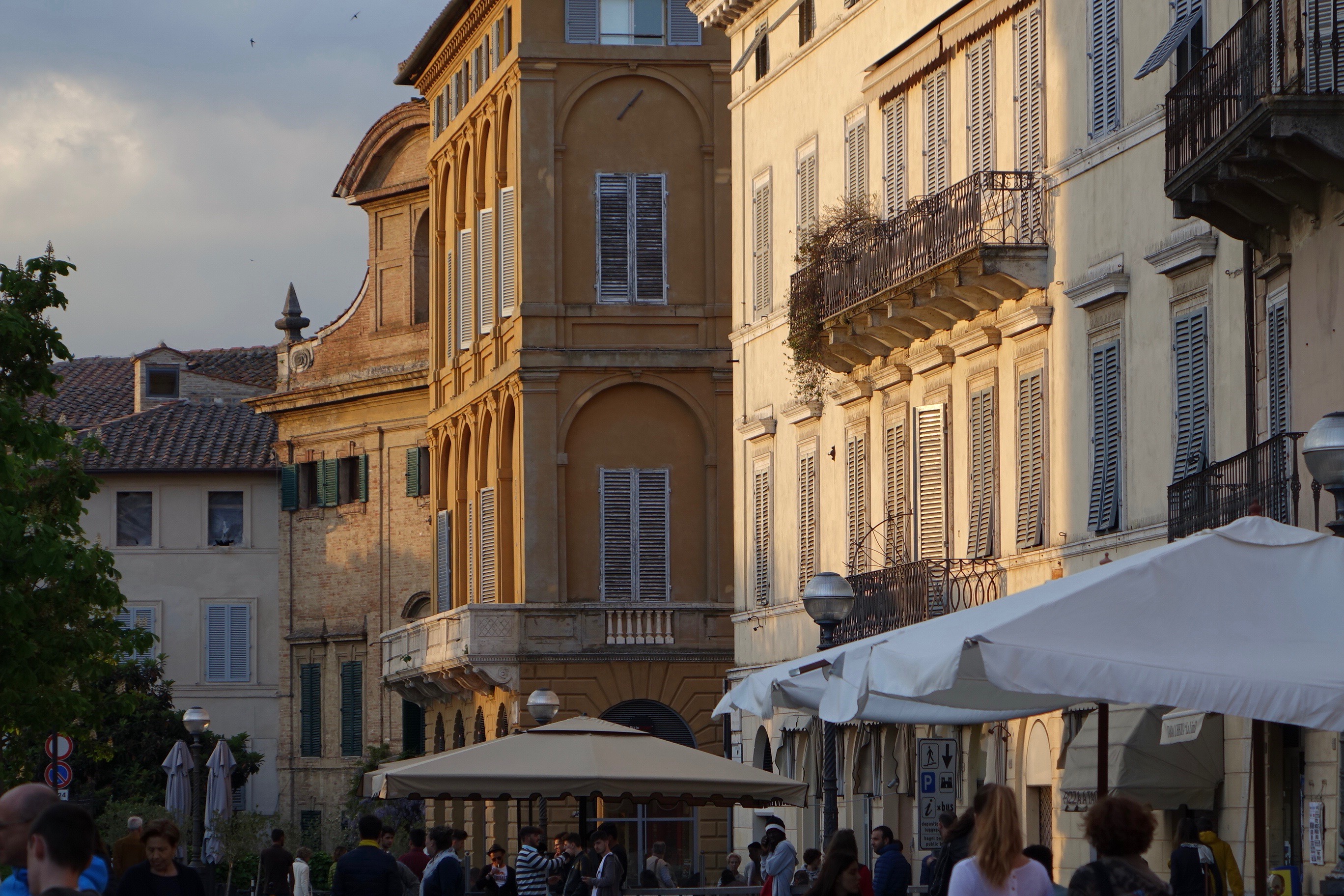
Of all the towns we visited during our last trip Tuscany, with Siena I have saved the best till last. More of a city really, this glorious product of the golden age of Renaissance is disproportionately heavy on art historical treasures, elegant shopping streets and stunning piazzas culminating in the most magnificent of them all – the Piazza del Campo. Siena’s geographical position, up on a steep hill and surrounded by verdant rolling countryside, is no doubt both the reason for its untouched beauty and for its prowess as a self-defended city. Today the city is almost intact in its historical architecture, with barely a modern blemish staining its golden walled, silver cobbled streets. The only embrace of modernity has been the emergence of super chic boutique shops and cocktail bars serving plate upon plate of tempting aperitifs, best enjoyed with an Aperol Spritz amidst the bustling atmosphere of locals filling out these packed social hang-outs.  Siena is a place of vespas and La Bella Vita, of large sunglasses and shopping bags, of that irrefutable union between seductive Italian passion and the innate elegance which can be found in every street. It is Italy at its urban best, surrounded by the most beautiful rural landscapes imaginable.

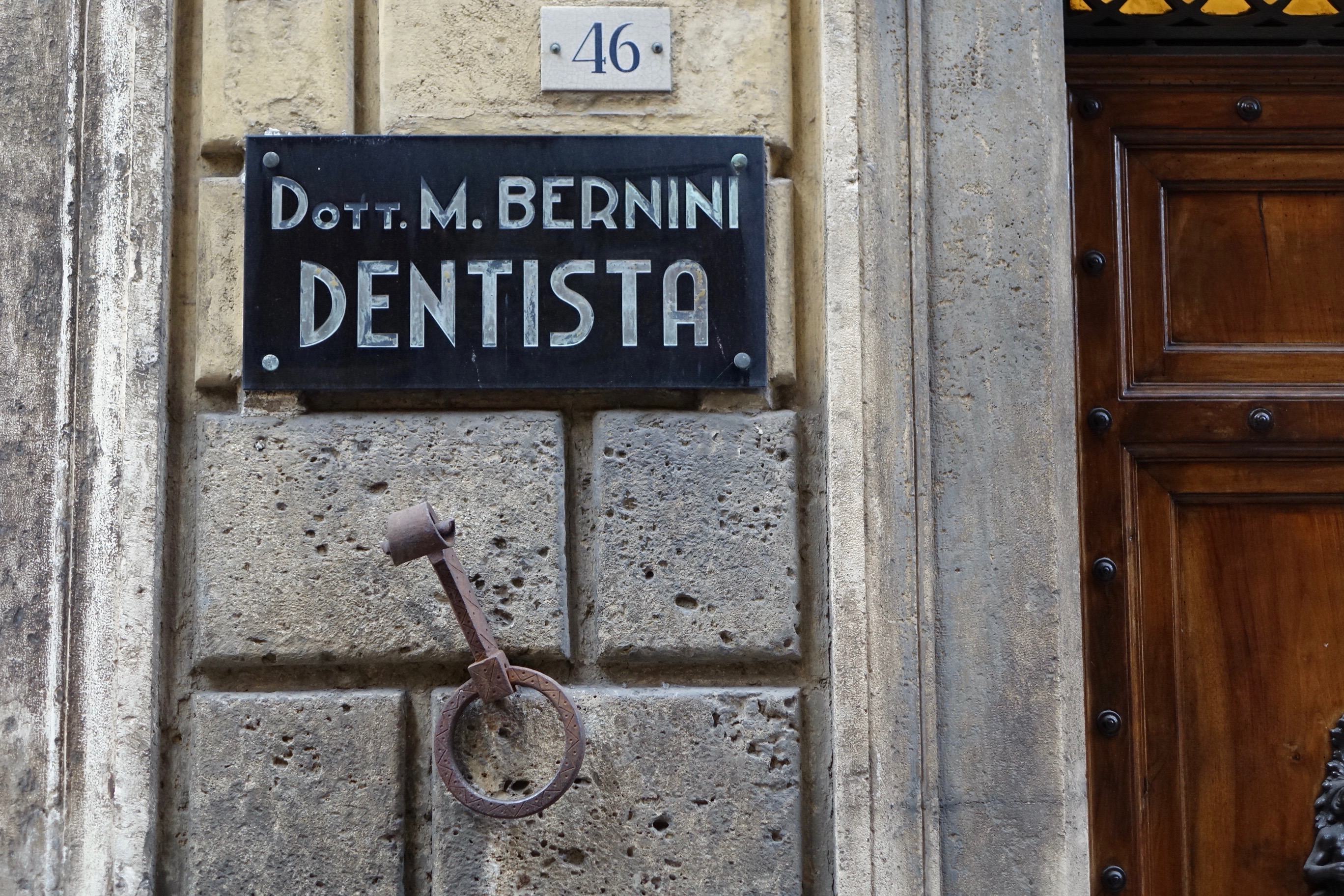
The seductive streets of Siena
DSC08831DSC08908DSC08825DSC08905DSC08906DSC09078DSC09051DSC09176

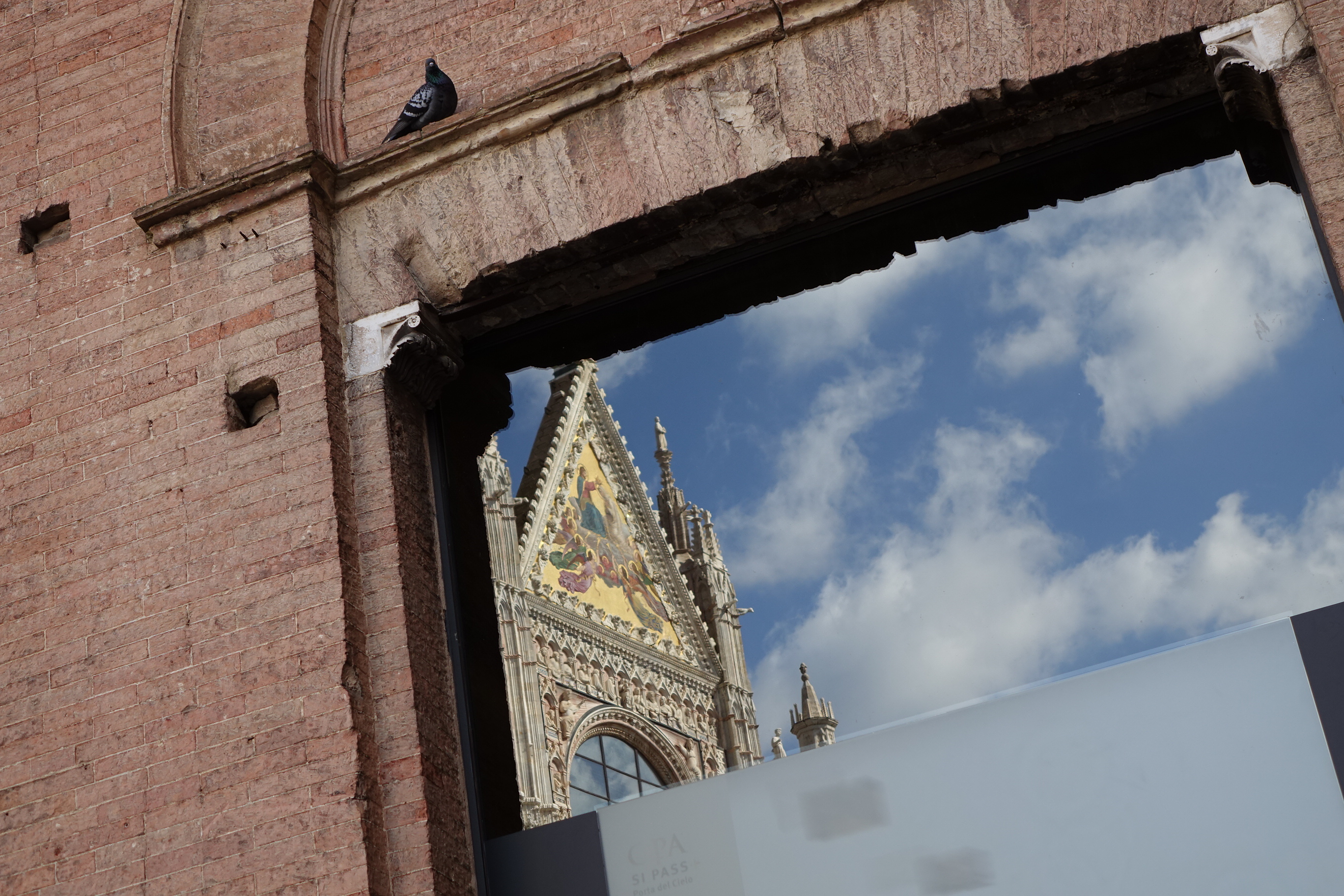
We entered Siena up a set of steep staircases, arising, blinded by the light, as though from a cellar onto the reflected glory of the Duomo, its black and white stripy façade literally glimmering as the sunshine hit the golden details of its external mosaics. What an entrance to a city! It was the ultimate precursor to a place whose treasures fill the senses like tree blossom swept liberally into the wind. A stunning mosaic here, a mighty altarpiece there. Cafes that dazzled, sculptures to inspire, street corners whose tangible charm roused the soul and inspired the mind. We went, of course, into the heart of the Duomo, but that adventure I will leave for the second part of this article. Rather today I want to concentrate on the soul of this ravishing city which, quite justifiably, has been declared a UNESCO world heritage site and is one of the most visited in all Italy.

DSC09183DSC09173DSC08895DSC09171DSC09087DSC09169DSC09071DSC08897DSC08896

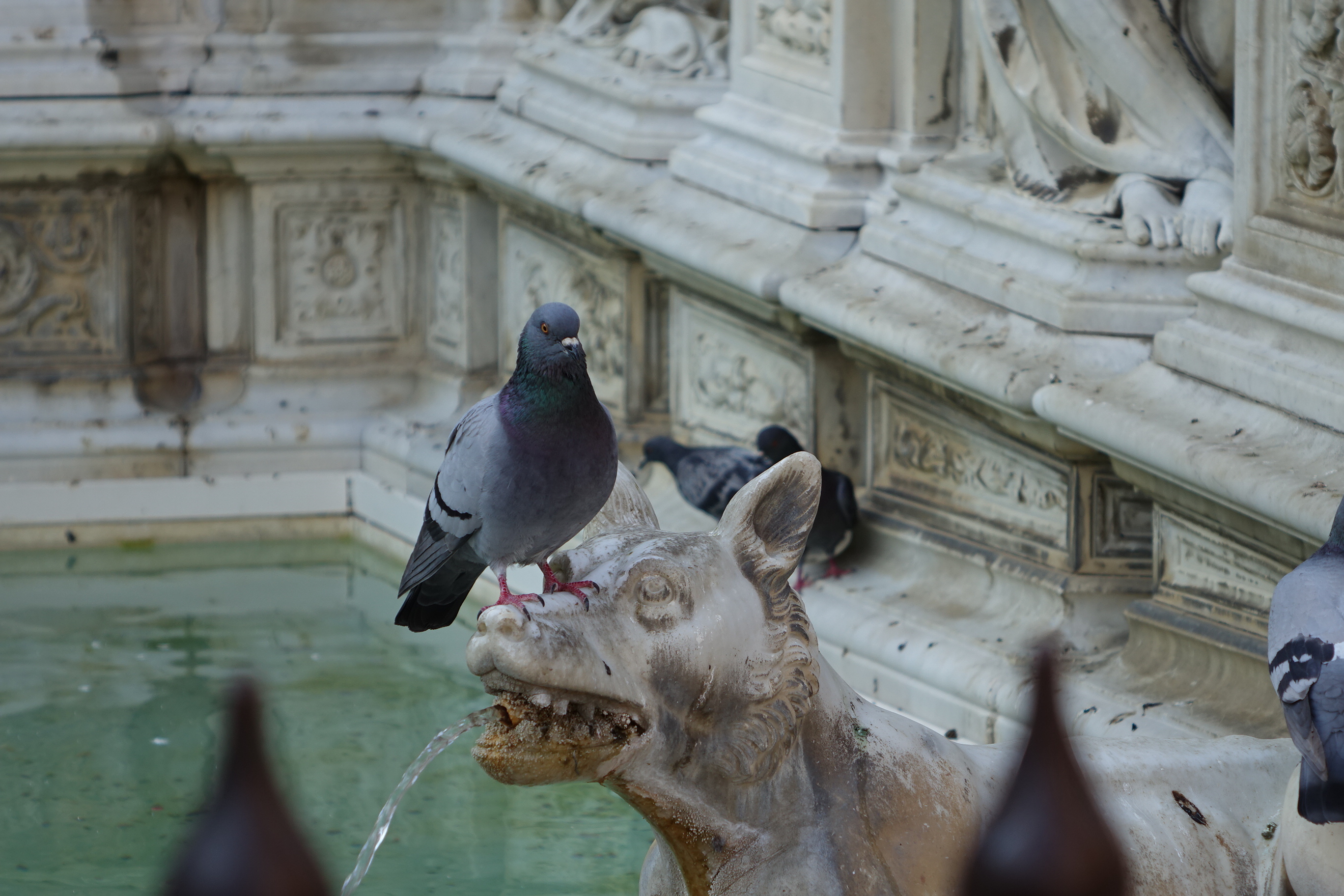
Getting lost in Siena’s uniquely sloping cobbled side streets is one of the greatest joys that Tuscany can offer, but after a time, the idea of being lost here becomes something of a fiction. For just as all roads in Italy may lead to Rome, as though in defiance of the expression, all roads in Siena lead to the magnificent Piazza del Campo, whose enormous semi-circular construct more or less dictates the layout of the remainder of the city.

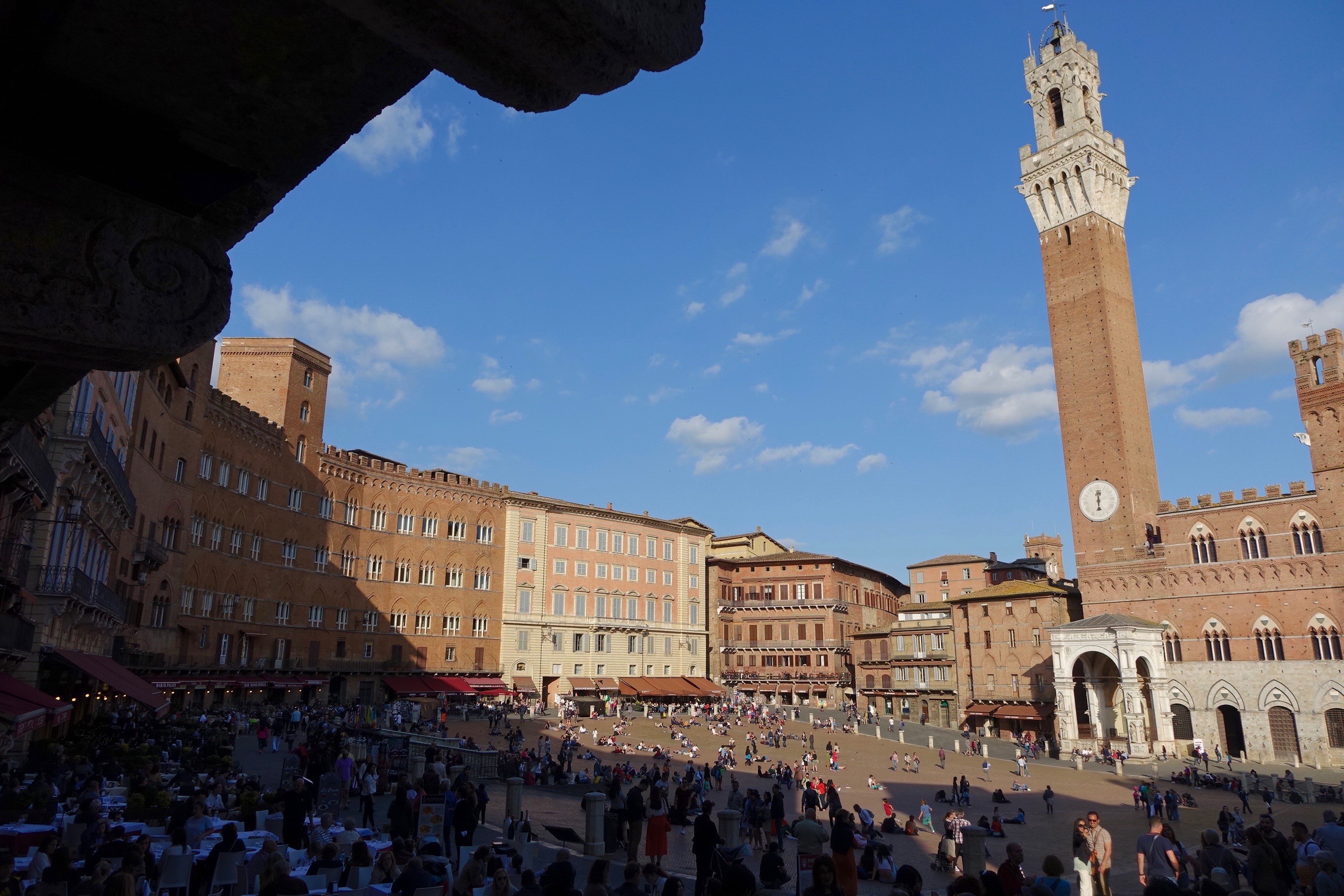
The Piazza del Campo

DSC09133DSC09073DSC09059DSC09065DSC09061DSC09090

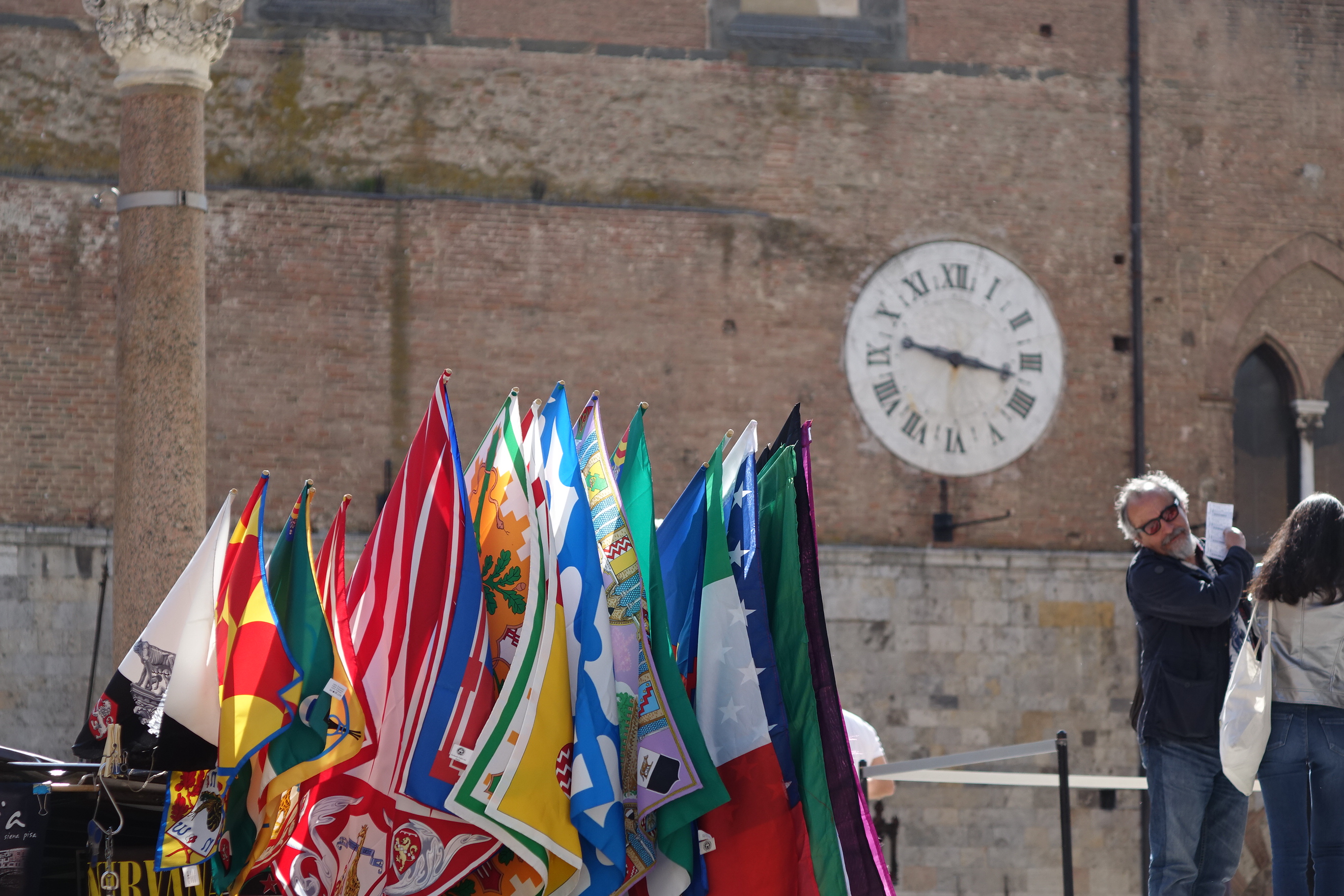
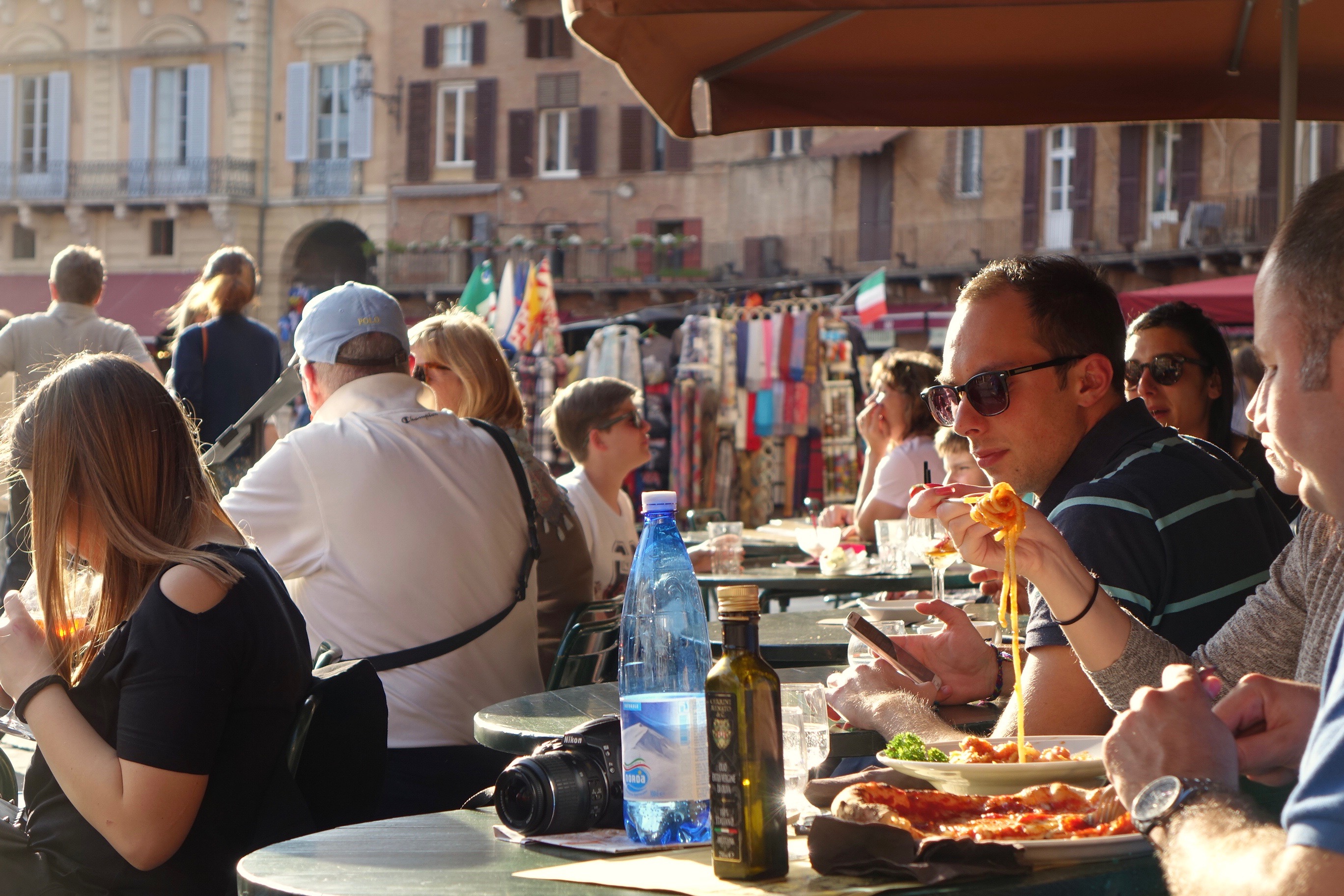
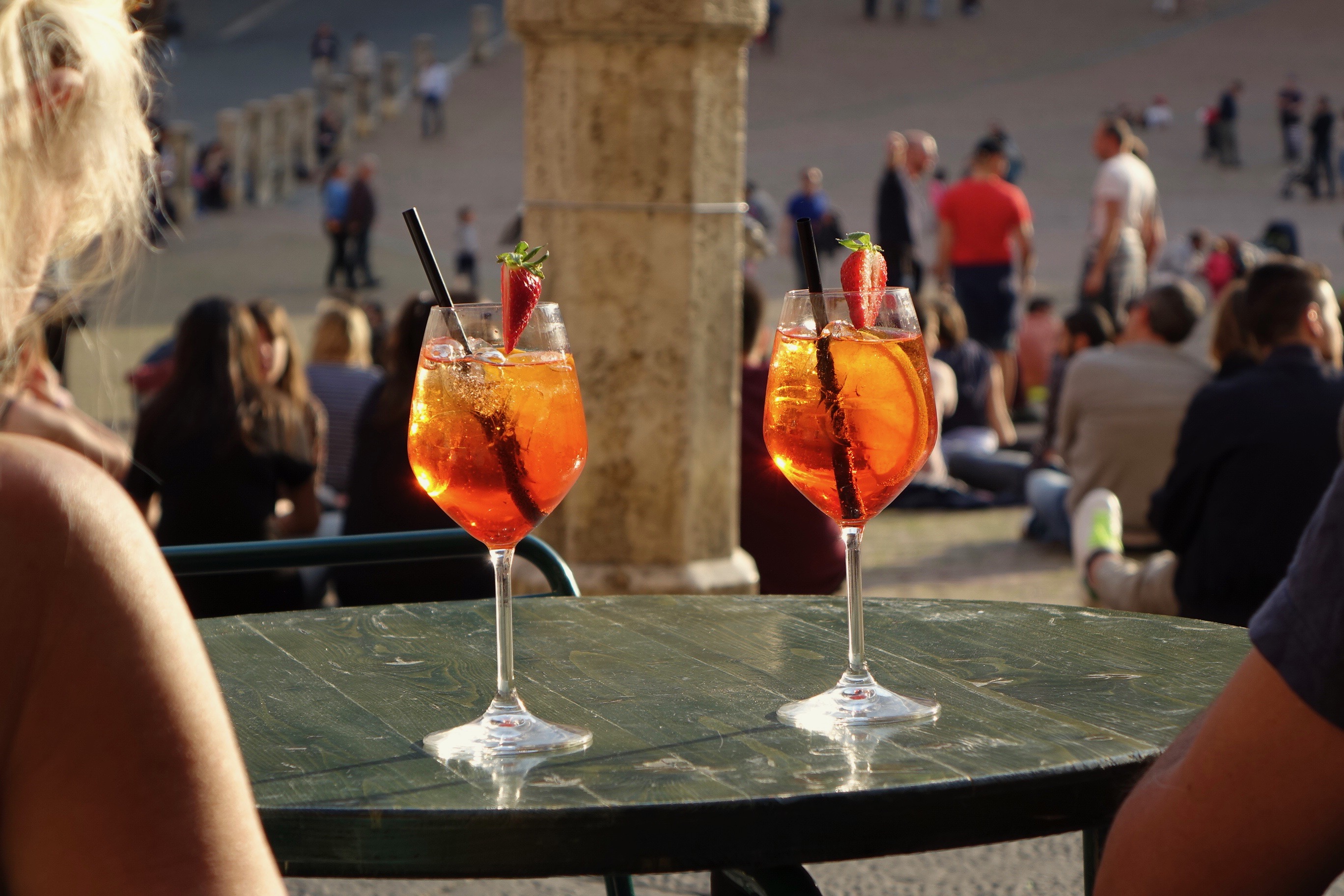
It was in that delightful main square that our visit concluded. As we approached, the atmosphere of a thousand visitors lying out on the sloping pavements to enjoy the sun, or sipping upon spritz and bubbles in one of the many cafes which line the square was highly tangible. It was like human electricity, building up in the semi-circular square before finding occasional release as it leaked into the side streets through the Piazza’s odd openings. Once in, the space literally dazzled as before us the enormous scale of the campanile of the Palazzo Pubblico unveiled itself and the Piazza, which is famous for the annual Il Palio horserace which plays out around the square, glowed as sun rays met red and ochre brick. There we sat, at one such café, as the sun swept a shadow across the curve of the Piazza much like the effect of a sun-dial. Soaking in the last of the rays, as golden sunlight reflected against the prosecco and gelato on our table, we people watched and soaked in the atmosphere, and observed a city which seemed to exude contentment. We were certainly contented in turn. It was a visit which would provide the highlight of our year so far. I wouldn’t be surprised if we were return again, before the year is even out.

The highpoint: Prosecco on the Piazza

DSC09114DSC09142DSC09119DSC09106DSC09112DSC09130

© Nicholas de Lacy-Brown and The Daily Norm, 2001-2017. Unauthorized use and/or duplication of the material, whether written work, photography or artwork, included within The Daily Norm without express and written permission from The Daily Norm’s author and/or owner is strictly prohibited.

Tuscan Towns #4 – Castagneto Carducci

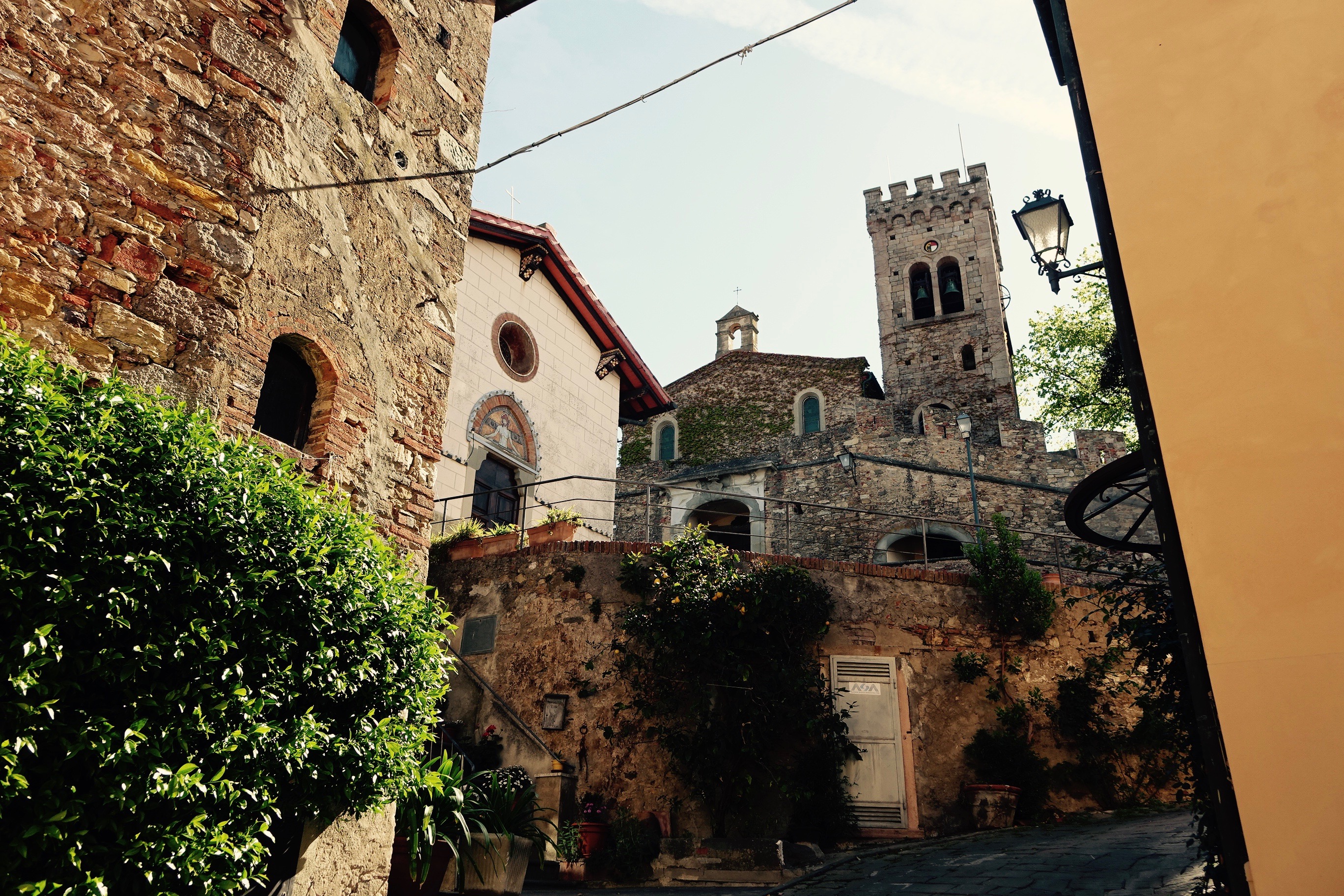
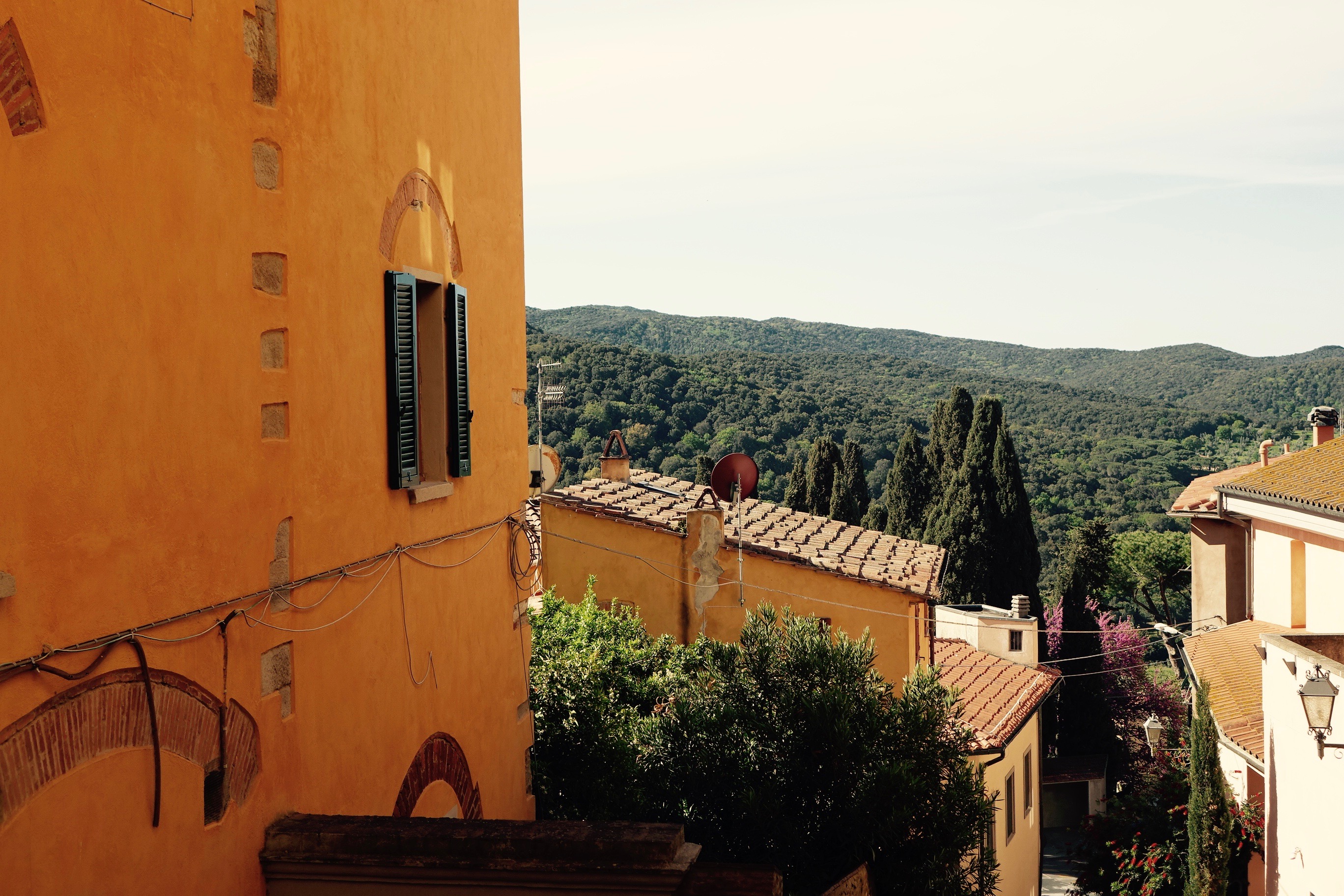
For a town with a mouthful of a name, Castagneto Carducci, just uphill from the sandy beaches of Donoratico, is paradoxically small. Distinctive for its coloured houses painted, unlike so many of the stone villages of Tuscany, in sunny shades of pink, yellow and other pastel tones, Castagneto contrasts perfectly with its surroundings of green hills and perfectly regulated striped vineyards. This is not the first time the village has featured on   The Daily Norm, since it is the closest little Tuscan town to my in laws’ home. In fact as we proved on this occasion, a brisk 40 minute walk through the vineyards of Donoratico followed by an uphill climb will see you arrive on foot at the church topped-summit of the town in no time. From there, it is views a plenty, not only of the surrounding countryside but of the quaint streets spilling out across the hilltop.

DSC09934DSC09961DSC09916DSC09938DSC09907DSC09930DSC09950DSC09948DSC09978DSC09966DSC09947

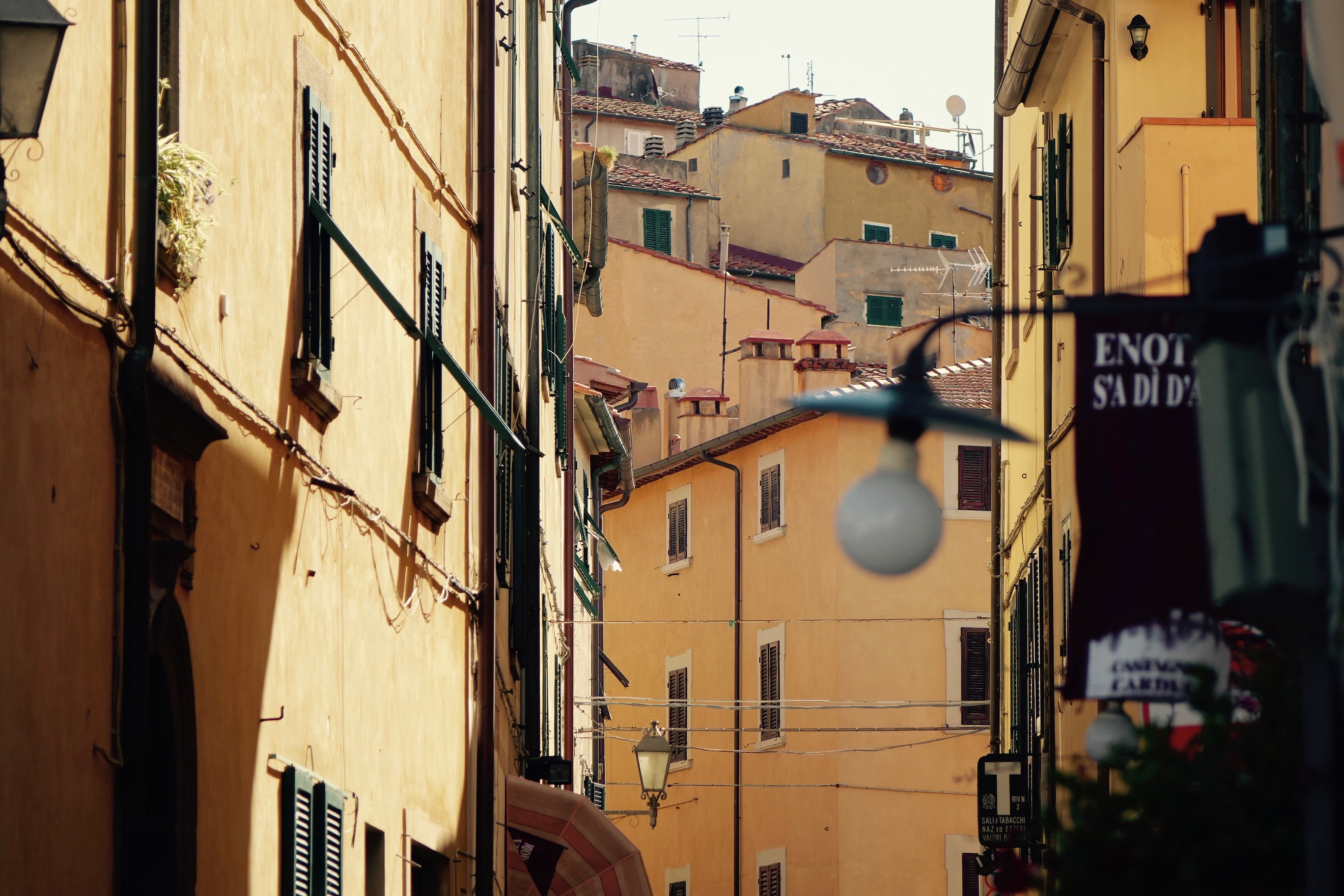
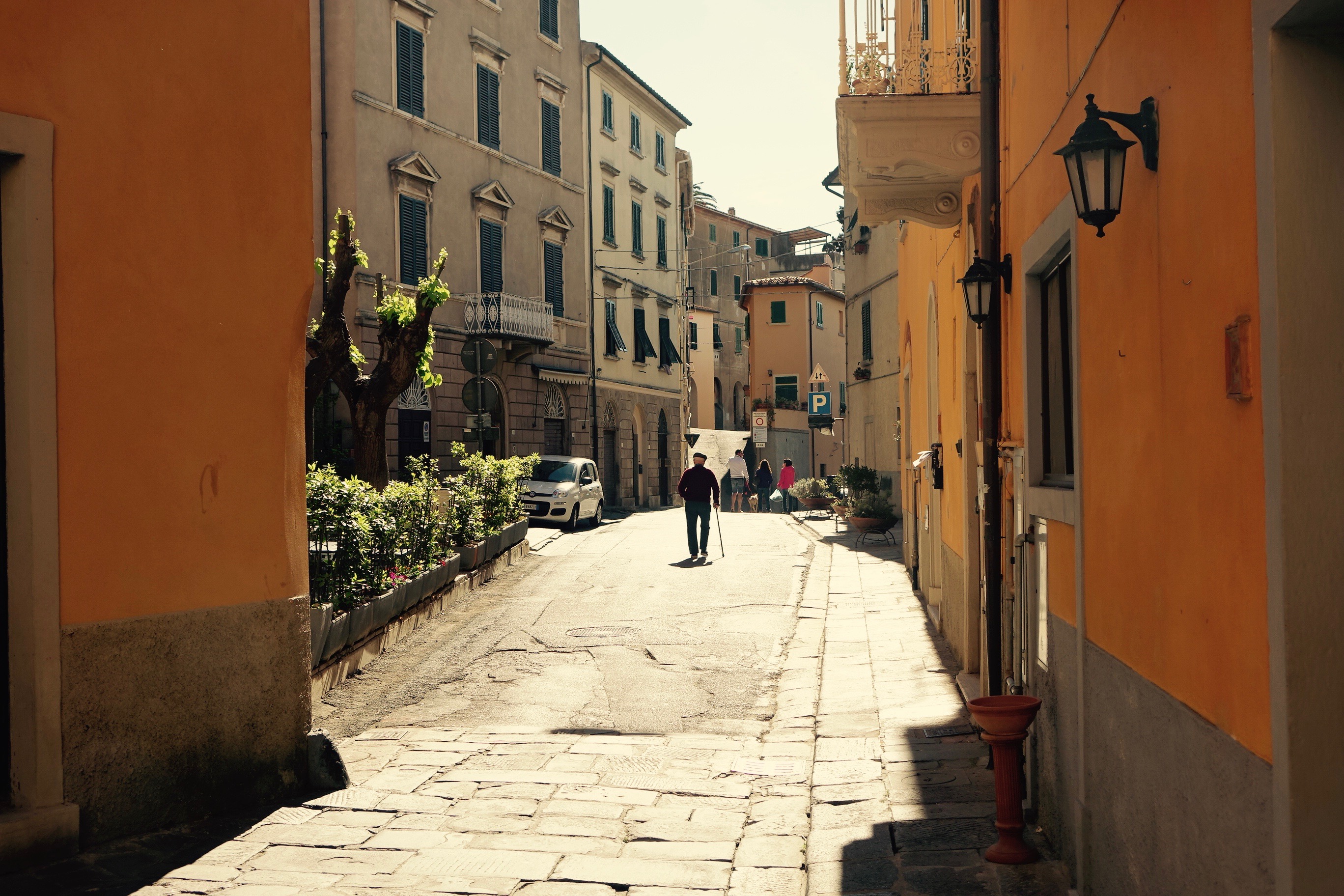
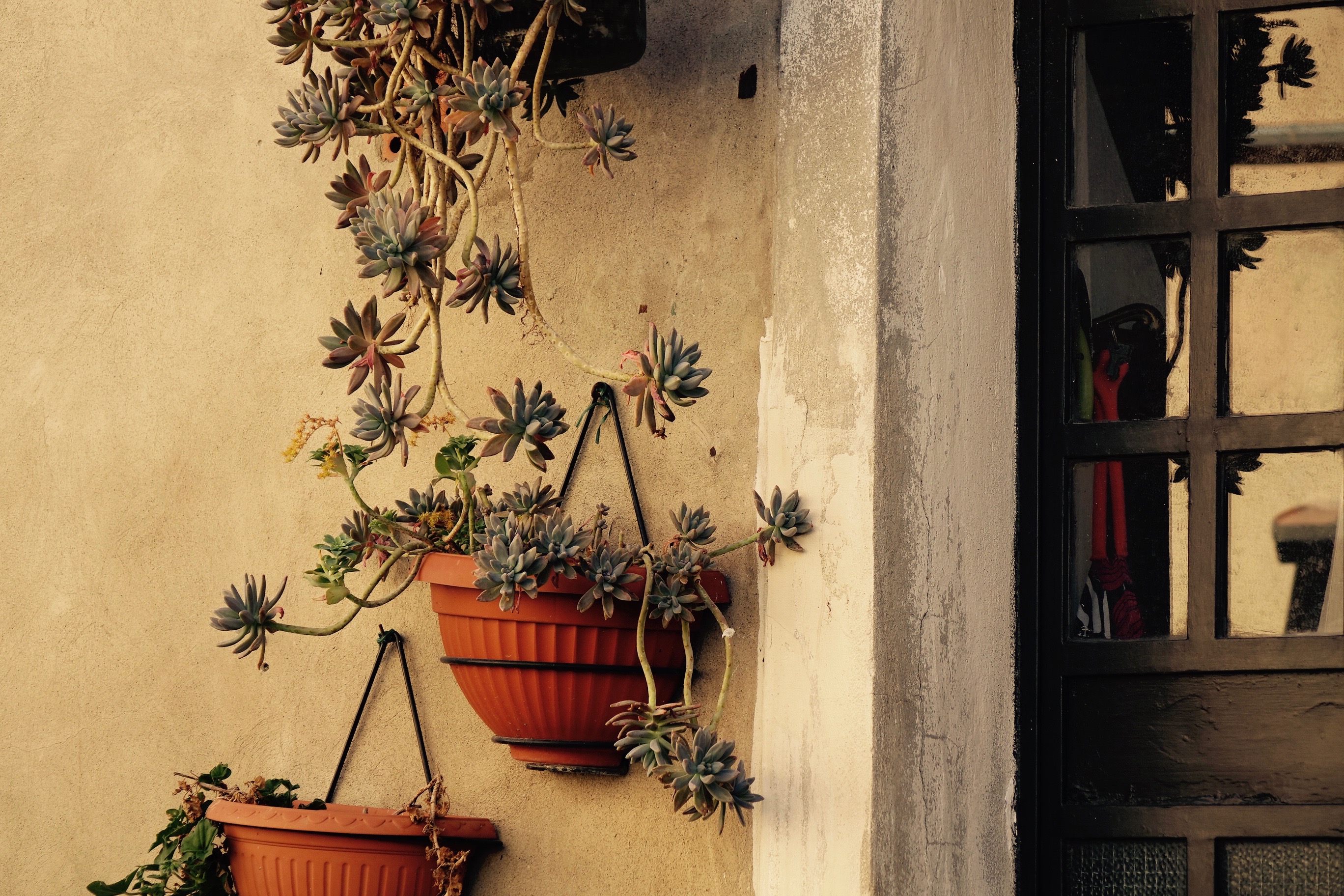
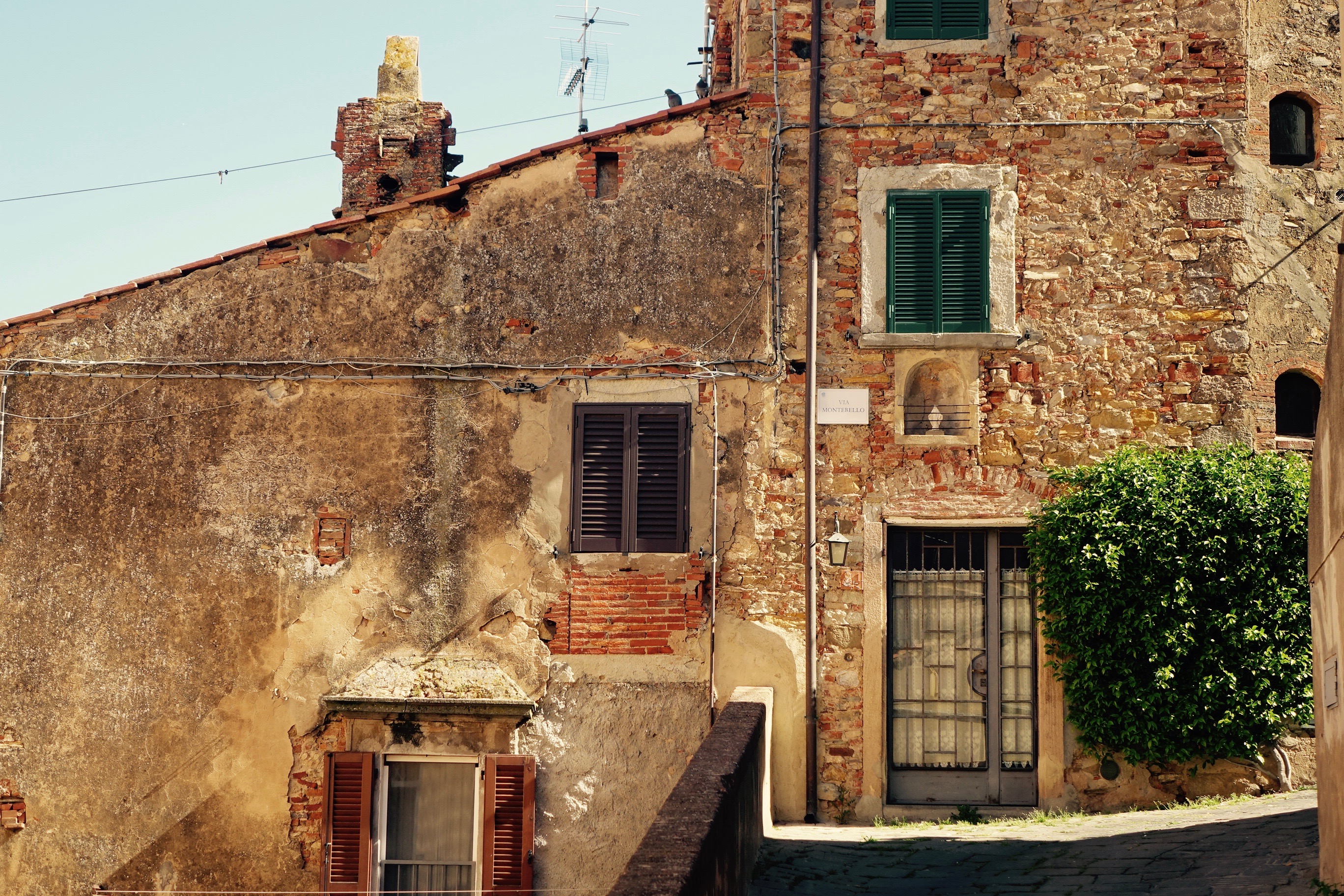
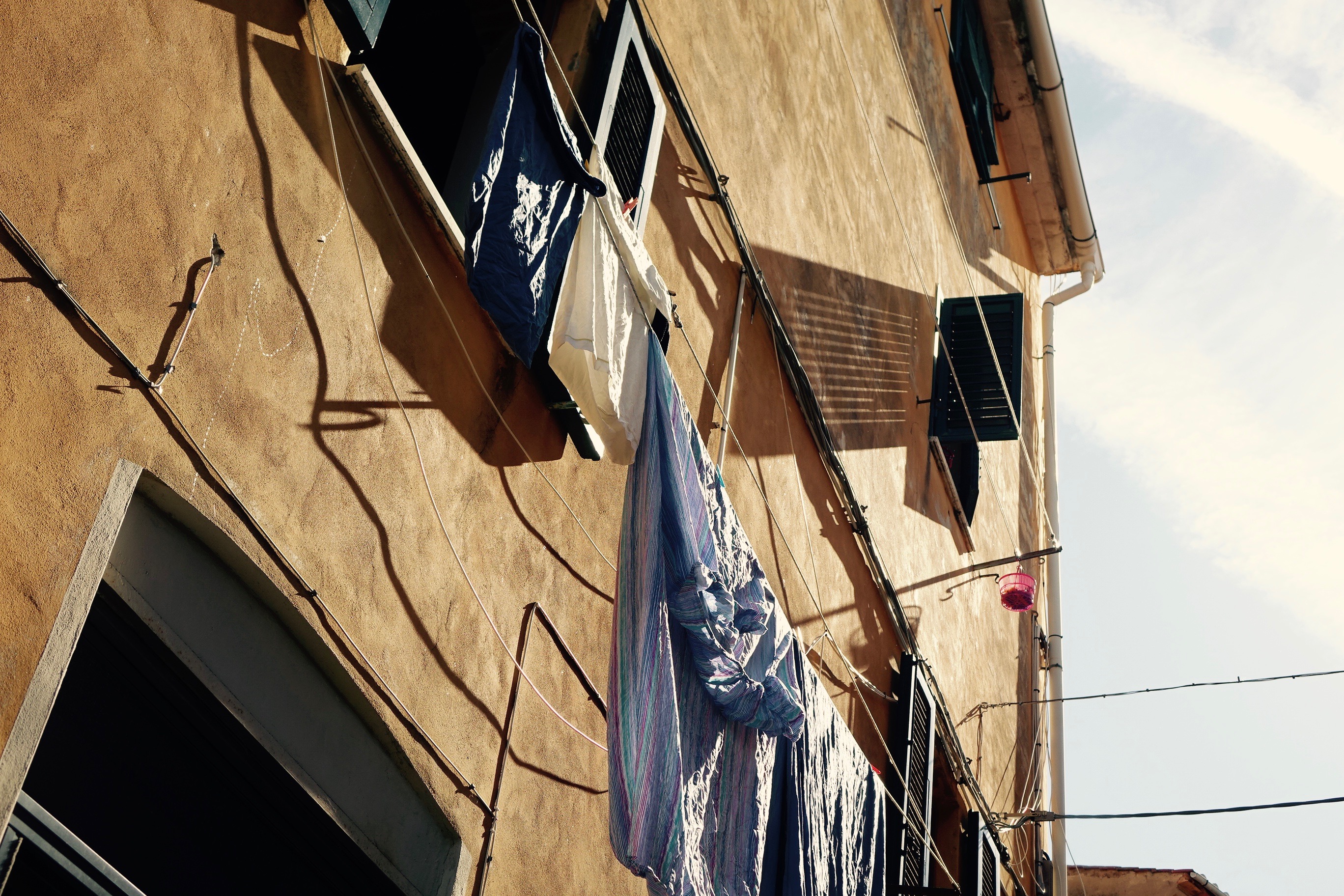
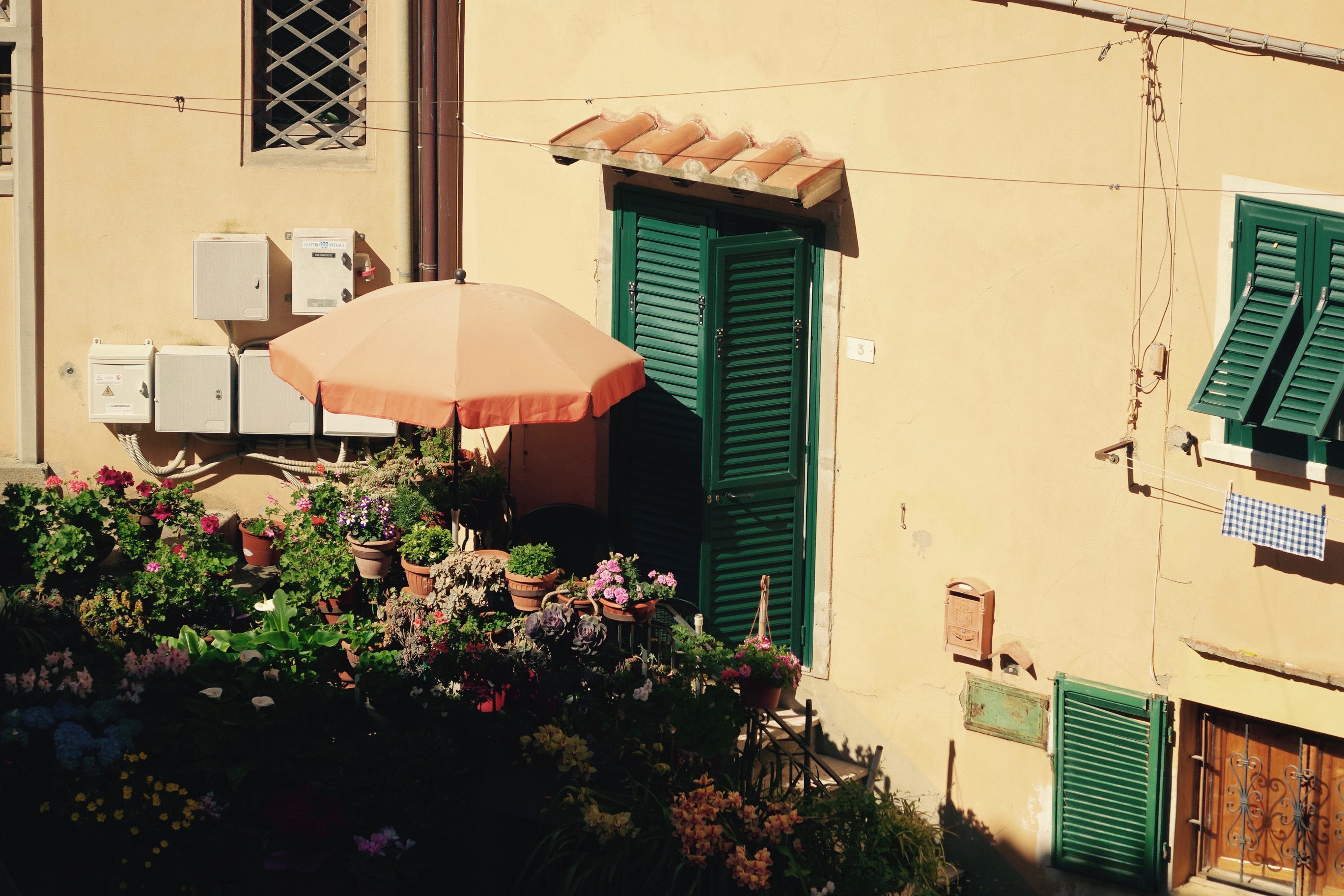
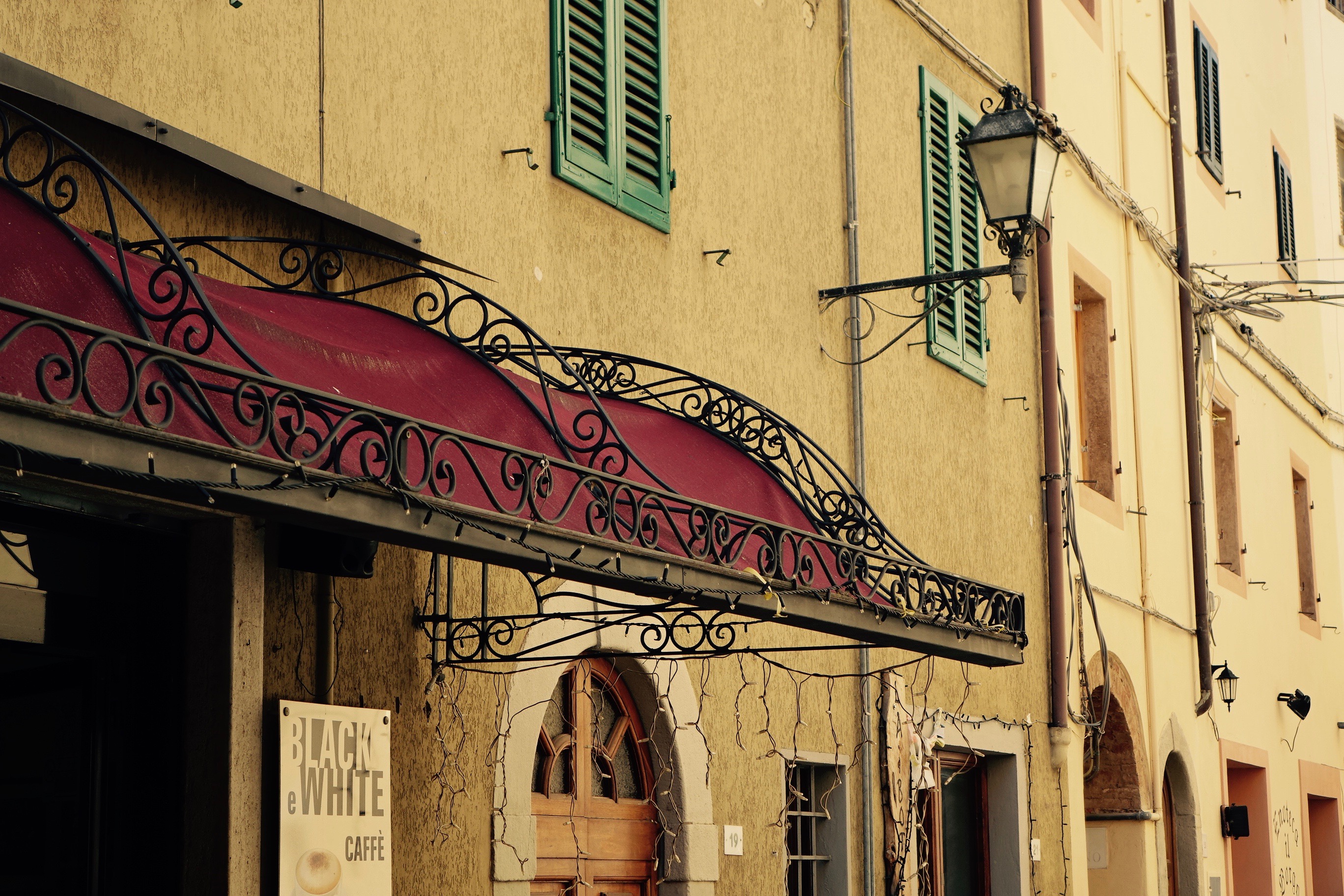
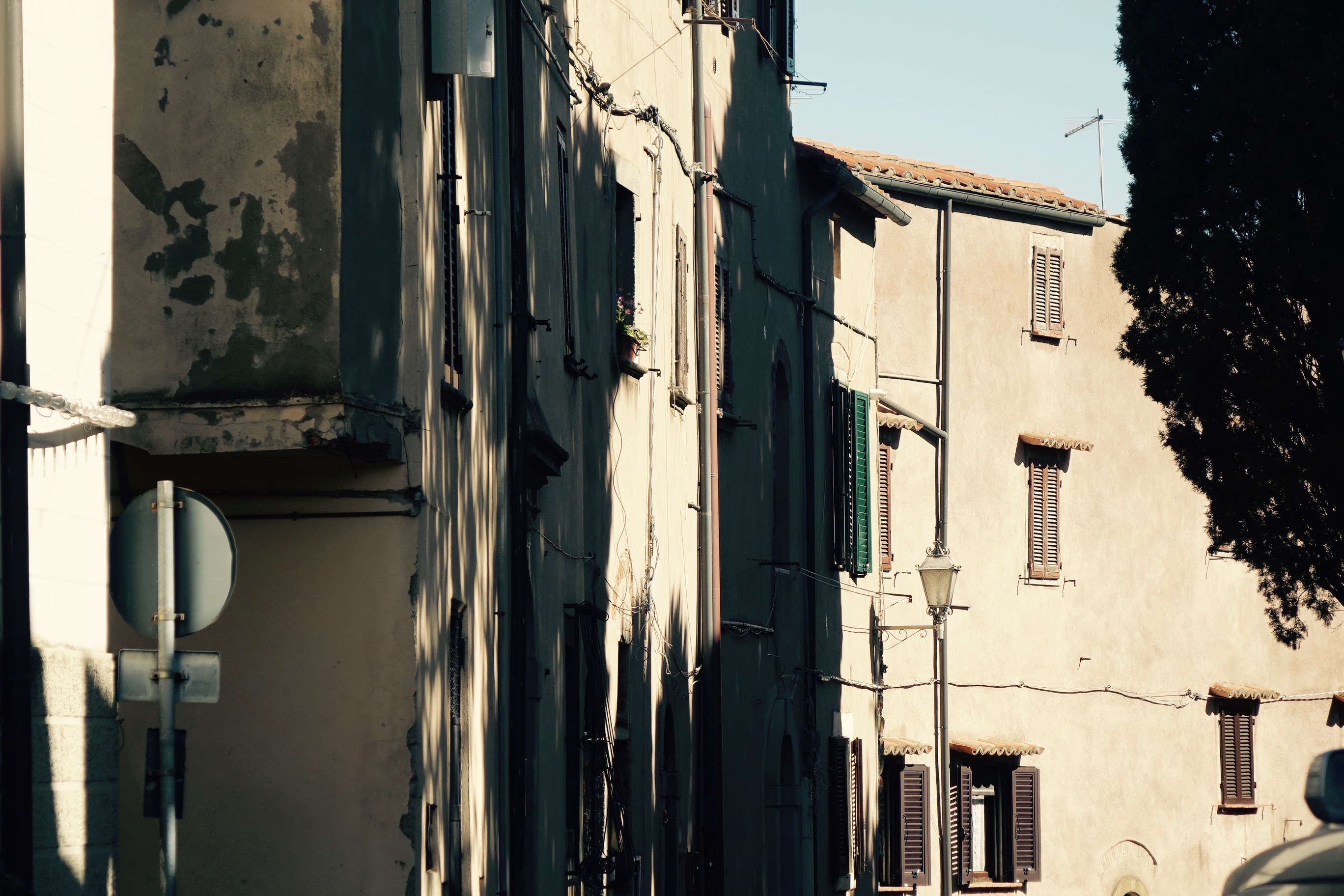
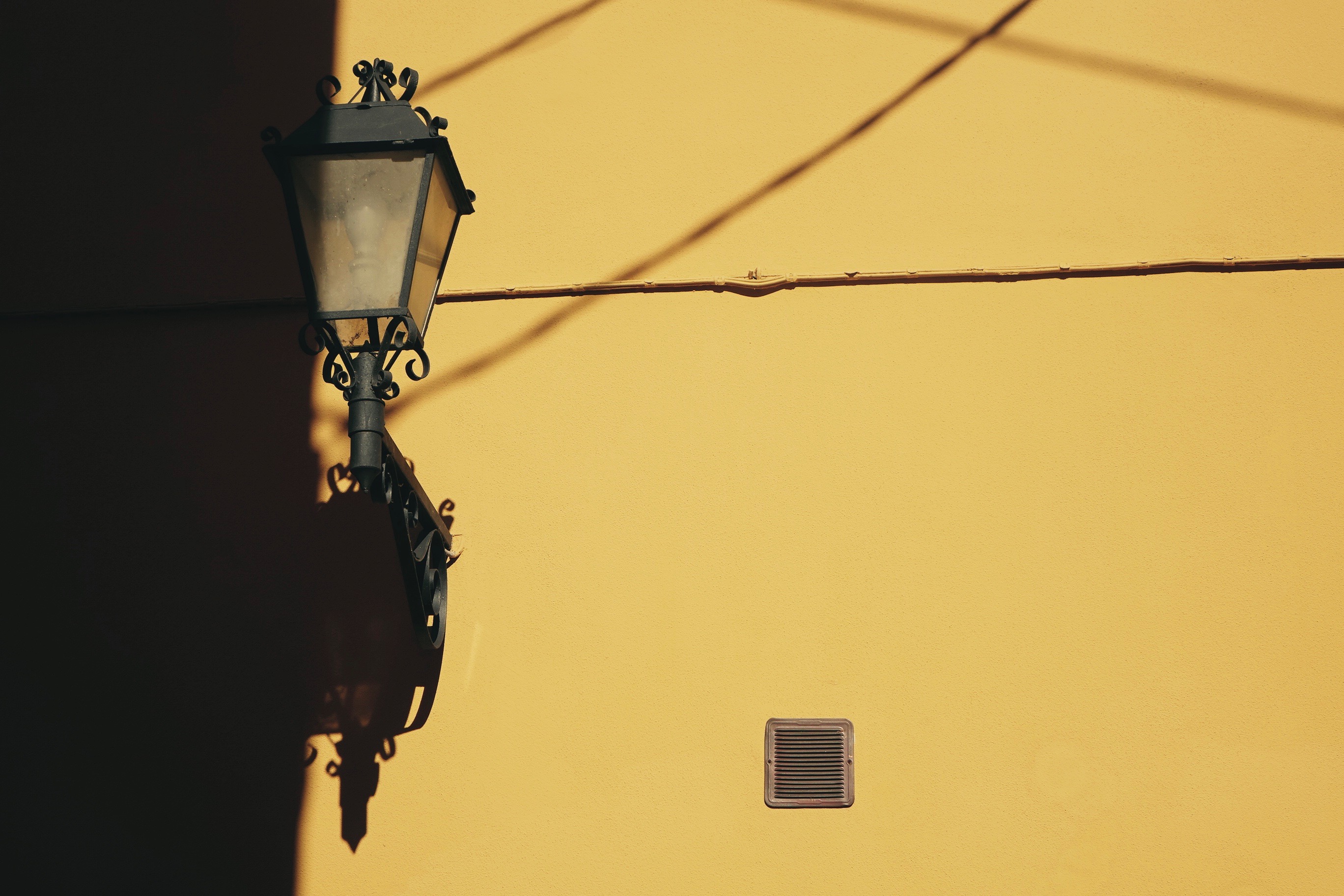
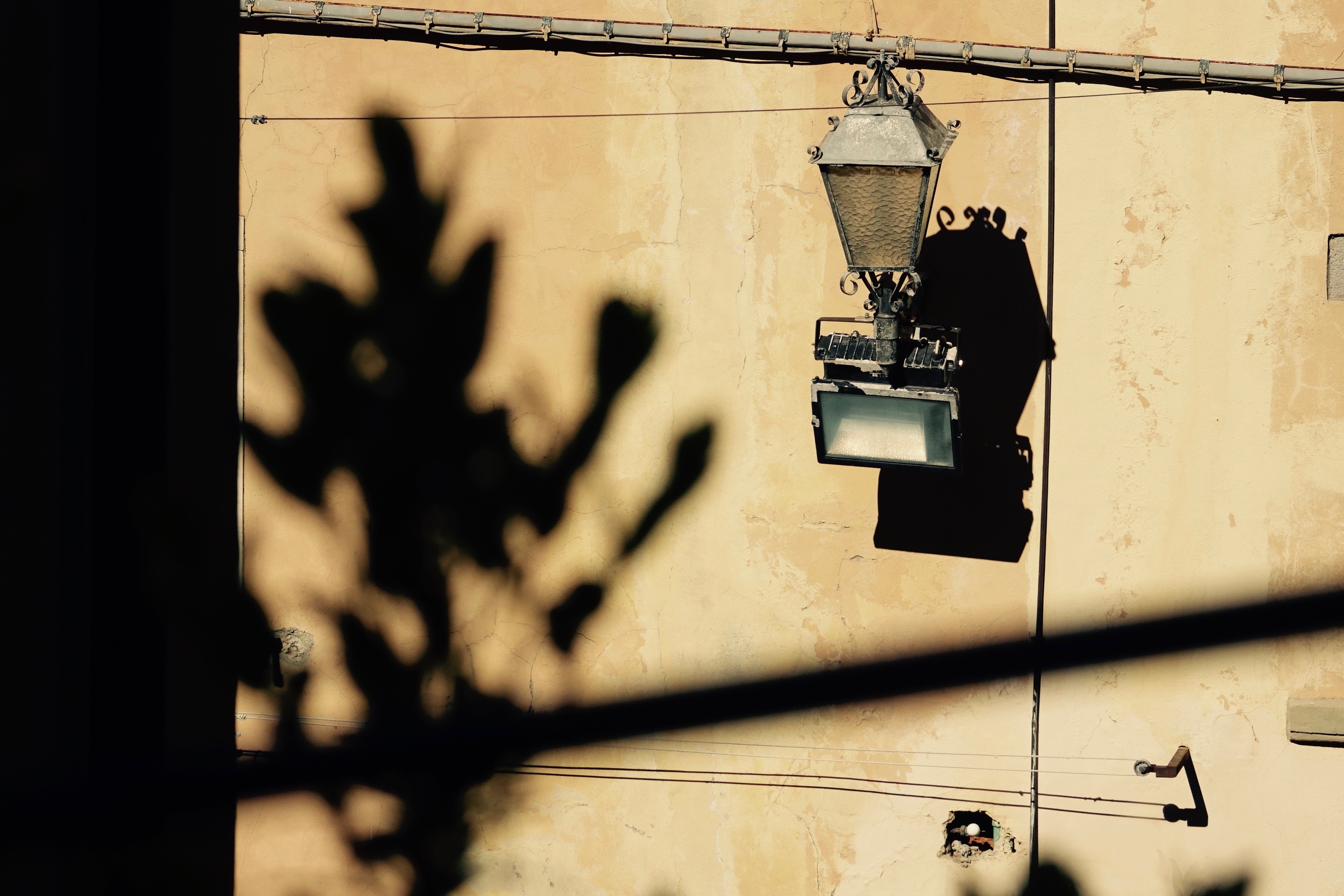
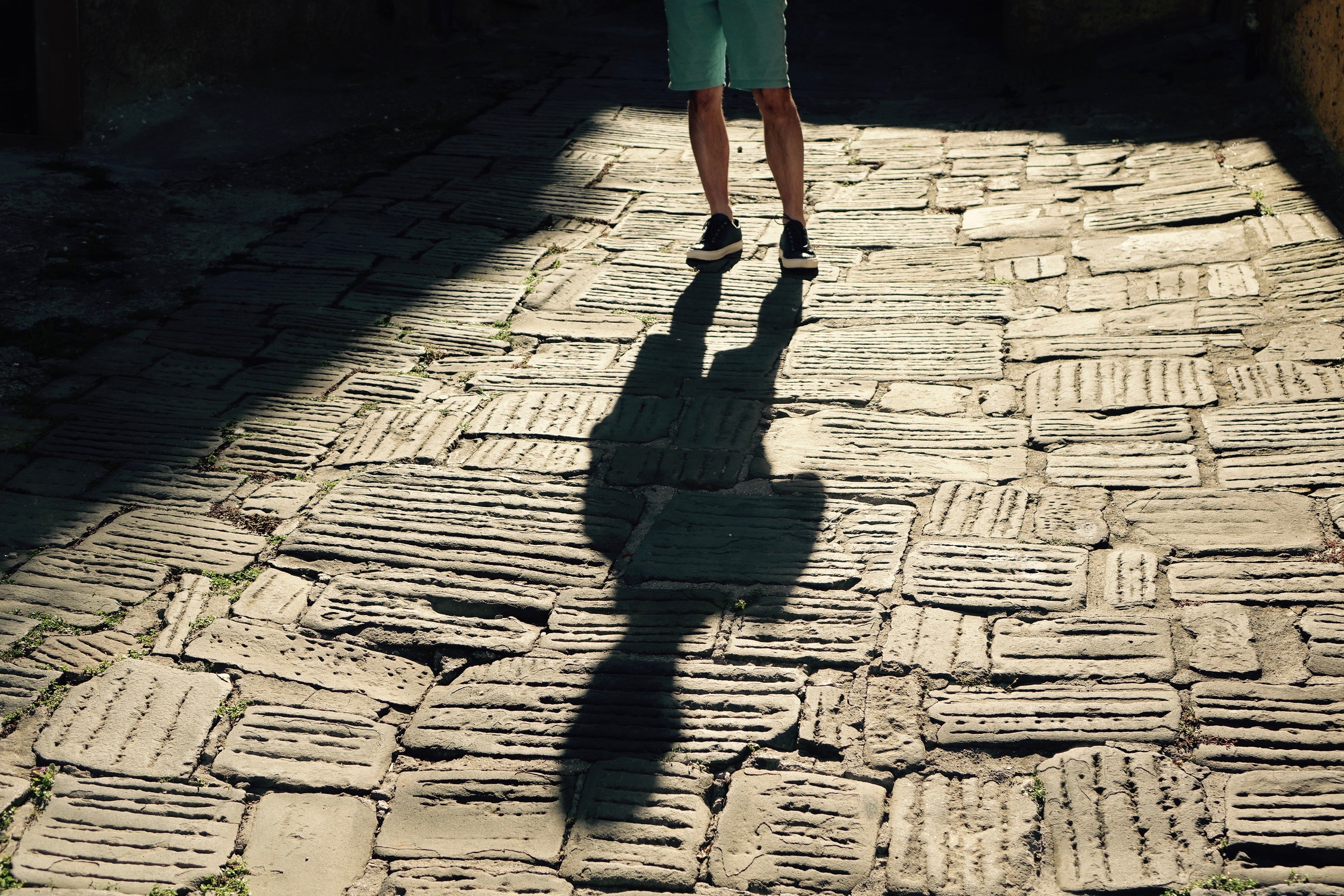
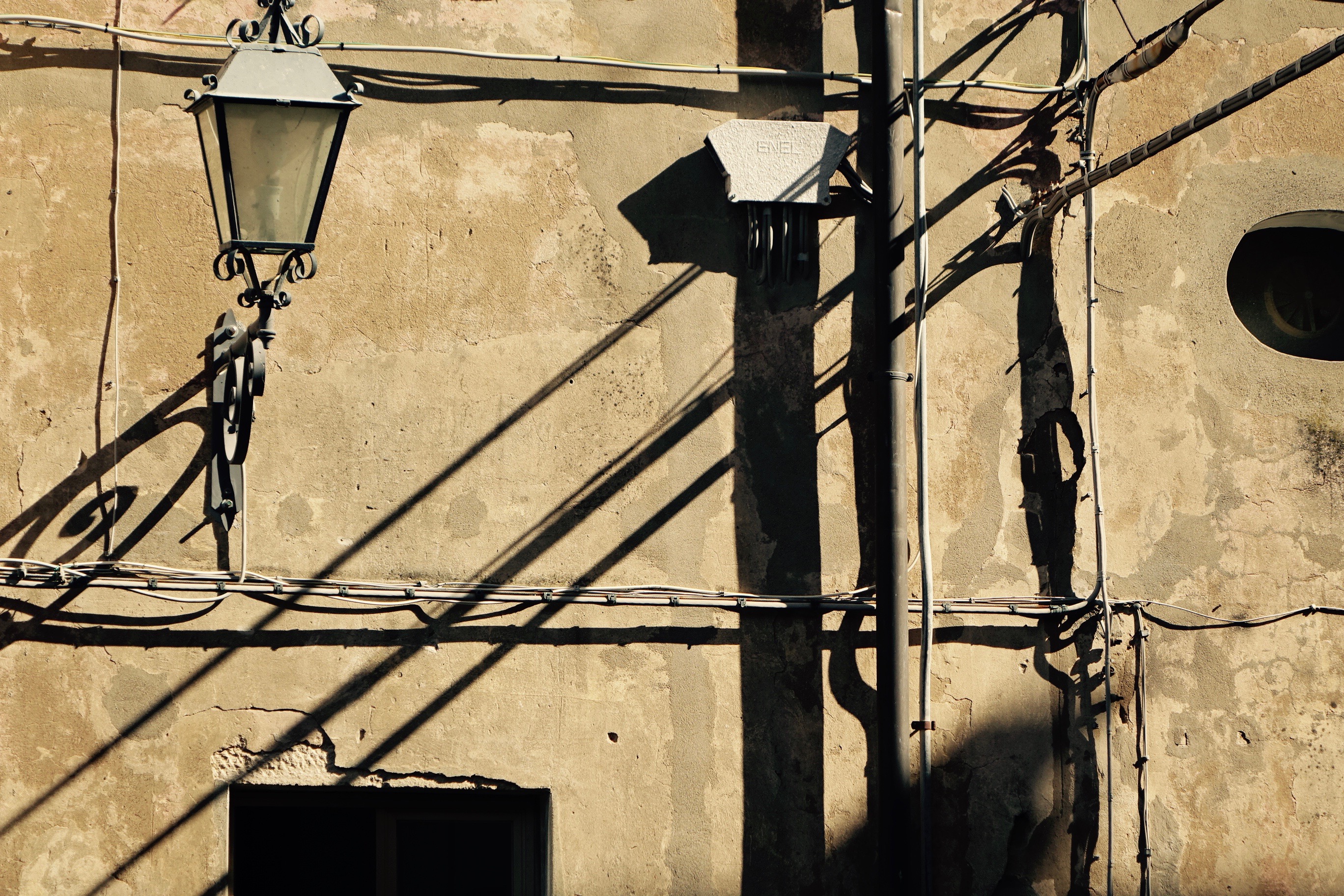
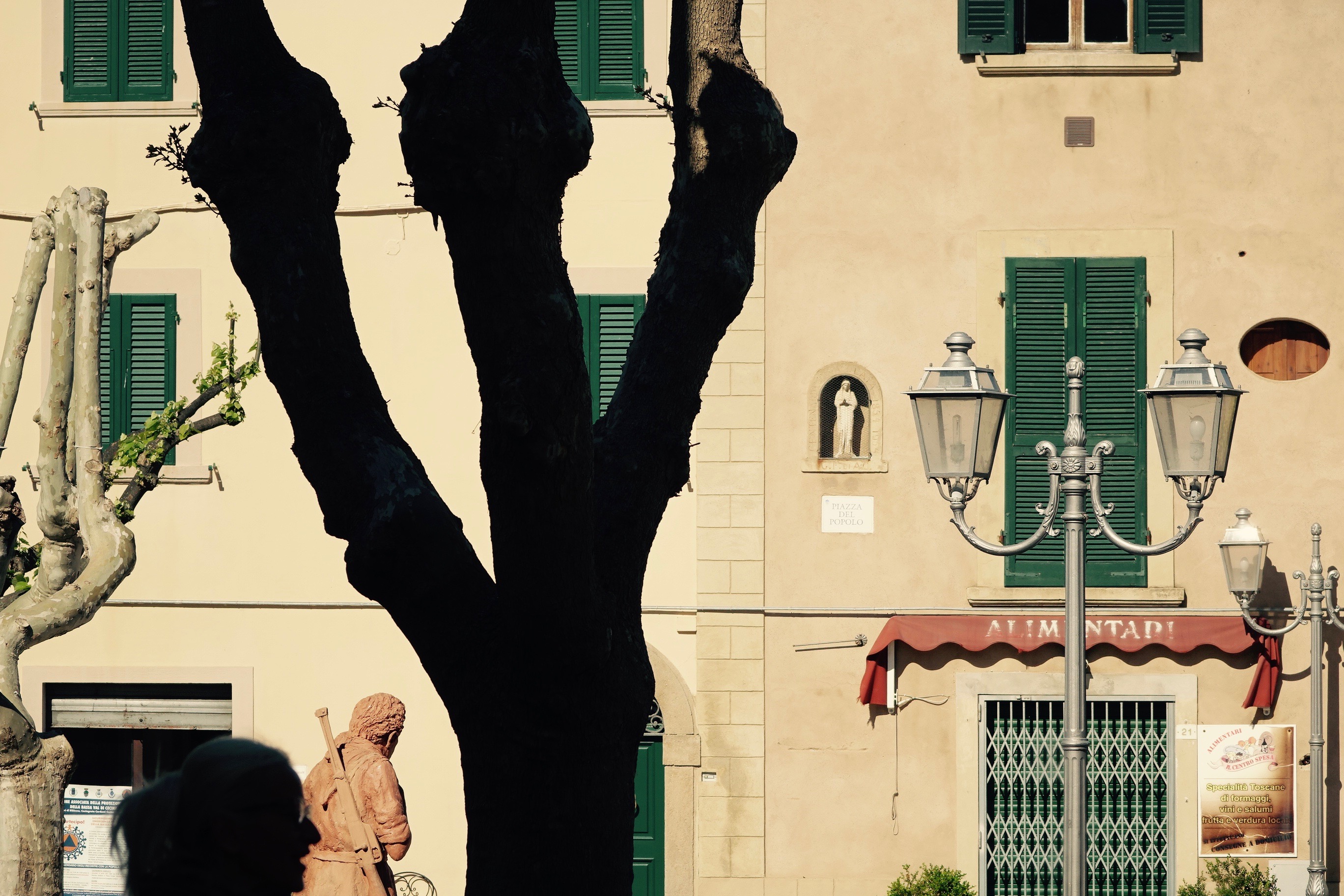
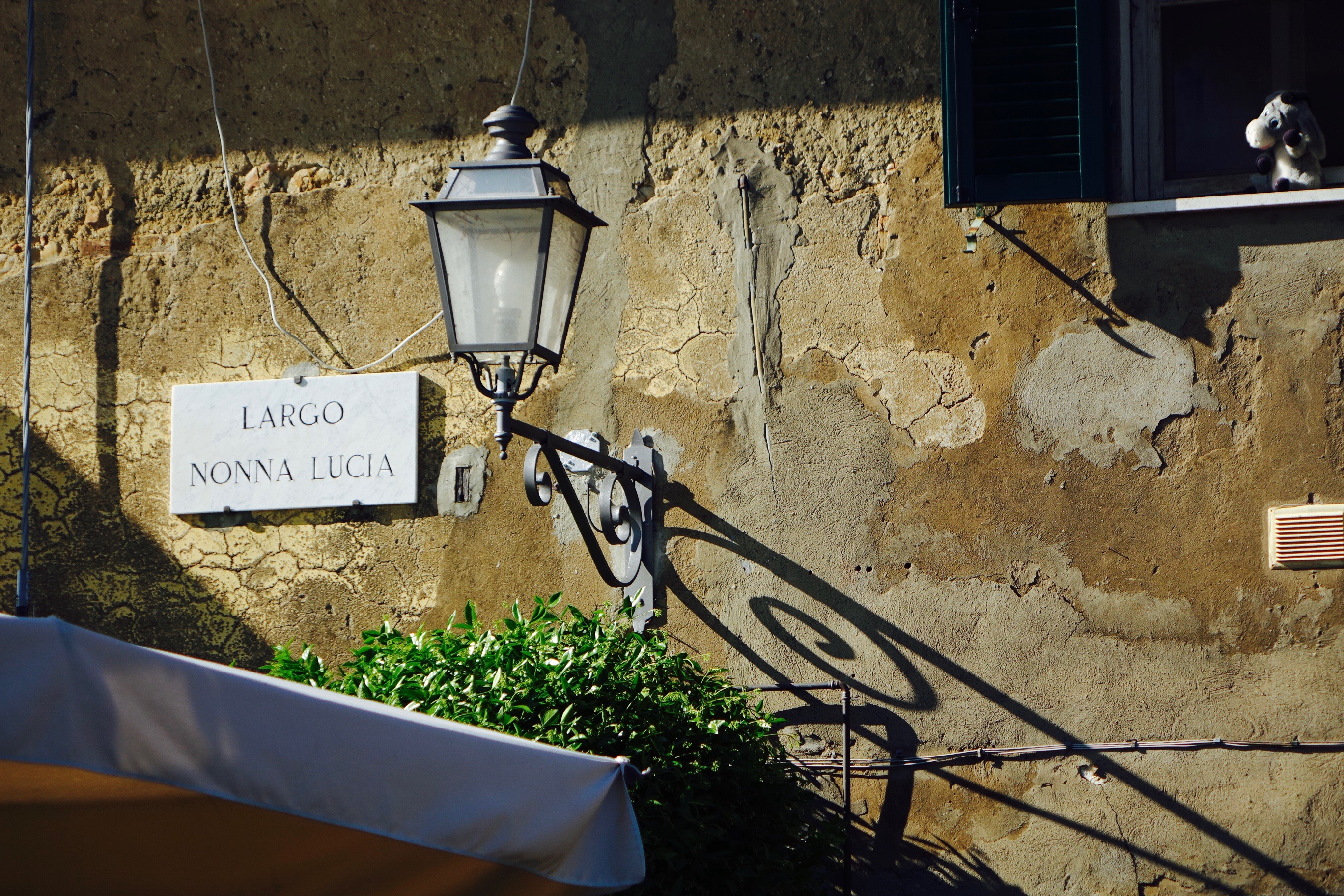
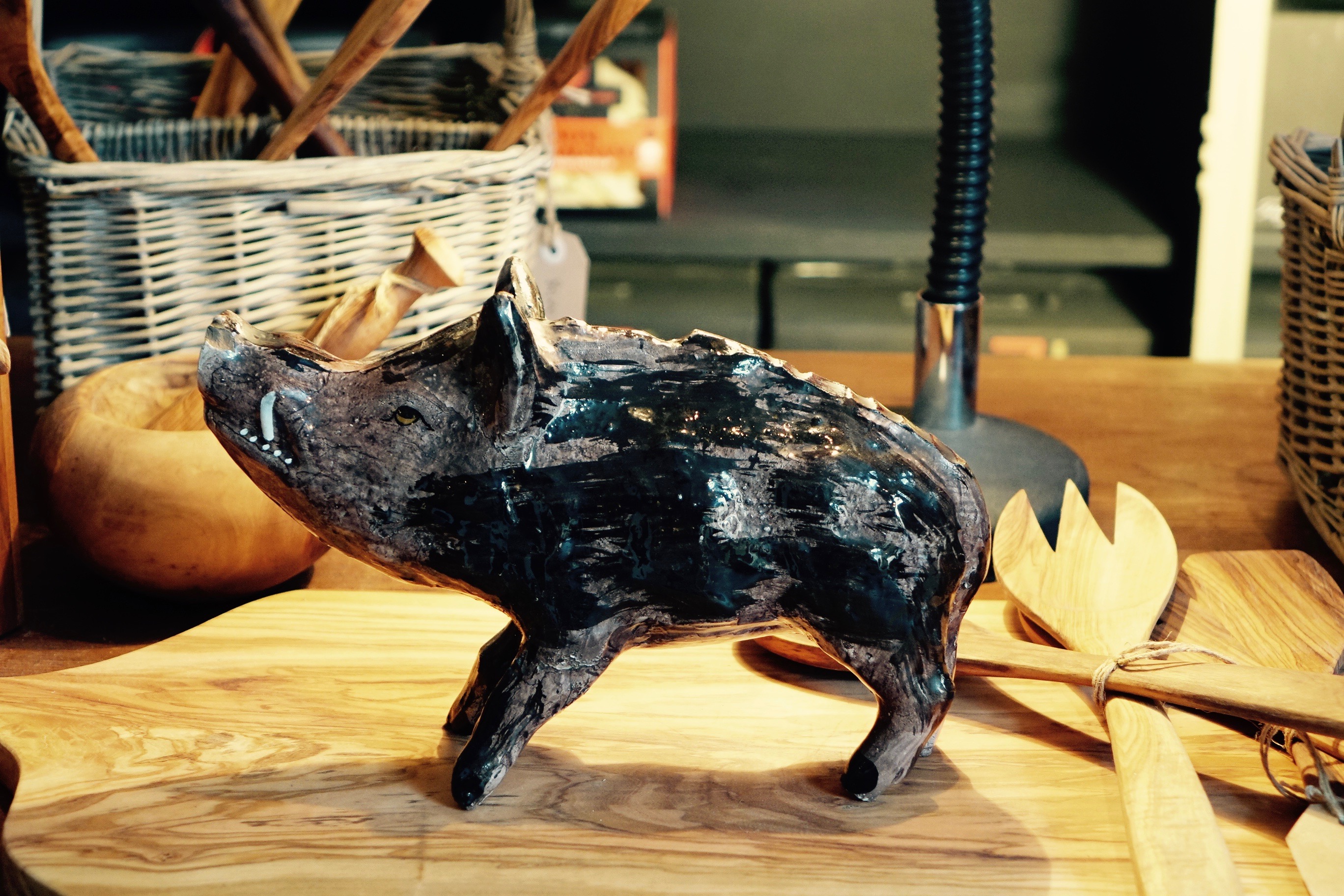
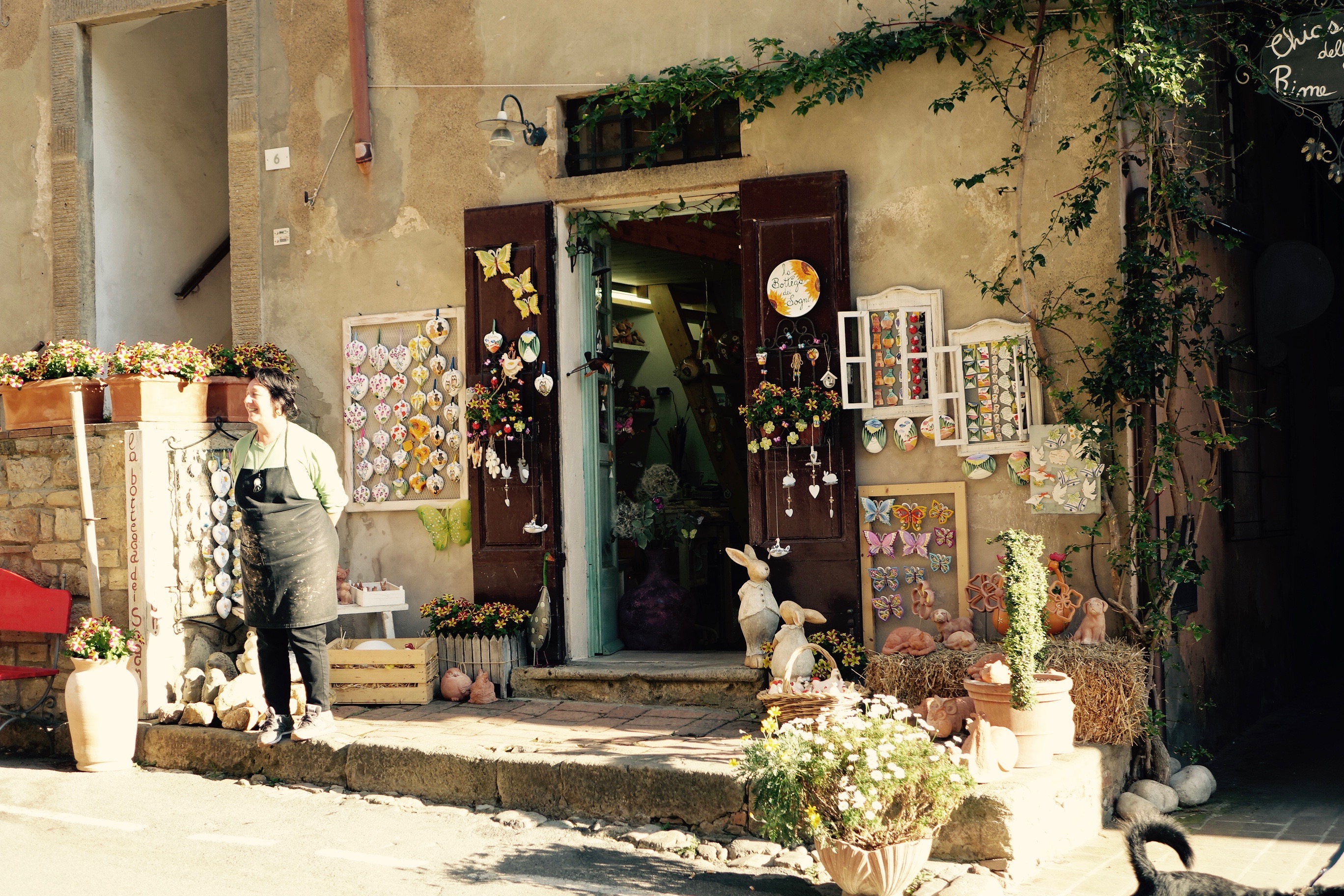
Like so many of the Tuscan Towns I am featuring on this blog, Castagneto is a town which oozes idyllic charm. While the tourist trade has made sure to embellish the town’s best features and offer visitors boutique shops selling local produce, cuddly wild boars and hand-painted ceramics, my favourite places to visit are those which are the preserves of the locals – the small little cafes where locals prop up the bar to drink an espresso and a brioche; the hilly side streets whose pot plants and strung out washing are just as picturesque as the countryside views over which the tourists ogle; and the little passages where a simple parked vespa or a decorative street lamp look like works of Italian art.

DSC09937DSC09958DSC09912DSC09897DSC09893 2DSC09919DSC09955DSC09951DSC09929DSC09917DSC09906DSC09902

If you can only get to tour one or two of Tuscany’s quaint little towns, Castagneto is a perfect choice. With its various cafes and small up-scale shops, several restaurants making the most of the views and a perfect winding route around town which will take in the small church and iconic town hall, Castagneto has all the ingredients to afford the visitor a satisfying stroll. And if I were to recommend Bolgheri at around 5pm for a cocktail or afternoon coffee, Castagneto is a perfect choice for a morning coffee. Our sun drenched cup accompanied by brioche and croissants stuffed with frutti di bosco and cream was the best breakfast experience of my trip, and should not be missed, especially with views as fine as this.

DSC09956DSC09949DSC09900DSC09946DSC09939DSC09924DSC09885DSC09918DSC09910DSC09911DSC09921DSC09783

© Nicholas de Lacy-Brown and The Daily Norm, 2001-2017. Unauthorized use and/or duplication of the material, whether written work, photography or artwork, included within The Daily Norm without express and written permission from The Daily Norm’s author and/or owner is strictly prohibited. 

Another walk one early Tuscan morning: Corn fields and pine trees

I love walking, perhaps you’ve noticed. I trace the passion back to my 2008 accident and the two years of limited movement which resulted. When finally I lost my crutches, I realised for the first time the very simple joy of being able to walk. What a liberty to be able to walk wherever your feet may take you, one that most take for granted but which we all should cherish, especially when those legs take you somewhere as beautiful as the Tuscan countryside.

On the way to the pine tree forest

DSC09425DSC09509DSC09531DSC09486DSC09433DSC09460DSC09501DSC09443DSC09536DSC09532DSC09468DSC09448DSC09469

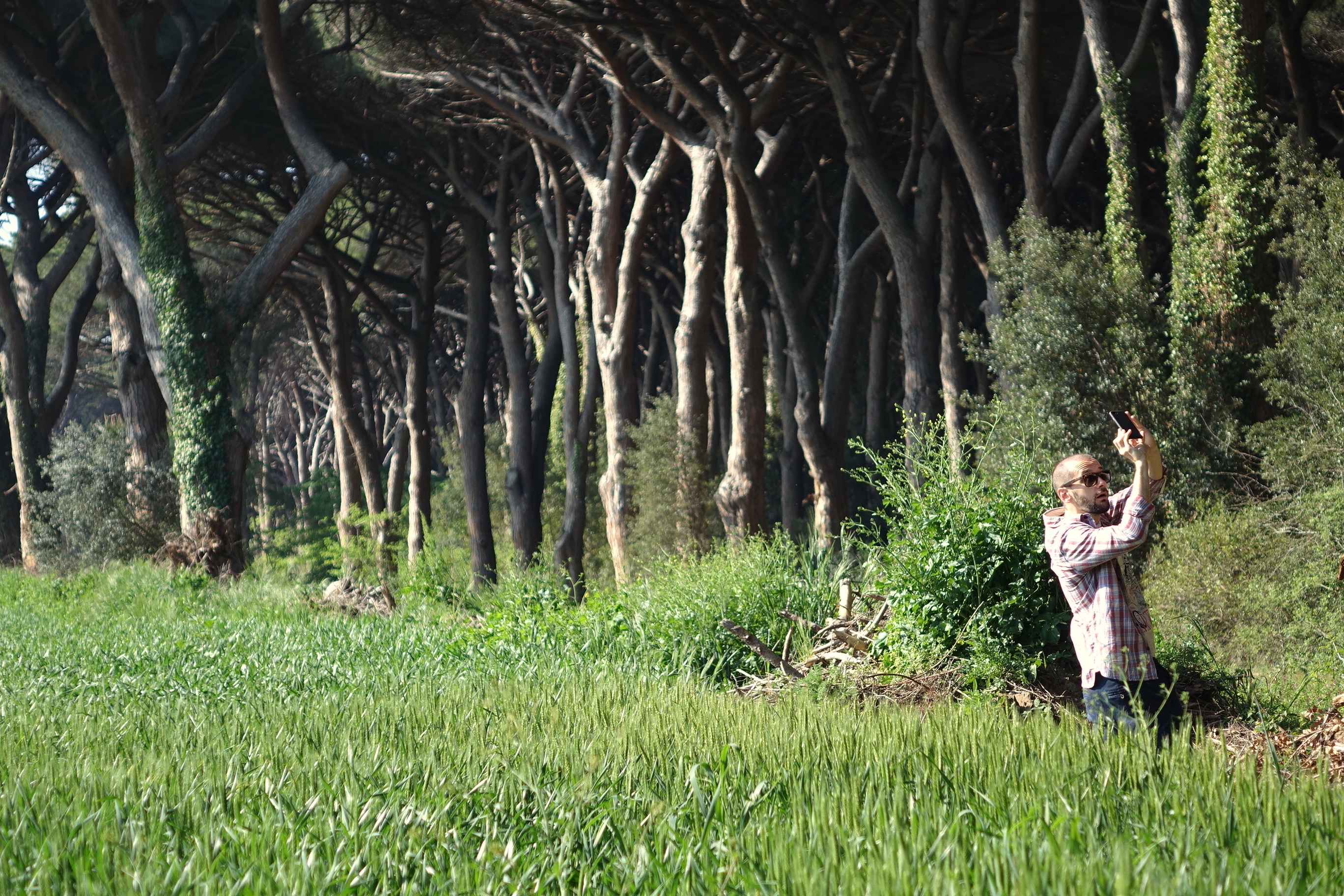
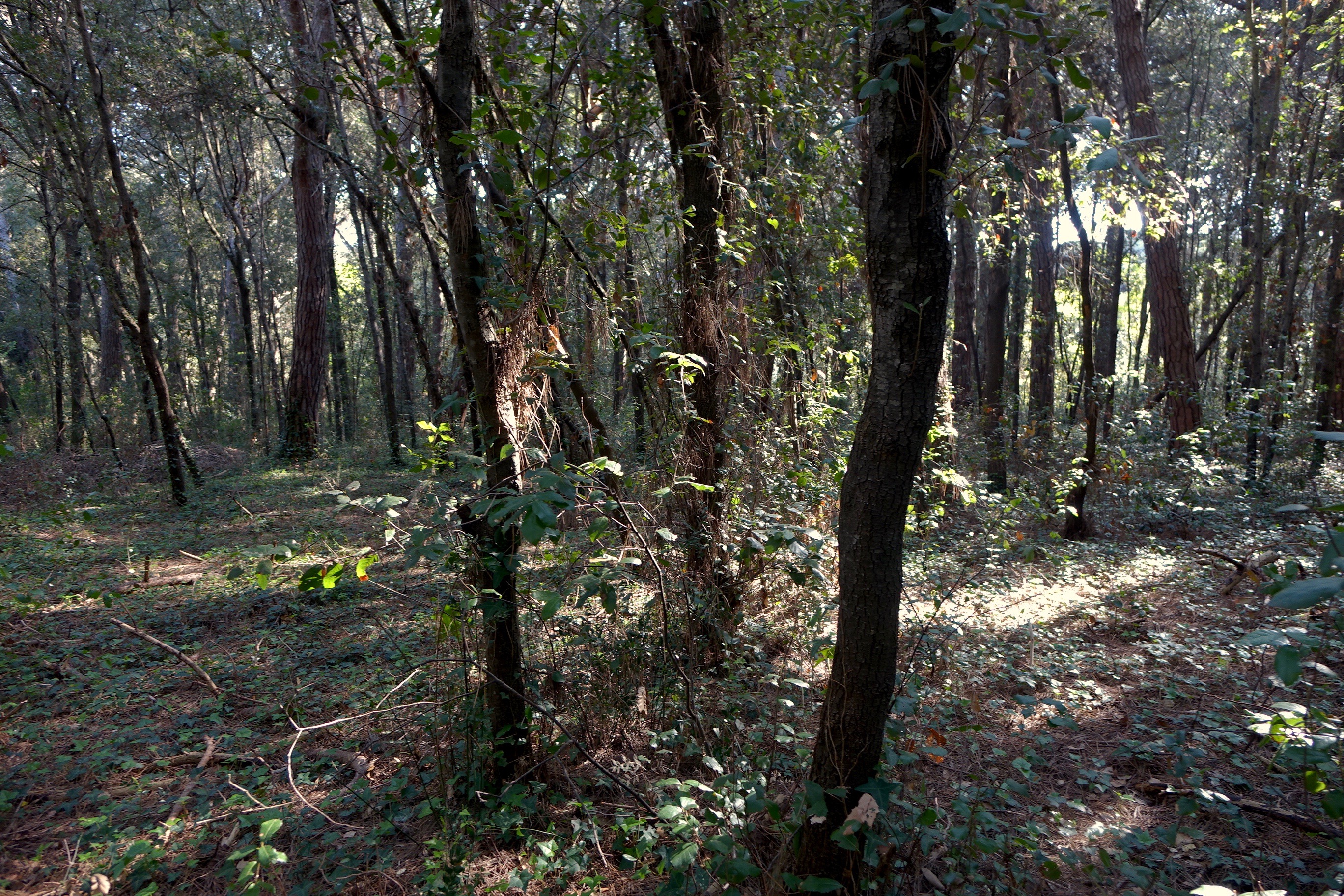
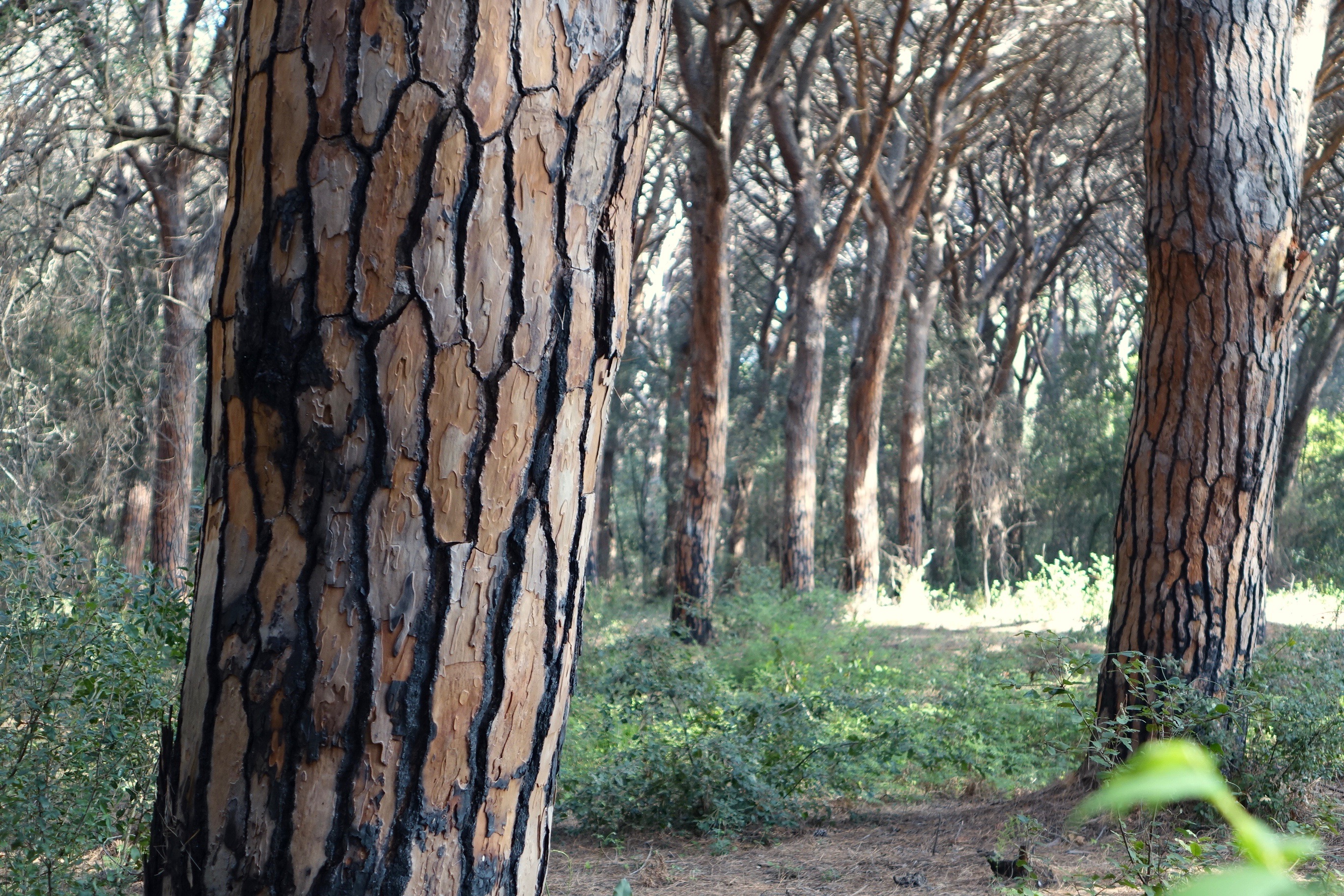
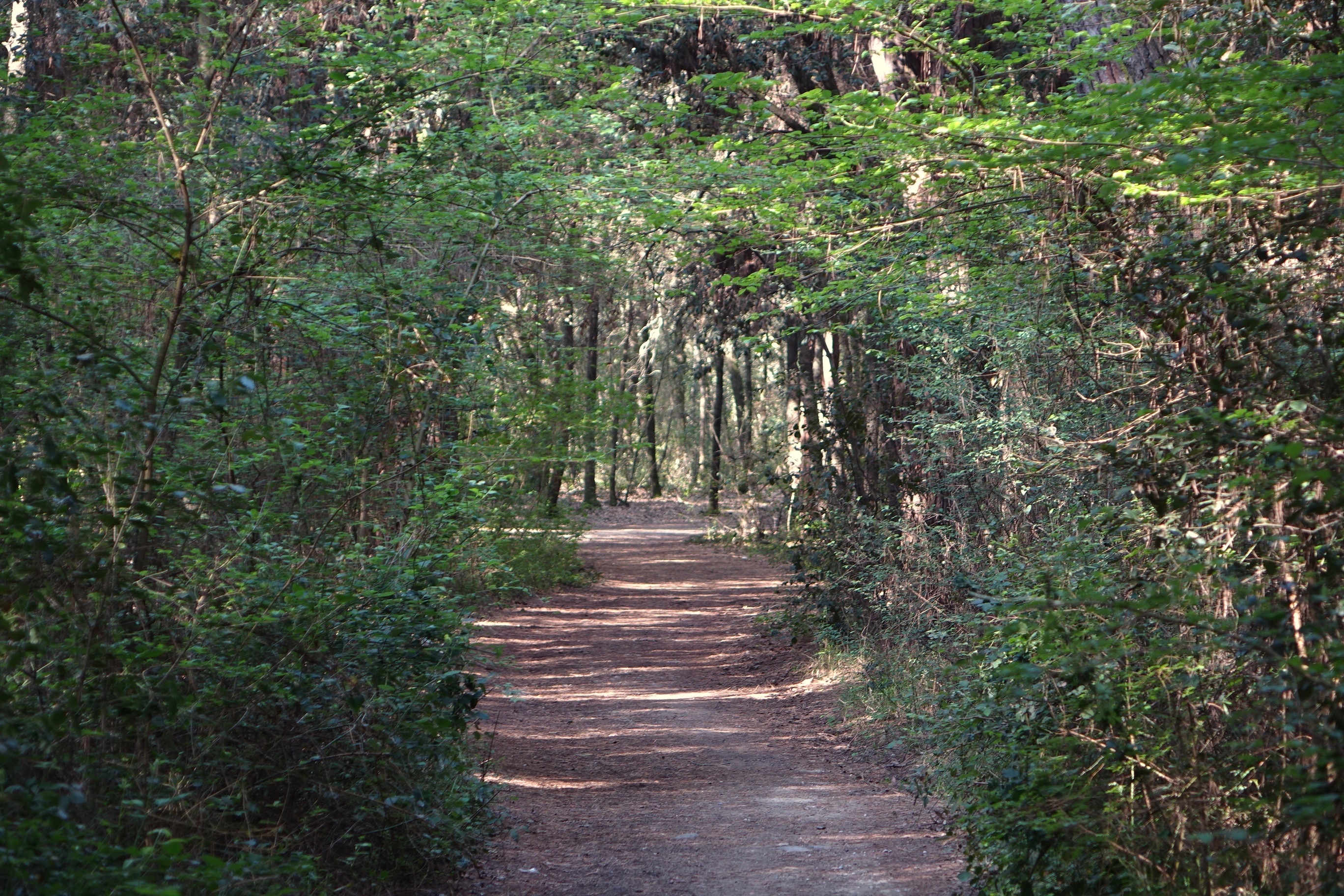
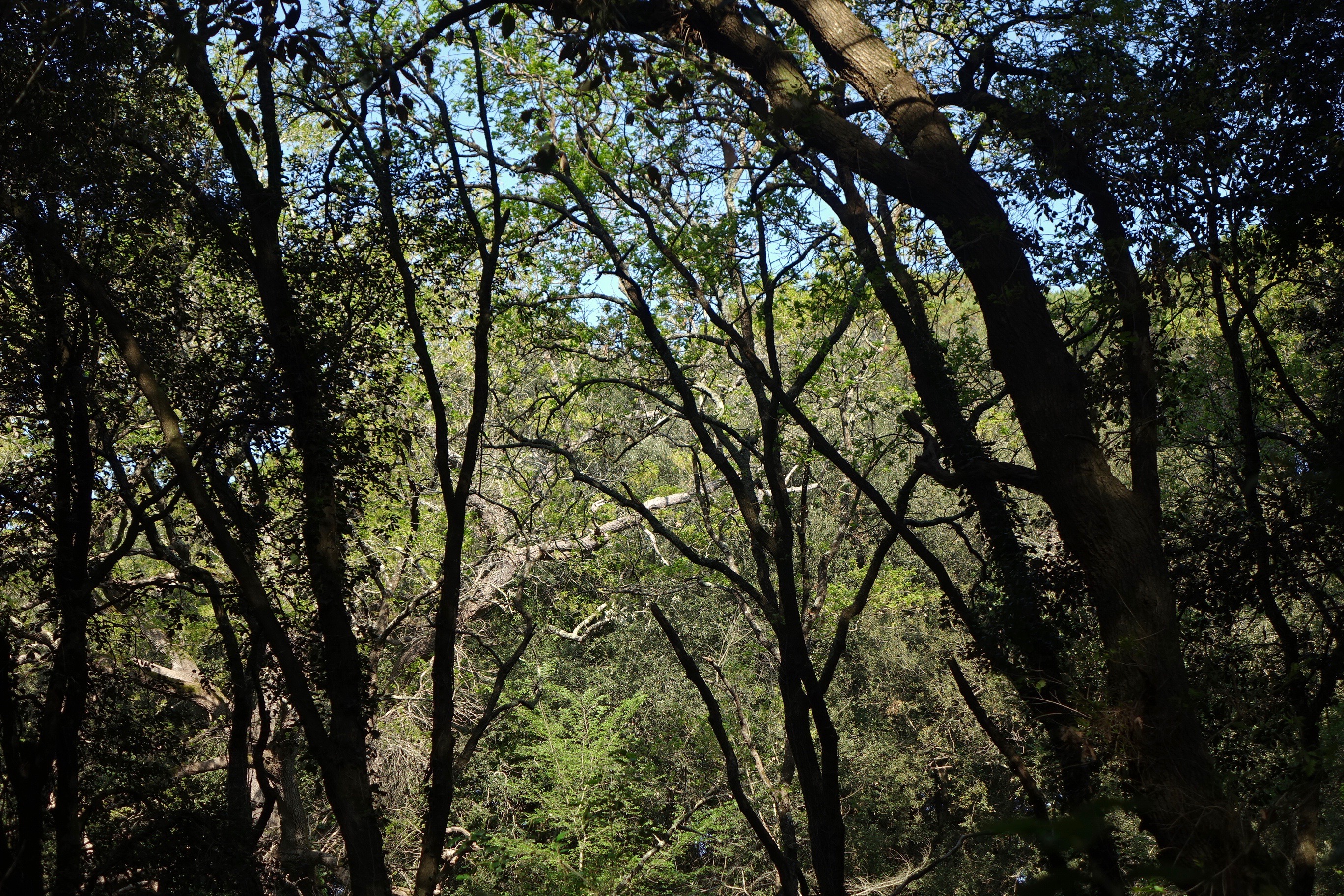
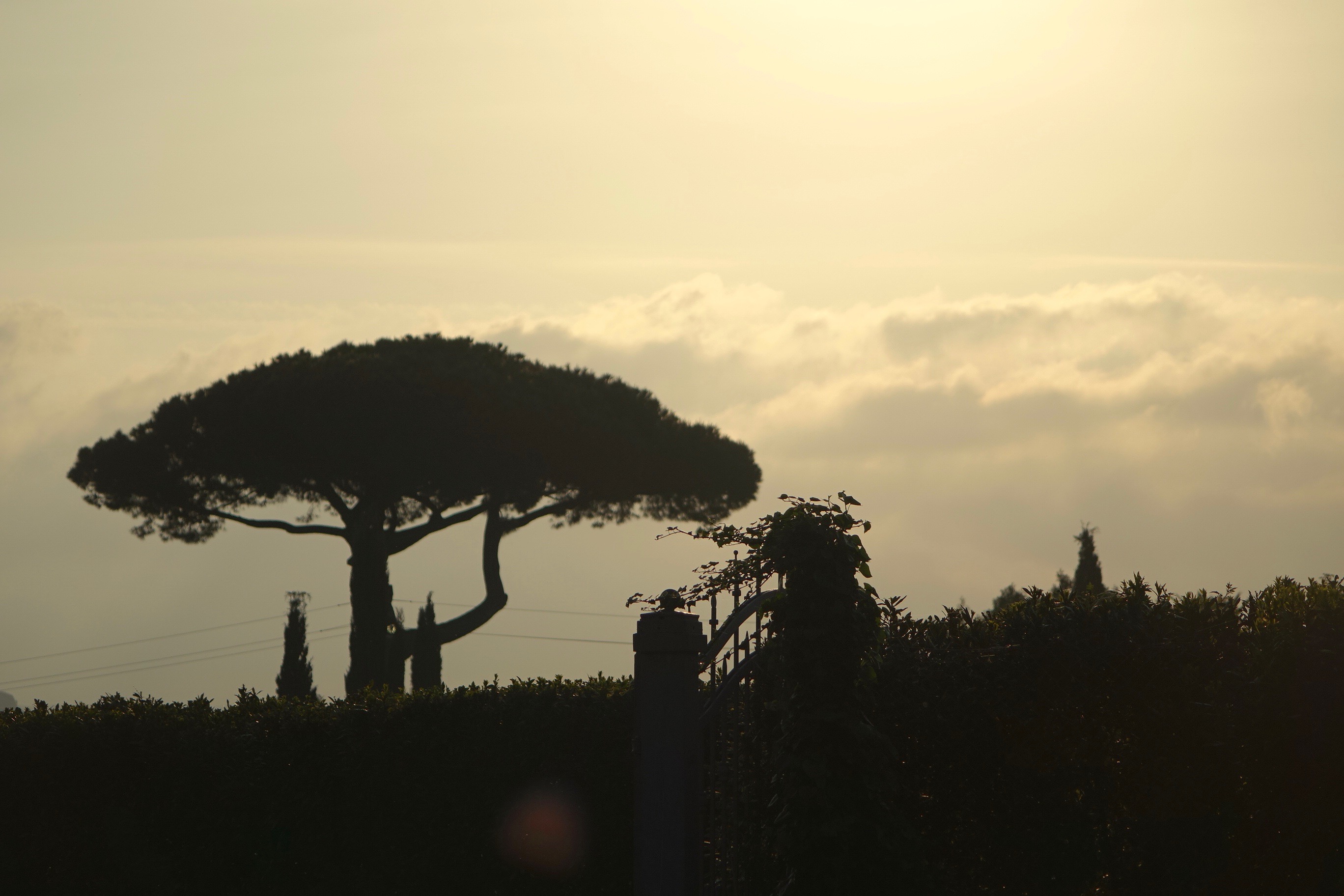
The last walk I described passed through the ravishing local vineyards whose striped embodiment of leafy lanes roll leisurely over the nearby hills. But turn the other way, and a landscape of equal enticement spreads out for the offering, one of corn fields and olive trees which back onto what in the coastal town of Donoratico is a locally iconic wood of pine trees running all the way long the sea. This dense collection of the umbrella pines which are an iconic element of the Tuscan landscape make for an incredible sight, not least from within where a glance upwards unveils a ceiling of semi-transparent pine needles punctuated with light. Meanwhile and endless collection of pine tree columns is like a cathedral of wood which apparently spreads forwards for an eternity.

Within the woods

DSC09560DSC09548DSC09599DSC09541DSC09591DSC09569DSC09550DSC09577DSC09553DSC09549DSC09554DSC09579DSC09537DSC09558DSC09572

There is something about a wood which is deeply, sensuously mysterious, drawing you in, albeit with some trepidation as to what lies within. We adored our time wandering through this lofty space, where we stumbled upon crazily shaped fallen trees and shards of light breaking through the pine tree canopy. But best of all things was the treat at the end, as the final archway of trees led directly onto a wide sandy beach and the turquoise sea beyond.

Breaking out 

DSC09604

© Nicholas de Lacy-Brown and The Daily Norm, 2001-2017. Unauthorized use and/or duplication of the material, whether written work, photography or artwork, included within The Daily Norm without express and written permission from The Daily Norm’s author and/or owner is strictly prohibited. 

Tuscan Towns #2 – Bolgheri

Bolgheri is a tiny town, more of a hamlet really, based as it is along one main street which latterly converges into two, a sunny square and a row of delightful little houses and restaurants precipitating the divide. For the majority, the closest they will come to knowing Bolgheri will be to read its name upon one of the plethora of nectarean bottles of wine produced by the region every year. Yet for the lucky few, who are led, magnetised, down the perfectly straight cypress-lined Roman road to the tiny little village, finding Bolgheri will feel like stumbling upon a hidden jewel.

DSC09719DSC09726DSC09666DSC09721DSC09711DSC09665DSC09664DSC09695DSC09697DSC09692DSC09677DSC09722DSC09709DSC09712DSC09714

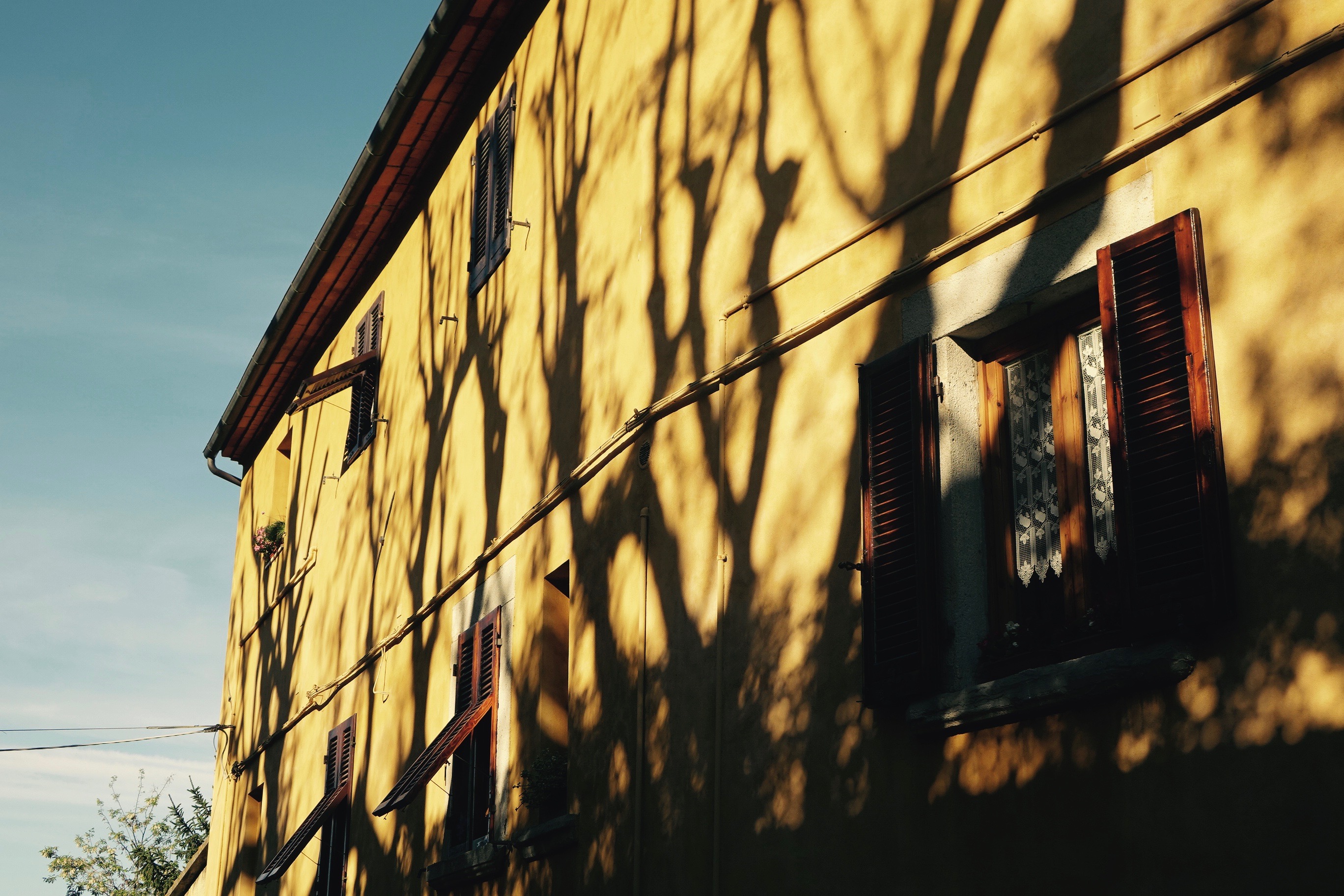
While Bolgheri has a castle, it is as proportionately small as the village. It is not a place for museums, nor a city for those wishing to stroll endlessly from one new corner to another. No, the real attraction of Bolgheri is its atmosphere. It is enchanting. While a visit at any time of the day will be enthralling enough, there is a poetic grace about Bolgheri in the late afternoon, as the sun starts to set over the vineyards and rolling hills to the West, and every cafe and shop and house seems to fling open its shutters greedily urging the peach coloured light to spill into its small little terracotta buildings.

DSC09710DSC09672DSC09703DSC09716DSC09728DSC09690DSC09699DSC09675DSC09729DSC09733DSC09702DSC09694DSC09693DSC09688DSC09687DSC09676

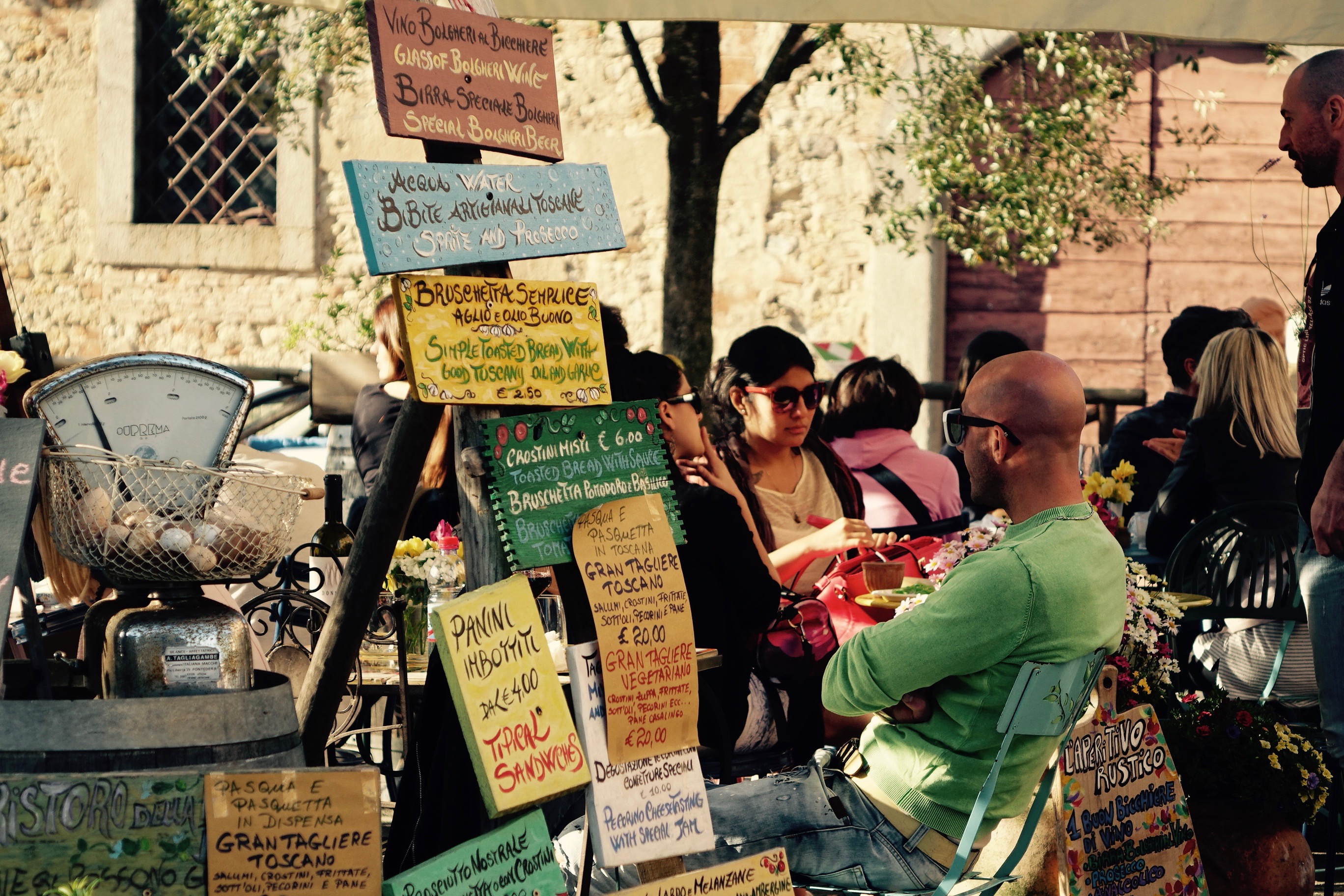
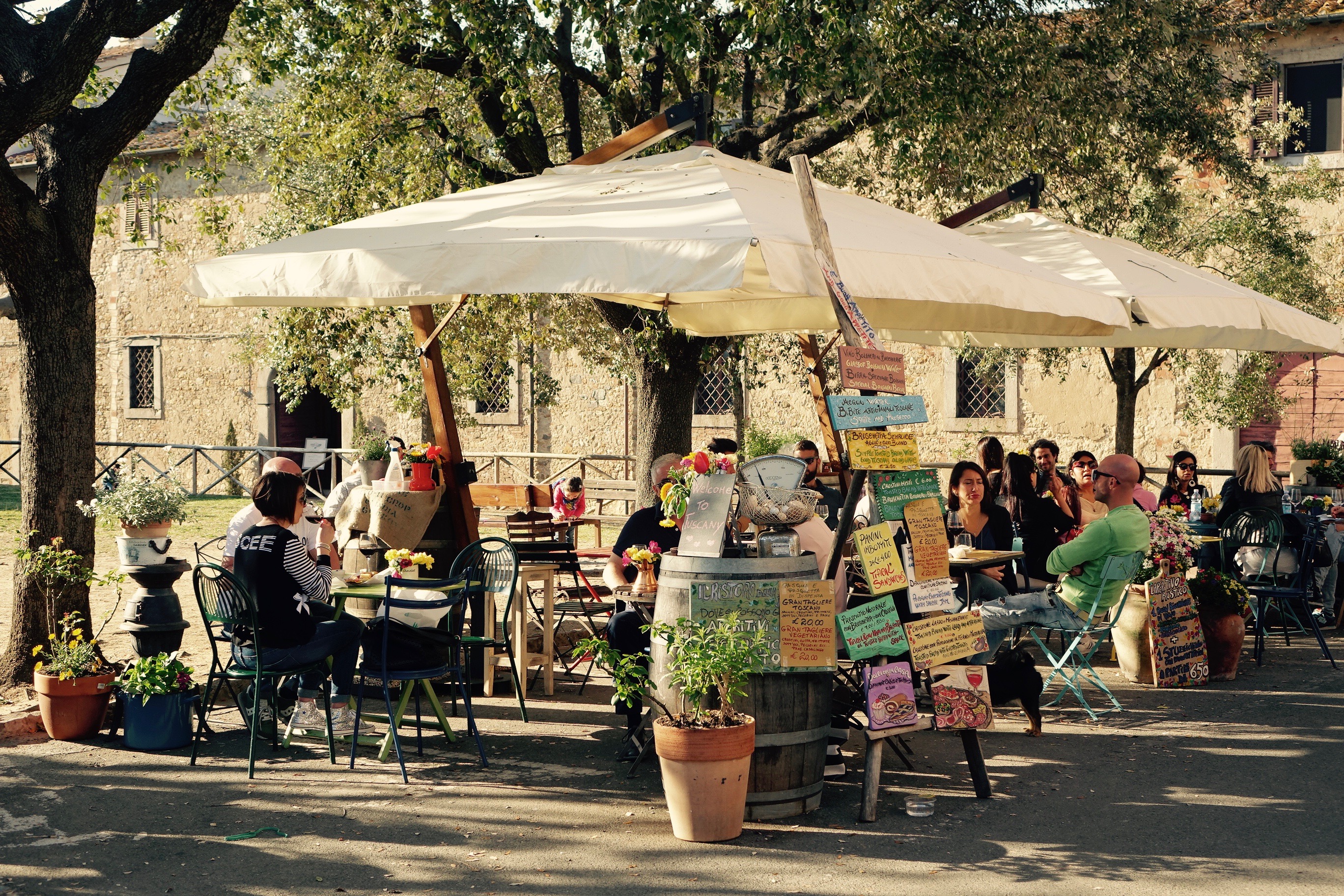
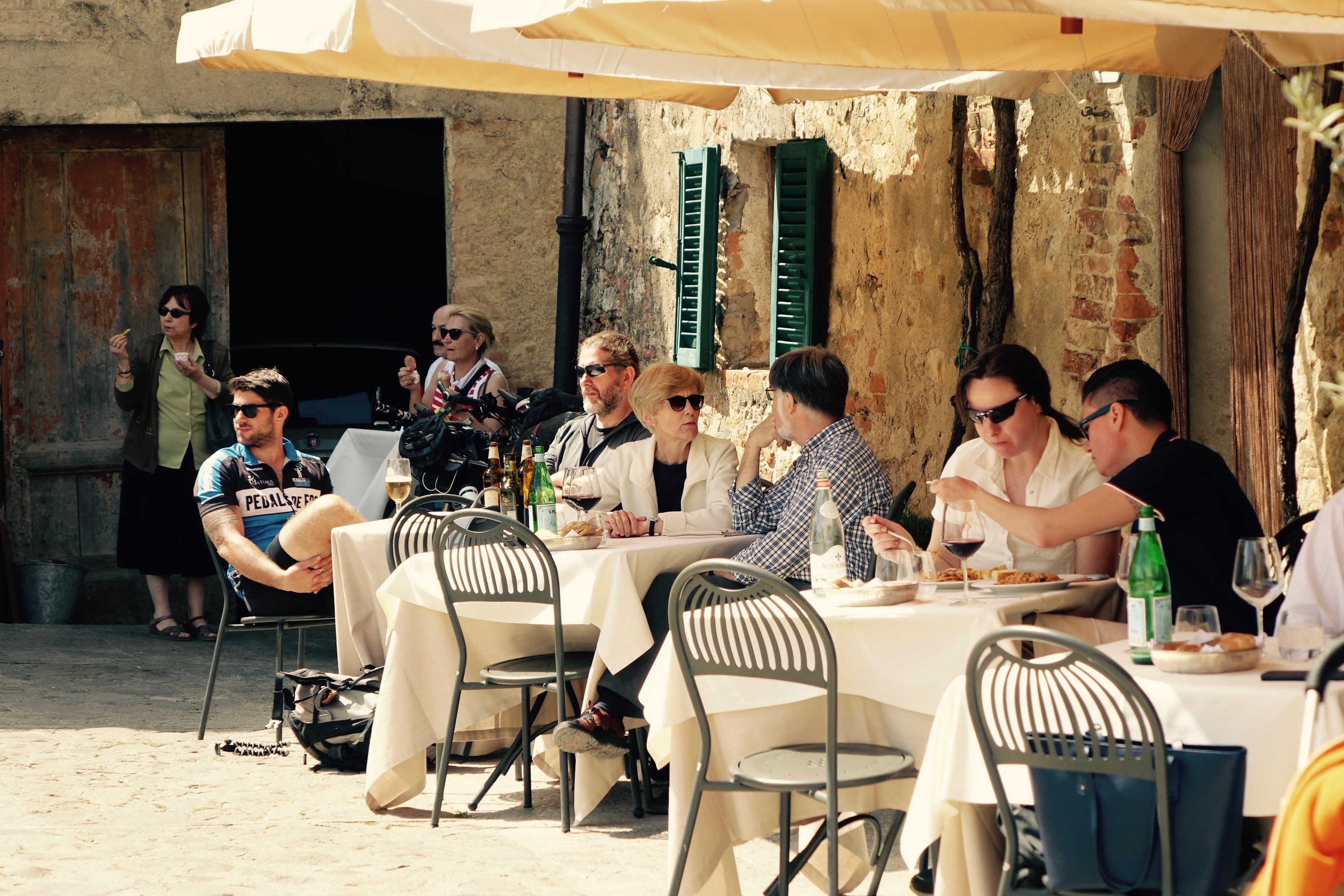
Bolgheri in the afternoon is a place in which to sit and close your eyes, feeling the sunlight spill across your face. It is a village where sipping upon an aperol spritz takes on new majesty, and where an ice cream glimmers with a precious golden aura. It is a time which is all about relaxing, chatting, strolling, thinking, and if I wanted to do anything when I set out to take these photos, it was to capture this time of utopia. So apologies in advance to the fellow visitors who ended up in the photos on this post, but without the look of sheer pleasure and relaxation written all over their faces, I don’t think I could ever have properly expressed the blissful experience of an afternoon in Bolgheri.

© Nicholas de Lacy-Brown and The Daily Norm, 2001-2017. Unauthorized use and/or duplication of the material, whether written work, photography or artwork, included within The Daily Norm without express and written permission from The Daily Norm’s author and/or owner is strictly prohibited. 

A walk one early Tuscan morning: Vineyards and poppies

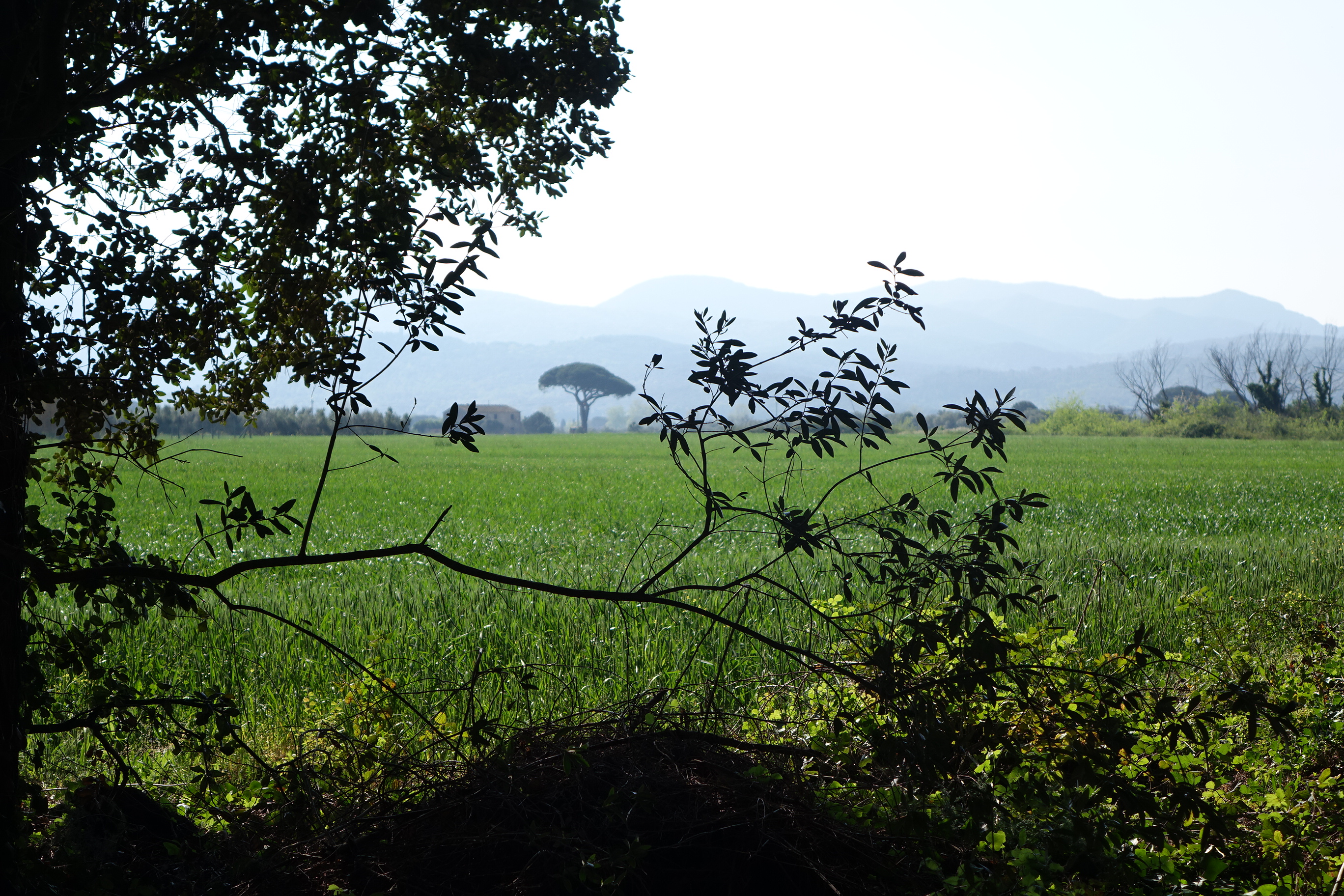
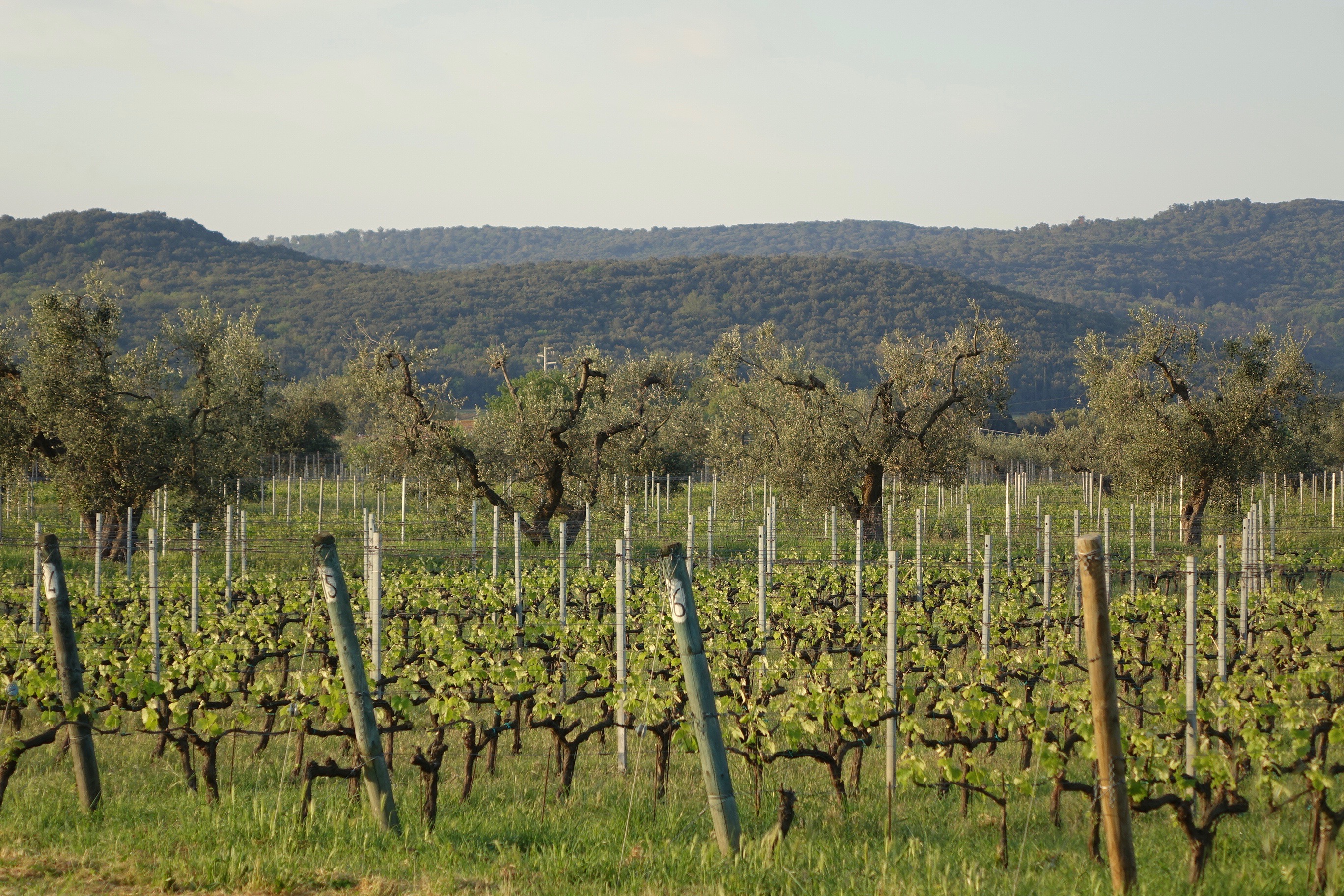
Florence, Siena, Pisa, Lucca, Arezzo, Grosseto… Tuscany plays host to more stunning cities than you can even begin to list, let alone visit on a single trip to the region. Full of art history’s jewels, quaint little streets and magical churches, these are the cities which inspired a golden age of travel. Yet the cities are only one facet of Tuscany’s charm. All along the length of the region, there are beaches so sandy that they can rival the very best of Spain’s costas. In its restaurants, the Tuscan people will tell you that the very best food of Italy is served up, from wild boar to Sopa Della Pescaia. But above all things, Tuscany is characterised by its iconic landscapes. Who hasn’t salivated over the picture postcard views of undulating hills truncated by a cypress-lined winding road? And it is this landscape, punctuated by vines and olive trees and pine-perfumed air that I like to enjoy above all things.

DSC09876DSC09245DSC09250DSC09262DSC09815DSC09827DSC09847DSC09224DSC09220DSC09204DSC09768DSC09261

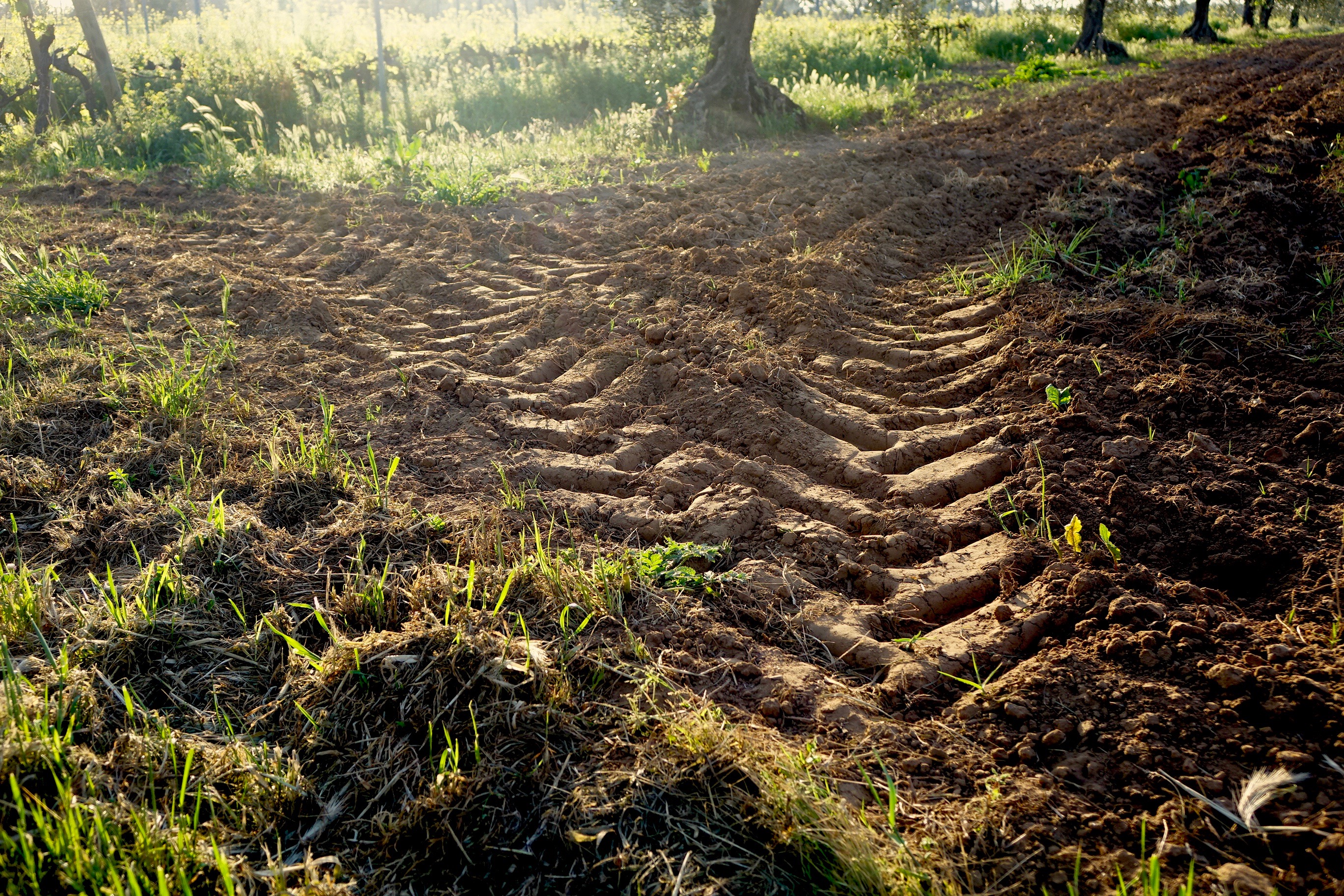
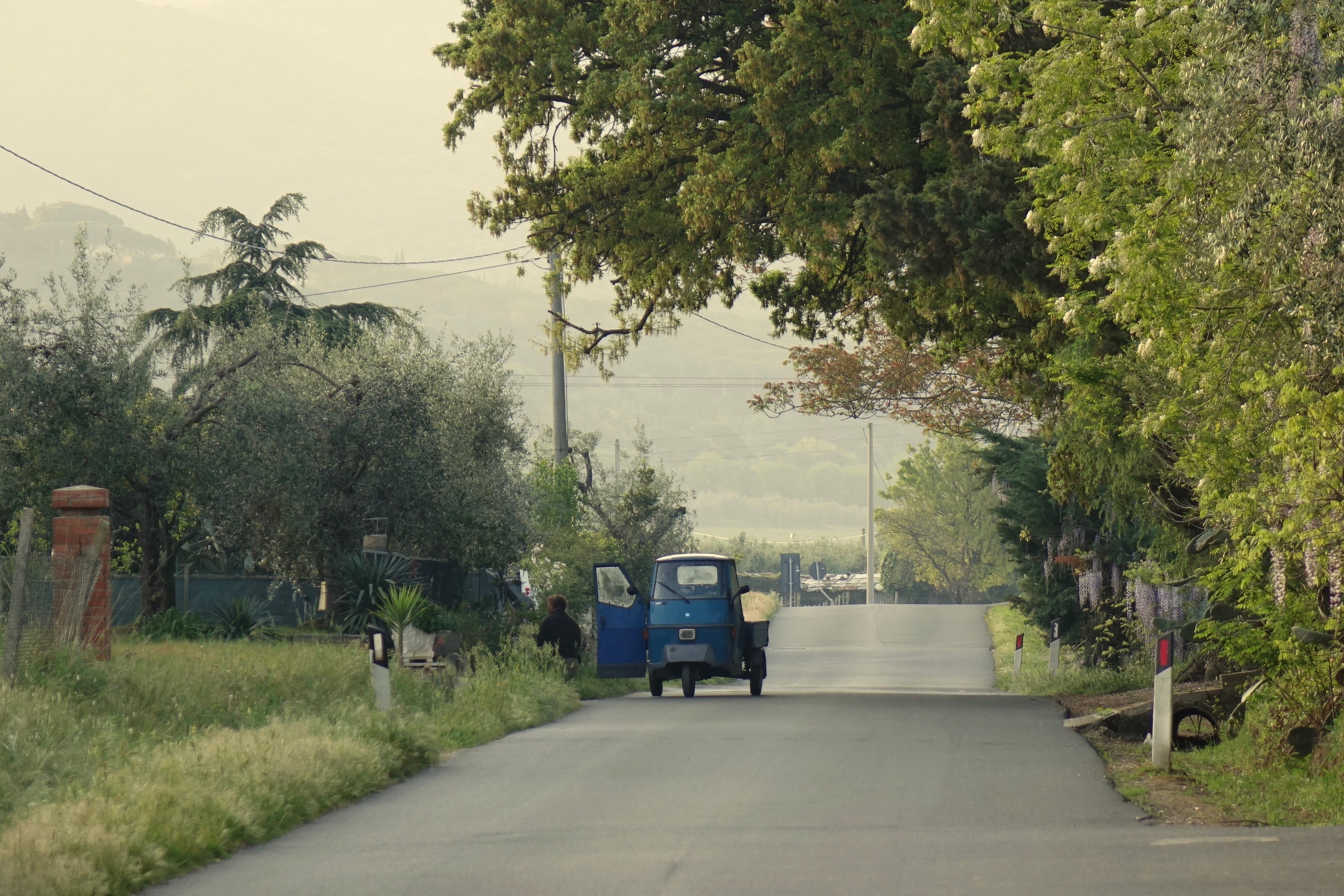
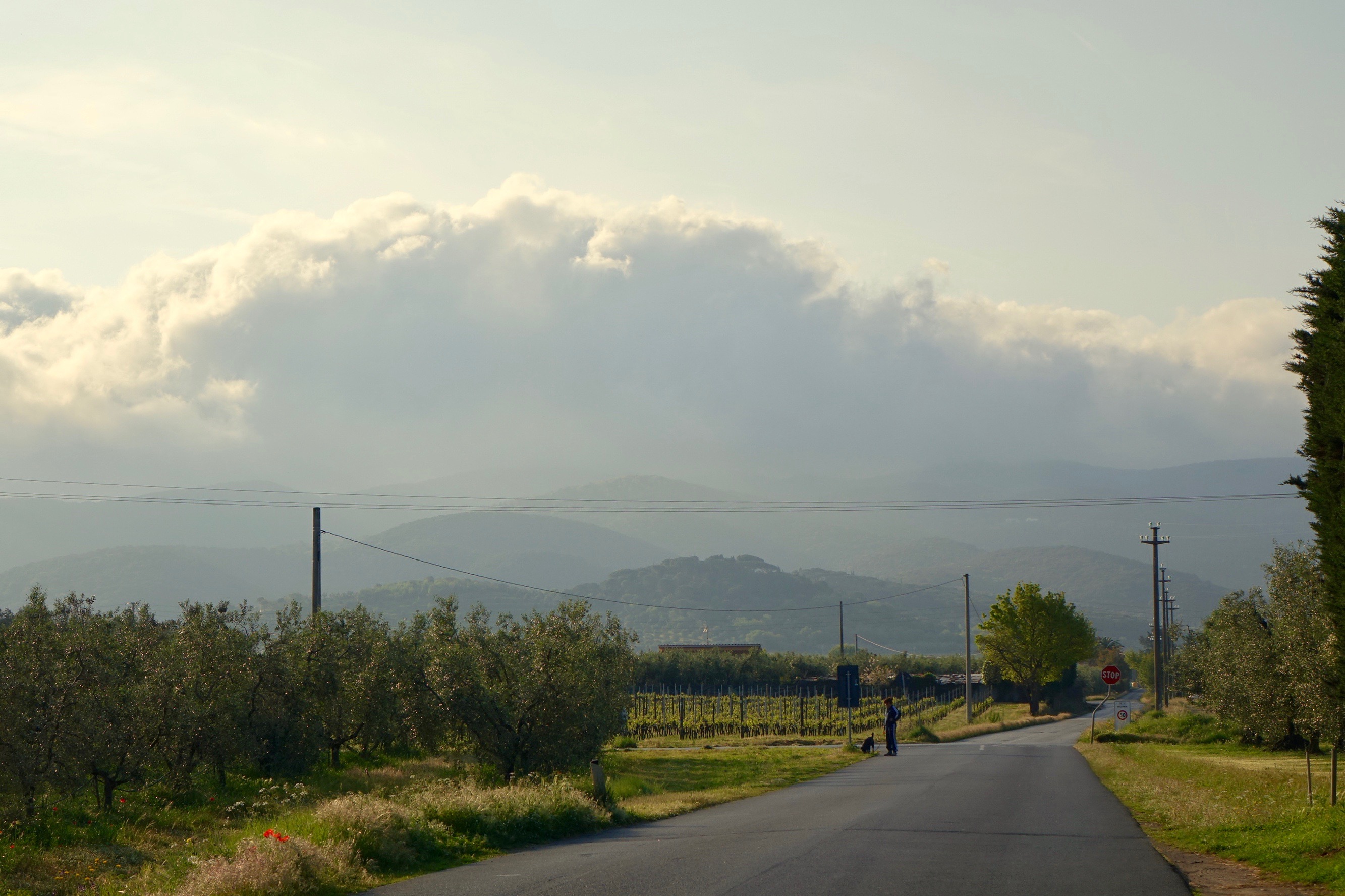
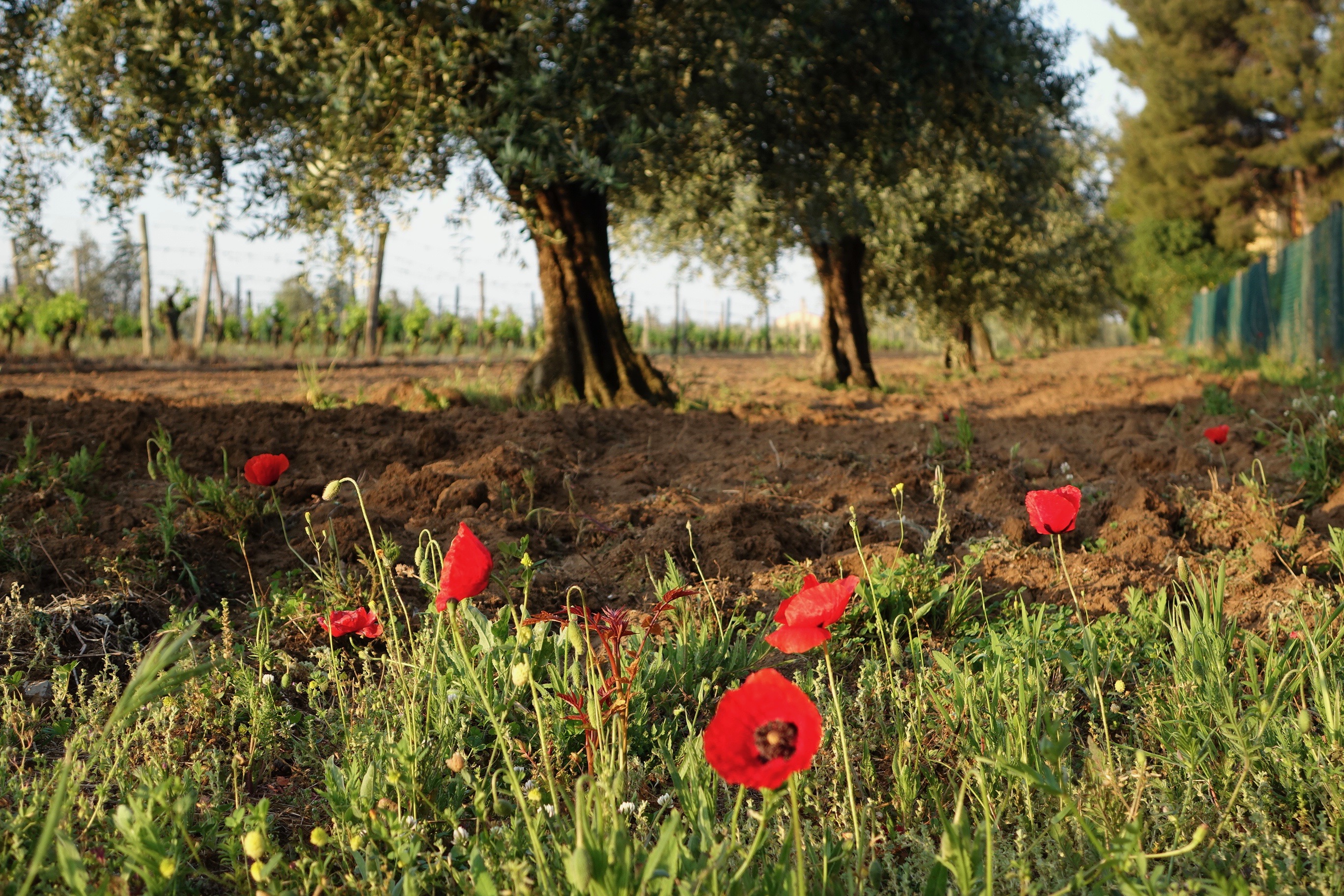
I’m lucky. I have family living in the region. And that means proximity. When we visit them my favourite thing to do is to get up early, as the sun is just starting to make its ascent, and walk. Walk in whatever direction my feet take me. For all roads in Tuscany lead to a lovely landscape, as countryside paths take the earnest visitor through those perfectly ordered vineyards, across freshly ploughed fields and amongst wild flowers.

These photos are from one such morning walk when the hour was perfectly peaceful and the light a creamy tone of reflected gold. But despite the sun’s fast ascent, there was a tangible sleepiness to the air, as poppy heads drooped delicately along grassy verges, snails curled up in snoozing groups on deserted street posts, and the birds, slowly awakening, heralded the start of a sunny new day. Pure. Bliss.

DSC09248DSC09229DSC09227DSC09237DSC09222DSC09820DSC09212DSC09836DSC09243DSC09867DSC09832DSC09829

© Nicholas de Lacy-Brown and The Daily Norm, 2001-2017. Unauthorized use and/or duplication of the material, whether written work, photography or artwork, included within The Daily Norm without express and written permission from The Daily Norm’s author and/or owner is strictly prohibited. 
Tuscan Towns #1 – Monteriggioni

There is nothing like a period drama to stir the soul, not least when an exotic location enables escapism, both historical and geographical. Such is the enduring magnetism of a film like A Room With a View. Starting a young Helena Bonham-Carter and the endlessly successful partnership of Judy Dench and Maggie Smith, it is the very essence of period delicacy, all set against a stunning Tuscan backdrop. Having become hooked on the film last year, it has gained a near gospel status in our household, and when a trip to see relatives in Tuscany beckoned this Easter, the film was omnipresent in our preparations. As we looked at the map and planned towns and cities to visit, the voice of Judy Dench as Eleanor Lavish pervaded. Recommending Monteriggioni to her fellow diners as a must-do destination, we felt persuaded to follow suit. Many years have past since the novel (on which the film is based) was written, but Tuscany is a richly historical land, steeped in the past, and we were sure it’s charm would not have disappeared with the period.

Charming Monteriggioni

DSC08697DSC08773DSC08772DSC08740DSC08721DSC08757DSC08731DSC08736DSC08728DSC08723DSC08720DSC08715DSC08708

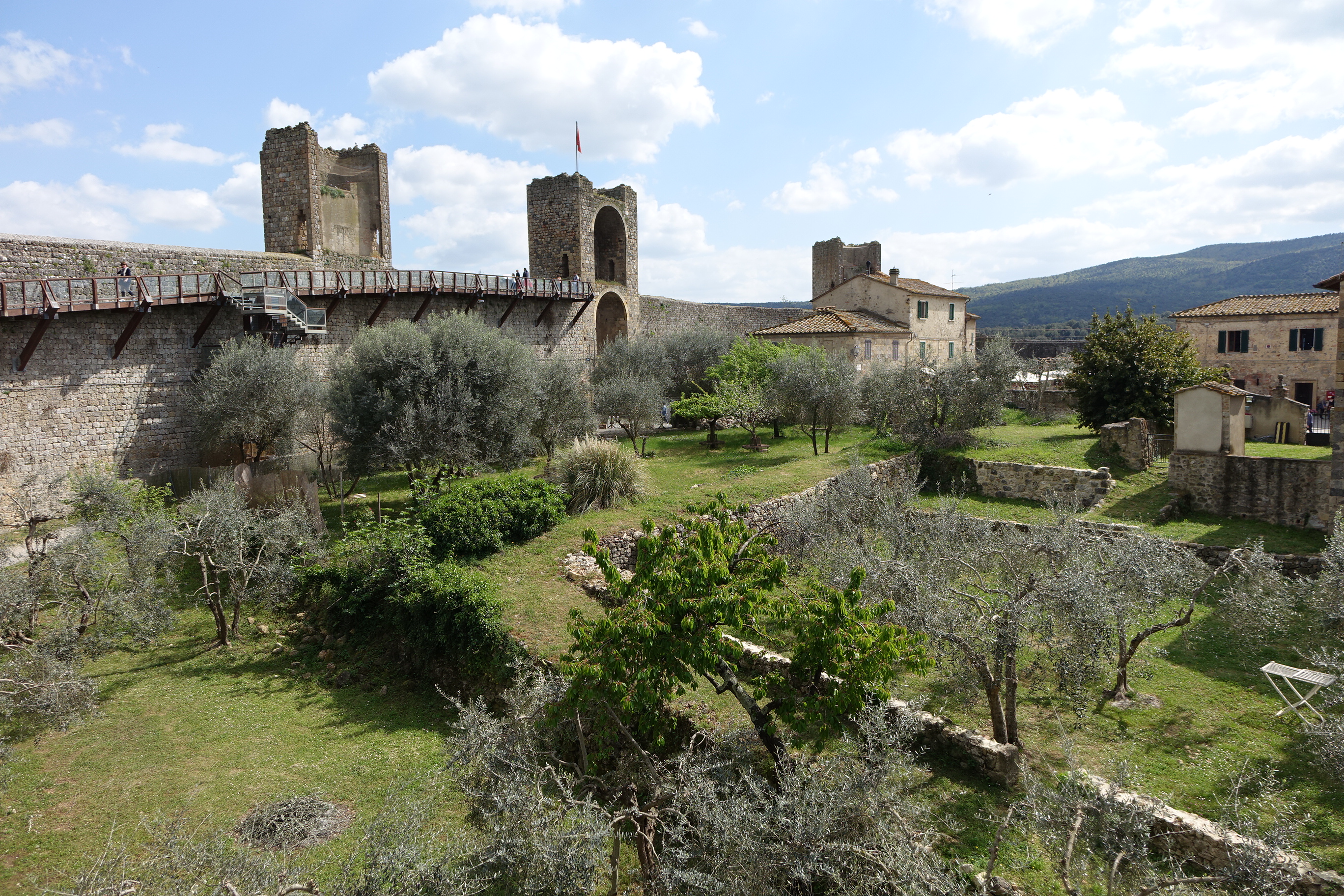
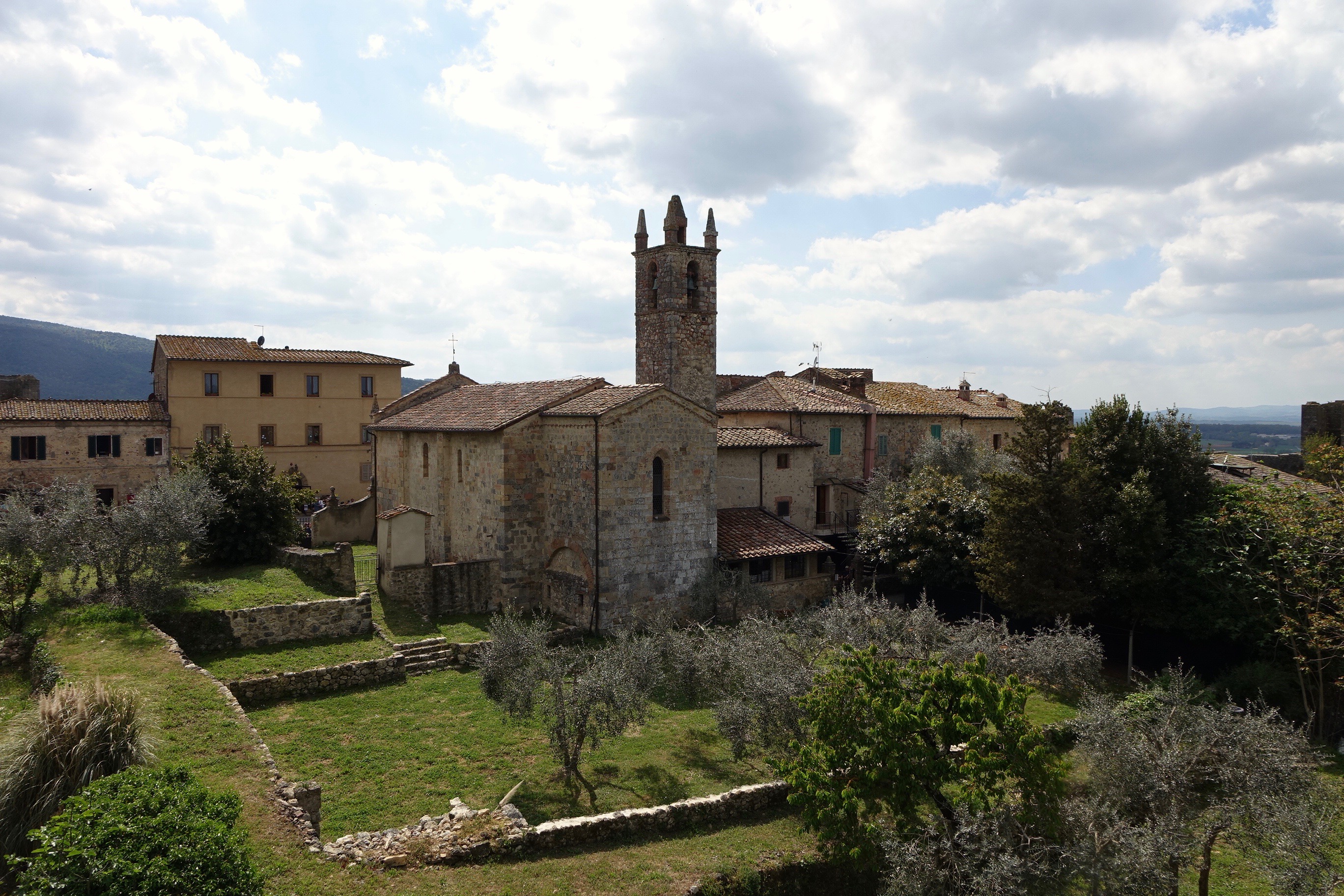
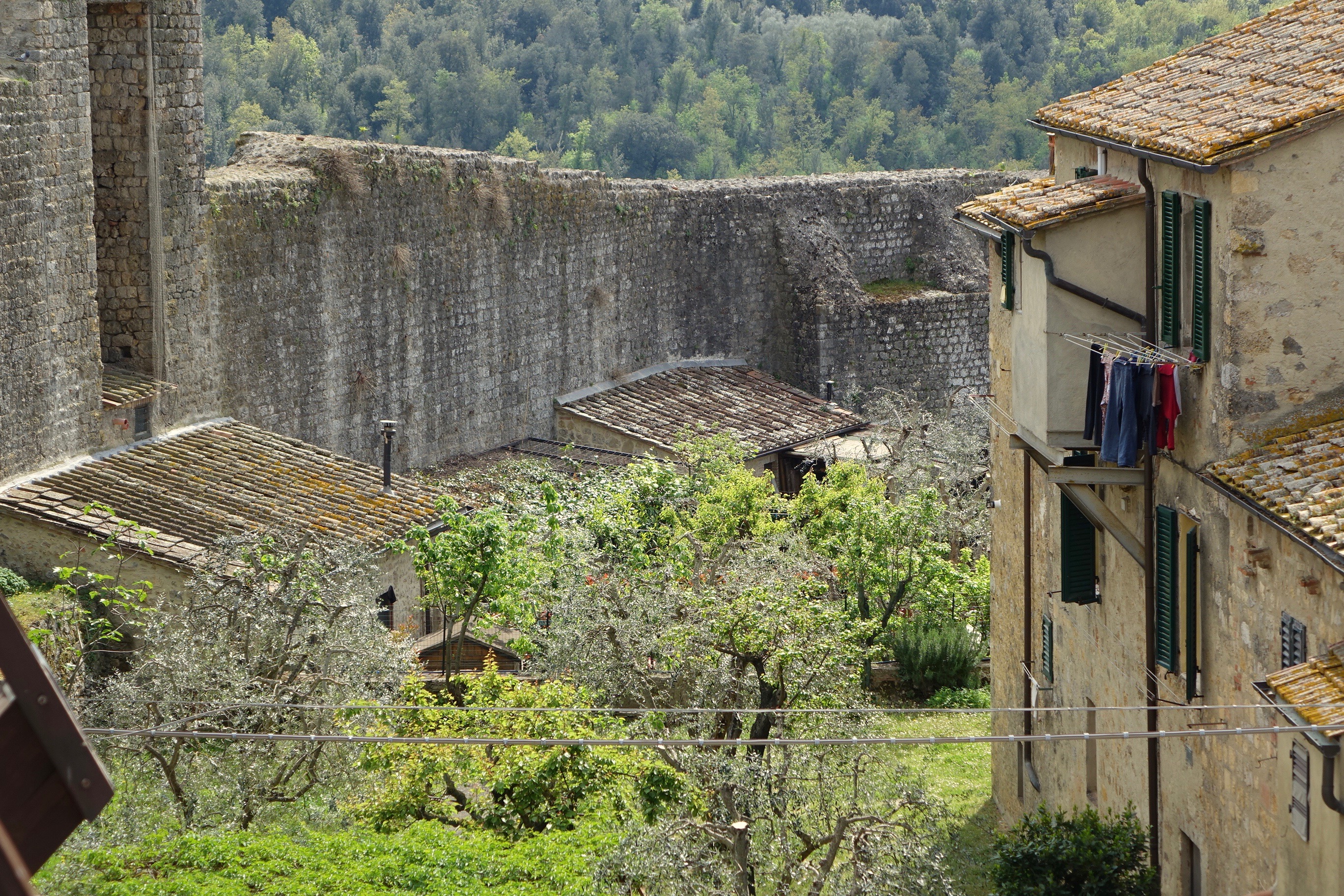
Charm we found in buckets when eventually we made it to this idyllic Tuscan village, whose miniature scale is tightly contained within the impressive and historically unbreachable castle walls that encircle it. Located within the gently undulating hilly green landscape which has put Tuscany on the tourist map for centuries, the castle town is practically untouched by the passage of time, with a historical core which has escaped the sullying of modern expansion.

The Great Walls of Monteriggioni

DSC08801DSC08805DSC08799DSC08796DSC08791DSC08767DSC08768DSC08784DSC08781DSC08752DSC08745

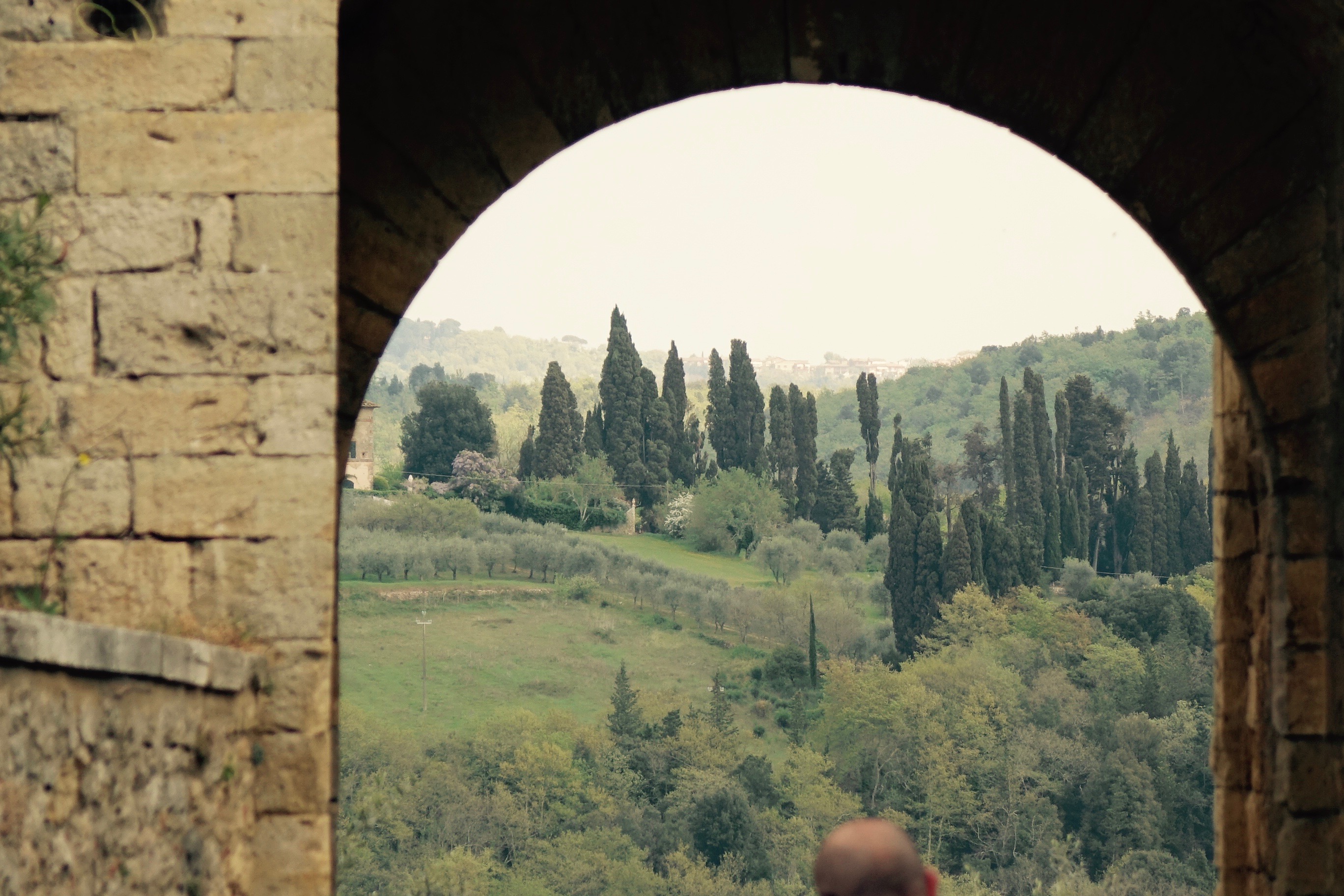
Based around a tidy little Square whose central stone fountain is partnered by a rustic stone church, everything in Monteriggioni is rendered in miniature albeit with a distinctive flavour of power reflected by the imposing walls which encircle it. A walk around those walls was a clear highlight of the visit, not least for the Tuscan views punctuated by cypress trees and sun dappled hillsides.

No wonder Monteriggioni was on the wish list of visitors making their way to Tuscany in the late 19th century. Happily for we romantics of the 21st, very little has changed, enabling a level of escapism which only a carefully staged period drama might otherwise provide.

The rolling Tuscan landscape surrounding Monteriggioni

DSC08677DSC08690DSC08668DSC08663DSC08658DSC08656DSC08649DSC08651DSC08648

© Nicholas de Lacy-Brown and The Daily Norm, 2001-2017. Unauthorized use and/or duplication of the material, whether written work, photography or artwork, included within The Daily Norm without express and written permission from The Daily Norm’s author and/or owner is strictly prohibited. 
Hampton Court Palace, Part 3: The Wild and the Wonderful

My blog is reading like something of a paid marketing campaign for Hampton Court Palace at the moment, which I promise is not the case. Such was the visual pleasure of my visit to Hampton Court that my photo stream ran on for miles. In seeking to share the best from that day, while losing nothing of the splendour of the aesthetic pleasures which a visit to the Palace entails, I have sought to split up my Daily Norm narrative into more bitesize pieces. First I told you about the Palace’s incredibly manicured gardens, followed shortly afterwards by a tour of the hybrid interior. Today I’m back out into the gardens, but this time to the Great Fountain Garden, and the Wilderness, a stunning grassy landscape which is ostensibly less controlled by gardeners and designers, although I suspect that in reality, this appearance of under-management is as meticulously choreographed as the rest.

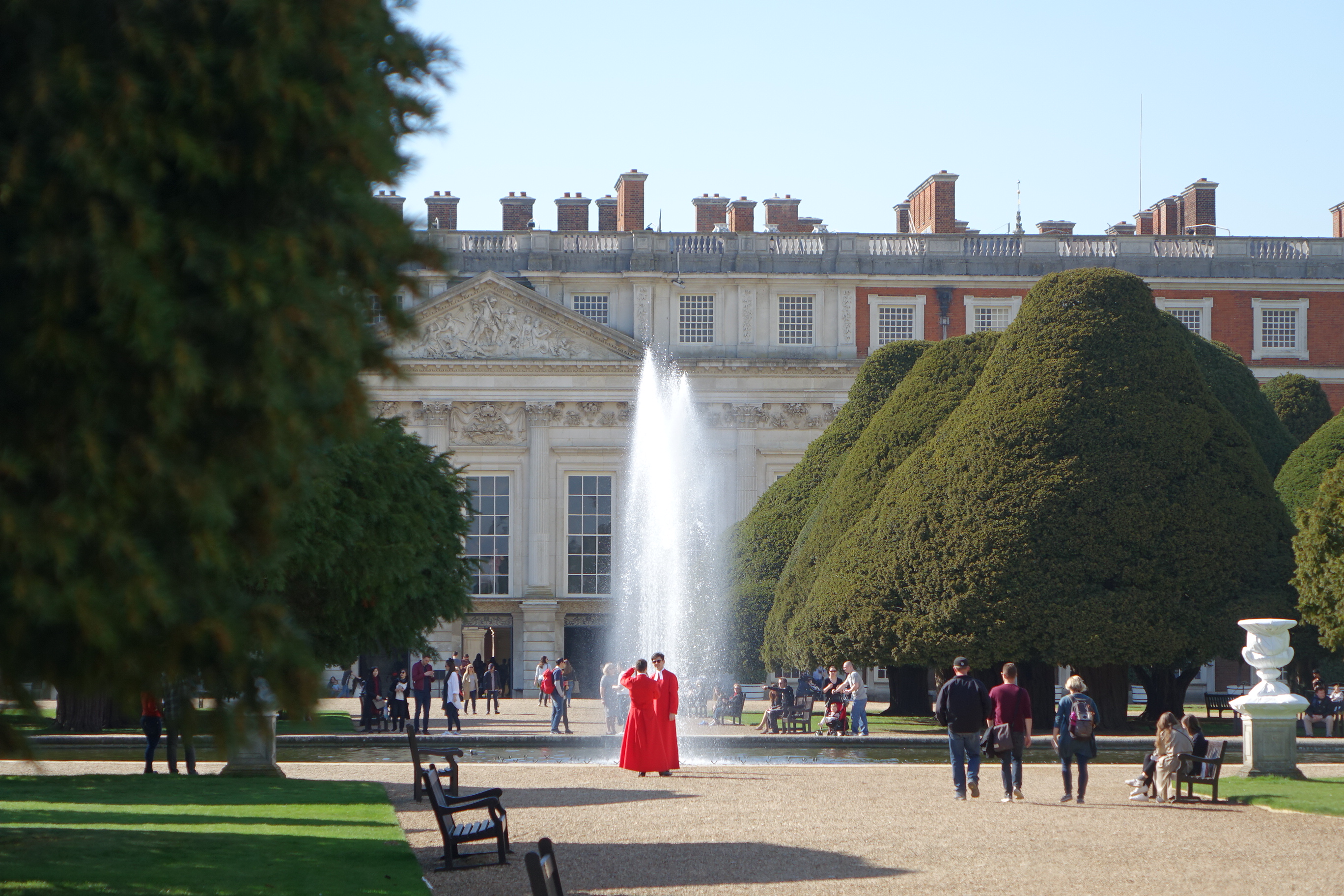
The Great Fountain Garden and Home Park beyond

DSC08086DSC08006DSC08034DSC08030DSC08044DSC08038DSC07994DSC08066DSC08052DSC08015DSC08022DSC08032DSC08087DSC08025DSC07995DSC08004DSC08000DSC08080

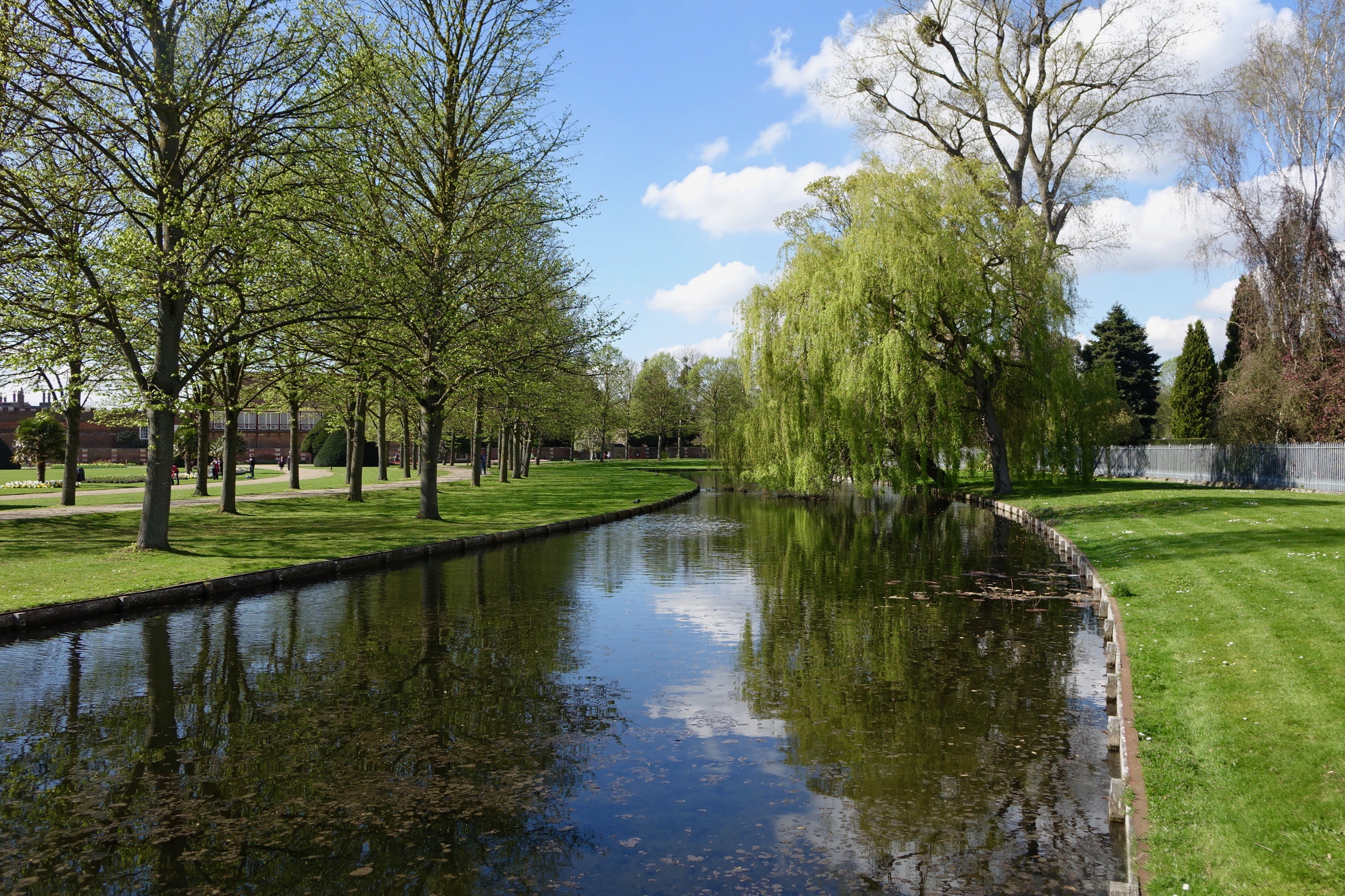
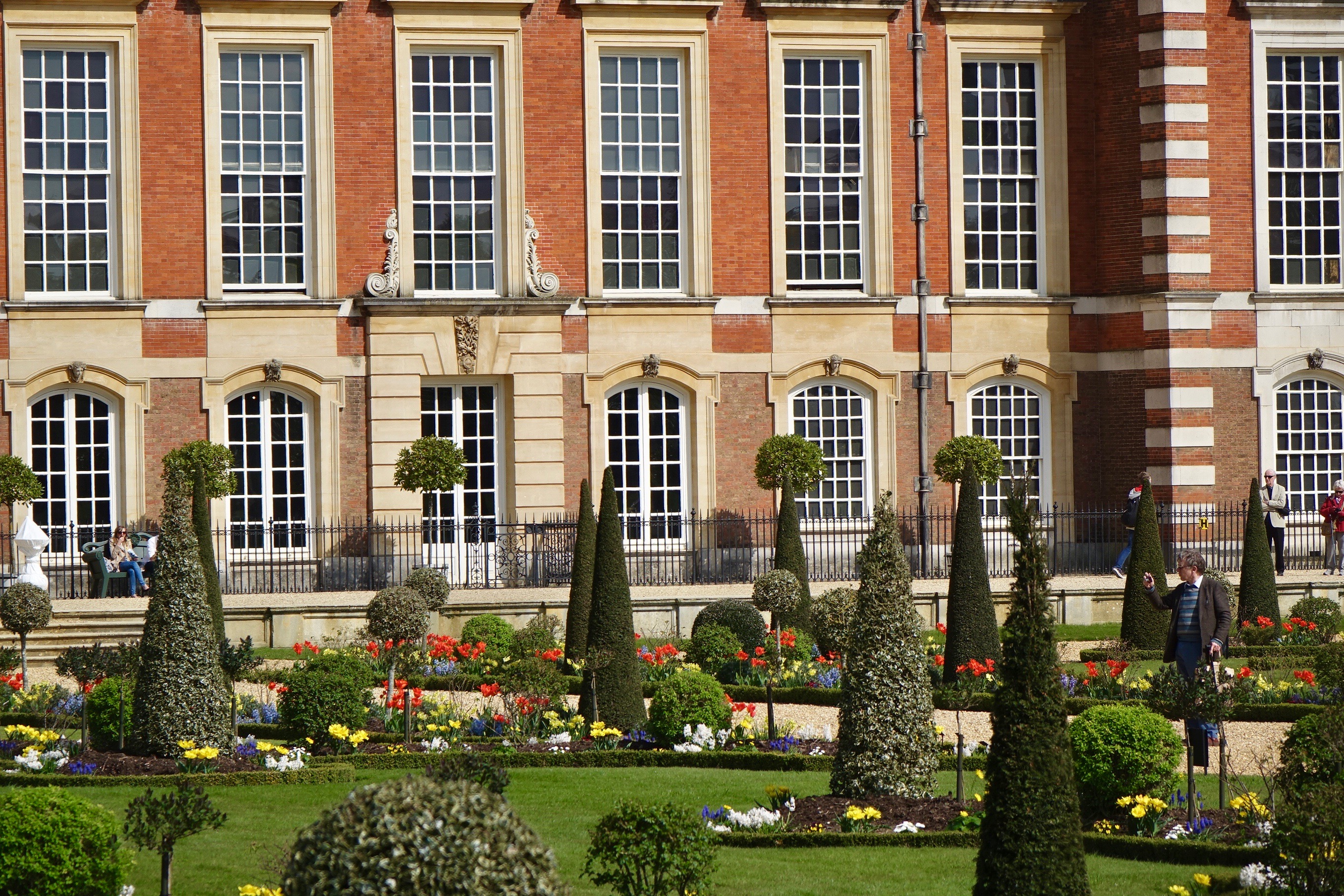
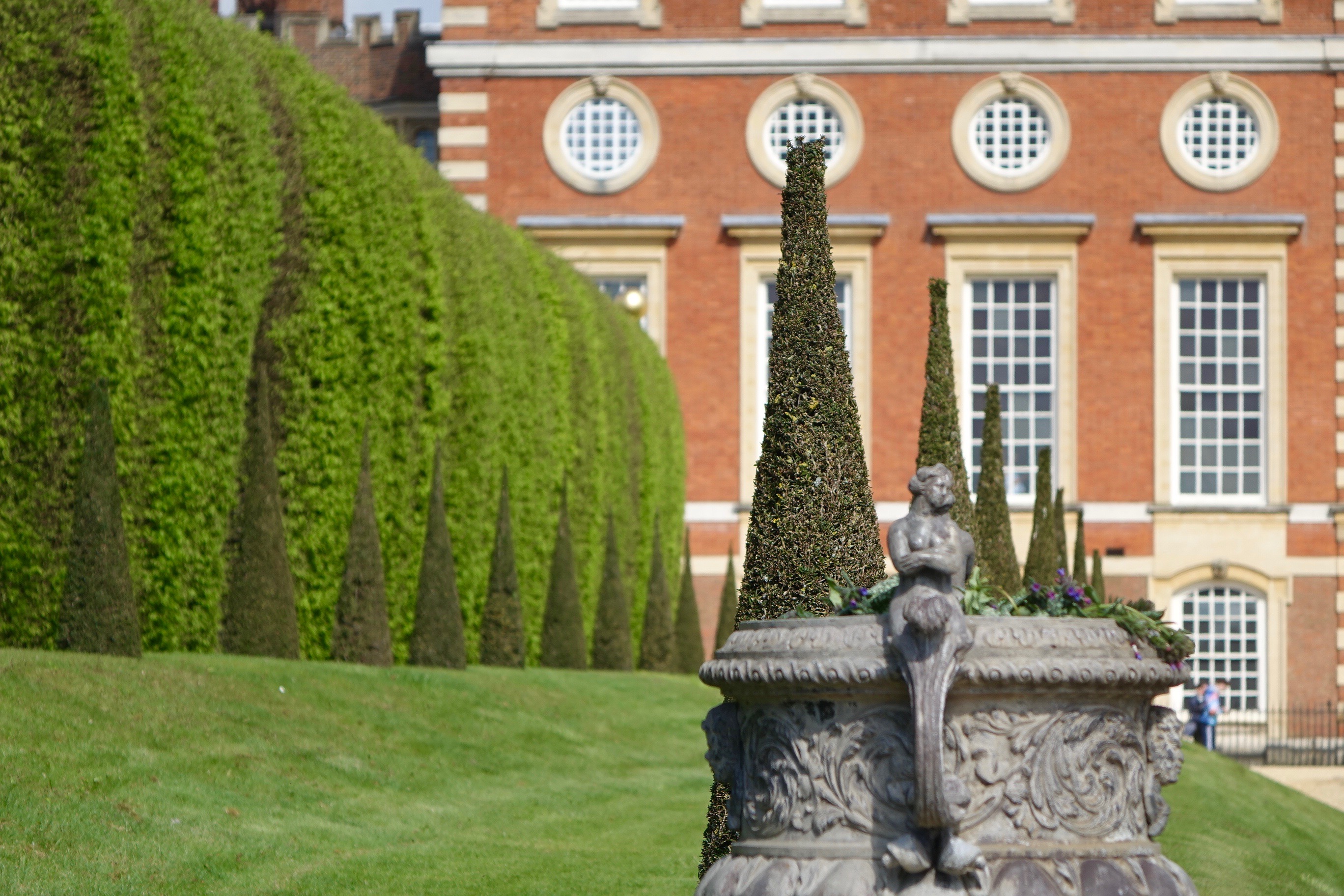
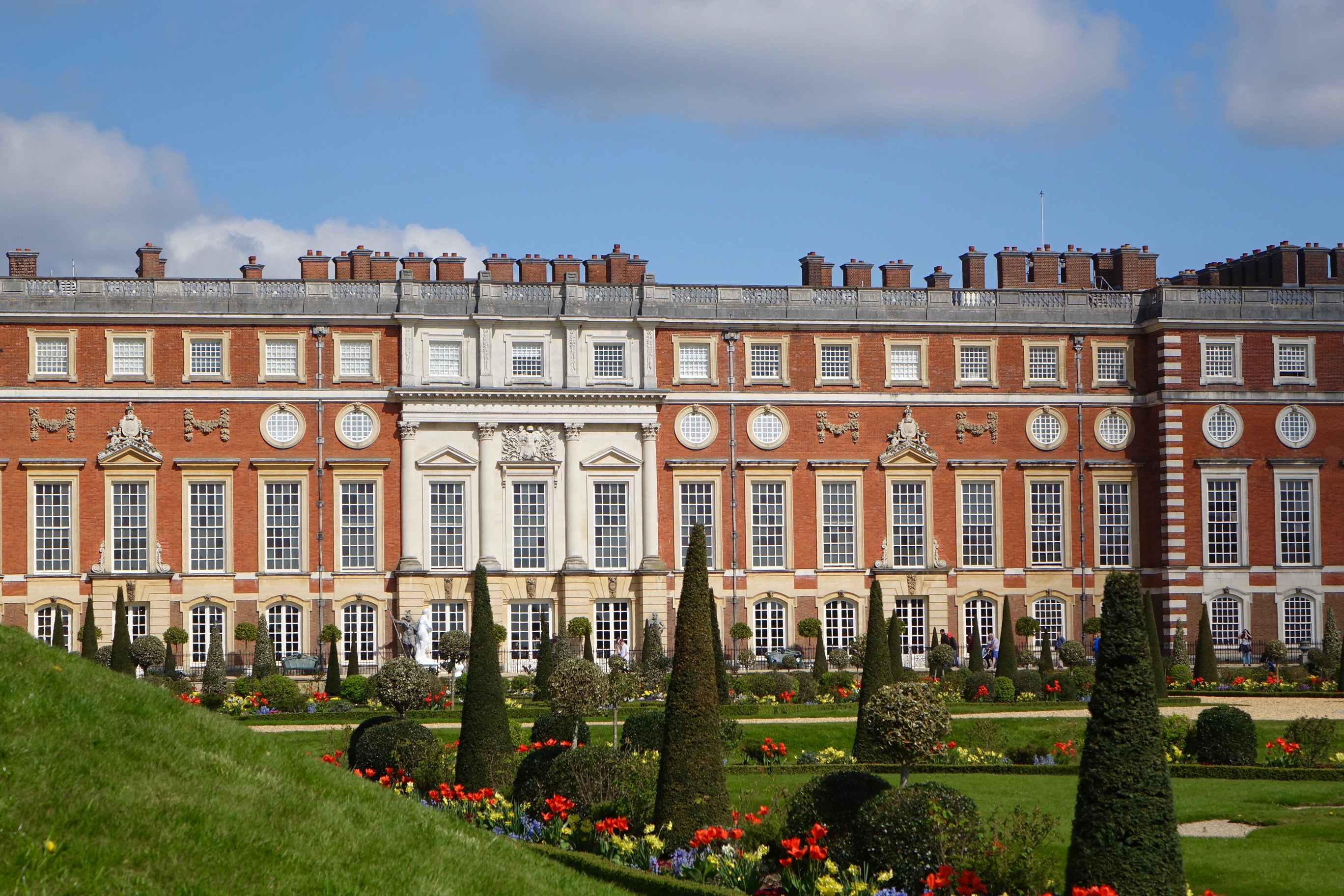
There can be no doubt that Christopher Wren’s Baroque facade of Hampton Court Palace is best viewed from its mighty gardens, whose tree tree-lined avenues radiate outwards in a crow’s foot pattern towards a water-bounded semi-circular parterre. Those avenues, whose trees are perfectly clipped to create cloud like green forms, provide a theatrical foreground beyond which the Palace can play a leading role as it glows, mighty and red, in perfect contrast with its green surroundings. If William and Mary of Orange had intended to compete with Versailles, it is clear that they gave good game, not least with the extensive Long Water canal which extends into Home Park beyond, magnifying both the scale of the grounds, but also reflecting the Palace in its mirrored surface. For us, a walk in these gardens proved to be unforgettable. We were enamoured not only by the dramatic landscape, where we felt like strolling into a Sunday evening period drama, but also by the peace and tranquillity which could be found there, away from the shrieks of children lost in the famous maze and closer to the stags and deer who could be seen grazing so majestically nearby.

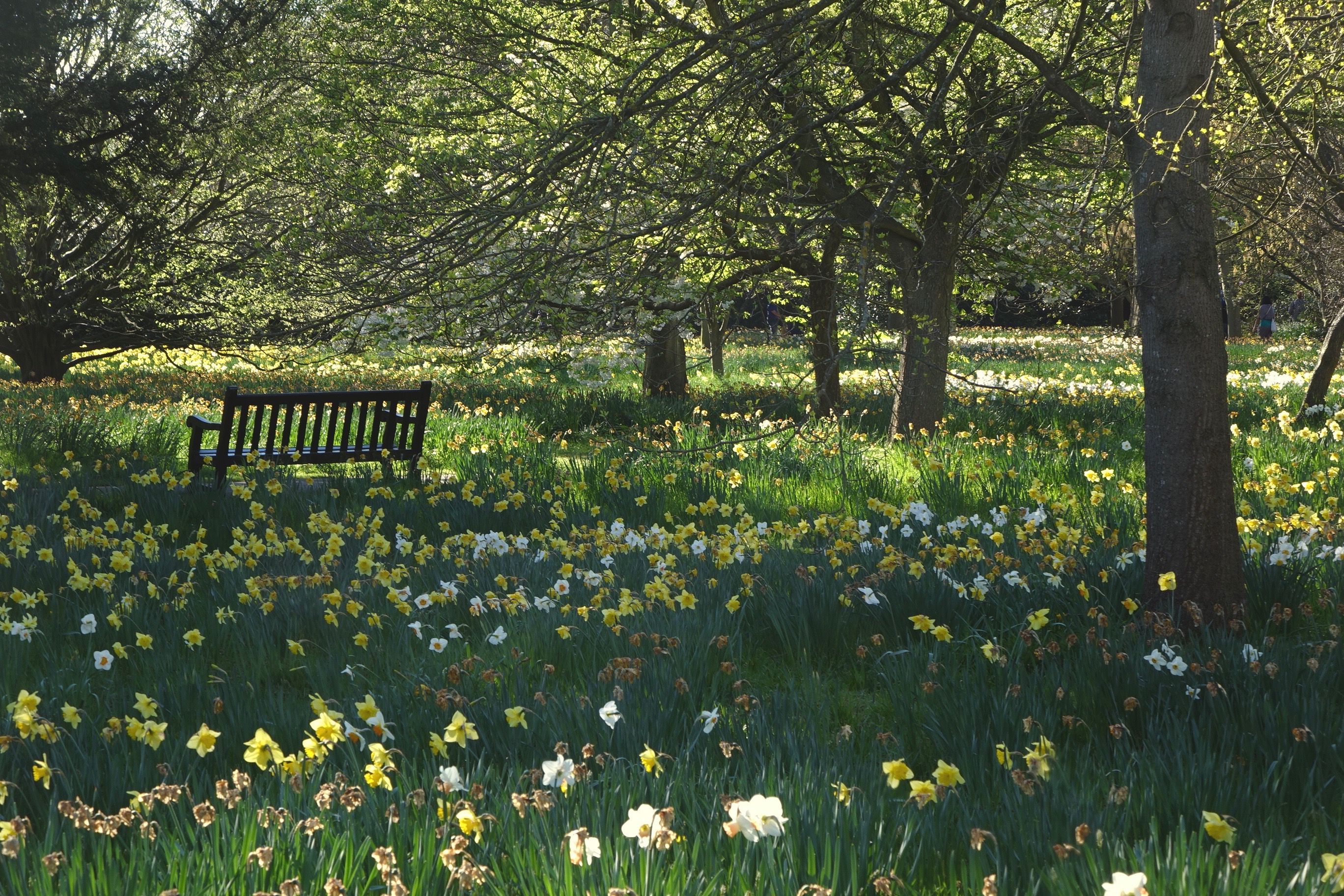
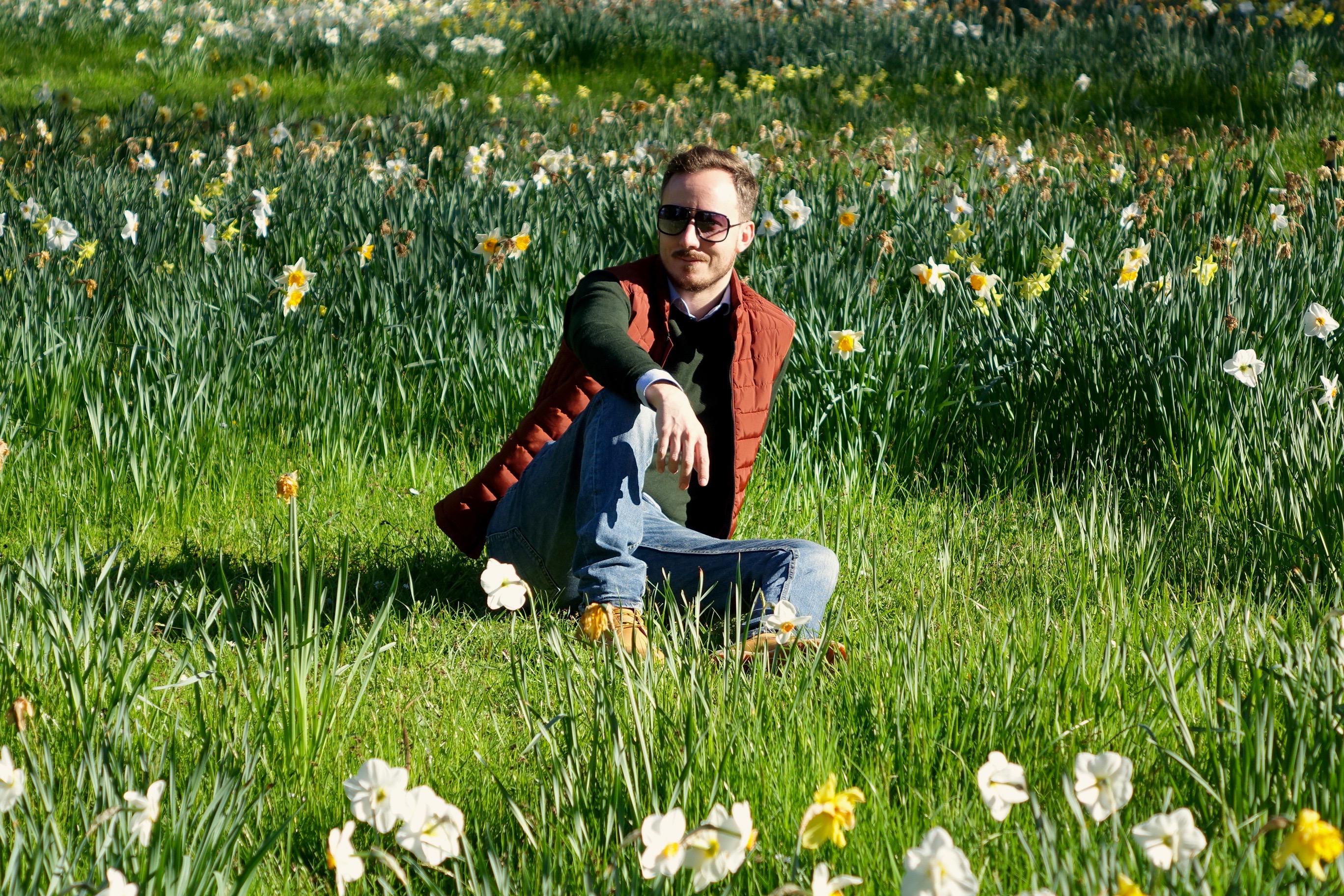
But what the Great Fountain Garden gave in drama, the Wilderness oozed in bucolic tranquillity. Appearing almost wild, this semi-woodland full to the brim with long grasses and beds entirely given over to daffodils was one of my absolute highlights of the visit. As the sun started to dip behind the yellow petals in the late afternoon, a heavenly light seemed to fall over the place, fragmented as it was in an easy peppering of dappled sunlight, as low lying trees burst forth new pale green leaves. The effect was so transformative that I expected a lady in a long flowing dress and a gentleman in a top hat to wander into the scene at any moment. This was surely an impressionist moment worthy of Monet’s brush?

The untamed beauty of the Wilderness

DSC08132DSC08113DSC08120DSC08112DSC08128DSC08101DSC08123DSC08102DSC08104

This day’s final acquaintance with the grounds of Hampton Court served as yet further illustration of the diversity of the gardens which make this Palace much more than its interiors. With their riverside location and semi-rural sensation, it was hard to imagine that we were a mere 30 minutes from the hectic heart of London. Thus we were transformed, not just by history, but by the green and verdant landscape which immersed us in an earthly paradise one very happy Sunday afternoon.

© Nicholas de Lacy-Brown and The Daily Norm, 2001-2017. Unauthorized use and/or duplication of the material, whether written work, photography or artwork, included within The Daily Norm without express and written permission from The Daily Norm’s author and/or owner is strictly prohibited. 
Hampton Court Palace, Part 1: Manicured Gardens

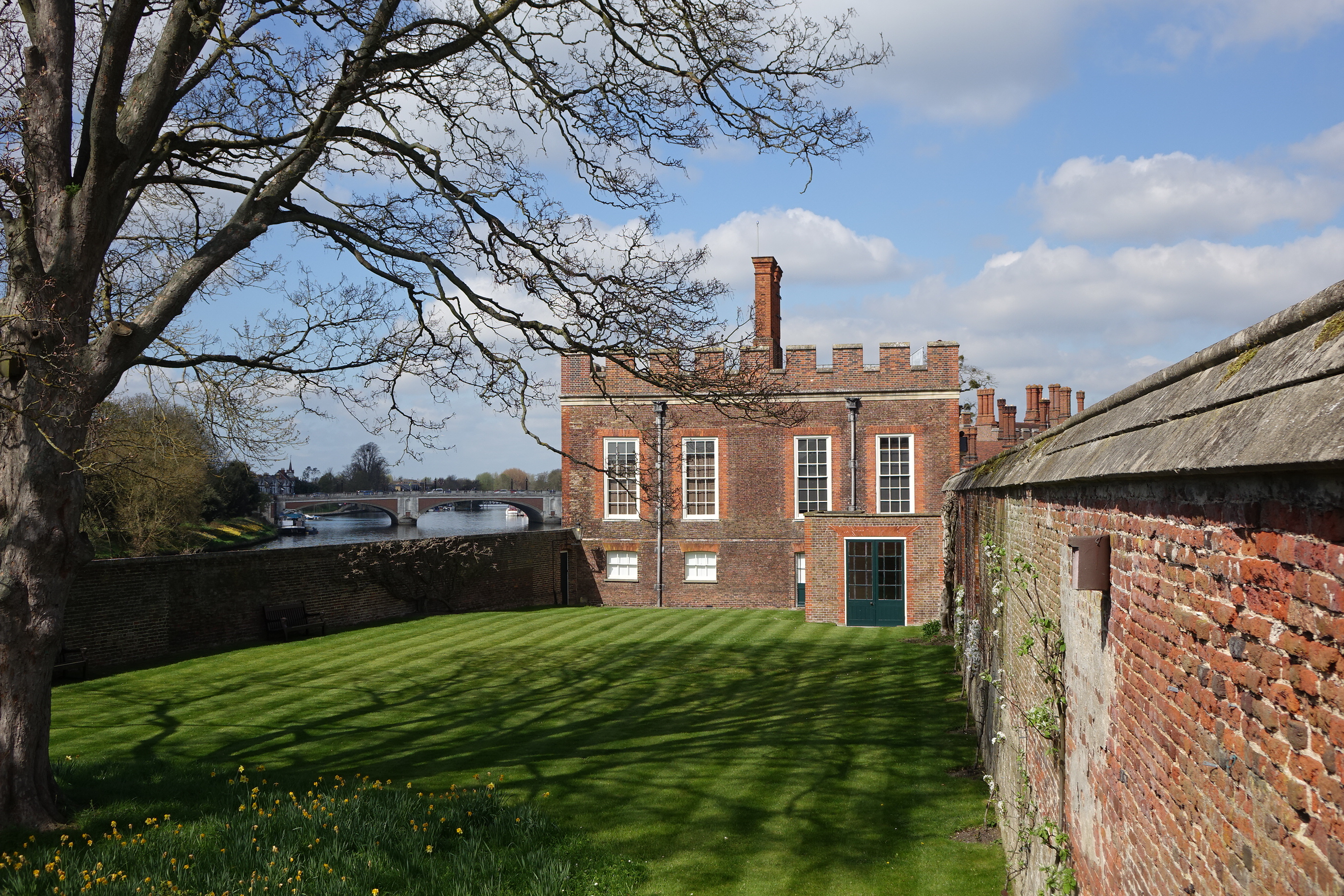
It’s always a wonderful thing to discover that an incredible attraction can be found on your doorstep. And somewhere which is literally 30 minutes by train from your nearest station is not so far from doorstep status, especially when you consider the extent to which those short 30 minutes have the power to transform you from inner city jungle to utter bucolic majesty. Such was my discovery last weekend upon visiting the former home of Henry VIII and his 6 variously fated wives, Hampton Court Palace, which can be found nestling alongside the banks of the Thames a few meandering loops down the river. Our trip to this vast palatial complex was so astounding, so plenteous in its beauty that I have decided to split my experience in three for the sake of The Daily Norm, so that a focus can be had on the various facets that make Hampton Court so incredible.

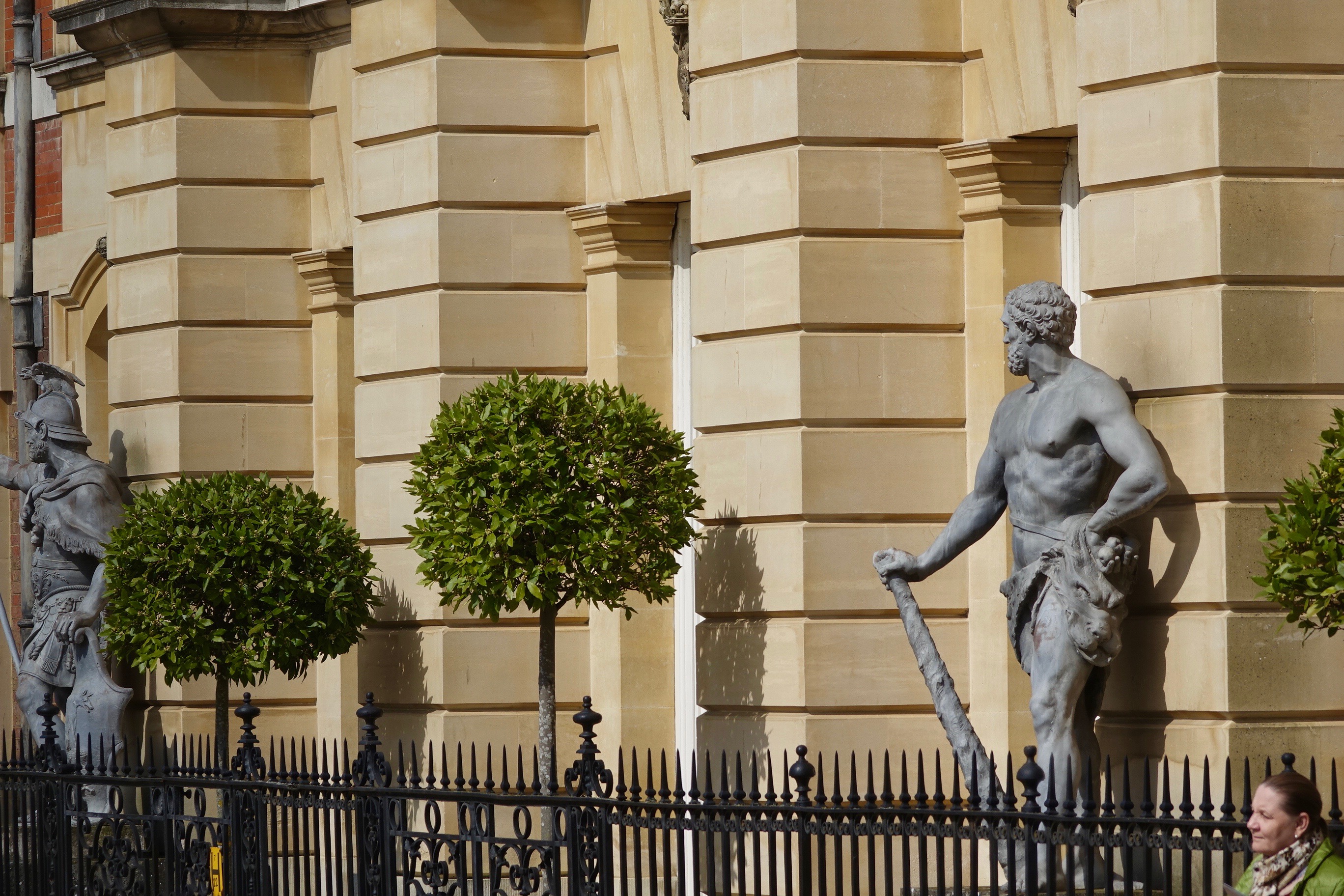
I must admit that it’s the gardens which really thrill me at Hampton Court. The inside has its merits, naturally. The Chapel Royal is pretty much one of the most stunning historic spaces in the United Kingdom. But the interiors also have the potential to disconcert, as one is led from the Tudor quarters, steeped in the gothic gloom of the age, to the more luminescent baroque rebuild instituted by William and Mary of Orange in the late 17th Century. The result is fragmentary and disorientating. It is like visiting two very distinct palaces, albeit that from the outside, there is a certain level of unity achieved by the uniform use of a rich pink stone. And it is outside where this little photographic tour begins.

The Privy Garden and the Banqueting House

DSC07894DSC07872DSC07887DSC07890DSC07922DSC07892DSC07928DSC07911DSC07905DSC07900DSC07899DSC07909DSC07860DSC07857DSC07863

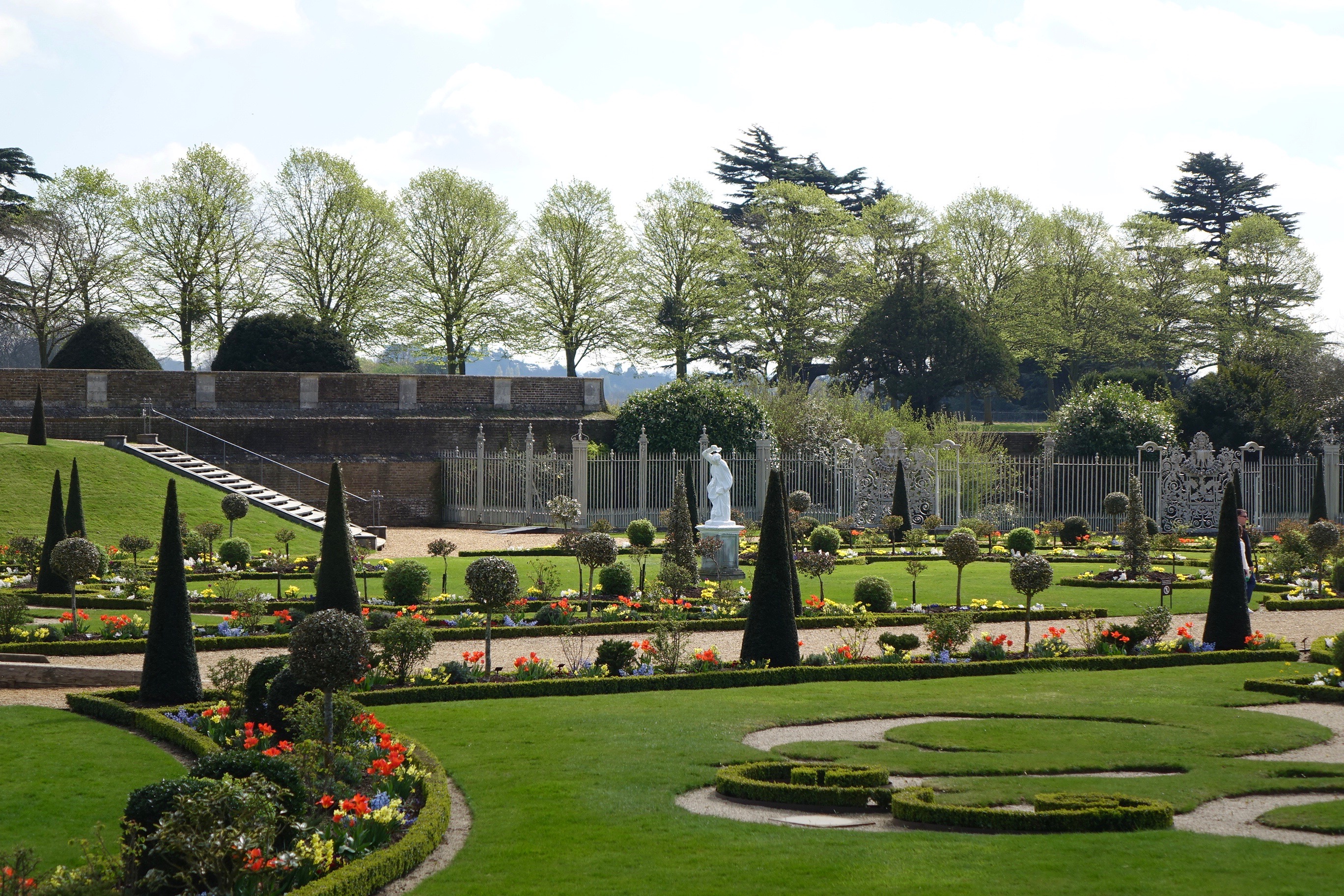
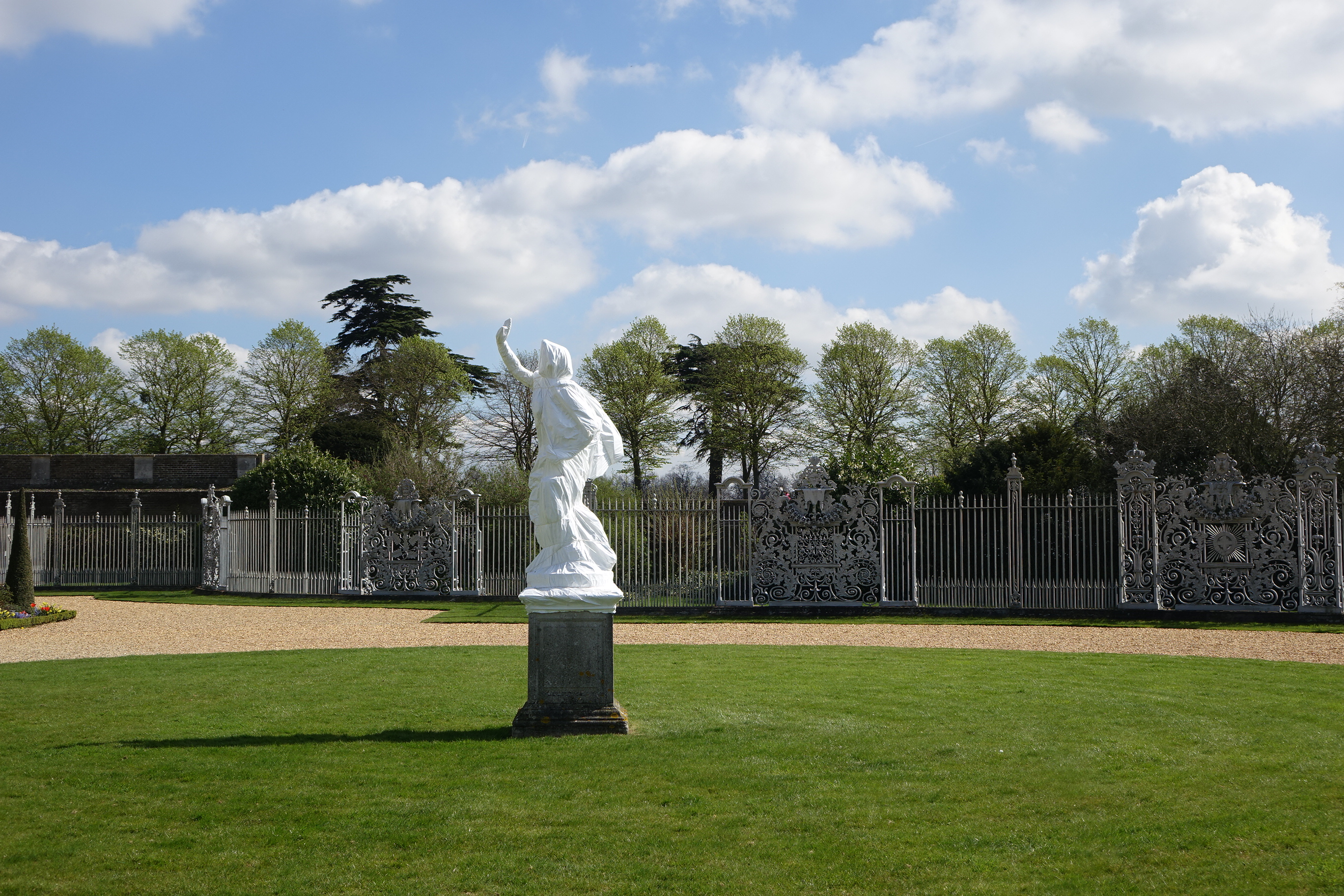
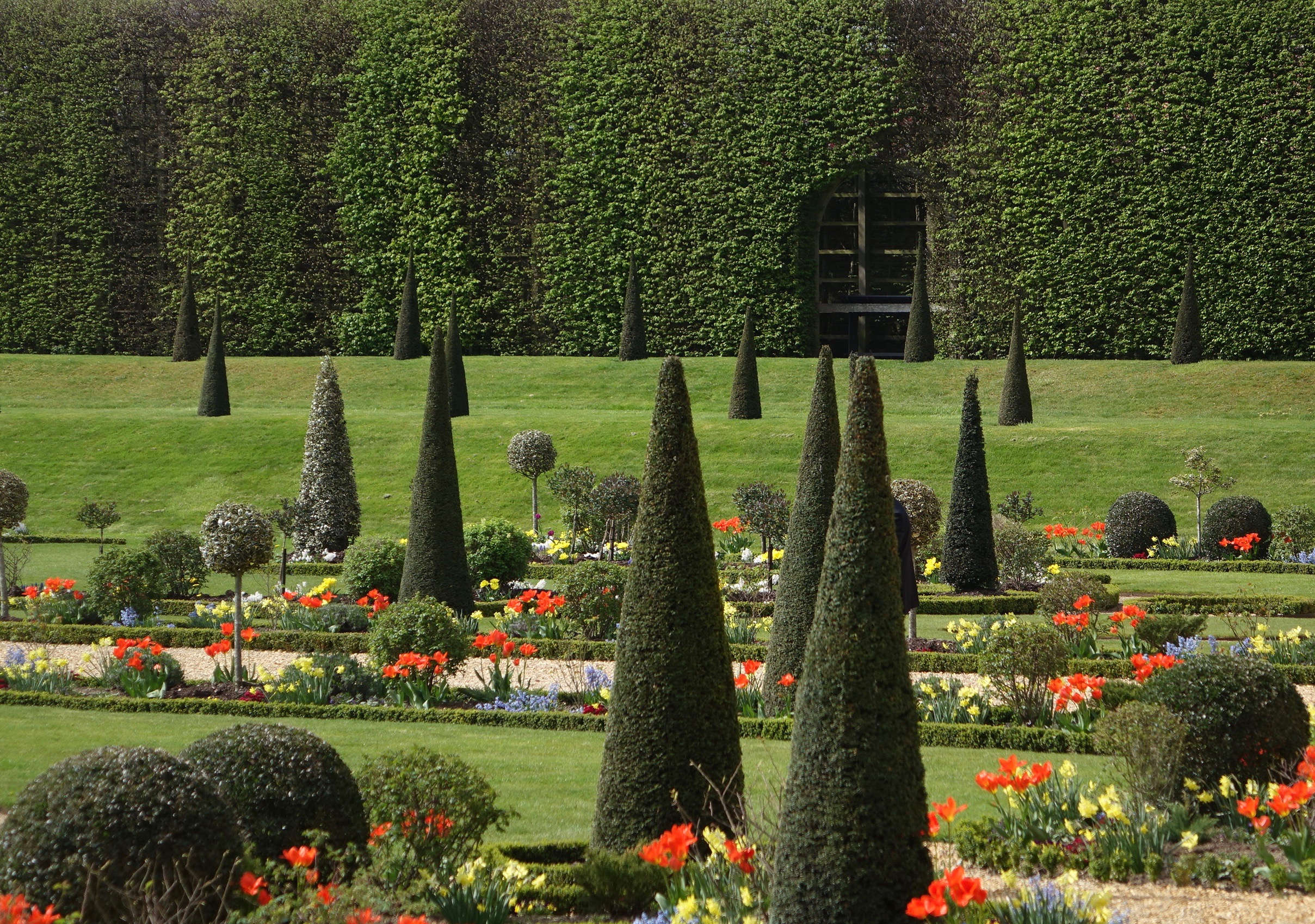
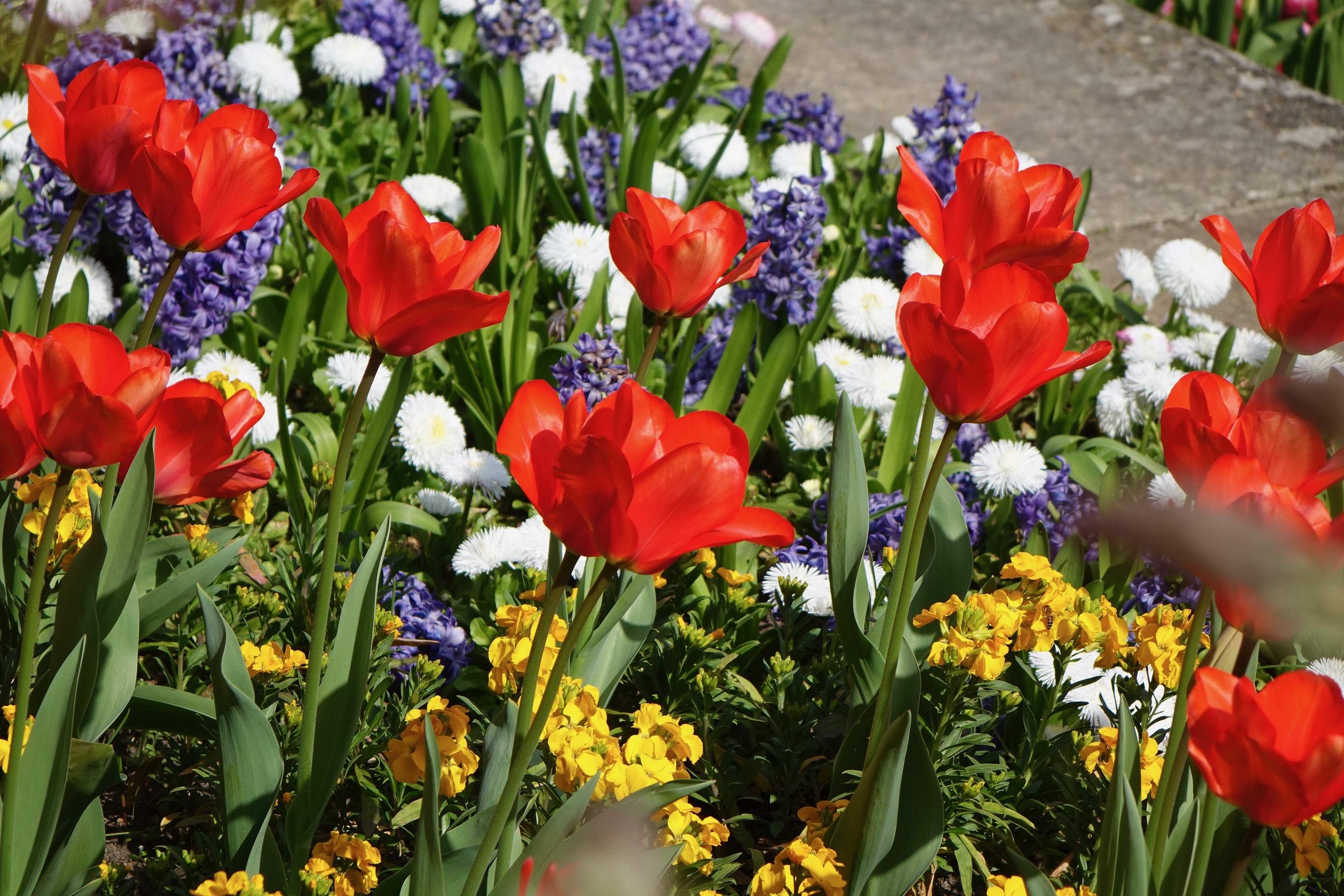
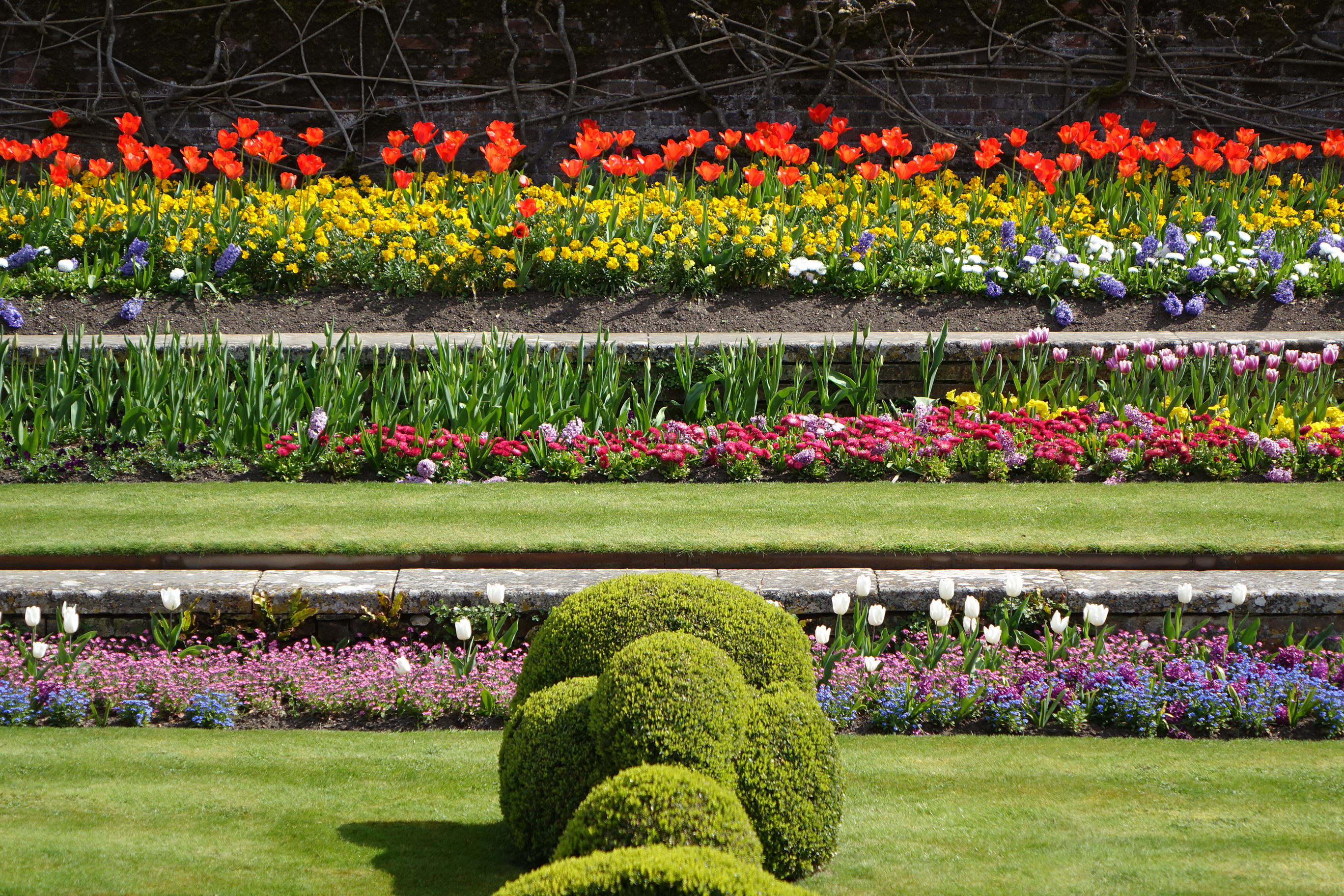
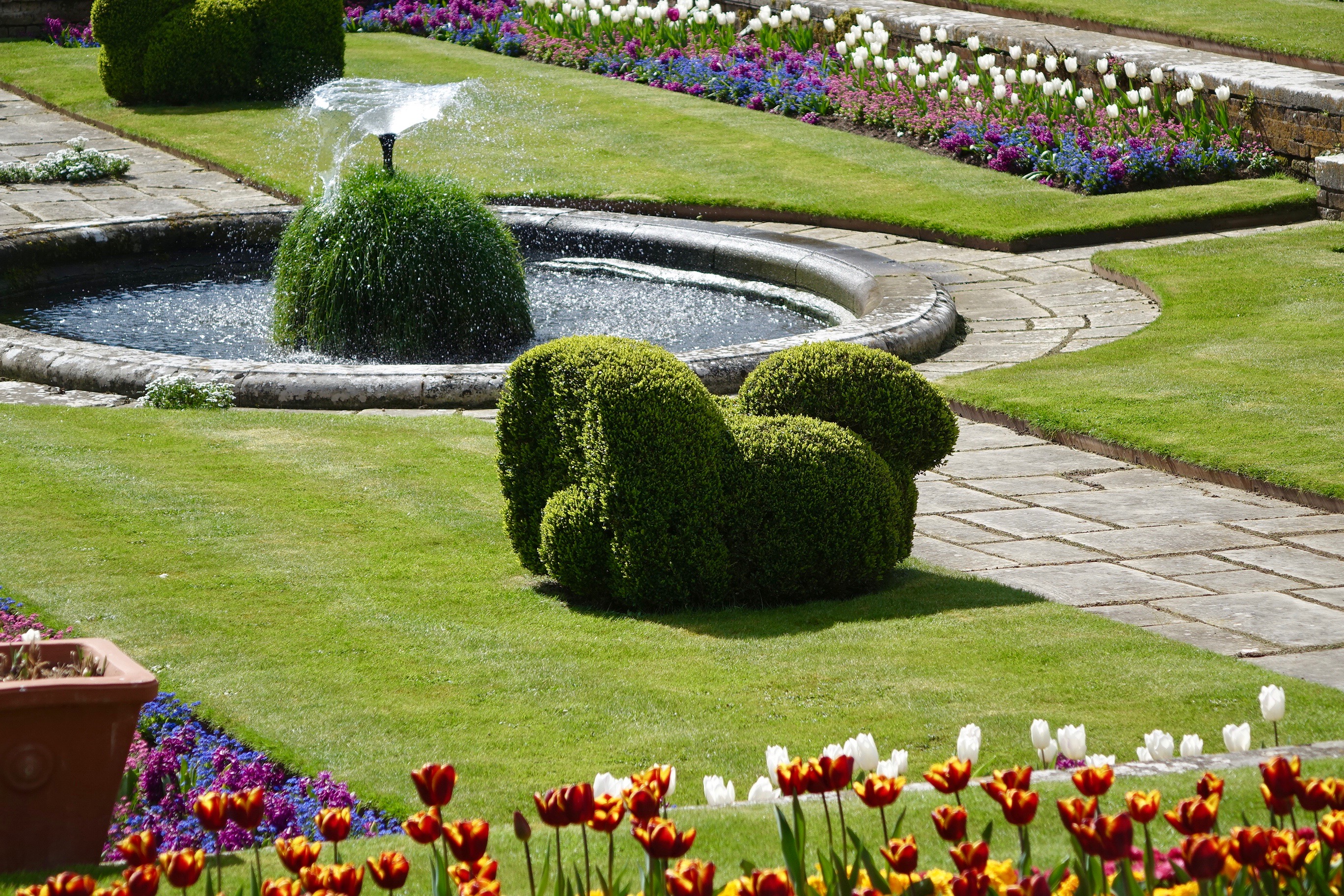
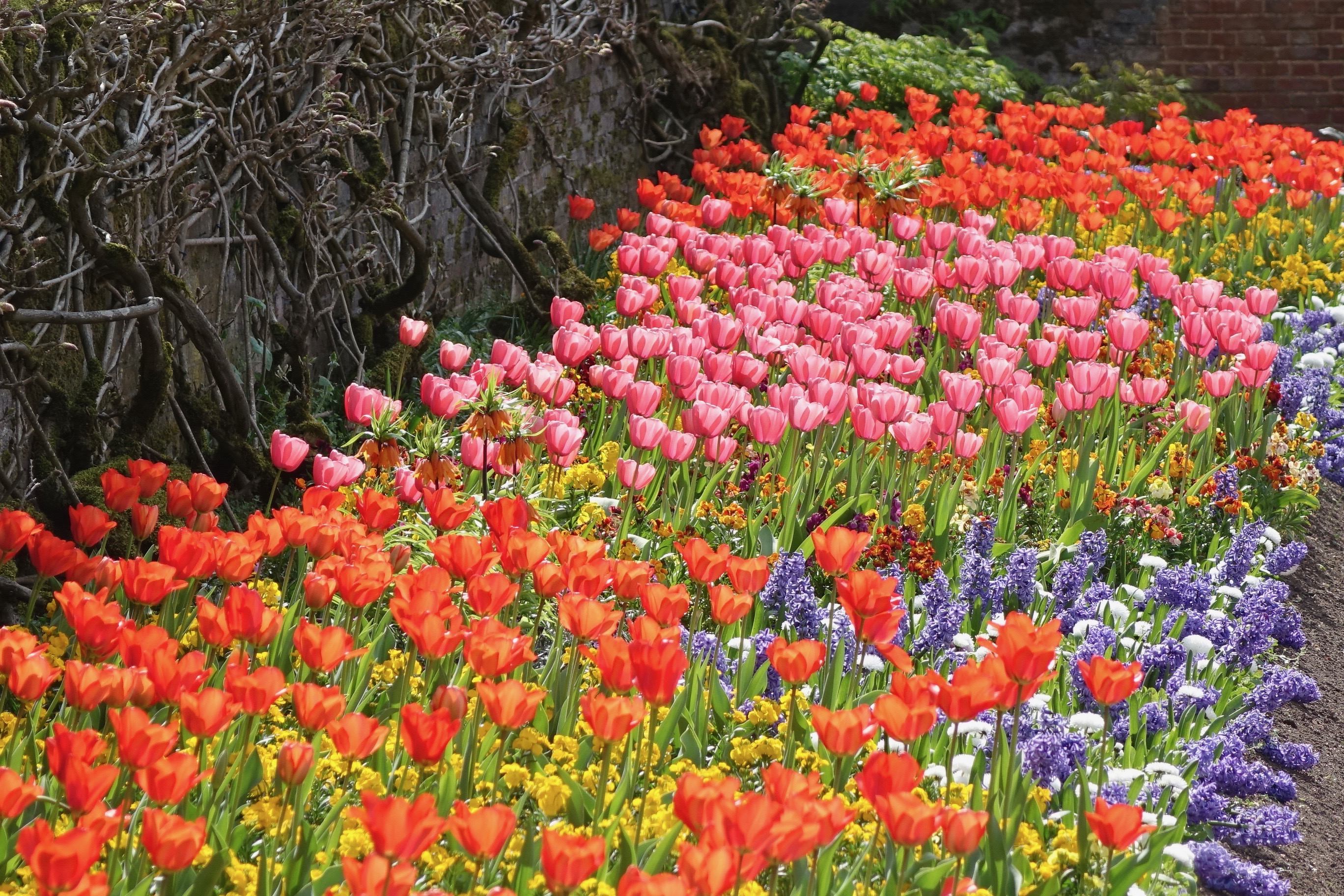
In my naivety, I thought that a visit during April may be too early to enjoy the gardens. How wrong I was, for the timing enabled us to enjoy the most spectacular array of Spring flowers I have ever seen. In the Privy Garden, the elegant South-facing walled garden extending towards the River’s edge and containing rows of manicured conical hollies and yews lining a perfectly geometric system of paths, tulips in vibrant shades of red and yellow danced in the sunlight and contrasted brilliantly against sky blue hyacinths which filled the air with their fragrance. In the cosy walled Pond Gardens just beyond, the abundance of flowers increased as floral collections were displayed in rich strata of contrasting height and colour to create a ravishing spectacle of nature’s brilliance. I don’t think I ever saw such a variety of tulips, nor so well choreographed an exhibition of this glorious Spring flower.

The Pond Gardens, the Knot Garden and the Orangery 

DSC07978DSC07971DSC07967DSC07962DSC07956DSC07958DSC07952DSC07951DSC07947DSC07946DSC07929DSC07940DSC07948DSC07932DSC07939

This gardening brilliance continued into a small knot garden, laid out in 1924 to recreate the gardens as they would have been during the Tudor dynasty, and in the Lower Orangery Garden, which flowed from Queen Mary’s passion for collecting exotic plants. Of course the gardens of Hampton Court extend much further than those on this Southern expanse – The Great Fountain Garden is so grand as to be worthy of a post all of its own – and will surely get one in a few days time… But for now, I wanted to share photos of these more manicured gardens. Spaces so vividly enriched by their floral abundance, and so satisfyingly regimental in their layout and design that I could have remained there admiring them forever, especially during these happy days of Spring.

© Nicholas de Lacy-Brown and The Daily Norm, 2001-2017. Unauthorized use and/or duplication of the material, whether written work, photography or artwork, included within The Daily Norm without express and written permission from The Daily Norm’s author and/or owner is strictly prohibited.