Skip to content

Posts tagged ‘Travel’

The Sicily Series | Part I – Catania, Black City

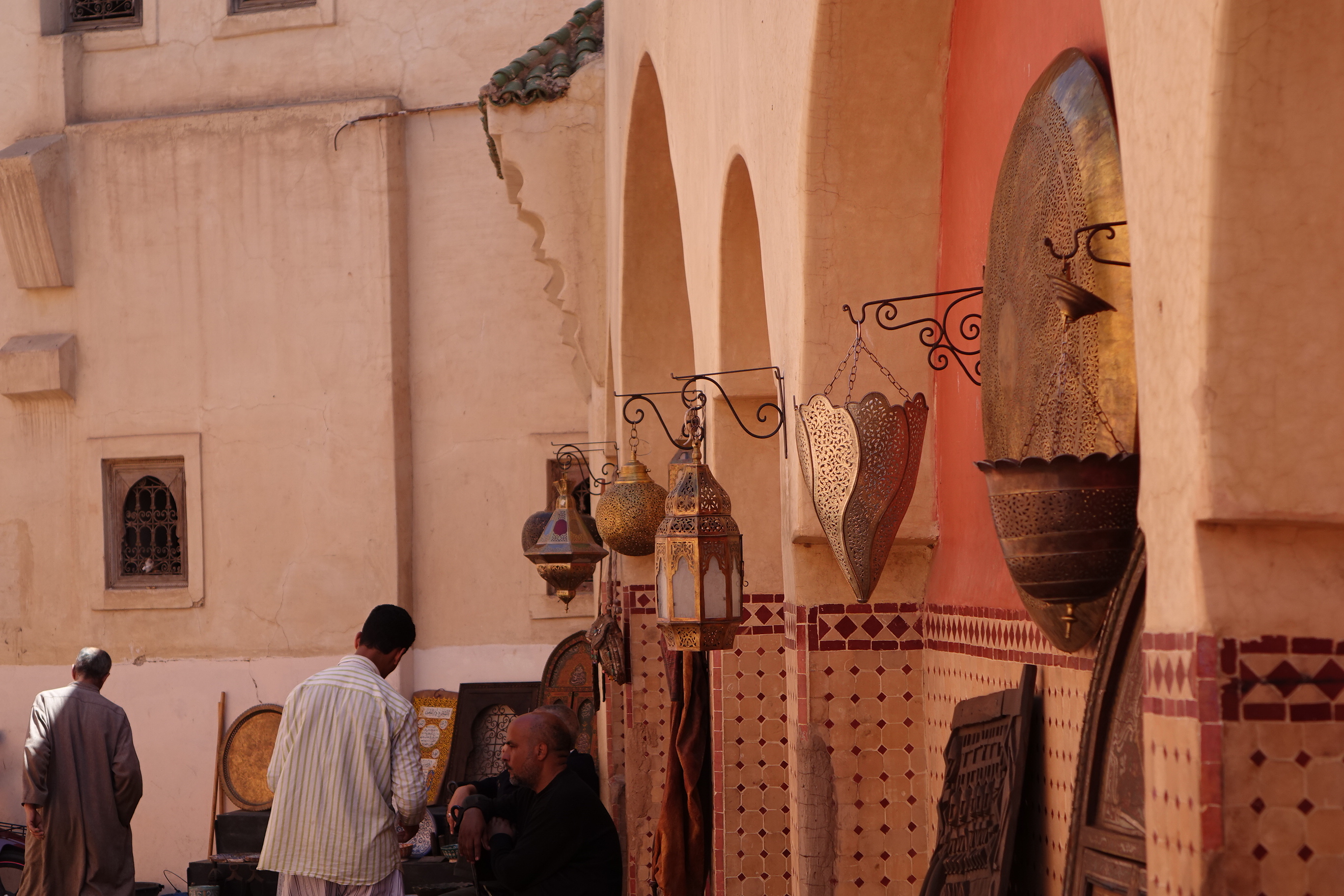
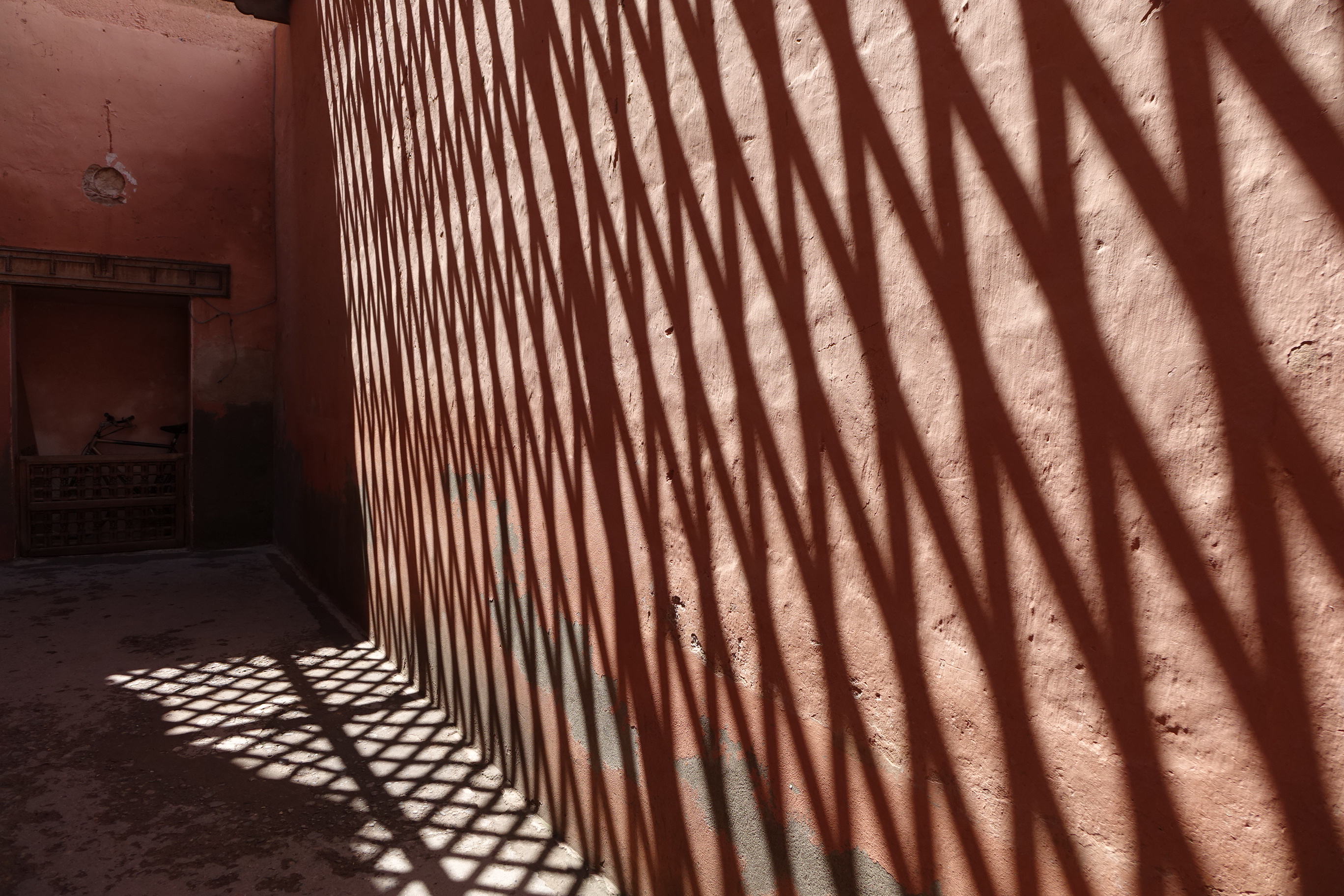
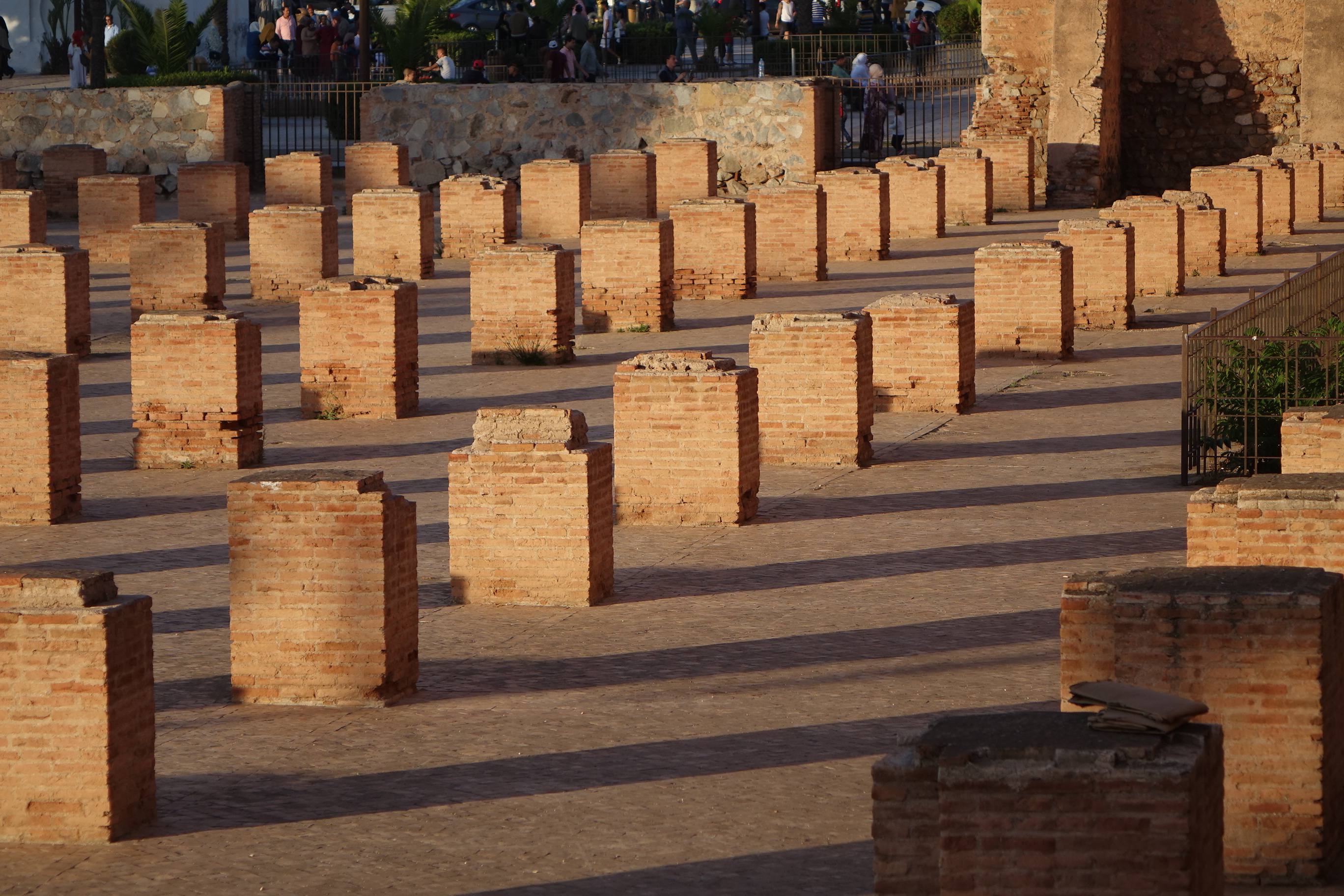
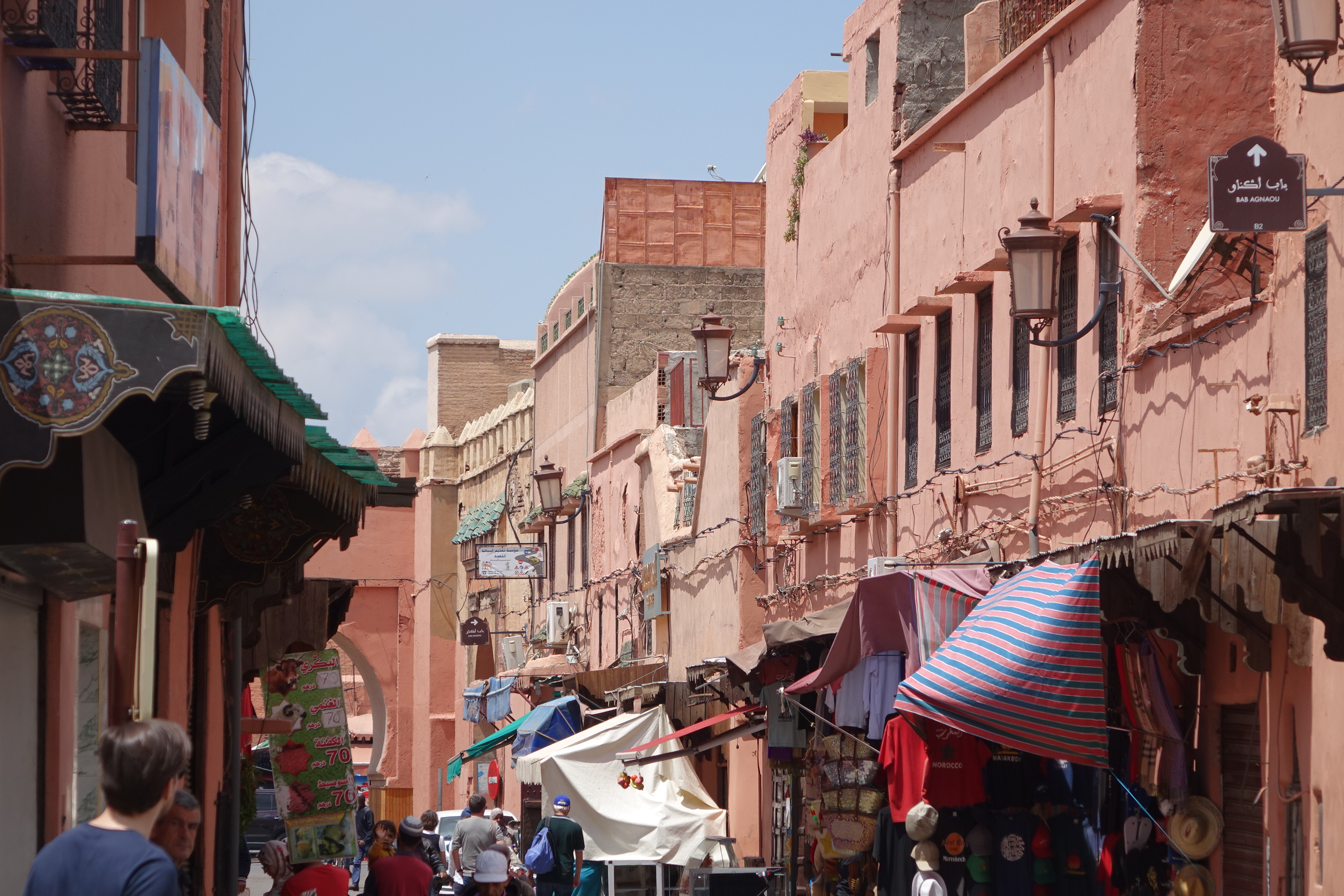
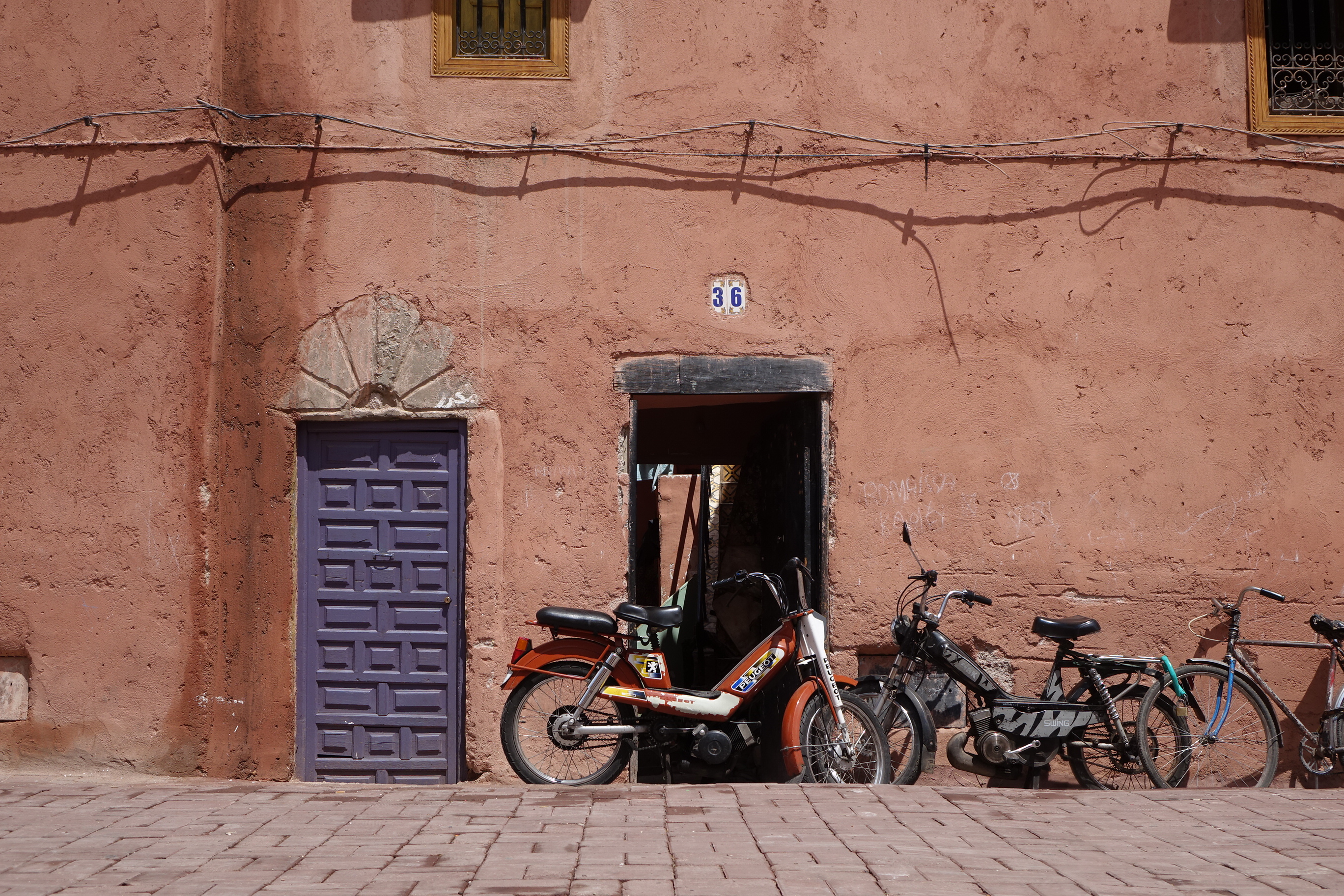
Over the last few weeks, the Daily Norm was all about Marrakech, and the highly spiced rose city will resonate long in the minds of Norms and the Daily Norm writer. But now this blog has headed back to European shores, albeit not far from the desert sands of Morocco. For one of the Mediterranean’s most southern points, and its largest island, is the Italian island of Sicily, known for some as the ball being carefully nudged by the point of Italy’s toe. Famous for its volcanoes, its mafia, its voluminous seafood and rolling agricultural land, for its ruins and its baroque splendour, Sicily is a veritable melting pot of historical and cultural highlights, and the perfect location for any aesthete on holiday.

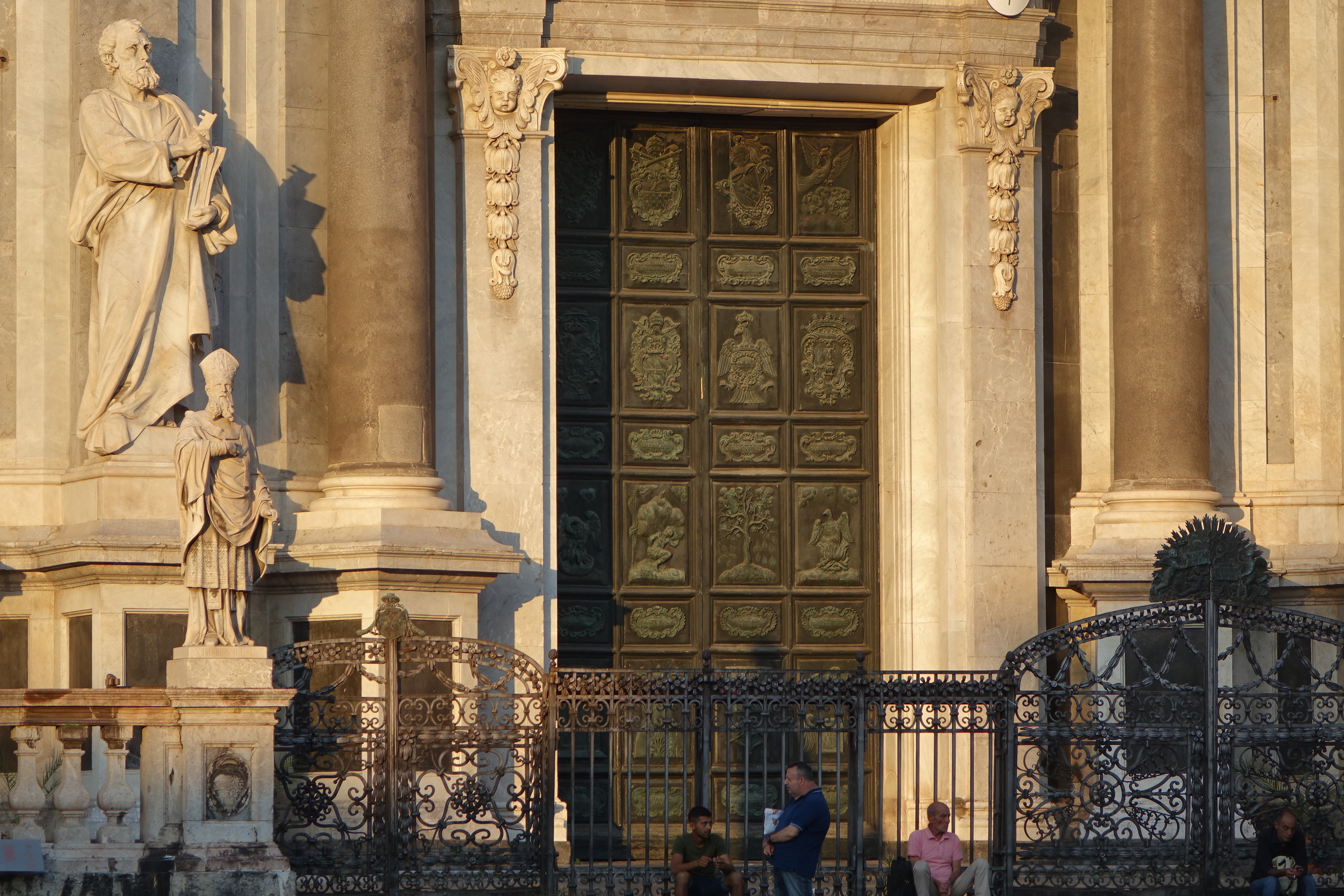
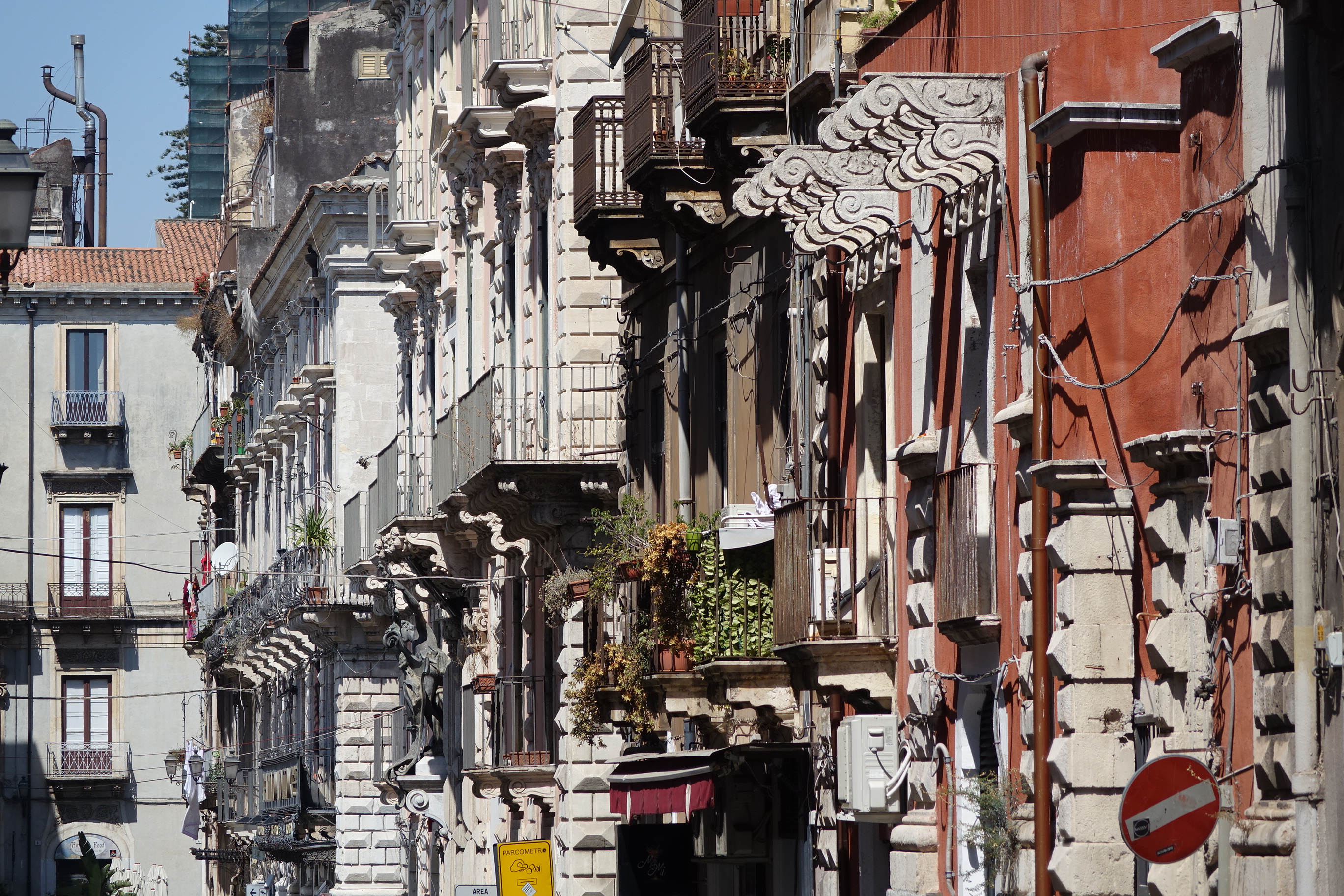
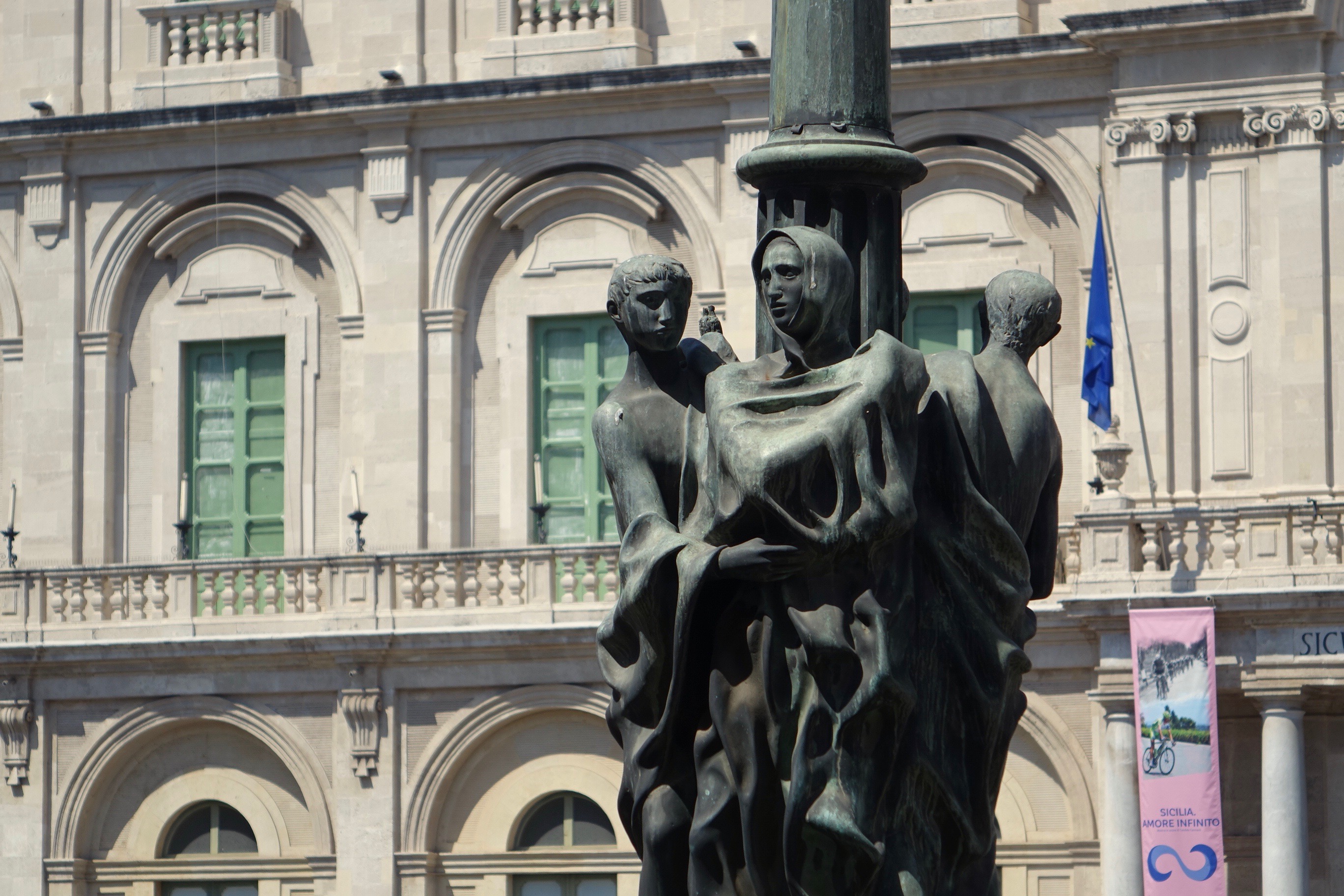
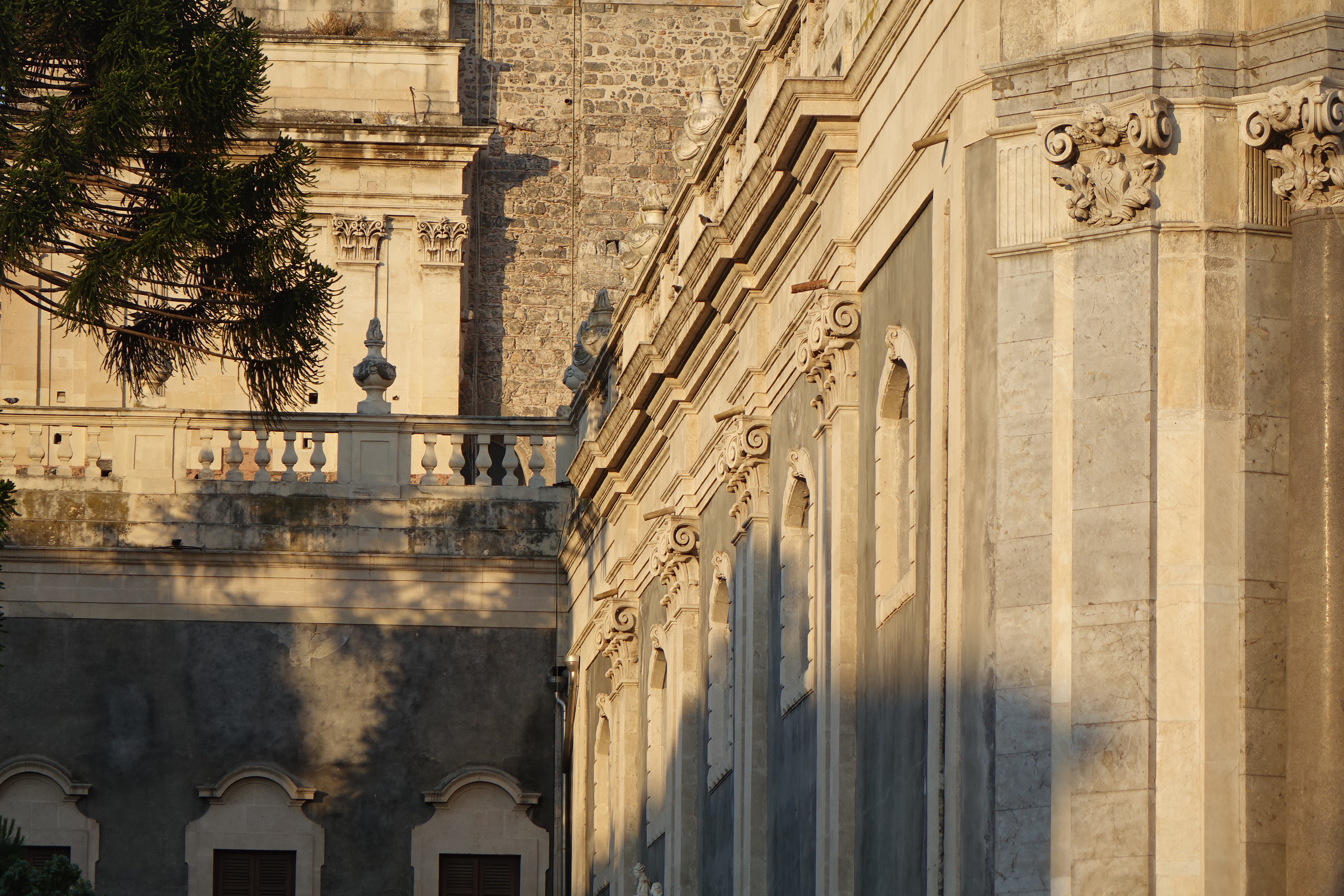
DSC01998DSC02084DSC01918DSC02016DSC01959DSC01994DSC02125DSC01893

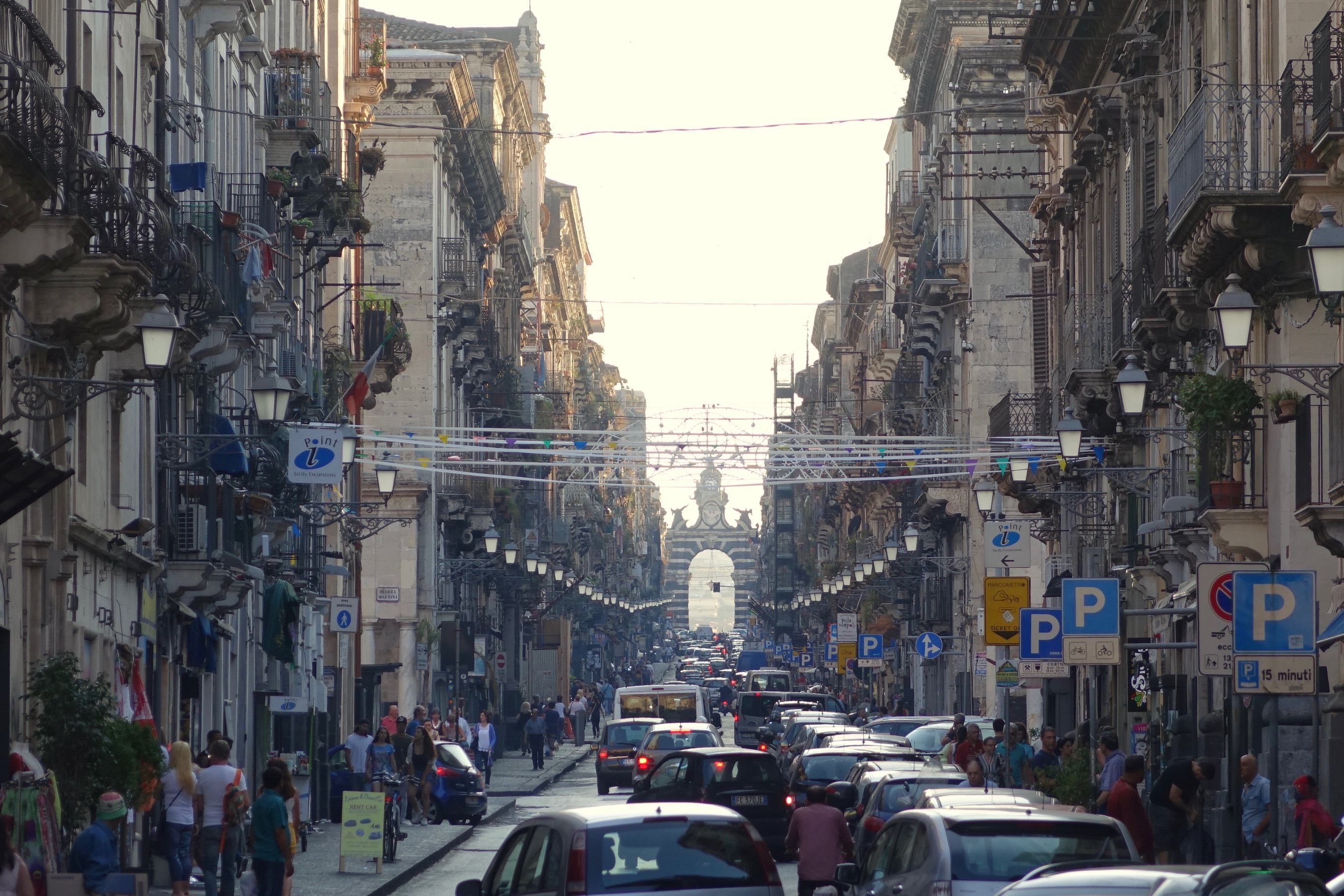
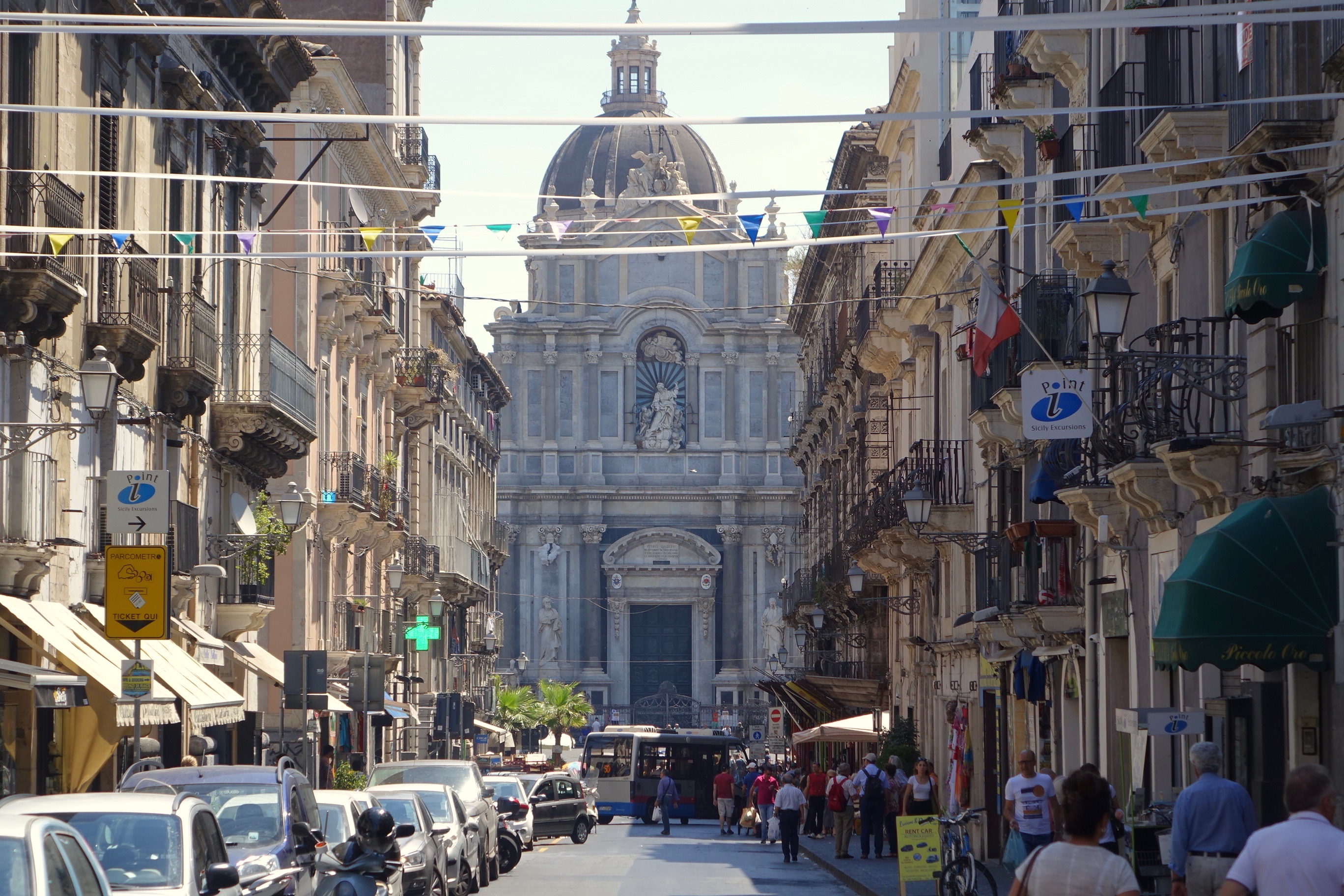
But Sicily is a large island and we would be pushed to do it all in the time available. So with only a little over a week at our disposal, we concentrated our energies on the Eastern coast, and the lands above and beneath the mighty shadow of Mount Etna, one of Europe’s most active and prominent volcanoes. With its proximity to Greece as well as Italy, the Eastern side of Sicily is one heavily characterised by a history of both Greek as well as Roman civilisations, not to mention the Arabic and Spanish influences which also made their mark during their respective occupations. All of these influences were clear to see upon our first stop in Sicily, in its second biggest city and the tenth largest in Italy: Catania.
DSC02133DSC02122DSC01969DSC01996DSC01954DSC01952DSC01941DSC01927

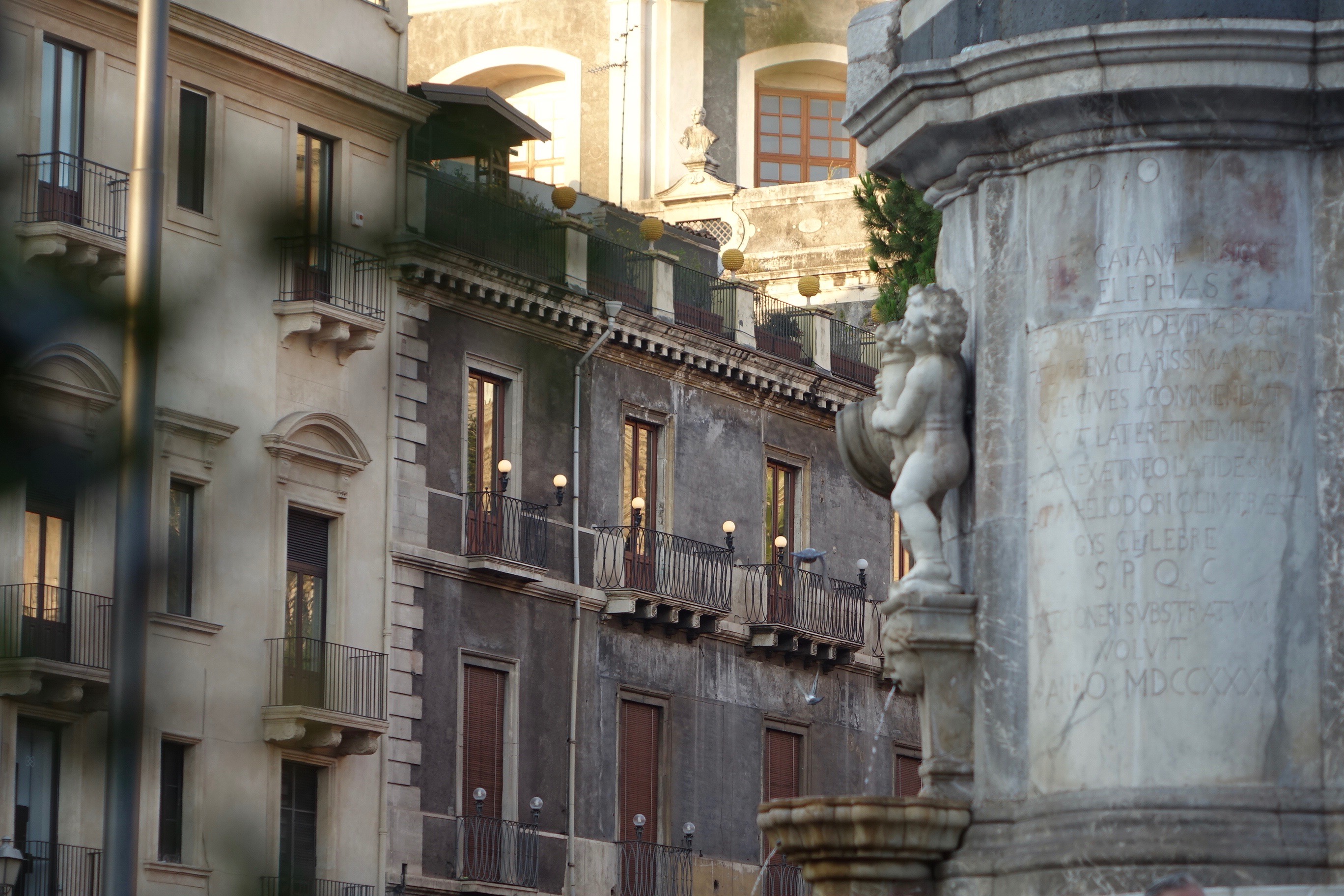
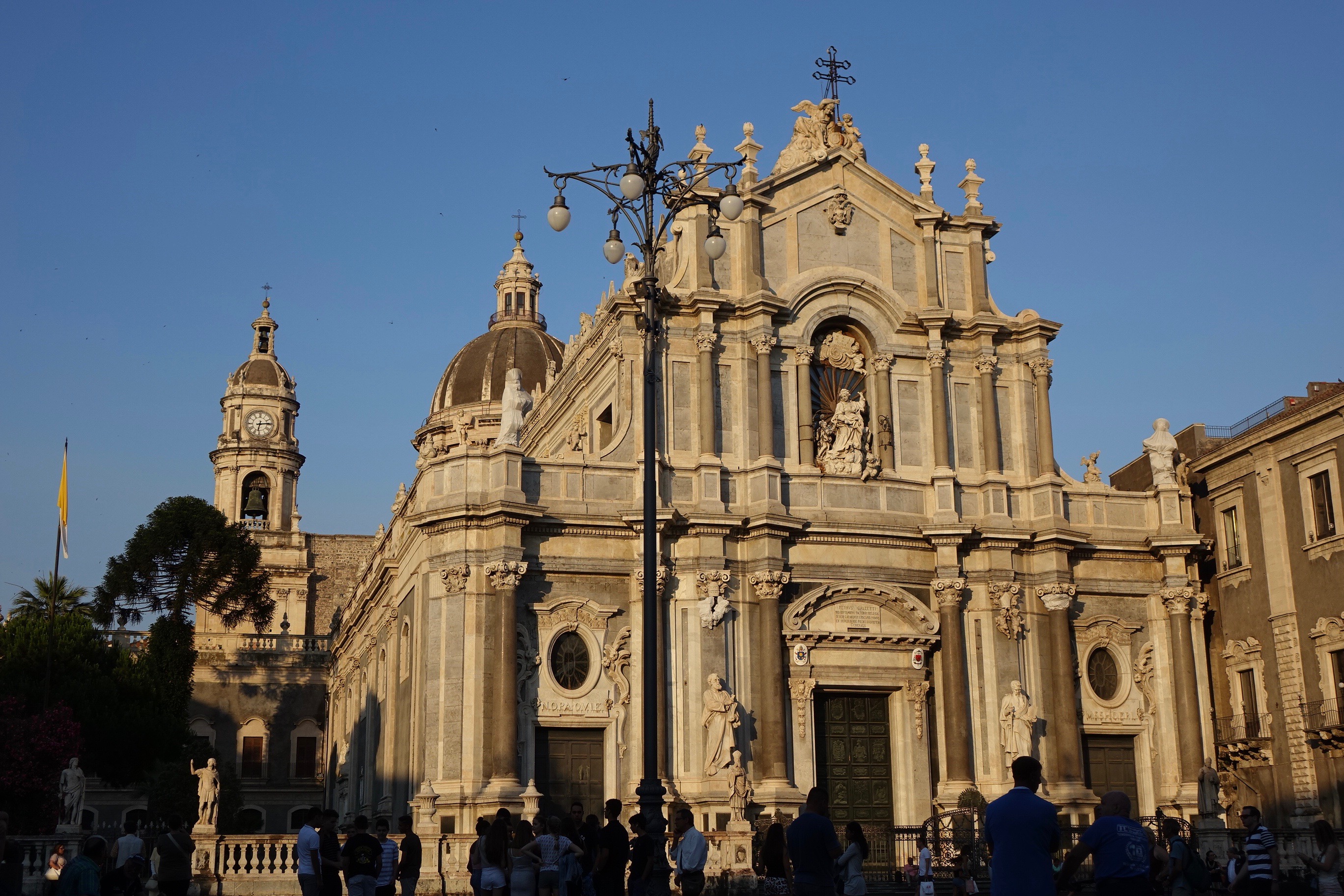
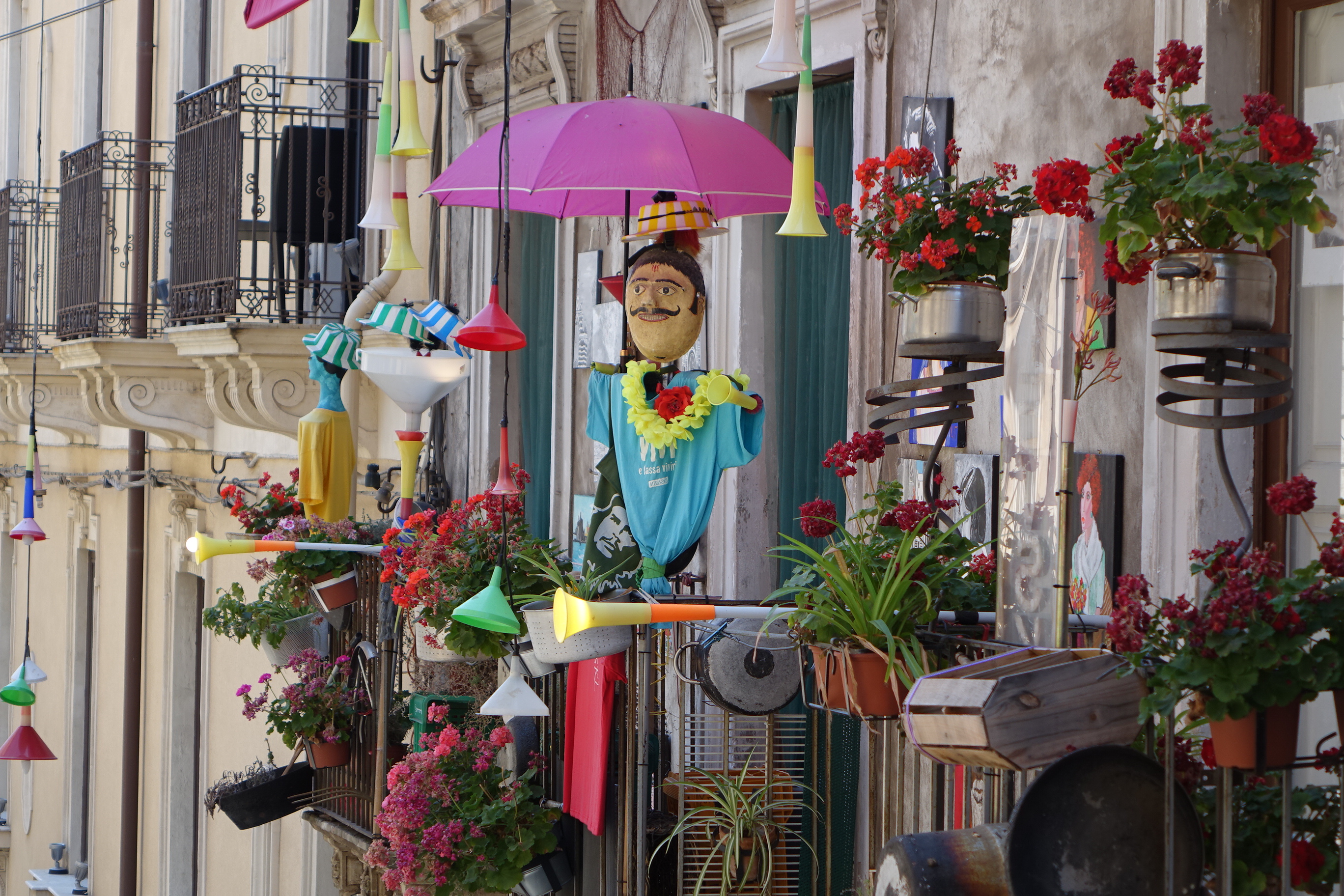
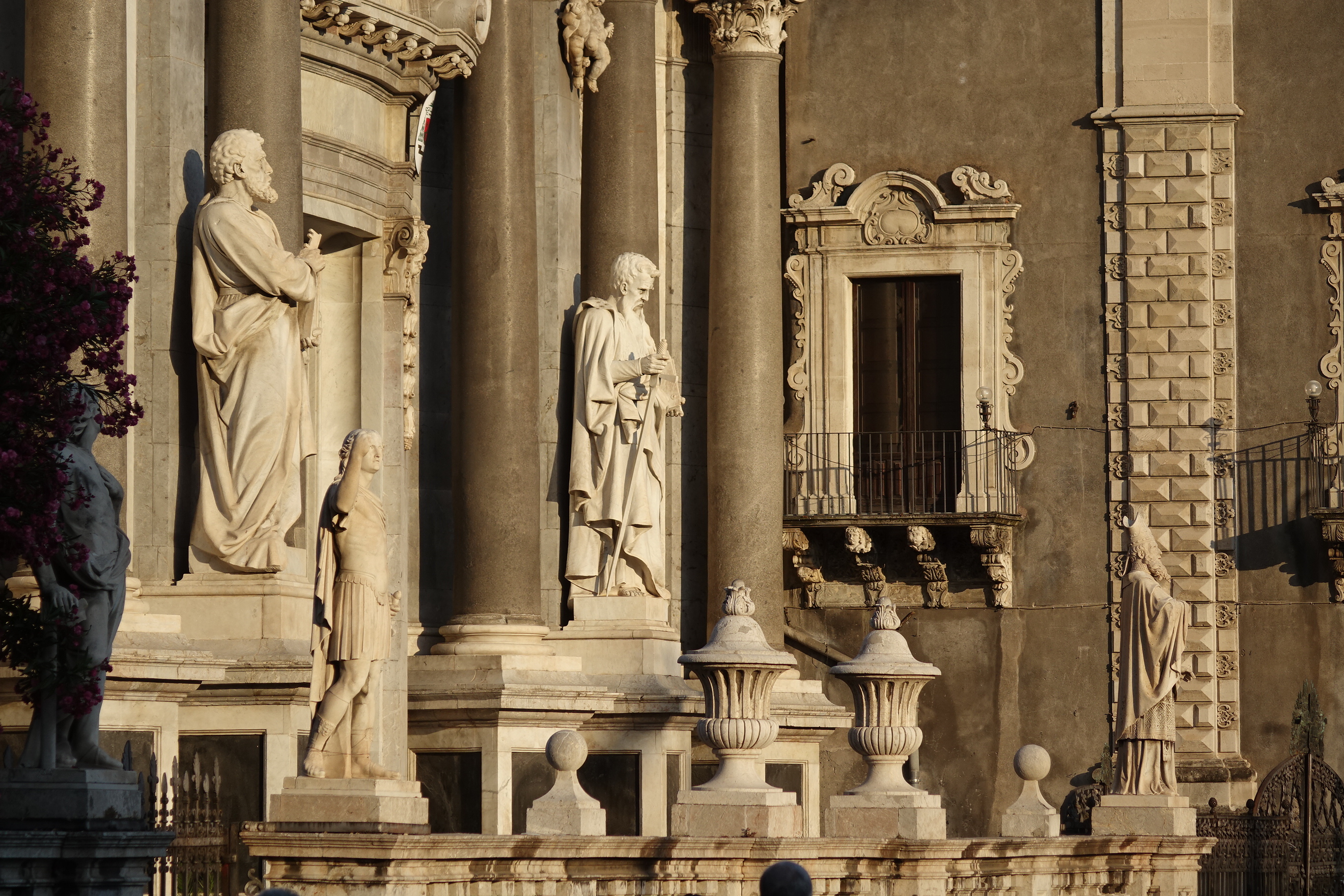
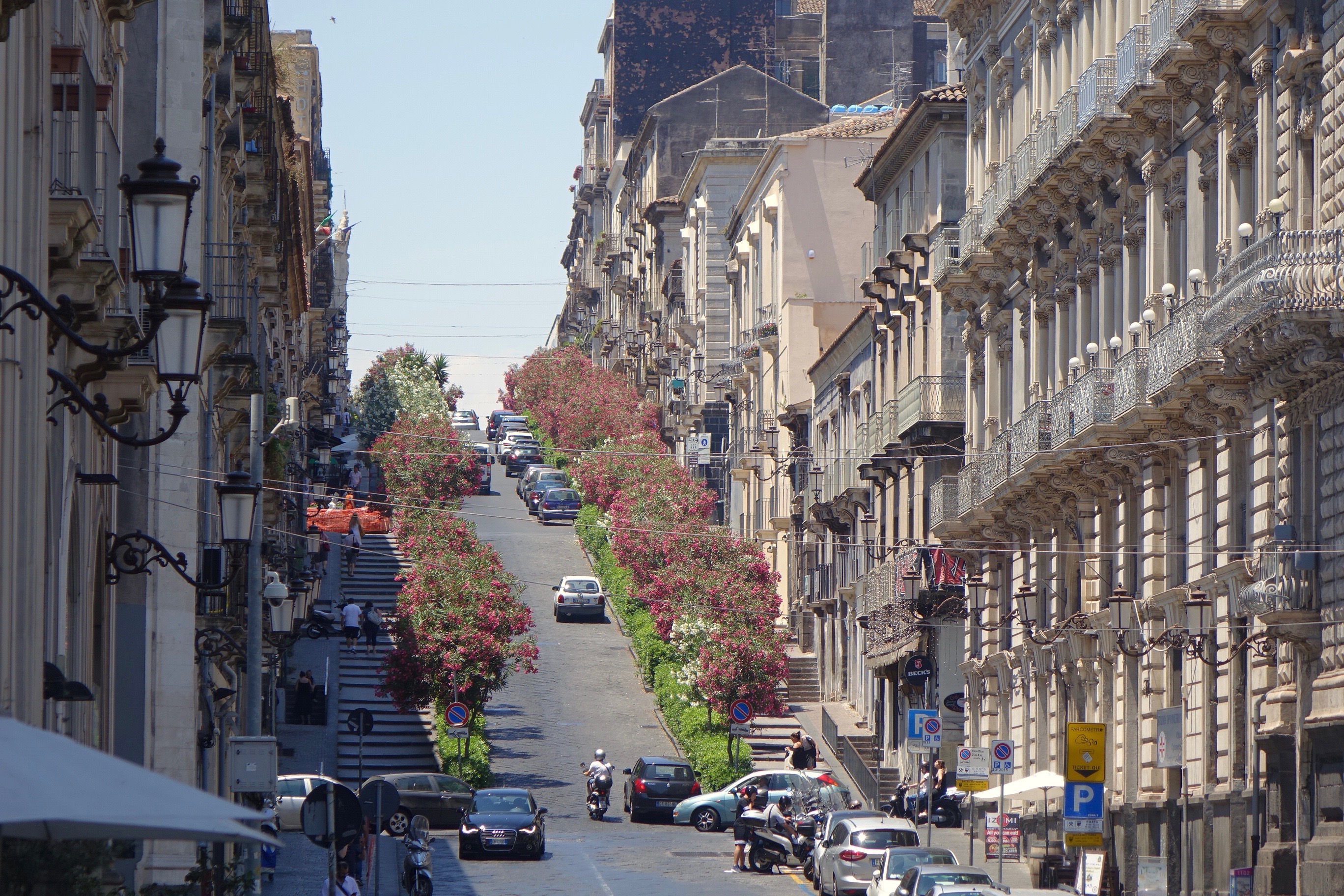
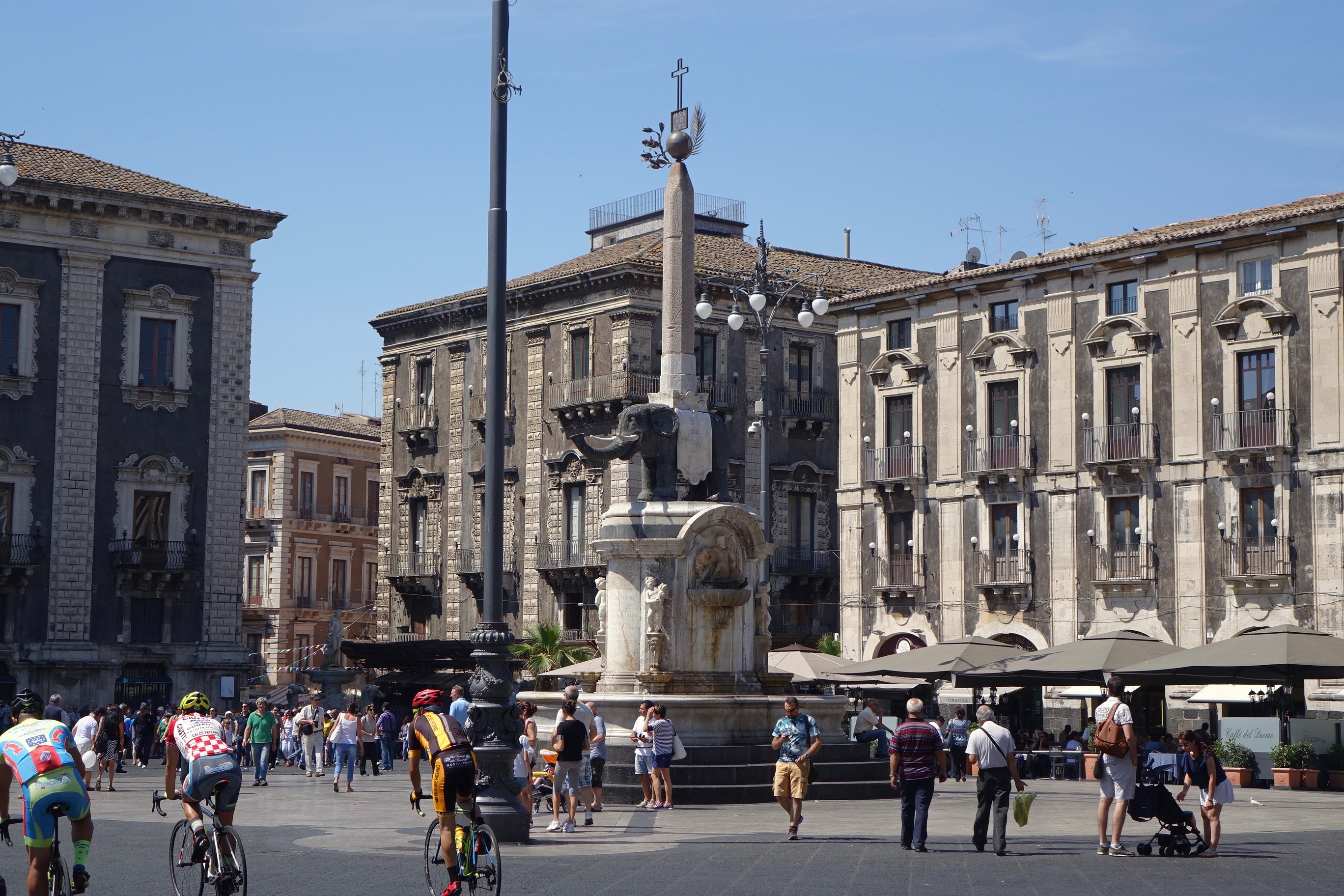
Both the scale of this bustling city, as well as its historical and geographical influences were immediate upon arrival in Catania. Bracing ourselves behind the wheel of an all-too-new hire care, our first encounter with Catania was with its wild roads, filled with drivers, irritated by the heat and paying little attention to generally accepted driving rules. Mercifully unscathed, it was only when we parked that we were able to calmly appreciate Catania, a city whose roads seemed to stretch off into an eternity of traffic jams sparkling like slowly moving jewels, whose streets are crammed with more churches than there are shops, and whose landscape is rendered tiny by comparison with the mighty silhouette of Etna which is omnipresent in the background, wherever you look.

DSC02143DSC01890DSC02142DSC01904DSC02135DSC02087DSC02004

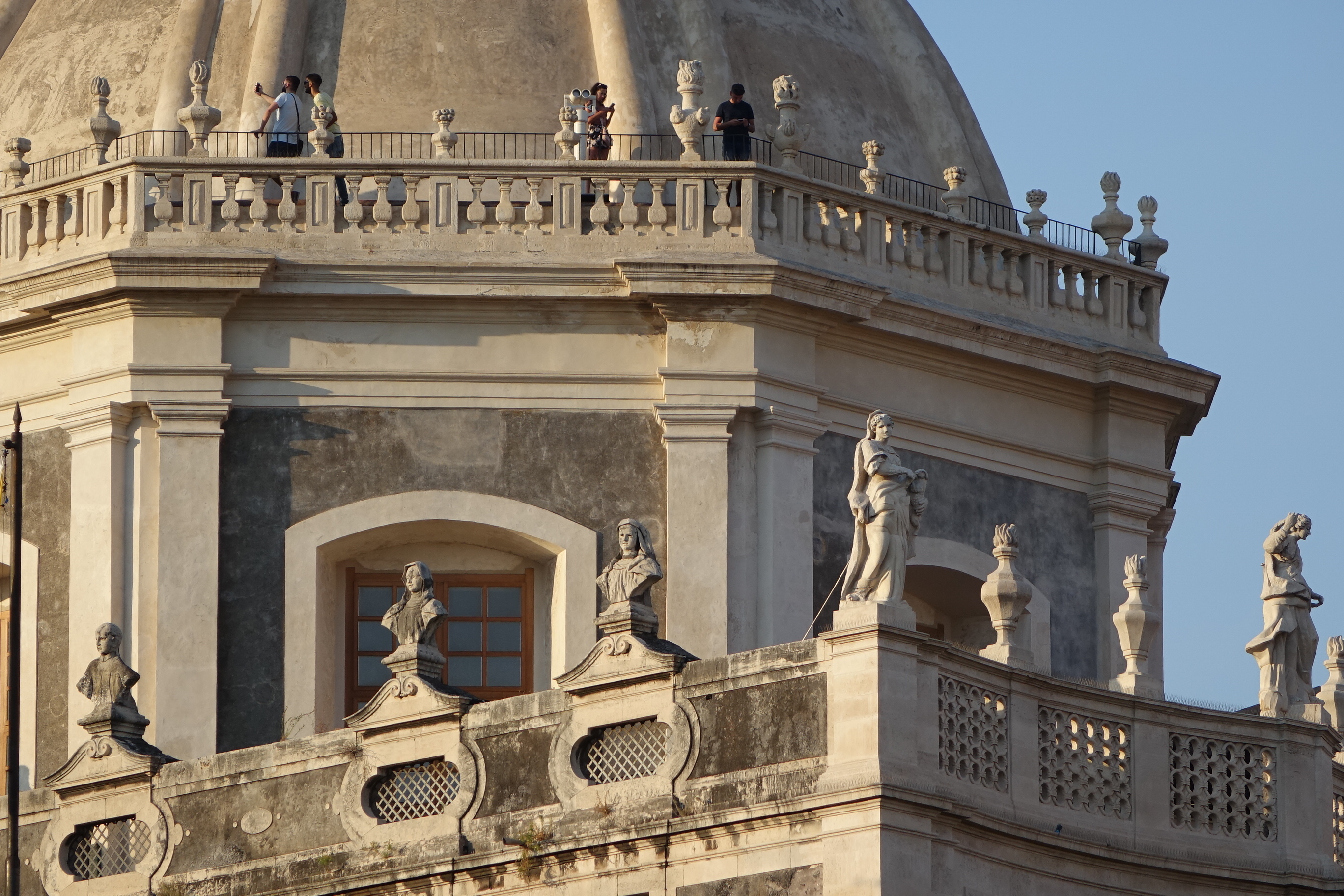
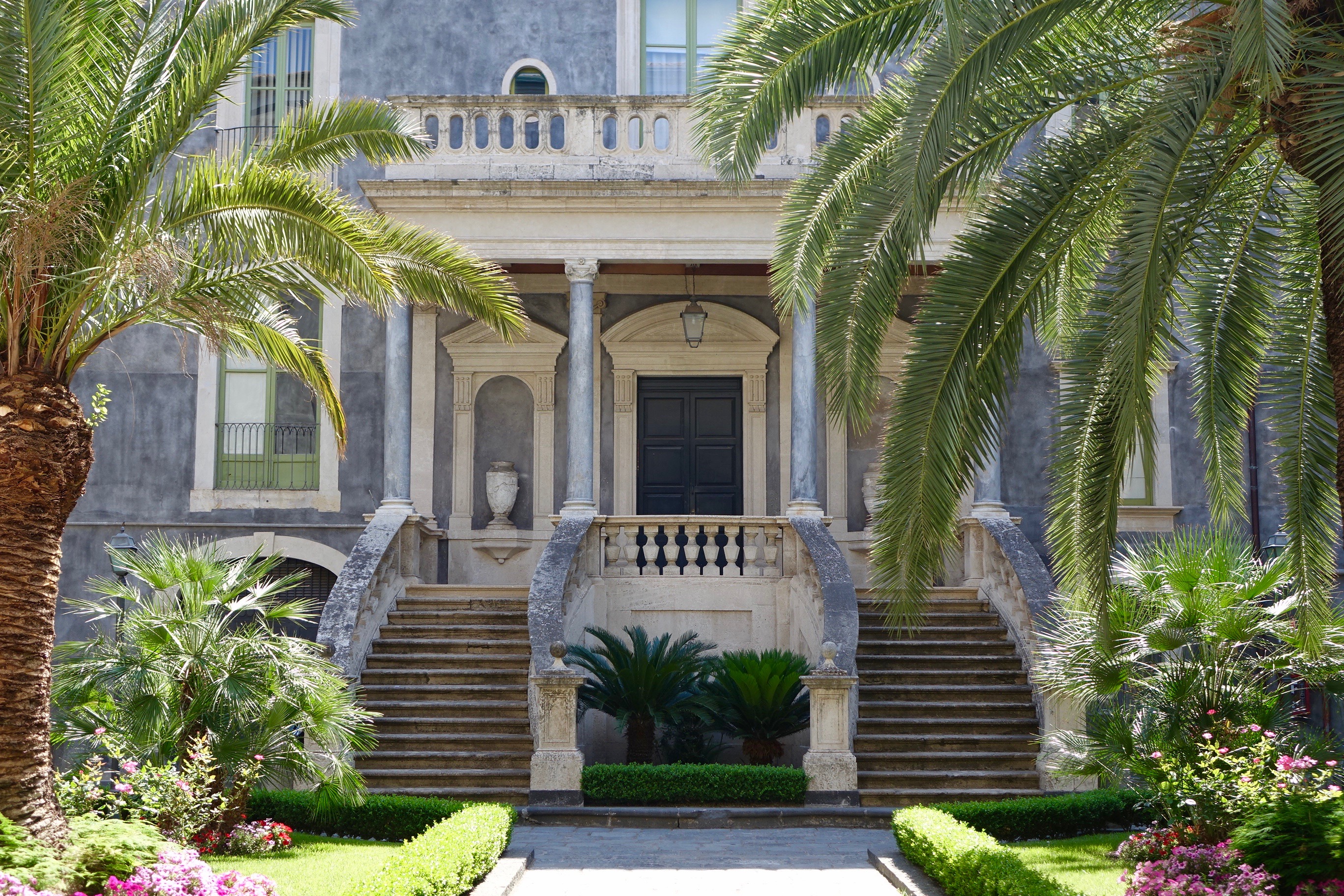
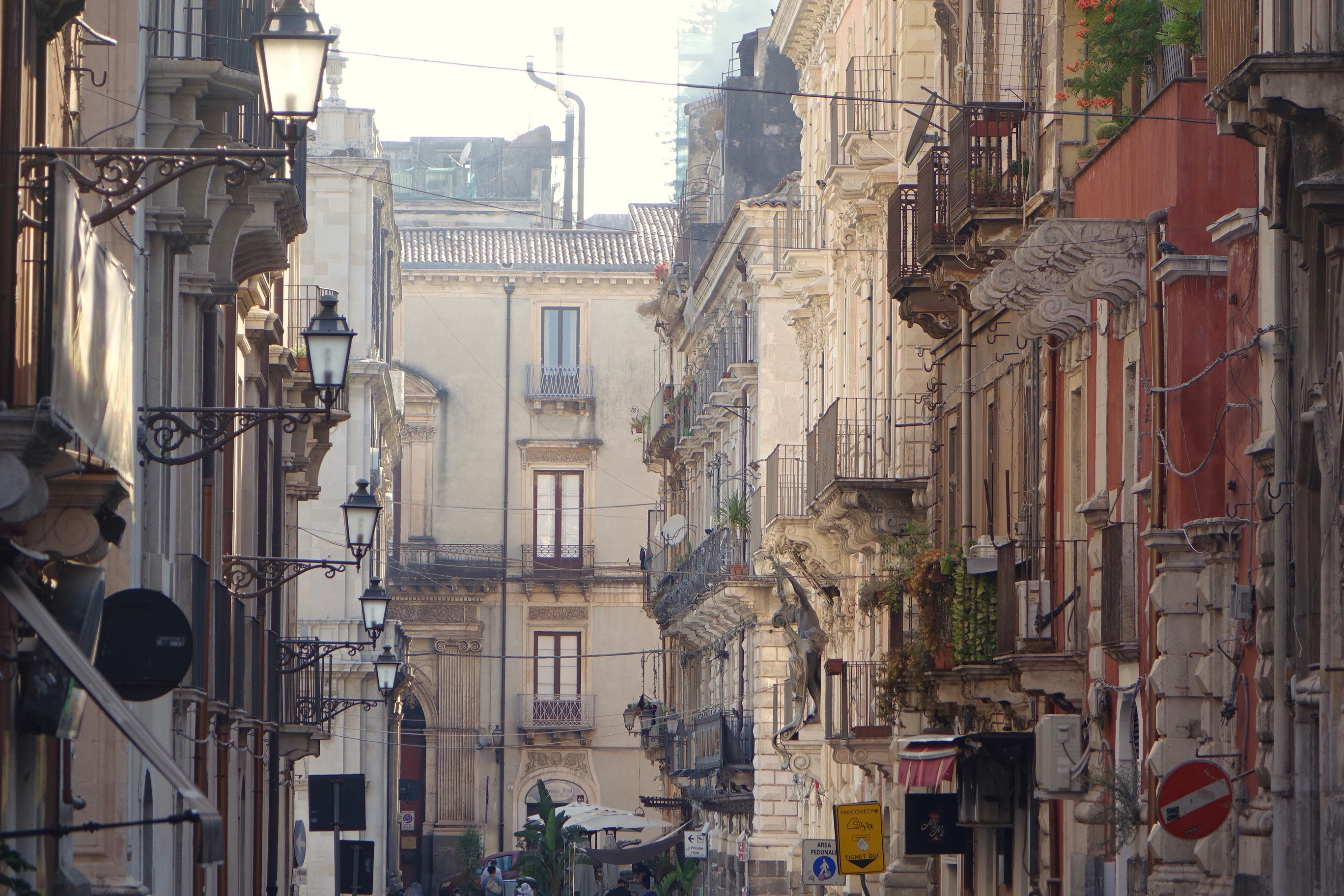
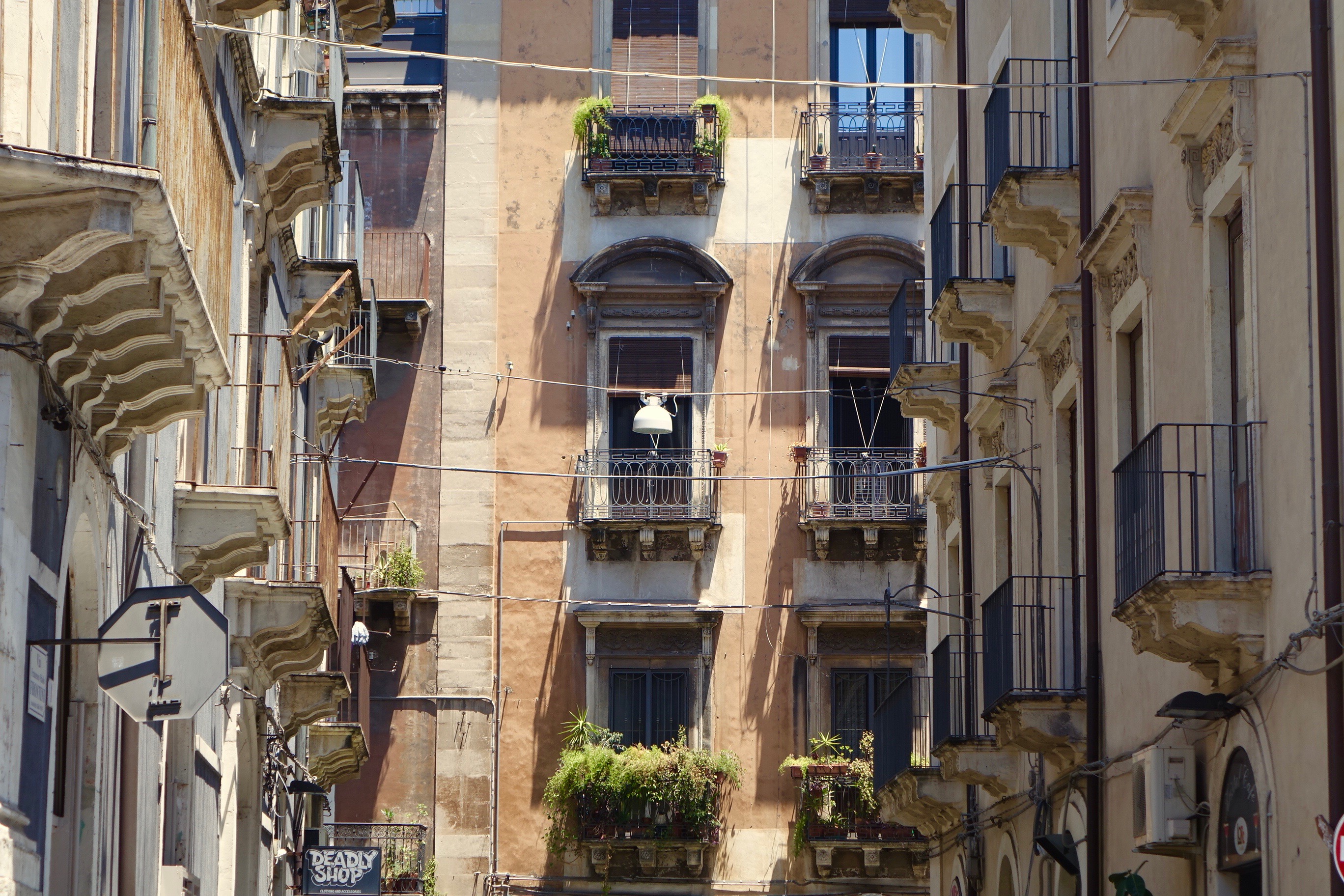
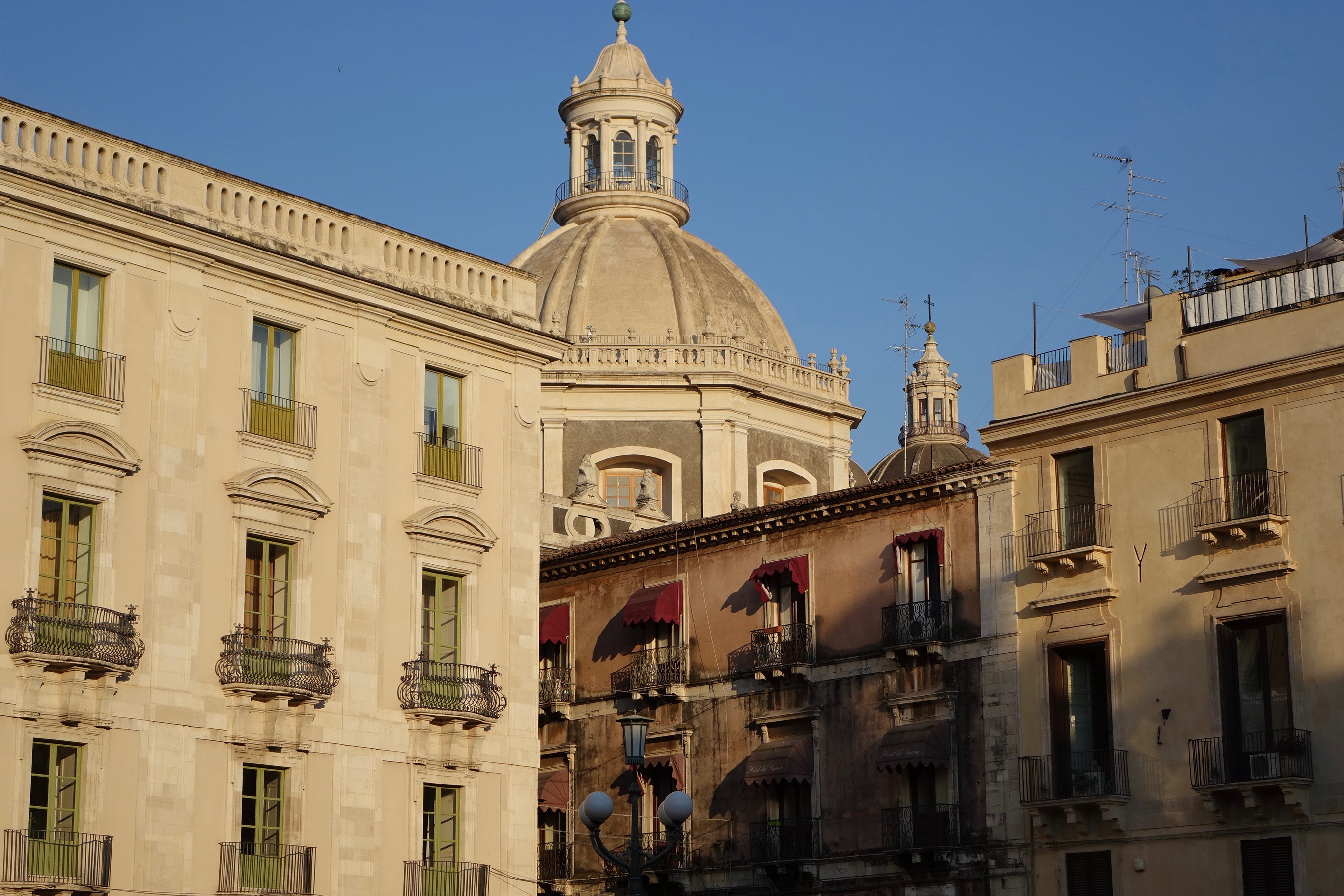
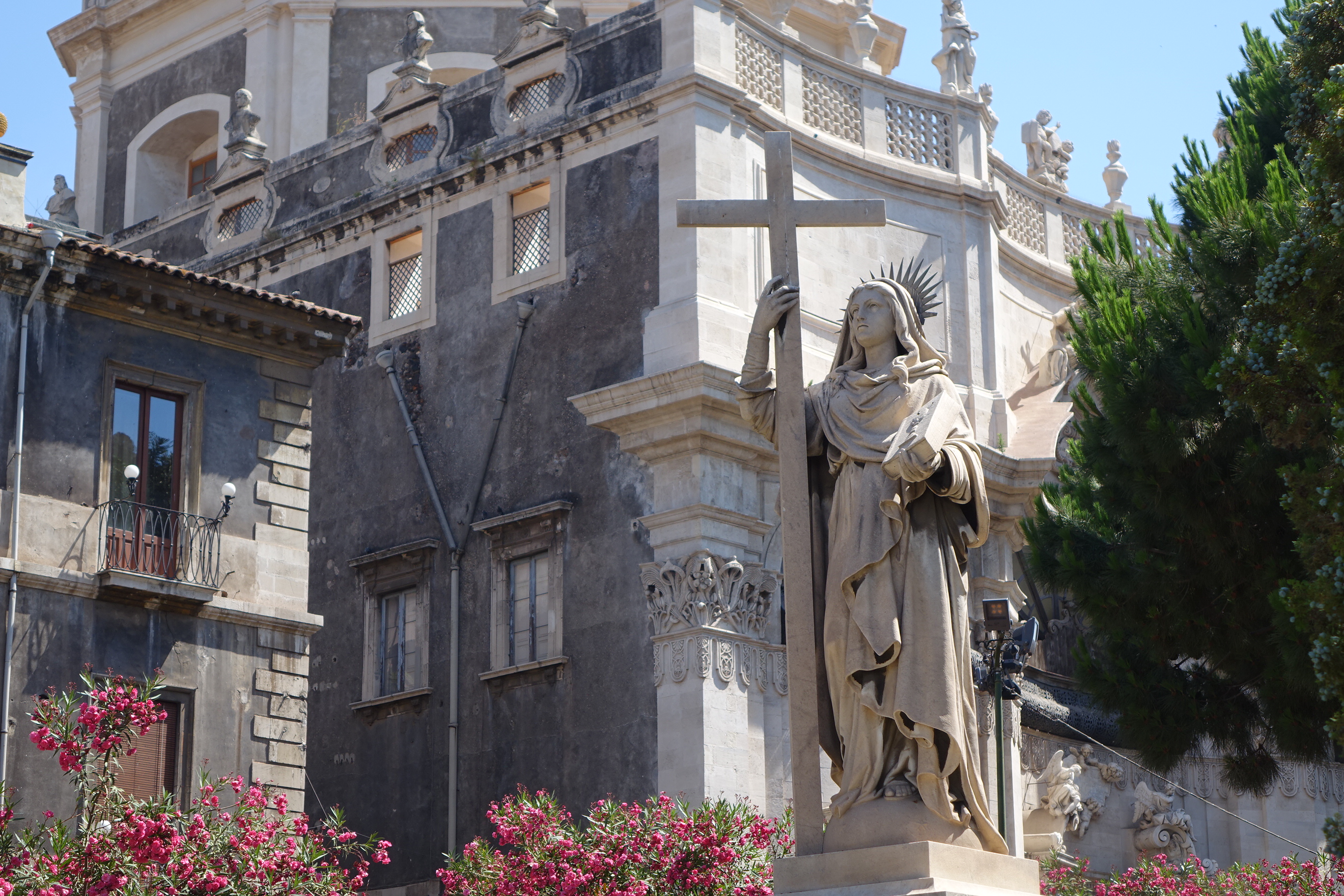
For me, Catania was a city with much of the hectic disorder of Naples, but with the refinements of Rome. It is one characterised by the breadth of its architectural splendour, from frequently arising Roman and Greek remains squeezed between more modern houses, to the exquisite quality of its baroque architecture. And above all, it is one which has earned its epithet: “black city”, forged as it is from the lava stone which nearby Etna has regularly granted the city, Surprisingly hard but tellingly cratered, the lava stone from which Catania is built is a true testament to this city’s unavoidable relationship with its nearby volcano – both the source of its wealth, and the constant threat of its destruction.

DSC02085DSC02014DSC02009DSC01944DSC01935DSC01919DSC01842DSC01840

Perhaps it is this vulnerability which gives Catania the undeniable spirit which pervades it. Its residents can be excused for living by the ethos: carpe diem. After all, Etna is continuinuously erupting, and no one can ever be sure just when the next large eruption will reach this heavily inhabited Sicilian city. So seize the day we certainly did, passing 24 hectic hours in Catania in what was a relentless conveyor of churches, coffees, aperol spritz and lots of pasta. And what a great beginning to our Sicily trip it was!

© Nicholas de Lacy-Brown and The Daily Norm, 2001-2017. Unauthorized use and/or duplication of the material, whether written work, photography or artwork, included within The Daily Norm without express and written permission from The Daily Norm’s author and/or owner is strictly prohibited. 

The Colours of Marrakech, Part 6: Sunset Fuchsia

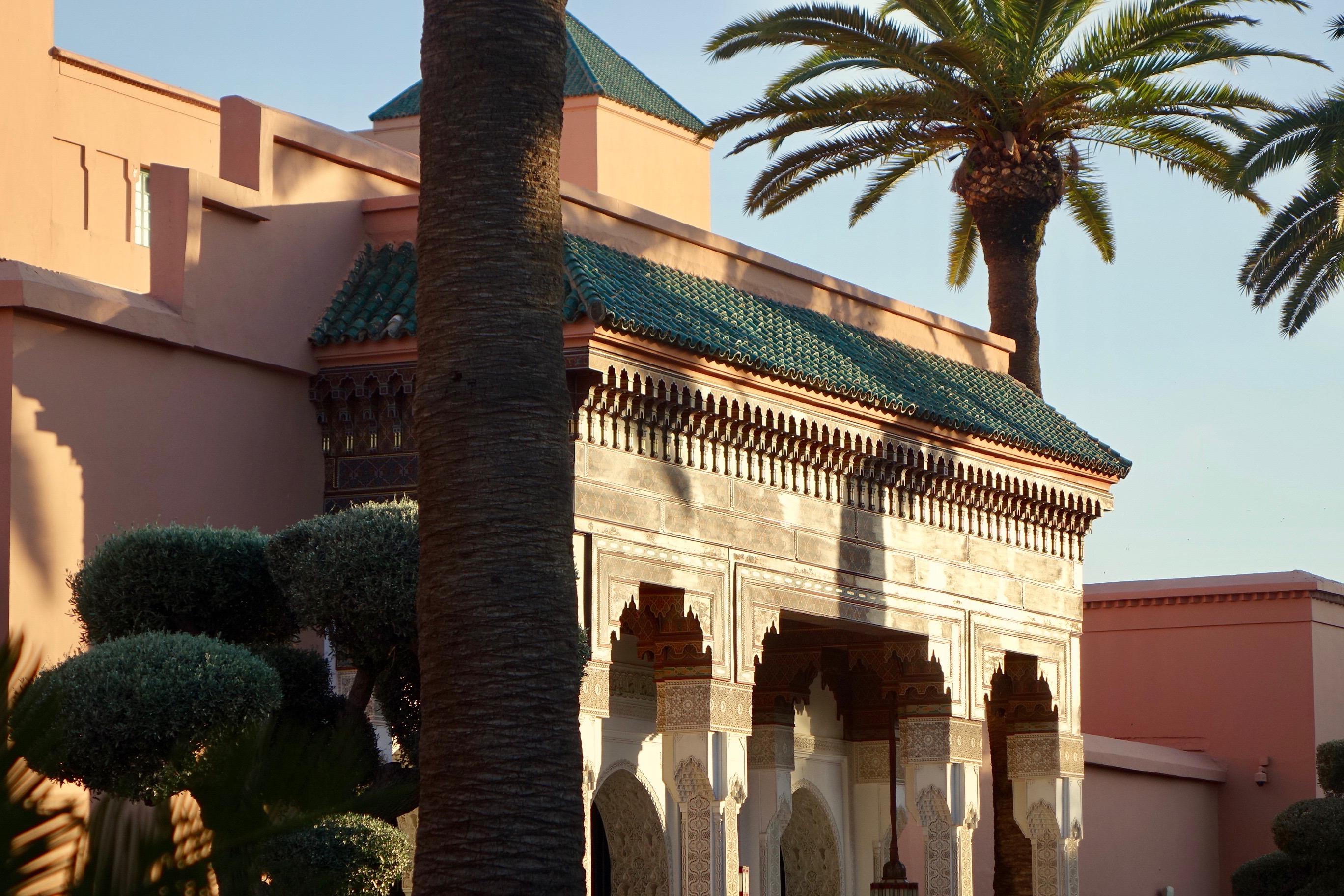
Marrakech is a city so abundant in its palette of colour that I have been able to successfully craft my tale of our trip there by reference to its vastly diverse tonality. Starting with the rose colour which characterises the city walls and the majority of its ancient buildings, and exploring the golden ochre of its crumbling palaces and the stunning blue of the Marjorelle Gardens, my colour-focused posts reached a peak when they entered the multi-coloured world of the Souks which beat at the heart of Marrakech’s ancient medina. But to end the set, it felt appropriate to go back to the pink hues which started it all, not least because this specific shade of pink was cast at the end of the day, when the sun cast a glorious new hue over the city.

DSC00483DSC00504DSC00503DSC00497

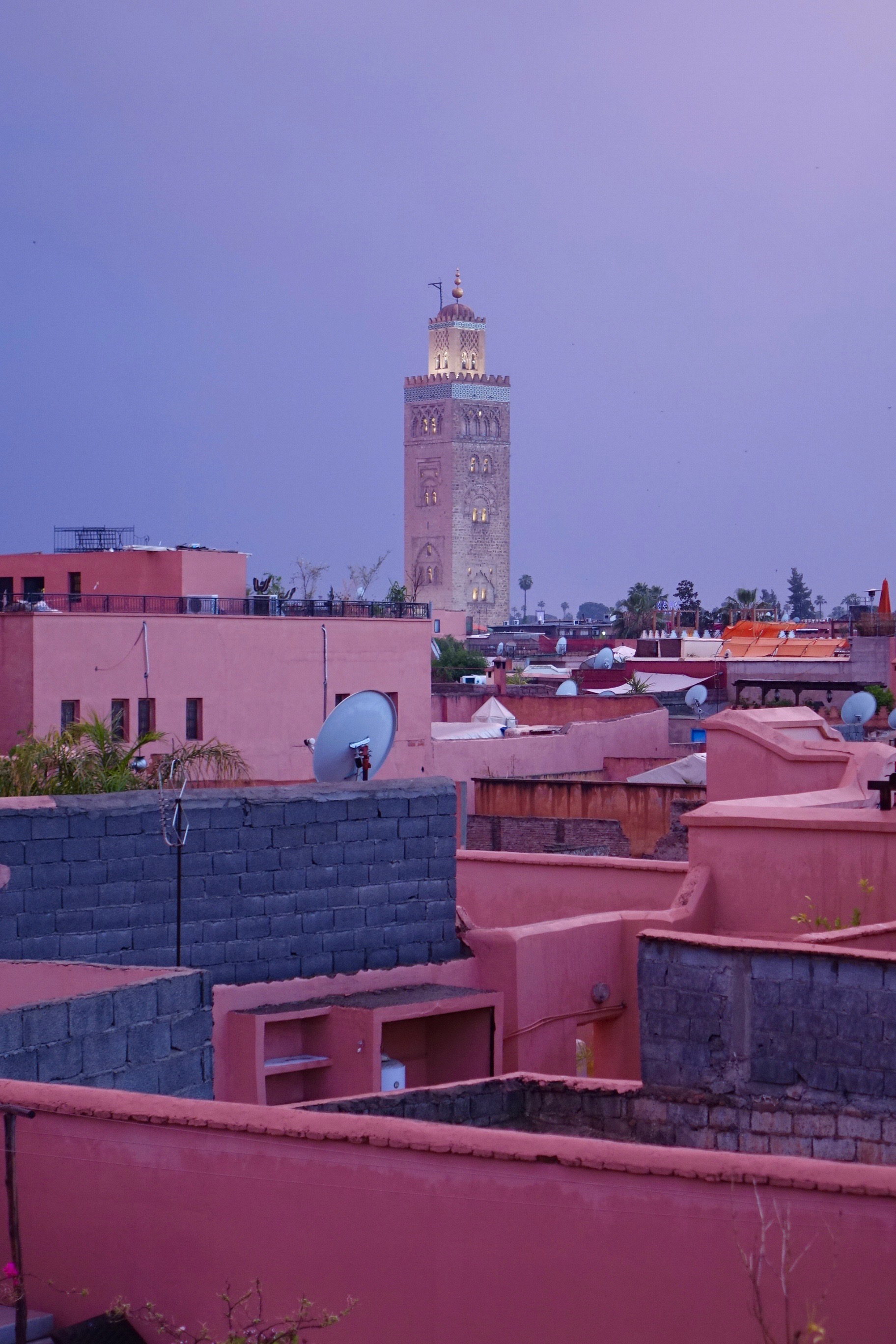
While the city is most definitely pink, it was enchanting to watch how that pink developed and transformed as the various stages of the day unfurled. In the morning the pink was dusky and pale as it warmed up gradually with the rising of the sun. At midday the baking sun made the pink luminescent, fiery and peach like. And when the odd cloud came over, the pink was more mauve and moody. But only once did we see the greatest transformation of all. It was after a huge storm ended the day, refreshing us all, but casting a fierce spectacle of rain and lightening across the city. Just as it was nearing its end, the sun plummeted to a level beneath the clouds and as it did so, its refracted light reflected off the clouds and back down onto the city to create a vivid kind of fuchsia pink lighting which literally filled the city. The result was almost eery, as spaces such as our Riad, which were decorated by a very pure white marble, were immersed in a beautiful shade of cherry-blossom. It was almost as though the clouds had rained rosé wine, and we were all swimming in their fruity waters.

DSC00492DSC00495DSC00501DSC00487

The drama and the beauty of the moment was one I will long remember, and is a fitting tribute to this incredible trip, a journey which tantalised each of my senses to a degree never experienced before.

DSC00753

© Nicholas de Lacy-Brown and The Daily Norm, 2001-2017. Unauthorized use and/or duplication of the material, whether written work, photography or artwork, included within The Daily Norm without express and written permission from The Daily Norm’s author and/or owner is strictly prohibited. 

Moroccan Norms survey the Souks of Marrakech

Anything we can do, the Norms can do better, and more often than not as soon as we explore a new part of the world, the globular footprint of these gelatinous characters follows in our wake. Marrakech may be a surprising choice for these travel-fond creatures, especially given the relative unavailability of bubbly wine which a recent trip to Siena confirmed was their favourite source of sustenance. But given that their second favourite pastime is buying their way around Norm-World’s most interesting shops, the utterly diverse product-packed labyrinth of Marrakech’s Medina Souks is a pretty suitable choice for the Norms.

Marrakech Norms Souk

Moroccan Norms Survey the Souks of Marrakech (Pen and ink on paper, © Nicholas de Lacy-Brown, 2017)

But of course visiting Norms are not the only blobs to gather in the Norm-Souks, and in today’s illustration, you can see the Norms who are also resident traders and local shoppers alike. Whether it be to breathe deep the perfume of rose essence and moroccan spices, to touch the silken thread of magical carpets, or to gaze in wonder at the sparkling brass pots, lanterns and lamps, the magpie Norms are naturally attracted to this Aladdin’s cave of exotic emporiums. And is this packed street, framed by horseshoe arches and plied with plenty, it is not hard to see the attraction. Happy shopping Norms!

© Nicholas de Lacy-Brown and The Daily Norm, 2001-2017. Unauthorized use and/or duplication of the material, whether written work, photography or artwork, included within The Daily Norm without express and written permission from The Daily Norm’s author and/or owner is strictly prohibited. For more information on the artwork of Nicholas de Lacy-Brown, visit http://www.delacybrown.com 

Marrakech Moments: Cocktails at the Mamounia

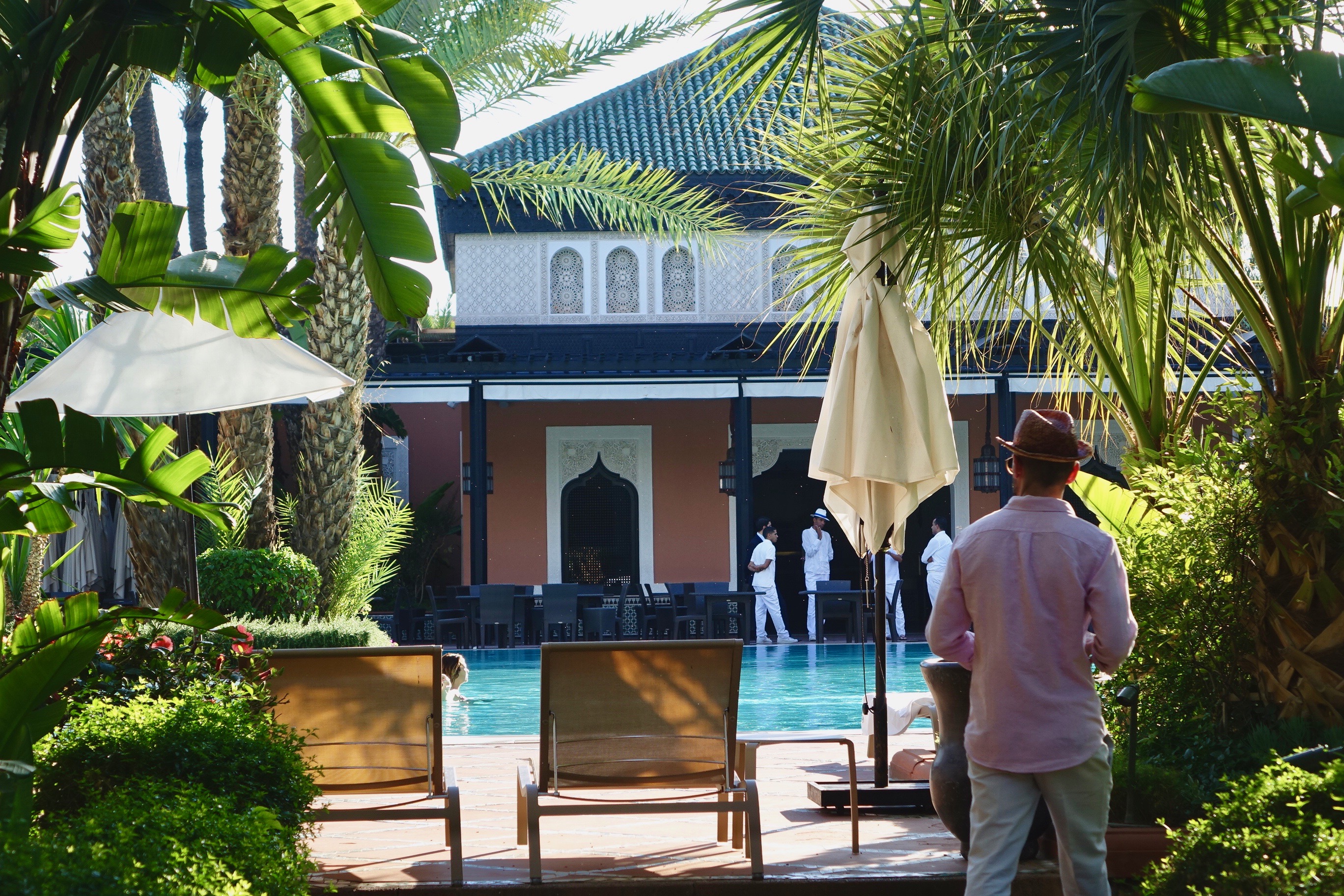
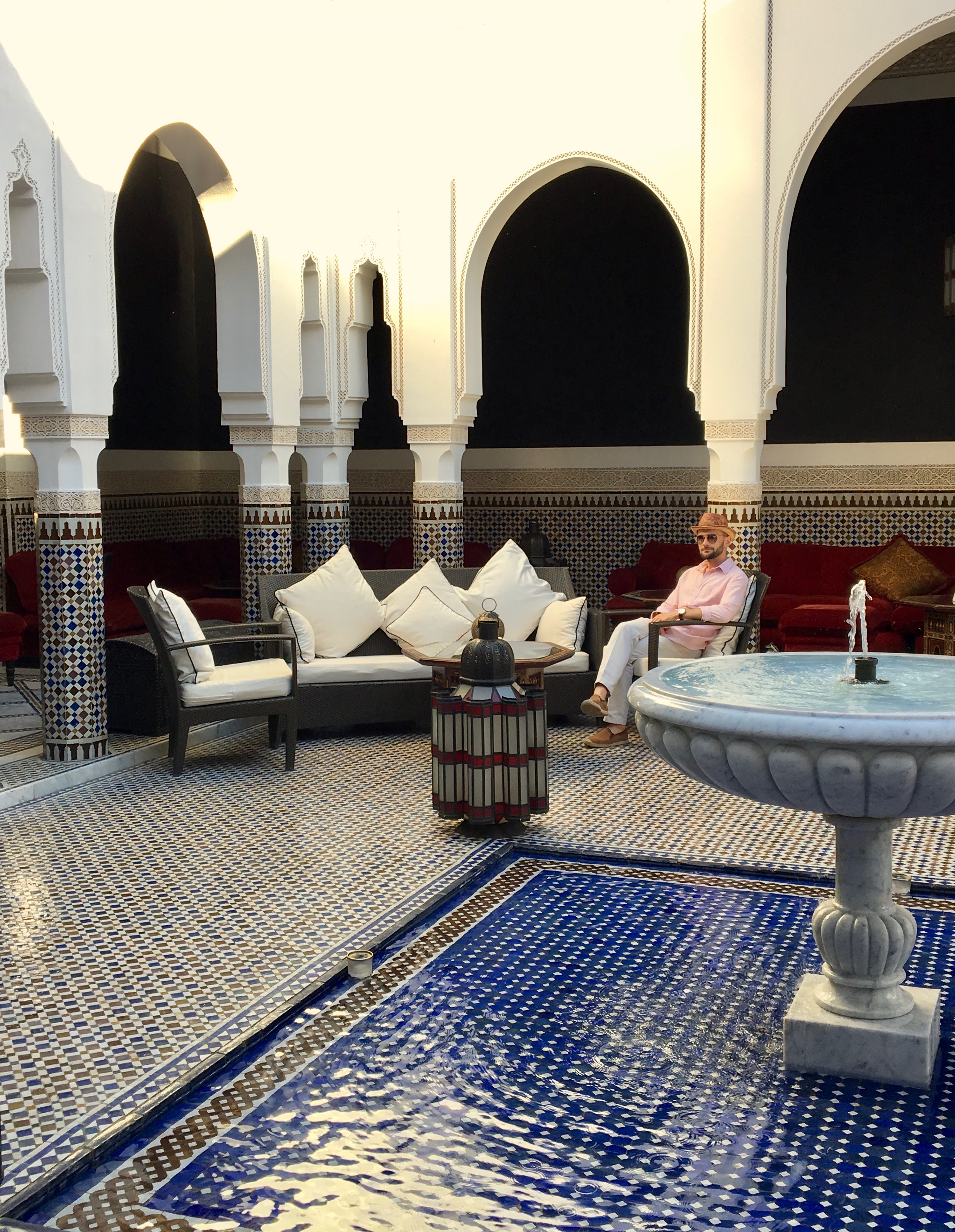
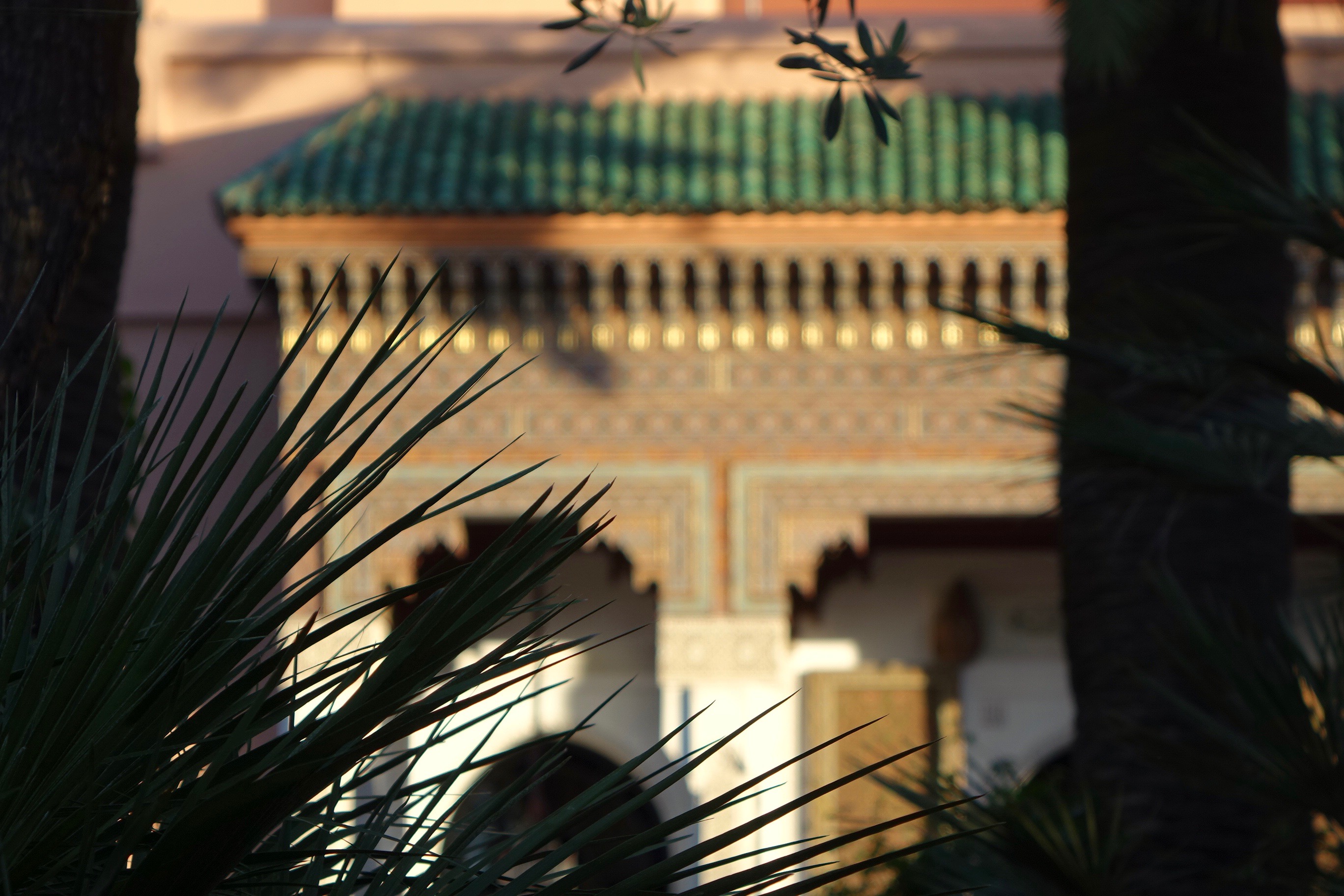
Marrakech is a place of extremes. In the Medina, its ancient heart, you could so easily be transported back 200 years as donkeys and horses take the place of cars, and chickens, cats and small dirty looking children roam the streets. Yet outside the old city walls, you’ll find an airport, brand-spanking new, so shiny and dazzling that it makes Heathrow T5 look like an interim solution. But what marks the extremes more than anything is the evident wealth gap which exists in the society. No more obvious is this than at the Mamounia, one of the world’s great old hotels, situated just beyond the main Koutoubia Mosque but so different from its surroundings. For while the dusty streets outside are filled with beggars and tradesmen scraping to make a living, inside the hotel you find a world resplendent in its lavishness, with levels of luxury perhaps higher than I have ever seen before.

DSC01410DSC01451DSC01415DSC01440DSC01444IMG_0293DSC01435DSC01424

No wonder then that the place was not easy to get into. One grumpy doorman at first refused us entry, since he obviously judged our joint worth to be far less than the average guest. But a confident swagger, sunglasses donned and a second attempt got us through the grand entrance. We were after all determined to visit the hotel. Not only is it renowned as one of the most luxurious in all of Africa, it was also the location for some of the most famous scenes of Hitchcock’s The Man Who Knew Too Much, where Doris Day sang her famous hit, Que Sera Sera for the first time.

DSC01456DSC01405DSC01448DSC01409DSC01430DSC01412DSC01411

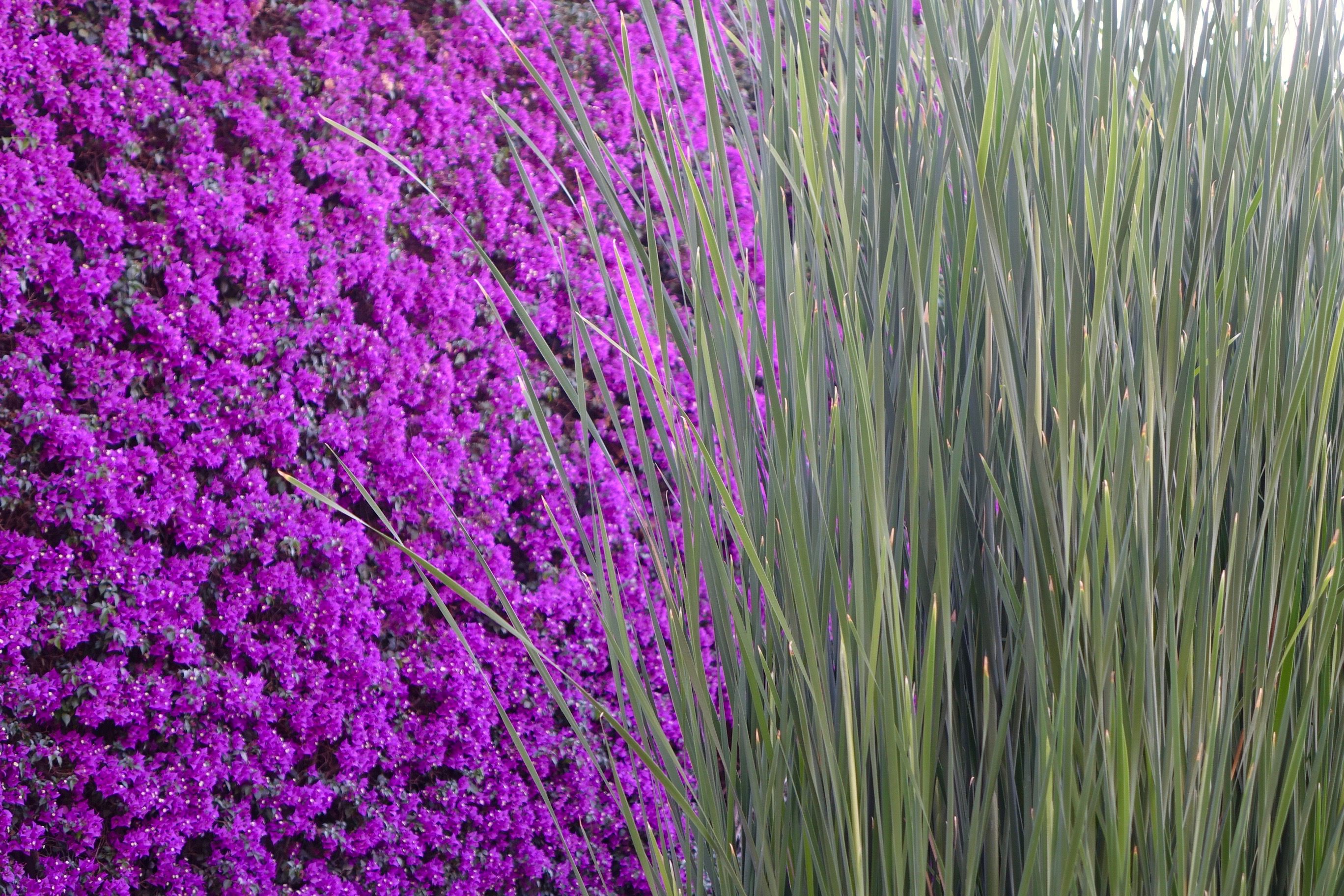
Once in we were understandably dazzled by the sheer extent of the opulent interiors and  expansive gardens which we were able to enjoy to full while waiting for a table to become free on the elegant terrace of the Italian Bar. In those grounds, so large they were used to film scenes from Alexander, we found tennis courts, pools, loungers aplenty, herb gardens, Arabic lounges and an entire wall brimming with bougainvillaea. There was even a pavilion at the garden’s centre just built for afternoon tea. But we had cocktails on the mind, and when our stroll was over, our table lay in wait, and we quenched our thirst with a well earned G&T and a Strawberry Daiquiri. It wasn’t the cheapest of occasions, but it was a hallmark moment of our trip. While it may have been a very different world from the city of Marrakech just outside its mighty walls, there was something about the grandeur of this 92 year old hotel which made us feel very at home.

IMG_0305

© Nicholas de Lacy-Brown and The Daily Norm, 2001-2017. Unauthorized use and/or duplication of the material, whether written work, photography or artwork, included within The Daily Norm without express and written permission from The Daily Norm’s author and/or owner is strictly prohibited.

The Colours of Marrakech, Part 4: Multi-coloured Souks

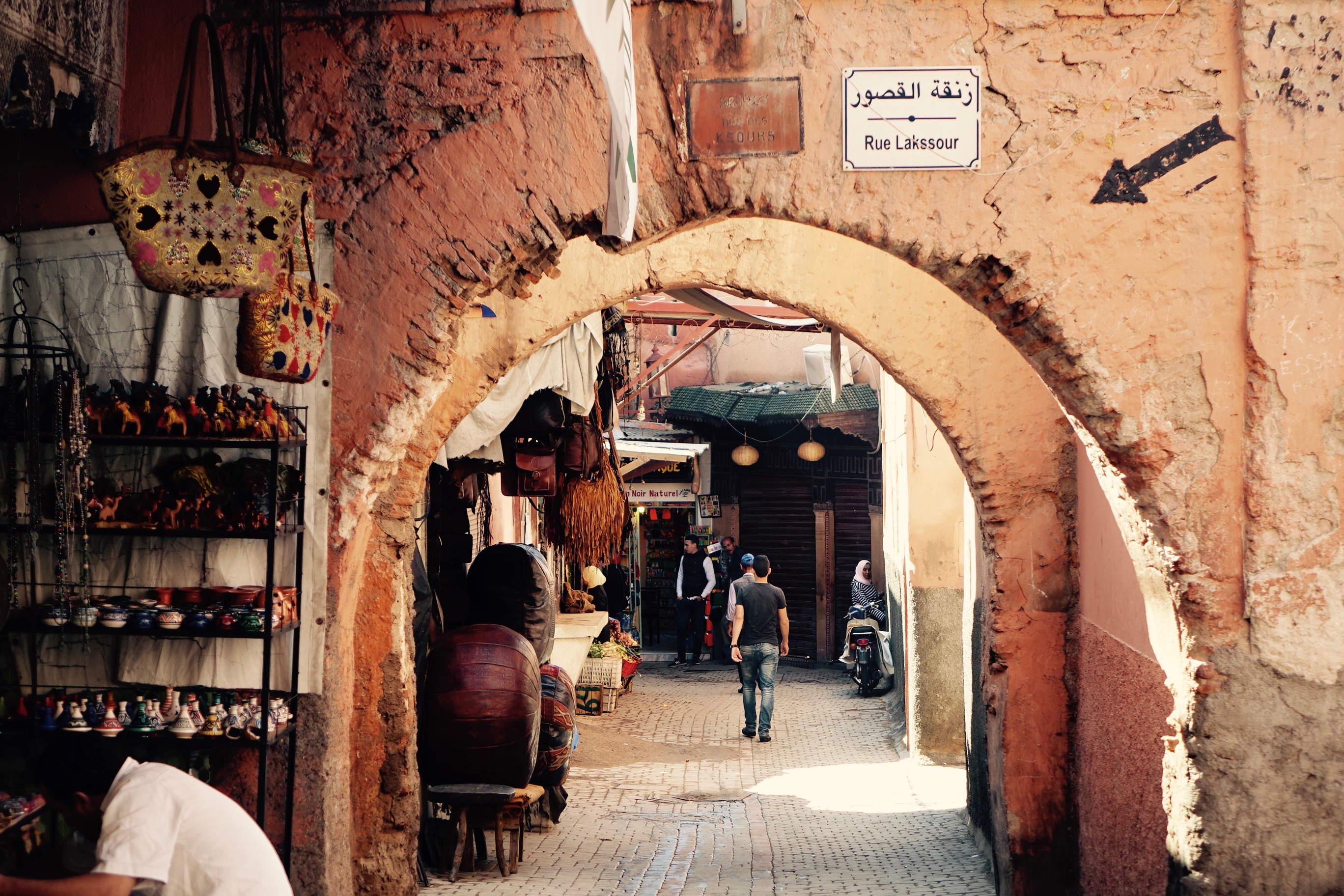
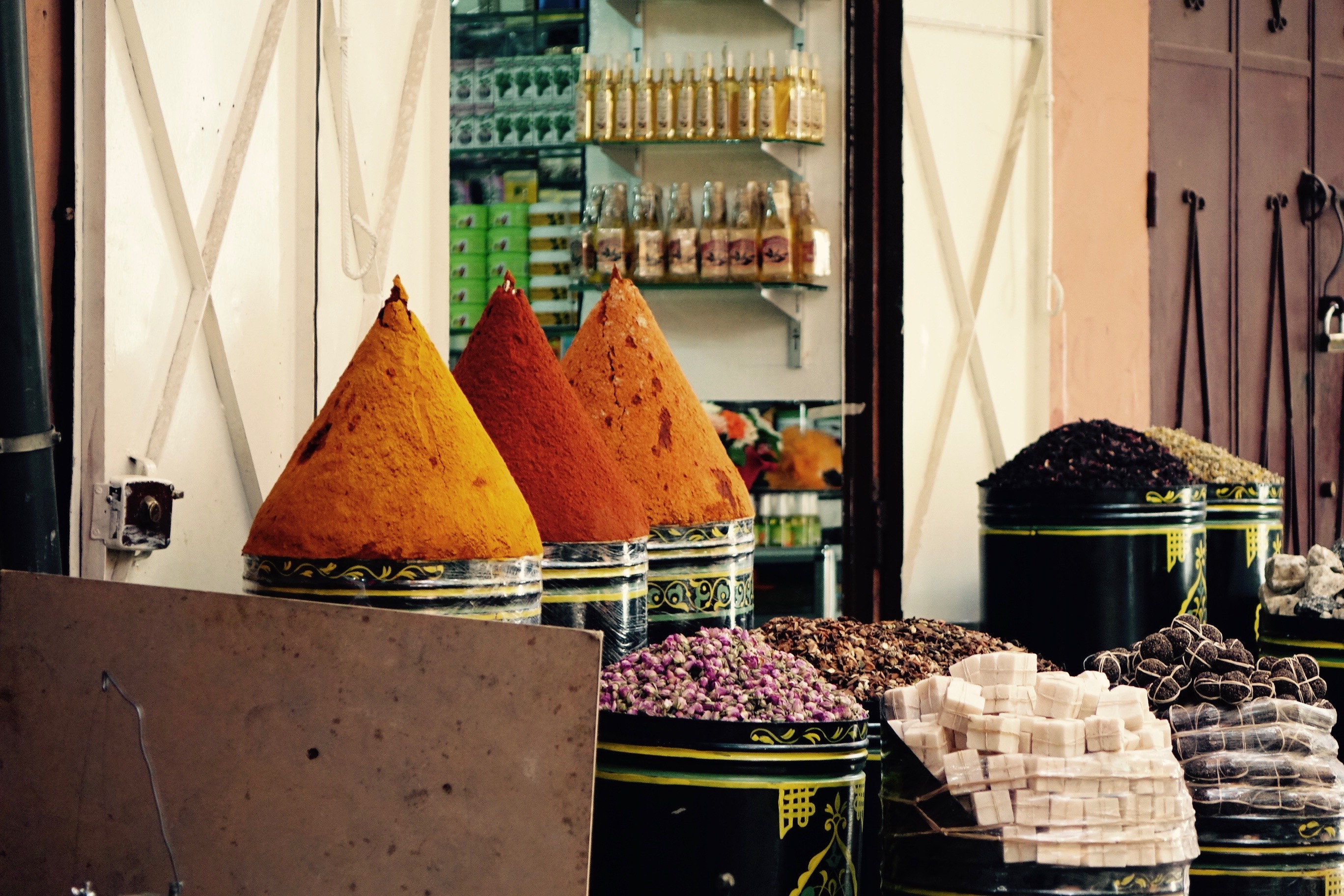
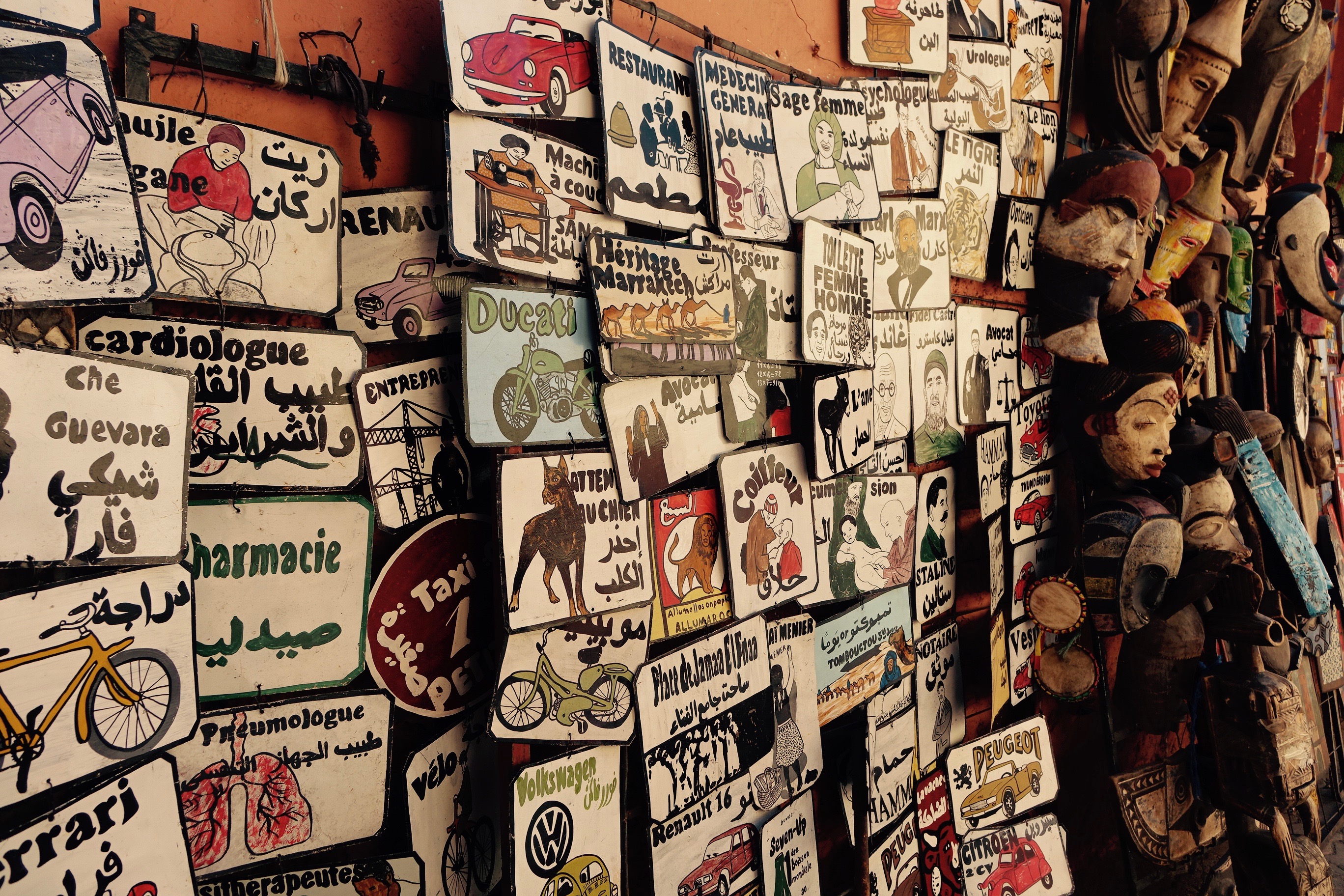
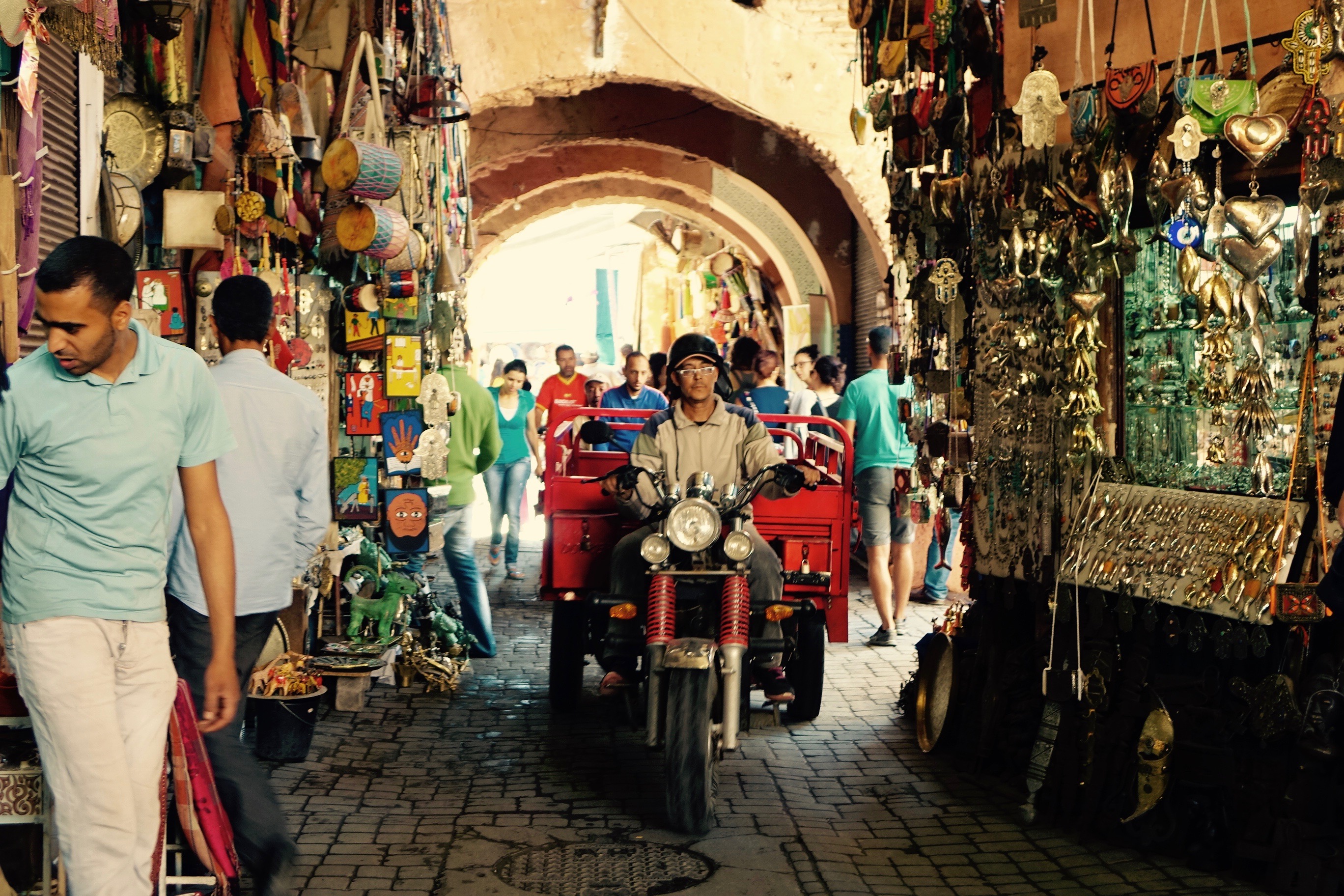
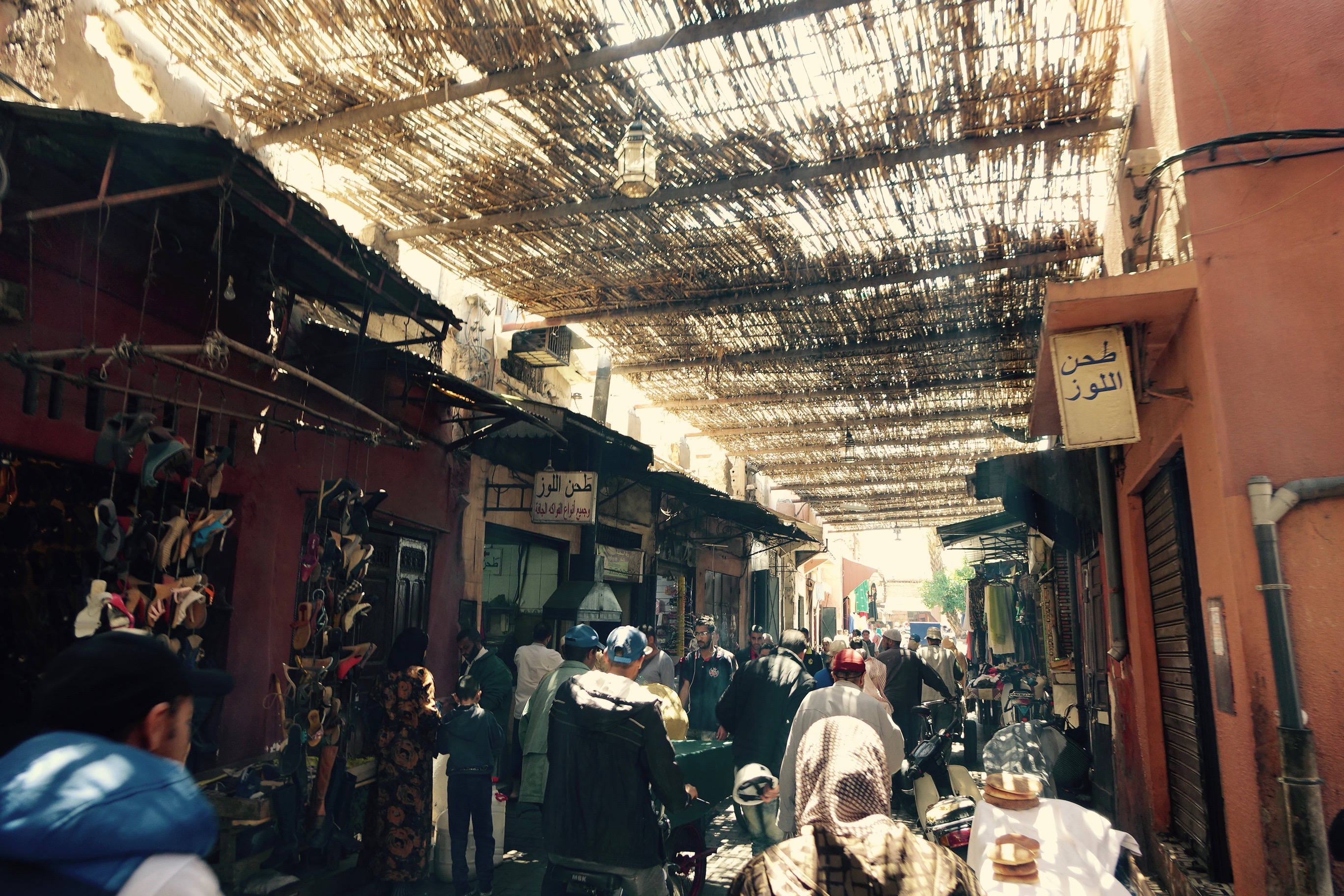
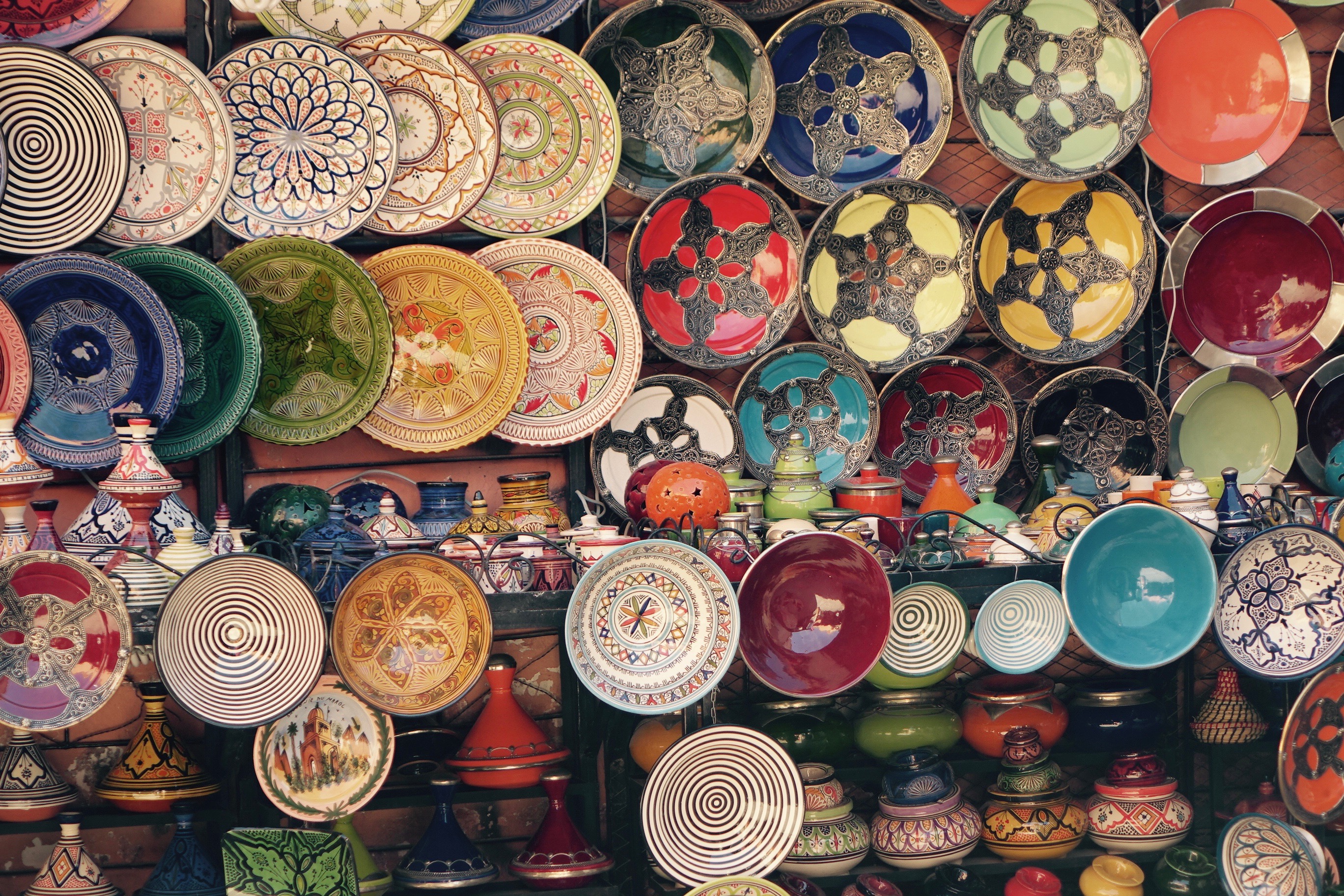
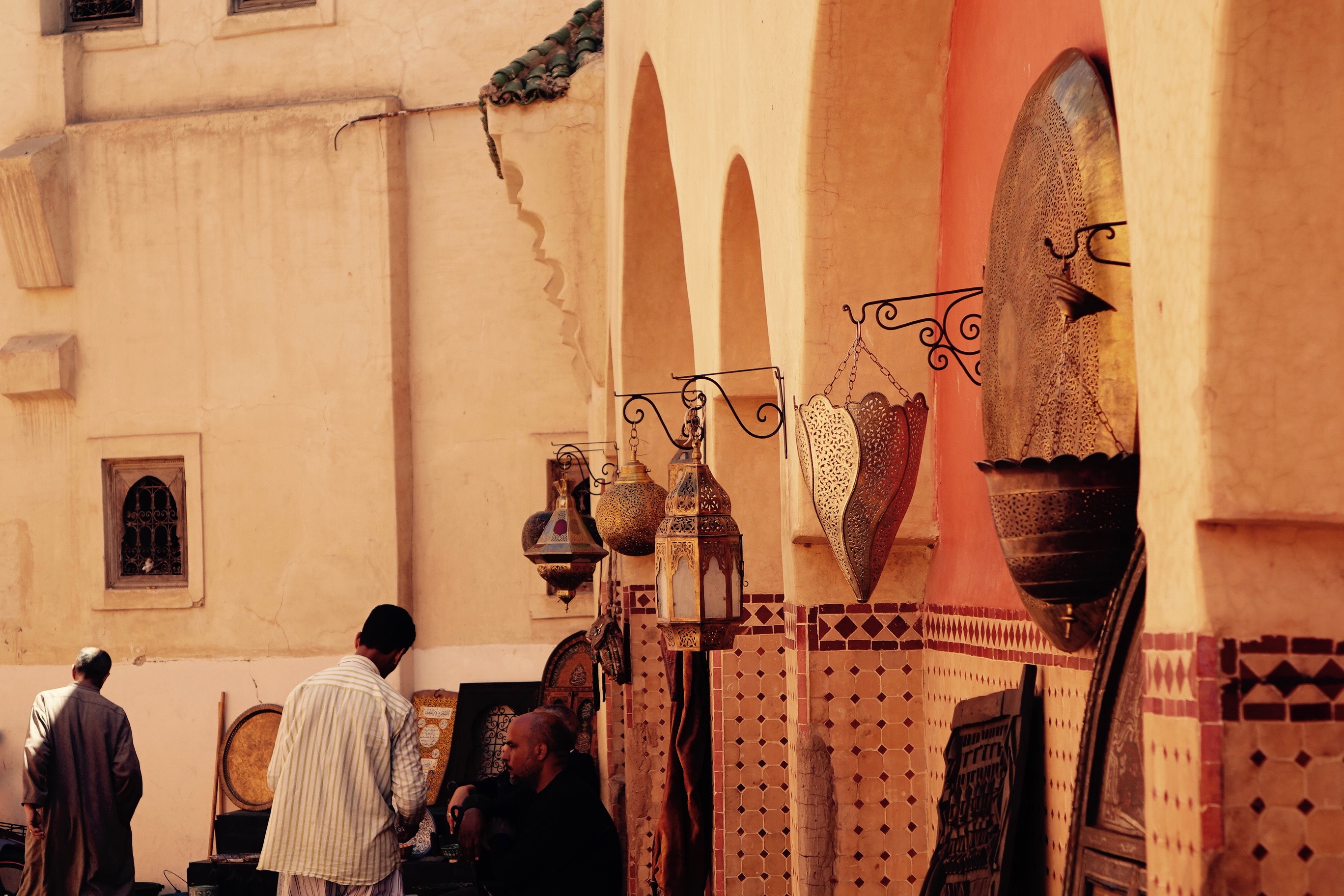
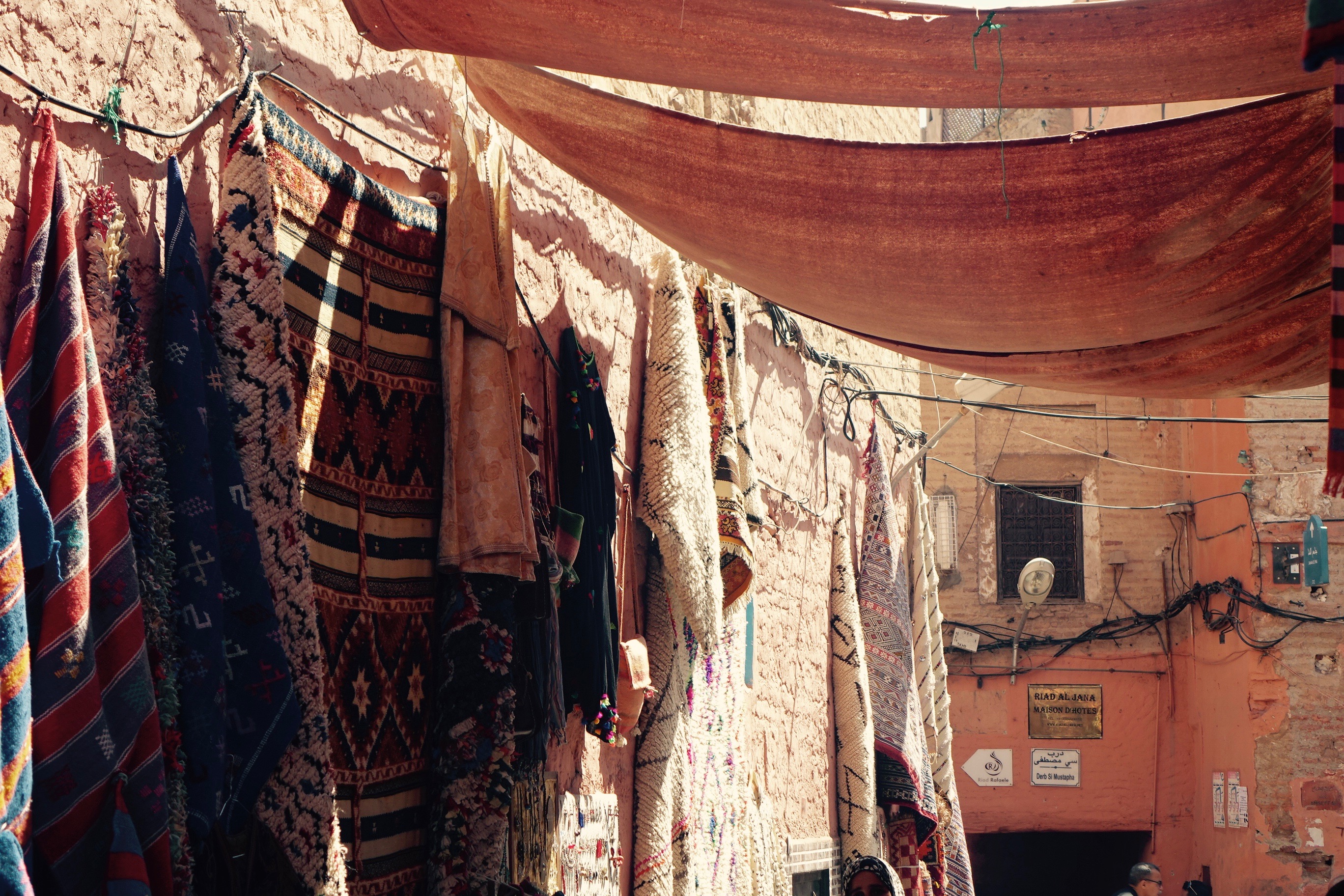
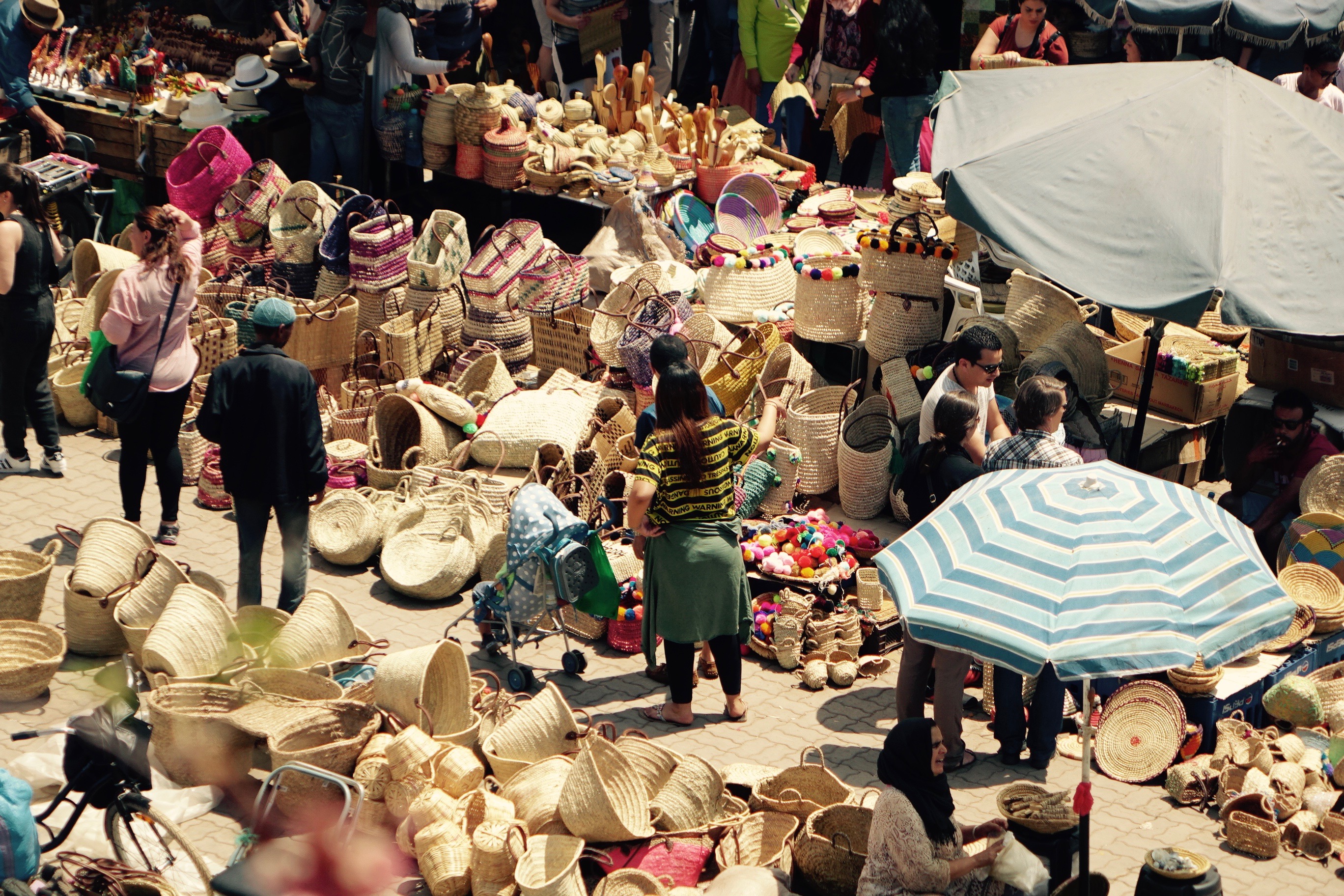
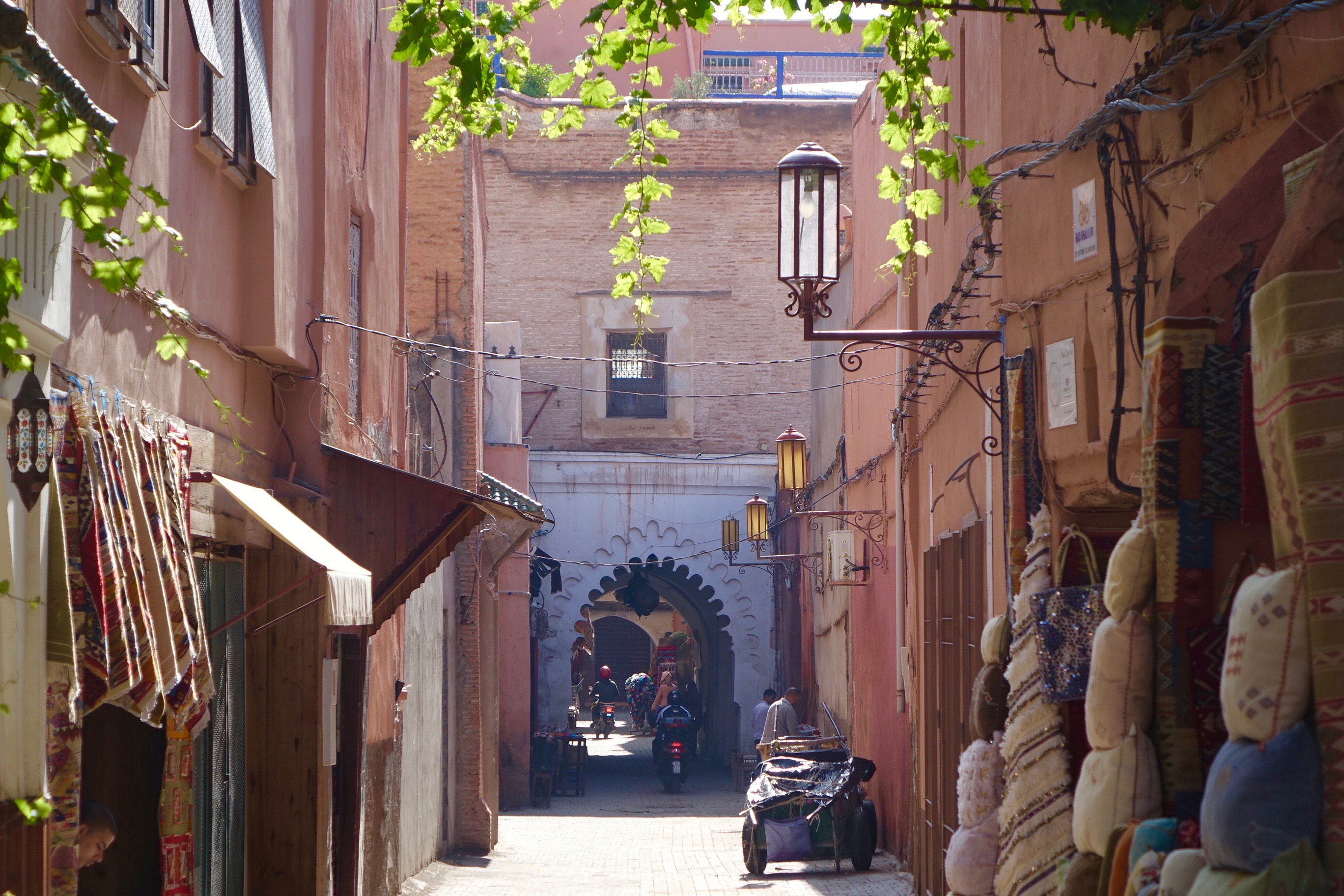
Winding, uneven, disorientating streets, packed with every kind of sight and sound and smell. A maze of chaotic, pulsating brilliance, cross crossed with shards of light as the boiling heat penetrates awnings made of grass and bamboo. These are the Souks of Marrakech, the utterly mesmerising completely confusing labyrinth of tightly packed market streets which sit at the heart of the city’s ancient Medina, and of its inhabitants. For trade has always been central to the functioning of Marrakech, which grew up around its perfect positioning for business with Spain and the rest of mighty Africa. Today the Souks remain the ancient location for the thousands of craftsmen eking out an existence selling their handmade wares, and easily the most fascinating place to visit.

DSC00766DSC00186DSC00575DSC00183DSC00428DSC00609DSC00362DSC00190DSC01081DSC01350DSC00196

The Souks are intrinsically beautiful. Packed with gold and ivory, leather and metalwork, great piles of spices, others of candied fruits, stalls loaded high with magical carpets, they are a real sight to be seen, as well as to smell. But be under no illusion. A visit to the Souks is an endurance test and a hard often intimidating slog for any westerner (since, lets face it, we stick out like a sore thumb against the more traditional dress of the locals). Wherever you go, you draw attention. Many see money, others see a nuisance, but almost everyone will want something from you and every 5 seconds you will need to handle an approach or a plea. Walking along those precariously narrow streets is no stroll in the park – locals use the same narrow lanes to drive like maniacs on mopeds, weaving as they do so in and out of poor donkeys, still heaving along heavy carts like a rewind back 200 years, and chickens who meander around clucking, unaware of their forthcoming bloody fate. For those on foot, you must get used to jumping out of the way, being careful not to fall into one of those precariously balanced spice piles as you do so. Then there’s the merchants. Catch their eyes, and like spiders they will ensnare you in their web. Look at their produce, take an interest in their wares, and they will lure you further still until the trap closes in. Try to get out without purchasing something I dare you! And don’t even think of looking at a map. Suggest for one second you are lost and you will be surrounded by mischievous teenagers who will try to persuade you to take them on as a tour guide. Their tricks are well known. They will get you all the more lost, taking you deeper into the Souks, before demanding money for your release.

DSC00192DSC00898IMG_0930DSC01397DSC00893DSC01353IMG_0927DSC00888DSC00599DSC00611DSC00608DSC00595DSC00583

It all sounds rather terrifying, I know. And going to the Souks is never exactly comfortable. But there is something so utterly mesmerising about this magical world that you cannot help but go back for more and gaze in sheer wonder at this incredible picture of a wonderfully different life. Until you go to the Souks, you will never truly appreciate what is Marrakech, nor Morocco. This is where the cultural differences are at their most extreme. The authenticity of the scene makes the so-called Moroccan shops in Southern Spain look like a sham. And the beauty of the place is such that you will want to photograph until your camera battery is exhausted – but be careful with this too. The locals hate being photographed and those less shy will demand money for the privilege.

DSC00431DSC00587DSC00198DSC00372DSC00594DSC00590DSC00365DSC00358DSC00203DSC00353DSC00880

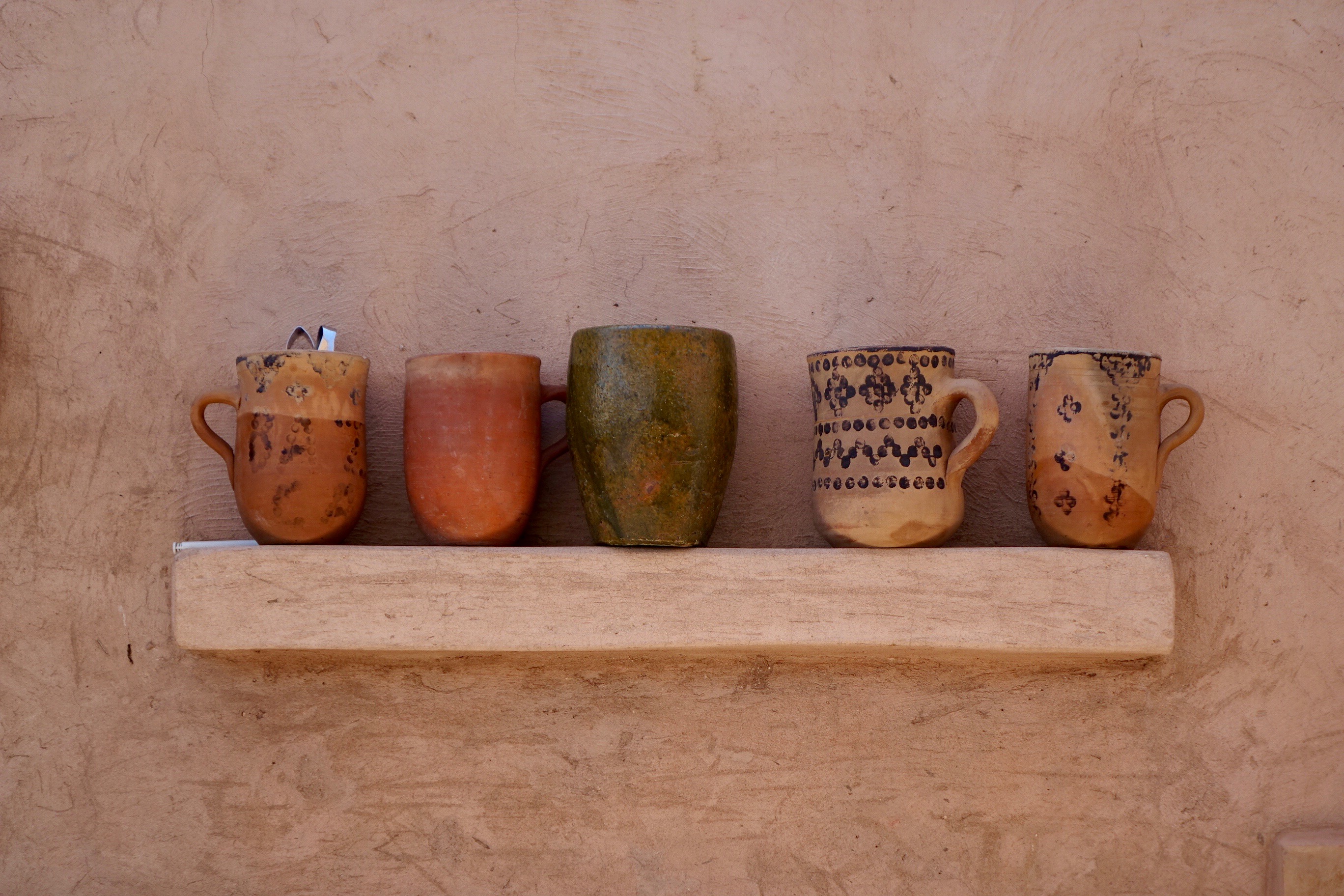
So those are the Souks that ensnared our souls, scaring us aplenty but which provided the most memorable experiences of our trip. And we came away with some Saharan pottery, a metal lion, a miniature red tagine and some orange blossom essence. Not bad, especially as we were required to barter as part of the process, something which is inherently uncomfortable for the polite English. Long will I remember this maze of plenty, its exotic smells and hardened people. Most of all I will remember the multiple colours which characterise this dazzling place.

© Nicholas de Lacy-Brown and The Daily Norm, 2001-2017. Unauthorized use and/or duplication of the material, whether written work, photography or artwork, included within The Daily Norm without express and written permission from The Daily Norm’s author and/or owner is strictly prohibited.
The Colours of Marrakech, Part 3: Palaces of Gold

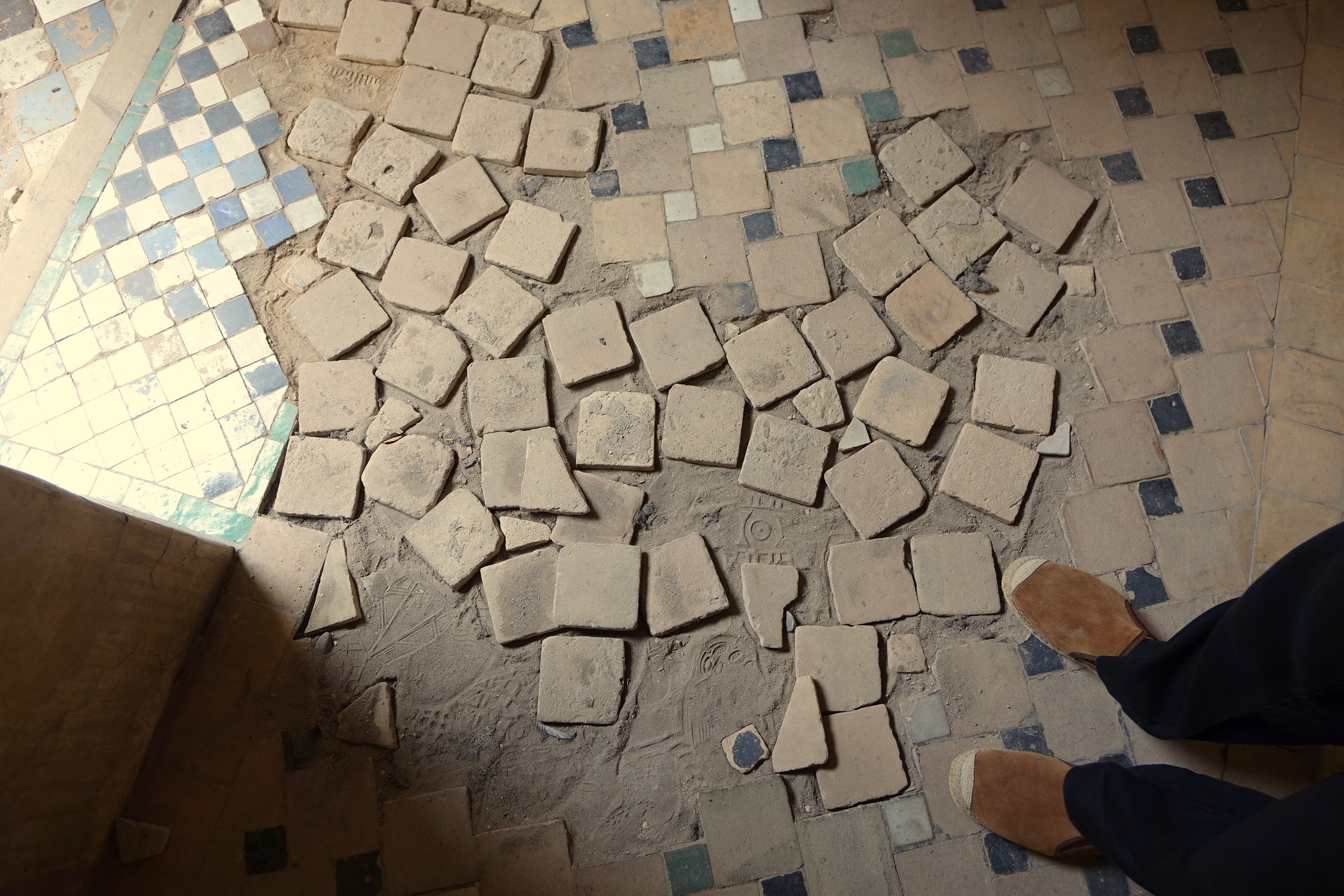
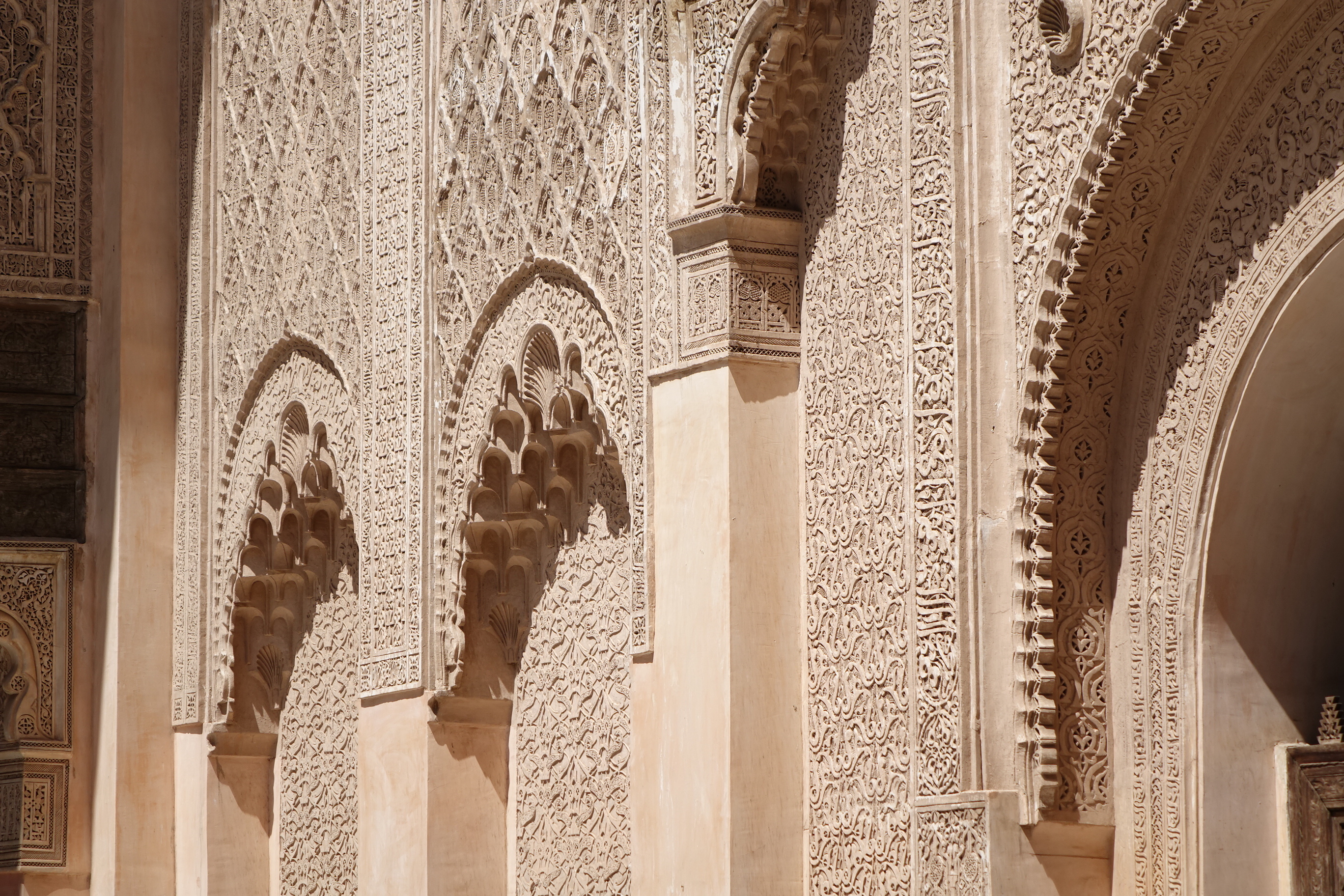
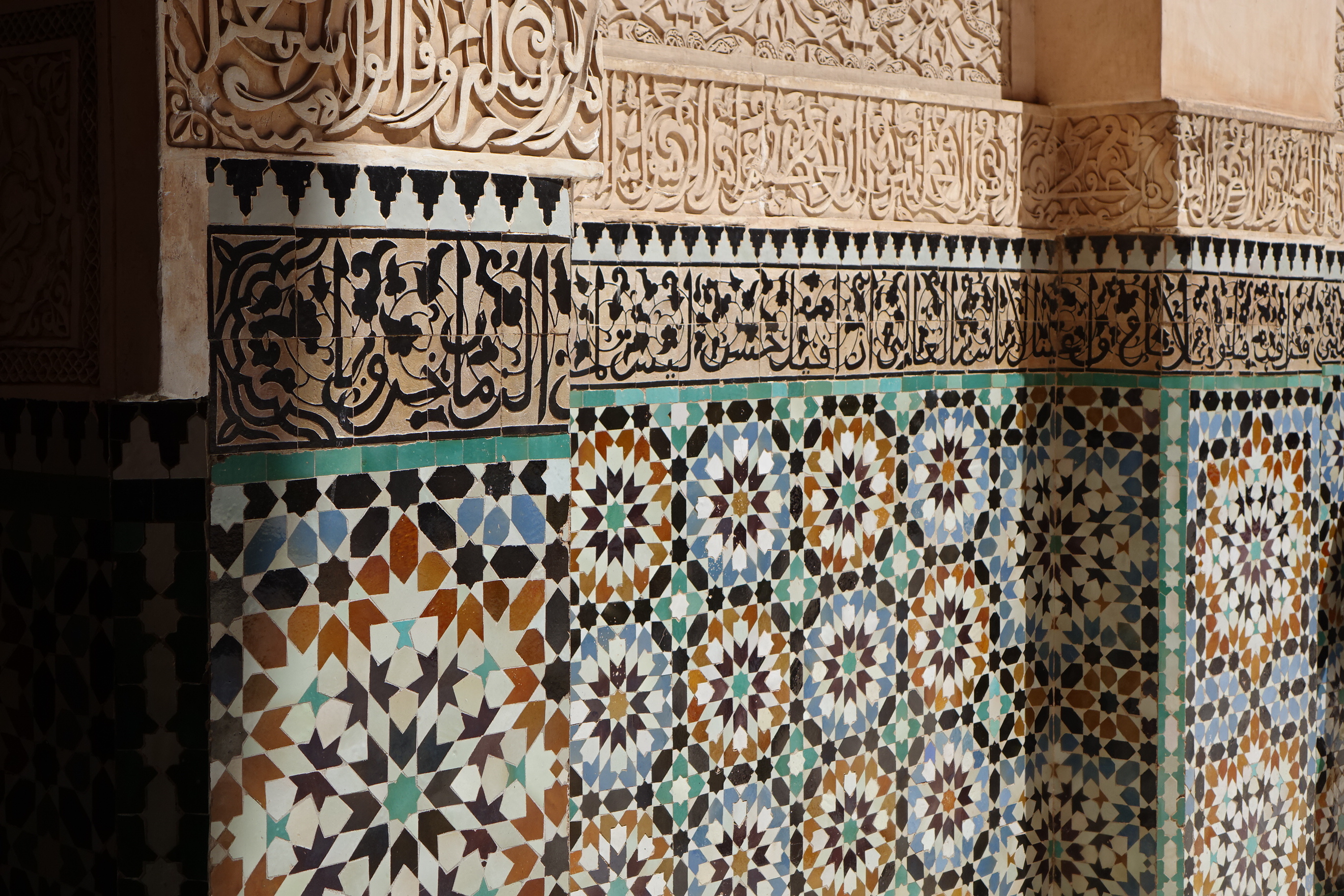
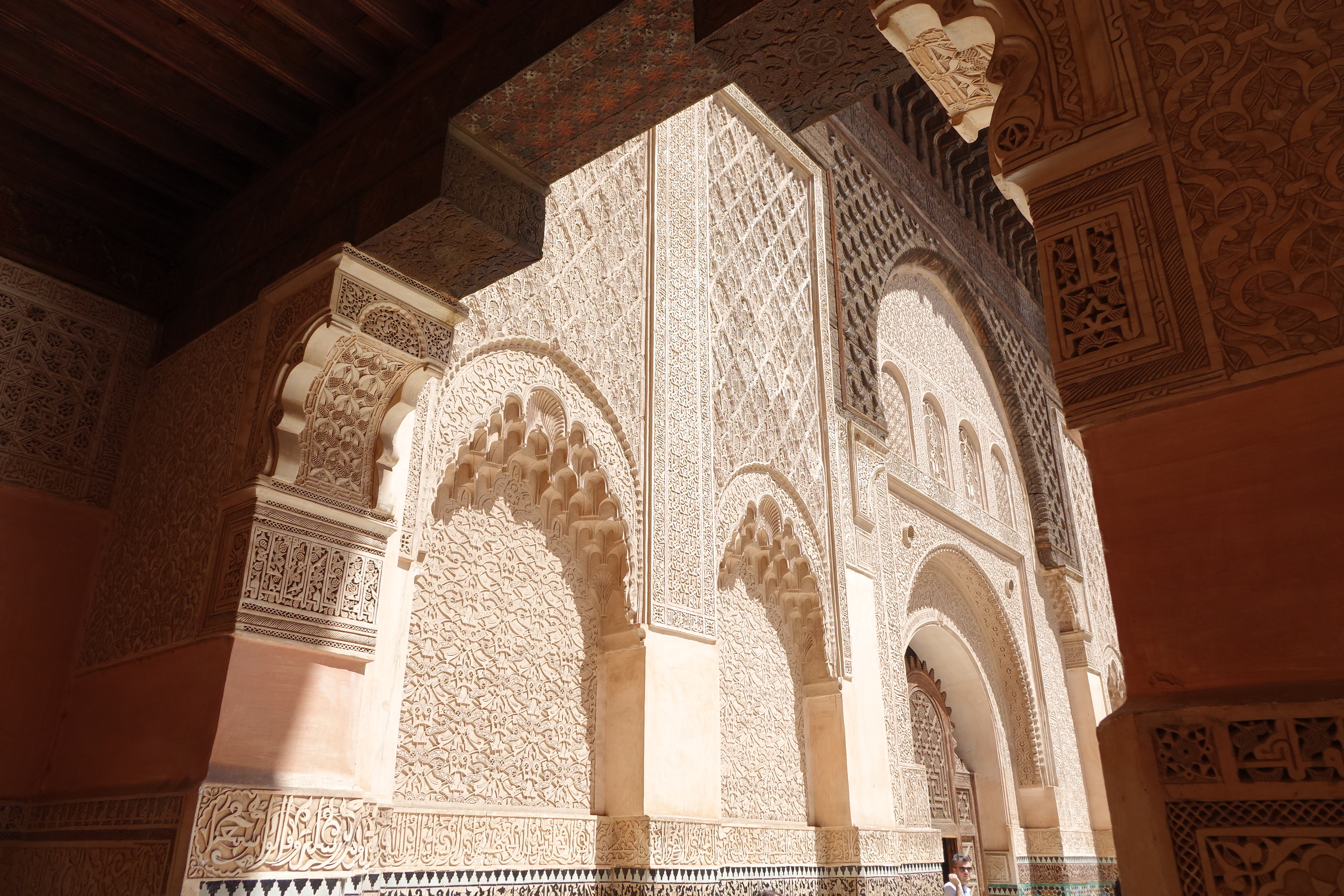
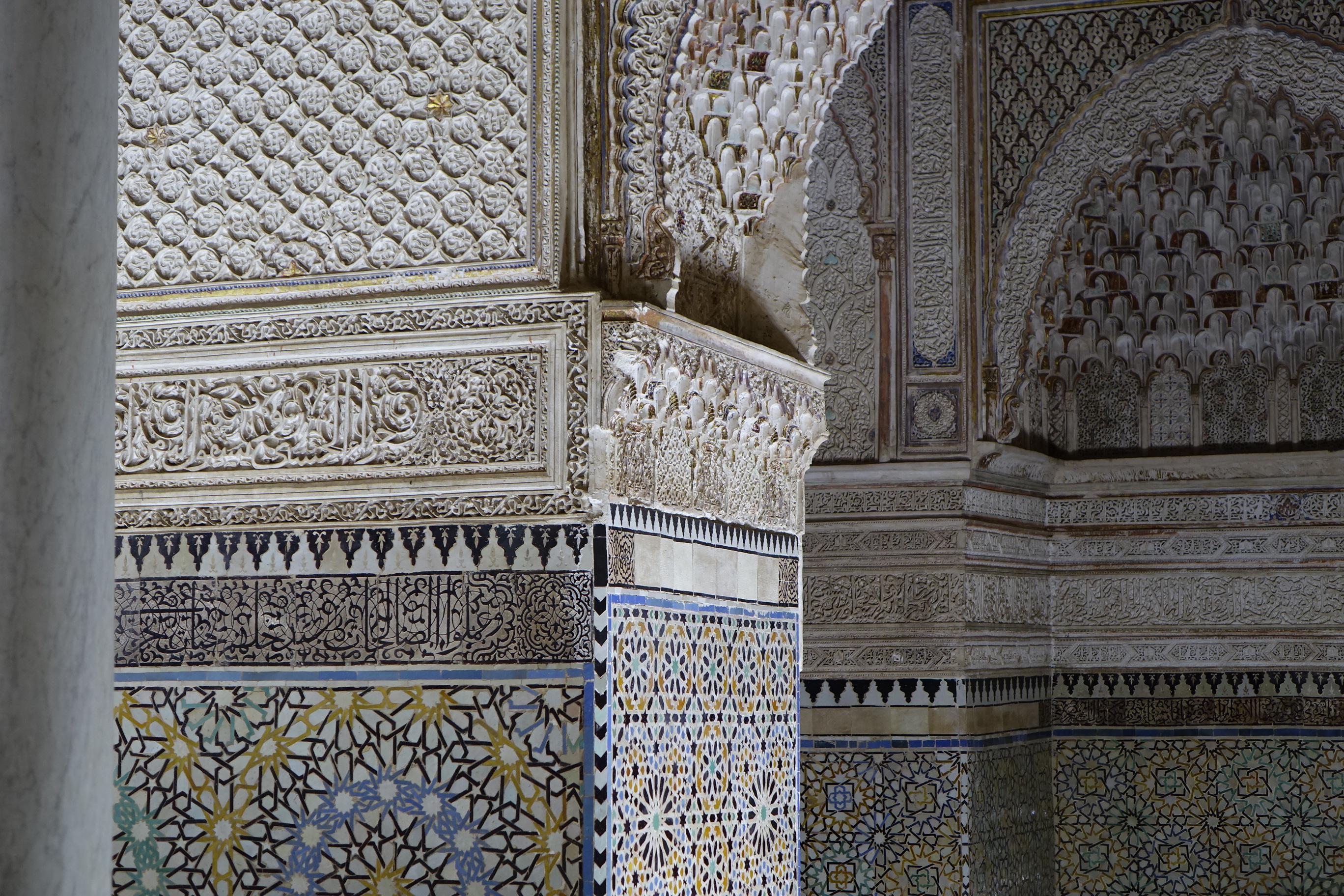
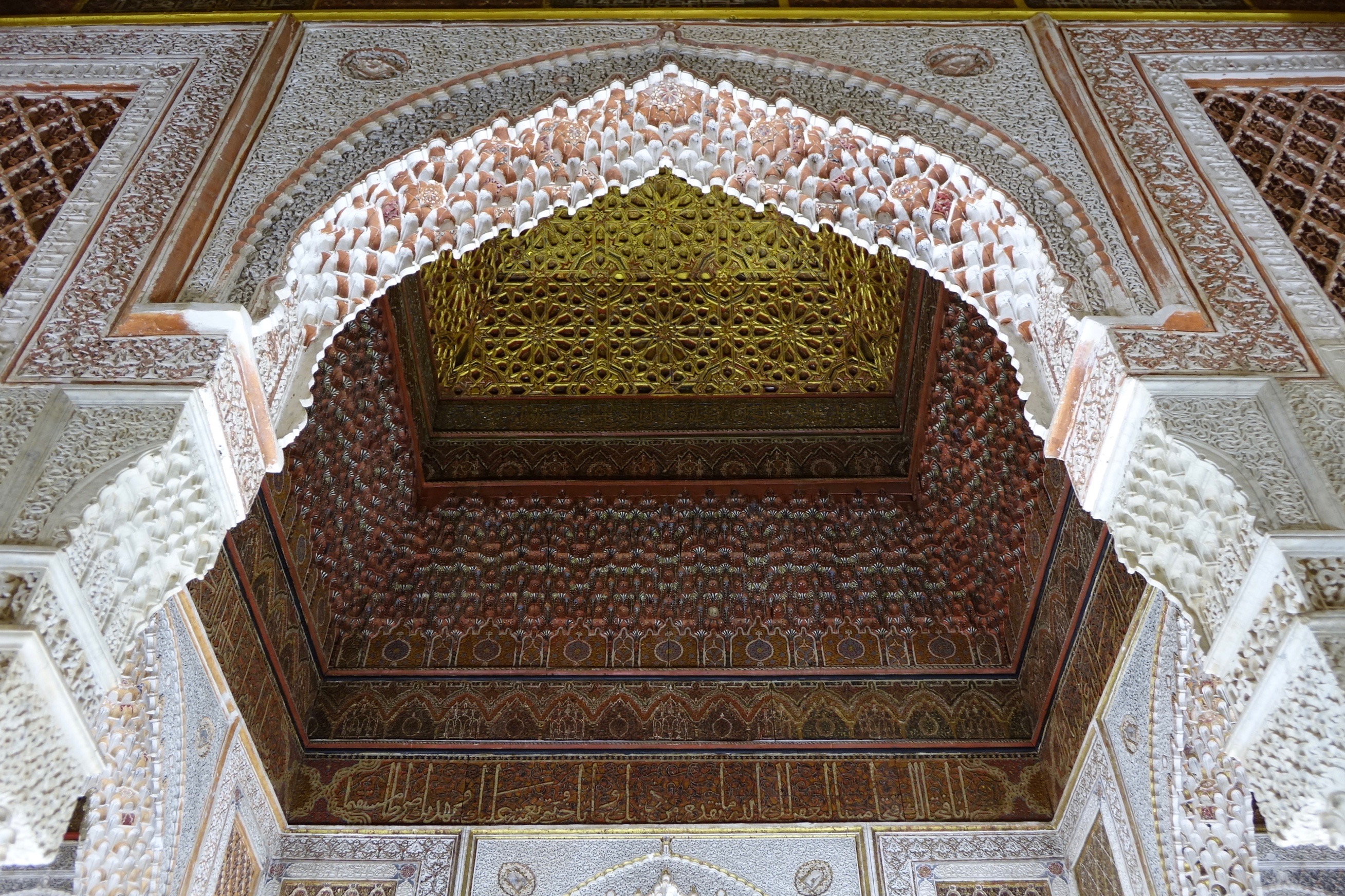
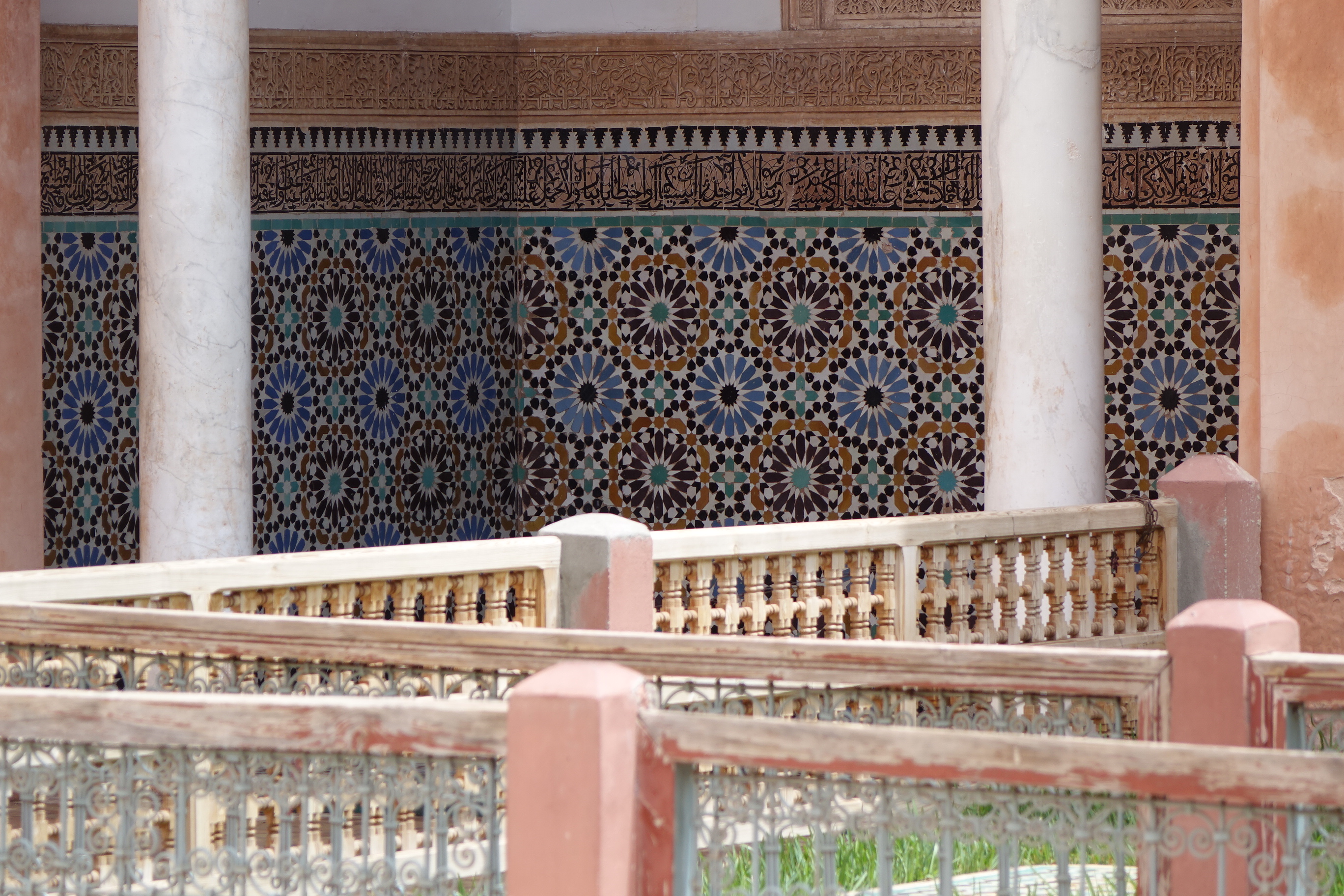
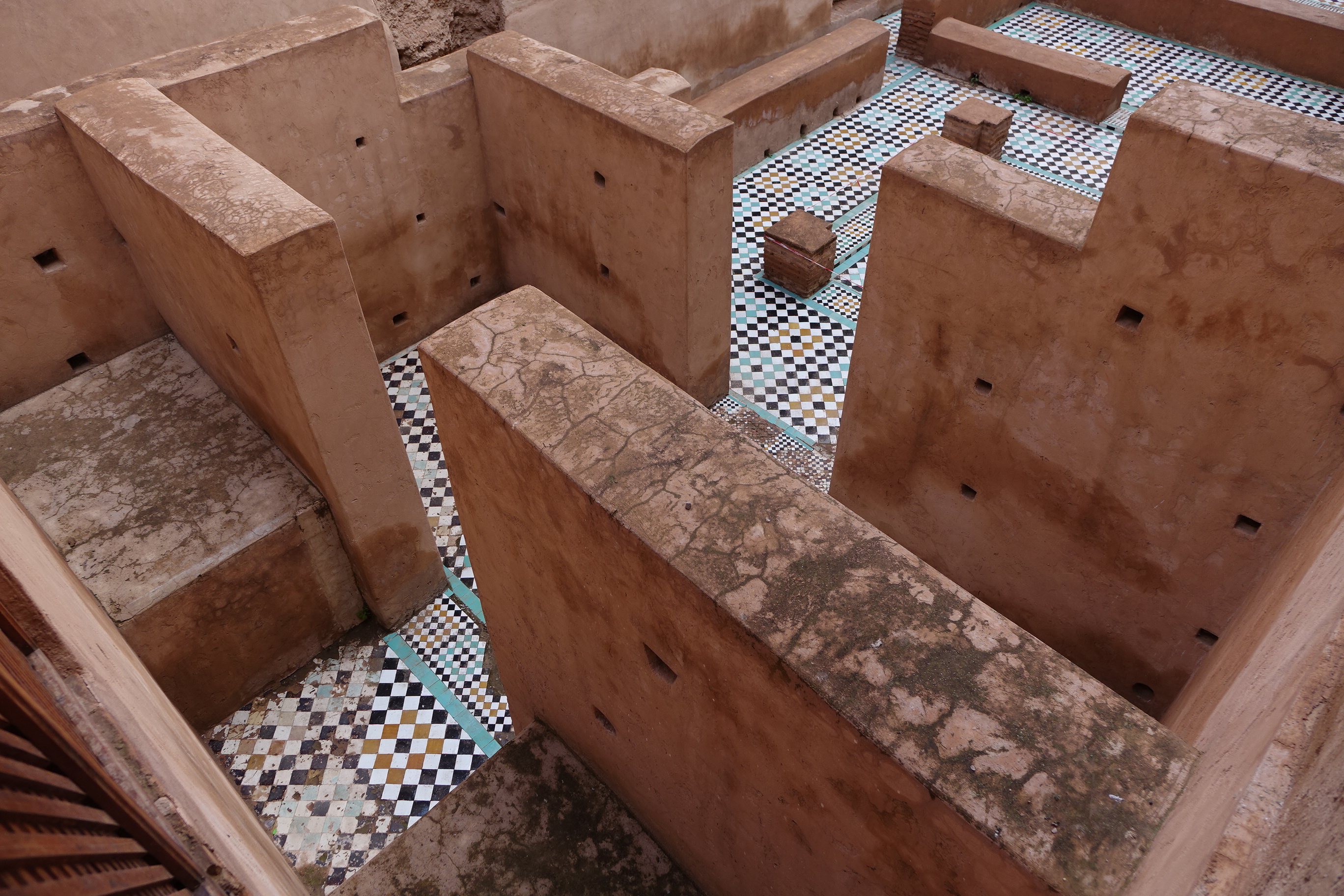
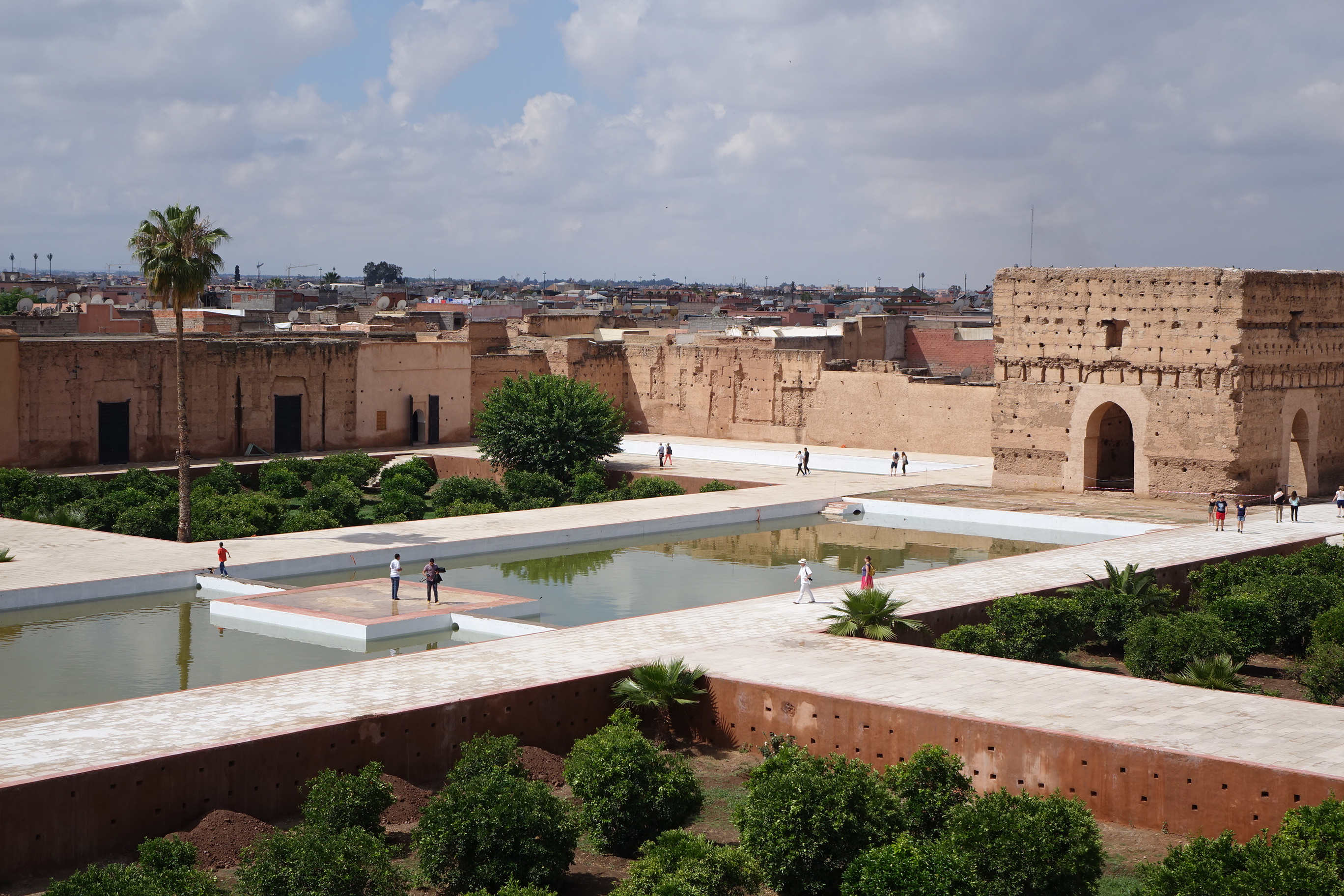
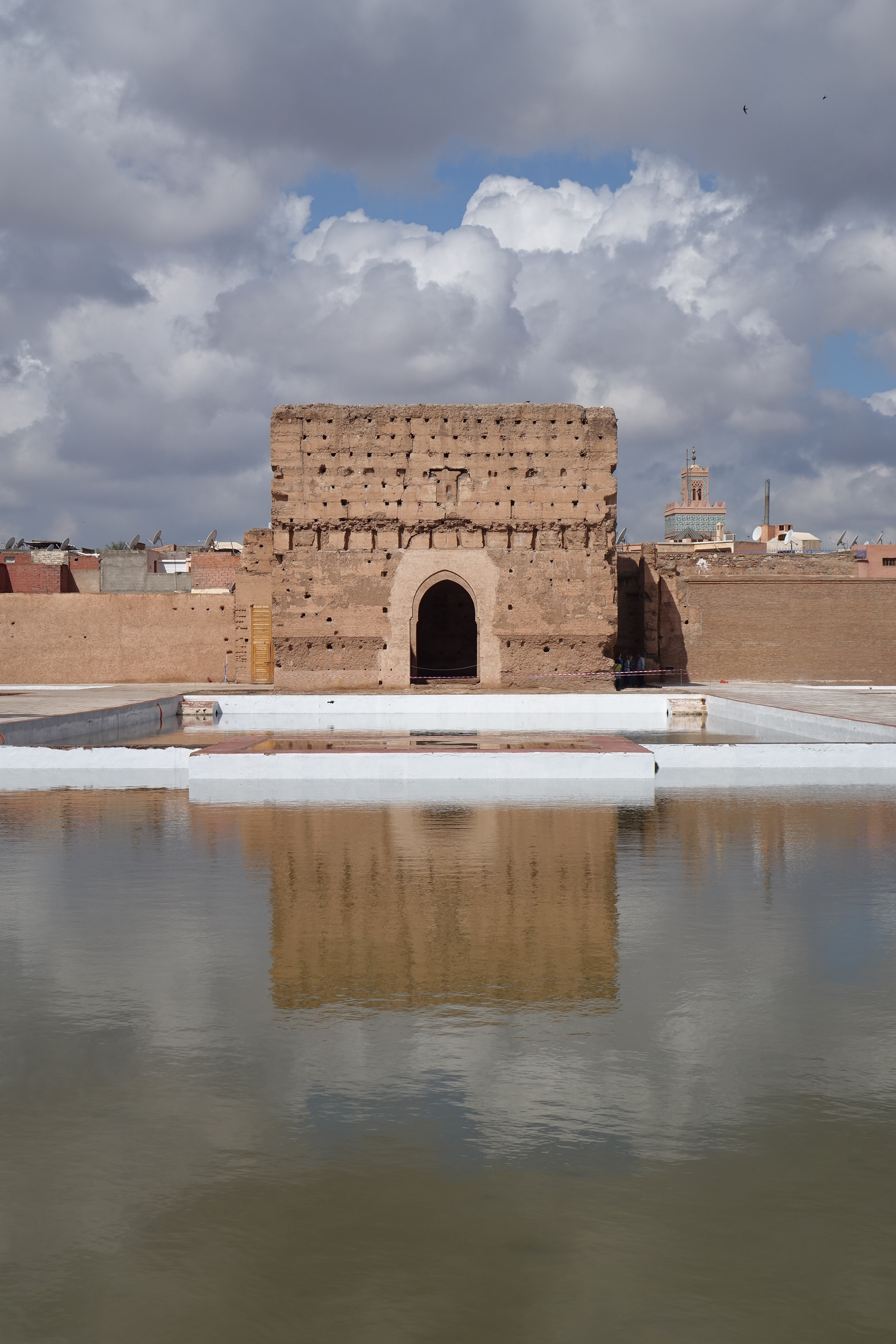
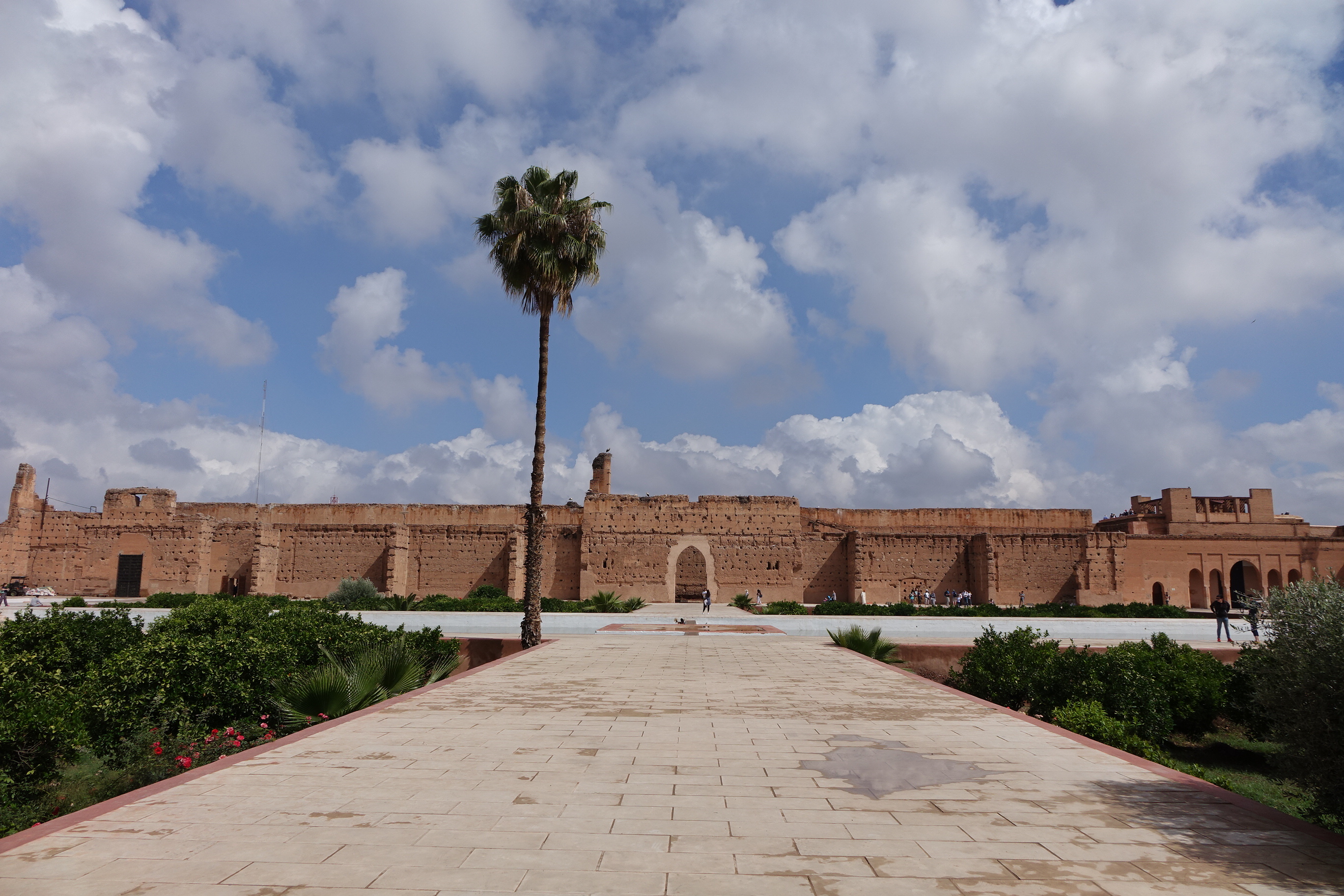
Not everything in Marrakech is pink. Masterpieces are carved out of a rich ochre stone with such intricate geometric embellishment that the stone itself seems to resemble sparkling, resplendent gold. This is the side of Marrakech from Sultans past, when the excesses of power and wealth produced some of the masterpieces of the world’s historical architecture.  The Daily Norm is no stranger to some of Islam’s most stunning architectural inventions, having indulged last summer in the jaw-droopingly extravagant craftsmanship of the Alhambra Palace in Granada, Spain. But in Marrakech, the journey continued, as ancient masterpieces unveiled themselves within narrow doorways in the crowded Souk, and from amongst the crumbling remains of former palaces. These are places both preceding and inspired by Granada’s famous gem, and no less beautiful in their masterful conception. Some are now in a very bad state indeed. The Badii Palace is a mere shadow of its former self. But across them all one common thread remains: the colour of ochre, butterscotch, Gold.

The Medersa Ben Youssef

DSC00404DSC00399DSC00396DSC00378DSC00393DSC00389DSC00390DSC00379DSC00381

The photos on this page are dedicated to three such buildings which we explored during our trip to Marrakech. The Medersa Ben Youssef is perhaps the most extensively and impressively decorated, especially when you consider that it was an Islamic College rather than a palace. Its walls literally weep with honeycomb-like carvings and elaborated horseshoe arches, while perfection in symmetry imbues the space with a finessed tranquility spoilt only by the tourist hoards which inevitably occupy the space.

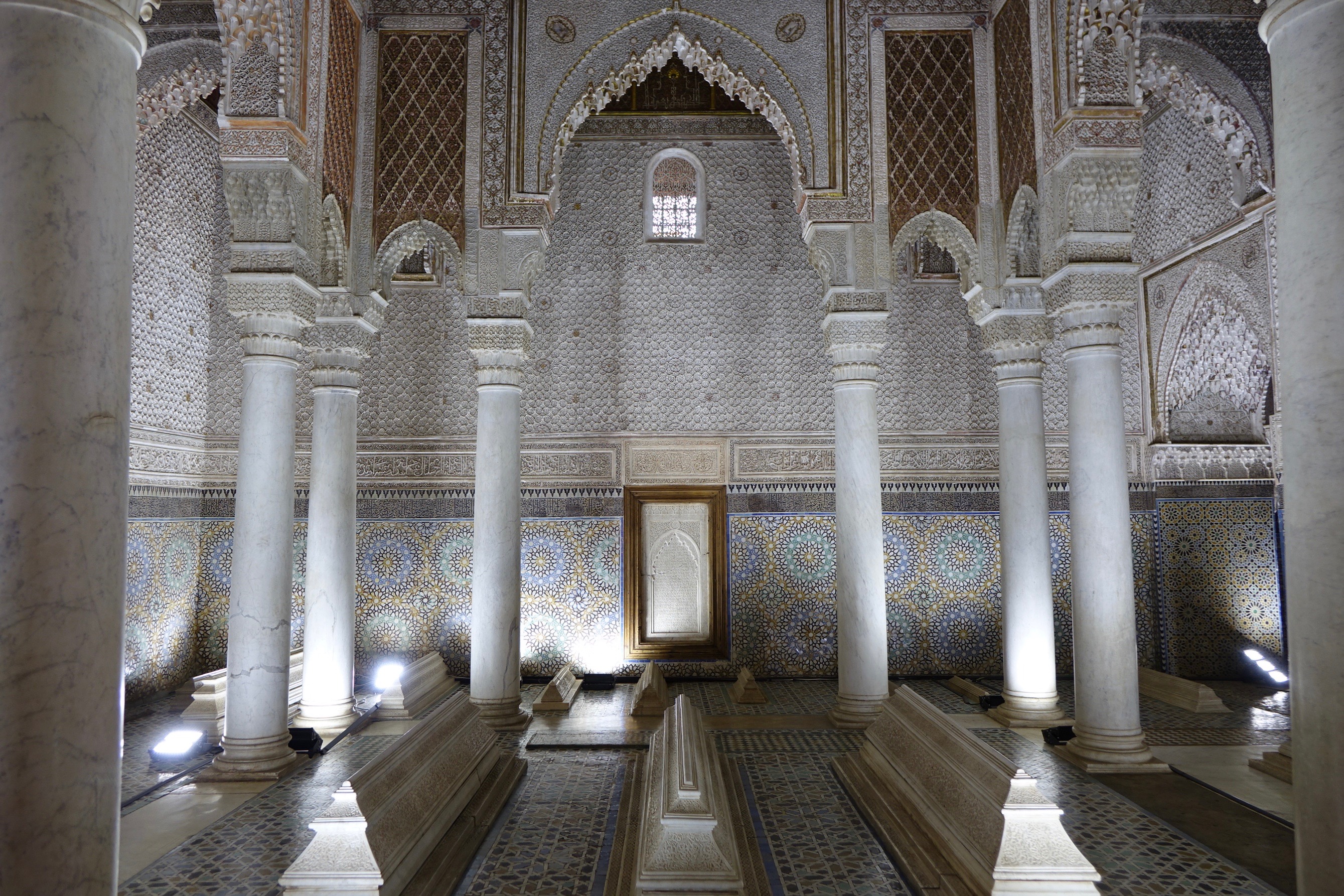
The Saadian Tombs

DSC00842DSC00838DSC00847DSC00837DSC00854DSC00830DSC00839

Packed with tourists was likewise the trend exhibited by the Saadian Tombs, a complex of some 66 royal tombs which sounded like it was going to be substantial in the guidebook, but was actually little more than a single room preceded by a huge queue and whose entrance was forbidden. Rather tourists were granted a brief glimpse at the tomb room through a very narrow roped off doorway, and the brevity of their indulgence was kept carefully in check by a security guard who looked none too pleased by any such attempt to linger beyond a couple of photographs hastily composed. But it was worth the ill treatment: the tombs were stunning. I have never seen such a highly decorated space so compacted within a small area.

The Badii Palace 

DSC00636DSC00674DSC00755DSC00671DSC00731DSC00630DSC00633DSC00661DSC00619

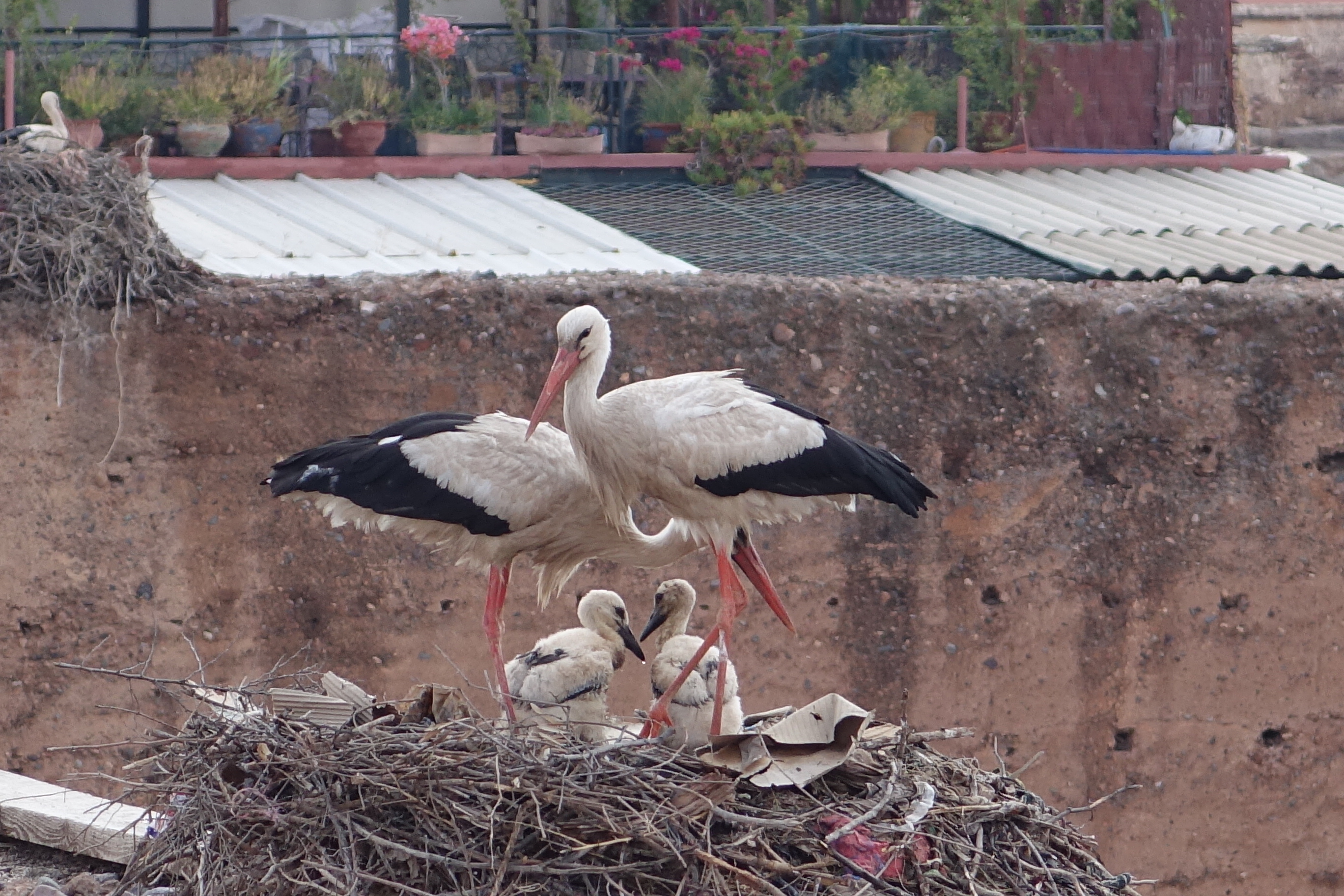
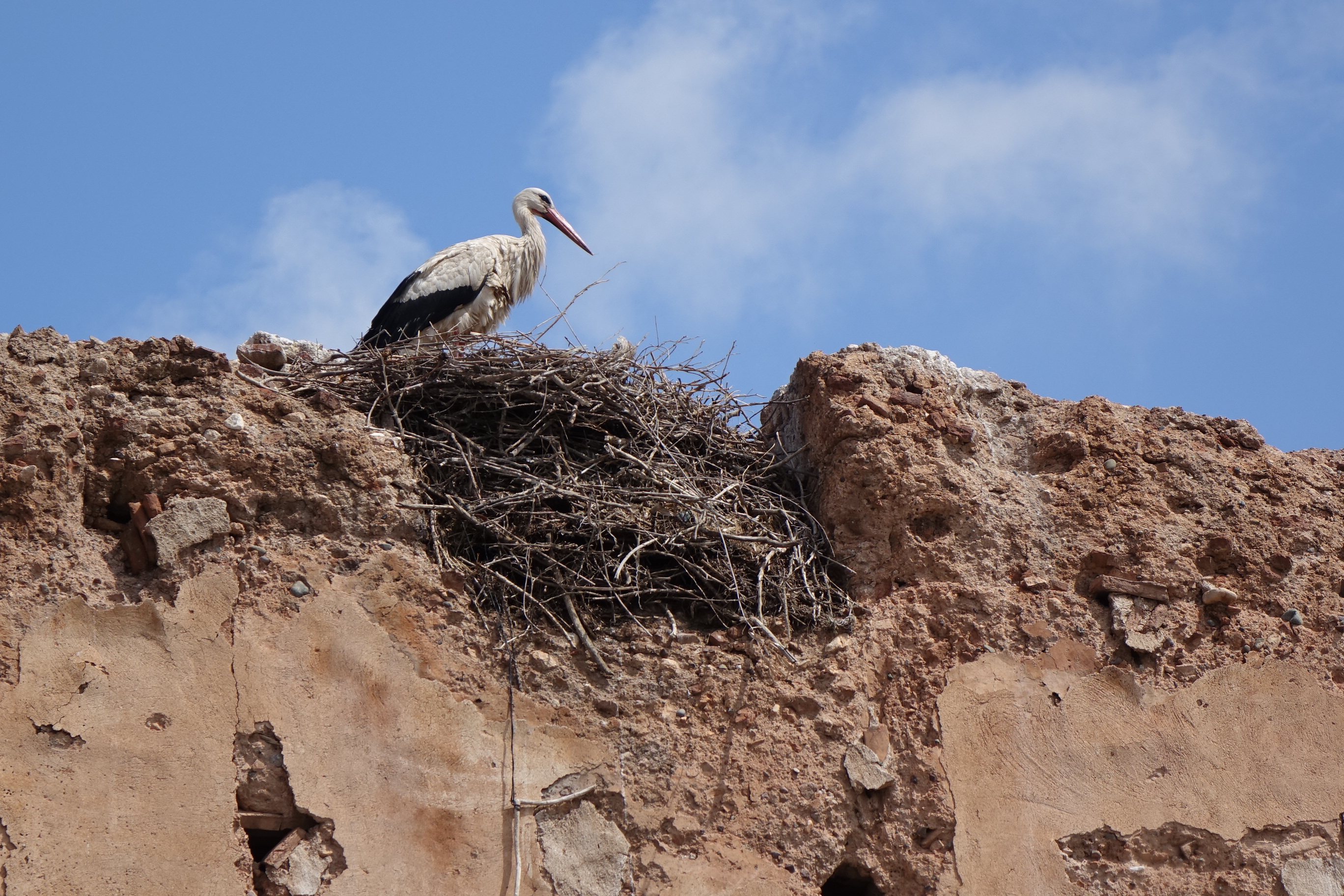
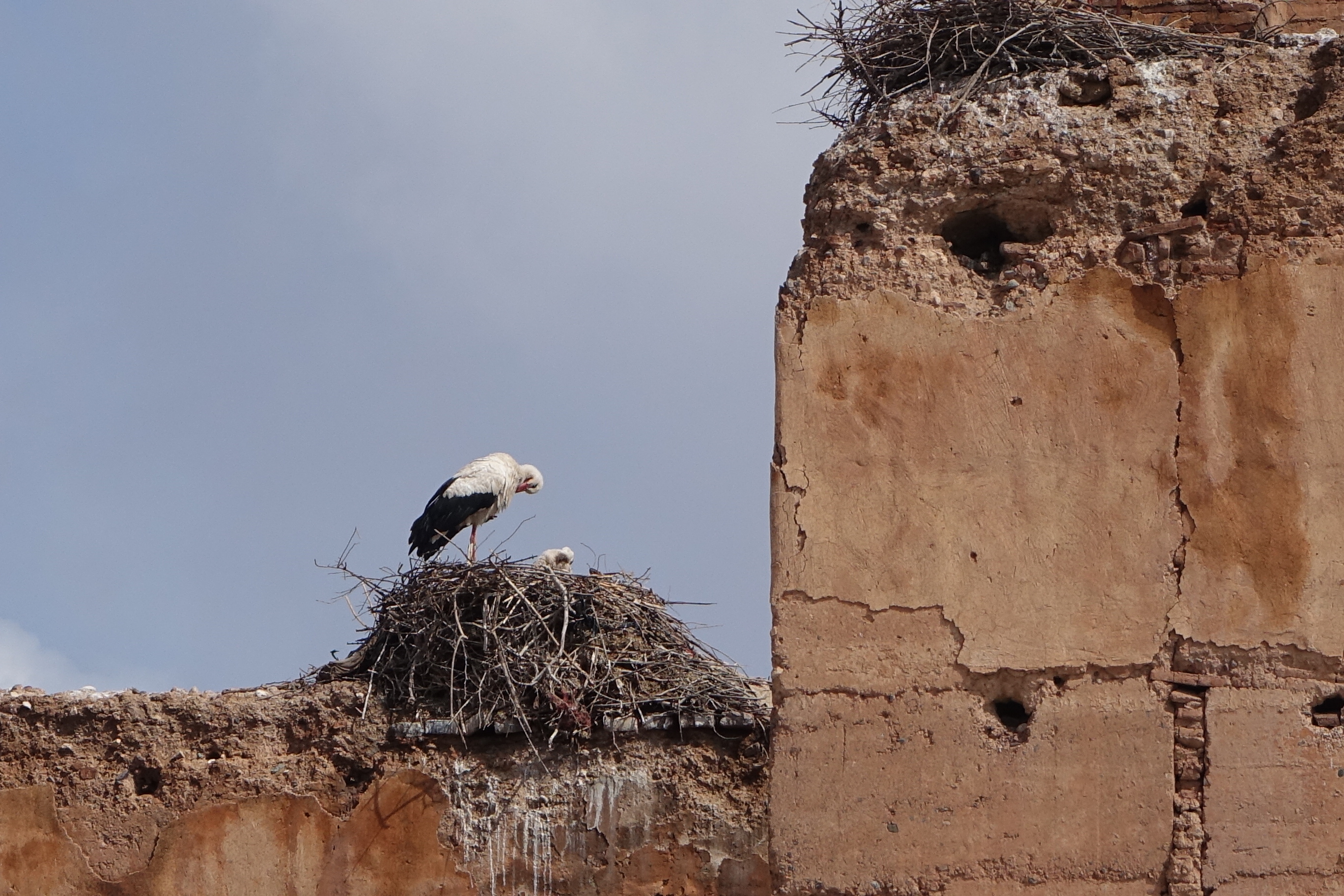
But perhaps our favourite of these golden palaces was the Badii Palace, which is funny really since it was also the least attractive in terms of decoration or embellishment. What took some 25 years to complete and was said to have been one of the most magnificent palaces ever constructed is today a mere skeleton of its former self, having had its riches brutally scrapped by a conquering sultan when he decided to move his centre of power elsewhere. Nonetheless there is a definite poetry in what remains, and an impressive sense of the scale of the original gauged from what is left behind. Best of all are the elegant storks who love to nest on the crumbling site, and probably made for the best photos of them all.

The Badii Storks 

DSC00708DSC00763DSC00717DSC00650DSC00714DSC00624

© Nicholas de Lacy-Brown and The Daily Norm, 2001-2017. Unauthorized use and/or duplication of the material, whether written work, photography or artwork, included within The Daily Norm without express and written permission from The Daily Norm’s author and/or owner is strictly prohibited.

Marrakech on Paper: Rooftop Afternoon at the Riad La Ksour

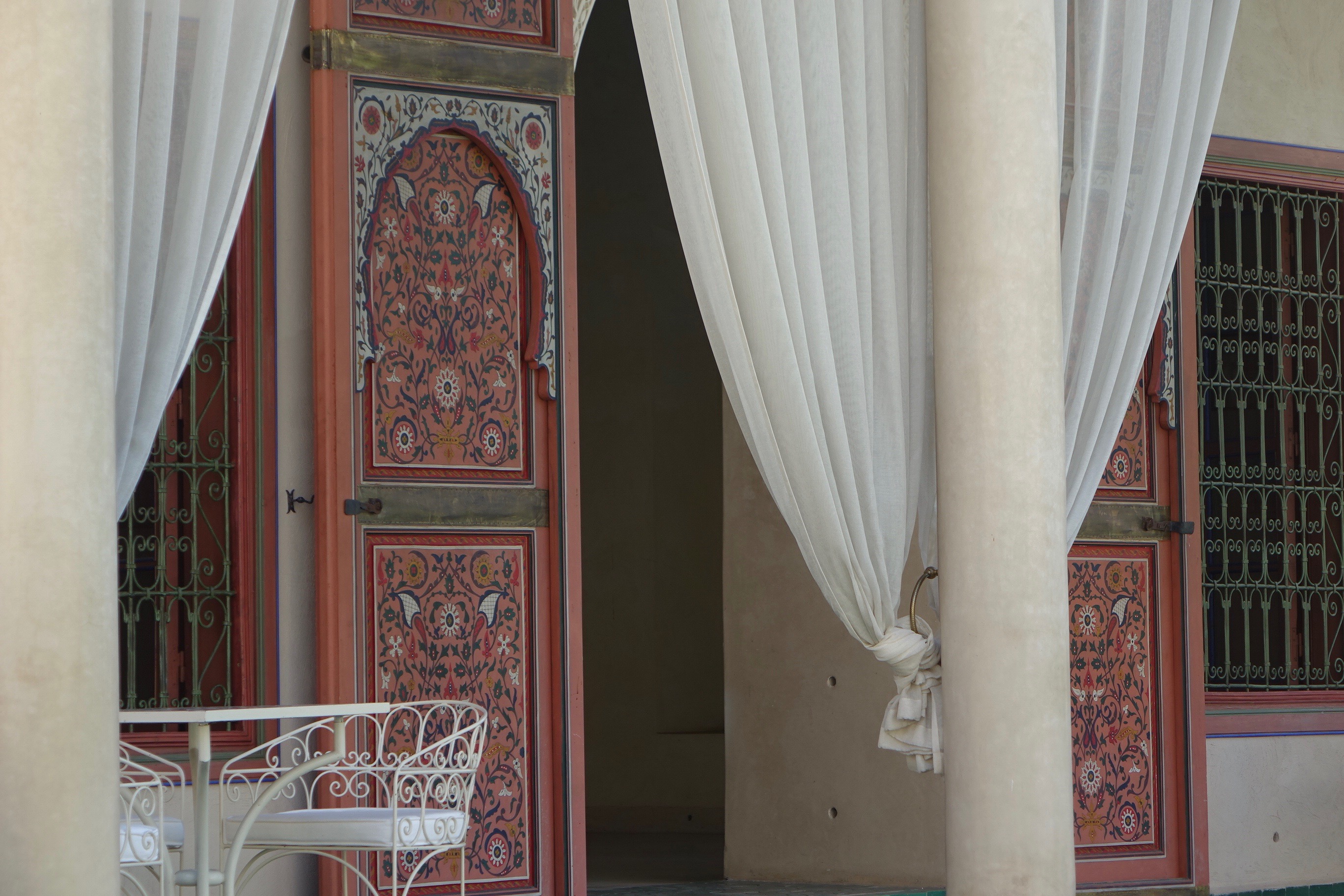
Our trip to Marrakech would have been half the experience were it not for the utterly comfortable, sensationally stylish and perfectly hospitable experience of staying in the Riad Dix Neuf La Ksour. Despite being located mere steps from the bustling Souks and the main Jemaa El Fna square, as soon as you walked through the discreet doorway into this traditional Moroccan home, it was like entering into a kind of parallel universe, where a haven of utmost tranquility ensnared the senses and provided complete rest in the very centre of Marrakech.

Like most Riads, La Ksour follows the traditional set-up of these ancient Moroccan houses, focusing around a cool patio garden with a pool at its centre before ascending to a resplendent roof terrace from which the views of Marrakech and the Atlas Mountains beyond were all that they were promised to be.

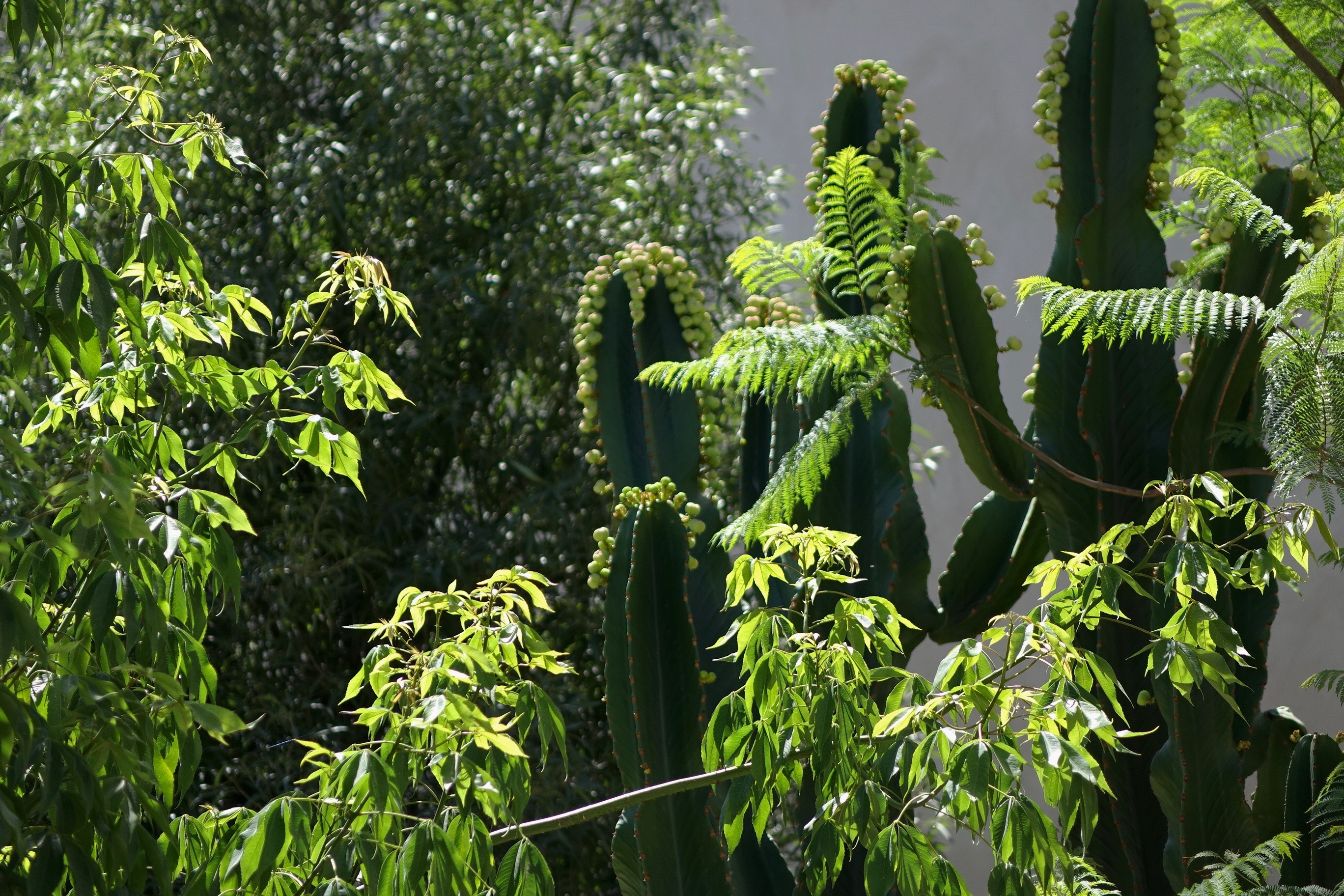
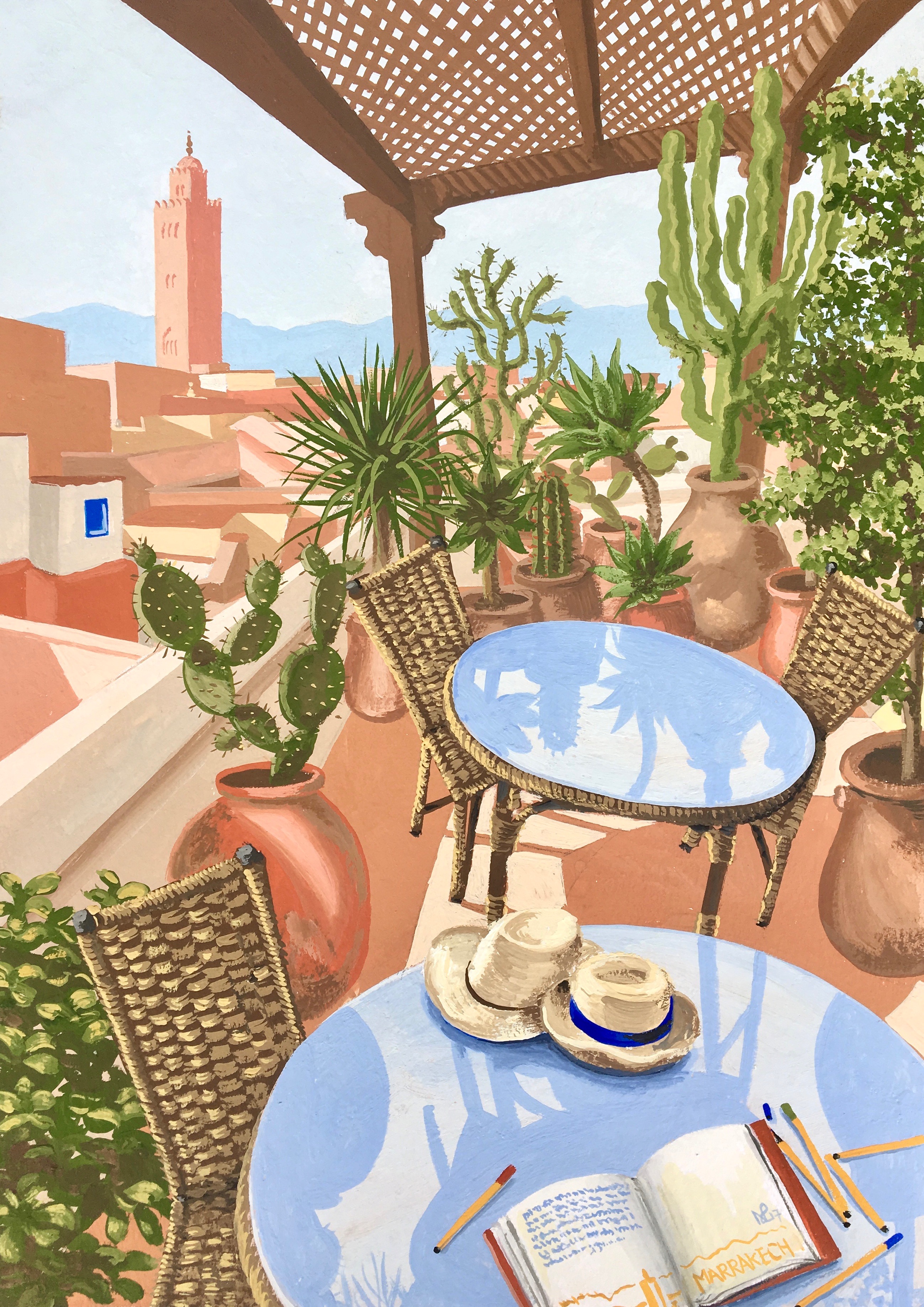
It was on this roof terrace that we loved to pass an hour or so of each day, especially in the morning to hear the first early call to prayer, or later in the evening when sunset turned the pink city even rosier than usual. However under the sun of the mid afternoon, my favourite retreat would be to head for a lovely covered canopy on the terrace where an abundance of cacti and other succulent plants grew in ancient looking pots of every shape and size. The resulting corner was so cosy and green that I would never have known that around me temperatures were ascending to desert highs, and instead I would settle down there, usually alone, with my diary to hand, and write my account of our Marrakech experience.

Riad Rooftop FINAL

Rooftop Afternoon at the Riad La Ksour (2017 ©Nicholas de Lacy-Brown, gouache on paper)

This little painting, created with gouache on paper, captures that quaint corner and the moment in mid afternoon when I would enjoy it most. Painted in the same format as my Honeymoon Suite series of 2015, it represents a continuation of that collection, and of that same blissful feeling which made our original honeymoon travels so unique.

Thanks to the team at the Riad Dix-Neuf La Ksour for making our stay so comfortable, pampered and safe. You made it for us, and this painting is dedicated to you.

© Nicholas de Lacy-Brown and The Daily Norm, 2001-2017. Unauthorized use and/or duplication of the material, whether written work, photography or artwork, included within The Daily Norm without express and written permission from The Daily Norm’s author and/or owner is strictly prohibited. For more information on the artwork of Nicholas de Lacy-Brown, visit http://www.delacybrown.com 

The Colours of Marrakech, Part 2: Garden Green

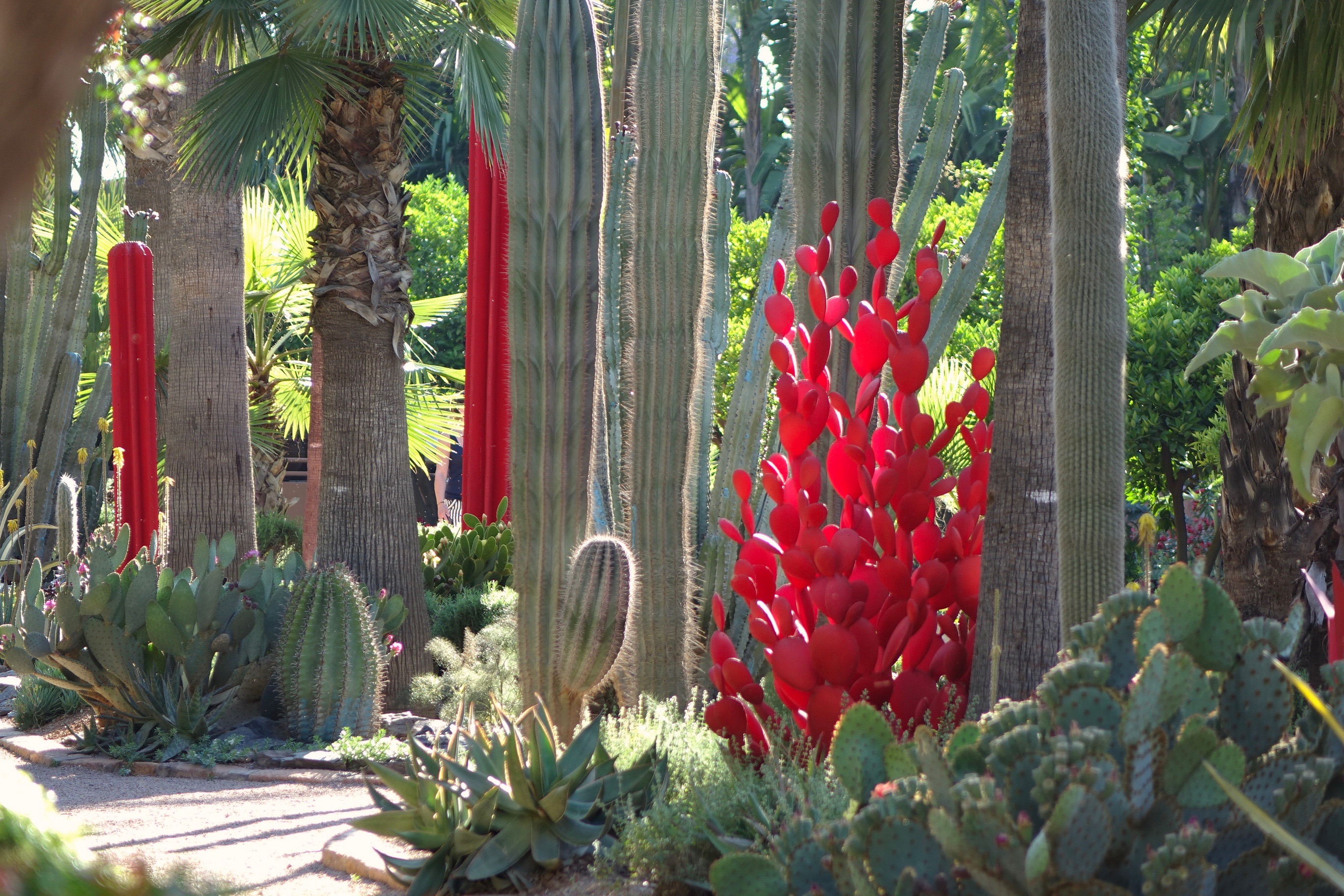
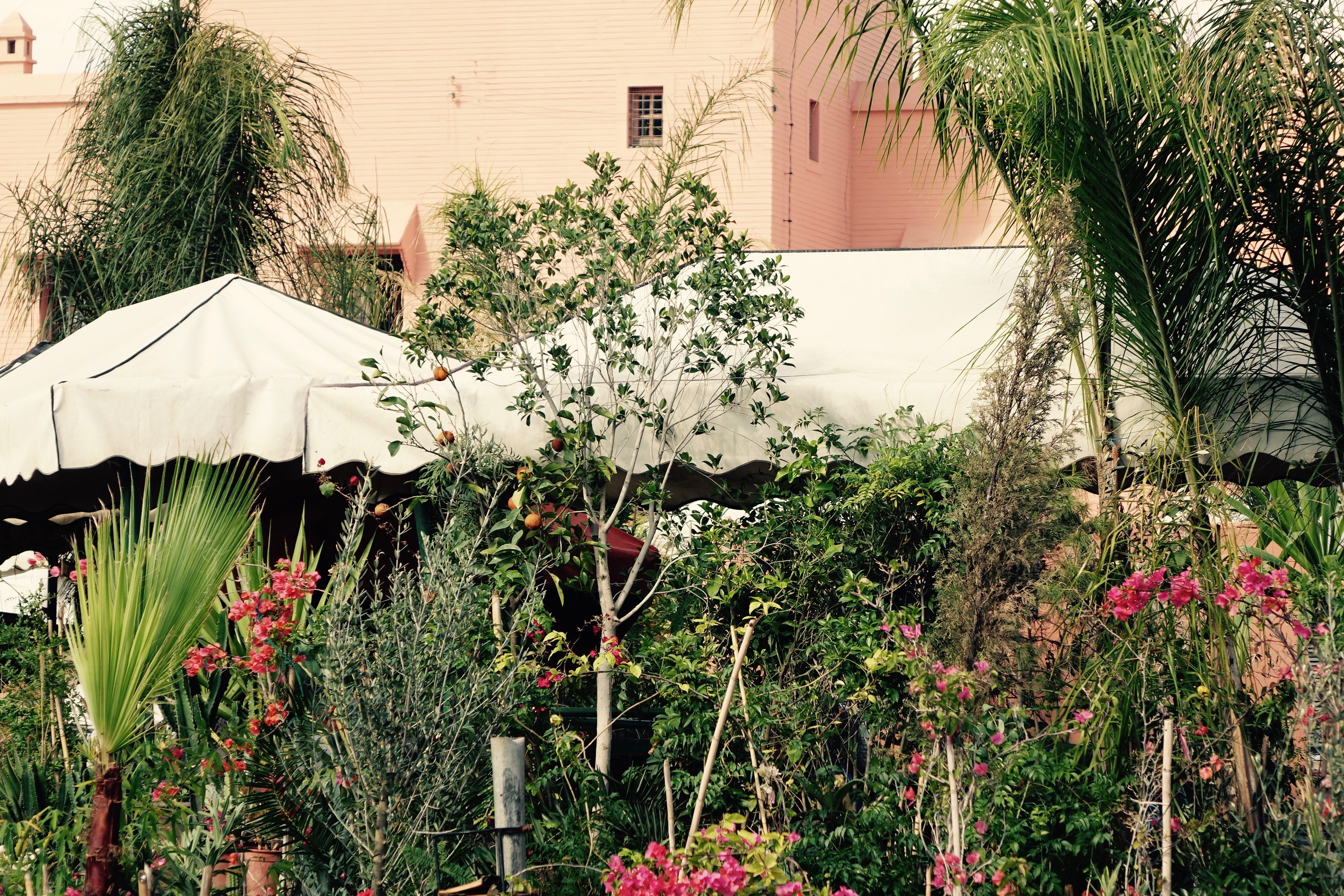
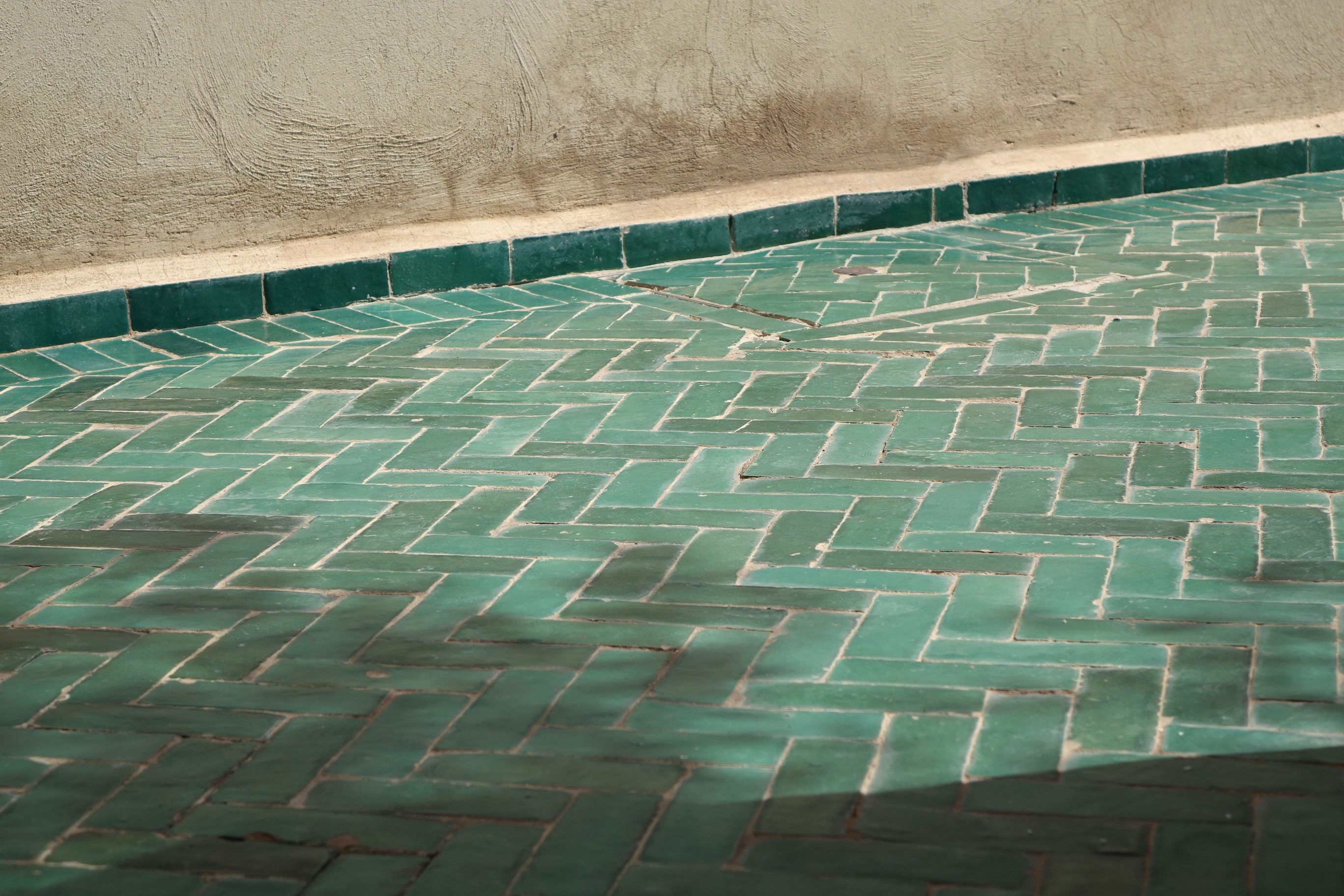
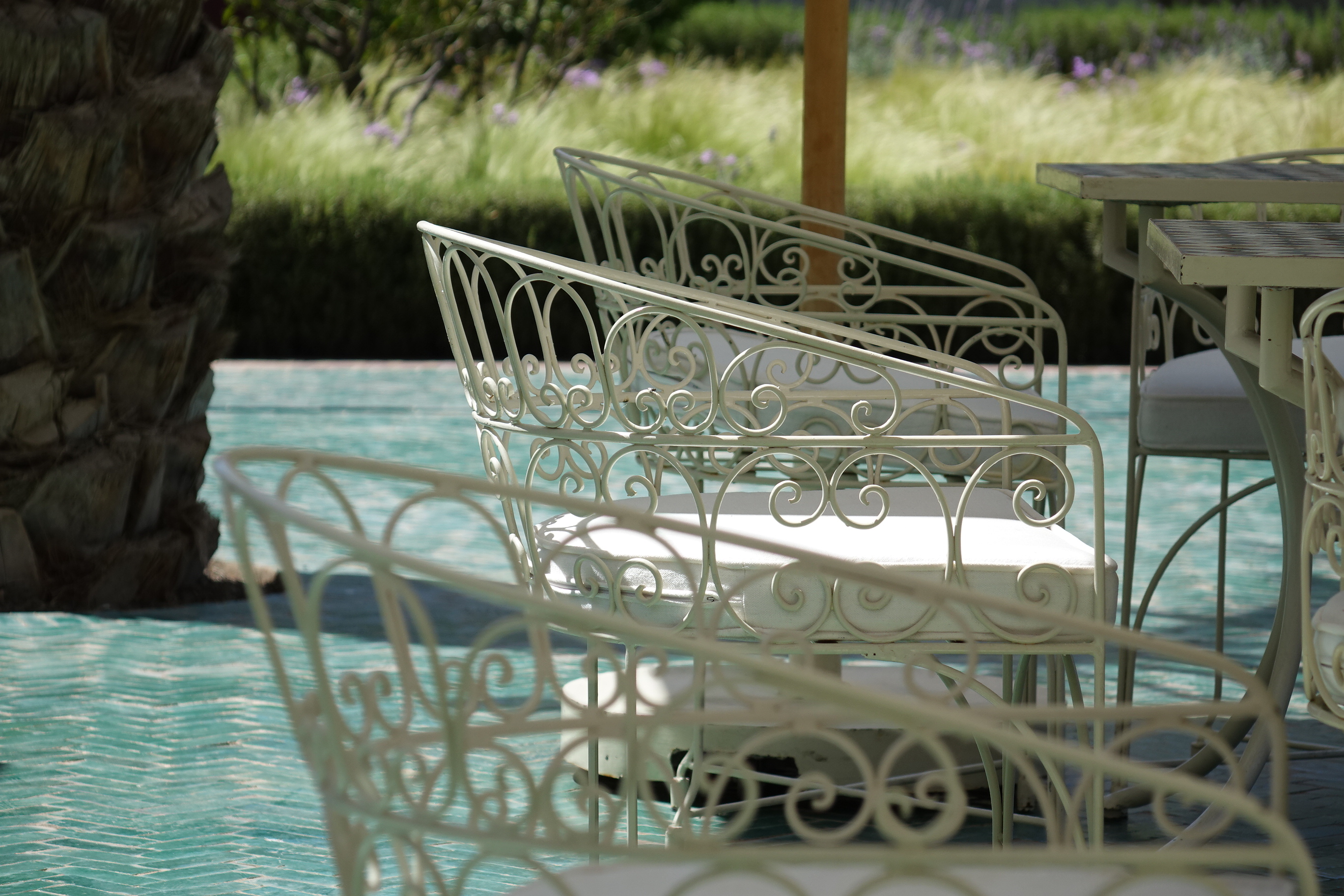
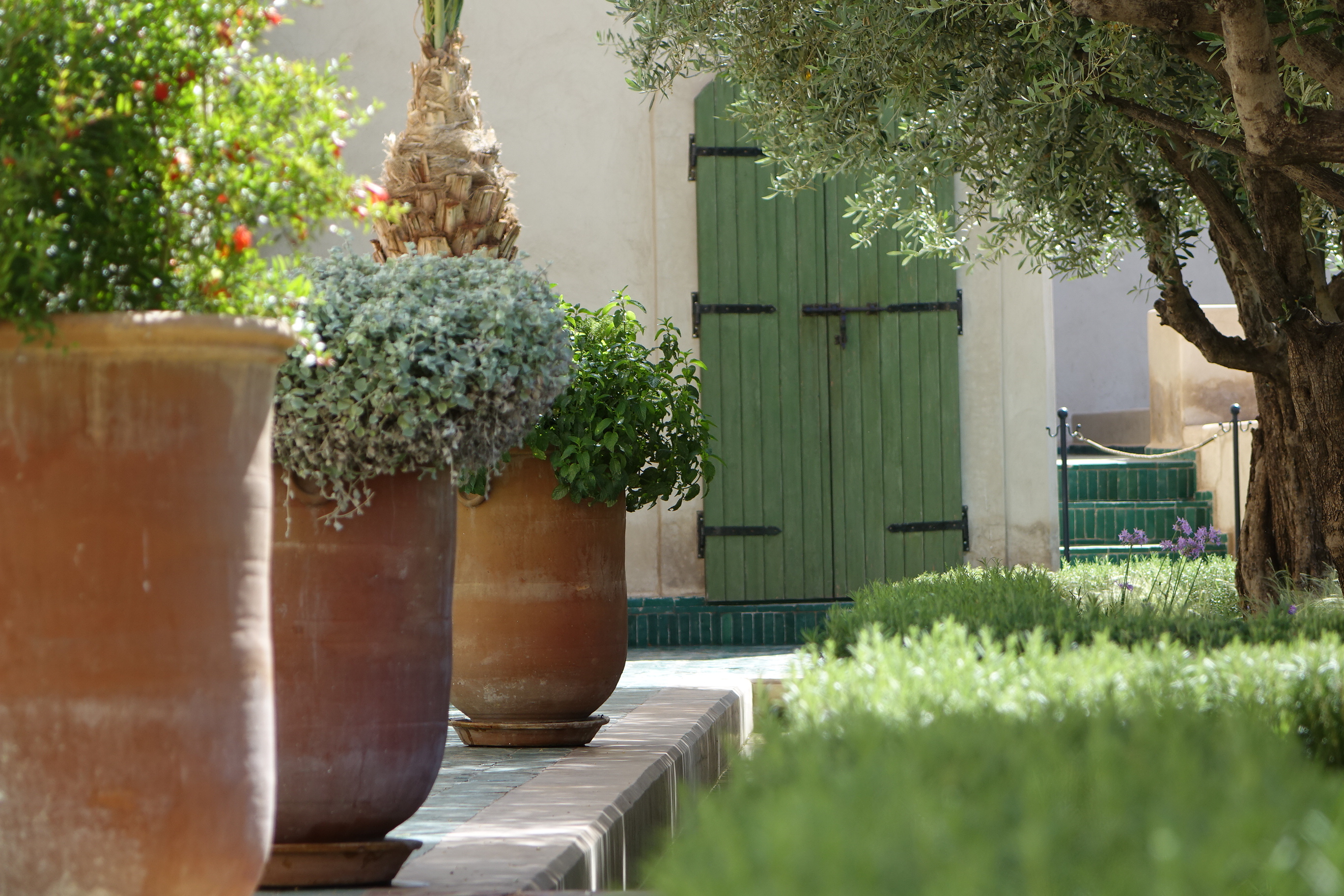
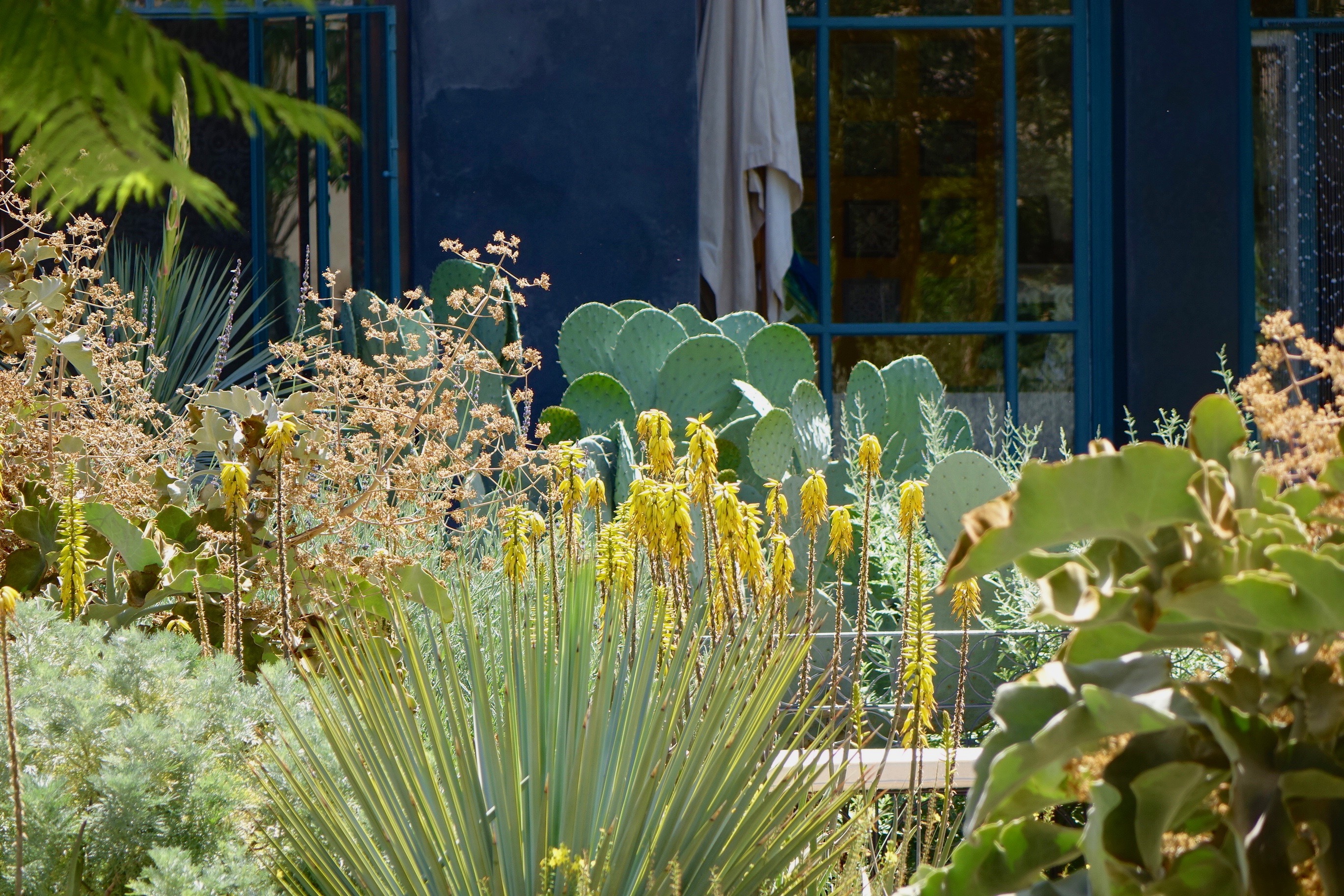
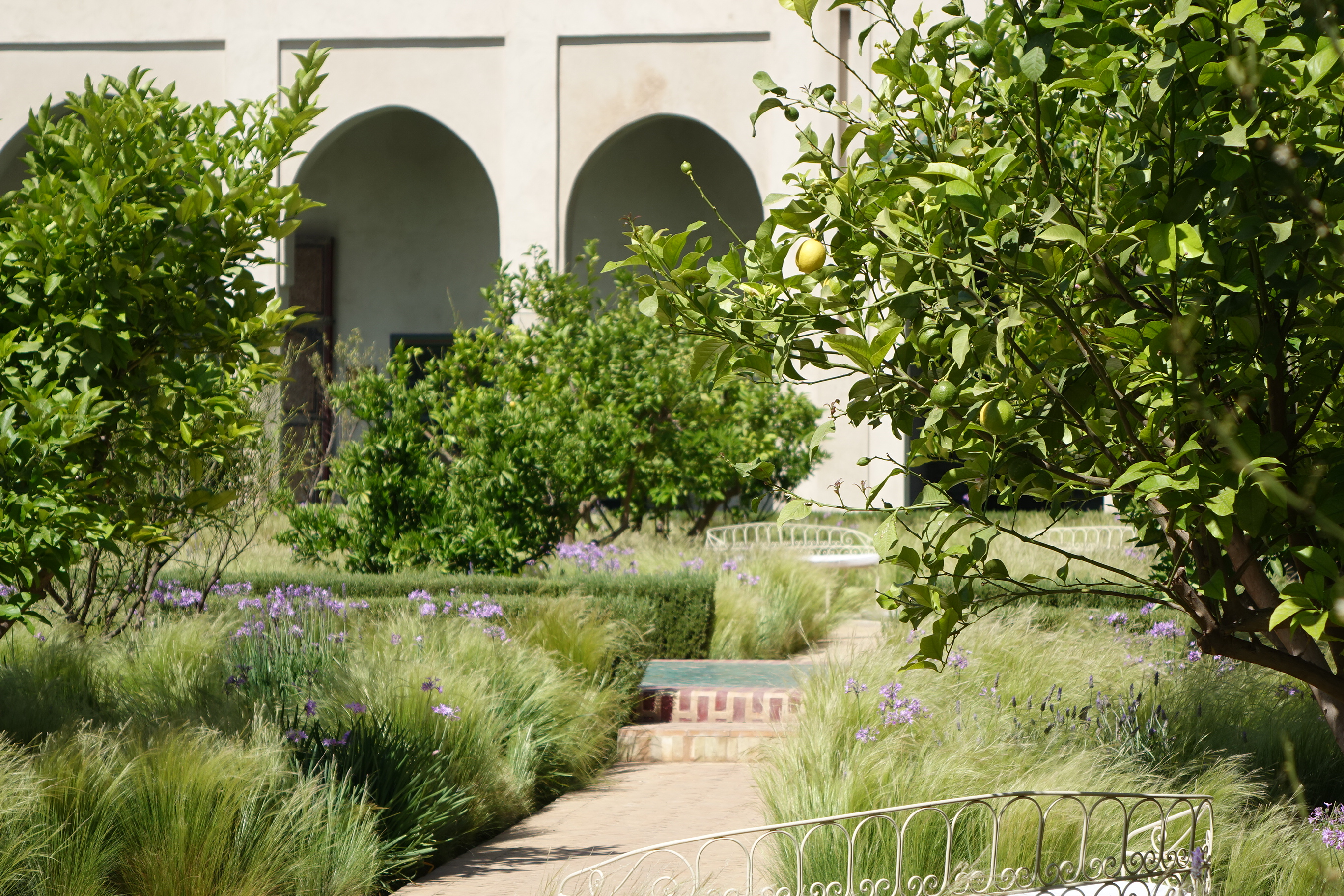
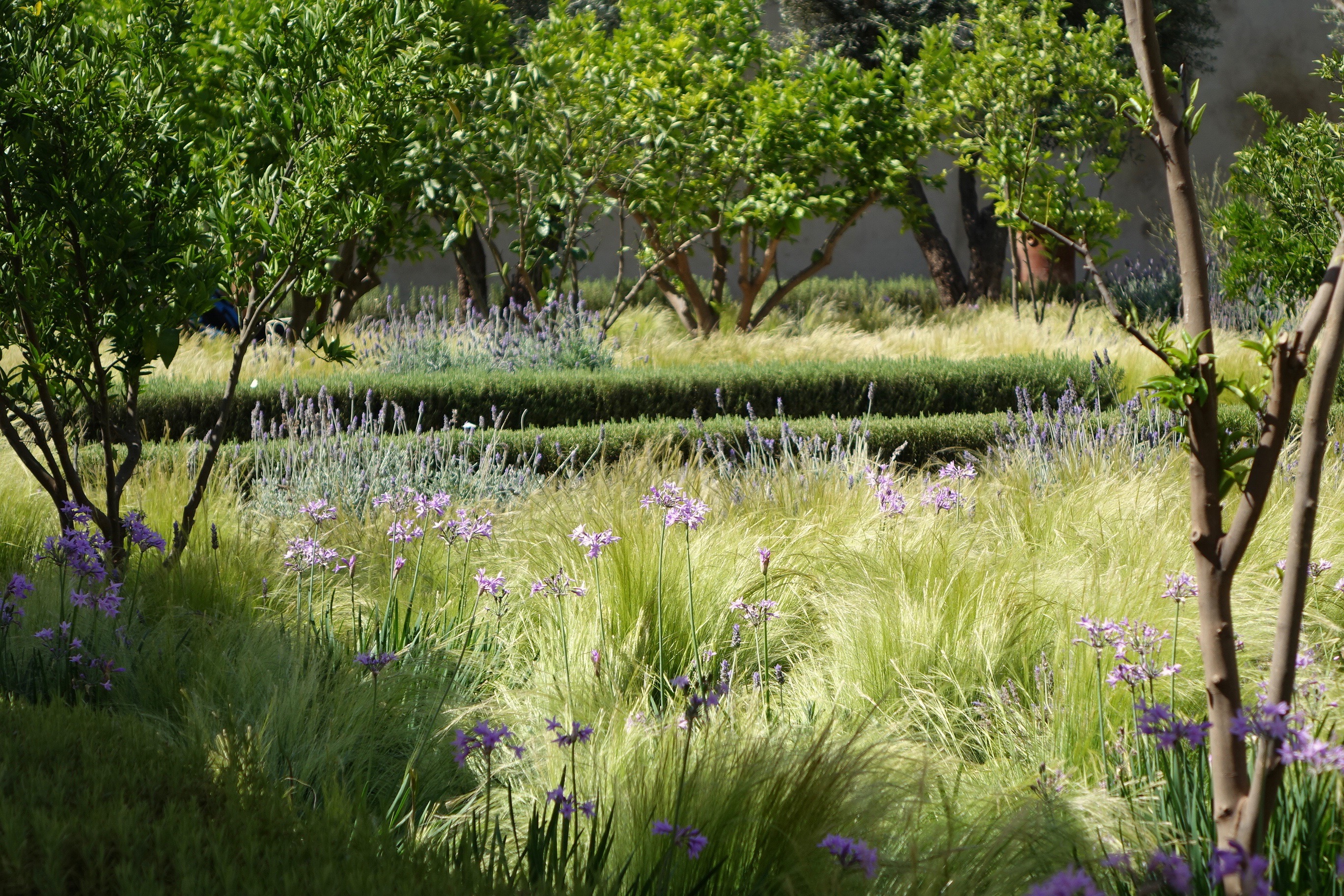
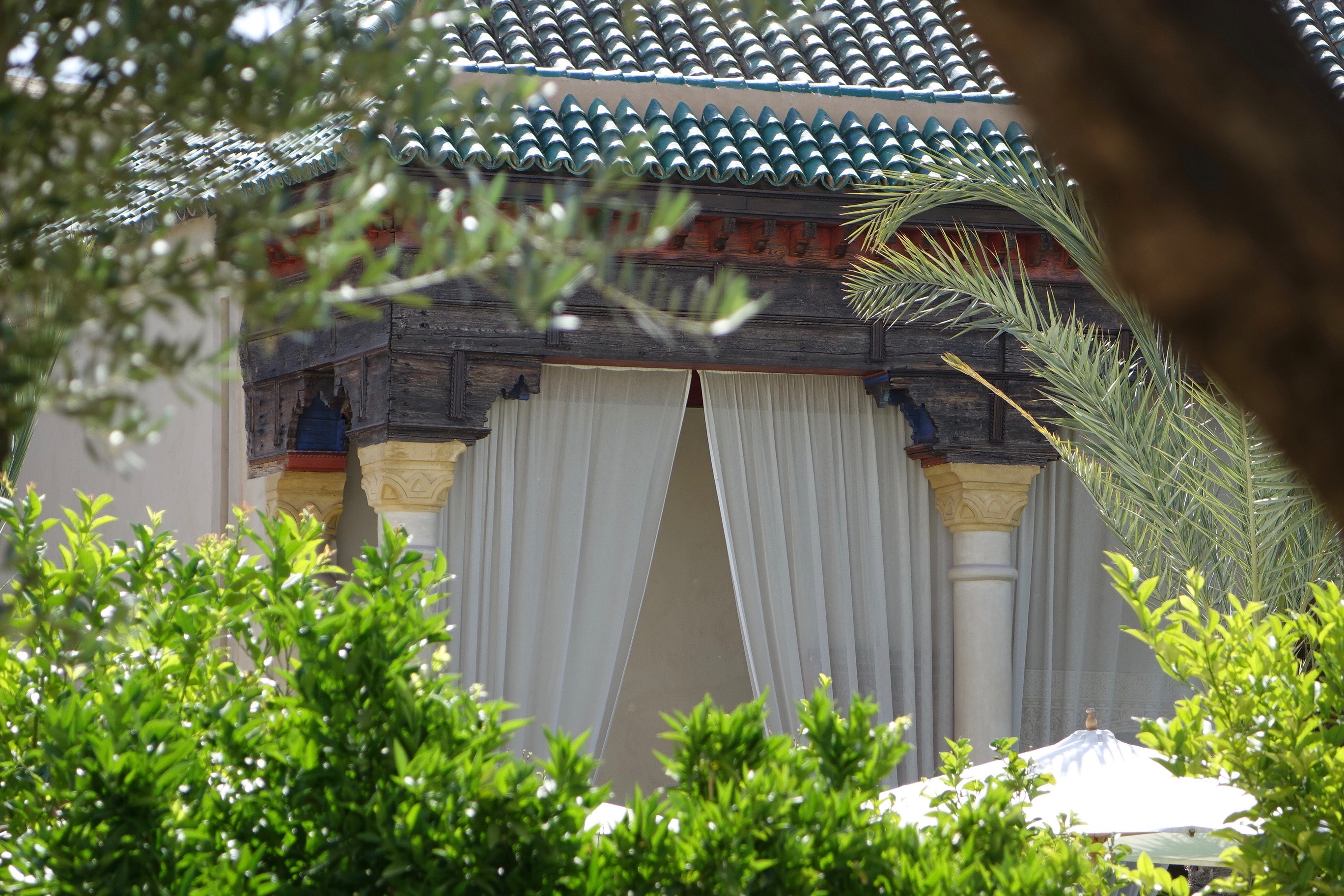
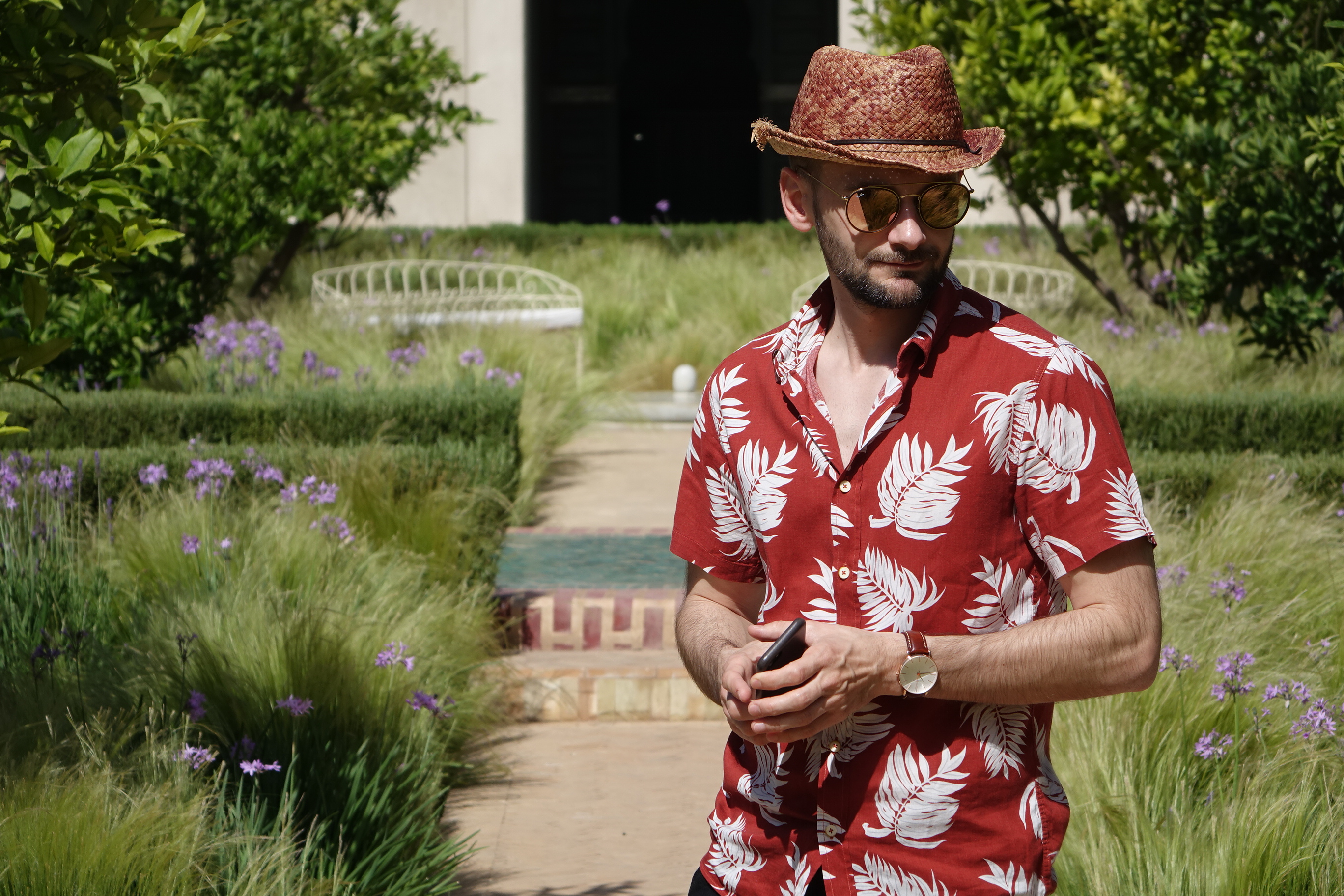
There is something altogether very earthy, sandy even about Marrakech. Known as The Daughter of the Desert, it is very evident that the city is only a few hours away from the Sahara. The very rose tint of its original mud built walls sing of the harmony of deep, mineral rich desert tones from which the city arose. And yet a view across its skyline also betrays the odd peppering of green, where palm trees sway amongst houses and the prayer towers of mosques are embellished with shiny green roof tiles. And of course the Arabic countries are no strangers to the beauty of green spaces, since it was them who were the engineering geniuses behind the stunning gardens of the Alhambra in Granada, and most of the Southern European irrigation systems which followed. The Medina of Marrakech is nevertheless more about its dusty maze-like streets and multi-coloured souks than gardens, but through one small gate in the heart of the souk is the opening onto a true marvel of a garden, so hidden away that you could easily miss it.

DSC00301DSC00300DSC00281DSC00344DSC00227DSC00337DSC00242DSC00325DSC00250DSC00212DSC00302

Appropriately named, Le Jardin Secret, the origins of this lavish garden hark back to the second half of the sixteenth century, when the Saadian Sultan Moulay ‘Abd-Allah commenced upon the urbanization of what is now the Mouassine district of Marrakech. Having decided to build his palace and gardens on this exact spot, the turbulence of history resulted in a series of handovers from one ruler and influential man to another until eventually, in 1912, the property then passed into the possession of the Fez of al-Hajj Muhammad Loukrissi, chamberlain of Sultan Moulay ‘Abd-al-Hafiz. There he lived until his death in 1934 when tragically the palace and garden fell into disrepair. Fast forward three quarters of a century, and the restoration of the building complex and gardens began.

DSC00340DSC00343DSC00348DSC00310DSC00349DSC00321DSC00282DSC00294DSC00238DSC00260DSC00245

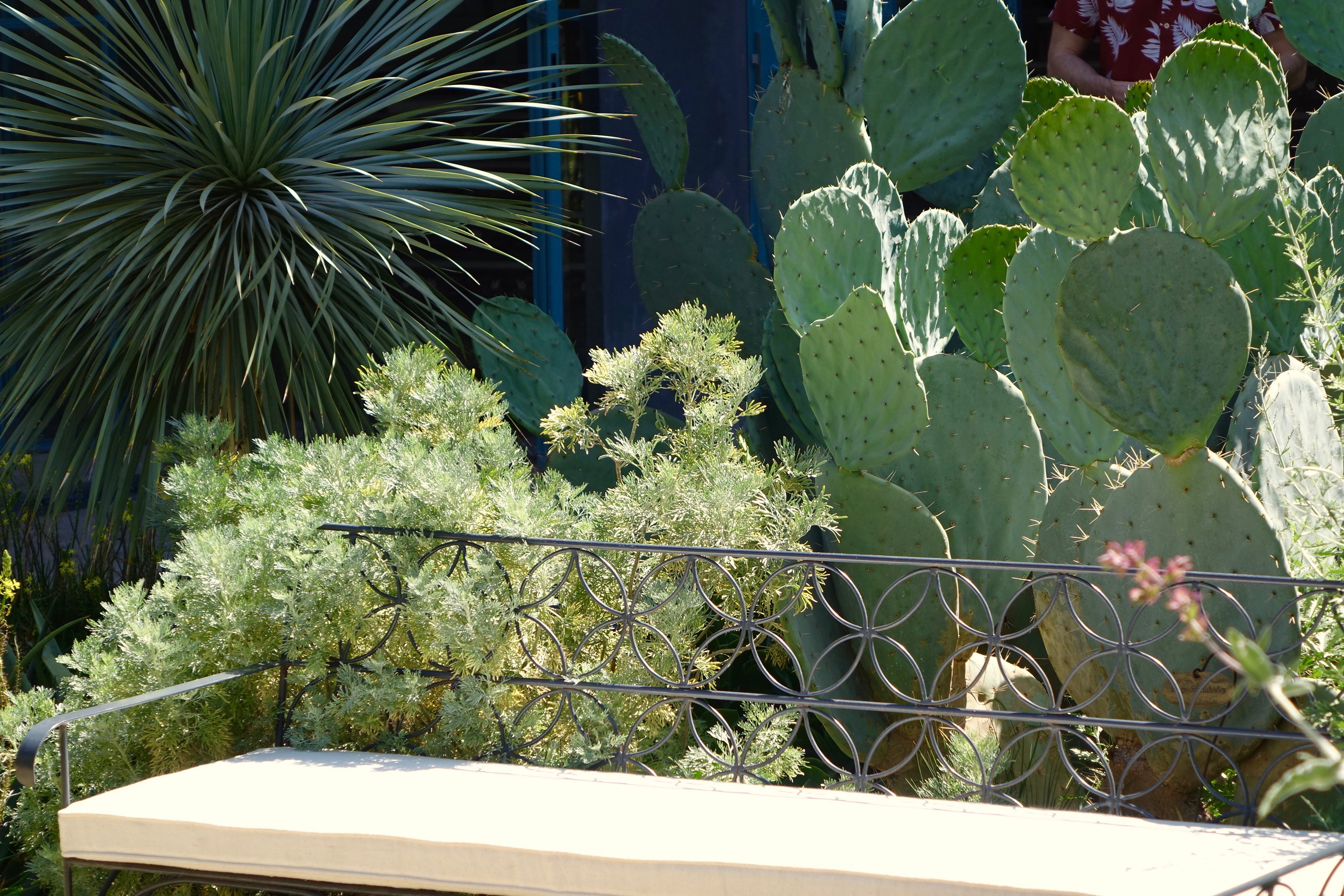
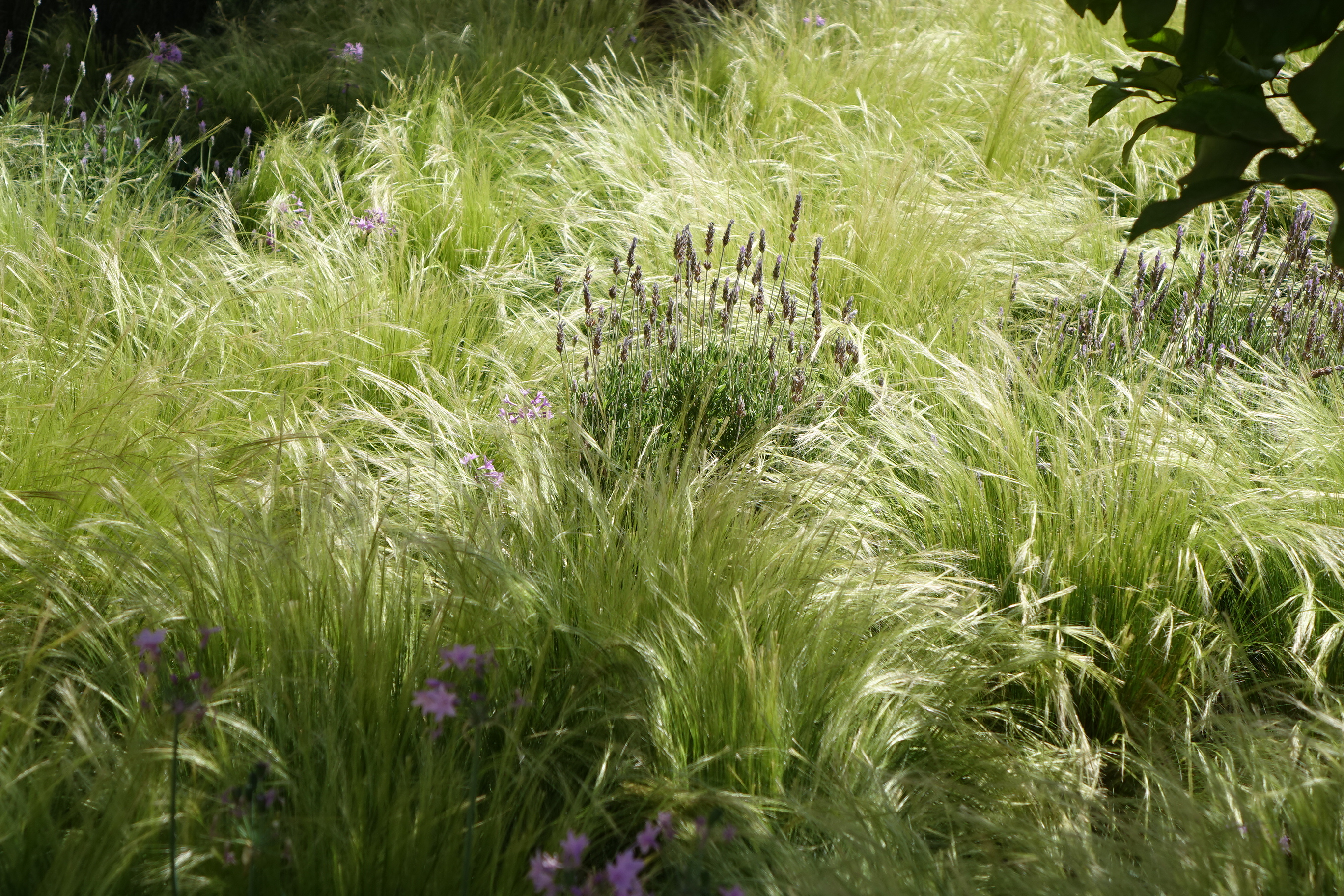
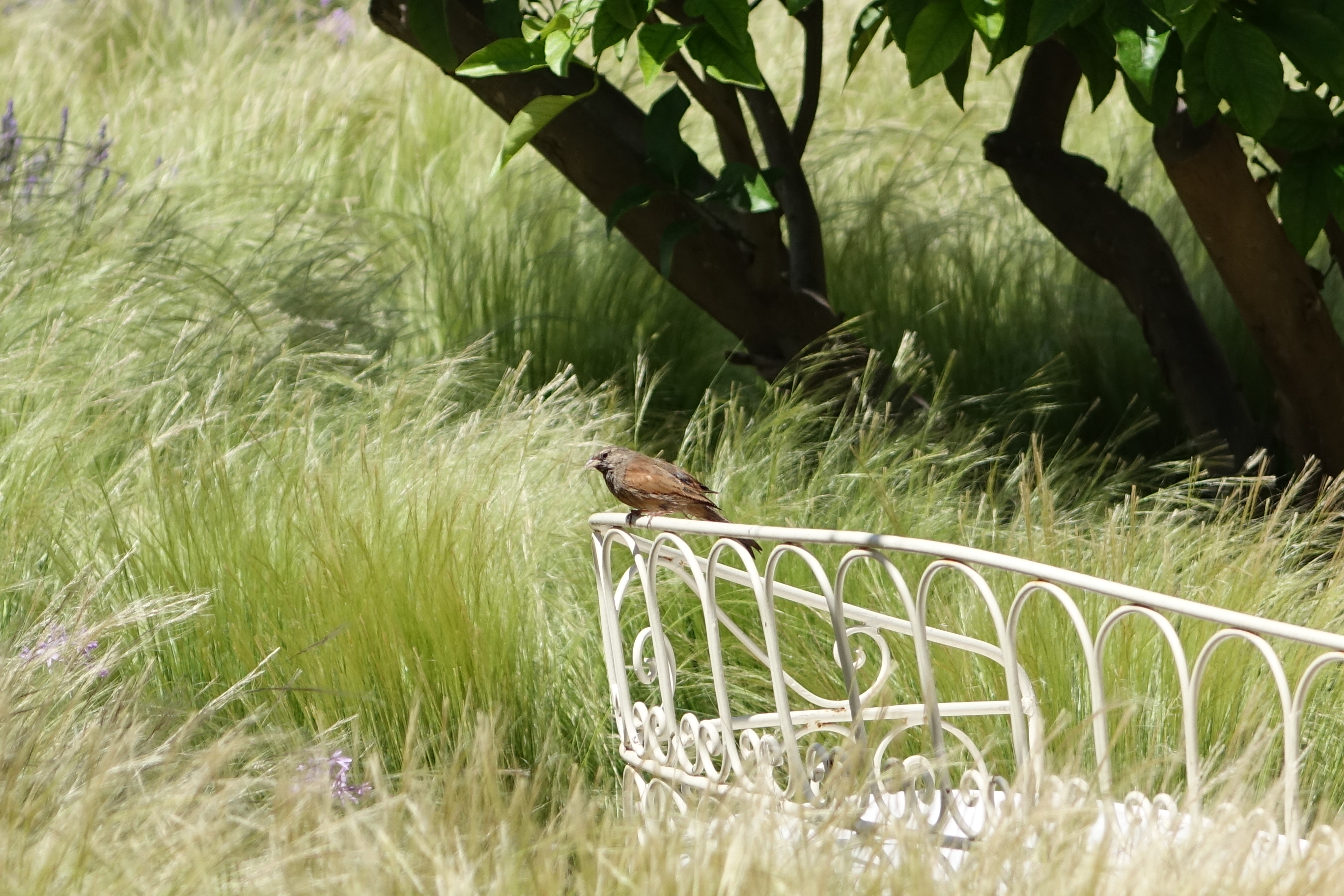
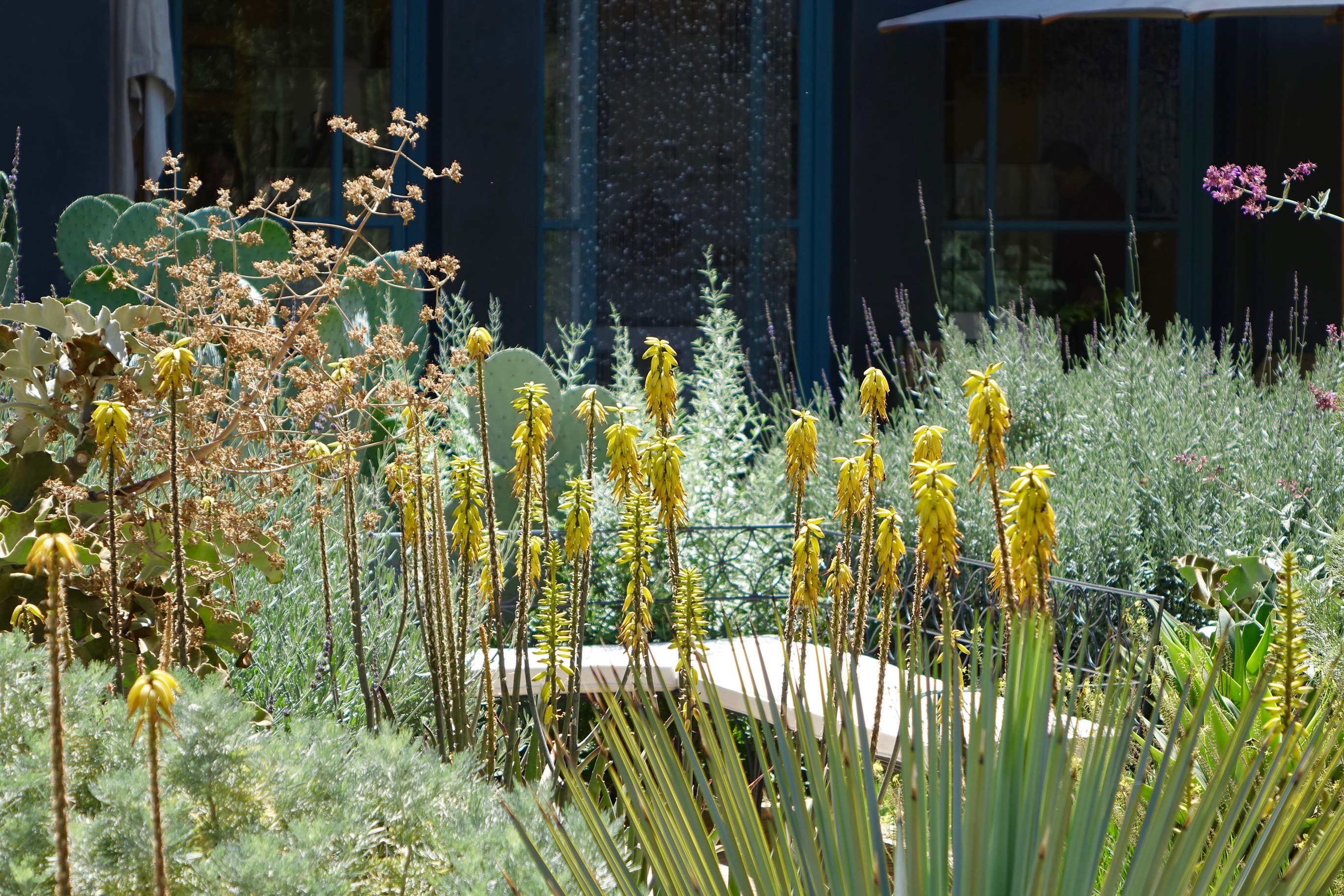
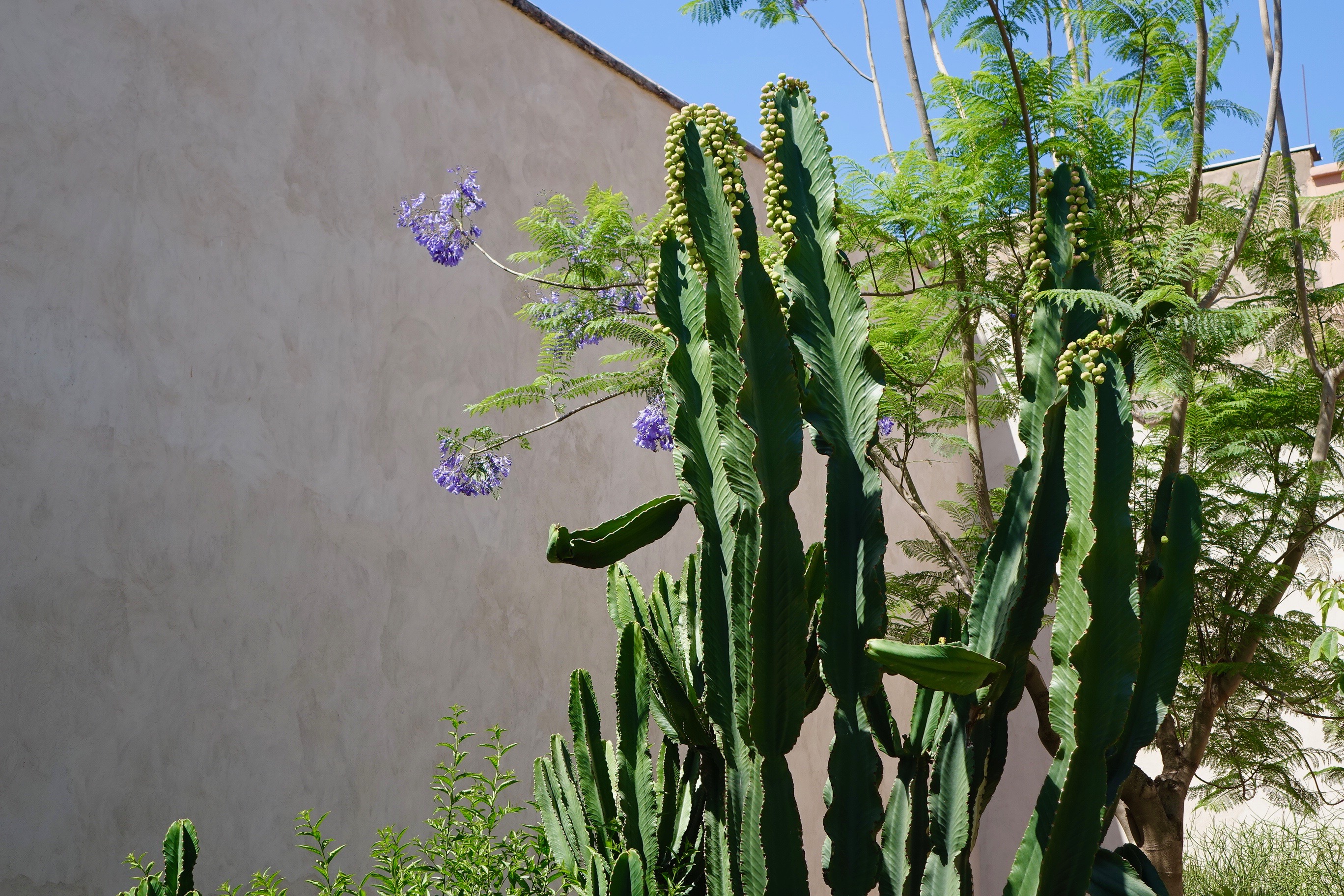
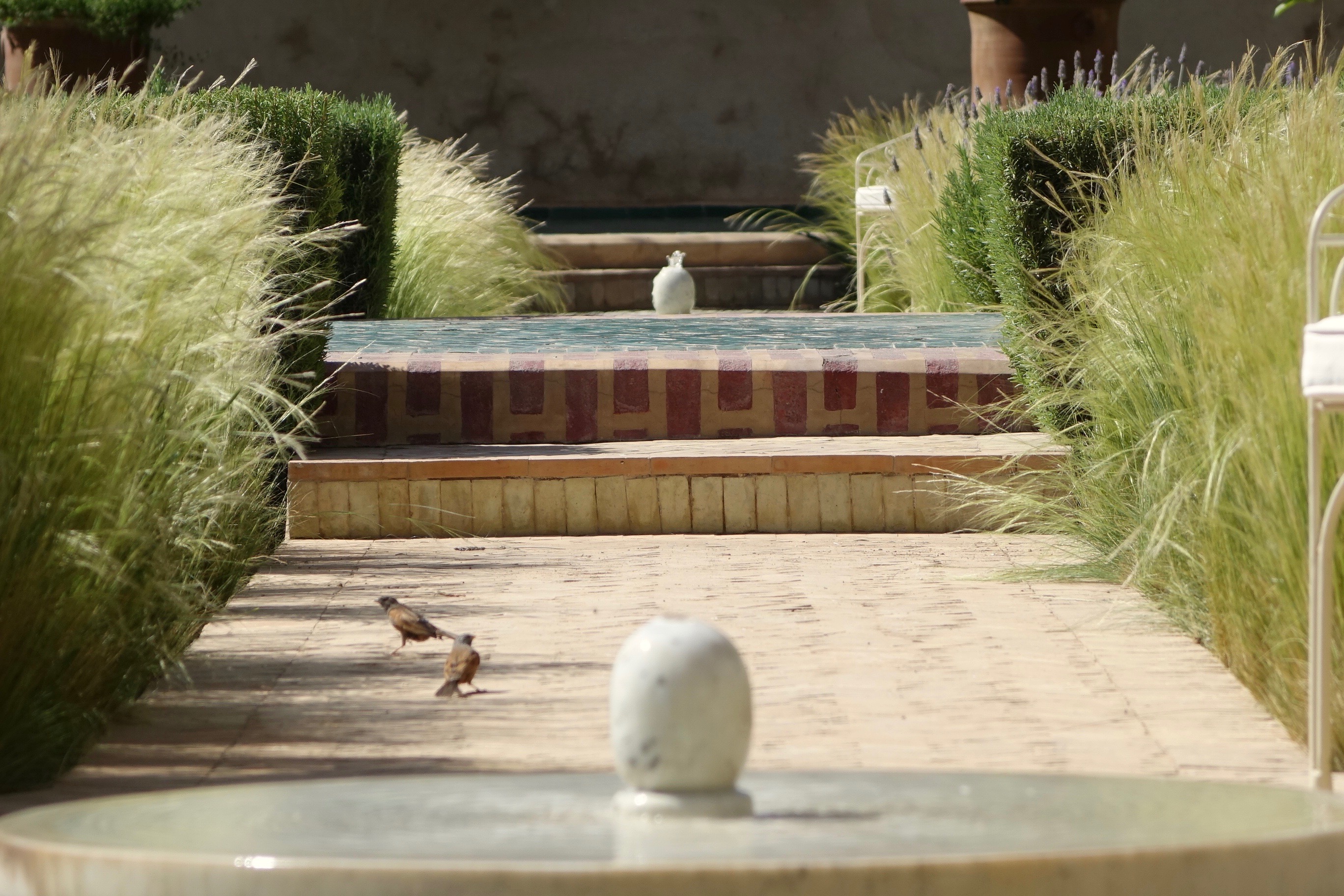
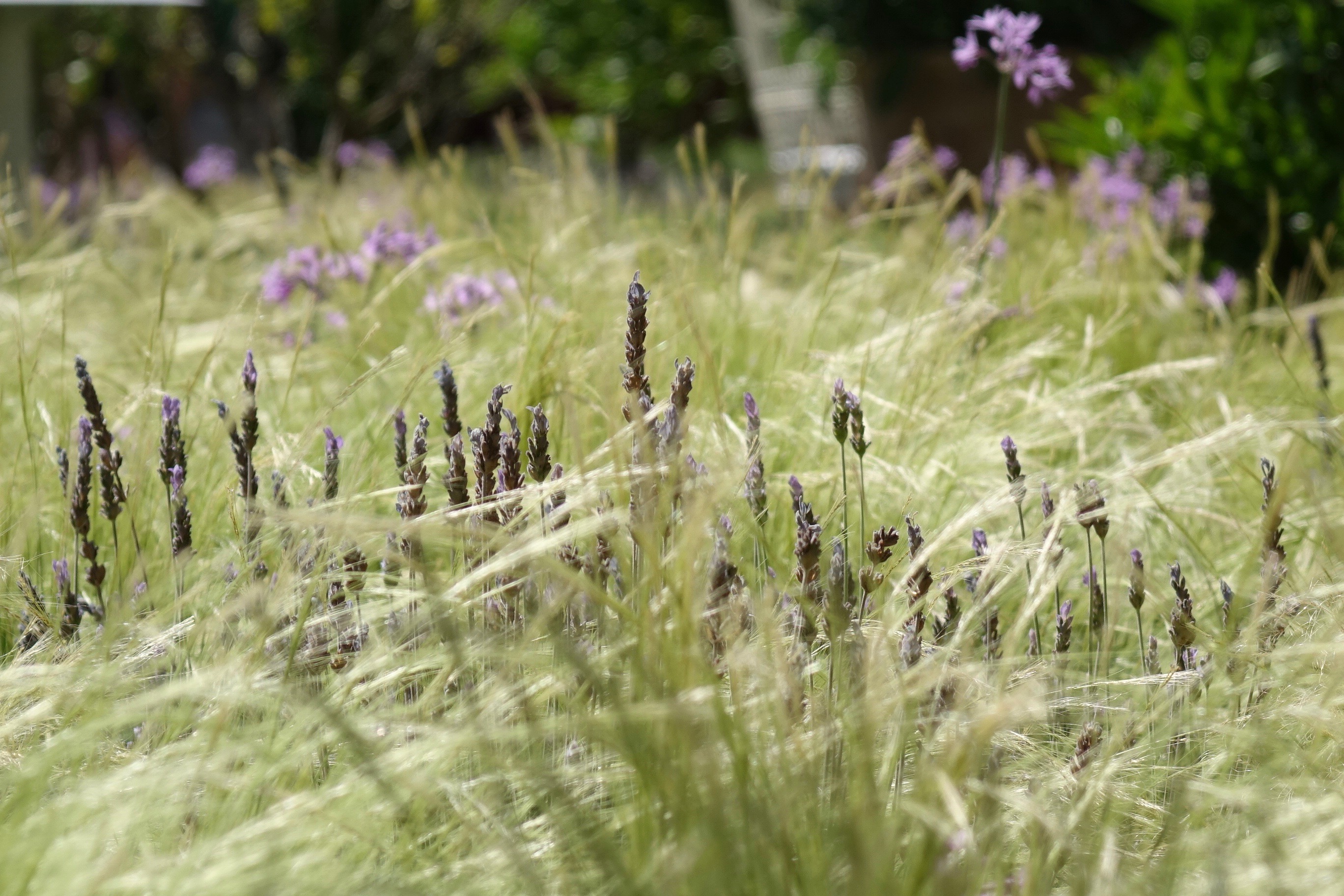
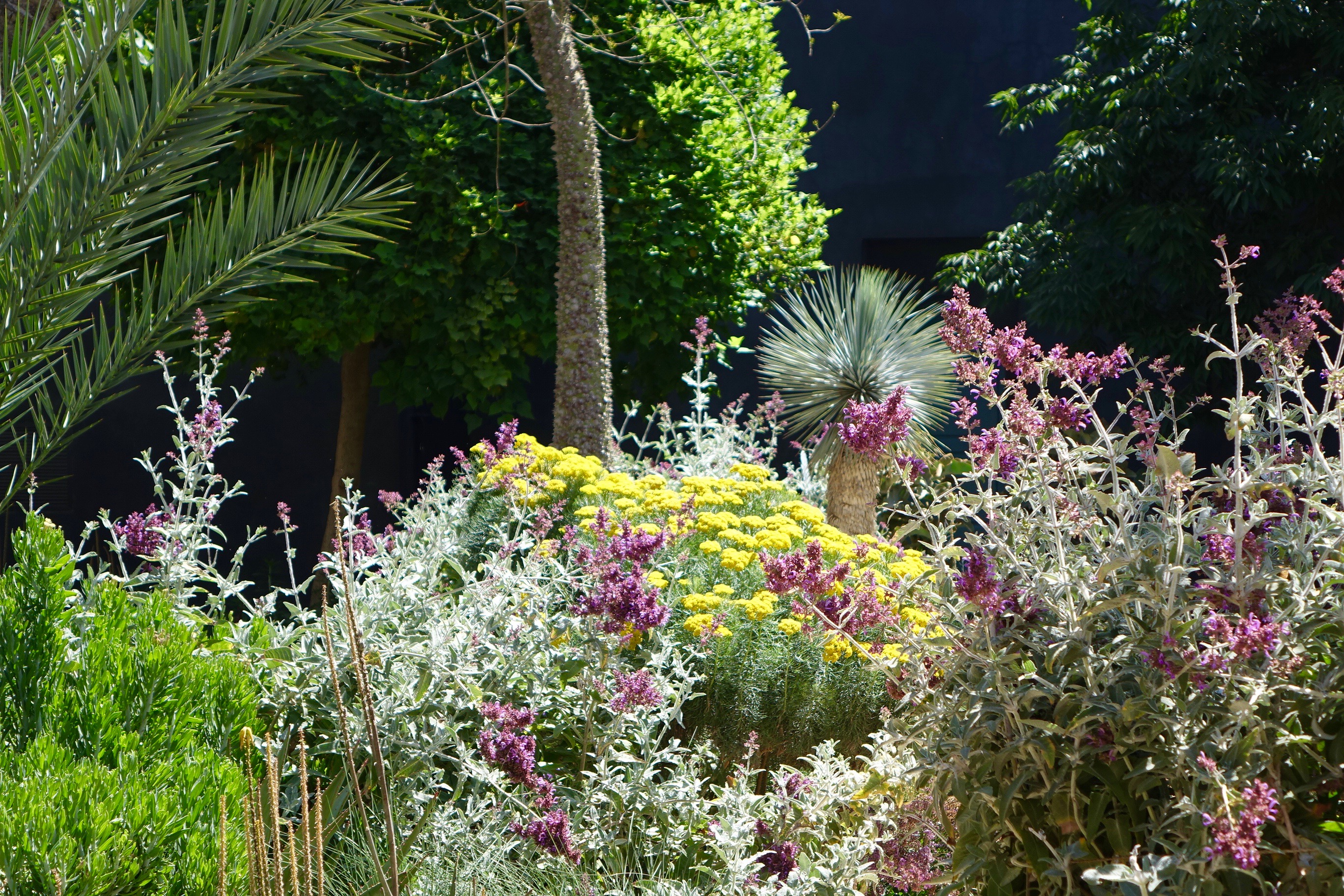
Today, Le Jardin Secret is a true garden gem which is all the more precious because of its relative rarity in amongst the city bustle of the Medina. Containing two main garden sections, one tropical and the other more traditionally Arabic in its geometrical layout and planting, both gardens offer and exquisite haven of calm. Accompanied by the trickle of long, ground-level ponds running with water, and by the song of the many birds who revel in the natural abundance of the place, an hour spent in Le Garden Secret has all the benefits of several days in a health spa. Running your hands through the grasses, watching bees as they pollinate the purple and white flowers, and gazing as a gentle breeze alters the dappled reflection of tree leaves against vibrantly painted red and olive green walls, it is a truly stunning place.

DSC00336DSC00249DSC00331DSC00240DSC00328DSC00297DSC00296DSC00248DSC00243DSC00222DSC00204DSC00237

Being, by name, secret, it is also relatively quiet but no doubt that will not remain the case for long. For what better way to break away from the manic hive of activity of the Souks than to seek refuge in this perfect profundity of green in the heart of the Rose City.

© Nicholas de Lacy-Brown and The Daily Norm, 2001-2017. Unauthorized use and/or duplication of the material, whether written work, photography or artwork, included within The Daily Norm without express and written permission from The Daily Norm’s author and/or owner is strictly prohibited. 

Marrakech Moments: Tea at the Café de France

Every city has an iconic café. It’s not always the fanciest, or the most expensive or the most beautiful, but it will be the place with history, with a notorious clientele, and a spot beloved by locals and tourists alike. In Marrakech, that place is the Café de France. Located at the bustling heart of the Jemaa El Fna, the iconic market square at the centre of Marrakech, it is simply the perfect ambience to take a Moroccan mint tea and watch the world go by.

DSC01008DSC01020DSC01027DSC01007DSC01018

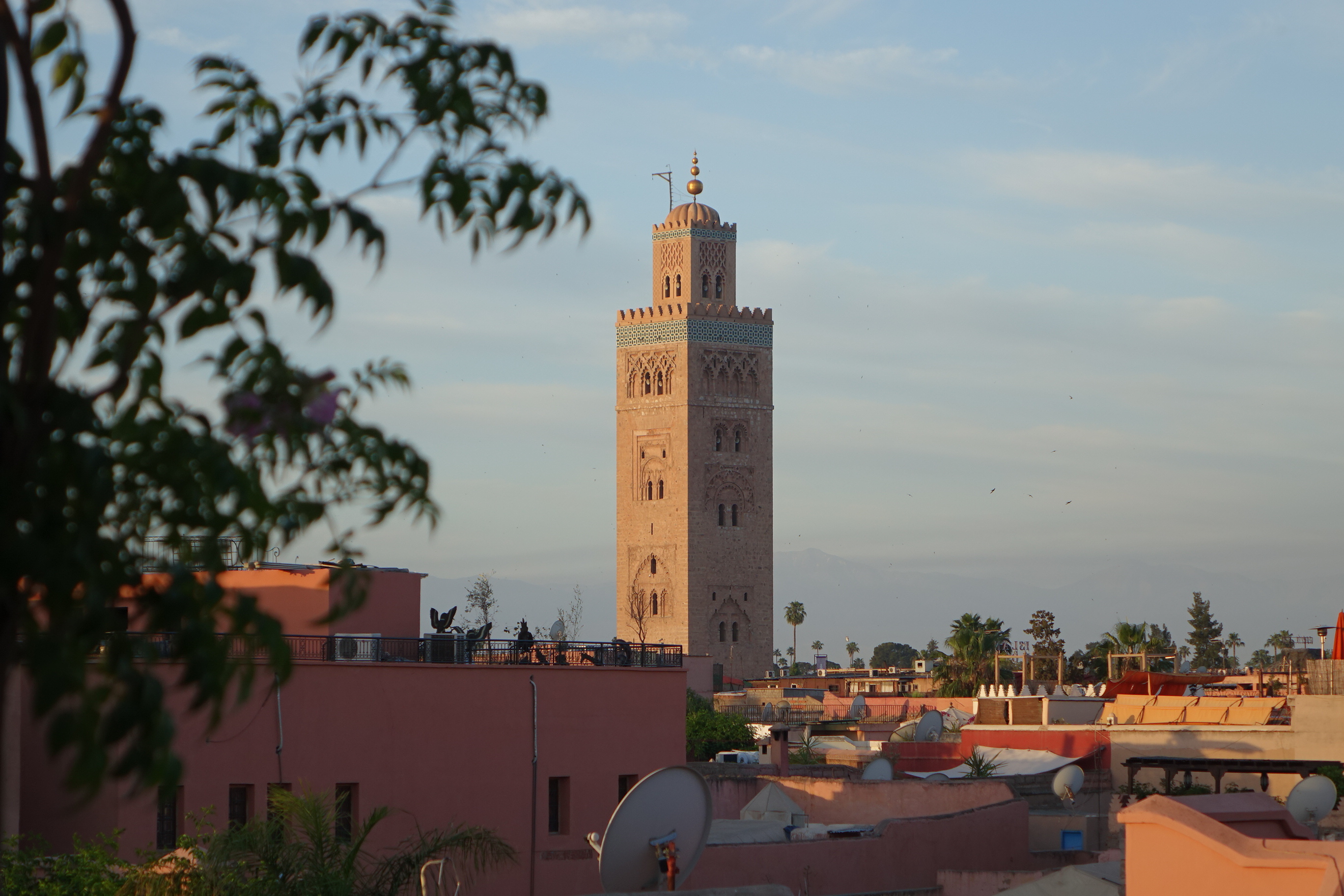
But as with all such iconic places – we’re talking the level of Florian’s in the Piazza San Marco in Venice, Caffé Greco in Rome – the best tables are hard to get. When we arrived in Marrakech, a very friendly steward in our Riad told us that the most sought after table was the one up on the first floor terrace of the Café in the most south western corner, with a perfect view of the Koutoubia Mosque at sunset. When we arrived at the Café de France, it was so crowded that we would have been lucky to get a table at all, let alone get the table most coveted of all. But suddenly, as if by magic, and at the precise moment when the lingering clouds of the afternoon cleared and sun rays flooded the terrace of the café, the very same corner table became free and we swiftly occupied it, and soaked in its very enticing view.

DSC00995DSC01017DSC00997

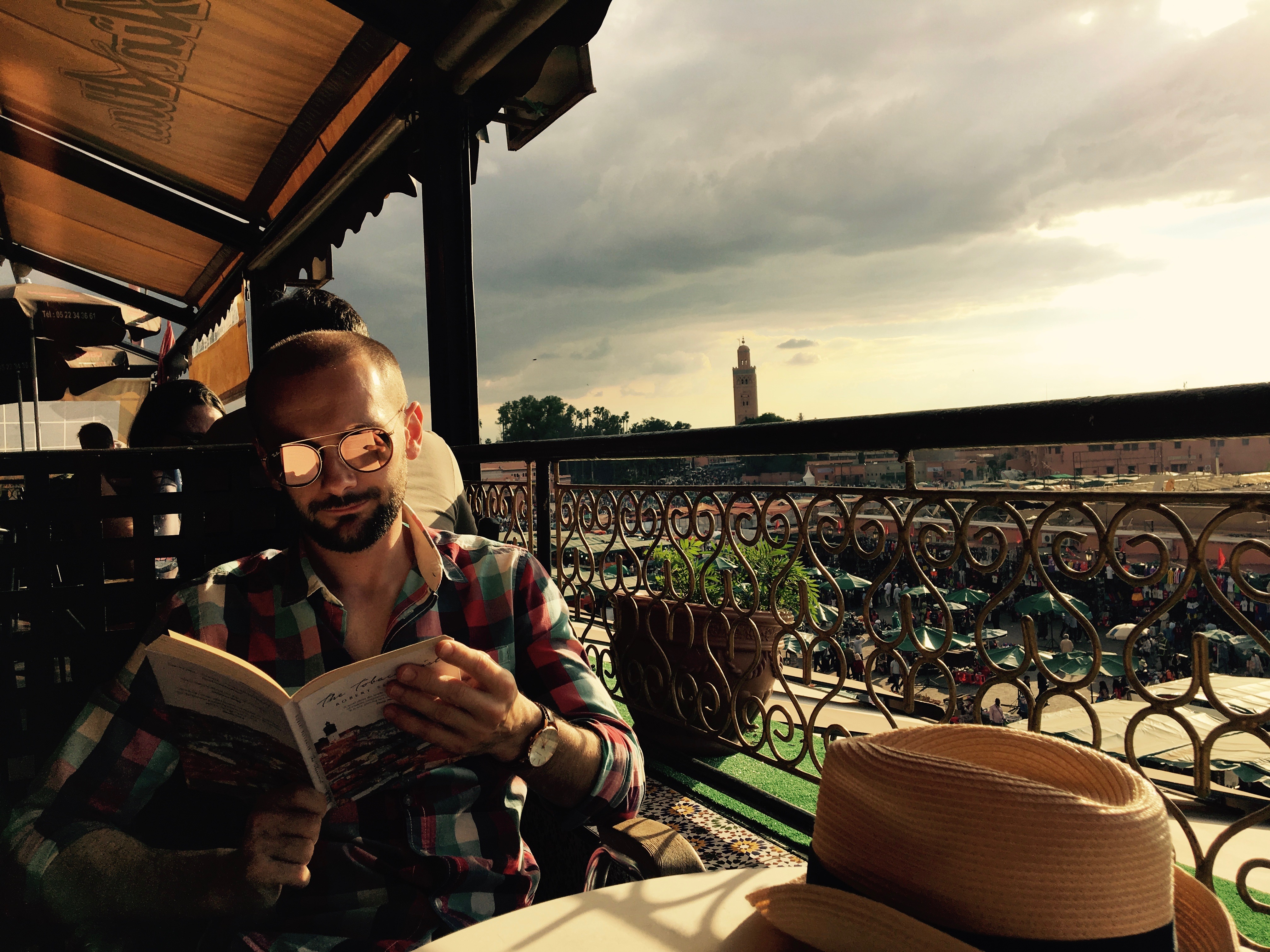
The recommendation was correct. It really was the best table. From there we could enjoy the sunset, the Koutoubia tower, and the bustling Jemaa El Fna square at this time when it transformed from day time market place to a huge open air eatery and evening performance venue. There is where the stories of ancient sand dunes and shifting deserts are told, where serpents uncoil out of baskets and monkeys are trained to dance. This exotic space is the centre of the city for a reason, and we had the very best view of it, from above.  Determined to enjoy the table, we took endless photos, reflected upon the ever changing view, sat back, read, and enjoyed a perfectly fresh mint tea. An iconic moment fit only for the café of all Marrakech cafés.

IMG_0229DSC01035IMG_0249

© Nicholas de Lacy-Brown and The Daily Norm, 2001-2017. Unauthorized use and/or duplication of the material, whether written work, photography or artwork, included within The Daily Norm without express and written permission from The Daily Norm’s author and/or owner is strictly prohibited.

The Colours of Marrakech, Part 1: Rose City

Colour, smell, thunder, stares, snakes, spices, the sound of birdsong, the call to prayer. Morocco is a country of extremes and its dazzling city of Marrakech all the more so. Those extremes began as soon as we entered its airspace, as desert planes and mighty big African clouds overhead gave way to one of the most sparkling fancy airports I have ever set foot in. A further transformation manifested as we took a taxi into town. On the left, a modern city, its roads neatly paved and lined with illuminated orange trees. On the right an old city crumbling, smelly, loud, maze like. Children begged around our legs, women enveloped in veils eyed us suspiciously and the use of donkeys in the place of vehicles marked a return to centuries past. Marrakech is different from any place I have ever visited before, and the next few weeks on The Daily Norm will bear testament to our time there; a trip which tantalised each of the senses and engendered the thrill of the different and astonishment at everything we saw.
DSC00887DSC00461DSC01440DSC01403DSC00907DSC01390DSC01360DSC00868DSC00817DSC00176DSC00372DSC01082DSC00809

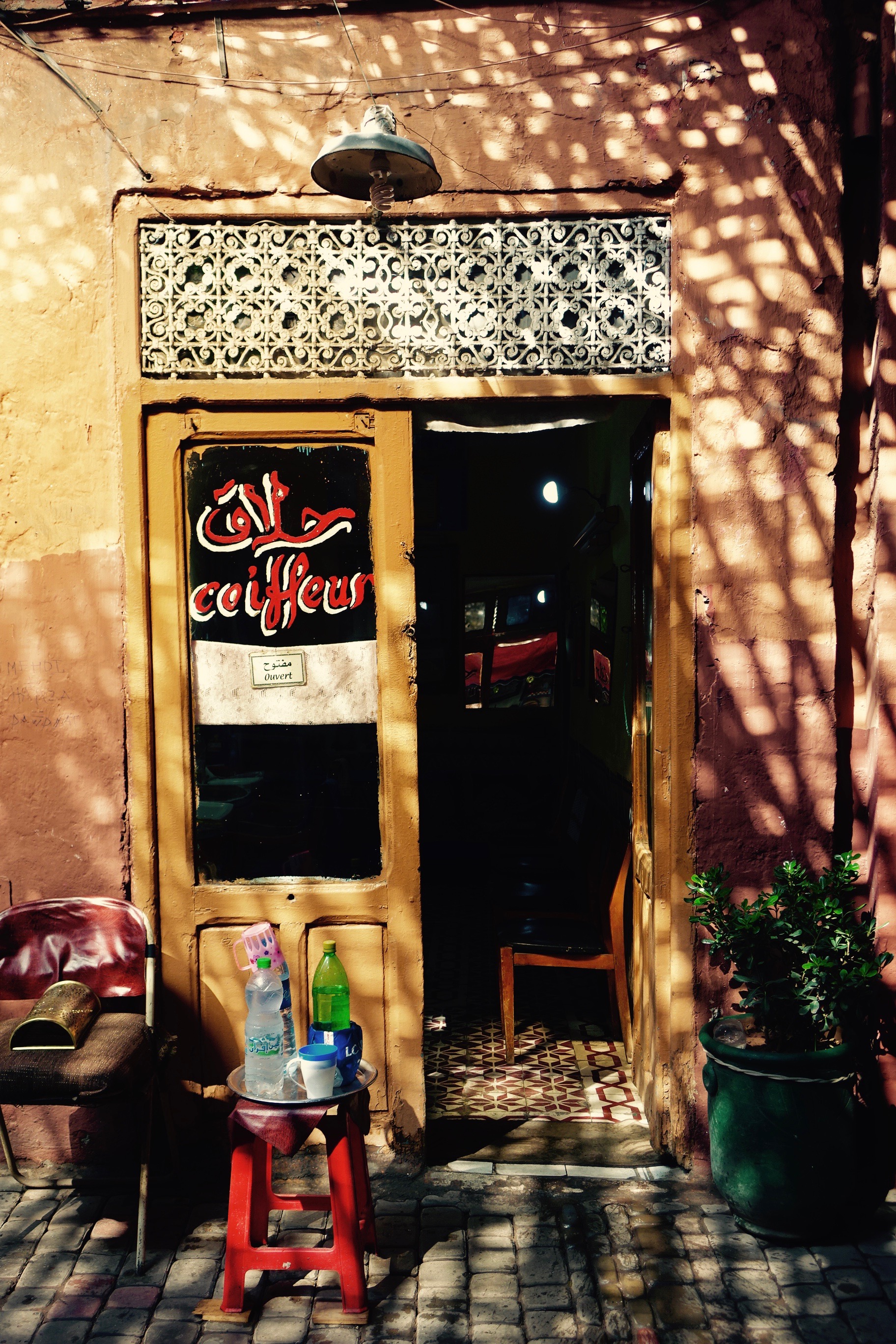
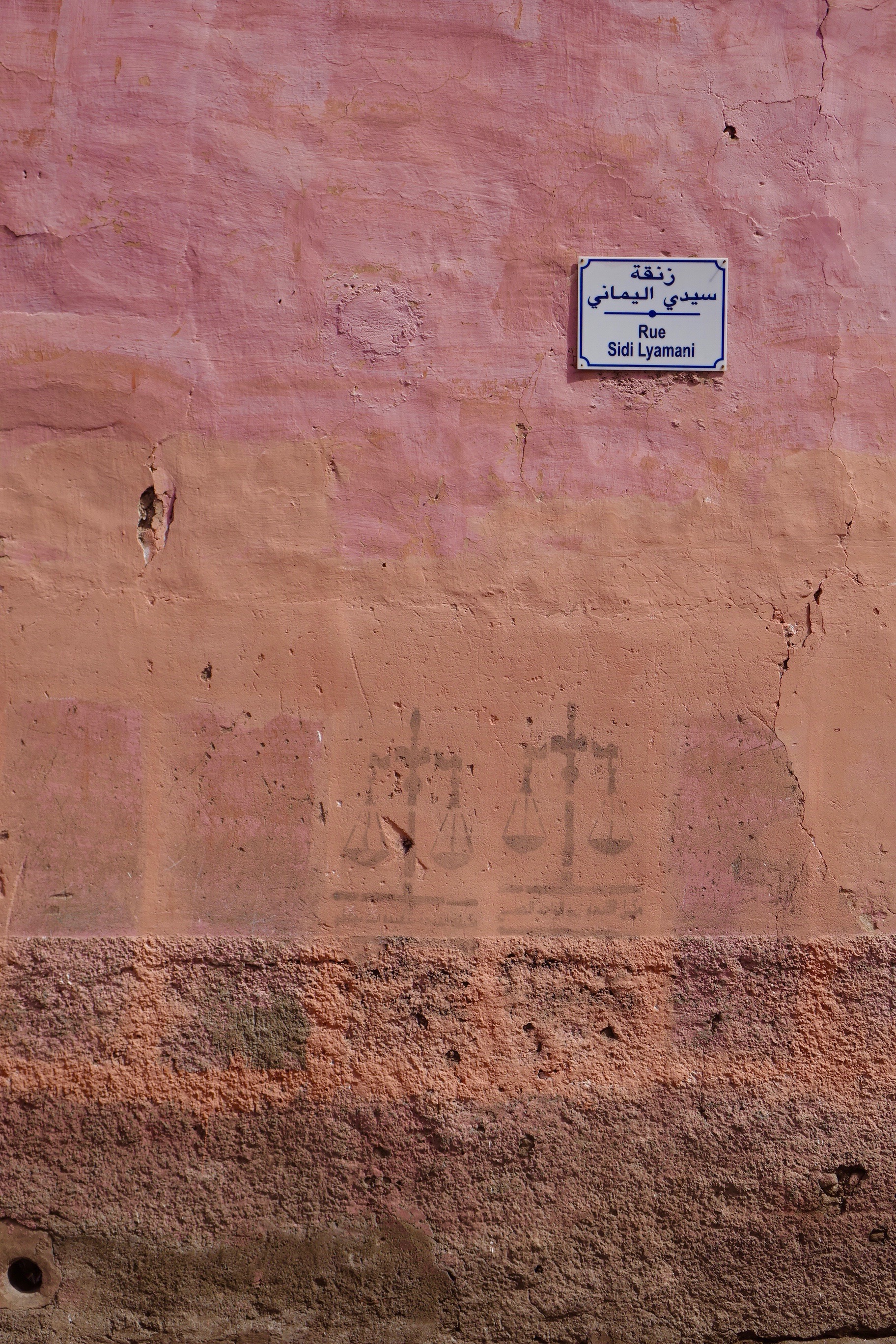
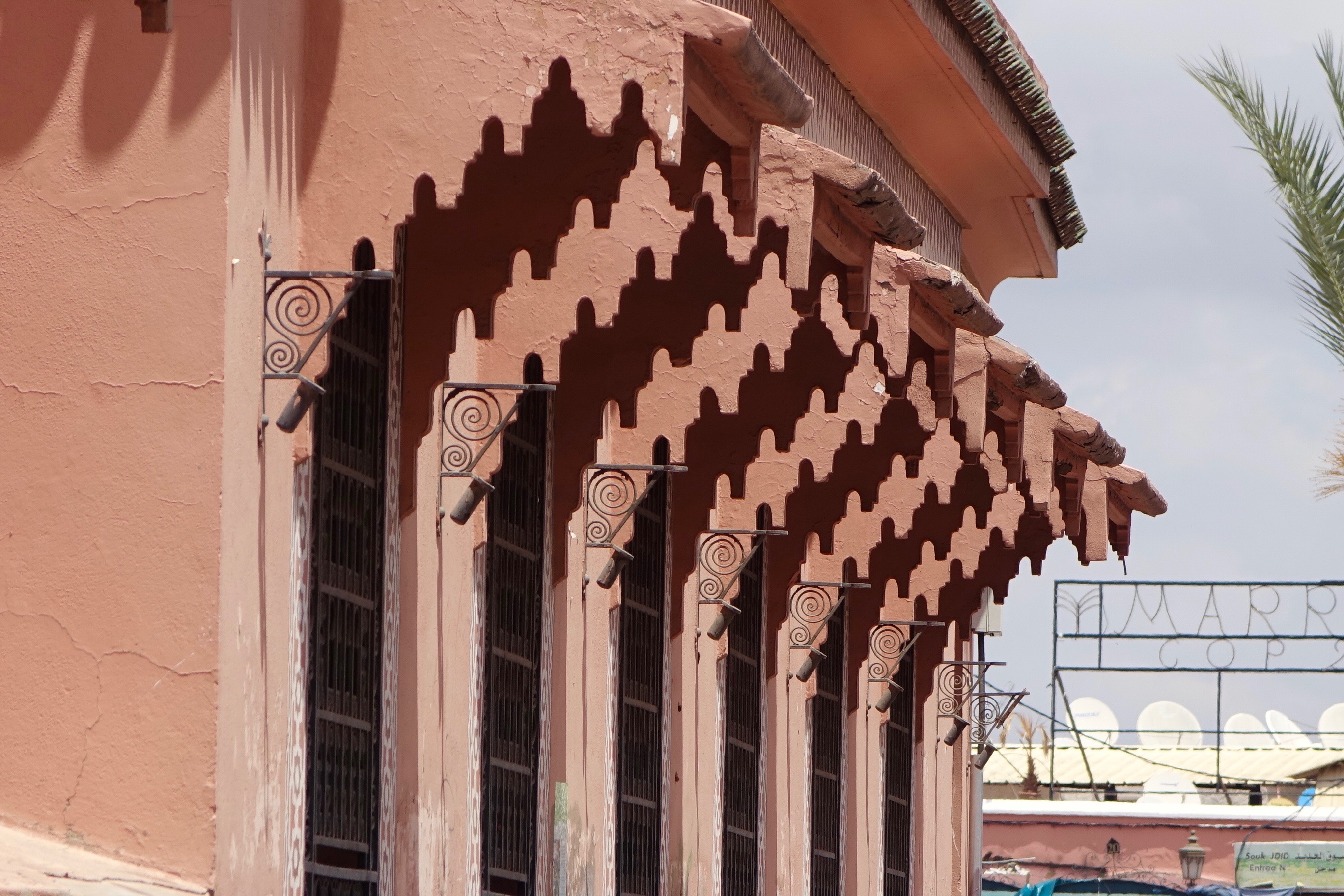
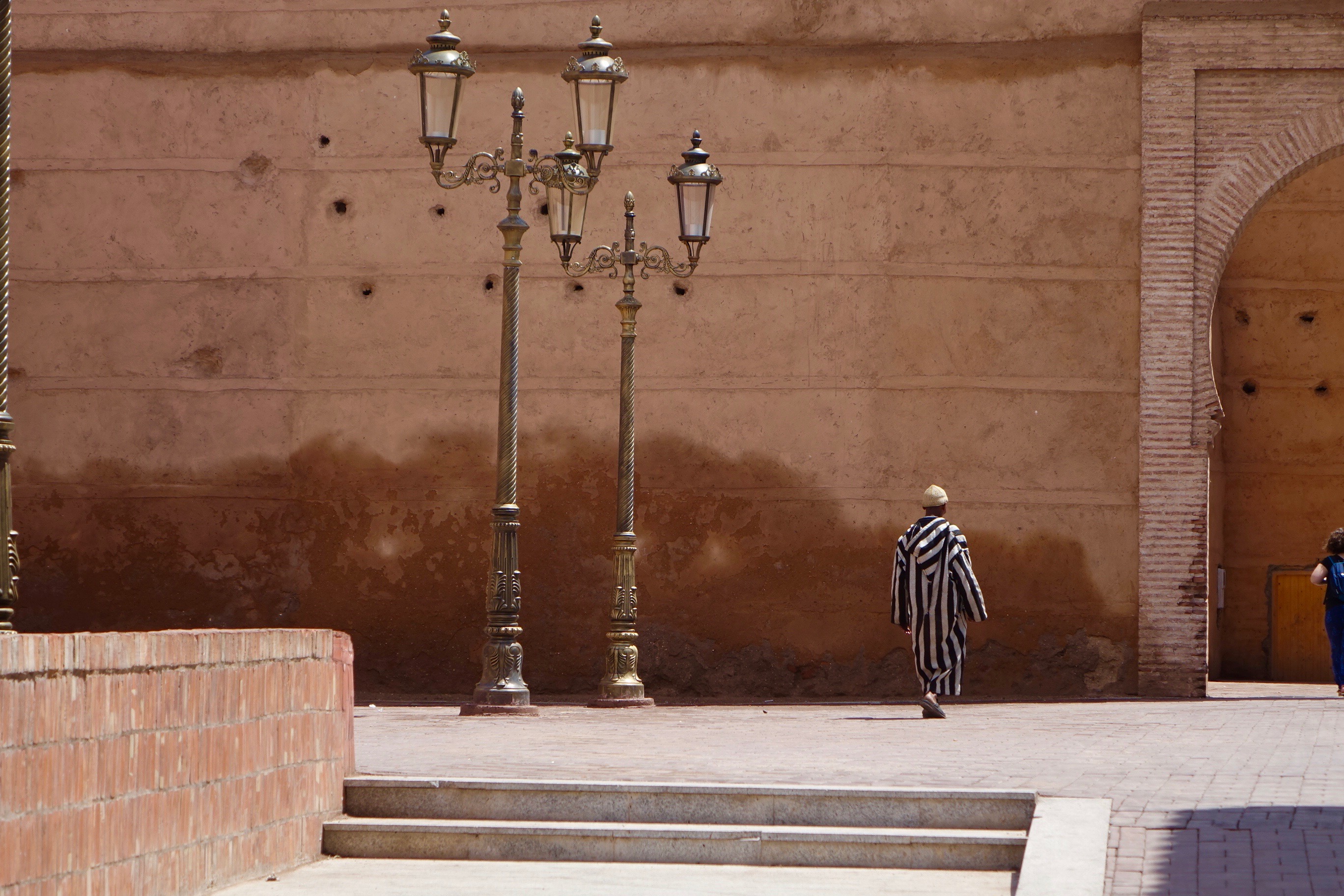
A focus on the visual is what will shape my tale of Marrakech, as I take inspiration from the colours which were visible in such extremes across the city. Known as Rose City, by far its most prominent colour is the peachy shade of soft terracotta which characterises its ancient Medina. Stemming from the red tint of local stone and mud, the colour is a naturally occurring bi-product of the city’s quasi-desert location. In fact the rosy hue became so synonymous with the city that when in modern times concrete started to replace traditional mud construction methods, the former French rulers decreed that all such buildings must be painted in the same colour of pink.

IMG_0197DSC01461DSC00908DSC00860DSC00801DSC00750DSC00583DSC00370DSC00354DSC00180DSC00096

The result is a city almost universally sculpted from rose, a place where nature itself provides the rose-tinted glasses through whose sheen Marrakech can be seen to glow a warm shade at all times of the day. But as we will see from later posts, the city’s characteristic hue changes as it reflects the light, and when an intense sunset reigns in the skies, the resulting reflected pink is like nothing I have ever seen before.

But for today, and by way of introducing to this incredible Moroccan city, I give you photos of Marrakech in its most iconic warm terracotta glow, ranging from sunrise in the morning to full sun as the baking semi-desert conditions almost cooked the city streets below. This is Marrakech, Rose City, Daughter of the Desert, and it’s going to be a wonderful Daily Norm ride…

DSC00787DSC00558DSC00575DSC00570DSC00197DSC00574DSC00429DSC00148DSC00177DSC00268

© Nicholas de Lacy-Brown and The Daily Norm, 2001-2017. Unauthorized use and/or duplication of the material, whether written work, photography or artwork, included within The Daily Norm without express and written permission from The Daily Norm’s author and/or owner is strictly prohibited.