Skip to content

Posts tagged ‘Venice’

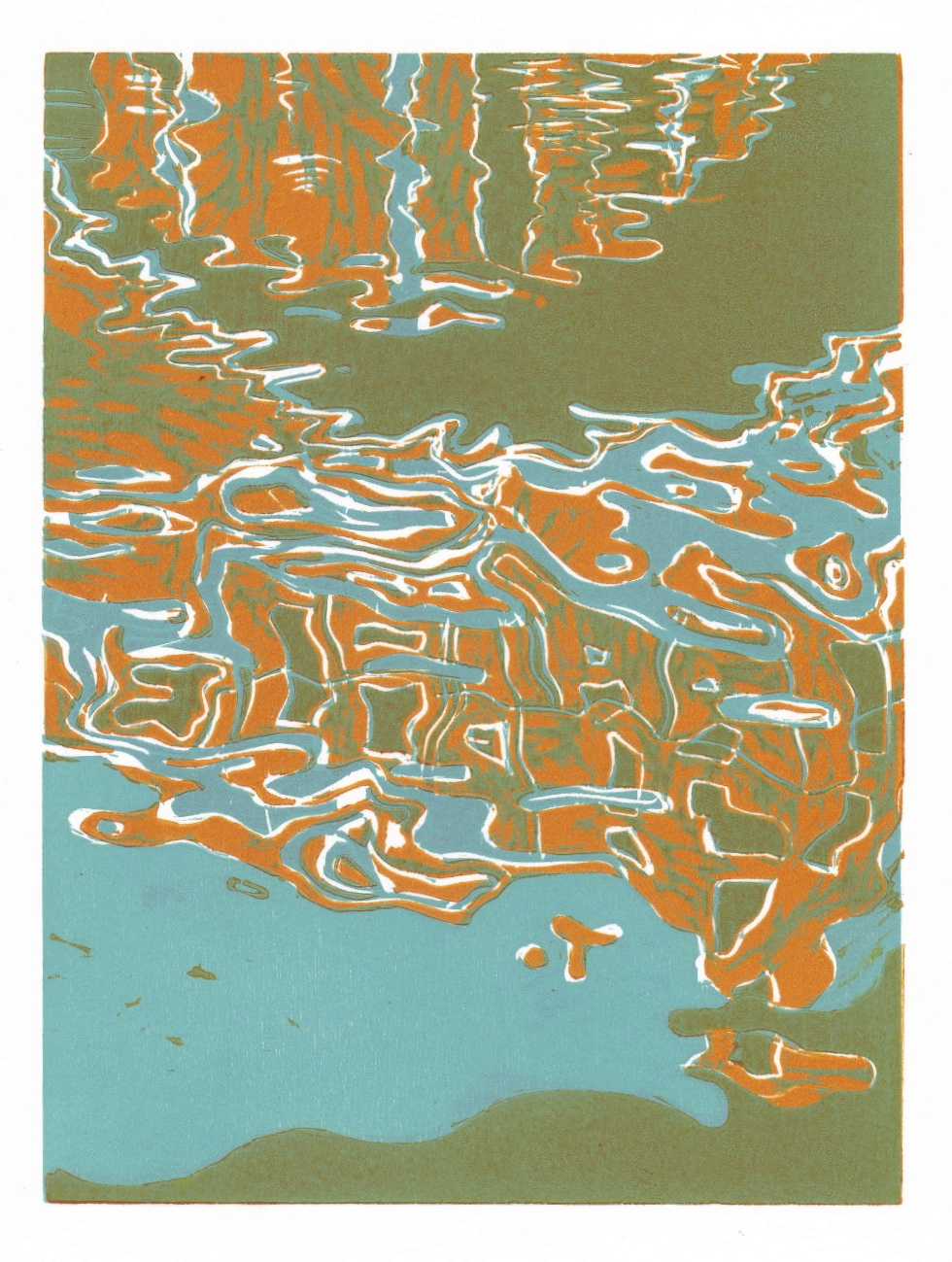
Printmaking Progress V: Woodcut Ripples

Having  satisfied myself that I have learnt the basics of etching in both zinc and copper (and having quickly realised that I am probably not all that good at Linocut) my next challenge in my quest to learn the multifaceted skills of printmaking was to learn the art of woodcut. This sudden desire to print images from carvings made in wood was very much inspired by the work of Felix Vallotton, whose superb satirical woodcuts stood out for me way and beyond his paintings at the recent Paris Grand Palais retrospective.

So when I saw a multiplate woodcut course being offered up at my favourite art college, The Art Academy in London Bridge, I jumped at the chance to enrol.

The night before the course began, I wasn’t at all sure what image to portray with my wood. On the one hand I wanted to emulate the moody mysterious social scenarios created by Vallatton, but on the other, I wanted to continue relishing in the fond memories of my recent Italy trip. Nostalgia eventually took precedence and I decided to continue my new experiment in Venetian ripples.

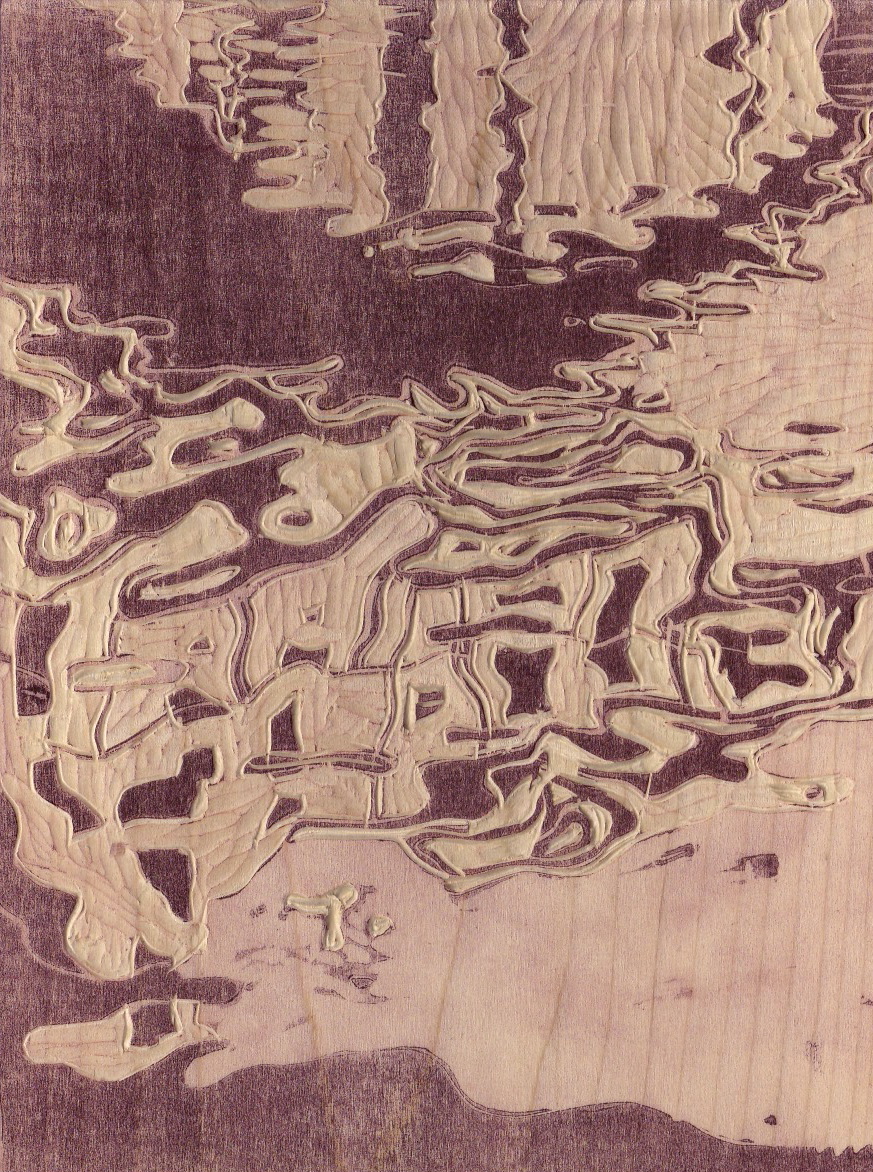
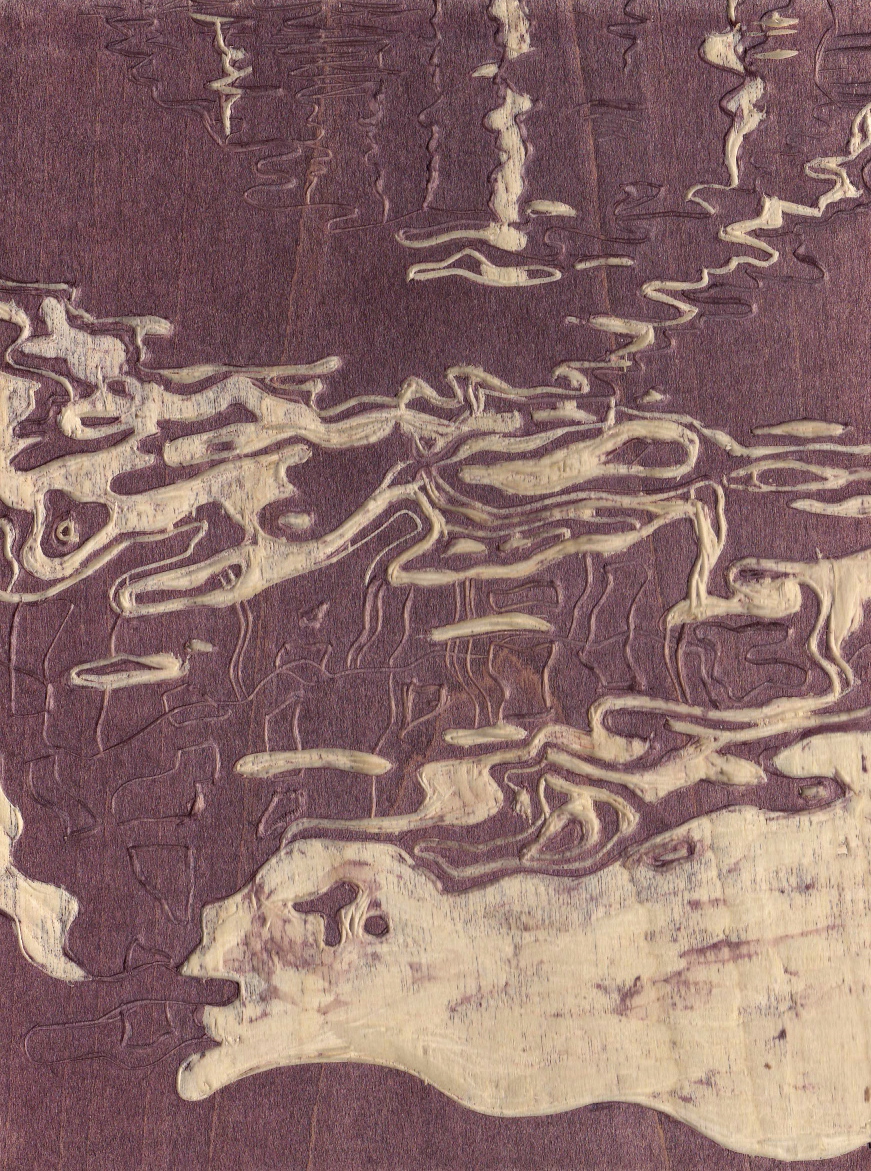
The wooden plates and a first proof

woodcut 2 woodcut 1 woodcut proof

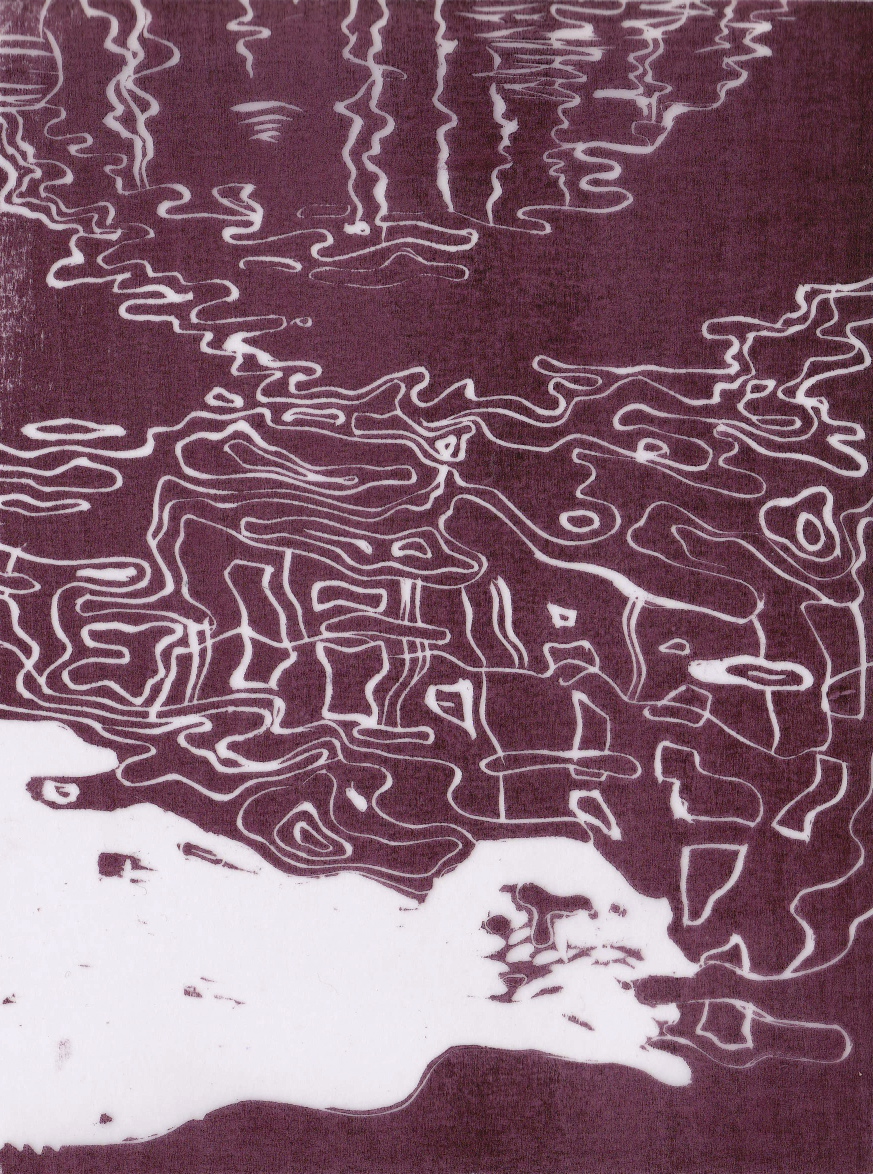
That’s all very well, except that as I was about to discover, woodcut is rather tricky for a newcomer to the medium, and having chosen a photo on which my image would be based, and drawn it onto my wood, I soon found trying to cut the fluid curving lines inherent to watery reflections nigh on impossible to cut. Yet despite a few scratches, a punctured thumb and a clear case of repetitive strain injury in my forefinger, I persevered, and the photos on this blog show both the finished woodcut print, as well as a range of prints taken along the way when I was using just two plates (and therefore two colours) before I added depth to my image with an additional third plate.

The finished print and a detail shot

Ripples on the Rio della Guerra (2014 © Nicholas de Lacy-Brown, woodcut print on paper)

Ripples on the Rio della Guerra (2014 © Nicholas de Lacy-Brown, woodcut print on paper)

Ripples DETAIL

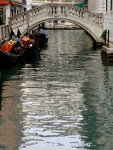
Not bad for my first attempt – I love the fact that when you first look at the print, it looks almost like an abstract expression before your mind becomes acquainted with the various darker shapes which make up the underside of the bridge, and the windows of a nearby Venetian house – all seen rippled of course.

Much inspired I’m sure that more woodcuts will follow as I continue my merry journey into the world of printmaking.

Alternative colours and a print run of the final print

red ripple yellow ripple orange ripplephoto

© Nicholas de Lacy-Brown and The Daily Norm, 2001-2014. Unauthorized use and/or duplication of the material, whether written work, photography or artwork, included within The Daily Norm without express and written permission from The Daily Norm’s author and/or owner is strictly prohibited. Excerpts and links may be used, provided that full and clear credit is given to Nicholas de Lacy-Brown and The Daily Norm with appropriate and specific direction to the original content. For more information on the work of Nicholas de Lacy-Brown, head to his art website at www.delacy-brown.com

Bianco Nero – Italy in a Vintage Light

As an artist who loves colour, who believes dulling down the vibrancy of paint straight from the tube is a kind of sacrilege, I am incredibly drawn to the power and atmosphere of black and white. It’s always surprised me that in the process of draining all of the colour out of an image leaving only tone and light and shadow behind, all of the emotional charge of the image is somehow more focused, almost as though the absence of colour leaves room for passion to breathe.

And it’s not just photos either. Black and white films hold an endless fascination for me, and once you’ve watched a few, you become so charmed by their subtle nuanced light that the next colour film you watch seems all too jarring and unauthentic. It’s like a calendar I recently saw in Rome of Audrey Hepburn’s famous debut Roman Holiday. On one page were beautiful black and white stills from the film we all know and love so well; on the next coloured up versions, which looked so Disney and brash by comparison. And then of course there’s Picasso’s Guernica – one of the most powerful paintings in all of the history of art – despite being painted exclusively in tones of grey.

While it’s tempting to think that the appeal of black and white photography harps back to a vintage age, when life was elegant and free from the trappings of modern life, a theory easily justified by photography heroes such as Doisneau and Brassai who so perfectly captured Paris in black and white in the inter-war years, in fact, as this post attempts to show, black and white can be just as atmospheric even when adapted to the modern age.

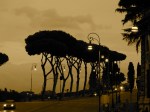
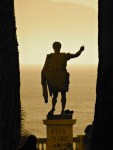
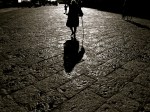
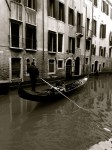
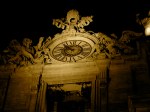
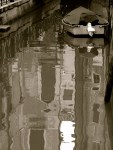
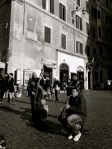
DSC00892 IMG_6910 DSC00073 DSC09967 DSC00876 DSC00682 DSC00339 DSC01432 DSC00841

After weeks recollecting my recent trip to Italy, my final hurrah is a post which explores the medium of black and white photography (along with a few sepia examples thrown in to boot) with Italy and its people as a willing model. Of course it’s easy in the digital age to convert a standard colour photograph to black and white and back again, but as these shots hopefully demonstrate, the transformation is far from just the colour.

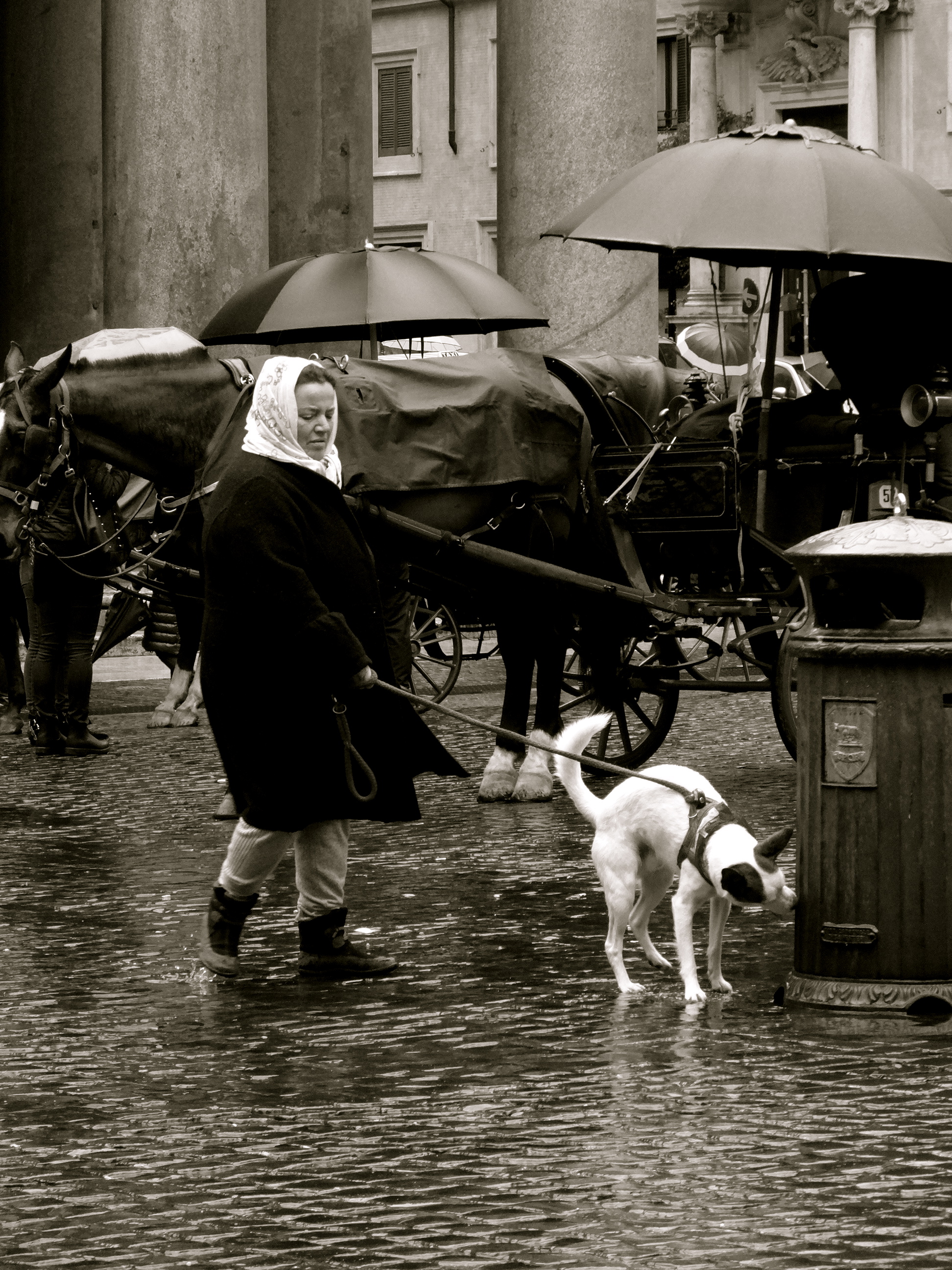
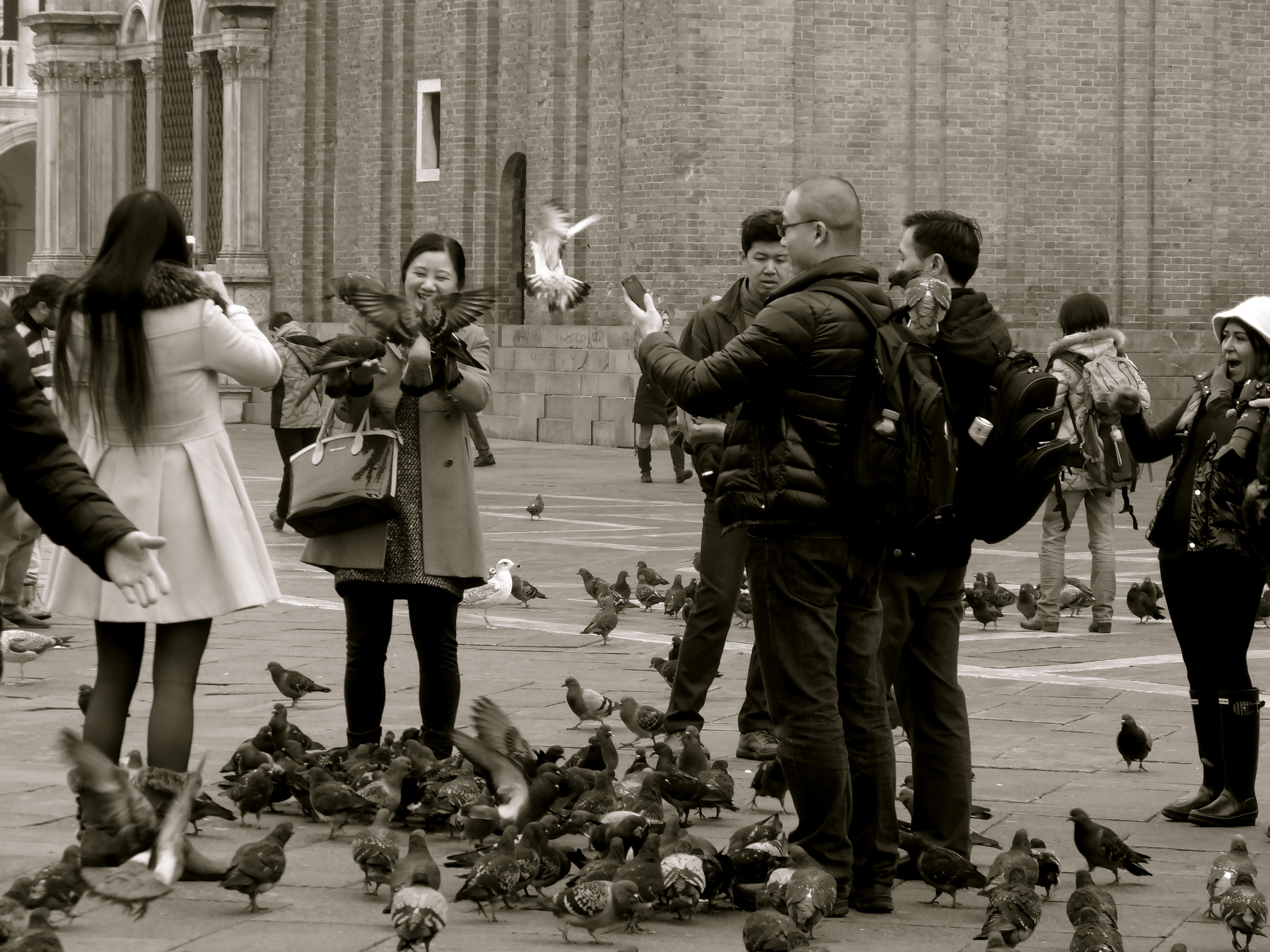
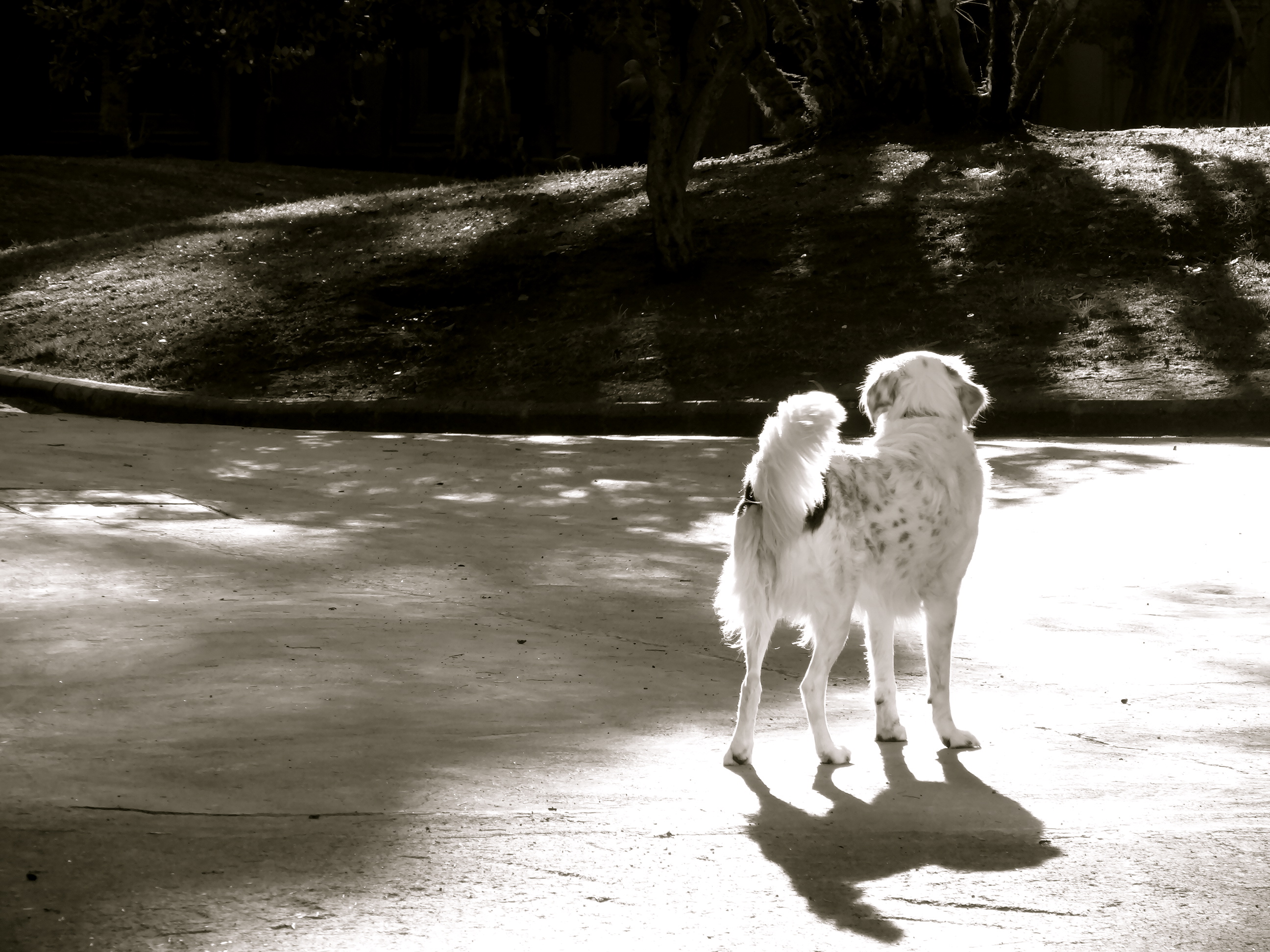
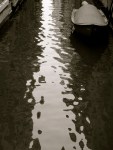
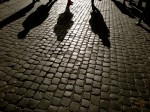
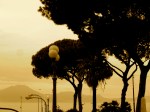
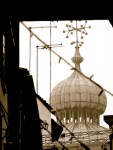
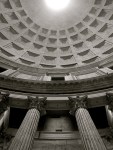
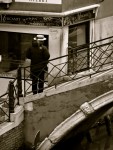
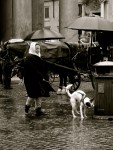
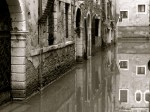
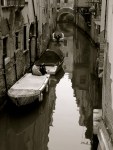
Moody, evocative, almost caught in a time vacuum, these shots have taken on a character all of their own just for being distilled in monochrome. Without the blue of the Venetian water, a ripple takes on an abstract, mysterious form; with the colour gone from their faces, random passers by in Roman squares look like actors from a golden age film; and in Naples, the shadow of an old woman in the sunlight is, in black and white, like a menacing character straight out of Victorian fiction. Now that truly is the power of black and white.

All photos and written content are strictly the copyright of Nicholas de Lacy-Brown © 2014 and The Daily Norm. All rights are reserved. Unauthorized use and/or duplication of the material, whether written work, photography or artwork, included within The Daily Norm without express and written permission from The Daily Norm’s author and/or owner is strictly prohibited. 

Vintage Italy – advertisements from a golden age

Many may have empathised with the characters Gil and Adriana in Woody Allen’s 2011 film, Midnight in Paris, who were accused of having suffering from “golden-age nostalgia” – the condition whereby a person believes that a previous era was better than the present. In a way, the purpose of the film was to disprove this way of thinking, since Gil’s obsession with the 1920s led him to meet Adriana who was from the 1920s but who herself thought the golden age was the Belle Epoque, who in turn met the likes of Degas and Manet in the Belle Epoque who in turn thought the golden age was the renaissance…and so it goes on. Which just goes to show that “the grass is always greener” applies to the past as well as a comparison of your own life with other possibilities.

italy


Despite this chord of warning which was espoused in Woody Allen’s film, I have to admit to suffering from a little golden-age nostalgia myself. Who could not pine after the elegance of evening dress in the 20s and before – the Downton Abbey style of dressing for dinner every evening and the top-hatted gentlemen in the Moulin Rouge? True, much of my nostalgia is probably founded in fiction – of course we all know that sanitary conditions and general quality of life was probably much lower then than we are used to now, especially for the poor. But nonetheless, the charm of past years cannot help but seep into my imagination, and fill my days with a warm sense of longing for a time of sophistication and innocence. And that charm is no more embodied than in the multi-coloured art work of vintage advertisements at the start of the great commercial age.

venice 2011087_1_l AP513H-vesuvius-gulf-of-naples-italy-1920s


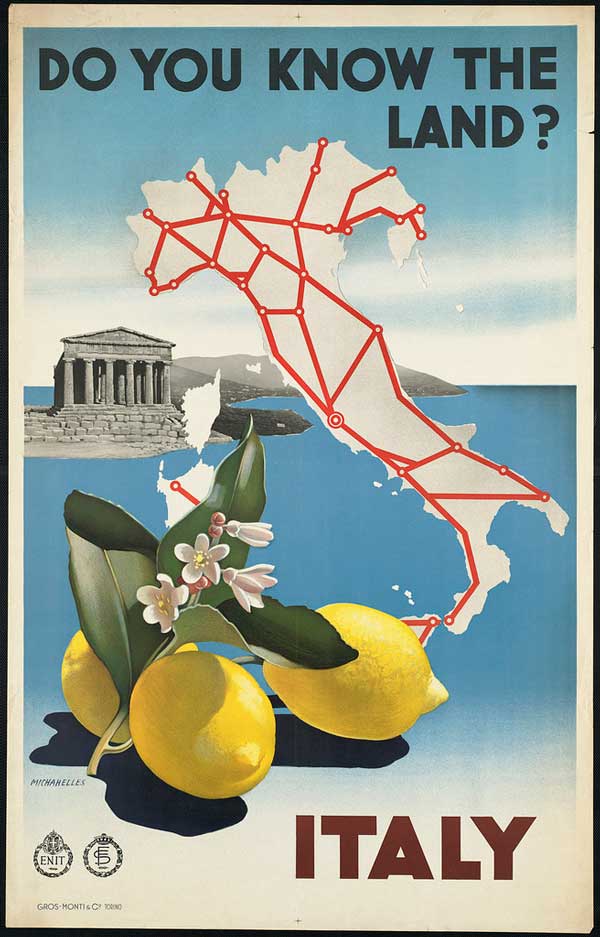
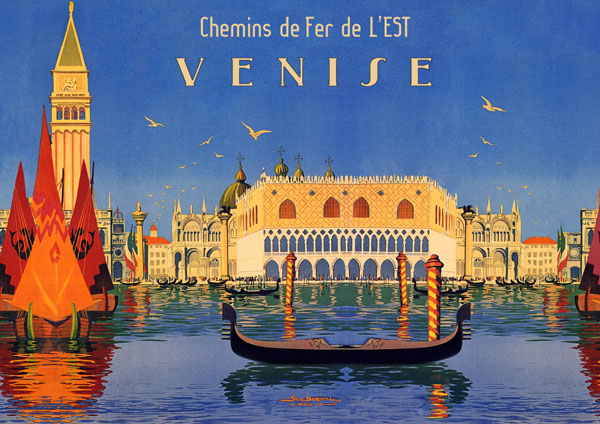
I love old adverts. This passion is directly inherited from my father who collects enamel advertisement signs and various advertising paraphernalia. Sadly I have to make do with reproduction postcards and posters, but the images are no less pleasurable for the reproduction. And following on from my recent series of Italy posts, I thought I would share with you a few classic examples of the vintage advertising age promoting the very cities which I have just visited: Venice, Rome and Naples.

photo 1 AP463-roma-rome-italian-travel-poster-1935 Napoli 1960

With their bold lettering, romanticised skies, bright colours and simple motifs, it is completely understandable how these posters would have been effective in luring the pre or post-war era of awakening travellers to the charms of Italia. If only adverts today could exude such innate charisma. Oh no… there I go with my golden-age nostalgia again. I think I’d better leave you with the posters. Till next time…

photo il_570xN.342658530

Ripples 1: Venice (Yellow window)

In the last of my posts on Venice, which also happened to be a post about the 5th of my 2007 paintings of the watery city, I hinted at the prospect that a new collection of works painting in homage to Venice would surely follow. Well today I am excited to share with you the newest painting to come off my easel, a creation which not only marks a new homage to La Serenissima herself, but also represents my first completed effort of 2014 (something I only realised when I was close to signing it 2013 by mistake – near disaster averted).

Unlike my previous Venice works, which explored the beauty of the city itself as well as the wonder of Venice reflected in the ripples of its canals, all reference to the permanent structures above water have now gone, and sole focus has moved to the wonderful watery image which presides below.

Ripples 1 (Venice: Yellow Window) (2014 © Nicholas de Lacy-Brown, gouache on paper)

Ripples 1 (Venice: Yellow Window) (2014 © Nicholas de Lacy-Brown, gouache on paper)

In this first attempt at capturing those rippled images, I have created something which is first a window, but second of all an abstract image which flows and merges to create different more unfamiliar forms in its partnership of yellows and blues.

The work, which is my 13th exploration in the medium of gouache which I discovered last year, is already set to be one of my favourites of the lot, and I’m excited about painting a whole lot more ripples to add to this one, and to seeing where the collection will lead me.

© Nicholas de Lacy-Brown and The Daily Norm, 2001-2014. Unauthorized use and/or duplication of the material, whether written work, photography or artwork, included within The Daily Norm without express and written permission from The Daily Norm’s author and/or owner is strictly prohibited. Excerpts and links may be used, provided that full and clear credit is given to Nicholas de Lacy-Brown and The Daily Norm with appropriate and specific direction to the original content. For more information on the work of Nicholas de Lacy-Brown, head to his art website at www.delacy-brown.com

Venice: My paintings (Part 3) – The Rialto

As The Daily Norm waves goodbye to Venice (for now at least – I feel the need to return in warmer climes to capture the city endowed by blue skies and glittering sunshine), I thought it an appropriate time to share two artistic reflections on the city’s grand canal with you, both created by my own fair hand.

The first piece is a painting which marked the climax of my small Venice series of paintings, the previous four of which I have already shared with you in previous posts. More akin to a traditional Canaletto style of work, I painted this reflection on the grand central canal of Venice shortly after visiting the city in 2007. This painting is not so much about the ripples or the details of the buildings or gondolas, but about the grandeur and beauty of the city when considered from one of its most popular viewpoints –here from atop the famous Rialto Bridge.

Venice V (2007 © Nicholas de Lacy-Brown, oil on canvas)

Venice V (2007 © Nicholas de Lacy-Brown, oil on canvas)

I was so pleased with the finish of this work – the effect of light on the water in these dying hours of a sunny winter’s day in the city. The work, which I painted in oil on canvas, was sold shortly after completion, and now hangs in a solicitors firm in Sussex.

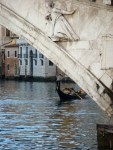
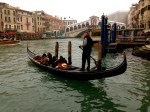
Meanwhile, talking of the Rialto Bridge, I thought I would also return to another of my works, albeit this time one of my Norm sketches completed in a completely different style and medium – this time in pen and ink on paper. This small sketch was completed in 2012 as part of a series of Italy Norm sketches which included Rome, Florence, Pisa, the Vatican and Sicily, and the original can now be found hanging in a small town by the Mediterranean sea in Tuscany along with the rest of the series. The sketch, which shows Norm tourists and gondoliers alike slowly ambling along the Grand Canal under the architecturally renowned Rialto Bridge, was originally featured on this blog in July 2012 – but 18 months on, I think it’s only right that it gets a good airing.

Norms in Venice (2012 © Nicholas de Lacy-Brown, pen and ink on paper)

Norms in Venice (2012 © Nicholas de Lacy-Brown, pen and ink on paper)

My head is now filled with the prospect of new Venetian paintings – hopefully I’ll be featuring one on The Daily Norm soon!

© Nicholas de Lacy-Brown and The Daily Norm, 2001-2014. Unauthorized use and/or duplication of the material, whether written work, photography or artwork, included within The Daily Norm without express and written permission from The Daily Norm’s author and/or owner is strictly prohibited. Excerpts and links may be used, provided that full and clear credit is given to Nicholas de Lacy-Brown and The Daily Norm with appropriate and specific direction to the original content. For more information on the work of Nicholas de Lacy-Brown, head to his art website at www.delacy-brown.com


Natale Italiano | Venice – A photographic miscellany

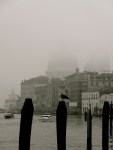
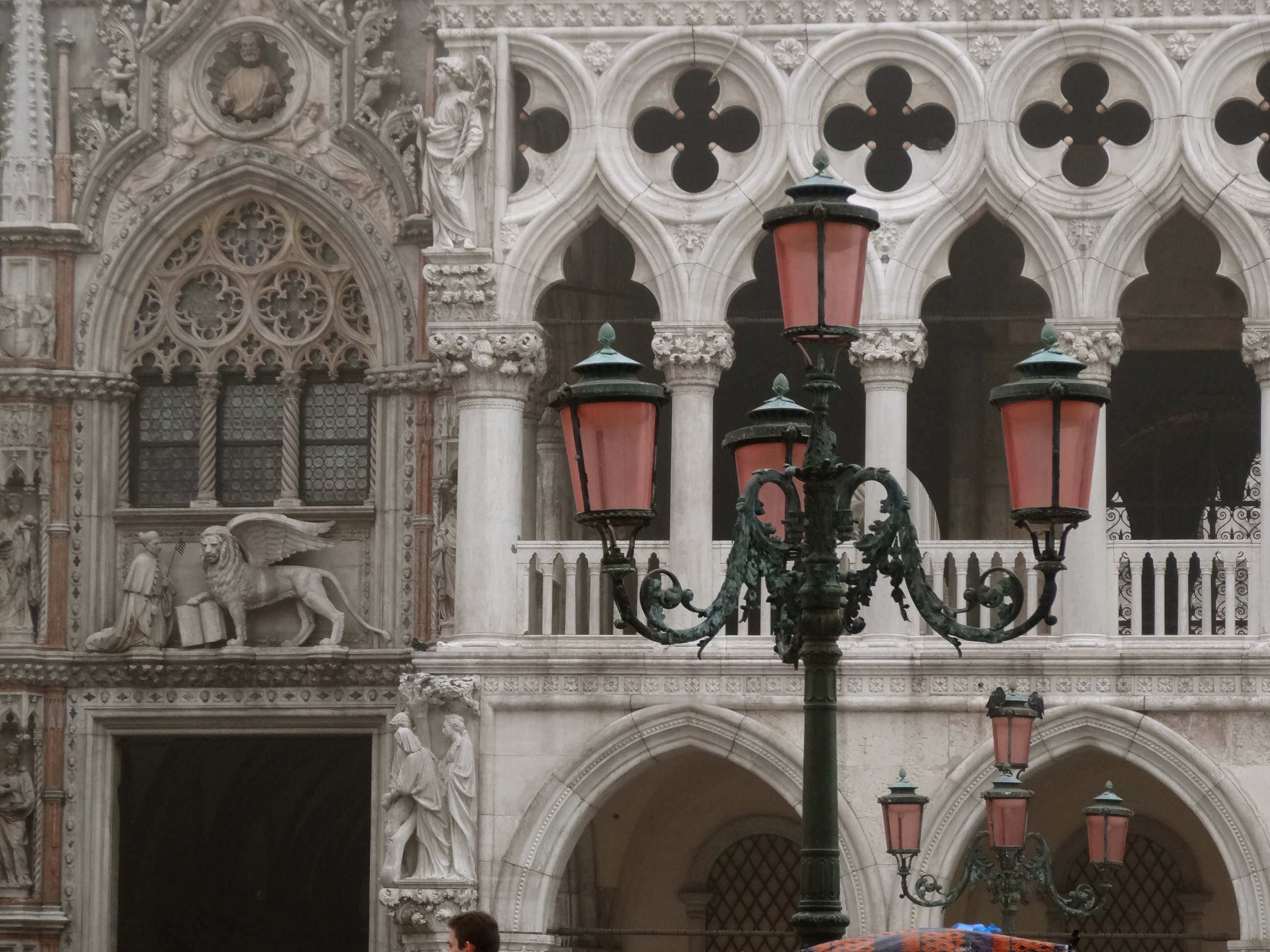
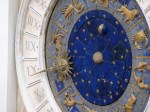
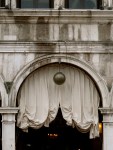
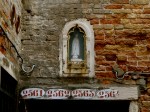
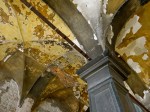
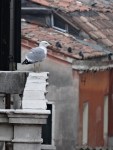
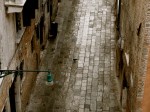
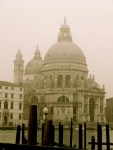
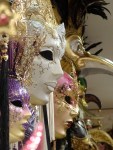
From rose-tinted street lamps and highly-glossed gondolas, to gilded, feathered and hand-painted masks and the much weathered but still glorious colonnades of the Piazza San Marco; this is an album of miscellaneous photos of Venice captured on my recent travels, and with which I shall bid adieu to my tales of Venice on this blog. But despite my finding no better collective title for this set than “miscellaneous”, they are nonetheless bound by one harmonious element: the glory of La Serenissima herself. Venice: City of bridges, of masks, of canals; City of the winged lion, of gilding and of glass. It’s a city whose beauty transfers so easily to all forms of artistic expression. And in photography, it is possible to capture the mood and elegance of the city whatever the weather.

DSC00265 DSC09886 DSC09972 DSC09881 DSC00336

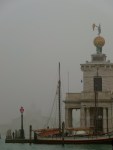
Because every turn of every corner in Venice is like some kind of stroll into wonderland, almost like a make-believe theme park manufactured to pleasure the senses rather than fulfil any kind of logical purpose, there were opportunities to take photographs almost every second of our time on the island city. And so limiting my set of some 1,300 photos down to a featured few has been both a challenge and a delight. But of those which made the cut, I think a sense of the unique mysticism of the city shines through, not only in the deeply atmospheric shots of the lagoon shrouded in mist and the ancient artefacts which pepper the city, but also in the glimpses of those enigmatic masks, calmly gliding gondolas, and the neglected facades of once grand buildings whose every crack and rupture tells a hundred stories of the abundantly rich and decadent history of this city.

I give you Venice: in photographs

See you soon… in Rome!

All photos and written content are strictly the copyright of Nicholas de Lacy-Brown © 2014 and The Daily Norm. All rights are reserved. Unauthorized use and/or duplication of the material, whether written work, photography or artwork, included within The Daily Norm without express and written permission from The Daily Norm’s author and/or owner is strictly prohibited. 

Natale Italiano | Venice – Day 3: Tintoretto Treasure Trove

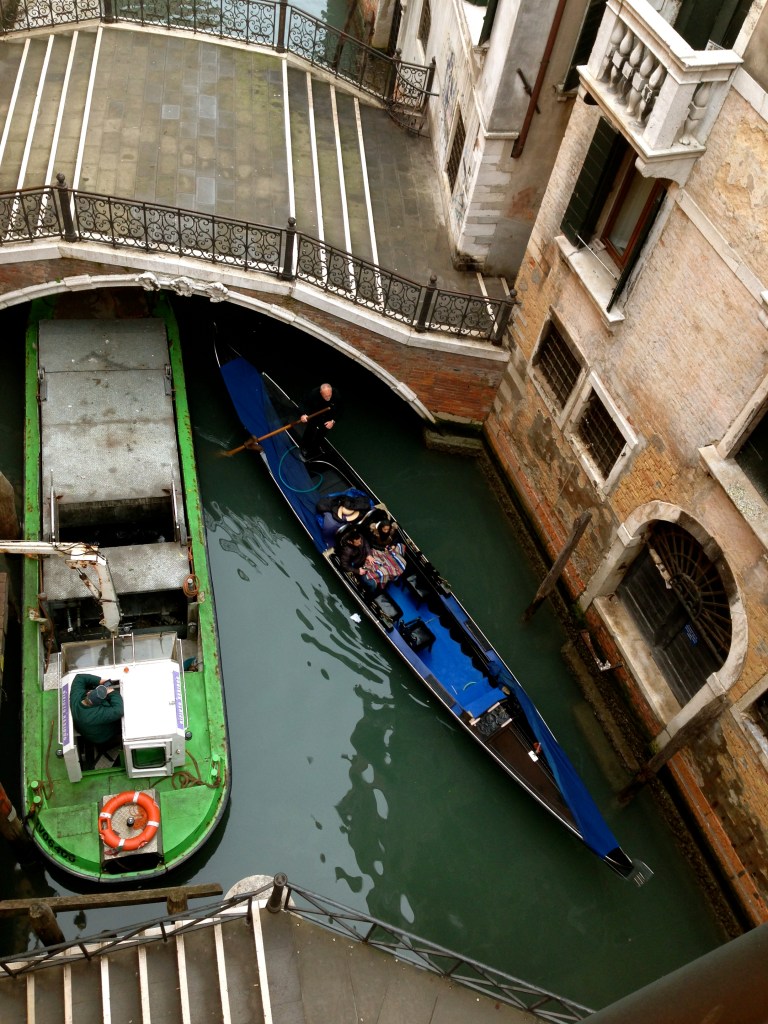
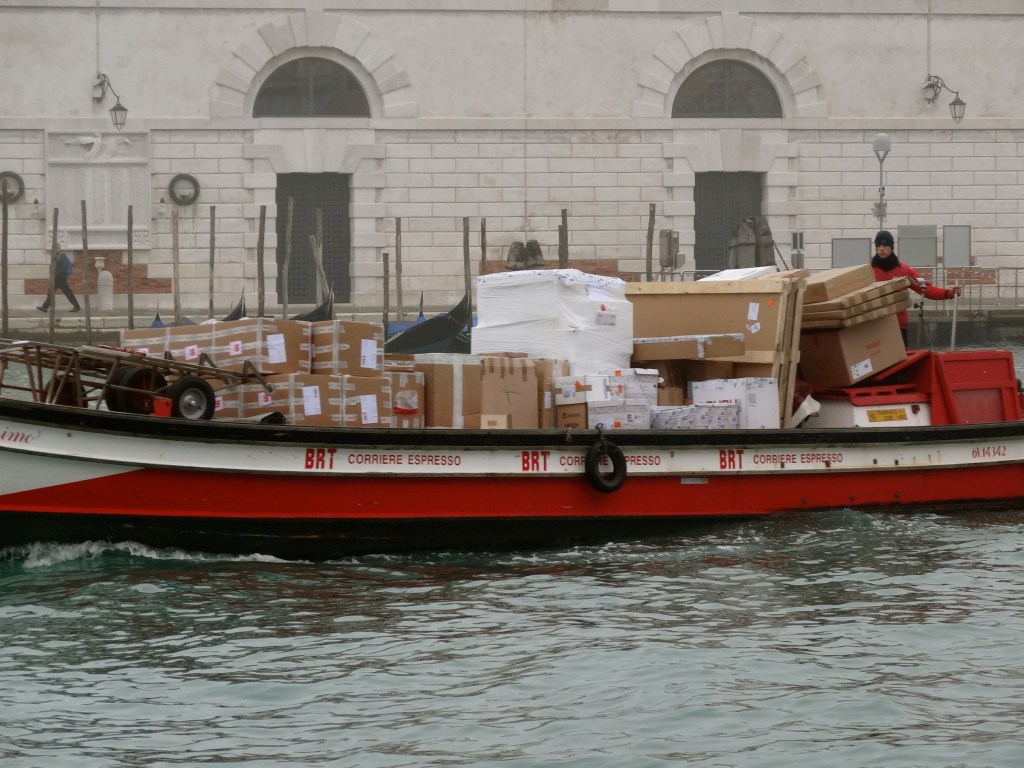
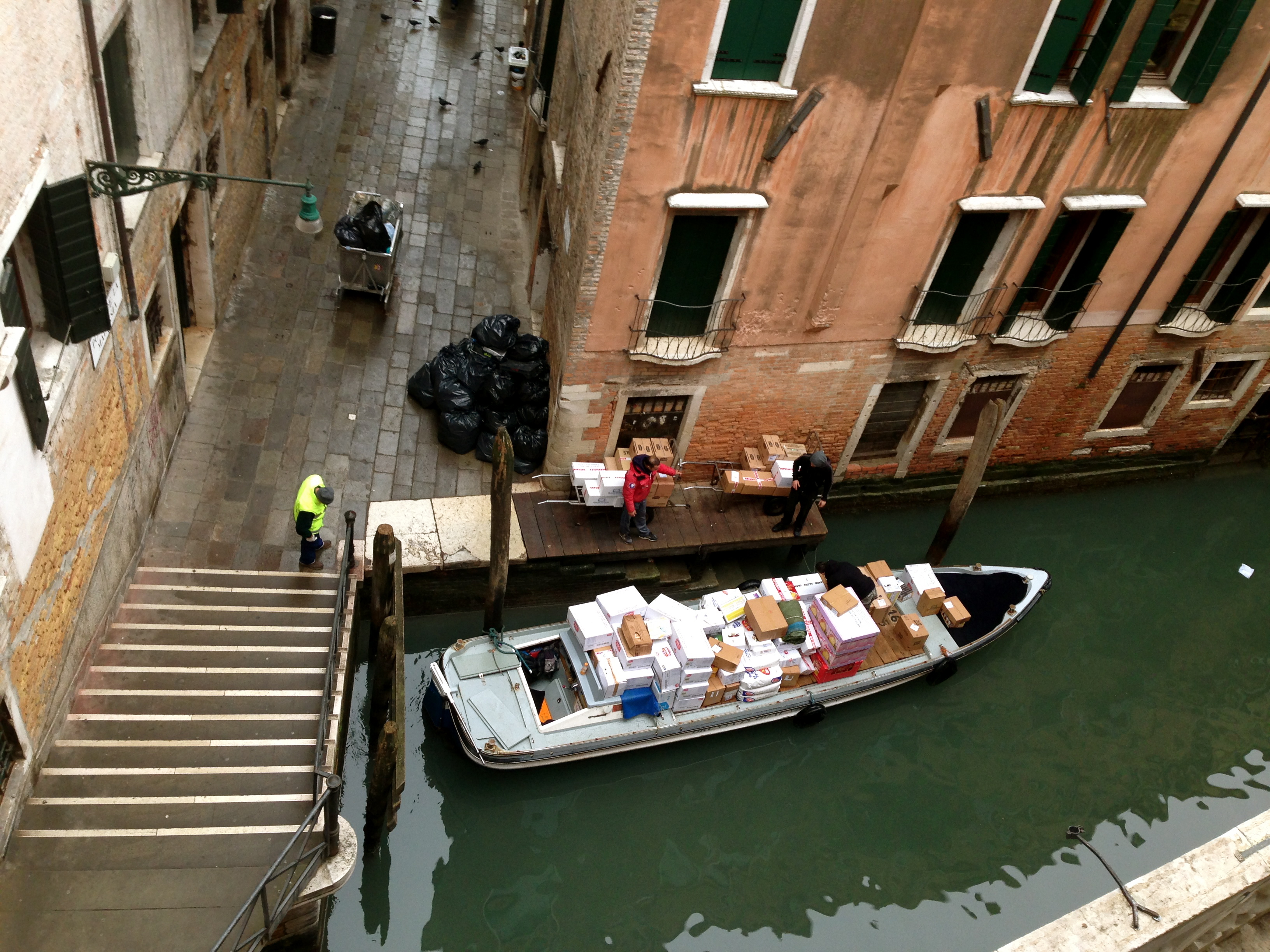
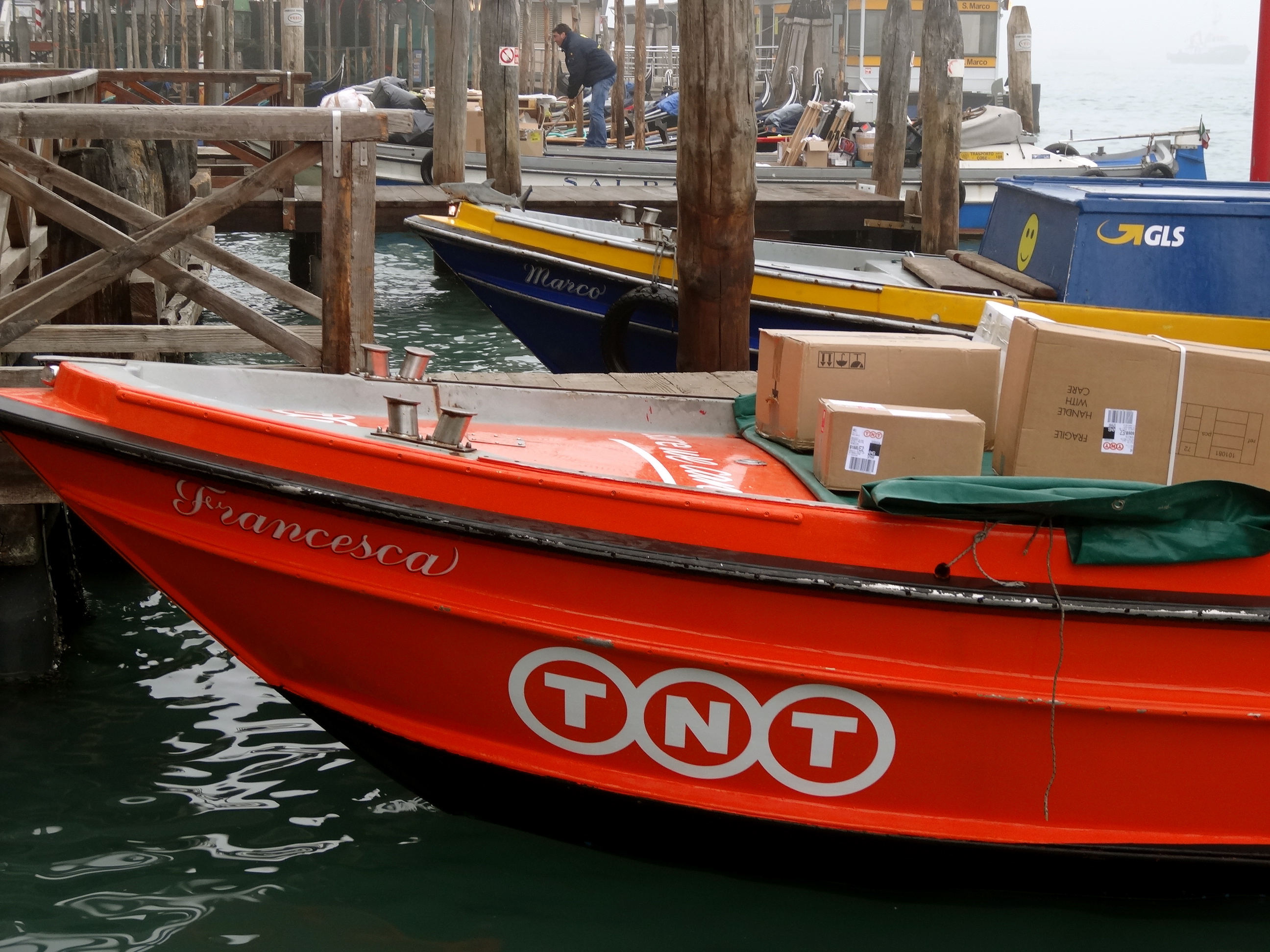
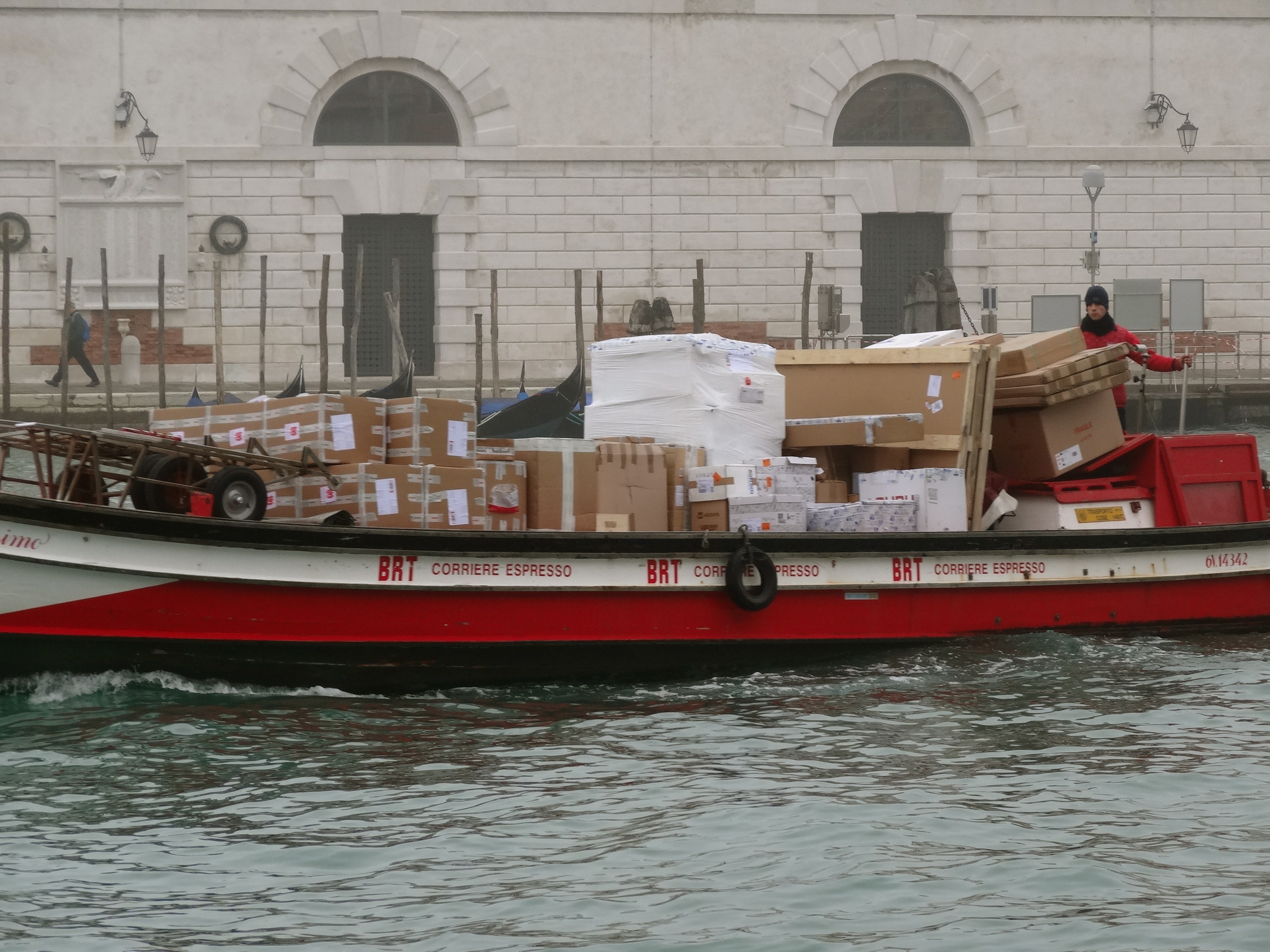
Compared with the weekend days we had spent in Venice so far, waking up to the city on a Monday was a quite different experience. Suddenly, canals which had previously been so quiet, hosting only a lone gondola or two, had suddenly become bustling with working people. It was captivating to watch how Venice came alive, not just as a tourist funfair, but also as a living city with the practical needs and commercial transactions that go with it. So, for example, I whiled away many a minute at the beginning of this day watching a post delivery boat in the canal below our room offloading large parcels onto the quayside, as well as a rubbish boat a few canals down, loading the weekend’s refuse onto its bobbing timbers. It was fascinating to note (although I suppose the thought should have been obvious) that in Venice everything really does come and go via water – a city intrinsically married to the transient milieu which surrounds it.

Venice awakens

IMG_6271 IMG_6278 DSC00308 DSC00316

But we didn’t have time to stop and stare for too long, no matter how tempting that may have been. We had art on the mind – something which comes easily in a city whose historical relationship with art was so strong that today the small island has become an abundant treasure trove of art historical treasures. And no where on the island can you see such a spread of these artistic riches than in the city’s primary gallery, the Gallerie dell’Accademia.

I vividly remember visiting the gallery on what was probably the first day of my art history course in 2001. Our teacher, Grant (“Grantus”) took us into the first main gallery there and sat us on the floor amongst panel after panel of glinting gilded altarpiece paintings. There he took out of his pocket what looked to be a sheet of gold and, like a magician, threw the gold up into the air letting it flutter into our hands. This demonstration served as a introduction to the lavishness of Venetian art, from the gold leaf which adorned the background of these pre-renaissance altar pieces, to the scale and astonishing execution of some of the greater works which came later.

Veronese, Feast at the House of Levi

Veronese, Feast at the House of Levi

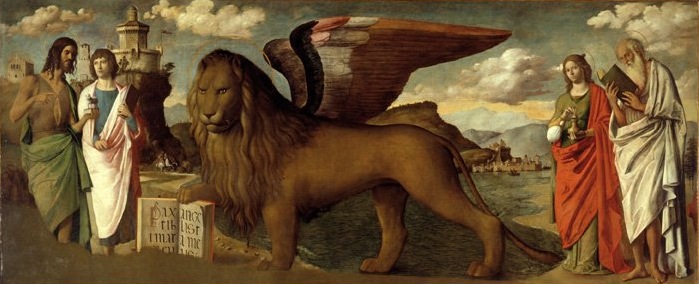
Back in 2013, and the Accademia continued to captivate me as it had 12 years before. For who could not be entranced and knocked back a little by the vast masterpiece, Feast at the House of Levi by Veronese. Originally entitled The Last Supper, Veronese had been forced to change the name when the painting, which shows the traditional Last Supper set-up surrounded by all manner of musicians, actors, animals and various unsavouries, attracted the attention of the Roman Catholic Inquisition. The inquisition called Veronese to answer for what they considered to be the “irreverence and indecorum” of including within the scene depicting Christ and his Apostles a band of “buffoons, drunken Germans, dwarfs and other such scurrilities”. Thanks mainly to the support of Venetian authorities, the painting was saved – but the name changed. And here it hangs to be widely admired today, alongside other brilliant masterpieces – amongst my favourites Bellini’s Madonna of the Red Cherubs, which looks almost futuristic with those surreal blood red cherubs behind her, Antonio Rosso’s Madonna Enthroned, and Giambattista Cima da Conegliano’s Lion of Saint Mark.
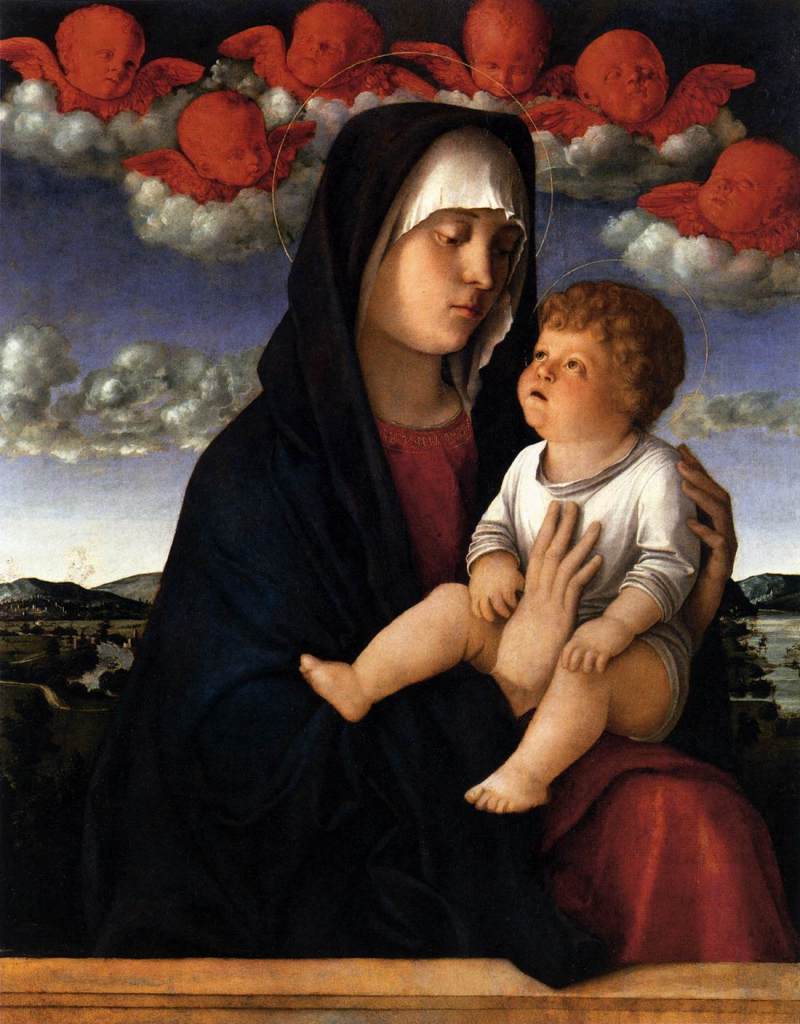
Bellini, Madonna of the Red Cherbubs

Bellini, Madonna of the Red Cherbubs

Giambattista Cima de Conegliano, The Lion of St Mark

Giambattista Cima de Conegliano, The Lion of St Mark

Antonio Rosso, Madonna Enthroned

Antonio Rosso, Madonna Enthroned

However, my favourite work of all continues to be St Mark’s Body Brought to Venice by Venetian supremo, Tintoretto. With its ephemeral light and whispish ghostly forms over on the left of the canvas, as well as its moody blood red sky and dramatically shadowed body of St Mark, the painting demonstrates, to my mind, modernity beyond its time (Tintoretto painted it in 1548). It could easily be mistaken for a surreal masterpiece by Salvador Dali, and you can see the influence of Tintoretto in artists who came later, like Spain’s El Greco with his looser, dramatically coloured figures.

Tintoretto, St Mark's Body Brought to Venice (1548)

Tintoretto, St Mark’s Body Brought to Venice (1548)

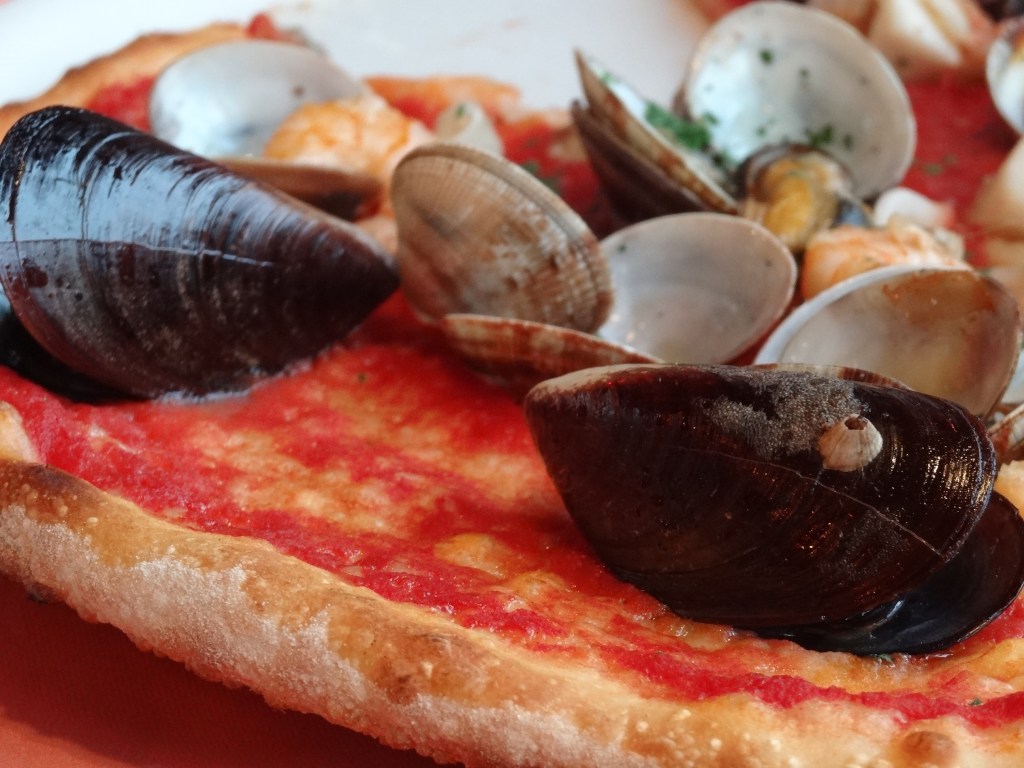
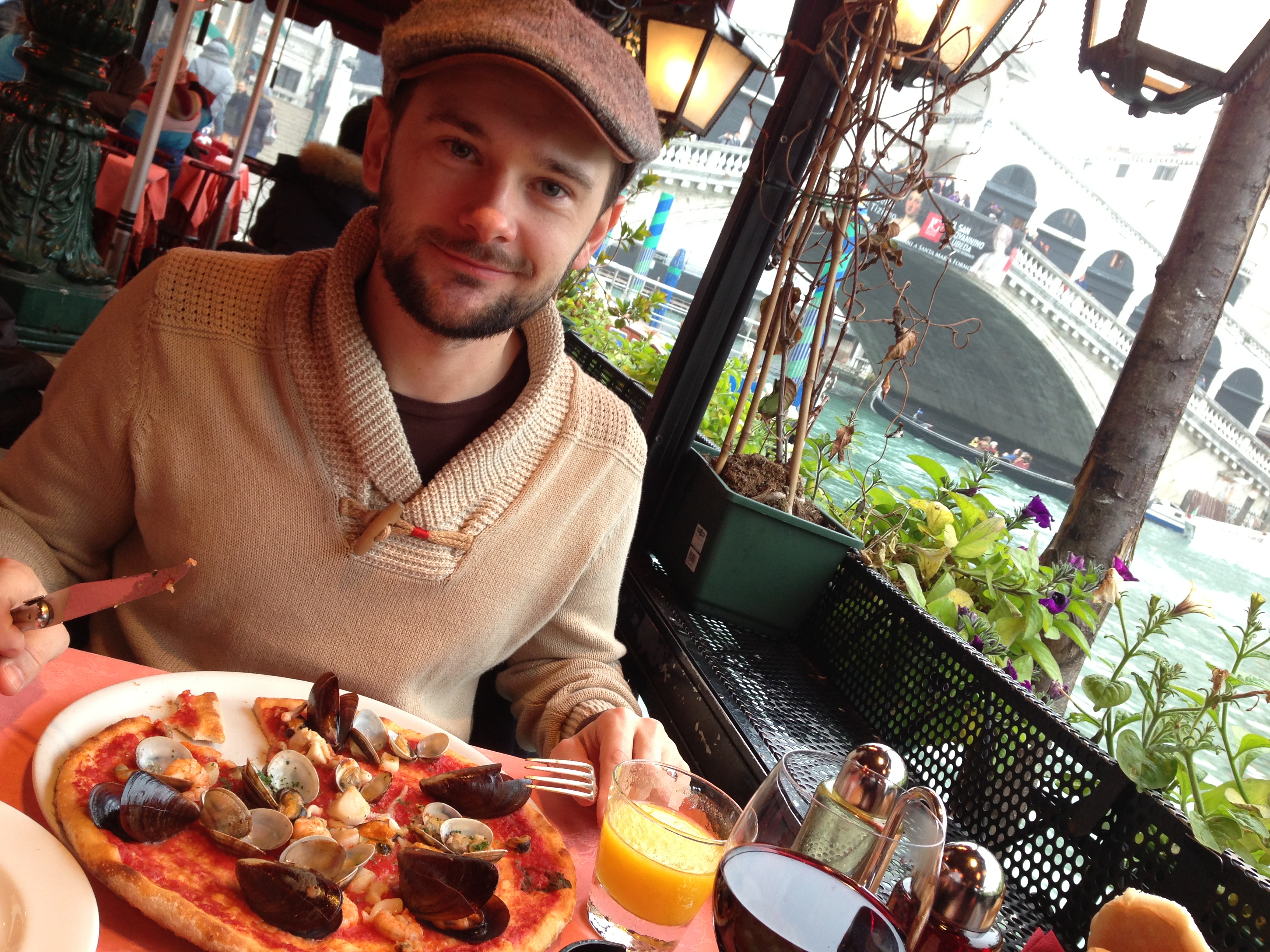
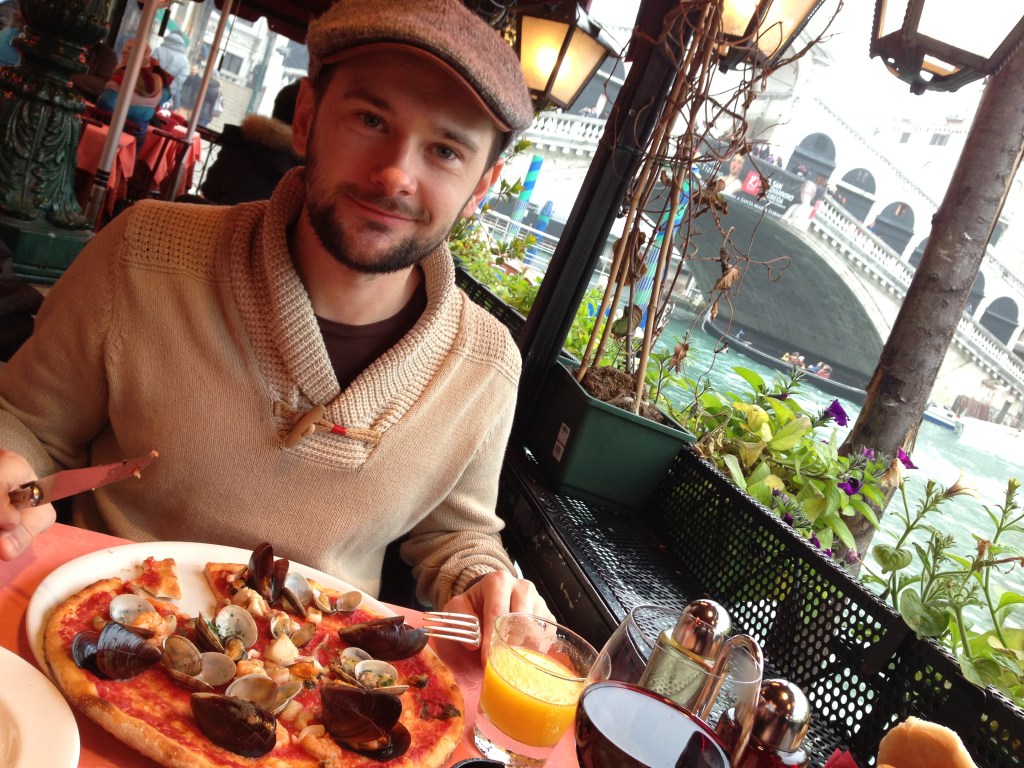
But as we were to discover, the handful of Tintoretto’s on show at the Accademia would only scratch the surface of the Tintoretto treasure trove to be found in Venice. And to discover to what extent Venice lavished upon this artistic supremo, and just how much Tintoretto painted in return, one has to visit the mind-bogglingly beautiful salas of the Scuola Grande di San Rocco, where we headed that afternoon (We did so after a pizza in a slightly dodgy looking tourist pizzeria near the Rialto Bridge. With a view that good, I didn’t think the food would be up to much but we were pleasantly surprised – a perfectly crispy pizza base munched over an unbeatable view: Priceless).

Lunch with a view…
IMG_6210 DSC00390 DSC00407

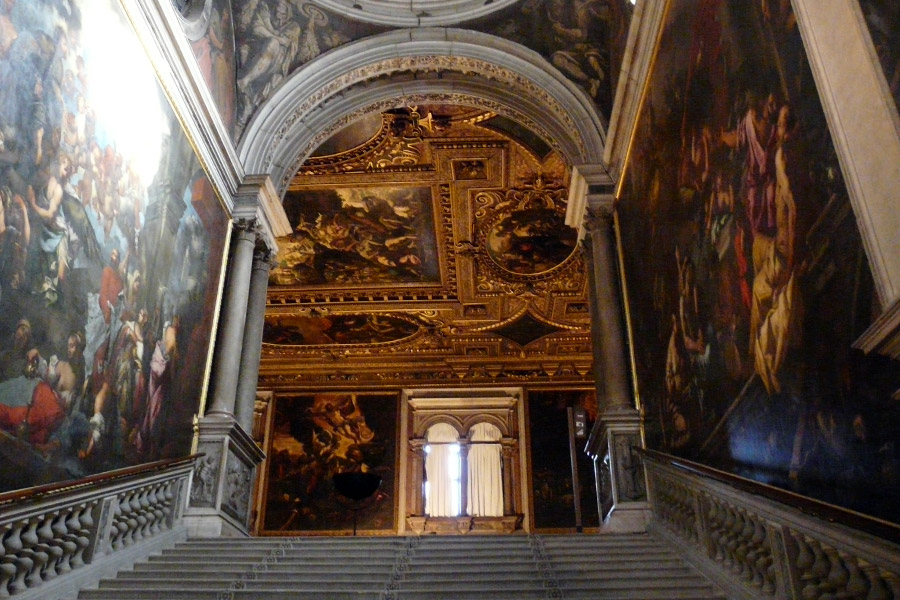
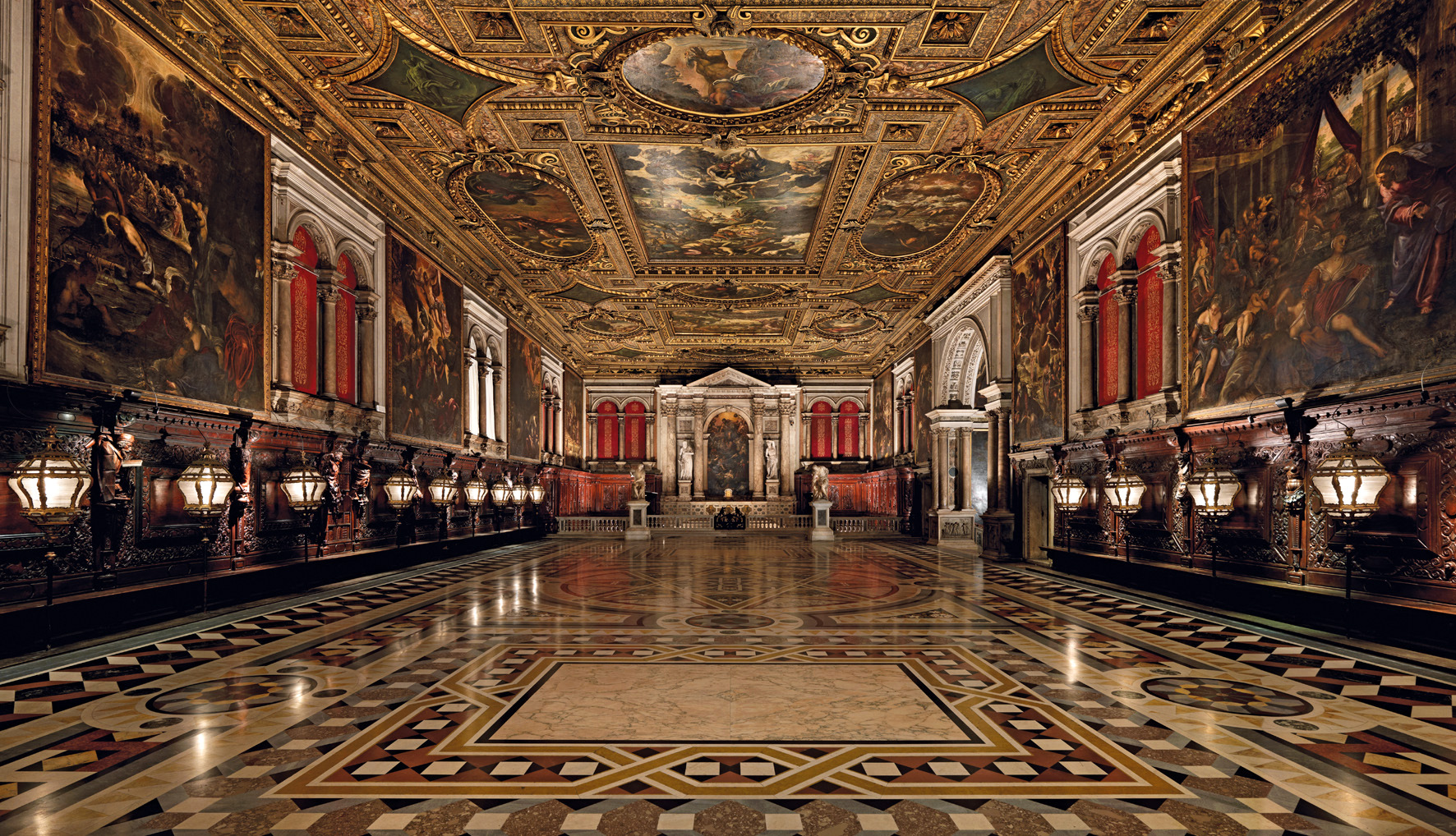
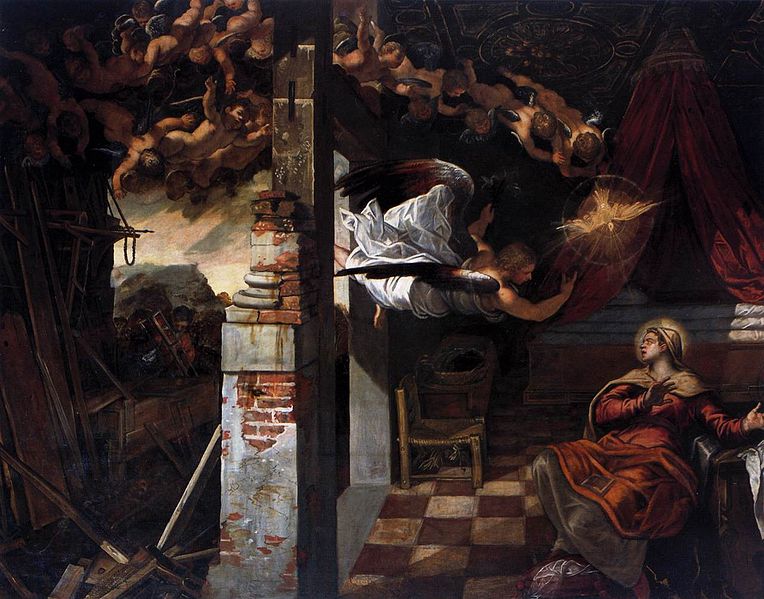
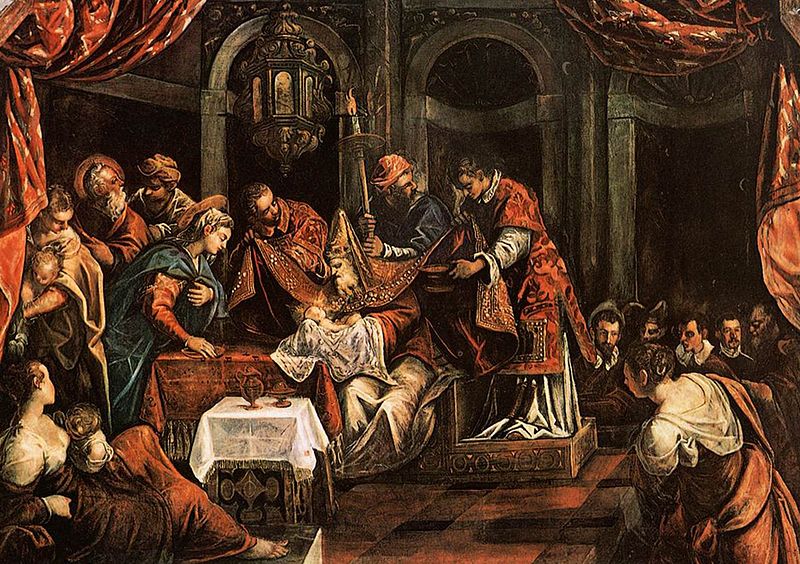
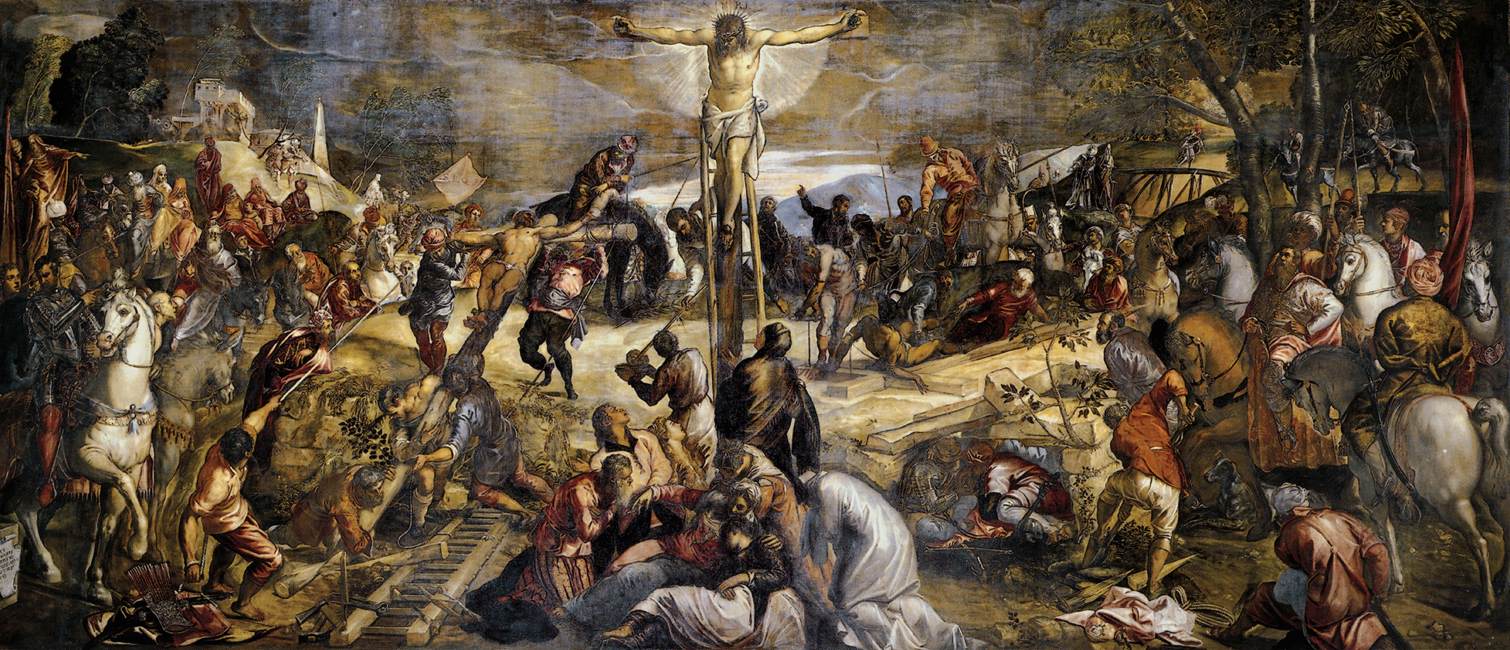
Between 1565 and 1567 and again from 1575 to 1588, Tintoretto, in an incredibly prolific bout of creativity, painted some 50 masterpieces to cover the walls and sensationally gilded ceiling of the new showcase palace of the Confraternity of St Roch. The cycles, dealing with both old testament stories as well as the birth and life of Christ (culminating in a huge crucifixion masterpiece) are startling in their action packed illustrations of these well-known stories, demonstrating more than ever before Tintoretto’s brilliant dexterity when it came to perspective and light, as well as his ability to paint effectively on a monumental scale.

The Scuola Grande di San Rocco

Salone superiore, Scuola grande di San Rocco, Venezia scuola-san-rocco-interior Scuola-Grande-di-San-Rocco3

There was so much to look at in the Scuola, from the sensational wood carved panelling along the walls, and the incredibly opulent gold ceiling and grand staircase leading up to this first floor paradise, that the Tintoretto’s could easily have become second fiddle to the general sensation which one feels when entering the room. Nonetheless, you want to spend at least 10 minutes concentrating on each of Tintoretto’s masterpieces, but soon realise that were you to give them such time, you would remain in the place for a whole day. And so eventually we had to drag ourselves away, leaving the Scuola Grande with such a sense of awe that the previous day’s exploration of all this golden and glamourous had just reached absolute overdrive.

Tintoretto Cycle - Miracle of the Bronze Serpent

Tintoretto Cycle – Miracle of the Bronze Serpent

Tintoretto Cycle - The Annunciation

Tintoretto Cycle – The Annunciation

Tintoretto Cycle, The Adoration of the Shepherds

Tintoretto Cycle, The Adoration of the Shepherds

Tintoretto Cycle - Christ Circumcised

Tintoretto Cycle – Christ Circumcised

Tintoretto Cycle - The Last Supper

Tintoretto Cycle – The Last Supper

Tintoretto Cycle - The Crucifixion

Tintoretto Cycle – The Crucifixion

Exhausted by the efforts of trying to take all this golden glory in, we retreated happily to the Campo San Giacomo dell’Orio where, in the Bar “Al Prosecco” we treated ourselves to two very delectable glasses of “surlie” prosecco – a cloudy variety which allegedly results from the lack of chemicals in this purer form of the drink – which makes you wonder just what chemicals go into the more traditional clear version of the bubbly drink! With these two glasses clinked before the Christmas-twinkling scene before us, we toasted our trip to Venice. For the next day, we were heading south. To Rome.


DSC00433

Venice: My paintings (Part 2) – Ripples

No artist can visit Venice and not be inspired. By the mist which clings so densely to its cold canals in the winter time, and the sun which shines upon the city with such alacrity in summer; by the classic Venetian gothic architecture which graces its canal-side palazzos, and the astounding masterpieces of art history which adorn the insides of those residences and their neighbouring churches alike; and by the elegance which resides at the core of Venetian values as manifested in the masquerade balls, the carnevale, and the most sophisticated of all modes of transportation: the gondola. But above all things, as yesterday’s photography focus demonstrated, no artist can fail to be inspired by the watery reflections which provide a unique, second facet to the city.

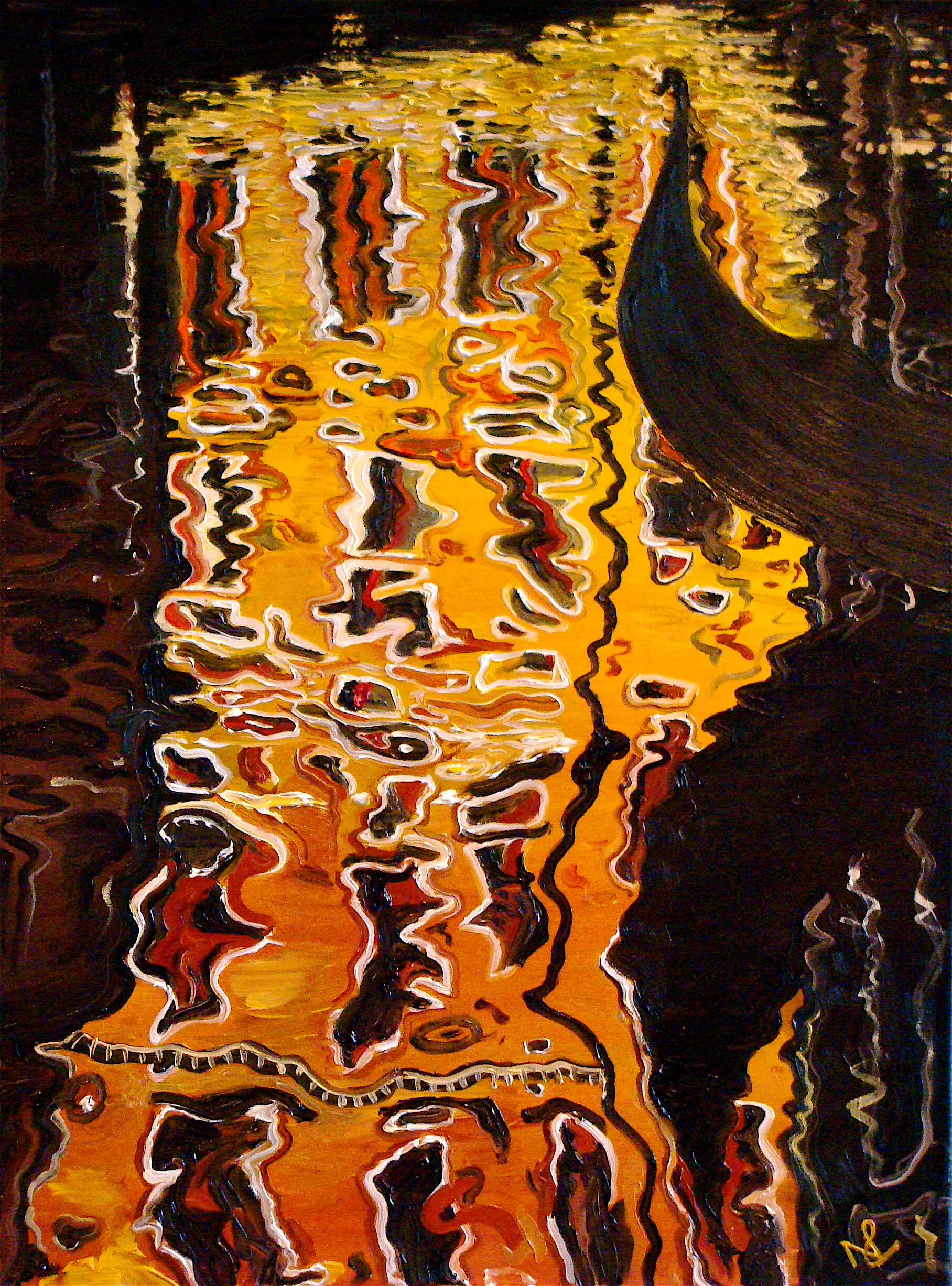
Back in around 2007, when I made a short weekend visit to the city, I came back loaded with ideas of what I wanted to paint. On Monday, I shared with you two of the paintings I created at that time, focusing mainly on the Grand Canal and the palazzos which neighbour it. Today however, it’s time for those rippled waters to take centre stage, as I share two further paintings from that brief 2007 collection, both of these focusing not so much on the city itself, but on its rippled reflection in water.

Venice II (2007 © Nicholas de Lacy-Brown, oil on canvas)

Venice II (2007 © Nicholas de Lacy-Brown, oil on canvas)

Venice IV (2007 © Nicholas de Lacy-Brown, oil on canvas)

Venice IV (2007 © Nicholas de Lacy-Brown, oil on canvas)

Venice II is almost a complete reflection, with only the mere hint of the end of a gondola representing the real world above water; while Venice IV focuses a bit more on the lavish paintwork which adorns so many gondolas and the kind of narrow canal “street” which is so characteristic of the city.

There’s one more Venice 2007 painting to share with you, and then it’s surely time to paint something new…? See you next time.
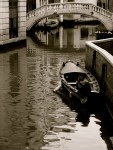
© Nicholas de Lacy-Brown and The Daily Norm, 2001-2014. Unauthorized use and/or duplication of the material, whether written work, photography or artwork, included within The Daily Norm without express and written permission from The Daily Norm’s author and/or owner is strictly prohibited. Excerpts and links may be used, provided that full and clear credit is given to Nicholas de Lacy-Brown and The Daily Norm with appropriate and specific direction to the original content. For more information on the work of Nicholas de Lacy-Brown, head to his art website at www.delacy-brown.com

Natale Italiano | Venice – Photography Focus: Ripples

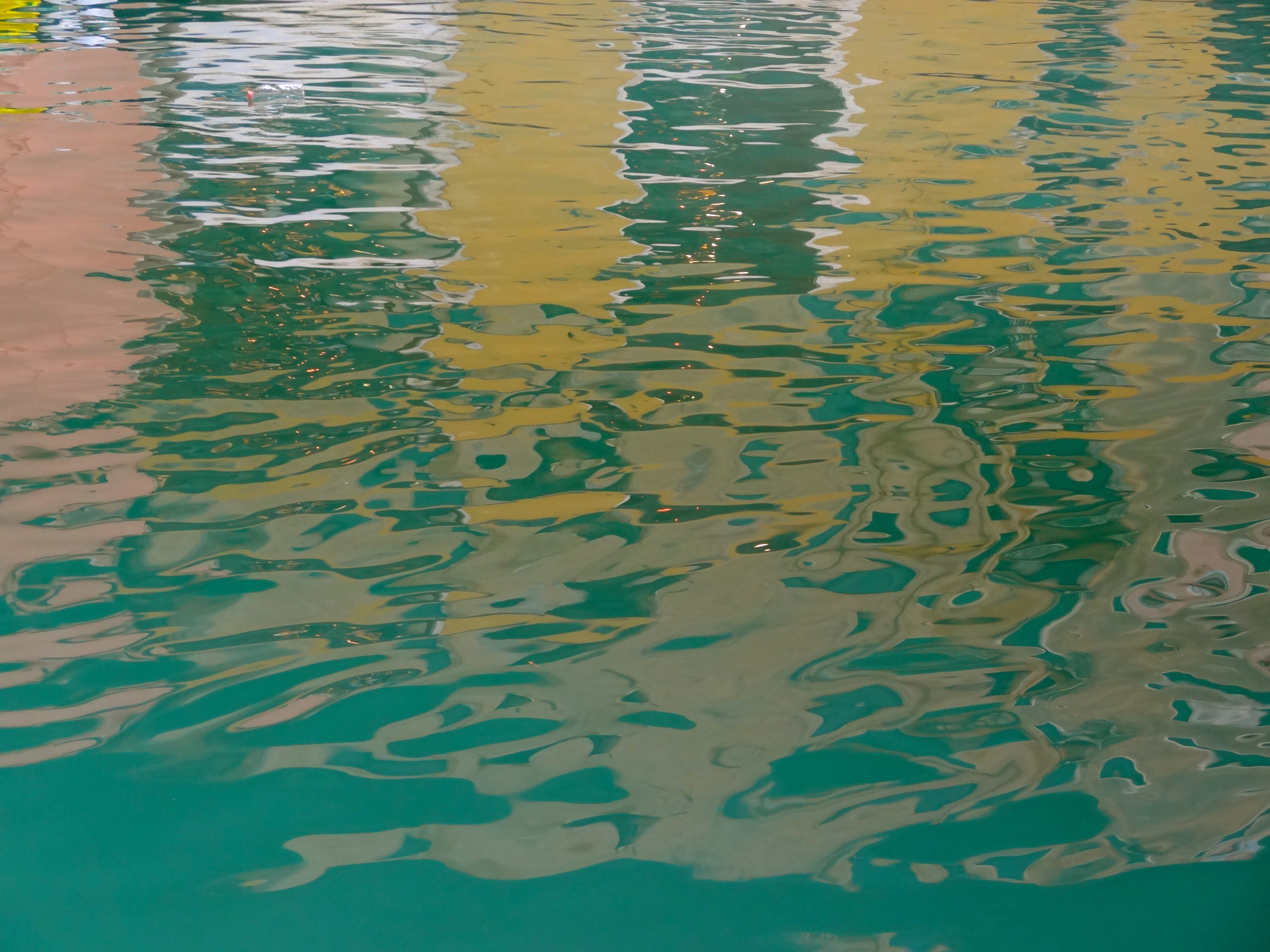
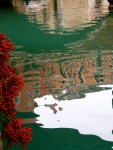
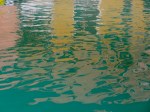
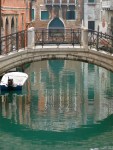
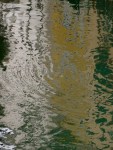
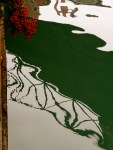
I’ve always loved the effect of water. The way the light shines through it, and on it; the way still water reflects perfectly like a mirror, and conversely the way moving water distorts an image into its own abstract reimagining. My love for the effect of water has always translated into both my art (see my post tomorrow) and my photography so much so that I’ll always remember my friend, Mackenna, lovingly taunting me every time we crossed one of the breathtaking bridges in Paris where upon, almost as automatically as one takes a pause to consider the beauty of the Seine, I would snatch out my camera and start snapping away at the effect of the illuminated bridges reflecting in the water below.

It will come as little surprise then that for me, Venice is like some kind of quasi-orgasmic over-abundant celebration of rippled reflection; a city so spectacular that they managed to build it twice – once in reality, and once in reflection. A city whose very soul is the water which laps around its foundations and without which it would be a city stripped of half the beauty that it manifests to such worldwide renown.

DSC00009 DSC00057 DSC00074

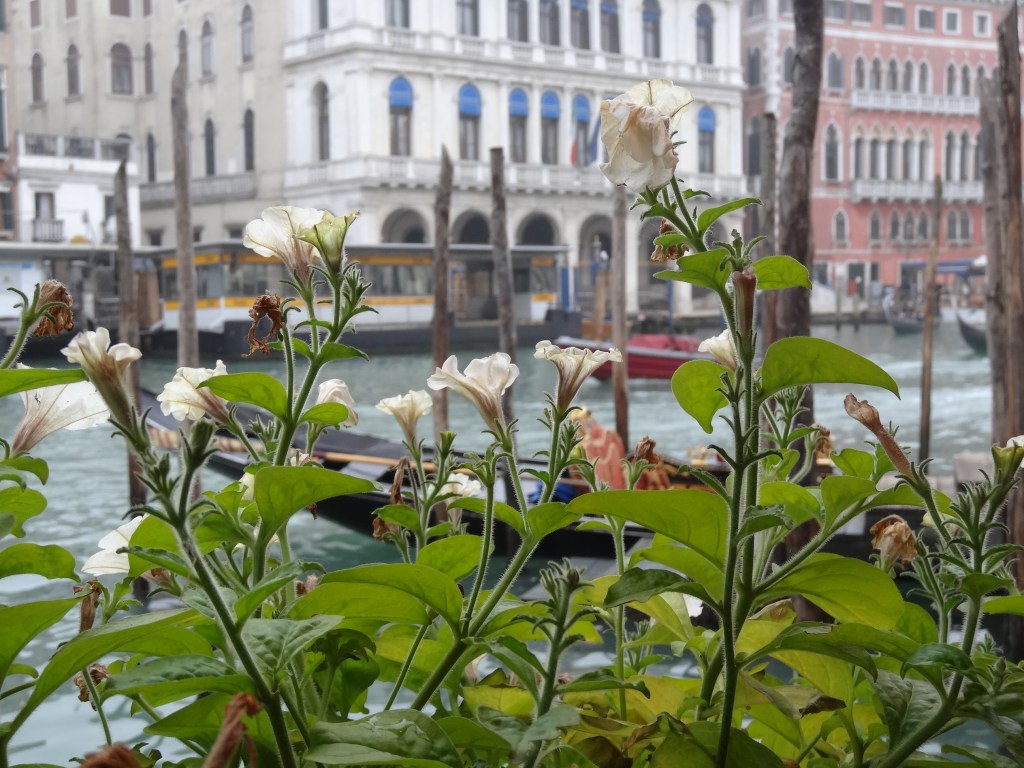
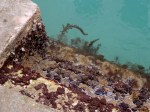
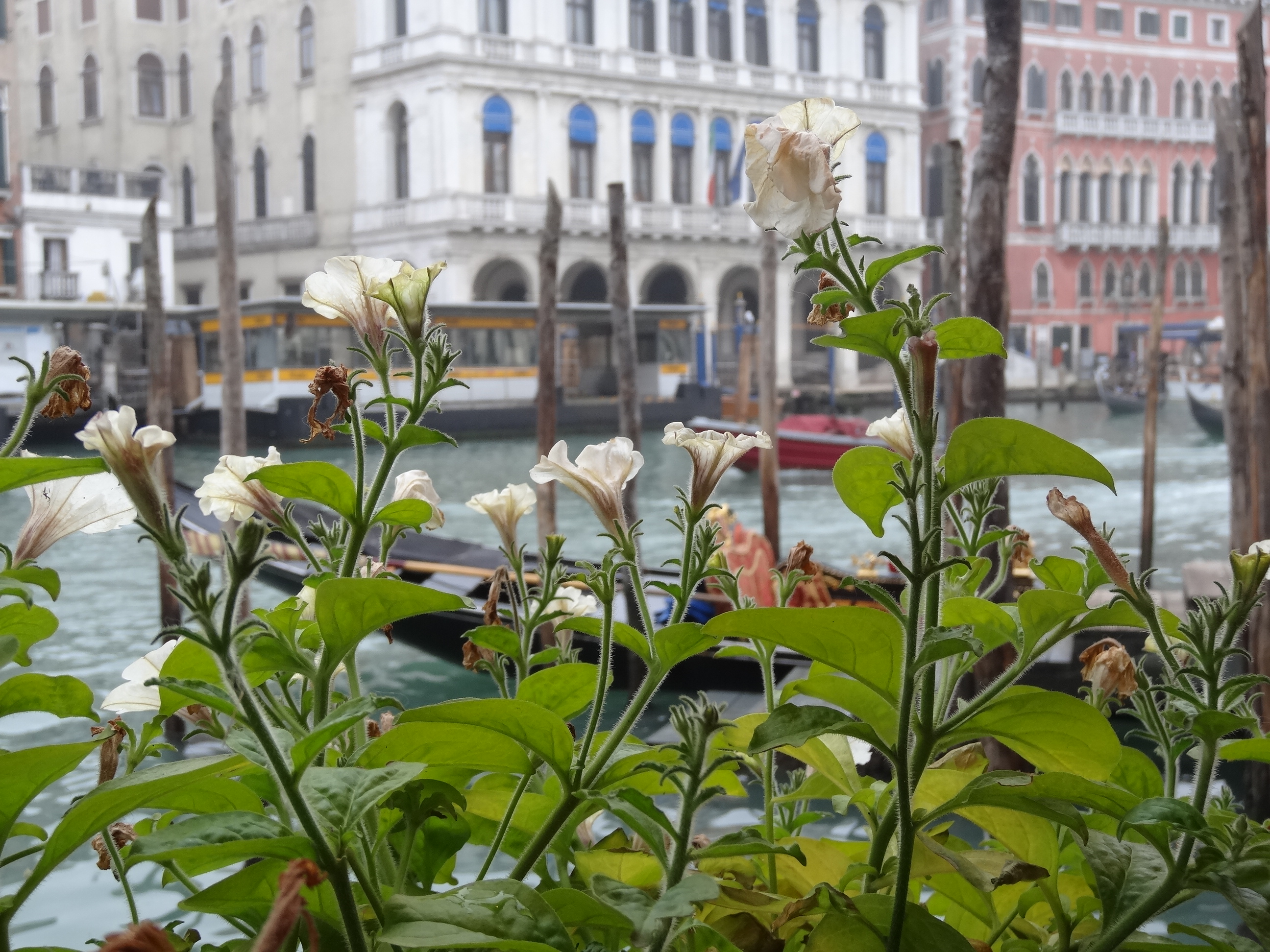
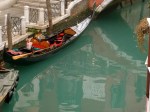
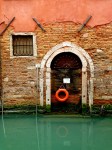
When you get Venice on a sunny day, those delicate terracottas, pungent oranges and sunny yellows of its buildings reflect to startling effect in its waters against the blue sky beyond. When we were in Venice however, mist largely predominated. This means that my photographic homage to the watery wonders of the city is a more sedate, more muted affair. Nonetheless, there can be no doubting the very transient beauty which nevertheless resides in those photos of ripples and movement through Venice’s canals.

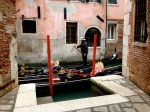
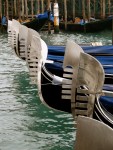
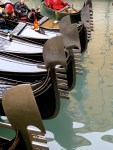
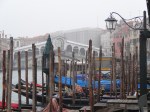
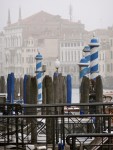
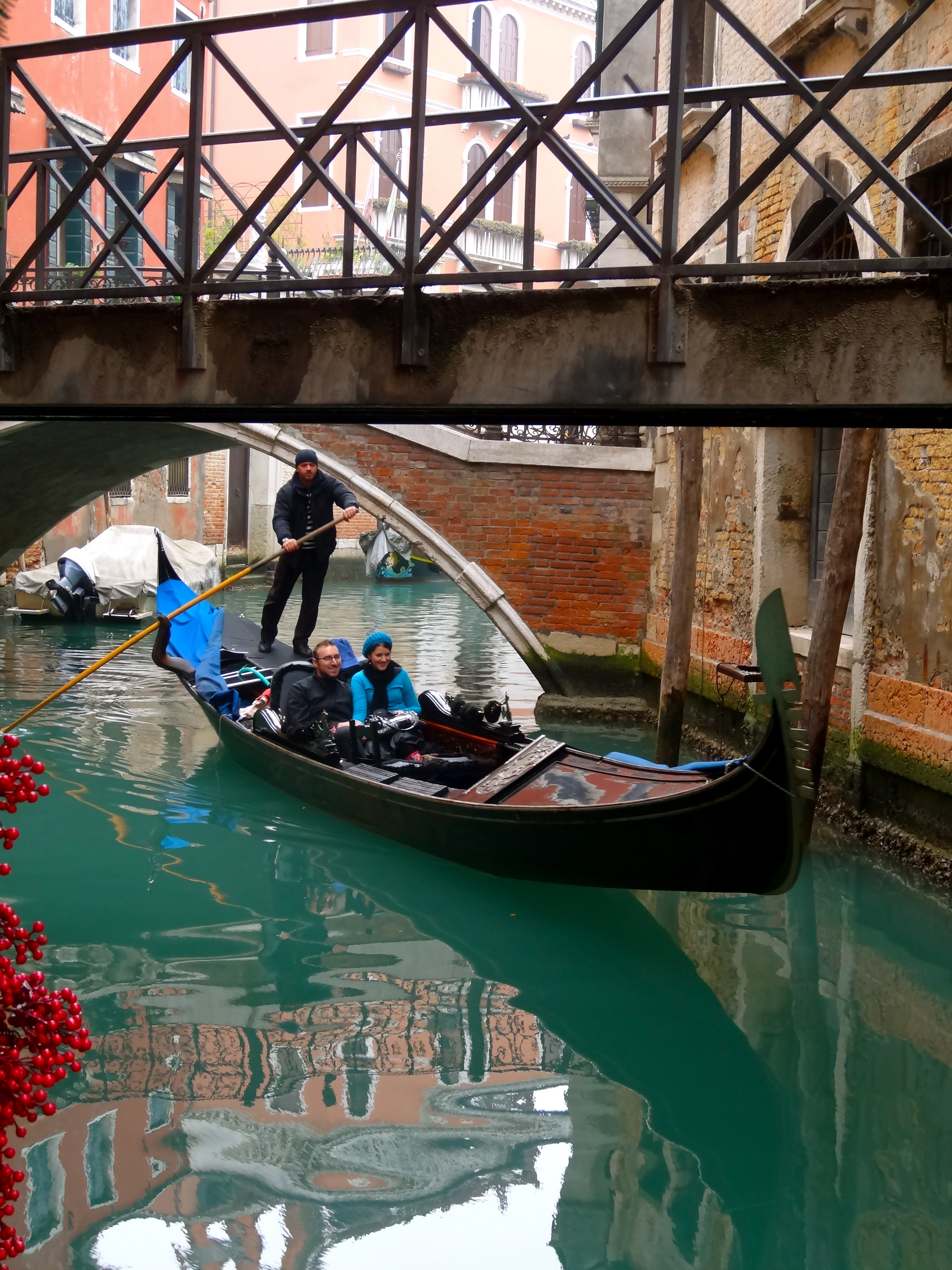
But this post is not just about the ripples. Here too I bring you some of my favourite shots of Venice’s most quaint canals; the characteristic stripy wooden poles which emerge out of the water like a candy-cane forest; and of course the gondolas whose presence is as much an integral element of Venice’s waters as the ravens are to the Tower of London.

All photos and written content are strictly the copyright of Nicholas de Lacy-Brown © 2014 and The Daily Norm. All rights are reserved. Unauthorized use and/or duplication of the material, whether written work, photography or artwork, included within The Daily Norm without express and written permission from The Daily Norm’s author and/or owner is strictly prohibited. 

Natale Italiano | Venice – Day 2: All that glitters is Venetian gold

A London tourist knows when he is abroad when he awakes, not to the ear-splitting wail of a police siren, but to the tolling bells ringing out from old renaissance bell towers, their calming peal harmonious to the ears, especially when, in Venice, there is no nearby traffic to otherwise preclude the passage of that early-morning melody. And perhaps it is also because we are so used to the animated streets of London that the comparative silence of Venice’s tranquil canals struck such a chord on this misty bright first morning, when the only sounds were the gentle lapping of waters when a lonely gondola passed by.

Now that’s a view to wake up to…

IMG_5869 DSC09813 DSC09832

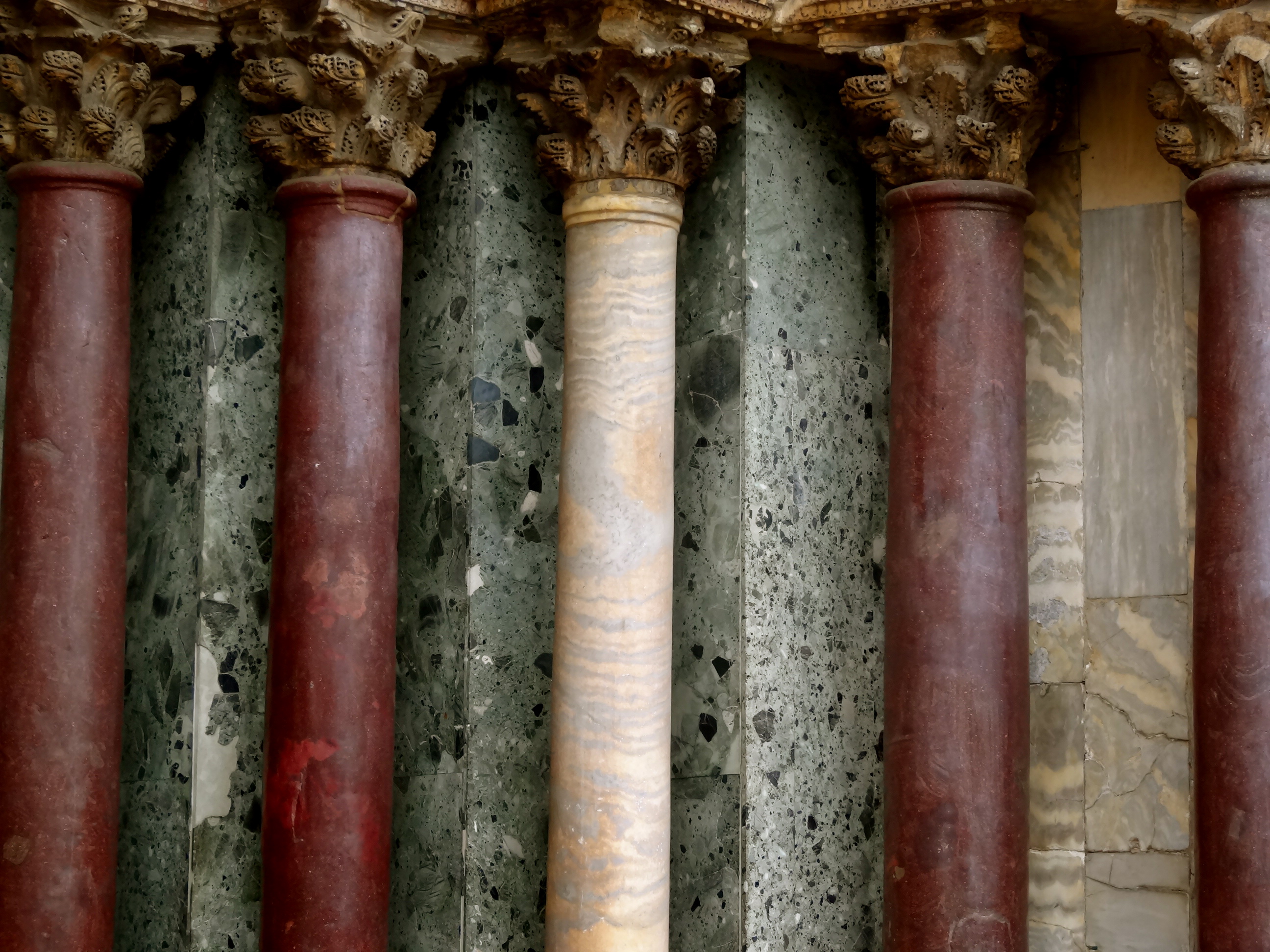
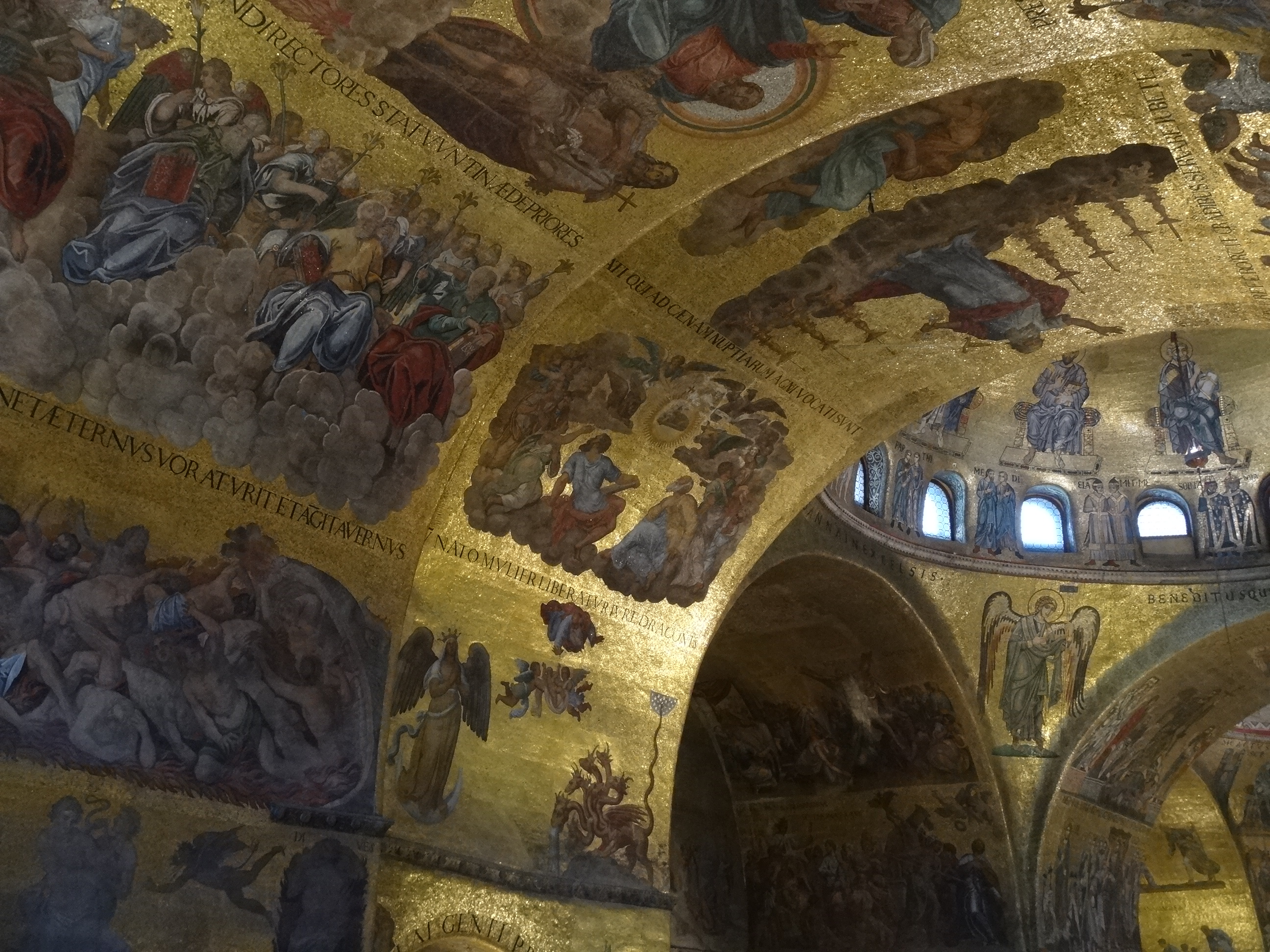
That we should rise, with some degree of Casanovian elegance, in our sumptuous hotel room lined with fabric wall coverings of golden thread, under a bed spread which reflected this glory with its own ample gold thread-count kick-started what was to become something of a theme to the day, if not to the whole Venice trip: Glorious and Golden. For all its decay, the neglected paint work, the stagnant waters, and the dirt-ridden façade of the Piazza San Marco’s colonnaded palazzos, Venice is, at its heart, a city of insuperable decadence, glamour and sophistication. And just in case the point could not be made obvious from the lavish boutiques, the jewel-covered masks and the elaborate architecture, one building more than any other shouts out glamour more than any other: from its richly coloured marble façade right up to its astonishing golden cupolas. The Basilica San Marco. And it was to this beating heart of Venice’s identity that we headed first, as we set out on a new day ambling amongst the jewels of the Queen of the Adriatic.

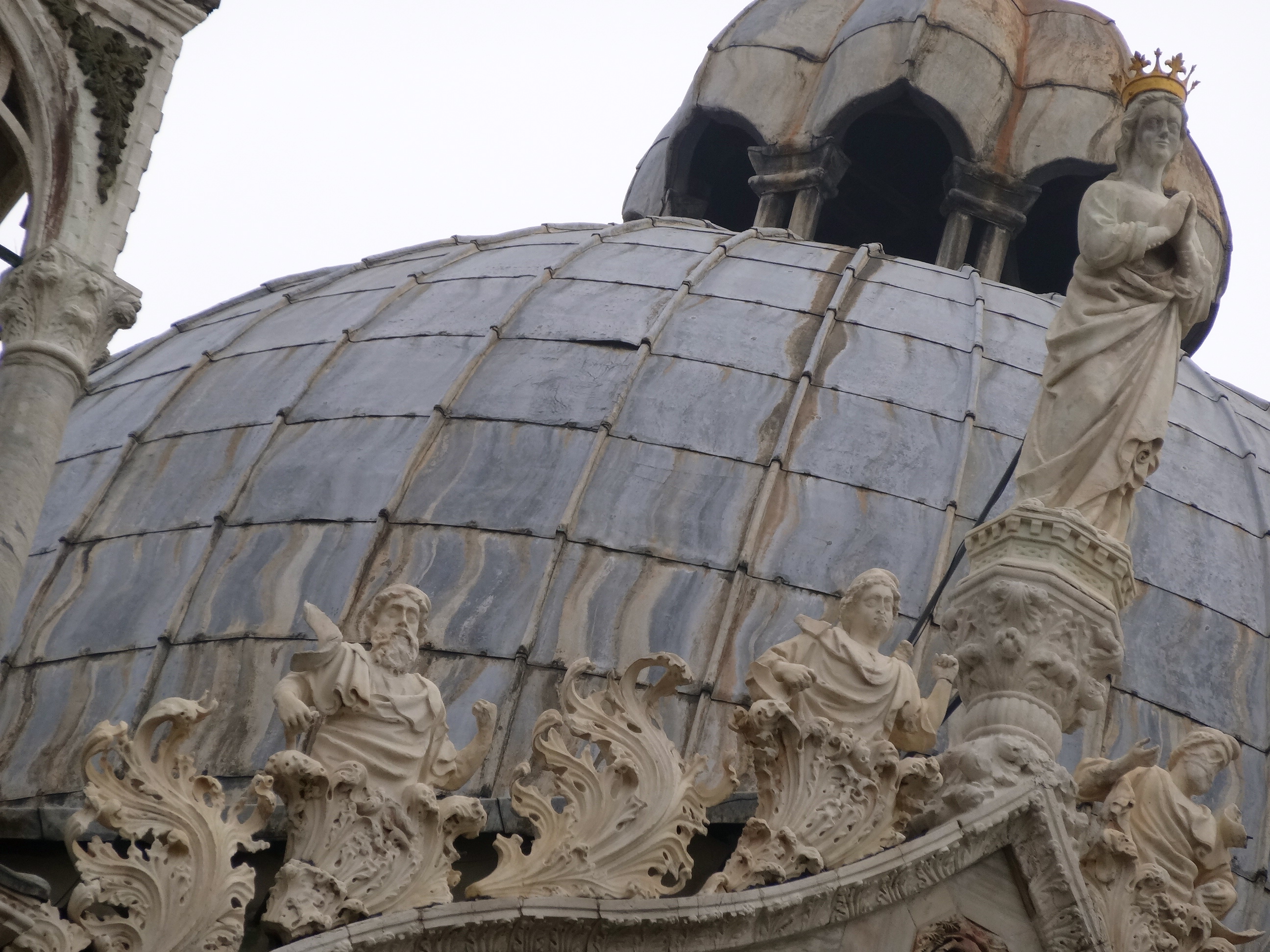
The Basilica’s marble-clad exterior

DSC09859 DSC09860 DSC09877

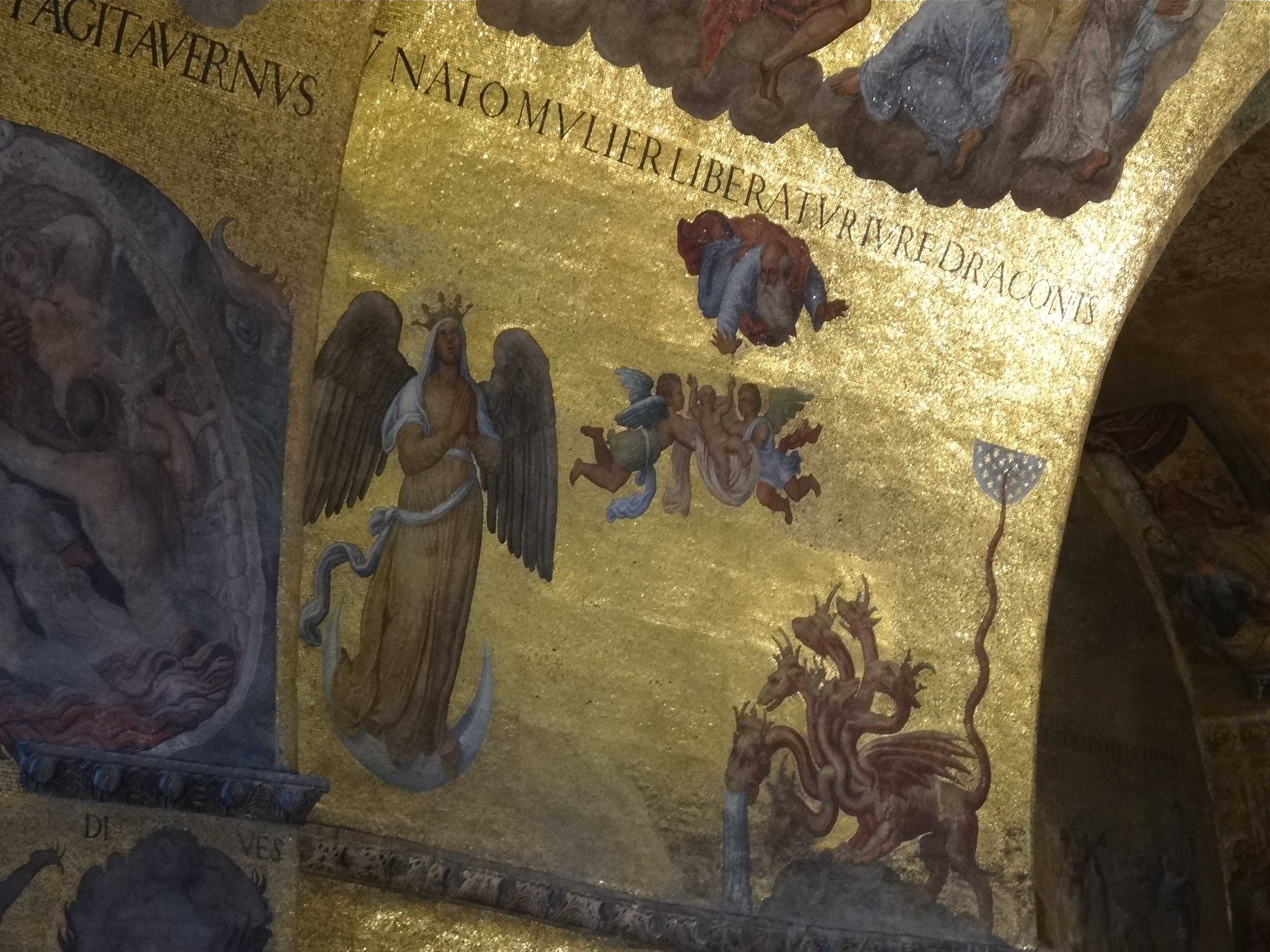
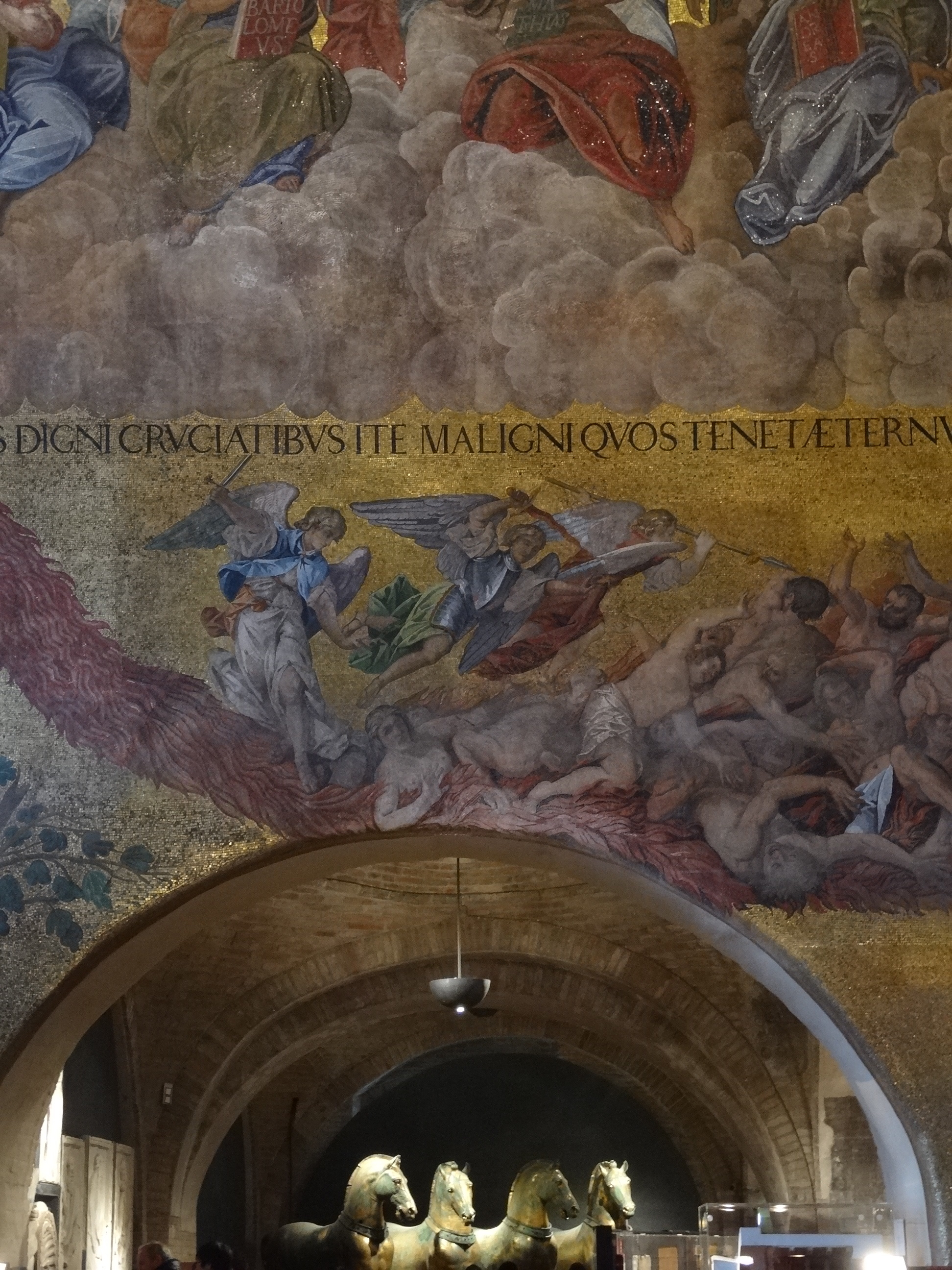
Ever since its first construction in the 9th century to commemorate the arrival in Venice of the (allegedly) stolen remains of St Mark, this magnificent cathedral, prime example of the Byzantine style of architecture, has been at the heart of the city. Adorned with 8000m squared of golden mosaics, and jewels and treasures aplenty collected from across the world in the aftermath of Venice’s many historical conquests, the Basilica is not just a symbol of religious devotion, but also historical prowess. Above all things, it is a temple of the utmost opulence. When visitors first enter, you can literally hear the little eruptions of “wow” escaping from tourists’ mouths as their astonishment is articulated at a first glimpse of this heavenly space.
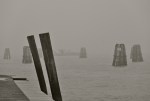
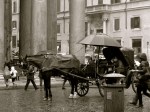
For me, with its expanse of paradisal golden cupolas glimmering and sparkling across every curve and corner of the cathedral’s vast ceiling, Saint Mark’s is without a doubt the most stunning church in all the world. And while photo taking was banned, Dominik and I naturally ignored this, surreptitiously taking photos, largely from cameras wrapped up in our scarves (before we became a bit more brazen in our approach). So while gazing at the incredible majesty of the Basilica as represented in these photos, don’t forget the extra effort we had to go to in order to bring them to you!

…but the real treasure is inside

DSC09954 DSC09915 DSC09924 DSC09958 DSC09957 DSC09922 DSC09912 DSC09960

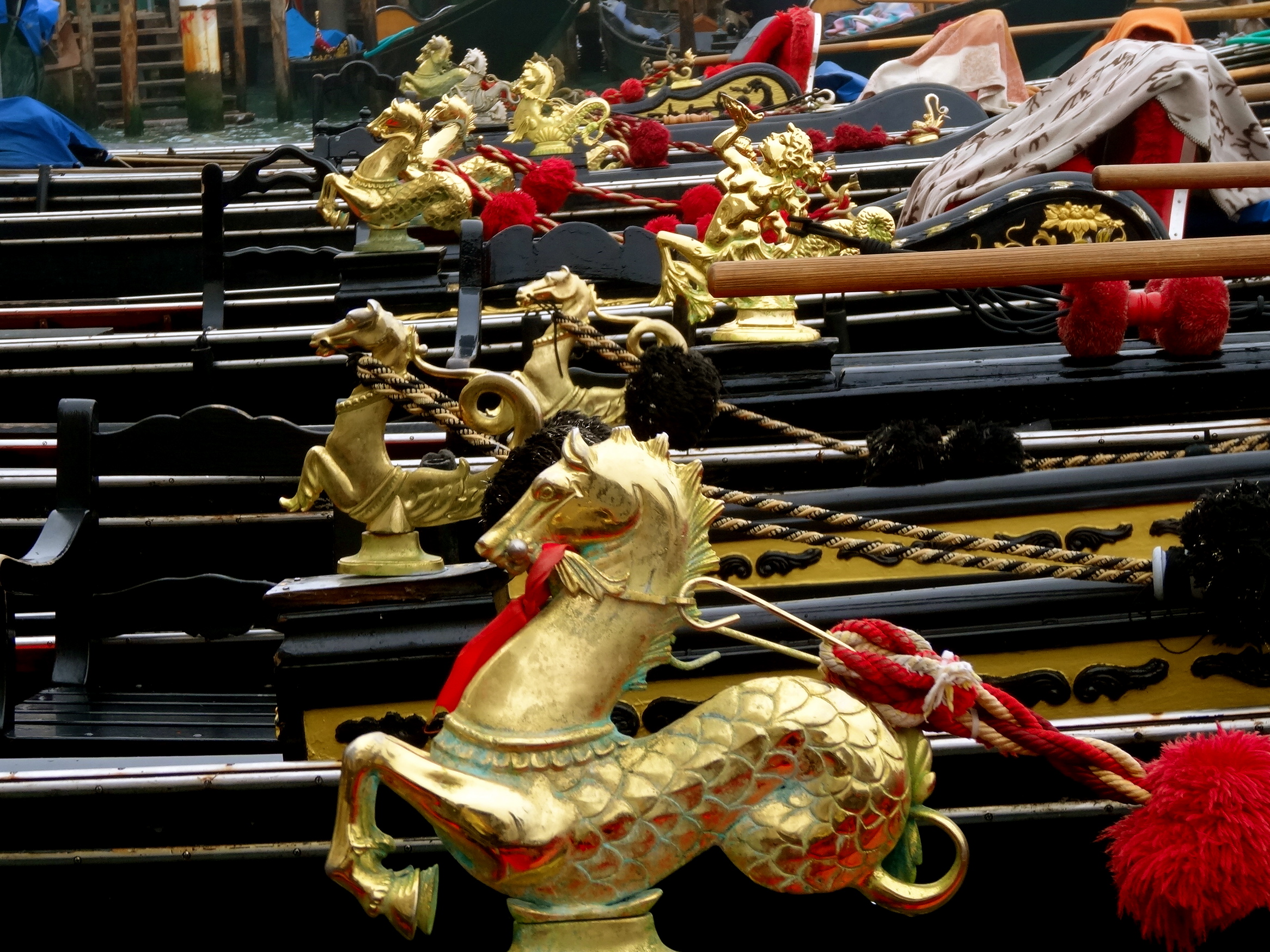
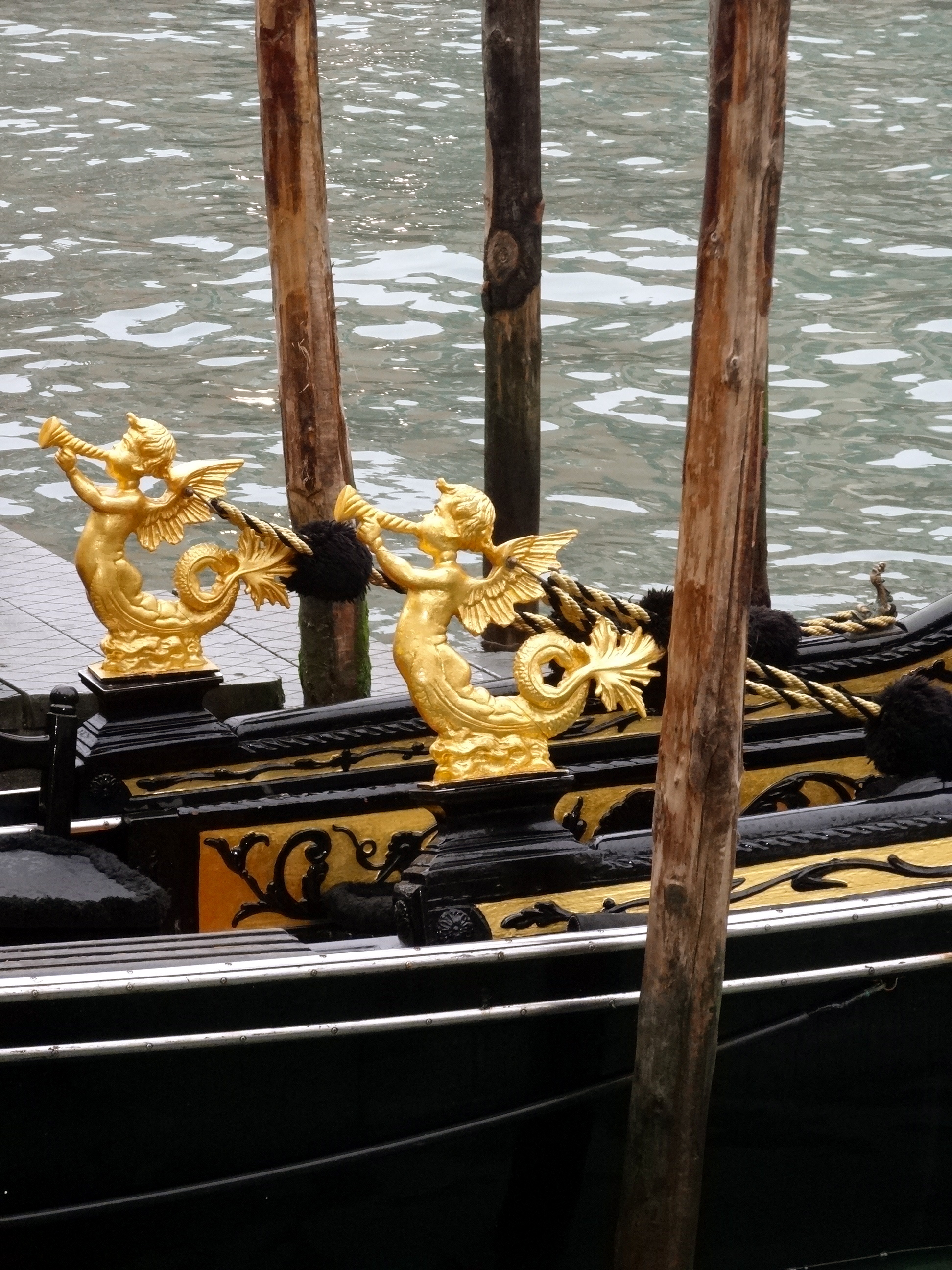
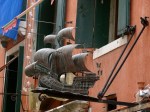
Having become almost tongue-twisted with awe in the Basilica, we spent the rest of the morning largely ambling around Venice’s superfluity of canals and side streets, shop-lined passages and piazzas – for what greater joy is there than to get lost in Venice. And while it would be difficult to beat the splendour of St Mark’s, even in that pursuit we could not help but be wowed by the opulence which scatters its luxurious bounty all over the city: Gondolas with their highly ornamented damask seating fringed with golden unicorns and lions glided elegantly down canals and under bridges; in the shops, windows came alive with glinting gold masks and sparkling glass Christmas trees; and lining canals and cobbled streets, Venice’s palazzos and houses, while often tired and ageing, retain the unique grace and characteristic elegance which has made them famous throughout the world.
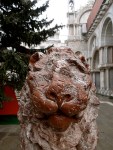
All that glitters is Venetian gold…

DSC00323 IMG_6161 DSC00378 IMG_6150 DSC00126 IMG_6158 DSC09984 DSC09996

Read more