Skip to content

Spring has arrived!

There is nothing quite like the arrival of Spring. That first day of the year when it’s warm enough to keep the window open; when the wafts of mild air carry in their gently undulating waves the subtle scent of blossom, warmth, and hope. When you first breathe in that clement air, drinking deep on the inherent optimism it provides, you wonder how you were ever able to survive the winter in the first place – how it was possible to endure those short dark days; brisk walks hunched up against the cold; a period that now seems intolerable in this new Spring light.

I accept that we’ve been pretty lucky this year. The winter was not a cold one in the South of England – I never even had to cover my balcony plants from any frost or icy air. And the result of these clement conditions means that this year my plants are sprouting new shoots early, whereas last year they were doing so two months late. But it’s the light, or lack of it, that makes the Winter so hard – never seeing one’s home in the light of day; long dark evenings that seem to bury you in a state of soporific hypnosis. But it’s all change now, and with last weekend came the return of Light, as clocks went forwards, thus giving us longer bright evenings and heralding the onset of the summer. It also brought with it some much welcome warmth, which in turn newly embraced the fresh arrival of spring flowers everywhere.

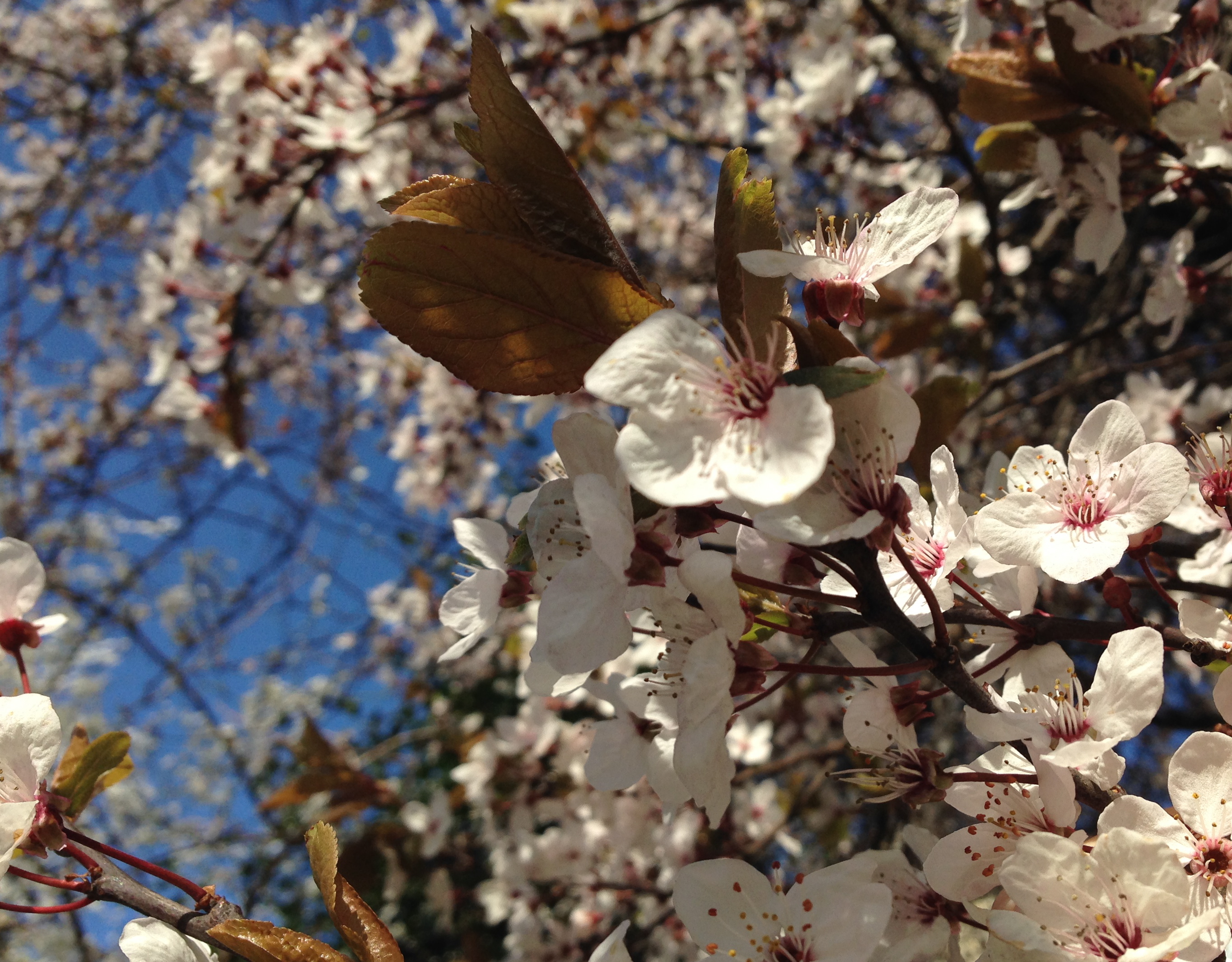
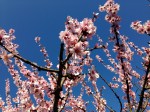
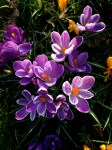
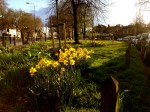
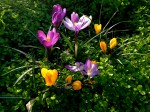
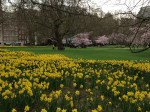
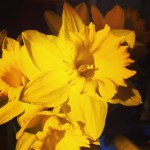
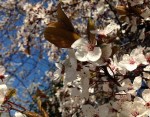
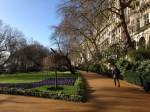
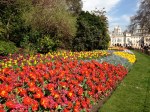
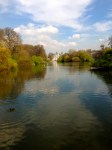
DSC03742 IMG_7832 IMG_7845

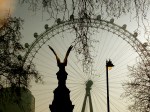
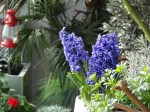
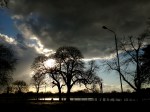
So it is in celebration of the arrival of Spring that I share with you a whole host of Spring-themed photos which I have been taking on my travels in and around London. Being one of the greenest cities in Europe, the new fresh scent of Spring is tangible in the London air, as floral wafts spread outwards from the city’s flower-packed parks and gardens and blossom-rich trees. There is simply no better time to be in this city, whose streets and spaces are full of the hope and regeneration that comes with this new season, bustling with happy over-coat free people, and with the colour and freshness of Spring. Goodbye winter: welcome happiness.

All photos and written content are strictly the copyright of Nicholas de Lacy-Brown © 2014 and The Daily Norm. All rights are reserved. Unauthorized use and/or duplication of the material, whether written work, photography or artwork, included within The Daily Norm without express and written permission from The Daily Norm’s author and/or owner is strictly prohibited. 

London’s homage to print: Part 2 – David Hockney Printmaker

Last week I told you all about the first of two high profile celebrations to printmaking currently being held in London. The first, Renaissance Impressions at the Royal Academy charts the development of woodcut to create all of the depth and powerful contrast of chiaroscuro in the 1500s. The second unveils a whole new side to celebrated contemporary artist, David Hockney, best known for his colourful Los Angeles Swimming Pools and large scale multi-piece canvases of the Yorkshire countryside, but here shown to be as skillful a printmaker as he is a painter, or, in my opinion, more so.

In presenting this brilliant little exhibition, Dulwich Picture Gallery shows Hockney as a subtler artist; without the distractions of his trademark bold colours, this is Hockney the skilled draftsman; without the almost theatre-scenery sized canvases, here we see Hockney as a man of detail, capturing intimate scenes with a personal aspect, and delivering sometimes simple still lives but with all of the energy of those familiar swimming pool scenes.

David Hockney, Lithographic Water Made Of Lines And Crayon (Pool II-B) 1978-80 © David Hockney / Tyler Graphics Ltd

David Hockney, Lithographic Water Made Of Lines And Crayon (Pool II-B) 1978-80
© David Hockney / Tyler Graphics Ltd

David Hockney, Self Portrait, 1954 © David Hockney

David Hockney, Self Portrait, 1954
© David Hockney

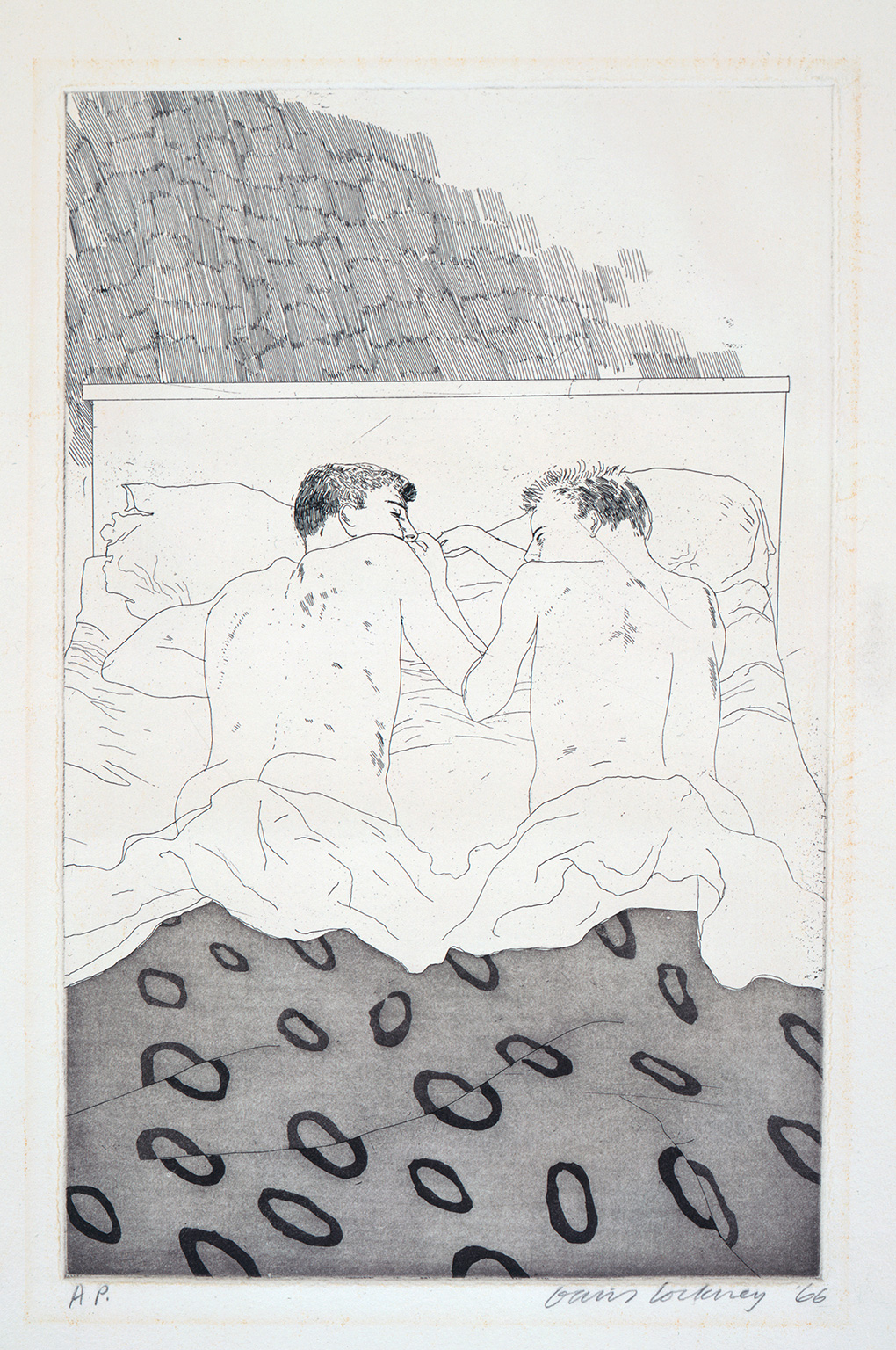
David Hockney, Two Boys Aged 23 or 24 from Illustrations For Fourteen Poems from C.P. Cavafy, 1966-67

David Hockney, Two Boys Aged 23 or 24 from Illustrations For Fourteen Poems from C.P. Cavafy, 1966-67

It is abundantly clear, from the first room of the chronologically hung exhibition, right through to the last, that printmaking has been an important and consistent accompaniment to Hockney’s creative process throughout his career. From his first etchings, amusingly poking fun at his fine art degree (I like the etching which was created using his actual fine art diploma, The Diploma (1962)) and taking a new spin on Hogarth’s The Rake’s Progress, pictorially describing Hockney’s own move to, and development in the US, right through to his recent and renowned use of the iPad as a new digital tool for creating print works, Hockney embraced print and all of the possibilities it provided for artistic expression. His main printmaking stints appear to have been in etching (which lends beautifully to the simple linear illustrations for Cavafy’s Fourteen Poems) and lithography (his print version of his famous swimming pool series being a particularly good example), although Hockney also extended into less traditional print methods – his use of a coloured photocopier to gradually build up a complex image was, for example, particularly effective.

But asides from Hockney’s excellent handling of the medium of print, the images themselves make this show a clear sell-out success. In his Cavafy series, Hockney’s prints exude a wonderful, but always polite intimacy which seems to be characteristic of his somewhat reserved but slightly cheeky persona. With their common place objects and models staring straight out from the print, these images appear to welcome the audience into the works. As viewers, we don’t feel like voyeurs, but more like welcome participants; friends joining in on the happy-go-lucky lifestyle Hockney portrays. In his later Mexico works; Hockney gives us a vivid, energetic lithography whose varying angles and stilted perspective appear to pulsate and dance to the rhythm of that hot Latin country, and remind me a little of the stunningly colourful Grand Canyon works he painted in the late 90s.

David Hockney, Views of Hotel Well III, 1984-85 © David Hockney / Tyler Graphics Ltd., Photo Credit: Richard Schmidt

David Hockney, Views of Hotel Well III, 1984-85
© David Hockney / Tyler Graphics Ltd., Photo Credit: Richard Schmidt

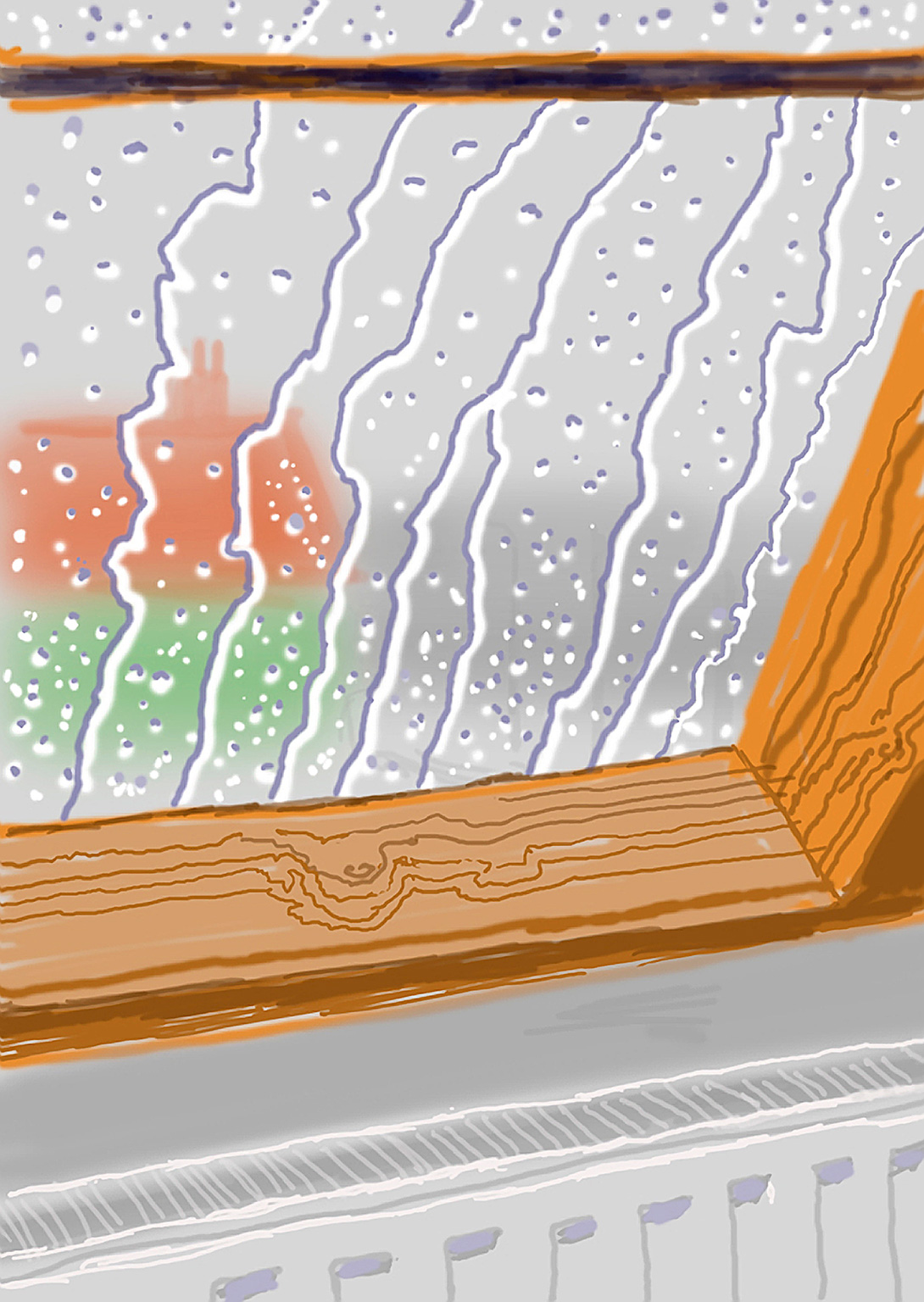
David Hockney, Rain on the Studio Window, From My Yorkshire Deluxe Edition, 2009

David Hockney, Rain on the Studio Window, From My Yorkshire Deluxe Edition, 2009

David Hockney, Artist and Model, 1973-74 © David Hockney

David Hockney, Artist and Model, 1973-74
© David Hockney

David Hockney, Lillies, 1971 © David Hockney

David Hockney, Lillies, 1971
© David Hockney

I also found that some of the best works were the simple ones – a vase of cala lilies, with an accurate and precise cross-hatched background contrasting with the purity of the white flower; a superb iPad image of raindrops running down a window which exudes the cosiness of looking out at rainfall while benefitting from the dryness and comfort of home; and portraits of friends, simply posed, looking straight out at the viewer, prompting interaction, welcoming us in.

It is, therefore, a show with something for everyone, but with an overriding central devotion to the versatile, unique art of printmaking.

Marzipans for Mother’s Day

While for some, marzipan sweets are the domain of Christmas time, for whatever reason, I always start yearning for marzipan around Easter time. It might be that the Spanish origin of these sweet little treats (mazapan originates from the stunning city of Toledo where the various monasteries still make bucket loads today) is the reason for my Spring-time yearning, as the summer grows closer and my desire to be back in the Spanish sunshine increases. Whatever the reason, this year I couldn’t even wait for Easter to get my ground almonds whizzing around my food processor. Easter falls unreasonably late this year after all, and being as it is almost April, I thought it was about time to get baking. But treats of this deliciousness deserve an occasion, so what better excuse than yesterday’s Mothering Sunday to make a few marzipan sweets as a treat for my mother.

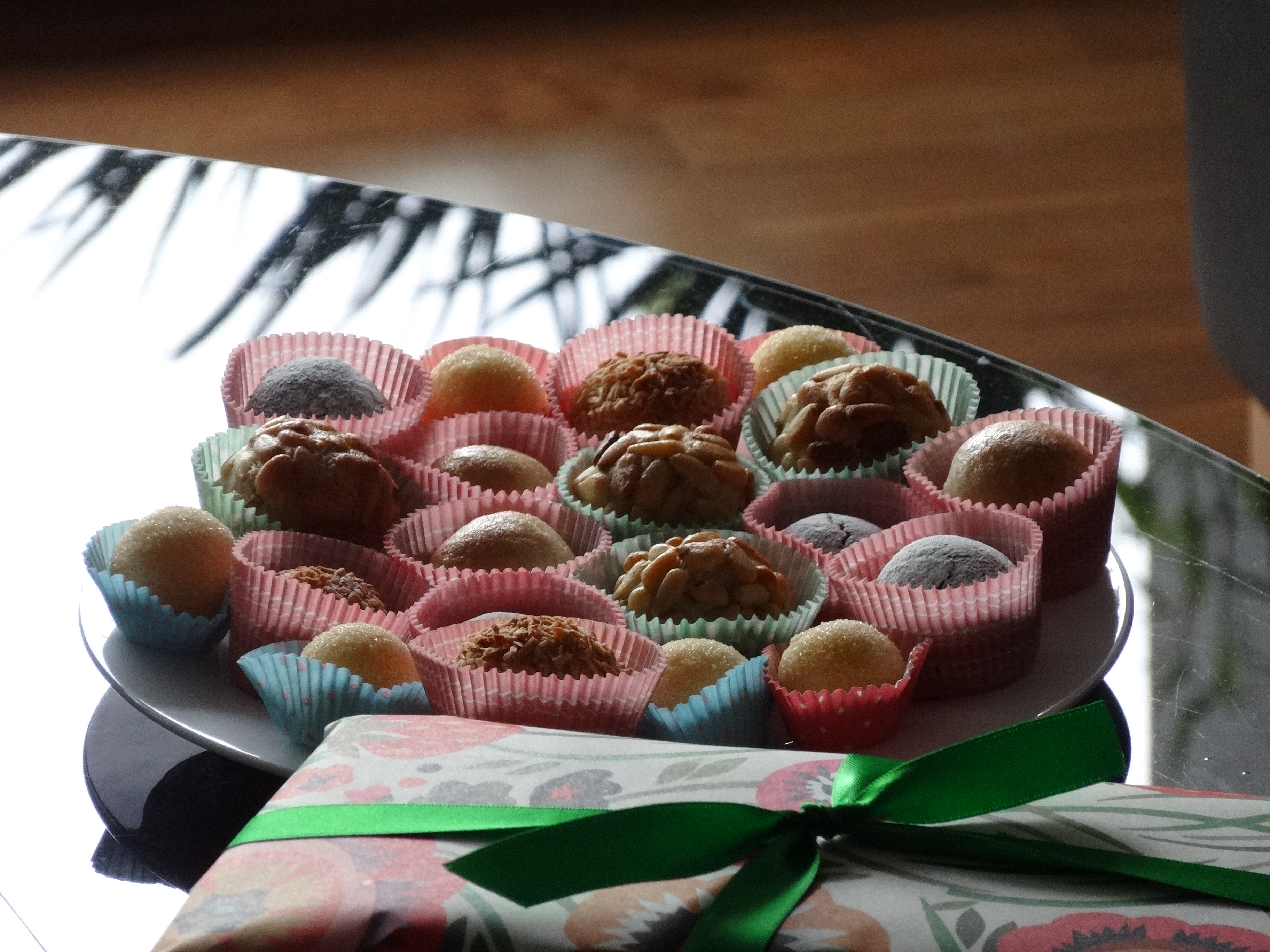
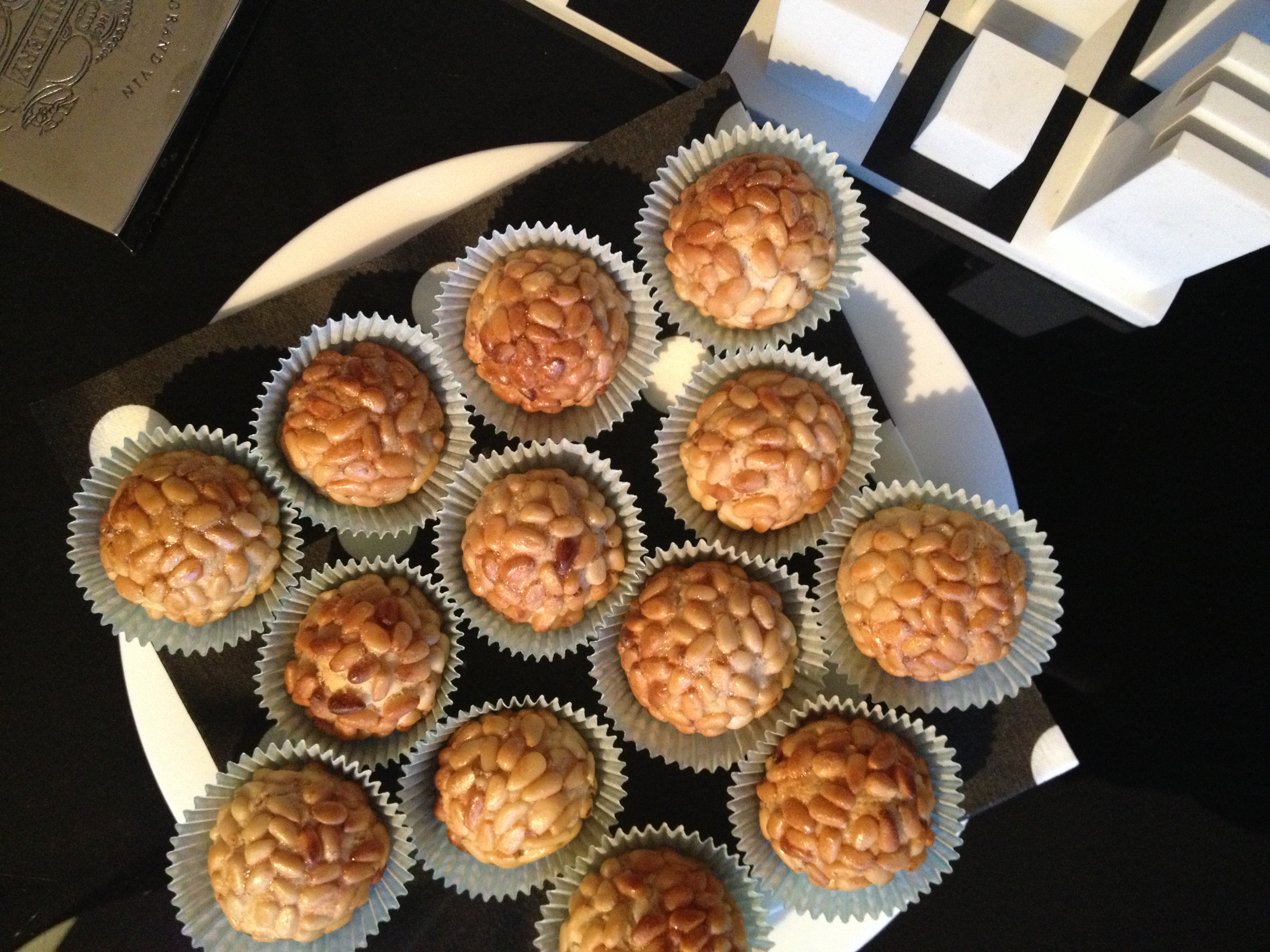
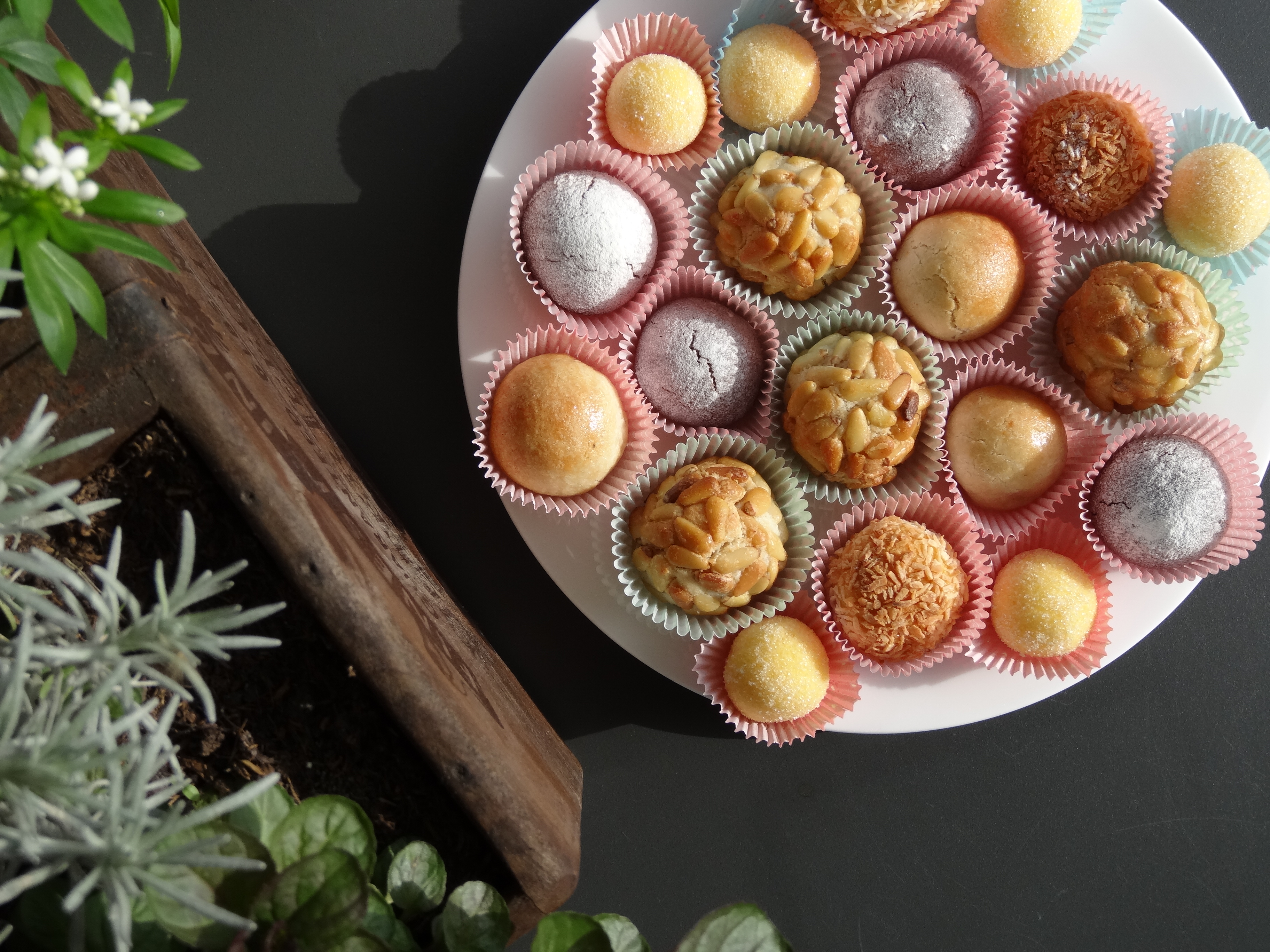
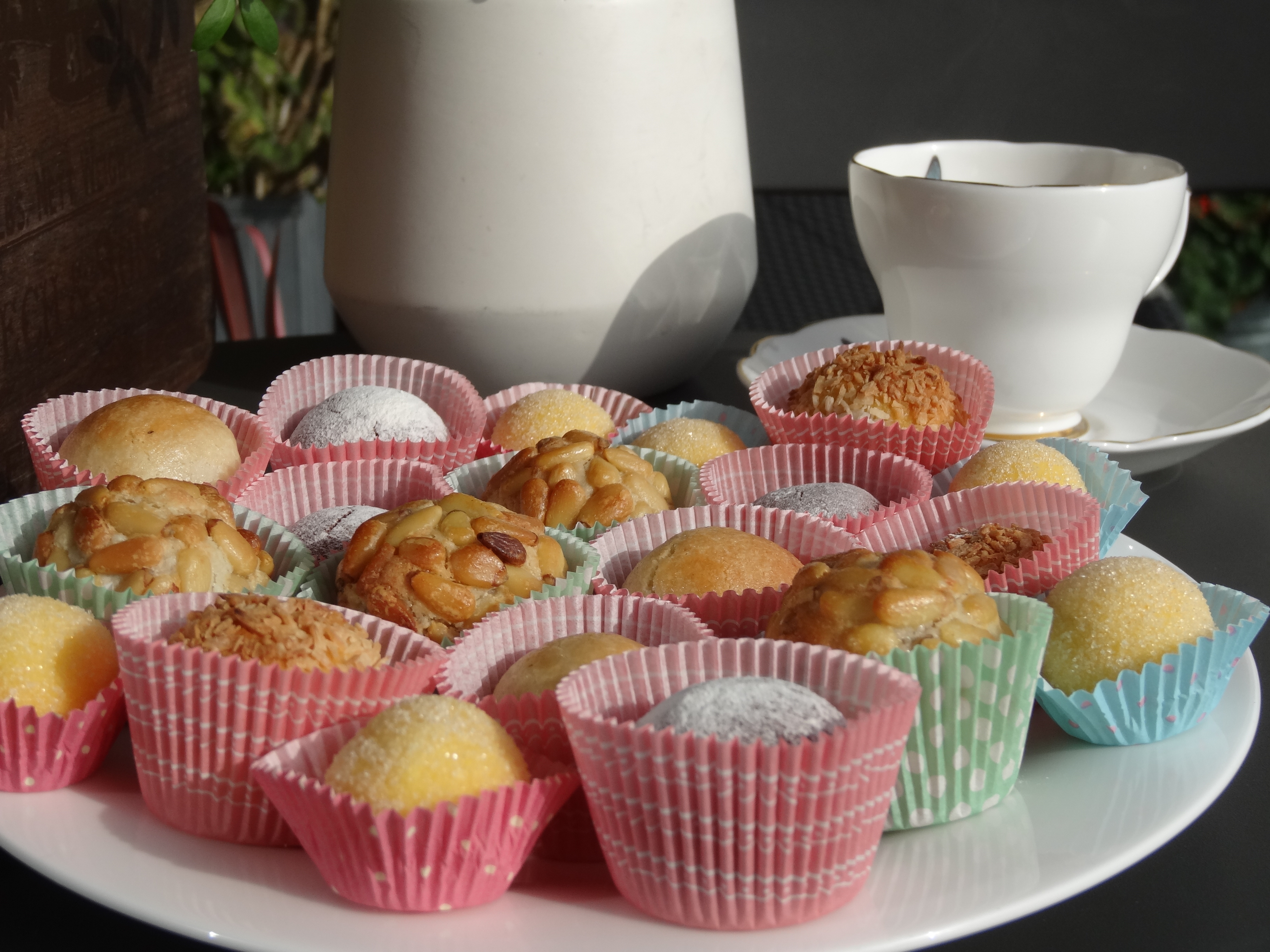
As these photos show, I didn’t just stick to one type of marzipan. And I didn’t just stick with marzipan either, this year adding Yemes de Santa Teresa to my repertoire (egg-yolk sweets).

DSC03709 DSC03736 DSC03725

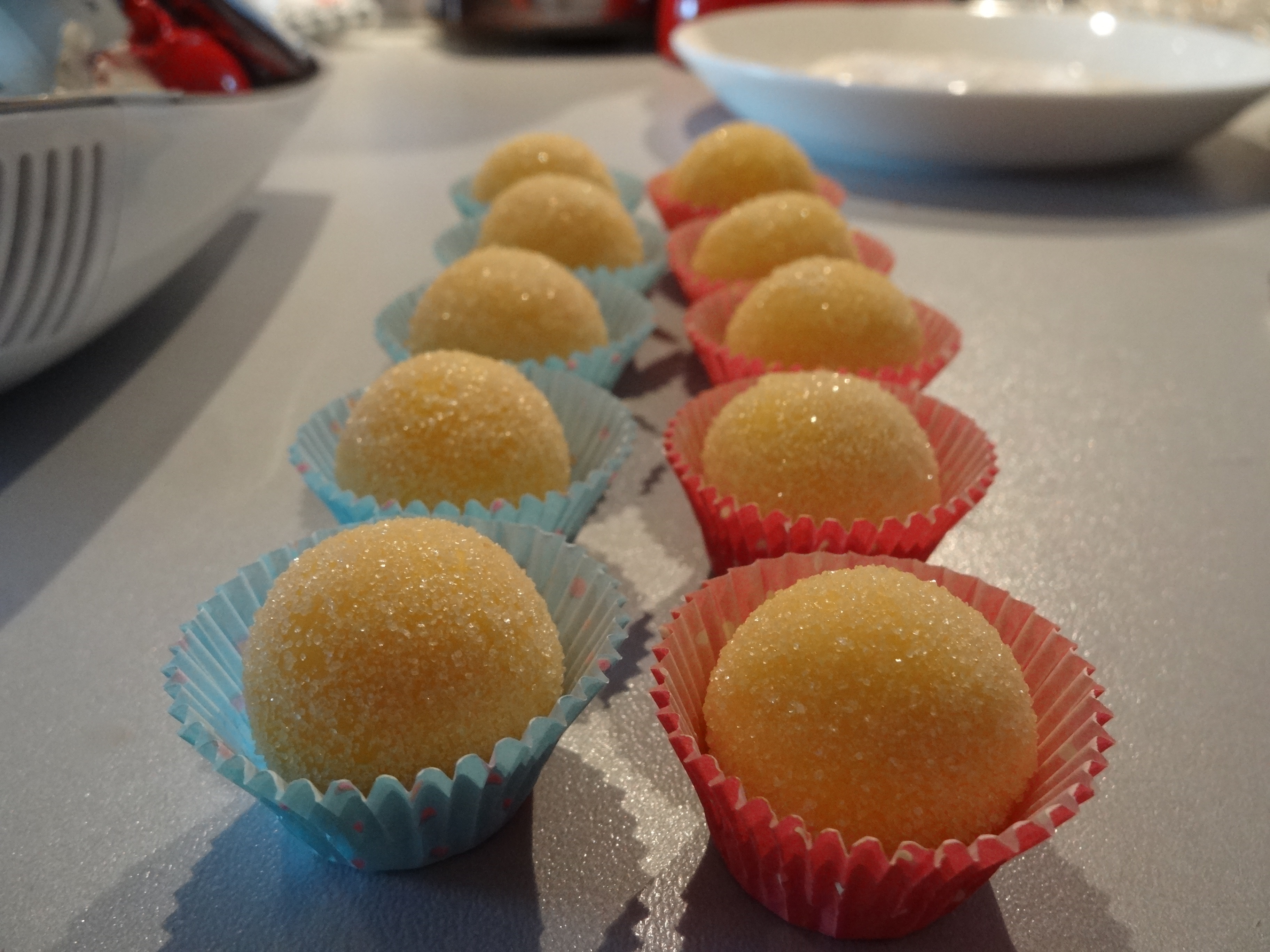
Yemas de Santa Teresa

My recipes for these sugary eggy treats are taken from The Food of Spain by Claudia Roden. To make, you need to bring 100g sugar and 4 tablespoons of water to boil before simmering for around 10 minutes until the syrup coats the back of a spoon. Leaving the syrup to one side to cool slightly, you then whist up 6 large egg yolks by hand, but vigorously, before gradually whisking this into the sugar syrup. This combination should then be returned to a low heat and stirred continuously with a wooden spoon until the mixture thickens to a paste and comes away from the sides of the pan. It’s a tedious exercise, taking around 10-20 minutes, but so worth it.

Place your paste in the fridge for at least 6 hours or overnight. Then, after the cooling period it’s simply a case of taking a small spoonful of the mixture, rolling up in your hands and then in some caster sugar to give that sweet sparkly finish. Place in little paper cases for that petit four effect.

DSC03703

Panellets de piñones

The next lot of sweets to be taken from Claudia Roden’s book, and the first of my marzipan creations, are the pine-kernel covered marzipans, panellets de piñones. These panellets are a delicious, slightly more complex version of plain marzipans, but the method is similar. Whizz up 200g ground almonds with 150g caster sugar and the grated zest of 1 lemon, with 2.5 tablespoons of water. Plend for a few minutes until the almond oils start to really bind the paste. This should be refrigerated for around an hour before breaking into equal sized pieces and rolling into balls (I got around 16 at around 4 cm in diameter each). Then comes the tricky bit. Roll the balls in a lightly whisked egg white and then into a bowl of around 200g of pine nuts. Press as many as you can into the marzipan in the palms of your hands. But inevitably some with fall off so you’ll have to fill the gaps with the nuts by hand, pressing them in slightly. This is slightly time consuming and fiddly, but SO worth the effort. Once you have a complete “shell” of pine nuts, roll again in egg white and set out on a baking tray.

Once all your balls are all covered, pop them into an oven at 200C for 10 minutes until slightly golden. Once done, you’ll need to leave them to cool slightly before taking them off the tray, or they will quickly break apart.

IMG_3667

Catalan marzipans

While the traditional marzipan recipe tends to stick to almond as its basis, catalan marzipans often use sweet potato in addition to the almond. Intrigued to try this addition, I turned to the marzipan recipe by Sophie Ruggles in her book, My Barcelona Kitchen. I started by making a basic marzipan recipe: I peeled and chopped one large sweet potato, cooking it in boiling water until soft, and then mashed and cooled slightly. This was added to 350g of ground almonds, 250g caster sugar,  and 1 egg and whisked up in the food processor. I then split the resulting paste into two batches, adding a tablespoon of cocoa powder to one lot to make a chocolatey marzipan, and a tablespoon of desiccated coconut to the other.

These mixtures, like the yemas paste above, were refrigerated for around 6 hours. I then rolled into balls, coating the coconut paste in more desiccated coconut before placing both lots of balls onto a lined baking tray and baking for around 30 minutes at 180C. Once cooled I finished off the chocolate balls by dusting with icing sugar.

The result of all this baking was a selection of very different sweets, but all with the subtle flavourings which characterise these traditional Spanish sweets. The sweet potato added an interesting textural variant and some subtle, natural sweetness. I particularly liked the chocolate marzipans which taste more like little chocolate cakes than traditional marzipan. All this shows that you can do lots with the basic marzipan recipe, whether rolling in nuts, in different flavoured sugars, into different shapes, or just leaving them plain. The marzipan is, as they say, your oyster.

DSC03716 DSC03715 DSC03724

Norms: The Saints Collection | St. Peter

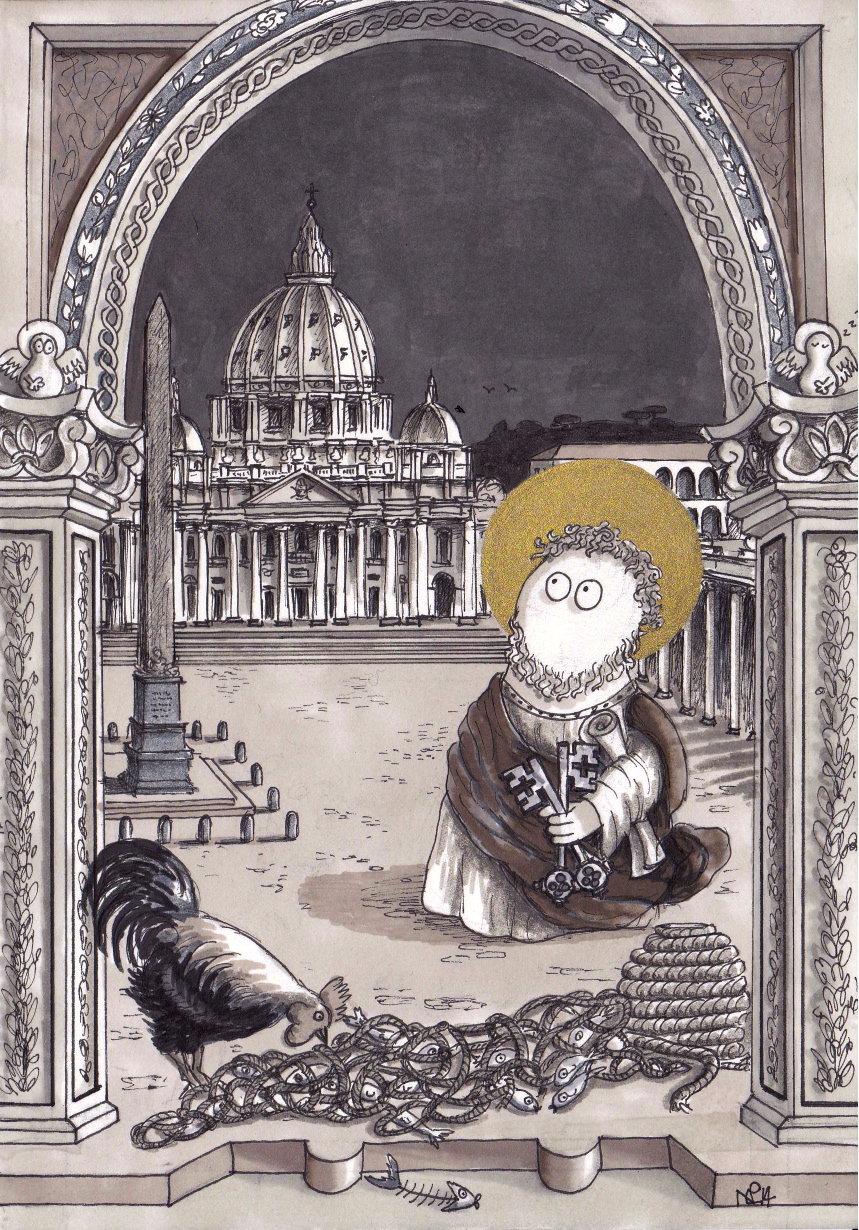
Next up in the continuing Norm Saints Collection is Saint Peter, on whose rock the very foundations of the modern day Catholic church are built. Yes, Saint Peter is the saint we most associate with holding the grand double keys of the Vatican, cloaked elegantly in a Romanesque toga-like getup, with his curly hair and beard all in the Roman vogue. But of course this important Norm Saint was not always so grand. Born “Shimon”, Saint Peter was in fact a fisherman heralding from Galilee. Hence why in so many artistic representations, he is shown with the paraphernalia of his former trade, as is this little Saint norm here.

But later in life, Shimon was to become an integral member of the Twelve Apostles of Christ, and in that role was the apostle who, famously, denied Christ before the cock crowed three times. Hence why in other artistic representations, said cockerel is to be found somewhere round abouts. Sadly for my Saint Peter Norm, the proximity of these representations has made for something of an inevitable conflict, as the recently caught fish spill out of Saint Peter’s net only to be pecked to within an inch of their lives by the rather zealous cockerel standing in wait. Oh well, at least Saint Peter Norm can calm himself in the knowledge that in the background a great church, the Basilica of Saint Peter in Rome, has been built in his honour. Of course historically, the real Saint Peter, who founded the first church of Rome, would never have known to what grandiose extent this church would later develop. But I believe that is the great benefit of artistic license.

St Peter Norm (2014 © Nicholas de Lacy-Brown, pen and gold paint on paper)

St Peter Norm (2014 © Nicholas de Lacy-Brown, pen and gold paint on paper)

I commend to you, Saint Peter Norm. Who’s next?

© Nicholas de Lacy-Brown and The Daily Norm, 2001-2014. Unauthorized use and/or duplication of the material, whether written work, photography or artwork, included within The Daily Norm without express and written permission from The Daily Norm’s author and/or owner is strictly prohibited. Excerpts and links may be used, provided that full and clear credit is given to Nicholas de Lacy-Brown and The Daily Norm with appropriate and specific direction to the original content. For more information on the work of Nicholas de Lacy-Brown, head to his art website at www.delacy-brown.com

 Nicholas de Lacy-Brown’s new solo exhibition, When (S)pain became the Norm, will be at London’s Strand Gallery from 13 – 18 May 2014. For more details, click here.

London’s homage to print: Part 1 – Chiaroscuro woodcuts

Printmaking is seriously in vogue right now. Whether it be etchings, lithography, linocut or woodcut, prints have seen a huge upsurge in popularity in recent years. This is partly down to the financial crash, which for so many middle-income art collectors meant that the 3-figure price-tags attached to prints suddenly became a much more attractive method of collecting quality images. But it’s not just about cost. Printmakings’ return to prominence also recognises the unique quality and character which is inherent in each of the print mediums, whether it be the fine lines of etching, or the watery translucence of lithography.

And as if further confirmation of this renewed popularity were needed, London is currently showing two blockbuster exhibitions which explore the medium of print in all its rich and versatile brilliance: David Hockney: Printmaker, at the Dulwich Picture Gallery (review coming soon!) and at the Royal Academy: Renaissance Impressions – Chiaroscuro Woodcuts.

Hans Burgkmair the Elder, 'St George and the Dragon', c. 1508-10." Chiaroscuro woodcut printed from two blocks, the tone block in beige. 31.9 x 22.5 cm. Collection Georg Baselitz. Photo Albertina, Vienna. Organised by the Royal Academy of Arts, London and the Albertina, Vienn

Hans Burgkmair the Elder, St George and the Dragon, c. 1508-10. Chiaroscuro woodcut printed from two blocks, the tone block in beige. Collection Georg Baselitz. Photo Albertina, Vienna.

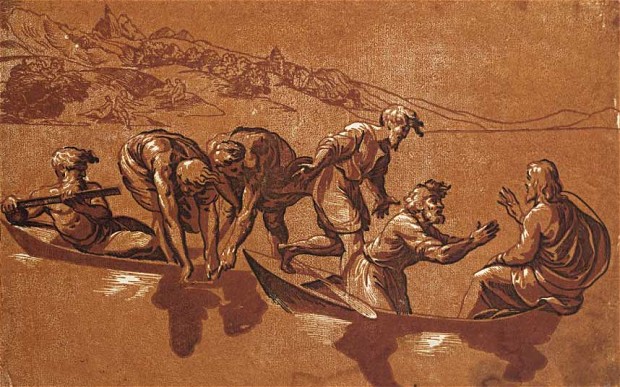
Ugo da Carpi, after Raphael, The Miraculous Draught of Fishes, c. 1523-27. Chiaroscuro woodcut printed from three blocks, the tone blocks in red, 23.4 x 25.7 cm. Albertina, Vienna. Photo: Albertina, Vienna

Ugo da Carpi, after Raphael, The Miraculous Draught of Fishes, c. 1523-27. Chiaroscuro woodcut printed from three blocks, the tone blocks in red. Photo: Albertina, Vienna

Ugo da Carpi, after Raphael; Aeneas and Anchises 1518, Chiaroscuro woodcut printed from four tone blocks, in beige and grey 51 x 37.4 cm Collection Georg Baselitz. Photo Albertina, Vienna. Organised by the Royal Academy of Arts, London and the Albertina, Vienn

Ugo da Carpi, after Raphael; Aeneas and Anchises 1518, Chiaroscuro woodcut printed from four tone blocks, in beige and grey. Collection Georg Baselitz. Photo Albertina, Vienna.

Ugo da Carpi - Diogenes (1527)

Ugo da Carpi – Diogenes (1527)

This exhibition couldn’t be more timely for me. I have only recently started dabbling in woodcutting myself, having been inspired to do so by Felix Vallotton’s exhibition in Paris last year. Likewise, I have been fully immersed in Renaissance art of late, not least in seeking inspiration for my on-going Norm Saints collection which drawn on Renaissance religious imagery for its primary inspiration.

It is that same intense religious flavour, together with the grandiose imagery which was born of the Renaissance, which forms a golden thread through the 150 or so masterful woodcuts which the Royal Academy currently have on exhibition. Formed of the collections of the Albertina in Vienna, and the private haul of contemporary artist, Georg Baselitz (you know, the one who paints upside down portraits), this brilliant show brings together a fine set of prints which explore the birth of the chiaroscuro woodcut, a unique use of wood to express the intensification of light and dark.

Hendrick Goltzius, Hercules Killing Cacus, 1588. Chiaroscuro woodcut printed from three blocks, the tone blocks in yellow and green, 41.1 x 33.3 cm. Collection Georg Baselitz. Photo: Albertina, Vienna

Hendrick Goltzius, Hercules Killing Cacus, 1588. Chiaroscuro woodcut printed from three blocks, the tone blocks in yellow and green, 41.1 x 33.3 cm. Collection Georg Baselitz. Photo: Albertina, Vienna

Andrea Andreani, after Giambologna, Rape of a Sabine Woman, 1584, Collection Georg Baselitz. Photo Albertina, Vienna
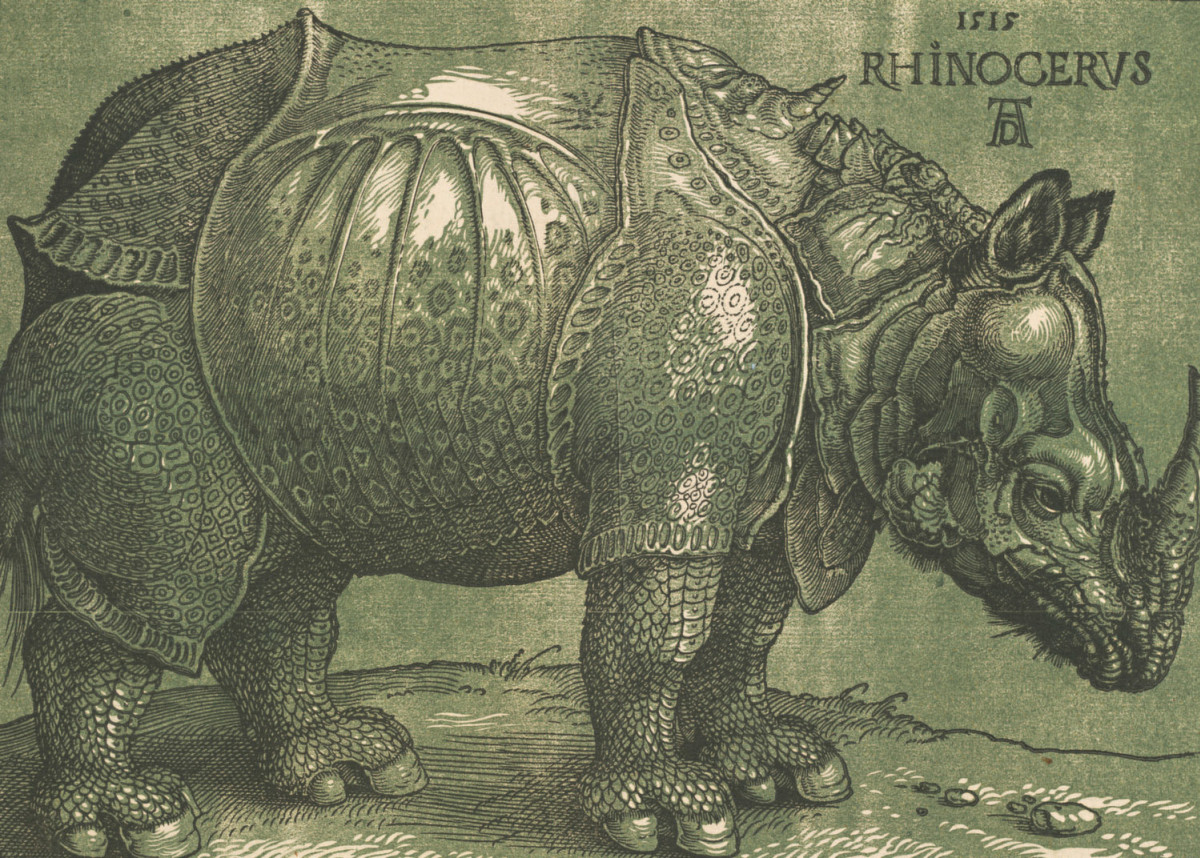
Albrecht Dürer, Rhinoceros (1515 and c.1620 - the highlights)

Albrecht Dürer, Rhinoceros (1515 and c.1620 – the highlights)

Albrecht Dürer, Ulrich Varnbühler (1522 and c.1620 - the highlights)

Albrecht Dürer, Ulrich Varnbühler (1522 and c.1620 – the highlights)

Ugo da Carpi, after Raphael; Aeneas and Anchises 1518, Chiaroscuro woodcut printed from four tone blocks, in beige and grey 51 x 37.4 cm Collection Georg Baselitz. Photo Albertina, Vienna. Organised by the Royal Academy of Arts, London and the Albertina, Vienn

Ugo da Carpi, after Raphael; Aeneas and Anchises 1518, Chiaroscuro woodcut printed from four tone blocks, in beige and grey 51 x 37.4 cm Collection Georg Baselitz. Photo Albertina, Vienna. Organised by the Royal Academy of Arts, London and the Albertina, Vienn

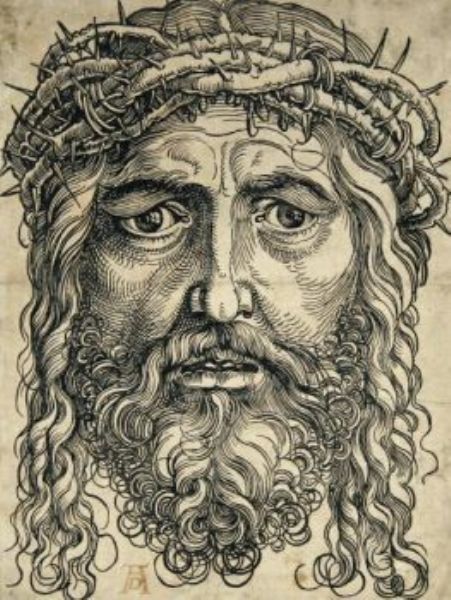
Hans Sebald Beham, Head of Christ Crowned (1520-1) - woodcut from two blocks, tone block in brown.

Hans Sebald Beham, Head of Christ Crowned (1520-1) – woodcut from two blocks, tone block in brown.

From the Italian word meaning light-dark, chiaroscuro is better known to describe the dark and brooding masterpieces of Italian painter, Caravaggio. Just as Caravaggio is famed for utilising the stark contrast of light and shadow to create paintings packed full of drama and intensity, this woodcut technique, invented in the 1500s by Lucas Cranach the Elder and Hans Burgkmair the Elder, provides the same thrill of three-dimensional realism by using different wood plates to layer up light and shadows. It generally involves one plate which contains all of the darkest details (usually the most linear plate), while another provides an overall mid-tone with white highlights cut into it. The effect is one of dramatic contrasts and naturalistic brilliance, as each of the many prints on show in this exhibition demonstrate.

From the work of those inventors, to the development of the medium, mainly by Italian printmakrs such as Ugo da Carpi and Dmenico Beccafumi, we are treated to a period of creativity in which the medium is expertly utilised to create images which, at the time, must have stunned audiences for all of their realism and depth. But just as they may have stunned 1500s audiences for their apparently illusionistic manifestation of light and shadow, so too do they retain the ability to stun the audiences of today – because in their sheer detail and brilliantly perfect execution, these works are a breath of fresh air in a contemporary world where art is so often comprised of some untidy sploshes on a canvas.

Spectator-Royal-Academy

Renaissance Impressions is on at London’s Royal Academy until 8 June 2014.

Catalan shellfish orzo paella

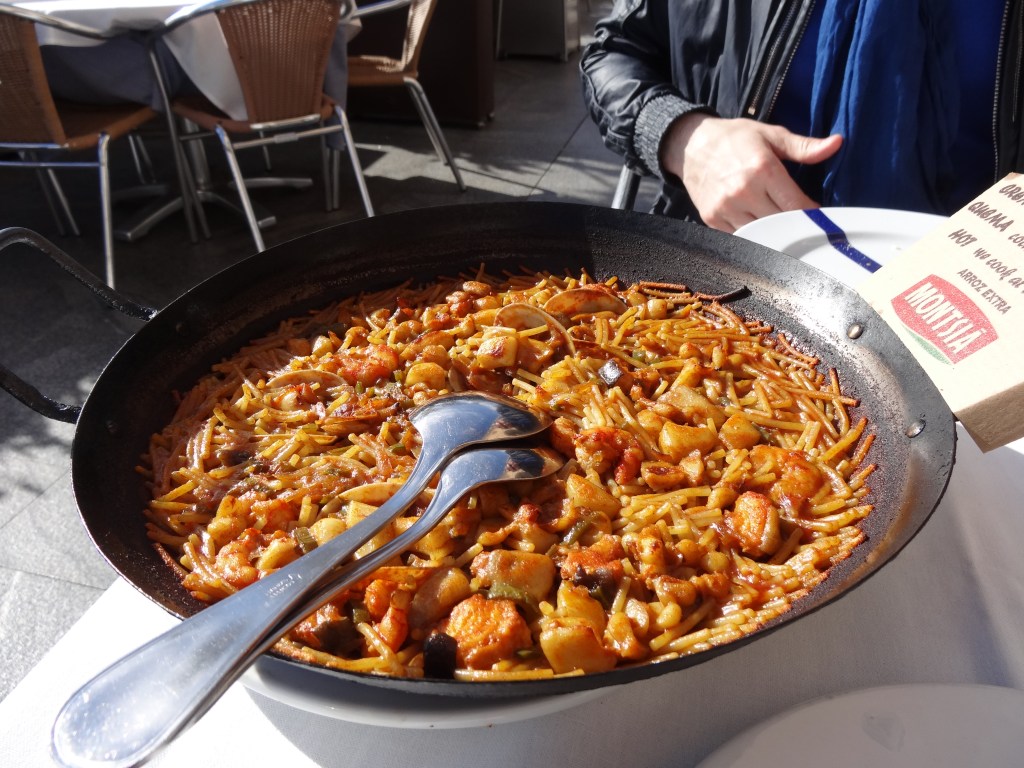
Nothing continues the memories of a wonderful holiday better than bringing the food of that holiday destination home. There is nothing quite like the process of cooking, and eating international food to tease each of the senses with memories of the good times. So one of the first things I did after my return from my recent weekend in Barcelona was to recreate that exquisite noodle paella which I had so enjoyed on the quayside of the Port Vell over our last lunch. Using durum wheat pasta noodles rather than the traditional rice resulted in a delicious textural twist on the normal paella, while cooking without moving any of the ingredients so as to caramelise the fish stock into a golden crunch at the edges made this paella something to die for.

DSC03583 DSC03581 DSC03582

I found a similar recipe in a new cook book I have recently picked up, My Barcelona Kitchen by Sophie Ruggles. Unfortunately my supermarkets were less in tune with the noodle paella approach, and finding something similar to the recommended short durum wheat noodles required by the recipe turned out to be the first hurdle to cross. So thinking laterally, I decided to go for a durum wheat orzo instead – for these little beads of pasta very nearly replicated the short length and texture of the noodles we had hungrily devoured in Barcelona. As for the rest, buying myself a good heap of different shell fish, from tiger prawns to langoustines, as well as plenty of squid, mussels and some mixed fish, meant that I was plying my paella with as much fish as it deserved, and in probably more generous portions than had ever been lavished upon us in a restaurant.

First up was to make the fish stock, which is an important element to the dish since it is this which really gives the paella its distinctive flavour and ensures that that caramelisation is as rich and delicious as it deserves to me. However, I admit to cheating just a little bit, as I started off with 1 litre of fresh supermarket-bought fish stock to use as my base, before further enrichening this with a chopped and wilted white onion, 1 crushed garlic clove, 1 diced tomato, half a teaspoon of smoked (sweet) pimenton, a pinch of saffron threads, a whole load of prawn shells, heads – you name it. This was left to simmer away for a good 45 minutes or so to ensure full development of the flavours before being sieved to remove all of the chunky bits, leaving behind a flavoursome stock.

IMG_7814 IMG_7816

Then came the paella itself. I started off by coating the base of what should have been a paella pan, but in my case had to be a wok (I am yet to own a paella pan, but I will change this) and in that oil cooking 6 unpeeled garlic cloves for 2-3 minutes. I then added the uncooked orzo and coated in the oil before cooking, tossing frequently, for around 5 minutes until golden brown. I then removed the orzo and garlic and set aside, before then cooking the prawns and langoustines and again setting aside.

Finally, bringing everything together, I cooked my calamari for a few minutes (until the liquid had disappeared), threw in some pieces of mixed fish, my orzo, mussels and all of that delicious stock, and scattered the rest of the seafood including all of the prawns on top. I then cooked untouced over a medium heat for around 10 minutes to gently caramelise. I cheated on this aspect too, placing the whole paella under the grill for a few minutes at the end to further enhance the caramelised area – I just can’t get enough of that caramel!

And there we have it – my orzo paella, which can also be made with noodles, and just calls to be varied with all the different kinds of fish and shellfish that you desire. Buen provecho!

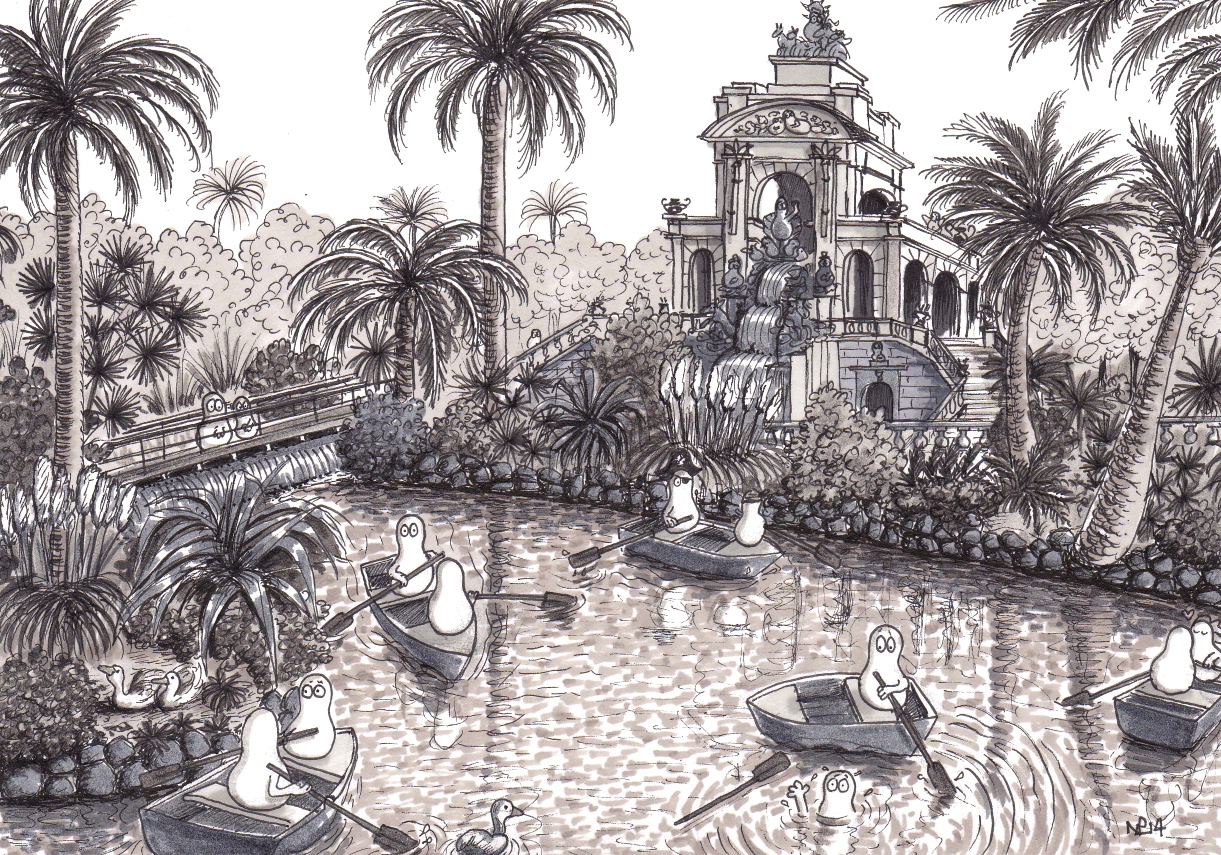
Norms boating at the Parc de la Ciutadella

We join the Norms in Barcelona, where having had their fill of Gaudi after exploring the roof terrace of the Casa Mila and the Norm shaped chimneys which fill it, the Norms have moved to one of the city’s best loved outside spaces – the Parc de la Ciutadella. Asides from being a pretty place to perambulate and play and enjoy the good life out of doors, the park also provides the perfect facility for the Norms to indulge in one of their favourite activities: boating.

Now of course the Norms only have one arm, which might, you will think, have an impact on their ability to row a boat. For Norms’ boats require oars just like any other. And that is precisely why you will always find Norms boating in pairs. So that one can control one oar, and the other a second.

Norms at the Parc de la Ciutadella (2014 © Nicholas de Lacy-Brown, pen and ink on paper)

Norms at the Parc de la Ciutadella (2014 © Nicholas de Lacy-Brown, pen and ink on paper)

That is of course all very well when things are going smoothly. But should the unspeakable actually occur, and one Norm falls out of the boat, just look how difficult it will be to rescue him – with only one oar in action, the other Norm won’t get very far apart from to row in a continuous and never ending circle. Such is the dilemma of being a Norm.

Don’t forget that you can see these Norms and more at my forthcoming solo art exhibition  – When (S)pain became the Norm, at London’s Strand Gallery from 13 – 18 May 2014. For more details, click here

© Nicholas de Lacy-Brown and The Daily Norm, 2001-2014. Unauthorized use and/or duplication of the material, whether written work, photography or artwork, included within The Daily Norm without express and written permission from The Daily Norm’s author and/or owner is strictly prohibited. Excerpts and links may be used, provided that full and clear credit is given to Nicholas de Lacy-Brown and The Daily Norm with appropriate and specific direction to the original content. For more information on the work of Nicholas de Lacy-Brown, head to his art website at www.delacy-brown.com


My Barcelona, on canvas: Separatism

While last week I shared with you one of my more sedate paintings of Barcelona – an oil landscape of the Port Vell – this week, as the tales of my recent Barcelona travels draw to a close, it’s inevitably time to share the second of my two paintings featuring Barcelona – and this time it’s a far more vibrant affair. Part III of my España Volver series, Separatism, explored the fragmentation and political division which is shared by two autonomous regions of Spain, the Basque Country and Catalunya (Catalonia), both of which have a historically fractious relationship with the Spanish nation to whom they are, for some unwittingly, part of a national whole.

By way of demonstration of the political and social fragmentation which means that these two regions sit so uneasily with the rest of Spain, the symbols painted across my painting are framed in the shapes of a jigsaw puzzle which, rather than fitting together easily, is in part broken and displaced. Emerging out of and contained within the pieces of the puzzle are a series of images representing the shared values and passions of the region – food, wine, art and maritime history, as well as icons that are unique to the regions. So out of the Basque Country comes Frank Gehry’s famous Guggenheim building, while in Barcelona, the capital of Catalunya, we have Gehry’s magnificent beachside Peix fish.

Separatism: Catalonia and the Basque Country (2009, Oil on canvas, © Nicholas de Lacy-Brown)

Separatism: Catalonia and the Basque Country (2009, Oil on canvas, © Nicholas de Lacy-Brown)

Representing the Basque town of Saint Sebastian, I have painted a conch shell pierced by arrows (St. Seb’s bay is known as La Concha because of its curving shape), while Gaudi’s iconic Sagrada Familia takes centre stage in this painting, with a dual purpose as a fork on which a juicy salsa drizzled prawn is poised; symbol of the gastronomic prowess of both regions. Meanwhile, further reference to Catalunya’s artistic prowess is made in the broken egg, representing Catalunya born Salvador Dali, while around the canvas, various symbols of Gaudi are represented, from his Passeig de Gracia paving slabs on the left, to the Casa Mila chimney which emerges atop of a bottle of fine Rioja wine.

Of course there’s violence too, with an illustration of the ETA bombings over on the right; symbol of the violent means which some separatist idealist have gone to to make their point, as well as the spiralling energetic core of the painting – a further demonstration of the plethora of cultural, social and historical influences which have made the regions as richly divergent as they are today.

And for those of you who would like to see this painting closer at hand, it will be on exhibition, along with the rest of my España Volver series at London’s Strand Gallery between 13-18 May. More details can be found here.

© Nicholas de Lacy-Brown and The Daily Norm, 2001-2014. Unauthorized use and/or duplication of the material, whether written work, photography or artwork, included within The Daily Norm without express and written permission from The Daily Norm’s author and/or owner is strictly prohibited. Excerpts and links may be used, provided that full and clear credit is given to Nicholas de Lacy-Brown and The Daily Norm with appropriate and specific direction to the original content. For more information on the work of Nicholas de Lacy-Brown, head to his art website at www.delacy-brown.com

 Nicholas de Lacy-Brown’s new solo exhibition, When (S)pain became the Norm, will be at London’s Strand Gallery from 13 – 18 May 2014. For more details, click here

Barcelona | Day 3: Up, over and out

What with our last day being on a Monday, Barcelona’s museums and galleries had pretty much shut up shop for the day, as they do on every Monday of each week. This pattern of closures, which appears to be followed across the continent, bamboozles me, especially in a tourist centre such as Paris or Barcelona, where frankly tourists don’t care whether it’s Monday or Friday – they still want to see it. Wouldn’t it be more economically productive to have staff working different shifts to cover a 7 day week rather than close the museum for an entire day? And if cities are so intent on closing one day a week, can’t the attractions close on different days so that tourists aren’t left, one day a week, utterly out in the cold? (I should proudly point out that for tourists coming to London, you will find all of our top galleries – the National Gallery, Tate, the Courtauld, the British Museum open 7 days a week, thank you all the same).

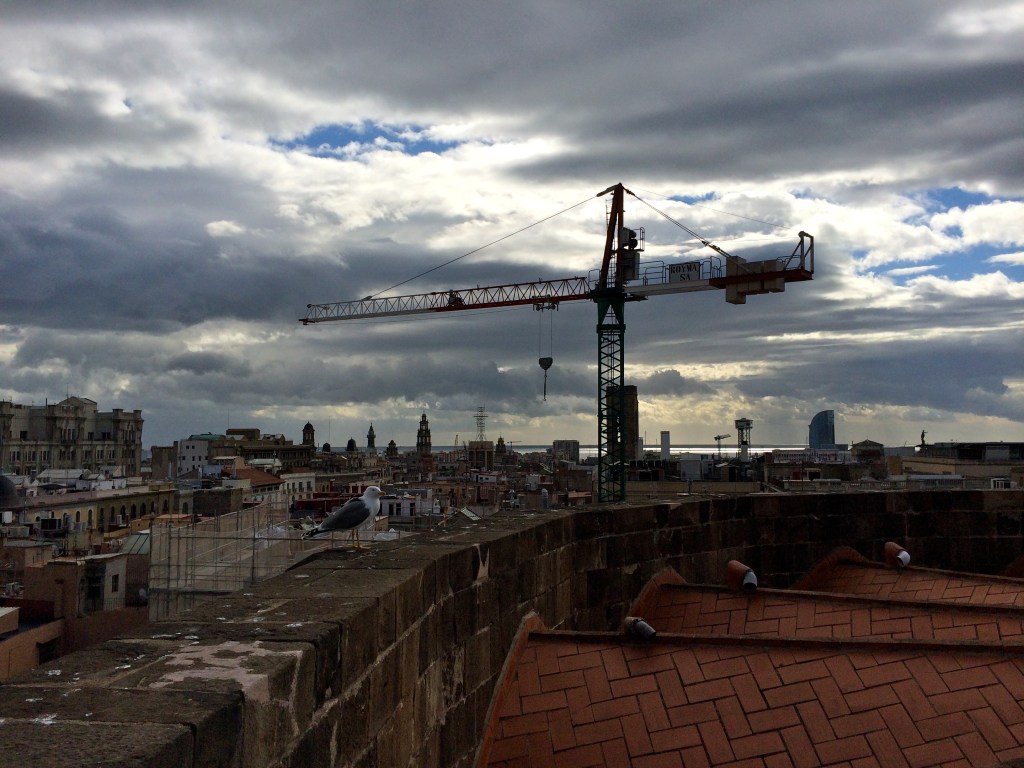
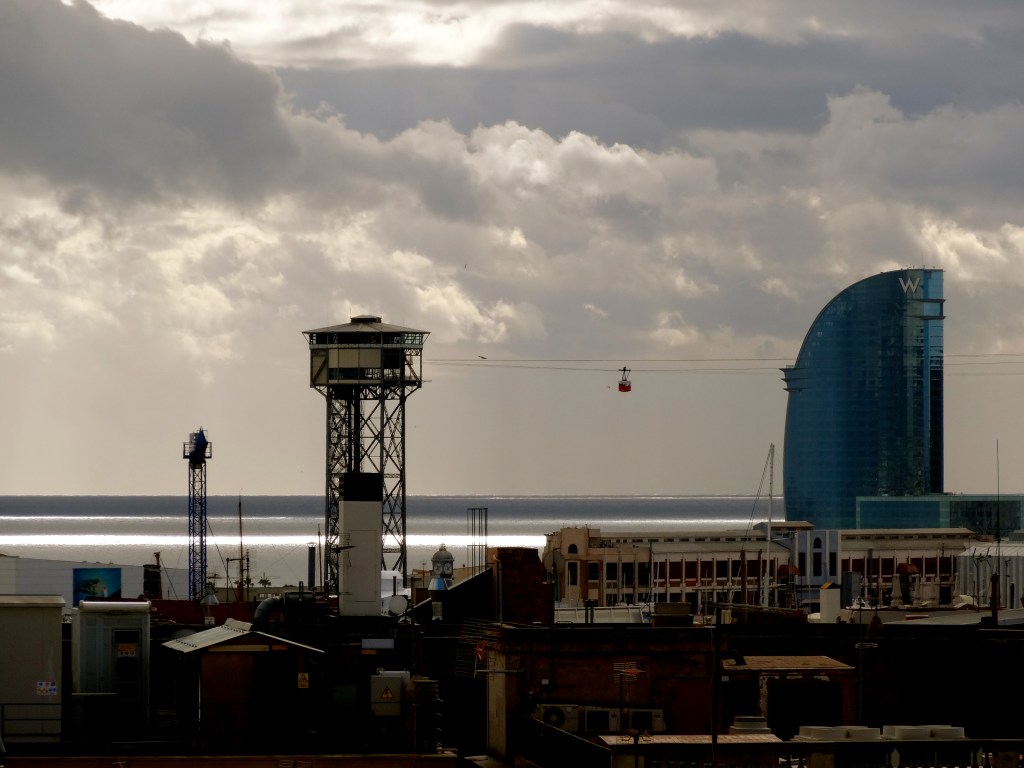
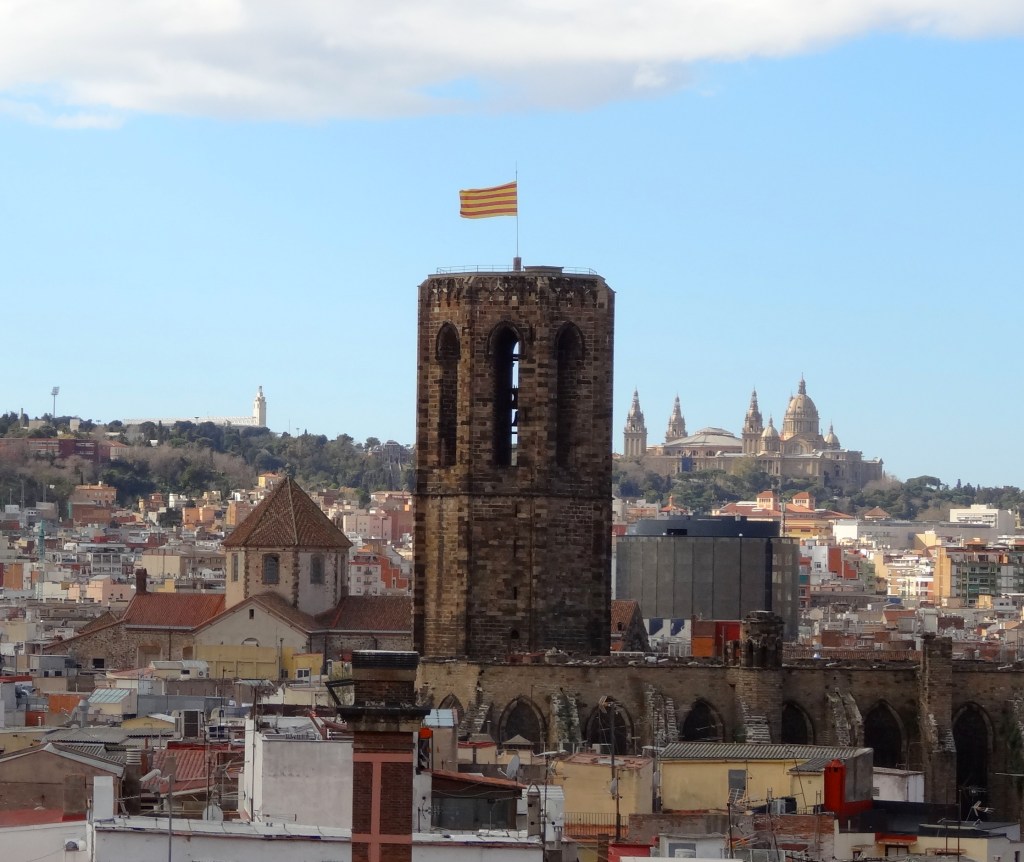
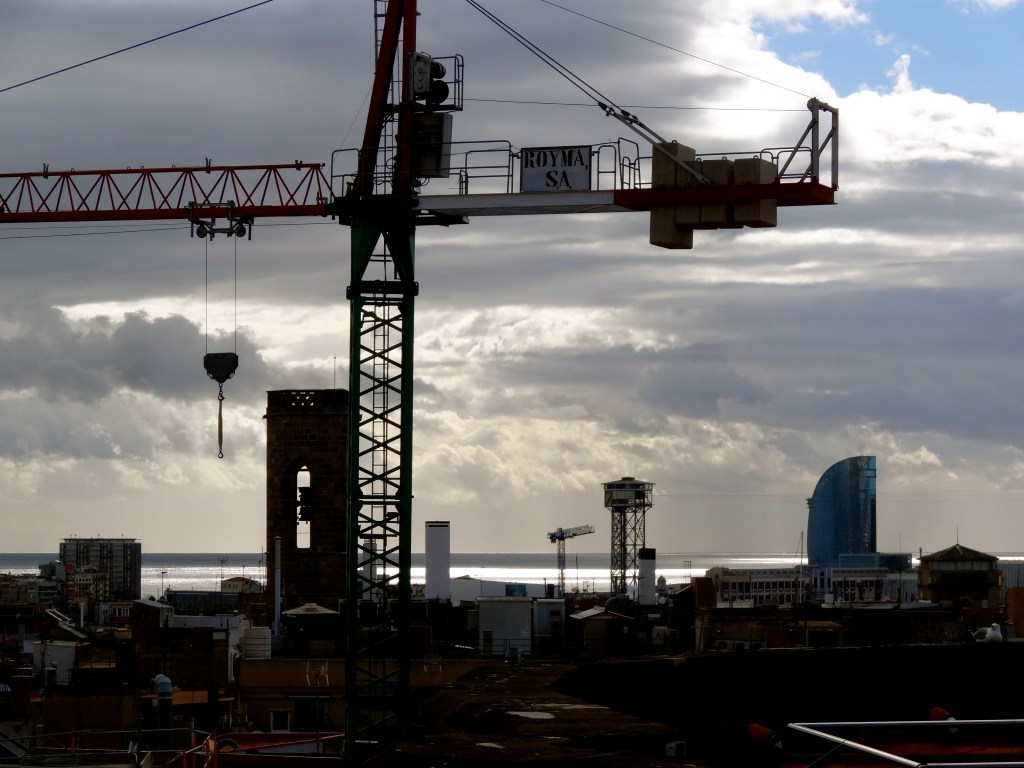
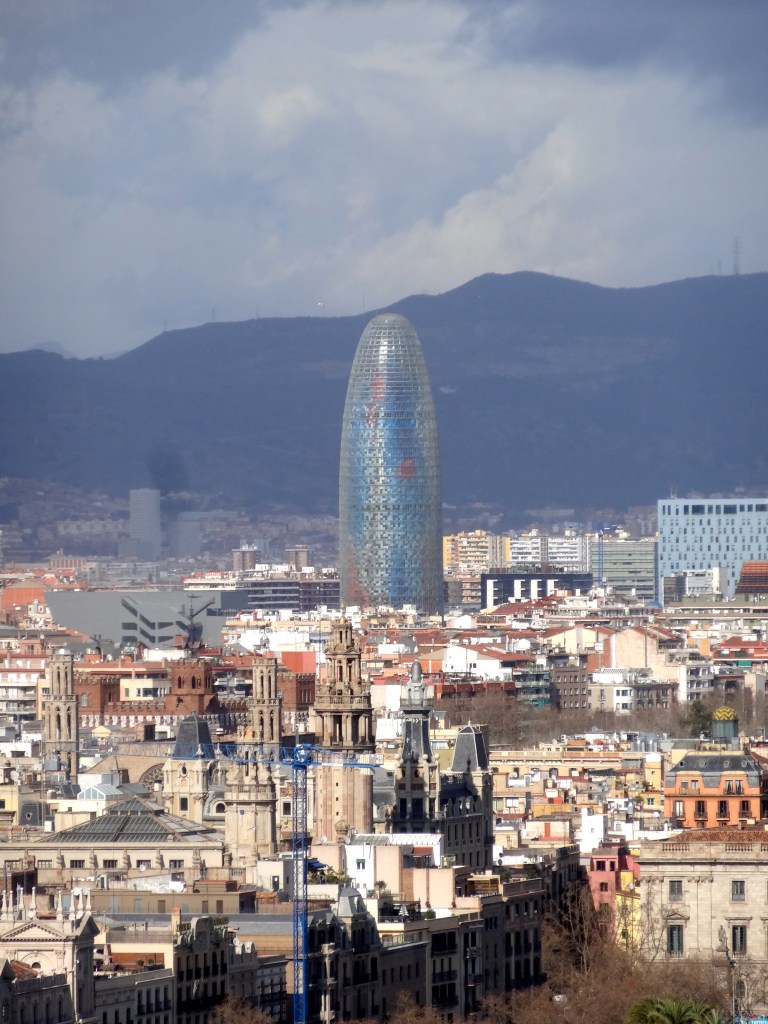
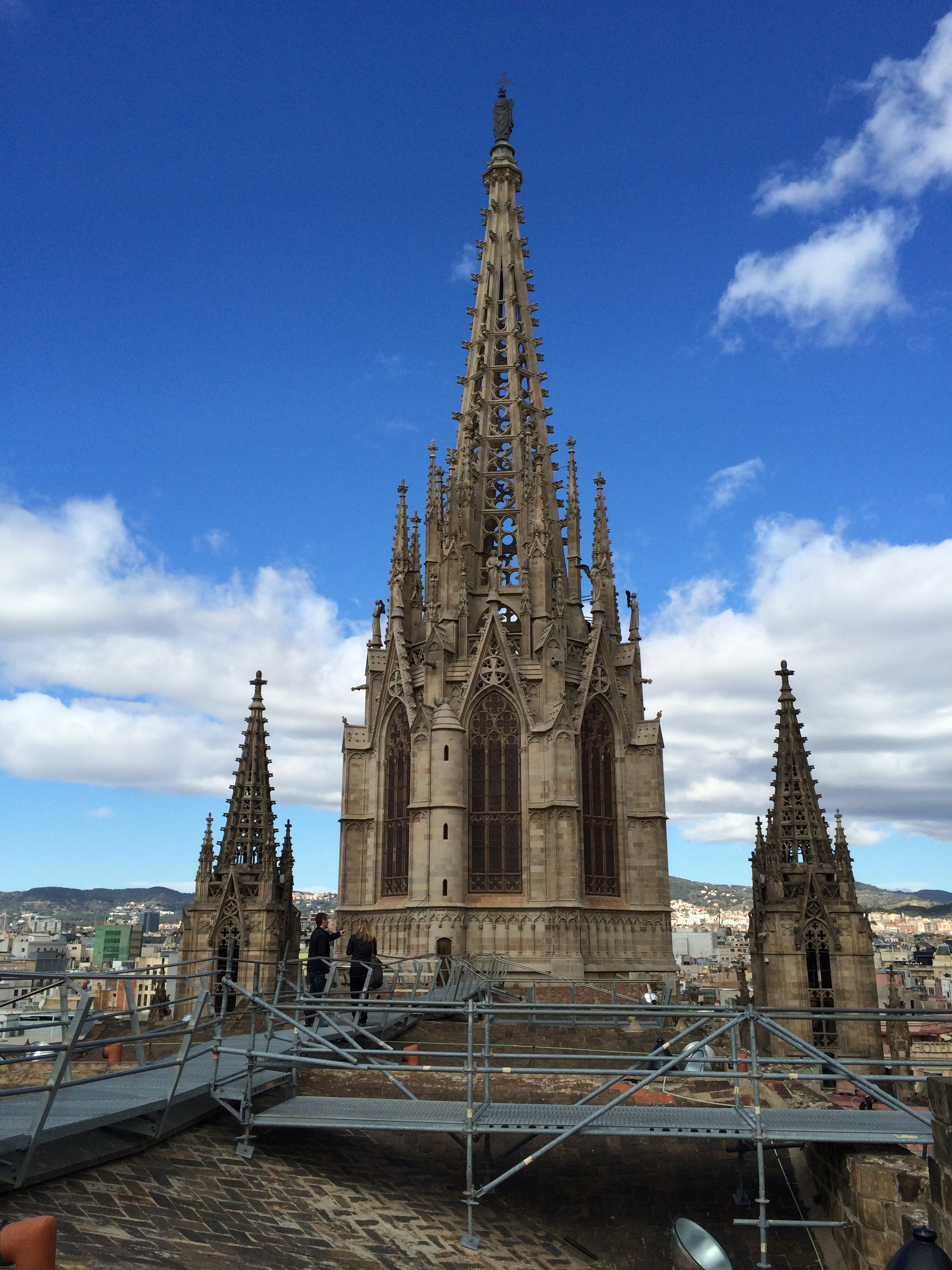
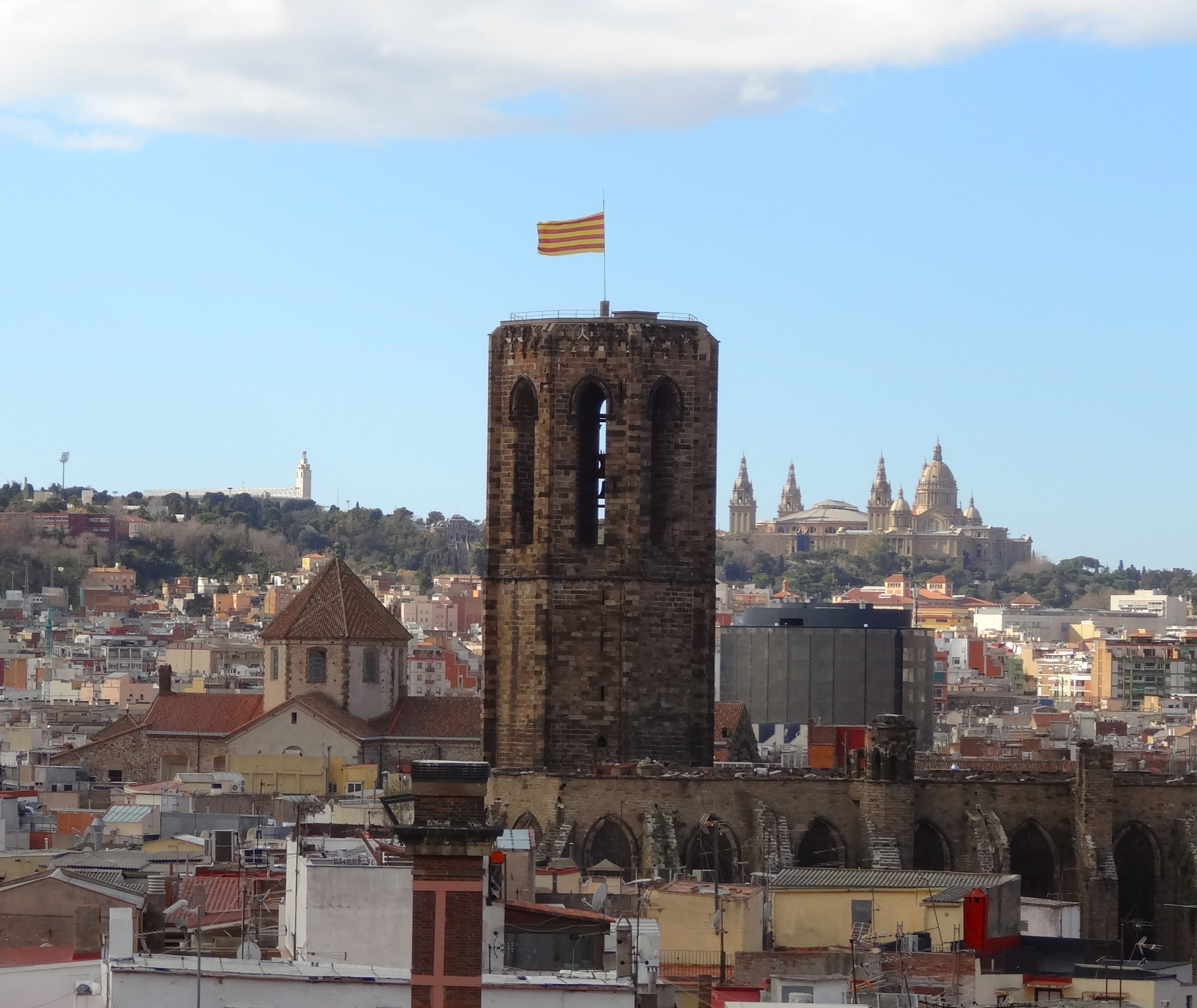
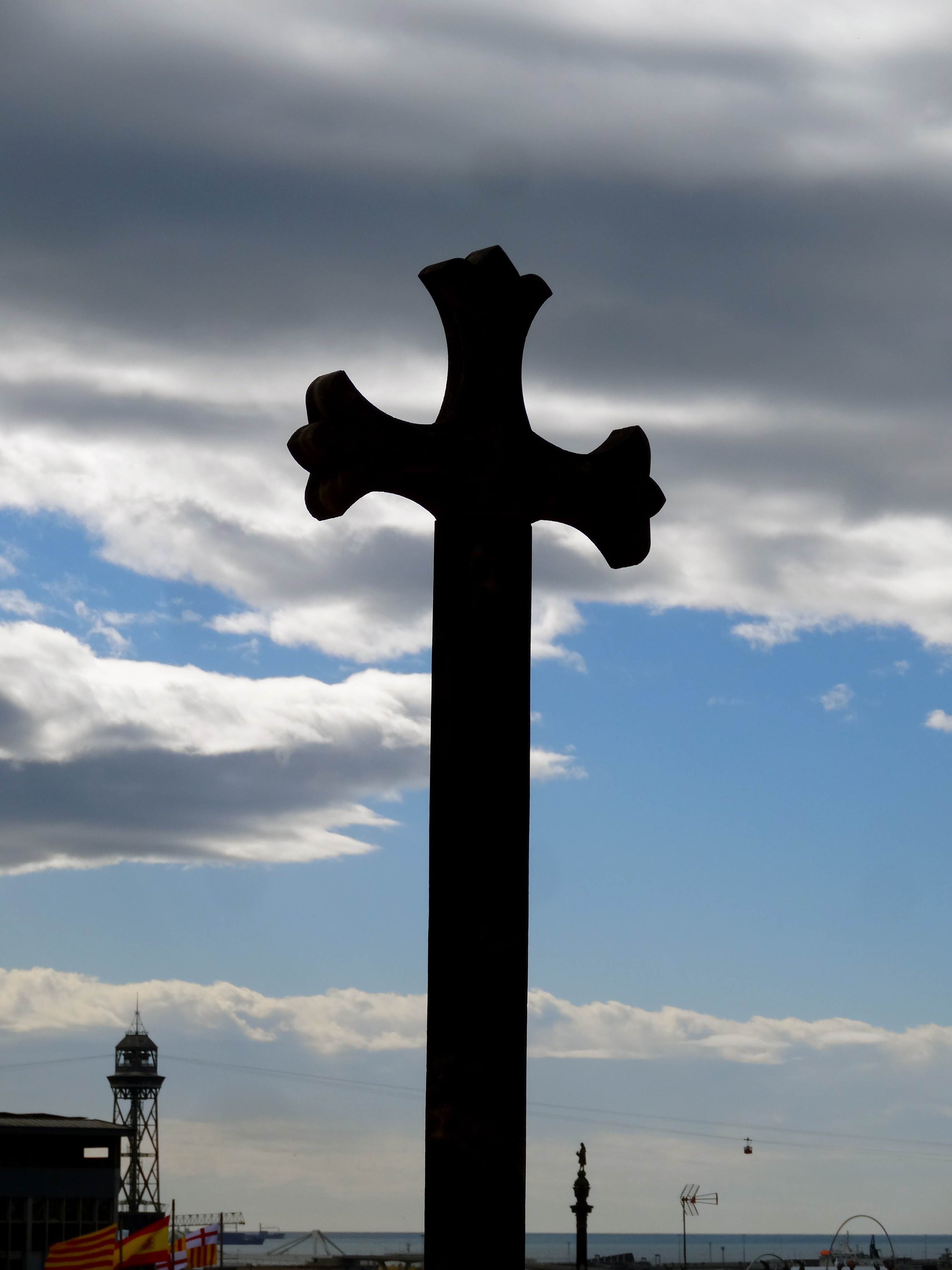
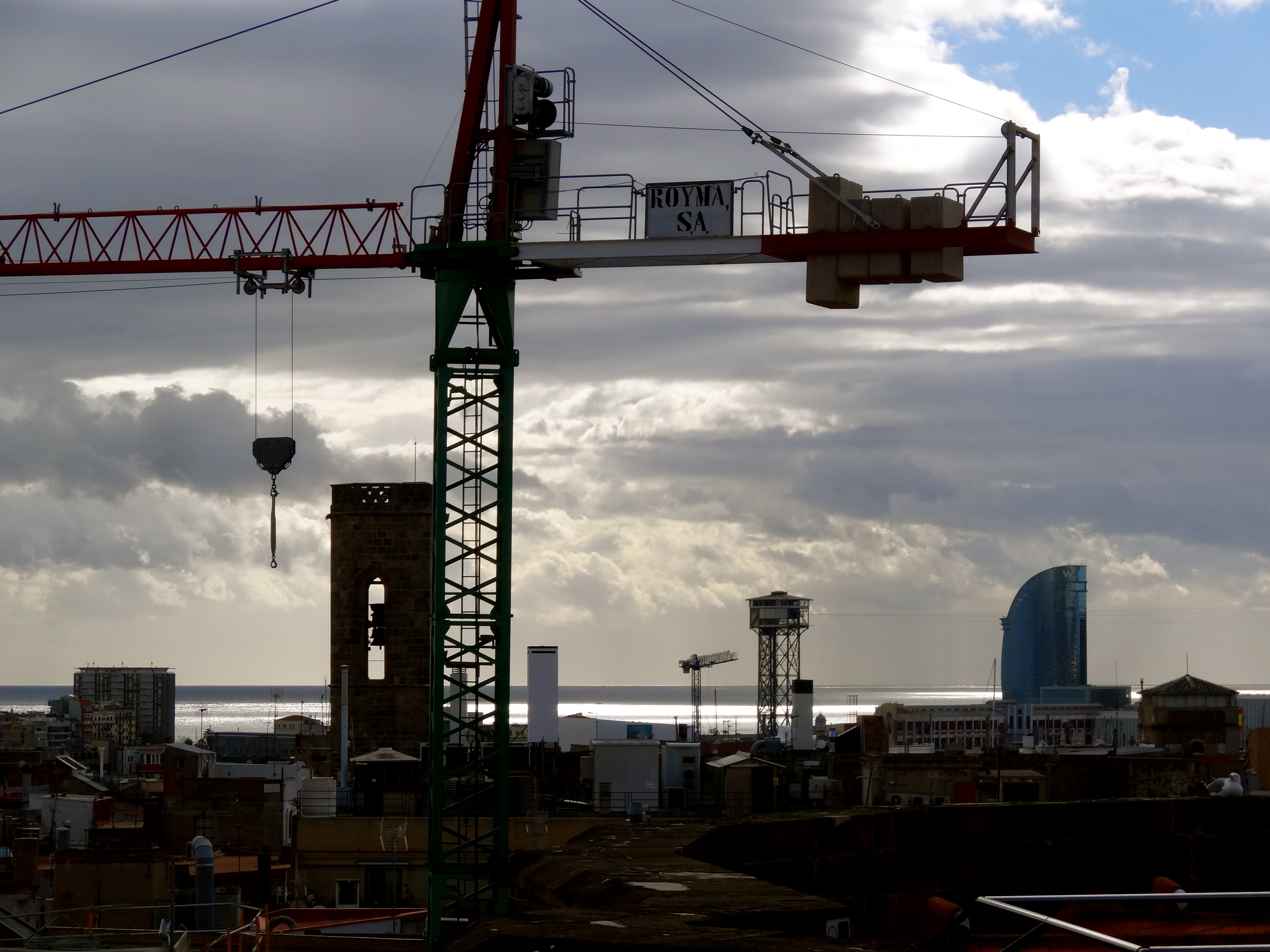
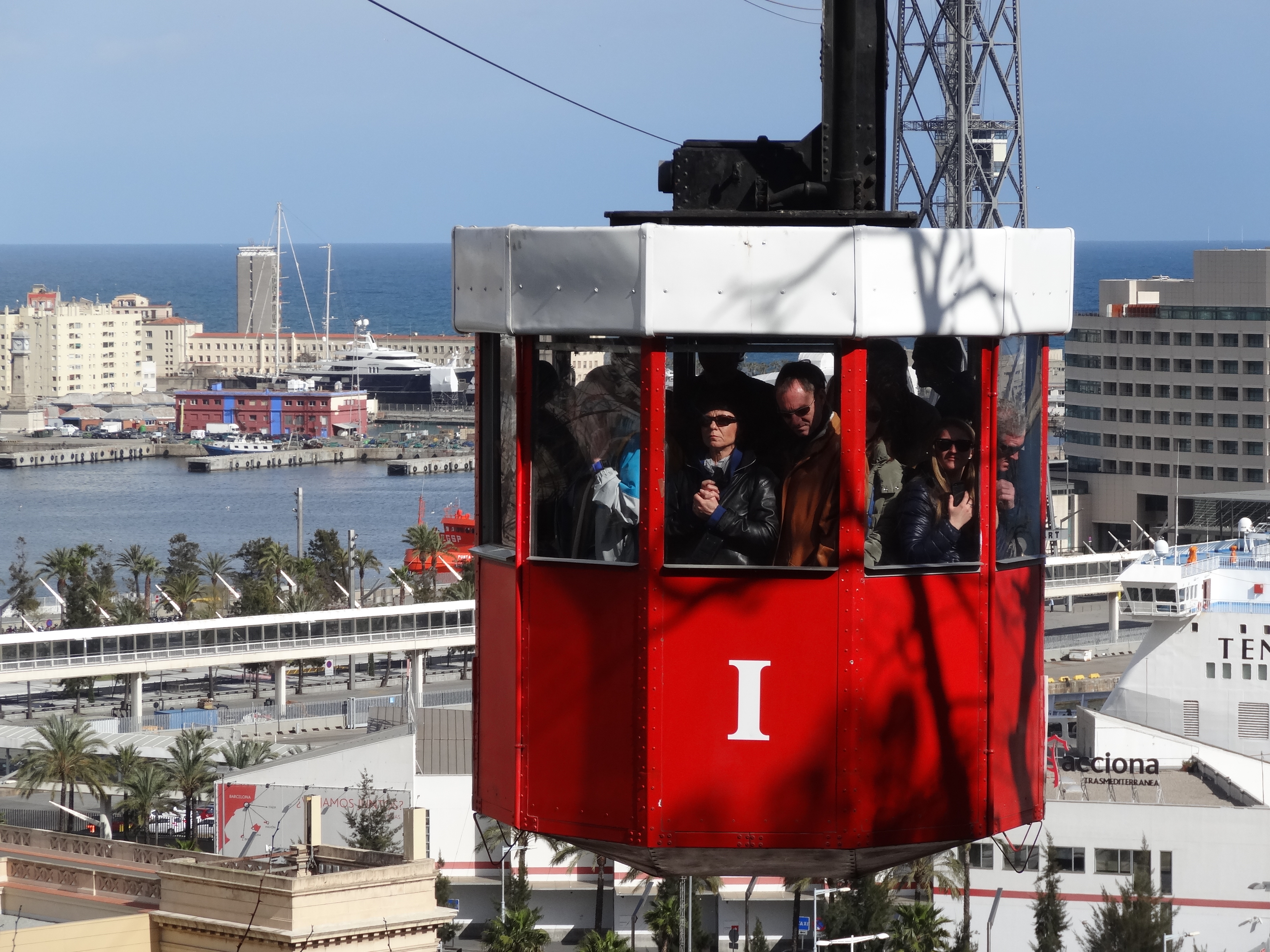
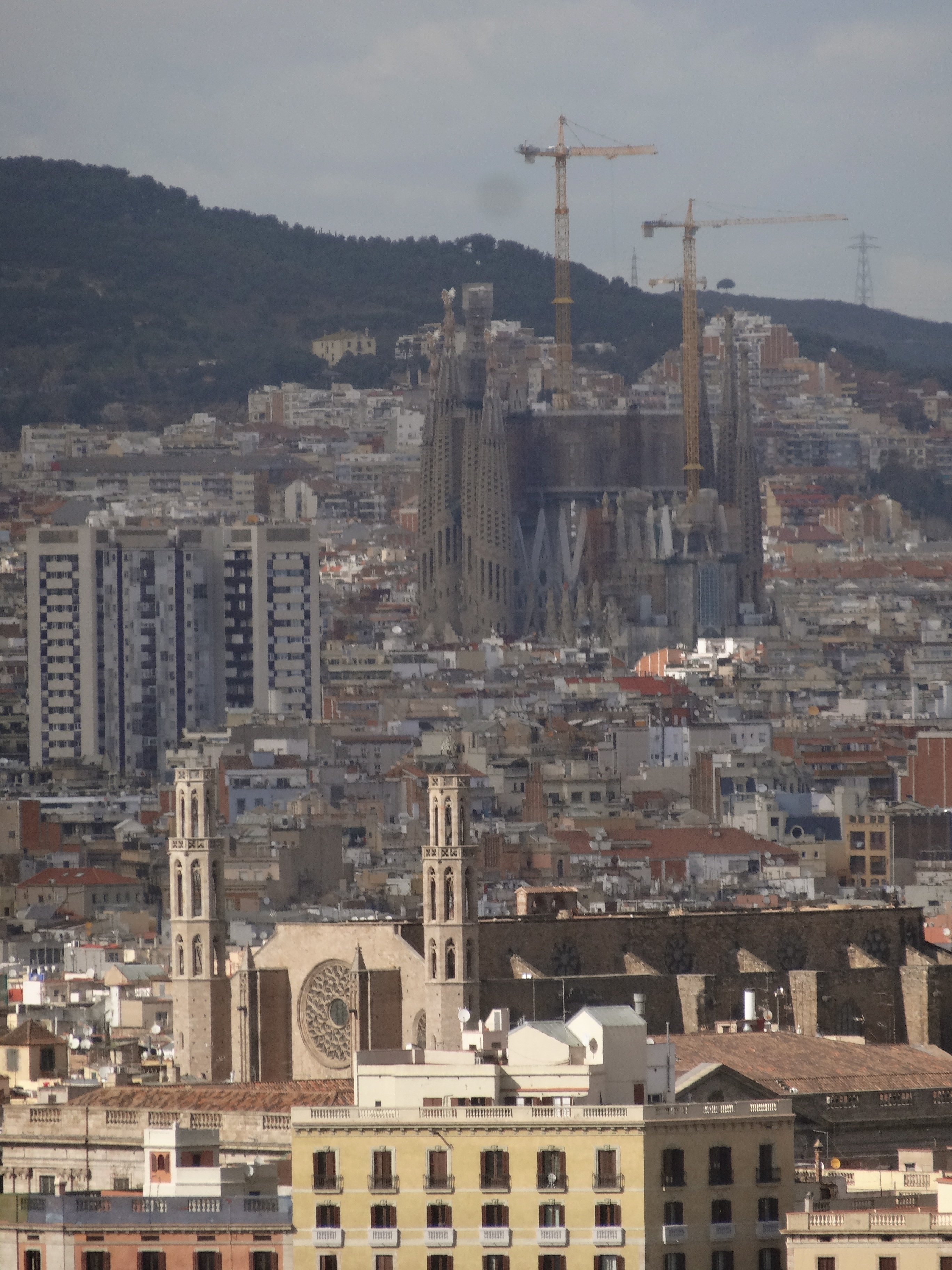
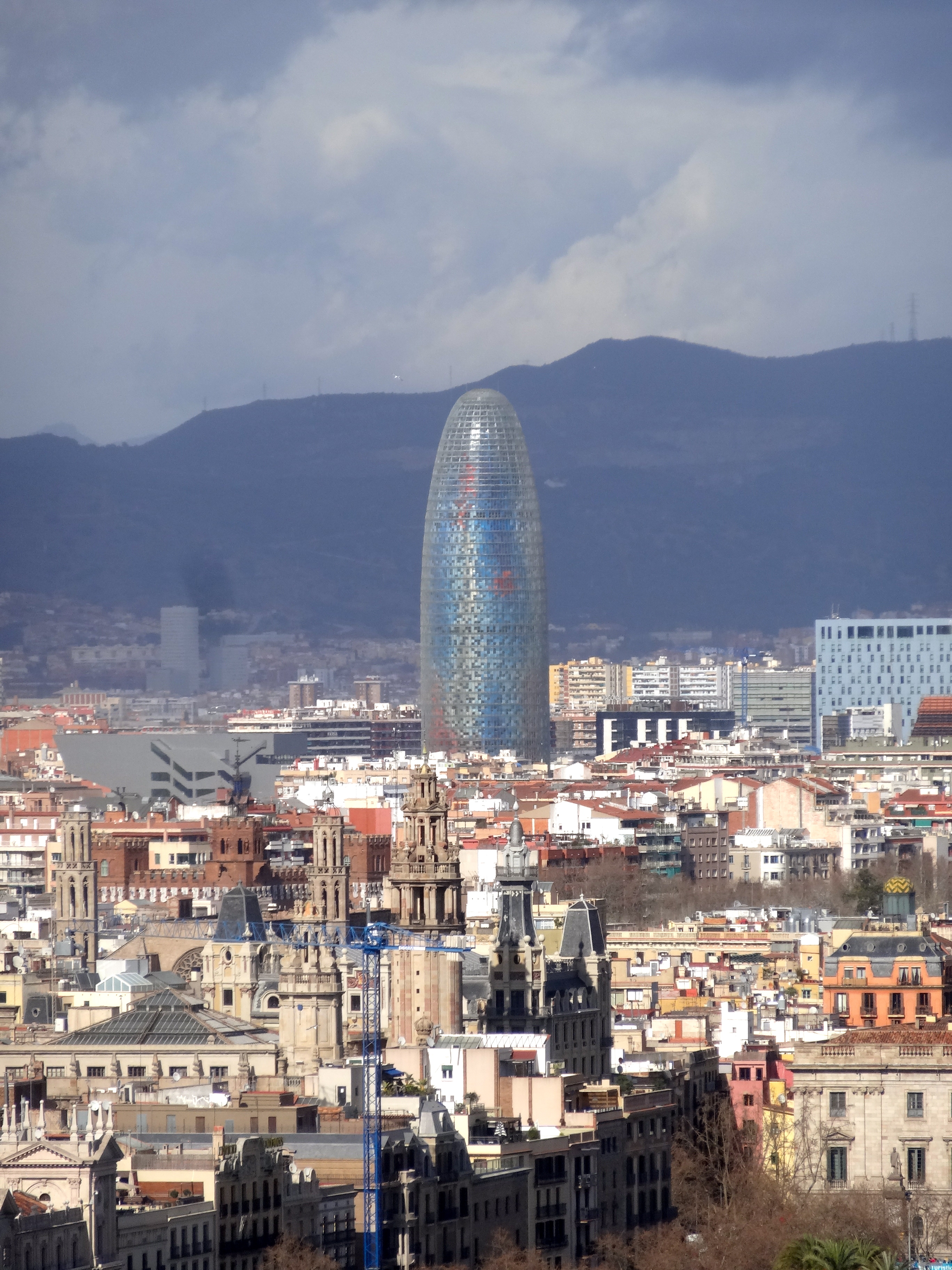
Mercifully on this last Monday in Barcelona, we were not left out in the cold, because despite the museum doors being closed, we were able to enjoy one last burst of warm weather. And where better to enjoy those clement conditions than by heading to the places from which we could best admire this city from above? Seeking something of an unusual vista rather than the normal tourist havens of Park Guell and the old funfair at Tibidabo (which is open even fewer days of the week), our first stop was up a very creaky and somewhat scary small lift to the roof of the old gothic cathedral. Being up amongst the spires and gargoyles of this gothic icon made for a very unique platform from which to admire Barcelona’s old town, and the wider spread of its urban sprawl, down to the coast and up to the fringes of the mountains.

Views from the roof of Barcelona’s Cathedral
DSC03310 DSC03349 IMG_4150 DSC03337 DSC03332 IMG_4151 DSC03315 DSC03327 DSC03311

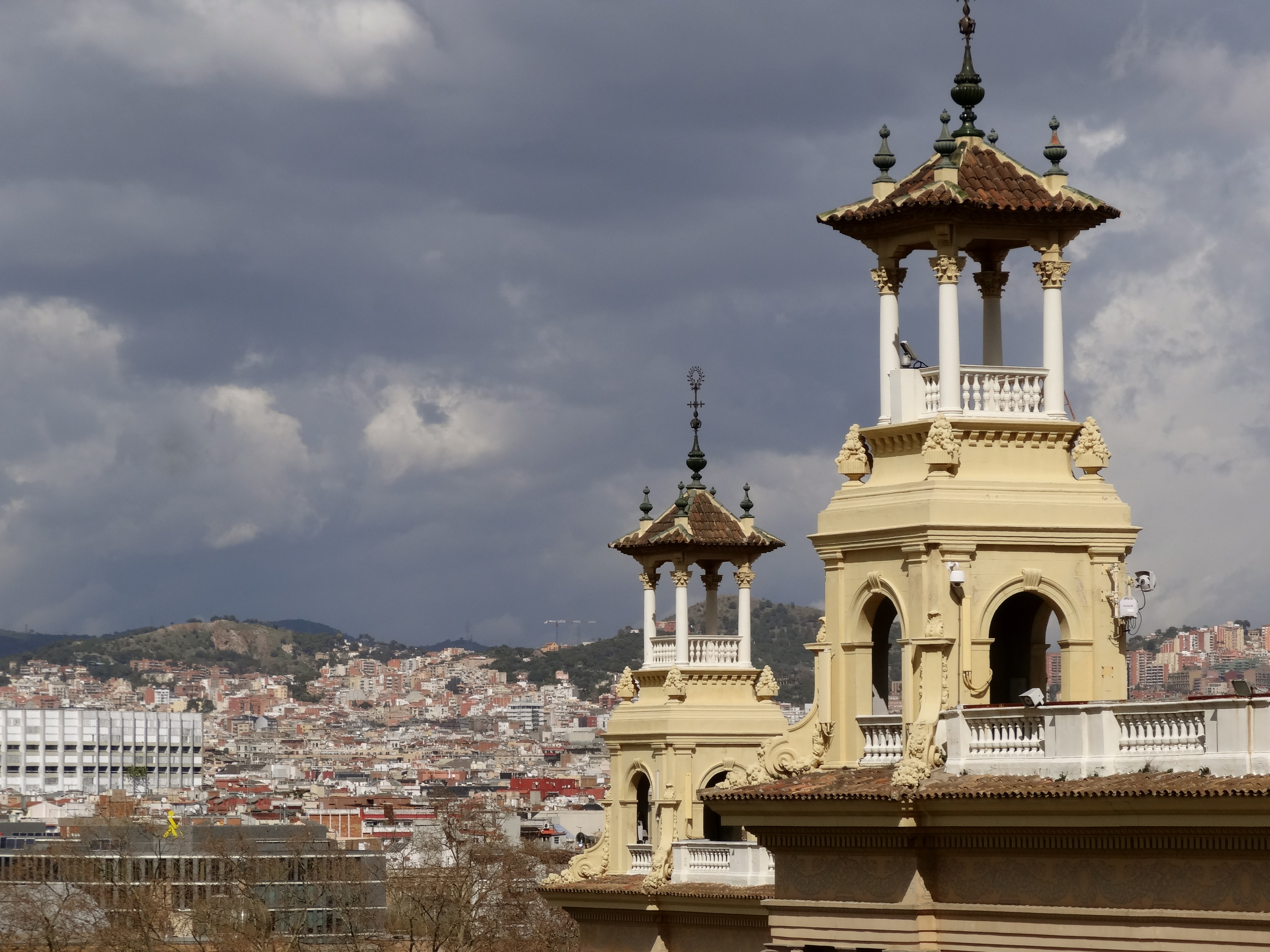
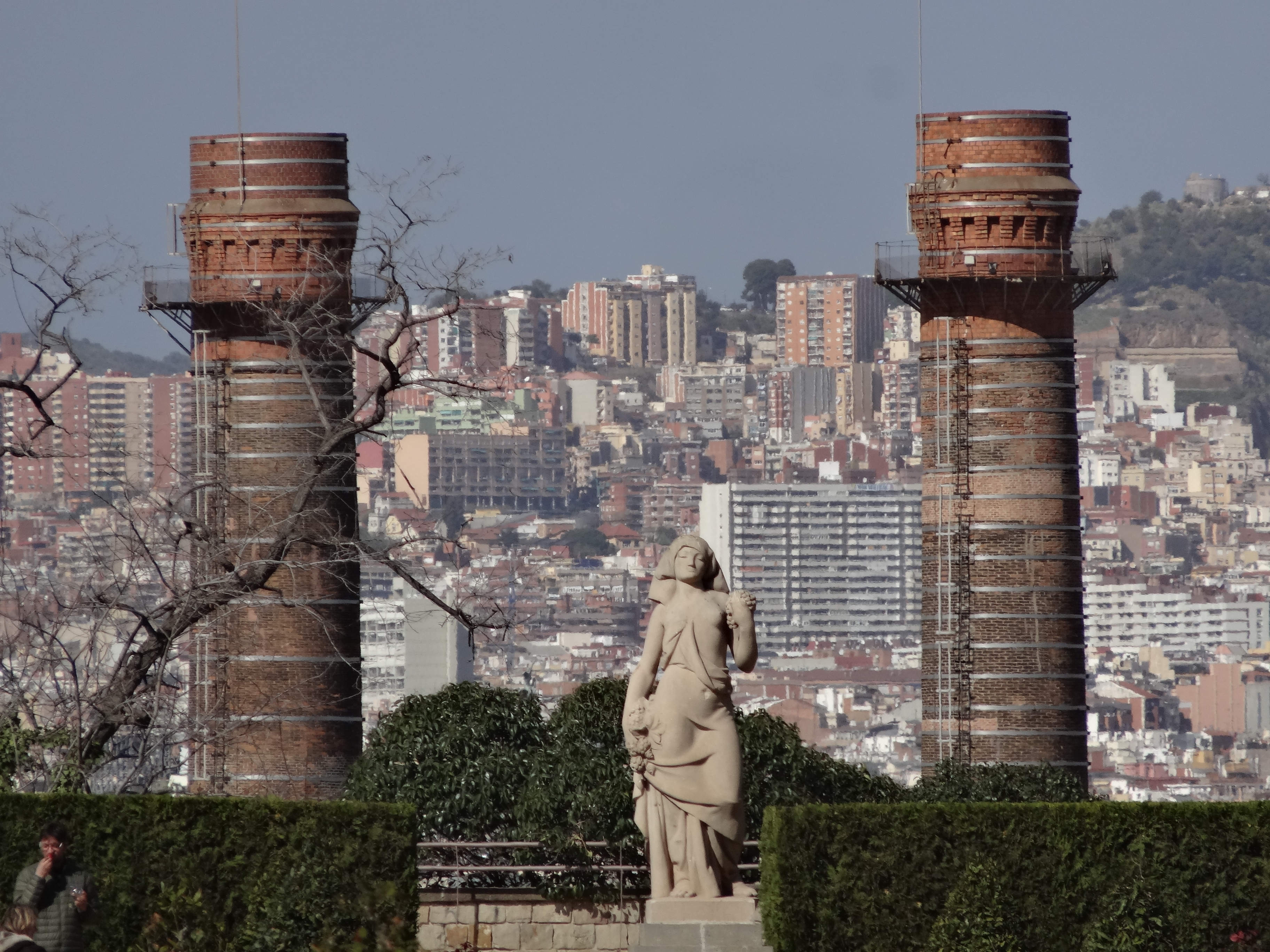
But as far as I am concerned, the best view of all Barcelona can be found, not in the centre, nor North of the city, but from atop the hill of Montjuic. Montjuic can often be overlooked by those stuck rigidly to the tourist trail caught up in the narrow streets of the Gothic Quarter and La Ribera and up into the Eixample amongst the Gaudi masterpieces. But this hill, which overlooks the city from its position south west of the city, and which plunges down from a heady peak almost into the sea below, was the centre point of the 1992 Olympic games which relaunched the city to the world at large. It is also a hub of culture and reclamation, boasting several gardens, the Miro Foundation, and the spectacular National Art Museum of Catalan Art at the Palau Nacional/

Of course both of the latter were shut (after all, it was Monday), but our concern was not with the insides of buildings, but with the extensive open spaces, and the unbeatable view from the top. In order to reach the mountain, we enjoyed the majestic approach which extends from the Plaça d’España to the Palau Nacional, a broad triumphal avenue constructed for the 1929 World Exhibition and which, at certain times of the year, boasts the additional splendour of row after row of spectacular fountains which shoot up into the air like a thousand sparkling columns.

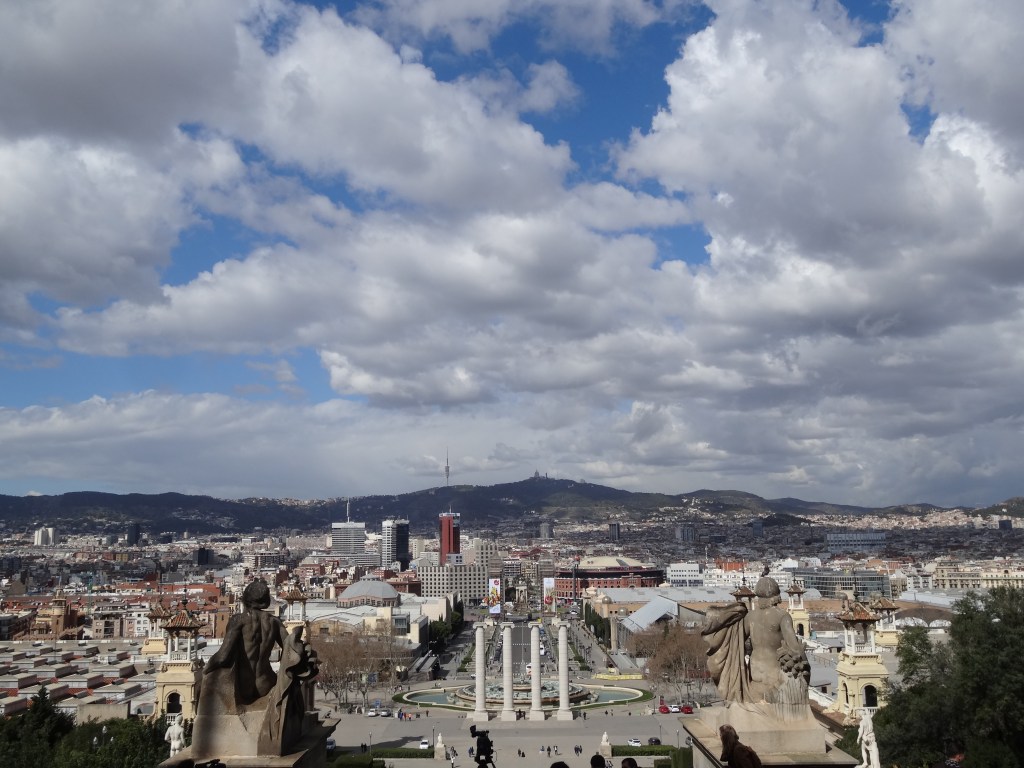
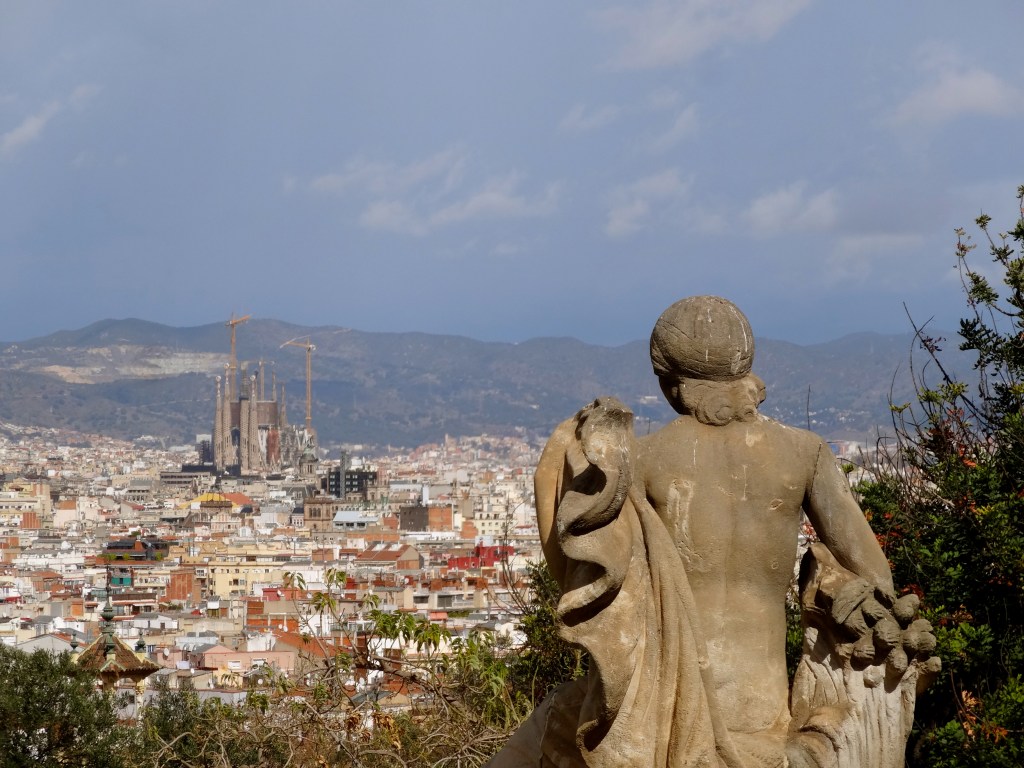
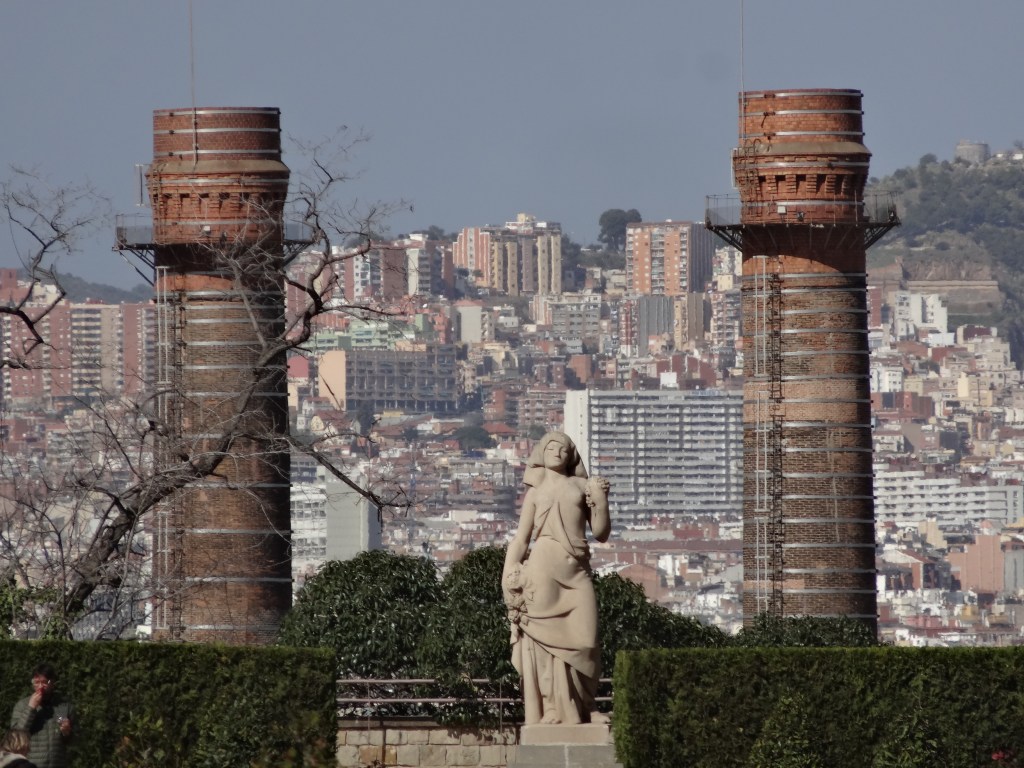
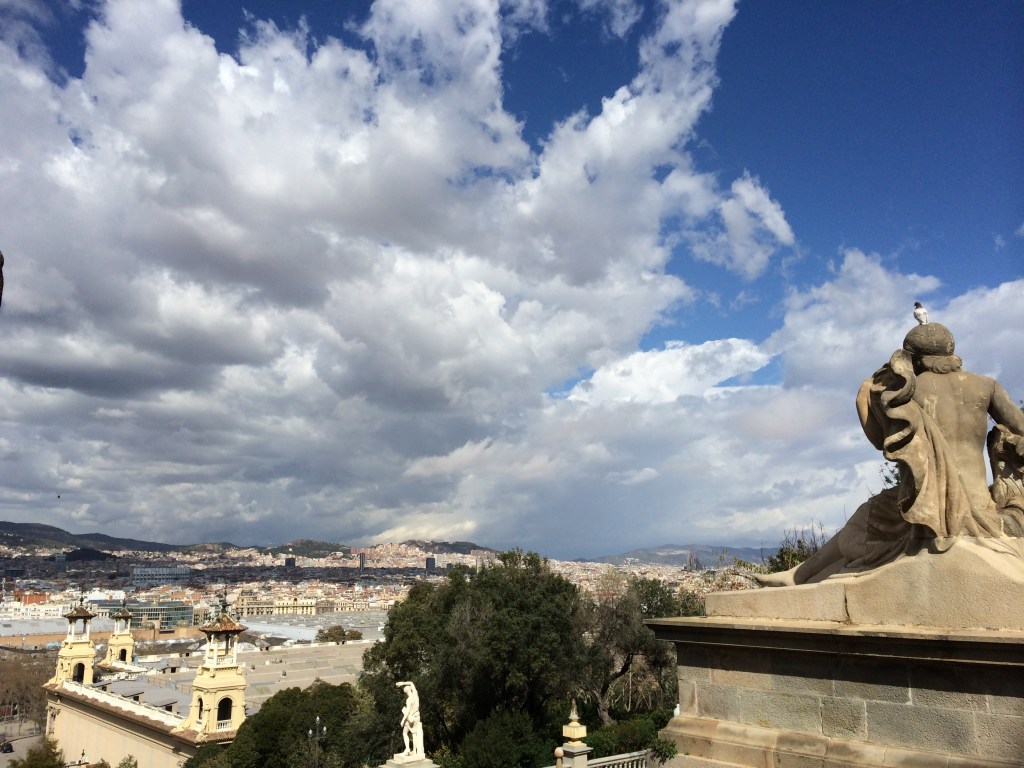
The Palau Nacional on Montjuic and the stunning view from the top

DSC03391 DSC03402 DSC03406 DSC03403 DSC03421 DSC03422 DSC03459 IMG_4173

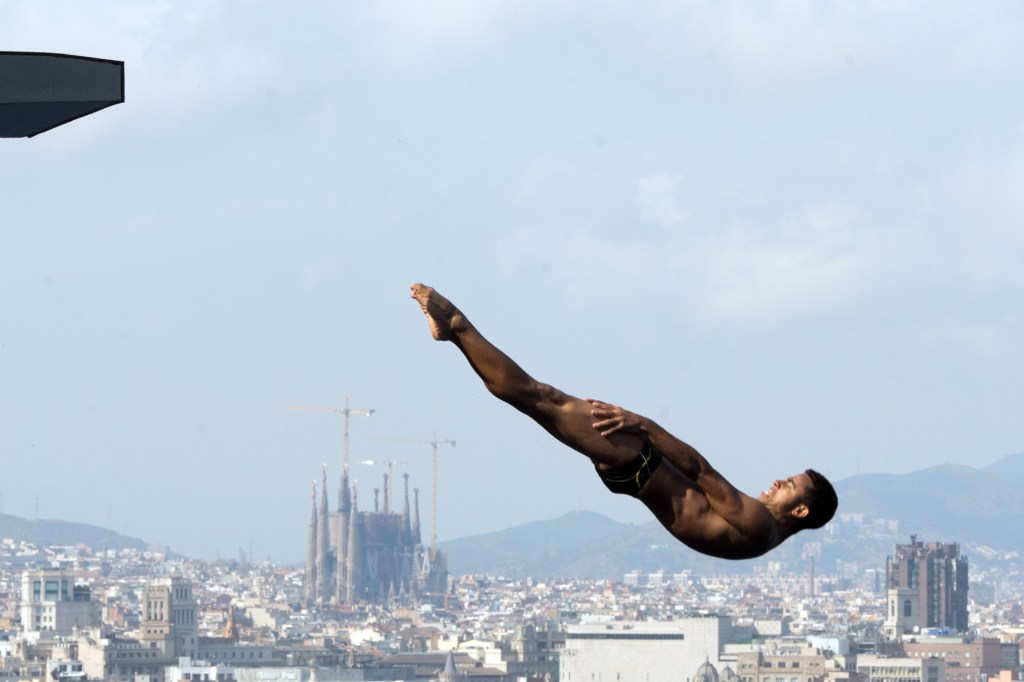
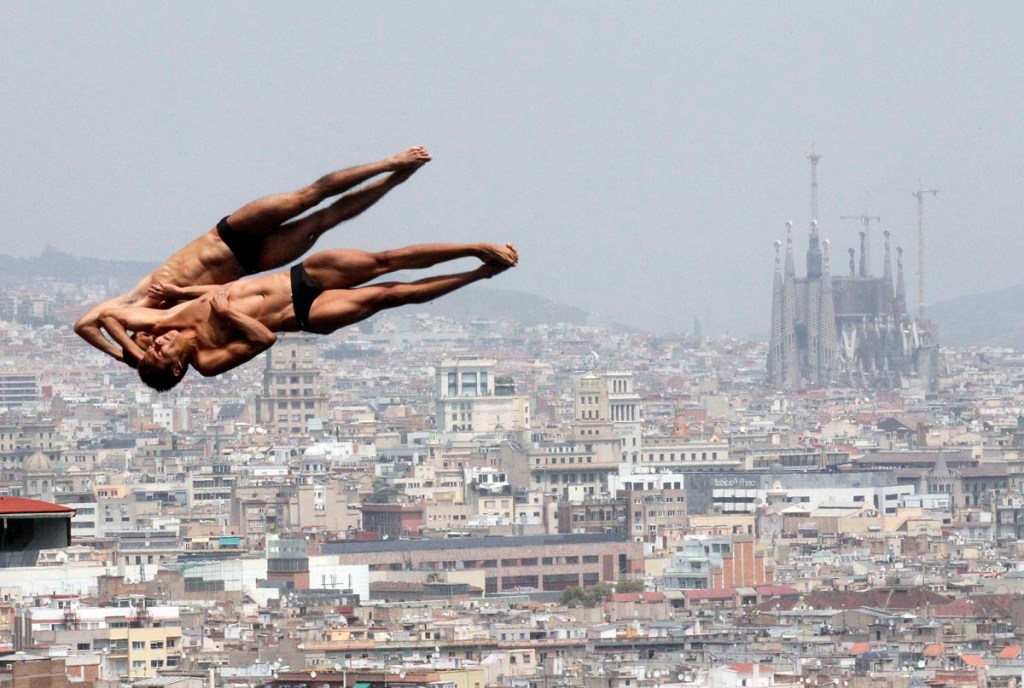
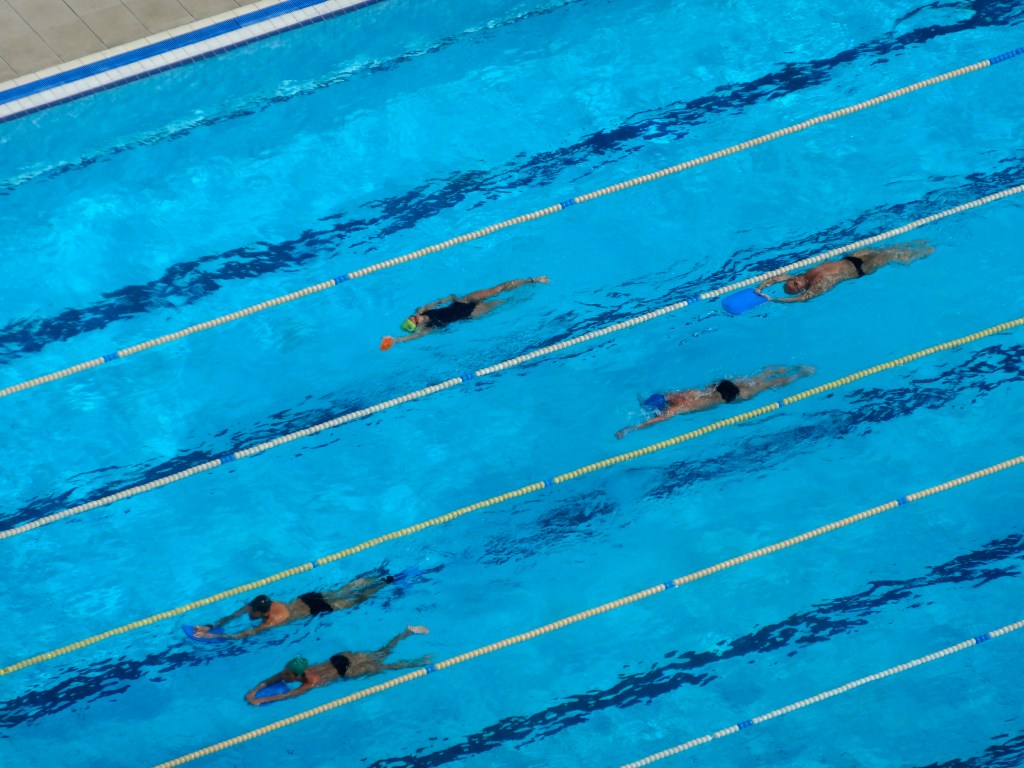
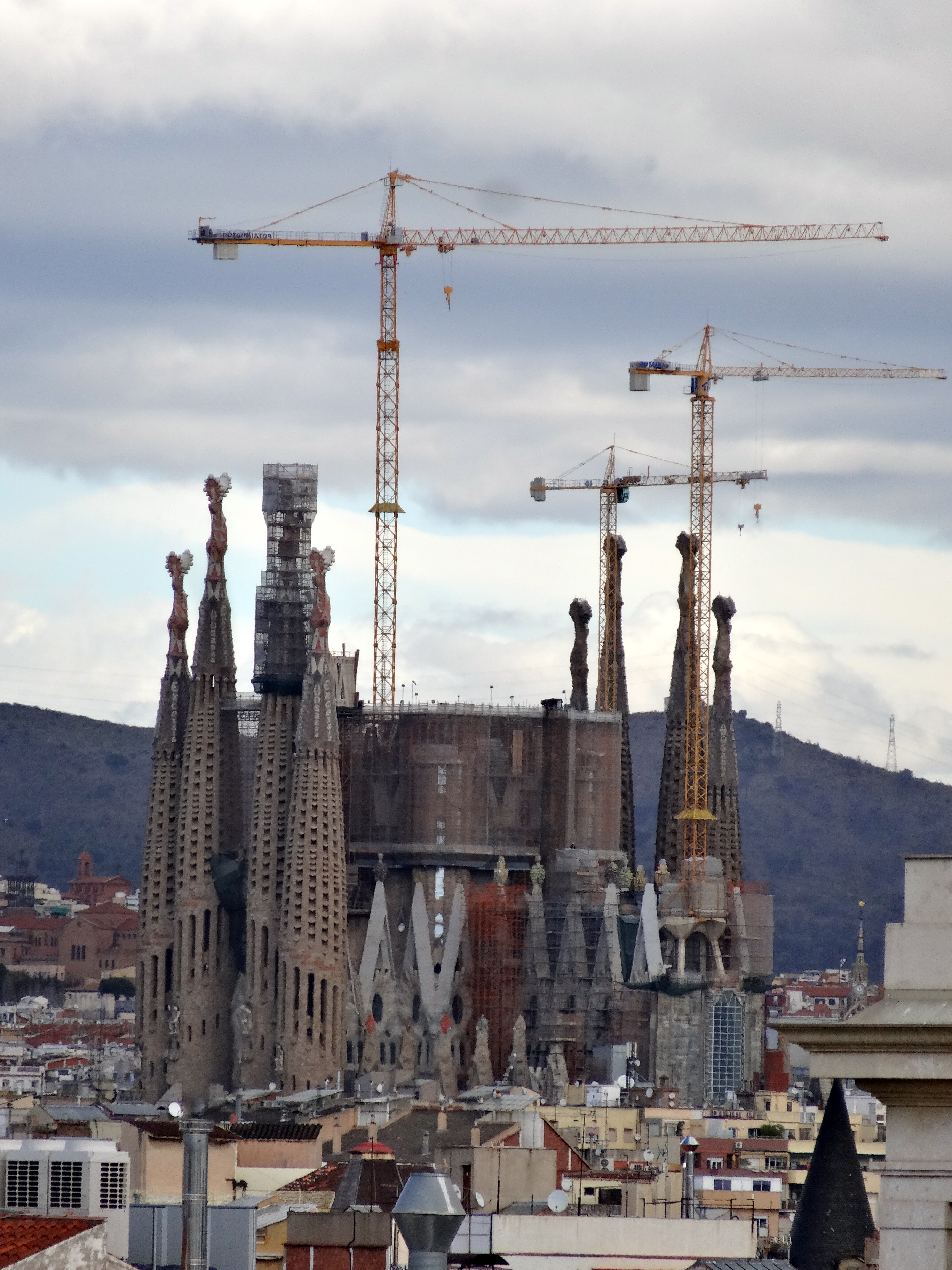
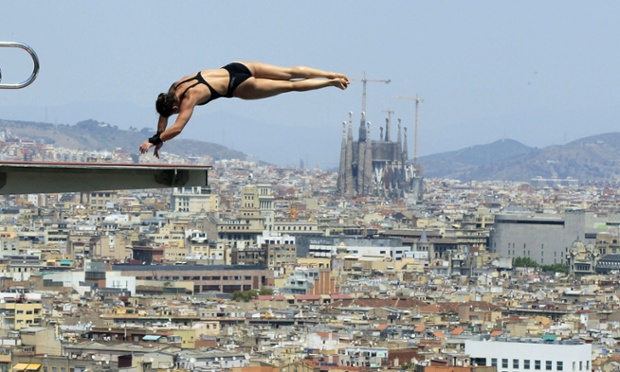
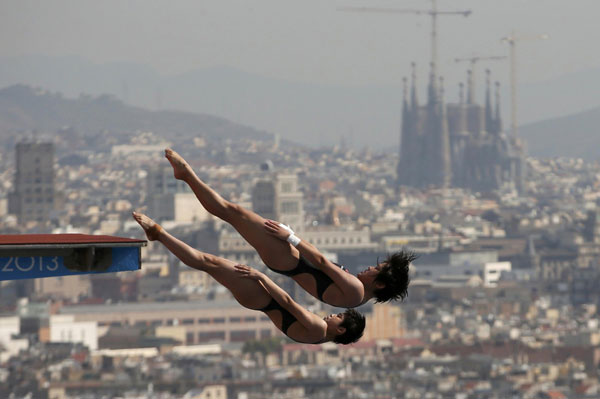
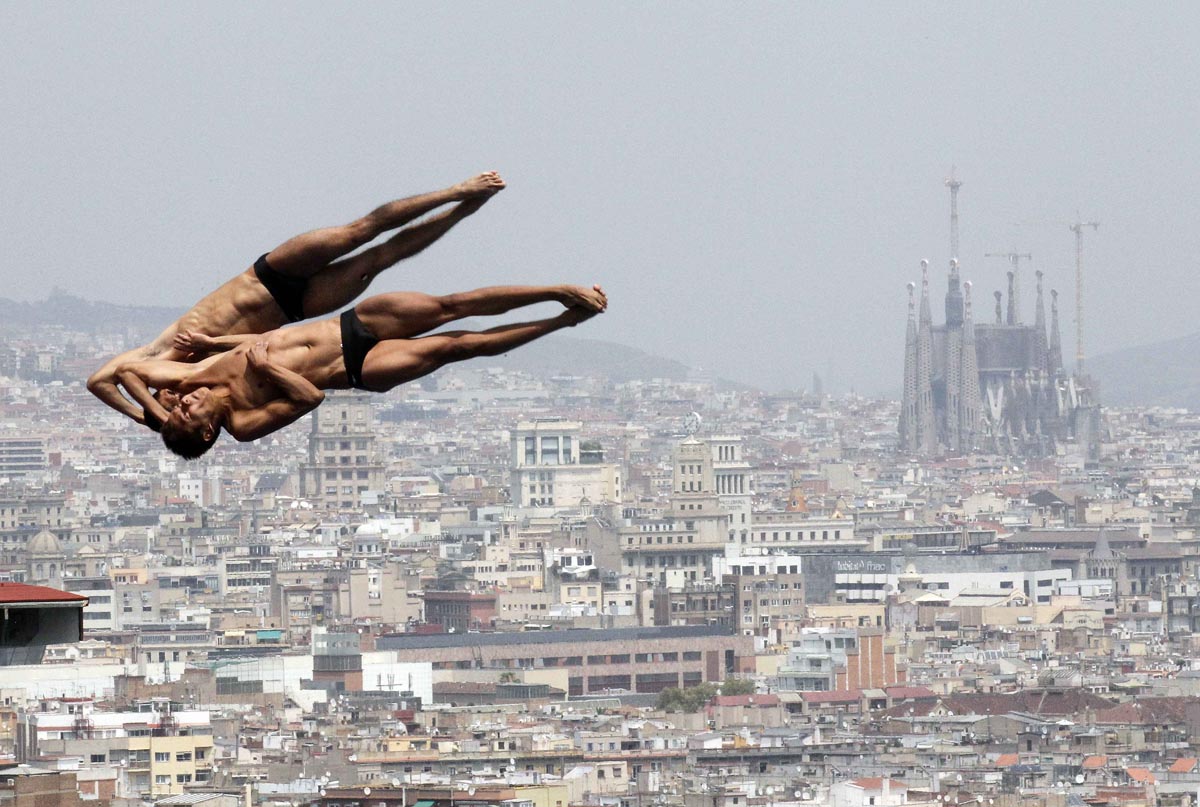
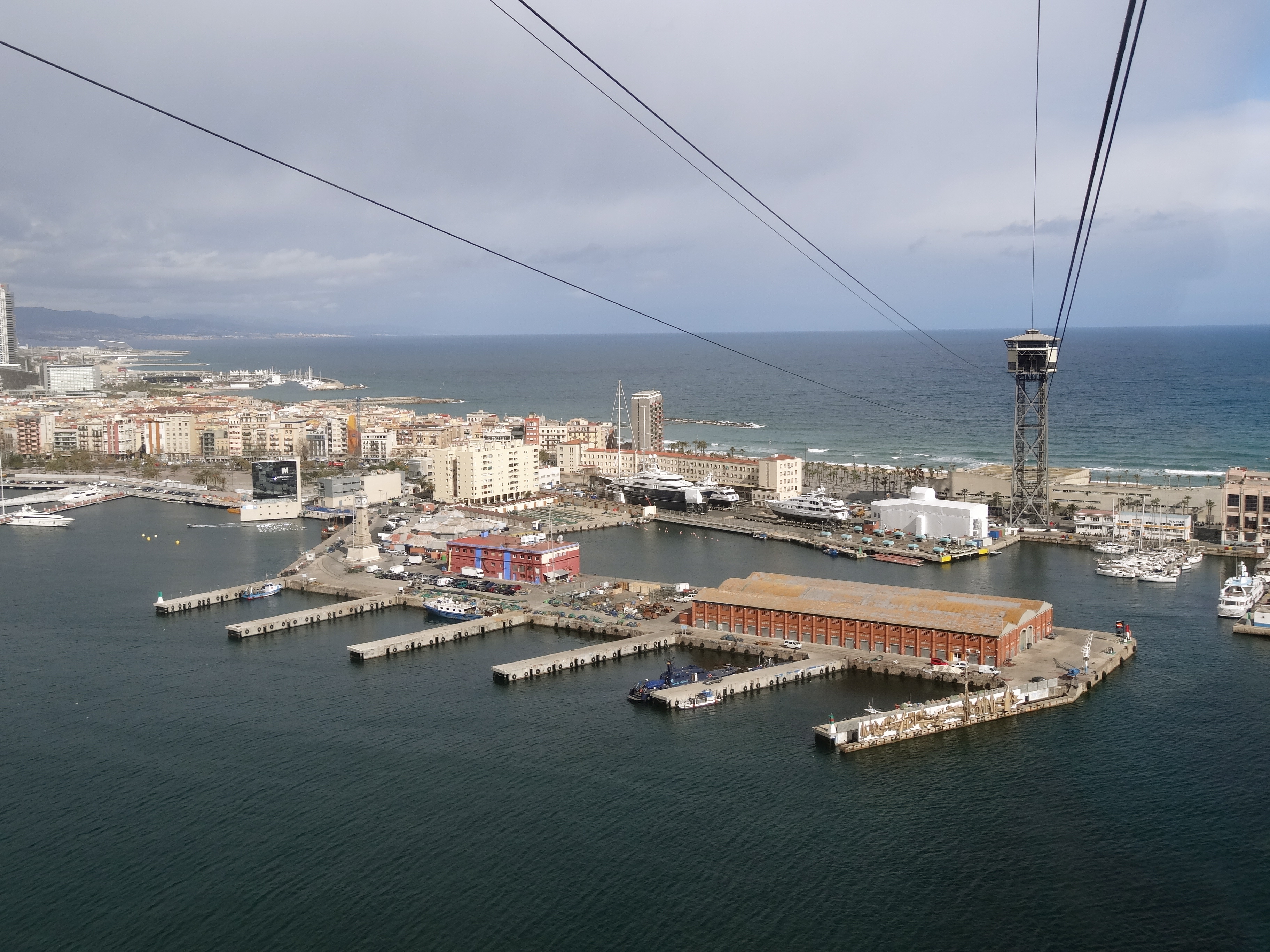
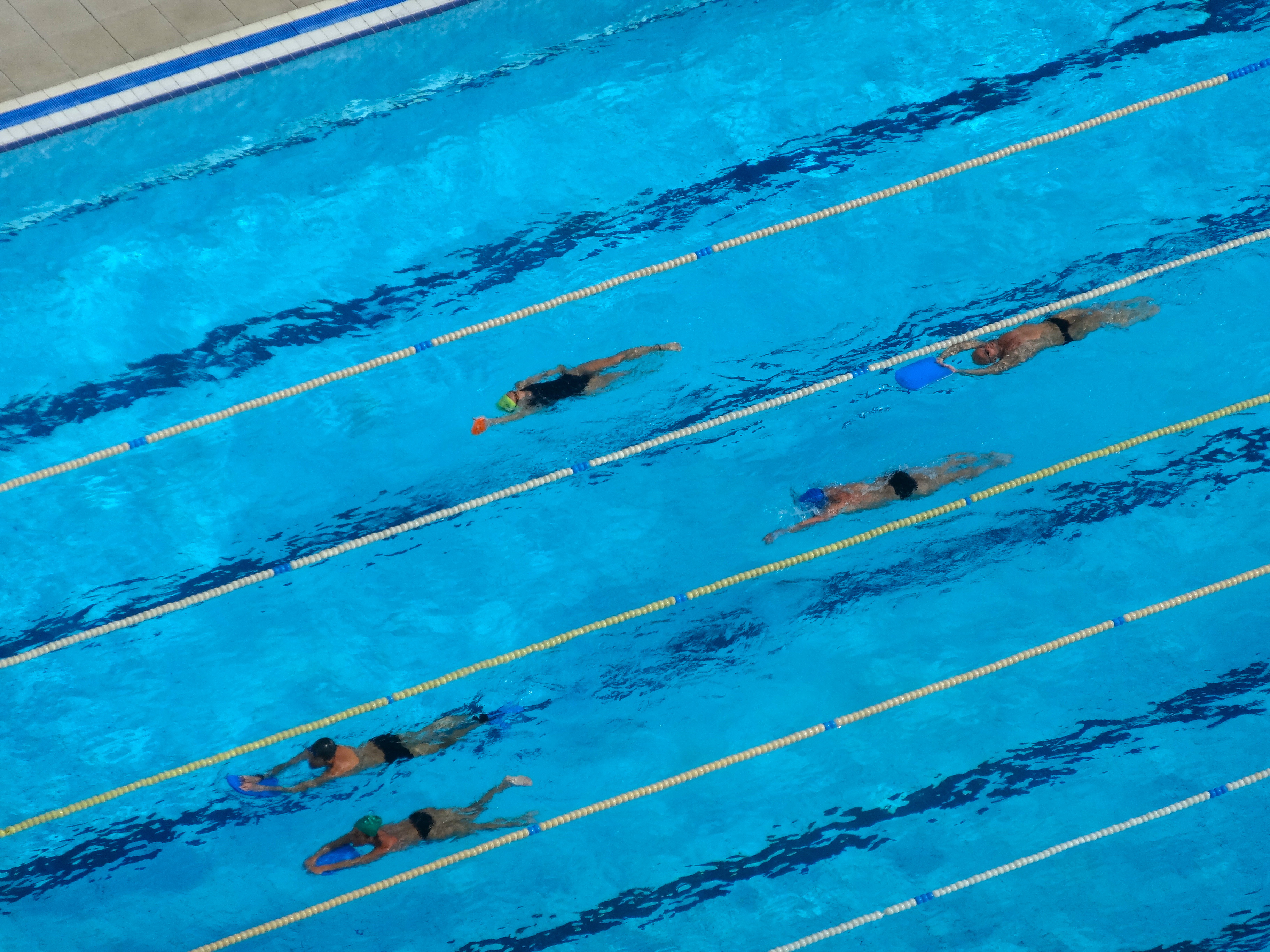
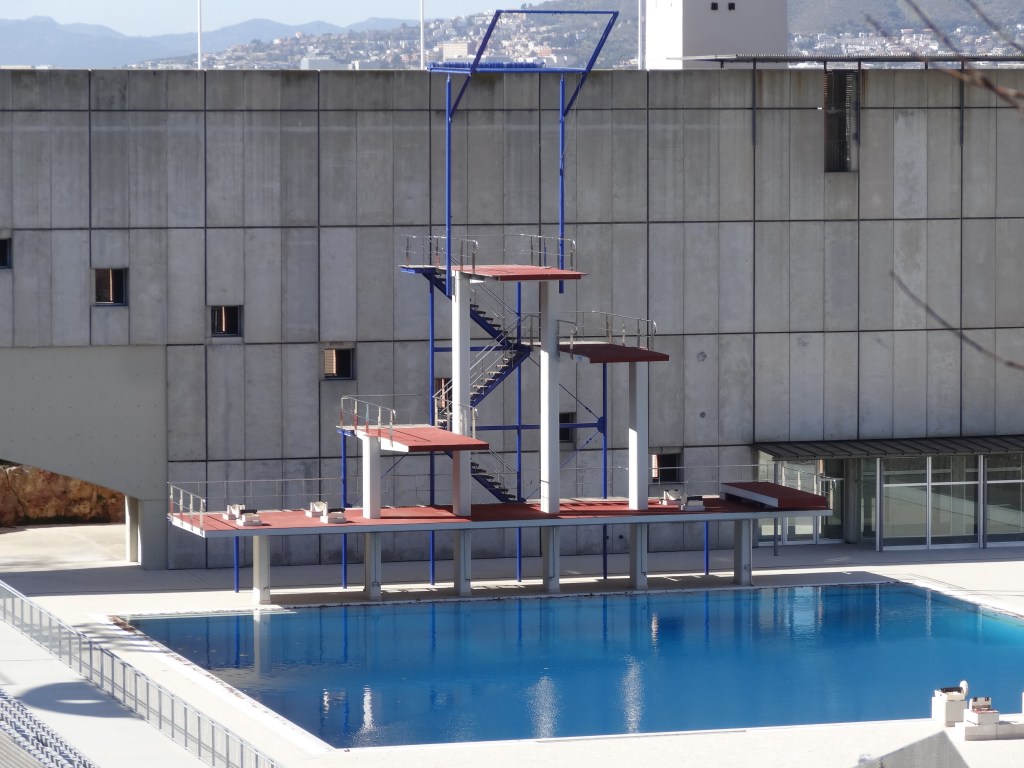
Sadly there were no active fountains in sight for us, but the added benefit of this was the opportunity to hear the first birdsong of Spring as we ascended the hill, and gradually moved away from the concentrated bustle of the city. As soon as you reach the top, the spectacular views of Barcelona are available to be enjoyed from practically every vantage point. From in front of the Palau Nacional, the view extends down across the triumphal Avenue Reina Maria Cristina to the two copies of Saint Mark’s campanile in Venice; then moving across the hill, you reach the iconic diving pool which was used in the Olympics, and from which the most spectacular view of Barcelona can be enjoyed – with the old town and the Sagrada Familia rolled into one, directly behind the pearly white diving board and cerulean blue pool. What a view! Then heading further up the hill towards its peak, the view switches west, across the beach, the port and the Mediterranean Sea. And it was there that we discovered our next destination: the Jardins de Mossen Costa i Llobera

What we saw of the pool…and some iconic diving shots
DSC03453 PREPARATIONS FOR THE WORLD SWIMMING CHAMPIONSHIPS TOPSHOTS-SWIM-WORLD-DIVING eca86bd9ddb41358067c02 Mexico's Garcia and Sanchez perform dive during practice for men's synchronised 10m platform event in Barcelona

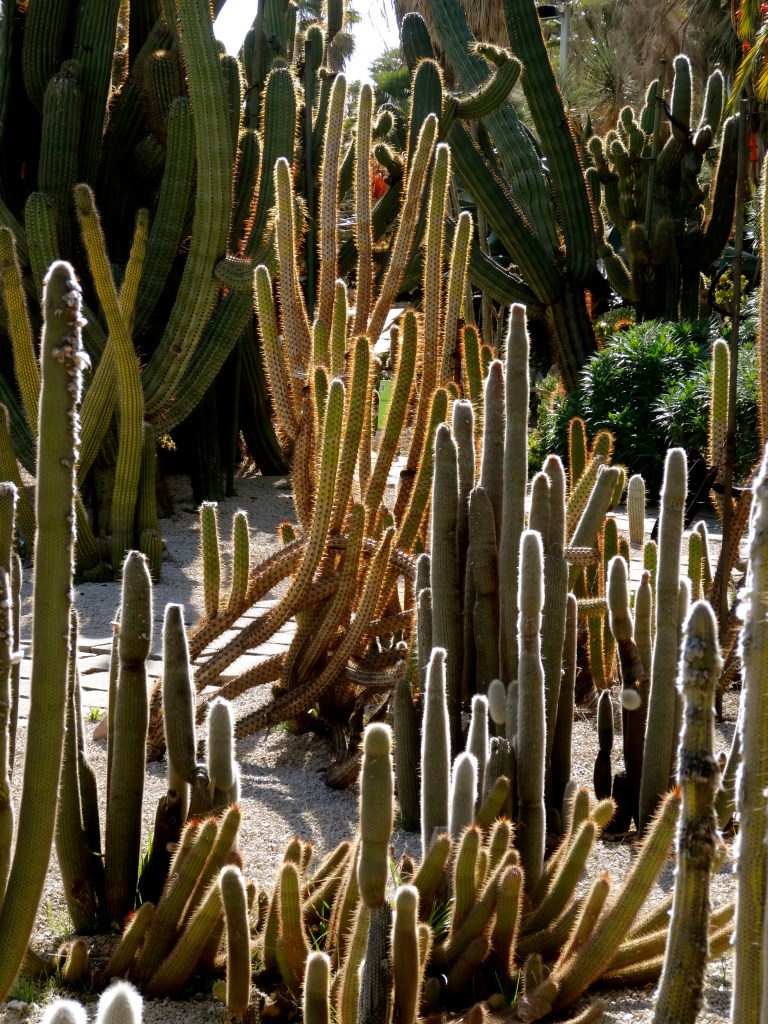
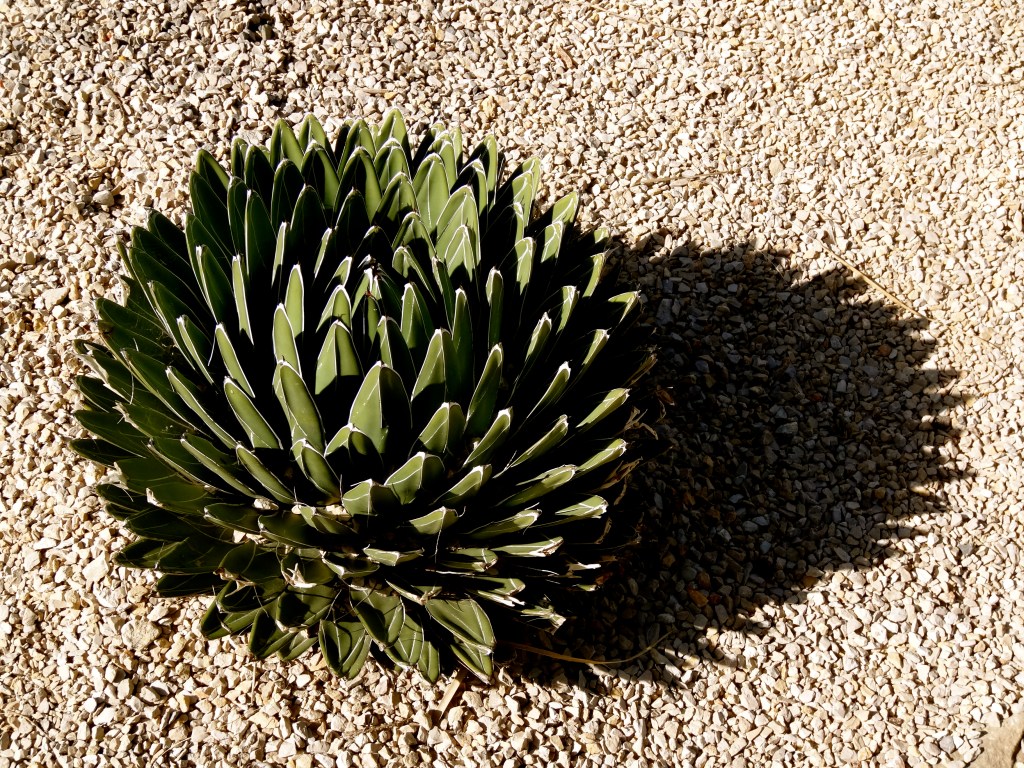
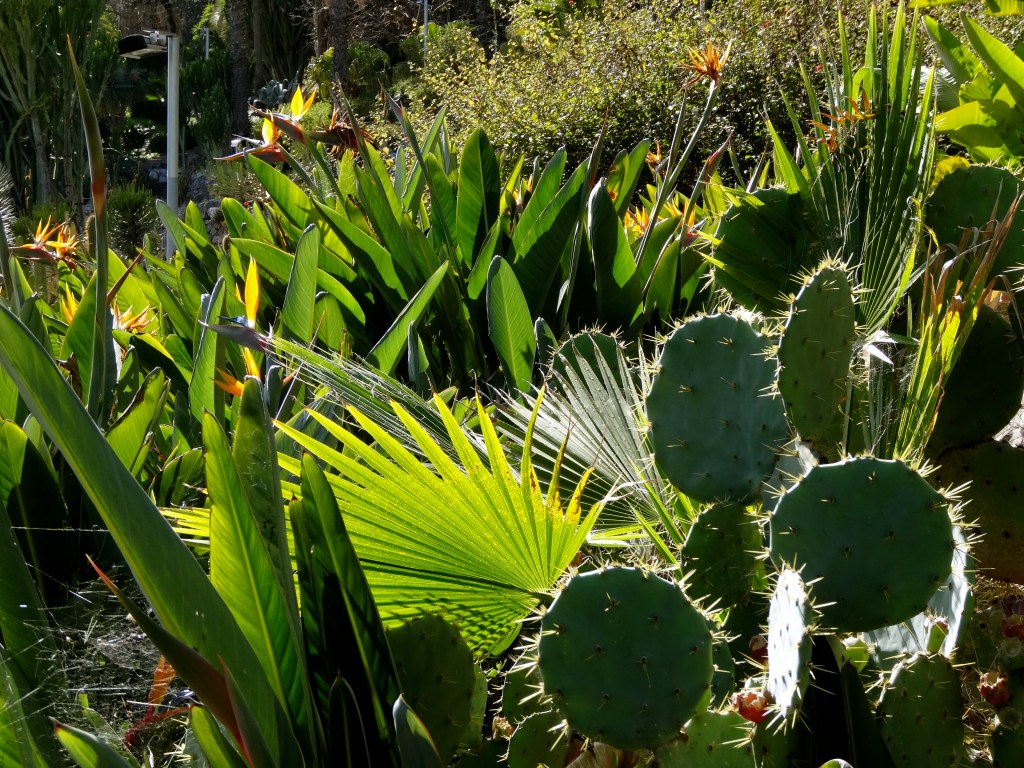
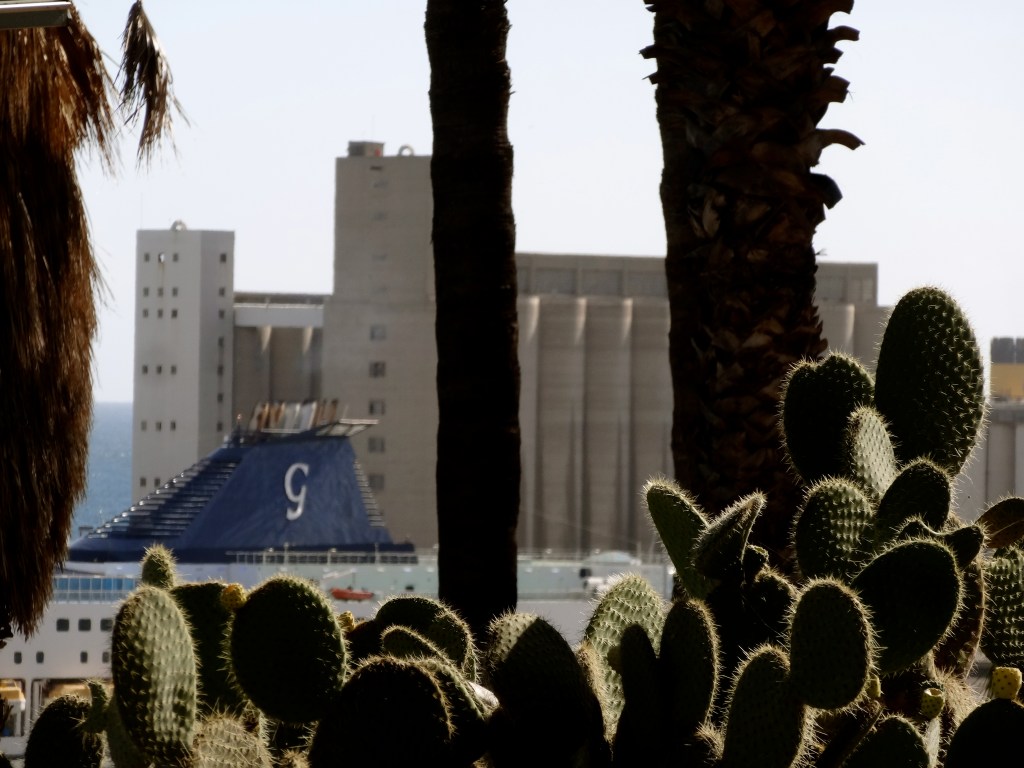
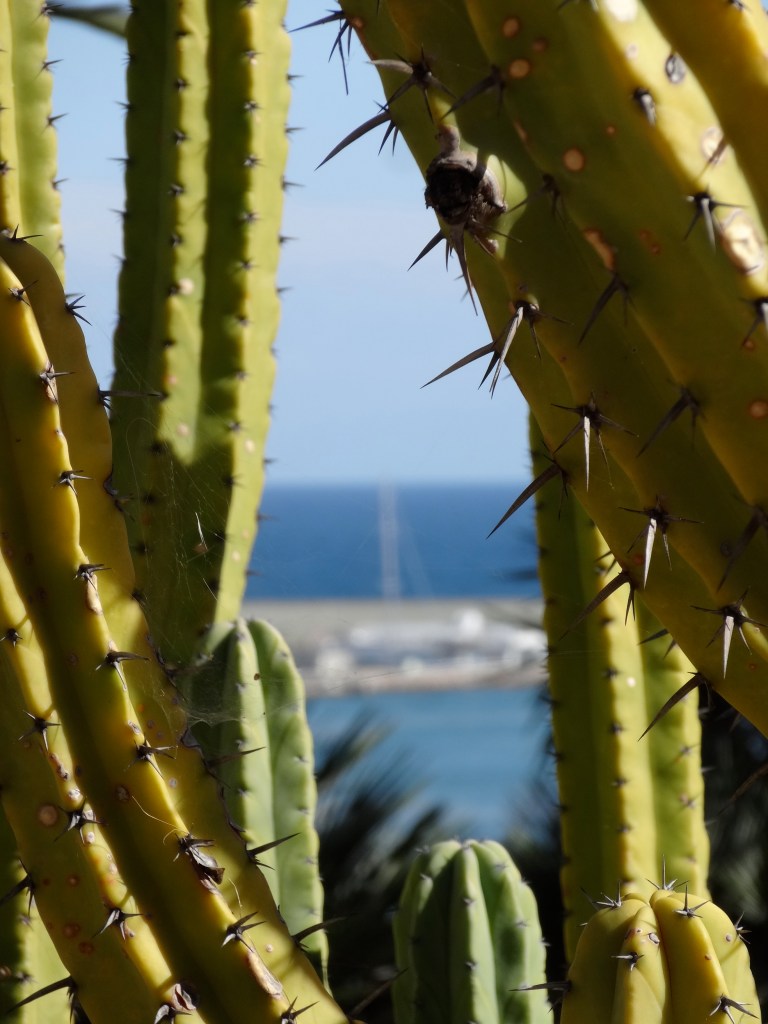
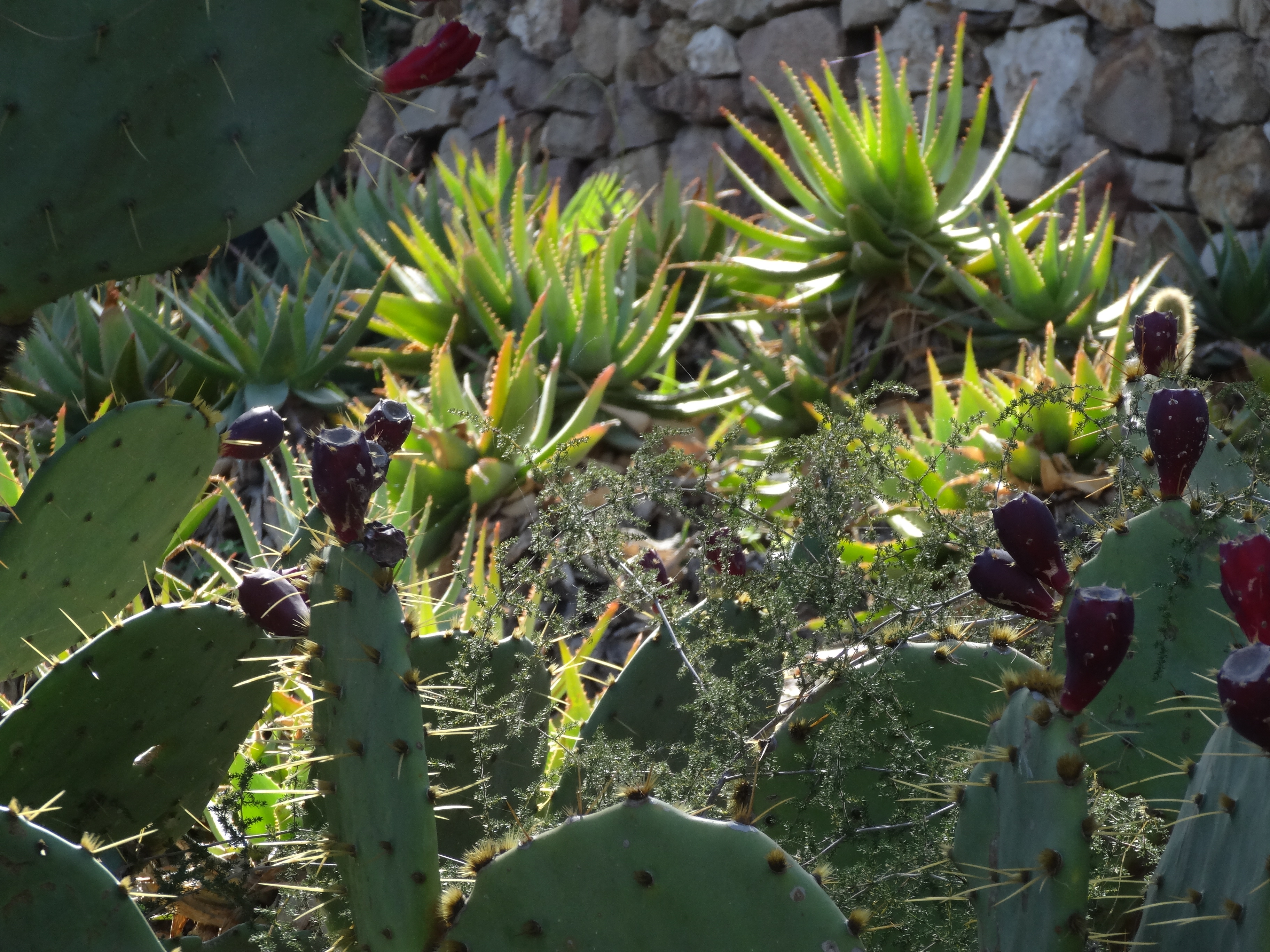
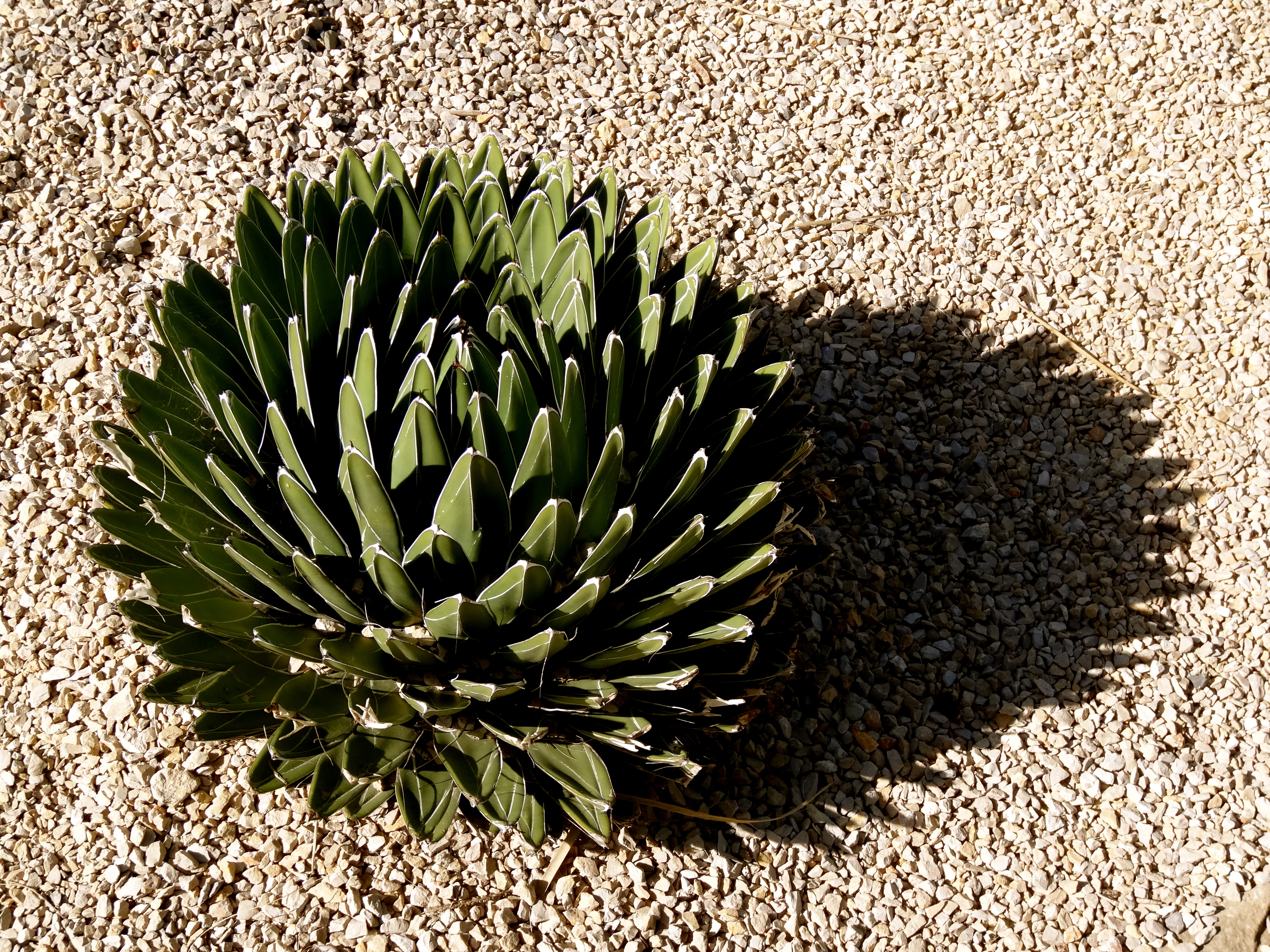
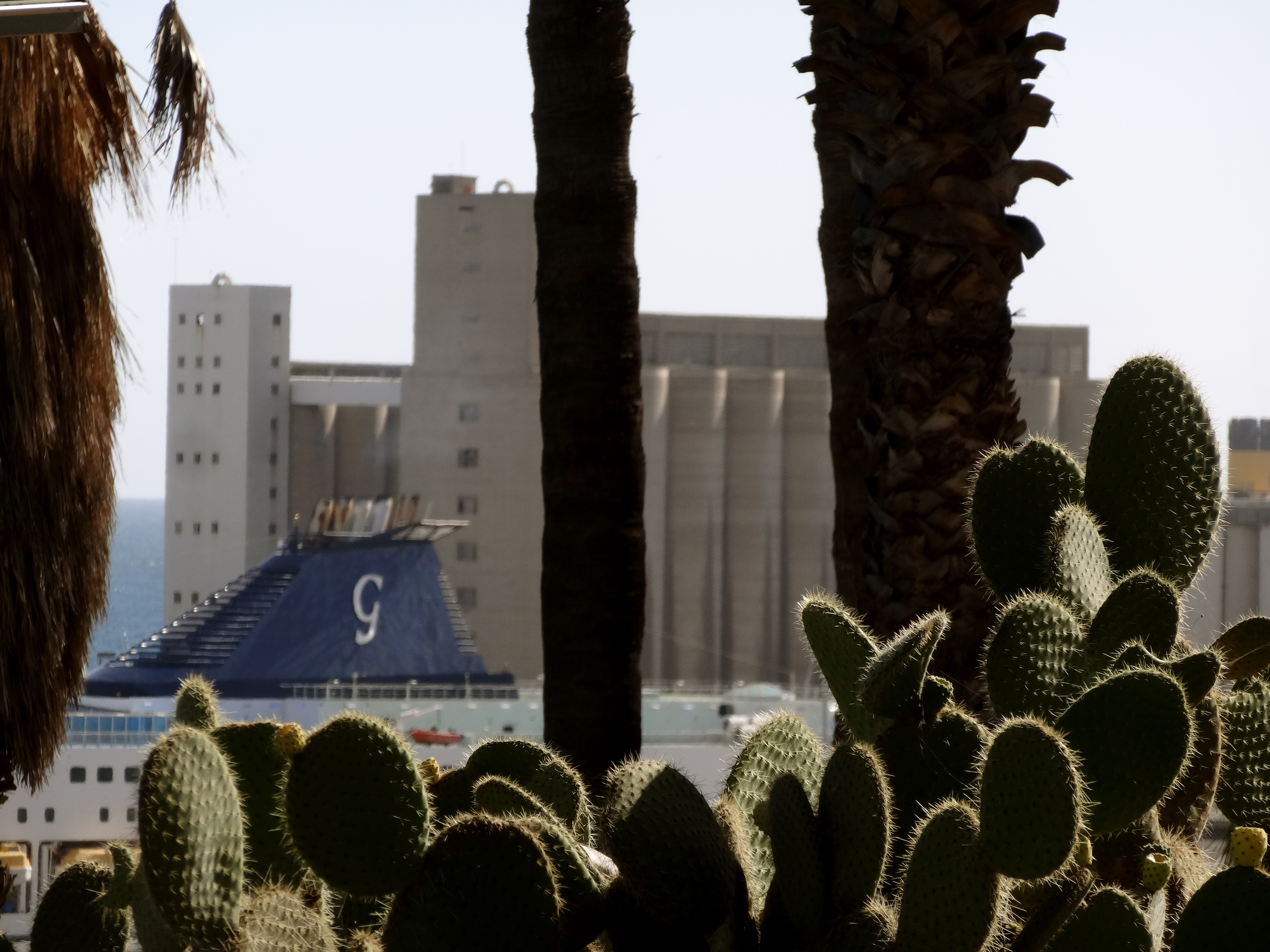
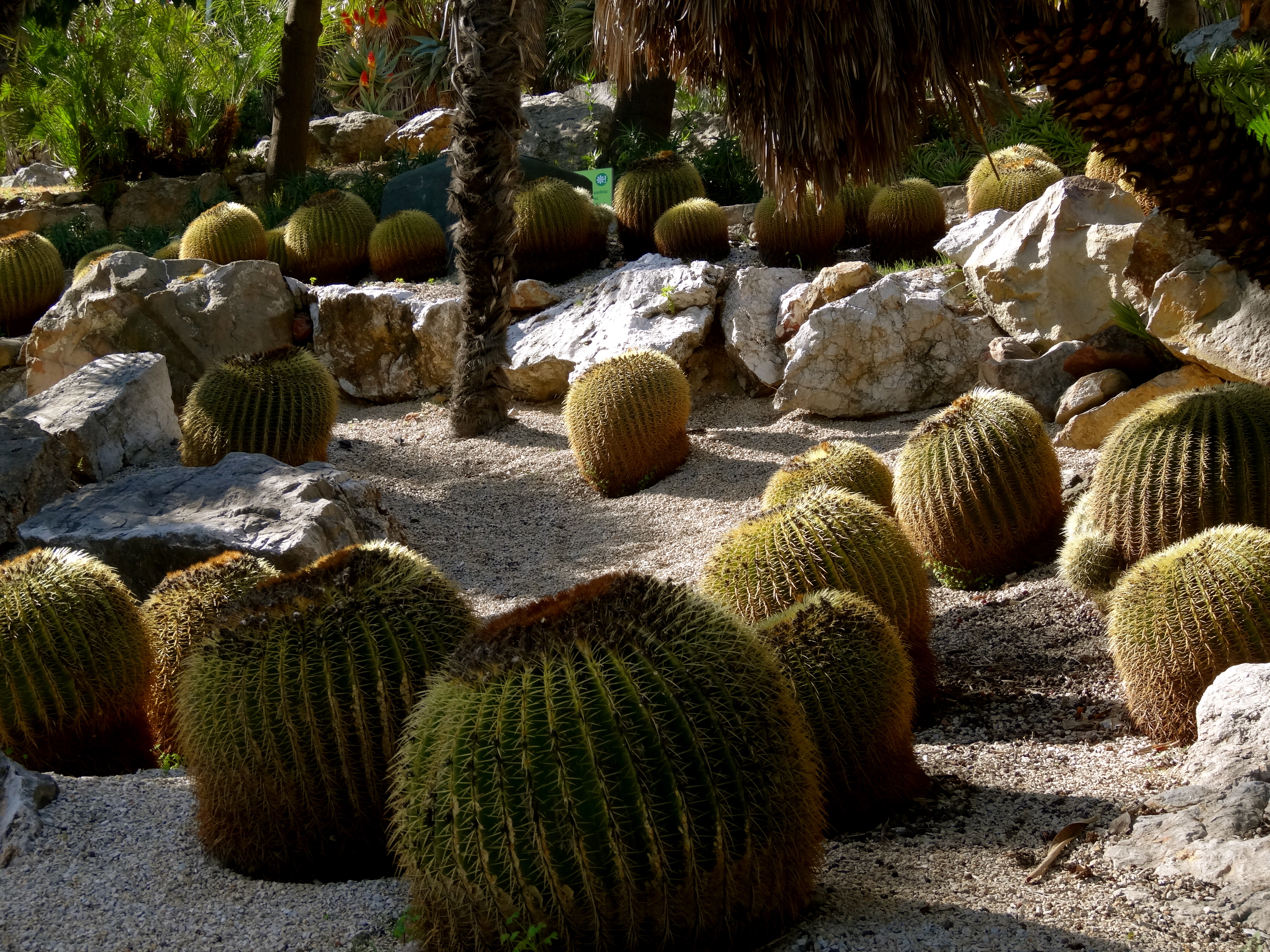
Clinging to the steepest façade of Monjuic and gradually terraced down to the port below, these gardens were crammed full of an abundance of tropical palms and spiky cacti of every variety, size and colour. The bounteous panoply of vegetation was so profuse that, with the sun beating down upon us, I felt as though we had entered a tropical paradise island like the Tahiti of Gauguin’s artworks. It was simply incredible.

The Jardins de Mossen Costa i Llobera

DSC03490 DSC03483 DSC03512 DSC03465 IMG_4218 DSC03487 DSC03510 DSC03476 DSC03496

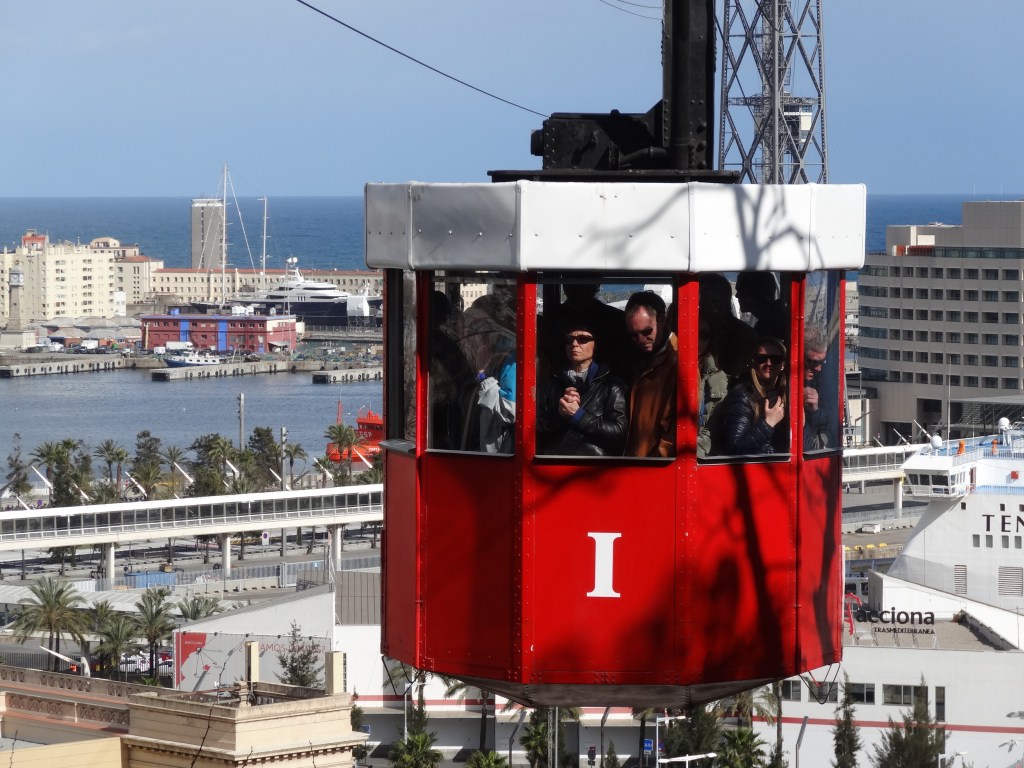
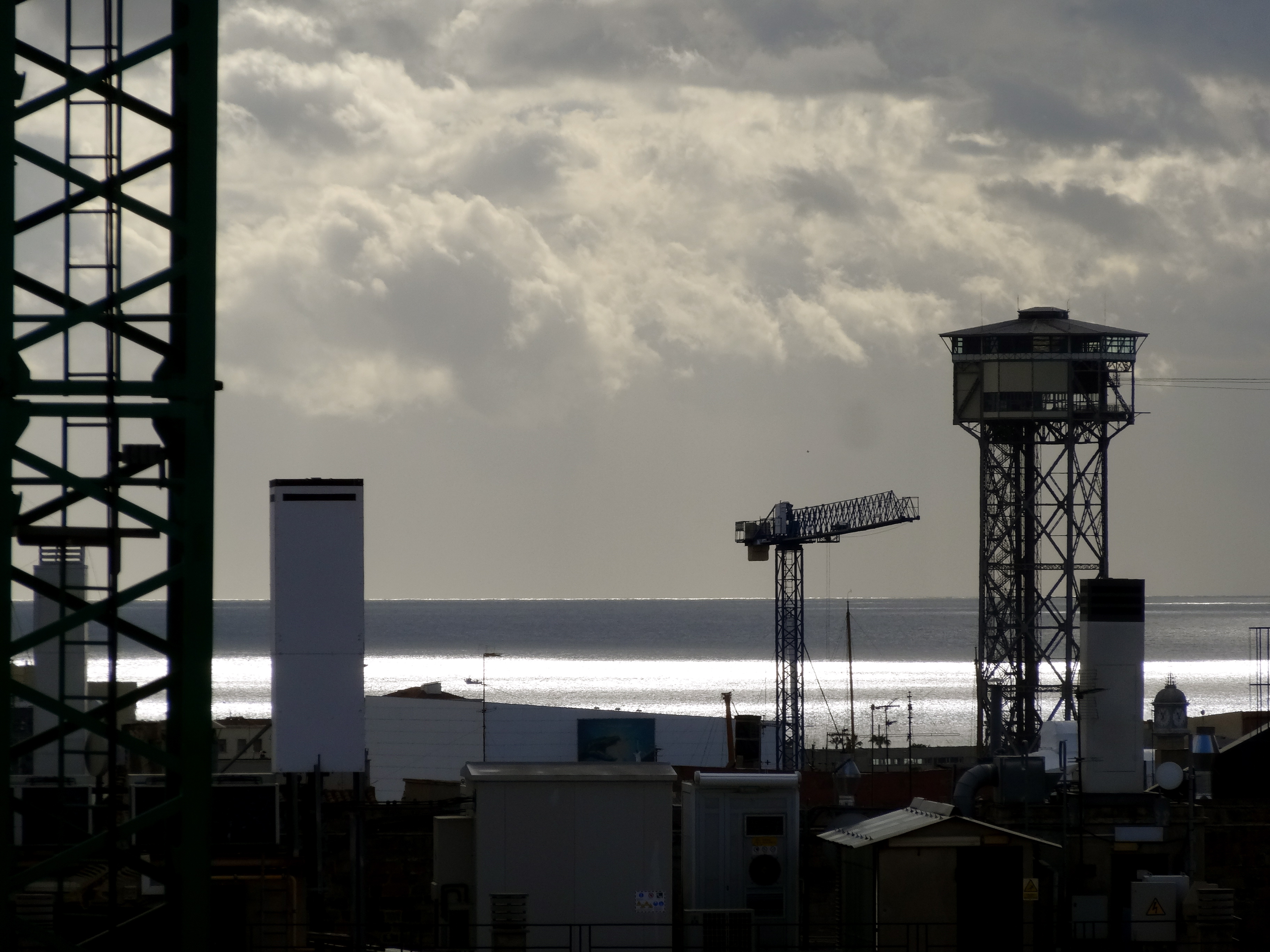
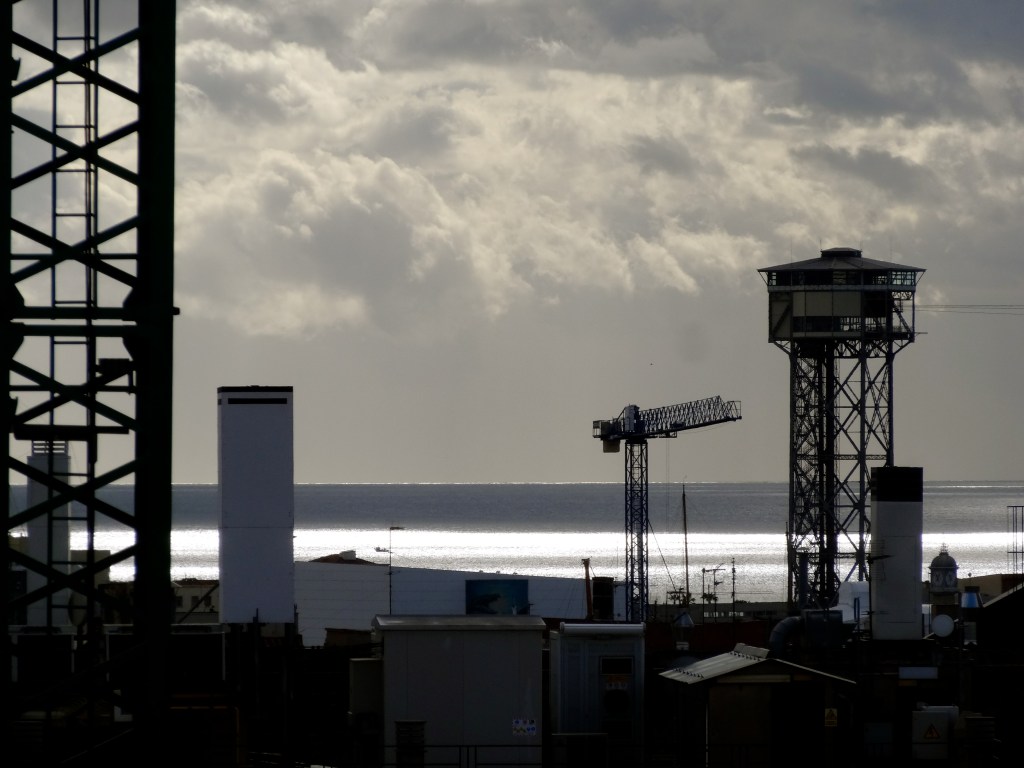
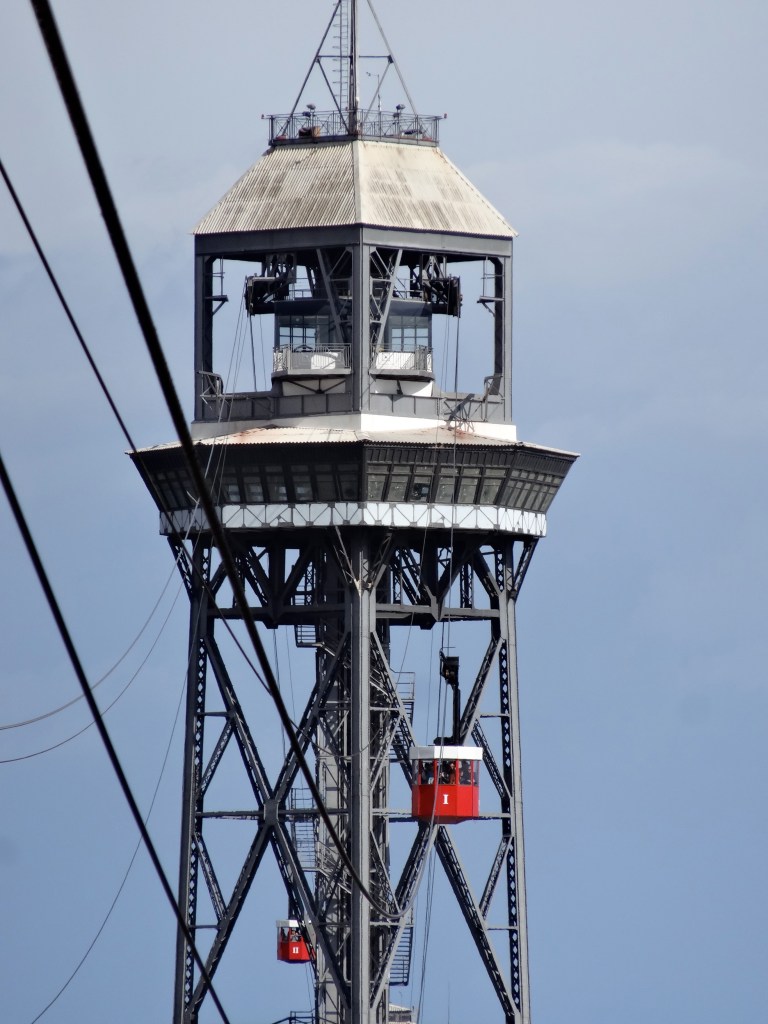
Not wanting to drag ourselves away, but with lunch and, ultimately, the journey home to England beckoning, we descended Montjuic in the only way two view-seekers possibly can: by cable car down to the port below. Once there we were able to indulge in what has to be the most delicious twist on a seafood paella I have ever eaten – noodle paella, delicately but richly caramelised around the edges so that the subtle flavours of the shellfish stock were transformed into a sweet smoky caramel which tickled ever sensorial trigger.

Down to the Port via the cable car
DSC03520 DSC03525 DSC03554 DSC03563 DSC03573 DSC03564 DSC03540 IMG_4236

And so it was that our trip to Barcelona came to an end. Still outside, still enjoying the sun, still feasting unapologetically and ultimately revelling in the good life which this city can provide so well. All that remained was a trip to Barcelona’s sensationally sparkly new terminal 1 airport, and a swift (if a little bumpy) flight back to blighty.

It all ended with lunch
DSC03583

So there it was, a city trip that dreams are made of. But although this may conclude the diary of our trip, it is far from the last post in the Daily Norm’s Barcelona series. With new photos, paintings, recipes, food reviews and norm sketches still to share, don’t forget to come back to The Daily Norm soon!

All photos and written content are strictly the copyright of Nicholas de Lacy-Brown © 2014 and The Daily Norm. All rights are reserved. Unauthorized use and/or duplication of the material, whether written work, photography or artwork, included within The Daily Norm without express and written permission from The Daily Norm’s author and/or owner is strictly prohibited. Excerpts and links may be used, provided that full and clear credit is given to Nicholas de Lacy-Brown and The Daily Norm with appropriate and specific direction to the original content. For more information on the work of Nicholas de Lacy-Brown, head to his art website at www.delacy-brown.com

Norms: The Saints Collection | St Patrick

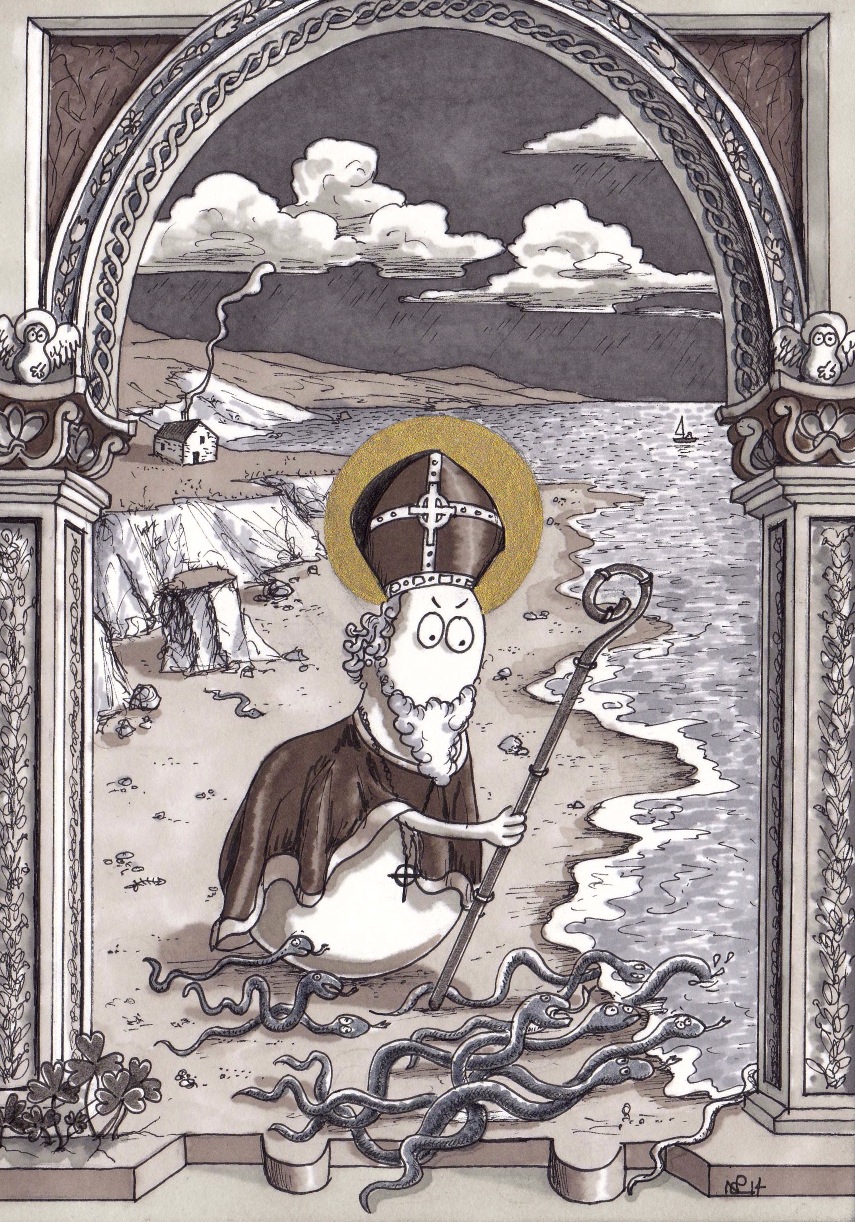
Today the Guinness pumps will be flowing into overdrive, the kicking legs of an Irish jig will get a good showing, and green velvet hats all over the world will be dusted off to celebrate the national day of Ireland, St Patrick’s day. For while this may be the celebration of the Irish nation, its festive effect has a habit of spreading much further afield – to the US, where so much American ancestry can be traced back to the Emerald Isle; to Australia, where the locals are only too happy to swap their mainstay larger for a pint of the black stuff; and of course across the Continent, where Irish bars can be found nestled comfortably between tapas bars, trattorias and bistros alike in almost every European city.

So while revellers everywhere start sipping upon the white creamy froth of their Guinness, there seems to be no better time than now to share the newest Norm of my Norm saints series – St Patrick Norm himself!

St Patrick Norm (2014 © Nicholas de Lacy-Brown, pen and gold paint on paper)

St Patrick Norm (2014 © Nicholas de Lacy-Brown, pen and gold paint on paper)

With its typical Irish coastal landscape, a small growth of shamrocks and even a little rain, the absence of green in this monochrome sketch is the only ingredient missing in what is otherwise a characteristically Irish scene. And most iconic of all is of course St Patrick himself, who, legend has it, helped to rid Ireland of snakes by driving the pesky beasts into the Atlantic sea. Well thank goodness he didn’t opt for the other coast, or we in England may have been none too pleased about the influx of scaly  visitors slipping onto out shores after their trip across the waters.

Happy St Patrick’s Day to all, in Ireland and everywhere!

© Nicholas de Lacy-Brown and The Daily Norm, 2001-2014. Unauthorized use and/or duplication of the material, whether written work, photography or artwork, included within The Daily Norm without express and written permission from The Daily Norm’s author and/or owner is strictly prohibited. Excerpts and links may be used, provided that full and clear credit is given to Nicholas de Lacy-Brown and The Daily Norm with appropriate and specific direction to the original content. For more information on the work of Nicholas de Lacy-Brown, head to his art website at www.delacy-brown.com

Nicholas de Lacy-Brown’s new solo exhibition, When (S)pain became the Norm, will be at London’s Strand Gallery from 13 – 18 May 2014. For more details, click here