Skip to content

Chelsea Flower Show (i) The grounds and the gardens

Chelsea Flower Show is the high point in the garden lover’s annual calendar, and frankly, is a pretty important date in the diary of every budding London socialite too. Dressed in their best pastel colour frocks and matching hats, sauntering around the grounds of SW1’s Royal Hospital Chelsea with a glass of champagne in one hand, and generally speaking an umbrella in the other (one may as well be realistic), the best of the celeb, upper crust and garden fanatic world come out every last week of May to hail the Summer gardening season open. This celebration, not only of flowers, but of cutting edge garden design and horticultural supremacy, is a scintillating dalliance with beauty, an artistic explosion of natural aesthetics, and a demonstration of the indubitable improvement which a well tended garden, pot plant or bunch of flowers can bring to anyone’s life.

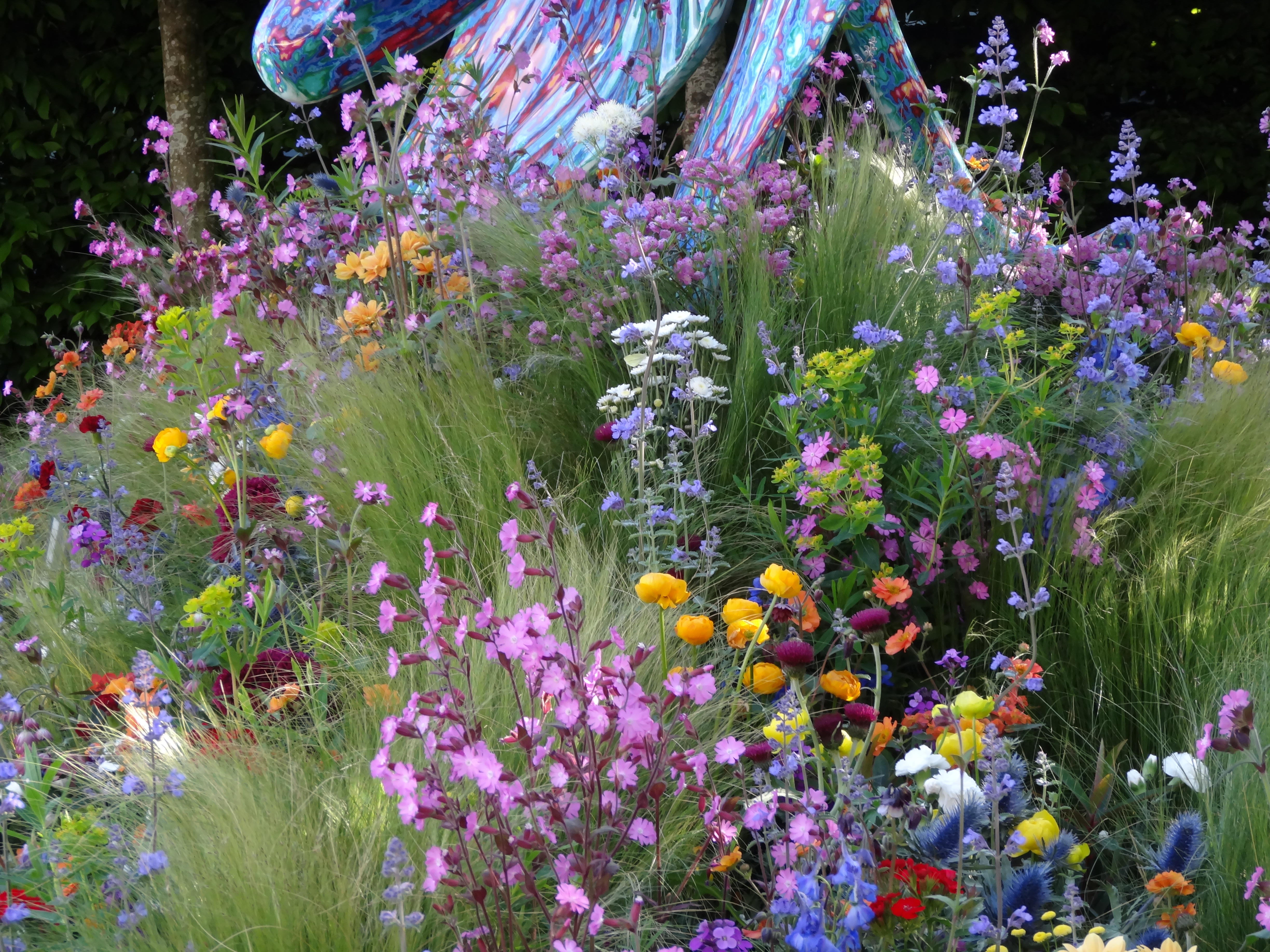
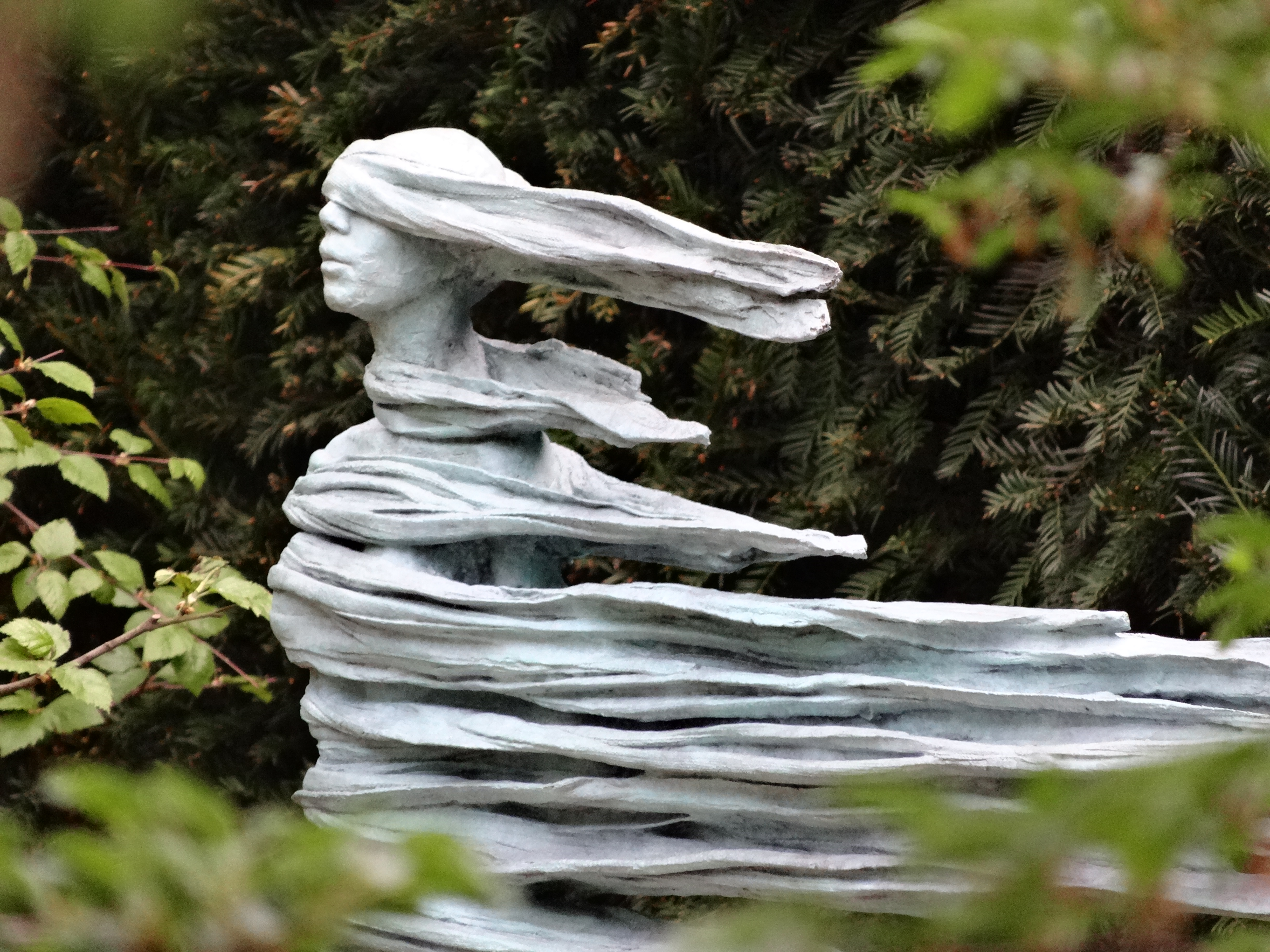
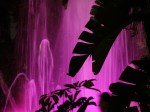
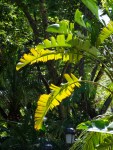
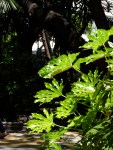
This first of two Chelsea posts shares my experience of the show as I explored the grounds of the vast garden exposition yesterday evening. I was lucky with the weather – had I gone today, most of the gardens would have probably been flattened by the perilous wind and relentless wind which has battered these damp shores all day. But last night, in the yellow light of a low evening sun, I was able to view the show gardens – that is the garden plots pristinely designed by top horticultural masters for competitive purposes – at their very best. From elegant geometric garden spaces, neatly clipped box hedges and satisfyingly swirling water features, to the complete recreation of an almost unwieldy, lush and otherworldly Australian rainforest, the show gardens on offer this year have to qualify for some of the best in the show’s history. And appropriately too – being as this is the show’s centenary year.

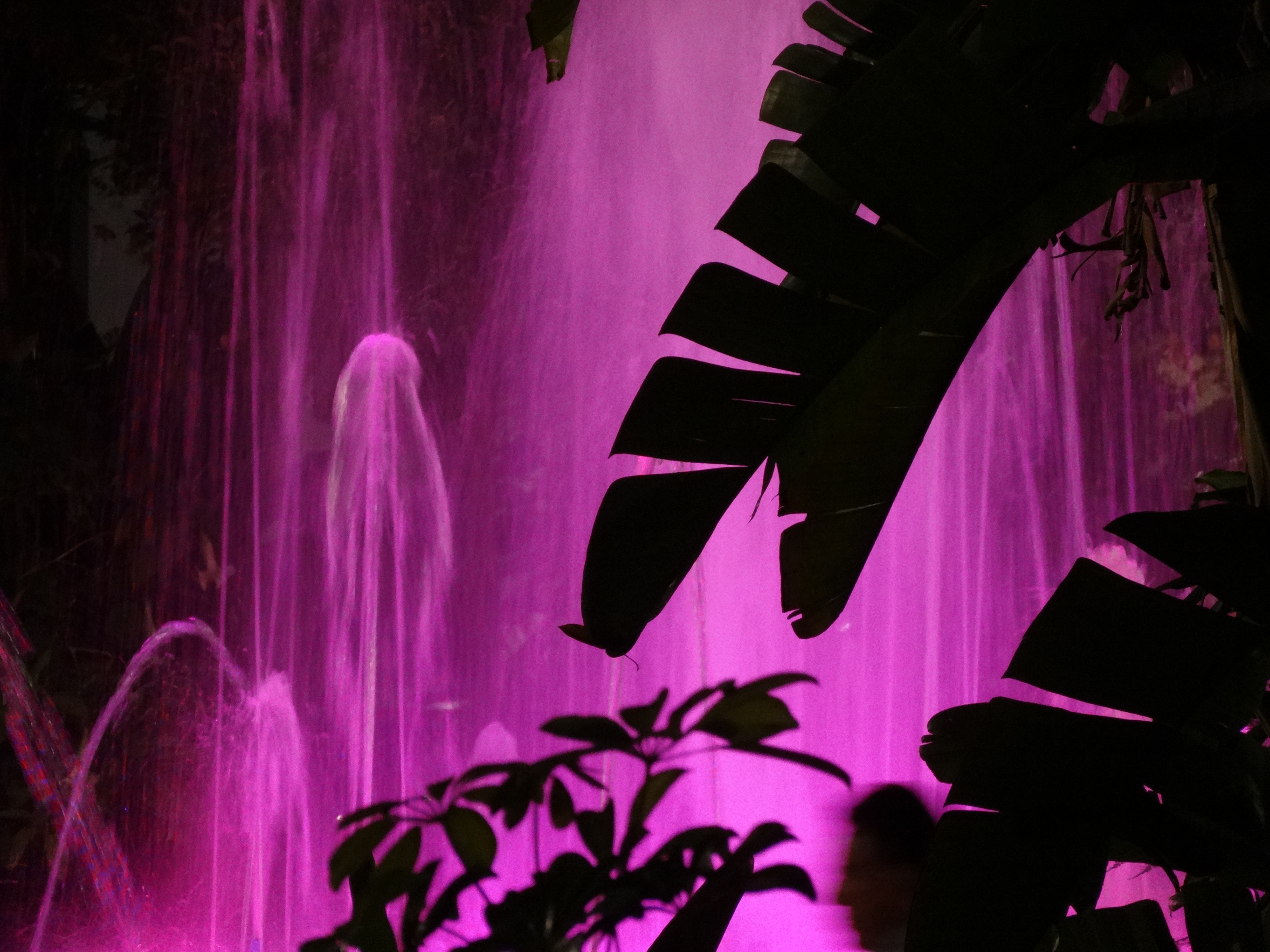
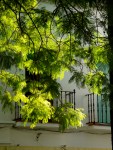
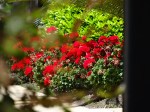
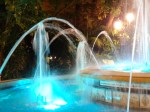
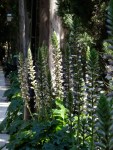
DSC01316 DSC01294Crazy water featureSculpture in the Arthritis Research UK GardemThe Homebase Garden

With the aid of a long zoom which was able to traverse the heavy crowds bustling for space around each of the show gardens, I was able to successfully photograph many of the highlights of the show gardens, and here they are!

Read more

Life Drawing: my first (presentable) nude

As well as discovering the joy of printmaking, I’ve spent the last few weeks attending once-weekly life drawing evening classes at Chelsea College of Art in London. Because I’m a self-trained artist, I really notice the gaps that exist at the foundations of my artistic ability. This is more noticeable when I attempt to draw or paint scenes of people. Give me a sitter and I can paint their portrait no problem. But ask me to draw a figure out of thin air, and a rounded blobby Norm is the best you’ll get.

So this year I enrolled in a life drawing class to try and fill in the gaps of my basic training. And after 5 weeks in the attempt, I have finally drawn a nude which I don’t want to chuck straight in the bin.

nude

It’s far from accomplished, and very clearly unfinished (our time was limited – this is the stage I got to after about 45 minutes in the attempt). But I am delighted that finally I have been able to draw something which at least resembles the human form.

Which just goes to show, practice makes (closer to) perfect.

A Sussex Sunday

Last weekend, I headed down to verdant (occasionally) Sunny Sussex, the green rolling coastal county of my birth. Sussex, for its occasional dated coastal town and abundance of retirement homes, is a county rich in lush green landscapes, large country houses, expansive farmland extending across the rolling chalky Downs, and fine coastal views. And these attractions are no better appreciated than when a now accustomed Londoner like myself gets to reacquaint himself with the fresh air and vibrant green landscapes of the county on a brief respite from city life.

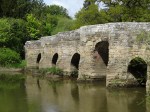
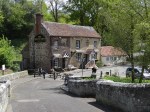
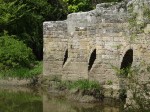
So last Sunday, once my requisite visits to family were completed, purchases made at pet shops for my nephew’s birthday, and a grand familial dinner consumed, I was insistent that I get out into the countryside to sample Sussex at its best. And to do this, my Mother chose well, guiding us into the small town of Pulborough where, on the outskirts, our first visit was to the ancient medieval Stopham Bridge (built 1423) which spans across the river Arun. There in the shadow of this charming, sturdy looking construction, we had lunch at the White Hart, a pub so quaint and old that the plates themselves were probably the straightest surfaces in the place, but whose food was presented with surprising elegance for somewhere so evidently steeped in tradition.

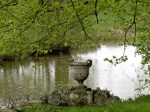
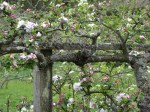
DSC00545 DSC00561 DSC00521

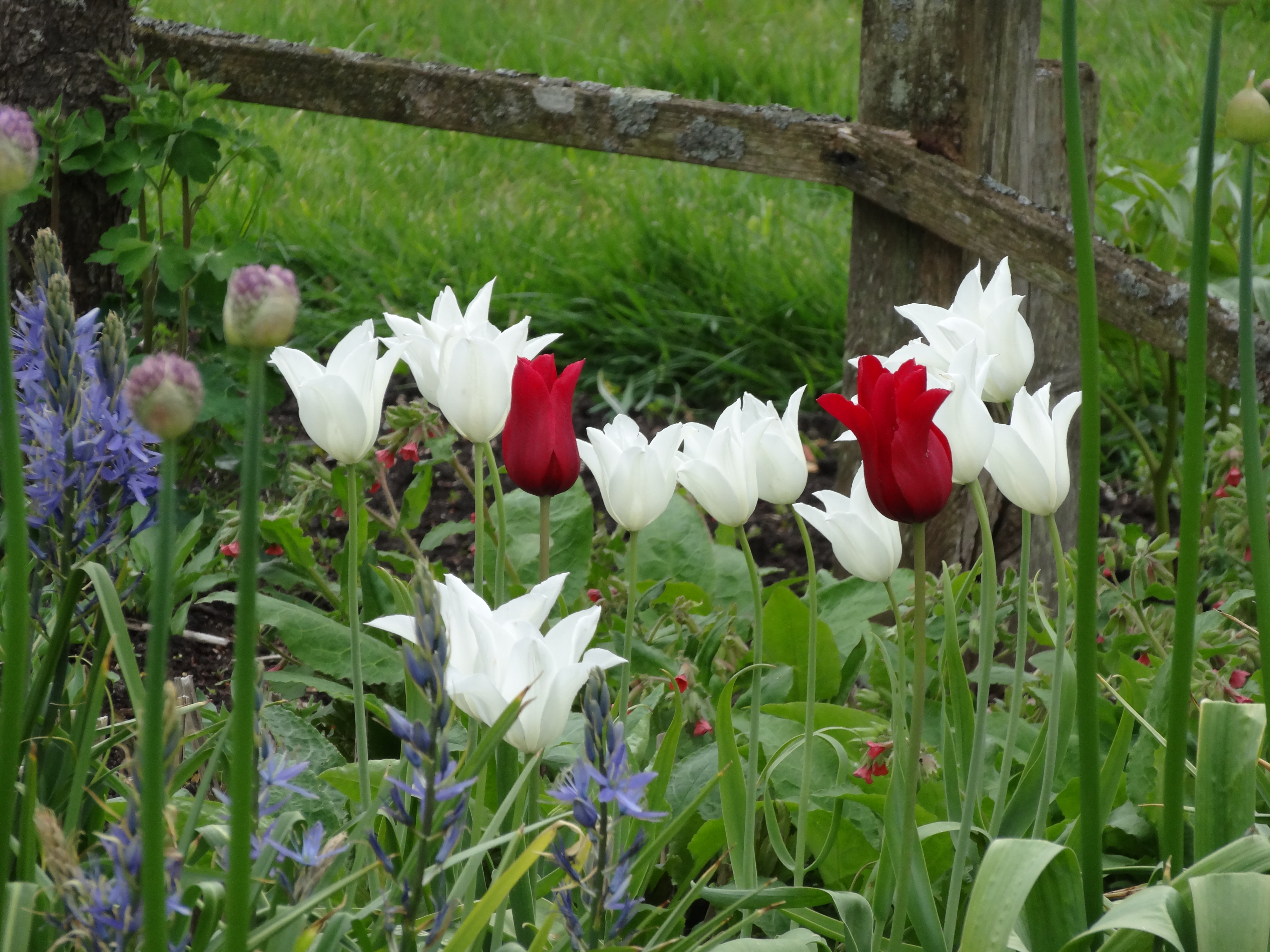
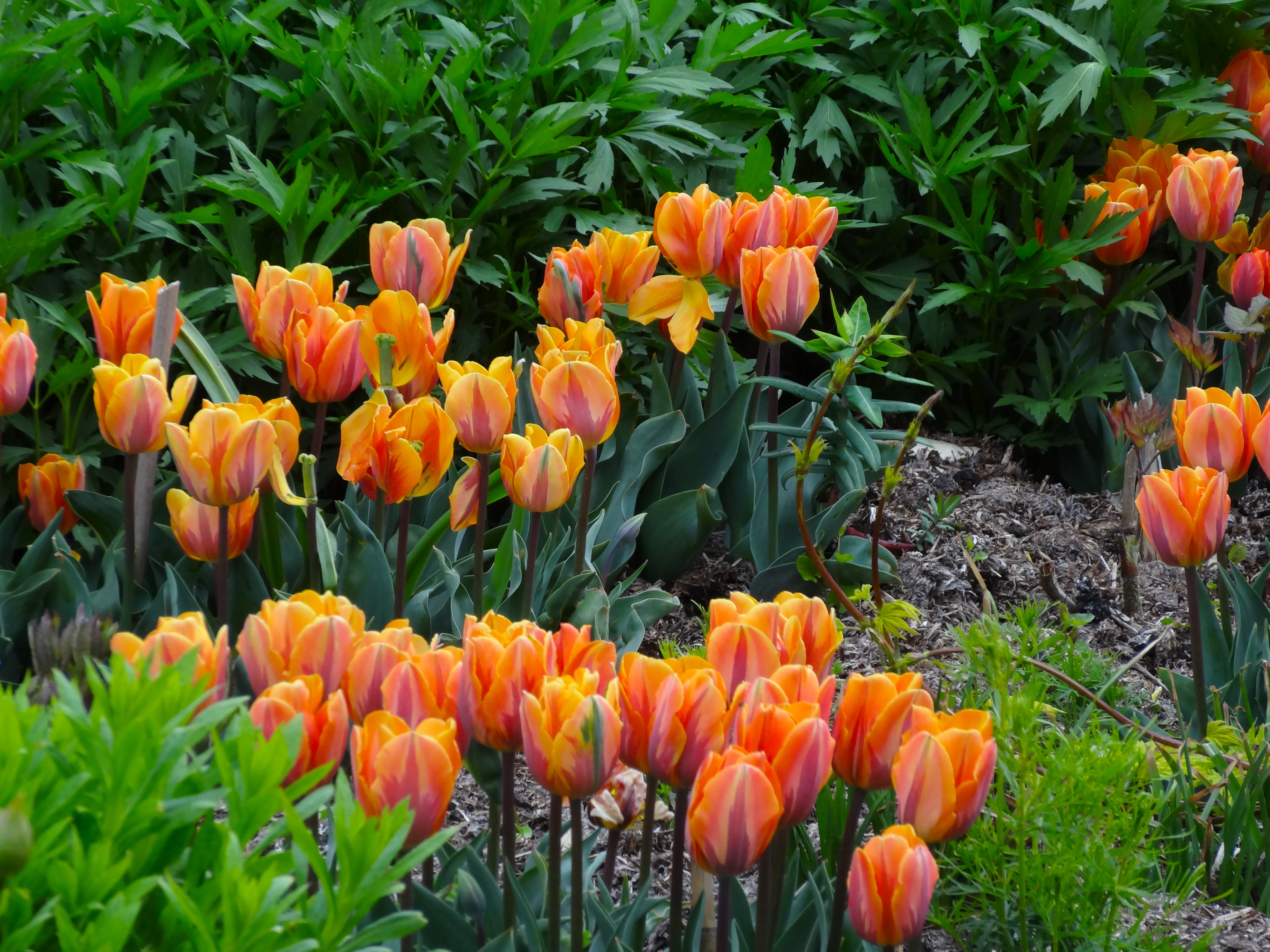
That afternoon, the highpoint of this Sussex sojourn was to visit Parham House, a large country estate and Tudor Palace which had once received the patronage and visitations of Queen Elizabeth I and today, after extensive renovations undertaken in the 1920s, now boasts some exquisite Elizabethan detailing, as well as a comprehensive collection of regal portraits and grand landscapes collected by the various inhabitants across the centuries.

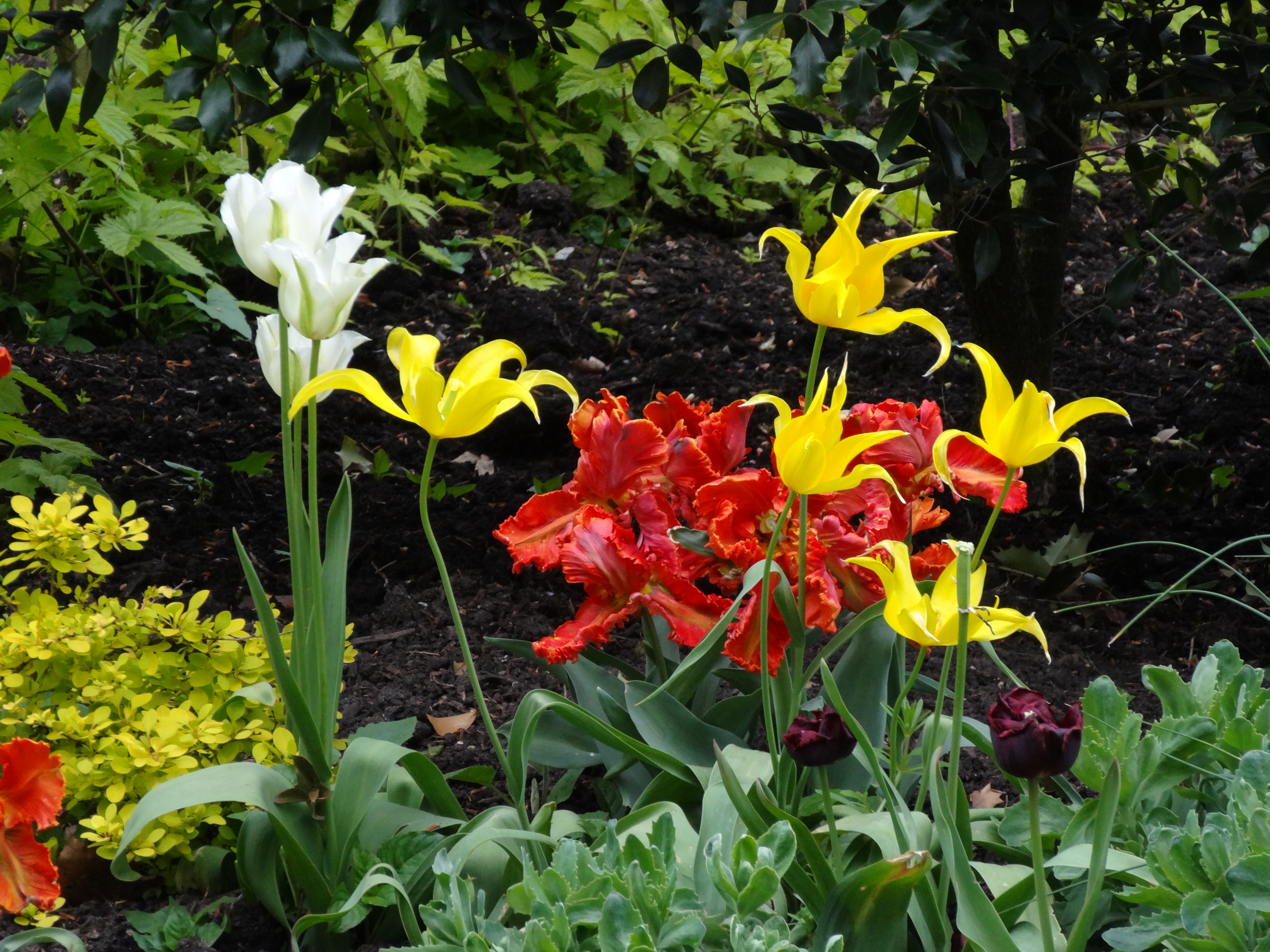
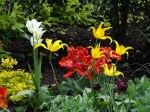
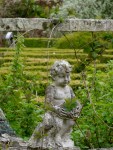
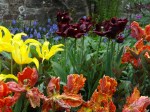
But for me, the best part of Parham is undoubtedly its walled garden, which at this time of year was abundant with colourful tulips, cherry blossom bursting into flower, and rich green foliage unfurling in the warmer Spring-like air. Armed with my new Sony Cybershot HX20V, I was snapping away like crazy, the results of which are here, as promised, for the sharing.

Details of Parham House and Gardens can be found here.

© Nicholas de Lacy-Brown and The Daily Norm, 2001-2013. Unauthorized use and/or duplication of the material, whether written work, photography or artwork, included within The Daily Norm without express and written permission from The Daily Norm’s author and/or owner is strictly prohibited. Excerpts and links may be used, provided that full and clear credit is given to Nicholas de Lacy-Brown and The Daily Norm with appropriate and specific direction to the original content.


Printmaking Progress II: Aquatinting

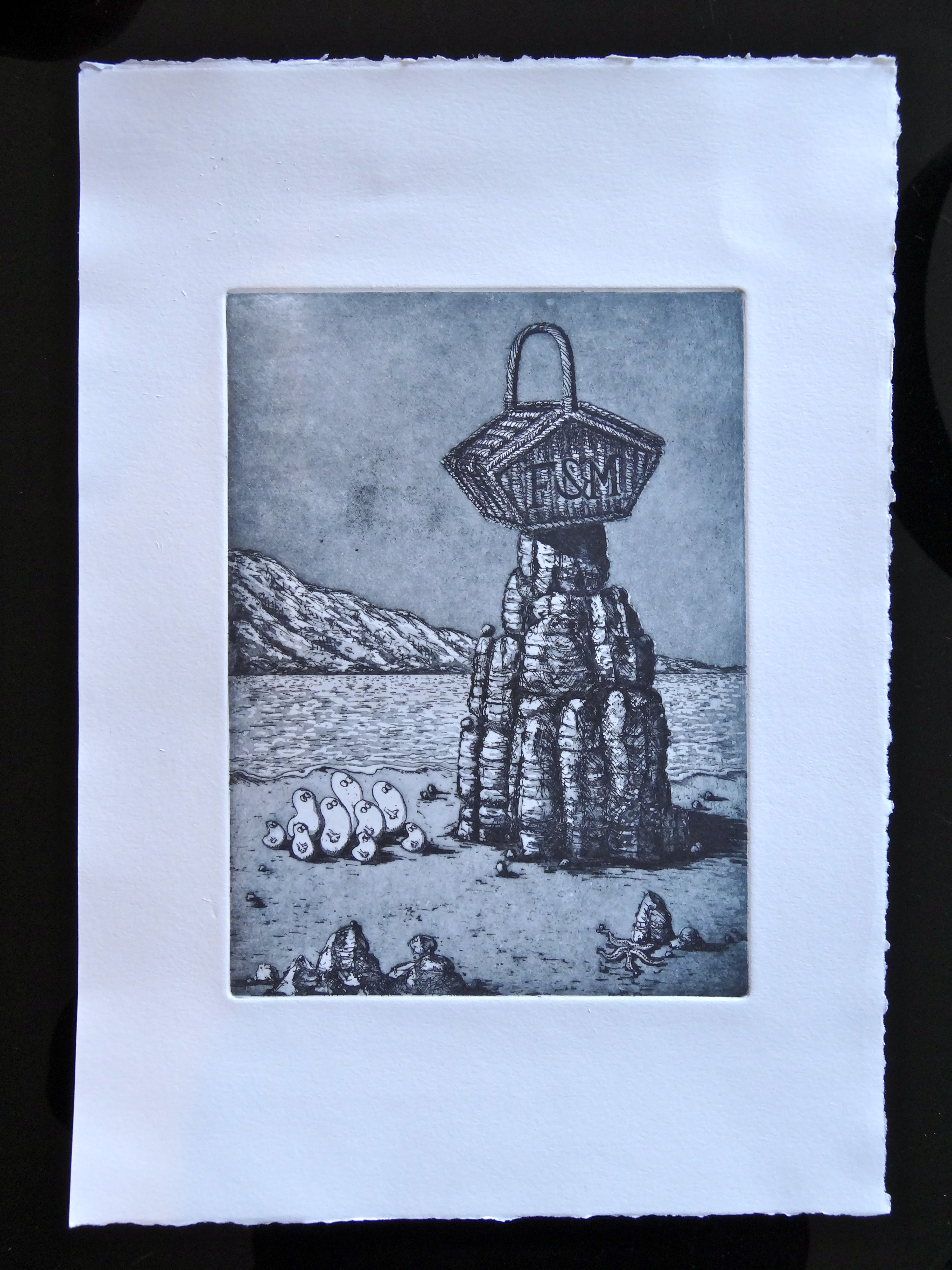
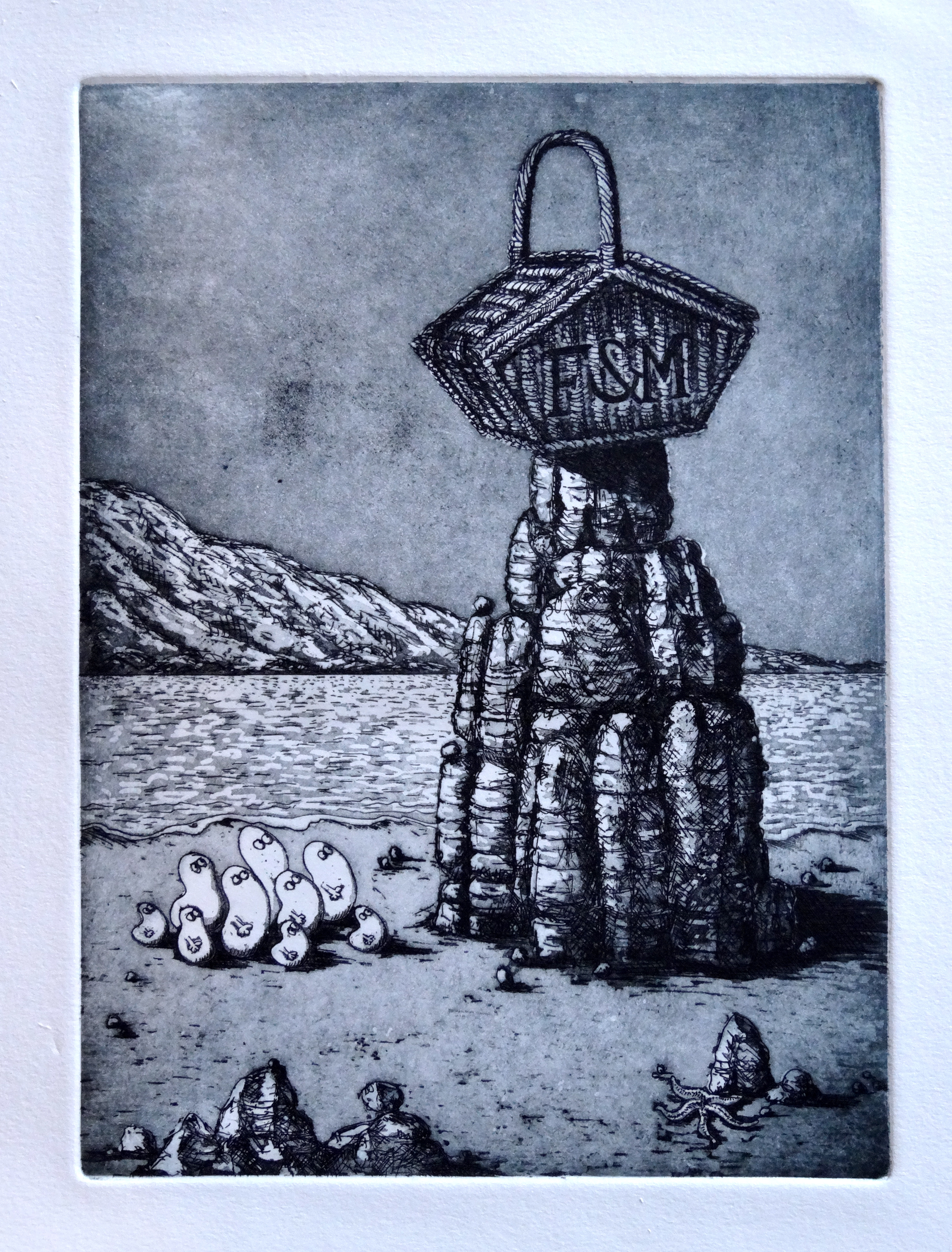
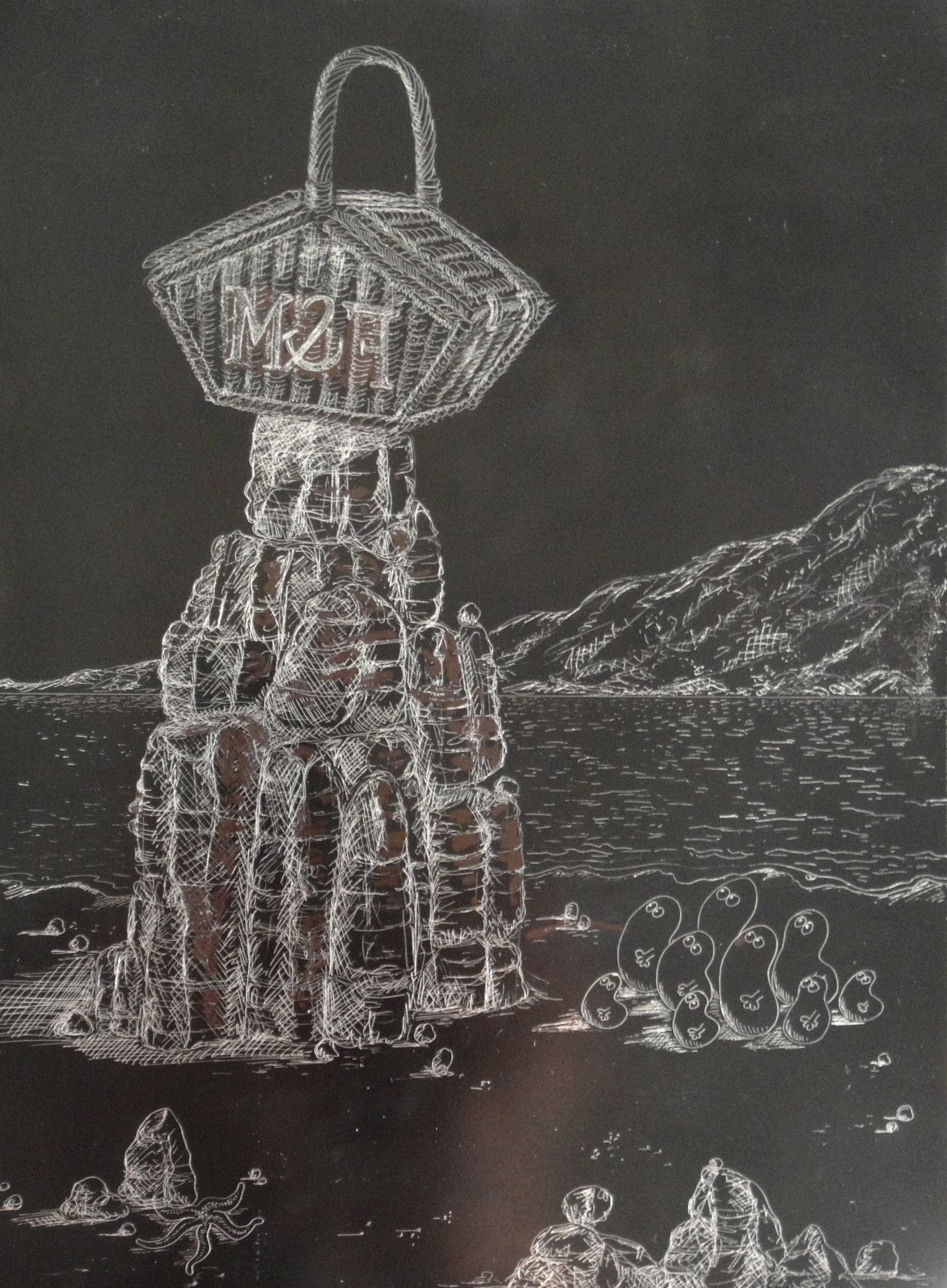
Being a self-trained artist, and so lacking the basic overview which art college provides of the many mediums which an artist has at his or her disposal, I became so entrenched in the world of painting for so many years that my recent discovery of the world of print has come as a complete revelation. Now over midway through an intermediate course in etching, I have taken to the medium like a duck to water. For not only does the medium transfer all of the skills of draughtsmanship which I have been mastering over the years in painting and more recently sketch, but through the sheer narrowness of the needle upon ground it enables me to pack the kind of detail into my etched images that I love. So, in my now advanced second etching, of a Fortnum and Mason’s hamper balanced upon a craggy rock, I have been able to go to town on the detail of the wicker, the rock texture, the little Norms looking up at the rock and the mountain and sea in the background.

Over the last two weeks, I have developed my etched image from metallic reverse image in black ground, to simple line drawing etched into metal and printed in reverse, to an image now loaded with different tonal variety achieved through the process of aquatinting. I am not sure why the technique has the name it does – I imagined it to involve some sort of watery application, a little like applying watercolours to a finished print. But in fact it involves no water at all. Rather, aquatinting is the process by which tone is added to the etching plate through measured re-exposure to acid. It works a bit like the Benday dots which Lichtenstein made famous – apply thousands of little dots to protect the metal and when exposed to acid, only those areas of the metal not covered by dots will etch and turn darker as a result. Step back and with the light dots and the dark exposed plate combined you get a shade of grey. The longer the exposure to acid, the darker the plate becomes, as the distance between dots increases.

My finished tonal etching after aquatinting

My finished tonal etching after aquatinting

Following this rationale, aquatinting involved first the exposure of the whole plate to a kind of rosin dust which was allowed to settle upon the plate under controlled conditions (it’s very toxic, hence the rather attractive gas mask we were required to wear by way of protection). This was then hardened over a gas fire. Then we had to protect details of the plate which we wanted to remain white, before dipping the plate back in acid, gradually protecting more and more of the plate so that in its final dip into acid, the only part of the plate left exposed was the parts of the image I wanted to print the darkest.

The result is a plate now textured differently depending on the exposure to acid and then, once the ink is reapplied to the plate, an image which comes alive with different tonal shades. Owing to what is a fairly hopeless attempt to explain the aquatinting process above in words, perhaps the process will become clearer by looking at my finished print itself.

DSC00569

You will see that the Norms and the highlights of the basket and rock have remained white – that’s because I covered those with a black “stop-out” before re-exposing the entire plate to acid. The next lightest shade is the sand – this pale grey results from a quick 15 second dip into acid. This was then covered while I re-exposed the plate, allowing the sky to go darker, followed by the basket, the shadows of the rock and so on.

And there you have it, my first finished etching with aquatint applied – I am so, so delighted with the result and thrilled that I have taken so naturally to the etching medium. I have a feeling that this will not be the last.

The etching before aquatinting

The etching before aquatinting

And before that, the initial image drawn into the "ground" layer

And before that, the initial image drawn into the “ground” layer

Related articles

Marbella in May: a photography experiment (iv) – a Marbellan Miscellany

Marbella has very sadly become synonymous in the British vernacular with the orange Essex tans, hedonistic lifestyle and flashy gaudy inhabitants of its brash z-list celeb-stuffed suburb, Puerto Banus. Yet Marbella the town, which is a good 10km along the coast from that rather vulgar port, is one of the true gems of Andalucia.

It’s picturesque positioning between the sparkling blue sea and the prominent mountain landscape behind it provides the setting, while a charming little old town full of quaint narrow white washed alleys, impressive ancient churches and grand old squares is the ultimate in authentic Spanish attractiveness.

Being lucky enough to benefit from a family home just north of the old town’s central orange-tree lined square, I get to stroll around Marbella’s postcard-perfect old town on a daily basis but never tire of its scenic charms, from old cracked stone fountains to crumbling white washed walls, elegant wrought iron window grills hung with ceramic pots and bright red geraniums. I must have photographed it a thousands of times, but it never stops inspiring me to take a few more.

DSC00216 DSC00336 DSC00344 DSC00146

So here, in the final post of photos from the recent Marbella test run of my new Song Cybershot HX20V, here are some of my favourite shots of the town, from historic centre to the beach beyond. Once again, the camera’s 20x optical zoom proved a real treat when capturing far off details such as the little dog looking like it was about to dip into a glass of beer, and an impressive sailing ship, passing by while I was munching upon those delectable fried aubergines.

The camera’s test run is complete. I can confirm my purchase has been a success. And now I look forward to bombarding you with new photos throughout the summer taken with the camera which will never be far from my side.

© Nicholas de Lacy-Brown and The Daily Norm, 2001-2013. Unauthorized use and/or duplication of the material, whether written work, photography or artwork, included within The Daily Norm without express and written permission from The Daily Norm’s author and/or owner is strictly prohibited. Excerpts and links may be used, provided that full and clear credit is given to Nicholas de Lacy-Brown and The Daily Norm with appropriate and specific direction to the original content.

Marbella in May: a photography experiment (iii) – Park Life

Like many Spanish cities, Marbella is not short on shady spaces, a necessity for surviving the savagery of the searing Spanish sun. But thanks largely to the efforts of a corrupt former mayor, who paved much of the town in marble, Marbella’s parks are as grand as they are green, the many voluptuous tropical plants reflected double in the shiny polished pavements below, and curving elegantly over large ceramic-decorated fountains from which water arcs and spouts and dances whimsically all day long.

The central Alameda park is the gemstone in a series of green sprawling spaces, and has become an appropriate meeting place for Marbella’s locals and tourists alike. It’s various parallel avenues provide plenty of space for a refreshing perambulation, all paths leading to one of the parks two large fountains, while alongside the plants many a bench invites sitters to rest and imagine themselves sat in a richly verdant jungle.

DSC00300 DSC00446 DSC00272 DSC00225 DSC06602

Second only to the Alameda, the Parque de la Constitucion hosts at its centre a semi-circular open air theatre characteristic of those popular in Ancient Greece, while in the park surrounding it, a distinctly moorish feel envelops the fountains, paving and layout. I adore these gardens which, being slightly off centre, exude calm and lack crowds. Strolling between the tall shady cypress trees and besides lawns and flower beds, one could almost be in an English country garden – except for the key addition of sun.

I love Marbella’s park spaces, and more particularly the rich plump tropical and Mediterranean plant species which flourish there. Sitting beneath them I am reminded of an Henry Rousseau paintings albeit only metres from Marbella’s beach on one side and historic centre on the other.

Beyond the park, Marbella is a festival of floral colour and richly leafed greenery. I was struck by the sheer abundance of colourful flowers planted alongside roads and pavements, as well as the sheer volume of newly born leaves upon the trees (no doubt the result of an especially wet winter). I don’t think I’ve ever seen the town look prettier – and luckily my new camera was there to capture it all.

© Nicholas de Lacy-Brown and The Daily Norm, 2001-2013. Unauthorized use and/or duplication of the material, whether written work, photography or artwork, included within The Daily Norm without express and written permission from The Daily Norm’s author and/or owner is strictly prohibited. Excerpts and links may be used, provided that full and clear credit is given to Nicholas de Lacy-Brown and The Daily Norm with appropriate and specific direction to the original content.

Marbella in May: a photography experiment (ii) – Cappuccino Cocktails

You join me on the second post sharing my photos from a little weekend’s experimenting with my new Sony Cybershot DSC-HX20V camera in Marbella, Southern Spain. By lunchtime on day one of our stay, I was already at ease operating this simple to use camera, and taking full advantage of its excellent 20x optical zoom facilities.

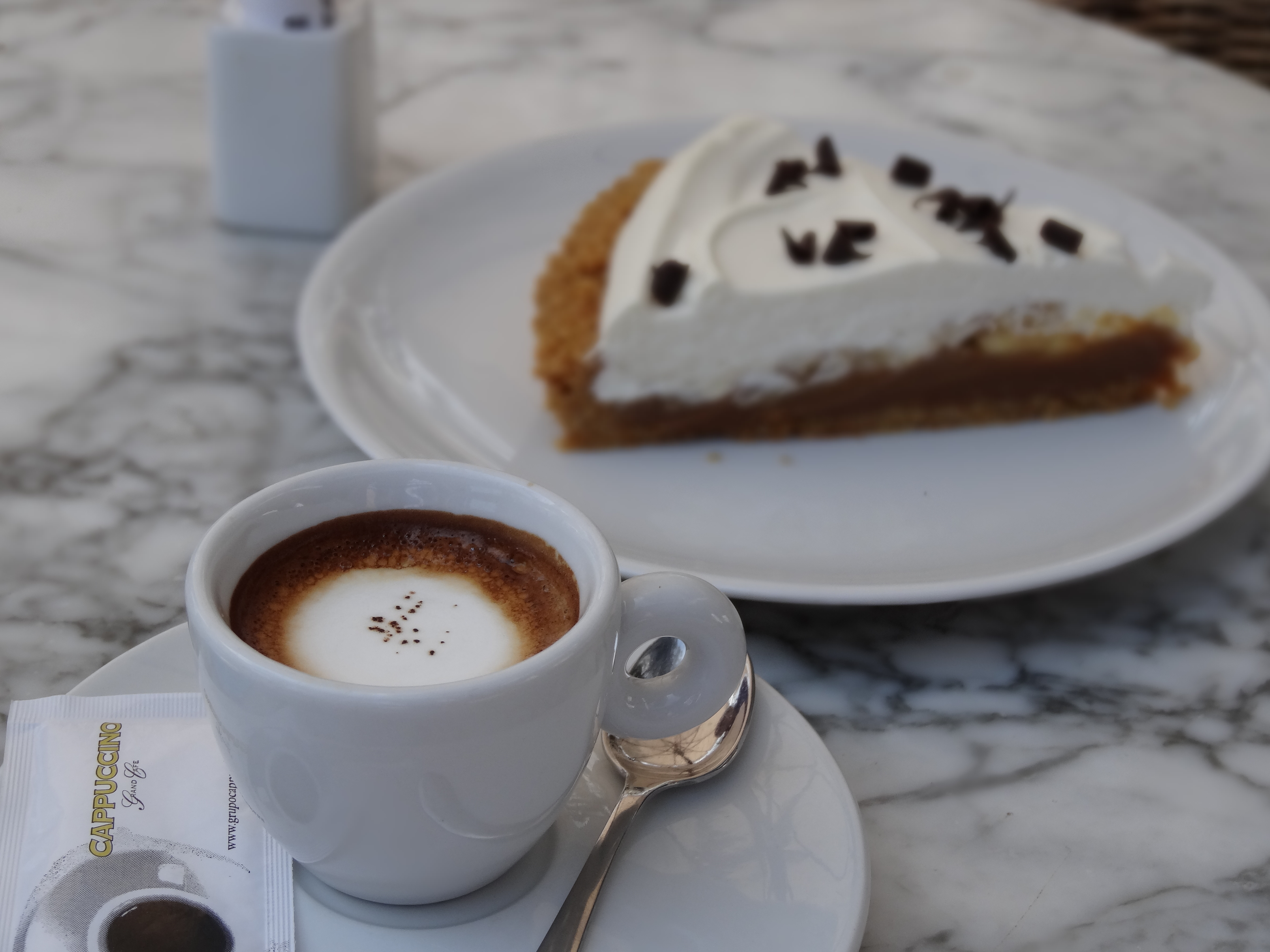
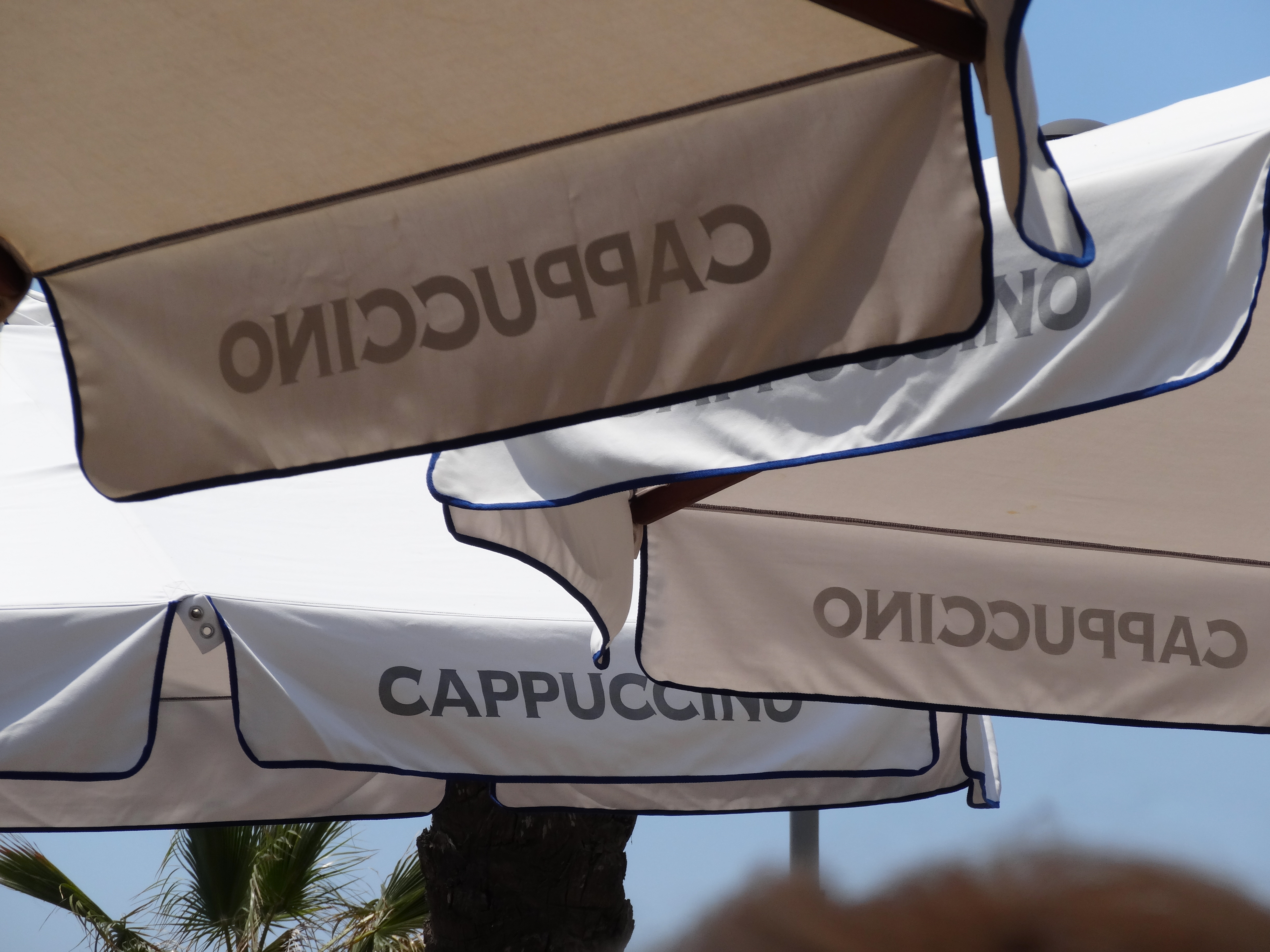
Today’s photos see me catching the mellow halcyonic lunchtime atmosphere in the sun drenched pine tree sheltered garden patio of my favourite of all cafe-bars, Cappuccino Grand Cafe Marbella, which is situated in the beach side grounds of the plush Gran Melia Don Pepe hotel.

DSC00202 DSC00195 DSC00191 DSC00171 DSC00189

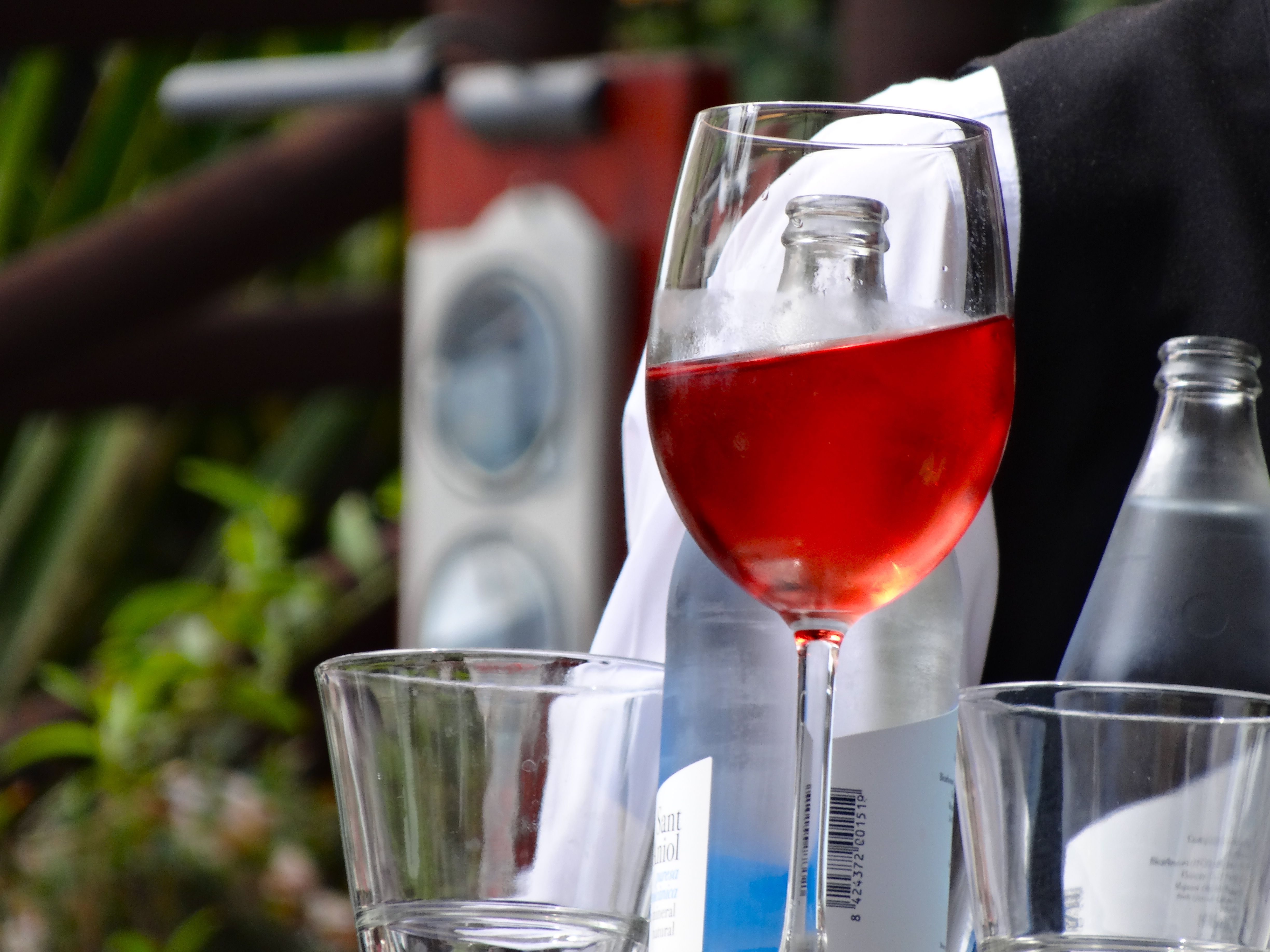
Sitting in the sunshine sipping upon a cool glass of Albariño wine and indulging in that always satisfying past time of people watching, I became captivated by the vividly colourful cocktails, green bottles and fruity rose wines being carried around by the crisp model-like waiters.  With a long zoom at my disposal, I was able to capture the kaleidoscope of colourful thirst-quenchers, their jem like glow augmented when shimmering against the potent midday Marbellan sun.

I love the ability of the camera to focus out the surrounding diners, concentrating on the vivid colours and the clarity of light. And of course I have to thank Cappuccino for providing the most chic of all surroundings as inspiration for these simply satisfying images.

© Nicholas de Lacy-Brown and The Daily Norm, 2001-2013. Unauthorized use and/or duplication of the material, whether written work, photography or artwork, included within The Daily Norm without express and written permission from The Daily Norm’s author and/or owner is strictly prohibited. Excerpts and links may be used, provided that full and clear credit is given to Nicholas de Lacy-Brown and The Daily Norm with appropriate and specific direction to the original content.

Marbella in May: a photography experiment (i) – my patio garden

For me, a travel camera needs to be three things. It needs to be small enough that it can be hidden away in my pocket, ensuring that I exhibit none of the tell-tale signs of being a tourist that a camera strung around the neck shouts out like no other. It must have a good zoom – sometimes the best photos are details seen from a distance so that you can benefit from “framing” the detail with some far off backdrop. Finally it must be capable of exceptional close-ups, as nothing thrills me more than an almost microscopic photo of an insect or flower, exhibiting more exciting detail than can easily been seen through the naked eye.

So when my small pocket camera decided to take early retirement, a tough research trail ensued as I set about trying to find a camera with the triumvirate capabilities I demanded.

Eventually I settled on the Sony Cybershot DSC-HX20V. It’s not exactly pretty to look out, but what it promises to do ticks all of the boxes. For a pocket camera it has an incredibly large 20x optical zoom with a further 20x digital zoom capability. It’s easily pocket size although a little bulkier than my former model (which admittedly only had a 5x zoom). And the real winner is its ability to take incredible micro shots from only 1cm away from the subject (see the lizard below!)

Sold, I bought the camera for a snitch at £229 (from John Lewis) and took it with me, the very next day, when I headed to my second home of Marbella in southern Spain. Notorious for its vivid blue skies, beautiful sea views, consecutive days of sunshine (allegedly) and an old town which is truly a gem of Andalucia, what better place to experiment with my new camera?

DSC00057 DSC00238 DSC00034 DSC00250

What follows are a series of posts which share my first photos using my new camera. I’m so pleased with the results. The details captured at the end of the 20x zoom are really impressive, as are the microshots at the other end of the spectrum.

Up first are photos of my family’s little patio garden out in Marbella. A small plot behind our cosy little old house, it’s a very petite but pleasing garden – our own small slice of paradise.

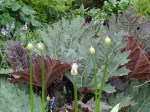
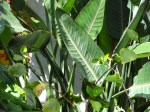
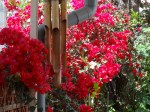
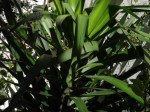
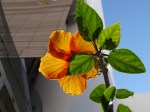
While it looks at its best in the summer, even at this time of year it’s flourishing, as milky white lilies poke up between a large-leafed bird of paradise, the jasmine springs back to life and brightly coloured hibiscus and bourganvilla inject the garden with a panoply of colour.

© Nicholas de Lacy-Brown and The Daily Norm, 2001-2013. Unauthorized use and/or duplication of the material, whether written work, photography or artwork, included within The Daily Norm without express and written permission from The Daily Norm’s author and/or owner is strictly prohibited. Excerpts and links may be used, provided that full and clear credit is given to Nicholas de Lacy-Brown and The Daily Norm with appropriate and specific direction to the original content.

Autobiographical Mobile: The finished article

C’est fini! At last, my autobiographical mobile is complete! Started in June last year and completed right at the end of April of this year, the maths alone dictates that this has been a long project in the making. While my blog account of the work has been posted in respect of 25 full days of painting, a great number of evenings and hours grabbed in otherwise hectic weeks have been spent working on this piece, one of the most comprehensive projects of my art career so far. Yet the protracted length of the project (augmented by the fact I work full-time and have been undertaking a whole host of other artistic projects in the meantime) has also been one of its benefits – feeling no rush, I managed to achieve a more perfected finish on each of the areas I was working on, and likewise, owing to the passage of time, the painting has become something of a developing story in itself – a true artistic reflection of the changing circumstances of my life.

Autorretrato (Autobiographical Mobile) 2013 © Nicholas de Lacy-Brown, oil on canvas

Autorretrato (Autobiographical Mobile) 2013 © Nicholas de Lacy-Brown, oil on canvas

And how it looked on the first day of painting

And how it looked on the first day of painting

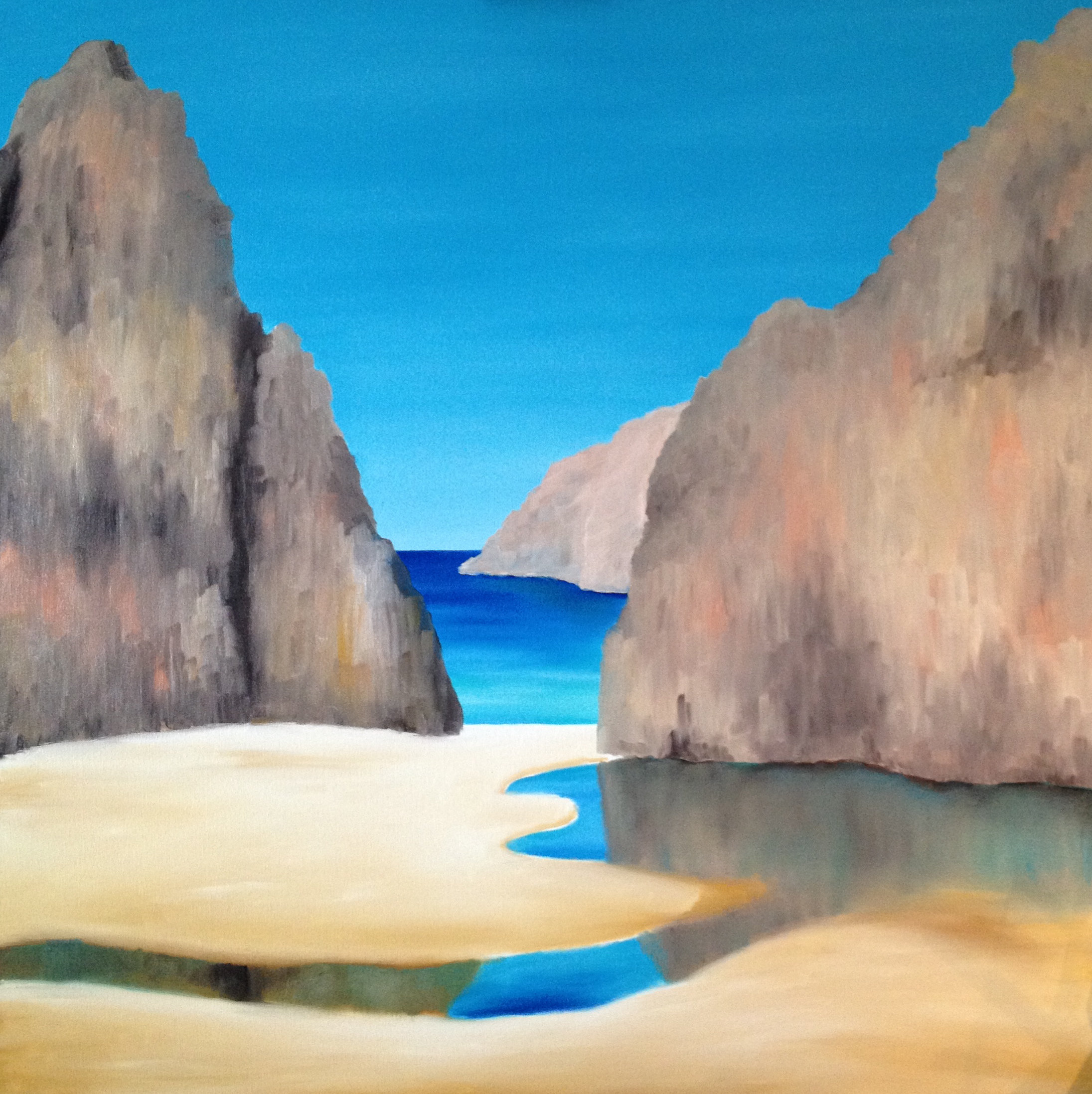
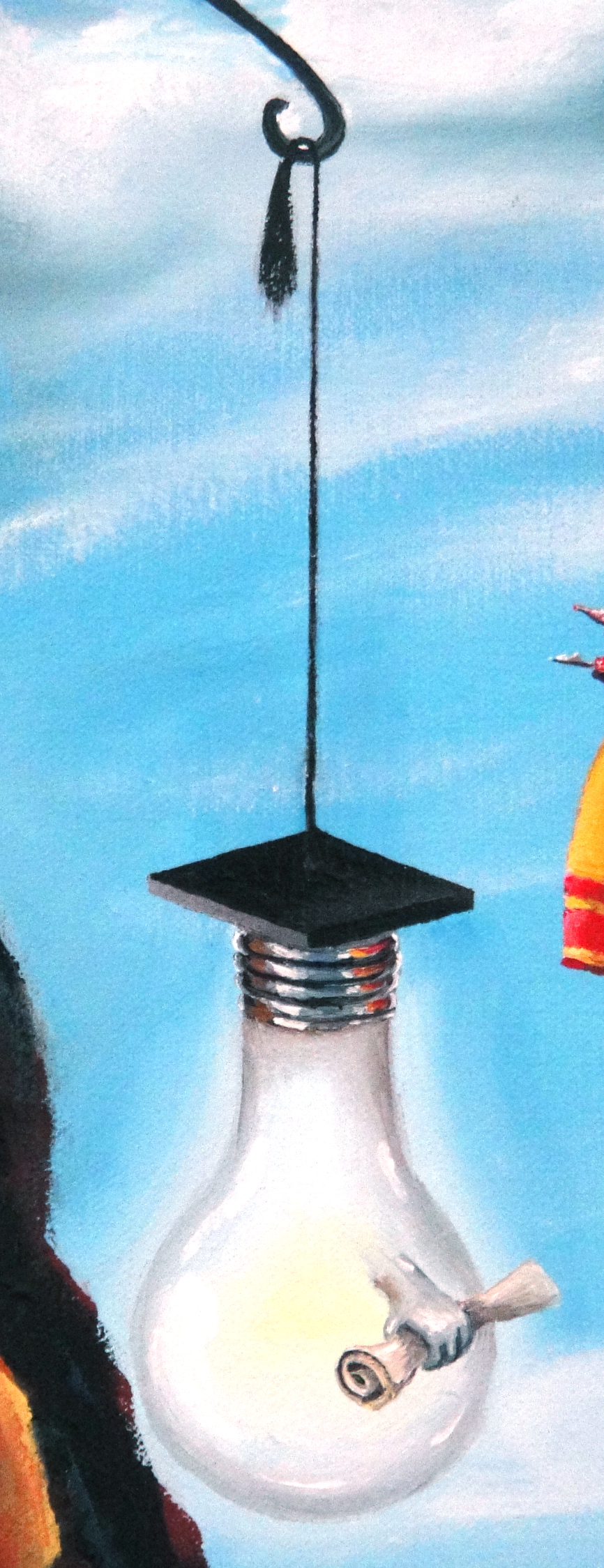
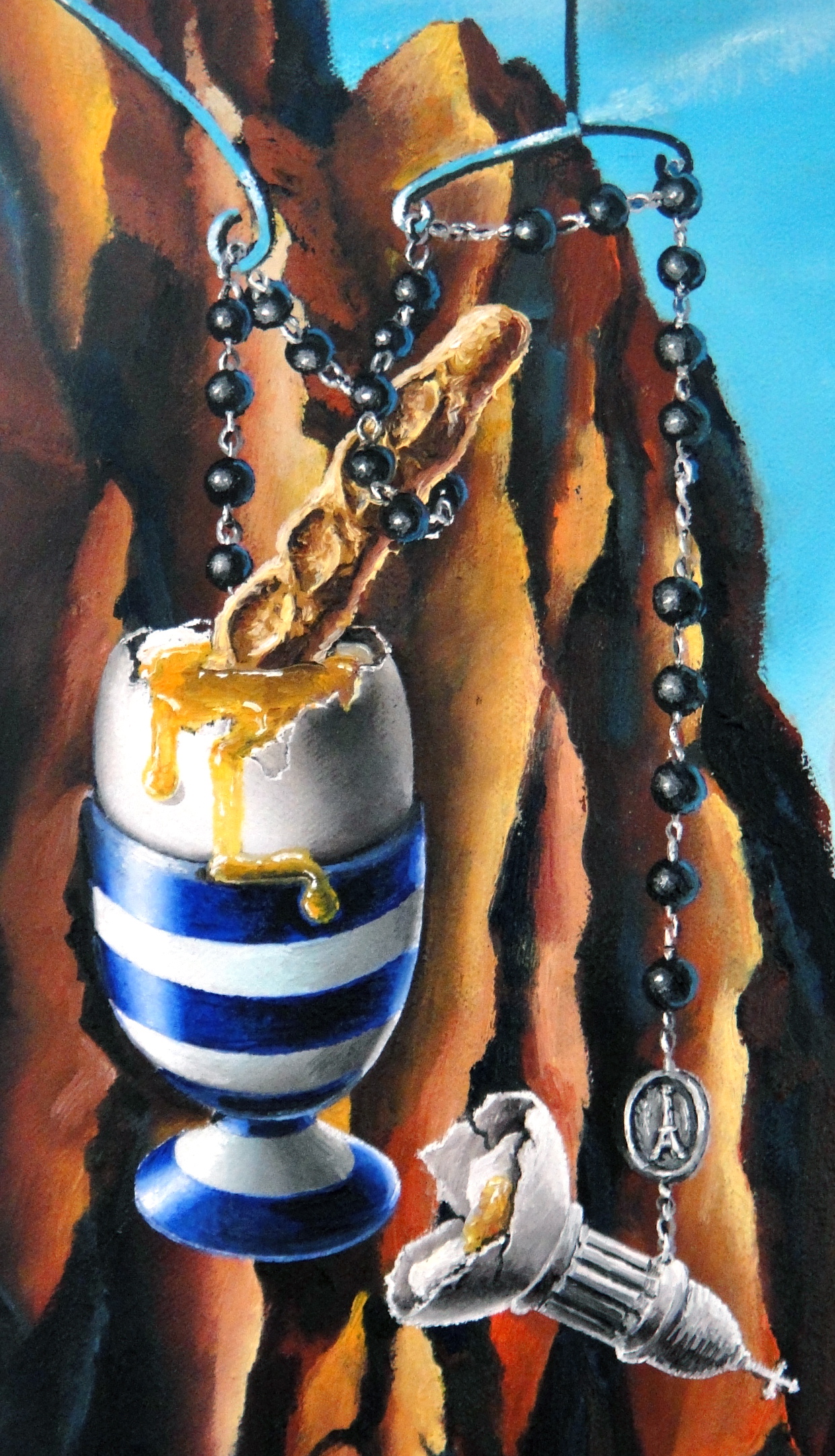
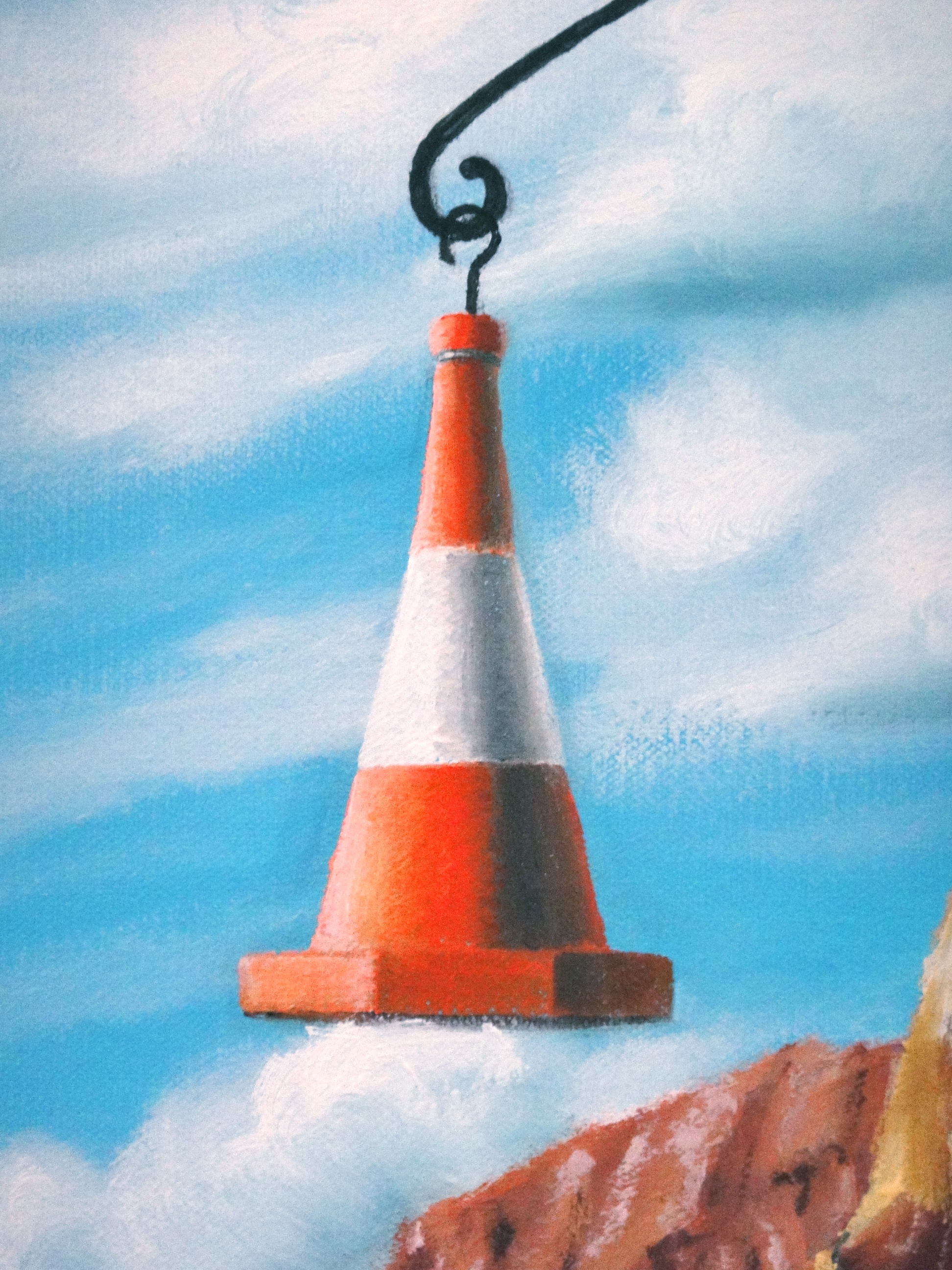
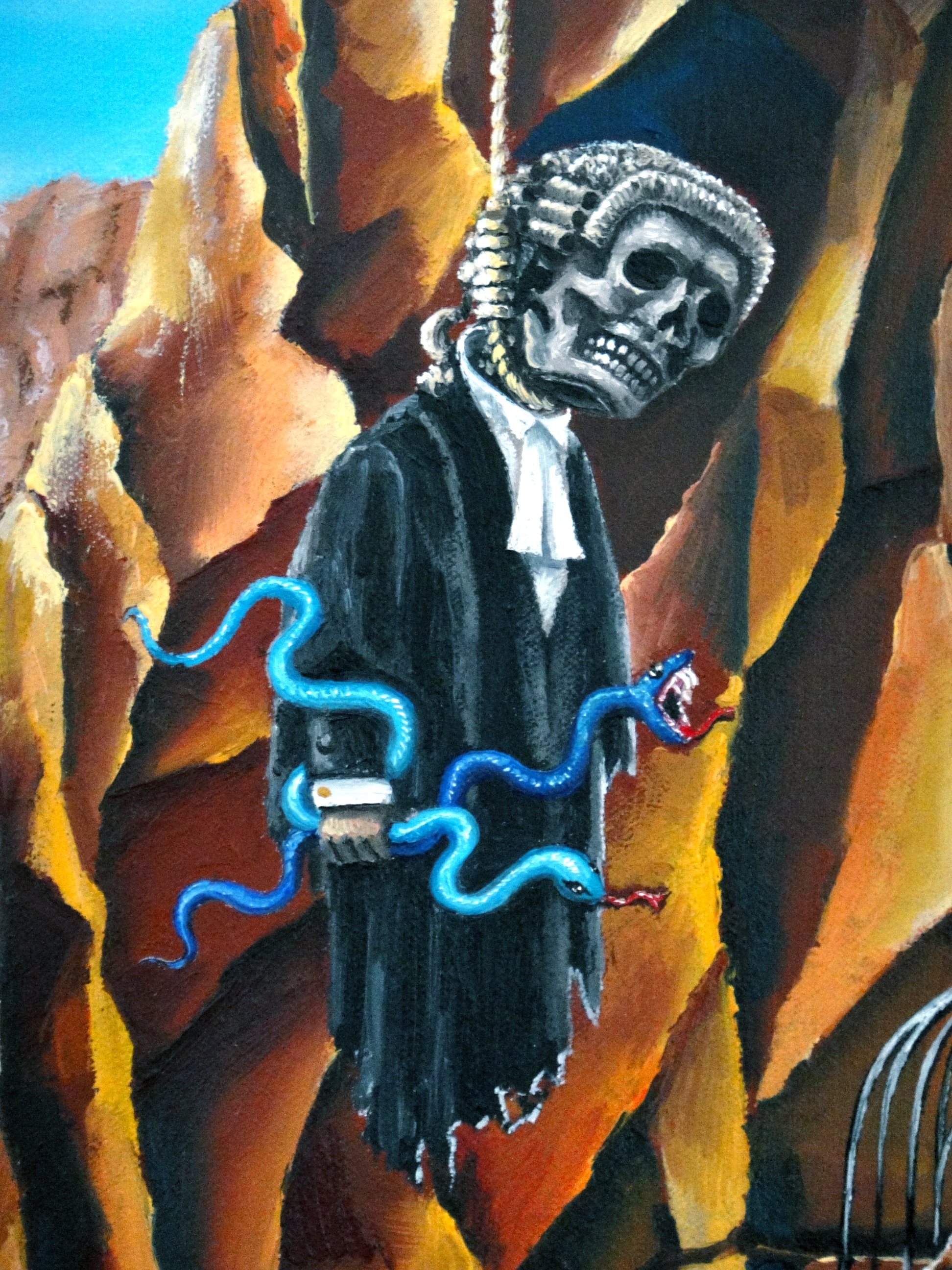
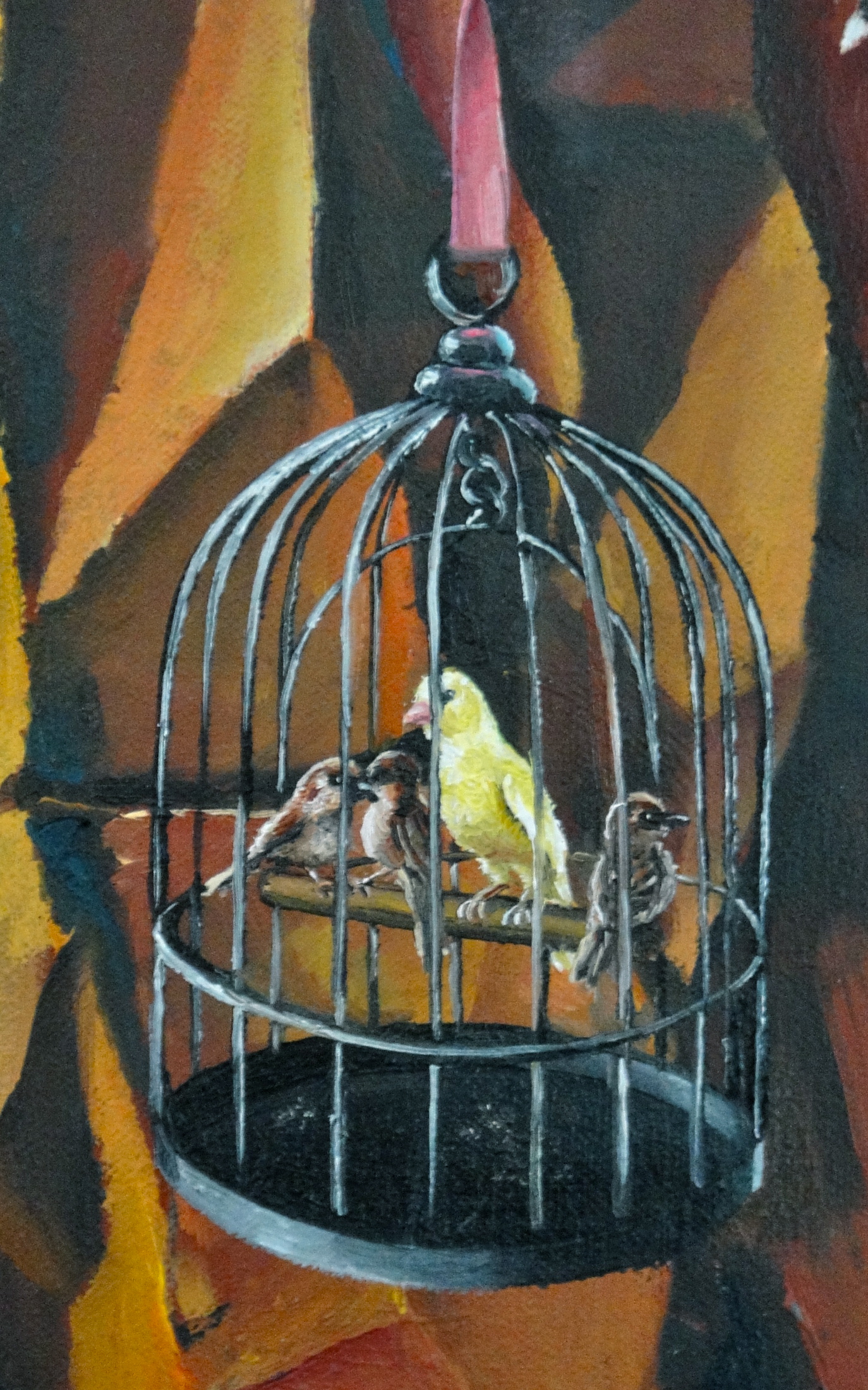
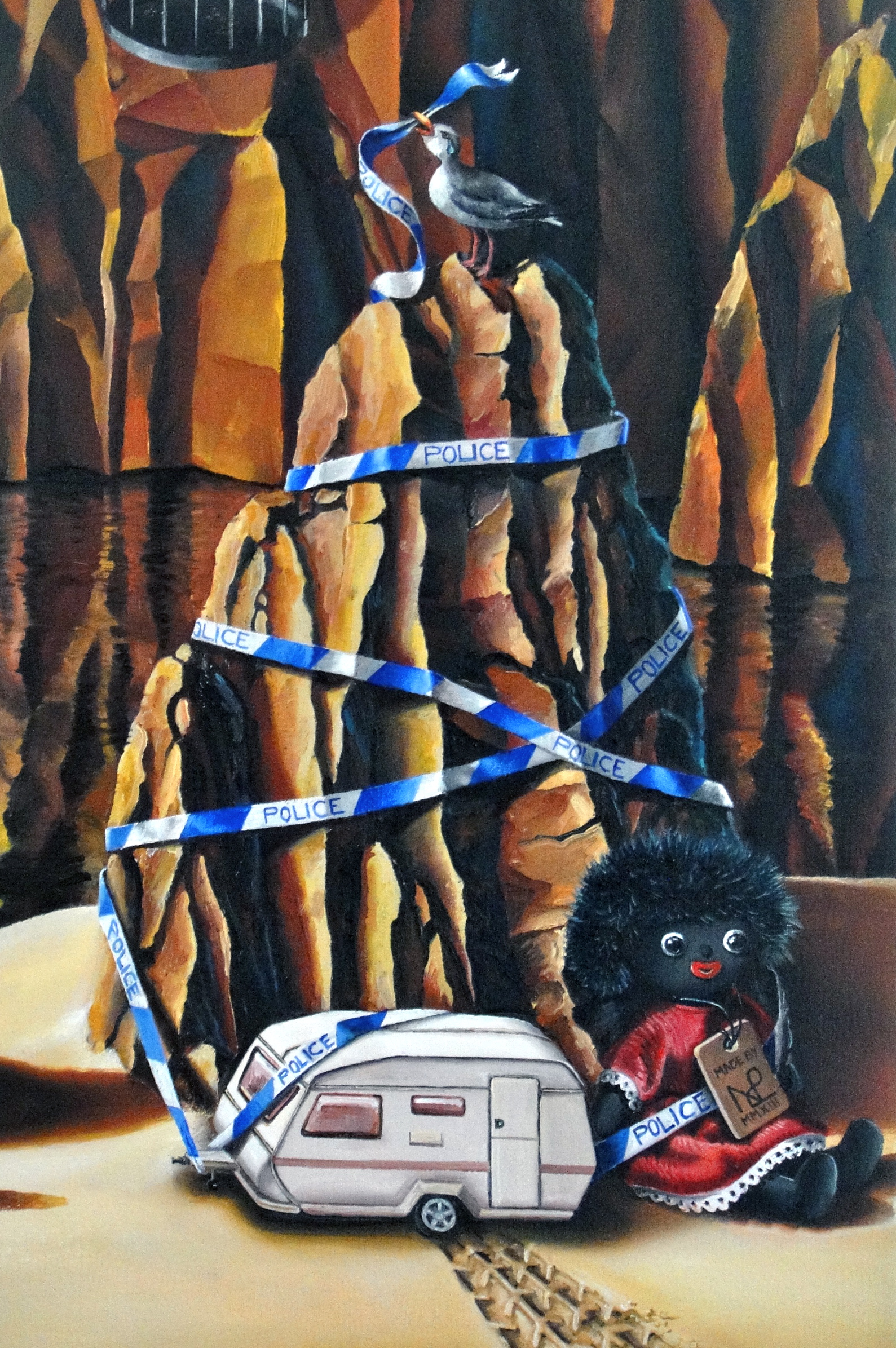
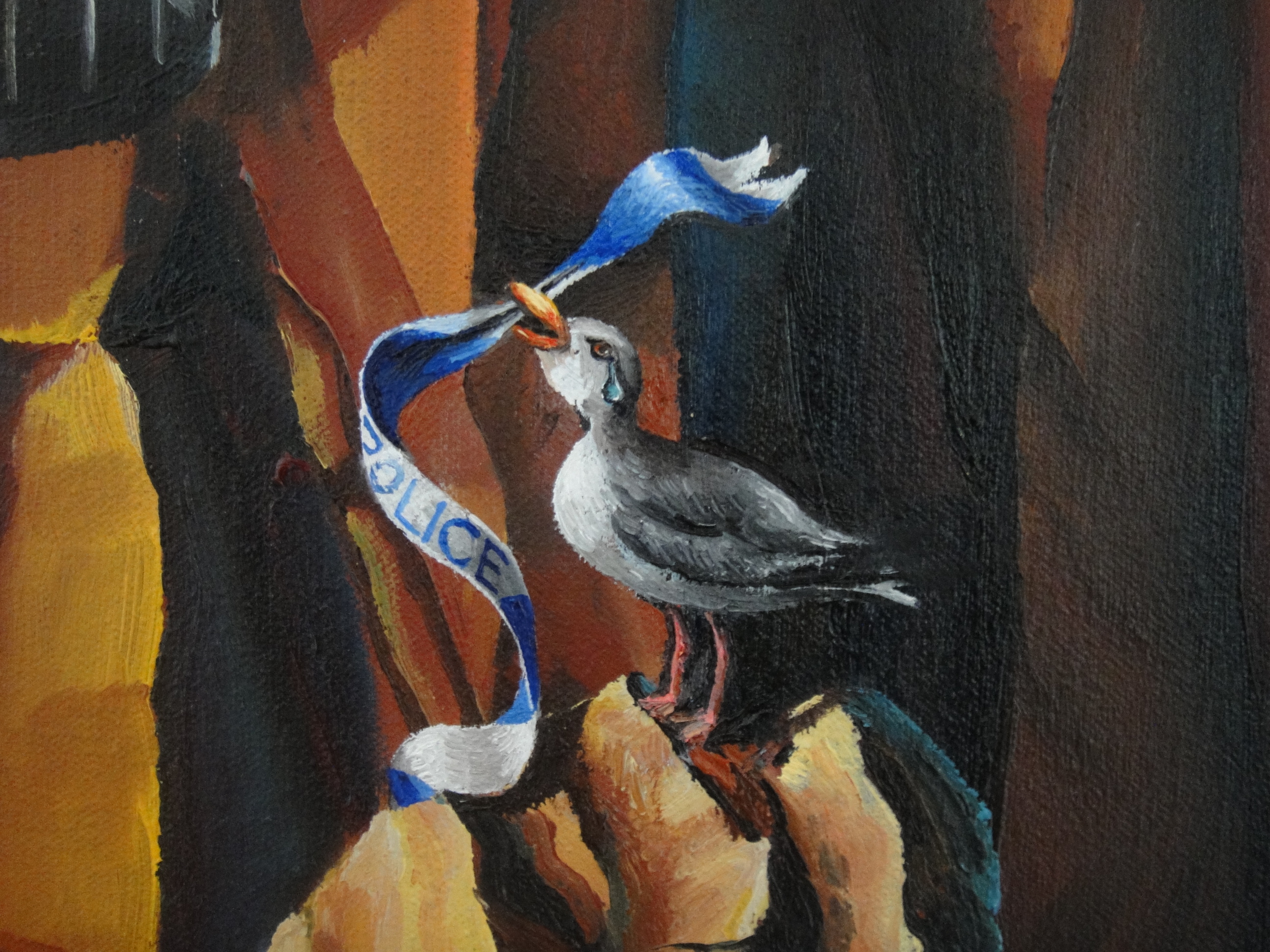
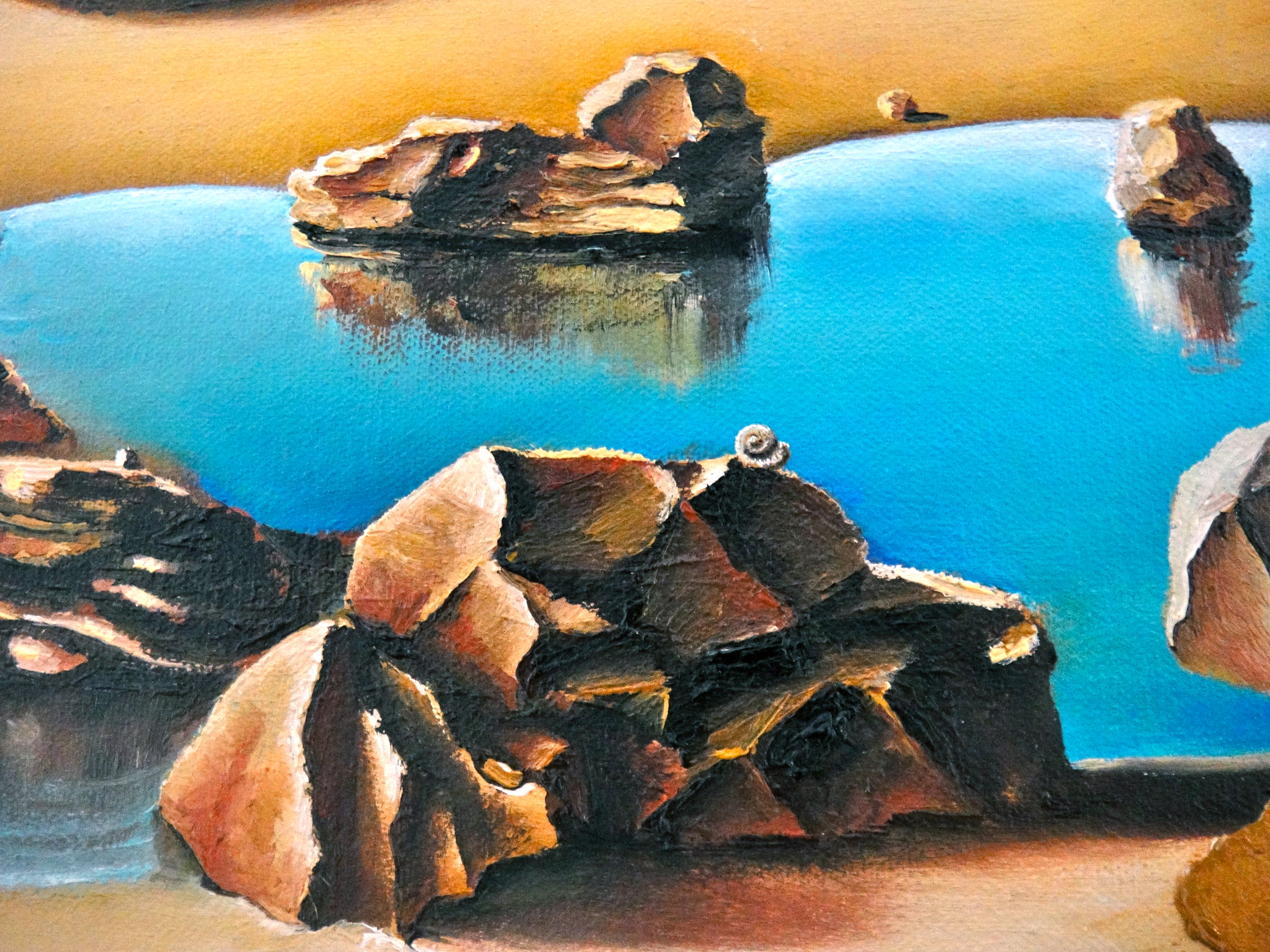
I have extrapolated upon most of the details in the painting in former posts explaining my progress, however in very brief terms, the painting is an autobiographical self-portrait told through symbols and metaphors rather than a head and shoulders portrait. At the centre of the canvas, a large free-standing mobile, in the style of the great mobile-artist Alexander Calder, represents my life. At its base, my constant companions, Fluffy and Bilbao, teddies given by my Partner and me to one another shortly after we first started dating, represent the very consistent, anchoring and significant role of our relationship in my life. Then above, the mobile acts as an autobiography balancing out the various positives and negatives in my life so far. DSC07673 On the left: the positives – all the stuff I love and which has helped to shape me into the person I am today. First up, Spain and art history, symbolised through the iconic image of one of Span’s master-artist’s Infanta portraits, whose dress is in turn decked out to resemble the sandy colours of a Spanish bull ring, while her sunglasses represent Spanish tourism, the industry which has been so important in bolstering the economy of modern day Spain. DSC07623 DSC07619Next, the symbol of enlightenment and creative/ academic success: This is a Norm-shaped lightbulb decked out in a graduation mortar-board and holding a graduation scroll. This hybrid Norm/ bulb character represents my achievements both as an illustrator-blogger and as a lawyer, and stands for the importance of learning and development in my life. Further along, the egg: This is a representation of my art career, and also my love of Paris (where I was engaged and from which I have been inseparable for at least 15 years). Paris was the inspiration for my first major painting, Le Paris Formidable, a creation which I consider to be a milestone in my artistic career and the moment I began to take painting seriously. In that image I painted the Sacre Coeur church as a series of eggs and egg cups (the white domes of the basilica reminding me of eggs), while plunging into the egg, an egg soldier is replaced by a French baguette, held up by a rosary, representing that for me, art is like my religion. DSC07613 Finally in the positives, a sun cream bottle represents my love of travel, and spurting from it, a representation of my love of gastronomy as shown through a mixed and bounteous flow of prawns, marie rose sauce, chorizo, strawberries and wine, all combined together through a meandering strand of spaghetti which in itself metamorphoses from the Fortnum and Masons hamper sat on a rock below it – the hamper representing my love of the finer things in life. DSC07617 Onto the negatives, and up first my 2008 accident – the life-changing event was informed so much of my art and altered my life, both physically and mentally forever. DSC07624 Then the death of my career at the self-employed bar, a hugely difficult time when I suffered stress close to mental breakdown, prejudice, bullying and was effectively cast out of the profession because of the small-minded prejudices which come of a profession in which survival, without fitting into the Oxbridge stereotype (the blue snakes), is all but impossible. DSC07630 Then the birdcage, a symbol of entrapment, both for my sister trapped by the grave fate which arose upon the death of her husband leaving her to bring up three toddlers alone, and for me in my career. DSC07634 Finally the Apprentice – a direct reference to another of my paintings, Nicholas in the Renaissance, a tongue-in-cheek self-portrait in which I parodied a depiction of Saint Sebastian to represent the injustices I felt I had suffered when I appeared in the acclaimed BBC television series, The Apprentice series 4. The sugar cube of course alludes to Lord Sugar, the famous business man for whom the “Apprentices” seek to work under the television format. DSC07645 Meanwhile in the foreground, an expanse of water separates my current life from my childhood, albeit only marginally, and that youth is symbolised my a self-standing rock in the bottom right of the canvas representing my family, a symbol which took on a whole new poignancy when my brother-in-law was killed last December. Meanwhile, in the rock pools to the left, also representative of my childhood, the smallest of shells represents the heady days of my youth when climbing over coastal rocks I would collect shells, affixing them onto little snails I had modelled which I would then sell at local fairs. Some could say it was the start of my art career. They were certainly formative years. DSC07582 DSC07648 DSC07610 So there we have it, my life on a large (120cm x 120cm) canvas in oil paint. I’m awfully proud of this painting, and also glad to have persevered over such a protracted period. The result is a truly reflective glimpse of my life as it stands and also acts for me as a kind of closure on all that is past. Now I look forward to a whole new chapter of my life, with all the artistic expression which will inevitably go hand in hand alongside it.DSC07661 © Nicholas de Lacy-Brown and The Daily Norm, 2001-2013. Unauthorized use and/or duplication of the material, whether written work, photography or artwork, included within The Daily Norm without express and written permission from The Daily Norm’s author and/or owner is strictly prohibited. Excerpts and links may be used, provided that full and clear credit is given to Nicholas de Lacy-Brown and The Daily Norm with appropriate and specific direction to the original content.

George Bellows: Modern American Life

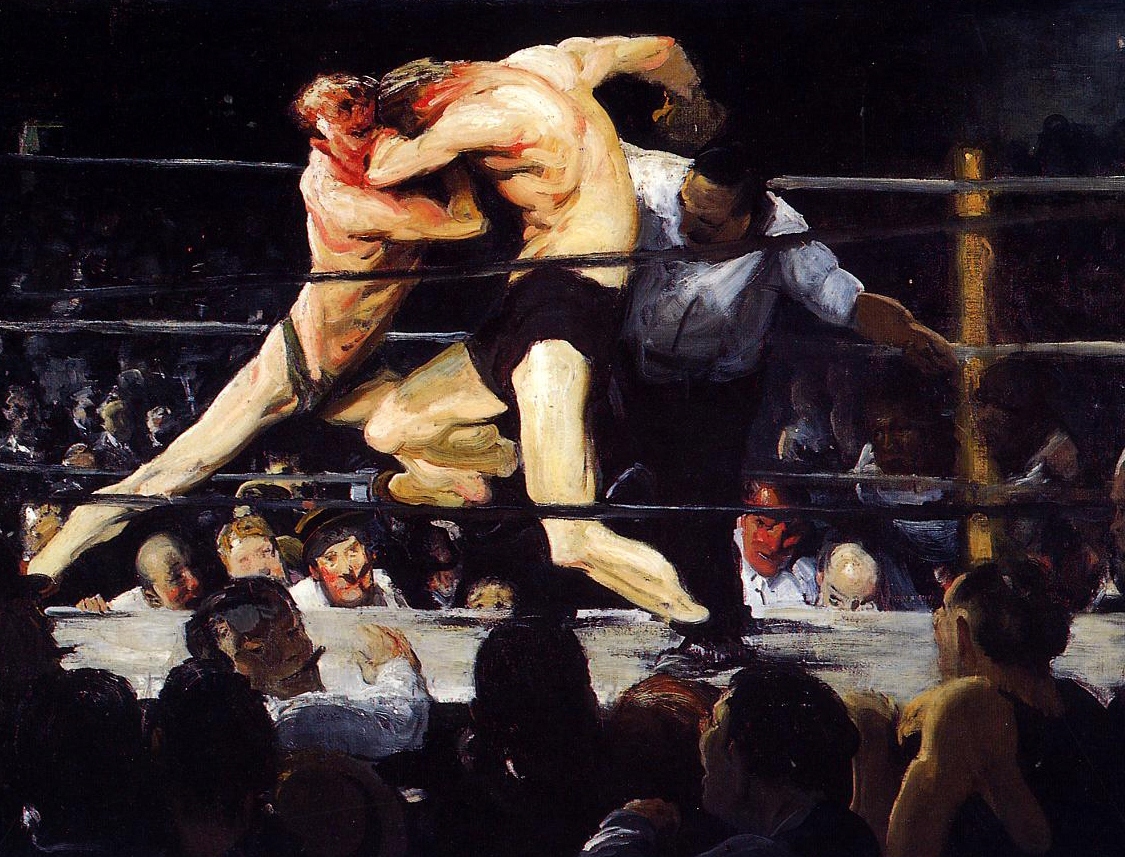
Bulging, twisting angry red bodies reminiscent of Francis Bacon’s cannibalistic, melting forms; great muscular bodies gripped in a violent embrace; long horizontal lines capturing the figures within an illuminated, elevated fighting platform; and a blood-thirsty zealous crowd, their faces hideously disfigured as they vie for blood, sweat and mighty great punches on their night out at the boxing ring – these are the captivating images of the 1900s boxing underworld for which the American artist, George Bellows, is renowned, and which form the focus of the Royal Academy’s new exhibition: George Bellows 1882-1925 Modern American LifeYet as the exhibition attempts to point out, Bellows painted much more than the poignant punches of his most famous images.

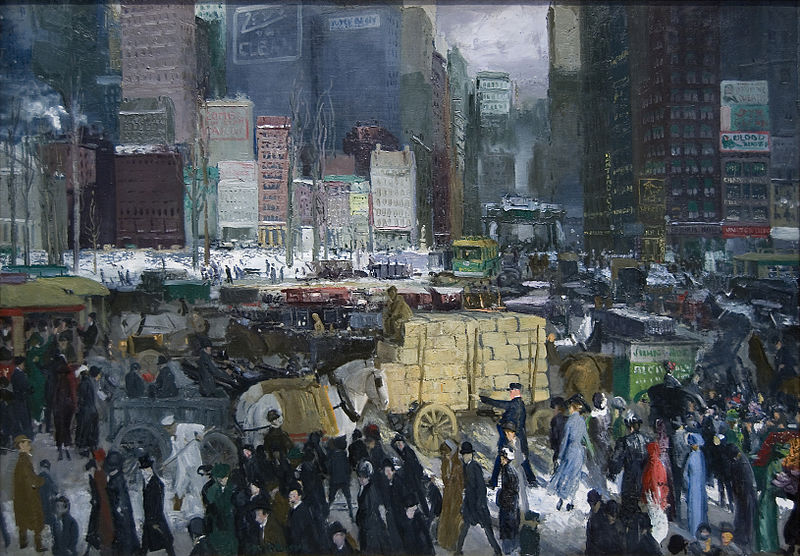
I wasn’t aware of Bellows before this show – and I excuse this gap in my art historical knowledge by virtue of the fact that this is the first Bellows retrospective to ever come to the UK, and because, to my knowledge, no or few Bellows works are held in the UK national collections. Moreover, while Bellows was a classmate of the much celebrated Edward Hopper, his career was much shorter – he died at a poultry 43, barely before he had ever got going. And yet the works which he did complete in his short life present us with an unparalleled view of turn-of-the-20th century New York, focusing on the many facets of a city in flux; from the gritty and sinister sweaty boxing underworld and the bustling expanse of Times Square, to the elegant perambulations of the richer citizens in out of town parks; from traumatic, emotionally intense depictions of war, to almost fantastical, saccharine scenes of picnics and fishermen in the outer countryside surrounding the city.

Club NIght (1907)

Club NIght (1907)

Stag at Sharkey's (1909)

Stag at Sharkey’s (1909)

It’s perhaps no wonder that Bellows was so undyingly fascinated by New York City. Coming from a comfortable middle-class Ohio background, he would have been unprepared for the extremes of the city when he arrived there at just 22 years of age. Yet falling under the influence of artist Robert Henri, who was his teacher at the New York School of Art and who encouraged his students to eject the idealised and sentimental depictions of life favoured by the art scene at that time, and instead pursue a more unique expression of reality, Bellows soon found himself seeking out the more insalubrious, undesirable quarters of the city, and there depicting some of his most renowned works, from groups of naked immigrants bathing in the city’s dirty rivers, and builders clearing vast blocks of the city to construct a huge new homage to the modern railway, to the great bustling, smokey squares of central New York, full of workers and citizens from every spice of life, and of course those wonderfully intense boxing masterpieces.

New York (1911)

New York (1911)

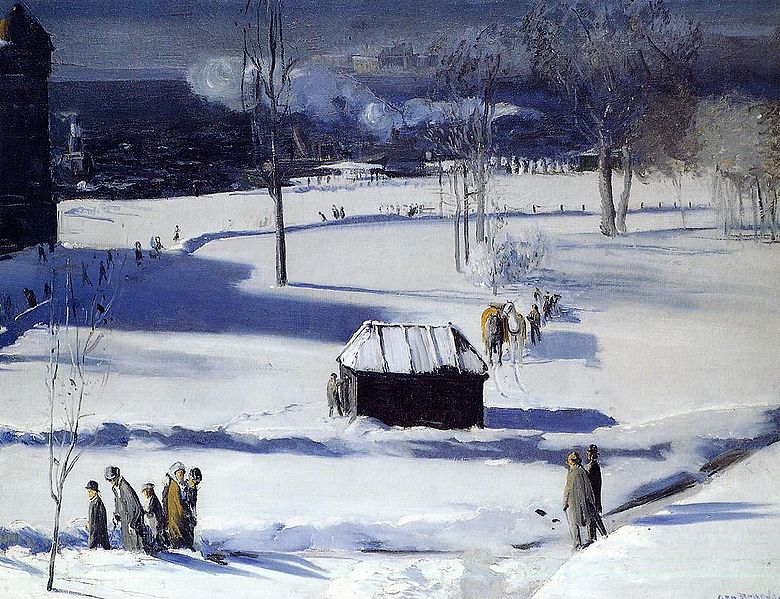
But Bellows did not limit himself to this harsher side of New York. Following his initial trawl through the unsavoury and illegal hangouts of the city, he soon moved onto depictions of a more civilised, elegant facade, with paintings of strolling couples, of elegant groups laden with white parasols and large sunhats picnicking out in the parks like something straight out of Seurat’s paintings of Paris, and of families walking out amongst snowy hills and landscapes. This is a changed side of Bellows, but no less fascinating to behold, not least because it somehow fits uneasily into the common perception of the New York of these times, and because, by comparison with Bellow’s earlier body of work, this happy, idle lifestyle appears almost reckless in its apparent disregard for the hardship of the real gritty city which lay at the heart of the nearby urban sprawl.

A Day in June (1913)

A Day in June (1913)

Summer Night, Riverside Drive (1909)

Summer Night, Riverside Drive (1909)

Blue Snow the Battery (1910)

Blue Snow the Battery (1910)

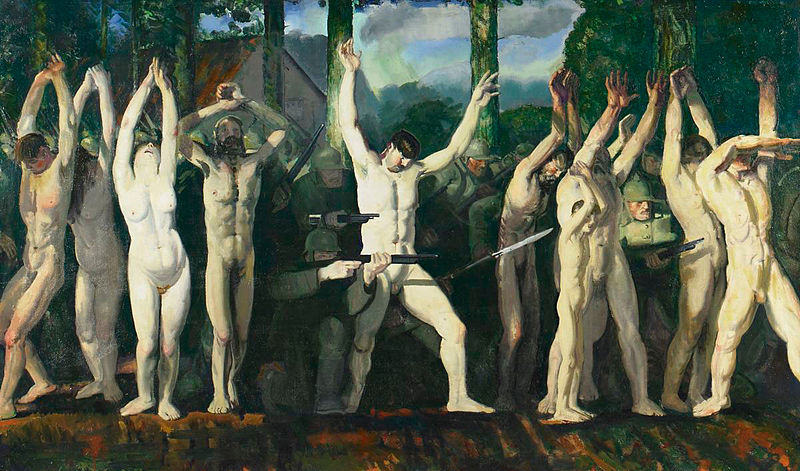
Yet for all his insightful depictions of a modern American life, perhaps the most captivating works of Bellow’s career were those which had no connection to America whatsoever: At the centre of the exhibition are Bellow’s depictions of war, works inspired by the horrors of the First World War in Europe which Bellows had read about in the American press. All five resulting paintings, four of which are on show at the Royal Academy, are conspicuously anti-German, showing the Germans in a devastating light as the perpetrators of previously unseen levels of horrific savagery, such as the Massacre at Dinant which depicts the unprovoked, summary execution of Belgian civilians following the sacking of their town which stood in neutral territory, and The Barricade, which shows the Germans using Belgian innocents as a human shield. The paintings are emotive, powerful and really quite breathtaking.

Massacre at Dinant (1918)

Massacre at Dinant (1918)

The Barricade (1918)

The Barricade (1918)

The Germans Arrive (1918)

The Germans Arrive (1918)

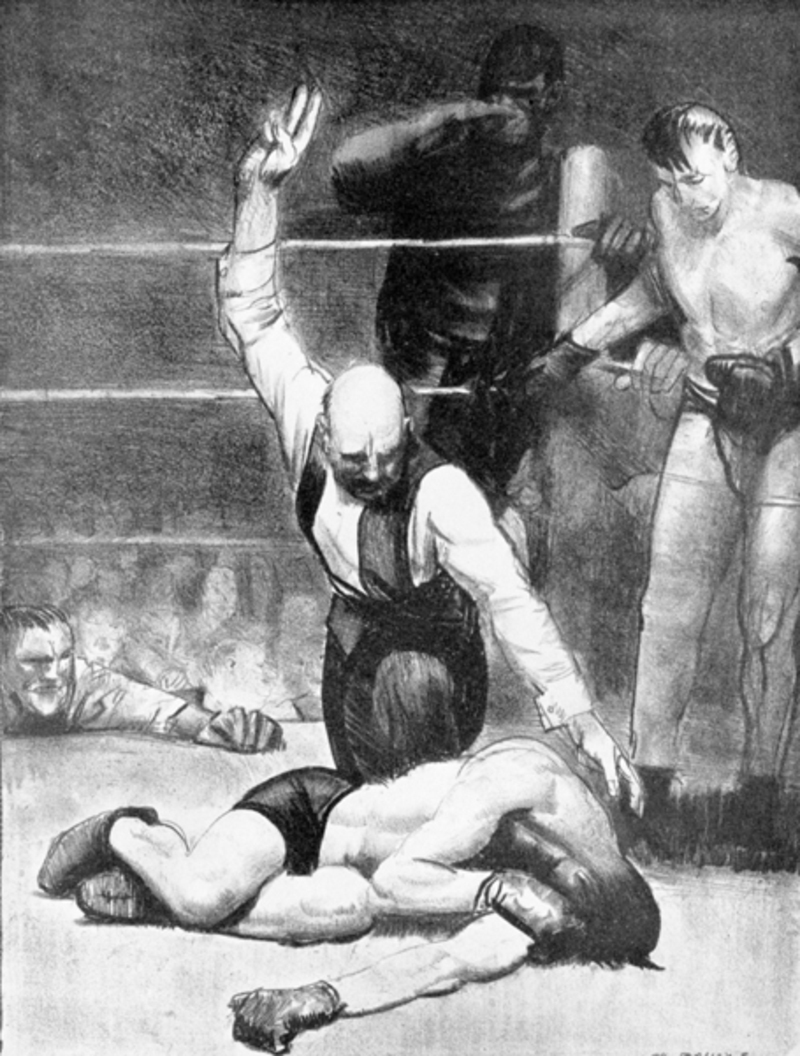
Likewise exceptional was the next room showing Bellows lithography – his brilliant printworks which were likewise used to stunning effect in depicting similarly shocking scenes such as The Law is Too Slow which shows an African American being burnt alive at the stake while surrounded by an apparently calm, even entertained crowd of white Americans. In his print works, Bellows shows himself as a master printer – he uses dark and light to maximum effect, while his faultless illustration of flesh tone in the print version of his later boxing scenes easily outstrips the paintings of the same subject.

The law is too slow (1922)
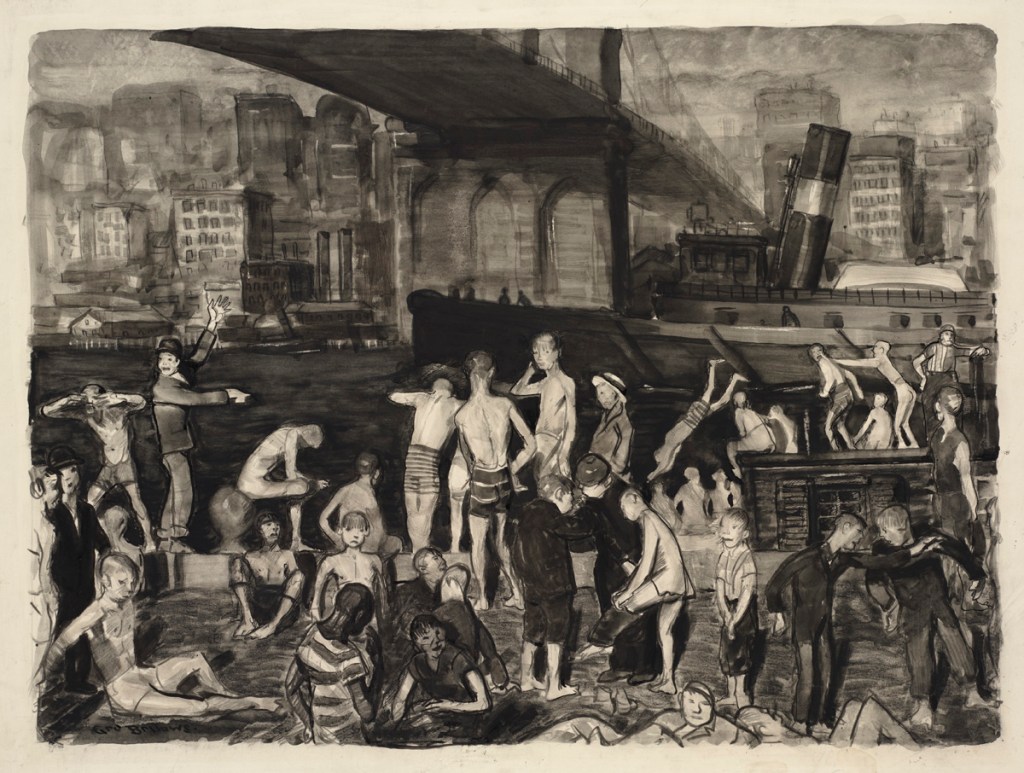
The law is too slow (1922)

Splinter Beach (1912)

Splinter Beach (1912)

Counted Out No.2 (1921)

Counted Out No.2 (1921)

After this highpoint of the show, the exhibition ends on something of a low in a gallery of overly insipid, saccharine fantastical depictions which look almost Chagall-like in style and appear to represent an uncomfortable diversion from Bellows more intense former work – even his later boxing paintings have nothing like the level of intensity as his boxing works painted 15 years before. The gallery is full of twee and sometimes stiff family portraits which resemble the work of Manet but without anything close to his emotional depth, as well as landscapes which are so excessively sentimental with their white horses and picture-perfect symmetrical mountain landscapes that Bellows’ former teacher, Robert Henri must have been turning in his grave – or at least would have done had he not outlived Bellows.
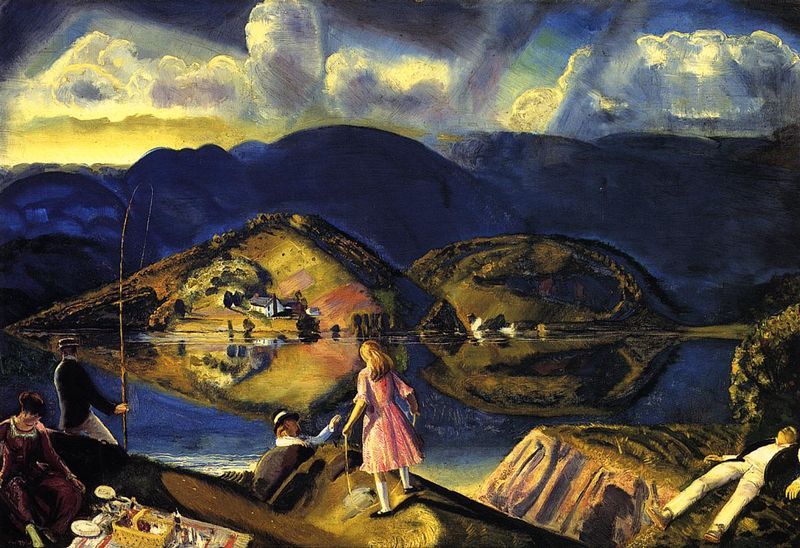
The Picnic (1924)

The Picnic (1924)

The White Horse (1922)

The White Horse (1922)

A Fisherman's Family (1923)

A Fisherman’s Family (1923)

George Dempsey and Firpo (1924)

George Dempsey and Firpo (1924)

For George Bellows died shortly after depicting these more sugary of his works, suffering from a sudden ruptured appendix and peritonitis. His career was one cut short, but perhaps just in time before his later My Little Pony style of painting threatened to overshadow the truly superb achievements of his former body of work; an oeuvre which now stands out, next to the likes of Edward Hopper, as a truly unique collective depiction of modern American life.
George Bellows: Modern American Life is on at the Royal Academy until 9 June 2013. Details and tickets can be found on the RA website.