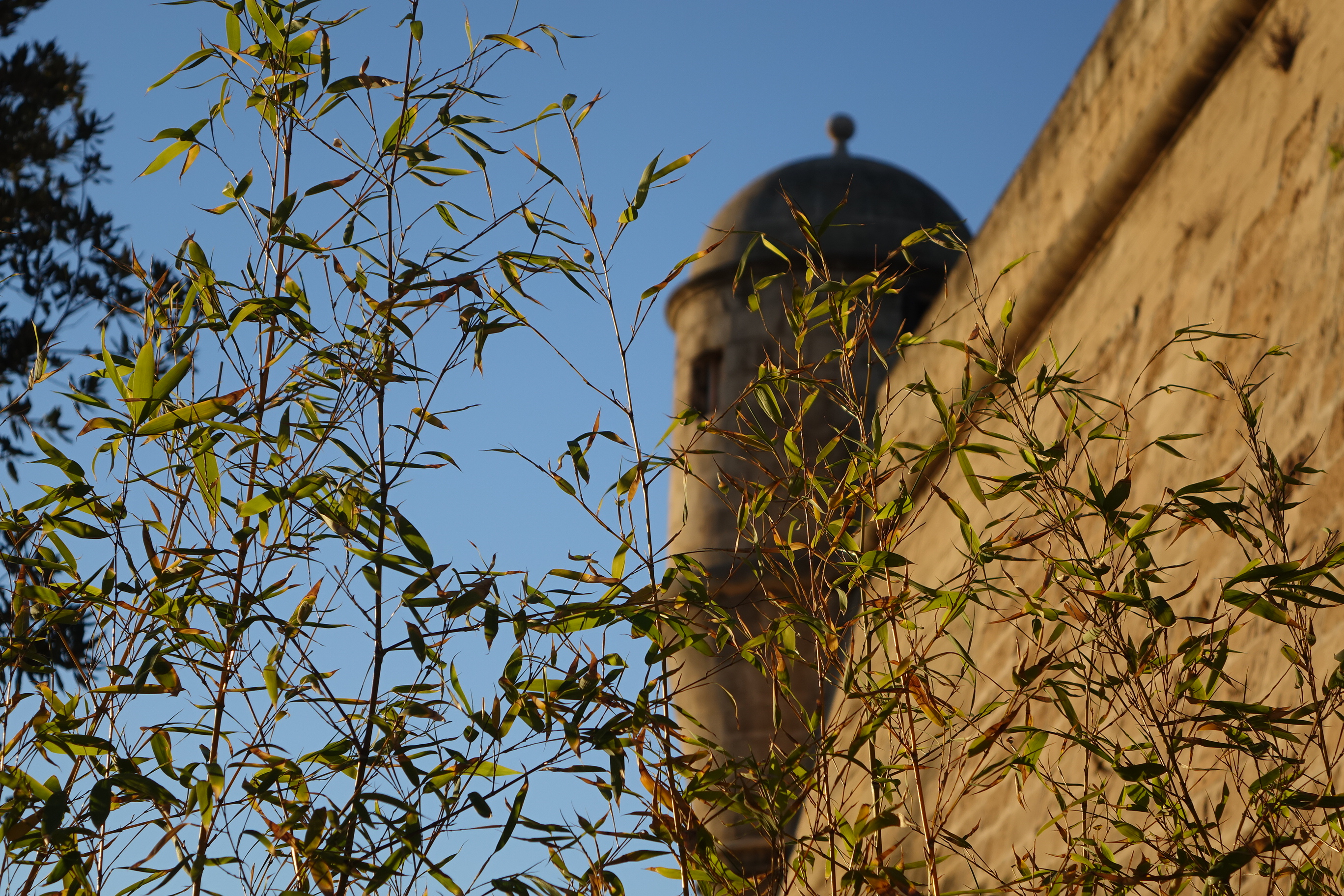
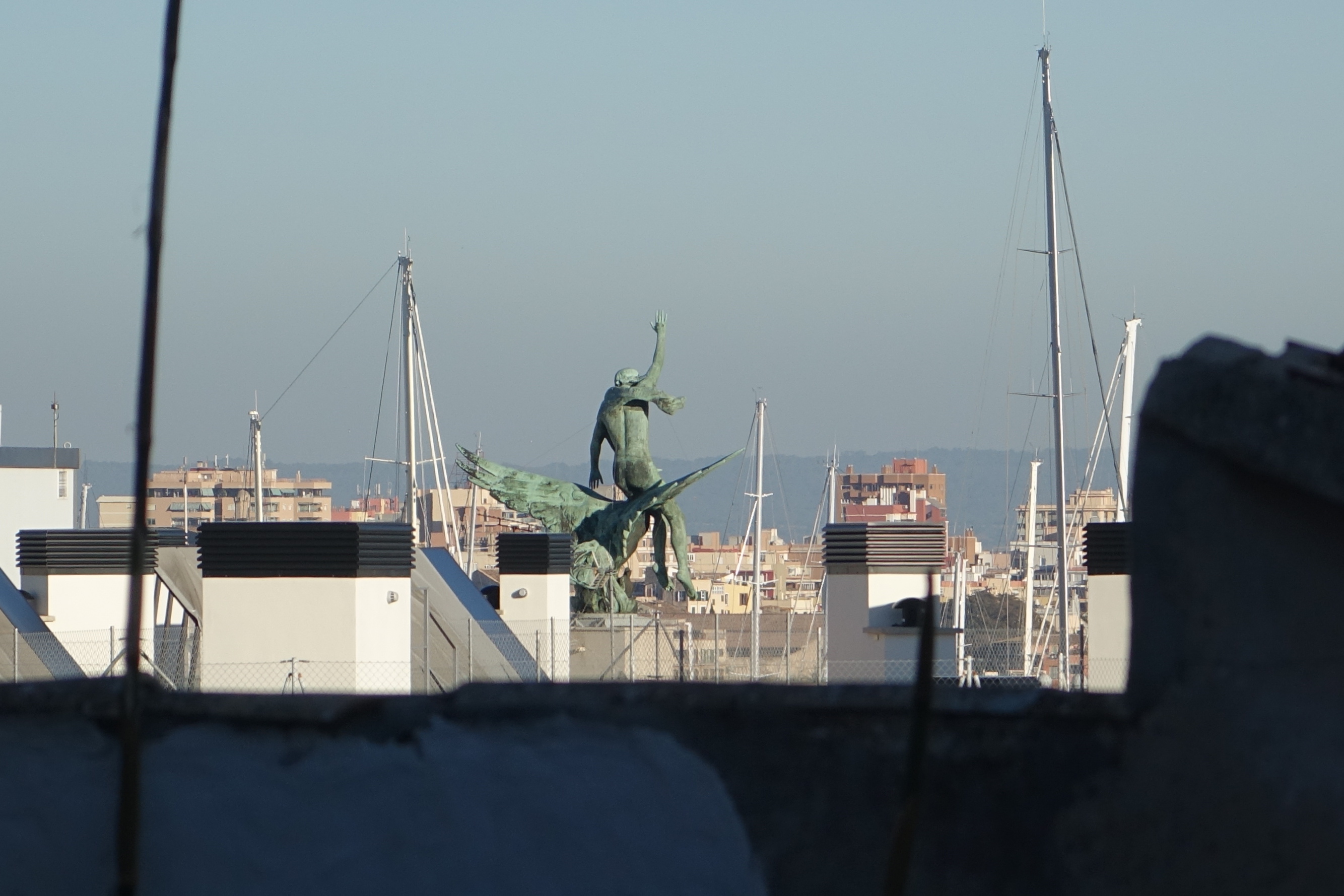
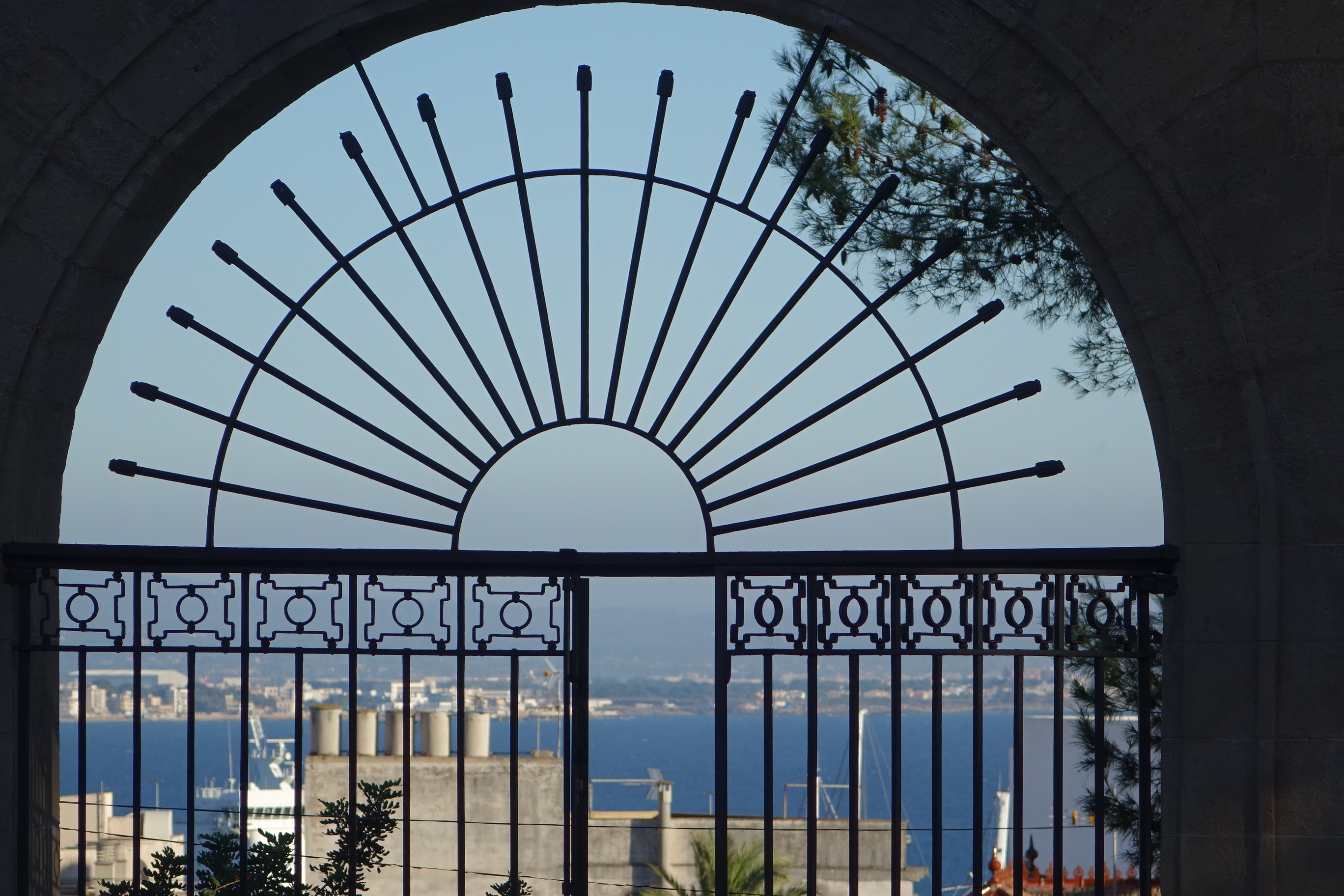
Skip to content

Posts tagged ‘History’

Hampton Court Palace, Part 2: Bipolar Palace

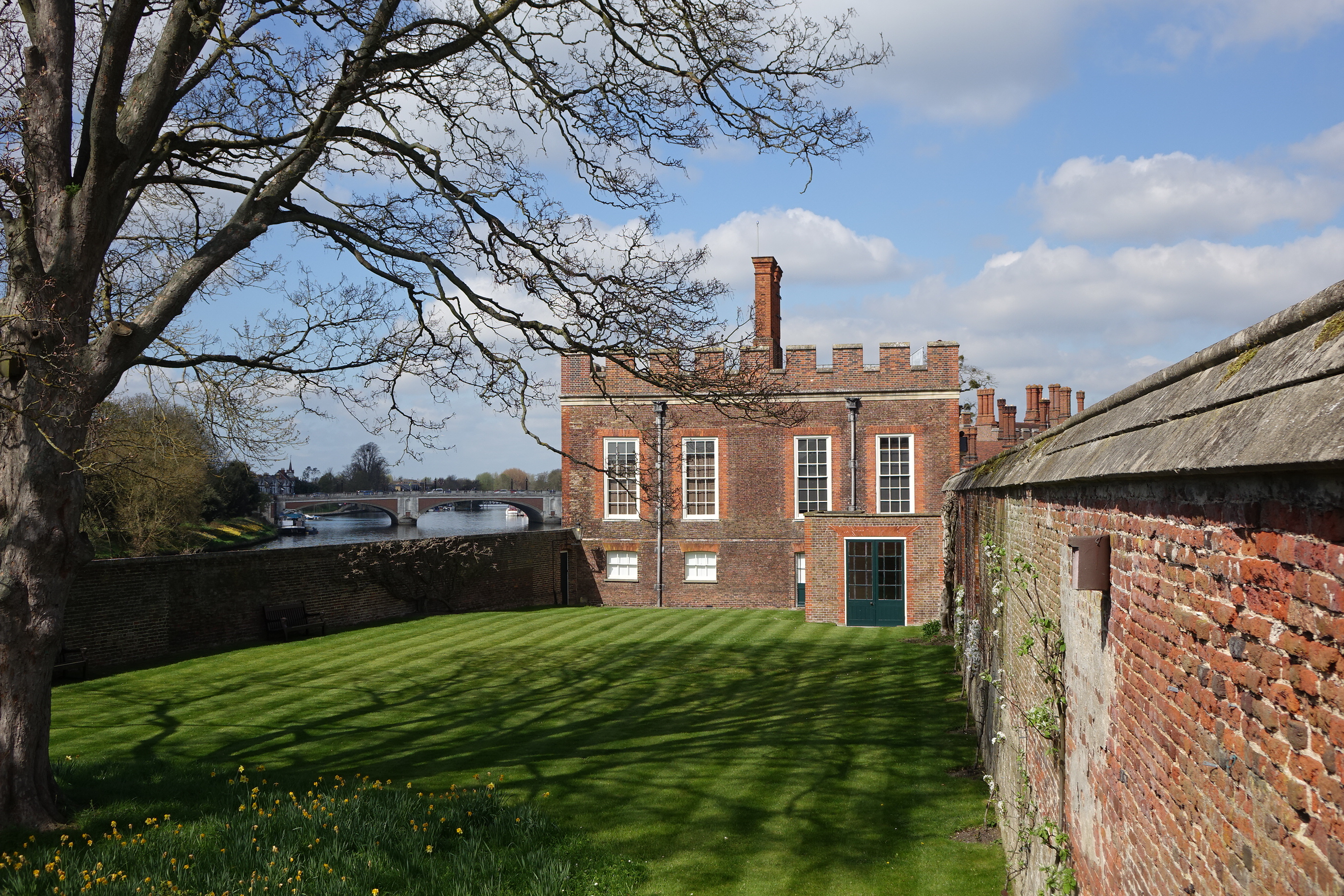
For me, Hampton Court Palace is all about its gardens, or at least it certainly was when I visited, and outside the fragile glass which history has maintained within the ancient woodwork of the Palace’s hundred-fold windows, the sun shone with a rare early glimpse of British Summer in Spring. Yet there is something unapologetically festive about the hallowed halls of the Tudor-come-Baroque palace, which I’m sure on a colder day would be all the more enchanting. For Hampton Court Palace has the power to ensnare like no other.

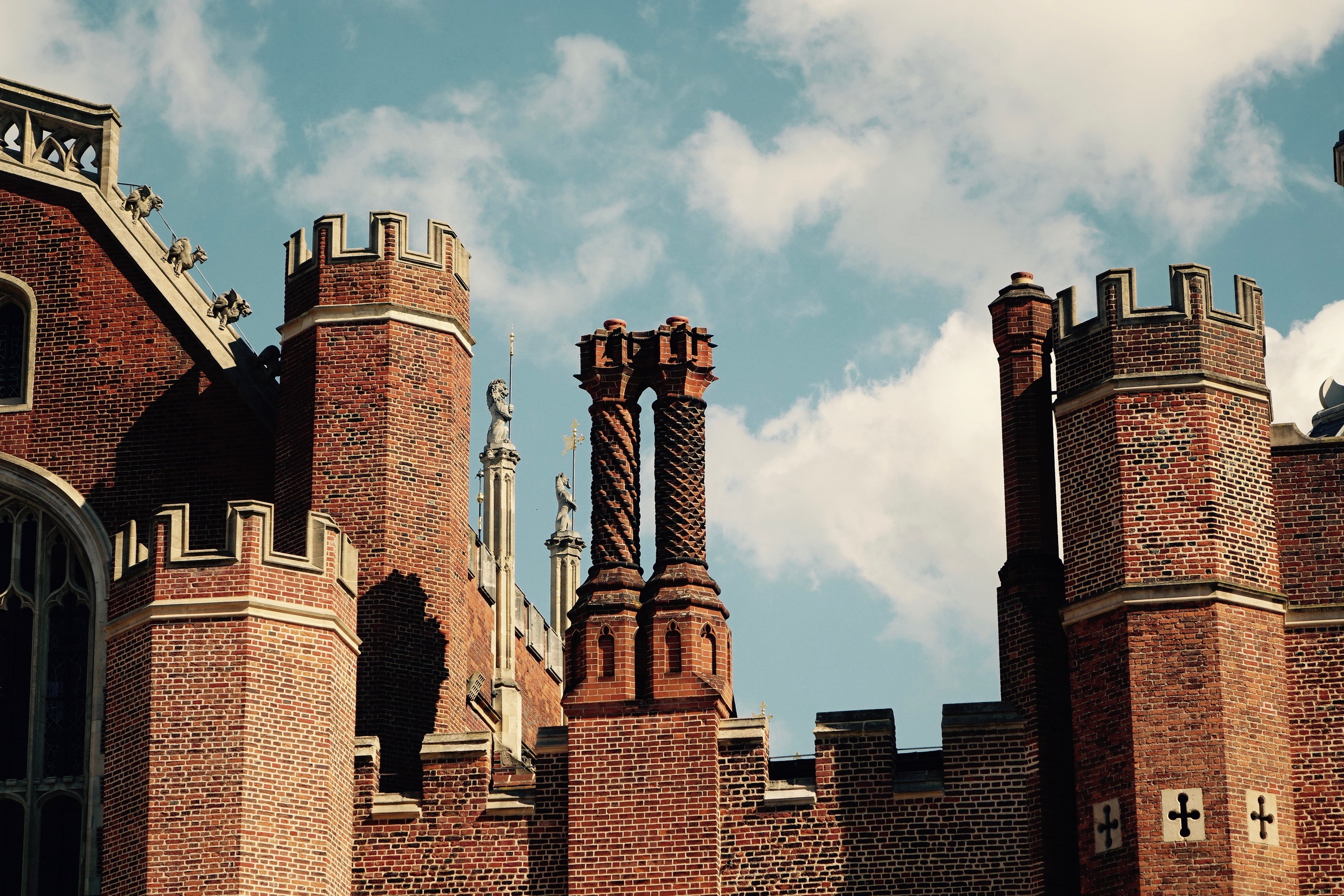
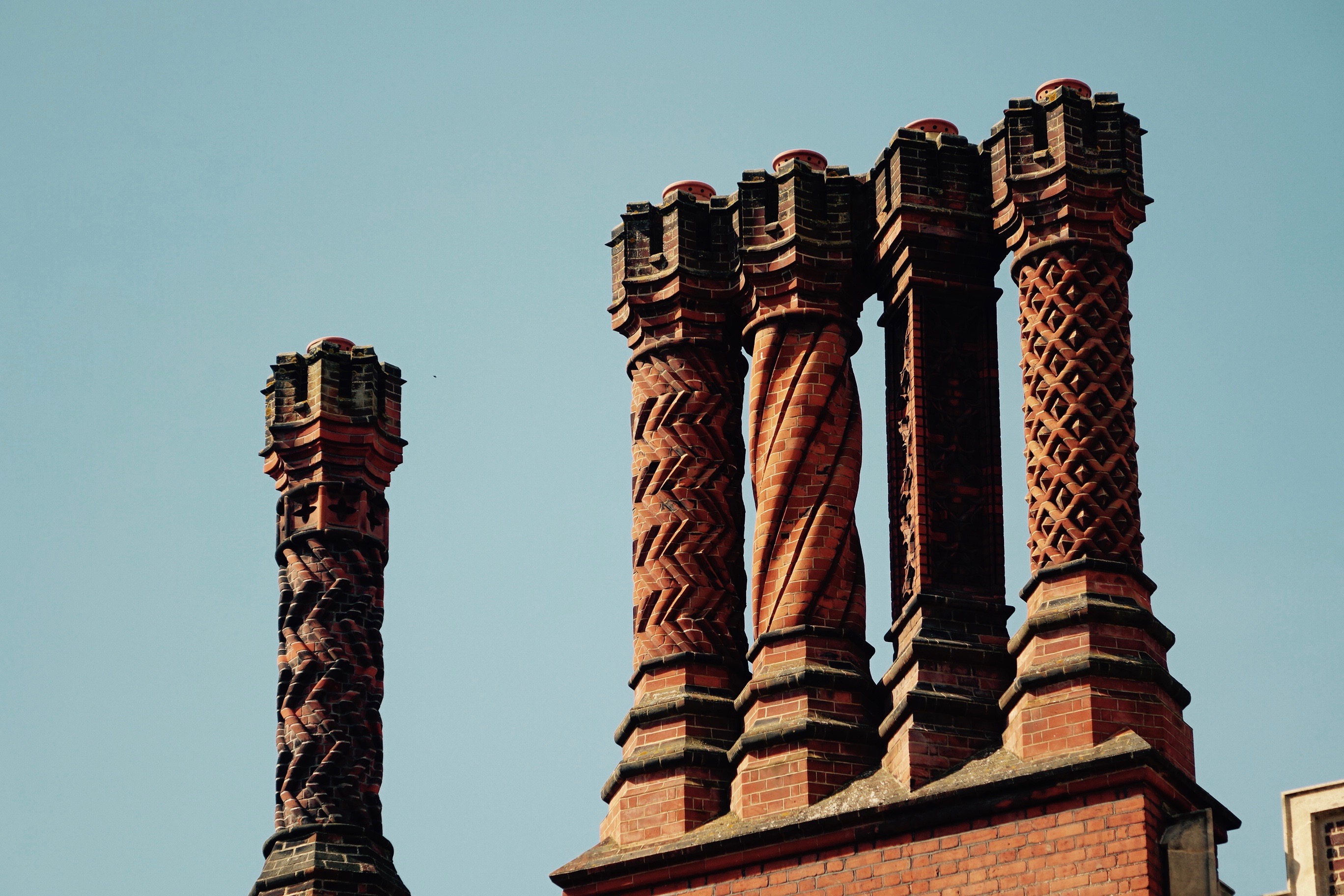
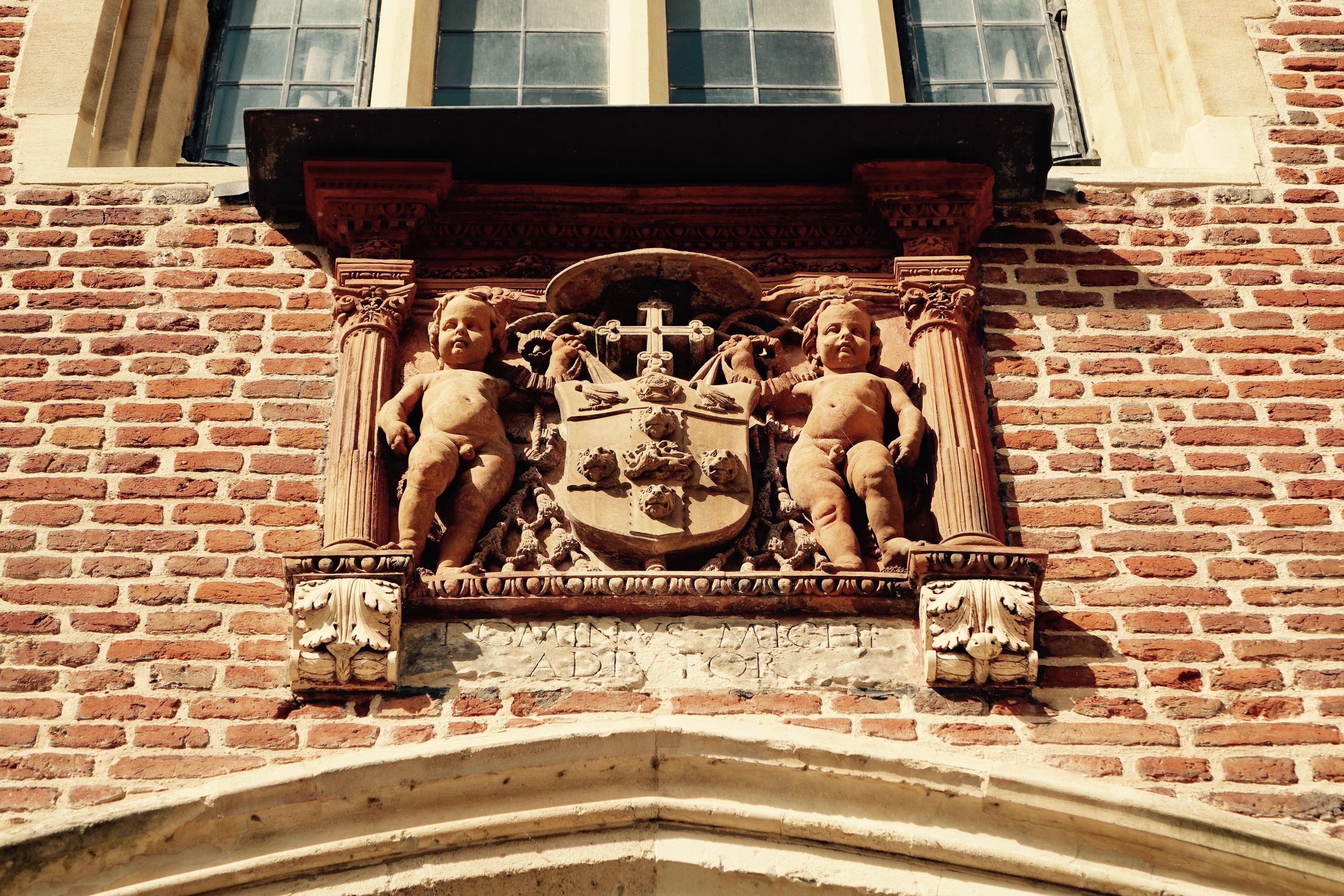
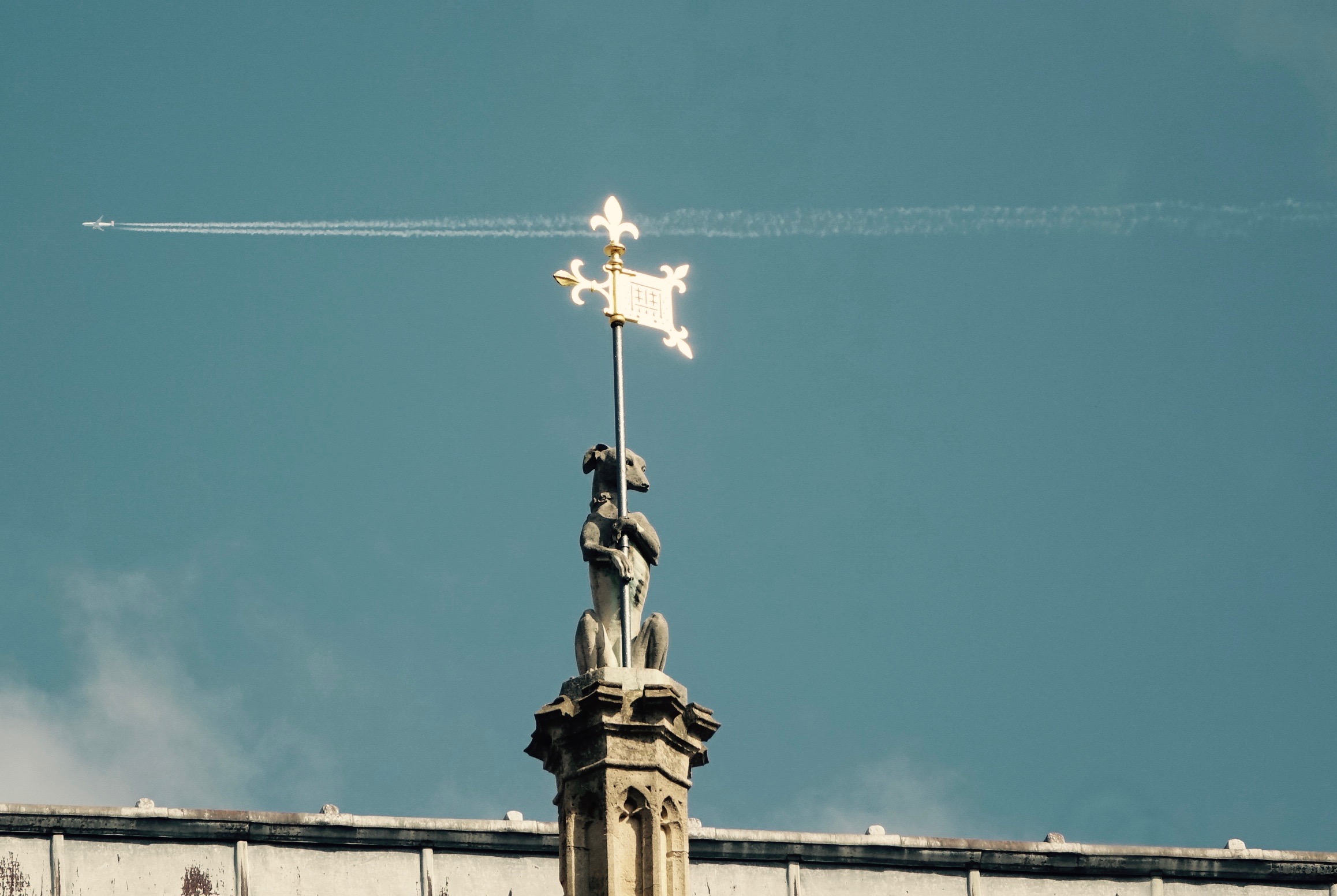
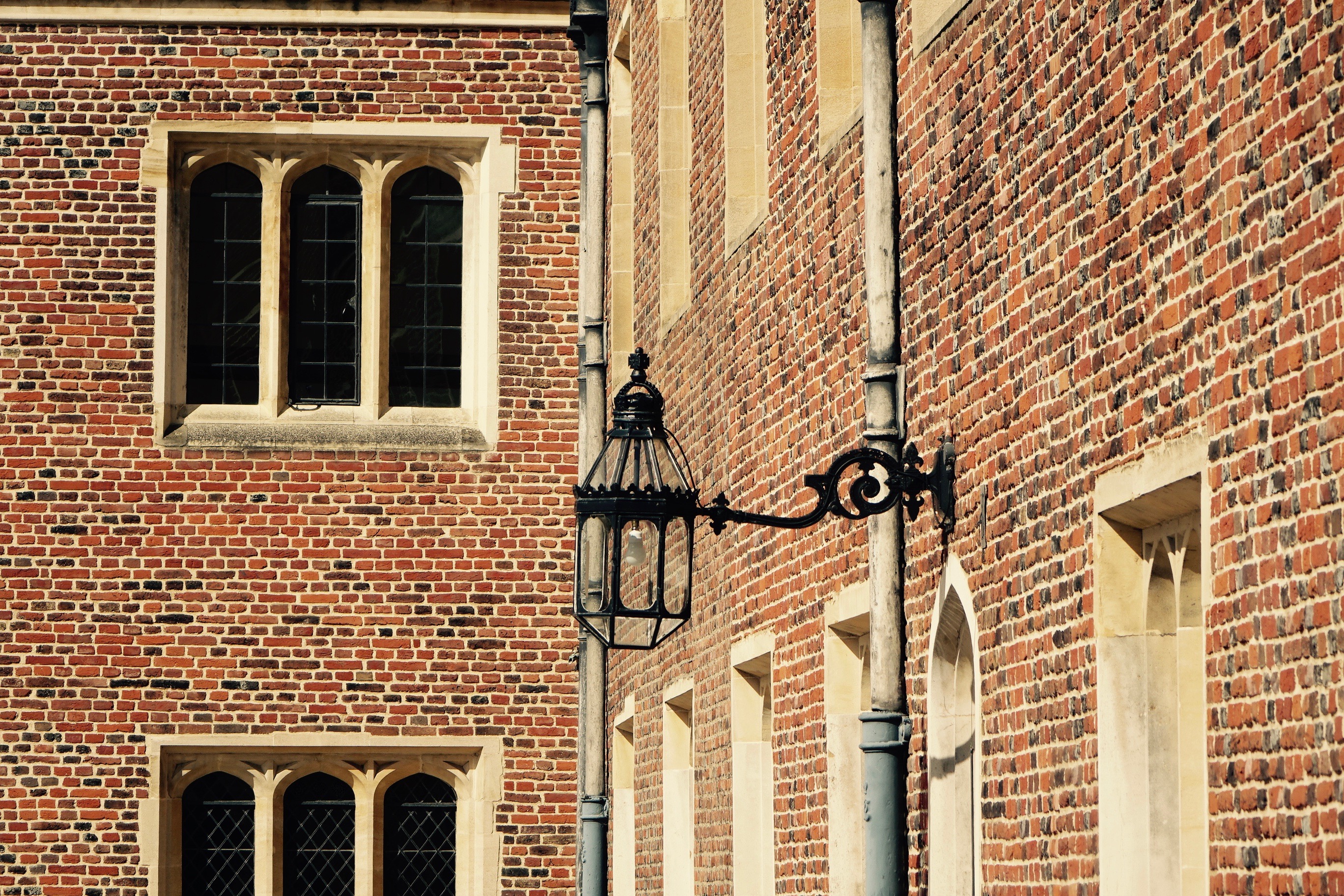
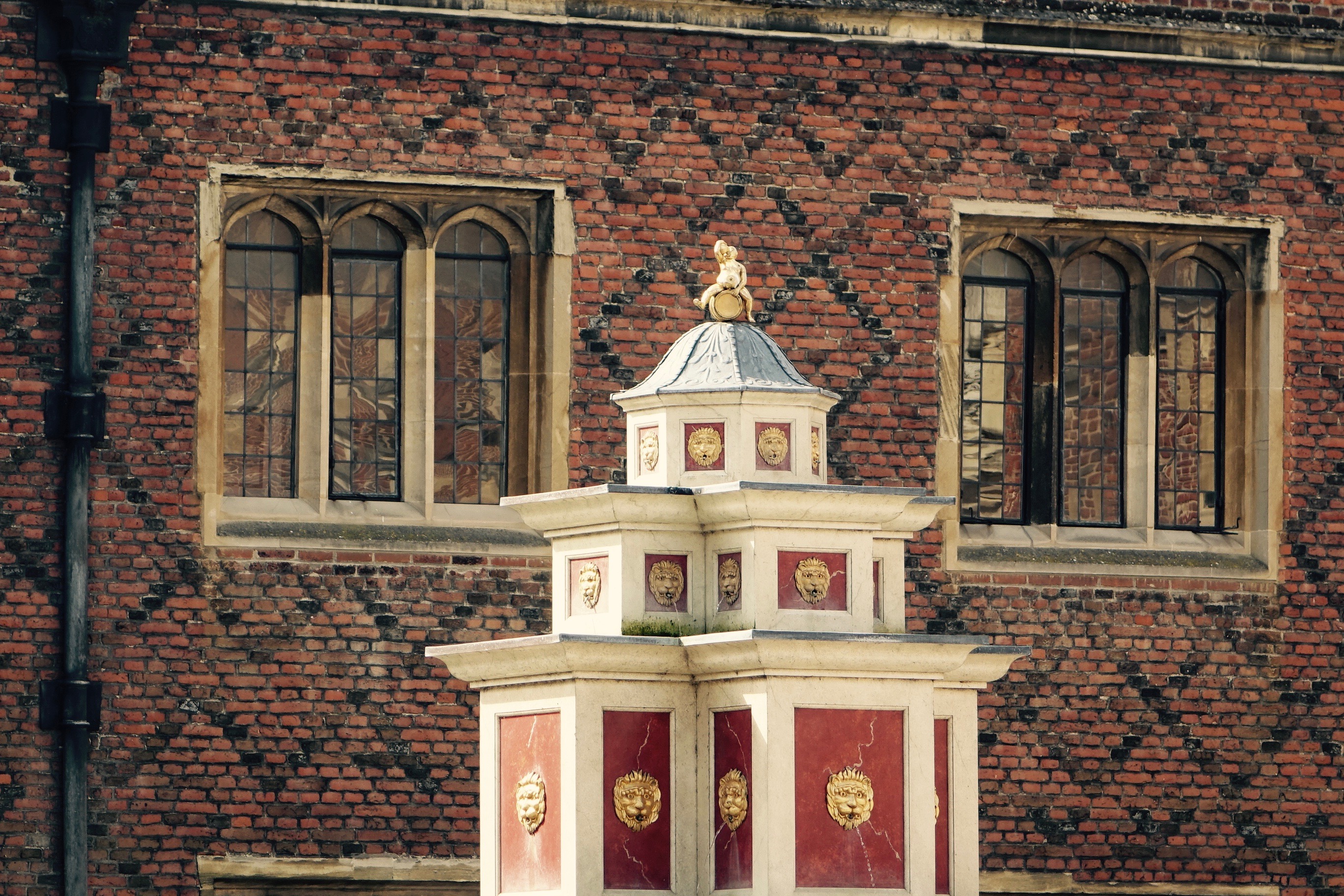
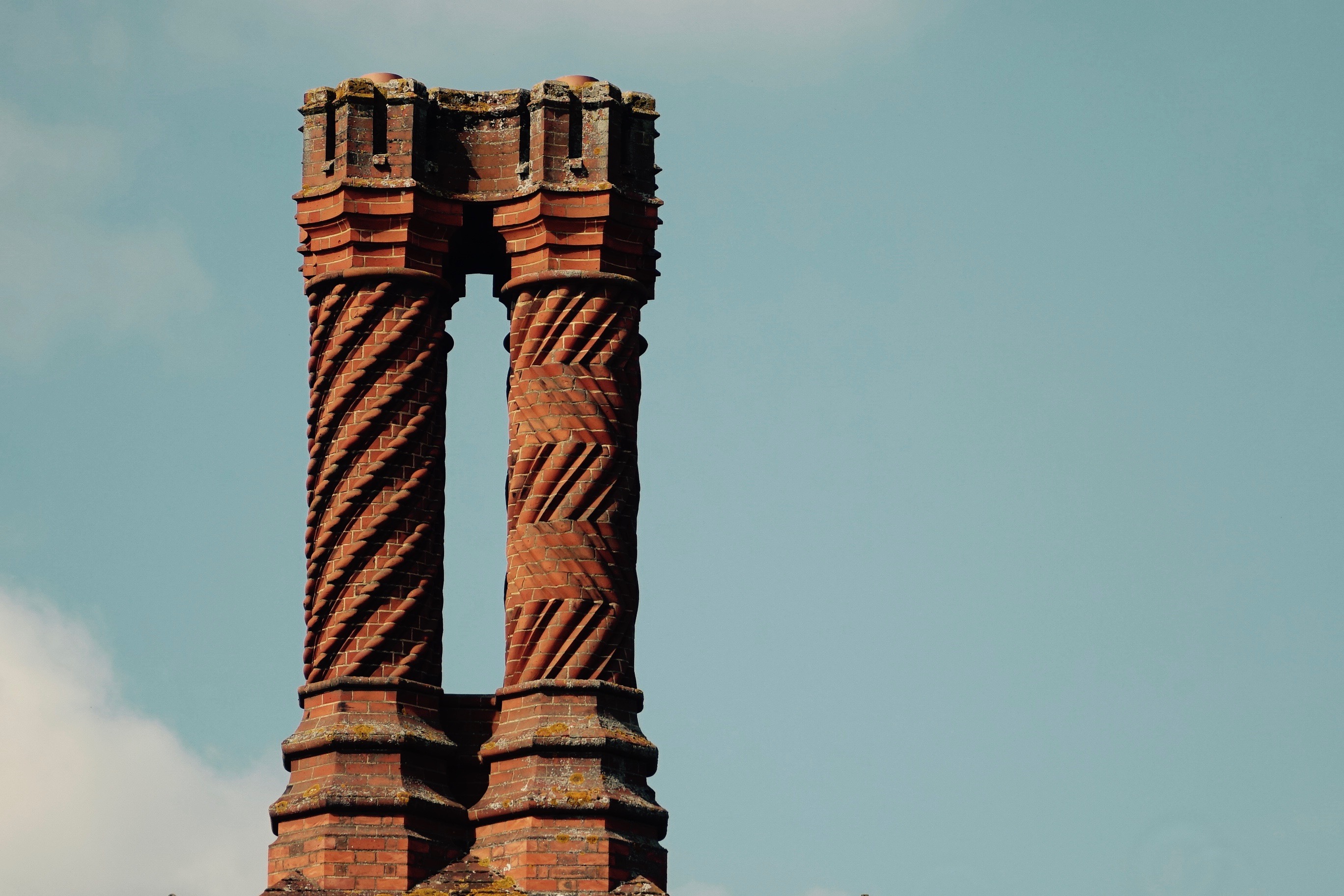
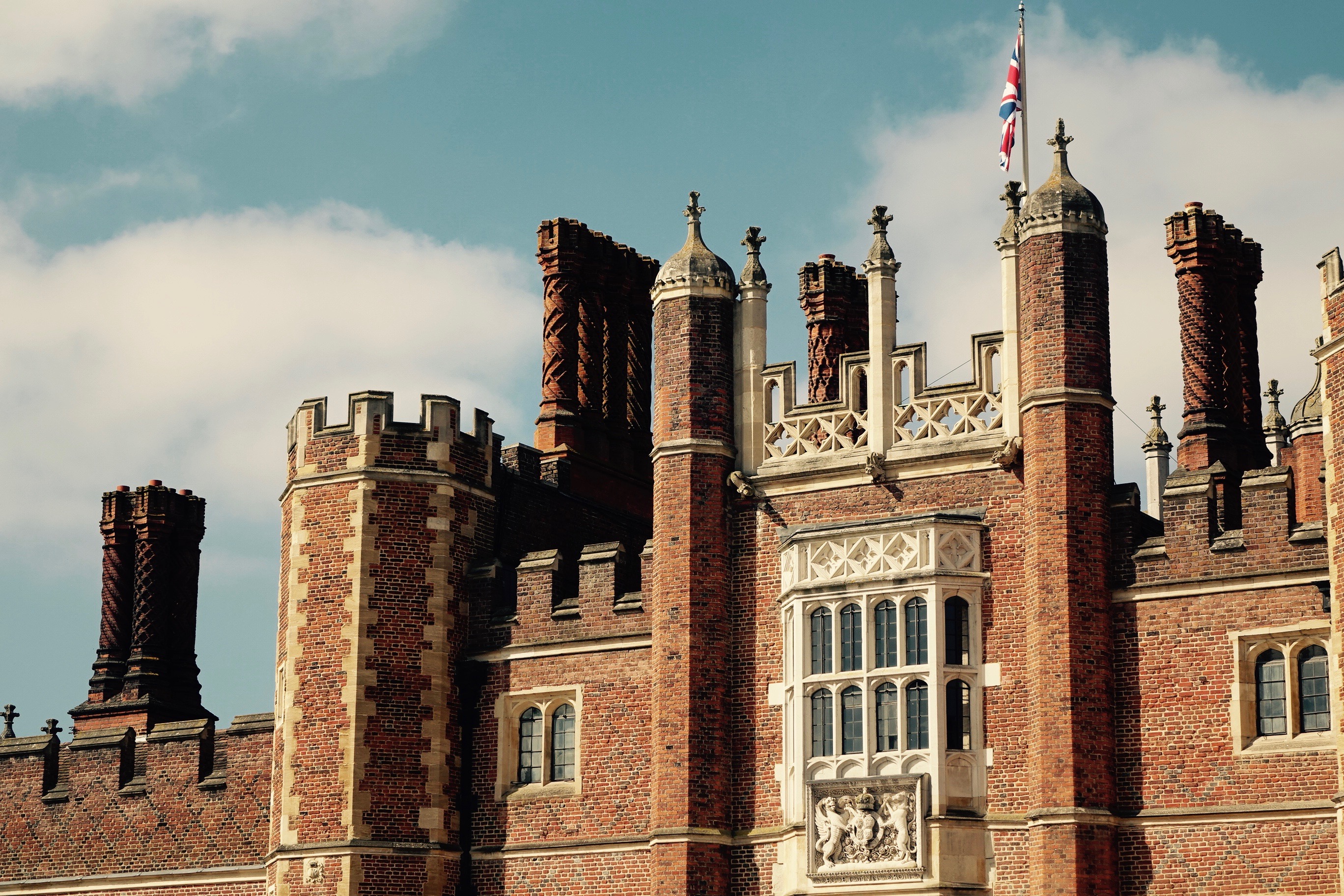
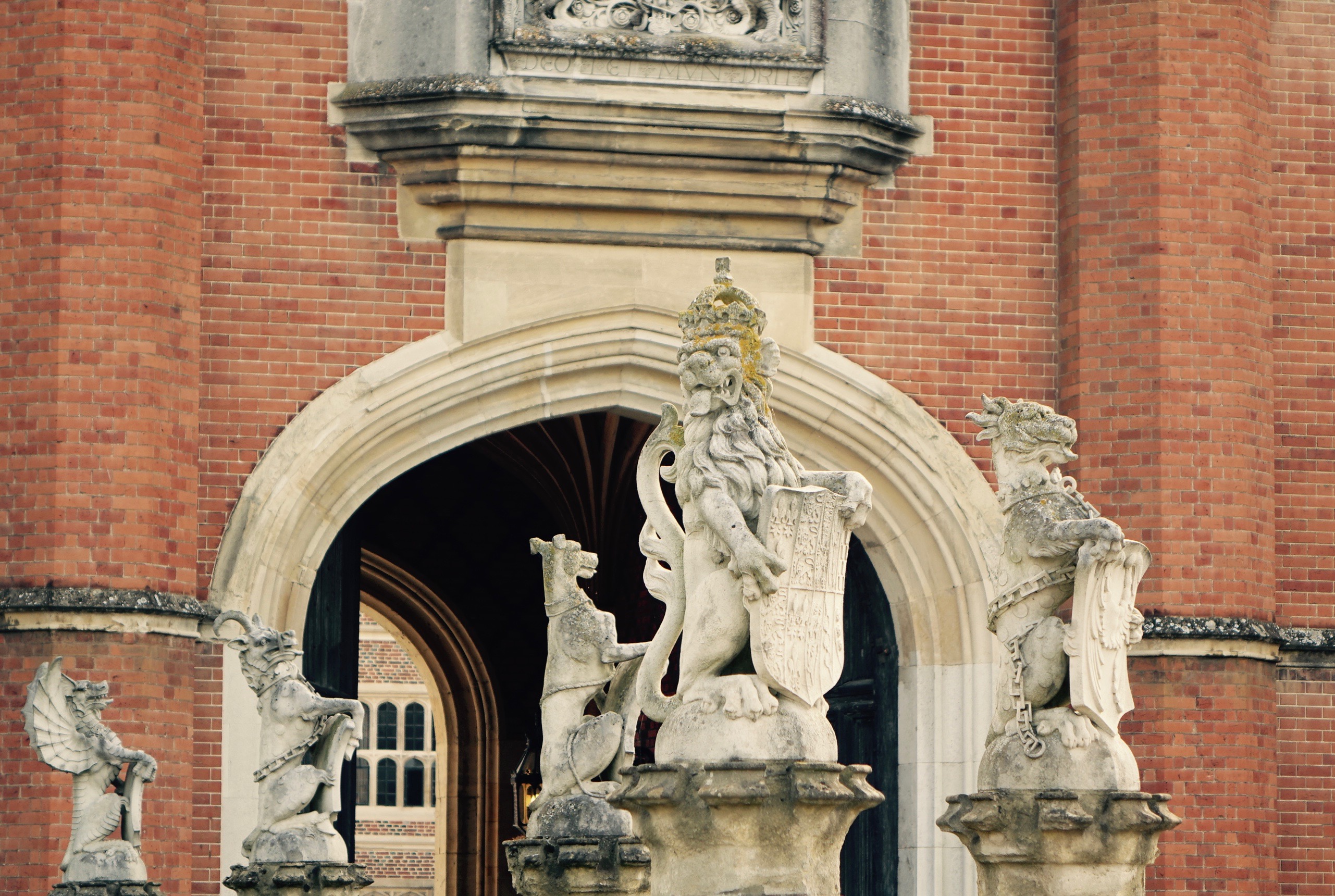
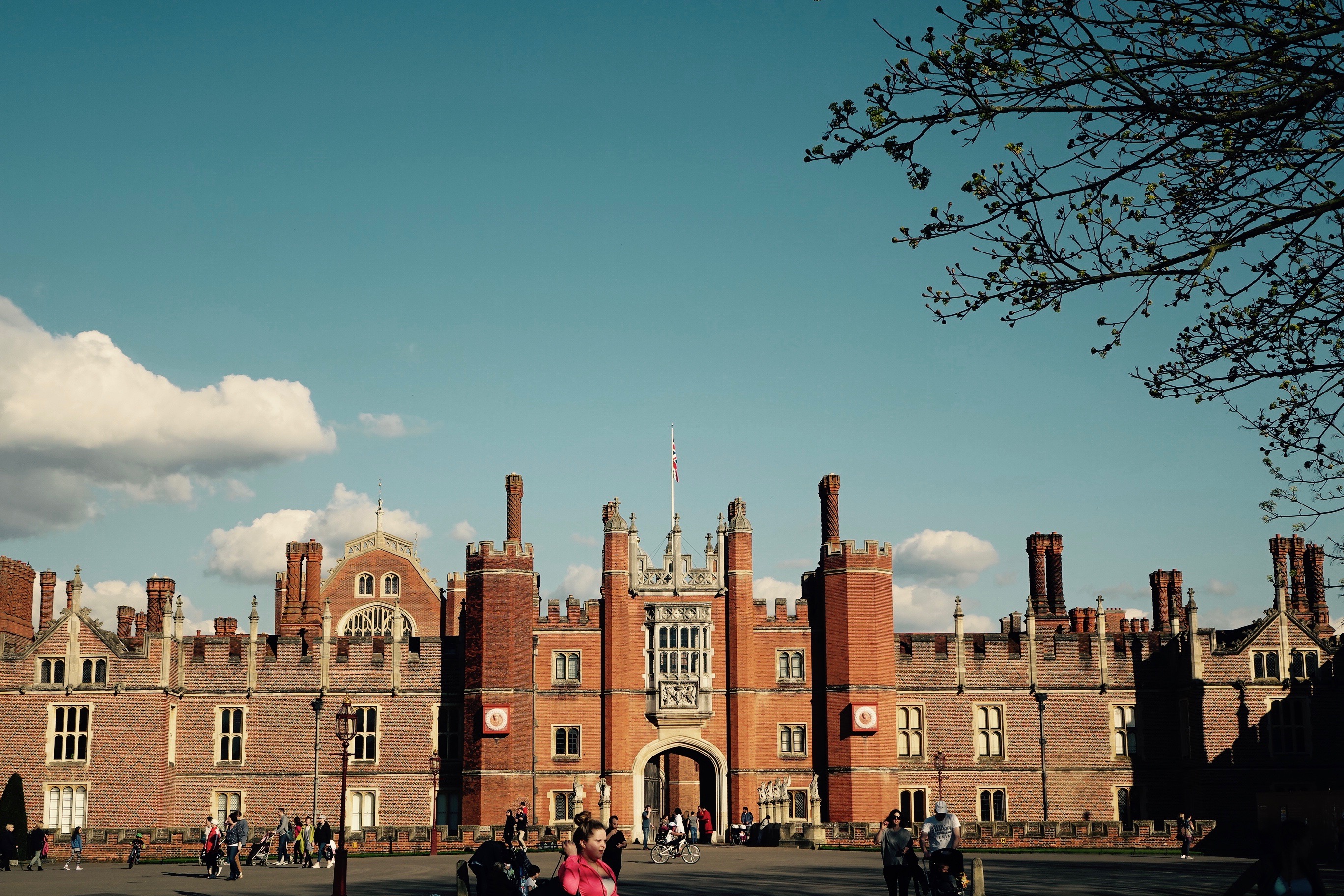
Tudor exteriors
DSC08136DSC08090DSC07987DSC07832DSC07731DSC07736DSC07725DSC07732DSC07729DSC07727DSC07726DSC07709

First it is characterised by the glamorous myth which surrounds the British Tudor Dynasty. Whether it be the 6 wives of Henry VIII who were either divorced, beheaded, died (naturally) or survived, the great religious schism triggered by Henry’s thirst for a male heir, the very bloody Queen Mary, or the flame-haired majesty of England’s favourite Queen, Elizabeth I, the Tudors are the stuff of legends, not just in English classrooms, but around the world. Seen as the very archetype of Britain in the Middle Ages, Hampton Court Palace was, and remains, the backdrop of that tumultuous time, and today its walls literally echo with wealth of that history, ghosts and all.

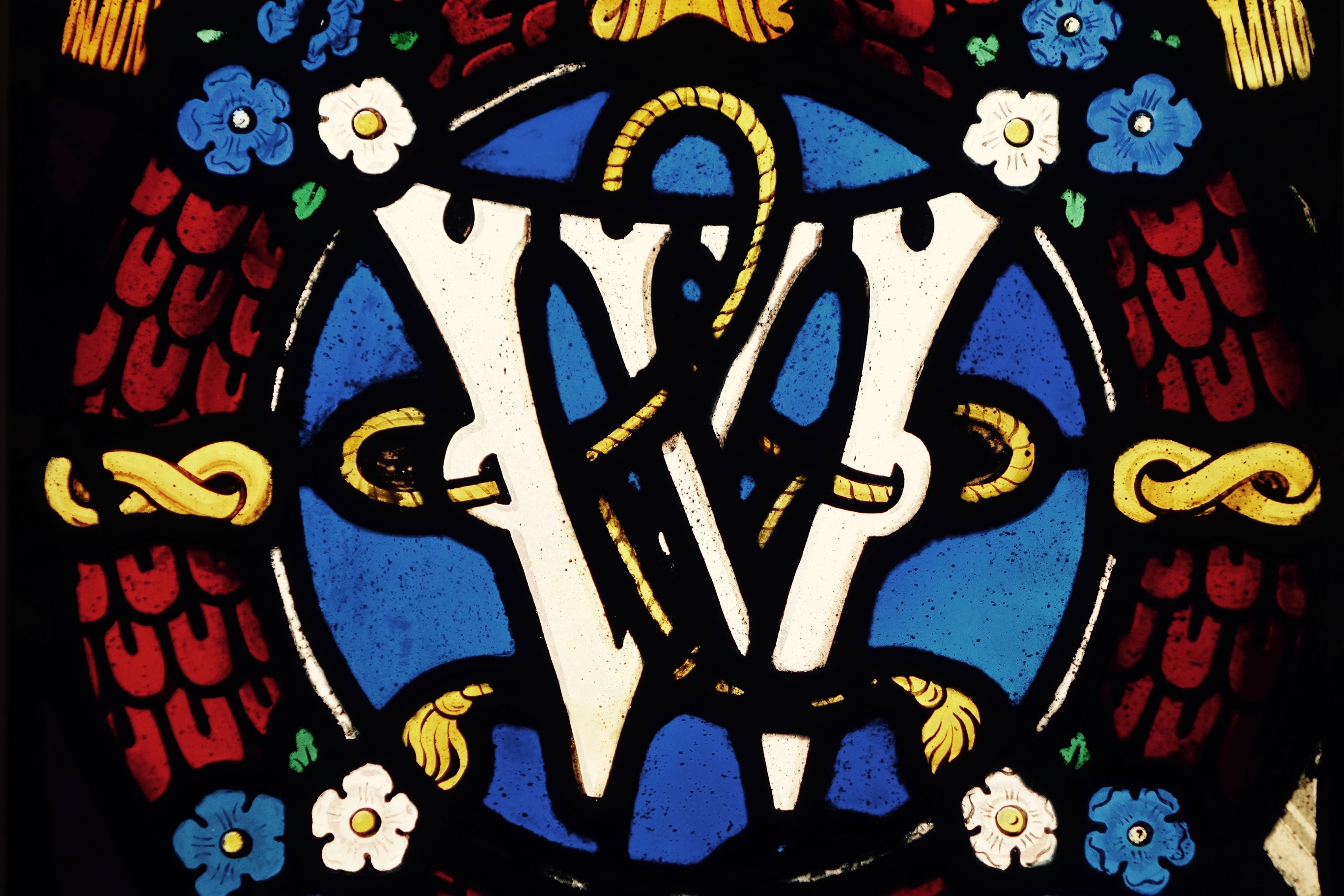
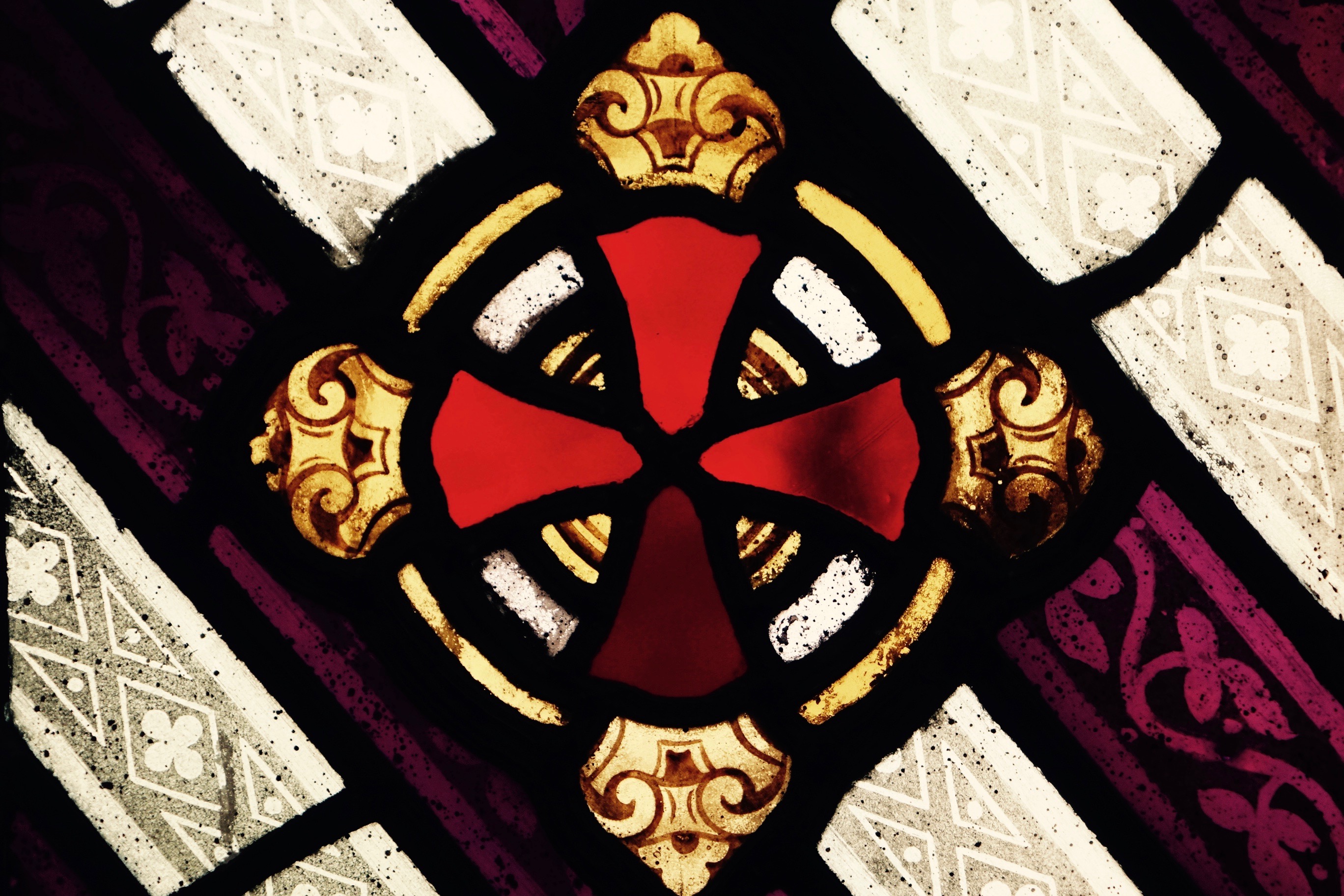
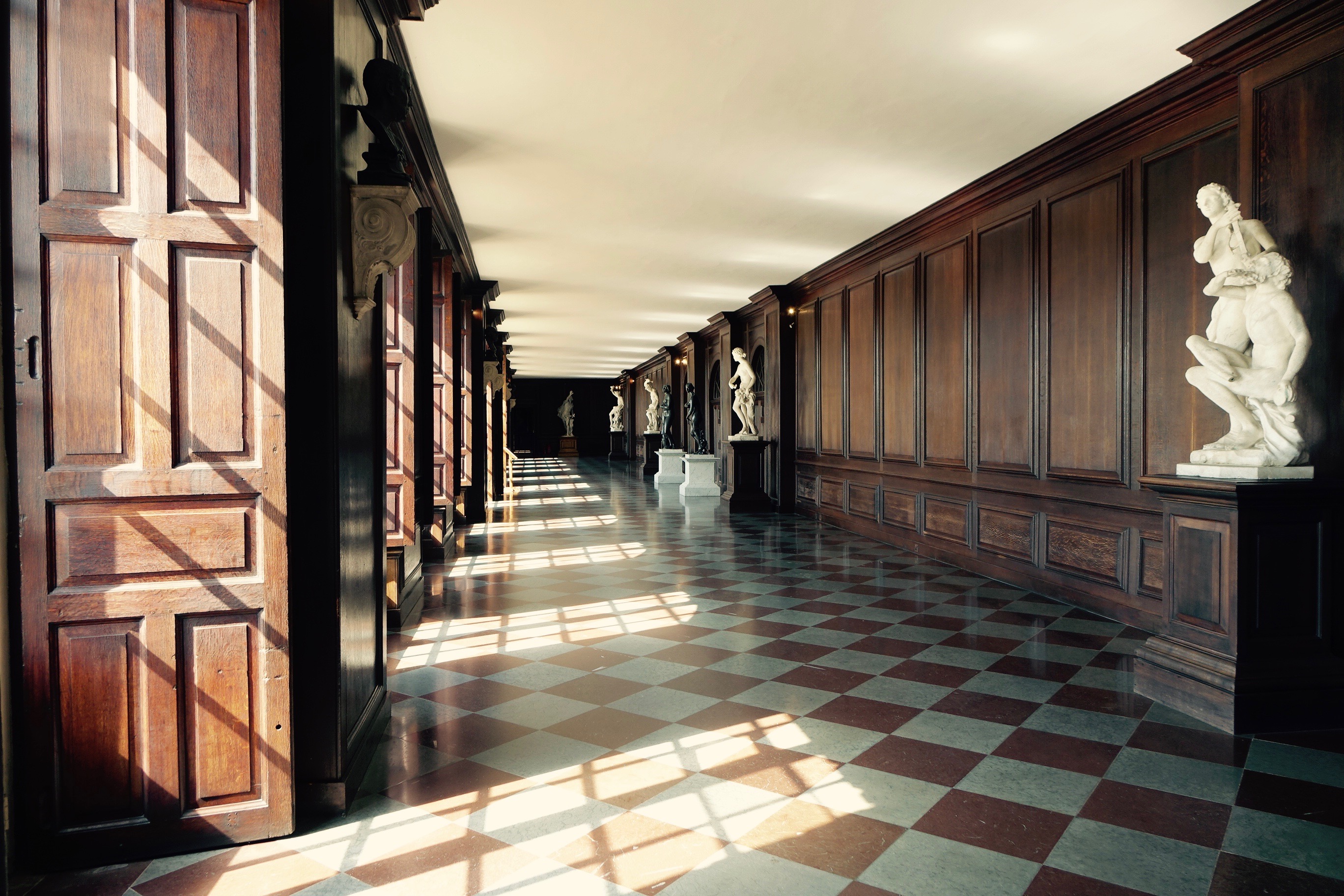
Tudor interiors

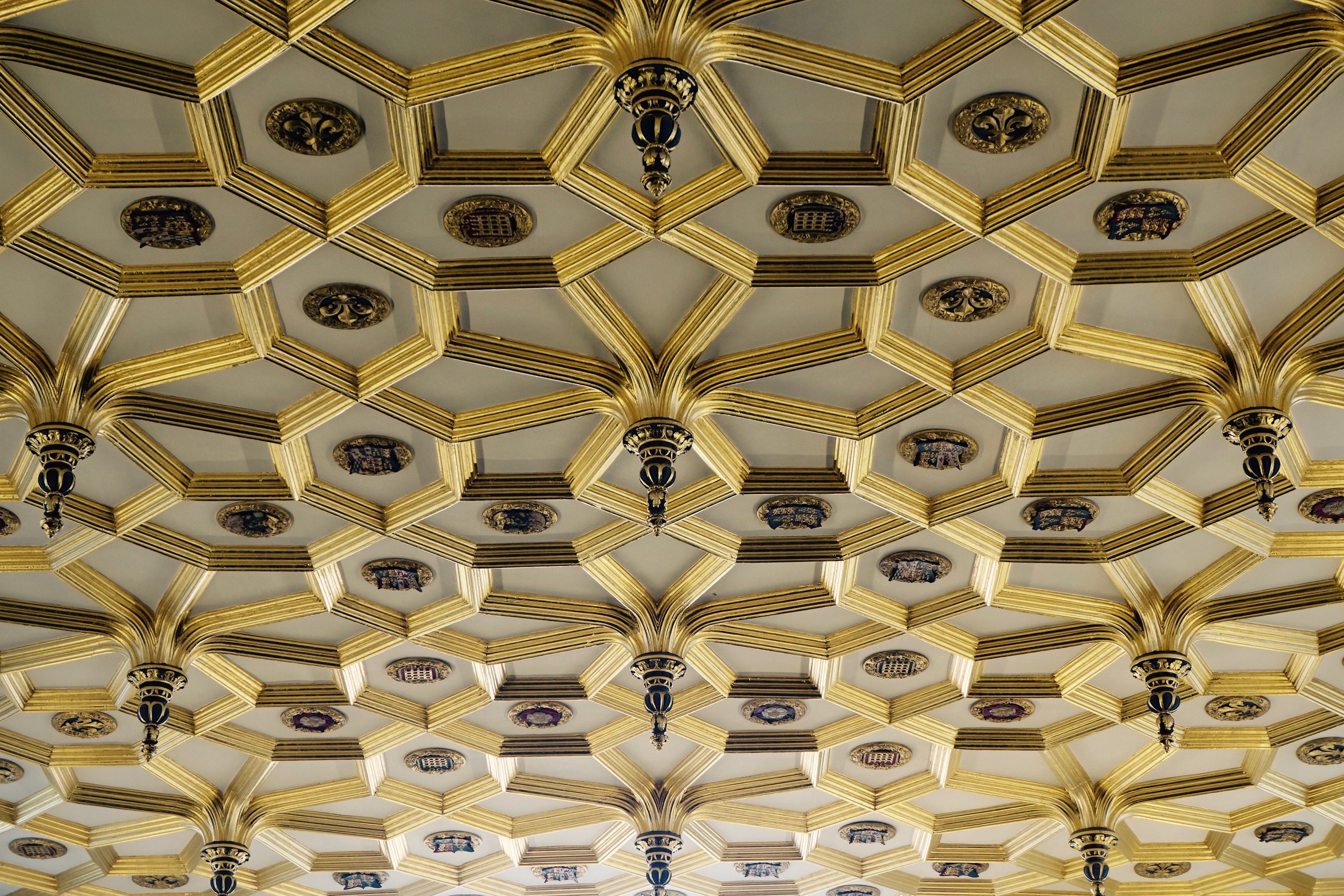
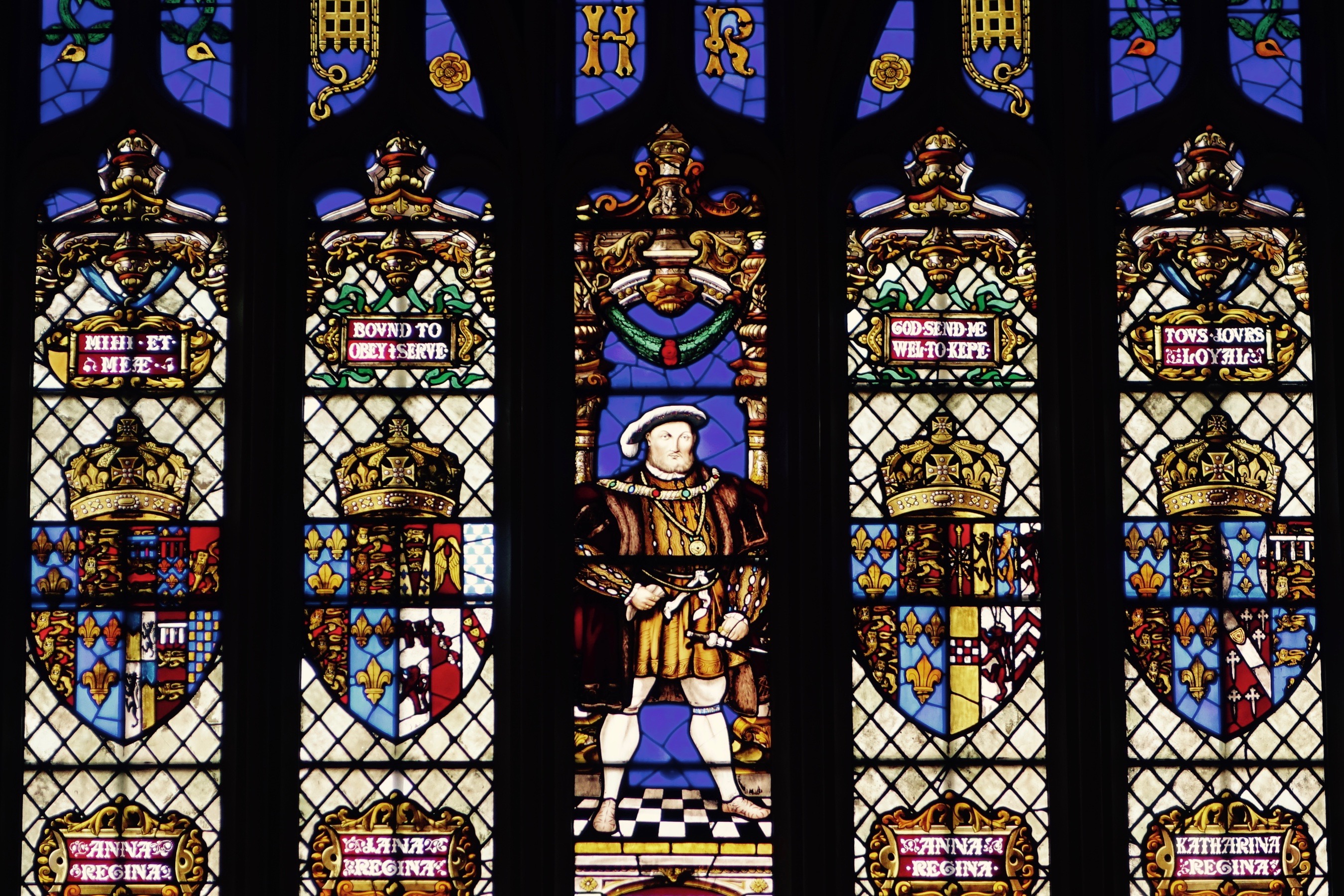
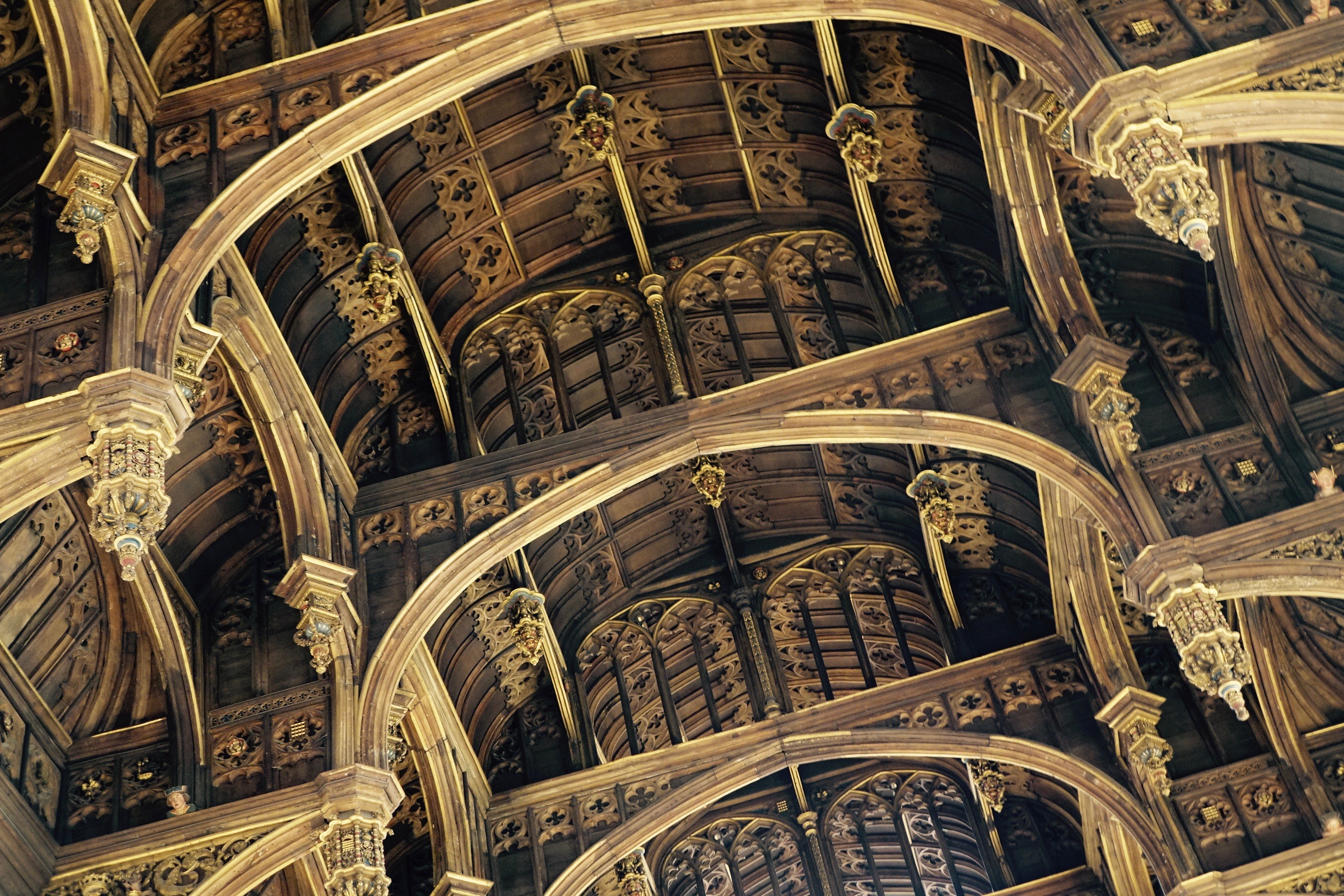
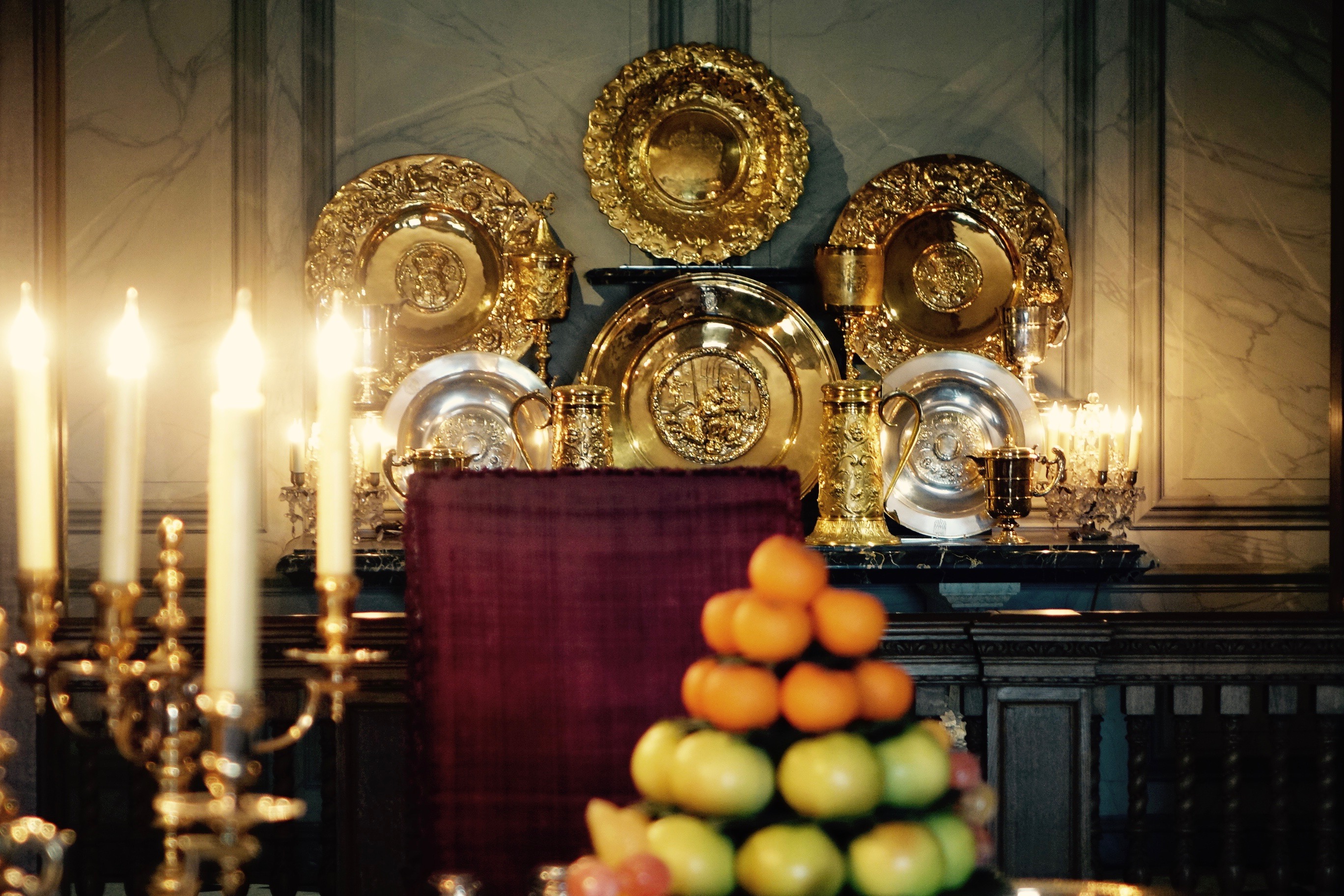
DSC07990DSC07769DSC07777DSC07775DSC07772DSC07767DSC07766DSC07760DSC07756DSC07752DSC07741DSC07765

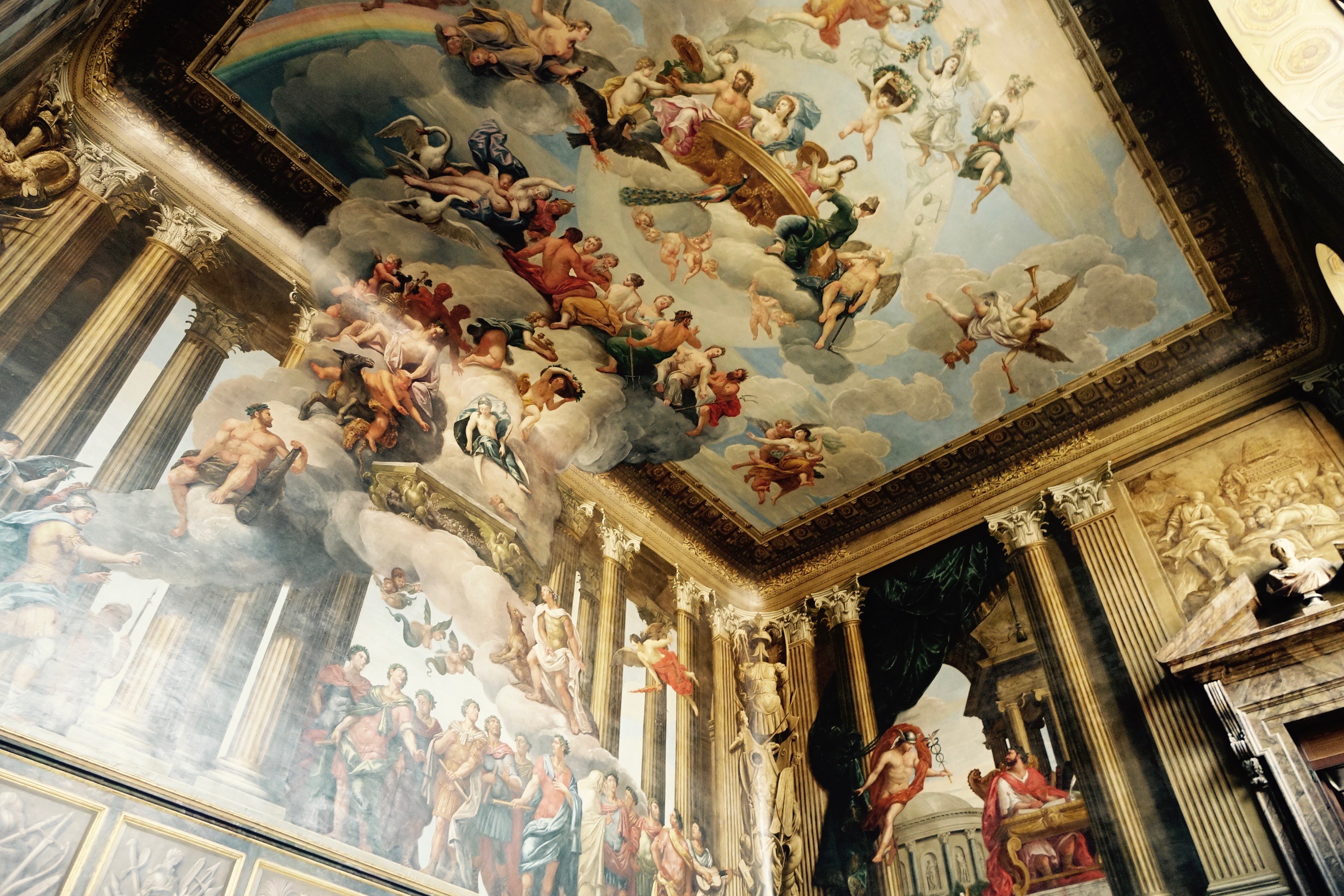
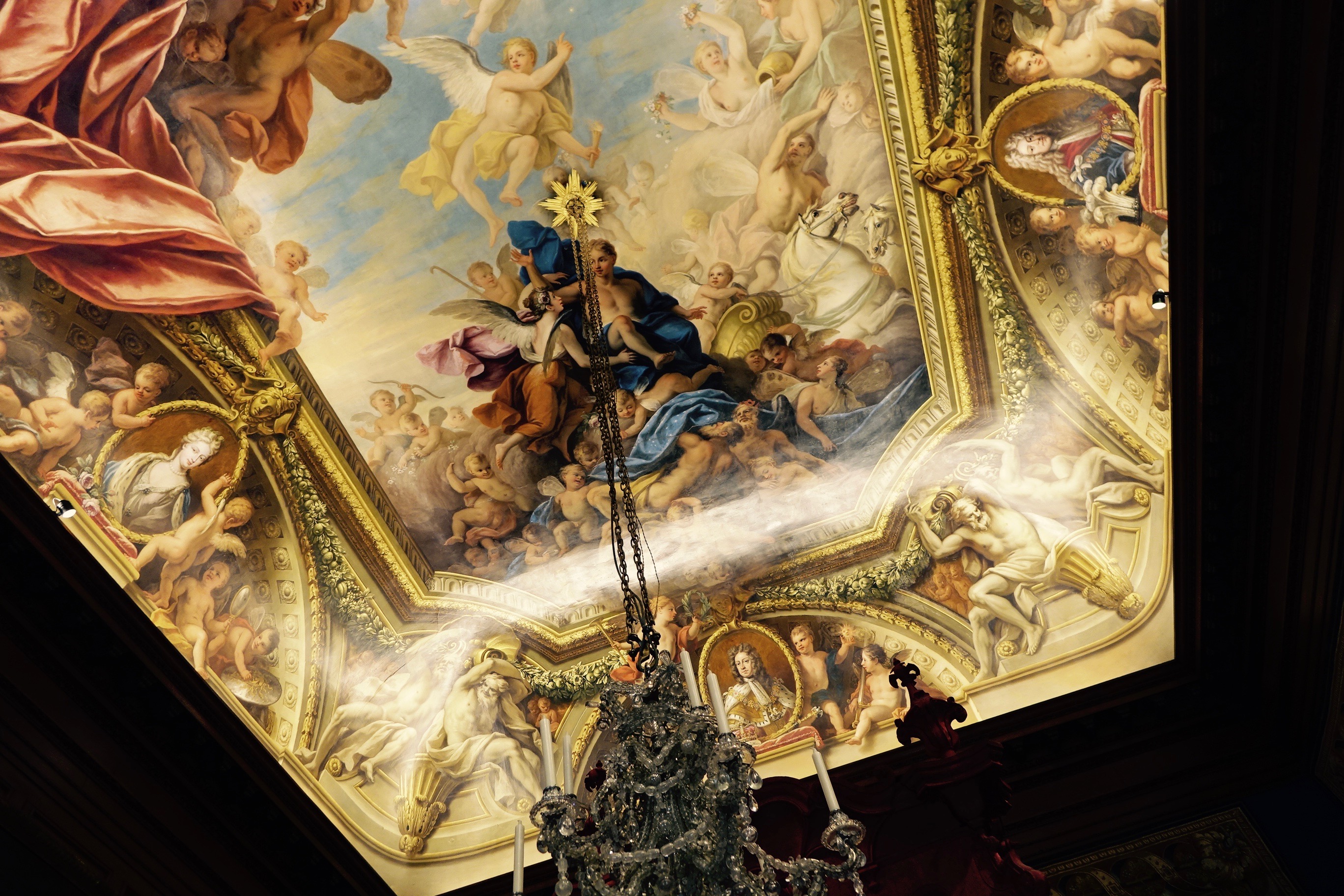
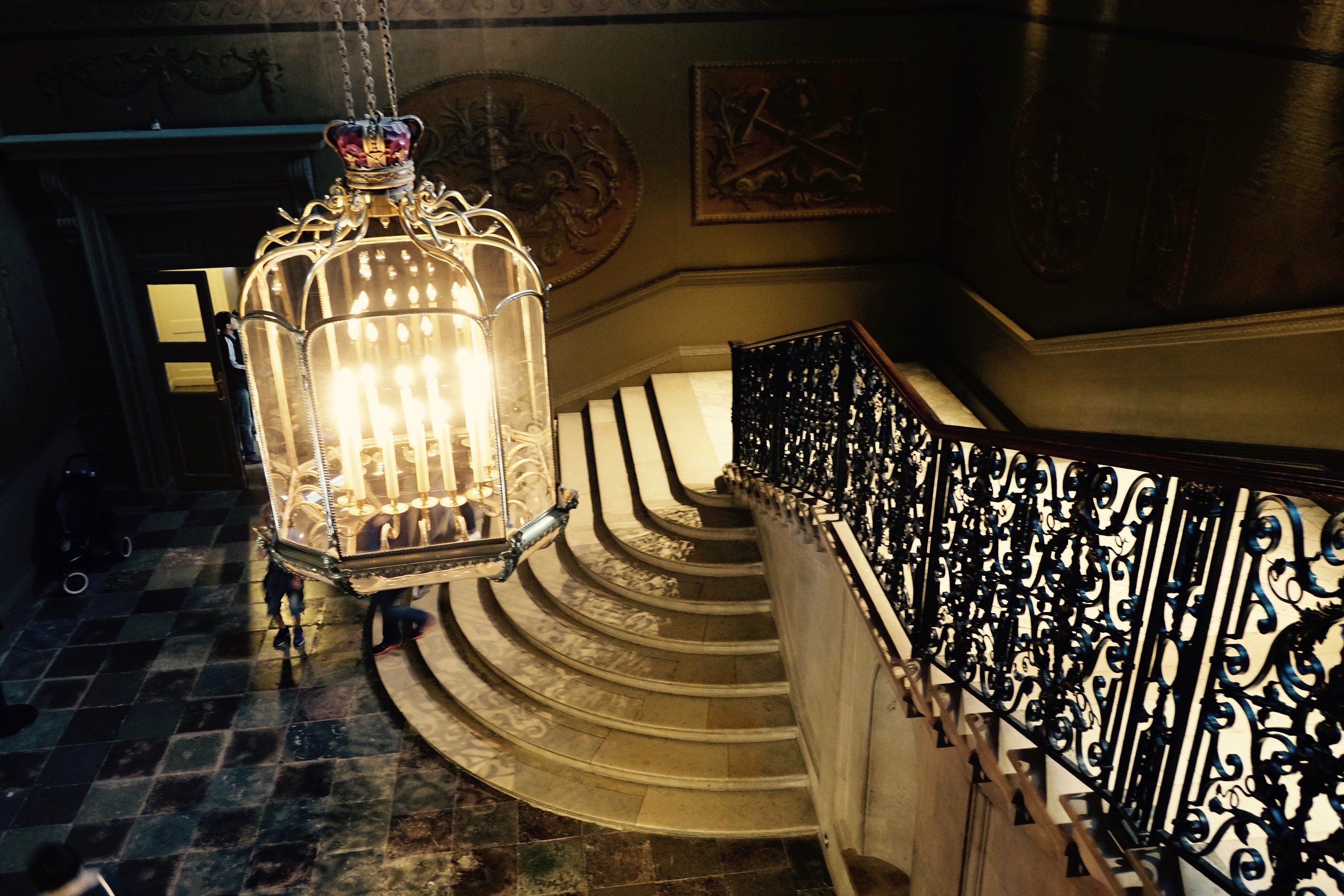
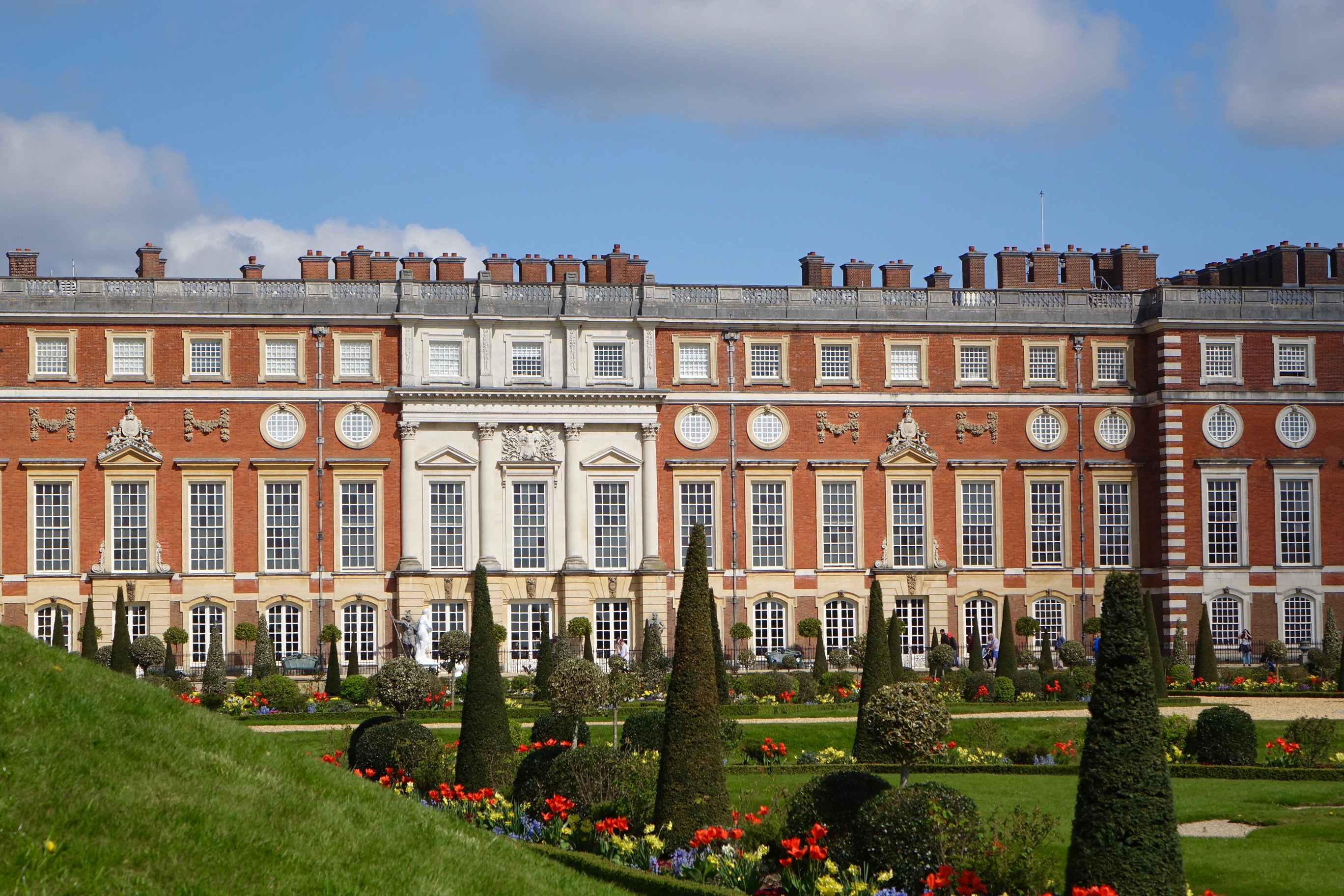
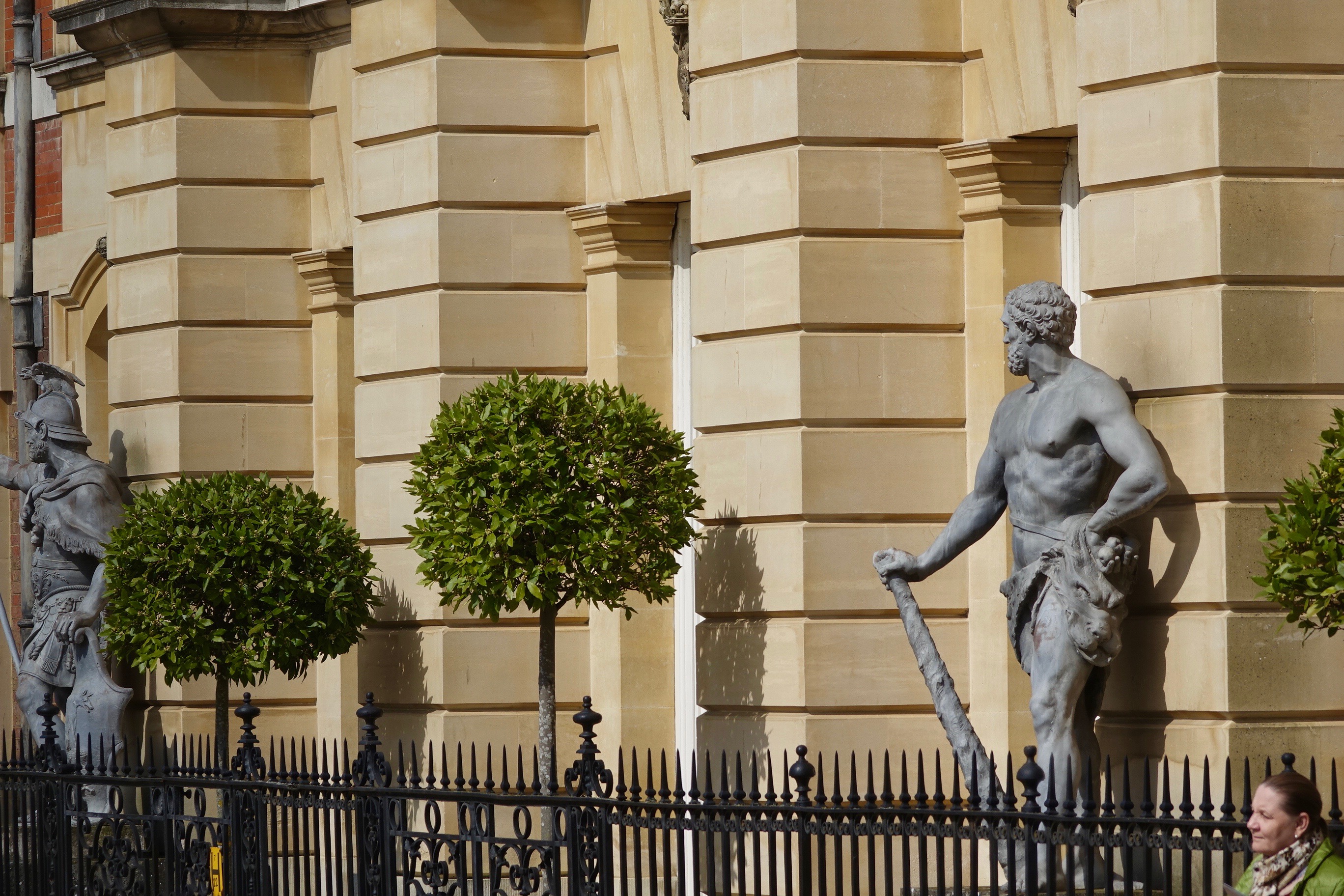
Secondly, the Palace is enticing because of its dual personality. A very Tudor entrance, a grand hall and a suite of wood panelled, stained glass rooms lead swiftly on to a complete architectural about-turn, as the gothic metamorphoses into the palatial Baroque, and a construct more akin to Versailles emerges from behind the forest of Tudor chimneys. This great change was the result of a complete renovation project began by King William and Queen Mary of Orange when they moved into the palace in the late 1600s and who felt the need to modernise, largely to compete with the Sun King in France. Sweeping aside whole swathes of Henry VIII’s palace, they replaced it with a grand symmetrical construct based around quadrangles of triple rowed grandiose windows, elaborately frescoed interiors, and a new landscape of neatly geometric flowerbeds and fountains. However they ran out of money before the restauration was complete, and it is for this reason that today’s Palace is the hybrid of Tudor and Baroque, something for which we must be grateful – how else could we explore a slice of the grandeur at the heart of the Tudor Dynasty which today remains so remarkably intact.

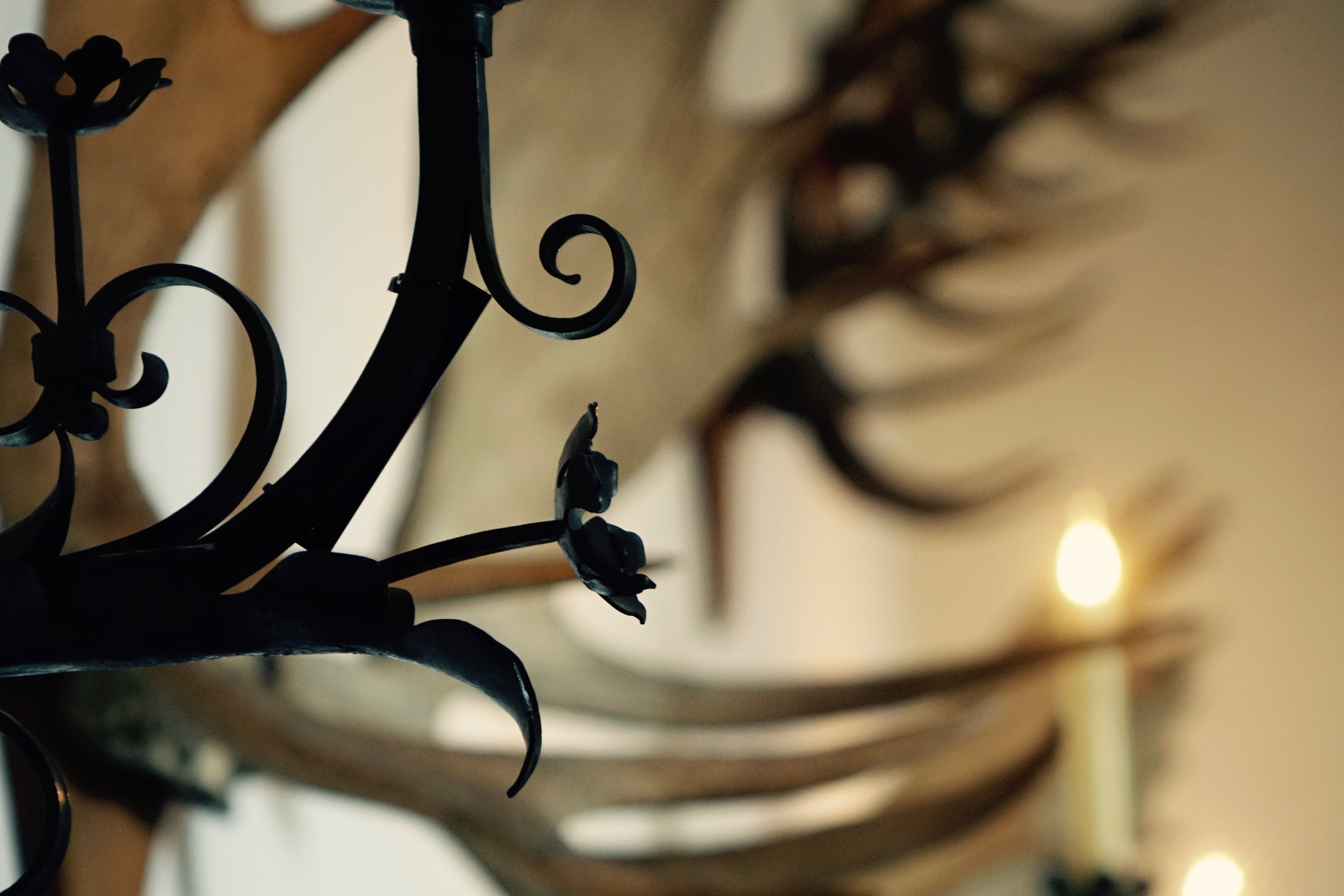
The Baroque alter ego  
DSC07981DSC07847DSC07841DSC07834DSC07829DSC07827DSC07796DSC07792DSC07785DSC07782DSC07779DSC07821

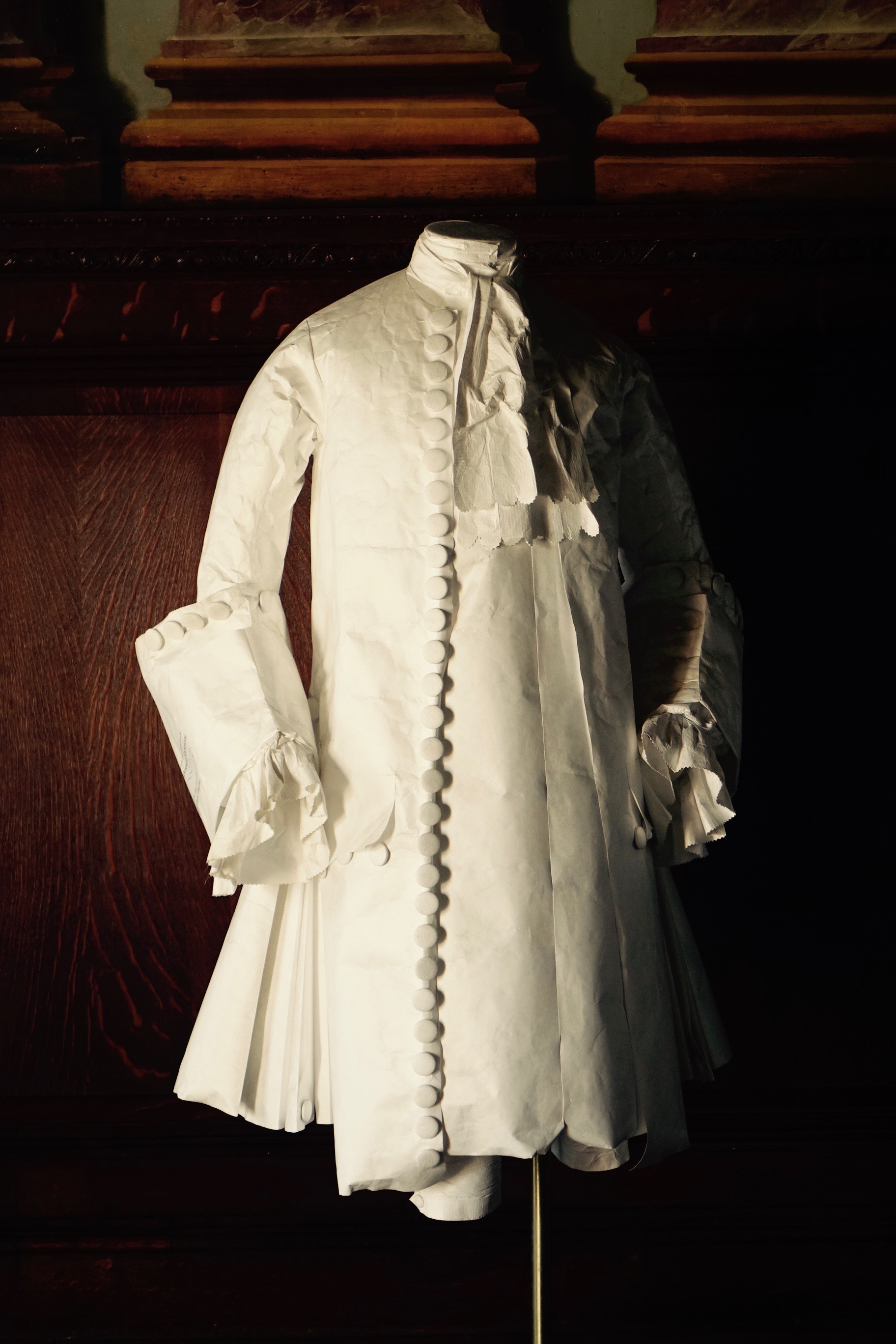
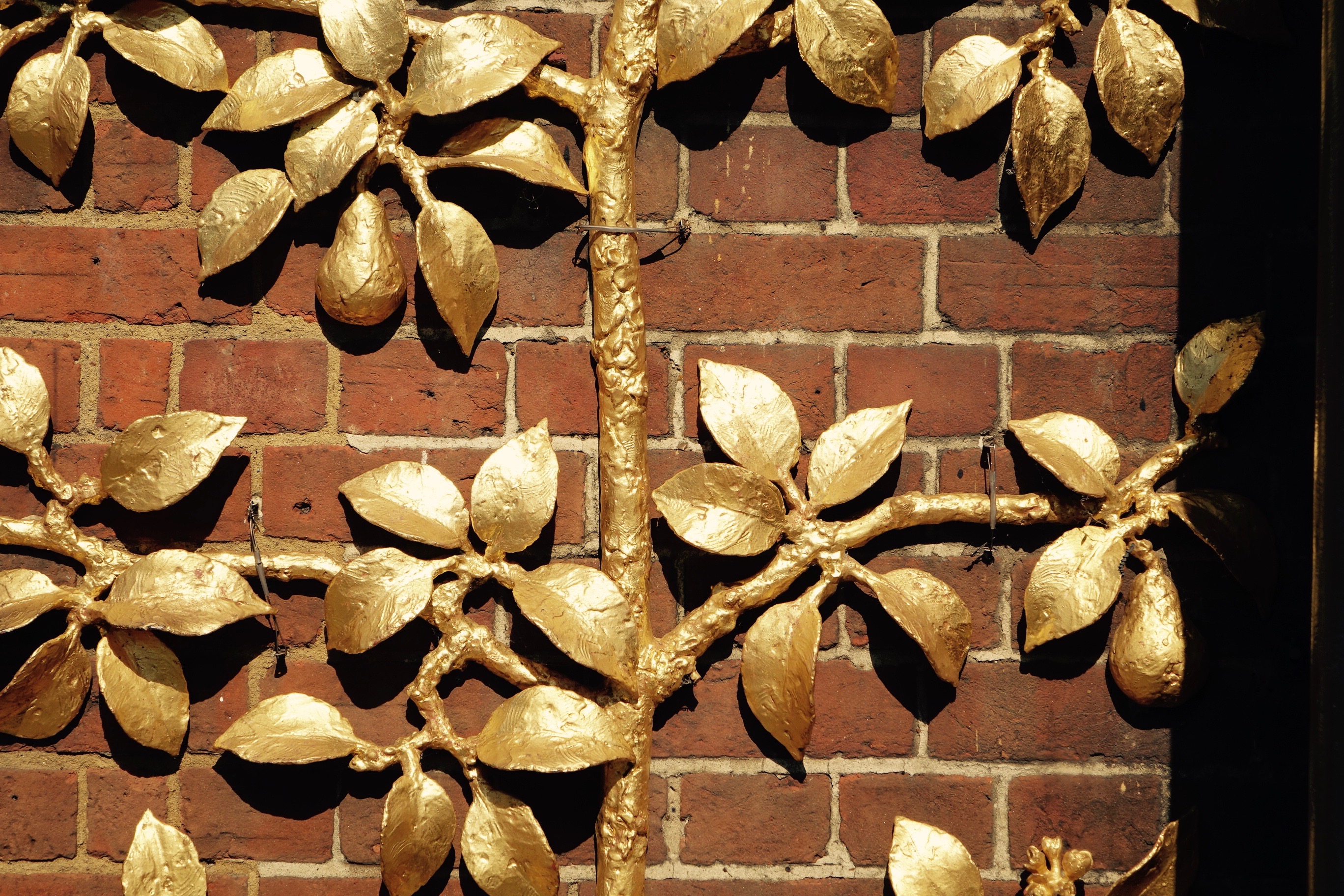
The photos which are shared in the post give a flavour of the great contrast between the Tudor and the Baroque aspects of Hampton Court. What perhaps the Tudor side lacks in elaborately frescoed ceilings it makes up for in colourful stained glass and the stunning gothic ceiling of the Royal Chapel. And what the Baroque side lacks in stag heads and grand vaulted ceilings it instead replaces with wide sweeping staircases and rooms flooded with light from the masterfully manicured garden beyond. All in all, this is a tale of two Palaces, offered, very conveniently, to be enjoyed all at one time.

© Nicholas de Lacy-Brown and The Daily Norm, 2001-2017. Unauthorized use and/or duplication of the material, whether written work, photography or artwork, included within The Daily Norm without express and written permission from The Daily Norm’s author and/or owner is strictly prohibited. 

Hampton Court Palace, Part 1: Manicured Gardens

It’s always a wonderful thing to discover that an incredible attraction can be found on your doorstep. And somewhere which is literally 30 minutes by train from your nearest station is not so far from doorstep status, especially when you consider the extent to which those short 30 minutes have the power to transform you from inner city jungle to utter bucolic majesty. Such was my discovery last weekend upon visiting the former home of Henry VIII and his 6 variously fated wives, Hampton Court Palace, which can be found nestling alongside the banks of the Thames a few meandering loops down the river. Our trip to this vast palatial complex was so astounding, so plenteous in its beauty that I have decided to split my experience in three for the sake of The Daily Norm, so that a focus can be had on the various facets that make Hampton Court so incredible.

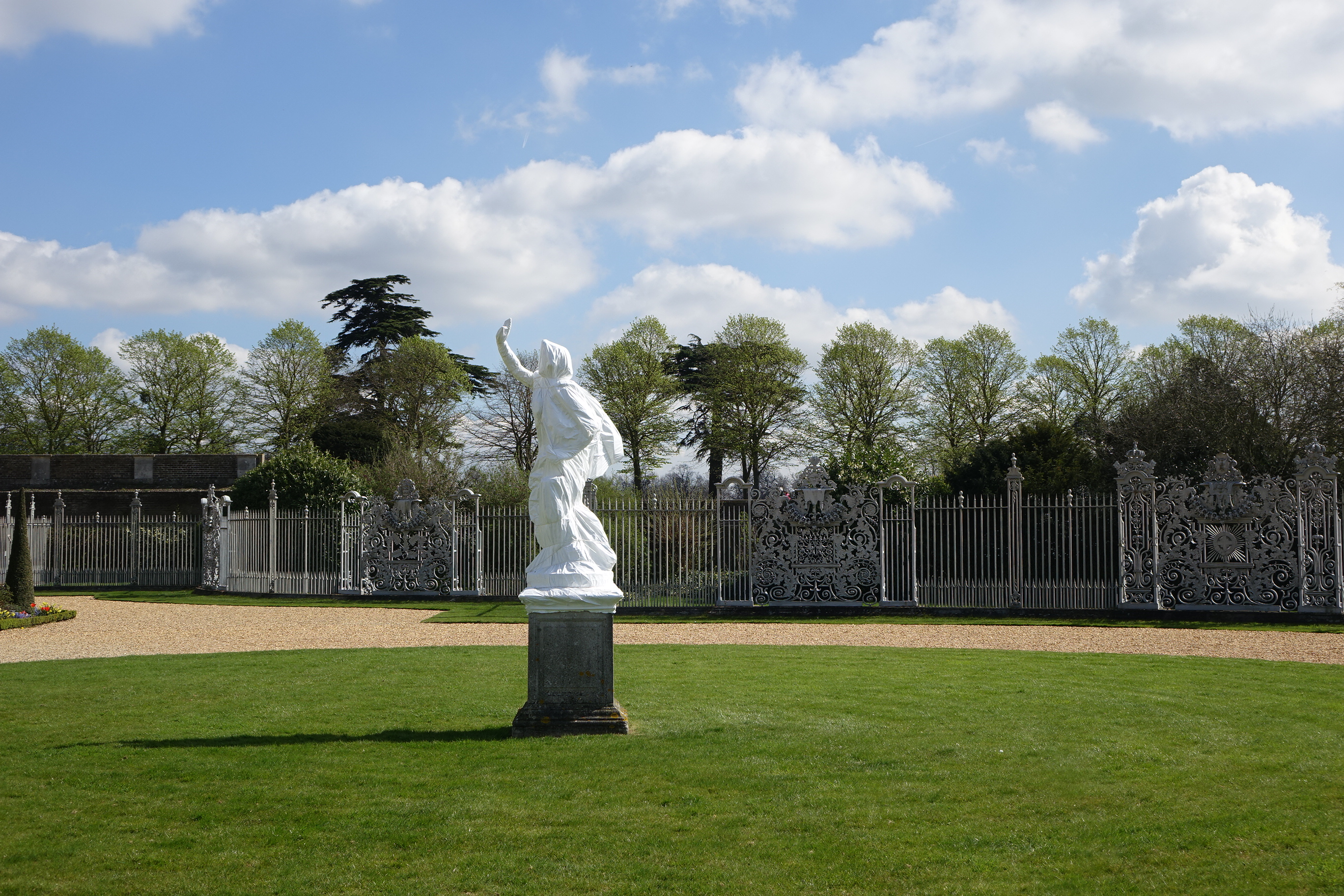
I must admit that it’s the gardens which really thrill me at Hampton Court. The inside has its merits, naturally. The Chapel Royal is pretty much one of the most stunning historic spaces in the United Kingdom. But the interiors also have the potential to disconcert, as one is led from the Tudor quarters, steeped in the gothic gloom of the age, to the more luminescent baroque rebuild instituted by William and Mary of Orange in the late 17th Century. The result is fragmentary and disorientating. It is like visiting two very distinct palaces, albeit that from the outside, there is a certain level of unity achieved by the uniform use of a rich pink stone. And it is outside where this little photographic tour begins.

The Privy Garden and the Banqueting House

DSC07894DSC07872DSC07887DSC07890DSC07922DSC07892DSC07928DSC07911DSC07905DSC07900DSC07899DSC07909DSC07860DSC07857DSC07863

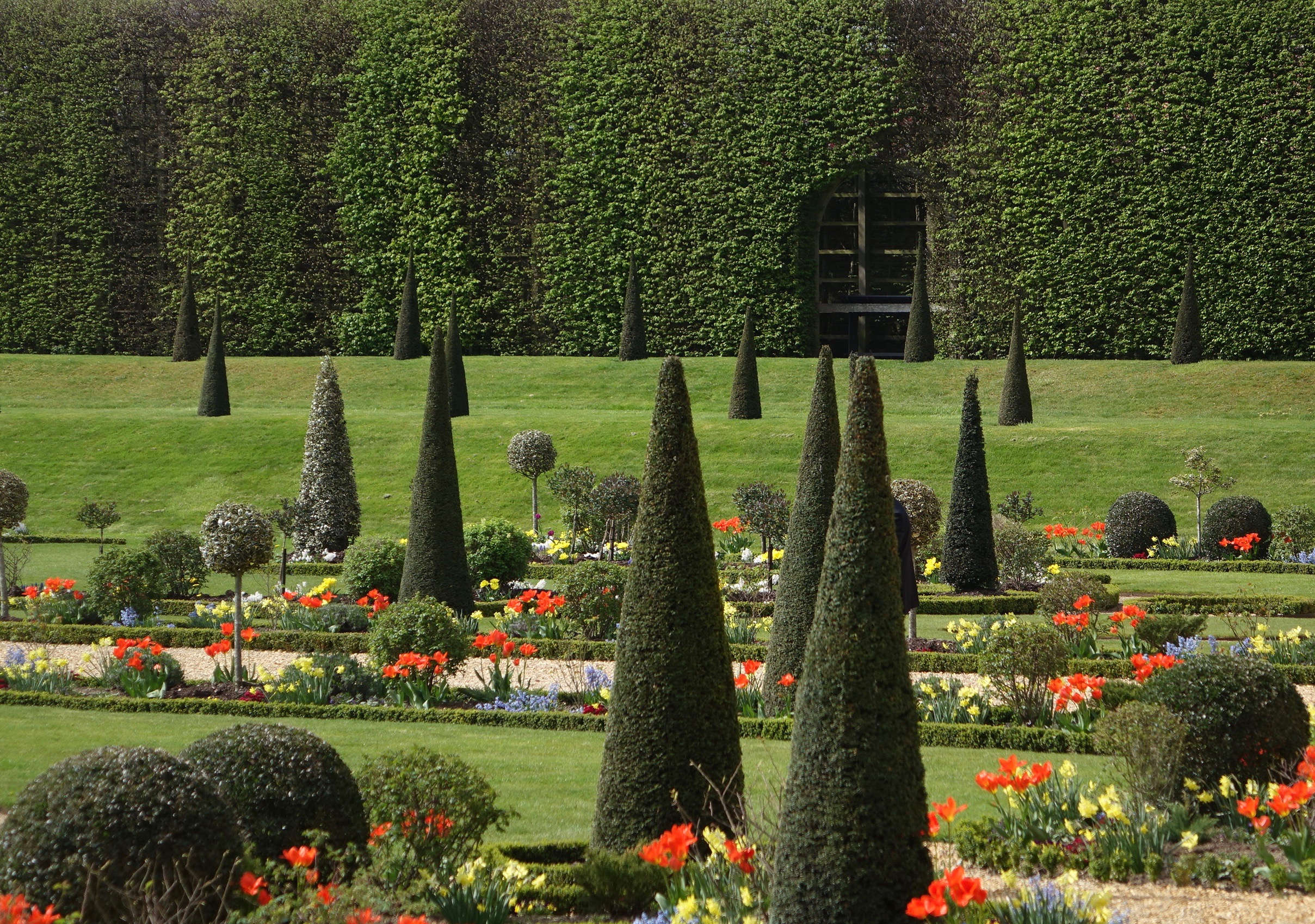
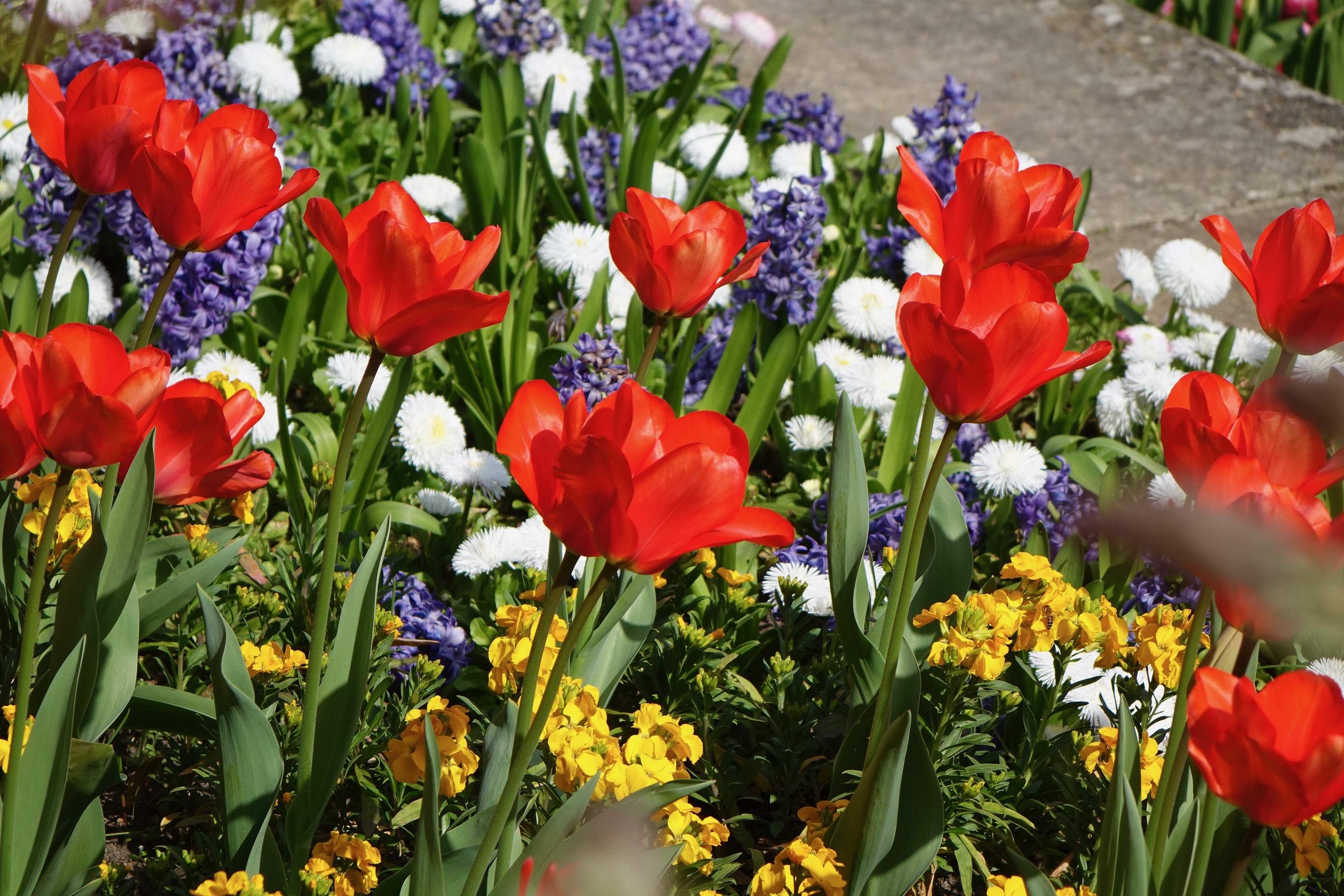
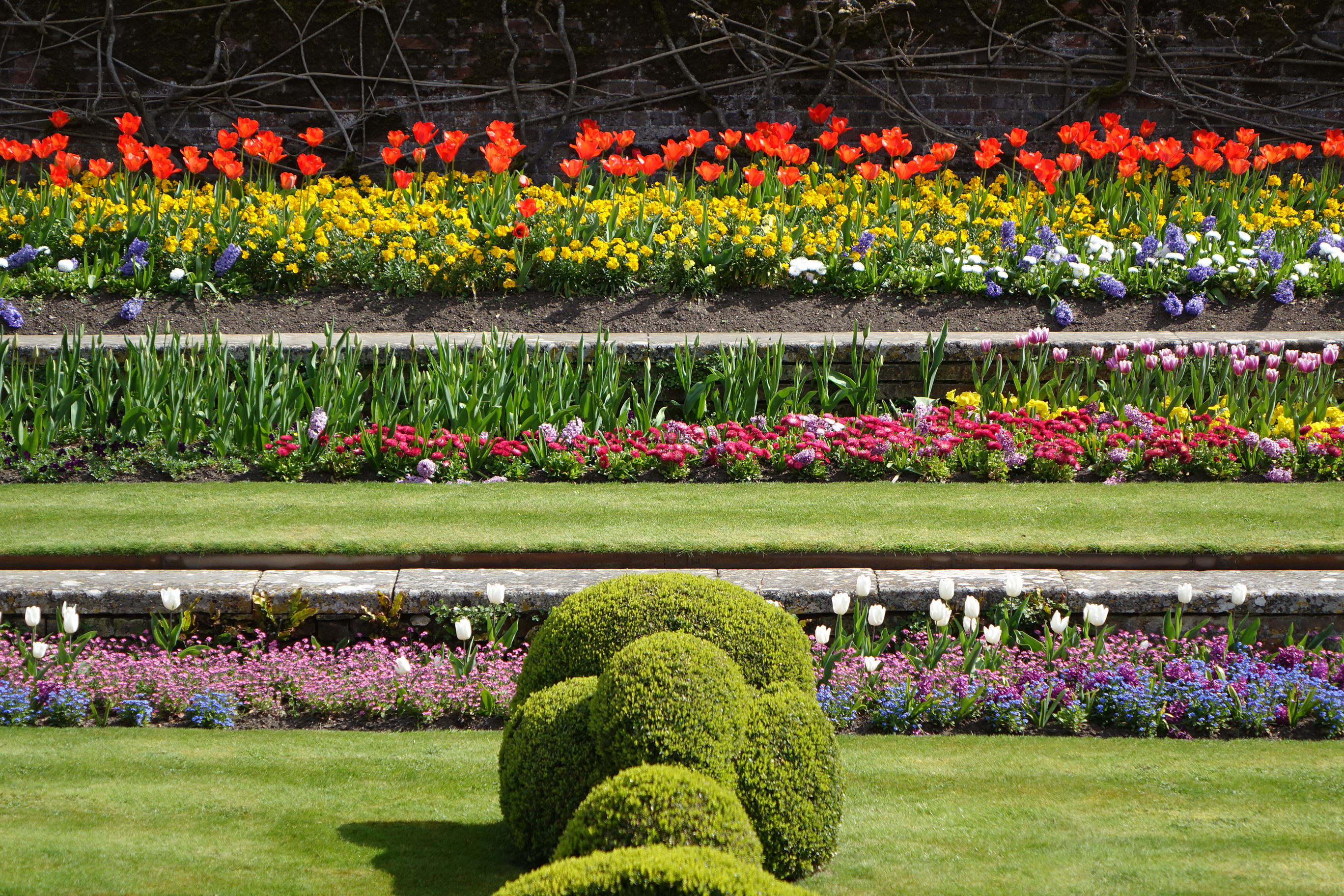
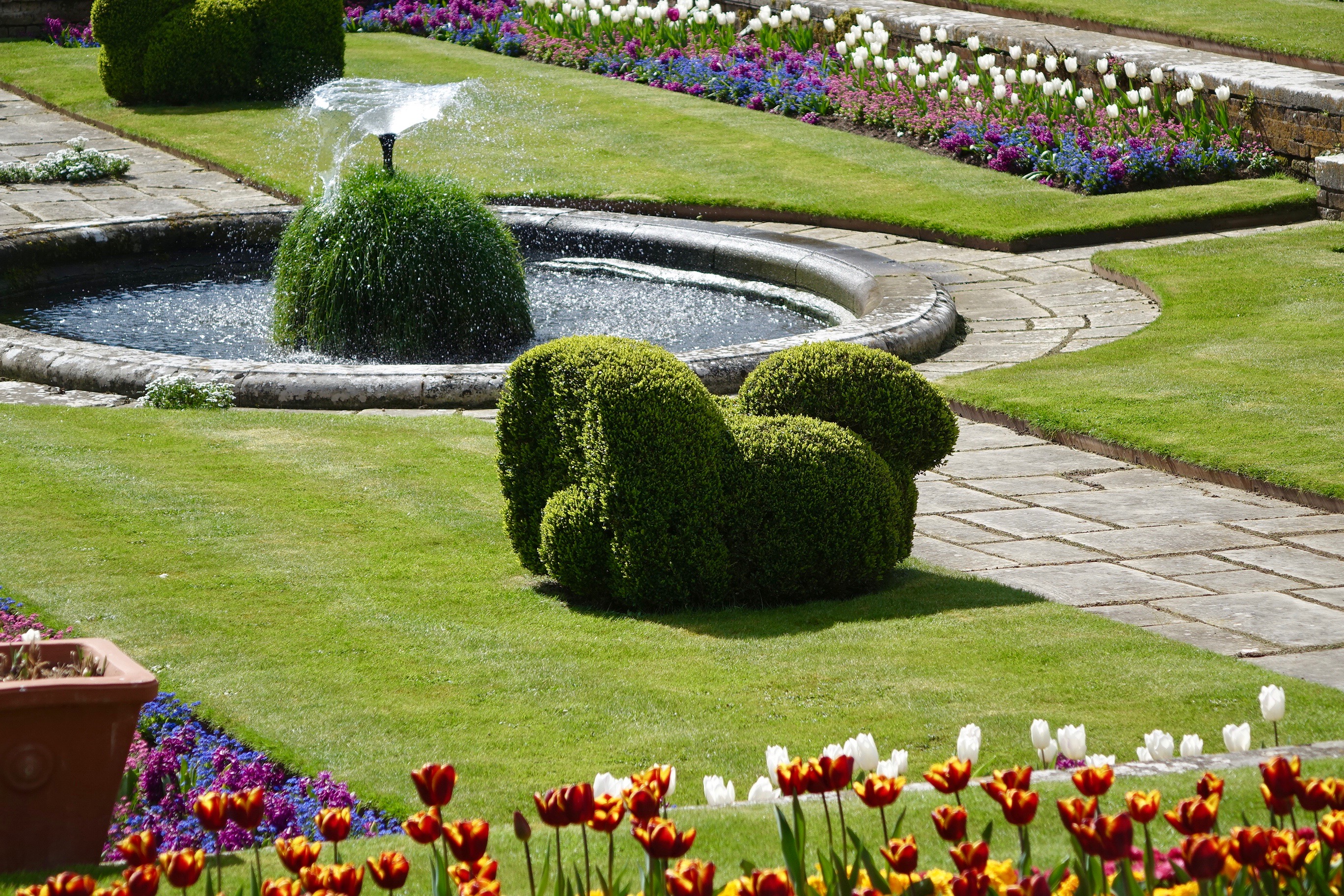
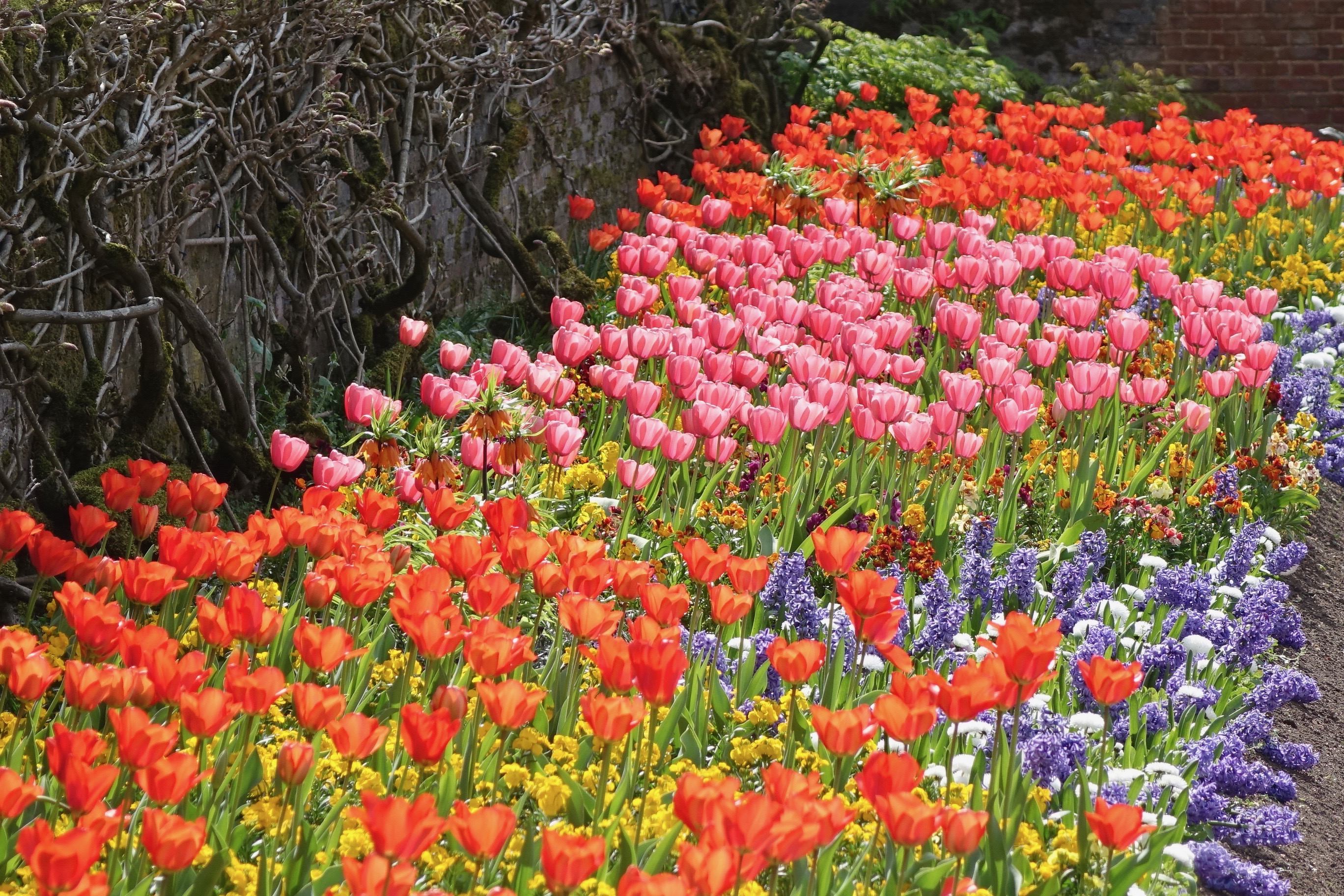
In my naivety, I thought that a visit during April may be too early to enjoy the gardens. How wrong I was, for the timing enabled us to enjoy the most spectacular array of Spring flowers I have ever seen. In the Privy Garden, the elegant South-facing walled garden extending towards the River’s edge and containing rows of manicured conical hollies and yews lining a perfectly geometric system of paths, tulips in vibrant shades of red and yellow danced in the sunlight and contrasted brilliantly against sky blue hyacinths which filled the air with their fragrance. In the cosy walled Pond Gardens just beyond, the abundance of flowers increased as floral collections were displayed in rich strata of contrasting height and colour to create a ravishing spectacle of nature’s brilliance. I don’t think I ever saw such a variety of tulips, nor so well choreographed an exhibition of this glorious Spring flower.

The Pond Gardens, the Knot Garden and the Orangery 

DSC07978DSC07971DSC07967DSC07962DSC07956DSC07958DSC07952DSC07951DSC07947DSC07946DSC07929DSC07940DSC07948DSC07932DSC07939

This gardening brilliance continued into a small knot garden, laid out in 1924 to recreate the gardens as they would have been during the Tudor dynasty, and in the Lower Orangery Garden, which flowed from Queen Mary’s passion for collecting exotic plants. Of course the gardens of Hampton Court extend much further than those on this Southern expanse – The Great Fountain Garden is so grand as to be worthy of a post all of its own – and will surely get one in a few days time… But for now, I wanted to share photos of these more manicured gardens. Spaces so vividly enriched by their floral abundance, and so satisfyingly regimental in their layout and design that I could have remained there admiring them forever, especially during these happy days of Spring.

© Nicholas de Lacy-Brown and The Daily Norm, 2001-2017. Unauthorized use and/or duplication of the material, whether written work, photography or artwork, included within The Daily Norm without express and written permission from The Daily Norm’s author and/or owner is strictly prohibited. 

From Illyria to Italy, Part 1: Diocletian’s Palace

We’ve just got back from a Roman adventure, a trip back in time some 2 millennia, both in terms of the cities visited, and the antiquated service received from Veiling airlines who lost our luggage on the first day (but more about that vexation another time). For our double-dose city tour took us from the ancient Roman ruins which form the centrepiece of the beautiful Croatian town of Split, to both the ancient and the modern manifestation of the Roman world in the city of Rome herself.

DSC02738DSC02807DSC02818DSC02740DSC03189DSC02923

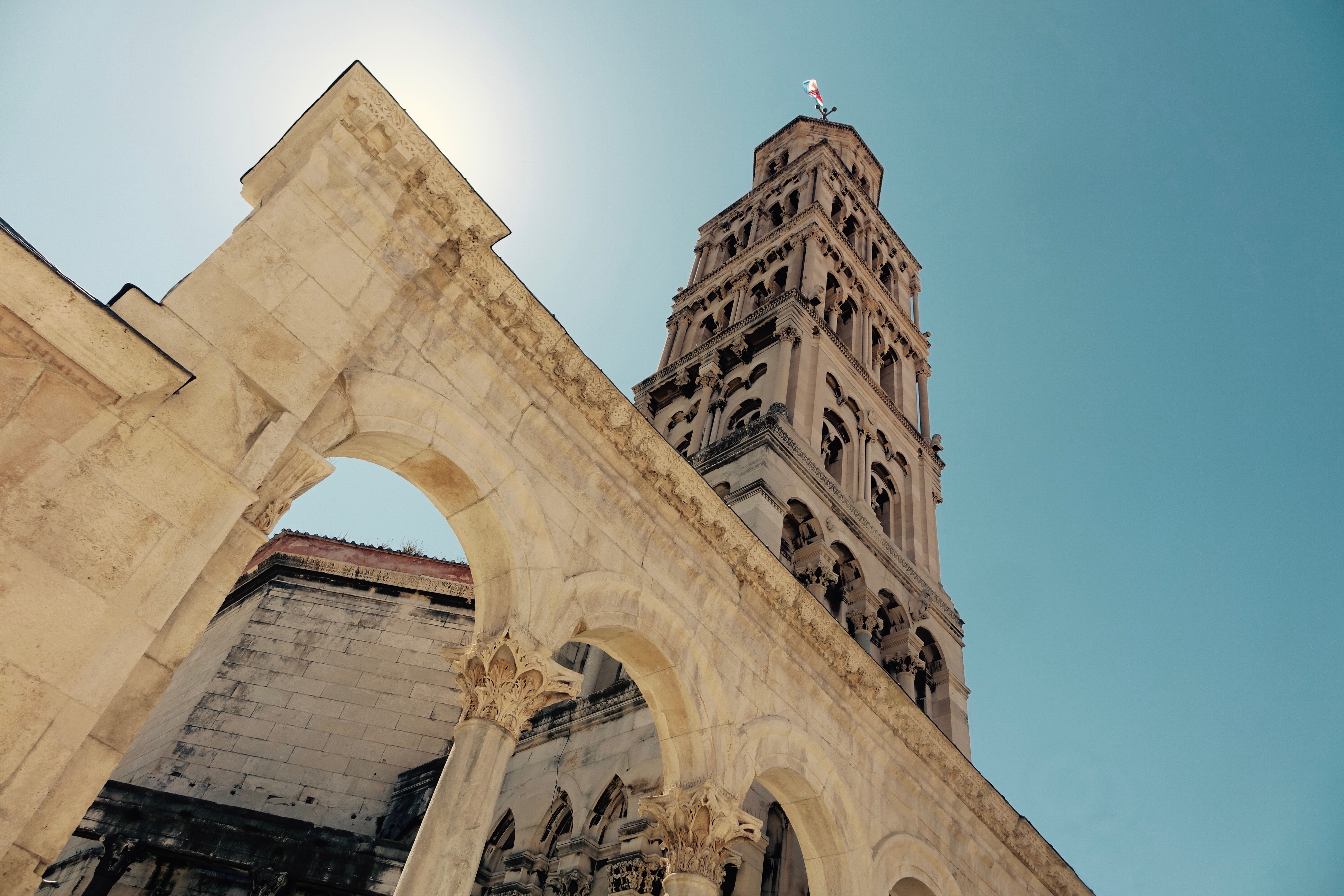
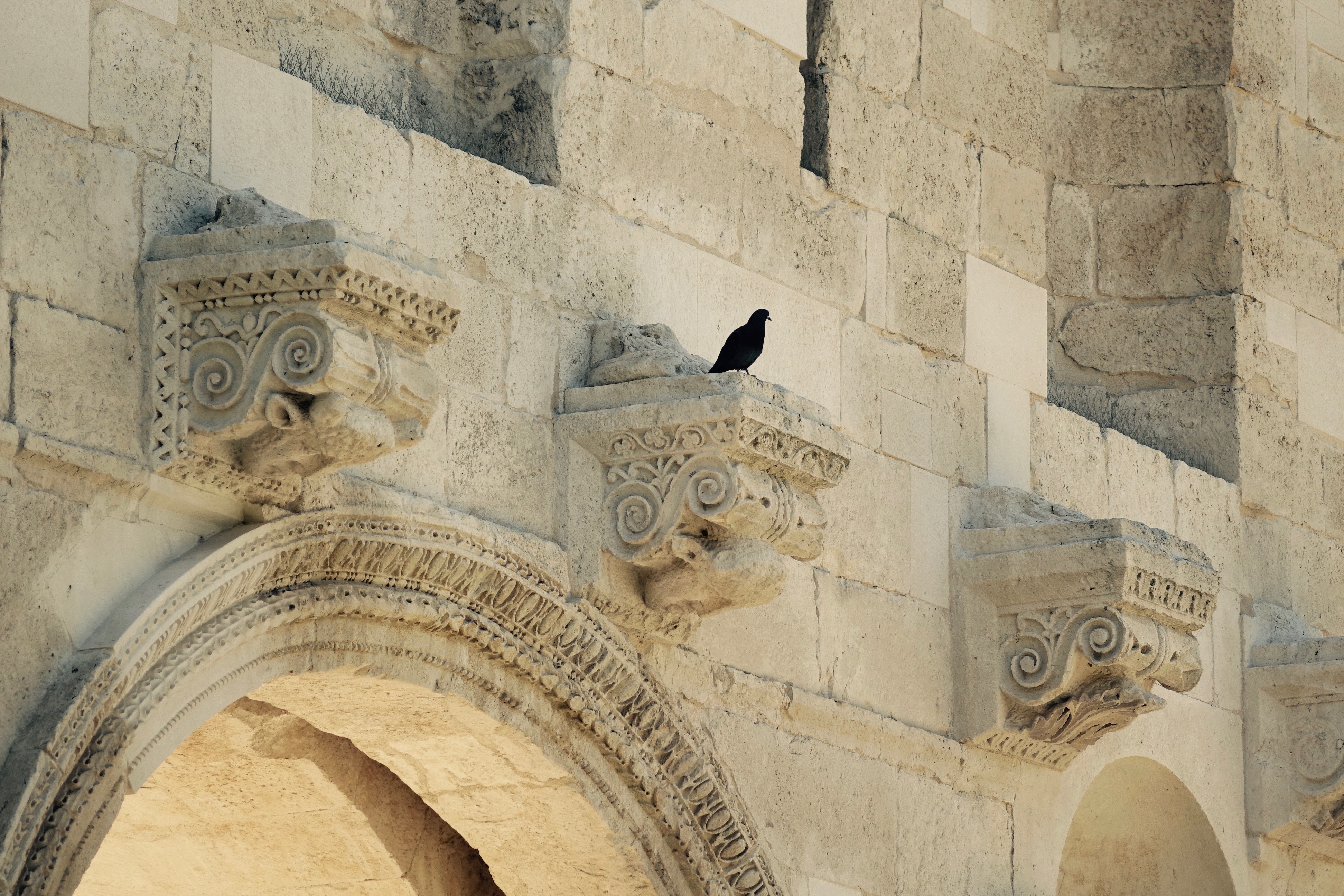
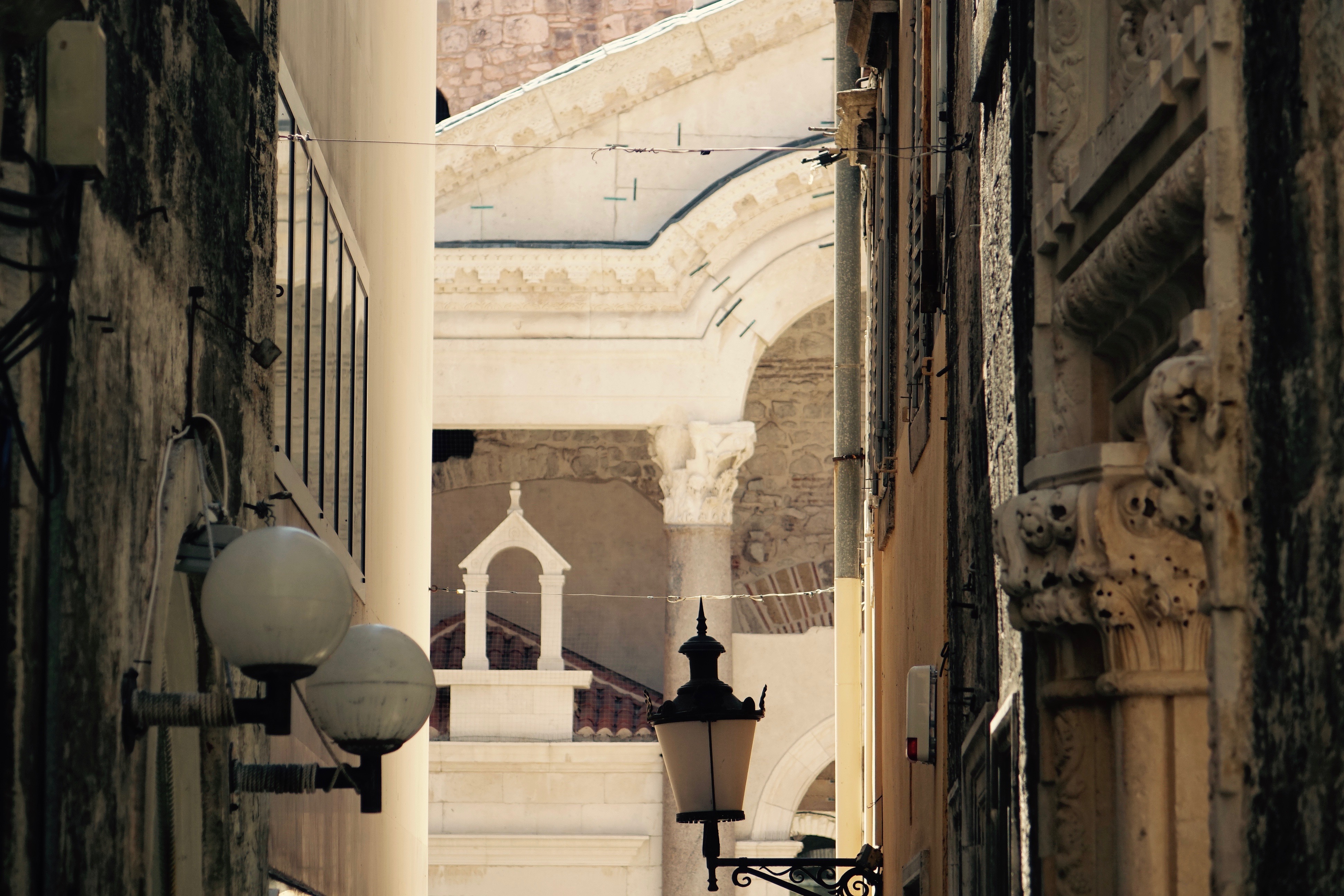
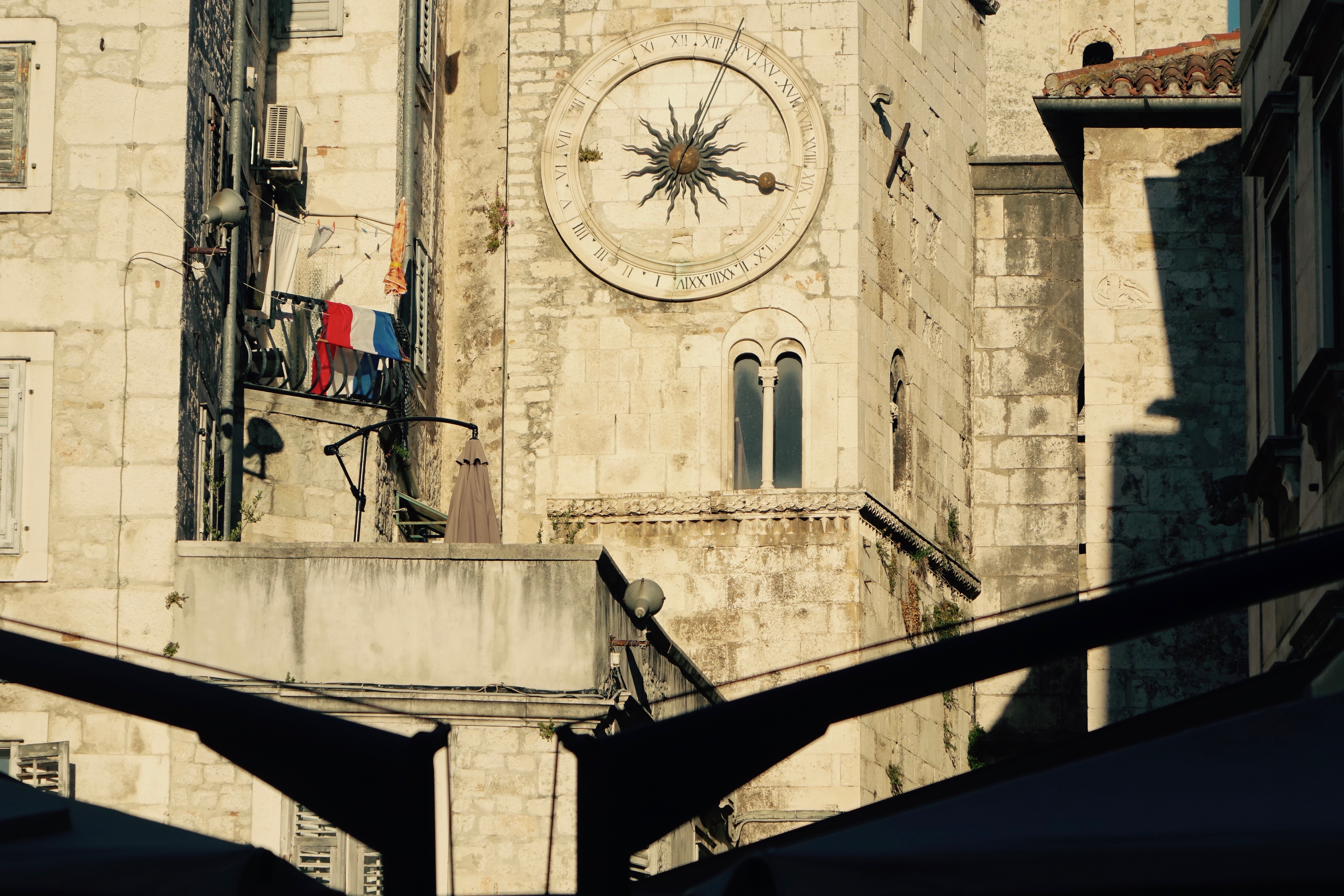
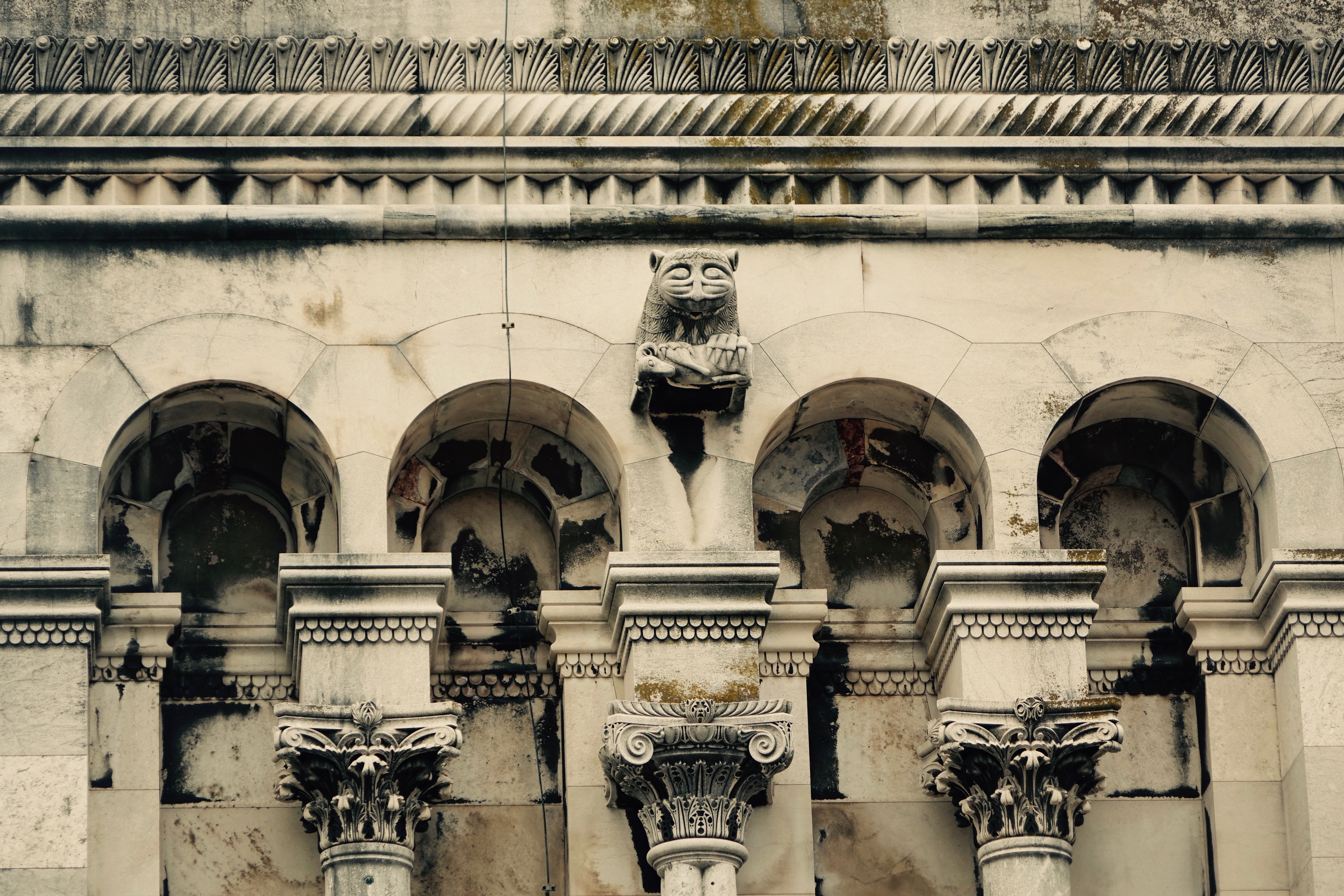
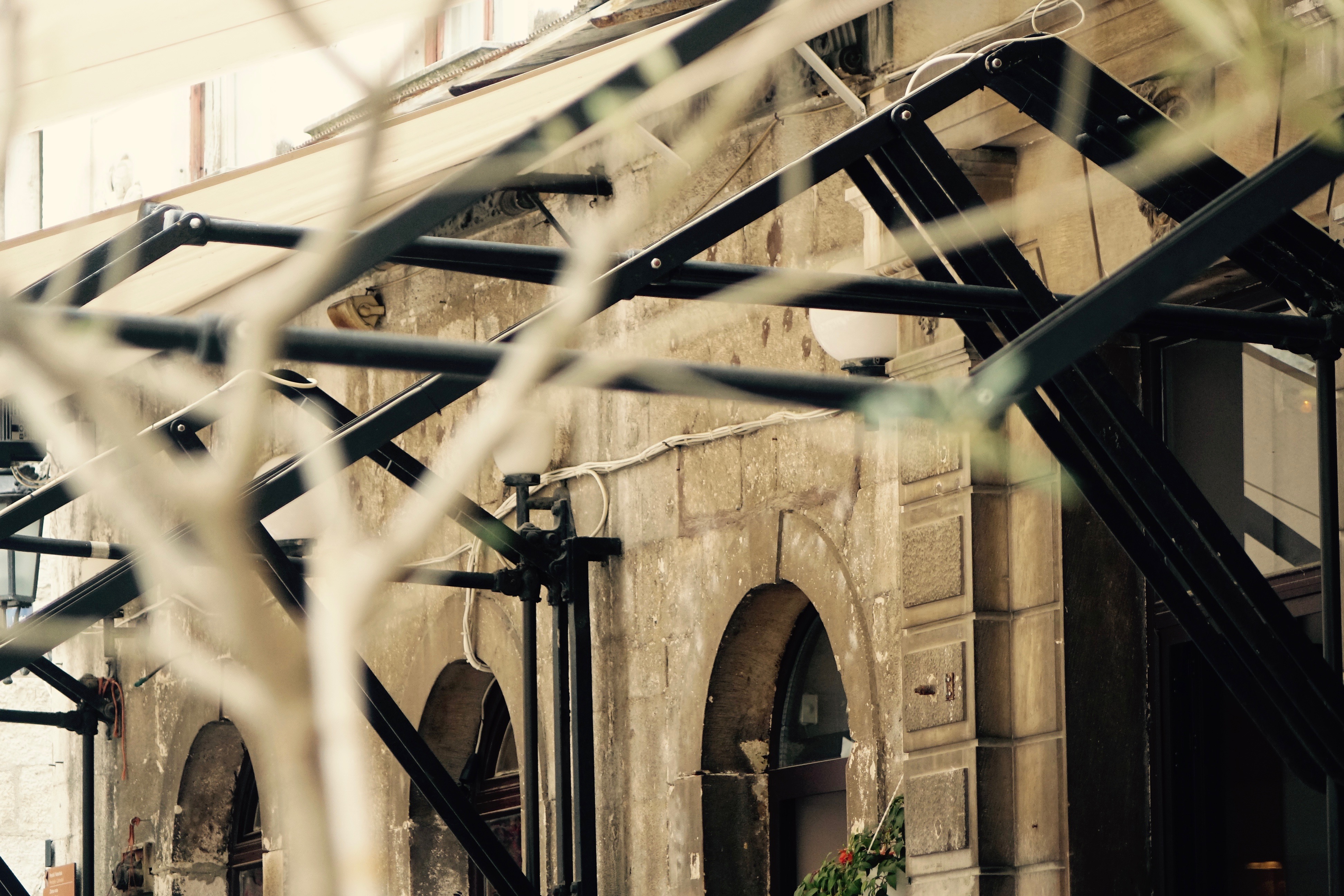
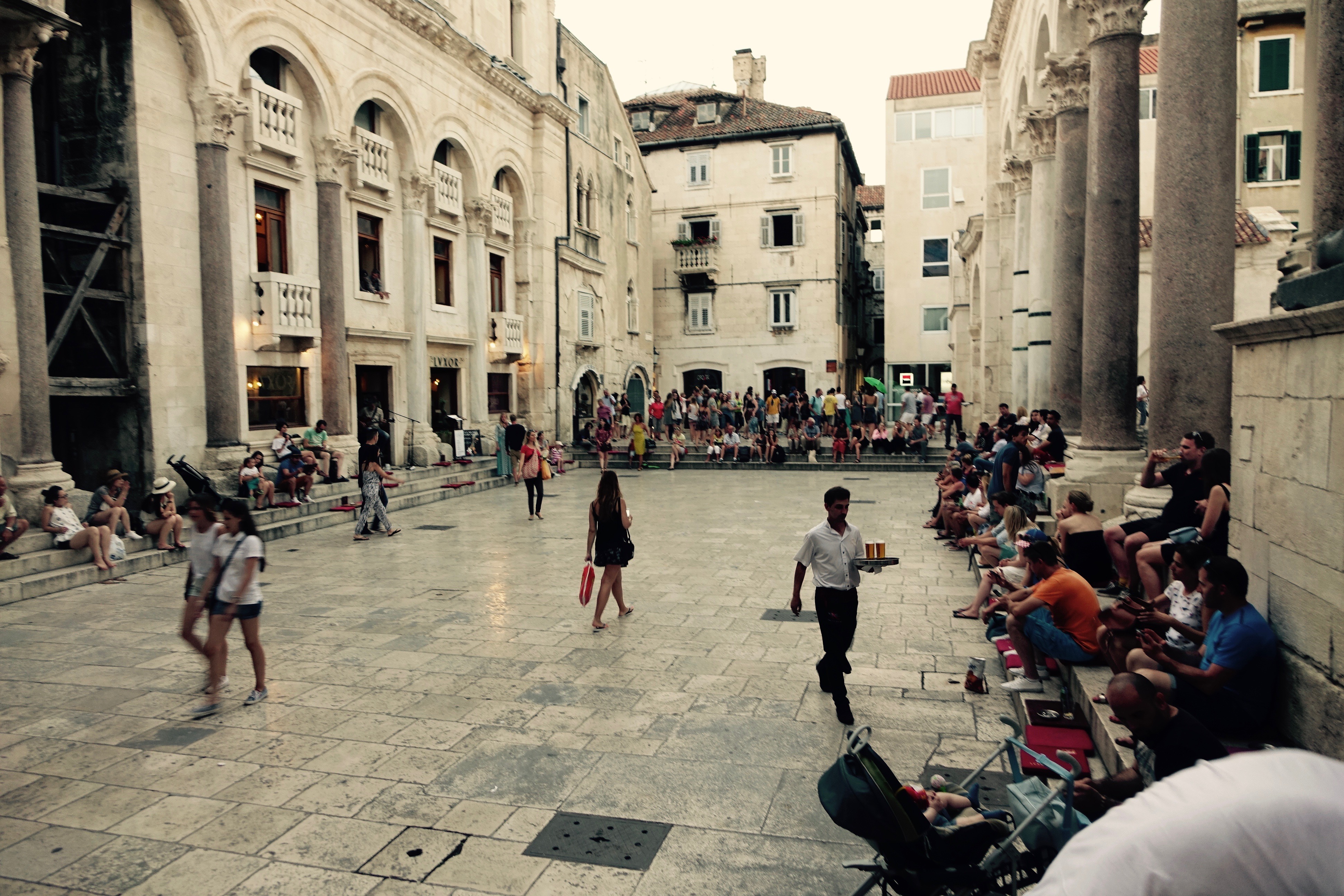
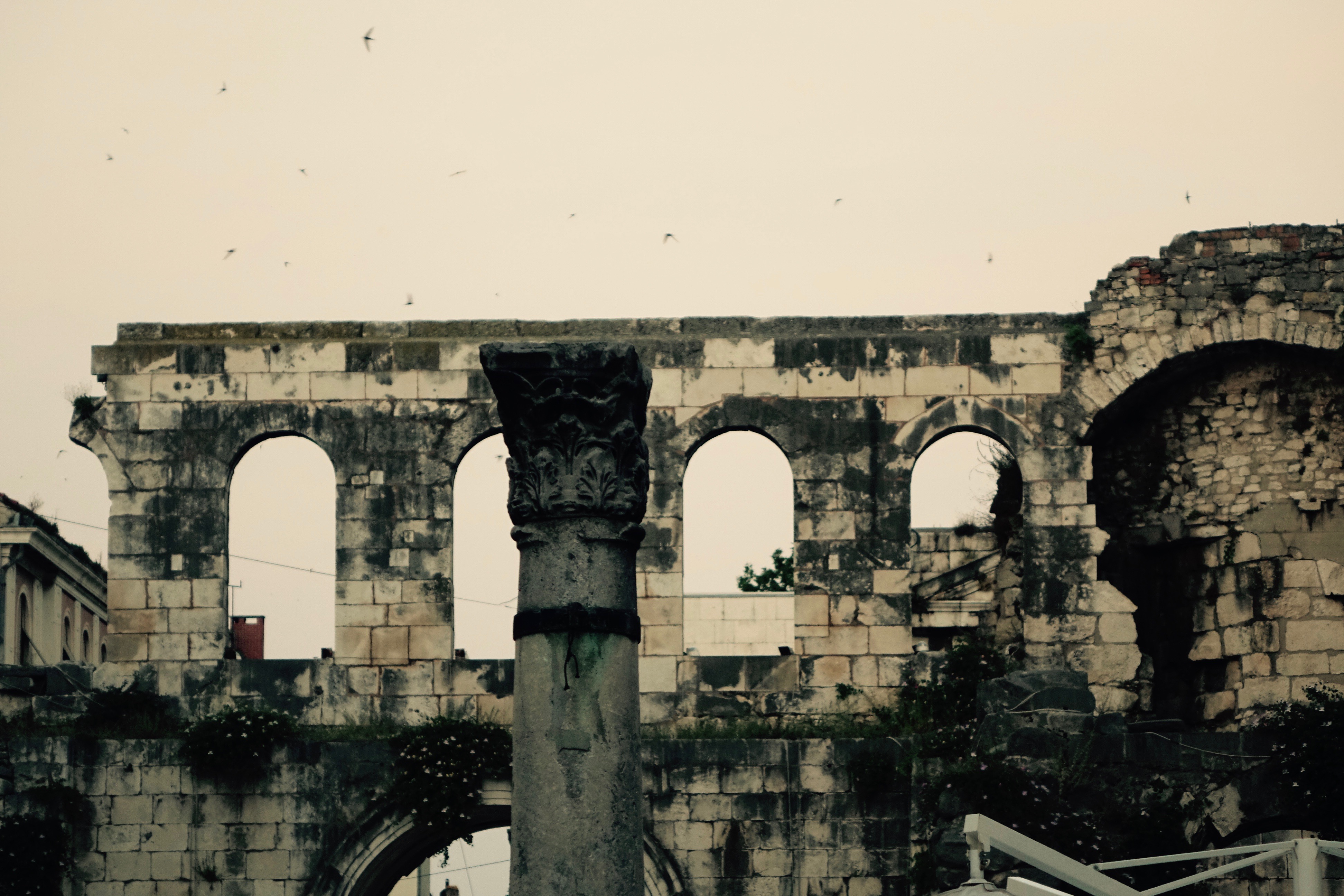
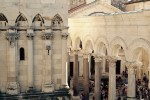
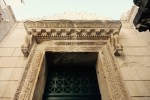
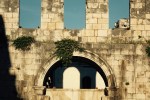
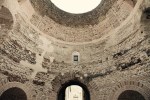
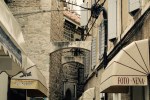
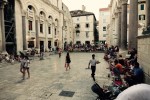
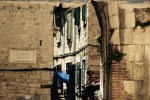
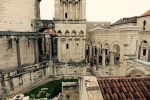
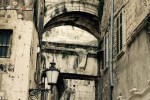
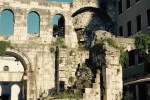
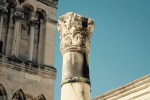
So first let me sweep you over along the graceful Adriatic coast, to the coastline of Croatia littered with an archipelago of dalmatian spotted-islands, stopping at Split, one of the most splendid cities of old Illyria. The city has an illustrious history, but the man who truly placed it on the map was Emperor Diocletian who, attracted to the city because of its naturally occurring sulphur springs amongst other things, constructed a vast palace complex in the city to which he retired in 305AD. It is that very palace, still incredibly well preserved, which sits at the centre of today’s modern but manageably sized city. However unlike the standard Roman ruins sitting apart and cordoned off in most modern cities, these actually form part and parcel of daily life, since the Medieval city was actually built on, and expanded within, the old palace remains.

DSC02490DSC02522DSC02922DSC02683DSC02547DSC02456

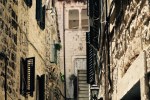
Thus it was that in around 615AD, long after the collapse of the Roman Empire, refugees from Salona settled in the palace, gradually building within its walls, and changing the fabric of its interior. Such is the history which gives Split it’s inherently unique character – a city of ancient cobbled stones, Roman pillars and ancient temples coupled with superimposed Medieval houses, early-Christian churches and later Venetian-gothic touches.

DSC02948DSC03205DSC03206DSC02483DSC03217


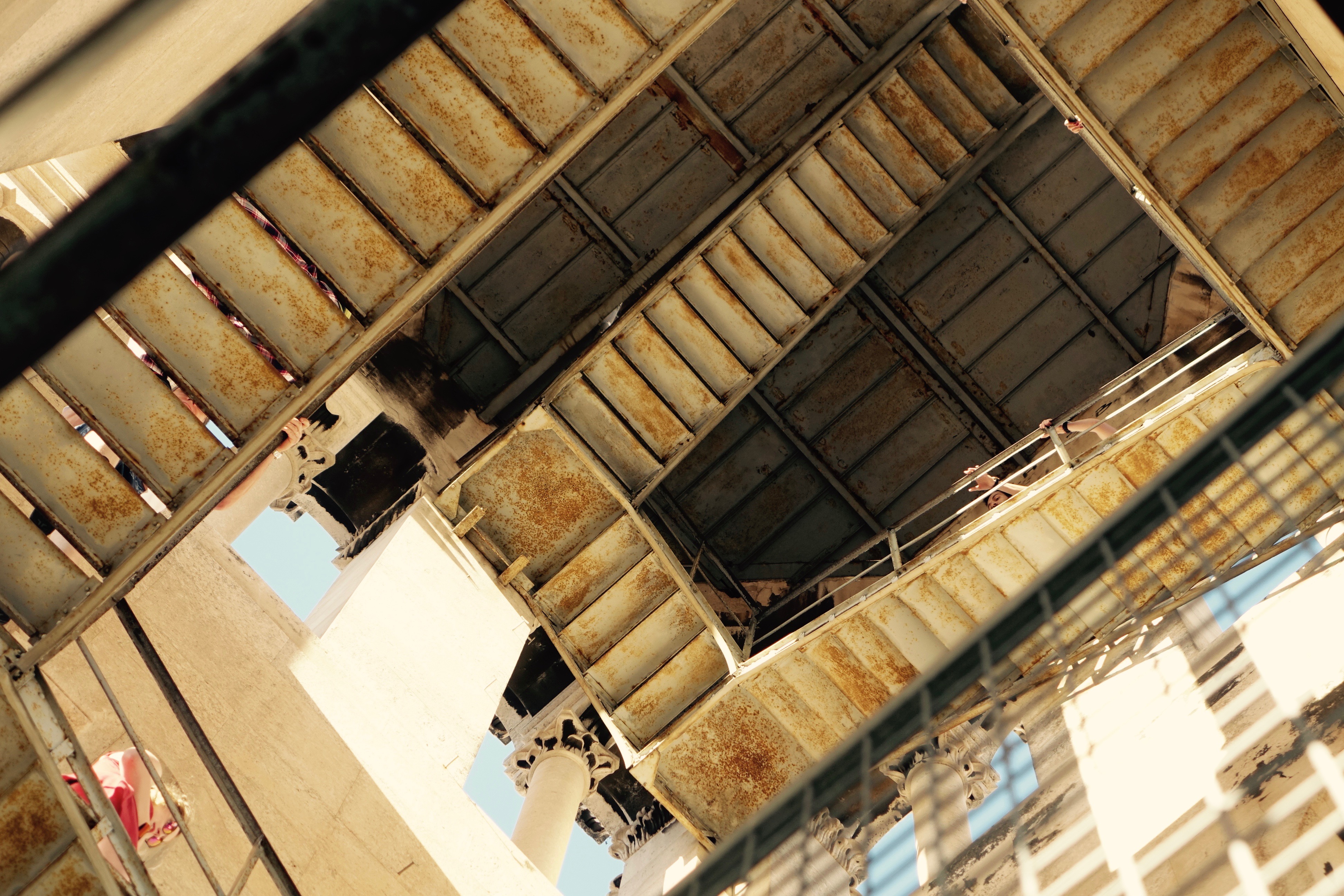
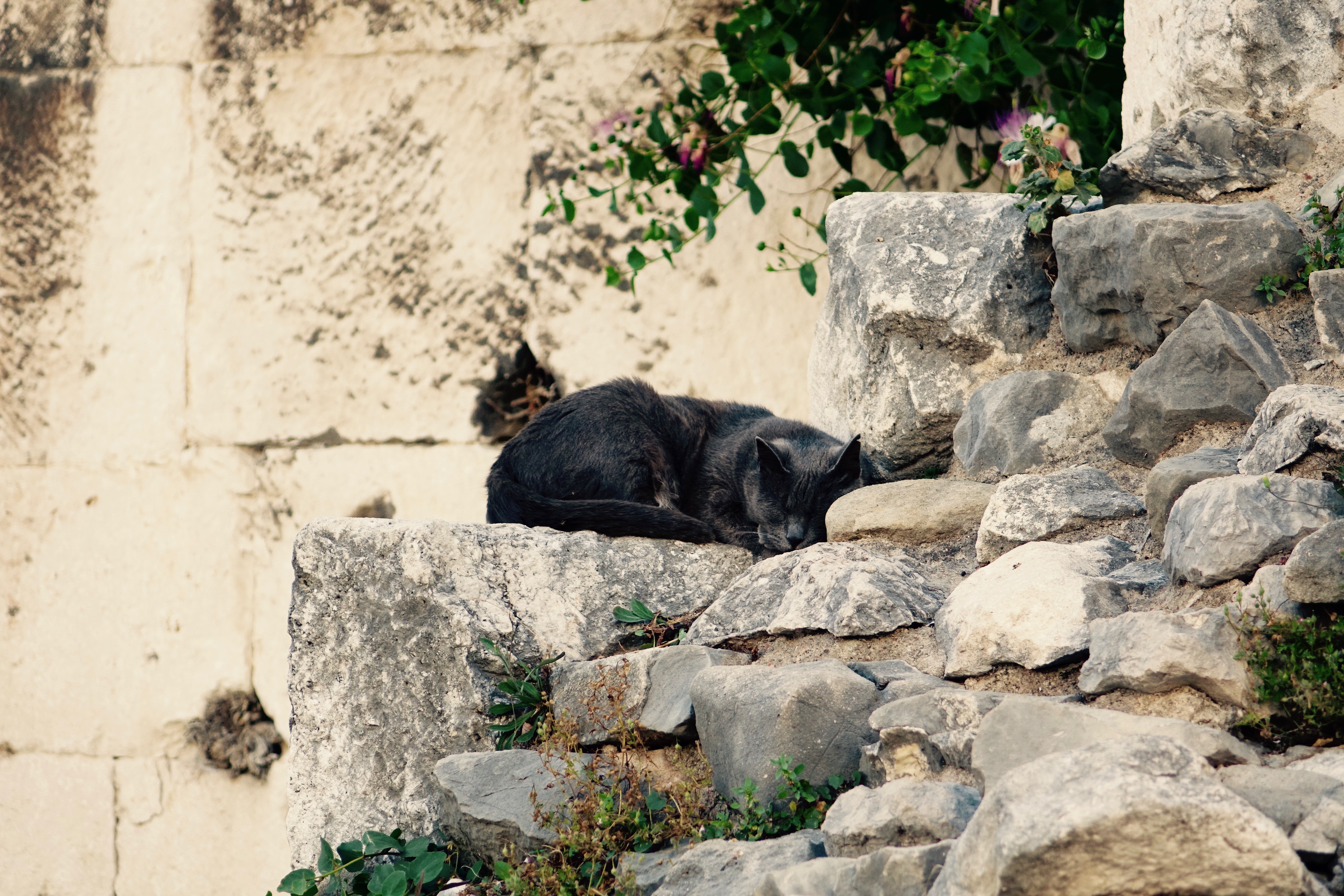
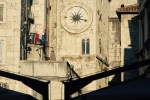
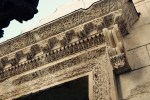
This architectural medley is the focus of this first post of photos from my holiday in Split. Staying bang in the centre, with the most incredible views onto the Cathedral of St Dominus which itself was built on the old sight of Diocletian’s mausoleum, we were ideally situated to make the most of this UNESCO protected marvel. With its hodgepodge of styles, bustling narrow streets, and Roman columns, archways and temples at every turn, the city made for an easy photographic target, as this small selection of a very large collection of photos suggests.

All photos and written content are strictly the copyright of Nicholas de Lacy-Brown © 2016 and The Daily Norm. All rights are reserved. Unauthorized use and/or duplication of the material, whether written work, photography or artwork, included within The Daily Norm without express and written permission from The Daily Norm’s author and/or owner is strictly prohibited. 

Discovering Mallorca: Arty Artà

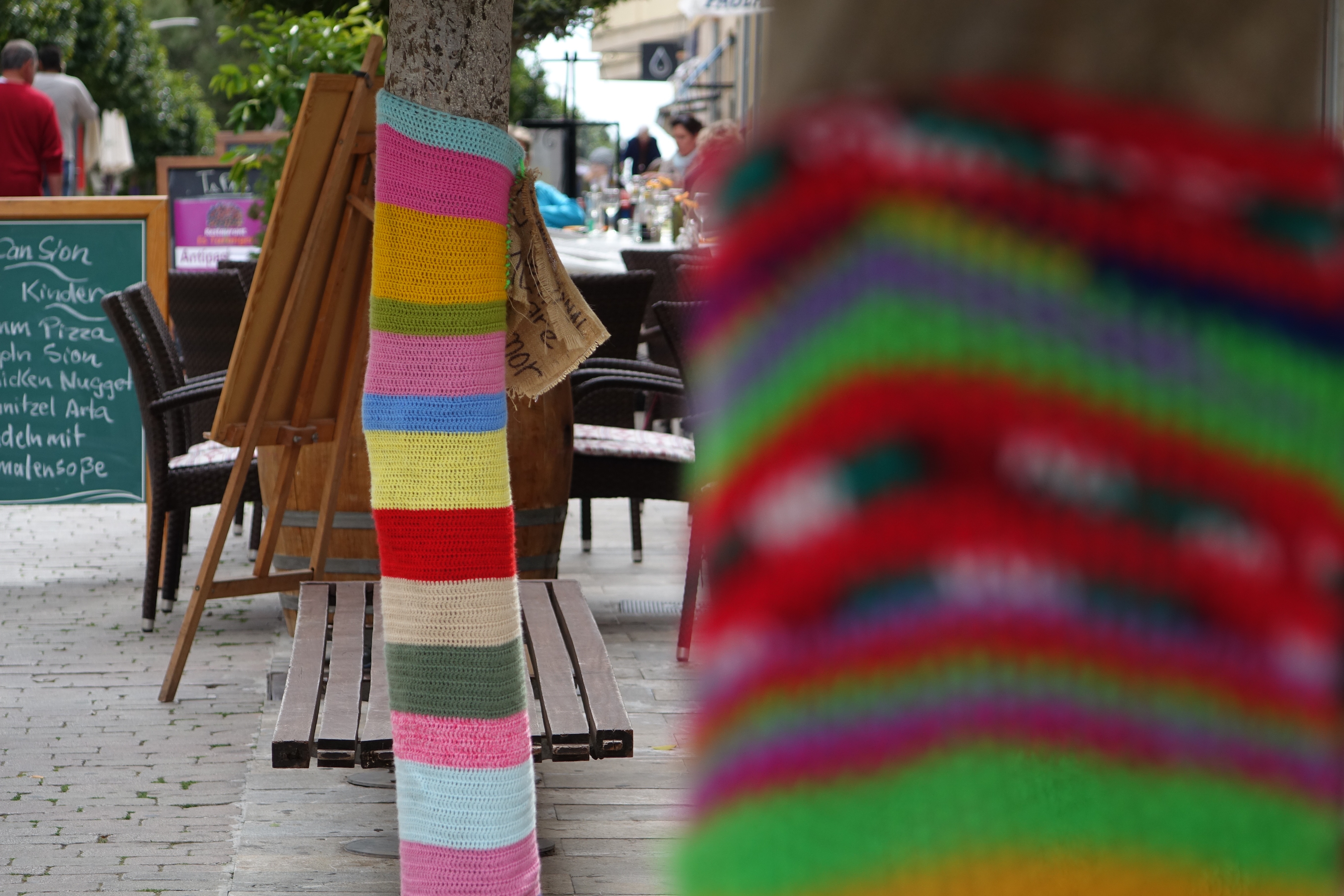
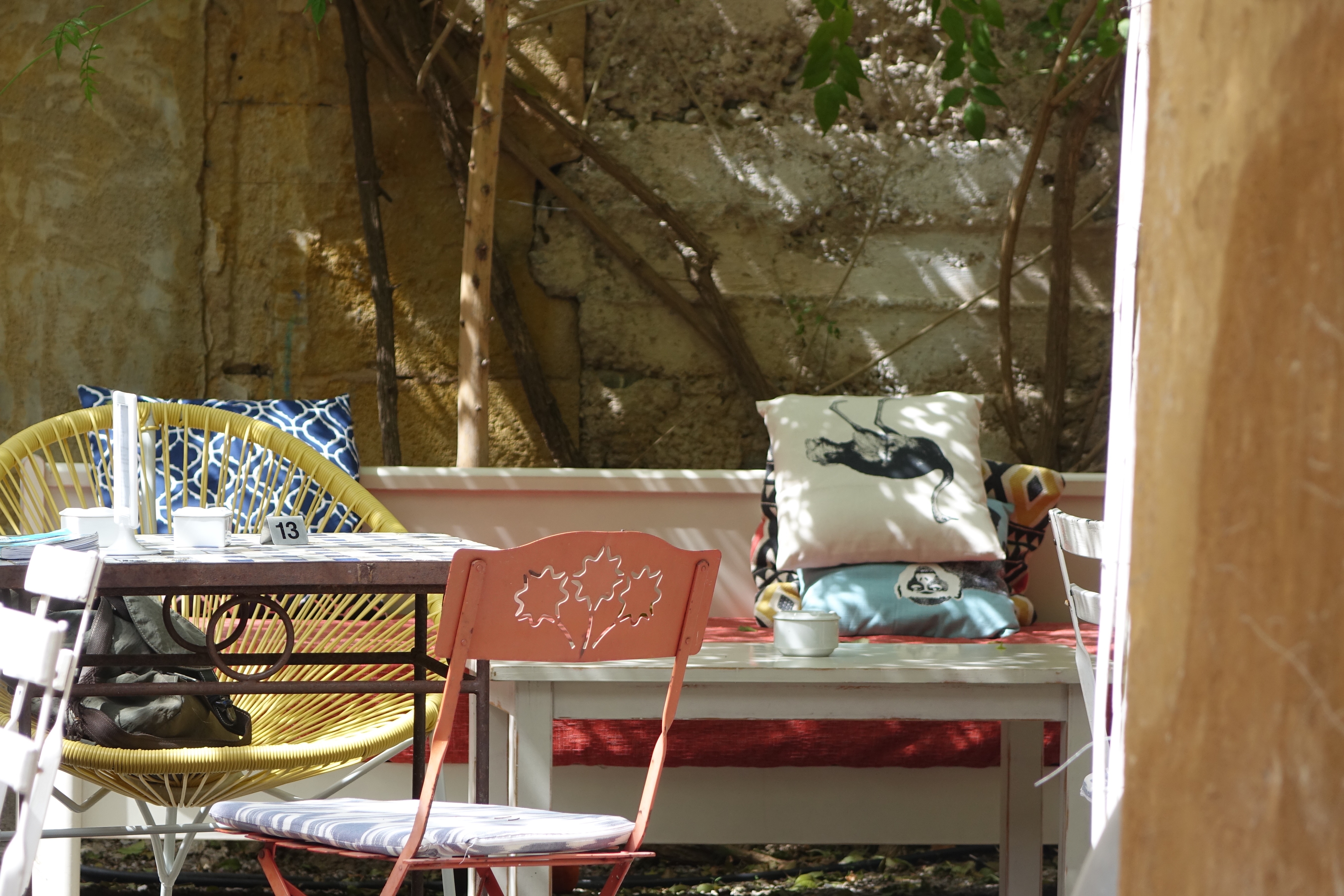
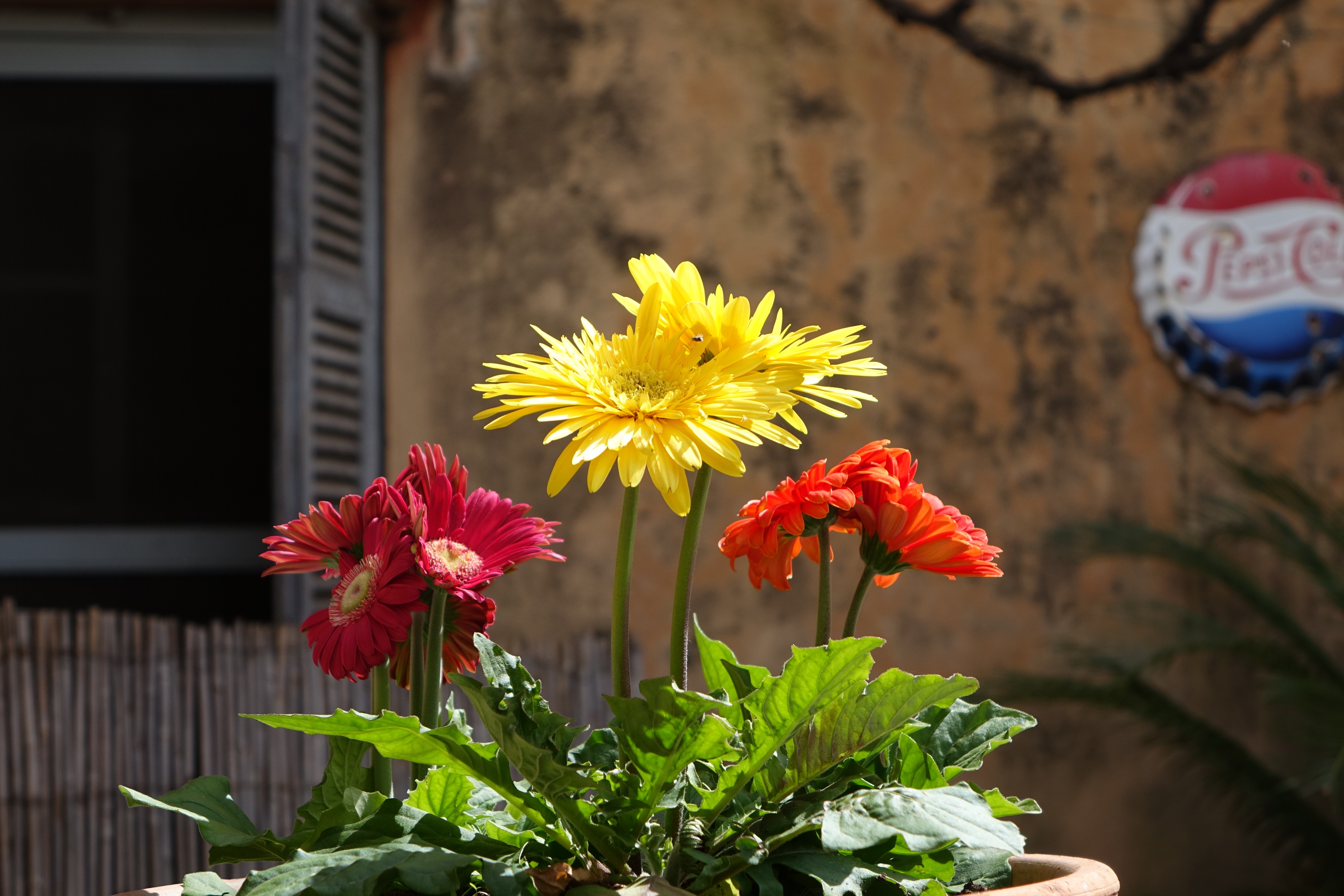
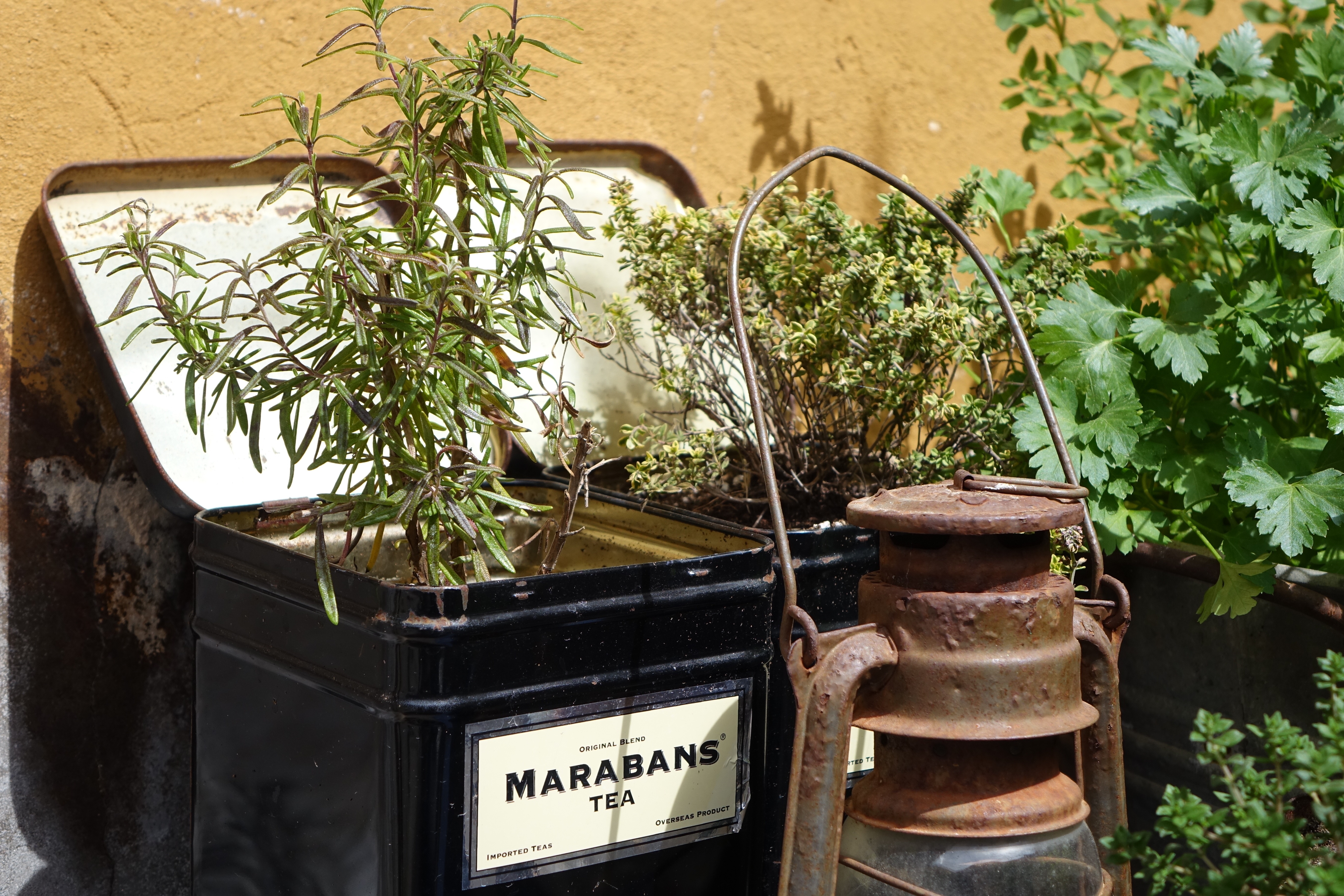
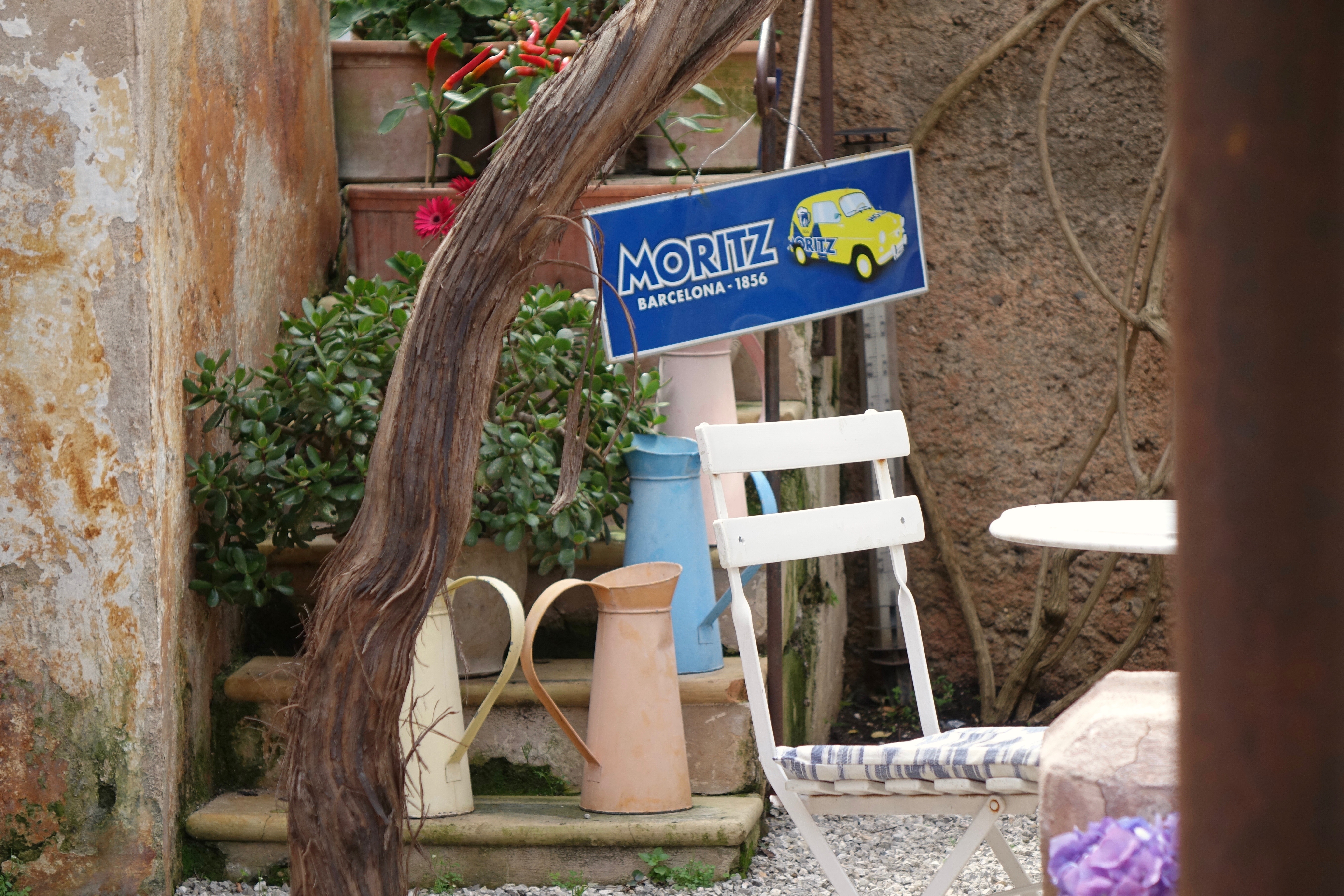
I’m not sure whether somewhere in my subconscious I was influenced by the name, but the moment I entered Artà, the little town nestling on top of a hill deep in the countryside in the North Eastern corner of Mallorca, I felt that it had something inherently arty about it. Not that the place was full of galleries – far from it – but rather the town had a kind of avant-garde artistic spirit which could be seen in the small touches added by locals to characterise the town, such as the knitted socks placed on the tree trunks like winter warmers or tea caddies, and the little shops and cafés, each of which appeared to have their own whimsically creative character.

DSC00486DSC00481DSC00394DSC00502DSC00484DSC00365DSC00362DSC00364DSC00361

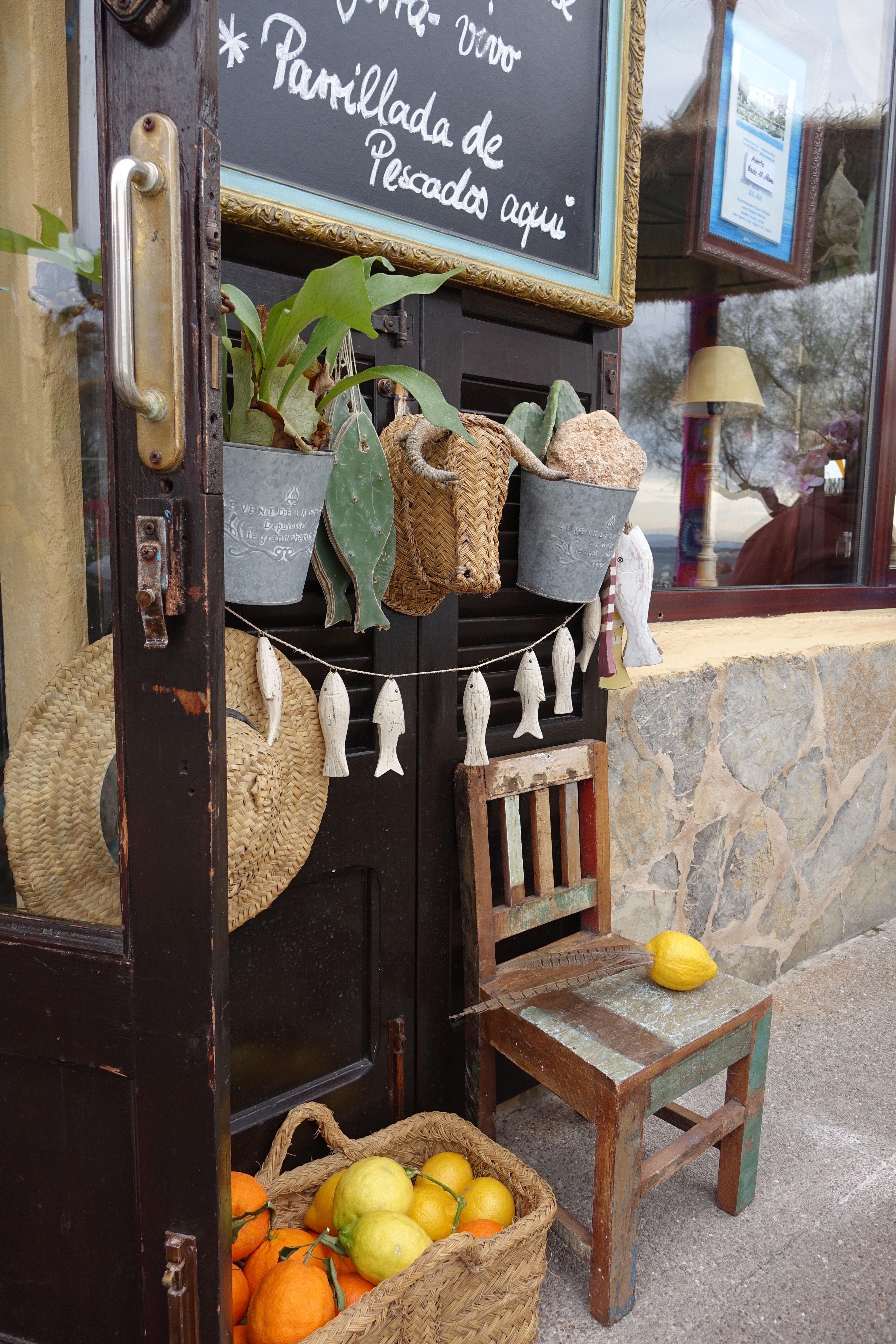
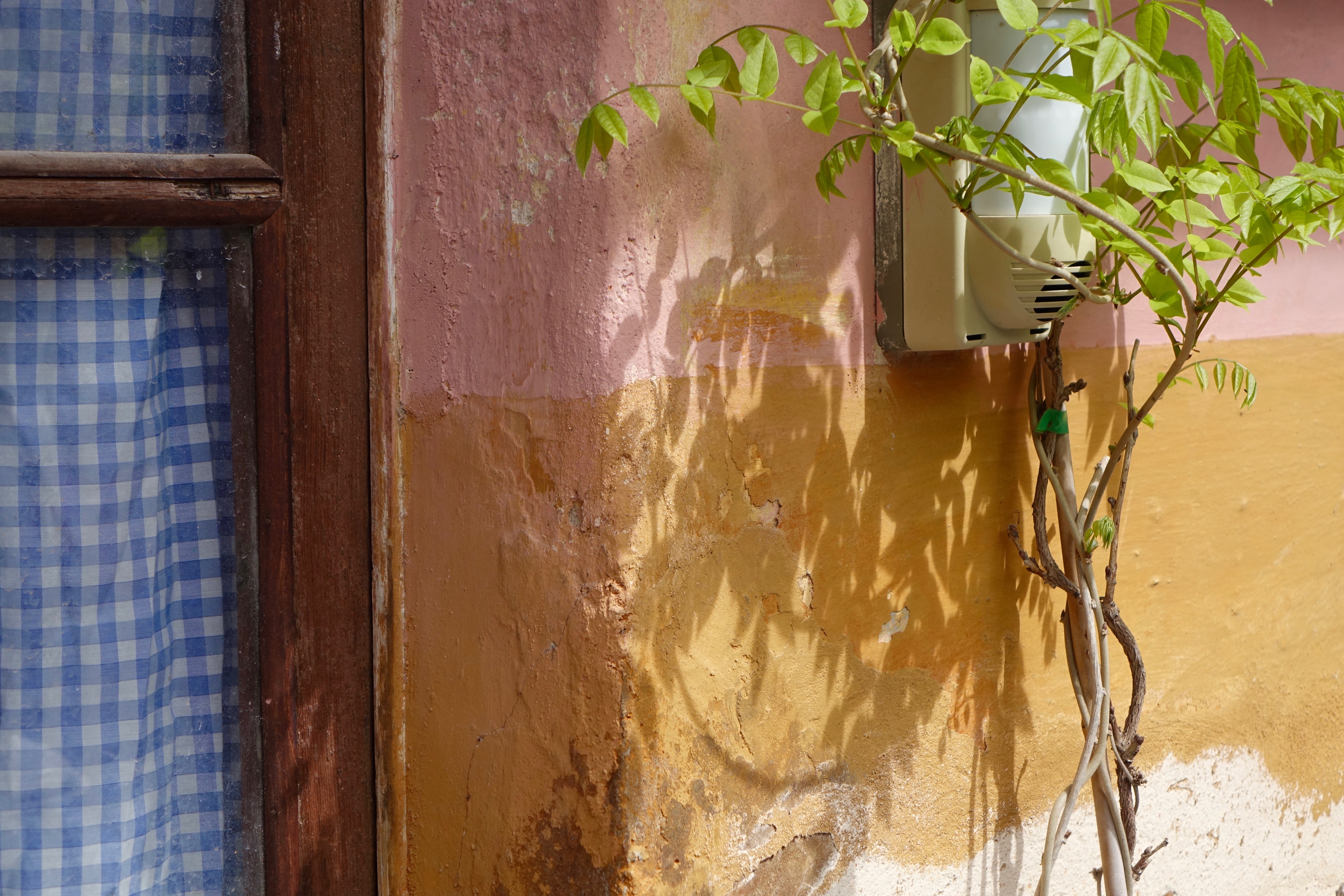
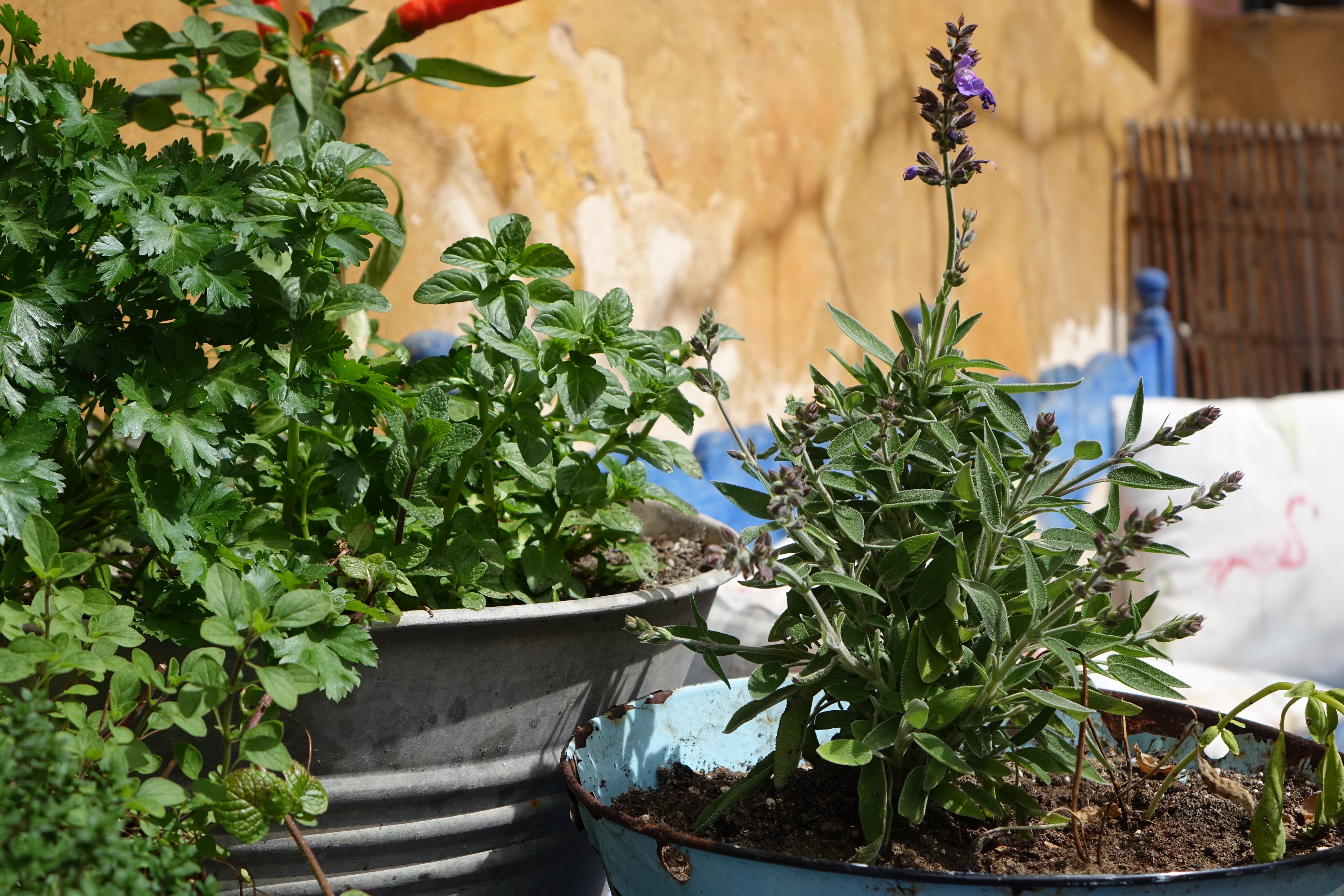
This was no more so than in the Café Parisien, our first stop as we entered the town, and a fine place to rest after the long drive across the island from Palma to Artà for a spot of lunch in a sun-dappled patio courtyard garden perfumed with jasmine and filled with herbs and other aromatics. Sitting on a juxtaposition of differently designed chairs, eating off rustic tables, the paint peeling from years exposure in the sunshine, and surrounded by a panoply of old advertising paraphernalia, pots, plants and a carnival of flowers, it was rather like being welcomed into the garden of an ageing artist after years of taking inspiration from the natural world. It felt old and at the same time freshly bohemian. The food was great too.

The Café Parisien

DSC00382DSC00393DSC00385DSC00388DSC00386DSC00379DSC00380DSC00389DSC00376DSC00368

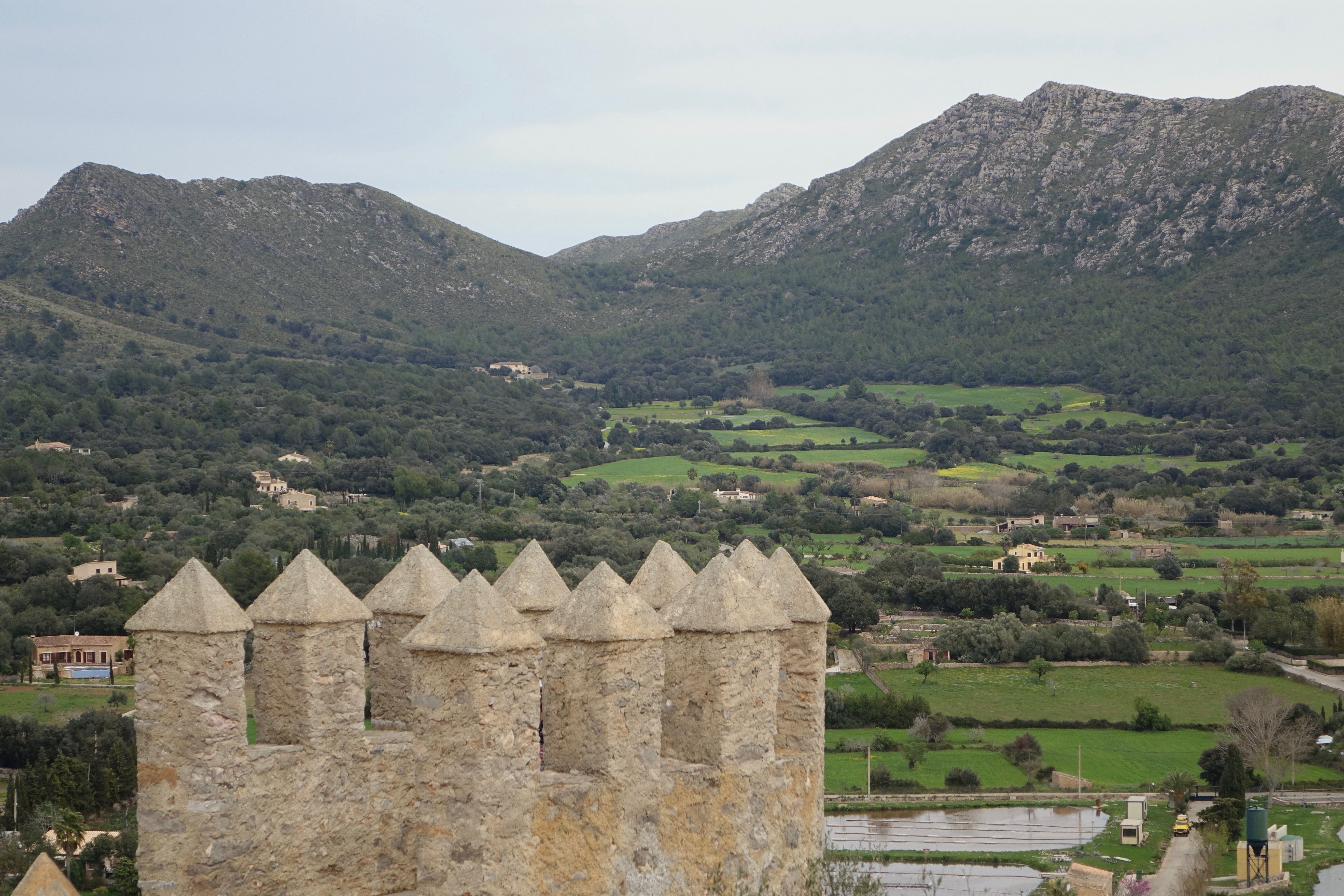
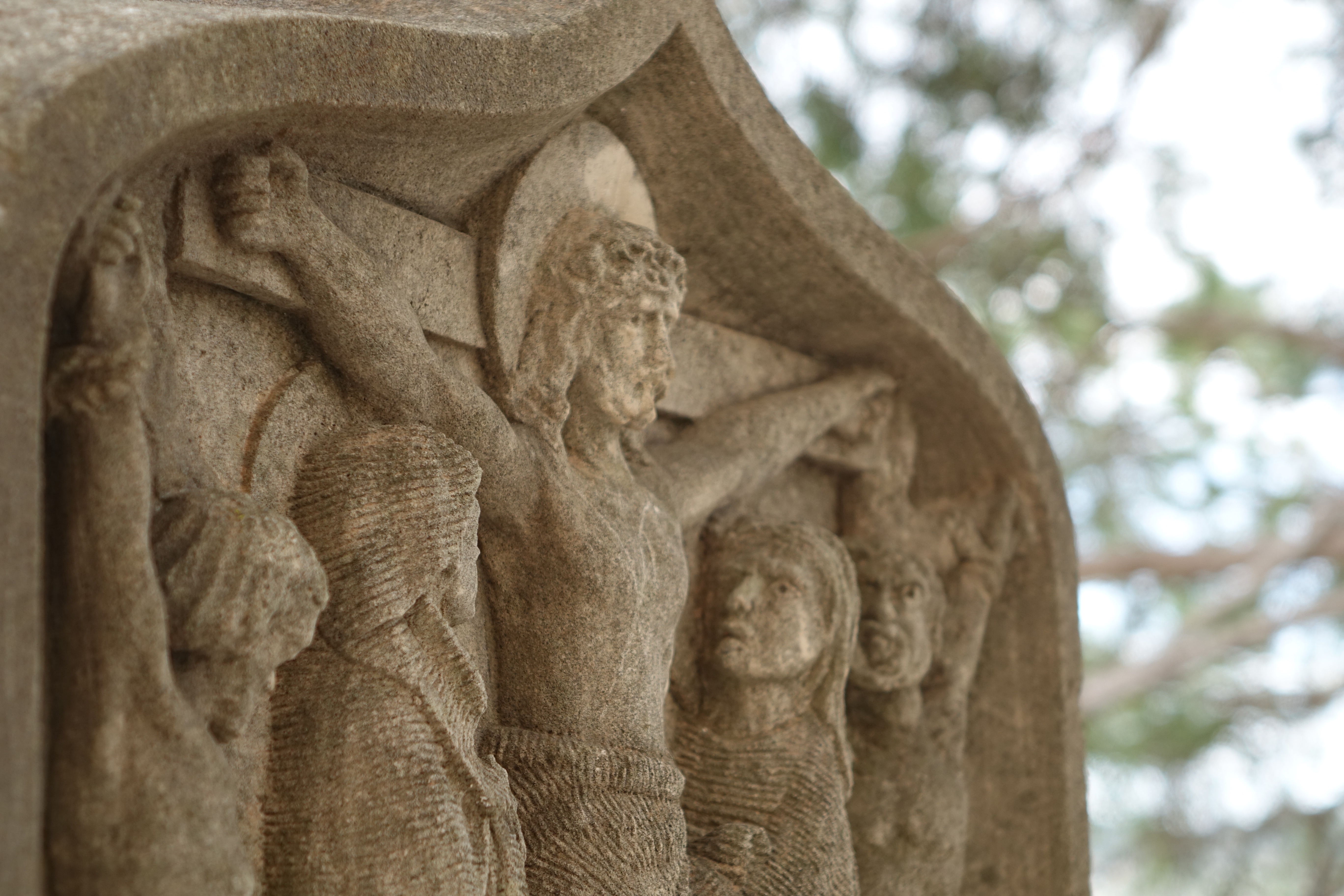
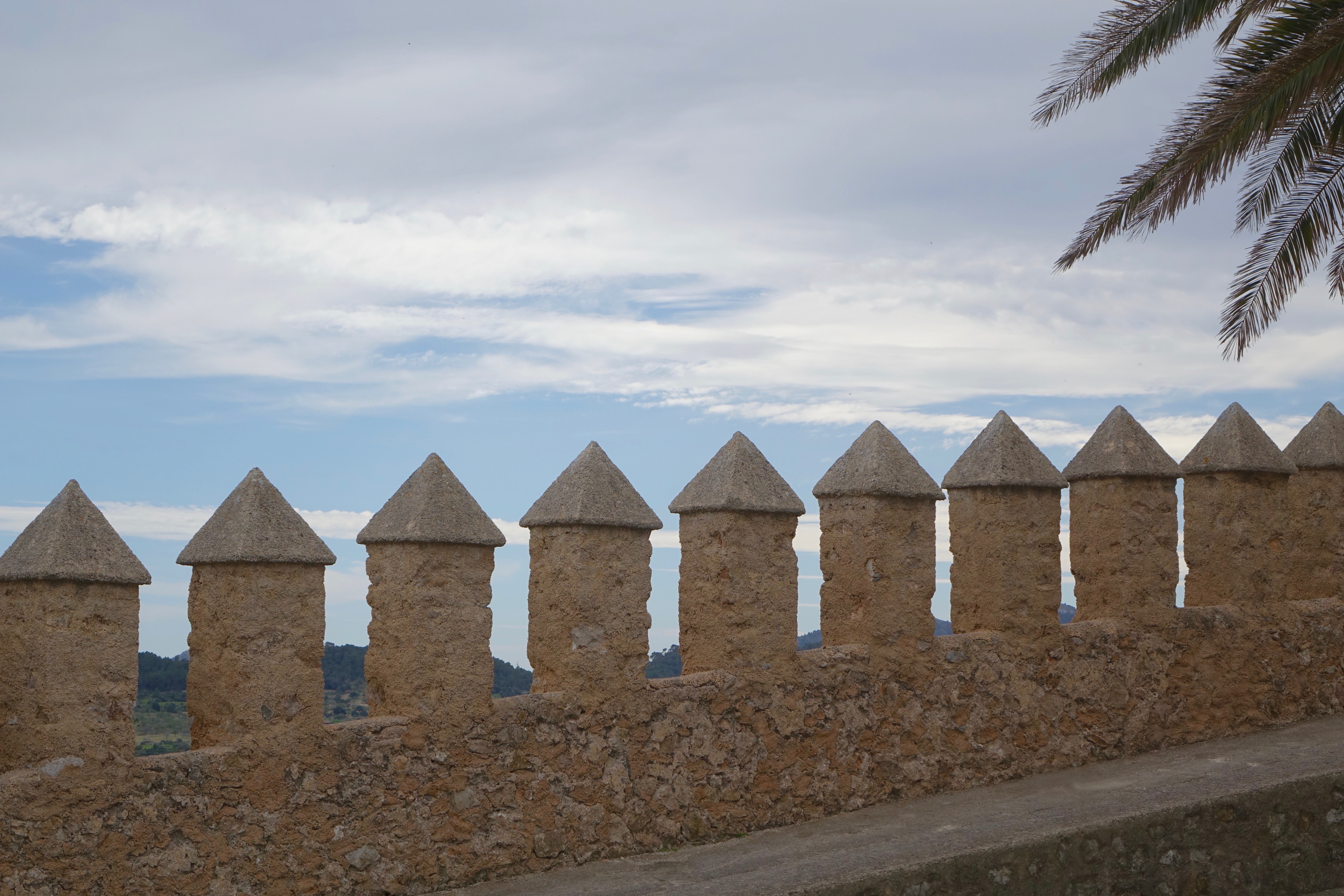
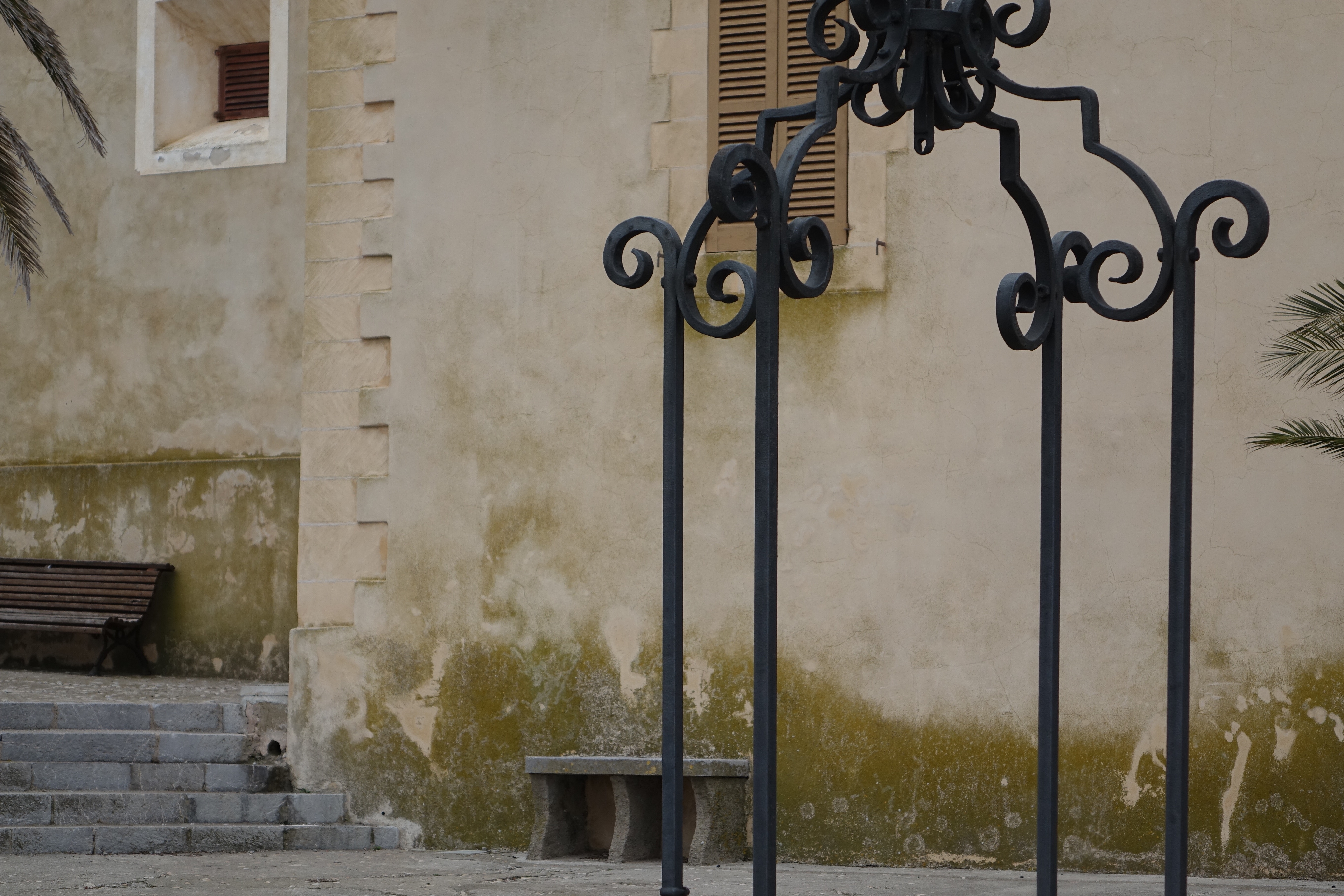
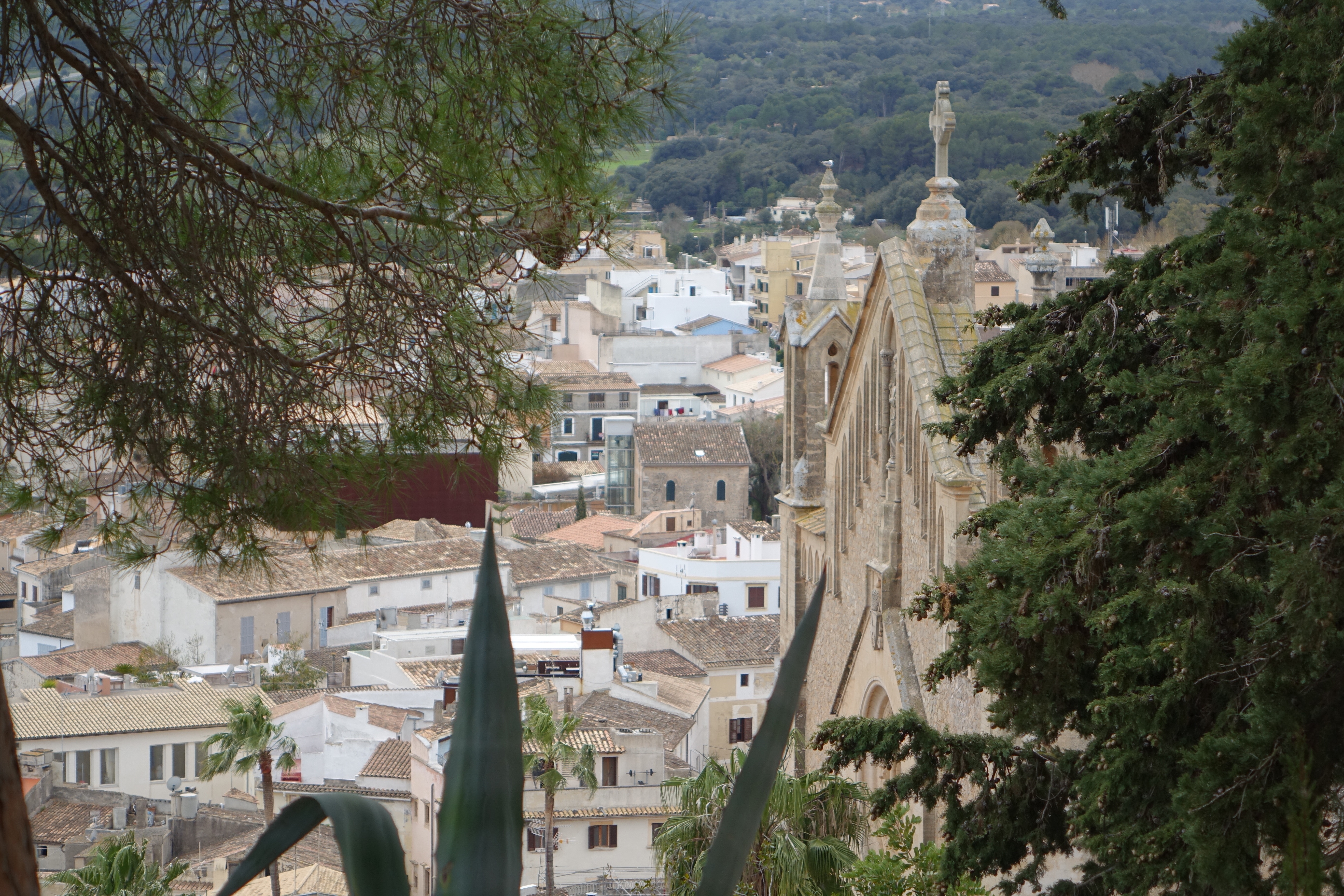
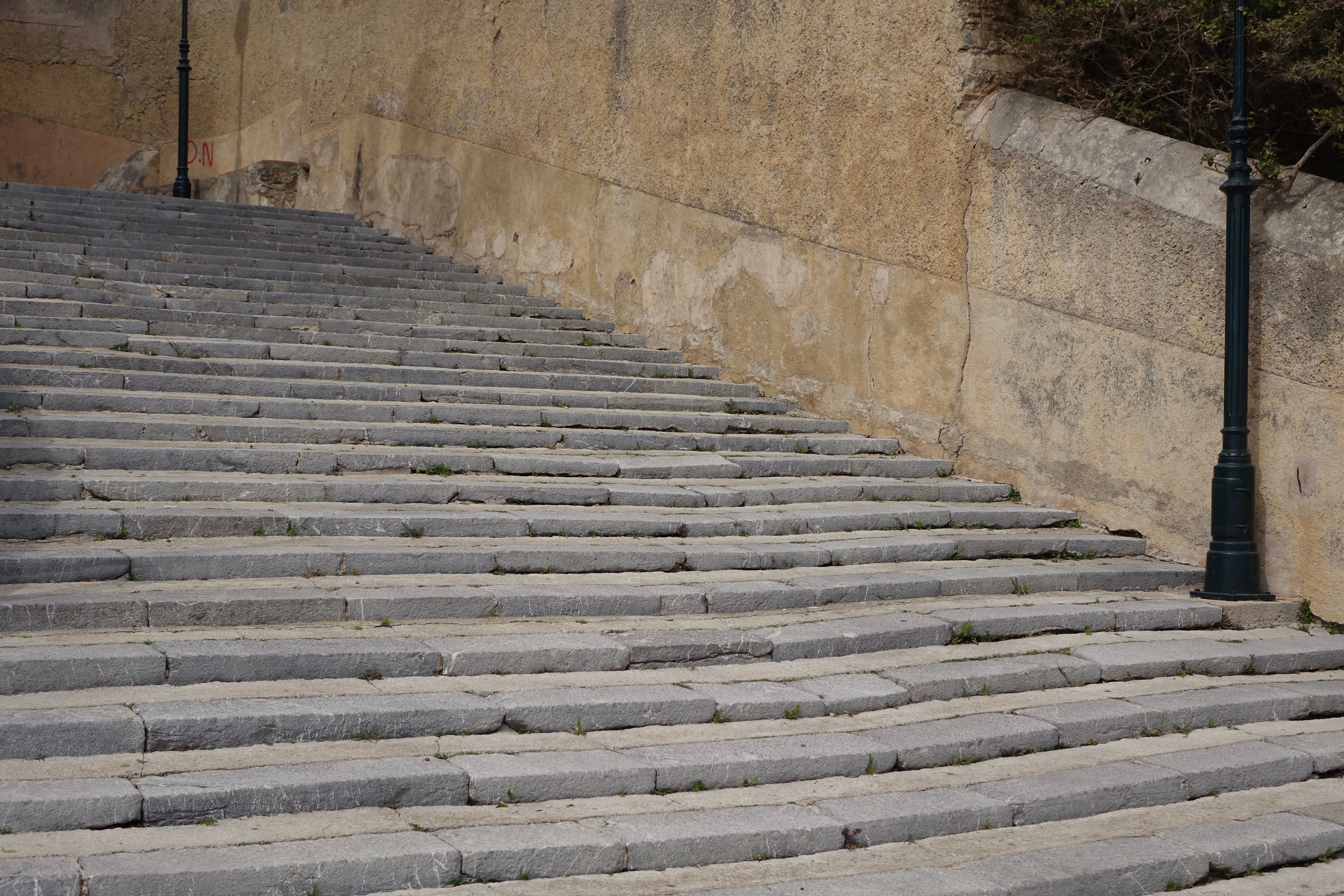
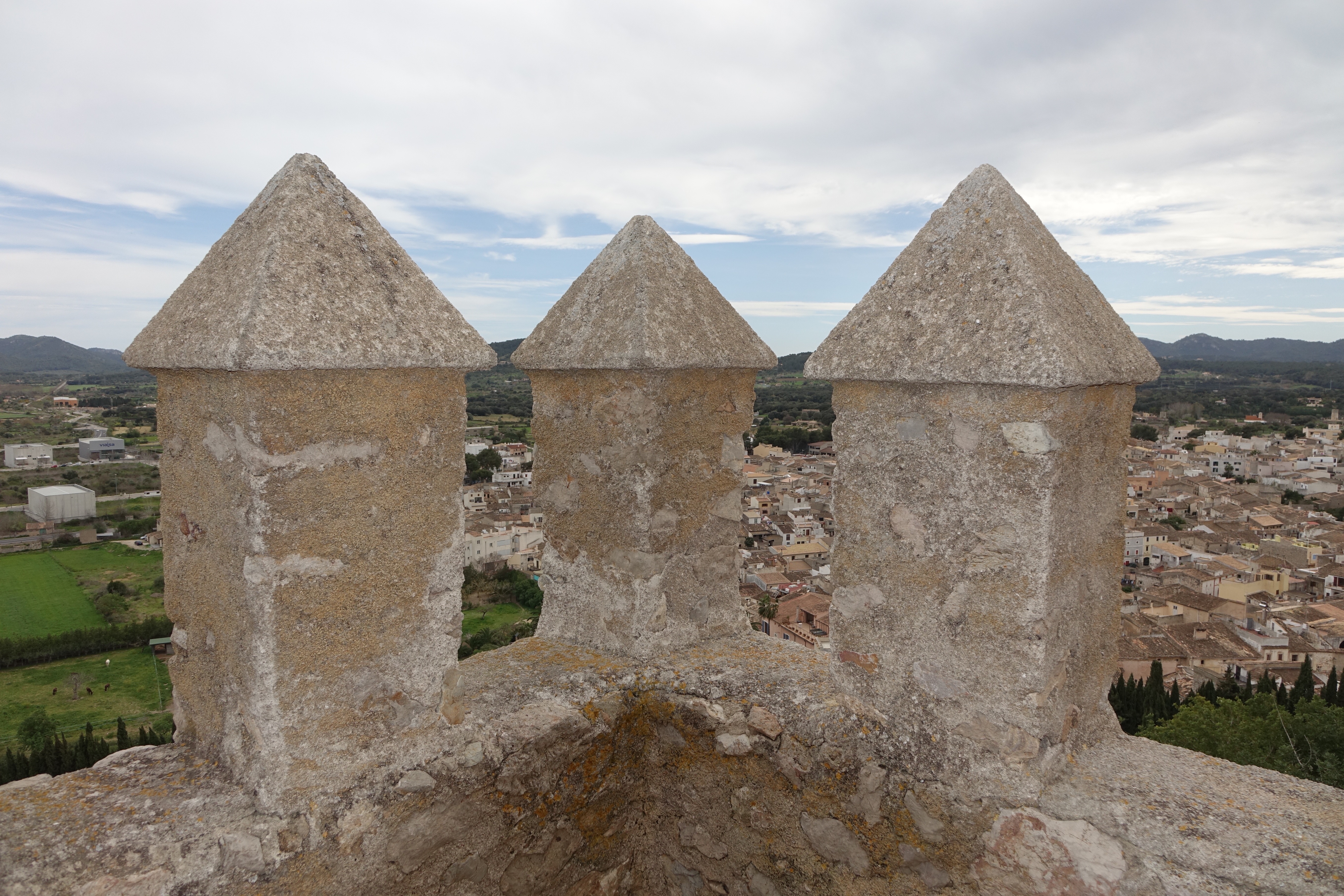
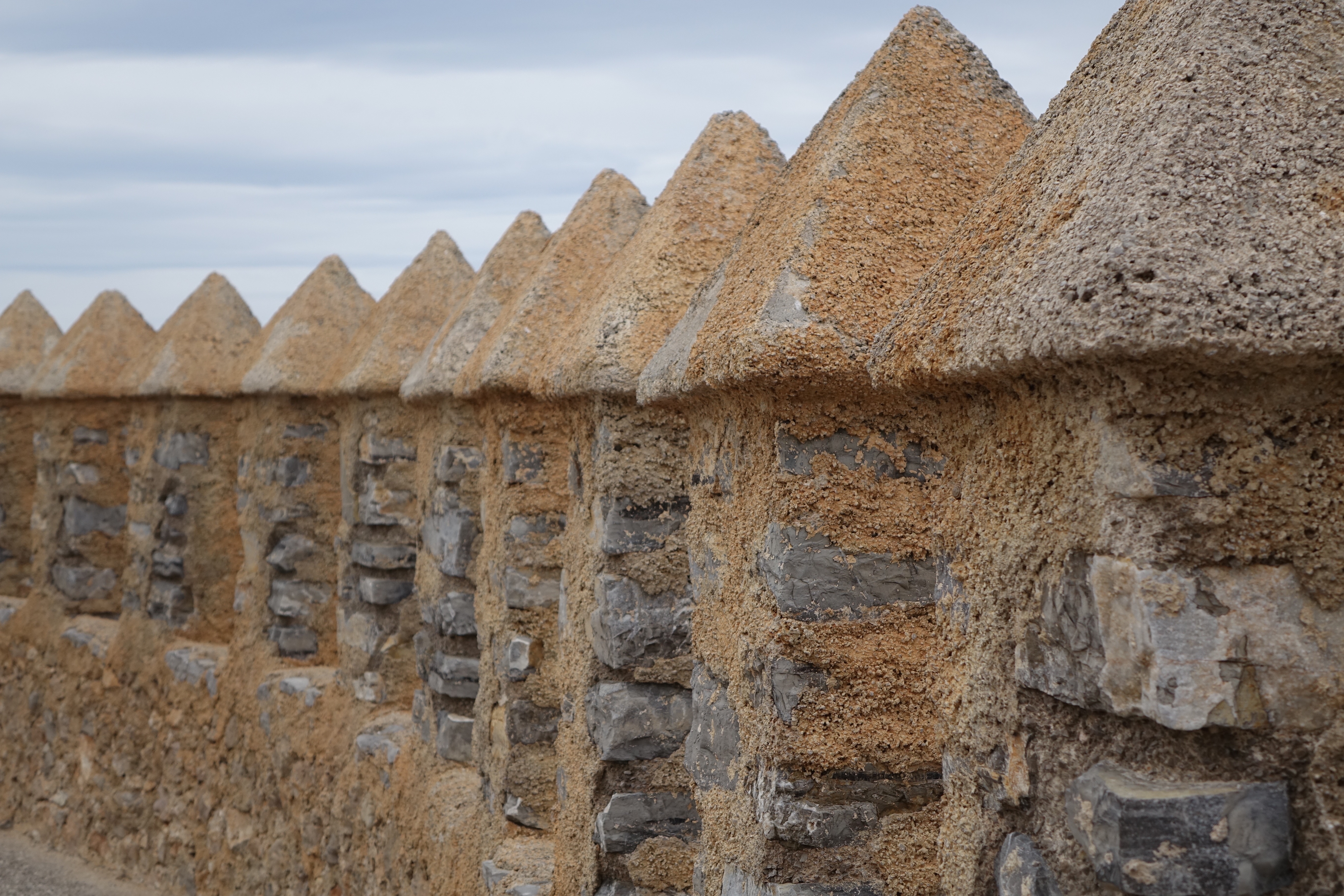
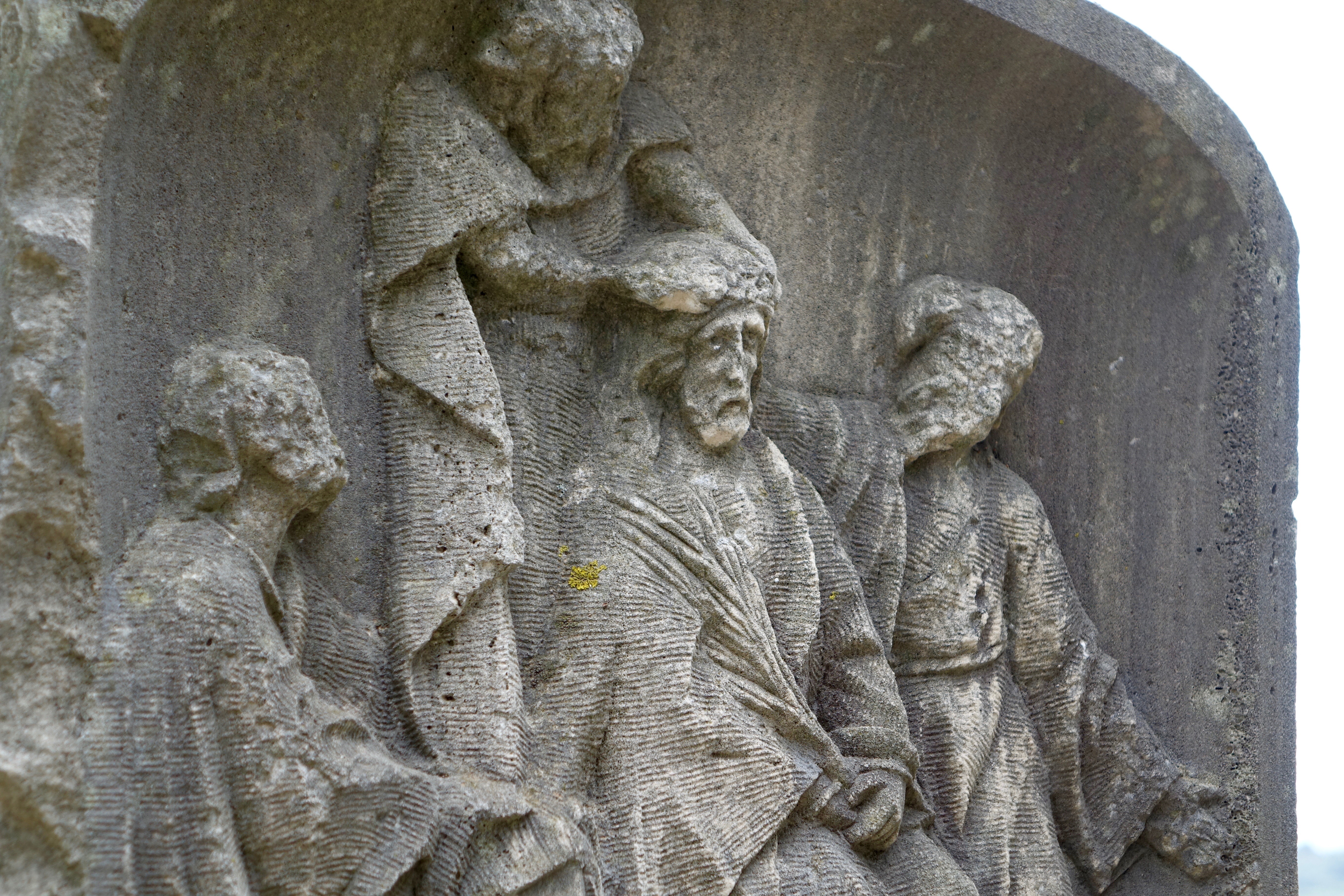
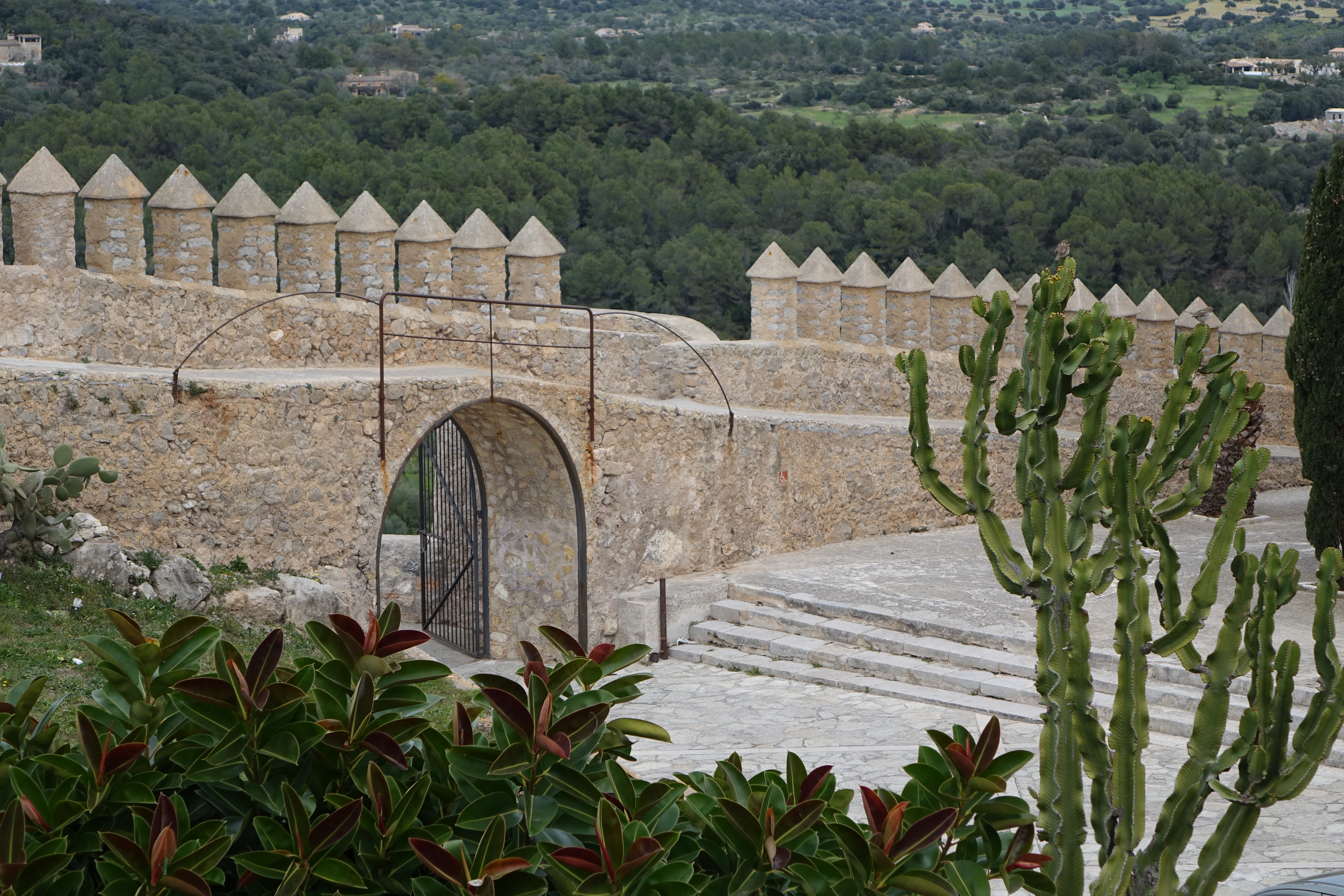
But the real age of Artà was to be found not in the old café gardens, but up on the hill which dominates the town. Up through winding streets and climbing a gently rising but extensive stone staircase, we headed up to the Sanctuary of Sant Salvador, a site oozing the history of this ancient town which has been occupied for some 3,000 years. With a charming small church at its centre, with its tiny ageing Madonna looking like a porcelain doll glowing above the altar, and an outer ring of authentically moorish ramparts offering stunning views over the surrounding mountainous countryside, the hill was the high point of the visit, not just in geography but in experience. It was like taking a trip to Granada and Salamanca, in the time of the Moors and the Medieval conquistadors, all rolled into one.

DSC00437DSC00432DSC00452DSC00456DSC00447DSC00431DSC00416DSC00417DSC00436DSC00451DSC00424DSC00468

Thus we concluded that little Artà, this town almost lost in the mountains so far from Palma down in the south, was well worth the drive from one corner of the island to the other and made for a perfect little visit, and a fascinating insight into the history of Mallorca.

All photos and written content are strictly the copyright of Nicholas de Lacy-Brown © 2016 and The Daily Norm. All rights are reserved. Unauthorized use and/or duplication of the material, whether written work, photography or artwork, included within The Daily Norm without express and written permission from The Daily Norm’s author and/or owner is strictly prohibited.

Memoirs from Venezia, Part 2: Sestiere di Castello

Venice is not just any city for me. It was present at the inception of my teenage renaissance, when at the age of 18 I travelled to Italy with 20 likeminded young people to study art history. Venice was the first stop, and it was in that city that I felt myself transform, like a butterfly whose wings burst forth upon a mega-wave of sights, images and inspirations. So whenever I return to the city, there is always a part of me which yearns to revisit all of the sites which gave birth to that transformative experience. But at the same time I always want to see something new, and despite its compact size, the intricate labyrinth of the city always provides a new surprise around every corner.

On this trip, I was determined to discover some of the areas which I do not know so well, and there to expose myself to some of the lesser-known gems of the city. One such area is the Sestiere di Castello, which, tucked just behind San Marco, sprawls eastwards from the Rialto across to the Arsenale and beyond.

Gems of the Sestiere di Castello

DSC05085DSC05545DSC05522DSC05516DSC04936DSC04948DSC04981DSC04897DSC04933DSC04914DSC04912DSC04915DSC04885DSC04874DSC05531

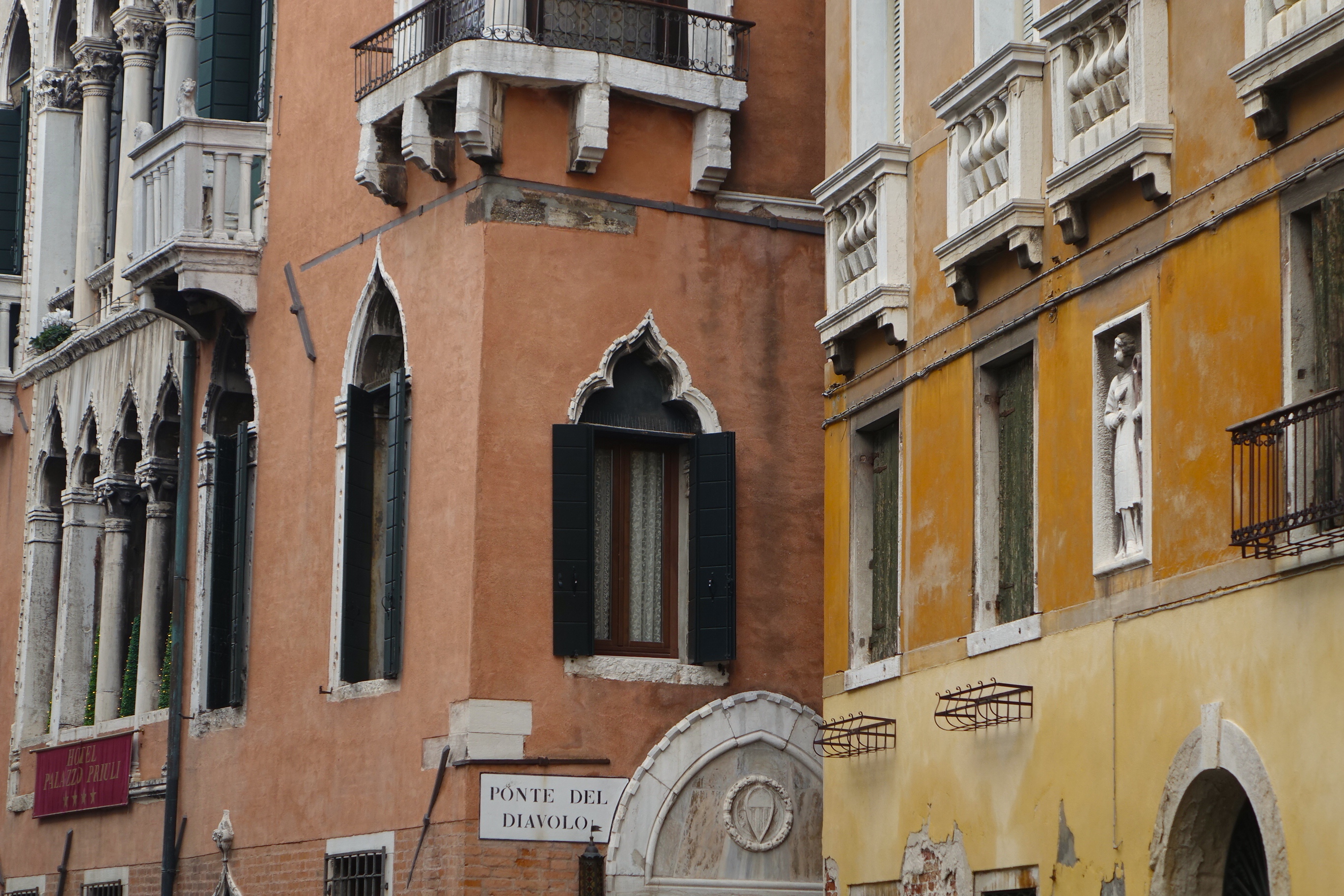
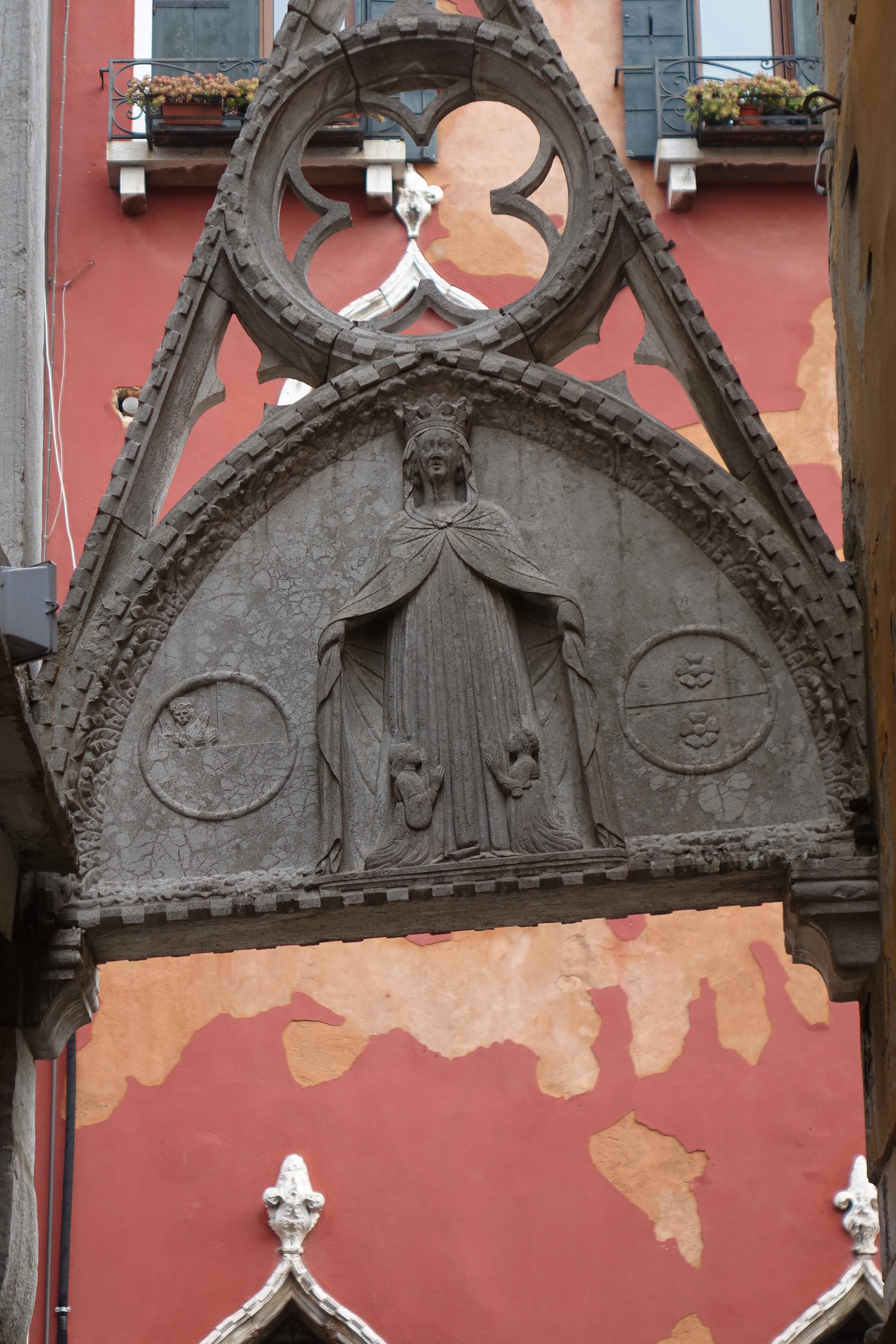
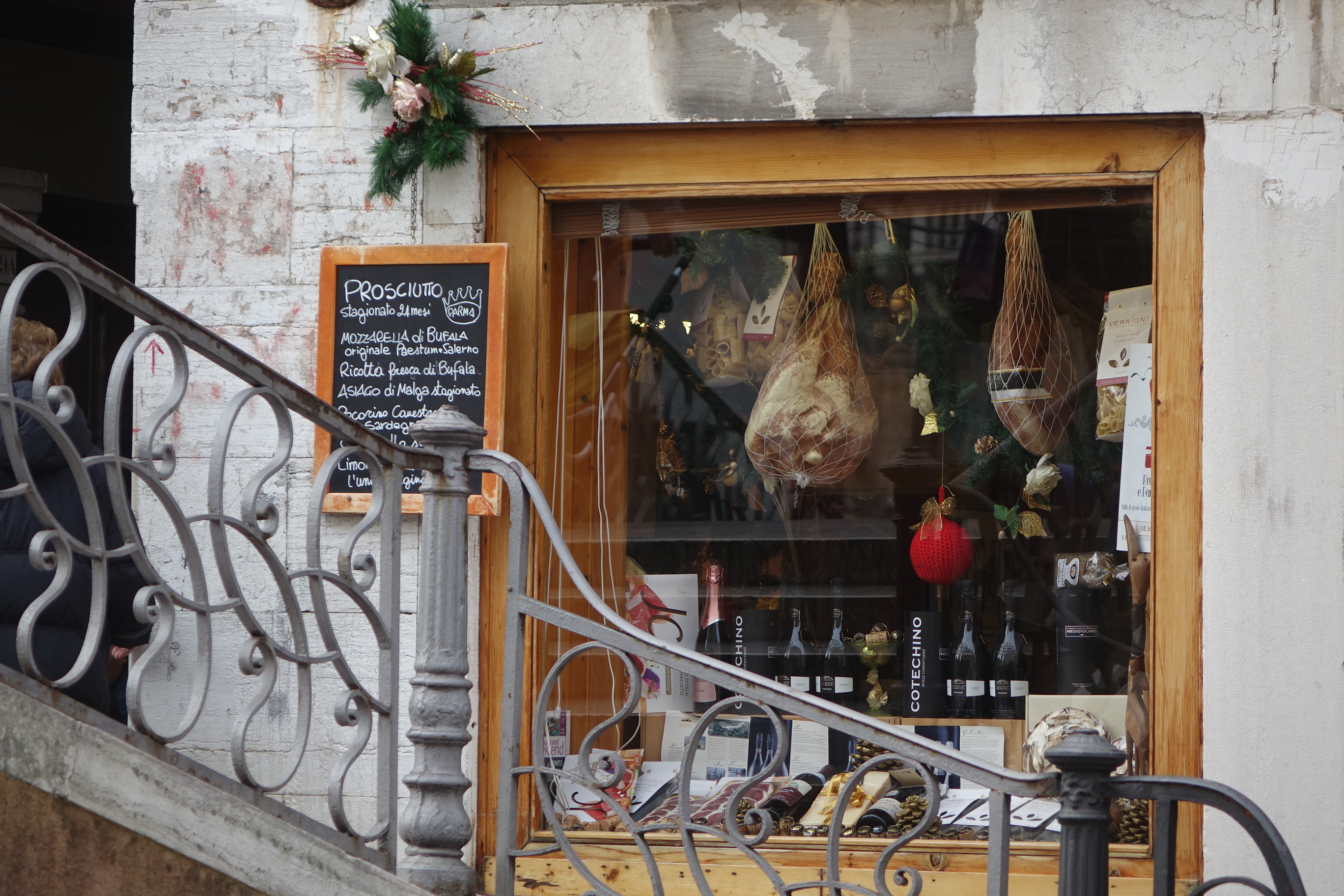
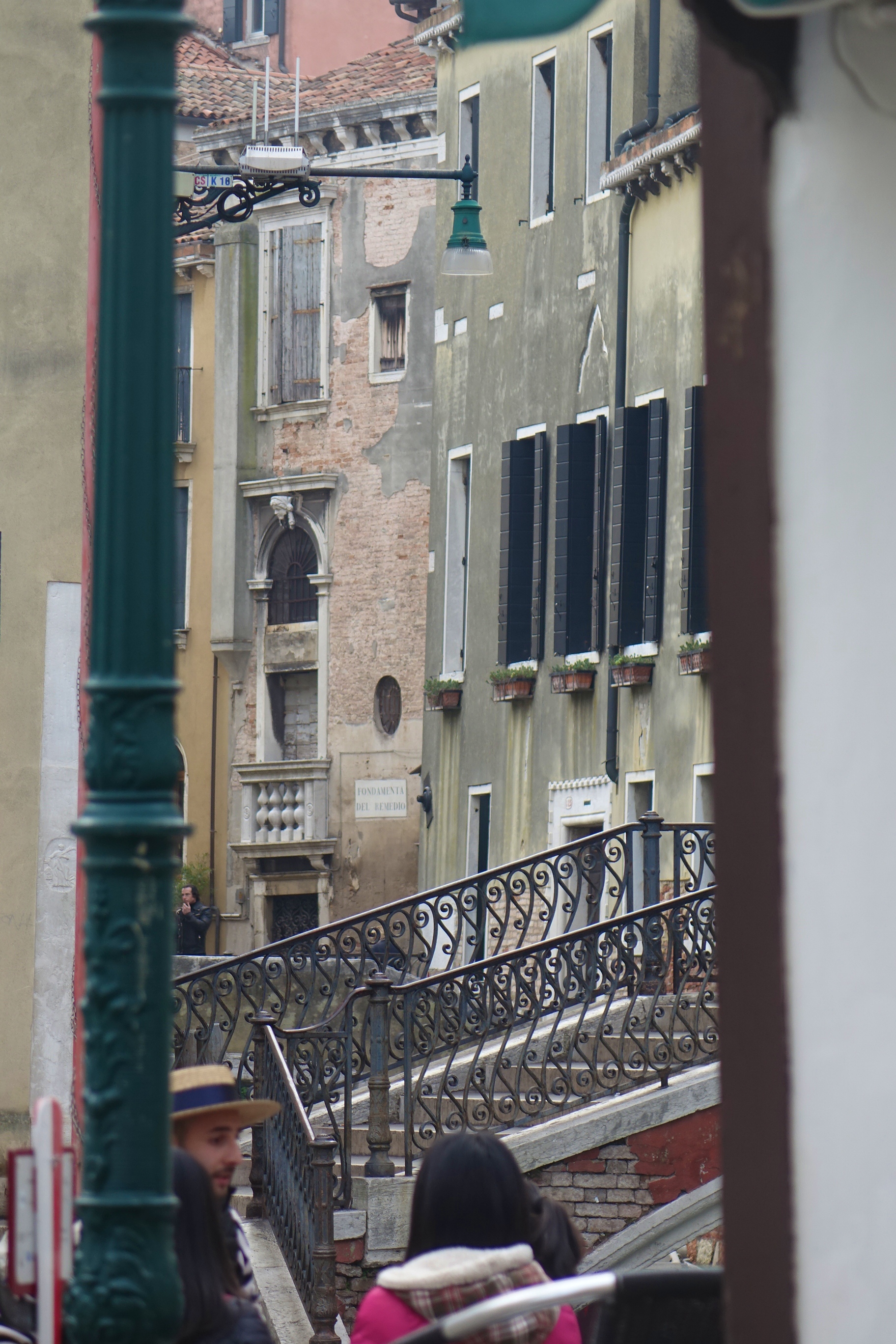
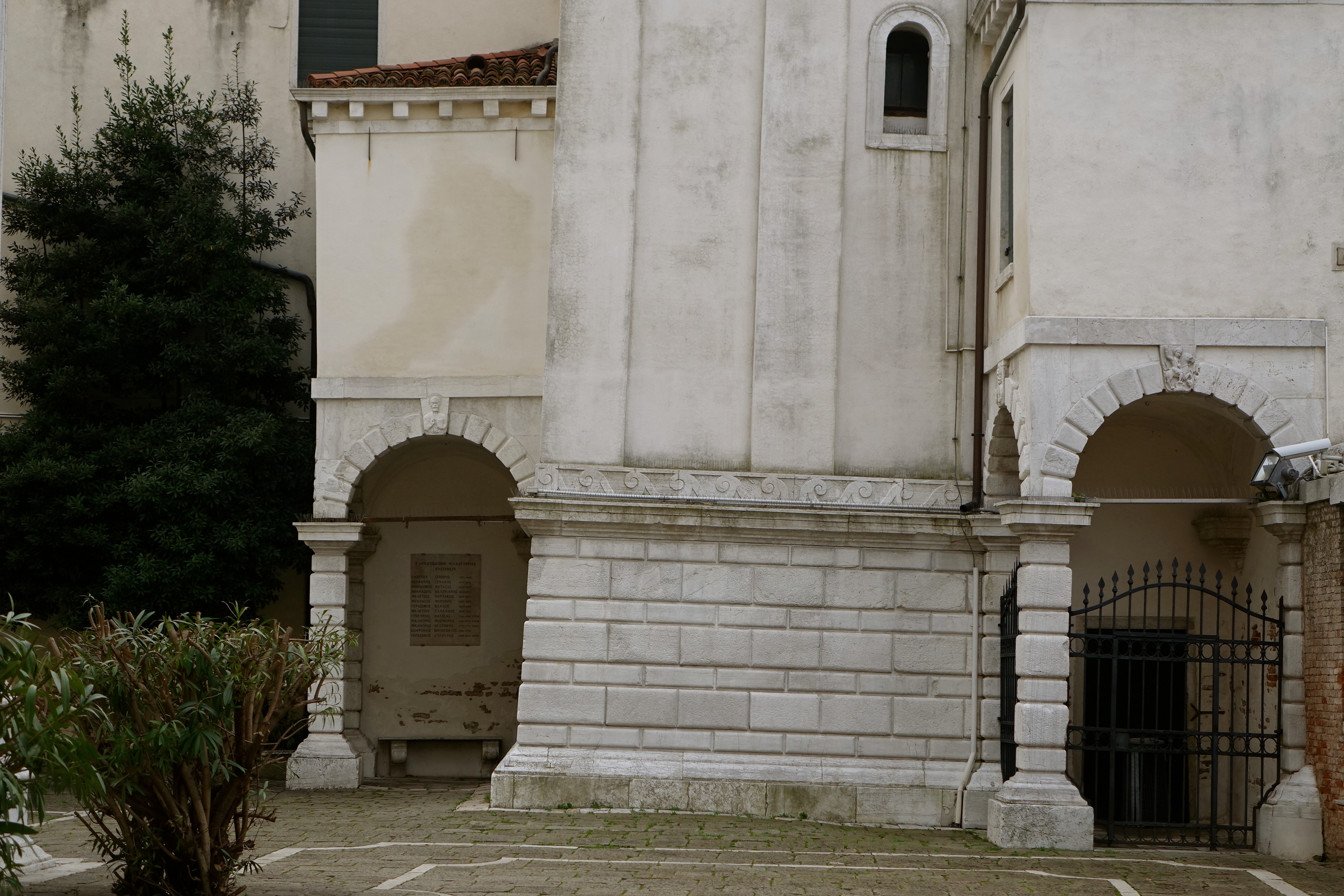
It is easy to tire of the repetitiveness of central Venice, with every shopfront loaded with mass-produced masks and tacky souvenirs, but walk just a few canals beyond the centre, and a more quaint, authentic city is ripe for the discovery. Such is the case with the Castello, from the grand Campo Santa Maria Formosa with its curving church, to the impressive square in front of the Zanipolo church, the size and scale of which makes it a clear rival to St. Mark’s itself. All this we explored as we traversed the area on foot, gawping at the stunning stone mausoleums of the doges set within the walls of the Zanipolo, as well as being mesmerised by the haunting chants of a Greek Orthodox service on the Rio del Greci in a beautiful little church which has its very own leaning tower.

The Zanipolo and the Chiesa di San Giorgio dei Greci

DSC05510DSC05497DSC05505DSC05495DSC04960DSC04961DSC04967

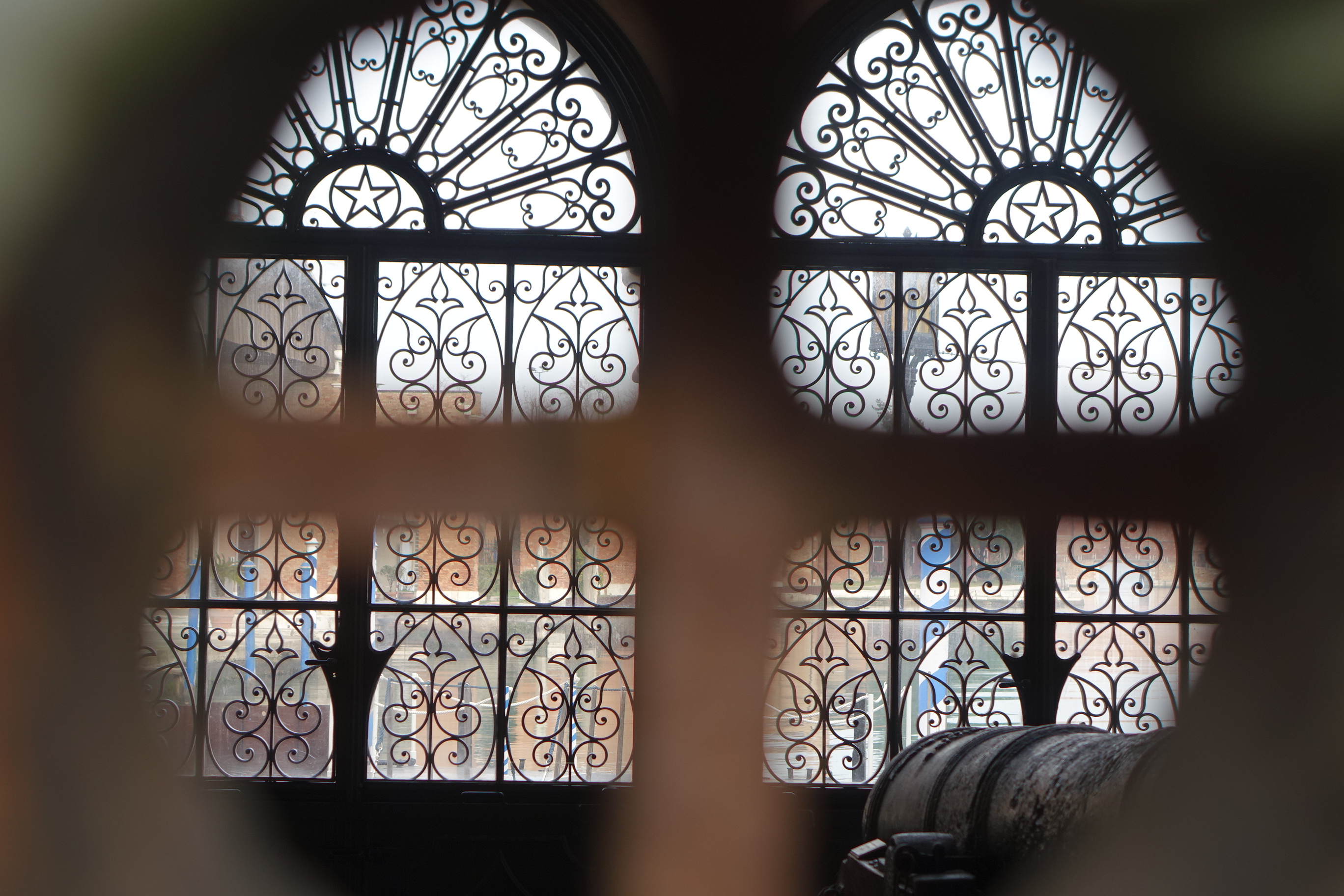
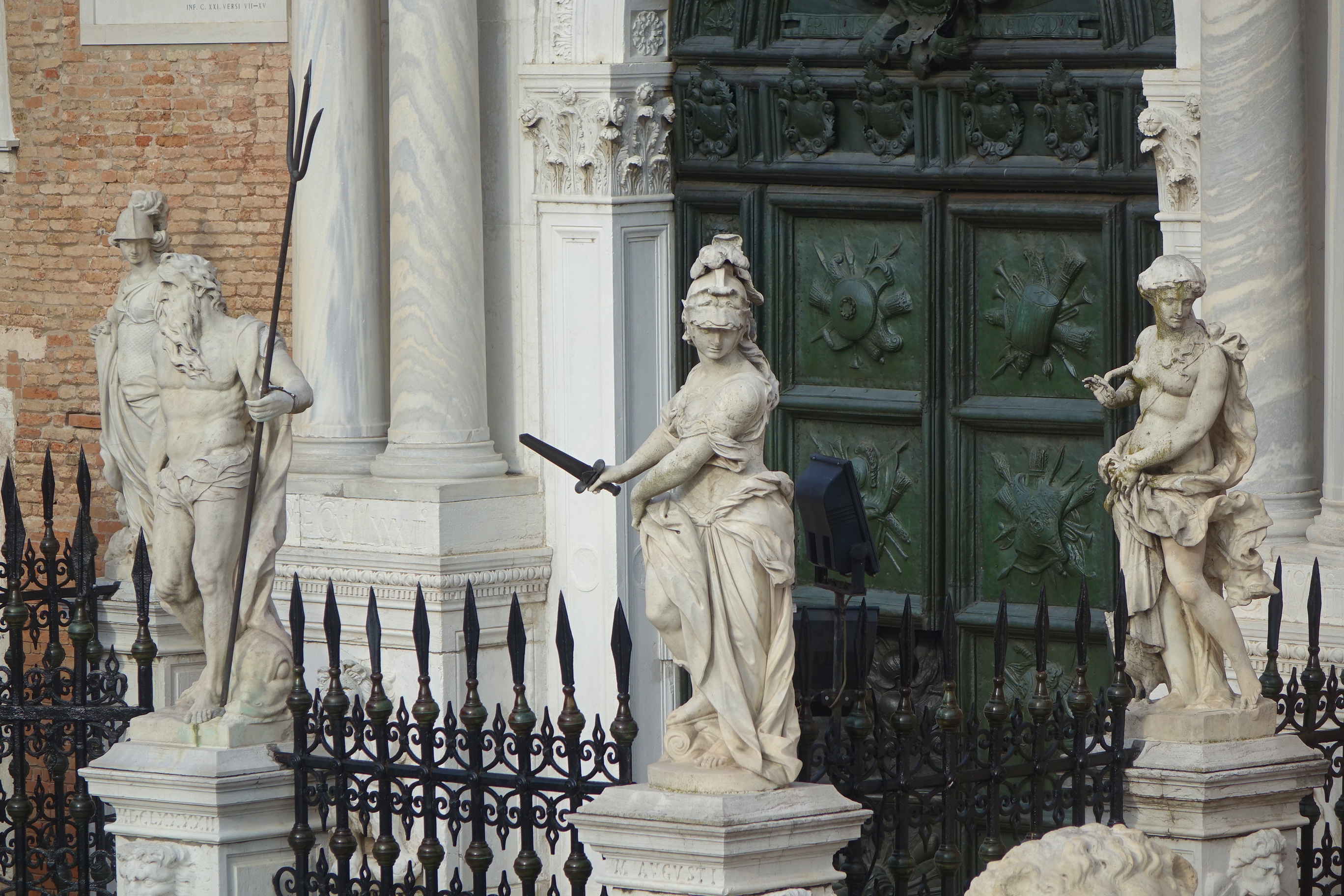
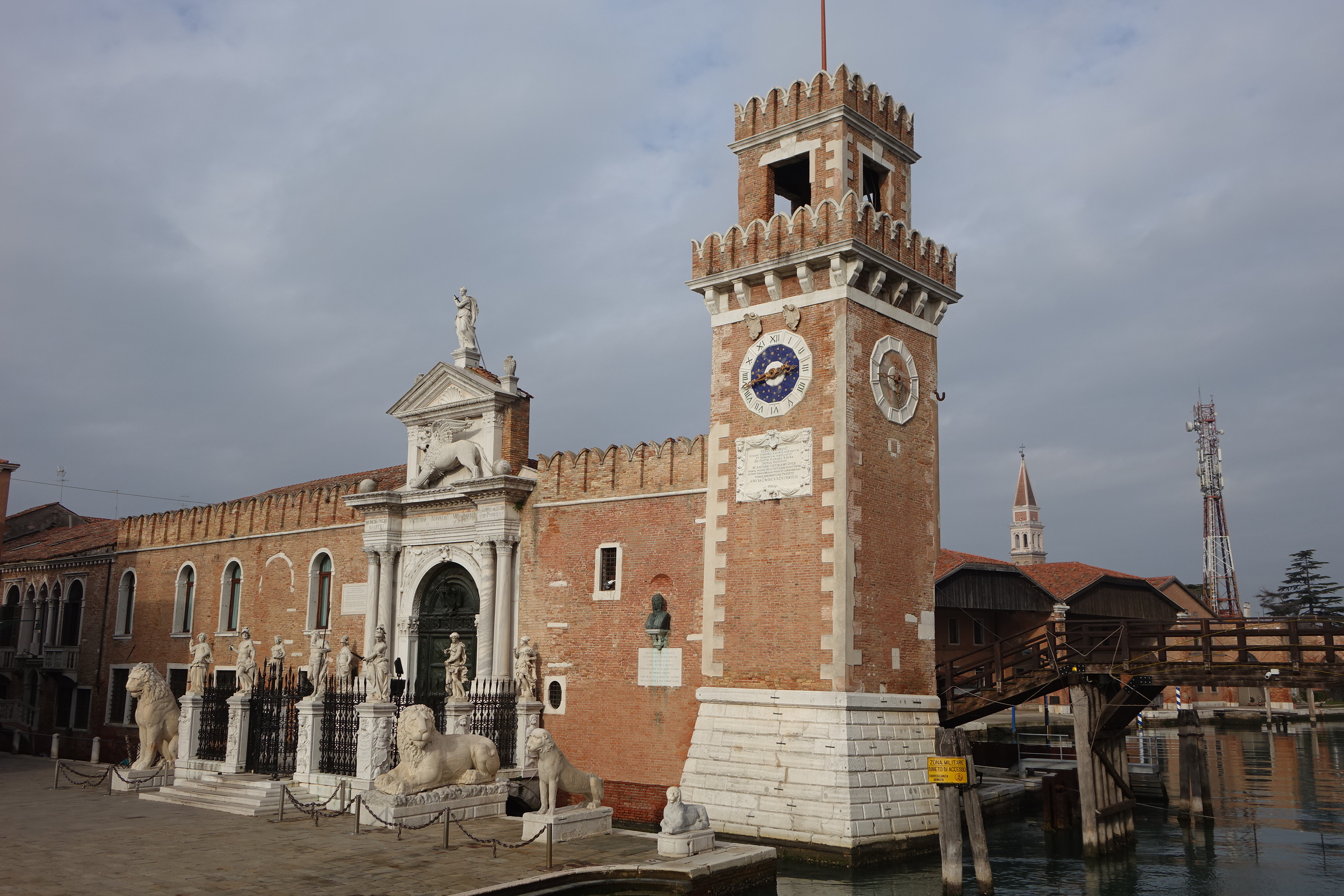
But for me, the real star of the region is the Arsenale, this massive former industrial site which would have been the heart not only of the Venetian Republic’s economy, but also of its military prowess. Although sadly unused today, from the mammoth encircling walls, and the huge classical gates at its entrance, once can still feel the might and power of the place. For Arsenale was not only large, taking up some 1/15th of Venice’s entire landmass and giving employment to a huge proportion of the city’s population, but it was also a place of innovation, being the first to mass-manufacture boats with the kind of conveyor-belt style product output which can only be dreamed of by car factories of today.

The Arsenale

DSC04989DSC05003DSC05042DSC05017DSC05018DSC05029DSC04984DSC05010DSC05038DSC05032

But beyond the hard lines of the Arsenale, a stunning city of view is always just around the corner, and as our day came to an end, we were treated to a glimpse of sunshine (in an otherwise foggy visit) over the lagoon, where Palladio’s masterpiece, San Giorgio Maggiore glistened in the light, and along the lagoon, the warm cosy interior of Harry’s Bar lay in wait. Most expensive amaretto known to man? It was surely so, but an apt treat at the end of an impressive day exploring the real Venice.

The lagoon and a rest in Harry’s Bar

DSC05097DSC05049DSC05052DSC05050DSC04829DSC04827DSC04828

All photos and written content are strictly the copyright of Nicholas de Lacy-Brown © 2016 and The Daily Norm. All rights are reserved. Unauthorized use and/or duplication of the material, whether written work, photography or artwork, included within The Daily Norm without express and written permission from The Daily Norm’s author and/or owner is strictly prohibited.  

Norms in the Caves of Drach

Legend has it that the Norms have lived on the earth for many millions of years, although over that time, it is thought that their bean-like gelatinous form has gradually morphed and evolved. In fact some allege that these famous white blobs once started off as a mere circular structure, although the biological reasoning behind this theory is heavily disputed.

Nonetheless, there is nothing that Norms like to do more (well apart from sip on a steaming cup of hot white chocolate perhaps) than reconnecting with their heritage, and owing to their tremendously long history, this connection can be no better realised than in a good set of caves, themselves the products of millions of years slow limestone dripping.

Norms in the Caves of Drach (2015 © Nicholas de Lacy-Brown, pen and ink on paper)

Norms in the Caves of Drach (2015 © Nicholas de Lacy-Brown, pen and ink on paper)

It is no wonder then that on a recent trip to the Mediterranean island of Mallorca, the Norms were to be found happily visiting the famous Cuevas of Drach; gazing up in wonder at the multiple surreal forms created by the stalactites, and floating, awestruck, across the crystal clear lake, gazing at their milky reflection while a boat full of Norm musicians serenaded them across the water.

You could say they took to it like a Norm to water…,

© Nicholas de Lacy-Brown and The Daily Norm, 2001-2015. Unauthorized use and/or duplication of the material, whether written work, photography or artwork, included within The Daily Norm without express and written permission from The Daily Norm’s author and/or owner is strictly prohibited. Excerpts and links may be used, provided that full and clear credit is given to Nicholas de Lacy-Brown and The Daily Norm with appropriate and specific direction to the original content. For more information on the work of Nicholas de Lacy-Brown, head to his art website at www.delacybrown.com

On the trail of S’Arxiduc (Part 2): Monestir de Miramar

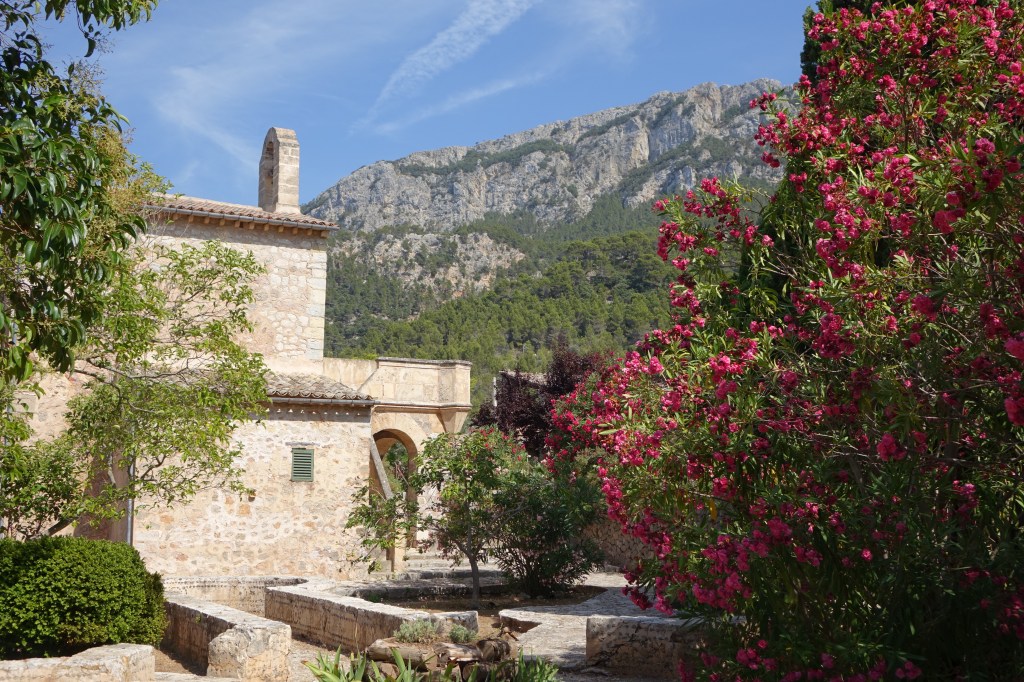
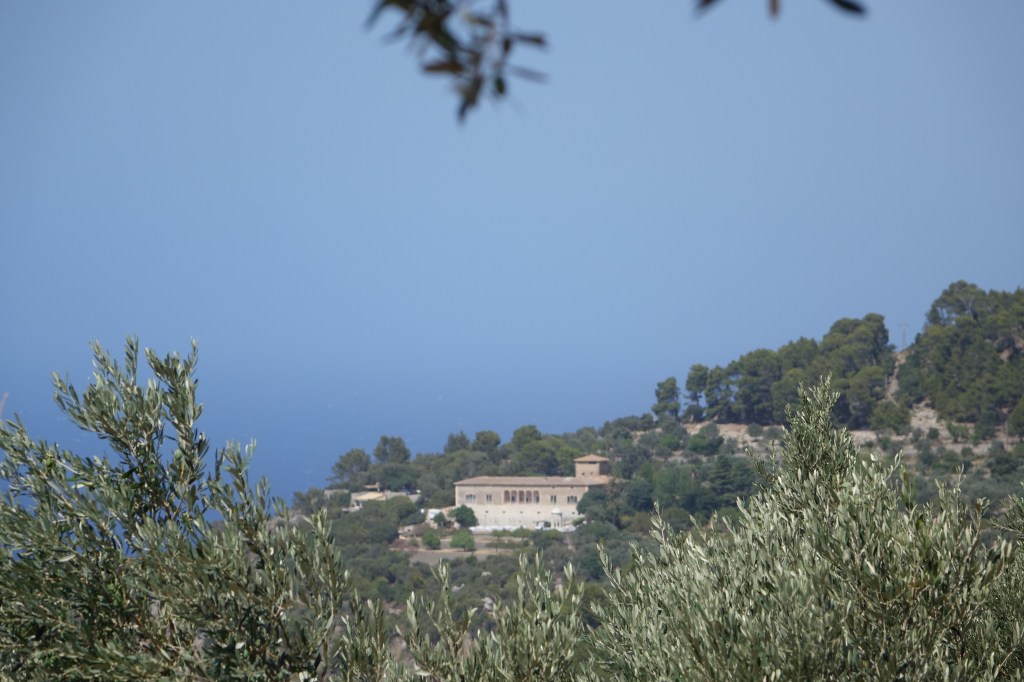
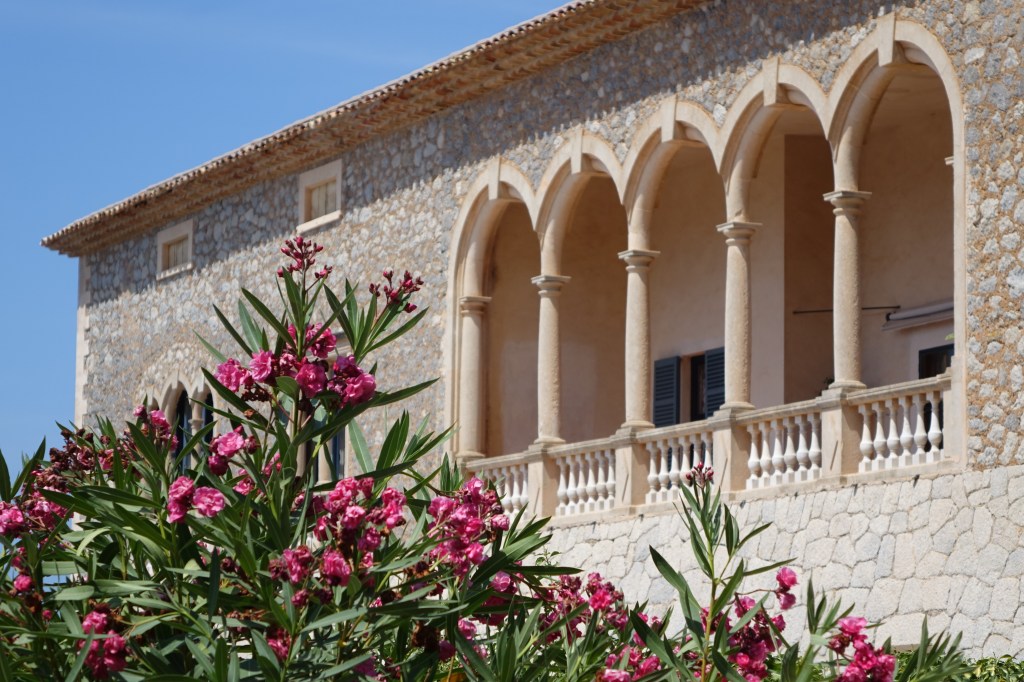
Following on from our visit to Son Marroig, our tour of the Deia coast on the trail of S’Arxiduc, the Archduke Ludwig Salvador, took us back towards Valldemossa and to the Miramar Monastery. Contrary to the name, there is very little left of the 13th Century monastery which once stood on the site, other than one length of what must have been a stunning cloister, now to be found almost floating amidst a garden full of flowers. However what was left of the monastery was purchased by the Archduke in 1872 when he fell head over heels in love with the coast, and there he converted the site into another of his great coastal houses.

The old monastery, the house an its gardens

DSC00206 DSC00217 DSC00353 DSC00250 DSC00226 DSC00202 DSC00218 DSC00264 DSC00356 DSC00262

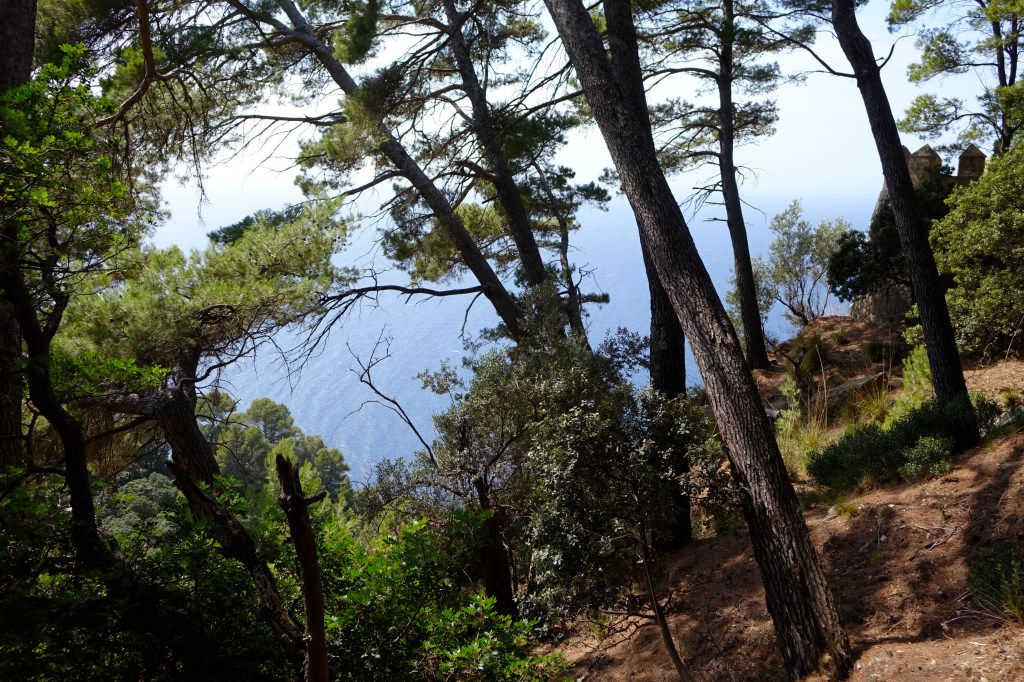
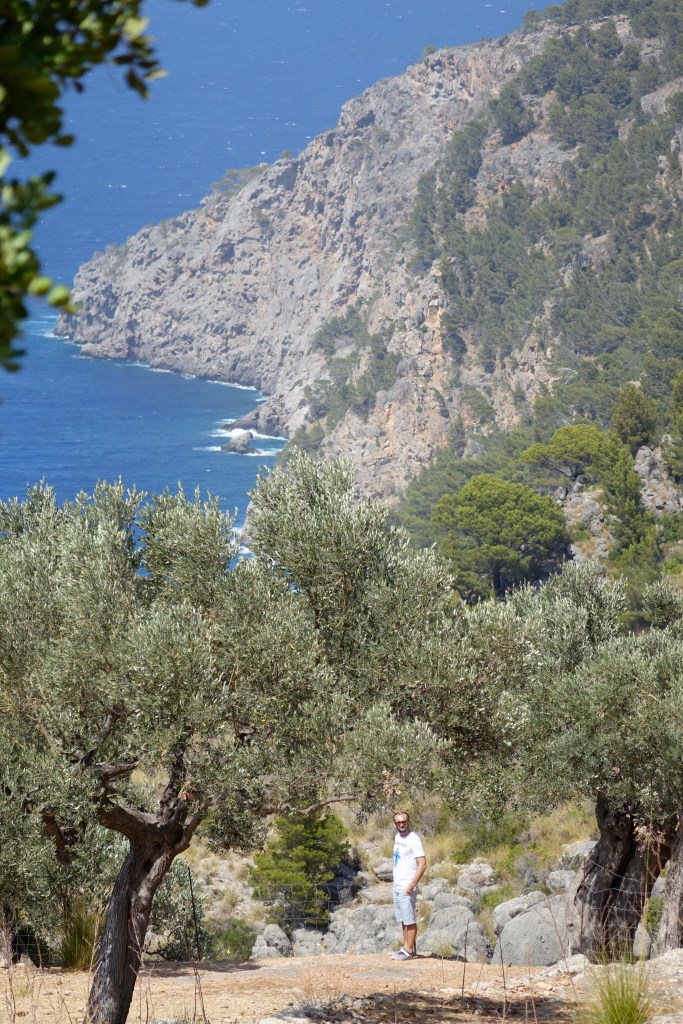
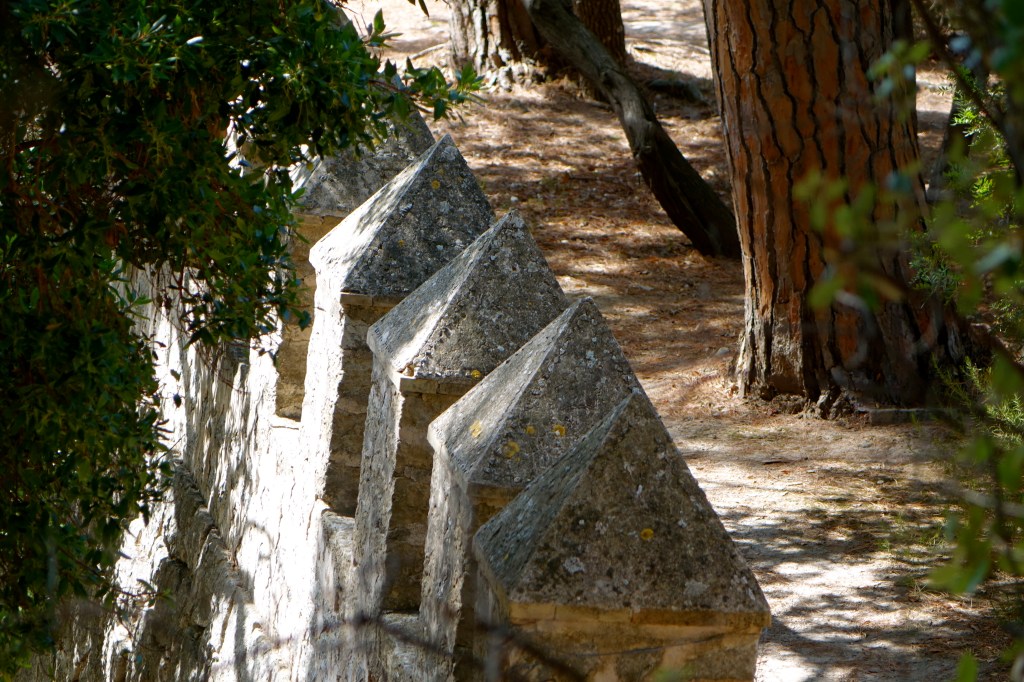
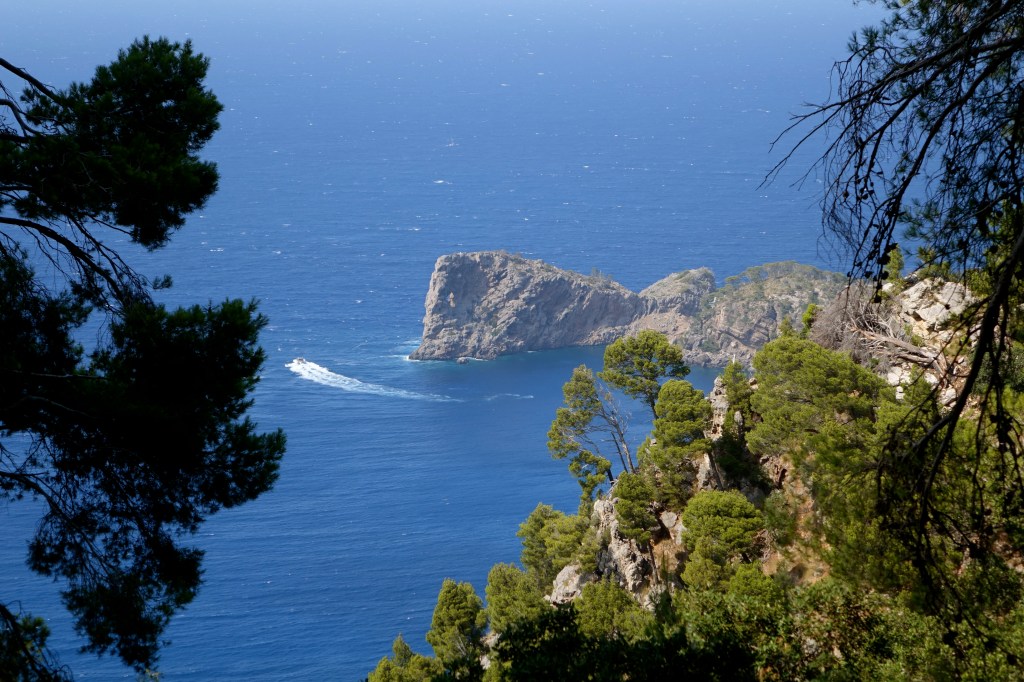
Today the main attraction of the house is undoubtedly the gardens and land which surround it. As the Archduke himself declared: “Without doubt no other place on earth deserves with more reason the name Miramar”. And on this count, I could not disagree, for just beyond the more formal gardens which surround the ancient chapel and old cloister remains, extensive land takes the visitor all the way to a cliff edge which benefits from utterly breathtaking views over to Son Marroig and the stunning emerald sea below. From there, the grounds lead on to a mysterious Italianate pool, and beyond a series of canals and mills which appear to be left over from the ingenious reign of the Moors whose engineering innovations managed to tame this otherwise uninhabitable land long before the Archduke arrived.

Views and aspects of the land beyond

DSC00324 DSC00350 DSC00276 DSC00316 DSC00319 DSC00335 DSC00348 DSC00345 DSC00212 DSC00328 DSC00308 DSC00303 DSC00292 DSC00287

It is not at all hard to appreciate why the Archduke fell so in love with this incredible strip of coastline, and it is thanks to him that much of the coast today remains unspoilt and unashamedly beautiful for us all to enjoy today.

All photos and written content are strictly the copyright of Nicholas de Lacy-Brown © 2015 and The Daily Norm. All rights are reserved. Unauthorized use and/or duplication of the material, whether written work, photography or artwork, included within The Daily Norm without express and written permission from The Daily Norm’s author and/or owner is strictly prohibited.
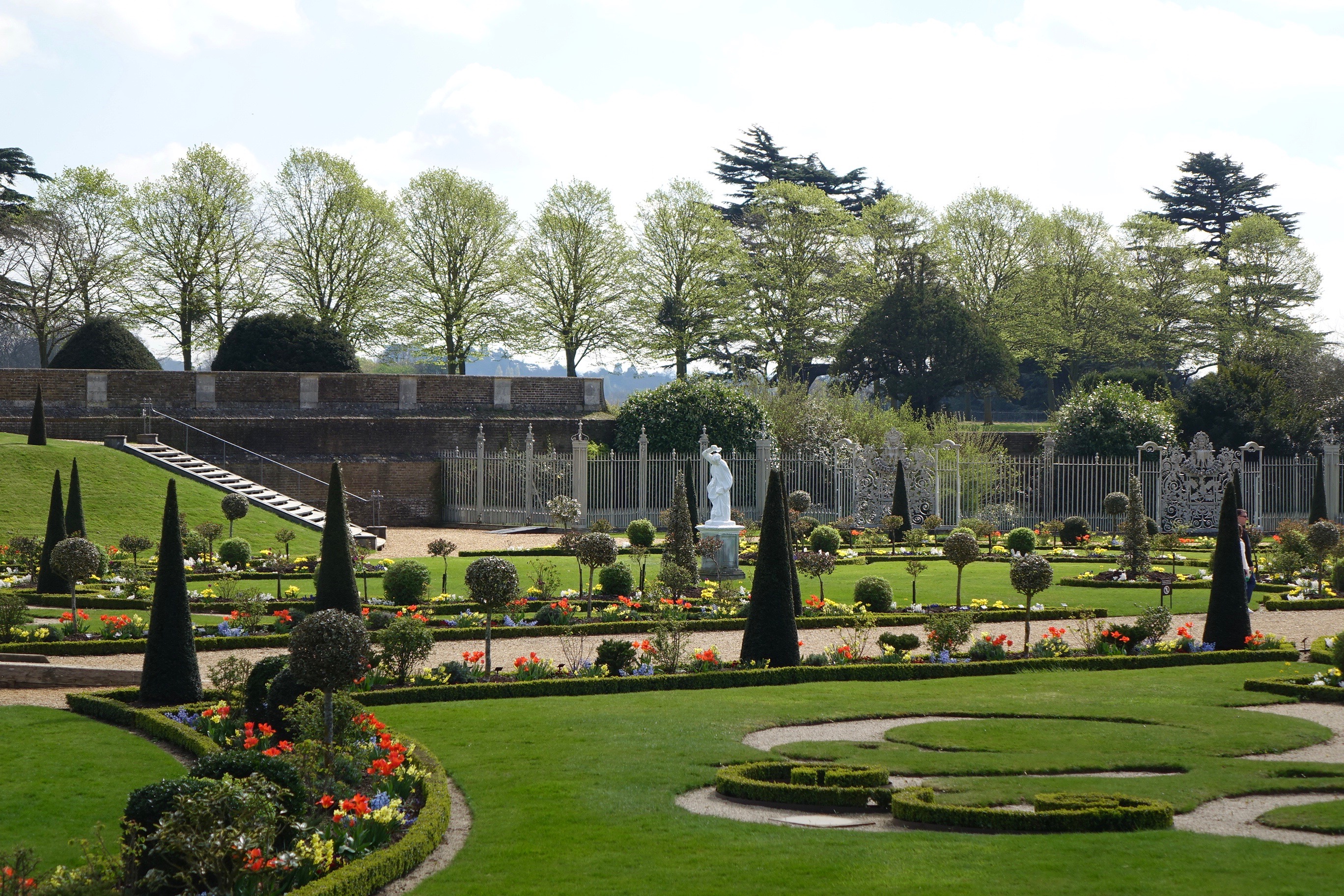
On the trail of S’Arxiduc (Part 1): Son Marroig

Mallorca is a well-known magnet for people from all nations, and of all the famous foreigners attracted to the island, none has been so well admired locally as ‘S’Arxiduc’, Archduke Ludwig Salvador. Born in 1847 in the Pitti Palace, Florence, the son of Leopold III of Tuscany and Marie Antoinette de Bourbon, he came to Mallorca 20 years later to escape from Viennese court life and immediately fell in love with the island.

Championing conservation before the word even had a meaning, the Archduke was a passionate admirer of the wild beauty of the North-Western Tramuntana coast, and very quickly bought up estates along the coast (including S’estaca which today belongs to Michael Douglas) in an effort to save them from development. Once saved, he devoted himself to studying and recording Mallorcan wildlife and traditions along the land, and his seven volume Las Baleares remains an authority on the subject today.

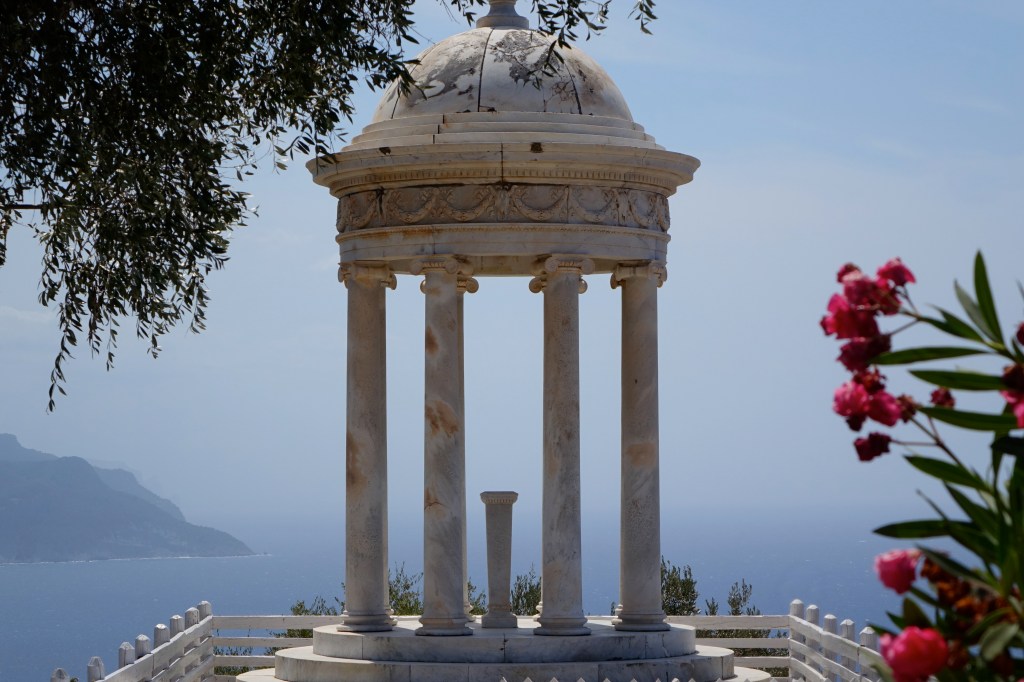
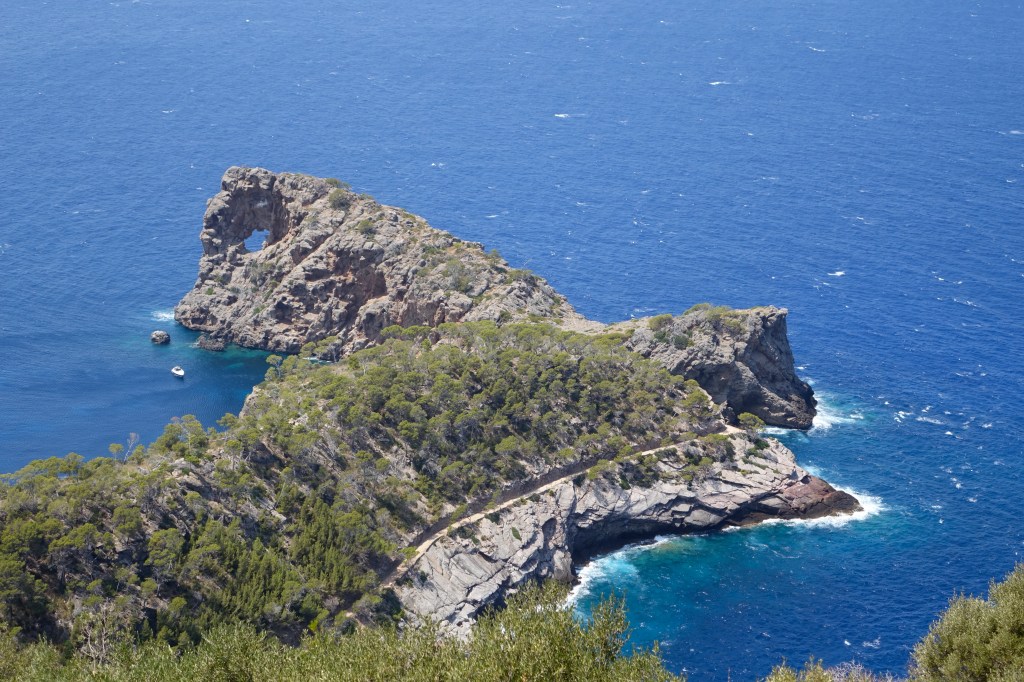
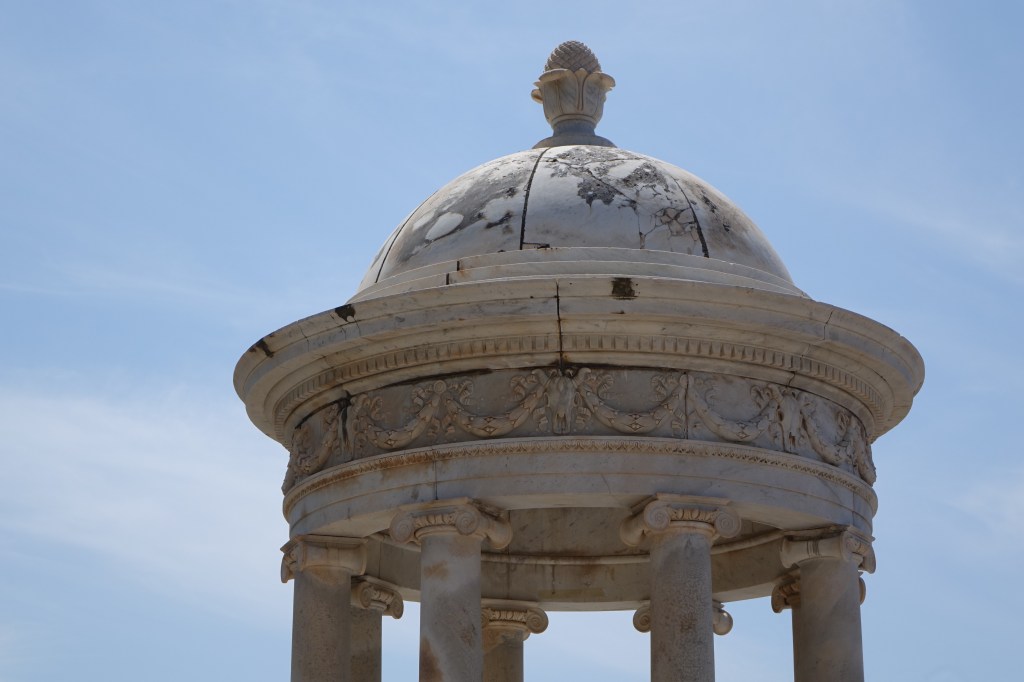
Na Foradada and the famous marble rotunda

DSC00154 DSC00055 DSC00272 DSC00160 DSC00172 DSC00061

100 years after the centenary of his death, the island of Mallorca is marking the life of this critically important Mallorca enthusiast, including a large exhibition devoted to his life in the Casal Solleric on Palma’s leafy Borne boulevard. So with S’Arxiduc very much on the brain, it felt like the perfect time to visit two of his former properties, which I have so often seen on the way to my beloved Deia and never explored. The first, Son Marroig, was the Archduke’s home and has today been turned into a shrine in his memory.

Son Marroig inside

DSC00058 DSC00065 DSC00063 DSC00083

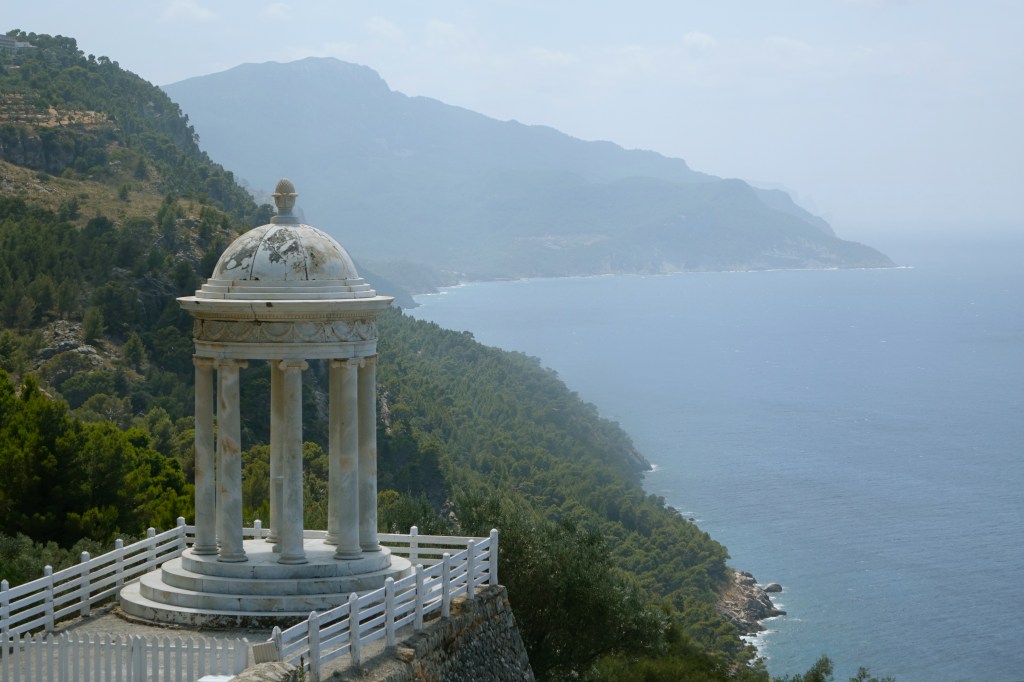
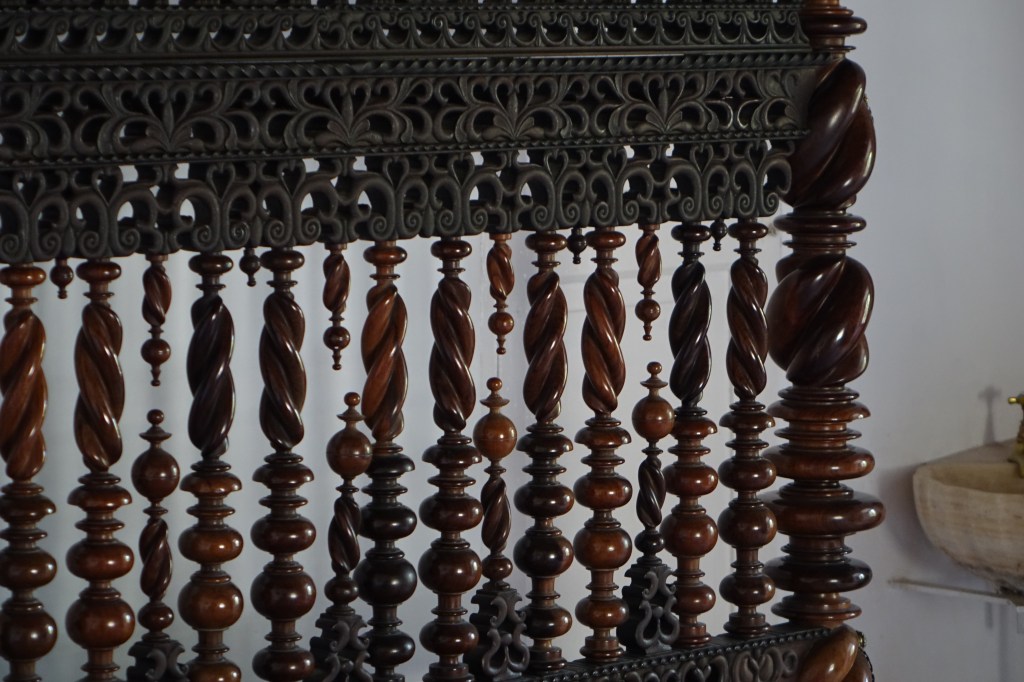
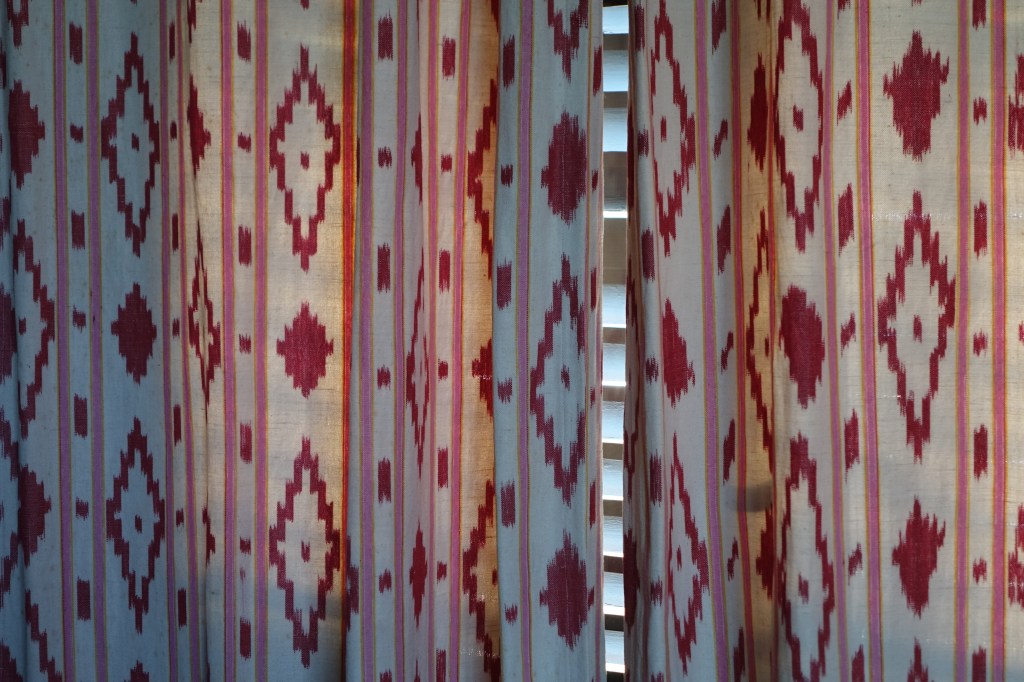
While the house is rich in S’Arxiduc memorabilia together with impressive antique furniture and traditional Mallorquin upholstery, the real gem for me is the outside: sun dappled gardens cooled by a small pond and a lavish array of plants, and beyond them his famous white marble rotunda, made from Carrara marble and imported from Italy, from where you can sit and gaze at the Na Foradada (‘pierced rock’) peninsula, jutting out to sea with a gaping 18-m hole at its centre. It’s a poetic structure from a man who, like no other before, appreciated the true poetry which resounds in this most stunning and unique of Mediterranean coasts.

Gardens of San Marroig

DSC00107 DSC00116 DSC00114 DSC00113 DSC00106 DSC00126 DSC00094 DSC00104 DSC00095 DSC00091 DSC00093 DSC00088

All photos are strictly the copyright of Nicholas de Lacy-Brown © 2015 and The Daily Norm. All rights are reserved. Unauthorized use and/or duplication of the material, whether written work, photography or artwork, included within The Daily Norm without express and written permission from The Daily Norm’s author and/or owner is strictly prohibited.

The Honeymoon Chronicles, Part VI: Cagnes-sur-Mer

Sadly our stay at La Colombe d’Or could not last forever, and for our last remaining two days on the French Riviera, we packed up our things and moved a 20 minute ride or so towards the coast to the unique little old town of Cagnes-sur-Mer. As the name suggests, it’s a town which is well appointed alongside the sea, and also handily close to Nice airport. Split more or less into three parts, it has a coastal town, and upper main town, and an ancient little old town atop a hill (le Haut-de-Cagnes). We had no interest in the first two parts of the triptych, these having been very much ravished by the overdevelopment which in my opinion has cast a horrible shadow over the French Riviera. But the old town, which could never be easily redeveloped such is the character of its ancient steep streets crammed into ramparts hanging on precariously to the edge of a rising highland, was certainly worth further exploration. And luckily it was also where our hotel was situated.

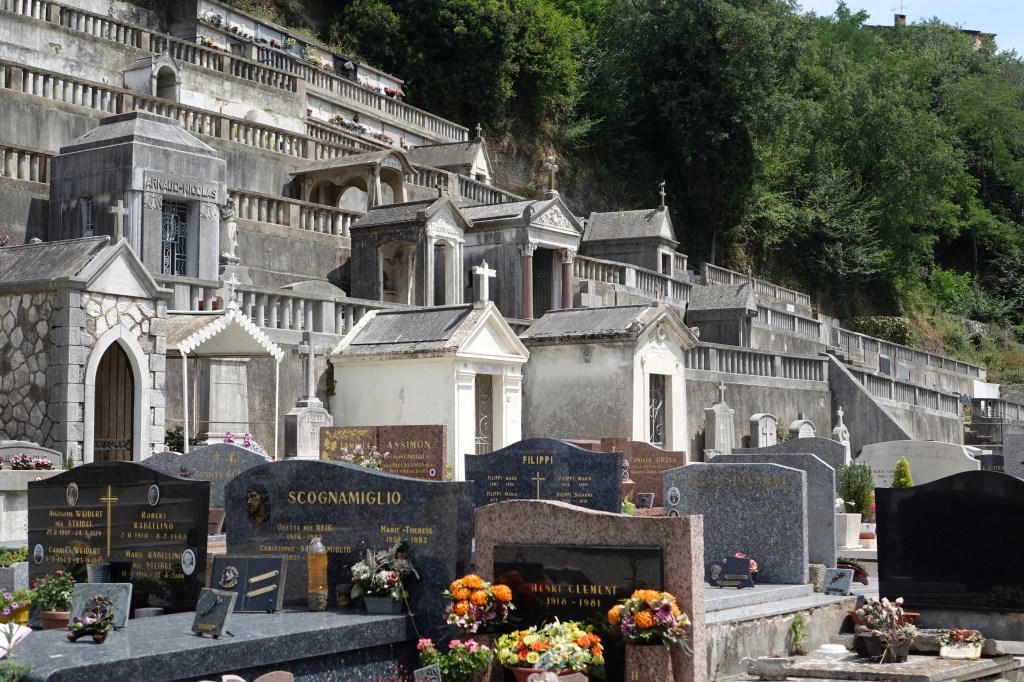
The cemetery of Cagnes-sur-Mer

DSC07381 DSC07383 DSC07378 DSC07390 DSC07385 DSC07388 DSC07376 DSC07379

We entered Le Haut via a beautiful cemetery, also clustered steeply up hill in rising tiers of decorative stones, crosses and angels. We knew that there was something familiar about it, and were excited to discover that this was the very same graveyard used for scenes of Cary Grant and Grace Kelly in Hitchcock’s To Catch a Thief. Having then explored the site, and had our fill reenacting said scenes from this, one of our favourite films, we headed steeply up hill to the old town.

Le Haut-de-Cagnes

DSC07427 DSC07420 DSC07438 DSC07457 DSC07450 DSC07435 DSC07467 DSC07423 DSC07433 DSC07465 DSC07469

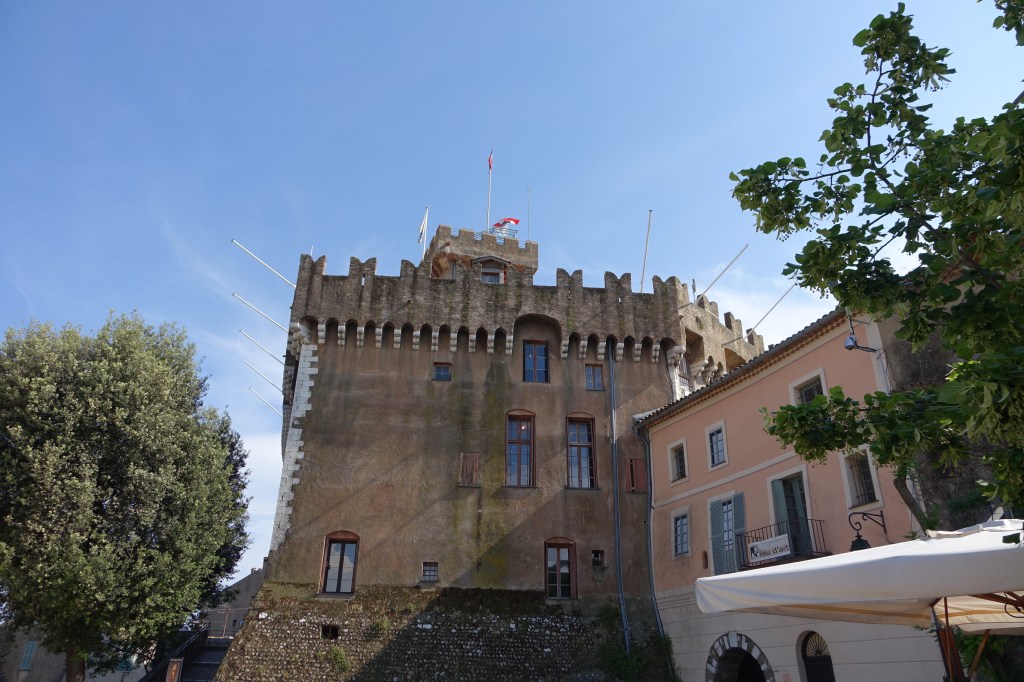
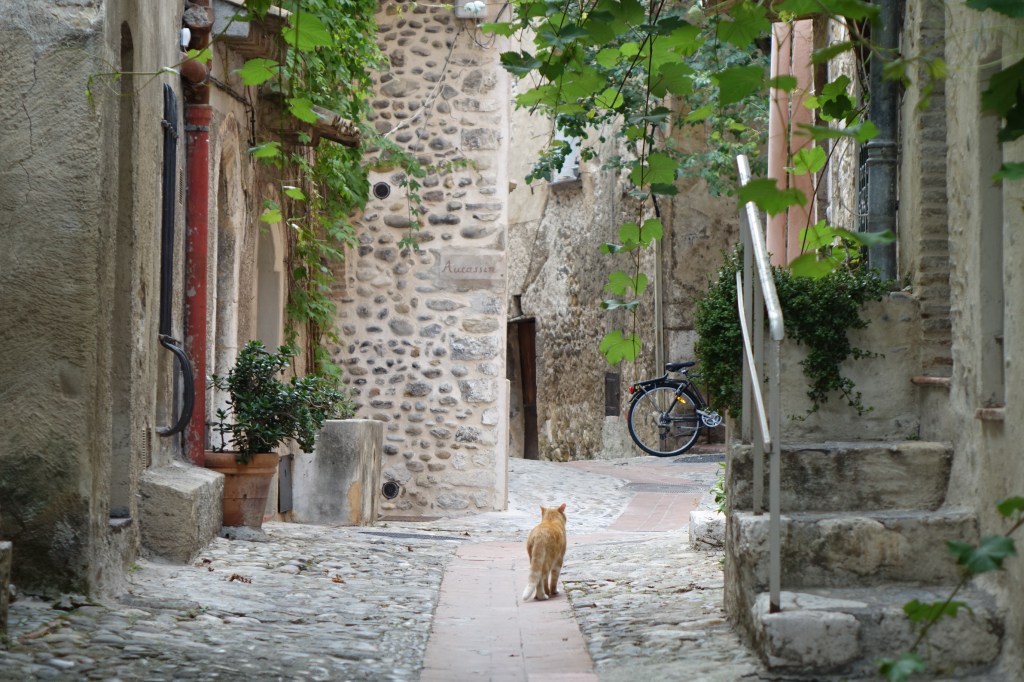
Le Haut-de-Cagnes is a uniquely medieval other-worldly kind of place whose streets appeared even narrower and steeper than those we had enjoyed in Vence and St-Paul. Somewhat shedding the Riviera vivacity of pastel colours, the houses here were altogether more sombre, with stones and beiges dominating with an innately historical result. At times it felt like we were in the world of King Arthur, not least when we got to centre of town, whose huge square castle can be seen for miles around. However lighter relief could also be found in the main Place Grimaldi, which offered beautiful views Northwards to the stunning mountain range which dominates the region.

Rosy views as the sun went down

DSC07524 DSC07520 DSC07515 DSC07512

However all in all, this historical richness was somewhat spoilt by the inevitable creep of modernity and development, not in the old town itself, but by the views looking south, west and east. For the French Riviera is nowadays far from the wild paradise which tempted the likes of Auguste Renoir to move south to the Riviera, and in fact to the town of Cagnes where he later lived. Today, it is a sprawling metropolis of busy roads, hotels, and villas crammed one upon another. This did not feel like a coast of luxury, but rather one of the busiest tourist destinations I have experienced outside of London. Sadly, the golden years of the world’s greatest artists discovering a ripe Riviera seem to be long past. But at least we have their paintings, to look upon that lost paradise once more.

All photos and written content are strictly the copyright of Nicholas de Lacy-Brown © 2015 and The Daily Norm. All rights are reserved. Unauthorized use and/or duplication of the material, whether written work, photography or artwork, included within The Daily Norm without express and written permission from The Daily Norm’s author and/or owner is strictly prohibited.
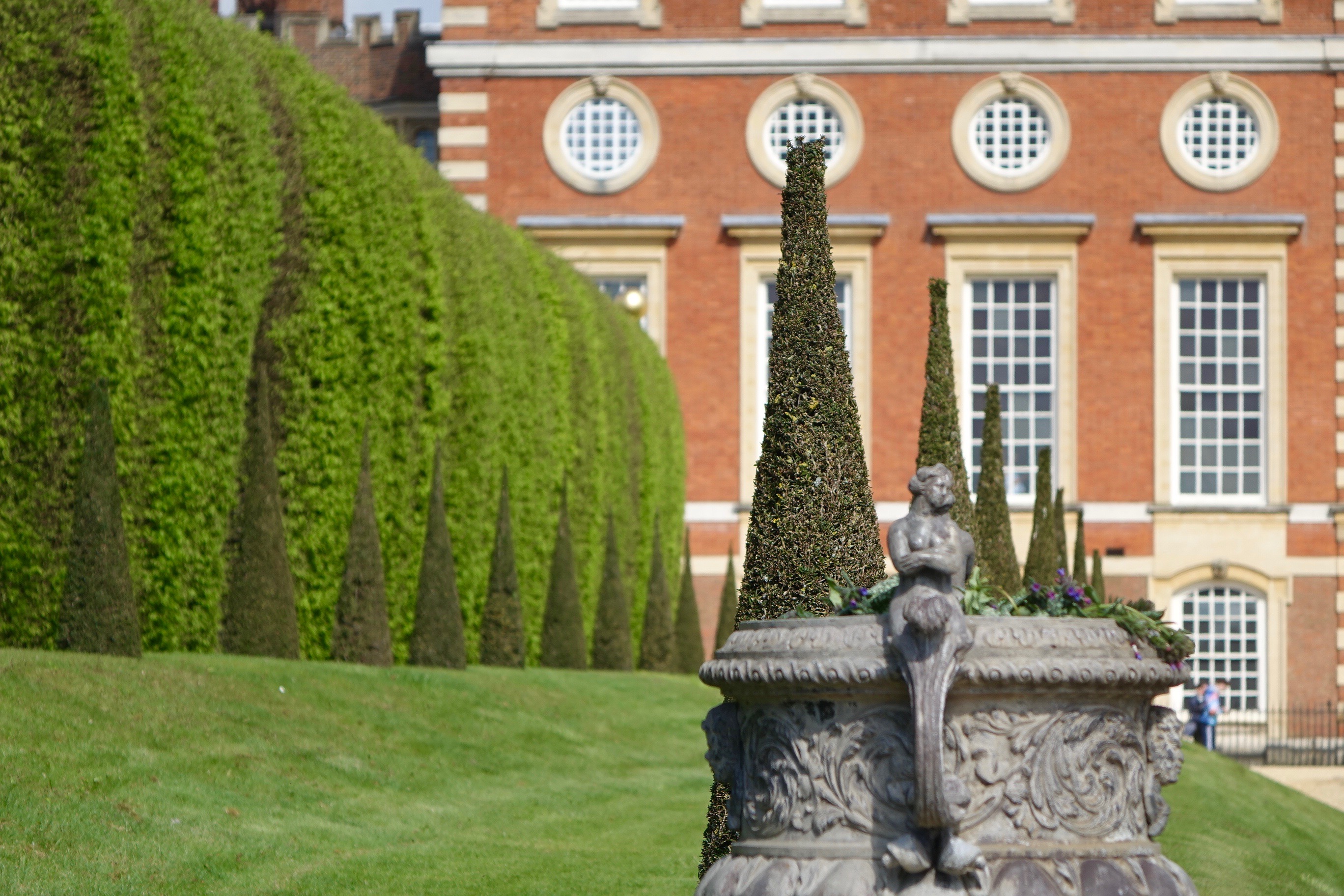
 

Discovering Palma: Bellver and the Bosque

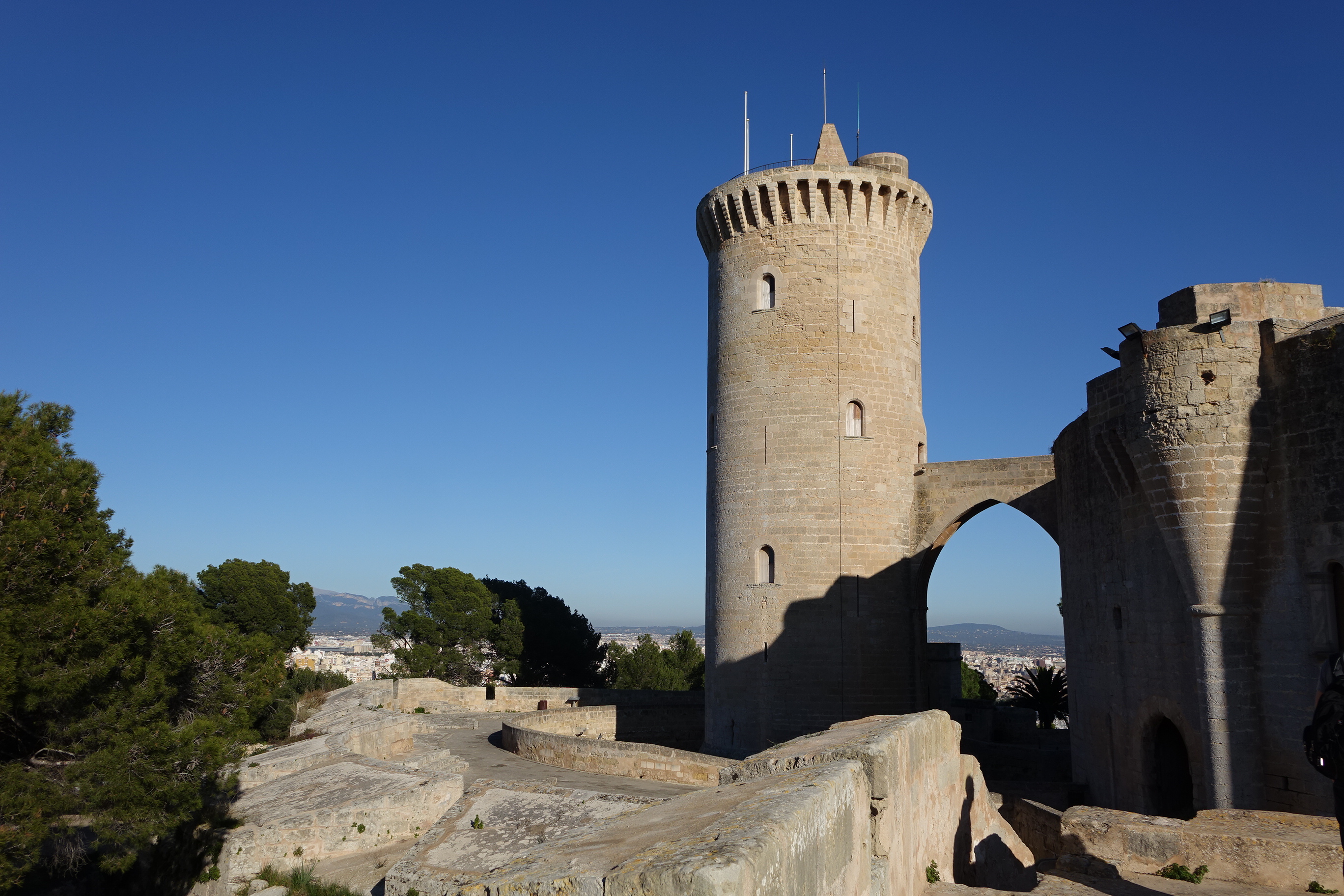
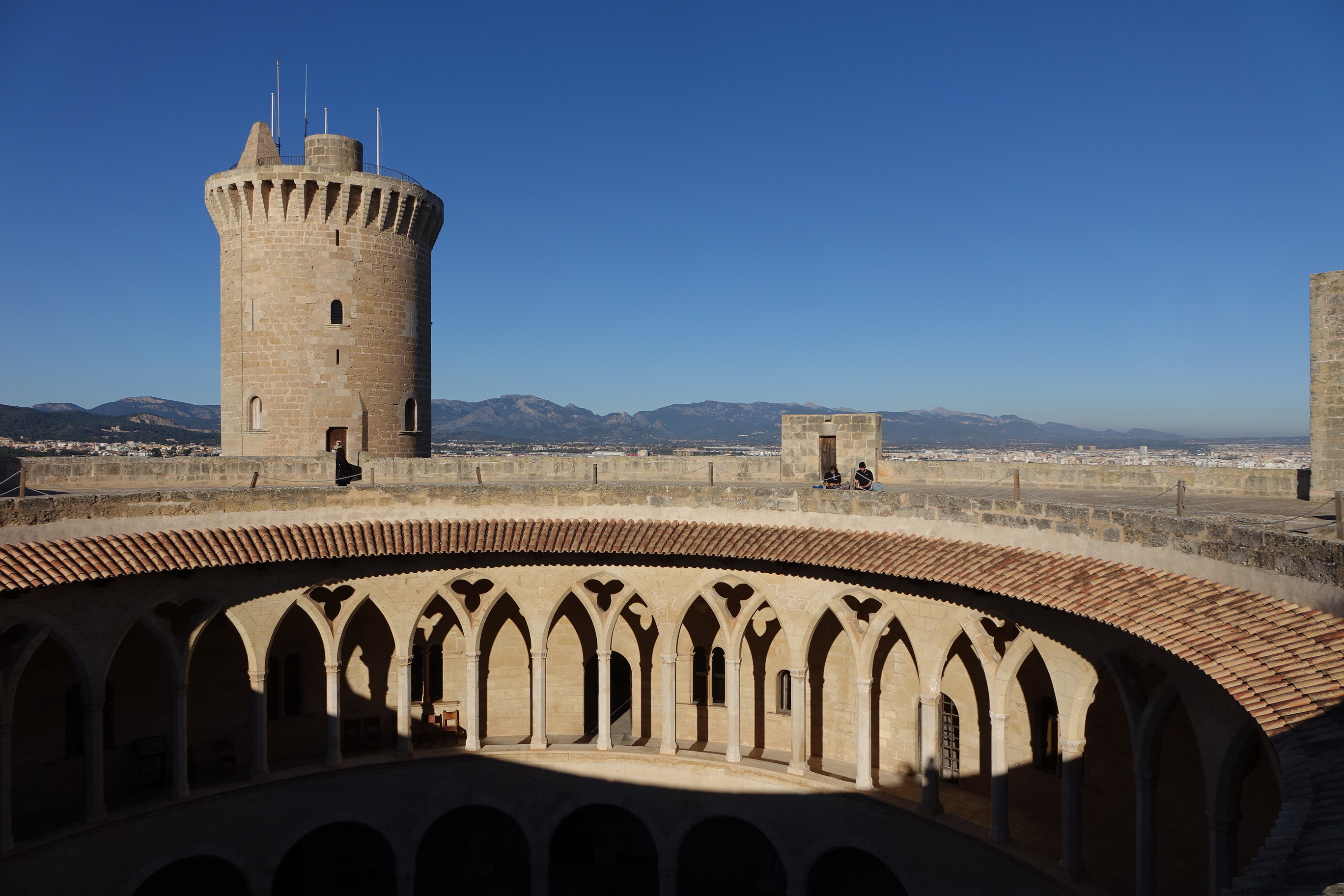
Palma de Mallorca is a city as diverse as the entire island of Mallorca itself. From stunningly unspoilt medieval and modernista old town to sprawling industrial port and modern suburbs, Mallorca is a city with many faces. But asides from its iconic cathedral, its second most distinctive landmark is surely its castle, the Castell de Bellver, sat majestically upon the most westerly of hills overlooking the city. I never fail to enjoy casting my eyes in a westerly direction on any random afternoon, for always silhouetted against the sinking sun in this most satisfyingly shaped of castles: one of the best remaining examples of a rounded gothic castle left in Europe, and featured in my most recent (and first) of Palma paintings.

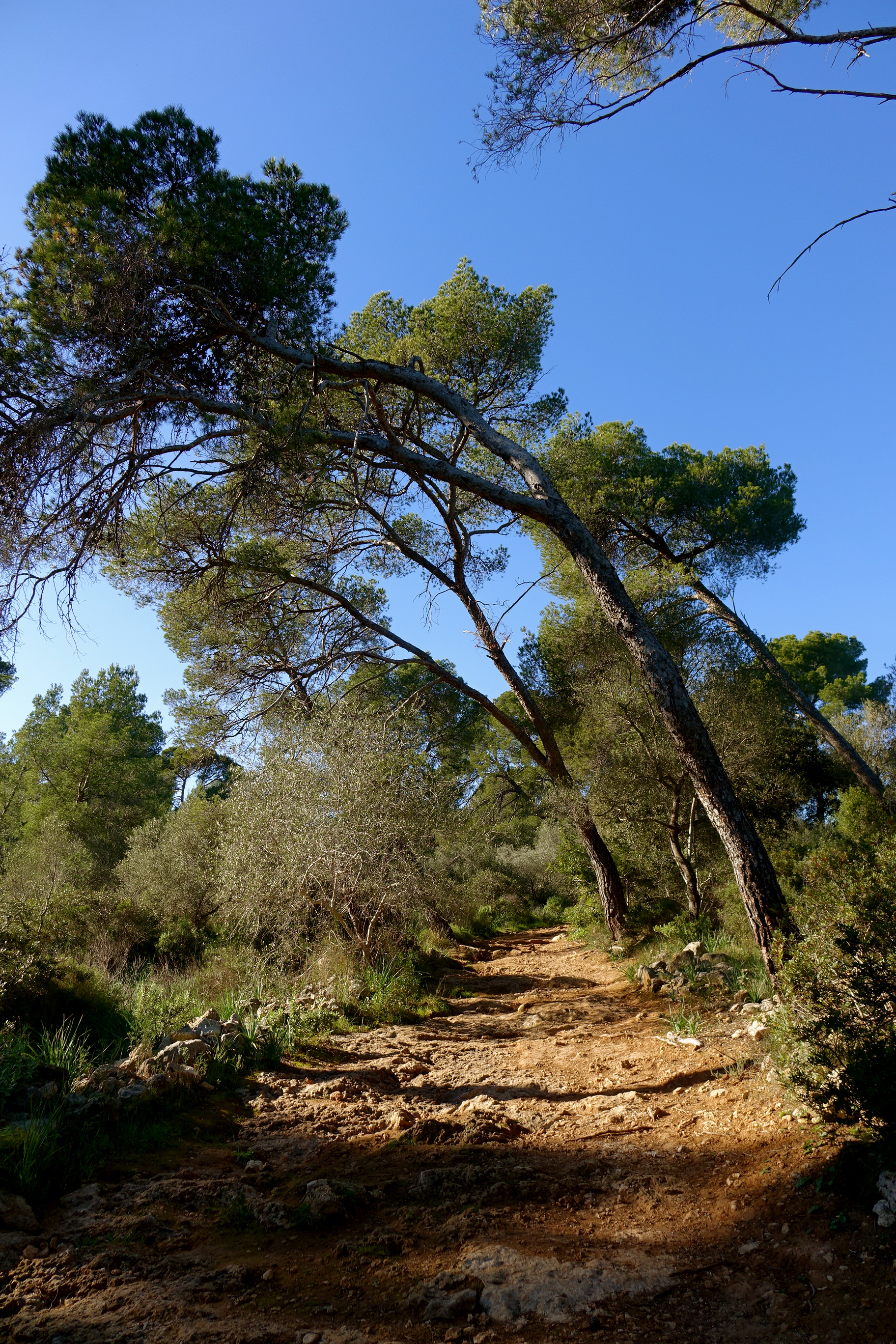
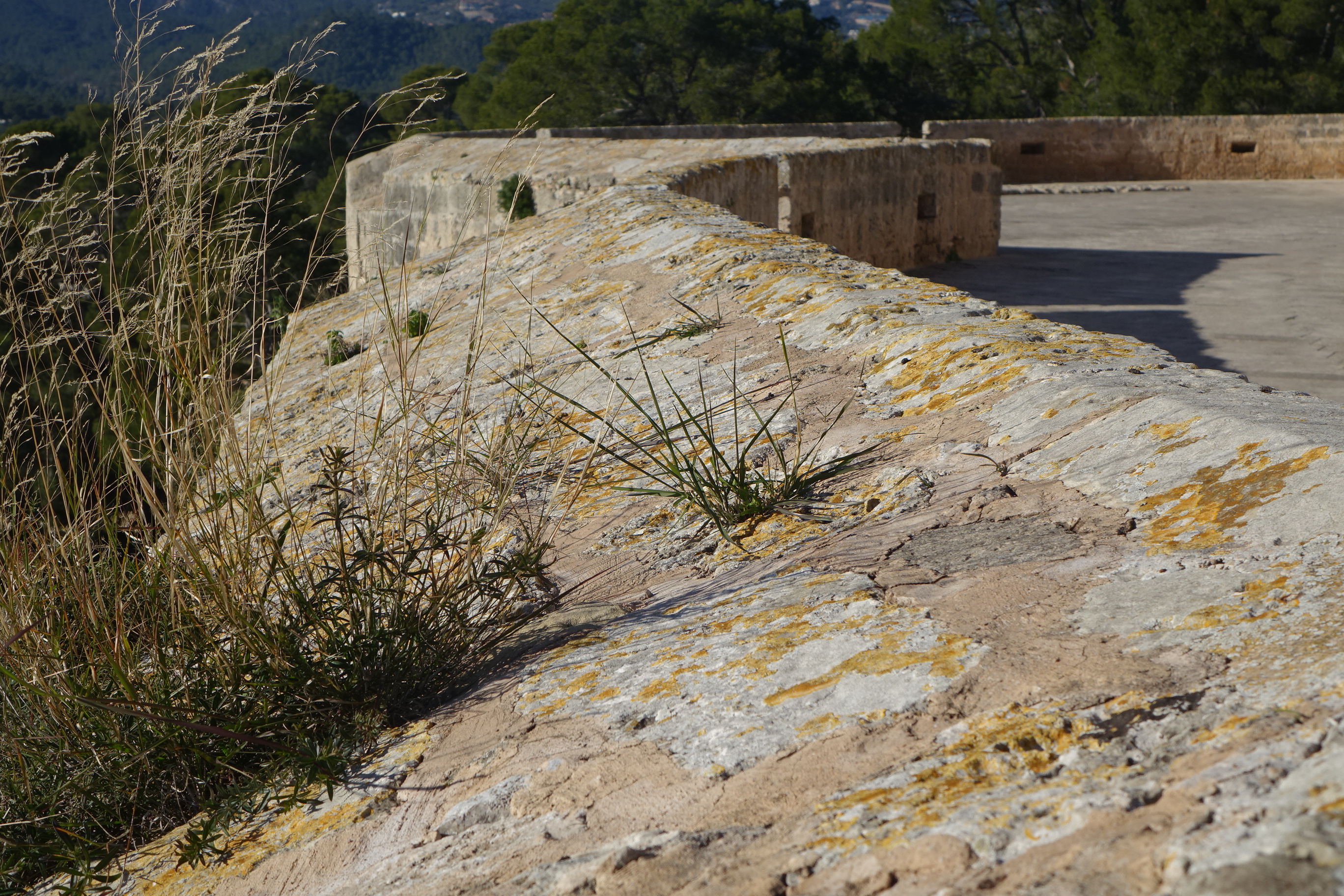
Taking time, as we do, to explore this magnificent new city we now call home, my partner and I recently headed to the castle of Bellver, attracted not only by its rich historical heritage, but also by the lush forest or bosque which surrounds it. Extending for acres around the castle and covering the hill like drizzled icing atop a moist victoria sponge, the bosque is by far the greenest expanse available for Palma locals to enjoy, and with its dense vegetation and rocky untouched landscape, it is a bucolic paradise in the midst of a sprawling metropolis.

The bosque

DSC04008 DSC04020 DSC04002 DSC04016 DSC04030 DSC04003 DSC04004

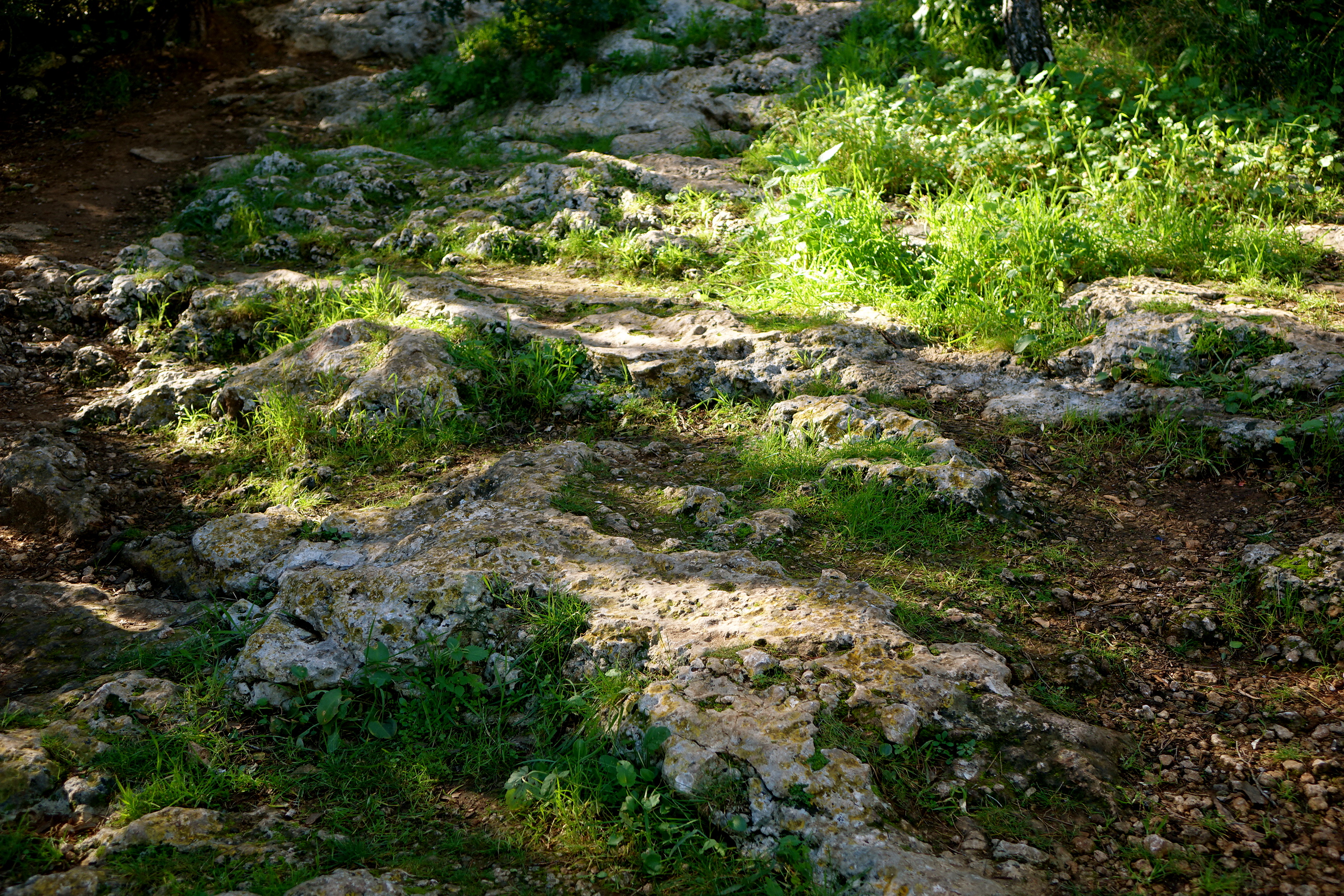
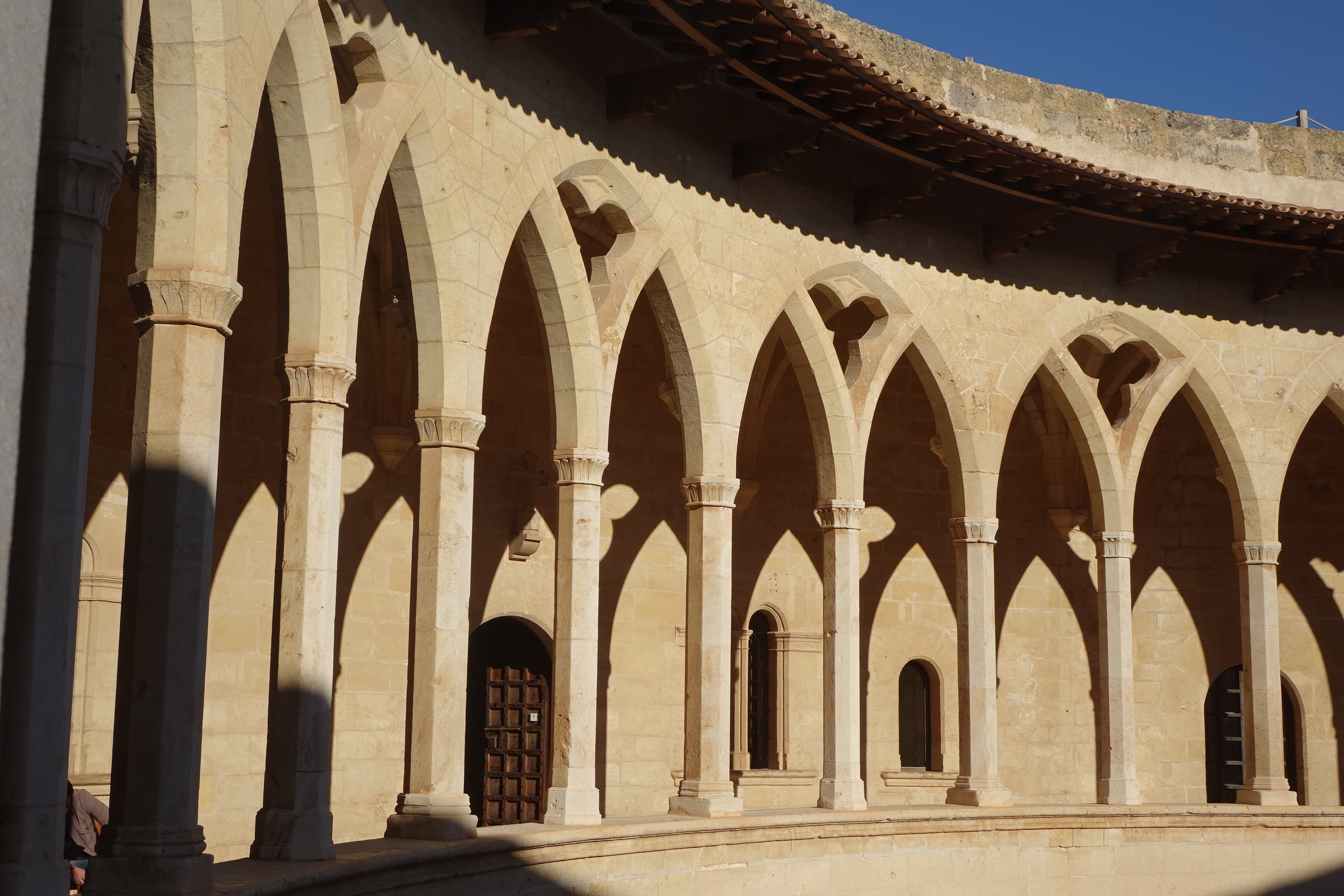
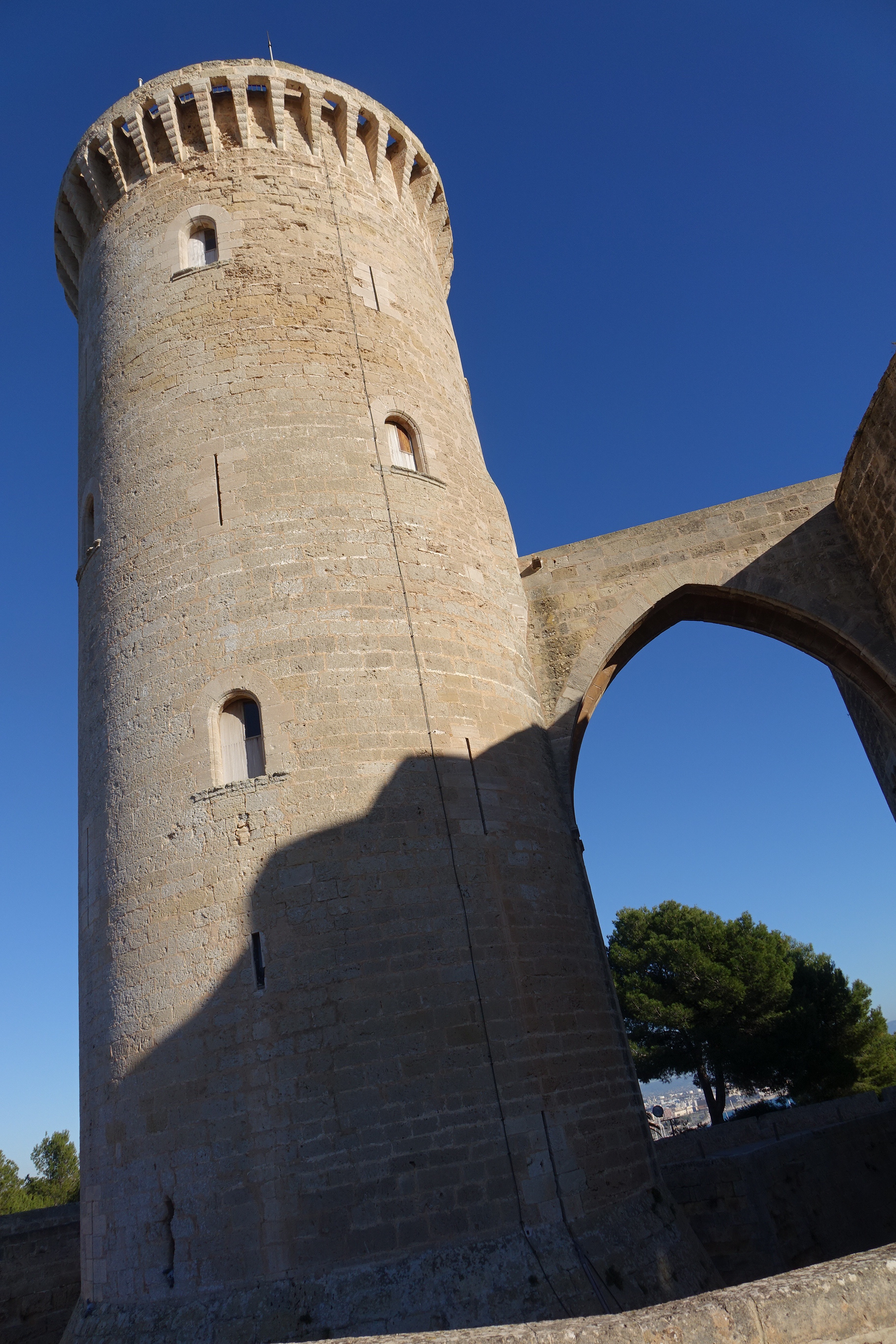
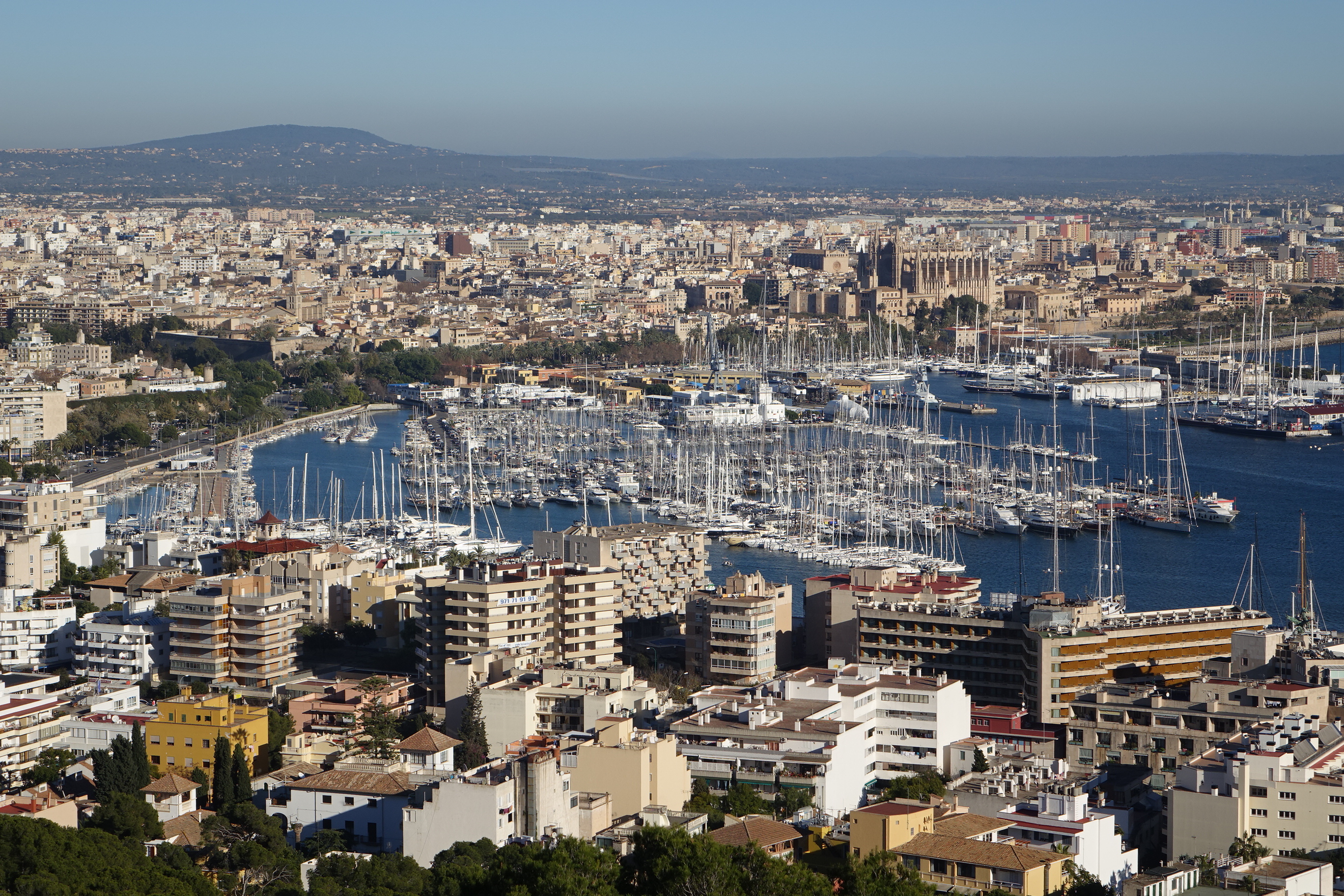
Having walked through the forest, enjoying dappled sunshine and all number of naturally occurring mediterranean plants, we reached the castle which looked even more stunning close up, with an unbeatable blue sky its harmonious backdrop. Asides from admiring the castle’s unique rounded architecture and the uniquely slim arched bridge which joins its main turret with the main structure of the building, the best aspect of this visit had to be the views afforded from the castle. Bellver indeed – for these are beautiful views of Palma which simply cannot be equalled from down at sea level.

Bellver Castle: inside and out

DSC04097 DSC04126 DSC04143 DSC04089 DSC04095 DSC04141 DSC04091 DSC04087 DSC04075

Views to write home about

DSC04197 DSC04133 DSC04063 DSC04045

Collections of Roman sculpture inside Bellver castle

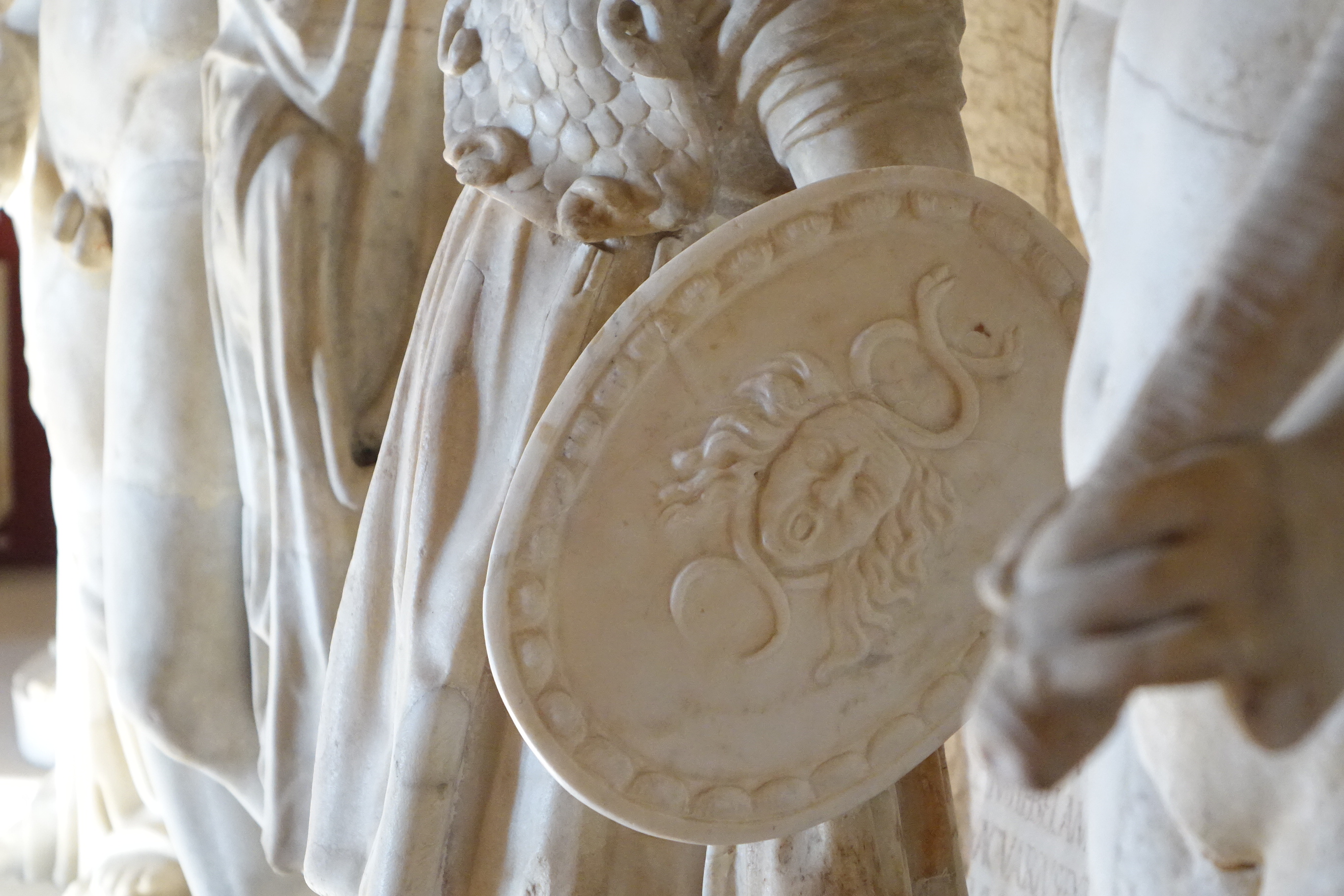
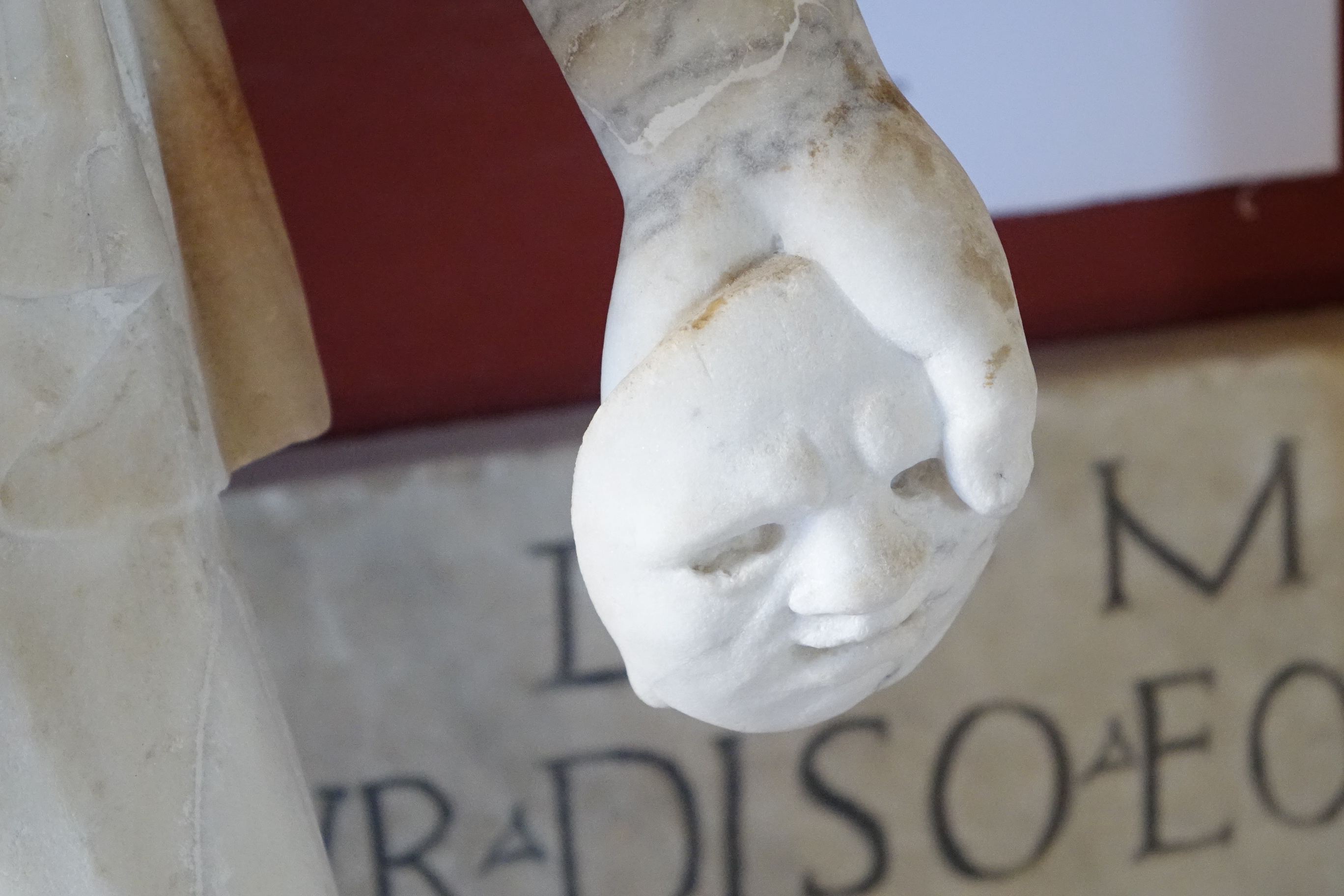
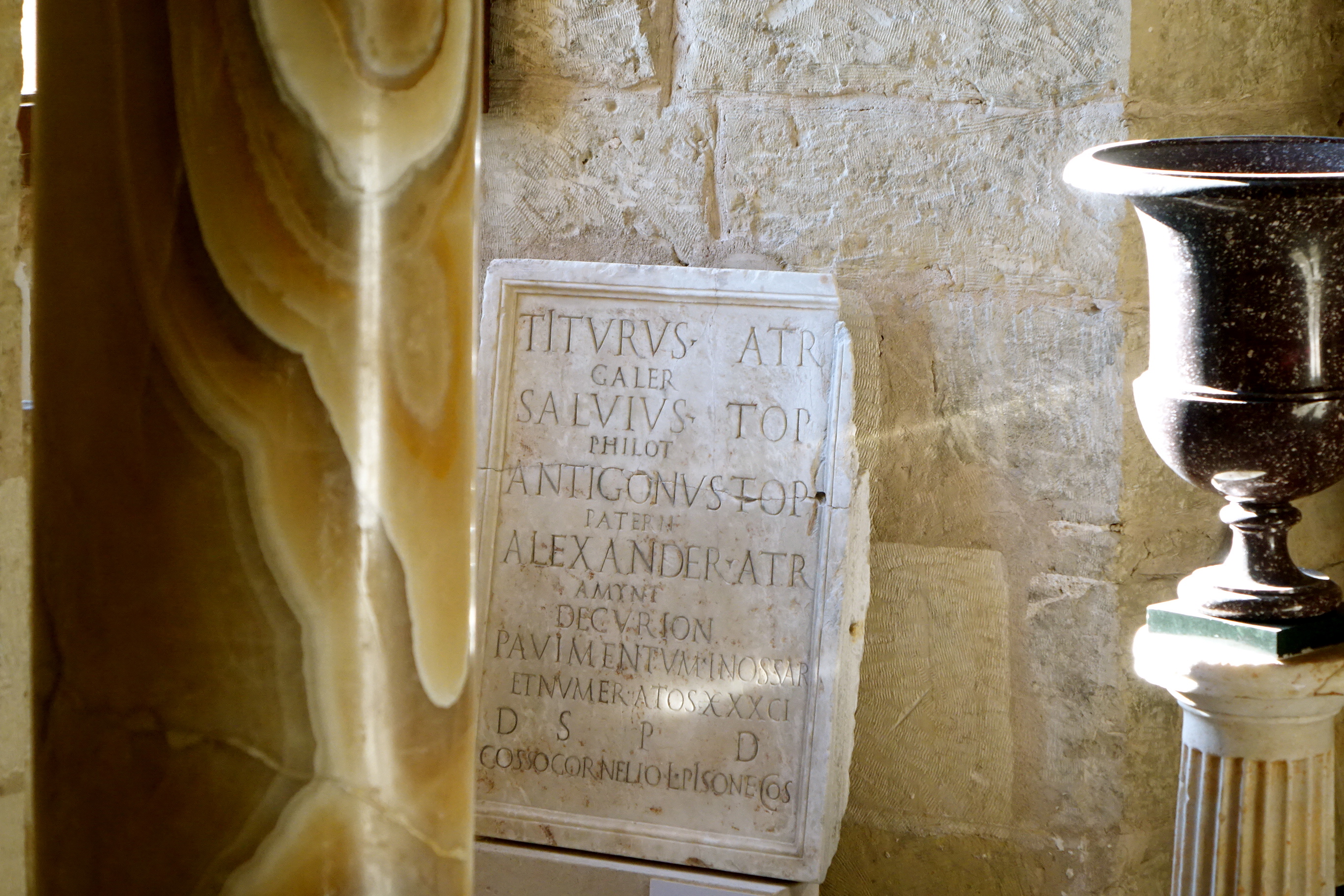
DSC04187 DSC04174 DSC04191 DSC04189 DSC04179 DSC04177

Nonetheless, down from the hill we eventually trekked, only to find Palma’s old centre every bit as beautiful from up close as it had been from up on that hill. The cathedral’s ocre structure glowed peach like in the dying sun, and before it the blue sea sparkled as it transformed into a steady golden mass. Beautiful Palma – I could carry on admiring you forever. And I hope to do just that.

A city to be admired, from up close, far away and especially at sunset

DSC04231 DSC04227 DSC04211 DSC04212 DSC04208 DSC04207 DSC04204 DSC04213 DSC04206 DSC04217

All photos and written content are strictly the copyright of Nicholas de Lacy-Brown © 2015 and The Daily Norm. All rights are reserved. Unauthorized use and/or duplication of the material, whether written work, photography or artwork, included within The Daily Norm without express and written permission from The Daily Norm’s author and/or owner is strictly prohibited.