Skip to content

Posts tagged ‘Holiday’

Mallorca’s ultimate eden: The Son Viscos Bed & Breakfast

Many may smirk when the inhabitants of paradise complain, but even we locals of Mallorca know when enough is enough. And having lived now for almost two months of temperatures in excess of 35 degrees, every so often, one just has to get away from it all. Nothing extreme mind you – I’m not talking the 20 degrees drop which a visit to London may entail, but rather a drive up into the stunning Tramuntana mountains where, at night at least, the air is notably fresher than city life in Palma and sumptuously comfortable. And as this very hot weather happened to coincide with my 32nd birthday (yesterday!) it seemed like the perfect excuse to treat ourselves a little, and book a little night away in a cooler, lusher paradise.

The location we chose could not have been more perfect. Located in the footfalls of the Tramuntana in the valley which gives the magical town of Valldemossa its name, the Son Viscos Bed and Breakfast was like a home from home, but we’re talking the kind of home which only the most avid readers of interior design magazines could wish for.

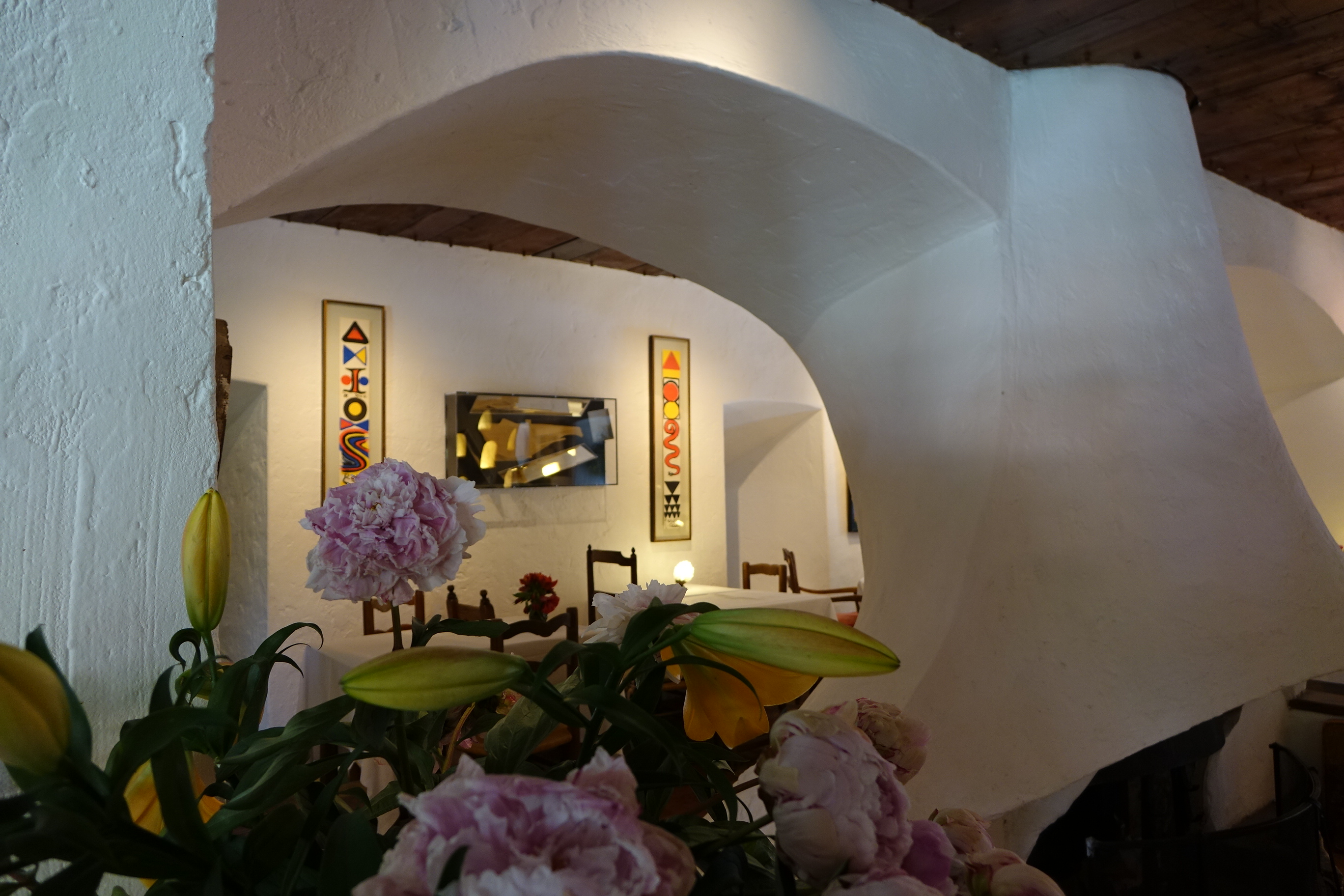
Interiors of the Son Viscos

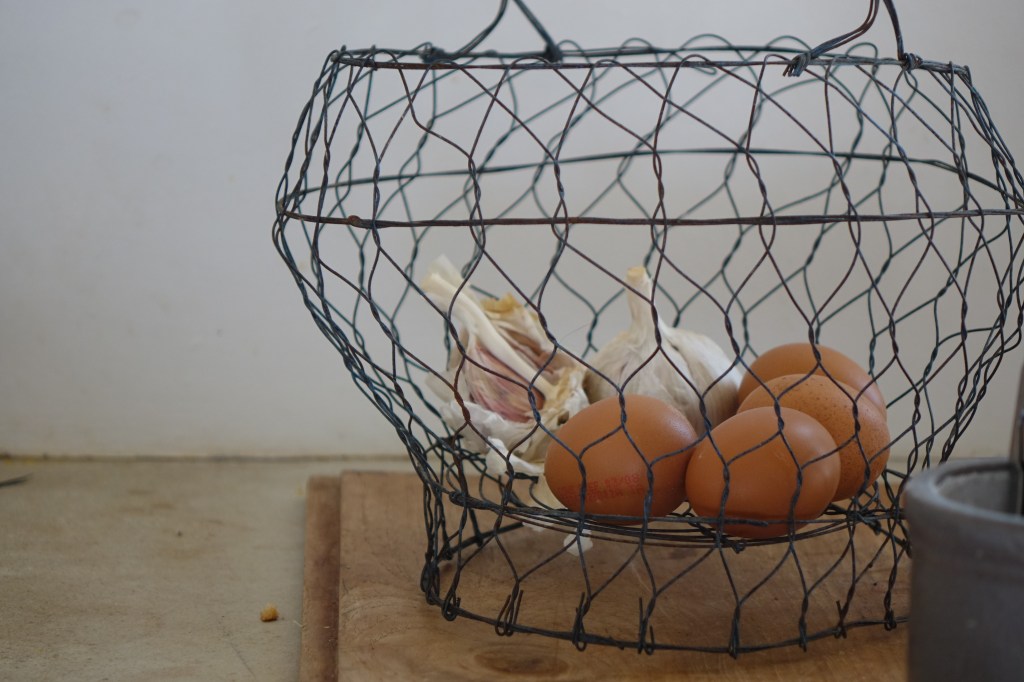
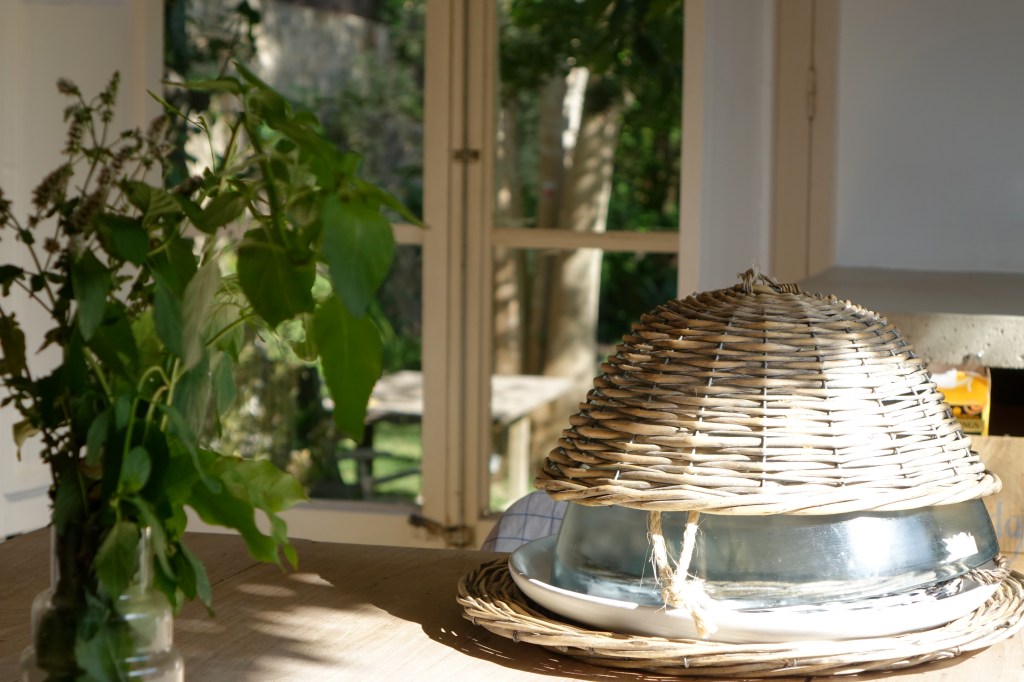
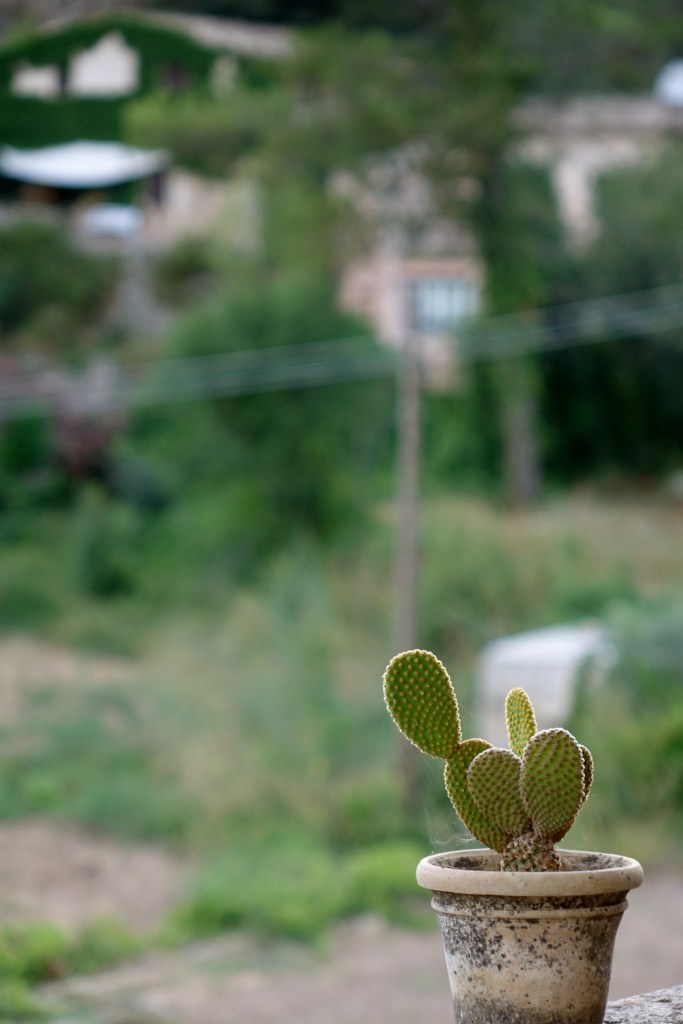
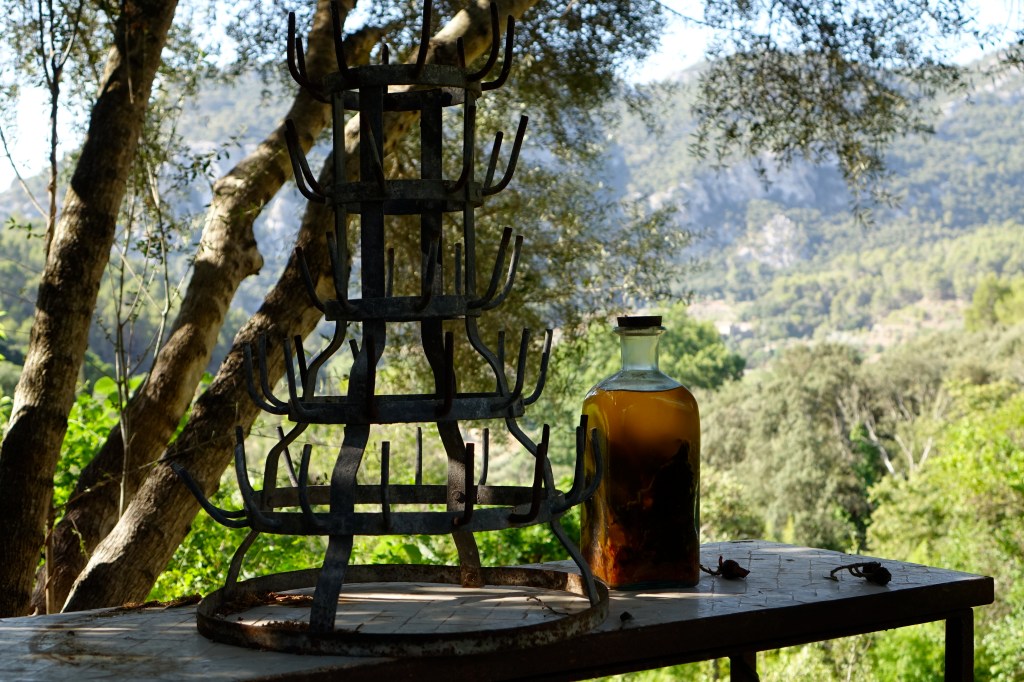
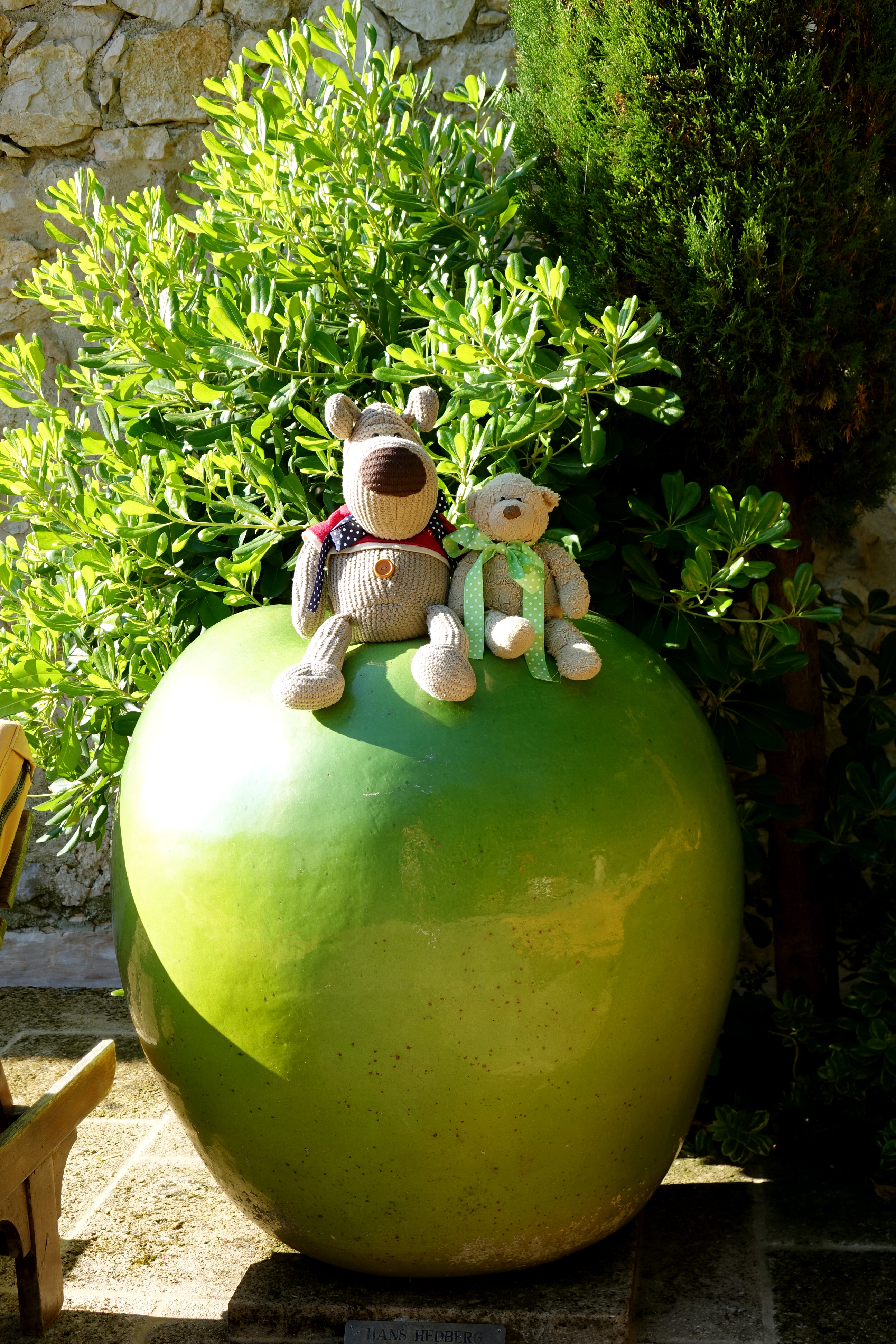
DSC00407 DSC00374 DSC00413 DSC00507 DSC00369 DSC00510 DSC00424 DSC00372 DSC00373 DSC00381 DSC00367

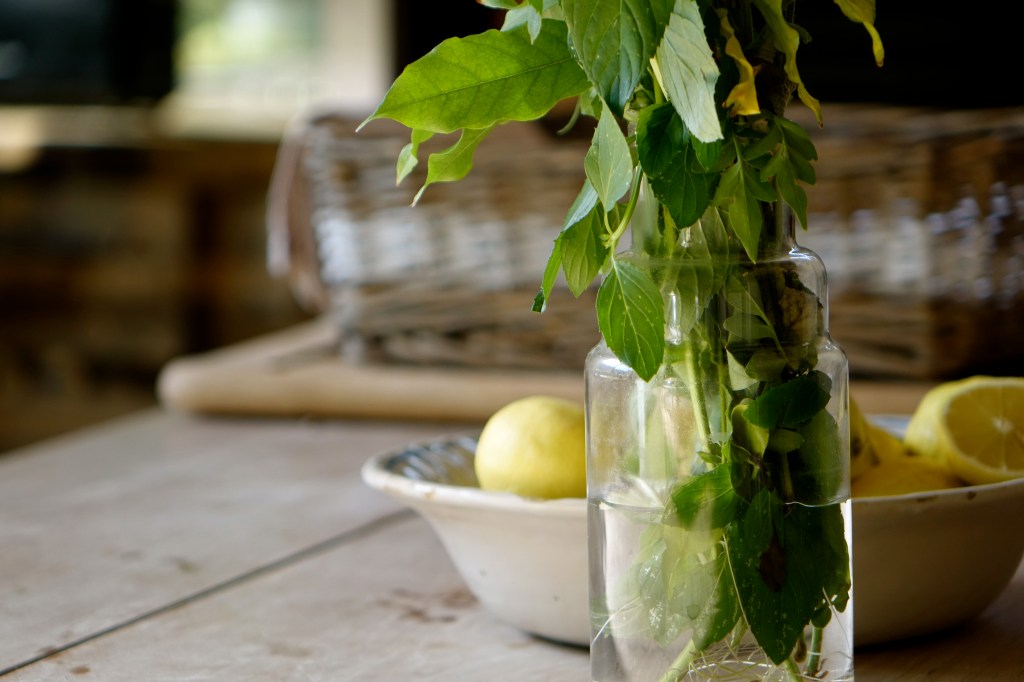
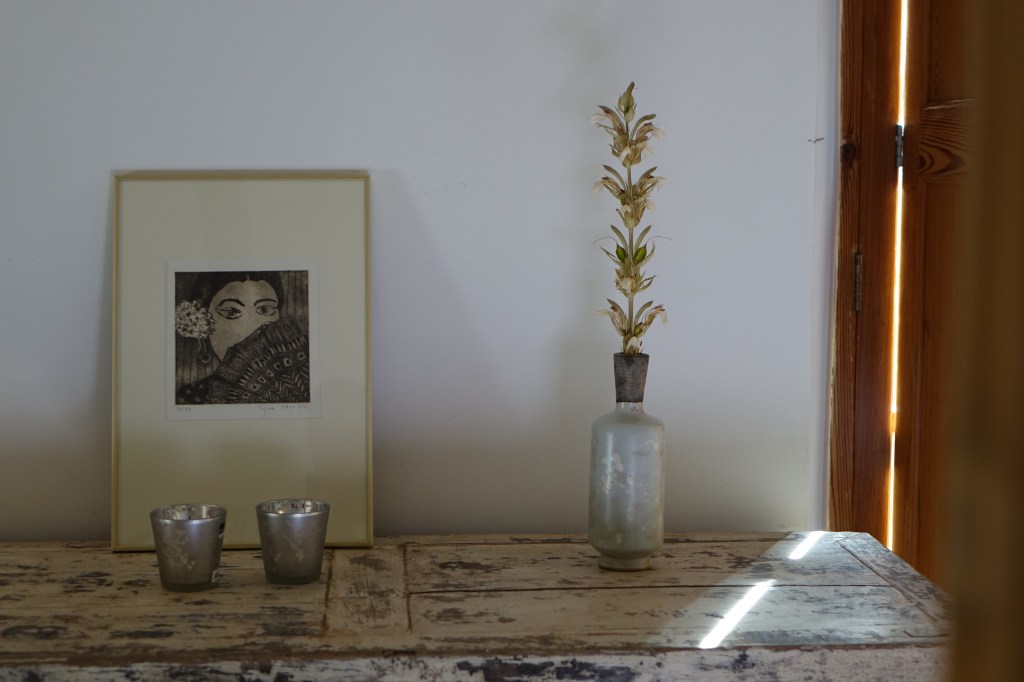
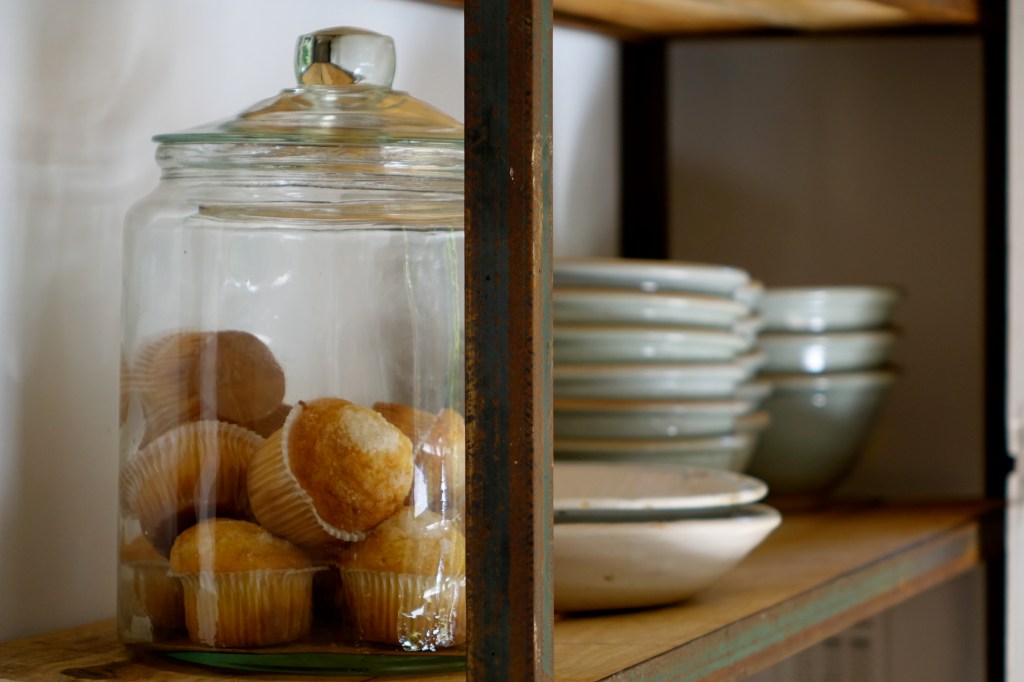
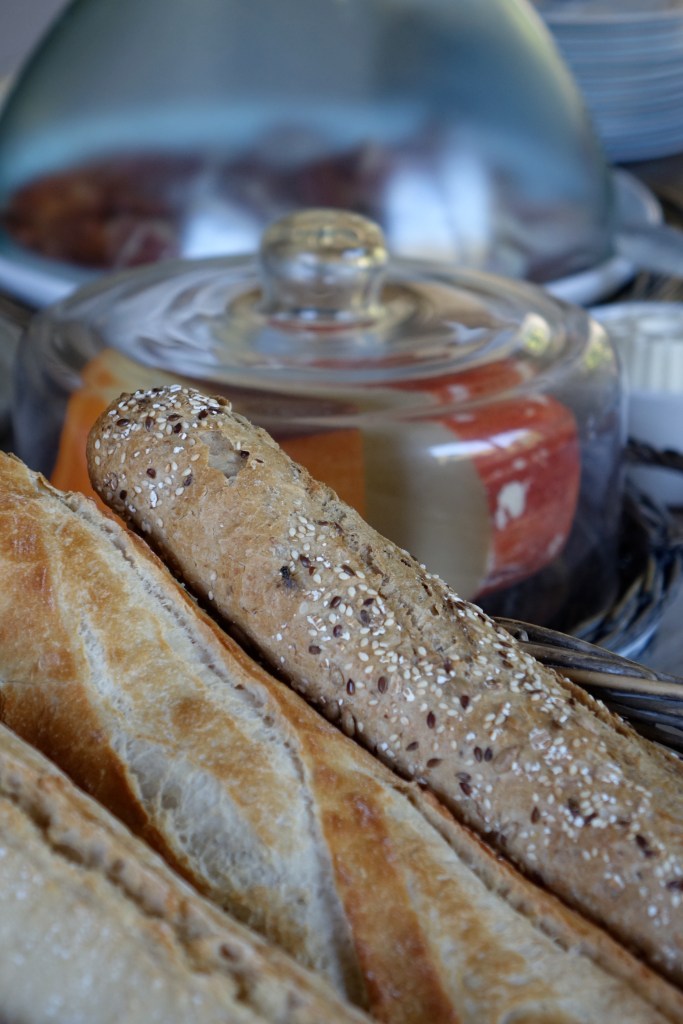
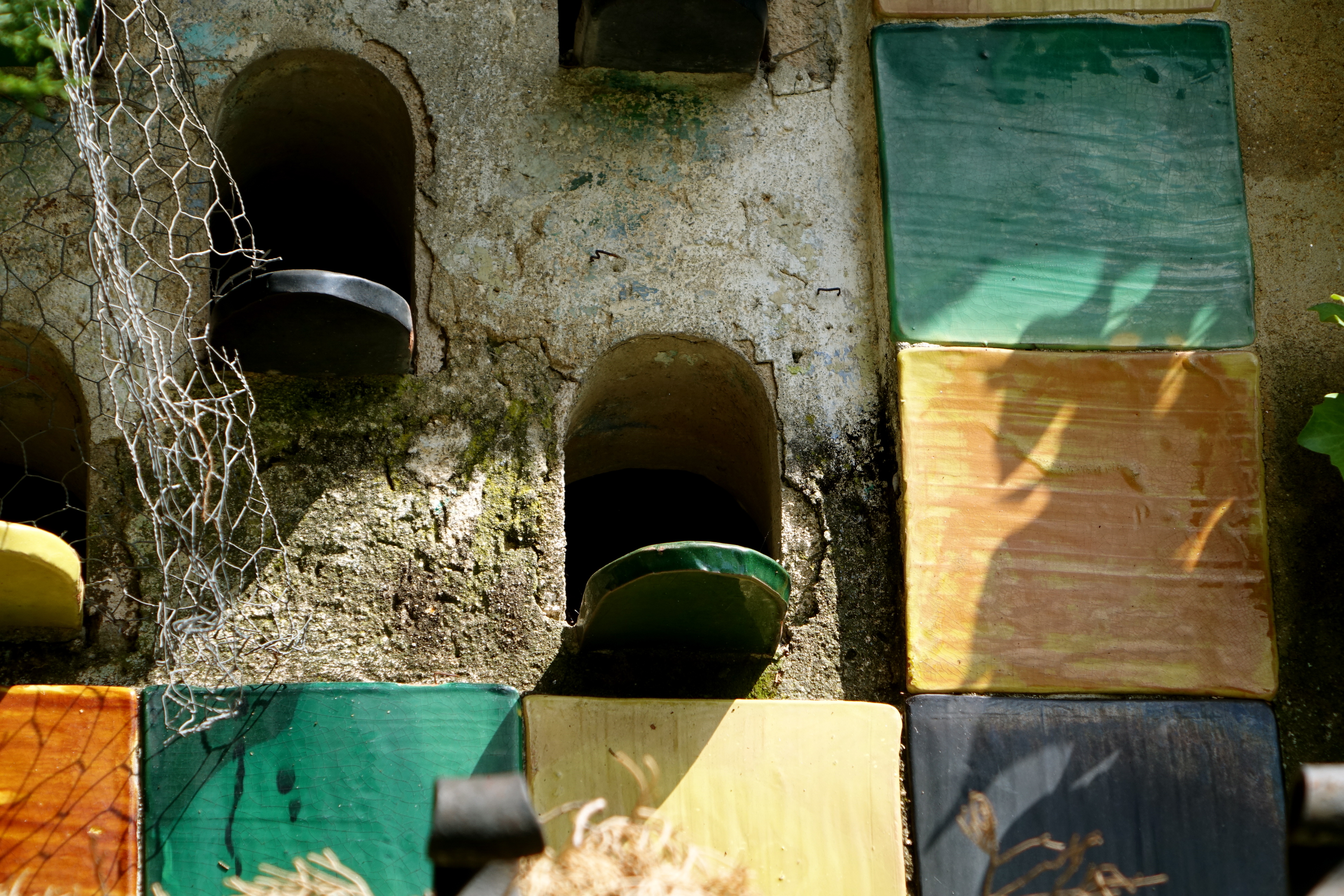
Owned by the proprietors of the popular interior design store, Mosaic, located in cool Santa Catalina in Palma, the Son Viscos hotel is a euphoria of design harmony, with understated muted tones and natural woods offsetting perfectly amongst carefully chosen rustic antiques and ceramic items. The west-facing kitchen, which was flooded with light in the afternoon, and filled with a bounteous feast of the freshest breakfast produce in the morning, was the beating heart of a guesthouse which maintained all of the characteristics of the most welcoming of family homes.

The Son Viscos garden
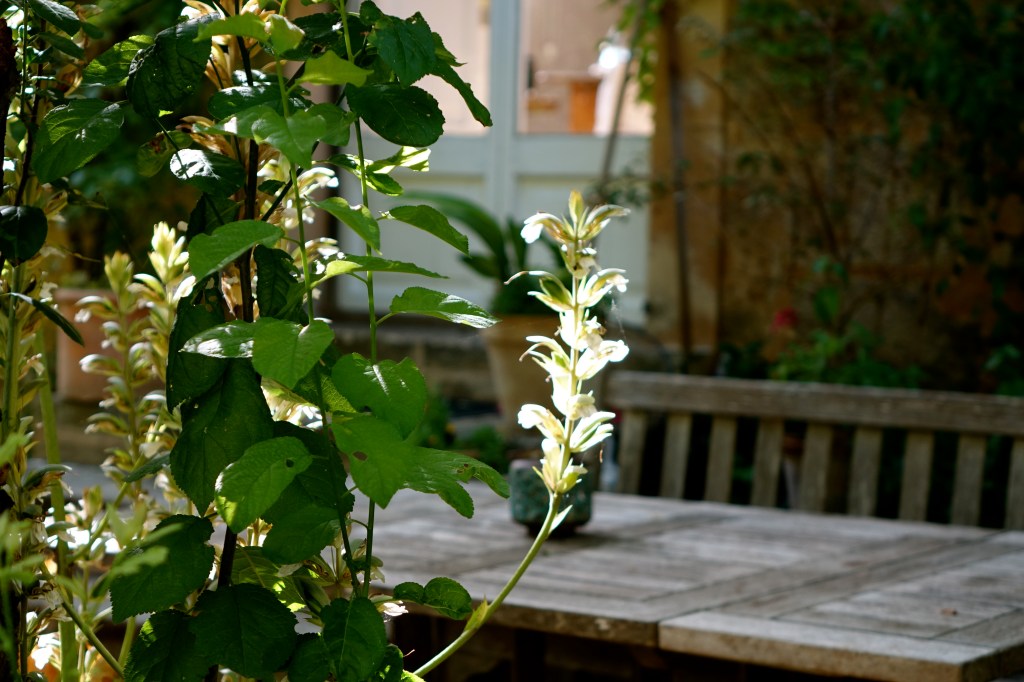
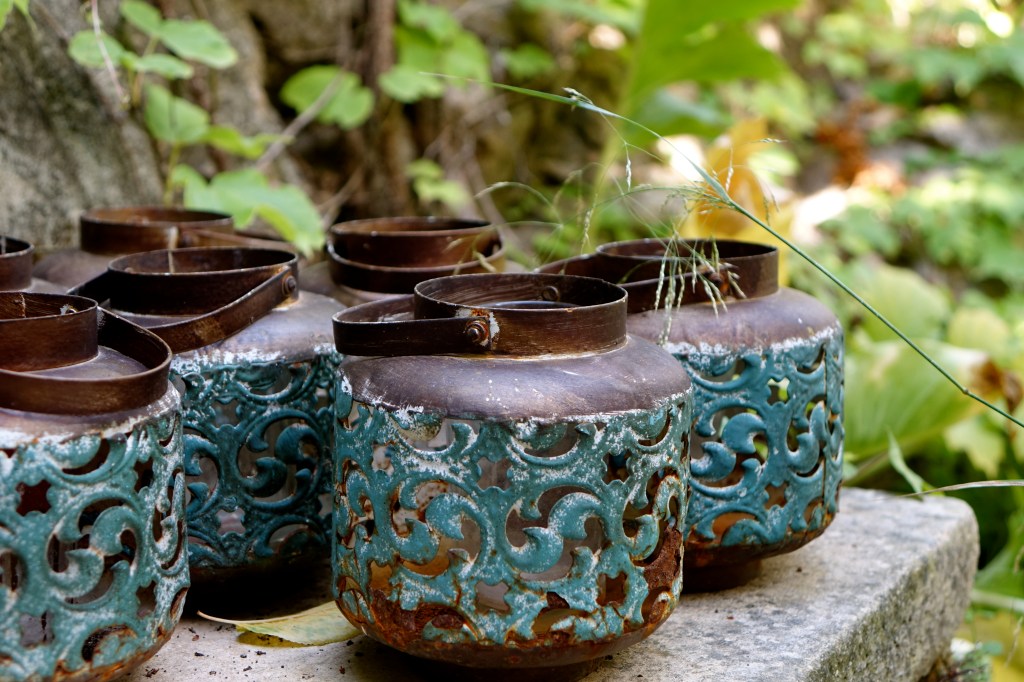
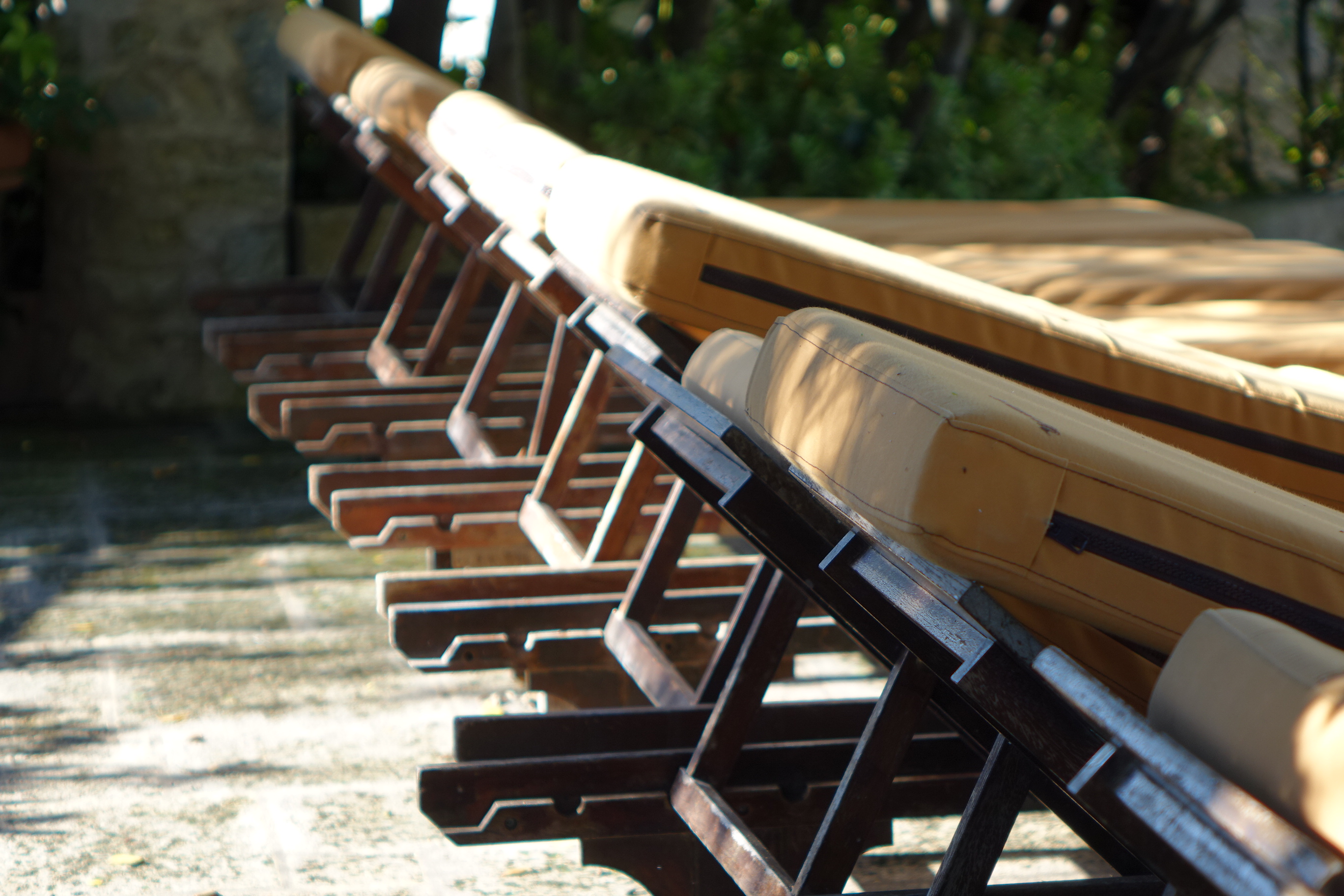
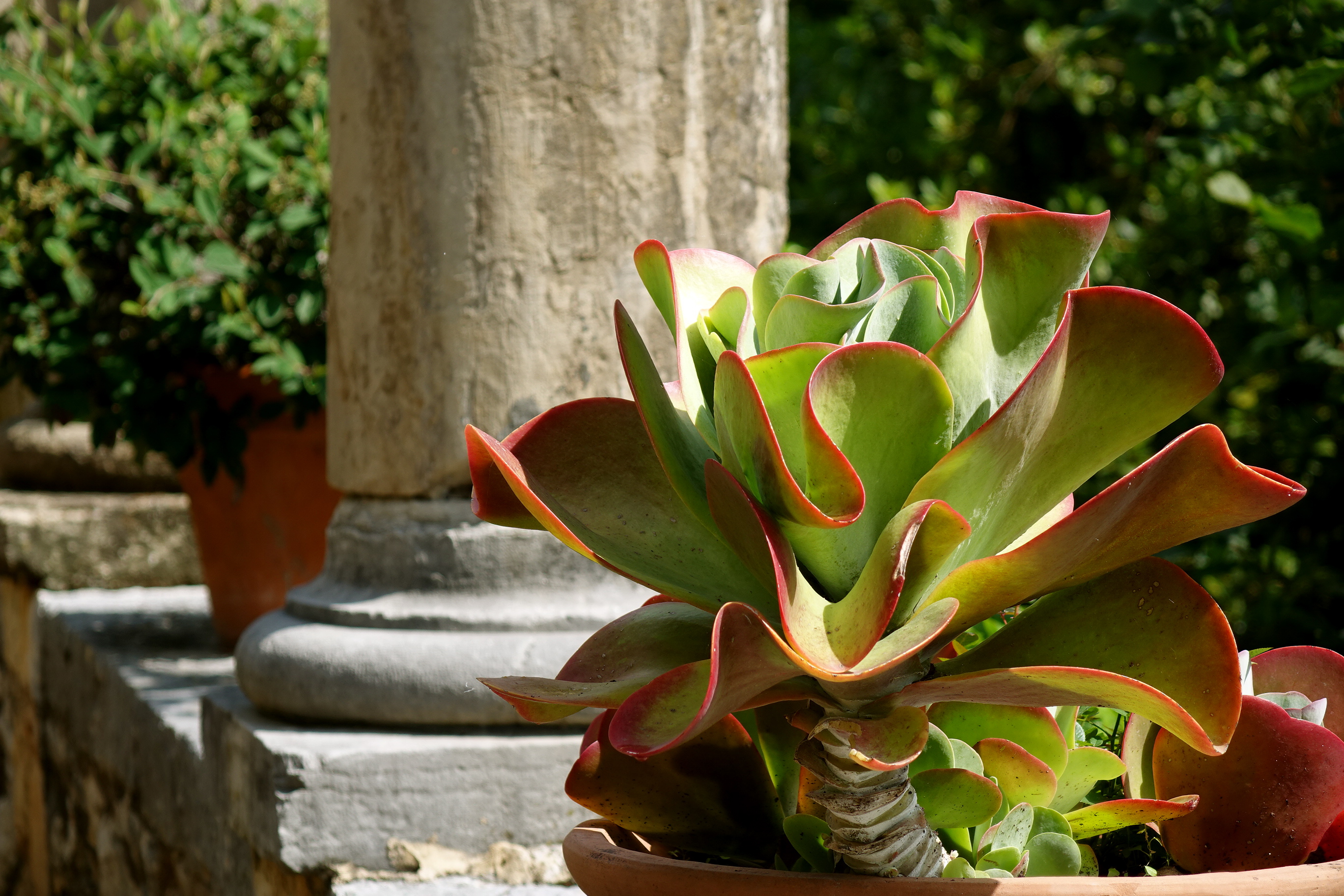
DSC00389 DSC00533 DSC00398 DSC00396 DSC00388 DSC00485 DSC00382 DSC00434

Our room, the Menta suite, offered the very best of comfort with a lavish but pared down minimalist wooden four poster bed, together with haphazardly placed original art, design arm chairs and super soft towels. Flooded with light from an ample terrace, the room boasted enviable views of the Valldemossa monastery, and benefited from all of the freshness of the lush mountains opposite.

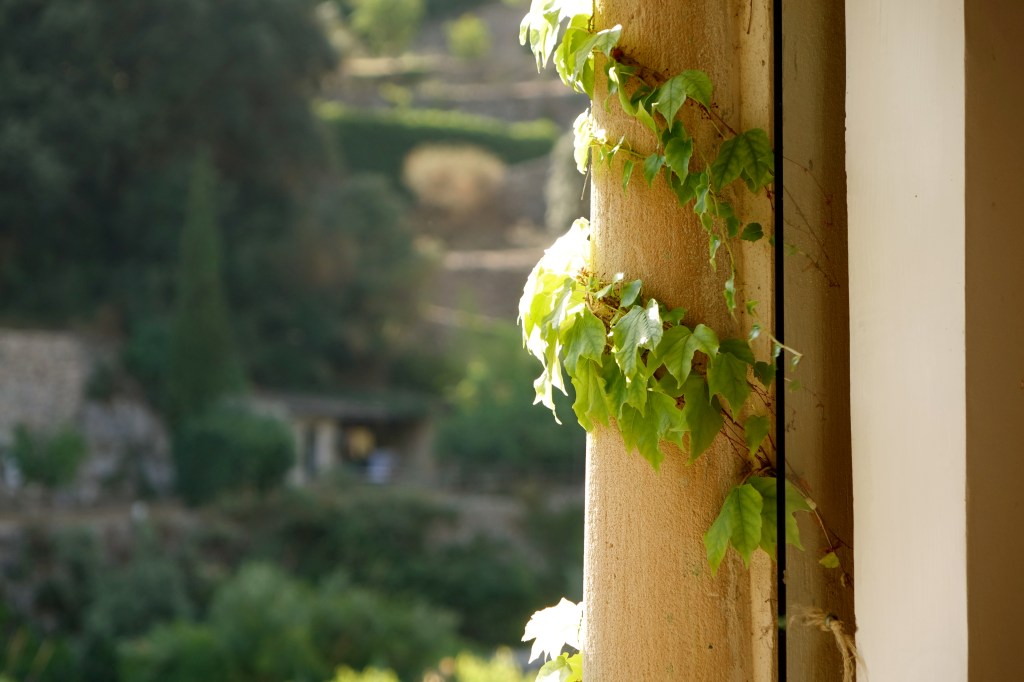
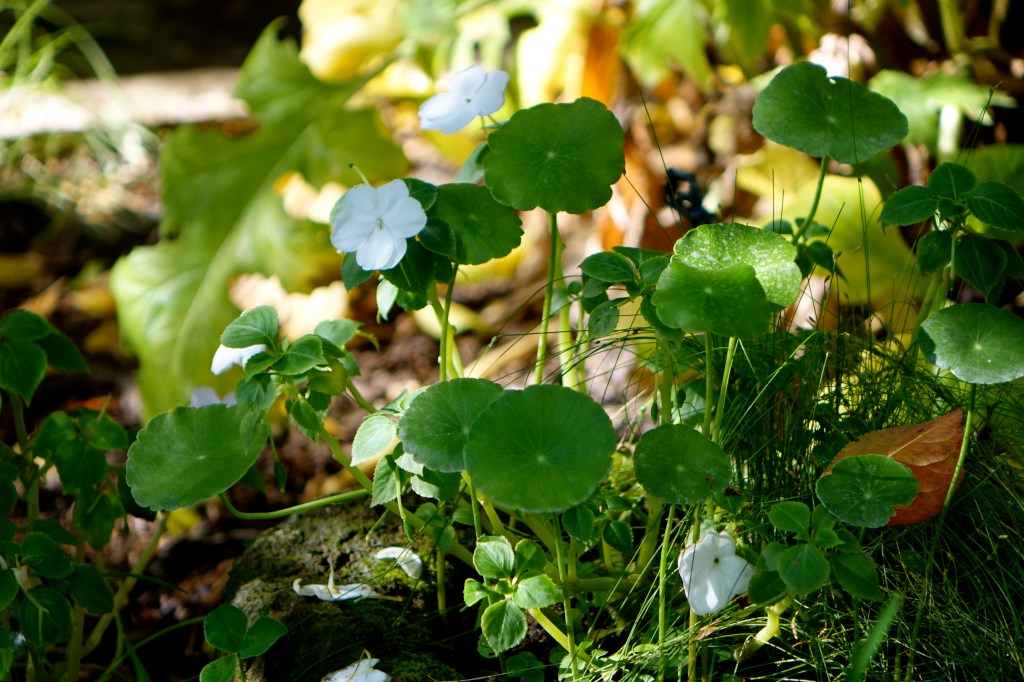
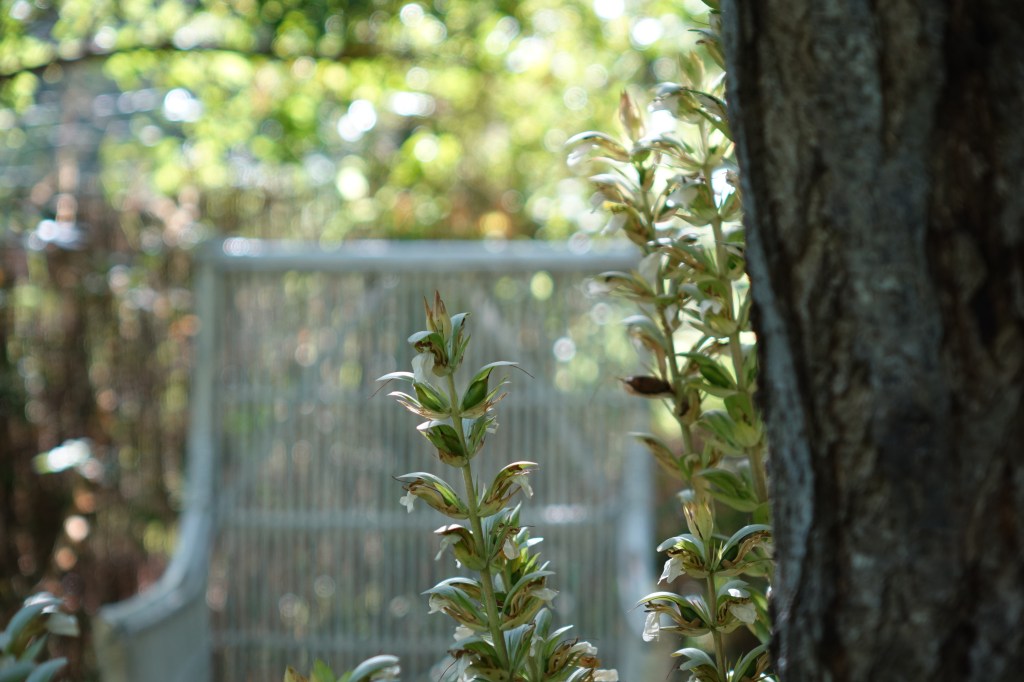
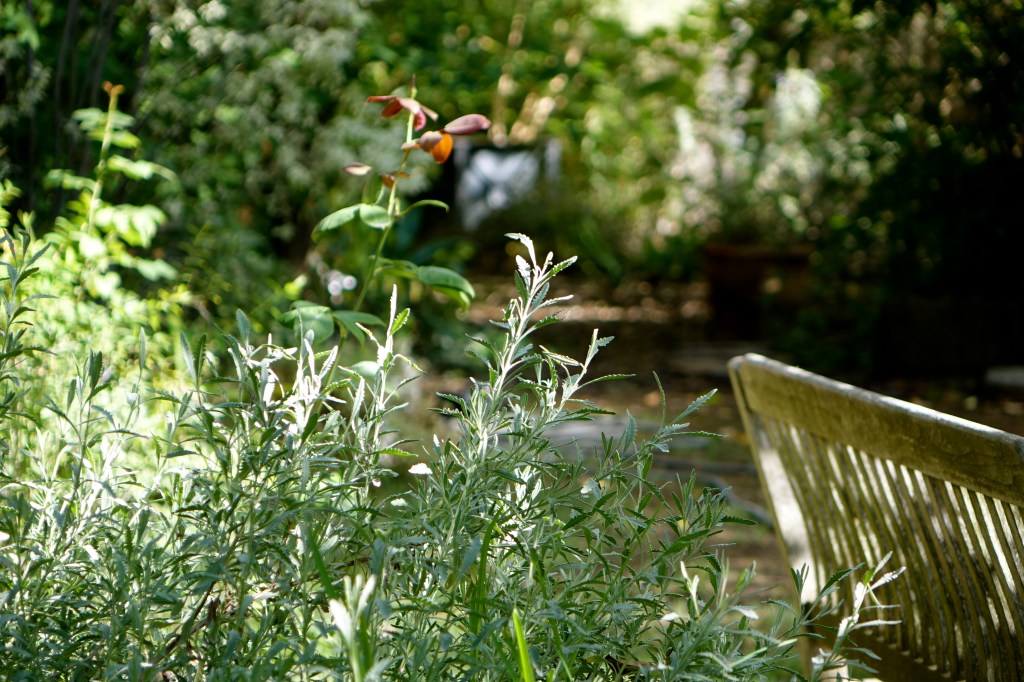
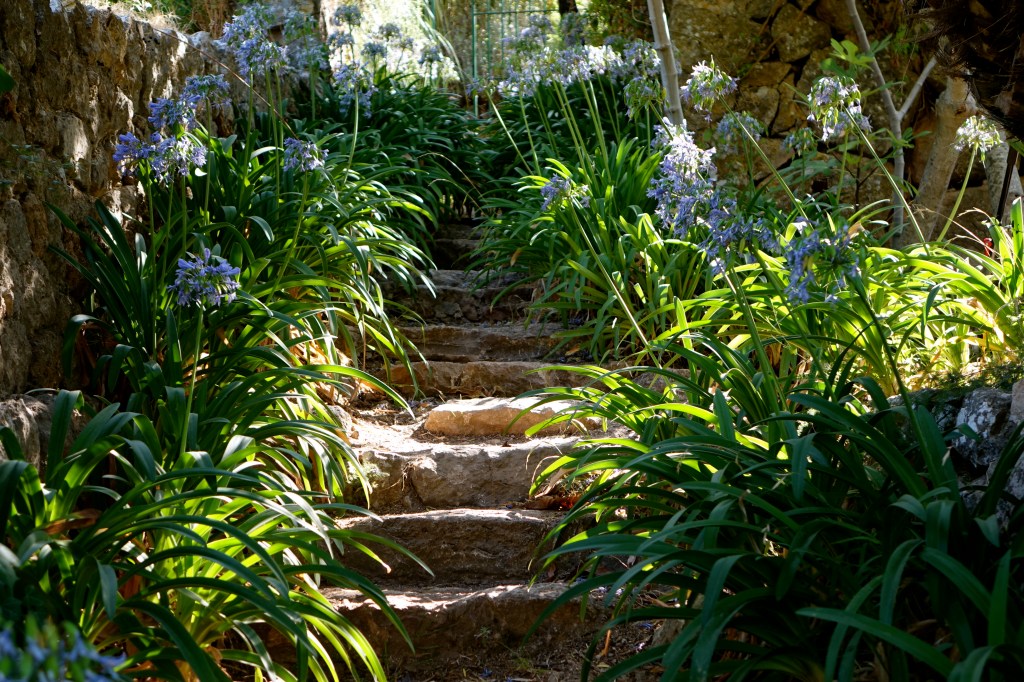
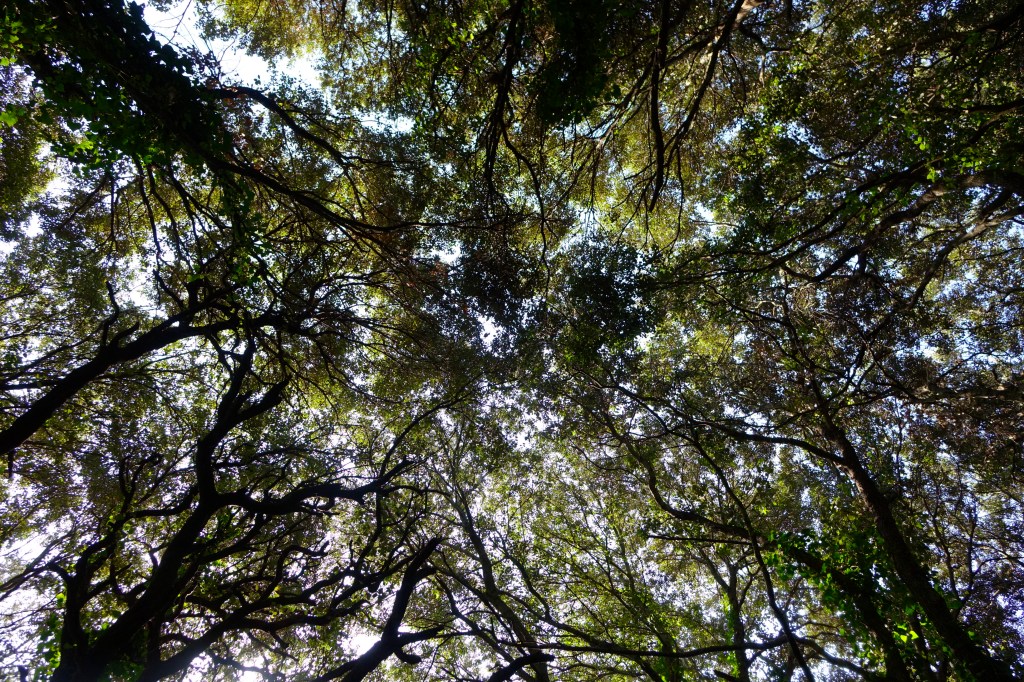
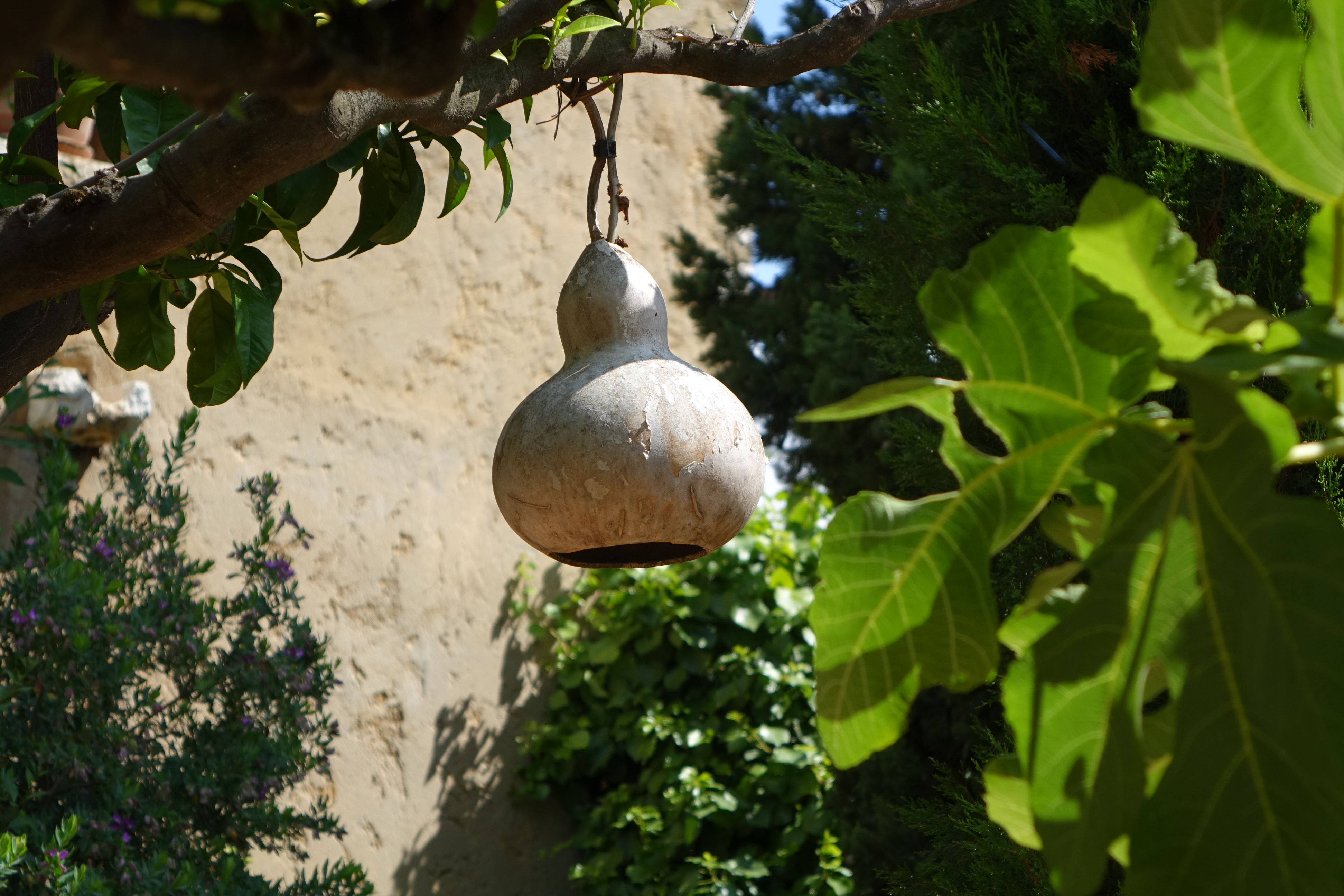
And it was precisely that fresh air which so loving nurtured us as we settled down for our night at the Son Viscos, finally able to escape the suffocating heat which had tampered with our dreams for months. Waking enlivened and refreshed, we had yet more pleasures to discover, for opposite the Son Viscos, the hotel’s extensive grounds extended to sun dappled woods hugging the side of the valley, and included fresh water streams, ancient moorish mills and even a dainty stone bridge which had more than survived the tests of time.

The Son Viscos’ sumptuous grounds

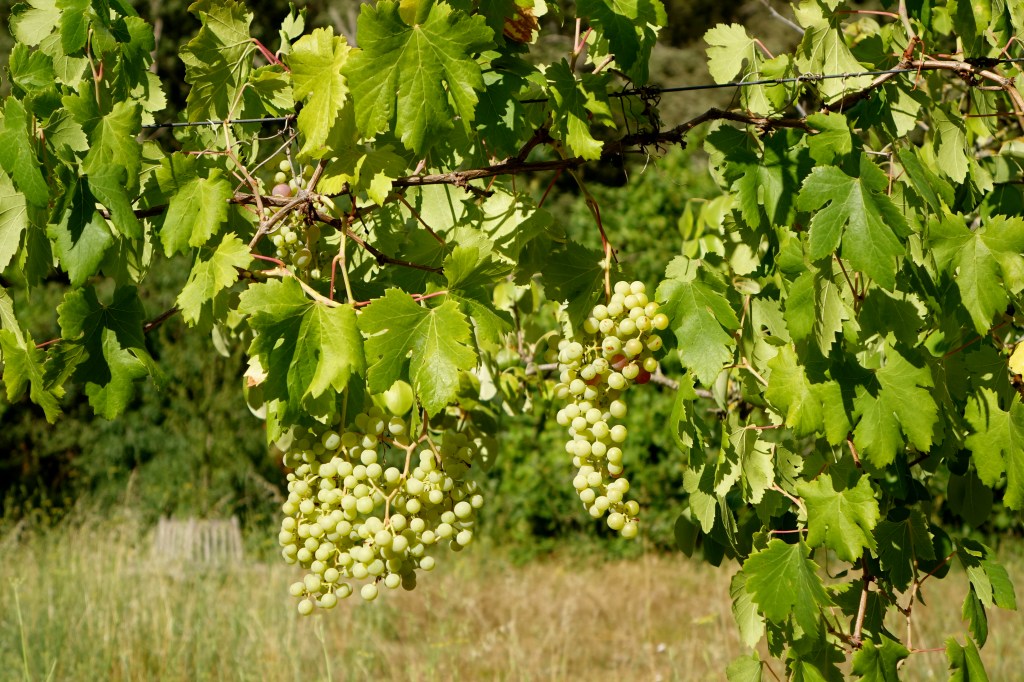
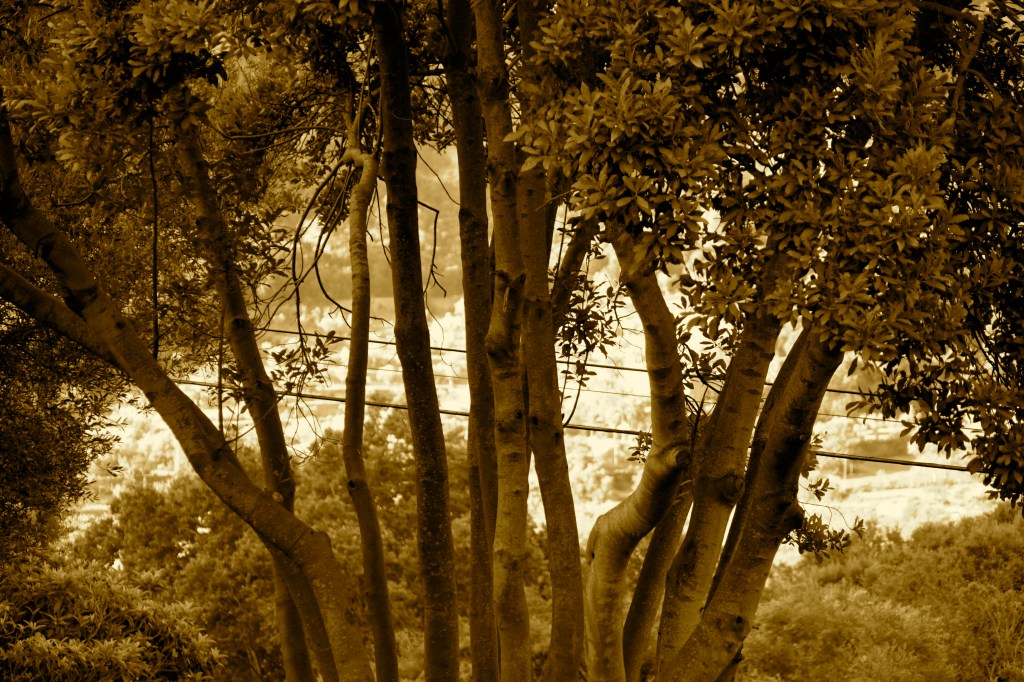
DSC00618 DSC00535 DSC00588 DSC00566 DSC00486DSC00549 DSC00521 DSC00532 DSC00550 DSC00586 DSC00580 DSC00579 DSC00525 DSC00612 DSC00600

The Son Viscos hotel was frankly an experience in a million, for its meticulously conceived design, its perfectly bucolic location, and for the sheer welcoming comfort it offered. As I sit here now, back in hot Palma, recounting my time there I long to return. Something tells me it won’t be long.

All photos and written content are strictly the copyright of Nicholas de Lacy-Brown © 2015 and The Daily Norm. All rights are reserved. Unauthorized use and/or duplication of the material, whether written work, photography or artwork, included within The Daily Norm without express and written permission from The Daily Norm’s author and/or owner is strictly prohibited.

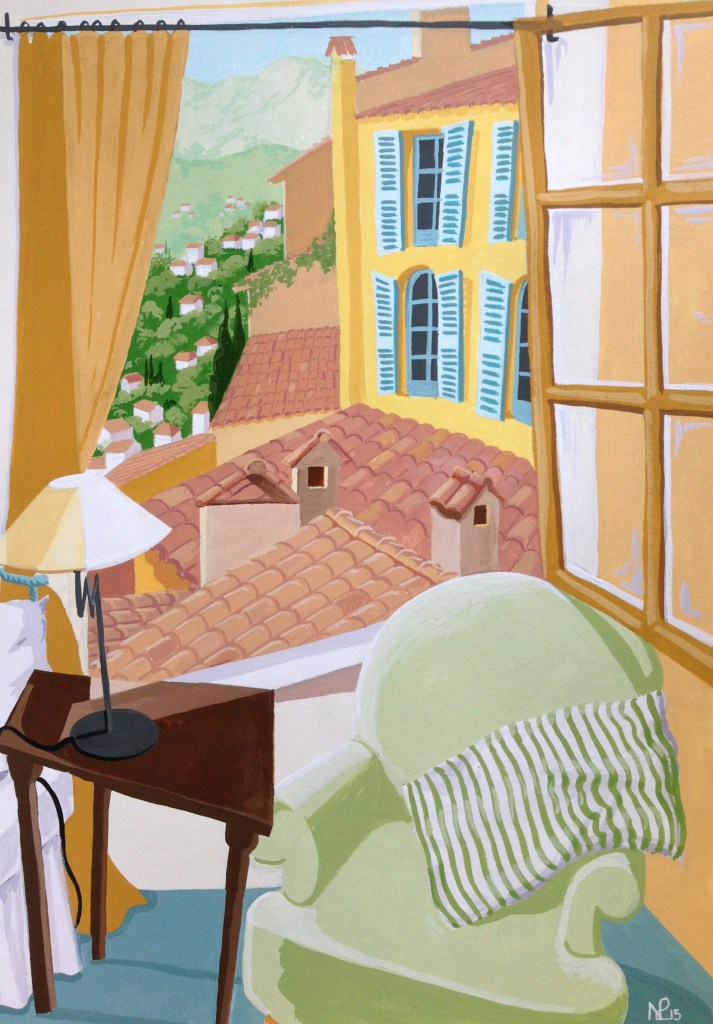
The Honeymoon Suite II: Bedroom at the Château Le Cagnard

The inspiration which, at La Colombe d’Or, had filled the artist within me with a renewed vitality to paint did not leave me when we departed. Having painted the view from our bedroom there, complete with a small slice of our abode, I became intrigued by the prospect of doing so afresh each time we moved hotels and so, when we moved to the hotel Château Le Cagnard in Cagnes-sur-Mer, and when we discovered to our delight a room with an equally stunning view over the mountains north of the Riviera, I started work immediately.

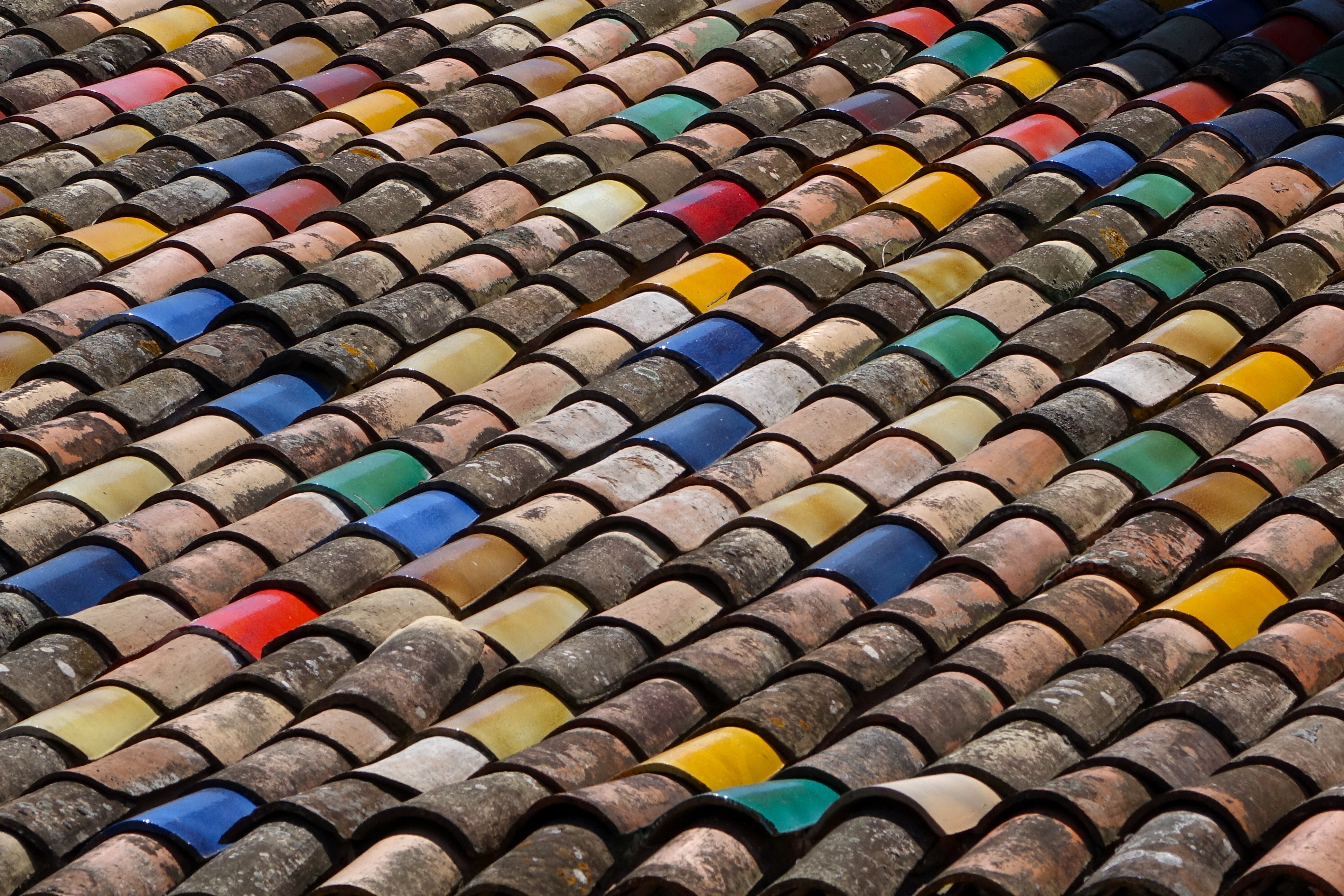
The second of what I have now termed my Honeymoon Suite is therefore painted in the same line as no. 1 of the series, with a unity between the bedroom in which we stayed, and the view we enjoyed daily. From the cosy sage-tinted armchair happily appointed alongside the window, one could enjoy a view not only of the surrounding landscape, but of countless terracotta rooftops upon pastel-coloured houses. It was the very definition of the Provençal landscape.

Honeymoon Suite II: Bedroom in the Chateau de Cagnard (2015 © Nicholas de Lacy-Brown, gouache on paper)

Honeymoon Suite II: Bedroom at the Château Le Cagnard (2015 © Nicholas de Lacy-Brown, gouache on paper)

© Nicholas de Lacy-Brown and The Daily Norm, 2001-2015. Unauthorized use and/or duplication of the material, whether written work, photography or artwork, included within The Daily Norm without express and written permission from The Daily Norm’s author and/or owner is strictly prohibited. Excerpts and links may be used, provided that full and clear credit is given to Nicholas de Lacy-Brown and The Daily Norm with appropriate and specific direction to the original content. For more information on the work of Nicholas de Lacy-Brown, head to his art website at www.delacy-brown.com

The Honeymoon Chronicles, Part III: Saint-Paul de Vence

There would be few who would have blamed us if we had never left the sensational tranquility which can be found within the stone walls of La Colombe d’Or. And yet the hotel is itself nestled against the ancient stone walls of the tiny village of St-Paul de Vence in the South of France, and within those mighty ramparts can be found a tiny little village so utterly picturesque that it was worth the struggle of leaving our well-appointed loungers beneath La Colombe’s Calder mobile.

While Saint-Paul is visibly ancient and utterly medieval with its maze of cobbled steep streets nestled within large protective ramparts, its reputation ballooned largely owing to the fame of La Colombe d’Or and the increasingly famous jet set of artists and intellectuals who stayed there. What then followed was the opening of the Fondation Maeght, one of Europe’s most significant collections of modern art installed in a museum created by Marguerite and Aimé Maeght just up the road from La Colombe d’Or. Consequently, with some of the most important art of the modern era on its doorstep, it is no wonder that the fame of St-Paul has magnified, nor indeed that the village itself has become a mainstay of art. For besides the usual offerings of Provençal soaps and local olive oils, the village is crammed full of art galleries.

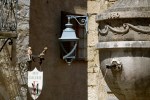
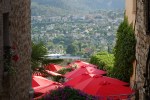
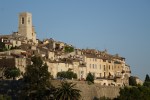
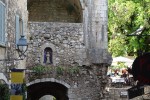
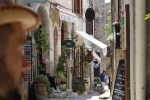
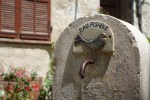
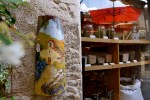
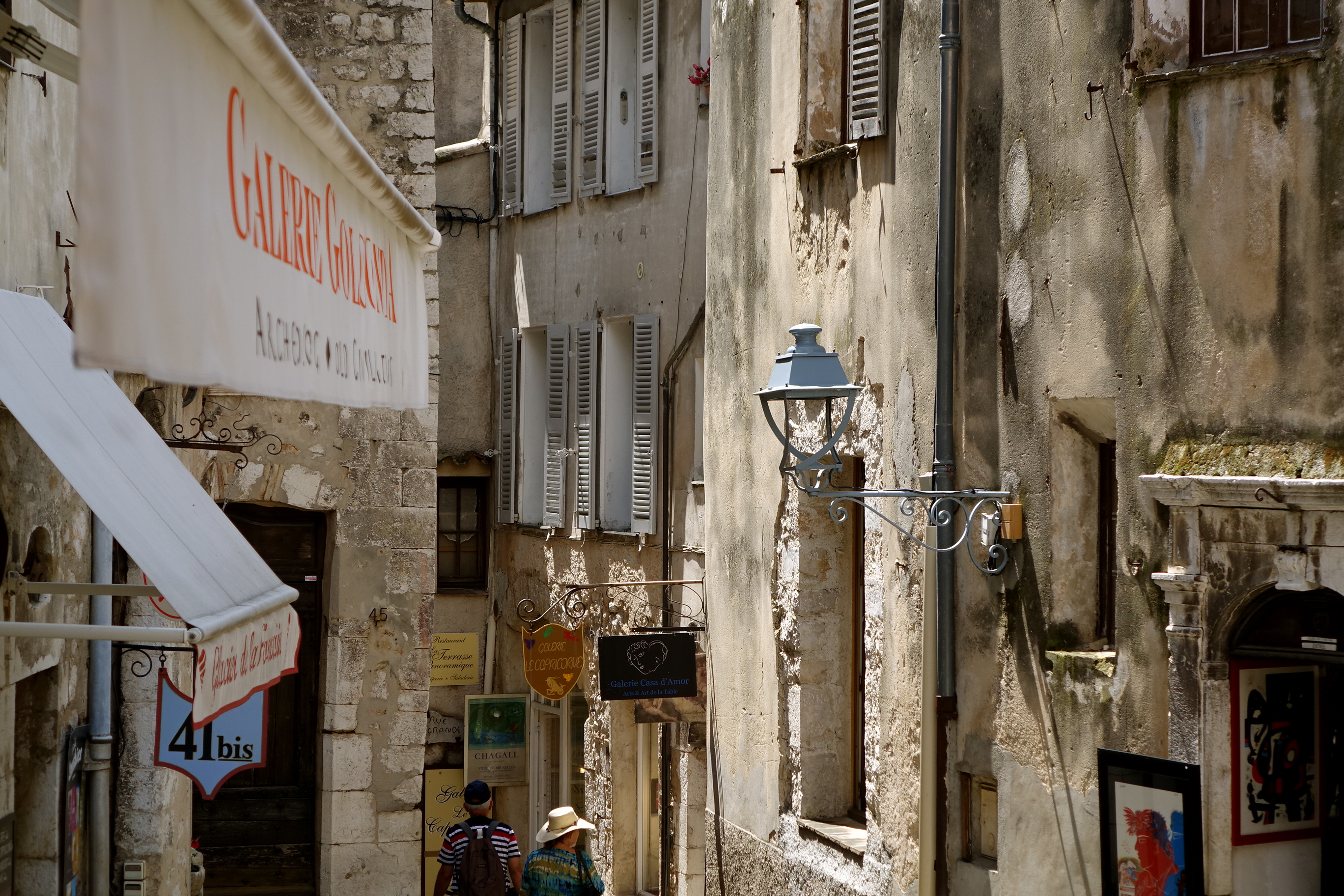
DSC06456 DSC06948 DSC06540 DSC06930 DSC06903

St-Paul is a tiny village with a little church located at the peak of the hill, and the remainder of the streets spiralling around downwards from that centre point. It was a place in which to stroll, and photograph; to soak in the ambient shady streets filled with little shop signs and flowers; to peruse the little shop windows and the multi-coloured offerings of the art galleries; and to breathe in the local perfumes of lavender and soap. And with the village right on our doorstep, we made good use of St-Paul as a destination to shop, stroll and dine. Here are some of the photos I made during our time in the town.

All photos and written content are strictly the copyright of Nicholas de Lacy-Brown © 2015 and The Daily Norm. All rights are reserved. Unauthorized use and/or duplication of the material, whether written work, photography or artwork, included within The Daily Norm without express and written permission from The Daily Norm’s author and/or owner is strictly prohibited.
The Honeymoon Chronicles, Part I: La Colombe d’Or

To say that my wedding and the honeymoon which followed was a whirlwind of emotions would be no exaggeration. Within minutes of cutting our sensational ombre wedding cake in Chelsea, we were whisked off in the old fashioned style, straight to our honeymoon, leaving our guests behind, and sadly no tied up cans trailing our vehicle. Our destination was the French Riviera, and with only further wedding cake to keep post-wedding hangovers at bay, we tried to prepare ourselves mentally for this further change in circumstances as we were whisked through the night to the South of France.

DSC07374

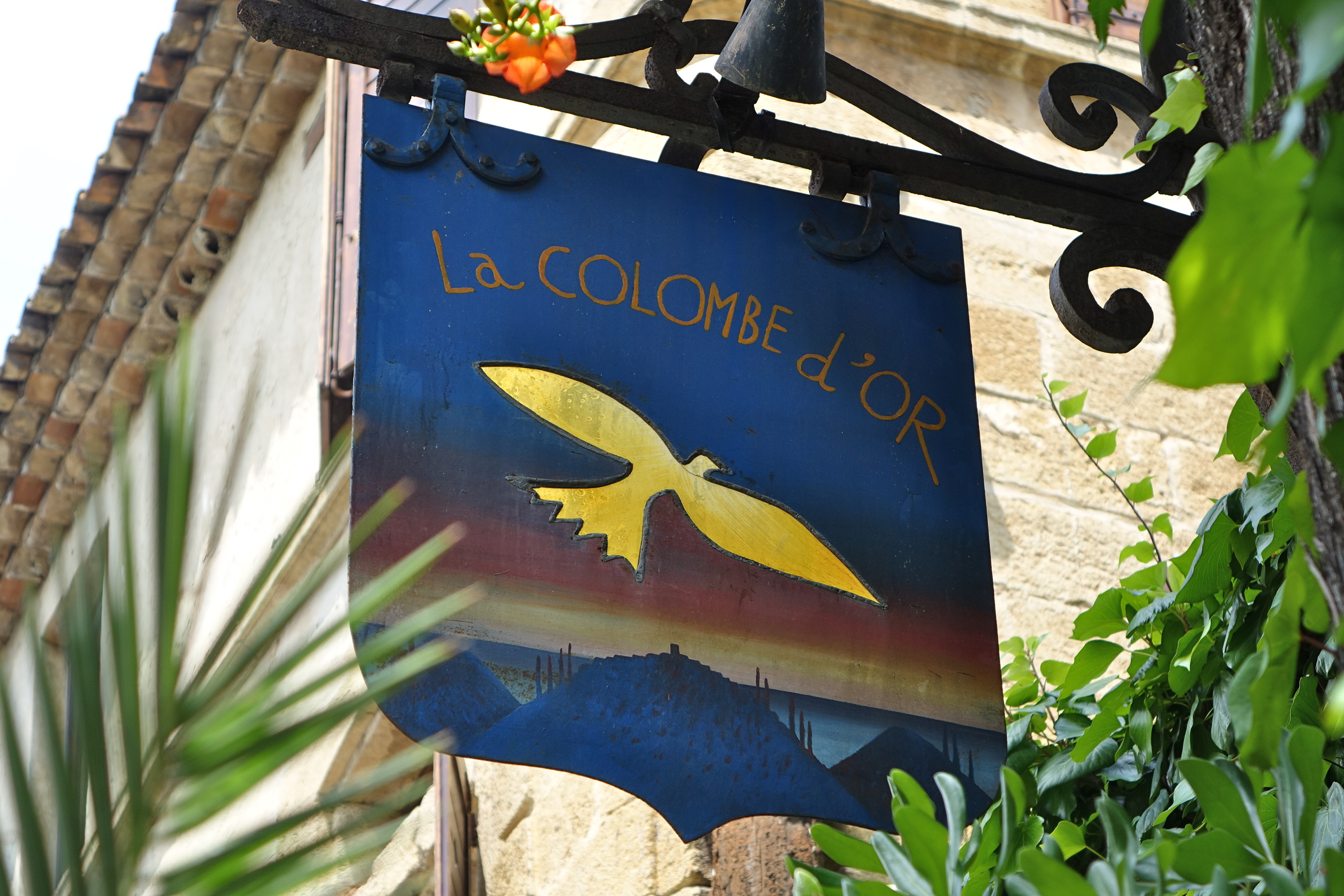
Our arrival in the tiny village of Saint-Paul de Vence near Nice could not have been more different from the city we had departed. Utterly at peace, with a distinctive fragrance of pines and cypresses freshening the air. As darkness had already descended, the village was permeated by little yellow street lamps, subtly illuminating the central plaza where pétanque balls lay in wait for the following day’s play. And amidst the darkness, one sign glowed more than any other: Lighting a golden dove on a blue and yellow sky, it was the sign of La Colombe d’Or – we had arrived.

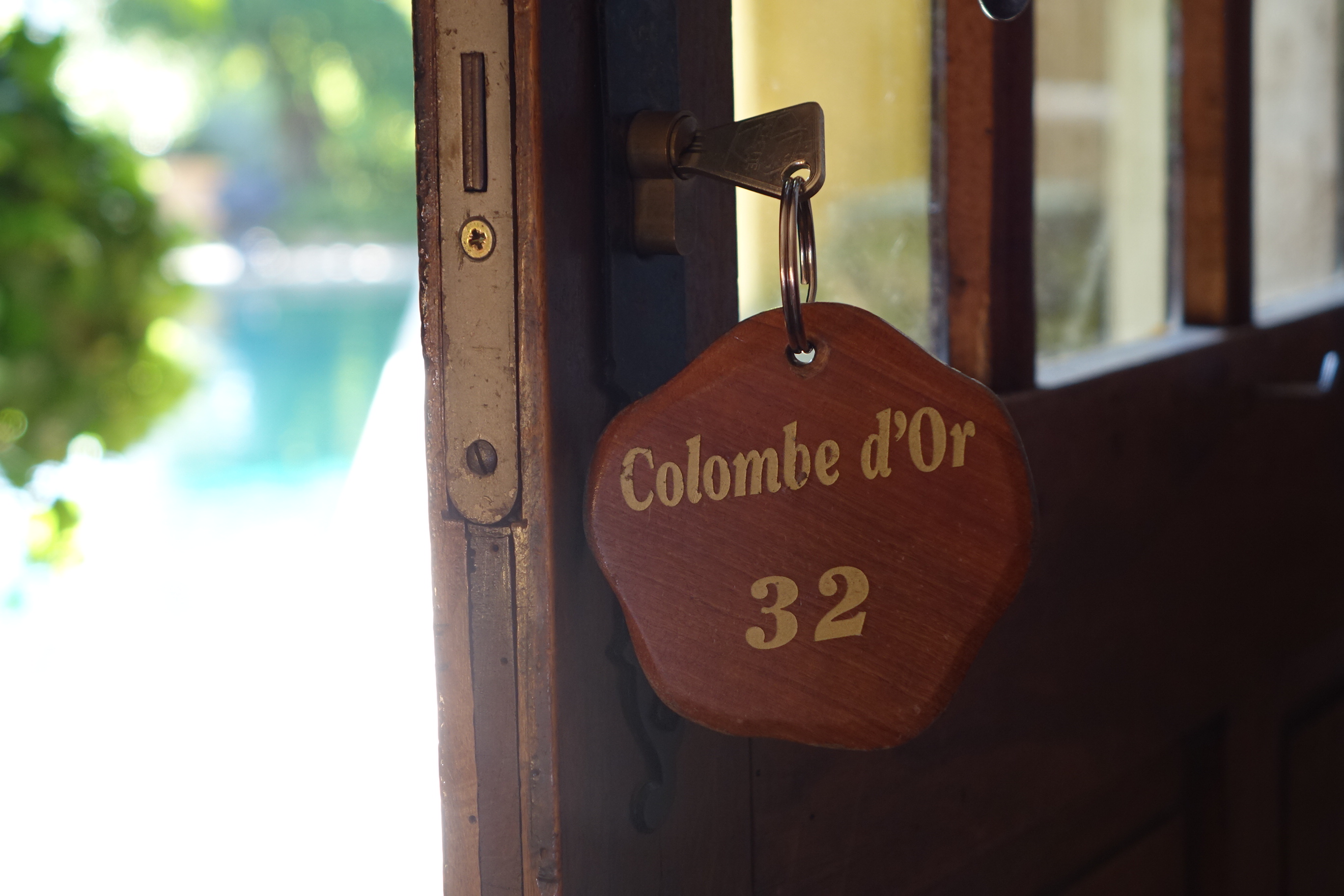
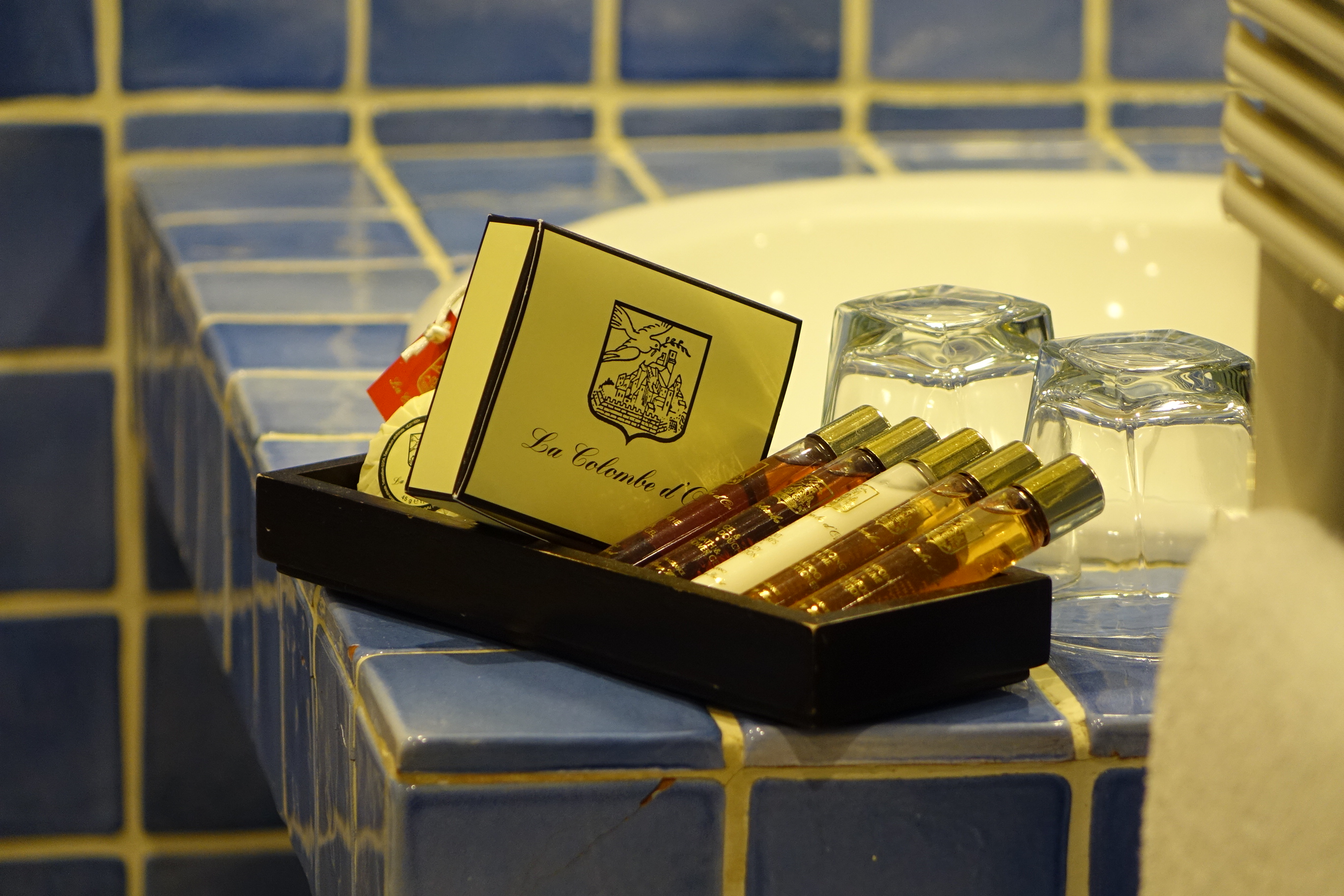
Our bedroom at La Colombe d’Or

DSC06256 DSC07040 DSC06332 DSC06238 DSC06226 DSC06247 DSC06237 DSC06234

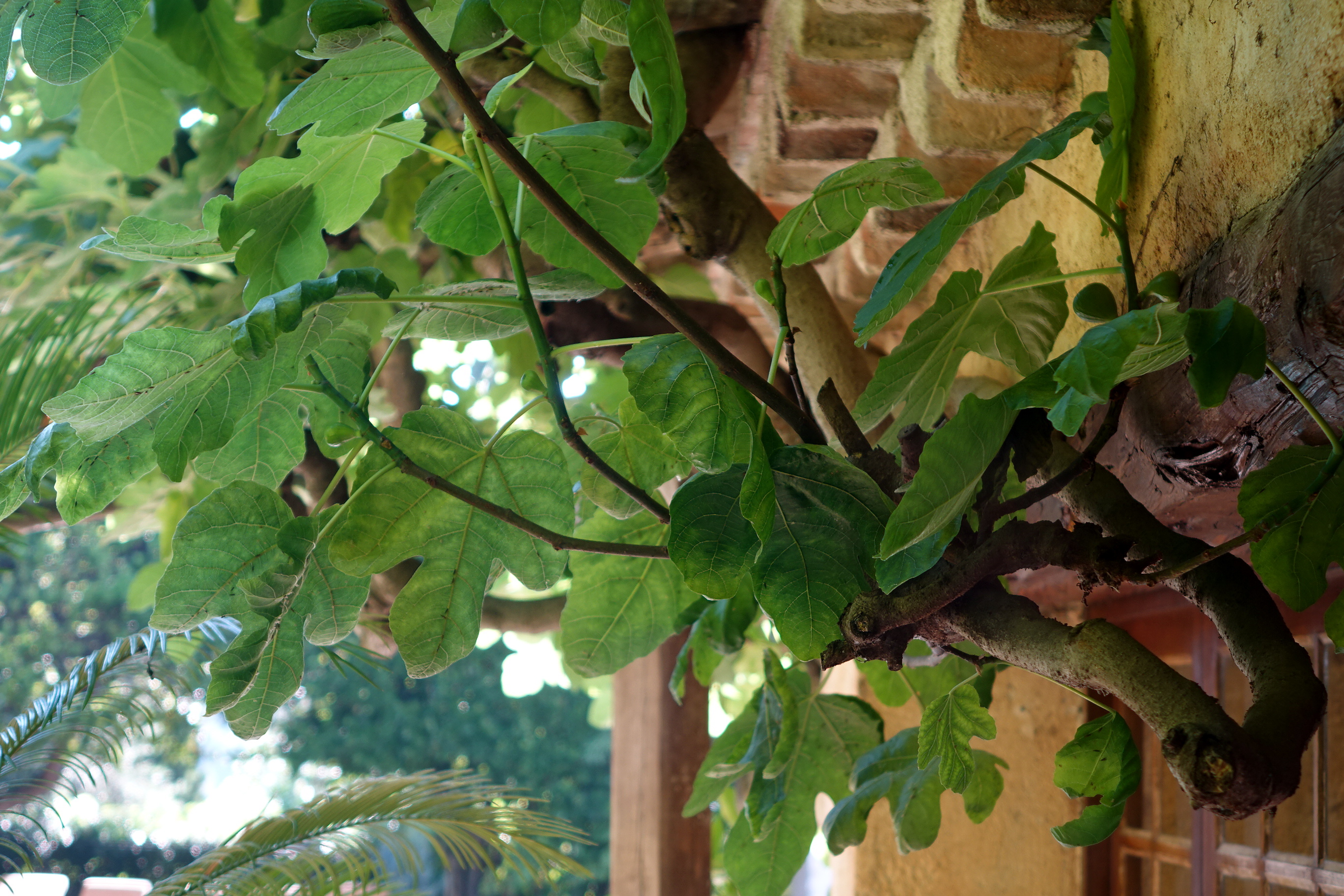
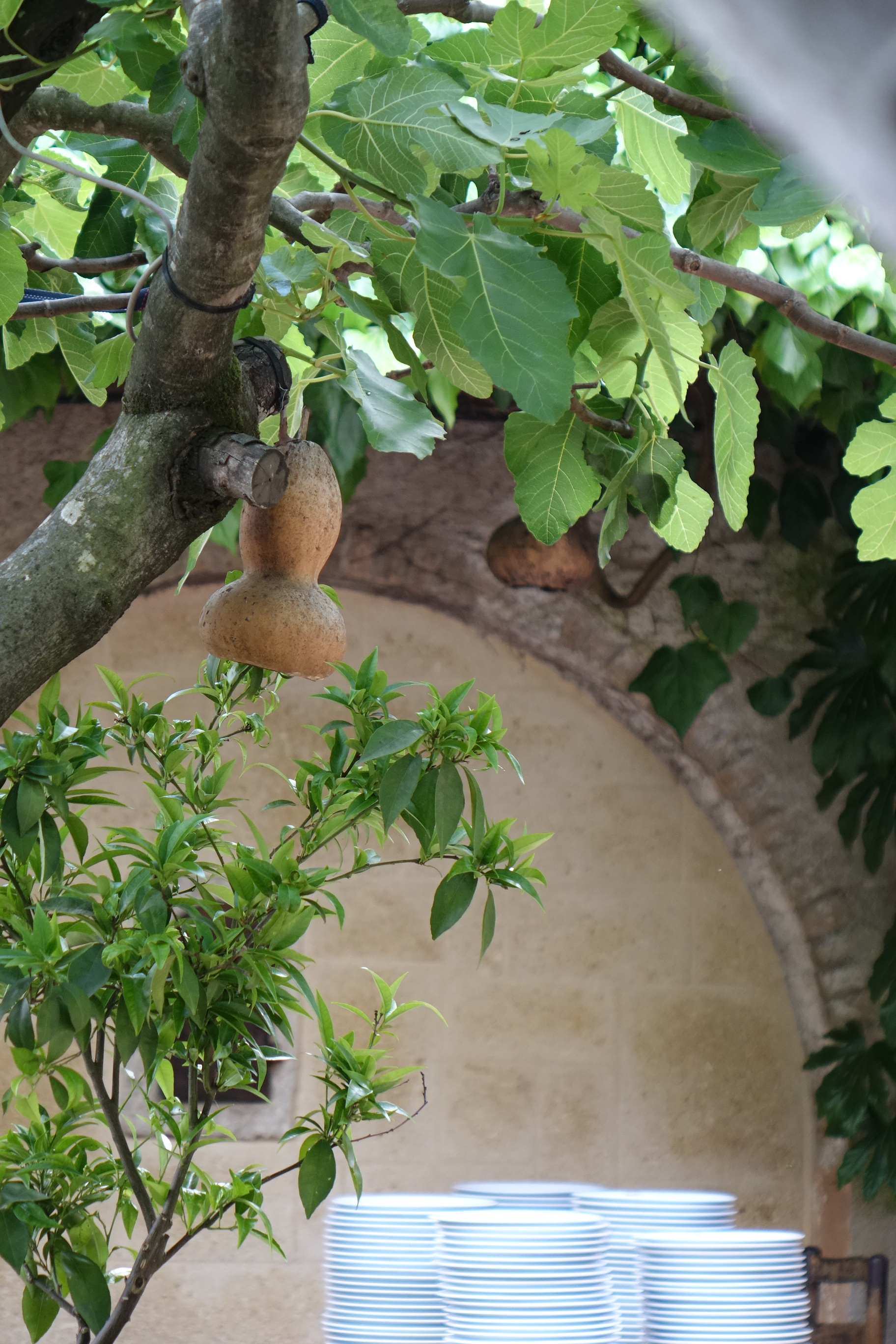
La Colombe d’Or (the golden dove) is a legendary destination in the South of France. First opened in the 1920s by Paul and Baptistine Roux, it began life as a quaint little inn nestled against the magnificent ancient ramparts of the village of Saint-Paul de Vence. Its stunning garden terrace abundant in shady fig trees together with its cosy restaurant interior soon began to attract a faithful clientele, and as the French Riviera became progressively more a centre for thinkers and artists, so too did La Colombe become a gathering place for the crème of the artistic set.

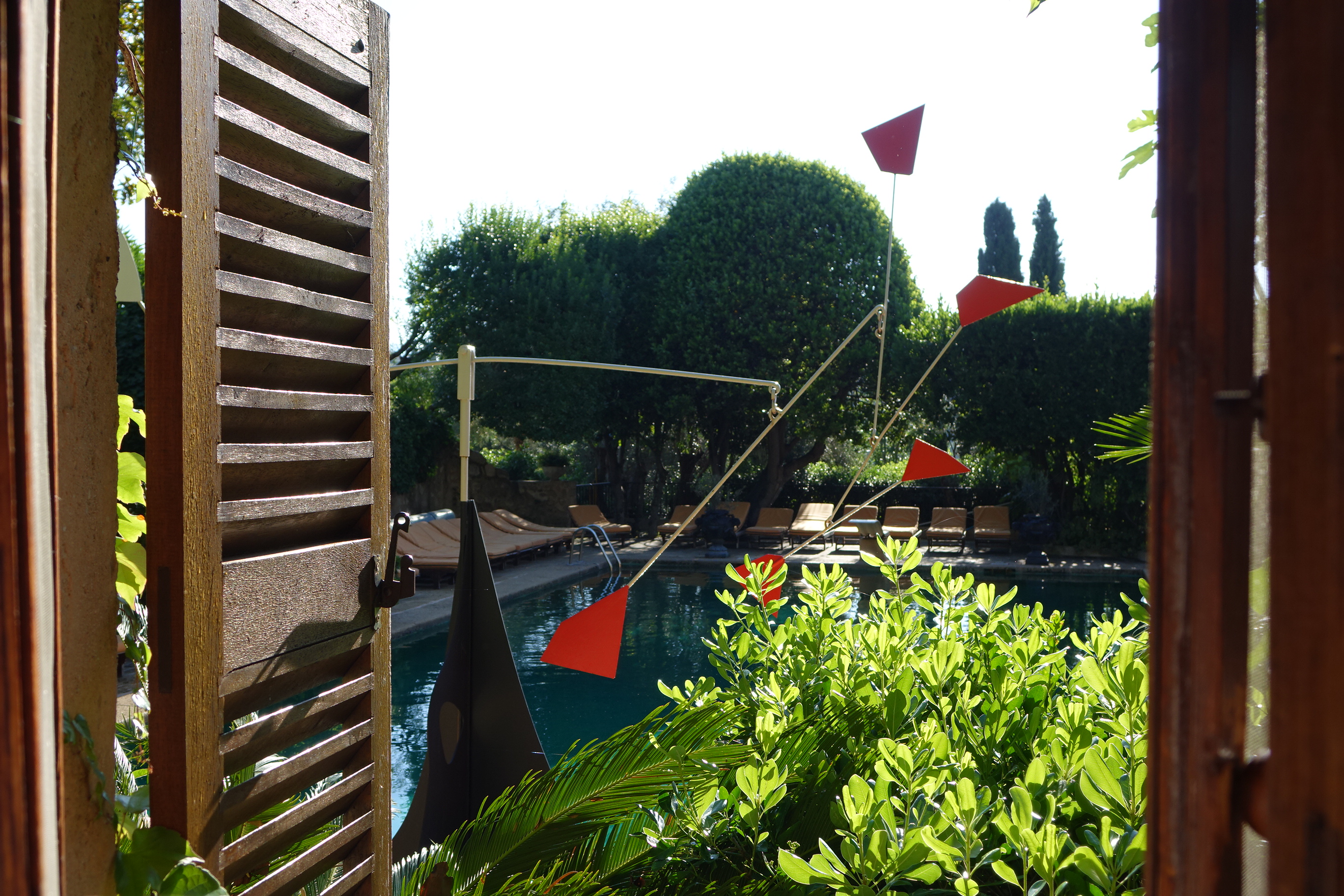
Around the pool and in the gardens

DSC06269 DSC07105 DSC06401 DSC06402 DSC07111 DSC06407 DSC06272 DSC07050 DSC06276 DSC06371 DSC06390 DSC06697 DSC06369 DSC06376

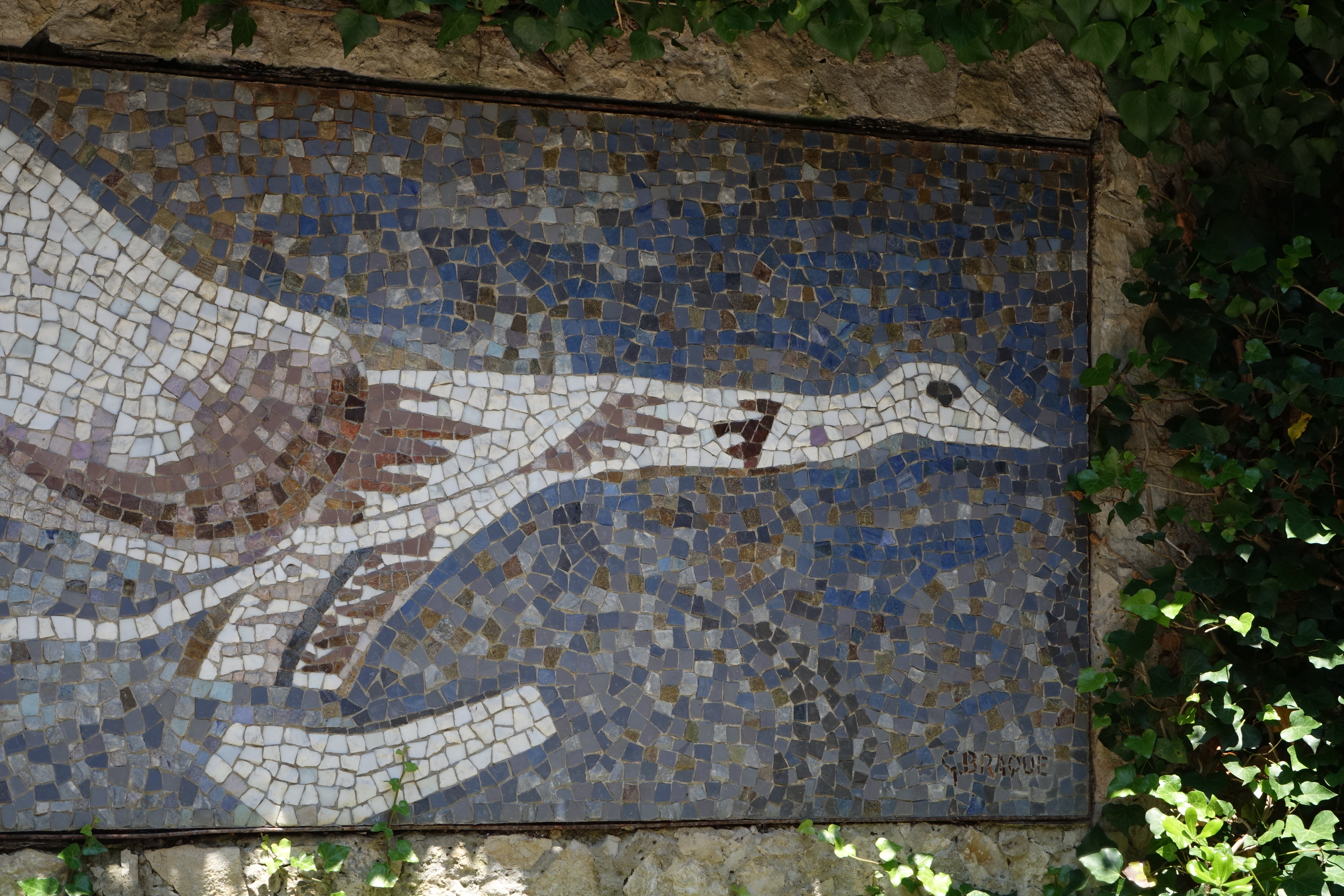
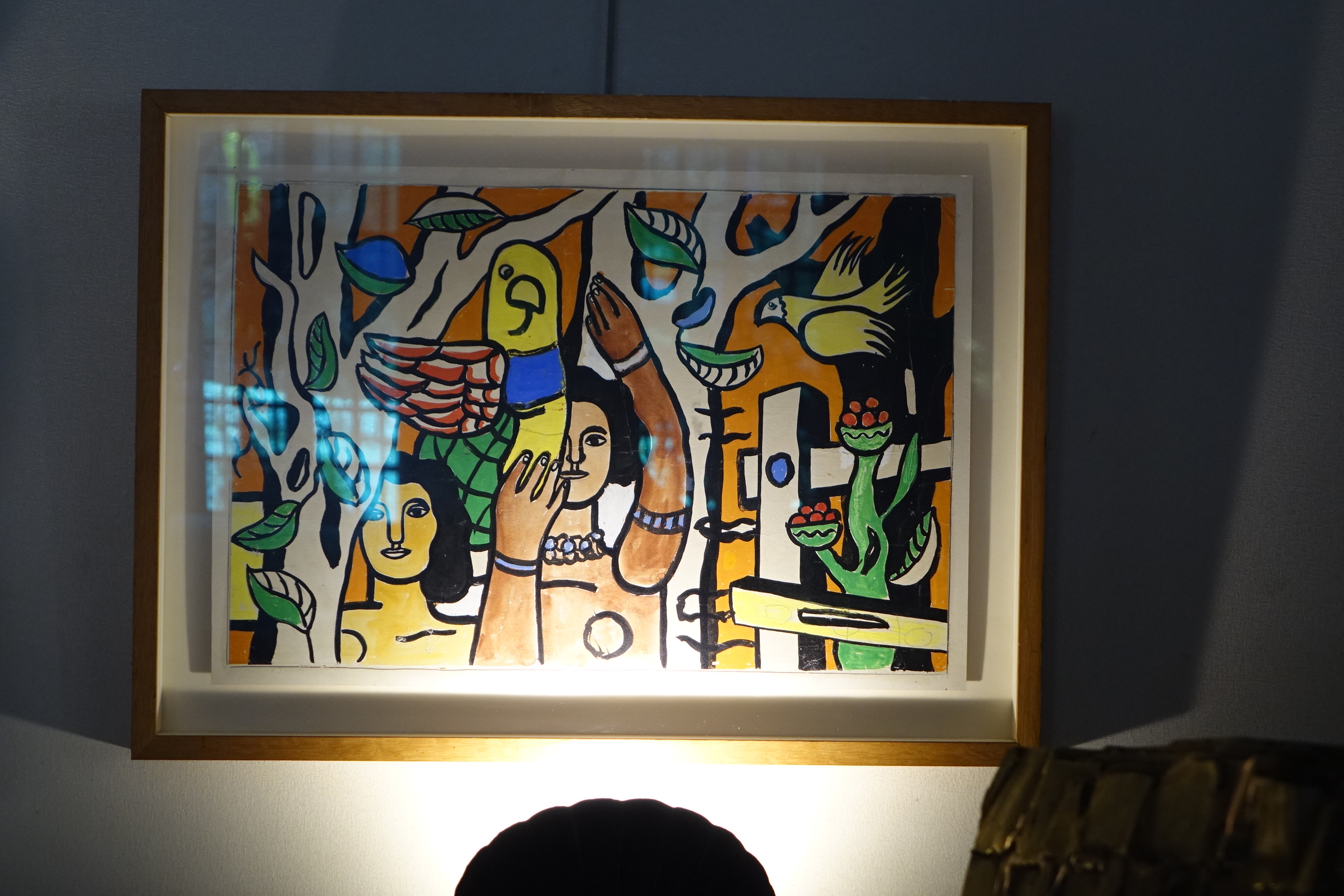
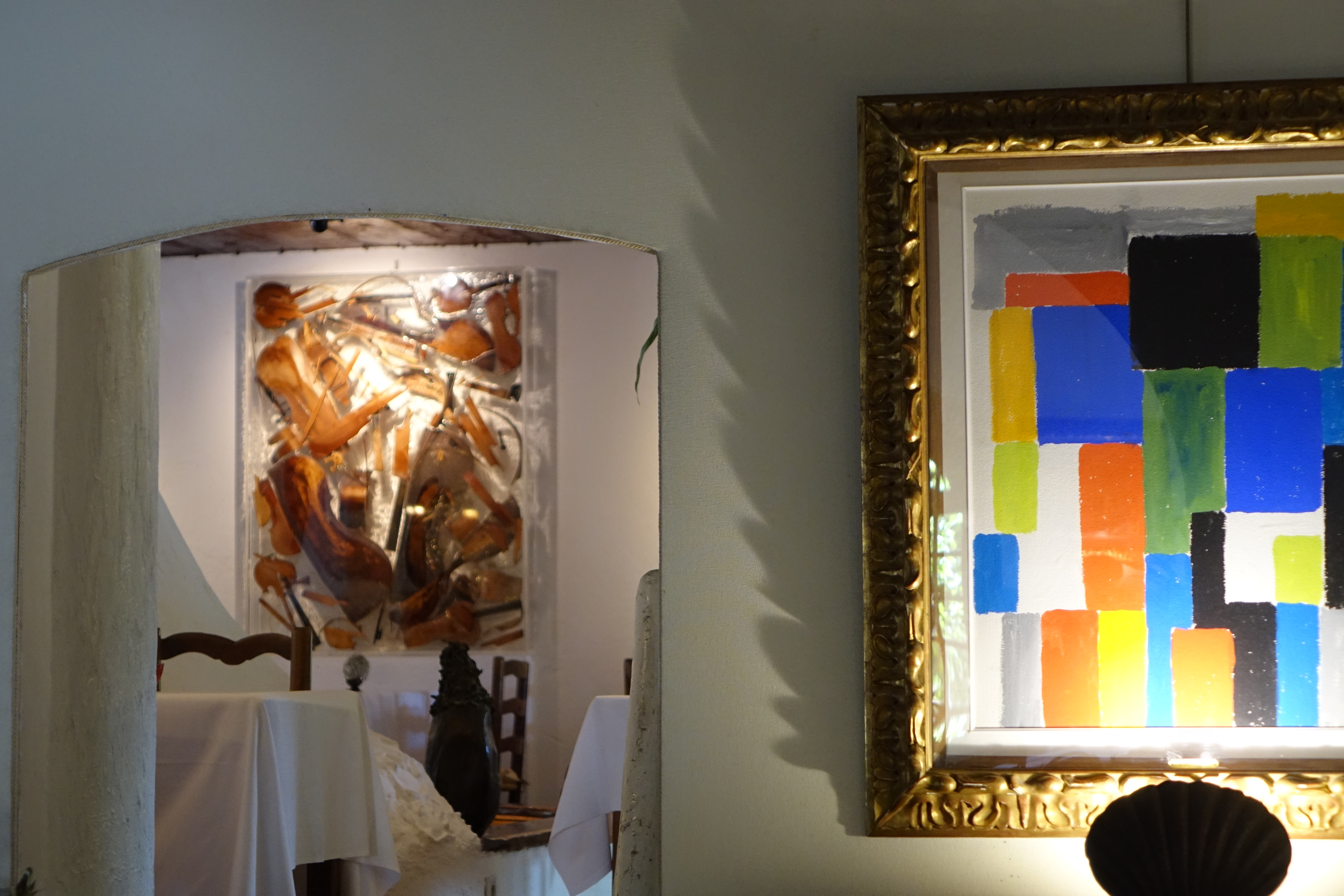
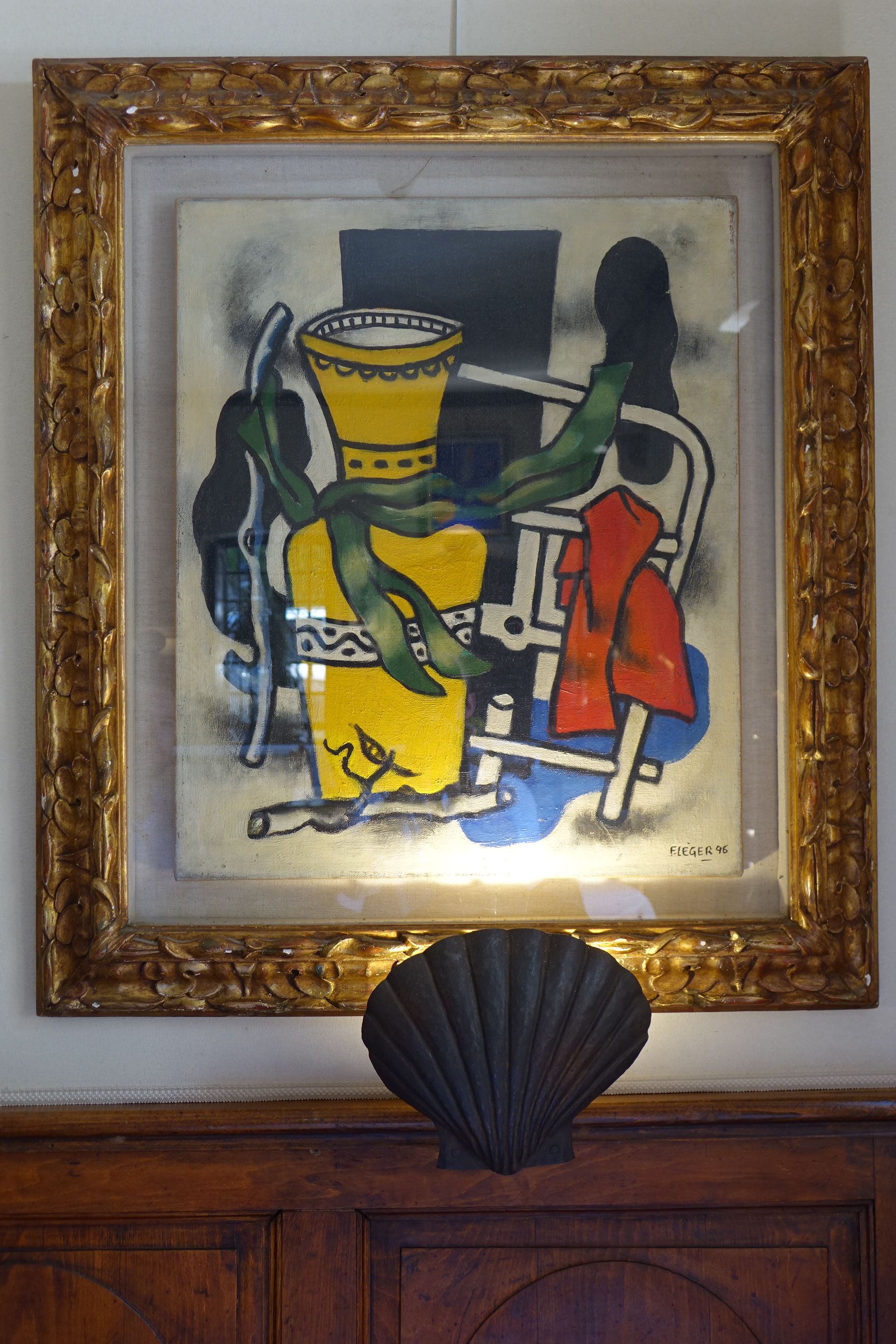
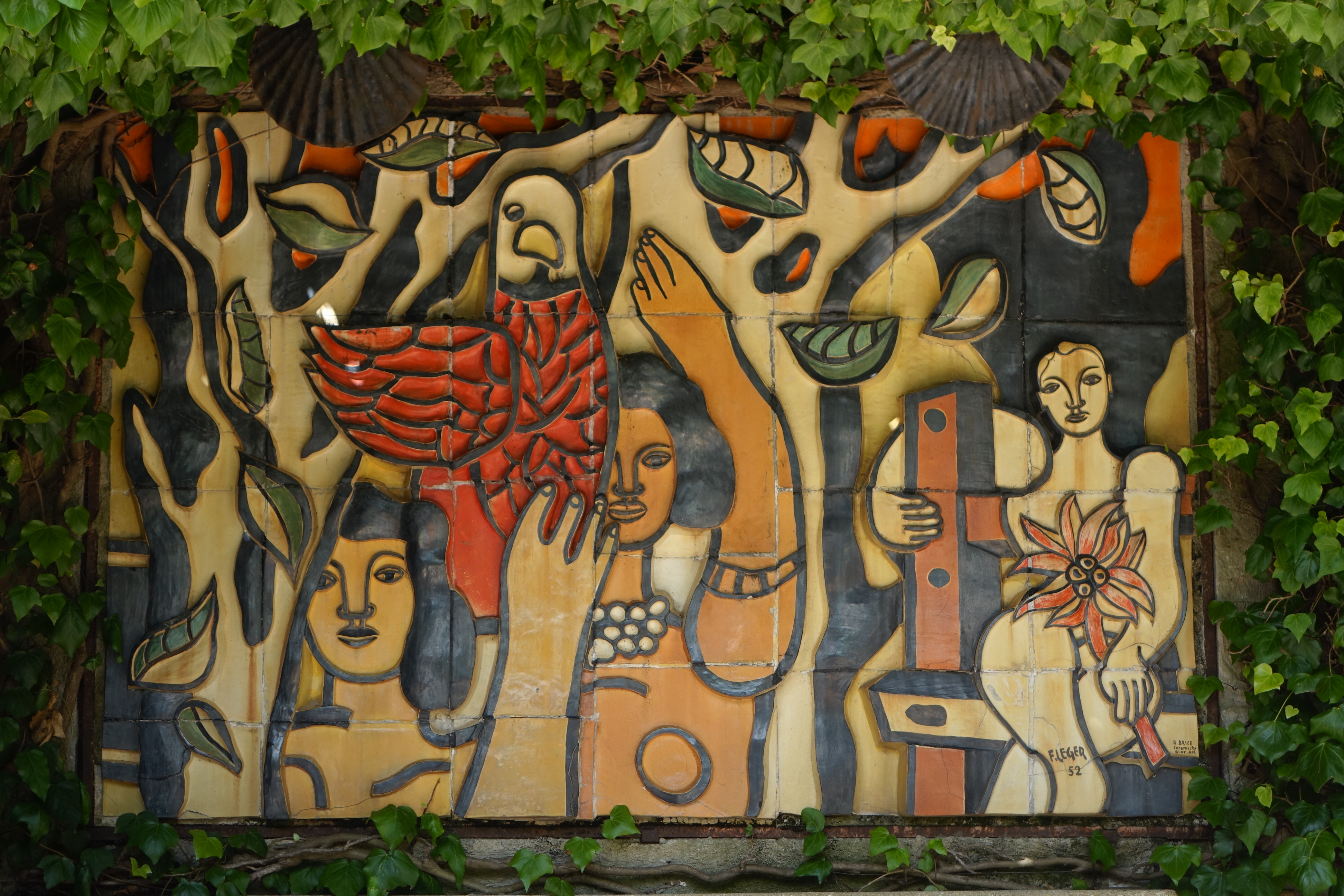
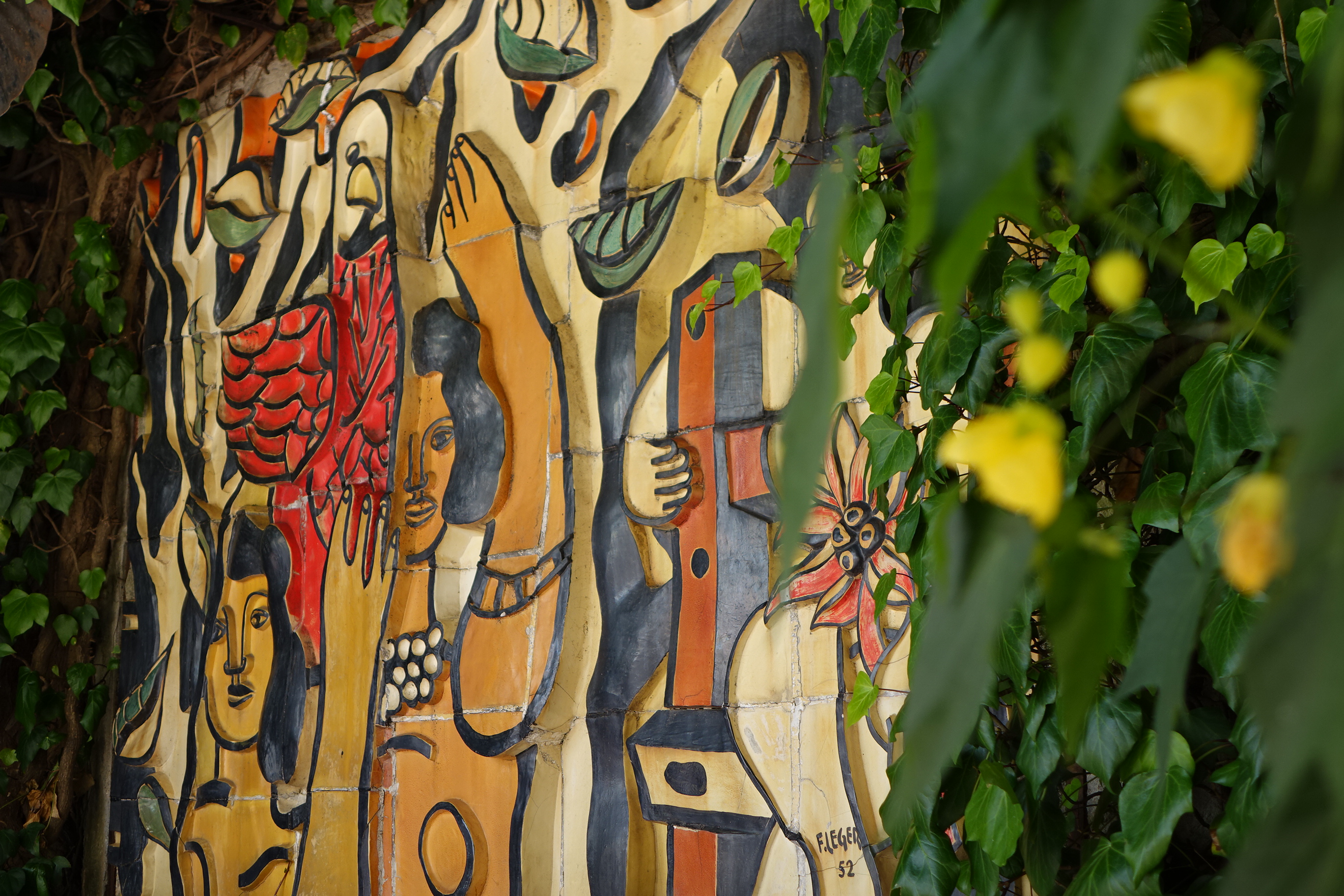
As the years went on, and the Roux family continued to welcome and befriend some of the world’s most famous artists and intellectuals, so too did La Colombe’s remarkable collection of modern art grow, much of which was swapped in exchange for accommodation and their famously delicious Provençal cuisine. So La Colombe d’Or grew, both physically (gradually subsuming neighbouring buildings) and reputationally, and its art collection today stands as one of the most staggering private collections of modern art you could ever hope to see. On its walls, original works by Picasso, Braque, Sonia Delaunay, Calder, Miro, Chagall, Cesar and so many others hang; its leafy terrace is dominated by a stunning ceramic mural by Fernand Leger; and its most stunning swimming pool languishes alongside a remarkable Calder Mobile, a mosaic by Braque, and a recently installed ceramic mural by Sean Scully.

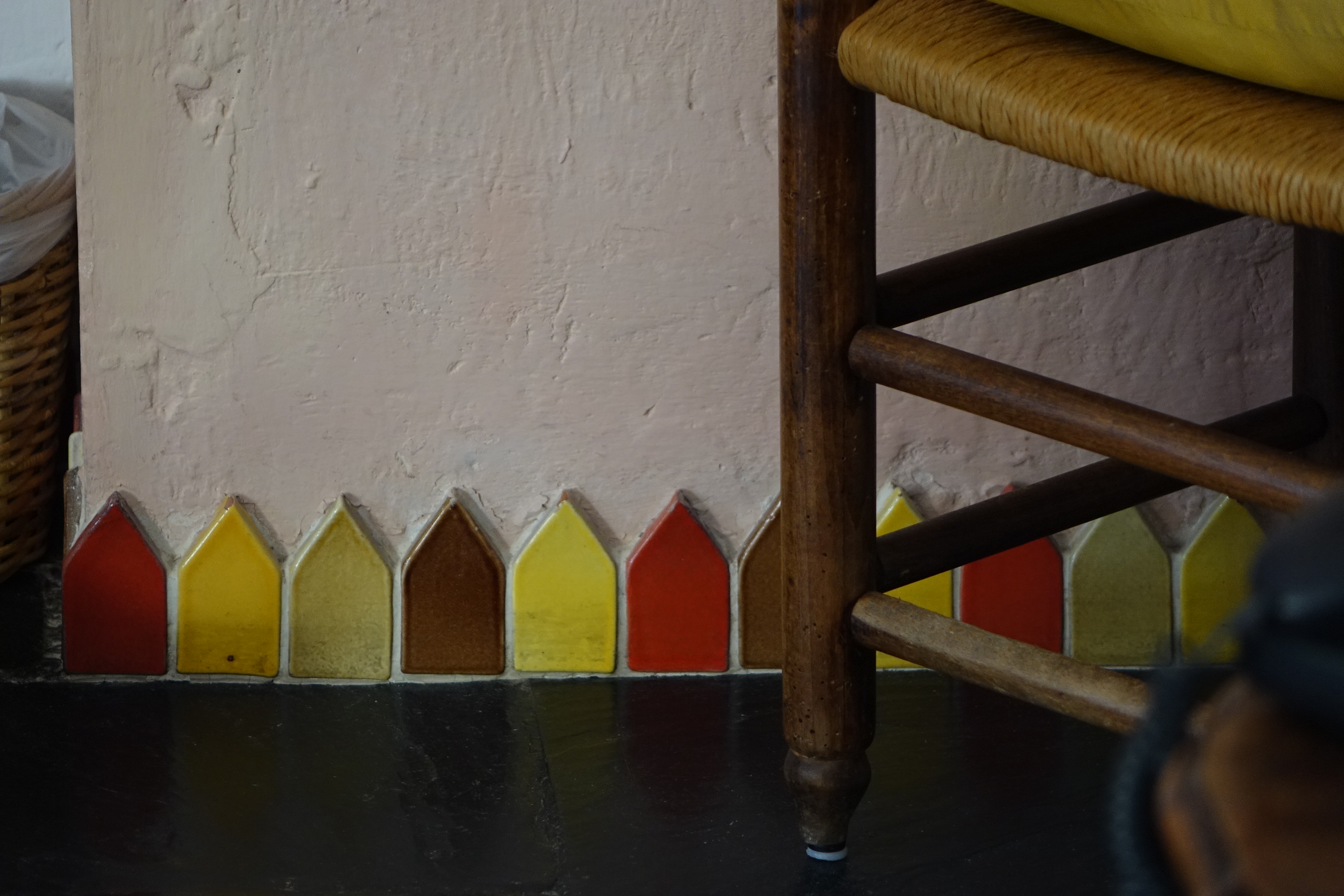
Interiors, and La Colombe’s incredible collection of modern art

DSC06427 DSC07346 DSC07373 DSC07355 DSC06434 DSC07352 DSC06435 DSC07344 DSC07347

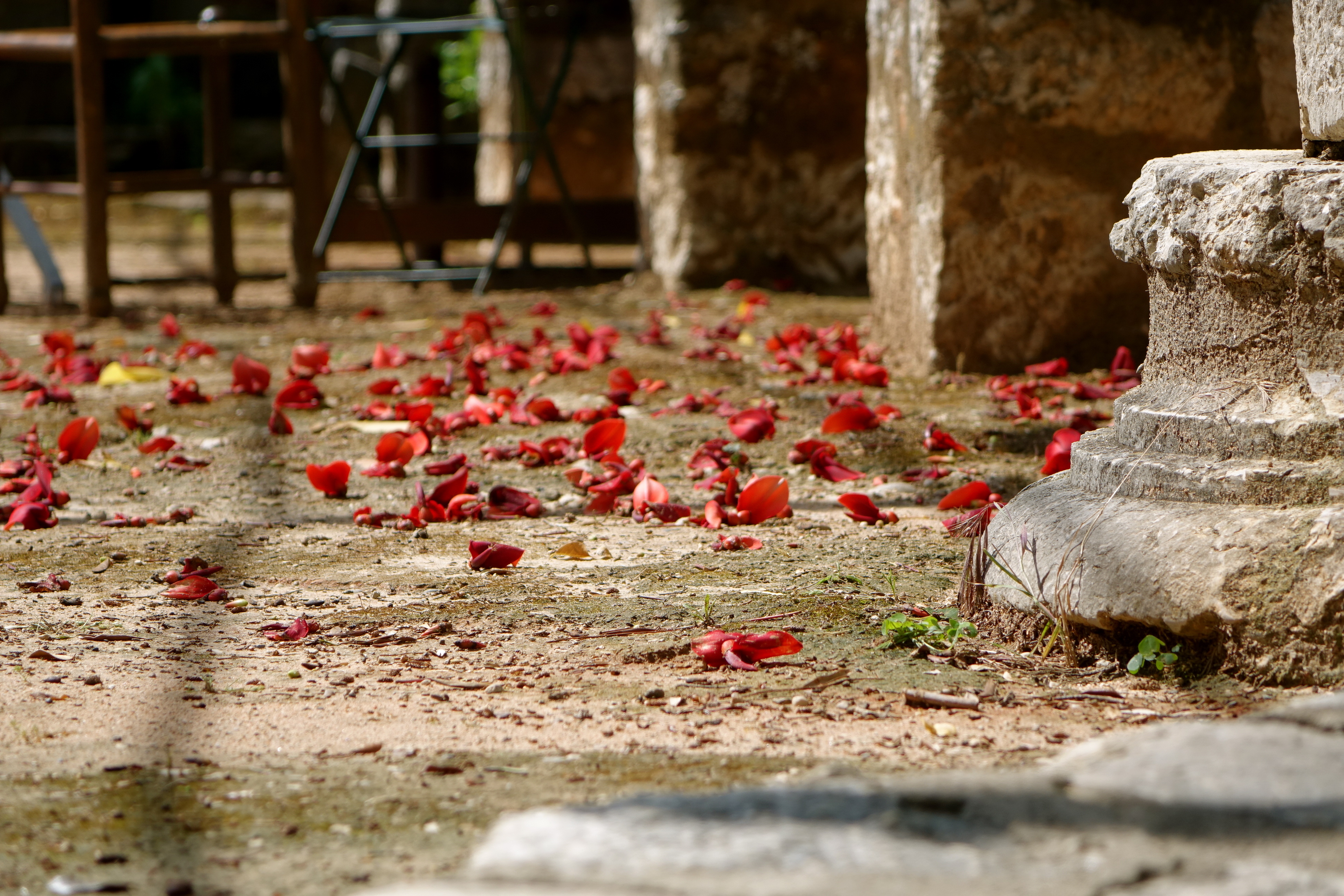
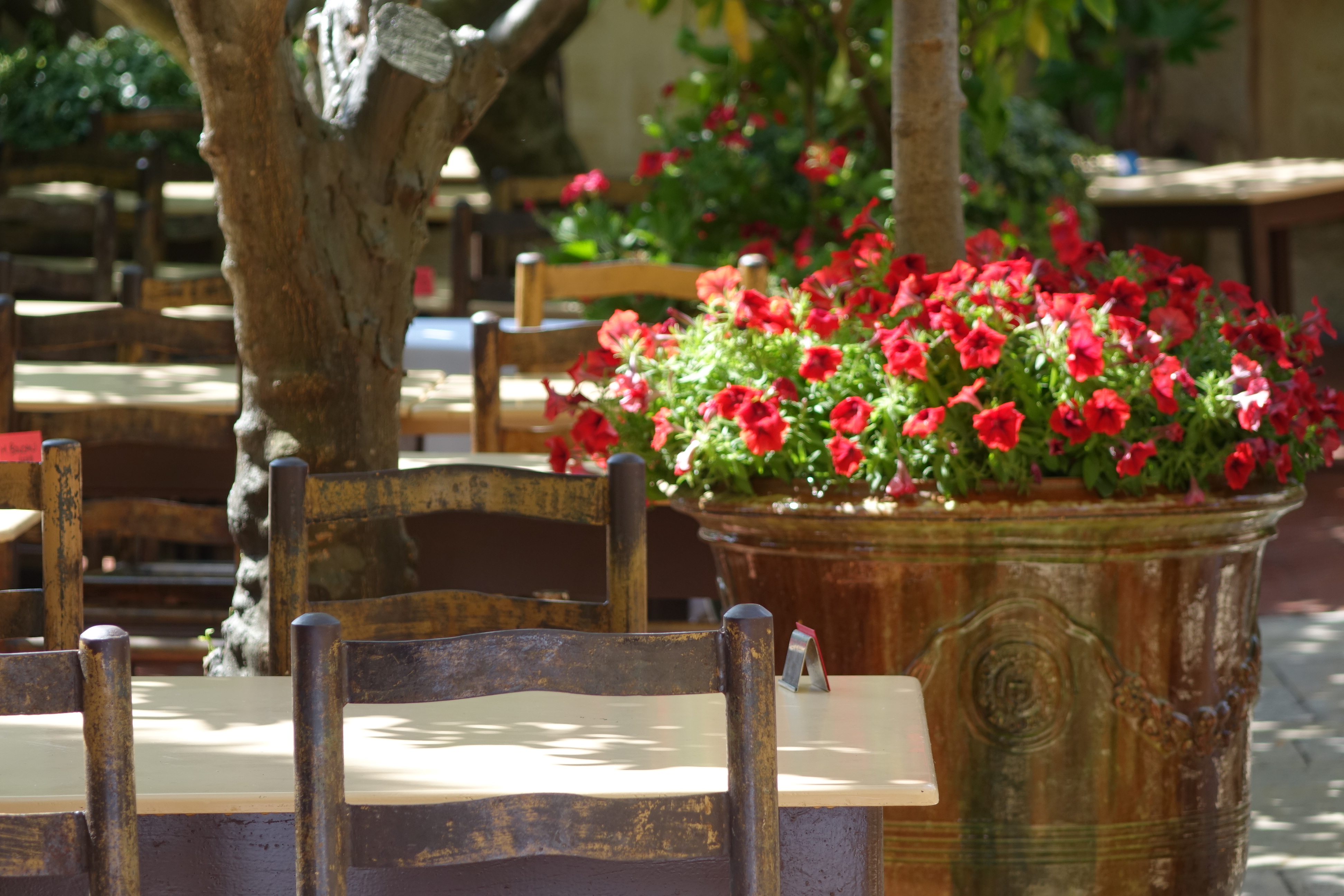
For any enthusiast of 20th century art, or indeed for anyone beloved of the utmost aesthetic tranquility, La Colombe d’Or is a paradise on earth, beyond mere description – it has to be experienced. In the unpretentious little chairs which are clustered on its restaurant terrace, one can see the ghosts of the famous writers and artists who used to sit there in the shadows of the fig trees Jacques Prévert, Yves Montand, James Baldwin, Pablo Picasso… In the unapologetically rustic walls and furniture, you feel as though invited into the warmest of family homes. And in its paradisal gardens, fringed by pillars and scattered with fallen blossom, and alongside that most sensational of swimming pools, you feel as though you have entered some kind of parallel world. Utterly at peace. This was paradise found.

La Colombe’s stunningly cosy restaurant terrace

DSC06333 DSC07367 DSC06410 DSC06421 DSC06352 DSC06349 DSC06354 DSC06350 DSC07370 DSC06412 DSC06335 DSC07360

And so in La Colombe d’Or, we happily stationed ourselves for the first four days of our honeymoon. And so the rush of emotions which had commenced at our wedding continued. It was to be the most sensational few days imaginable.

All photos and written content are strictly the copyright of Nicholas de Lacy-Brown © 2015 and The Daily Norm. All rights are reserved. Unauthorized use and/or duplication of the material, whether written work, photography or artwork, included within The Daily Norm without express and written permission from The Daily Norm’s author and/or owner is strictly prohibited.

My travel sketchbook: Capri 2 – The Arco Naturale

The Arco Naturale in Capri is one of those sights which just takes your breath from you, propelling it into the atmosphere is a shower of fireworks. For there is nothing quite so stunning as the unexpected, and this mighty towering limestone arch looked so deliciously precarious as it balanced several hundred metres above the turquoise sea below that it felt almost like a stage set. There was something almost arousing about its huge teetering mass, thrust upwards into the blue sky like a declaration of robust resilience in the face of nature’s cruel seas; its hardy mass a swollen emboldened spectacle rising above the battered cliffs and sumptuous plant life besides it to frame the surrounding landscape with its gravity-defying arc. And despite the fact that the little pathway skirting alongside this awesome sight was something of a vertiginous spot, with a sheer drop right below it, I could not resist swinging my legs over the side and getting out my sketchbook to capture the impressive prospect before me.

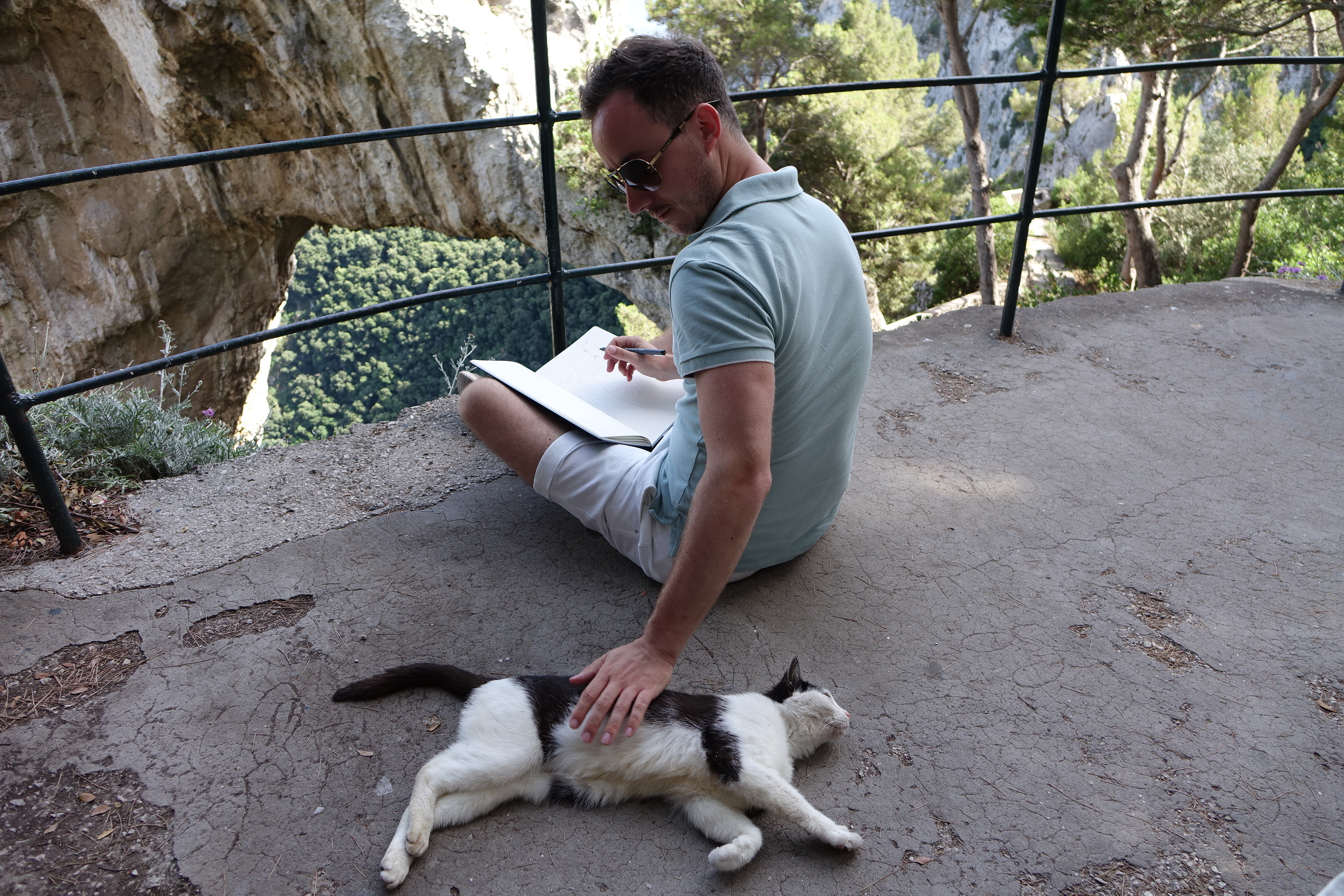
So my fourth sketch of the Amalfi Coast trip was not made without risk, and although my legs were firmly curled around the railings above the cliff edge, I could easily have dropped my pens, or even my beloved sketchbook down that sheer drop – goodness knows how I didn’t. And it wasn’t like I didn’t have distractions – my sketching attracted not just the attention of fellow tourists, but also a dear little cat who curled around me, rubbing itself against the hard edges of my sketchbook, and at times appearing to teeter horrendously closely on the knife edge of the cliff-edge, its perfectly balanced slender body somehow nonplussed by the drop just below. But as you can see, my sketchbook lived to tell the tale – and indeed to be shared, on today’s Daily Norm.

Capri Sketch 2: The Arco Naturale (2014 © Nicholas de Lacy-Brown, pen on paper)

Capri Sketch 2: The Arco Naturale (2014 © Nicholas de Lacy-Brown, pen on paper)

My sketching companion

My sketching companion

Now that's what I call an artist's studio...

Now that’s what I call an artist’s studio…

© Nicholas de Lacy-Brown and The Daily Norm, 2001-2014. Unauthorized use and/or duplication of the material, whether written work, photography or artwork, included within The Daily Norm without express and written permission from The Daily Norm’s author and/or owner is strictly prohibited. Excerpts and links may be used, provided that full and clear credit is given to Nicholas de Lacy-Brown and The Daily Norm with appropriate and specific direction to the original content. For more information on the work of Nicholas de Lacy-Brown, head to his art website at www.delacy-brown.com

Positano & beyond | Photos Part 2 – Down into the town

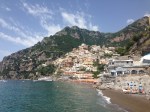
On Monday I shared a collection of photos showing the dazzling views of the seashore and the vast mountains of the Amalfi Coast which greeted us from a hotel balcony every time we awoke and entered our bedroom at the Palazzo Talamo Hotel in Positano, Italy. And this was just for starters. Up in the hotel, on the meandering upper road which snakes its way across the mountain sides and over the town, we were approximately 300 steep steps (or a longer sloped descent) away from the bustling centre of Positano, and if we thought the views from up there had stolen the show in the beauty stakes, Positano’s beachside centre was about to show how it too could take centre stage.

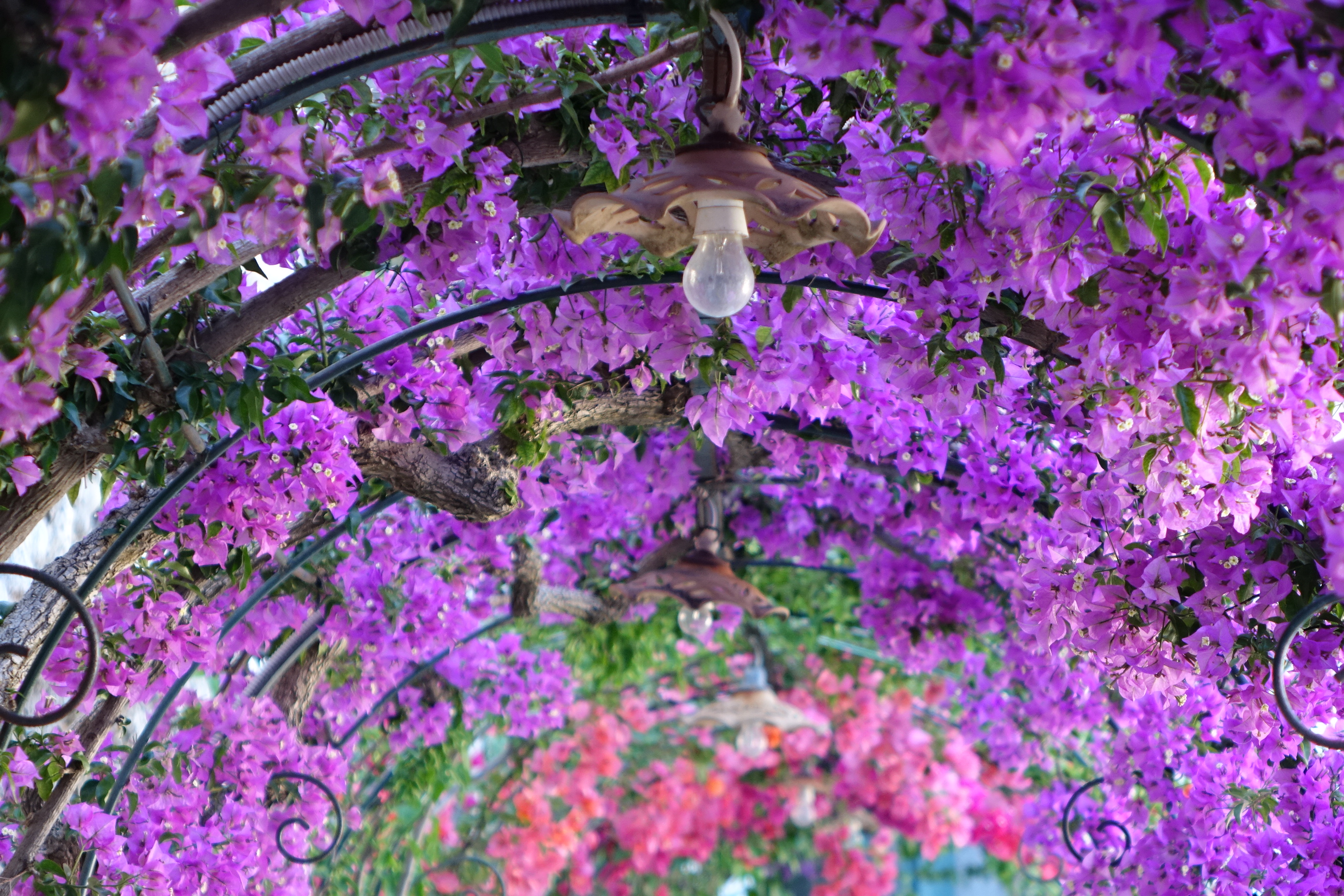
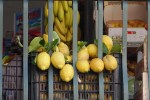
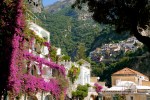
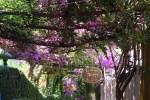
One writer (who shall remain unnamed) in my Rough Guides travel guide to the Amalfi Coast maintained that Positano was unfavourably given over to tourism and lacked authenticity. That writer has either never been to this picture-perfect gem of the Italian coast, or is just plain foolish. Of course, Positano has its fair share of souvenir shops given over to sales of limoncello and beautifully hand crafted pottery, but what shop on the Amalfi Coast doesn’t, when the beauty of its landscape is so obviously going to pull in and ravish tourist hoards in their turn? But in Positano, those same shops are nestled together in a cluster of pastel coloured houses which almost glow by contrast with the dark mountains looming behind them, and which, at ground level, are so small and quaint, situated in tiny little lanes covered from the sun with vibrant pink bougainvillea, that at every turn there is another photograph begging to be taken.

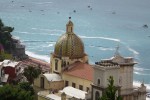
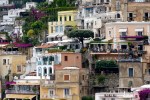
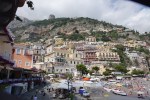
DSC02042 DSC02045 DSC02065 DSC02297 DSC02033

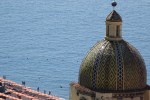
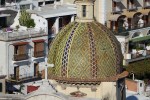
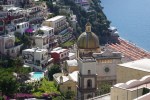
So this post of photos moves from our hotel’s coastal panoramas to the finer details of the town centre itself. From groups of children dancing, to locals chatting over a stall selling granita de limon, and from the brightly coloured tiled dome of the duomo to the vivid stripes of the umbrellas lined up along the wide pebbly beach: these photos show a town which is bursting with the spirit of Italia, and is certainly far from the inauthenticity which Rough Guides has alleged. Picture-perfect houses and a landscape to die for; a beach side paseo bustling with locals and tourists; little shopping streets with their wares almost falling out onto the street like in nearby Naples, and a central core with a grand church at its centre – Positano for me is the very epitome of the Italian dream – an almost fiction-like paradise whose reality is ever questionable – close your eyes before it and you may realise you were simply dreaming.

All photos and written content are strictly the copyright of Nicholas de Lacy-Brown © 2014 and The Daily Norm. All rights are reserved. Unauthorized use and/or duplication of the material, whether written work, photography or artwork, included within The Daily Norm without express and written permission from The Daily Norm’s author and/or owner is strictly prohibited.
Dubrovnik | Photography Focus: Part Five – Closing Miscellany

When I look through the Durbovnik posts which have dominated the pages of The Daily Norm over the last few weeks, I am struck again, not just by how incredibly beautiful the Croatian city is, and therefore how treasured my memories of my short time spent within it, but also by the sheer volume of photographs which the trip produced and which I have been able to share on this blog. And yet as I draw the final curtain on this grand Dubrovnik odyssey by posting what has now become something of a tradition with my travel tales – a post of miscellaneous shots – I cannot believe that I am sharing another 60 photos, each glorious in their own way. And believe me, I could post more.

Such is the natural consequence of a city which is so perfectly beautiful in every way, that for a photographer, artist or any creative, it is like having all your Christmases at once. No wonder as both photo enthusiast and artist, I have spent so long describing that mere 4 day trip to you through the pages of The Daily Norm. After all, it engendered not only photos in their hundreds, but also a sketchbook full of quick drawings, a collection of 4 new Norm sketches, and, almost certainly, a number of paintings still to come.

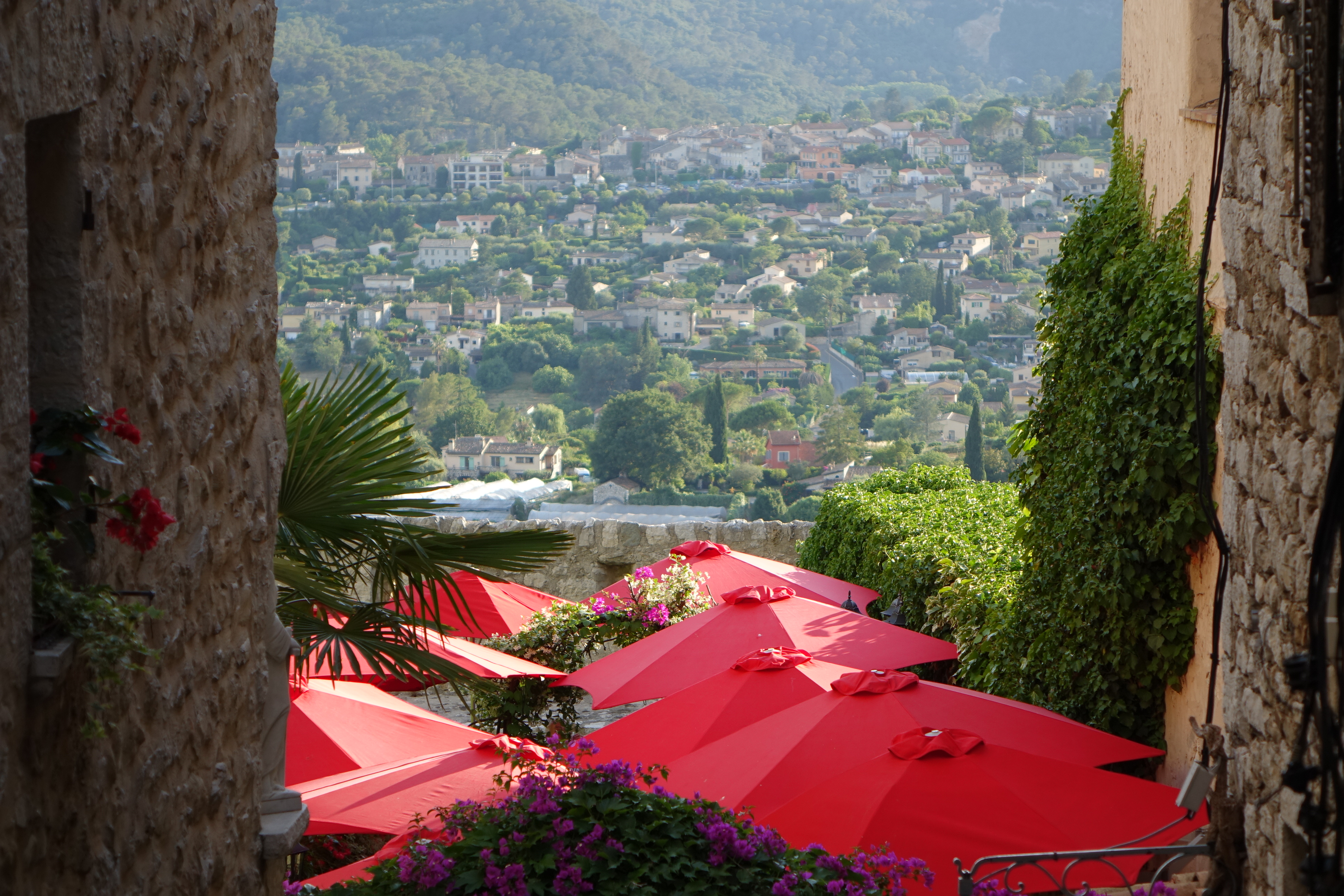
DSC00999 DSC01024 DSC00419 DSC00944 DSC01157 DSC01058 DSC00490

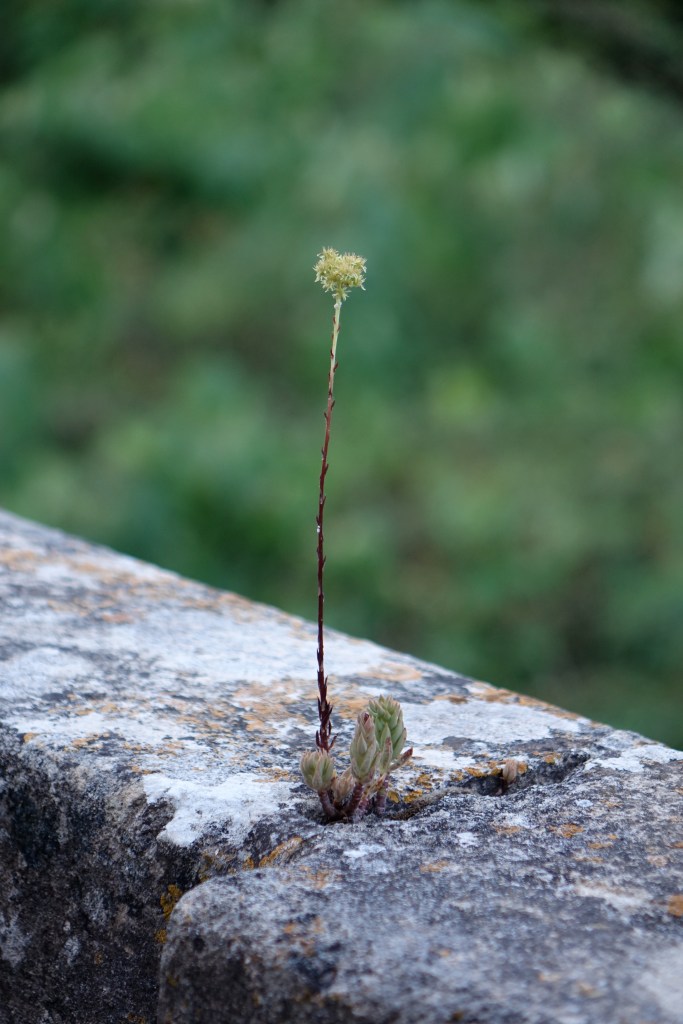
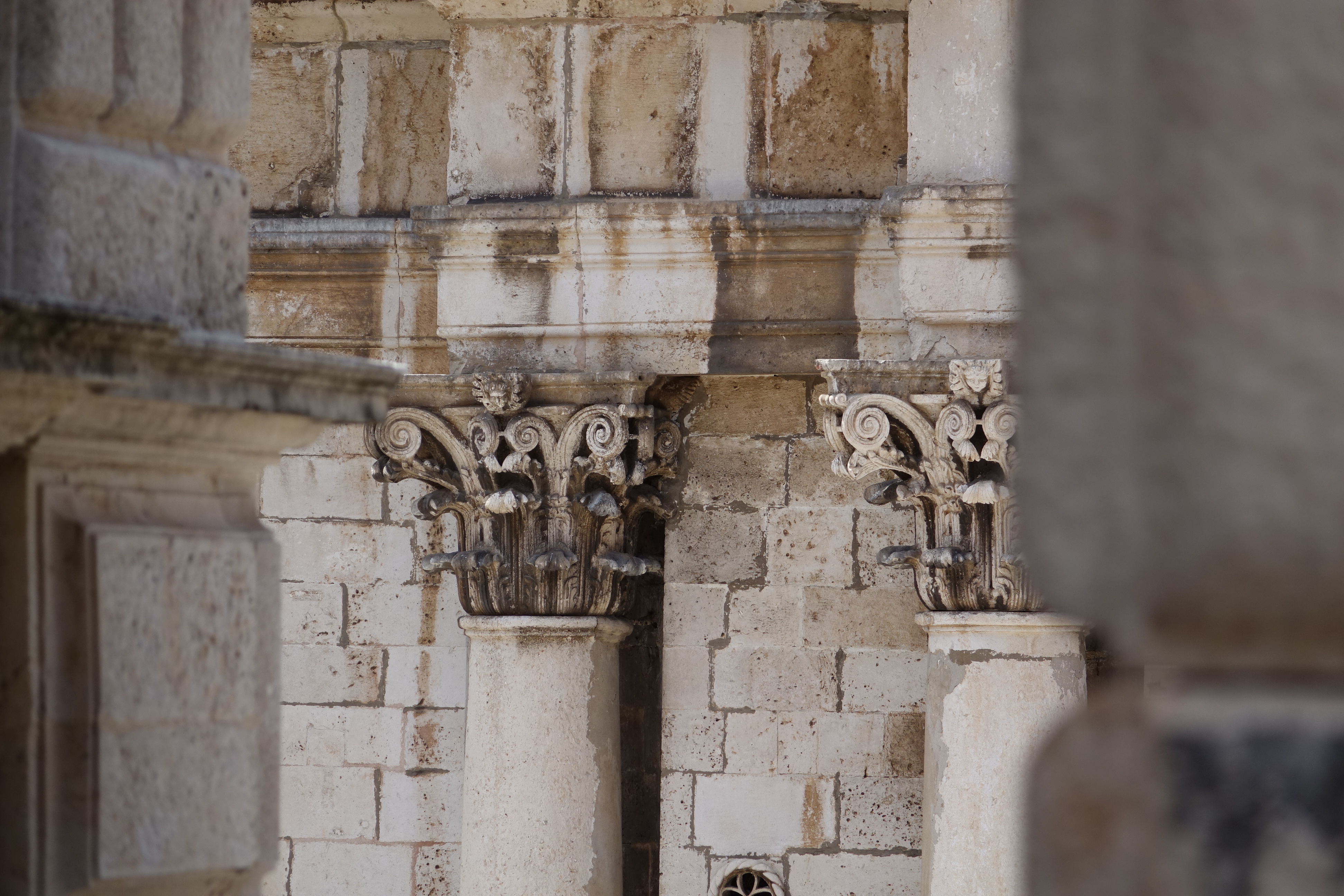
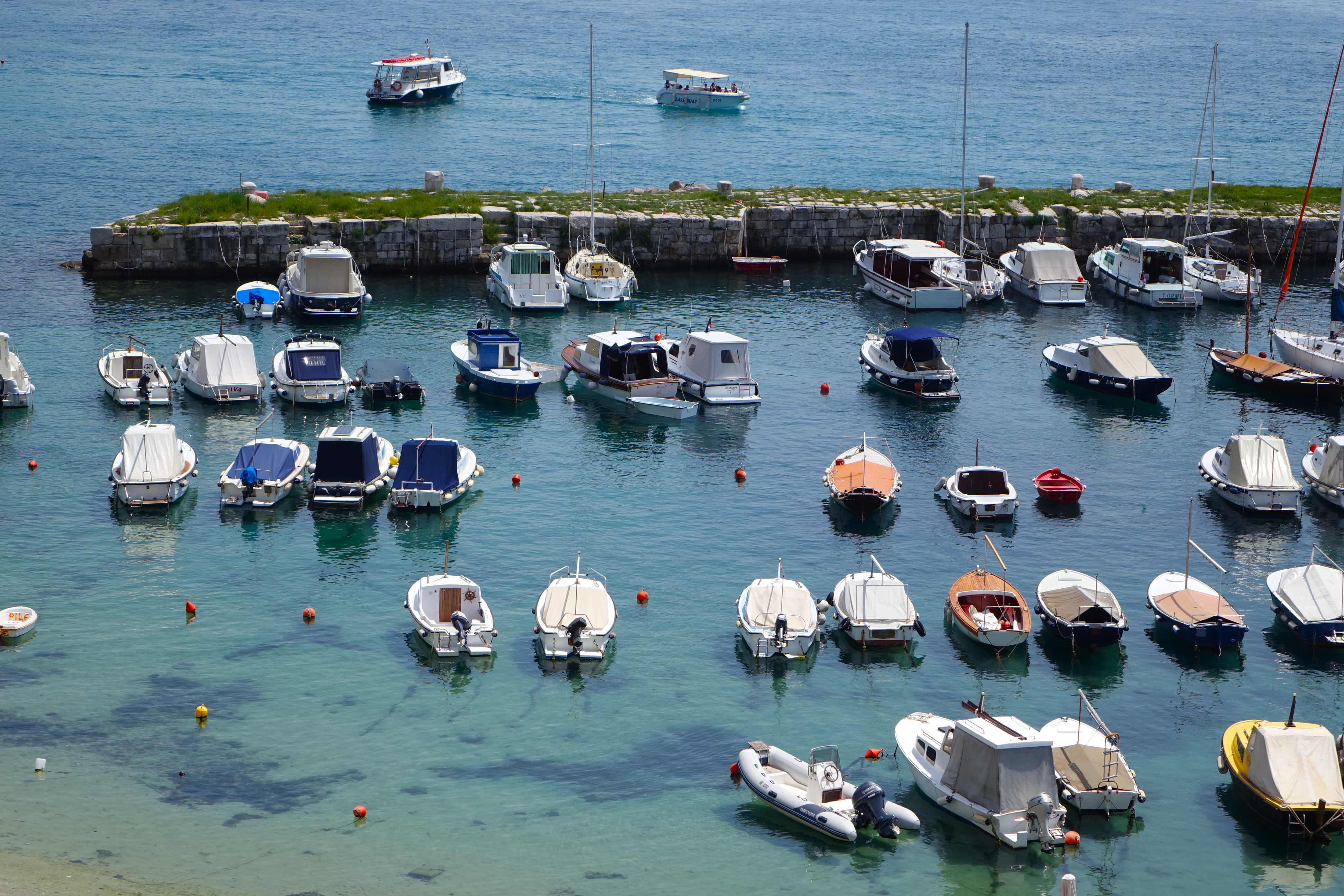
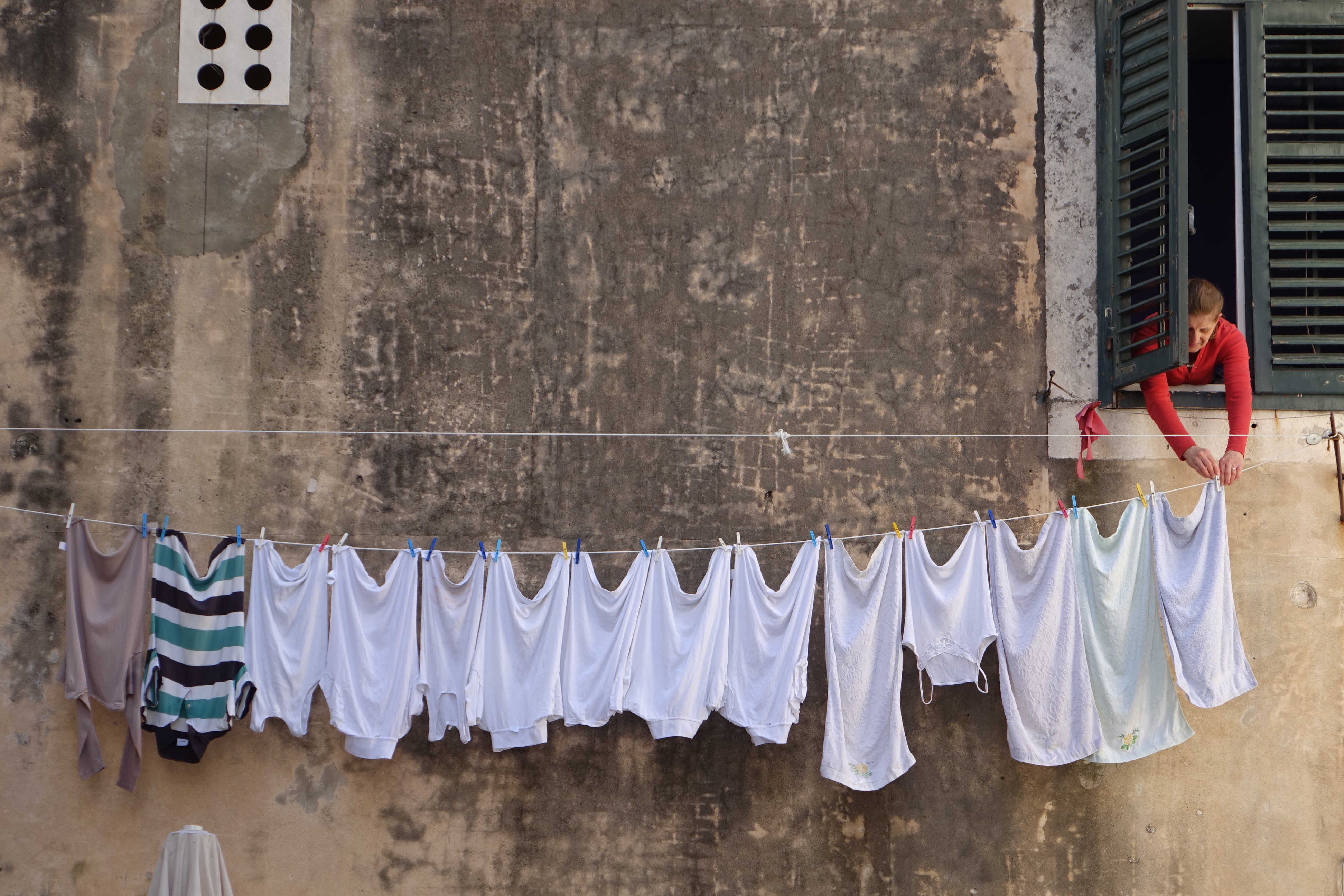
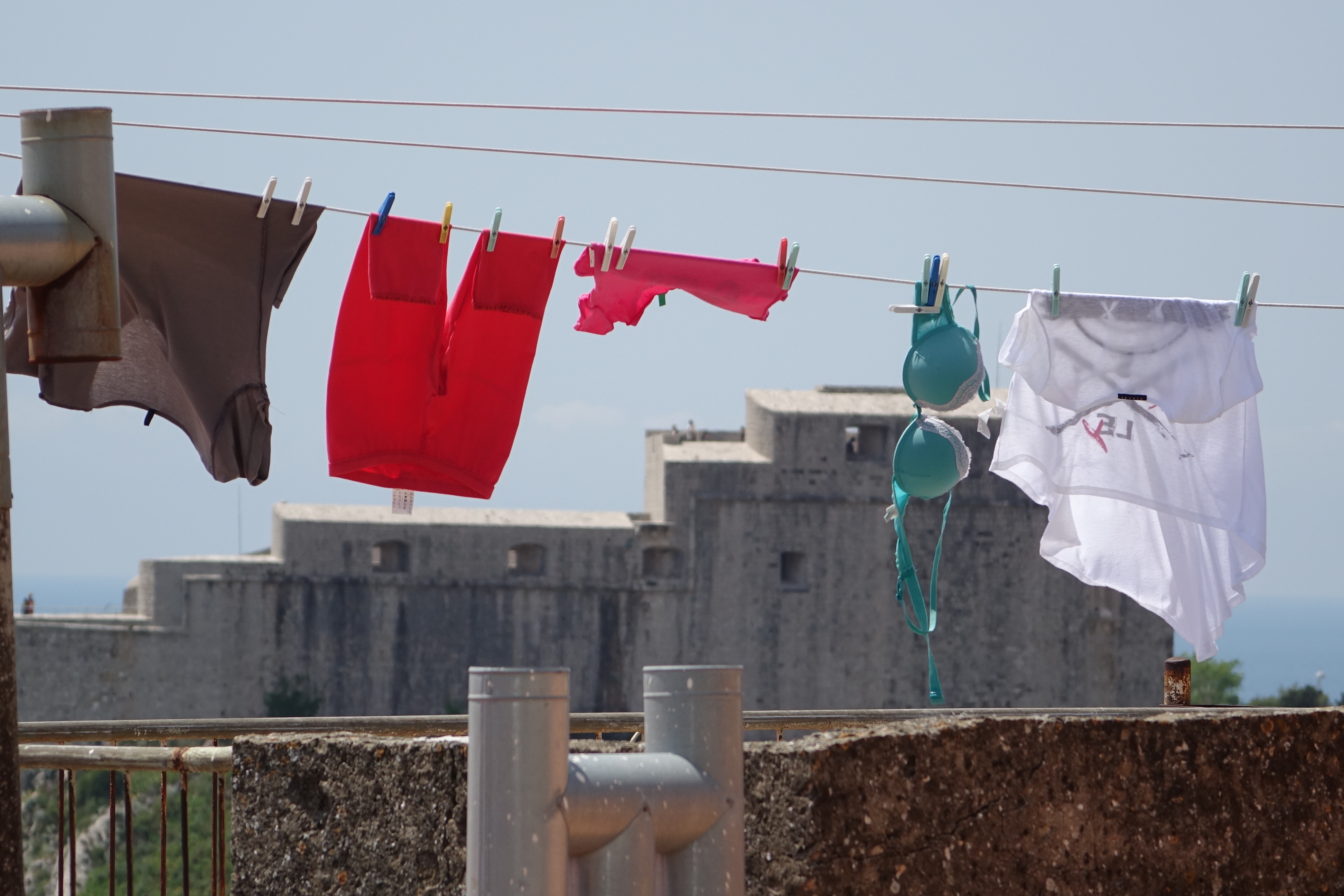
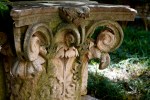
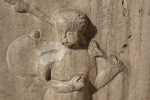
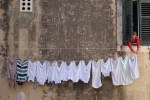
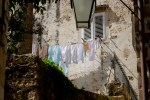
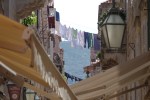
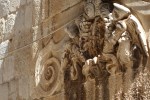
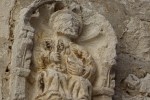
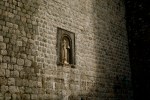
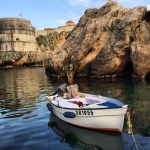
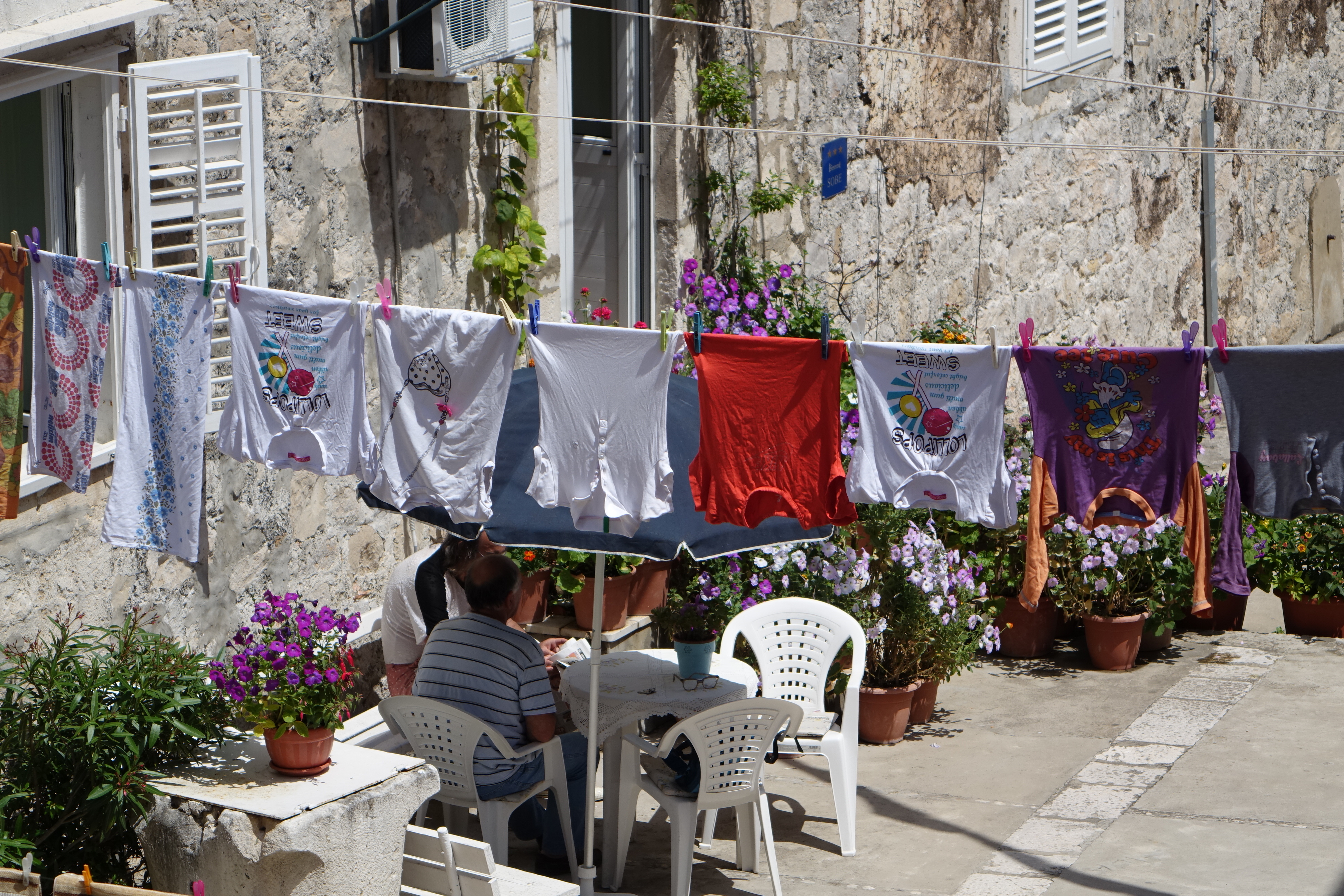
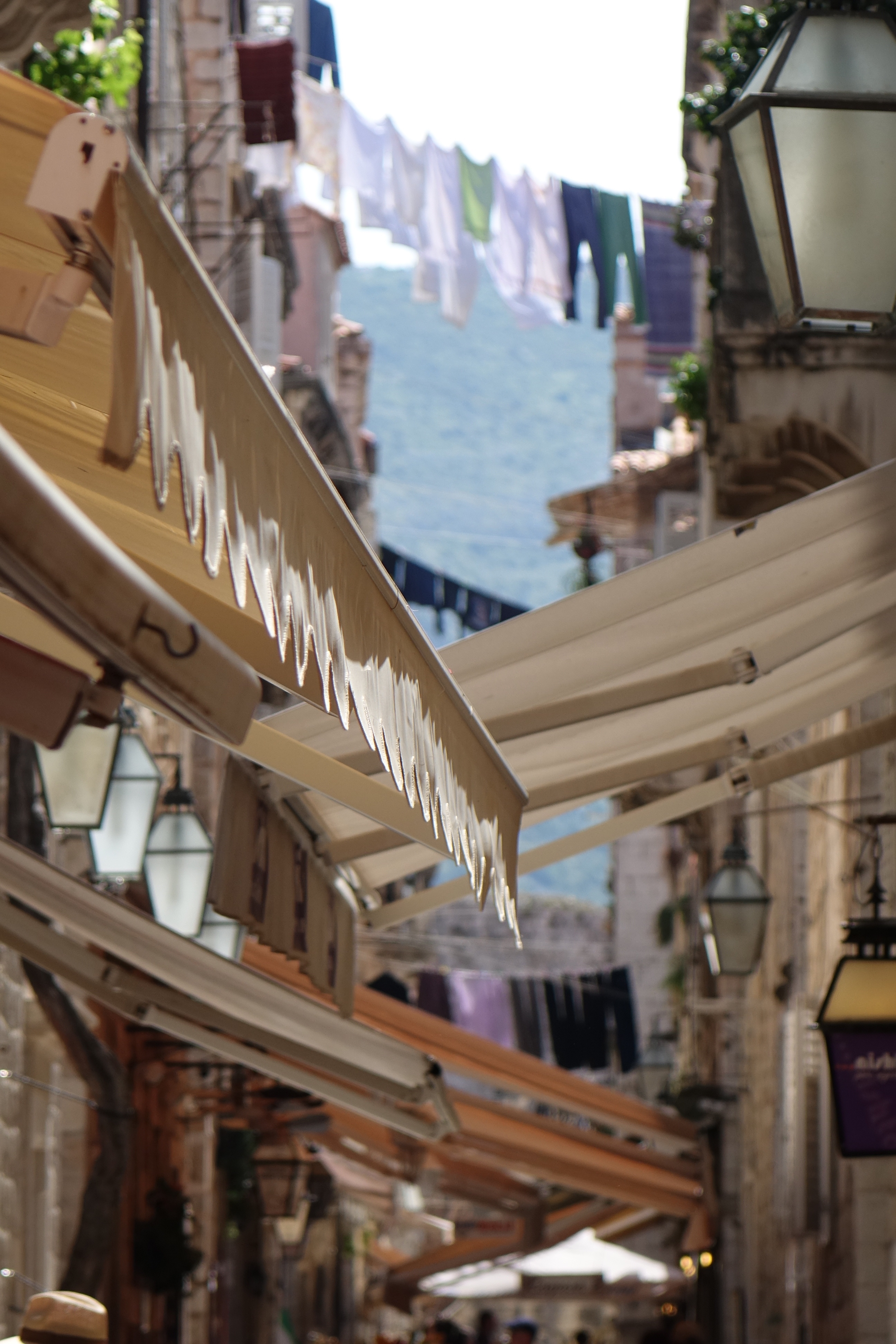
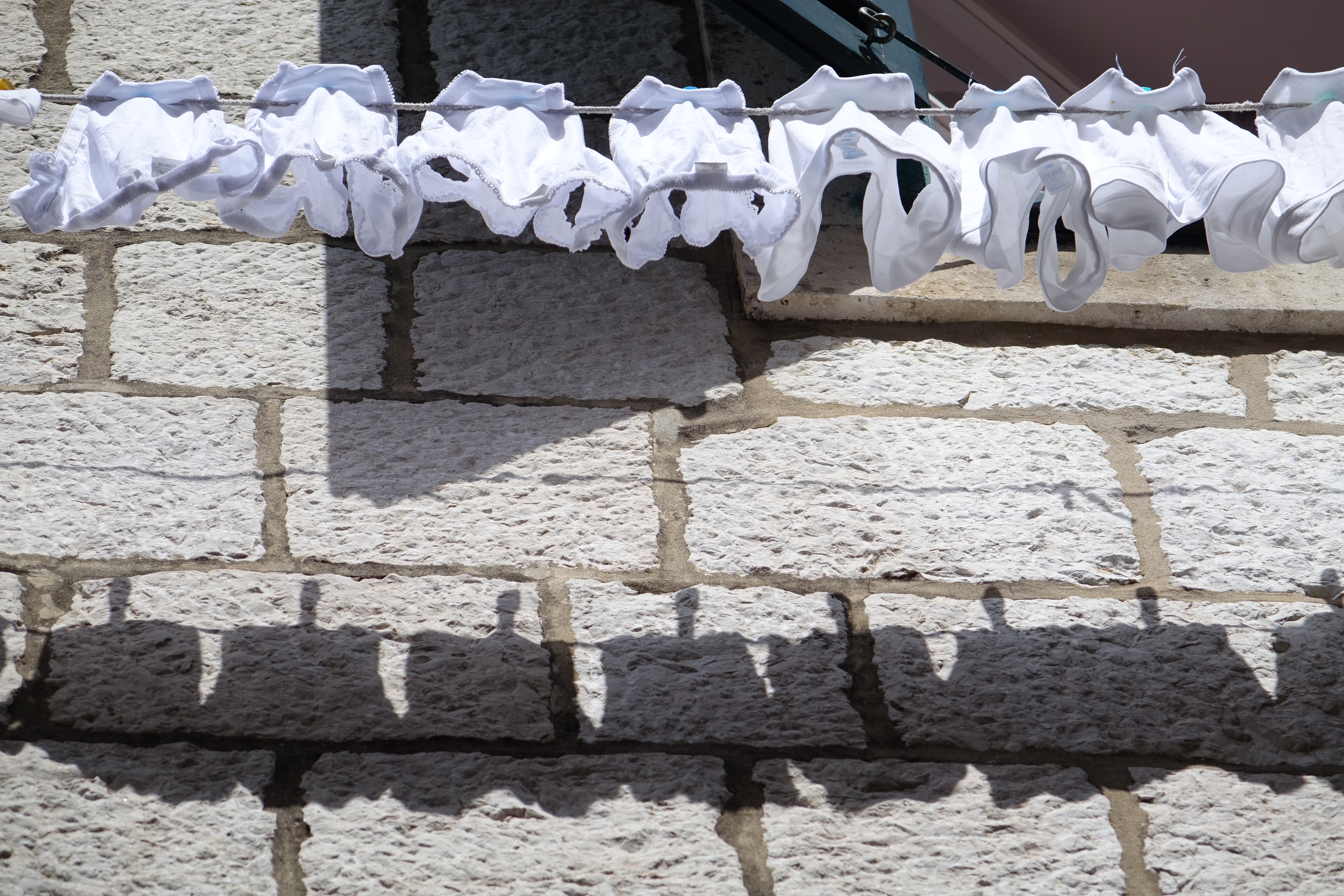
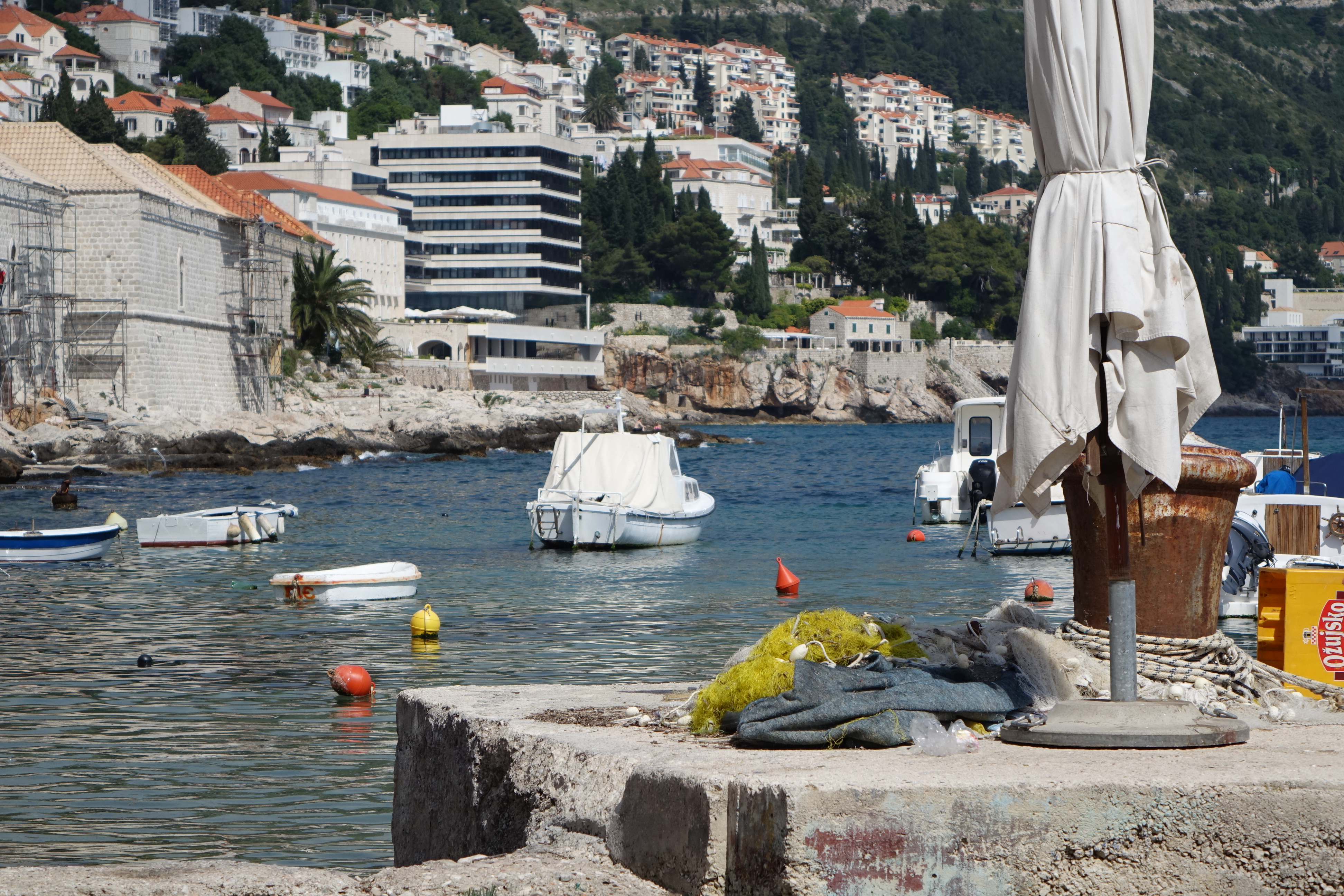
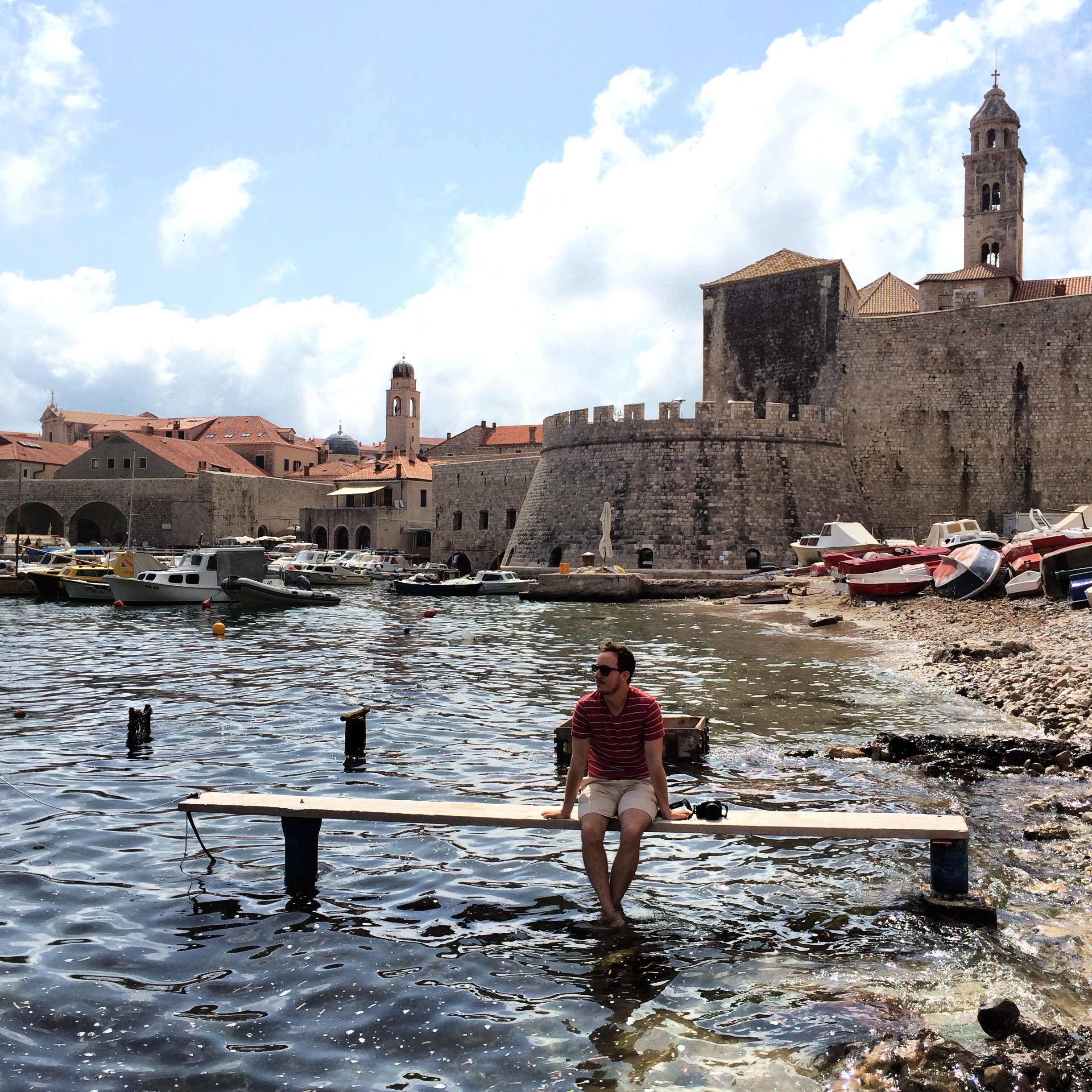
So before I blab on further, let me bring this post to a close so that, as promised by the name of the article, it is the photographs that get the focus rather than the words. And what a collection of photos they are. From boats bobbing on the water and gliding along the Adriatic at sunset, and washing hanging out to dry like a picture postcard from another era, to the elegant architectural details bursting from the seams of this city, and the flowers which find their way into the most hostile of Dubrovnik’s mammoth stone walls, these photos are truly a reflection not just on a city bursting with an abundance of beauty for all its many visitors to enjoy, but also of my own personal deeply satisfying visit to this diamond of Dalmatia.

All photos and written content are strictly the copyright of Nicholas de Lacy-Brown © 2014 and The Daily Norm. All rights are reserved. Unauthorized use and/or duplication of the material, whether written work, photography or artwork, included within The Daily Norm without express and written permission from The Daily Norm’s author and/or owner is strictly prohibited.
Dubrovnik | Photography Focus: Part Three – Ripples of the Southern Adriatic

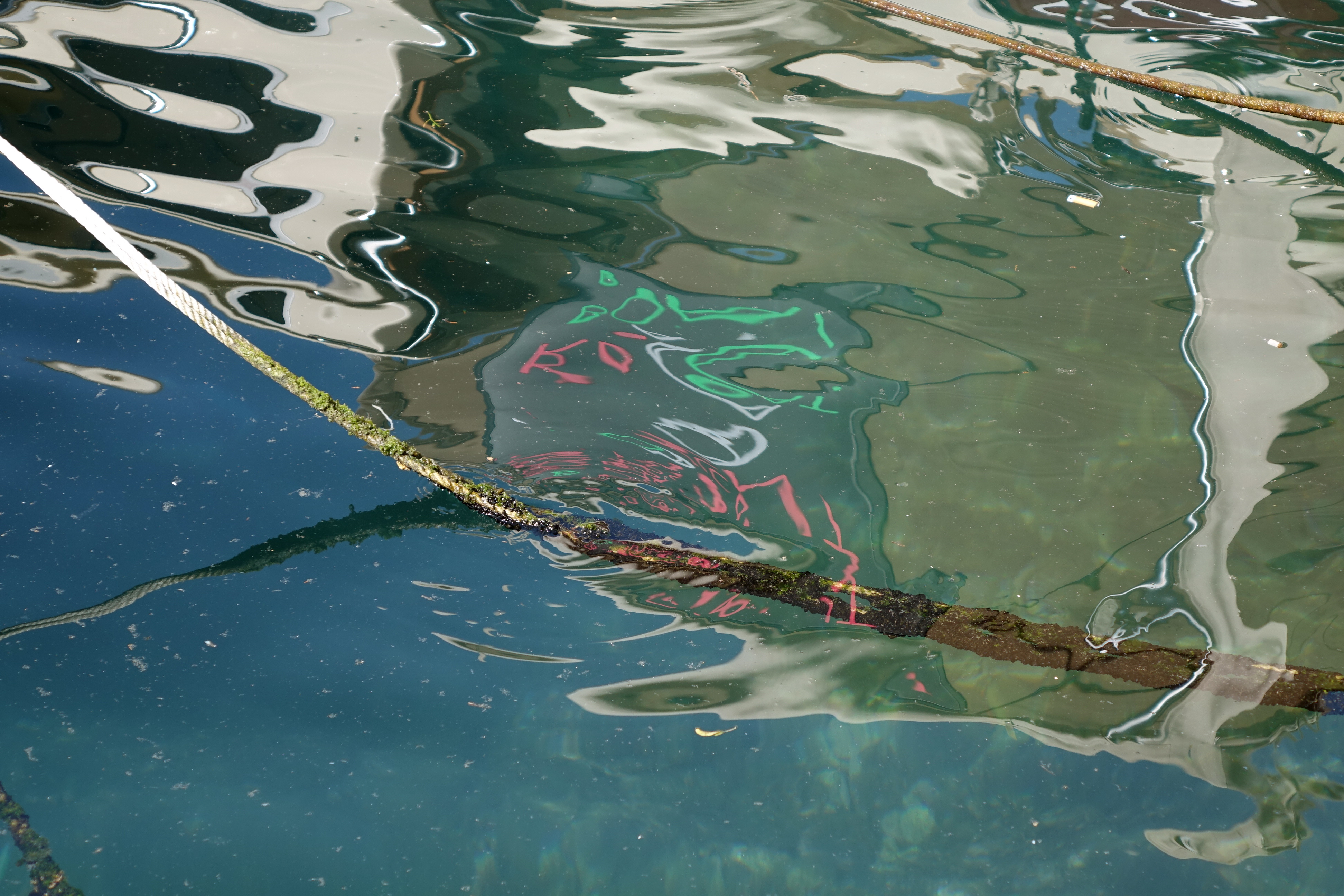
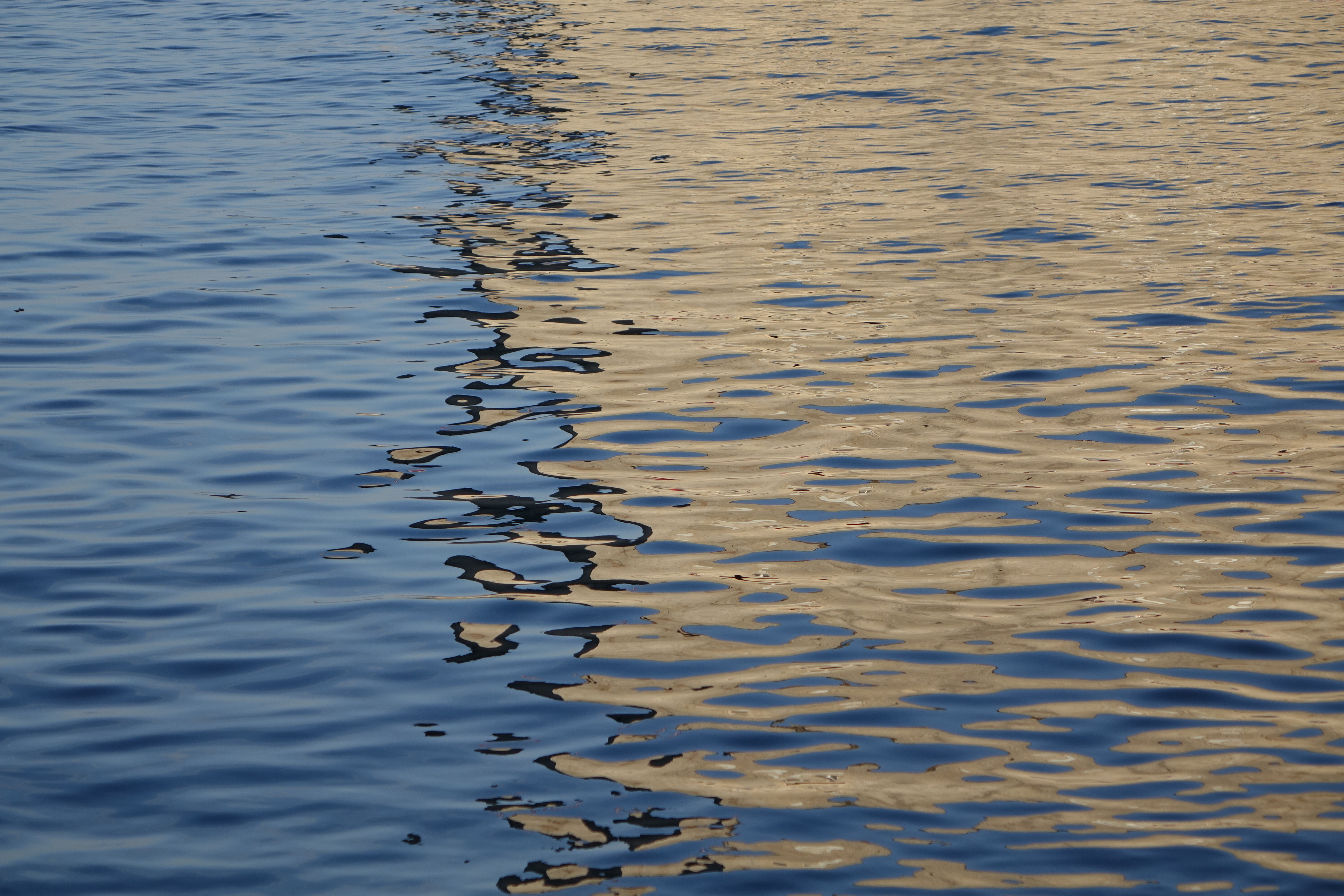
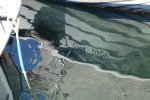
Readers of The Daily Norm cannot fail to realise that I love ripples and reflections in water. I became obsessed with them, rather appropriately, in Venice over Christmas, where the image of the city reflected into water is almost as beautiful as the city above water. I was likewise enamoured by the sun-drenched ripples of the Mediterranean caught in a moment of watery transience in the old port of Dell’Ovo in Naples. This Italian double whammy inspired a couple of gouache ripple paintings, one of which I sold at my recent solo art exhibition in London’s Strand Gallery. I also made two woodcut prints inspired by the ripples of both Venice, and Naples. Then, when I was in Spain in April, I went ripple hunting again, finding that the Spanish Mediterranean in the ports of Marbella was in no shortage of stunning watery wonders.

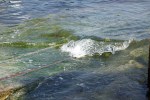
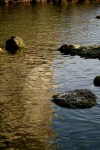
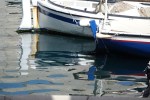
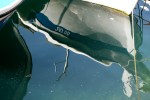
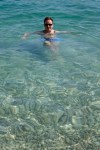
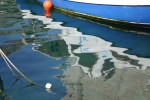
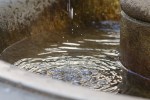
So it will be of no surprise that on my recent trip to Dubrovnik, I went in search of some more abstract images framed in an instance of moving water, finding stunning examples of reflection not only in the city’s old port amongst the fishing boats and tourist vessels, but also in the crystal clear cerulean blue sea, and even in the elegant old fountains at the heart of the city.

DSC00335DSC01196 DSC01284DSC00337DSC00341

The resulting photos are a treasure trove of colourful ripples with characteristic sights of the city mixed in. I love my photo of the waters in the old port for instance, where the golden walls of the city are perfectly reflected alongside the blue of the water forming an image in reflection which is so abstract that it could be mistaken for something by Rothko. I also love those photos of ripples around the ancient rocks which surround the fortress city, filled with the magical atmosphere which these natural forms create.

It seems almost appropriate that this further chapter in my portfolio of ripples should fall in the southern part of the Adriatic, the sea where my obsession with water first took hold, up in the colder Northern waters around Venice. I hope you like them.

All photos and written content are strictly the copyright of Nicholas de Lacy-Brown © 2014 and The Daily Norm. All rights are reserved. Unauthorized use and/or duplication of the material, whether written work, photography or artwork, included within The Daily Norm without express and written permission from The Daily Norm’s author and/or owner is strictly prohibited. 
My Dubrovnik Sketchbook (Part 2) – Created from a Café

Almost as exciting as the prospect of filling my new sketchbook with views of Dubrovnik has been the process of lifting my sketches out of my sketchbook and onto The Daily Norm and the wonderful reception they have received from all of my kind blog readers. My last sketch post was so well received that I have been doubly inspired to fill the eager remaining pages of my sketchbook with further views from my forthcoming summer travels. But before I start my work on them, I still have a few more Dubrovnik-inspired sketches to share.

Next up are two of my favourite sketches from the bunch; favourites not just because of the views they share but because of the memories they hold. For these sketches were made during my favourite time of the day – when after a day’s hard sightseeing, we would settle down into one of the city’s perfectly scenic cafes and I would open up my sketchbook and record the always sensational views just ahead of us.

View of Dubrovnik Cathedral from the terrace of the Gradska Kavana Café (2014 © Nicholas de Lacy-Brown, pen on paper)

View of Dubrovnik Cathedral from the terrace of the Gradska Kavana Café (2014 © Nicholas de Lacy-Brown, pen on paper)

The first of these views was drawn from the rather swanky terrace of one of the city’s most popular cafes: the Gradska Kavana Café. Situated right opposite the church of Dubrovnik’s patron saint, Saint Blaize, and just along the shiny marble road from the city’s main cathedral, this terrace offered perfect views ripe for capturing in my sketchbook, and as soon as my coffee was served, I set about sketching one such view before us, looking down the Pred Dvorom onto the grand domed cathedral.In the bottom left hand corner you can see a corner of the cafe terrace and its mighty awning offering shade to all the elegant customers. It reminds me of Van Gogh’s famous cafe terrace featured in one of his most famous views of Arles.

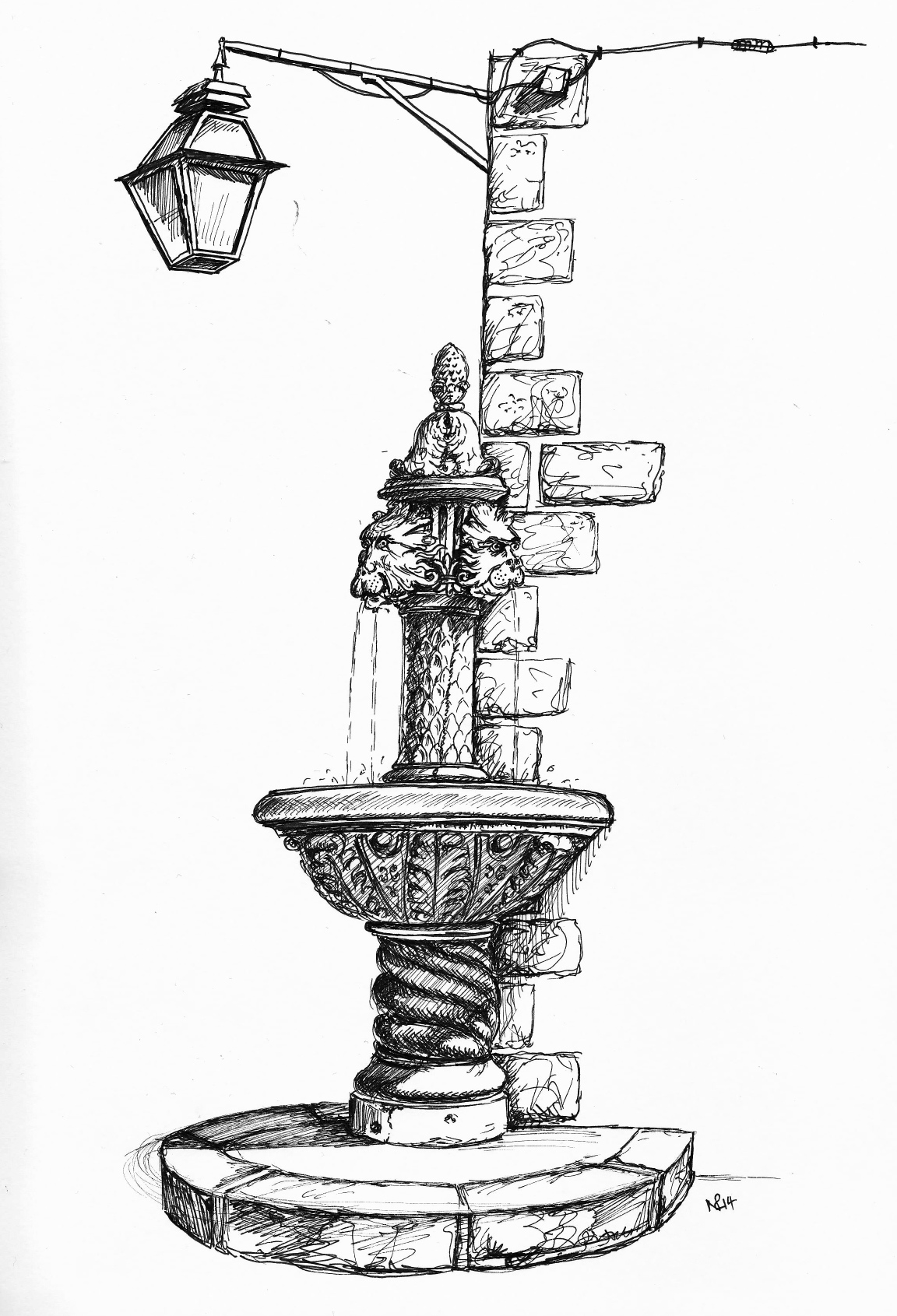
The Amerling Fountain on the Gunduliceva Square, Dubrovnik (2014 © Nicholas de Lacy-Brown, pen on paper)

The Amerling Fountain on the Gunduliceva Square, Dubrovnik (2014 © Nicholas de Lacy-Brown, pen on paper)

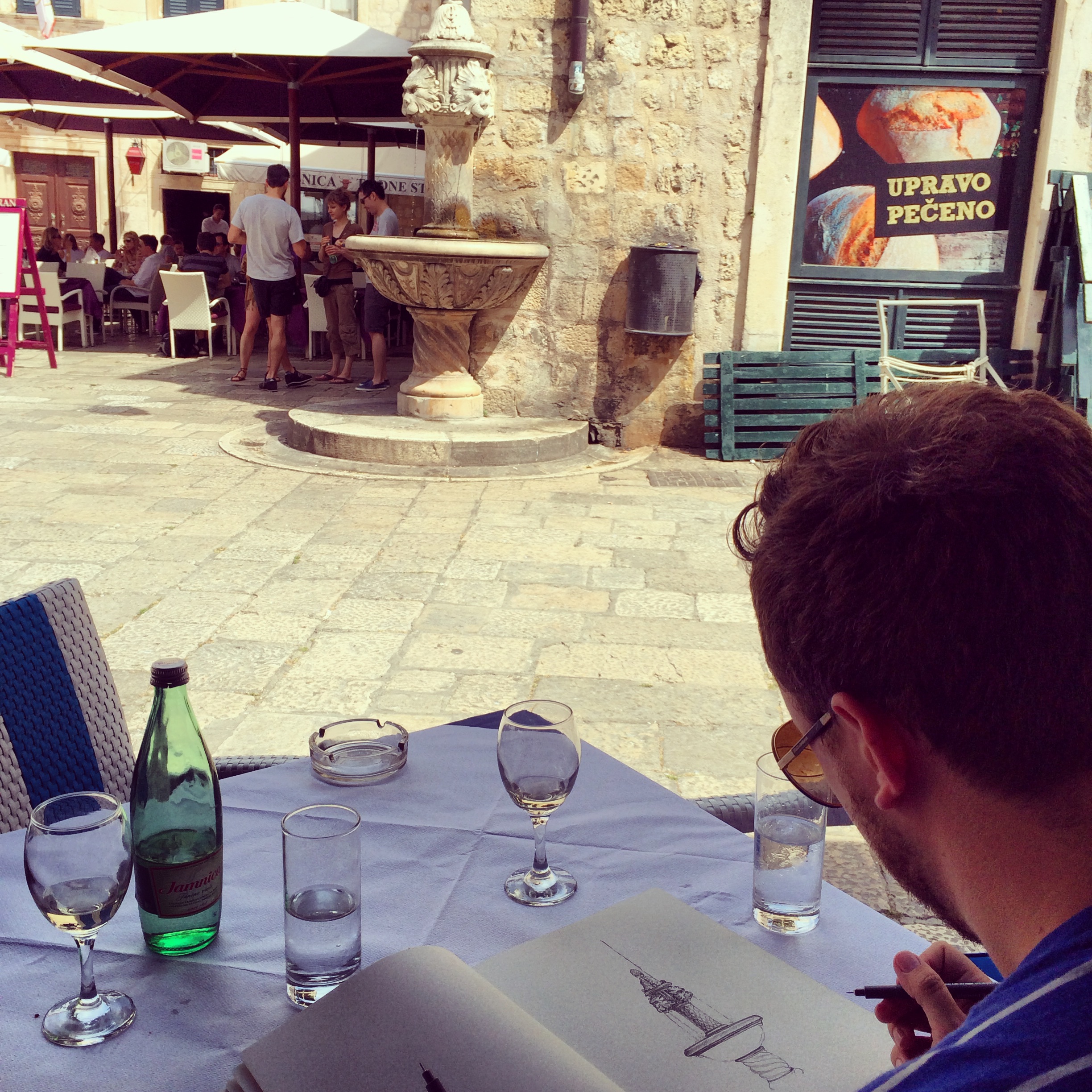
The second sketch features the beautiful Amerling Fountain, which is to be found on the corner of the bustling market square of the Gunduliceva Poljana. I set about drawing this sketch as we finished a delicious portion of fired squid and whitebait, accompanied by another creamy coffee as I drew this, our favourite of the city’s several beautiful fountains.

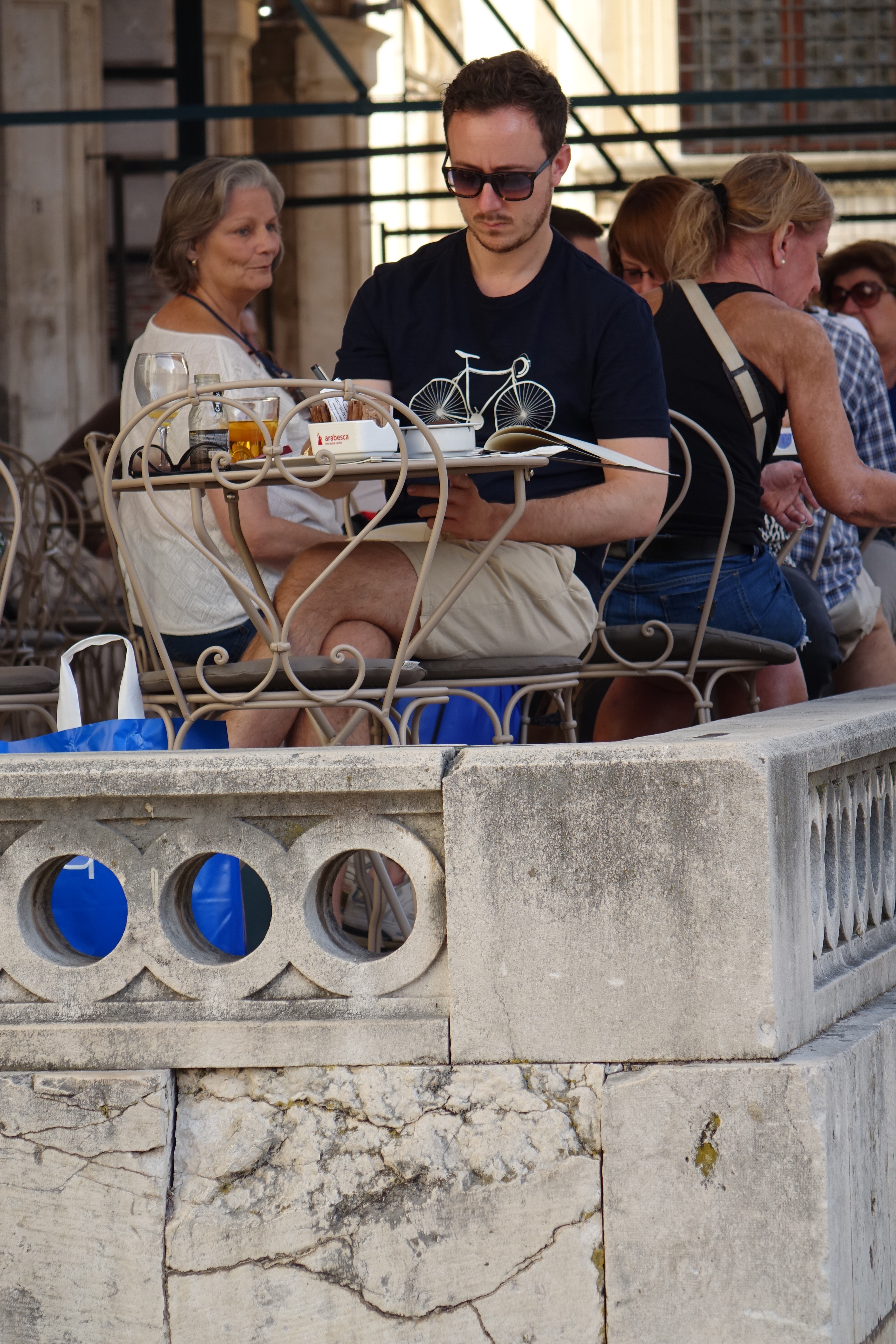
And just in case you should doubt the beauty of the surroundings which inspired me as I sketched these two beautiful views, here are some photos of me taken by my partner as I went about capturing the city in my sketchbook.

DSC01220 DSC01225 DSC01940 IMG_6251 IMG_6249 IMG_6401

More to come… next time!

© Nicholas de Lacy-Brown and The Daily Norm, 2001-2014. Unauthorized use and/or duplication of the material, whether written work, photography or artwork, included within The Daily Norm without express and written permission from The Daily Norm’s author and/or owner is strictly prohibited. Excerpts and links may be used, provided that full and clear credit is given to Nicholas de Lacy-Brown and The Daily Norm with appropriate and specific direction to the original content. For more information on the work of Nicholas de Lacy-Brown, head to his art website at www.delacy-brown.com
Dubrovnik | Day 2 – Paradise set in a ring of stone

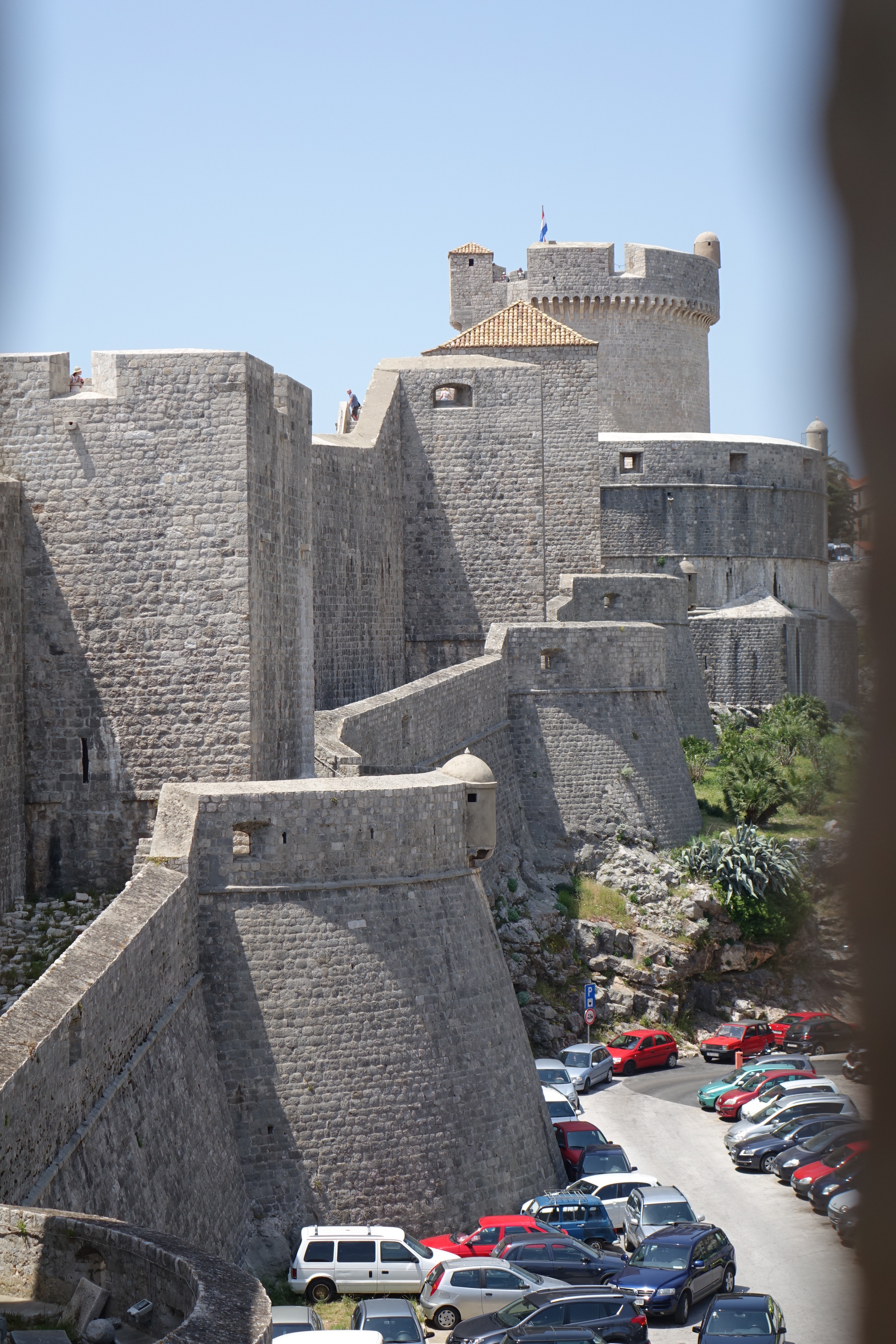
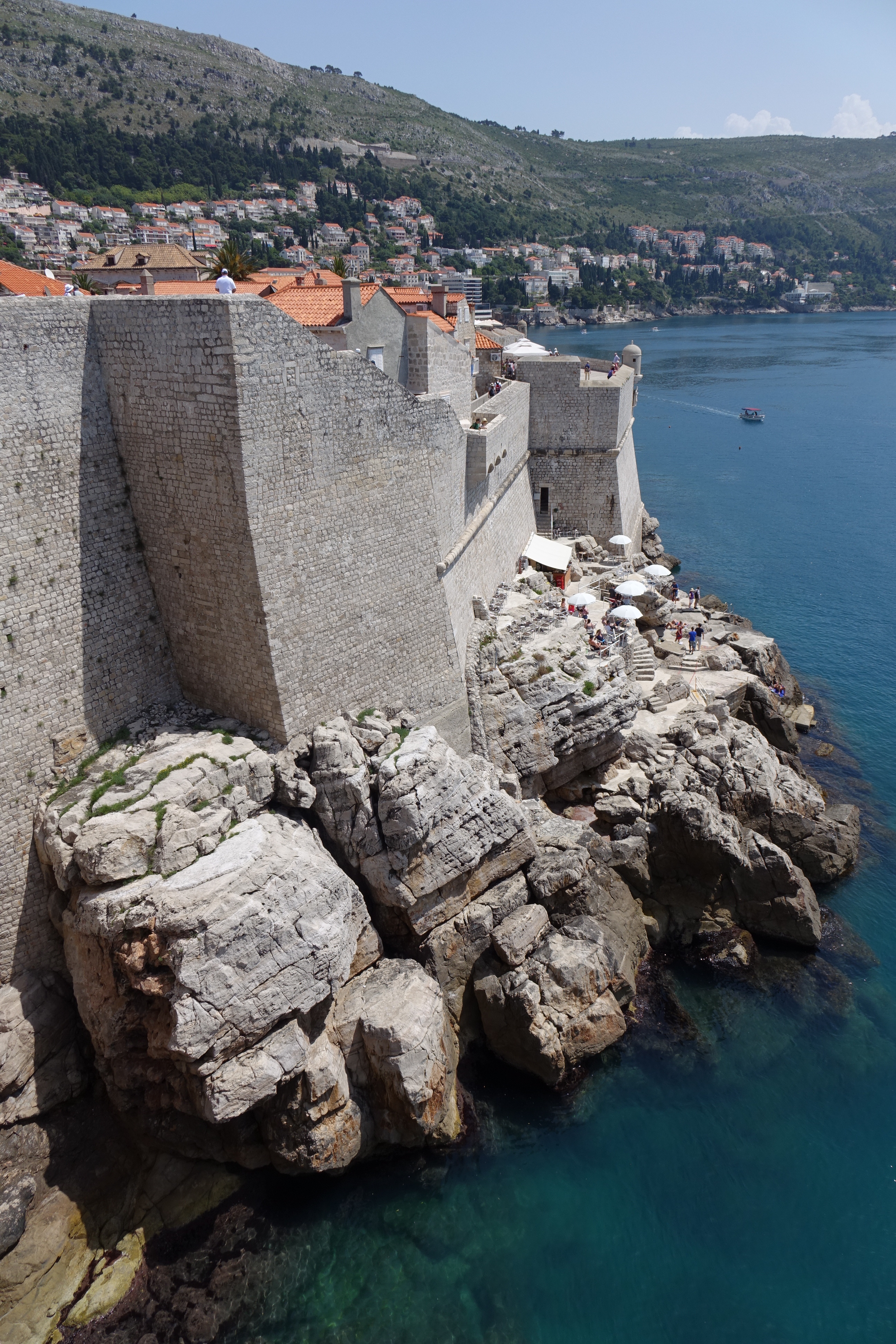
Day two of our trip to Dubrovnik had to be about the great walls. Encircling the city in an unbroken ring of metres-thick stone, the walls not only offer the best possible vantage of the city from multiple angles, but also enable a complete appreciation of the scale and extent of the city. While on the one hand the city feels very small and self-contained, when you are walking around these huge walls, feeling rather like an ant by comparison to their mighty size, you start to realise that the city is really quite large, and packed full of treasures and unique panoramas on an almost incomparable scale.

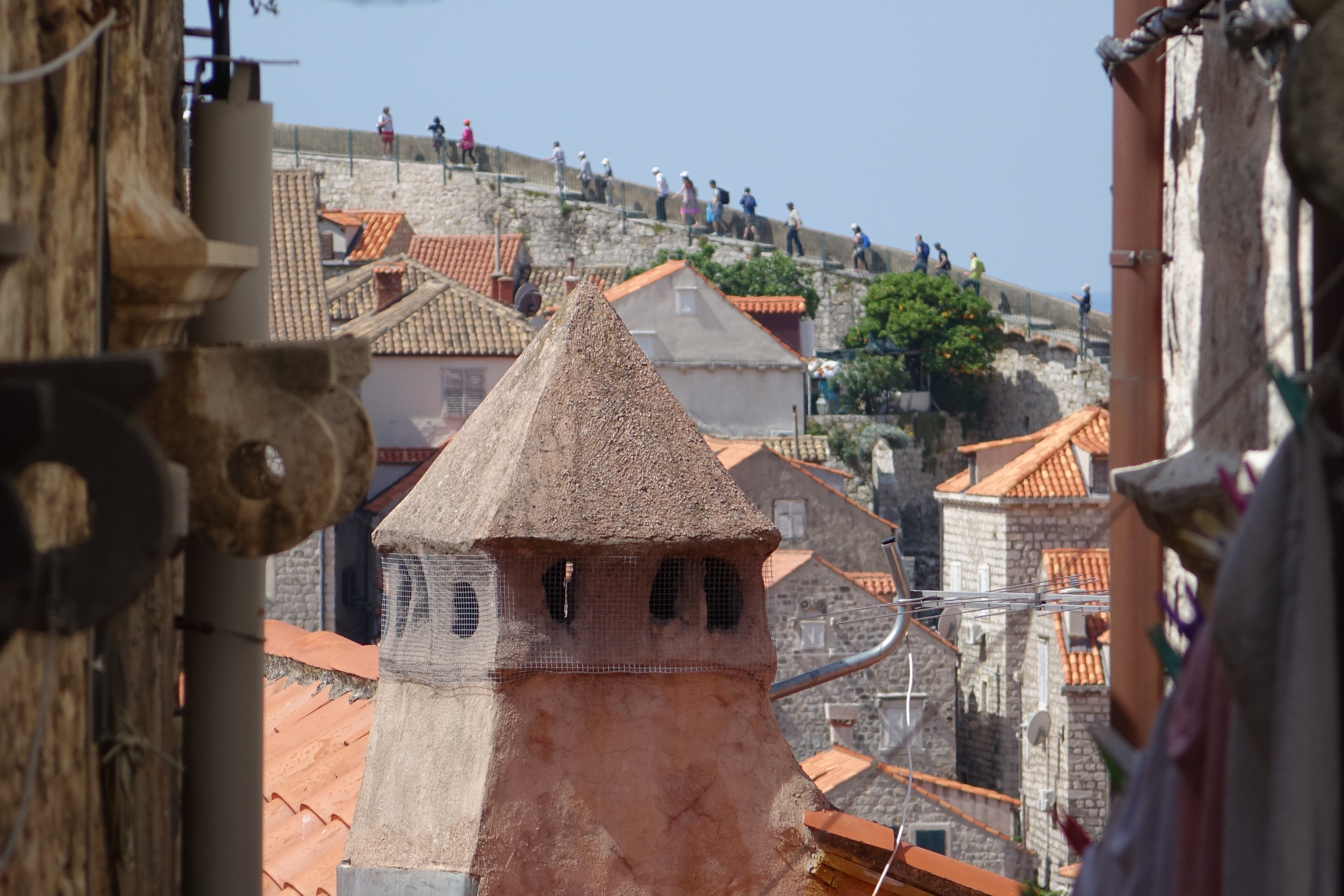
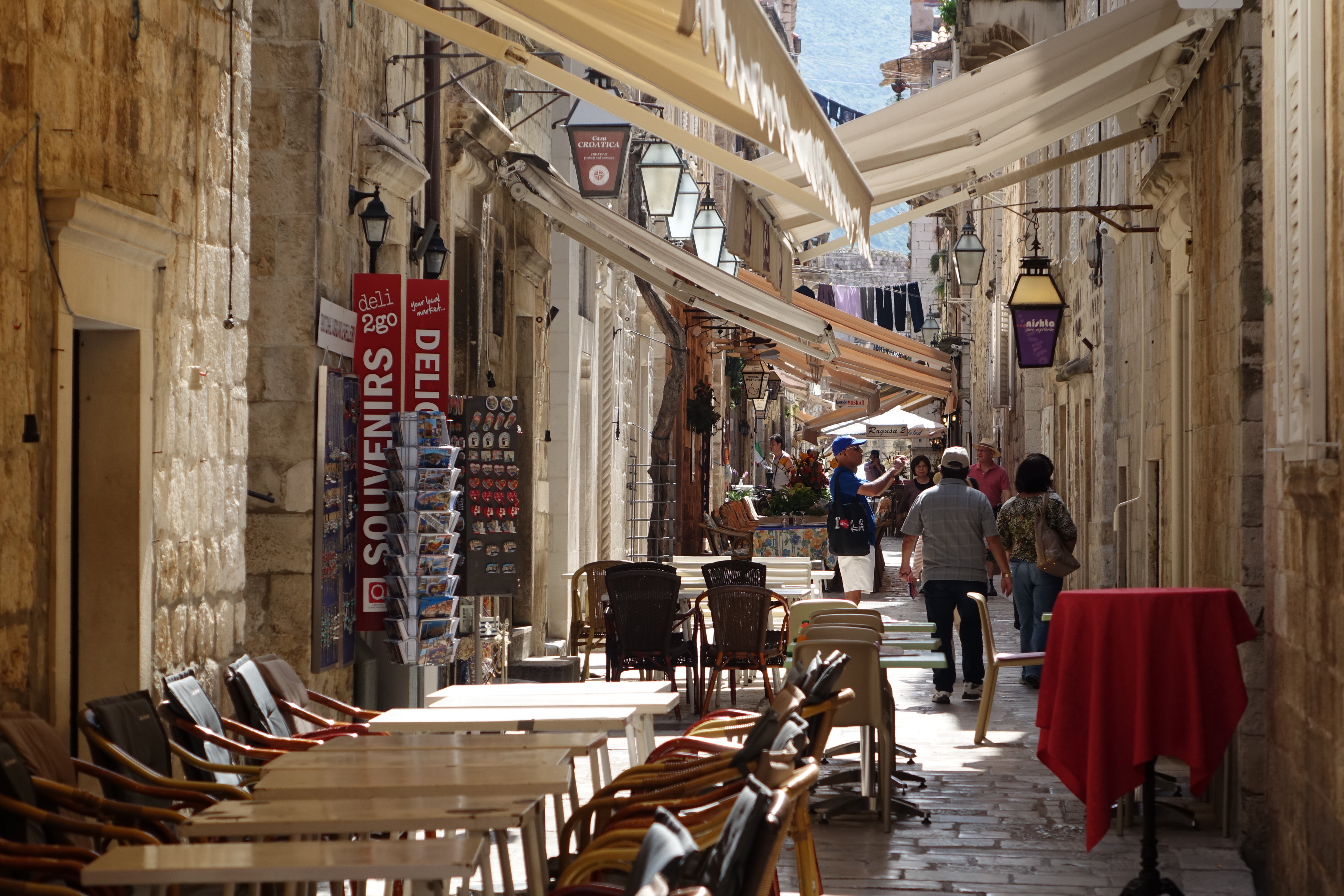
And as if by way of example of the wealth of the city’s offerings, our first ambling of the day, walking through the land-bound streets of the North of the city (in an attempt to discover the entrance to the walls…) demonstrated that every street in Dubrovnik, no matter how small nor narrow, is a thing of beauty. This steep region of the city, which used to be separate from the main island city of Dubrovnik before the Stradun, which is now a main street but used to be a river, was filled in, constantly wowed us with picturesque sights around every corner – washing strung between houses, little wooden chairs placed outside front doors ripe for neighbourly gossip, street lamps poking out from every house in an overlapping cluster of glass and metal, and of course a backdrop to die for of further escalating roofs and the steep hillside beyond.

The picturesque backstreets 

DSC00830 DSC00797 DSC00937 DSC00778 DSC00781 DSC00820 DSC00843 DSC00802 DSC00774

We didn’t find an entrance to the walls in those backstreets however. At every turn we could see the walls, and see an increasing number of tourists walking upon them. Nonetheless the entrance alluded us (it turns out that access to the walls, which is charged at around £10 each, is tightly controlled) and we headed back down to the city centre in search of coffee, before finally heading to the Pile gate, where we already knew that the main entrance to the walls is located.
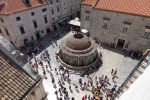
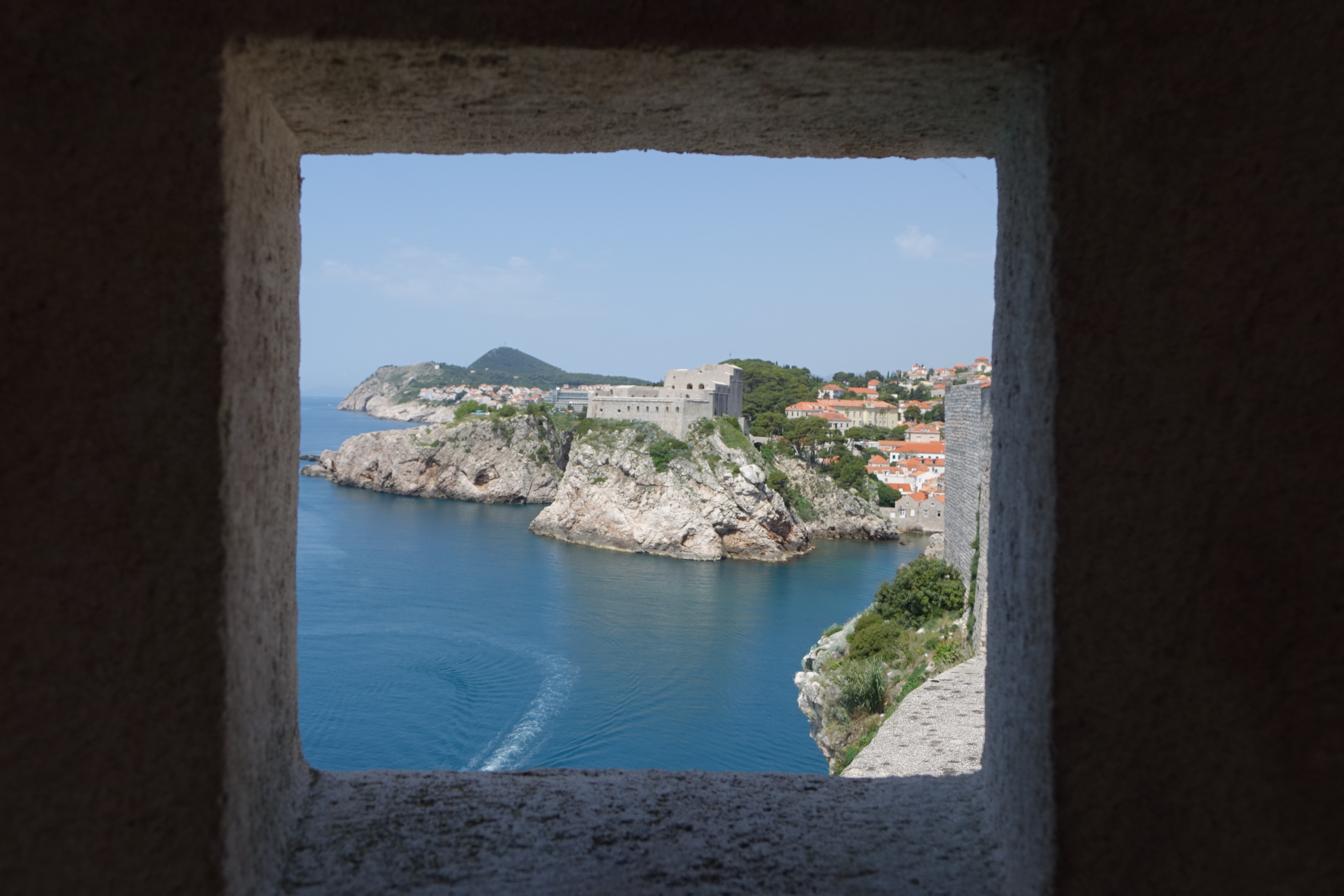
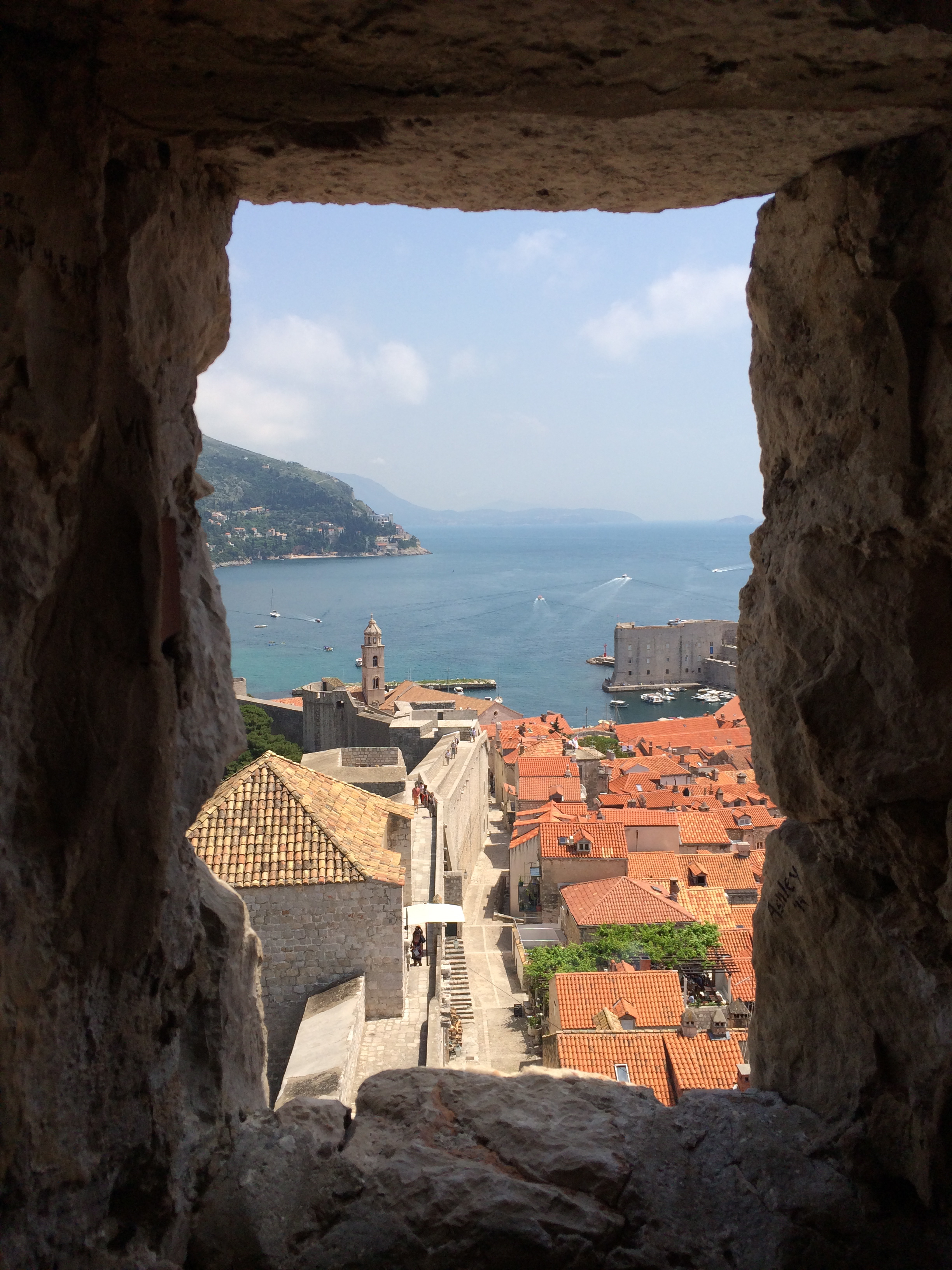
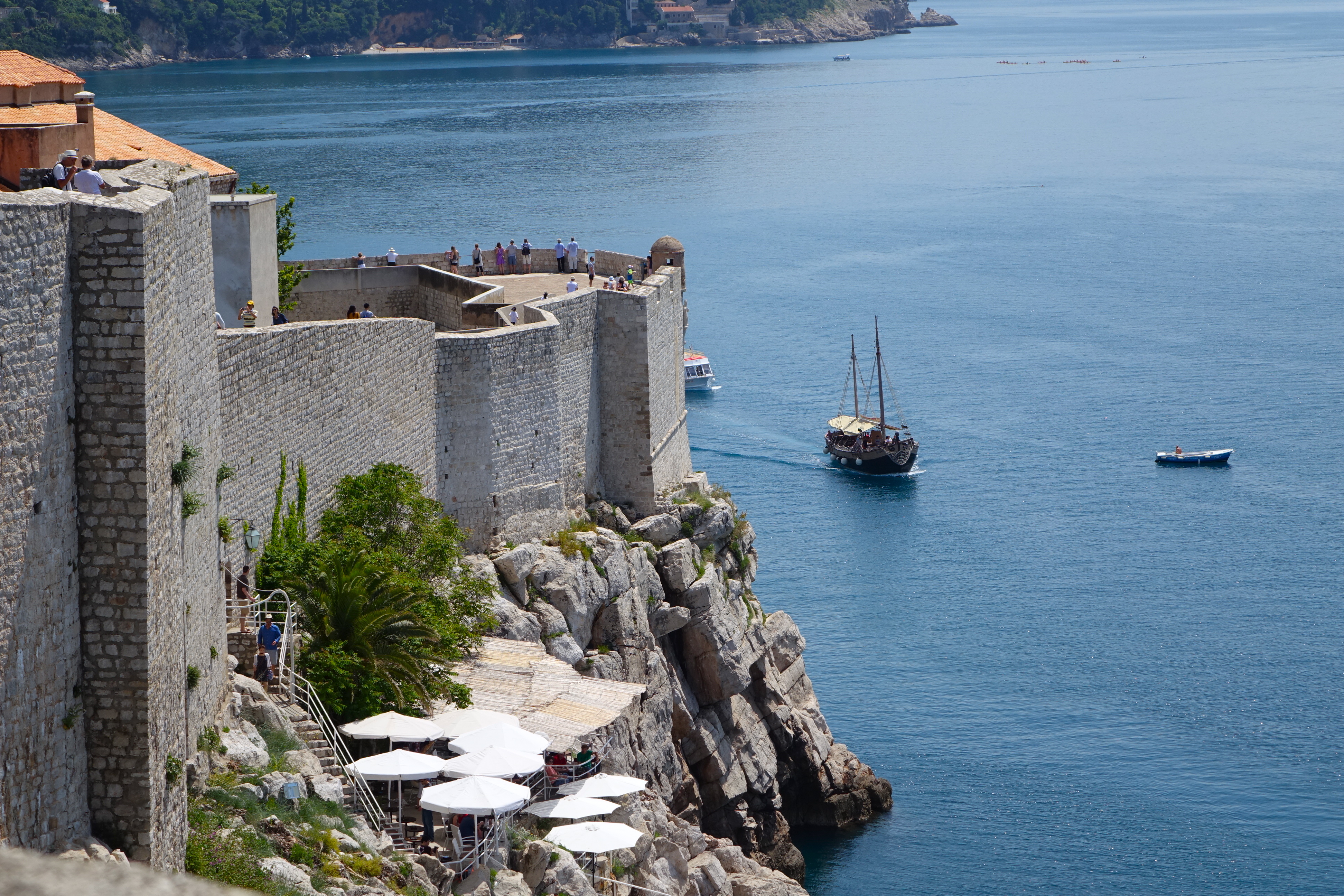
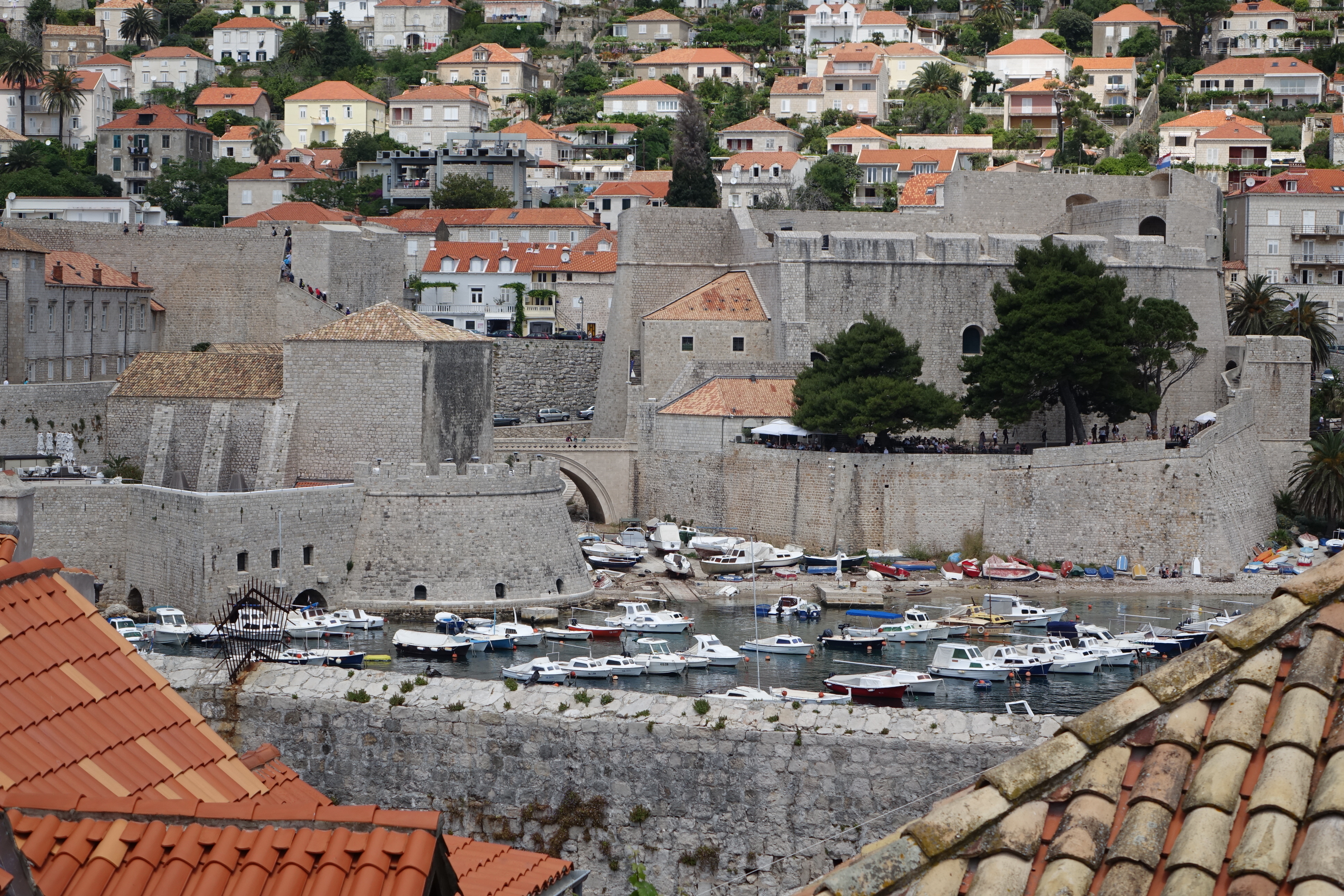
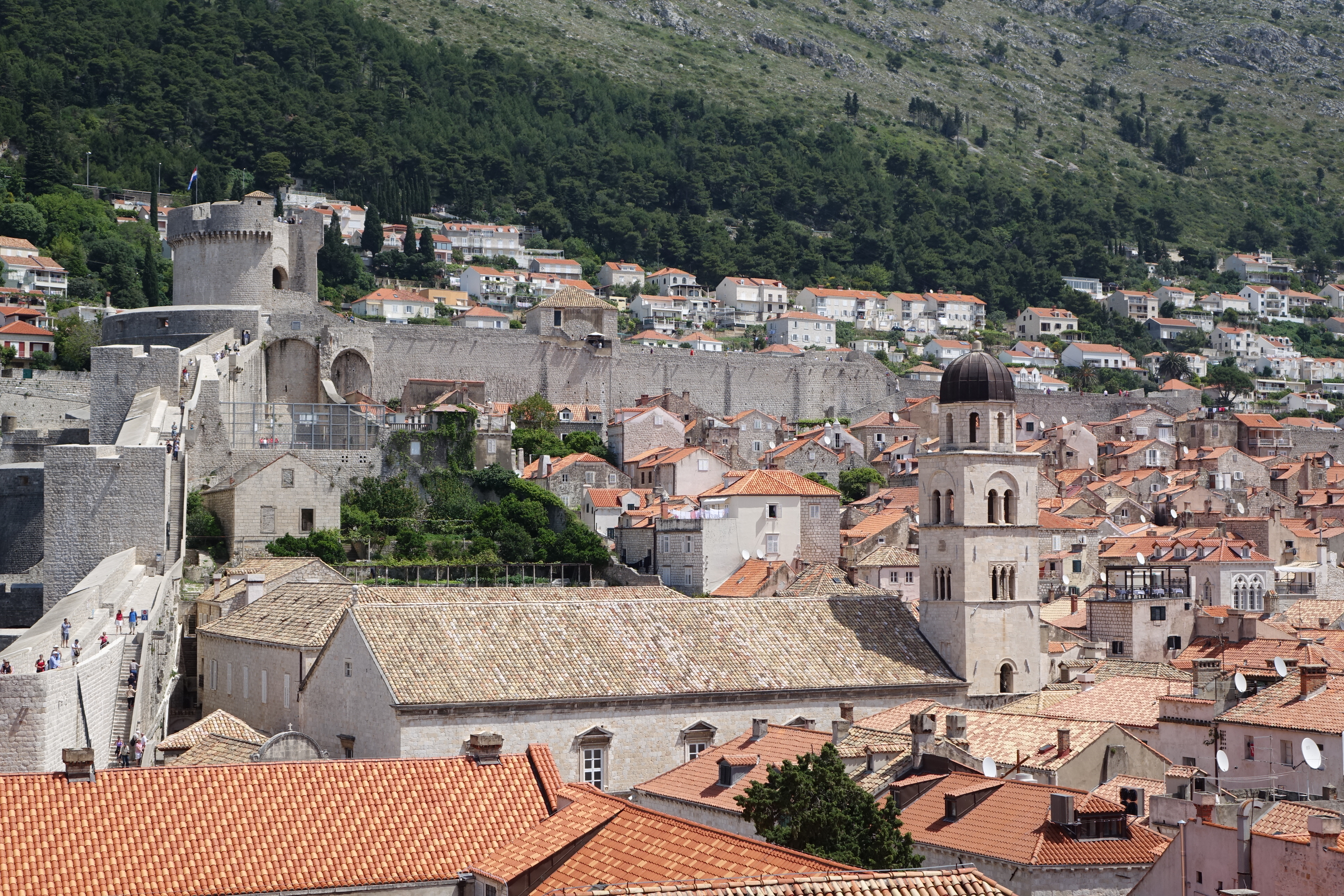
The walls of Dubrovnik are so impressive, extensive and magnificently steeped in history that they ought to form the basis of a song. Or perhaps they already do (or perhaps I should write one). I can well imagine how the lyrics would poetically describe how the undulating extent of these mighty ramparts plunge robustly into the sea on the one hand, and sensitively encircle the city’s old port on the other. Or how to the north they take you up to the back of the city, affording the most sensational view across Dubrovnik’s sea of rooftops, and how to the south, they offer sweeping panoramas of the Adriatic sea on the one side, and quaint little citrus-filled gardens on the other. Of course photos probably do just as well to describe the brilliance of Dubrovnik’s major attraction, and I shall leave you to look at my pics, while remembering fondly the drink we enjoyed upon one rampart terrace, with a commanding view over the city’s cathedral and the island of Lokrum beyond.

Compelling views from Dubrovnik’s Walls

DSC00931 DSC01047 DSC01017 DSC00933 DSC01012 DSC00958 DSC00740 DSC00896 IMG_5668 IMG_5783 DSC00934 DSC00972 DSC00983 DSC00906

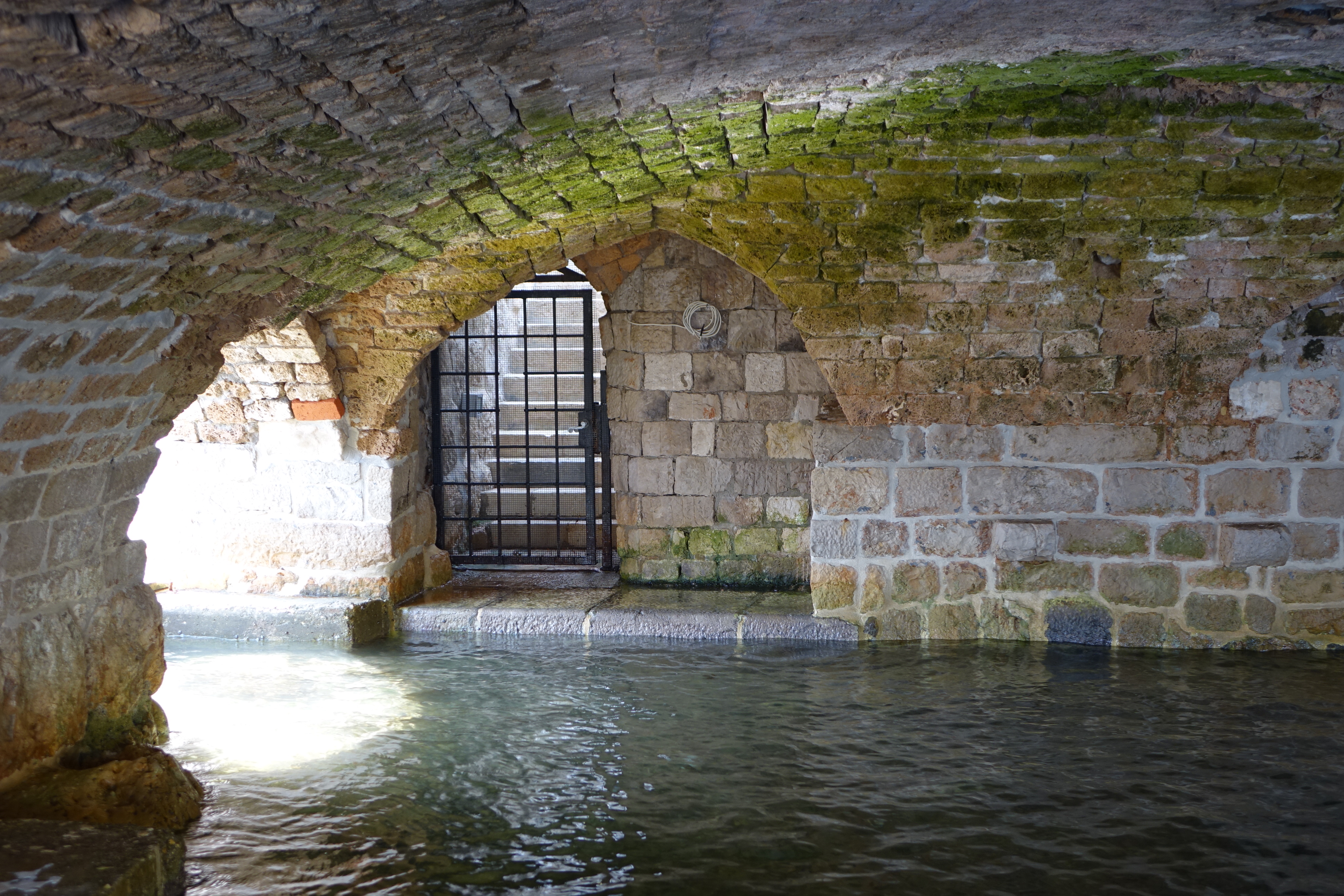
Of course the walls were all rather tiring. What felt like a small city from within suddenly magnified once you were required to walk around the whole place in a single morning, and come the afternoon, a restful lunch under a port-side pine tree, followed by a series of leisurely coffees taken in the city’s various squares was just the ticket to refuel after our morning’s exertions. We also found a little secret passage across slimy sea-weed covered rocks extending from the harbour into the old city, ending up rather awkwardly in the kitchen of a restaurant (a breach in Dubrovnik’s walls!).

Lunch with a view and a passage way through the sea

DSC01164 DSC01086 DSC01143 IMG_5957 DSC01176

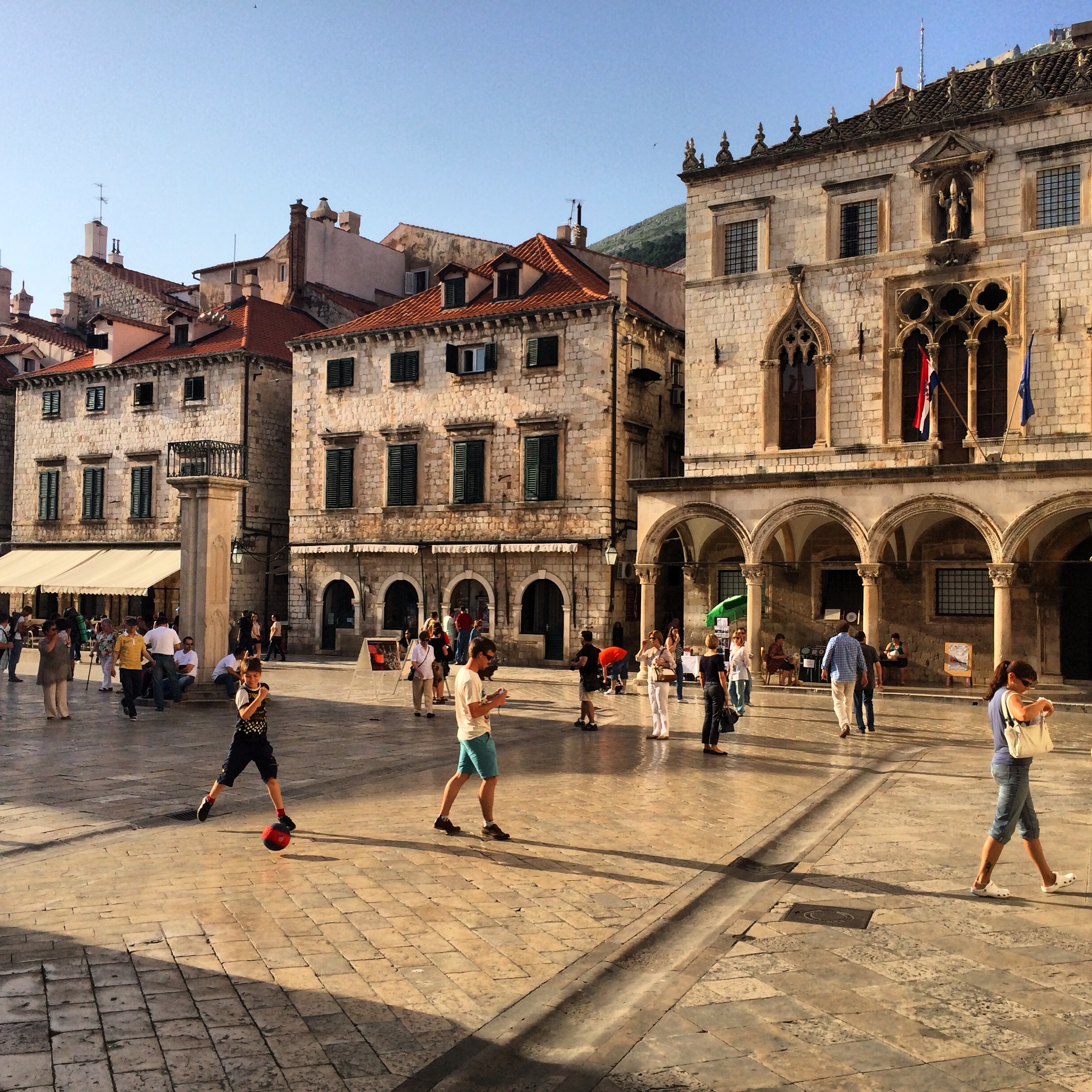
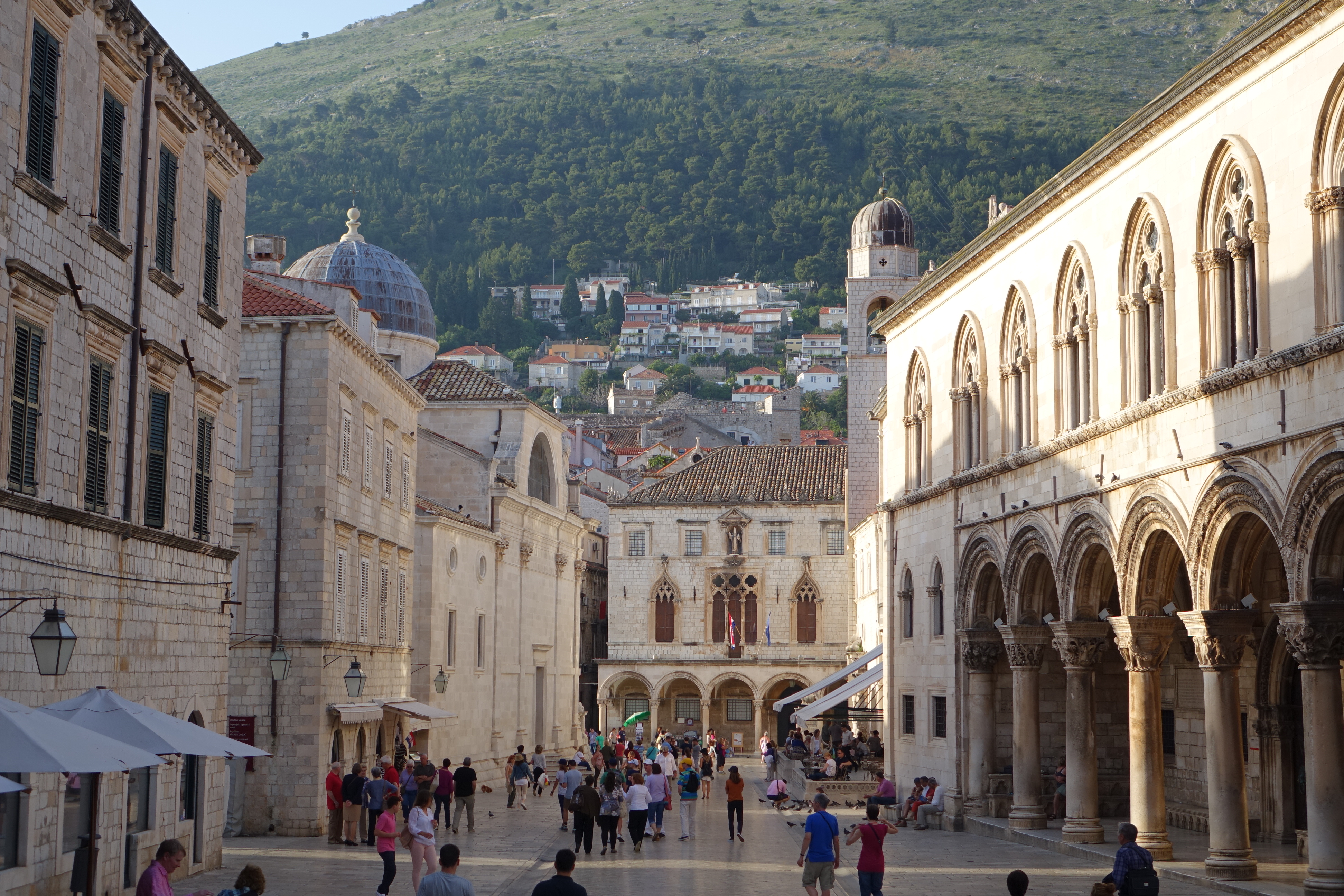
We also discovered that the best time to enjoy the city is surely of an early evening, when the tourist masses and the groups from docking cruise liners have departed, leaving the locals and those tourists lucky enough to be staying in or around the city to enjoy the place in relative tranquillity. And there was no better way to do that than with a drink on the Stradun with jazz playing from nearby cafes and house martins swooping in the air. Nor with dinner under the city’s starry sky, eaten al fresco in front of the Romanesque façade of the Jesuit church to the accompaniment of a Spanish guitarist.

Clearly it was not just their freedom that the residents of this city wanted to preserve by building such magnificent walls around them, but also the secret held within their embrace: paradise on earth.

The best time of the day…

IMG_5942 DSC01251 DSC01253 DSC00657 DSC01295 DSC01281

All photos and written content are strictly the copyright of Nicholas de Lacy-Brown © 2014 and The Daily Norm. All rights are reserved. Unauthorized use and/or duplication of the material, whether written work, photography or artwork, included within The Daily Norm without express and written permission from The Daily Norm’s author and/or owner is strictly prohibited.