Skip to content

Posts tagged ‘Italy’

Compendium // Rome > Moses, the other great Michelangelo

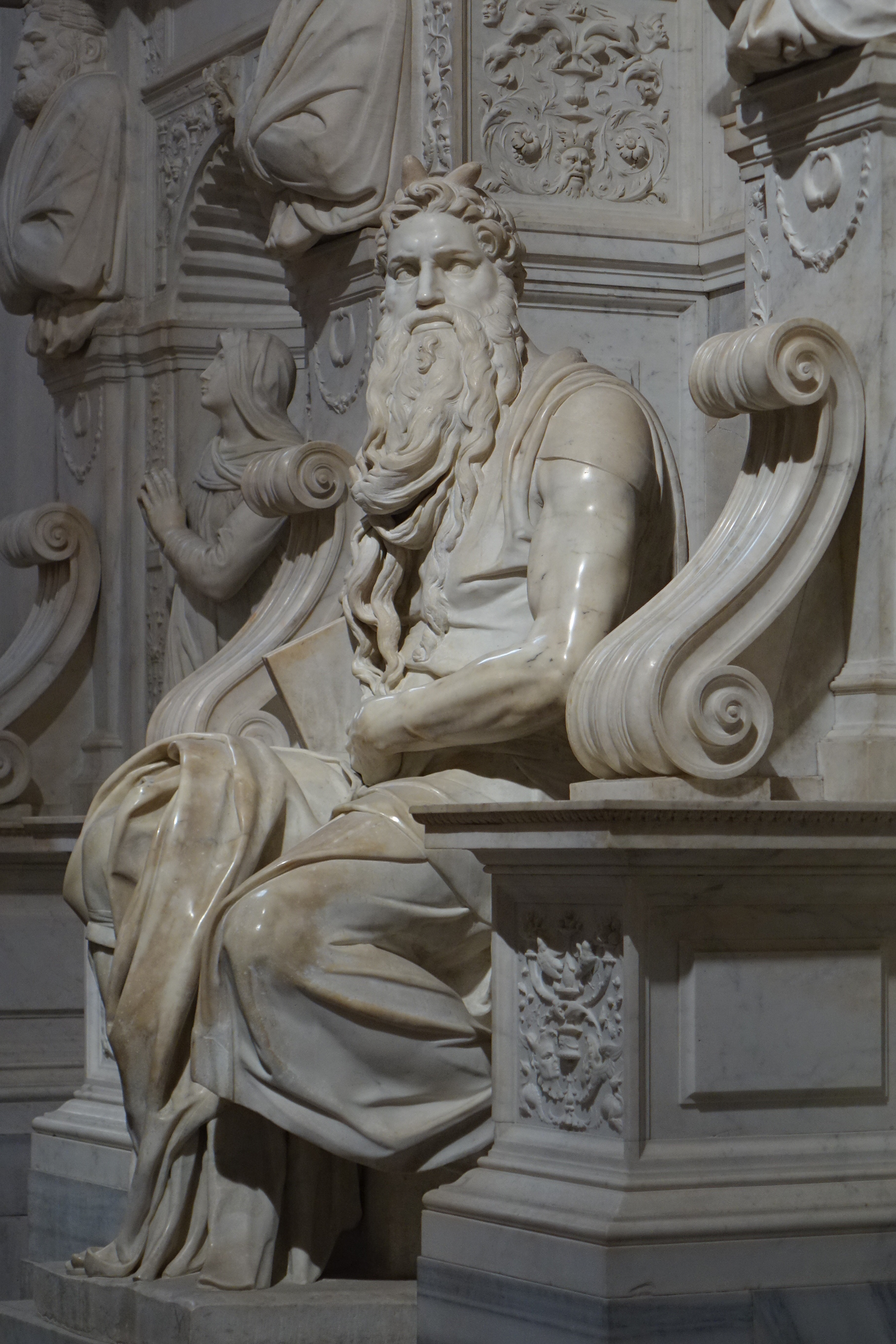
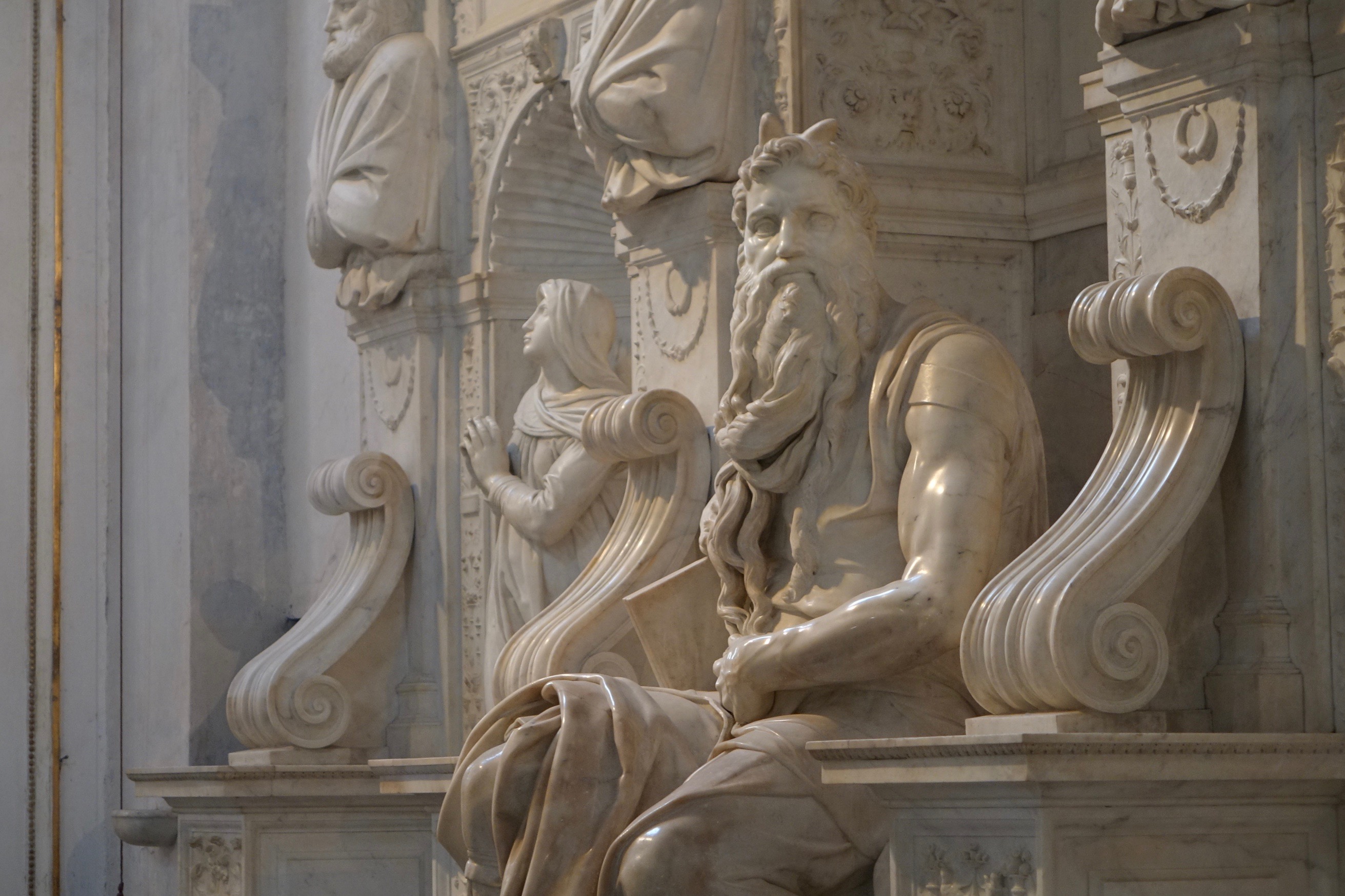
Michelangelo’s David is one of the most cited, famous and admired sculptures in the history of art. Its image graces tea towels and teapots, erotic aprons and nodding-head dolls. And it’s no wonder. When I revisited the great marble man over Christmas, my emotions raised the nearer I got to the splendid stone musculature. We have been left with few Michelangelo sculptures in a truly finished state. Much of the works of his sculptural oeuvre have only just started emerging from their cacophony of natural stone. But in Rome there is another Michelangelo in the ecstatic state of splendid finesse, which is every bit the equal of David for its brilliance of anatomy, and for the emotions captured in marble. I am not talking of the Vatican’s La Pieta, but Moses, a mere stone’s throw from the Colosseum.

DSC00572DSC00575DSC00586DSC00576

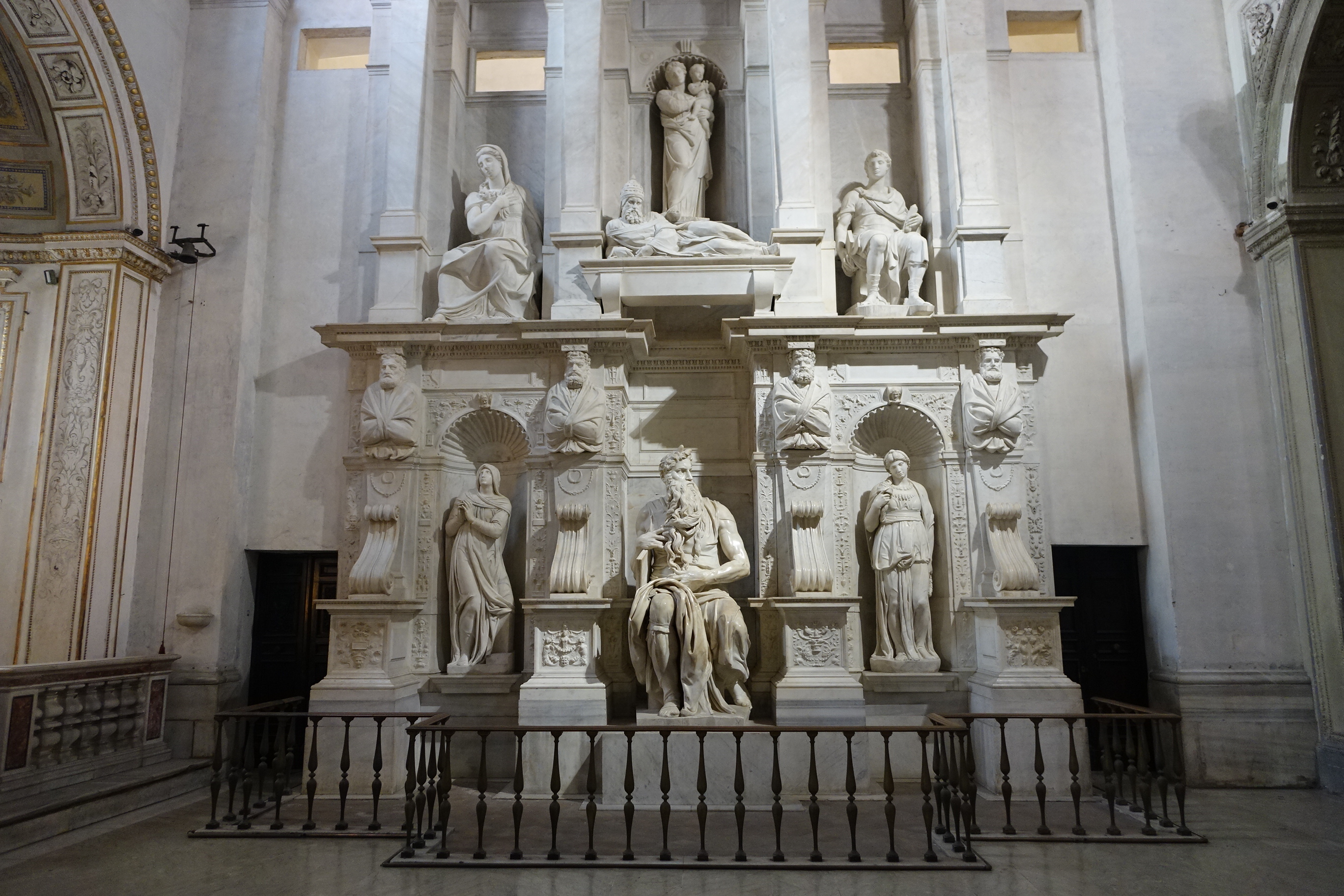
Without a recommendation, you could easily miss San Pietro in Vincoli (St Peter in Chains), the church in central Rome where Moses is held (and which also hosts the chains purported to have held said St Peter in captivity). There, in one corner, the sole direction of the tourist gaze will soon demarcate where Michelangelo’s masterpiece is waiting. Had Moses sat within the mammoth marble tomb structure of Pope Julius II for which he was originally intended, there would have been no missing him. Commissioned by the Pope in 1505, the tomb was designed to hold 40 like-sized sculptures and fill a central apse of the new St Peter’s Basilica. As it was, Michelangelo soon became embroiled in the Pope’s other great commission: the ceiling of the Sistine Chapel, and when his tomb was eventually installed at its current location, Moses took centre stage, his being the only one of the major sculptures for the tomb completed.

Perhaps it was a twist of fate which made things that way. For it would be a crying shame indeed if this truly exquisite statue had been lost in a crowd of 39 others, relegated to a tier some 4 metres of the ground in its intended positioning. Today, by contrast, the relative accessibility of San Pietro in Vincoli means you can get to almost touching distance of the great man, and the effect is ravishing.
DSC00566DSC00578DSC00584DSC00569

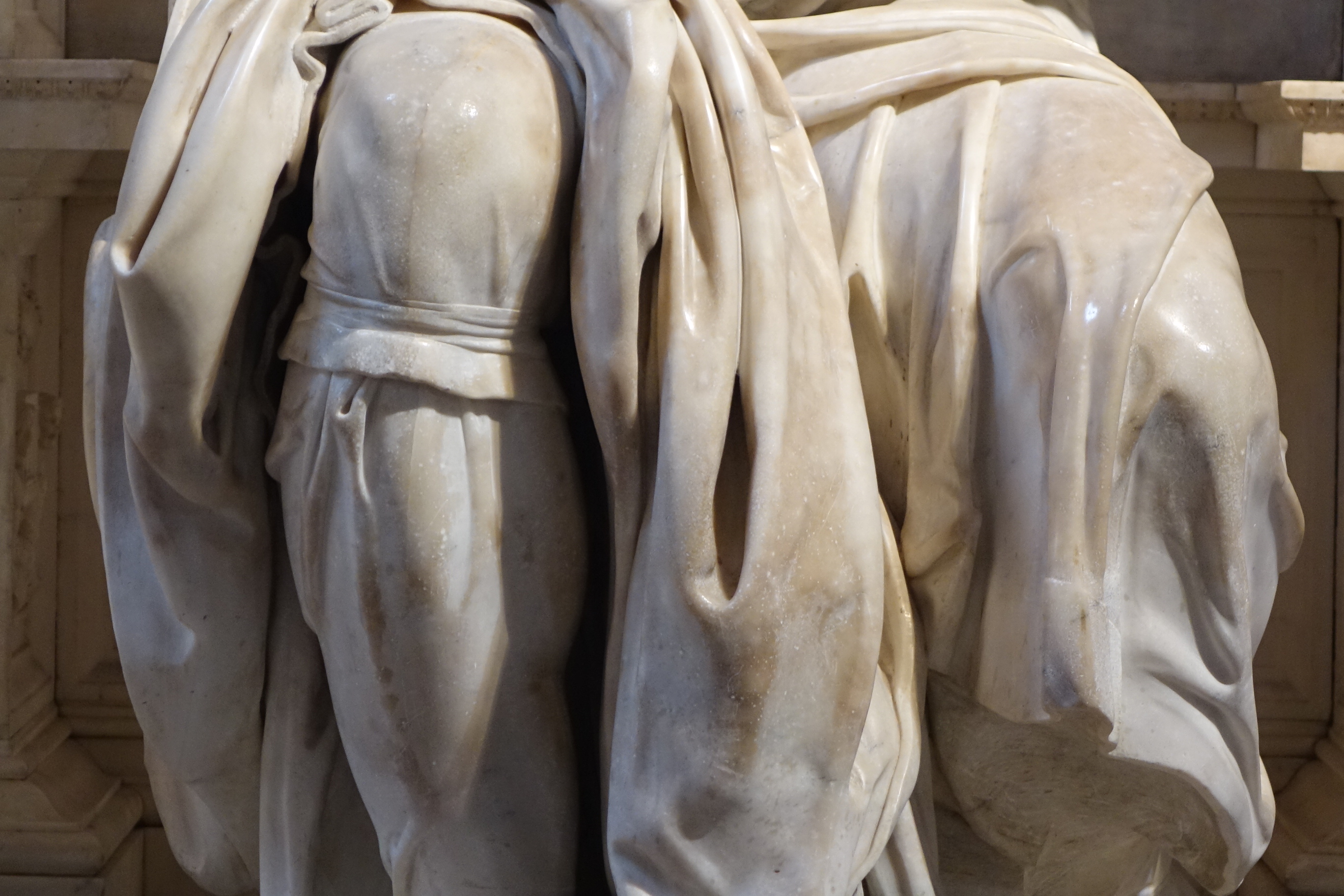
How can I describe an encounter with Moses? Emotional for sure, awestruck most certainly. The way in which Michelangelo so adeptly sculpts the flowing beard of Moses, twisted around his fingers in what appears to be both a moment of contemplation and rage at the idolatry of the Israelites who he finds to be worshiping a golden cow upon his descent from Mount Sinai. There is a beautiful, throbbing intensity about his musculature and his domineering presence. This Moses is both godlike to behold, and intimidating to witness.

Above all things he is a true icon of art history, and what is Michelangelo’s perhaps more overlooked masterpiece, available for all to see (for free) in the very centre of Rome.

© Nicholas de Lacy-Brown and The Daily Norm, 2018. Unauthorised use and/or duplication of the material, whether written work, photography or artwork, included within The Daily Norm without express and written permission from The Daily Norm’s author and/or owner is strictly prohibited.

Norms in Rome | Trevi Fountain

It’s a Norm takeover! Rome is full of them! Sprawling in their Norm tourist masses, the sweet little one-armed blobs have truly adopted the Eternal City to their hearts, and are determined to tick off the iconic sights, one by one. So where should they venture having sipped a coffee in the Piazza before the magnificent Pantheon? From a temple of Roman architectural brilliance to a fountain of baroque splendour, the Norms have traversed the central core of ancient Rome, crossed the chic Via Corso and arrived at one of the city’s most popular baroque masterpieces: the Trevi Fountain.

Trevi Norms

Norms at the Trevi Fountain (©2018 Nicholas de Lacy-Brown, pen on paper)

Being genetically programmed to be born with just one arm, there are many things that Norms cannot do that we two-armed humans take for granted. Happily, engaging in the tradition to through a coin into the Trevi Fountain is not one of them. This over-the-shoulder backwards coin throw is guaranteed to secure Norms a swift return to Rome. No wonder so many of them are doing it. And for those who aren’t, the good old favourite of 21st century tourists can also be held in the a Norms’ wonderful one-arm: bring on the trusty selfie-stick. The only way to ensure that the Norms capture their moment before one of the world’s most magnificent fountains.

© Nicholas de Lacy-Brown and The Daily Norm, 2001-2017. Unauthorized use and/or duplication of the material, whether written work, photography or artwork, included within The Daily Norm without express and written permission from The Daily Norm’s author and/or owner is strictly prohibited. For more information on the artwork of Nicholas de Lacy-Brown, visit http://www.delacybrown.com 

Compendium // Rome > Lateran, the Alternative Vatican

When many people think of Rome, it’s not the Colosseum they have in mind, but the soaring dome of St Peter’s Basilica at the very Catholic heart of the Vatican City. It is somewhat ironic then that the Vatican, while sitting bang centre in Rome, is not part of the Italian capital at all, but an entirely separate extraterritorial land belonging to the Holy See. Whatever the political geography, the Vatican is a must-see location for any visitor to Rome, but because of that, it’s too often heaving. Without an advanced ticket, you’ll spend far longer in a queue than you ever will inside of St Peter’s or its adjacent museum. Even with a reservation, the queues and security checks try the patience of the most earnest visitor.

Enter the Lateran Basilica, or to give it its full name, the Cathedral of the Most Holy Saviour and of Saints John the Baptist and the Evangelist in Lateran (also known as the Papal Archbasilica of St John in Lateran, and many other similar variations on the theme). Located on a diagonal 4km axis cutting through ancient Rome from the heart of the Vatican City, the Lateran Basilica is the alternative St Peter’s. Almost as big, just as spectacular, the Basilica is the ecclesiastical seat of the Bishop of Rome and such an equally important a player in Papal History that its story goes hand in hand with that of the Vatican across the river.

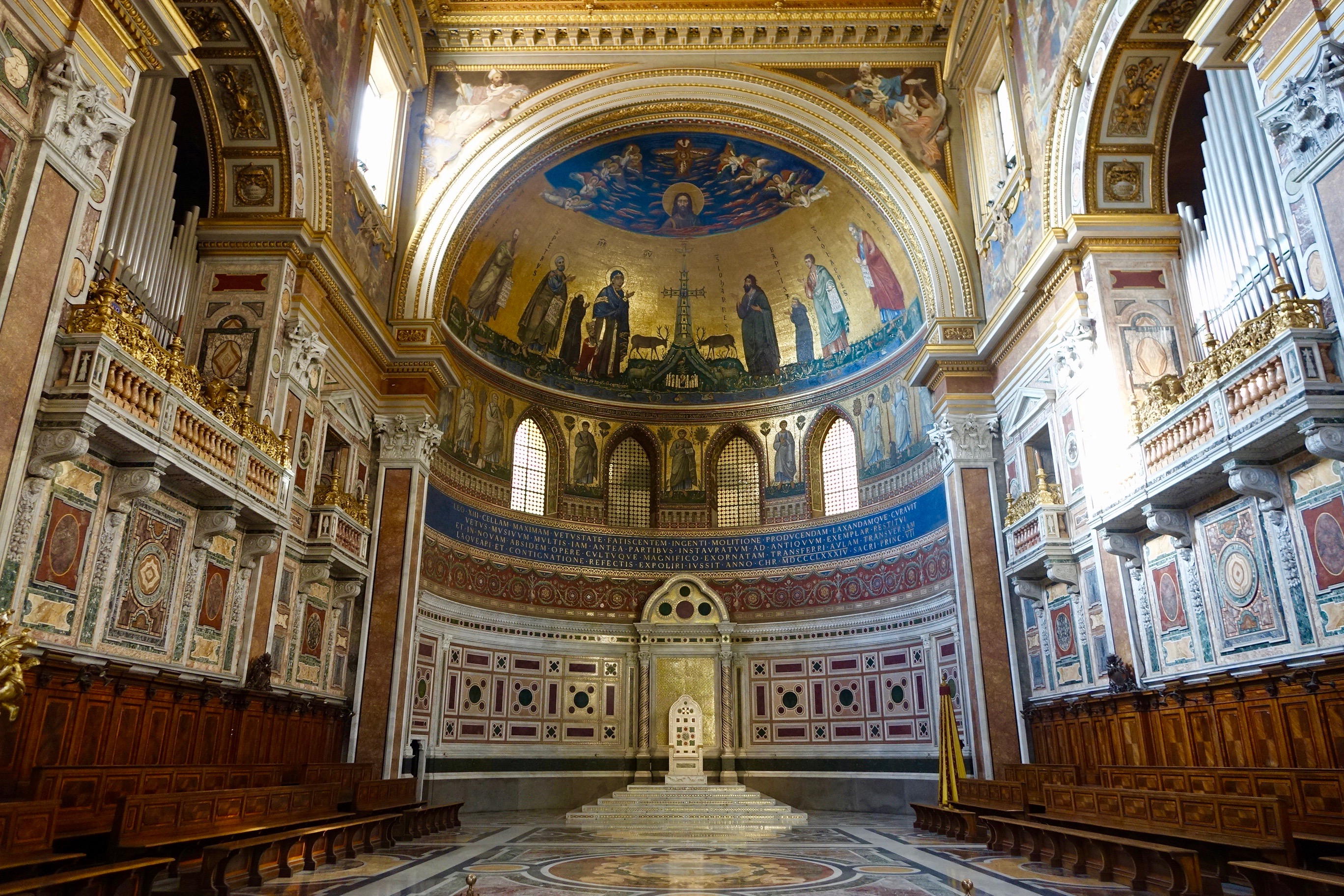
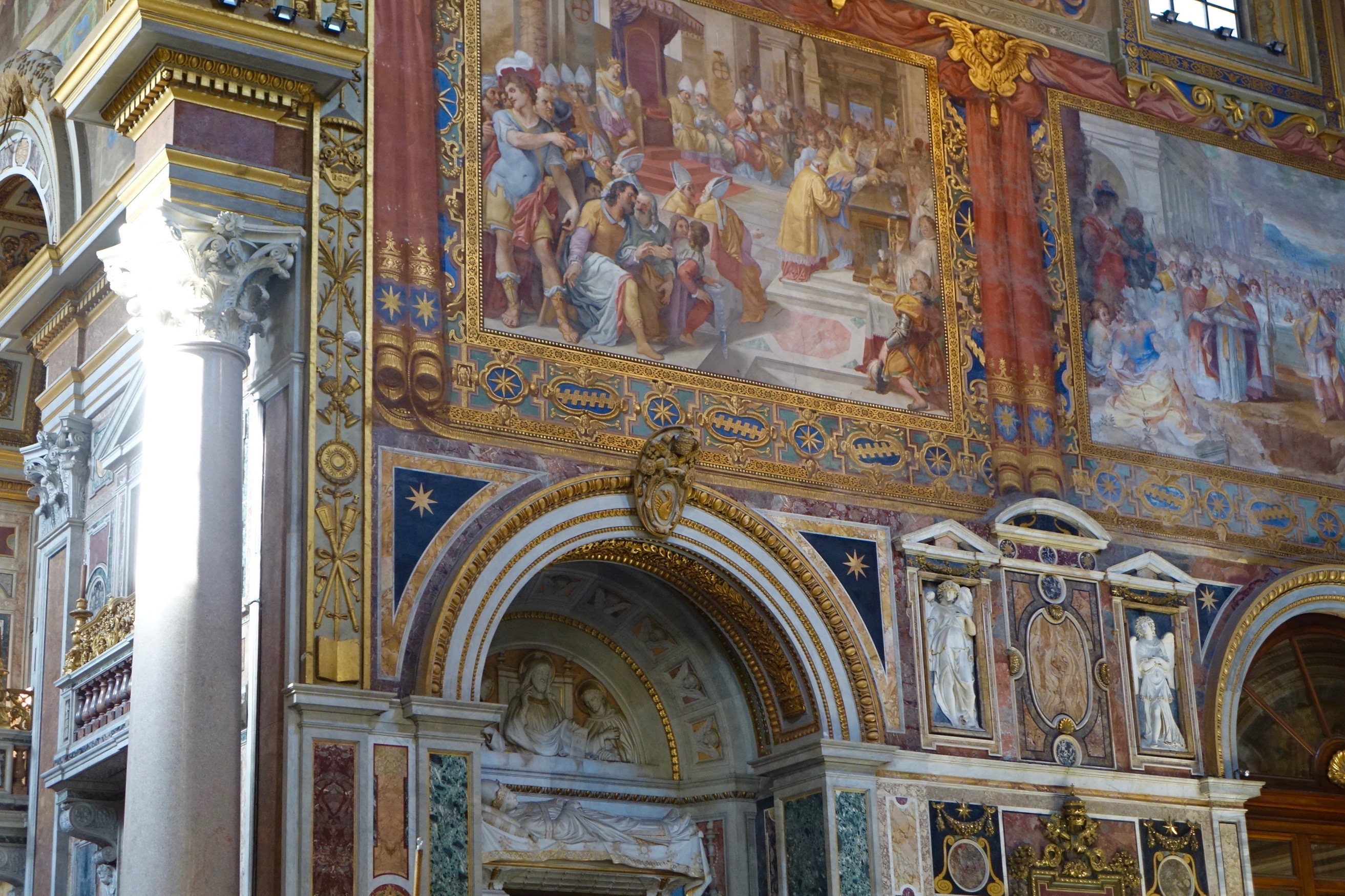
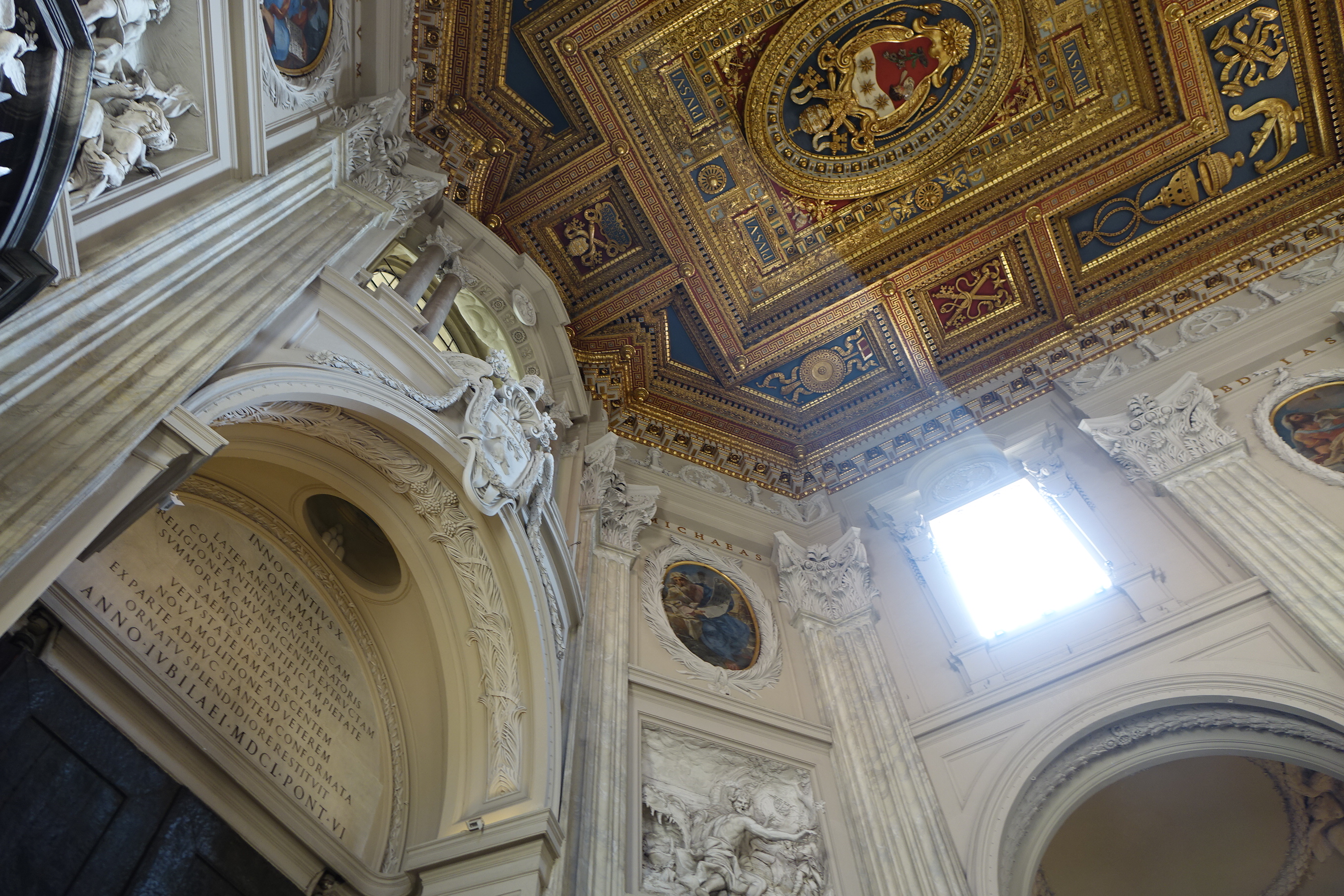
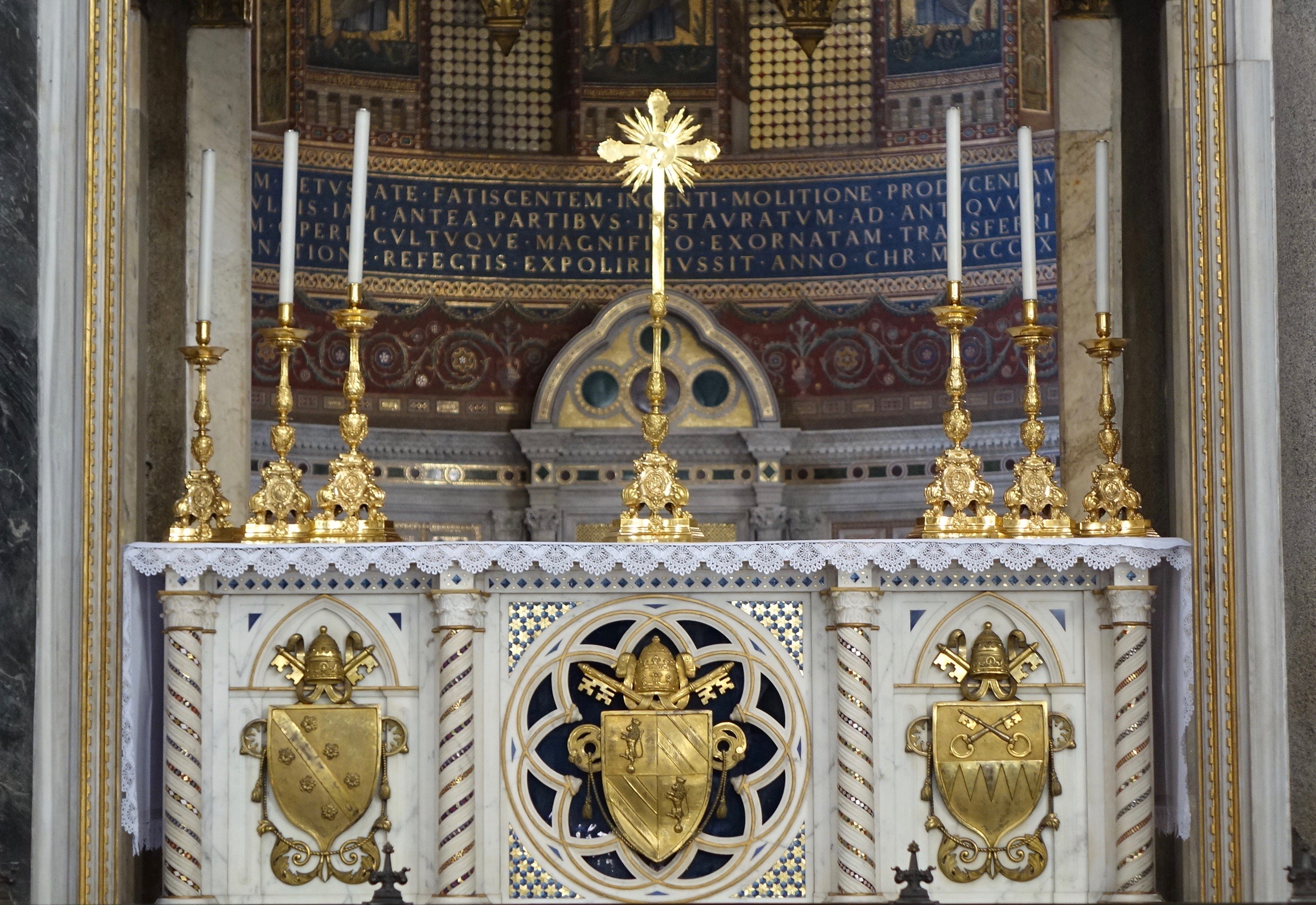
DSC00701DSC00706DSC00677DSC00654DSC00694DSC00633DSC00663DSC00665DSC00655

As the oldest and highest ranking of the four papal major basilicas, the Lateran is unique in having the title of “archbasilica” and was, for hundreds of years prior to the dominance of St Peter’s, the home of countless generations of Popes. As the scale of Rome shrank and declined in the early second millennium AD, the area around the Lateran was reduced to a form of bucolic wasteland. Exposed and rundown, the Lateran Basilica and its neighbouring palace became disconnected from the beating heart of Rome, and during the Avignon years of the Papacy, the Lateran deteriorated and eventually suffered substantial fire damage. Thankfully, even from their new lavish seat of St Peter’s, the popes of baroque Rome recognised the importance of the Lateran, and in the 17th century, Pope Innocent X commissioned Francesco Borromini to rebuild the Lateran in the splendid image we see today.

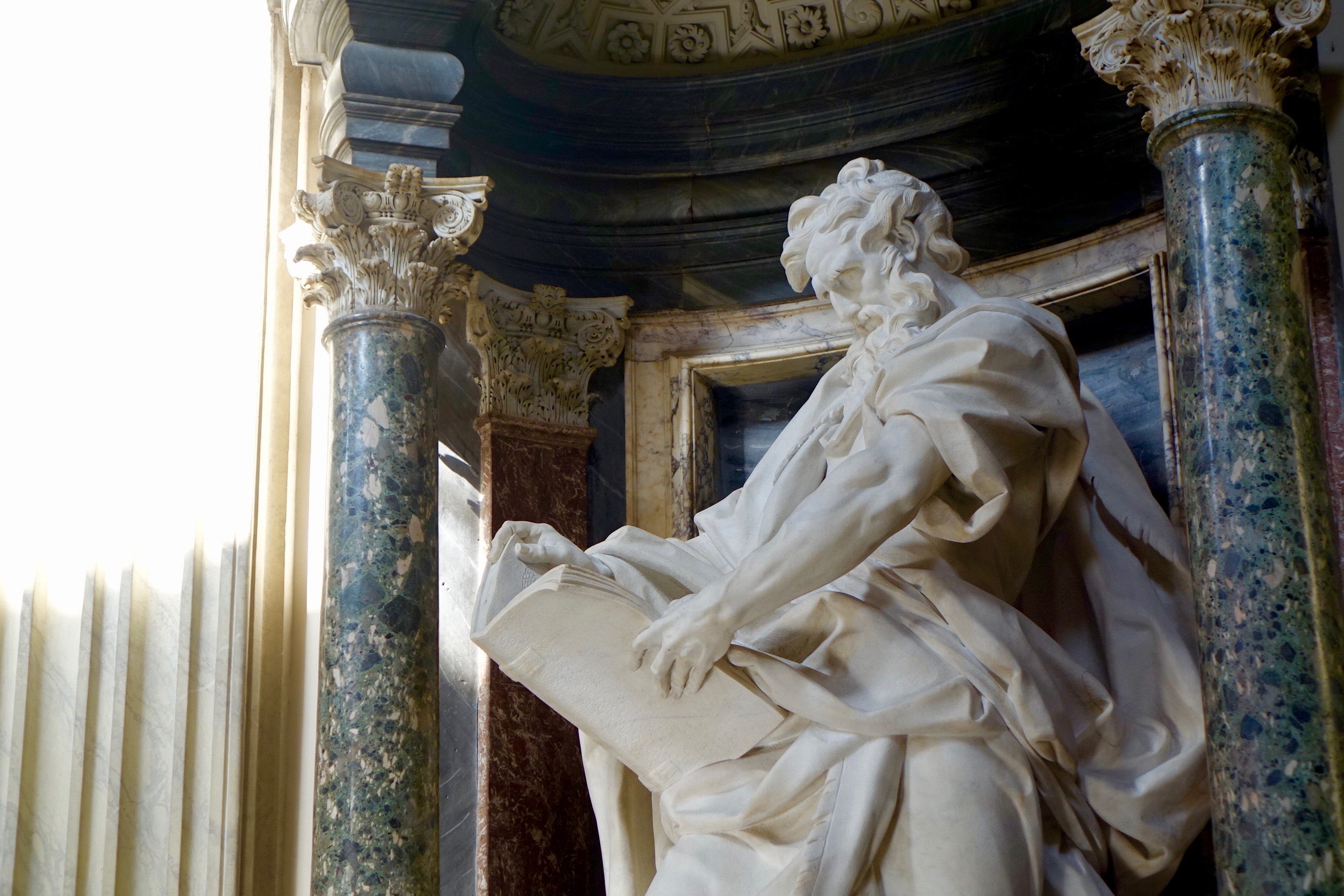
History done, now for the visuals. As the photos show, a visit to the Lateran Basilica is the equal of the glorious Vatican. Flooded with light, the classical baroque facade gives way to an imperial loggia boasting the magnitude and proportions of an Ancient Roman temple, while inside, light floods through windows and bounces off golden mosaics, richly frescoed walls, and luxuriously marble-clad pillars. Most impressive of all things is the spectacular array of sculpted apostles created by the very best rococo sculptors and installed at the beginning of the 18th century. So lifelike, and yet so vast in scale, you feel shrunken into submission before heavenly giants, as though in a nursery rhyme immersed within the branches of Jack’s beanstalk.

DSC00712DSC00697DSC00689DSC00642DSC00684DSC00678DSC00632DSC00656DSC00623 2

I didn’t enjoy my trip to the Vatican museum, being shunted along through bottlenecks crammed to almost scarily unsafe levels with a continuous tidal wave of coach parties. By contrast, the Lateran Basilica, with its lofty grand spaces and comparative tranquility is by far the better alternative, and every bit the equal to its younger cousin over the river.

© Nicholas de Lacy-Brown and The Daily Norm, 2018. Unauthorised use and/or duplication of the material, whether written work, photography or artwork, included within The Daily Norm without express and written permission from The Daily Norm’s author and/or owner is strictly prohibited.

Norms in Rome | Piazza della Rotonda

The Norms have arrived in the Eternal City, Roma, land of Emperors, Popes and SPQR. The Norms adore it. Why would they not? It’s a caramel city, imbued with the light of earthy terracotta and dark shiny cobbles. It prioritises La Dolce Vita, something very close to the Norms hearts. And above all things, it was the location of the Norms’ favourite ever film, Roman Holiday, so now, the Norms have gone off on their very own Vacanza Romana.

Norms in Rome PANTHEON

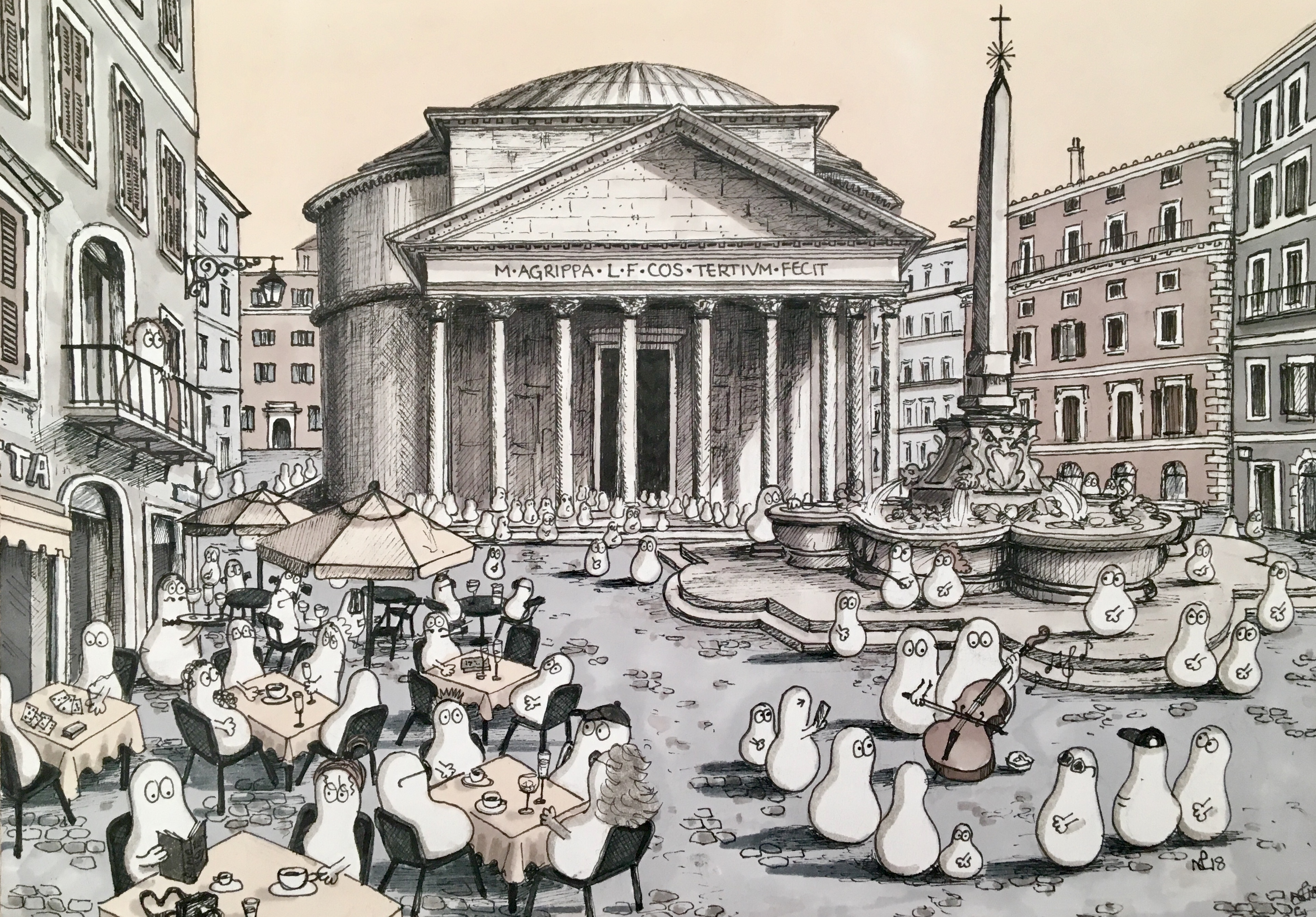
Norms in Rome | Piazza della Rotonda (©2018, Nicholas de Lacy-Brown, pen and ink on paper)

First stop: the Piazza della Rotonda, home to the most glorious and perfectly intact of all ancient Roman temples: the Pantheon, whose single-span brilliant concrete dome complete with illuminative ocular continues to defy architects to this day, and reminds the Norms of their own rotund figures. Outside that great Temple of the Romans, the Piazza bustles to the trickle of one of Rome’s many Papal fountains, while in buildings all around, cafes spill out onto the cobbles and enable the Norms to enjoy their favourite tipples to the accompaniment of street cellists and their assistants (for Norms only have one arm – playing a cello alone would be a challenge).

When in Rome, do as the Romans do – it’s the norm retold to all visitors. Now it’s very much the norm for the Norms too, and doing like Romans is something these Norms have taken very close to their heart.

© Nicholas de Lacy-Brown and The Daily Norm, 2001-2017. Unauthorized use and/or duplication of the material, whether written work, photography or artwork, included within The Daily Norm without express and written permission from The Daily Norm’s author and/or owner is strictly prohibited. For more information on the artwork of Nicholas de Lacy-Brown, visit http://www.delacybrown.com 

Compendium // Rome > The Perfect Navona Morning

Compendium // a collection of concise but detailed information about a particular subject, especially in a book or other publication. The word says it all, and as The Daily Norm enters a new millennia of posts and travel shares, I have decided to collect thoughts and tips from my own travels in a series of Compendia. Starting in Rome.

Rome is not just a city. It is an experience ripe like an overflowing cornucopia of delicious fruit, waiting to be savoured across a broad spectrum enveloped in richly historical heritage, diva attitude and unabashed street-by-street beauty all bathed in the most glorious terracotta light. But its global reach today is as mighty as its ancient Empire two millennia ago, not so much for its political prowess but for its tourist pull. So to do Rome well, you need to avoid the pitfalls, the dodgy restaurants, and wherever possible the flag-led, headphone-donned, selfie-stick sustained coach parties. Eugh.

DSC00903DSC00906DSC00919DSC00963DSC00985DSC00936DSC00967IMG_7056

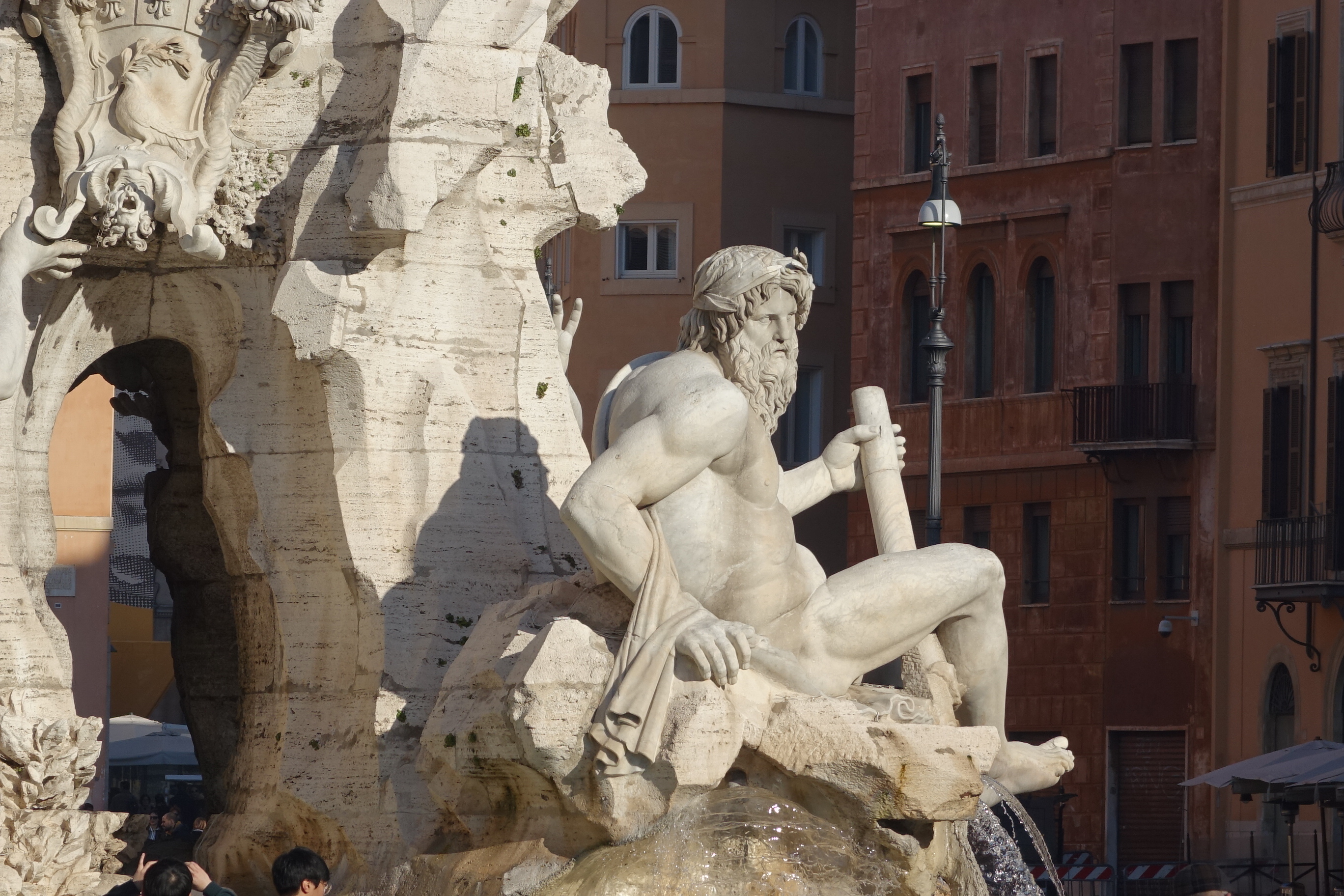
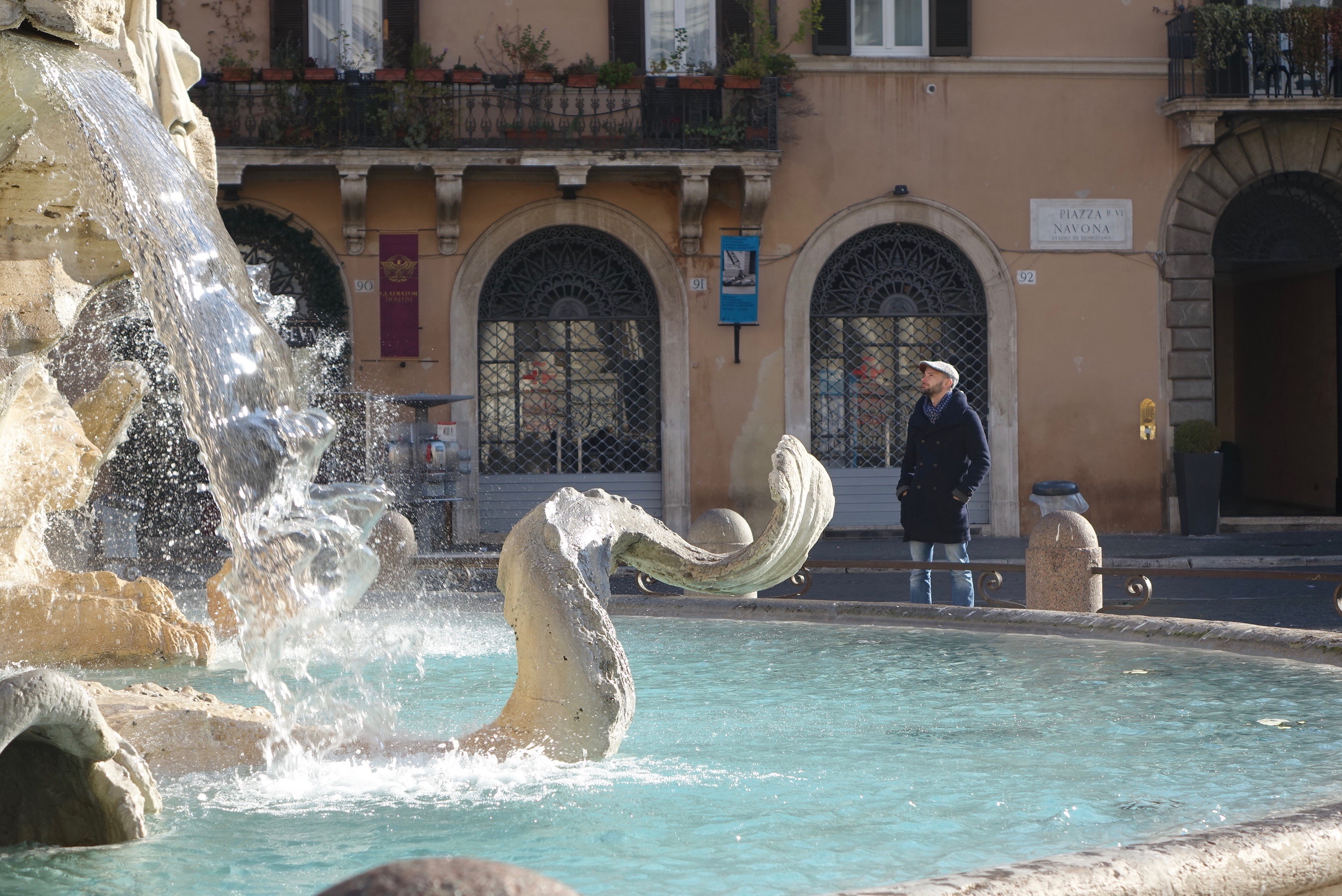
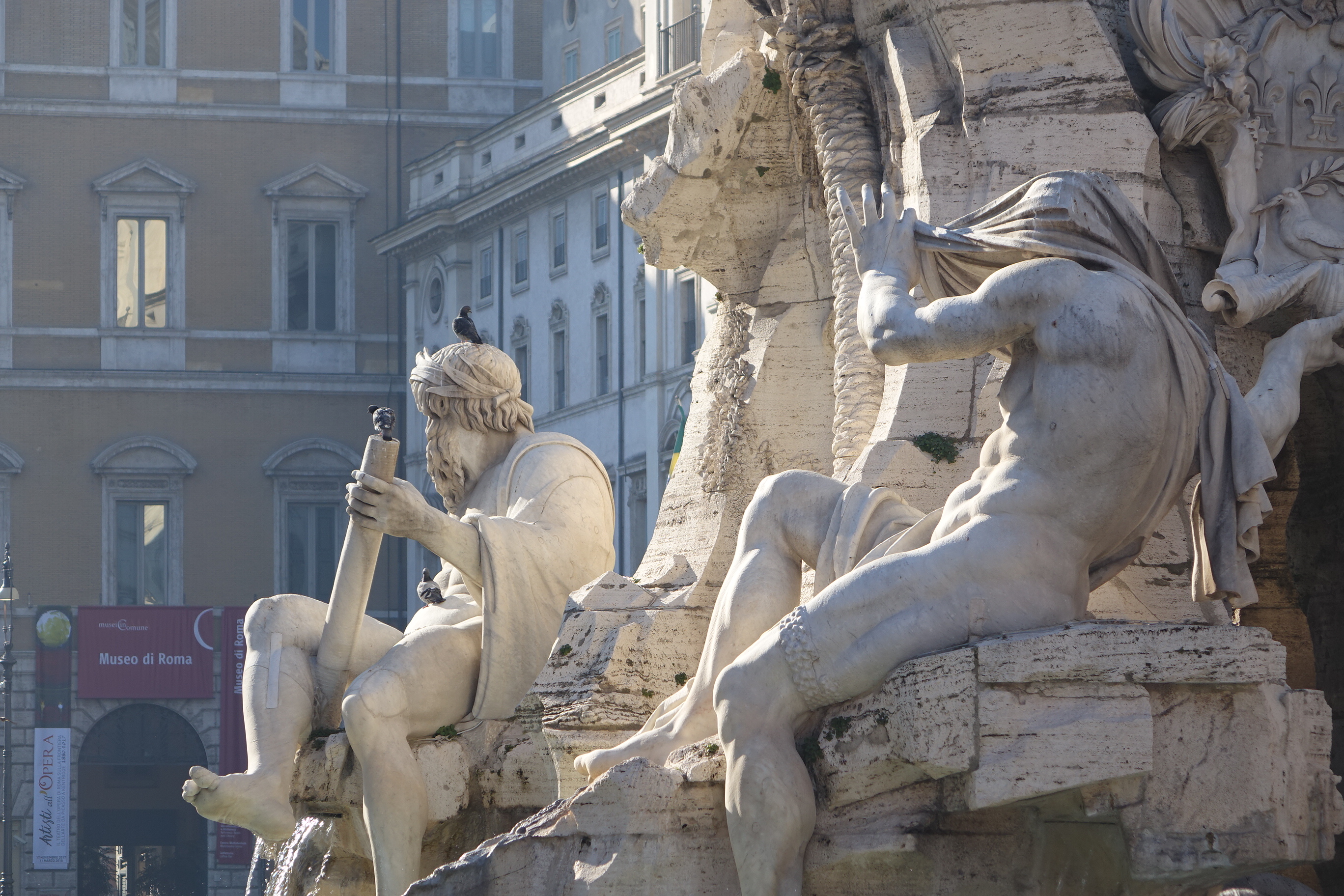
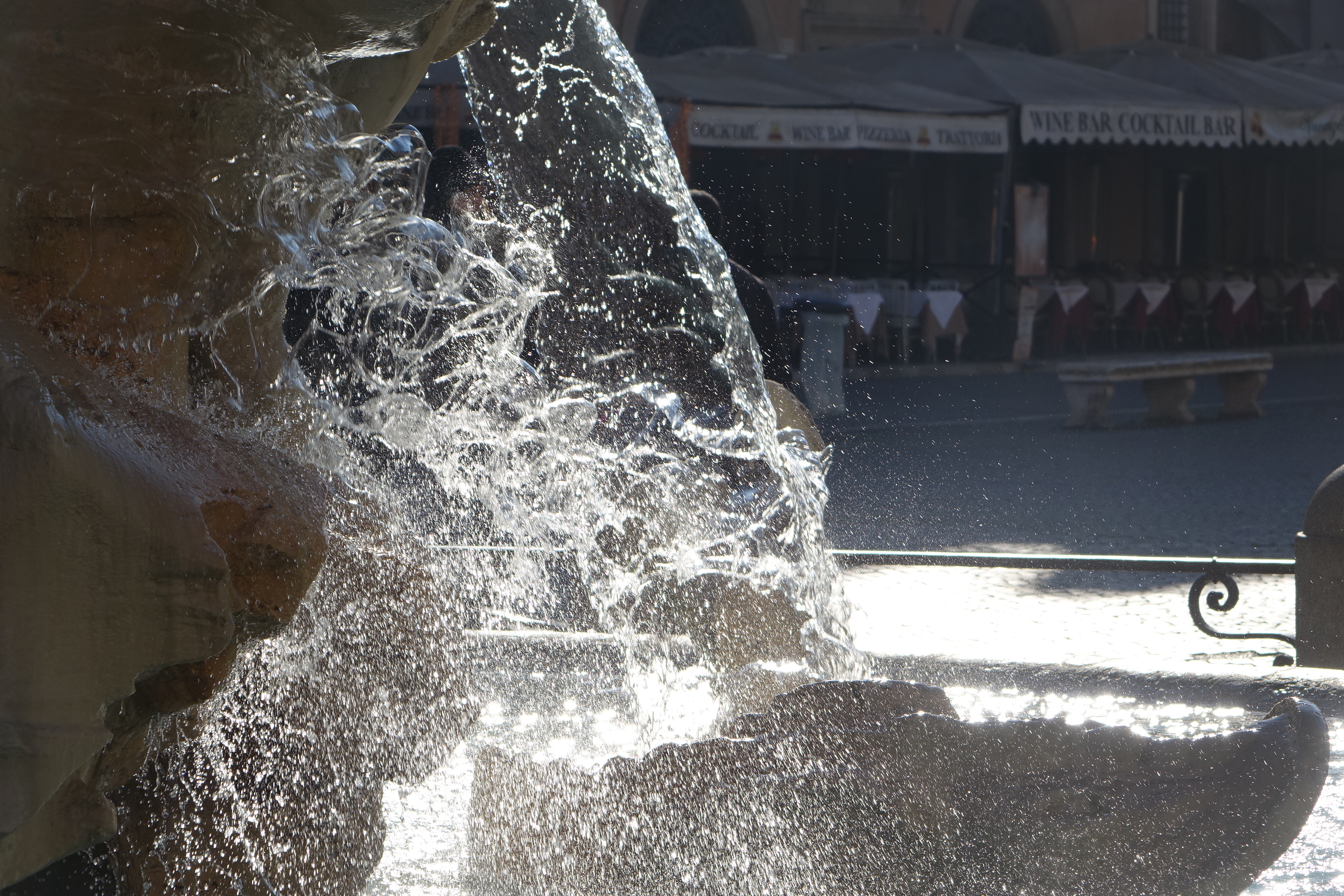
Today’s tip for doing Rome well is to get up early, and savour the delights which come of having this stunning city all to yourself. Even in January, when last I went, the sweet seduction of Rome’s ever present sun invited an early rise and made venturing into the still quiet-streets an easy exercise. Hotel location is always important, especially on a short weekender, and my locality, mere steps from the Piazza Navona, meant that I could enjoy this most spectacular of Roman Piazzas as the first rays of Winter sunshine hit the sculptural masterpieces which have made the Square such an icon of Baroque Rome.

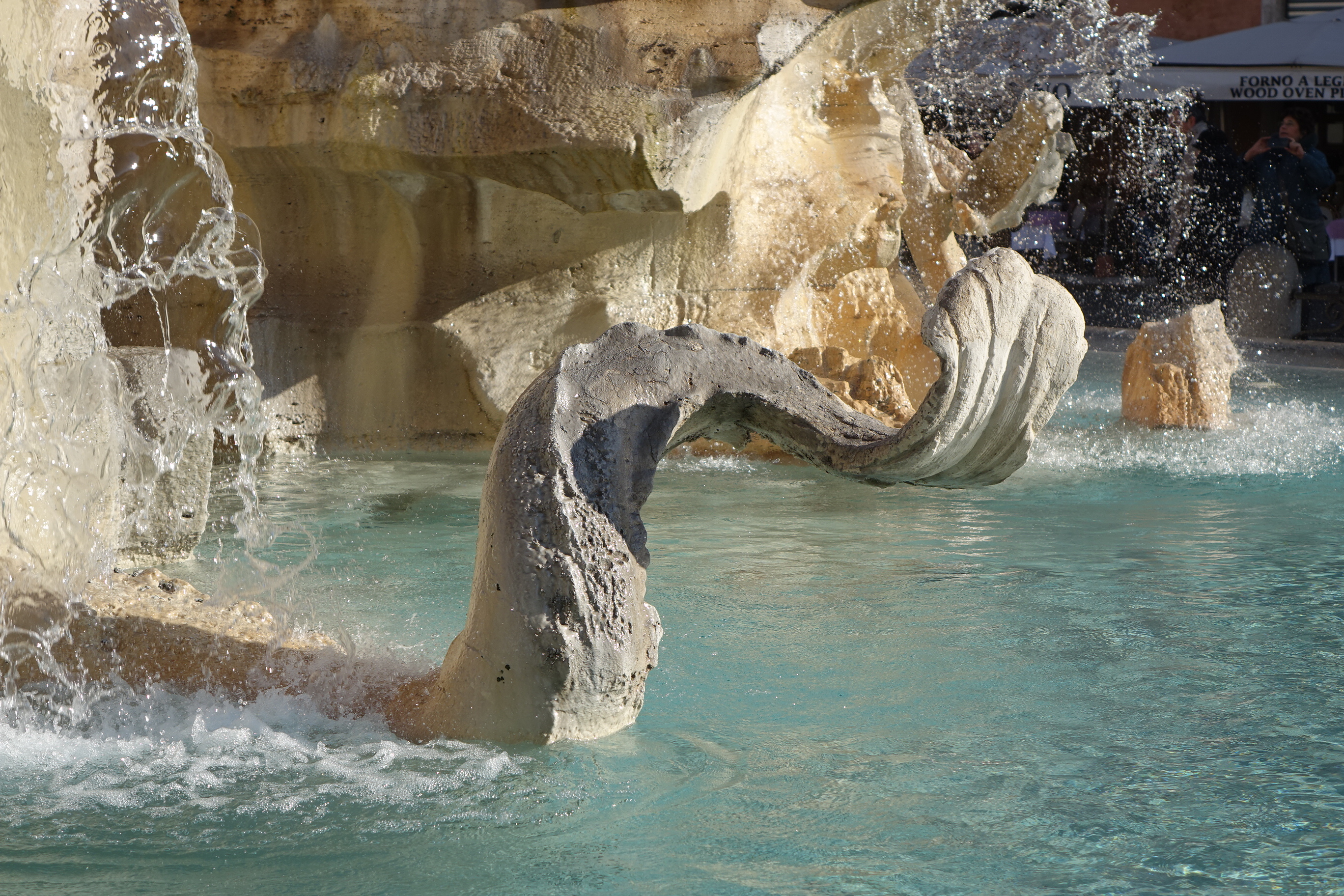
Baroque is certainly the word. For this oblong square, which lends its shape to the Stadium of Domition on whose foundations it has been built, is more of an artfest than it is a mere city space. For it was here that, at the height of Baroque splendour and Papal theatricals, Pope Innocent X commissioned Bernini to create the Fontana dei Quattro Fiumi (Fountain of the Four Rivers) as part of his grand plan to put Rome firmly back on the artistic and power-map of Europe. It is, by far, one of the most spectacular fountains you are ever likely to see, and enjoyed first thing in the morning, before those damned selfie-sticks start sneaking their way into every one of your photos, it makes for the perfect commencement to your Roman day.

DSC00926DSC00958DSC00990DSC00987DSC01007DSC00974DSC00975DSC00928DSC00942DSC00929DSC00982

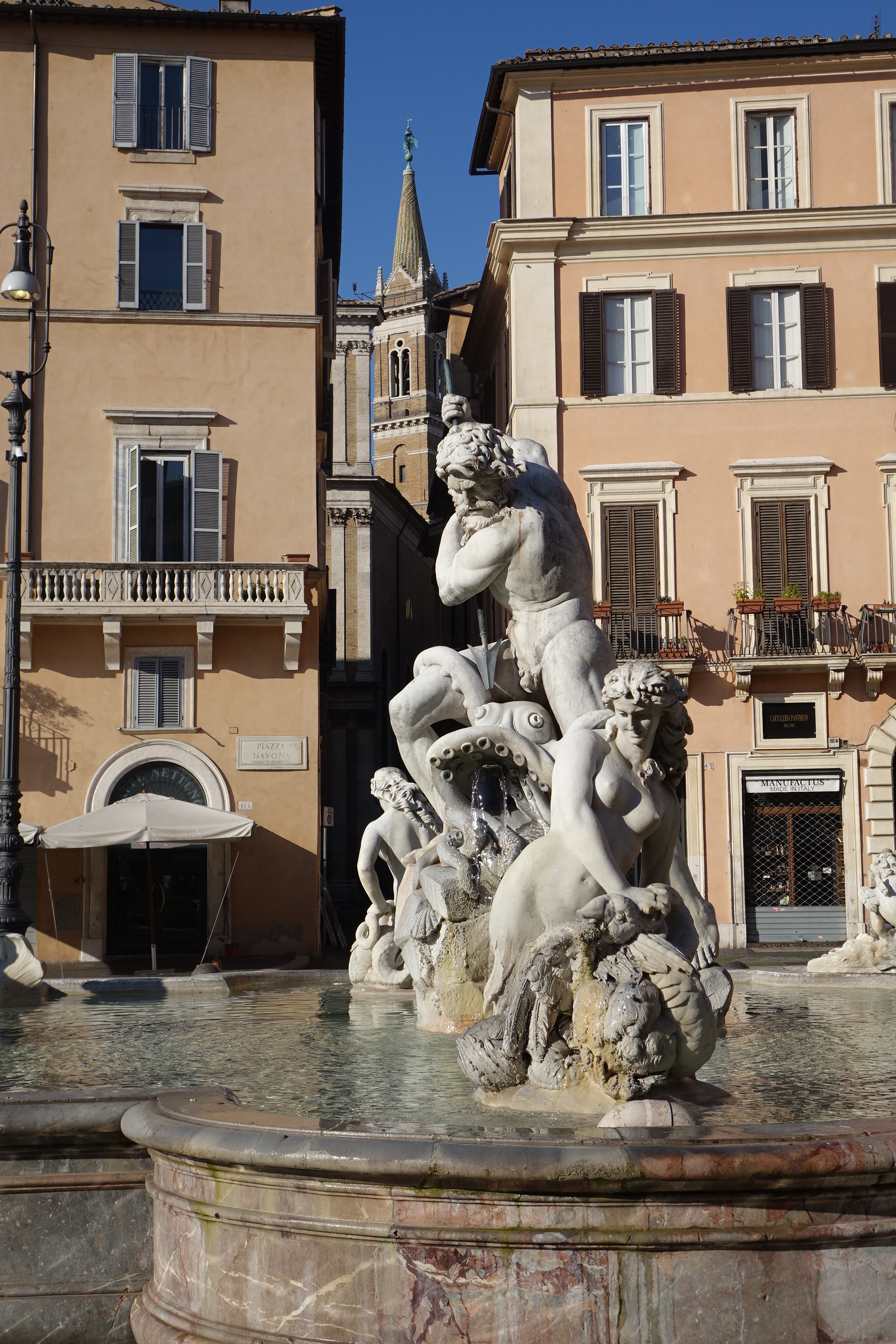
Turn away from Bernini’s masterpiece, and two other fountain wonders by Giacomo della Porta depicting a Moor wrestling with a Dolphin, and a statute of water-God Neptune respectively can be enjoyed, as can the oval encirclement of the kind of russet, terracotta, pink and butterscotch buildings which make Rome such a year-round place of warmth and splendour. Then, once you’ve soaked in this highlight of Rome, sneak in another anti-crowd coup, and head to my favourite cafe in all of Rome: Caffe Tazza d’Oro on the Piazza della Rotunda, where a simple pastry and a coffee taken standing up at the bar, Italian style, takes on new Roman authenticity, especially with the immaculate ancient Pantheon stands just outside the door.

© Nicholas de Lacy-Brown and The Daily Norm, 2018. Unauthorised use and/or duplication of the material, whether written work, photography or artwork, included within The Daily Norm without express and written permission from The Daily Norm’s author and/or owner is strictly prohibited.
Magnificent Milano (Part 6): Stazione Centrale

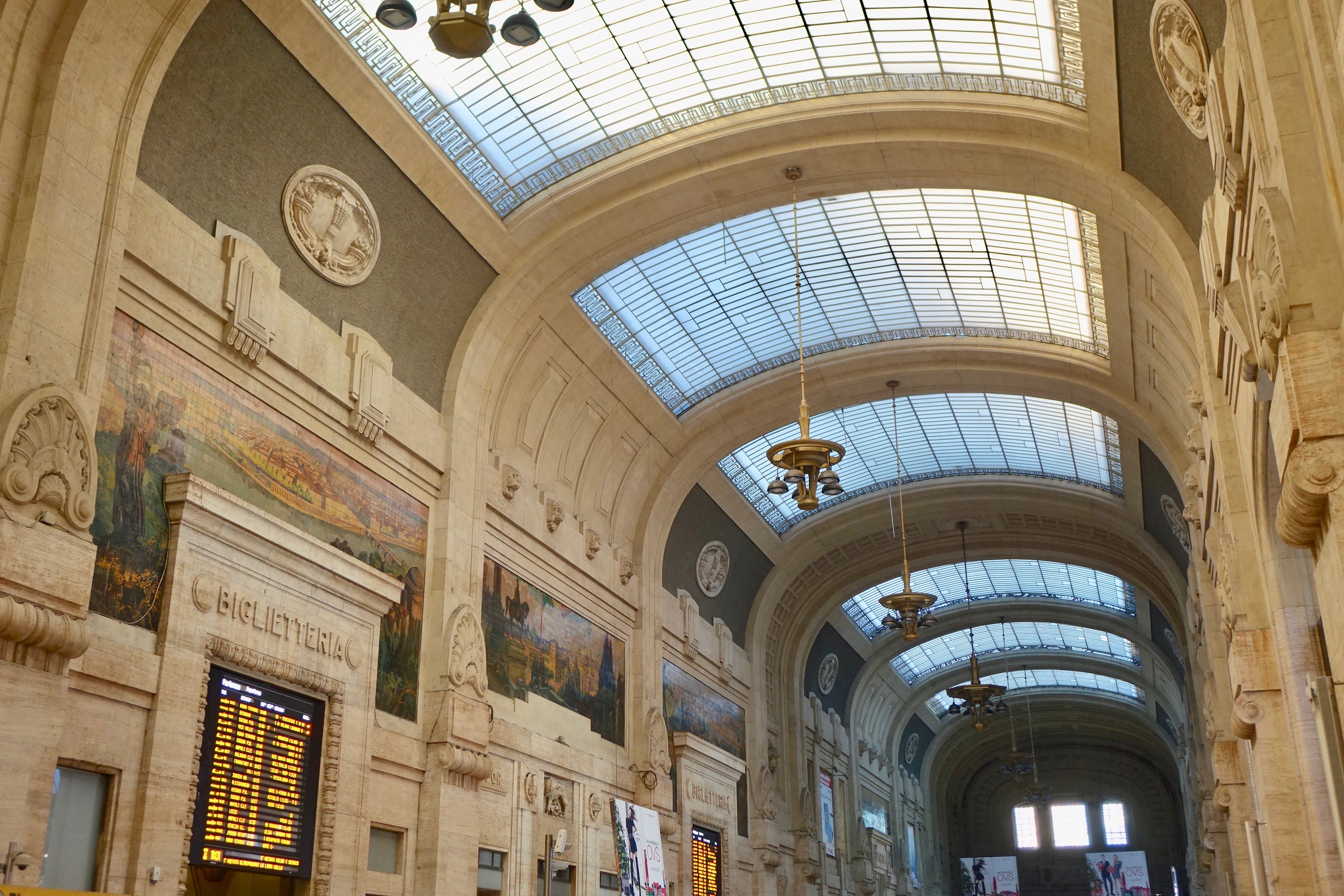
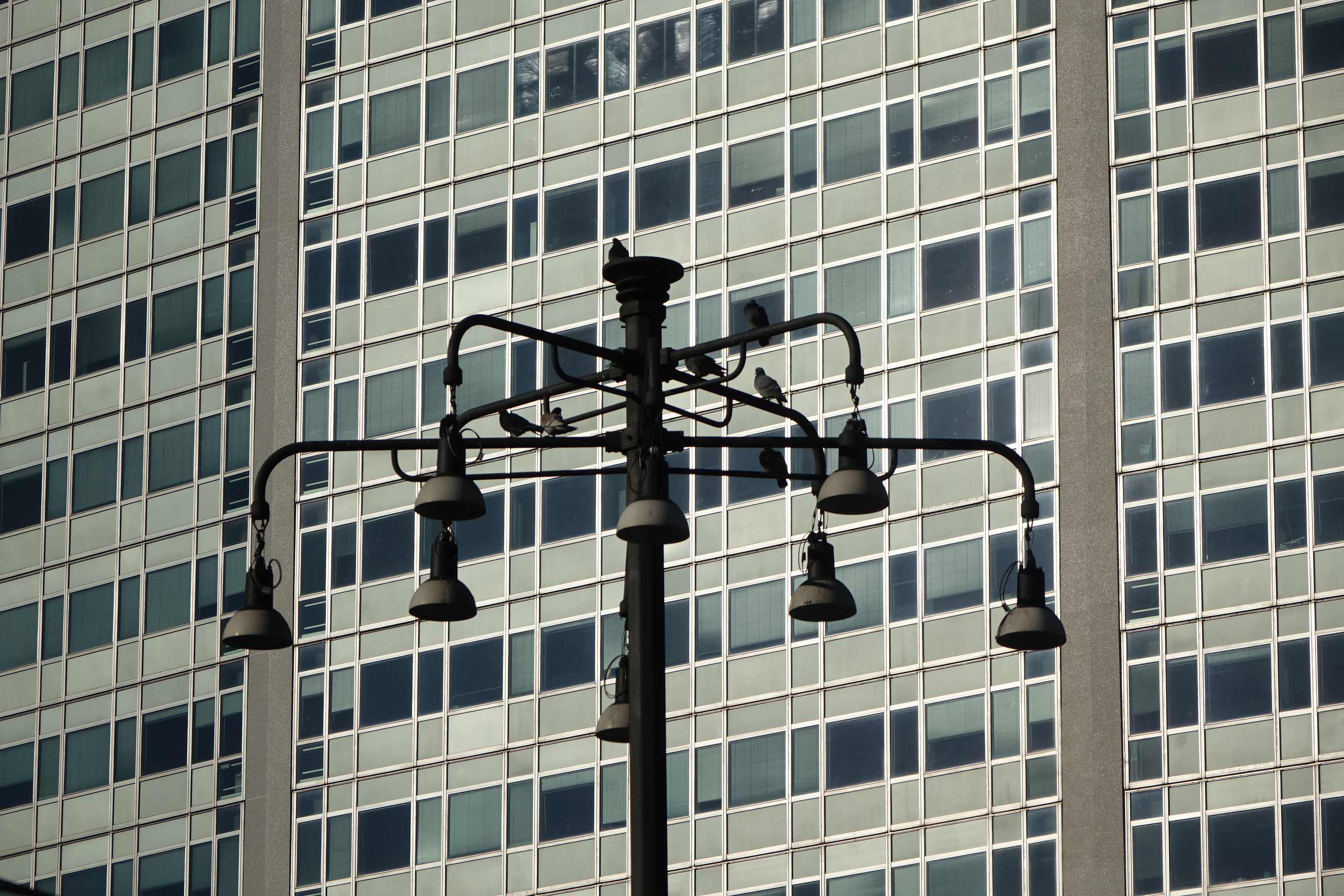
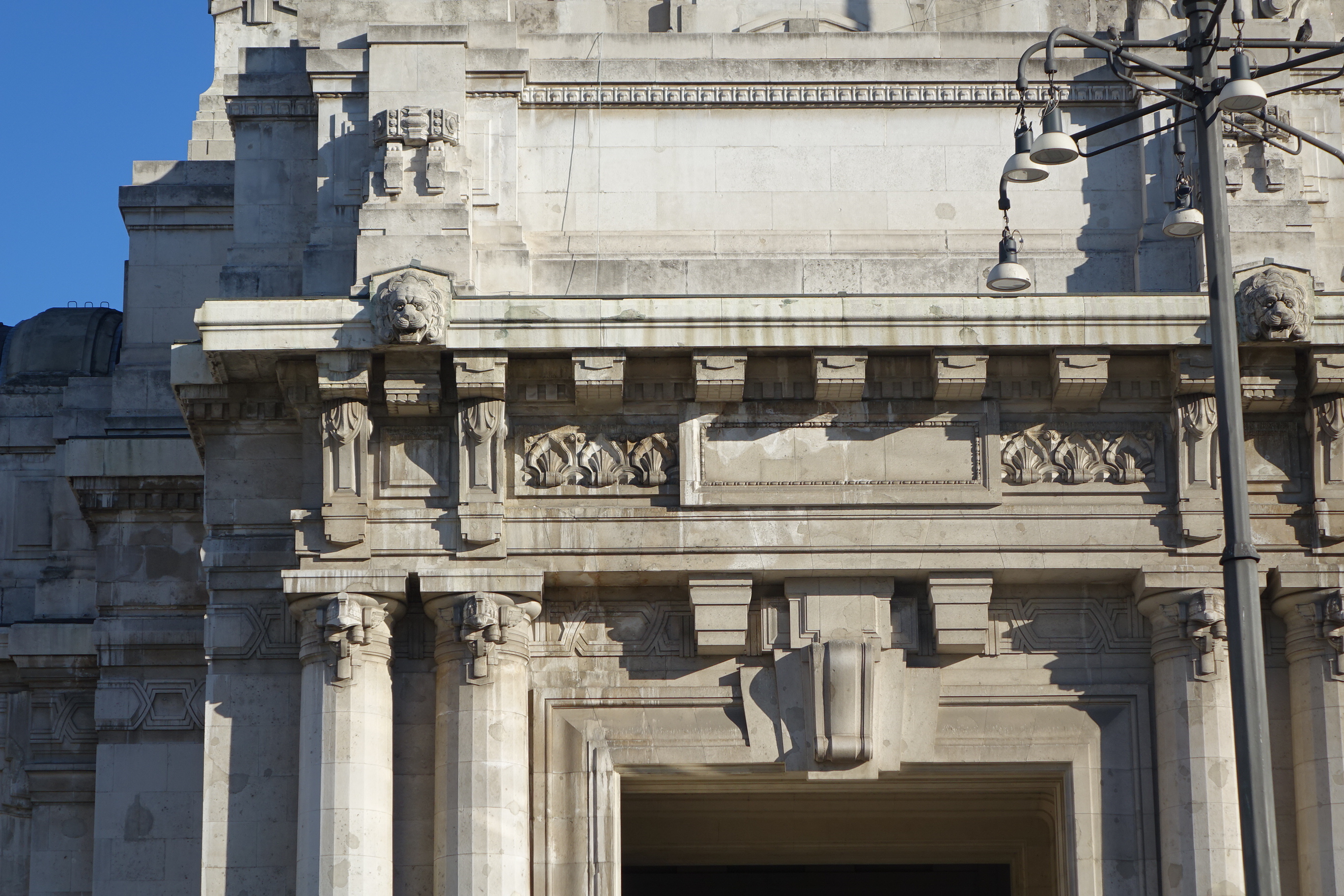
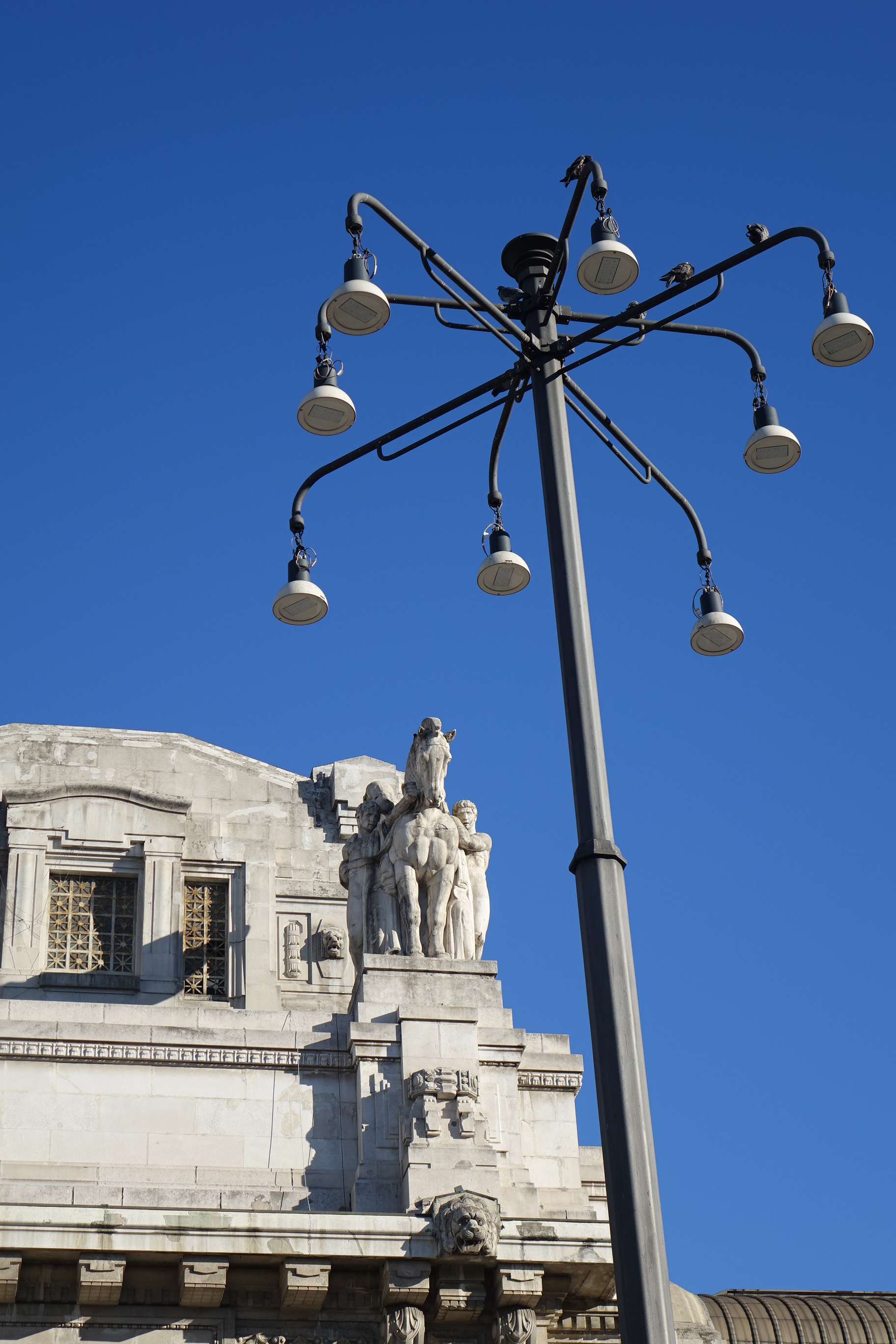
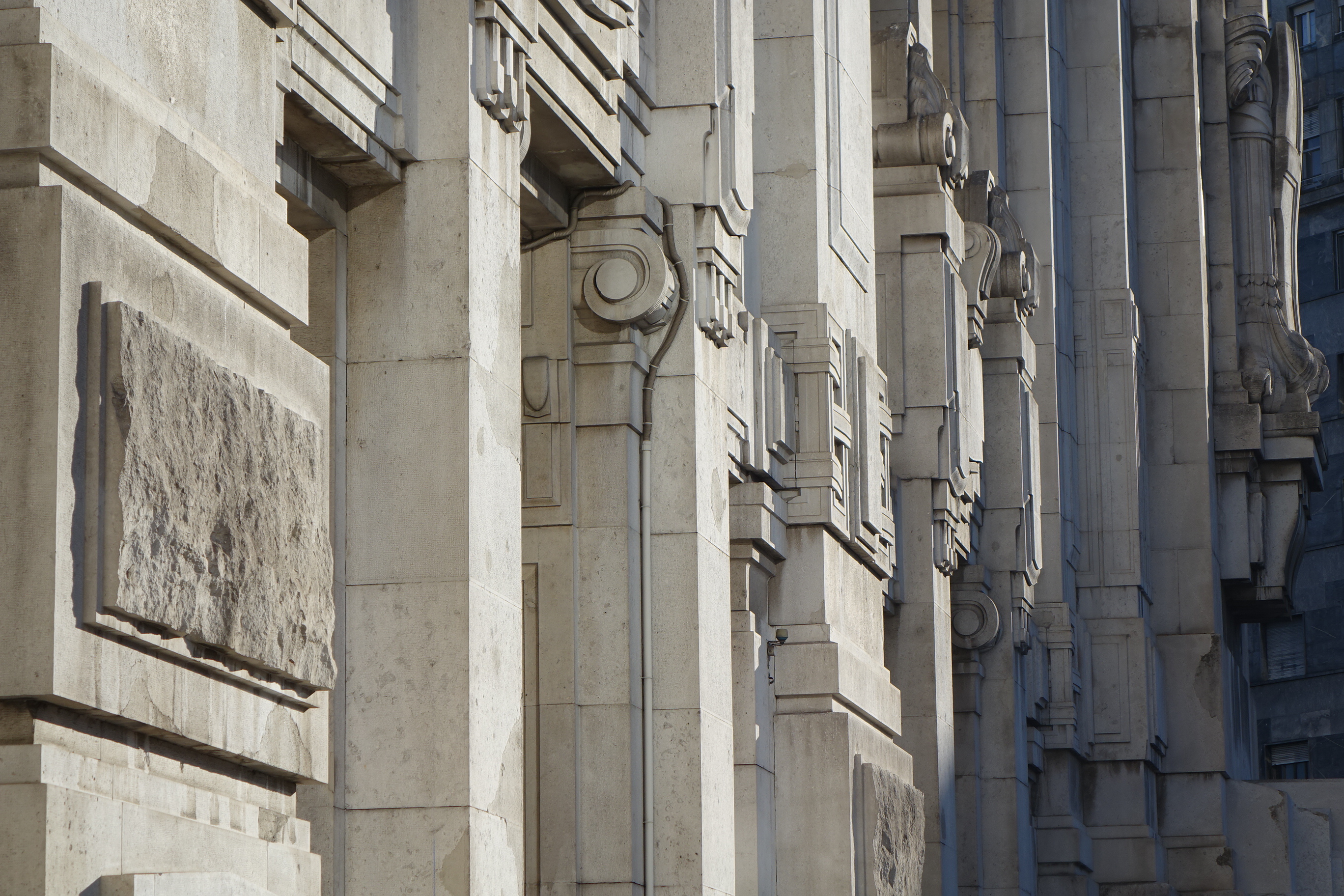
It’s not often when you leave a city that you start snapping away with your camera, but with the stupendous scale and majesty of its liberty-style architecture, the Stazione Centrale of Milan makes for one hell of a farewell. Inaugurated in 1931, and heavily influenced by the onset of Italy’s Fascist age of might and power, the building pronounces Milan and Italy a true powerhouse of the modern age and a gateway to the advanced engineering which meant that Milan was connected through vast railway tunnels running North through the Alps, and along endless expanses of track traversing the Italian peninsula.

DSC09440DSC09402DSC09435DSC09422DSC09413DSC09399DSC09442DSC09415

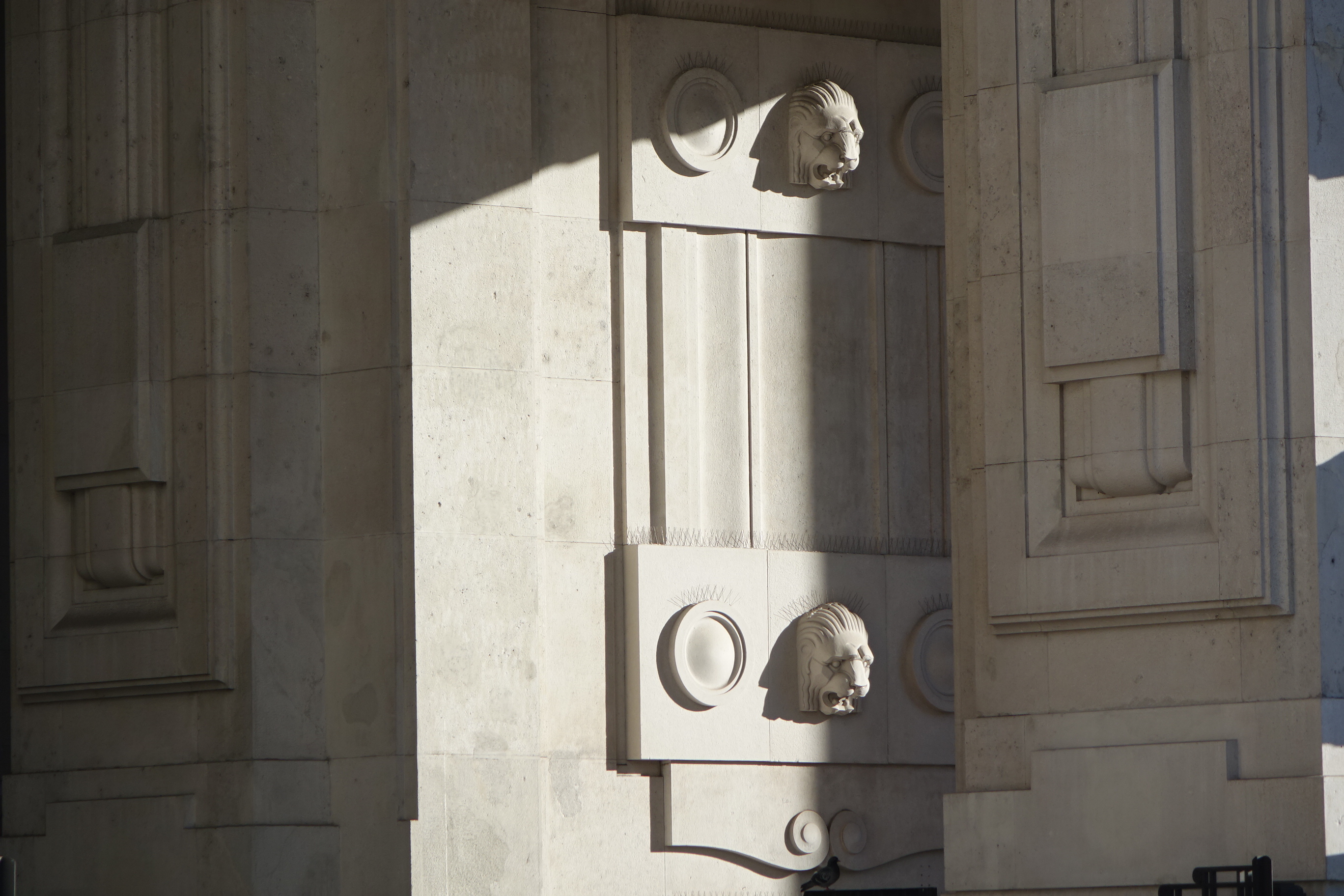
It’s hard to know where to look. While passengers may be accustomed to concentrating on the departures board, Milan’s central station is itself a masterpiece of art which beckons the viewer to look beyond the travel information and up into the soaring 72 metre height of its great loft ceilings, and over the art deco lines and cubist sculptures which represent, in very Fascist terms, the will of the worker and the strength of Milan as Italy’s industrial capital.

DSC09397DSC09420DSC09409DSC09388DSC09401DSC09391DSC09394DSC09390

The station is mightily impressive. You have to traverse three huge entrance porticos before you even reach the 24 platforms, each bigger than the one before and displaying new feats of architectural engineering and decorative brilliance. What can be termed as “halls” are each double the size of your average city train station, and pack their punch in aesthetic excellence and awe-inspiring impact.

It made leaving Milan that sunny blue-sky day all the more difficult, but think how it must impress as a gateway to the city? Whether it be political propaganda or a testament to design, the Stazione Centrale is a true icon of its age, and seeing it was a magnificent end to our Milanese Odyssey. Arrivederci Milano… we will return to revel in your splendour one day soon.

IMG_6162

© Nicholas de Lacy-Brown and The Daily Norm, 2011-2018. Unauthorised use and/or duplication of the material, whether written work, photography or artwork, included within The Daily Norm without express and written permission from The Daily Norm’s author and/or owner is strictly prohibited.

Magnificent Milano (Part 5): Città di Notte

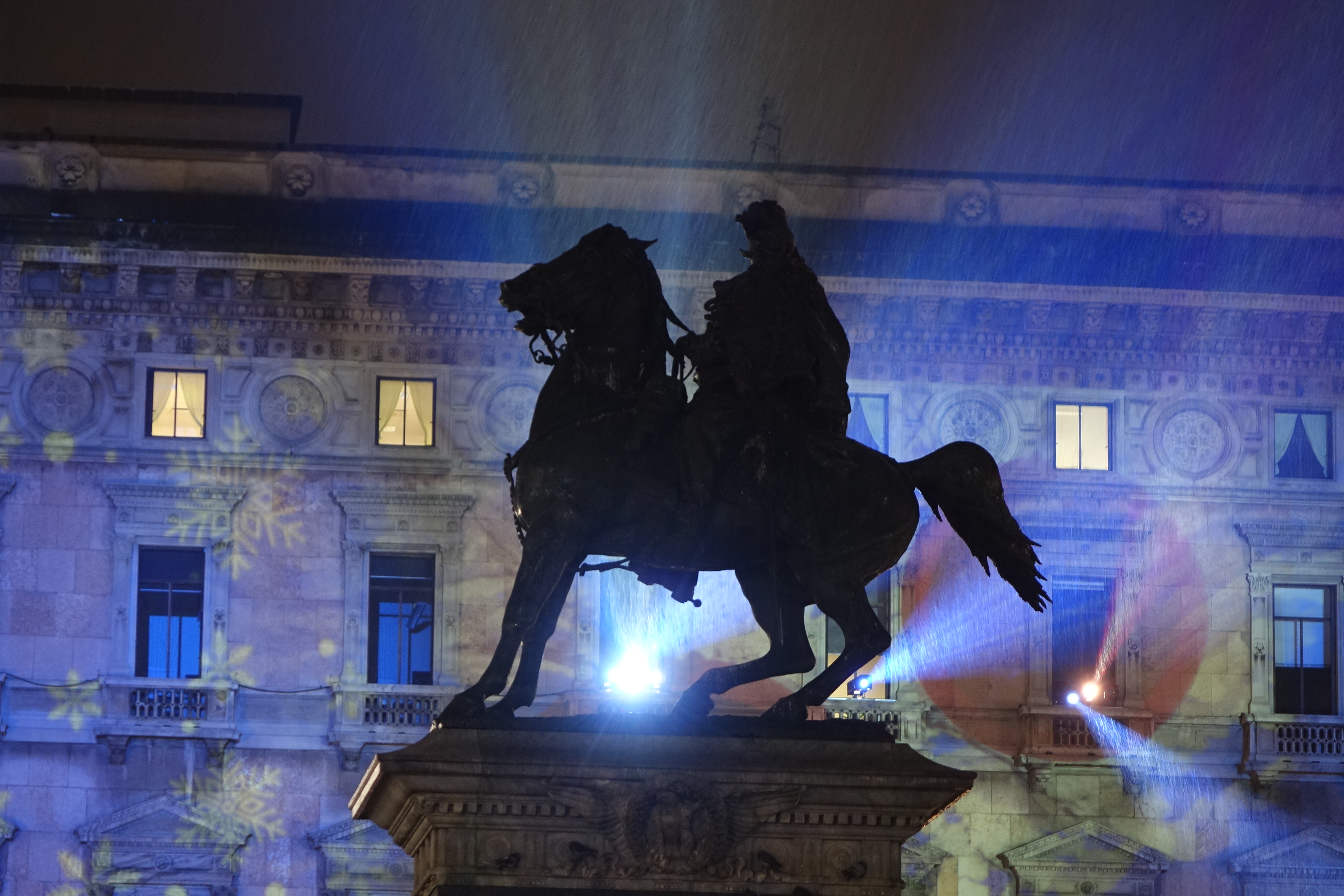
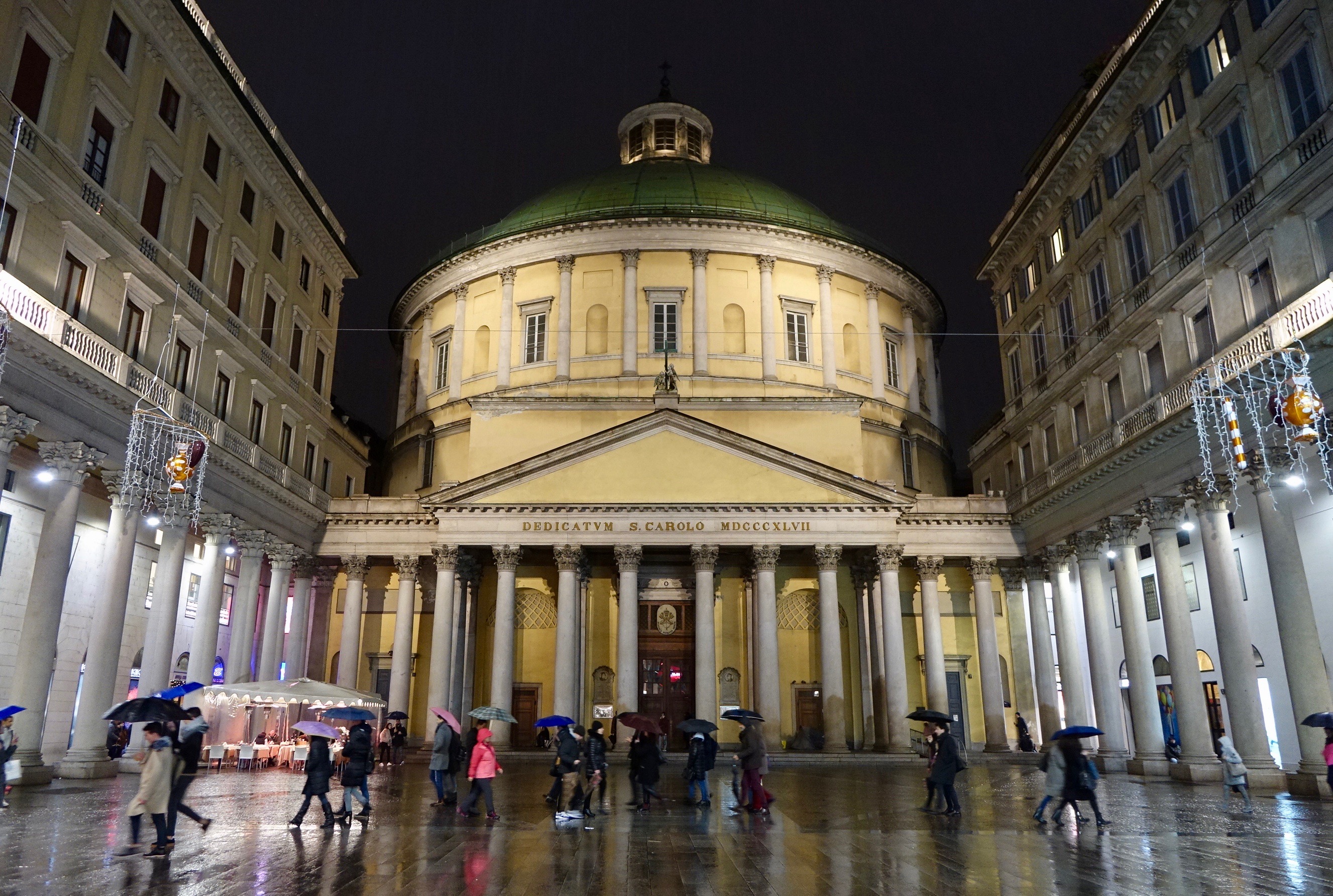
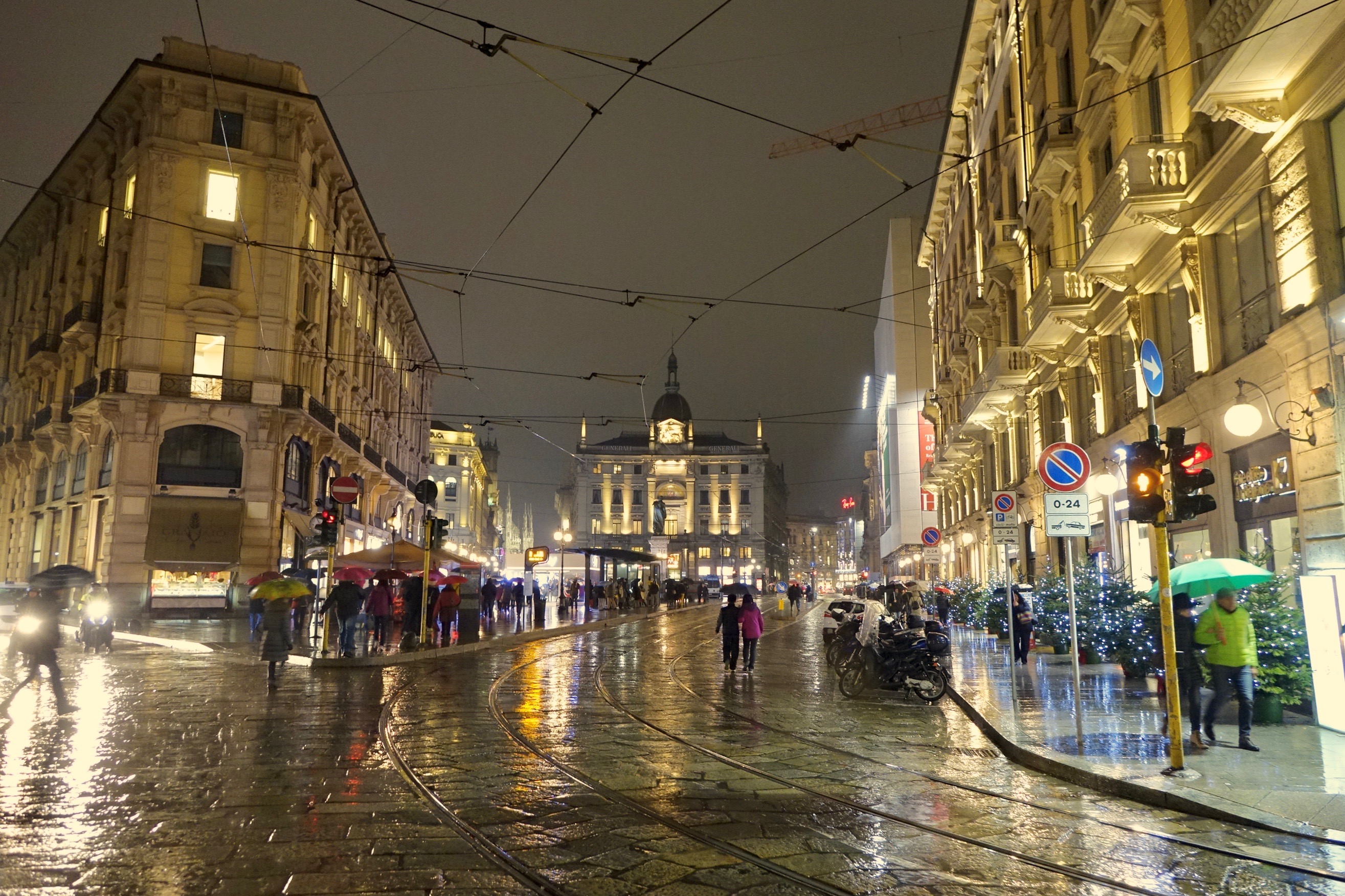
I feel as though this is progressively becoming a one-man crusade to prove the beauty of Milan. Even the other day, when I spoke of our travels, my dinner companion piped up: “ah yes, Milan is ugly so they say”. No! I protested, as I proceeded to upload the pages of  The Daily Norm on my phone. And now that you’ve seen the famous Duomo in all its guises together with Milan in its sparkling sunlit state, I thought I would further demonstrate the beauty of this Northern Italian city by showing yet another facet of its elegant urban character: Milan by Night.

DSC08843DSC08819IMG_6016DSC08857DSC09383

I don’t have many photos to share – you know that cameras (or at least the photographer) can be a little shaky at night – but those I do have show something of the vivacity of a city which is emboldened after hours, as the city comes alive with thousands of sparkling lights, and its iconic buildings take on a new robust character which makes them pop from amongst their unlit neighbours. Milan is a city known for its intemperate rain showers, and this we experienced on our first night in the city. But the result was to scatter those street lights across every wet reflective surface making, to my mind, an even more beautiful pictorial celebration of Milan by moonlight.

DSC08859DSC09376DSC09035DSC08929DSC08845

© Nicholas de Lacy-Brown and The Daily Norm, 2011-2018. Unauthorised use and/or duplication of the material, whether written work, photography or artwork, included within The Daily Norm without express and written permission from The Daily Norm’s author and/or owner is strictly prohibited.

Magnificent Milano (Part 4): The Duomo, Rooftop forest

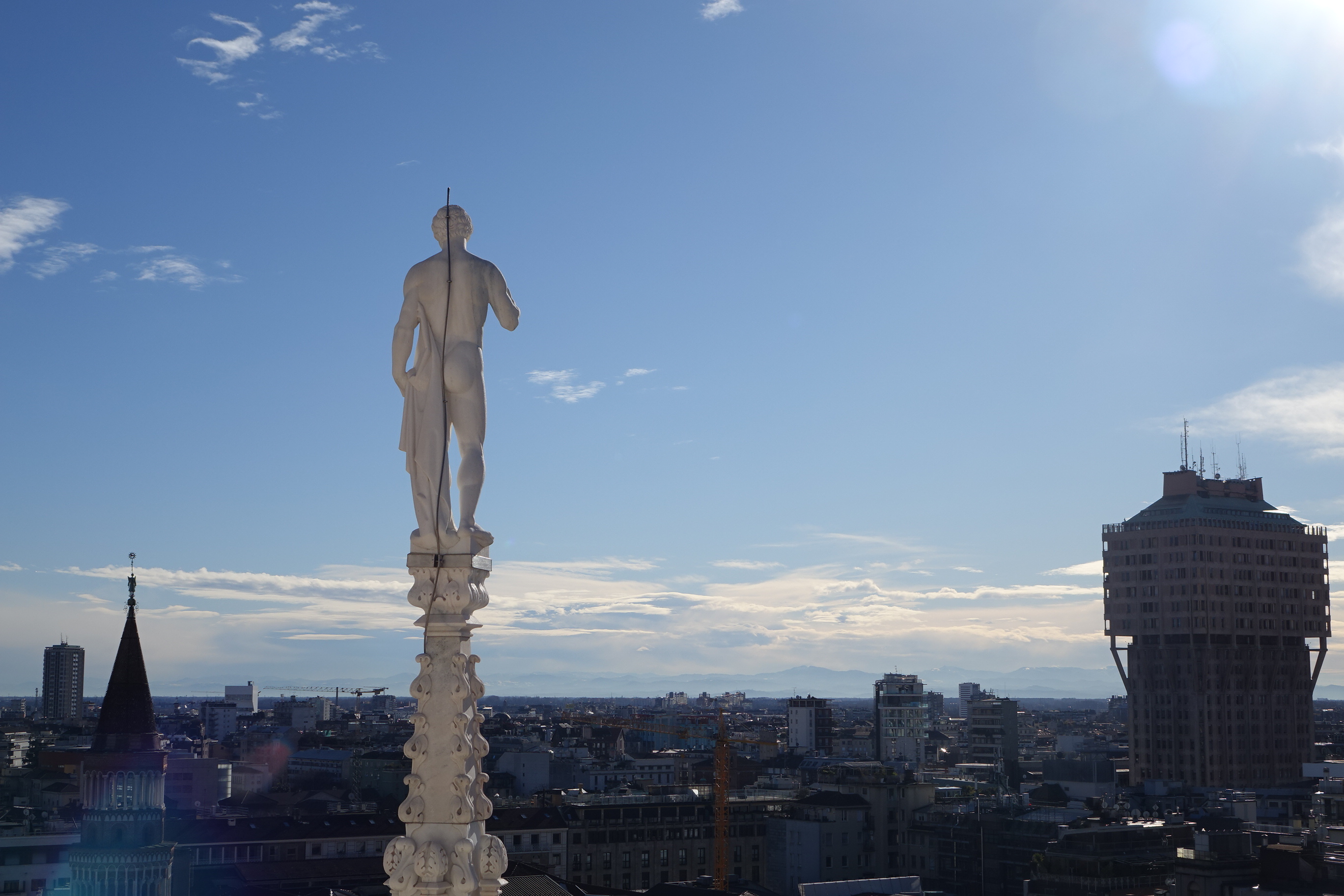
In fashioning the most extravagantly elegantly shaped dresses and forging trends to go bankrupt for, the designers of Milan are merely following in the footsteps of their city forefathers who constructed a Cathedral to wow, inside and out. And while their objective was most certainly achieved in all the most conspicuous of places, they didn’t fall short of embellishing even those sections seen more regularly by the birds than by the faithful down below. For the Duomo’s rooftop is every bit as beautiful as its marble facade and its stunning grandiose interior. In fact to my mind, it’s the icing on the cake, and the cherry on top all rolled into one magnificent exhibition of man’s greatest craftsmanship.

DSC09121DSC09101DSC09106DSC09135DSC09115DSC09138DSC09110

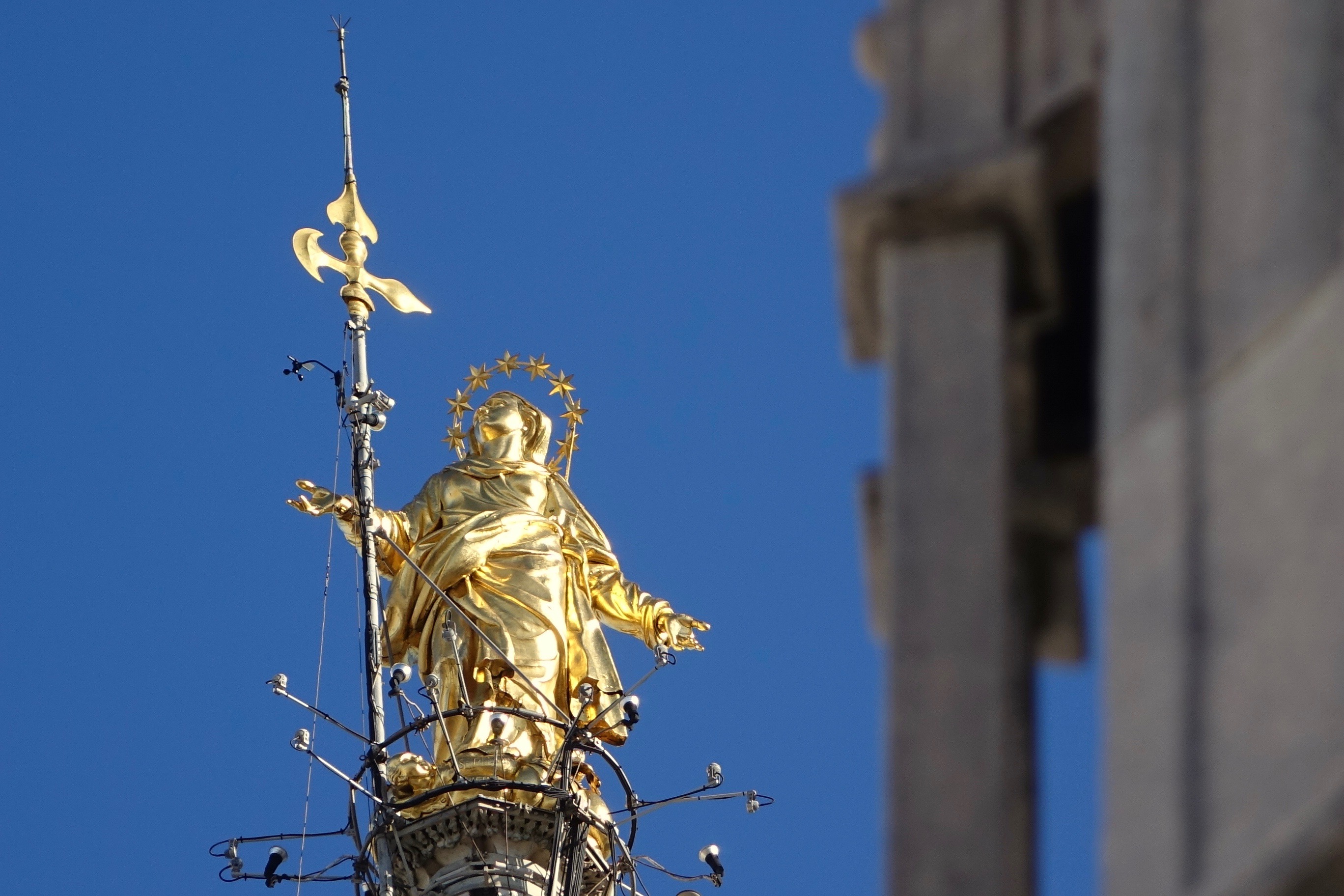
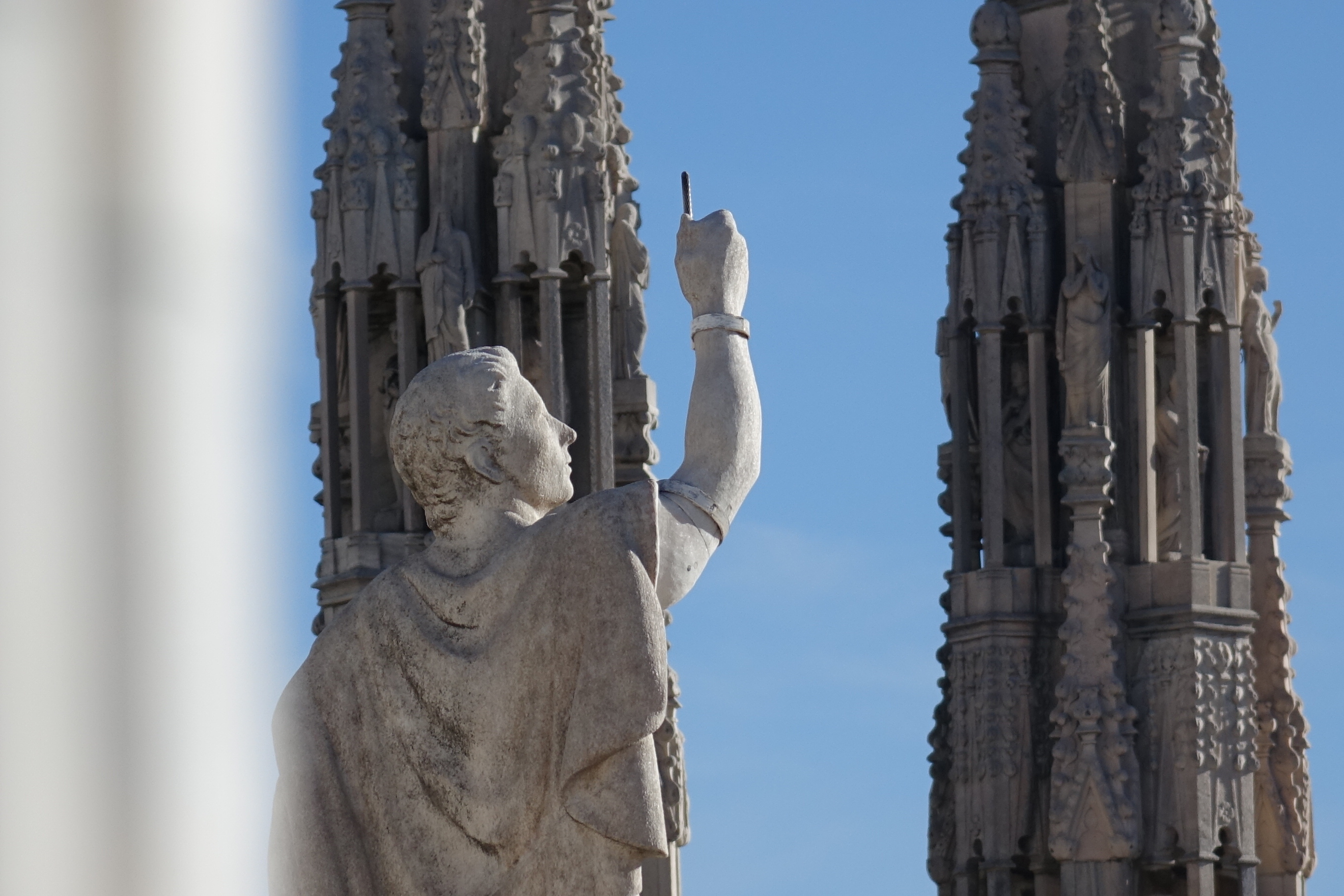
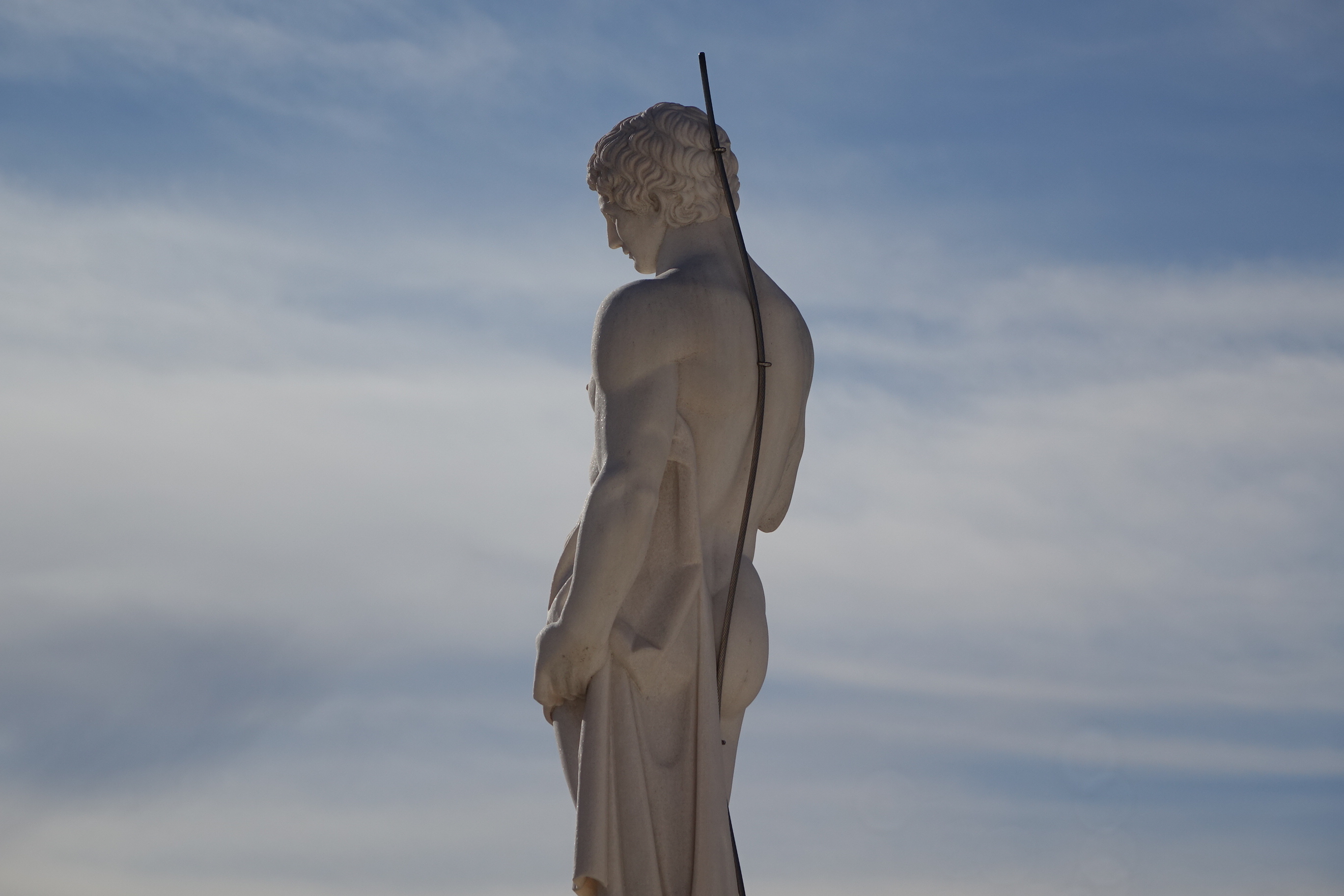
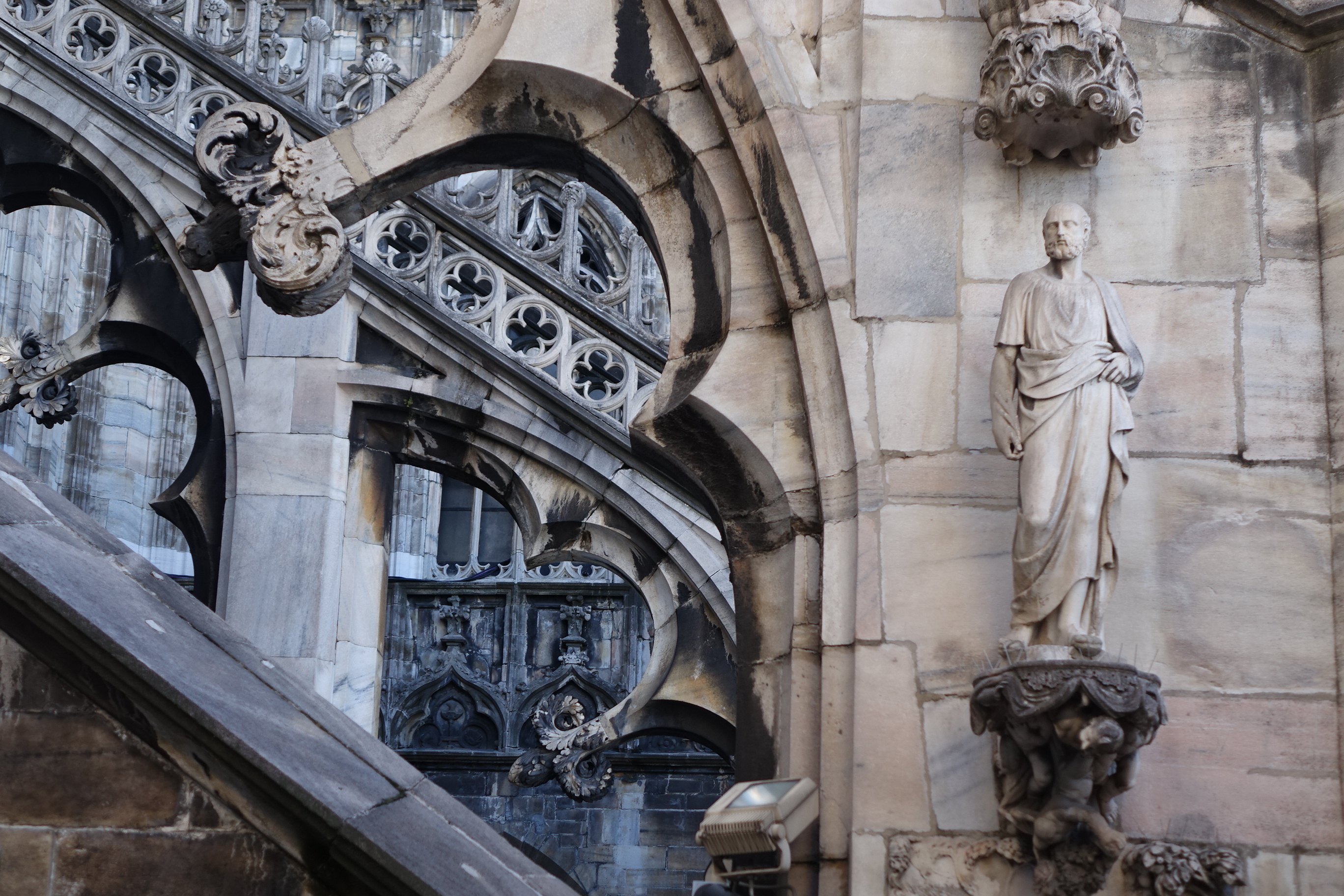
The roof of the Duomo of Milan is a veritable forest of marble Gothic spires (some 135 in all) topped by perfectly sculpted images of the saints, flowers and gargoyles. These upward thrusts of stone are coupled with gently arching buttresses which support the nave and make the initial approach along one side of the building and up to the central section a real treat of overlapping stone. Once on the very top, you need to have both a head for heights and a steady footing, as you literally walk on the sloping sides of the vaulted ceiling. But if you suffer from vertigo, think of Mary, whose golden statue still looks minuscule, even from the roof, as it soars upwards hundreds of metres into the sky.

DSC09102DSC09128DSC09145DSC09116DSC09153DSC09139

But perhaps the greatest aspect of the roof is the view. Behind the spires and the ancient statues is a city skyline progressing fast with the times. Out of the shadow of modernista palazzos, a vibrant new landscape of skyscrapers and apartment blocks is growing, from Ponti and Pier Lugui Nervi’s iconic Pirelli Tower, to the more recent, twisting form of Zaha Hadid’s Generali Tower or the strangely verdant Bosco Verticale by Stefano Boeri. It’s ancient meets modern, which more or less sums up the character of Milan: A city forging way ahead of many of its ancient Italian cousins, but retaining at its heart one of the most impressive historical buildings of them all: the Duomo.

DSC09142DSC09124DSC09149DSC09095DSC09127DSC09118

© Nicholas de Lacy-Brown and The Daily Norm, 2011-2018. Unauthorised use and/or duplication of the material, whether written work, photography or artwork, included within The Daily Norm without express and written permission from The Daily Norm’s author and/or owner is strictly prohibited.

Magnificent Milano (Part 3): The Duomo, Inside and Out

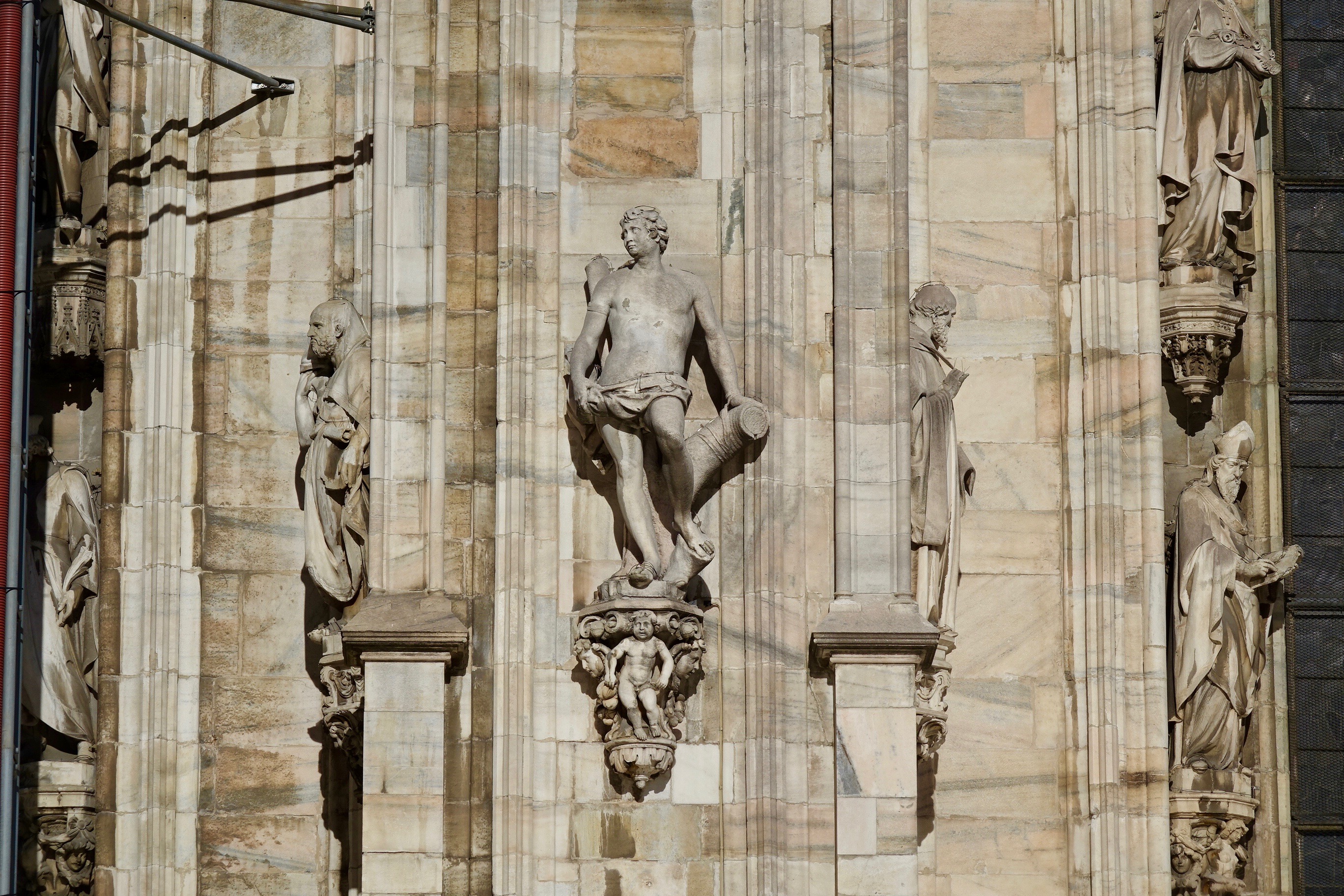
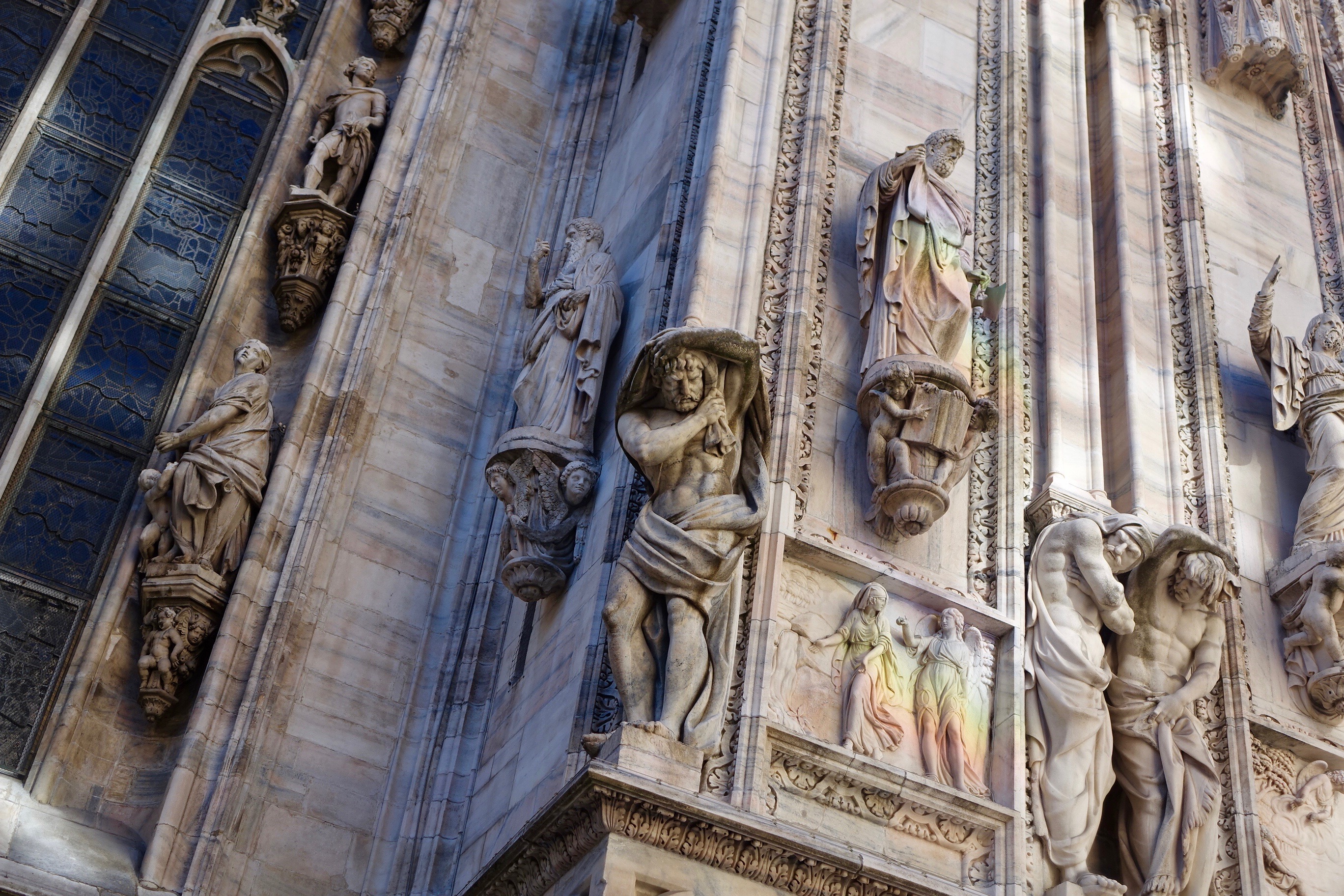
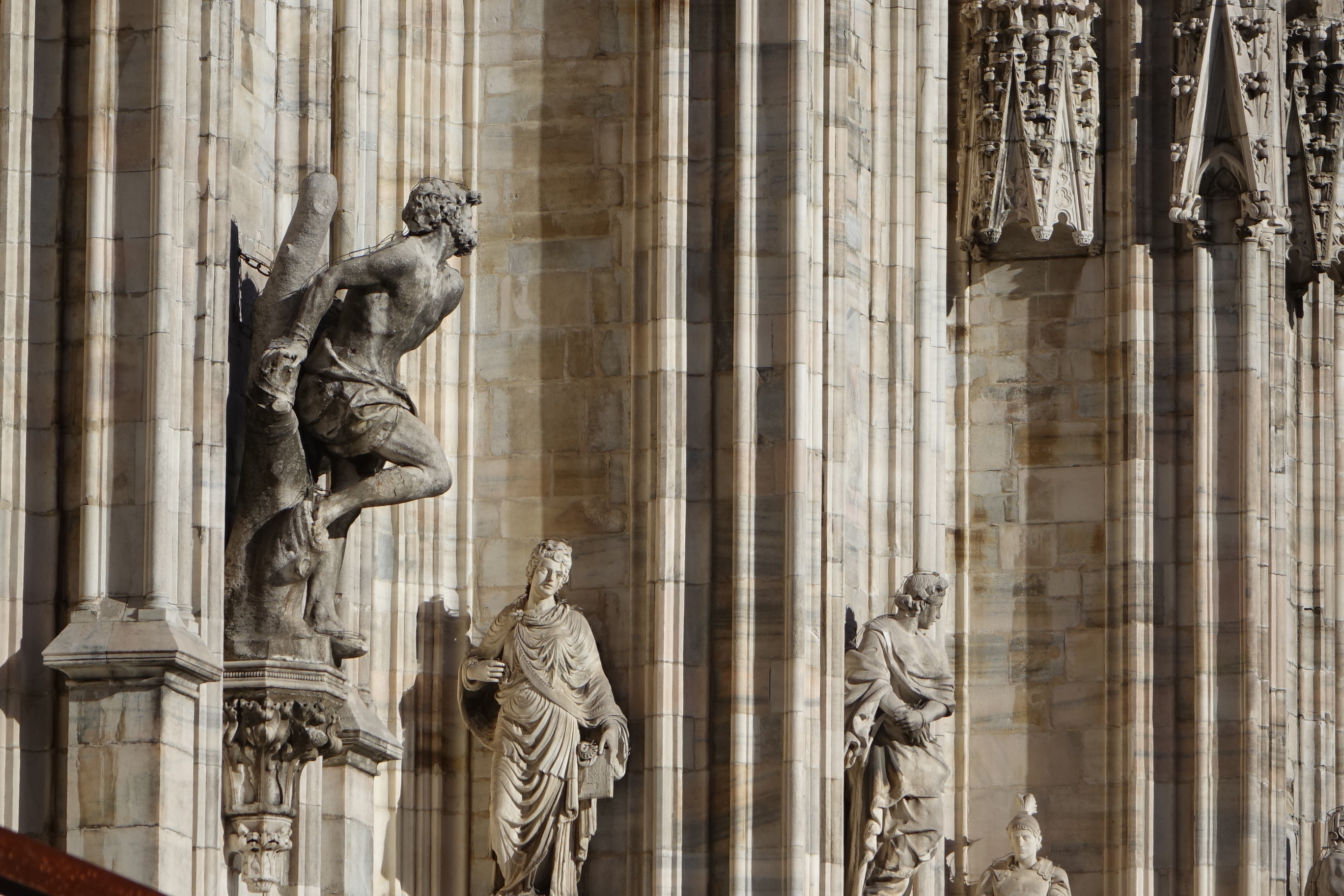
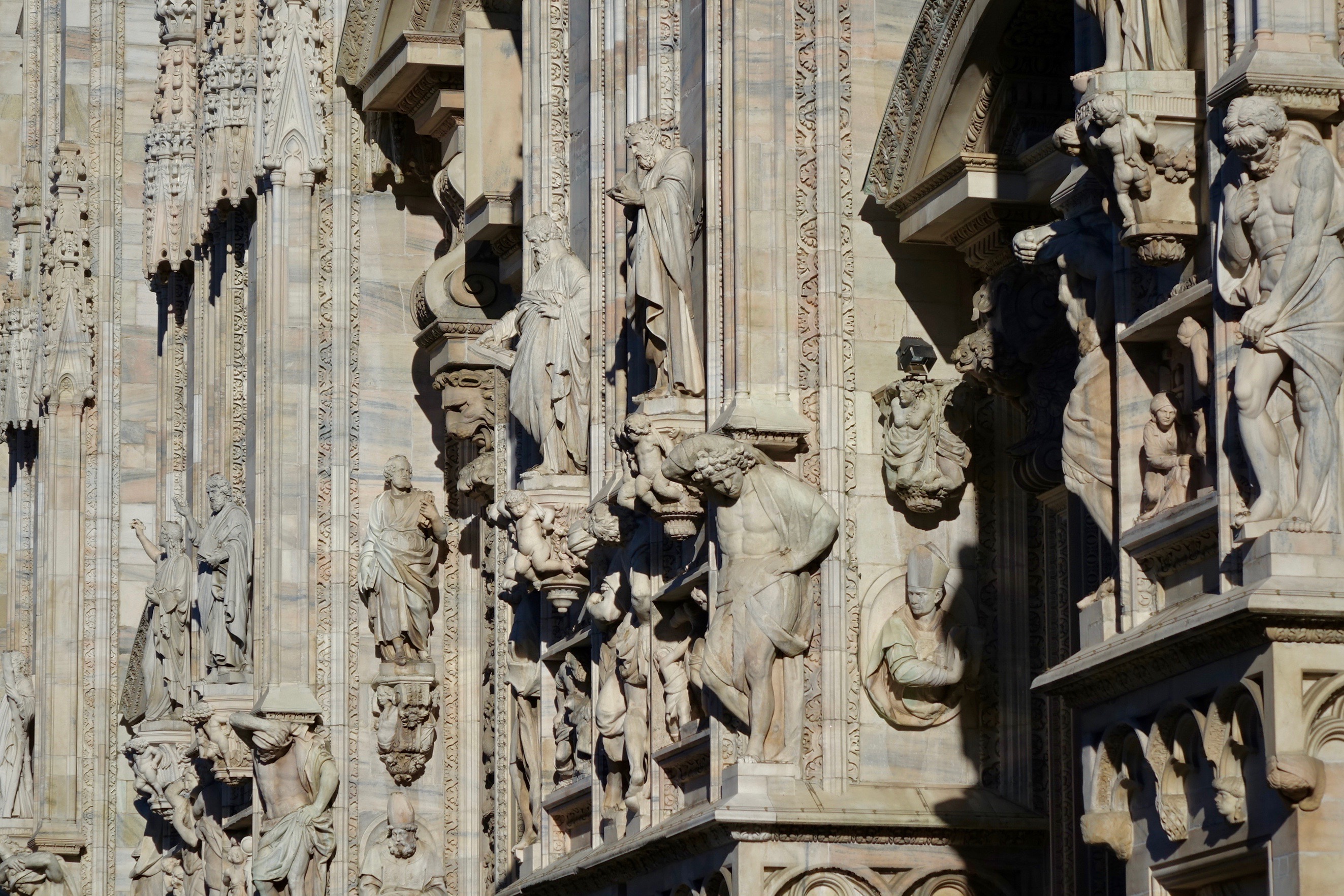
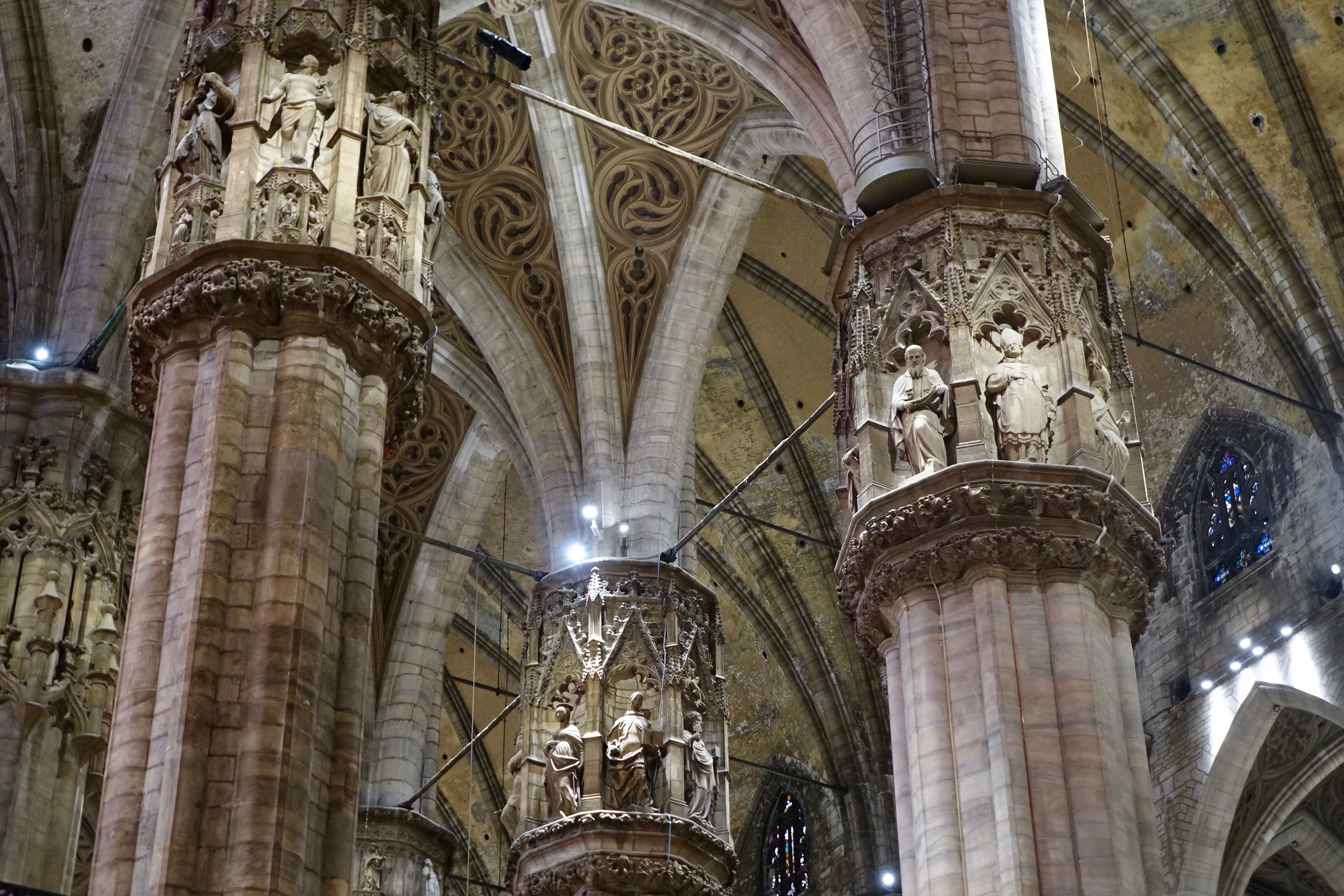
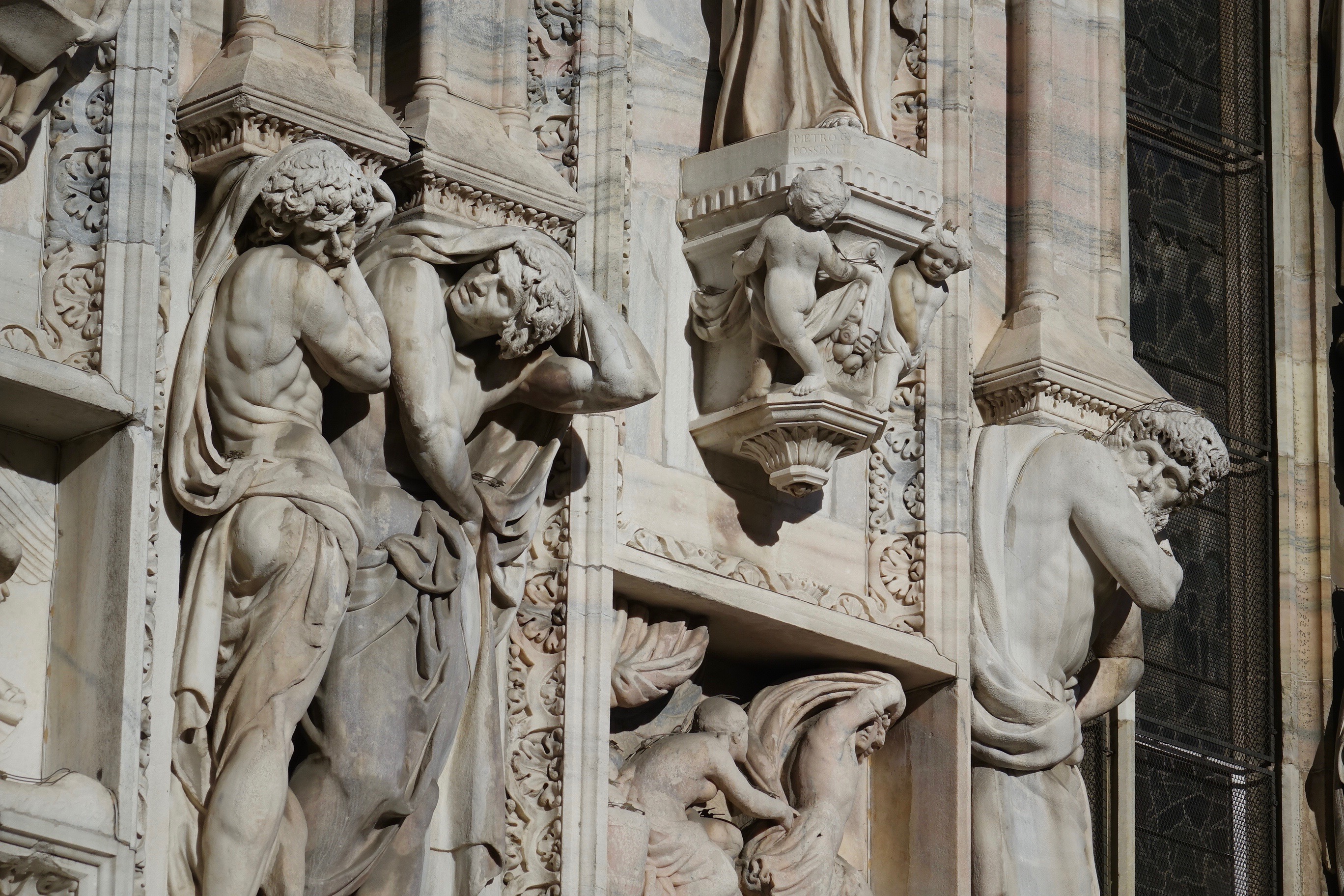
Move aside Prada, take a seat La Scala. For when it comes to the true and undisputed icon of Milan, it’s the mighty cathedral, Milan’s Duomo which will always take centre stage. The ultimate celebration of the gothic style at its most flamboyant, the Duomo is a veritable forest of multiple spires, and a jewellery box of delightfully pearlescent Candoglia marble which is crafted into an entire cast and crew of saints, sinners and ghoulish gargoyles peppering every inch of the abundantly decorated facade.

We must consider ourselves lucky in this century to see the Duomo in its current state of perfection. For the gigantic structure, which is surely one of the most dazzlingly ambitious historical structures to have ever been built, took some 6 centuries to complete after its commencement in 1386. And happily too, it survived the WW2 bombs which made mincemeat of much of the surrounding area.

Outside…

DSC09181DSC09086DSC09089DSC09090DSC09178DSC09175DSC09166DSC09172DSC09168

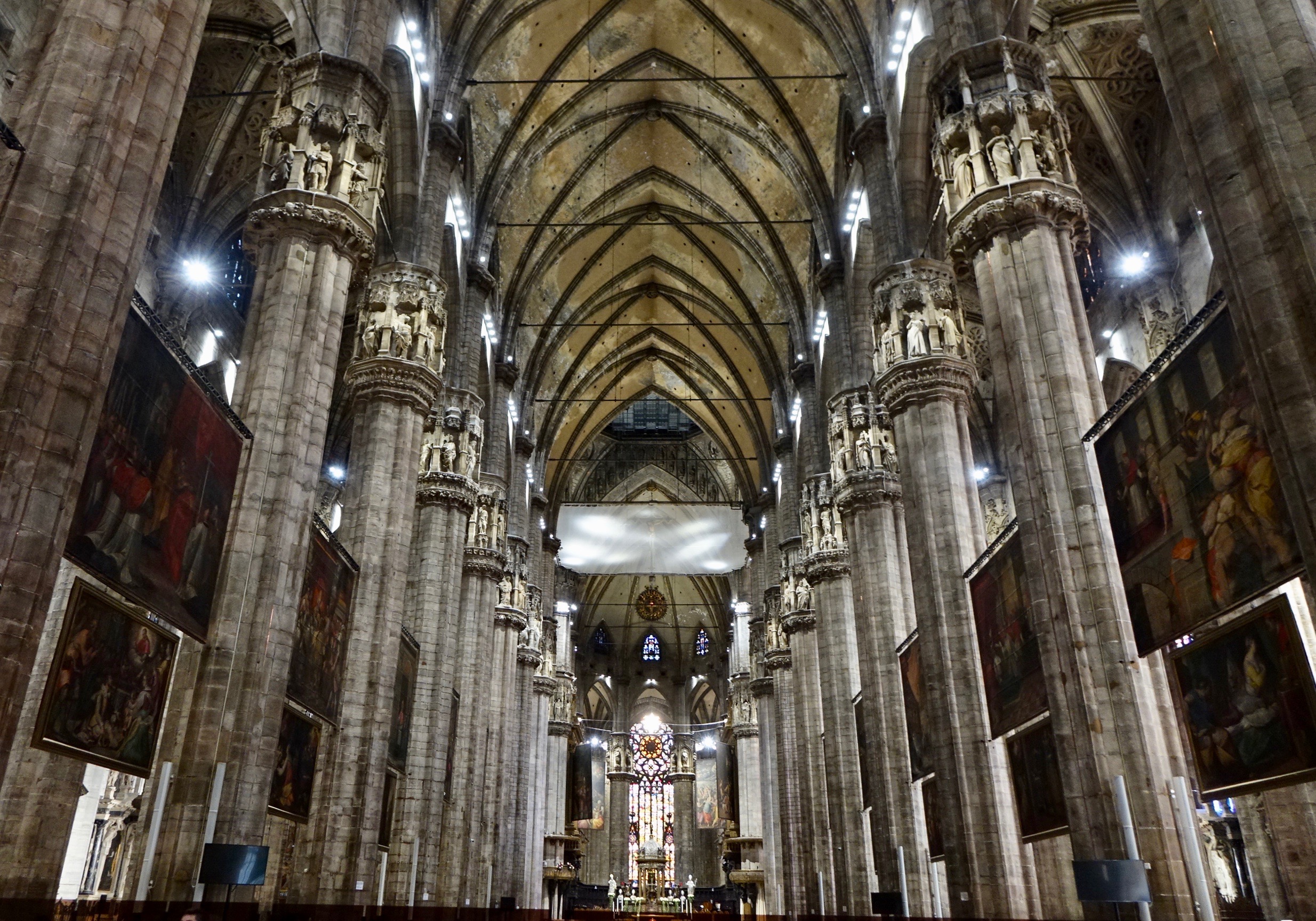
So not knowing quite where to begin with this enormous building, which is in fact the third largest church in the world, we spent almost a whole sunny day admiring the Duomo from all angles. Starting with the wonderful roof (which will have a post all of its own), we turned our visit on its head, following the great heights of the soaring cathedral with a protracted study of its beautiful exterior furnishings while waiting, somewhat agonisingly, in the freezing wind, as we queued to get inside. While it took some time to defrost when we finally made it through one of the Duomo’s great bronze doors, the visual feast to be discovered within was more than sufficient to warm us up again.

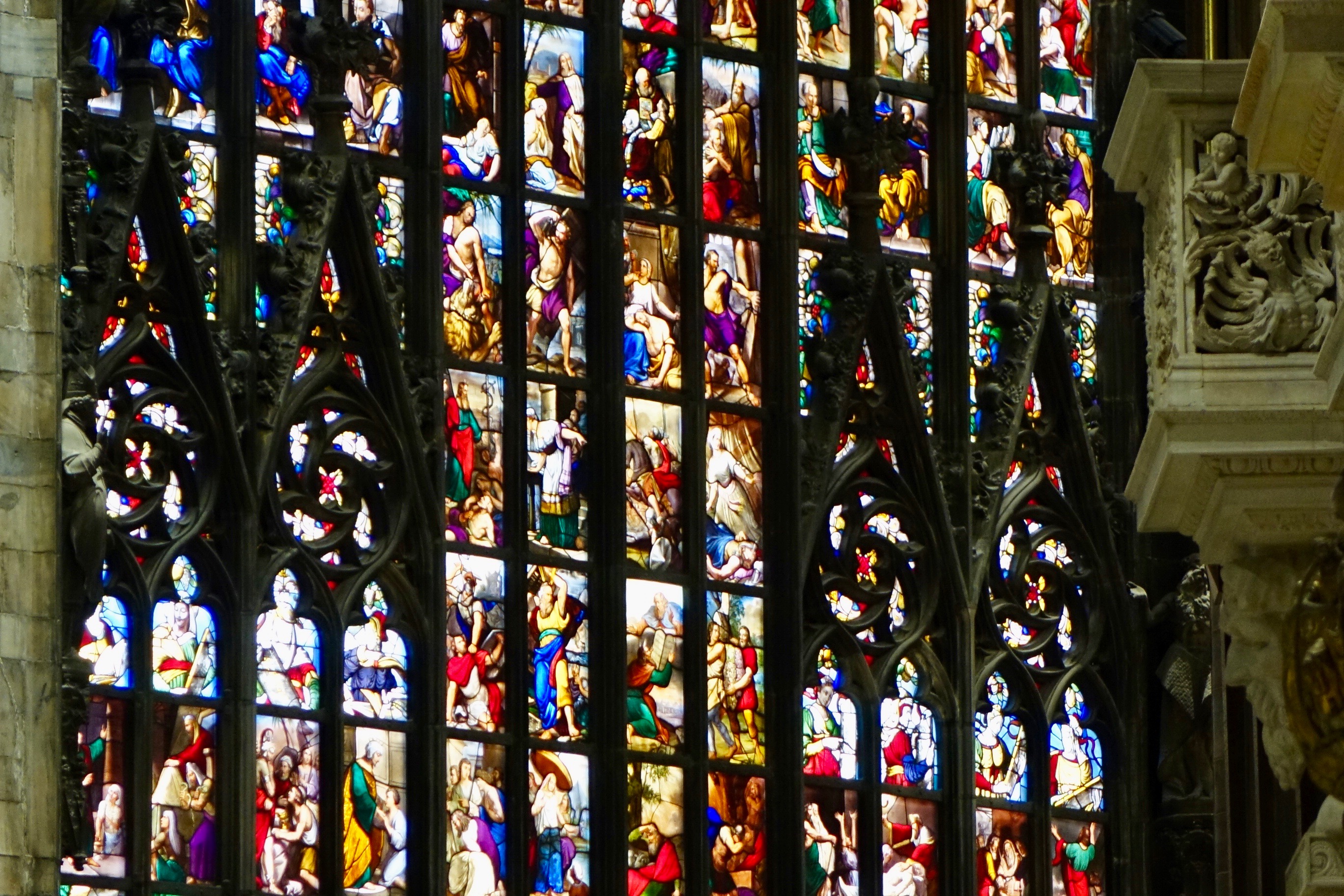
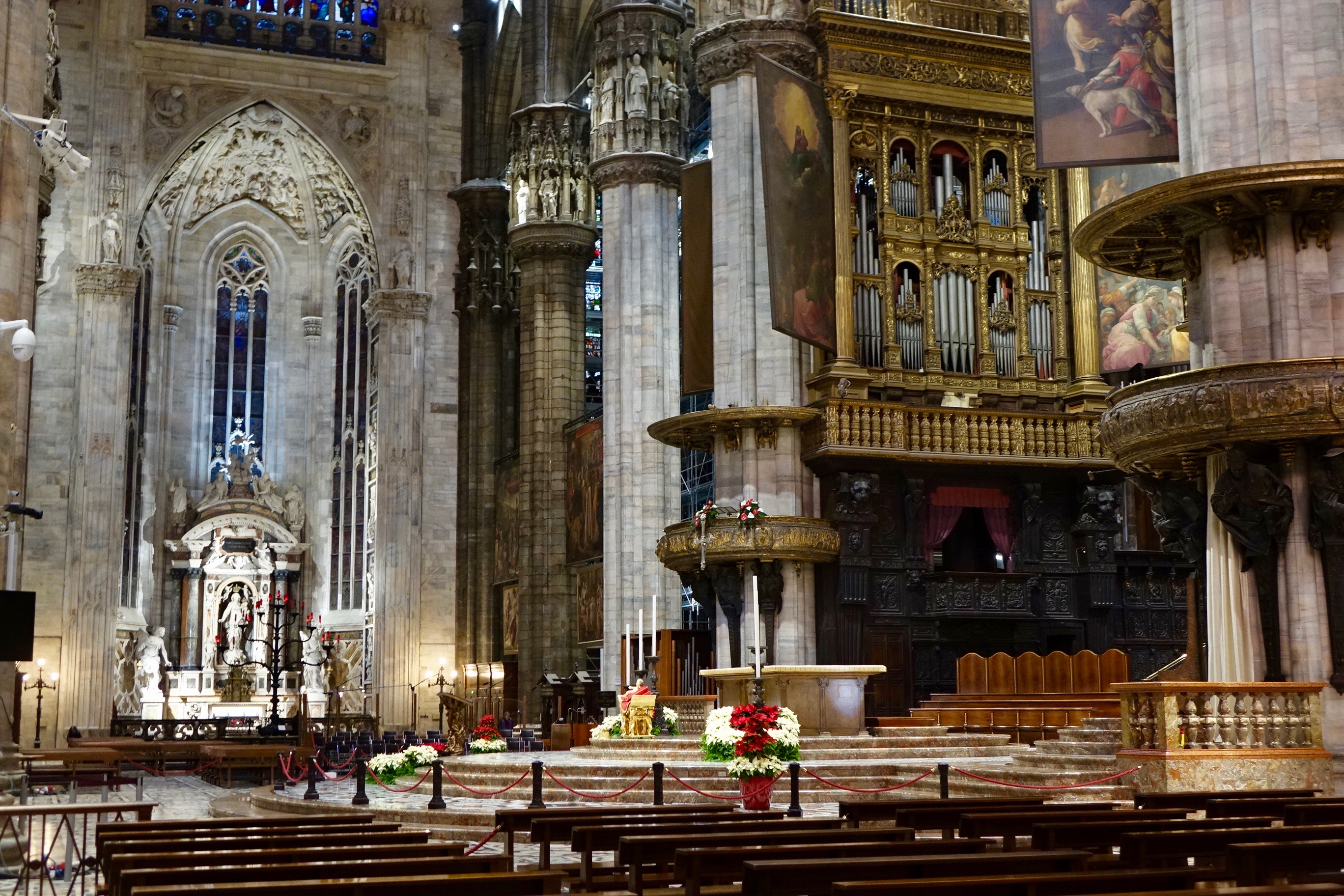
I have been in many a cathedral, but I don’t think I have ever been quite so dazzled as when faced by the sheer scale and magnitude of this cathedral. Appearing even bigger on the inside than it did on the out, I didn’t know whether to focus first on the elaborately patterned marble floor, the soaring forest of 40 great pillars, the soaring, vaulting ceilings far, far above, or the stained glass windows which are the most complex and stunningly coloured I have ever seen. A mere side chapel of this Cathedral is the size of the principal place of worship of most countries. And just one small panel of the great stained glass windows close to the altar was packed with more detail and narrative than you would find across the entire diameter of a finely crafted rose window elsewhere.

…and inside

DSC09188DSC09284DSC09214DSC09194DSC09213DSC09255DSC09232DSC09199DSC09241

If the great propaganda machine of historical Catholicism intended to dazzle and dominate with the sheer theatre of its religious spectacle, this place had me converted. Like a mere supplicant, I felt lost in the scale and sense of awestruck enormity of it all, and by the time we made our way outside again, I had quite lost all sense of proportion. Happily a Milanese lunch, and a quick look at some of the nearby boutique’s average prices gave me the sharp shock I needed to bring me back to reality.

© Nicholas de Lacy-Brown and The Daily Norm, 2011-2018. Unauthorised use and/or duplication of the material, whether written work, photography or artwork, included within The Daily Norm without express and written permission from The Daily Norm’s author and/or owner is strictly prohibited.
Magnificent Milano (Part 2): Da Vinci’s fading masterpiece

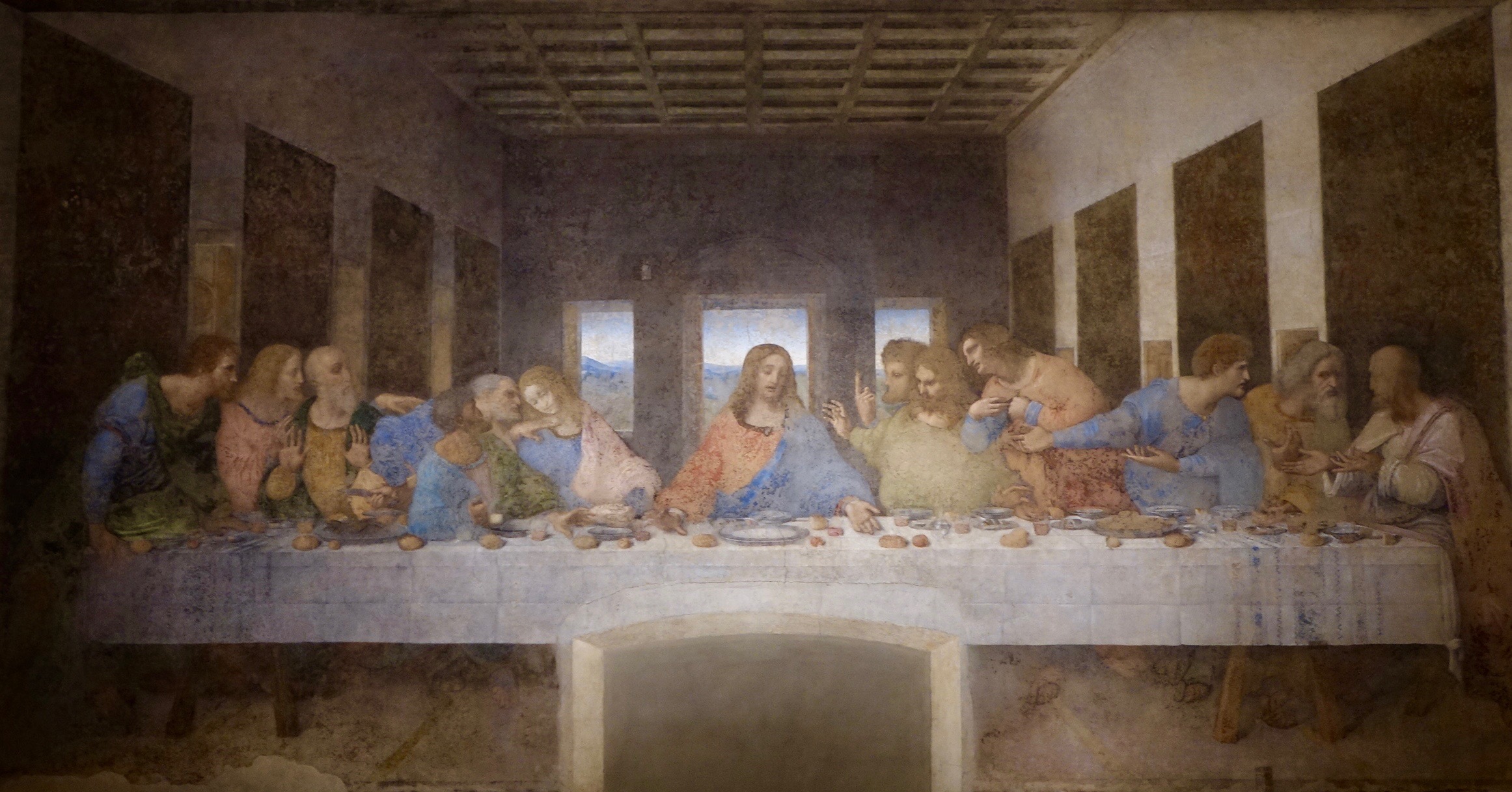
Despite its bustling, cosmopolitan centre, its soaring modern skyline and fashion boutiques paving the way of global style, Milan is a city with a rich historical heritage equal to any other city in Italy, and with an artistic treasure to rival the very best. Far less accessible than the Botticelli’s and the Michelangelo’s it may be, but Milan’s offering is considered by many to be one of the most significant and symbolically loaded works in all the history of art: I am of course talking about The Last Supper, by Leonardo da Vinci.

Yet this work, renowned though it is, has had a troubled past. Fated to bad fortune from the outset when Da Vinci experimented unsuccessfully with a fresco technique which started to deteriorate away from the surface of the wall within years of its completion, the fresco has fallen swift victim to both the ravages of time, and the additional disasters of war, including a near miss bombing and exposure to the elements when the buildings around the fresco found themselves in the direct path of the same air raid.

DSC08875DSC08900DSC08890

All this means that a visit to see Da Vinci’s fresco is a unique experience. First of all, getting your hands on a strictly time-controlled ticket is almost like seeking out the very same holy grail which author Dan Brown will tell you the painting is subliminally intended to represent. With ticket in hand, you and a small group of other ticket holders will then be taken through a series of air-controlled vacuum chambers, each set of doors opening successively upon another, incrementally purifying the elements to which the crumbling fresco is exposed. Finally, you enter the main refectory of Santa Maria della Grazie, where the first sight of Da Vinci’s Last Supper feels all the more surreal by virtue of the effort required to get there.

The visitor controls ultimately make the 15 minutes you get to spend with the painting a pleasurable experience, just because the numbers allowed into the refectory at any one time are small indeed. This makes for an intimate encounter with one of the world’s most recognisable images. Yet no matter how familiar the subject, little can prepare you for the impact which the full scale image will have, nor the shocking state that the fresco betrays upon closer inspection.

DSC08883DSC08887DSC08889

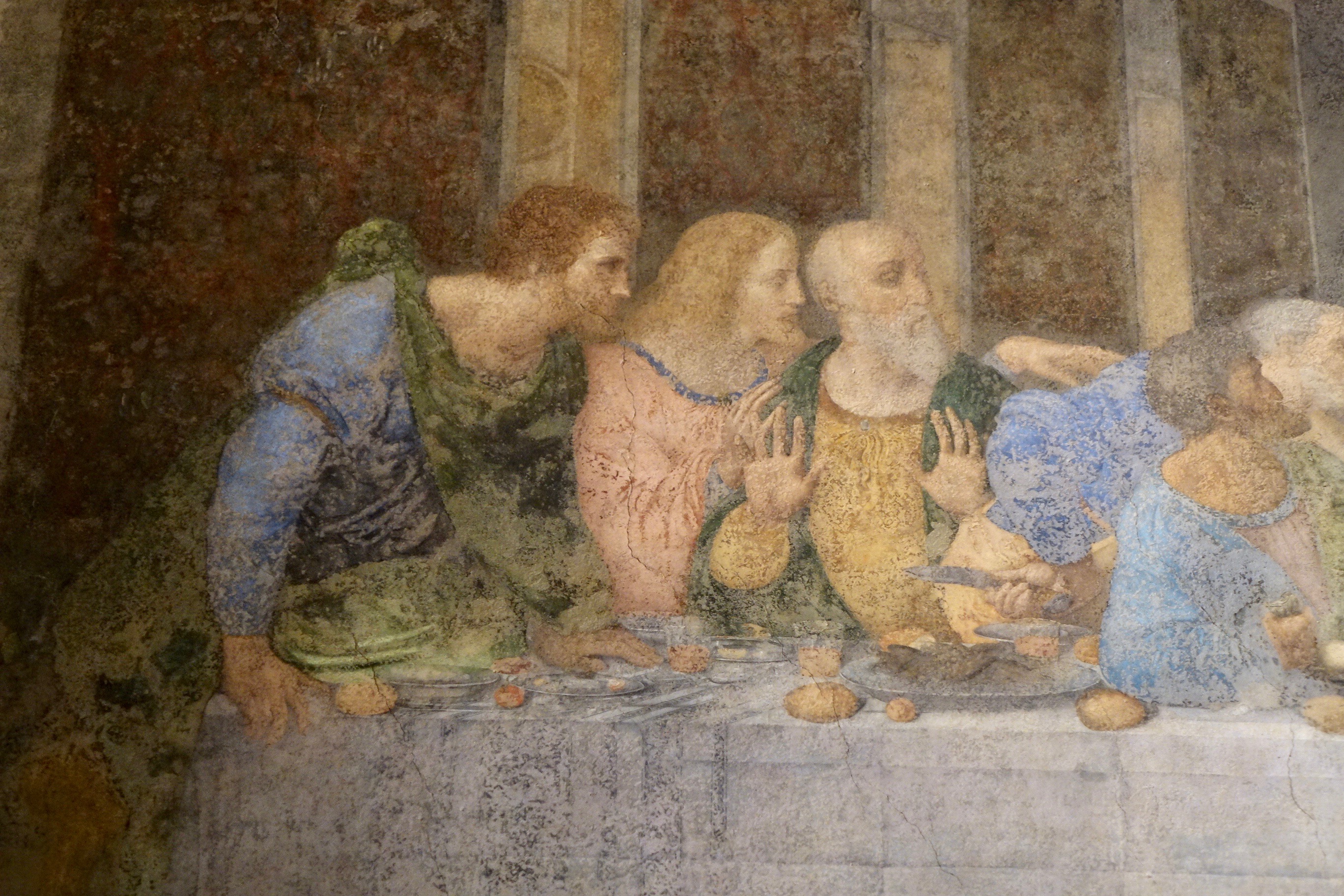
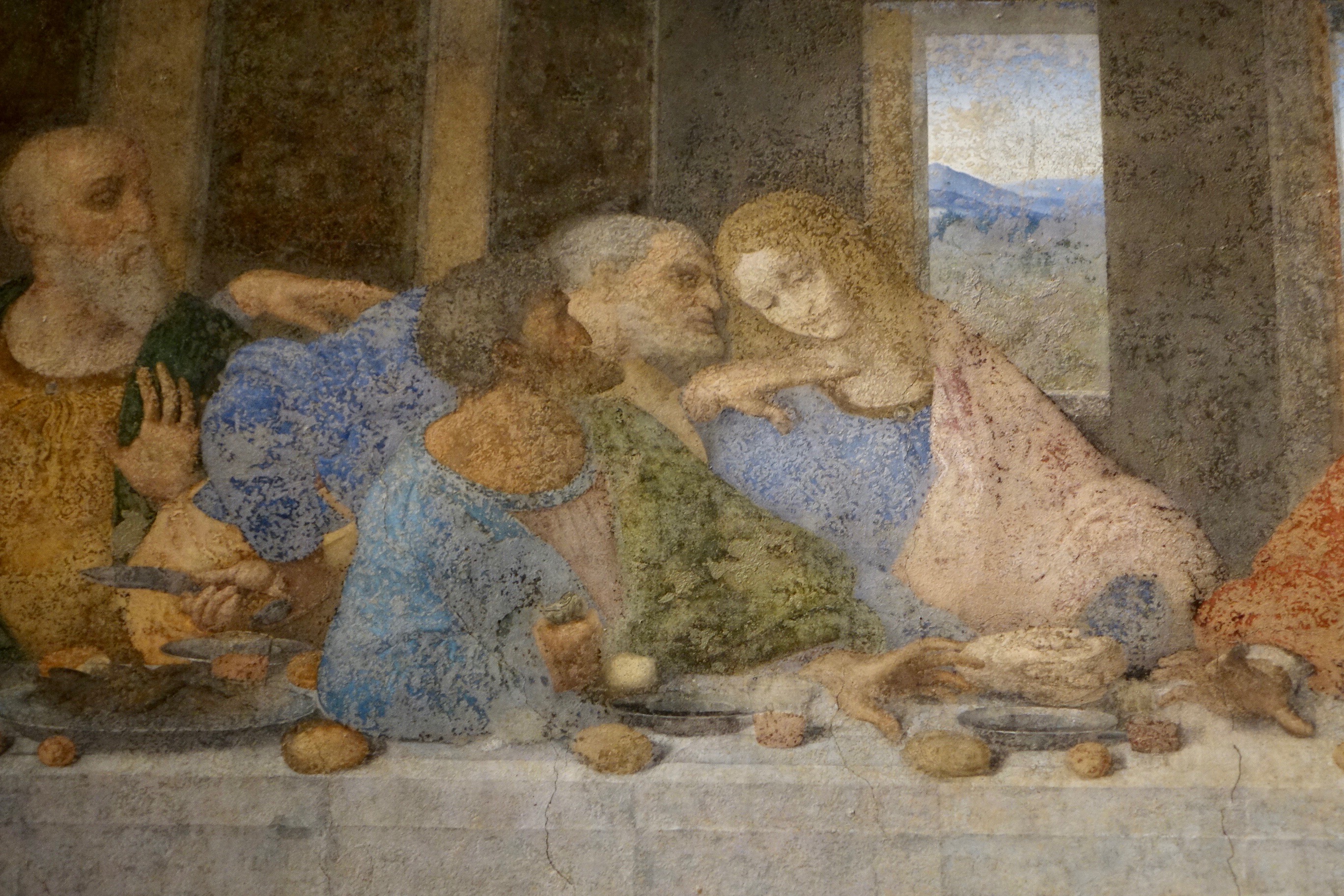
What we see today really is a mere shadow of what once was. The fresco appears so badly flaked that a gust of wind could shake half of it away like fallen leaves in a first gust of autumn. In places, nothing but a mere outline of what was remain. In others, the retention of more detail, such as on the folds of the tablecloth, offer a tantilising glimpse of the wealth of colour and composition that the work would have once boasted.

For me, the fresco feels like an allegorical narrative of something beyond the simple depiction of the last supper. The reactions of the protagonists feel stilted, almost mannerist in their exaggerated expression, suggesting that Da Vinci has attempted to go beyond the simple story of the last supper and is hinting at meanings beyond the surface. Yet beyond this surface there is very little to behold but a crumbling wall, as we are forced to see one of art history’s most significant masterpieces slowly deteriorate to dust. It’s why this painting should be a must-see for any art history buff, and prioritised before its condition worsens yet further.
DSC08907

© Nicholas de Lacy-Brown and The Daily Norm, 2011-2018. Unauthorised use and/or duplication of the material, whether written work, photography or artwork, included within The Daily Norm without express and written permission from The Daily Norm’s author and/or owner is strictly prohibited.