Skip to content

Posts tagged ‘Nicholas De Lacy-Brown’

Málaga | Part 3 – Photographic Miscellany

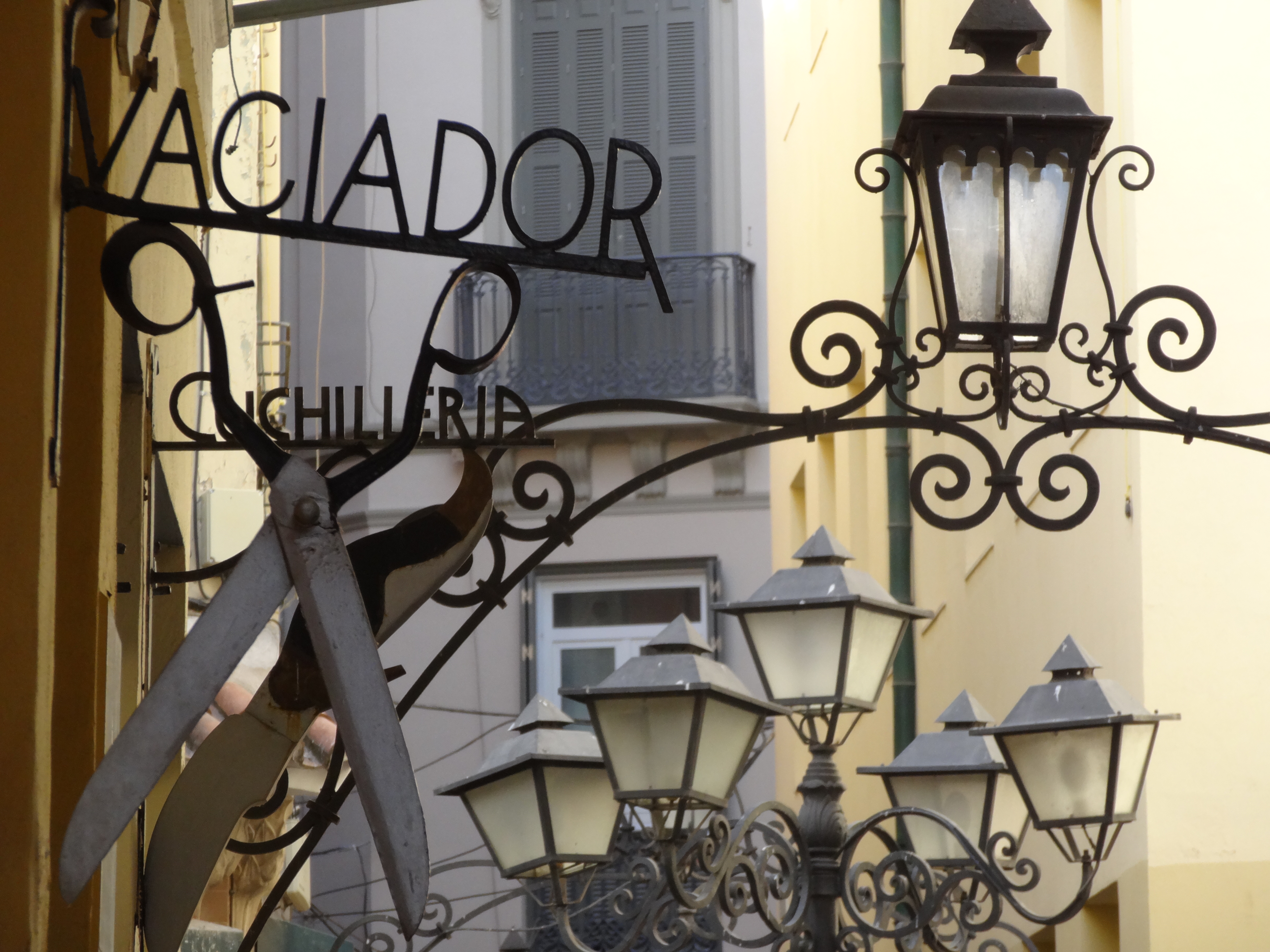
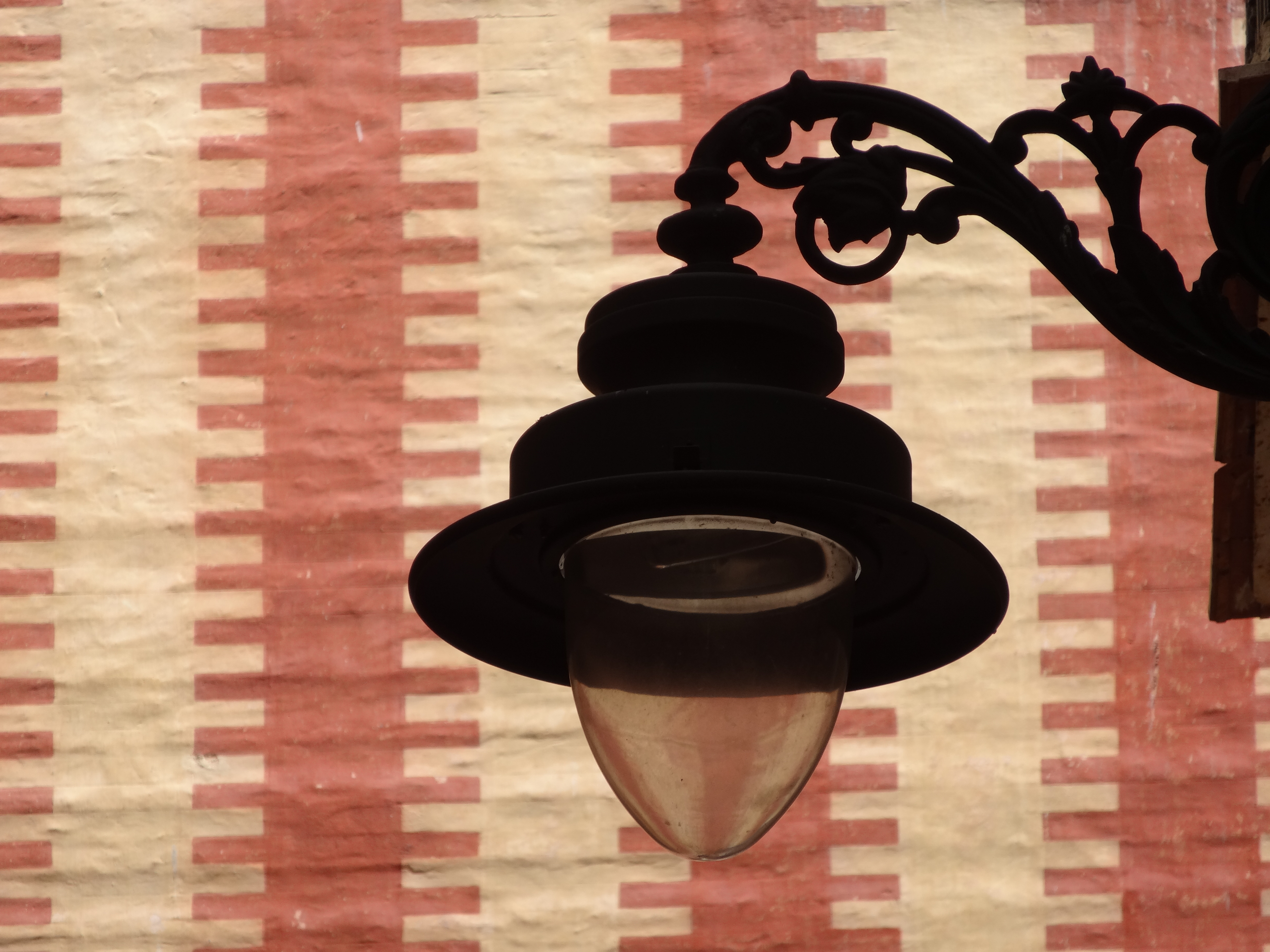
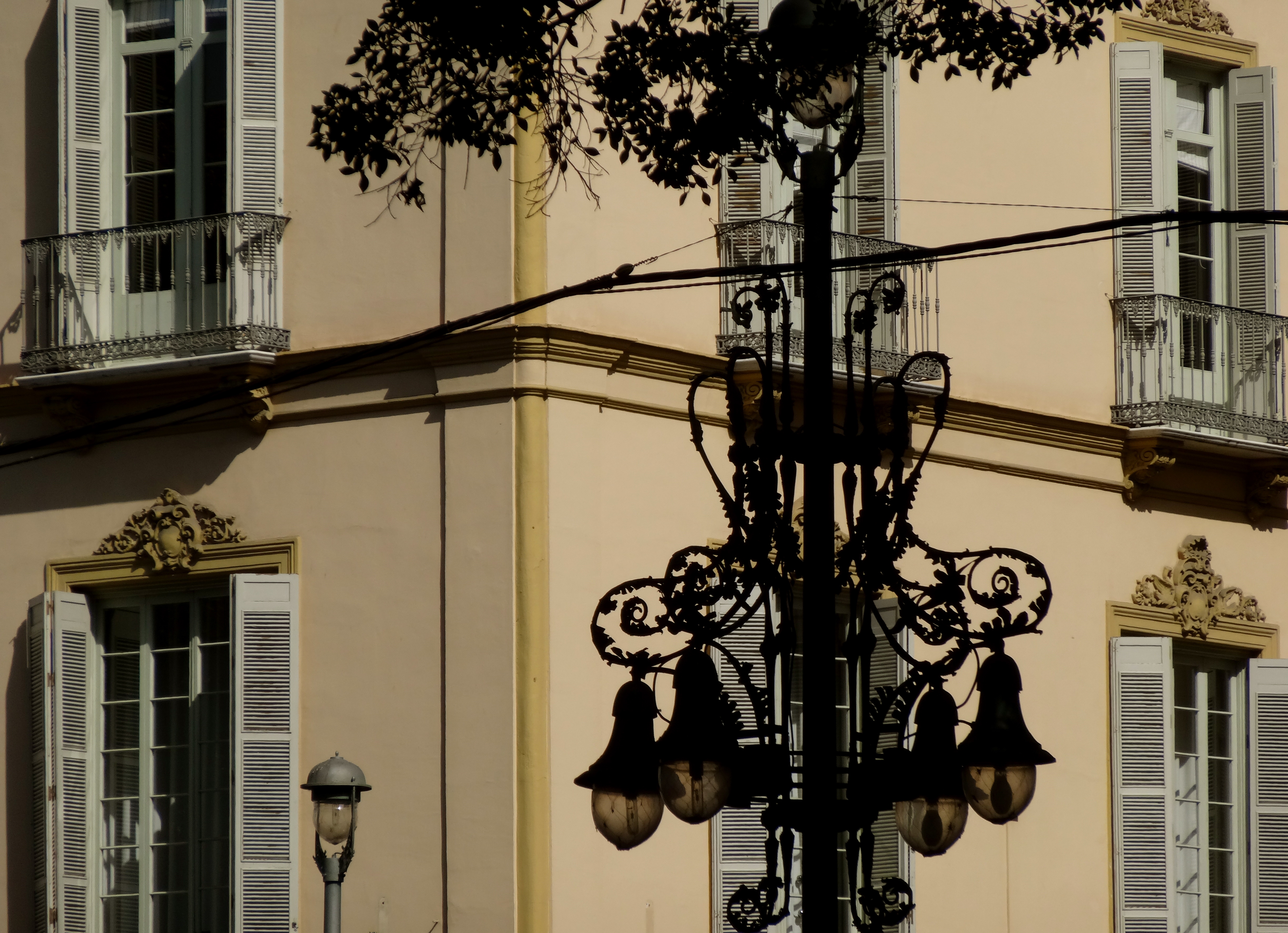
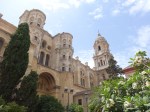
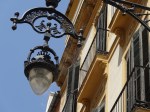
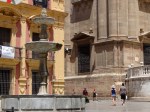
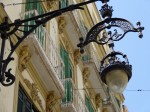
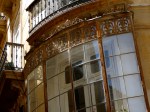
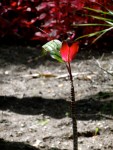
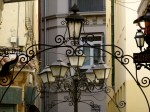
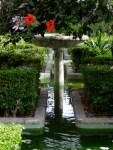
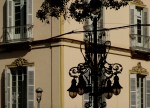
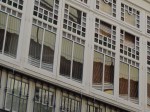
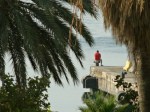
Oh vivid Málaga, city of Mediterranean light, upon whose sandy shores the sun shines bright, casting its yellow glow across fading evening skies, and in paint on the facades of its insuperably elegant streets. Málaga is a city upon which the embrace of nature has not been scared off by the growth of civilisation; as abundant botanic gardens overhang paths perfect for strolling, and the sea air wafts into the hot shopping streets. It is a city where both big and small co-exist in perfect harmony: the vast one-armed cathedral and the tiny new pink growths of a tropical baby plant; the large public plazas and the tiny winding streets of the city’s oldest district. And like so many of Spain’s great cities, Málaga is another whose buildings have been sprinkled with the wand of architectural elegance, as the glass plated balconies and curled wrought iron details of the Modernista era have found their place so comfortably in this most Southern of cities, offsetting 1920s western refinement against the robust remains of the Moorish East.

DSC06005 DSC06207 DSC05961 DSC05783 DSC06023_2

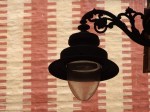
Málaga is a city so rich in photographic inspiration that in a mere 24 hours in the city, I managed to capture some 500 shots on my camera. Don’t worry – I’m not planning to bore you with them all here, but below are 33 of my favourites: From graceful street lamps and multi-coloured facades, to tranquil moorish gardens and the paper lanterns of a small street fiesta – here are my memories of Málaga on camera.

All photos and written content are strictly the copyright of Nicholas de Lacy-Brown © 2013 and The Daily Norm. All rights are reserved. Unauthorized use and/or duplication of the material, whether written work, photography or artwork, included within The Daily Norm without express and written permission from The Daily Norm’s author and/or owner is strictly prohibited.  

Composition No. 7: Andalucía

As regular readers of The Daily Norm will know, over the past few months, my own art work has become dominated by a simplified use of flat tones, overlapping forms, and abstract compositions using as my newly preferred medium gouache paint on paper. What has resulted is a series of what I have loosely called “compositions” but which are progressively becoming more figurative rather than compositional, as these quasi abstract images are used more and more to provide a narrative of a scene, essence or depiction.

Following on from a series of compositions inspired by my holiday in Provence, and a single piece (Composition No.6) depicting a day at the seaside in Sussex, I had a feeling that once out in Marbella in Spain, I would again become inspired to pick up my fine-tipped paint brush and start producing another gouache piece. In fact so sure was I that inspiration would hit me that a box of gouache paints was one of the first things to make it into my suitcase.

And of course as soon as I reacquainted myself with the charming historic centre of Marbella, with its white washed houses basking in the sunshine, with the terracotta floor tiles and with the polka dots of flamenco whose rich chromatic melodies can be heard wafting in and out of households around the old town, I felt the urge to take out those very same paints and get to work.

Composition No. 7: Andalucía (2013 © Nicholas de Lacy-Brown, gouache on paper)

Composition No. 7: Andalucía (2013 © Nicholas de Lacy-Brown, gouache on paper)

The result is this piece: Composition No. 7: Andalucía – a simple title for what is a simple attempt to capture the essence of Andalucía, and the iconic symbols which have come to represent the region around the world – the Spanish fan, a necessary antidote to the searing summer heat; the polka dots and guitar of the flamenco passion which stirs the region’s hearts; the windows, always open to capture whatever breeze they can, the richly decorated iron bars providing both security and decoration while facilitating this necessary ventilation;  and pots of geraniums scattered across walls forming in themselves a kind of polka dot pattern of floral colour across a blank white canvas.

I really hope you like this latest addition to my Compositions series.

© Nicholas de Lacy-Brown and The Daily Norm, 2001-2013. Unauthorized use and/or duplication of the material, whether written work, photography or artwork, included within The Daily Norm without express and written permission from The Daily Norm’s author and/or owner is strictly prohibited. Excerpts and links may be used, provided that full and clear credit is given to Nicholas de Lacy-Brown and The Daily Norm with appropriate and specific direction to the original content.

Provence Odyssey | My Journey in Paintings: Provence Patchwork

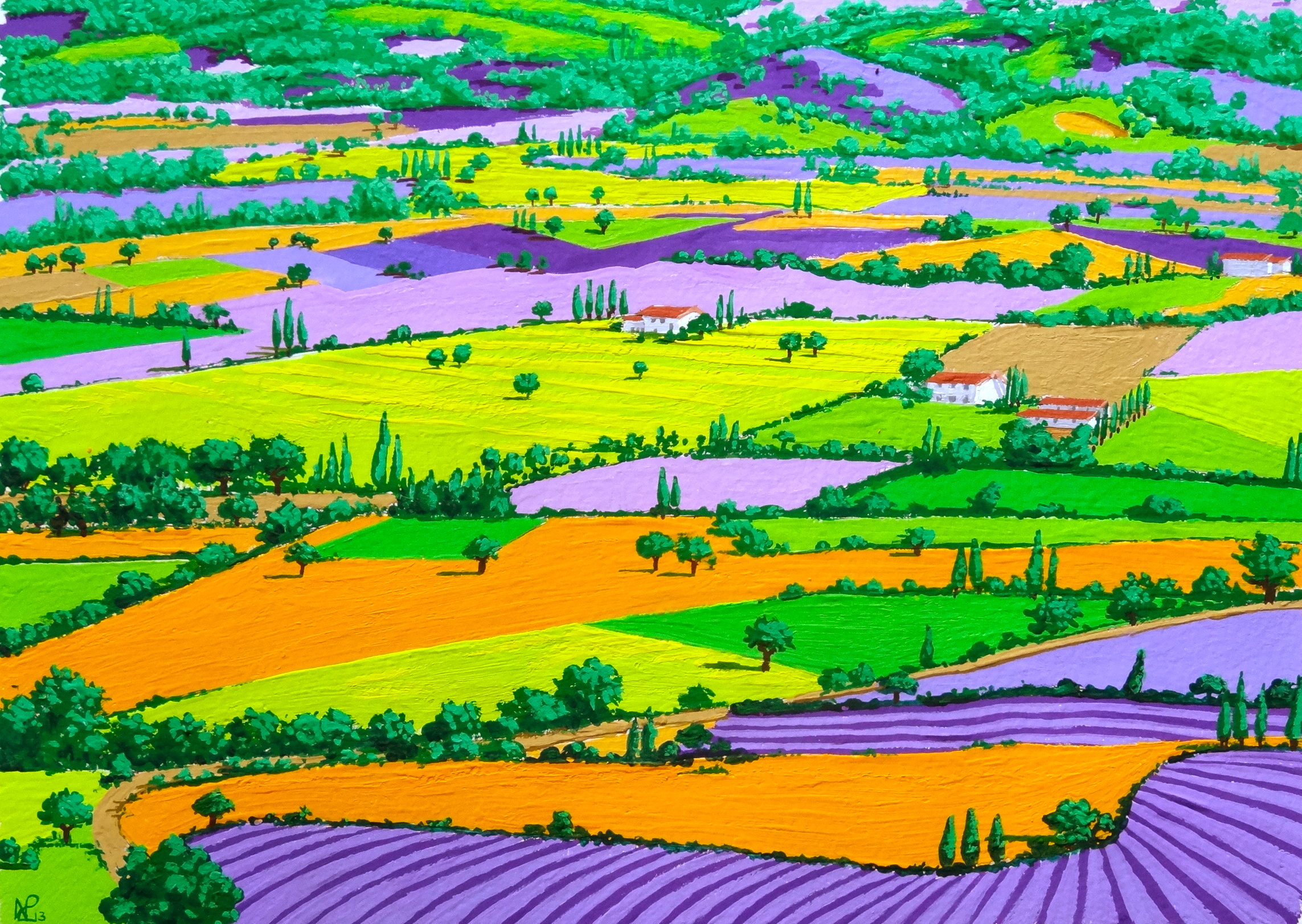
I have gone on endlessly about the Provençal landscape ever since this vast odyssey, not just across Southern France but also as depicted on this blog, first began some weeks ago, and now I will once again let my art do the talking. For somewhat suitably, as the end of the trip drew near, and four cities had been visited, I decided to start the fourth and final of the artworks completed while on our tour, this time inspired by the journey to Aix.

Taking the fast train from Avignon TGV down to Aix TGV in a mere 20 minutes meant for a lightening speed flight through the undulating topography of the Southern most reaches of the region, but it was nevertheless enough to make my eyes almost dewy with pleasure as they looked out onto the stunning scenery passing us by. The Provençal landscape is not complex, nor terribly unique – but it is beautiful nonetheless, because through the sheer beauty of a bucolic landscape marked by agricultural spaces pinned side by side and bordered by cypress trees and olives, the rolling countryside of the region looks like a patchwork quilt of earthy tones interspersed with the occasional splash of purple lavender or yellow corn.

Composition No. 5 (Provence Patchwork) (2013 © Nicholas de Lacy-Brown, gouache on paper)

Composition No. 5 (Provence Patchwork) (2013 © Nicholas de Lacy-Brown, gouache on paper)

It is this patchwork effect which inspired my final gouache work on the trip. Entitled Composition No.5 (Provence Patchwork), the work once again forms part of my Compositions series. I have used flat, blocks of colour to represent the varied agriculture of the region, and in composition have tried to represent what is almost a cubist landscape resulting from the complicated crisscross of fields and bordering trees that characterise the region. I hope you like it.

© Nicholas de Lacy-Brown and The Daily Norm, 2001-2013. Unauthorized use and/or duplication of the material, whether written work, photography or artwork, included within The Daily Norm without express and written permission from The Daily Norm’s author and/or owner is strictly prohibited. Excerpts and links may be used, provided that full and clear credit is given to Nicholas de Lacy-Brown and The Daily Norm with appropriate and specific direction to the original content.

Provence Odyssey | My Journey in Paintings: From Avignon to Arles (avec le petit dejeuner)

After three days in the Provence heartland, surrounded by verdant rolling landscapes of cypresses and pine trees, olives and lavender, and with one hotel view watercolour already under my belt, I moved onto Arles considerably inspired, artistic images floating through my head with each new adventure taken across this artist’s paradise. After two days in the midst of the medieval magic of Avignon, our journey south to Arles provided a refreshing glimpse of the rich pastoral landscape which surrounds Provence’s cities, but also of the little farmhouses which are dotted across the scenery, with their iconic terracotta tiled roofs and pastel-painted walls, their pale blue shutters and window-sill plant pots.

And so, shortly after arriving in Arles and in a moment of rest, so many of these images collected together with such strength that in mere minutes, I had opened up my travel sketch book and mapped out this image, depicting our journey from Avignon to Arles, and accompanied by the hearty breakfast which had so satisfyingly kicked off our day. Over the next few days, I filled in my sketch with vivid colour reflective of the seductive rainbow palette which the Mediterranean light so augments in Provence, using my new favourite medium, gauche, to do so.

Voyage to Arles from Avignon (avec le petit dejeuner) 2013 © Nicholas de Lacy-Brown - gauche on paper

Voyage to Arles from Avignon (avec le petit dejeuner) 2013 © Nicholas de Lacy-Brown – gauche on paper

The result is Voyage to Arles from Avignon (avec le petit dejeuner) – an artistic testament to this next leg in our journey. I hope you enjoy it.

© Nicholas de Lacy-Brown and The Daily Norm, 2001-2013. Unauthorized use and/or duplication of the material, whether written work, photography or artwork, included within The Daily Norm without express and written permission from The Daily Norm’s author and/or owner is strictly prohibited. Excerpts and links may be used, provided that full and clear credit is given to Nicholas de Lacy-Brown and The Daily Norm with appropriate and specific direction to the original content.

Provence Odyssey | My Journey in Paintings: Avignon – A room with a view

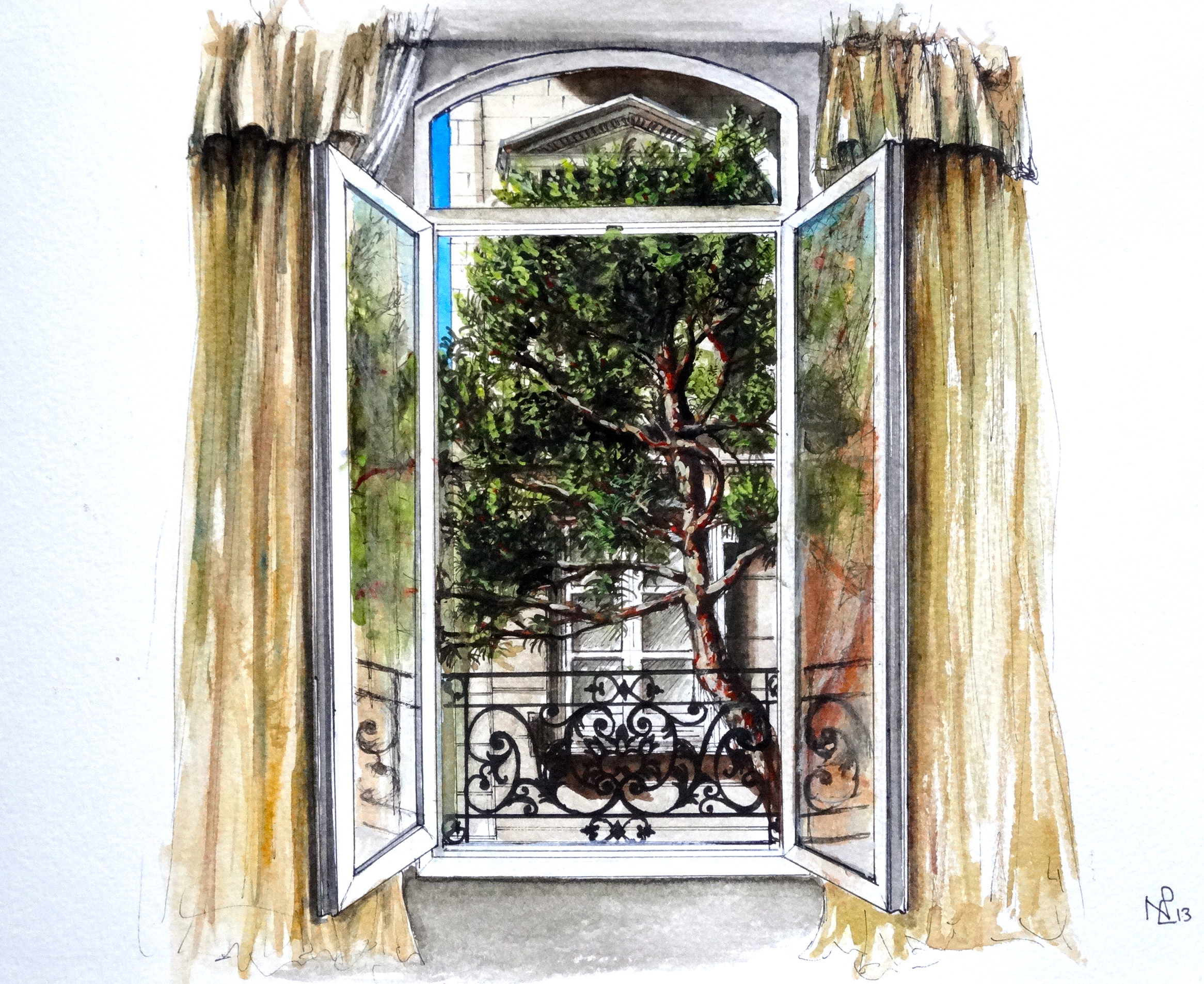
That morning. Waking to the waft of pine tree perfume filling the air, the sharp clear light of a Mediterranean blue sky, and warmth – oh the warmth of the clement Southern France climate. How could I not paint it? While some people may consider a room with a view to be a vast vista over coasts and mountains, over city roof tops or wide country landscapes, for me, our little room at the Hotel de L’Horloge overlooking a quite old street with a verdant puissant pine tree thrusting into view, could not be beaten. And as daytime dawned on our first Avignon day, I could not help myself but take out my little watercolour book and recreate the view and our wide open window in paint, capturing that moment as we welcomed, heartily, the exquisite outside in.

Now, far away from Avignon, when I look at my painting, it carries with it the very essence of that view, and the feelings which arose within me when I gazed upon it in a way which no photo ever could. For in the process of its creation, I captured not just the view, but a manifestation of my reaction – my joy at that moment of Provençal awakening.

Avignon: A Room with a View (2013 © Nicholas de Lacy-Brown, watercolour on paper)

Avignon: A Room with a View (2013 © Nicholas de Lacy-Brown, watercolour on paper)

It’s a simple painting, but loaded with our experience of those pure moments of unbridled joy, when a holiday begins, and days of carefree discovery lie in wait.

More on Provence, coming soon.

© Nicholas de Lacy-Brown and The Daily Norm, 2001-2013. Unauthorized use and/or duplication of the material, whether written work, photography or artwork, included within The Daily Norm without express and written permission from The Daily Norm’s author and/or owner is strictly prohibited. Excerpts and links may be used, provided that full and clear credit is given to Nicholas de Lacy-Brown and The Daily Norm with appropriate and specific direction to the original content.

Norms do… Cézanne’s Card Players

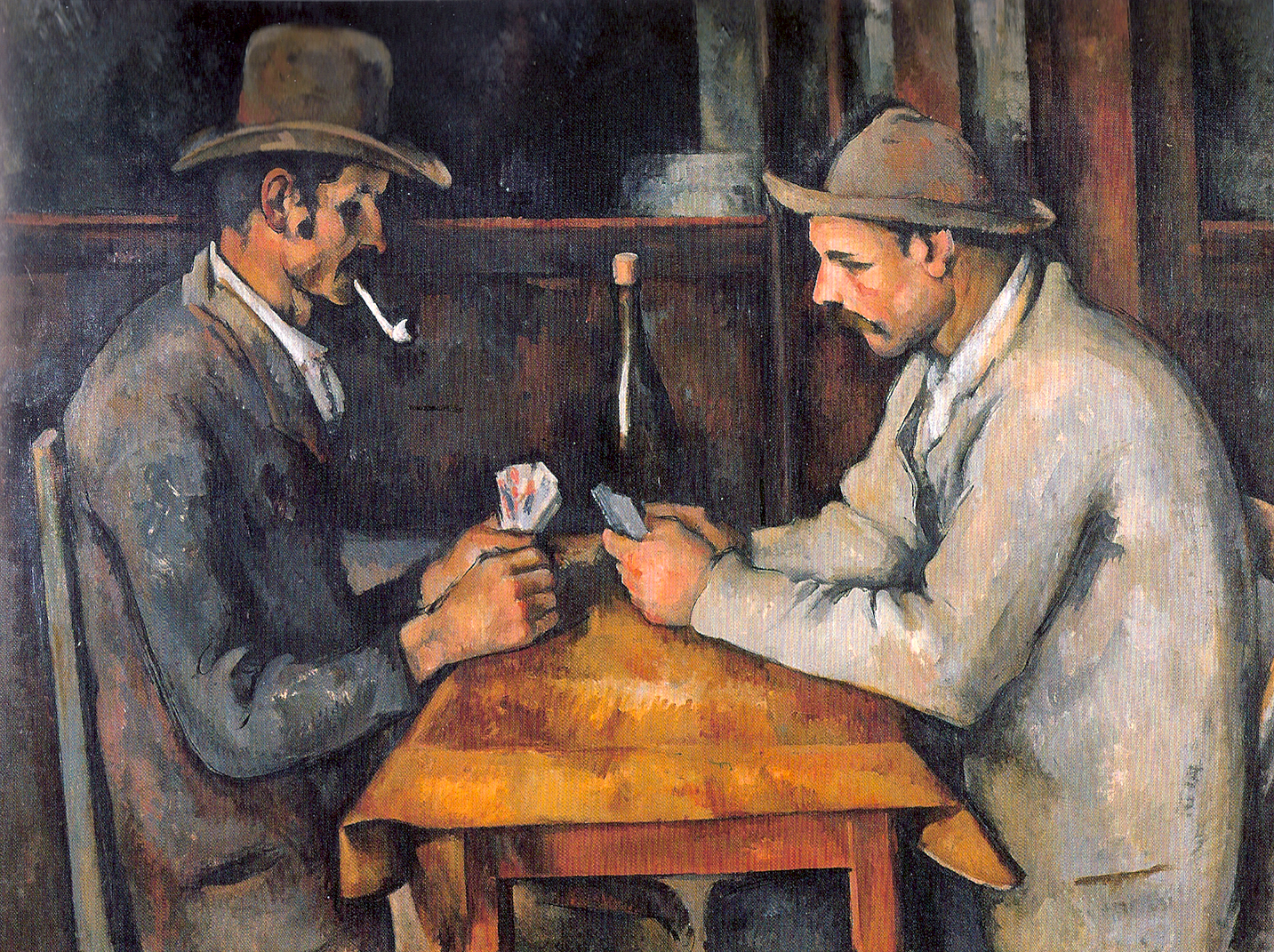
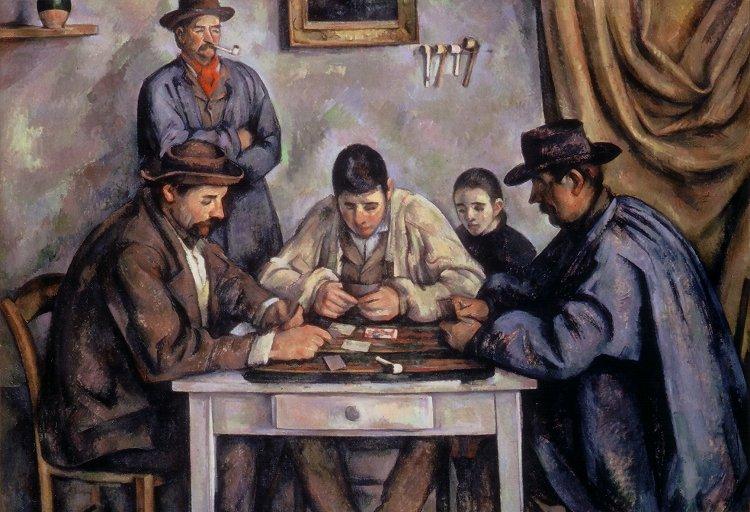
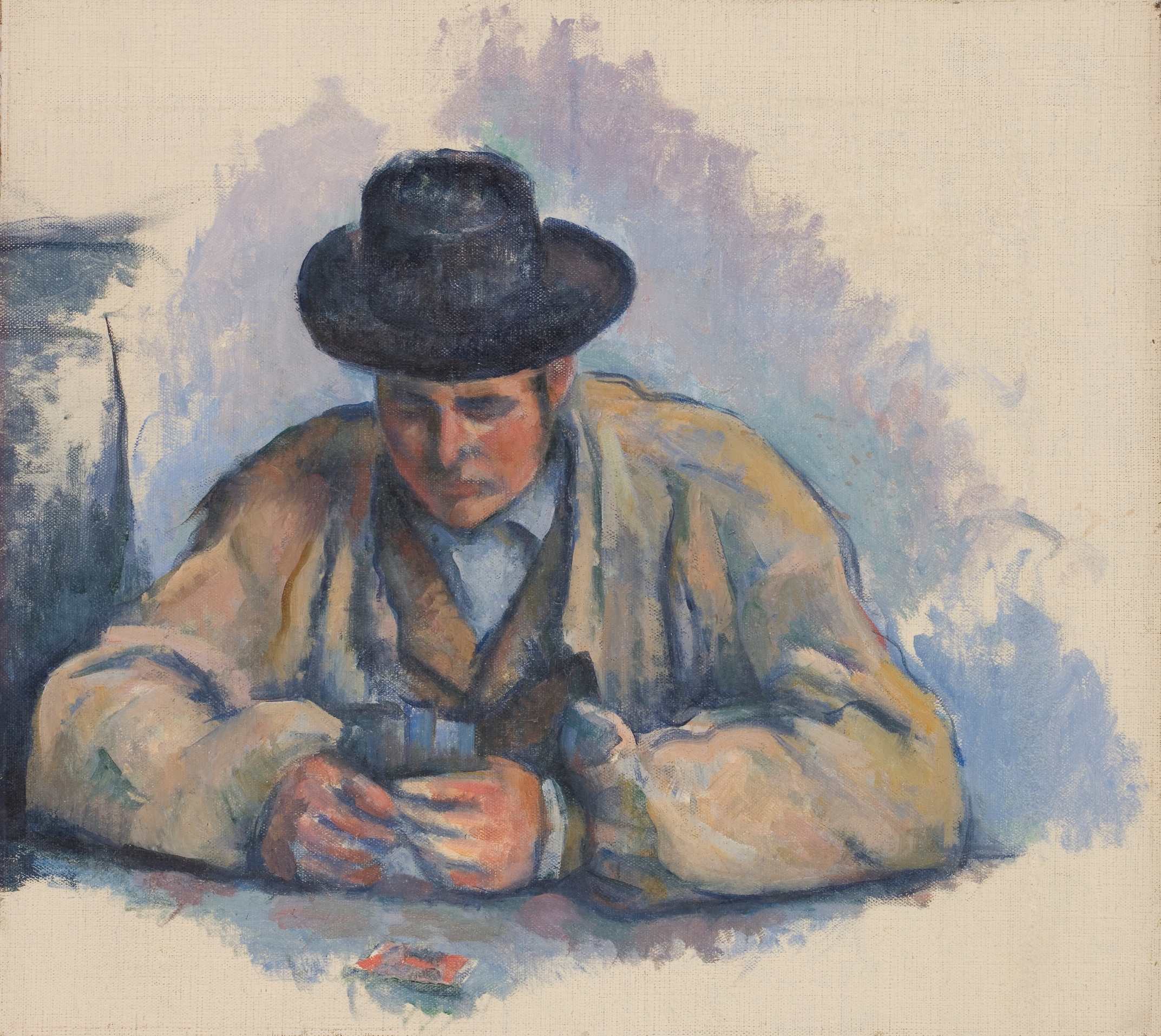
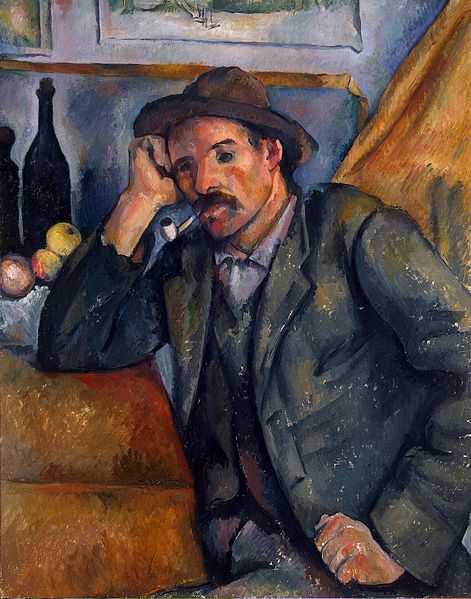
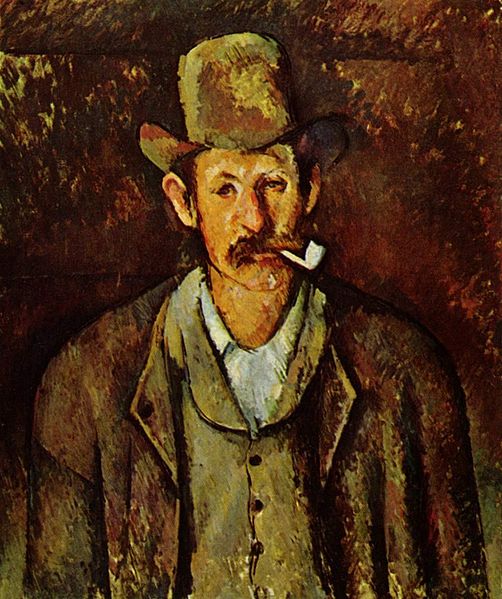
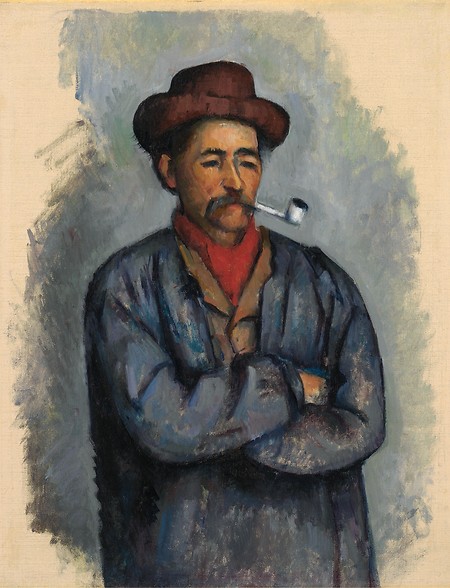
Although perhaps best known for his repetitive, almost obsessive landscapes of Le Mont Saint Victoire near his home town of Aix-en-Provence, and his groupings of apples and oranges painted as simplified geometric forms with zealously applied paint strokes, the so called father of cubism, post-impressionist master Paul Cézanne also painted another set of rather astonishing works which in my opinion easily qualify as some of his most captivating works. A gloomy tavern, a waxy dark tablecloth, a set of playing cards and the concentration of two card players, focus furrowed deep into their brows as we look upon them in the midst of a game – I am of course talking about Cézanne’s Card Player series, a series of some 5 paintings and numerous preparatory sketches, in which Cezanne took the tradition 17th century French and Dutch genre painting style of a rowdy tavern scene, and reduced it to a simple card game, full of intensity and, surprisingly for its tavern setting, sobriety.

The Courtauld's Card Players

The Courtauld’s Card Players

This now familiar composition by Cézanne, one of which hangs so happily close to me in London’s Courtauld gallery, made the headlines as recently as last year, when sold to the Qatari royal family for around $275 million, it became the most expensive piece of art work ever sold. While the price may be bonkers, and the painting’s final destination into a private collection lamentable, the art loving public can at least be reassured that four versions of the work remain on public view and as if that wasn’t enough, on top of that, the Norms have now staged their own version too!

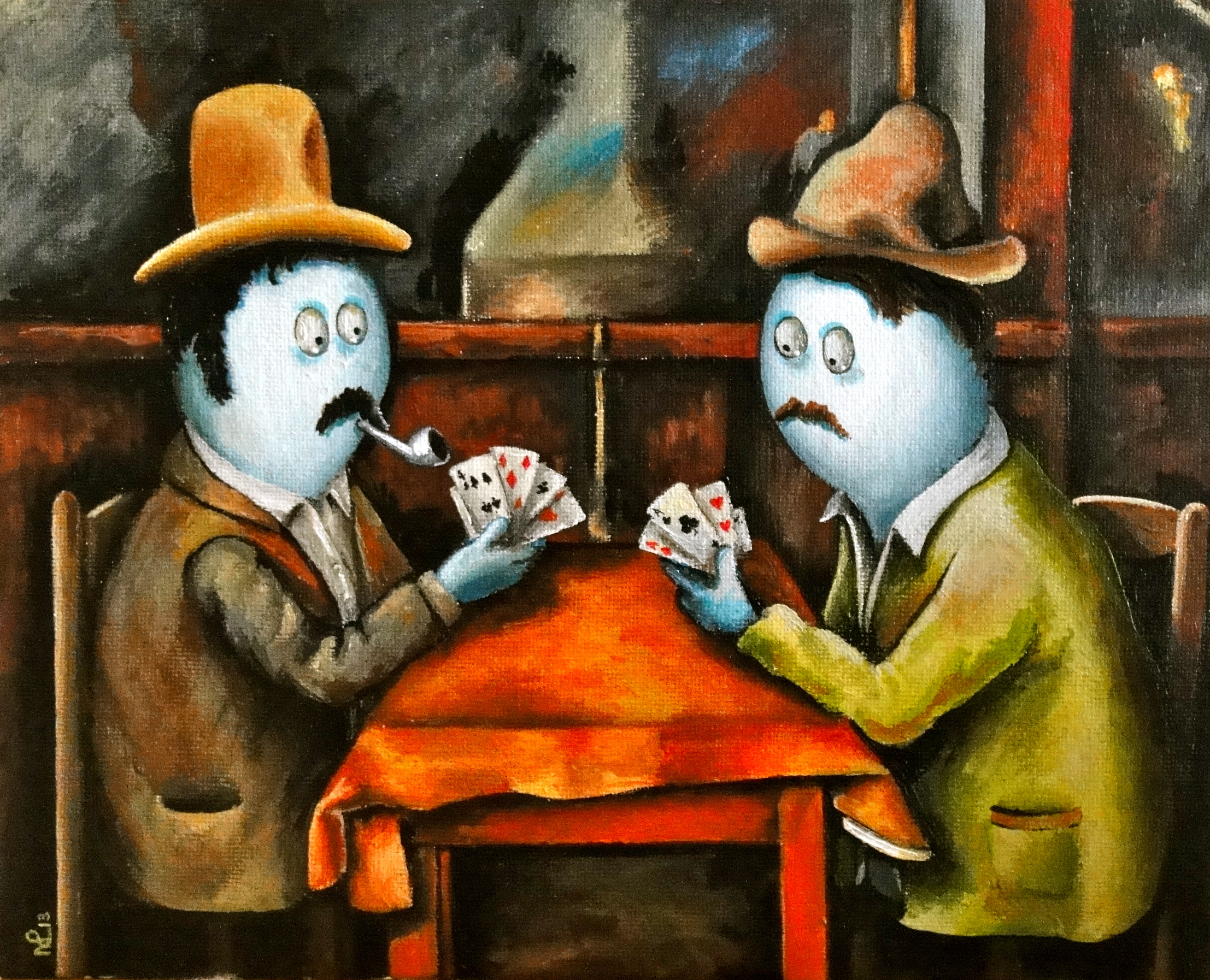
Norm Card Players (after Cézanne) (2013 © Nicholas de Lacy-Brown, acrylic on canvas)

Norm Card Players (after Cézanne) (2013 © Nicholas de Lacy-Brown, acrylic on canvas)

Yes, being as, when you read this post, I should be somewhere in the Lavender-scented verdant rolling landscapes of Cézanne’s beloved Provence, and heading to his home town of Aix as my final destination, the Norms thought it only appropriate that before heading off on that trip with me, they would reimagine this renowned Cézanne scene, composed as it is with a rusty authentic depiction of a Provencal tavern complete with what are believed to be two of its local farmers playing cards. The Norm version is based upon the Courtauld’s canvas (above), and consequently the scene concentrates, as Cezanne latterly did, on the two solitary card players rather than two players with spectators such as populate some of the other works from the series. I’m not entirely sure how Norms manage to play cards so well with only one arm, but I suppose they have their ways, as Norms always do…

So without further ado, I leave you to enjoy the Norm Card Players, in this almost still-life, intense moment of concentrated card play. And some of Cezanne’s originals are included too.

Spot the difference…

The d"Orsay Card Players

The d”Orsay Card Players

The Qatari Card Players

The Qatari Card Players

Card Players at the Barnes Foundation, Philadelphia, Pennsylvania

Card Players at the Barnes Foundation, Philadelphia, Pennsylvania

and at the Met, NY

and at the Met, NY

And some studies…

8-Cezanne-Card-Player-Worcester 471px-Paul_Cézanne_102 502px-Paul_Cézanne_103 Cardplayers_study_bloch_collection

A bientot.

© Nicholas de Lacy-Brown and The Daily Norm, 2001-2013. Unauthorized use and/or duplication of the material, whether written work, photography or artwork, included within The Daily Norm without express and written permission from The Daily Norm’s author and/or owner is strictly prohibited. Excerpts and links may be used, provided that full and clear credit is given to Nicholas de Lacy-Brown and The Daily Norm with appropriate and specific direction to the original content.

Composition No. 2 (Los Naranjos)

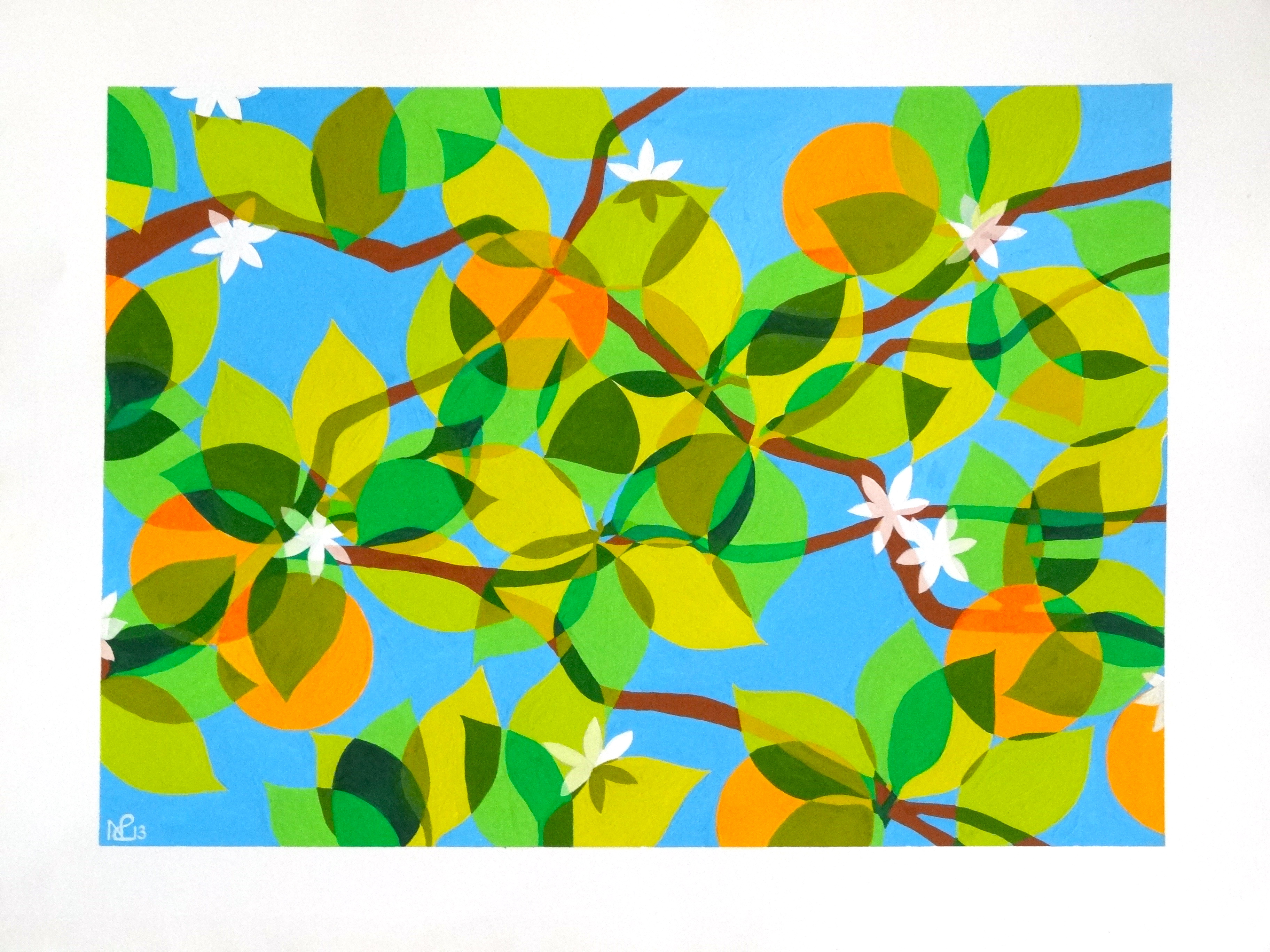
Last week I introduced a new painting and a very new style: Composition No.1 (squid with patatas a lo pobre), and hot on its heels I am very pleased to present my second Composition, likewise painted with gauche whose introduction into my artistic repertoire was inspired by the colourful enriching abstract works of Saloua Raouda Choucair currently on show at Tate Modern.

My second composition is inspired by those exquisite moments of summer time pleasure, when sat in the dappled Mediterranean light and shade of a ripe green orange-tree (Los Naranjos), you look up through the branches in whose semi transparent leaves the sun has scattered a panoply of greens, to see through those verdant lustres the unbroken clear blue sky beyond.

Composition No. 2 (Los Naranjos) © Nicholas de Lacy-Brown, gauche on paper

Composition No. 2 (Los Naranjos) © Nicholas de Lacy-Brown, gauche on paper

I adore mediterranean trees, basking under their natural canopy both protected from, and yet semi-dappled with the glorious midday sun. I love the unmistakable perfume of orange blossom, and the dry earthy aroma of sun warming the wrinkled bark of these well-weathered trees. And for me, the effect of light bleeding through a shelter of semi-translucent leaves lent itself so well to this abstract style, which has at its heart the idea of multi-layered shapes. The result is a painting which I hope you agree has the essence of a summer’s day, but in a decidedly abstracted mood.

Composition No.3 will surely follow suit. Until then amigos.

© Nicholas de Lacy-Brown and The Daily Norm, 2001-2013. Unauthorized use and/or duplication of the material, whether written work, photography or artwork, included within The Daily Norm without express and written permission from The Daily Norm’s author and/or owner is strictly prohibited. Excerpts and links may be used, provided that full and clear credit is given to Nicholas de Lacy-Brown and The Daily Norm with appropriate and specific direction to the original content.

Composition No. 1 (squid with patatas a lo pobre)

With Composition No.1 (squid with patatas a lo pobre), my painting has taken something of a new direction. Inspired by the simple abstract forms and “fractional modules” of Saloua Raouda Choucair, and intrigued by the medium of her choice, gauche, I have diverted from the more detailed figurative approach of my normal artwork to cleaner, simpler representational forms.

In this work, I am attempting to convey an atmosphere and an occasion: lunch by a Mediterranean beach – a dish of squid and patatas a lo pobre, the typical unctuous Spanish dish in which simple oil nourished potatoes are served with peppers and onion. I have attempted to convey the swirls of the sea, the curving delicate forms of a squid’s tentacles and the odd burst of red from the colour-rich peppers.

Composition No. 1 (Squid and patatas a lo pobre) 2013 © Nicholas de Lacy-Brown (Gauche on paper)

Composition No. 1 (Squid and patatas a lo pobre) 2013 © Nicholas de Lacy-Brown (Gauche on paper)

As for gouache paint – it’s been something of a revelation. Something of a cross between watercolour and acrylic but drying matt, flowing seamlessly across the paper and easily controllable both with and without water mixed in, I’ve found it an inherently pleasurable medium with which to work. I love the flat finish, the overlapping colours, and the explosion of blues bursting across the picture. I cannot wait to work in gauche again. In fact, composition No.2 is already taking shape.

© Nicholas de Lacy-Brown and The Daily Norm, 2001-2013. Unauthorized use and/or duplication of the material, whether written work, photography or artwork, included within The Daily Norm without express and written permission from The Daily Norm’s author and/or owner is strictly prohibited. Excerpts and links may be used, provided that full and clear credit is given to Nicholas de Lacy-Brown and The Daily Norm with appropriate and specific direction to the original content.

Autobiographical Mobile: The finished article

C’est fini! At last, my autobiographical mobile is complete! Started in June last year and completed right at the end of April of this year, the maths alone dictates that this has been a long project in the making. While my blog account of the work has been posted in respect of 25 full days of painting, a great number of evenings and hours grabbed in otherwise hectic weeks have been spent working on this piece, one of the most comprehensive projects of my art career so far. Yet the protracted length of the project (augmented by the fact I work full-time and have been undertaking a whole host of other artistic projects in the meantime) has also been one of its benefits – feeling no rush, I managed to achieve a more perfected finish on each of the areas I was working on, and likewise, owing to the passage of time, the painting has become something of a developing story in itself – a true artistic reflection of the changing circumstances of my life.

Autorretrato (Autobiographical Mobile) 2013 © Nicholas de Lacy-Brown, oil on canvas

Autorretrato (Autobiographical Mobile) 2013 © Nicholas de Lacy-Brown, oil on canvas

And how it looked on the first day of painting

And how it looked on the first day of painting

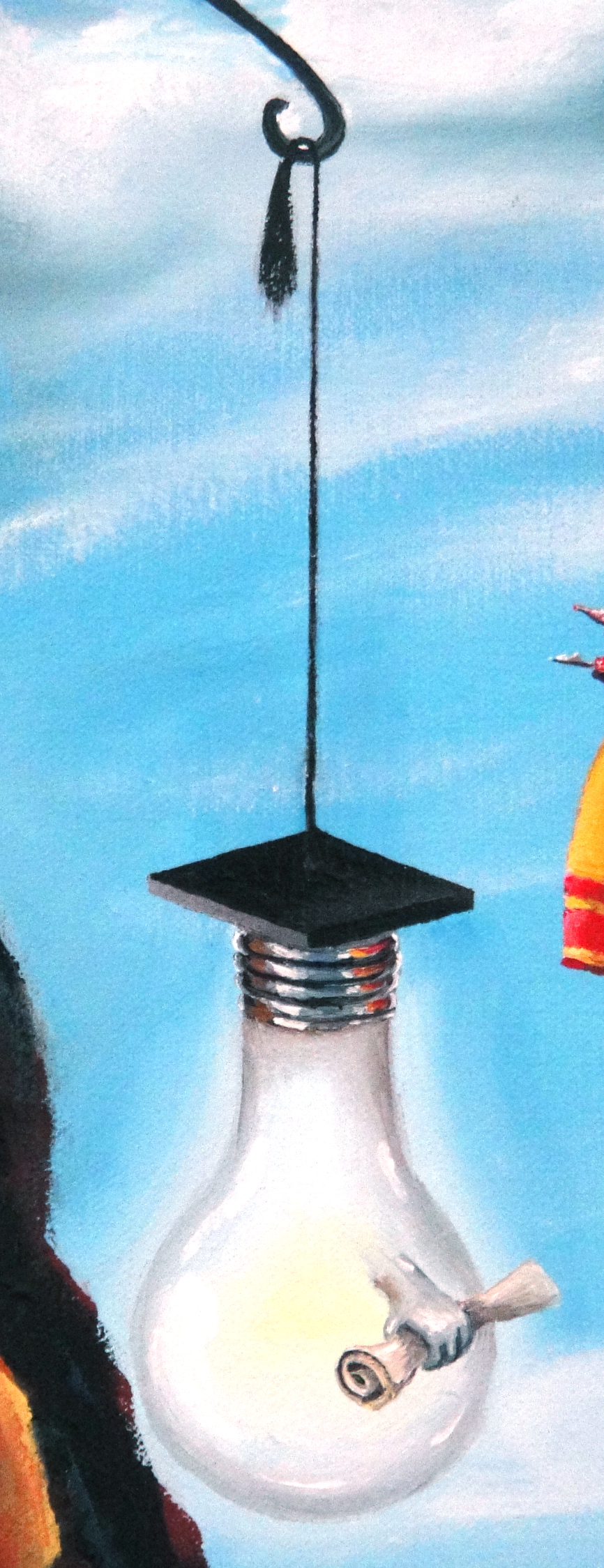
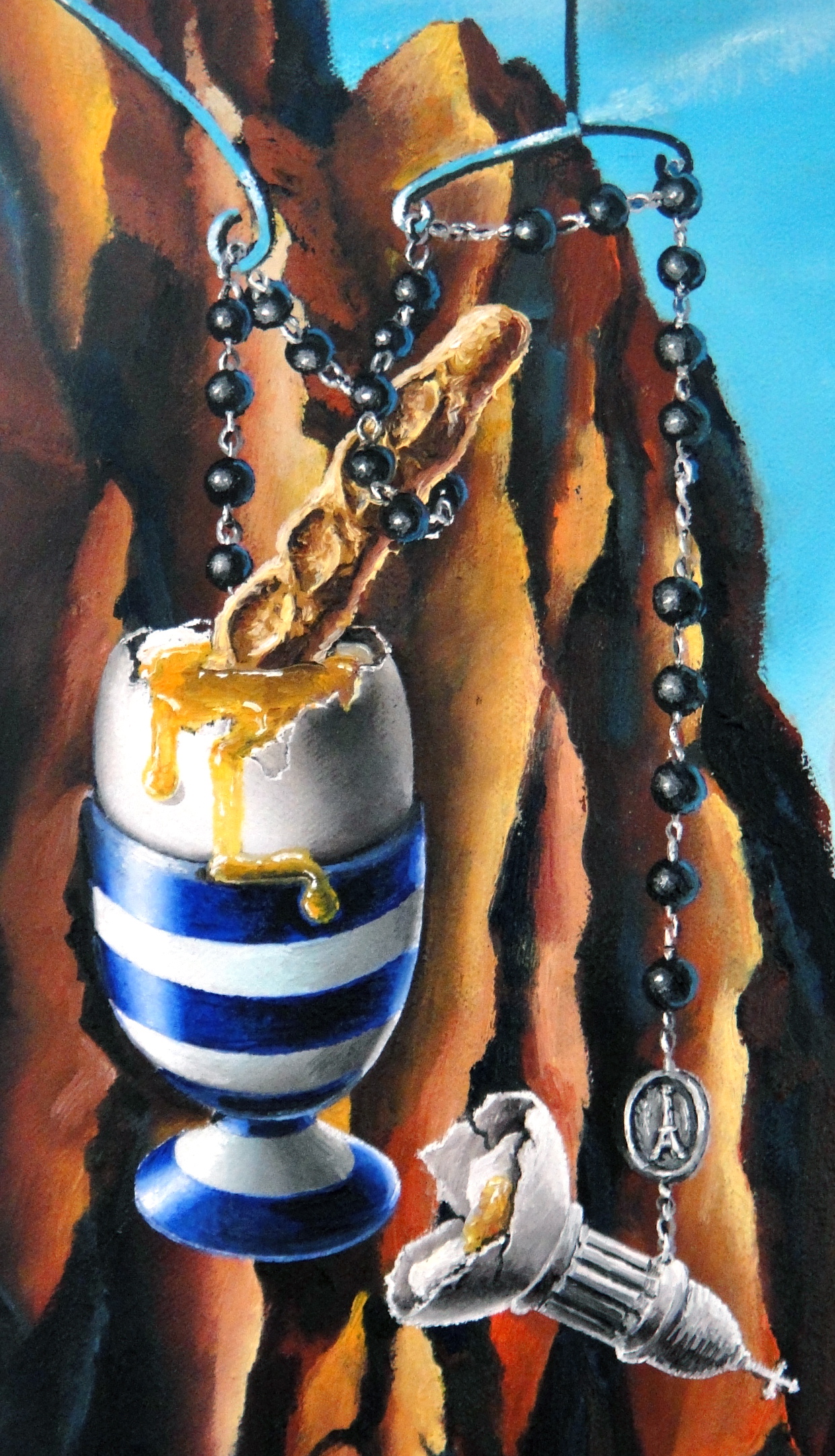
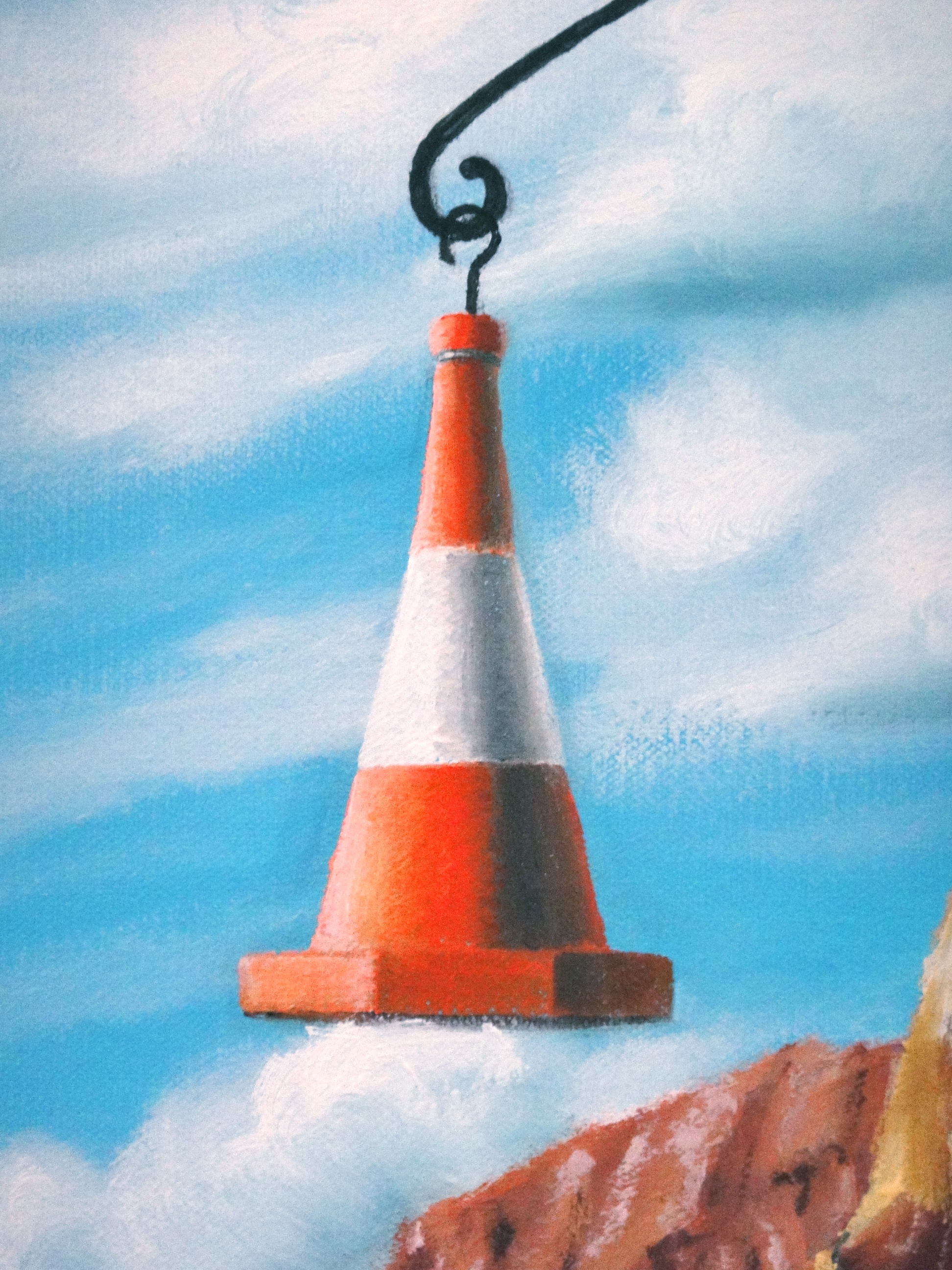
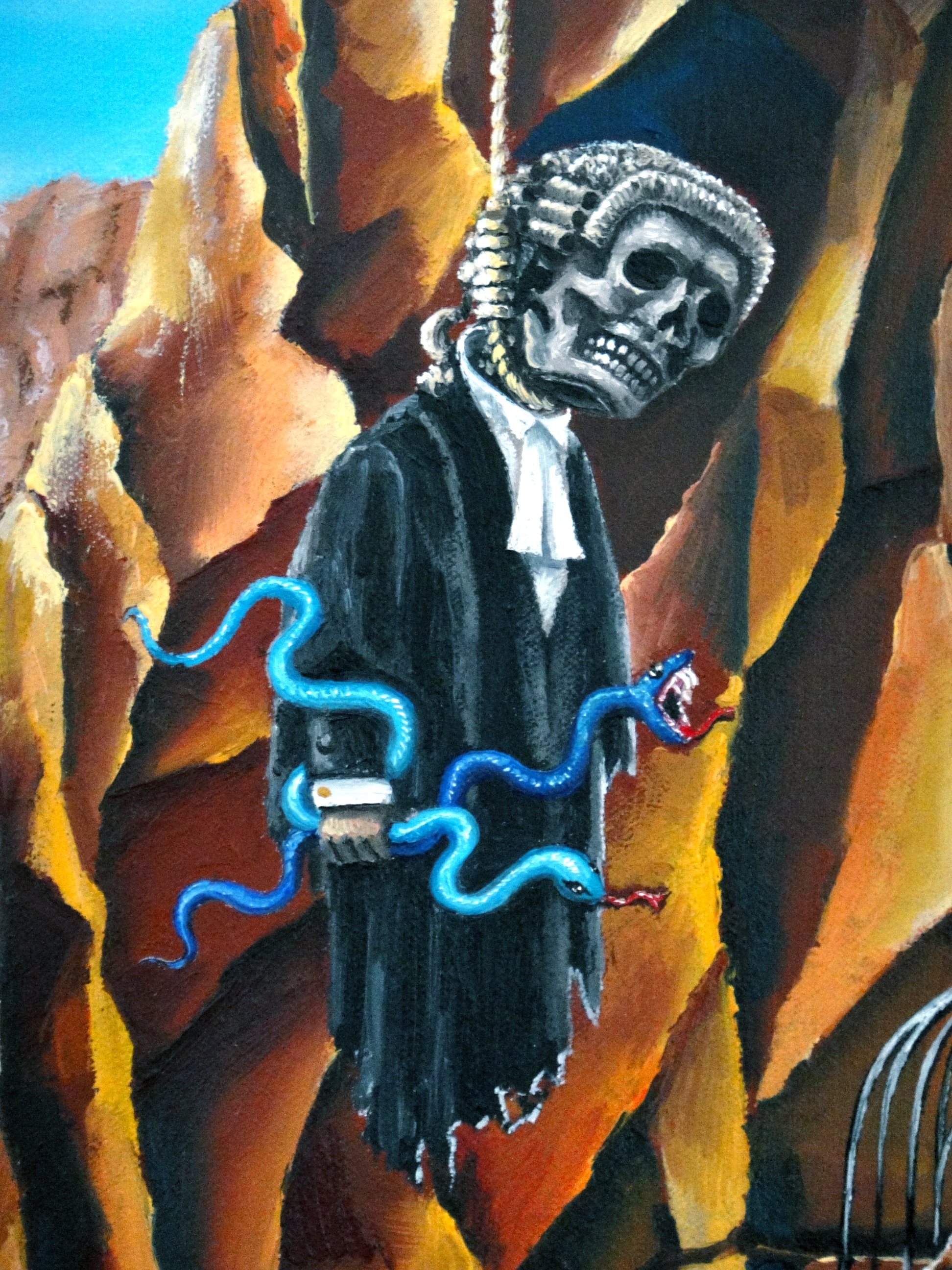
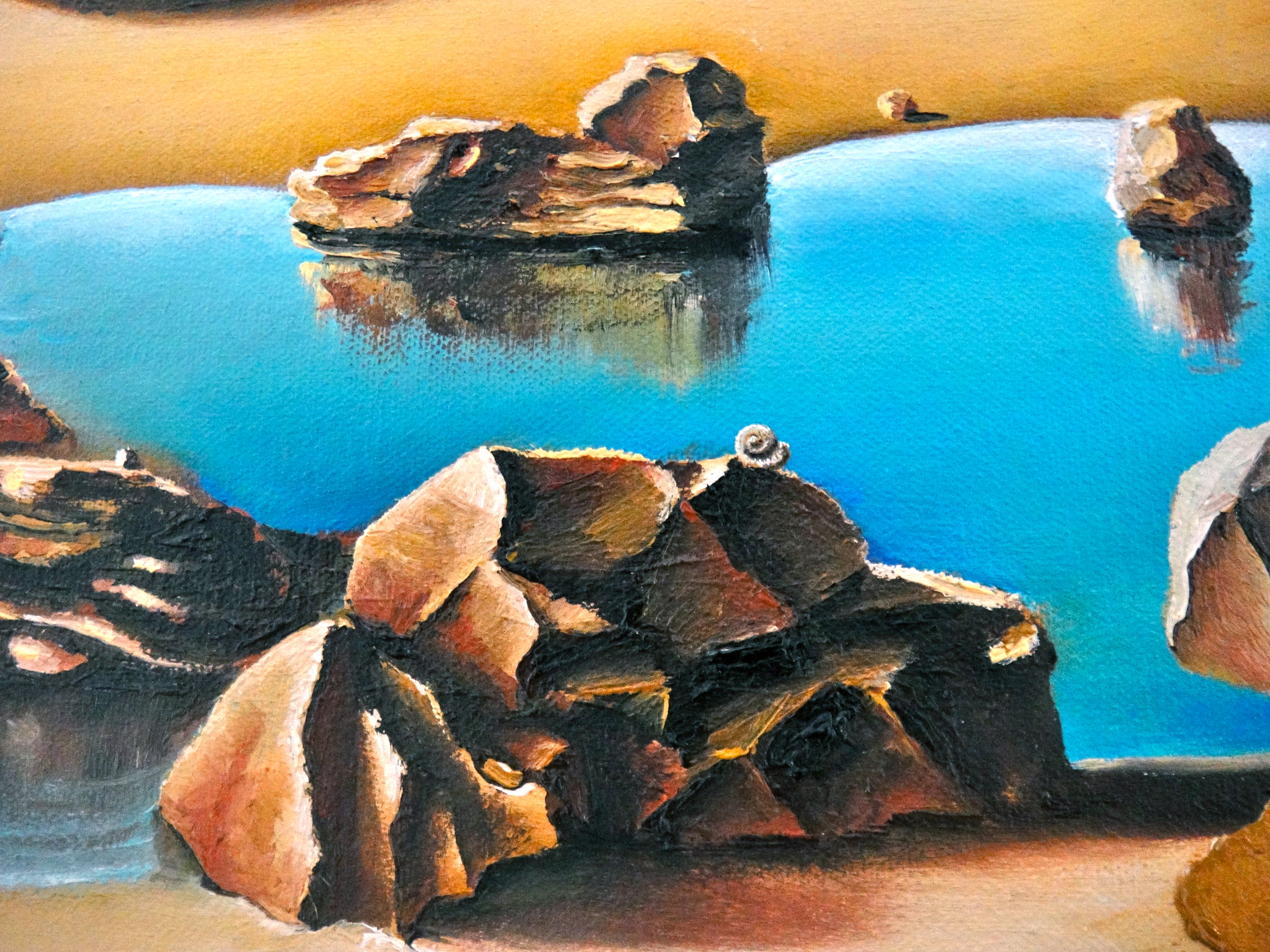
I have extrapolated upon most of the details in the painting in former posts explaining my progress, however in very brief terms, the painting is an autobiographical self-portrait told through symbols and metaphors rather than a head and shoulders portrait. At the centre of the canvas, a large free-standing mobile, in the style of the great mobile-artist Alexander Calder, represents my life. At its base, my constant companions, Fluffy and Bilbao, teddies given by my Partner and me to one another shortly after we first started dating, represent the very consistent, anchoring and significant role of our relationship in my life. Then above, the mobile acts as an autobiography balancing out the various positives and negatives in my life so far. DSC07673 On the left: the positives – all the stuff I love and which has helped to shape me into the person I am today. First up, Spain and art history, symbolised through the iconic image of one of Span’s master-artist’s Infanta portraits, whose dress is in turn decked out to resemble the sandy colours of a Spanish bull ring, while her sunglasses represent Spanish tourism, the industry which has been so important in bolstering the economy of modern day Spain. DSC07623 DSC07619Next, the symbol of enlightenment and creative/ academic success: This is a Norm-shaped lightbulb decked out in a graduation mortar-board and holding a graduation scroll. This hybrid Norm/ bulb character represents my achievements both as an illustrator-blogger and as a lawyer, and stands for the importance of learning and development in my life. Further along, the egg: This is a representation of my art career, and also my love of Paris (where I was engaged and from which I have been inseparable for at least 15 years). Paris was the inspiration for my first major painting, Le Paris Formidable, a creation which I consider to be a milestone in my artistic career and the moment I began to take painting seriously. In that image I painted the Sacre Coeur church as a series of eggs and egg cups (the white domes of the basilica reminding me of eggs), while plunging into the egg, an egg soldier is replaced by a French baguette, held up by a rosary, representing that for me, art is like my religion. DSC07613 Finally in the positives, a sun cream bottle represents my love of travel, and spurting from it, a representation of my love of gastronomy as shown through a mixed and bounteous flow of prawns, marie rose sauce, chorizo, strawberries and wine, all combined together through a meandering strand of spaghetti which in itself metamorphoses from the Fortnum and Masons hamper sat on a rock below it – the hamper representing my love of the finer things in life. DSC07617 Onto the negatives, and up first my 2008 accident – the life-changing event was informed so much of my art and altered my life, both physically and mentally forever. DSC07624 Then the death of my career at the self-employed bar, a hugely difficult time when I suffered stress close to mental breakdown, prejudice, bullying and was effectively cast out of the profession because of the small-minded prejudices which come of a profession in which survival, without fitting into the Oxbridge stereotype (the blue snakes), is all but impossible. DSC07630 Then the birdcage, a symbol of entrapment, both for my sister trapped by the grave fate which arose upon the death of her husband leaving her to bring up three toddlers alone, and for me in my career. DSC07634 Finally the Apprentice – a direct reference to another of my paintings, Nicholas in the Renaissance, a tongue-in-cheek self-portrait in which I parodied a depiction of Saint Sebastian to represent the injustices I felt I had suffered when I appeared in the acclaimed BBC television series, The Apprentice series 4. The sugar cube of course alludes to Lord Sugar, the famous business man for whom the “Apprentices” seek to work under the television format. DSC07645 Meanwhile in the foreground, an expanse of water separates my current life from my childhood, albeit only marginally, and that youth is symbolised my a self-standing rock in the bottom right of the canvas representing my family, a symbol which took on a whole new poignancy when my brother-in-law was killed last December. Meanwhile, in the rock pools to the left, also representative of my childhood, the smallest of shells represents the heady days of my youth when climbing over coastal rocks I would collect shells, affixing them onto little snails I had modelled which I would then sell at local fairs. Some could say it was the start of my art career. They were certainly formative years. DSC07582 DSC07648 DSC07610 So there we have it, my life on a large (120cm x 120cm) canvas in oil paint. I’m awfully proud of this painting, and also glad to have persevered over such a protracted period. The result is a truly reflective glimpse of my life as it stands and also acts for me as a kind of closure on all that is past. Now I look forward to a whole new chapter of my life, with all the artistic expression which will inevitably go hand in hand alongside it.DSC07661 © Nicholas de Lacy-Brown and The Daily Norm, 2001-2013. Unauthorized use and/or duplication of the material, whether written work, photography or artwork, included within The Daily Norm without express and written permission from The Daily Norm’s author and/or owner is strictly prohibited. Excerpts and links may be used, provided that full and clear credit is given to Nicholas de Lacy-Brown and The Daily Norm with appropriate and specific direction to the original content.

Autobiographical Mobile: My painting diary – Day 24: A family tragedy

I set out painting my Autobiographical Mobile in June last year, and wrote my first post on the painting (once I realised it would take me some time to complete) back in August. The intention was to paint a mobile like structure, balancing from its various offshoots both the good and bad experiences of my life so far. In this way, the mobile would tell my story, acting as a autobiographical self-portrait through symbolism alone. Yet when I was planning out the painting back in the summer of last year, I could never have known that when designing how to represent the bad experiences of my life so far that a further, horrendous family tragedy would occur, rocking my world and the lives of my family forever.

Three days before Christmas last year, my brother in law was killed – hit by a car. He left behind my sister and their three children: two year old twins and a 4 year old – all boys. It’s not been something I’ve addressed directly on this blog: before now it felt too soon to address so traumatic an experience on this platform. And even now it’s too tender to describe in words. Yet as with my own road traffic accident five years before, there is no underestimating the relief which artistic representation has given me in being able to work through the pain that tragedy brings.
DSC07639

When his death occurred, Christmas died. The sparkle, the light, the glory and excitement of Christmas was automatically extinguished like a glass of water poured suddenly over a candle. The continuing presence of the decorations around us felt somehow awkward, almost insulting, like someone wearing bright pink at a funeral. And once those decorations were packed away, the world left behind was in so many ways changed from what it had been when we had taken them out, full of the spirit of Christmas only a few weeks before.

In my home what remained after Christmas had been packed away was my Autobiographical Mobile painting, sat on my easel still incomplete, but already including what I had previously considered to be a completed “bad experiences” side of the mobile. Staring at the painting it dawned on me, that no aspect of this work, like a living breathing organism in our home, was ever going to be finished until the last brushstroke had been applied – in the meantime it was a continuing record of my life, and this grave family tragedy would now have to have its place on the canvas.

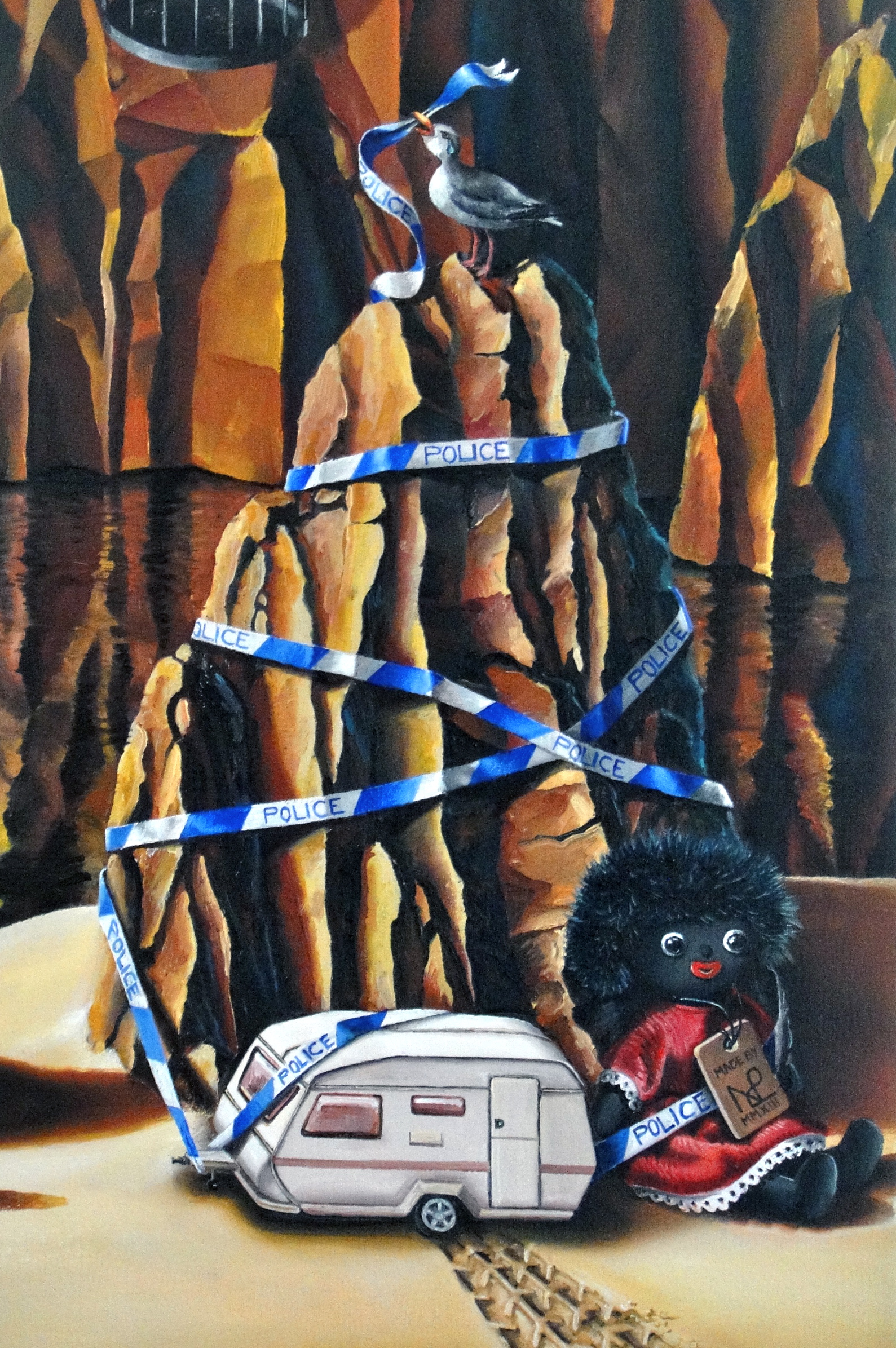
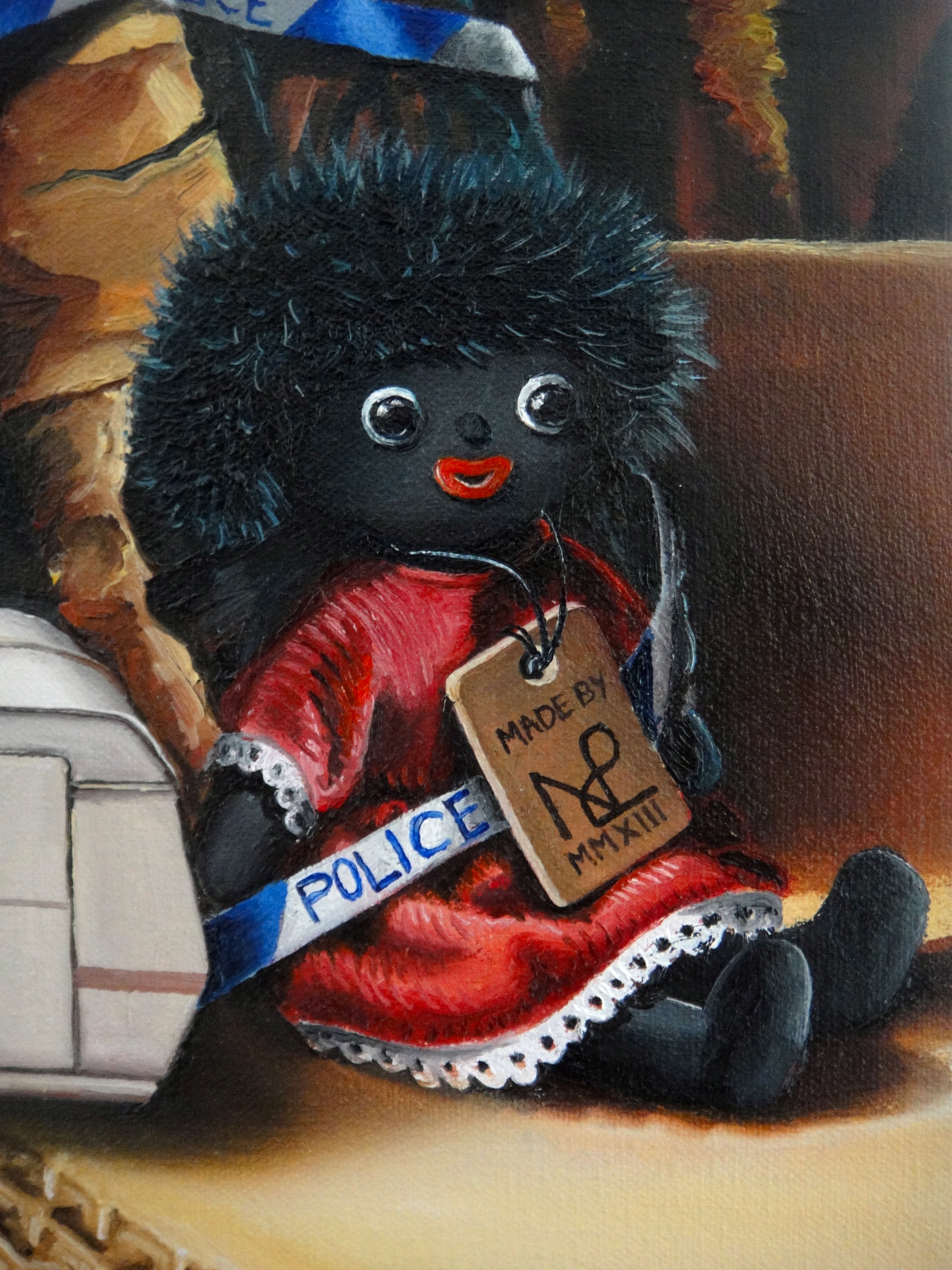
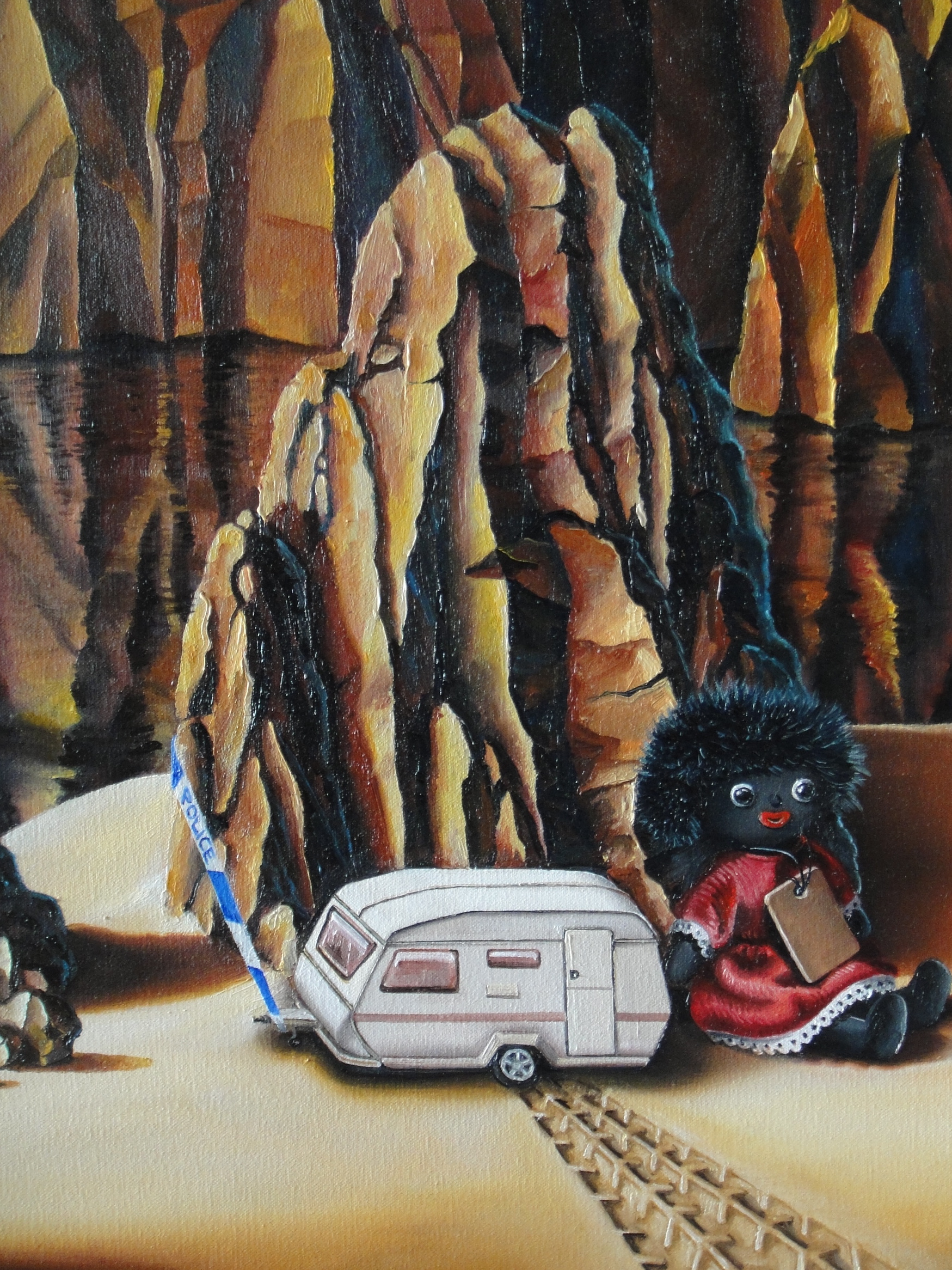
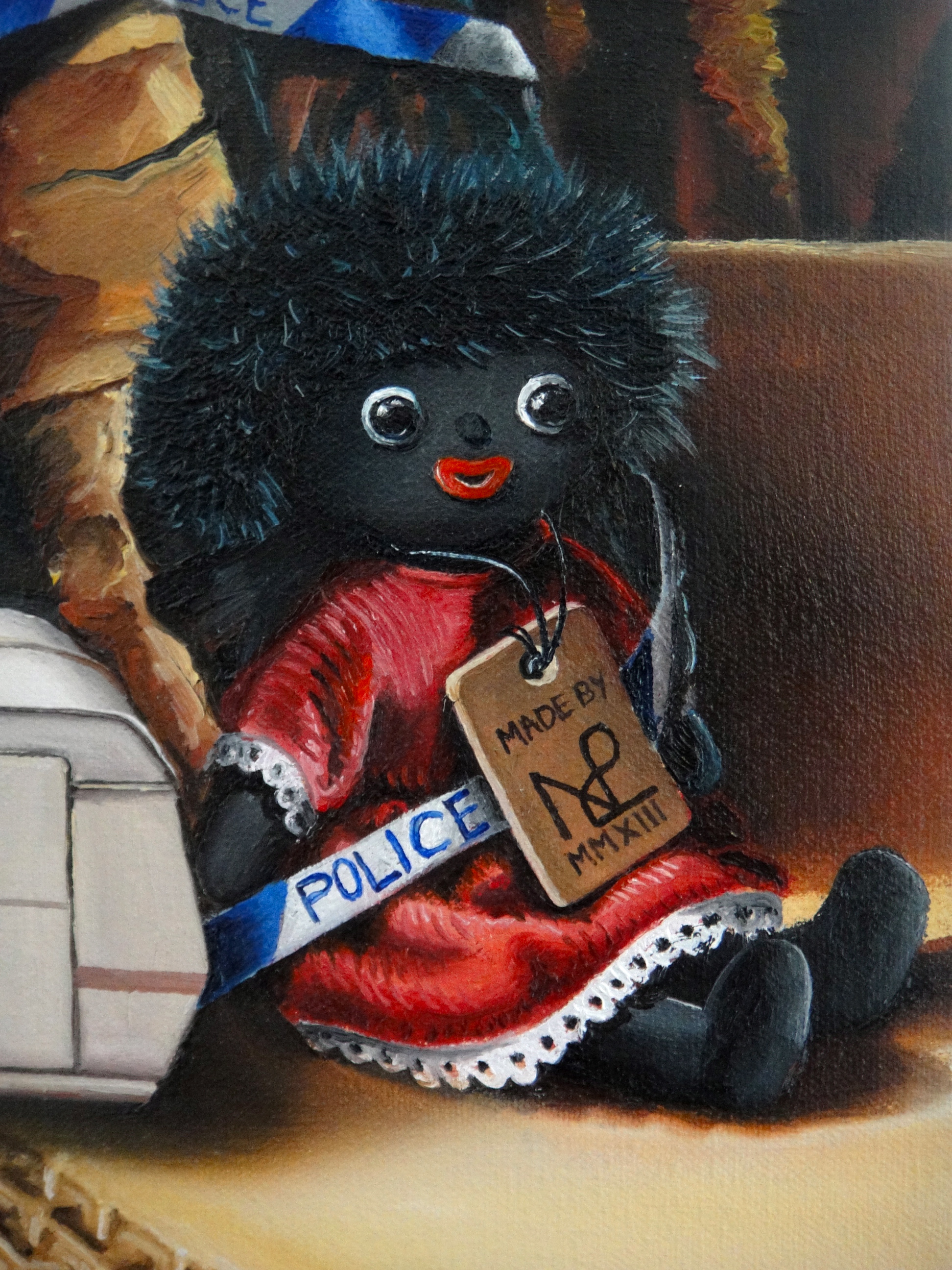
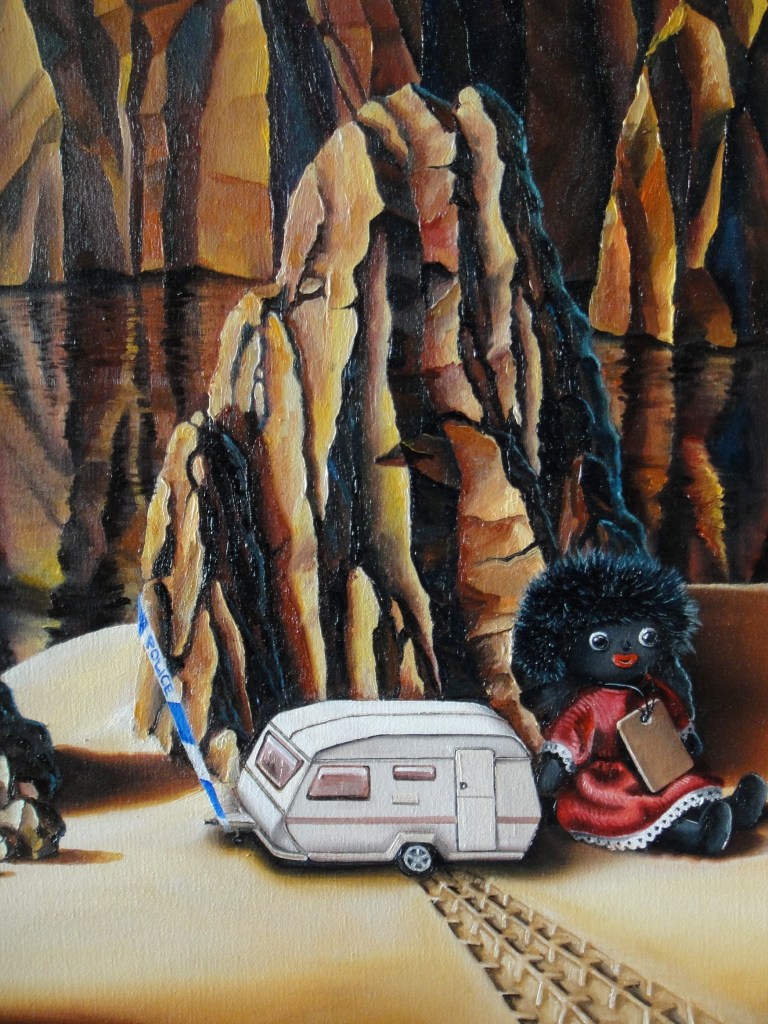
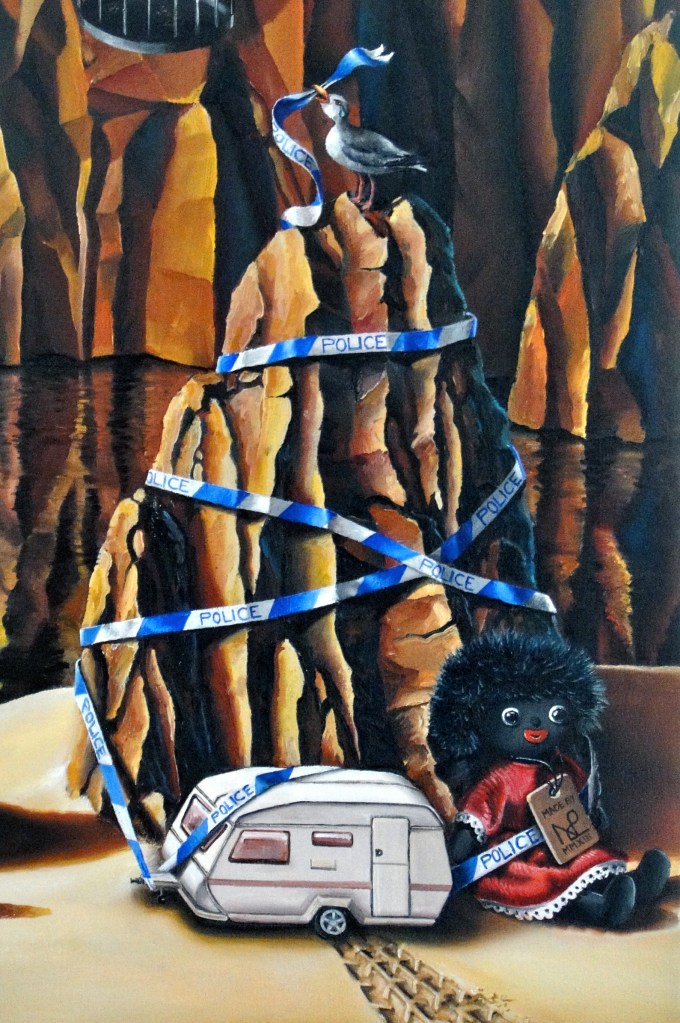
Already painted pre-Christmas was what I had thought of as the “family rock” – a large rock in the bottom right of the canvas, against which a small golly-doll, representing my mother, and a caravan representing family childhood holidays are placed. Those representations remain, but now in a different guise. For wrapped around the rock, ensnaring, entangling the family, the doll, and the caravan in its sinuous web is a police ribbon taken straight from an accident scene. Nothing in the family is free from its reach – it is all-encompassing, a symbol of the inescapable consequences of a family death, a loss of life which affects so many, irreparably, now and into the future.
DSC07444 DSC07582

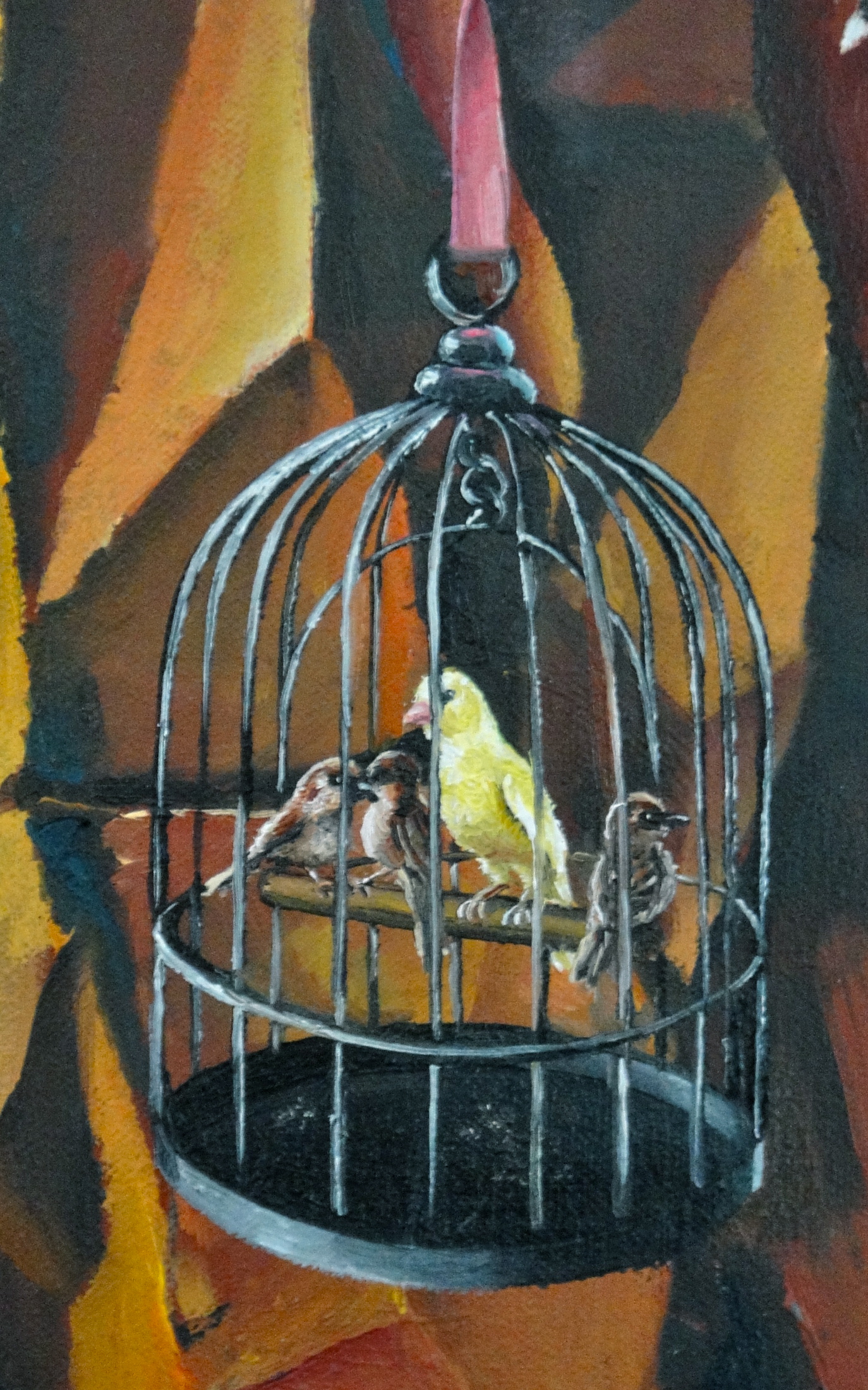
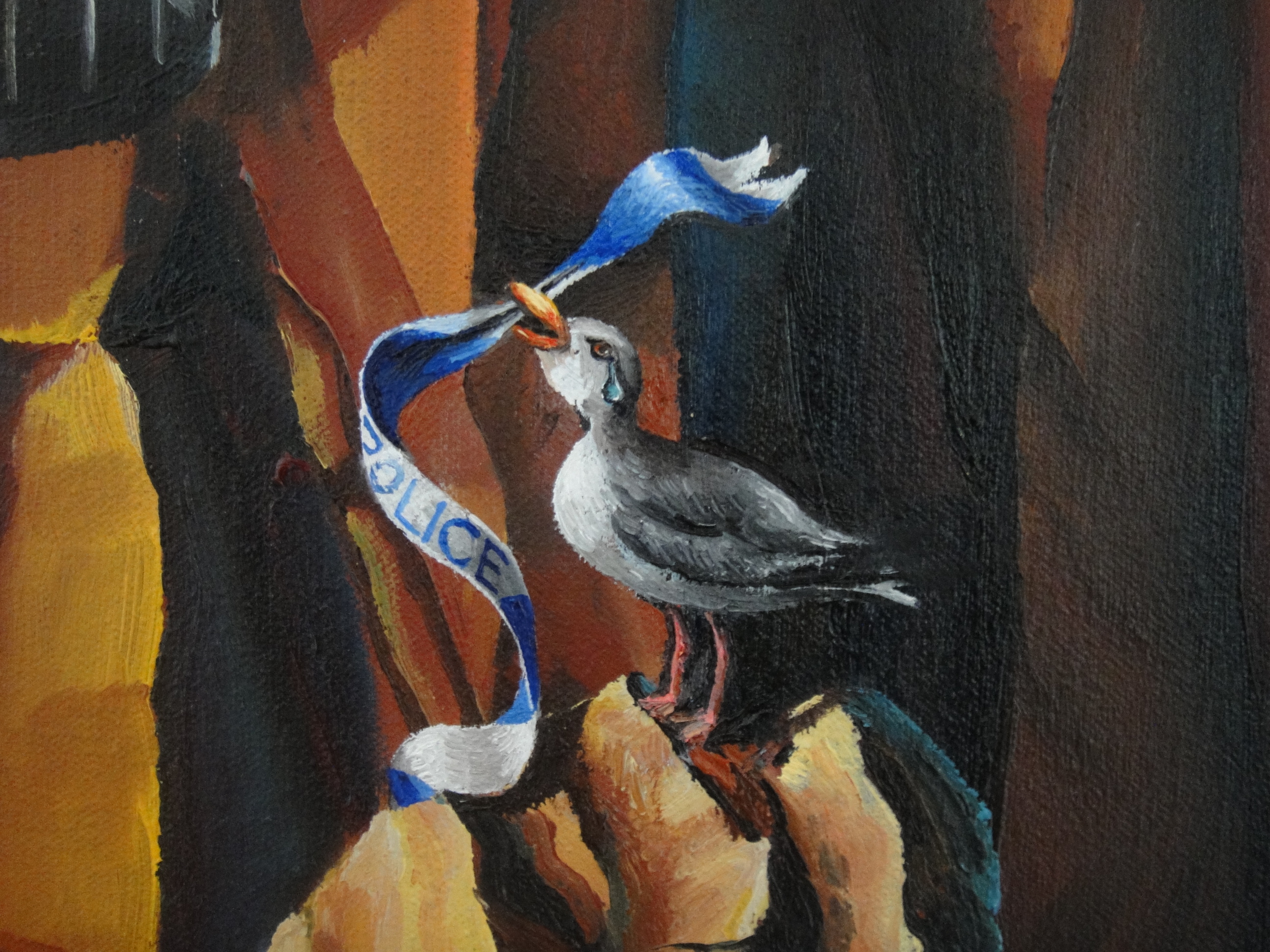
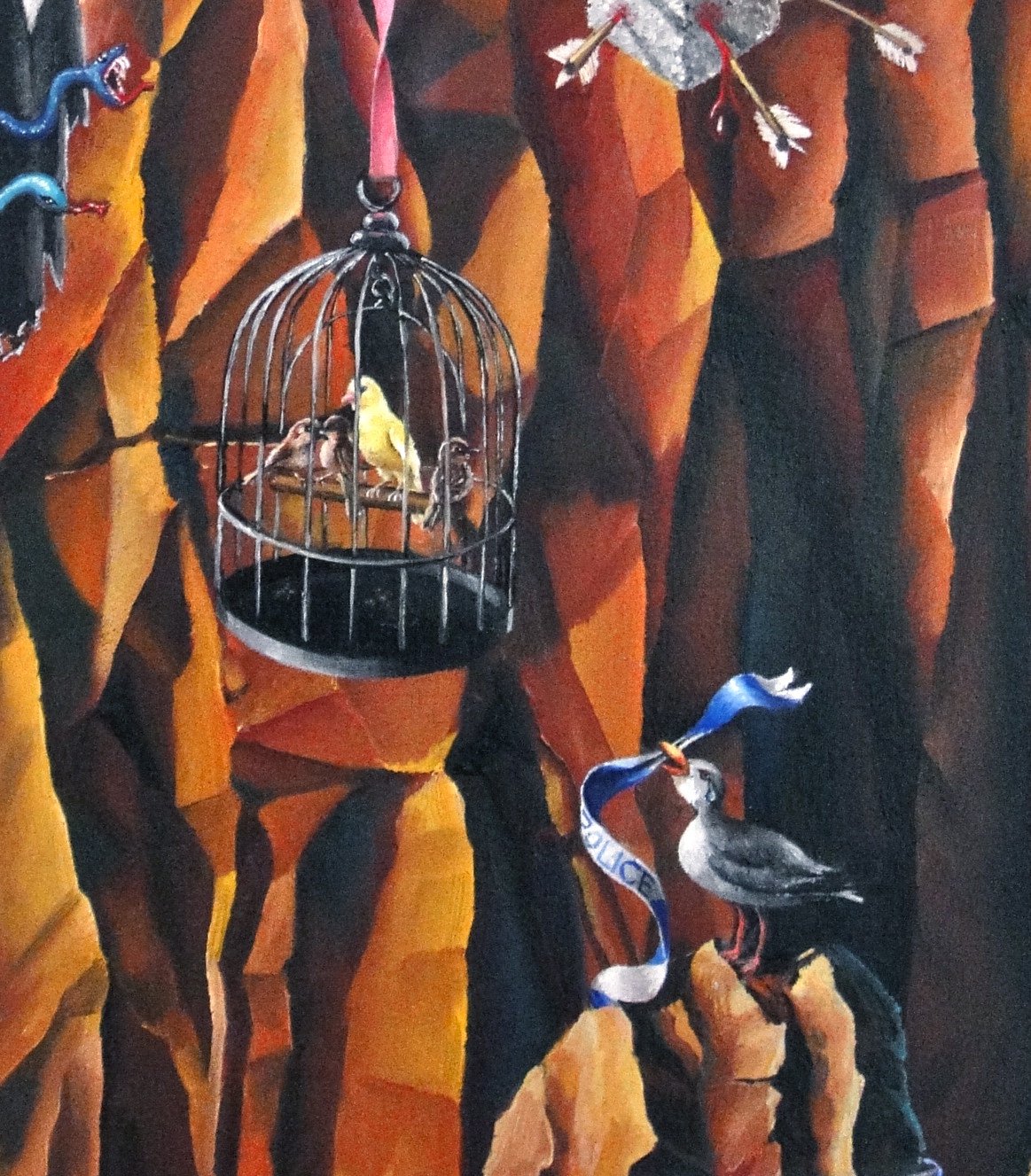
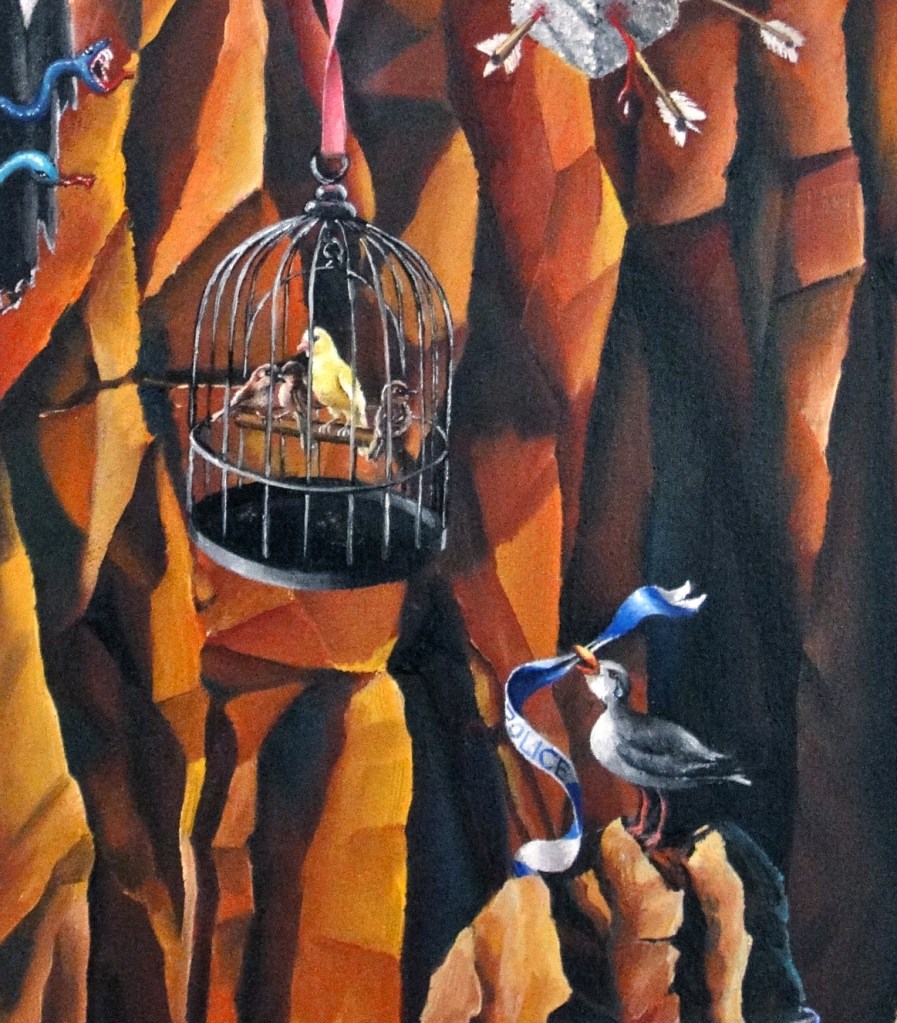
But the image goes further. Atop the rock, a seagull is standing, trying, hard as it might to break the ribbon away, a tear rolling from its eye as it comes to terms with the struggle. The seagull is my sister. We always used to call seagulls “Cathy’s friends” because they always seemed inexorably attracted to her when we were on beach holidays – maybe something to do with the snacks she was eating! The seagull – my sister – looks upwards in the direction of a cage, and in that cage is a bright yellow bird, trapped with three small babies, imprisoned within the confines of its own destiny: responsibility enclosing the bird with an iron fist.

DSC07634

Meanwhile, down at the bottom of the painting, a tire track has imprinted itself through the sand, plunging directly into the rock – the impact of the accident, hitting my family hard. None can escape, although some of us got off lighter than others – around the golly (my mother), a manufacturing certificate hangs outside the confines of the police ribbon. It bares a signature. It’s mine.

DSC07661

© Nicholas de Lacy-Brown and The Daily Norm, 2001-2013. Unauthorized use and/or duplication of the material, whether written work, photography or artwork, included within The Daily Norm without express and written permission from The Daily Norm’s author and/or owner is strictly prohibited. Excerpts and links may be used, provided that full and clear credit is given to Nicholas de Lacy-Brown and The Daily Norm with appropriate and specific direction to the original content.