Skip to content

Posts tagged ‘Nicholas De Lacy-Brown’

The Daily Sketch ITALIA – Norms in Pisa

You don’t have to travel far from Firenze to hit the city’s Mediterranean neighbour: Pisa. These days everyone travels to Pisa for one reason – a certain leaning tower, built as the campanile to an equally stunning cathedral and baptistry all situated in the Piazza del Duomo of this otherwise basically nondescript city. The tower, which was built with only 3 metres of foundations on weak sub-soil, tilts some 5.5 degrees and is without a doubt probably the most famous symbol of Italy next to Rome’s Coliseum.

No wonder then that the Norms decided to give the tower a visit on their tour through Italy, but they did not anticipate quite how much the tower leans. In fact, when they stood in the tower’s shadow, they could have sworn that the tower was actually starting to lean closer and closer towards them. As other tourist Norms look by in shock and bemusement, some taking photos, others staring at the unique angle of the building, we are left to wonder, will the tower topple and squash those poor norms under the weight of its colonnaded majesty? Like all good stories, we are left on a cliff-edge at the point of this sketched snap-shot, with the leaning tower still intact to inspire the admiration and incredulity of us all.

Norms in Pisa (2012 © Nicholas de Lacy-Brown, pen and ink on paper)

© Nicholas de Lacy-Brown and The Daily Norm, 2001-2012. Unauthorized use and/or duplication of the material, whether written work, photography or artwork, included within The Daily Norm without express and written permission from The Daily Norm’s author and/or owner is strictly prohibited. Excerpts and links may be used, provided that full and clear credit is given to Nicholas de Lacy-Brown and The Daily Norm with appropriate and specific direction to the original content.

The Daily Sketch ITALIA – Norms in Venice

The Daily Norm’s Italian season has officially kicked off, and as such is just another of the infamous PIIGS (Portugal, Ireland, Italy, Greece and Spain – the woe of the EU) which is getting the whole-hearted support of my blog. And of course, where The Daily Norm goes, so too must the Norms themselves, and this week you can join these little white blobs as they traverse the boot of Italia itself, bouncing from one destination to another, making their own “Grand Tour” through the country’s most famous sights.

It may make sense to go from South up to the North in the hope that as the summer months heat up, the Norms can catch the cooler breezes of Northern Italy as the days of July tick along. But Norms don’t really think logically, and as they don’t have feet, let alone legs, they can hardly be counted upon to understand the best way to navigate Europe’s most famous boot. The Norms therefore have started off in the North of Italy, and where best to commence their tourist trail, than in La Serenissima herself, undoubted Queen of the Adriatic, Venezia.

We join the Norms as they sample, as every well-moneyed tourist should do (I note at this point that I have never been able to afford the great privilege of a gondola ride, although I have used the vaporetto, the London bus equivalent of the stretch limousine), the glory of the Grand Canal by gondola, floating gently along this main watery artery of Venice, under the city’s most famous bridge, the Rialto. Need I say more? Welcome to Venice…

Norms in Venice (2012 © Nicholas de Lacy-Brown, pen and ink on paper)

© Nicholas de Lacy-Brown and The Daily Norm, 2001-2012. Unauthorized use and/or duplication of the material, whether written work, photography or artwork, included within The Daily Norm without express and written permission from The Daily Norm’s author and/or owner is strictly prohibited. Excerpts and links may be used, provided that full and clear credit is given to Nicholas de Lacy-Brown and The Daily Norm with appropriate and specific direction to the original content.

Sunday Supplement ITALIA – Tuscany Wharf: 15km to San Gimignano

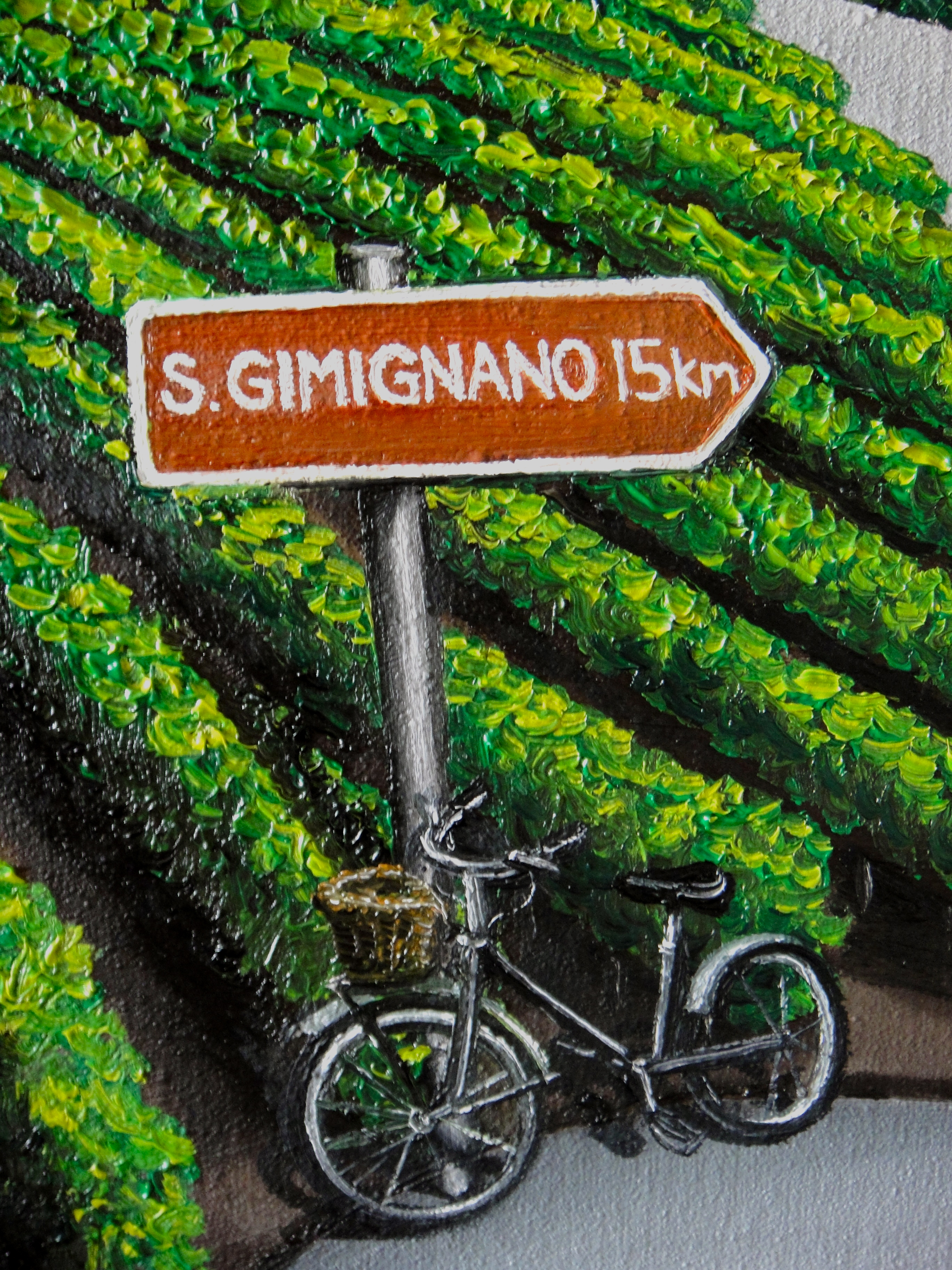
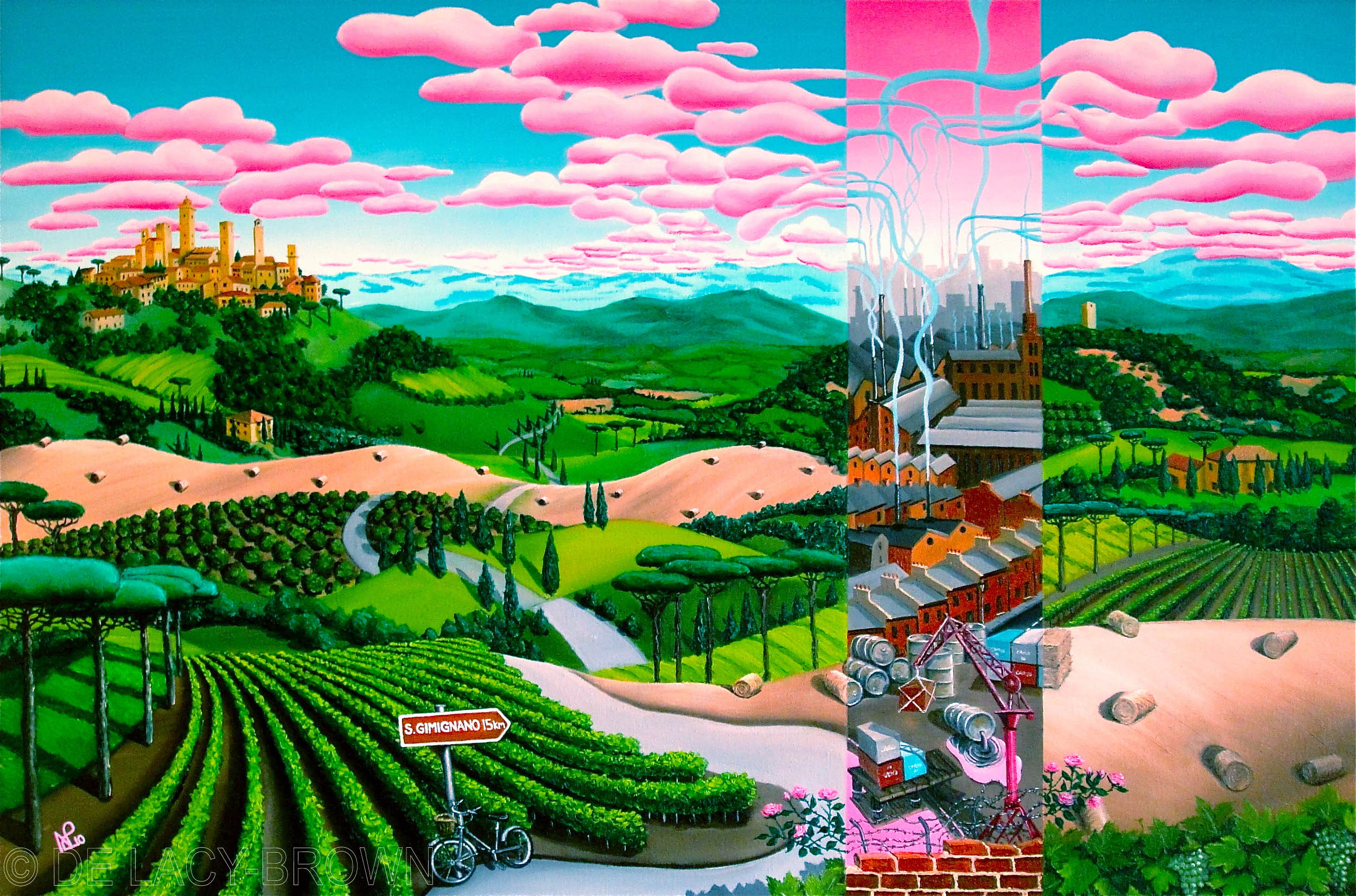
It’s ITALIA Season on the Daily Norm, celebrating, for at least two weeks, everything that’s fantastic about Italy. And to kick of the season, here on the Sunday Supplement, the weekly showcase of my art, I am featuring my 2010 painting, Tuscany Wharf: 15 km to San Gimignano. 

I was inspired to paint the scene when my Partner’s family and I were driving through the incredibly beautiful green and golden rolling hills of the Tuscan countryside. The journey, from Donoratico down on the coast up through the hills, past Volterra and on to San Gimignano involved so many curves and bends and meanders through the Tuscan countryside that when we reached a road sign advising us that after around 90 minutes of said meandering, we were finally within 15 km reach of our final destination, my Partner, whose face was very green by that point, breathed a huge sigh of relief, or as much of a sigh as could be mustered after a double dose of very soporific travel sickness tablets.

As we approached San Gimignano, a UNESCO world-heritage protected town, famous for its collection of medieval towers which grew taller with each new construction as rich merchant families sought to compete with one another, the view was better than ever. Approaching the town from some distance, seeing the iconic towers gradually emerging from behind the brow of a set of undulating hills, was quite a sight, and one which I have attempted to capture in my painting, which celebrates all the beauty of the Tuscan countryside from rows of perfectly lined up vineyards and golden fields with rolled up hay, to the curly-wurly road itself, rising and falling over and around the crests of hills, lined by cypress trees and Italian pines.

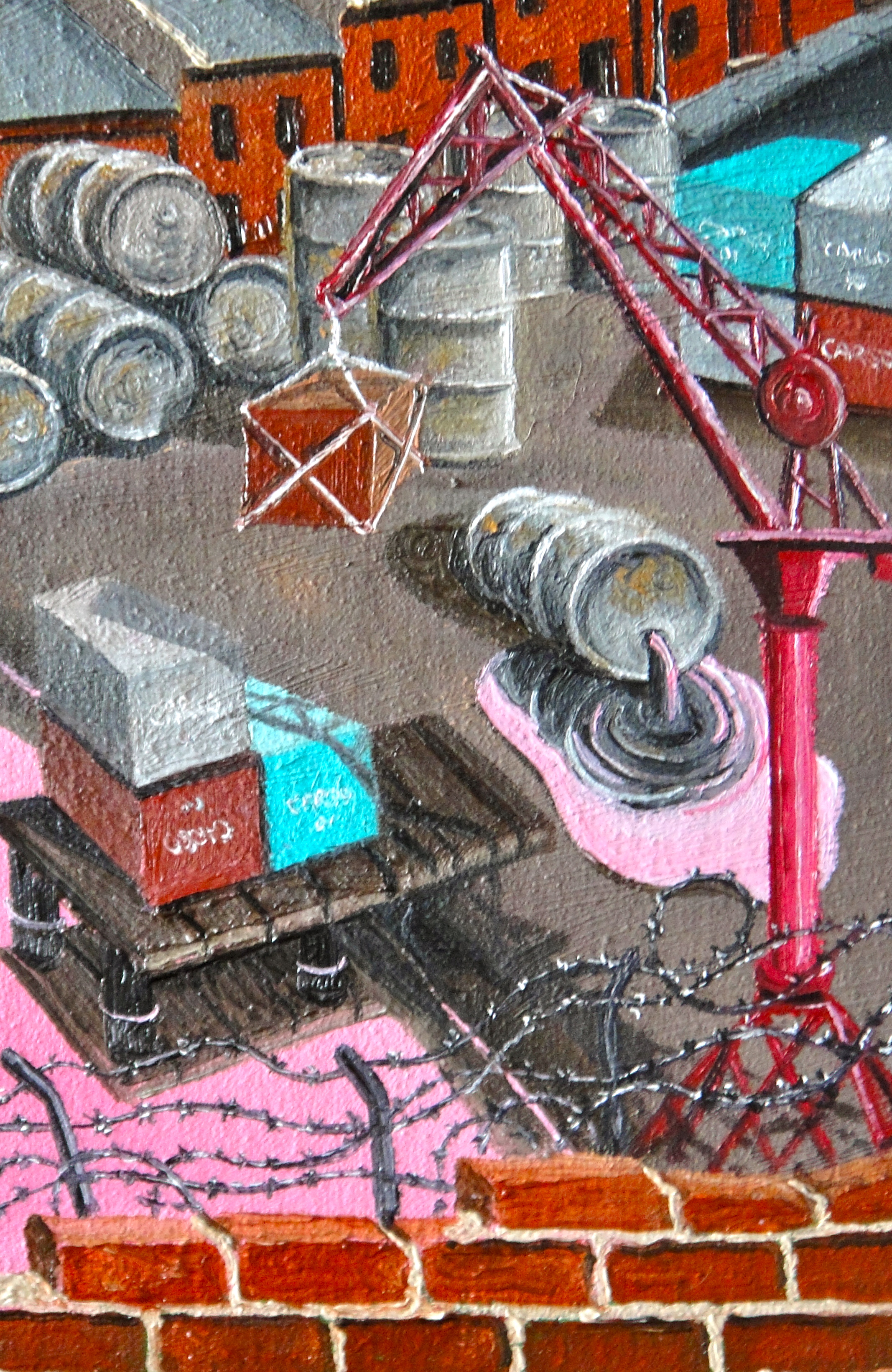
However what makes this representation of Tuscany different is that sliced through one part of the landscape is a vertical insight into another world. It’s industrial Northern England, a scene with such industrialised toxicity that the smoke bellowing out from the factory chimneys pour into the Tuscan scene, filling turquoise skies with a decided collection of clouds. The English scene, which was inspired by the works of L. S. Lowry, was inserted by way of marked contrast to the beauty of the Tuscan scenery. However both scenes appear to be in sync, as if they represent the same geography in a parallel universe. Where the tuscan hills roll upwards, the english scene follows the same trajectory, with a row of cramped terraced houses following the same incline of the Tuscan hill. Where in tuscany there is a round bail of hay, in the English scene, the bail of hay is replaced with a cylindrical oil container. Similarly the roses, planted next to a vineyard so the grape grower can detect disease early, is replaced by the barbed wire keeping trespassers off the industrial site. Thus it is that the two landscapes appear inescapably conflicting, and yet coexisting in perfect union.

Tuscany Wharf (15km to San Gimignano) (oil on canvas, 2010 © Nicholas de Lacy-Brown)

© Nicholas de Lacy-Brown and The Daily Norm, 2001-2012. Unauthorized use and/or duplication of the material, whether written work, photography or artwork, included within The Daily Norm without express and written permission from The Daily Norm’s author and/or owner is strictly prohibited. Excerpts and links may be used, provided that full and clear credit is given to Nicholas de Lacy-Brown and The Daily Norm with appropriate and specific direction to the original content.


Sunday Supplement: St Ives

We Brits are so accustomed to heading down to Gatwick and jetting out to the Mediterranean, the French Countryside or the Aegean Sea for our summer holidays that we forget what we have on our doorstep. It’s not that we can be blamed – look at us now. Mid-June, almost the longest day, and last week we had temperatures in the region of 12 degrees. Last Monday in fact that skies were so dark as they spouted out a continuous torrent of abusively heavy rain that I felt as though apocalypse had fallen. However on the rare occasion that the weather actually behaves in correlation with the seasons, England can do summer holiday like each of its European neighbours.

I love my photo of old women on a bench – so marvellously English

There’s nothing quite like an English summer – Pimms in the garden on a setting sun, when the grass goes slightly dewey and the sunlight dapples on the dinner jackets and ballgowns of attendees to Glyndebourne Opera, or open-air Shakespeare in Regent’s Park; picnics under willow trees, next to ponds quietly humming with the sounds of multi-coloured dragonflies dancing across the surface of lily-pads; and the coast. The English coast is emblematic of old-school summer holidays, as men took out their handkerchiefs and tied knots in the corners to make a hat providing scant protection of their bald-batches, children risked breaking their teeth on a lump of sticky-sweet “rock” complete with writing running through the middle, and others took up exploring in rock-pools searching for crabs and shrimps and other creepy crawlies which lurk in amongst the rocks and seaweed when our extreme tidal system takes the sea way out beyond the beach.

Yes, this IS English sea!

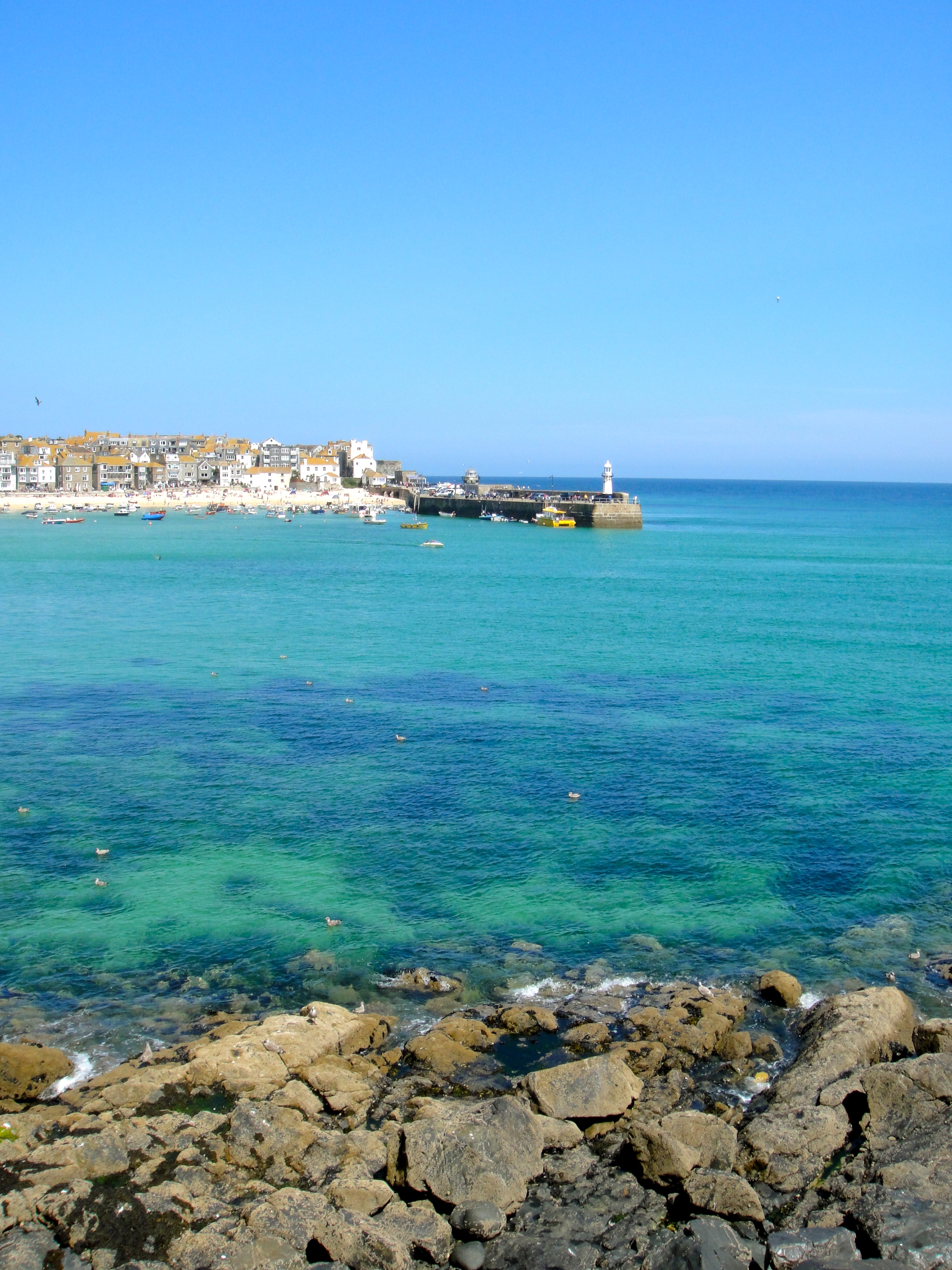
Together with this tradition, you expect to find plenty of seaweed, lots of rocks and stones and a slightly dull tinge to the seawater, making it altogether a more English, slightly less comfortable affair. But last year when I headed down to Cornwall, right at the bottom of our fair nation, I was flabbergasted by the site of such a stunning coastline, with such sapphire-sparkling crystal-clear turquoise waters that I could have been in the Caribbean. No wonder then that the little harbour town of St Ives has proved such an inspiration to generations of artists (Barbara Hepworth and Ben Nicholson being two foremost examples of modern times) that the world-famous Tate Gallery has set up an outpost there.

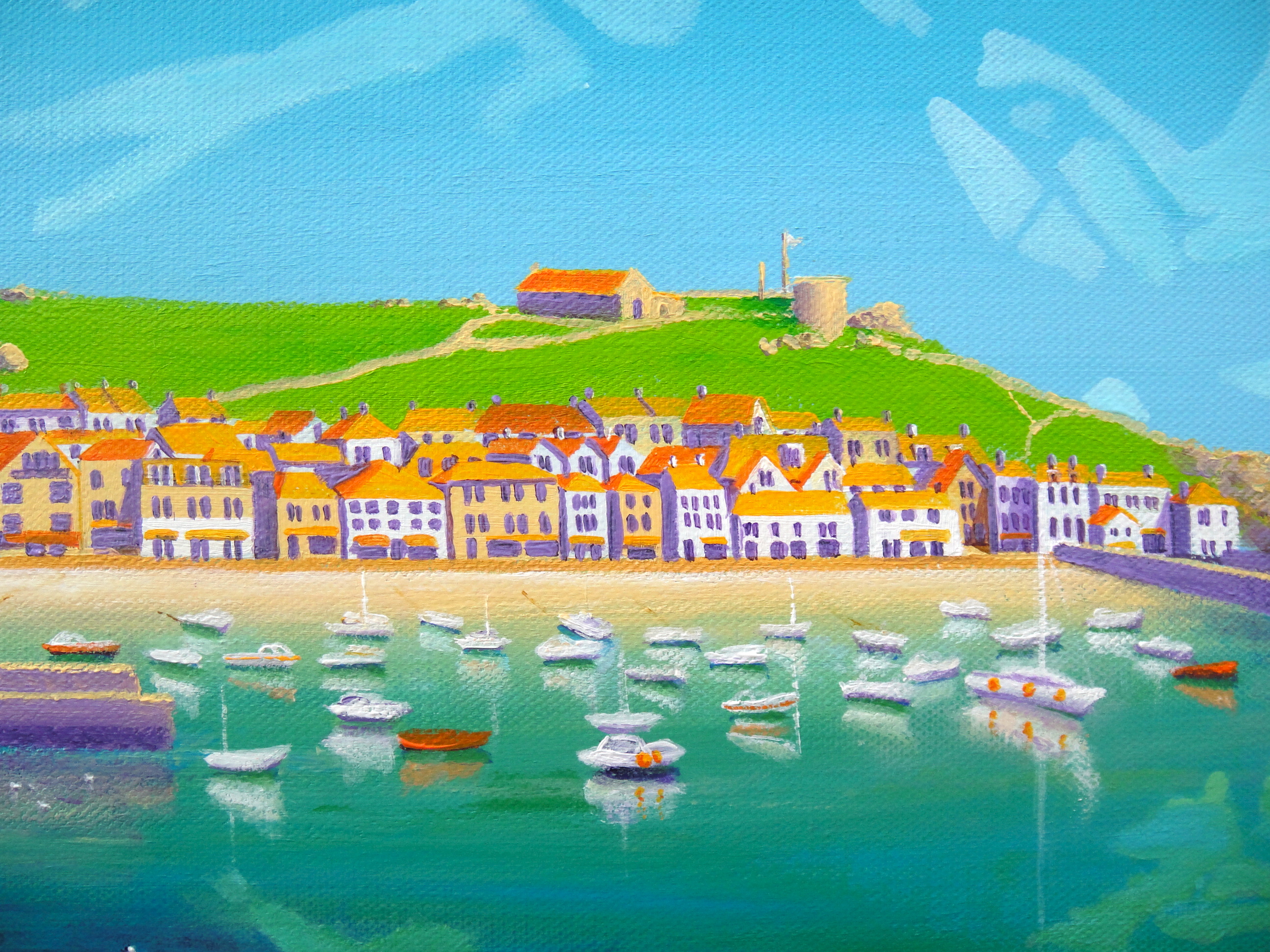
Well when I stayed last year, I too became inspired by the burst of very mediterranean colours that were all around me and, when I was, ironically, sat in the garden of my family home in Spain on the Mediterranean itself, I took to my canvas and recollected the beauty of what I had seen in Cornwall a few weeks before.

St Ives (Cornwall) (2012 © Nicholas de Lacy-Brown, acrylic on canvas, 60 cm x 50 cm)

My painting of Cornwall uses a simple colour palate with fresh oranges, greens and purples, while the turquoise qualities of the sea are reflected in all their beauty. I’ve introduced something of a cubism element when tackling the many rocks which frame the coast and most unusually of all, I’ve actually painted an impression of how the light dappled upon the canvas when I sat painting it in my parents’ garden, with the light cast through the intricate mesh of the jasmine tree. In this way I have forever captured a St Ives imbued with the light of the Med where I was inspired to paint it.

Detail of the harbour (© Nicholas de Lacy-Brown)

Detail of the town and lifeboat pier (© Nicholas de Lacy-Brown)

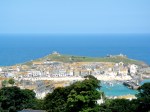
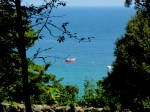
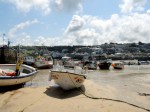
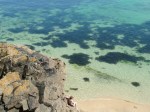
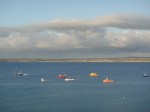
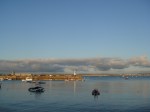
In addition, take a look at this little gallery of some of my photos from St Ives so you can see what inspired it.

Have an amazing Sunday.

© Nicholas de Lacy-Brown and The Daily Norm, 2001-2012. Unauthorized use and/or duplication of the material, whether written work or artwork, included within The Daily Norm without express and written permission from The Daily Norm’s author and/or owner is strictly prohibited. Excerpts and links may be used, provided that full and clear credit is given to Nicholas de Lacy-Brown and The Daily Norm with appropriate and specific direction to the original content.

Salamanca: My Painting – Homage to a sandstone city in oil on canvas

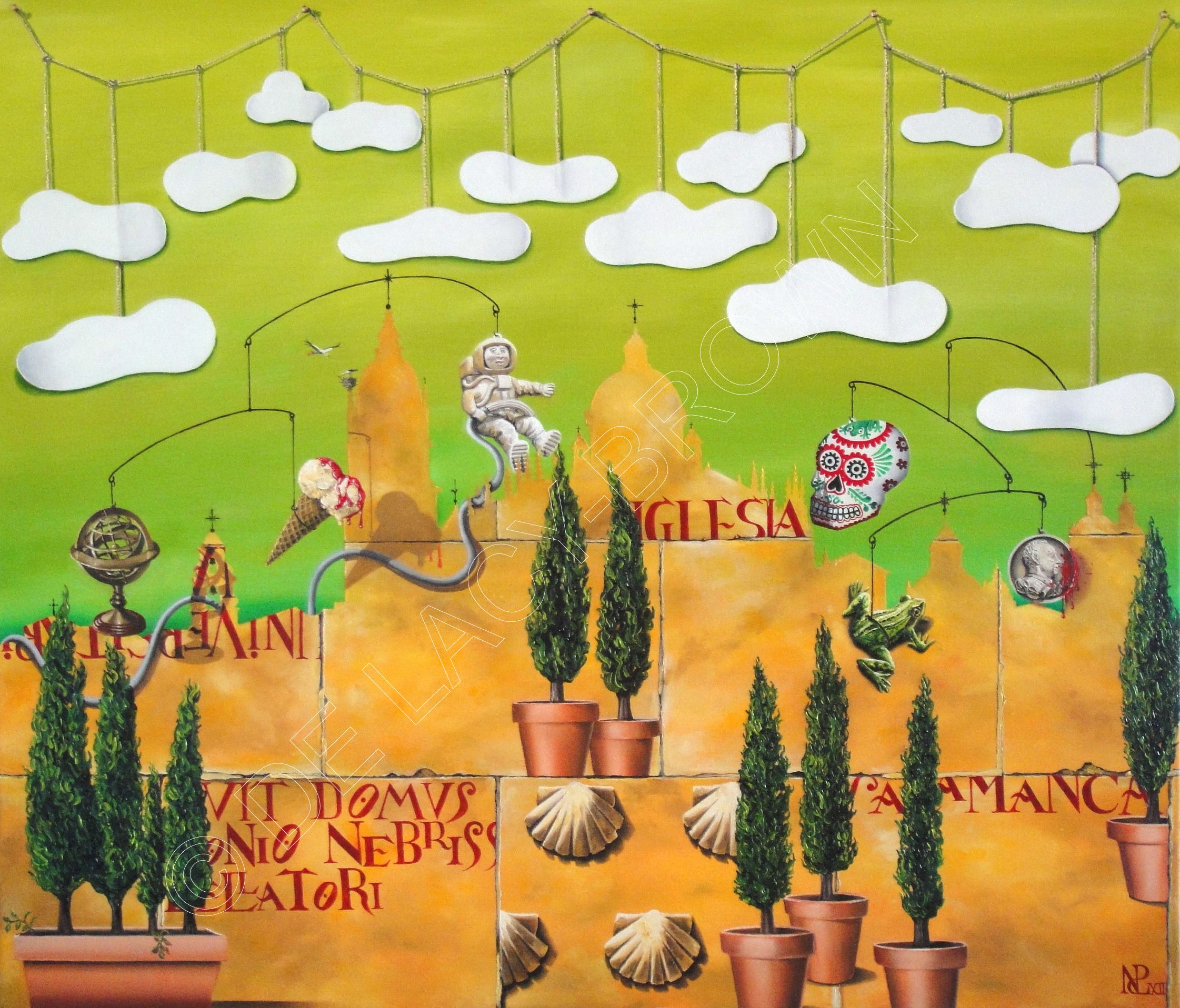
It’s been two months since I returned from the golden glowing sandstone Spanish city of Salamanca. There was so much to inspire me when I walked those elegant historical streets. When I gazed, mesmerised through my hotel window onto the stunning baroque Cathedral, the sun setting upon its orange stonework, and cypress trees gently waving from side to side in the evening breeze before it, a painting came to my mind. I rushed to make a quick sketch which I still have on the back of a reservation print out for the restaurant we were dining at that night. My painting of Salamanca was to contain what to my mind was the essence of the city – a kaleidoscope of dappled, marbled oranges and golds in a landscape uniquely built from the local Villamayor sandstone, a city bursting with historical artefacts flowing from the dual powerhouses of church and university. It is a city which is elegant in its antiquity, and yet bursting with fresh new life from its greenery, its strong local life, the pull of tourism and the thriving university population which resides there. This was my inspiration and shortly after returning from Spain I set to work on a large 105 cm x 90 cm canvas. I finally finished  the work over the long Jubilee Weekend. And here, exclusively, is the result, as I present my first (non-Norm) painting of 2012…

Salamanca (2012 © Nicholas de Lacy-Brown, oil on canvas, 105 cm x 90 cm)

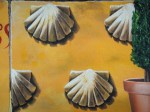
Dominating the centre of the canvas is a silhouetted skyline of the city, recognisable by the Cathedral spires and the intricate turrets, domes and baroque roofing of the nearby University. Rather than paint the detail of the buildings, I constructed the skyline out of a wall of villamayor sandstone bricks, in the same way that each building of the city is constructed. Those individual bricks act as a window onto different features of the city. On one brick you see the conch shells of the famous Casa de las Conchas, while on others, parts of the hand painted street letterings are featured, infamous for their historical use of pigs blood and olive oil.

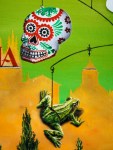
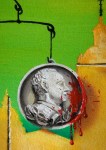
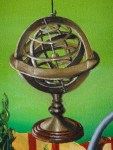
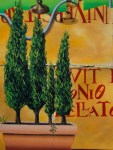
In the meantime, out of the Cathedral and the university, the ironwork crosses become large mobile-like structures, inspired by the great maker of mobile art, Alexander Calder. On these mobiles hang various symbols of the city. The astronaut and the ice cream which are usually imbedded in the intricate plateresque facades of the Cathedral and the University’s famous sandstone frog are all featured, as well as the skull upon which the frog sits (my painted skull is inspired by the Mexican Dia de los Muertos celebrations for which houses and graves are adorned with beautifully decorated hand painted skulls like this one). Represented too is the tradition of learning at the University, embodied in the Orrery (one of which I bought while in Salamanca as a souvenir of the city) as well as the famous Plaza Mayor, represented by the infamous bust of Fascist leader Franco which can be found amongst the busts of Spanish rulers around the square, and the inclusion of which causes such controversy that it is regularly vandalised. My Franco too has been vandalised, but is that paint on his face or blood on his hands? Finally the painting is generously sprinkled with various groups of cypress trees, tidily placed in terracotta pots at various spots across the canvas as well as a curtain of clouds sweeping across a clear green sky. Ooh and look out for the little stork’s nest embedded amongst the spires of the cathedral – the storks are a customary feature of the city and do not appear to cause the residents any hassle – in fact some churches have baskets placed on top of their spires to aid the storks in building a safe and secure nest!

So there it is, and above, so you don’t miss the details, are more photos showing the various individual aspects of the painting. I hope you like the painting and, more importantly, let me know what you think! I’ve already started a new work, so look out for that over the coming months.

© Nicholas de Lacy-Brown and The Daily Norm, 2001-2012. Unauthorized use and/or duplication of the material, whether written work or artwork, included within The Daily Norm without express and written permission from The Daily Norm’s author and/or owner is strictly prohibited. Excerpts and links may be used, provided that full and clear credit is given to Nicholas de Lacy-Brown and The Daily Norm with appropriate and specific direction to the original content.

Sunday Supplement: High Perspective (Viewed from 21c)

Having recently been voted the top city to visit in the world (as if we didn’t know it already), after last weekend’s Jubilee spectacular and, of course, with the olympics almost on our doorstep, it seems only appropriate that in this week’s Sunday Supplement, I feature one of my paintings which features the city of London as its central theme.

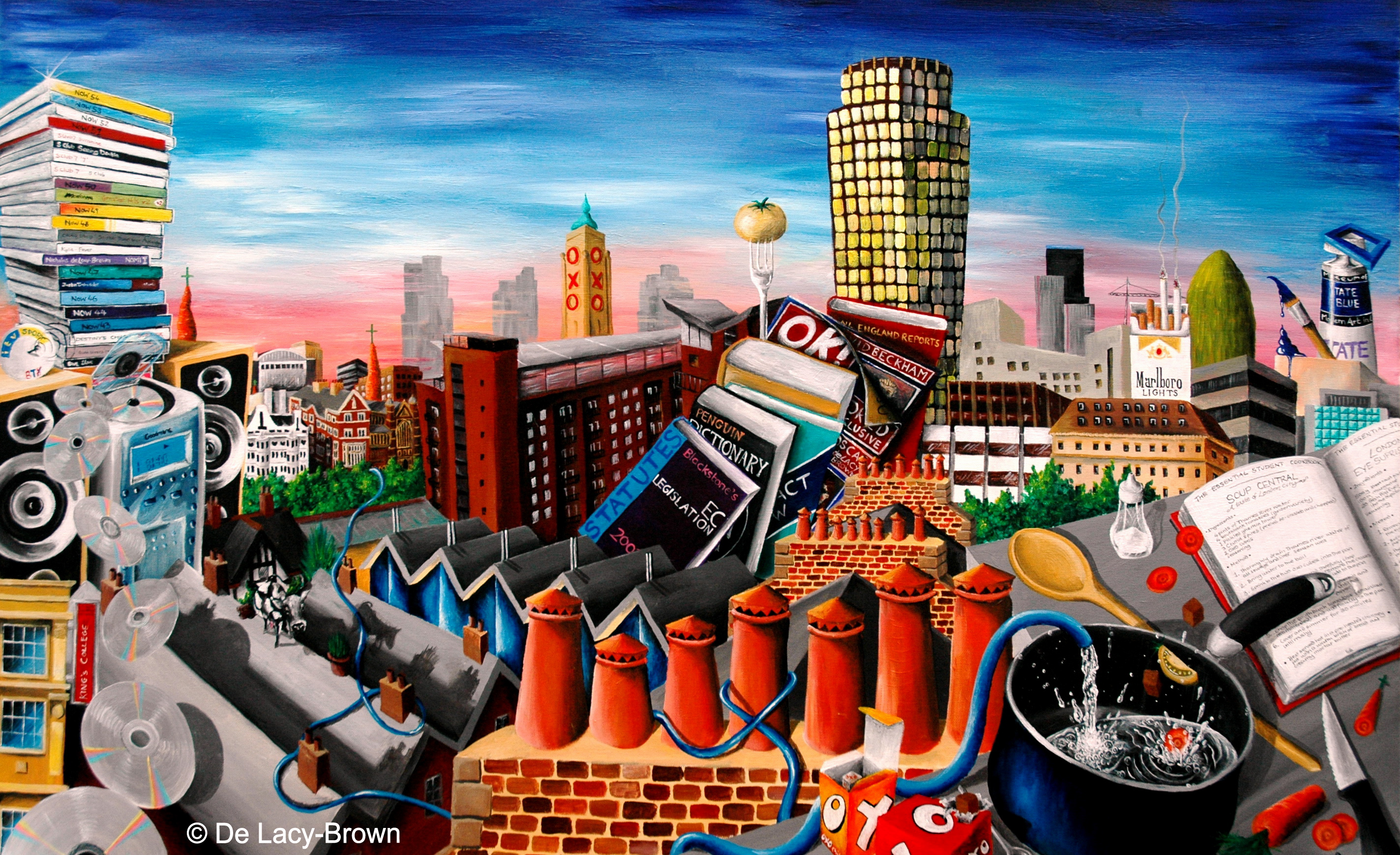
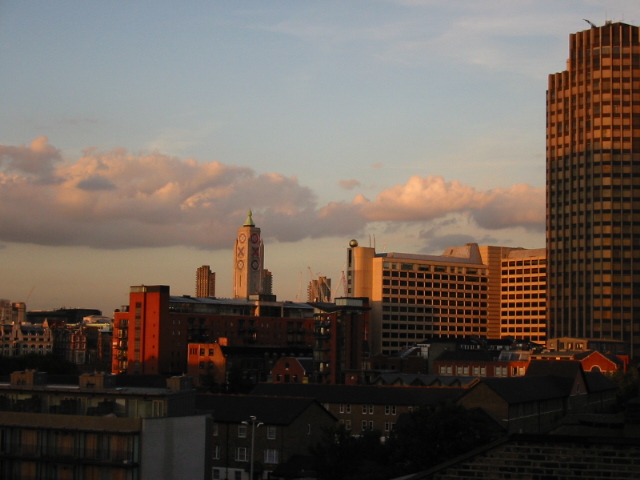
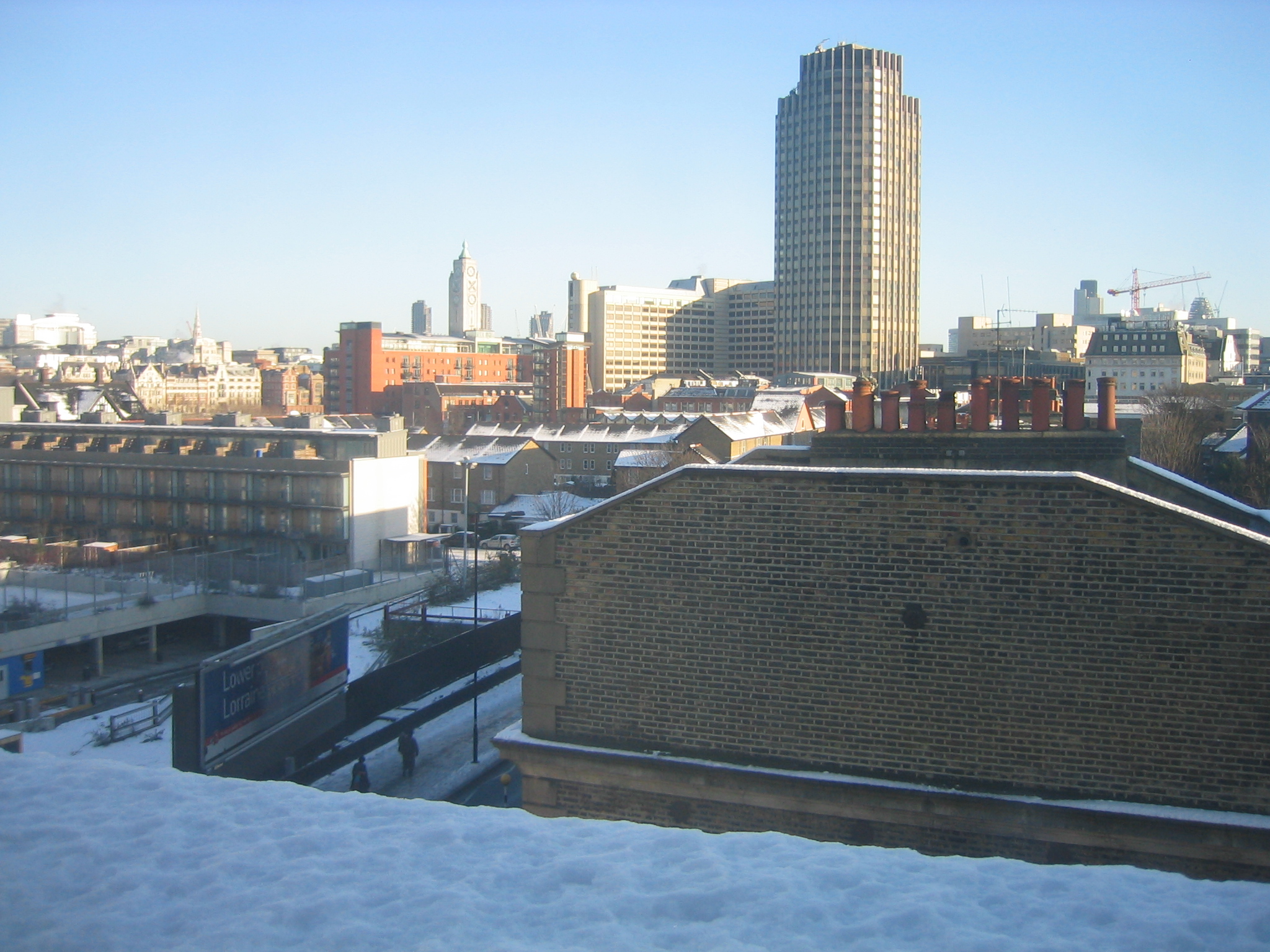
I moved to London ten years ago this September, when I came to study law at King’s College London. I was thrilled when, full of anticipation at what was to be my first day moving away from home in order to start university, I entered my student digs to find this view before me: a perfect vista over London’s south bank complete with the skyscrapers of the city and the tower of Tate Modern, all framing the iconic “Oxo Tower” at the centre. It was as though this room had been chosen for me as an artist, despite the reason for my studies being the pursuit of law. Over that year, I saw this incredible view change over the seasons, as buildings became blanketed with snow, shrowded in a thick mist, and glimmering with the soft hues of pinky golden sunsets and bright midday sun. At the end of my academic year, when my first year law exams were finally over, I imported a canvas into my room and sat down to paint this representation of my view.

High Perspective (Viewed from 21c) (2003 © Nicholas de Lacy-Brown, acrylic on canvas)

It’s not a straight forward landscape: far from it. Rather I used symbols to represent various landmarks rather than paint them directly as I saw them. The GMTV tower on the left for example was replaced with the stack of CDs which my friends and I were listening to during that year, this being a pertinent representation because the GMTV studios are where so many entertainment shows are filmed. Similarly I replaced the Tate tower with a tube of paint, and one of the large publishing headquarters with a stack of magazines (and a couple of law books to show willing). A predominant theme running through the work is food. This was inspired by the Oxo tower itself, named after the stock cube which, in the days when London’s south bank was a hive of industrial activity, would no doubt have been manufactured at the site. Since these stock cubes are frequently incorporated in soups and stews and casseroles, I started reinterpreting the London skyline as various vegetable ingredients which could then be added to the dish which is being cooked in the bottom right hand corner of the work. Instead of the golden balls on the corners of one south bank building, golden tomatoes take their place; similarly London spires become carrots and Norman Foster’s famous “gherkin” building is painted as just that. Finally, since I could see where the river was, but couldn’t actually see the water itself (owing to buildings blocking the view), I imported the water into the scene with the aid of a very long hose pipe which spirals through the roof tops and chimneys before finally adding much needed liquid into the saucepan on my windowsill.

The view as it really was back in 2002

And covered in snow…

So there you have it, one of my most prominent London works, and actually one of my most valuable painting sales when it was sold at exhibition in Mayfair in 2008. Not to worry though – if you like the work and wish you had the original brightening up your lounge, there are limited edition prints of the work available on my main art website, here.

Have a great Sunday and come back to The Daily Norm this coming week for a load of food and art-based posts including the unveiling of my newest painting!

© Nicholas de Lacy-Brown and The Daily Norm, 2001-2012. Unauthorized use and/or duplication of the material, whether written work or artwork, included within The Daily Norm without express and written permission from The Daily Norm’s author and/or owner is strictly prohibited. Excerpts and links may be used, provided that full and clear credit is given to Nicholas de Lacy-Brown and The Daily Norm with appropriate and specific direction to the original content.

Sunday Supplement – The Joie de Vivre Triptych

The sun is shining in London, the olympic torch is gradually winding its way around the country to rapturous applause, and the nation is decking its streets in union jacks in anticipation of the Diamond Jubilee celebrations next weekend (you notice I’ve ignore the slight blip that was eurovision last night, when the UK came second from bottom in the results table – but no surprises there, it only goes to emphasise our disconnection from continental europe). So with spirits high, and with what looks like the arrival of summer (finally!) I have decided to showcase a triptych of paintings which I completed when the times were good, the sun was shining, and I was enjoying uninhibited zest for life. I was holidaying in Marbella, Spain at the time. I had just finished my law degree, and was spending almost a month in Spain. By day I would enjoy the freshness of the mediterranean sea, the heat of the beach, and the pleasure of seafood and of wine. In the balmy afternoons, I would retreat to our sun-dappled garden, under the shade of our fragrant jasmine tree, and rest, contemplate, and (being english, even when in Spain) drink tea.

It was in these times of ultimate afternoon delight that the Joie de Vivre triptych was born, three paintings which were unplanned, but which burst freely out of my paintbrush and straight onto canvas, an apt demonstration of my uninhibited happiness when life was good, the drinks flowed, the sea lapped upon the shore and my imagination came to life.

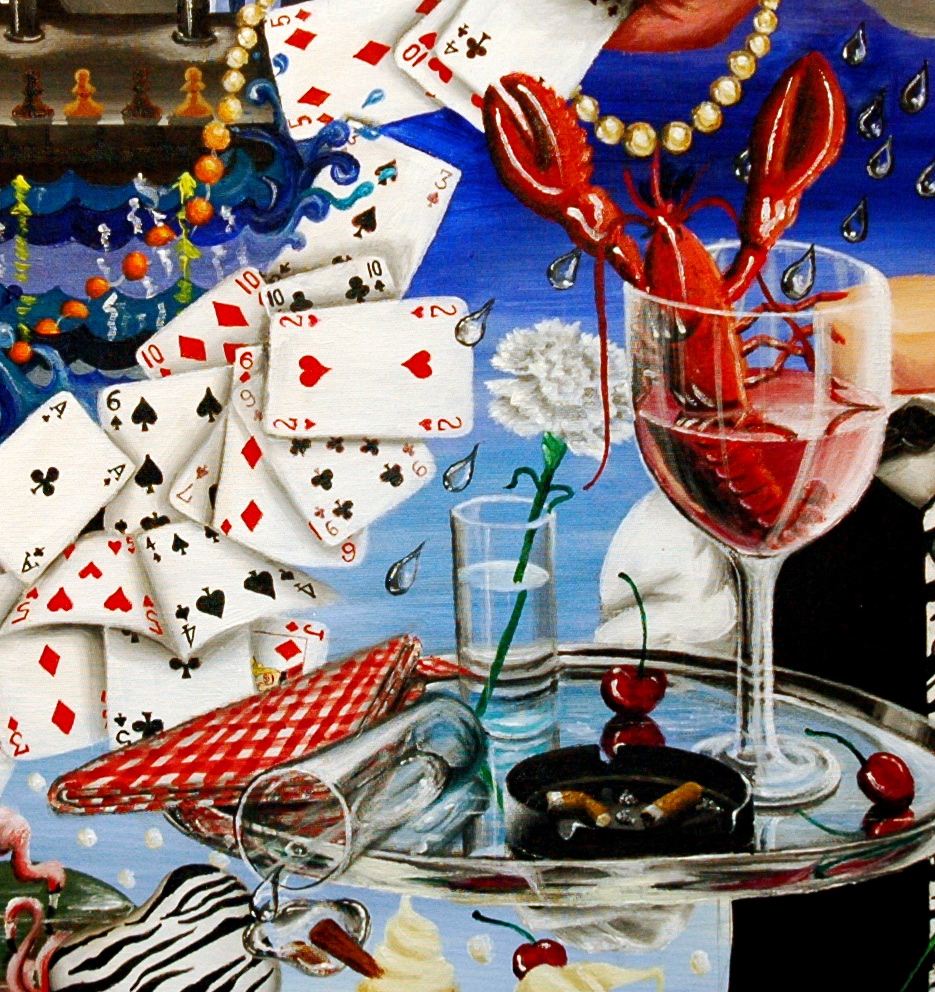
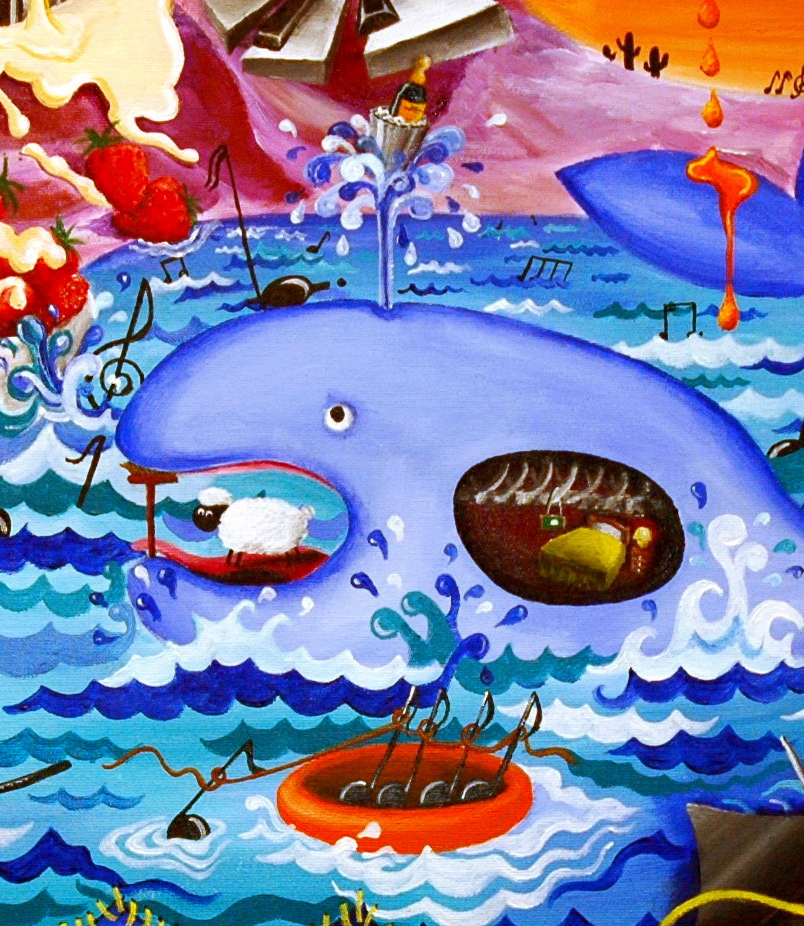
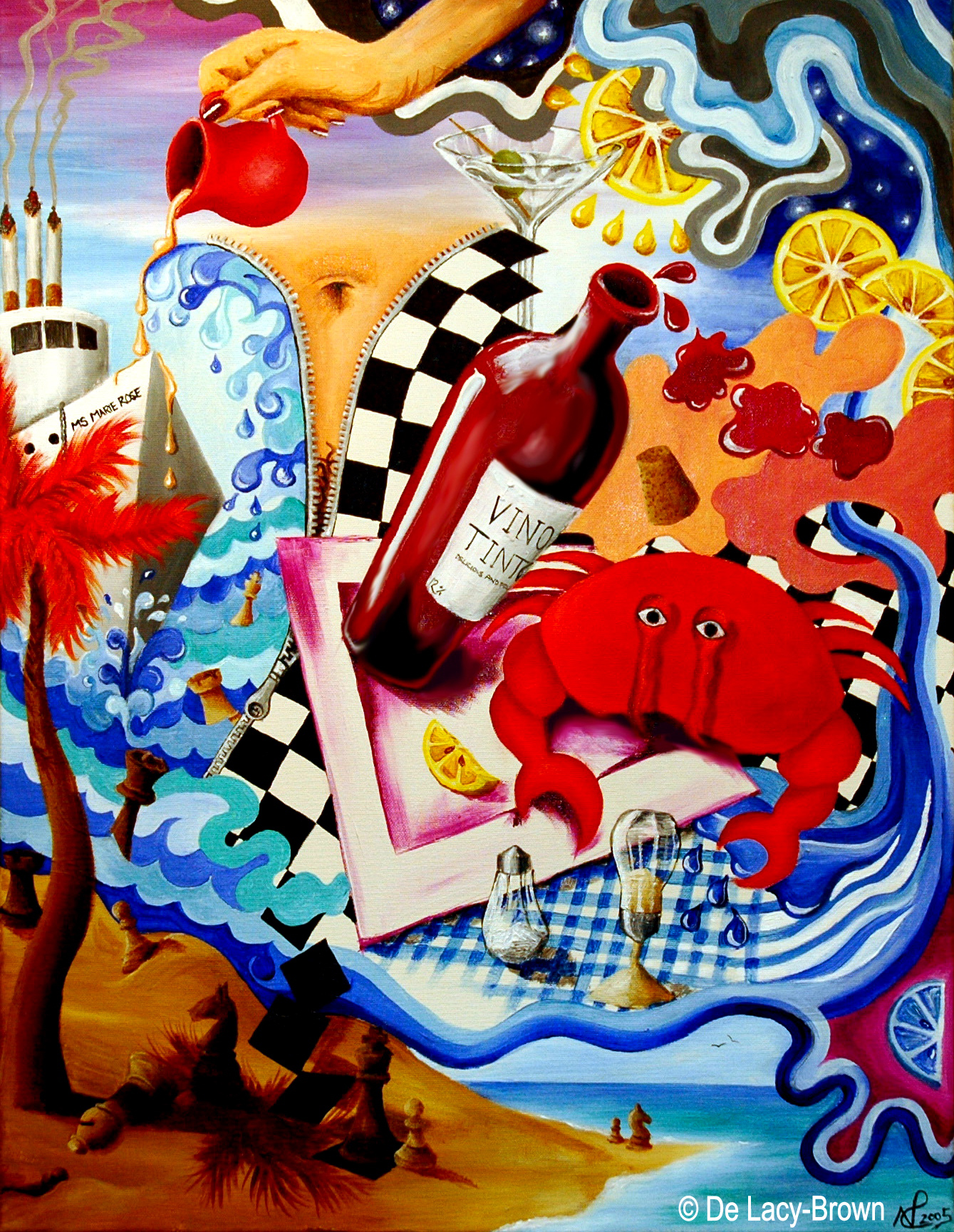
The resulting triptych sold at my 2006 exhibition, Between me and my Reflection and is now one of my best selling limited edition prints (with some still for sale on my Etsy store). It celebrates the ‘zest’ or joys of life through an illustration of the three stages of culinary and alcoholic indulgence during the day; lunchtime, afternoon tea and evening. Recreation and hedonism are central to the juxtaposed images with a further emphasis on home entertainment, namely piano/music, cards/gambling and chess. Opulence is illustrated by symbols of extravagance contained within all three images, as well as buried treasure and jewellery. Sea food is the culinary indulgence on the menu: many other life-forms or objects are anthropomorphised, for example, the sheep seen in the domestic setting of its whale-house, the musical notes struggling to save each other from the perils of a rough sea, and a snail which digs underground to retrieve the buried treasure. The ‘zest of life’ which these images embody is also specifically reflected by the citrus slices which radiate perfect weather conditions in each scene, while a human hand is always “on hand” to assist in the activities being illustrated, whether it be pouring the cream for the afternoon’s strawberries and the marie-rose sauce for the crab, or dealing out the cards for an evening of casino entertainment. The painted images flow and metamorphose from one object to another, as a string harbour-side lights becomes a string of pearls which in turn  becomes of floating buoys or a sudden rain shower becomes ice cream, piled on a cone to be enjoyed with a glass of rosé.

There’s a lot to explore in these paintings, which are typical of what happens when I set my mind loose, so without further ado I will let you enjoy the paintings in full, hoping that you take from them the optimism for life which they engender as you go about enjoying your sunny sunday and forthcoming summer.

Joie de Vivre/ Zest of Life 1: Crab Cocktail (2005 © Nicholas de Lacy-Brown, acrylic on canvas)

This print is available to purchase as a limited edition print at my Etsy store 

Joie de Vivre/ Zest of Life 2: Afternoon Sea (2005 © Nicholas de Lacy-Brown, acrylic on canvas)

This print is also available to purchase as a limited edition print at my Etsy store

Joie de Vivre/ Zest of Life 3: Casino Nights (2005 © Nicholas de Lacy-Brown, acrylic on canvas)

This print is also available to purchase as a limited edition print at my Etsy store

© Nicholas de Lacy-Brown and The Daily Norm, 2001-2012. Unauthorized use and/or duplication of the material, whether written work or artwork, included within The Daily Norm without express and written permission from The Daily Norm’s author and/or owner is strictly prohibited. Excerpts and links may be used, provided that full and clear credit is given to Nicholas de Lacy-Brown and The Daily Norm with appropriate and specific direction to the original content.

Sunday Supplement: Convalescence Behind Bars

Yesterday I braved the crowds (which weren’t actually all that bad) and strove boldly into an exhibition which I have been trying to put off for a while (purely because I feared how it would ignite the great contemporary art cynic inside me and make me thoroughly moody for the rest of the weekend): I went along to the Damien Hirst “retrospective” (he is still very much alive and kicking) at Tate Modern, London. The exhibition, which I shall review fully in The Daily Norm tomorrow, wasn’t actually all that bad. One of the works which really captivated, was his four cabinets, irrelevantly entitled Spring, Summer, Autumn and Winter respectively, full of pills. You wouldn’t normally notice the humble pill. In fact generally speaking, when you’re having to take a pill, it invariably holds some negative connotation, whether it’s an illness-defying super drug or a good old vitamin D supplement just because your work (or country, as is the case with the UK) precludes you from getting enough sun.

Damien Hirst, Lullaby, the Seasons (2002) (detail)

When Damien Hirst put a plethora of different coloured, different sized tablets together, each meticulously displayed in a huge mirrored and glass cabinet, he called attention to the strange and unique beauty of the humble pill. Who would have imagined there were so many shapes and colours in amongst our medicines. Even the powder inside the capsules looked like a floral pattern from a distance as different beads of colour intermingled delicately.

All of this brought to mind a time when I too had to take so many tablets and pills that I was able to admire them with an artist’s eye, when a collection of multi-coloured pills started to look like a rainbow in my hand, until reality set it and I realised with horror that having been taking such a cocktail of drugs for so long, my poor liver would surely be irreparably damaged and my natural bacterial system zapped dry of any life or goodness.

My leg in the weeks following the accident

The time was 2008 and the three years which followed. It was in the aftermath of a terrible accident which blighted my life. When a lorry crashed into a wall as I was passing by, the full 10 ft concrete mass fell on top of me, crushing my right leg to smithereens. Only the quick reaction and medical skill of the trauma unit at St George’s Hospital in south London managed to save my leg, but in order to piece the leg back together, I had an illizarov frame attached to my leg. For anyone who doesn’t know what one of these frames is (I’ve enclosed as ungruesome a photo as possible of the leg a few weeks after the accident) it’s a series of metal supports which “fix” the broken bones from the outside with pins which insert the leg directly. I had to wear this complex frame for 9 months. It was the most horrific, painful period of my life, and convalescing with one of these monsters attached was by far the most frustrating and horrendous process of my recovery. I felt like a prisoner in this frame which could never be removed, and which caused so much agony.

In order to get through the long aftermath of my accident, I painted. The ten paintings which I completed at this time are amongst the most important of my current oeuvre because without the ability to paint, I don’t know how I would have survived. The painting I am focusing on today, and the one which Damien Hirst brought to mind, is this one, Convalescence Behind Bars: The Banoffee Blood-Press (2008, © Nicholas de Lacy-Brown, oil on canvas).
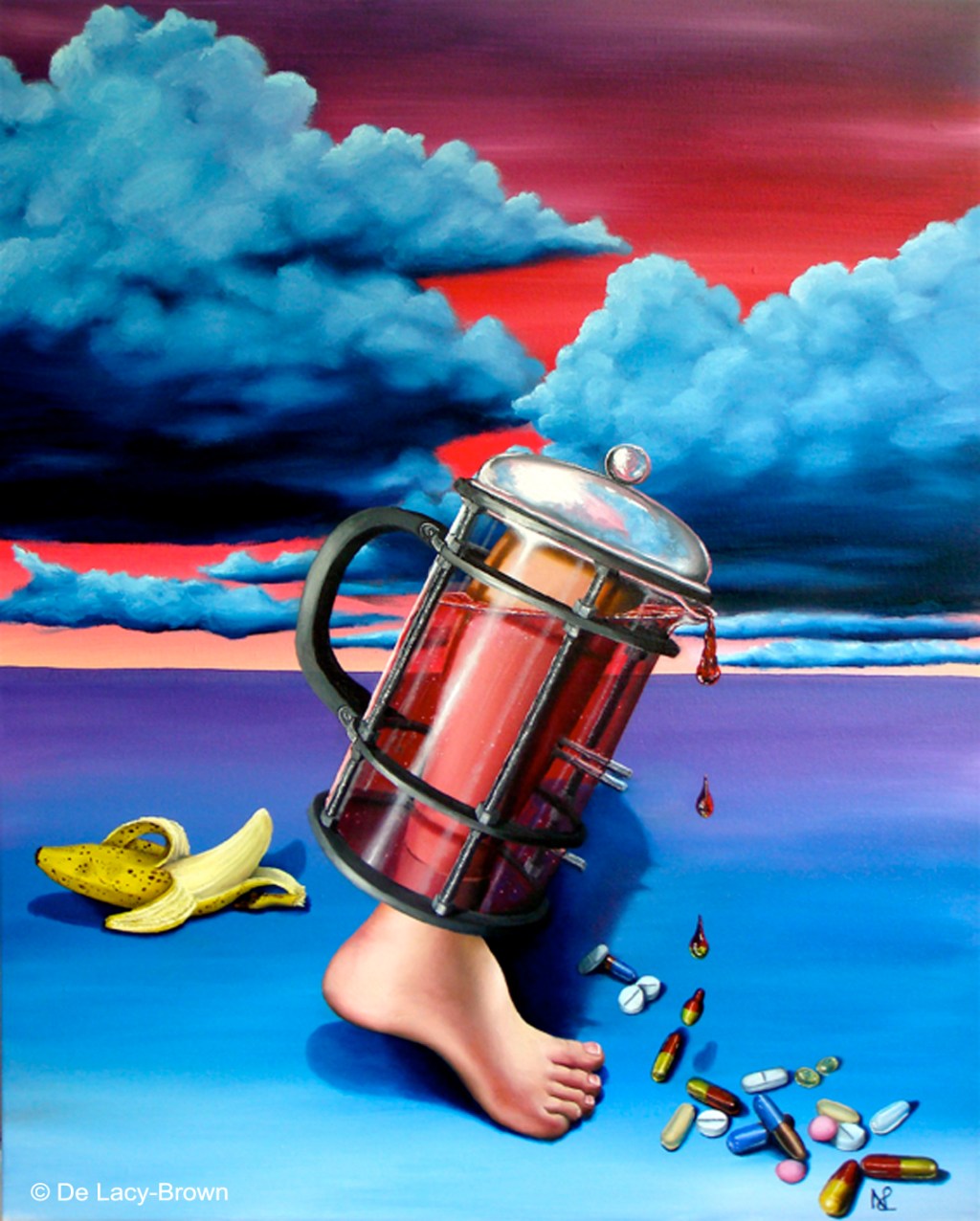
Convalescence Behind Bars: The Banoffee Blood-Press (2008, © Nicholas de Lacy-Brown, oil on canvas)

I thought the frame looked a bit like a French press caffetiere, so I painted it as such. But in this painting the frame presses not coffee, but blood. Blood which, as it percolates through the press reveals it’s true components – pill upon pill of the drugs I had to take at that time: Tramadol, Amitriptyline, Flucloxacillin, Temazepam, Paracetamol, Co-codomol, Ibuprofen, you name it, I was taking it. Then to the left, the humble banana, a nourishing food at a time when I could barely eat, and the fear of slipping, which would have smashed my bones to smithereens all over again.

So pills are beautiful, but they also represent pain. For me, I have a love-hate relationship with these colourful capsules, reminding of a time when my world was rocked by trauma, and a future in which my leg will suffer interminably. It’s a bit like my relationship with Damien Hirst’s work itself. More on that, tomorrow.

© Nicholas de Lacy-Brown and The Daily Norm, 2001-2012. Unauthorized use and/or duplication of the material, whether written work or artwork, included within The Daily Norm without express and written permission from The Daily Norm’s author and/or owner is strictly prohibited. Excerpts and links may be used, provided that full and clear credit is given to Nicholas de Lacy-Brown and The Daily Norm with appropriate and specific direction to the original content.

Sunday Supplement: Tragic Conflict – Sophocles’ Antigone

Following on from last weekend’s greek inspired Sunday Supplement and food fest (still remaining to be shared – I’ll try to get it up this week!) I turn this Sunday to another of my paintings which looked to Greece for its inspiration. As a teenager I was an avid fan of Greek mythology and Greek tragedies from prolific ancient Grecian playwrights such as Aeschylus, Euripides and Sophocles, a passion which was founded in my A-Level classical civilisation studies and which continued when I travelled on my own “grand tour” around Europe, visiting the likes of Ithaca, supposed birthplace and kingdom of Odysseus, and Delos, the now deserted island of Apollo off the coast of Mykonos. All of this took something of a necessary backseat when I went on to study law at university, but resurfaced once again when I was studying a Masters in Medical Law and Ethics. As part of the ethics section of the course, we dealt with the question of tragic conflict – situations when, for example, a parent comes under a terrible dilemma when two co-joined twins require a separation: lose one twin to save the other or both will die – what do you do? As part of our ethical approach to the dilemma, we were directed to read Antigone, by Sophocles, a play in which a similar tragic conflict is played out. For King Creon, the tragic conflict was the choice between his role as King and protector of the State versus his role as family man. When one member of his family betrayed the State, what choice should he make? State, or family?

The play is a powerful one, and the moment I read it, the story began to play out as an illustration in my mind. I set to work on a new canvas, and this was the result.

Tragic Conflict: Sophocles’ Antigone (2006 © Nicholas de Lacy-Brown, Acrylic on canvas)

King Creon of Thebes saw people not in terms of love or blood, but through their role in the State over which he ruled. He threw out the body of his own great-nephew, Polyneices to the crows because of his treachery to the City, and sentenced to death his great-niece, Antigone, his moral antithesis, whose morality was based in blood and familial honour. In my painted interpretation, the play is illustrated on a never-ending chess board, and as such illustrates the regimental regime fronted by Creon. Every character in the play is represented as a chess piece, so that rather than as a human individual, they are illustrated only in relation to their role, as seen by Creon, in the State. But no game of chess can properly function without the moves of a human hand. In denying a place for humanity within his Kingdom and morality, Creon makes a tragic fault, and as perhaps the real tragic hero of the play, he sees his Kingdom destroyed, his family dead, and his loyal chorus (the pawns) desert him. Meanwhile, Antigone, the hand of human morality and protagonist of the play, marks the final blow to Creon’s tragedy as Polyneices’ honour is restored with the support of the gods, and Creon’s regimental world is blown apart. I should add that the can of “Dead Bull” (looking like “Red Bull”) represents the portents of death predicted by Creon’s priest.

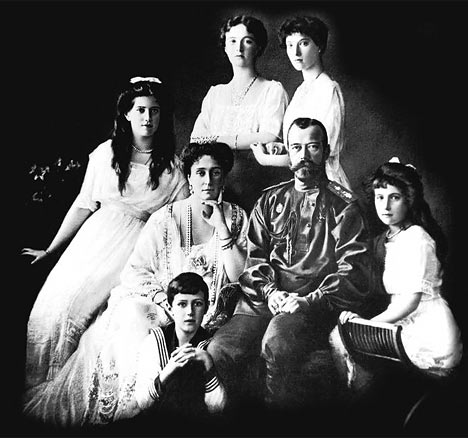
Tzar Nicholas II and his family

Creon’s dilemma is not unique to the times of ancient Greece. In 1917, King George V had a choice whether to save his cousin, Tzar Nicholas II and his family from the impending threat of the revolution in Russia, by allowing him asylum in the United Kingdom, or leaving the Tzar and his family to their peril in order to preserve the position of the Royal family in the UK amid fears that there would be a similar revolution in the UK, not to mention the fear that the Russian royals would become a focus for anti-reovolitionary focus in times of war. In the end, he chose his role as statesman and refused his cousin asylum. The decision must have been agonising, but like King Creon, he chose to protect the State over his family. The consequence for the Tzarian royal family was a tragedy indeed.

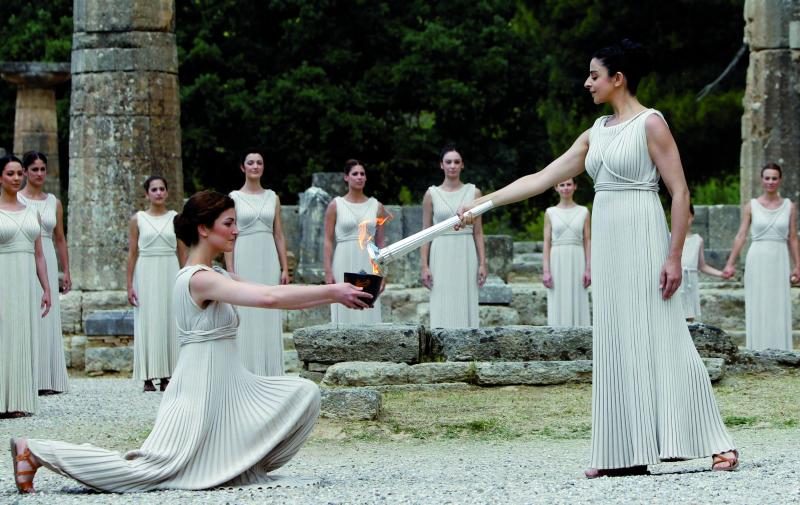
All this goes to show that Sophocles’ moral message is as relevant today as it was when he wrote it in or before 442 BC. This week saw the London 2012 olympic flame lit by the sun on Mount Olympus in a ceremony which reflected religious rituals from Ancient Greece. Press commentary on the ceremony made light of the “costumes” worn by the flame bearers and the frivolity of the dancing and the spectacle. I thought it was stunning, a moving demonstration that religions and traditions past, while mainly captured within the pages of mythology, still have the power to impact upon us and guide as all as we face both spectacles and moral dilemmas in our everyday lives.

Lighting of the Olympic flame

© Nicholas de Lacy-Brown and The Daily Norm, 2001-2012. Unauthorized use and/or duplication of the material, whether written work or artwork, included within The Daily Norm without express and written permission from The Daily Norm’s author and/or owner is strictly prohibited. Excerpts and links may be used, provided that full and clear credit is given to Nicholas de Lacy-Brown and The Daily Norm with appropriate and specific direction to the original content.

Sunday Supplement: Achean adventure and Cruise thru Cubes

I’m in Greece mode. It all started the other night when I was channel flicking in a desperate attempt not to go to bed which means the inevitable rise the following morning for work. In the process, I staggered upon the film version of Captain Corelli’s Mandolin starring Nicholas Cage and Penelope Cruz and I was entranced. Despite having the film on DVD in my cabinet and having seen it at the cinema when it first came out, I’ve always dismissed the film to some extent because, like many other fans of the sensational Louis De Bernieres original novel, I was pretty upset about how much the film changed the charm, and crucially the ending of the book. I wasn’t best pleased about the casting of Cage as Captain Corelli either, who I had always imagined to be a short, rotund charismatic fellow.

Nevertheless, when I caught a glimpse of the film, it entered my flat, descended with the rest of the UK into a renewed wintery gloom, with a much needed breath of fresh summery air. Who cannot be seduced by the stunning cinematography of the film which was set exclusively on the island of Cephalonia, as De Bernieres had intended.

So all of this has sparked off a Greek revival in my flat. Greece has been getting a lot of bad press recently, what with financial disaster threatening to instigate a total collapse of the single European currency, and countless violent strikes and protests reacting against the suffocating austerity budgets imposed across the county. But while its coffers may be found wanting, what Greece does have is a wealth of cultural and historical richness which is almost unrivalled, not to mention a cluster of beautiful island destinations, each with their own individuality and incredibly picture-postcard views.

The beaches of stunning Cephalonia

I was lucky enough to  visit the Greek islands twice during my gap year back in 2001/2, first piggybacking with my sister upon my parents’ wedding anniversary celebratory cruise around the Aegean Sea, and later in the year, joining two very good friends for a little island hopping around the Ionian Islands of which Cephalonia is one. While I would love to return to these gorgeous lands, where empty beaches and crystal clear waters can be found in their plenty, along side charming crumbling houses, and dry arid landscapes and mountain passes, I have in the meantime satisfied myself by grabbing the Captain Corelli DVD and watching the film through not once, but twice. I have also been cooking dish after dish of Greek treats (hopefully to be featured on my blog sometime this week) and now, for your viewing pleasure, I’m featuring two of the paintings I completed back in my gap year, at the ripe age of 18, when I first visited Greece on my parents’ anniversary cruise.

Shot from the film of Captain Corelli’s Mandolin

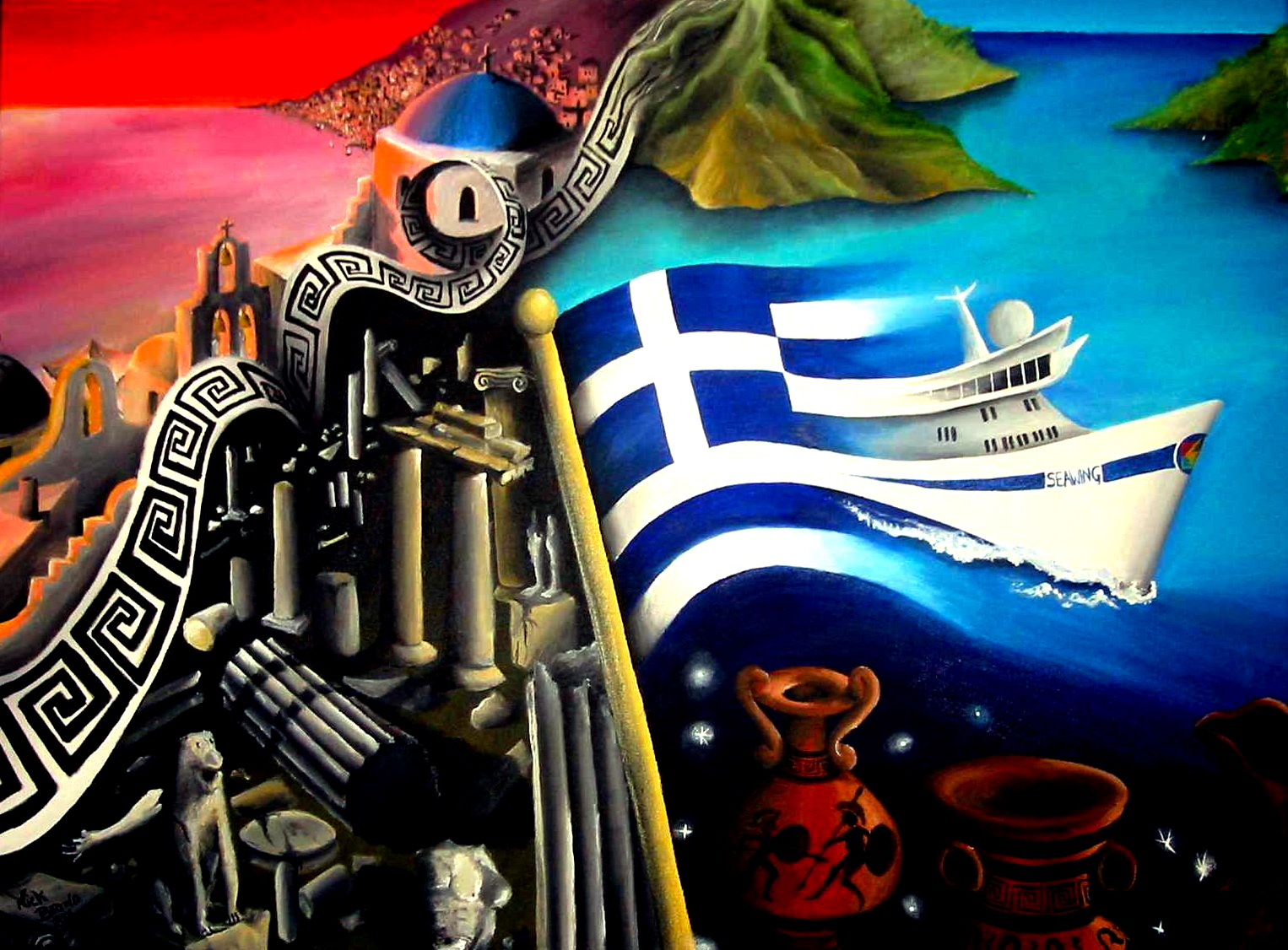
The first painting, Achean Adventure (2001), reflects not only upon the cruise liner, which can be seen emerging from the Greek flag, but also the antiquity which features predominantly across Greece (and which had a particular fascination for me having just completed my A-Level classics studies at the time) and the beautiful Grecian landscapes such as this one, of the island of Santorini.

Achean Adventure (2001 © Nicholas de Lacy-Brown, acrylic on canvas)

The second painting, Cruise Thru Cubes (2001) works like a multilayered exploration of our cruise around the Aegean Sea. Uncover various layers of the painting, and you see the cruise liner having docked and sailed in a variety of different destinations across the cruise, amongst them Mykonos (on the right) and Santorini (on the left).

Cruise thru Cubes (2001 © Nicholas de Lacy-Brown, acrylic on canvas)

It’s good to give these paintings a good airing. Completed over ten years ago, they were some of my earliest painting attempts, and Achean Adventure was sold shortly after I painted it when it was first exhibited in Sussex.

Hopefully this post will bring a little mediterranean sunshine into your Sunday especially if, like mine, it’s gloomy like hell. I’d better sign off now… I feel the need to shop around for a cheap trip to Cephalonia…

© Nicholas de Lacy-Brown and The Daily Norm, 2001-2012. Unauthorized use and/or duplication of the material, whether written work or artwork, included within The Daily Norm without express and written permission from The Daily Norm’s author and/or owner is strictly prohibited. Excerpts and links may be used, provided that full and clear credit is given to Nicholas de Lacy-Brown and The Daily Norm with appropriate and specific direction to the original content.