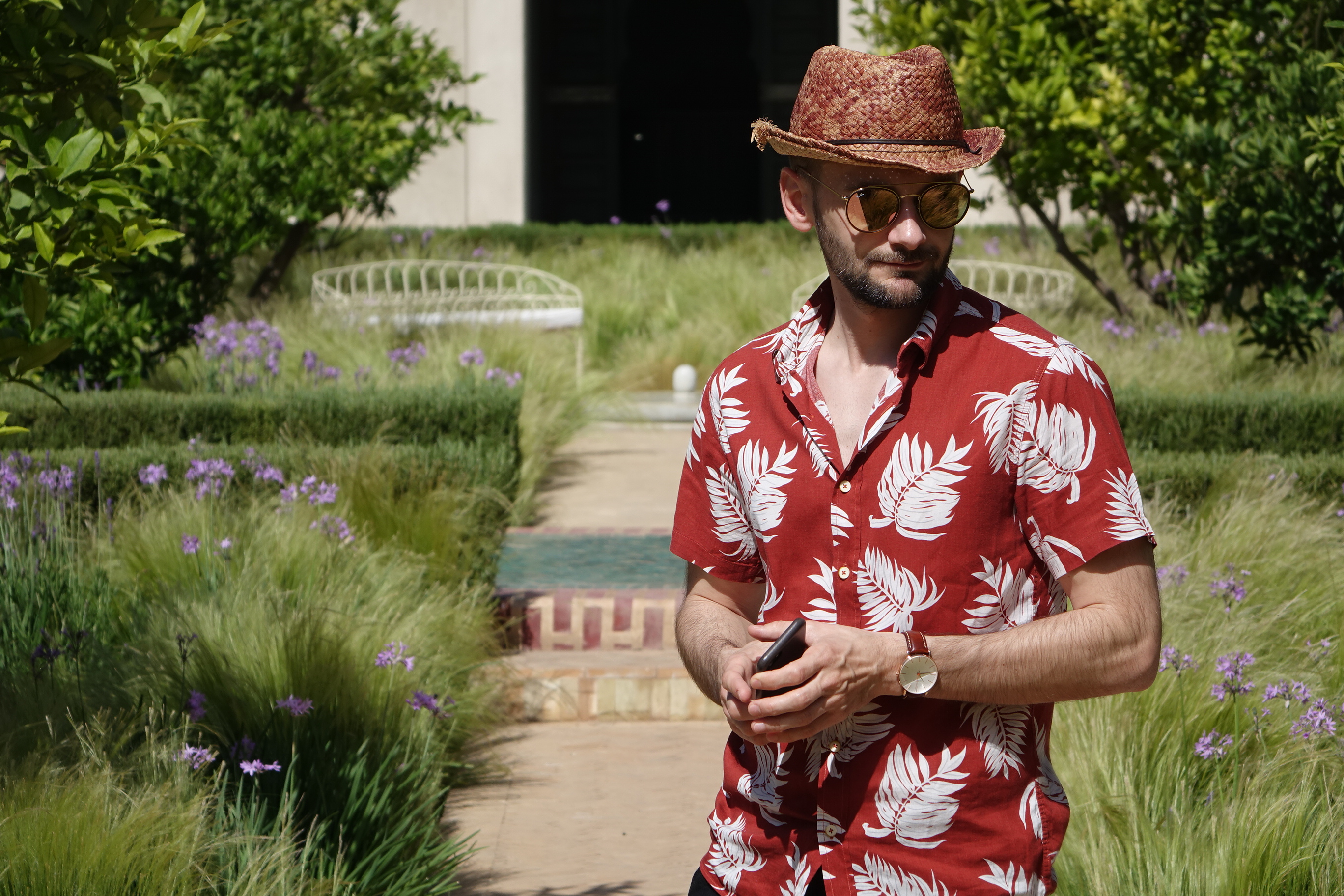
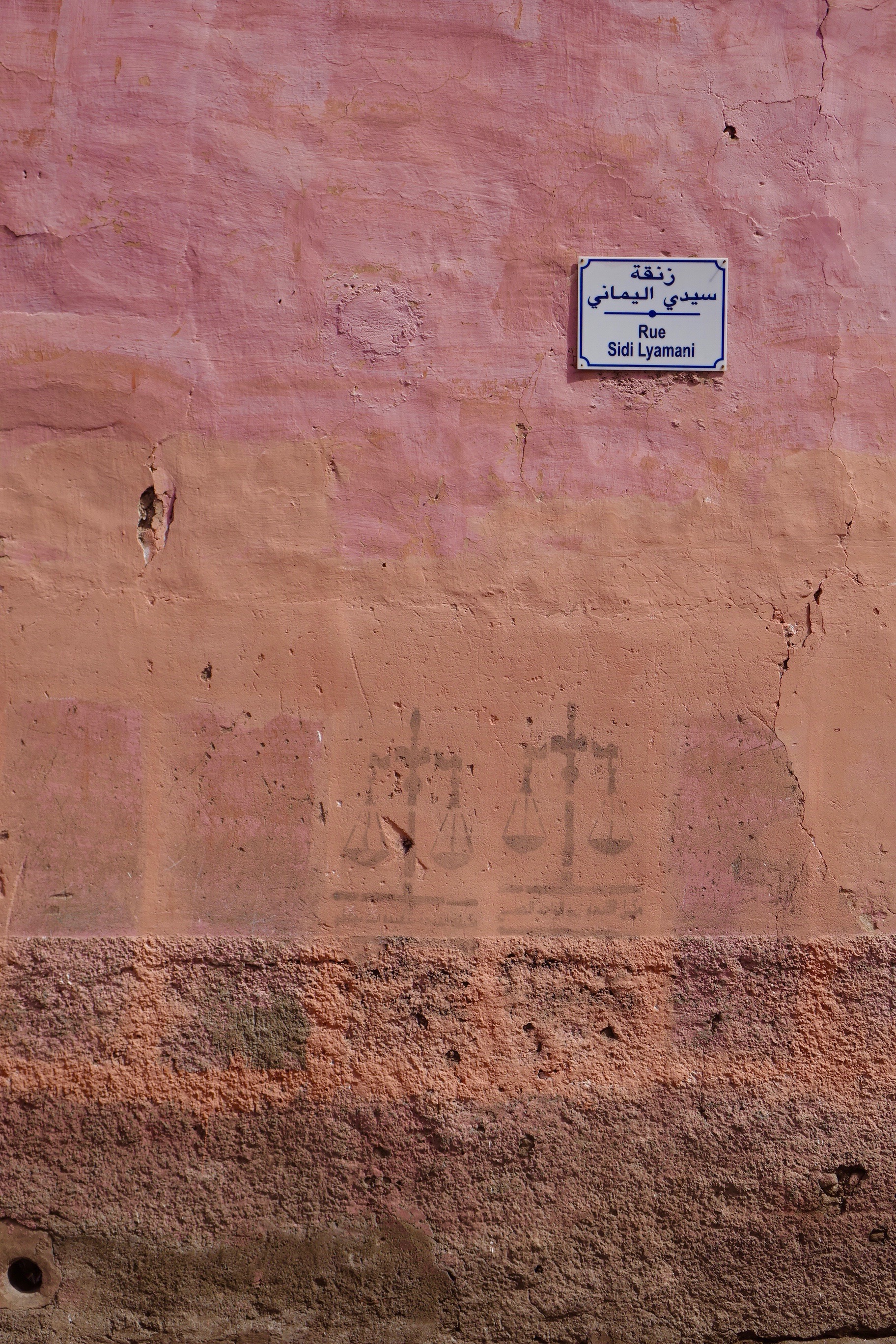
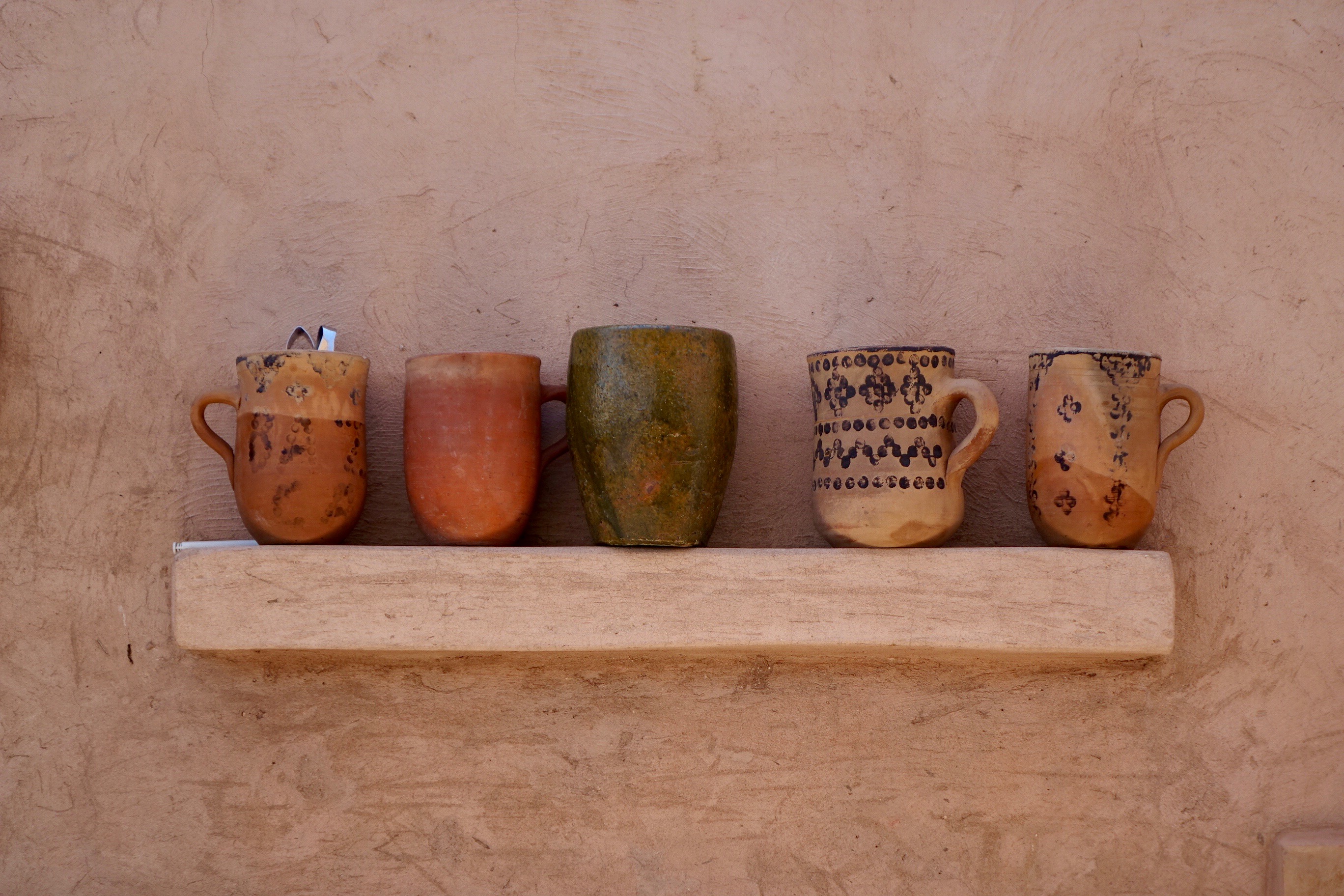
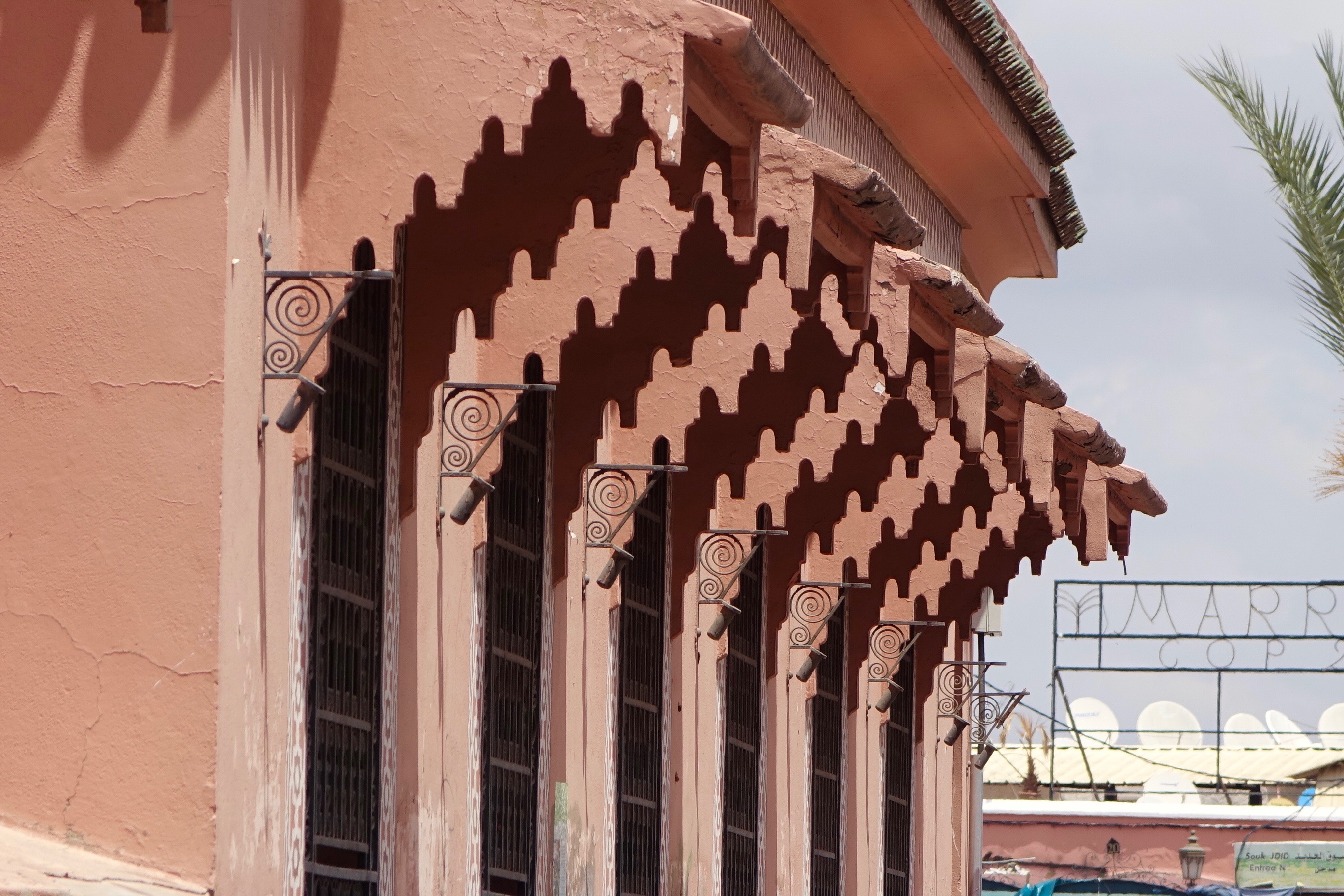
Skip to content

Posts tagged ‘Photography’

The Sicily Series | Part I – Catania, Black City

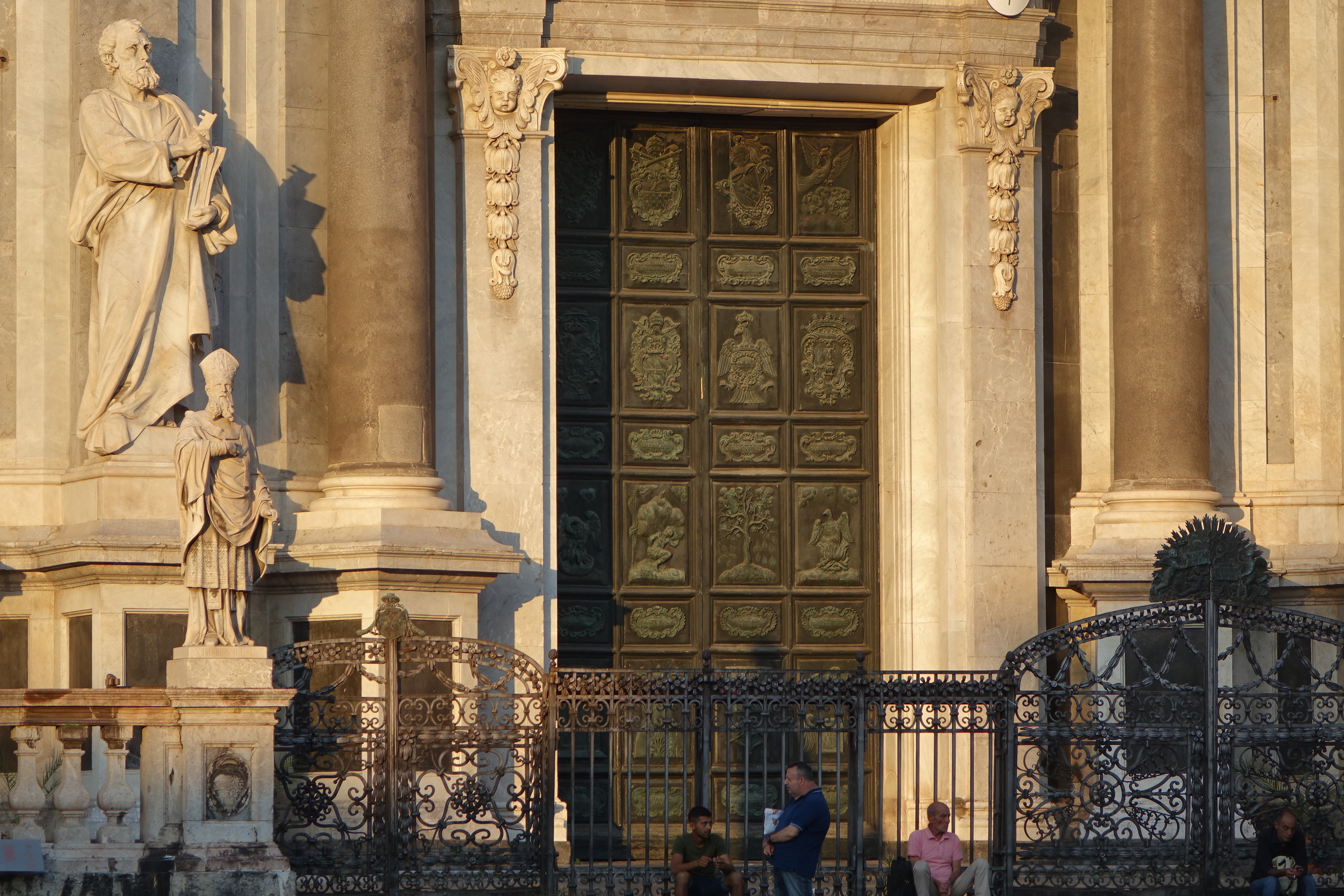
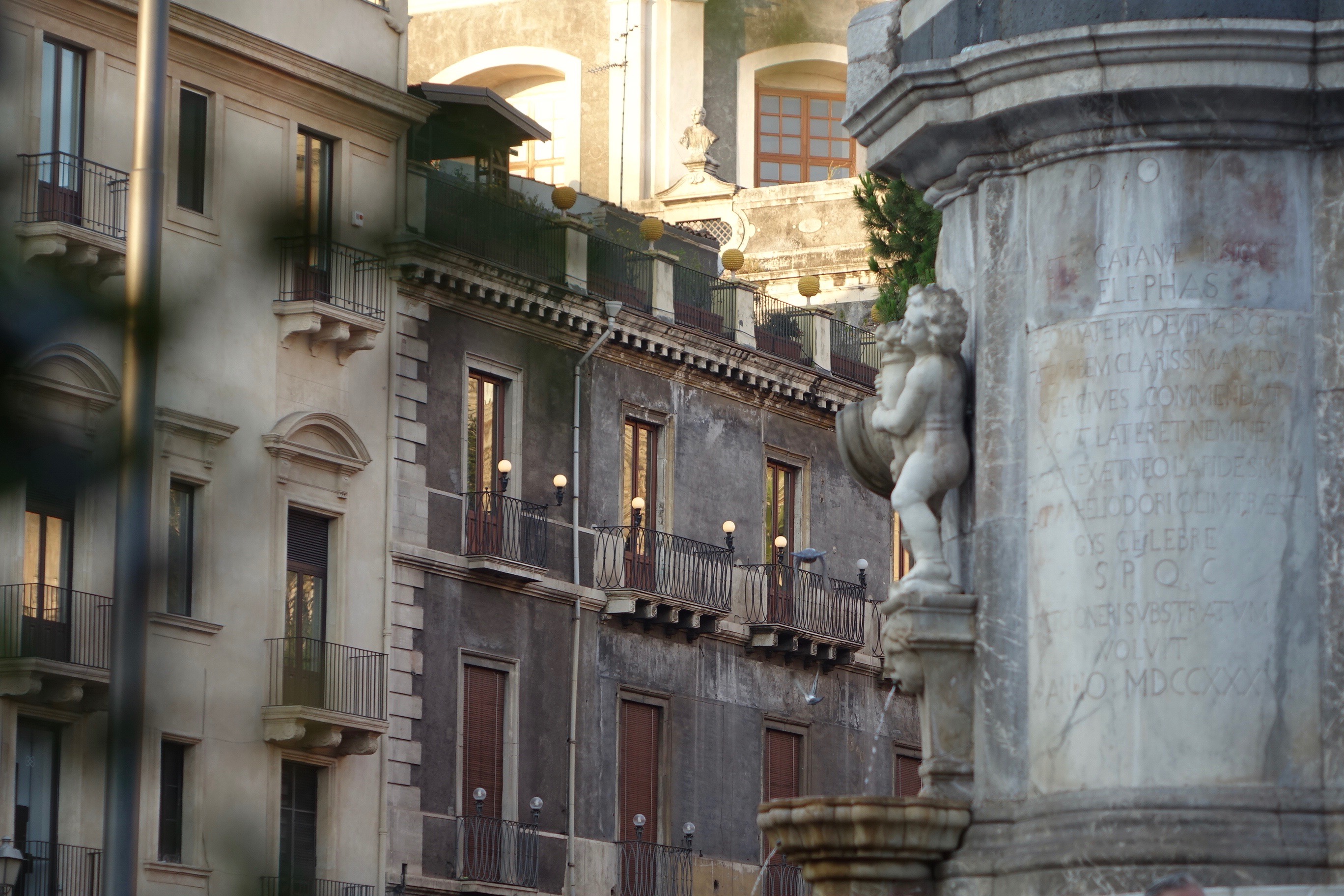
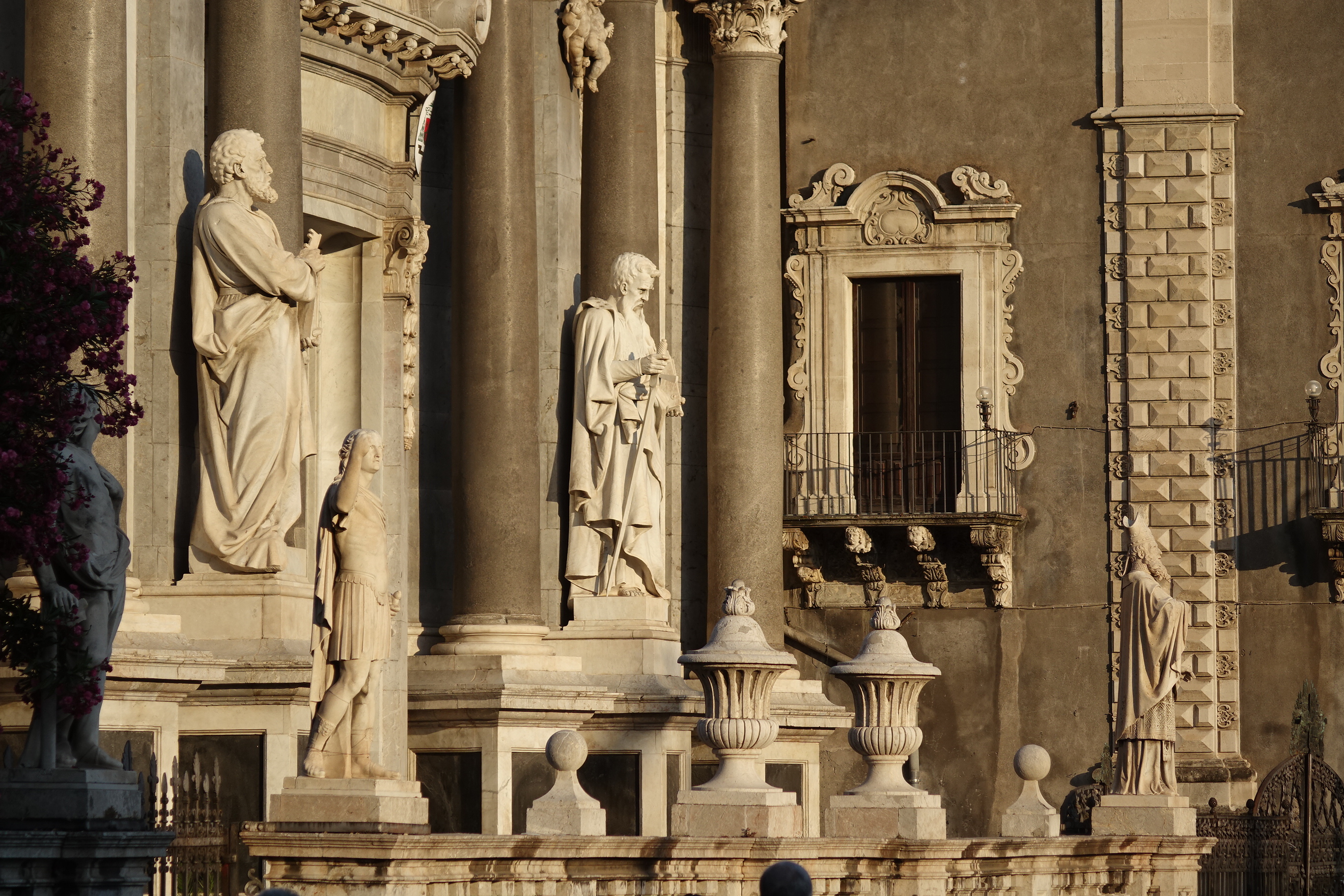
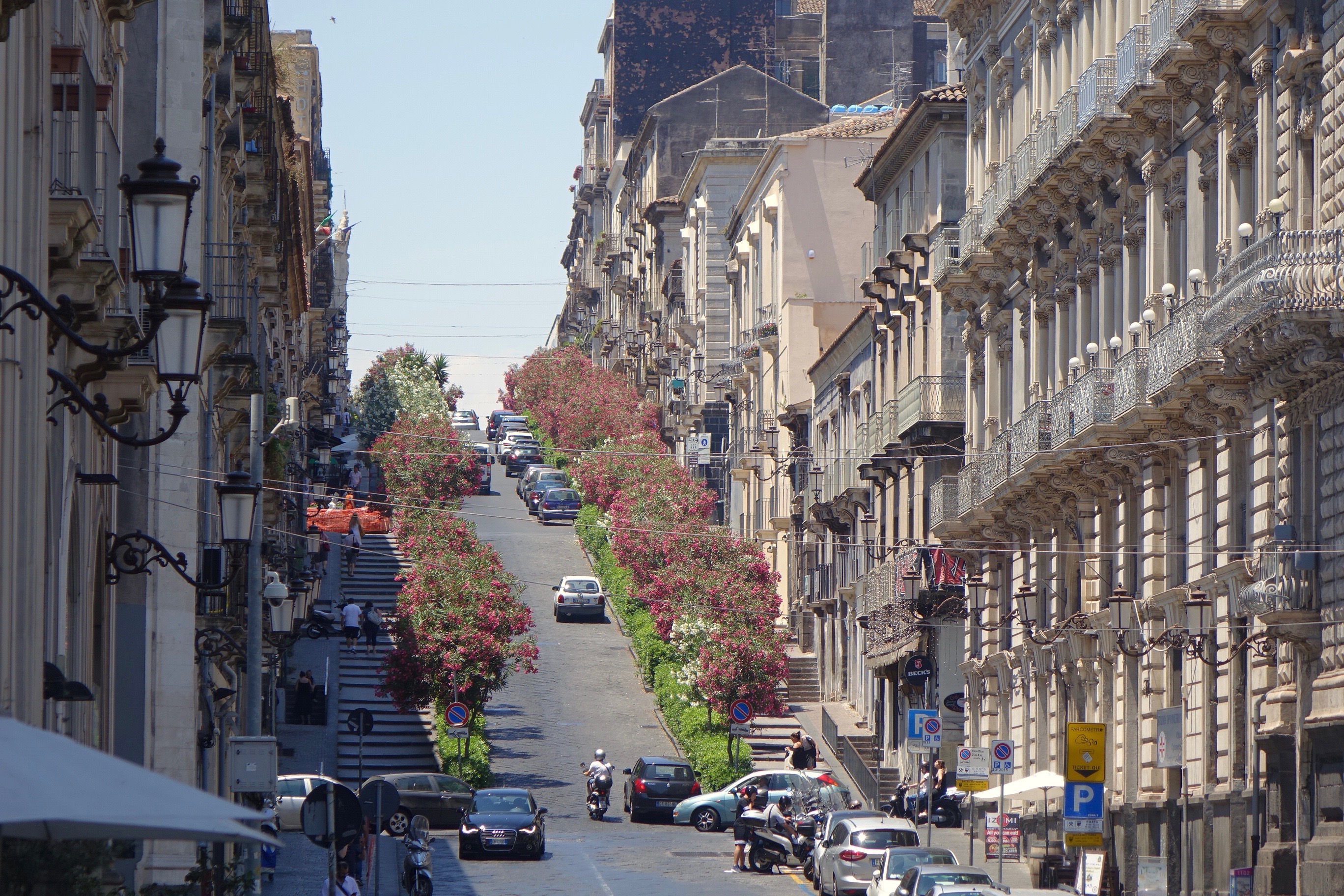
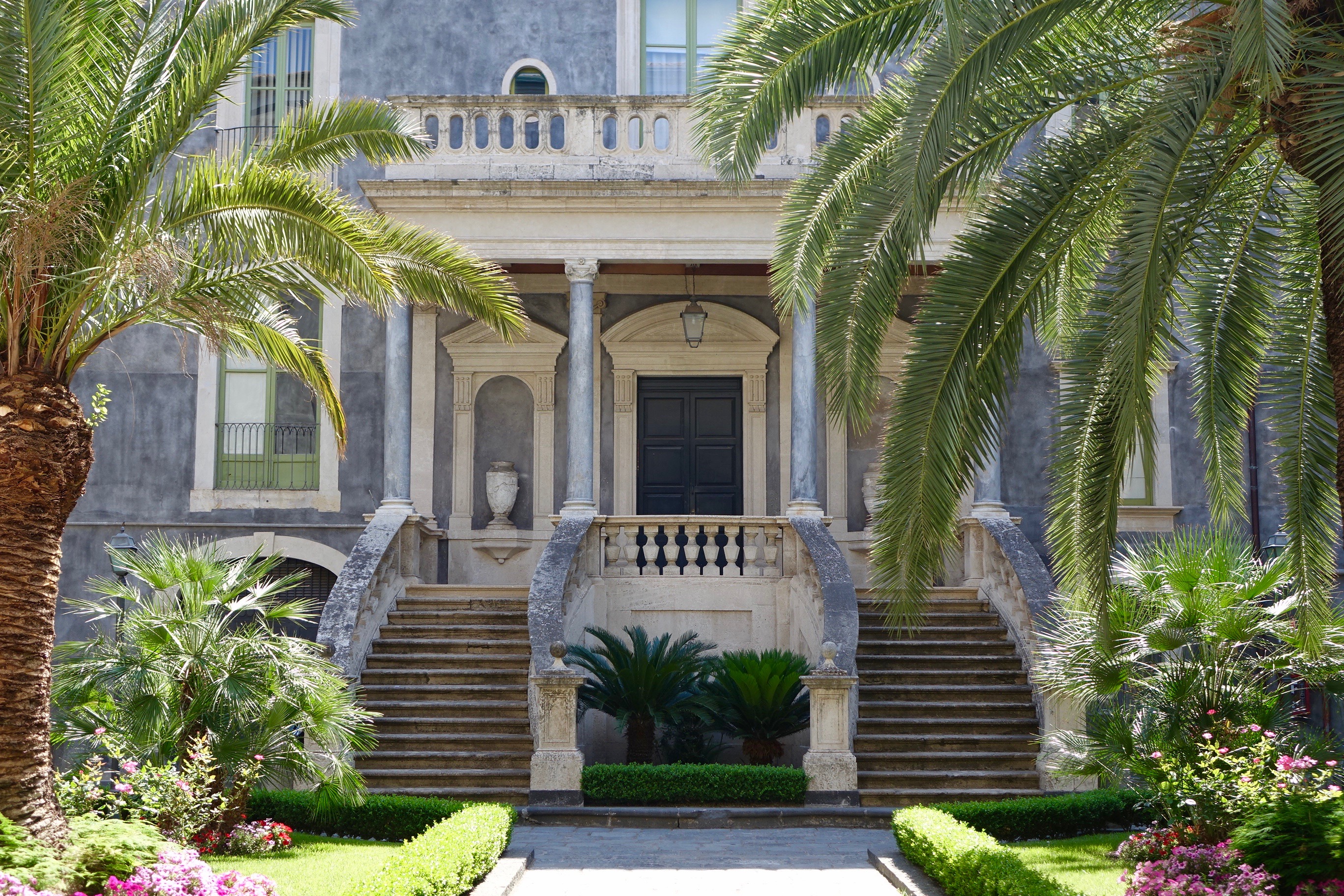
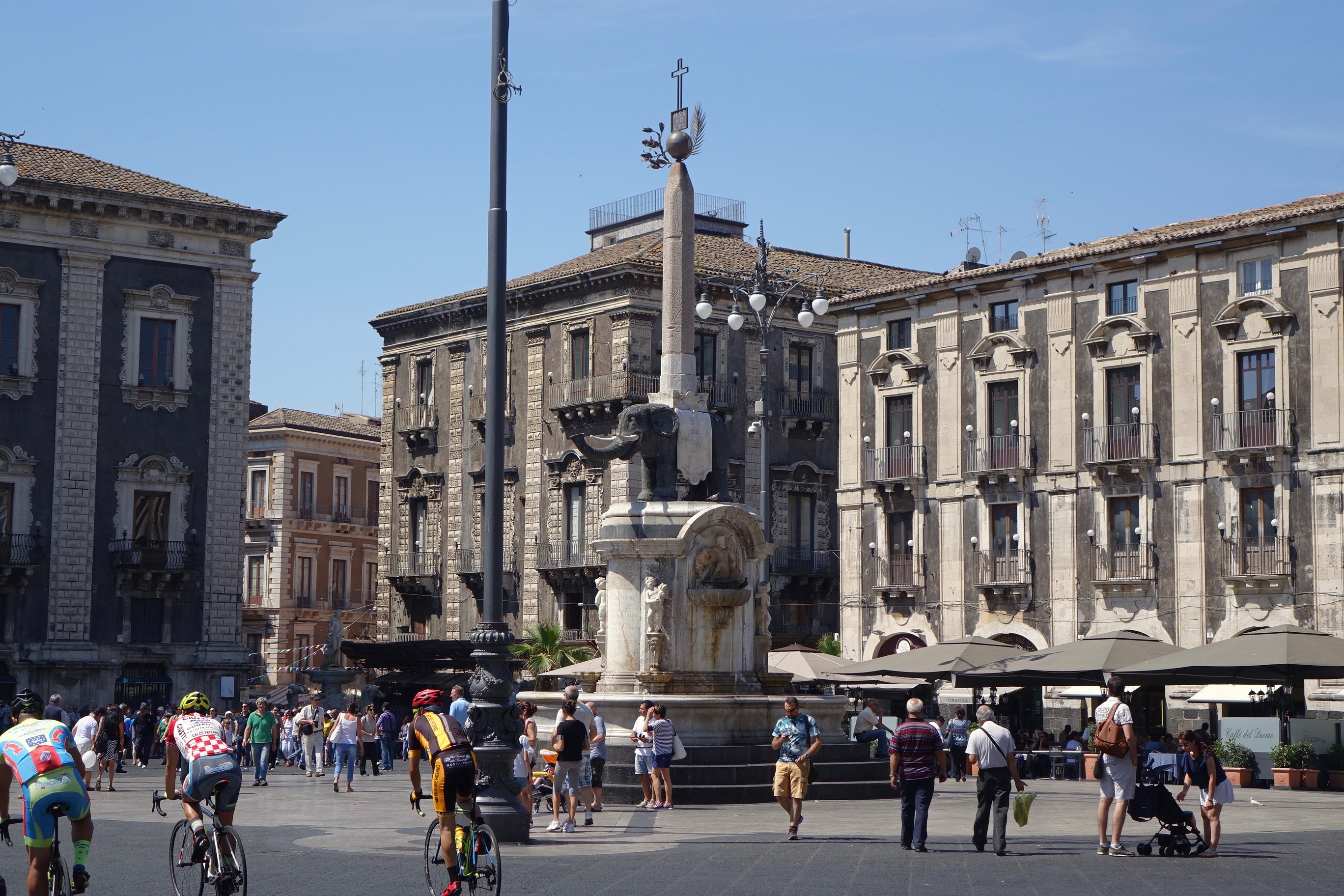
Over the last few weeks, the Daily Norm was all about Marrakech, and the highly spiced rose city will resonate long in the minds of Norms and the Daily Norm writer. But now this blog has headed back to European shores, albeit not far from the desert sands of Morocco. For one of the Mediterranean’s most southern points, and its largest island, is the Italian island of Sicily, known for some as the ball being carefully nudged by the point of Italy’s toe. Famous for its volcanoes, its mafia, its voluminous seafood and rolling agricultural land, for its ruins and its baroque splendour, Sicily is a veritable melting pot of historical and cultural highlights, and the perfect location for any aesthete on holiday.

DSC01998DSC02084DSC01918DSC02016DSC01959DSC01994DSC02125DSC01893

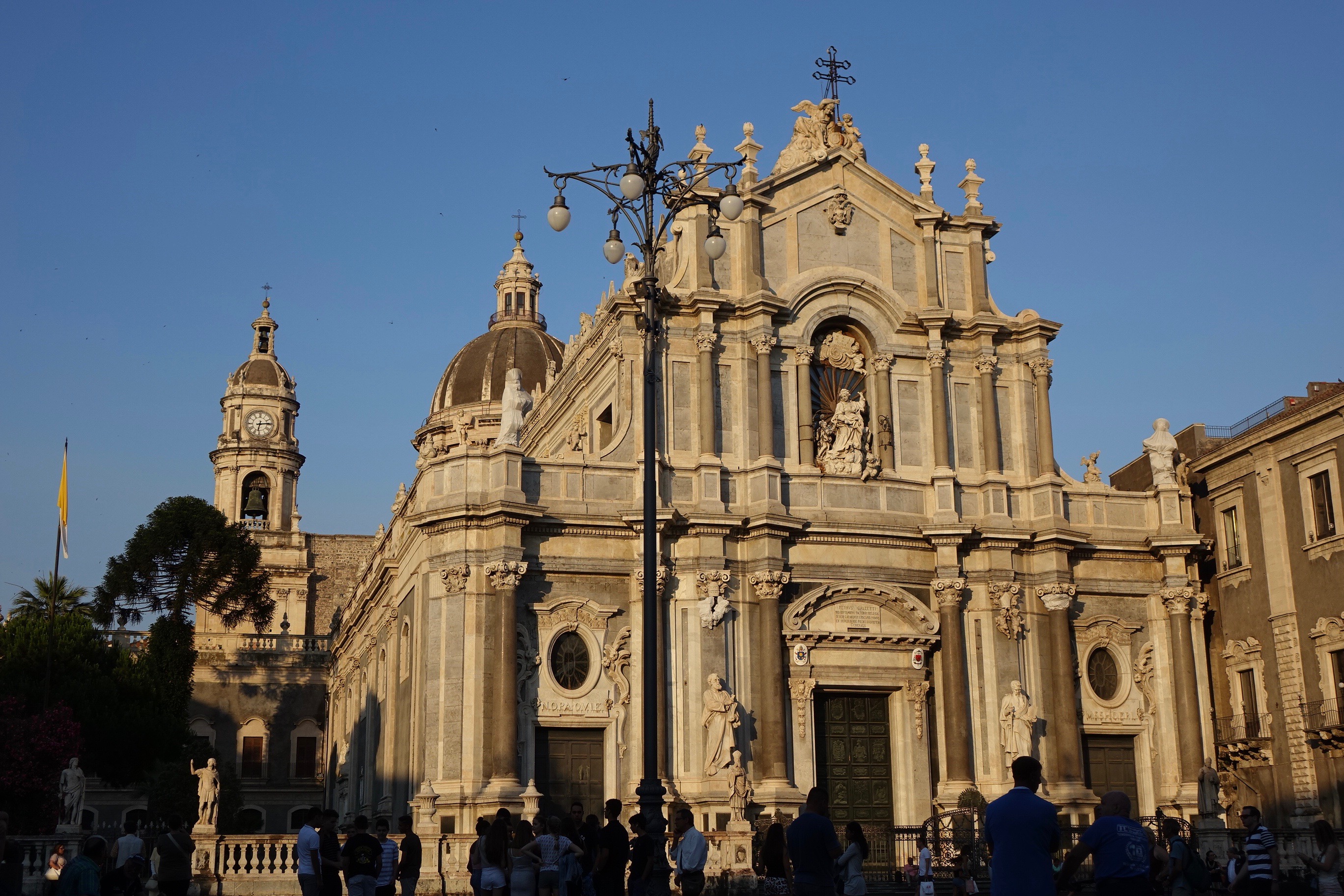
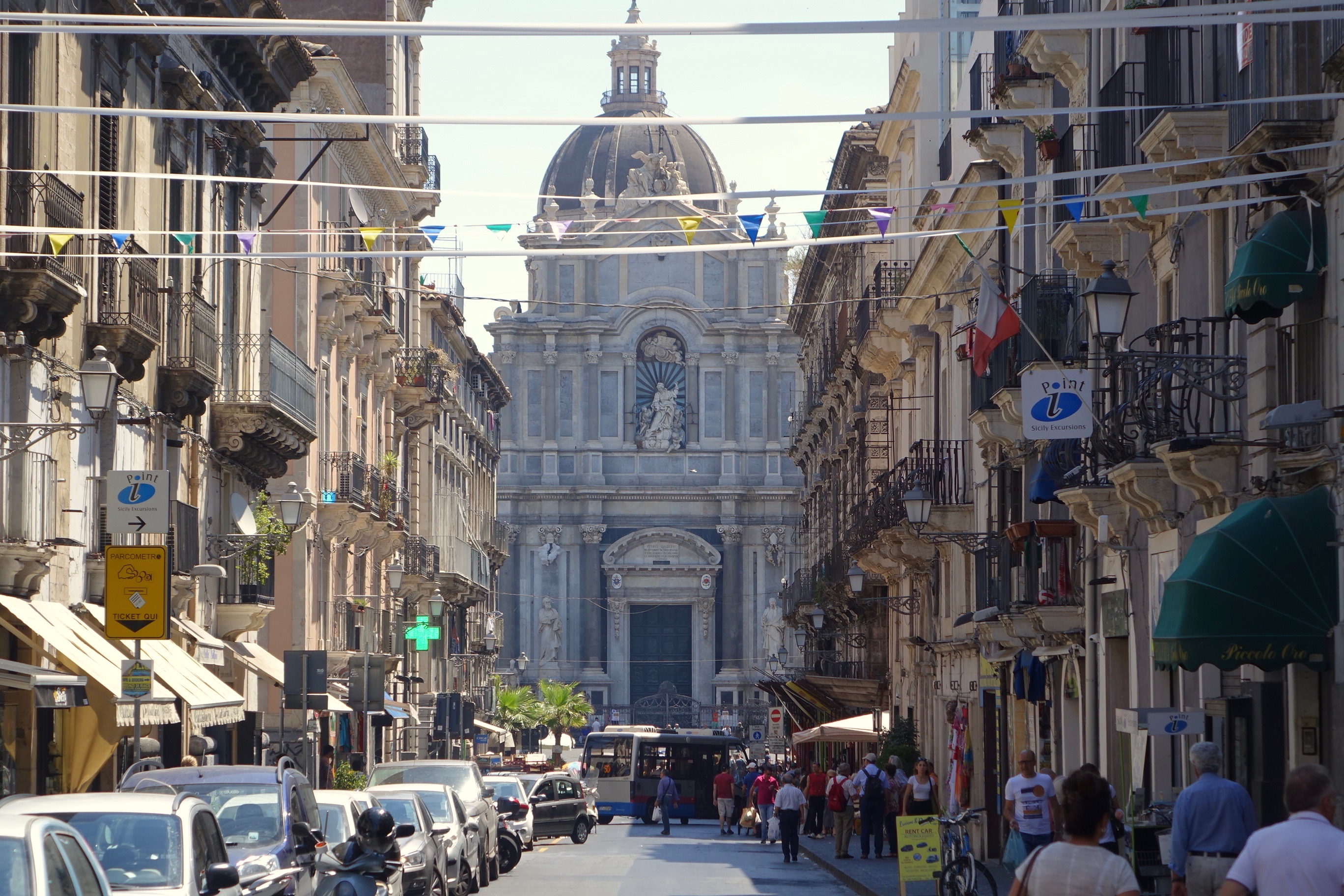
But Sicily is a large island and we would be pushed to do it all in the time available. So with only a little over a week at our disposal, we concentrated our energies on the Eastern coast, and the lands above and beneath the mighty shadow of Mount Etna, one of Europe’s most active and prominent volcanoes. With its proximity to Greece as well as Italy, the Eastern side of Sicily is one heavily characterised by a history of both Greek as well as Roman civilisations, not to mention the Arabic and Spanish influences which also made their mark during their respective occupations. All of these influences were clear to see upon our first stop in Sicily, in its second biggest city and the tenth largest in Italy: Catania.
DSC02133DSC02122DSC01969DSC01996DSC01954DSC01952DSC01941DSC01927

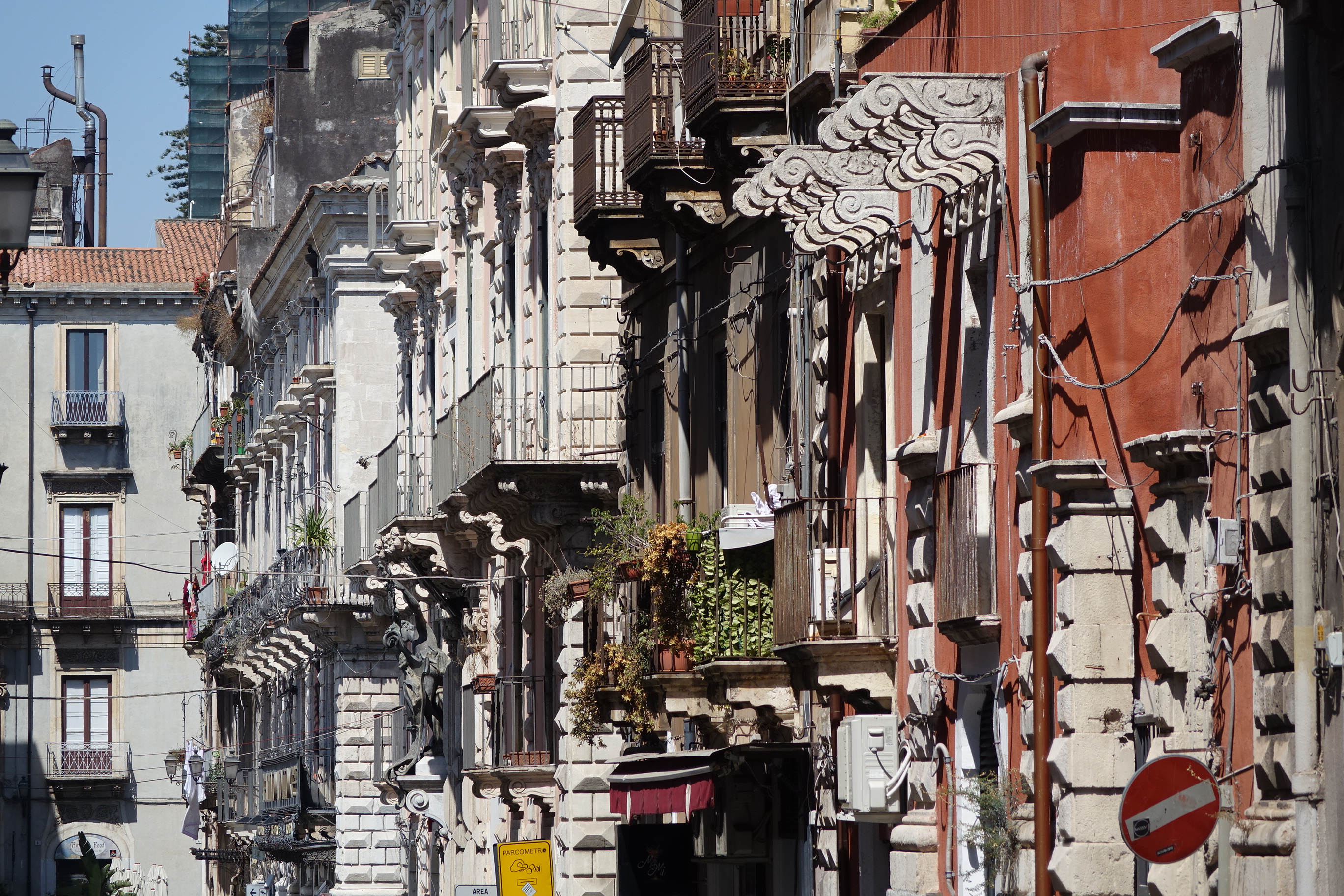
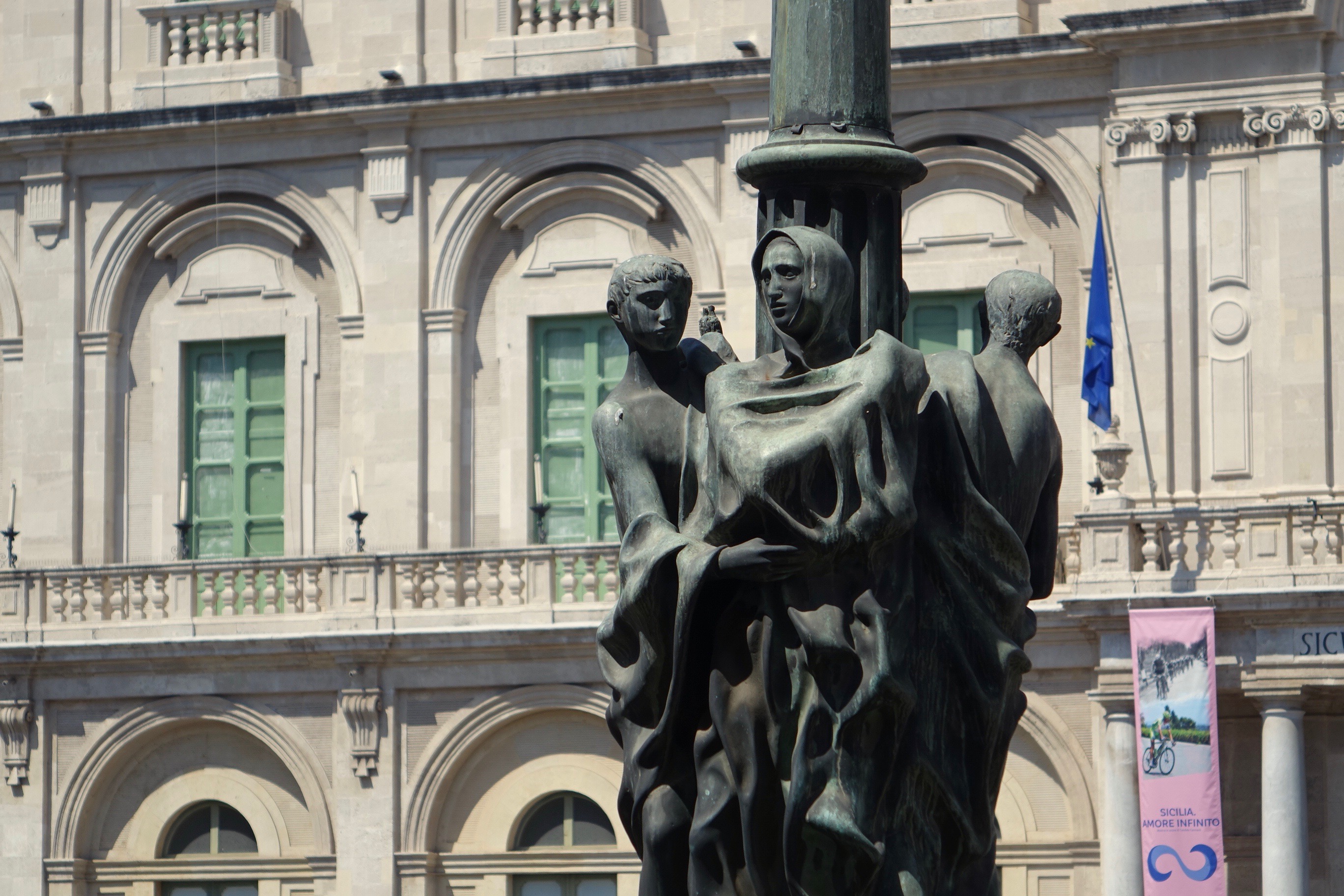
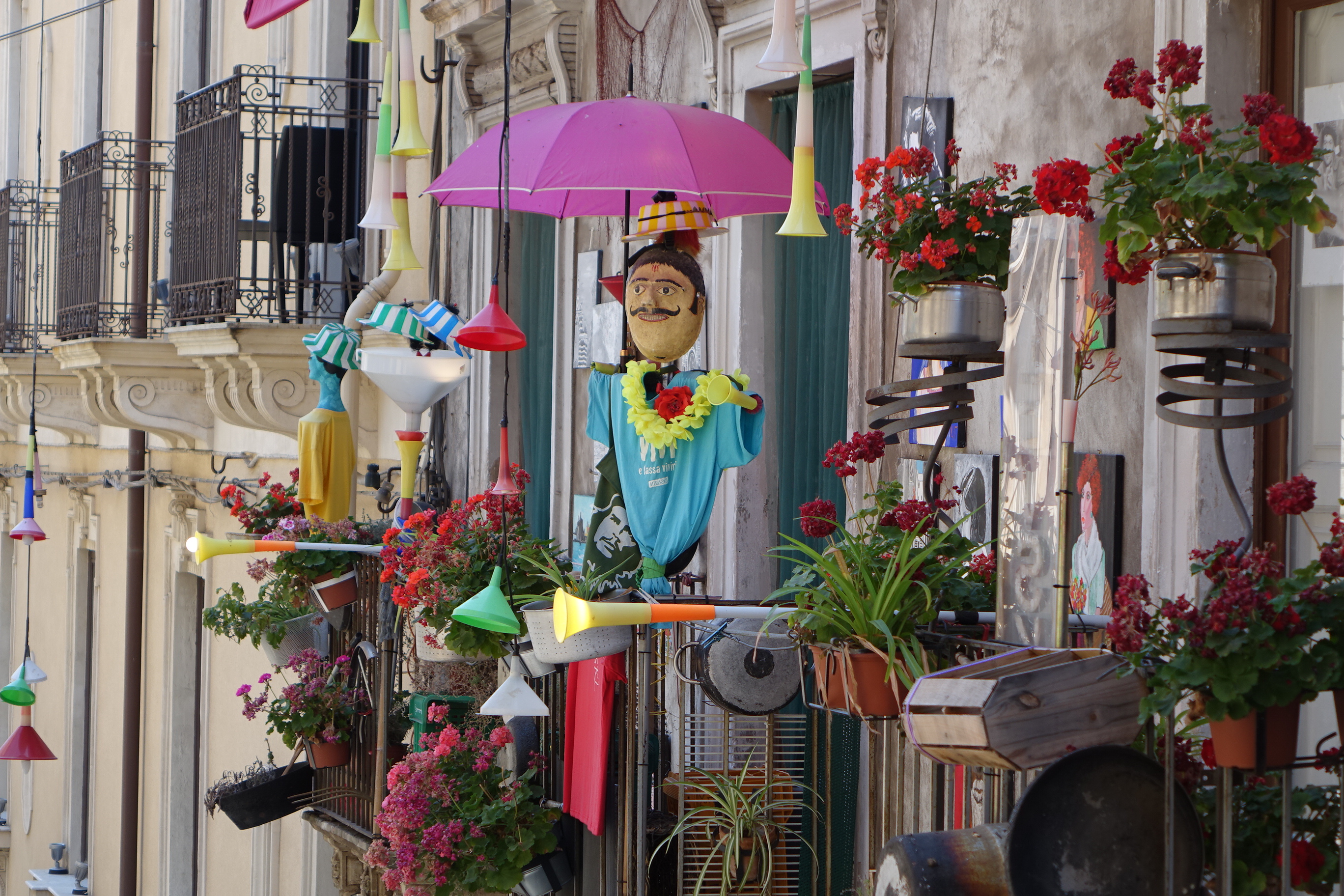
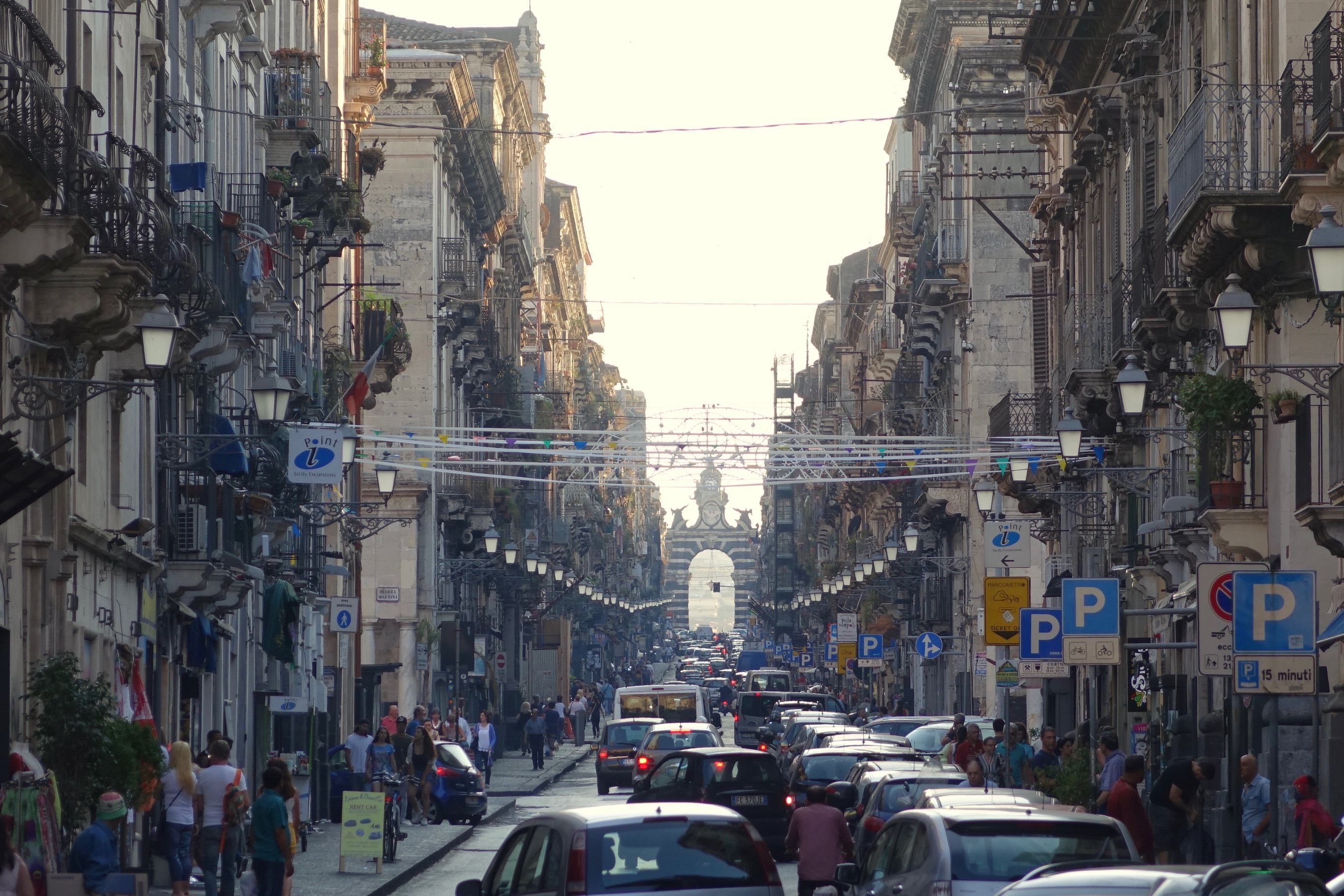
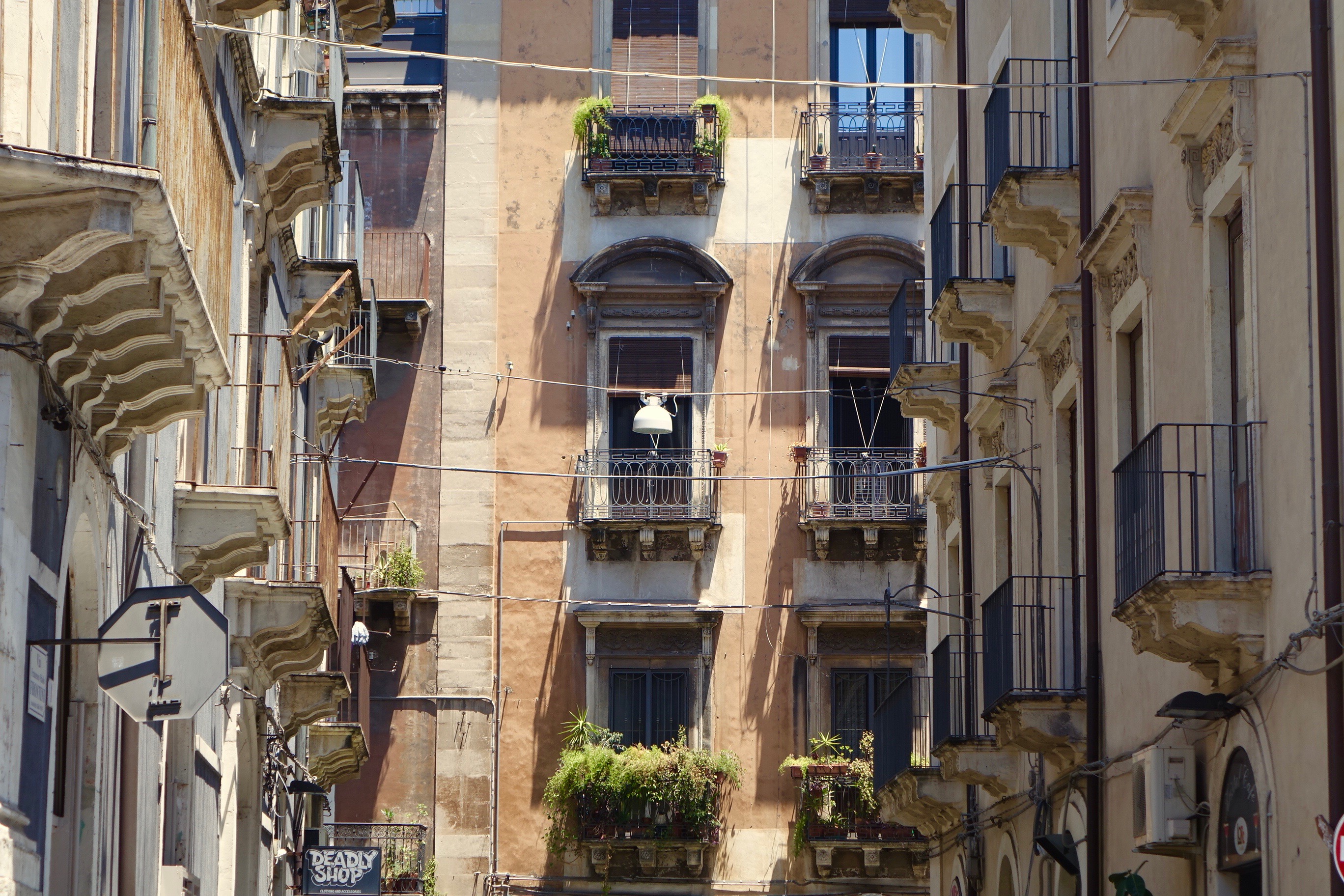
Both the scale of this bustling city, as well as its historical and geographical influences were immediate upon arrival in Catania. Bracing ourselves behind the wheel of an all-too-new hire care, our first encounter with Catania was with its wild roads, filled with drivers, irritated by the heat and paying little attention to generally accepted driving rules. Mercifully unscathed, it was only when we parked that we were able to calmly appreciate Catania, a city whose roads seemed to stretch off into an eternity of traffic jams sparkling like slowly moving jewels, whose streets are crammed with more churches than there are shops, and whose landscape is rendered tiny by comparison with the mighty silhouette of Etna which is omnipresent in the background, wherever you look.

DSC02143DSC01890DSC02142DSC01904DSC02135DSC02087DSC02004

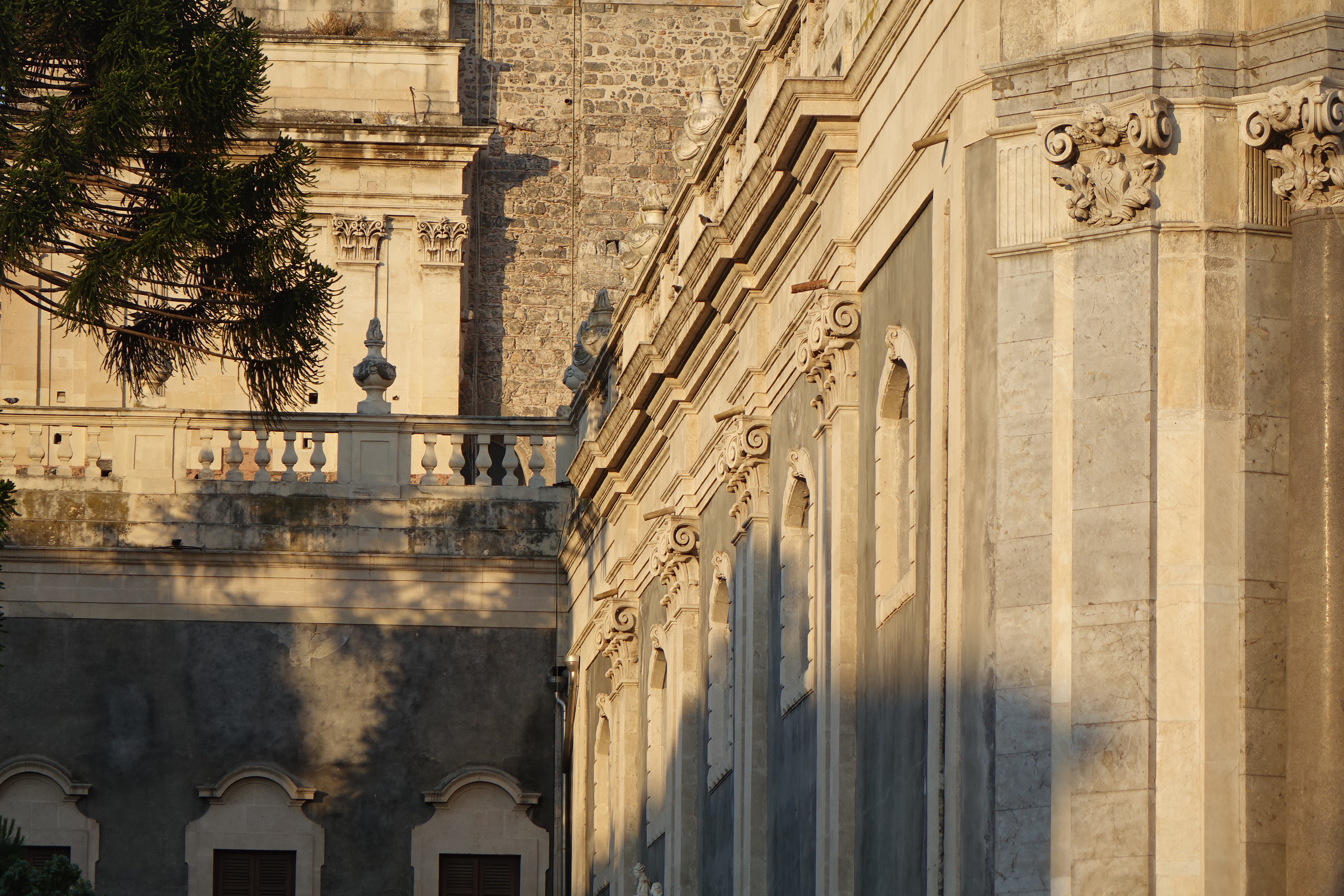
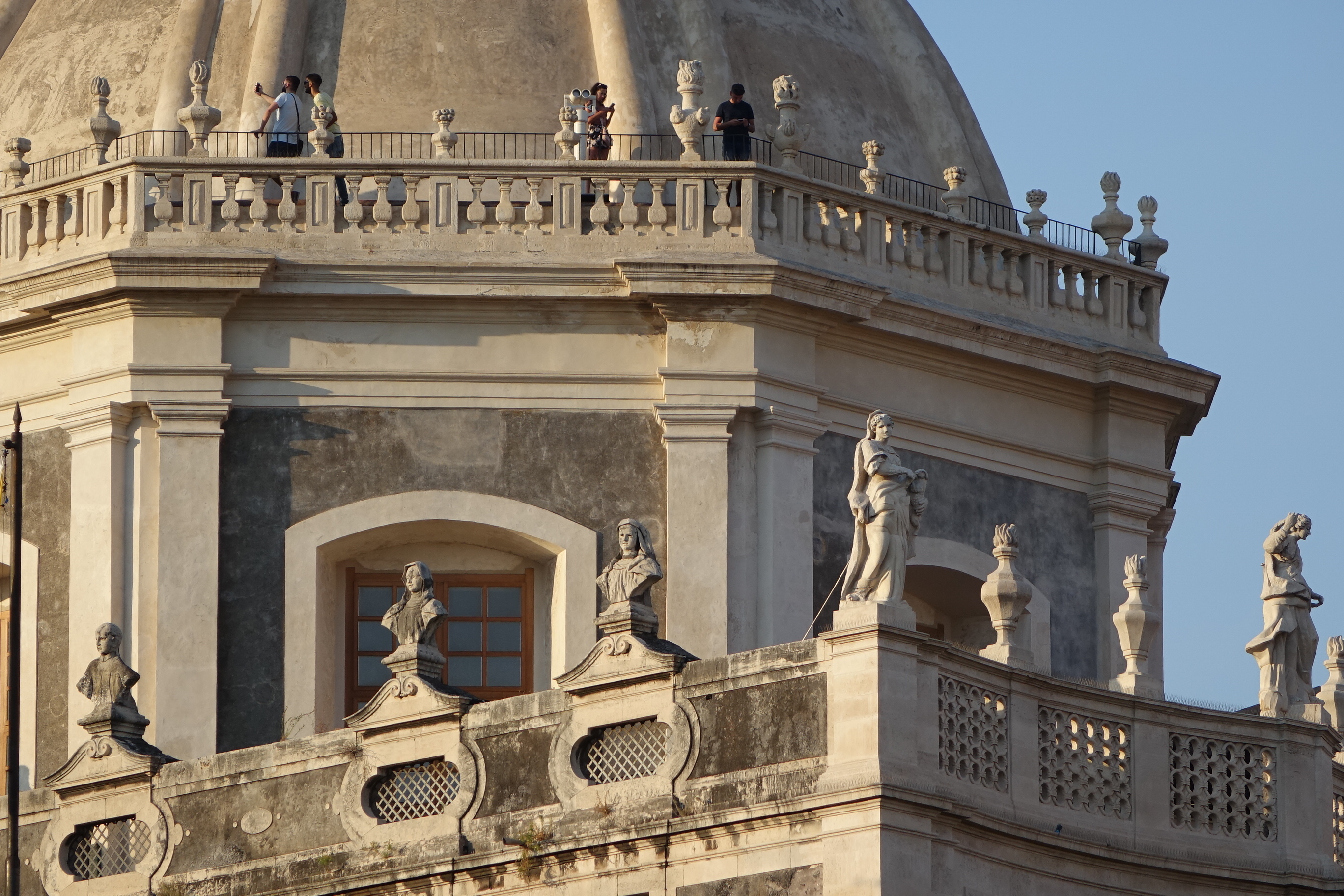
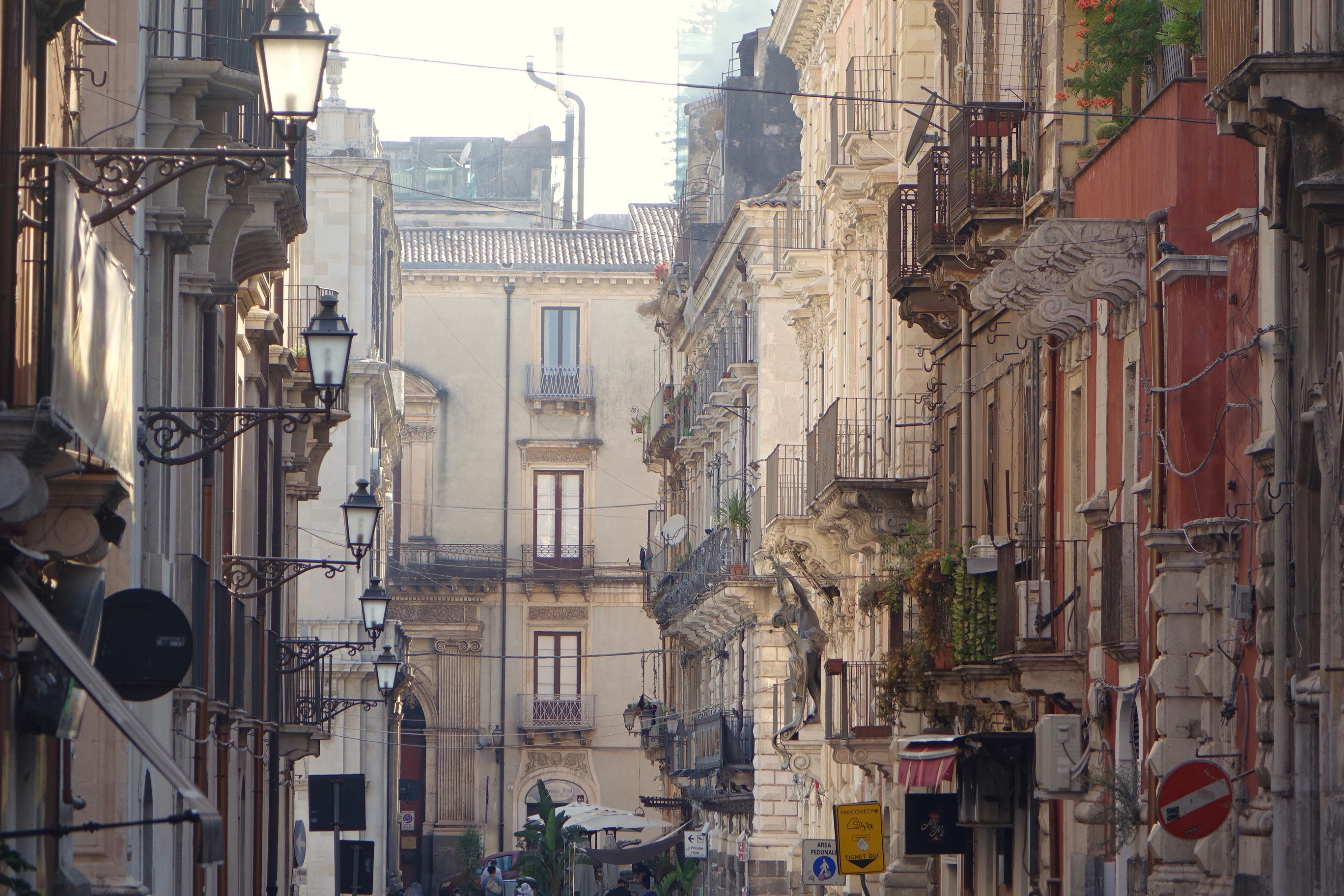
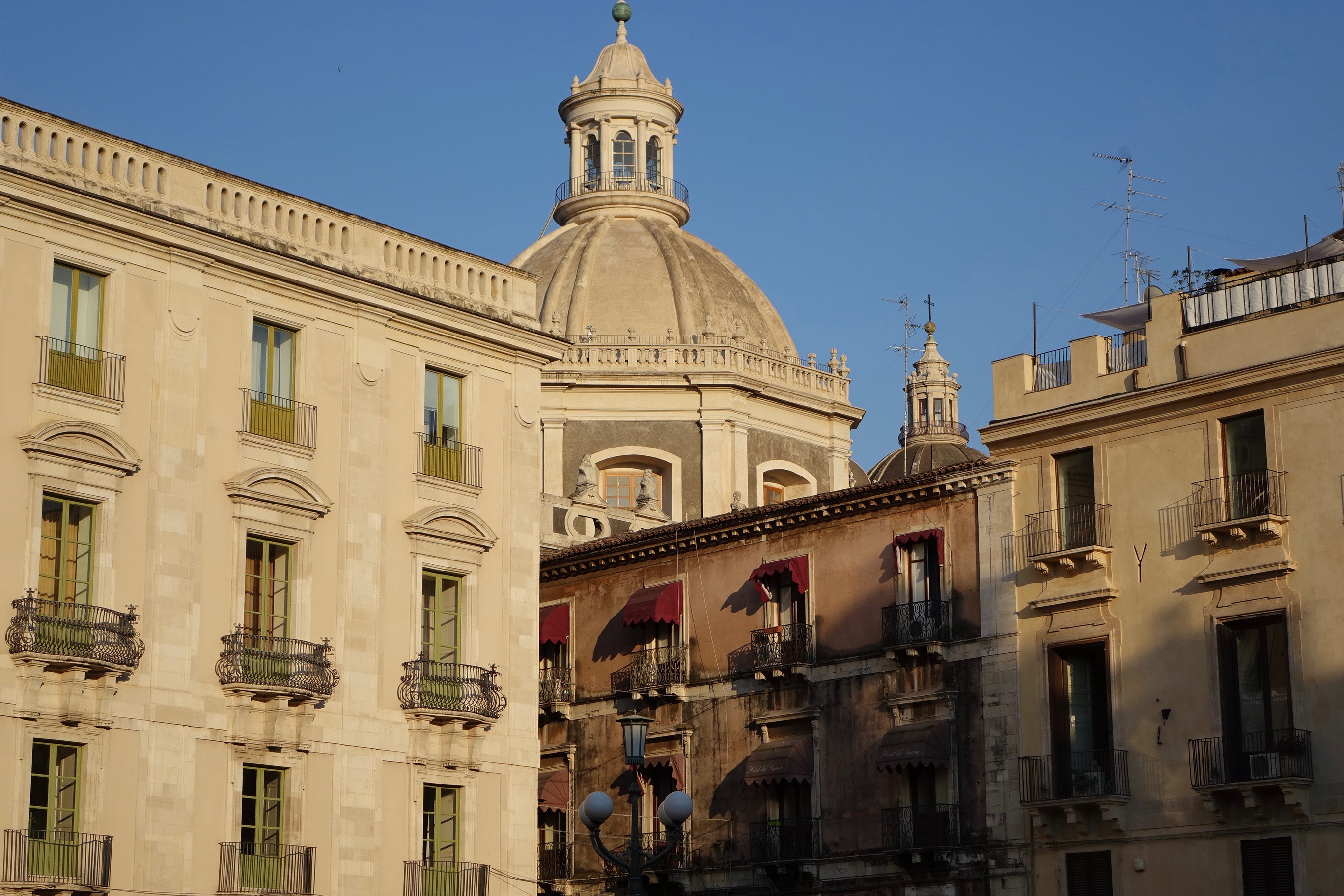
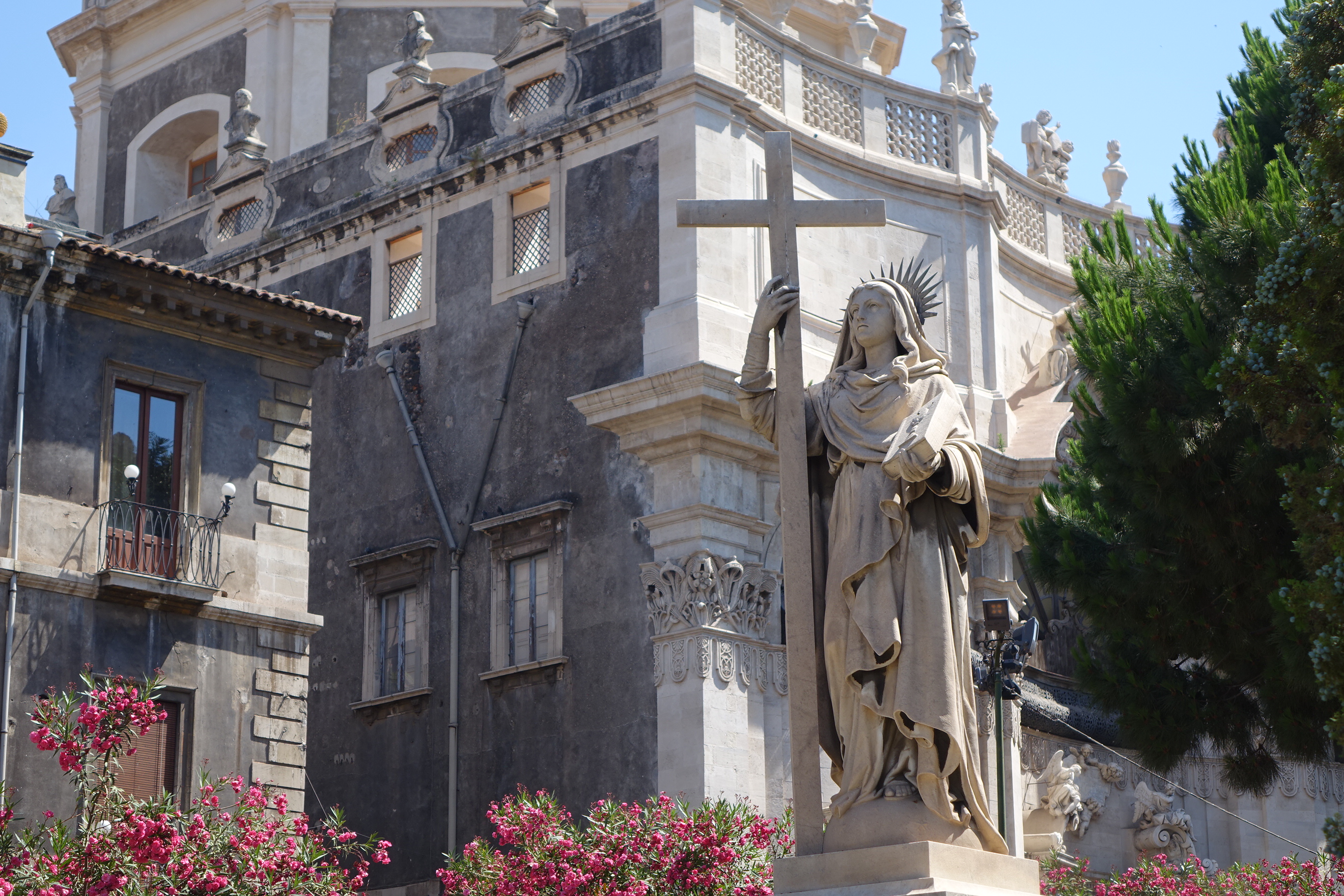
For me, Catania was a city with much of the hectic disorder of Naples, but with the refinements of Rome. It is one characterised by the breadth of its architectural splendour, from frequently arising Roman and Greek remains squeezed between more modern houses, to the exquisite quality of its baroque architecture. And above all, it is one which has earned its epithet: “black city”, forged as it is from the lava stone which nearby Etna has regularly granted the city, Surprisingly hard but tellingly cratered, the lava stone from which Catania is built is a true testament to this city’s unavoidable relationship with its nearby volcano – both the source of its wealth, and the constant threat of its destruction.

DSC02085DSC02014DSC02009DSC01944DSC01935DSC01919DSC01842DSC01840

Perhaps it is this vulnerability which gives Catania the undeniable spirit which pervades it. Its residents can be excused for living by the ethos: carpe diem. After all, Etna is continuinuously erupting, and no one can ever be sure just when the next large eruption will reach this heavily inhabited Sicilian city. So seize the day we certainly did, passing 24 hectic hours in Catania in what was a relentless conveyor of churches, coffees, aperol spritz and lots of pasta. And what a great beginning to our Sicily trip it was!

© Nicholas de Lacy-Brown and The Daily Norm, 2001-2017. Unauthorized use and/or duplication of the material, whether written work, photography or artwork, included within The Daily Norm without express and written permission from The Daily Norm’s author and/or owner is strictly prohibited. 

The Colours of Marrakech, Part 6: Sunset Fuchsia

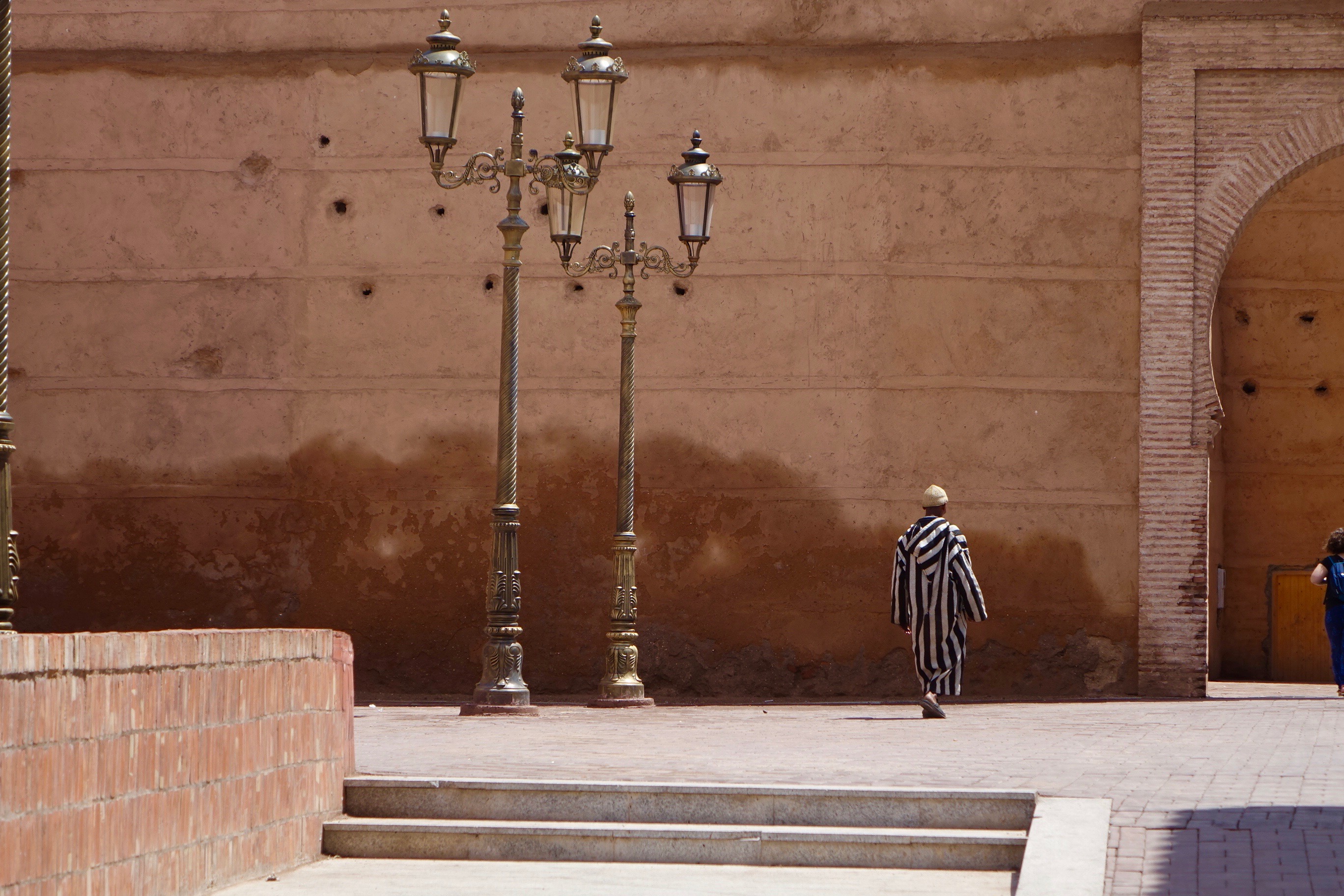
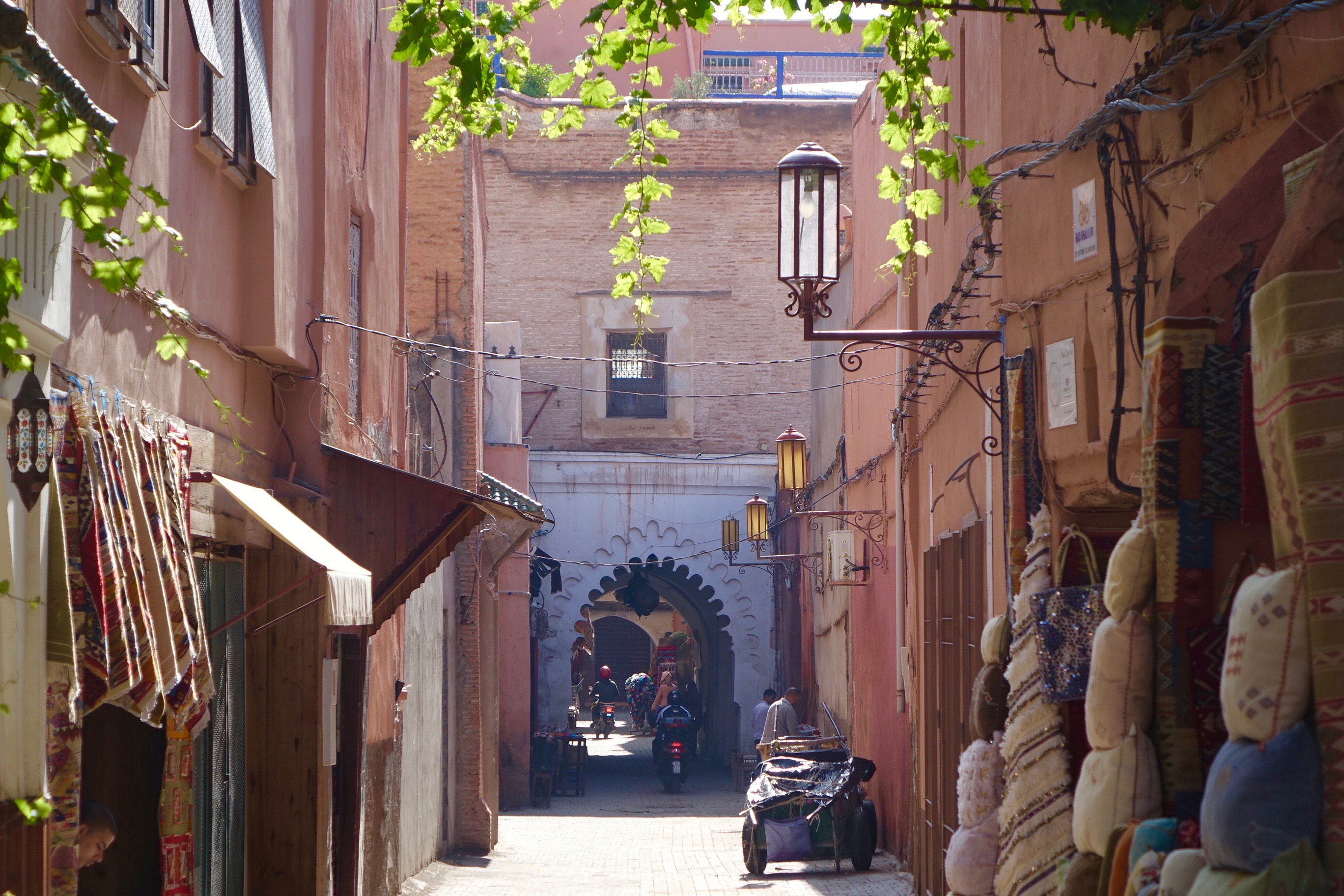
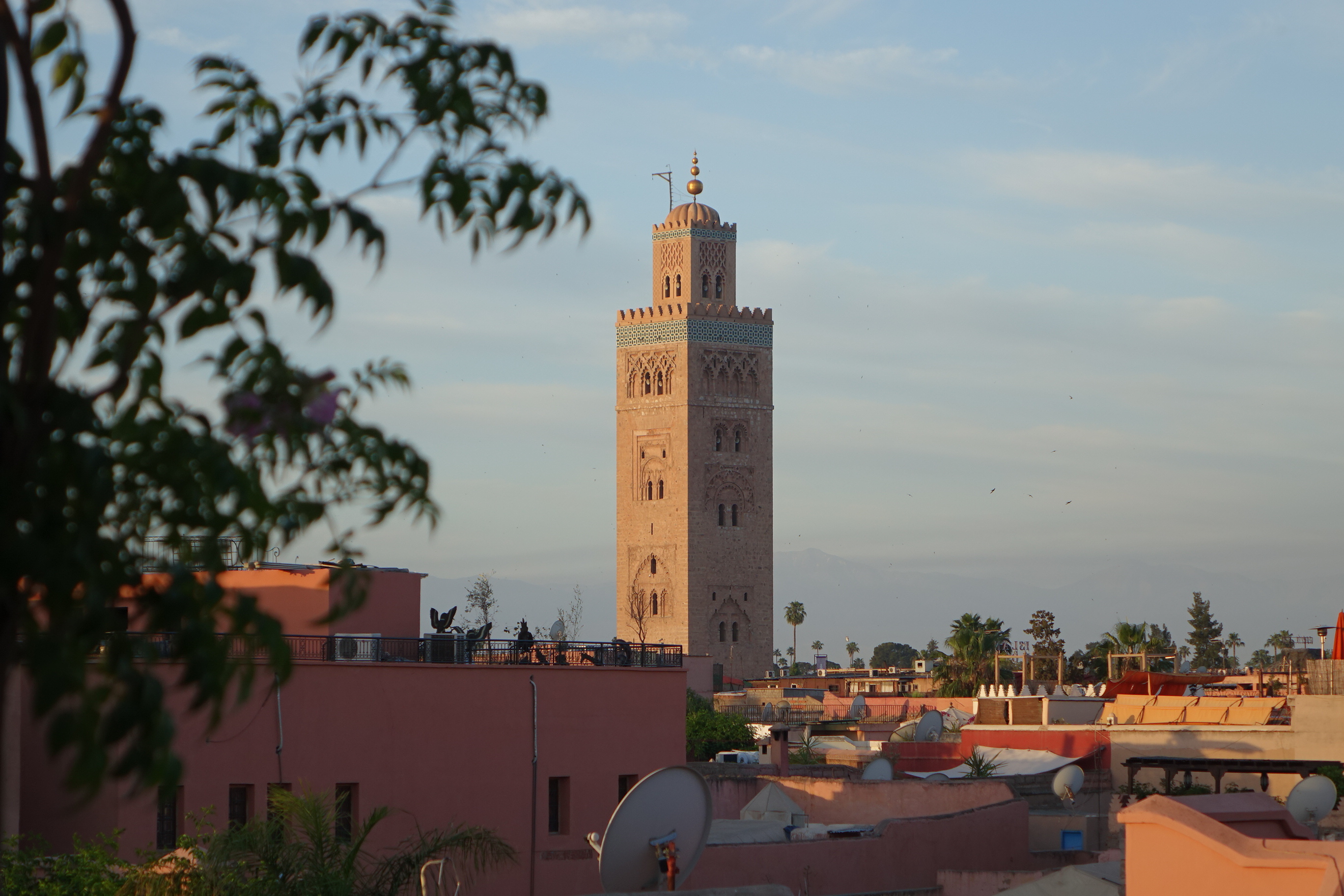
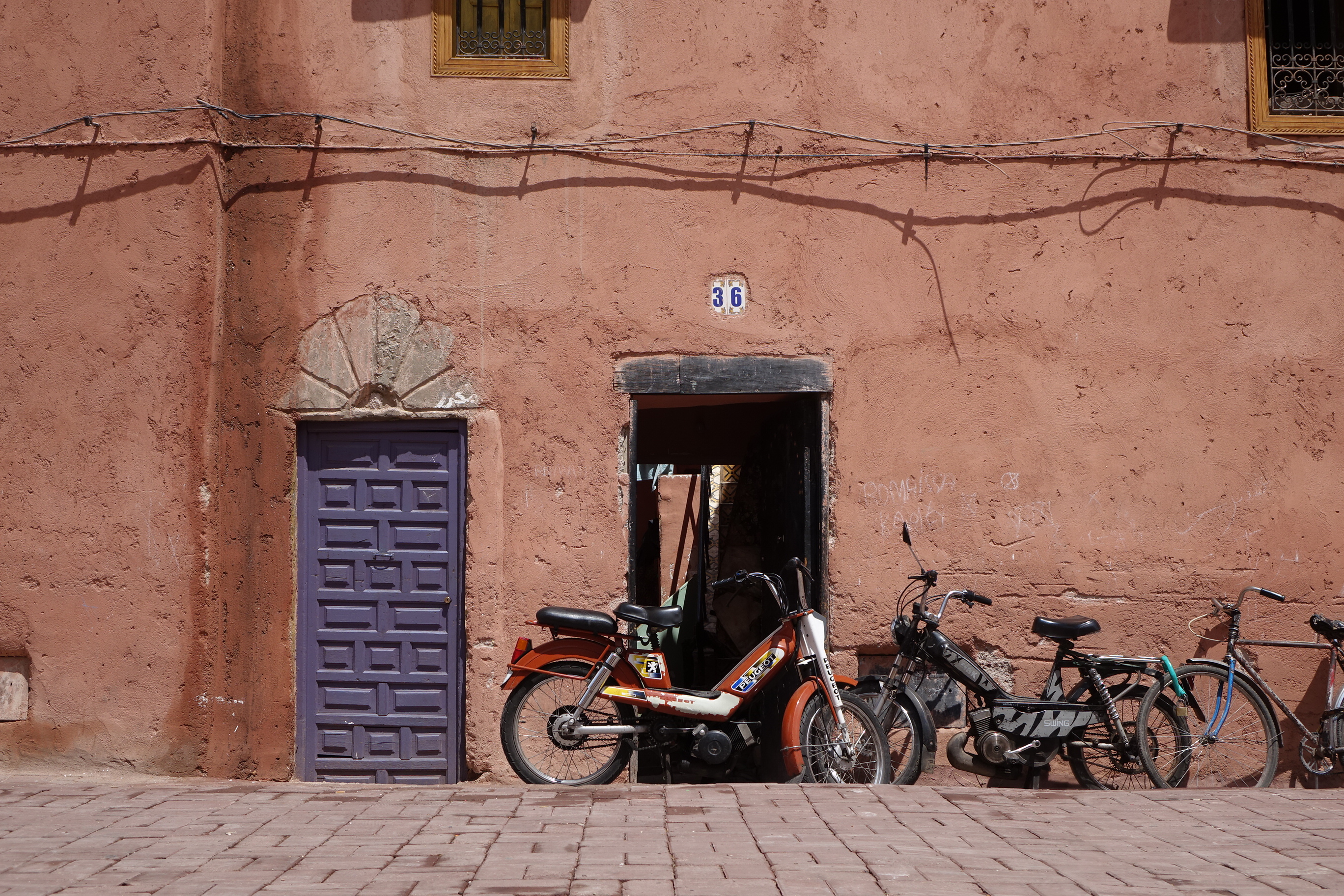
Marrakech is a city so abundant in its palette of colour that I have been able to successfully craft my tale of our trip there by reference to its vastly diverse tonality. Starting with the rose colour which characterises the city walls and the majority of its ancient buildings, and exploring the golden ochre of its crumbling palaces and the stunning blue of the Marjorelle Gardens, my colour-focused posts reached a peak when they entered the multi-coloured world of the Souks which beat at the heart of Marrakech’s ancient medina. But to end the set, it felt appropriate to go back to the pink hues which started it all, not least because this specific shade of pink was cast at the end of the day, when the sun cast a glorious new hue over the city.

DSC00483DSC00504DSC00503DSC00497

While the city is most definitely pink, it was enchanting to watch how that pink developed and transformed as the various stages of the day unfurled. In the morning the pink was dusky and pale as it warmed up gradually with the rising of the sun. At midday the baking sun made the pink luminescent, fiery and peach like. And when the odd cloud came over, the pink was more mauve and moody. But only once did we see the greatest transformation of all. It was after a huge storm ended the day, refreshing us all, but casting a fierce spectacle of rain and lightening across the city. Just as it was nearing its end, the sun plummeted to a level beneath the clouds and as it did so, its refracted light reflected off the clouds and back down onto the city to create a vivid kind of fuchsia pink lighting which literally filled the city. The result was almost eery, as spaces such as our Riad, which were decorated by a very pure white marble, were immersed in a beautiful shade of cherry-blossom. It was almost as though the clouds had rained rosé wine, and we were all swimming in their fruity waters.

DSC00492DSC00495DSC00501DSC00487

The drama and the beauty of the moment was one I will long remember, and is a fitting tribute to this incredible trip, a journey which tantalised each of my senses to a degree never experienced before.

DSC00753

© Nicholas de Lacy-Brown and The Daily Norm, 2001-2017. Unauthorized use and/or duplication of the material, whether written work, photography or artwork, included within The Daily Norm without express and written permission from The Daily Norm’s author and/or owner is strictly prohibited. 

The Colours of Marrakech, Part 5: Majorelle Blue

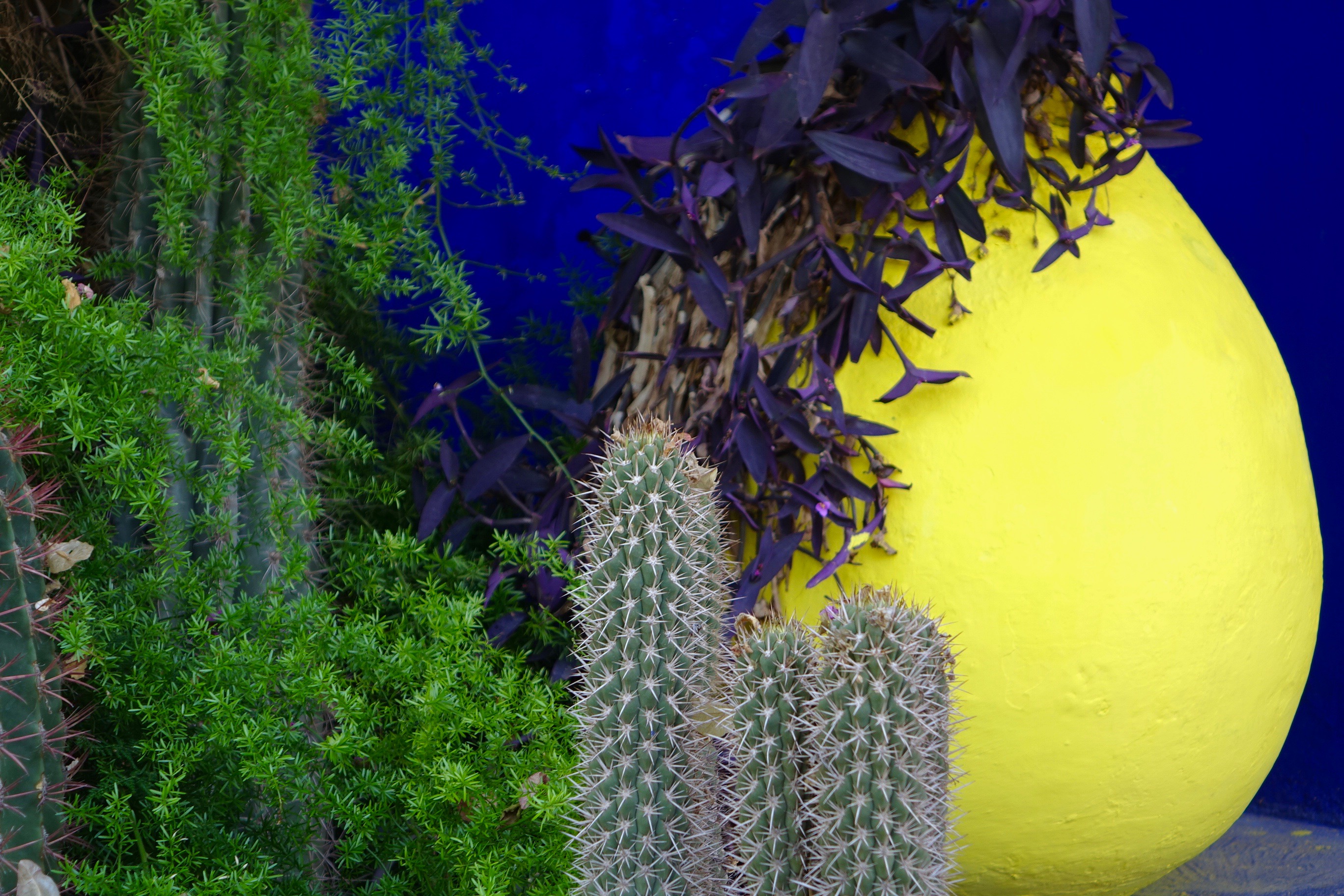
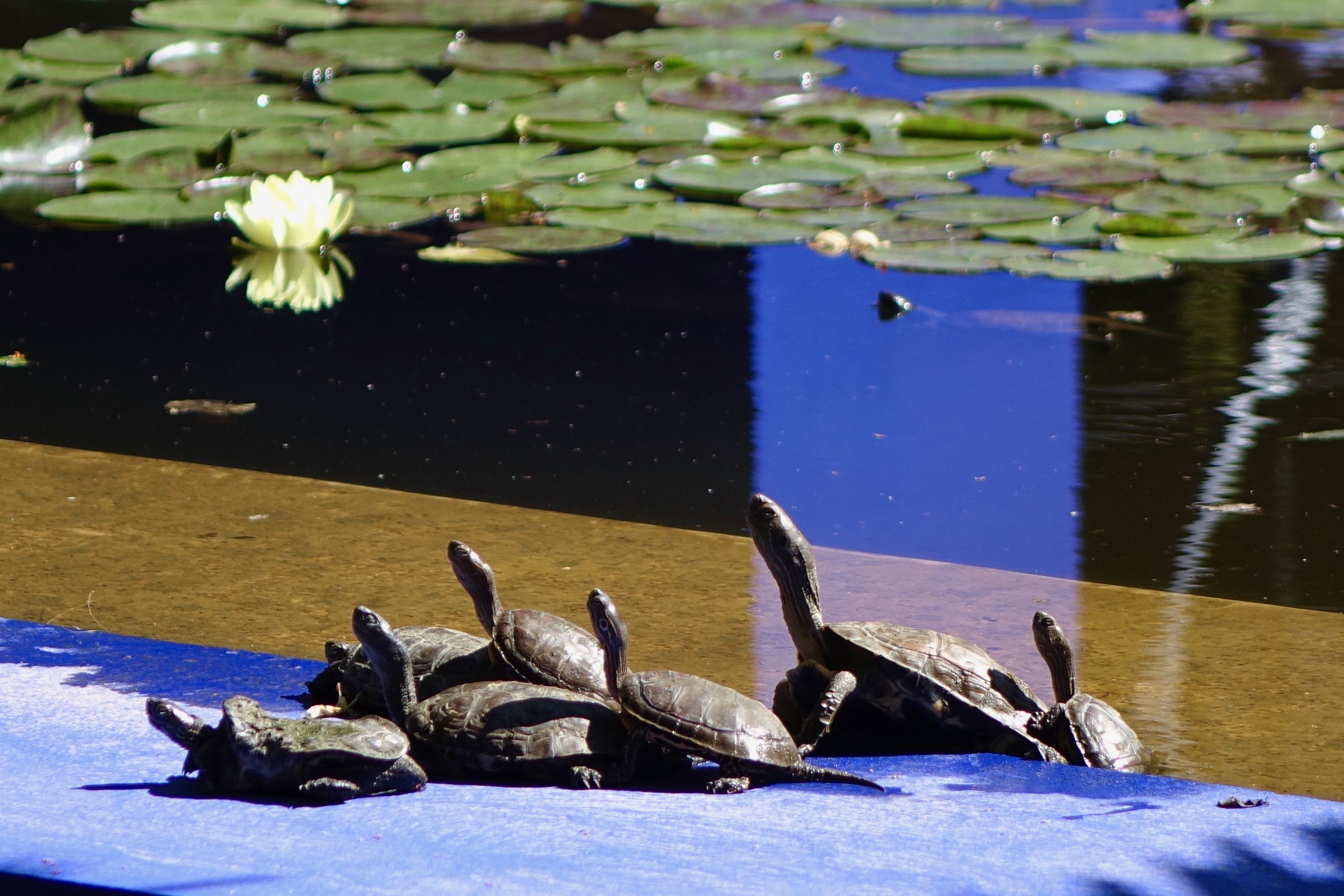
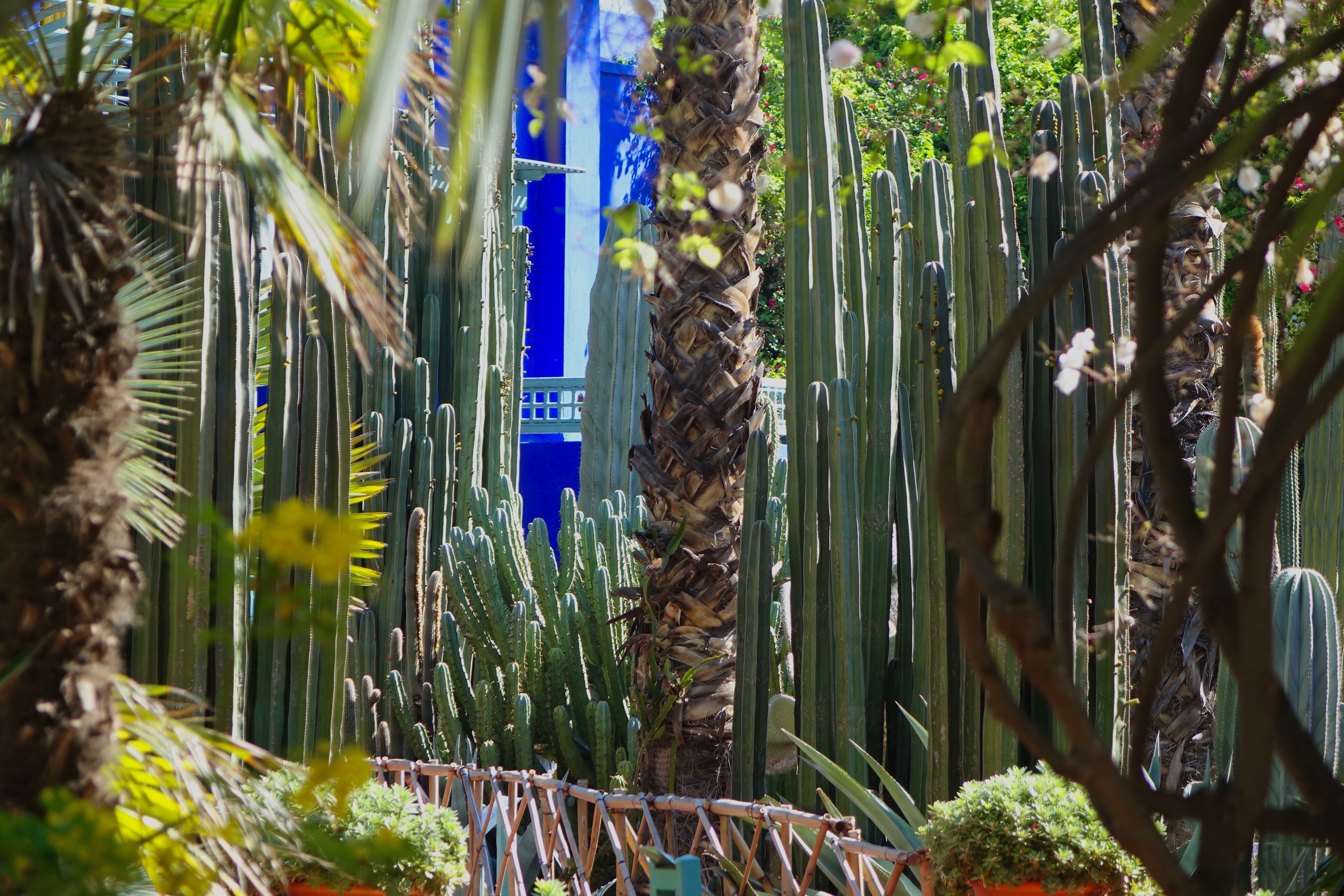
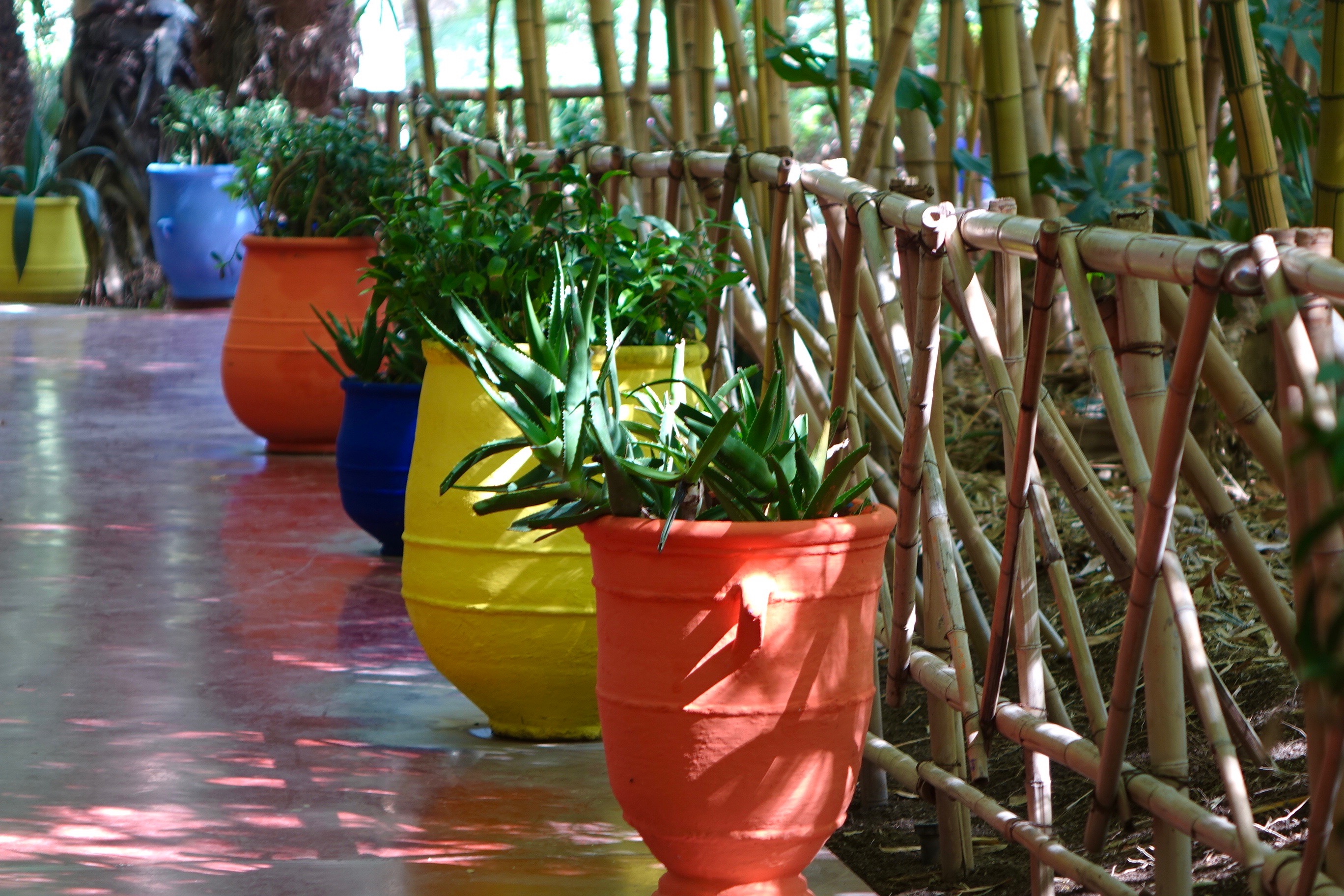
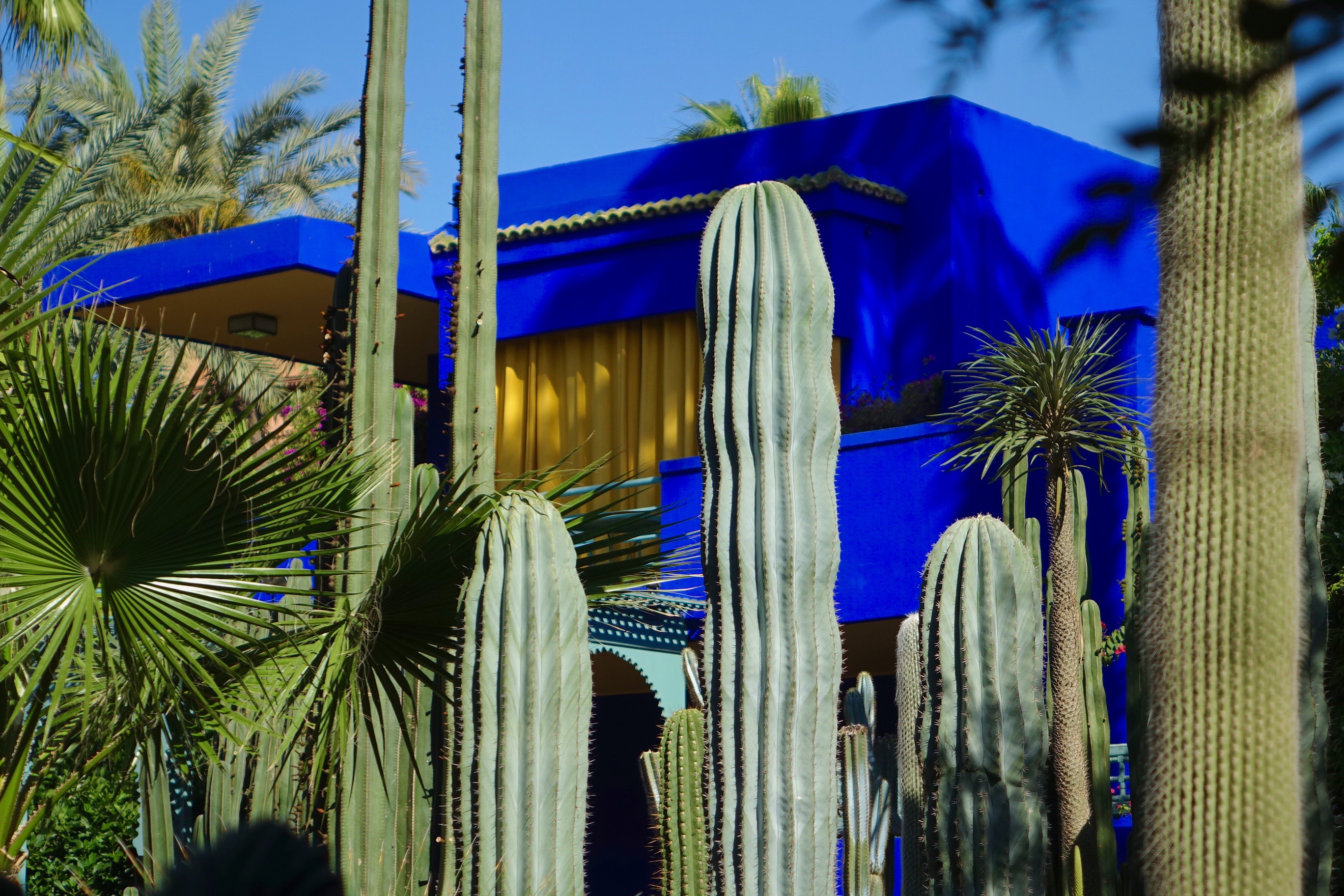
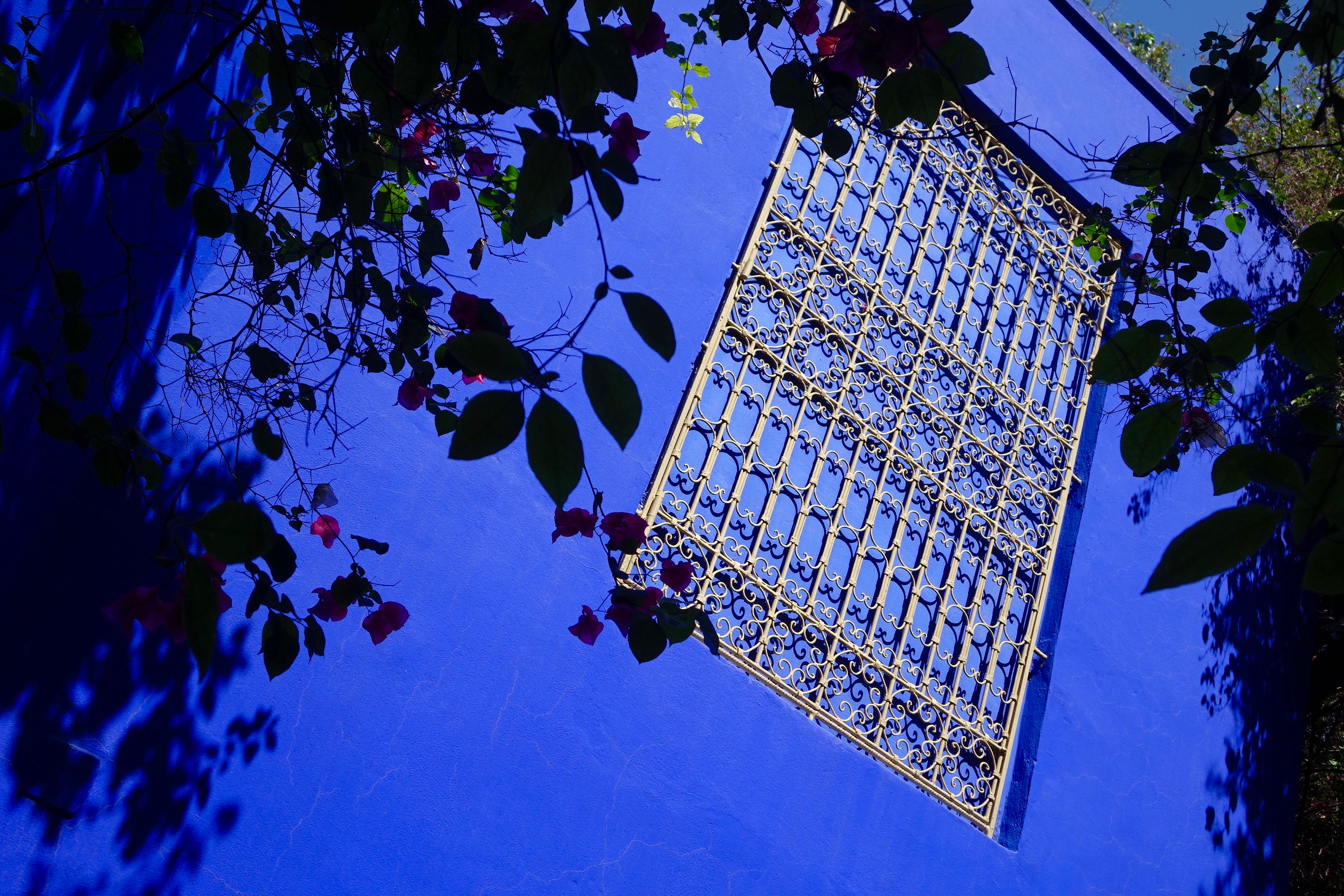
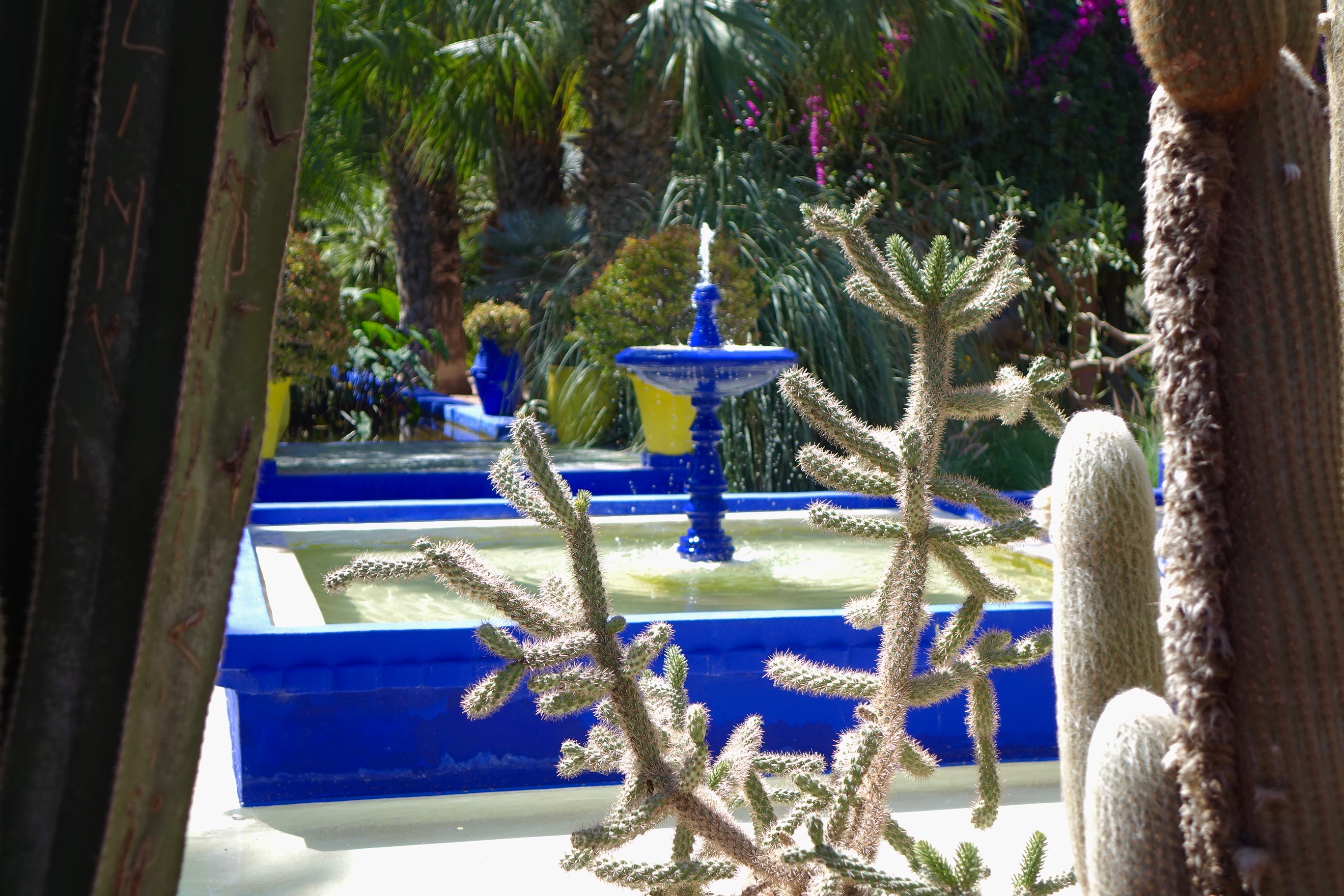
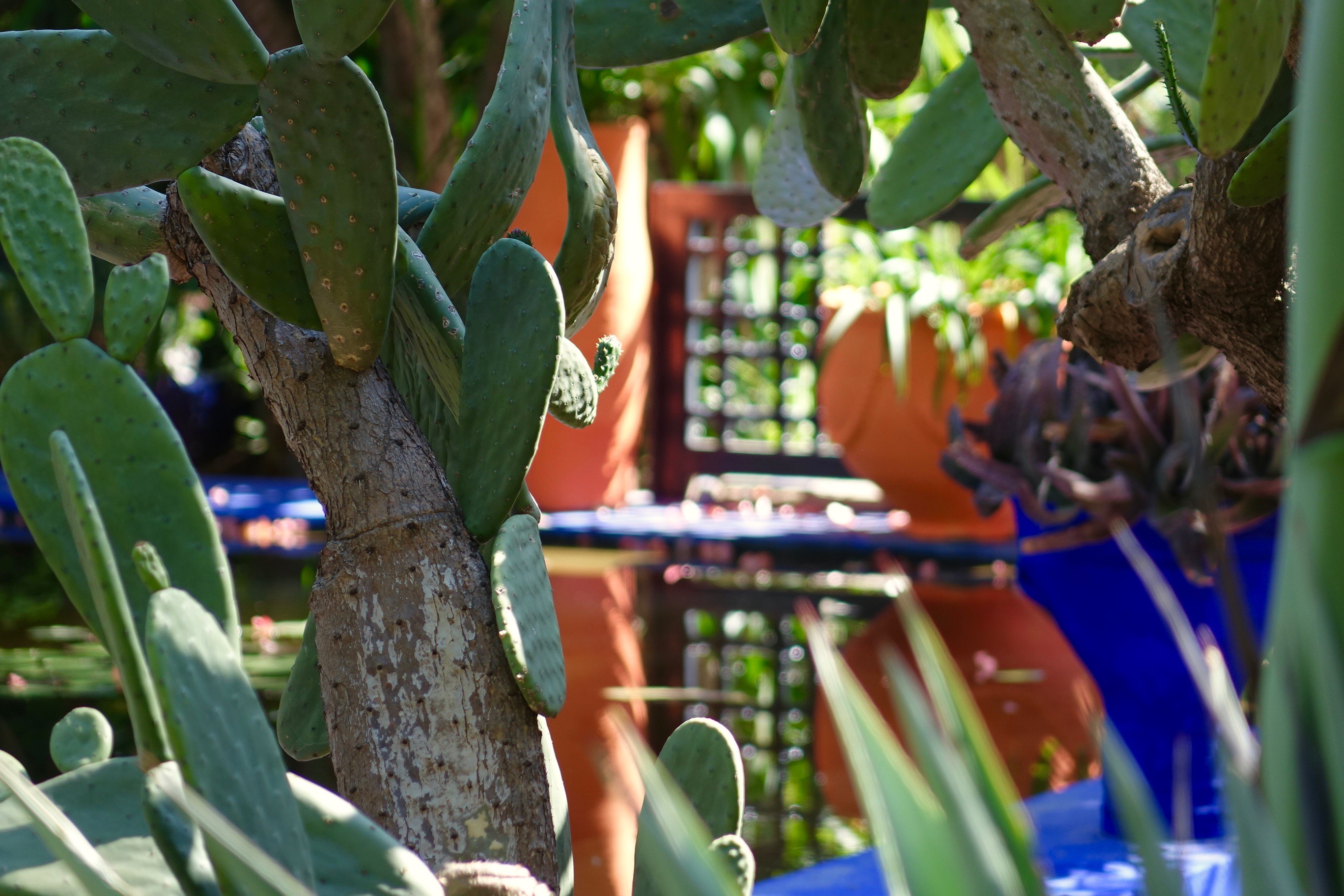
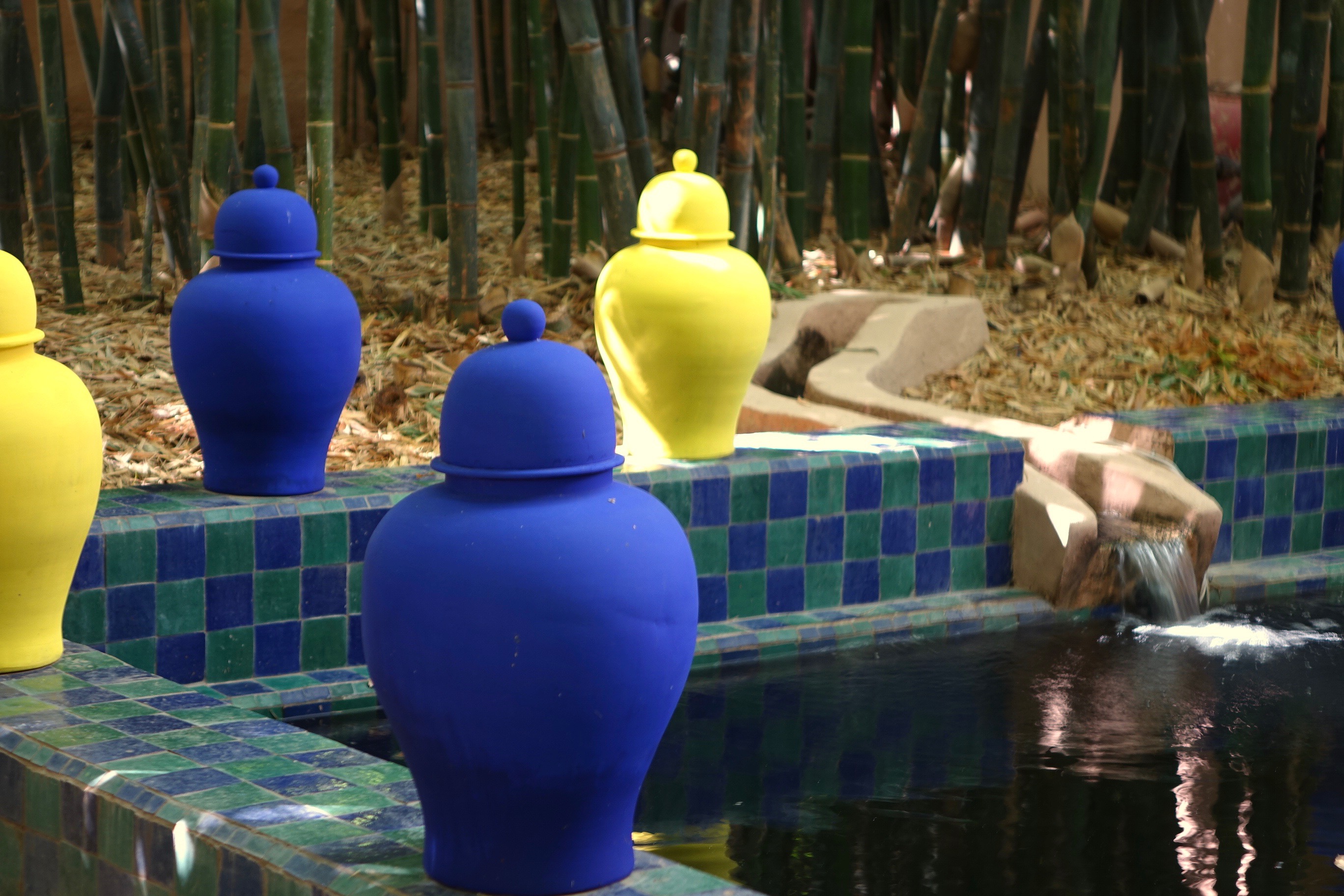
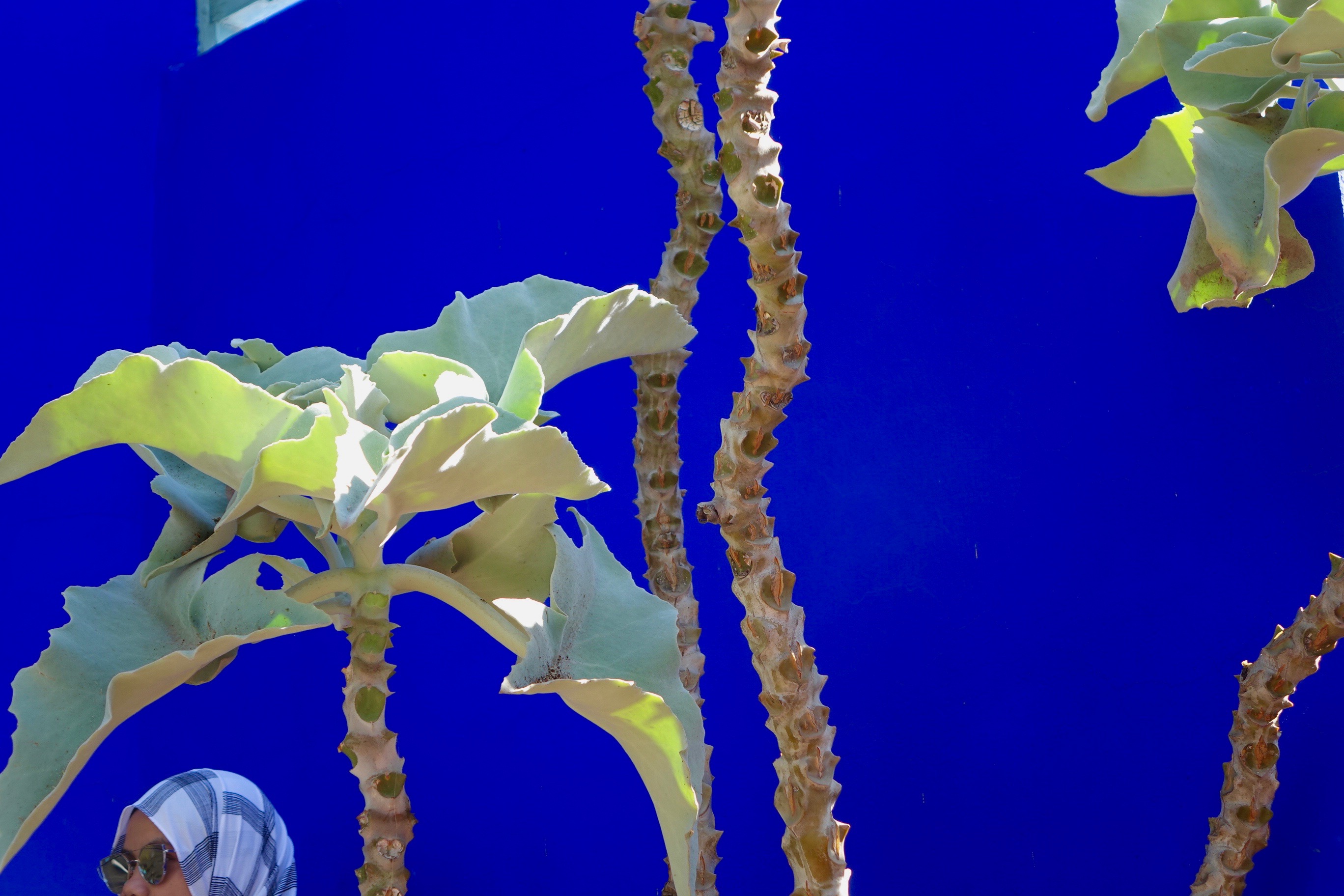
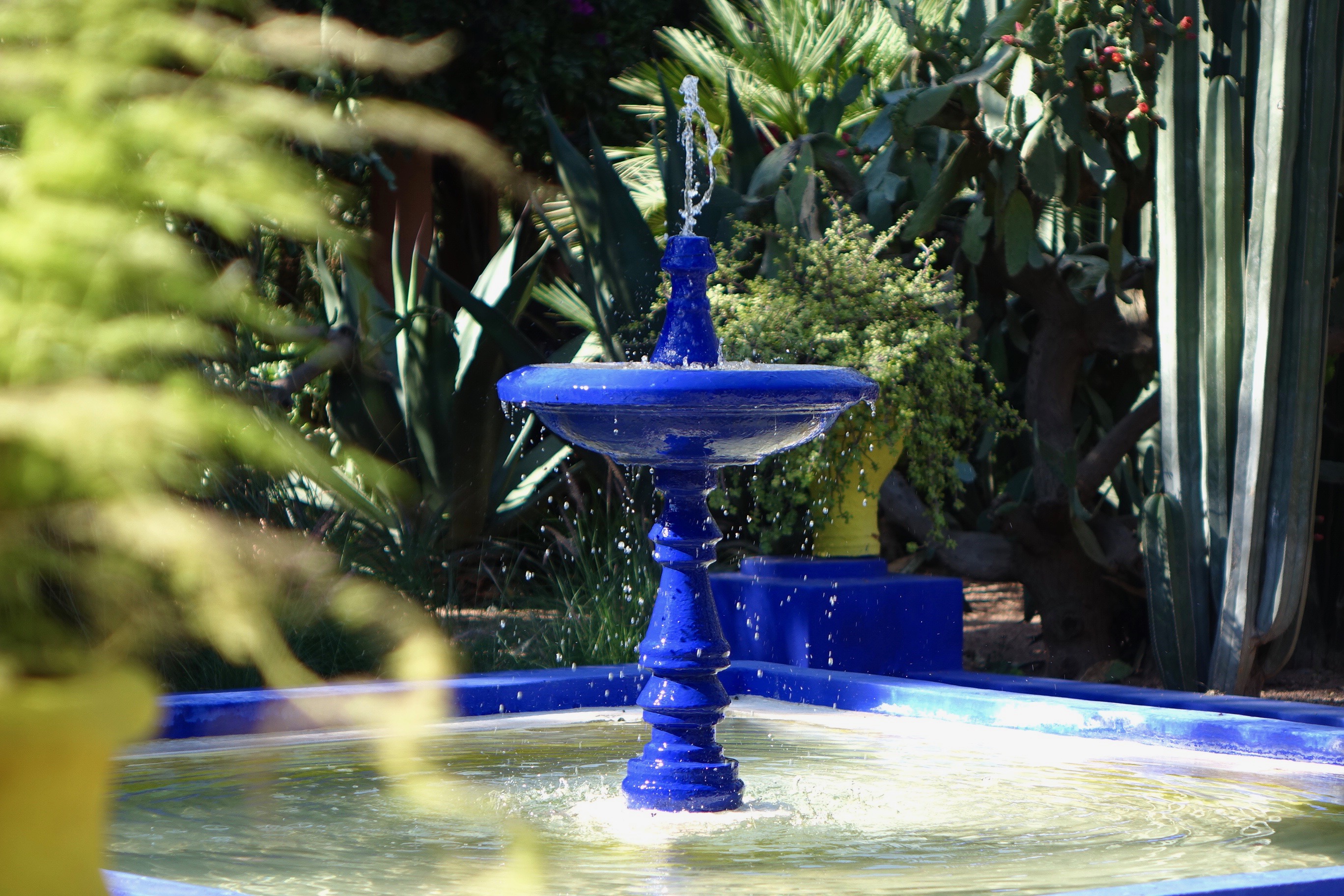
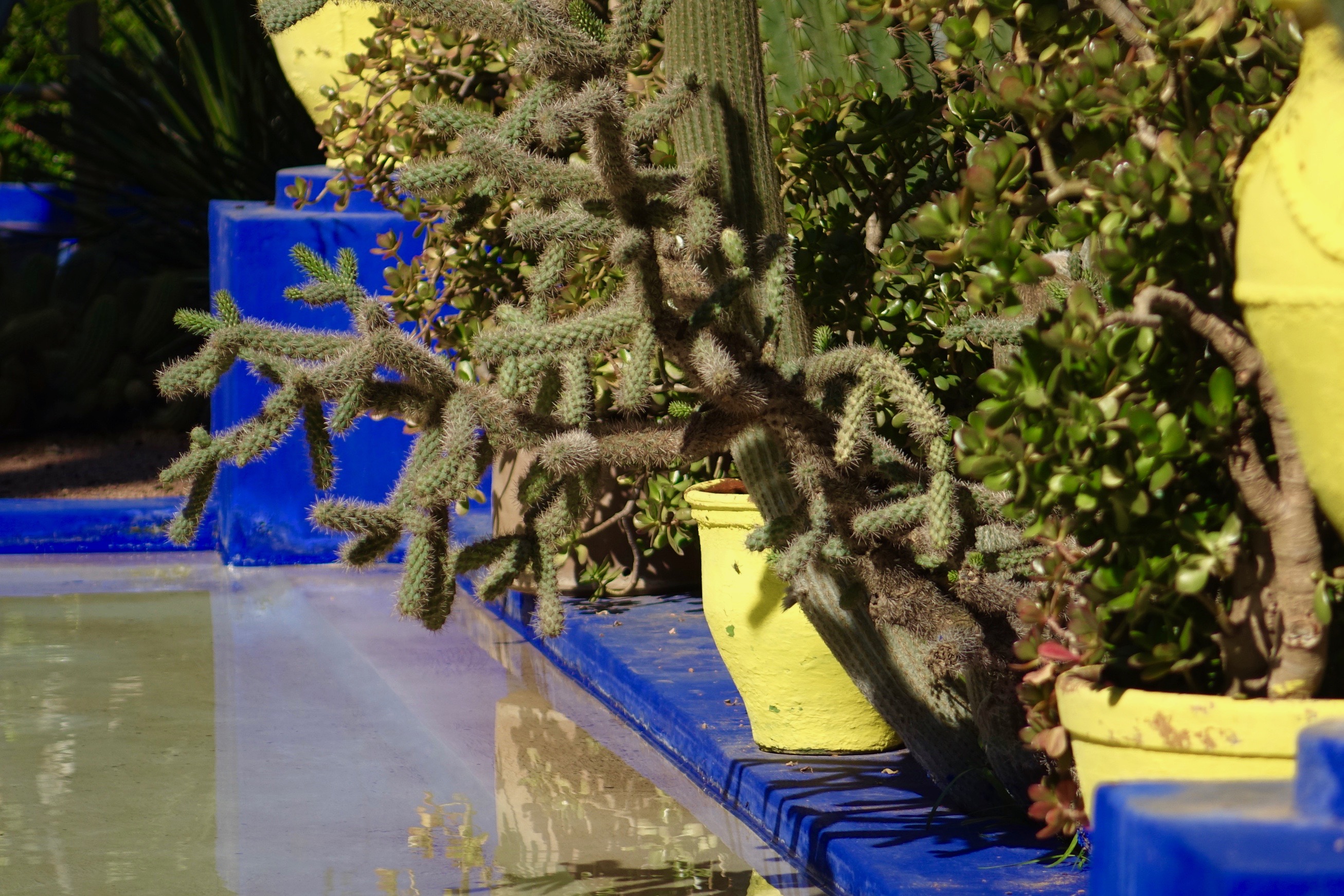
This post commences with a warning: You are about to be bombarded by blue. An intense, electric, ultramarine blue which defies the senses and energises the mind. And when the more natural colours of citrus and verdant green are set against it, they too become alive, as though infected by the sonic grove to which this blue vibrates. The result is a panoply of vivid colour, a palette so strong that these photos should not be viewed with a hangover. But rather, with a clear head, get ready to revel in this most glorious colour of Marrakech, a shade which has defined the idea of the avant-garde garden paradise, ever since it was first used in the Moroccan garden of French artist, Jacques Majorelle and later the home of one Yves Saint Laurent. This is a post dedicated to the colour so synonymous with its creator and his lavish Marrakech garden that it was named after him: Majorelle Blue.

DSC01134DSC01236DSC01277DSC01124DSC01269DSC01209DSC01206DSC01253DSC01199DSC01178DSC01093

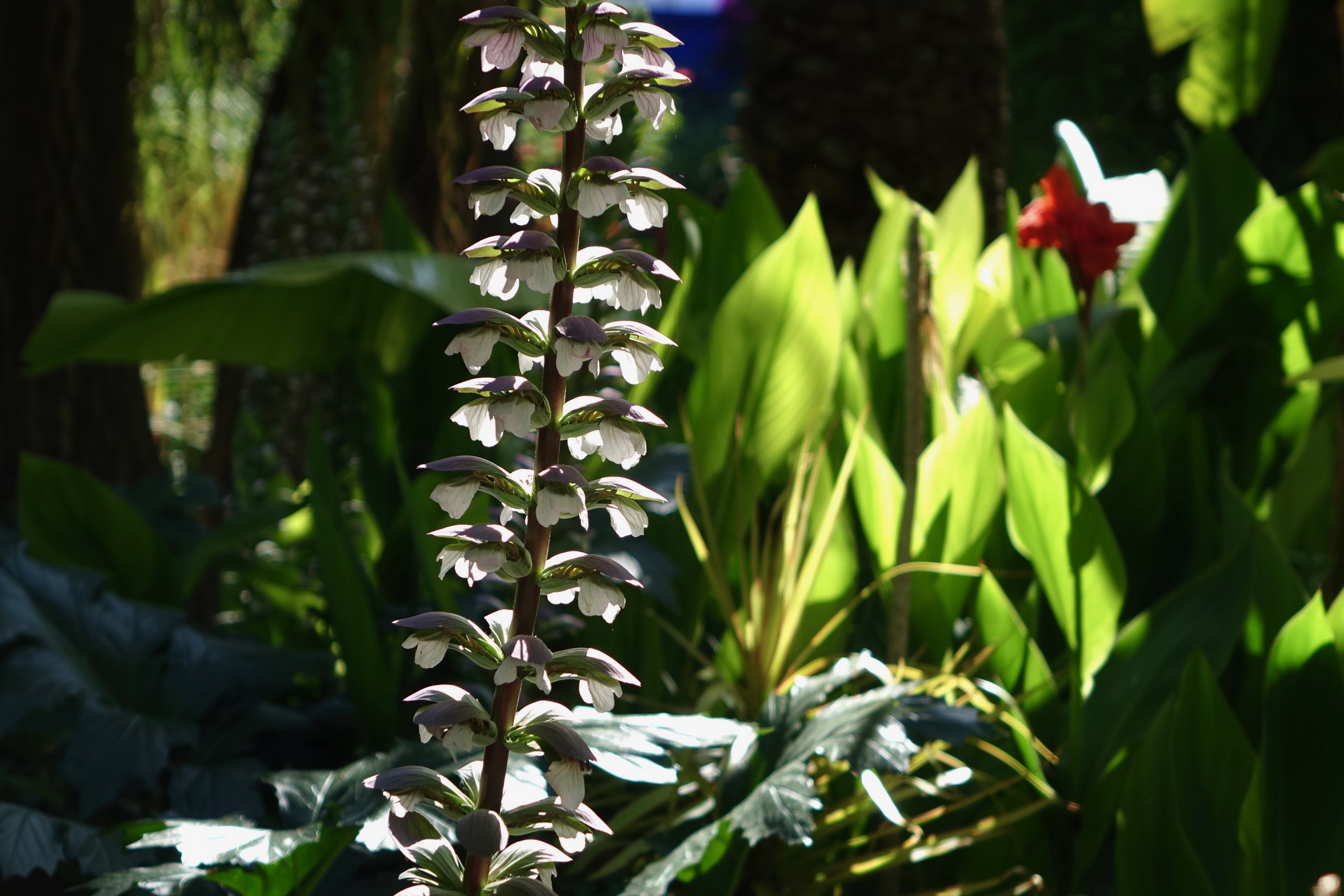
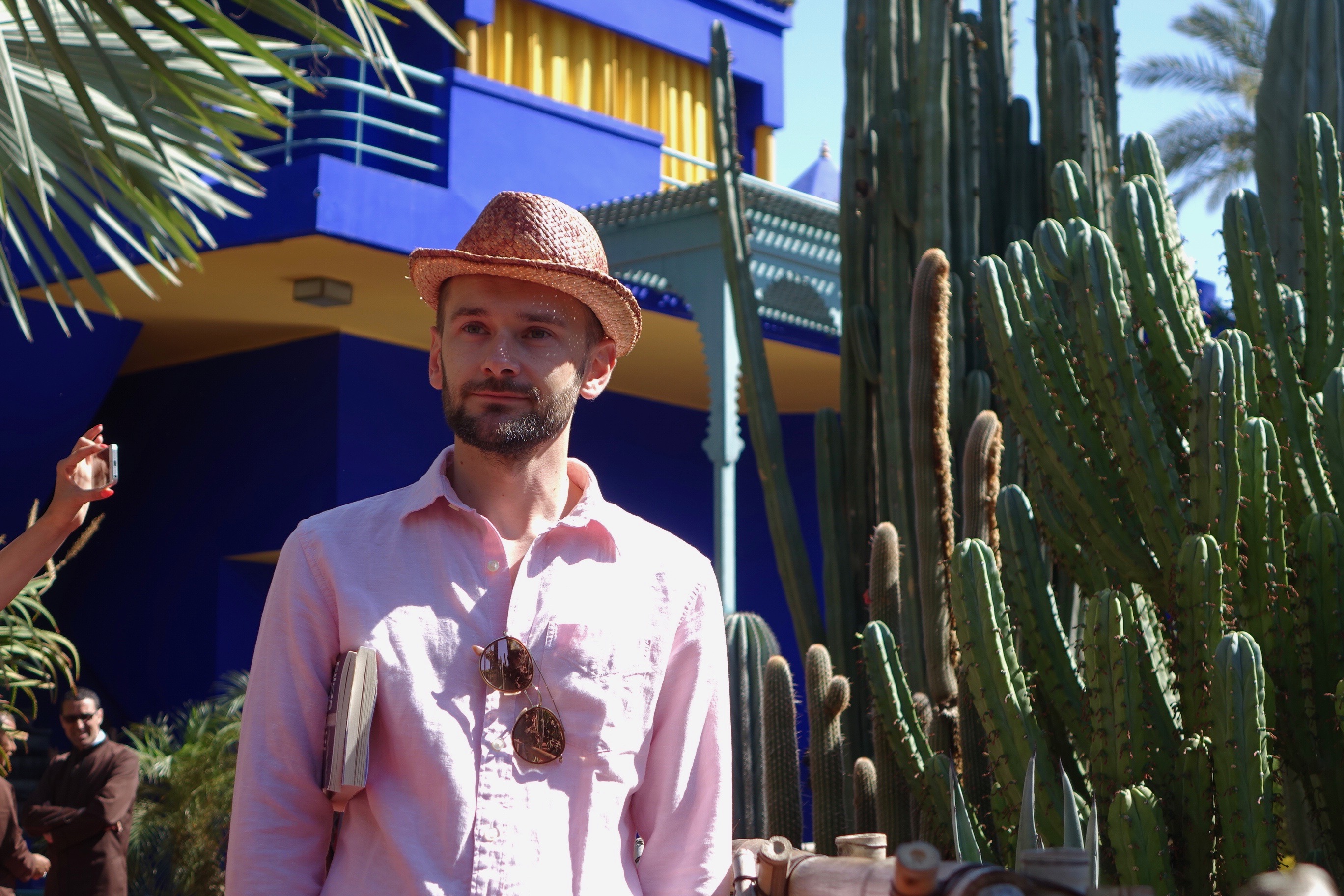
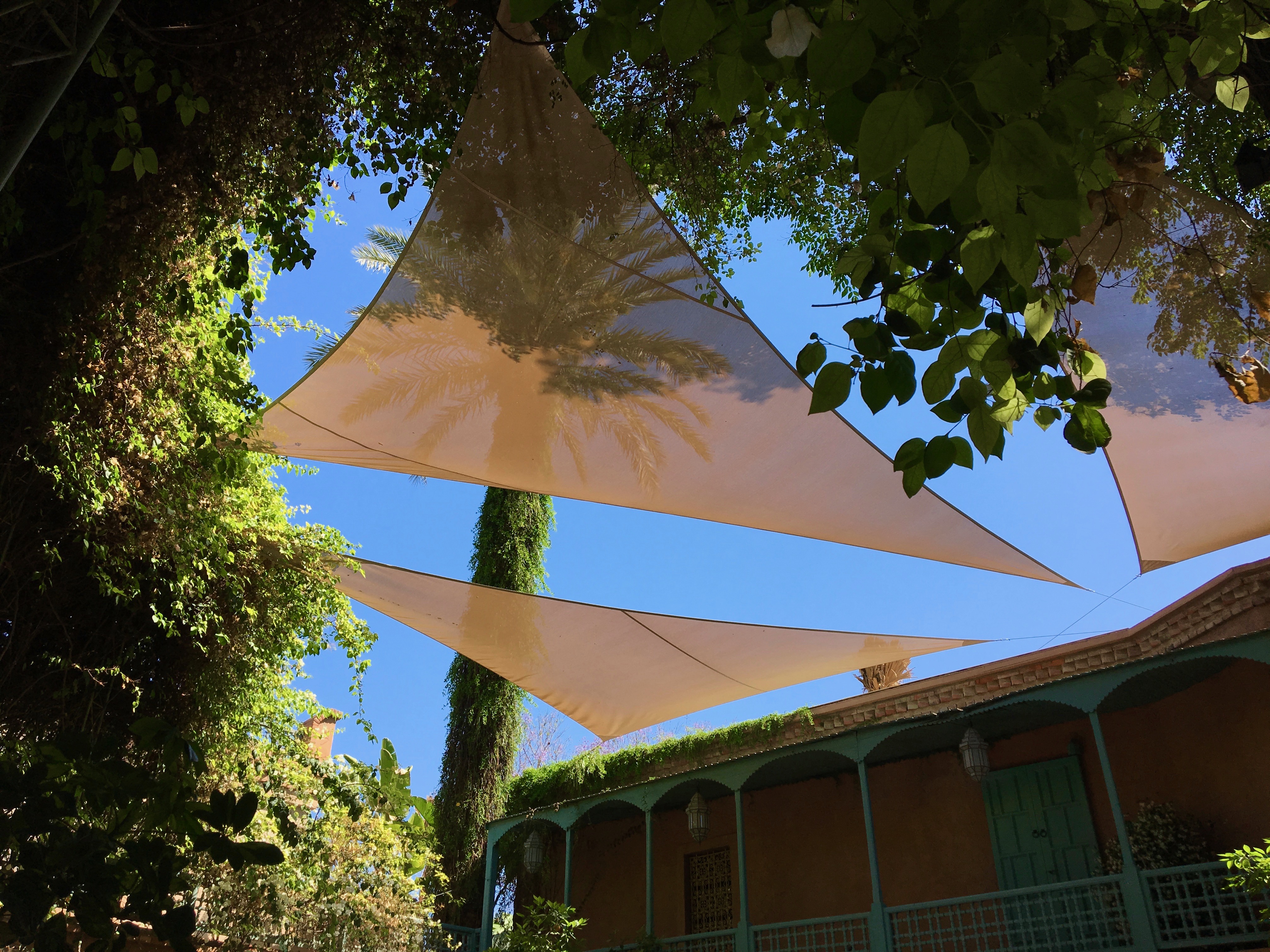
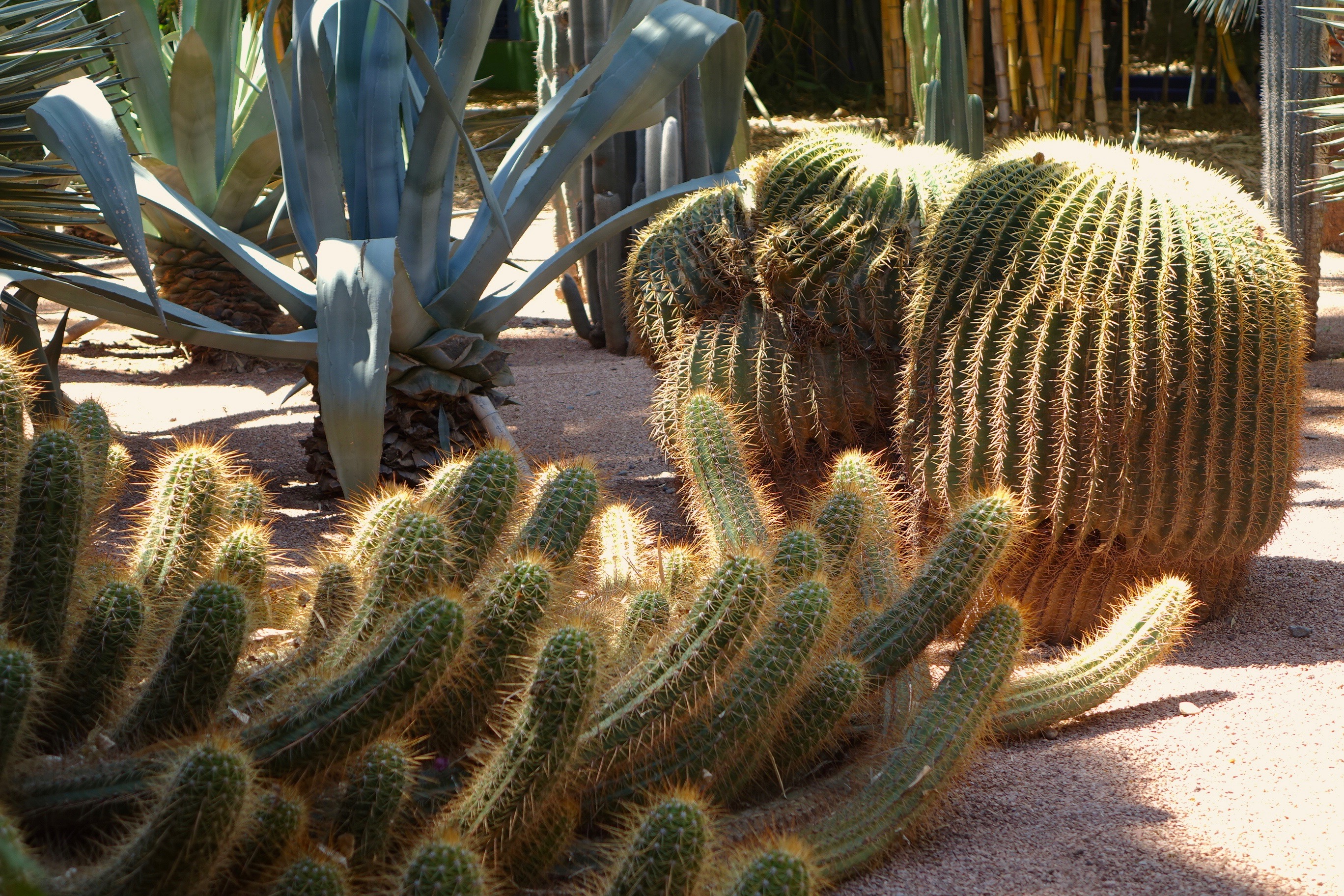
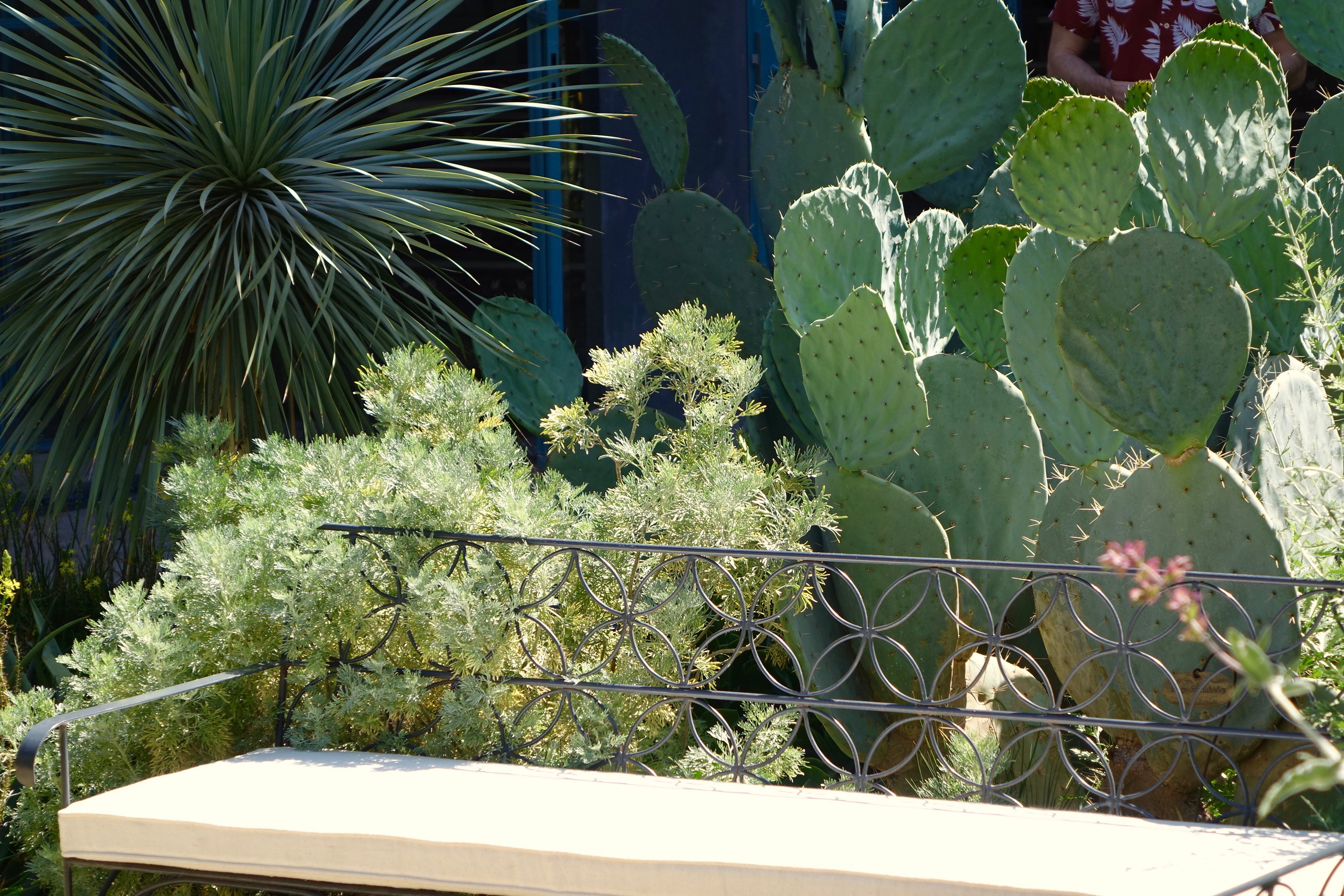
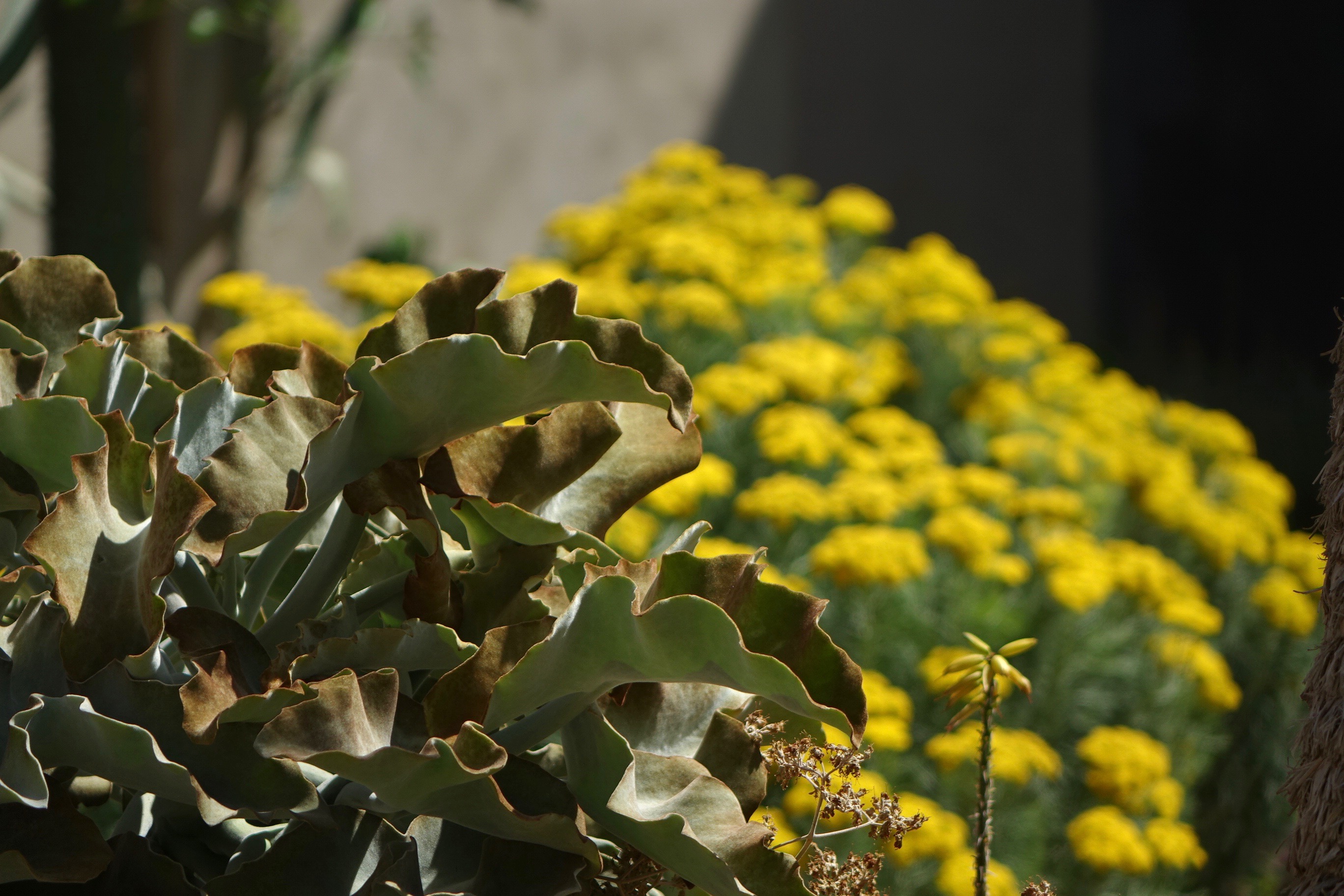
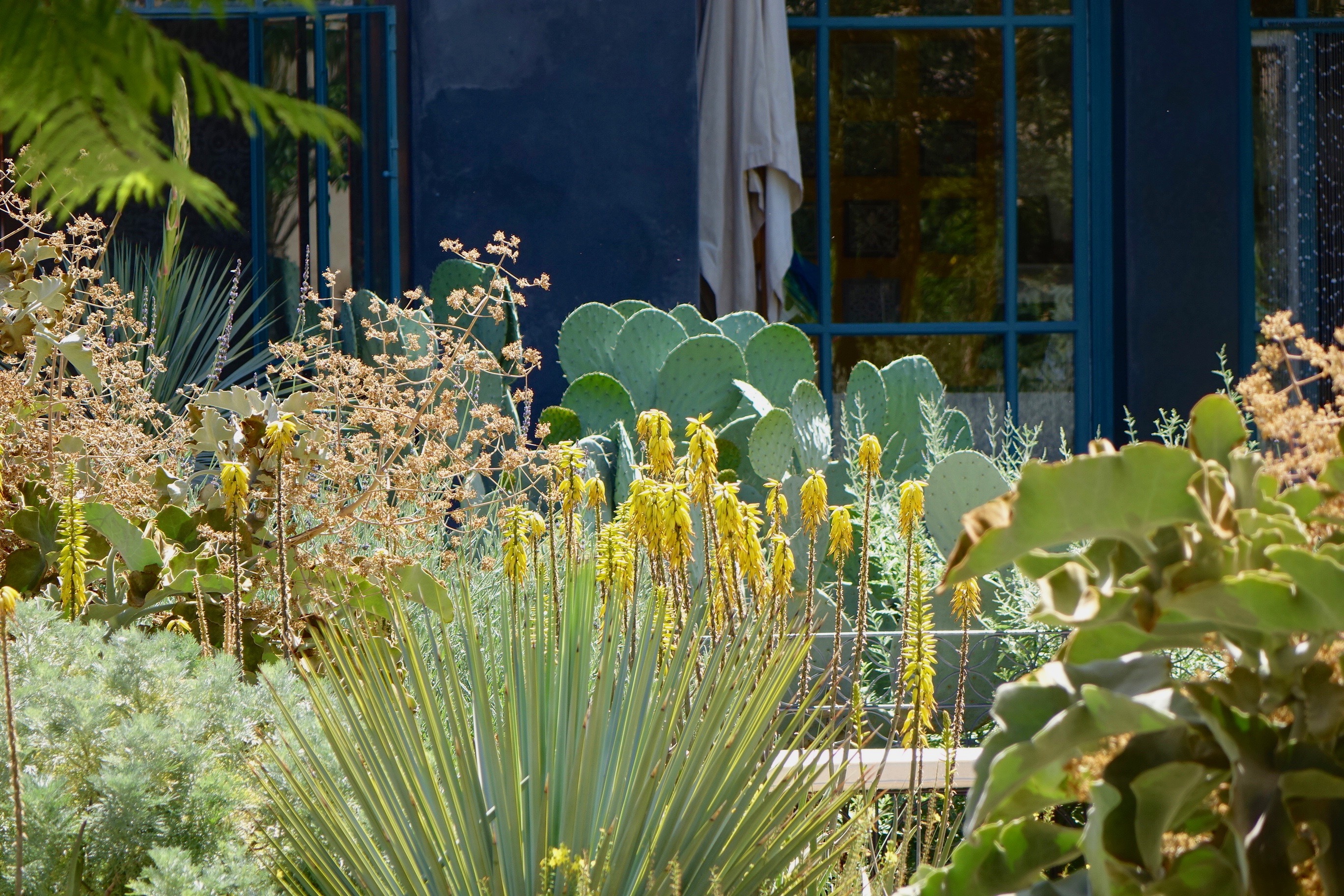
The Majorelle Garden is one of Marrakech’s most popular sites. No doubt the legacy of YSL –  who recovered the abandoned masterpiece of fellow ex-patriot Majorelle in the 1980s and returned it to its former glory – is a prime attraction. But beyond the YSL gloss, which adds understandable glamour to this secluded, leafy space, this is a garden which packs a punch from its entrance. The blue, a mix of cobalt and ultramarine, is so vivid that it cuts through the plants whose dense foliage attempts to cover it. In the garden, every possible type of prickly cactus and tubular bamboo fights to fill the light afforded by the dappled space, and yet they are a mere chorus to the protagonism of the blue. Yes, it allows the green of the plants to sing like a true maestro, but it does so complacently, knowing itself to be the true star.

DSC01334IMG_0282DSC01288DSC01304DSC01309DSC01270DSC01268DSC01317DSC01225DSC01152

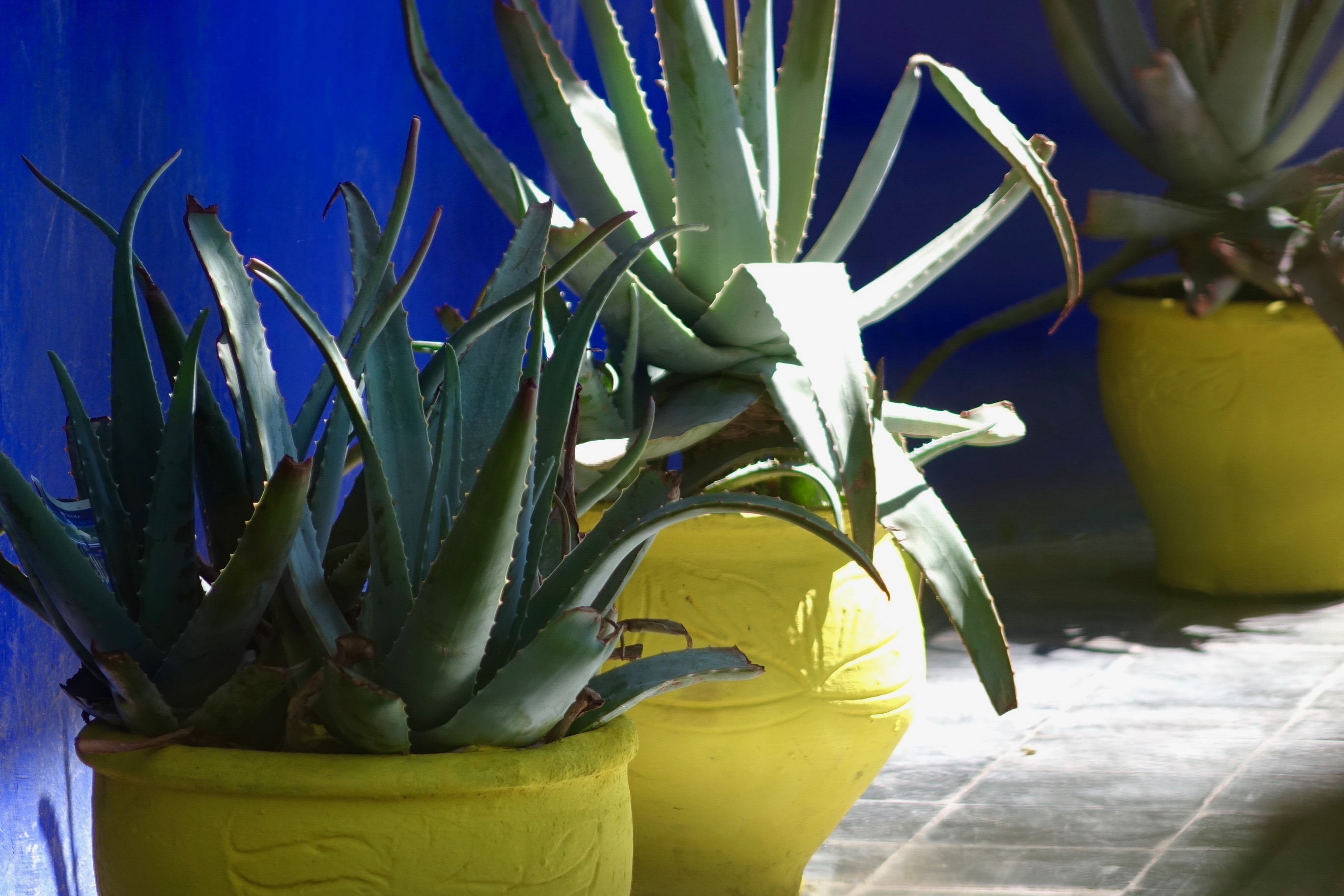
While the walls of a waterlily pond (like Monet’s garden on acid) and an adjoining Arabic waterway are given over to this blue, it is the house itself, with its cubic form and intermittent splashes of vivid yellow, which really give the blue its stage, from where its monologue can be radiated throughout a lush garden punctuated with yet more splashes of prominent blue, yellow and orange. Pots and urns do not escape the paint treatment, so that the whole garden becomes unified in colour. It’s as though no plant nor path has been allowed to escape the treatment of a designer intent on creating a cohesive catwalk show. This is a garden choreographed to sing out, to impress. And it does so with aplomb.

DSC01227DSC01114DSC01113DSC01117DSC01115DSC01097DSC01122DSC01110DSC01107DSC01104DSC01100

Predictably the garden is always awash with visitors. Their backpacks and chattering inject the colour harmony with unwanted clashing tones and a strident cackling which punctuates the calm which ought to dominate this cultural space. For this reason my photographic dedication to the Majorelle Garden concentrates more on the details than the overall space. But in those details you can see the effect of colour and contrast, as that magnificent blue comes face to face with its colour wheel opposites. The result is a true spectacle of colour, rarely dared to be seen in so naturally abundant a green and thriving garden space.

IMG_0267IMG_0274DSC01343DSC01185DSC01141

© Nicholas de Lacy-Brown and The Daily Norm, 2001-2017. Unauthorized use and/or duplication of the material, whether written work, photography or artwork, included within The Daily Norm without express and written permission from The Daily Norm’s author and/or owner is strictly prohibited. 

The Colours of Marrakech, Part 2: Garden Green

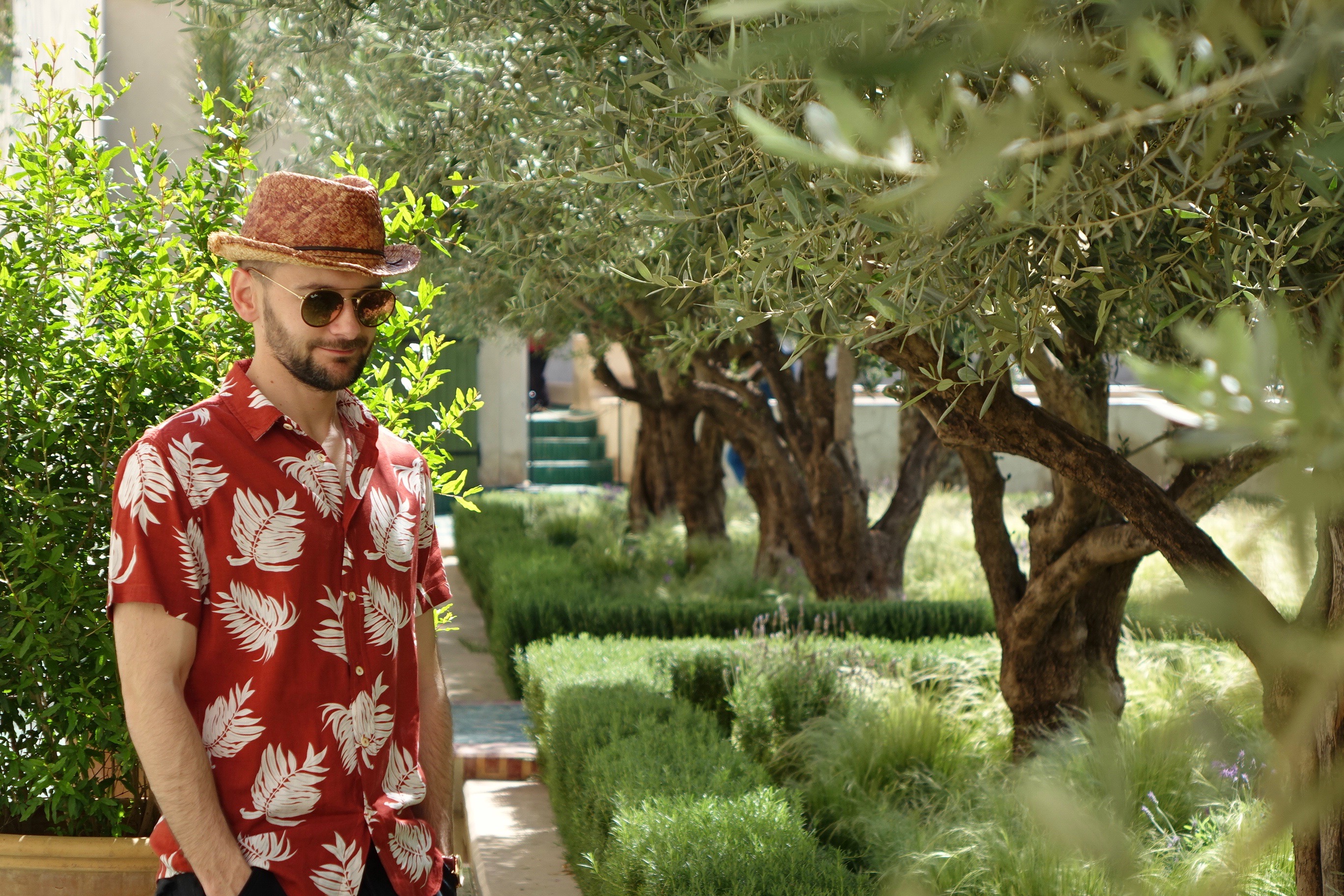
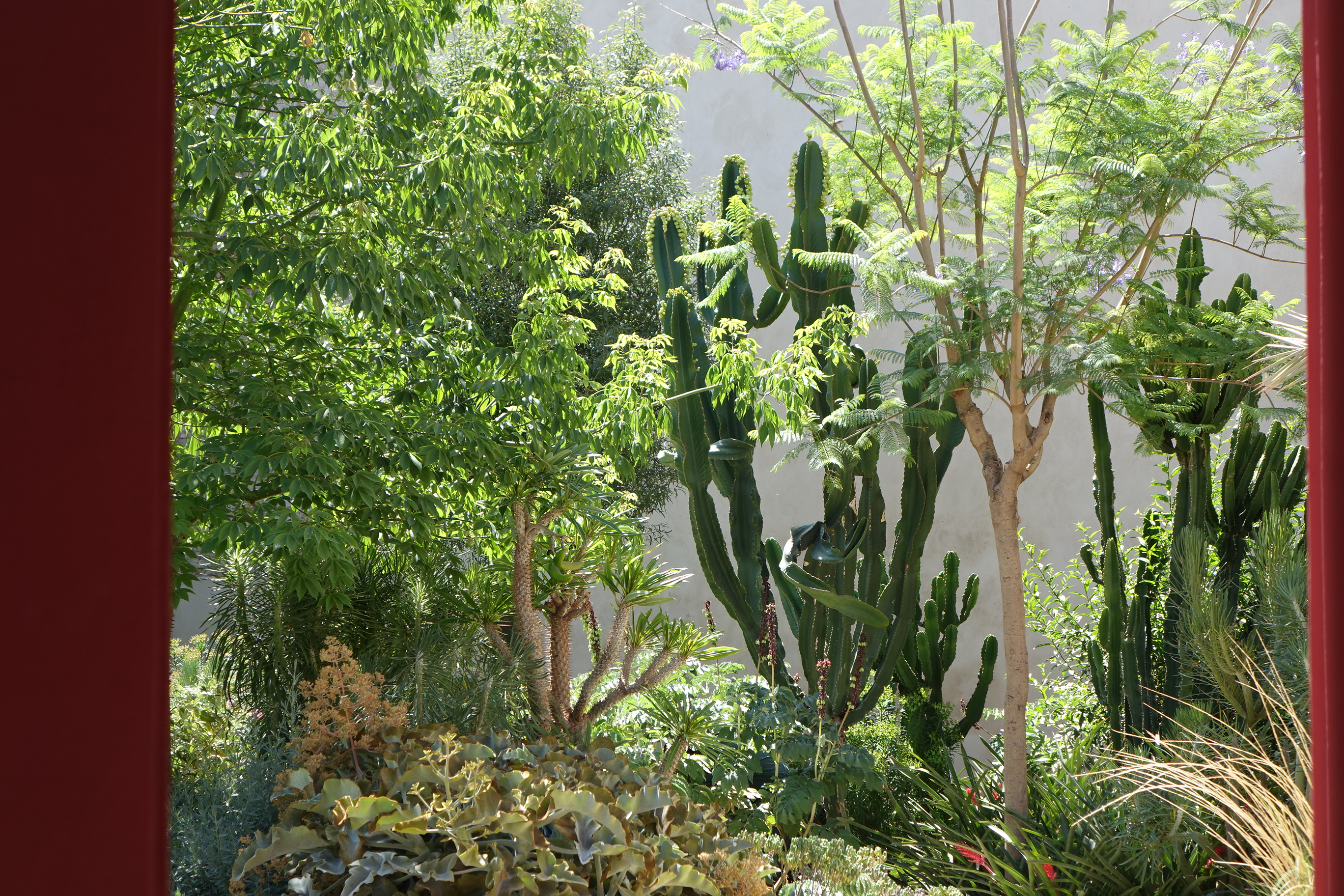
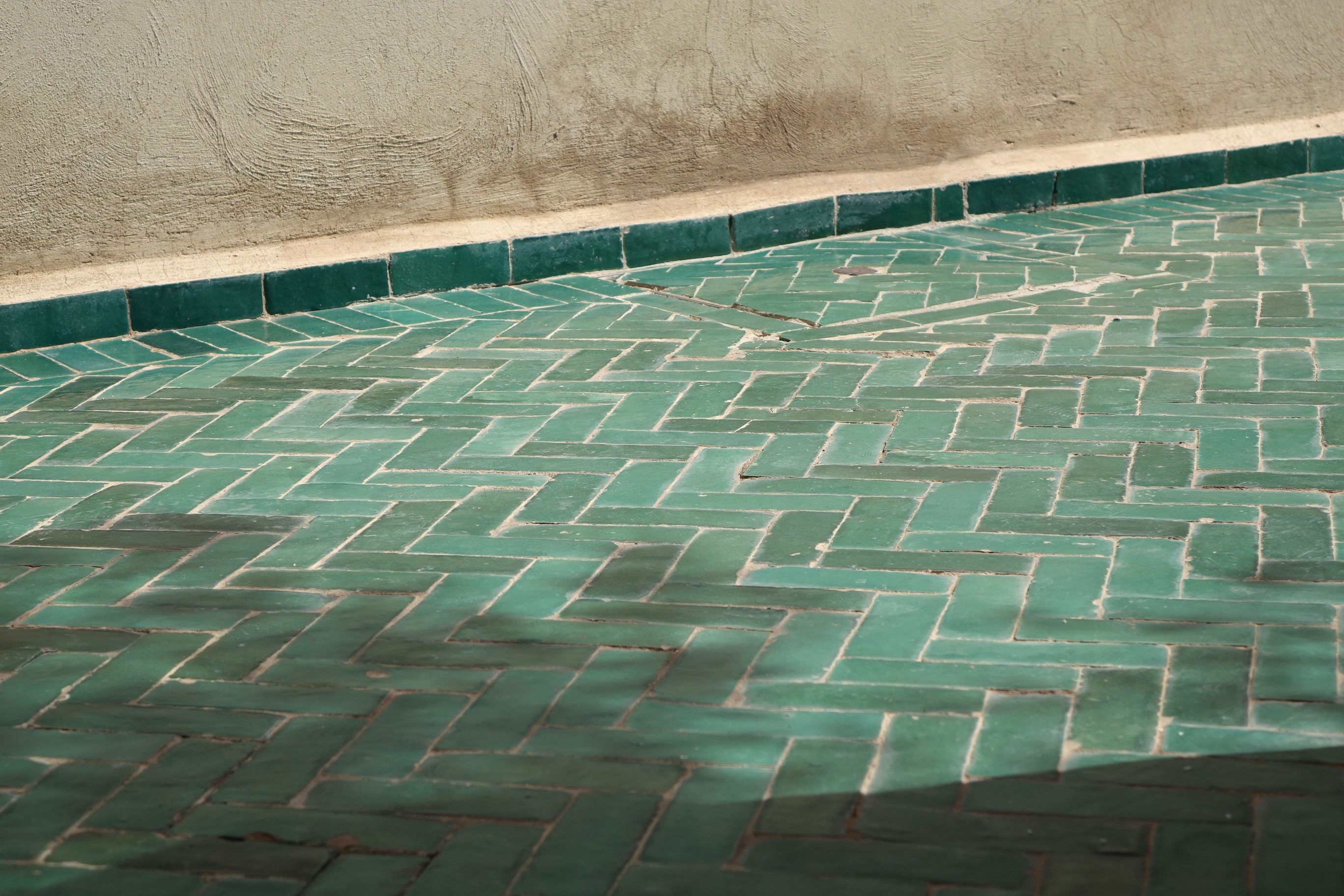
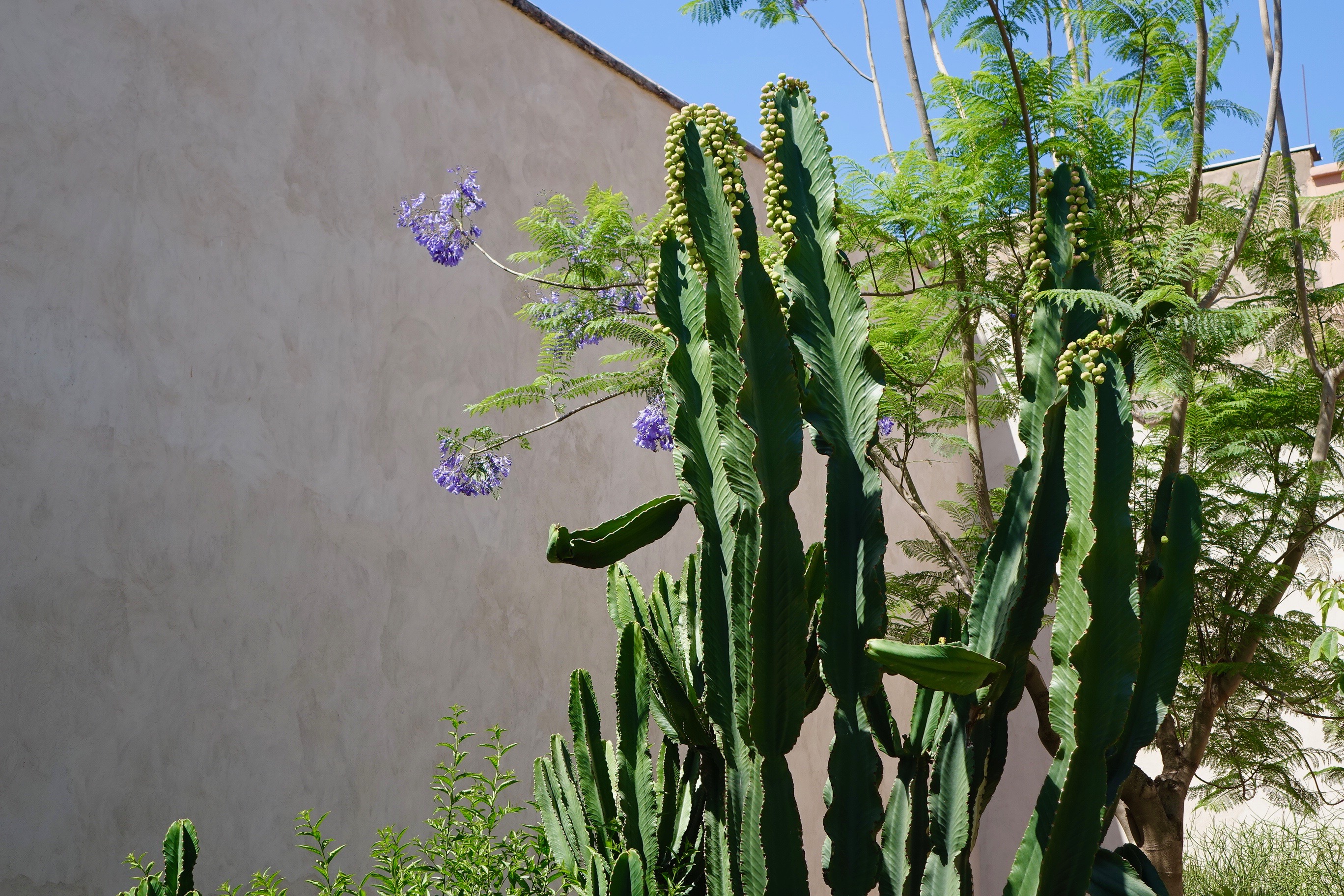
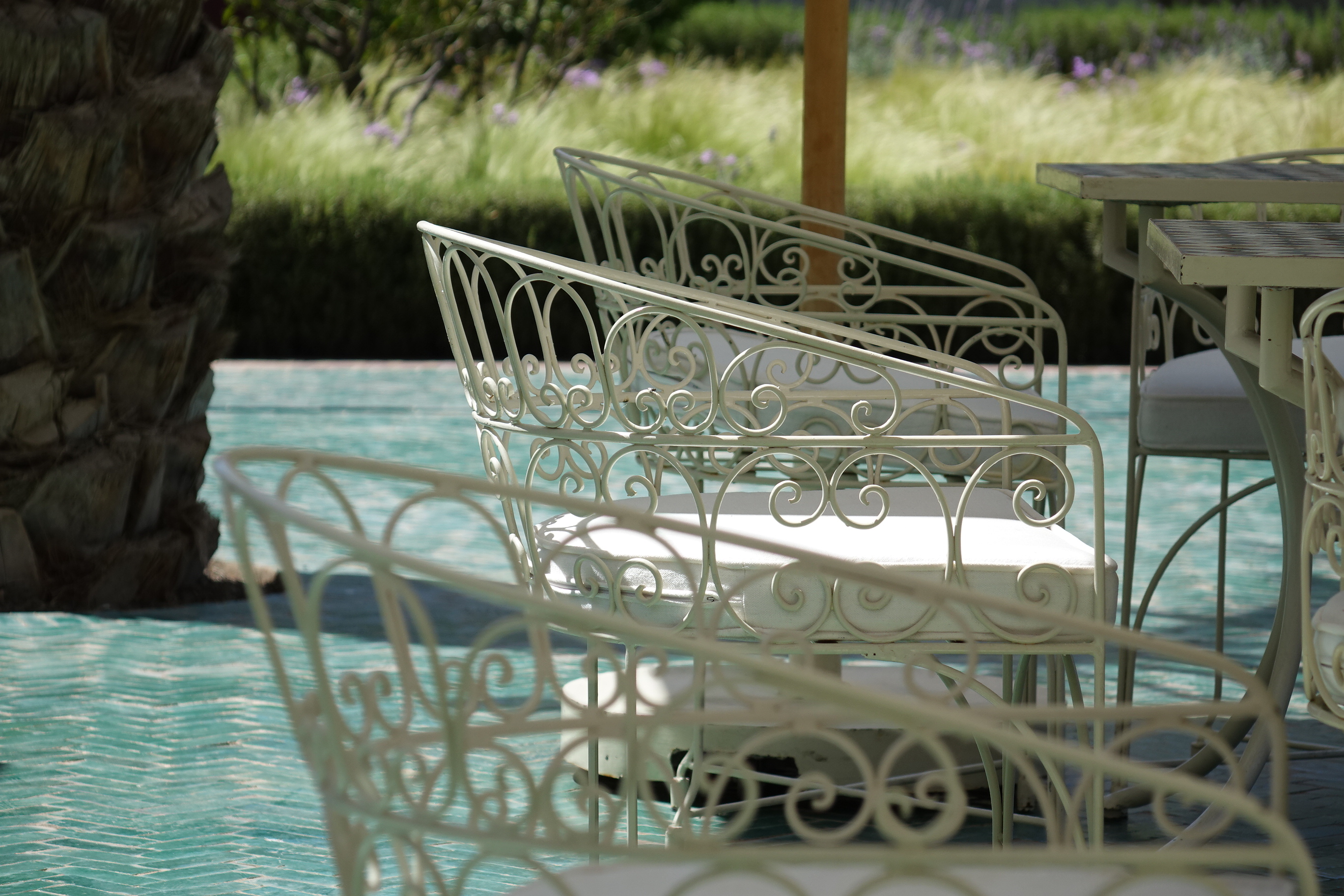
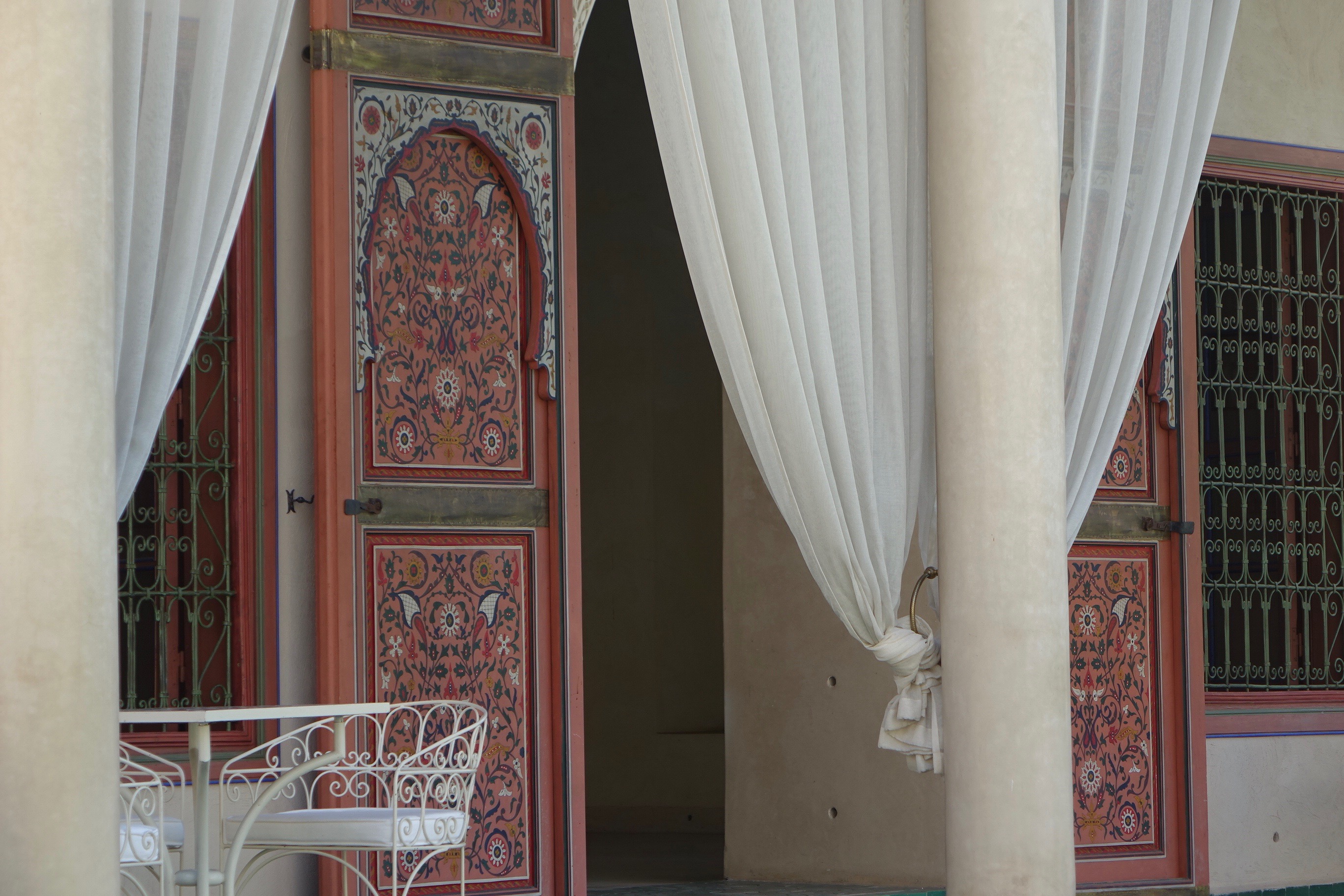
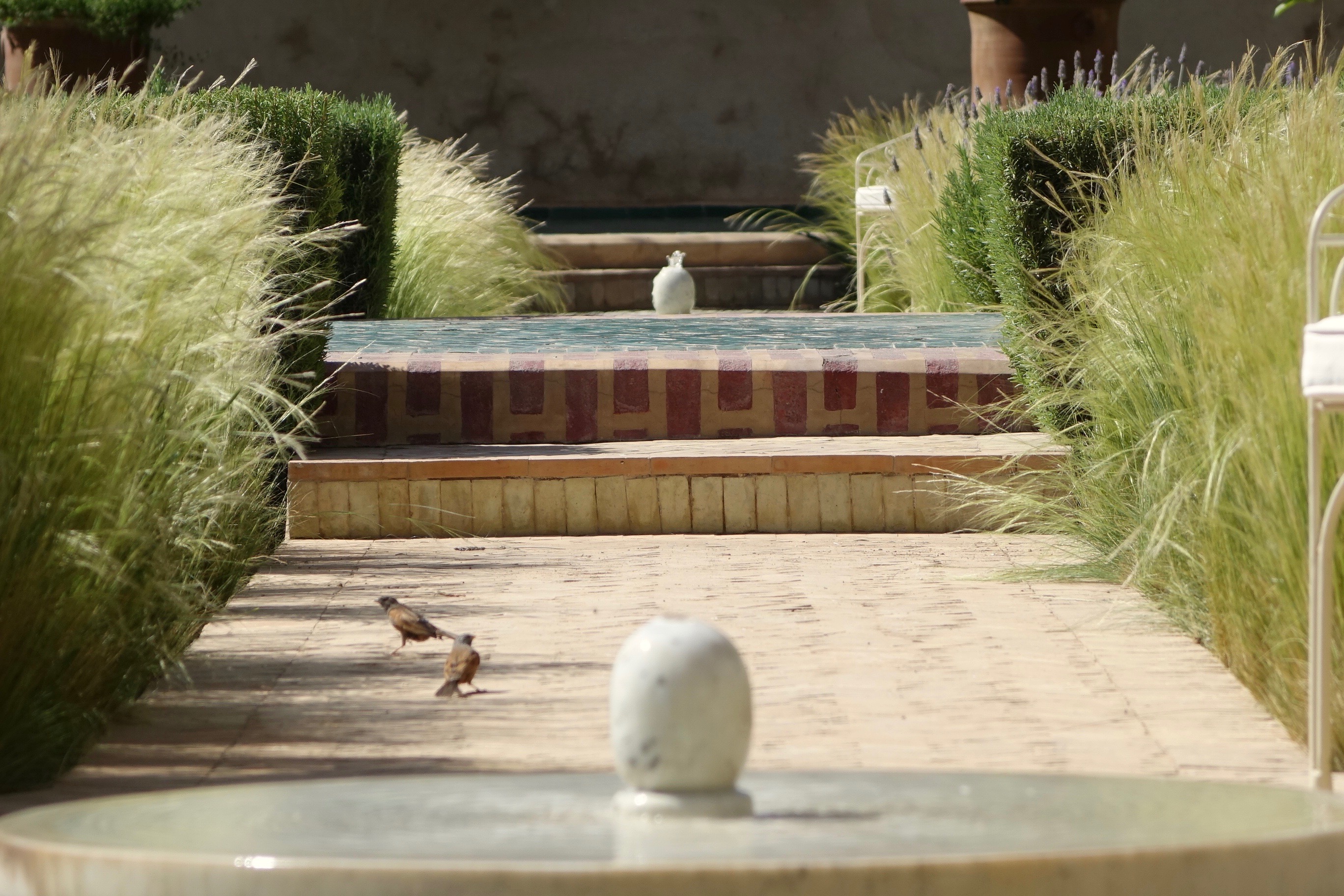
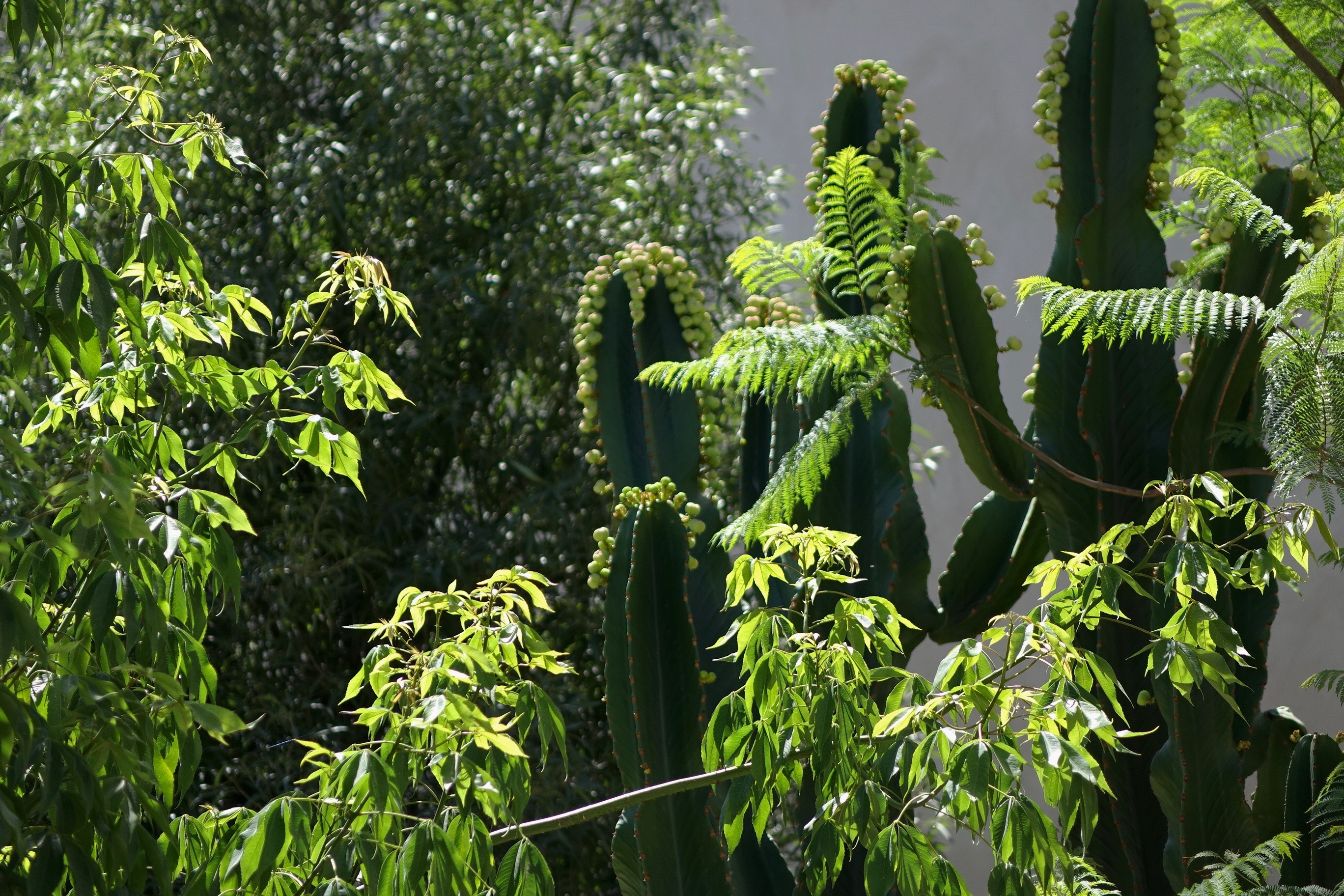
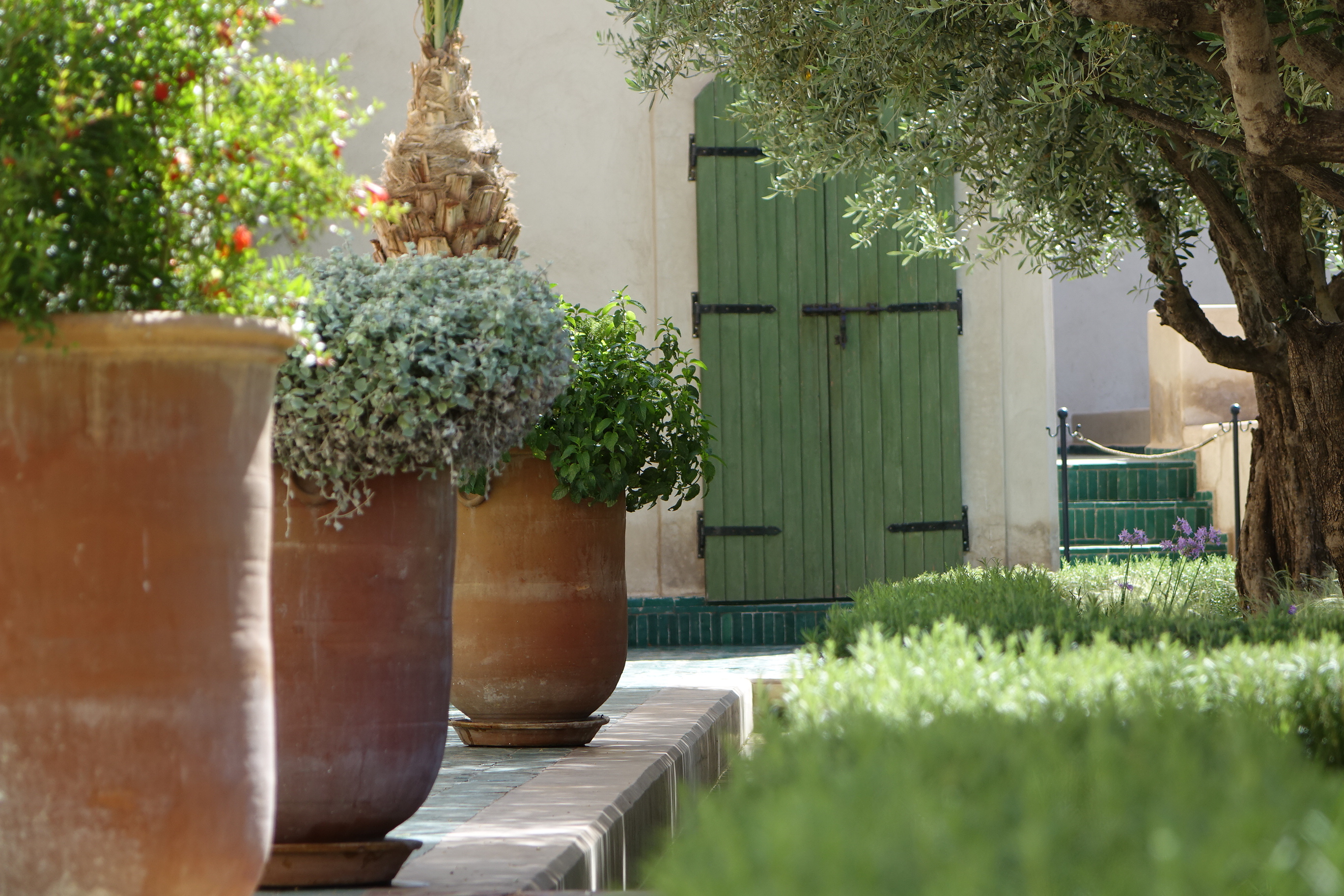
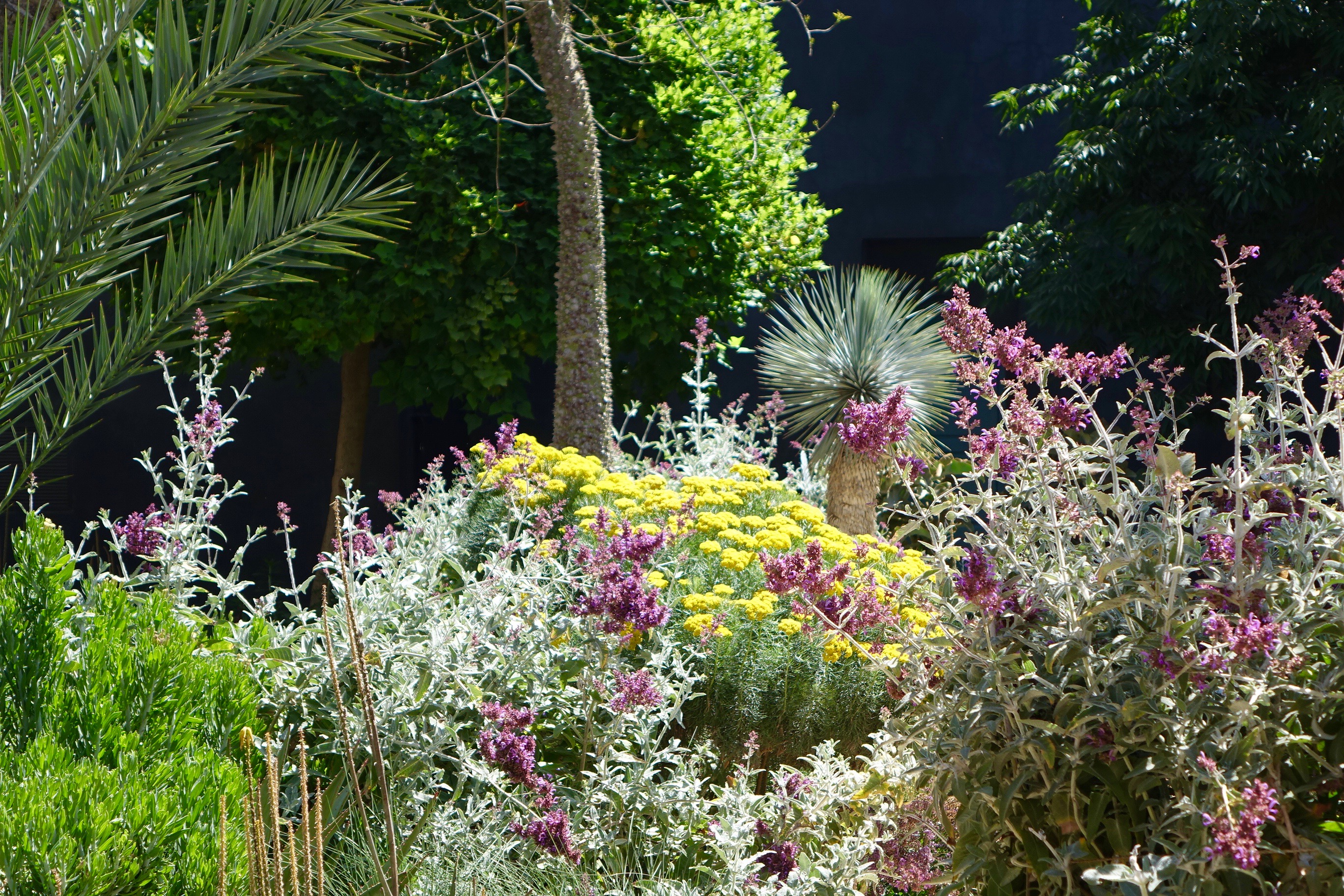
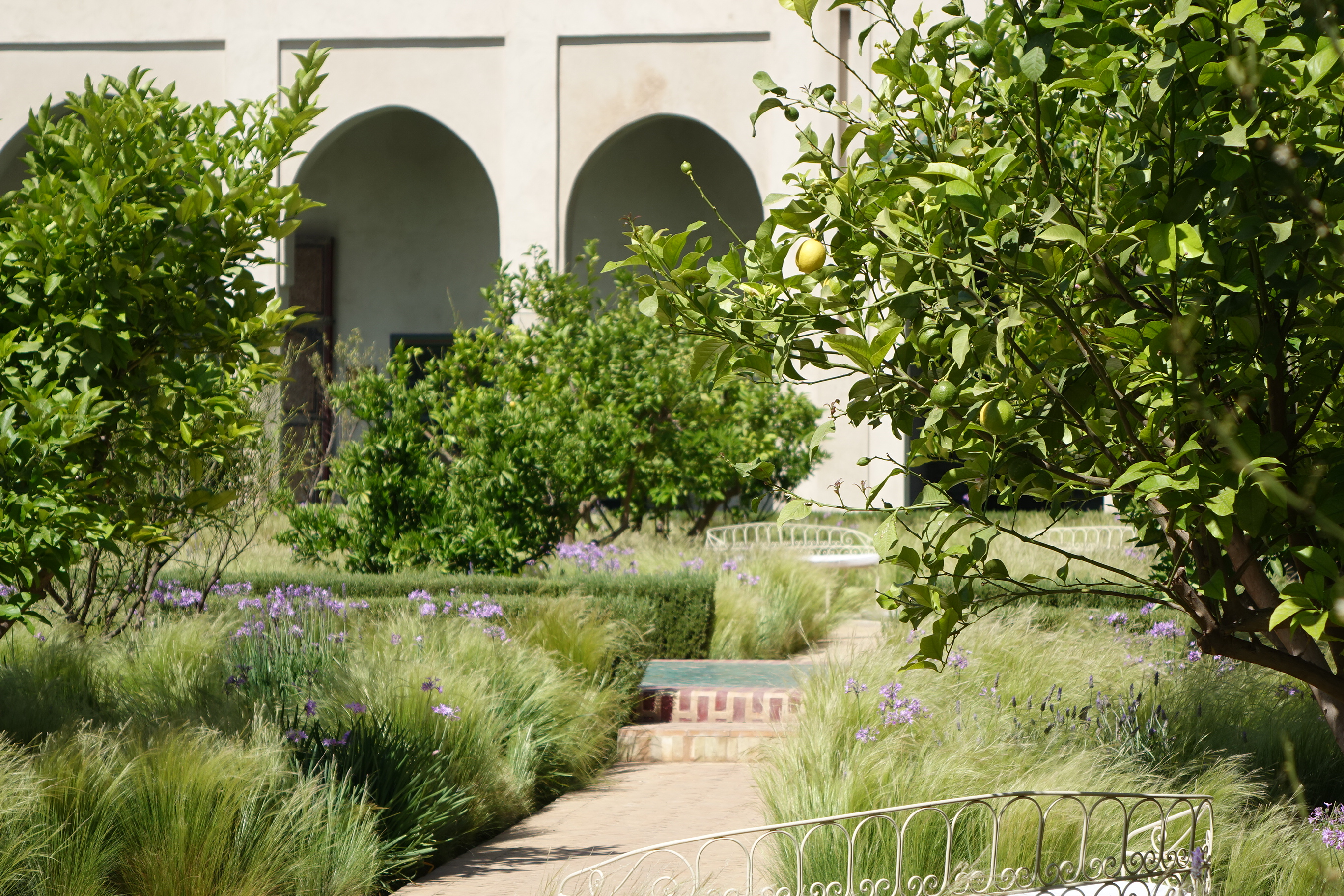
There is something altogether very earthy, sandy even about Marrakech. Known as The Daughter of the Desert, it is very evident that the city is only a few hours away from the Sahara. The very rose tint of its original mud built walls sing of the harmony of deep, mineral rich desert tones from which the city arose. And yet a view across its skyline also betrays the odd peppering of green, where palm trees sway amongst houses and the prayer towers of mosques are embellished with shiny green roof tiles. And of course the Arabic countries are no strangers to the beauty of green spaces, since it was them who were the engineering geniuses behind the stunning gardens of the Alhambra in Granada, and most of the Southern European irrigation systems which followed. The Medina of Marrakech is nevertheless more about its dusty maze-like streets and multi-coloured souks than gardens, but through one small gate in the heart of the souk is the opening onto a true marvel of a garden, so hidden away that you could easily miss it.

DSC00301DSC00300DSC00281DSC00344DSC00227DSC00337DSC00242DSC00325DSC00250DSC00212DSC00302

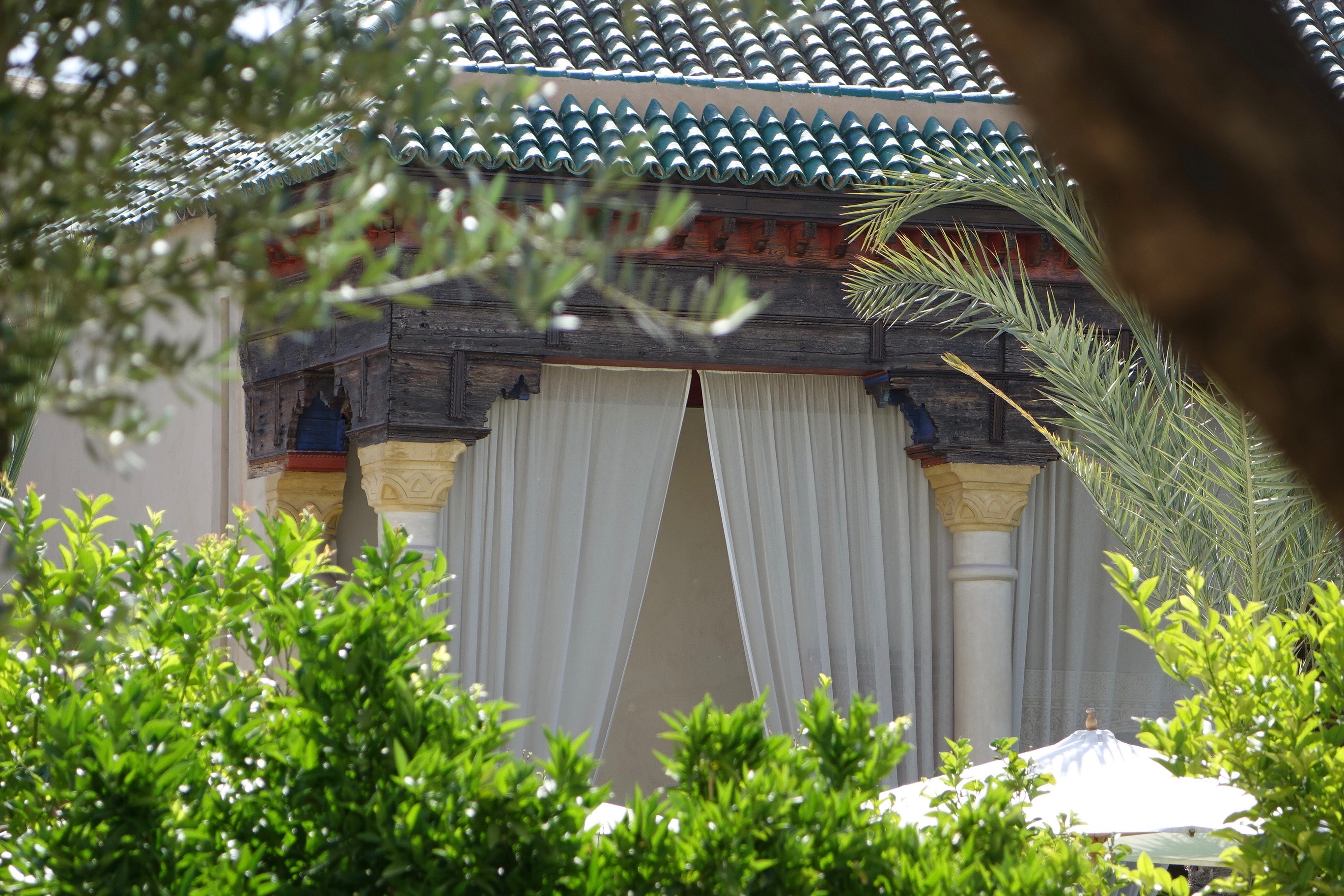
Appropriately named, Le Jardin Secret, the origins of this lavish garden hark back to the second half of the sixteenth century, when the Saadian Sultan Moulay ‘Abd-Allah commenced upon the urbanization of what is now the Mouassine district of Marrakech. Having decided to build his palace and gardens on this exact spot, the turbulence of history resulted in a series of handovers from one ruler and influential man to another until eventually, in 1912, the property then passed into the possession of the Fez of al-Hajj Muhammad Loukrissi, chamberlain of Sultan Moulay ‘Abd-al-Hafiz. There he lived until his death in 1934 when tragically the palace and garden fell into disrepair. Fast forward three quarters of a century, and the restoration of the building complex and gardens began.

DSC00340DSC00343DSC00348DSC00310DSC00349DSC00321DSC00282DSC00294DSC00238DSC00260DSC00245

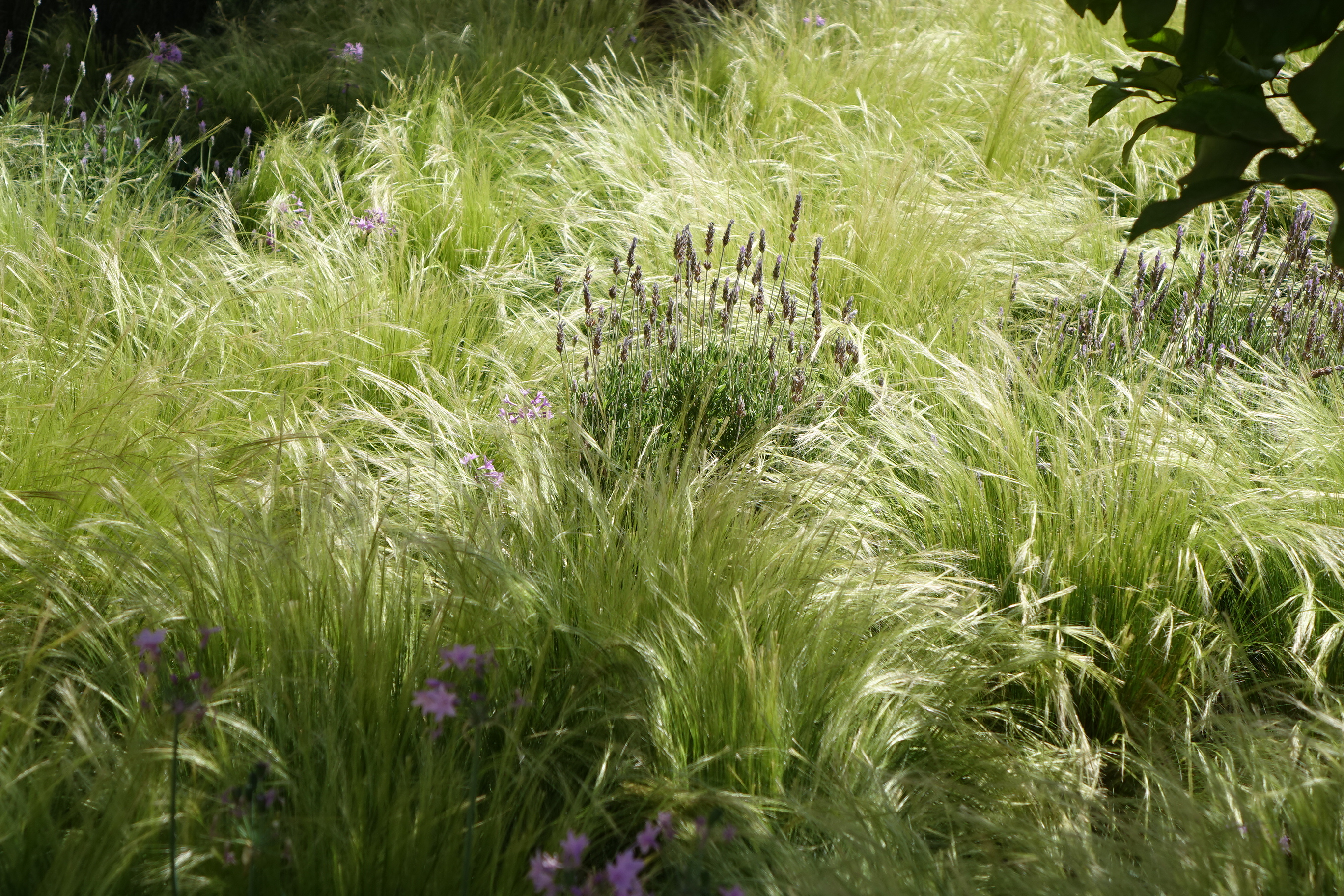
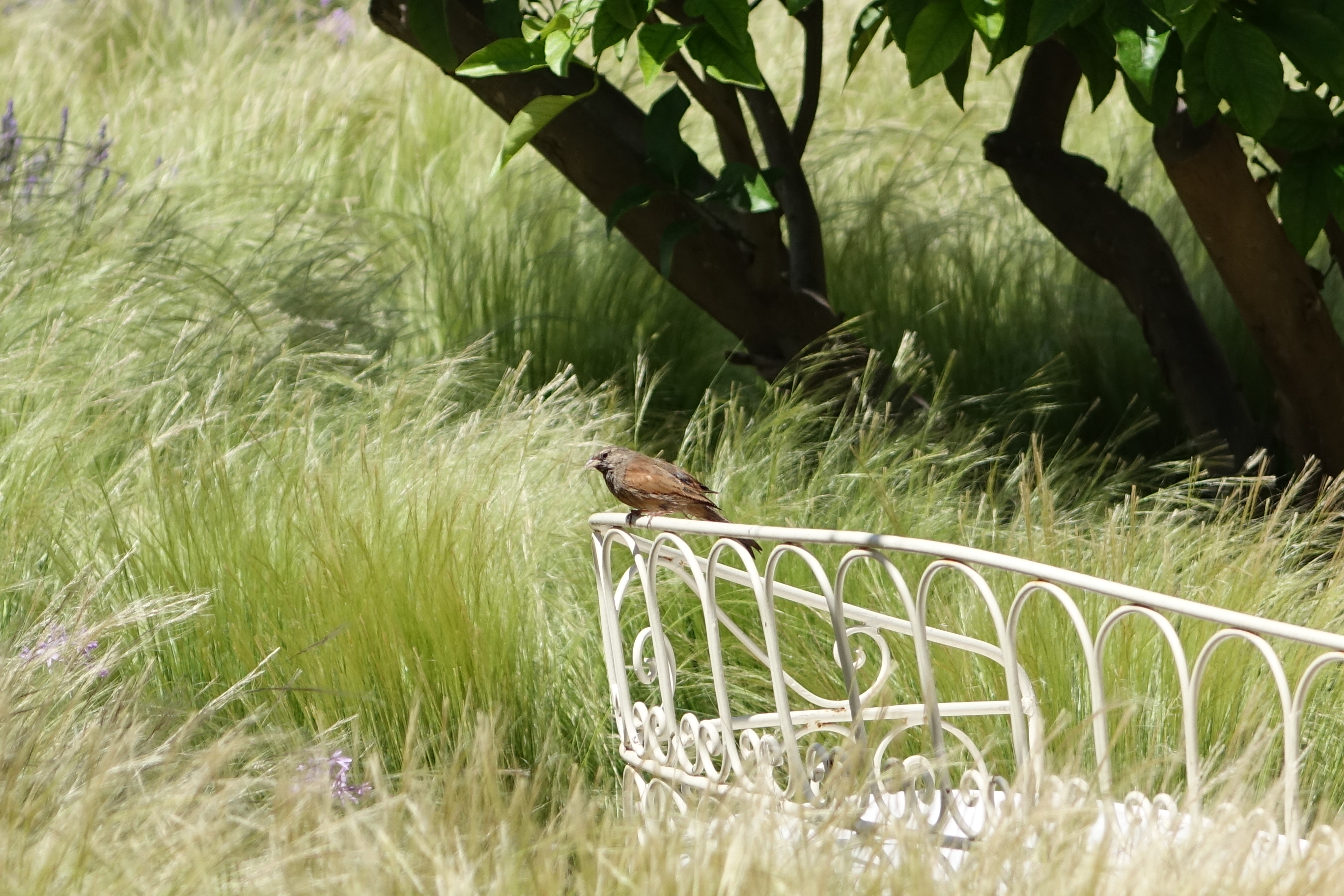
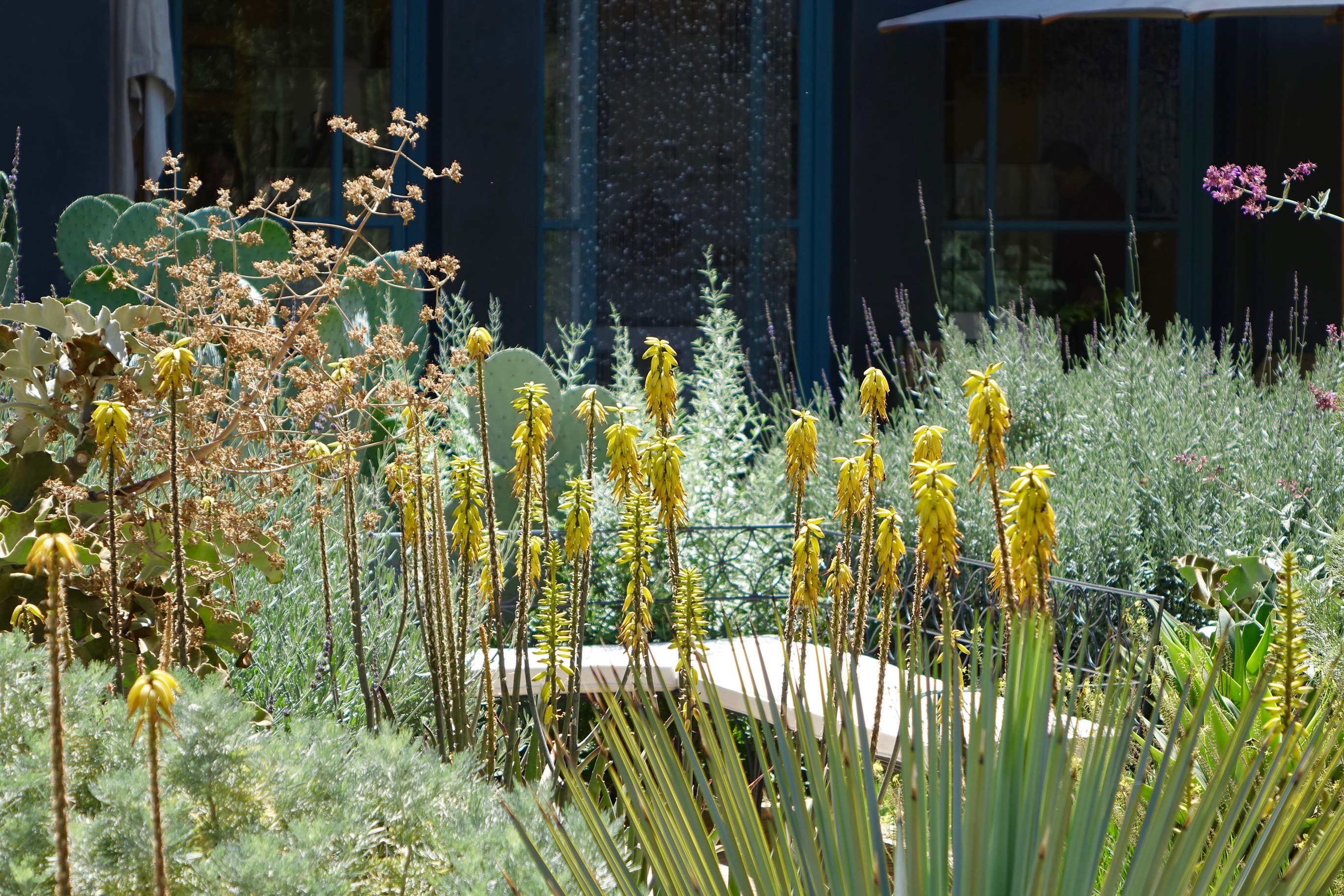
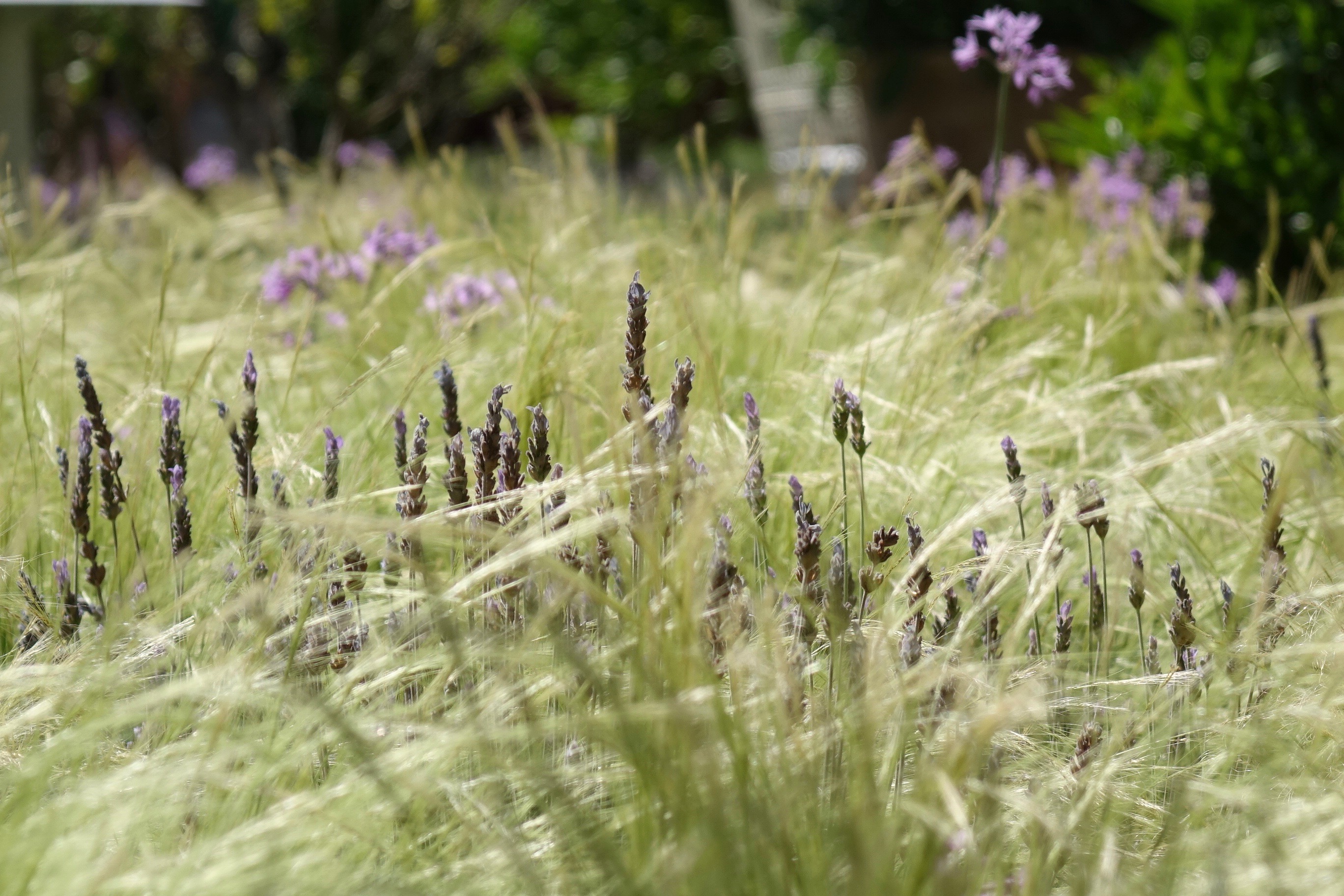
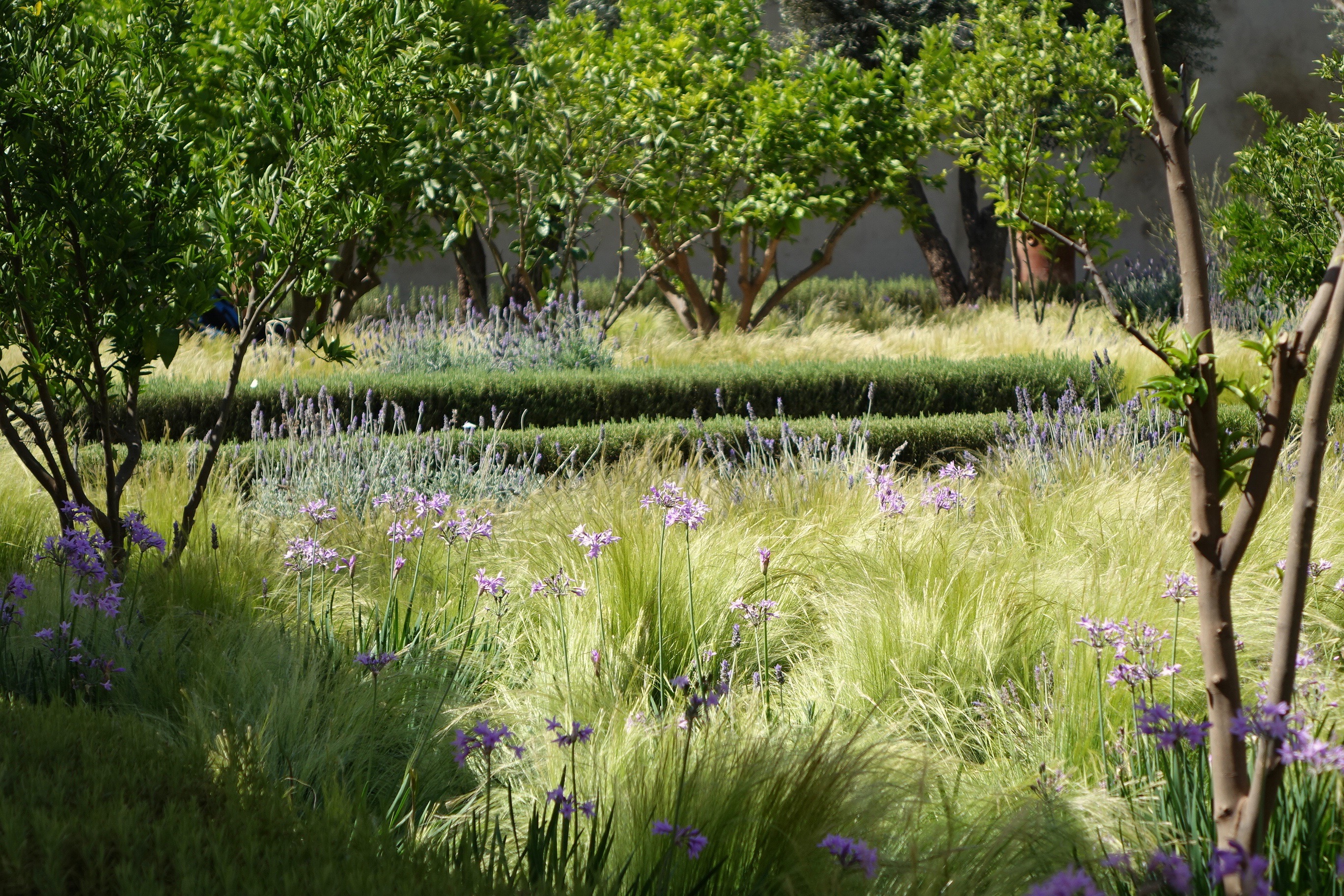
Today, Le Jardin Secret is a true garden gem which is all the more precious because of its relative rarity in amongst the city bustle of the Medina. Containing two main garden sections, one tropical and the other more traditionally Arabic in its geometrical layout and planting, both gardens offer and exquisite haven of calm. Accompanied by the trickle of long, ground-level ponds running with water, and by the song of the many birds who revel in the natural abundance of the place, an hour spent in Le Garden Secret has all the benefits of several days in a health spa. Running your hands through the grasses, watching bees as they pollinate the purple and white flowers, and gazing as a gentle breeze alters the dappled reflection of tree leaves against vibrantly painted red and olive green walls, it is a truly stunning place.

DSC00336DSC00249DSC00331DSC00240DSC00328DSC00297DSC00296DSC00248DSC00243DSC00222DSC00204DSC00237

Being, by name, secret, it is also relatively quiet but no doubt that will not remain the case for long. For what better way to break away from the manic hive of activity of the Souks than to seek refuge in this perfect profundity of green in the heart of the Rose City.

© Nicholas de Lacy-Brown and The Daily Norm, 2001-2017. Unauthorized use and/or duplication of the material, whether written work, photography or artwork, included within The Daily Norm without express and written permission from The Daily Norm’s author and/or owner is strictly prohibited. 

The Colours of Marrakech, Part 1: Rose City

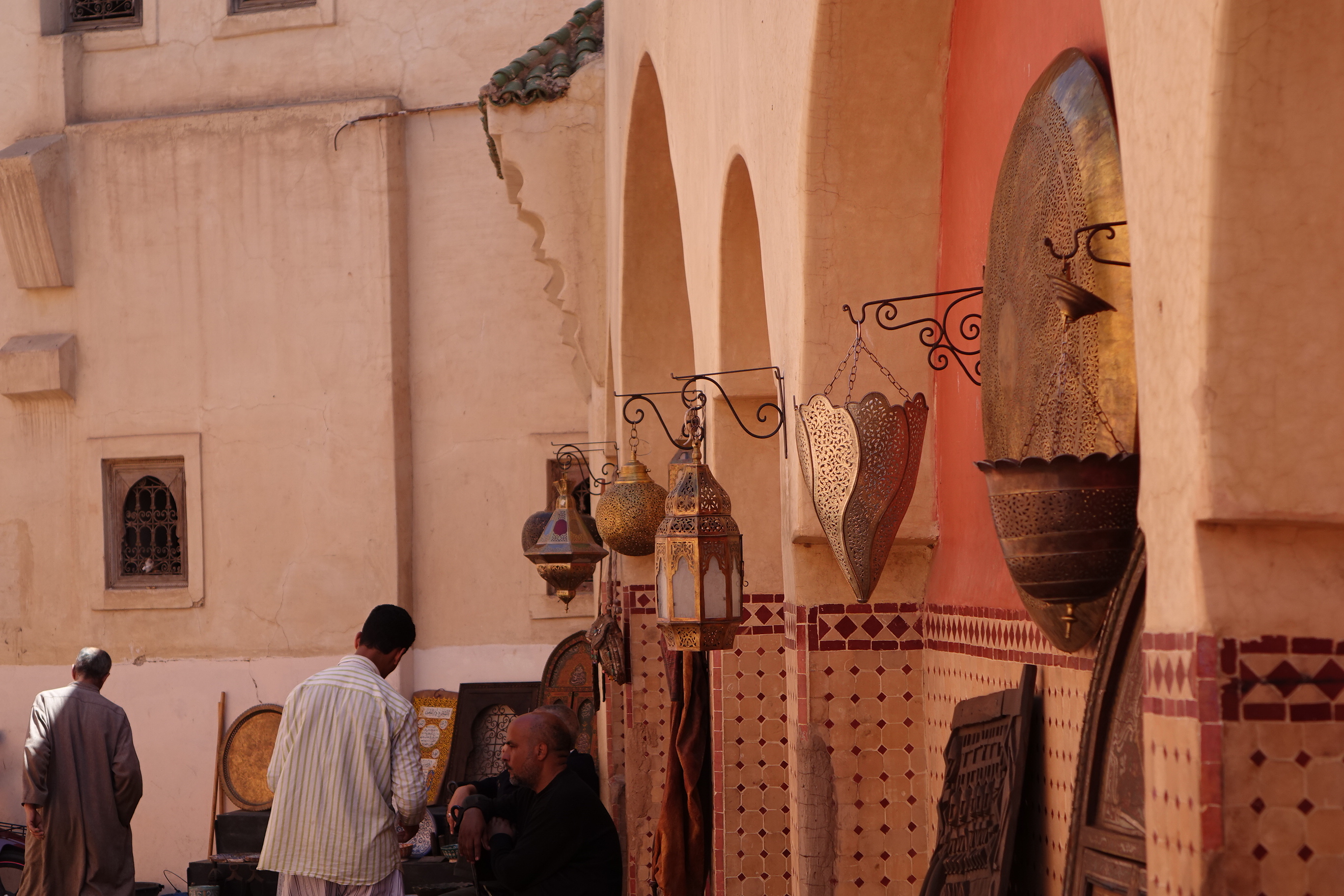
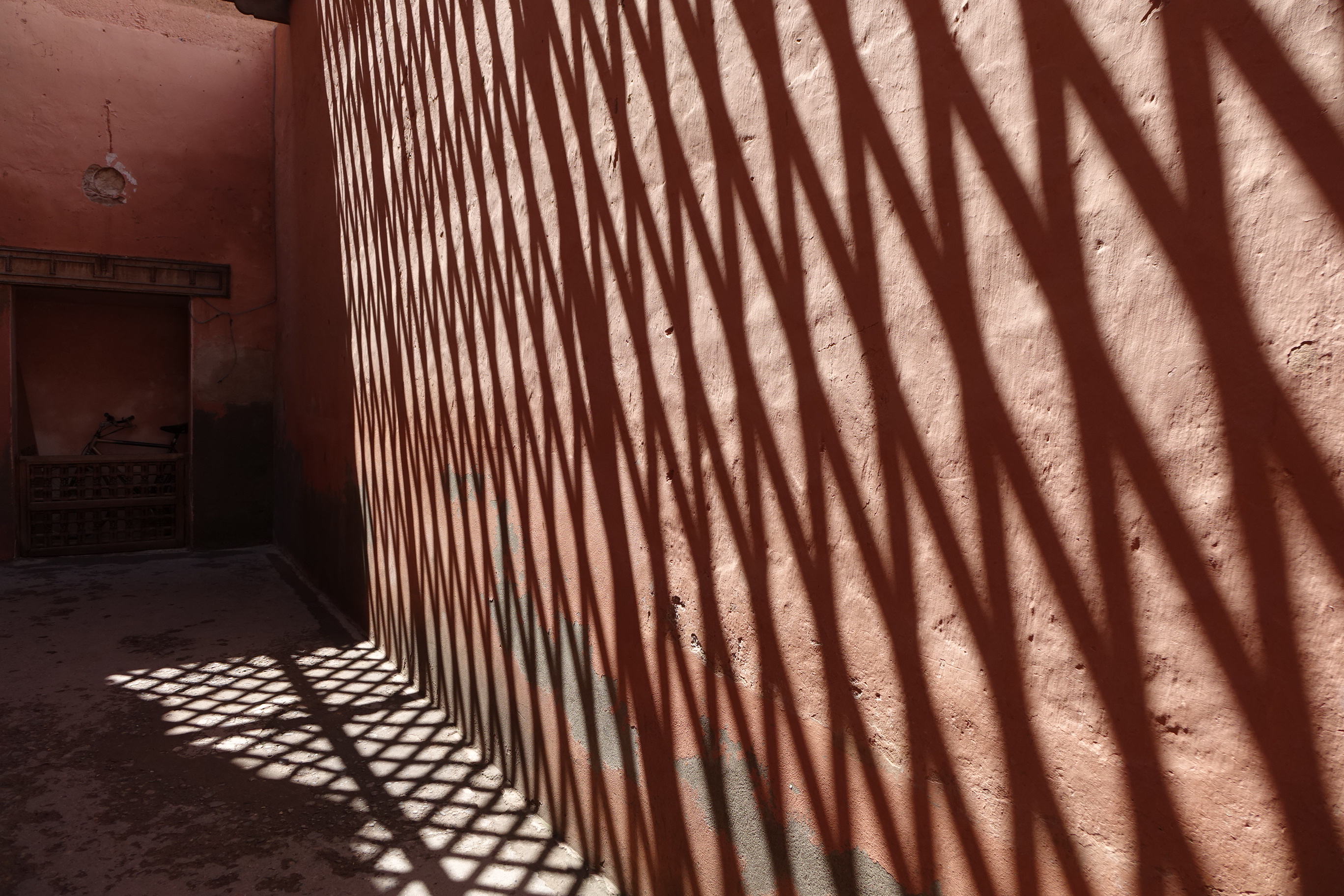
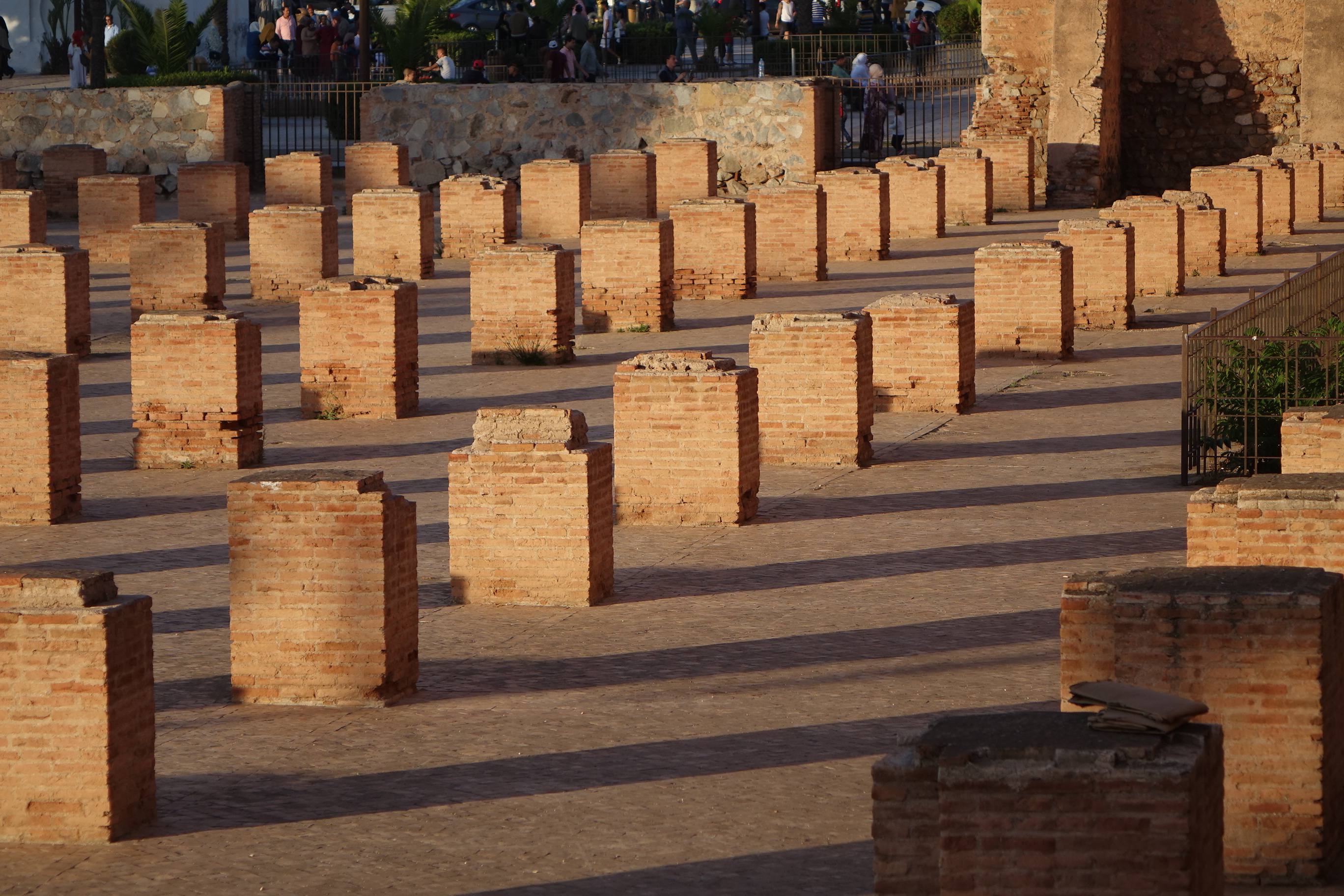
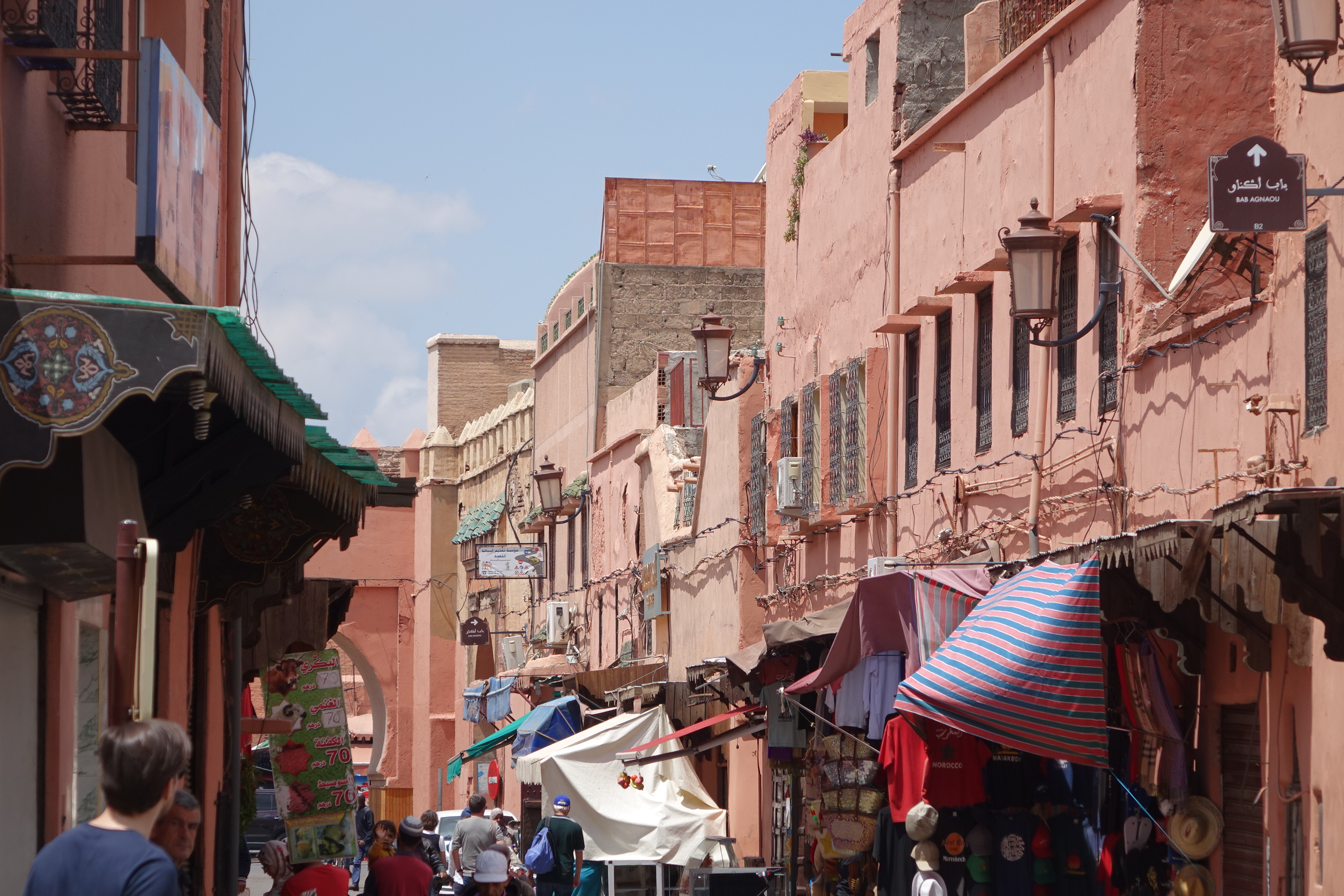
Colour, smell, thunder, stares, snakes, spices, the sound of birdsong, the call to prayer. Morocco is a country of extremes and its dazzling city of Marrakech all the more so. Those extremes began as soon as we entered its airspace, as desert planes and mighty big African clouds overhead gave way to one of the most sparkling fancy airports I have ever set foot in. A further transformation manifested as we took a taxi into town. On the left, a modern city, its roads neatly paved and lined with illuminated orange trees. On the right an old city crumbling, smelly, loud, maze like. Children begged around our legs, women enveloped in veils eyed us suspiciously and the use of donkeys in the place of vehicles marked a return to centuries past. Marrakech is different from any place I have ever visited before, and the next few weeks on The Daily Norm will bear testament to our time there; a trip which tantalised each of the senses and engendered the thrill of the different and astonishment at everything we saw.

DSC00887DSC00461DSC01440DSC01403DSC00907DSC01390DSC01360DSC00868DSC00817DSC00176DSC00372DSC01082DSC00809

A focus on the visual is what will shape my tale of Marrakech, as I take inspiration from the colours which were visible in such extremes across the city. Known as Rose City, by far its most prominent colour is the peachy shade of soft terracotta which characterises its ancient Medina. Stemming from the red tint of local stone and mud, the colour is a naturally occurring bi-product of the city’s quasi-desert location. In fact the rosy hue became so synonymous with the city that when in modern times concrete started to replace traditional mud construction methods, the former French rulers decreed that all such buildings must be painted in the same colour of pink.

IMG_0197DSC01461DSC00908DSC00860DSC00801DSC00750DSC00583DSC00370DSC00354DSC00180DSC00096

The result is a city almost universally sculpted from rose, a place where nature itself provides the rose-tinted glasses through whose sheen Marrakech can be seen to glow a warm shade at all times of the day. But as we will see from later posts, the city’s characteristic hue changes as it reflects the light, and when an intense sunset reigns in the skies, the resulting reflected pink is like nothing I have ever seen before.

But for today, and by way of introducing to this incredible Moroccan city, I give you photos of Marrakech in its most iconic warm terracotta glow, ranging from sunrise in the morning to full sun as the baking semi-desert conditions almost cooked the city streets below. This is Marrakech, Rose City, Daughter of the Desert, and it’s going to be a wonderful Daily Norm ride…

DSC00787DSC00558DSC00575DSC00570DSC00197DSC00574DSC00429DSC00148DSC00177DSC00268

© Nicholas de Lacy-Brown and The Daily Norm, 2001-2017. Unauthorized use and/or duplication of the material, whether written work, photography or artwork, included within The Daily Norm without express and written permission from The Daily Norm’s author and/or owner is strictly prohibited.

London, Rediscovering My City: Battersea Park

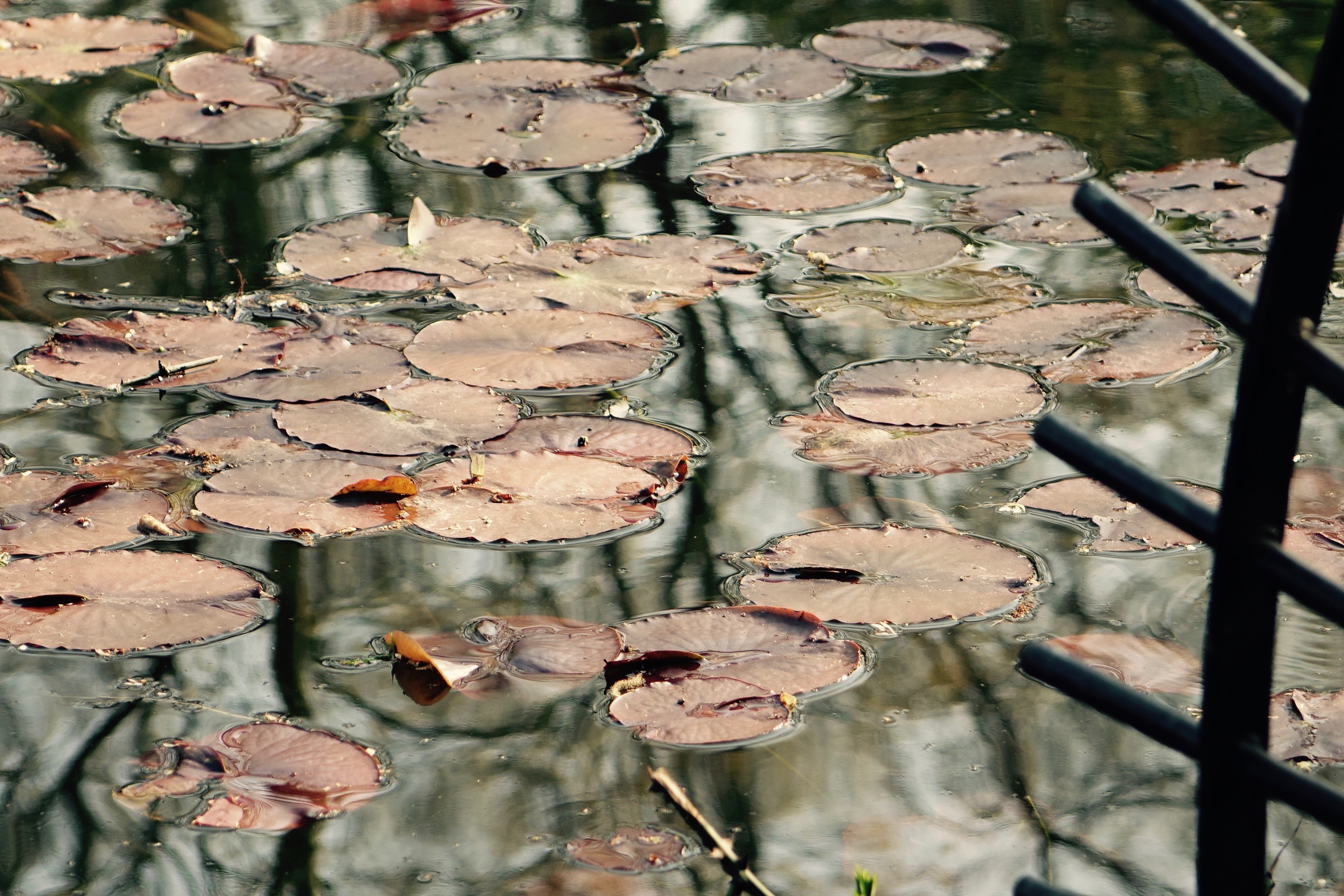
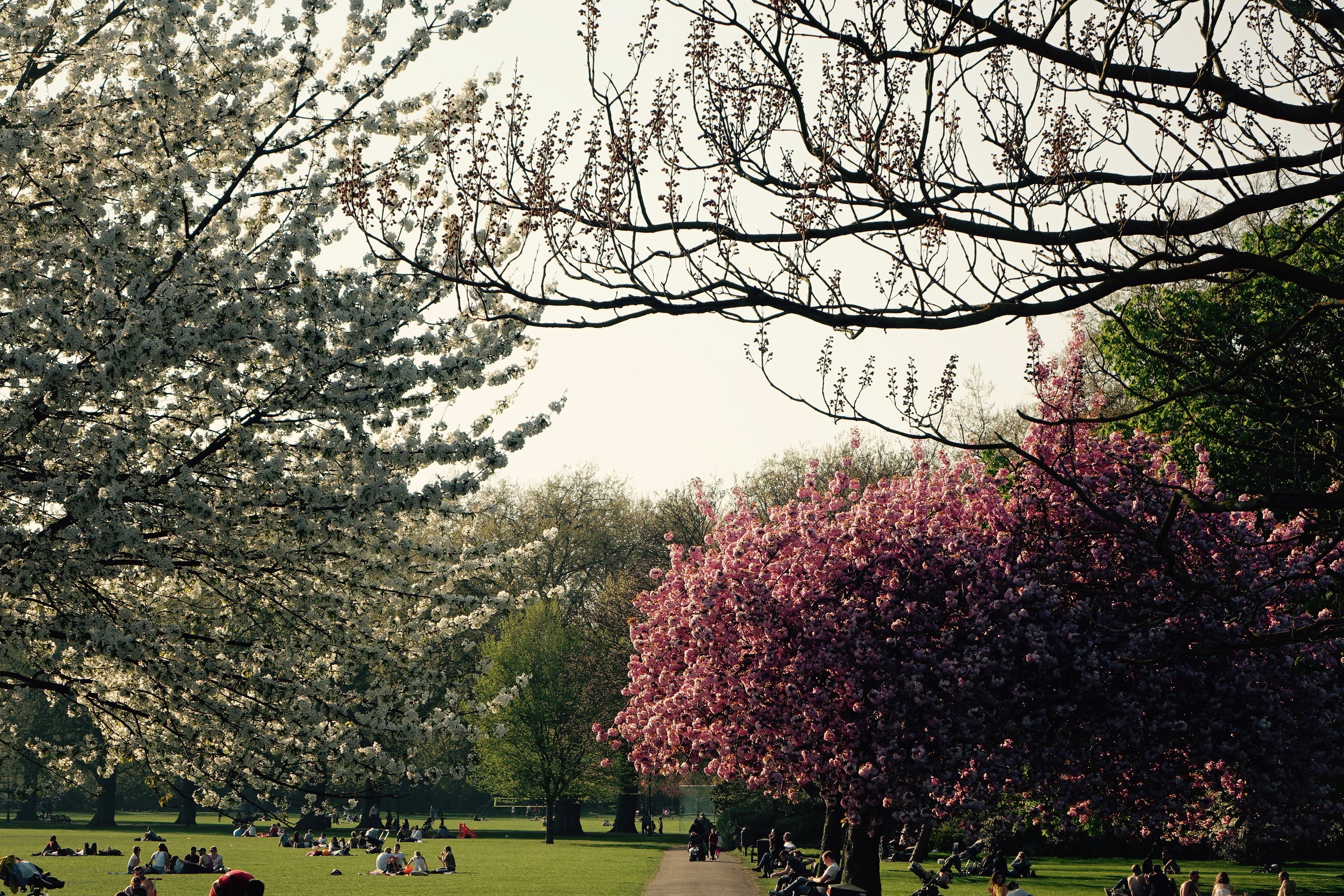
It’s no wonder I was moved to paint the great green expanse of Clapham Common in my new painting, Green in Common. Spring really has been a verdant one in England, and while sunshine has been somewhat lacking recently (remind me to make an official complaint to the Met Office about that), when its rays have shone down upon us, we have been afforded an ideal opportunity to enjoy what England does best: its green and pleasant land. And while London may be the country’s greatest urban conglomeration, there is certainly no shortage of green space to enjoy. Just look at my posts on Wimbledon, Richmond and Hampton Court, and that’s just for starters.

DSC08148DSC08211DSC08222DSC08220DSC08174DSC08210DSC08172DSC08159DSC08218

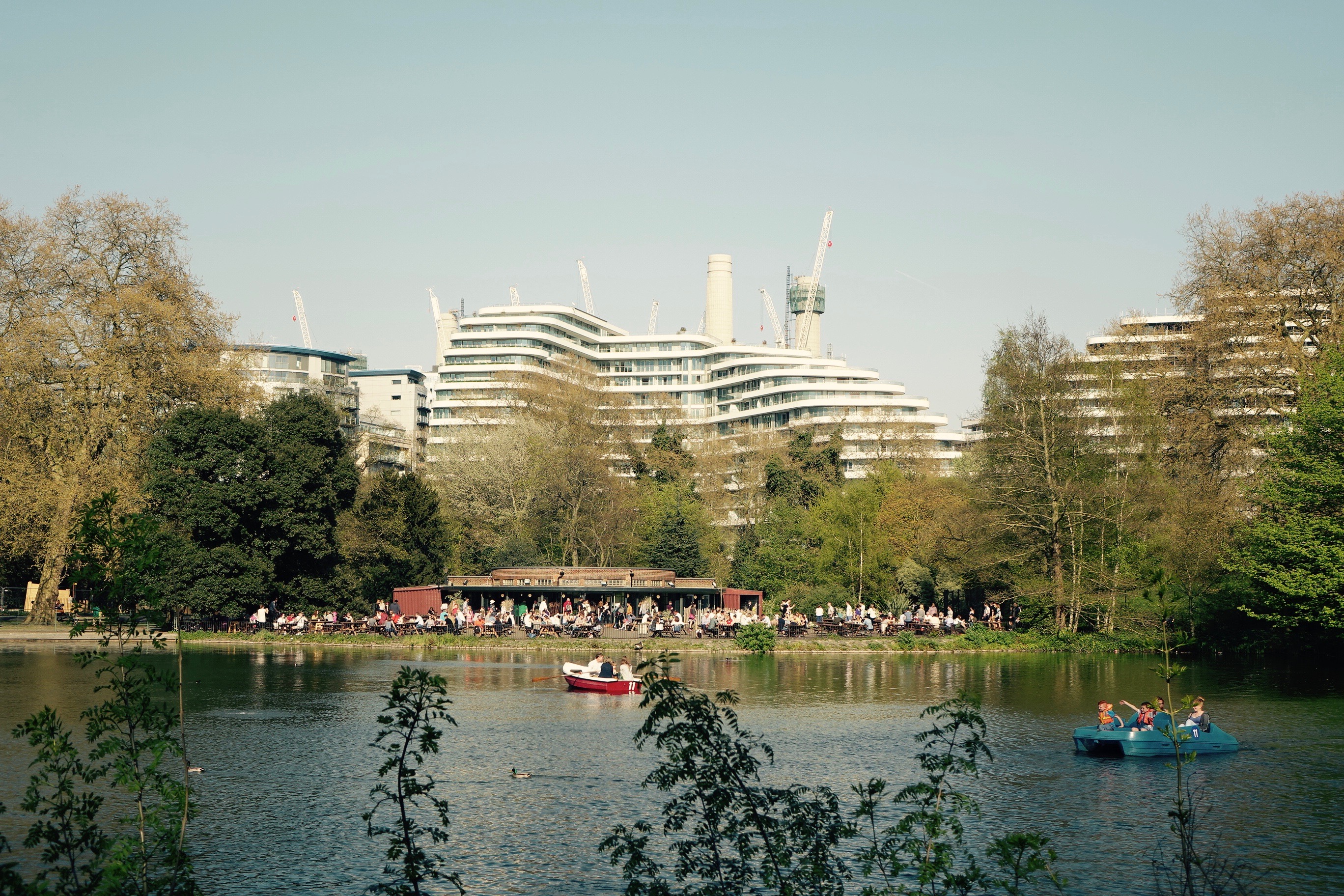
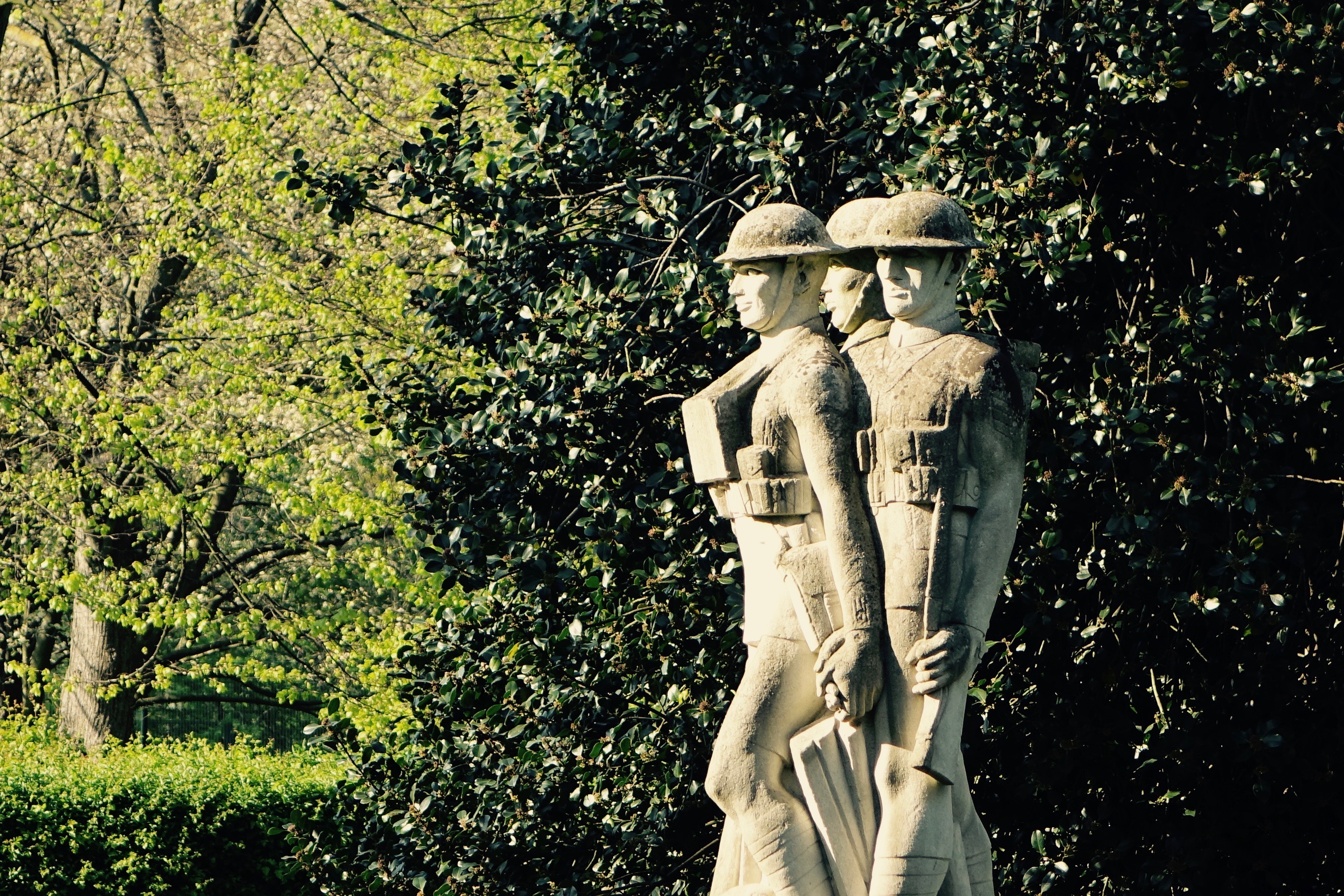
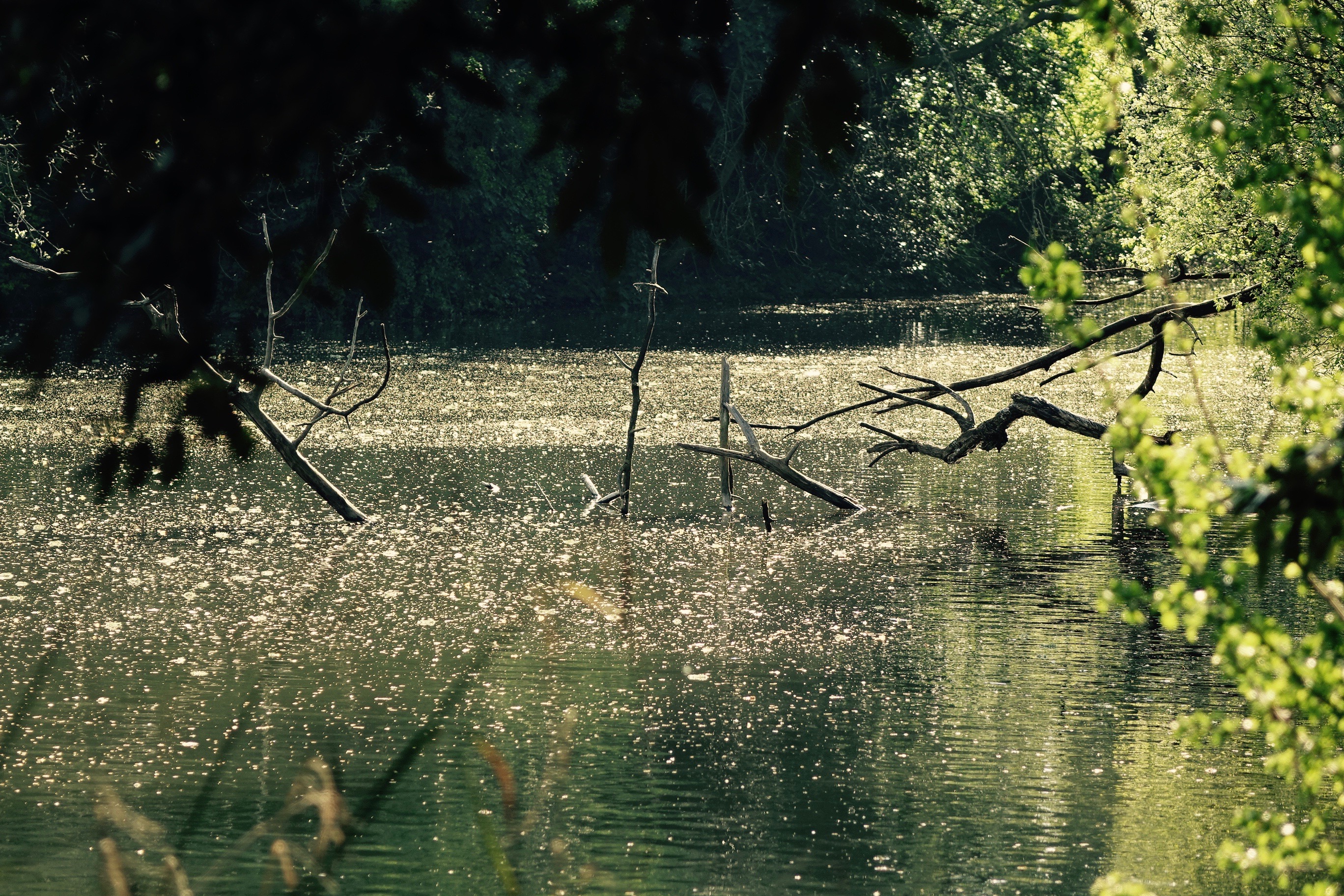
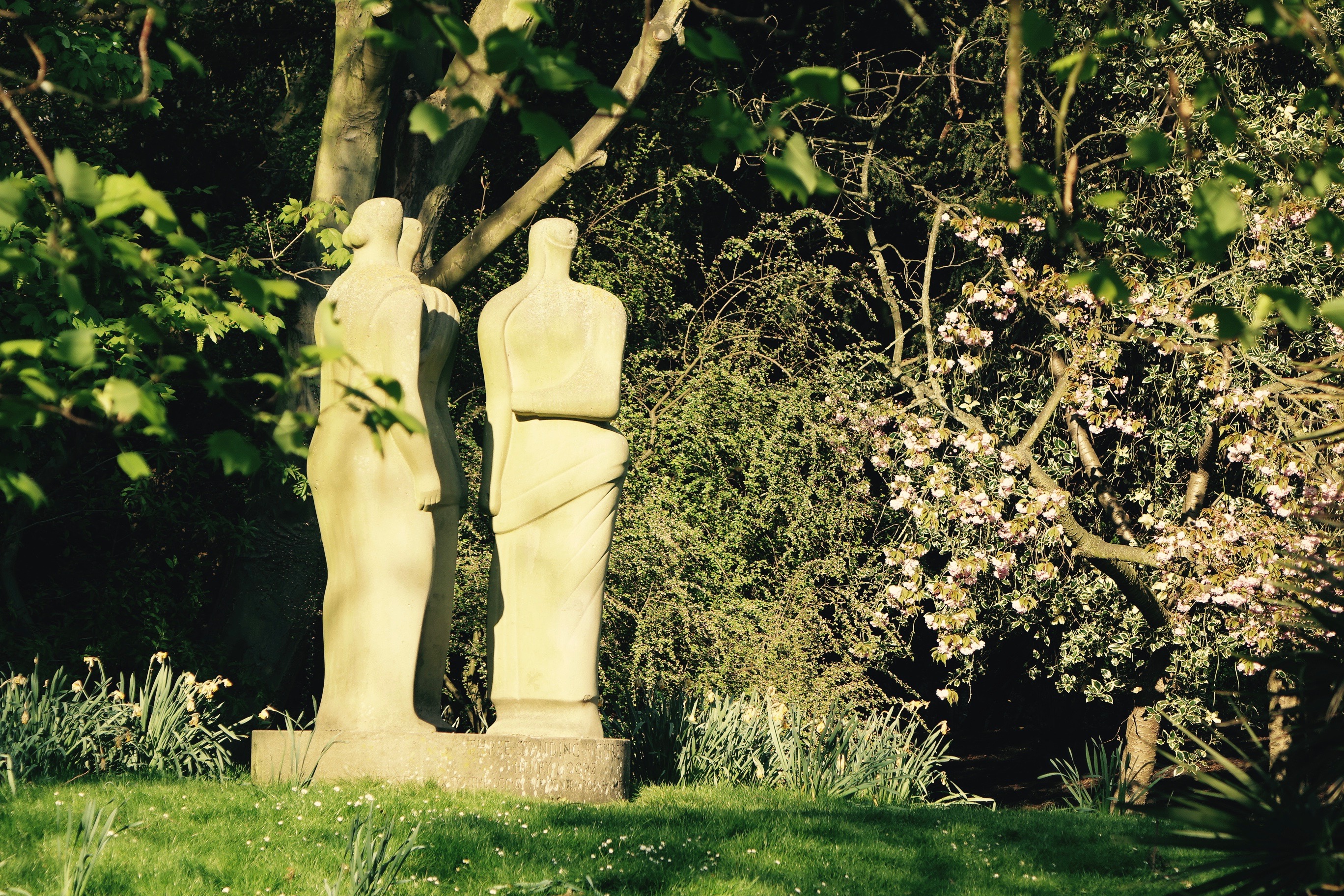
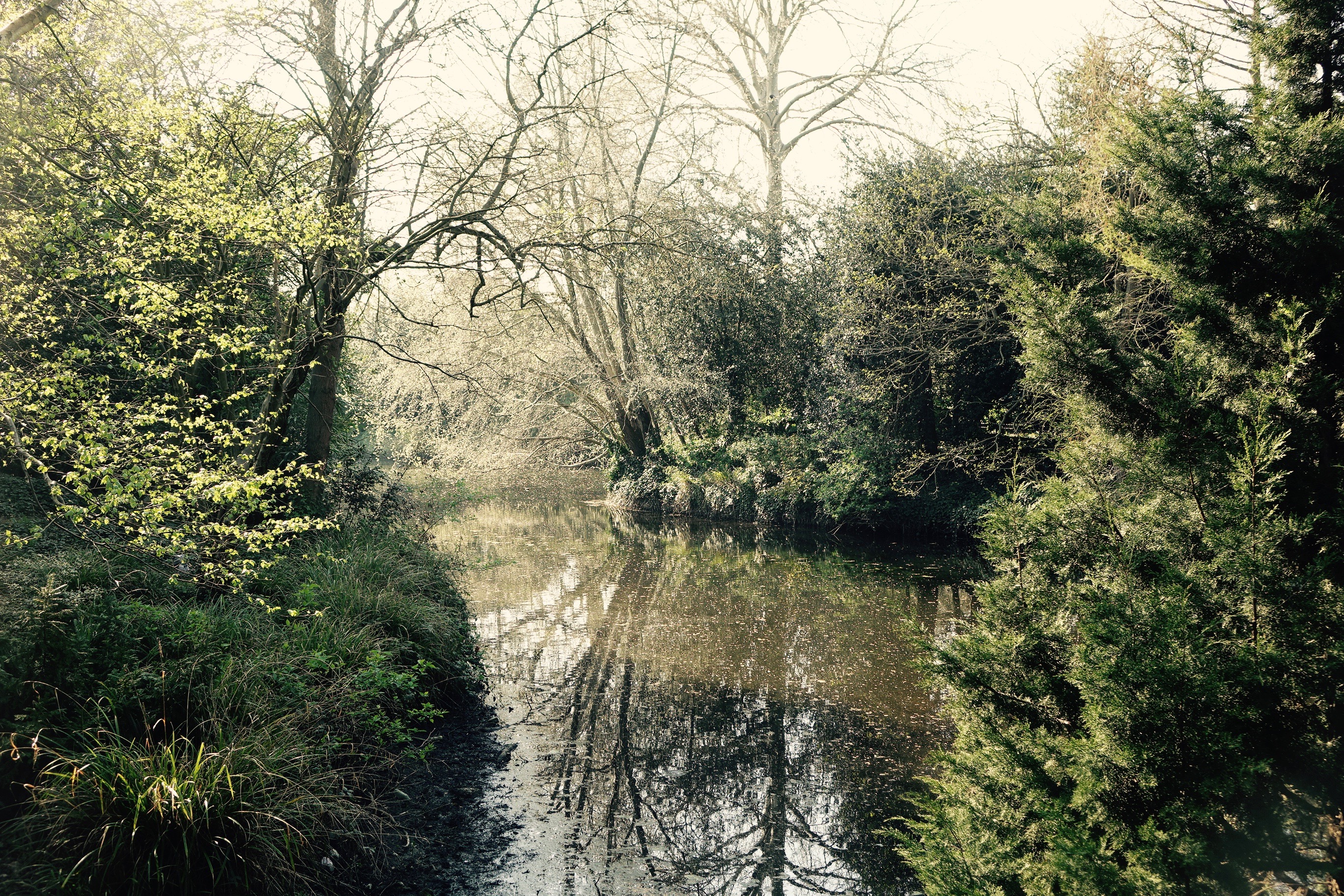
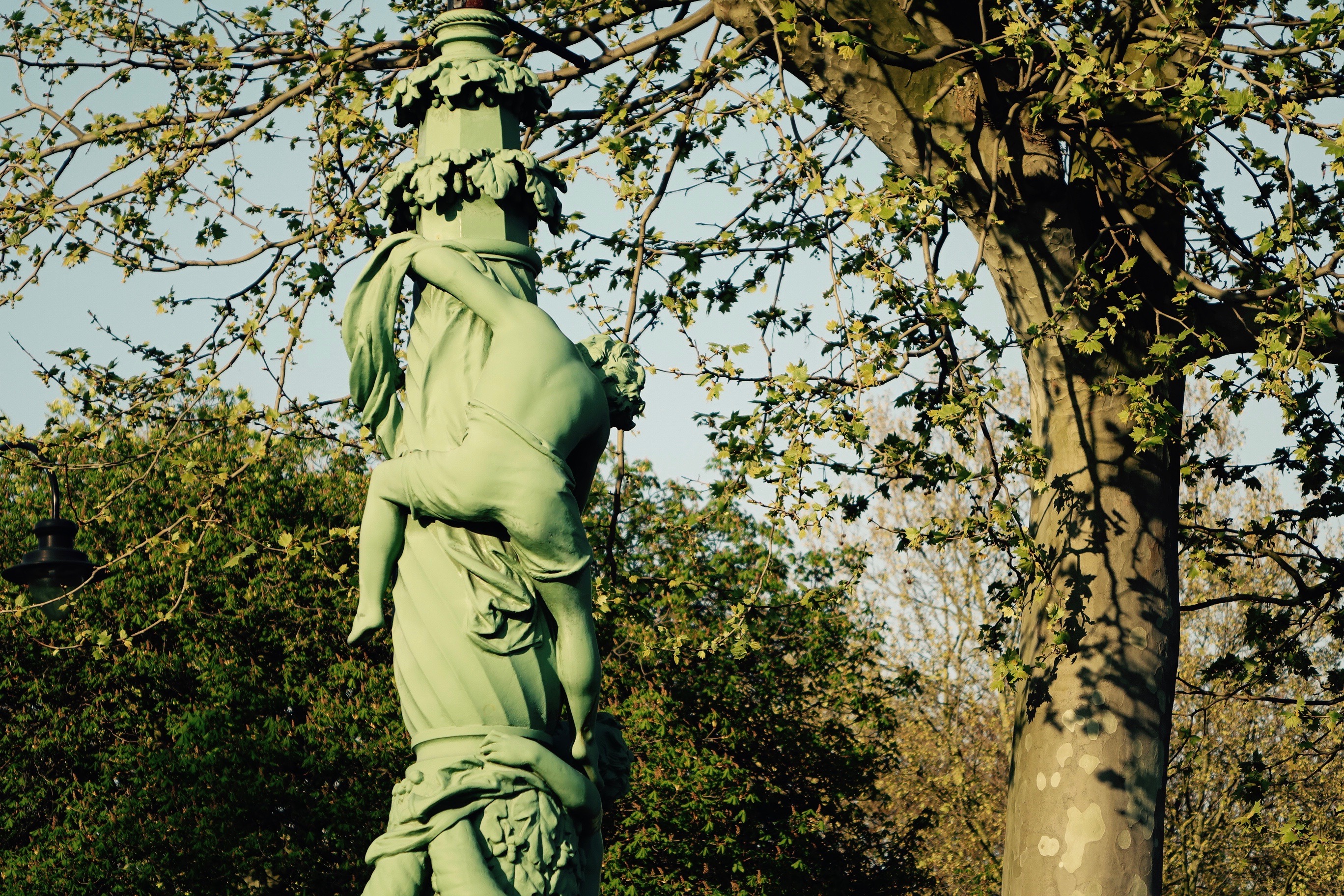
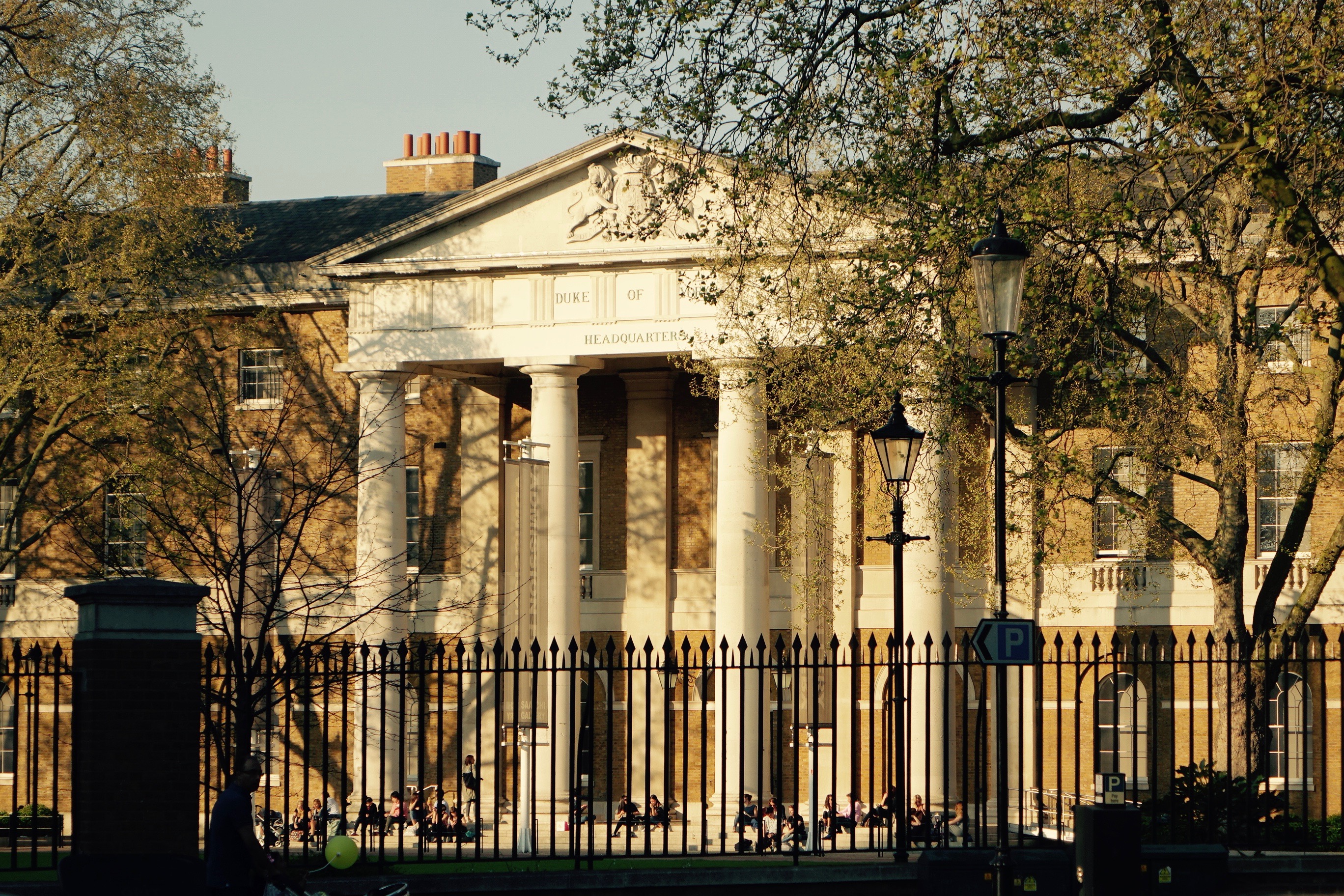
Recently we discovered that there’s a no less worthy green expanse even closer to our home in the form of Battersea Park. Since I had long ago dismissed it as something of a mediocre patch of land next to the river, I had no idea about the treasures which were hidden inside. These began just metres from the entrance with a set of swirling, curving boating lakes interlaced with cosy pathways crossing and edging the water, designed to make the visitor feel lost in a great wetland well out of the city. With not a straight line in sight, these beautifully cared for wetlands are every bit the reserve of a booming wildlife habitat as they are the favourite haunt of visitors who sat picnicking in the shadow of sculptures by Henry Moore or romantically boating upon the lake. Our romantic stroll was no doubt enhanced by the bubbles we sipped at a surprisingly chic café by the water’s edge. This set us off in fabulous shape to explore the rest of the park, which included vast flower beds bursting with tropical plants, tulips in every conceivable colour, and all number of paddling pools and picnicking areas much frequented by visitors and Londoners alike.

DSC08203DSC08157DSC08167DSC08216DSC08192DSC08207DSC08175DSC08164

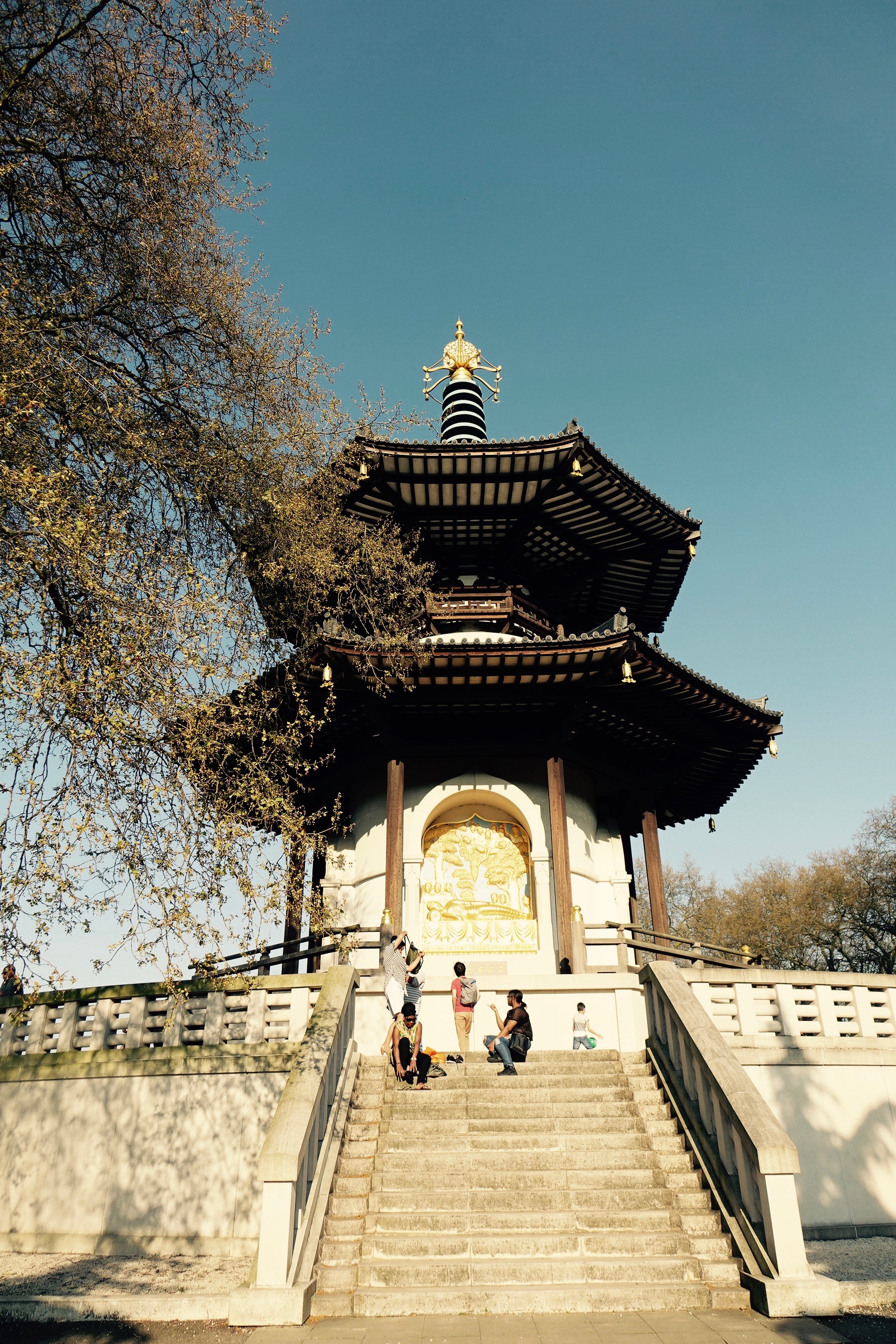
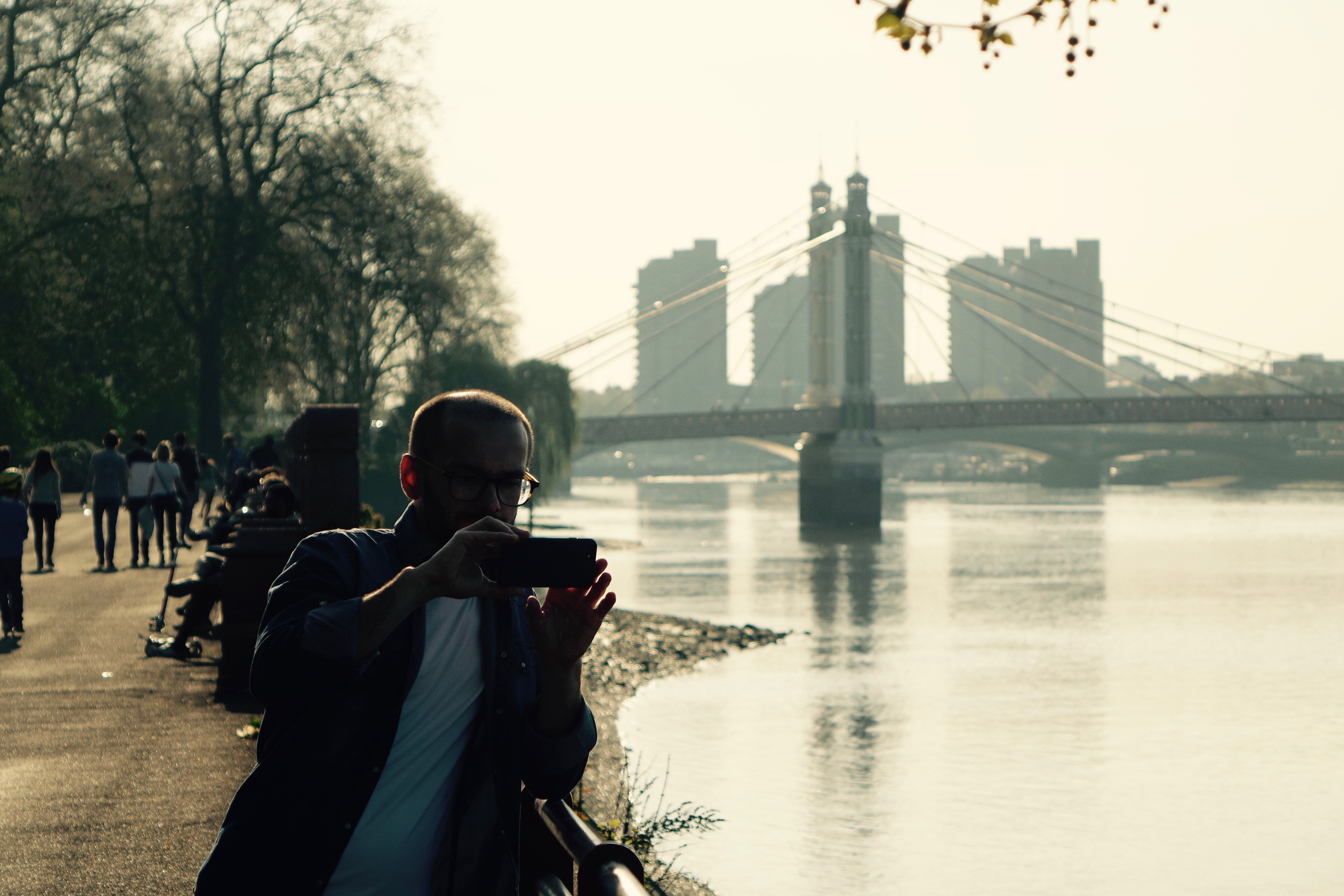
But the pièce de la résistance had to be the riverside walk, which contains probably the most distinctive feature of the park: a beautiful, sparkling Peace Pagoda. While it looks as though it has made its way from some ancient civilisation in the midst of a Thailand jungle, it was actually erected in Battersea in 1985 before soon becoming the park’s most iconic landmark. From its dazzling raised portico, you get the perfect view of the Thames, and my favourite bridge, the Albert Bridge. Dainty and elegant, this Thames favourite leads a perfect bath over to Chelsea, where we were promptly persuaded to while away the rest of the afternoon. Happy days.

DSC08229DSC08240DSC08296DSC08281DSC08233DSC08237DSC08253DSC08266DSC08313DSC08306DSC08300DSC08297DSC08239

© Nicholas de Lacy-Brown and The Daily Norm, 2001-2017. Unauthorized use and/or duplication of the material, whether written work, photography or artwork, included within The Daily Norm without express and written permission from The Daily Norm’s author and/or owner is strictly prohibited.
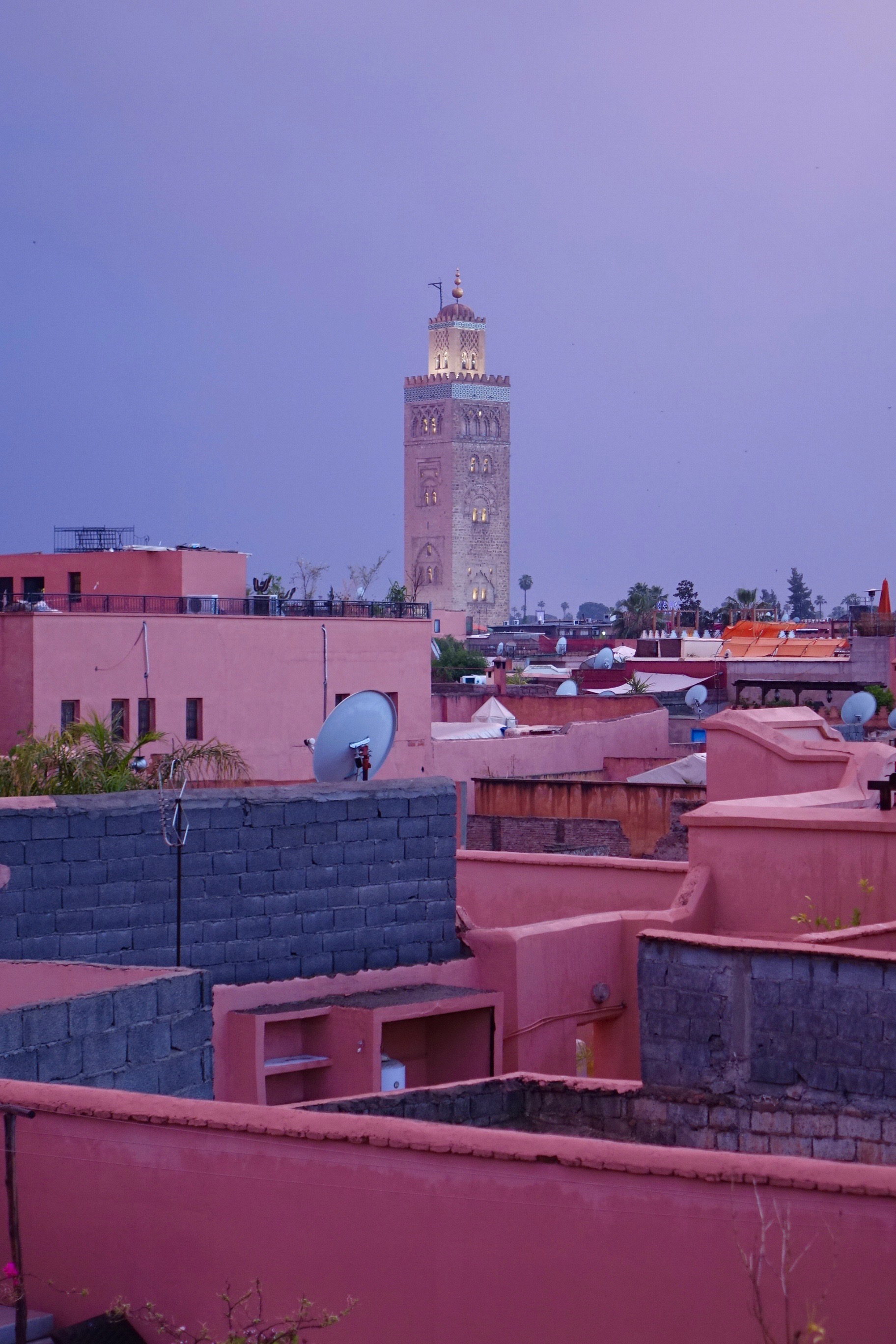
Siena: Doing the Duomo

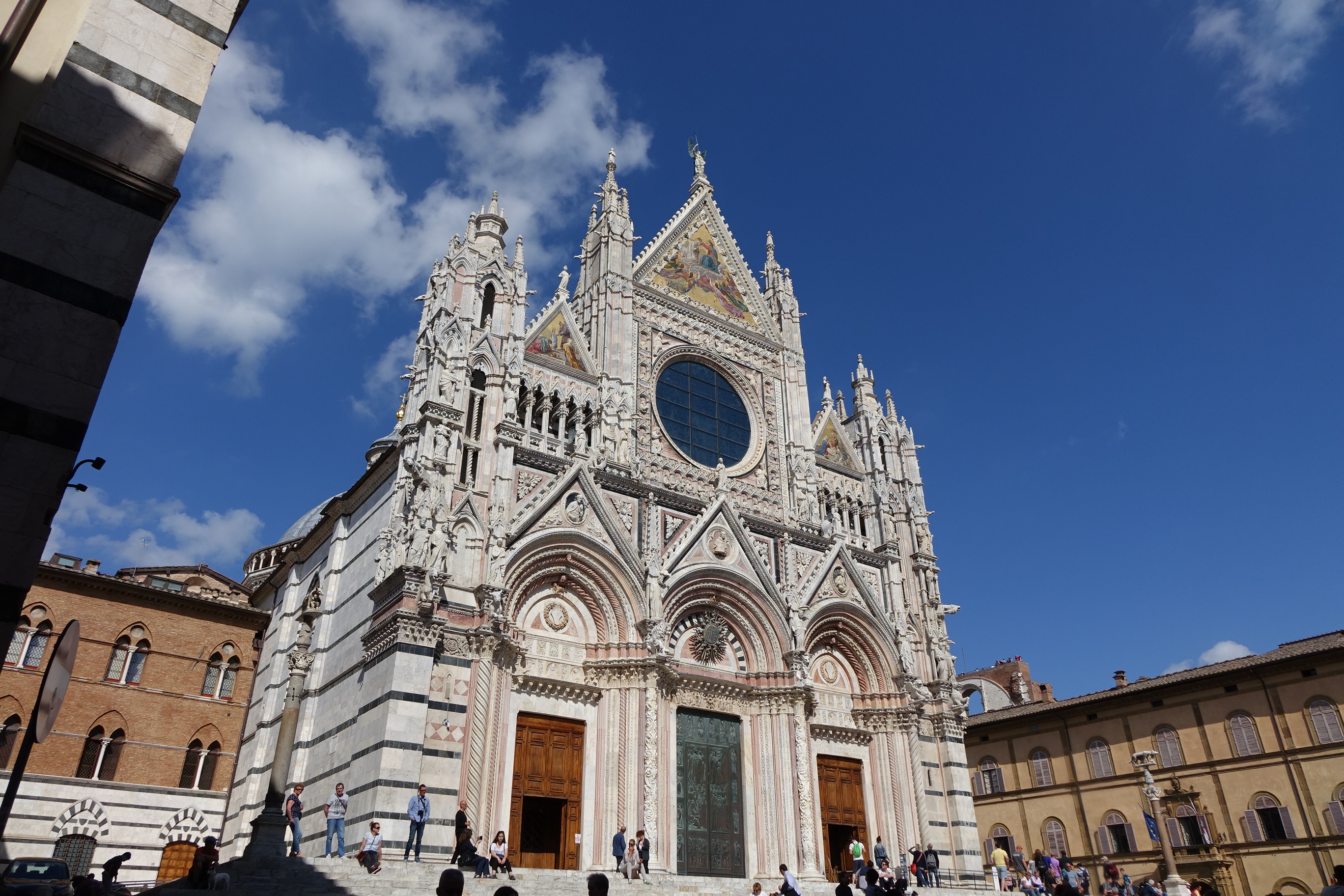
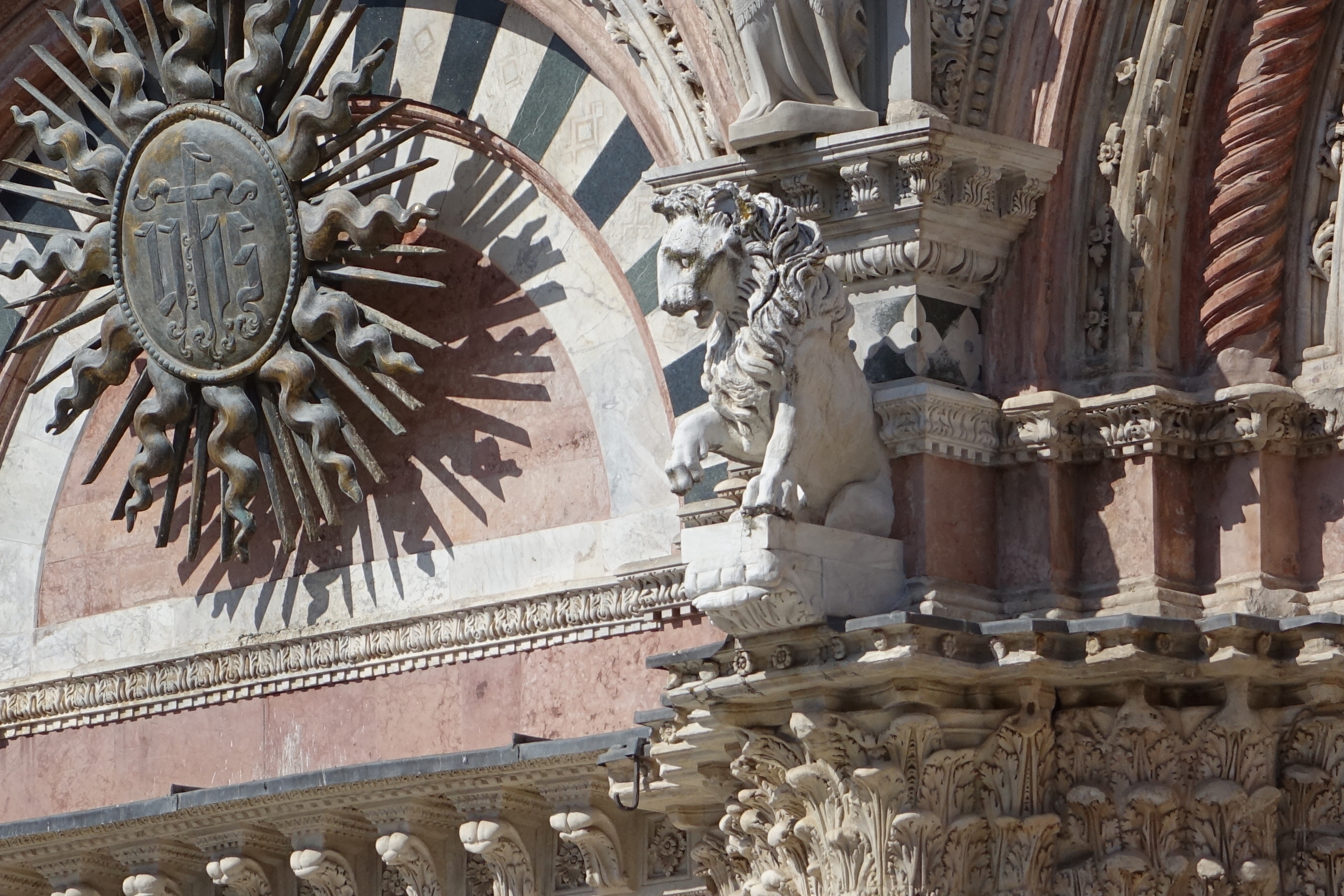
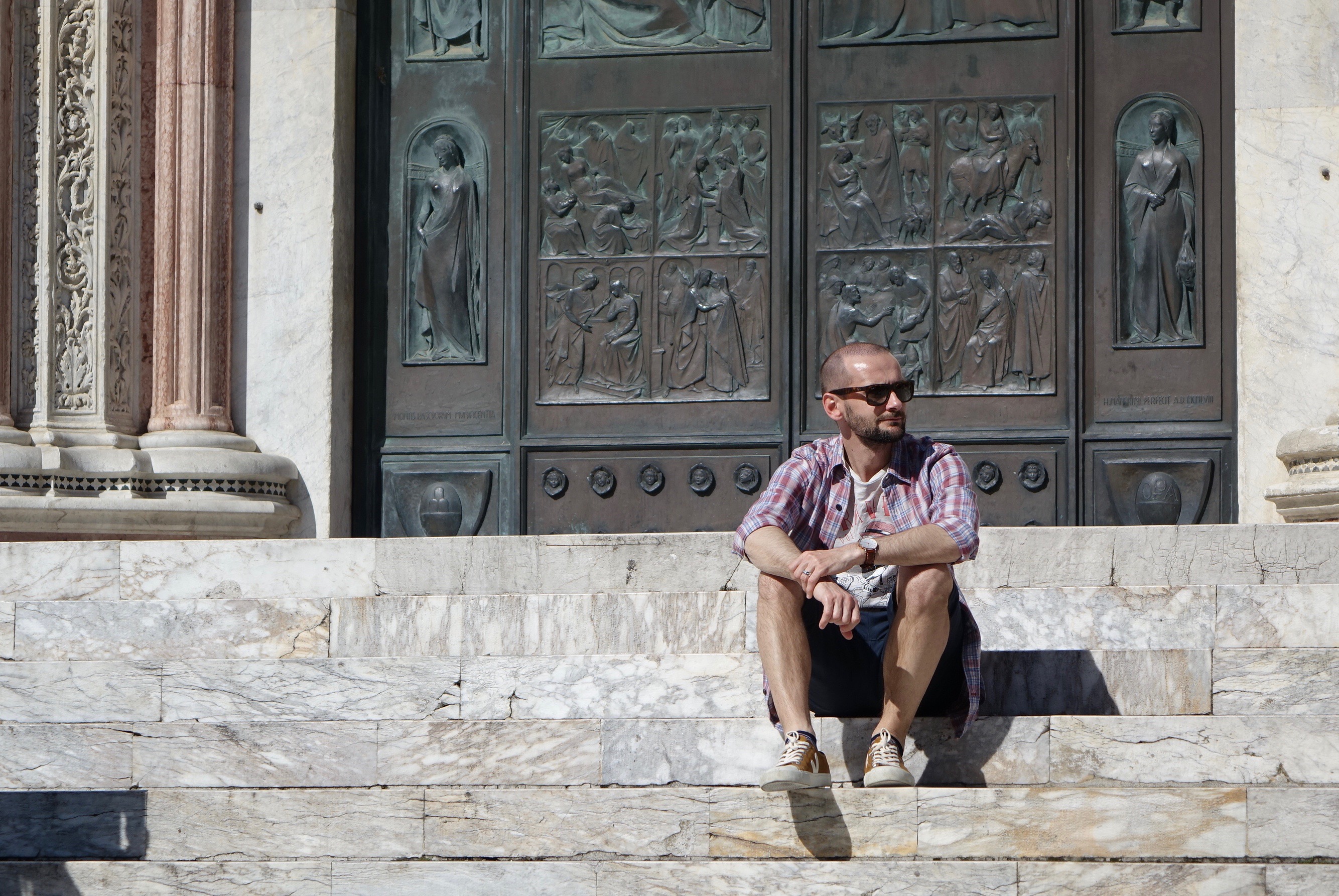
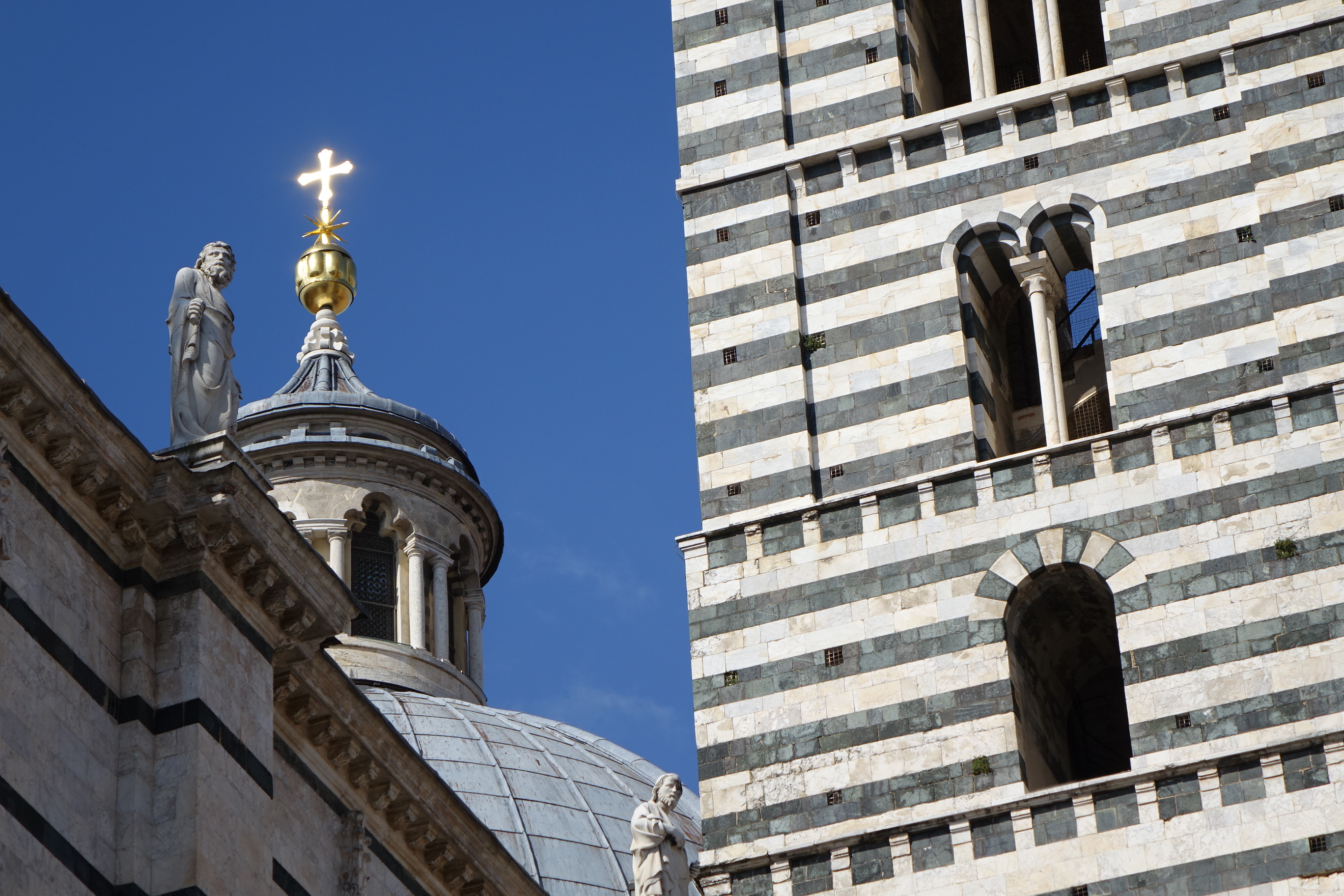
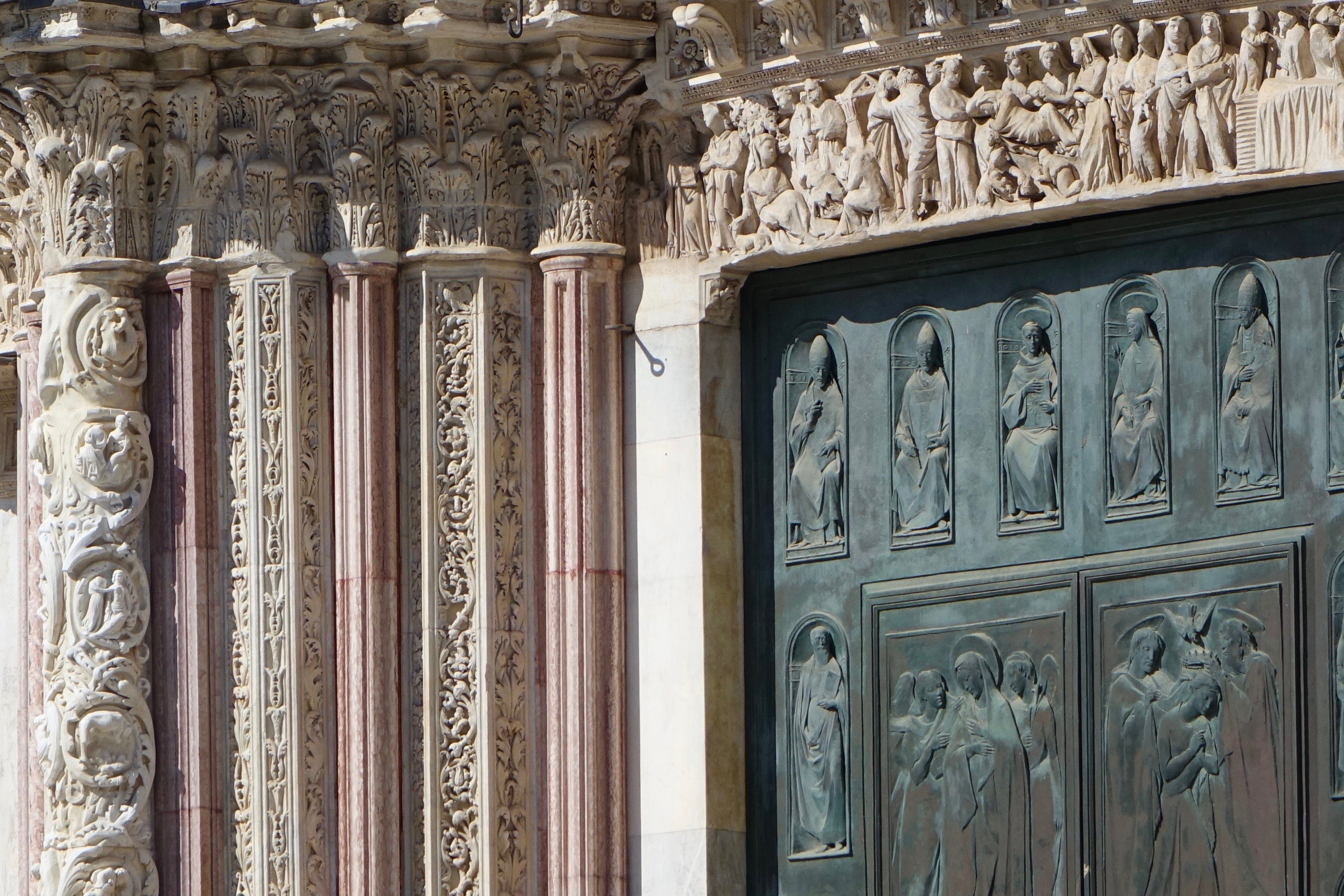
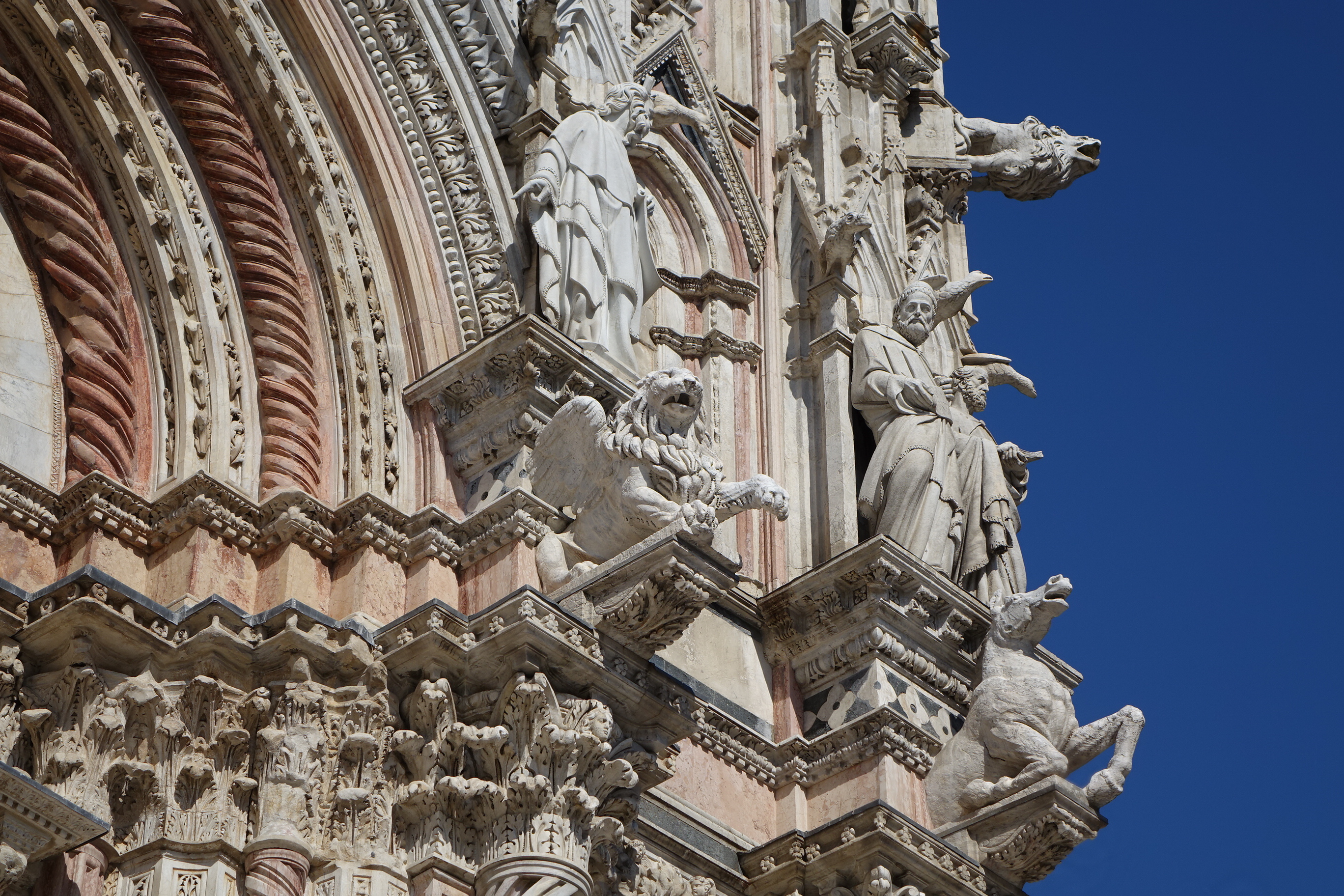
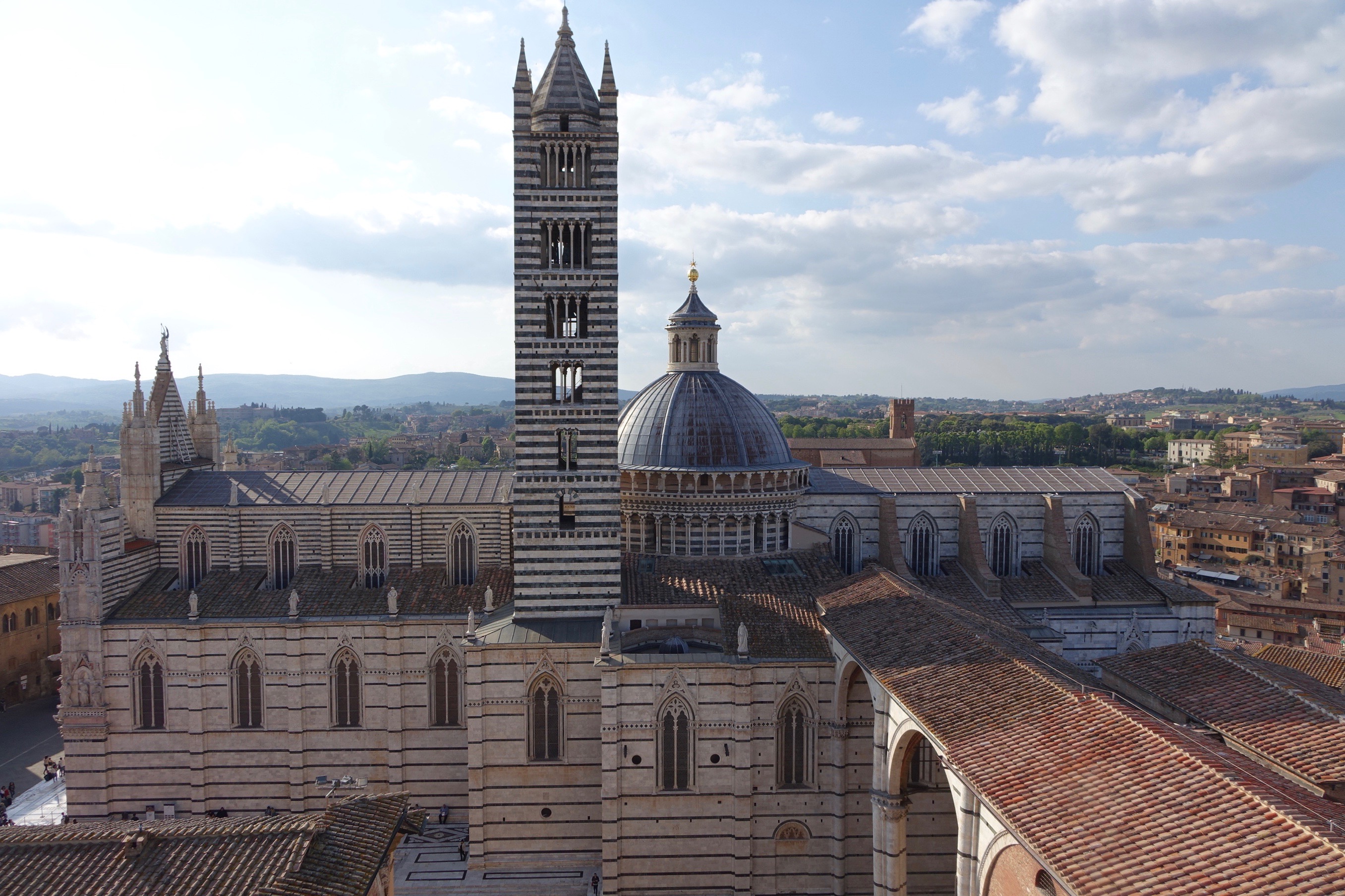
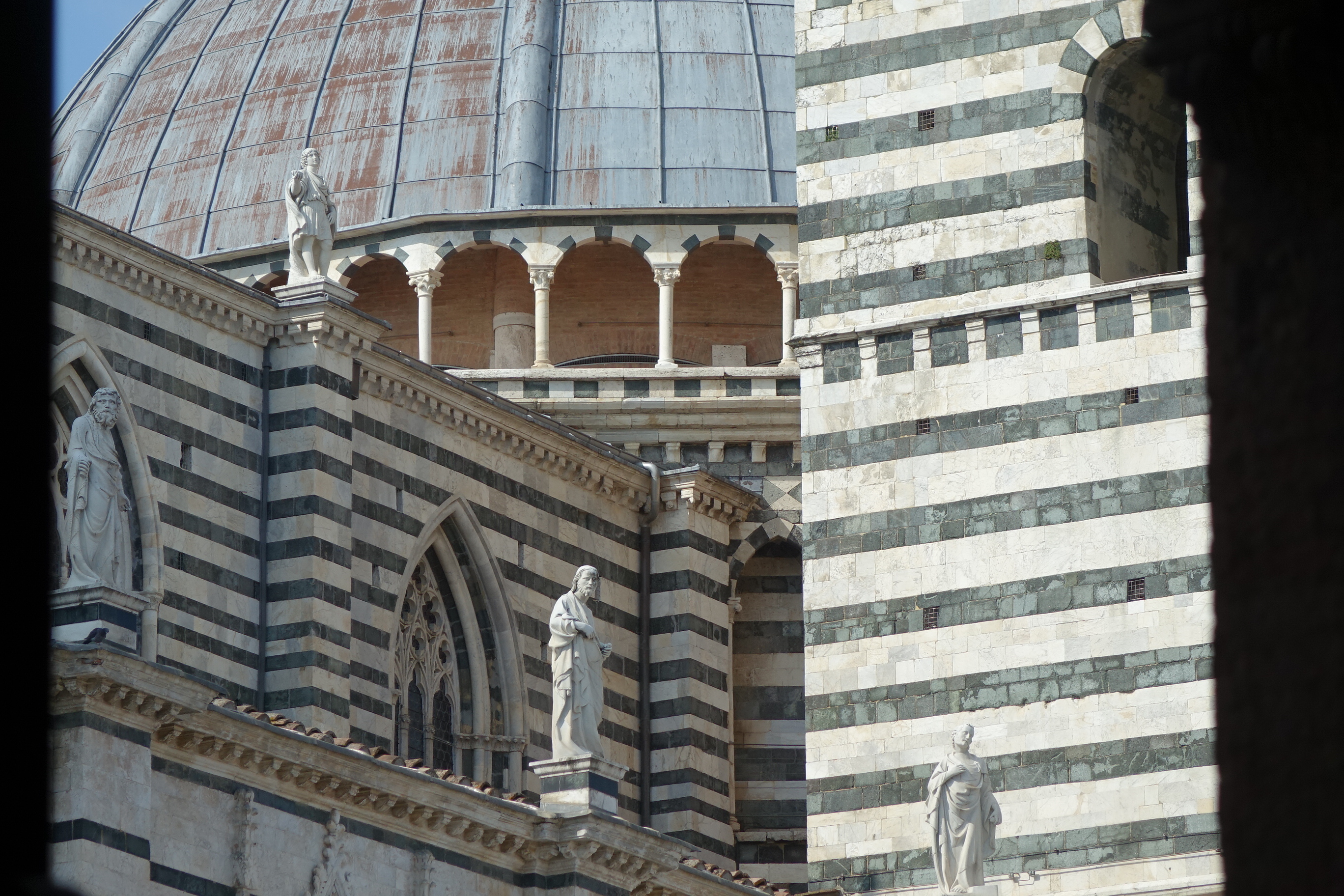
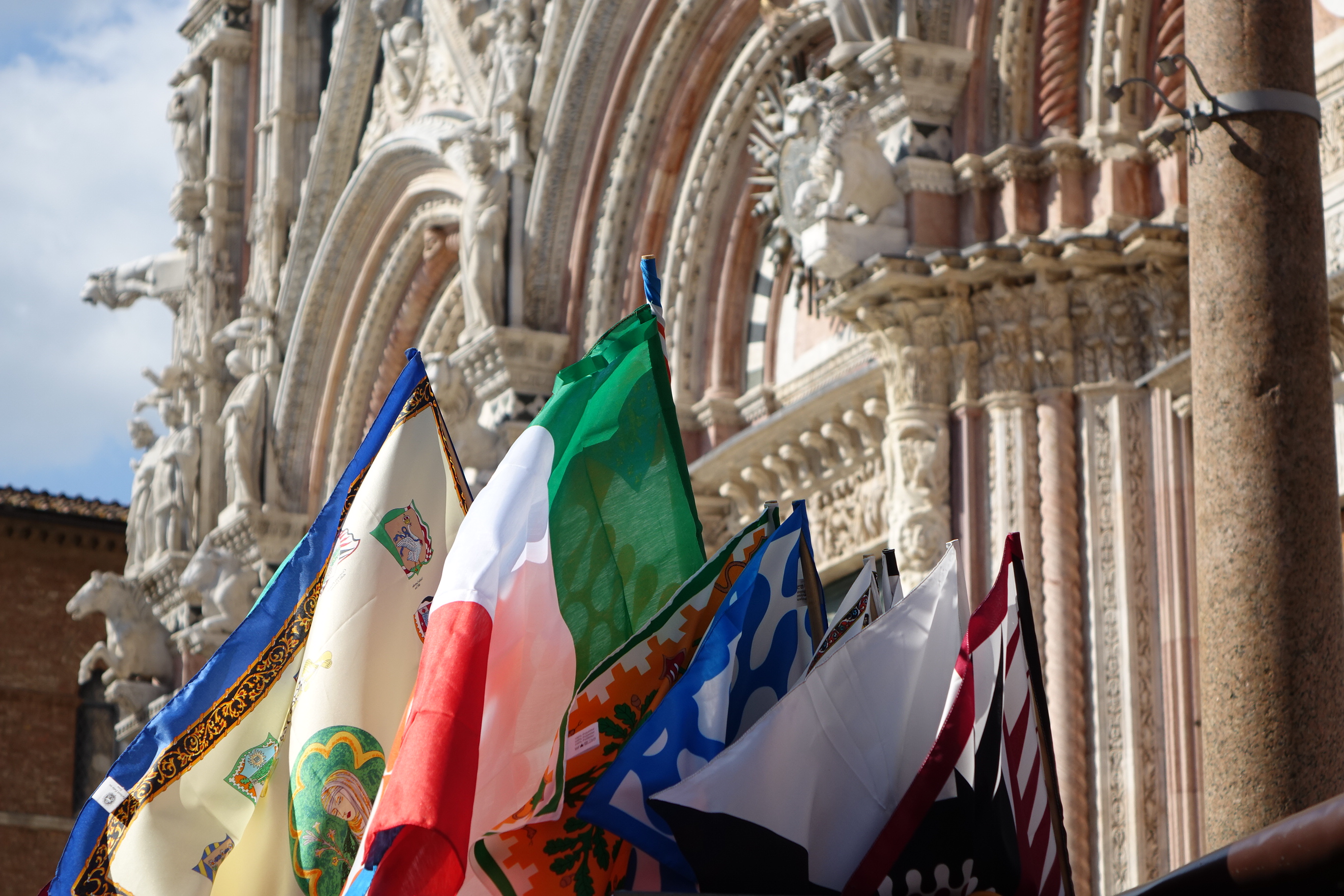
In choosing Siena’s most iconic building, there are two clear contenders. Sat at the pithy core of the citrus-sliced semi circle of the Piazza del Campo, the Palazzo Pubblico is a clear contender. With its soaring bell tower of red brick characterised by medieval power status and the objective to outdo rival Florence, the Palazzo is in every way iconic as a symbol of Sienese politics and ambition. But while for me the Palazzo and surrounding Piazza may be the brains of Siena, its beating heart and most charismatic structure of all is its Duomo. With a lavishly intricate facade made of blackish green, coral pink and creamy white marble, together with a multitude of gold enhanced mosaics and relief sculptures, the Duomo looks good enough to eat – a minty humbug and a prize wedding cake al rolled into one.

The Duomo and its facade

DSC08856DSC08833DSC08859DSC08868DSC08860DSC08843DSC08894DSC08862DSC08881DSC08880

But to focus on Siena’s exterior would be to miss the treasures on the inside, which range from Michaelangelo’s treasured sculpture of Saint Paul, Nicola Pisano’s impressively intricate Carrara marble pulpit, Donatello’s bronze relief, The Feast of Herod, Bernini’s sunburst lantern atop the dome, and an incredible marble floor depicting a series of biblical tales with pristinely cut delicately interlaced pieces of multicoloured stone which was the life work of some 40 artists across 200 years. What’s more, in the Piccolomini Library off to one side of the main nave, there is the staggering feat of Bernadino di Betti’s ceiling and wall frescos whose multiple areas of gold embellish the room with a lavishness equal only to a jewellery shop.

The Piccolomini Library

DSC08967DSC08969DSC08970DSC08978DSC08972

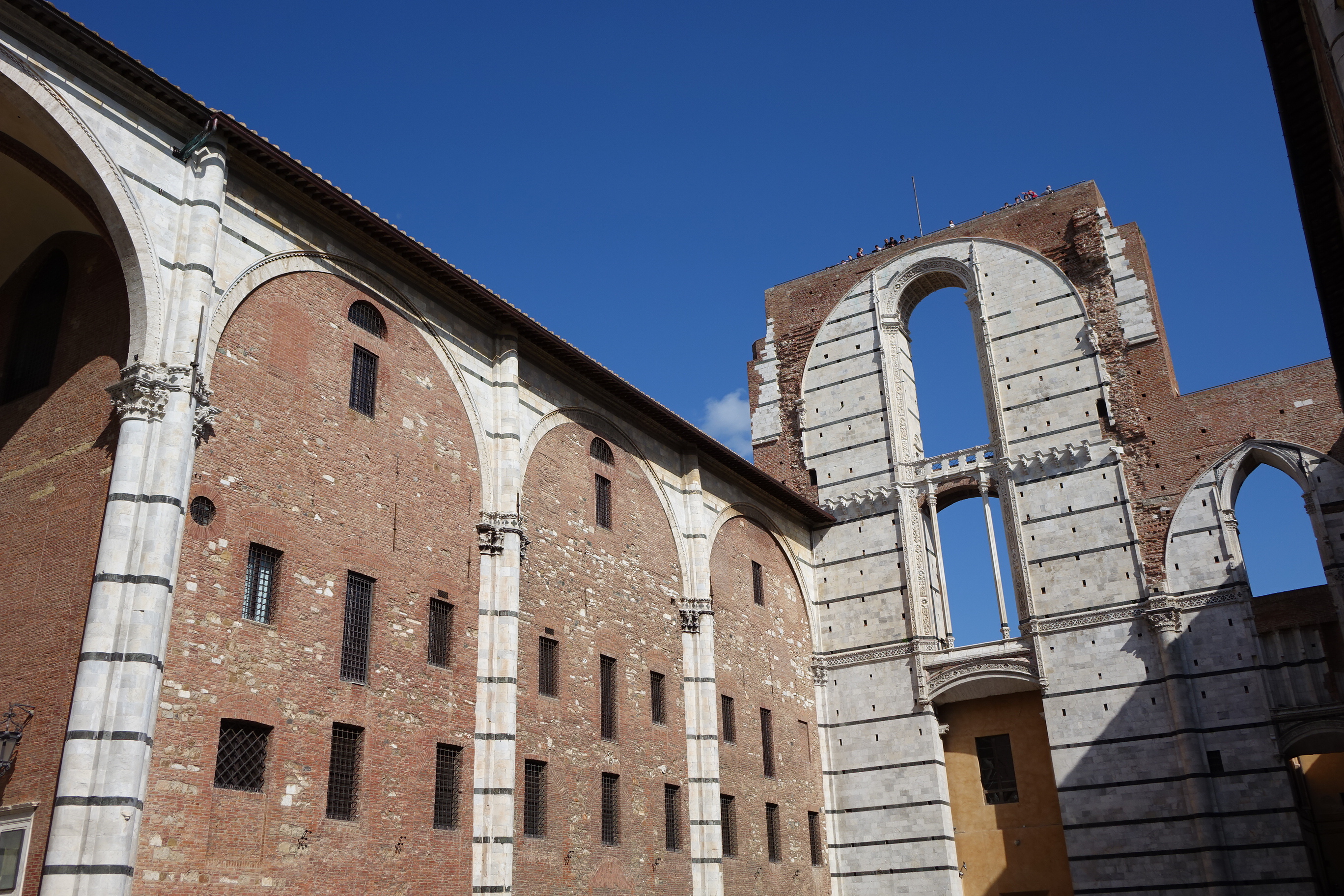
Interestingly however, the Cathedral might well have been far greater and even more exorbitantly lavish had a planned (and commenced) extension in the 14th century, intended to more than double its size, been completed. Sadly owing to the onset of the Black Death in 1348, the work was ceased, and the evidence of errors in the construction meant that it was never continued. All that remains of the plans today is a the large outer shell which helps to illustrate the scale to which the Duomo extenders aspired and the power and ambition of the city.

The interior and the incredible pictorial floors

DSC08922DSC08947DSC08936DSC08956DSC08914DSC08938DSC08909

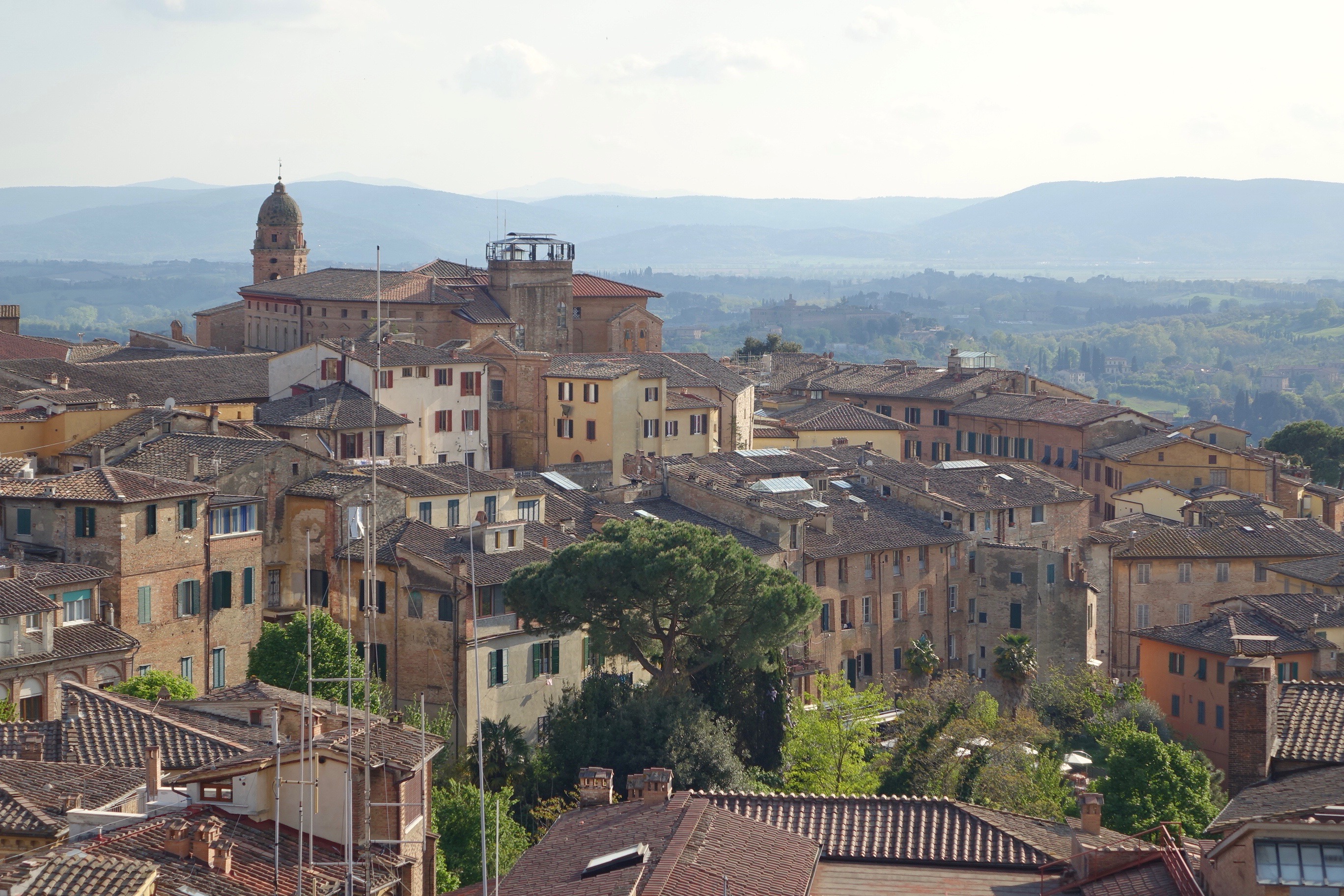
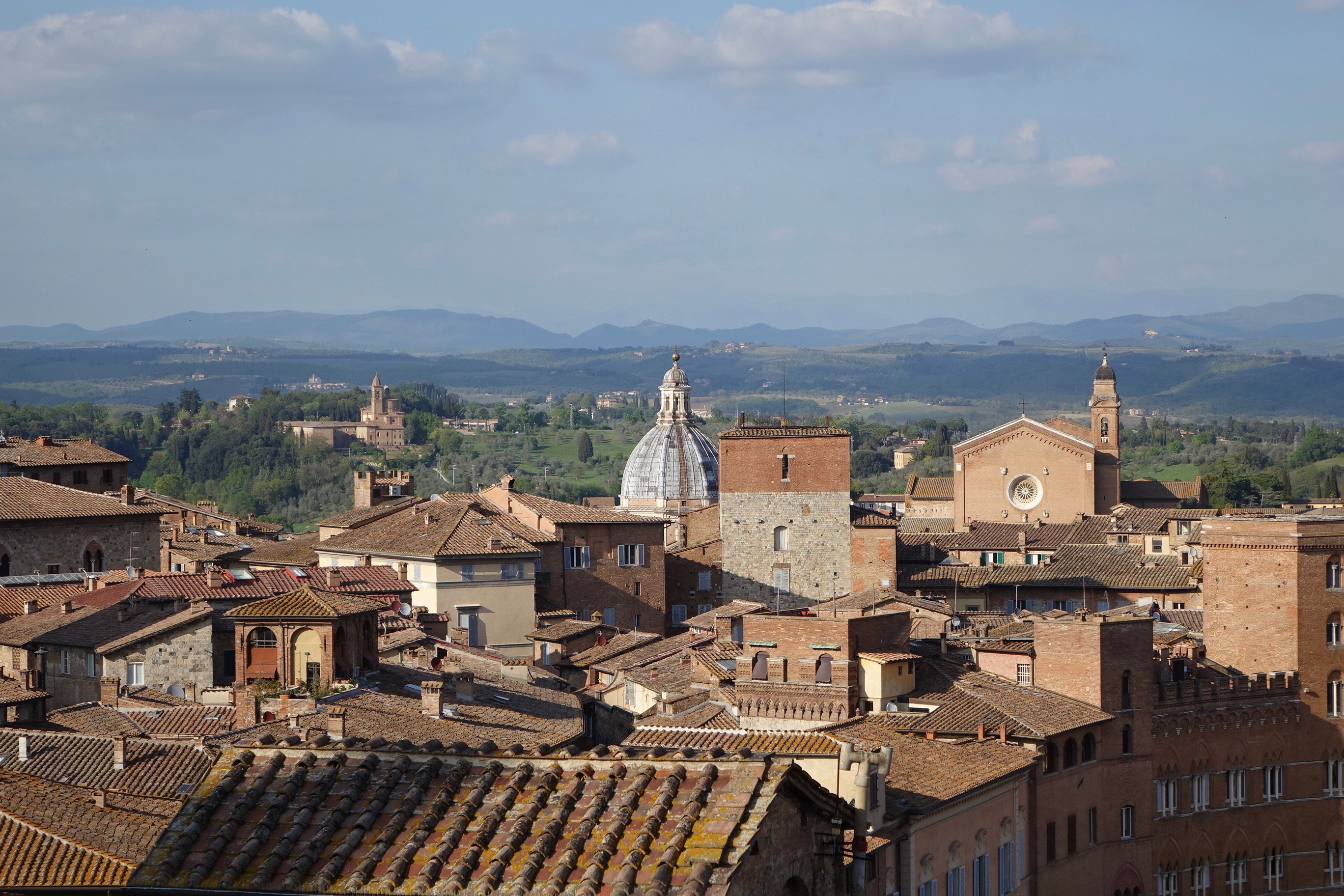
So with those unbeatable views I’m brining this Siena and Tuscany series of posts to a close. They’re photos which capture a region of outstanding natural beauty, and hold the memories of adventures which I will long cherish… until the next time I’m lucky enough to visit the home of my in laws.

Up in the gods… and the views of Siena from the top

DSC09031DSC08902DSC09020DSC09042DSC09000DSC09024DSC09046DSC09017DSC09023

© Nicholas de Lacy-Brown and The Daily Norm, 2001-2017. Unauthorized use and/or duplication of the material, whether written work, photography or artwork, included within The Daily Norm without express and written permission from The Daily Norm’s author and/or owner is strictly prohibited.

Tuscan Towns #5 – Siena

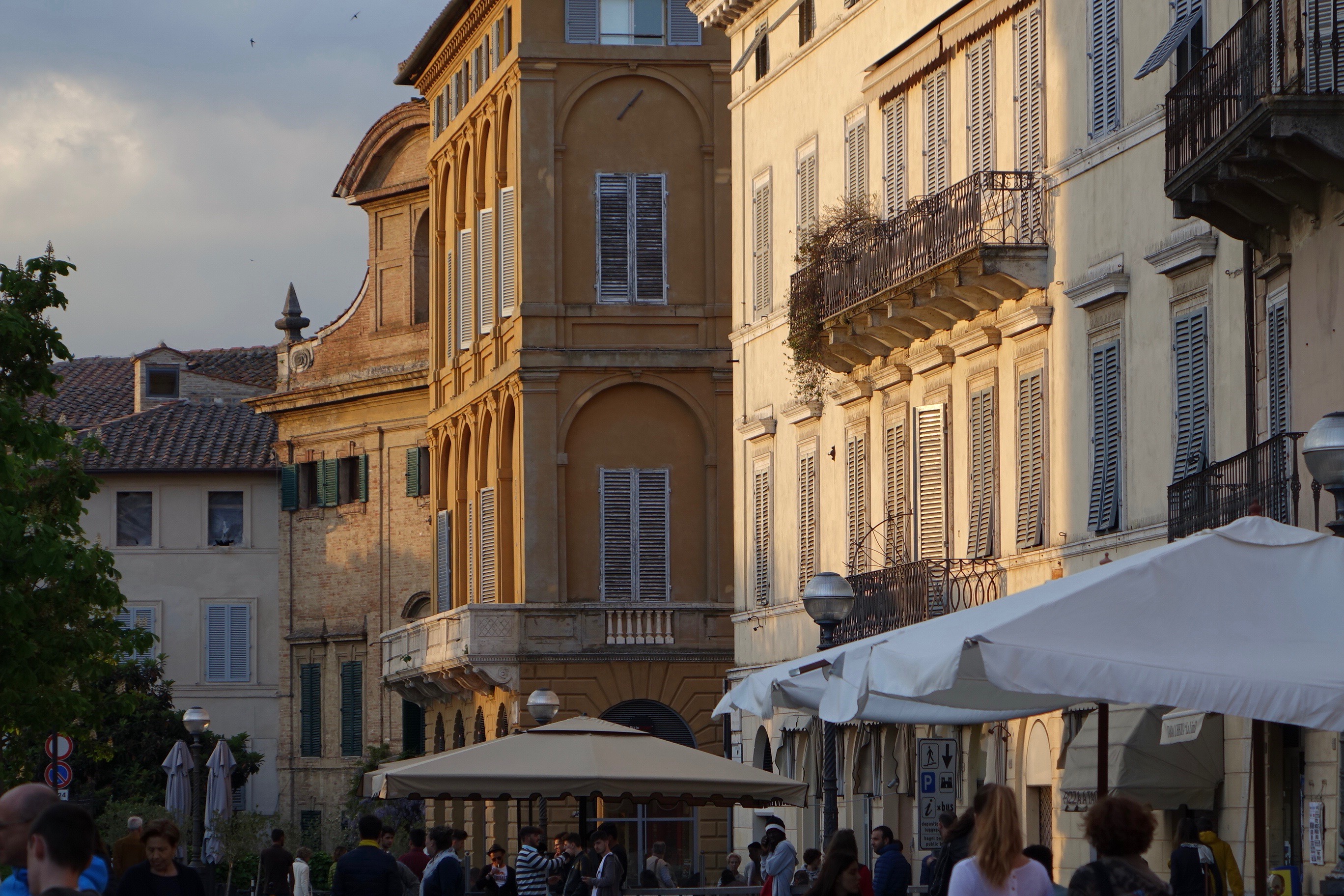
Of all the towns we visited during our last trip Tuscany, with Siena I have saved the best till last. More of a city really, this glorious product of the golden age of Renaissance is disproportionately heavy on art historical treasures, elegant shopping streets and stunning piazzas culminating in the most magnificent of them all – the Piazza del Campo. Siena’s geographical position, up on a steep hill and surrounded by verdant rolling countryside, is no doubt both the reason for its untouched beauty and for its prowess as a self-defended city. Today the city is almost intact in its historical architecture, with barely a modern blemish staining its golden walled, silver cobbled streets. The only embrace of modernity has been the emergence of super chic boutique shops and cocktail bars serving plate upon plate of tempting aperitifs, best enjoyed with an Aperol Spritz amidst the bustling atmosphere of locals filling out these packed social hang-outs.  Siena is a place of vespas and La Bella Vita, of large sunglasses and shopping bags, of that irrefutable union between seductive Italian passion and the innate elegance which can be found in every street. It is Italy at its urban best, surrounded by the most beautiful rural landscapes imaginable.

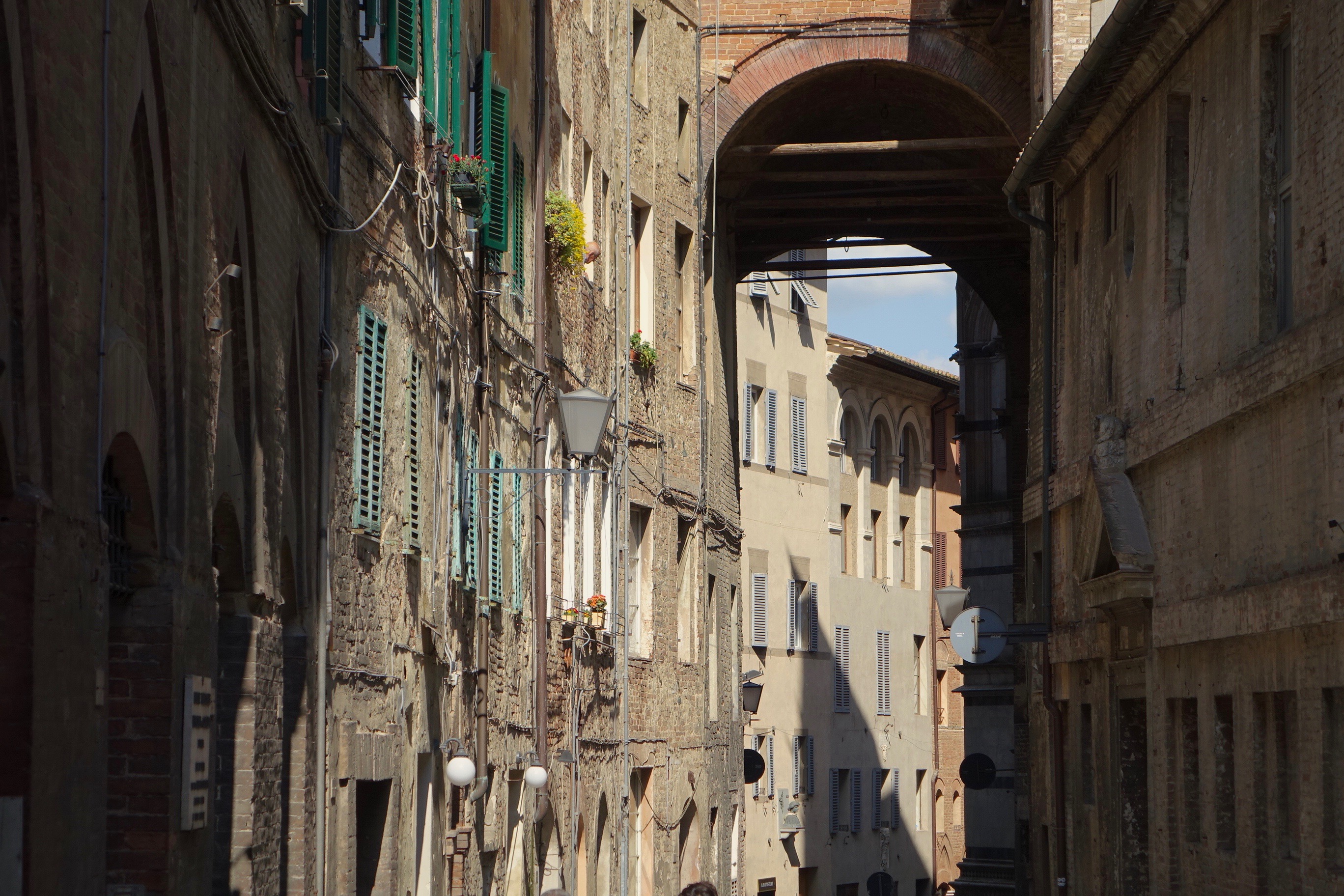
The seductive streets of Siena

DSC08831DSC08908DSC08825DSC08905DSC08906DSC09078DSC09051DSC09176

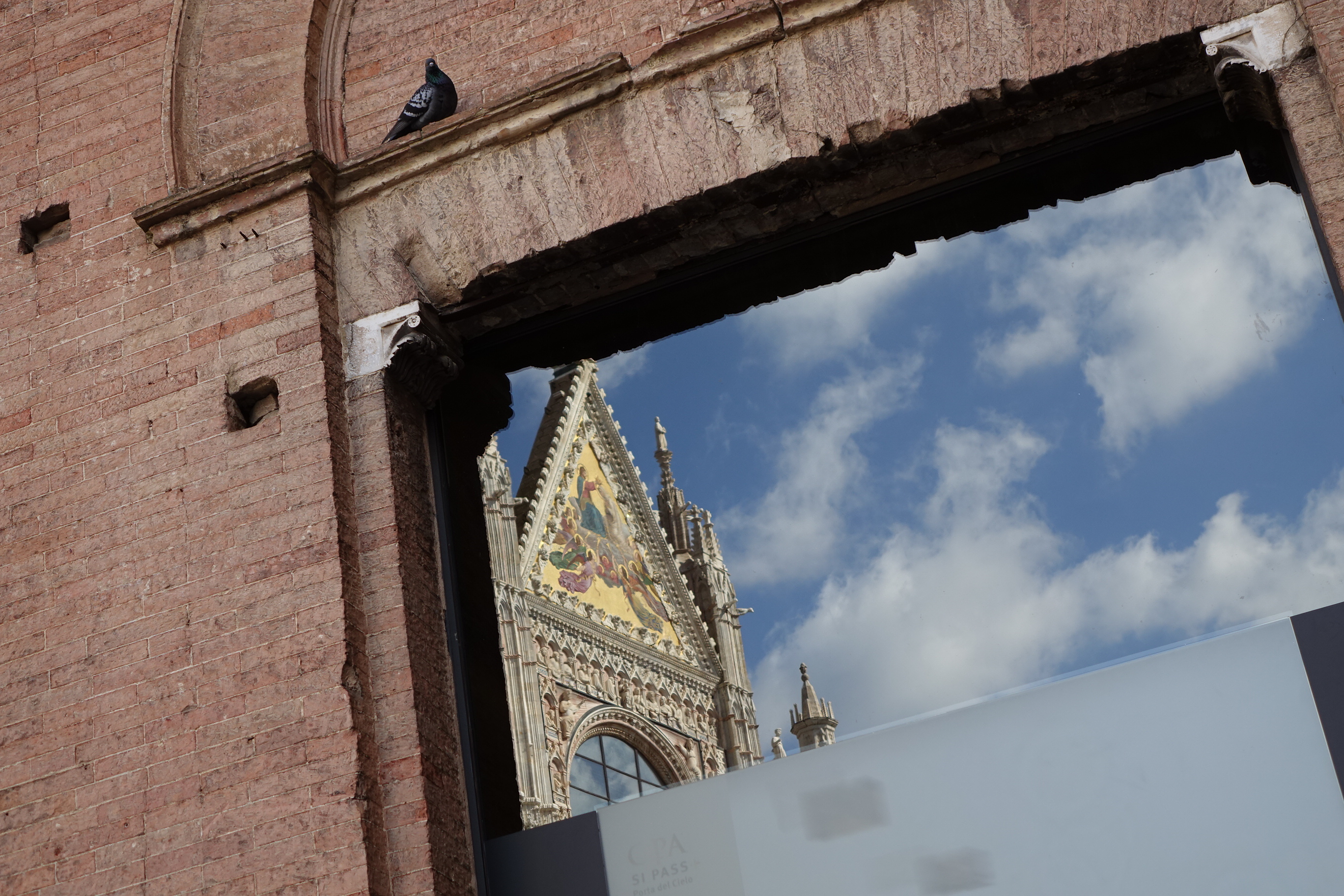
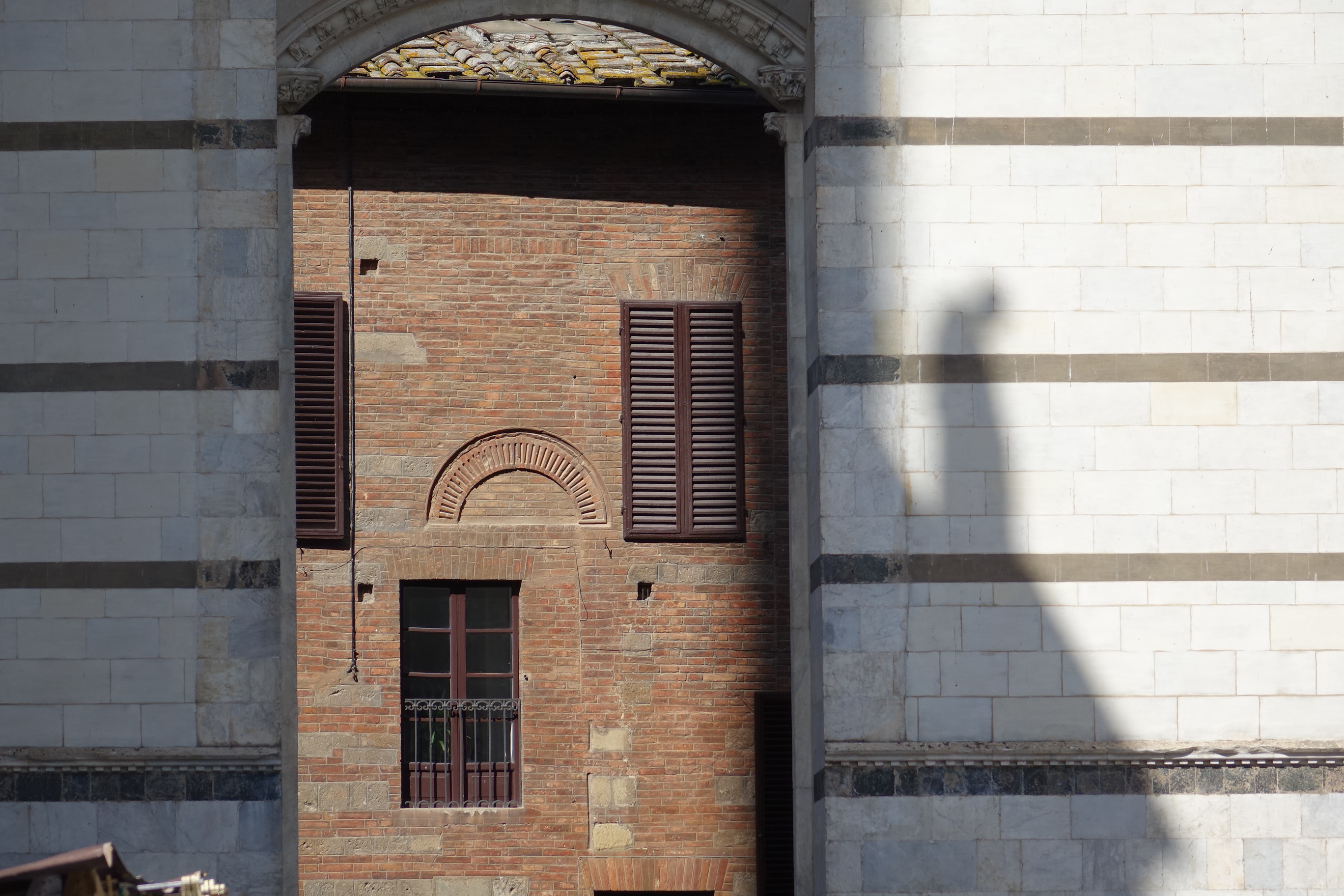
We entered Siena up a set of steep staircases, arising, blinded by the light, as though from a cellar onto the reflected glory of the Duomo, its black and white stripy façade literally glimmering as the sunshine hit the golden details of its external mosaics. What an entrance to a city! It was the ultimate precursor to a place whose treasures fill the senses like tree blossom swept liberally into the wind. A stunning mosaic here, a mighty altarpiece there. Cafes that dazzled, sculptures to inspire, street corners whose tangible charm roused the soul and inspired the mind. We went, of course, into the heart of the Duomo, but that adventure I will leave for the second part of this article. Rather today I want to concentrate on the soul of this ravishing city which, quite justifiably, has been declared a UNESCO world heritage site and is one of the most visited in all Italy.

DSC09183DSC09173DSC08895DSC09171DSC09087DSC09169DSC09071DSC08897DSC08896

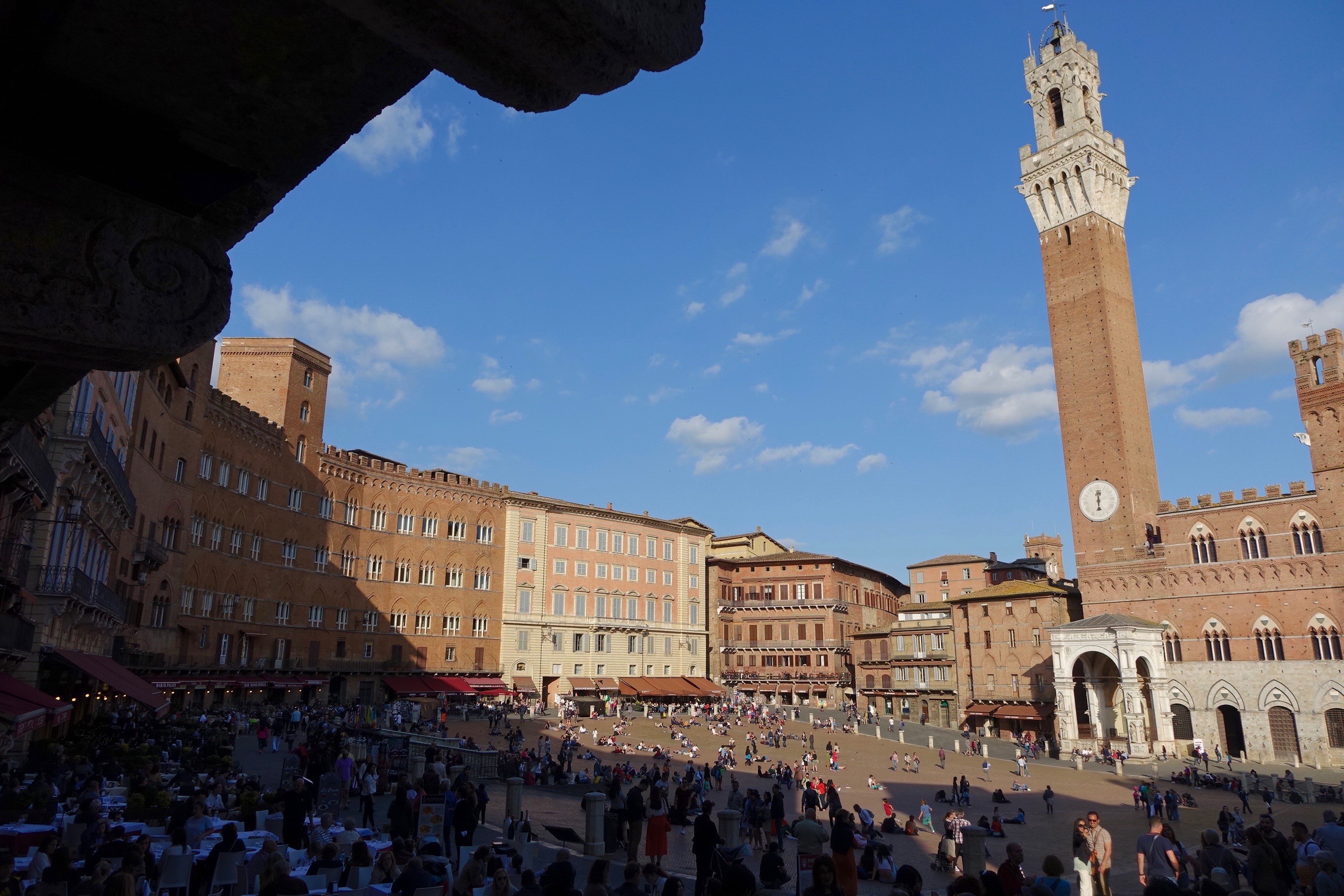
Getting lost in Siena’s uniquely sloping cobbled side streets is one of the greatest joys that Tuscany can offer, but after a time, the idea of being lost here becomes something of a fiction. For just as all roads in Italy may lead to Rome, as though in defiance of the expression, all roads in Siena lead to the magnificent Piazza del Campo, whose enormous semi-circular construct more or less dictates the layout of the remainder of the city.

The Piazza del Campo

DSC09133DSC09073DSC09059DSC09065DSC09061DSC09090

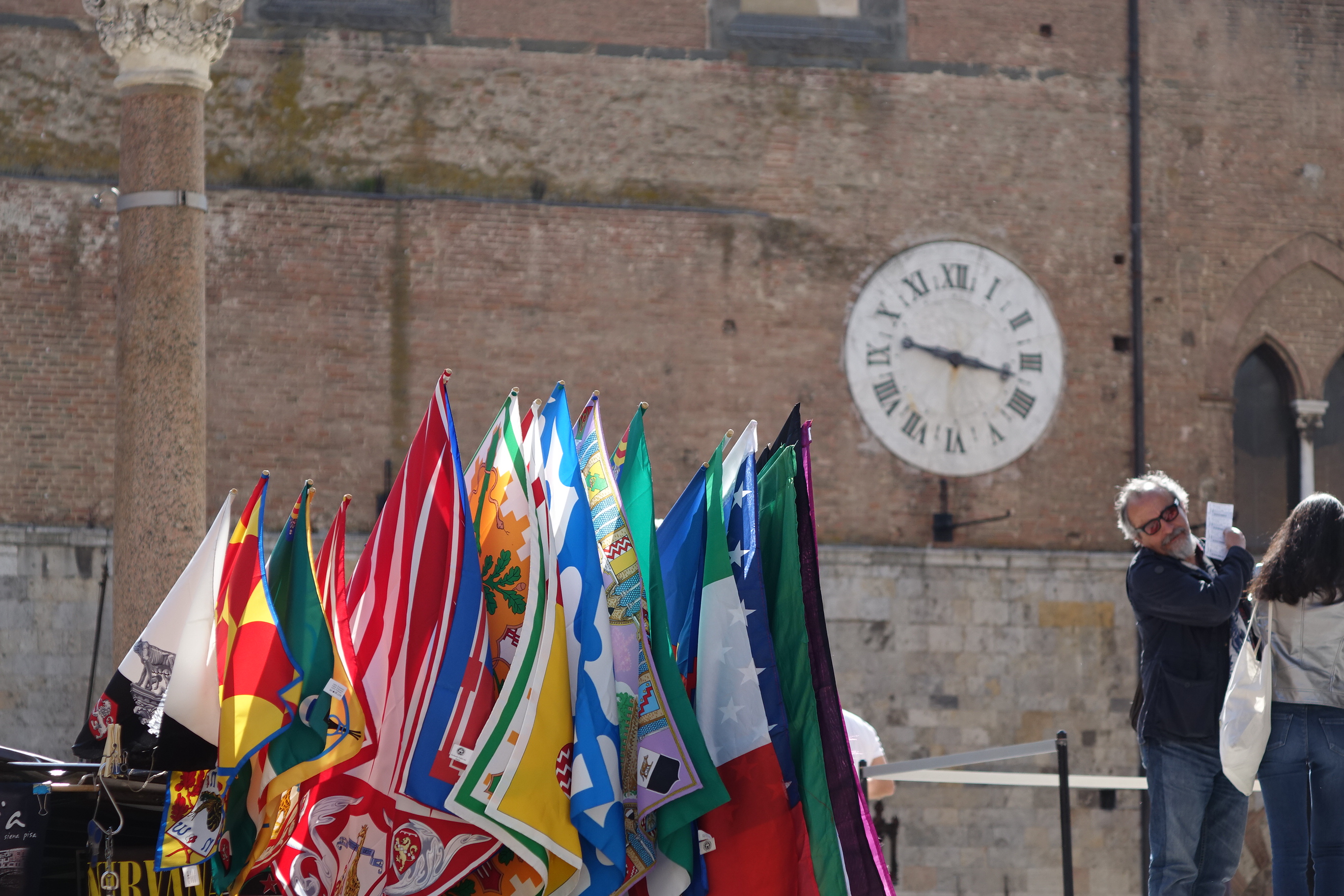
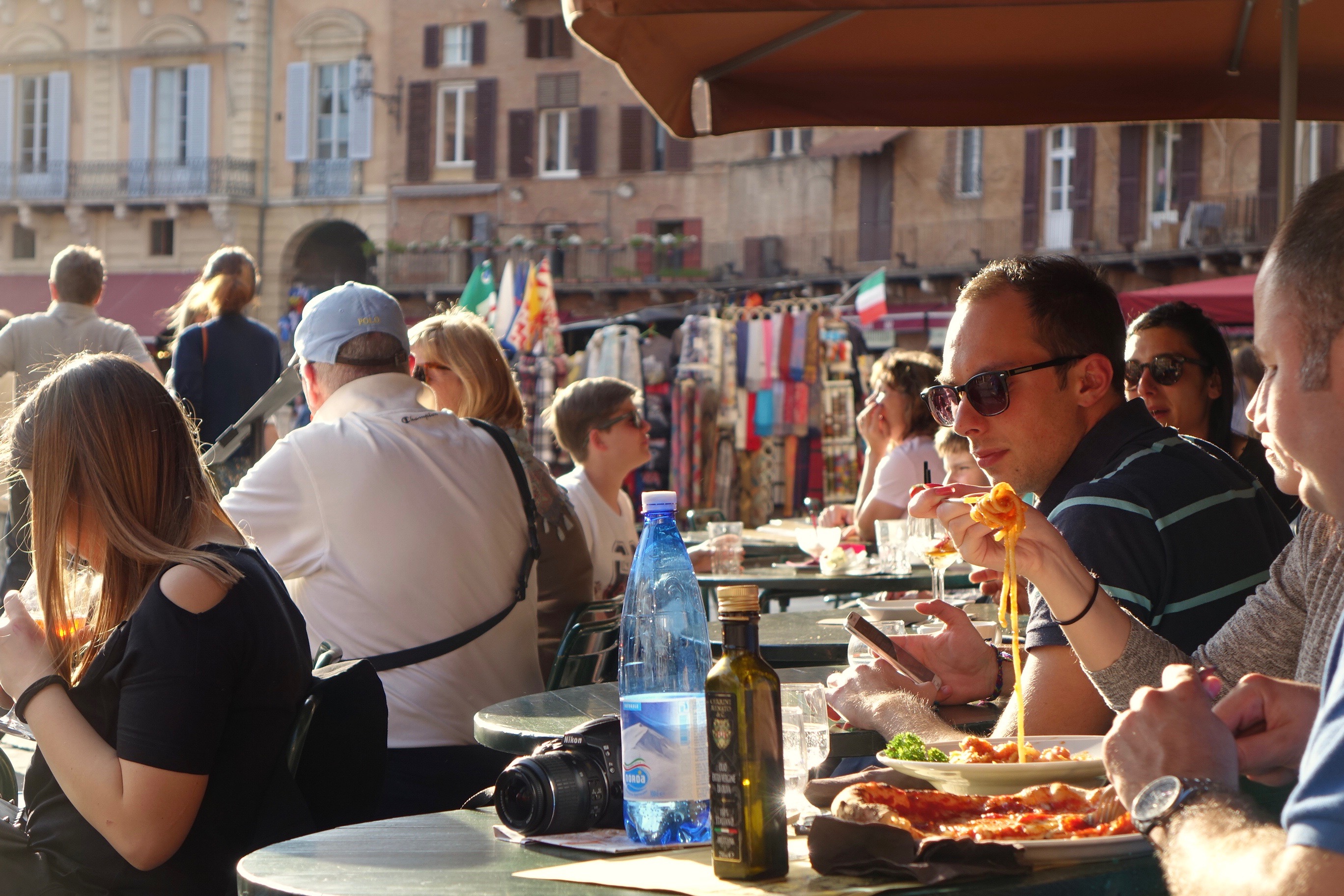
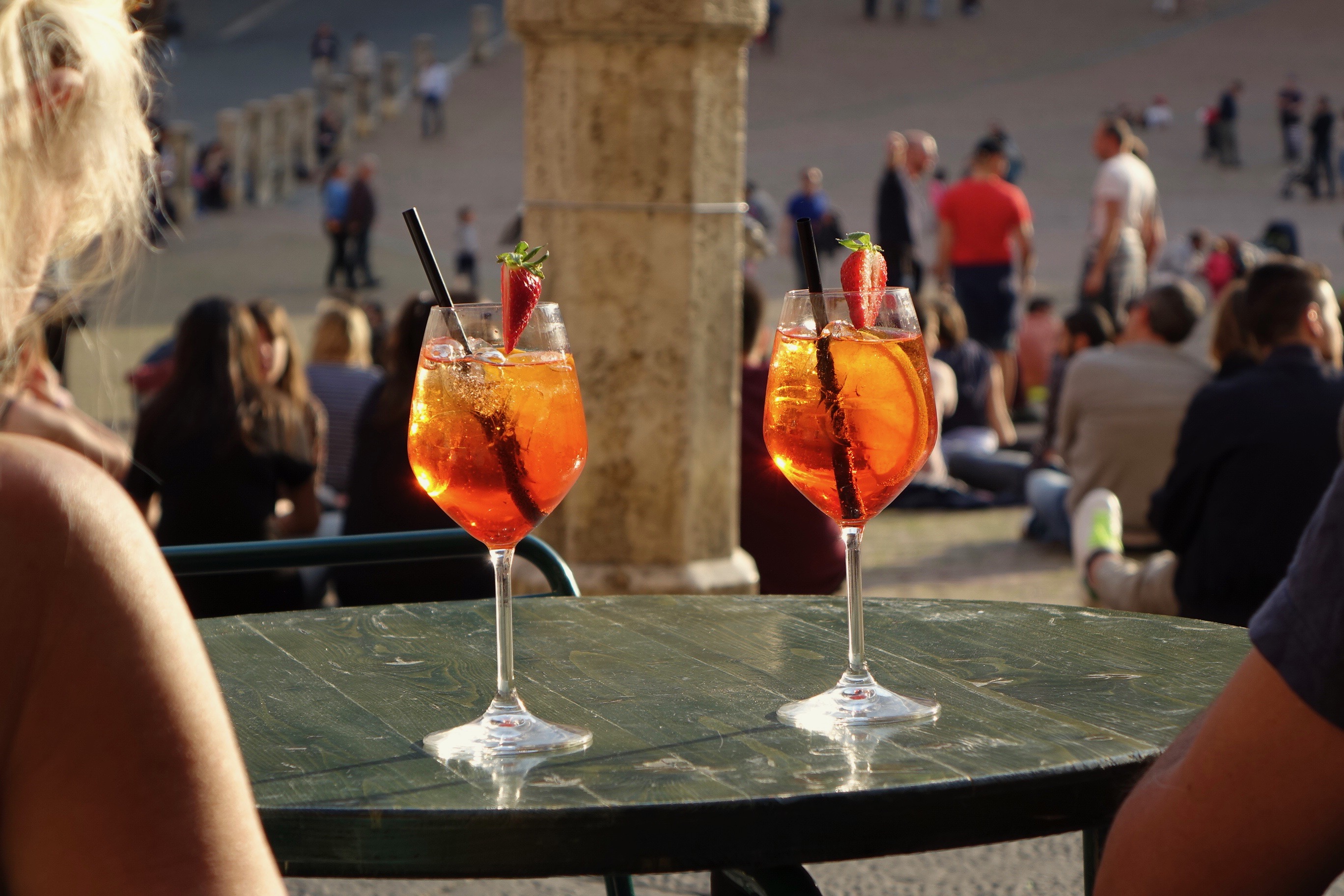
It was in that delightful main square that our visit concluded. As we approached, the atmosphere of a thousand visitors lying out on the sloping pavements to enjoy the sun, or sipping upon spritz and bubbles in one of the many cafes which line the square was highly tangible. It was like human electricity, building up in the semi-circular square before finding occasional release as it leaked into the side streets through the Piazza’s odd openings. Once in, the space literally dazzled as before us the enormous scale of the campanile of the Palazzo Pubblico unveiled itself and the Piazza, which is famous for the annual Il Palio horserace which plays out around the square, glowed as sun rays met red and ochre brick. There we sat, at one such café, as the sun swept a shadow across the curve of the Piazza much like the effect of a sun-dial. Soaking in the last of the rays, as golden sunlight reflected against the prosecco and gelato on our table, we people watched and soaked in the atmosphere, and observed a city which seemed to exude contentment. We were certainly contented in turn. It was a visit which would provide the highlight of our year so far. I wouldn’t be surprised if we were return again, before the year is even out.

The highpoint: Prosecco on the Piazza

DSC09114DSC09142DSC09119DSC09106DSC09112DSC09130

© Nicholas de Lacy-Brown and The Daily Norm, 2001-2017. Unauthorized use and/or duplication of the material, whether written work, photography or artwork, included within The Daily Norm without express and written permission from The Daily Norm’s author and/or owner is strictly prohibited.

Tuscan Towns #4 – Castagneto Carducci

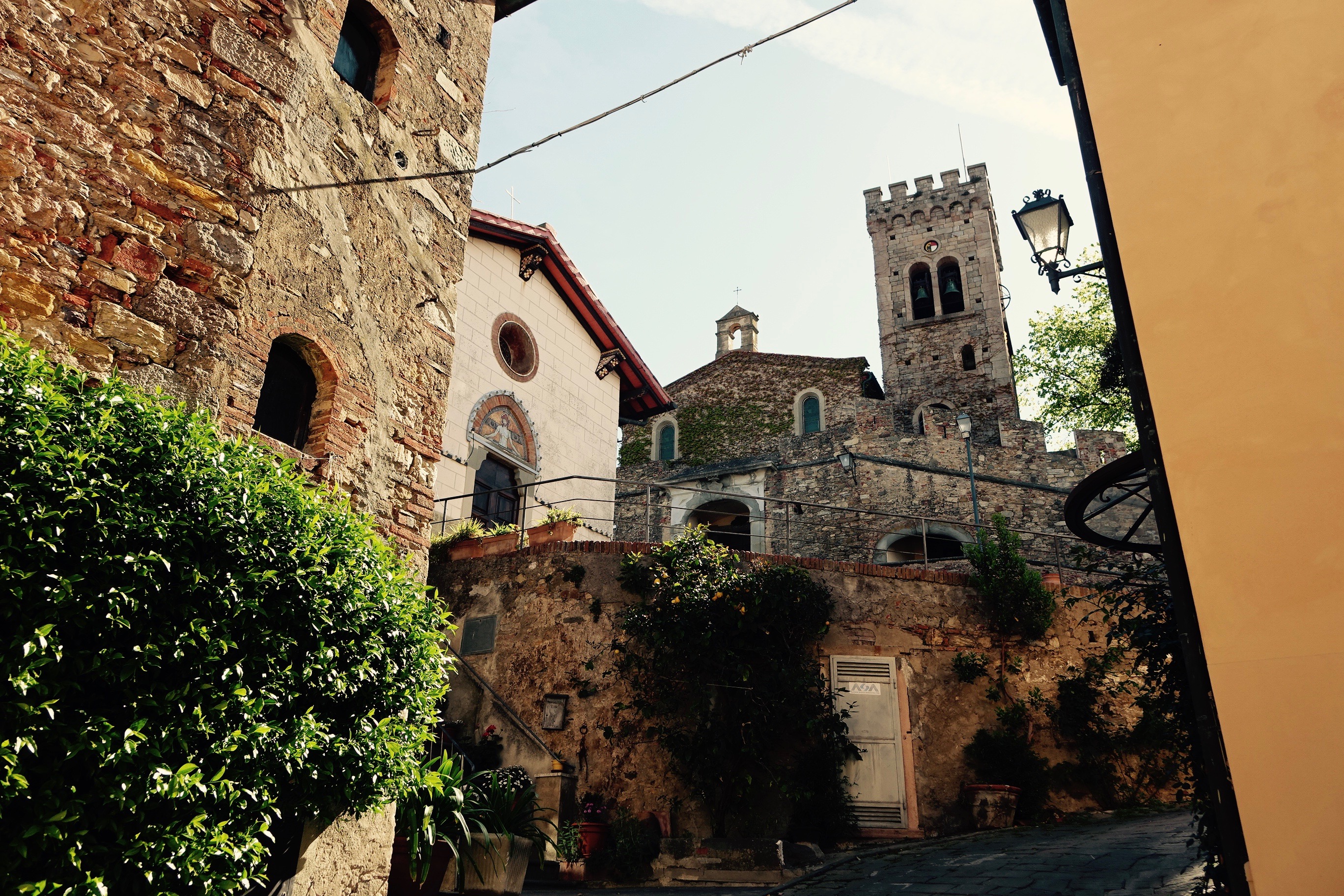
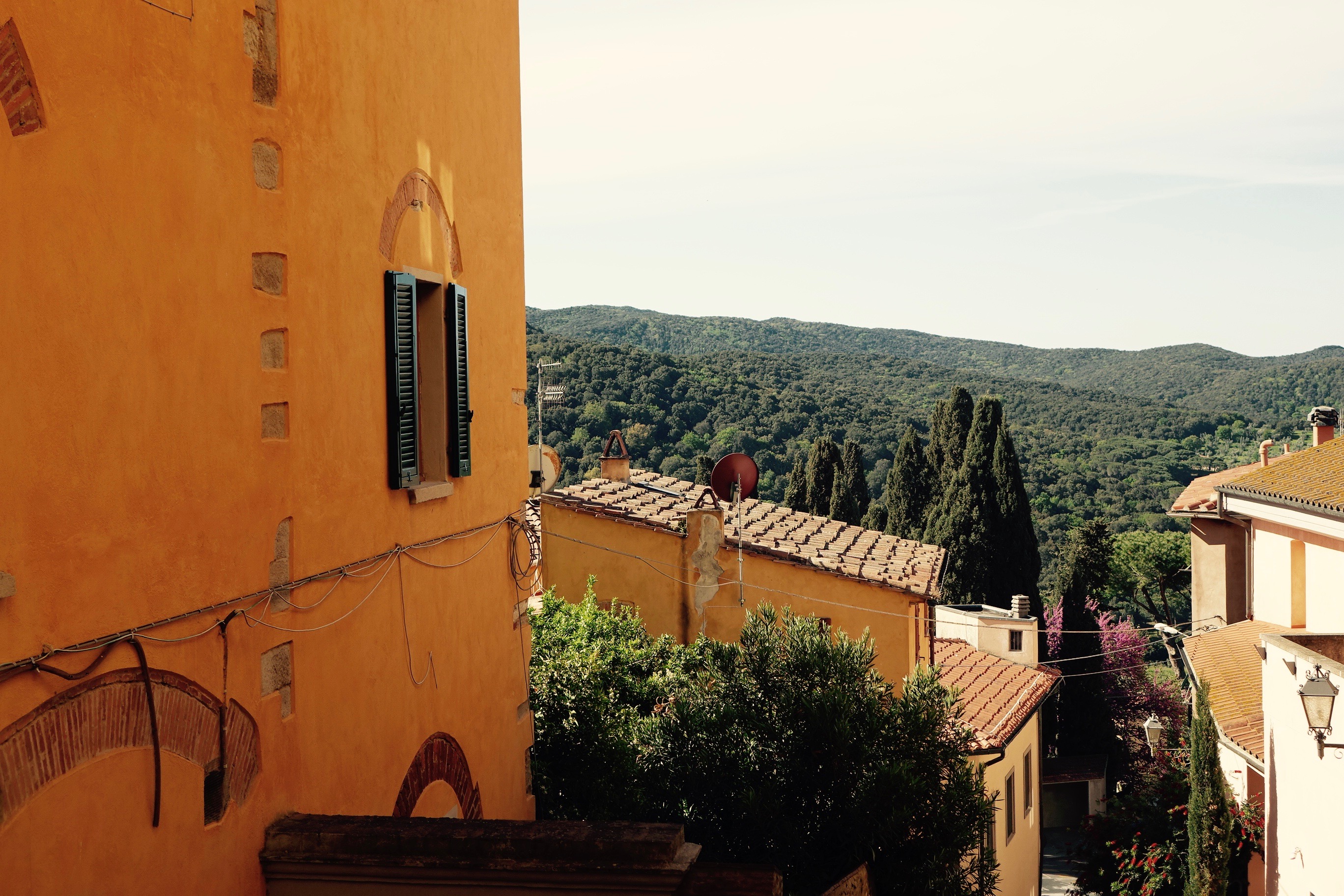
For a town with a mouthful of a name, Castagneto Carducci, just uphill from the sandy beaches of Donoratico, is paradoxically small. Distinctive for its coloured houses painted, unlike so many of the stone villages of Tuscany, in sunny shades of pink, yellow and other pastel tones, Castagneto contrasts perfectly with its surroundings of green hills and perfectly regulated striped vineyards. This is not the first time the village has featured on   The Daily Norm, since it is the closest little Tuscan town to my in laws’ home. In fact as we proved on this occasion, a brisk 40 minute walk through the vineyards of Donoratico followed by an uphill climb will see you arrive on foot at the church topped-summit of the town in no time. From there, it is views a plenty, not only of the surrounding countryside but of the quaint streets spilling out across the hilltop.

DSC09934DSC09961DSC09916DSC09938DSC09907DSC09930DSC09950DSC09948DSC09978DSC09966DSC09947

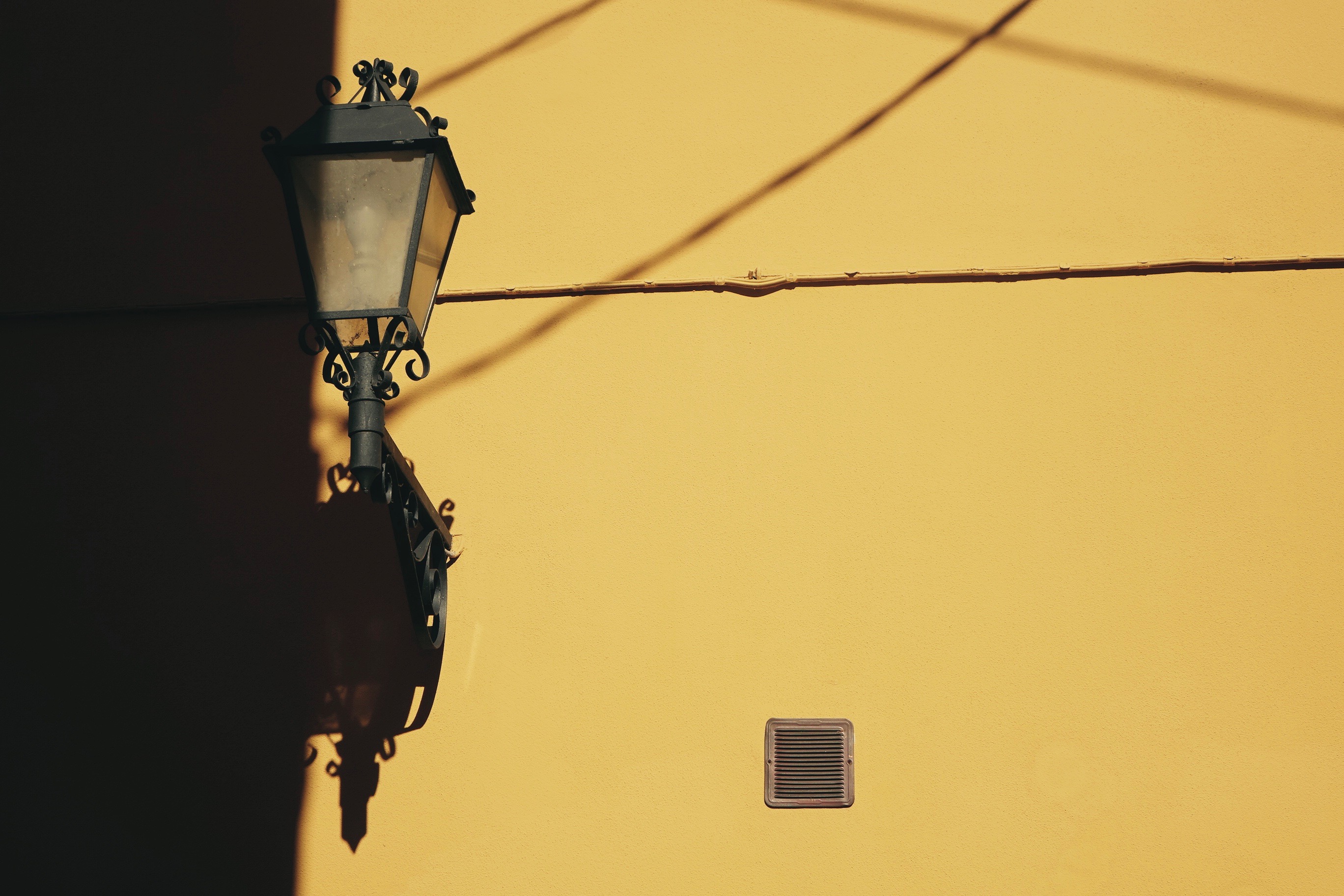
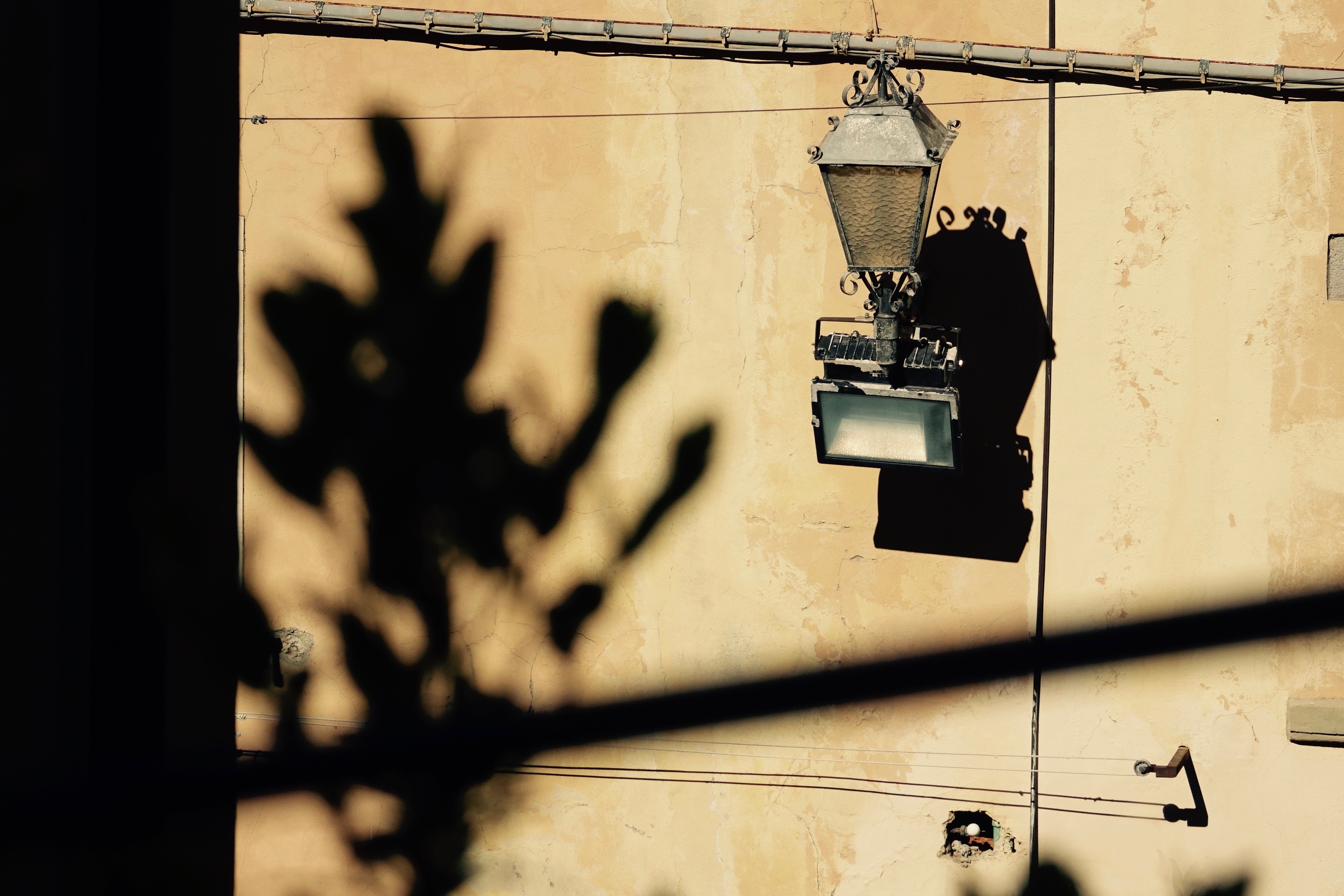
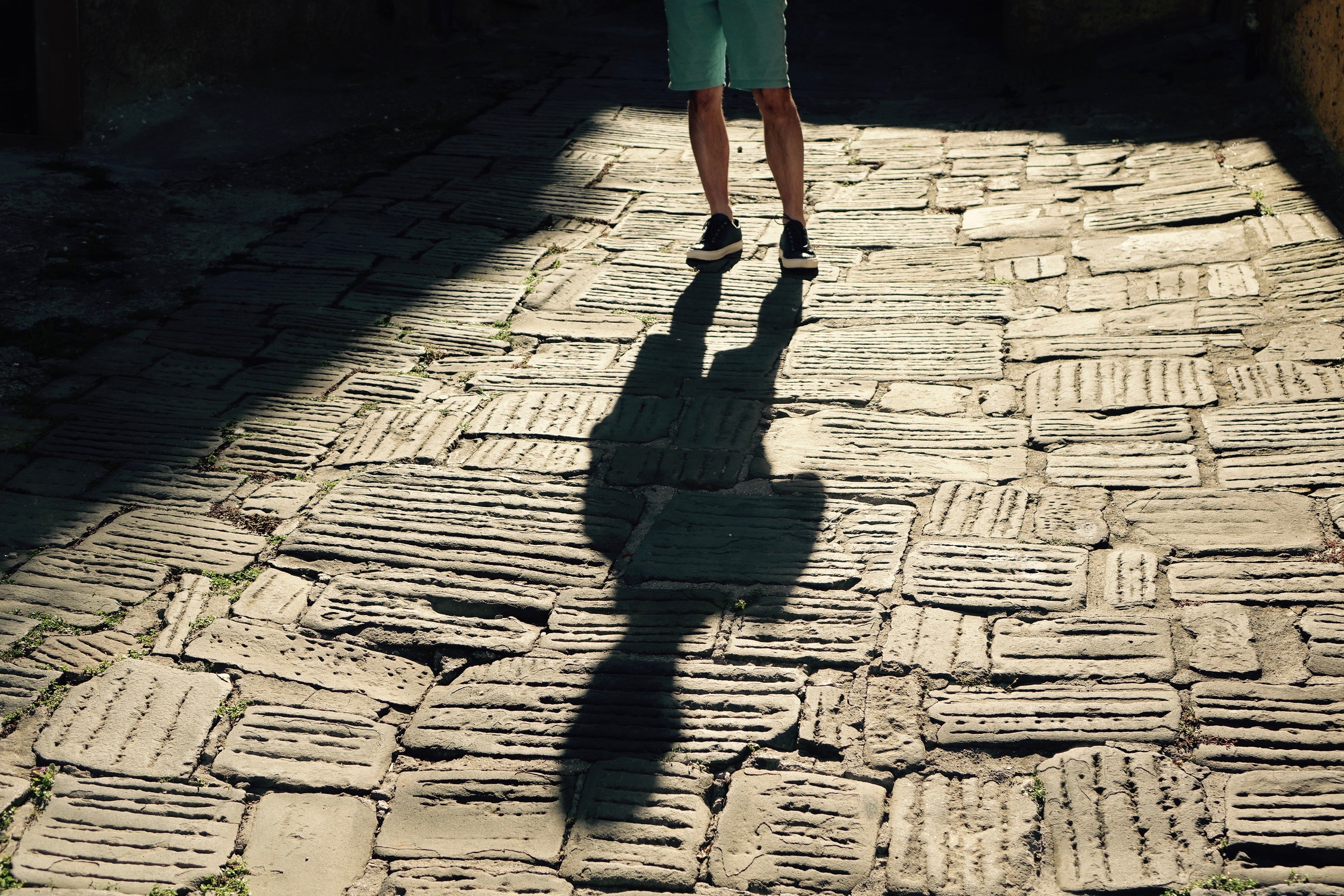
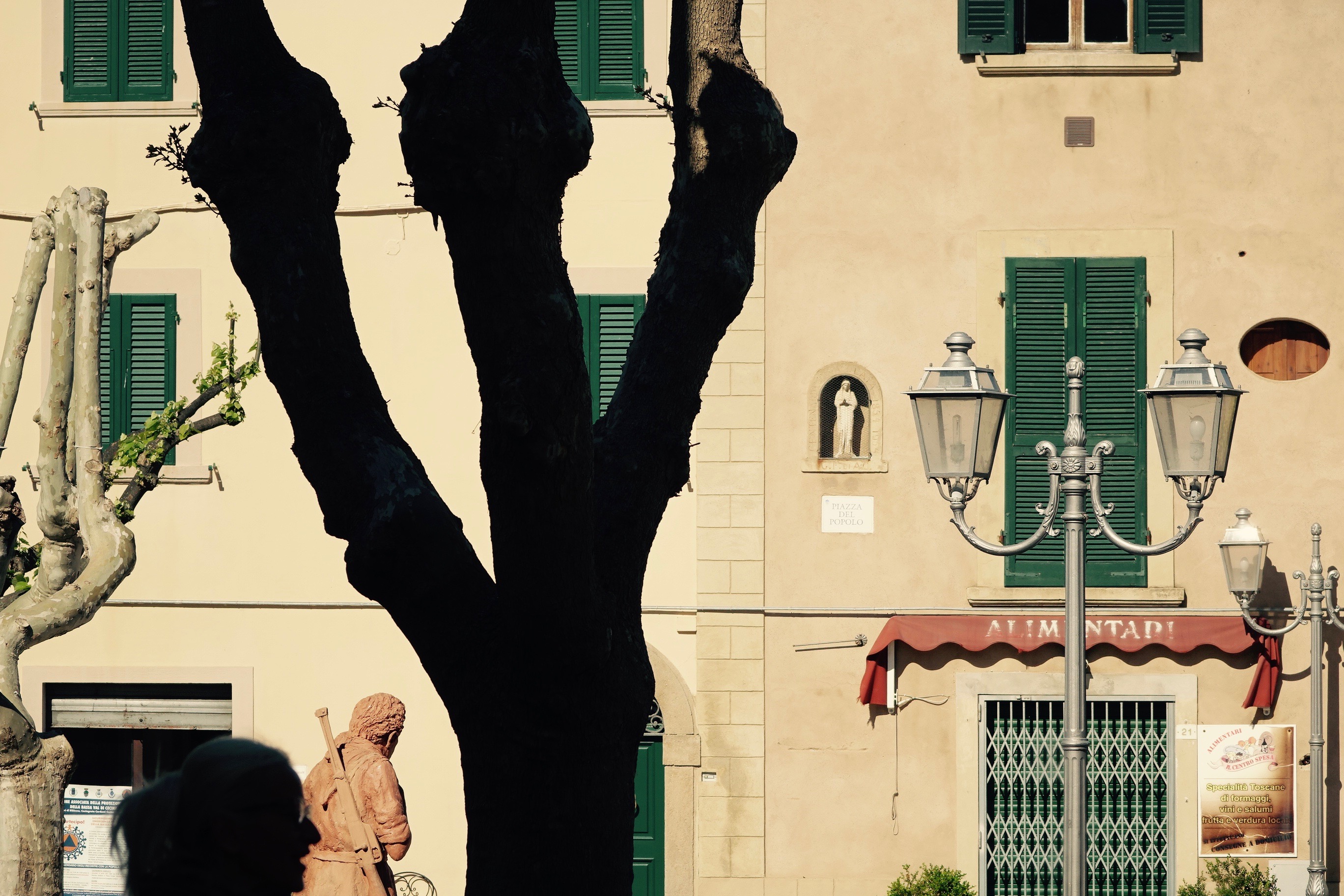
Like so many of the Tuscan Towns I am featuring on this blog, Castagneto is a town which oozes idyllic charm. While the tourist trade has made sure to embellish the town’s best features and offer visitors boutique shops selling local produce, cuddly wild boars and hand-painted ceramics, my favourite places to visit are those which are the preserves of the locals – the small little cafes where locals prop up the bar to drink an espresso and a brioche; the hilly side streets whose pot plants and strung out washing are just as picturesque as the countryside views over which the tourists ogle; and the little passages where a simple parked vespa or a decorative street lamp look like works of Italian art.

DSC09937DSC09958DSC09912DSC09897DSC09893 2DSC09919DSC09955DSC09951DSC09929DSC09917DSC09906DSC09902

If you can only get to tour one or two of Tuscany’s quaint little towns, Castagneto is a perfect choice. With its various cafes and small up-scale shops, several restaurants making the most of the views and a perfect winding route around town which will take in the small church and iconic town hall, Castagneto has all the ingredients to afford the visitor a satisfying stroll. And if I were to recommend Bolgheri at around 5pm for a cocktail or afternoon coffee, Castagneto is a perfect choice for a morning coffee. Our sun drenched cup accompanied by brioche and croissants stuffed with frutti di bosco and cream was the best breakfast experience of my trip, and should not be missed, especially with views as fine as this.

DSC09956DSC09949DSC09900DSC09946DSC09939DSC09924DSC09885DSC09918DSC09910DSC09911DSC09921DSC09783

© Nicholas de Lacy-Brown and The Daily Norm, 2001-2017. Unauthorized use and/or duplication of the material, whether written work, photography or artwork, included within The Daily Norm without express and written permission from The Daily Norm’s author and/or owner is strictly prohibited. 

Another walk one early Tuscan morning: Corn fields and pine trees

I love walking, perhaps you’ve noticed. I trace the passion back to my 2008 accident and the two years of limited movement which resulted. When finally I lost my crutches, I realised for the first time the very simple joy of being able to walk. What a liberty to be able to walk wherever your feet may take you, one that most take for granted but which we all should cherish, especially when those legs take you somewhere as beautiful as the Tuscan countryside.

On the way to the pine tree forest

DSC09425DSC09509DSC09531DSC09486DSC09433DSC09460DSC09501DSC09443DSC09536DSC09532DSC09468DSC09448DSC09469

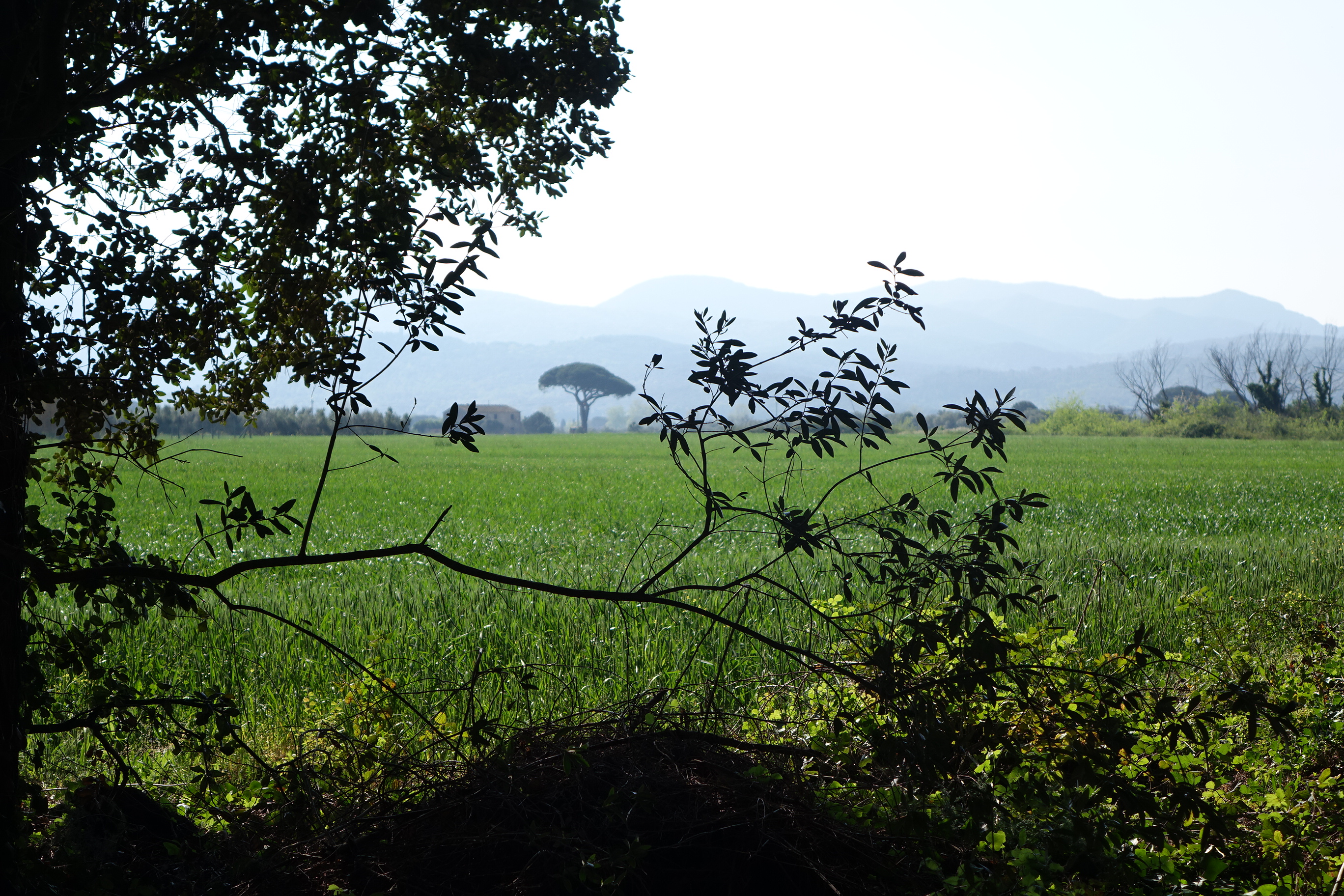
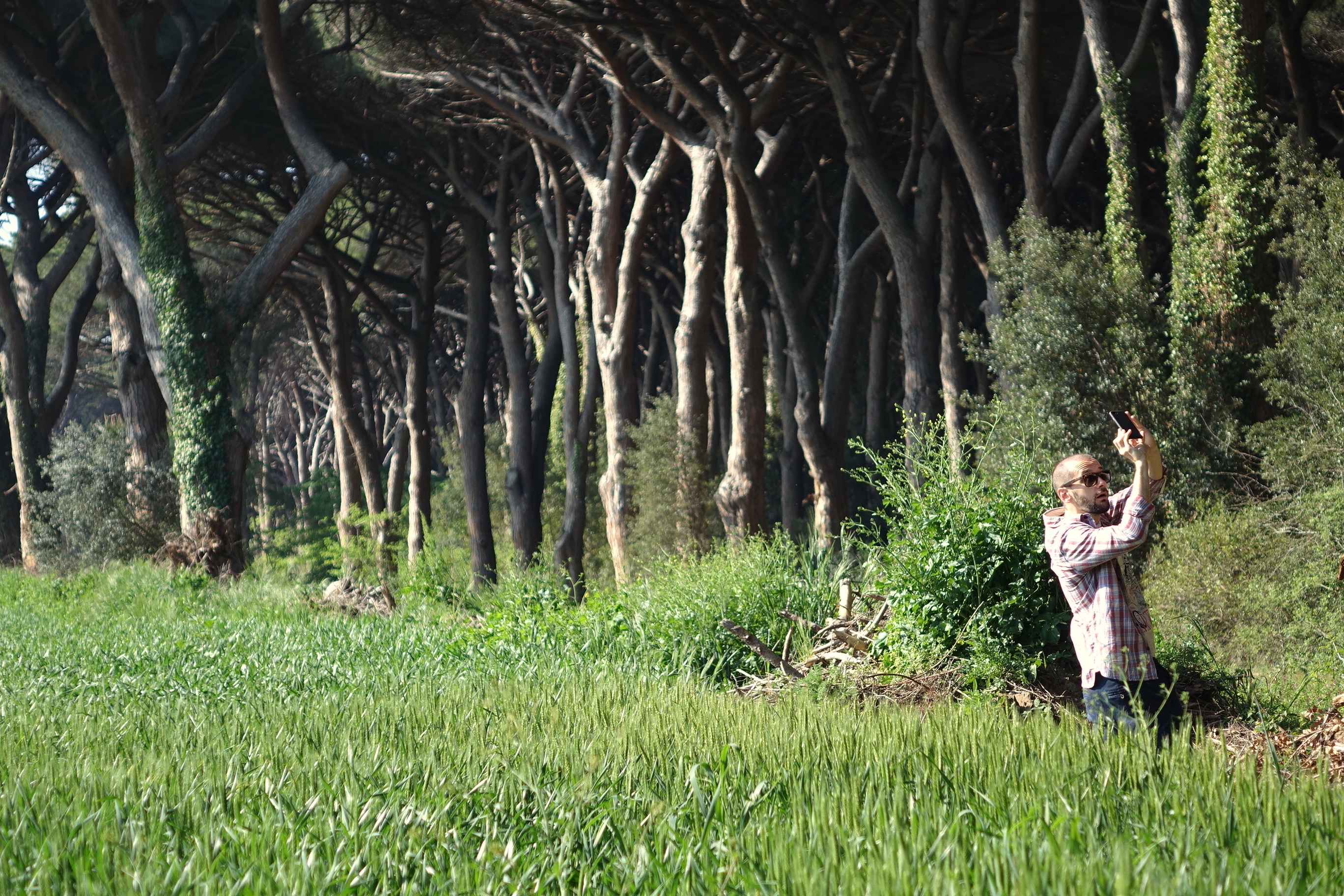
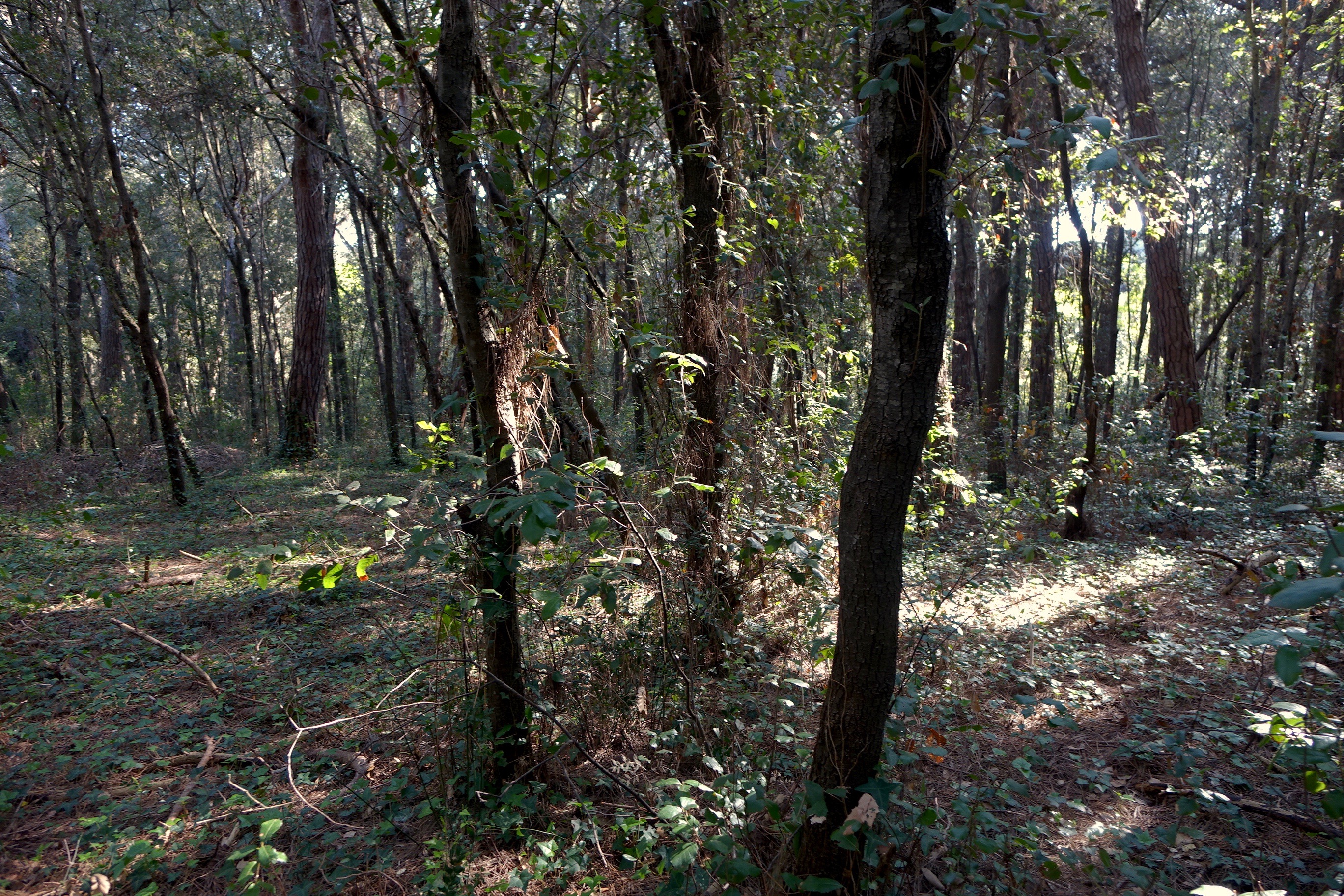
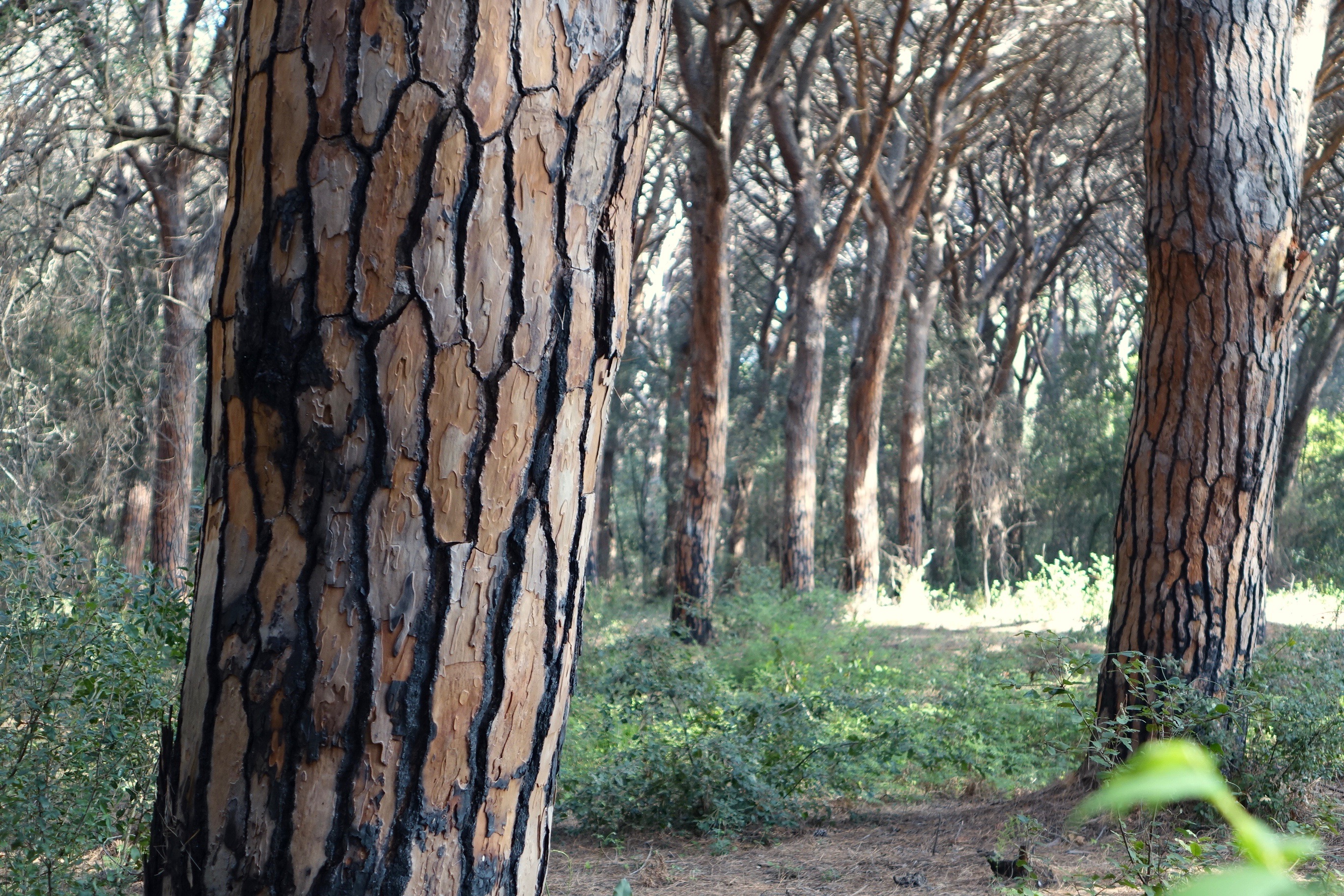
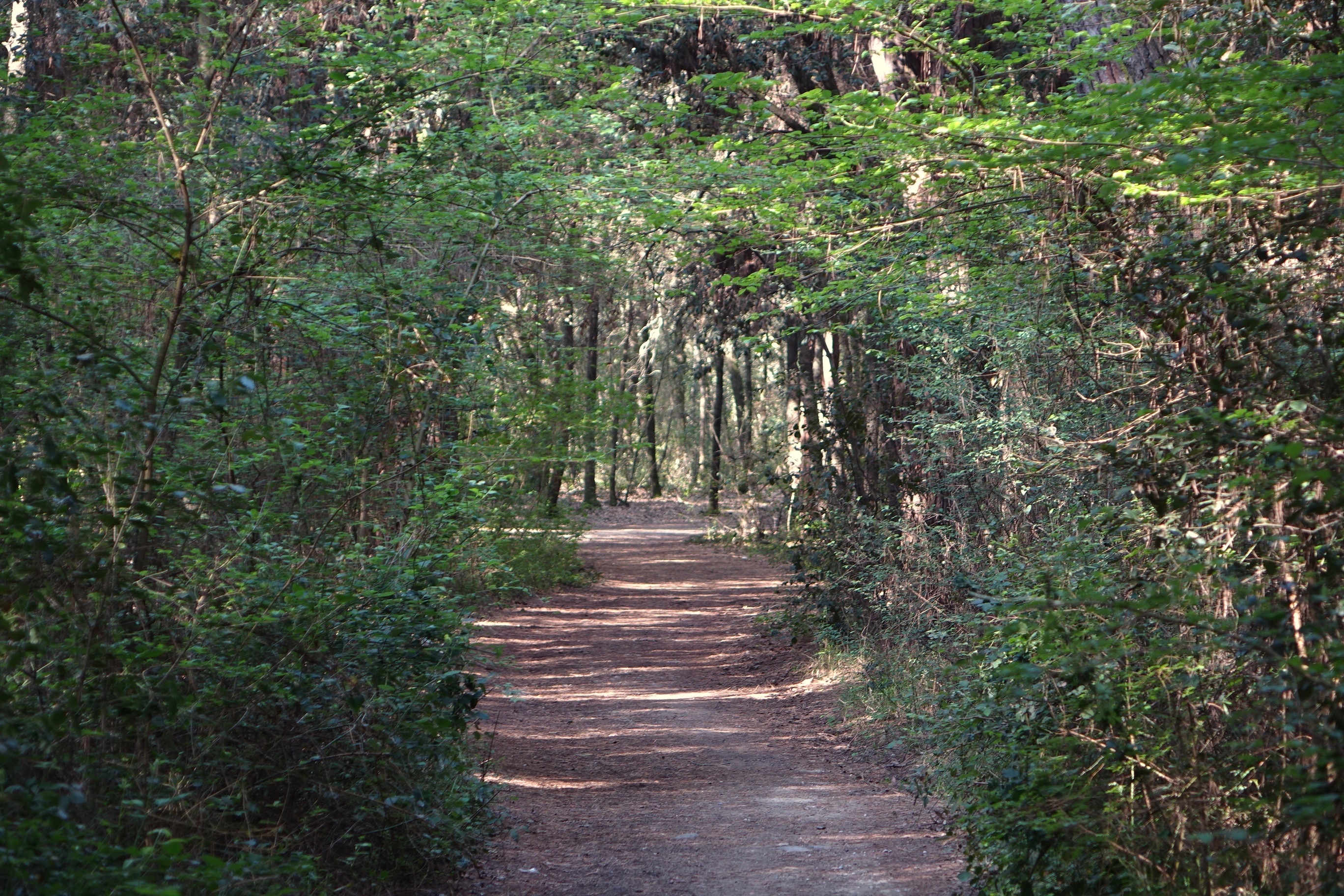
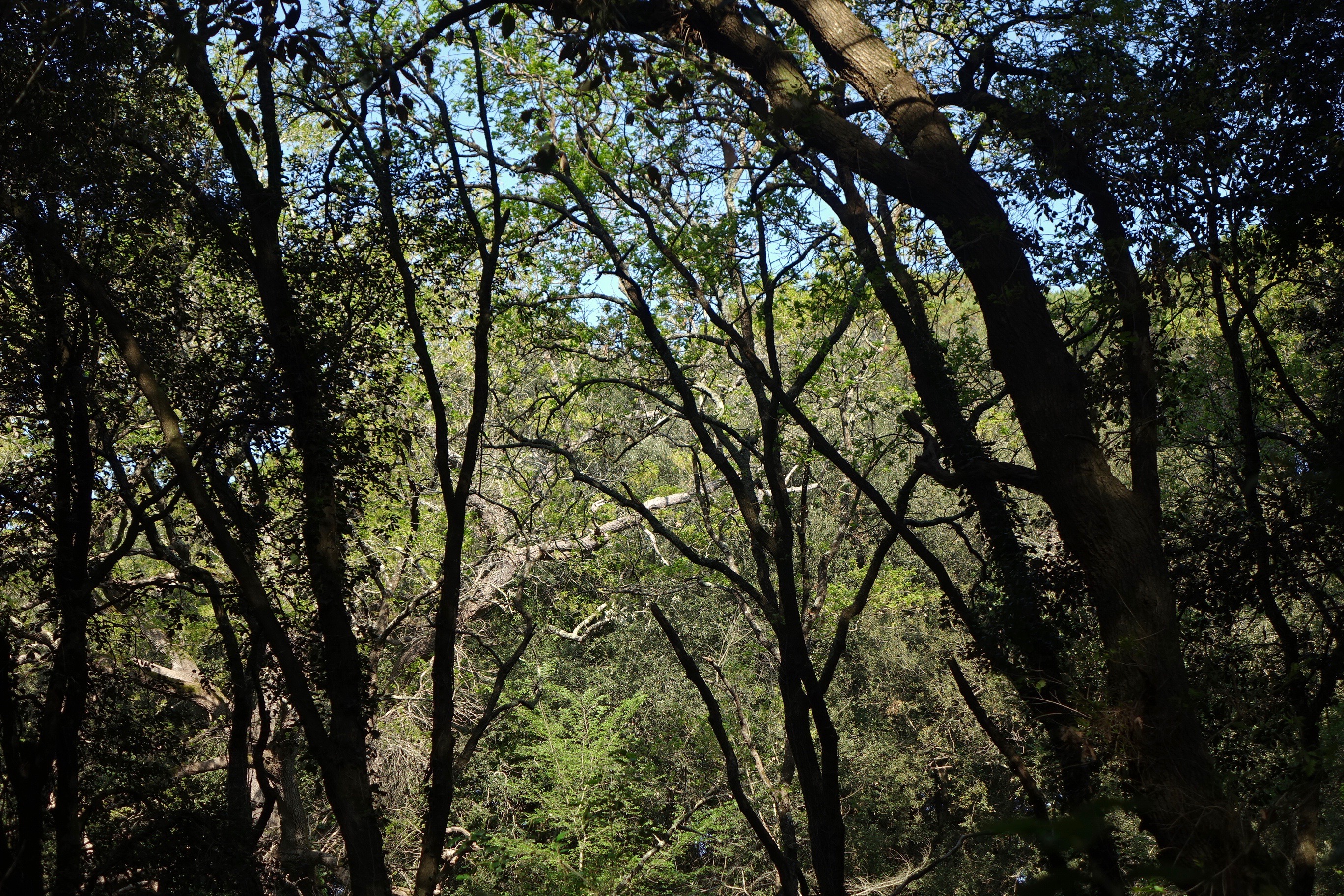
The last walk I described passed through the ravishing local vineyards whose striped embodiment of leafy lanes roll leisurely over the nearby hills. But turn the other way, and a landscape of equal enticement spreads out for the offering, one of corn fields and olive trees which back onto what in the coastal town of Donoratico is a locally iconic wood of pine trees running all the way long the sea. This dense collection of the umbrella pines which are an iconic element of the Tuscan landscape make for an incredible sight, not least from within where a glance upwards unveils a ceiling of semi-transparent pine needles punctuated with light. Meanwhile and endless collection of pine tree columns is like a cathedral of wood which apparently spreads forwards for an eternity.

Within the woods

DSC09560DSC09548DSC09599DSC09541DSC09591DSC09569DSC09550DSC09577DSC09553DSC09549DSC09554DSC09579DSC09537DSC09558DSC09572

There is something about a wood which is deeply, sensuously mysterious, drawing you in, albeit with some trepidation as to what lies within. We adored our time wandering through this lofty space, where we stumbled upon crazily shaped fallen trees and shards of light breaking through the pine tree canopy. But best of all things was the treat at the end, as the final archway of trees led directly onto a wide sandy beach and the turquoise sea beyond.
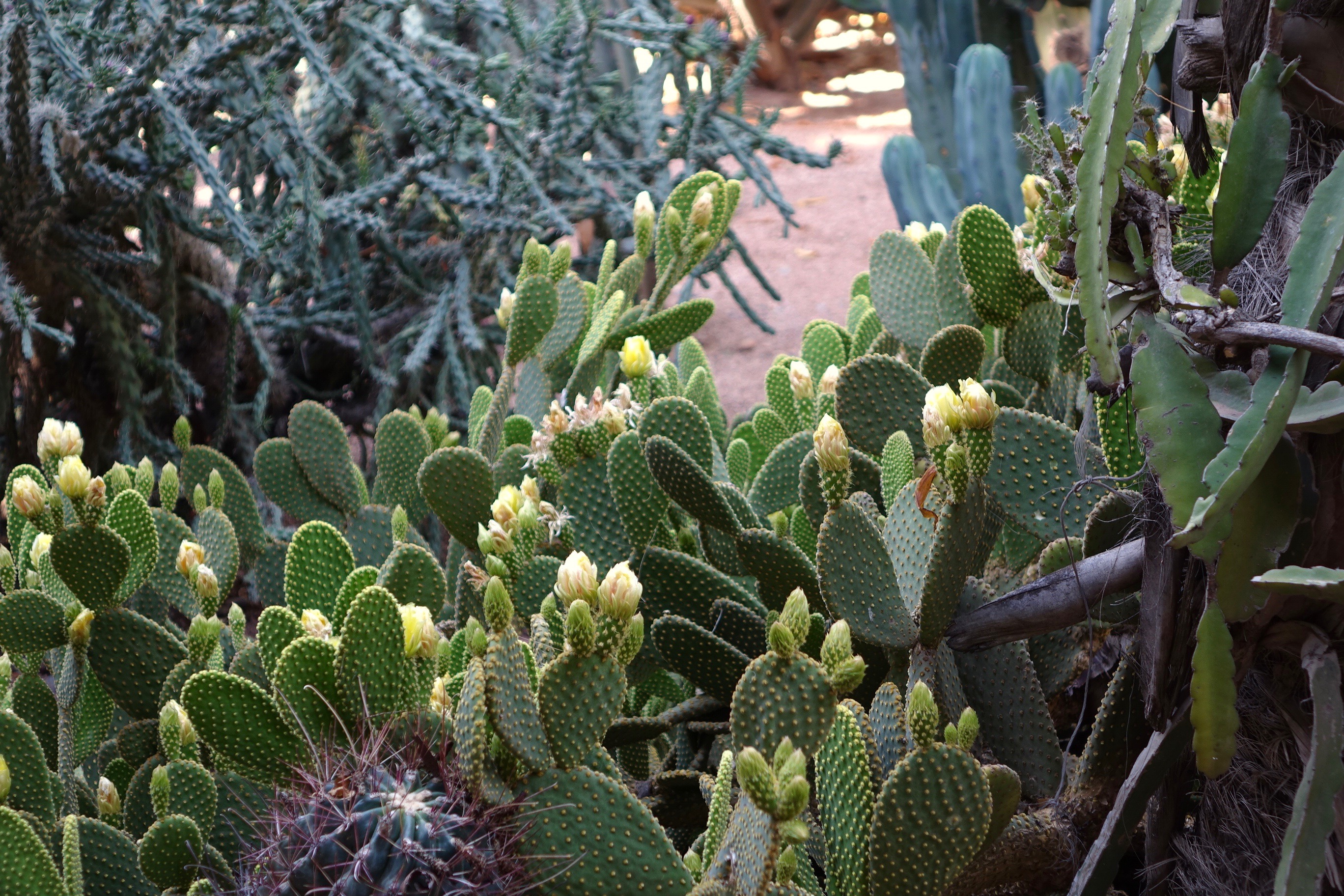
Breaking out 

DSC09604

© Nicholas de Lacy-Brown and The Daily Norm, 2001-2017. Unauthorized use and/or duplication of the material, whether written work, photography or artwork, included within The Daily Norm without express and written permission from The Daily Norm’s author and/or owner is strictly prohibited.