Skip to content

Posts tagged ‘Provence’

Provence Odyssey | Aix: Le Dîner – La Cantine

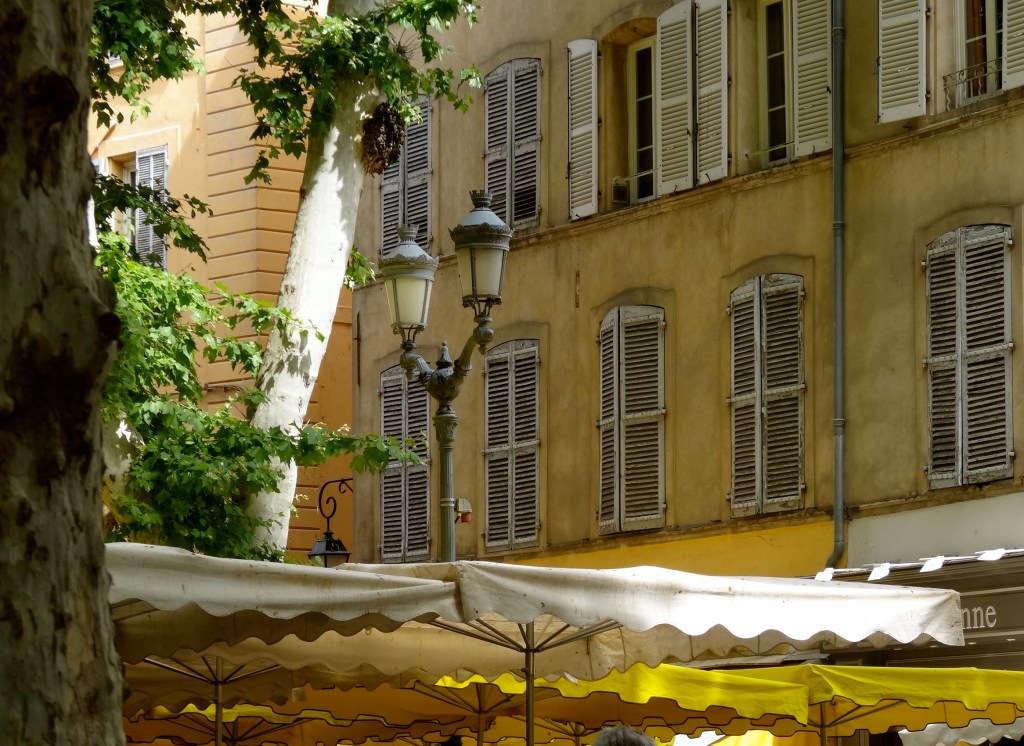
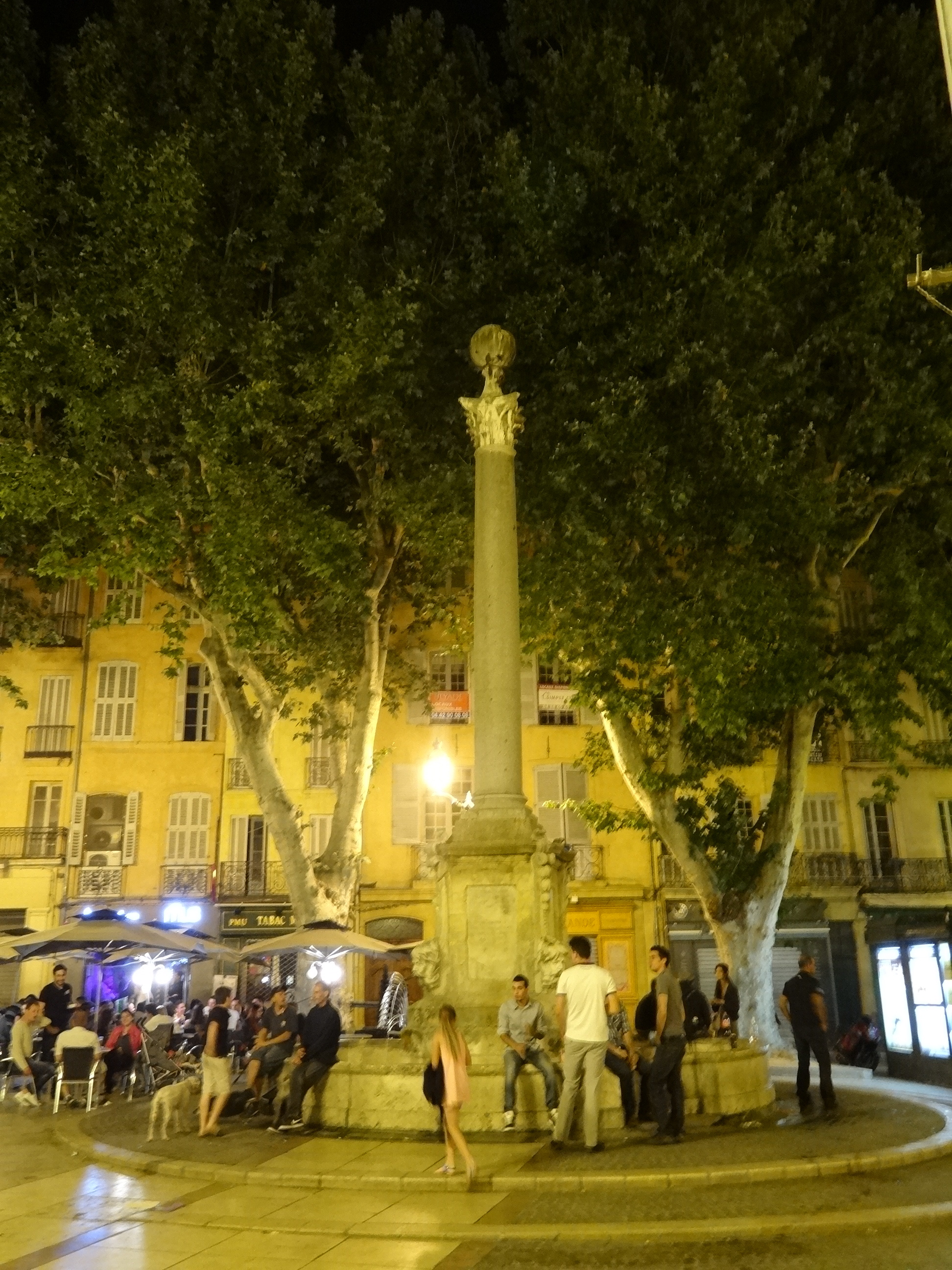
Oh pretty Aix, if only I could write you an ode that befits the glory of your pastel-coloured visage, your night times streets ambient with the warmth of your peoples’ passion, night strollers treading the tango under the shelter of wide plane trees hung with glowing lanterns, around your fountains bustling restaurant tables clustered, and on your honey-painted walls, light reflected from street lamps and cafe candles. Aix, the city of students, of Cézanne, of the chic and the cultured, a city whose spirit is unceasing throughout day and night, and whose elixir of life bursts like electricity bolts through the long boulevards and across your terracotta rooftops.

Ice cream delight!

Ice cream delight!

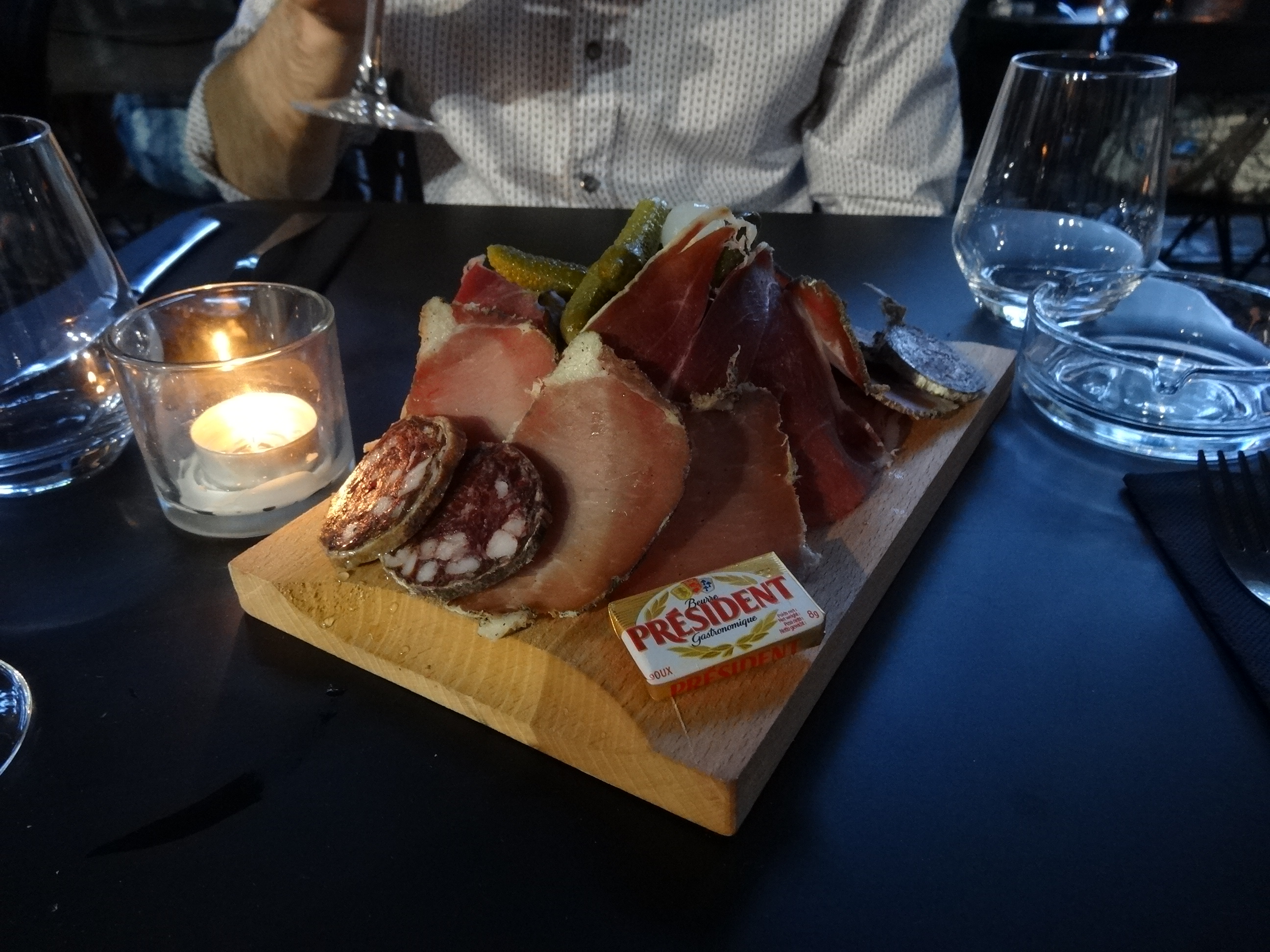
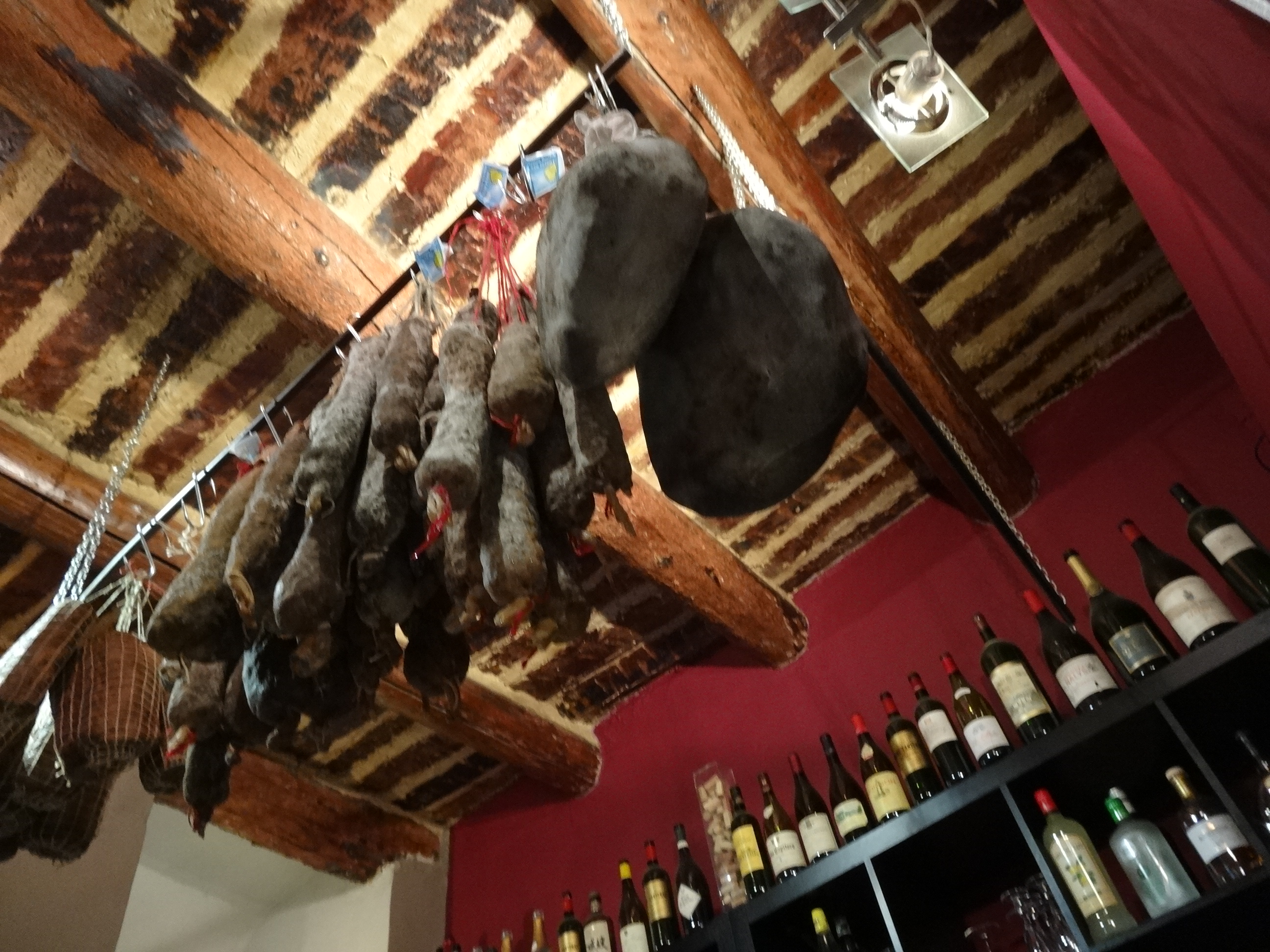
Yes, by evening on our first day in Aix, a passion for Aix had swept over us both, as we wandered its streets and squares captivated by its reflected glory. Finding a gastronomic feast to match our experience was not difficult, and in one large square close to the law courts and the old Hotel de Ville, one restaurant in particular, its tables set out under the natural canopy of trees, candles flickering on its grey tables, drew us to it. The restaurant was La Cantine, offering a mix of corsican, Italian and Provençal food, but with a menu whose platters of charcuterie and oozing local cheeses had about it the casual feel of Spanish tapas.

Dinner at La Cantine

DSC04435 DSC04428 DSC04434 DSC04430 DSC04431

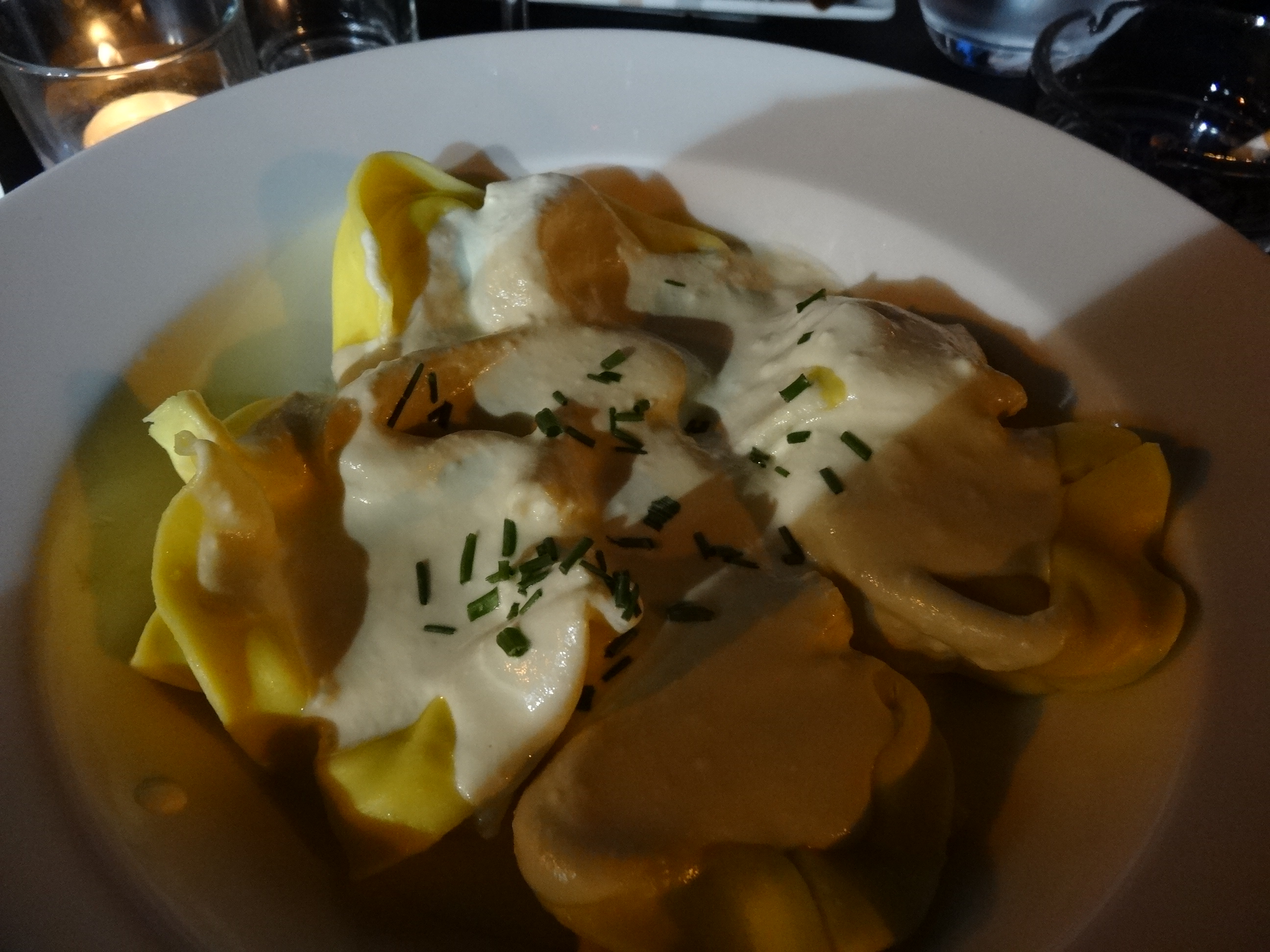
Yet beyond the small tasty samplings of our meat-loaded starter, unctuous main courses more than satisfied our growing hunger at this temple of gastronomic delights – a succulent lamb dish sweetened in honey for Dominik, and for me a pile of perfectly al dente gorgonzola cheese pasta, retaining both a bite to the pasta, but a creamy explosion of rich blue cheese. Exquisite.

For dessert, a fresh tart of strawberries and a salted caramel crunch more than satisfied our now loaded bellies, part filled as they were at the beginning of the evening by spectacular ice cream cocktails, consumed out of the coolest of ice cream containers that I have ever seen.

DSC04797 DSC04804 DSC04803 DSC04798DSC04449

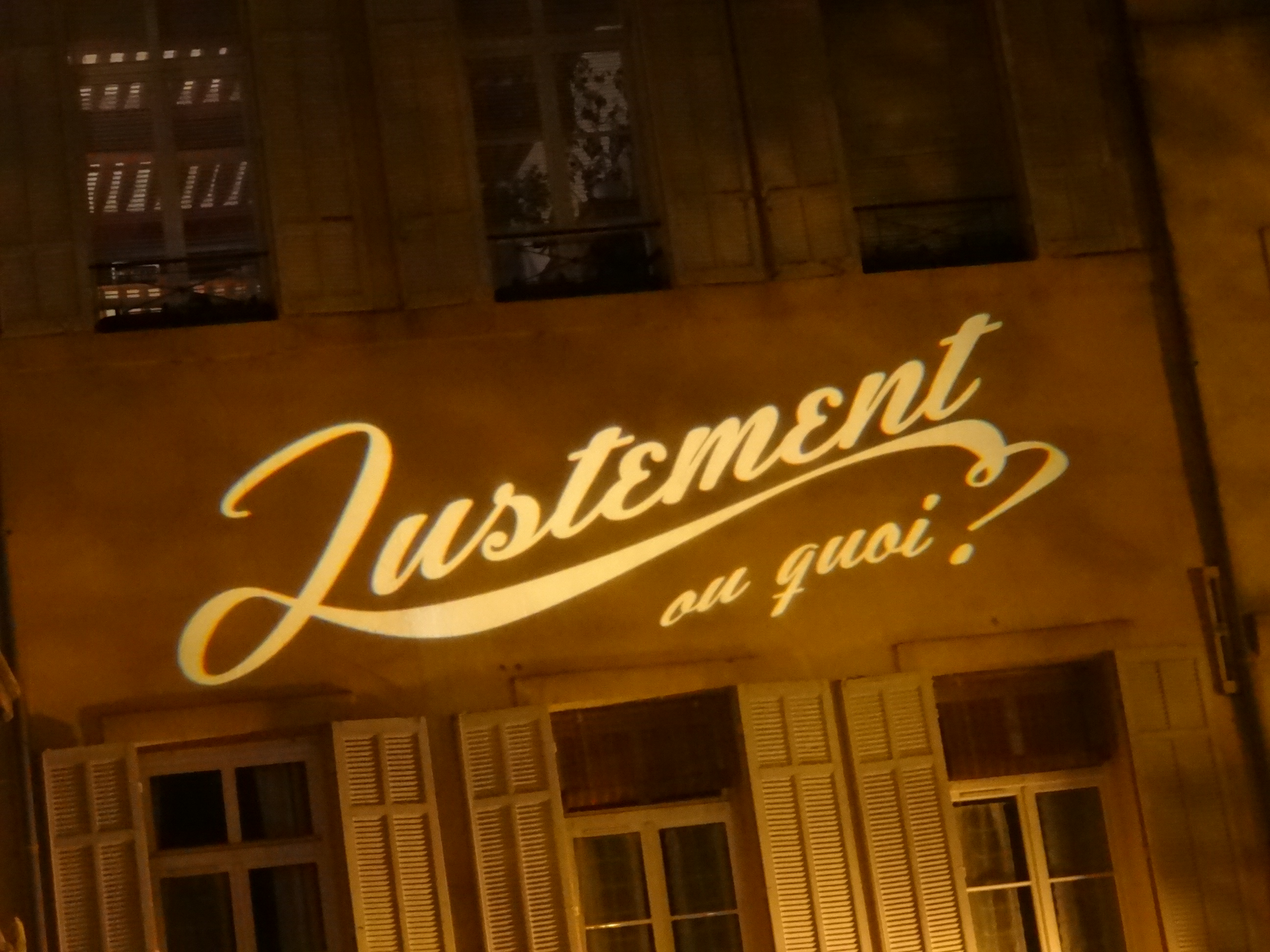
Words cannot alone describe the buzz of this incredible city, nor my remembrances of a dinner eaten to an accompaniment of chirping birds and splashing fountains aptly recreate the pleasure of that evening. So I leave you instead with some night time photos, of a city alive despite the late hour, of buildings shining with glowing projected words cast upon them, and of fountains and cafes full of the crowds who keep Aix pumping long into the night.

Aix by night

DSC04442 DSC04813 IMG_3164 DSC04447 DSC04466Related articles

Provence Odyssey | Aix: Day 9 – In search of Cézanne

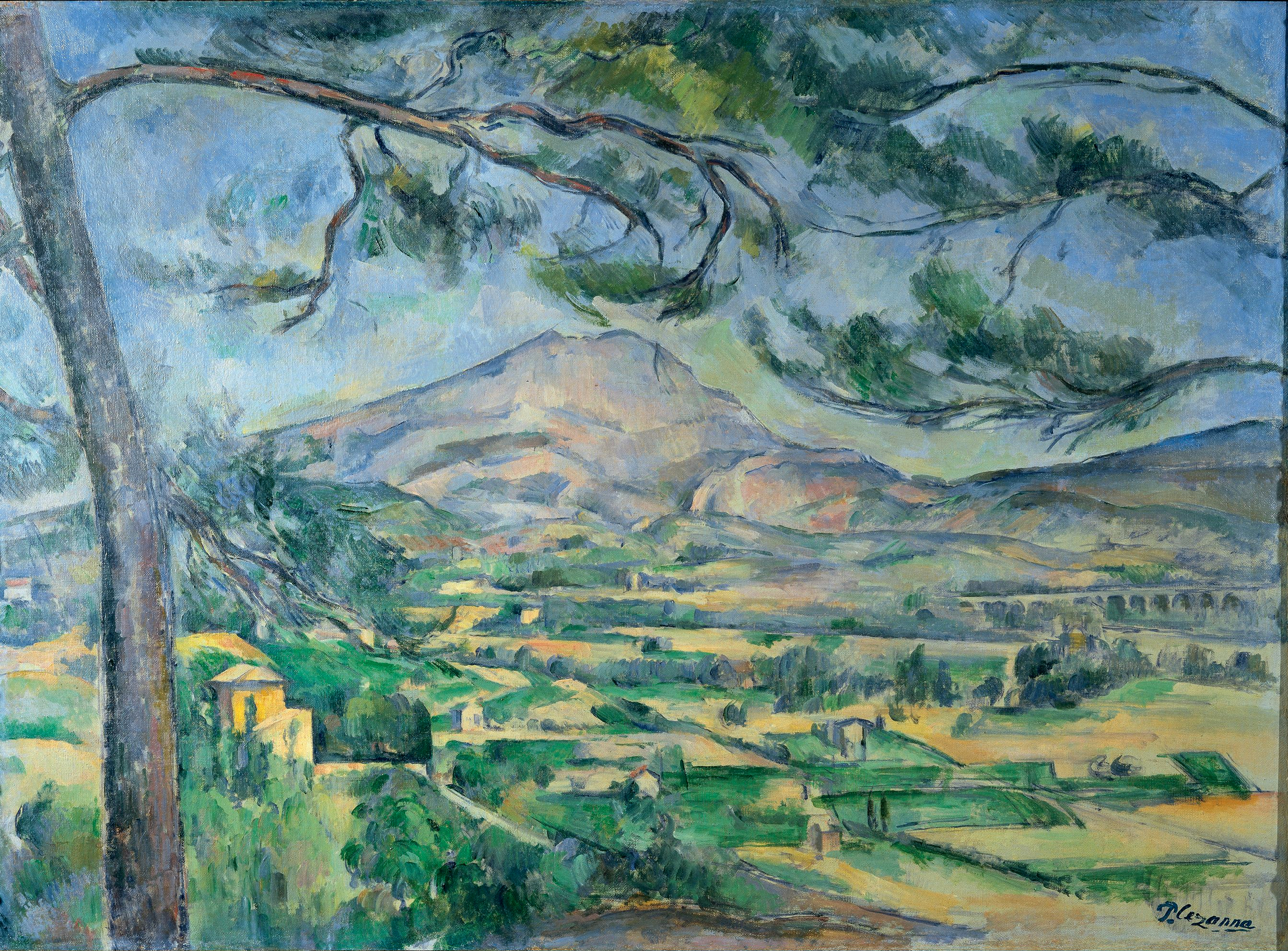
You know that you are approaching Aix when you see the looming multi-dimensional silhouette of the Mont Sainte-Victoire rising up over the horizon. Thanks to the multiple depictions of this magnificent mountain by the city’s most famous son, Post-Impressionist Paul Cézanne, the city of Aix-en-Provence, cosmopolitan gem of Southern France, together with its ever faithful mountainous backdrop, has been placed firmly on the cultural map of Europe. They say that one should leave the best till last, and this we surely did when we made Aix the last stop of our 10 day Provençal Odyssey.
DSC04320 DSC04567 DSC04513 DSC04293 DSC04327

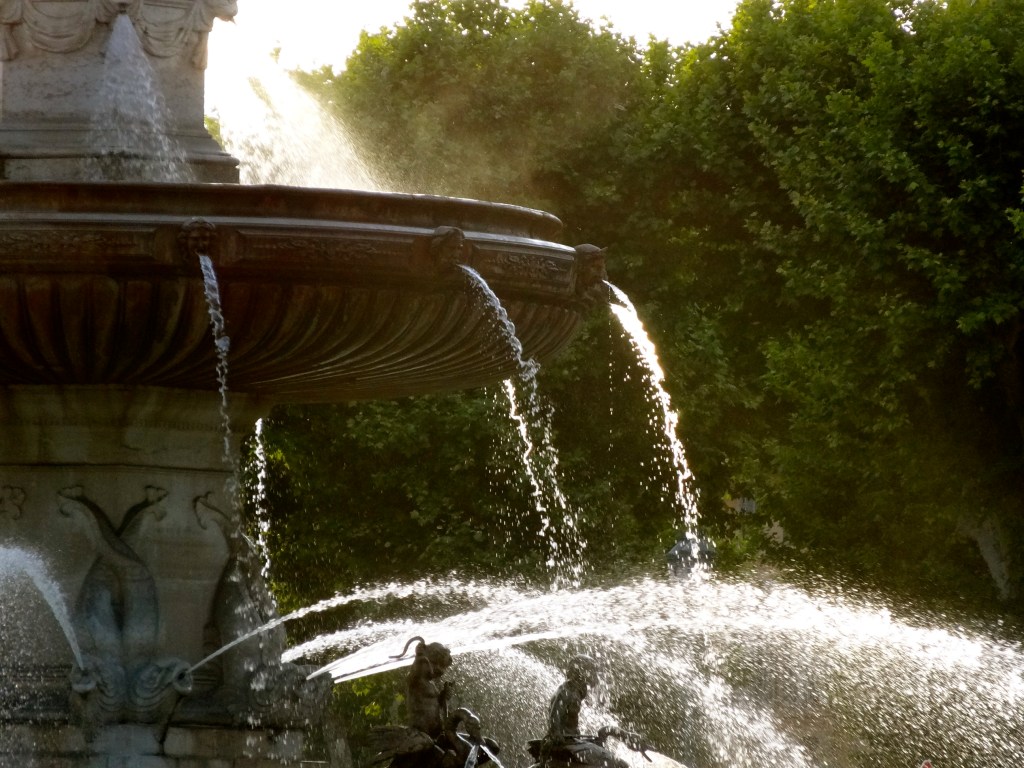
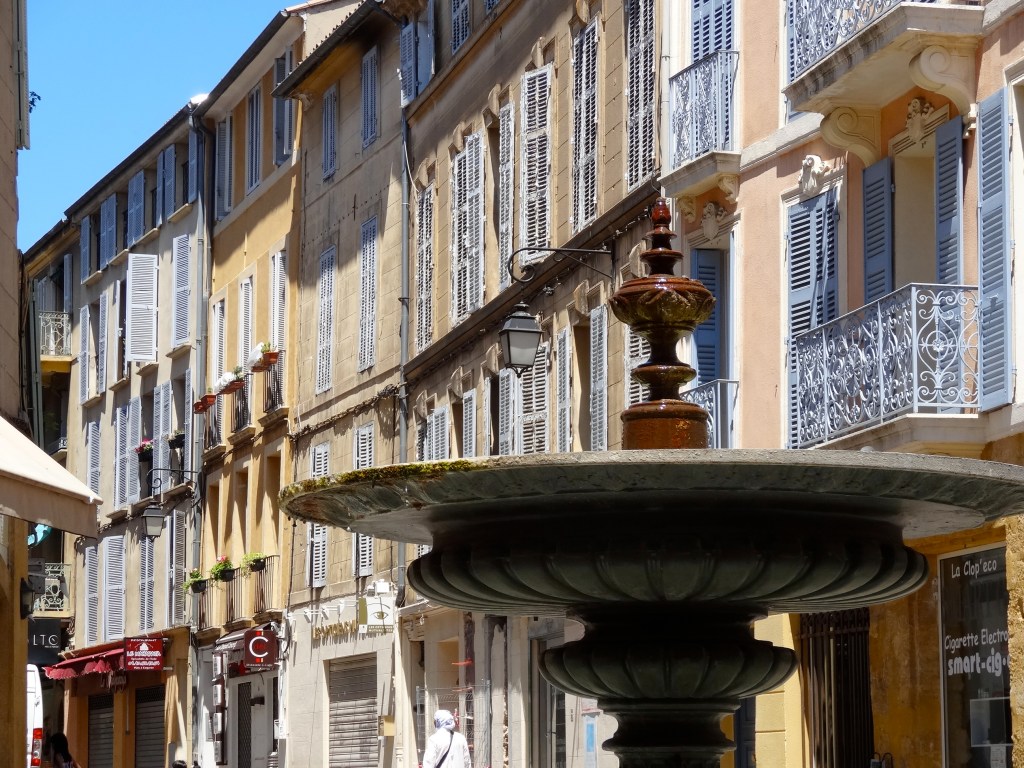
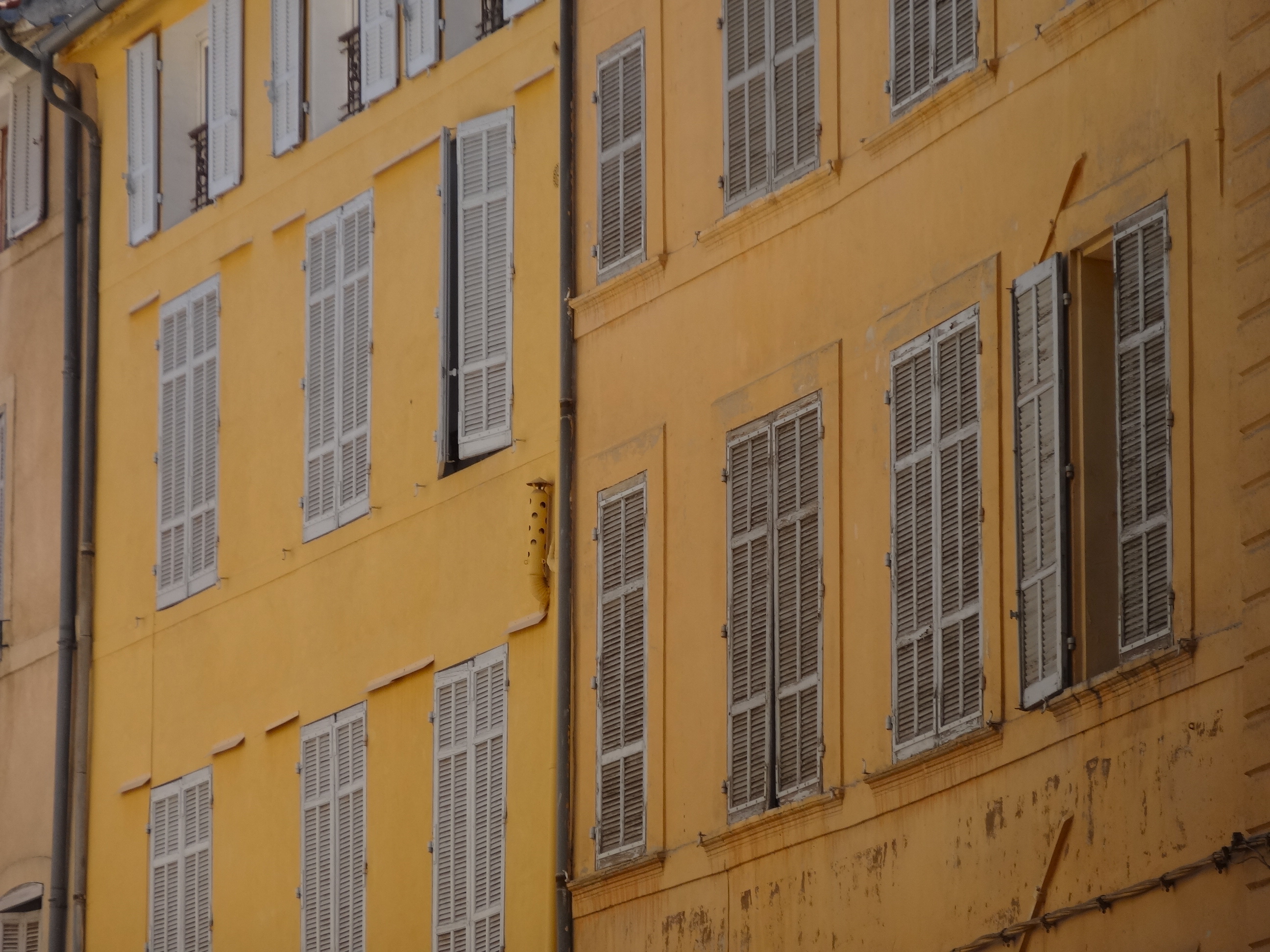
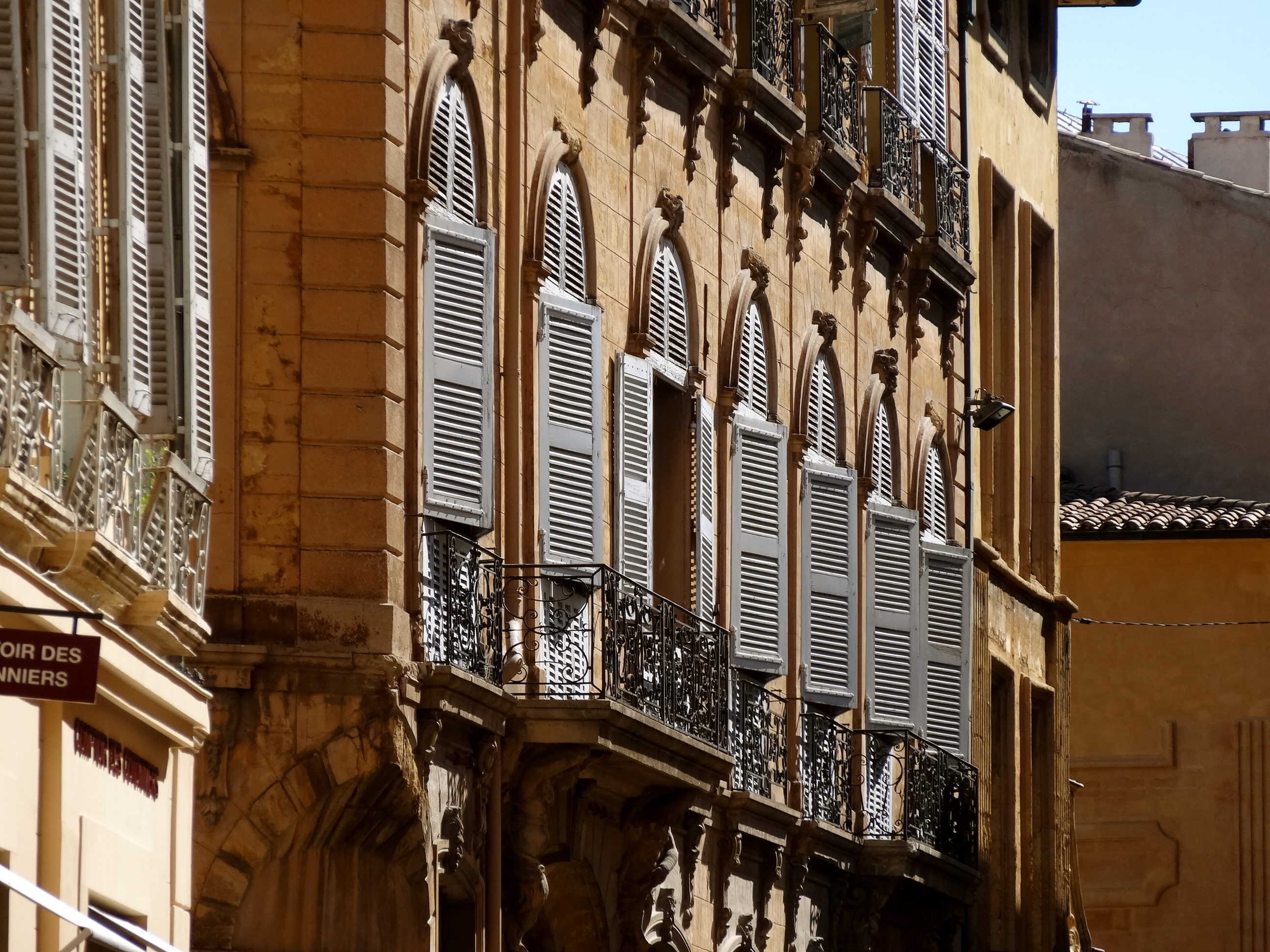
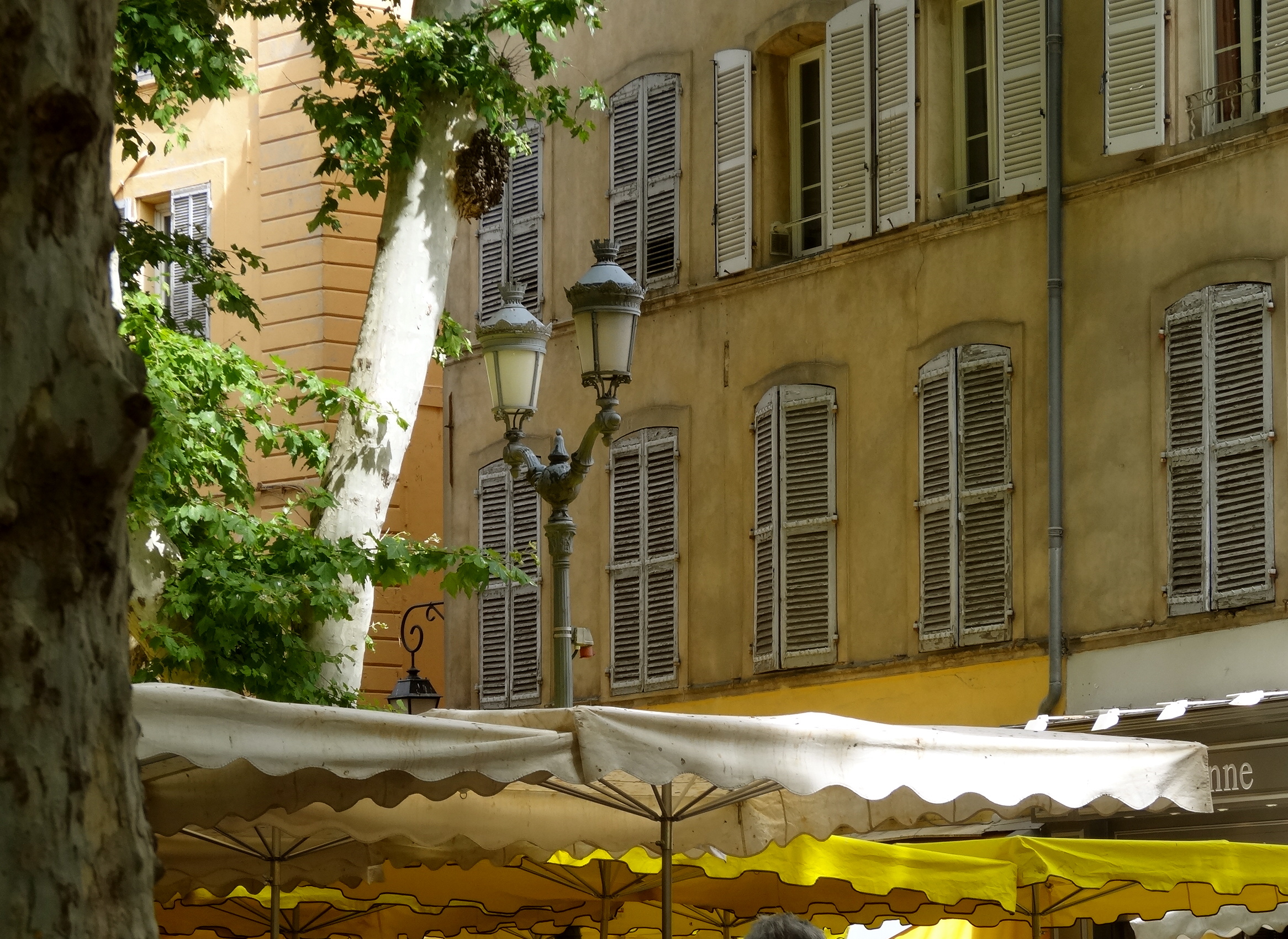
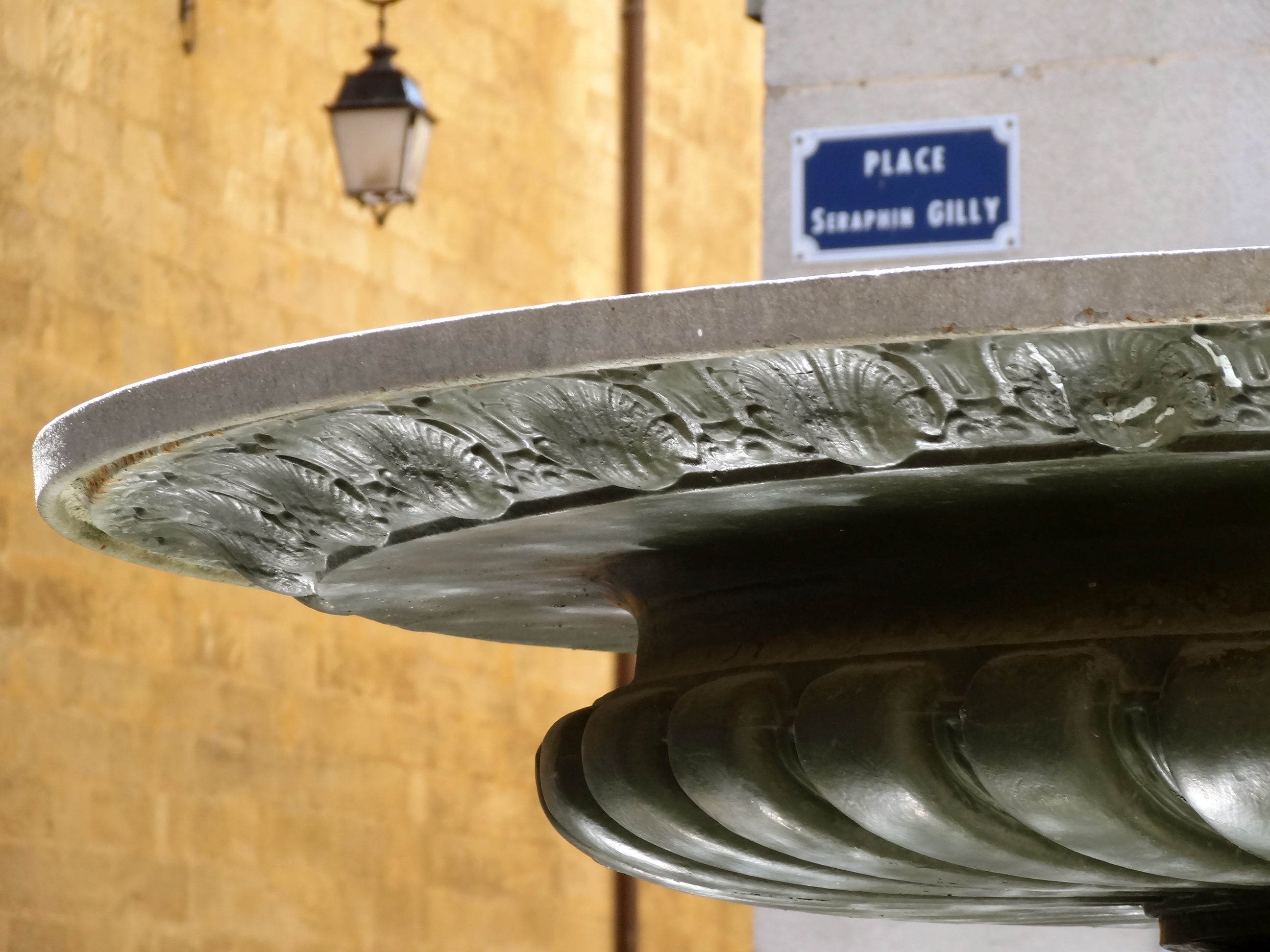
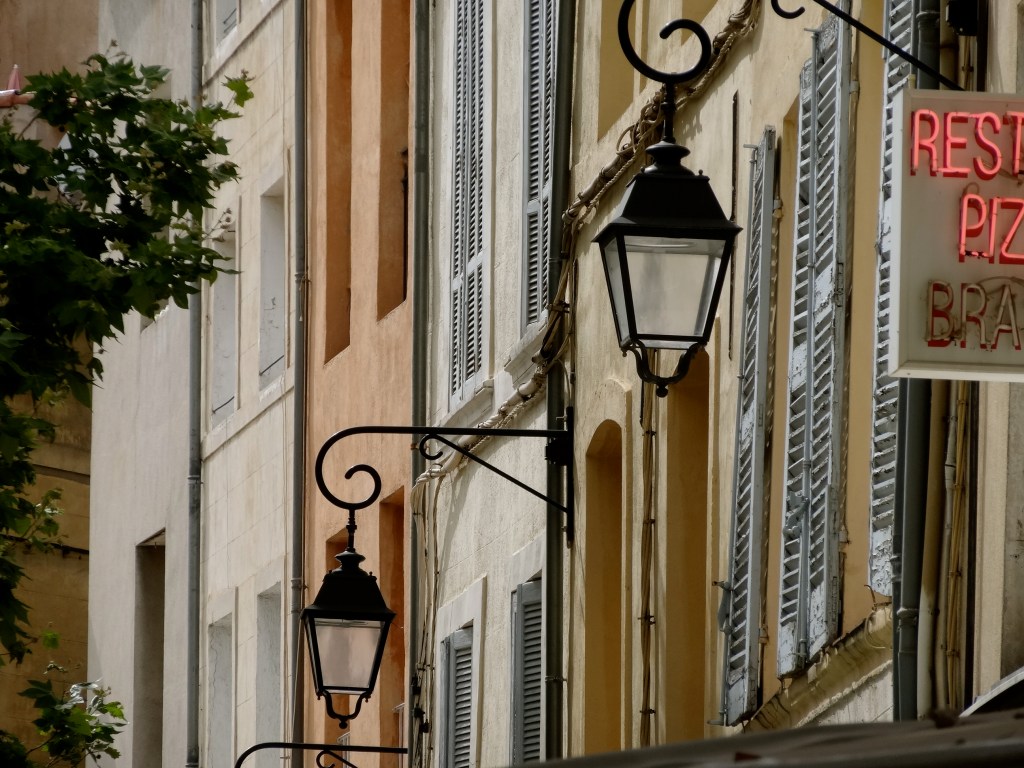
It became immediately clear that Aix is a busy, bustling city, with the sense of something chic and Parisian about it, but at the same time maintaining the sleepy charm of the Provence region. In Aix, the shutters and pastel colours seen across Provence are here in their multitudes, but instead of narrow little streets, here they decorate vast plazas and long tree-lined boulevards. Like the verdant rolling countryside around it, Aix is abundant with plan trees and cypresses, pine trees and olives, yet those trees cast their dappled light not upon fields, but over the exquisitely decorated facades of churches and palaces, of museums and grand cafes, and over the broad pavements which facilitate the art of strolling along shop-lined avenues. And best of all in Aix are the fountains. Said to be the “City of a Thousand Fountains”, the real number is thought to be closer to 100, but Aix is truly abundant in water, in dancing leaping and trickling water, all caught in the great basins of these baroque fountain sculptures, which are at the centre of every square and street.

Aix’s resplendent fountains…

DSC04911 DSC04773 DSC04912 DSC04418 DSC04831 DSC04509 DSC04402 DSC04738

No wonder Aix is so magnificent – it was the capital of Provence one upon a time, and today is an international students’ town, full of culture, cafes and a general air of excitement. And of course one of the greatest pleasures about visiting Aix is to indulge in all that excitement on offer, to perambulate along its fashionable streets, and to sit by its many fountains, sipping upon a coffee or cooling down with an ice cream or two – more about that later. But my first priority on visiting this city was to discover its most famous resident, the somewhat reclusive artist but often called the Father of Modern Art – Paul Cézanne.

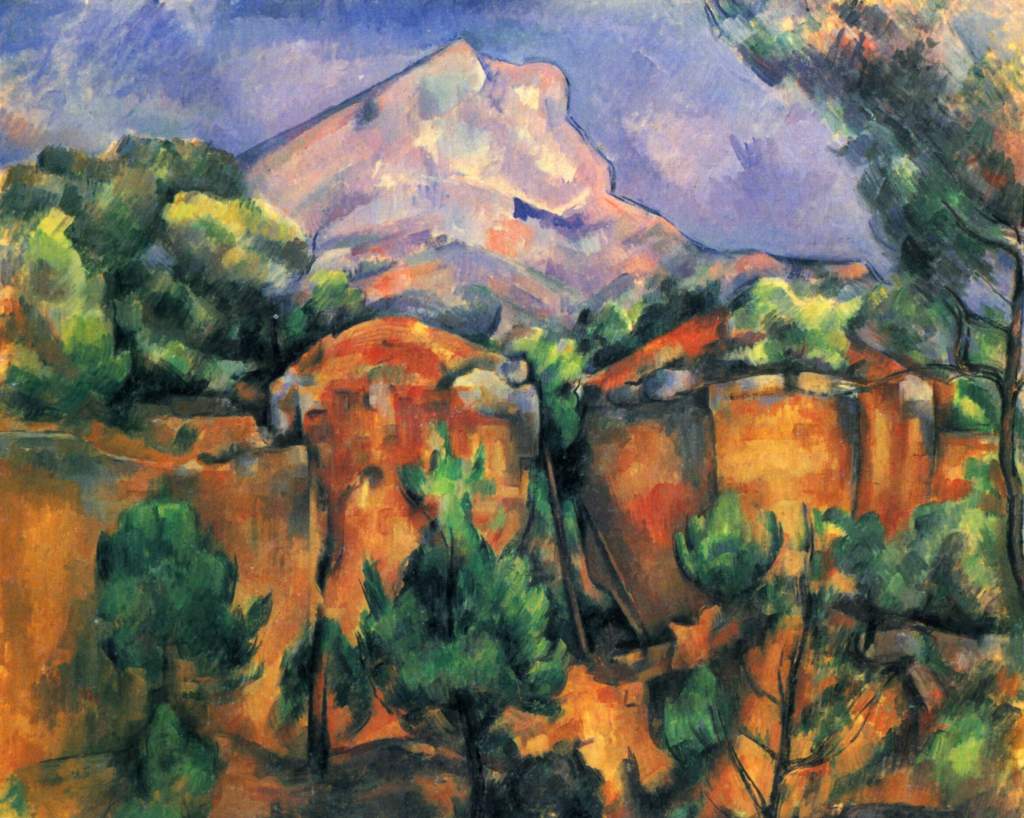
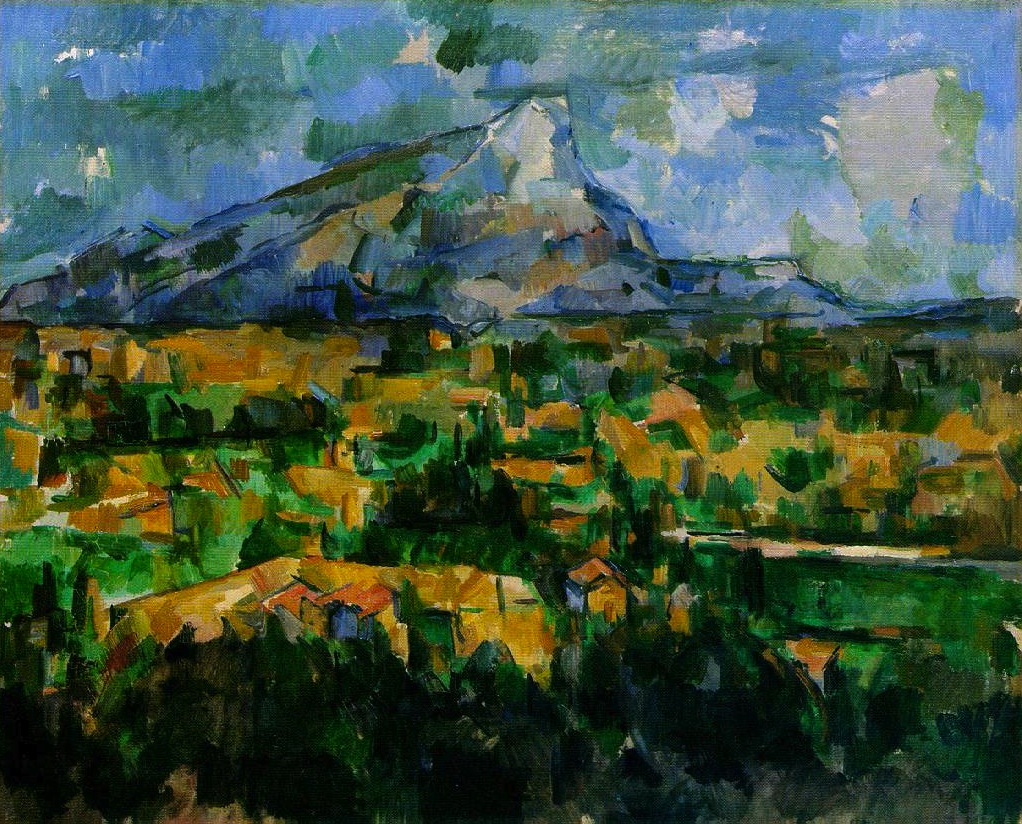
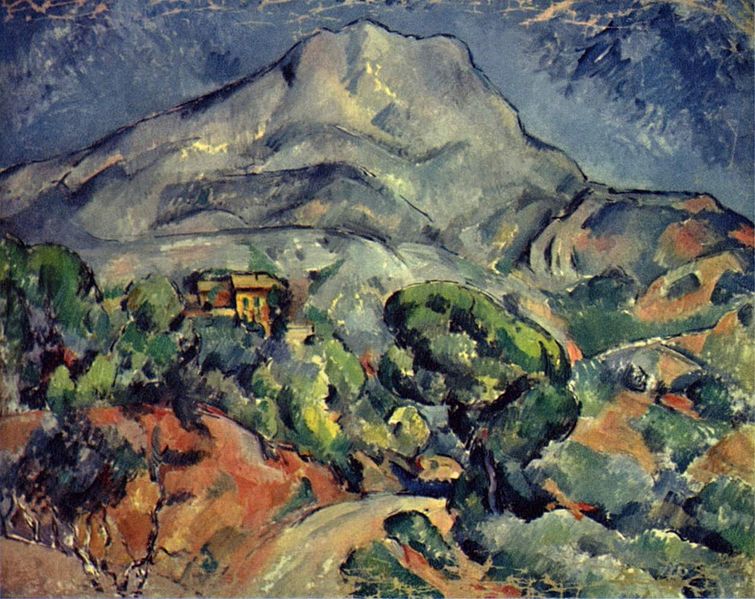
Cézanne grew up and spent most of his life in Aix. Of course he did make a trip or two to Paris, and it was there that he first discovered impressionism. However, it was in the heartland of Southern France that Cézanne really felt at home, and it was undoubtedly the rugged scenery of Provence and the immediate surroundings of Aix that helped to characterise Cézanne’s development from the dappled light of Impressionist works, to the rugged geometric depictions of his Post-Impressionist oeuvre. The origins of cubism had been born.

Cézanne’s Mont Sainte-Victoire

Paul_Cézanne_107 mont-sainte-victoire-1897 mt_s-v_4 755px-Paul_Cézanne_210 Paul_Cezanne_La_Montagne_Saint_Victoire_Barnes

Aix, perhaps predictably, relishes its connection with this foremost artistic genius (although sadly it didn’t at the time Cézanne was painting in the city) and today its tourist office provides an excellent and very comprehensive walking tour both through and around the city, picking up on all of the various places of relevance to both Cézanne and his family along the way. Sadly we did not have time to do the whole tour (although I think we may survive not seeing where Cézanne’s mother’s brother’s friend lived), not least because with Aix basking under the reflective glory of nearby Marseille’s status as European Capital of Culture 2013, there were plenty of cultural activities we wanted to pack into our short two-night stay. However, what we did prioritise was two integral aspects of Cézanne’s life and work in Aix: His studio, and the view of Mont Sainte-Victoire itself.

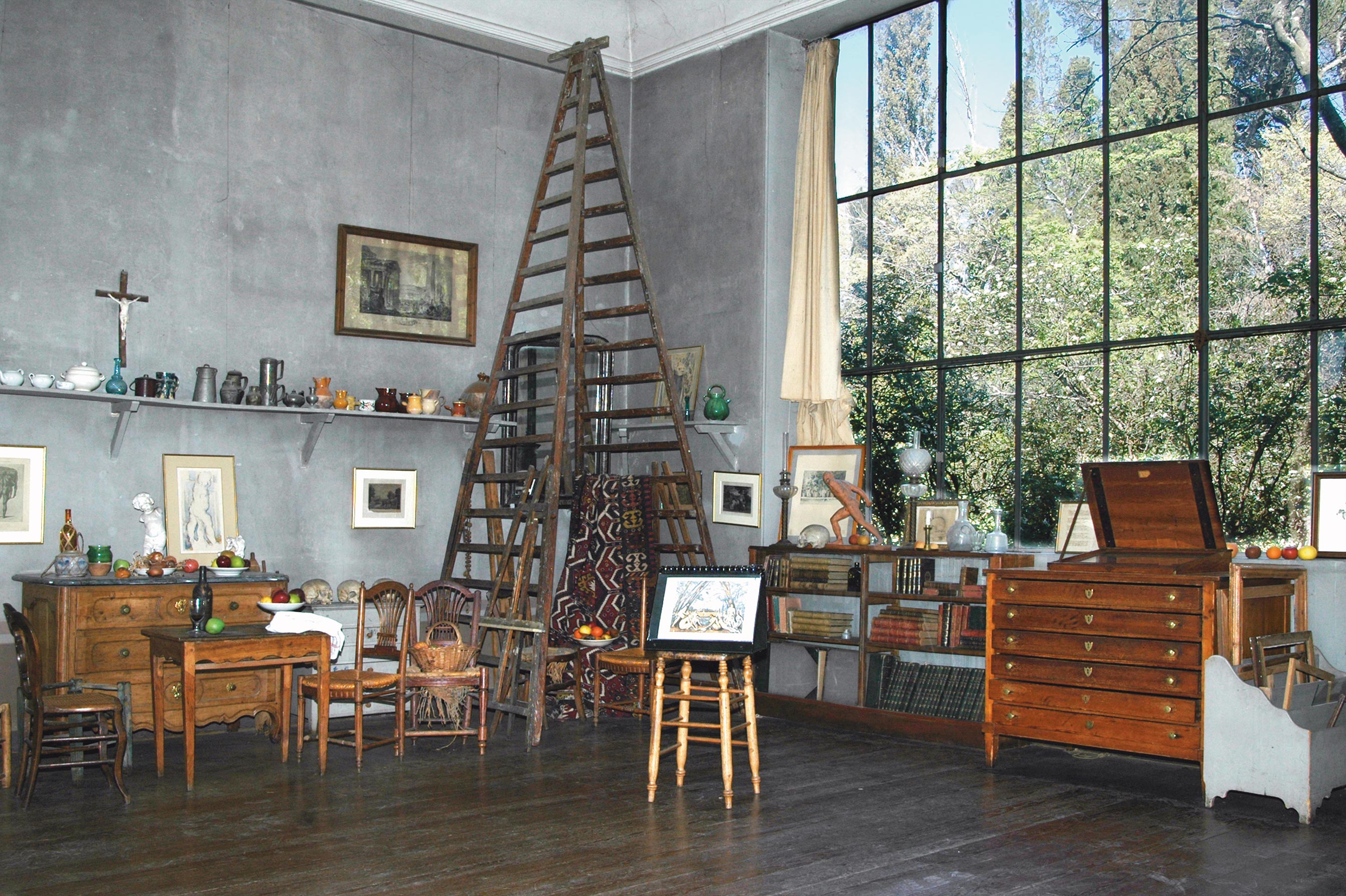
Cézanne’s studio 
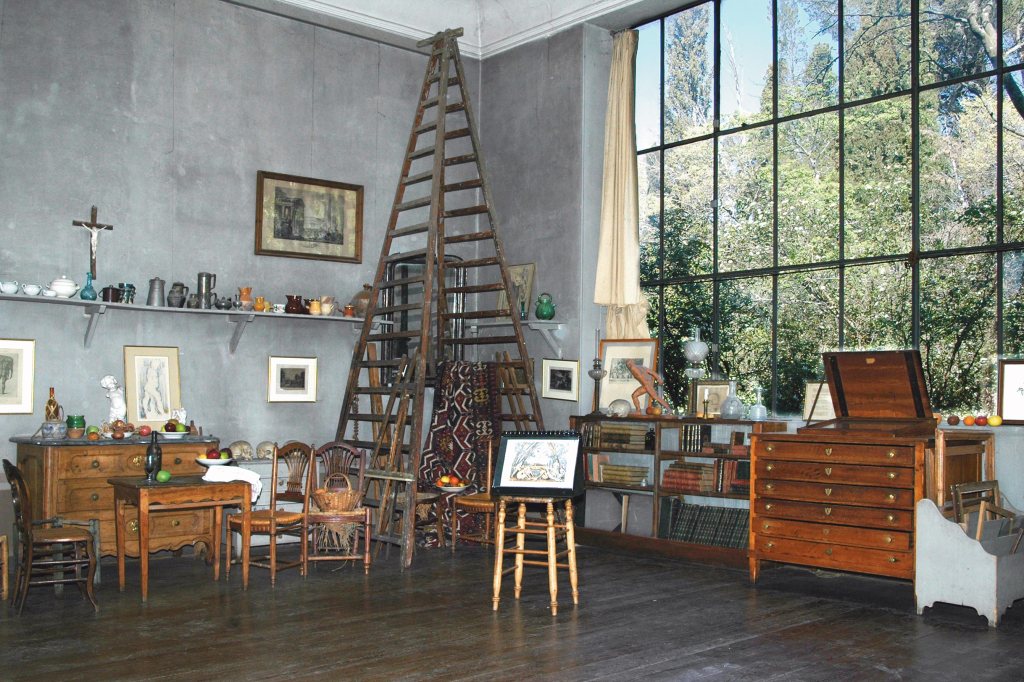
3380_Atelier-Paul-Cezanne DSC04644 DSC04657

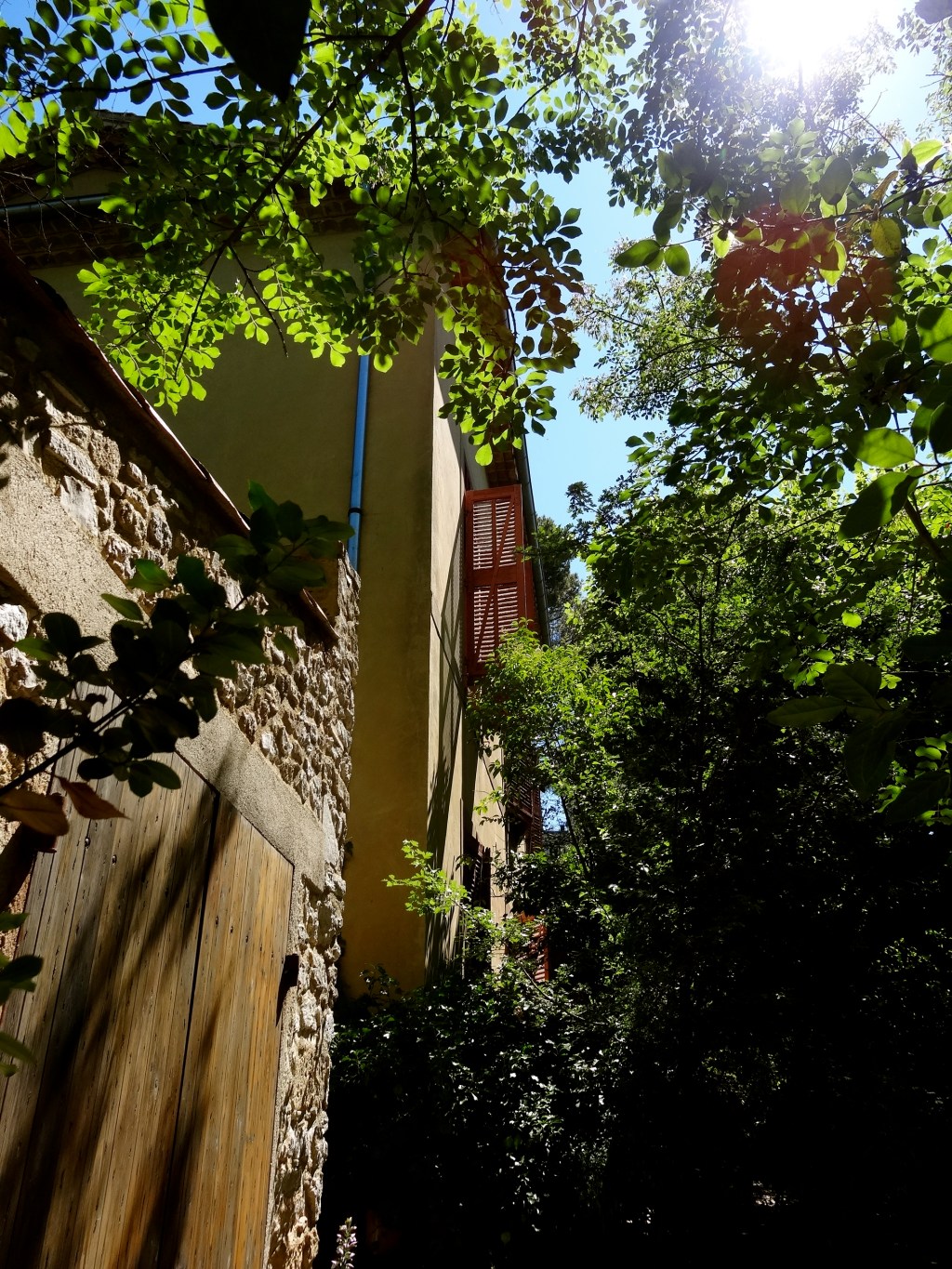
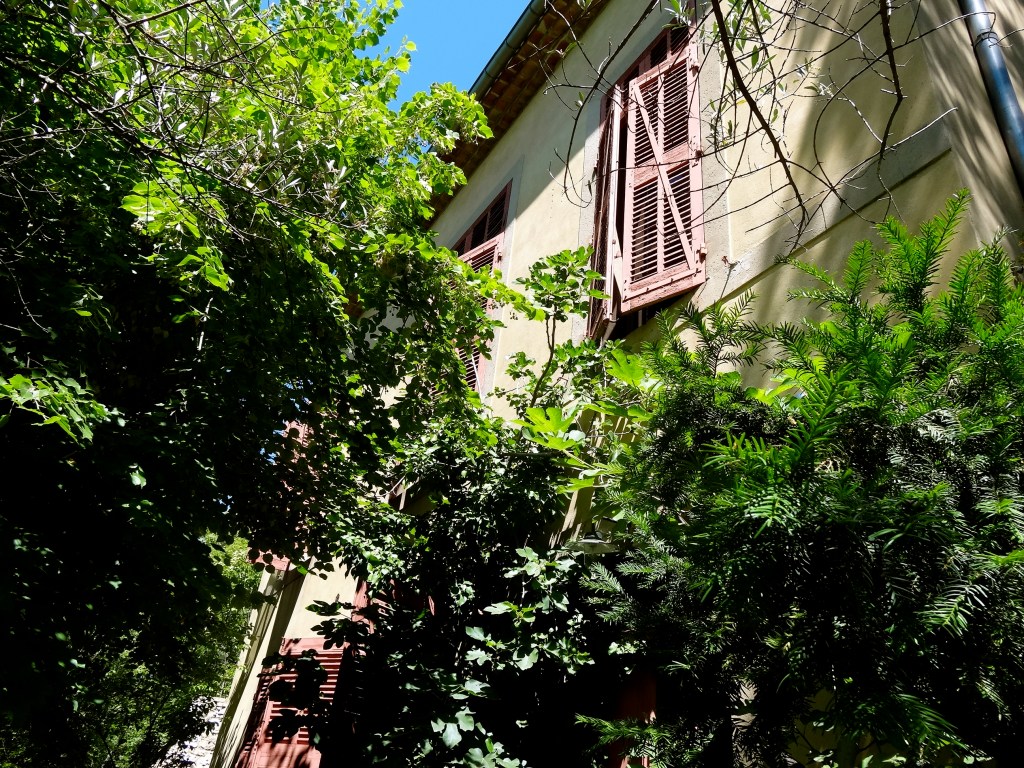
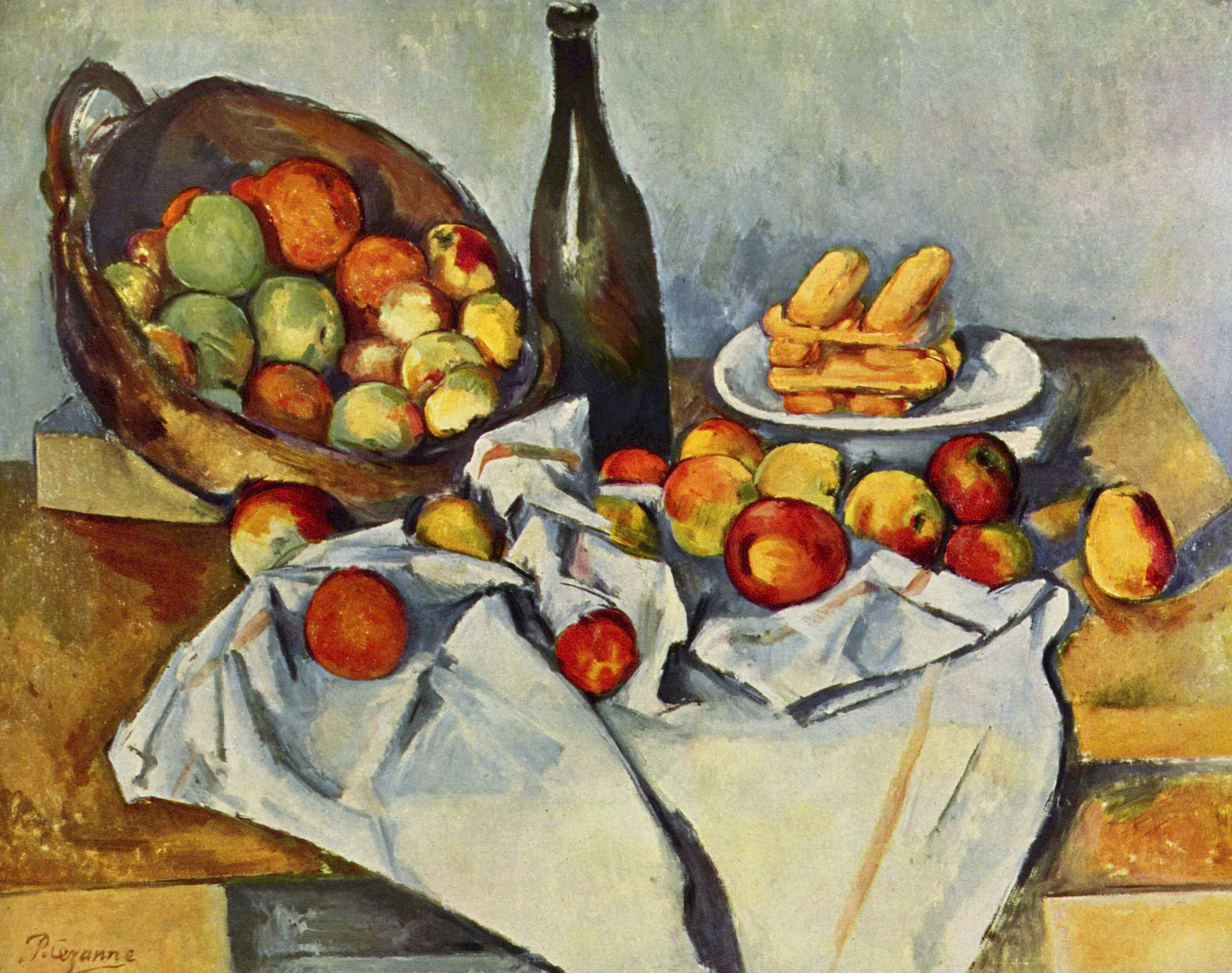
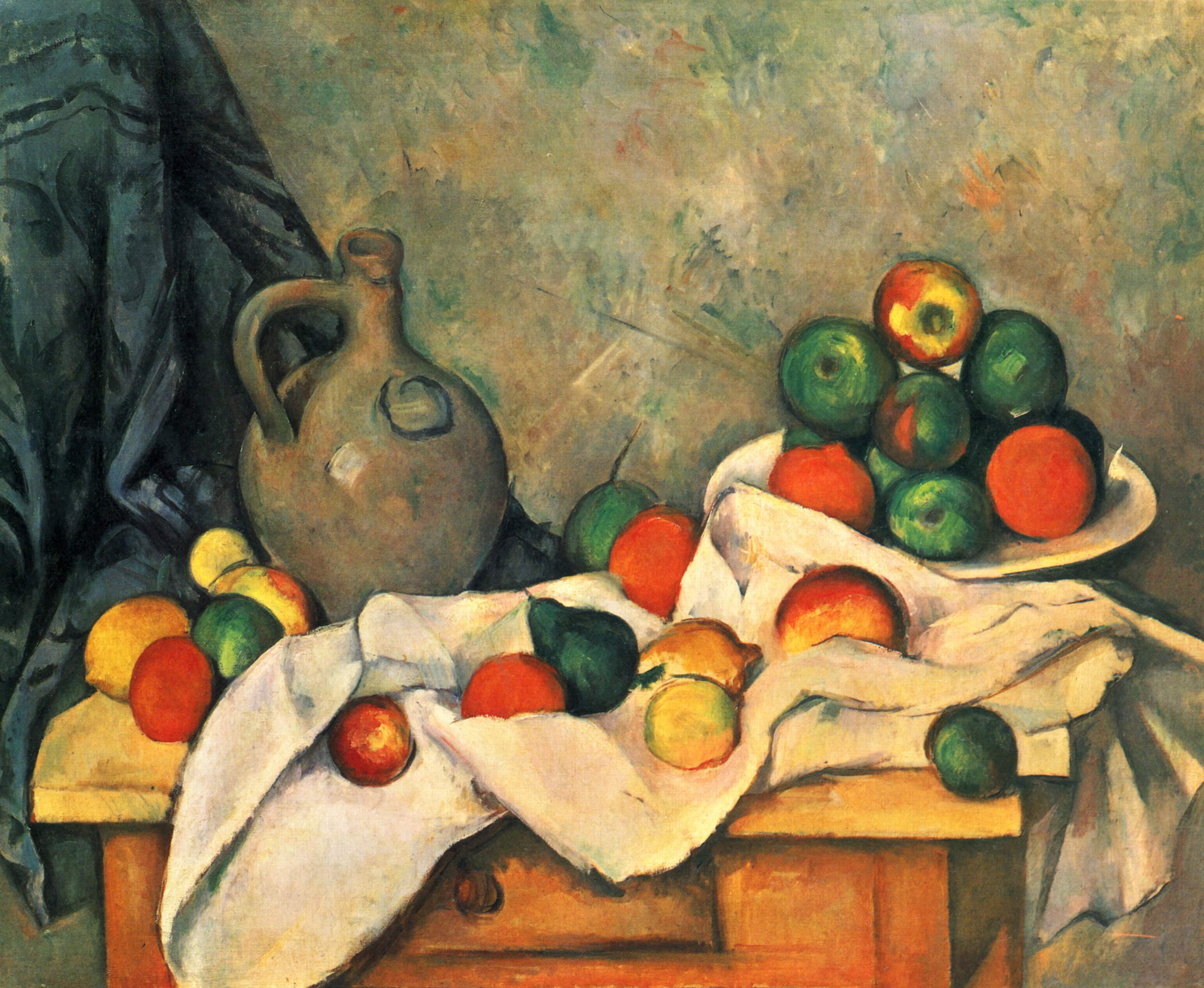
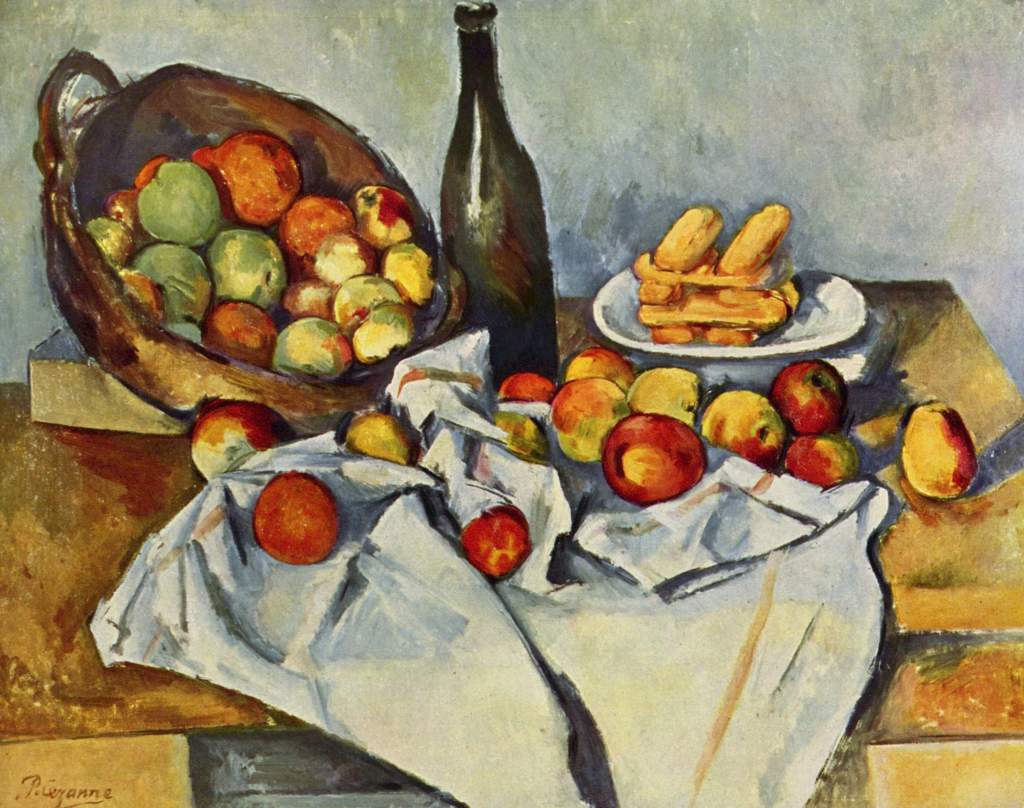
L’Atelier de Cézanne (the studio of Cézanne) is a good 20 minute walk uphill out of Aix, but it’s a walk taking the earnest visitor gradually out into the verdant pastures of suburban Aix, with views of the city growing gradually more impressive as the road rises. The studio itself provides an absolutely fascinating insight into Cézanne. It’s essentially just a one room museum devoted to Cézanne, but not a museum with story boards and animations – this is simply the artist’s studio, with the various props scattered around which he used in his many still life compositions. Of course Cézanne is as much famous for his still life depictions of apples and oranges as he is for the Mont Sainte-Victoire, but those paintings were more often than not depicting fruit clustered around other objects – old pots and bottles, and a broken mannequin.

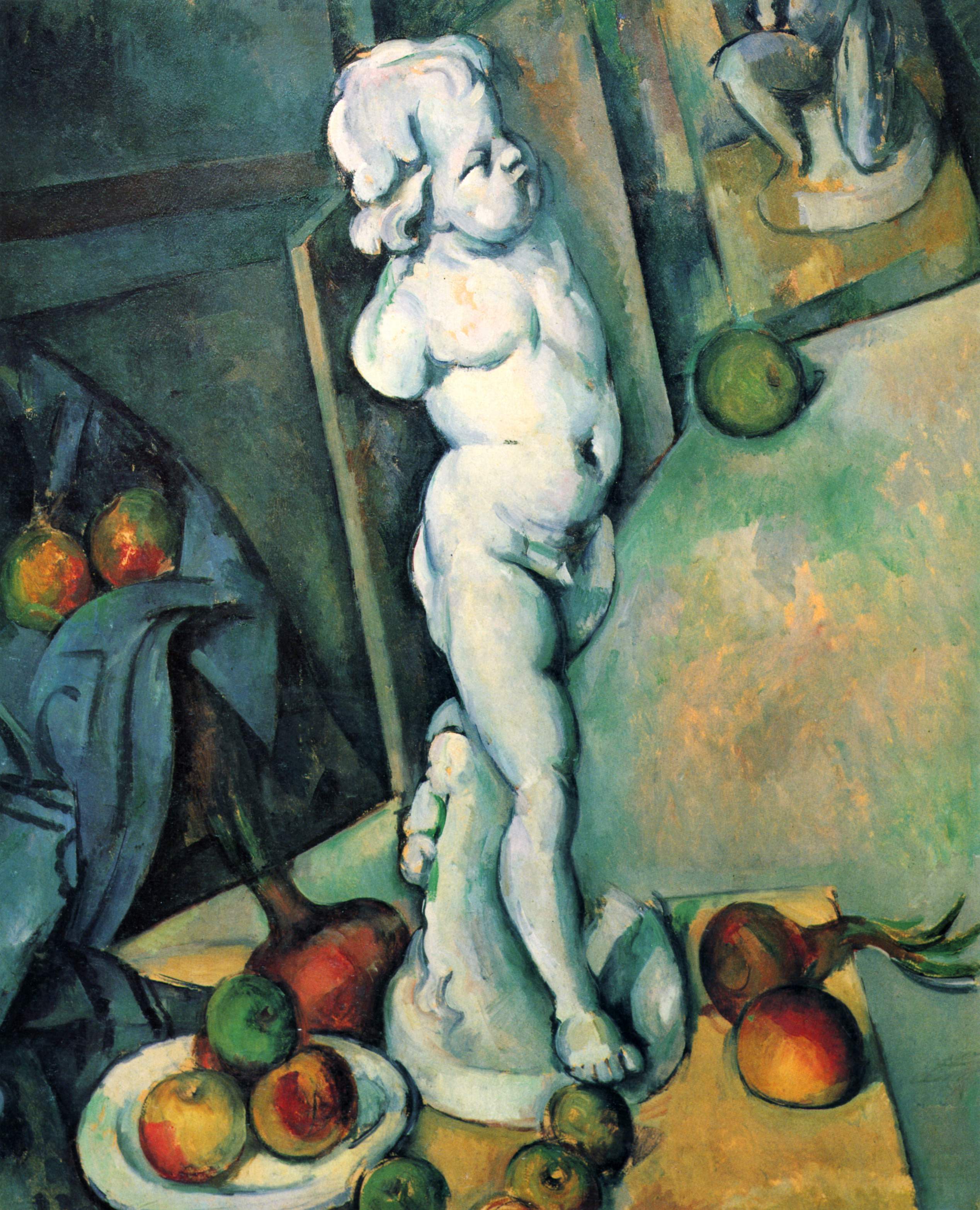
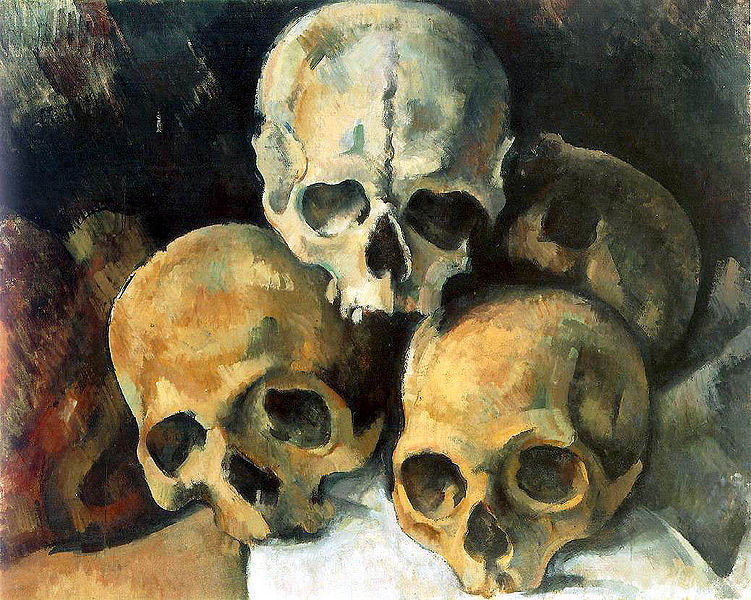
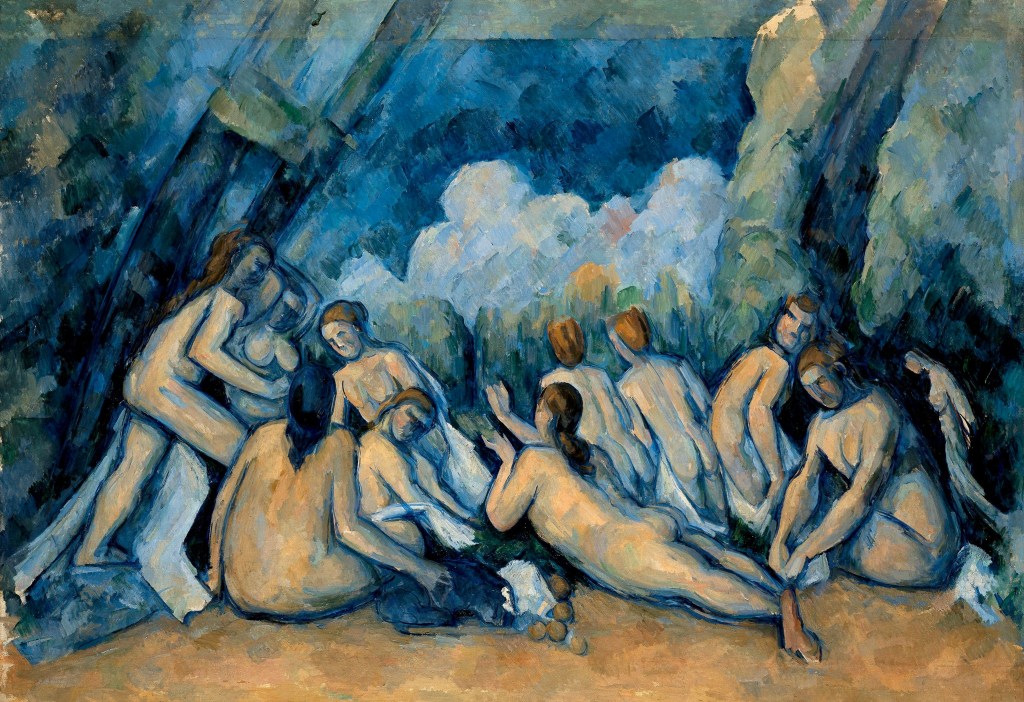
It was consequently fascinating to walk into the studio and see before you those same objects which have now become so well-known to the art lover through Cézanne’s works. That broken mannequin for example was immediately recognisable from the Courtauld’s Still Life with Cherub, and there too were the skulls from his Pyramid of Skulls. It was also fascinating to see the methods of his work in this studio which still smells of oil paint and turpentine – his tall ladder to work on larger paintings, and a large vertical hole in the wall through which larger canvases such as his Bathers series (which were painted at this studio) could travel in and out. Meanwhile, outside of the little studio house, the overgrown gardens really give the impression of the kind of solitude and reclusiveness which Cézanne preferred to maintain throughout most of his working life.

Still Life with Cherub (1895)
Still Life with Cherub (1895)

The Basket of Apples (1890-1894)

The Basket of Apples (1890-1894)

The Pyramid of Skulls (1901)

The Pyramid of Skulls (1901)

Still Life, draper, pitcher and fruit bowl (1893-4)
Still Life, draper, pitcher and fruit bowl (1893-4)

The Bathers (1898-1905)

The Bathers (1898-1905)

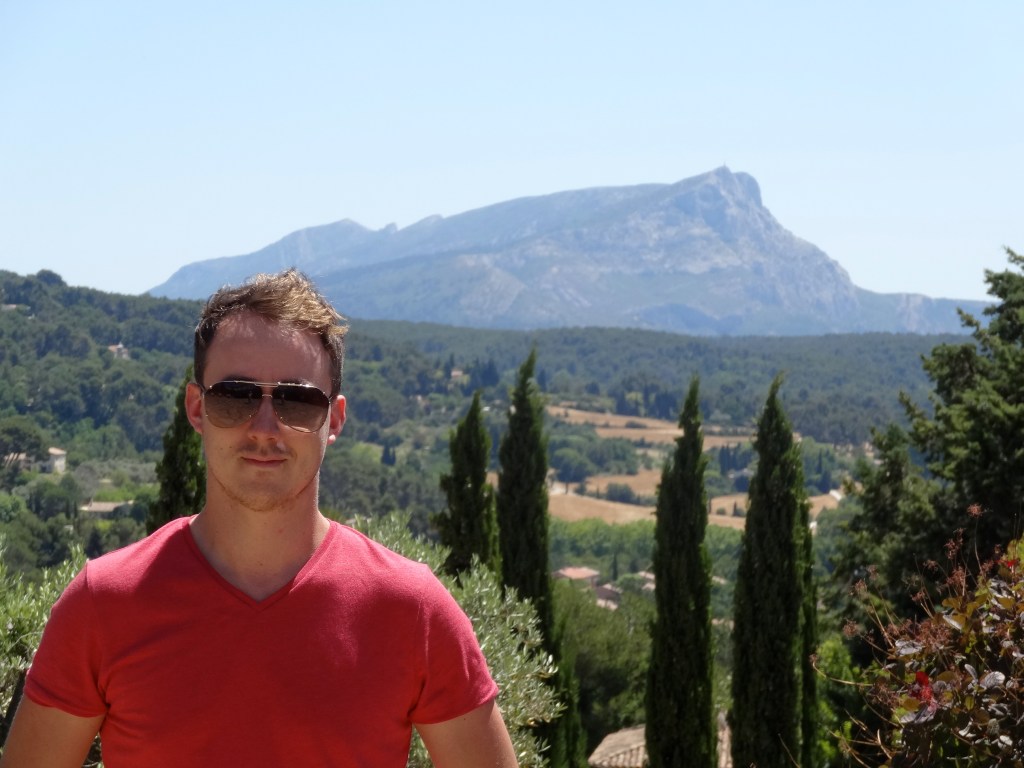
Studio done, and the creative air of Cézanne breathed in deeply, we headed up hill for about another 20 minutes to visit what is now called “Le Terrain des Peintres” – literally Painter’s Ground – said to be the exact spot where Cézanne would go to paint the magnificent view of the Mont Sainte-Victoire. Today, the space takes the form of pleasantly manicured garden, with some reproductions of his paintings set around the walls of the gardens. But other than that, it is a quiet spot, blissfully free from the tourist hoards who frequented his studio, probably because of its distance from the city, and its lack of parking for coaches.

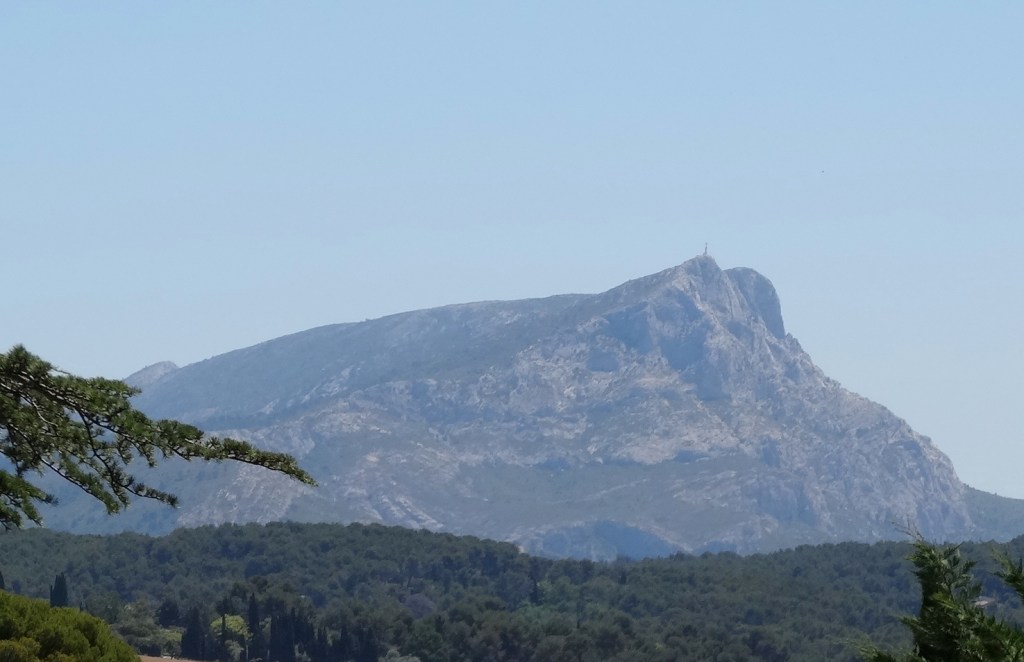
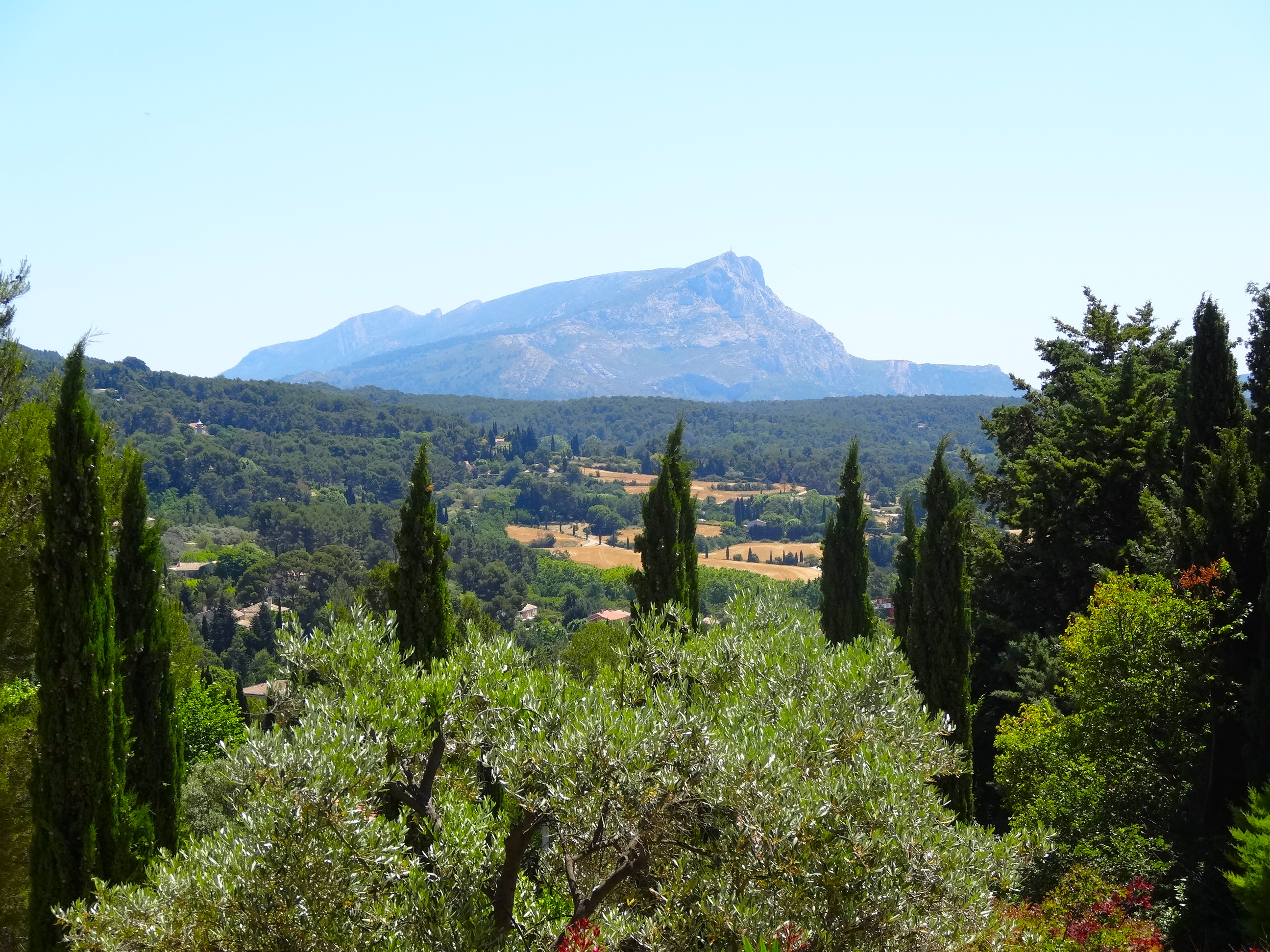
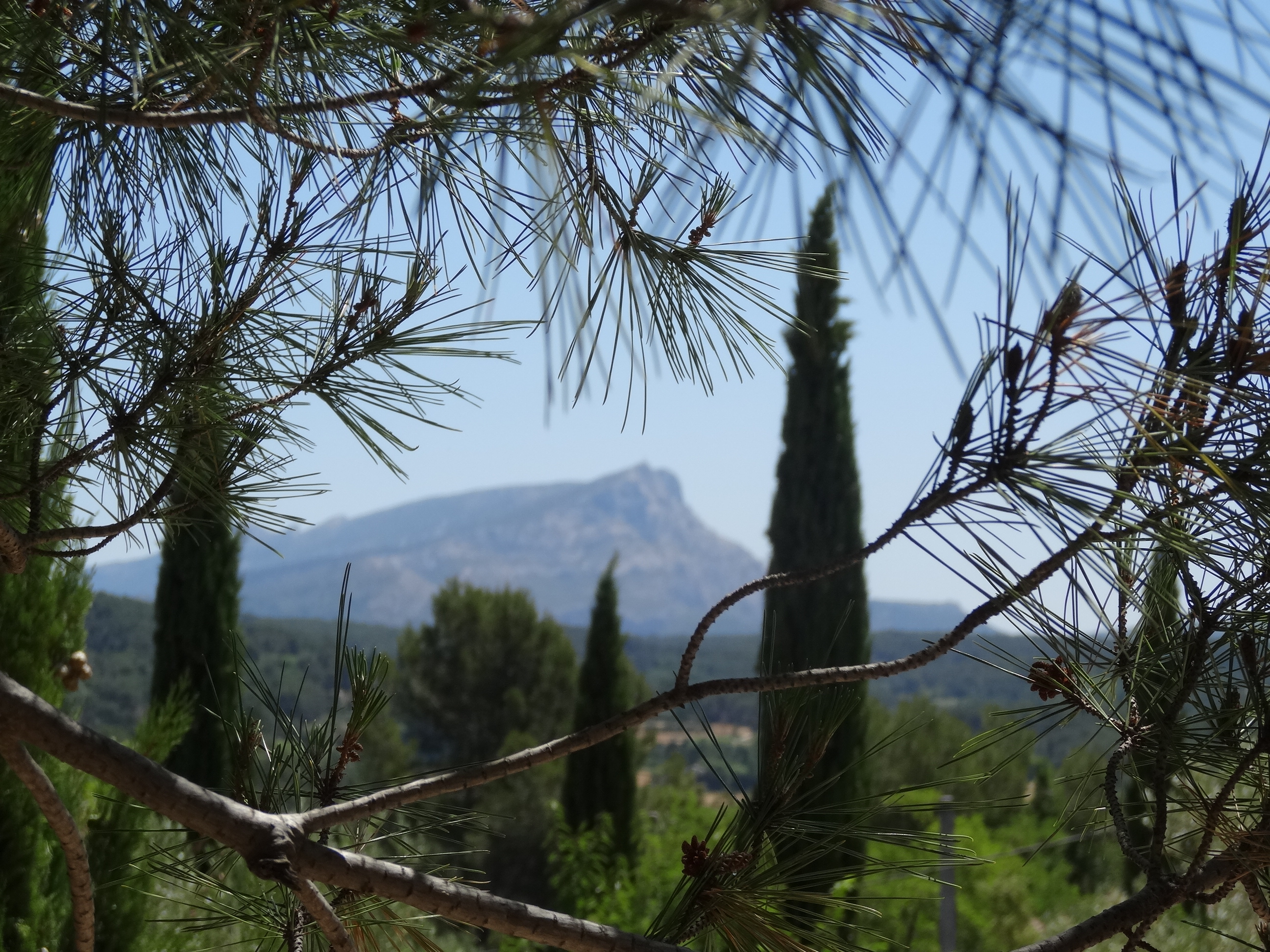
And the view? Just stunning. In that moment, turning around and catching the view of the glorious pastel-shaded mountain rising out of the field-covered horizon, I felt my breath sucked away from me as in this moment of epiphany I felt myself somehow drawn back into an artistic past – a period of artistic revolution, when the dominance of nature was recognised, when shape was reinvented, and when colour rose to the fore. For me, it was a highpoint of this Provençal Odyssey (both physically and metaphorically), the moment when I realised that  a whole century of artistic progression and development owes its dept to this place, to this artist, to the path from impressionism to cubism which he opened up through his genius and his insight, starting as he did so perhaps one of the most important revolutions of all time.

The magnificent Mont Sainte-Victoire
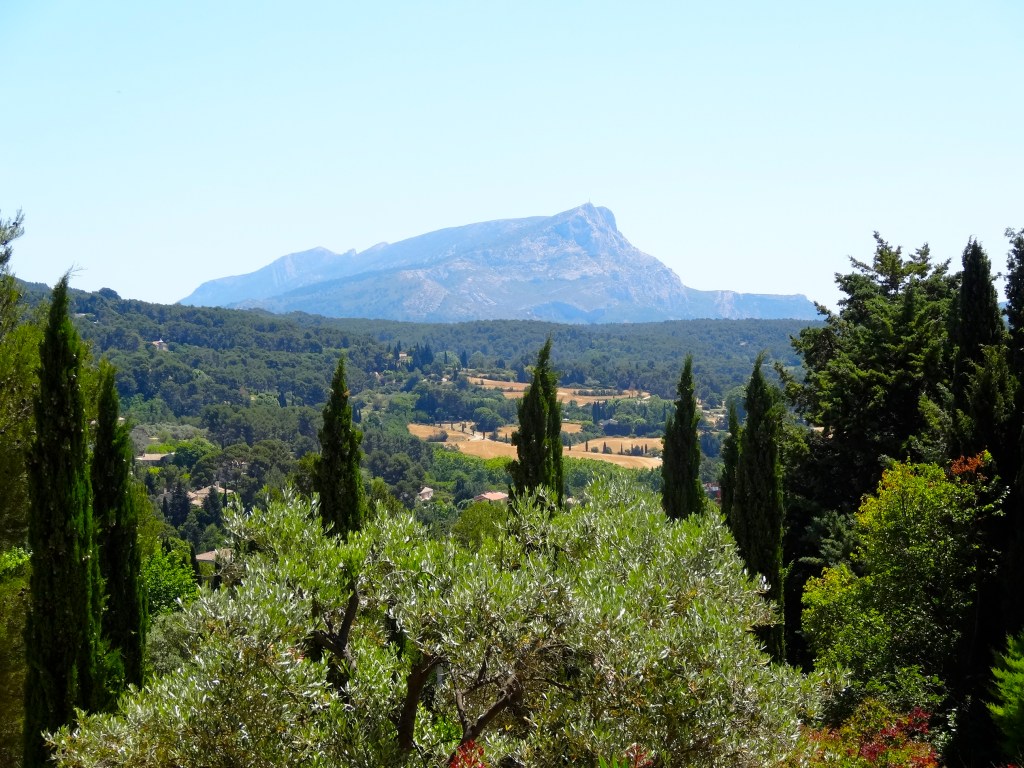
DSC04670 DSC04674 DSC04694 DSC04698 DSC04715

More information on visiting Cézanne’s studio can be found here.

Provence Odyssey | Saint-Rémy: Les Photos

You’ll excuse the photo overload, but of all the photos taken on my Provence trip, I think Saint-Rémy inspired the very best. Below I enclose 30 more of my favourite shots from this stay of 3 nights in the midst of the Provençal countryside, and as those photos aptly portray, it was a time surrounded by the very best of Mediterranean nature, by the quintessentially French sights of street markets, of savon, and of cafes, and an opportunity to be exposed by the Provençal landscape at its very best.

DSC03352 DSC03180 DSC04153 DSC04177 DSC04262

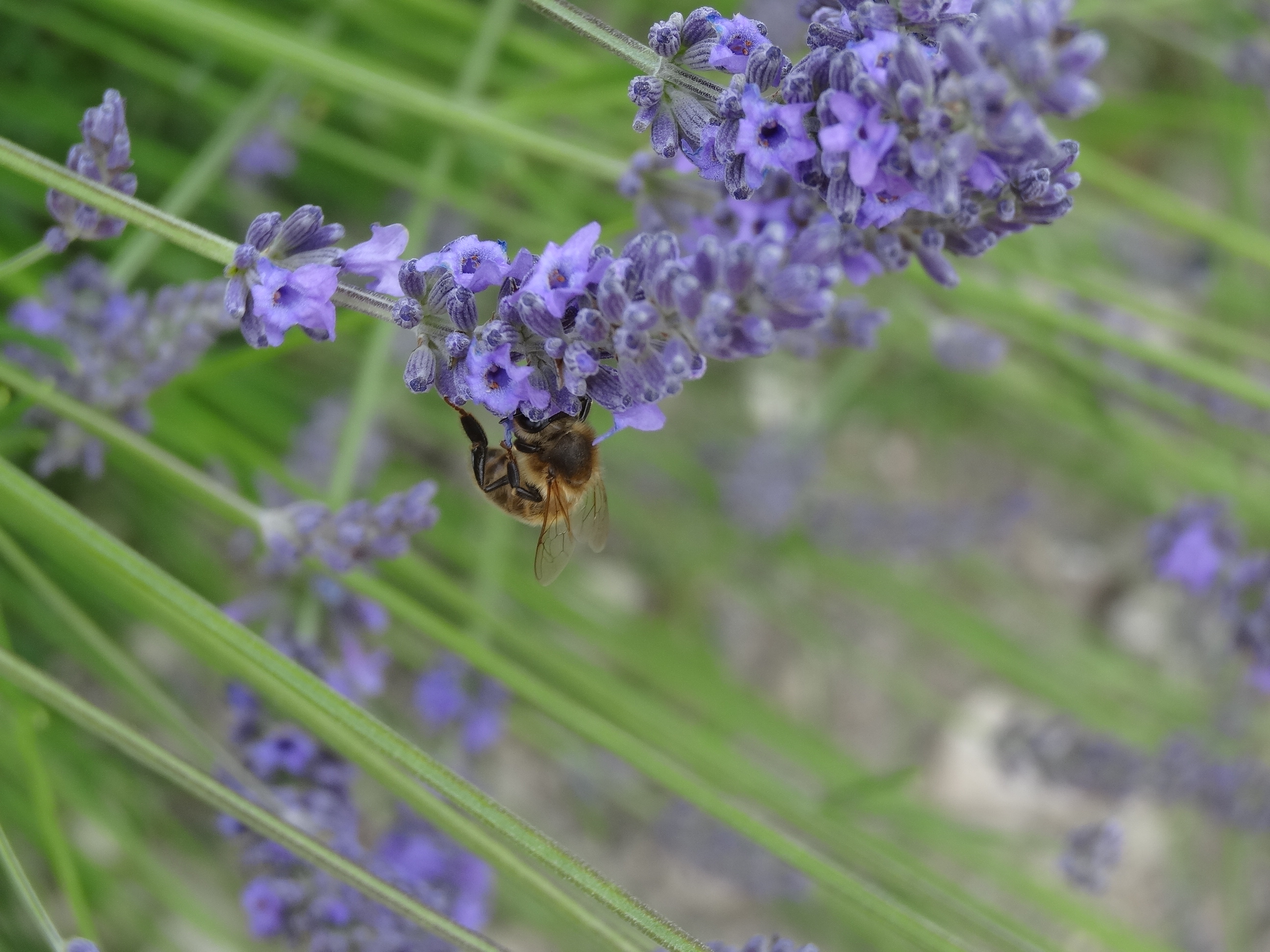
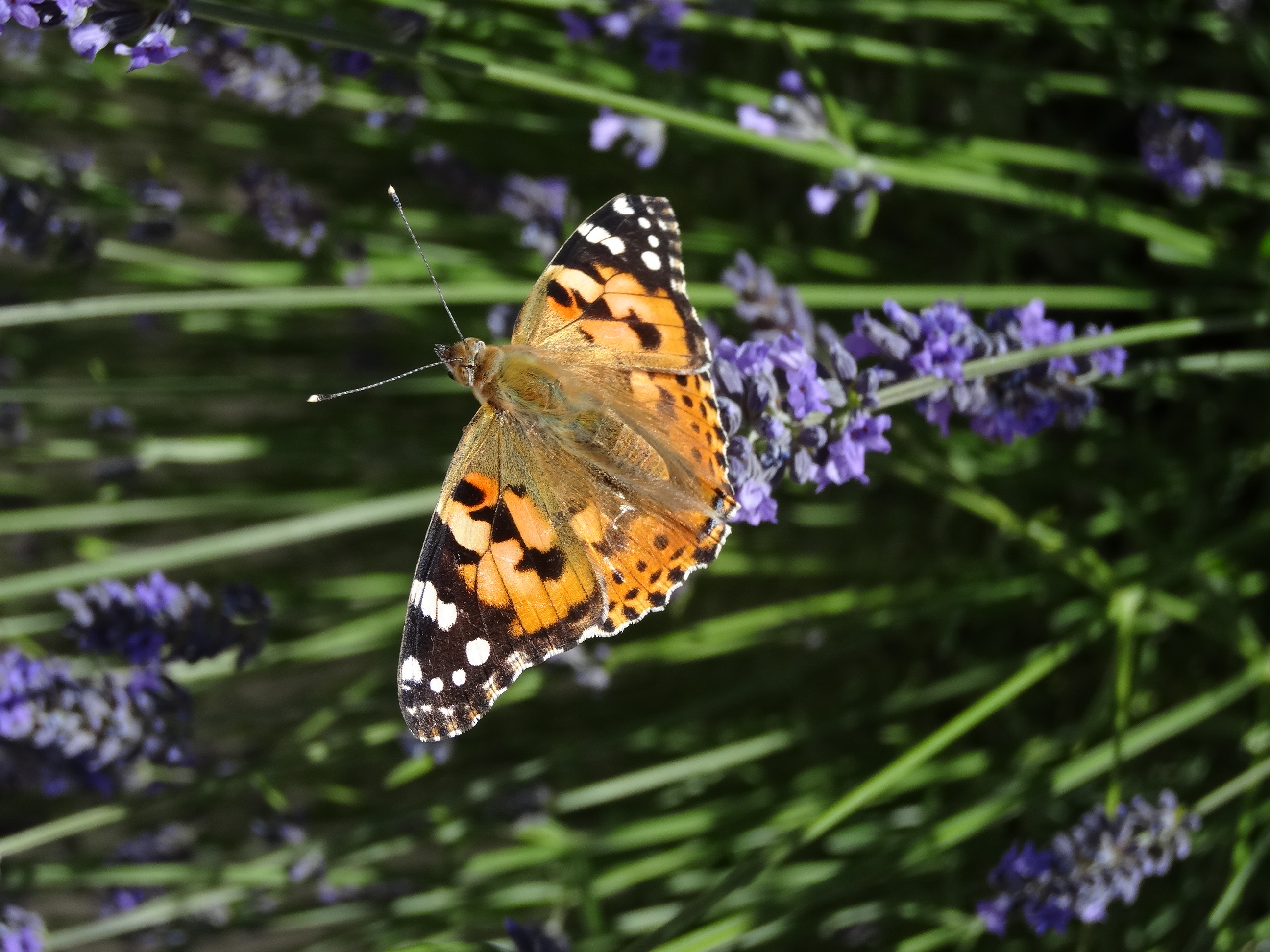
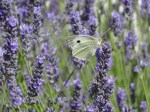
I think these photos pretty much stand alone in expressing the unbridled beauty of the region, and of the ravishing colours which met our every gaze. Of all the shots, I think the image of (what looked to be) a Monarch butterfly perched upon a lavender bushel is one of my favourites, the deep terracotta orange and black lace-like overlay resembling a wash of marmalade on toast upon a bed of the most fragrant lavender pillows. And then there were the bees and the cicadas, the buzzing of the former inescapable wherever lavender burst forth, and the chirping of the latter, the intrinsic accompaniment to paradise; the melody that partners a balmy Mediterranean afternoon.

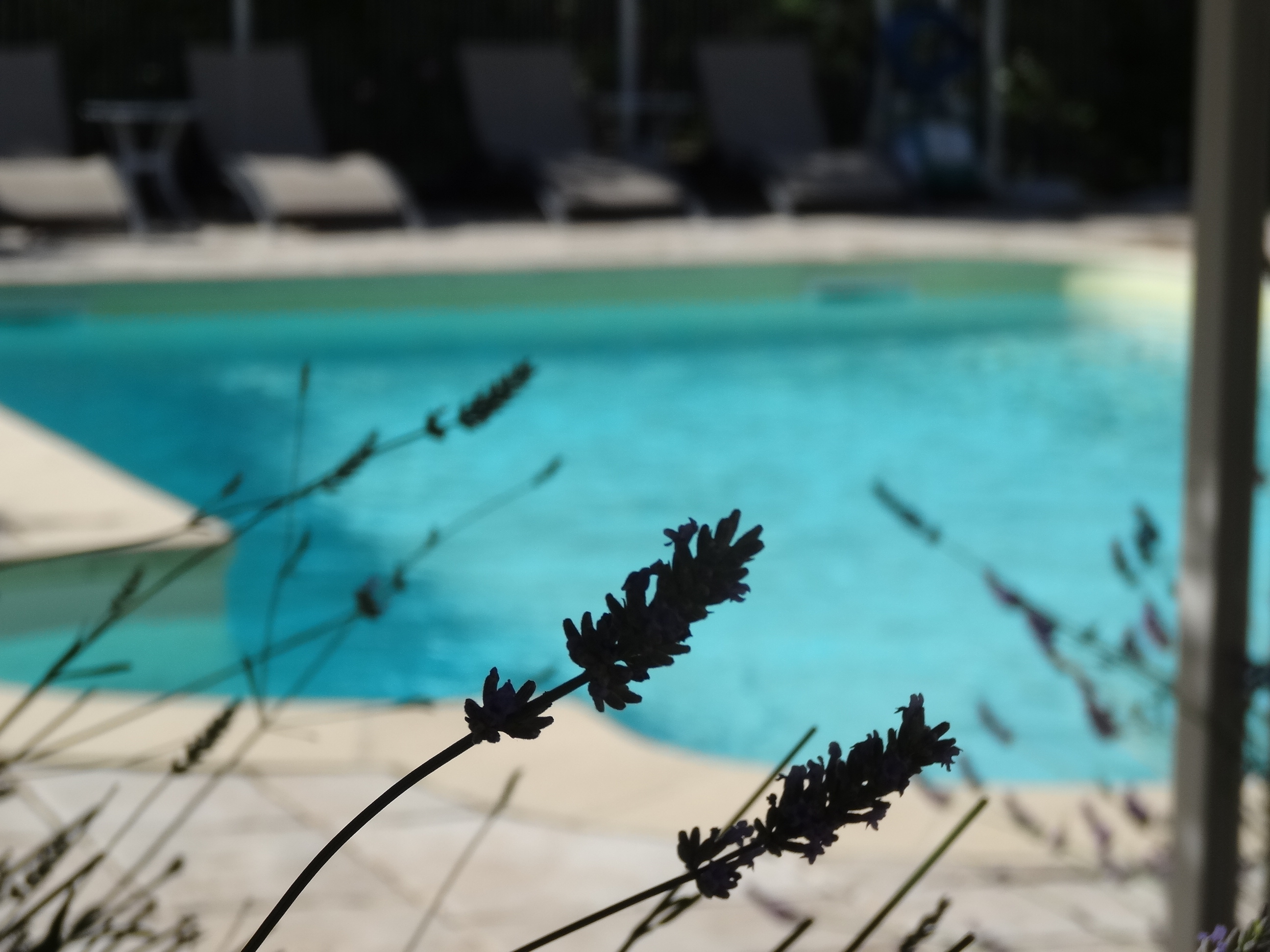
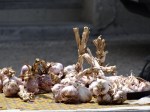
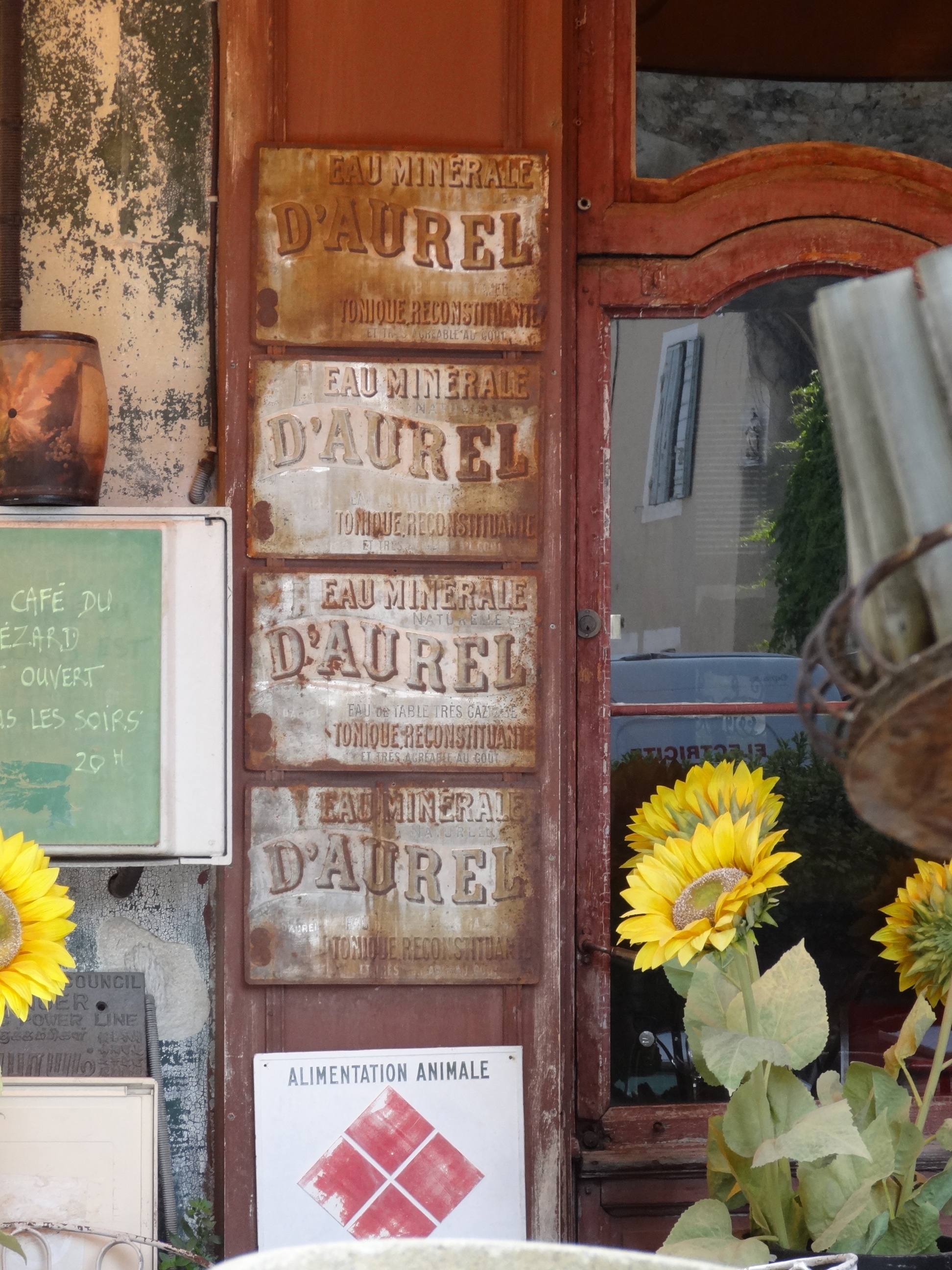
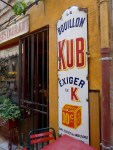
From soft pony faces to the neon cerulean of a sun-dappled swimming pool, old rusty shop adverts to twisted freshly-harvested garlic bulbs, I present to you my third series of Provencal photo collections – Enjoy Saint-Rémy at its best, for we are off to Aix!

All photos and written content are strictly the copyright of Nicholas de Lacy-Brown © 2013 and The Daily Norm. All rights are reserved. Unauthorized use and/or duplication of the material, whether written work, photography or artwork, included within The Daily Norm without express and written permission from The Daily Norm’s author and/or owner is strictly prohibited. 

Provence Odyssey | Saint-Rémy: Day 8 – Picture-Perfect Provence

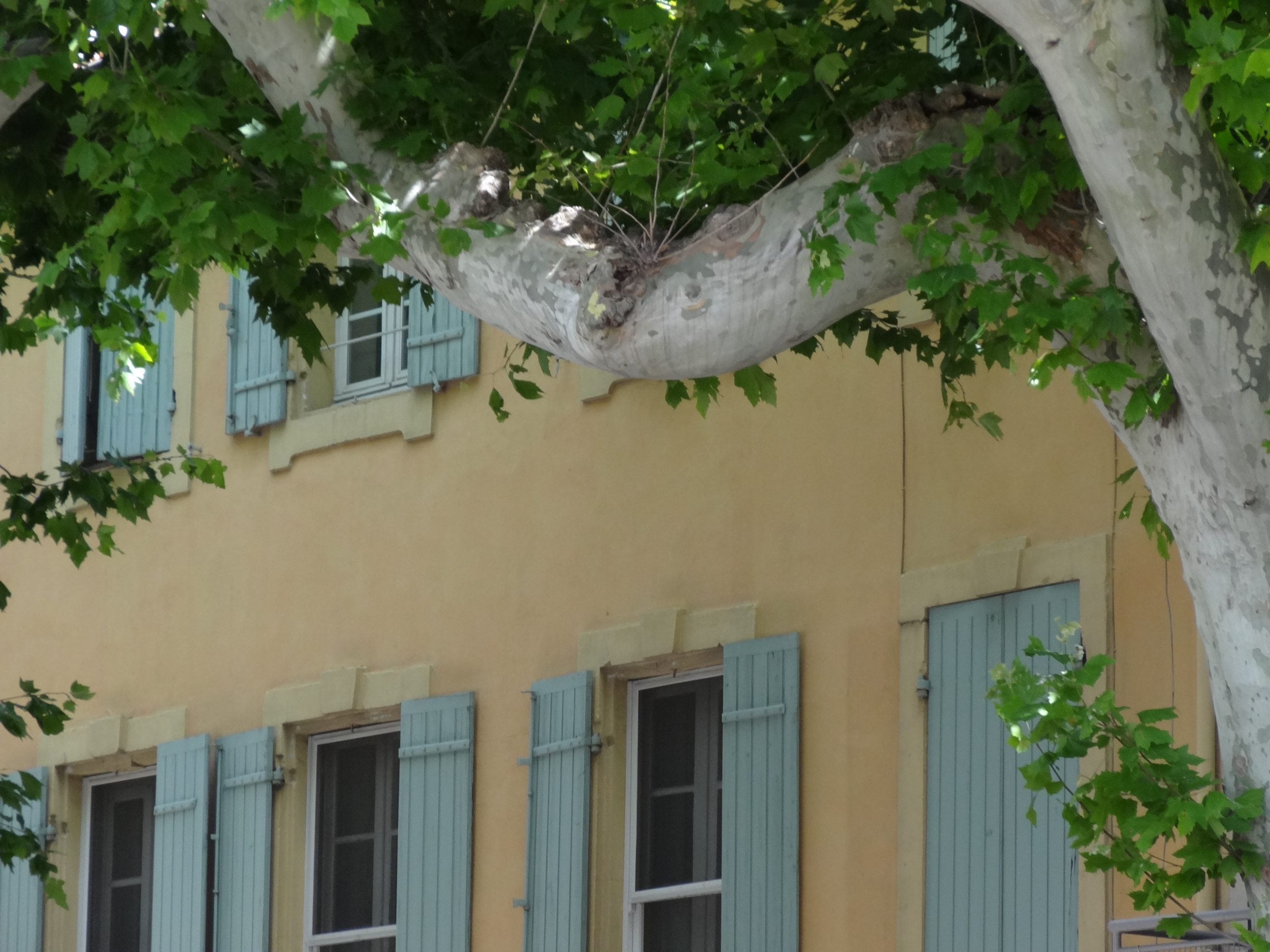
Much has been said about the surroundings of Saint-Rémy – the startling archeological remains of Glanum on its outskirts, the tranquil beauty of the Hospital of Saint Paul de Mausole, and the incredible beauty of nearby Les Baux – but I have said very little about the little town of Saint-Rémy itself. And it would be unfair not to give this little Provençal gem its fair mention, even though, as perhaps the photos below will demonstrate, the beauty of this town is better illustrated through photos than words.

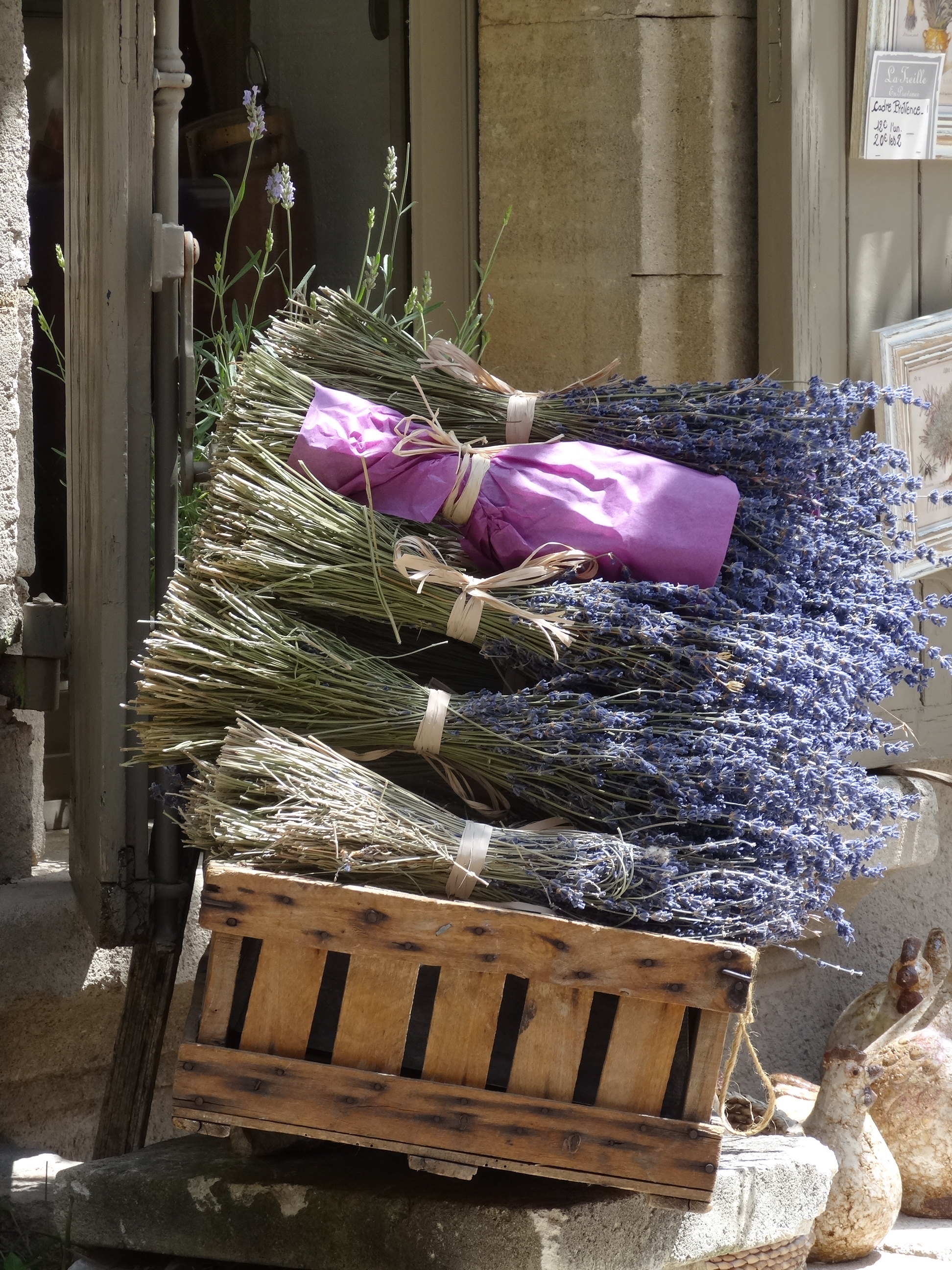
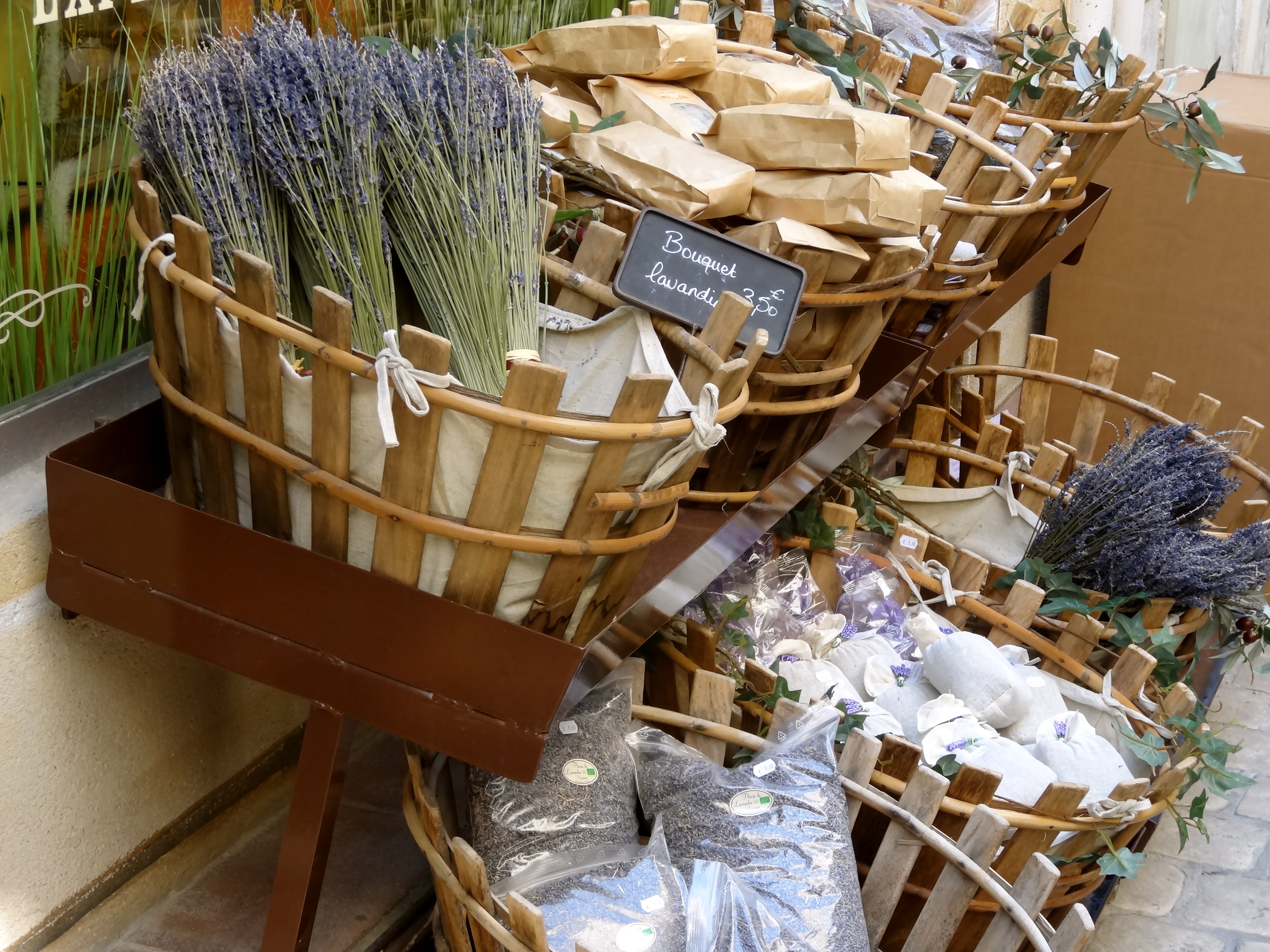
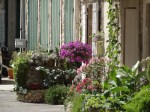
For Saint-Rémy is one of those picture-perfect little towns about which the guidebooks rave, and the midwinter daydreamer, wrapped up against the cold, can only dream: A town of only 8 or 9 main streets, each winding around a charming central square with a trickling fountain at its centre, and a single local café covering the old cobbles with tables and umbrellas for those seeking solace from the sun. Radiating out from this centre point are clusters of little boulangeries, fish shops and delicatessens, while gift shops sell stylish selections of Marseille soap and bundles of lavender, all wrapped up and ready to go home where their sweet floral scent will imbue even the most dreary of homes with a Provençal perfume.

Saint-Rémy streets
DSC04266 DSC04212 DSC03748 DSC04267 DSC04244 DSC04211

Between the little boutiques, an impressive selection of high-end galleries are to be found – for Saint-Rémy has built itself a reputation as a rather chic Provençal destination, a town whose souvenir shops sell well-packaged, pastel-toned quality nicknacks of France, rather than the garish trade of lesser towns. And in its restaurants, freshly made cakes and pastries line up in the windows like the latest models of a fashion show, and menus de jour almost sparkle with pumped up prices and all the pomp of the promised culinary show.

Chic boutiques

DSC03843 DSC04254 DSC04217 DSC03138 DSC04263 DSC03131 DSC04246

Yes, Saint-Rémy is truly a gem of Provence, a town which is small enough to be unspoilt, charming and deeply atmospheric, yet sufficiently well-developed on the tourist map to bear all of the hallmarks of a sophisticated polished holiday destination. We were pretty much enamoured by the town from our first walk through its centre – by the narrow little streets, the delicately perfumed shops, the pastel-coloured shutters, old shop signs and bustling street markets. And on this, our last day in the town, we returned to those now accustomed haunts, once again gazing through the windows of the little boutique shops, enjoying the gentle pitter-patter of water in the fountain outside the town hall, and having a noisette or two (macchiato coffee) in the shady central square.

In short, we had found picture-perfect Provence, and were determined to make the most of it. For later that day, our planned departure would whisk us away once again, voyaging south to our final destination: the city of Aix. But before that, I leave you with some more of my photographic moments. Adieu.

All photos and written content are strictly the copyright of Nicholas de Lacy-Brown © 2013 and The Daily Norm. All rights are reserved. Unauthorized use and/or duplication of the material, whether written work, photography or artwork, included within The Daily Norm without express and written permission from The Daily Norm’s author and/or owner is strictly prohibited. 

Provence Odyssey | My Journey in Paintings: Beau Les Baux

When I was planning my trip to Provence, I always had in mind the kind of imagined utopia, where Dominik and I would walk, carefree, into lavender fields and poppy fields, he taking a rest amongst the sweet smelling flowers, and me setting out my sketch book and paint box, beckoning the Provençal muse to meet my embrace, inspiring me to transfer the glory of Provence to the blank pages of the sketch book before me. In this sense I suppose I am similar to so many artists who have gone before me; such as Van Gogh, who was so driven by the concept of establishing an artistic community in the region that he painted some of his best works just as decoration for the house which would be at the centre of that movement.

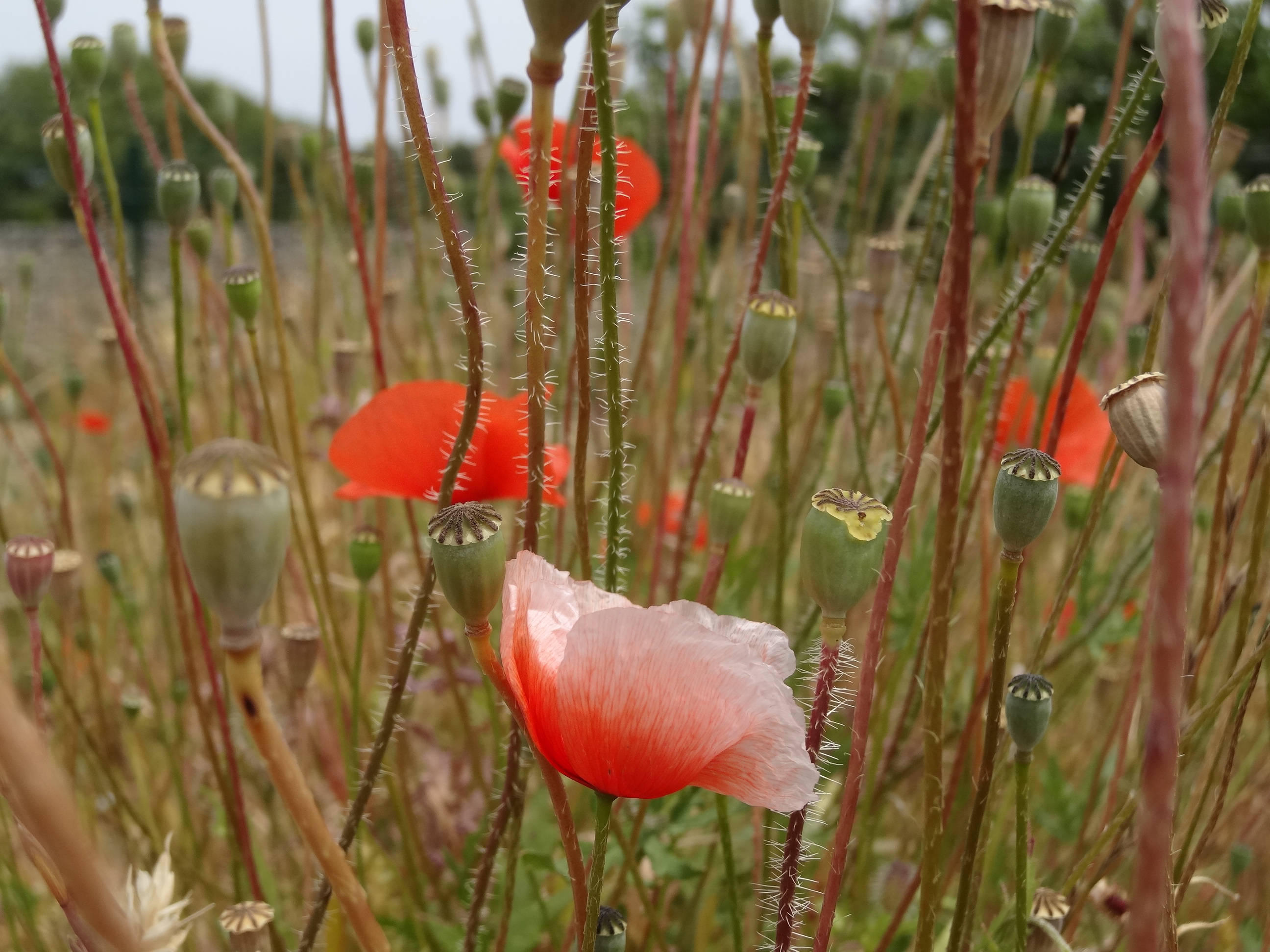
While Van Gogh’s dream was sadly never realised, my own artistic imaginings have, happily, come closer to fruition. After 6 days on the trip, I had already completed two works. As for my vision of utopia, well, Dominik had already found rest in amongst a Poppy field (as the photo below aptly demonstrates!), while in Saint-Rémy, we finally found the opportunity to stroll through lavender fields and olive groves, having got no closer to lavender in both Avignon and Arles than the bags of dried stuff littering up the souvenir shops.

Dominik takes a rest amongst the poppies, Oz style.

Dominik takes a rest amongst the poppies, Oz style.

But once Les Baux entered the equation, my artistic stirrings really began to take another stir, as with one glance at some of the most stunning mountain scenery in all of France, I became involuntarily, but very willingly sucked into another hypnosis of creative motivation, as the sweet-smelling lavender-haired Provence Muse took my hand in hers, and led me to a third page of my sketchbook to complete yet another ode to this paradise.

As I described yesterday, Les Baux-de-Provence could not help but inspire artists such as Yves Brayer to manifest the exquisite village and surroundings in paint, but then again Saint-Rémy’s impressive surroundings are surely worth their weight in inspirational gold also. So for my third painting, another of my freely-conceived “compositions” series, I couldn’t help but paint the limestone chateau-topped spur of Les Baux, its stunning surroundings of patchwork-quilt fields, and, in the distance, the ruins of St Remy’s great archaeological site, the Roman town of Glanum.

Composition No. 4 (Beau Les Baux) (© Nicholas de Lacy-Brown, 2013, guache on paper)

Composition No. 4 (Beau Les Baux) (© Nicholas de Lacy-Brown, 2013, guache on paper)

So there you have it: Composition No. 4 (Beau Les Baux). An undulating patchwork landscape, rocky citadel, blue skies and all topped off with a picnic of baguette, cheese, saucisson and of course a little wine. Ah…La Bonne Vie. I hope you enjoy it.

© Nicholas de Lacy-Brown and The Daily Norm, 2001-2013. Unauthorized use and/or duplication of the material, whether written work, photography or artwork, included within The Daily Norm without express and written permission from The Daily Norm’s author and/or owner is strictly prohibited. 

Provence Odyssey | Saint-Rémy: Day 6 – In search of Van Gogh (Part 2)

As Van Gogh neared the final climax of his prematurely shortened life, his movements around France, and the paintings which resulted, became more and more dominated by his health needs. In May 1889, after his famous ear self-mutilation incident in Arles and the hospital stay which followed, Van Gogh moved to Saint-Rémy-de-Provence, some 20 miles North-East of Arles in the foothills of the Alpilles mountains, in order to voluntarily commit himself into the care of an asylum. That asylum was the hospital of Saint Paul-de-Mausole, set within the tranquil grounds of a former monastery to the south of Saint Remy, and was where Van Gogh set up home, with one room and an adjoining studio, for the next year of his life. Come May 1890, Van Gogh was off again in pursuit of medical assistance, moving to his final destination of Auvers-sur-Oise, this time to be nearer to Dr Paul Gachet. He would be dead some 3 months later.

Despite the nature of what some could see as a mental crisis dictating Van Gogh’s relocation to Saint-Remy, there are two undeniable factors about his stay in the town and the output that resulted. The first is that the asylum and the town to which he relocated are both exceptionally beautiful examples of Provence at its finest. The second is that, understandably, the paintings which resulted from this time are some of Van Gogh’s very best.

Painted in Saint-Rémy…

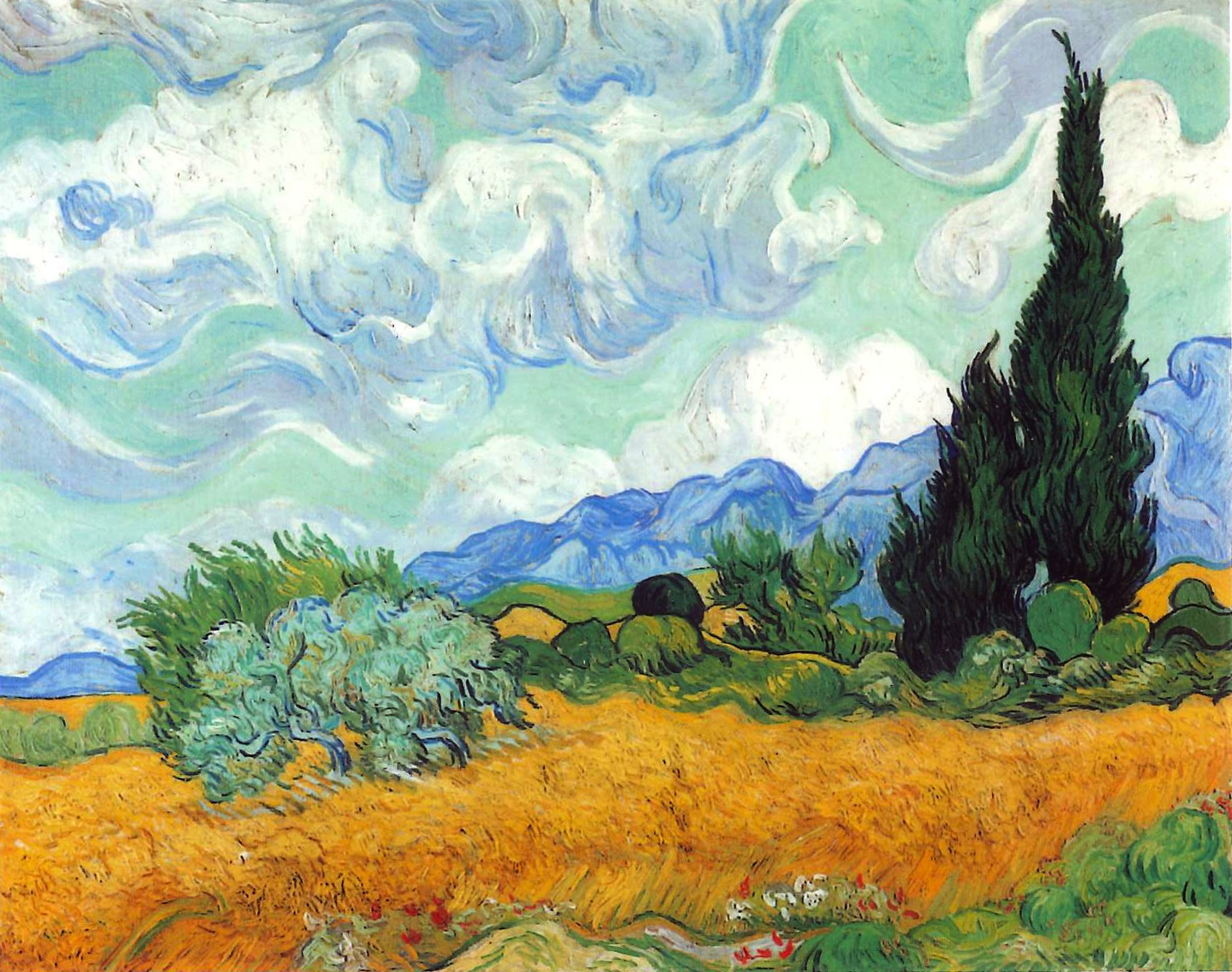
Wheatfield with Cypresses

Wheatfield with Cypresses

Irises

Irises

Mountainous landscape behind the hospital Saint Paul

Mountainous landscape behind the hospital Saint Paul

The Olive Trees

The Olive Trees

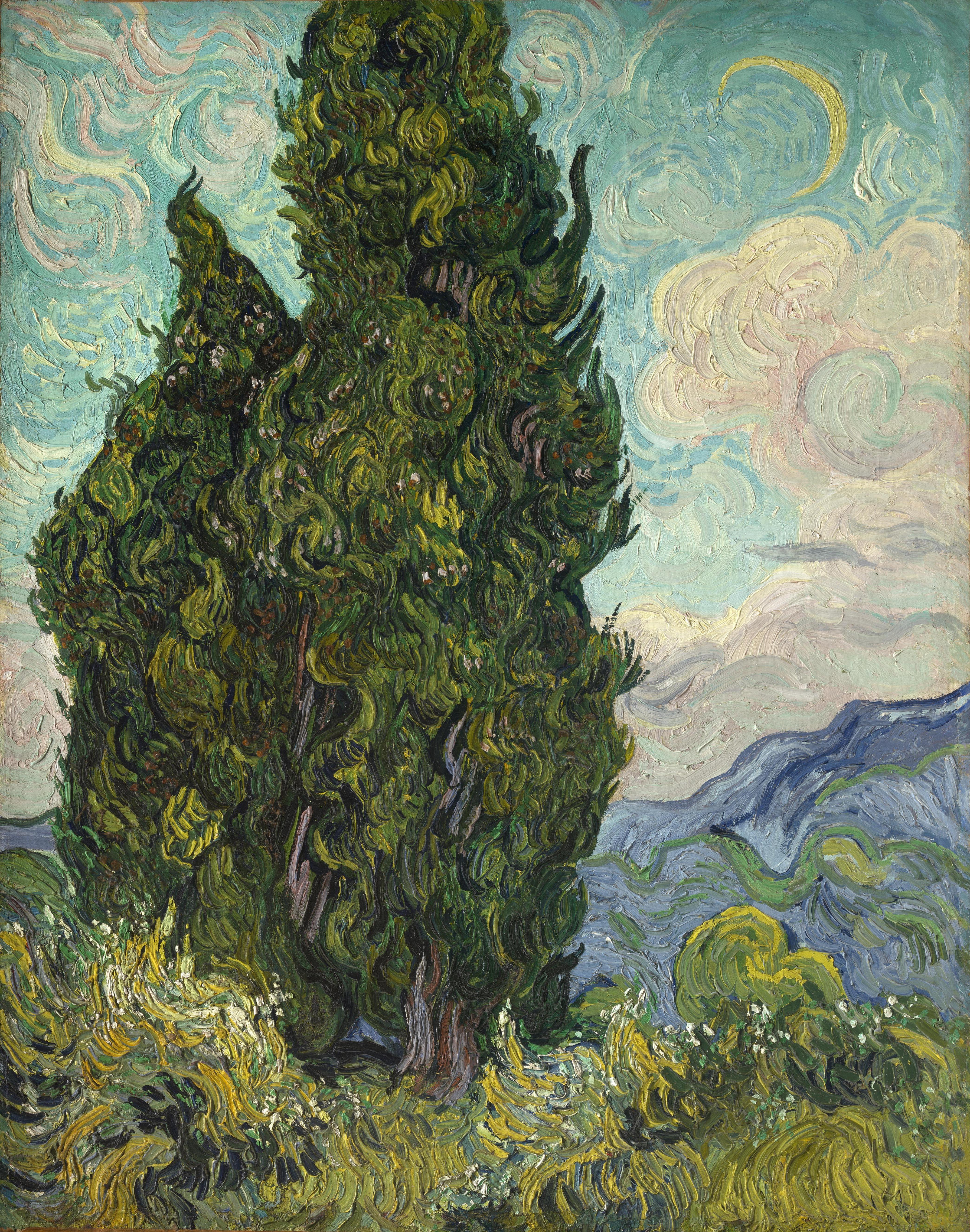
Cypresses

Cypresses

It was consequently to Saint Remy that we proceeded on this third leg of our Provence Odyssey, as much guided by the promise of a pretty mid-countryside town as by the legacy of Van Gogh which seeps into its very foundations. While a stroll around the pretty boutique-filled village proved that the town is abundant with its own Provençal charms, albeit on a far smaller scale than Avignon or Arles before it, it was in pursuance of Van Gogh’s story that we begun our explorations of Saint-Rémy, and the out of town stroll which this trail required.

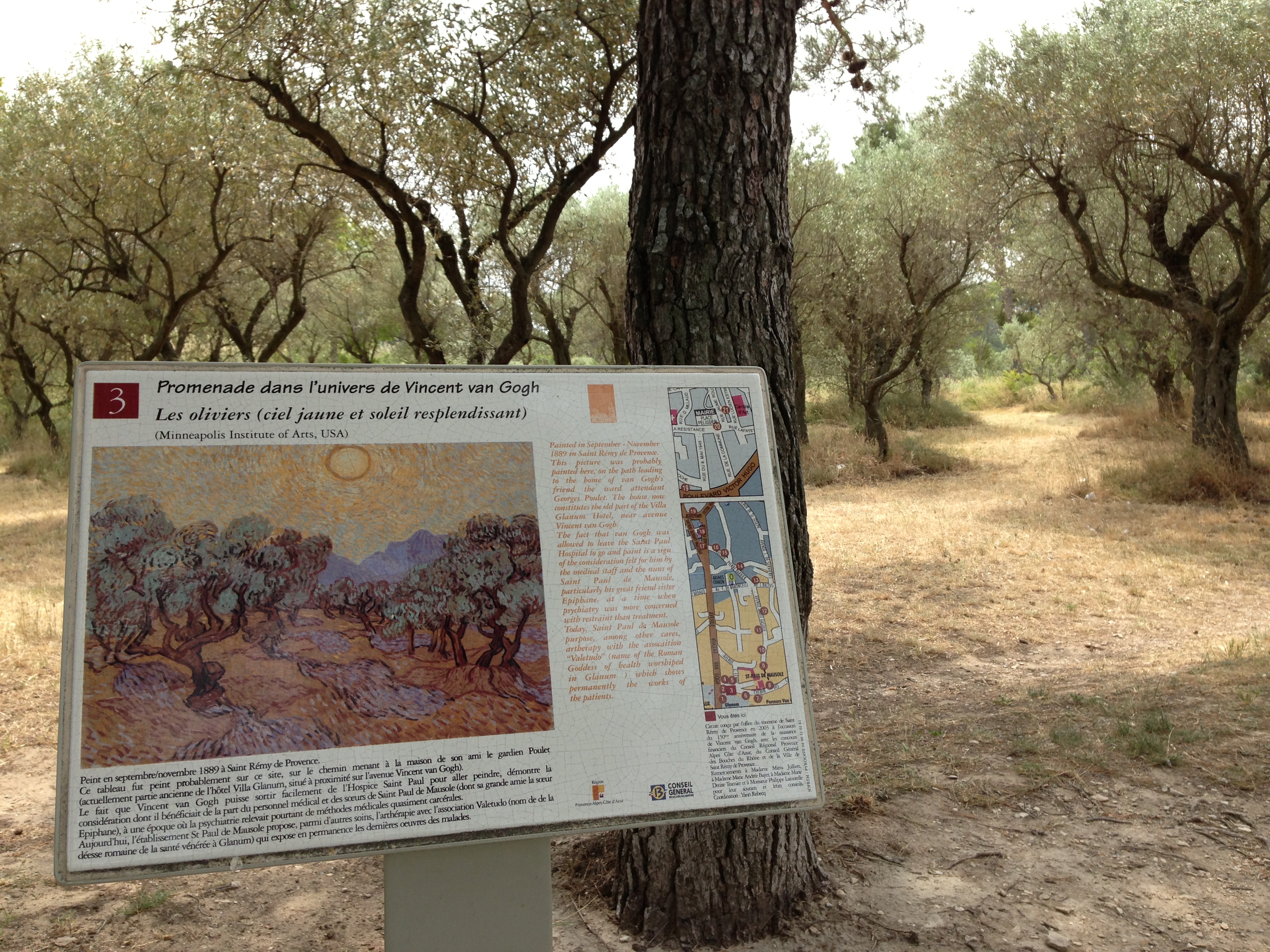
Unlike Arles, whose exploration of the Van Gogh story left me somewhat wanting (there were postcards sure, and a café mock up on the Place du Forum, but where were the museums, the recreations of paintings, the story?), Saint-Rémy’s small but ample tourist office provides an excellent self-guided Van Gogh walking tour, which takes you out of the village and into the stunning surrounding countryside, in order to visit the Saint Paul-de-Mausole asylum where Van Gogh lived, and see recreations of his many Saint-Rémy based paintings along the route.

Right where he painted it - the Van Gogh walk brings his paintings to life

Right where he painted it – the Van Gogh walk brings his paintings to life

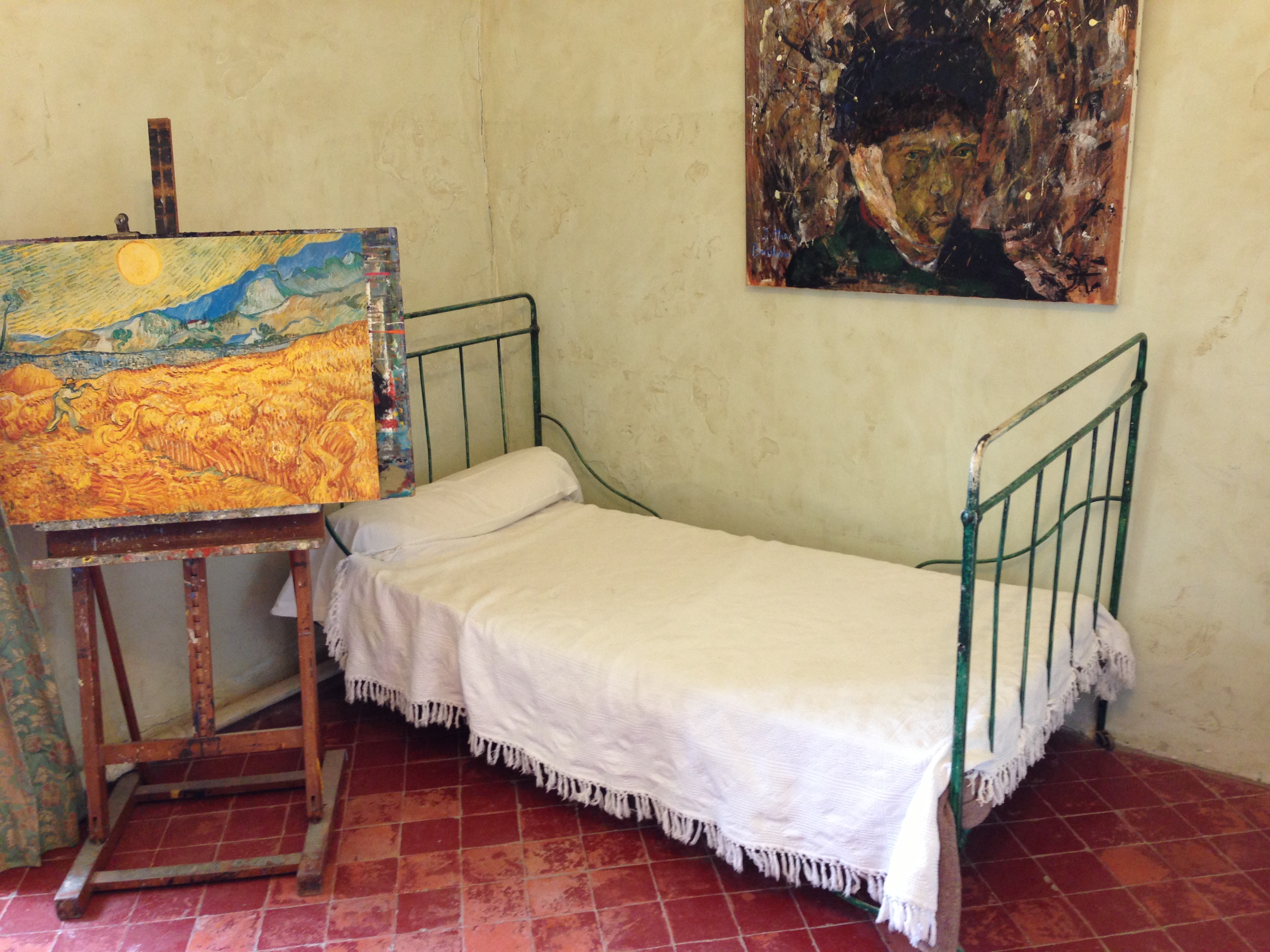
Van Gogh's hospital bed and easel

Van Gogh’s hospital bed and easel

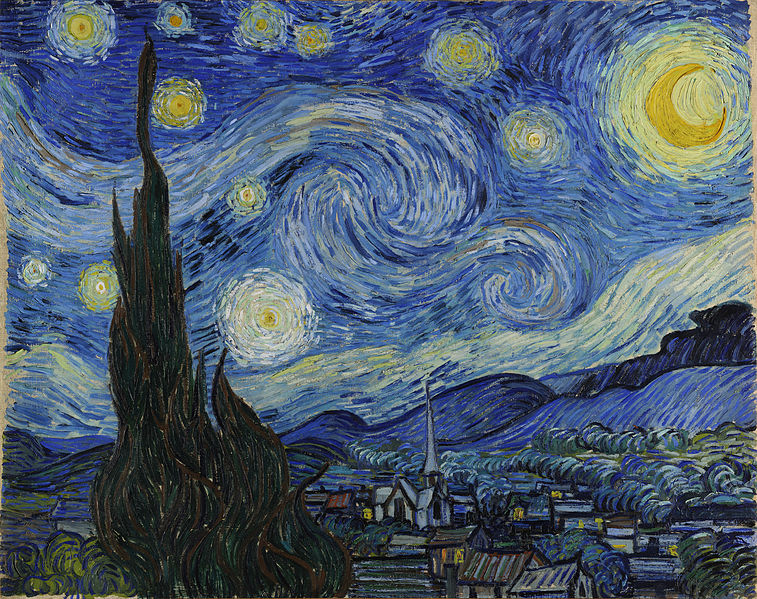
Taking this route, we were delighted with the pastures new before us, strolling as we were along small residential and field-lined roads which we may never otherwise have discovered. While much of the landscape is a little more developed now than it might have been in VG’s day, as we neared the asylum, wide expanses of olive tree-lined fields started to open up before us, and with the wild craggy outline of the Alpilles mountains in the backdrop, and swirly dark cypress trees popping up all over the landscape, it really started to feel as though some of Van Gogh’s most famous landscape paintings were coming to life before our very eyes. For as the little VG walk soon made clear, the artist produced some of his best works in this little town, painting at his swirliest (for example his famous Starry Night and his depiction of cypress trees and swirly leafed olive trees) and his most imaginative.

Painted in the Saint Paul hospital…

Trees in the Garden of the Hospital Saint Paul

Trees in the Garden of the Hospital Saint Paul

The gardens of Saint Paul hospital

The gardens of Saint Paul hospital

The gardens of Saint Paul hospital

The gardens of Saint Paul hospital

Stone Bench in the garden of Saint Paul

Stone Bench in the garden of Saint Paul

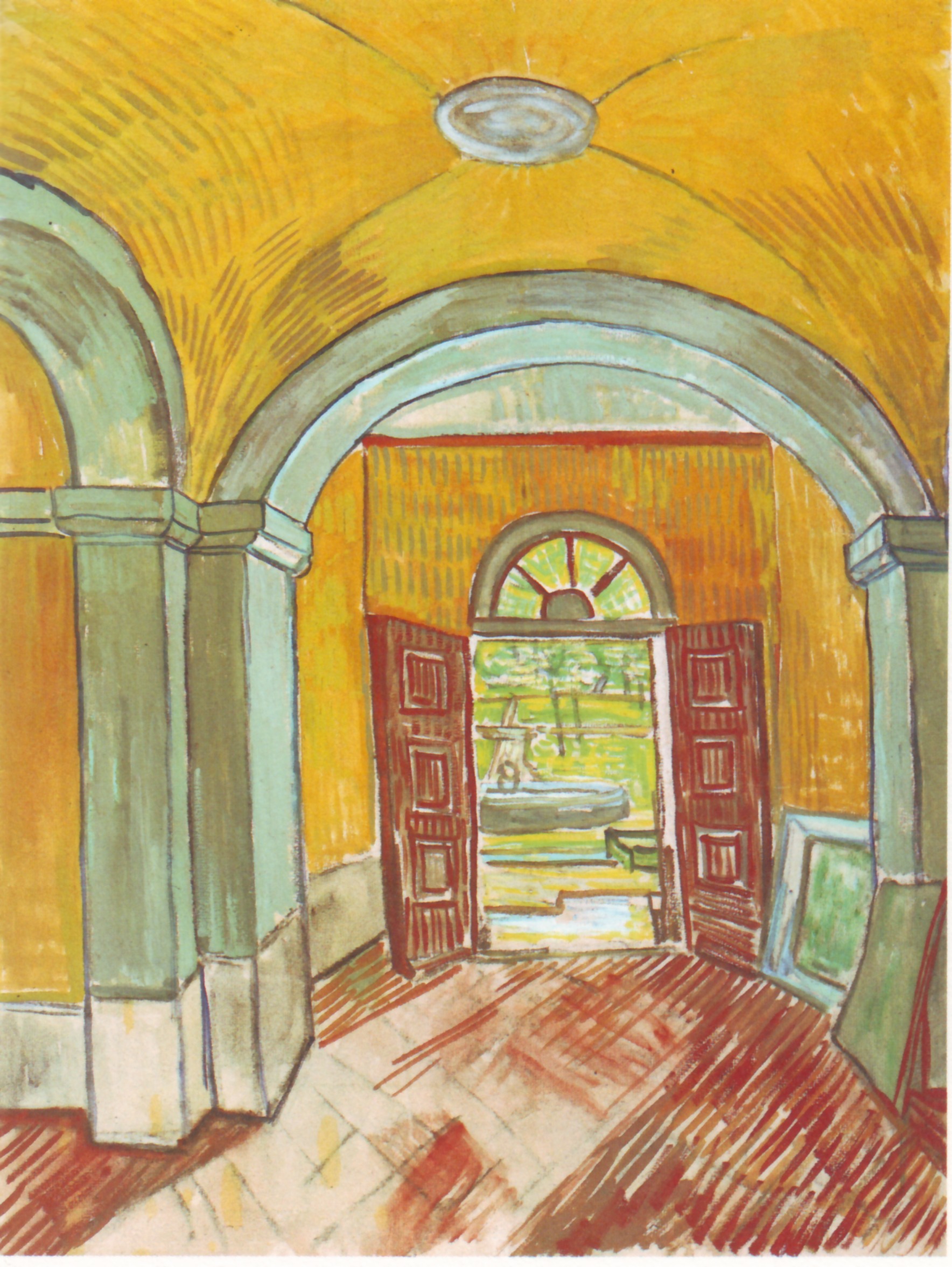
Entrance Hall of Saint Paul

Entrance Hall of Saint Paul

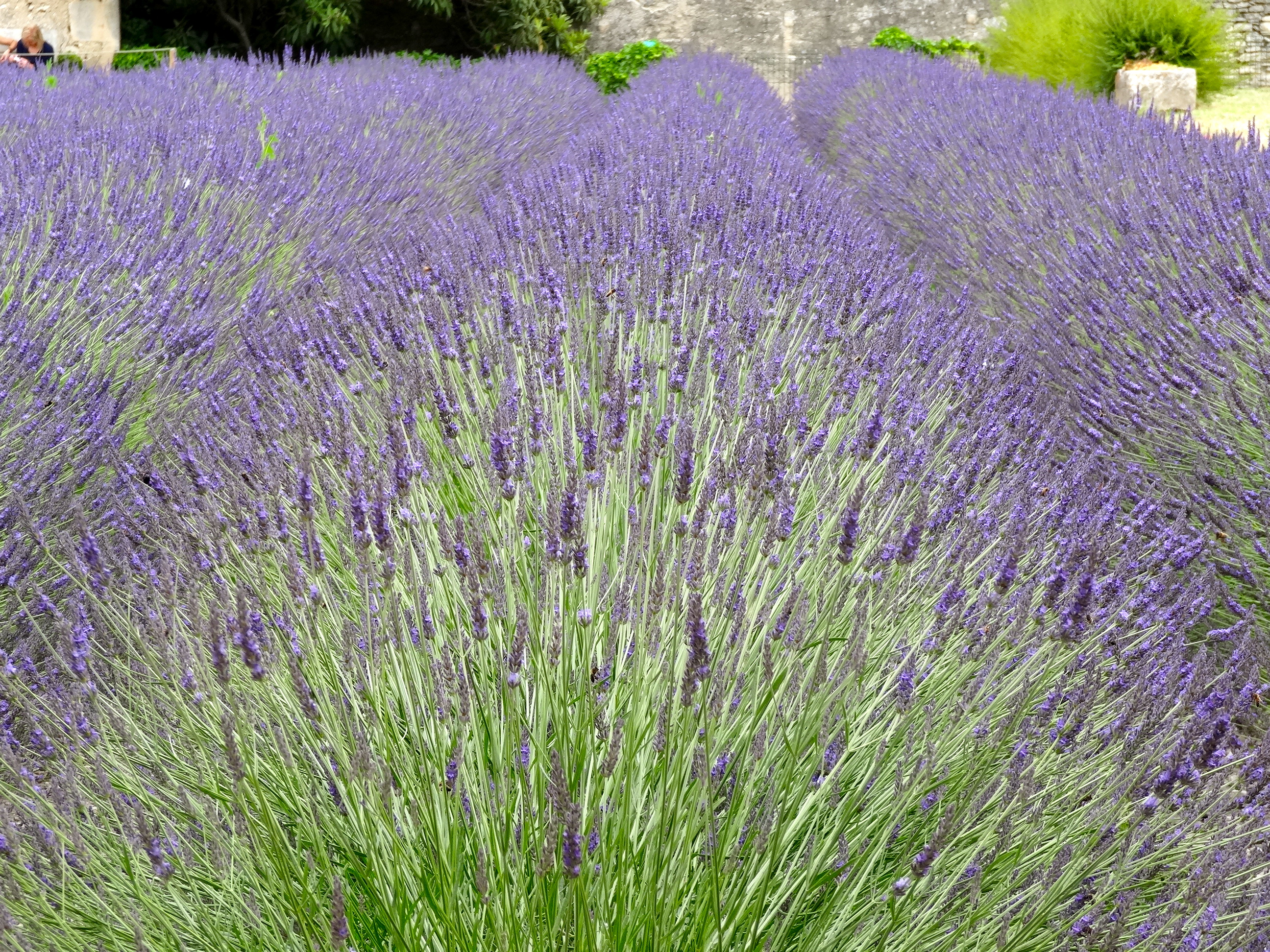
And no wonder. As we turned into the high-stone walled gardens of Saint Paul-de-Mausole, filled with multi-coloured flowers moving slowly in the light breeze, I could not help but feel inspired myself. This reaction only grew, as we wandered through the former monastery, gazing in wonder and the beautiful sun drenched cloister, and then, behind the building, the stunningly manicured Provencal gardens, loaded with rows of lavender, sunflowers and poppy fields, creating the kind of floral backdrop which would have had Van Gogh painting feverishly all day long.

The landscapes and the hospital that inspired Van Gogh…

DSC03698 DSC03273 DSC03294 DSC03699 DSC03305 DSC03319 DSC03317 DSC03296 DSC03231

With only a camera to hand, Dominik and I met our own inspiration through the medium of photography, taking hundreds of photos of the flowers, the lavender, the old monastery and the surrounding landscapes, strolling around the gardens, mesmerized by the scent of flowers, and the low murmuring of hundreds of bees buzzing around the lavender bushes. This was true Provence – the true stunning countryside that the guidebooks had all promised.

Eventually we broke away, not only from the asylum, but also from our Van Gogh trail, for what we found just down the road from Saint Paul was an entirely unexpected, quite stunning historical treat – a find of such exciting archeological proportions that I’m going to devote an entire post to it! For that – see you tomorrow. And in the meantime, I leave you with the lavender, the poppies, the olive trees and the sunflowers that so inspired Van Gogh, and now me in equal measure.

Provence at its finest…

DSC03344 DSC03431 DSC03310 DSC03451 DSC03468 DSC03367 DSC03354 DSC03401 DSC03488

A demain.

All photos and written content are strictly the copyright of Nicholas de Lacy-Brown © 2013 and The Daily Norm. All rights are reserved. Unauthorized use and/or duplication of the material, whether written work, photography or artwork, included within The Daily Norm without express and written permission from The Daily Norm’s author and/or owner is strictly prohibited. 


Provence Odyssey | Arles: Day 5 – In search of Van Gogh (Part 1)

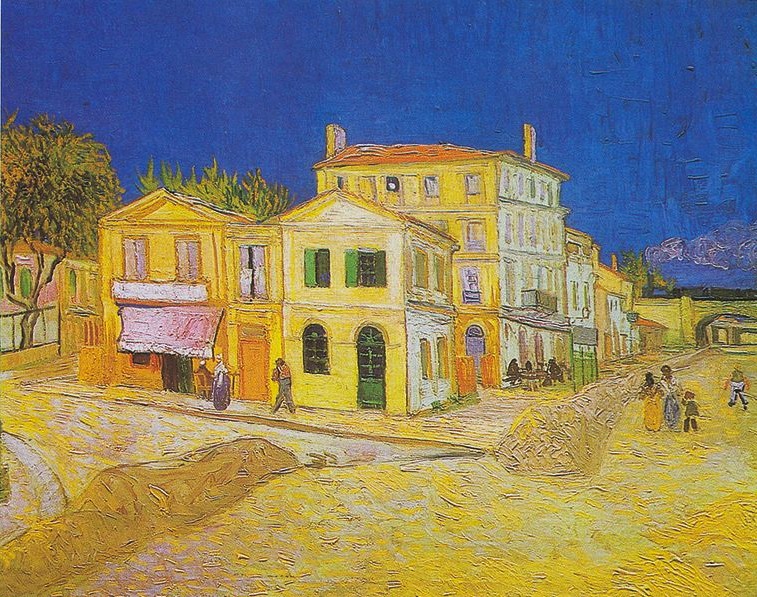
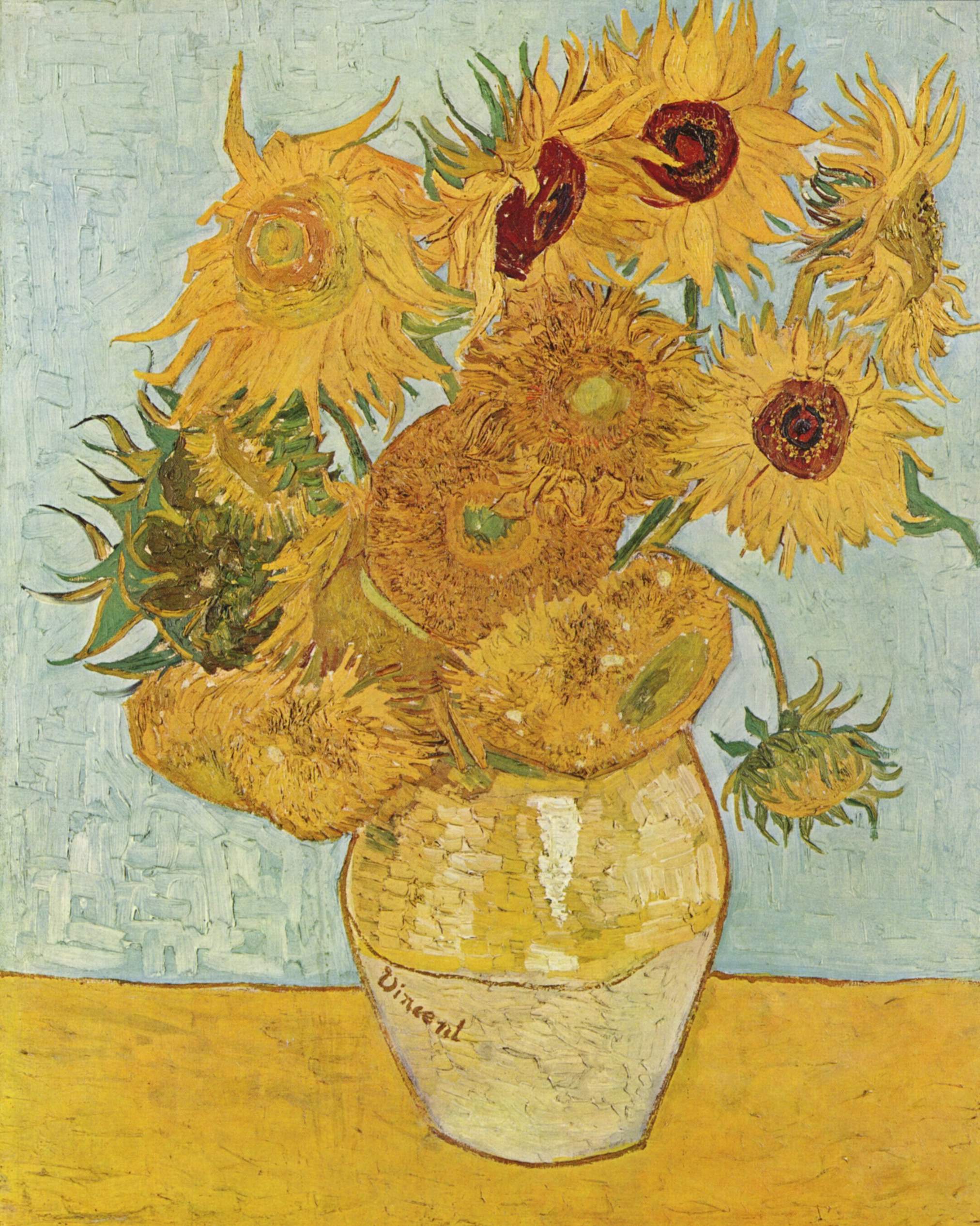
The vivid kaledoscopic colours of Van Gogh’s works are renowned throughout the world: the dazzling bright yellow sunflowers, his multi-shaded green and blue self portrait with a shock of orange hair and beard, the twin piece works depicting his and Gauguin’s chairs as well as his now famous bedroom in vivid multi-colour, and his Yellow House, set against a bright blue sky – all characterise Van Gogh’s great affinity with vivid colouration and the depiction of almost feverish energy and zeal. Yet it only takes a quick glimpse at Van Gogh’s earlier works painted in Holland – the Potato Eaters, the Brown peasant faces, the gloomy interiors and flat dull landscapes – to realise just how instrumental his move down to Provence in 1888 was. And one city in fact helped to shape the unique colour driven artist who we know and love today: Arles.

It was in Arles that Van Gogh lived in the Yellow House, where he painted his famous Sunflowers in preparation for a visit by fellow-artist (and colourist) Paul Gauguin, on whose river bend he depicted the famous Starry Night over the Rhone, and where the artist is credited with making his final breakthrough as an artist of sensational colour, of unmistakeable feverish expressionism and of an undiluted enthusiasm to depict the world around him with speed and a remarkable resulting oeuvre.

Van Gogh moved to Arles in 1888, after a spell in Paris where he had become influenced by the impressionists. Thus, he had already broken free of the sombre earth tones inspired by his homeland of Holland, and started dappling in lighter, fresher scenes, but nothing compared with the cornucopia of colourful and free expression on which he would embark when taking inspiration from the South. Having made the move, Van Gogh became dazzled by the brighter light and therefore clear unmuddied coloured which result. He began to see art in the curving shadow-filled feathery forms of cypress trees, in the undulating tapestry of fields beneath rising mountain landscapes, in the vivid blooms of cherry blossom and irises and sunflowers, and in Arles’s streets, its inviting cafes and its people. All of this made Van Gogh the artist we know today, and so many of his most famous paintings were undertaken here, in Arles, as decoration for his Yellow House.

The Yellow House (1888)

The Yellow House (1888)

Van Gogh's Chair (1888)

Van Gogh’s Chair (1888)

Bedroom in Arles (1888)

Bedroom in Arles (1888)

Still Life: Vase with 12 Sunflowers (1888)

Still Life: Vase with 12 Sunflowers (1888)

However Van Gogh’s appetite for decorating the Yellow House with such speed was largely because he was awaiting a visit from fellow-post-impressionist Paul Gauguin in the hope that he could set up something of an artists’ community in Arles. Yet it was that same visit that became the catalyst for Van Gogh’s infamous ear-chopping incident, and what followed was a stay in Arles’ general hospital, followed by an extended stay, in 1889, in the sanitarium at Saint Remy-de-Provence.

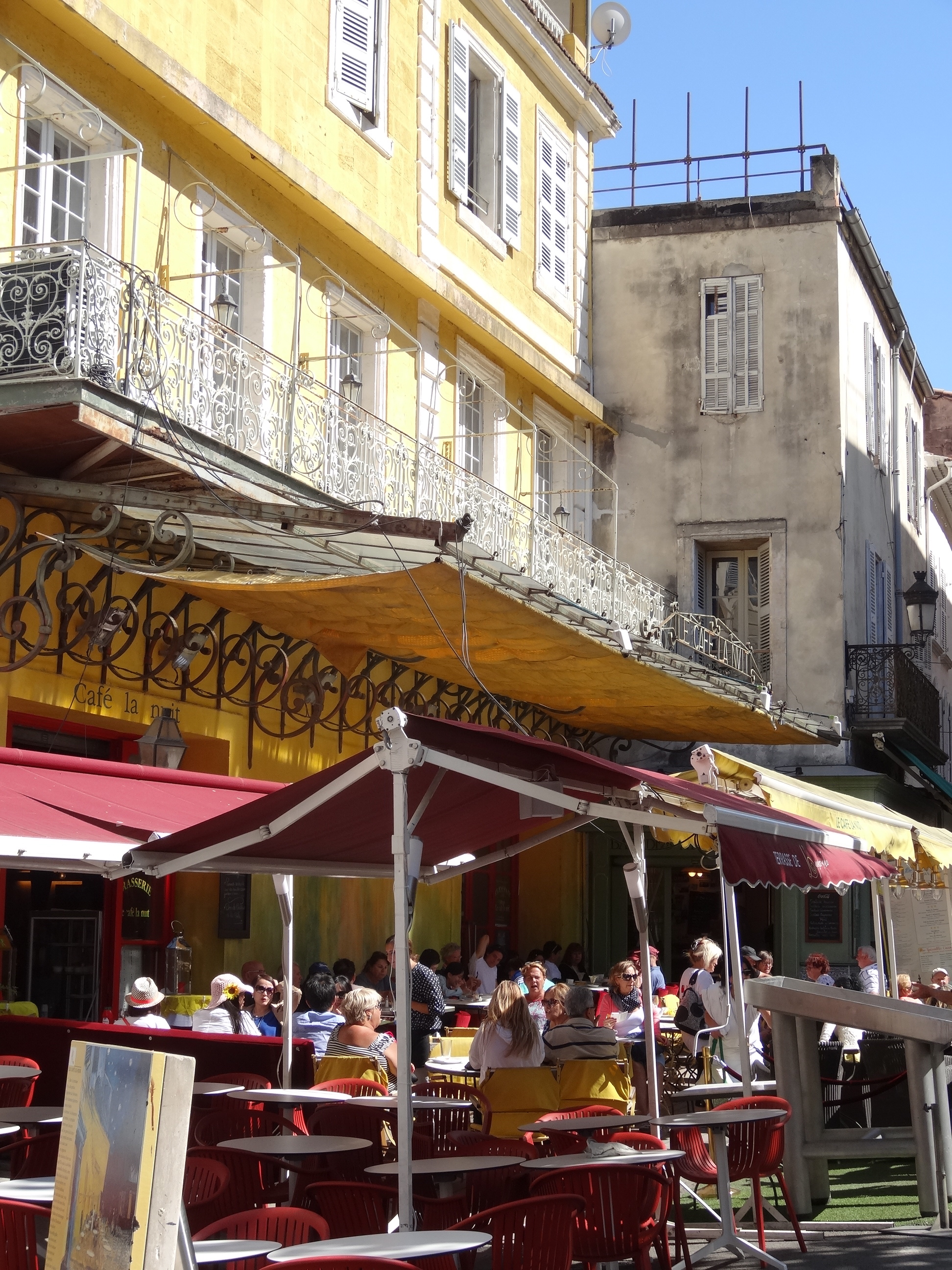
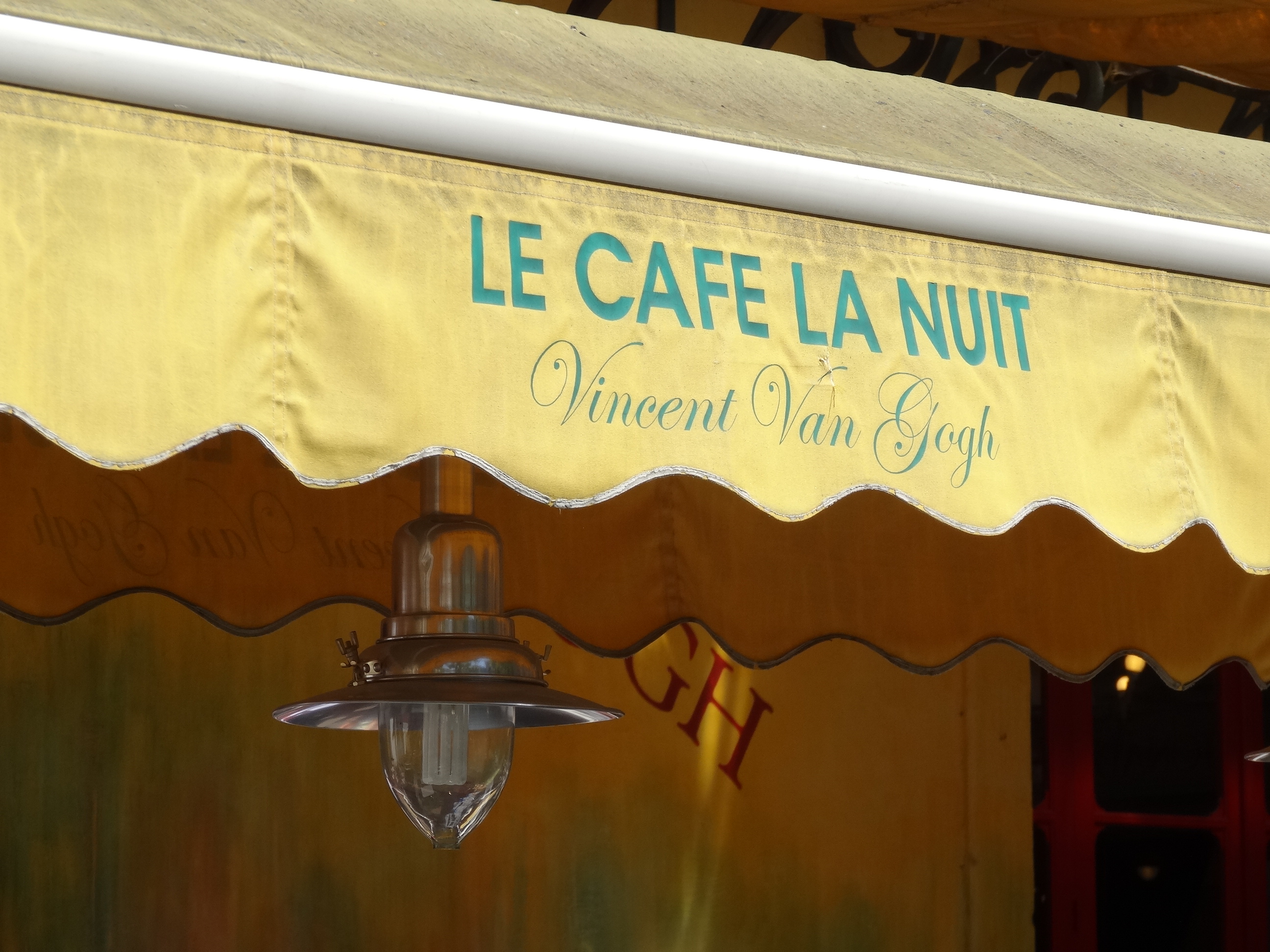
With this background in mind, it was in the footsteps of Van Gogh that we embarked on our last day in Arles, starting off at the Place du Forum, where his famous depiction of a cafe terrace is rather unfortunately replicated today for tourists, so that the real cafe is not the cafe as would have been visited by Van Gogh, but the cafe as painted by Van Gogh. For in their attempts to lure the tourists, the cafe has replicated Van Gogh’s painting to such an extent that they’ve painted the walls in a kind of colour was of yellow and a mouldy looking green. While those colours worked perfectly in the context of Van Gogh’s depiction, in reality they look try-hard and naff. Which is why, asides from taking photos, we avoided eating at the now eponymously named Van Gogh cafe like the plague.

Cafe Terrace on the Place Du Forum Arles, at Night (1888)

Cafe Terrace on the Place Du Forum Arles, at Night (1888)

The cafe as it stands today

The cafe as it stands today

And at night

And at night

DSC02647 DSC02521

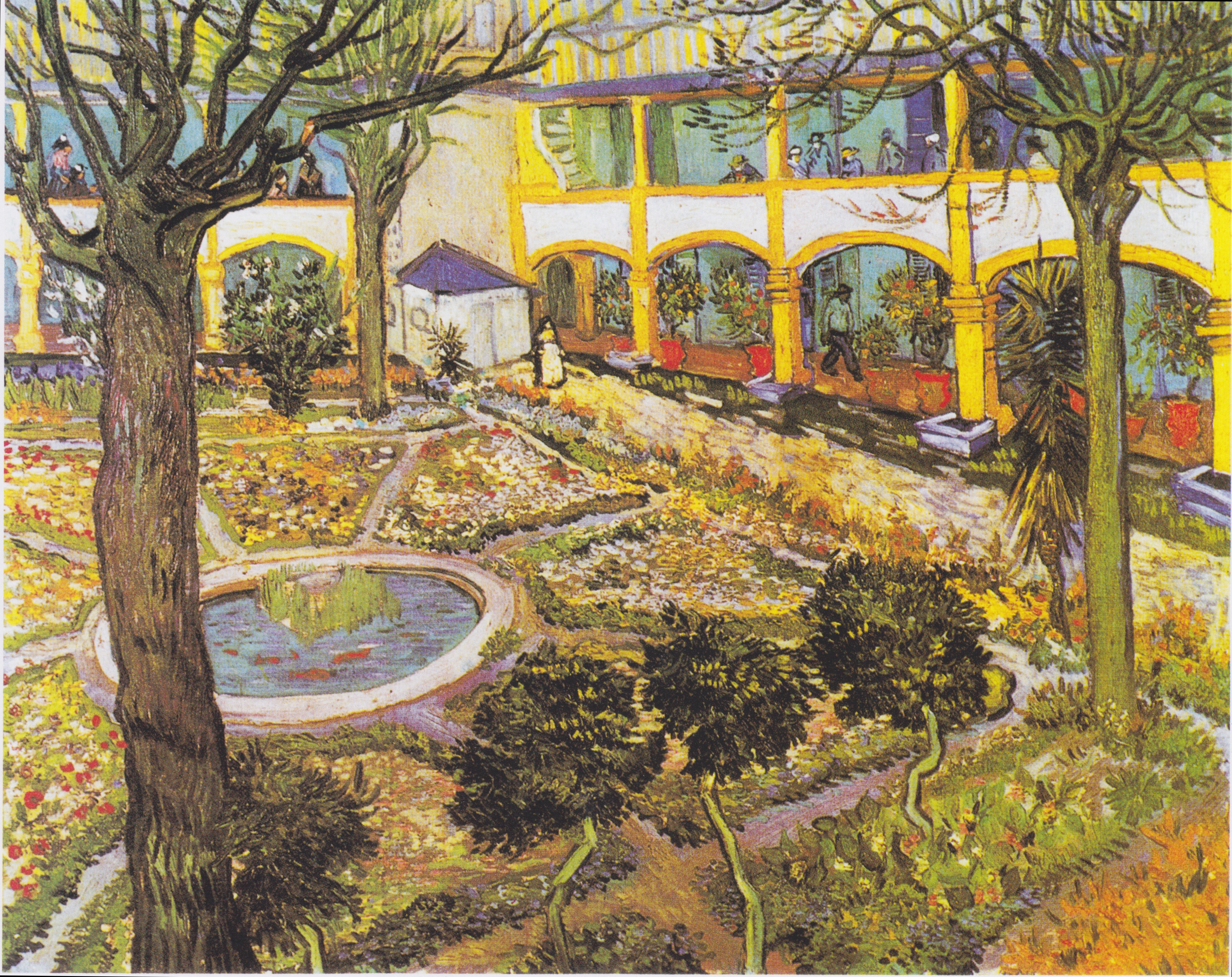
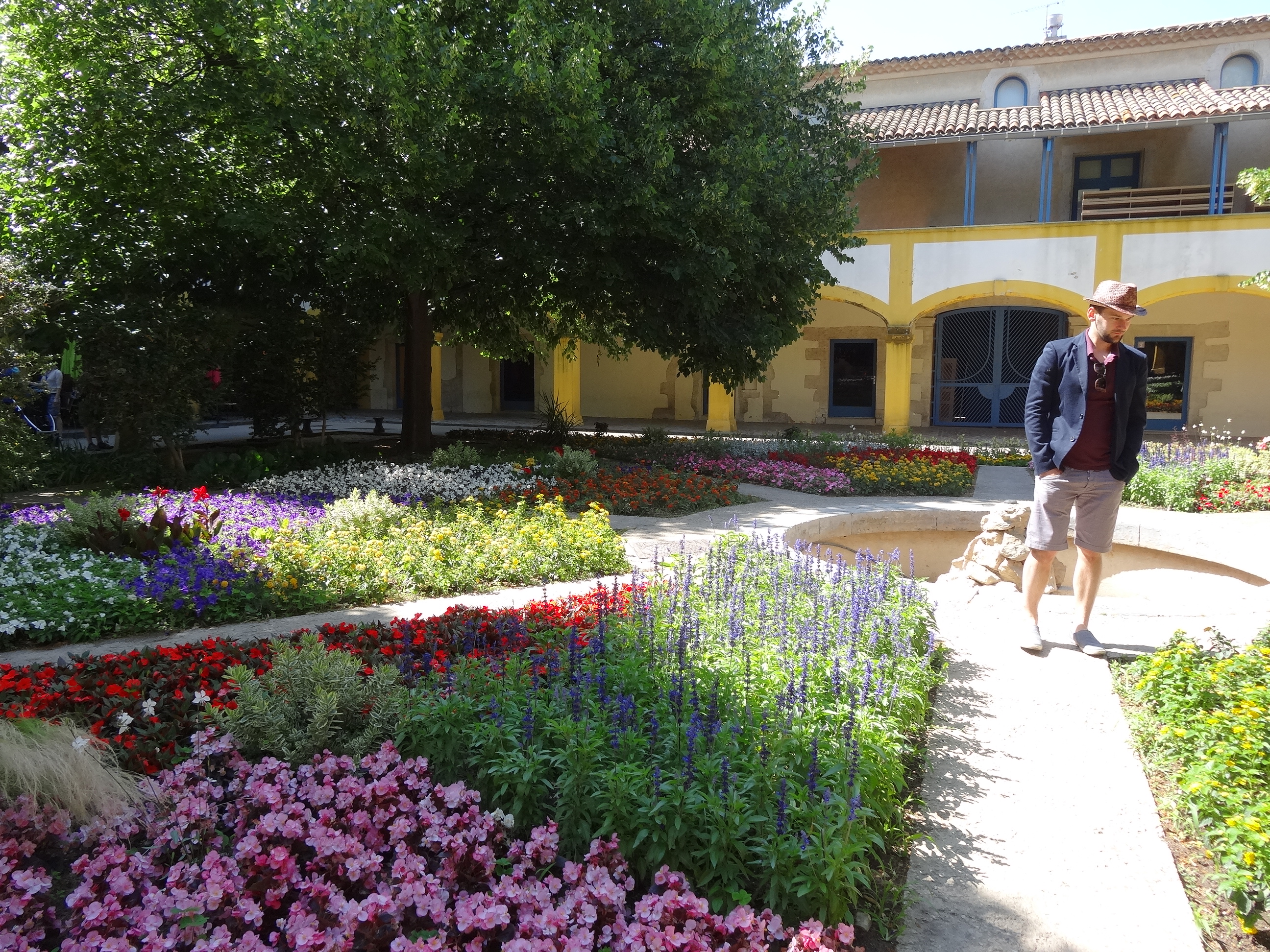
The next main Van Gogh spot is the Arles hospital, whose most iconic feature is the floral courtyard at its heart, again no doubt decked thus because of the reference made to it in Van Gogh’s painting, but nonetheless pleasing to wander into. Yet there was very little more to it, and in fact that much goes for all of Arles. While the Van Gogh references can be seen in postcards sold at every souvenir shop, there is not a single painting by Van Gogh in the tow – a crying shame considering how much the town inspired him. Meanwhile a cultural space opened in his name appeared not to exist when we searched for it, and we were told in a shop close to the hospital that a Van Gogh museum will open in a few years. But nothing for now. Meanwhile both the yellow house, and the famous bedroom in it are long gone – bombed in the war.

Garden of the Hospital at Arles (1888)

Garden of the Hospital at Arles (1888)

The hospital today

The hospital today

DSC03082 DSC03075 DSC03061

However, unperturbed by our lack of success, there was one more point on the Arles map that we had to look at, both when bringing our Arles Van Gogh search to an end, and also when leaving Arles for good. Yes, packed up and ready to move on to our next stop on this Provence Odyssey, and heading out towards the bus station, we passed by the River Rhône, now mercifully still, largely, of the winds which had dominated its path the previous day, and stopped at the point where Van Gogh had painted perhaps my favourite of all his works: Starry Night over the Rhône. Sadly, yesterday’s wind had prevented our viewing this scene by night, but in any event, the proliferation of large boats at the site undoubtedly mean that the view would be much changed now from Van Gogh’s day – a story which rings true of so much of this city.

Starry Night over the Rhone (1888)

Starry Night over the Rhone (1888)

The view today

The view today

But just as Van Gogh left Arles to head for some respite in nearby Saint Remy, so too did we follow his path, leaving the city now to head into Provence’s lush countryside, to continue not just our search of Van Gogh, but also our Provence Odyssey.

Onto Saint Remy - where Van Gogh painted: The Starry Night (1888)

Onto Saint Remy – where Van Gogh painted: The Starry Night (1888)

See you in Saint Remy!

Provence Odyssey | Arles: Le Dîner – l’Atelier de Jean-Luc Rabenel

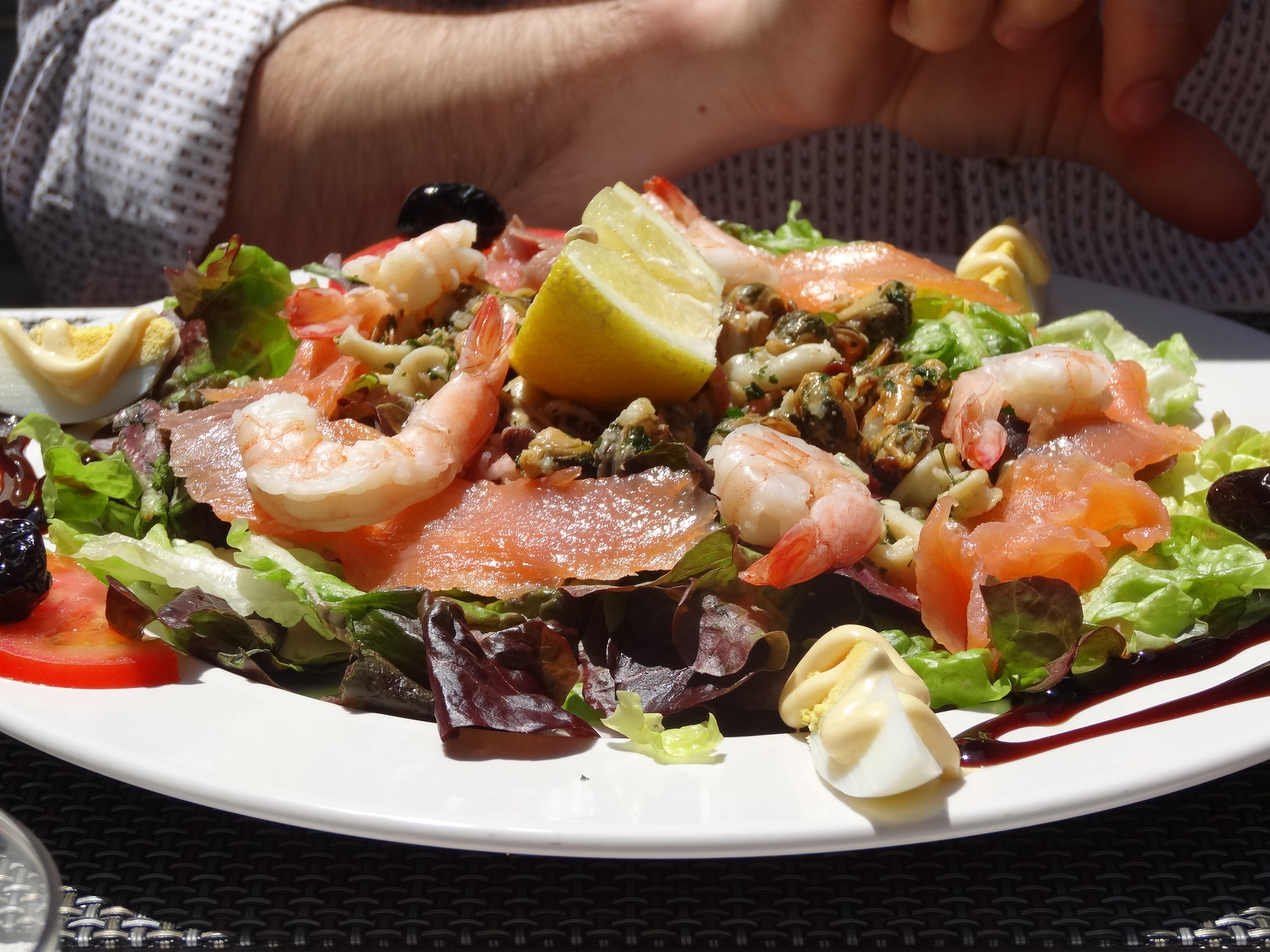
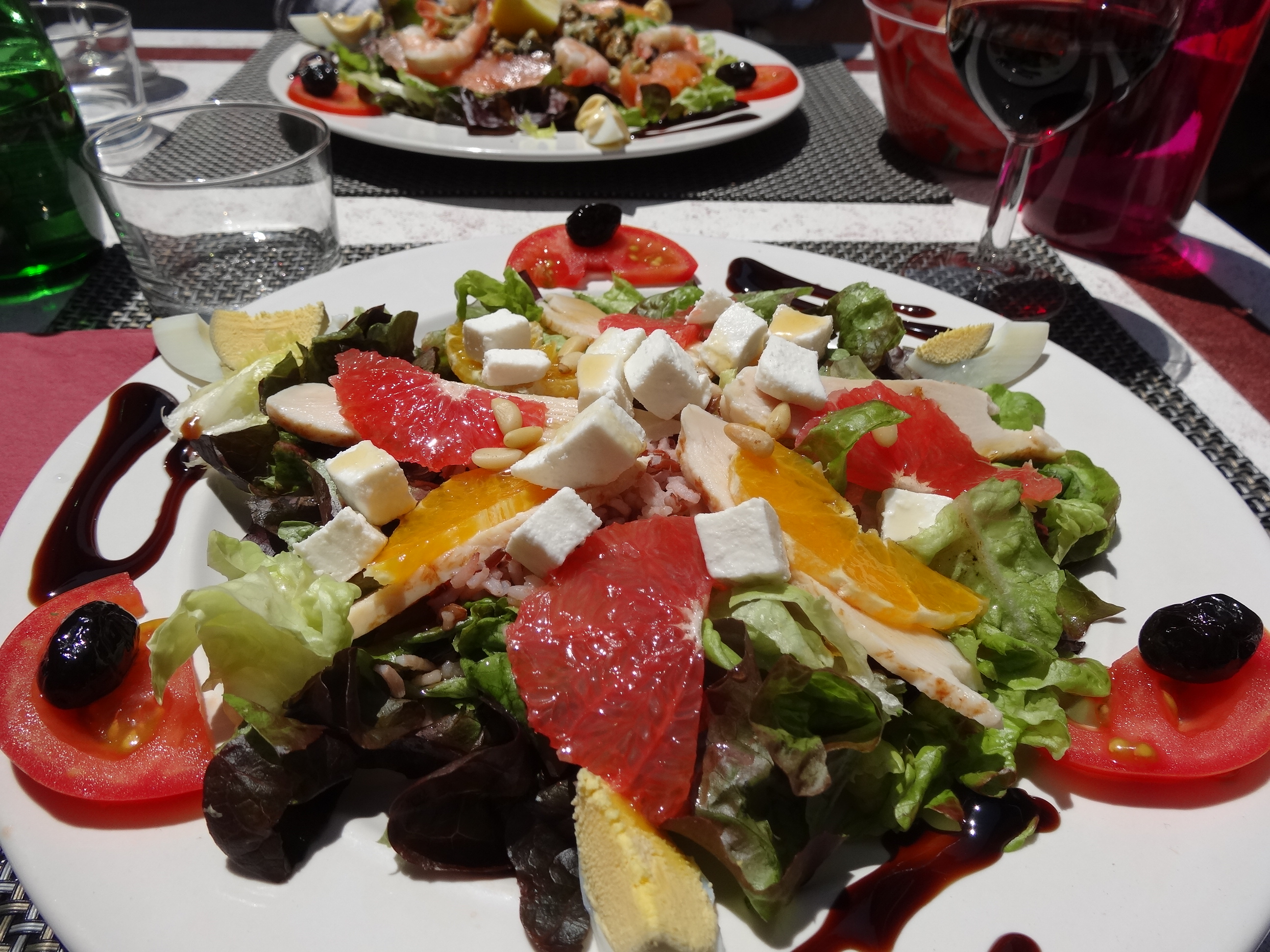
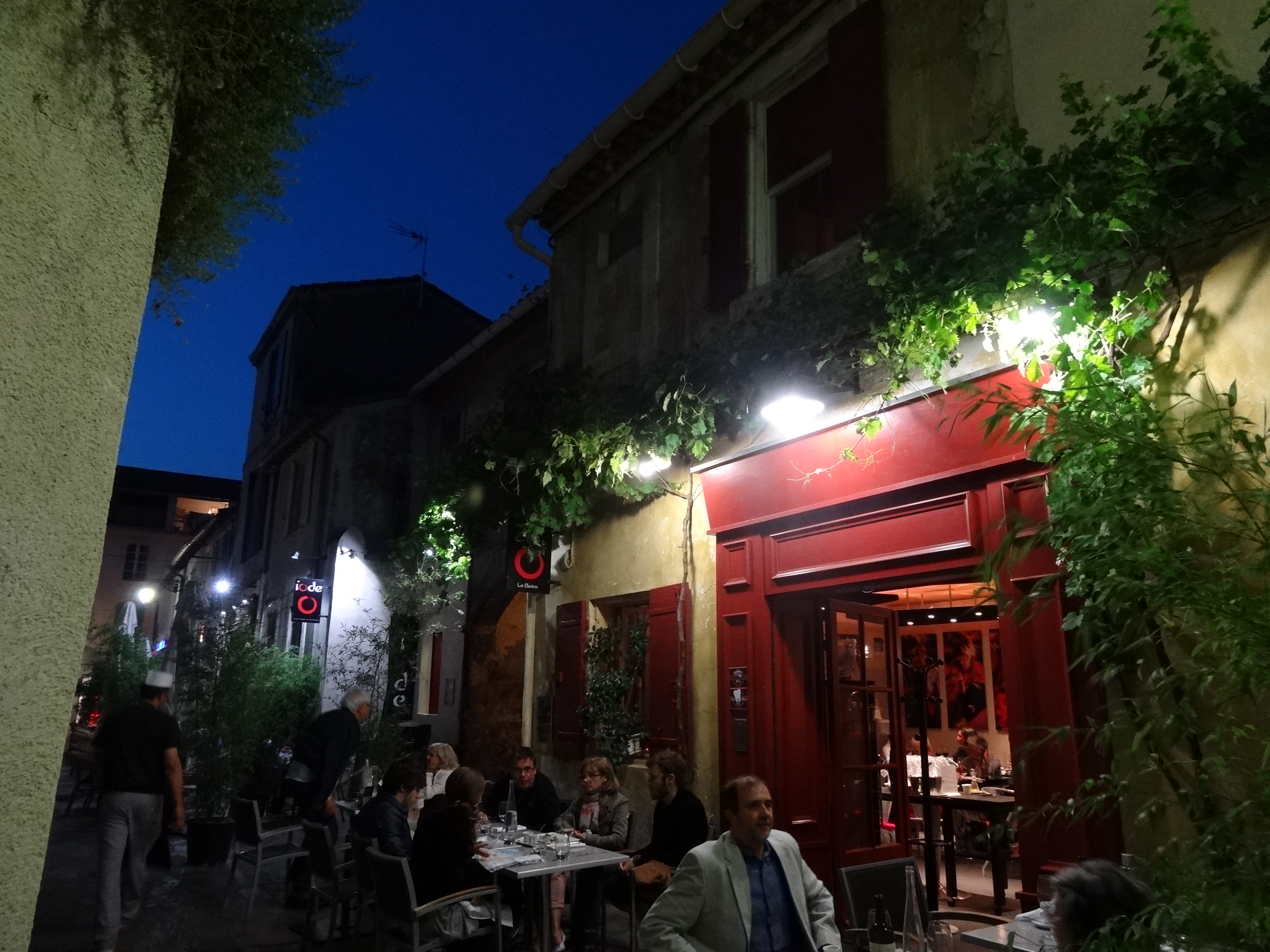
We had one of those rather embarassing moments on our second day in Arles when, eager to escape the vigorous Mistral wind and therefore sitting down at the first restaurant we came across with a sheltered position, we found ourselves, upon being handed the menu, faced with prices which were well in advance of our lunchtime budget. Splashing out in the evenings is one thing (you can barely do otherwise with Provence’s prices), but if we were to spend similarly at lunchtime, we wouldn’t be able to pay for a bed for the night. So when we sat down at a table outside l’Atelier de Jean-Luc Rabenel (otherwise translated as the studio of Jean-Luc Rabenel), we quickly discovered that we couldn’t afford it. So what did we do? We ran away! (We did however settle on a cute little cafe just down the street – check out these delicious salads…)DSC02928 DSC02929

This ever so embarrassing escapade may have been bearable, were it not that come the evening, we struggled to find a single decent restaurant which was not a tourist trap anywhere in town, and so decided to return to said restaurant, with our tales between our legs. Luckily none of the waiting staff who had earlier wasted a sparkling water order on us appeared to notice that we were the absconding duo from earlier in the day. Or if they did, they hid it well. Which is what one comes to expect from a quality restaurant, and with two michelin stars to his name, the restaurant of this self-styled artist-chef does certainly did not lack in quality.

Lucky enough to seize upon the last remaining table in the very cute little street – the Rue des Carmes – where the restaurant is located, we could enjoy charming views of old shuttered buildings and grape vines crawling possessively over building facades before we had even gazed upon the visual delight that was the food coming out of Rabenel’s kitchen. To start, neither of us could resist the ice-cold gazpacho, nor did either of us regret the decision to replicate when the dish, artfully presented as a quasi-cocktail on ice with a sprig of rosemary and complemented by a handy straw, was served, alongside mini bruschetta topped by salty serano ham.

DSC03018

The main course followed swiftly, although for me this disappointed. Sticking to the more economical fixed price menu afforded me less choice for mains, but the fish pie upon which I eventually settled lacked the kind of originality in both presentation and flavour which is to be expected of a michelin star establishment – although the handmade pesto side dish was an indisputable delight. Dominik did better, with a huge pan full of succulent muscles, plunged into a soup-like jus filled with delights such as rustic chorizo sausage and caramalised prawns.

DSC03023 DSC03022

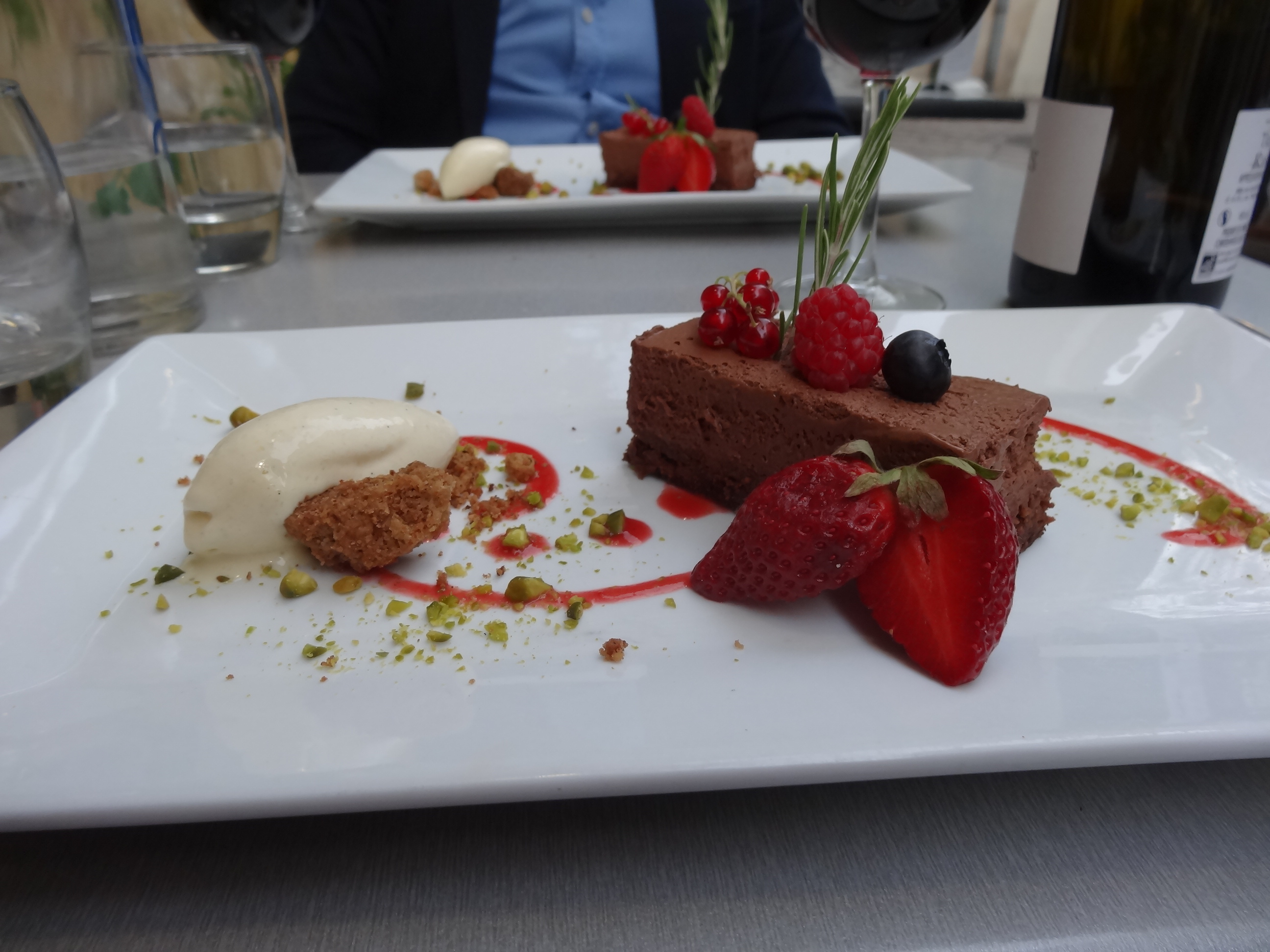
But as mains paved their way to dessert, another duplicated choice for us both – a chocolate cake with a wonderfully strong vanilla cream, pistachios and berries – again exhibited all of the flourish of fine dining, if it lacked slight the originality which we spoilt London diners come to expect of our michelin stars.

DSC03024

But over all, the restaurant was a delight and wonderfully situated in a quite Arlesienne street, suitably off the beaten track to avoid the kind of tourist groups pouring into the tacky restaurants claiming to have a Van Gogh connection, and excitingly modern despite the aged charm of its situation.

L’Atelier is part of group of restaurants all belonging to the “cercle rouge” group and situated on the same street. Next door is the Bistro a Coté – the wonderfully animated website of the Alan Sugar lookalike chef is worth a gander in itself.

DSC03030

Provence Odyssey | Arles: Day 4 – Dodging the Mistral

They say that you have not experienced Provence until you have experienced the Mistral, a ferocious wind unique to Southern France, which accelerates as weather forces push the wind down the Rhône Valley – that very same valley on which the city of Arles, our second destination, finds itself rather inconveniently placed. And so, when waking on our fourth day, the tell-tale crystalline blue skies which are a commonplace characteristic of the mistral wind may have shone brightly through our three-fold bedroom windows, but the very distinctive sound of multiple shutters banging in the breeze foretold a day whose weather conditions would be far from Mediterranean calm.

Indeed as we set out from our lavish hotel (more about that later) into the maze-like streets of this characterful little French city, the complex system of roads did very little to dispel the savage Mistral wind – in fact they had quite the opposite effect, forming funnels along which the wind forced its aggressive way through, such that at every new corner, we were almost knocked sideways by a freshly zealous gust.

DSC02713 DSC02716

Mercifully, not all corners of Arles were battered by Provence’s fiercest of inhabitants, and taking shelter in the Place du Forum (on the site of the town’s old Roman forum), we were able to enjoy the full unhampered heat of the sun over a breakfast of pastries and café. And concluding therefore that these Romans must have chosen their sites strategically, we went off in search of the city’s further archeological heritage, hoping that in doing so we may dodge the Mistral leaving us to appreciate the history.

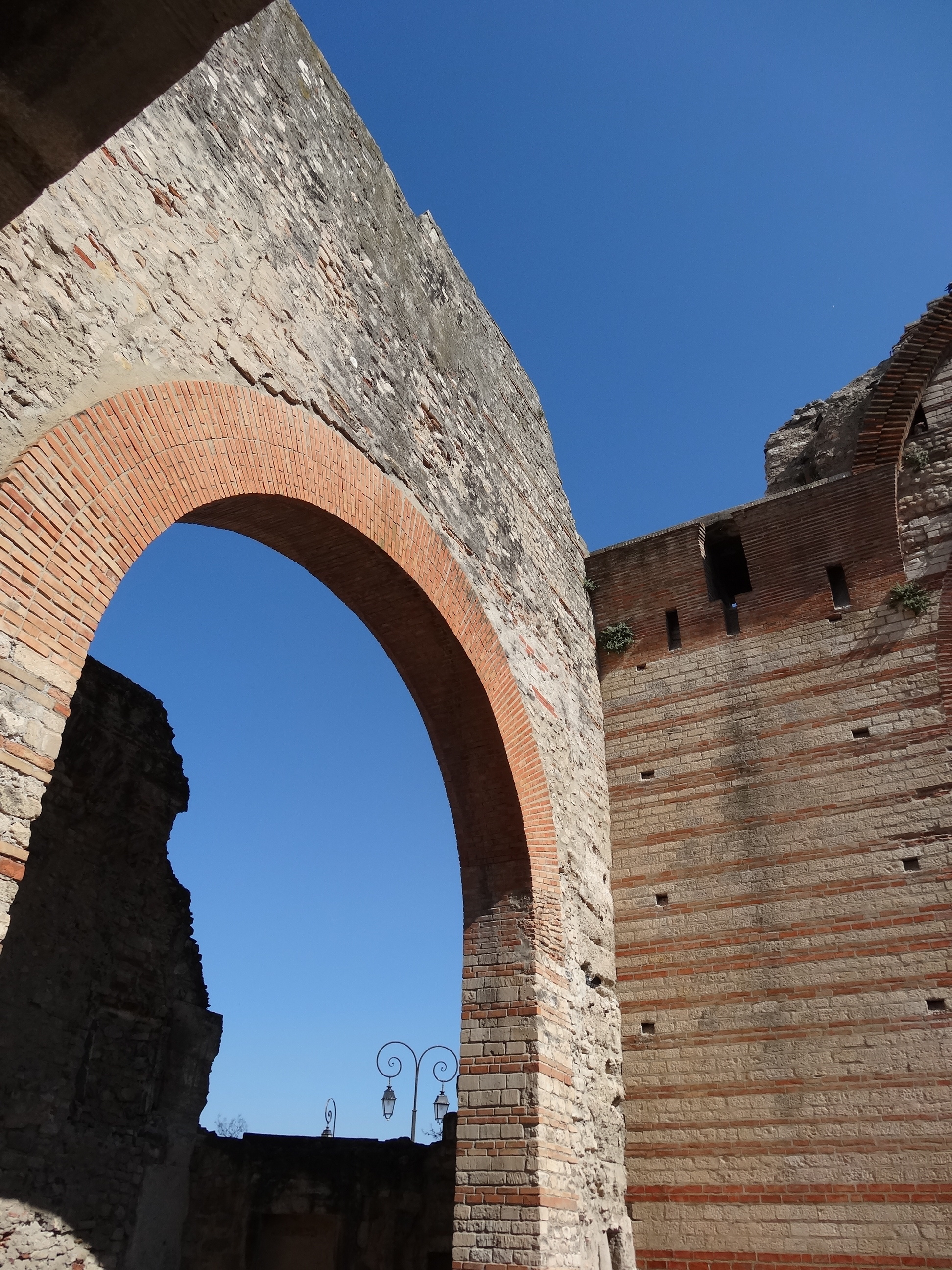
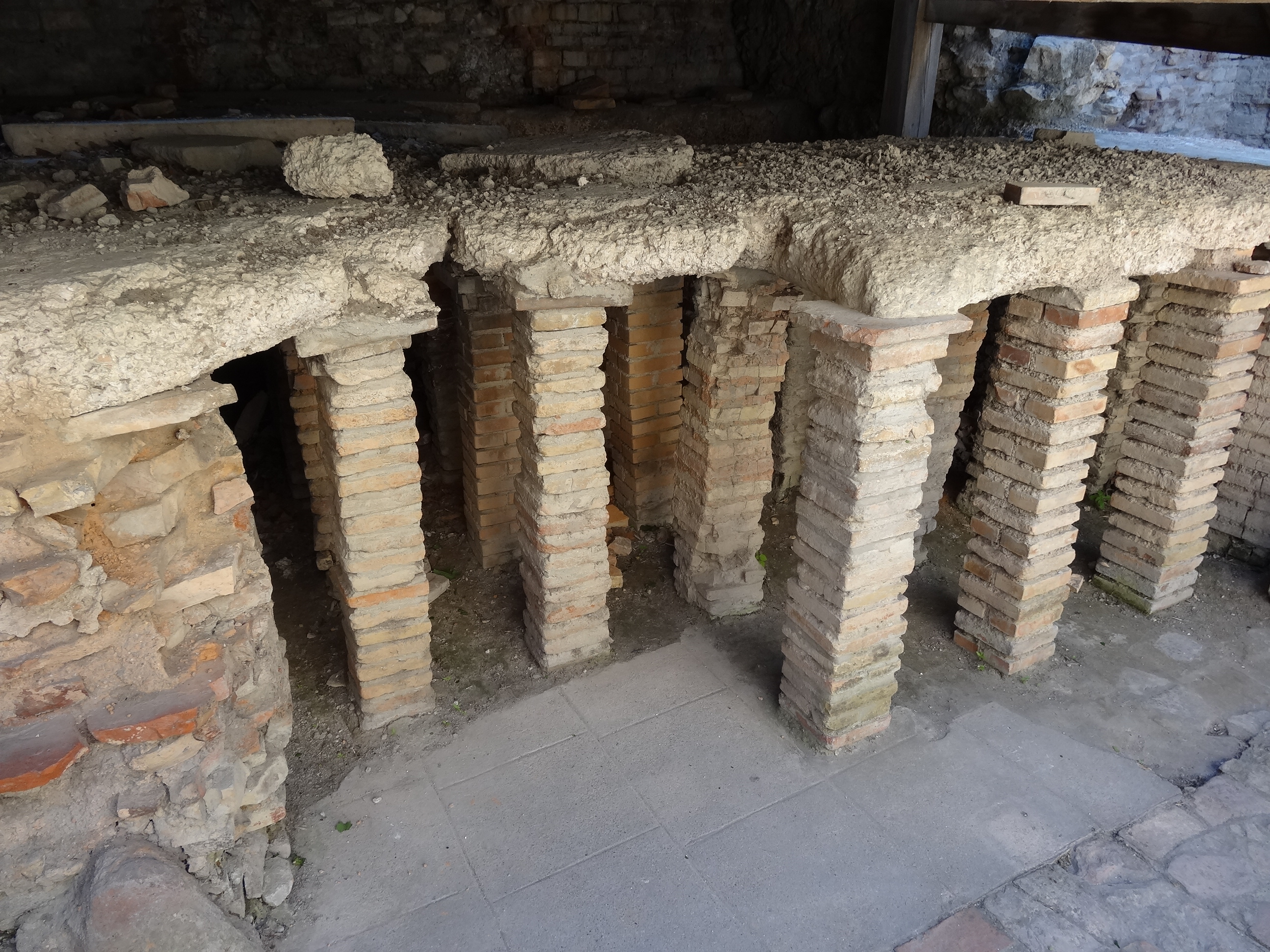
Our plan was met with little success at the first of our stops – the old Baths of Constantine – which were situated right next to the Rhône which of course was the apex of the storm. Despite this unwelcome tour partner, we were nevertheless wowed by yet another startling well-preserved example of Roman architecture, the ruins including an imposing semi-circular wall bearing the signs of the baths’ former magnificence, their size testament to their use as public baths for all of the town. It was, as ever, fascinating to see the remnants of how ingeniously the Romans had used underfloor heating to heat the water, and how masterfully they had constructed their buildings as evidenced so clearly by the strength of the leftovers still around today.

DSC02722 DSC02723 DSC02725 DSC02726

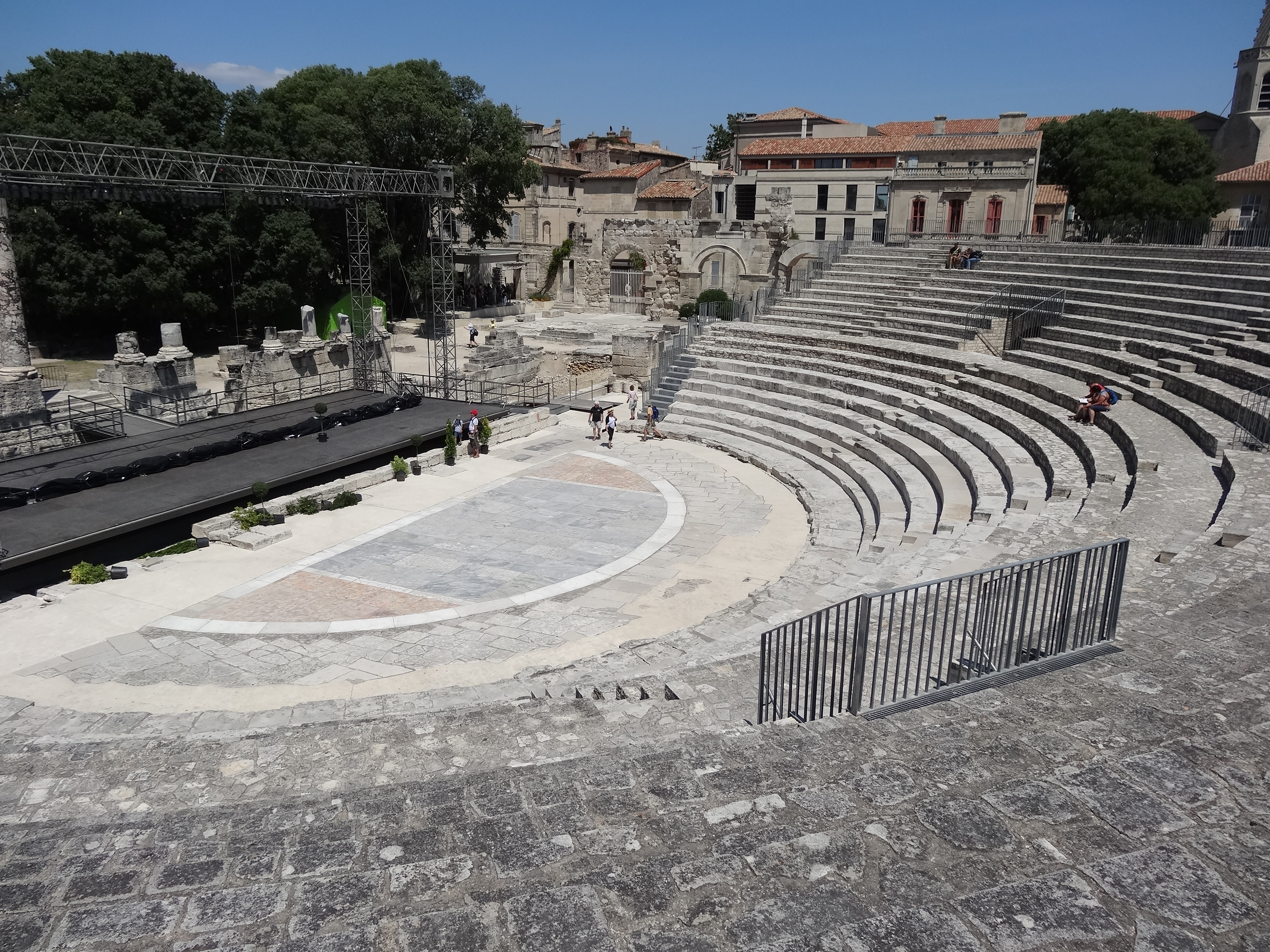
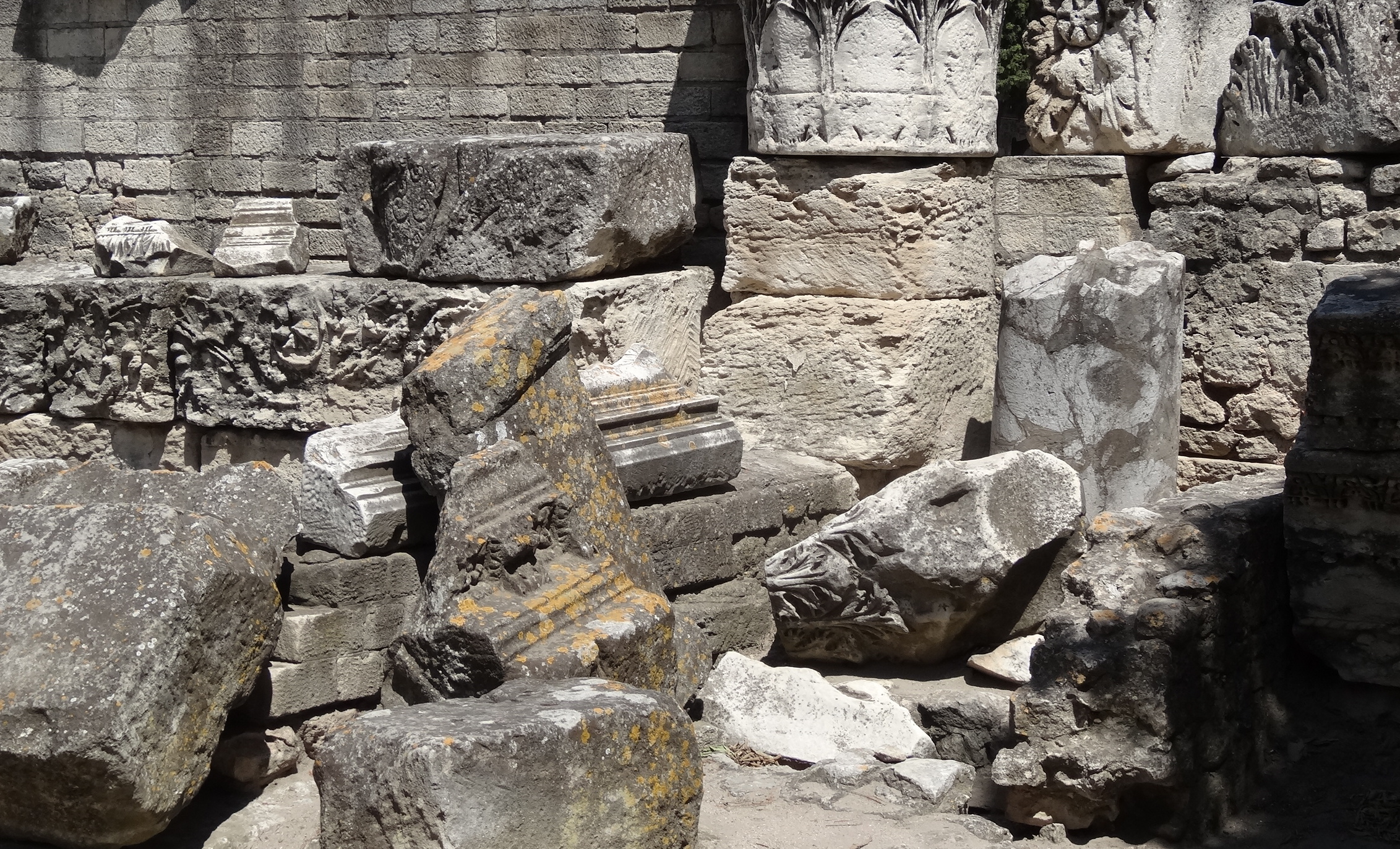
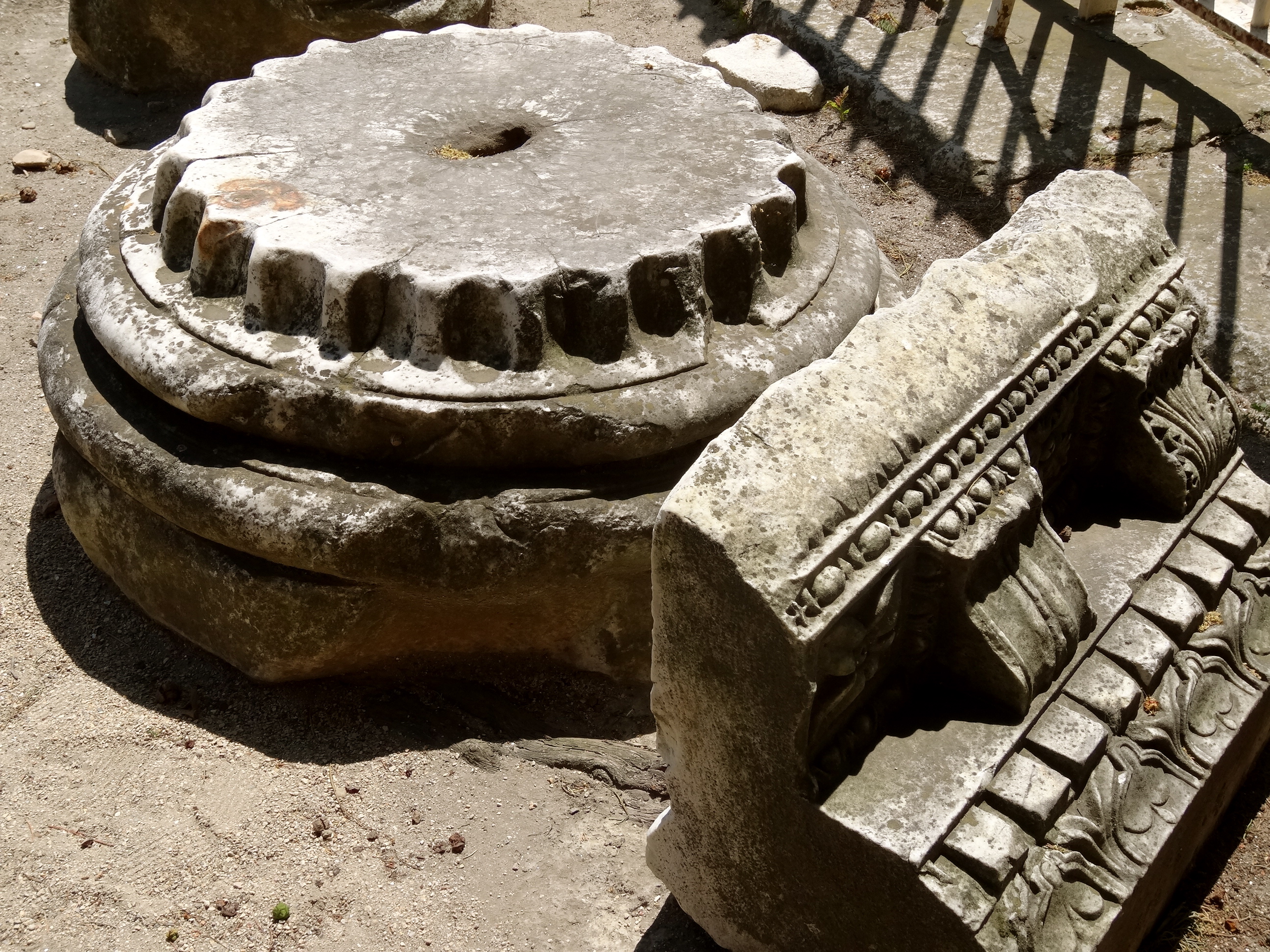
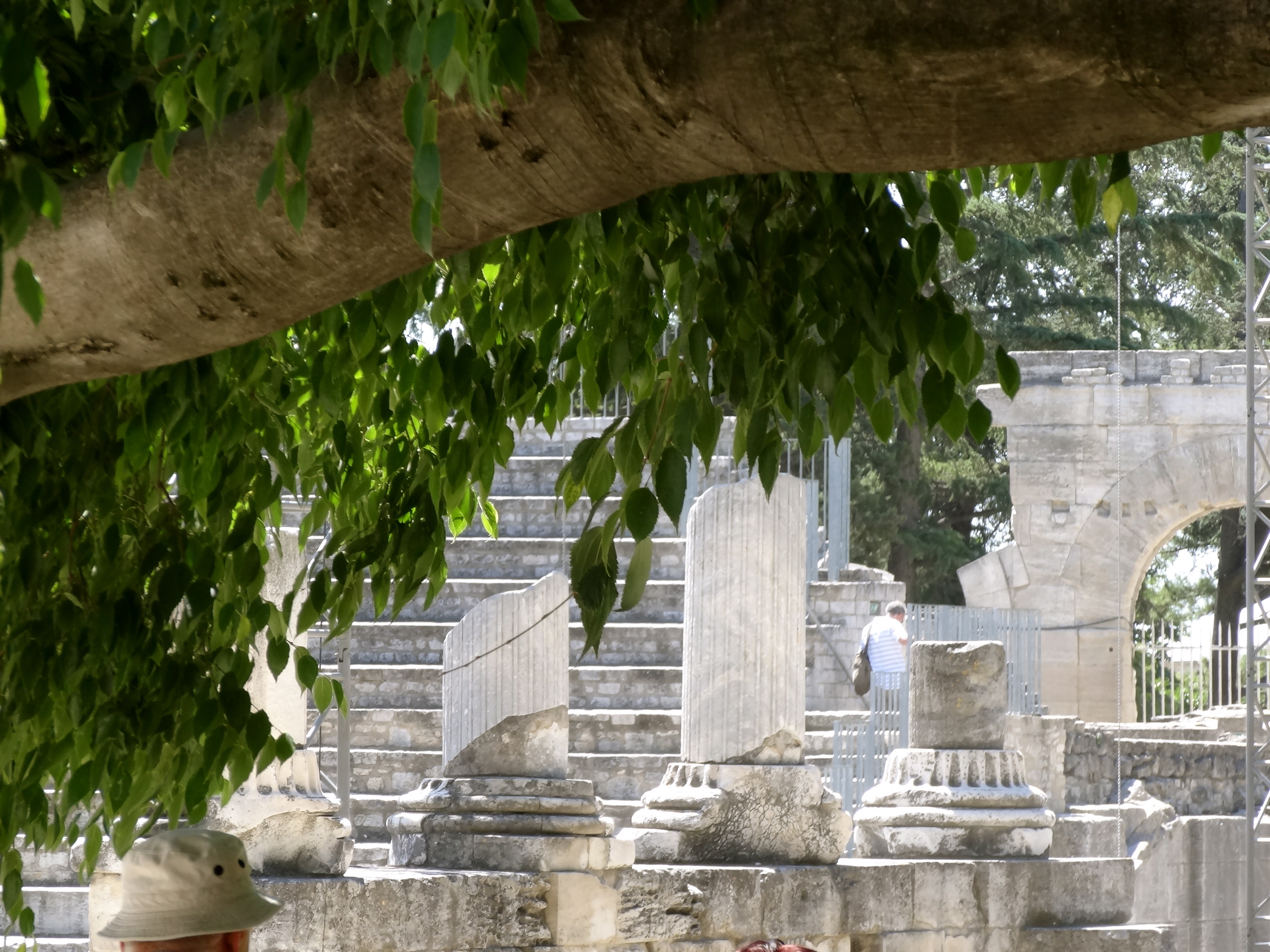
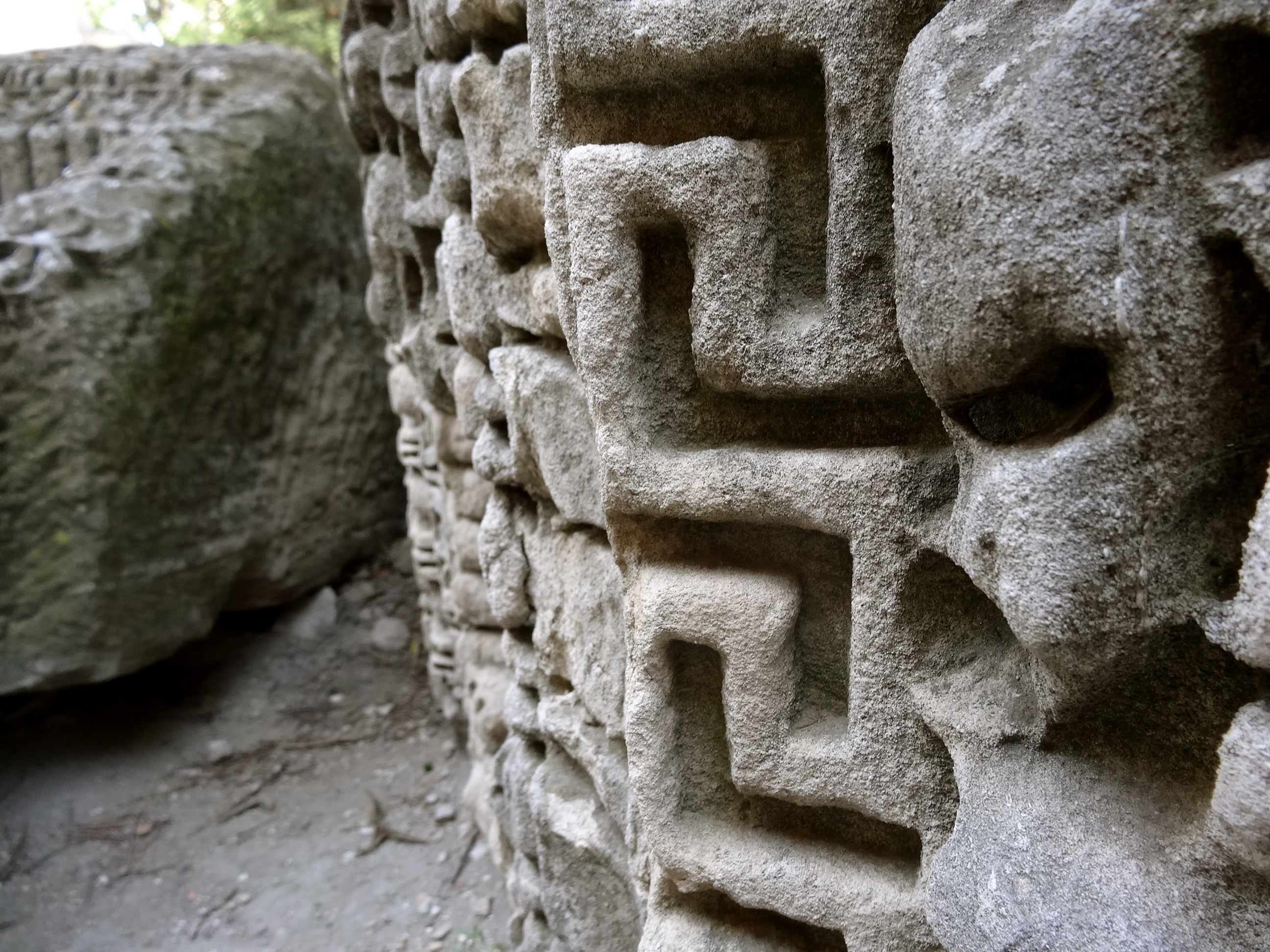
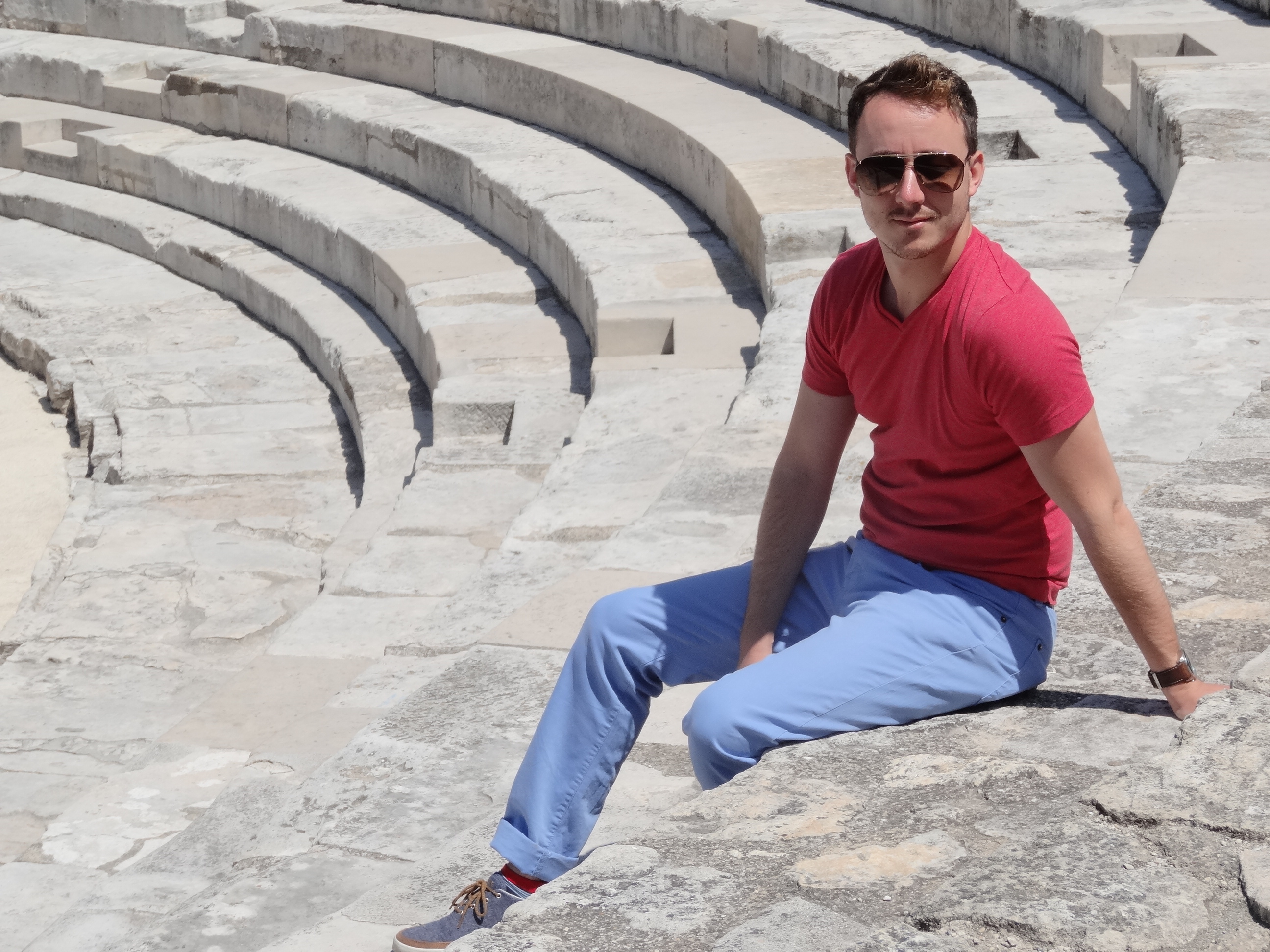
But the brilliance of Roman Arles did not end there, nor with the great amphitheatre which we had visited the previous day. Rather, just south of that great stadium, visitors to the city are literally spoilt for choice by the remains of a great Roman Theatre, whose semi-circular auditorium is still intact, and used for cultural performances to this day. For my Dominik and I, it was the less intact ruins, but the piles of rubble and stumps of columns that truly fascinated the most – like poetry in their decay, these seemingly scattered remains reminded me of the epic paintings of the Romantic age, when the adventurous young gentlemen of Britain’s most aristocratic families would set off on a grand tour of Europe to discover the very best of its classical heritage. Placing the “roman” in “romantic”, these odds and ends, still bearing the exquisite details of what once would have been stunning architectural centrepieces, made for one wondrous sight after another, and Dominik and I spent a good hour photographing obsessively, as well as reclining all over said rubble in suitably decadent poses – Tyra Banks would have been proud.

DSC02853 DSC02880 DSC02774 DSC02775 DSC02822 DSC02841 DSC02763 DSC02823 DSC02804 DSC02852

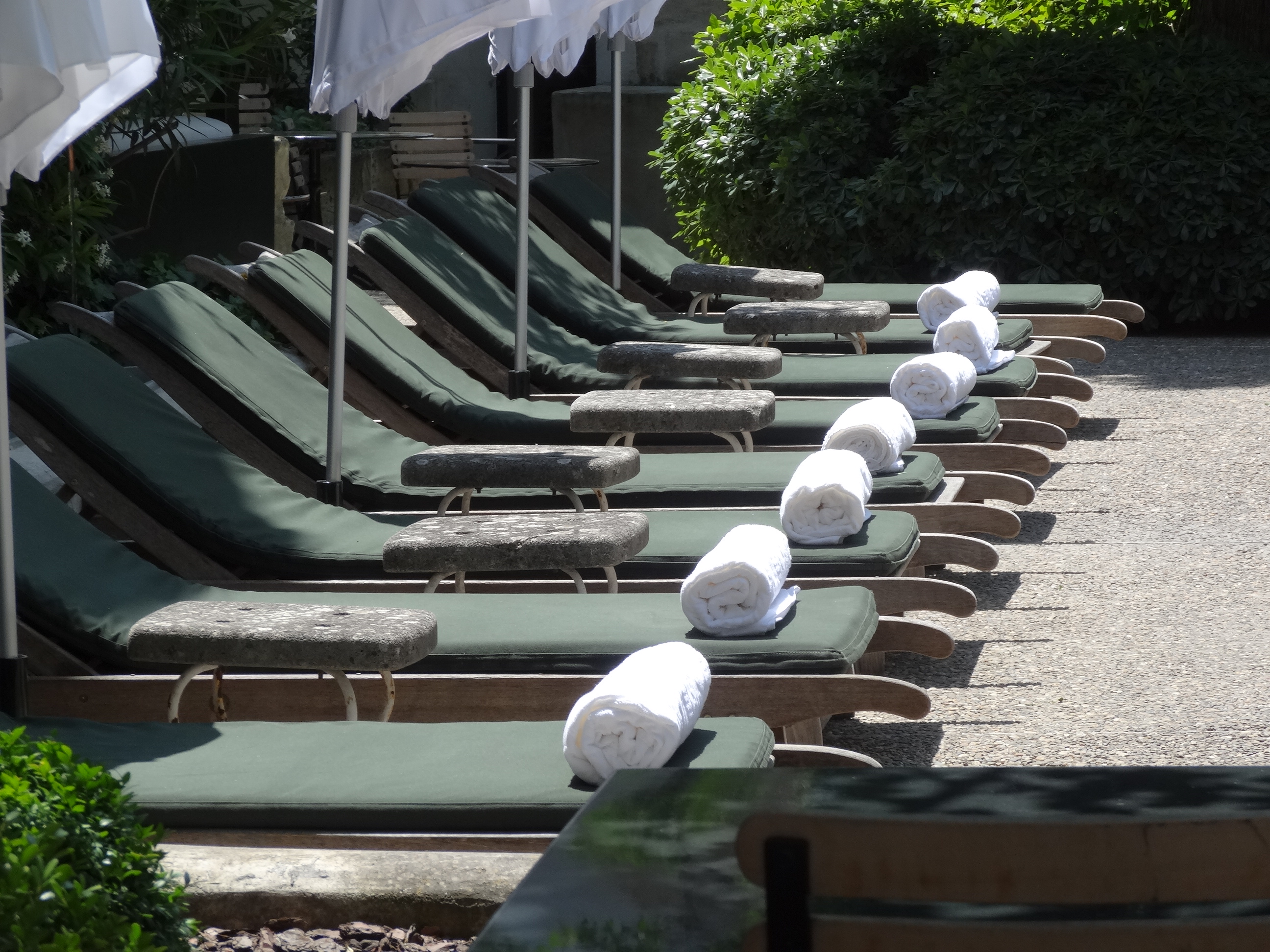
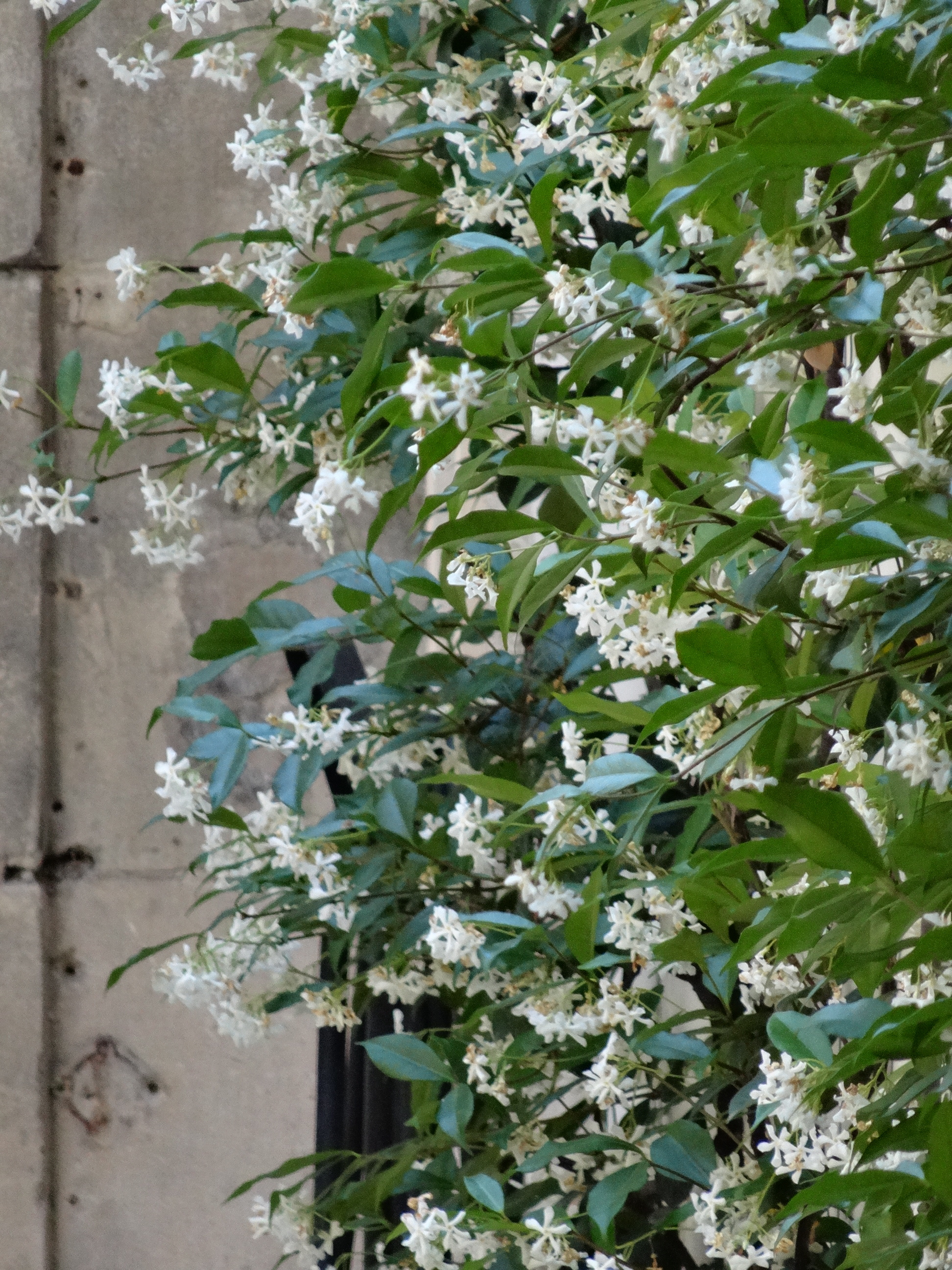
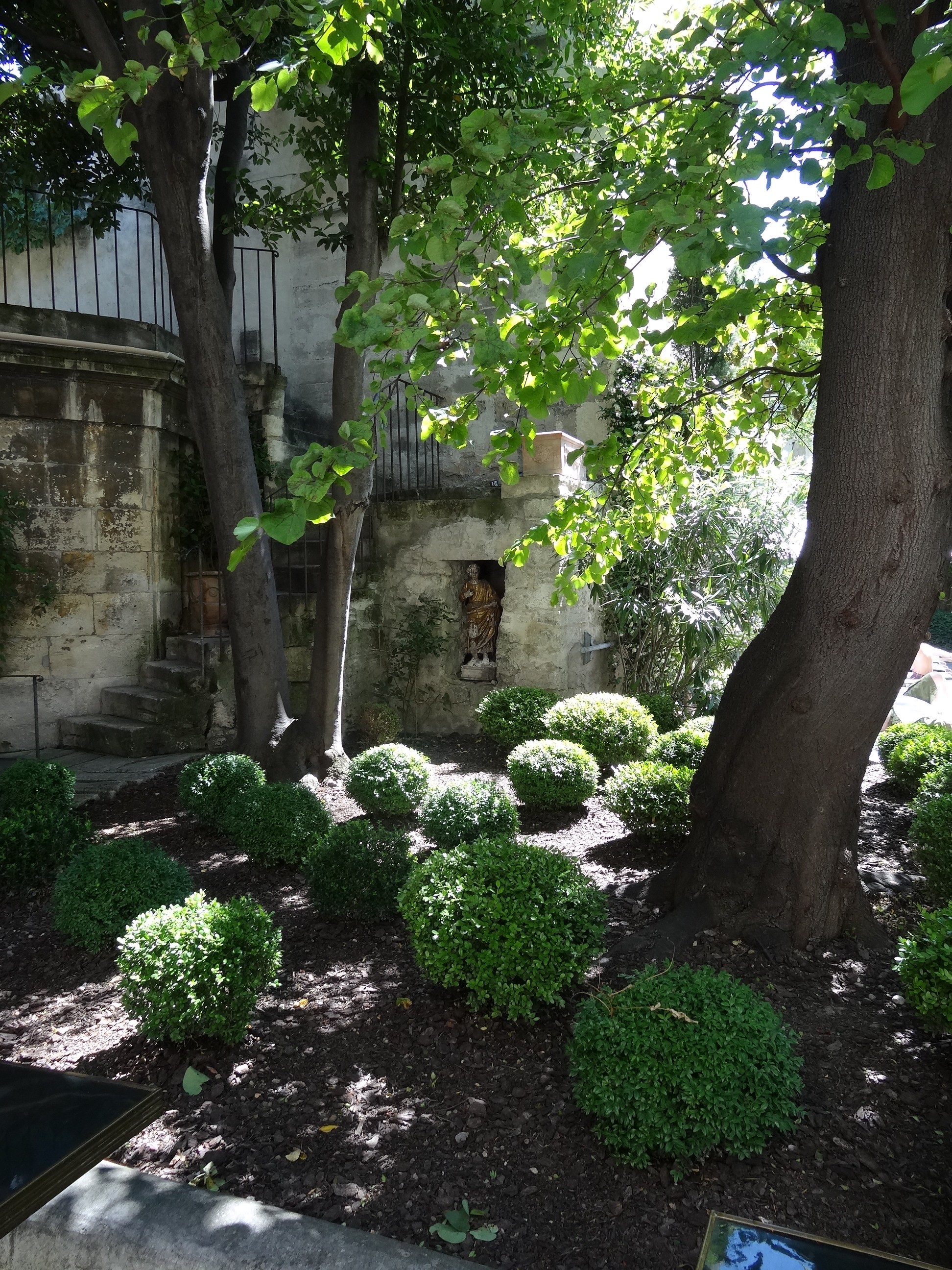
After a lunch of plump, fresh salads enjoyed in yet another safe haven from the wind (check out my foodie post tomorrow) we decided to cut our losses and fight the forces of nature no longer. Instead we couldn’t help but return to the ultimate in all-weather sancturies: our super indulgent, exquisitely chic hotel: the Hotel Particulier. Set in the sumptuous grounds of a 19th century mansion built by the Mayor of Arles on the outskirts of the city, this truly boutique of hotels (for most hotels calling themselves thus are far from it) provided the obvious shelter from the wind, and the perfect excuse for mid-trip afternoon of indulgence – for here, amongst the jasmine covered walls of the perfectly manicured courtyard garden, the wind felt reduced to a mere breeze which helped the sweet perfume of the garden’s flowers waft gently across the grounds.

DSC02939 DSC02952 DSC02972 DSC02596 DSC02960 DSC03109

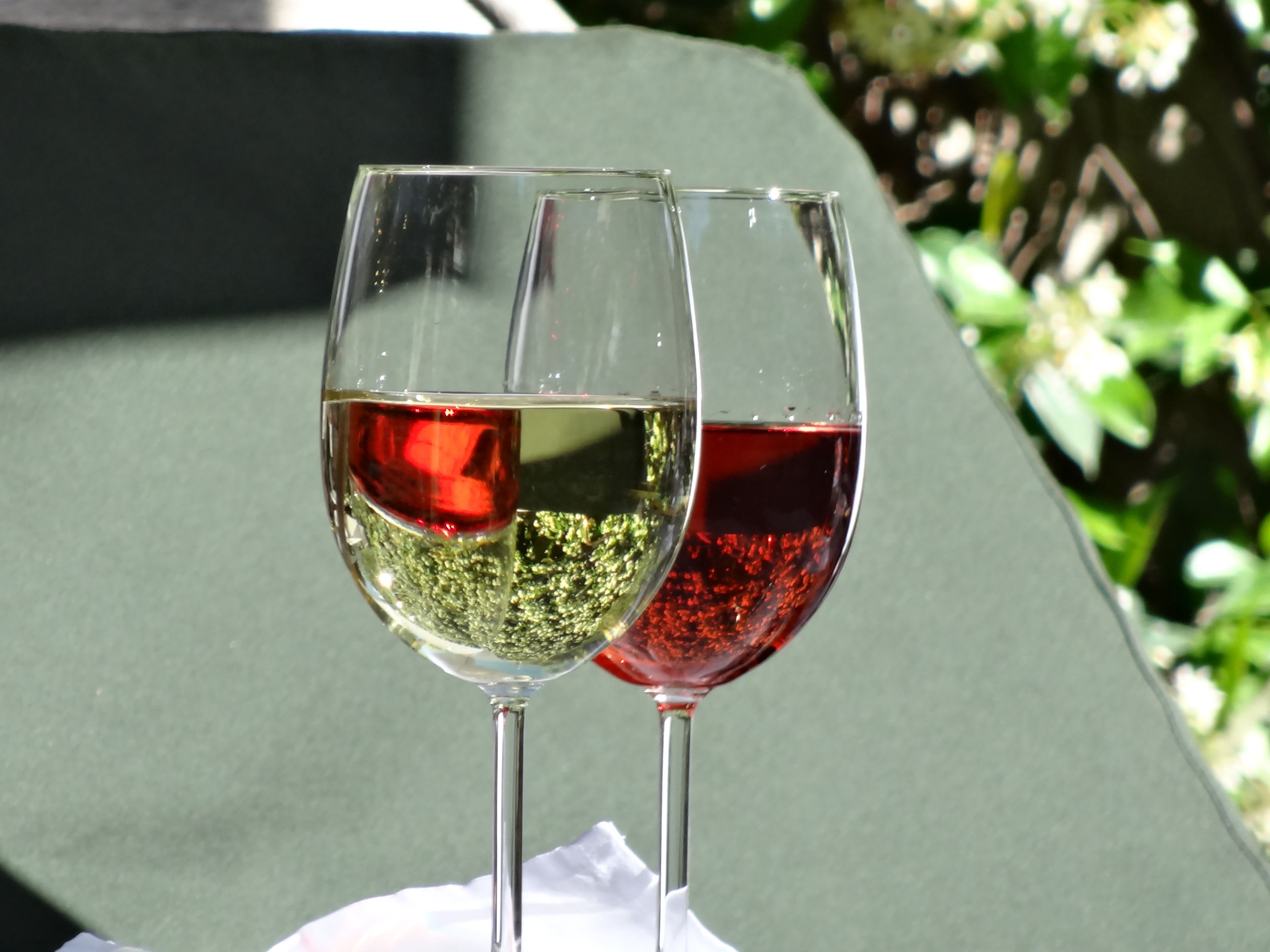
Just as design has been employed so elegantly to create an atmosphere redolent of the most superb of luxuriant utopias, so too had this little garden haven managed to tame the wild savagery of the Mistral. And so it was there, next to a long perfectly turquoise pool, served glasses of wine by the perfectly manicured waiters and accompanied by the gentle sounds of trickling water, that we enjoyed the remainder of our second day in Arles – a well deserved rest before our Provence Odyssey continued.

I leave you with more photos of the superb Hotel – a real piece of paradise in the midsts of Arles’ history-soaked streets.

DSC02485 DSC02468 DSC02686 DSC02623 DSC03102

All photos and written content are strictly the copyright of Nicholas de Lacy-Brown © 2013 and The Daily Norm. All rights are reserved. Unauthorized use and/or duplication of the material, whether written work, photography or artwork, included within The Daily Norm without express and written permission from The Daily Norm’s author and/or owner is strictly prohibited. 


Provence Odyssey | My Journey in Paintings: From Avignon to Arles (avec le petit dejeuner)

After three days in the Provence heartland, surrounded by verdant rolling landscapes of cypresses and pine trees, olives and lavender, and with one hotel view watercolour already under my belt, I moved onto Arles considerably inspired, artistic images floating through my head with each new adventure taken across this artist’s paradise. After two days in the midst of the medieval magic of Avignon, our journey south to Arles provided a refreshing glimpse of the rich pastoral landscape which surrounds Provence’s cities, but also of the little farmhouses which are dotted across the scenery, with their iconic terracotta tiled roofs and pastel-painted walls, their pale blue shutters and window-sill plant pots.

And so, shortly after arriving in Arles and in a moment of rest, so many of these images collected together with such strength that in mere minutes, I had opened up my travel sketch book and mapped out this image, depicting our journey from Avignon to Arles, and accompanied by the hearty breakfast which had so satisfyingly kicked off our day. Over the next few days, I filled in my sketch with vivid colour reflective of the seductive rainbow palette which the Mediterranean light so augments in Provence, using my new favourite medium, gauche, to do so.

Voyage to Arles from Avignon (avec le petit dejeuner) 2013 © Nicholas de Lacy-Brown - gauche on paper

Voyage to Arles from Avignon (avec le petit dejeuner) 2013 © Nicholas de Lacy-Brown – gauche on paper

The result is Voyage to Arles from Avignon (avec le petit dejeuner) – an artistic testament to this next leg in our journey. I hope you enjoy it.

© Nicholas de Lacy-Brown and The Daily Norm, 2001-2013. Unauthorized use and/or duplication of the material, whether written work, photography or artwork, included within The Daily Norm without express and written permission from The Daily Norm’s author and/or owner is strictly prohibited. Excerpts and links may be used, provided that full and clear credit is given to Nicholas de Lacy-Brown and The Daily Norm with appropriate and specific direction to the original content.