Skip to content

Posts tagged ‘Vacation’

Dubrovnik | Day 3 – A tale of two cities

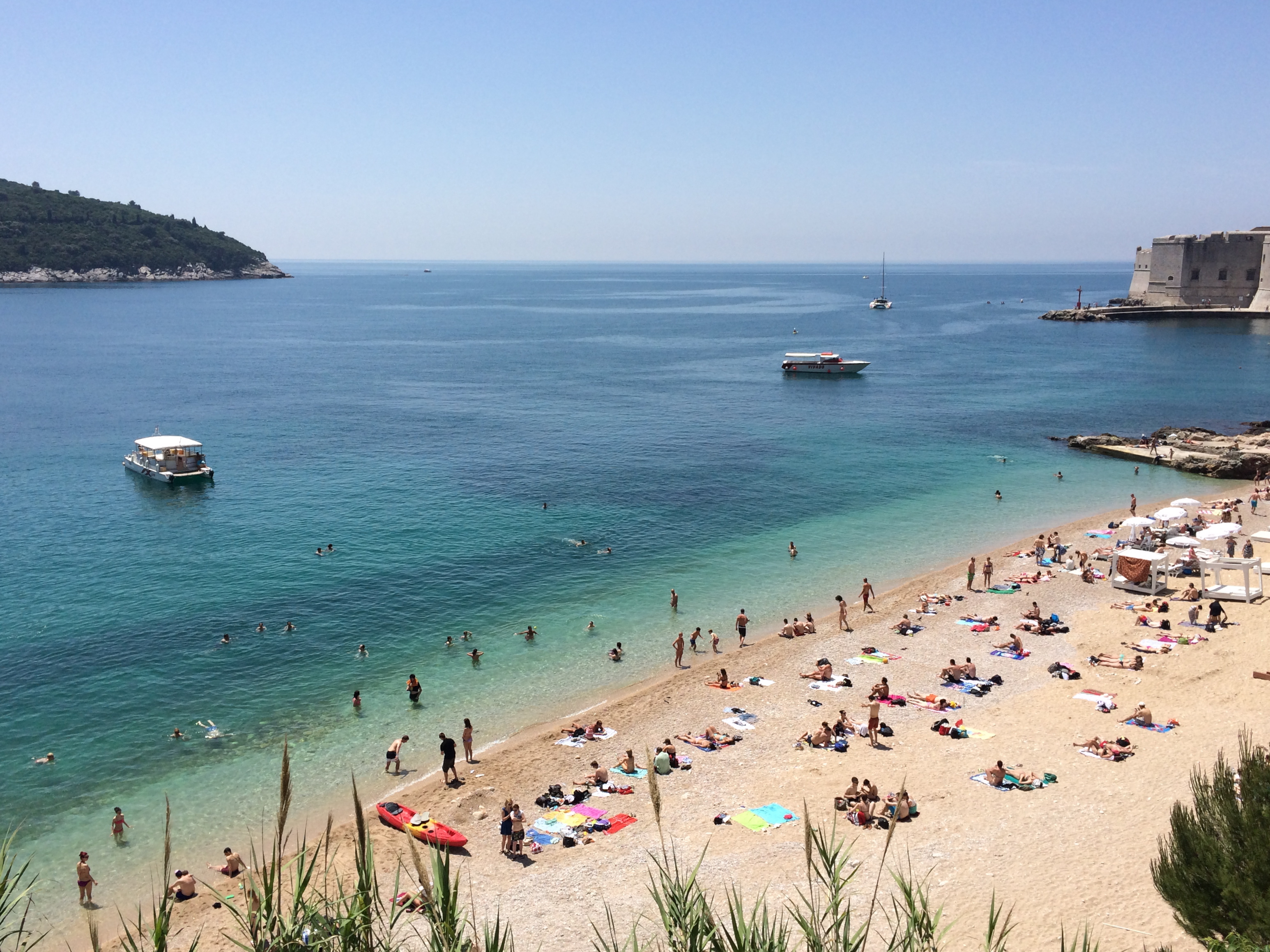
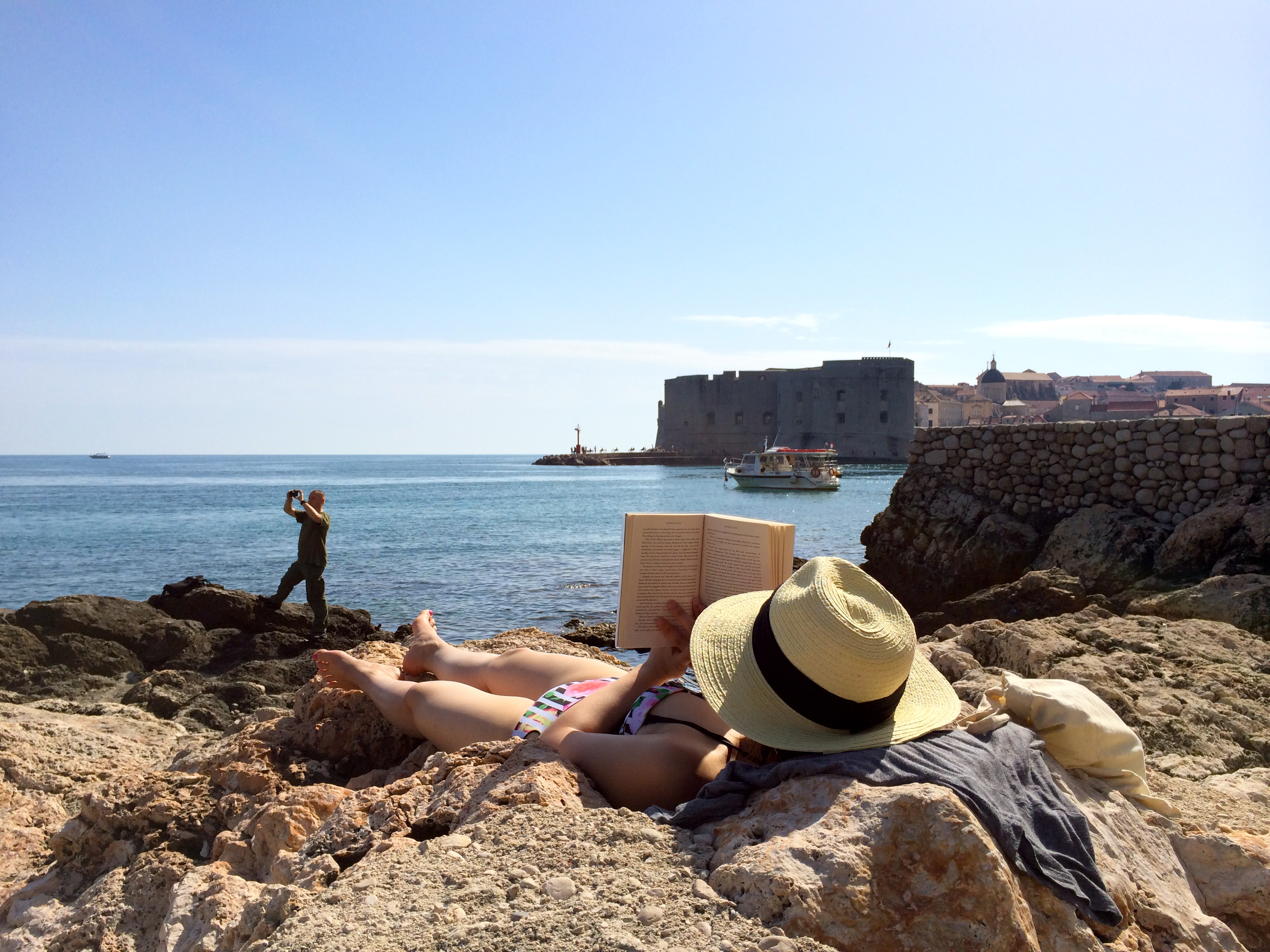
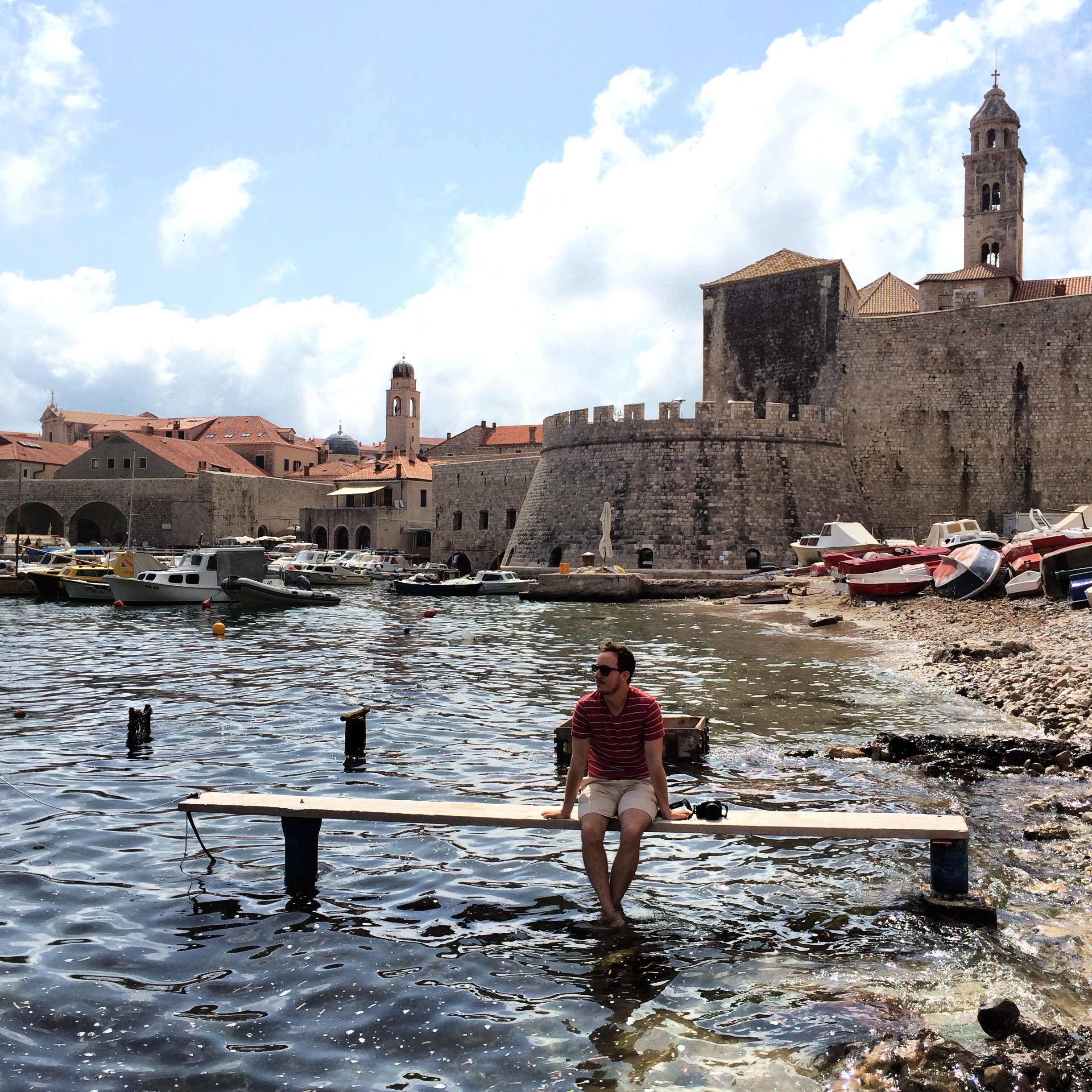
It is a rare thing indeed to find a holiday destination with mixes both superbly intact historical treasures with a good old golden beach. One can only dream of taking a dip in the sea when sweating profusely around the dry old ruins of Rome’s forum; and in Paris, a manmade beach clinging to the side of the moderately filthy River Seine in the summer months is about as good as it’s going to get. But in Dubrovnik, Croatia’s diamond of the Dalmatian Coast, you truly get the best of both worlds. Not only is the city a treasure trove of historical beauty encased in a perfectly unbroken ring of ramparts, but immediately outside of those stone walls are long beaches and crystal clear cerulean blue seas. And what’s more, Dubrovnik has to be one of the only beaches in the world where you can lounge out in the sun and swim lazily in the shallow waters while being afforded a stunning view of one of Europe’s most unique medieval cities.

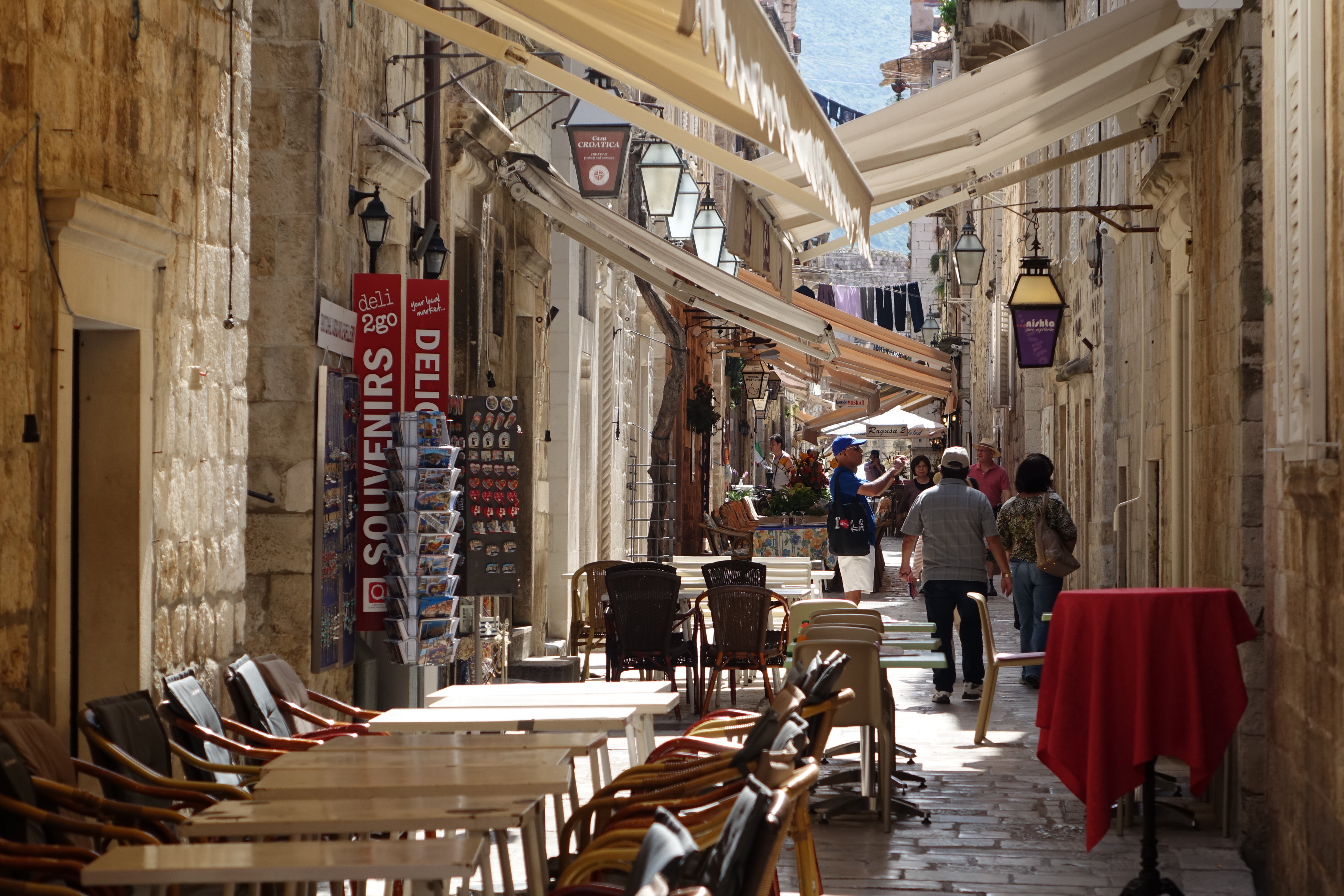
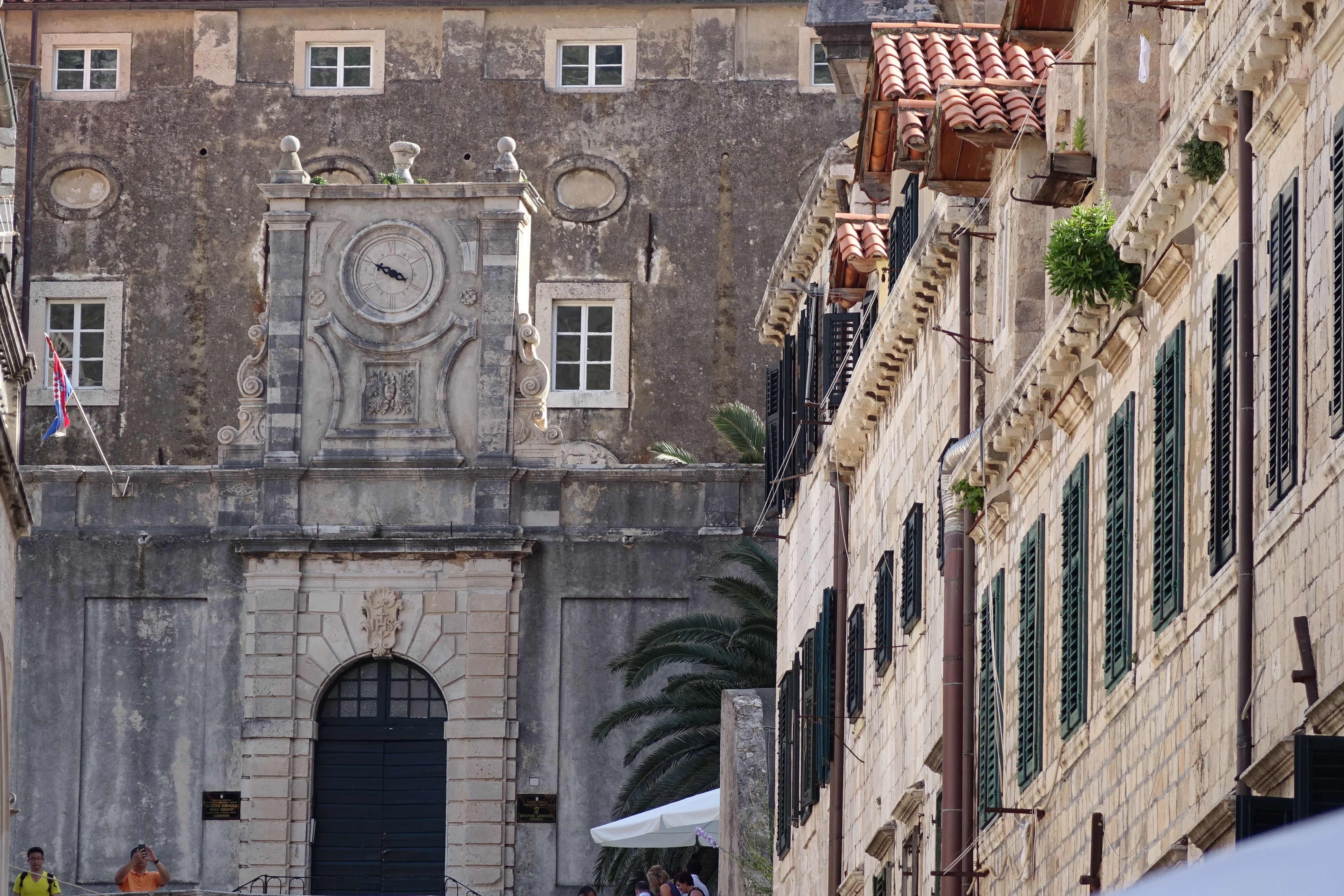
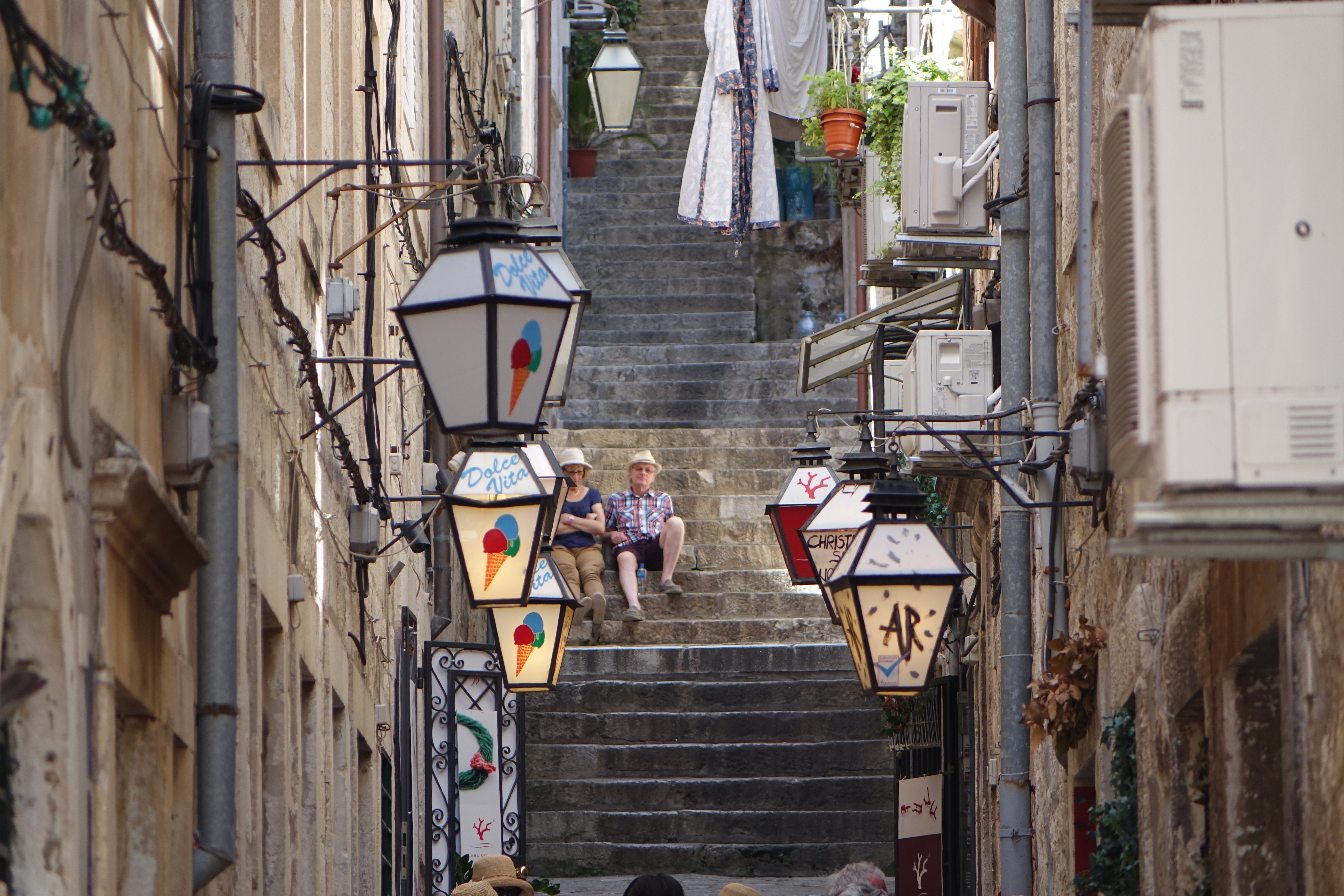
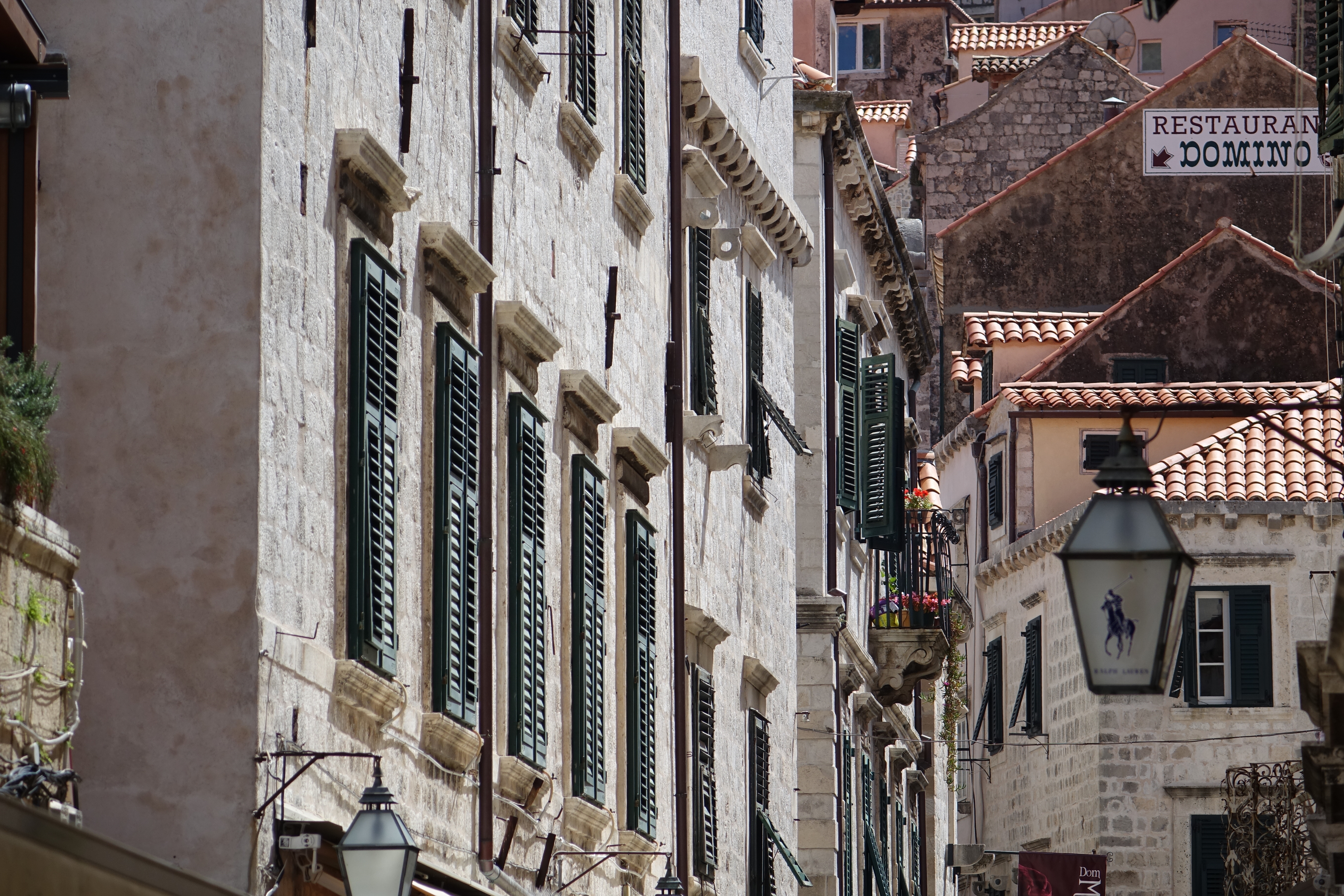
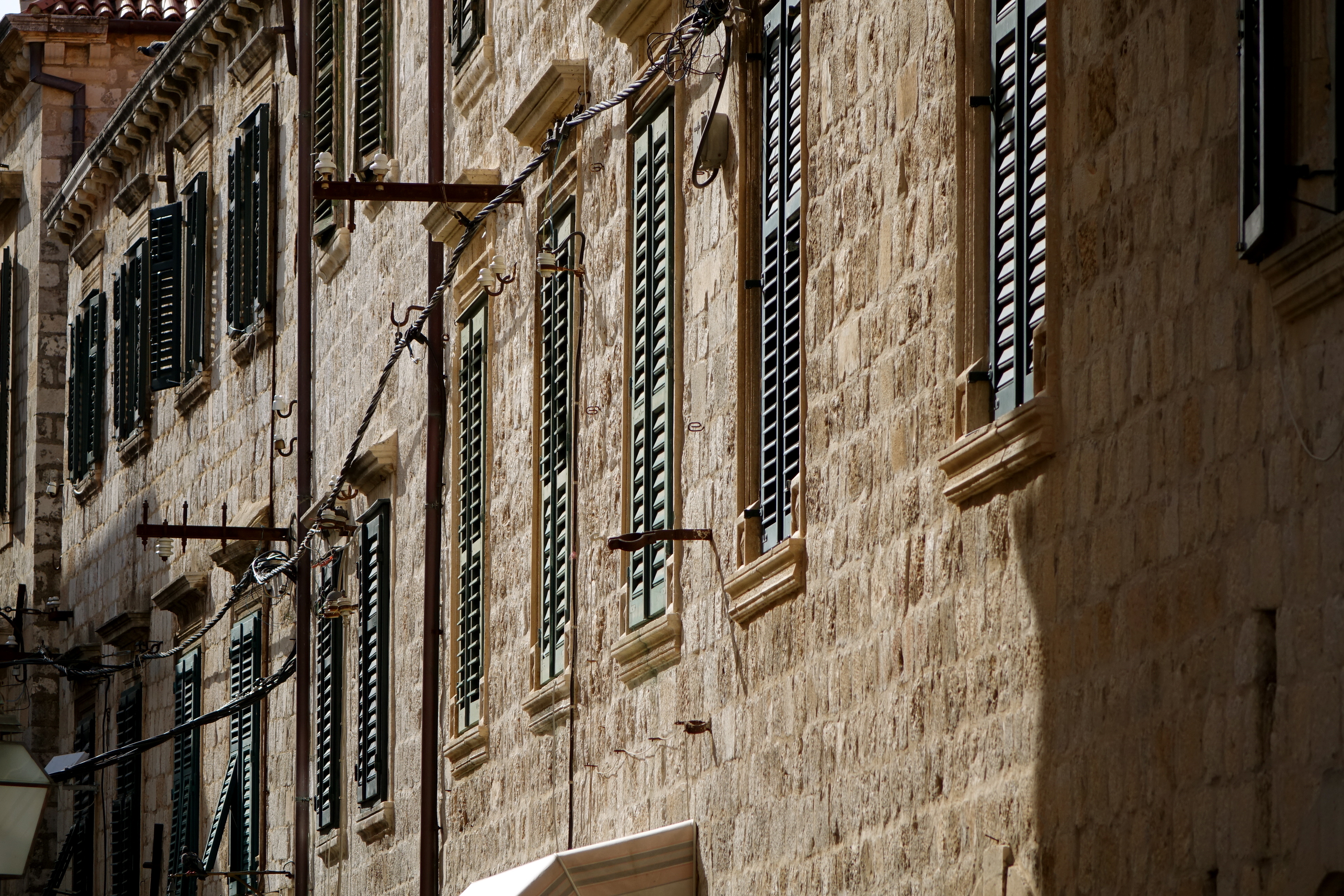
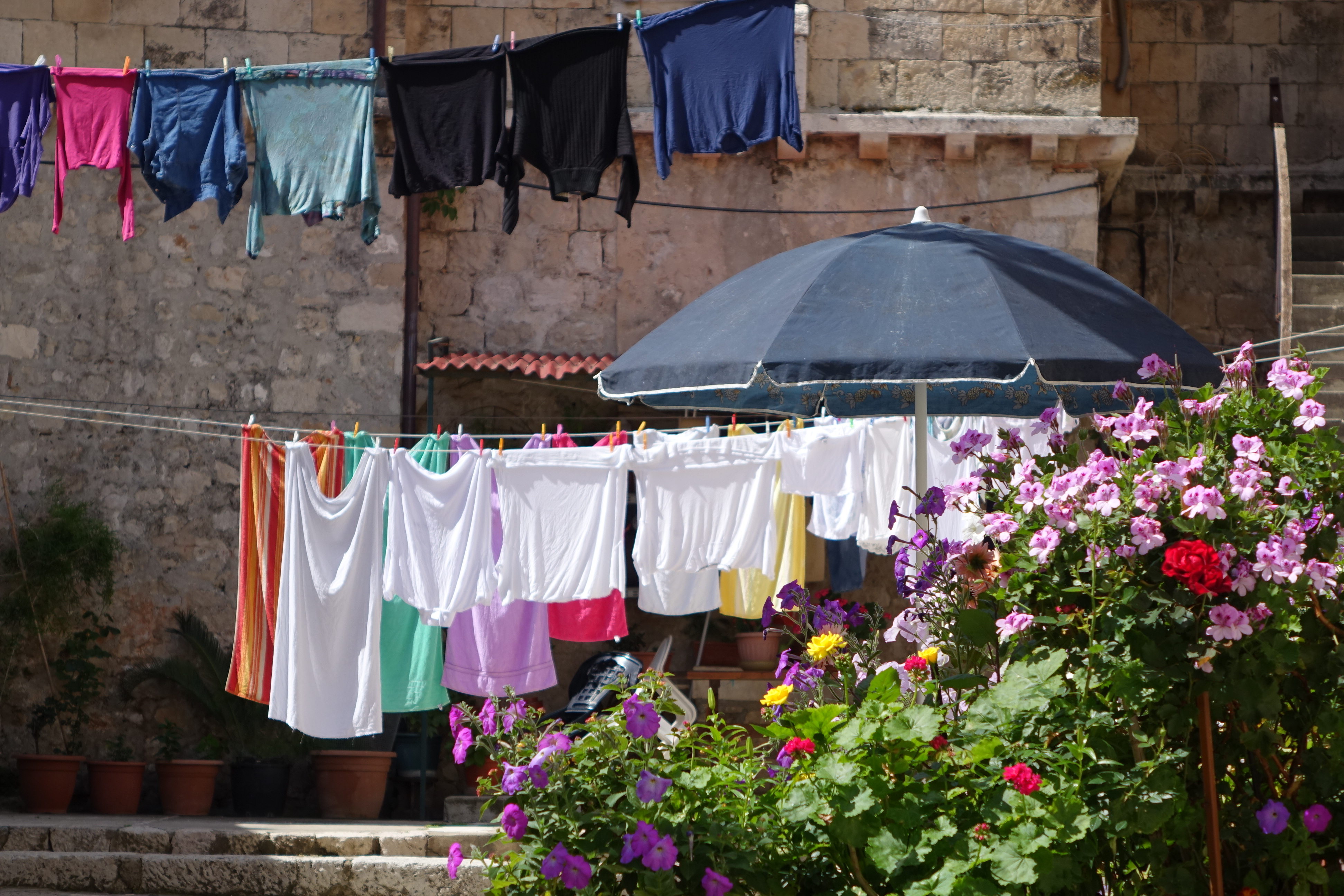
Charismatic old streets in the South of the city
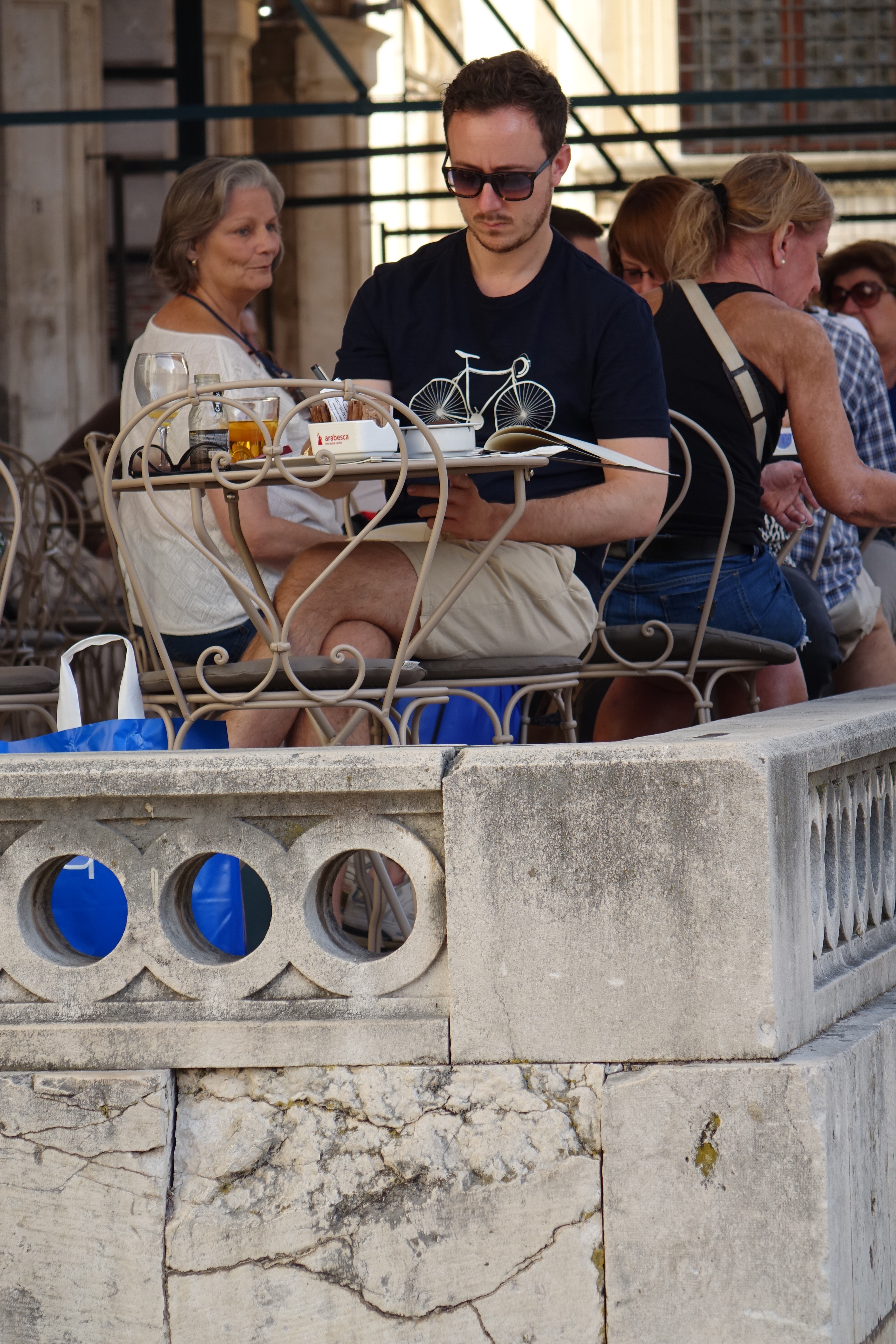
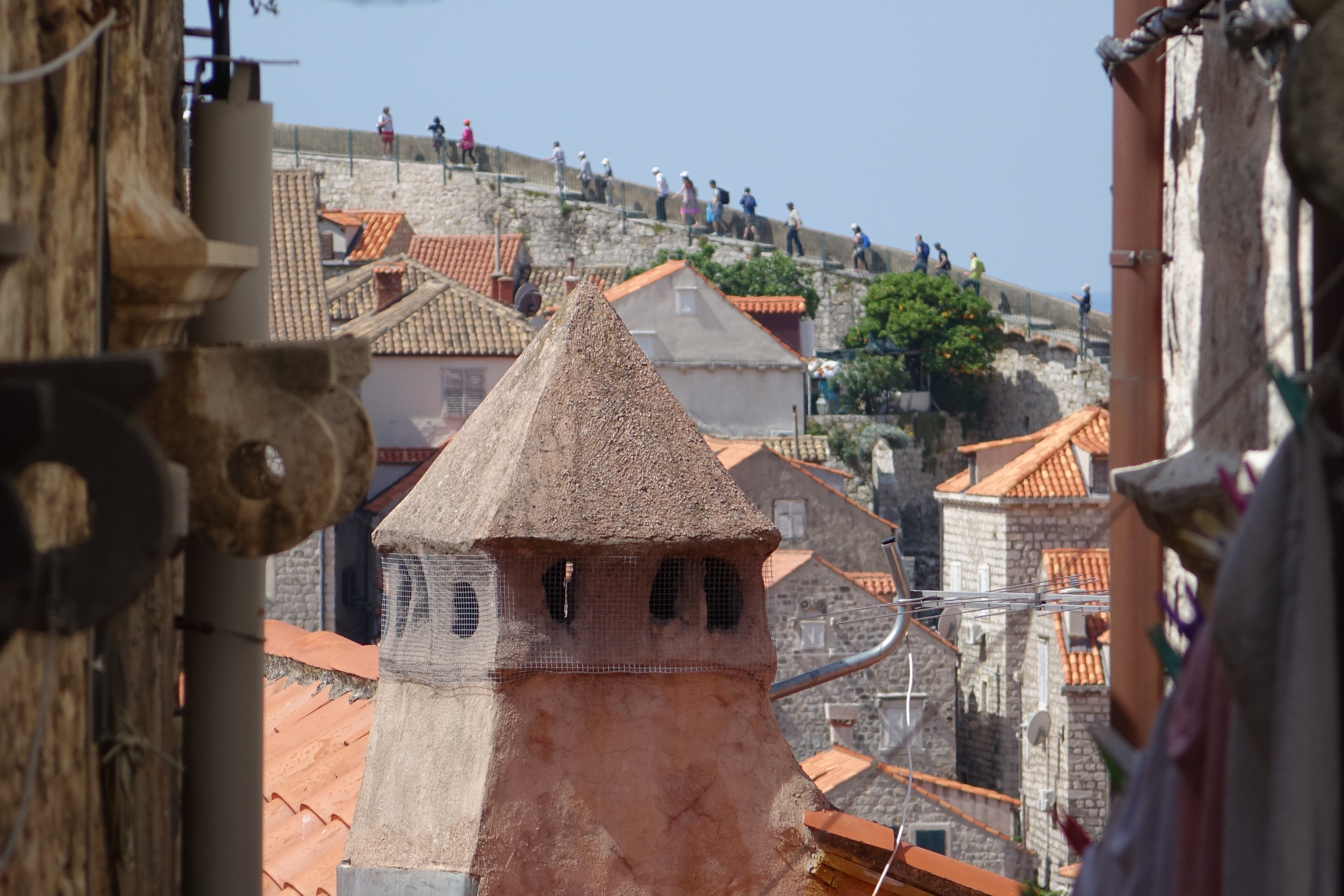
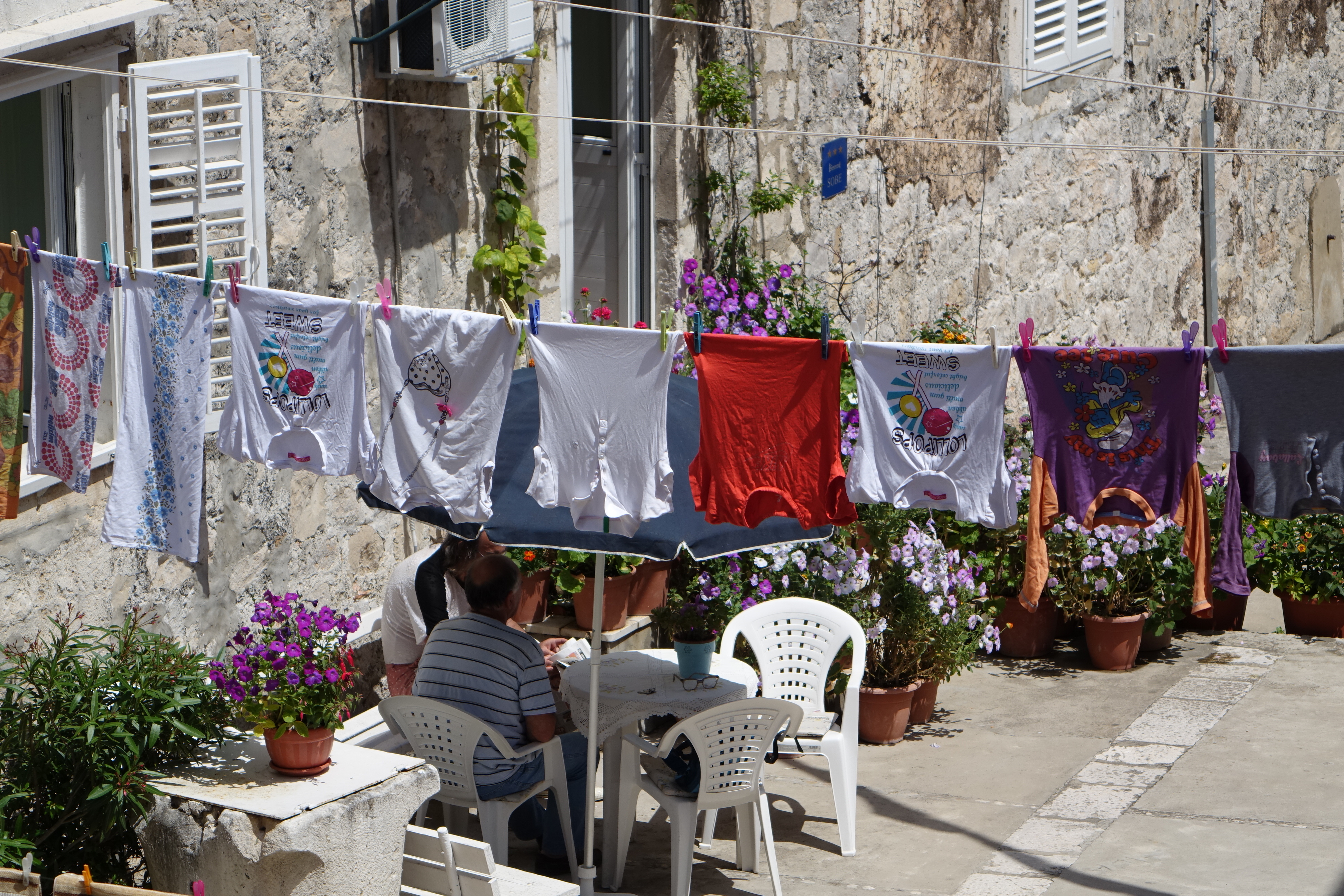
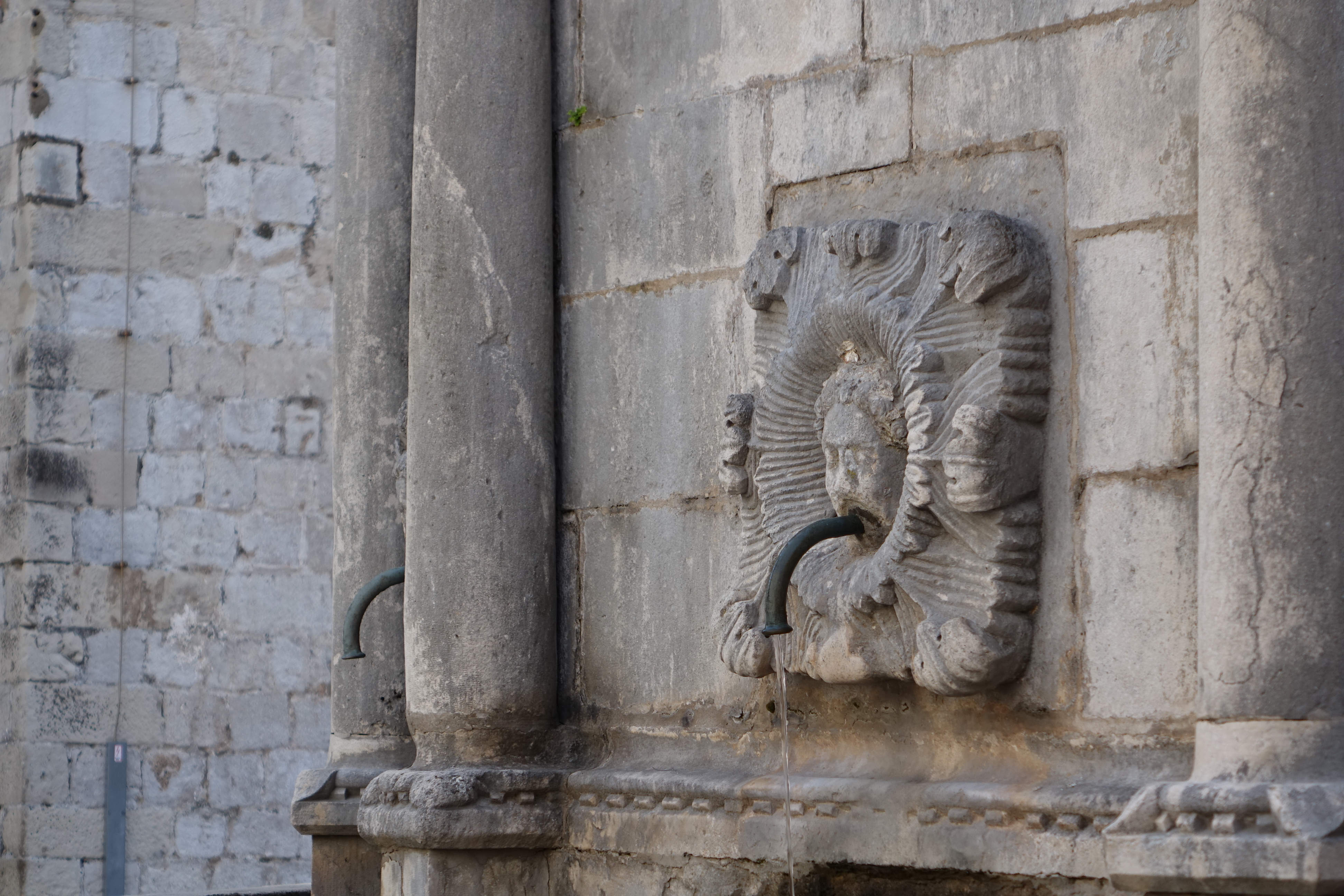
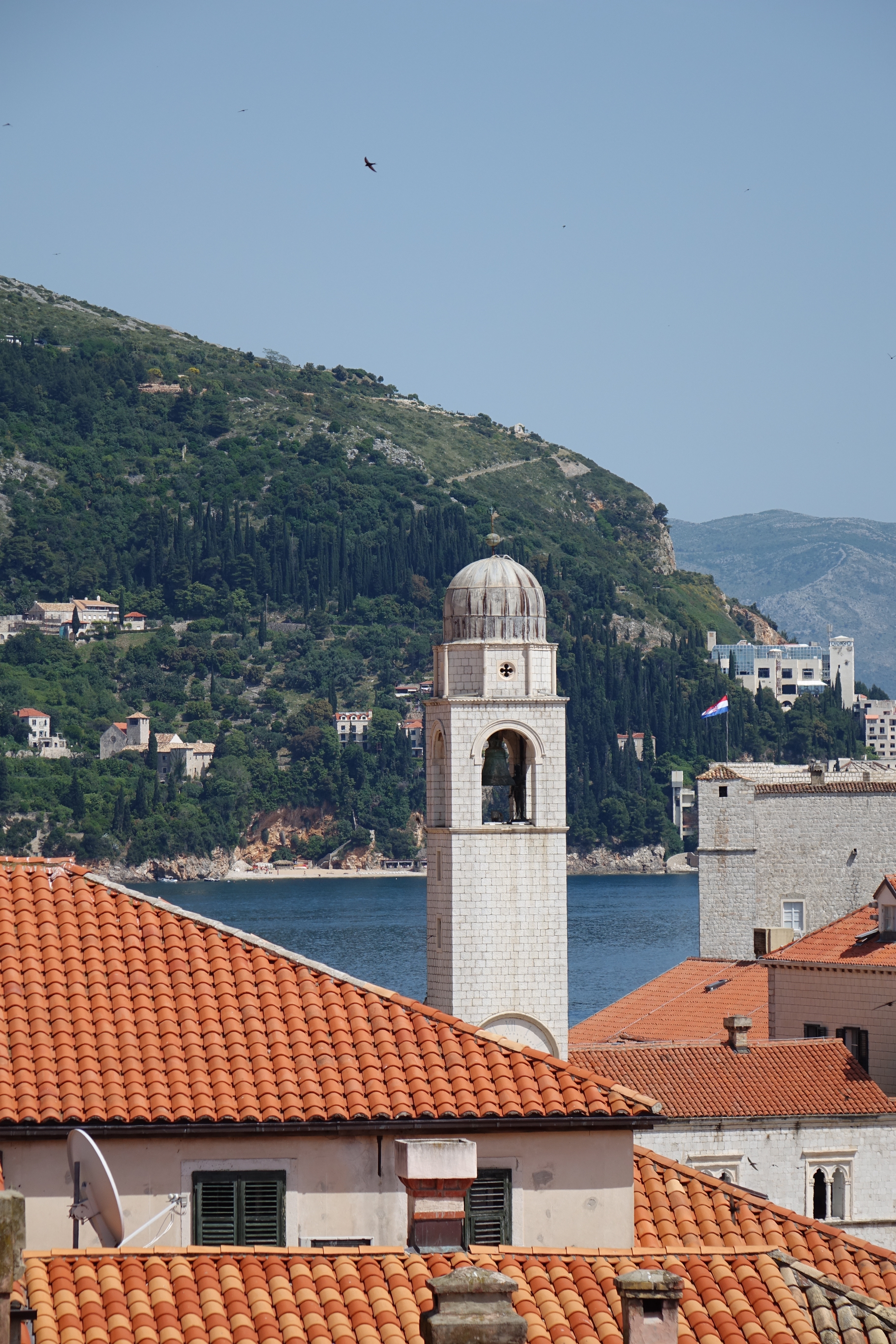
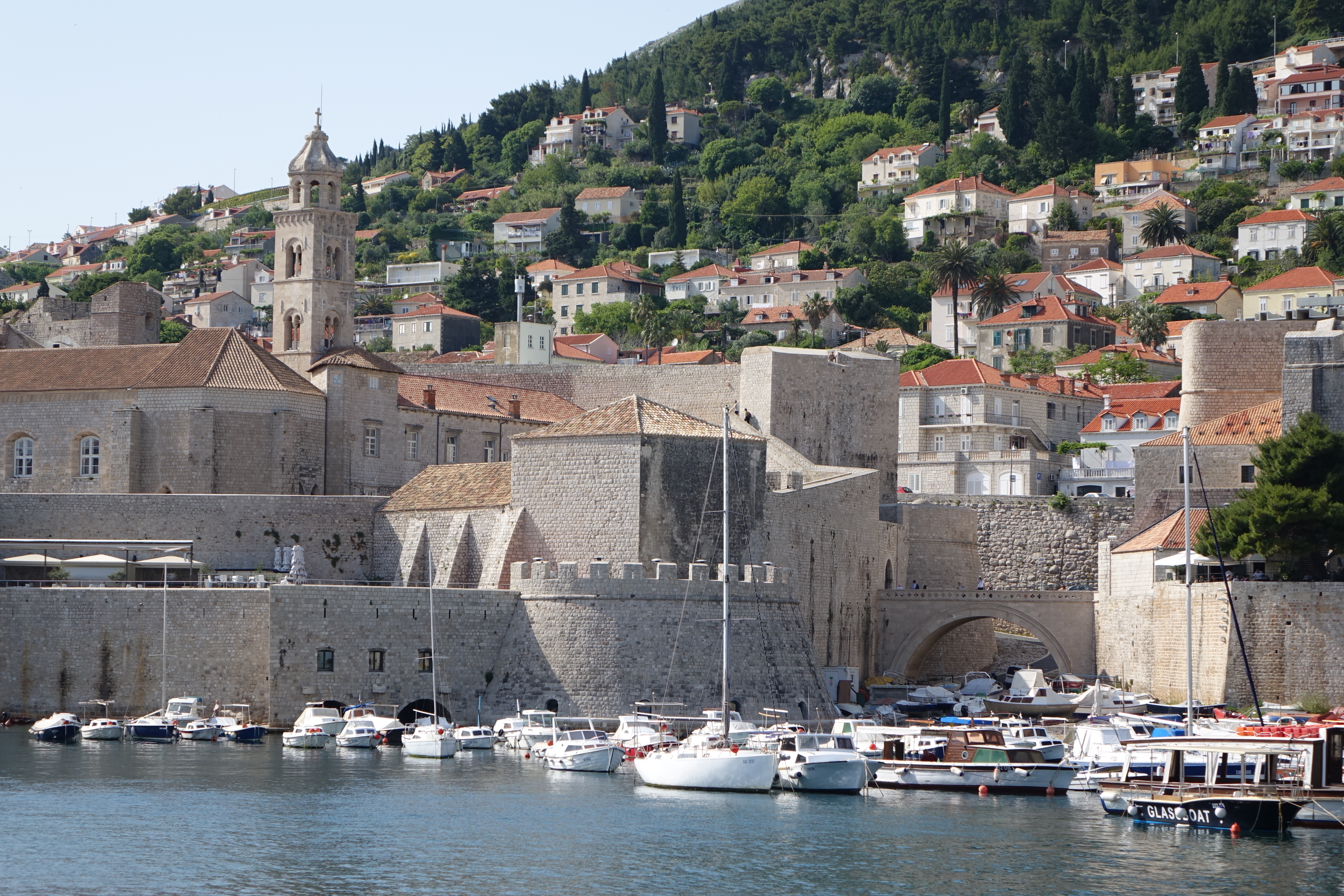
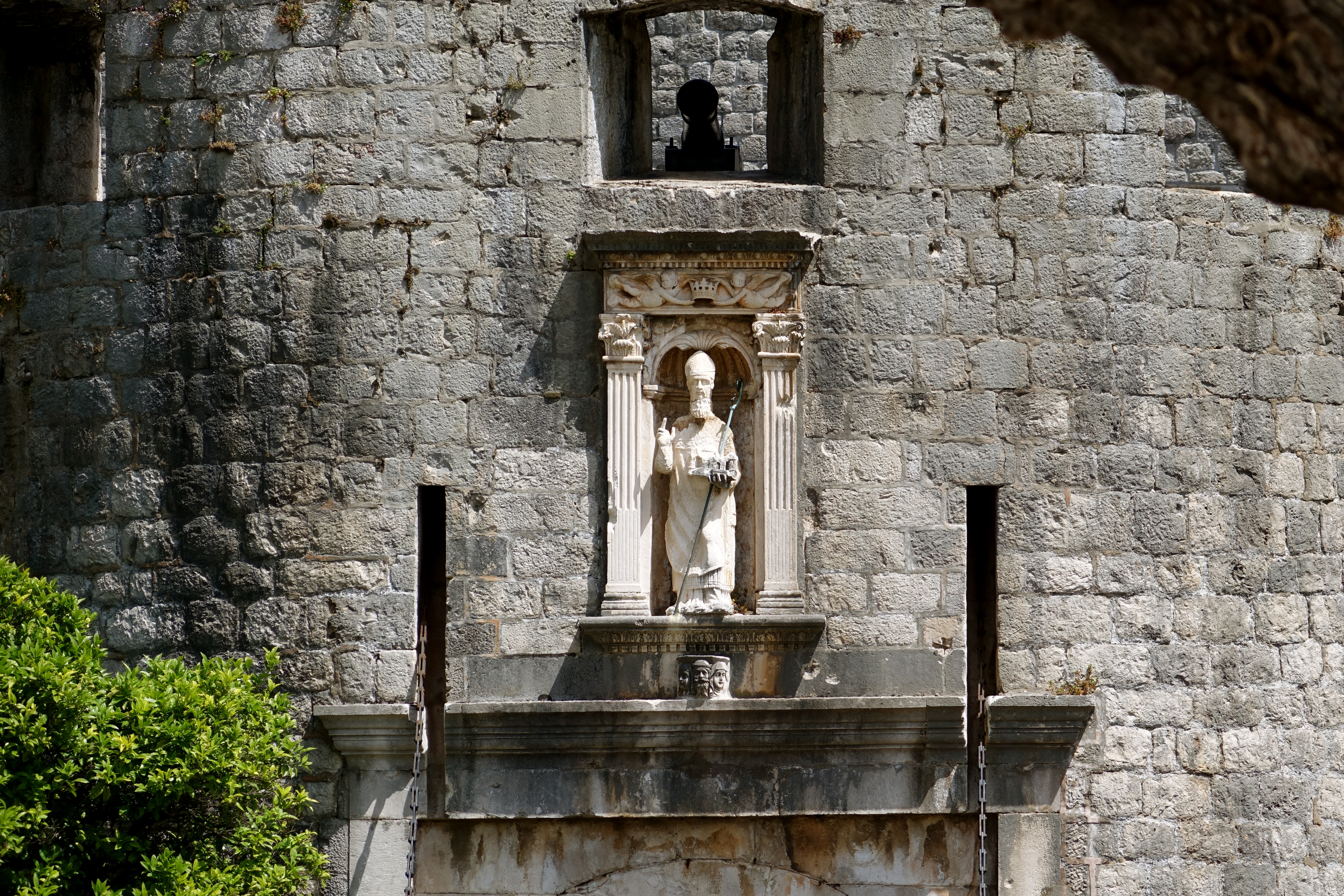
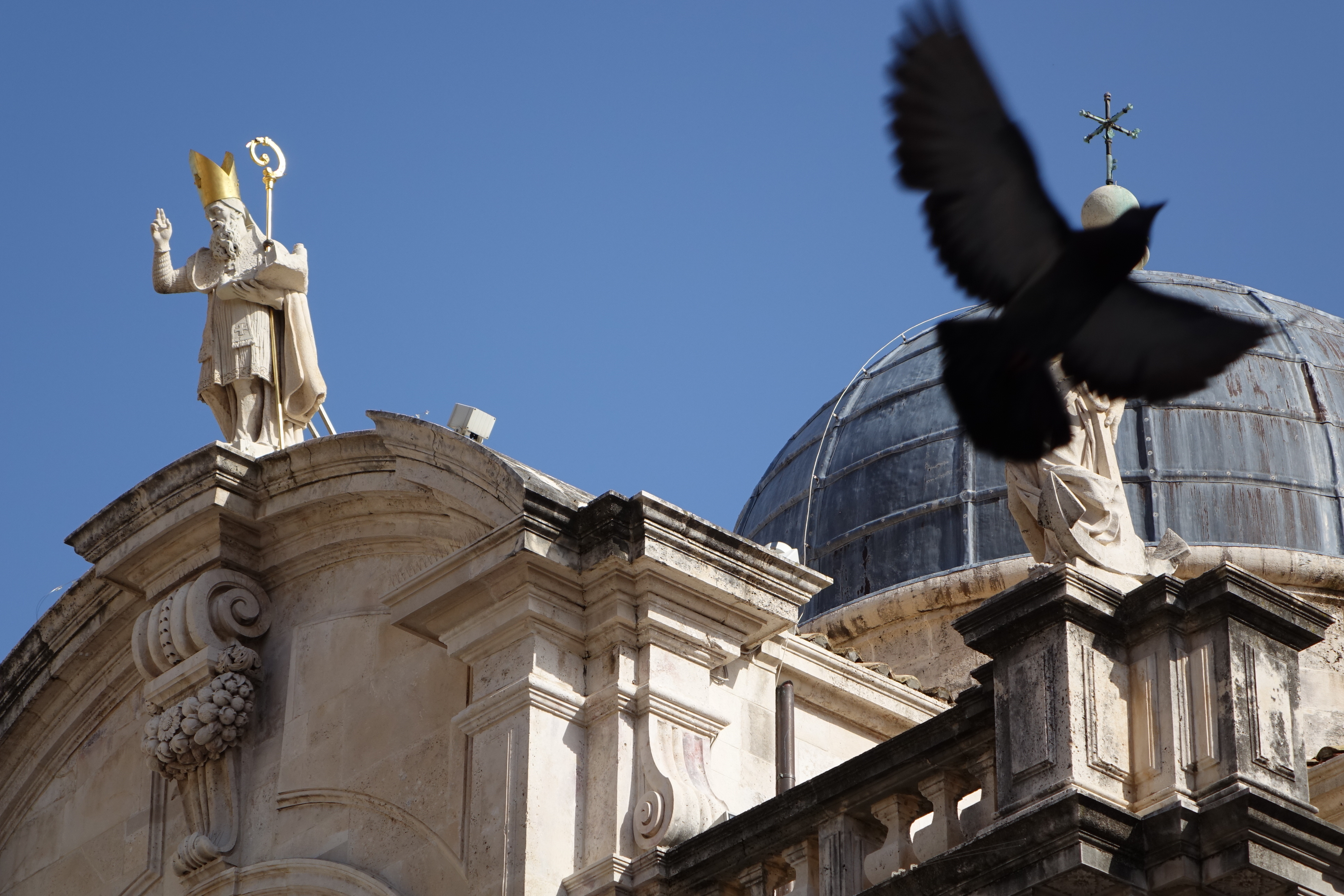
DSC01415 DSC01372 DSC01400 DSC01391 IMG_6162DSC01413

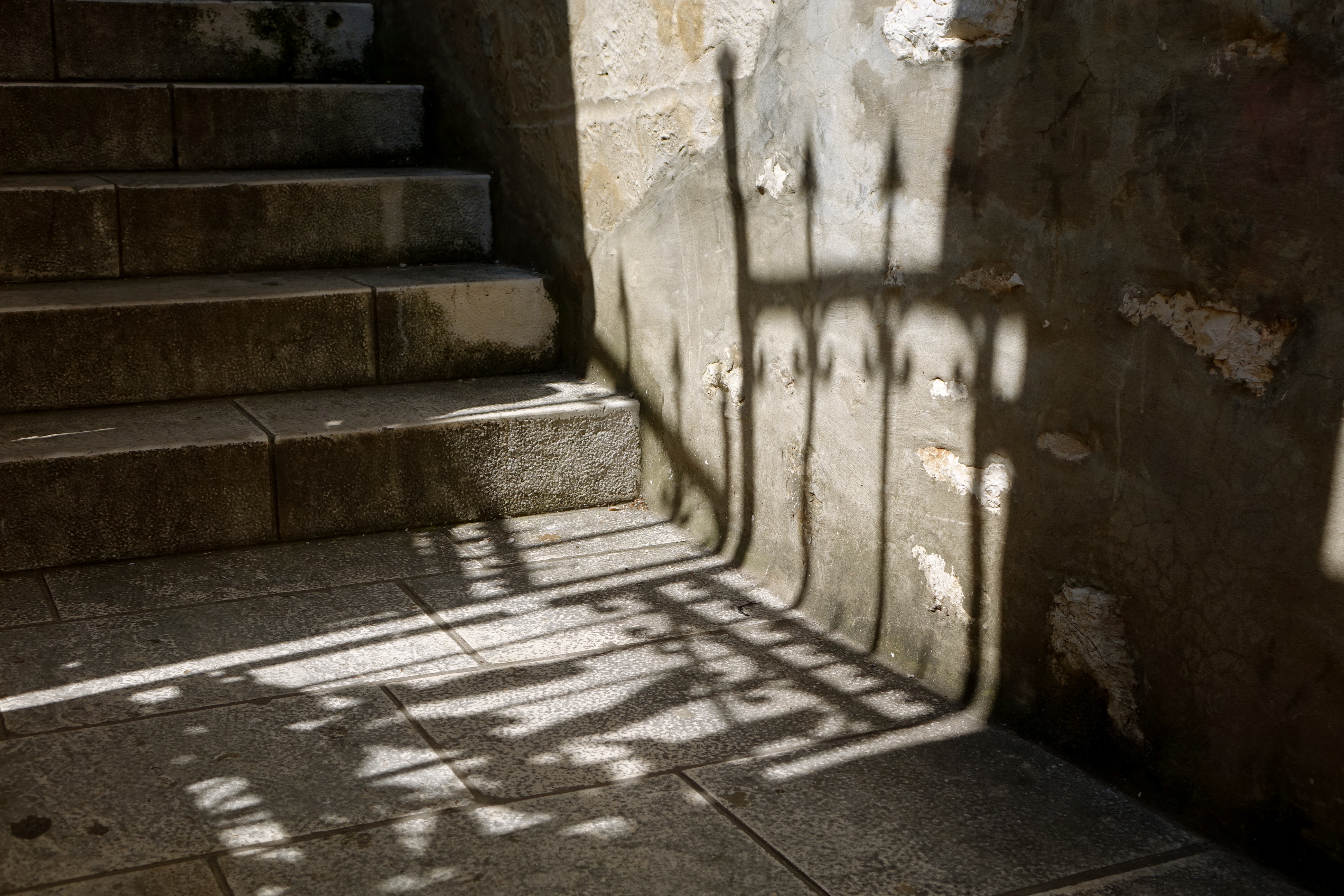
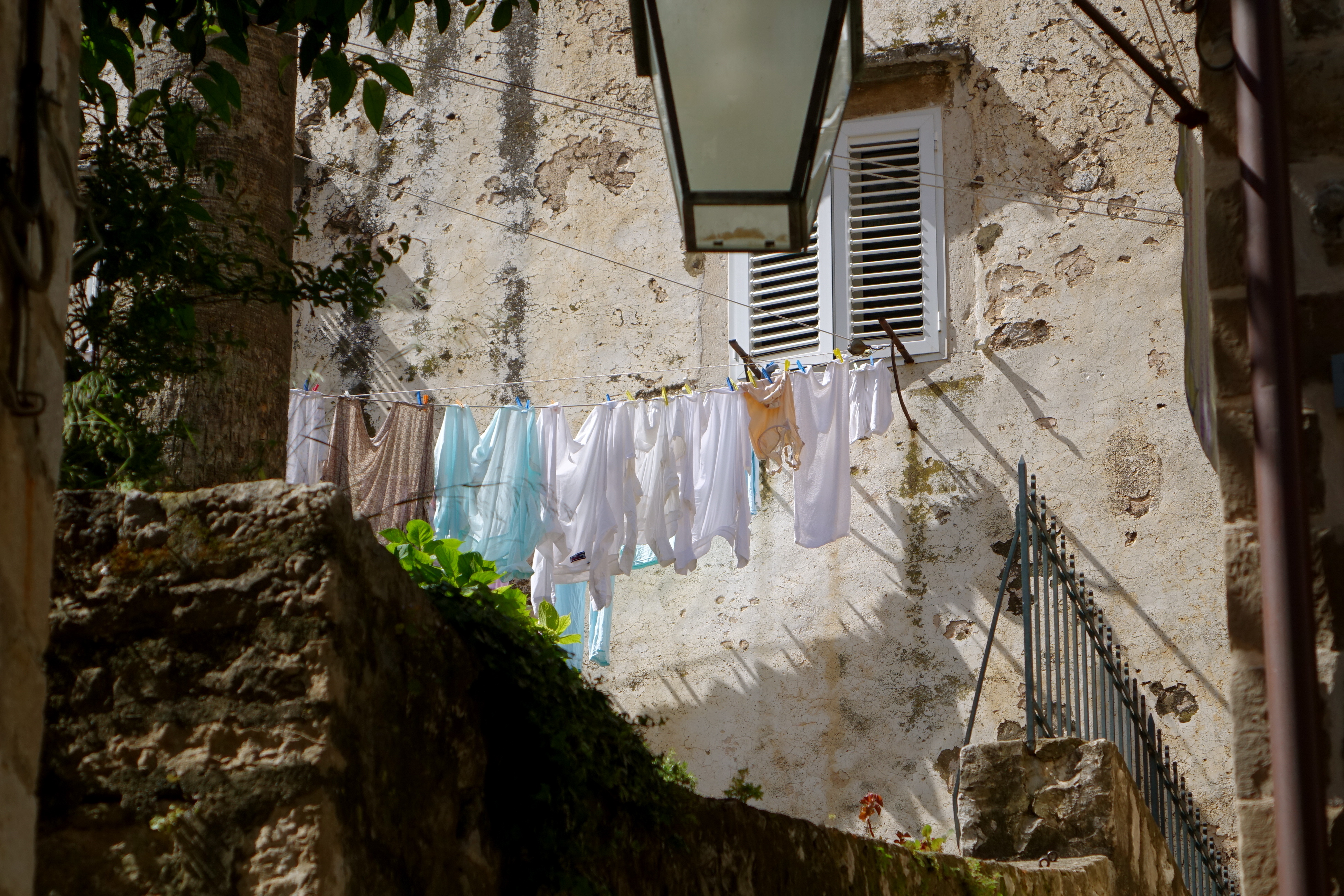
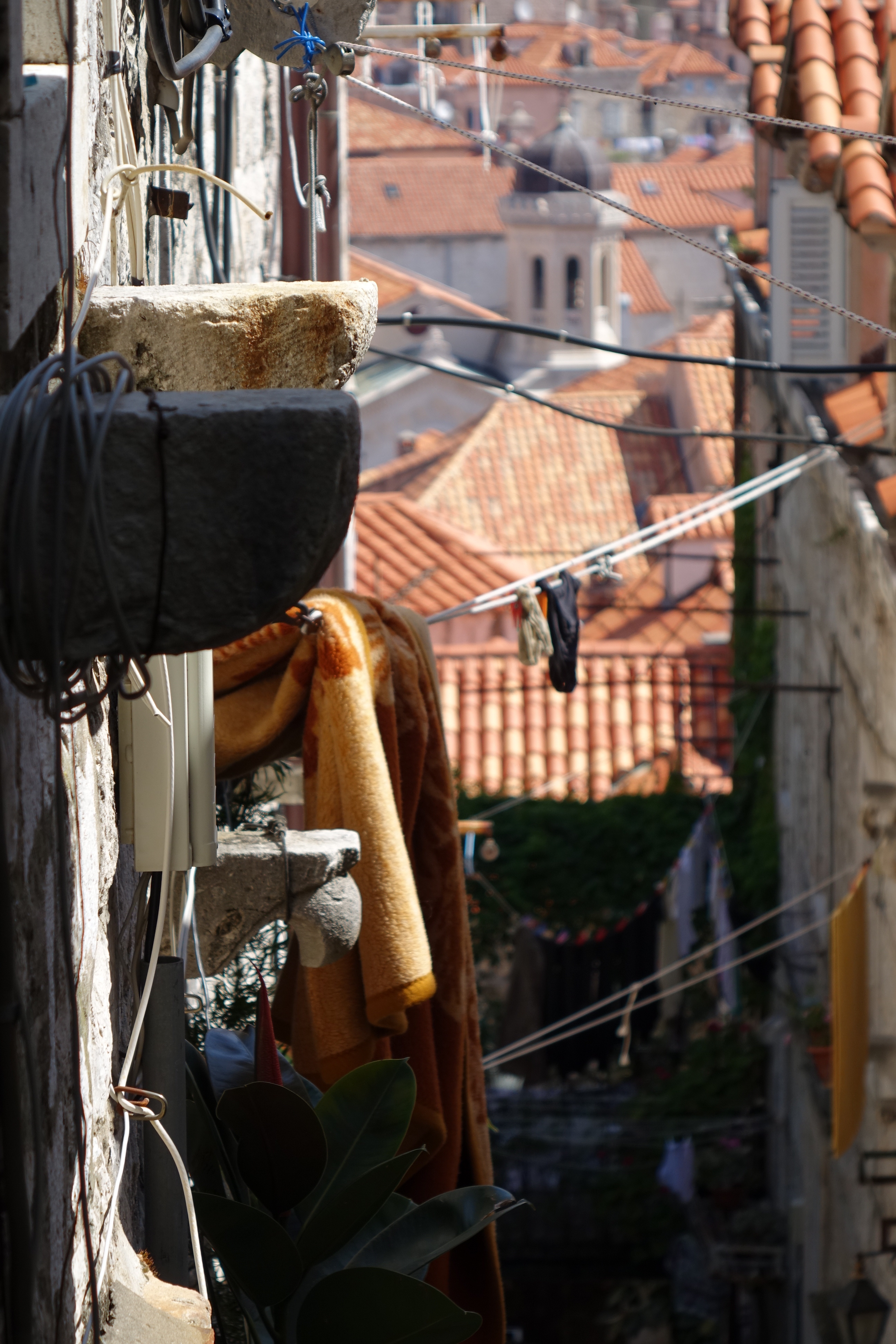
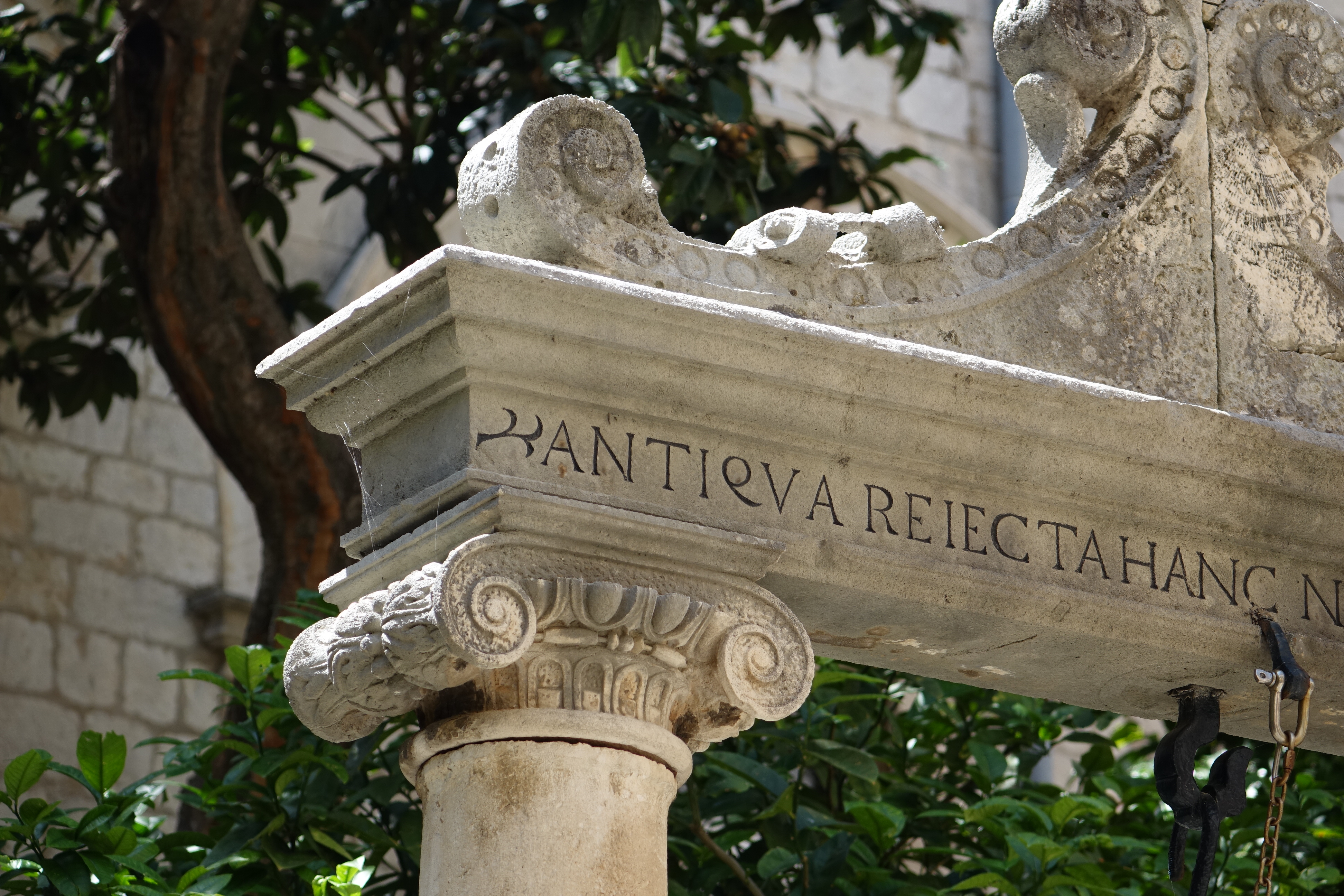
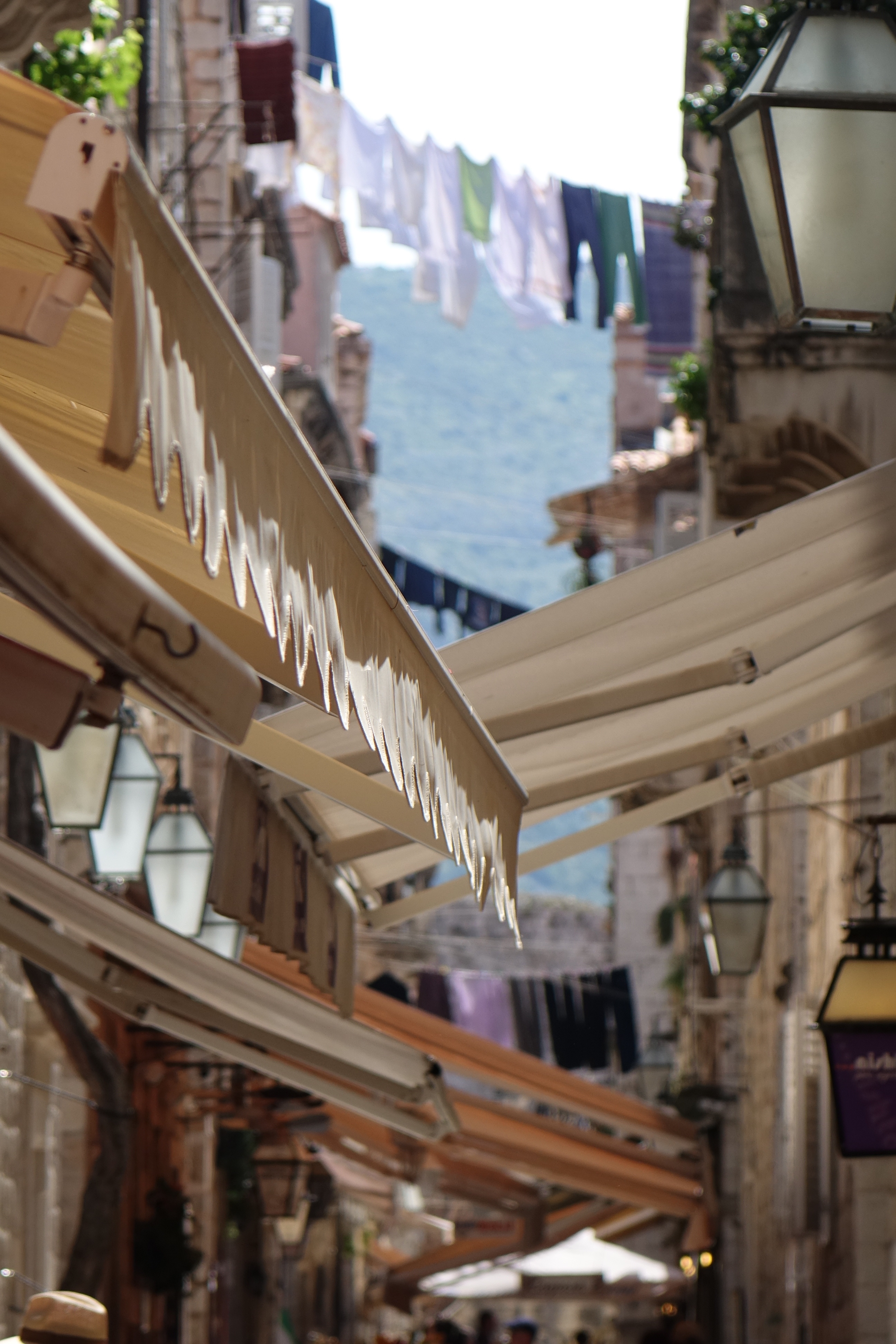
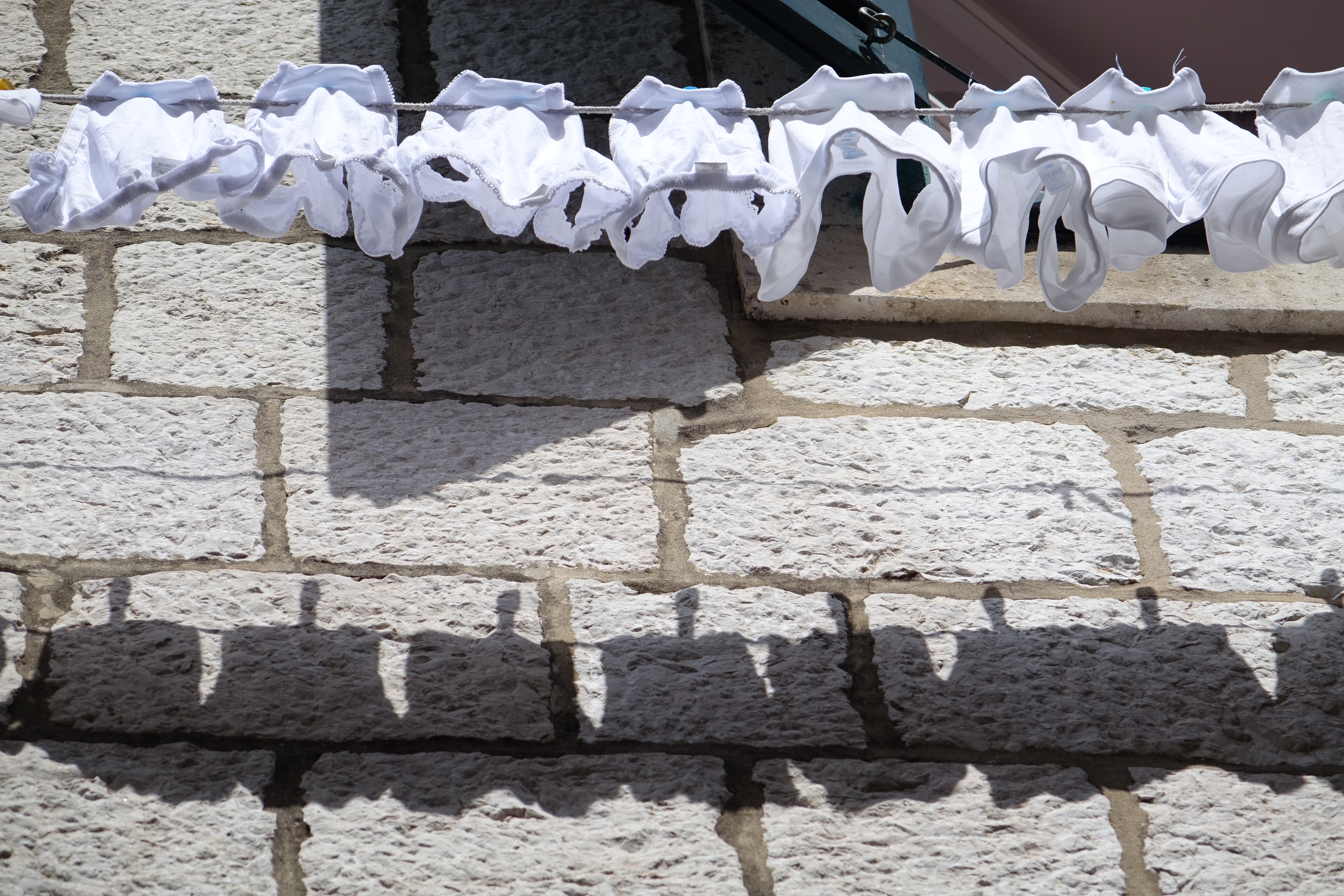
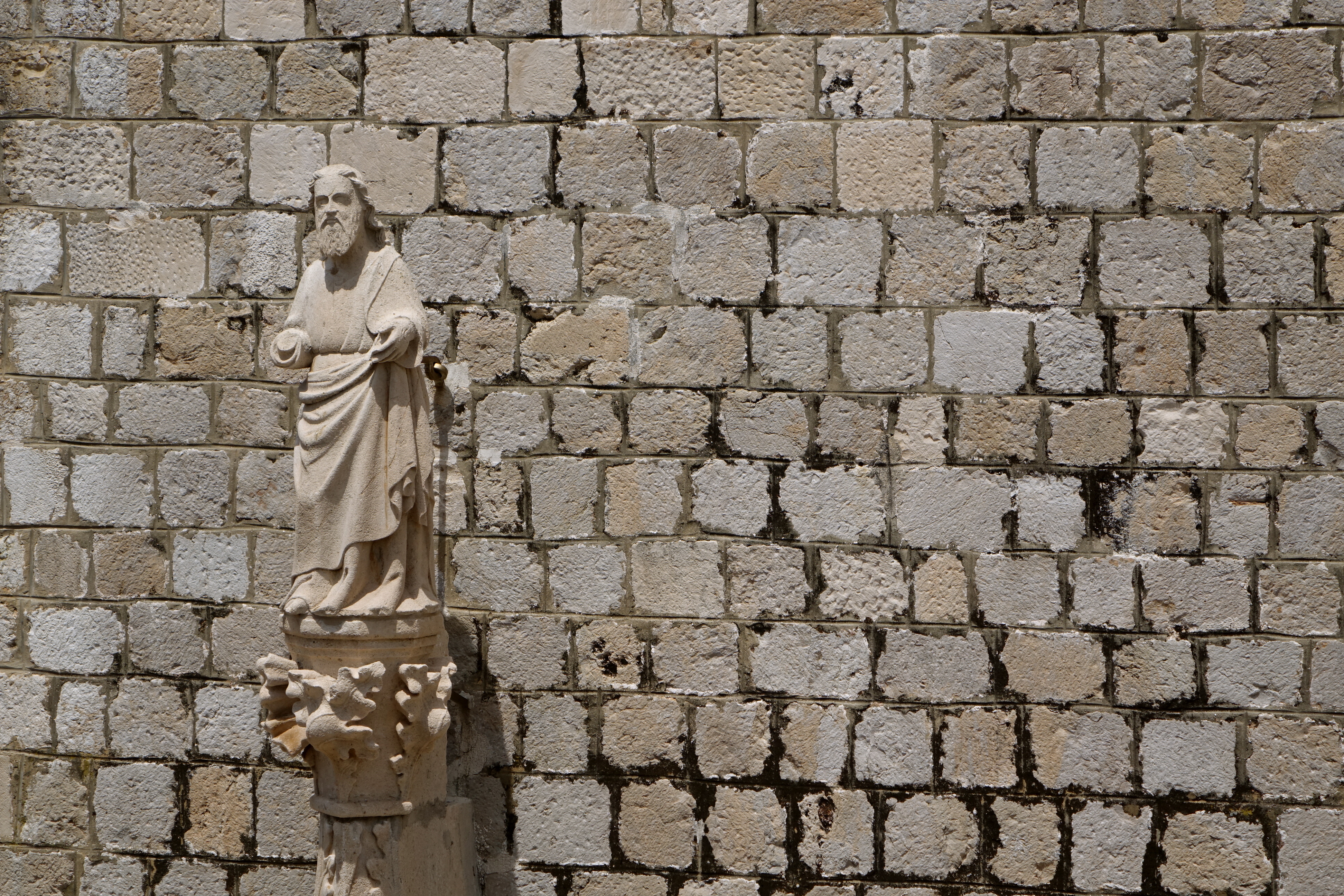
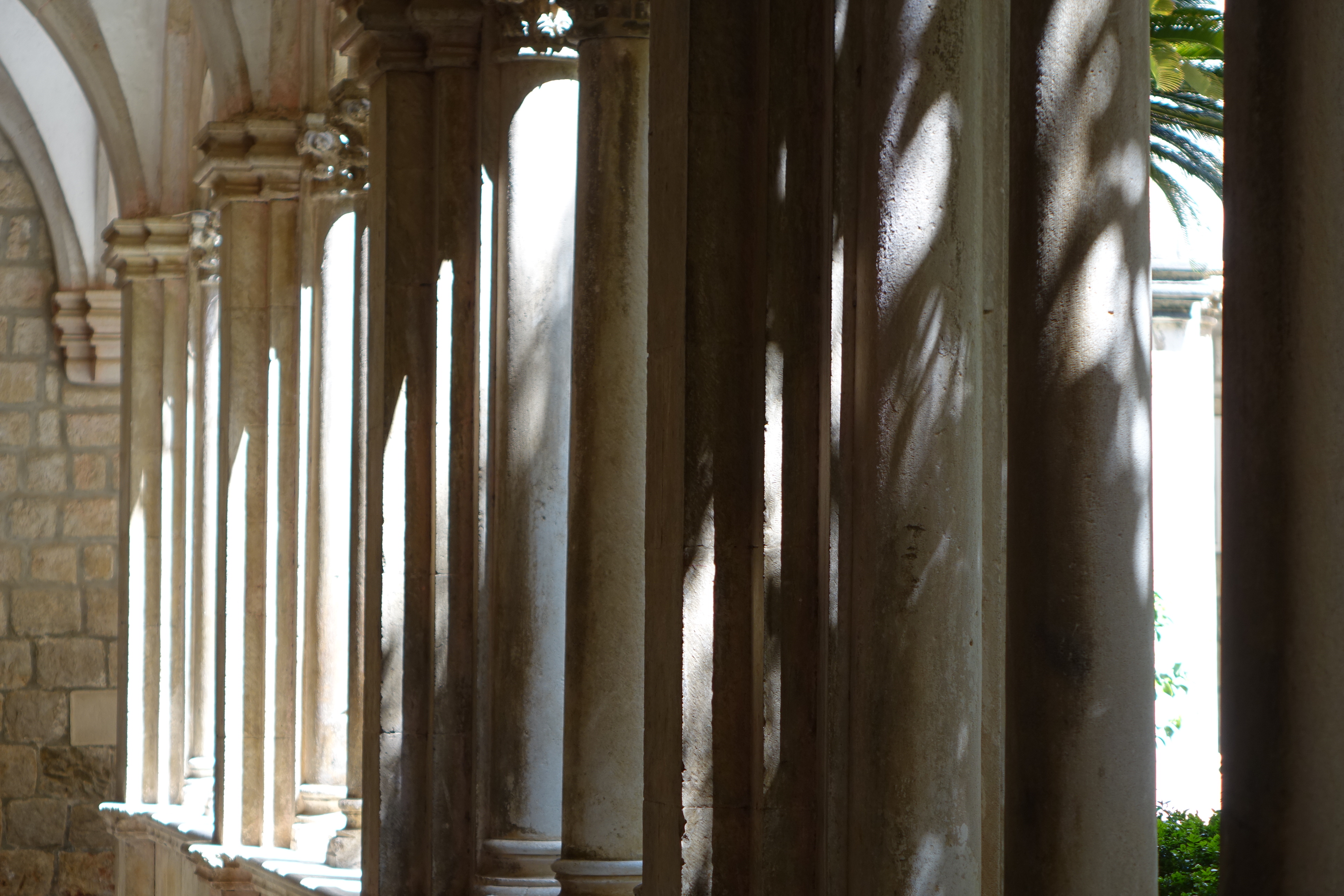
Day 3 of our trip made for a perfect demonstration of this fortuitous combination. In the morning we undertook yet further explorations of some of the narrower “back” streets climbing up to the seaward extent of the walls, where streets form successively more beautiful labyrinths of plant pots and strung out laundry, and the steps get steeper and steeper as you advance towards the sea. This then led us to the city’s Domenican Monastery, a place which is not only the epitome of tranquillity with a stunning cloister whose stony silence is interrupted only be the gently dappling of the sun, but whose museum claims to hold the heart of St Luke the Evangelist himself, as well as a good few other body parts of the great faithful.

The Domenican Monastery
DSC01467 DSC01497 DSC01487 DSC01491 DSC01518 DSC01489 DSC01375

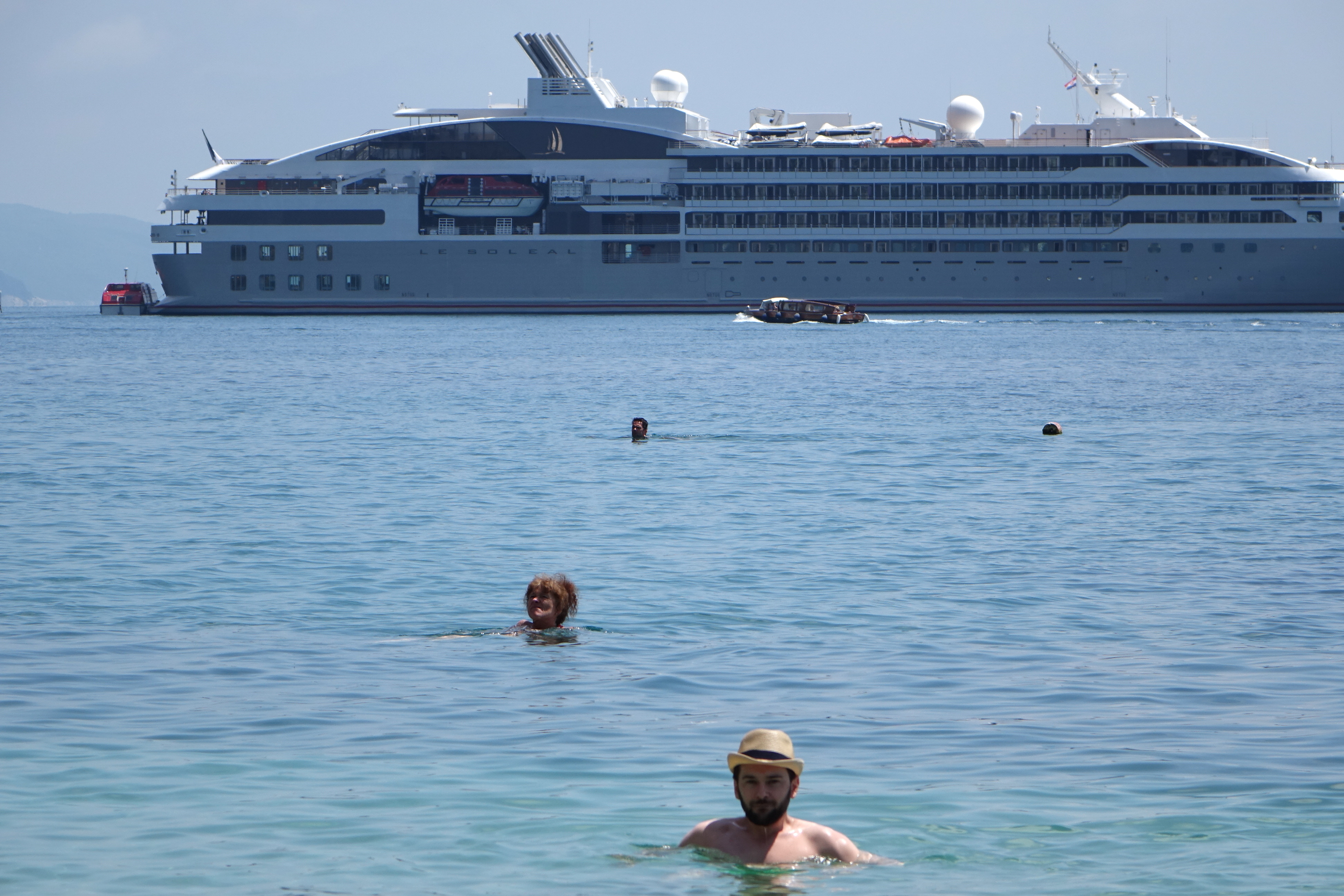
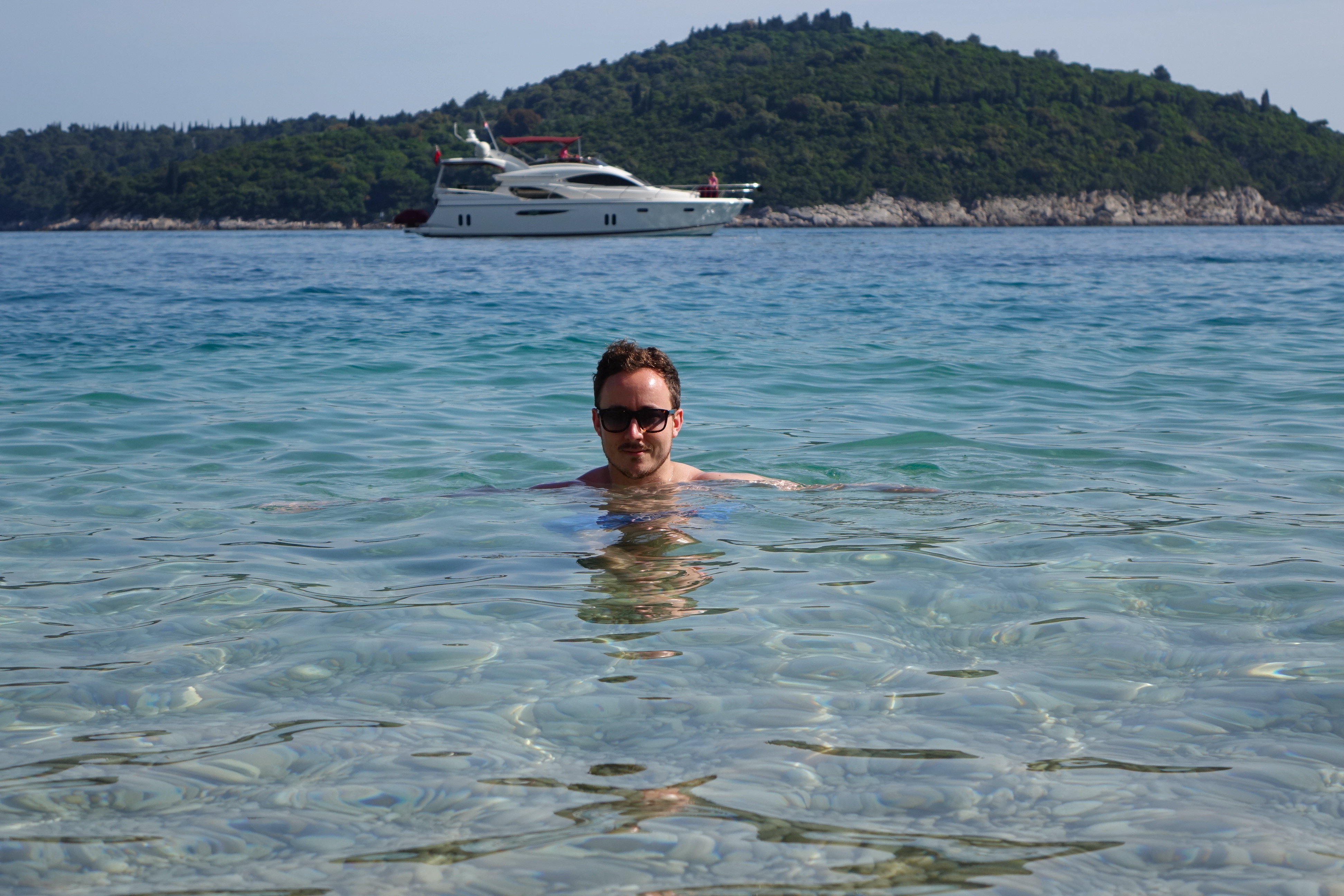
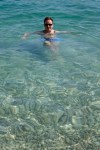
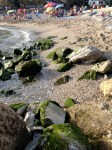
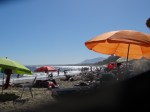
In the afternoon, by contrast, we made our way down the winding streets which lead Eastwards out of the city, beyond the protection afforded by the mighty walls, and onto the nearest stretch of beach to the city – a wonderfully golden expanse fringed by warm shallow waters and of course benefitting from that incredible backdrop of the city. As this was, ostensibly, a city trip and we knew that this beach day was likely to be a unique endeavour, we splashed out on hiring two comfy loungers and eating our way slowly through the menu of the beach restaurant ably servicing the many beach goers. And in that mode we enjoyed this second face of the city, plunging regularly into its incredibly warm and clear waters, gazing in wonder at the views of the city rippled in the almost still Adriatic waters.

The beach of Dubrovnik

DSC01525 DSC01527 DSC01530 IMG_6036 DSC01560 IMG_6114 DSC01581 IMG_6091

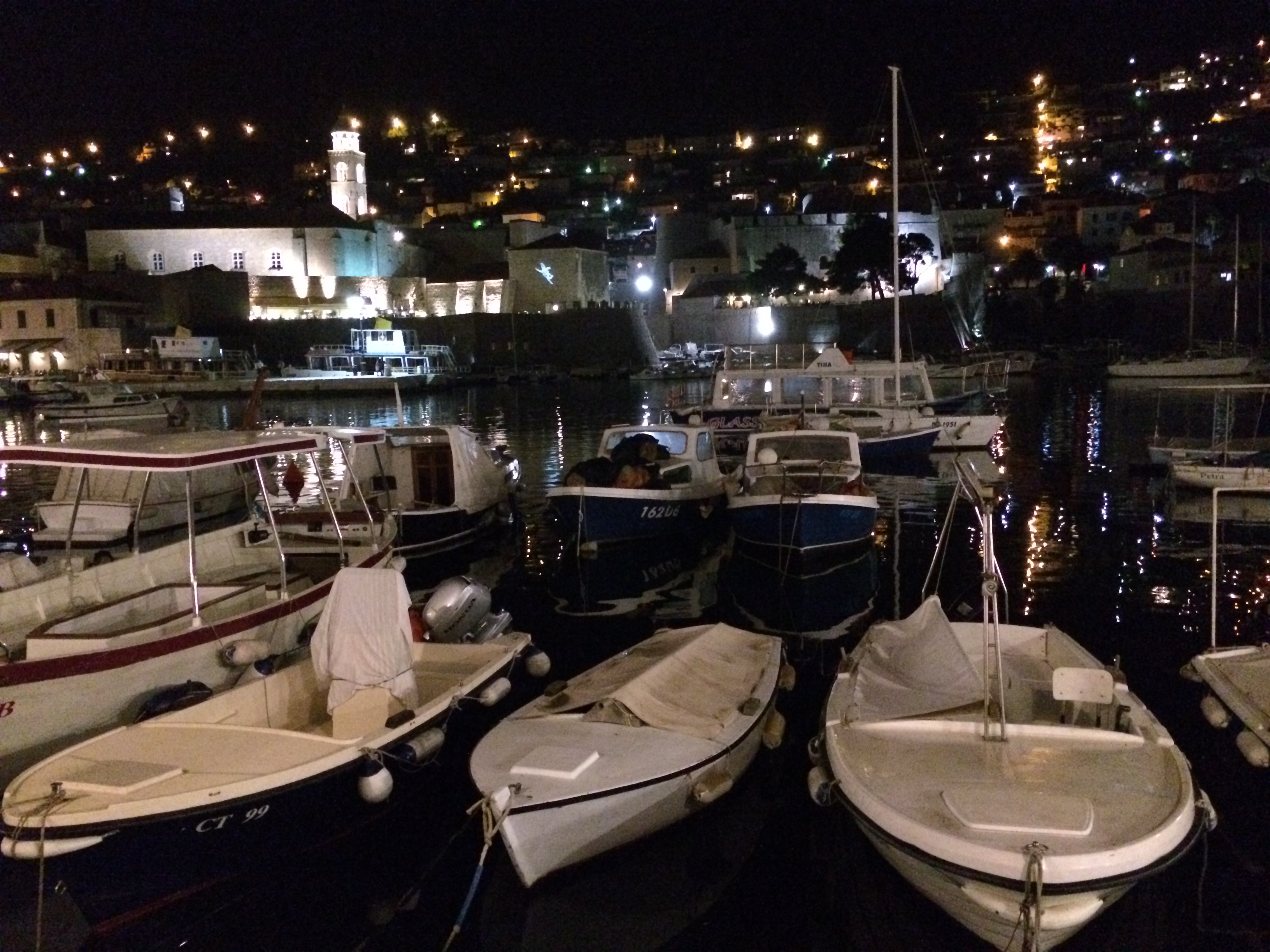
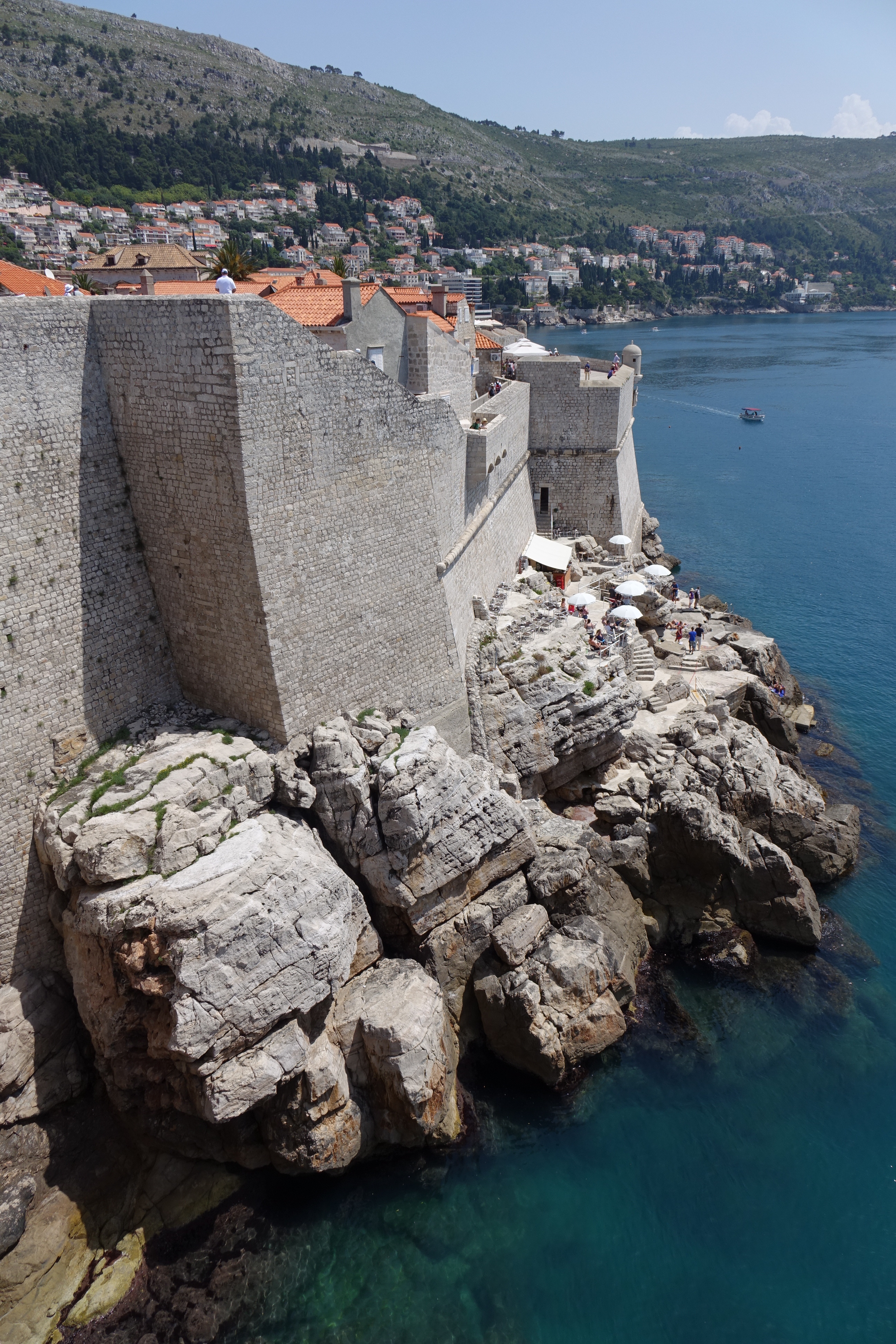
As evening descended , it seemed only appropriate that our evening dinner should combine both facets of sea and city – and dining out on the visually spectacular terrace of the restaurant 360, positioned up on one wing of Dubrovnik’s old walls, we were afforded a view not just back to the old city, but also over its port where small fishing boats barely moved in the still air of this warm evening. The food was apt accompaniment to this eye-watering view: my crispy sea bass with spiced cous cous and a basil puree deserves particular mention, although star of the show was a bottle of Croatian red – Lasina (2011) – one of only 600 bottles ever made, and so deliciously complex and richly velvet that I wished they had made a thousand more. But then that’s Dubrovnik all over: a place of rare treasures unrepeated elsewhere in the world, and all the more enjoyable for it.

360 Restaurant and Dubrovnik at night

IMG_6144 IMG_6145 IMG_6149 IMG_6153

All photos and written content are strictly the copyright of Nicholas de Lacy-Brown © 2014 and The Daily Norm. All rights are reserved. Unauthorized use and/or duplication of the material, whether written work, photography or artwork, included within The Daily Norm without express and written permission from The Daily Norm’s author and/or owner is strictly prohibited.

Dubrovnik | Photography Focus: Part Three – Ripples of the Southern Adriatic

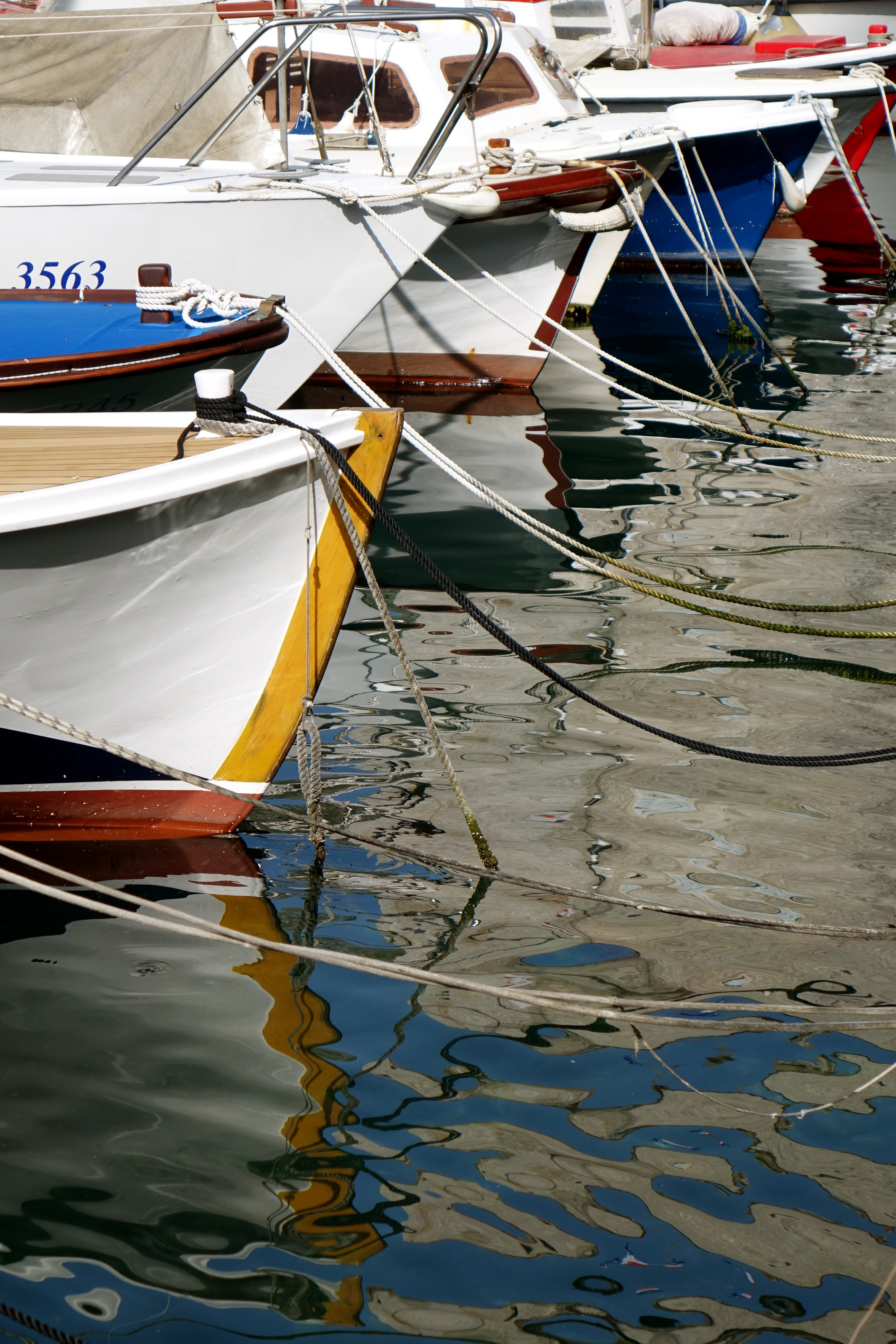
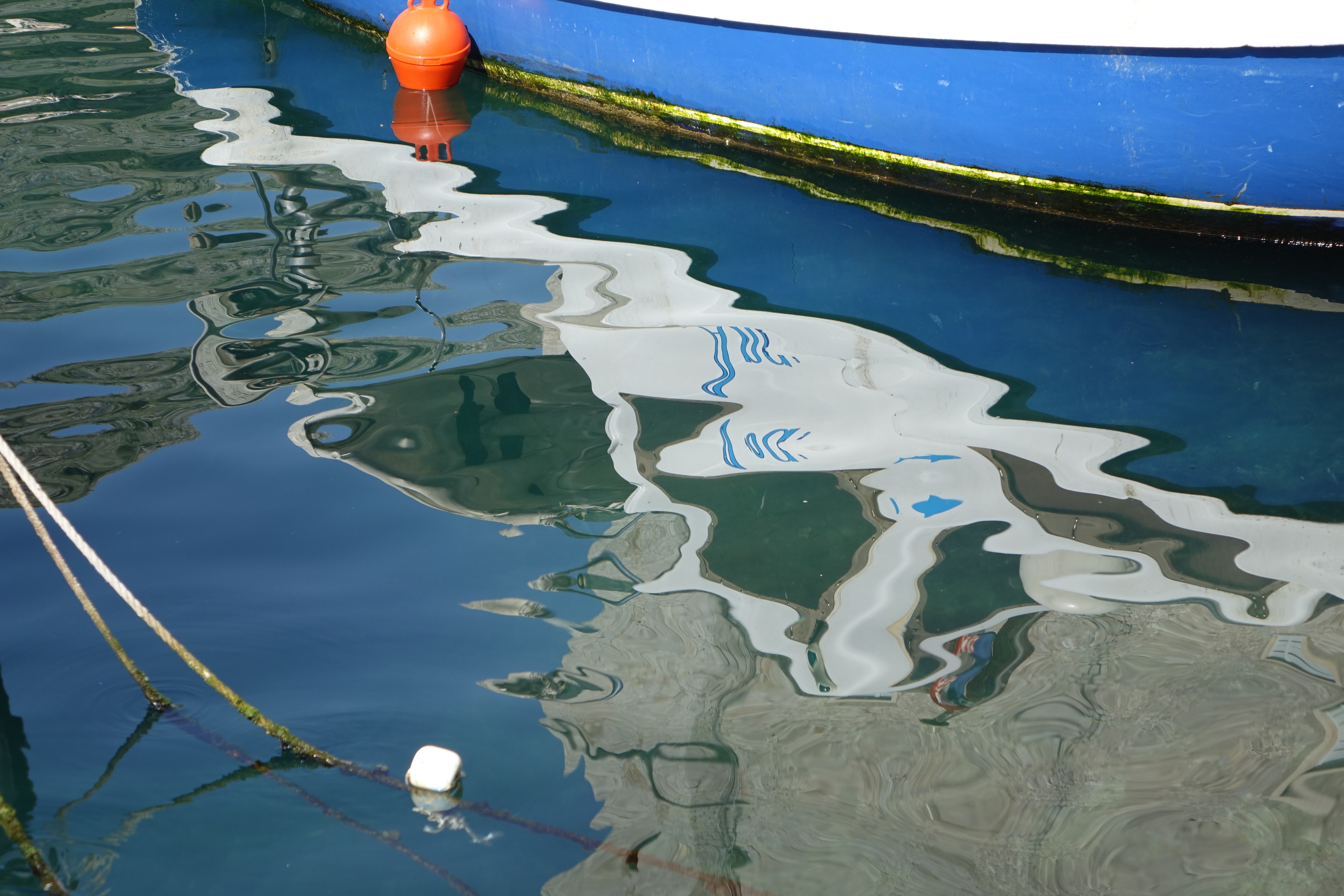
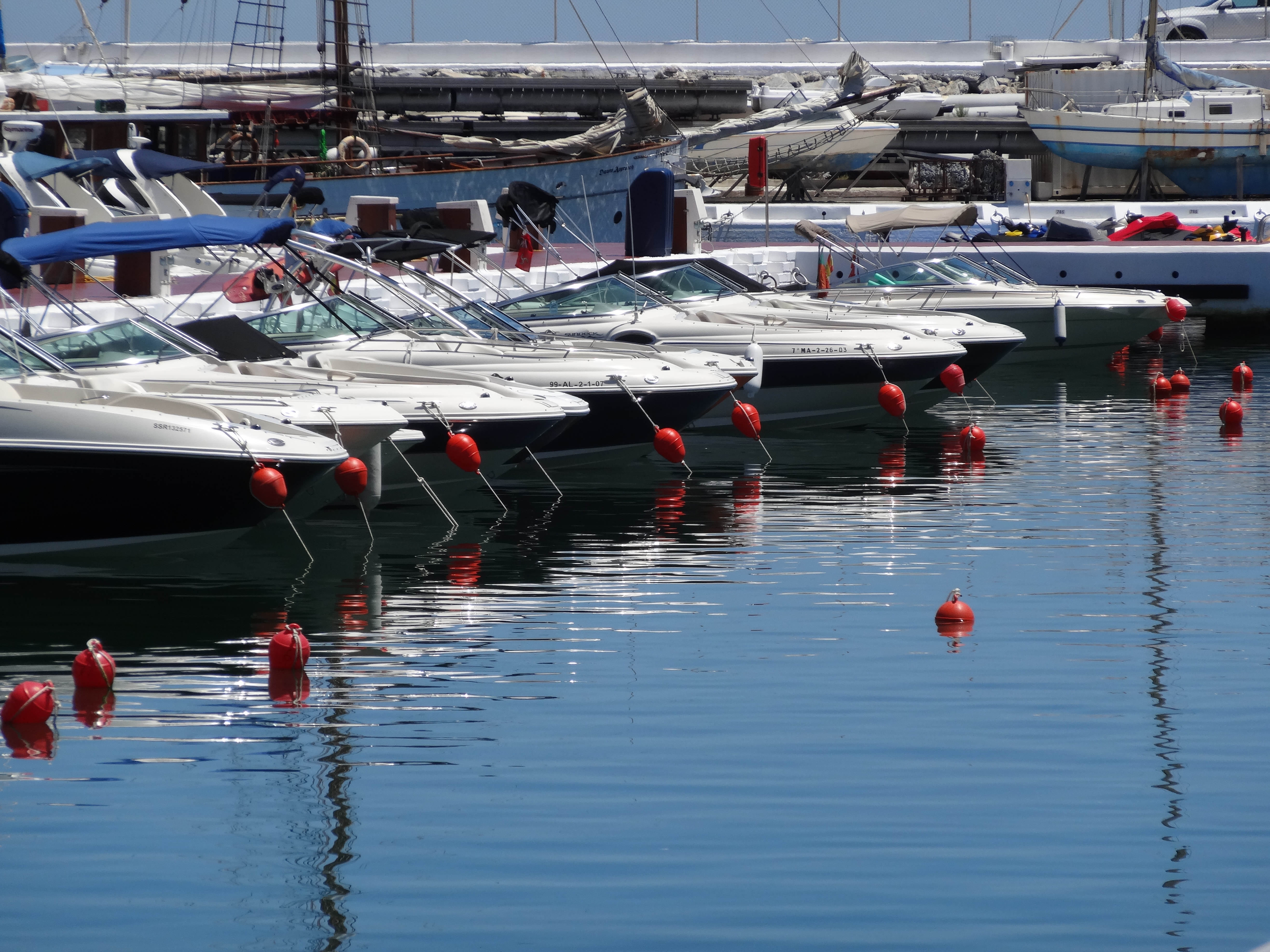
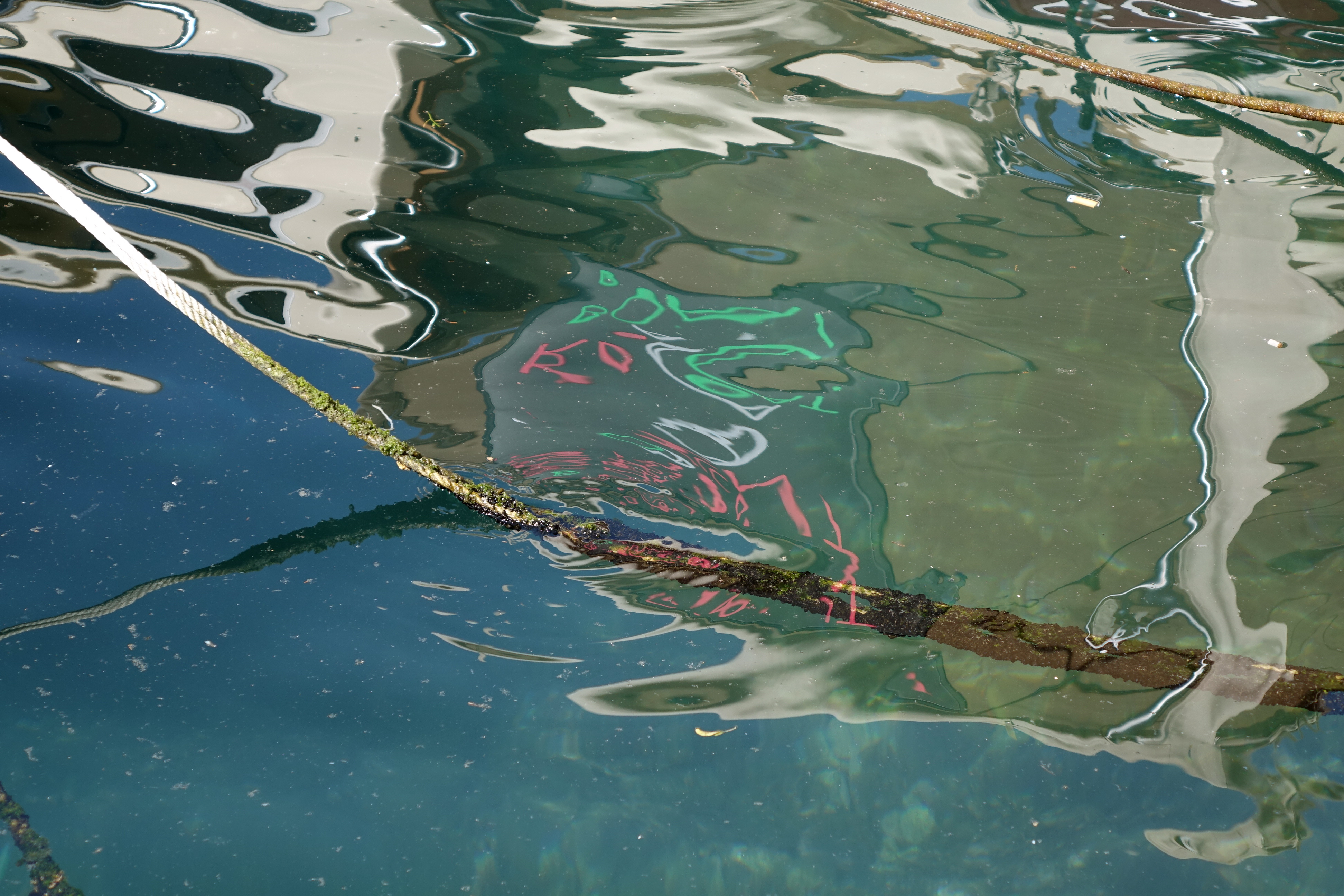
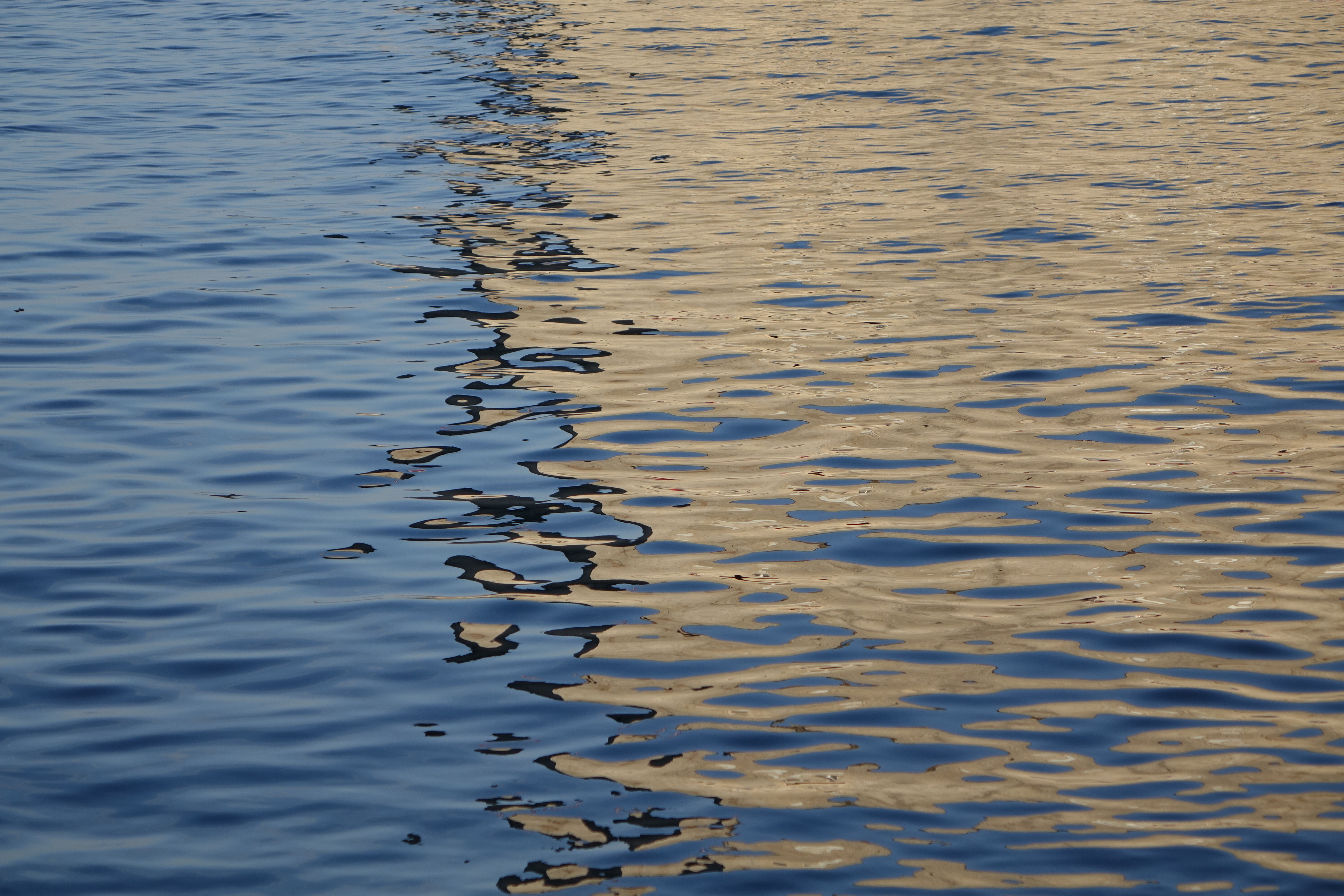
Readers of The Daily Norm cannot fail to realise that I love ripples and reflections in water. I became obsessed with them, rather appropriately, in Venice over Christmas, where the image of the city reflected into water is almost as beautiful as the city above water. I was likewise enamoured by the sun-drenched ripples of the Mediterranean caught in a moment of watery transience in the old port of Dell’Ovo in Naples. This Italian double whammy inspired a couple of gouache ripple paintings, one of which I sold at my recent solo art exhibition in London’s Strand Gallery. I also made two woodcut prints inspired by the ripples of both Venice, and Naples. Then, when I was in Spain in April, I went ripple hunting again, finding that the Spanish Mediterranean in the ports of Marbella was in no shortage of stunning watery wonders.

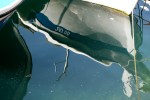
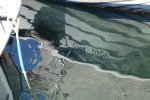
So it will be of no surprise that on my recent trip to Dubrovnik, I went in search of some more abstract images framed in an instance of moving water, finding stunning examples of reflection not only in the city’s old port amongst the fishing boats and tourist vessels, but also in the crystal clear cerulean blue sea, and even in the elegant old fountains at the heart of the city.

DSC00335DSC01196 DSC01284DSC00337DSC00341

The resulting photos are a treasure trove of colourful ripples with characteristic sights of the city mixed in. I love my photo of the waters in the old port for instance, where the golden walls of the city are perfectly reflected alongside the blue of the water forming an image in reflection which is so abstract that it could be mistaken for something by Rothko. I also love those photos of ripples around the ancient rocks which surround the fortress city, filled with the magical atmosphere which these natural forms create.

It seems almost appropriate that this further chapter in my portfolio of ripples should fall in the southern part of the Adriatic, the sea where my obsession with water first took hold, up in the colder Northern waters around Venice. I hope you like them.

All photos and written content are strictly the copyright of Nicholas de Lacy-Brown © 2014 and The Daily Norm. All rights are reserved. Unauthorized use and/or duplication of the material, whether written work, photography or artwork, included within The Daily Norm without express and written permission from The Daily Norm’s author and/or owner is strictly prohibited. 

My Dubrovnik Sketchbook (Part 2) – Created from a Café

Almost as exciting as the prospect of filling my new sketchbook with views of Dubrovnik has been the process of lifting my sketches out of my sketchbook and onto The Daily Norm and the wonderful reception they have received from all of my kind blog readers. My last sketch post was so well received that I have been doubly inspired to fill the eager remaining pages of my sketchbook with further views from my forthcoming summer travels. But before I start my work on them, I still have a few more Dubrovnik-inspired sketches to share.

Next up are two of my favourite sketches from the bunch; favourites not just because of the views they share but because of the memories they hold. For these sketches were made during my favourite time of the day – when after a day’s hard sightseeing, we would settle down into one of the city’s perfectly scenic cafes and I would open up my sketchbook and record the always sensational views just ahead of us.

View of Dubrovnik Cathedral from the terrace of the Gradska Kavana Café (2014 © Nicholas de Lacy-Brown, pen on paper)

View of Dubrovnik Cathedral from the terrace of the Gradska Kavana Café (2014 © Nicholas de Lacy-Brown, pen on paper)

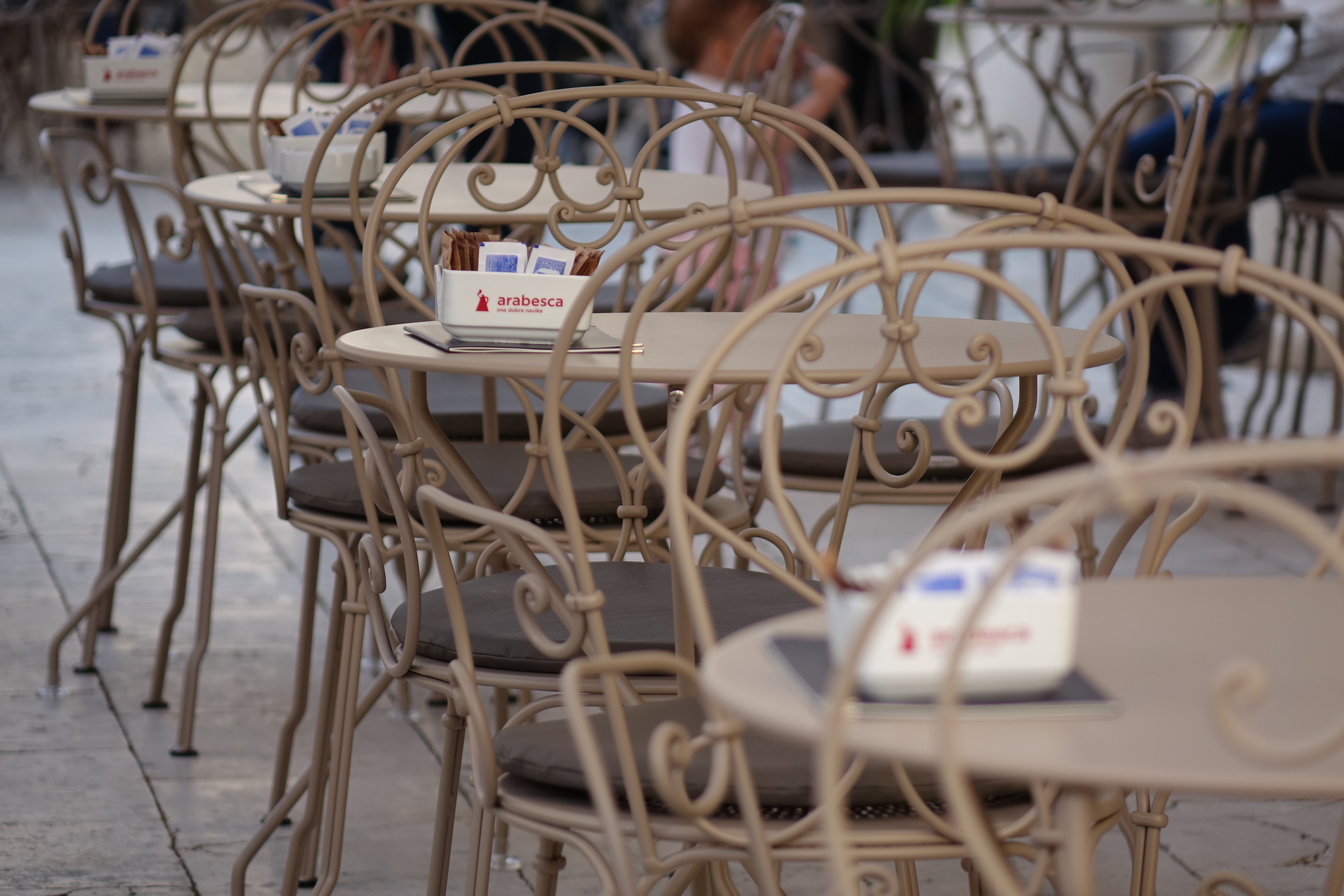
The first of these views was drawn from the rather swanky terrace of one of the city’s most popular cafes: the Gradska Kavana Café. Situated right opposite the church of Dubrovnik’s patron saint, Saint Blaize, and just along the shiny marble road from the city’s main cathedral, this terrace offered perfect views ripe for capturing in my sketchbook, and as soon as my coffee was served, I set about sketching one such view before us, looking down the Pred Dvorom onto the grand domed cathedral.In the bottom left hand corner you can see a corner of the cafe terrace and its mighty awning offering shade to all the elegant customers. It reminds me of Van Gogh’s famous cafe terrace featured in one of his most famous views of Arles.

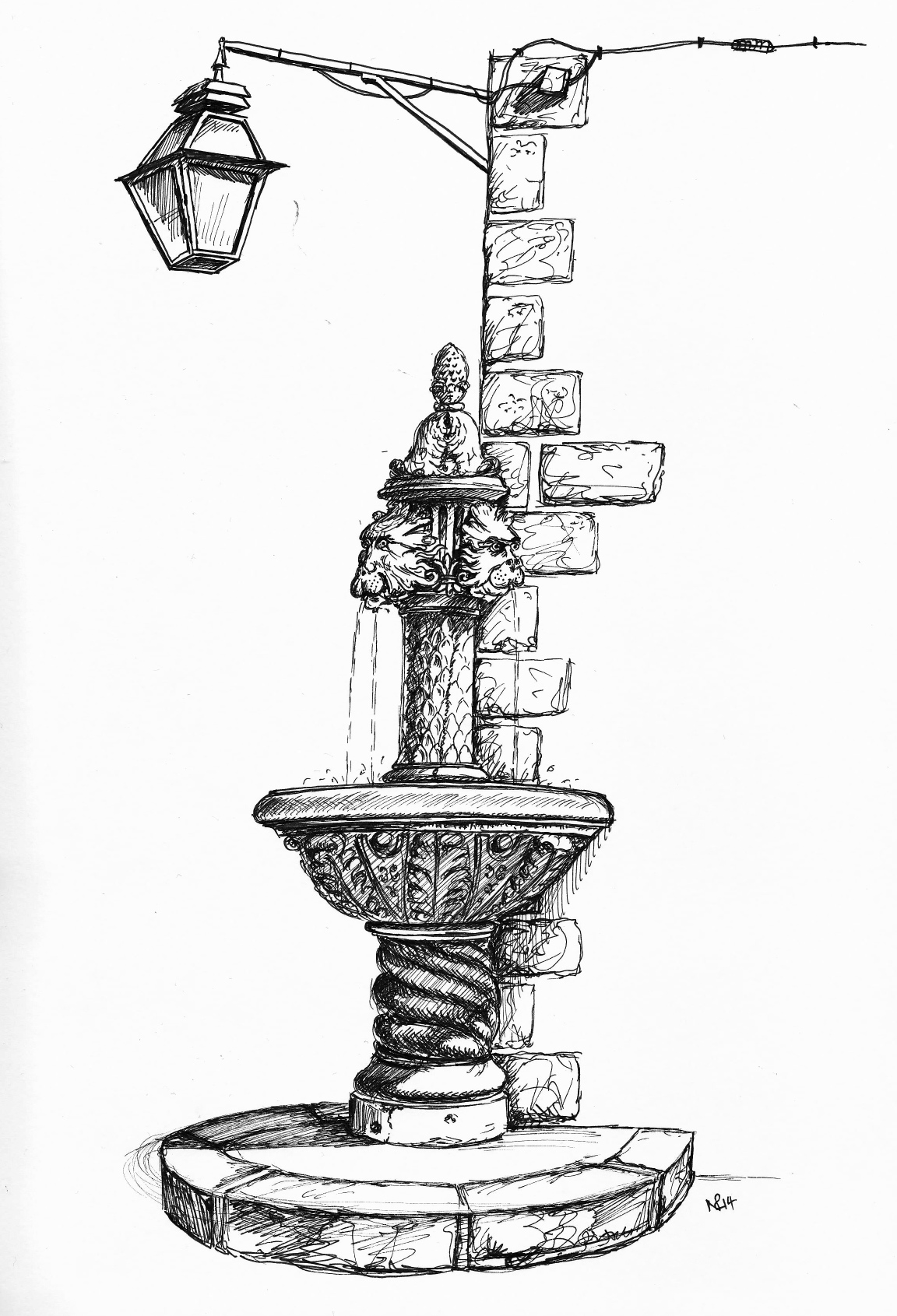
The Amerling Fountain on the Gunduliceva Square, Dubrovnik (2014 © Nicholas de Lacy-Brown, pen on paper)

The Amerling Fountain on the Gunduliceva Square, Dubrovnik (2014 © Nicholas de Lacy-Brown, pen on paper)

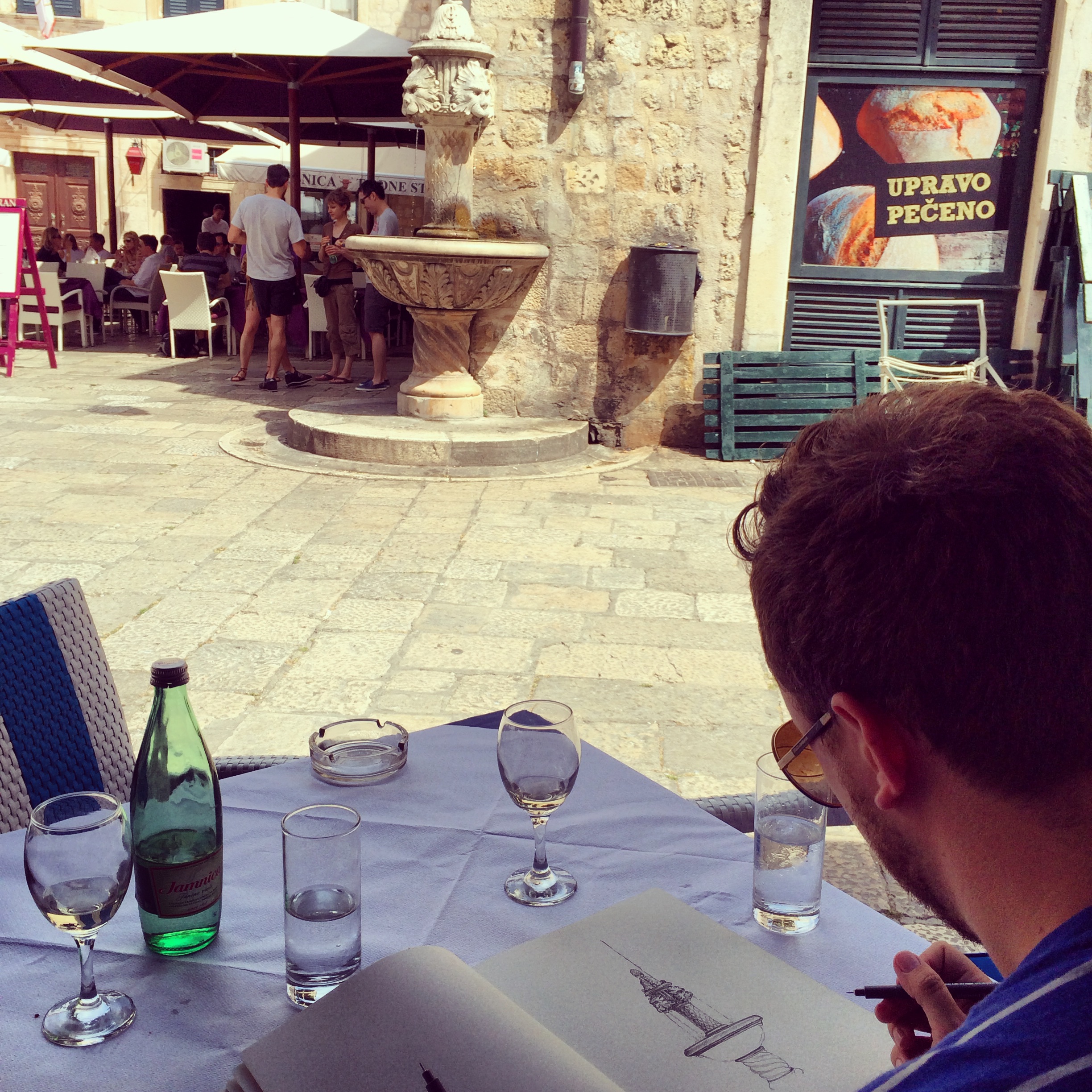
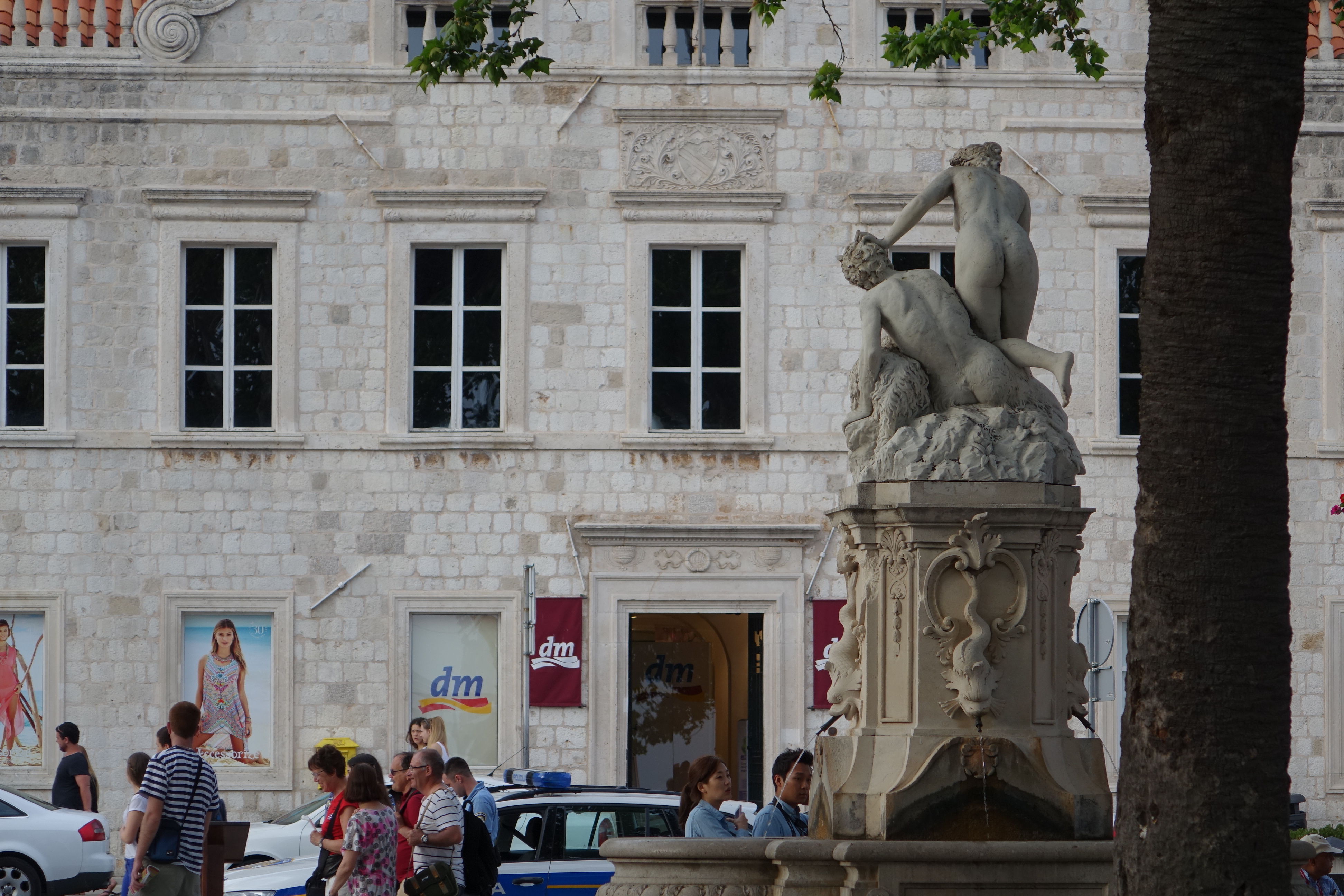
The second sketch features the beautiful Amerling Fountain, which is to be found on the corner of the bustling market square of the Gunduliceva Poljana. I set about drawing this sketch as we finished a delicious portion of fired squid and whitebait, accompanied by another creamy coffee as I drew this, our favourite of the city’s several beautiful fountains.

And just in case you should doubt the beauty of the surroundings which inspired me as I sketched these two beautiful views, here are some photos of me taken by my partner as I went about capturing the city in my sketchbook.

DSC01220 DSC01225 DSC01940 IMG_6251 IMG_6249 IMG_6401

More to come… next time!

© Nicholas de Lacy-Brown and The Daily Norm, 2001-2014. Unauthorized use and/or duplication of the material, whether written work, photography or artwork, included within The Daily Norm without express and written permission from The Daily Norm’s author and/or owner is strictly prohibited. Excerpts and links may be used, provided that full and clear credit is given to Nicholas de Lacy-Brown and The Daily Norm with appropriate and specific direction to the original content. For more information on the work of Nicholas de Lacy-Brown, head to his art website at www.delacy-brown.com
Dubrovnik | Day 2 – Paradise set in a ring of stone

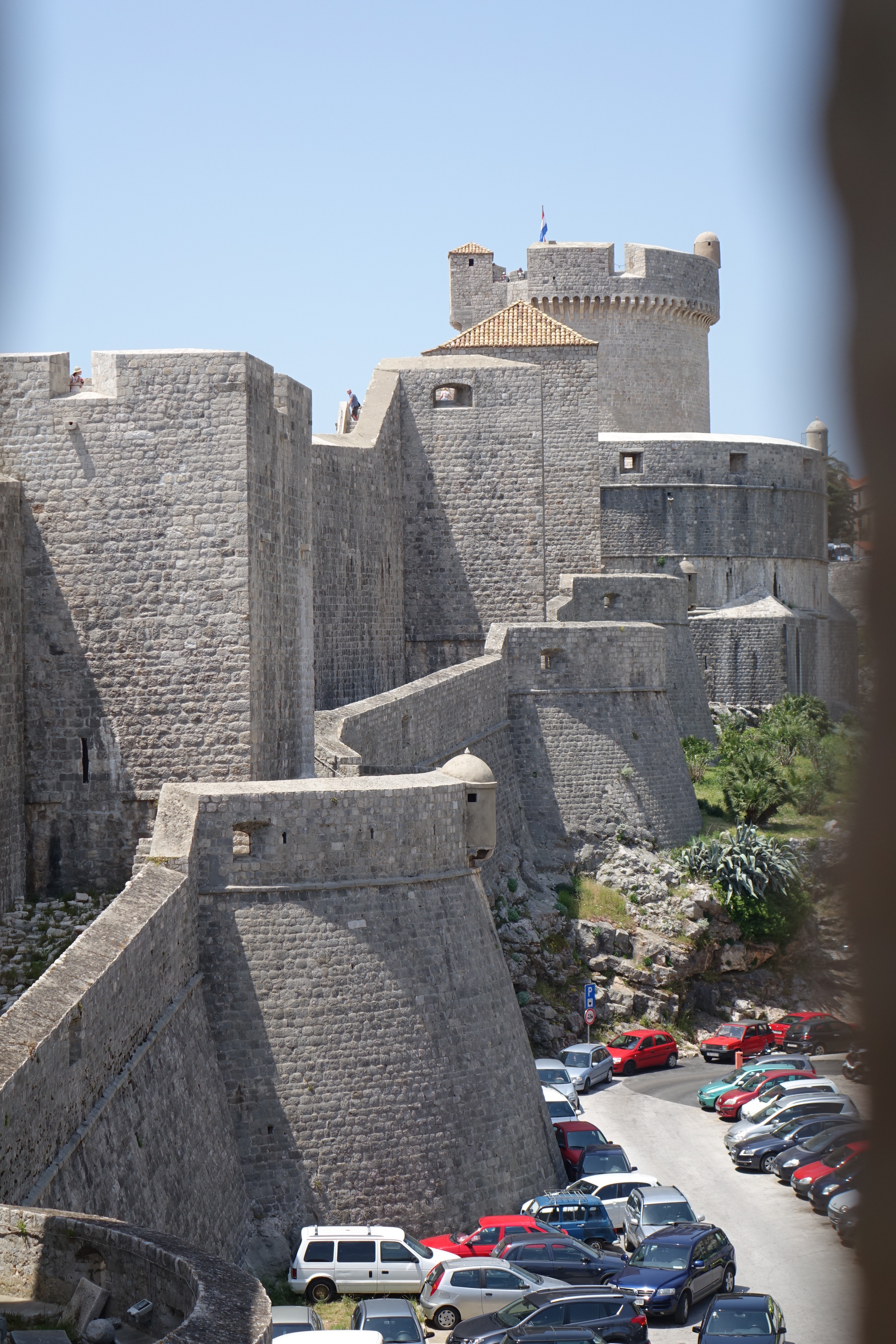
Day two of our trip to Dubrovnik had to be about the great walls. Encircling the city in an unbroken ring of metres-thick stone, the walls not only offer the best possible vantage of the city from multiple angles, but also enable a complete appreciation of the scale and extent of the city. While on the one hand the city feels very small and self-contained, when you are walking around these huge walls, feeling rather like an ant by comparison to their mighty size, you start to realise that the city is really quite large, and packed full of treasures and unique panoramas on an almost incomparable scale.

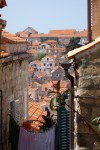
And as if by way of example of the wealth of the city’s offerings, our first ambling of the day, walking through the land-bound streets of the North of the city (in an attempt to discover the entrance to the walls…) demonstrated that every street in Dubrovnik, no matter how small nor narrow, is a thing of beauty. This steep region of the city, which used to be separate from the main island city of Dubrovnik before the Stradun, which is now a main street but used to be a river, was filled in, constantly wowed us with picturesque sights around every corner – washing strung between houses, little wooden chairs placed outside front doors ripe for neighbourly gossip, street lamps poking out from every house in an overlapping cluster of glass and metal, and of course a backdrop to die for of further escalating roofs and the steep hillside beyond.

The picturesque backstreets 

DSC00830 DSC00797 DSC00937 DSC00778 DSC00781 DSC00820 DSC00843 DSC00802 DSC00774

We didn’t find an entrance to the walls in those backstreets however. At every turn we could see the walls, and see an increasing number of tourists walking upon them. Nonetheless the entrance alluded us (it turns out that access to the walls, which is charged at around £10 each, is tightly controlled) and we headed back down to the city centre in search of coffee, before finally heading to the Pile gate, where we already knew that the main entrance to the walls is located.

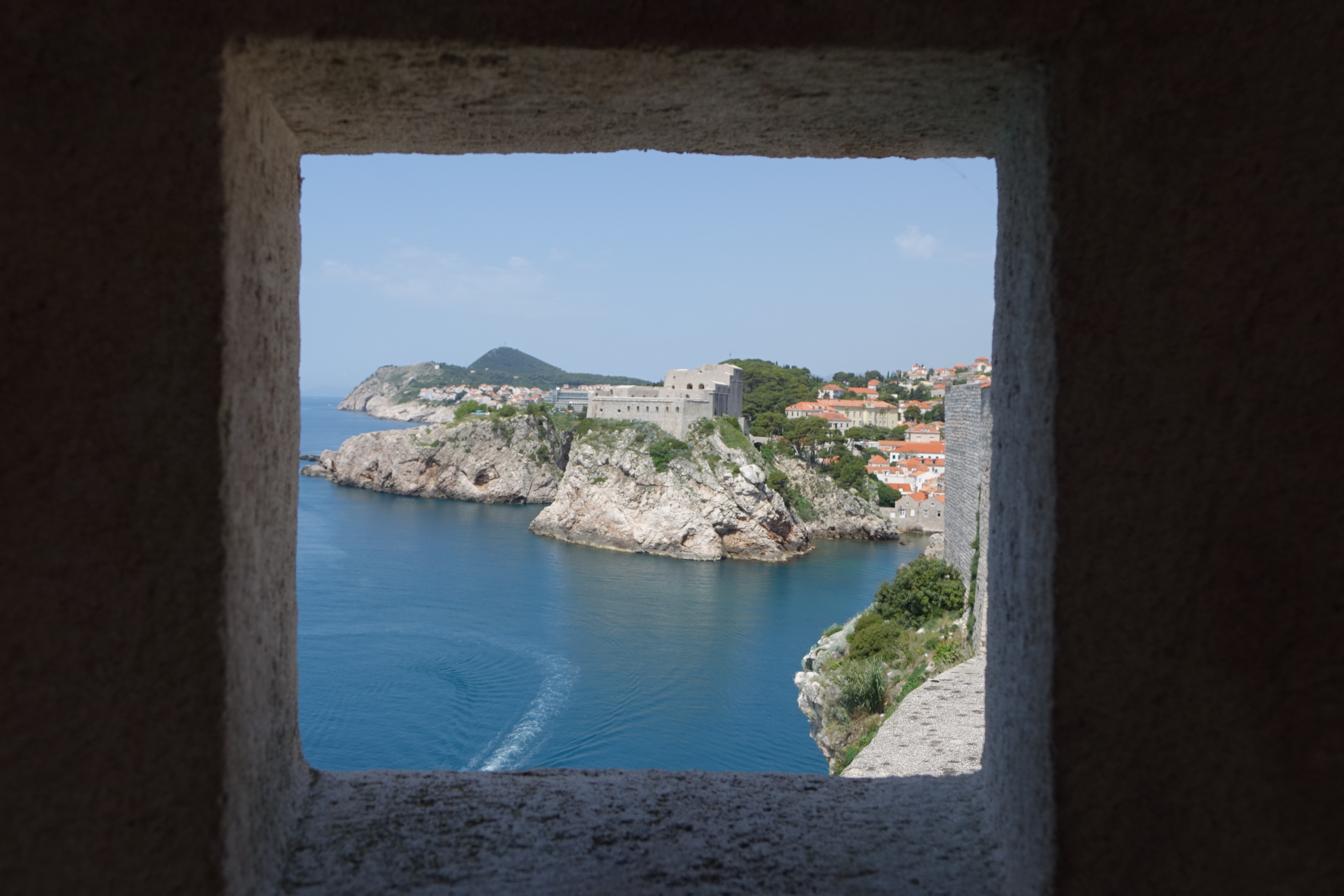
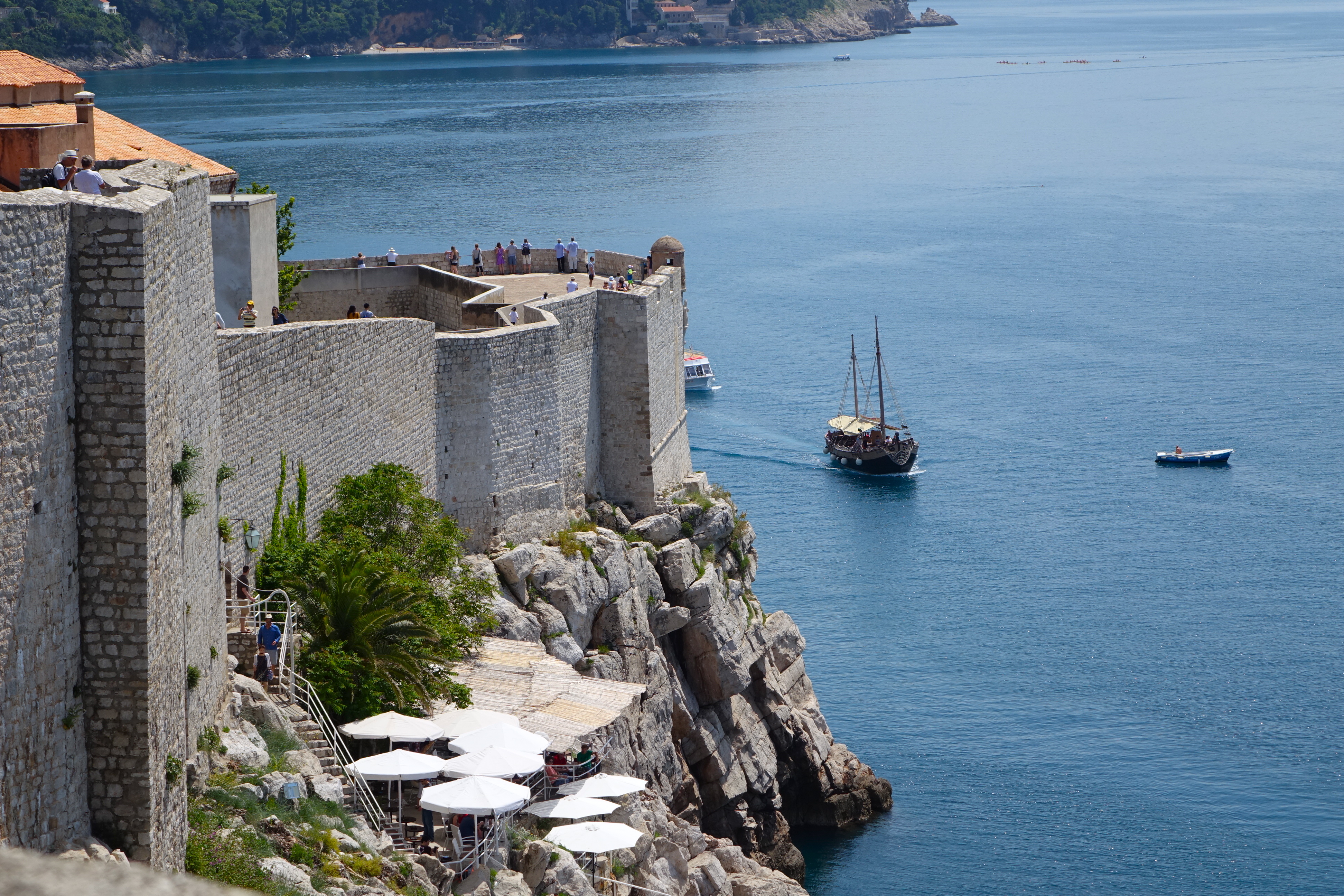
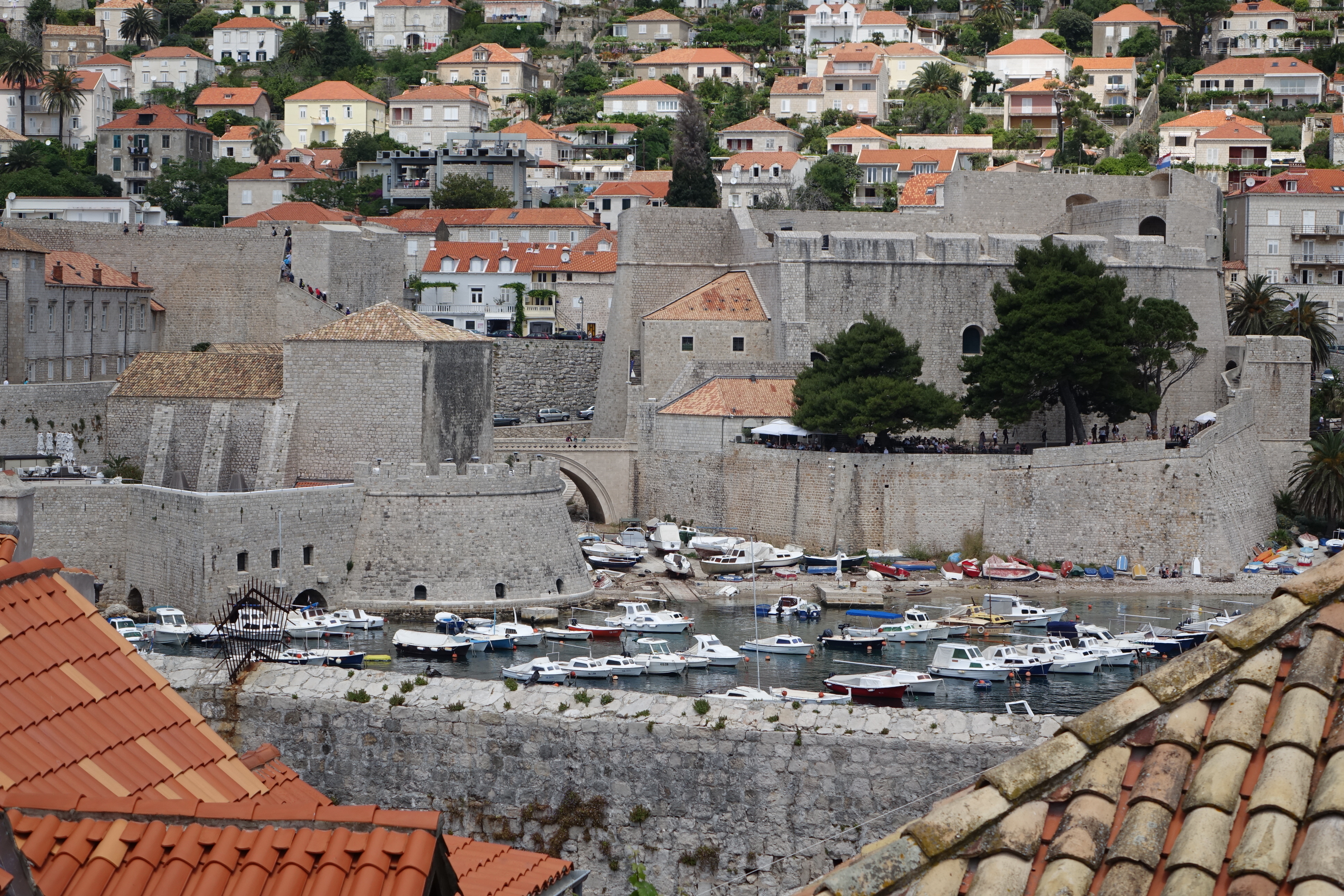
The walls of Dubrovnik are so impressive, extensive and magnificently steeped in history that they ought to form the basis of a song. Or perhaps they already do (or perhaps I should write one). I can well imagine how the lyrics would poetically describe how the undulating extent of these mighty ramparts plunge robustly into the sea on the one hand, and sensitively encircle the city’s old port on the other. Or how to the north they take you up to the back of the city, affording the most sensational view across Dubrovnik’s sea of rooftops, and how to the south, they offer sweeping panoramas of the Adriatic sea on the one side, and quaint little citrus-filled gardens on the other. Of course photos probably do just as well to describe the brilliance of Dubrovnik’s major attraction, and I shall leave you to look at my pics, while remembering fondly the drink we enjoyed upon one rampart terrace, with a commanding view over the city’s cathedral and the island of Lokrum beyond.

Compelling views from Dubrovnik’s Walls

DSC00931 DSC01047 DSC01017 DSC00933 DSC01012 DSC00958 DSC00740 DSC00896 IMG_5668 IMG_5783 DSC00934 DSC00972 DSC00983 DSC00906

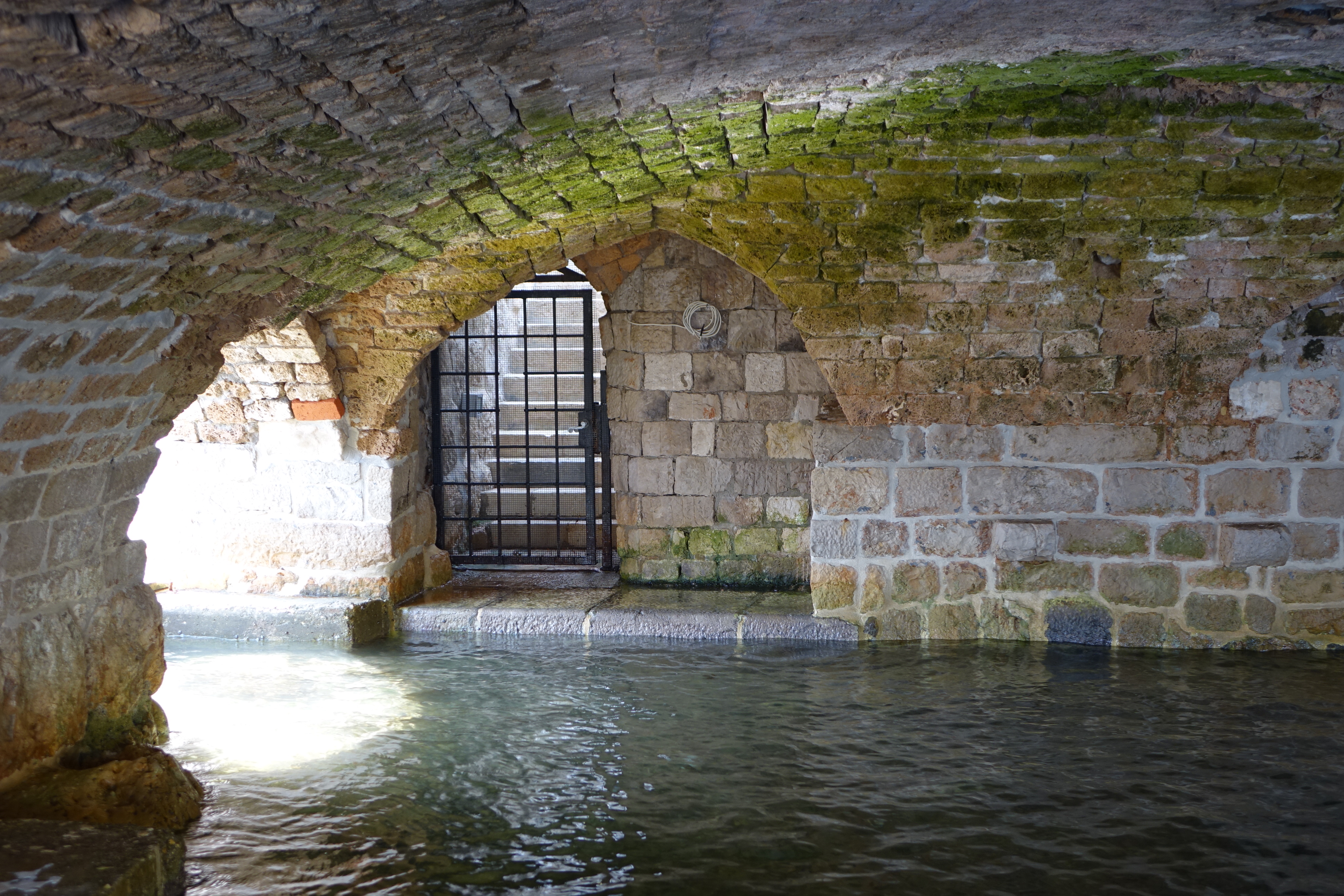
Of course the walls were all rather tiring. What felt like a small city from within suddenly magnified once you were required to walk around the whole place in a single morning, and come the afternoon, a restful lunch under a port-side pine tree, followed by a series of leisurely coffees taken in the city’s various squares was just the ticket to refuel after our morning’s exertions. We also found a little secret passage across slimy sea-weed covered rocks extending from the harbour into the old city, ending up rather awkwardly in the kitchen of a restaurant (a breach in Dubrovnik’s walls!).

Lunch with a view and a passage way through the sea

DSC01164 DSC01086 DSC01143 IMG_5957 DSC01176

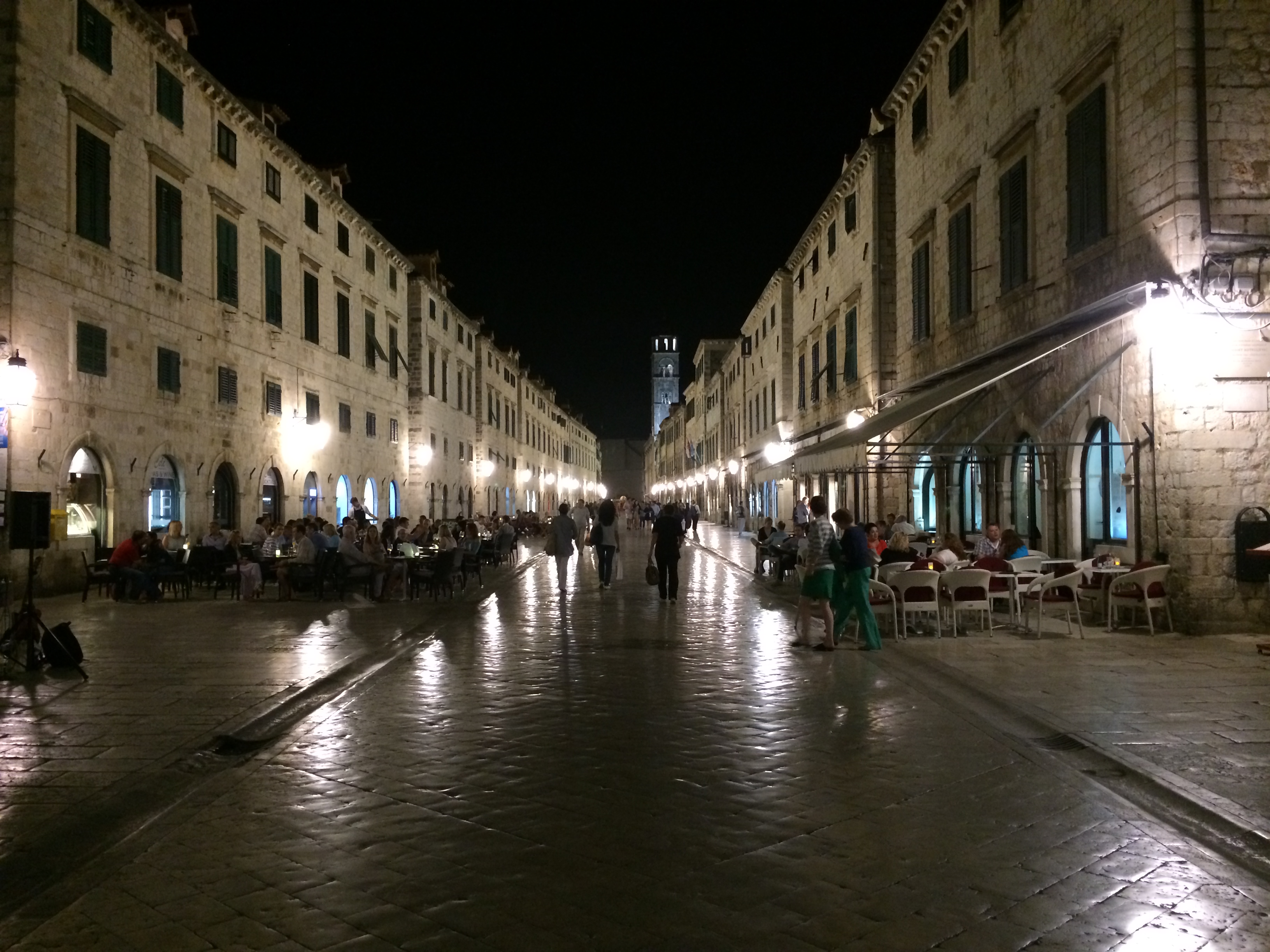
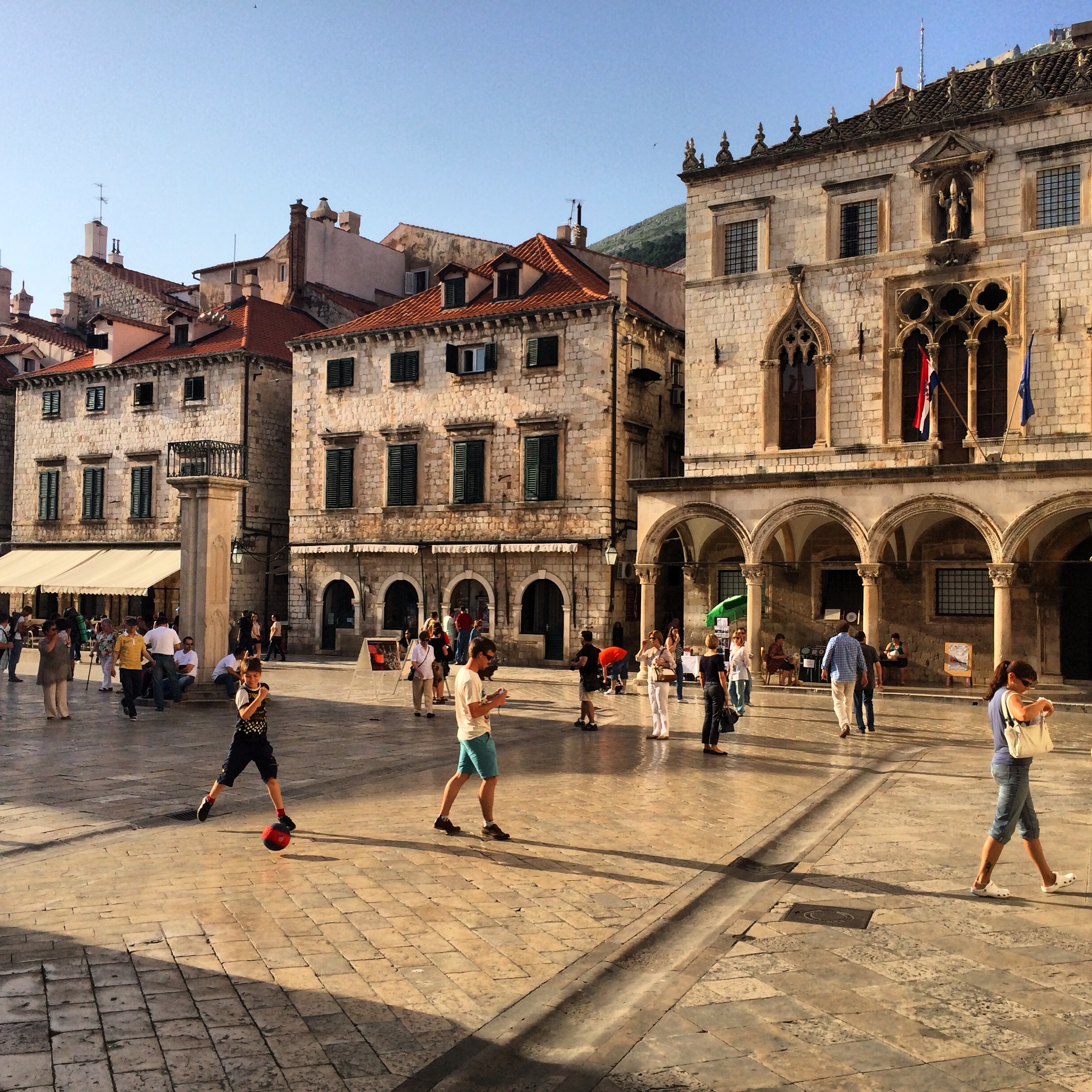
We also discovered that the best time to enjoy the city is surely of an early evening, when the tourist masses and the groups from docking cruise liners have departed, leaving the locals and those tourists lucky enough to be staying in or around the city to enjoy the place in relative tranquillity. And there was no better way to do that than with a drink on the Stradun with jazz playing from nearby cafes and house martins swooping in the air. Nor with dinner under the city’s starry sky, eaten al fresco in front of the Romanesque façade of the Jesuit church to the accompaniment of a Spanish guitarist.

Clearly it was not just their freedom that the residents of this city wanted to preserve by building such magnificent walls around them, but also the secret held within their embrace: paradise on earth.

The best time of the day…

IMG_5942 DSC01251 DSC01253 DSC00657 DSC01295 DSC01281

All photos and written content are strictly the copyright of Nicholas de Lacy-Brown © 2014 and The Daily Norm. All rights are reserved. Unauthorized use and/or duplication of the material, whether written work, photography or artwork, included within The Daily Norm without express and written permission from The Daily Norm’s author and/or owner is strictly prohibited. 

Dubrovnik | Photography Focus: Part Two – Rooftop Rhapsody

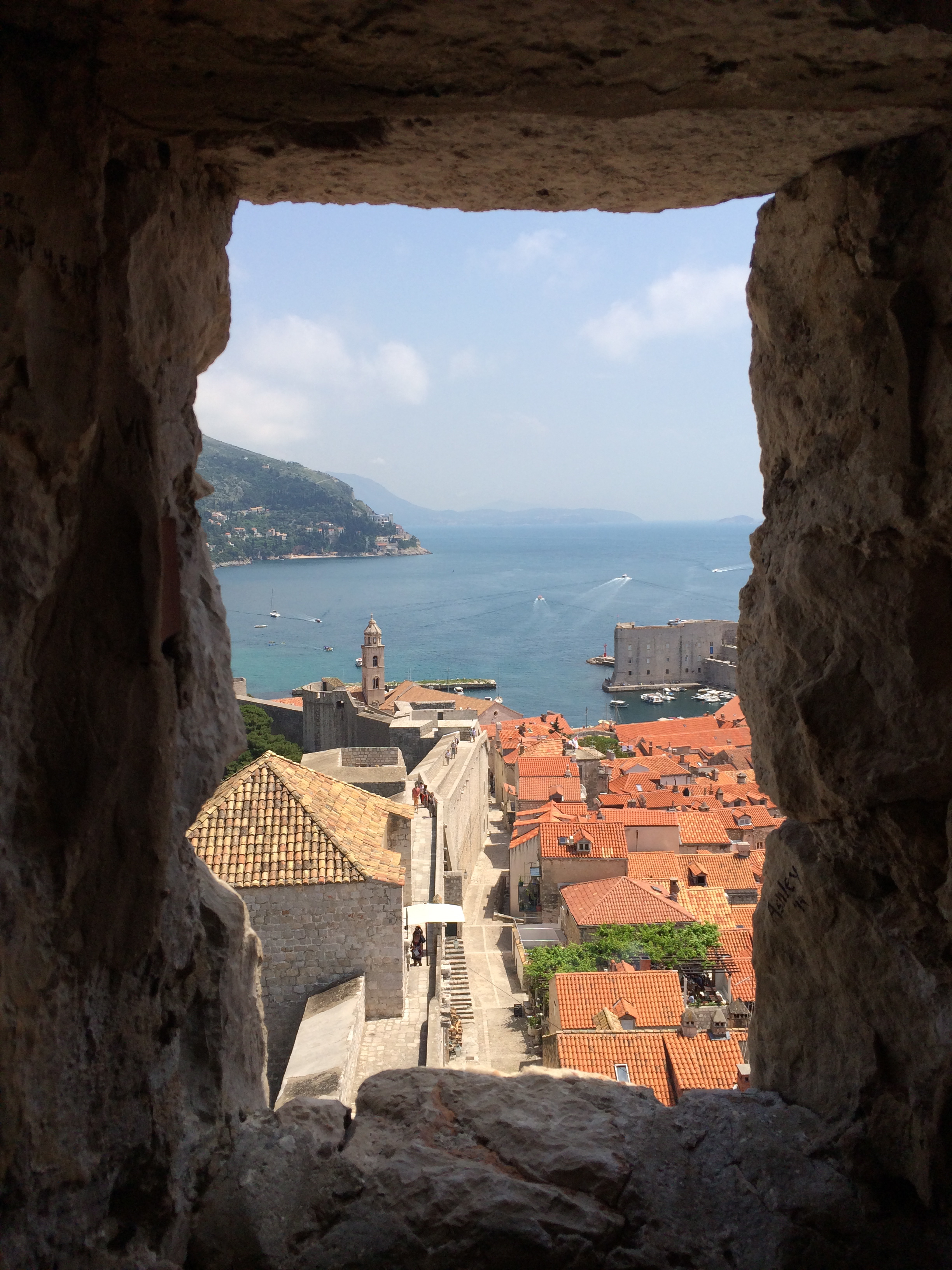
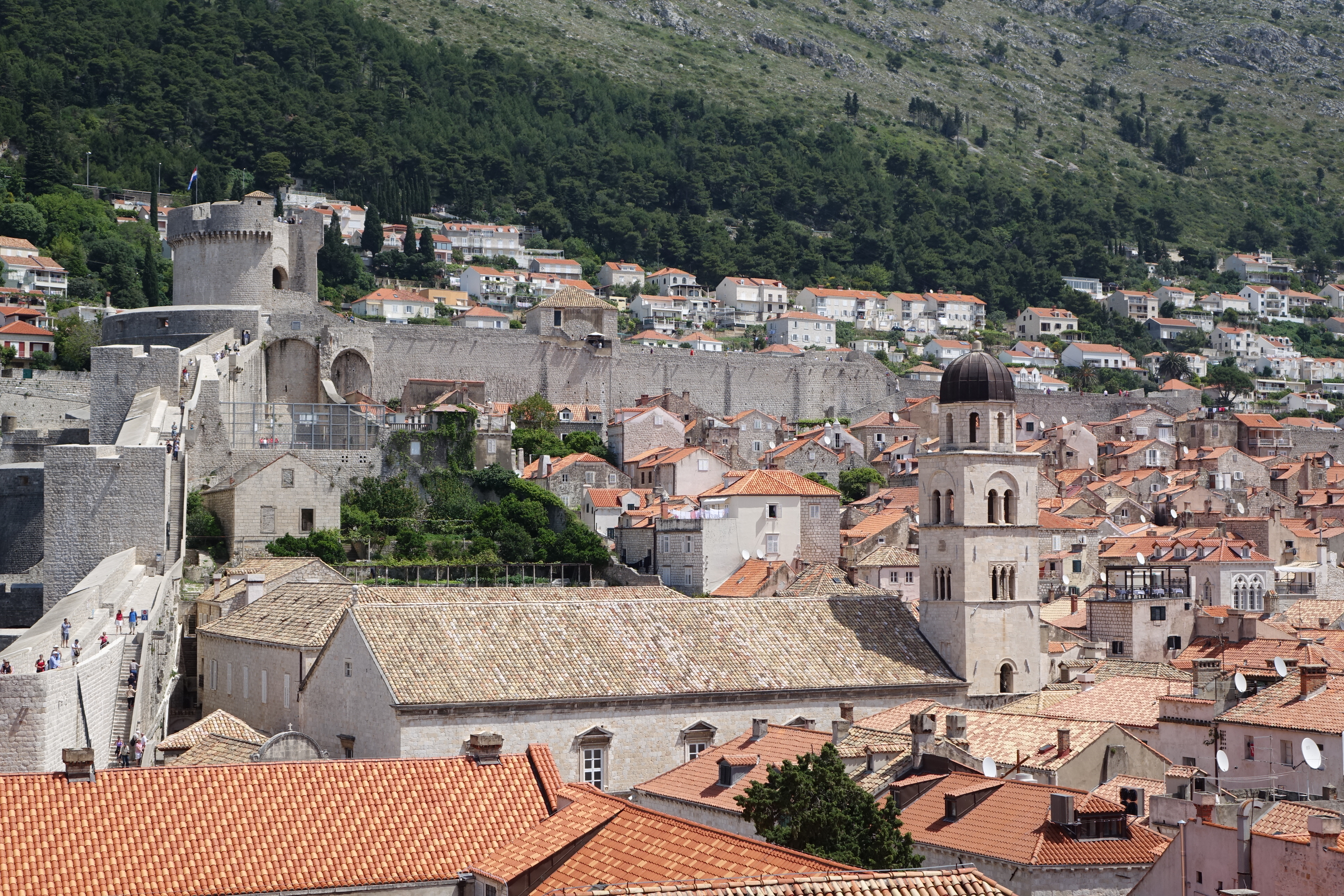
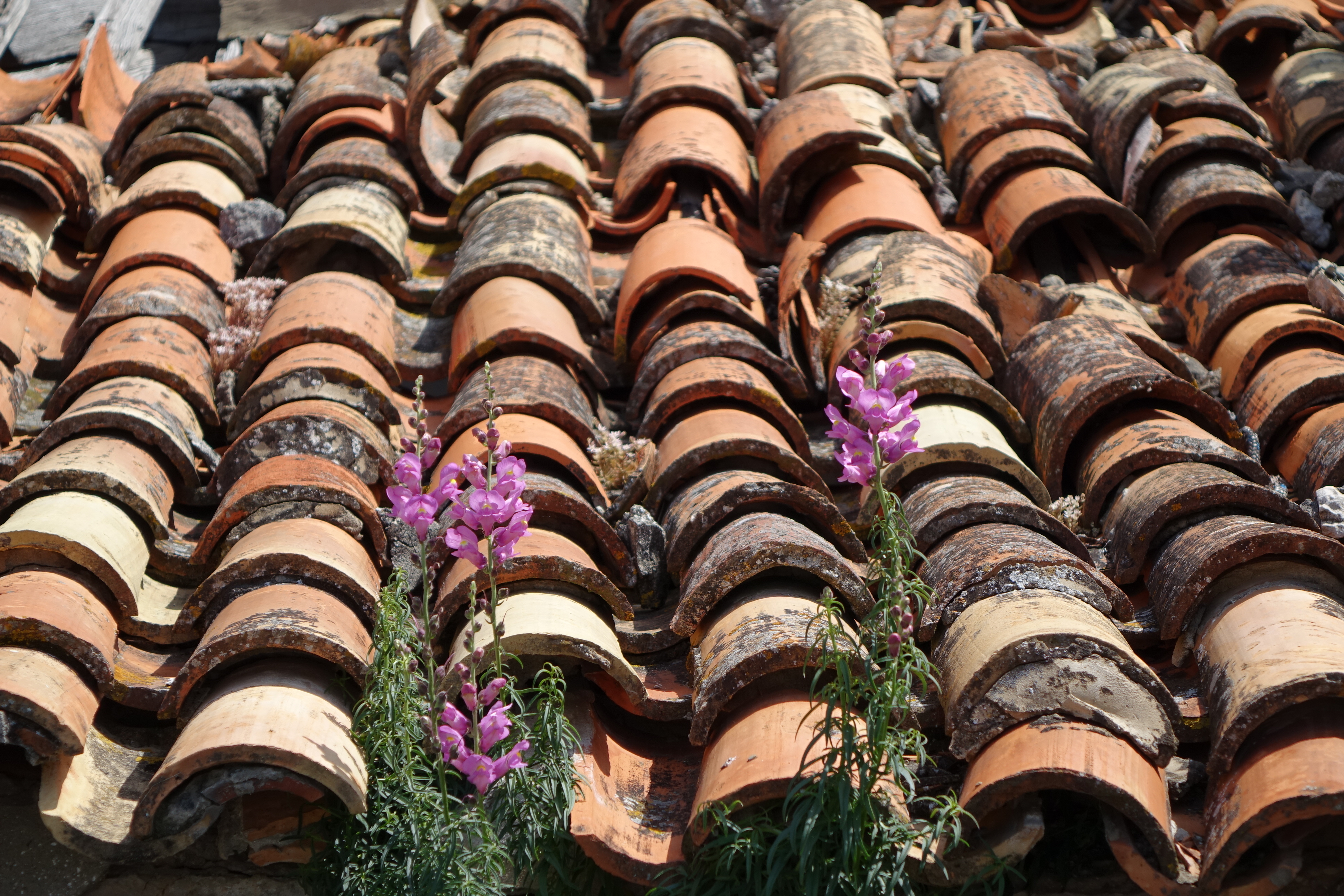
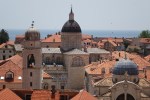
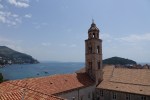
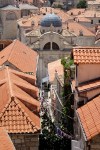
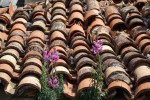
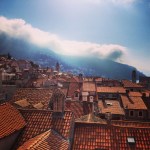
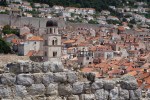
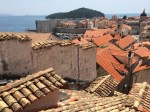
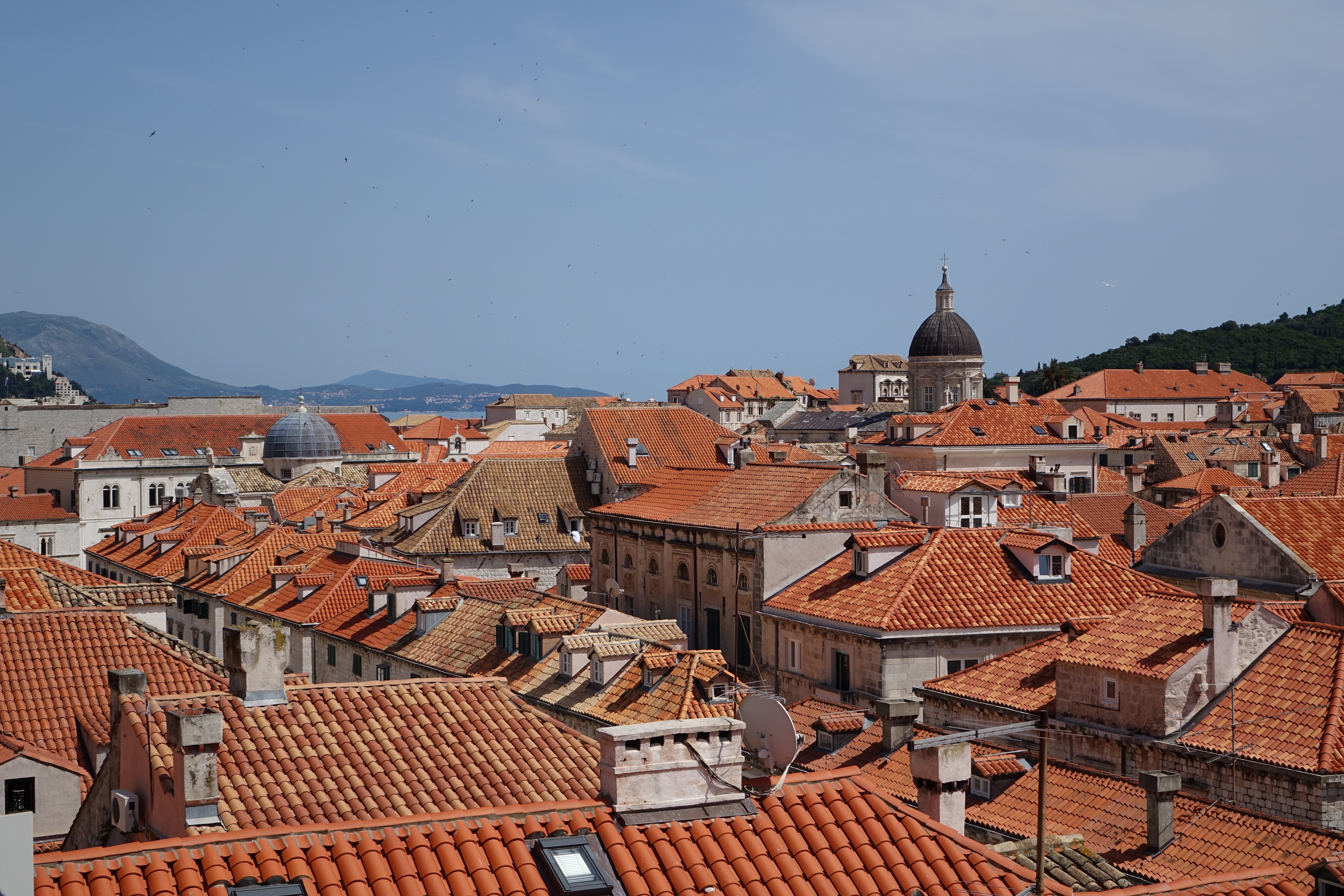
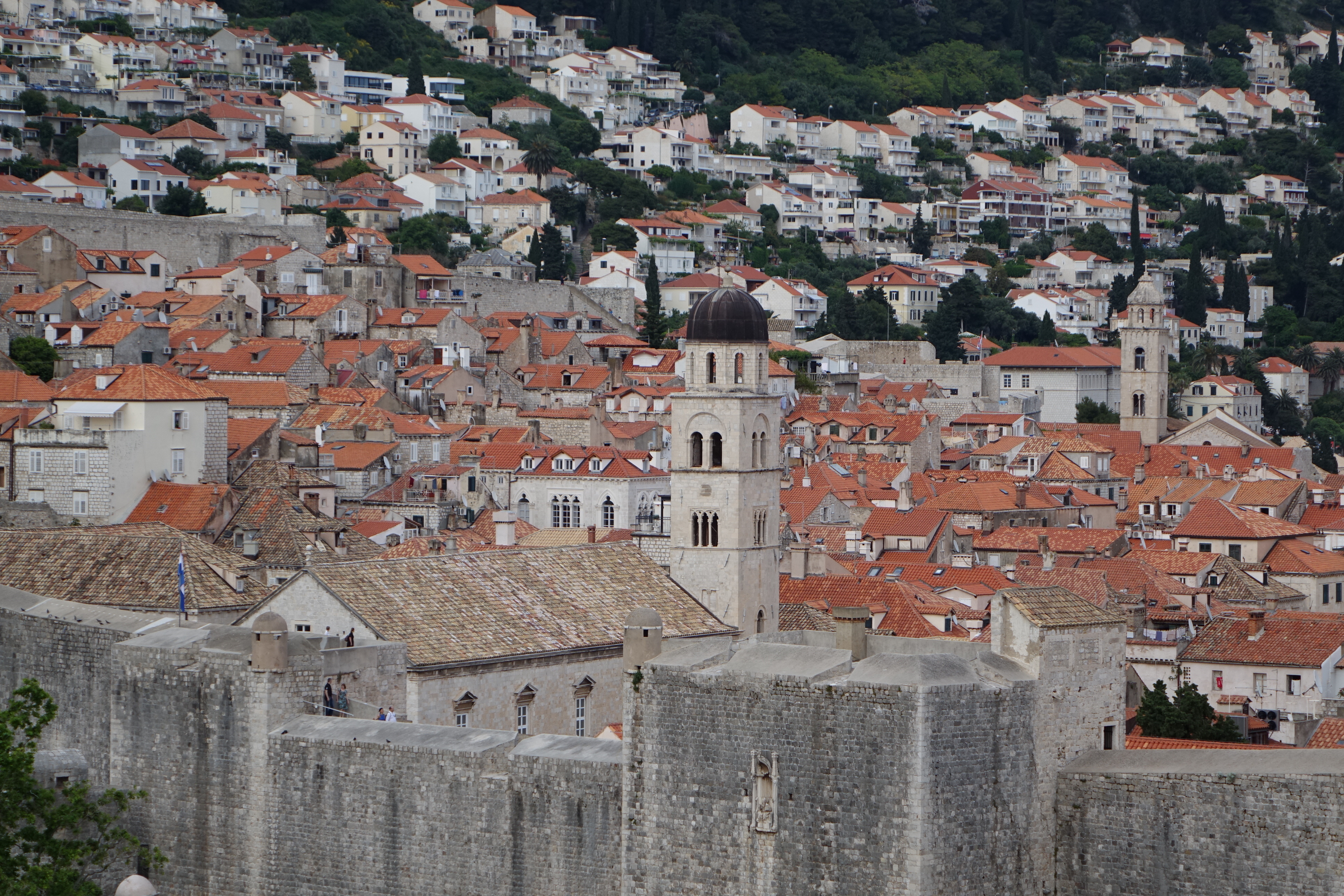
There are many reasons why Dubrovnik, the stunning little self-contained city sitting on the emerald Dalmatian Coast, is famous. Probably the most notable of these are the city walls, which encase the city in an unbroken ring of stone. Second maybe is its position, built on sheer jagged rocks plunging straight into the Adriatic sea. But the combination of both those things – the enviable geographical position and the encasement of walls has resulted in what is undoubtedly the greatest attraction of the city: the sheer unbroken consistency and quality of the buildings and streets packed within Dubrovnik’s walls. For it is precisely because Dubrovnik was always so protected that it has remained so unspoilt by the modern world. And the results of this are no more obvious than when the city is seen from above as an unbroken sea of terracotta red.

Yes, Dubrovnik’s beauty can be seen from many angles, but chief among them is from above. Looking at the city from a high vantage point allows the viewer to gaze in wonder at a flowing continuous carpet of rooftops, like a carefully woven tapestry of earthy tones, broken only by the odd elegant bell tower or church dome. And when we stayed in the city last weekend, we were treated to a unique vantage point of this stunning rooftop view on a daily basis. Not only did our room, fortuitously located on the top floor of one of only two hotels in the city centre – the Stari Grad Boutique Hotel – afford us stunning views over the rooftops and the campanile of the Franciscan immediately next door, but one floor up, the hotel boasted a unique roof terrace – the only I saw in the whole of the city – which presented an unbroken 360 degree view of the city.

DSC00721 DSC01755 DSC00929 DSC01073 DSC01345

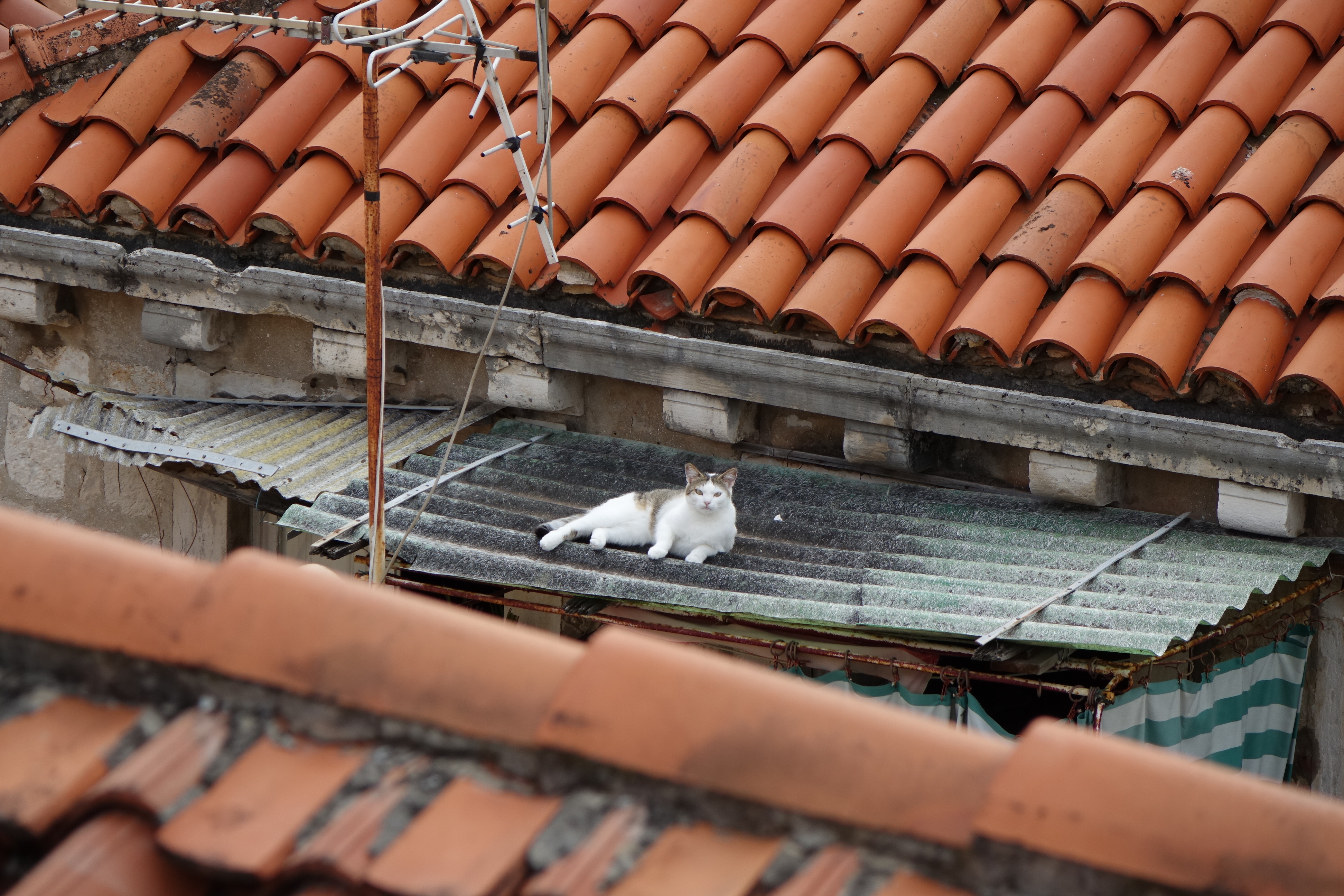
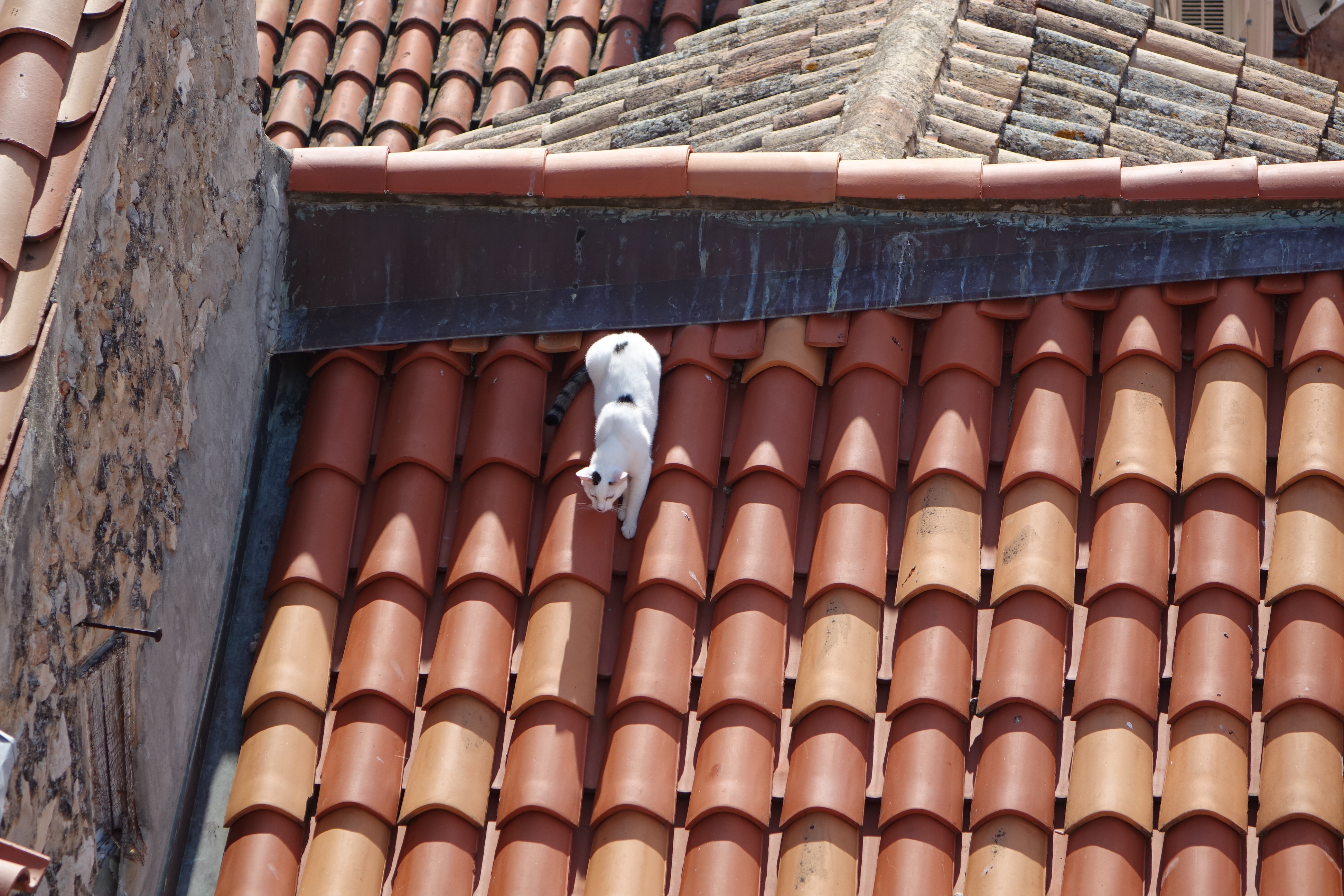
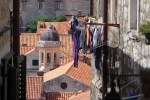
What a view by which to eat breakfast at the beginning of every day! And of course asides from that unique vantage point, the walls themselves give equally unparalleled panoramas over wave after wave of terracotta tiles, and my photos taken from both horizons are the feature of this second photography post of my Dubrovnik adventure. Whether they show the rooftops en masse in their juxtaposition of different angles and shades of terracotta and red, or the charismatic little features of individual households from washing lines to the odd pet cat, these photos are the perfect narrative of a city which is both consistent in its unrivaled beauty, and utterly unique from one house and rooftop to another. Enjoy!

All photos and written content are strictly the copyright of Nicholas de Lacy-Brown © 2014 and The Daily Norm. All rights are reserved. Unauthorized use and/or duplication of the material, whether written work, photography or artwork, included within The Daily Norm without express and written permission from The Daily Norm’s author and/or owner is strictly prohibited.

Dubrovnik | Day 1 – The Diamond of Dalmatia

Is it because of the delightful haphazard spotting of their black and white fur that the beautiful breed of Dalmatian dogs are given the same name as the Croatian coast of Dalmatia, whose geography comprises a confetti-like sprinkling of small islands of every shape and size? Or just a coincidence of their natural origins? Such were the thoughts running through my mind as our plane swept over and along the stunning Dalmatian coast on the southern most stretch of Croatia last weekend, as we began a short city trip to what must undoubtedly be one of the most deservedly popular attractions on the whole coast – the fortress city of Dubrovnik.

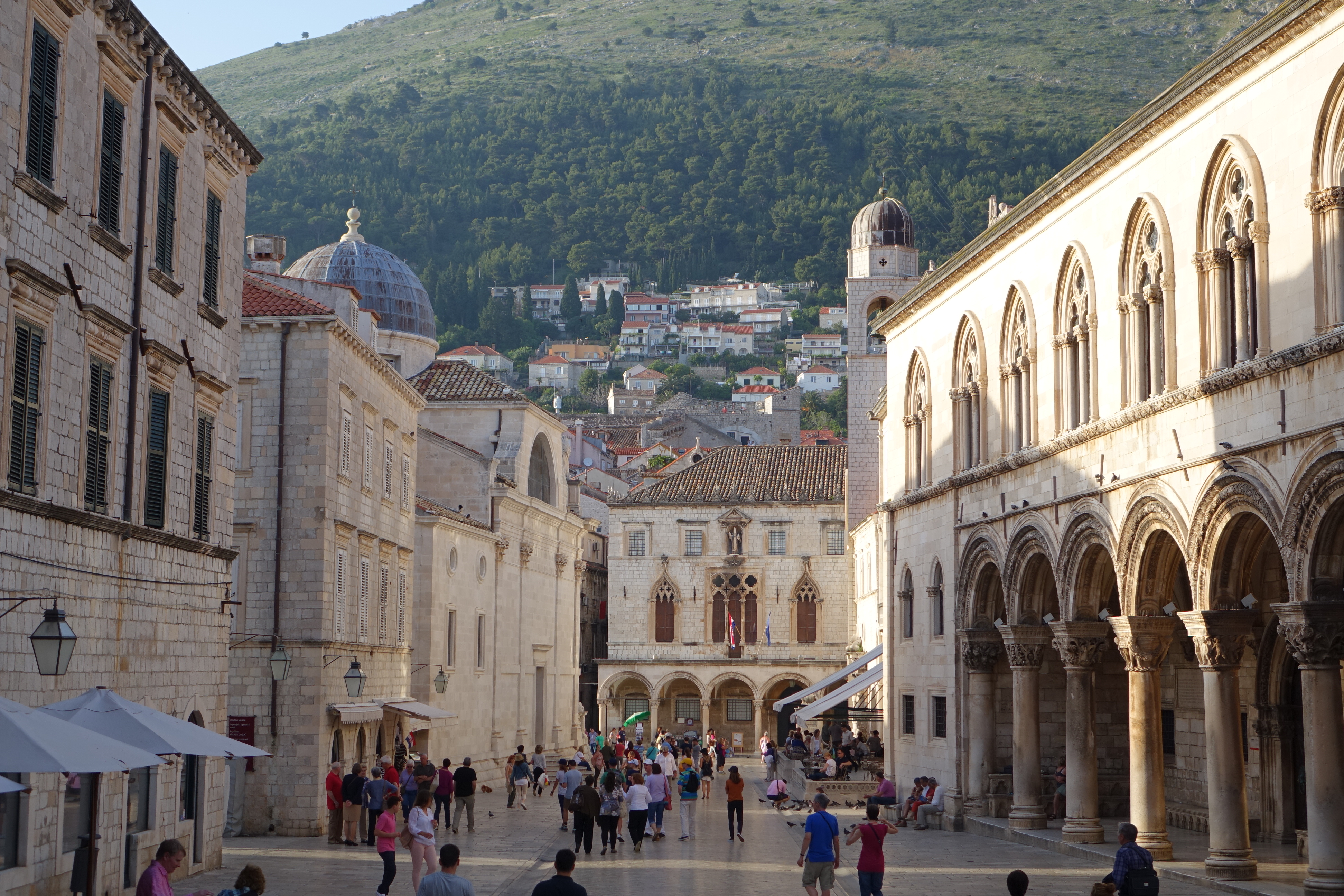
Encased within metre-thick massive stone walls and built upon foundations of solid rock, Dubrovnik truly is a gem set within a ring of solid stone, whose preservation has been accordingly restored, despite various historical threats over the centuries, including most recently devastating bombardment during the Yugoslavian conflict of the early 90s. Today it gleams like a true diamond for all the world’s tourists (and fans of Game of Thrones which is allegedly filmed there – I’ve never watched it) to enjoy. With its uniform collection of terracotta roofed houses, main roads gleaming with shiny marble pavements, narrow streets hung with washing climbing up the city’s steep sides, and the odd sprinkling of lavish renaissance style palaces, Dubrovnik is a visual stunner and a historical enclave – so different from its surrounding modern suburbs, and so consistent in being utterly unspoilt. And Dubrovnik is not just a living museum, but a living breathing spirited city whose location affords it a Mediterranean climate and all the advantages of a coastal resort set with eye-wateringly blue cerulean azure seas.

First glimpses of this most beautiful of cities

DSC00459 DSC00241 DSC00646 DSC00624 DSC00486 DSC00243 DSC00257

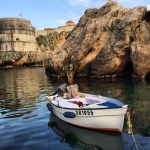
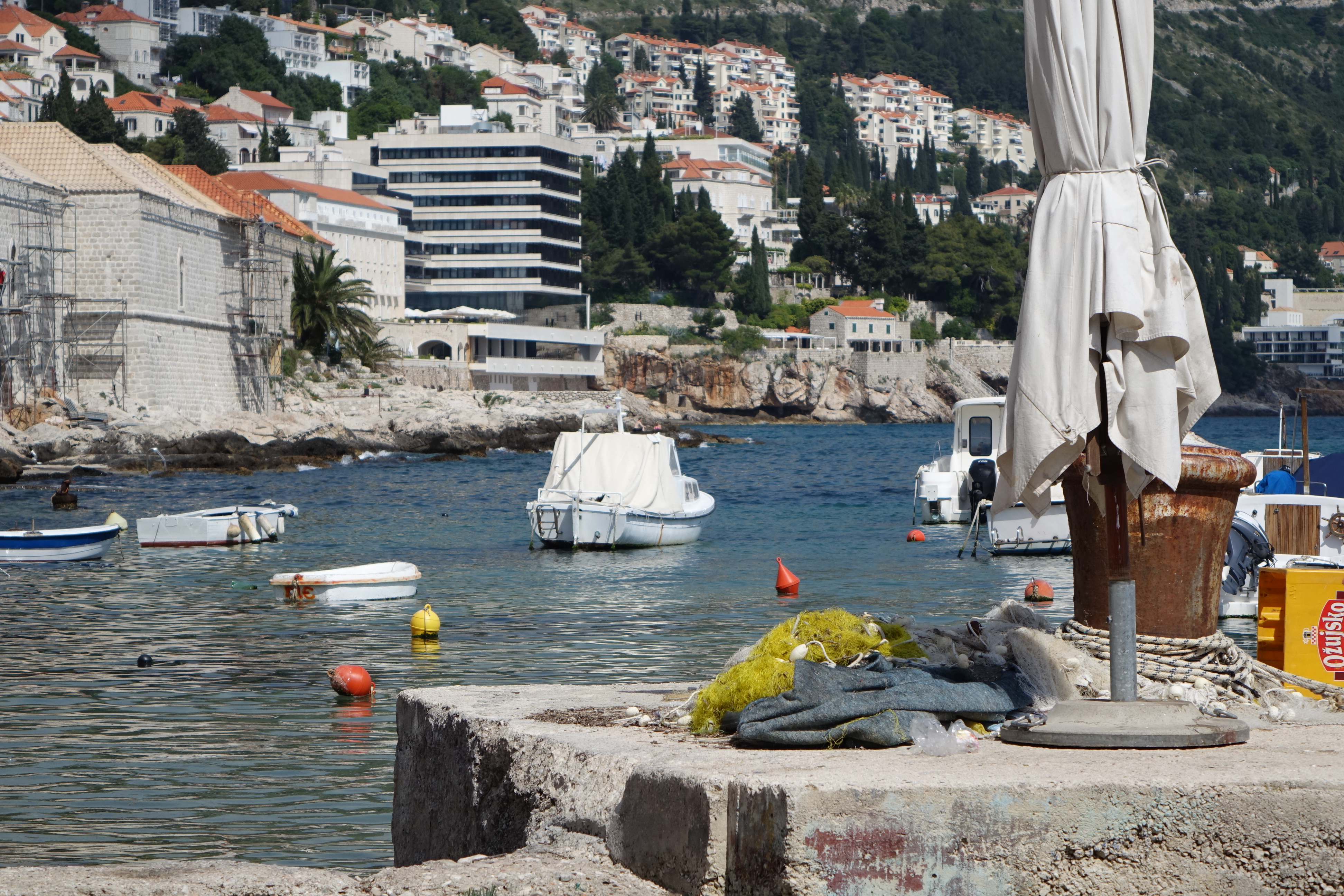
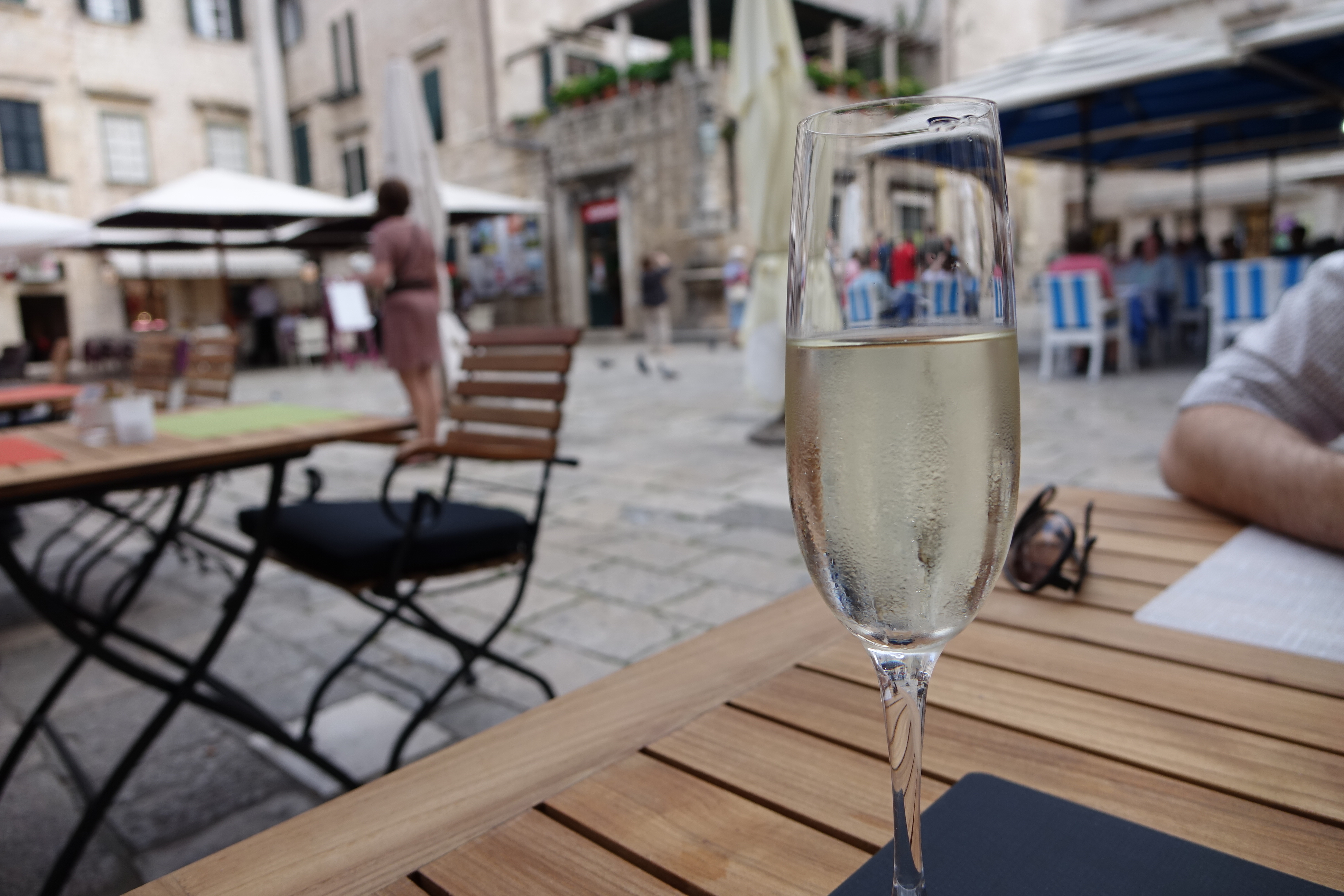
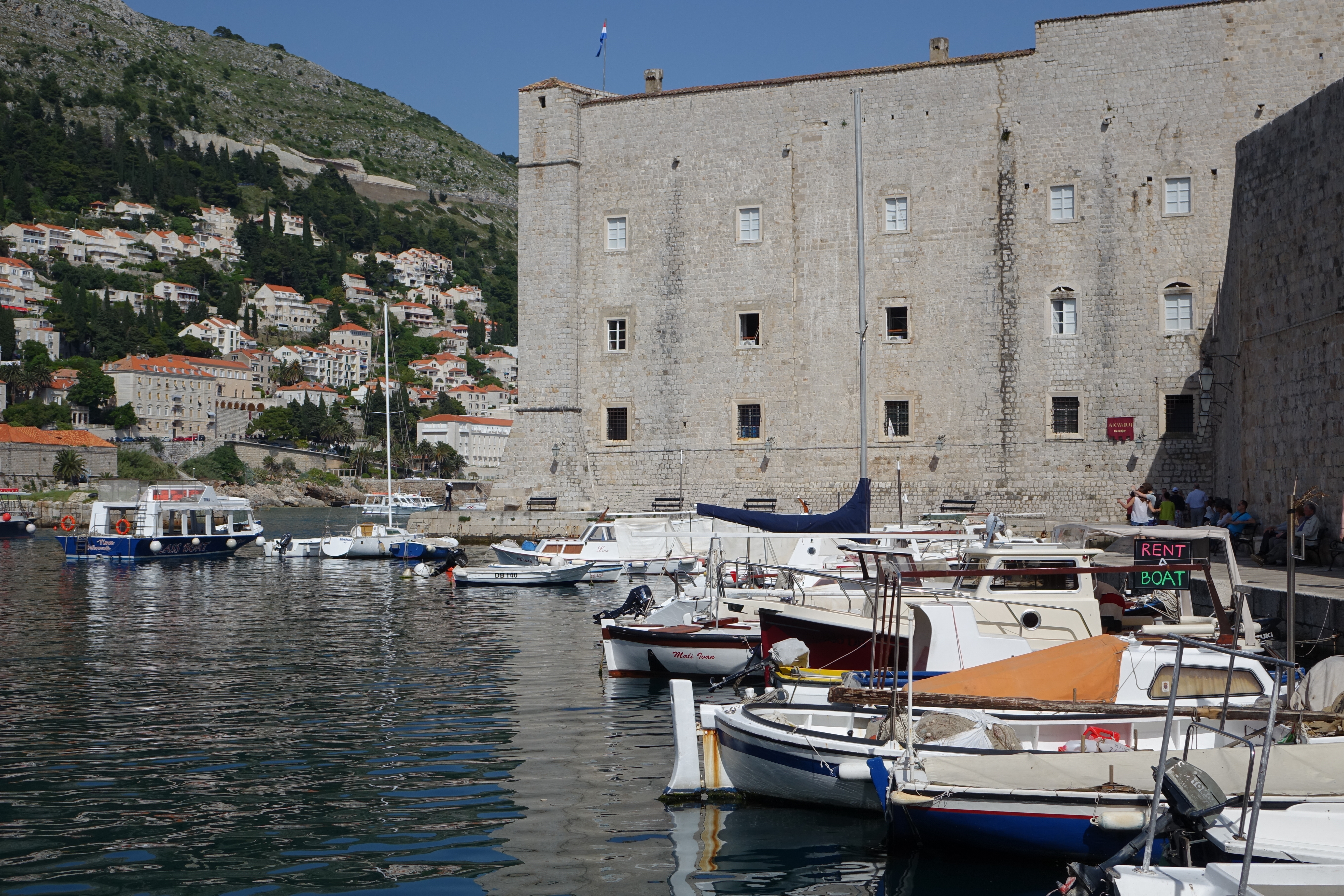
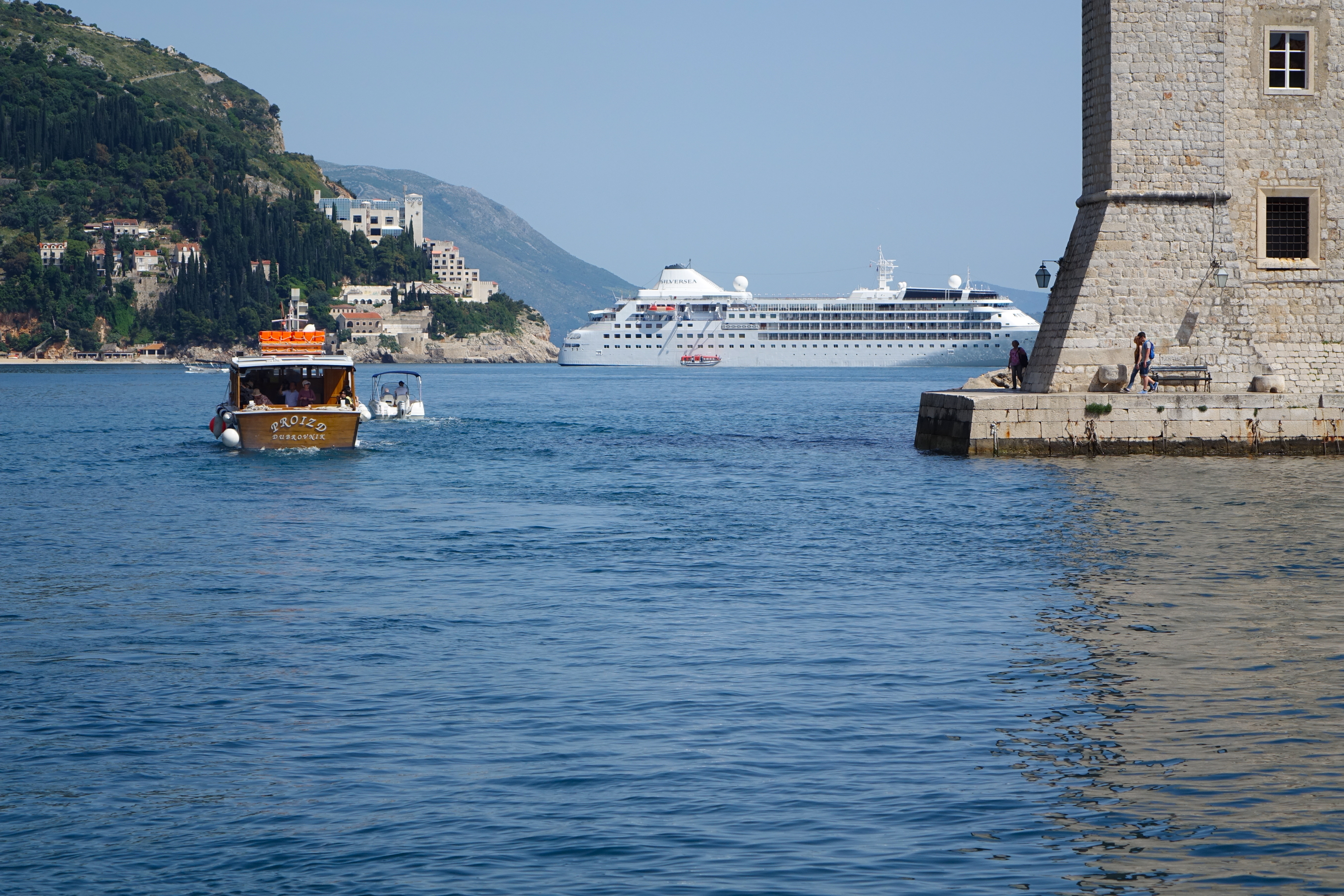
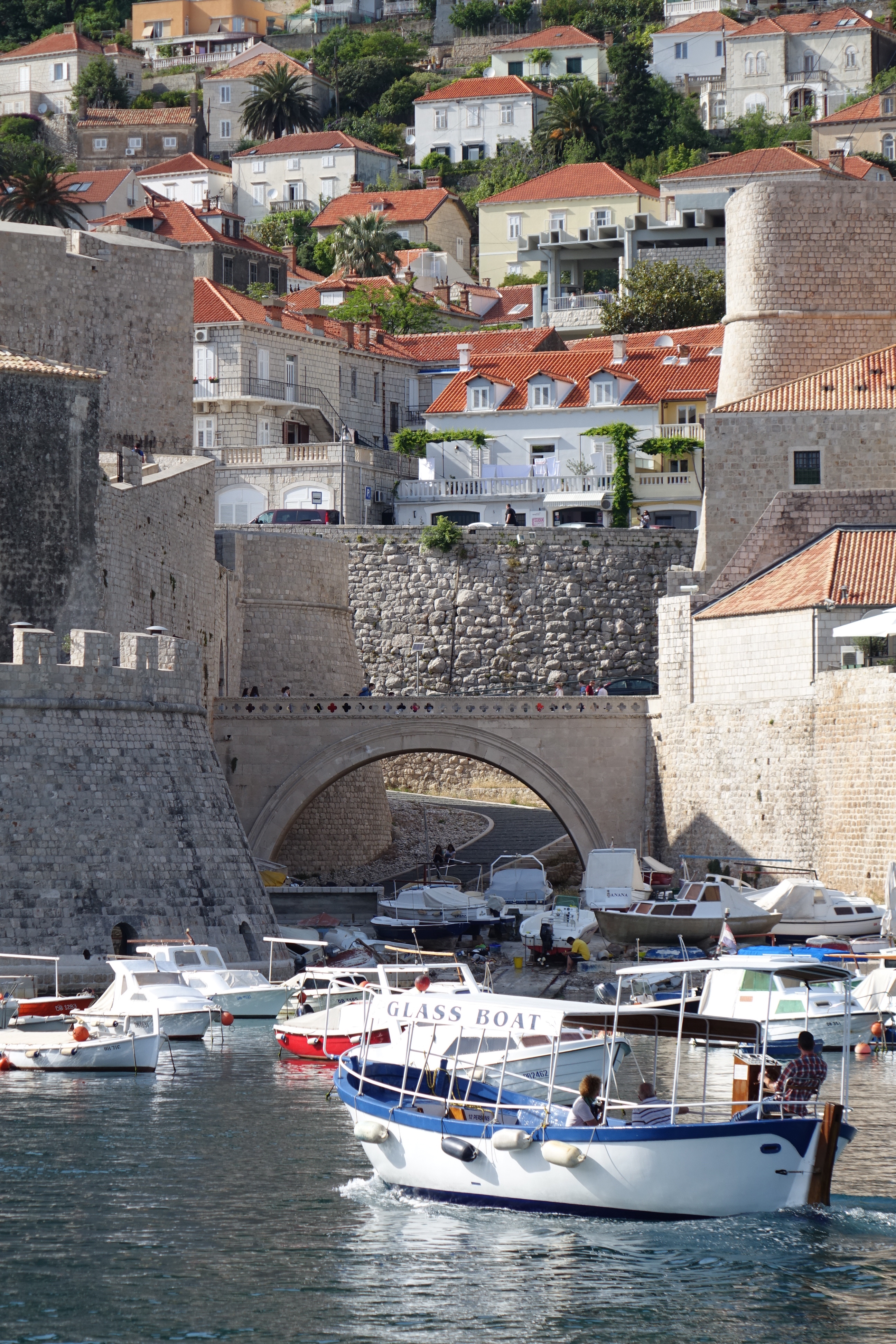
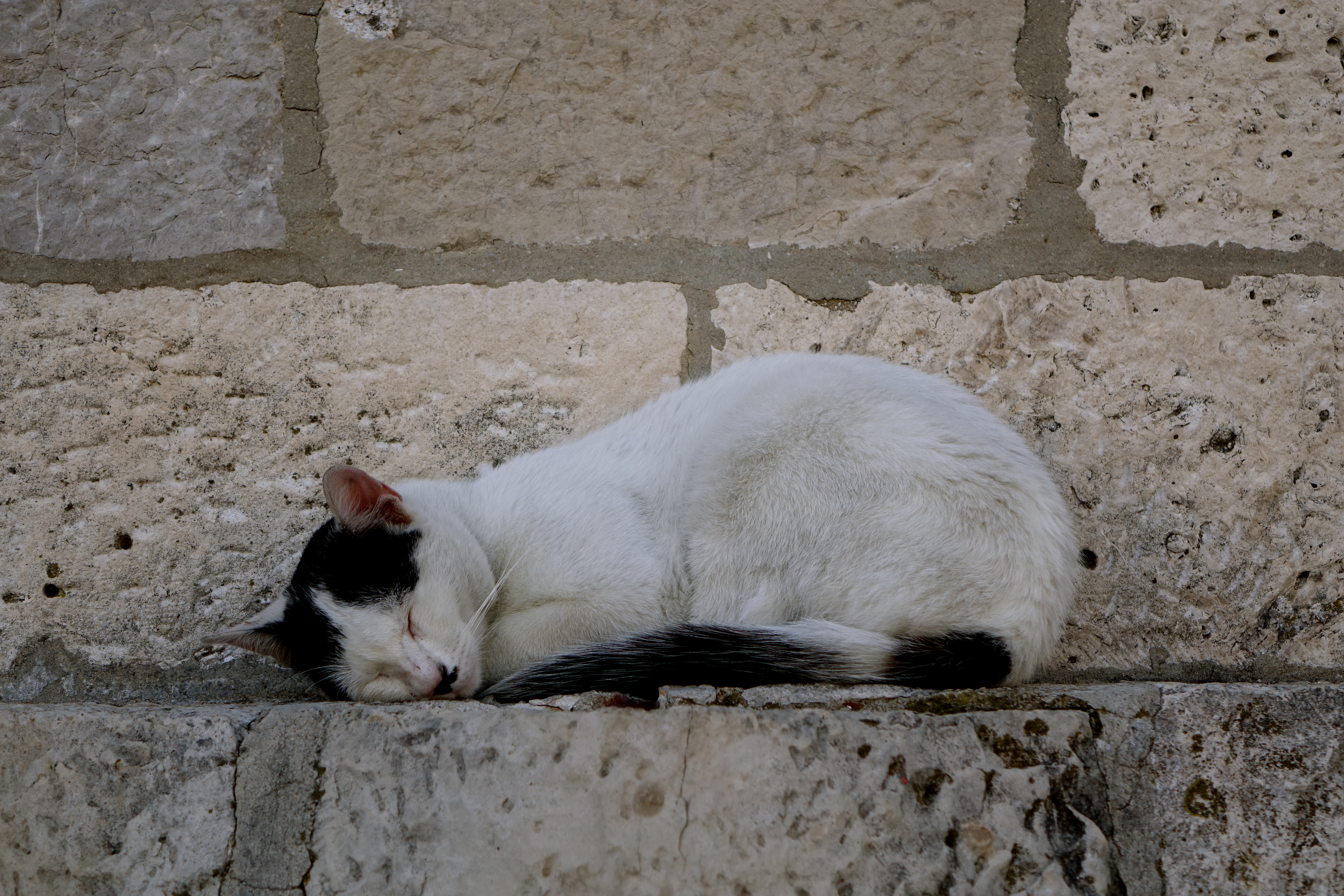
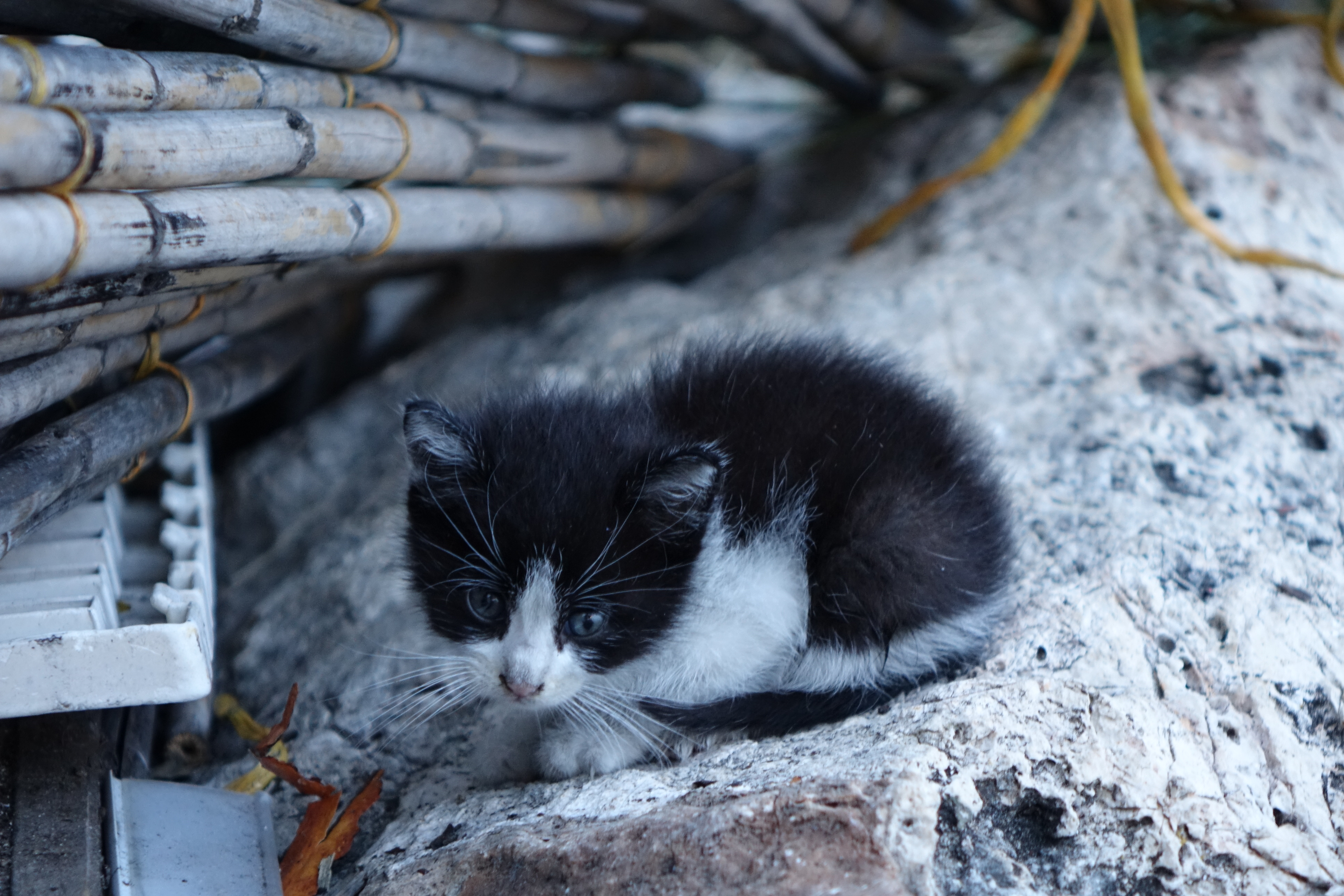
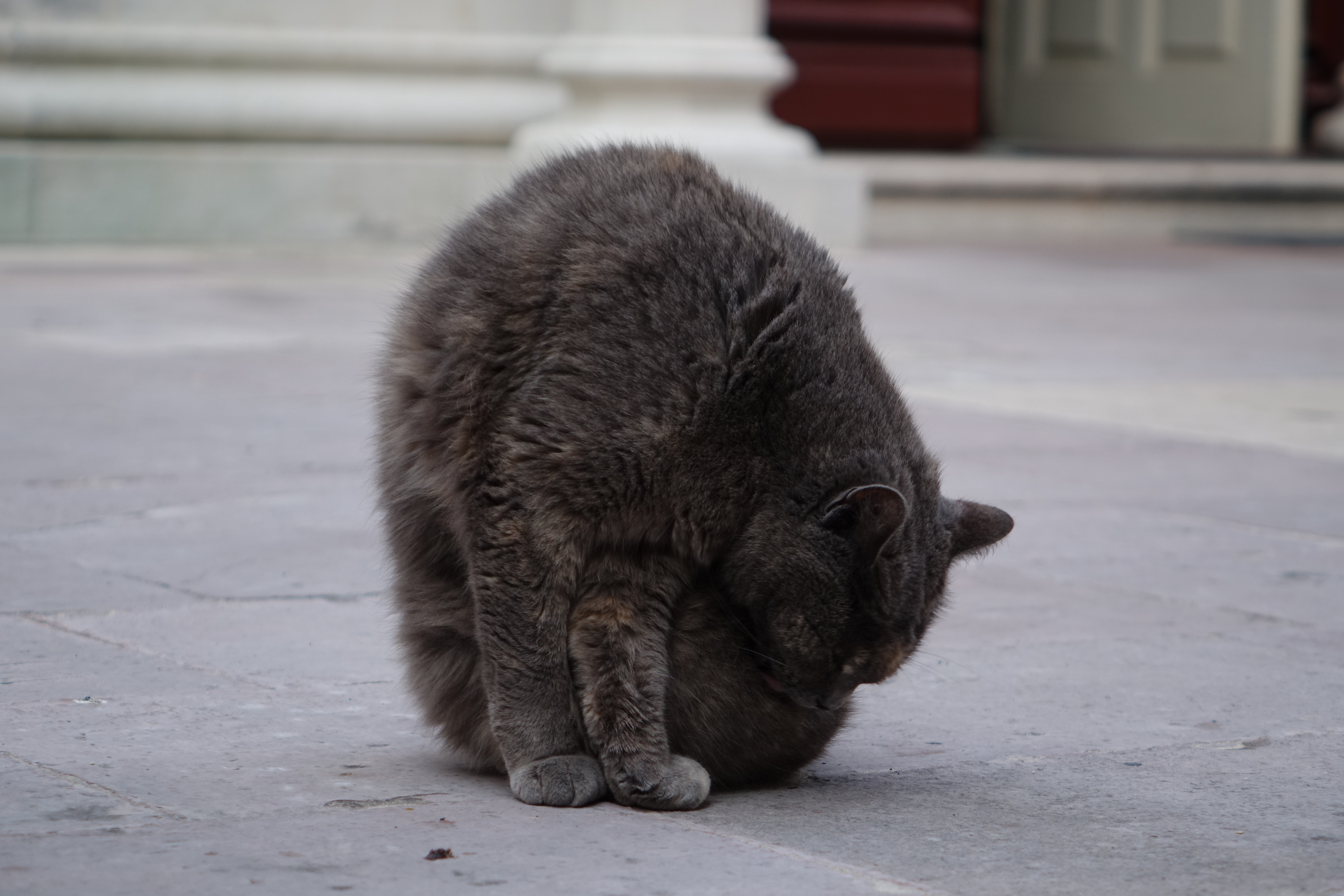
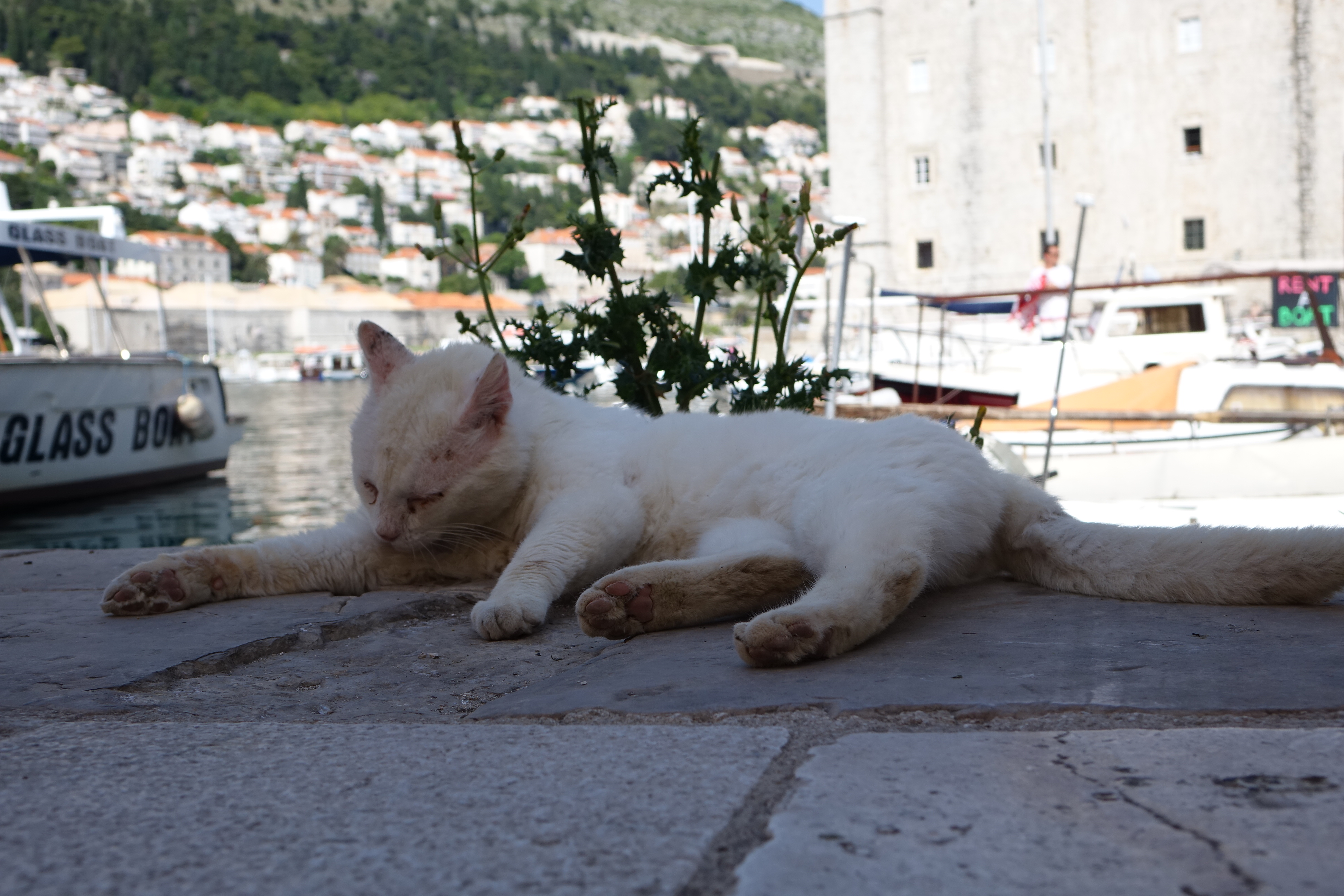
And it was to these stunning waters that we headed upon our timely early afternoon arrival in the city, walking down the shiny central street, the Stradun, from the most Western Pile gate of the city, across to its Eastern entrance which looks onto the uniquely charming old port. Filled with little fishing boats and friendly cats basking in the warm sunshine, the port has all of the delights of a Mediterranean harbour, including bustling cafes serving the very freshest seafood guaranteed to have come straight out of the warm crystal clear waters that very morning. One such serving of squid did not last long out of the water, being devoured by we hungry holiday makers along with several glasses of Croatian white wine and some fresh soft white bread.

Dubrovnik’s Old Port

DSC00356 DSC00303 DSC00337 DSC00301 DSC00336 DSC00342 DSC00266 DSC00341 DSC00405

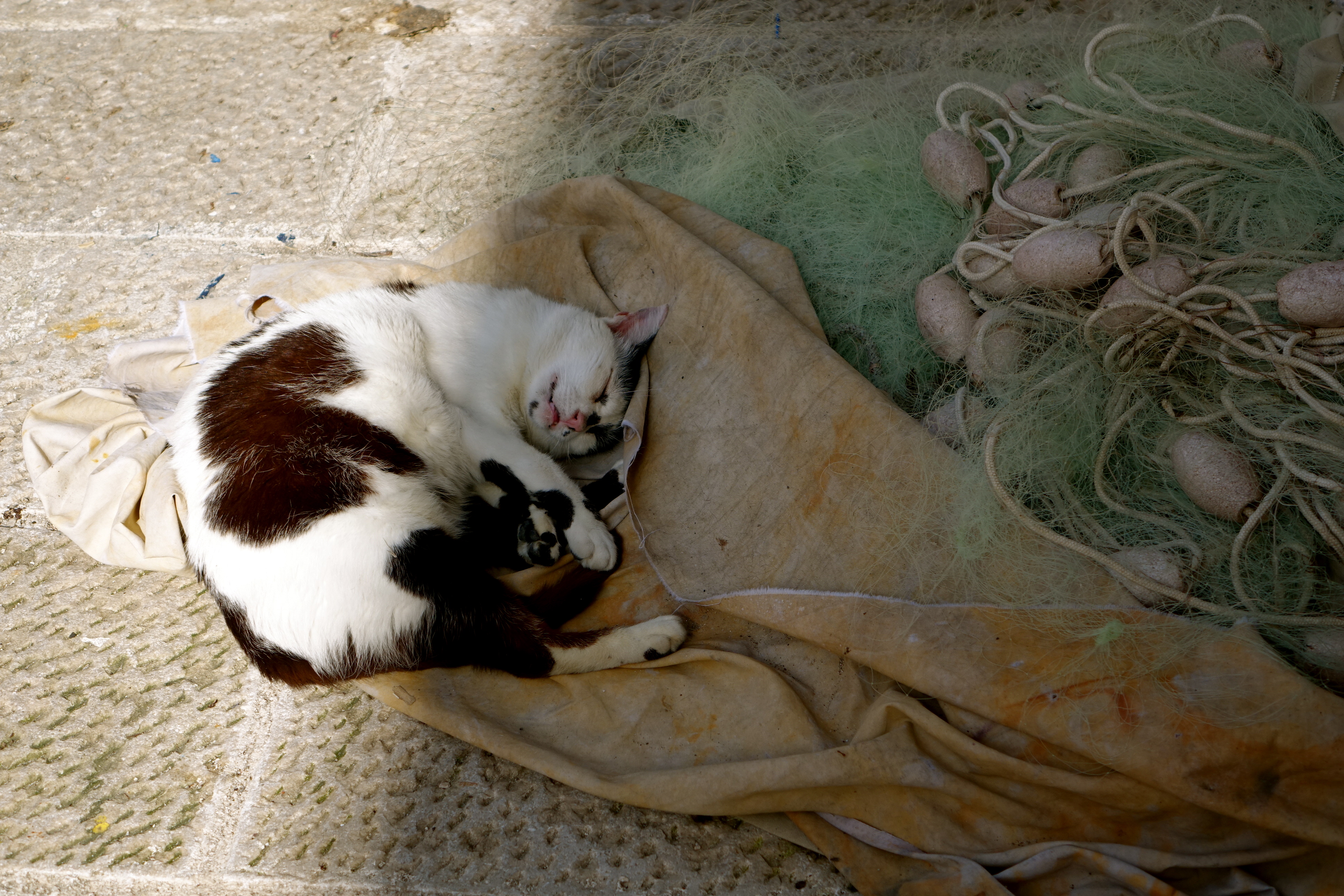
Dubrovnik is a city filled with lazy sun-loving cats

DSC01931 DSC00694 DSC00652 DSC00653 DSC01815 DSC00330 DSC00312 DSC00326

It was to be the first treat of many on a day which gave us our first taster of this incredible city. What followed were walks around the old port and the huge rocks on which the city’s seaward walls are built; afternoon drinks in the bustling market square where the gentle trickle of the Amerling Fountain is soporific accompaniment once the busy morning market has closed down for the day; and a walk around the Lovrijenac Fort in the last sunlight of the afternoon, a fort set upon a huge rock just outside the city which, crisscrossed with ancient stairs and nature’s best offerings of wild flowers has something utterly magical about it, not to mention the smaller rocks which sit besides it, looking like animals stretching in the water.

DSC00648 DSC00455 DSC00218 DSC00408 DSC00460 DSC00219 DSC00253 DSC00465 DSC00467 DSC00456

All this proved, doubly, triply, again and again how uniquely beautiful the city of Dubrovnik is, a fact proven once again as moonlight fell over the city, the architectural details of its most beautiful monuments were picked out in flood light, the jazz bars started bustling with people, and we dined, once again looking over the Lovrijenac Fort, in the knowledge that we were dining in front of one of the most beautiful restaurant views in the world. And all this was after just a few hours in the city. You can imagine how many photos, art works, and rambling descriptions are now to follow in this, my new Dubrovnik season on The Daily Norm. Be sure to come back and savour much more, as I take you on a journey around the jewel of Dalmatia.

All photos and written content are strictly the copyright of Nicholas de Lacy-Brown © 2014 and The Daily Norm. All rights are reserved. Unauthorized use and/or duplication of the material, whether written work, photography or artwork, included within The Daily Norm without express and written permission from The Daily Norm’s author and/or owner is strictly prohibited.
Barcelona | Day 3: Up, over and out

What with our last day being on a Monday, Barcelona’s museums and galleries had pretty much shut up shop for the day, as they do on every Monday of each week. This pattern of closures, which appears to be followed across the continent, bamboozles me, especially in a tourist centre such as Paris or Barcelona, where frankly tourists don’t care whether it’s Monday or Friday – they still want to see it. Wouldn’t it be more economically productive to have staff working different shifts to cover a 7 day week rather than close the museum for an entire day? And if cities are so intent on closing one day a week, can’t the attractions close on different days so that tourists aren’t left, one day a week, utterly out in the cold? (I should proudly point out that for tourists coming to London, you will find all of our top galleries – the National Gallery, Tate, the Courtauld, the British Museum open 7 days a week, thank you all the same).

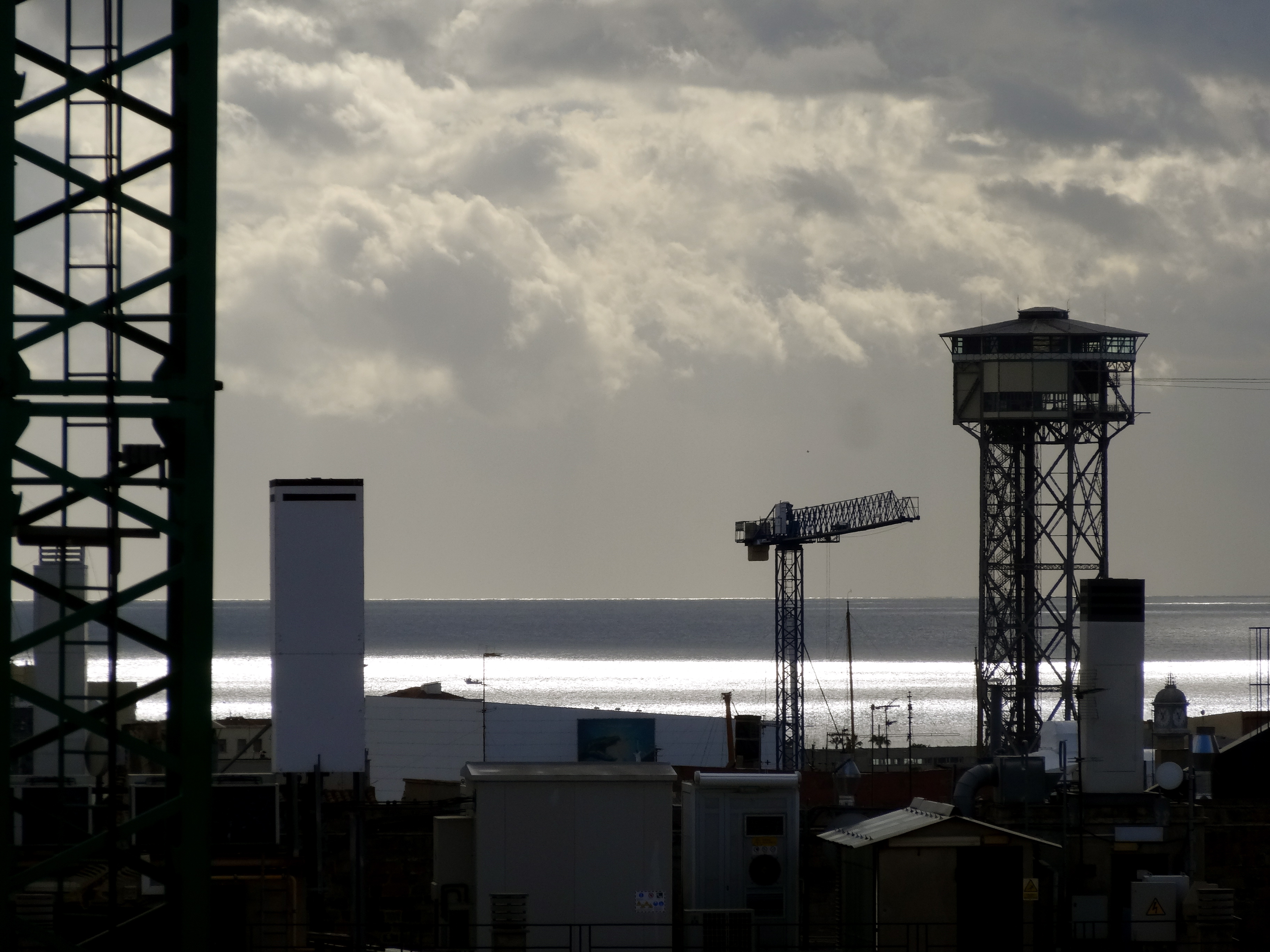
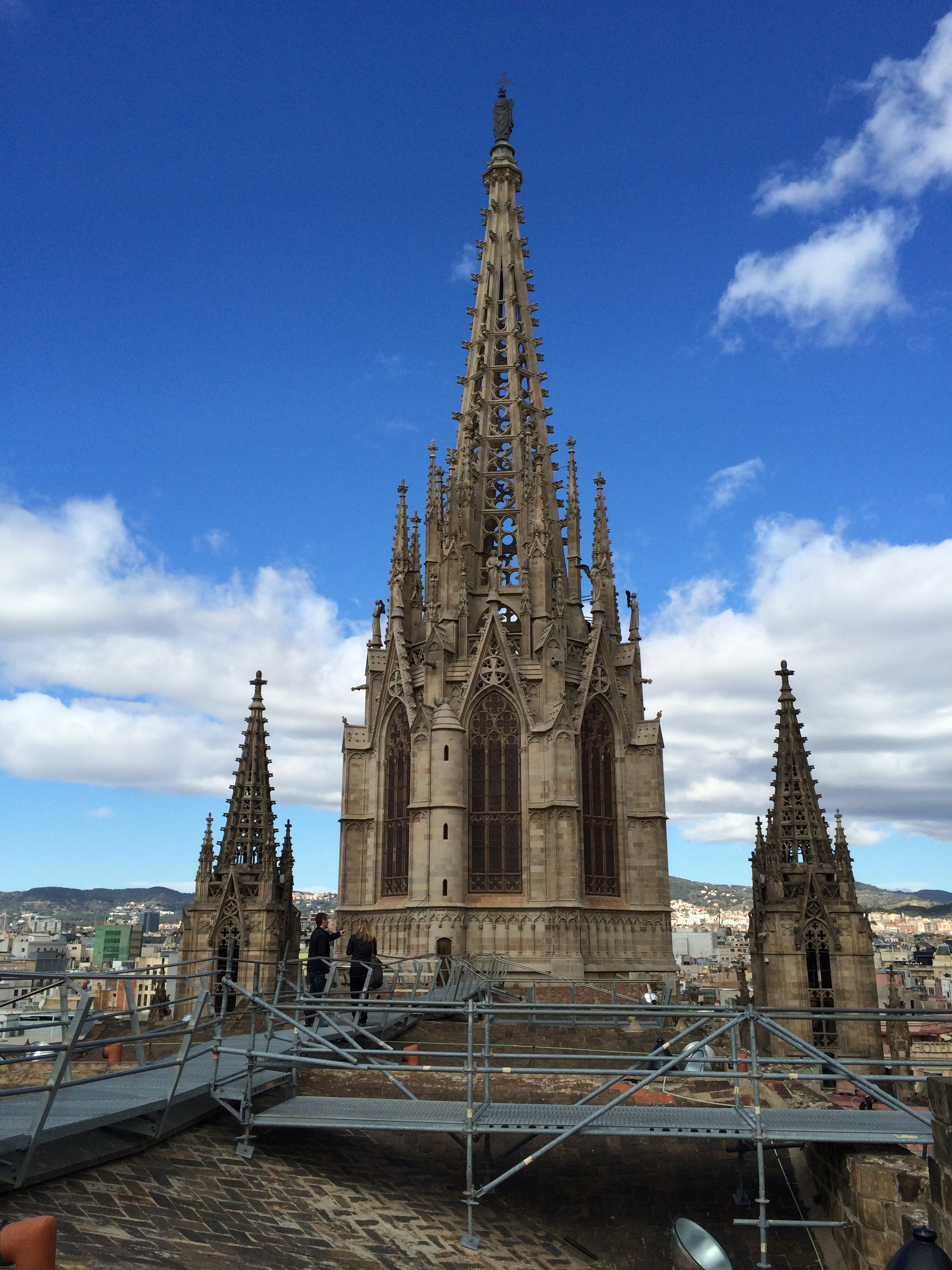
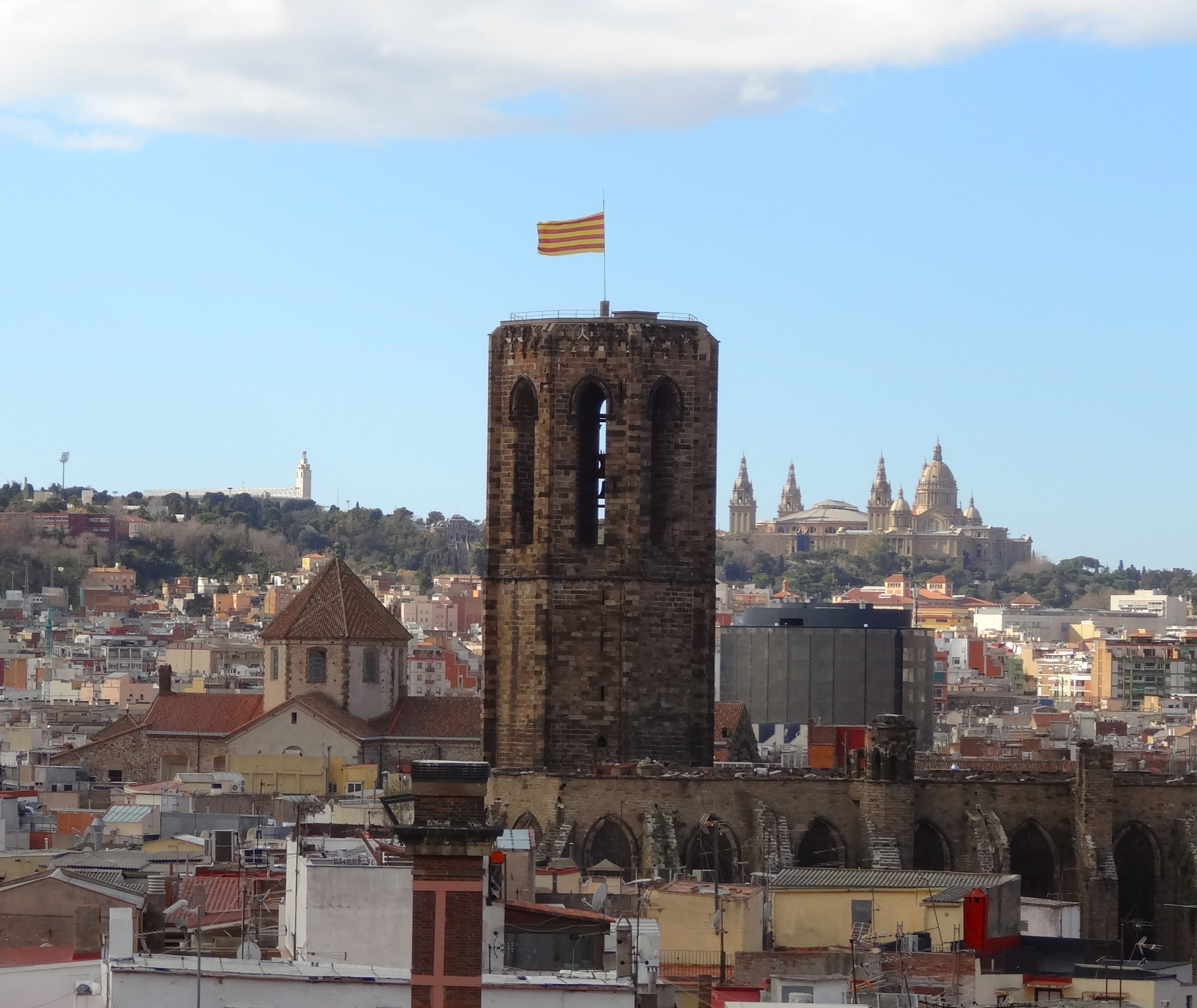
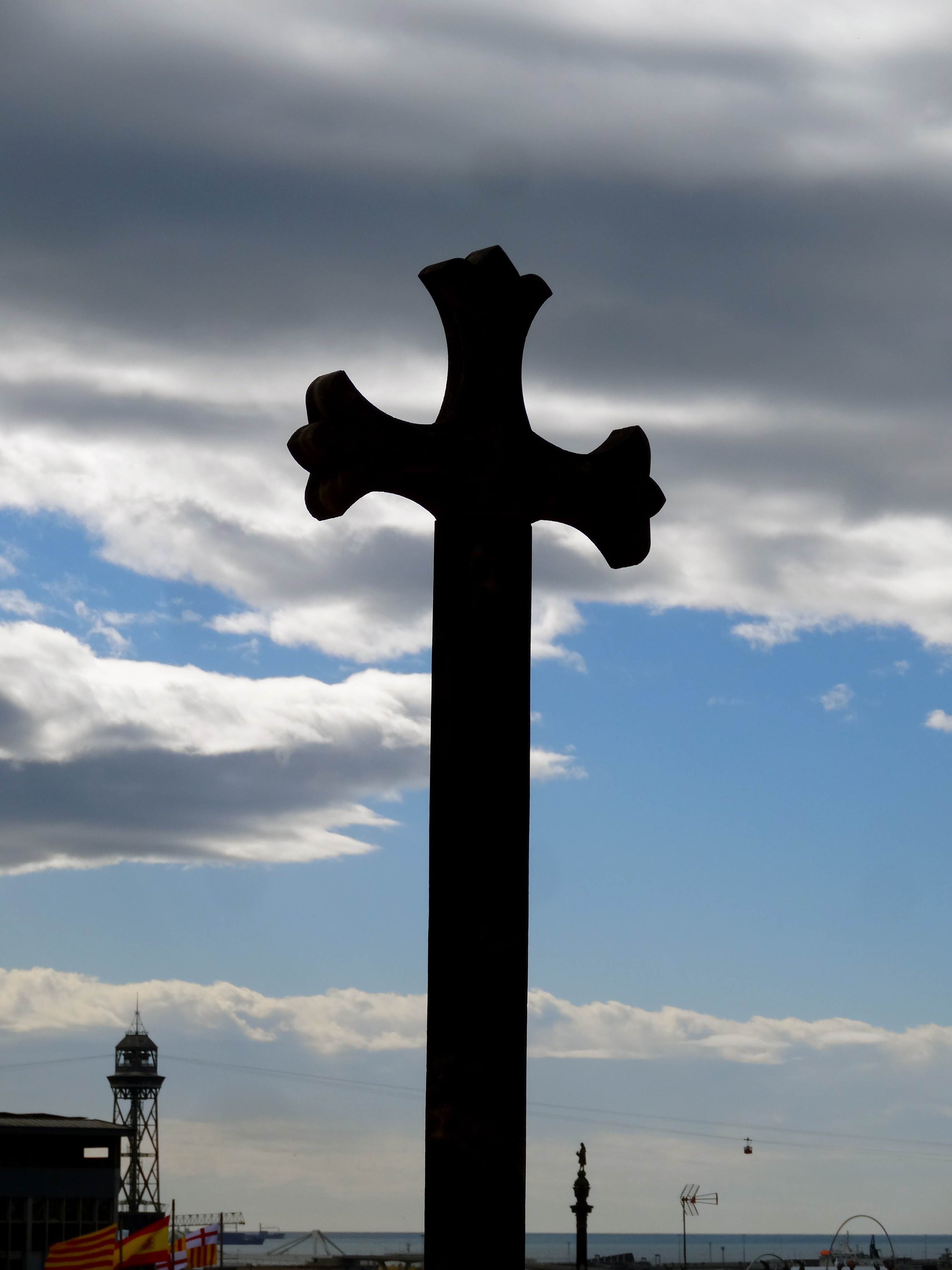
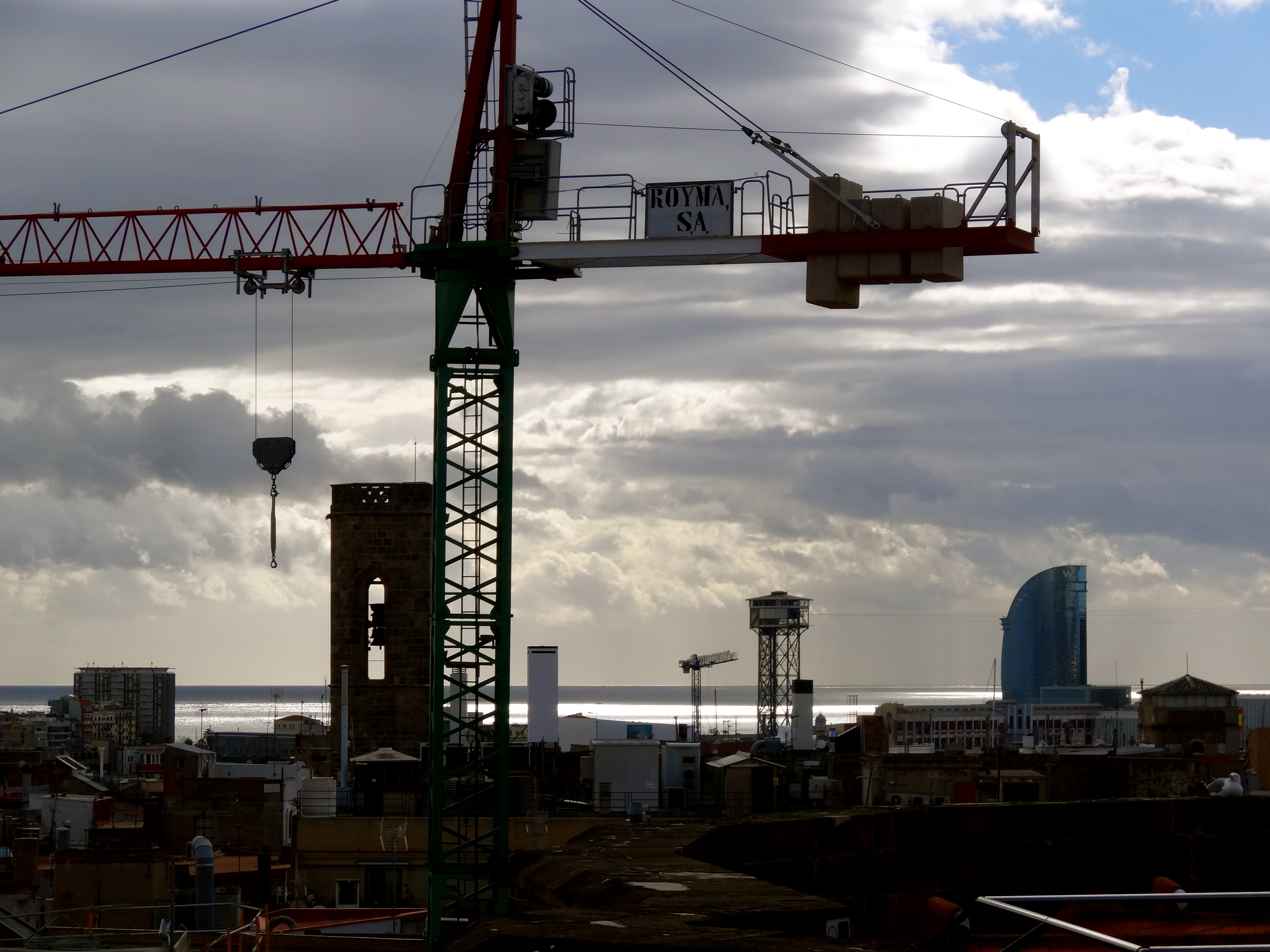
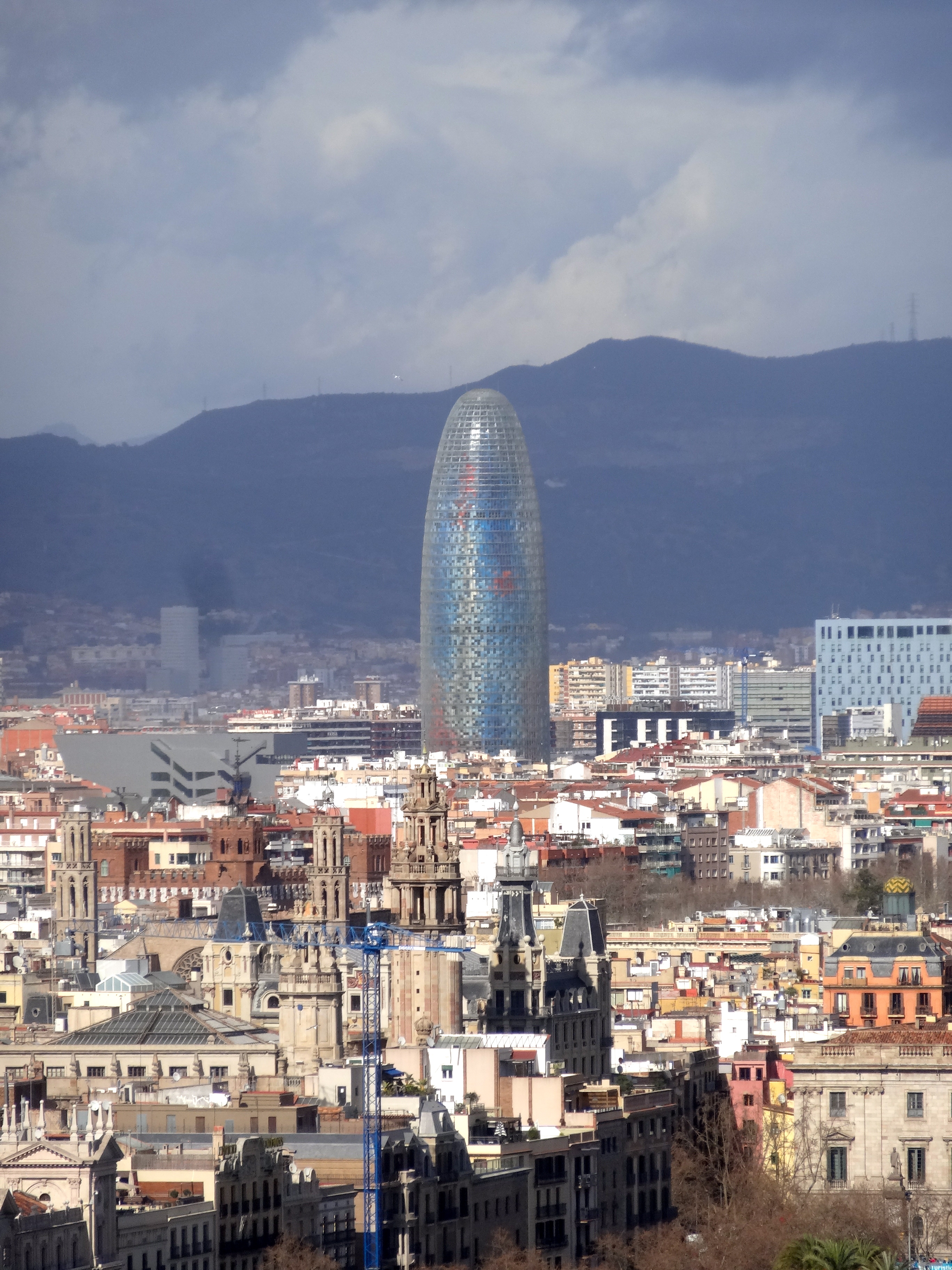
Mercifully on this last Monday in Barcelona, we were not left out in the cold, because despite the museum doors being closed, we were able to enjoy one last burst of warm weather. And where better to enjoy those clement conditions than by heading to the places from which we could best admire this city from above? Seeking something of an unusual vista rather than the normal tourist havens of Park Guell and the old funfair at Tibidabo (which is open even fewer days of the week), our first stop was up a very creaky and somewhat scary small lift to the roof of the old gothic cathedral. Being up amongst the spires and gargoyles of this gothic icon made for a very unique platform from which to admire Barcelona’s old town, and the wider spread of its urban sprawl, down to the coast and up to the fringes of the mountains.

Views from the roof of Barcelona’s Cathedral

DSC03310 DSC03349 IMG_4150 DSC03337 DSC03332 IMG_4151 DSC03315 DSC03327 DSC03311

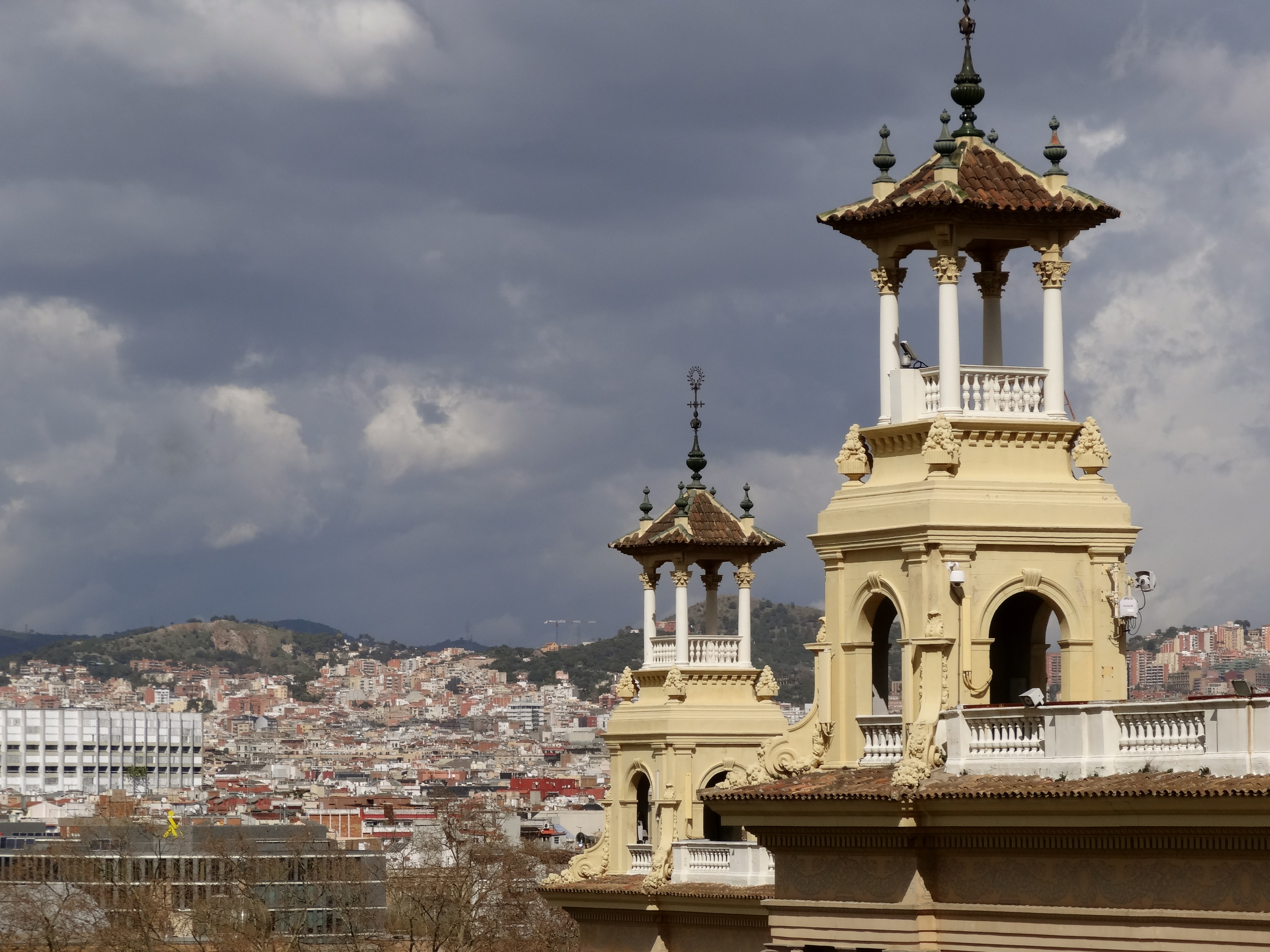
But as far as I am concerned, the best view of all Barcelona can be found, not in the centre, nor North of the city, but from atop the hill of Montjuic. Montjuic can often be overlooked by those stuck rigidly to the tourist trail caught up in the narrow streets of the Gothic Quarter and La Ribera and up into the Eixample amongst the Gaudi masterpieces. But this hill, which overlooks the city from its position south west of the city, and which plunges down from a heady peak almost into the sea below, was the centre point of the 1992 Olympic games which relaunched the city to the world at large. It is also a hub of culture and reclamation, boasting several gardens, the Miro Foundation, and the spectacular National Art Museum of Catalan Art at the Palau Nacional/

Of course both of the latter were shut (after all, it was Monday), but our concern was not with the insides of buildings, but with the extensive open spaces, and the unbeatable view from the top. In order to reach the mountain, we enjoyed the majestic approach which extends from the Plaça d’España to the Palau Nacional, a broad triumphal avenue constructed for the 1929 World Exhibition and which, at certain times of the year, boasts the additional splendour of row after row of spectacular fountains which shoot up into the air like a thousand sparkling columns.

The Palau Nacional on Montjuic and the stunning view from the top

DSC03391 DSC03402 DSC03406 DSC03403 DSC03421 DSC03422 DSC03459 IMG_4173

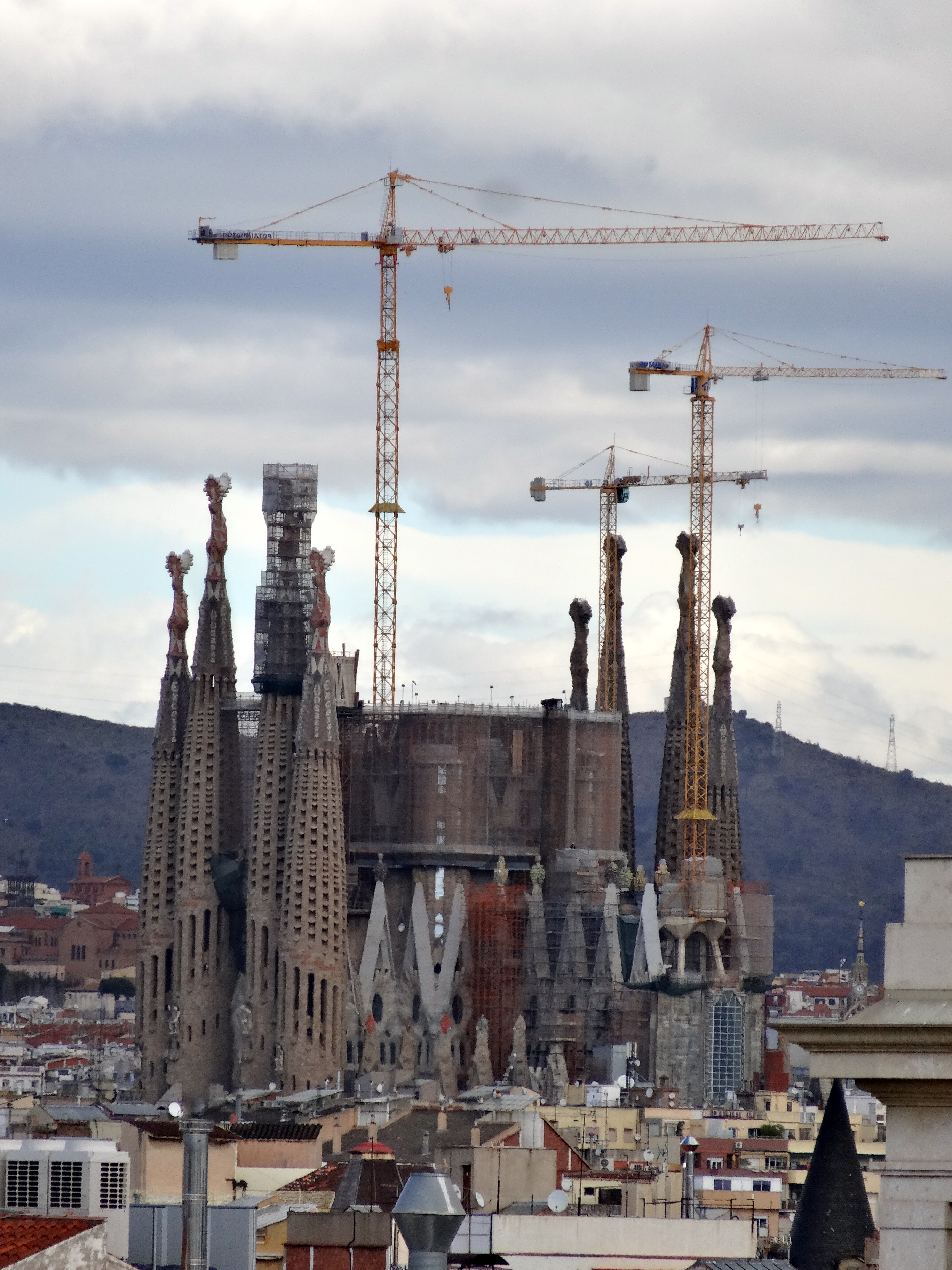
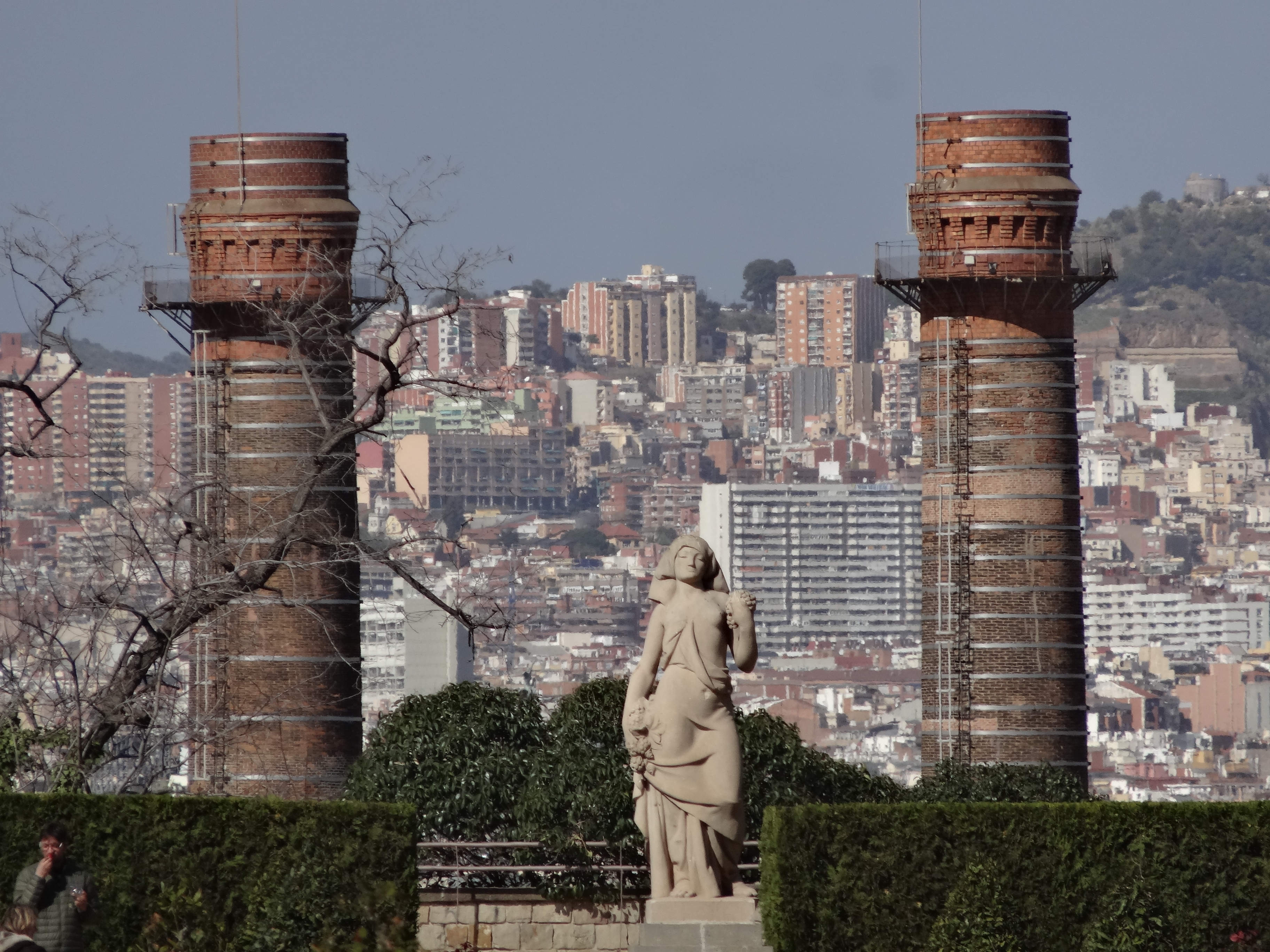
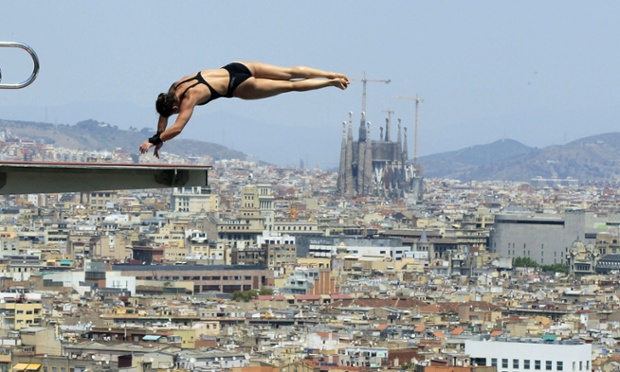
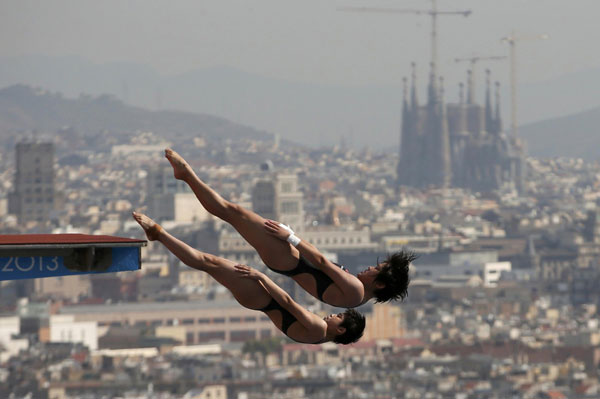
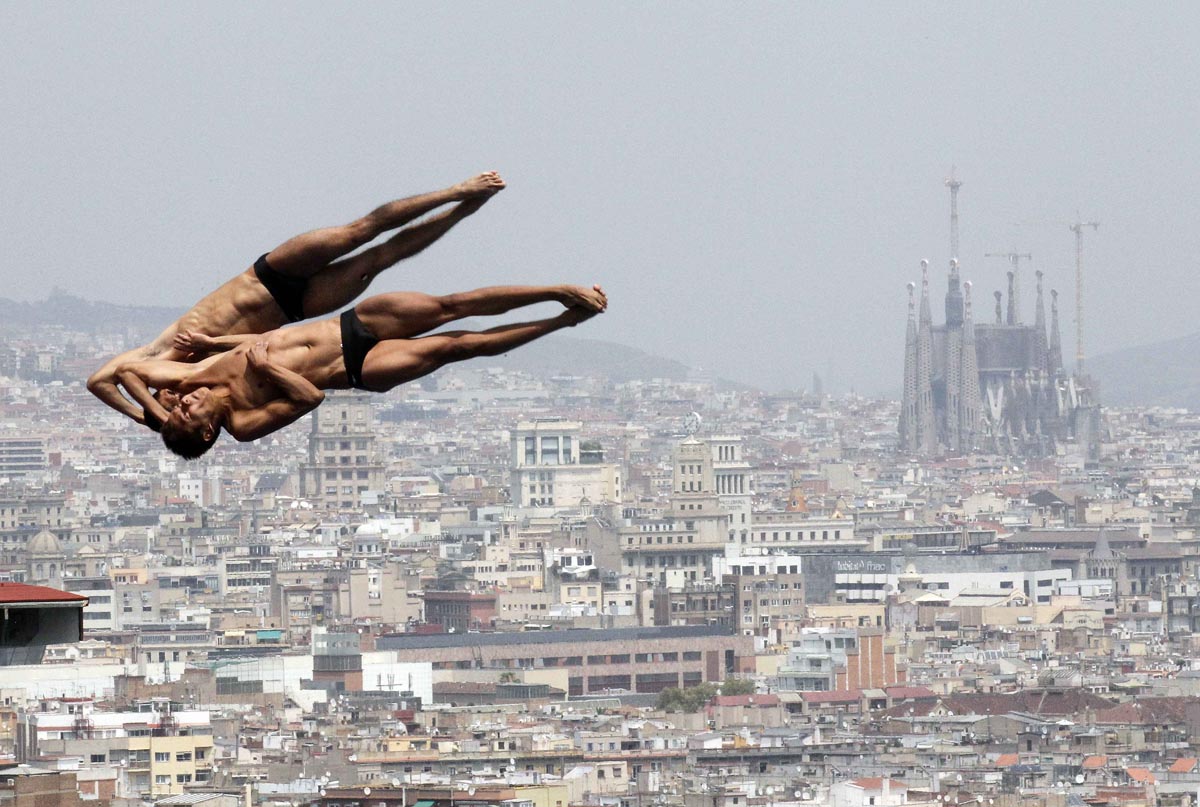
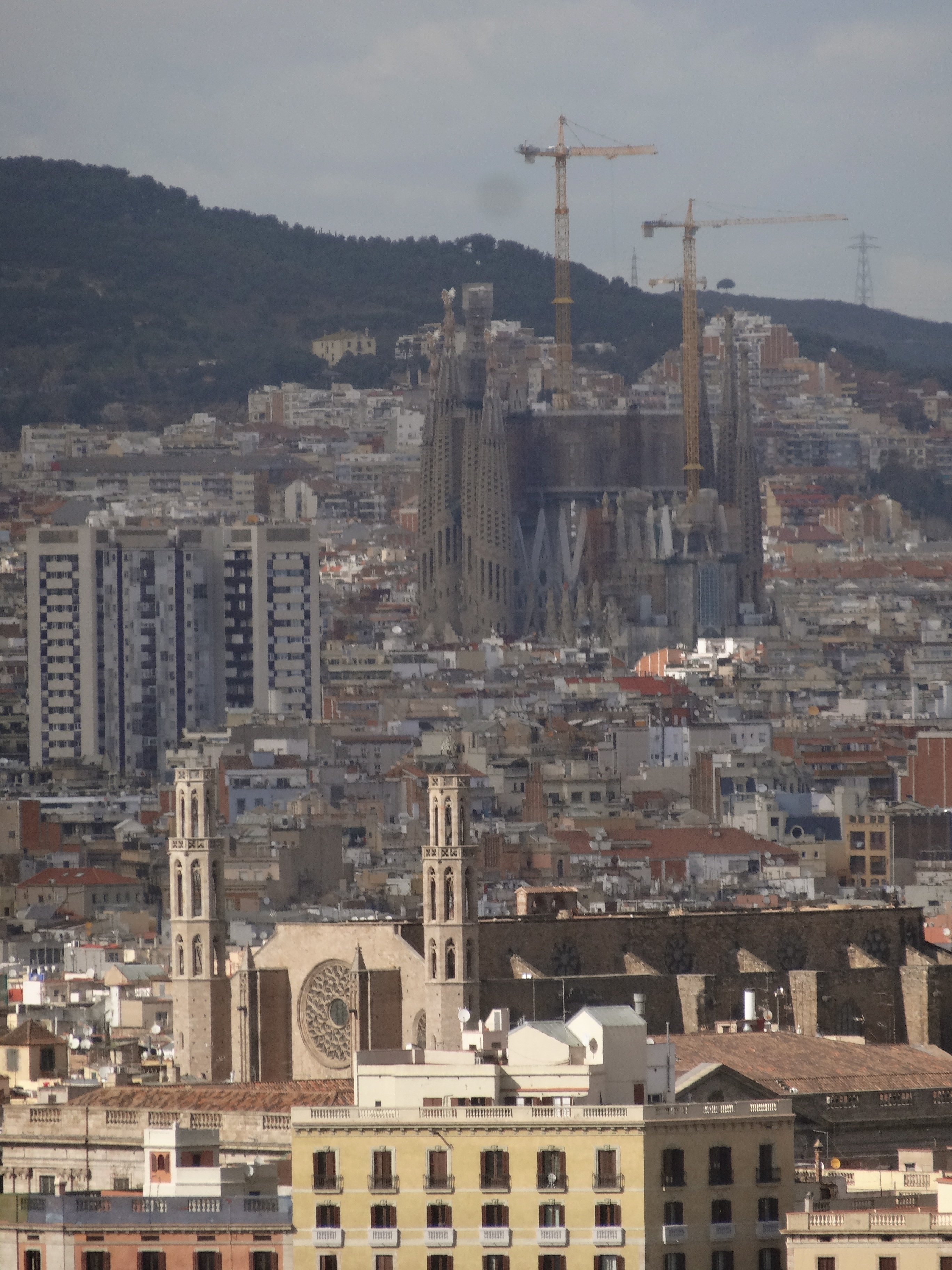
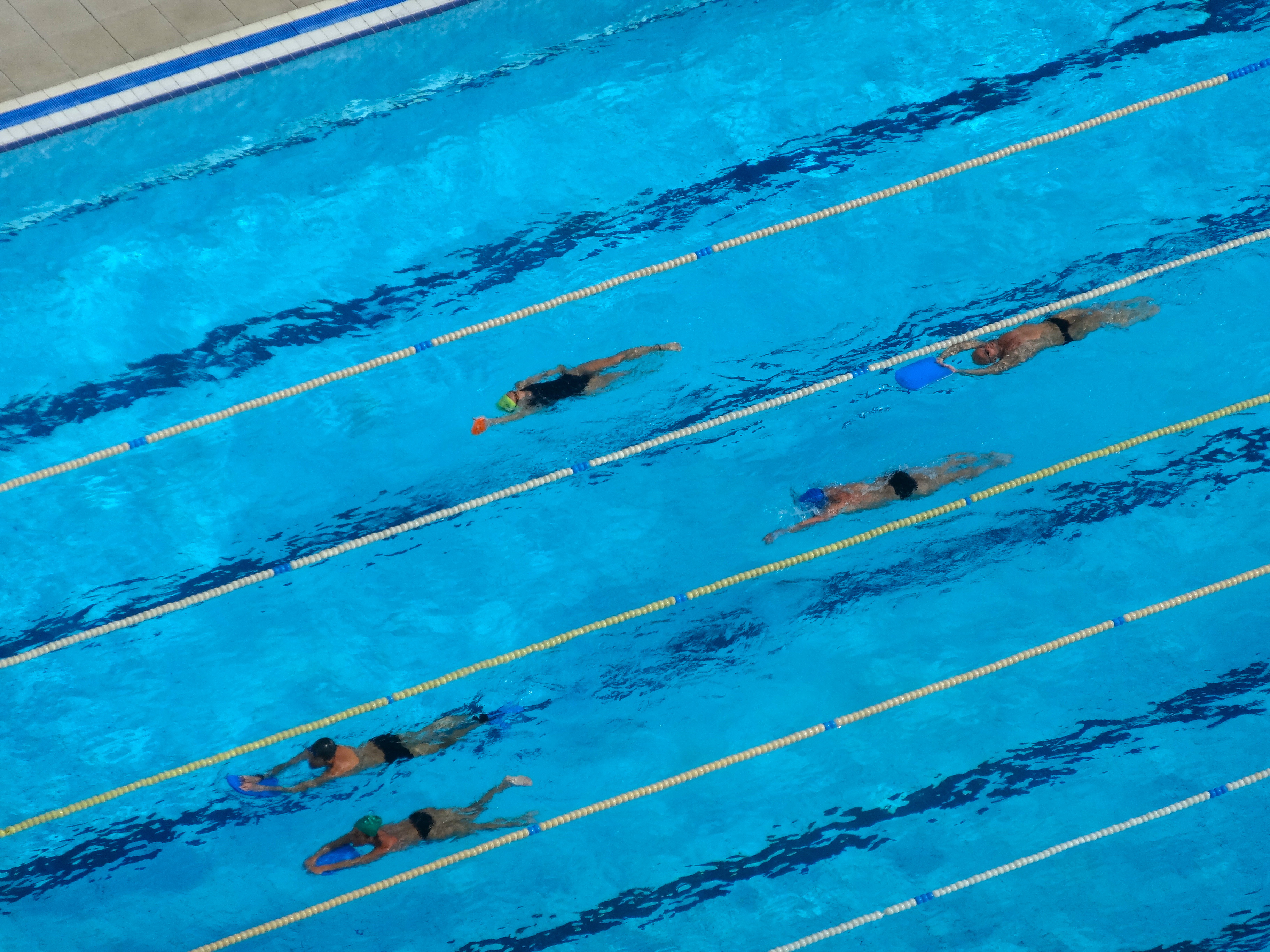
Sadly there were no active fountains in sight for us, but the added benefit of this was the opportunity to hear the first birdsong of Spring as we ascended the hill, and gradually moved away from the concentrated bustle of the city. As soon as you reach the top, the spectacular views of Barcelona are available to be enjoyed from practically every vantage point. From in front of the Palau Nacional, the view extends down across the triumphal Avenue Reina Maria Cristina to the two copies of Saint Mark’s campanile in Venice; then moving across the hill, you reach the iconic diving pool which was used in the Olympics, and from which the most spectacular view of Barcelona can be enjoyed – with the old town and the Sagrada Familia rolled into one, directly behind the pearly white diving board and cerulean blue pool. What a view! Then heading further up the hill towards its peak, the view switches west, across the beach, the port and the Mediterranean Sea. And it was there that we discovered our next destination: the Jardins de Mossen Costa i Llobera

What we saw of the pool…and some iconic diving shots

DSC03453 PREPARATIONS FOR THE WORLD SWIMMING CHAMPIONSHIPS TOPSHOTS-SWIM-WORLD-DIVING eca86bd9ddb41358067c02 Mexico's Garcia and Sanchez perform dive during practice for men's synchronised 10m platform event in Barcelona

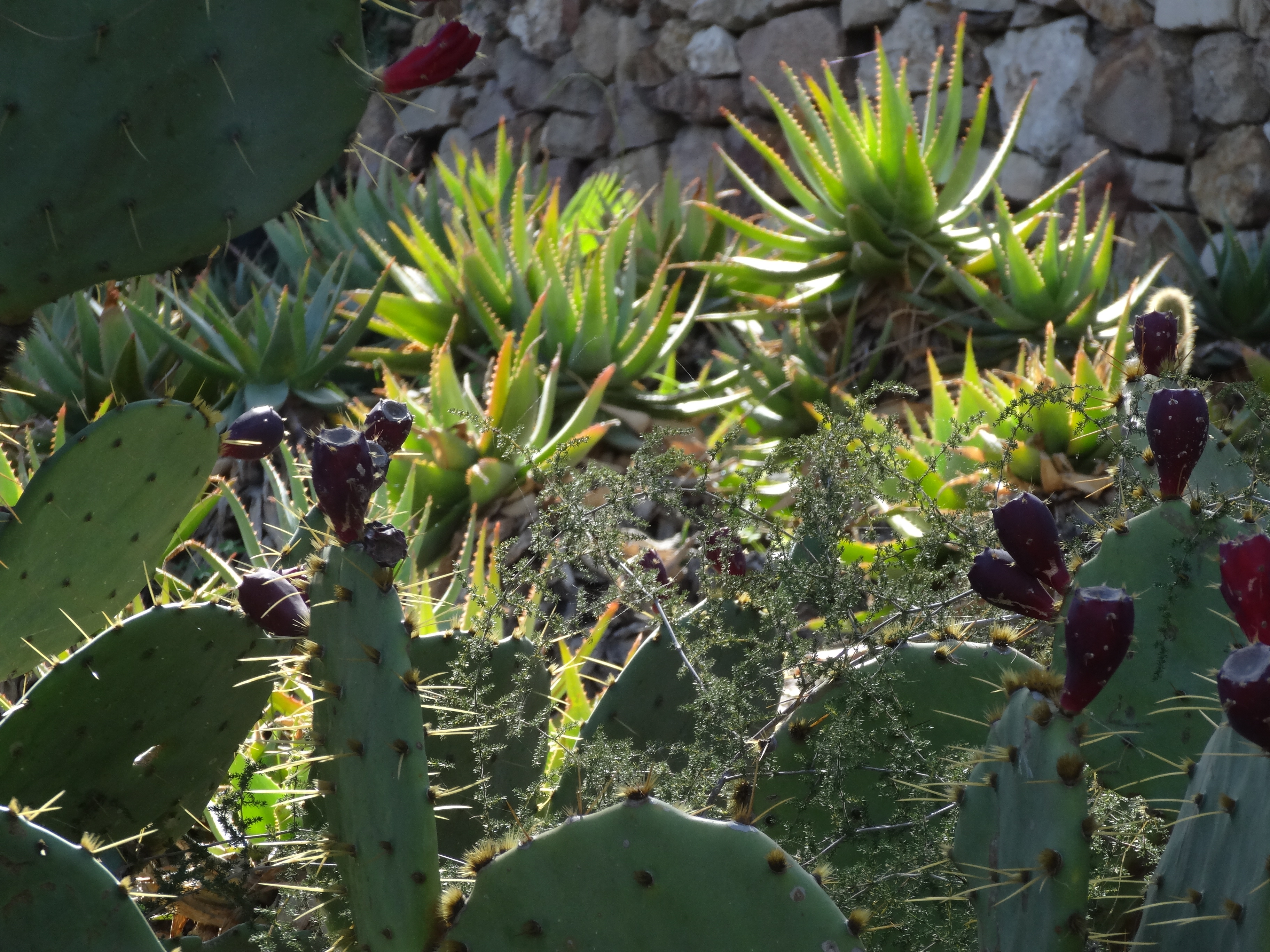
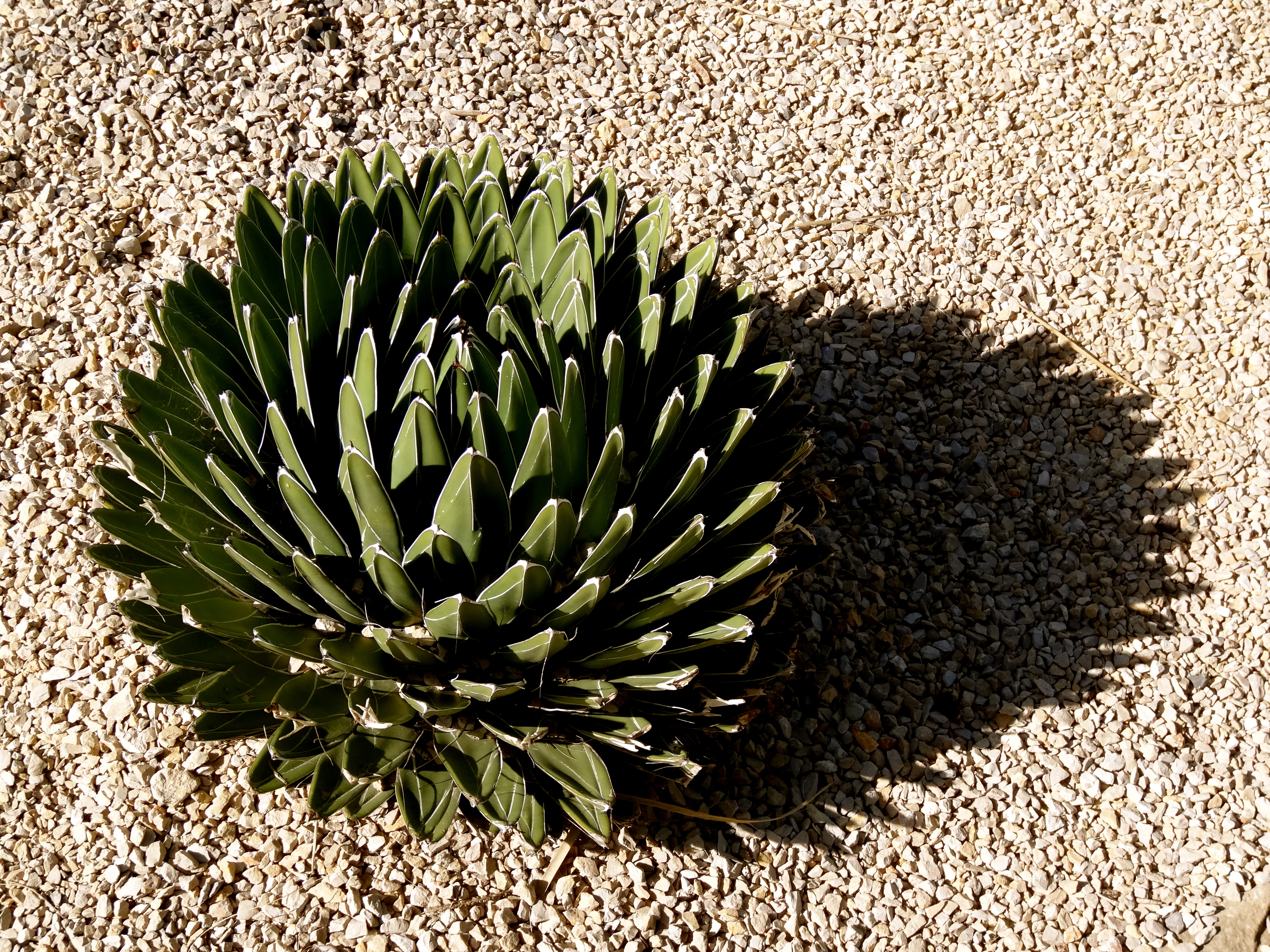
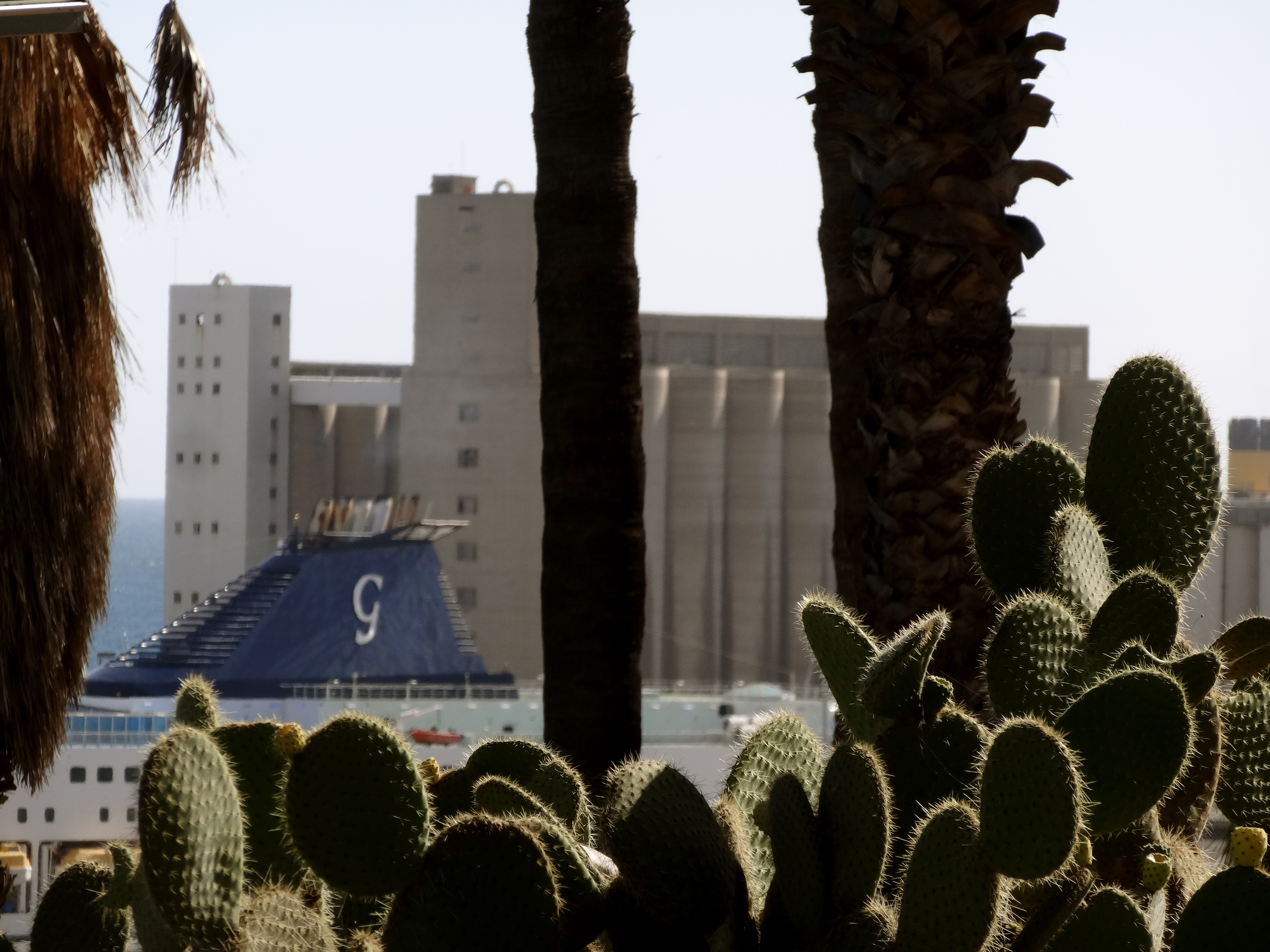
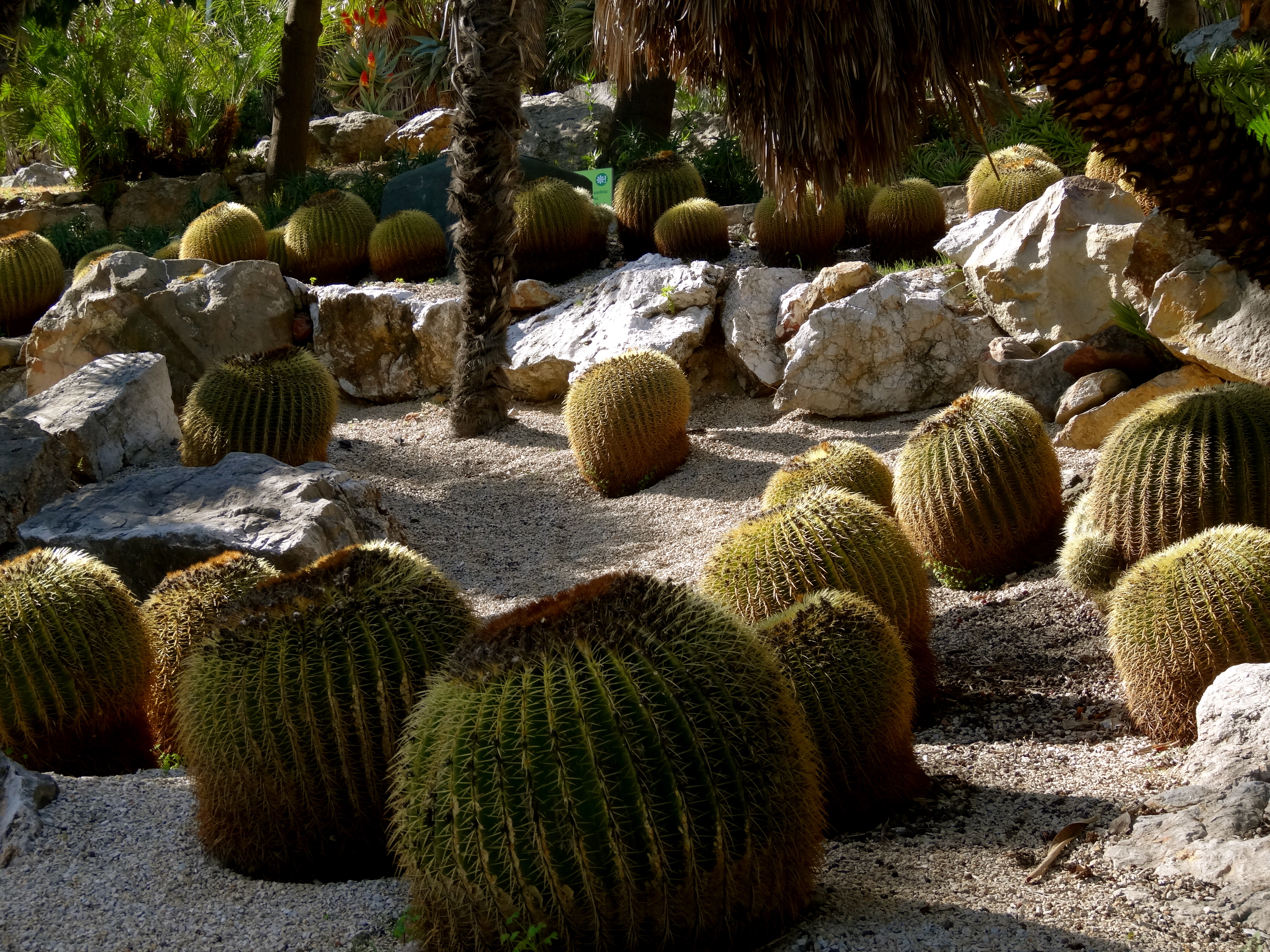
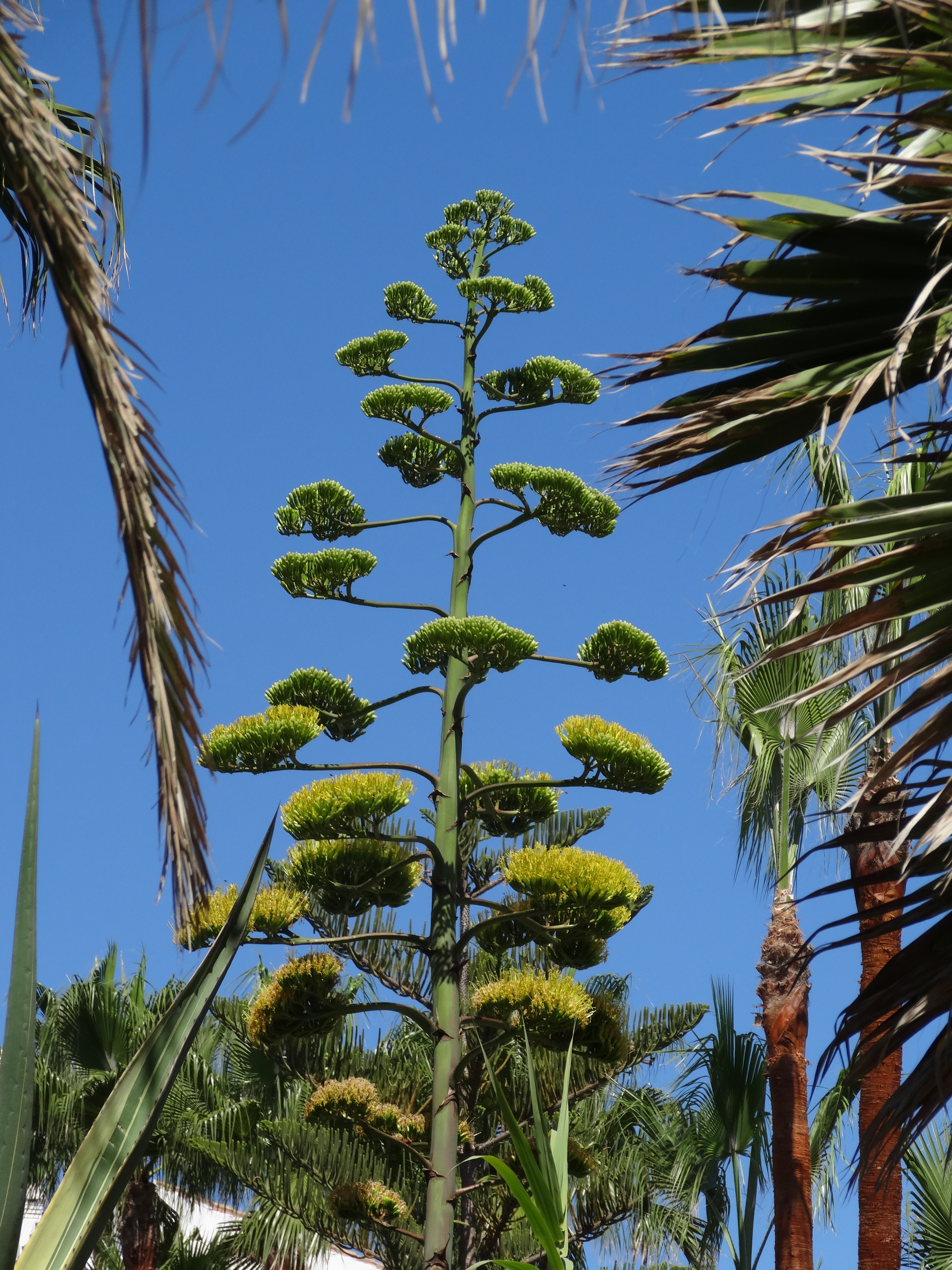
Clinging to the steepest façade of Monjuic and gradually terraced down to the port below, these gardens were crammed full of an abundance of tropical palms and spiky cacti of every variety, size and colour. The bounteous panoply of vegetation was so profuse that, with the sun beating down upon us, I felt as though we had entered a tropical paradise island like the Tahiti of Gauguin’s artworks. It was simply incredible.

The Jardins de Mossen Costa i Llobera

DSC03490 DSC03483 DSC03512 DSC03465 IMG_4218 DSC03487 DSC03510 DSC03476 DSC03496

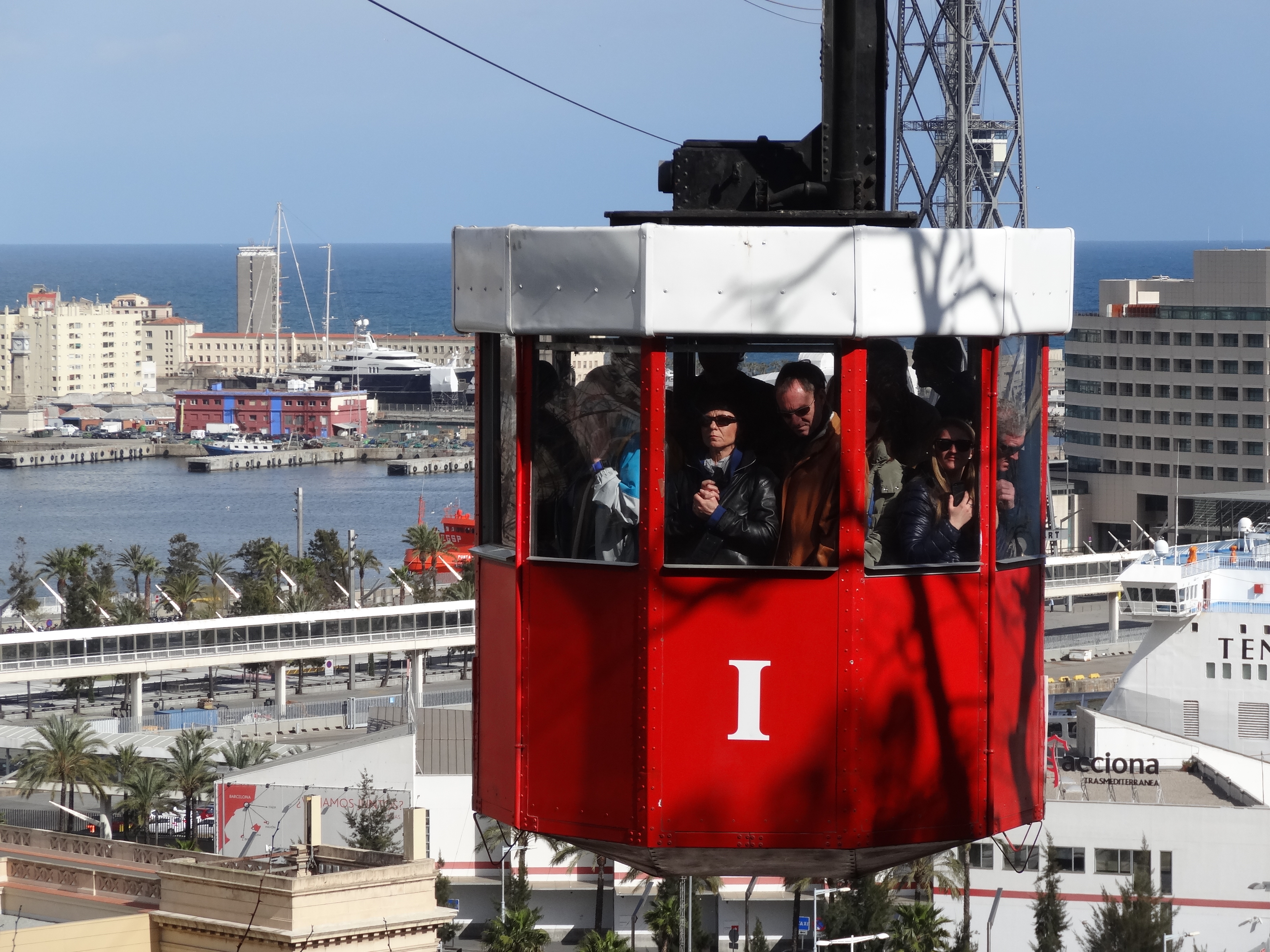
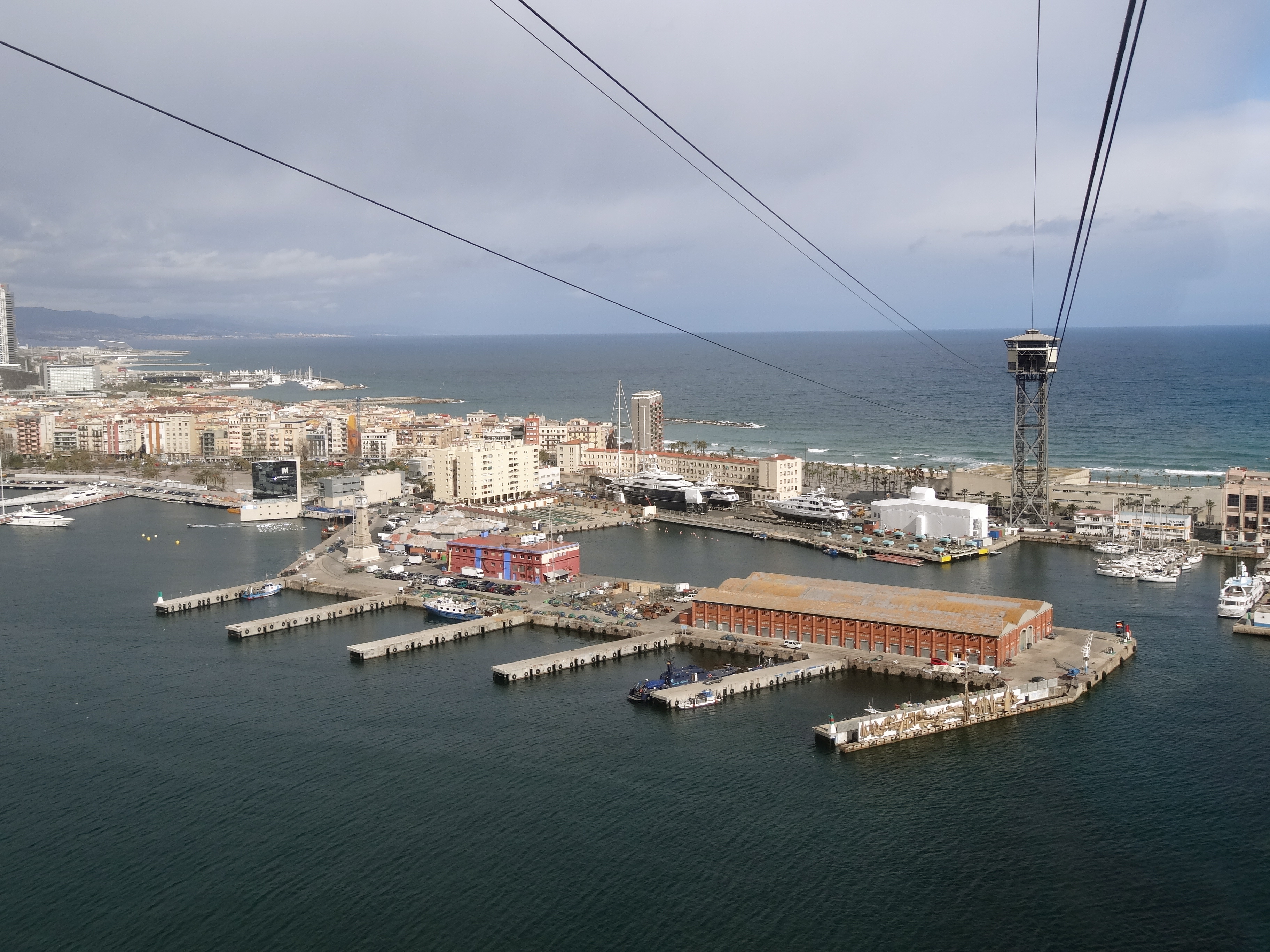
Not wanting to drag ourselves away, but with lunch and, ultimately, the journey home to England beckoning, we descended Montjuic in the only way two view-seekers possibly can: by cable car down to the port below. Once there we were able to indulge in what has to be the most delicious twist on a seafood paella I have ever eaten – noodle paella, delicately but richly caramelised around the edges so that the subtle flavours of the shellfish stock were transformed into a sweet smoky caramel which tickled ever sensorial trigger.

Down to the Port via the cable car

DSC03520 DSC03525 DSC03554 DSC03563 DSC03573 DSC03564 DSC03540 IMG_4236

And so it was that our trip to Barcelona came to an end. Still outside, still enjoying the sun, still feasting unapologetically and ultimately revelling in the good life which this city can provide so well. All that remained was a trip to Barcelona’s sensationally sparkly new terminal 1 airport, and a swift (if a little bumpy) flight back to blighty.

It all ended with lunch

DSC03583

So there it was, a city trip that dreams are made of. But although this may conclude the diary of our trip, it is far from the last post in the Daily Norm’s Barcelona series. With new photos, paintings, recipes, food reviews and norm sketches still to share, don’t forget to come back to The Daily Norm soon!

All photos and written content are strictly the copyright of Nicholas de Lacy-Brown © 2014 and The Daily Norm. All rights are reserved. Unauthorized use and/or duplication of the material, whether written work, photography or artwork, included within The Daily Norm without express and written permission from The Daily Norm’s author and/or owner is strictly prohibited. Excerpts and links may be used, provided that full and clear credit is given to Nicholas de Lacy-Brown and The Daily Norm with appropriate and specific direction to the original content. For more information on the work of Nicholas de Lacy-Brown, head to his art website at www.delacy-brown.com

Norm cocktail in the Port of Andratx

It’s been a bit quiet on The Daily Norm front this week, as behind the scenes, the Norms and I are scurrying around working hard to redesign and develop my art website which, when it is finished, should provide the perfect partner to this blog, acting as a permanent platform to show my artwork to the world. So while the hard work continues in the offices of The Daily Norm, and as the chillier autumn evenings start to draw in, its surely time to pay one of our Norm friends a visit, over in the warmer climes of the Mediterranean, where the summer extends, that much longer, into the darkening autumn days.

Norm at Puerto Andratx (2013 © Nicholas de Lacy-Brown, acrylic on canvas)

Norm at Puerto Andratx (2013 © Nicholas de Lacy-Brown, acrylic on canvas)

To the island of Mallorca, and onto the stunning little Puerto Andratx, a naturally enclosed semi-circular marina, flanked on all sides by steep green hills leaving only a slight cerulean slice of horizon visible. In this idyllic little port, where fishermen still cast out their nets and store their fishing paraphernalia on the dock side, and where little cafes and restaurants are lined along the still lapping waters and cobbled harbour walls, the persistently chic Cappuccino Grand Café has acquired itself the nicest spot of all, directly next to a little harbour arm, where old wooden boats bob up and down, and the omnipresent sunshine sparkles like a discotheque over the surface of the water.

There, on rocking chairs set out alongside the sea, this hedonistic Norm is soaking in the ultimate pleasures which this cafe paradise can provide: a lavish location, melodic jazzy music, warm midday sun, and a cocktail in her one, well manicured hand.

Now this is surely the way to spend an autumn day.

© Nicholas de Lacy-Brown and The Daily Norm, 2001-2013. Unauthorized use and/or duplication of the material, whether written work, photography or artwork, included within The Daily Norm without express and written permission from The Daily Norm’s author and/or owner is strictly prohibited. Excerpts and links may be used, provided that full and clear credit is given to Nicholas de Lacy-Brown and The Daily Norm with appropriate and specific direction to the original content.
Marbella Twenty-Thirteen | Puerto Banús

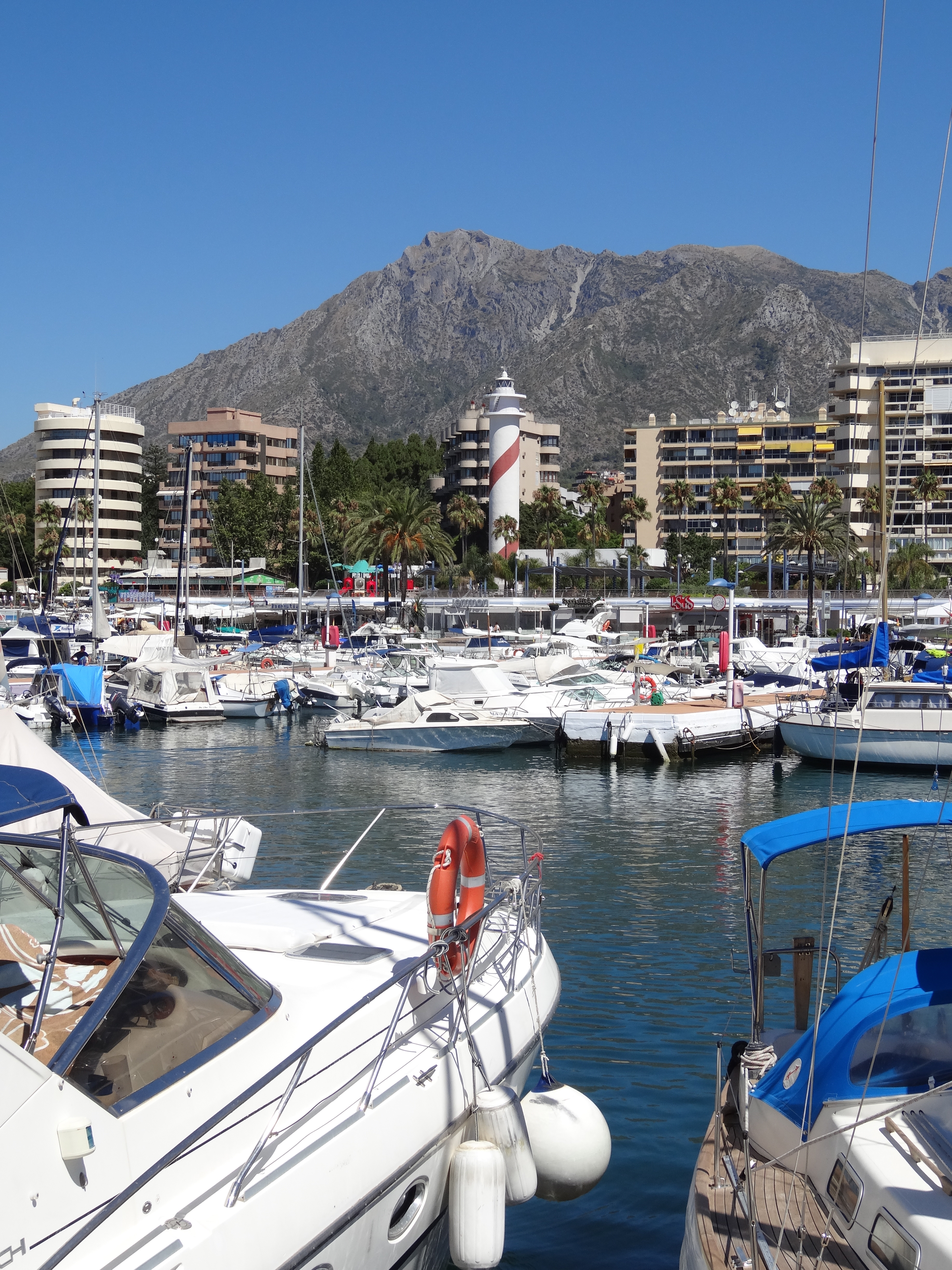
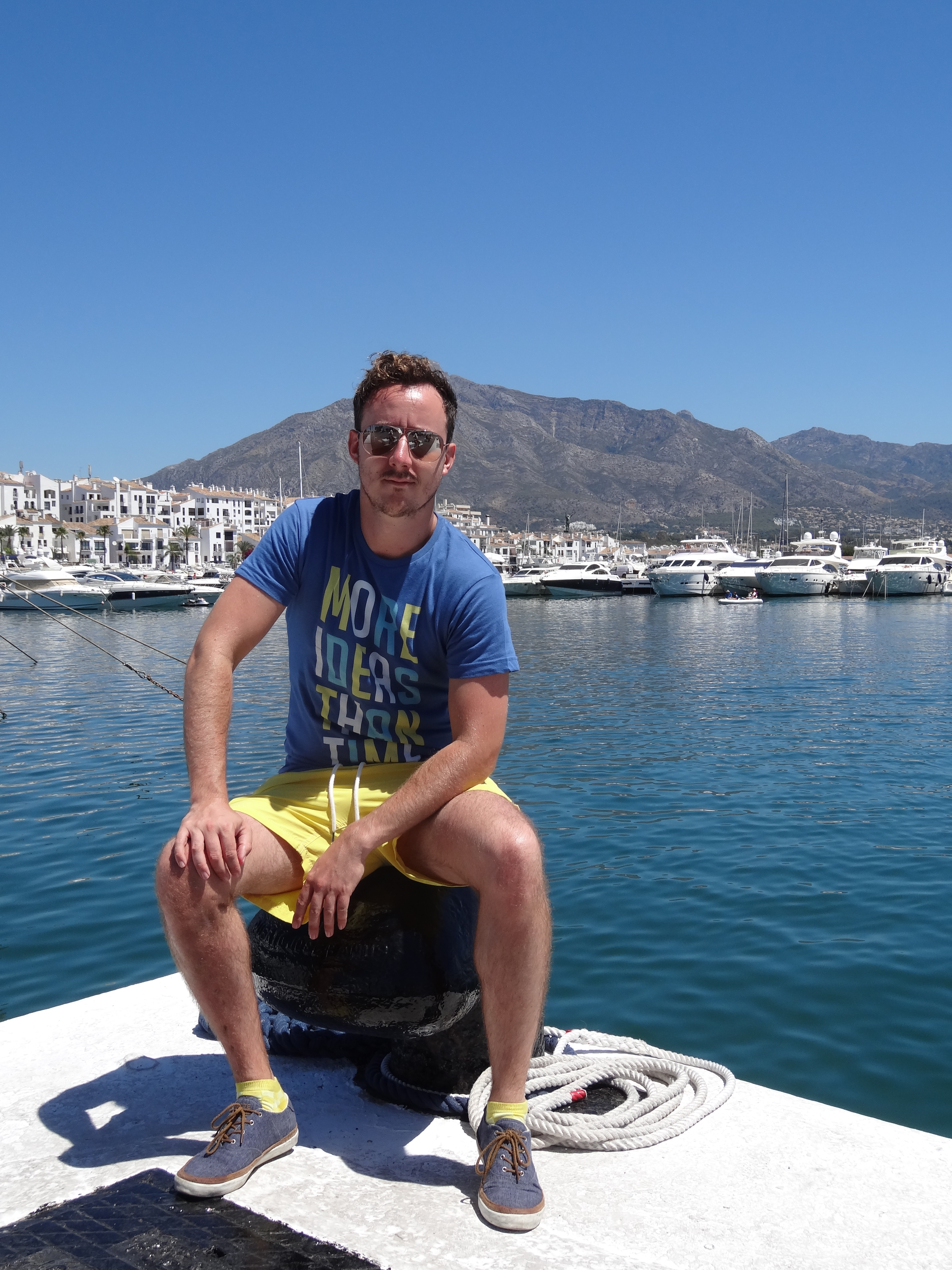
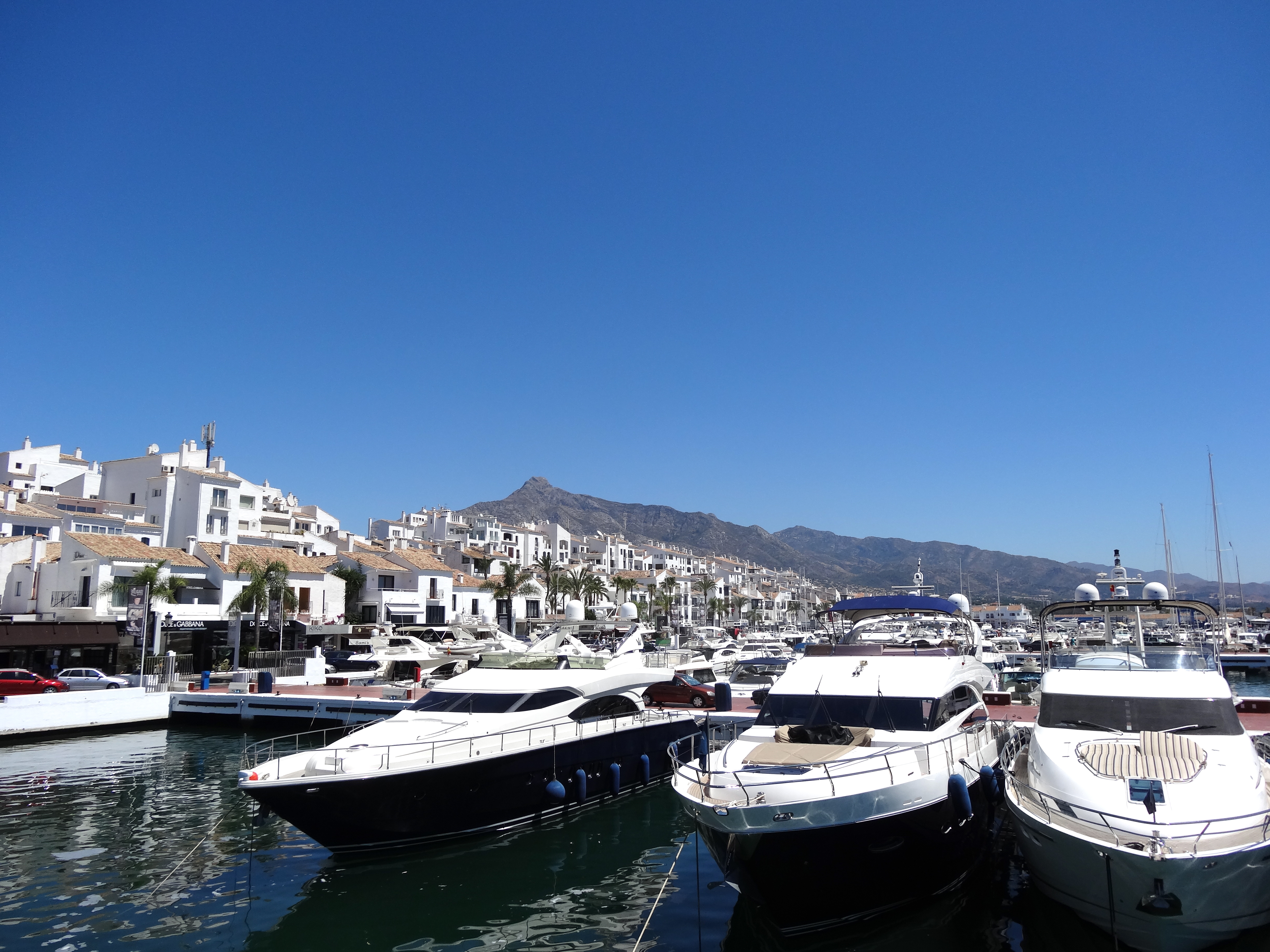
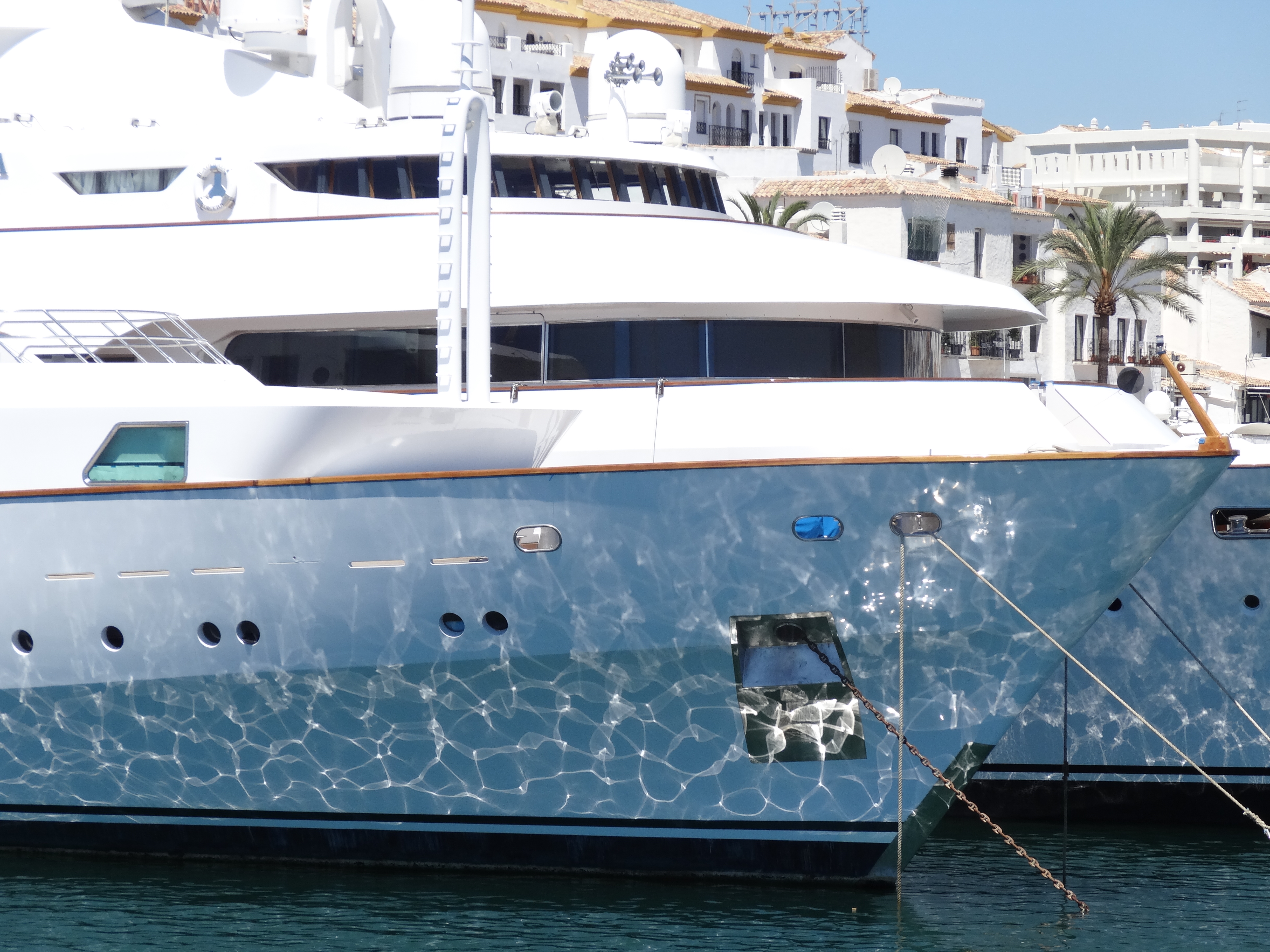
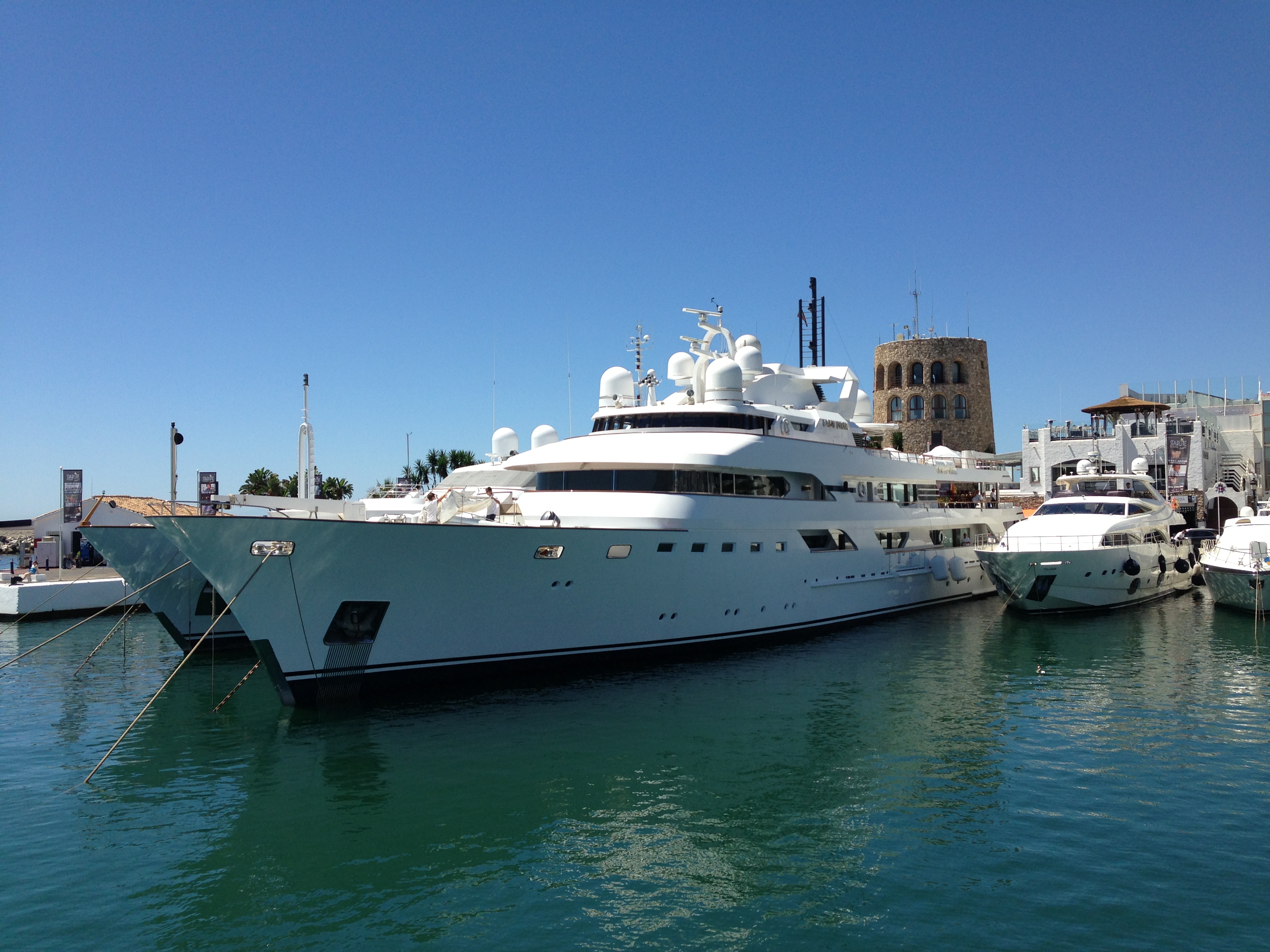
While Marbella is pretty much famous throughout the world for its richer, glitzier suburb marina of Puerto Banus, about 10km along the coast from the centre, the port, which houses the big gaudy yachts, the high end fashion boutiques and the boy-toy roof-off sports cars is far removed from the true Marbella, which at its heart has a gem of an old town, and in the streets around it extends a charm of a bustling Spanish town, but one which has authenticity and a feel of Spanish community running through its every vein. Puerto Banus is a different kettle of fish altogether. If superficial needed a dictionary definition, Puerto Banus would be it. Constructed from scratch in the late 1960s by Jose Banus, and opened at a lavish 1970 gala with attendees such as Grace Kelly, then Princess of Monaco present, the port very quickly became the favourite destination of the jet set and those with plenty of cash to splash. Today, the port retains its self-indulgent character, albeit that the occupants have probably become richer, and almost certainly tackier, with their fake bodily parts, hideously botoxed blown-up lips, overly worked tans and hair extensions. The lack of taste in the place really does grate, and after an hour or so amongst the nouveau riche, I am rarely happier to get back to the Andalus authenticity and charm of Marbella’s old town.

Taking the boat from Marbella to Banus…

Marbella's port

Marbella’s port

DSC05632

The catamaran taking us to Banus

The catamaran taking us to Banus

IMG_4075

But get away from the tacky masses, and block out the drones of Essex accents and other unsavoury lingos, and the fact remains that Puerto Banus, built in a uniform dazzling low-rise white, with similarly sparkling white yachts before it and the stupendously beautiful Marbella mountain rising up behind it, is really very beautiful. And there is no better way to approach the port and therefore regard it from a safe distance in all its peopleless beauty than to take a boat from Marbella’s slightly less salubrious marina, to Banus. At the cost of only 8 euros one way, it’s almost the same price as a taxi, but the trip affords stunning views of the Marbellan coastline, reminding passengers of just why the town was named “Sea Beautiful”.

Puerto Banus in all its glory

DSC05679 DSC05685 DSC05674 DSC05663 DSC05672

Once in Puerto Banus, a few restaurants round the corner from the main boutique-filled thoroughfare enable quiet al fresco dining with a stunning port-side location, while just outside of Puerto Banus, in the stretch between Banus and Marbella are situated some of the most stunning, tranquil and quiet beaches in all of Marbella. So when my partner and I headed to Banus by boat this summer, we were surprised how much of an enjoyable experience we could extract from a Port which we have formerly declared a no-go zone. Not only did the lunch trip and the boat over afford us stunning views of the marina and the coast, but our return journey provided us with the most beautiful vistas of them all. Because for those with the energy and the appetite for a long walk, the walk on foot, along Marbella’s amble seaside-promenades from Banus back to the centre of Marbella, is undoubtedly the most stunning walk to be had on all of the Costa del Sol. While it takes a good 90 minutes without stopping, and longer when you stop to take advantage of the tranquil beaches and the well-situated seaside cafes, the path takes you past bounteous plump cacti, extravagant private villas, luxury hotels and quiet beaches which resemble something out of paradise. The walk is in fact so close to my heart that a couple of years back it inspired me to paint “Paseo Banus” (see below).

The famous Banus yachts

DSC05657 IMG_3586 DSC05662 DSC05687 DSC05669

The photos which you now see are from our trip to Banus, and the stunning walk home to Marbella’s centre which followed. Our walk probably took around 3 hours by the time we had stopped off at our favourite café Cappuccino Grand Café (and on another occasion Ibiza’s favourite – Café del Mar) and also spent a good hour dipping in and out of the super-calm sea, revelling in being the only people on a very quiet beach. But what an afternoon it was – sunny, hot, tranquil, beautiful – the riches of Marbella reserved for those who make the effort to walk out to them.

Walking from Banus back to Marbella

DSC05689 DSC05698 DSC05693 DSC05706 DSC05692 DSC05703 DSC05718 DSC05713 DSC05705

…and the painting it inspired

Paseo Banus (2011 © Nicholas de Lacy-Brown, Acrylic on canvas)

Paseo Banus (2011 © Nicholas de Lacy-Brown, Acrylic on canvas)

All photos and written content are strictly the copyright of Nicholas de Lacy-Brown © 2013 and The Daily Norm. All rights are reserved. Unauthorized use and/or duplication of the material, whether written work, photography or artwork, included within The Daily Norm without express and written permission from The Daily Norm’s author and/or owner is strictly prohibited. 

Marbella Twenty-Thirteen | Life’s a Beach

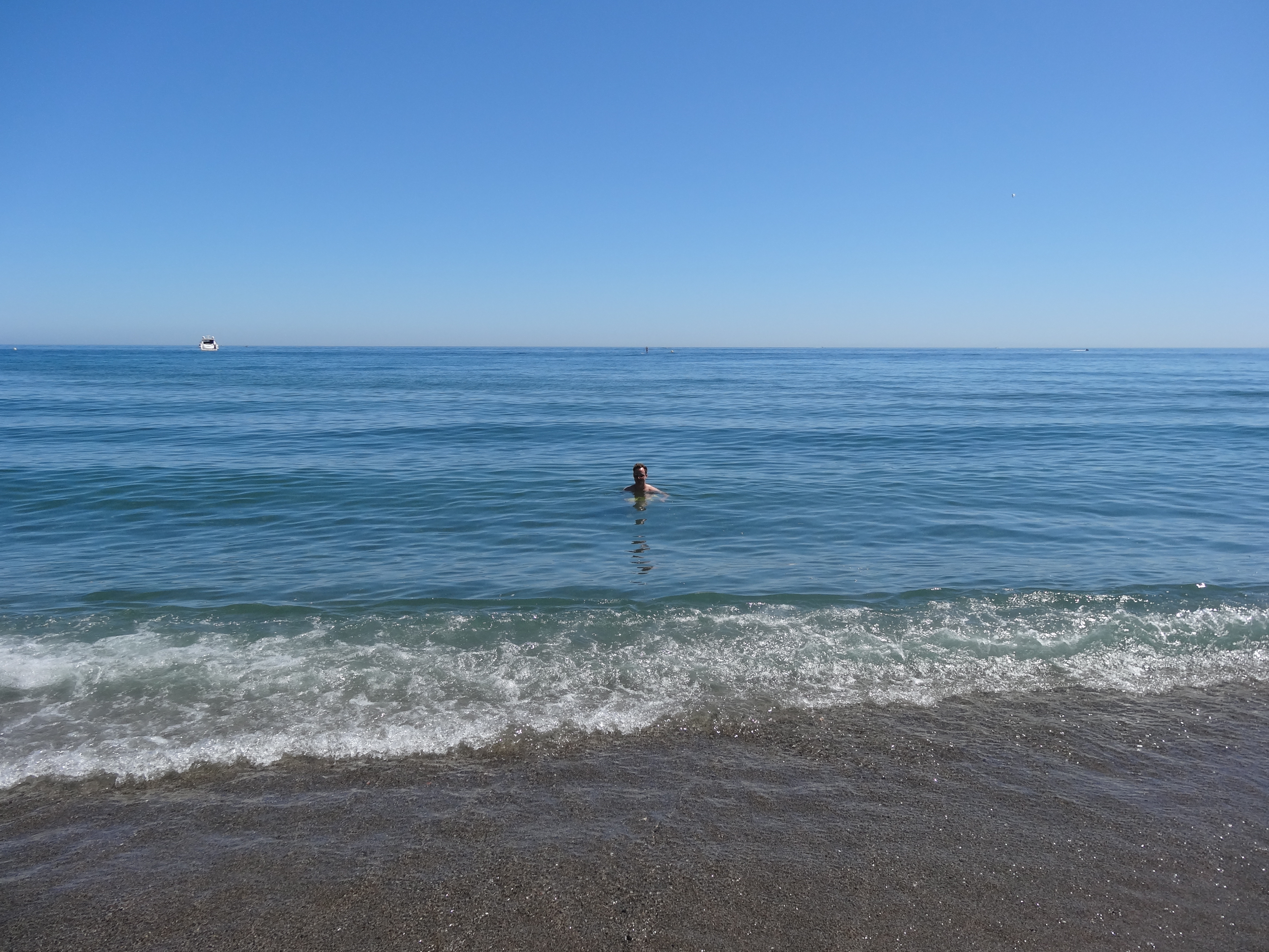
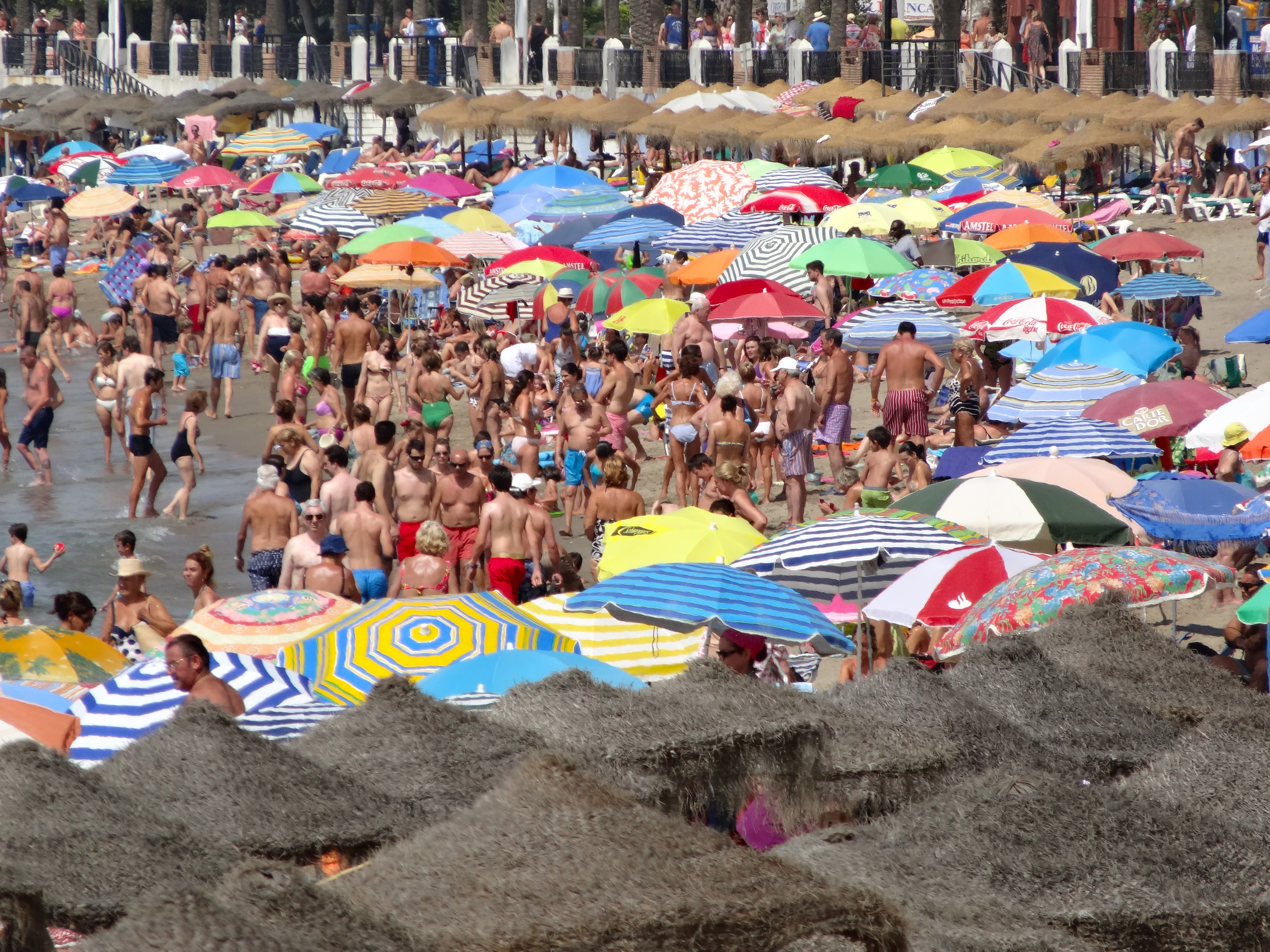
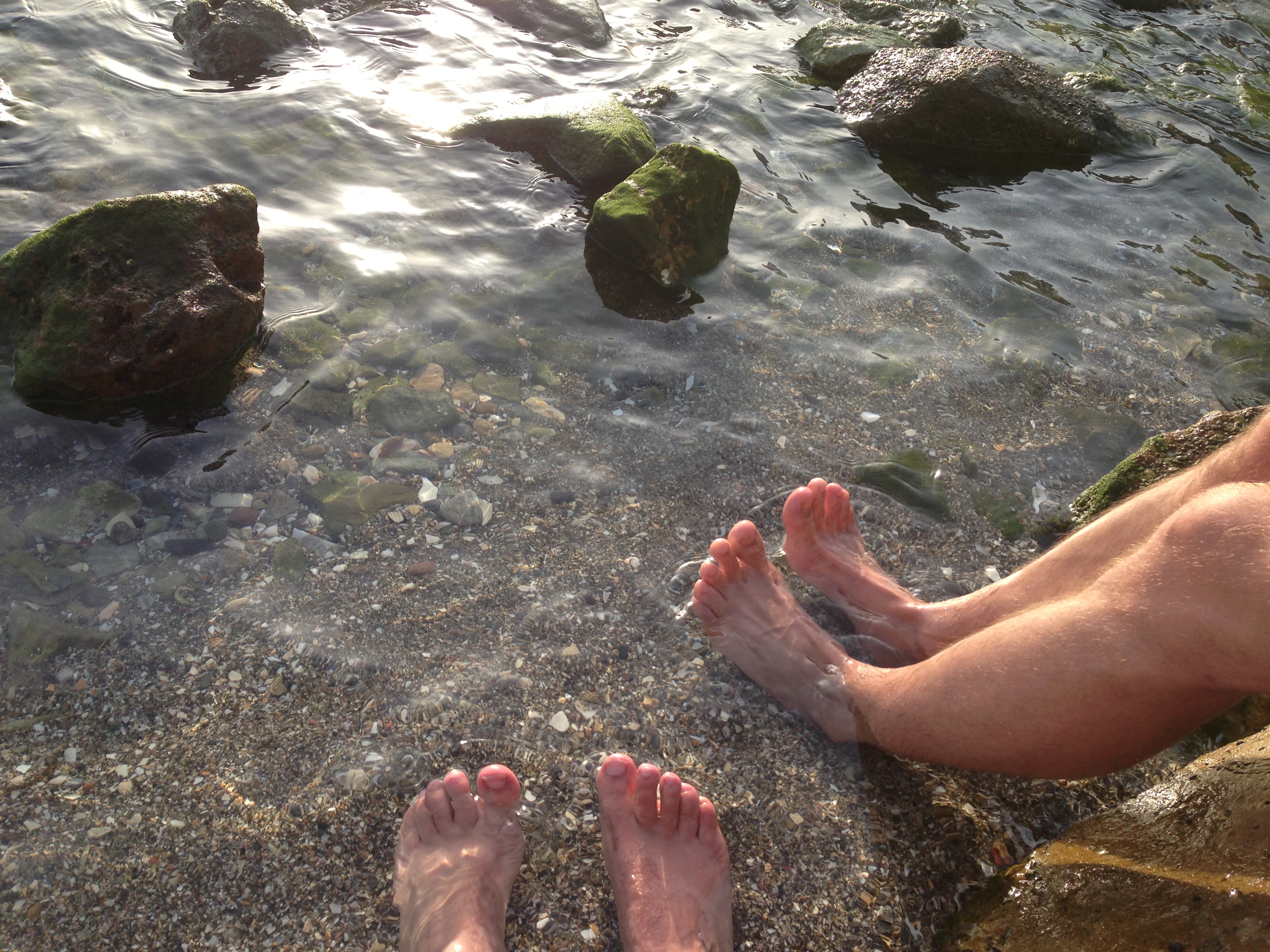
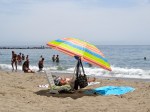
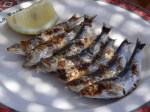
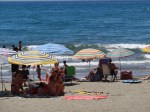
My second selection of photographs from my two week rendezvous in Spain’s Marbella is, for a town named after the beautiful sea which laps up along its sandy shores, rather appropriately collected around a beach theme. For without long days languishing along the plentiful sandy stretches, dipping in and out of the warm Mediterranean sea, and breathing in the mixed smells of sun tan cream, the salty sea breeze, and the acrid fishy smoke from barbequed sardines roasting upon one of the many beach chiringitos, a holiday in Marbella would lose its soul.

I didn’t take my camera to the beach nearly as much as we took ourselves along – after all, those pesky grains of sand tend to get everywhere, and a rogue sandy particle imbedding itself within the internal mechanisms of my camera is one holiday souvenir I can easily do without. However, those few occasions when my camera remained at my side were pretty active in the photography stakes. One feature of the beach which never failed to inspire me was the kaleidoscope of colours on offer.

DSC06453 DSC06298 IMG_4041

Under the bluest of blue skies, the sea took on a welcoming turquoise creaminess, while the sand glowed yellow and beige. Against that backdrop the hundreds of beach umbrellas brought along by the daily beach masses provided the finishing touches to what were an entire rainbow of vivid tones. One of my favourite photos just has to be the beach viewed from the paseo above, tanned crowds packing onto the sands and the swathe of multi-coloured umbrellas extending for as far as the eye can see – a vast snaking swirl of beach activity, and the very epitome of the Spanish summer season.

All photos and written content are strictly the copyright of Nicholas de Lacy-Brown © 2013 and The Daily Norm. All rights are reserved. Unauthorized use and/or duplication of the material, whether written work, photography or artwork, included within The Daily Norm without express and written permission from The Daily Norm’s author and/or owner is strictly prohibited.