Skip to content

Posts from the ‘Art’ Category

Springtime debuts in Dulwich

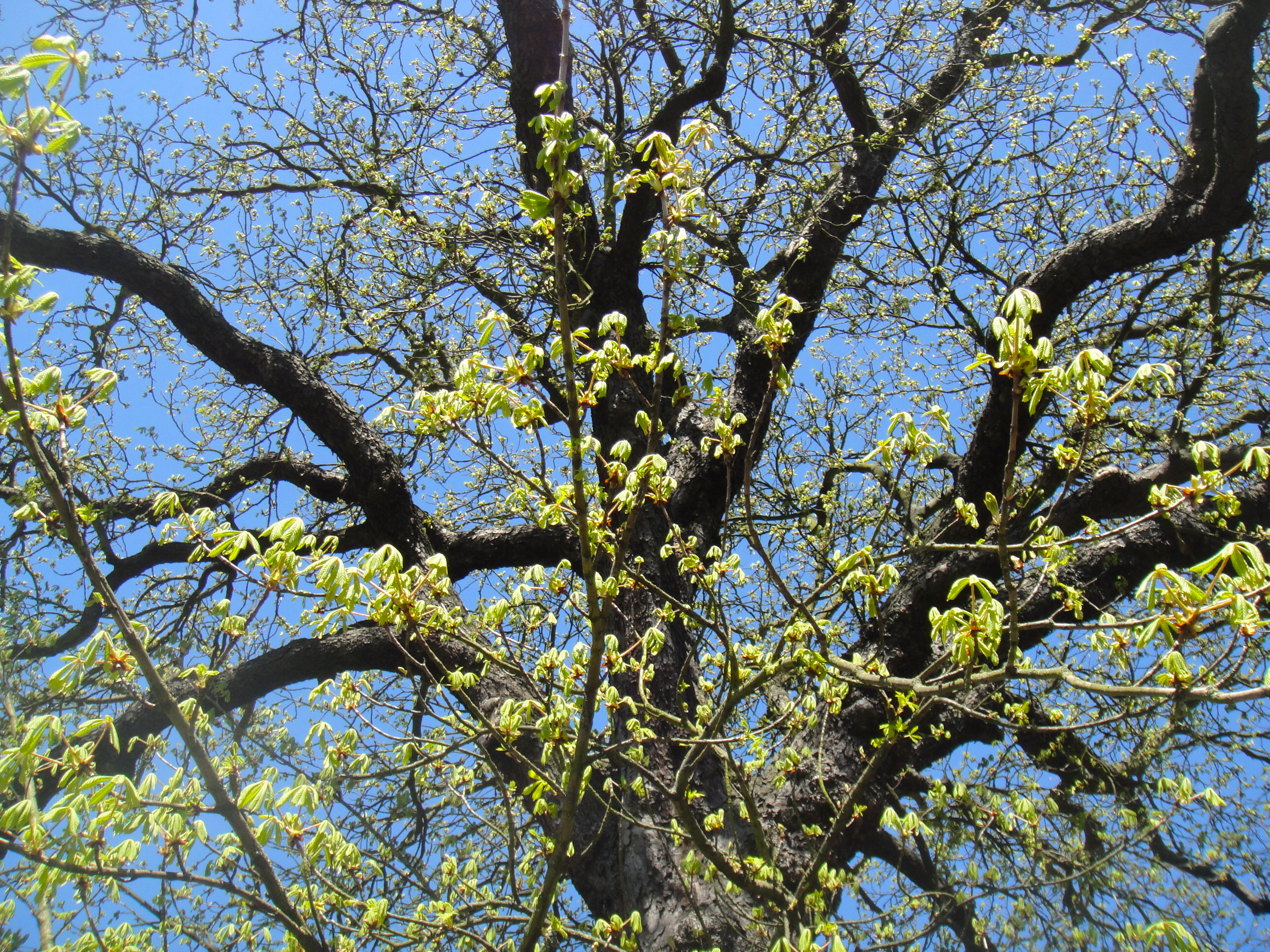
Waking up on Saturday to the sun streaming into my room and what looked like the faint glimmer of blue sky seen through a crack in my blinds was an odd sensation. Not having to rush up to turn the heater on before swiftly re-burying myself back into the warmth of my duvet was another. For this kind of good weather just doesn’t happen here in the UK, where winter appears to have reigned for so long that most of us had given up any hope of ever having a summer, the assumption being that the White Witch of Narnia was obviously back in power again. Indeed after the coldest March for over 40 years, and an equally chilled start to April, the final debut of Spring this weekend, right at the end of April, was not an event that could be allowed to pass unmarked.

Better late than never I say, and how better to celebrate this sunny saturday than by behaving as a tourist in my own city? Yes, it was to the London suburb of Dulwich, in the south east of the city, and more specifically to the village thereof that we headed to mark the arrival of Spring, a village which, despite some 10 years as fully fledged resident of London, I have never visited. The reason for this? Generally speaking the fact that there is no tube there – but as we found out today, the village is well connected by both bus and train. We took the no. 37 from Clapham Common, which got us to Dulwich, via Brixton and Herne Hill in around 20 minutes.
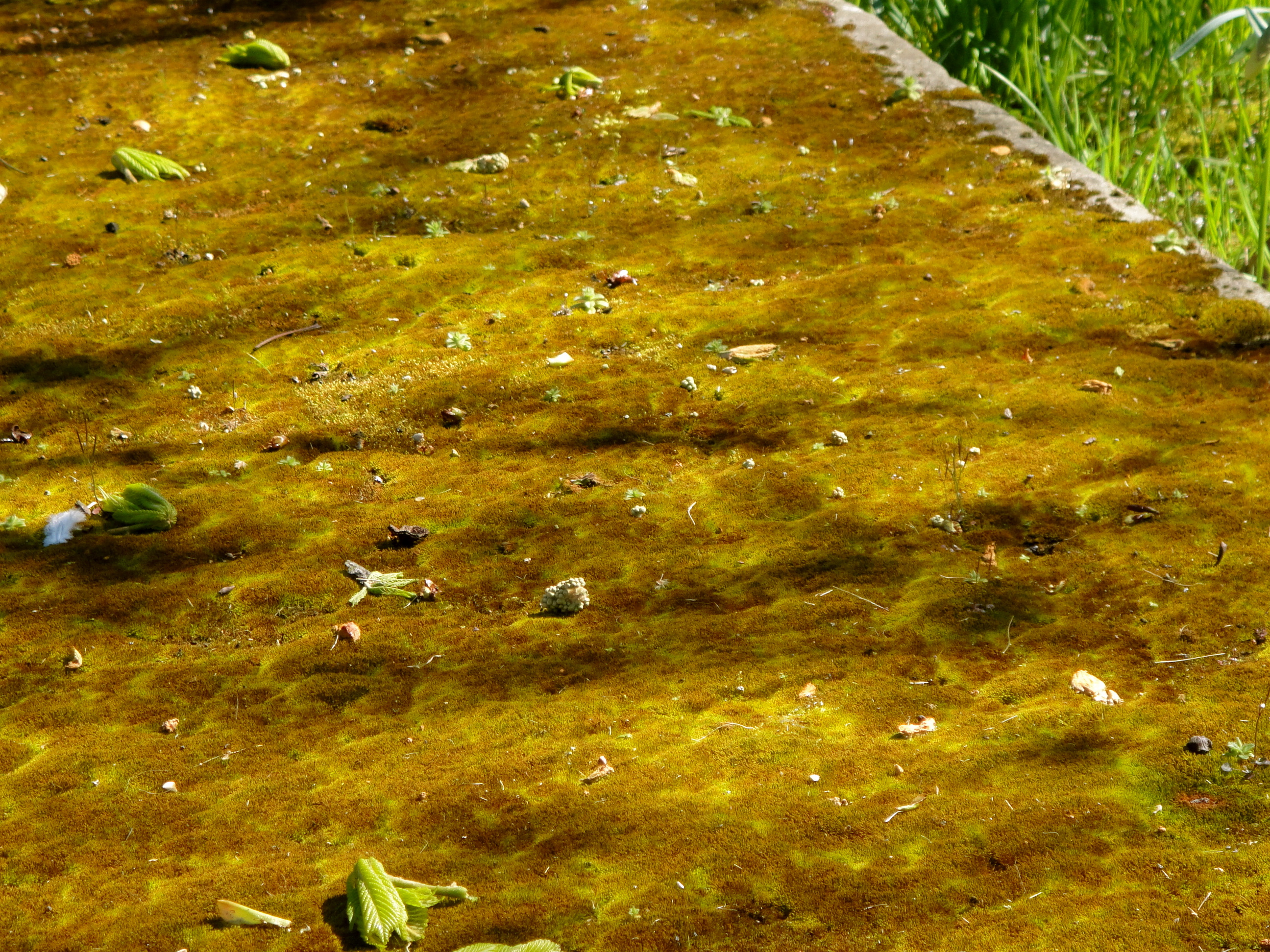
DSC07336 DSC07374 DSC07352 DSC07370 DSC07339 DSC07378

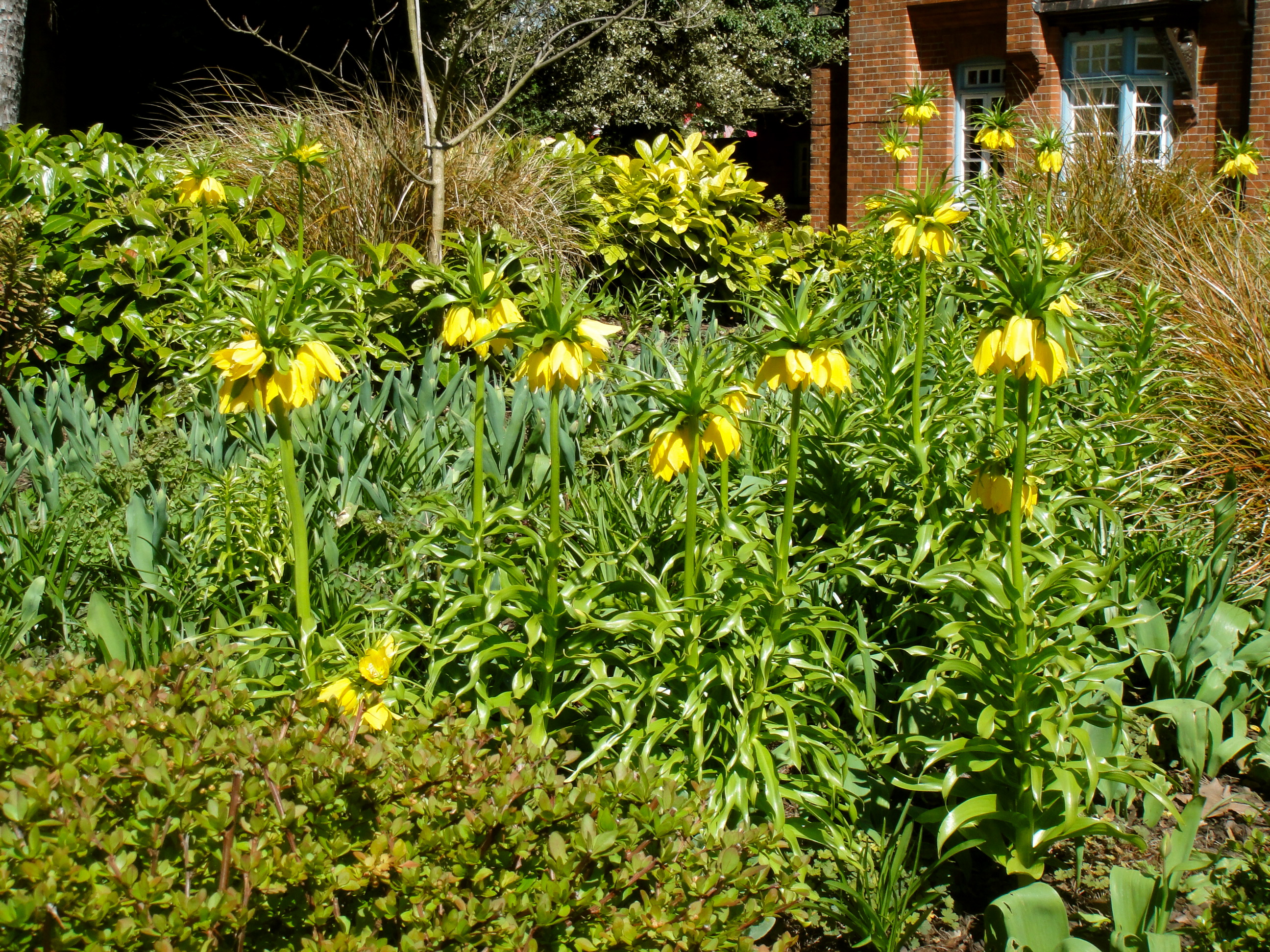
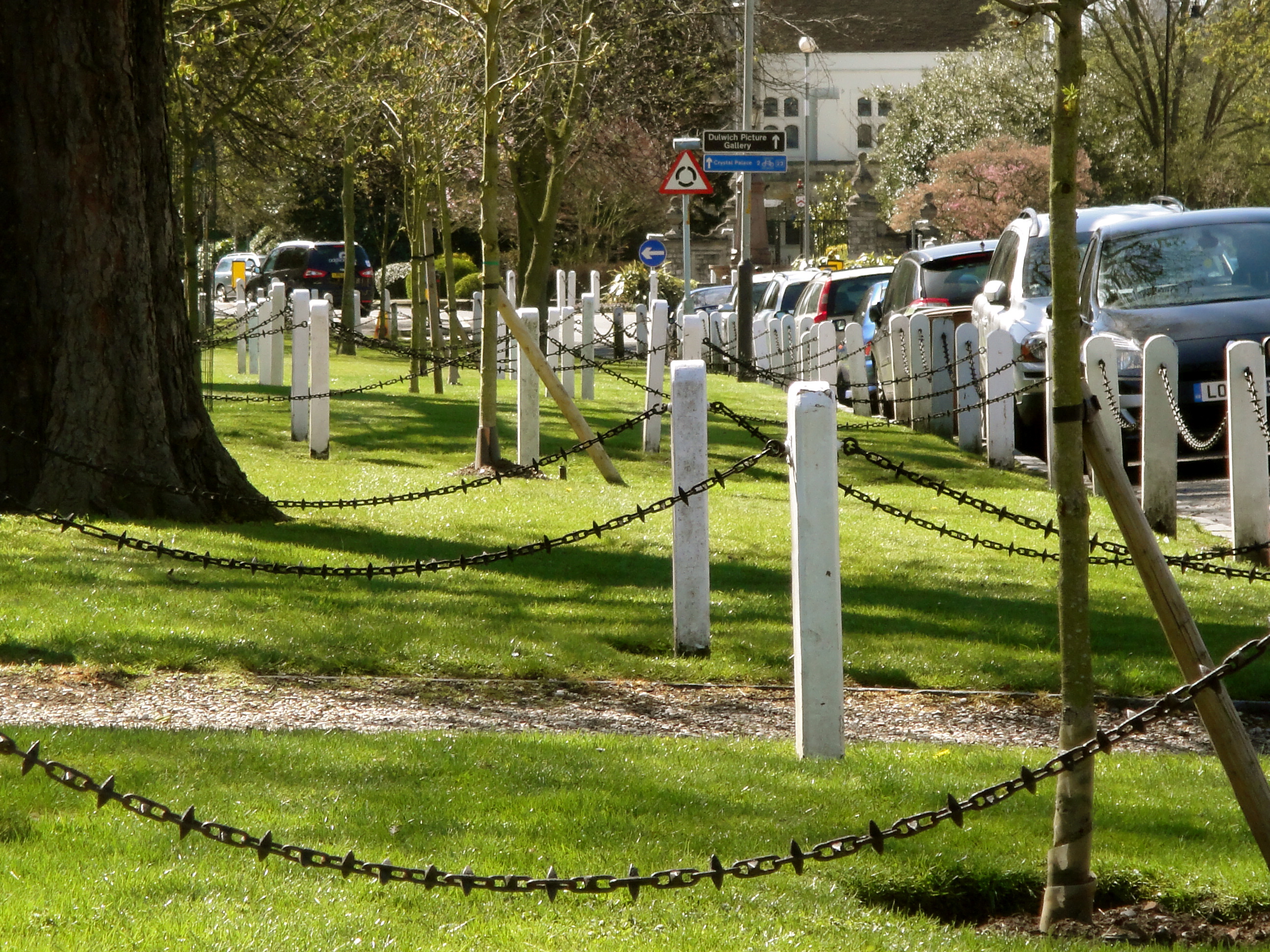
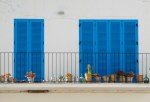
Dulwich Village is, as my photos will demonstrate, a secluded and rather affluent little enclave, full of picket fences, young families of well-oiled business men and plenty of “ladies that lunch”, yummy mummies and the like. Best of all, what with all the wealth and the family living, together with the rather large expenses houses and spacious gardens, the area of Dulwich is particularly green, full of blossoming trees and robust lawns as well as large open spaces such as Dulwich Park which has its very own boating lake, tennis courts and well-manicured gardens. All very civilised. And of course perfect surroundings for a day which felt ripe with the first inklings of Spring.

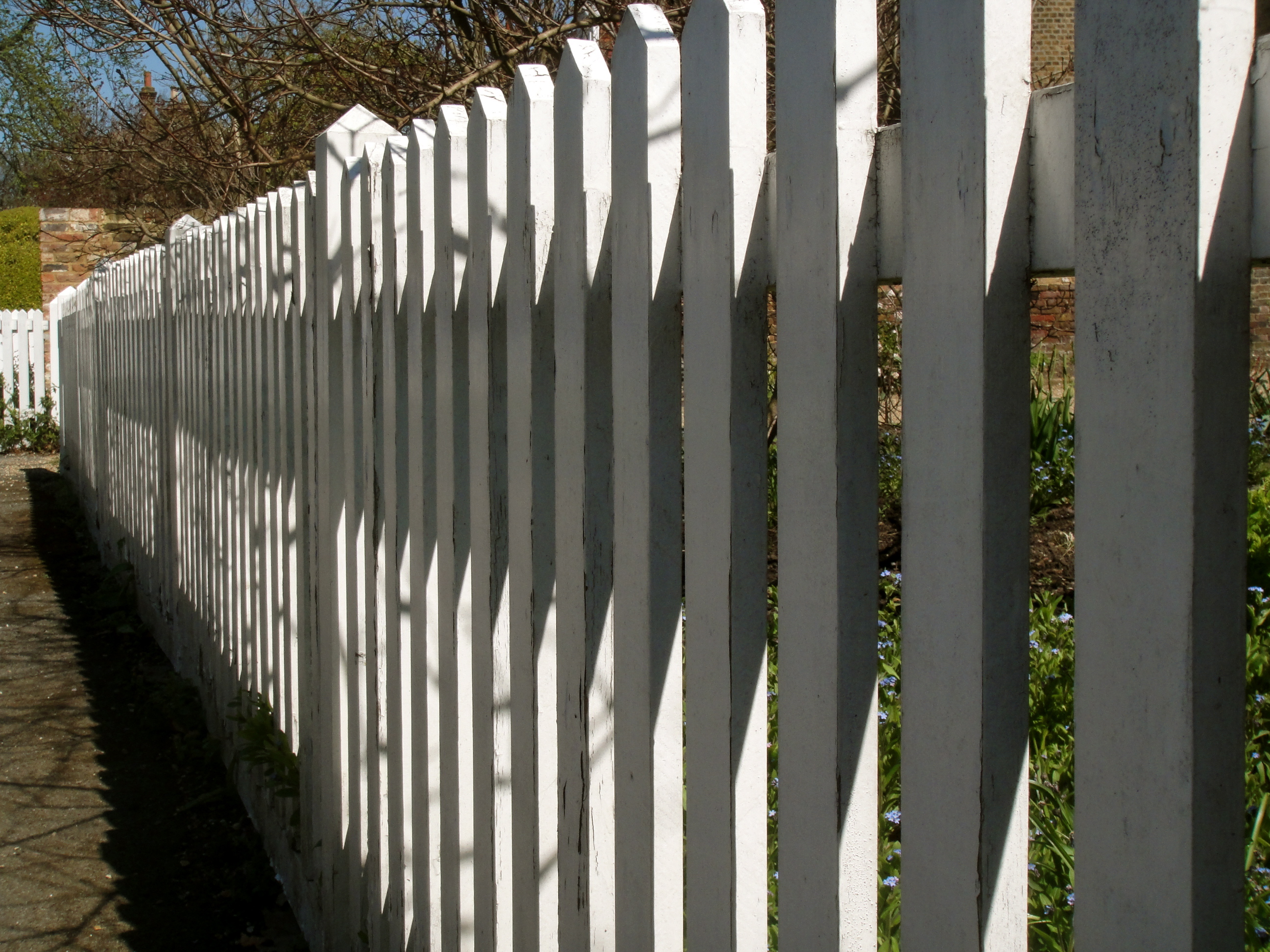
DSC07347 DSC07368 DSC07344

The main purpose of our visit was to visit the Dulwich Picture Gallery, a gallery which is so well-established (and is in fact the oldest public gallery in the UK, opening in 1811 at the bequest of Sir Francis Bourgeois RA) that again I wonder why on earth I haven’t visited before. The gallery, which boasts in its permanent collection a singularly impressive selection of notable artists from Velazquez and Gainsborough, to Rembrandt and Canaletto, is quite small but perfectly formed. This first visit to the gallery had been moreover prompted by a temporary exhibition, Murillo & Justino de Neve: The Art of Friendship,  which, as the name suggests, explores the work of a master of the Spanish golden age, Bartolomé Esteban Murillo (1618-1682), and in particular the particularly prolific body of work he created under the patronage of collector Justino de Neve.

DSC07364

De Neve was a man with some not insignificant sway in 17th century Seville, the city of Murillo’s birth, and managed to secure for Murillo a number of high profile commissions, including works for Seville Cathedral like The Baptism of Christ whose exhibition in this show marks the first time the painting has been removed from Seville Cathedral since it was put there in the 1600s. There are various others of those commissioned religious set pieces in the show which has been curated to represent something of a gloomy baroque atmosphere, with darkened walls, and a central “nave” to the exhibition, lined with large lunette canvases and culminating with the star of the show, the Inmaculada Concepcion de los Venerables, a stupendously ephemeral, light infused portrait of the immaculate conception, boasting all of the trademarks for which Morillo became famous, such as the vaporescent light, idealised figures and soft melting forms. The painting, exhibited for the first time back in the sumptuously carved frame for which it was originally intended, is an incredibly well executed work, with its cascade of angels fading gradually into the distance, and its radiant golden light off-set against the blue of Mary’s robes. Yes, it’s a little saccharine for some tastes, but when seen in the right light, it’s an undeniably impressive almost awe-inspiring piece. Sadly, correct lighting was not something that this gallery did particularly well, with so many of the darker paintings being almost eclipsed by reflective light with the result that one could only see the painting by standing at a very specific and distant angle – it’s luckily the gallery was not busier or I fear everyone would have been vying for the same spot.
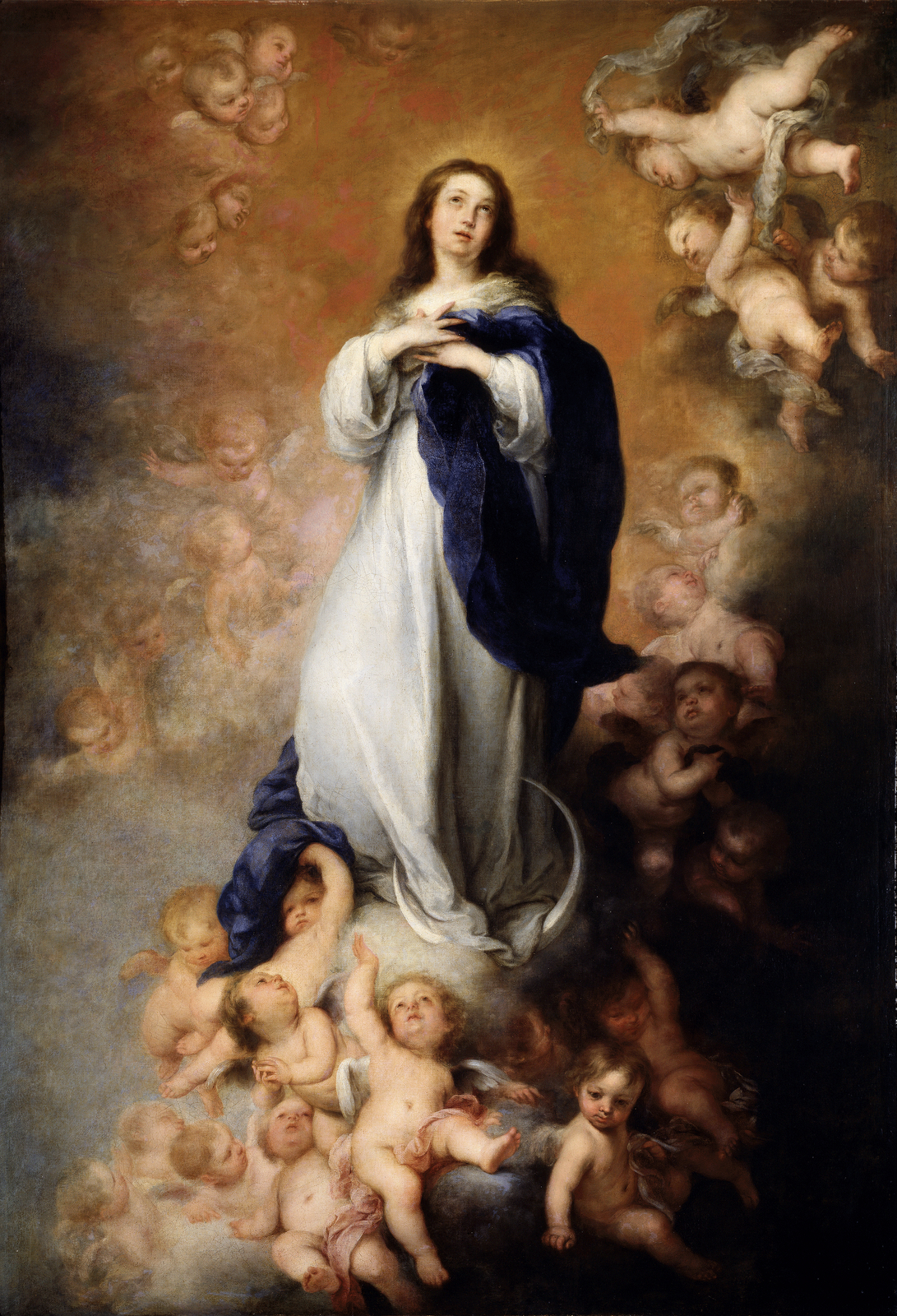
Murillo, Inmaculada Concepcion de los Venerables (1678)

Murillo, Inmaculada Concepcion de los Venerables (1678)

Murillo, The Baptism of Christ (1967-8)

Murillo, The Baptism of Christ (1967-8)

After a stroll around the Dulwich Picture Gallery’s fine accompanying gardens, complete with a winding path suitable for a contemplative perambulation, and various sculptures to tempt the eye, we headed back into Dulwich Village, where the bustling restaurant Rocca seemed a batter choice than the chain fodder of Pizza Express and Cafe Rouge across the way. As the name suggests, the restaurant presents italian fair, but its menu is depressingly anglicised. Pasta with peas and cream, spaghetti bolognese and tagliatelli carbonara – it doesn’t get much more cliché – and the pizzas, which came in a range of ingredient combination, also lacked the innovation (and the requisite crispy thin base) that comes to be expected of modern Italian cuisine. Nonetheless, we started the meal with a delicious octopus carpaccio (pictured) which was well seasoned and marinaded in chilli and oil, while a lemon and orange tart for dessert, in a rich buttery pastry went down particularly well.

DSC07375

We ended our day by strolling around Dulwich Park, another of the vast green areas of which London so can proudly boast to be one of the greenest cities in Europe. Here the sense of familial civility reached its height, with young families and loved-up couples enjoying the warmth and serenity of a first day of Spring, bobbing around in the peddle-boats of the boating lake as they did so; a scene of such unabashed idealism that I  thought for one moment that I could see the golden glow of Murillo’s paintings emanating into the ephemeral space above.
DSC07386 DSC07356 DSC07393 DSC07353

Murillo & Justino de Neve: The Art of Friendship is on at the Dulwich Picture Gallery until 19 May.

© Nicholas de Lacy-Brown and The Daily Norm, 2001-2013. Unauthorized use and/or duplication of the material, whether written work, photography or artwork, included within The Daily Norm without express and written permission from The Daily Norm’s author and/or owner is strictly prohibited. Excerpts and links may be used, provided that full and clear credit is given to Nicholas de Lacy-Brown and The Daily Norm with appropriate and specific direction to the original content.

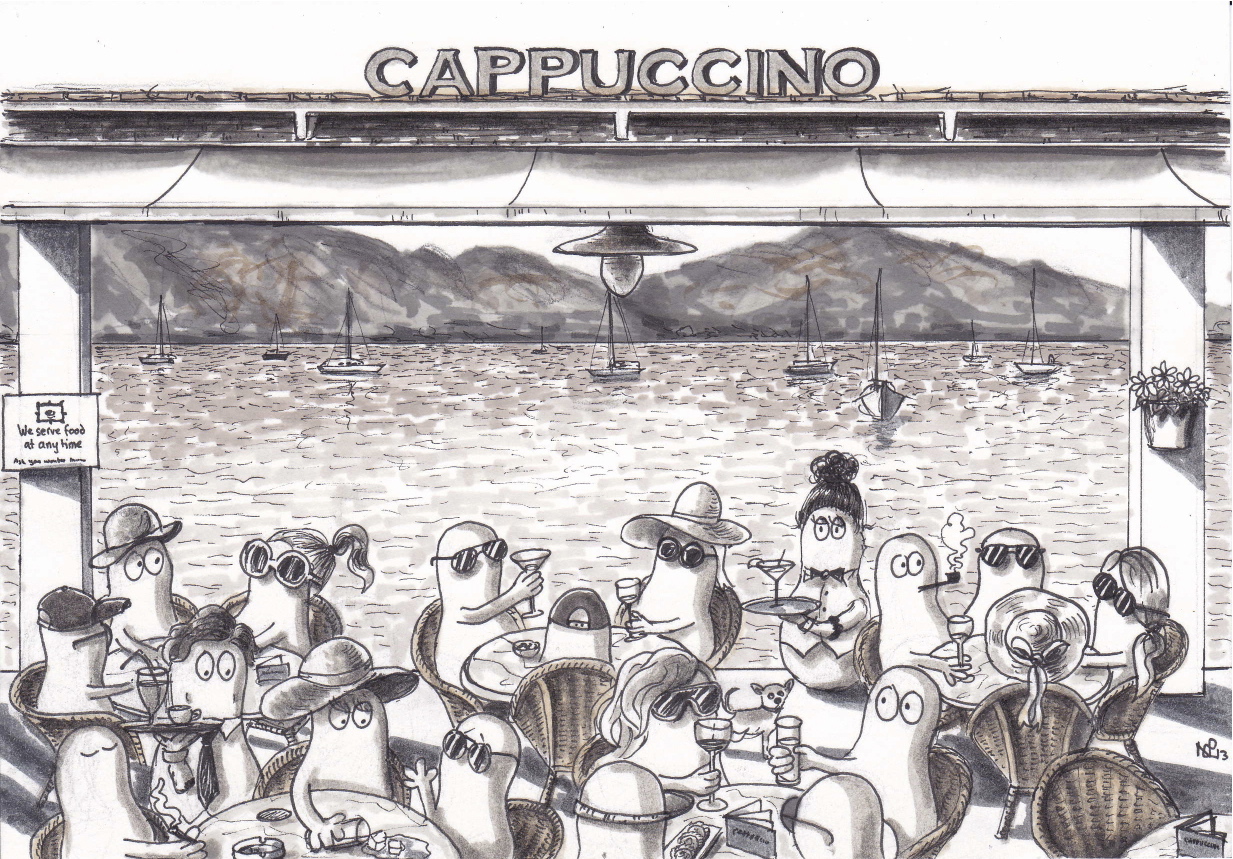
Norms at Cappuccino Pollença

Having spent Easter in Mallorca and the last subsequent weeks indulging in every cherished memory of my time on the island, it’s only right that I should send the Norms out to experience the very same island paradise in my wake. Now Norms are very unassuming fellows – you’d barely even notice them if you came across a bunch on a busy street – but what they do like is a bit of quality, and a fair dose of hedonistic indulgence at that. And despite not actually having noses, these friendly little blobs have a real nose for the good things in life.

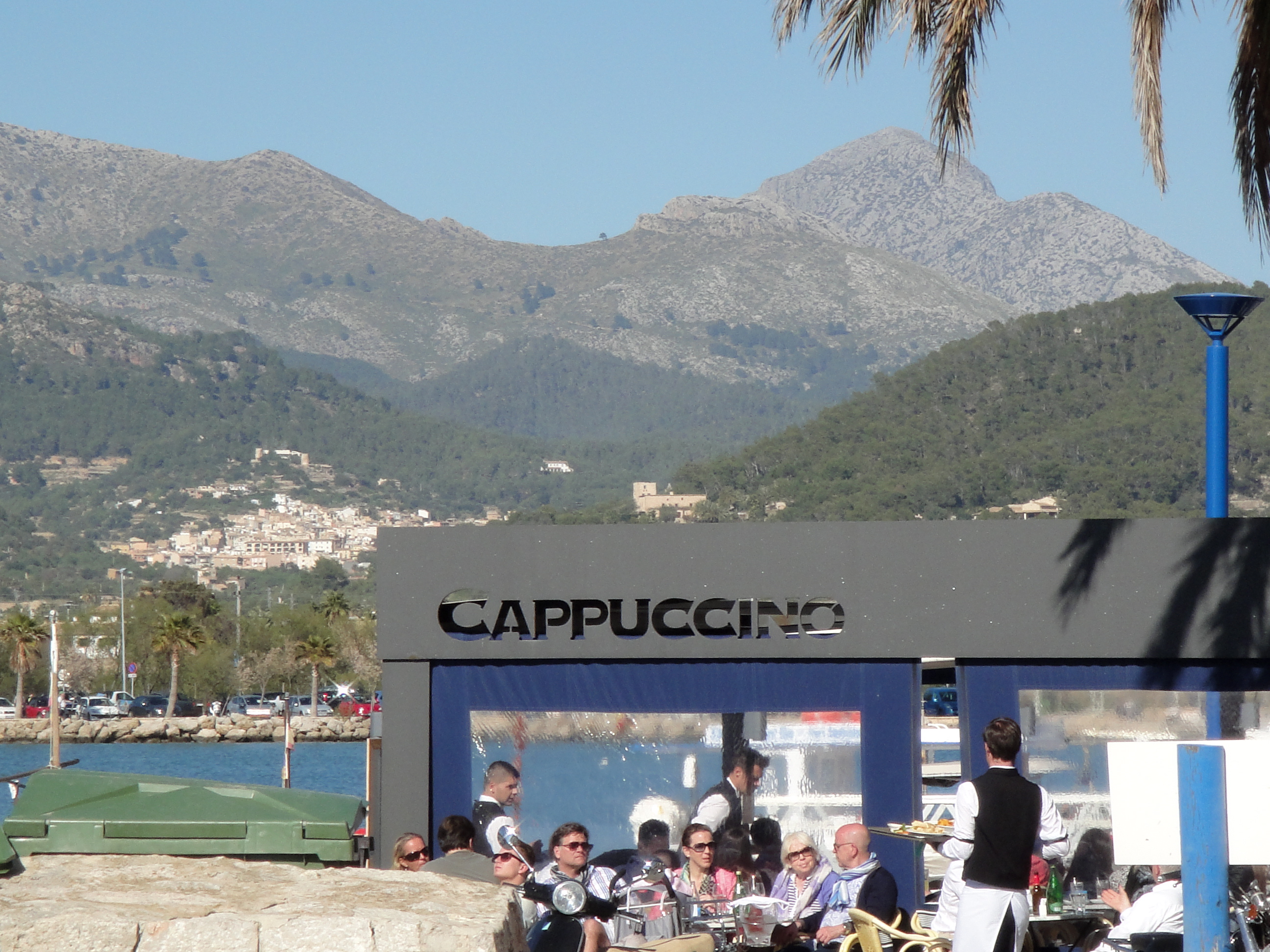
It’s hardly surprising then that no sooner had the Norms landed in Mallorca than they headed straight for the stunning little elysian port of Pollença. And of course having found themselves in this natural little harbour, with its picture-perfect and utterly unique fusion backdrop of sparkling cerulean sea and imposing mountains stretching along the horizon, it’s only right that they should have headed straight for the real gem of the port – the café to see and be seen, the inexorably chic, perfectly located, exceptionally stylish café that names itself after the sumptuous frothy coffee which we know and love – Cappuccino Grand Café.

Norms at Cappuccino Pollença (2013, © Nicholas de Lacy-Brown, pen on paper)
Norms at Cappuccino Pollença (2013, © Nicholas de Lacy-Brown, pen on paper)

Sat on the very edge of the perfect marina, waited upon by faultless waiters decked in crisp white shirts, black arm bands and always a winning smile (Norms smile with their eyes, I should point out), listening to the mellifluous relaxed soundtrack compiled by resident DJ Pepe Link, lunching upon super-fresh sushi and an oozing creamy banoffee pie, and perfectly located to gaze in wonder at the stunning harbour-side views, what Norm could ask for more? I have a feeling these Norms could be at Cappuccino for some time…

© Nicholas de Lacy-Brown and The Daily Norm, 2001-2013. Unauthorized use and/or duplication of the material, whether written work, photography or artwork, included within The Daily Norm without express and written permission from The Daily Norm’s author and/or owner is strictly prohibited. Excerpts and links may be used, provided that full and clear credit is given to Nicholas de Lacy-Brown and The Daily Norm with appropriate and specific direction to the original content.

Mallorca (Part X) – Photography Focus 3: Favourite Shots

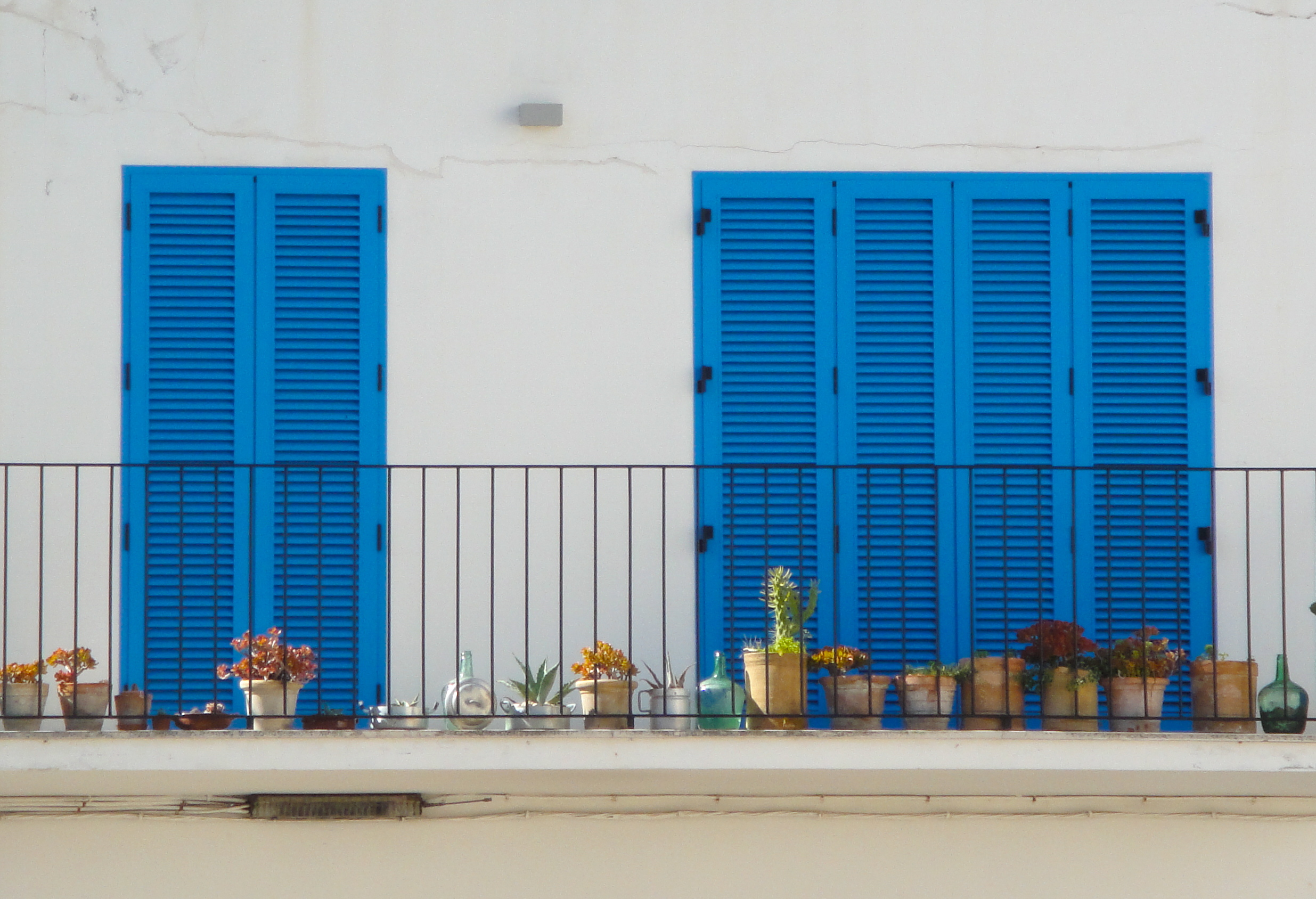
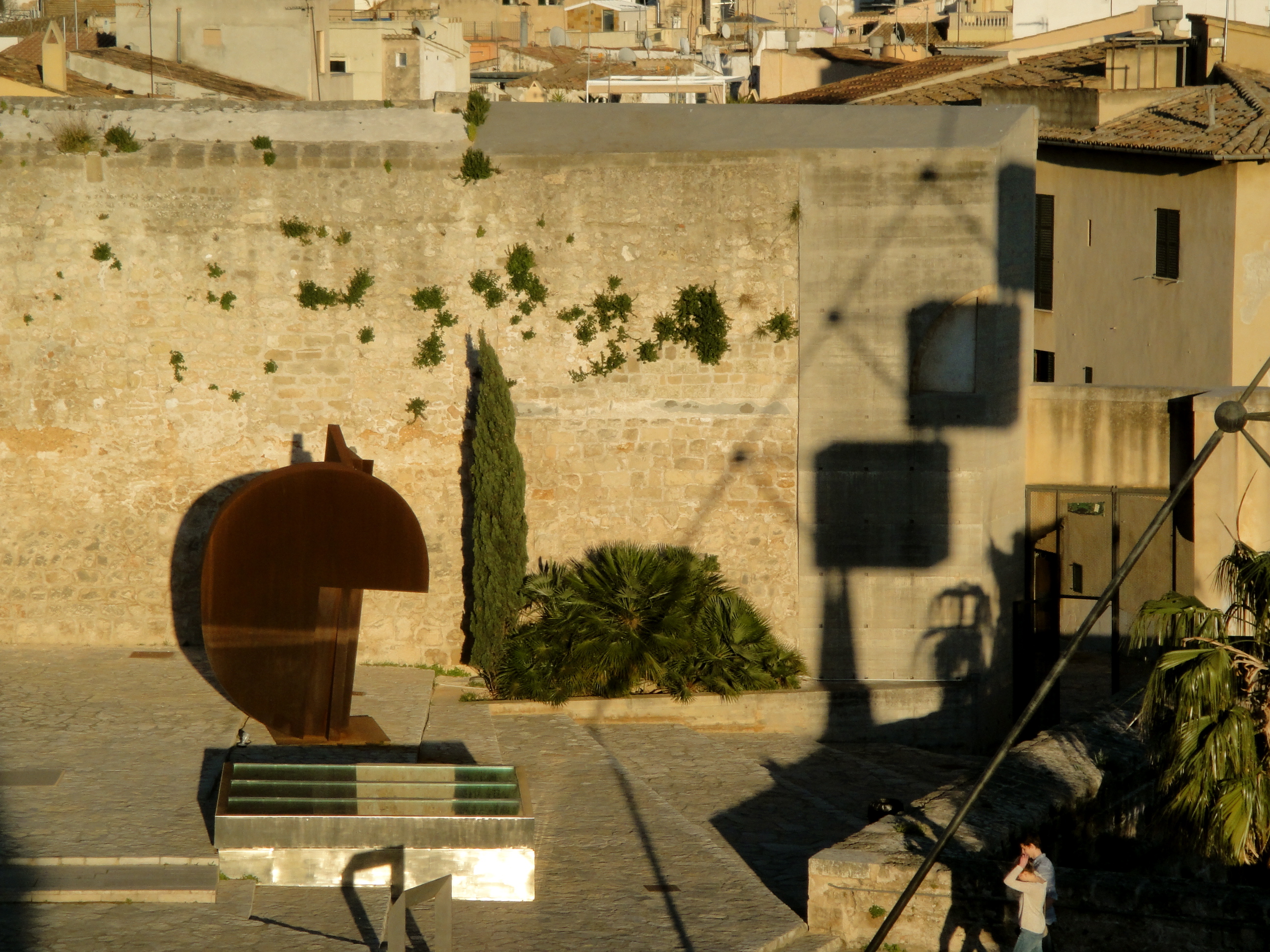
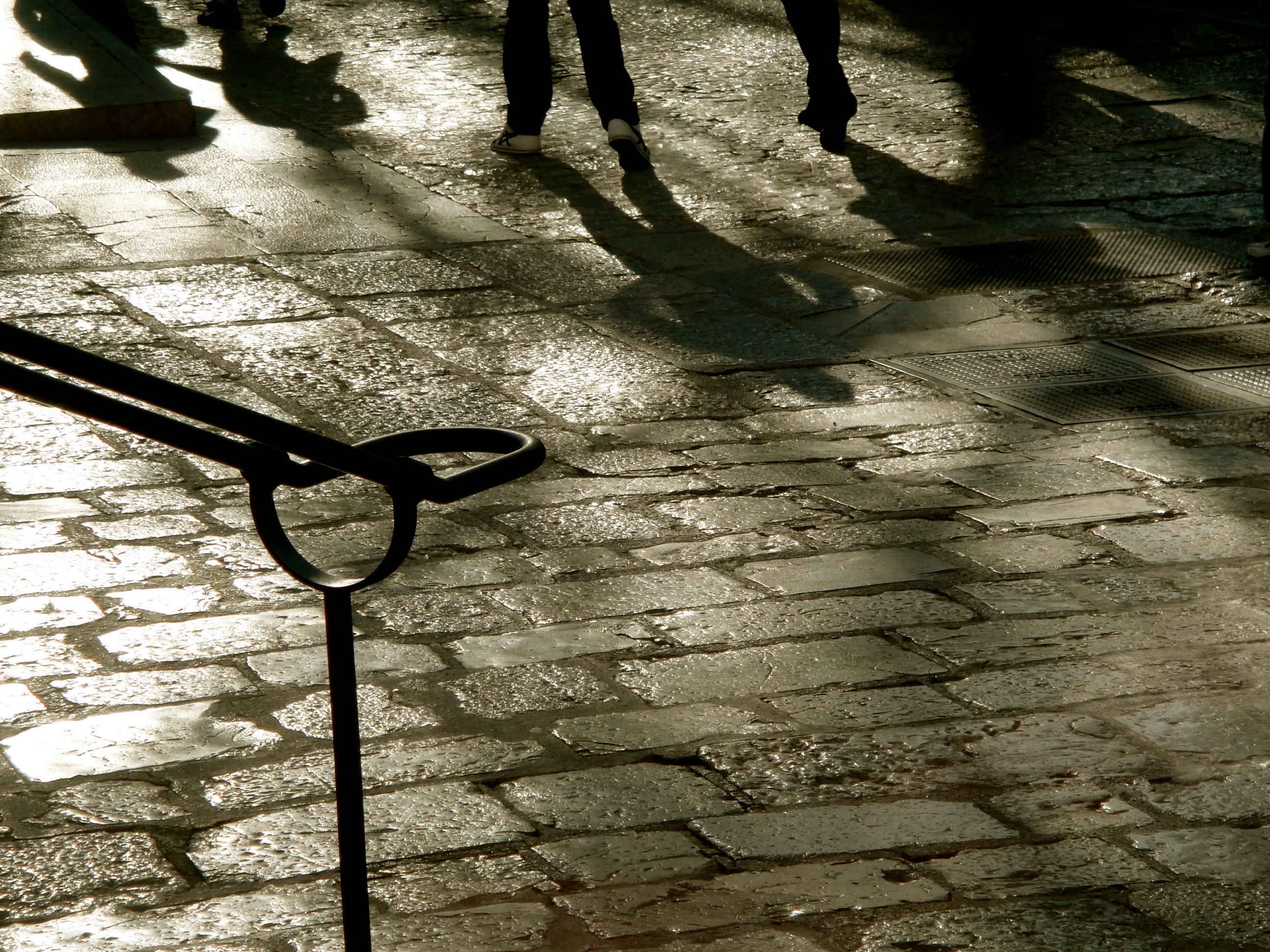
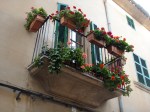
A super-season of Mallorca posts closes with a collection of some of my favourite photographs of the bunch. Consistent with the photographs posted with my 9 previous Mallorca posts, these shots are characterised by the indefatigable spread of resplendent colour across the island, by the elegant historical streets of Palma and by the luscious coastal scenery. They exude the caressing warmth of an early summer’s sunshine, creating complex images interlaced with delicate shadows which add a second dimension to the subject captured; they are a manifestation of the tradition and charm which is inherent within every narrow street or cracking green shutter, in the ritualistic Easter parades, and the dominating influence of religious ideals; and they are a an assemblage of now cherished memories, tastes and sensations, collected together for prosperity.

DSC05749 DSC07136 DSC06231 DSC07130DSC05714

From lush cacti by the dazzling Mediterranean sea and sundrenched geraniums in a picturesque patio garden, to the perfectly geometric classical architecture of the Cathedral and the palaces of Palma, to sunsets, and plant pots and fountains and street furniture, these are the details of Mallorca which caught my eye, small hidden gems which can so often be lost in the spread of a wider landscape or ignored by comparison with the grand spectacles on offer all around: Art in themselves, but made all the more desirable within the carefully measured composition of a photograph. I hope you enjoy them as much as I did taking them.

Thanks to everyone who followed my Mallorca trip on the Daily Norm. For now, it’s back to England, the land of the Norms who are surely due a post or two. But coming soon not too long down the line: Provence. See you then!

All photos and written content are strictly the copyright of Nicholas de Lacy-Brown © 2013 and The Daily Norm. All rights are reserved. Unauthorized use and/or duplication of the material, whether written work, photography or artwork, included within The Daily Norm without express and written permission from The Daily Norm’s author and/or owner is strictly prohibited. 

Mallorca (Part VIII) – Photography Focus 2: Modernista Architecture

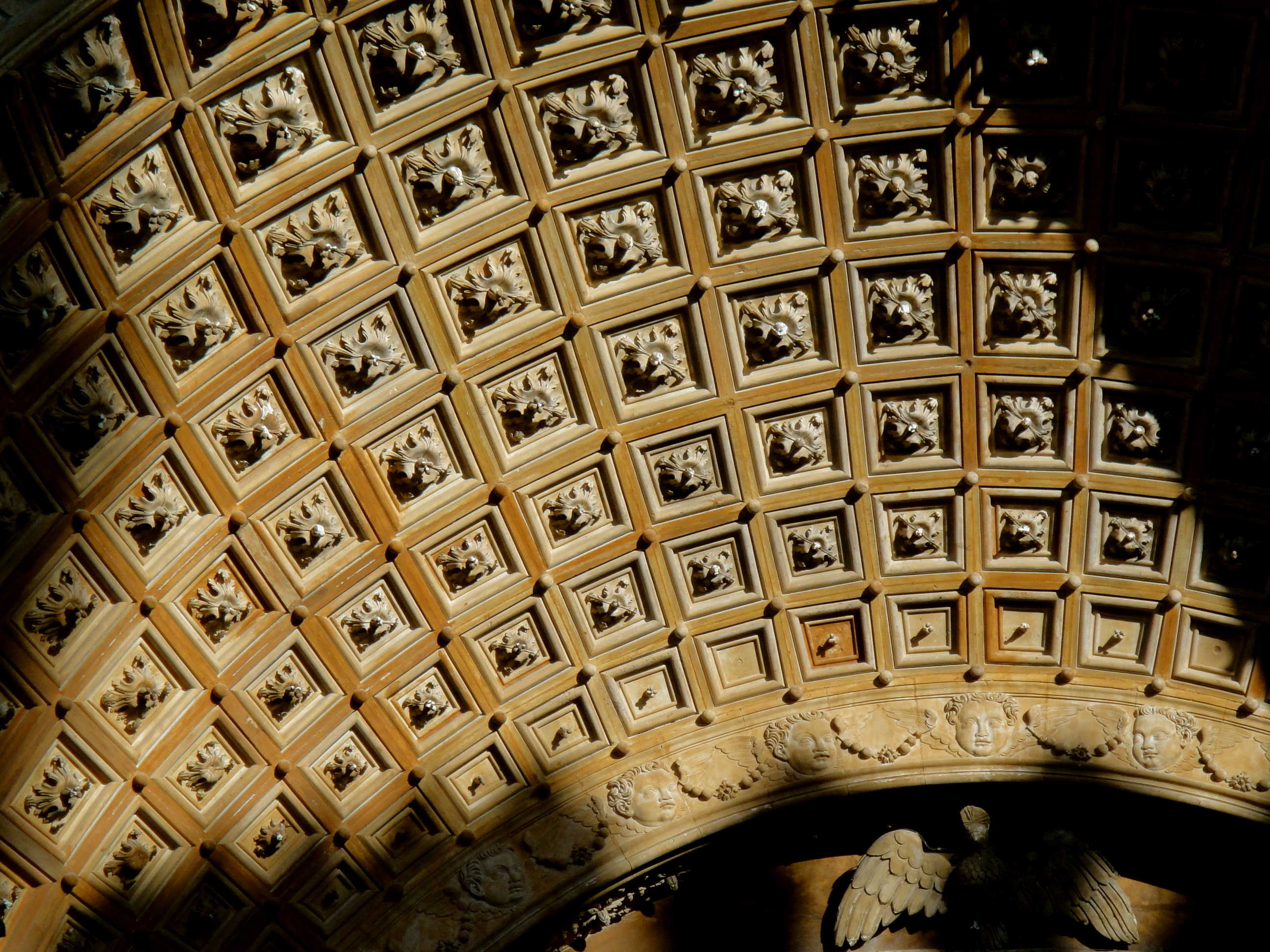
As readers of my Valencia series of posts back in February will know, I am a huge admirer of architecture, both ancient and modern. But perhaps my favourite style of architecture is a period sitting somewhere in between – an era when curved decorative lines replaced rigid linear forms, when natural forms such as flowers, leaves and waves appeared to sprout, almost like nature has regained supremacy over man, from the plasterwork and wrought iron of buildings, and when aesthetic considerations reigned over calculations of cost and practicality. I am of course talking about the era of the art nouveau, which, in a progressively more industrialised Catalonia at the beginning of the 19th Century, had its very own, perhaps more eccentric off-shoot – modernisme.

While perhaps not as abundant as the prized examples of modernismo architecture which can be found in the city of Barcelona, a lesser known collection of what are quite frankly gems of the period are ripe for discovery in Palma de Mallorca. Palma was developing a wealthy and increasingly outward-looking bourgeoisie by the end of the 19th century, and come the 1900s, the development of wealth and industry, as well as an increased awareness and pride in Catalan identity, encouraged the rich of Palma to display their wealth in a progressive and concrete form – through the construction of modernist palaces.

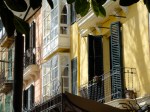
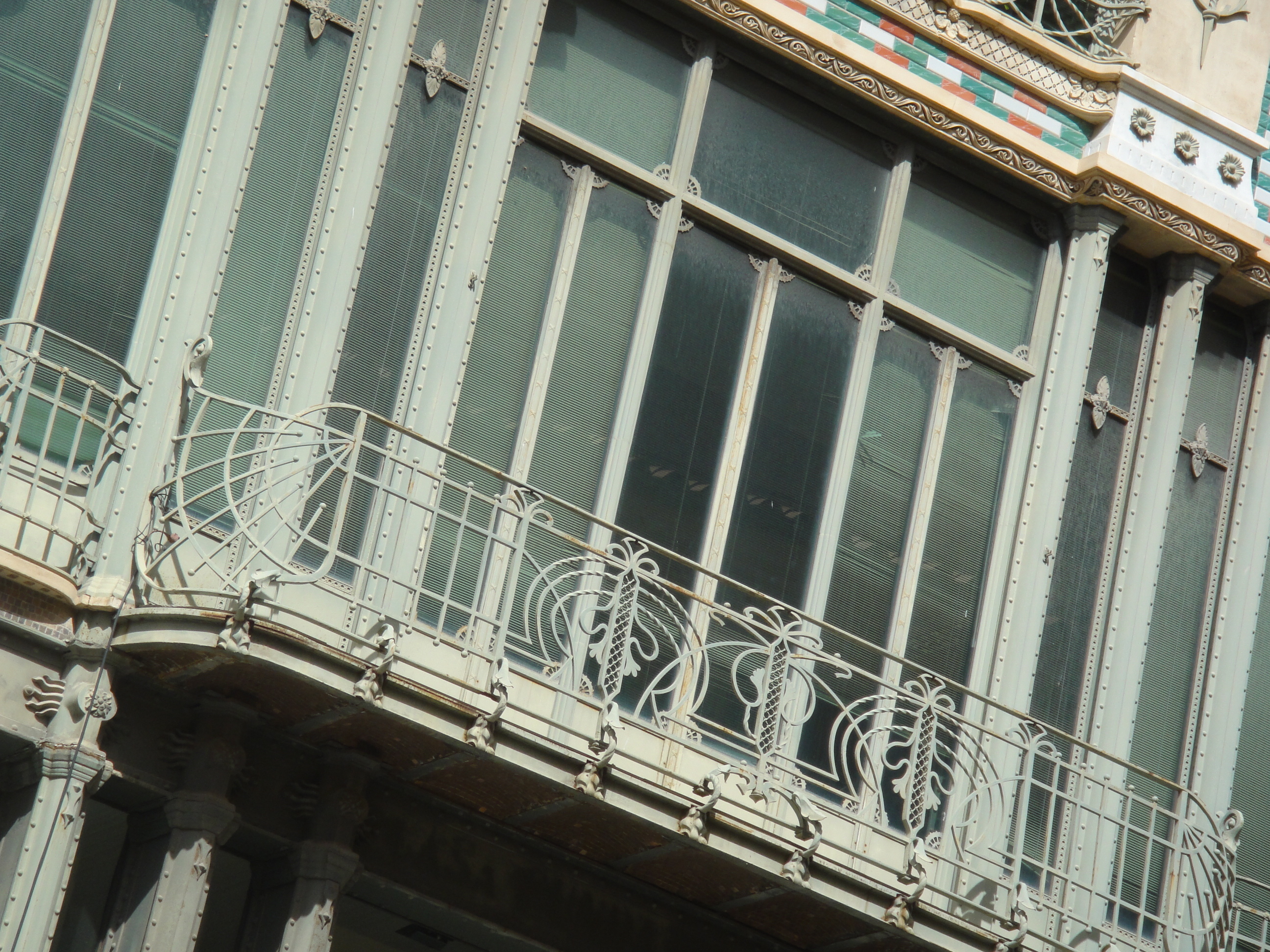
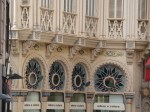
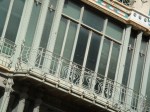
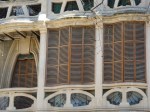
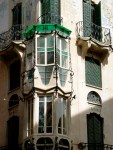
DSC06449 DSC07239The Cassayas apartmentsWindow detailing on the Can ReiWindow of L'Aguila

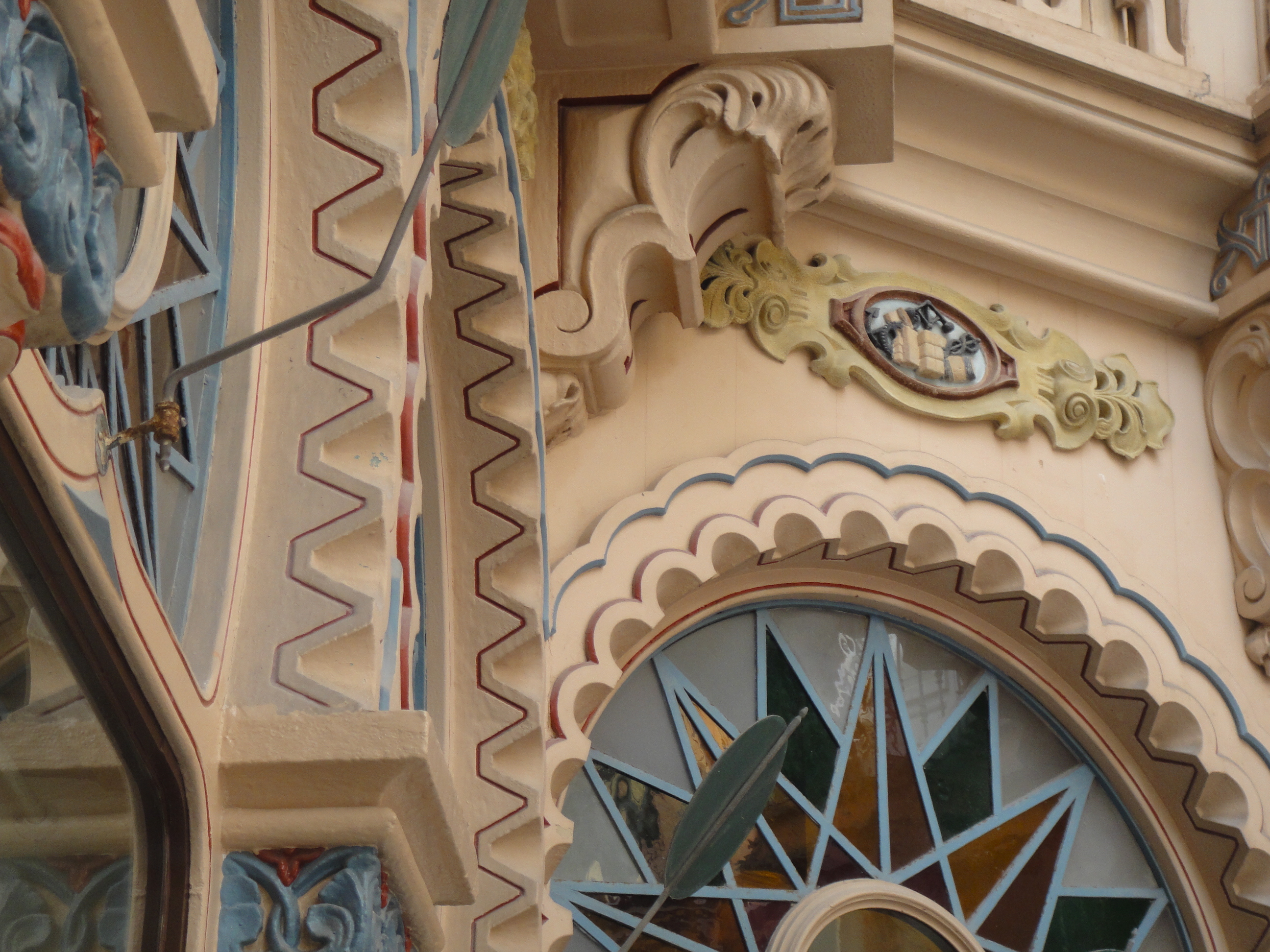
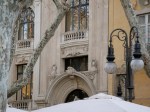
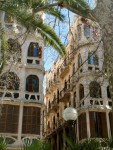
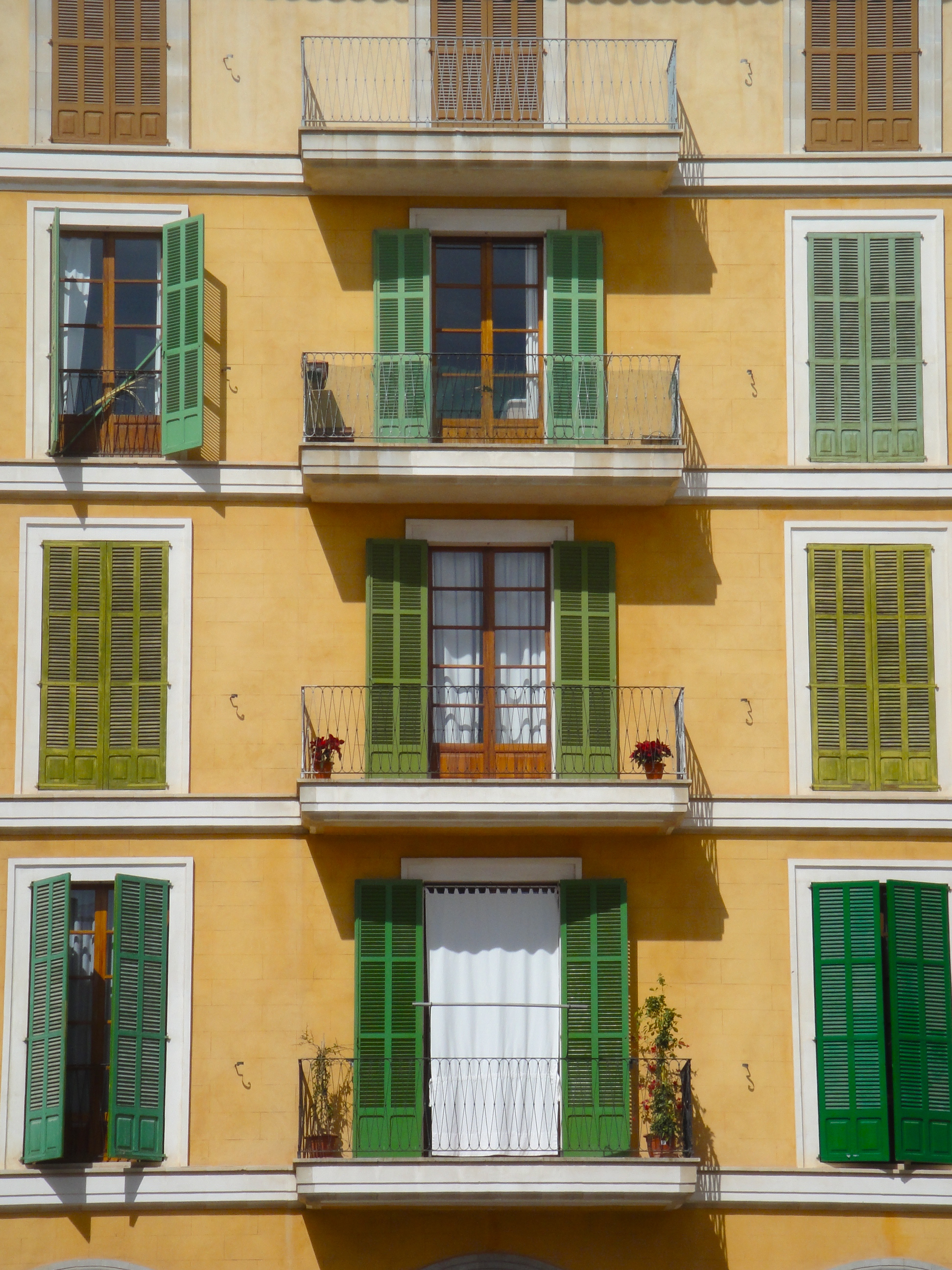
The result is a central core of Palma (from the Passeig de Born Eastwards to the Placa Major) which is full of surprisingly rich examples of modernismo, surely second only to Barcelona, who’s most famous proponent of modernismo, Antoni Gaudi, himself spent time in the city of Palma, overseeing the restoration of Palma’s cathedral. While Gaudi did not add any of his infamous weird and wonderful architectural creations to the streets of the city, many of his rivals in Modernisme did. These included Lluis Domenech i Montaner, who built the lavish Gran Hotel (which is today the home of the Fundacio La Caixa), and Josep Cassayas who built two exquisitely curvaceous twin apartment buildings on the Placa Mercat, just opposite the Gran Hotel. I love in particular the detailing of these apartments, for example the curved window shutters which seamlessly align with the curves of the building’s delicate facade.

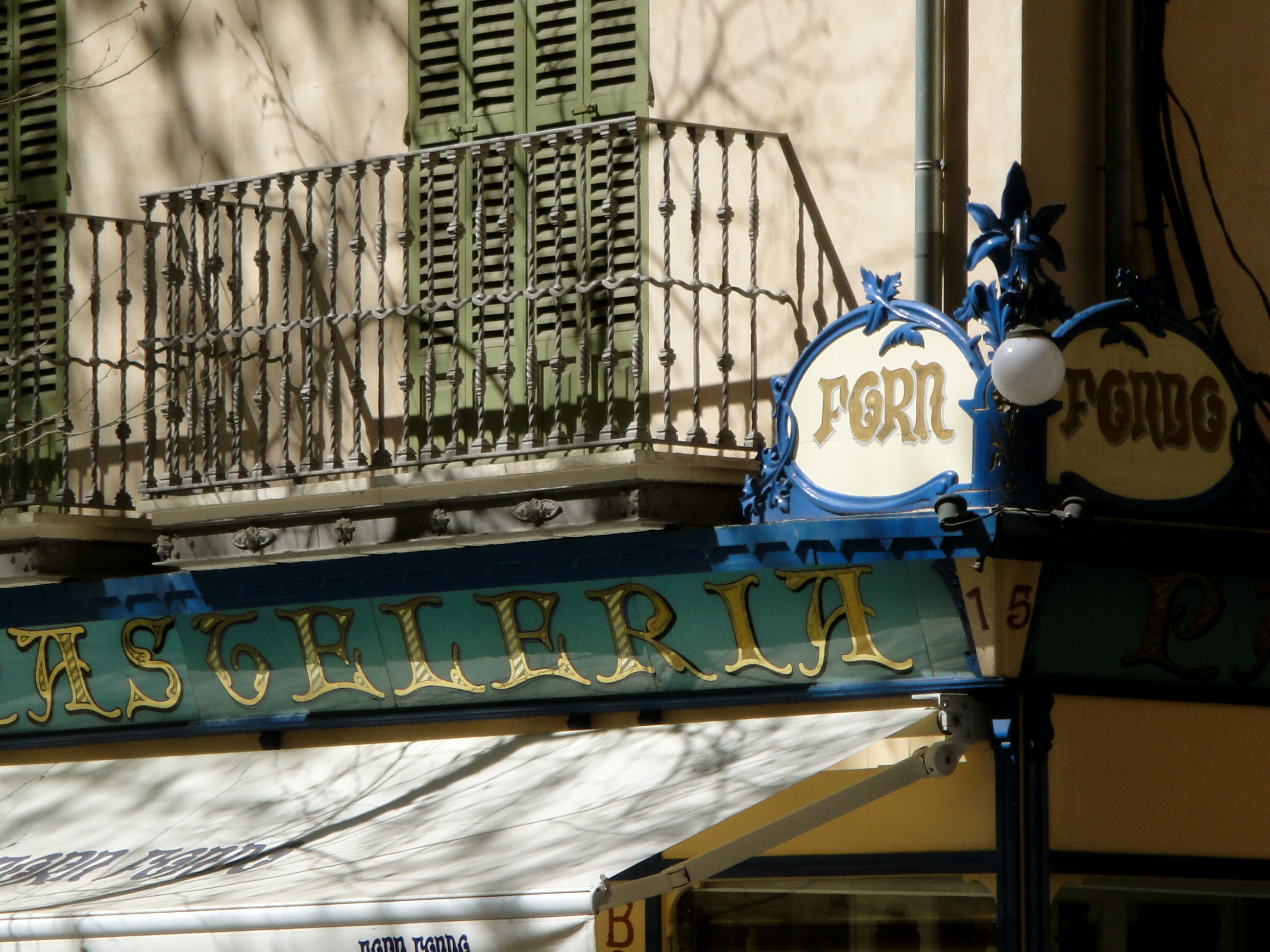
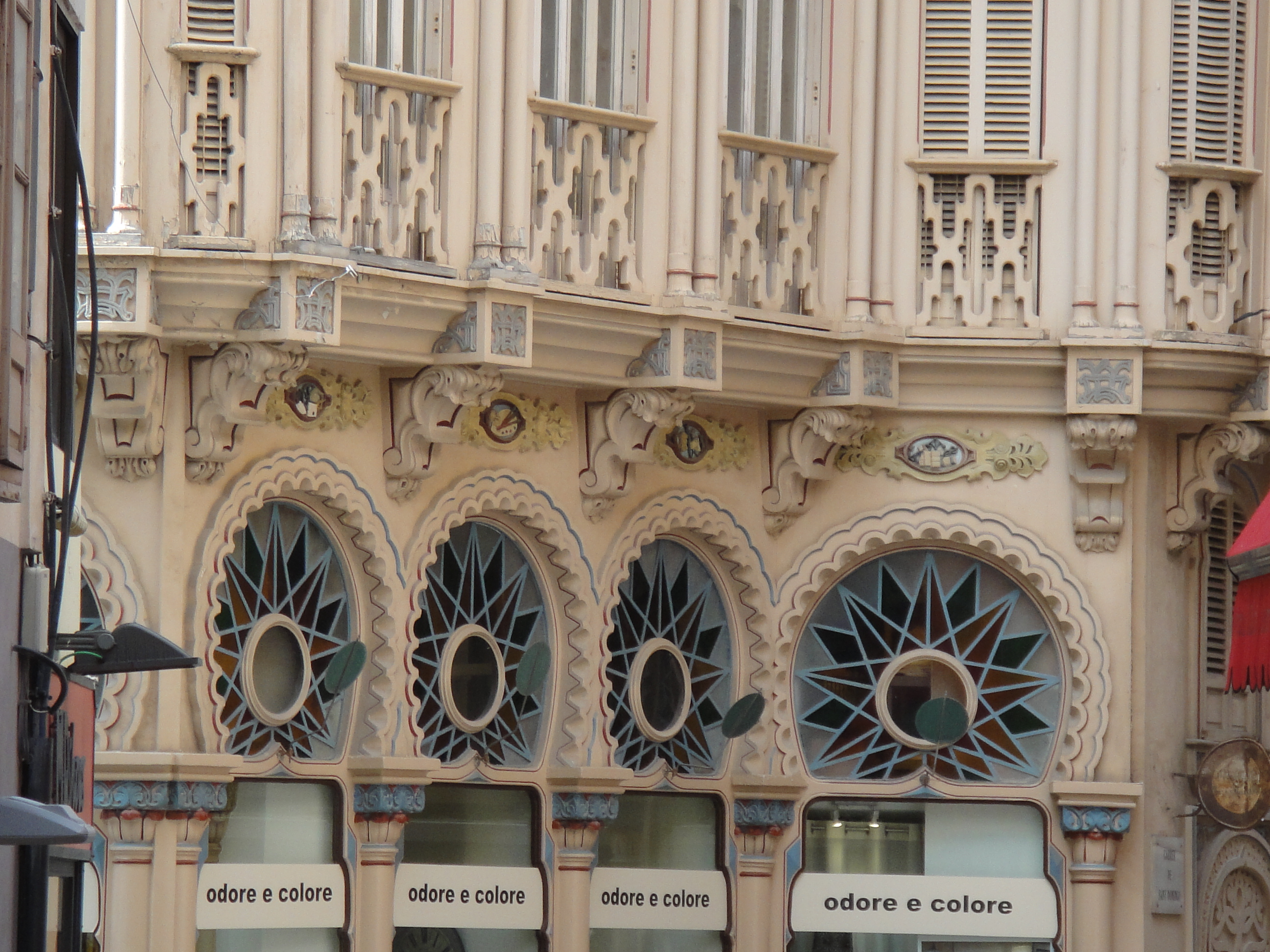
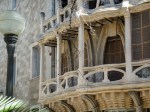
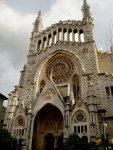
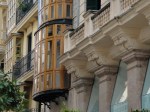
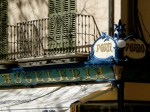
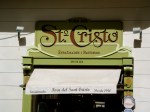
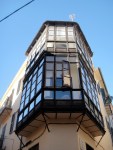
Meanwhile, just south of the Placa Mayor, the Can Rei, which today houses a takeaway of my beloved Cappuccino Grand Cafe, bears the closest resemblance to the great masterpieces of Gaudi, the use of ceramics and floral motifs, as well as balconies flanked with dragons reminding me of Gaudi’s Casa Batllo in Barcelona, while next door, the former department store L’Aguila by Gaspar Bennassar features beautiful geometric windows which appear to forecast the move towards the more linear art deco. Further afield beyond Palma in Soller, the pupil of Gaudi, Joan Rubio i Bellver, made his mark, building the astonishingly original and imposing facade of Sant Bartomeu church, while next door, he constructed the fortress-like structure of the C’an Prunera, which includes a wonderful twin corner balcony and some beautifully complex wrought iron window grilles.A Modernismo shop frontDSC07233Window grill in SollerDSC06789 DSC05757

I leave you with a selection of my photos of these stunning feats of architecture, and in particular many of the details which make the buildings so utterly unique, and aesthetically superior to anything built before or since. In addition, these photos include a few shop fronts which appear to slot seamlessly into the Modernist mood. Palma’s modernist profile is just another facade to this captivating creative city, but one which to my mind is too often overlooked when compared with cities such as Barcelona. As these photos will show, this is yet another reason why Palma should be proclaimed a priority destination of artistic pilgrimage for art and architecture lovers everywhere.

All photos and written content are strictly the copyright of Nicholas de Lacy-Brown © 2013 and The Daily Norm. All rights are reserved. Unauthorized use and/or duplication of the material, whether written work, photography or artwork, included within The Daily Norm without express and written permission from The Daily Norm’s author and/or owner is strictly prohibited. 

Mallorca (Part VII) – Day 4: Palma, city of art

After two days of travel both Westwards along to Andratx, and Northbound along the rickety mountain pass of the Ferrocarril de Soller, we thought that it was probably about time we stayed put in Palma for once. After all, the city is close to bursting at the seams with cultural, gastronomic and historical attractions for the discerning city visitor, so it was only right that we should spend a day pursuing such pleasures (also, being that the Saturday was the one day between an almost solid block of Easter public festivals when all the museums were actually open, we thought we had better make the most of it).

I’ve already mentioned that Palma is a city which is exceptionally well-endowed with art aplenty, especially in proportion to its size. In Palma, not only do you have the temple to contemporary and modern art that is Es Baluard, but in addition there are two museums founded by the formerly super-rich March family, one by Juan March and the other by his son Bartolomé, both of which boast an impressive array of contemporary art; there are various bank-owned foundations, displaying, usually for free, their own permanent collections and temporary exhibitions; and in addition there are a spattering of privately owned art galleries and collections rising up all over Palma’s elegant historic streets.

The Palau March

The Palau March

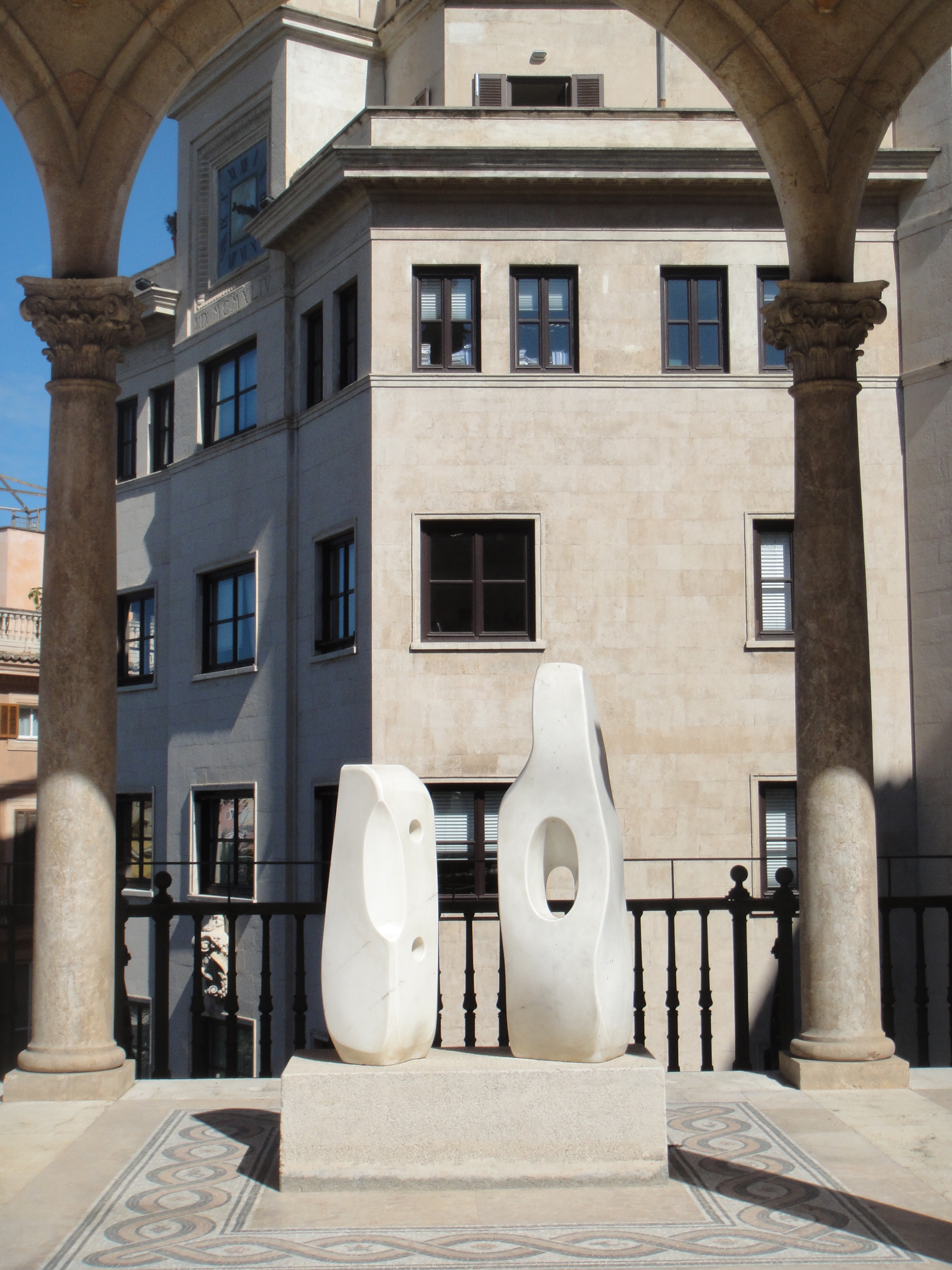
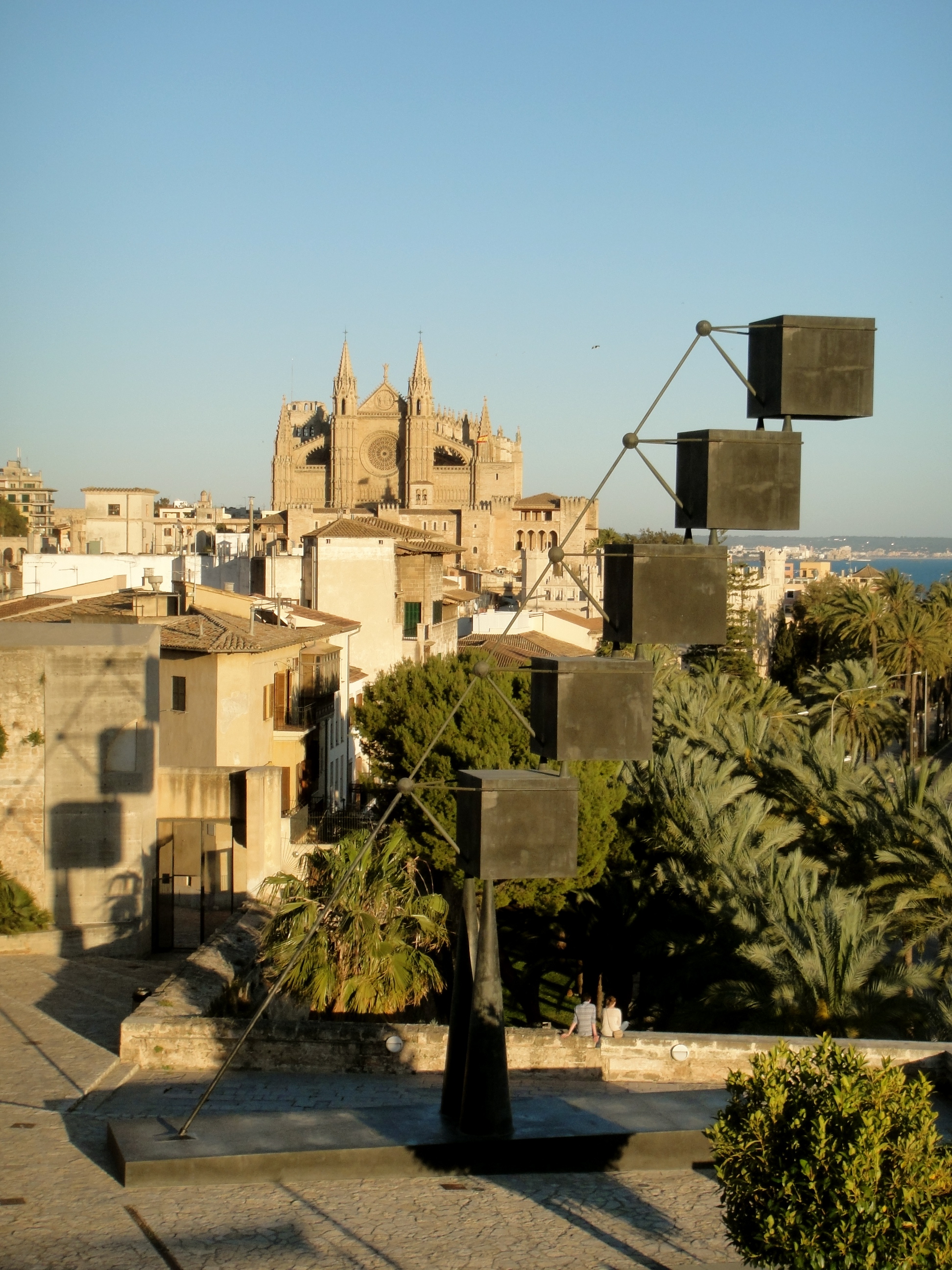
Sculpture out on the terrace of the Palau March

Sculpture out on the terrace of the Palau March

DSC06715

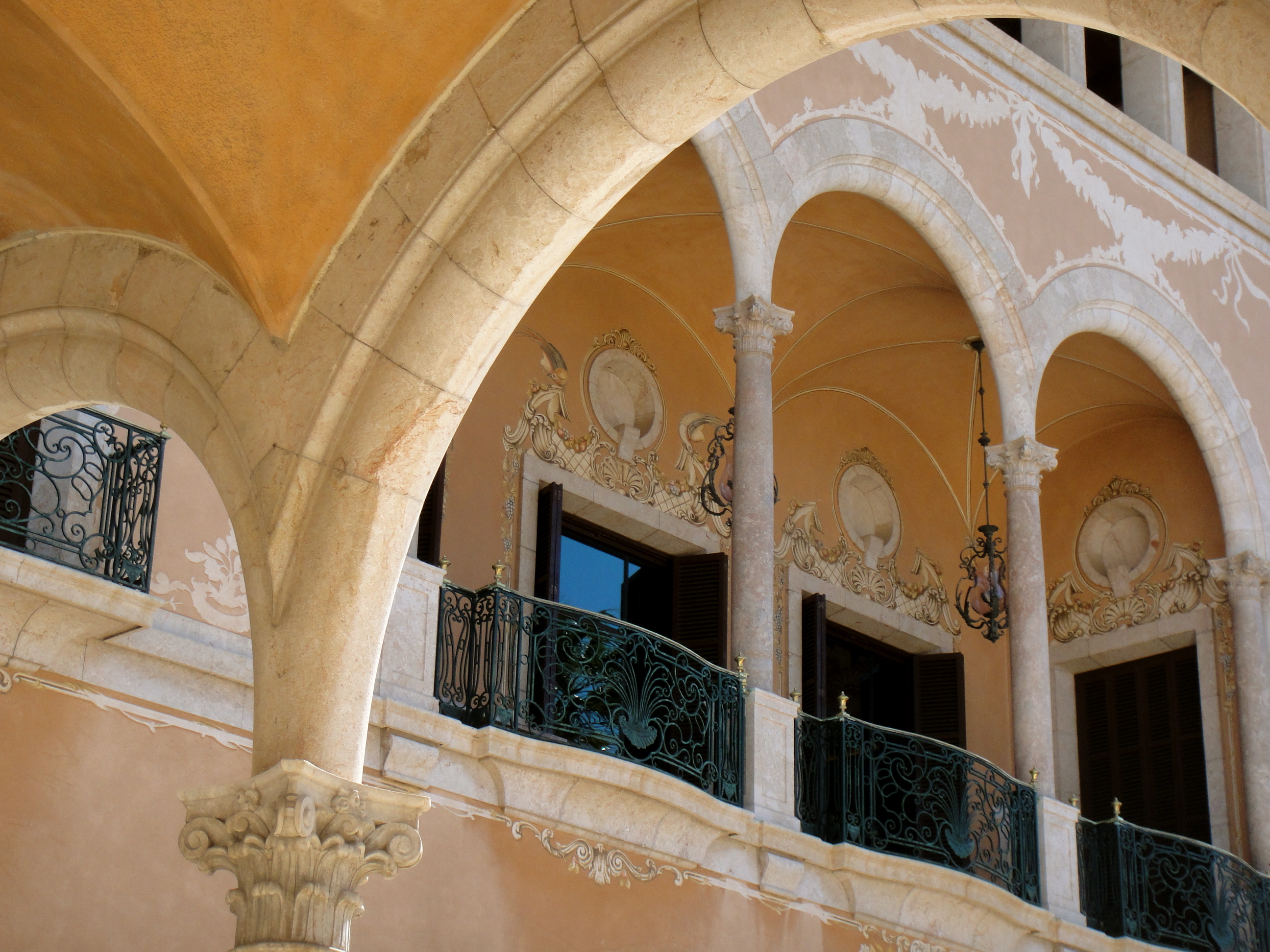
It was to the two March centres of art that we ventured first, starting with the impressive Barbie pink, colonnaded private palace of the Bartolomé March household, the Palau March, which sits astride both the Almudaina palace and the Cathedral, thus demonstrating from its position alone just how unfathomably rich Señor March must have been.

Upon entering the palace, you arrive on an open colonnaded terrace with commanding views over the Avenida Antoni Maura and the port beyond it, views which could however be missed, such are the array of attention-grabbing contemporary sculptures on display. Amongst March’s fine collection are some of the biggest names of 20th century sculpture, from an organic, curvaceous twin structure by Barbara Hepworth, to an impressive bronze torso by Rodin. However, of the various sculptures on show, our favourite had to be the sculpture by Joan Robert Ipousteguy (Untitled, 1920), an entirely captivating piece, were an almost fused interlocked embrace of two lovers carved in a smooth rounded marble is interrupted by the odd hole or chasm, inviting the viewer to peer into the sculpture for the details which lay, almost hidden from view, inside the marble, such as the passionately intertwined tongues of the kissing lovers, to a view of a small air pocket, seemingly created in the gaps between their bodies, in which defined body parts can just about be made out. How the sculptor achieved such startling detail in the most inaccessible of places I will never know.

Hepworth, Autumn (1966)

Hepworth, Autumn (1966)

Joan Robert Ipousteguy (Untitled, 1920)

Joan Robert Ipousteguy (Untitled, 1920)

Inside the Ipousteguy

Inside the Ipousteguy

Rodin torso

Rodin torso

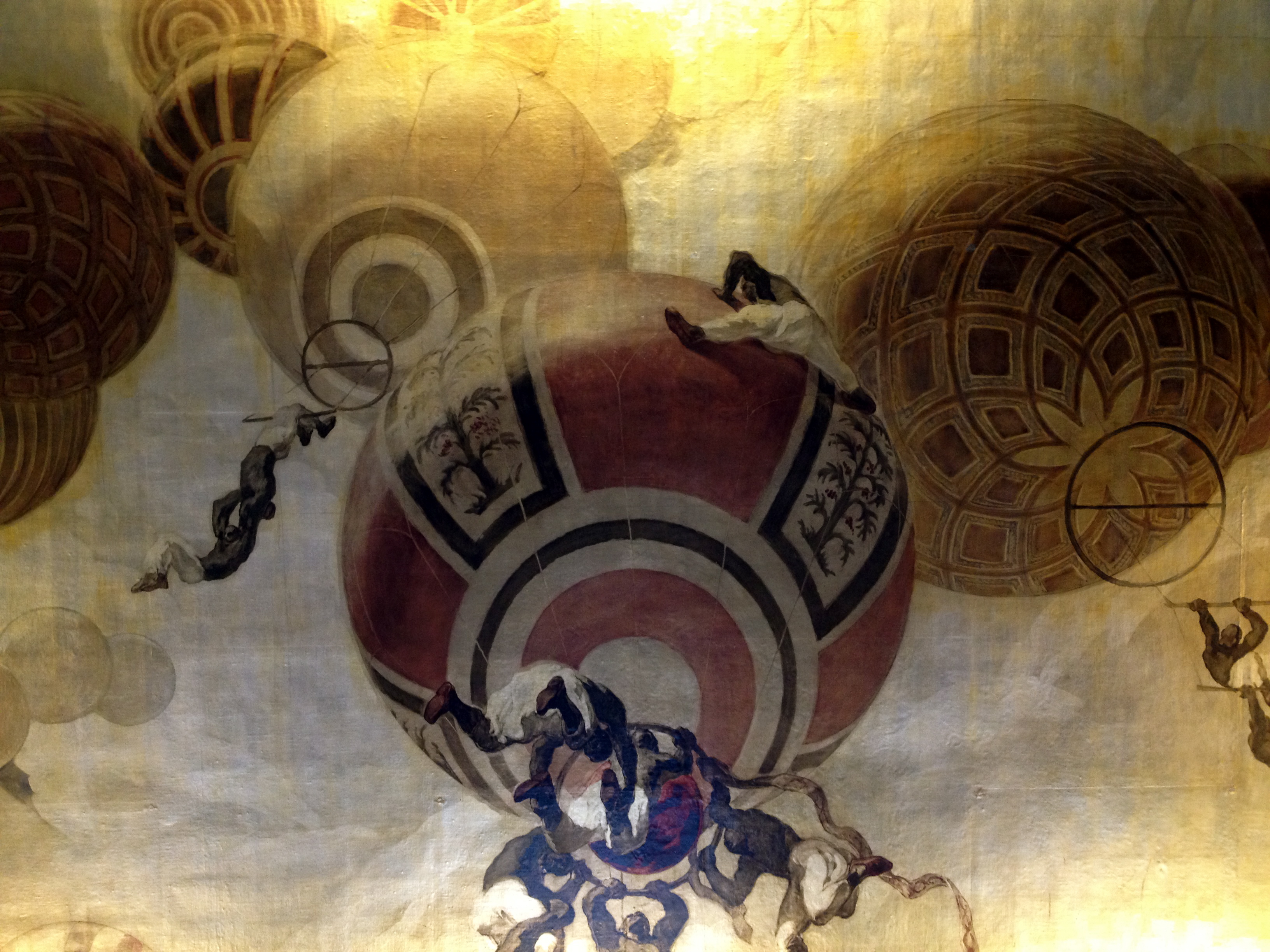
Having been enthralled by the sculpture on the outside, we were equally captivated in the inside of the palace, first by a vast 18th century Neopolitan nativity scene, full of fantastic details, including scenes of whole villages, shops, dwellings and landscapes asides from the main nativity scene; second by a collection of superb Dali print works, which were religiously charged throughout. Then, moving upwards through the palace, we gazed in wonder at some of the ceiling frescos which had been painted there, as recently as the 1940s. One scene in particular, in which a series of gymnasts hanging off variously sized hot air balloons were rising and falling in the illusionary airspace, was particularly original in its depiction – it certainly beats the normal scenes of cherubs and angels.

IMG_3883 DSC06725

Leaving the palace, and soaking in sunshine over a cafe on a cobbled terrace beyond, we headed up through the colourful yellow and green Plaça Major, full of street performers and excitable tourists and locals alike, past Palma’s ancient olive tree, and onto the second of the March cultural foundations, this time founded, from what I can gather, by Bartolomé’s father, Juan March. His collection forms the Museum of Contemporary Spanish Art a superb collection of the Spanish greats such as Dali, Picasso and Miro as well as many lesser well-recognised names. While the collection is quite small, it’s free to see, and held within the beautiful old palace where Juan March was born.

The Plaça Major

The Plaça Major

DSC06462 DSC06458

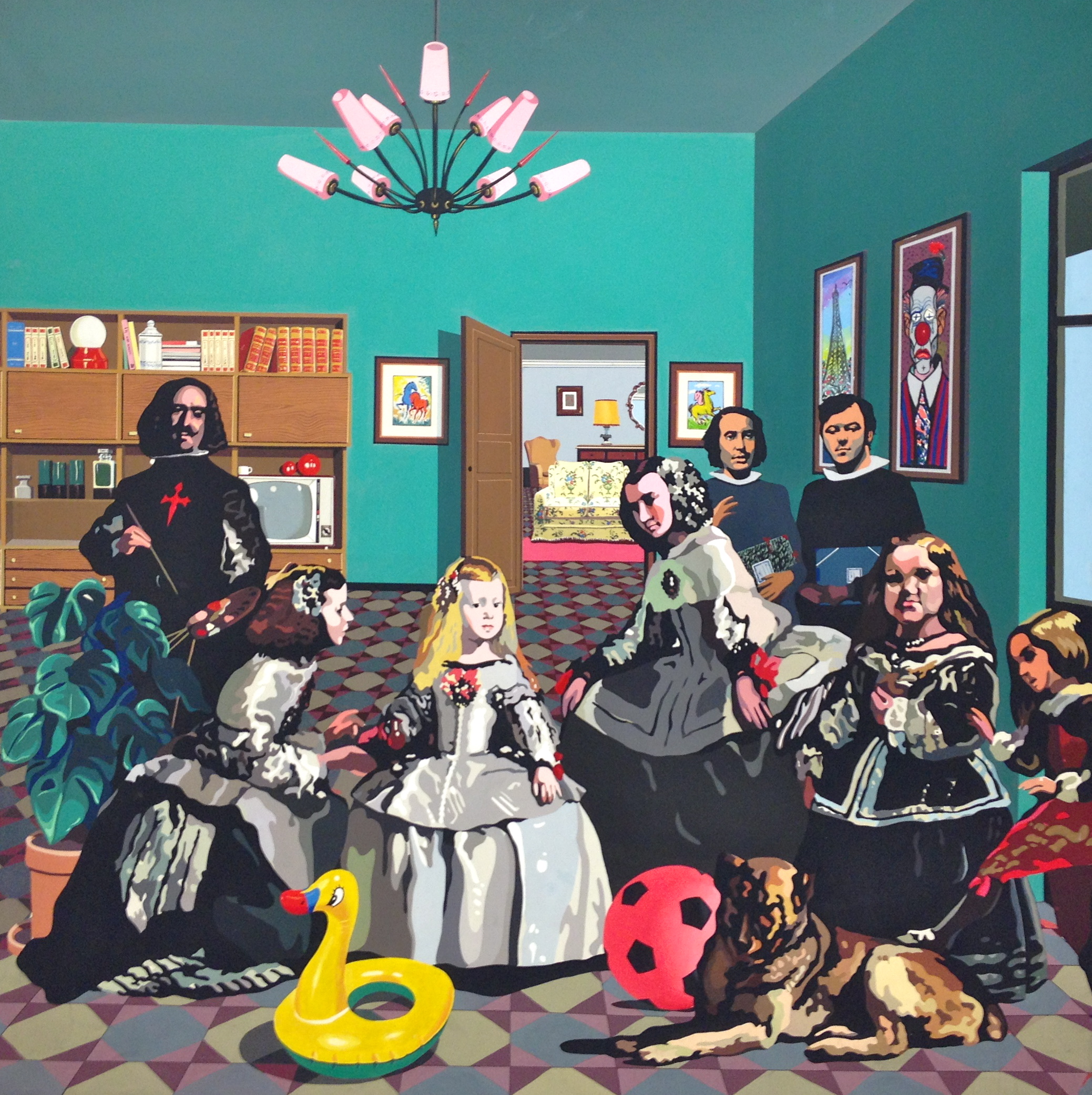
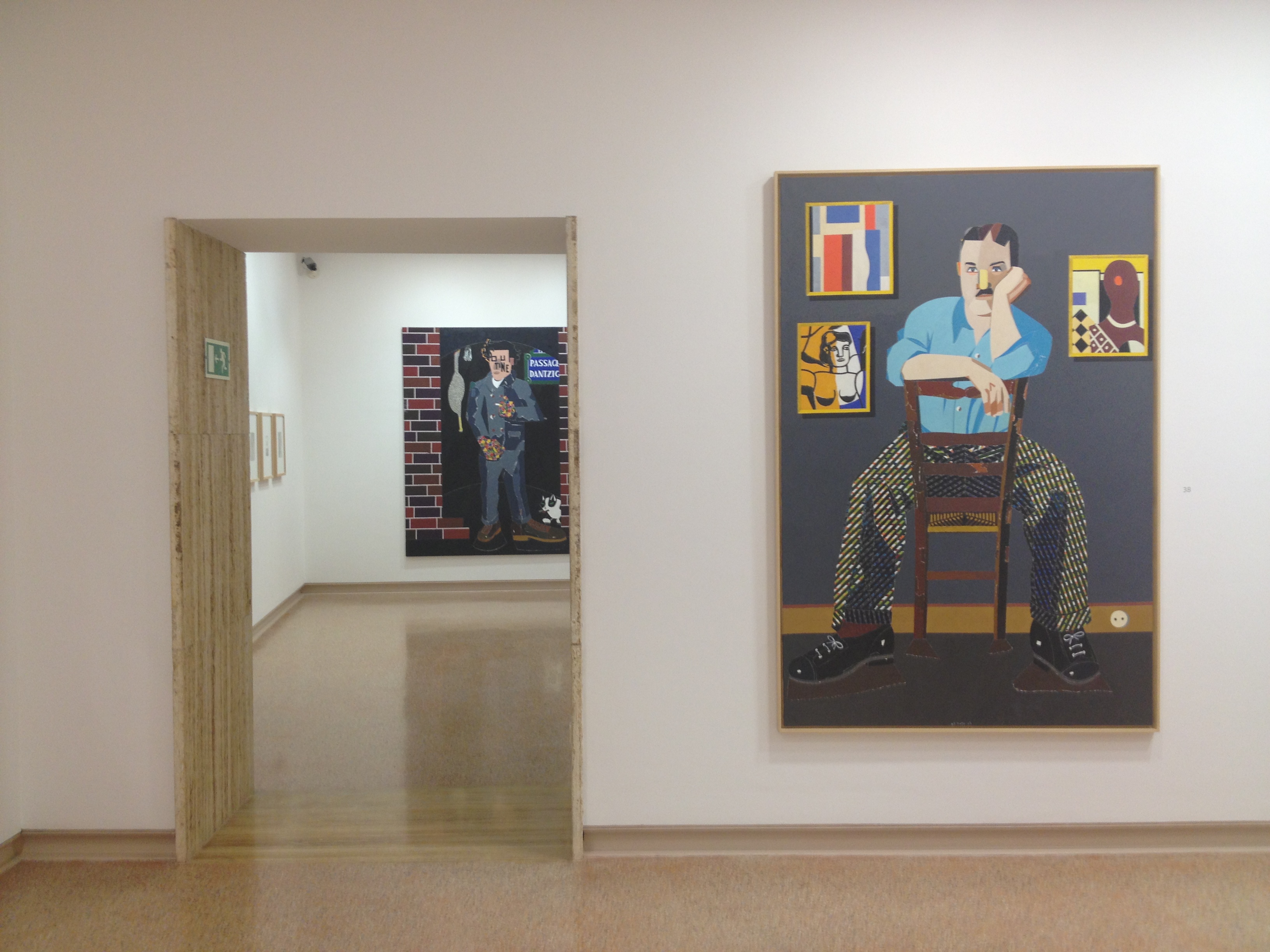
My particular favourite of the collection was the transformation of Velazquez’s famous Las Meninas into a modern domestic scene by Spanish art duo, Equipo Cronica. As I have since discovered, this is one of many reimaginations that the duo have made of Las Meninas and other iconic Spanish works. We also thoroughly enjoyed a temporary exhibition of the work of artist Eduardo Arroyo, who through both photography and painting created a whole series of magnificent portraits, of both famous artists and personalities, and people personal to his own life. I particularly enjoyed his photographs, covered with round stickers to create a polka-dot veil, semi-obscuring the portrait, a little like Lichtenstein but taken one step further. Also particularly original and whimsical were his painted parodies of artists such as Van Gogh and Fernand Leger.

Equipo Cronica, The Little Room (1970)

Equipo Cronica, The Little Room (1970)

The Eduardo Arroyo exhibition

The Eduardo Arroyo exhibition

Eduardo Arroyo's portrait of Leger (in the foreground)

Eduardo Arroyo’s portrait of Leger (in the foreground)

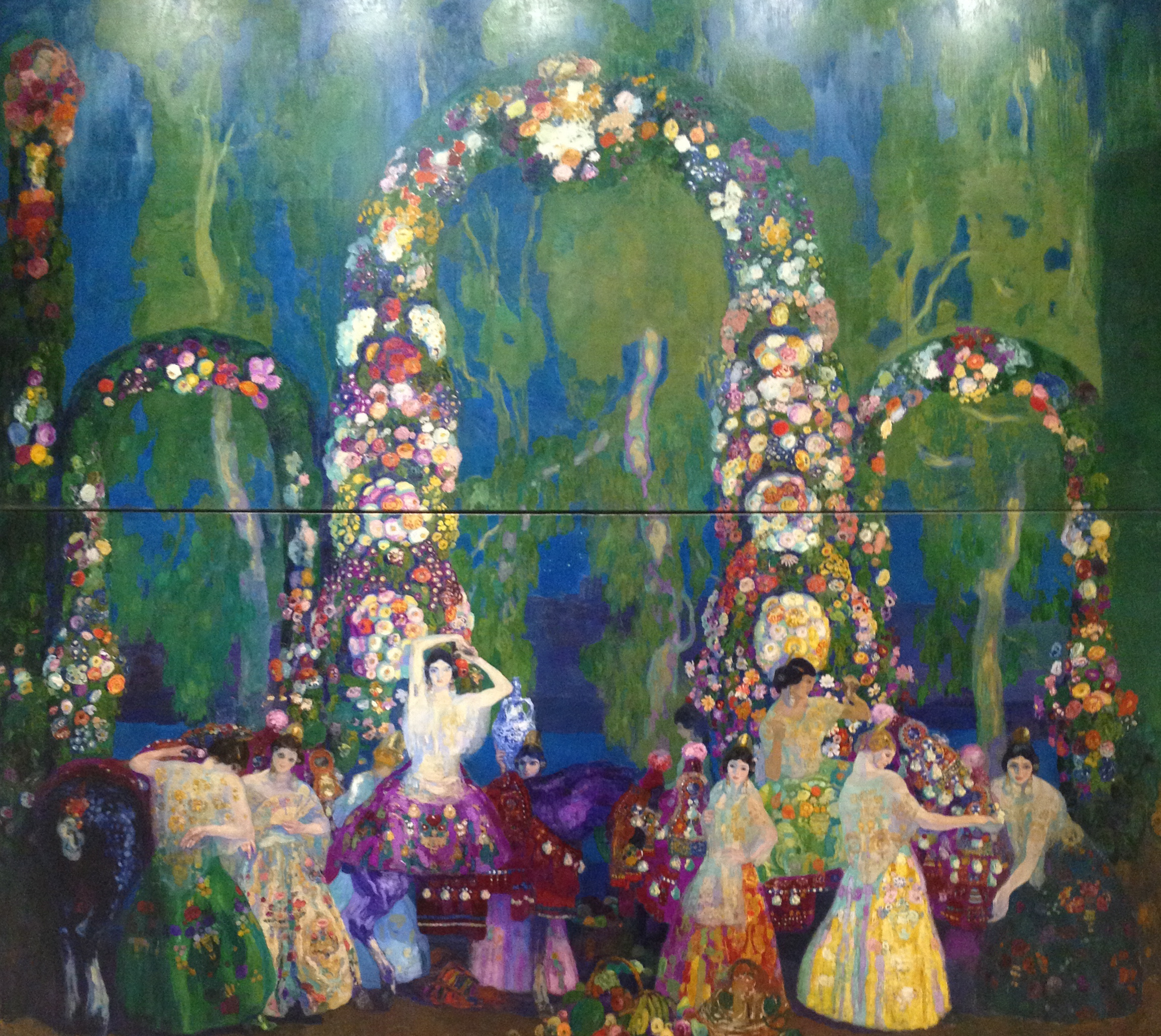
Subsequently, and I’m not entirely sure how (it’s exhausting me even describing it), we wandered into yet another art gallery following the March foundation, this time the Fundacio La Caixa, a brilliant cultural foundation run by the Caixa bank and held within the stunning modernist building which used to house Mallorca’s Gran Hotel (see my photography post tomorrow for more on Palma’s modernismo architecture). The foundation lays on various temporary exhibitions throughout the year, such as the one currently on show examining past and modern high rise buildings and towers. But my favourite aspect of the foundation is their permanent collection, and in particular the works of Mallorcan artist Anglada-Camarasa, who painted vast canvases literally alive with a plethora of vivid colours used to describe pictorially the spirit and fervour of Spanish gypsy culture, flamenco, fiestas, and Valencian costume.

Anglada-Camarasa's vast work, Valencia (1910)

Anglada-Camarasa’s vast work, Valencia (1910)

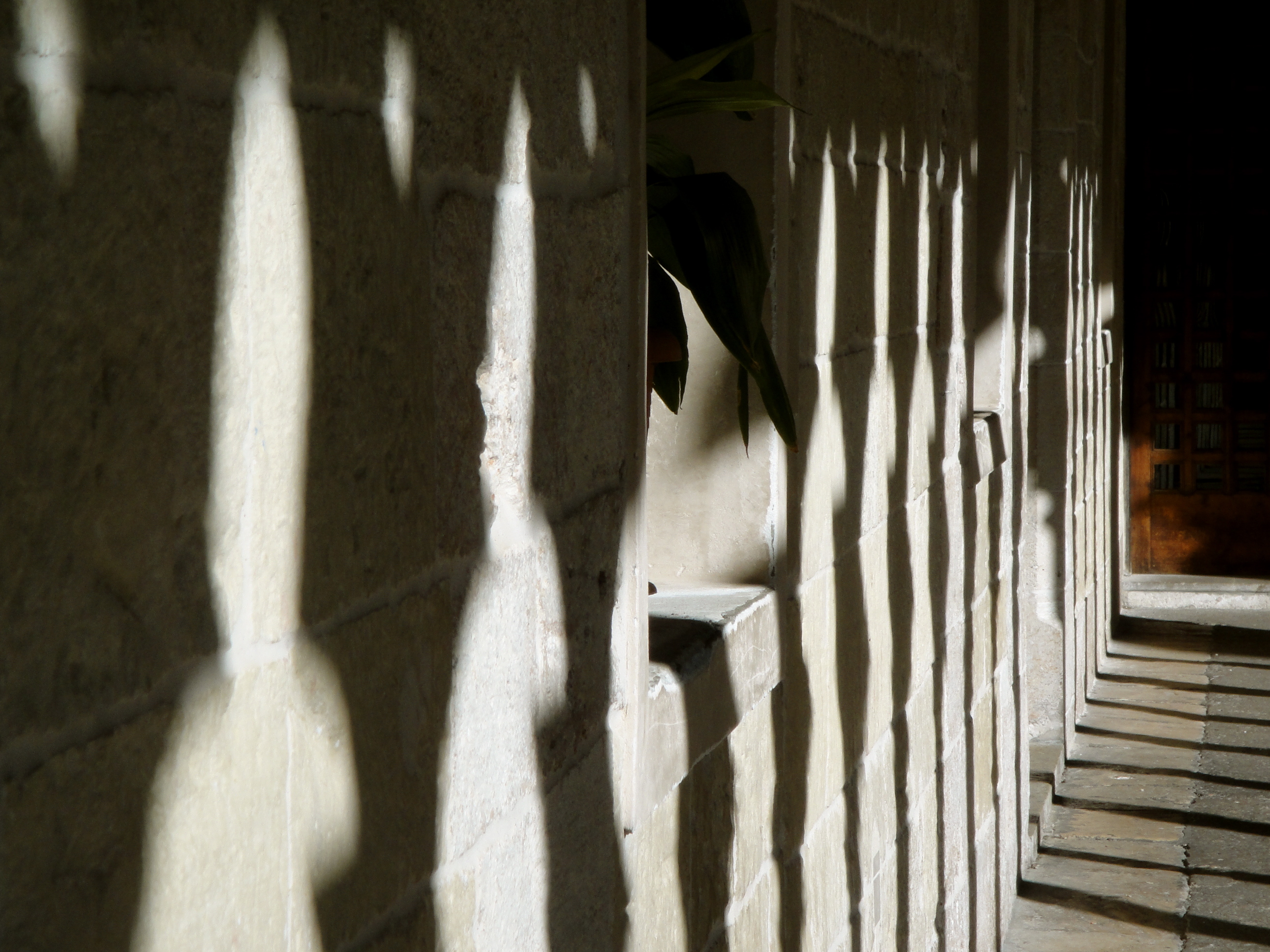
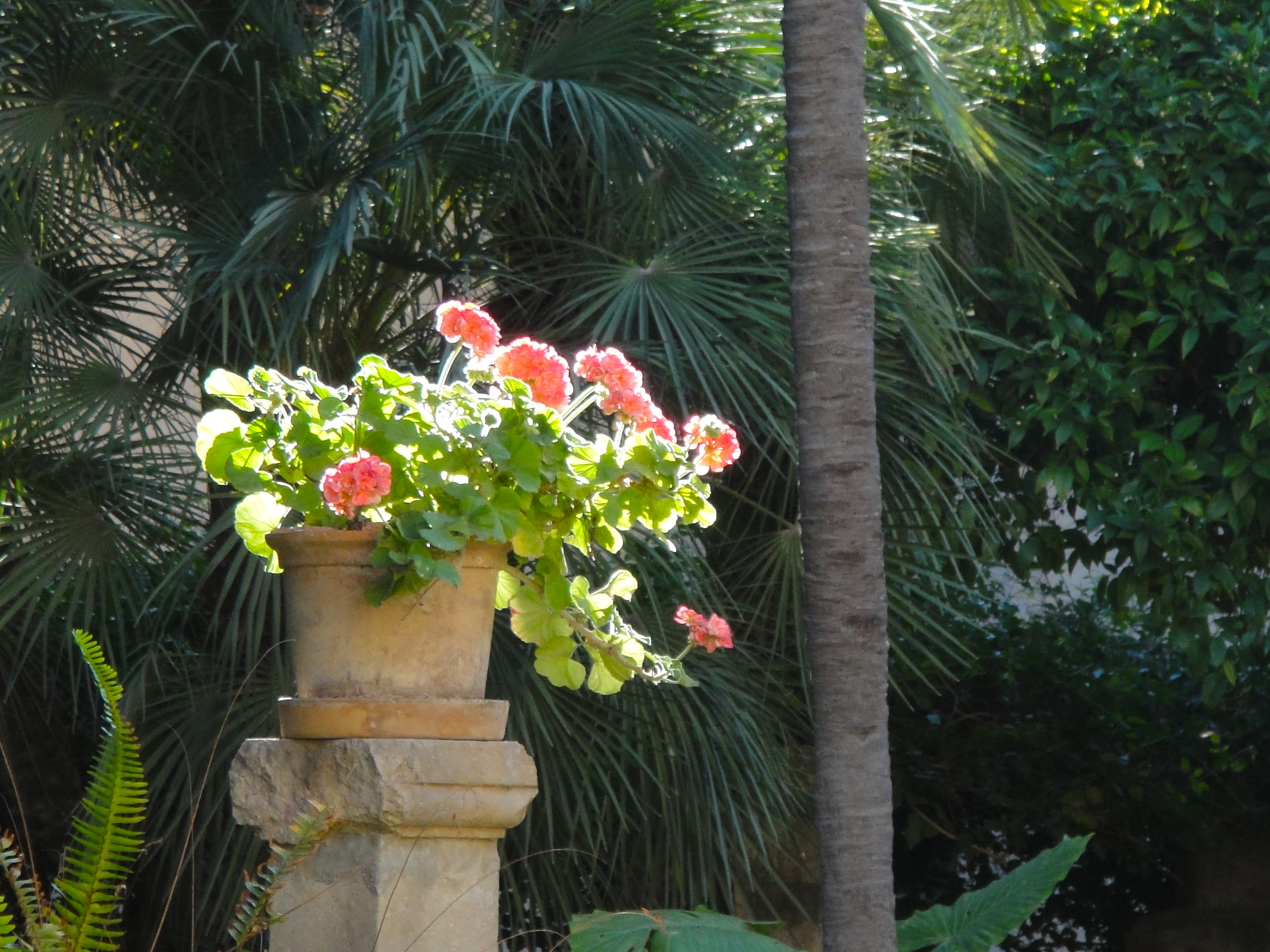
Exhausted, and almost overwhelmed by the artistic capacity of what is fundamentally a small Spanish city, we lunched and rested before setting out for more of a tranquil afternoon within the shady narrow back streets of the historic core of Palma in the vicinity of the Cathedral. There, not far from the Plaça Major, we indulged in a time of contemplation in the stunningly tranquil sun-dreched cloisters of the Real Convento de San Francisco, followed by a further dalliance with history`in the nearby Arab Baths, the last surviving wholly-Moorish building in the city, and also with its own seductively serene gardens in which to enjoy the sunshine dappled through the verdant hanging palms, lush ferns and vivid pink geraniums.

The cloisters of the Real Convento de San Francisco

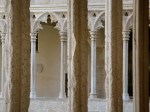
The cloisters of the Real Convento de San Francisco

DSC06870 DSC06884

...and the Convent's stunning exterior

…and the Convent’s stunning exterior

DSC06896 DSC06897 DSC06895

The Arab baths and gardens

IMG_3973 DSC06906 DSC06916 DSC06899 DSC06920 DSC06940 DSC06943

Finally, believing the day’s activities to be at an end, Palma pulled out yet a further artistic treasure from its magic hat of apparently ceaseless culture – the Museo Can Morey de Santmarti which holds a vast and completely impressive collection of some 200 lithographs, etchings and other prints by Salvidor Dali. And thus ending the day as we had begun it, we gazed again at the thrilling works of this Surrealist master, but this time doing so almost on our knees, such was the exhaustion of our legs after so comprehensive a day of artistic and historical discovery – a state of physical exhaustion which is clearly testament to the sheer abundance and variety of attractions on offer in this utterly compelling Mallorcan city.

All photos and written content are strictly the copyright of Nicholas de Lacy-Brown © 2013 and The Daily Norm. All rights are reserved. Unauthorized use and/or duplication of the material, whether written work, photography or artwork, included within The Daily Norm without express and written permission from The Daily Norm’s author and/or owner is strictly prohibited. 

Mallorca (Part III) – Day 2: Port d’Andratx and Es Baluard

“The colours, the colours!” I hear this phrase go round and round my head as I explore the magical island of Mallorca, as though through repetition, I may begin to make sense of the kaleidoscopic ravishment on my senses which comes of every colourful inch of this incredible Balearic beauty. Is it just the contrast from grey, industrialised London which makes the exquisite azure of Mallorca’s seas so ultimately seductive to the eyes, or is it true that here in Mallorca, the seas are more crystalline and cerulean than any other Spanish coast? While I’m used to being enchanted by the blue skies and sandy ochres of Andalucia, I have never seen turquoises like these along the Costa del Sol.

From the sea, to the sky, so rich a sapphire that it cannot help but pump optimism into the hearts and minds of every person shining beneath its reflective glory. And also reflecting in that sanguine light are the verdant greens of Mallorca’s lush landscapes, bounteous in swaying palms and plump prickly cacti, fragrant wild herbs and the perfumed blossom of almond and orange trees.

DSC04697 DSC06141 DSC06098 DSC04707 DSC04635 DSC06088

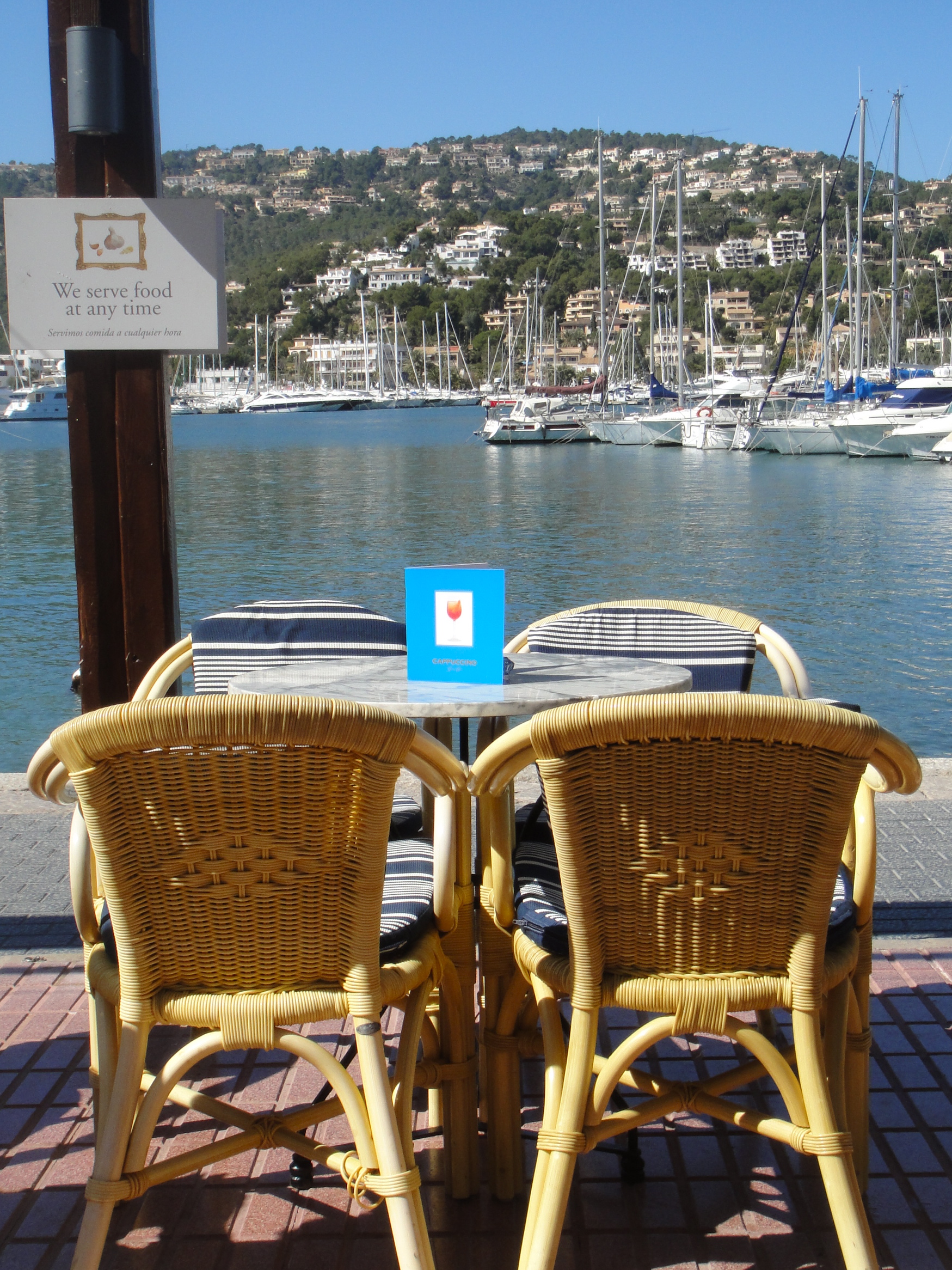
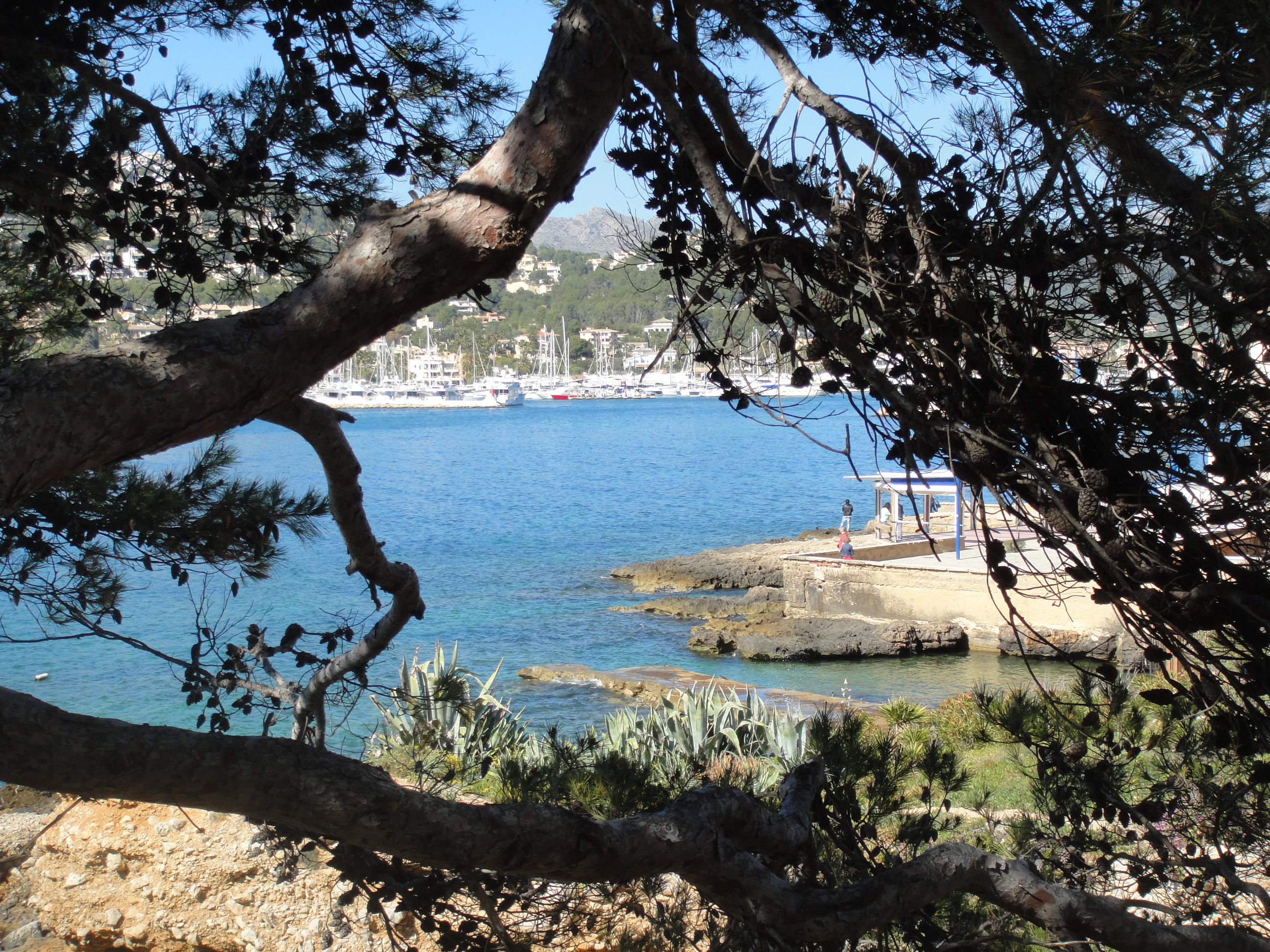
No greater are the vivid colours of this sunshine paradise more alluring than in the snug natural harbour of Port d’Andratx where we ventured today. I remember so well being seduced by this picture-perfect little port when first holidaying on the island with my mother. After hiring a car and negotiating both a left-hand drive vehicle for the first time and the rather speedy roads of the island, as well as narrowly escaping the unsavoury Magaluf peninsular (which we almost ended up in after taking a wrong turning – god forbid!), Andratx brought something of a antidotal calm after the hair-raising journey. And then of course, down on the port, we found a d’Andratx branch of my beloved Cappuccino Grand Café, this one boasting a winning position next to the harbours edge (I shouldn’t have been surprised – Cappuccino always manages to bag the best locations on the island). I was in love. So having returned now to Mallorca with my partner, the Port d’Andratx was a must-visit location, even car-less as we were.

The Port d'Andratx

The Port d’Andratx

DSC06048

The port wasn’t exactly straightforward to get to using public transport. Well, that’s not quite true. We only had to take one bus (the L102) all the way there from Palma, but what on the map looks to be a very short journey was stretched to a full 1hr 20mins each way owing to the twists and turns this busy little bus took in and out of towns along the way. Still, the alluring Mallorcan landscapes, dotted with their iconic old windmills and benefitting from a stunning backdrop of rolling hills on one side, and sparkling seascape on the other, made for an apt diversion, and soon enough we made it to the Port d’Andratx.

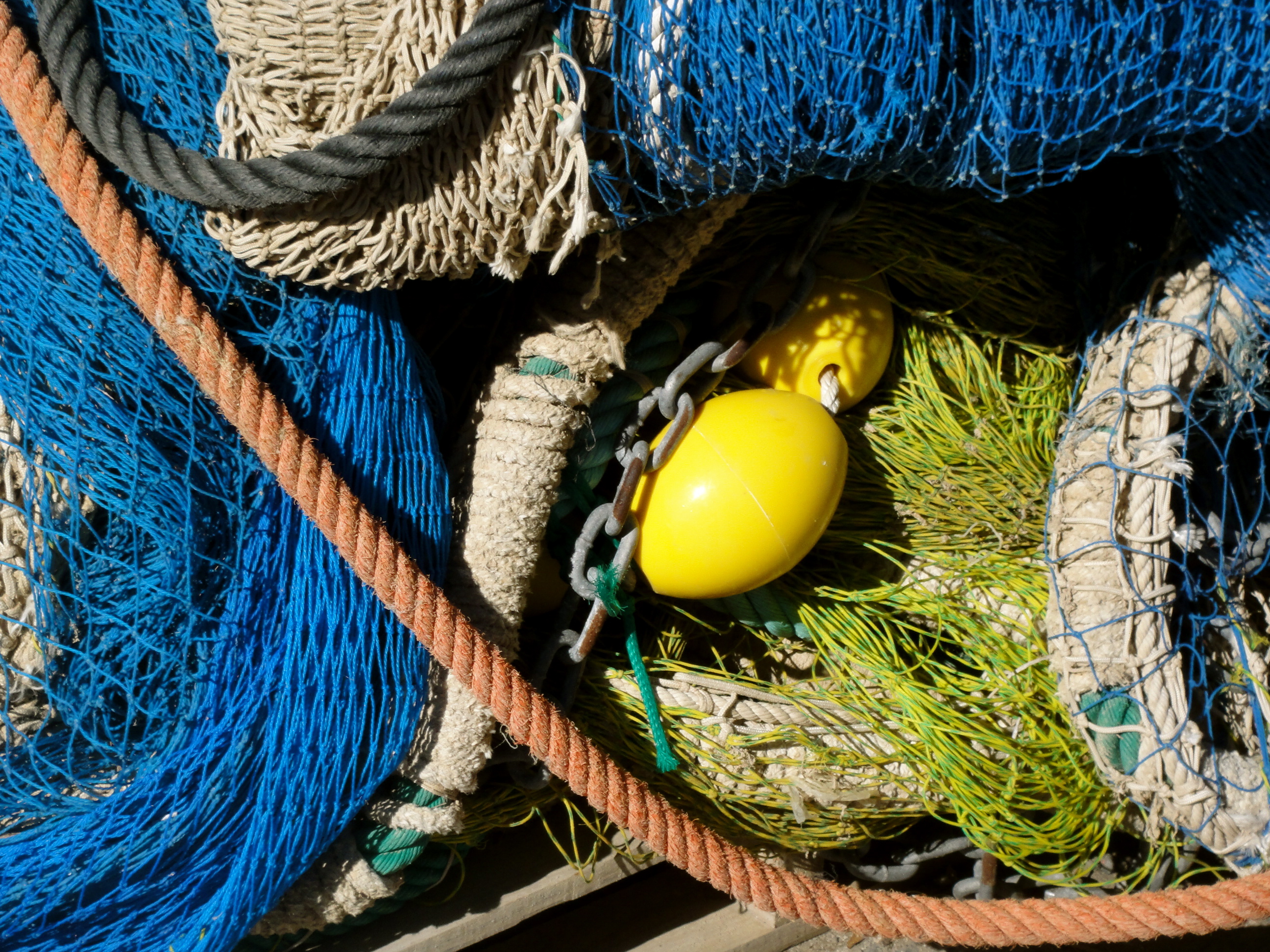
It’s one of those places which can’t fail to take your breath away. A cosy natural harbour with its share of crystal aquamarine waters, still the home of a working fishing fleet whose charming paraphernalia of fishing nets and buoys recline languorously on the harbour side in the sun. The port is littered with little restaurants and boutique shops, while around the corner from the port’s main artery, the coastline becomes progressively more craggy, almost surreal in its rocky formations, reminding me of the kind of curiosities which may turn up in a painting by surrealist Salvador Dali. The only slight blot on the landscape is the speedy development of what look like identical almost flat-back villas, rather scarring the naturally green hillsides besides the harbour with their coarse open balconies, maximising on view, but lacking any architectural charm.

DSC06150DSC06154 DSC06137 DSC06145

That aside, the Port is a paradise, and none of that paradise was lost on us. Heading to Cappuccino Grand Café and finding fortuitously one table left in the sun, as though awaiting our arrival, we sat down for a lavish long lunch of fresh sushi and smoked salmon sandwiches and numerous glasses of exquisitely chilled sauvignon blanc. Is there any greater pleasure in life than this?

DSC06036 DSC04640 DSC04651 DSC06133 DSC06046

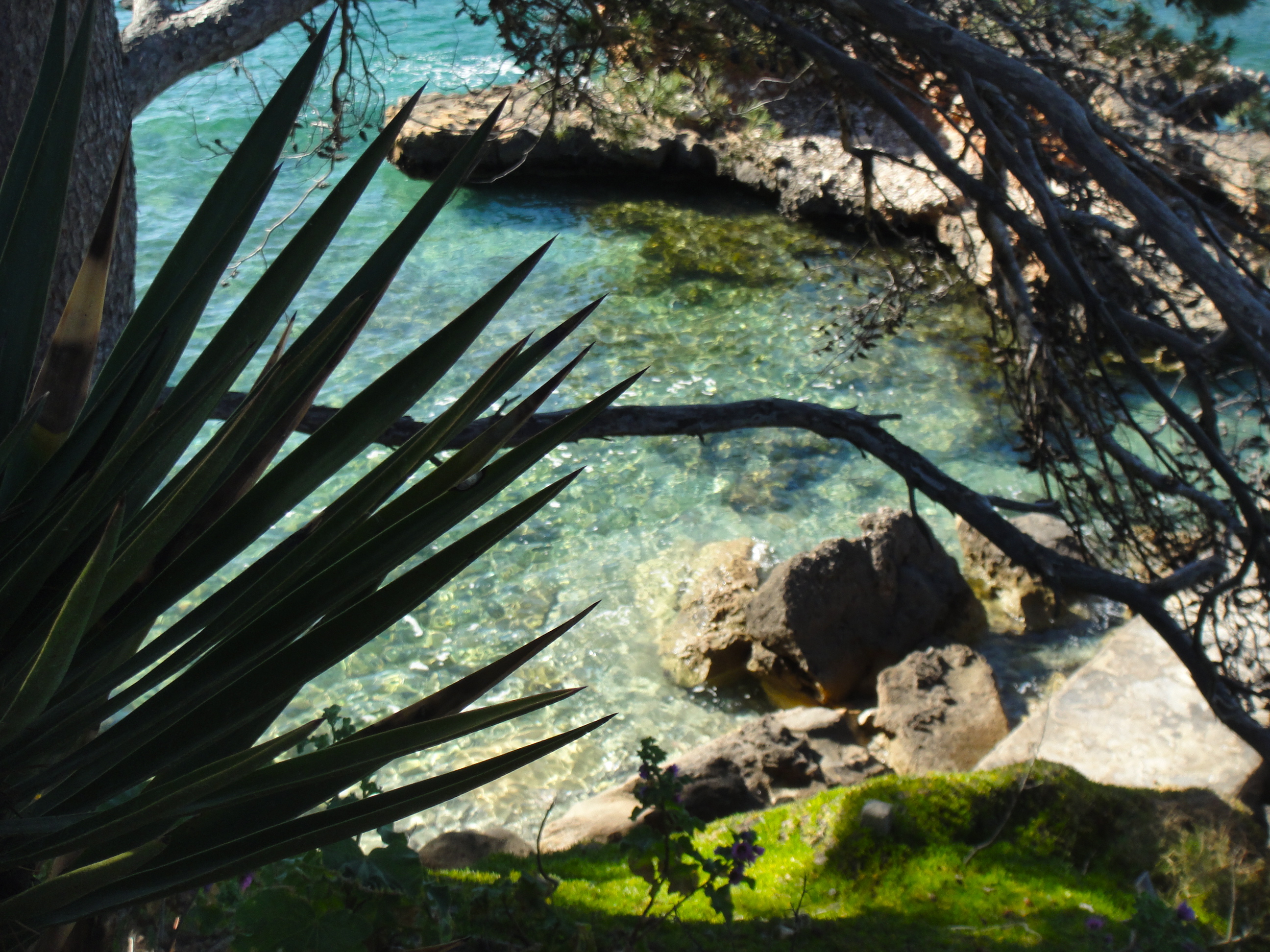
Rather tipsily after lunch (and so not recommended!) we ventured upon the craggy coastline, exploring what I fear may have been a private beach (albeit that there were no signs) and there finding the most stunning scenery of all – where the cerulean blues were tinted cobalt by the rock forms beneath, where lush greenery clung onto rocks exhibiting a thousand different geological colours.

DSC06126 DSC06065 DSC06083 DSC06064 DSC06070 DSC06108

But all too soon our time in Port d’Andratx came to an end, restrained as were were by the rather limited public holiday bus timetable. But by the time we arrived back in our adopted home of Palma, the evening sun was still able to charm us with its warmth, and we headed to the roof terrace of the architecturally impressive Es Baluard museum of contemporary art for afternoon tea.

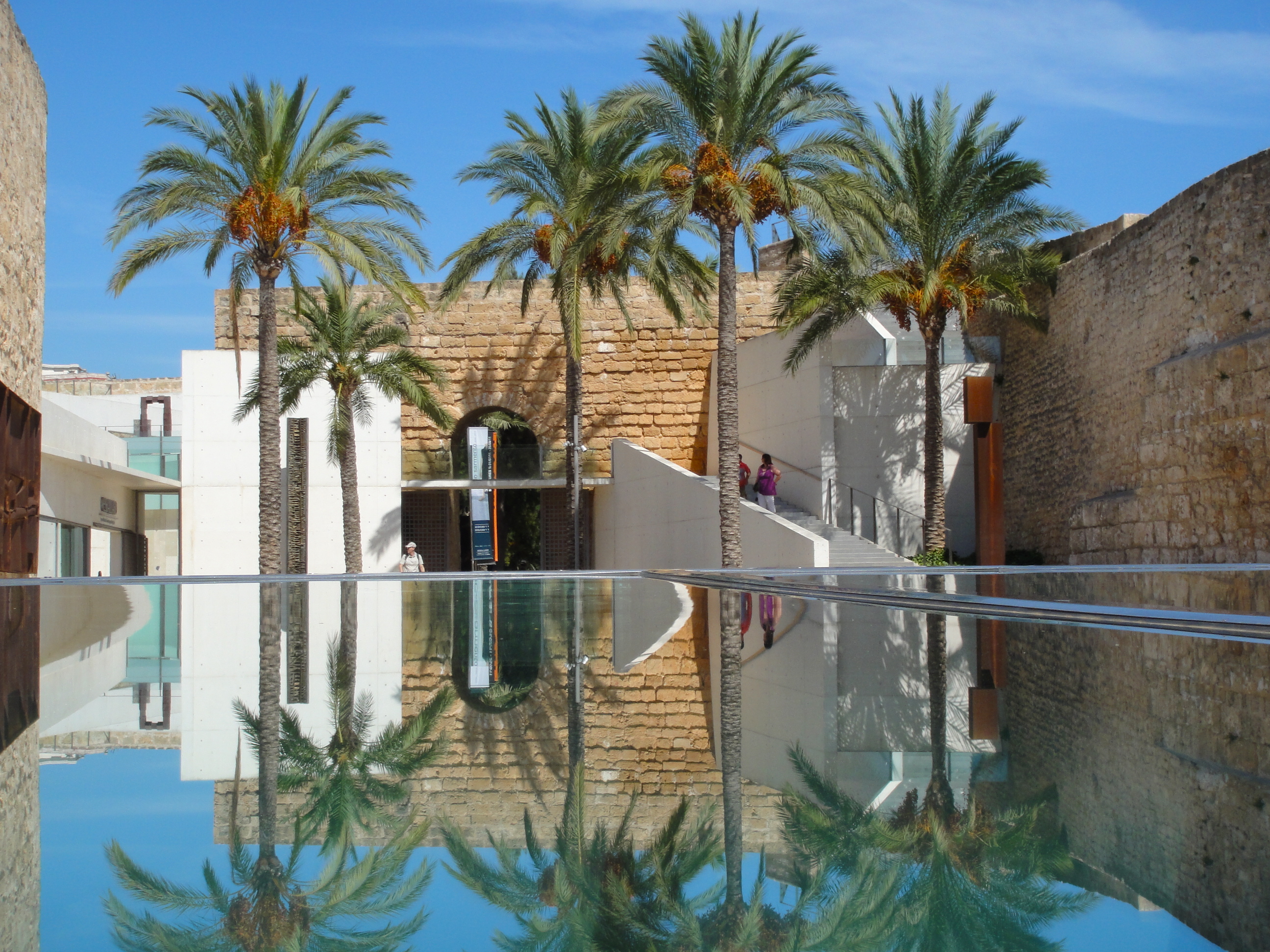
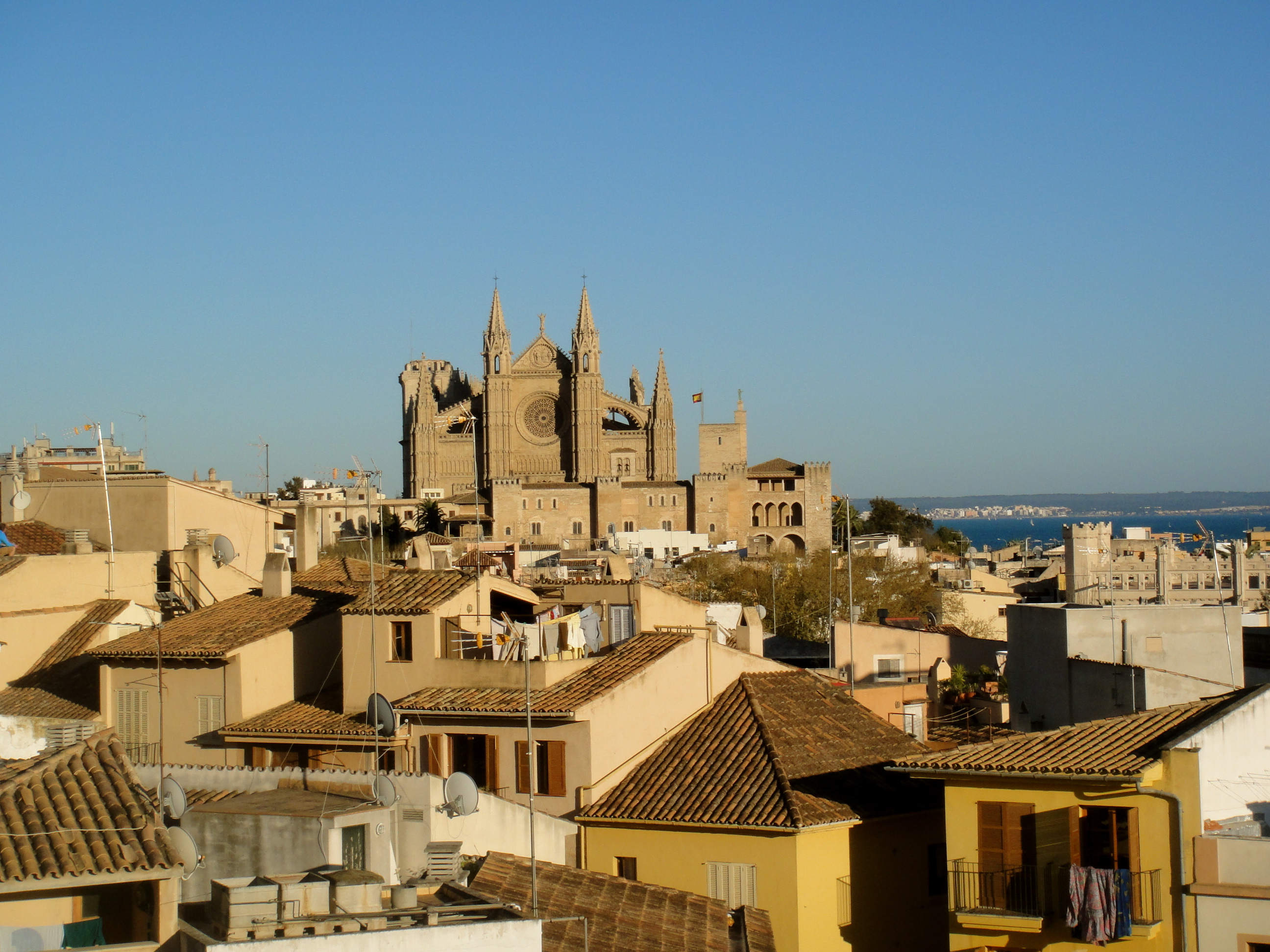
Es Baluard is located within the perimeter walls of the Sant Pere bastion, part of the Renaissance walls that surrounded the city of Palma until the beginning of the 20th century.  Masterfully designed by architects Lluis and Jaume Garcia-Ruiz, Vicente Tomas and Angel Sanchez Cantalejo and opened in 2004, the building presents a harmonious relationship between old coarse renaissance walls and the clean sharp lines of contemporary architecture. I adore the use of bare, smooth concrete, cold linear steel and sharp clean glass which coexists so sympathetically with the ancient walls. The building is in itself worth a visit, such are the large areas of ramparts and terraces on offer, all of which can be explored for free, and which present the visitor with some superb views over both the historic centre of Palma towards La Seu, and also westwards over the harbour and up to Bellver Castle.

Architectural fusion at Es Baluard

Architectural fusion at Es Baluard

The cafe terrace

The cafe terrace

View from Es Baluard

View from Es Baluard

View over Palma's marina

View over Palma’s marina

Inside, the museum presents a consummate exhibition space, all the more impressive when considering that Palma is the capital of the Balearics, but not of the whole of Spain. The collections revolve and change, but we were lucky enough to time our visit with a display of Picasso ceramics, and a large collection of prints and paintings by one-time Mallorcan resident Joan Miró, as well as an assemblage of impressive Mallorca-born artists. My favourite of these was undoubtedly Joaquim Mir, whose landscapes and snapshots of Mallorca perfectly captured the extent and variety of those same scintillating colours which have so entranced me in Mallorca, evidence that those vivid brilliant colours have inspired generations of artists, to which I can now be added in number.

Concrete fuses harmoniously with the renaissance walls

Concrete fuses harmoniously with the renaissance walls

Es Baluard's contemporary glass

Es Baluard’s contemporary glass

La Seu and a contemporary art sculpture

La Seu and a contemporary art sculpture

DSC06202

Our first full day in Mallorca was at a glorious end, and the hedonistic pleasures of a long hotel bath soak awaited. Of course there was still dinner to go, something which deserves a post all of its own. So please return to catch up on that tomorrow, as my journey across Mallorca continues. Until then.

All photos and written content are strictly the copyright of Nicholas de Lacy-Brown © 2013 and The Daily Norm. All rights are reserved. Unauthorized use and/or duplication of the material, whether written work, photography or artwork, included within The Daily Norm without express and written permission from The Daily Norm’s author and/or owner is strictly prohibited. 

Autobiographical Mobile: My painting diary – Day 19: Infanta España

The third of my passions, represented upon the left arm of my autobiographical mobile, is my indisputable love affair with Spain, and with art history. If my heart lives in Paris, then my soul resides in Spain. The chromatic, melancholy chords of a flamenco guitar reach straight into my soul, transporting me to a place of almost otherworldliness tranquility, a land enriched with Moorish heritage, baked in the unyielding summer sun, bearing the scars of a bloody civil war and the ardor of a religious inquisition, wafting afresh with the scents of garlic and pigs and pimenton, sweet syrups and blossoming orange and almond trees, and giving birth to some of the greatest creative minds ever known. Spain is every bit a part of me as the country of my birth, and continues to inspire me in so many areas of my creative manifestation.

DSC_0477

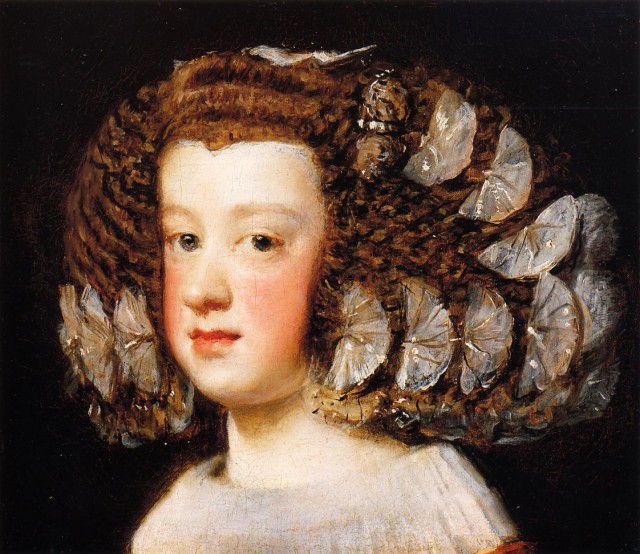
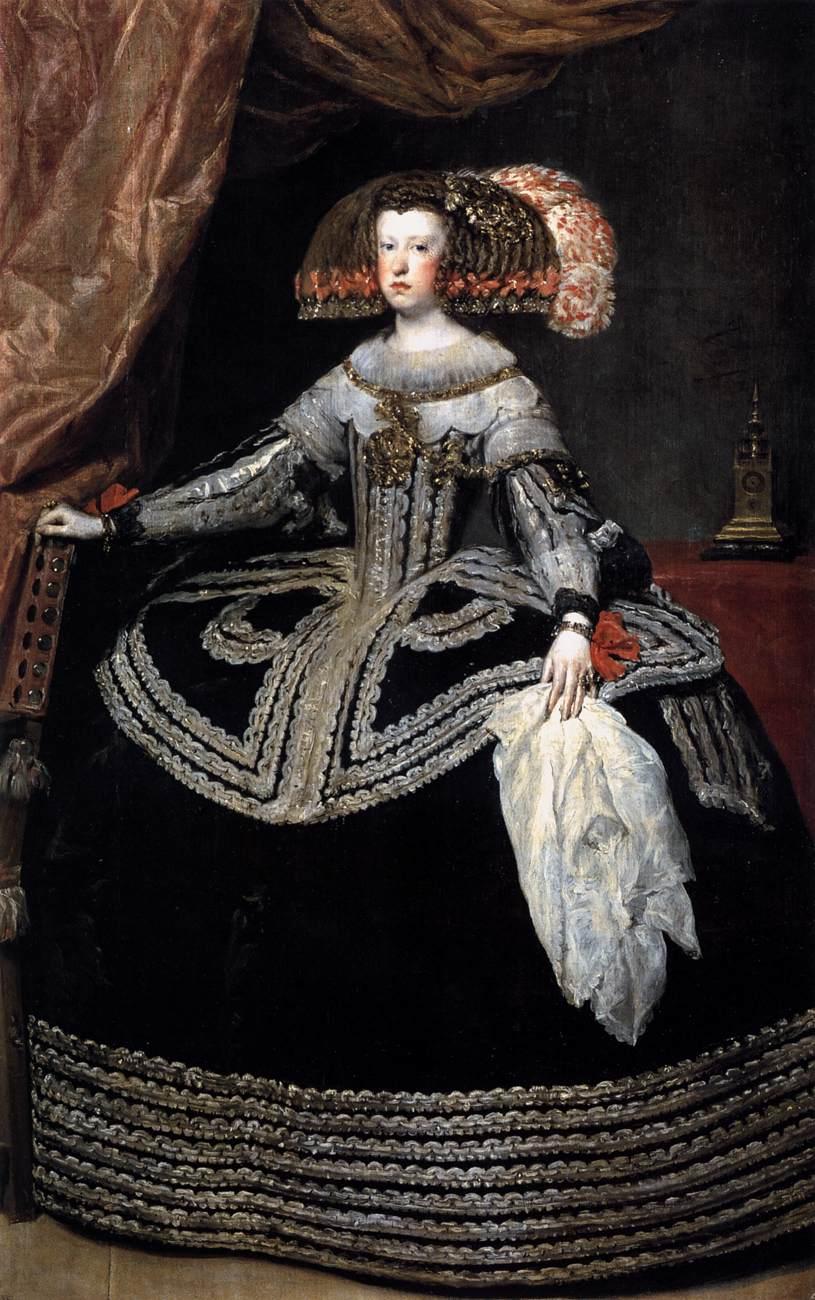
Since Spain occupies so many of my thoughts and pleasures, it is unsurprising that in pursuing that other great passion – art history – I have enjoyed a particular focus on the art of Spain, from the incredible innovation of El Greco and the dark, disturbing black paintings of Goya, to the iconic court portraits of Velázquez’s big-skirted princesses, the exquisite surreal mastery of Dali and the fragmented multi-faceted masterpieces of Picasso.

Velázquez's original Infanta portraits

Velázquez’s original Infanta portraits

357136 Diego Velazquez - Infanta Maria Teresa queen-mariana-of-austria-16531354741336843

Las Meninas

Las Meninas

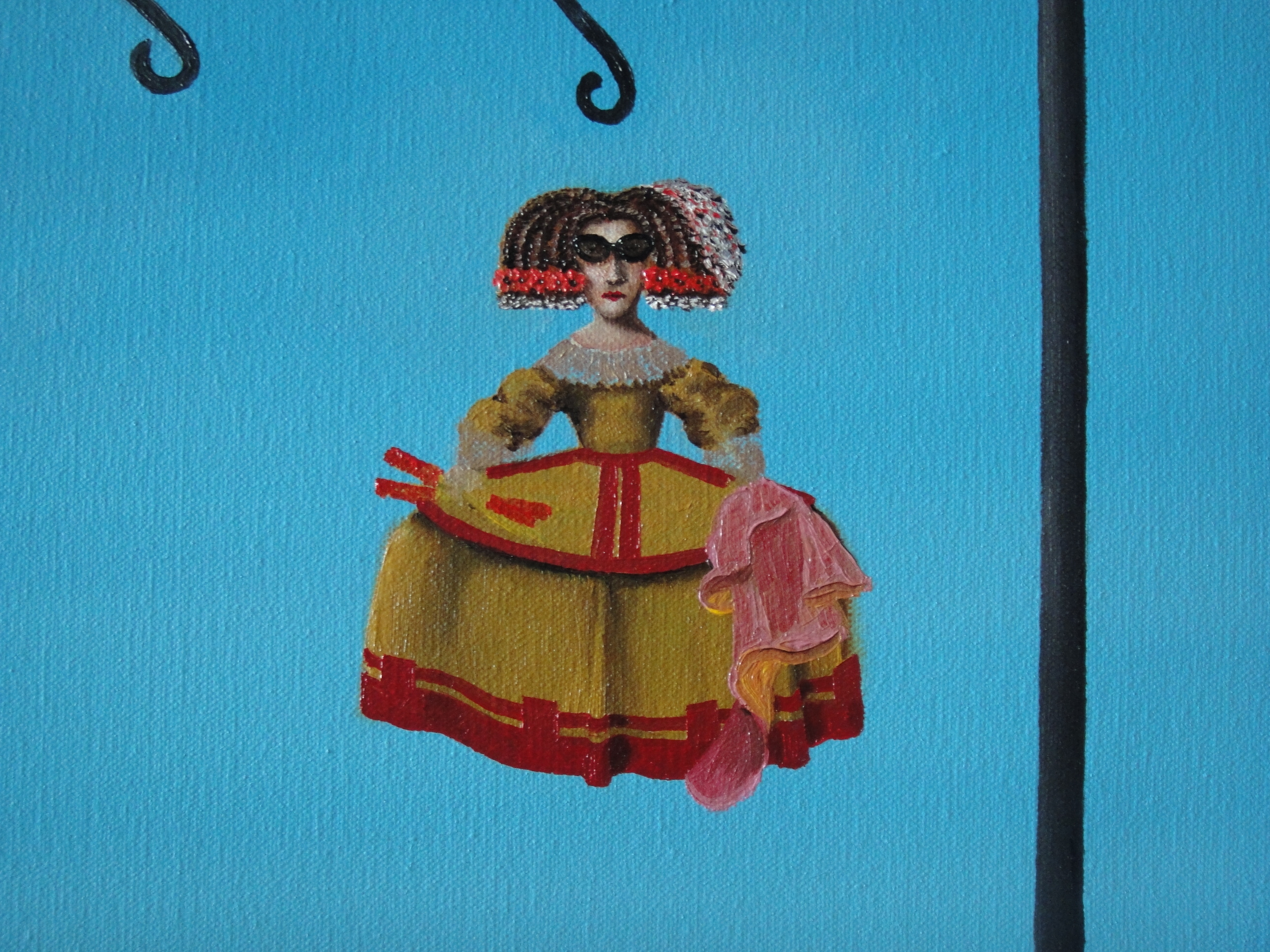
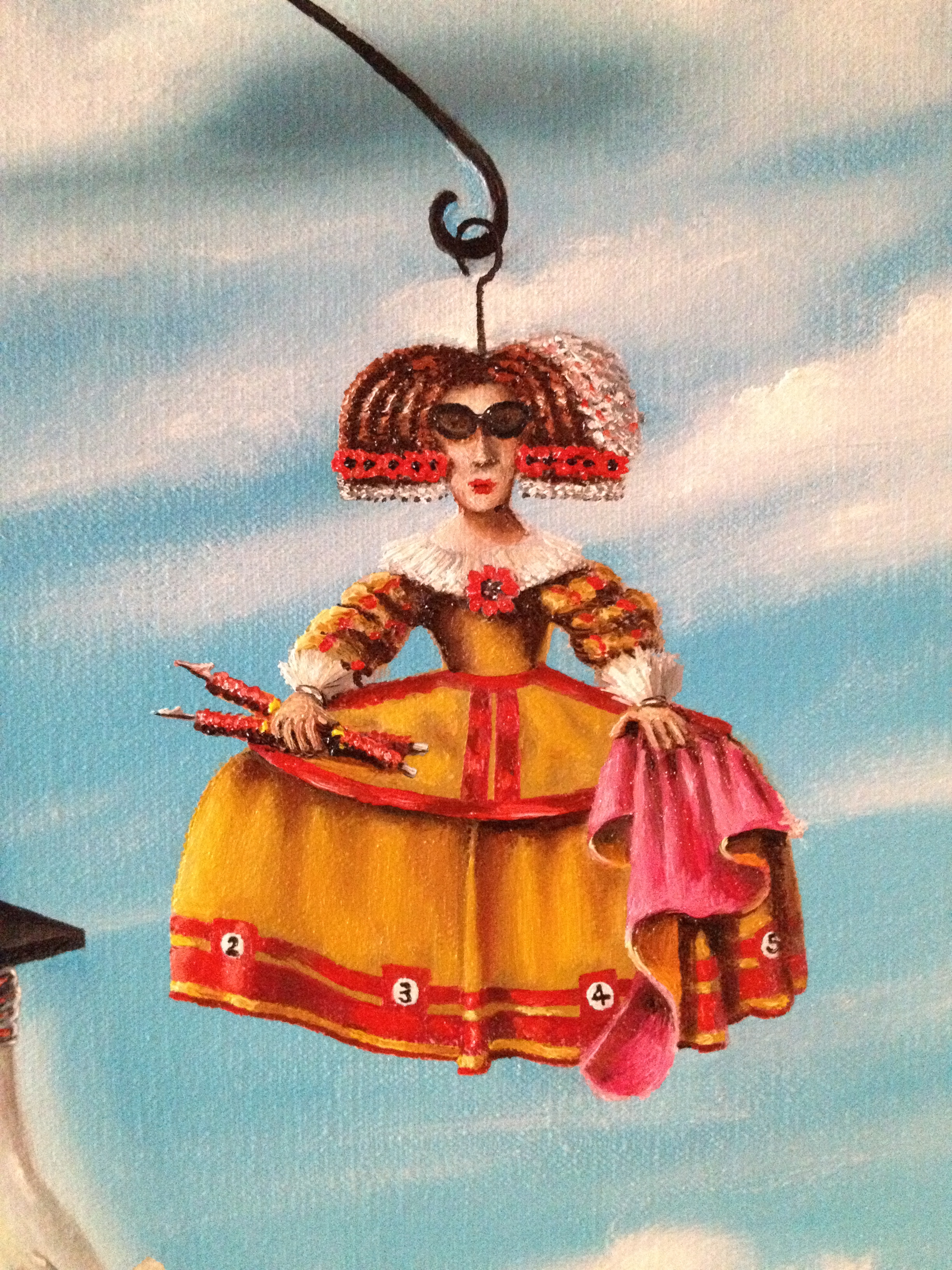
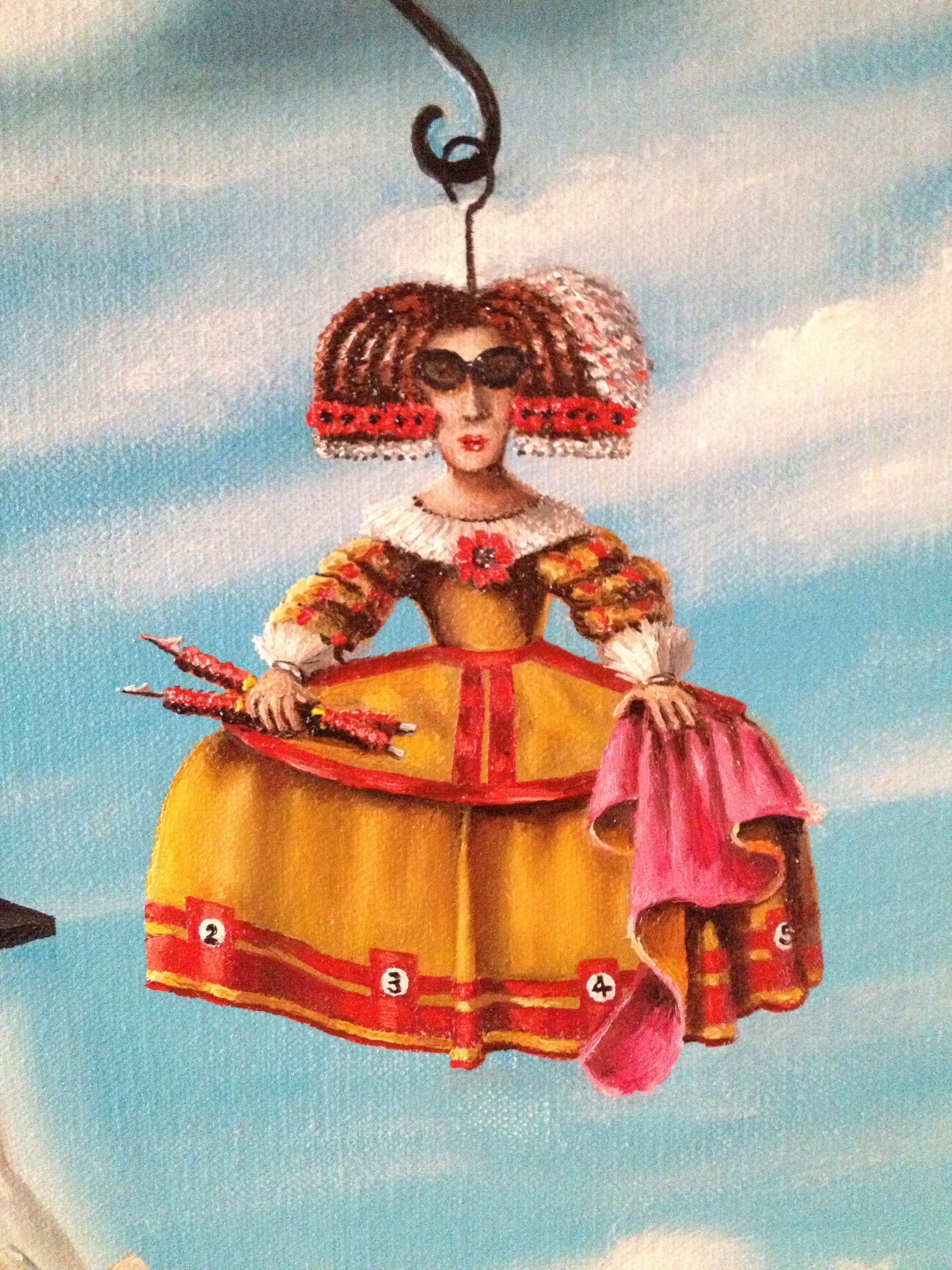
Only one image could perfectly capture these dual loves of Spain and art history: Velázquez’s Infanta, the now iconic image of the Spanish Royal Princess in the court of King Philip IV. These world-famous portraits, centrepieces of Madrid’s Prado gallery and culminating in the breathtaking masterpiece, the group portrait Las Meninas, have inspired countless generations of artists, amongst them Dali and Picasso. I painted my own version of the Velázquez greats in the form of Infanta Norm, and could not resist exploring the image again in this representation of Spain.

Infanta Norm (After Velázquez) (2011, acrylic on canvas) © Nicholas de Lacy-Brown

Infanta Norm (After Velázquez) (2011, acrylic on canvas) © Nicholas de Lacy-Brown

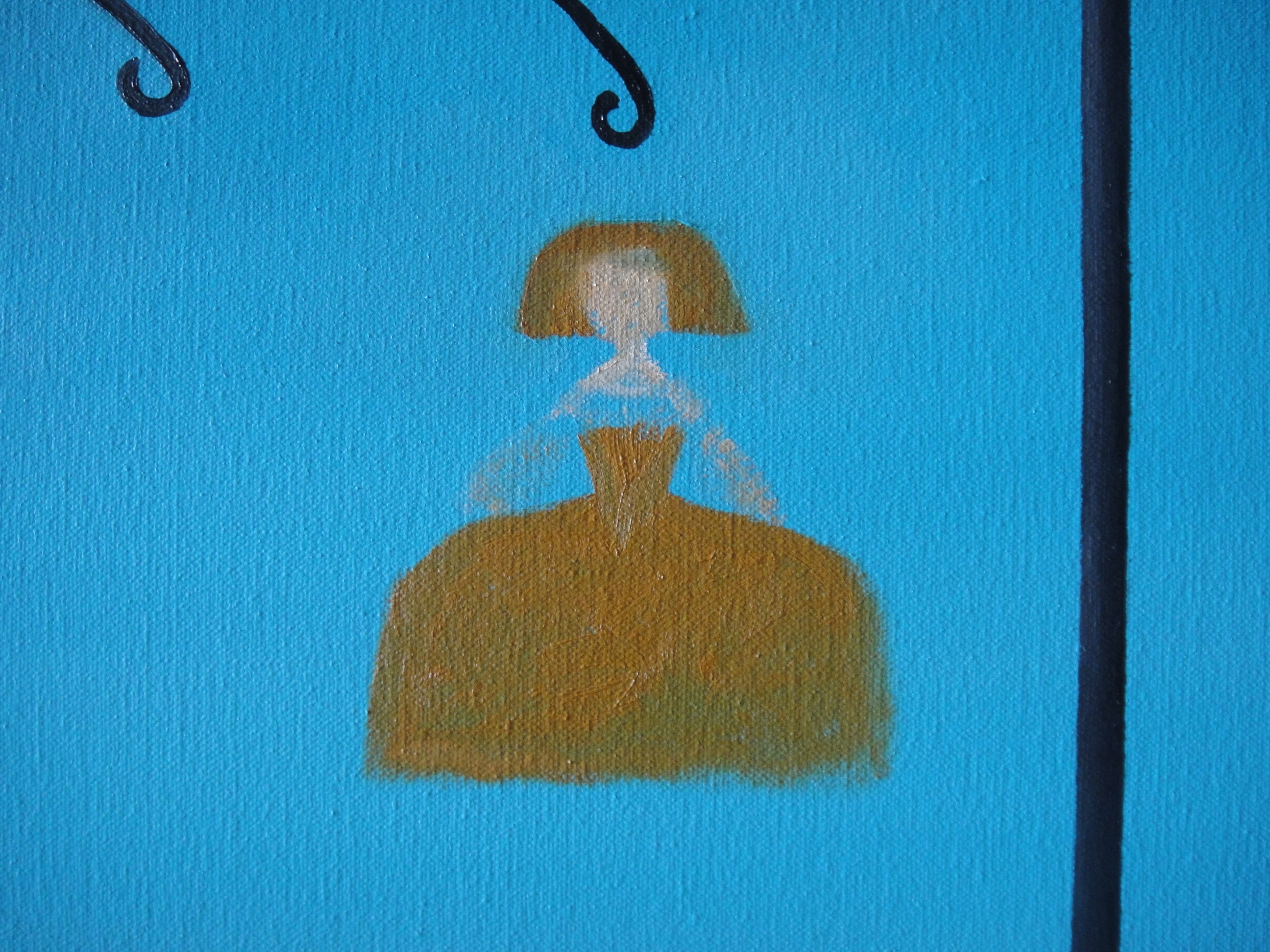
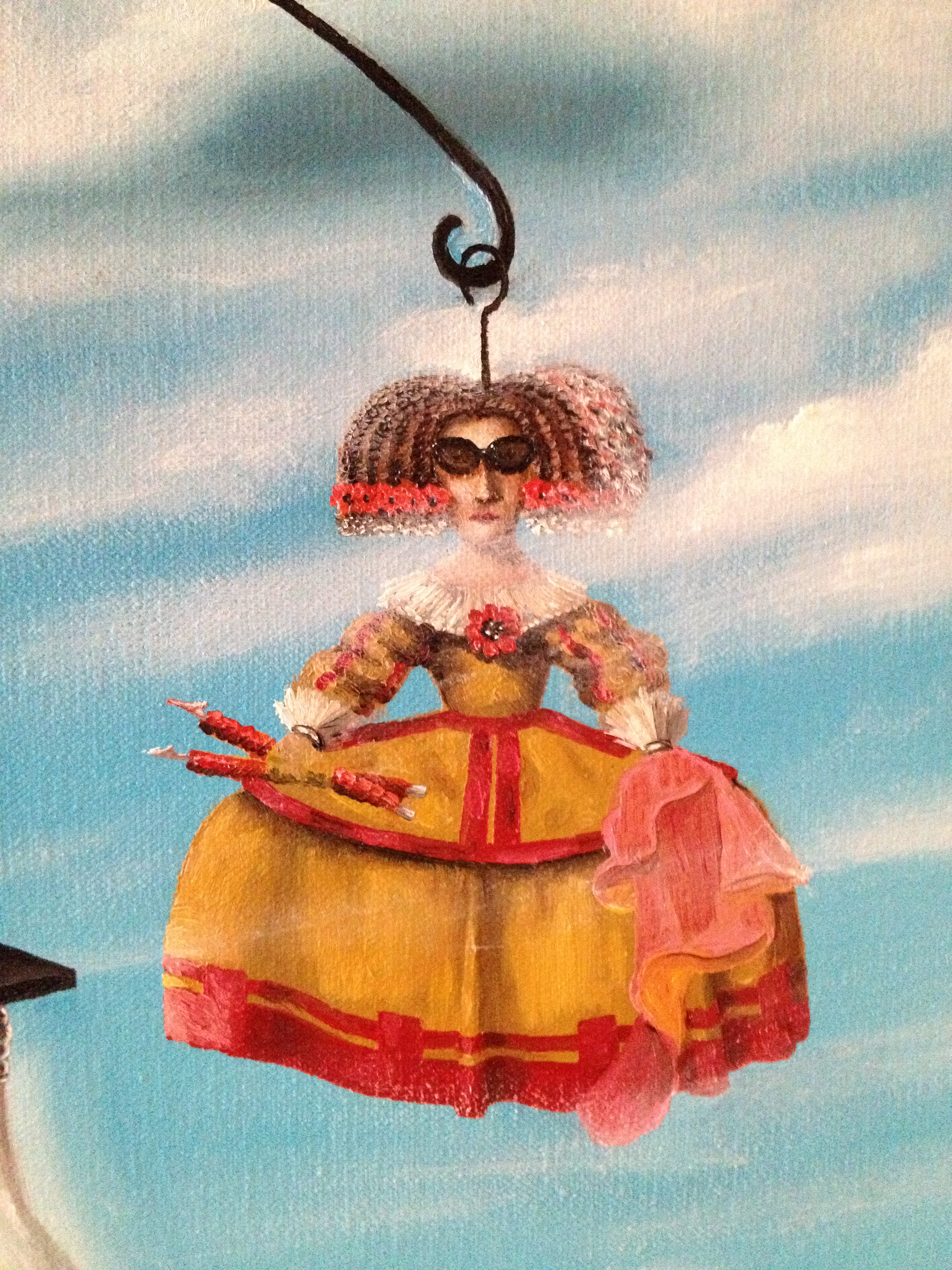
My new image of the Infanta is also a representation of Spain, with her dress painted to resemble both the colours of the Spanish flag and also a bull ring. I always loved Bullfighting as a teenager, and while the bloody sight of death in the afternoon was always a shocking one for someone unused to such a spectacle, there is no denying the elegance of the matador’s costumes (the traje de luces), the contrast of red against the black of the panting bull, the grand parades of the picadores, and the wonderful pomposity of the emboldening paso doble playing in the background. By way of further representation of the Corrida, my Infanta España holds the banderillas which are inserted into the taunted bull, and the pink and gold capote (cape) which is waved in front of its maddened eyes.

My Infanta España in progress

DSC02005 DSC02009 DSC02029 IMG_3618 IMG_3632

The finished Infanta España

The finished Infanta España

But Spain isn’t just about the bull fighting. Also represented is Spain’s all important tourism industry, here illustrated through my Infanta’s rather fetching sunglasses. We British could do with a bit of that sun right now…

Until next time – Viva España!

Marbella 760

© Nicholas de Lacy-Brown and The Daily Norm, 2001-2013. Unauthorized use and/or duplication of the material, whether written work, photography or artwork, included within The Daily Norm without express and written permission from The Daily Norm’s author and/or owner is strictly prohibited. Excerpts and links may be used, provided that full and clear credit is given to Nicholas de Lacy-Brown and The Daily Norm with appropriate and specific direction to the original content.

Autobiographical Mobile: My painting diary – Day 18: My Art and my Paris

I couldn’t be much more passionate about the second of my painted “favourite things” if I tried. The next metaphor of my life’s great loves to make it onto my latest large canvas – my Autobiographical Mobile – is Art, and Paris.

Paris was the city that made me who I am today. It started on a school trip, when my teacher led me, her hands covering my eyes, into the Place du Tertre atop the Butte de Montmartre, and quickly uncovering them, revealed a scene of such lavish character, such indubitable gyrating ecstatic energy and historical charm that I fell in love. My heart dropped to the cobbled paving beneath my feet, and has stayed in the heart of Montmartre, beating there ever since. Now, when I plug myself into the city on an almost annual basis, I cannot help but swarm mesmerised around the quaint streets, meander around the boutique-lined boulevards, and lounge like a flaneur outside the street cafes and in leafy parks, gazing in never-ending admiration at the beauty of the urban landscape around me.

Le Paris Formidable (2000, acrylic on canvas) © Nicholas de Lacy-Brown

Le Paris Formidable (2000, acrylic on canvas) © Nicholas de Lacy-Brown

With Paris came Art. For not only does the city ooze creativity from its every crack and surface, but it has also inspired some of the most illustrious artists in recent art history. As well as the slightly less illustrious ones, like me. While I had been painting for some years, the real turning point of my career, when I went from doodles and watercolours to large scale canvases, was when at the age of 16 I embarked on one of my greatest projects, and still my second biggest canvas ever, Le Paris Formidable.

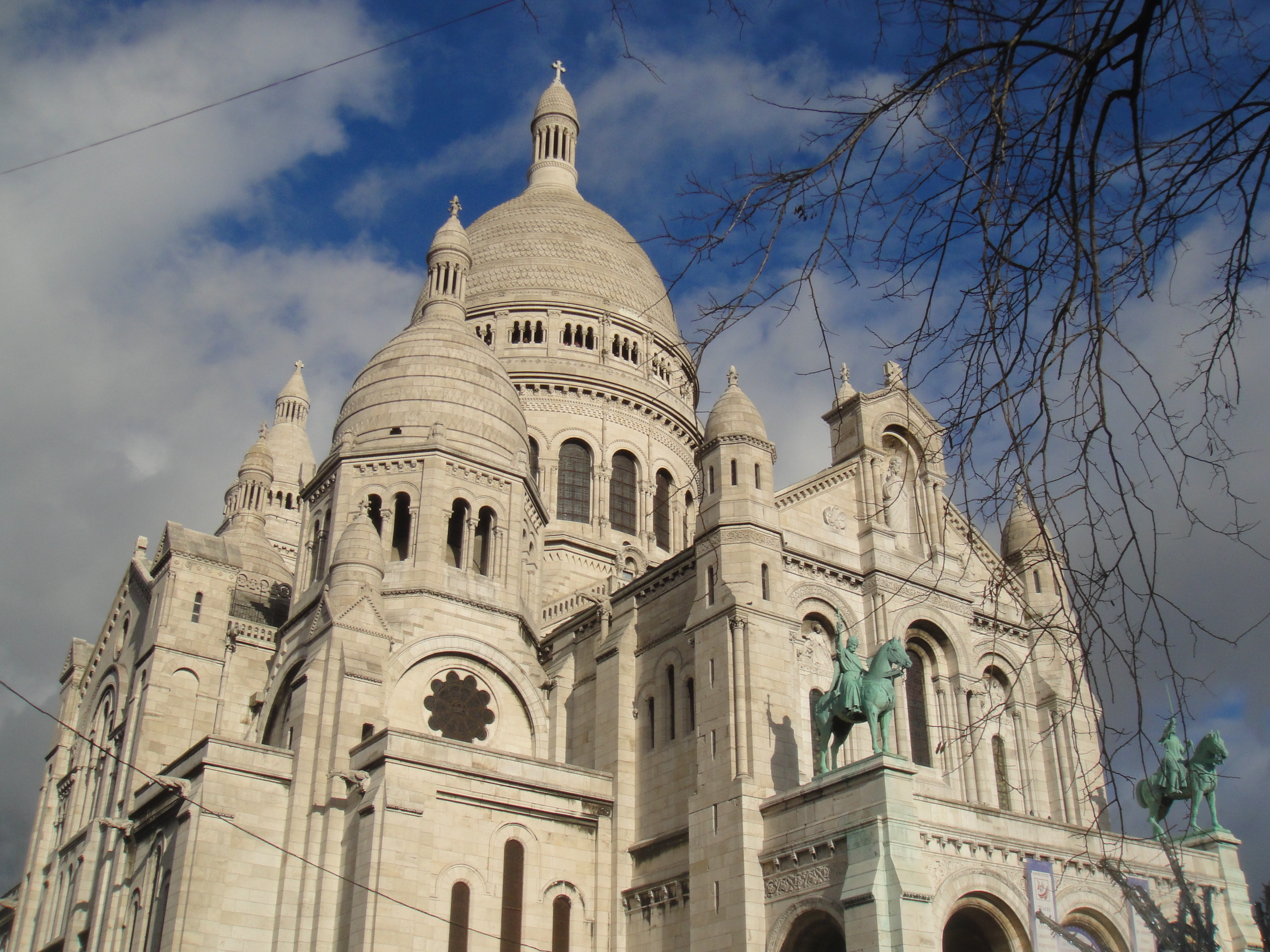
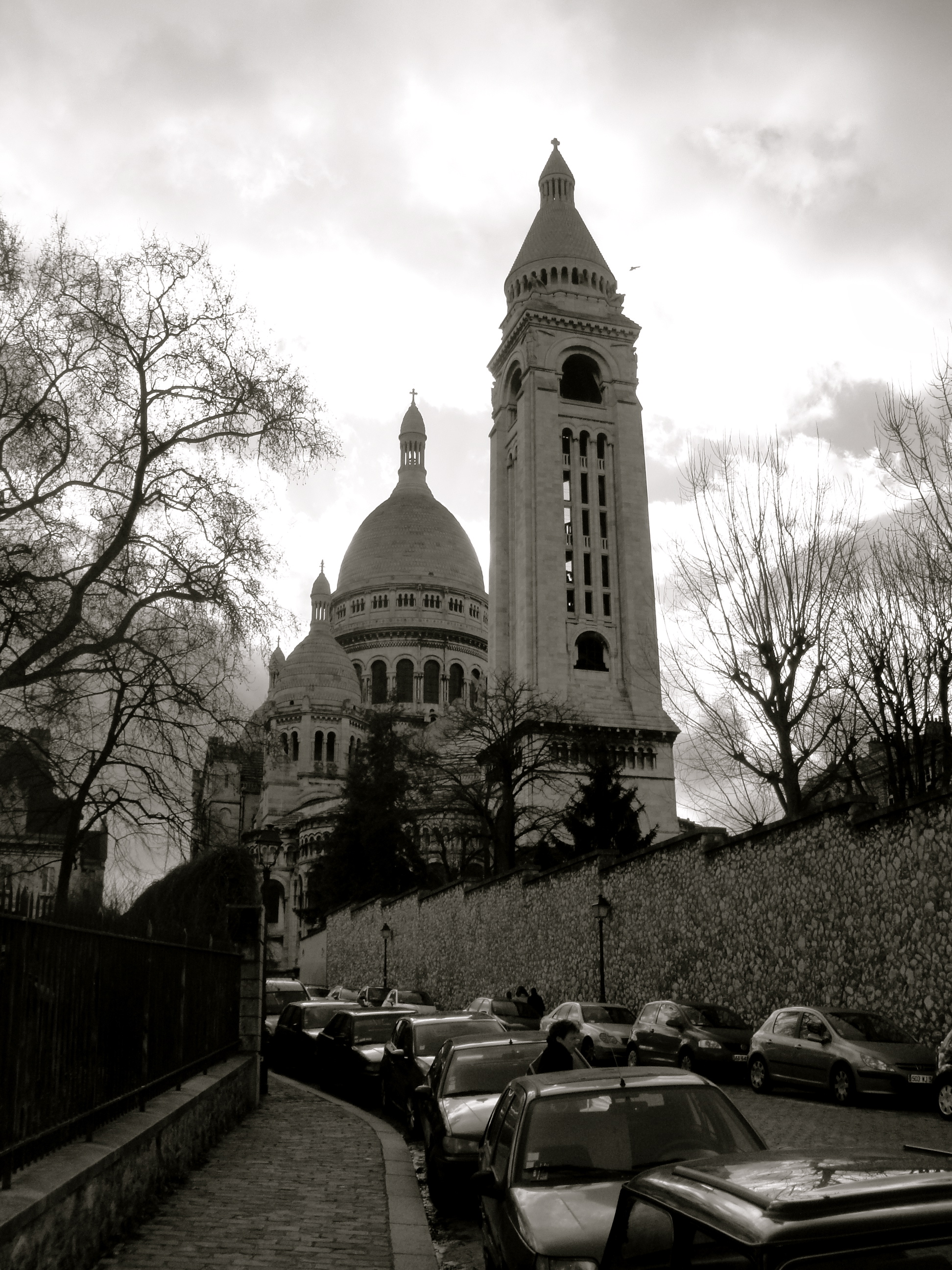
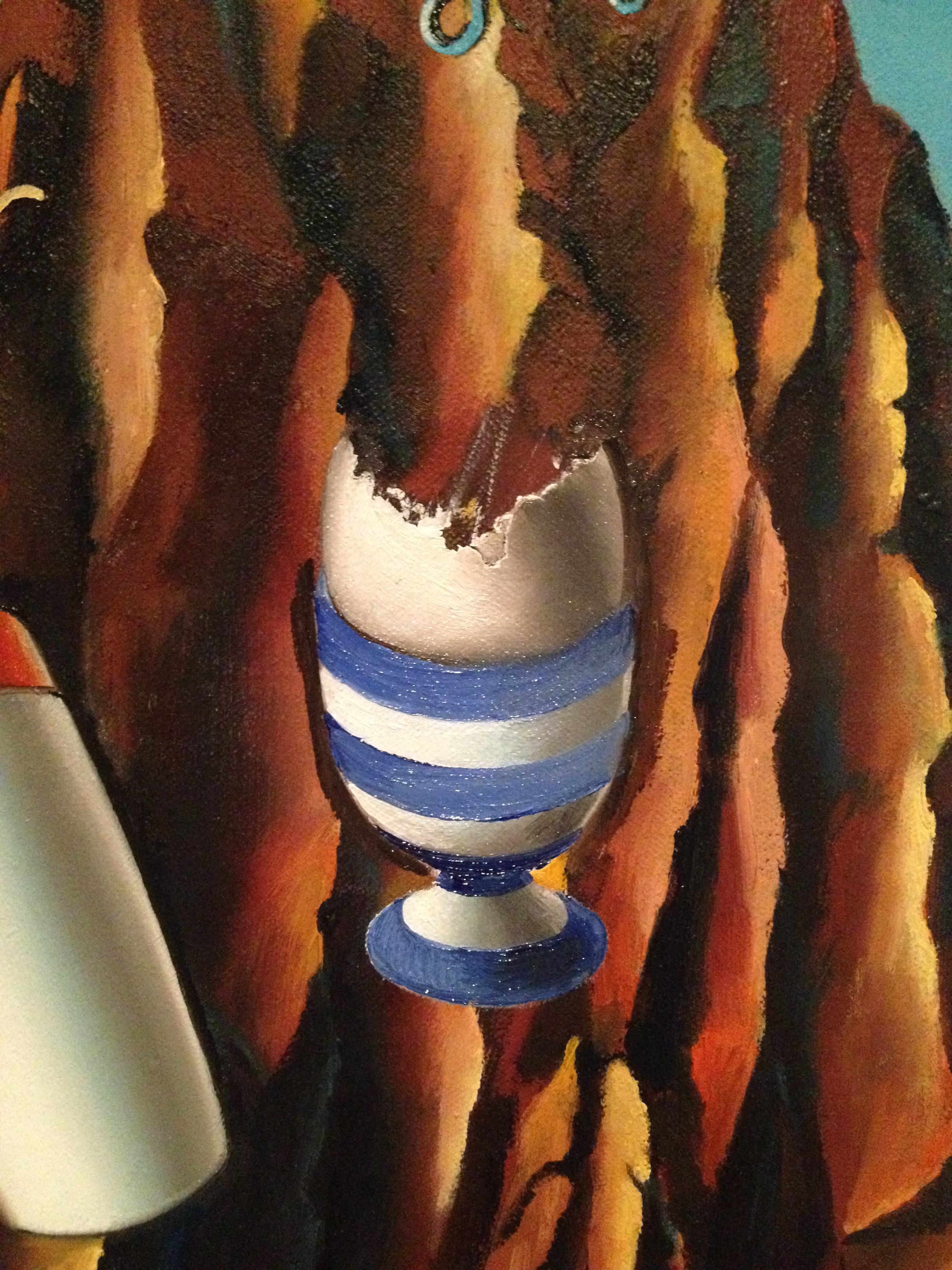
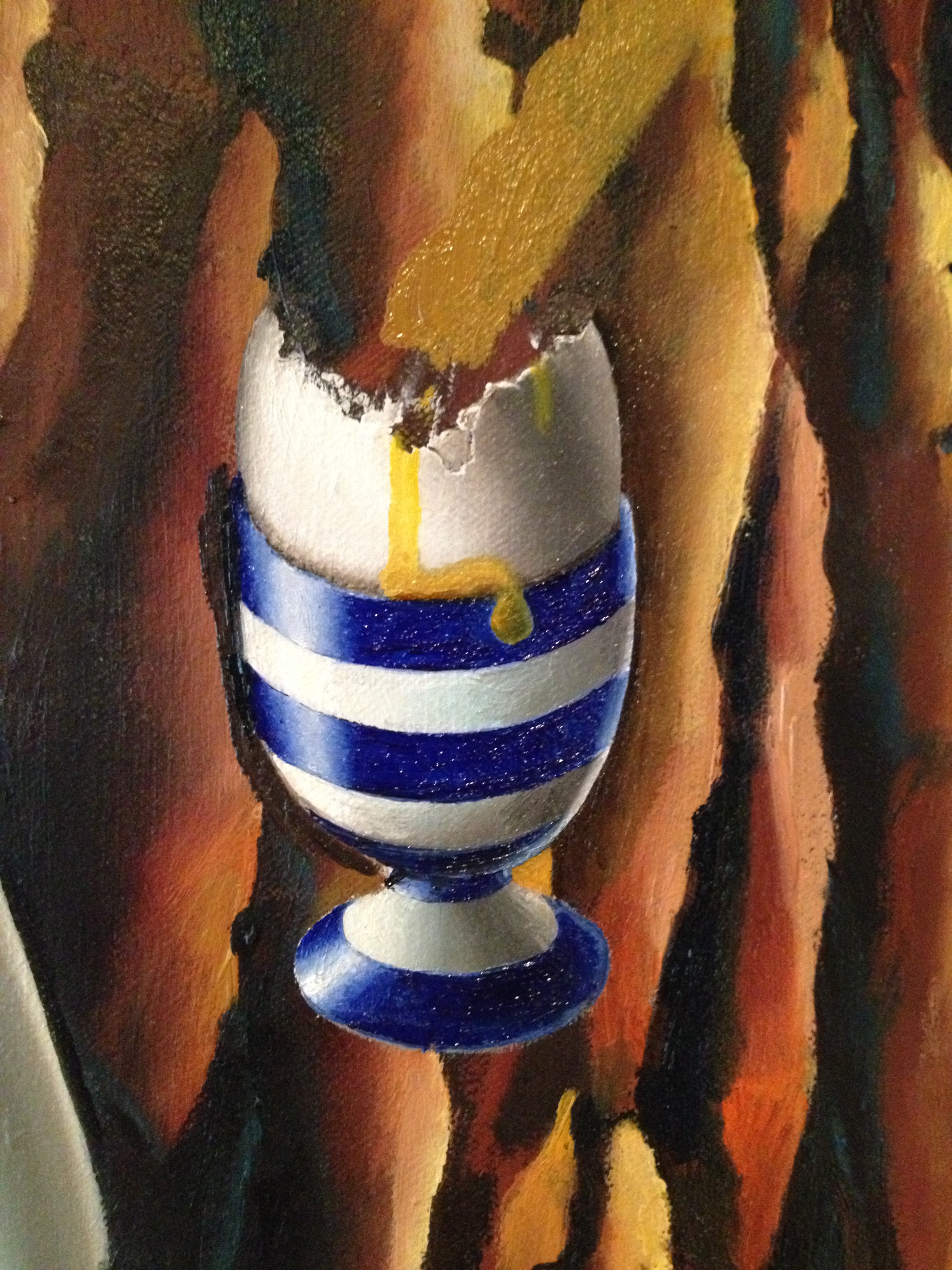
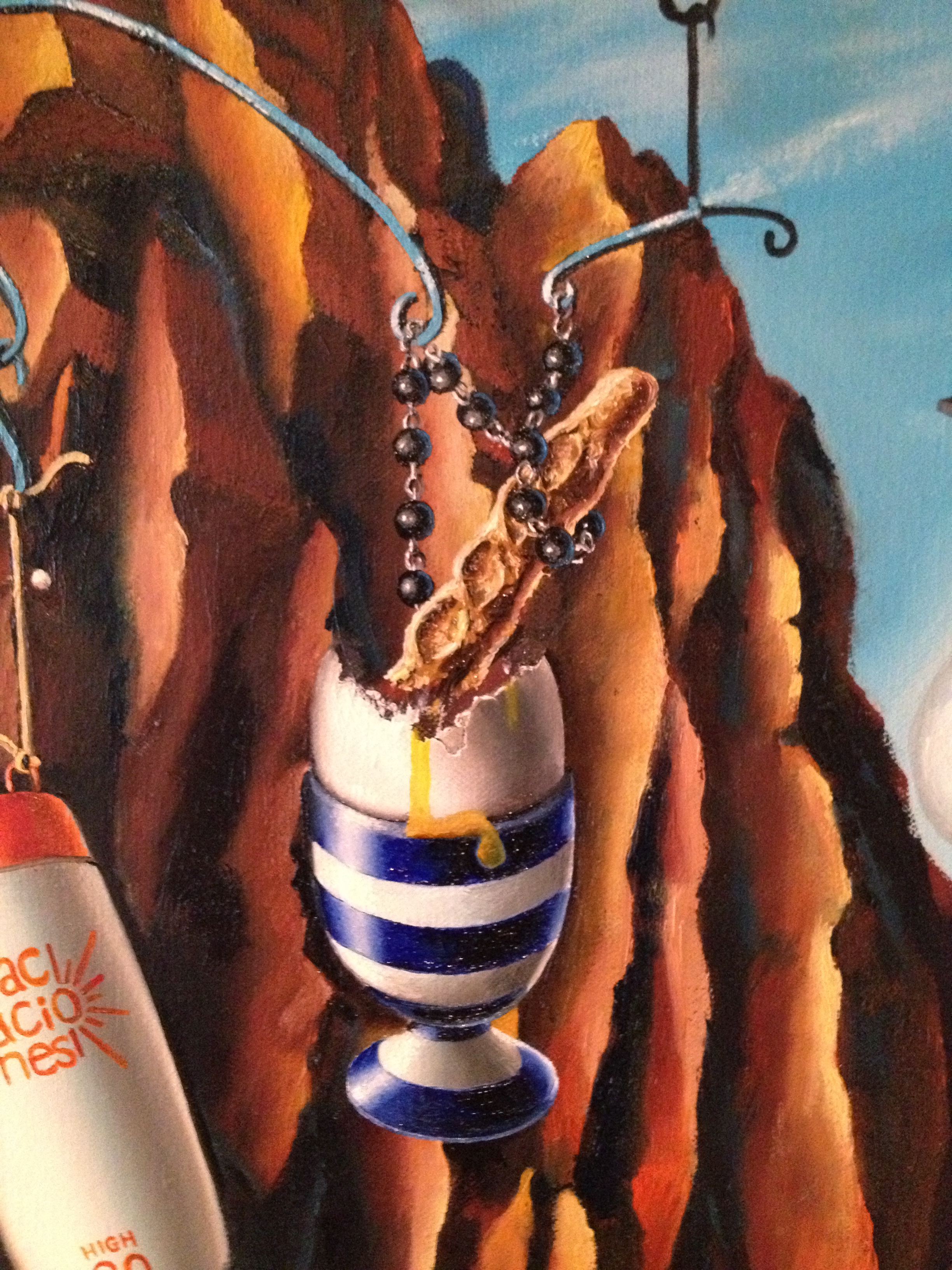
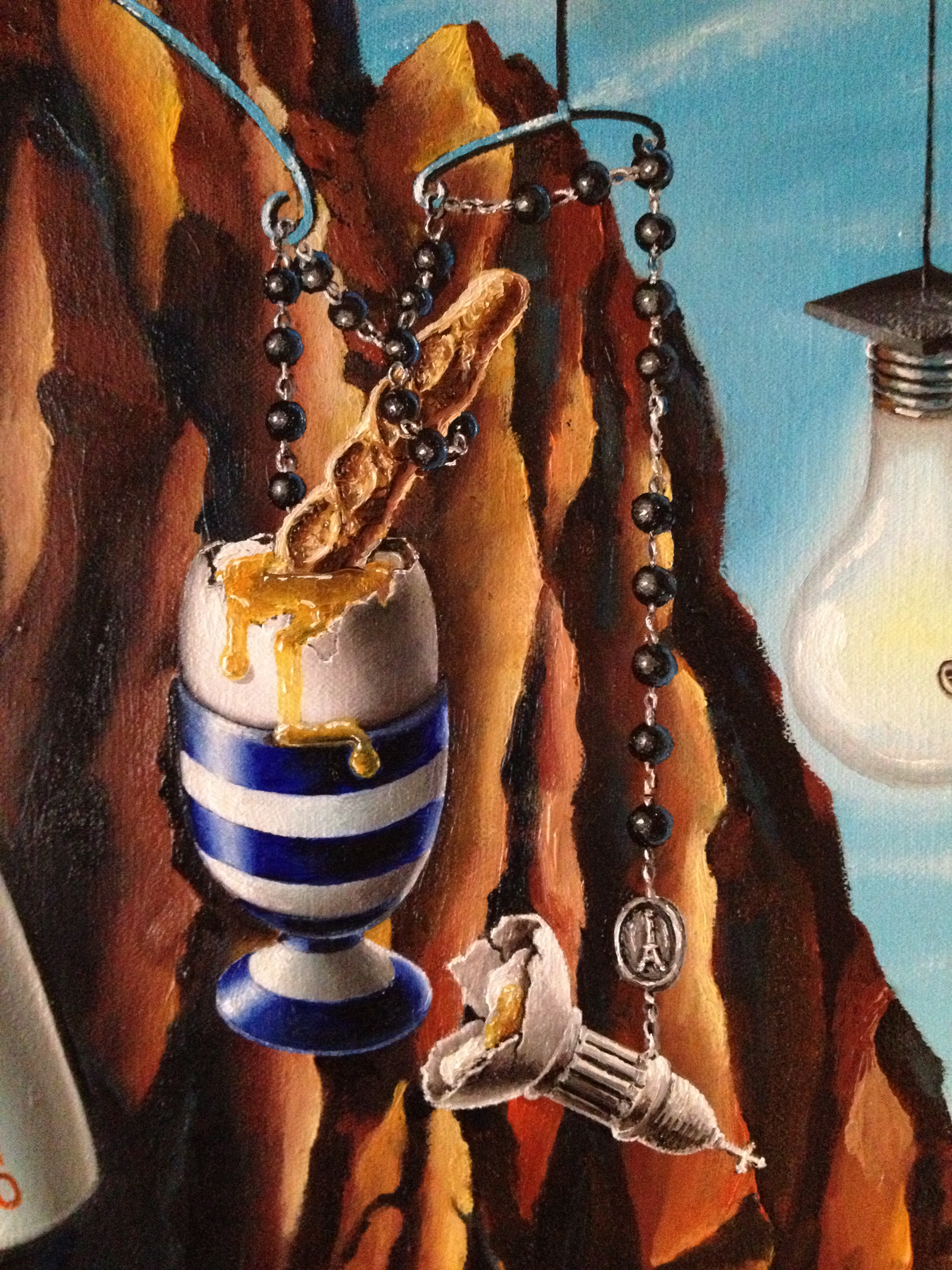
Le Paris aimed to show my beloved Paris from various unusual standpoints, and one of my favourite images was my depiction of the Sacre Coeur, the church atop Montmartre, as a series of eggs in egg cups and split open lavishing the surrounding blue canvas with their eggy contents. The image spoke both of the architectural charisma of this multi-domed church, as well as the inherent fragility of a 21st century Catholic Church. In one dome in particular, a French baguette plunged into the waiting yolky contents like an egg soldier, but also the body of Christ, while his blood, the wine, was represented by the main dome upturned like a communion chalice.

The real thing…

DSC04826 DSC04821 DSC04844

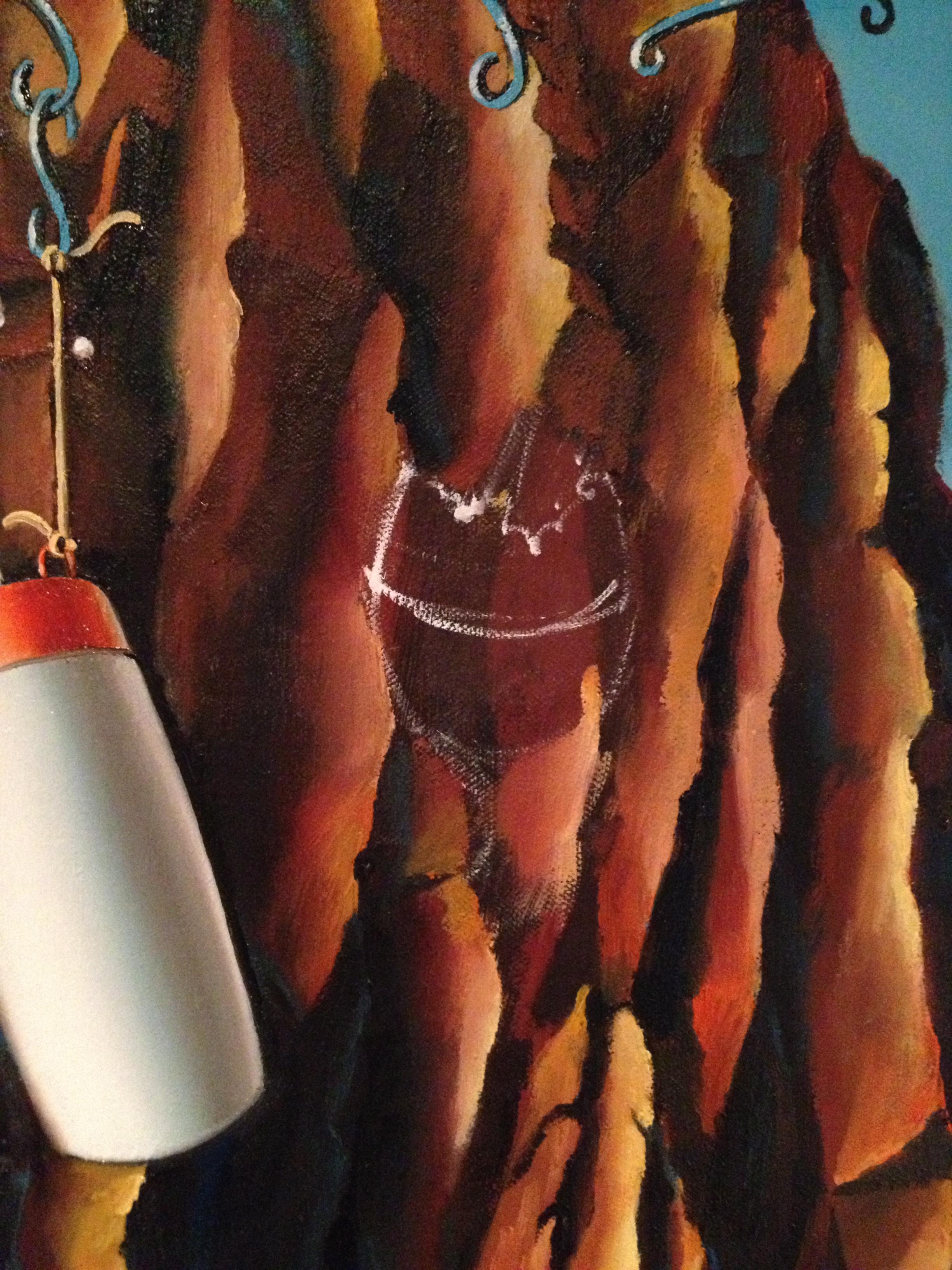
In this new painting I have replicated the egg soldier image, but with some extra frills. Both parts of the egg, and the baguette, are connected to the mobile by what looks like rosary beads, but whose religious imagery is replaced by symbols of Paris – the iconic Eiffel Tower proclaiming that Art and Paris are my ultimate passion: My Religion.

My progress

IMG_3559 IMG_3560 IMG_3562 IMG_3566 IMG_3577 IMG_3579 IMG_3583 IMG_3585 IMG_3588 IMG_3593IMG_3615

The finished image

The finished image

I find it particularly satisfying to compare both this egg and the egg of my 16 year old self – a first great painting, when my untrained skills we still naive. My skills now (although still untrained) have improved, and I feel confident in my ability to better understand light and shadow and dimension so much better than 13 years ago. Yet the idea of my 16 year old self – the Sacre Coeur as eggs – is almost surprisingly impressive to me, innovation which my adult self may struggle to come up with, but which works so well now in this revolution of my art – art revisited for this autobiographical expression of my life, on canvas.

...and the 2000 image

…and the 2000 image

© Nicholas de Lacy-Brown and The Daily Norm, 2001-2013. Unauthorized use and/or duplication of the material, whether written work, photography or artwork, included within The Daily Norm without express and written permission from The Daily Norm’s author and/or owner is strictly prohibited. Excerpts and links may be used, provided that full and clear credit is given to Nicholas de Lacy-Brown and The Daily Norm with appropriate and specific direction to the original content.

Autobiographical Mobile: My painting diary – Day 17: Travel/ Gastronomy

After what felt like months of working and reworking the Mallorcan beach background of my latest large-scale painting, my Autobiographical Mobile, I have finally started to complete some of the finer details of the work and find myself galloping into the final stretch (albeit over the hurdles which are inexorably cast into my path by a full-time job working in the law). Those details are, arguably, the most important sections of the painting, as they are the series of symbols and metaphors which hang from a large Calder-style mobile representing a biography of my life. On one side, the mobile balances my great loves and passions, on the other, the black spots and bad experiences I have encountered and, in some cases, which continue to cast their dark shadow over my life.

Over the last few days, I have concentrated on the jocular manifestation of my life’s favourite things, the section of the painting which reads a bit like the song from The Sound of Music. Of the four symbols hanging on the positive side of the mobile, the first I tackled was my symbol of travel and gastronomy. I should start by explaining that each of my symbols have a double meaning, encompassing at least two of my passions (and therefore giving the metaphors more complexity and freeing up space on the canvas). As regular readers of The Daily Norm will have noticed, I am inexcusably fond of both travel, and of food (both cooking, and of course, of eating) and particularly enjoy both pursuits when they have something of a Spanish flavour.

Progress on my travel/ gastronomy metaphor…

IMG_3523 IMG_3525 IMG_3526 IMG_3530 IMG_3545 IMG_3555 IMG_3576

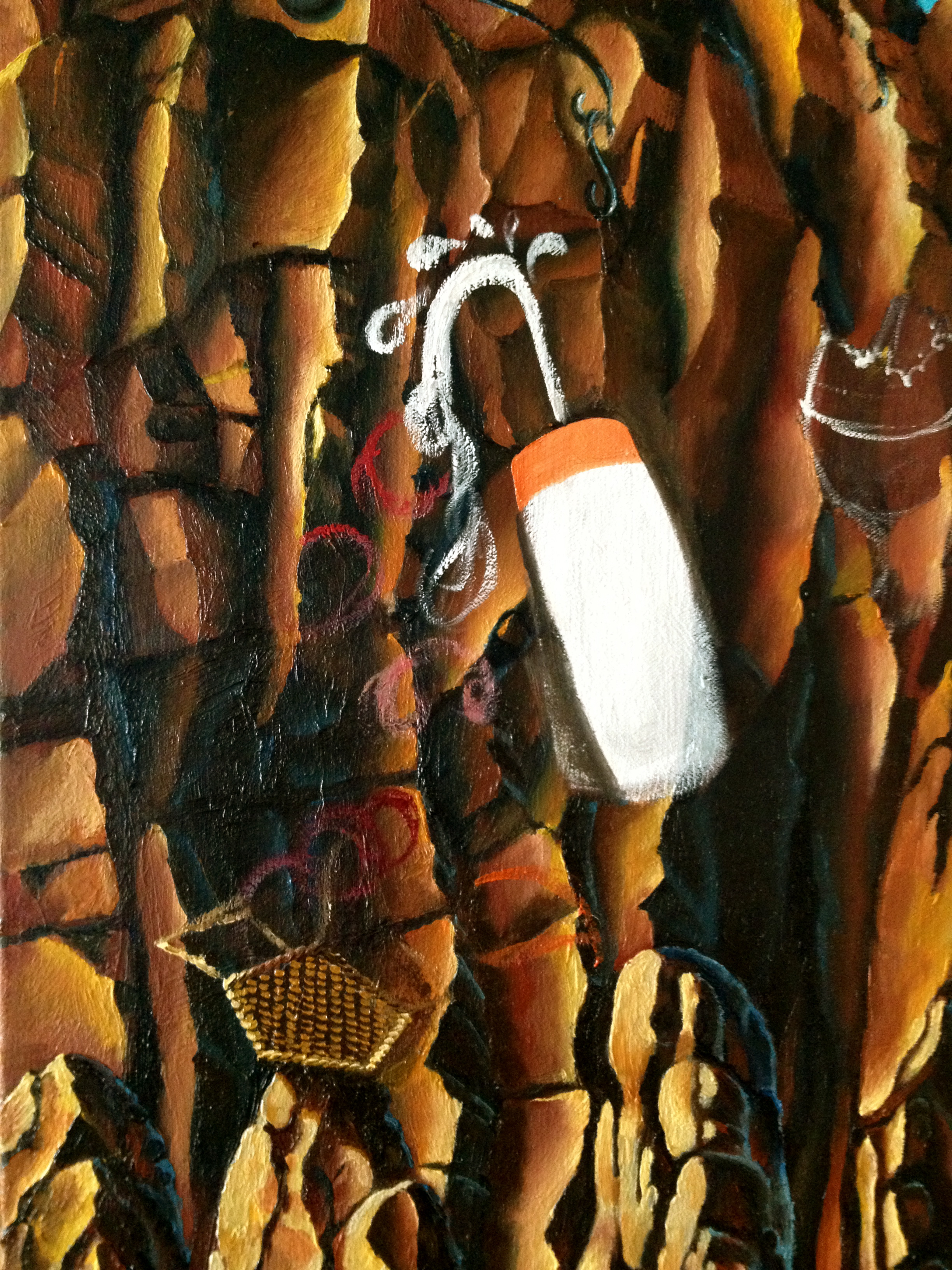
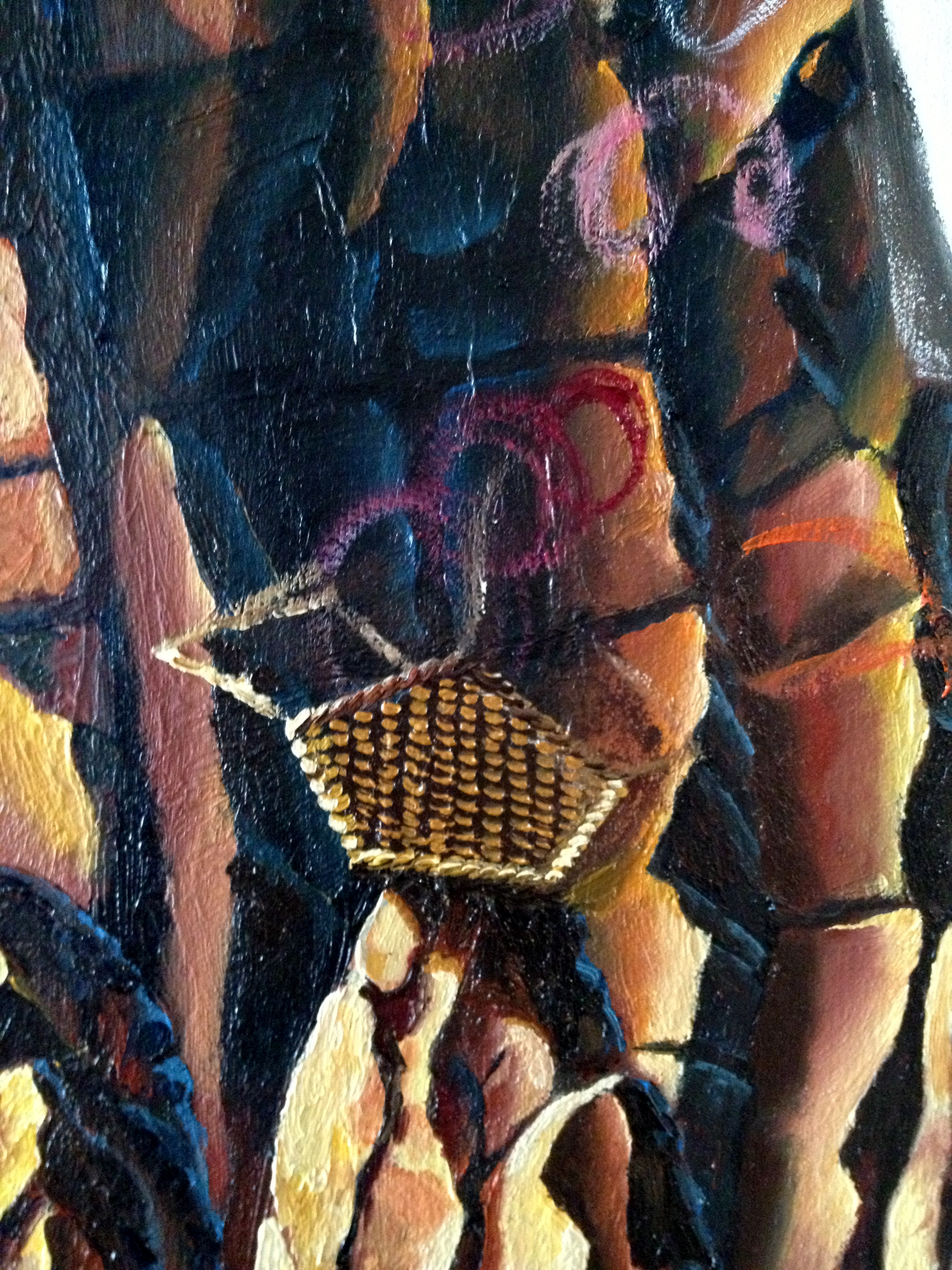
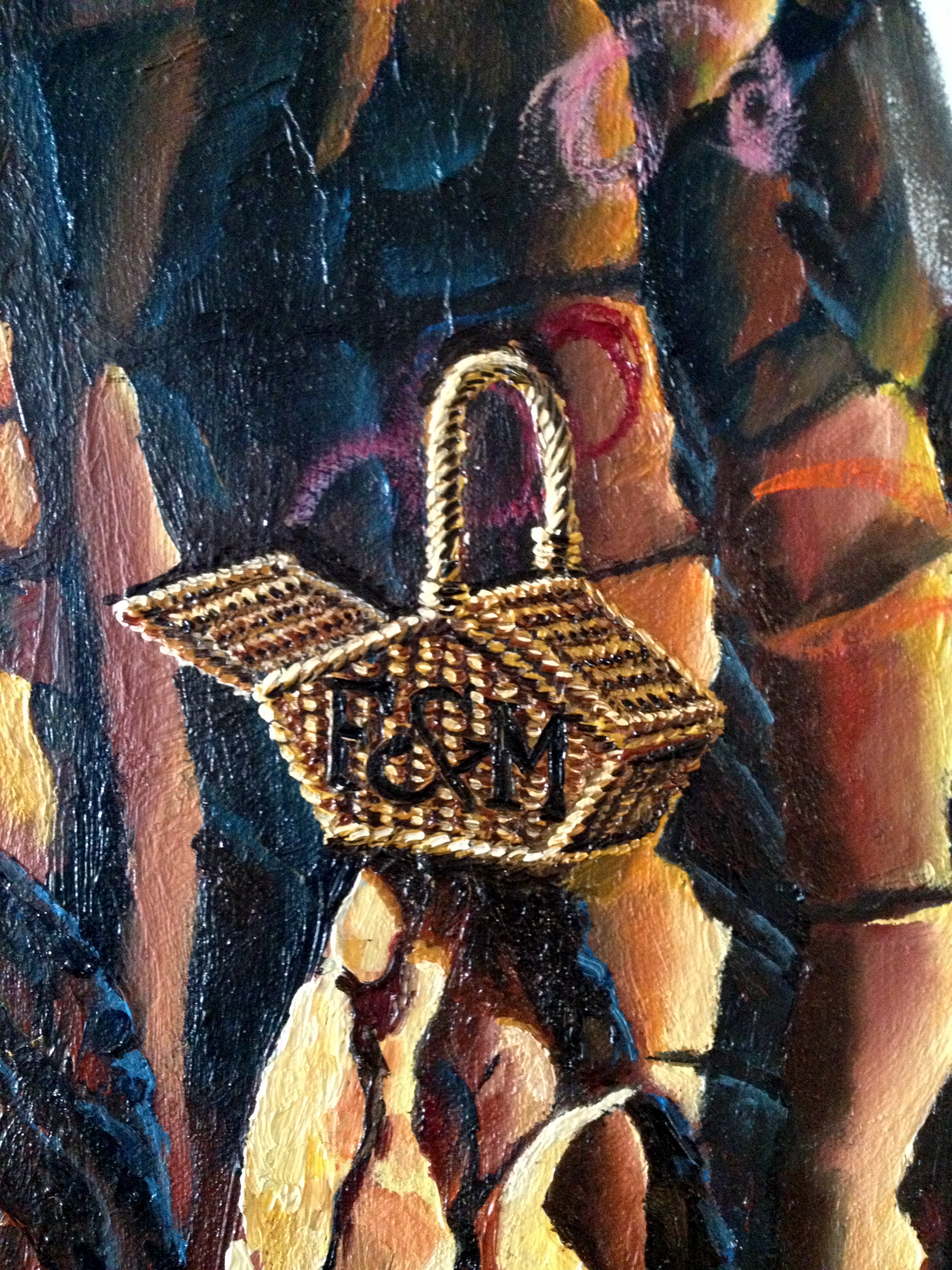
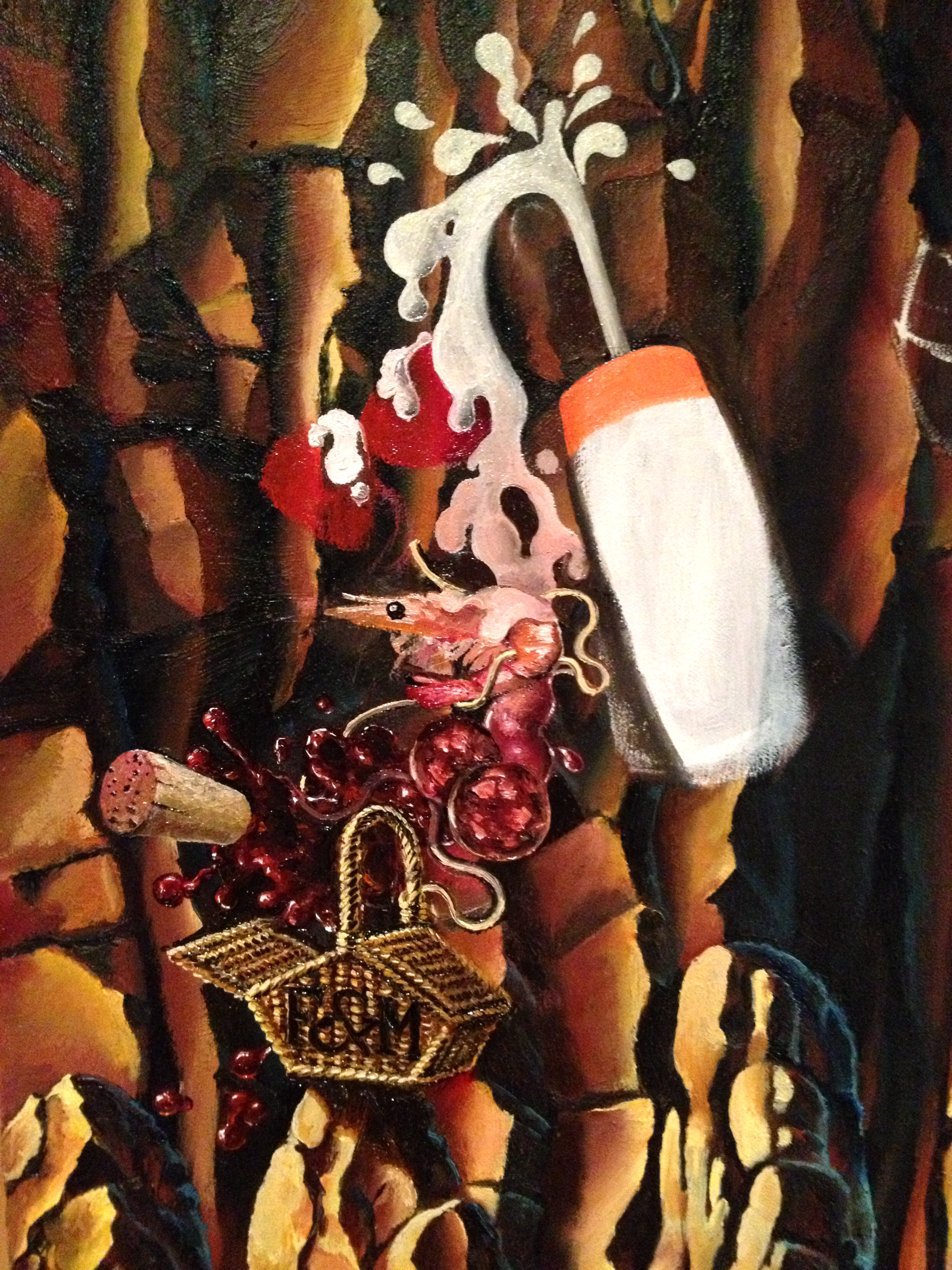
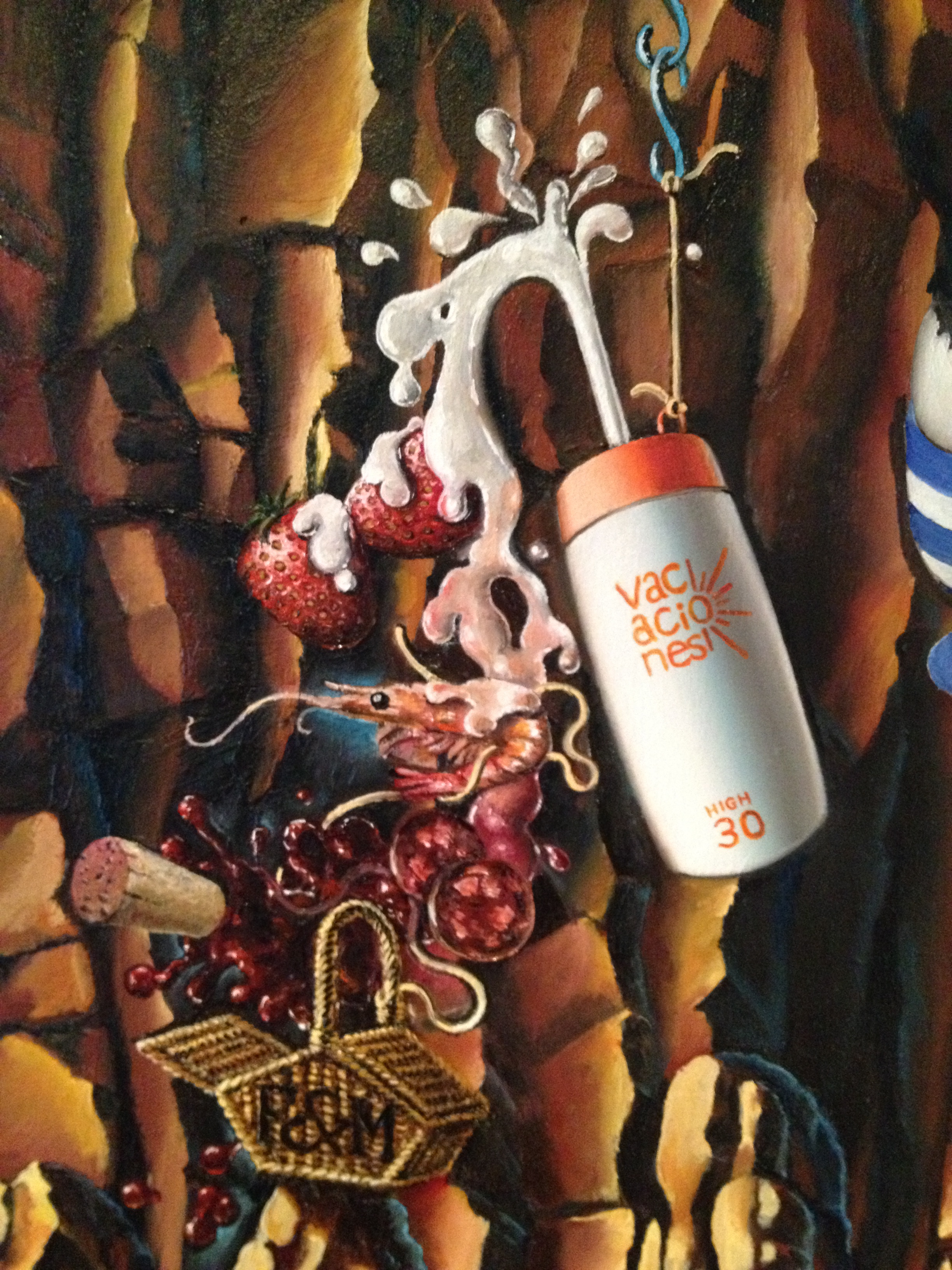
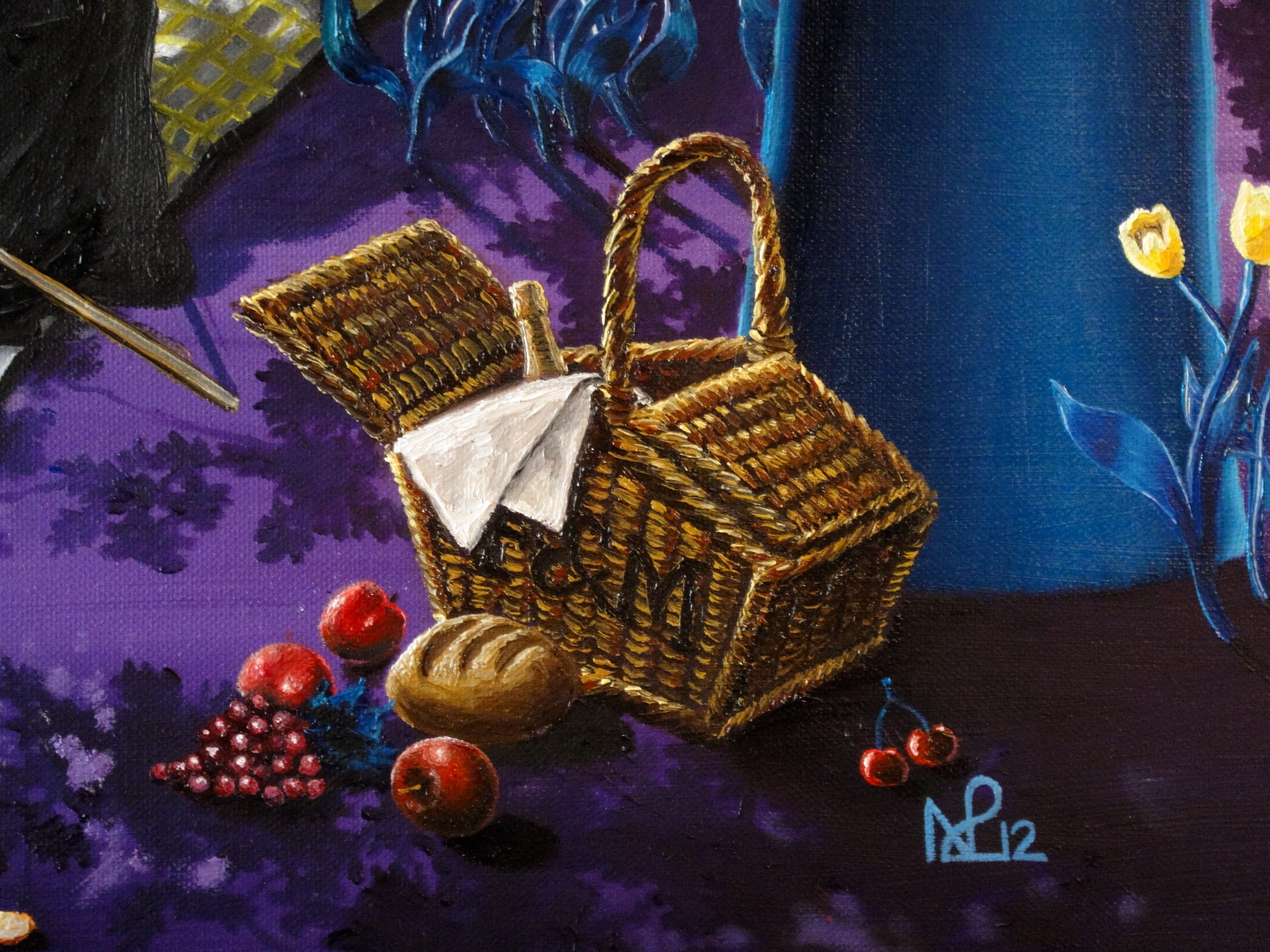
Representing both passions therefore, I have painted a bottle of sun-cream. It has a high protection level (30) which also happens to be my impending next birthday-age. On the bottle, the word “vacaciones” which is Spanish for “holidays” is suitably branded, surrounded by sun-rays (I’m quite pleased with this – I clearly should have been a brand designer!). Squirting from the bottle, the sun-cream becomes edible cream which itself swathes around two juicy strawberries – a representation of fresh, ripe summery food. The cream, graduating downwards, becomes a pinker marie-rose sauce, which in turn accompanies some succulent prawns. These in turn are accompanied by two slices of my favourite of all meats – Spanish chorizo sausage (chorizo and prawns are often to be found together in a great big pan of Spanish paella) and the chorizo is in turn doused in a delicious red wine (thus making the popular tapas dish, Chorizo al Vino) which has metamorphosed out of the marie-rose sauce. The final item on the flurry of food then is wine, as ever a subject of my most tender affection, and represented by an energetic splash and a wine bottle cork. All of this falls into a Fortnum and Mason’s picnic hamper (an icon of my favourite London department store), whose basket twine starts to unravel, curling like a piece of spaghetti around the food suspended above it.

It’s a rather complex image, but I have always had a penchant for images which metamorphose, as one object becomes another, and an image builds in complexity and entendre. Check out the third painting of my 2005 Joie de Vivre series for example. Amongst the metamorphoses there are harbour lights which become pearls which become buoys floating in the water, and rain which becomes snow which becomes ice cream.

Joie de Vivre/ Zest of Life 3: Casino Nights (2005 © Nicholas de Lacy-Brown, acrylic on canvas)

Joie de Vivre/ Zest of Life 3: Casino Nights (2005 © Nicholas de Lacy-Brown, acrylic on canvas)

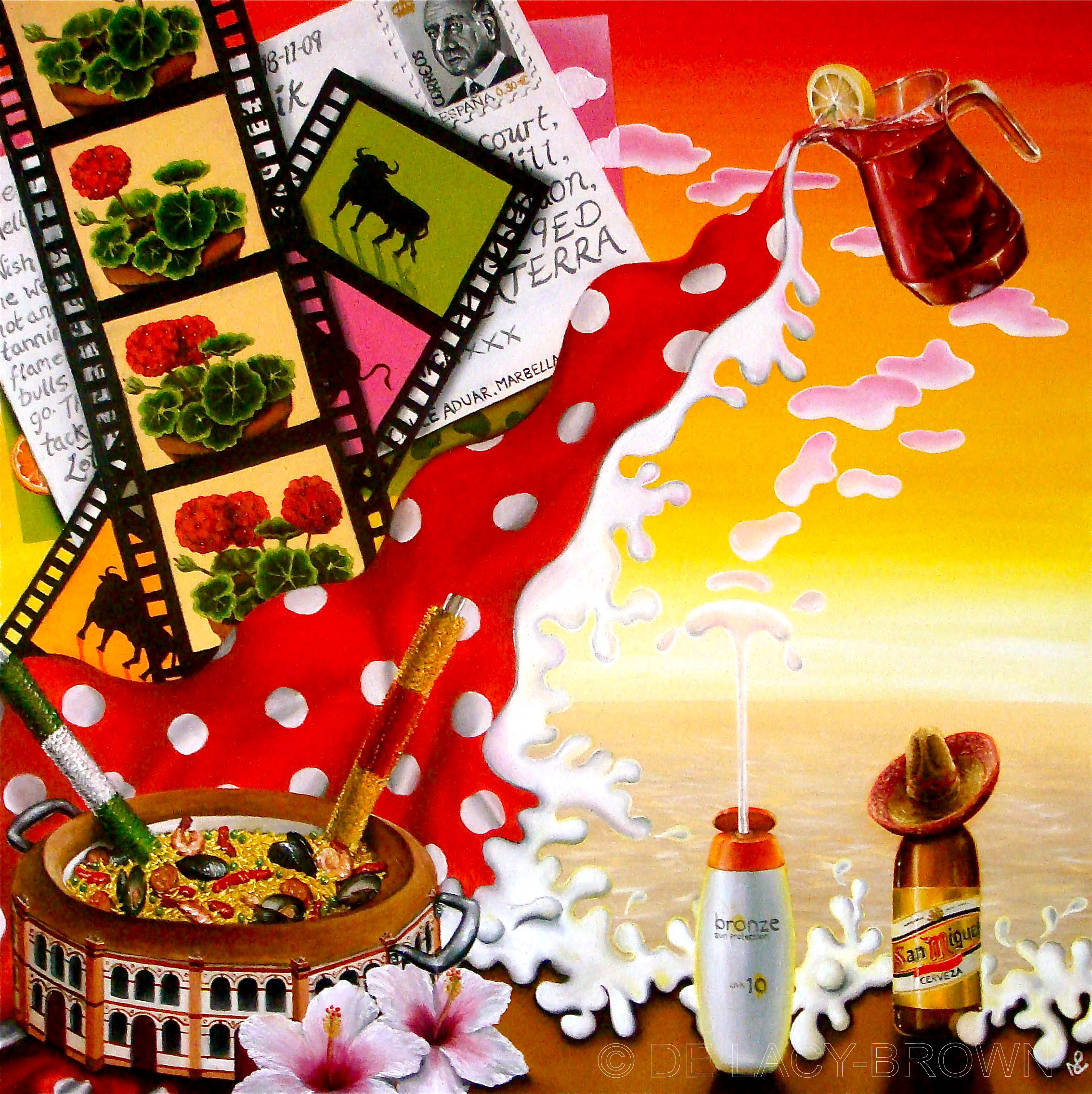
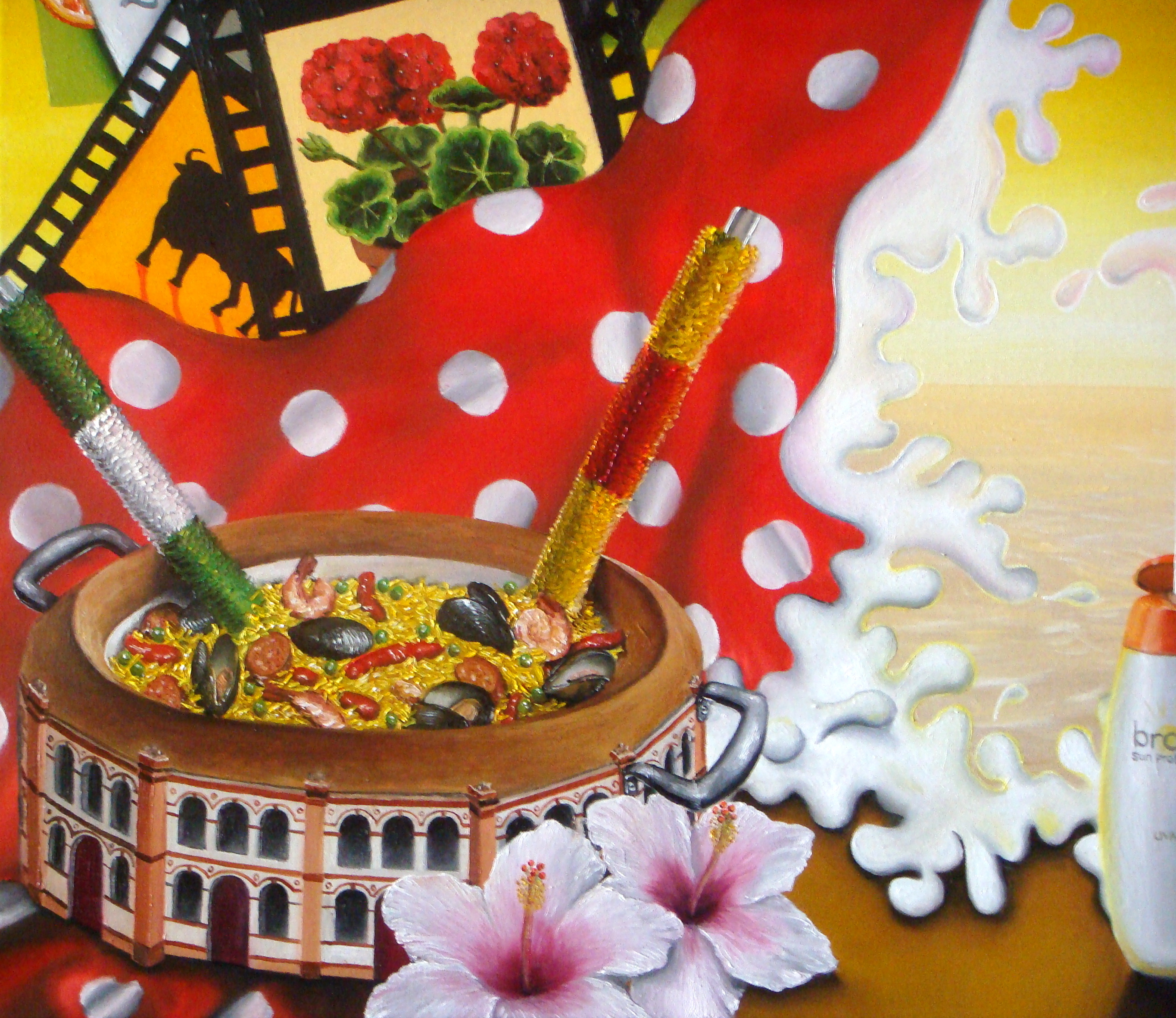
As much of the current painting deals with my life, it’s unsurprising that many of my symbols which make direct reference back to my past body of art work. In painting the sun-cream bottle, for example, I make direct reference to my 2009 painting, Souvenir of Spain, which deals with the tourist stereotypes of my favourite country. Amongst them is the general consensus of the ignorant British tourists that Spain is all about “sea, sand, sex and sangria” hence the symbols of sunbathing which permeate the piece. Here’s that painting and some detailed shots of the work, including, as you will see, my previous depiction of Spanish cuisine, namely the iconic paella, a fodder of Spanish tourist haunts all over the world, and which here is painted inside of a bullfighting ring.

Souvenir of Spain (2009 © Nicholas de Lacy-Brown)

Souvenir of Spain (2009 © Nicholas de Lacy-Brown)

DSC08783 DSC08796 DSC08789

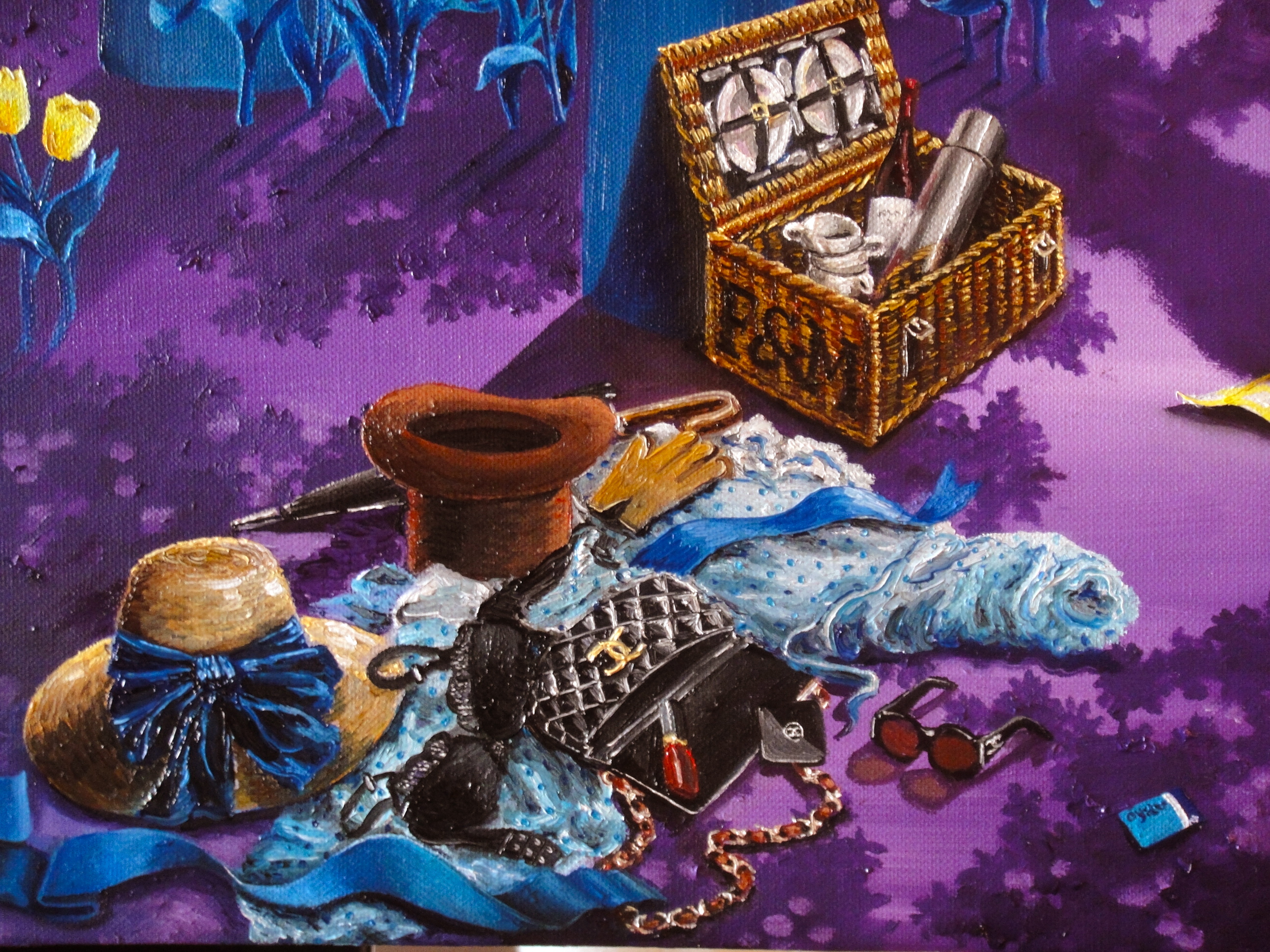
This image also references back to my Norm depiction of Manet’s Le Dejeuner sur l’Herbe, and the two Fortnum and Mason’s hampers I included in that fine picnicking piece. For me the idea of being out in the summer warmth, feasting of the grass out of a decadent Fortnum’s hamper is amongst the most pleasant of all thoughts. Ironically I have never owned a Fortnum’s hamper (they’re not cheap…) but my ambition to get my hands on one (preferably a full one!) lives on. Maybe as a present to myself when this large painting is finally complete?

Le Déjeuner sur l'herbe (after Manet) 2012 © Nicholas de Lacy-Brown, Oil on canvas

Le Déjeuner sur l’herbe (after Manet) 2012 © Nicholas de Lacy-Brown, Oil on canvas

Fortnum and Masons Hamper with bread, grapes, apples and cherries

Fortnum and Masons Hamper with bread, grapes, apples and cherries

The Norms' discarded clothes and handbag

The Norms’ discarded clothes and handbag

Up next time… My art and my adored Paris.

© Nicholas de Lacy-Brown and The Daily Norm, 2001-2013. Unauthorized use and/or duplication of the material, whether written work, photography or artwork, included within The Daily Norm without express and written permission from The Daily Norm’s author and/or owner is strictly prohibited. Excerpts and links may be used, provided that full and clear credit is given to Nicholas de Lacy-Brown and The Daily Norm with appropriate and specific direction to the original content.

Manet: Not exhibited in his lifetime

Glancing through the current Manet retrospective, Manet: Portraying Life, at the Royal Academy, there is one consistent feature which is perhaps even more noticeable that the works themselves: How many of the paintings are labelled “Not displayed in his lifetime”. Why the Royal Academy is so insistent on spelling this out with such apparent alacrity is unclear. But what it demonstrates is that the majority of works comprising this so called “first ever retrospective devoted to the portraiture of Edouard Manet” are what I call “filler works” – paintings which are either unfinished or merely preparations for other works, and none of which the artist had ever intended to be exhibited for public consumption.

It is therefore with some unease that I looked upon these works, which the Royal Academy tries to pass off as paintings worthy of the not insignificant £15 entry-price, the cynic inside me recognising that what we have here is merely a means by which a show that, fundamentally, consists of one room’s worth of finished and accomplished works, is padded out to fill a much bigger space. And even that space is not filled particularly well.

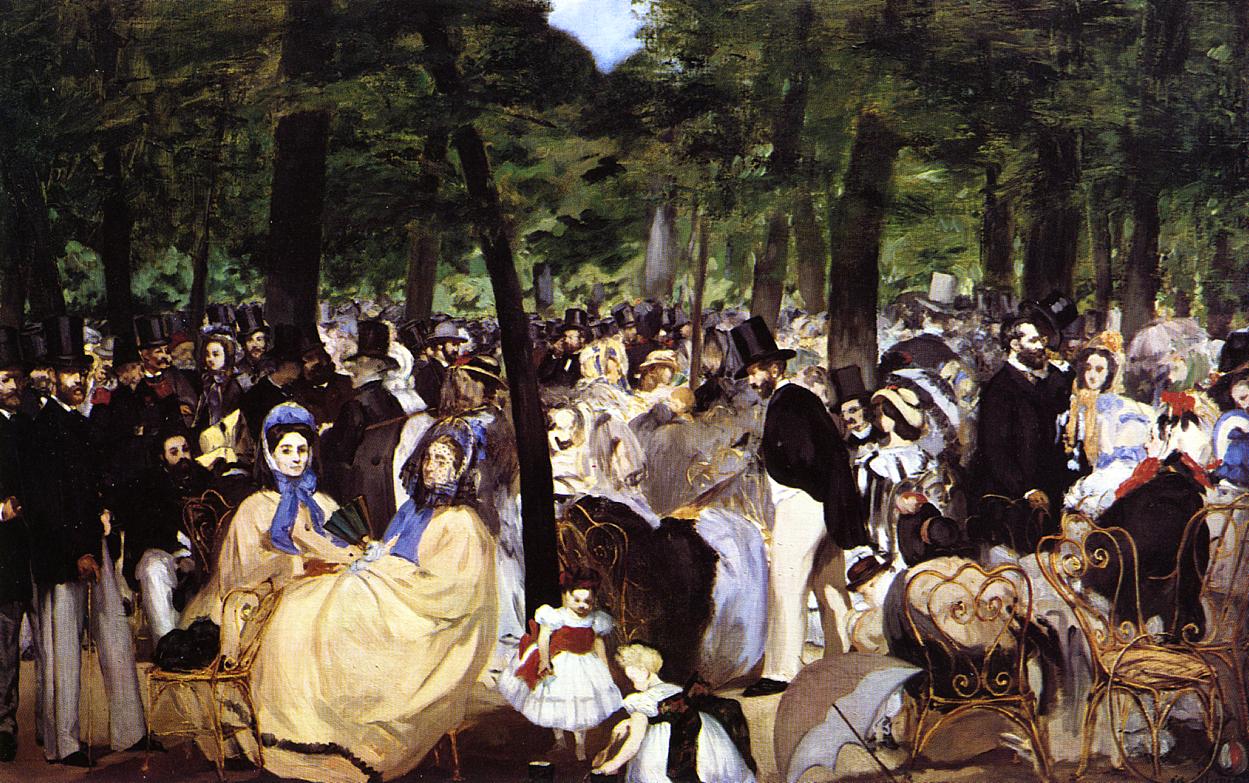
Music in the Tuleries Gardens (1862)

Music in the Tuleries Gardens (1862)

In the second large gallery, for example, the Royal Academy make the slightly unfathomable decision to present Music in the Tuleries all on its own, spotlight upon it, surrounded only by blank walls. I could understand this kind of hang for a masterpiece such as Le Dejeuner sur l’Herbe, which almost single handedly changed the history of art (and sadly lacking from this show), but for this painting? Sure enough, it’s a skilled group painting, giving us a very realistic snapshot of modern day life one sunny afternoon, lacking in the previous contrived composition of the grand historical paintings which were favoured in the time Manet painted it. But the Royal Academy do not succeed in making any significant point worthy of this solo hang. And what’s worse, this painting belongs to London’s National Gallery, so visitors can normally walk up and see the painting whenever they like, without the crowds attracted to the RA, and for free.

But this was not the worse of it. The following gallery was hung, not with paintings, but with a chronology of Manet’s life, and a desk on which copies of the exhibition catalogue could be surveyed – why exactly I’m not sure: after all, isn’t it better to look at the paintings themselves when you have them in front of you?

Unfinished: Portrait of Carolus Duran (1876)

Unfinished: Portrait of Carolus Duran (1876)

But asides from the unpalatable cheek with which the RA filled it’s space and passed off the show as a great survey of Manet’s career, I also felt a deep sense of unease, not as a punter, but as an artist – because so many of these works are so clearly unfinished, unprepared for public consumption. I can imagine Manet now, turning in his grave, horrified at the prospect of these unfinished preparations being gazed at and criticised as though they were finished works. And all for the sake of a buck or too.

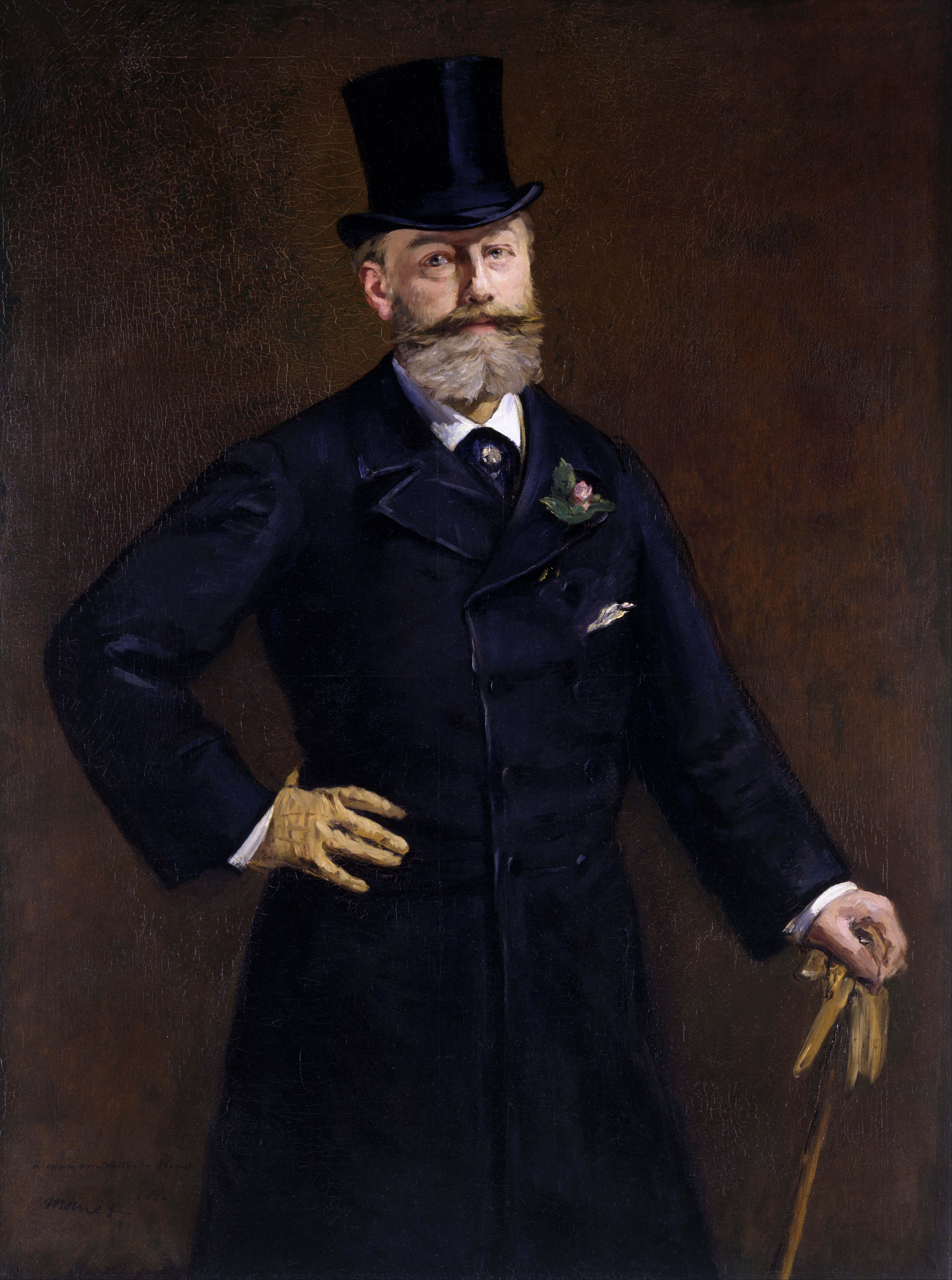
Portrait of M. Antonin Proust (1880)

Portrait of M. Antonin Proust (1880)

The Luncheon (1868)

The Luncheon (1868)

Madame Manet in the Conservatory (1879)

Madame Manet in the Conservatory (1879)

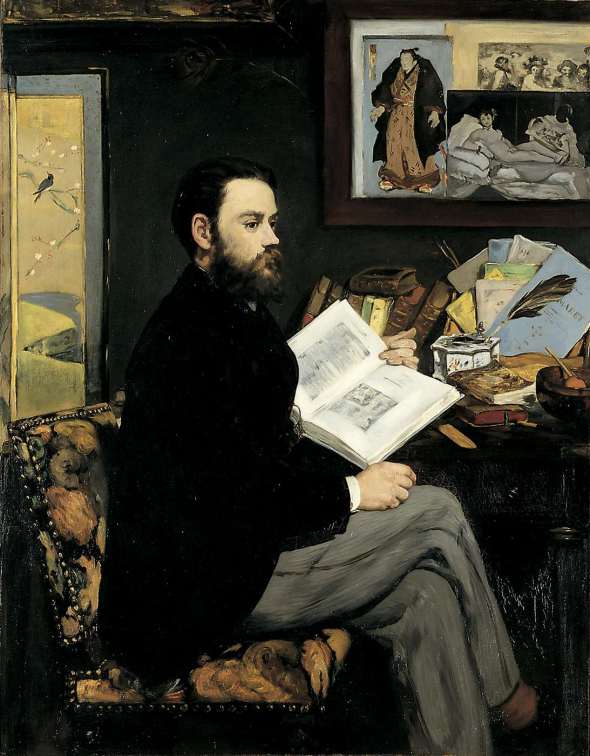
Emile Zola (1868)

Emile Zola (1868)

All that said, the finished works which are on show are masterful Manet’s, apt demonstrations of the artist’s skill at capturing real life, real characters and a sense of the time in which he painted. You get the portrait of M. Antonin Proust (not to be confused with the acclaimed author) – a dandy about town, a man proud and professional in his polished appearance; then there’s Suzanne Leenhoff (later Madame Manet), sat, happily contented in the garden of Manet’s home, her cheeks rosy and her gaze tranquil.

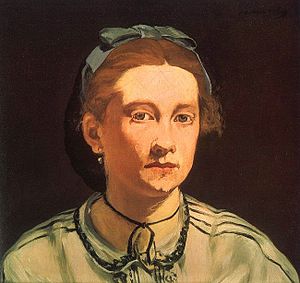
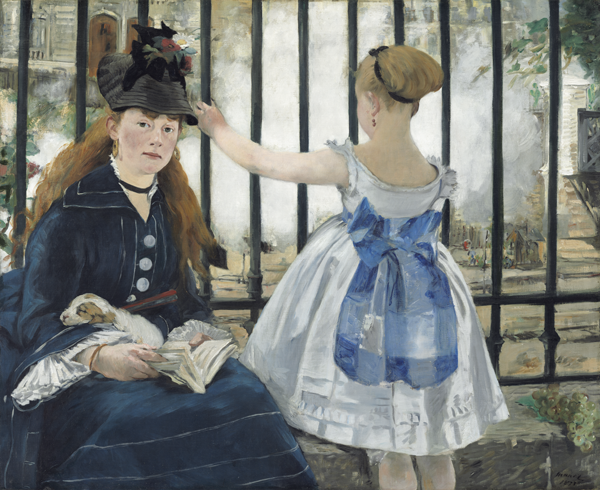
300px-Edouard_Manet_088Then of course there’s Manet’s most infamous sitter of all: Victorine Meurent, who gets a whole gallery to herself in this show. While sadly, and very obviously lacking the two great masterpieces of Manet’s oeuvre in which she features (Le Dejeuner sur l’Herbe (although the Courtaulds inferior and much smaller copy is here) and Olympia), the paintings which are on show present the model with the confidence and audacity which must have attracted the artist to her – the wiley stare, straight out of the canvas, almost judging, daring the viewer to respond. Then there’s Victorine dressed as a street-seller, an accomplished character portrait in which the cherries held to her mouth appear almost as a provocation, a subliminal message inviting us to read a story into her steely gaze,  as well as the wonderful Railway portrait, in which the railings adjoining the railway appear to take centre stage, and the air of noisy, smoky, modern industry appears oddly juxtaposed with the apparent calm and tranquillity of Victorine and her sleeping puppy.

Street Singer (1862)

Street Singer (1862)

The Railway (1883)

The Railway (1883)

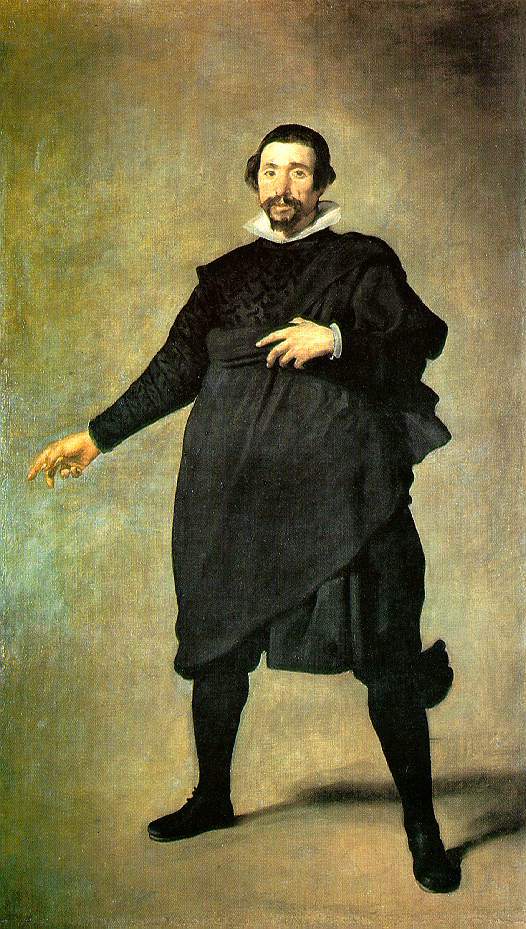
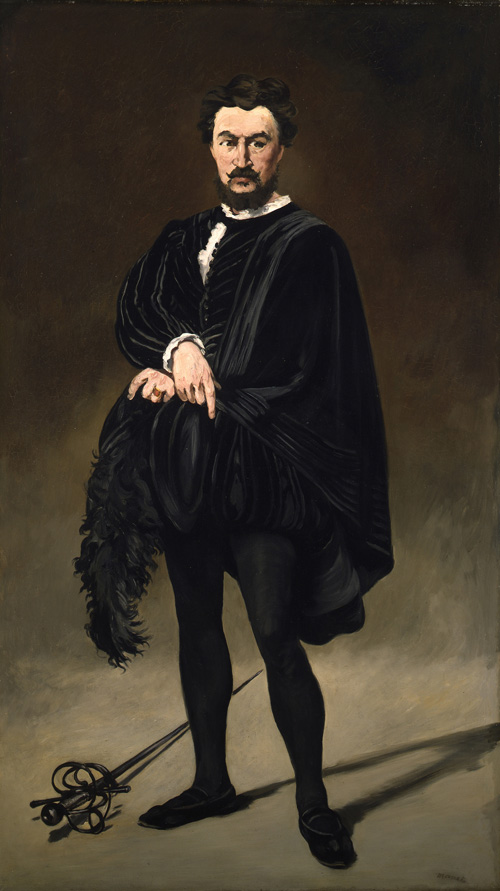
As a Manet lover (need I remind you of my Norm version of both Manet’s Le Dejeuner sur l’herbe and my juxtaposed Manet character Norms sat in Cappuccino Grand Café ?) I was of course familiar with many of the few finished works on show. But one thing that I took out of the show which I had not fully appreciated before was just how influenced Manet had been by Spanish art. Taking a trip to Spain, organised by Zacharie Astruc who’s portrait is also on display, Manet was very quickly inspired by Velazquez, who he saw as a master of painting black in all its surprising variety of shades, as well as other greats such as Goya and Ribera. Following on from this, one can really start to see the Spanish influence infiltrating into Manet’s work. Take the portrait of Rouviere as Hamlet for example, and look how it compares to this portrait by Velazquez. Then of course there’s the portrait of Victorine in the costume of an Espada, again sadly not included in the exhibition, an a portrait of Emilie Ambre as Spain’s favourite operatic diva, Carmen. As an artist much inspired by the Spanish golden age of art, I am well able to understand the effect that Spanish art must have had on Manet, helping him to surge forward as the revolutionary artist he was, in a claustrophobic French art scene which had yet to be struck by the poignancy of Spanish art.

Portrait of Zacharie Astruc (1866)

Portrait of Zacharie Astruc (1866)

Diego Velazquez, The Jester Pablo de Valladoid (1635)

Diego Velazquez, The Jester Pablo de Valladoid (1635)

The Tragic Actor (Rouviere as Hamlet) 1865

The Tragic Actor (Rouviere as Hamlet) 1865

Victorine Meurent in the costume of an Espada (1862)

Victorine Meurent in the costume of an Espada (1862)

Spanish influence: Emilie Ambre as Carmen (1880)

Spanish influence: Emilie Ambre as Carmen (1880)

Of course it is difficult for us, well informed of the contemporary art which followed, to understand just how revolutionary Manet was as an artist, painting in the age when grand history paintings and allegorical images were all the rage. His paintings were so real, so unpretentious a snapshot of the life and the world around him, that many gallery goers took to attacking his paintings with umbrellas. Yet still Manet ploughed on, forging the path which impressionists and expressionists and the whole world of modern art pursued in his wake. This exhibition does not make any statement half so bold as the mighty oeuvre of Manet in itself, but putting asides the unfinished sketches, and concentrating on the completed masterpieces, those works of Manet which are on show are easily strong enough to make an impression all by themselves.

Manet: Portraying Life is on at the Royal Academy until 14 April 2013.